PACIFIC COAST POST ACUTE


720 EAST ROMIE LANE, SALINAS, CA 93901 (831) 424-8072
For profit - Corporation 149 Beds PACS GROUP Data: November 2025
Trust Grade
68/100
#428 of 1155 in CA
Last Inspection: February 2025

Within standard 12-15 month inspection cycle. Federal law requires annual inspections.

Overview

Pacific Coast Post Acute in Salinas, California has a Trust Grade of C+, which means it is slightly above average but not exceptional. It ranks #428 out of 1155 facilities in California, placing it in the top half, and #6 out of 14 in Monterey County, indicating only five local options are better. The facility's trend is worsening, with issues increasing from 1 in 2024 to 9 in 2025. While the overall star rating is 4 out of 5, staffing is a concern with a 2 out of 5 rating and a turnover rate of 45%, which is average for California. In terms of fines, the facility has incurred $9,971, which is typical but suggests some compliance issues. Strengths include excellent quality measures rated 5 out of 5 and good RN coverage, which is important as more registered nurses can catch problems that CNAs might miss. However, there are notable weaknesses. Recent inspections revealed serious concerns, such as expired and rotten food items in the kitchen, a failure to serve meals in accordance with residents' dietary preferences, and lapses in infection control practices, such as inadequate hand hygiene and uncovered feeding tubing. These issues raise concerns about the overall safety and quality of care provided at the facility.

Trust Score
C+
68/100
In California
#428/1155
Top 37%
Safety Record
Low Risk
No red flags
Inspections
Getting Worse
1 → 9 violations
Staff Stability
⚠ Watch
45% turnover. Above average. Higher turnover means staff may not know residents' routines.
Penalties
○ Average
$9,971 in fines. Higher than 59% of California facilities. Some compliance issues.
Skilled Nurses
⚠ Watch
Each resident gets only 21 minutes of Registered Nurse (RN) attention daily — below average for California. Fewer RN minutes means fewer trained eyes watching for problems.
Violations
⚠ Watch
36 deficiencies on record. Higher than average. Multiple issues found across inspections.
★★★★☆
4.0
Overall Rating
★★☆☆☆
2.0
Staff Levels
★★★★★
5.0
Care Quality
★★★☆☆
3.0
Inspection Score
Stable
2024: 1 issues
2025: 9 issues

The Good

  • 5-Star Quality Measures · Strong clinical quality outcomes
  • Full Sprinkler Coverage · Fire safety systems throughout facility
  • No fines on record

Facility shows strength in quality measures, fire safety.

The Bad

Staff Turnover: 45%

Near California avg (46%)

Higher turnover may affect care consistency

Federal Fines: $9,971

Below median ($33,413)

Minor penalties assessed

Chain: PACS GROUP

Part of a multi-facility chain

Ask about local staffing decisions and management

The Ugly 36 deficiencies on record

Sept 2025 1 deficiency
CONCERN (D) 📢 Someone Reported This

A family member, employee, or ombudsman was alarmed enough to file a formal complaint

Potential for Harm - no one hurt, but risky conditions existed

Deficiency F0627 (Tag F0627)

Could have caused harm · This affected 1 resident

**NOTE- TERMS IN BRACKETS HAVE BEEN EDITED TO PROTECT CONFIDENTIALITY** Based on interview and record review, the facility failed to complete the discharge planning for one of three sampled residents ...

Read full inspector narrative →
**NOTE- TERMS IN BRACKETS HAVE BEEN EDITED TO PROTECT CONFIDENTIALITY** Based on interview and record review, the facility failed to complete the discharge planning for one of three sampled residents (Resident 1) when there was no final discharge date and no documented place of discharge for Resident 1.These failures resulted in incomplete discharge planning and had the potential for Resident 1's needs to be unmet after leaving the facility on 6/7/25.Findings:Review of Resident 1's face sheet (a document that gives a resident's information) indicated, Resident 1 was admitted [DATE] with diagnoses including hemiplegia (complete paralysis on one side of the body) and hemiparesis (partial weakness on one side of the body) following cerebral infarction (a condition where blood flow to the brain is interrupted, causing brain tissue to die), orthostatic hypotension (a condition where blood pressure drops significantly when a person stands up from a sitting or lying position.)Review of Resident 1's Social History assessment dated [DATE] indicated resident was homeless prior to hospitalization and had resided at a shelter.Review of Resident 1's Discharge Care Plan (initiated 3/6/25, revised 6/11/25) indicated goals for discharge to an appropriate placement that would meet individualized needs and a safe move to the community. Interventions included: Assess resident/family preference regarding discharge resources and coordinates DME (durable medical equipment), pharmacy, home health, and/or in-home support services.Review of Resident 1's Social Service Note dated 5/21/25 (late entry, created 6/21/25) indicated the SSD informed the resident and son of a 5/30/25 discharge date . The document did not show that the date was updated.Review of Resident 1's Social Service Note dated 5/28/25 (late entry, created 6/21/25) indicated the son requested an extension, which was approved by the IDT (Interdisciplinary Team, consists of professionals from different disciplines who collaborate to provide comprehensive and coordinated care to patients), but there was no specific date when Resident 1 will be discharged .Review of Resident 1's Social Service Note dated 6/4/25 (late entry, created 6/21/25) indicated the son asked about discharge. The SSD explained therapy days had ended but did not confirm a discharge date .Review of Resident 1's Health Status Note dated 6/7/25 (late entry, created 6/13/25) indicated: Resident discharged today.bags packed.received two small bags of medications.Resident was picked up by son at 1200.Review of Resident 1's Social Service Note dated 6/7/25 (late entry, created 6/21/25) indicated the discharge as unplanned.During an interview with the Social Service Director (SSD) on 6/11/25 at 10:30 a.m., the SSD stated that Resident 1 was not scheduled for discharge on [DATE]. The SSD stated she was not aware Resident 1 was leaving that day and she had no social services note for that day because the IDT had not finalized the discharge date .During an interview with the Director of Nursing (DON) on 6/11/25 at 1:30 p.m., the DON stated that discharge planning begins on admission and being updated during resident's stay. The DON stated that for homeless residents, the SSD assist in finding a shelter, and once a discharge date was set, the facility obtains a physician's order and needed equipment.During a follow-up phone call with the DON on 6/20/25 at 3:30 p.m., the DON stated Resident 1 wanted to go home on 6/7/25. On 6/23/25, the DON emailed Social Service notes and wrote: The discharge was planned for a future date, however, it turned unplanned on June 7, 2025 when Resident 1 informed the nurse that he will be going home on that day, June 7, 2025 and was picked up by his son. The documents provided by the DON did not show documentation that Resident 1 requested to be discharged on 6/7/25.During an interview with the SSD on 9/11/25 at 3:28 p.m., SSD stated her practice was to document the name of the shelter or destination in the progress notes prior to a resident's discharge. The SSD acknowledged there was no documented place of discharge for Resident 1 on 6/7/25 because the discharge happened on a Saturday when she was not on site. The SSD further stated that Resident 1 was not supposed to be discharged on 6/7/25 and that the discharge happened due to a miscommunication with the resident.Review of the undated facility's policy titled Discharge Summary and Plan indicated When a resident's discharge is anticipated, a discharge summary is created and the discharge plan is finalized to assist the resident with plans for care after discharge.7) A member of the IDT reviews the final discharge plan with the resident and family at least twenty-four (24) hours before the discharge is to take place. 8) The final discharge plan of care shows what arrangements have been made for the resident regarding: a.) where the resident will live after leaving the facility.
Apr 2025 1 deficiency
CONCERN (D) 📢 Someone Reported This

A family member, employee, or ombudsman was alarmed enough to file a formal complaint

Potential for Harm - no one hurt, but risky conditions existed

Quality of Care (Tag F0684)

Could have caused harm · This affected 1 resident

**NOTE- TERMS IN BRACKETS HAVE BEEN EDITED TO PROTECT CONFIDENTIALITY** Based on interview and record review, the facility failed to ensure care and services were provided in accordance with professio...

Read full inspector narrative →
**NOTE- TERMS IN BRACKETS HAVE BEEN EDITED TO PROTECT CONFIDENTIALITY** Based on interview and record review, the facility failed to ensure care and services were provided in accordance with professional standards of practice for one of two residents (Resident 1) when: 1. The facility did not follow their own policy for diabetes (blood sugar higher than normal) management; and 2. The facility did not follow the physician's order. These failures had the potential to compromise residents' care and well-being. Findings: Review of Resident 1's clinical record indicated Resident 1 was admitted on [DATE] and had diagnoses including type 2 diabetes mellitus (DM II-a disorder characterized by difficulty in blood sugar control and poor wound healing) without complications, chronic kidney disease (a disease characterized by progressive damage and loss of function in the kidney), fracture of second cervical vertebra (a broken bone of second bone in the neck), and traumatic subdural hemorrhage (a condition where blood collects between the skull and the brain's outer covering caused by head trauma). Review of Resident 1's physician's order, dated 2/16/25, indicated Lantus Subcutaneous solution (an insulin to lower blood sugar) 100 unit/ml inject 20 unit subcutaneously at bedtime for DM II, hold for BG (blood glucose) < 100. Review of Resident 1's February 2025 Medication Administration Record (MAR) indicated blood sugar was checked once a day at bedtime for Lantus administration. The MAR indicated Resident 1's blood sugar (BS) at 9 p.m. was: 99 milligrams per deciliter (mg/dL, a unit of measure) on 2/16/25; 89 mg/dL on 2/17/25; 380 mg/dL on 2/18/25; 346 mg/dL on 2/19/25; 395 mg/dL on 2/20/25; 399 mg/dL on 2/21/25. Review of the facility's Diabetes-Clinical Protocol, dated 2001, indicated, for the resident receiving insulin who is well controlled: monitor blood glucose levels twice a day if on insulin. During an interview and record review with the director of nursing (DON) on 4/16/25, at 10:10 a.m., she confirmed that Resident1's BS was checked once a day at bedtime and stated it was not consistent with the facility's policy titled Diabetes-Clinical Protocol. During an interview and record review with the director of staff development (DSD) on 4/16/25, at 10:20 a.m., she confirmed that there was no documentation indicating the physician was notified of BS increase to 380 mg/dL on 2/18/25 from 89 mg/dL on 2/17/25. The DSD verified that Resident 1's BS monitoring once a day at bedtime was not consistent with the facility's policy titled Diabetes-Clinical Protocol. The DSD acknowledged the resident's BS monitoring should have been consistent with the facility policy. Review of Resident 1's physician's order, dated 2/16/25, indicated monitor for symptoms of COVID-19 (an infectious disease caused by the coronavirus), every shift for possible COVID exposure, If yes to any symptom, temperature greater than 100.0 F (Fahrenheit, a scale of temperature) and/or oxygen saturation (O2 sat, a measurement of how much oxygen is being carried by the red blood cells in the blood) lower than 94 % RA (room air), notify MD (medical doctor) and initiate einteract COC (a form for change of condition). Review of Resident 1's February 2025 MAR indicated Resident 1's O2 sat was: 90% on 2/16/25 on night shift; 91% on 2/17/25 on night shift; 90% on 2/18/25 on day shift and evening shift; 91% on 2/19/25 on night shift; 93 % on 2/20/25 on night shift; and 91% on 2/21/25 on day shift. Review of Resident 1's progress note, there was no evidence the physician was notified when Resident 1's O2 sat was lower than 94 % on above shifts. Review of Resident 1's Health status note, dated 2/22/25, indicated Resident 1's O2 sat was 78% RA and BG was 588 mg/dL. The note further indicated Resident 1 was hypoxic (low level of oxygen in the body tissues) and hyperglycemic (high blood) and transferred to hospital. During an interview and record review with the DSD on 4/16/25, at 10:30 a.m., she confirmed that there was no documentation indicating the physician was notified when Resident 1's O2 sat was lower than 94% RA. The DSD acknowledged that the physician should have been notified when Resident1's O2 sat was lower than 94% RA as ordered. During a review of the facility's policy and procedure (P&P) titled Diabetes-Clinical Protocol, dated 2001, the P&P indicated, Monitoring and Follow-Up: 3) for the resident receiving insulin who is well controlled: monitor blood glucose levels twice a day if on insulin. Adjust monitoring frequency depending on glucose control . During a review of the facility's policy and procedure (P&P) titled Change in a Resident's Condition or Status, dated 2001, the P&P indicated, 1. The nurse will notify the resident's attending physician or physician on call when there has been a(an): d. significant change in the resident's physical/emotional/mental condition; e. need to alter the resident's medical treatment significantly; i. specific instruction to notify the physician of changes in the resident's condition.
Feb 2025 6 deficiencies
CONCERN (D)

Potential for Harm - no one hurt, but risky conditions existed

Deficiency F0558 (Tag F0558)

Could have caused harm · This affected 1 resident

**NOTE- TERMS IN BRACKETS HAVE BEEN EDITED TO PROTECT CONFIDENTIALITY** Based on observation, interview, and record review the facility failed to ensure resident's care needs were accommodated for one...

Read full inspector narrative →
**NOTE- TERMS IN BRACKETS HAVE BEEN EDITED TO PROTECT CONFIDENTIALITY** Based on observation, interview, and record review the facility failed to ensure resident's care needs were accommodated for one of four sampled residents (Resident 99) when Resident 99's call light button (a cord with a button used by residents to request assistance) was not within reach to use. This failure had the potential to result in the delay of care and treatments for the resident. Findings: Review of Resident 99's clinical record titled, admission Record, indicated Resident 99 was admitted to the facility with diagnoses including heart failure (the heart is unable to pump enough blood to the rest of the body), gout (painful tenderness and swelling of one or more joints of the body), osteomyelitis (infection of the bone), and muscle weakness. The quarterly Minimum Data Set (MDS, an assessment tool), dated 1/27/25, indicated Resident 99 had impaired functional use of both sides of his lower extremities. The quarterly MDS, dated [DATE], indicated a score of 4 out of 15 on a Brief Interview for Mental Status (BIMS) indicating Resident 99 had severe memory problems. During an observation and concurrent interview on 2/10/25 at 9:20 a.m., Resident 99 was awake and sitting up in bed. Resident 99 stated, I can't find my call button. Certified Nursing Assistant B (CNA B) located the call light button at the head of Resident 99's bed tucked between the bed frame and mattress. Resident 99 tried to reach for the call light button, but he could not reach it. During an interview on 2/10/25 at 9:25 a.m. with CNA B, CNA B stated the call light button should have been within reach for Resident 99. During an interview on 2/11/25 at 10:15 a.m. with the Director of Nursing (DON), the DON stated, The call light button should have been within reach at all times. During a review of the facility's policy and procedure (P&P) titled, Answering the Call Light, undated, the P&P indicated, When the resident is in bed or confined to a chair be sure the call light is within easy reach of the resident.
CONCERN (D)

Potential for Harm - no one hurt, but risky conditions existed

Deficiency F0658 (Tag F0658)

Could have caused harm · This affected 1 resident

**NOTE- TERMS IN BRACKETS HAVE BEEN EDITED TO PROTECT CONFIDENTIALITY** Based on observation, interview, and record review, the facility failed to ensure service provided met professional standards wh...

Read full inspector narrative →
**NOTE- TERMS IN BRACKETS HAVE BEEN EDITED TO PROTECT CONFIDENTIALITY** Based on observation, interview, and record review, the facility failed to ensure service provided met professional standards when: 1. Resident 64 received ferrous sulfate (an iron supplement used to treat or prevent low blood levels of iron) and calcium-vitamin D (a medication used to prevent or treat low blood calcium levels) at the same time; and 2. A medication was not administered correctly for Resident 98. This failure resulted in Resident 64 and Resident 98 not getting the full dose and desired effect of the prescribed medications. Findings: 1. Review of Resident 64's admission Record indicated she was admitted to the facility on [DATE] with anemia (a condition that develops when the blood produces a lower-than-normal amount of healthy red blood cells) diagnosis. Review of Resident 64's clinical record indicated, she had physician orders for ferrous sulfate 325 milligrams (mg, a metric unit of mass) every other day at 9 a.m., starting on 9/13/24, and for calcium-vitamin D 500-200 mg-unit every day at 9 a.m. and 5 p.m., starting on 2/14/24. Thus, since 9/13/24, ferrous sulfate and calcium-vitamin D were given at the same time at 9 a.m. every other day. During an interview with the director of nursing (DON) on 2/13/25 at 4:08 p.m., she reviewed Resident 64's clinical record and confirmed ferrous sulfate and calcium-vitamin D were given to Resident 64 at the same time at 9 a.m. every other day since 9/13/24. The DON stated ferrous sulfate and calcium-vitamin D should not be administered at the same time due to drug-to-drug interaction, and she would change the administration time so that ferrous sulfate and calcium-vitamin D would be given separately to Resident 64. According to Lexicomp (www.[NAME].com), a nationally recognized drug information resource, the concurrent use of calcium and ferrous sulfate led to a drug-drug interaction (DDI) of Risk Rating D, which was a significant interaction and required therapy modification. The effect of the DDI was that the calcium may decrease the absorption of oral preparations of iron salts. It indicated the iron absorption was decreased an average of 60% when given as ferrous sulfate and co-administered with calcium. Lexicomp also indicated to separate the administrations of these medications so it may minimize the potential for significant interaction. 2. During an observation of medication administration on 2/9/25 at 11:26 a.m. with Licensed Vocational Nurse (LVN) A, LVN A prepared medications for Resident 98 which included Fluticasone (an oral inhalation medication used to prevent difficulty in breathing, chest tightness, wheezing and coughing) 230 mcg (microgram, a unit of measurement)/21 mcg inhaler. Prior to giving the medication, LVN A shook the inhaler and asked Resident 98 to open his mouth. LVN A then placed the mouthpiece into Resident 98's mouth, administered one puff of the medication, and removed the mouthpiece from the patient's mouth. Resident 98 had his mouth slightly open after the first puff. LVN A waited for a few seconds and asked Resident 98 to open his mouth again and administered a second puff to Resident 98. Resident had his mouth slight open after the second puff. During an interview on 2/9/25 at 12:19 p.m. with LVN A, LVN A verified she did not provide instructions to Resident 98 to effectively administer the Fluticasone Inhaler. LVN A stated, They should not hold their breath, they just hold the medication. LVN A also stated, I should have asked him to inhale before giving the medication. During an interview on 2/12/25 at 11:50 a.m. with the DON, the DON stated, For inhaler medication administration, the nurse should have ask the resident to hold his breath for five or more seconds after giving a puff and then exhale after. Then, the resident must be instructed to rinse his mouth with water. A review of Resident 98's medical record indicated a diagnosis including Chronic Obstructive Pulmonary Disease (COPD, a lung disease that makes it difficult to breathe). A review of Resident 98's Active Physician Orders indicated, (Fluticasone-Salmeterol) 2 puffs inhale orally two times a day for COPD (Rinse mouth & spit after use). A review of facility's policy and procedure (P&P) titled, Administering Medications through a Metered Dose Inhaler dated October 2010, the P&P indicated, .14. Administer medication: .d. Ask the resident to inhale and exhale deeply for a few breath cycles. On the last cycle, instruct the resident to exhale deeply. e. Place the mouthpiece in the mouth and instruct resident to close his or her lips to form a seal around the mouthpiece. f. Firmly depress the mouthpiece against the medication canister to administer medication. g. Instruct the resident to inhale deeply and hold for several seconds. h. Remove the mouthpiece from the mouth and instruct the resident to exhale slowly through pursed lips. 15. Repeat inhalation, if ordered. Allow at least one (1) minute between inhalations of the same mediation . 16. Rinse the mouthpiece with warm water to remove medication residue .
CONCERN (D)

Potential for Harm - no one hurt, but risky conditions existed

Deficiency F0805 (Tag F0805)

Could have caused harm · This affected 1 resident

**NOTE- TERMS IN BRACKETS HAVE BEEN EDITED TO PROTECT CONFIDENTIALITY** Based on observation, interview, and record review, the facility failed to ensure one of 29 sampled residents (86) was served wi...

Read full inspector narrative →
**NOTE- TERMS IN BRACKETS HAVE BEEN EDITED TO PROTECT CONFIDENTIALITY** Based on observation, interview, and record review, the facility failed to ensure one of 29 sampled residents (86) was served with the appropriate diet texture. This failure had the potential to result in choking for the resident. Findings: Review of Resident 86's admission Record indicated she was admitted to the facility on [DATE] with a dysphagia (difficulty swallowing) diagnosis. During a tray line observation and concurrent record review with the dietary director (DD) on 2/11/25 at 1 p.m., Resident 86's lunch ticket indicated her diet texture was mechanical soft (a modified diet that consists of soft, easy-to-chew foods that require minimal chewing or grinding; it is designed for individuals who have difficulty swallowing or chewing due to condition such as dysphagia) and ground meats. Chopped meats was served for Resident 86's lunch. During a concurrent interview with the DD, he confirmed that Resident 86's diet texture was mechanical soft/ground meats, but chopped meats was served for her. The DD stated mechanical soft texture with ground meats meal should have been served to Resident 86.
CONCERN (E)

Potential for Harm - no one hurt, but risky conditions existed

Deficiency F0806 (Tag F0806)

Could have caused harm · This affected multiple residents

**NOTE- TERMS IN BRACKETS HAVE BEEN EDITED TO PROTECT CONFIDENTIALITY** During an interview on 2/9/25 at 12:20 p.m. Resident 117 stated she was allergic to melon, but she got served melon. Resident 11...

Read full inspector narrative →
**NOTE- TERMS IN BRACKETS HAVE BEEN EDITED TO PROTECT CONFIDENTIALITY** During an interview on 2/9/25 at 12:20 p.m. Resident 117 stated she was allergic to melon, but she got served melon. Resident 117 stated she requested fruit and she was served strawberries with cantaloupe. Review of Resident 117's tray card indicated she was allergic to bell pepper, cucumber, melon, and peanuts. The tray card also indicated melon as one of her dislikes. During a resident council meeting on 2/11/25 at 10:30 a.m., Resident 34 stated the facility kitchen does not follow her preferences. Resident 34 stated she does not like honey dew melon and it was listed in her tray card. She stated she still gets honey dew melon on her tray. Review of the facility's 2023 policy, Food Preferences, indicated, Resident's food preferences will be adhered to within reason. Based on observation, interview, and record review, the facility failed to provide meals with food items according to preferences for four of 144 residents (34, 36, 58, and 117). This failure had the potential to result in meal dissatisfaction, decreased intake, and leading to compromised nutritional and medical status for the residents. Findings: Review of Resident 36's admission Record indicated he was admitted to the facility on [DATE]. Review of Resident 58's admission Record indicated she was admitted to the facility on [DATE]. During a tray line observation with the dietary director (DD) on 2/11/25 at 12:15 p.m., Resident 58's lunch ticket indicated she preferred to have low-fat milk, but whole milk was served for her. During a tray line observation with the dietary director (DD) on 2/11/25 at 12:50 p.m., Resident 36's lunch ticket indicated he preferred to have yogurt, but yogurt was not served for him. During a concurrent interview with the DD, he confirmed that Resident 58's lunch ticket indicated she preferred to have low-fat milk, but whole milk was served for her; and Resident 36's lunch ticket indicated he preferred to have yogurt, but yogurt was not served for him. The DD stated meals should have been served according to the residents' preferences.
CONCERN (E)

Potential for Harm - no one hurt, but risky conditions existed

Infection Control (Tag F0880)

Could have caused harm · This affected multiple residents

**NOTE- TERMS IN BRACKETS HAVE BEEN EDITED TO PROTECT CONFIDENTIALITY** Based on observation, interview, and record review, the facility failed to implement infection prevention and control practices ...

Read full inspector narrative →
**NOTE- TERMS IN BRACKETS HAVE BEEN EDITED TO PROTECT CONFIDENTIALITY** Based on observation, interview, and record review, the facility failed to implement infection prevention and control practices when: 1. A nurse did not perform hand hygiene after removing gloves during Resident 61's wound dressing change; 2. The tips of the feeding tubing was left uncovered for two residents (Residents 137 and 128); 3. Oxygen tubing was undated, touching, and lying on the floor for Resident 41, Resident 71, and Resident 134; and 4. Certified nursing assistant H (CNA H) and certified nursing assistant I (CNA I) walked out of Resident 106's room and Resident 107's room with gloves on. These failures had the potential to result in transmission and spread of infection in the facility. Findings: 1. Review of Resident 61's clinical record indicated she was admitted to the facility with diagnoses including osteomyelitis (inflammation of bone or bone marrow, usually due to infection) and stage 4 pressure ulcer (pressure-related damage to skin resulting in full-thickness skin and tissue loss with exposed muscle, tendon, ligament, cartilage, or bone). During an observation and concurrent interview on 2/12/25 at 11:28 a.m. with the treatment nurse (TN), she stated Resident 61 had a Stage 4 pressure ulcer and required a dressing change every day. She prepared supplies to perform a dressing change. The TN washed her hands before removing Resident 61's wound dressing, then she removed her gloves, washed her hands, and donned new gloves. After cleansing Resident 61's wound with with normal saline, the TN removed her gloves and put on new gloves without washing her hands or performing hand hygiene. The TN placed a dressing on Resident 61's wound, removed her gloves and put on new gloves without washing her hands or performing hand hygiene. The TN confirmed she did not perform hand hygiene when she changed her gloves. During an interview on 2/12/25 at 12:28 p.m., the Director of Staff Development/Infection Preventionist (DSD/IP) stated the expectation is to perform hand hygiene in between glove changes. Review of the facility's policy, Handwashing/Hand Hygiene, dated 2001 indicated hand hygiene is indicated immediately after glove removal. 2a. Review of Resident 137's clinical record indicated Resident 137 was admitted to the facility with diagnoses including hemiplegia and hemiparesis (complete paralysis, partial paralysis or muscle weakness on one side of the body), dysphagia (difficulty swallowing food or liquids), aphasia (loss of ability to understand or express speech), dysarthria and anarthria (inability to produce clear and understandable speech) and heart failure (inability of the heart to pump enough blood to the rest of the body). During an observation on 2/9/25 at 11:47 a.m. inside Resident 137's room, Resident 137's enteral feeding tube (a medical device that delivers nutrition directly to the stomach or small intestine through a flexible tube) was lying on a towel on top of the bedside table. The tip of the tube was uncapped and not in use. During a concurrent observation and interview on 2/11/25 at 11:40 a.m. with Licensed Vocational Nurse C (LVN C) inside Resident 137's room, LVN C stated the tubing should have been capped with a plastic cap for infection control. 2b. Review of Resident 128's clinical record indicated Resident 128 was admitted to the facility with diagnoses including monoplegia (paralysis or weakness) of upper limb, aphasia (slight or serious difficulty with language or speech), dysphagia (difficulty swallowing food or liquids), and gastrostomy tube (GT tube, a surgical opening into the stomach for administration of nutrition and medications). During an observation on 2/9/25 at 12:16 p.m. inside Resident 128's room, Resident 128's enteral feeding tube was hanging from a pole. The tip of the tube was uncapped and not in use. During an interview on 2/12/25 at 11:20 a.m. with the DSD/IP, the DSD/IP stated the end of the feeding tube the licensed nurse should have capped the feeding tube when not connected to the patient for feedings and not left open to air or in contact with surfaces to prevent contamination. During an interview on 2/12/25 at 11:33 a.m. with the Director of Nursing (DON), the DON stated the tubing should have been stored with a cap on when not in use to prevent contamination. Review of the facility's in-service titled, Nurses Meeting, dated October 22-23, 2024, conducted by the DON, indicated material discussed, Tubings - O2, IV, GT; IV and GT- tape the cap to the tubing after use to prevent contamination of the tip. Review of the facility's Policy and Procedure titled, Infection Prevention and Control Program, dated 10/2019, indicated, .11. Prevention of Infection; a. Important facets of infection prevention include: . (3) educating staff and ensuring that they adhere to proper techniques and procedures. Review of the facility's policy and procedure (P&P) titled, Enteral Feedings-Safety Precautions, dated 2001, the P&P indicated, Preventing contamination 1. Maintain strict aseptic technique at all times when working with enteral nutrition systems . 3a. Review of Resident 41's admission Record indicated she was admitted to the facility on [DATE] with a diagnosis of chronic obstructive pulmonary disease (COPD, caused by inflammation inside the airways that limits airflow into and out of the lungs). Review of Resident 41's physician order, dated 2/2/25, indicated she had an order for oxygen at 2 liters (L, a metric unit of volume) per minute every evening and night shift for shortness of breath (SOB). During an observation and interview with licensed vocational nurse F (LVN F) on 2/9/25 at 2:25 p.m., Resident 41's oxygen tubing was lying on the floor and undated. LVN F stated Resident 41's oxygen tubing should not be on the floor and it should have been stored in a bag with date. 3b. Review of Resident 71's admission Record indicated she was admitted to the facility on [DATE]. Review of Resident 71's physician order, dated 1/18/25, indicated she had an order for oxygen at 3 L per minute as needed for SOB. During an observation and interview with LVN F on 2/9/25 at 2:22 p.m., Resident 71's oxygen tubing was lying on the floor and undated. LVN F stated Resident 71's oxygen tubing should not be on the floor; it should have been stored in a bag with date. 3c. Review of Resident 134's admission Record indicated she was admitted to the facility on [DATE] with a diagnosis of COPD. Review of Resident 134's physician order, dated 11/12/24, indicated she had an order for oxygen at 2 L per minute continuously every shift for SOB. During an observation and interview with respiratory therapist G (RT G) on 2/10/25 at 10:25 a.m., Resident 134 was sitting on the wheelchair in her room. Resident 134 was on oxygen, and her oxygen tubing was hanging down and touched the floor. RT G stated Resident 134's oxygen tubing should not touch the floor, and he would fix that. During an interview with the DSD/IP on 2/13/25 at 4:31 p.m., she stated residents' oxygen tubing should not be touching or lying on the floor; it should have been stored in a bag and date. Review of the facility's undated policy, Departmental (Respiratory Therapy) - Prevention of Infection, indicated, . Infection Control Consideration Related to Oxygen Administration: . 8. Keep the oxygen cannula and tubing used PRN (as needed) in a plastic bag when not in use. 4a. During an observation on 2/12/25 at 3:01 p.m. certified nursing assistant H (CNA H) walked out of Resident 106's room with gloves on, walked in the hallway, and CNA H removed the gloves in the hallway. During a concurrent interview with CNA H, she stated she was helping Resident 106 with changing her brief in her room. CNA H stated she should have remove her gloves in Resident 106's room. 4b. During an observation on 2/10/25 at 10:39 a.m., certified nursing assistant I (CNA I) carried a bag of soiled brief and linen out of Resident 107's room with her gloved hands, walked in the hallway, and removed the gloves in the hallway. During a concurrent interview with CNA I, she stated she was helping another CNA to prepare and transfer Resident 107 for shower in her room. CNA I stated she should have remove her gloves in Resident 107's room. During an interview with the DSD/IP on 2/13/25 at 4:31 p.m., she stated staff should have remove gloves in the resident's room before walking out of the room and in the hallway. Review of the facility's policy, Personal Protective Equipment - Gloves, dated 7/2009, indicated . 2. Gloves shall be used only once and discarded into the appropriate receptacle located in the room in which the procedure is being performed.
CONCERN (F)

Potential for Harm - no one hurt, but risky conditions existed

Food Safety (Tag F0812)

Could have caused harm · This affected most or all residents

Based on observation, interview, and policy review, the facility failed to ensure food was stored, prepared, and served in accordance with professional standards for food safety when: 1. Undated food ...

Read full inspector narrative →
Based on observation, interview, and policy review, the facility failed to ensure food was stored, prepared, and served in accordance with professional standards for food safety when: 1. Undated food items, food past their use by date, expired food, and rotten vegetables were found in the refrigerator, the freezer, and on the shelves in the kitchen; 2. Dietary Aid E (DA E) and the maintenance director (MD) did not wash their hands when entering the kitchen; and 3. Juice temperature was higher than acceptable delivery temperature. These failures had the potential to cause the growth of micro-organisms which could cause foodborne illness and cross-contaminated food for the 144 residents receiving food at the facility. Findings: 1. On 2/9/25, at 9:30 a.m., during an observation of the kitchen's storage shelves, in the freezer, and the refrigerator, with cook D (CK D) and the dietary director (DD), the following were observed: a. Opened three-gallons containers of apple base, iced tea, apple raspberry, thicken water with no open date and no use by date b. One 20-pound box of frozen sugar cookie dough with no use by date and no expiration date c. One box of cherry twin pops with no use by date d. Five pounds of sour cream with an expiration date of 2/8/25 e. One lime jello container with an expiration date of 2/8/25 f. A container of rotten chopped salad g. Two cups of lime jello with no cover and undated h. Two bowls of chopped salad with no date i. Five and a half trays of glasses of punch (32 glasses per tray) had no date j. Eleven glasses of milk and seven glasses of juice had no date k. One honey thick water with an expiration date of 4/29/24 l. One 20-pound case of zucchini with a use by date of 2/6/25 m. Fifteen tomatoes with no use by date n. Three stacks of celery with a use by date of 2/7/25 o. Eleven cantaloupes, one watermelon, and four honeydews with a use by date of 2/6/25 p. Thirty-three rotten iceberg lettuce with a use by date of 1/30/25 q. Twenty-two oranges with no open date and no use by date r. One 8-pound pork loin with a use by date of 2/7/25 s. Ten pounds of bacon received on 1/28/25 t. Three rotten romaine heads with a use by date of 1/26/25 u. Four heavy creams with an expiration date of 2/1/25 v. One open and undated half and half creamer w. A container of cherry jello with a use by date of 2/4/25 x. Five five-pound shredded cheese with no use by date y. Five five-pound cheese with no use by date and no expiration date z. One open liquid egg with no open date and no use by date aa. Ten pounds of breaded pork patties with no use by date bb. Three pounds of cheese ravioli with no open date and no use by date cc. One hundred and thirty dinner rolls with no open date dd. One pumpkin pie with a use by date of 1/10/25 ee. Fifty cheese and bean burritos with no open date and no use by date ff. Four pounds of corn tortillas with no open date and no used by date gg. Four two-pound broccoli florets with no open date and no use by date hh. Fifteen pounds of diced carrots with no open date and no use by date ii. Eight pizzas with no open date and no use by date jj. Ground chorizo with no open date and no use by date kk. Twelve beef and pepper patties with a use by date of 1/30/24 ll. Five pounds of ground beef patties with no open date and no use by date mm. Twelve and a half pounds of asparagus with no received date, no open date, and no use by date nn. Opened box of six bags of tortillas (24-count) with no open date oo. Four pounds of chicken breast with rib meat with no open date and no use by date pp. Eight ounces of non-dairy powdered cream received on 5/28/24 qq. One gallon of lemon juice with an expiration date of 1/2/25 rr. Four open bags of cereal with no open dates. ss. Two pounds of pecans with an expiration date of 5/31/24 tt. Two pounds of almonds with an expiration date of 12/25/23 uu. One fourth pounds of pecans with a use by date of 7/28/24 vv. One pound of saline crackers with no received date and no use by date ww. One container of bread crumbs with no date. During a concurrent interview with the DD, he stated the bacon should have been used in three days, and they were expired; non-dairy powdered cream was good for one month, and it was expired; the above mentioned food and drink items should have an open date and use by date; expired food and food past their use by date should have been discarded. Review of the facility's 2023 policy, Labeling and Dating of Foods, indicated, All food items in the storeroom, refrigerator, and freezer need to be labeled and dated. Food delivered to facility needs to be marked with a received date . Newly opened food items will need to be closed and labeled with an open date and use by date . All prepared foods need to be covered, labeled, and dated. Review of the facility's policy, Food Receiving and Storage, dated 11/2022, indicated, . Dry Food Storage: . 4. Dry foods that are stored in bins are removed from original packaging, labeled and dated (use by date) . Refrigerated/Frozen Storage: 1. All foods stored in the refrigerator or freezer are covered, labeled and dated (use by date). Review of the facility's policy, Refrigerators and Freezers, dated 11/2022, indicated, . 9. Supervisors are responsible for ensuring food items in pantry, refrigerators, and freezers are not past use by or expiration dates. 2. During an observation on 2/9/25 at 9:40 a.m., dietary aid E (DA E) came in the kitchen, did not wash her hands, and started working. During a concurrent interview with DA E, she stated she should have washed her hands when she entered the kitchen before starting to work. During an observation of the ice machine in the kitchen with the maintenance director (MD) on 2/11/25 at 3:15 p.m., the MD came in the kitchen, put on beard net, but did not wash his hands. During a concurrent interview with the MD, he acknowledged that he should have washed his hands when he entered the kitchen. During an interview with the director of staff development/infection preventionist (DSD/IP) on 02/13/25 at 4:35 p.m., she stated when staff goes beyond the red line on the kitchen floor, the staff should have wash their hands. Review of the facility's undated policy, Kitchen - Employee Hygiene and Sanitary Practices, indicated, . 6. Employees must wash their hands: . c. Whenever entering or re-entering the kitchen; . 3. During a test tray observation with the dietary director (DD) on 2/11/25 at 1:10 p.m., the temperature of the juice in the glass was 66.6 degrees Fahrenheit (F). During a concurrent interview with the DD, he confirmed the temperature of the juice was high at 66.6 degrees, and he would check on the acceptable delivery temperature of the juice. Review of the facility's undated Room Test Tray Evaluation, indicated the acceptable delivery temperature for a cold beverage was 40 degrees F to 55 degrees F.
Feb 2025 1 deficiency
CONCERN (D) 📢 Someone Reported This

A family member, employee, or ombudsman was alarmed enough to file a formal complaint

Potential for Harm - no one hurt, but risky conditions existed

Comprehensive Care Plan (Tag F0656)

Could have caused harm · This affected 1 resident

**NOTE- TERMS IN BRACKETS HAVE BEEN EDITED TO PROTECT CONFIDENTIALITY** Based on interview and record review, the facility failed to develop a comprehensive person-centered care plan for one of three ...

Read full inspector narrative →
**NOTE- TERMS IN BRACKETS HAVE BEEN EDITED TO PROTECT CONFIDENTIALITY** Based on interview and record review, the facility failed to develop a comprehensive person-centered care plan for one of three sampled residents (Resident 1) when: 1. The facility staff did not develop a care plan for Resident 1's antibiotic (ATB, used to treat bacterial infections) therapy, which was prescribed on 11/3/24 to treat burning urination (a possible sign of infection); and 2. The facility staff did not develop a care plan to address Resident1's change in condition on 11/11/24. These failures placed Resident 1 at risk of not receiving necessary care and services to maintain resident's health, safety and well-being. Findings: 1.Review of Resident 1's clinical record indicated she was admitted on [DATE] with diagnoses including unspecified dementia (impaired ability to remember, think, or make decisions that interfere with doing everyday activities). Review of Resident 1's physician's order dated 11/3/24, indicated to give Cipro (an antibiotic used to treat bacterial infections) 500 milligrams (mg, unit of measurement) 1 tablet by mouth two times a day for 10 days for burning urination. During concurrent interview and record review with the Director of Staff Development (DSD) on 12/9/24, at 1:56 p.m., the DSD confirmed that Resident 1 did not have a care plan to address Resident 1's antibiotic treatment or monitor her response to therapy. The DSD also stated that Resident 1 should have a care plan in place. 2. Review of Resident 1's Health Status note, dated 11/11/24, indicated, Resident 1 had bradycardia (a slow heart rate) HR (heart rate or pulse, number of times the heart beats per minute [bpm]; normal HR is 60-100 bpm) 54, Oxygen Saturation (O2 Sat, the amount of oxygen in the blood; normal oxygen saturation is 95-100%) 90% on room air (RA, normal air we breathe) .Axillary (armpit, body temperature measured in the armpit) 95 degrees Fahrenheit [°F, measurement of temperature]. Resident's skin was dry and cold to touch . Review of Resident 1's Health Status Note, dated 11/14/24, indicated, Resident 1 had increased confusion, general weakness, nonverbal, and not following instructions .Pulse 45 bpm .O2 sat 88 % . Resident 1 was transferred to the hospital for further evaluation due to increased confusion. During an interview with the DSD on 2/4/25, at 12:45 p.m., the DSD reviewed Resident 1's clinical record and confirmed that no care plan was developed to address bradycardia or the change in condition. The DSD acknowledged the facility should have created a care plan because Resident 1's condition had changed. Review of an undated facility's policy, titled, Care Plans, Comprehensive Person-Centered, indicated, A Comprehensive, person-centered care plan that includes measurable objectives and timetables to meet the resident's physical, psychosocial and functional needs is developed and implemented for each resident .the interdisciplinary team reviews and updates the care plan: a. when there has been a significant change in the resident's condition .
Nov 2024 1 deficiency
CONCERN (D) 📢 Someone Reported This

A family member, employee, or ombudsman was alarmed enough to file a formal complaint

Potential for Harm - no one hurt, but risky conditions existed

Report Alleged Abuse (Tag F0609)

Could have caused harm · This affected 1 resident

Based on interview and record review, the facility failed to follow their policy and procedure for one of three residents (Resident 1) when an allegation of abuse was not reported to proper authoritie...

Read full inspector narrative →
Based on interview and record review, the facility failed to follow their policy and procedure for one of three residents (Resident 1) when an allegation of abuse was not reported to proper authorities. This failure had the potential for residents being at risk of abuse/harm. Findings: Resident 1 was admitted with diagnoses which included cerebral vascular disease (a group of conditions that affect blood flow and the blood vessels in the brain), Alzheimer's disease (a brain disorder that gradually destroys memory and thinking skills, and eventually the ability to perform daily tasks), major depressive disorder, anxiety disorder, and a history of falling. During an interview with the director of nursing (DON) on 10/4/24 @ 1:50 p.m., the DON had been notified of an allegation of abuse against licensed vocational nurse A (LVN A), the DON stated they had not had any problems with LVN A. During an interview with the DON on 11/20/24 at 10:42 a.m., the DON stated the allegation of abuse brought to her attention was not reported to the police. The DON further stated if they were notified by anyone other than California Department of Public Health (CDPH) they would have reported it. During a review of the facility's policy and procedure (P&P) titled, Abuse, Neglect, Exploitation, or Misappropriation-Reporting and Investigating, dated 2001. The P&P indicated, .1. If Resident Abuse, Neglect, Exploitation, misappropriation of resident property, or injury of unknown source is suspected, the suspicion must be reported immediately to the administrator and to other officials according to state law.
May 2023 20 deficiencies
CONCERN (D)

Potential for Harm - no one hurt, but risky conditions existed

Resident Rights (Tag F0550)

Could have caused harm · This affected 1 resident

Based on observation, interview, and record review, the facility failed to ensure the resident's right to dignity was provided for one of five residents (Resident 125) when her urinary drainage bag (c...

Read full inspector narrative →
Based on observation, interview, and record review, the facility failed to ensure the resident's right to dignity was provided for one of five residents (Resident 125) when her urinary drainage bag (catheter drainage bag [cath], container to catch the urine from an indwelling urinary catheter [tube into bladder]) was visible and not put into an outer bag to conceal the cath bag. This caused undo anxiety (feeling of worry)/embarrassment to Resident 125. Findings: Resident 125 was admitted to the facility with diagnoses including type 2 diabetes (a chronic condition that affects the way body processes blood sugar), muscle weakness, difficulty in walking, spina bifida (a condition that affects the spine and is usually apparent at birth), hemiplegia and hemiparesis (hemiplegia refers to complete paralysis, while hemiparesis refers to partial weakness) following cerebral infarction (disrupted blood flow to brain cells), and neuromuscular dysfunction of bladder (urinary condition in people who lack bladder control due to a brain, spinal cord or nerve problem). During an observation and concurrent interview with Resident 125 on 5/22/23 at 9:19 a.m., Resident 125 stated it was a little embarrassing to have the cath bag visible and not covered in an outer bag. During an observation and subsequent interview with certified nursing assistant B (CNA B) on 5/22/23 at 9:19 a.m., CNA B had emptied Resident 125's cath bag, then placed the cath bag into new blue bag she had brought into Resident 125's room. The cath bag was still in plastic wrap, which indicated a new blue bag. CNA B stated she was not sure how long Resident 125's cath bag had been without a cover bag. She stated the cath bag should be in a blue bag, for privacy. During an observation on 5/25/23 at 8:56 a.m., the cath bag was not in a blue bag. It was hanging on the right side of the bed (towards the door). During an observation on 5/26/23 at 9:06 AM the cath bag was not in a blue bag. It was hanging on the right side of the bed (towards the door). During a review of the facility's policy and procedure (P&P) titled, Dignity, revised 02/2021, the P&P indicated, Each resident shall be cared for in a manner that promotes and enhances his or her sense of well-being, level of satisfaction with life, and feelings of self-worth and self-esteem. .12. Demeaning practices and standards of care that compromise dignity are prohibited. Staff are expected to promote dignity and assist residents; for example: a. helping the resident to keep urinary catheter bags covered;
CONCERN (D)

Potential for Harm - no one hurt, but risky conditions existed

Deficiency F0554 (Tag F0554)

Could have caused harm · This affected 1 resident

**NOTE- TERMS IN BRACKETS HAVE BEEN EDITED TO PROTECT CONFIDENTIALITY** Based on observation, interview and record review, the facility failed to implement their policy regarding self-administration o...

Read full inspector narrative →
**NOTE- TERMS IN BRACKETS HAVE BEEN EDITED TO PROTECT CONFIDENTIALITY** Based on observation, interview and record review, the facility failed to implement their policy regarding self-administration of medication for one of 27 sampled residents (Resident 22). This failure had the potential to compromise Resident 22's health, safety and well-being. Findings: Review of Resident 22's medical record indicated she was readmitted on [DATE] and had the diagnoses of unspecified injury to the head and history of transient ischemic attack (TIA, neurological dysfunction resulting from interrupted blood supply to the brain). Review of Resident 22's Minimum Data Set (MDS, an assessment tool), dated 3/20/23, indicated she had a brief interview for mental status (BIMS) score of 10 (a score of 8 to 12 indicates moderate cognitive impairment). During an observation and concurrent interview on 5/23/23 at 9:02 a.m., Resident 22 was lying in bed awake. There was no facility staff in the room. On Resident 22's overbed table, there was an unlabeled medicine cup with a white substance inside. Resident 22 explained that the white substance was a cream that she would apply to her vaginal area. Resident 22 stated her nurse gave her the cream. During an observation and concurrent interview with the director of staff development (DSD) on 5/23/23 at 9:13 a.m., the unlabeled medicine cup with a white substance inside was still on Resident 22's overbed table. There was still no facility staff in the room with the resident. The DSD confirmed this observation. During the observation, Resident 22 told the DSD that the white substance was a cream that she would apply to her vaginal area. During an interview and concurrent record review with the DSD on 5/23/23 at approximately 9:15 a.m., the DSD reviewed Resident 22's medical record and confirmed the white substance on the overbed table was estrace vaginal cream (medication used to treat vaginal dryness, itching and irritation). The DSD explained that in order for the resident to self-administer medication, the facility must do an assessment to make sure she is safe to do so. The DSD stated the resident must also have a physician's order and a care plan indicating she can self-administer medication. The DSD reviewed Resident 22's medical record and confirmed there was no assessment, no physician's order, and no care plan indicating she could self-administer medication. The facility's undated policy and procedure (P&P) titled, Self-Administration of Medications indicated, As part of the evaluation comprehensive assessment, the interdisciplinary team (IDT) assesses each resident's cognitive and physical abilities to determine whether self-administering medications is safe and clinically appropriate for the resident. The P&P further indicated, If it is deemed safe and appropriate for a resident to self-administer medications, this is documented in the medical record and the care plan.
CONCERN (D)

Potential for Harm - no one hurt, but risky conditions existed

Deficiency F0645 (Tag F0645)

Could have caused harm · This affected 1 resident

Based on interview and record review, the facility failed to ensure the Pre-admission Screening and Resident Review (PASRR-screening for residents with a mental disorder and residents with intellectua...

Read full inspector narrative →
Based on interview and record review, the facility failed to ensure the Pre-admission Screening and Resident Review (PASRR-screening for residents with a mental disorder and residents with intellectual disability) screening document was accurately completed for one out of three resident (Resident 53). This failure had the potential for Resident 53 not to receive the required care and services. Findings: Review of Resident 53's readmission record dated 3/7/23 indicated, she was readmitted to the facility with diagnoses including schizophrenia (a serious mental disorder that affects how a person thinks, feels, behaves, and reality orientation), depression (a mood disorder that causes a persistent feeling of sadness and loss of interest), and anxiety (a disorder that involves more than temporary worry or fear that can be mild or severe). Review of Resident 53's readmission physician's orders dated 3/7/23 indicated, she had an order of risperidone (a psychotropic medication used to treat mental/mood disorders) 1 milligram (mg- a metric unit of mass) every day at bedtime for schizophrenia. Review of Resident 53's readmission PASRR level 1 screening dated 3/7/23, did not indicate Resident 53's mental disorder diagnosis and the use of psychotropic medication. During a record review and interview with the director of nursing (DON) on 5/26/23 at 11:07 a.m., she reviewed Resident 53's clinical record and confirmed Resident 53's PASRR level 1 screening document was not completed accurately. The DON stated the PASSR should indicate Resident 53's mental diagnosis and the use of psychotropic medication. During a review of the facility's undated policy and procedure (P&P) titled, admission Criteria, the P&P indicated, All new admissions and readmissions are screed for mental disorders (MD), intellectual disabilities (ID) or related disorders (RD) per the Medicaid Pre-admission Screening and Resident Review (PASARR) process. The facility conducts a Level 1 PASARR screen for all potential admissions, regardless of payer source, to determine if the individual meets the criteria for a MD, ID, or RD.
CONCERN (D)

Potential for Harm - no one hurt, but risky conditions existed

Comprehensive Care Plan (Tag F0656)

Could have caused harm · This affected 1 resident

**NOTE- TERMS IN BRACKETS HAVE BEEN EDITED TO PROTECT CONFIDENTIALITY** 5. During a review of Resident 85's clinical record, indicated he was admitted on [DATE], and had diagnoses including hemiplegia...

Read full inspector narrative →
**NOTE- TERMS IN BRACKETS HAVE BEEN EDITED TO PROTECT CONFIDENTIALITY** 5. During a review of Resident 85's clinical record, indicated he was admitted on [DATE], and had diagnoses including hemiplegia and hemiparesis (paralysis and/or weakness of one side of the body) following cerebral infarction (disrupted blood flow to the brain cells which can cause parts of the brain cells to die off) affecting right dominant side, type 2 diabetes mellitus (DM, high blood sugar), major depressive disorder (a mood disorder that causes a feeling of sadness and loss of interest), anxiety disorder (mental health disorder), and seizure (uncontrolled jerking movements of the arms and legs caused by abnormal brain activity). During a review of Resident 85's care plans, it was revealed that there was no care plan for the above diagnoses. During a concurrent interview and record review on 5/25/23 at 12:14 p.m., with the Director of Nursing (DON), she reviewed Resident 85's clinical record. The DON confirmed Resident 85 had the above diagnoses, and there were no care plans developed for the diagnoses. The DON acknowledged that a care plans for the diagnoses should have been developed. During a review of Resident 85's Minimum Data Set (MDS, an assessment tool), dated 3/06/23, the MDS indicated care areas were triggered for cognitive loss /dementia (a decline in mental capacity affecting daily functioning), communication, active daily living (ADL) functional /rehabilitation (care that can help a person get back, keep, or improve abilities), urinary incontinence (loss of bladder control) and indwelling catheter (a tube inserted to the bladder to drain urine), and falls. There were no care plans to address these triggered care areas. During a concurrent interview and record review on 5/25/23 at 12:50 p.m., with Minimum Data Set Coordinator O (MDSC O), she confirmed the above record review. MDSC O acknowledged that the care plan for the triggered care area should have been developed. During a review of Long -Term Care Facility Resident Assessment Instrument 3.0 User's Manual, Version 1.17.1 dated 10/2019, indicated, V0200: Care area assessments (CAAs) and Care Planning; 2. For each triggered care area, indicate whether a new care plan, care plan revision, or continuation of current care plan is necessary to address the problem(s) identified in your assessment of the care area. The facility's policy and procedure (P&P) titled, Care Plans, Comprehensive Person-centered, revised 12/2016, the P&P indicated, A comprehensive, person-centered care plan that includes measurable objectives and timetables to meet the resident's physical, psychosocial and functional needs is developed and implemented for each resident . Areas of concern that are identified during the resident assessment will be evaluated before interventions are added to the care plan. The P&P further indicated, The comprehensive, person-centered care plan will incorporate identified problem areas and describe the services that are to be furnished to attain or maintain the resident's highest practicable physical, mental, and psychosocial well-being. Based on interview and record review, the facility failed to develop care plans for four of 27 sampled residents (Residents 22, 294, 128 and 85) when: 1. For Resident 22, the facility did not develop a care plan to address risk for falls in a timely manner; 2. For Resident 294, the facility did not develop a care plan to address her use of antibiotics for a urinary tract infection (UTI-an infection in any part of the urinary system); 3. Also for Resident 294, the facility did not develop care plans to address diabetes care and interventions and the use of apixaban (an anticoagulant, or a blood thinner); 4. For Resident 128, the facility did not develop a care plan for the use of apixaban; and 5. For Resident 85, the facility did not develop care plans to address multiple diagnoses. Failure to develop care plans had the potential to result in the residents not receiving interventions needed to maintain their health and safety at the highest practicable level. Findings: 1. Review of Resident 22's medical record indicated she was originally admitted on [DATE] and had the diagnoses of difficulty in walking and muscle weakness. Review of Resident 22's Fall Risk Observation/Assessment, dated 1/31/23, indicated she was at moderate risk for falls. Review of Resident 22's Minimum Data Set (MDS, an assessment tool), dated 2/2/23, indicated she was unsteady while standing and walking. Review of Resident 22's SBAR [situation, background, assessment, recommendation] Communication Form, dated 3/4/23, indicated Resident 22 fell. Further review of Resident 22's medical record indicated she had a risk for falls care plan that was initiated on 3/4/23 (the same day she fell, and 32 days after she was assessed as a moderate risk for falls). There was no care plan to address Resident 22's risk for falls prior to 3/4/23. During an interview and concurrent record review with nursing supervisor M (NS M) on 5/24/23 at 9:27 a.m., she explained that when a resident is identified as being at risk for falls, the facility has 72 hours to develop the risk for falls care plan. NS M reviewed Resident 22's medical record and confirmed the facility did not develop a risk for falls care plan until 3/4/23 (the day the resident fell, and 32 days after she was assessed as a moderate risk for falls). 2. Review of Resident 294's medical record indicated she was admitted on [DATE] and had the diagnosis of UTI. Review of Resident 294's Order Summary Report indicated she had an Active physician's order, dated 5/16/23, for Bactrim DS (antibiotic used to treat bacterial infections) 800-160 milligrams (mg, unit dose measurement) one tablet by mouth every Monday, Wednesday and Friday for ten days for UTI. Review of Resident 294's medication administration record (MAR), dated 5/2023, indicated Resident 294 received the above medication as ordered and was scheduled to receive the last dose on 5/26/23. Further review of Resident 294's medical record indicated there was no care plan to address her use of antibiotic for UTI. During an interview and concurrent record review with licensed vocational nurse I (LVN I) on 5/25/23 at 3:34 p.m., she confirmed all the resident's conditions and treatments should be addressed in the care plan. LVN I reviewed Resident 294's medical record and confirmed the resident had an Active Bactrim DS order for UTI. LVN I confirmed Resident 294 did not have a care plan to address her use of antibiotic for UTI. 3. A review of Resident 294's clinical record indicated she was admitted to the facility with diagnoses including Type 2 diabetes mellitus (adult-onset diabetes, disease that impairs the body's ability to regulate blood sugar) and pulmonary embolism (a sudden blockage in your pulmonary arteries, the blood vessels that send blood to your lungs). A review of Resident 294's medication orders included a maximum dose order for apixaban 5 milligrams (mg, unit of measurement) 2 tablets twice daily, dated 5/16/23. Resident 294 was also receiving two anti-diabetic medications, both dating 5/16/23: an insulin glargine injection inject 13 units subcutaneously in the morning and glipizide 2.5 mg every morning for diabetes mellitus. A review of Resident 294's clinical record indicated there was no comprehensive care plans developed to address goals, approaches, and interventions related to diabetes, nor was there one for the bleeding precautions related to the apixaban use, such as the monitoring for signs and symptoms of bleeding and neurological impairment. During a concurrent interview and record review with Nursing Supervisor H (NS H) on 5/25/23 at 1:55 p.m., she reviewed Resident 295's clinical record and confirmed there were no care plans developed for diabetes care and for anticoagulant use. She added, No care plan added yet. 4. A review of Resident 128's clinical record indicated he was admitted to the facility with diagnoses including hemiplegia (paralysis of one side of the body) and a stroke (loss of blood flow to part of the brain). He has been receiving apixaban 5 mg twice daily for history of stroke since 4/13/23 Further review of Resident 128's clinical record indicated there was no comprehensive care plan developed to address bleeding precautions related to the apixaban use, such as the monitoring for signs and symptoms of bleeding and neurological impairment. During a concurrent interview and record review with NS H on 5/24/23 at 4:55 p.m., she confirmed there should have been a care plan developed for anticoagulant use.
CONCERN (D)

Potential for Harm - no one hurt, but risky conditions existed

Deficiency F0658 (Tag F0658)

Could have caused harm · This affected 1 resident

**NOTE- TERMS IN BRACKETS HAVE BEEN EDITED TO PROTECT CONFIDENTIALITY** Based on observation, interview, and record review, the facility failed to provide care and services in accordance with professi...

Read full inspector narrative →
**NOTE- TERMS IN BRACKETS HAVE BEEN EDITED TO PROTECT CONFIDENTIALITY** Based on observation, interview, and record review, the facility failed to provide care and services in accordance with professional standards for four of 27 sampled residents (Residents 1, 22, 51, and 294) when: 1. For Resident 1, the facility did not follow a physician's order for the use of booties (boots worn to help prevent skin break down) to both feet and 4x4 gauze between each finger to left hand; 2. For Resident 22, the facility did not follow the physician's order when giving a medication; 3. For Resident 294, a nursing staff documented he administered a medication to the resident when he did not; and 4. For Resident 51, the nursing staff failed to hold two medications as prescribed. These failures had the potential to negatively affect the residents' health, safety, and well-being. Findings: 1. During a review of Resident 1's physician order, dated 6/25/16, indicated, Apply booties to both feet for protection every shift. Review of Resident 1's physician order, dated 9/01/15, indicated, Apply 4x4 gauze in between each finger to left hand every day shift for skin protection. During an observation on 5/24/23 at 11:14 a.m., Resident 1 was lying in bed and was not wearing booties on both feet and left hand's second and third fingers only had a gauze. During a record review on 5/24/23 at 2:00 p.m., Resident 1's treatment administration record (TAR) indicated that booties to both feet and 4x4 gauze in between each finger to the left hand were applied. During an observation and concurrent interview on 5/24/23 at 2:05 p.m., with Licensed Vocational Nurse A (LVN A), Resident 1 was lying in bed and was not wearing booties, and there was no gauze between each finger on the left hand except between the 2nd and 3rd fingers. LVN A confirmed this observation. During an interview and concurrent record review with LVN A on 5/24/23 at 2:07 p.m., LVN A, reviewed Resident 1's physician's order and confirmed Resident 1 was supposed to wear booties on both feet and should have 4x4 gauze in between each finger on the left hand, not only on the second and third fingers. LVN A further stated she did not know where Resident 1's booties were. 2. Review of Resident 22's medical record indicated she was readmitted on [DATE] and had the diagnoses of unspecified injury to the head and history of transient ischemic attack (TIA, neurological dysfunction resulting from interrupted blood supply to the brain). Review of Resident 22's Minimum Data Set (MDS, an assessment tool), dated 3/20/23, indicated she had a brief interview for mental status (BIMS) score of 10 (a score of 8 to 12 indicates moderate cognitive impairment). Review of Resident 22's Order Summary Report indicated she had a physician's order, dated 4/12/23, for estrace vaginal cream (medication used to treat vaginal dryness, itching and irritation) 0.1 milligrams per gram (mg/gm, dose measurement) insert 2 gm vaginally one time a day every Monday, Wednesday and Friday. During an observation and concurrent interview on Tuesday, 5/23/23 at 9:02 a.m., Resident 22 was lying in bed awake. On Resident 22's overbed table, there was an unlabeled medicine cup with a white substance inside. Resident 22 explained that the white substance was a cream that she would apply to her vaginal area. Resident 22 stated her nurse gave her the cream. During an observation and concurrent interview with the director of staff development (DSD) on Tuesday, 5/23/23 at 9:13 a.m., the unlabeled medicine cup with a white substance inside was still on Resident 22's overbed table. The DSD confirmed this observation. During the observation, Resident 22 told the DSD that the white substance was a cream that she would apply to her vaginal area. During an interview and concurrent record review with the DSD on Tuesday, 5/23/23 at approximately 9:15 a.m., the DSD reviewed Resident 22's medical record and confirmed the white substance on the overbed table was estrace vaginal cream. The DSD confirmed the physician's order indicated Resident 22 was to receive estrace vaginal cream every Monday, Wednesday and Friday. The DSD confirmed Resident 22 was not supposed to receive estrace vaginal cream on Tuesday, 5/23/23. The DSD reviewed Resident 22's medication administration record (MAR) and confirmed the documentation indicated the resident received estrace vaginal cream the previous day, Monday, 5/22/23. 3. A review of Resident 294's clinical record indicated she had a physician's order, dated 5/17/23, for lidocaine patch (a medication applied topically to relieve pain) 4%, apply to affected area every morning. The facility scheduled it to be administered at 9:00 a.m. every morning. A review of Resident 294's May 2023 medication administration record (MAR) indicated LVN D administered the lidocaine at 9:00 a.m. on 5/25/23. During an interview with LVN D on 5/25/23 at 1:24 p.m., when asked where he had applied the lidocaine on the resident's body, he responded, Why, did the patient ask you about the lidocaine patch? LVN D stated he had not given it yet and will give one right now. He acknowledged he should only document it only after he administered the medication. On 5/25/23 at 1:41 p.m., with the assistance of a nursing assistant, LVN D was observed applying the lidocaine 4% patch on Resident 294's right buttock. During a concurrent interview and record review on 5/25/23 at 4:39 p.m., Nursing Supervisor H (NS H) provided the Medication Admin Audit Report which indicated LVN D documented he administered the lidocaine patch on 5/25/23 at 10:02 a.m., more than 3 hours before he administered it. NS H stated LVN D should not have documented he administered it if the medication was not given. She stated the nursing staff should document right after we give it. A review of the facility's policy and procedure (P&P) titled, Documentation of Medication Administration, dated 11/2022, the P&P indicated, 1. A nurse . documents all medications administered to each resident on the resident's medication administration record (MAR). 2. Administration of medication is documented immediately after it is given. 4. Resident 51 was admitted to the facility with diagnoses including atrial fibrillation (irregular and often very rapid heart rhythm) and hypertension (high blood pressure). A review of Resident 51's clinical record indicated the following physician's orders: - Amiodarone (medication to treat abnormal heart rhythm) 200 milligram (mg-a unit of measurement of mass), give 1 tablet by mouth one time a day for atrial fibrillation- Hold for heart rate (HR; or pulse) less than (<) 60 (normal HR: 60 - 100 beats per minute), dated 1/30/23; and - Metoprolol (medication to treat high blood pressure) extended-release(slowly released into the body over a period of time, usually 12 or 24 hours) 50 mg, 1 tablet by mouth one time a day for hypertension - Hold for HR <60, dated 3/6/23. A review of Resident 51's history of HR readings indicated in the month of May, from 5/1 to 5/26/23, 24 out of 60 times (or 40% of the times) the resident had HR readings of less than 60 beats per minute. A concurrent interview and record review with NS H was conducted on 5/26/23 at 11:11 a.m. A review of the April and May 2023 MARs indicated the nursing staff obtained the resident's HR prior to the medication administration. However, the MARs indicated the nursing staff did not hold, but documented they administered, amiodarone and metoprolol when the HR was below 60, as follows: - Amiodarone: on 4/4/23, 4/23/23, 5/7/23, 5/17/23 - Metoprolol: on 4/4/23, 4/23/23, 5/7/23, 5/11/23, and 5/17/23 During an interview on 5/26/23 at 11:20 a.m., NS H confirmed the above, and stated the nurses were supposed to hold the medications and document a code 4 or 5, which meant vital signs outside of parameter or hold/see nurse notes, respectively, on the MAR. She reviewed the nursing progress notes and could not find any documentation the above medications were held on those days. She acknowledged not holding them could cause the HR to go down further, which would be problematic, such as severely low HR, for the resident. During a review of the facility's undated P&P titled, Medication and Treatment Orders, the P&P indicated, Orders for medication and treatments will be consistent with principles of safe and effective order writing.
CONCERN (D)

Potential for Harm - no one hurt, but risky conditions existed

Pressure Ulcer Prevention (Tag F0686)

Could have caused harm · This affected 1 resident

**NOTE- TERMS IN BRACKETS HAVE BEEN EDITED TO PROTECT CONFIDENTIALITY** Based on interview and record review, the facility failed to ensure there was documented evidence that pressure ulcer (damage to...

Read full inspector narrative →
**NOTE- TERMS IN BRACKETS HAVE BEEN EDITED TO PROTECT CONFIDENTIALITY** Based on interview and record review, the facility failed to ensure there was documented evidence that pressure ulcer (damage to the skin and underlying tissues as a result of prolonged pressure) treatments were provided for one of two sampled residents (Resident 51). This failure had the potential to result in worsening of Resident 51's pressure ulcer. Findings: Review of Resident 51's medical record indicated he was admitted on [DATE] and had the diagnoses of kyphosis (excessive curvature of the spine that causes hunching) and peripheral vascular disease (disease that causes narrowing of blood vessels and decreased circulation). During an interview with Resident 51 on 5/22/23 at 9:52 a.m., he stated he had a wound on his back for which he was receiving daily treatments. Resident 51 stated he had this wound since he was admitted to the facility. During an interview with licensed vocational nurse N (LVN N) on 5/24/23 at 12:54 p.m., she stated Resident 51 had an unhealed pressure ulcer on his mid-back. LVN N stated Resident 51 had this pressure ulcer since admission. Review of Resident 51's treatment administration record (TAR) indicated he received daily pressure ulcer treatments to his spine (mid-back) until 5/10/23. There was no documentation of pressure ulcer treatments from 5/11/23 to 5/18/23. Further review of the TAR indicated Resident 51 started receiving daily pressure ulcer treatments to his mid-back again on 5/19/23. During a follow-up interview with LVN N on 5/24/23 at 1:57 p.m., she confirmed again that Resident 51's mid-back pressure ulcer was unhealed and had been present since admission. LVN N stated pressure ulcer treatments should be documented on the TAR. When asked to verify if there was treatment documentation for Resident 51's mid-back pressure ulcer from 5/11/23 to 5/18/23, LVN N stated she was not too familiar with the TAR and that she would ask a supervisor to help verify. During an interview with nursing supervisor M (NS M) on 5/24/23 at 3:35 p.m., she stated she reviewed Resident 51's medical record and confirmed there was no documentation that the pressure ulcer to his mid-back was treated from 5/11/23 to 5/18/23. NS M explained that the physician's order for Resident 51's pressure ulcer treatment ended on 5/10/23 and facility staff did not renew the order until 5/19/23. The facility's policy and procedure (P&P) titled, Wound Care, revised 10/2010, the P&P indicated, To verify that there is a physician's order for the wound care procedure. The P&P further indicated, To record the following information in the resident's medical record: 1.) The type of wound care given. 2.) The date and time the wound care was given. 3.) The position in which the resident was placed. 4.) The name and title of the individual performing the wound care. 5.) Any change in the resident's condition. 6.) All assessment data obtained when inspecting the wound. 7.) How the resident tolerated the procedure. 8.) Any problems or complaints made by the resident related to the procedure. 9.) If the resident refused the treatment and the reason(s) why. 10.) The signature and title of the person recording the data.
CONCERN (D)

Potential for Harm - no one hurt, but risky conditions existed

Accident Prevention (Tag F0689)

Could have caused harm · This affected 1 resident

**NOTE- TERMS IN BRACKETS HAVE BEEN EDITED TO PROTECT CONFIDENTIALITY** Based on observation, interview and record review, the facility failed to follow their fall and fall risk management policy and ...

Read full inspector narrative →
**NOTE- TERMS IN BRACKETS HAVE BEEN EDITED TO PROTECT CONFIDENTIALITY** Based on observation, interview and record review, the facility failed to follow their fall and fall risk management policy and procedure (P&P) for two out of five residents (Resident 80 and 83) when no new interventions were implemented after a fall. This failure had the potential to result in further falls. Findings: Review of Resident 83's clinical record indicated she was admitted to facility with diagnoses including cerebral infarction (occurs when blood supply to part of the brain interrupted or reduced, preventing brain tissue from getting oxygen and nutrients), heart failure (condition in which heart muscle cannot pump enough blood to meet the body's needs for blood and oxygen), dementia (loss of ability to think, remember, and reason to levels that affect daily life and activities), type 2 diabetes (a chronic condition that affects the way the body processes blood sugar), and atrial fibrillation (irregular heart beat). During a review of Resident 83's SBAR (situation, background, assessment, recommendation) Communication Form, dated 5/10/23 indicated, Resident 83 had unwitnessed fall, sustained abrasion on her forehead and had facial discolorations. Review of Resident 83's fall risk observation/assessments, dated 3/6/23 indicated her fall risk score was 20 (indicates high risk for fall), and dated 5/10/23, score was 26 (indicates high risk for fall). During a review of Resident 83's care plan, Resident at risk for falls or injury, dated 5/10/23 indicated, unwitnessed fall. There were no new and /or updated interventions/tasks implemented after the fall. During a concurrent interview and record review with nursing supervisor M (NS M) on 5/25/23 at 1:18 p.m., NS M reviewed and confirmed above record review. NS M stated interdisciplinary team (IDT, a group of health care professionals from diverse fields who work toward a common goal for residents) met on 5/11/23, discussed Resident 83's fall and new interventions to prevent her further falls. NS M stated, I forgot to document IDT post fall meeting's notes after I attended the meeting. NS M acknowledged the new fall interventions for Resident 83 were not implemented and the risk for fall care plan was not updated. During an interview with the director of nursing on 5/25/23 at 1:25 p.m., the DON stated the IDT post fall meeting notes should have been documented. The DON further stated Resident 83's new fall interventions should have been implemented, and risk for fall care plan should have been updated after the fall. 2. Review of Resident 80's clinical record indicated, Resident 80 was admitted on [DATE] with diagnoses including cardiomyopathy (chronic disease of the heart muscle), dementia (impairment of brain functions, such as memory loss and judgment), hypertension (high blood pressure), and glaucoma (eye disease). During a review of Resident 80's SBAR (situation, background, assessment, recommendation) Communication Form, dated 4/20/23, indicated she had a fall. During a review of Resident 80's fall risk observation/assessment, dated 4/20/23, indicated her fall risk score was 18 (high risk). During a review of Resident 80's care plan, Resident is at risk for falls or injury, indicated 4/20/23 unwitnessed fall. There were no new and/or updated interventions/tasks implemented after the fall. During a concurrent interview and record review on 5/24/23 at 9:31 a.m., with Minimum Data Set Coordinator O (MDSC O), she confirmed the above record review. MDSC O stated that there should have been a new and/or updated intervention implemented after the fall to prevent further falls. MDSC O further stated that the IDT would have a post-fall meeting after each fall and implement a new and/or updated intervention. During an interview on 5/24/23 at 1:10 p.m., with MDSC O, she stated that the IDT post- fall meeting did not occur after Resident 80's fall on 4/20/23 and there was no new and/or updated intervention to prevent further falls. During a review of the facility's P&P titled, Falls and Fall Risk, Managing, revised 3/2018, the P&P indicated, Based on previous evaluations and current data, the staff will identify interventions related to the resident's specific risks and causes to try to prevent the resident from falling and to try to minimize complications from falling. If falling recur despite initial interventions, staff will implement additional or different interventions.
CONCERN (D)

Potential for Harm - no one hurt, but risky conditions existed

Tube Feeding (Tag F0693)

Could have caused harm · This affected 1 resident

**NOTE- TERMS IN BRACKETS HAVE BEEN EDITED TO PROTECT CONFIDENTIALITY** Based on observation, interview, and record review, the facility failed to ensure appropriate treatment was rendered for one of ...

Read full inspector narrative →
**NOTE- TERMS IN BRACKETS HAVE BEEN EDITED TO PROTECT CONFIDENTIALITY** Based on observation, interview, and record review, the facility failed to ensure appropriate treatment was rendered for one of two sampled residents (Resident 1) to prevent complications of enteral feeding (refers to the intake of liquid food into the stomach, duodenum, or jejunum). This failure could result in health complications. Findings: During a review of Resident 1's clinical record, indicated she was admitted on [DATE] and had the diagnoses including disorder of brain (different problems with the brain can have various causes such as illness, genetics, or injury), gastrostomy (a surgical opening into the stomach for the introduction of food) status, and quadriplegia (paralysis that affects all four limbs). During a review of Resident 1's physician order, dated 10/21/18, the order indicated Enteral feed order: elevated head of bed (HOB) 30-45 degrees at all times during feeding and at least 30-60 minutes after feeding is stopped, every shift. During a review of Resident 1's care plan, Resident requires enteral feeding,, the care plan included keep head of bed elevated at least 30-45 degrees during and for 30 minutes after tube feeding. During an observation on 5/22/23 at 9:39 a.m., Resident 1 was lying in bed with an ongoing enteral tube feeding, and the HOB was elevated. Certified Nursing Assistant C (CNA C) lowered the HOB to flat and left the room. During a concurrent observation and interview on 5/22/23 at 9:41 a.m., with Licensed Vocational Nurse D (LVN D), Resident 1 was lying flat in the bed with an ongoing enteral tube feeding. LVN D stated Resident 1's HOB should be elevated at least 45 degrees during enteral feedings to prevent aspiration. LVN D raised Resident 1's HOB to about 45 degrees. During an interview on 5/23/23 at 7:41 a.m., with the Director of Staff Development (DSD), she stated that the HOB should be elevated to at least 45 degrees during enteral feedings to prevent aspiration. During a review of the facility's undated policy and procedure (P&P) titled, Enteral Tube Feeding Via Continuous pump, the P&P indicated, Position the head of the bed at 30 - 45 degrees (semi-Fowler's position) for feeding, unless medically contraindicated.
CONCERN (D)

Potential for Harm - no one hurt, but risky conditions existed

Pharmacy Services (Tag F0755)

Could have caused harm · This affected 1 resident

Based on observation, interview, and record review, the facility failed to ensure controlled medications (those with high potential for abuse and addiction) were fully accounted when random review of ...

Read full inspector narrative →
Based on observation, interview, and record review, the facility failed to ensure controlled medications (those with high potential for abuse and addiction) were fully accounted when random review of medication use for one of five sampled residents (Resident 295) did not reconcile. Five (5) Norco (hydrocodone with acetaminophen, a potent controlled medication for moderate to severe pain) tablets were removed from the the automated dispensing unit (ADU, where medications are stored and electronically tracked) without being documented as administered to the resident. This failure resulted in inaccurate accountability and potential for abuse or diversion of controlled medications. Findings: During a visit to one of the medication rooms in Nursing Station 2 on 5/22/23 at 3:10 p.m., the facility's ADU was observed in the presence of Registered Nurse K (RN K). She stated the facility had the ADU for a few months; it contained medications for routine as well as PRN (or as-needed) medication use. She explained, for PRN medications, the nursing staff would sign in, remove the desired medication under the resident's name, administer it to the resident based on the physician's order, and document the administration on the medication administration record (MAR). A 7-day PRN controlled medication removals was requested during this visit. A review of Resident 295's clinical record indicated she had a physician's order, dated 5/11/23, for Norco (hydrocodone-acetaminophen) 10-325 milligrams (mg, unit of measurement), 1 tablet every 6 hours as needed for moderate pain, and 2 tablets every 6 hours as needed for severe pain. She had diagnoses including migraine headache(a headache of varying intensity, often accompanied ny nausea and sensitivity to light and sound), lesion of unspecified level of lumbar spinal cord (an abnormal change caused by a disease or injury that affects tissues of the spinal cord), and encounter for other orthopedic (related to bones and muscles) aftercare. A review of the provided Control PRN Dispenses for a seven day period, from 5/14/23 to 5/22/23, indicated the nursing staff removed 2 tablets of Norco 10/325 mg for Resident 295: on 5/16/23 at 4:48 a.m.; on 5/18/23 at 1:54 p.m.; and on 5/22/23 at 2:10 a.m., without documenting the corresponding administration on the MAR to show they were administered to the resident. During a concurrent interview and record review with Nursing Supervisor H (NS H) on 5/34/23 at 11:33 a.m., she reviewed the Control PRN Dispenses record and Resident 295's May 2023 MAR and confirmed the above finding. She also reviewed the nursing progress notes and could not find documented evidence these tablets were administered to the resident. During an interview with Licensed Vocational Nurse (LVN) E on 5/23/23 at 12:28 p.m., she stated she had asked another nurse to remove two Norco tablets on 5/18/23 at 1:54 p.m. to administer to Resident 295, but she documented she administered only one tablet by mistake. During a follow-up interview and record review with NS H on 5/23/23 at 2:05 p.m., she provided the following explanation: a. For the two Norco tablets pulled on 5/16/23 at 4:48 a.m., LVN D removed them for Resident 295 to take with her to an ortho appointment but failed to document on the MAR and the progress notes indicating so. She stated the resident confirmed by interview today (5/23/23) that she recalled taking the two Norco tablets with her to the appointment on 5/16/23; b. For the two Norco tablets pulled on 5/18/23 at 1:54 p.m., LVN E administered two tablets to the resident but documented she gave only one tablet on the MAR (as per the interview above); c. Regarding two Norco tablets removed on 5/22/23 at 2:10 a.m., LVN D removed them from the ADU and administered them to the resident but could not document on the MAR because the Norco order required a renewal. When LVN D renewed the order, it became pending and needed the signature from the physician. When the physician signed the order on 12:49 p.m. on that day, LVN D forgot to go back in to document on the MAR. He did not document in the nursing progress notes while waiting for the physician's signature. During the interview and record review above, NS H acknowledged the accountability issue related to five Norco 10-325 mg tablets not being reconciled. During an interview with LVN D on 5/24/23 at 7:55 a.m., he confirmed he had prepared two Norco tablets along with three other routine medications for Resident 295 to take with her to the ortho appointment on 5/16/23, but failed to document on the MAR and/or the progress notes that he had done so. Regarding two tablets removed from the ADU on 5/22/23 at 2:10 a.m., LVN D explained, he had to modify the order because there were only two tablets left from the previous order. When he modified the order, it became pending, waiting for the signature from the physician. He gave the two Norco at about 5:30 a.m. that morning but could not document because of the pending order. He forgot to document the administration after it was signed. He stated he should have documented in the progress notes. A review of the facility's policy and procedure (P&P) titled, Documentation of Medication Administration, dated 11/2022, the P&P indicated, 1. A nurse . documents all medications administered to each resident on the resident's medication administration record (MAR). 2. Administration of medication is documented immediately after it is given.
CONCERN (D)

Potential for Harm - no one hurt, but risky conditions existed

Drug Regimen Review (Tag F0756)

Could have caused harm · This affected 1 resident

Based on observation, interview, and record review, the facility failed to ensure the physician provided the clinical rationale when declining the consultant pharmacist's (CP) recommendations for one ...

Read full inspector narrative →
Based on observation, interview, and record review, the facility failed to ensure the physician provided the clinical rationale when declining the consultant pharmacist's (CP) recommendations for one of 27 sampled residents (Resident 57). Also, the CP failed to identify Resident 57's seizures as a potential side effect and made recommendation to the facility for the reduction or discontinuance of the medications that may be causing the seizures. These failures resulted in unnecessary medications and potential for unrecognized and prolonged side effects related to psychotropic medications. Findings: A review of Resident 57's clinical record indicated she was an elderly resident admitted to the facility with diagnoses including anxiety, unspecified dementia [impaired ability to remember, think, or make decisions that interferes with doing everyday activities], unspecified severity with other behavioral disturbance, and other seizures [sudden, uncontrolled electrical disturbance in the brain. It can cause changes in your behavior, movements or feelings, and in levels of consciousness]. Resident 57's clinical record indicated she had been receiving Seroquel (an antipsychotic medication) 25 milligrams (mg, unit of measurement) every morning and 50 mg at bedtime (total: 75 mg/day; a moderate dose; maximum dose is 150 mg/day) related to OTHER PSYCHOTIC DISORDER NOT DUE TO A SUBSTANCE OR KNOWN PHYSIOLOGICAL CONDITION since 2/18/2020 (or more than 3 years ago). The facility monitored the behaviors of agitation and verbally aggressive for its use. Resident 57's clinical record also indicated she had been receiving trazodone (an anti-depressant) 50 mg at each bedtime (a moderate dose) related to insomnia since 11/22/18 (more than 4 years ago). The facility monitored for the hours of sleep for the effectiveness of this medication. During the survey, Resident 57 was observed on multiple occasions: on 5/24/23 at 9:55 a.m.; on 5/24/23 at 10:01 a.m.; on 5/24/23 at 10:17 a.m.; on 5/24/23 at 11:30 a.m.; on 5/24/23 at 12:48 p.m.; on 5/24/23 at 4:47 p.m.; and on 5/26/23 at 10:28 a.m. During these observations, the resident was observed to be pleasant and quietly talking (or mumbling) to herself in an almost inaudible voice. There was no agitation, distress, or verbal aggressiveness observed. During an interview with Certified Nursing Assistant Q (CNA Q) on 5/24/23 at 10:05 a.m., she stated the facility staff had been monitoring Resident 57 for seizures because she had multiple episodes in the past. She stated she never witnessed the resident having any behaviors including agitation or aggressive behaviors. During an interview on 5/24/23 at 10:09 a.m., with CNA R, she stated Resident 57 did not have any behaviors except she was always mumbling in very low voice. During an interview with the Activity Staff (AS) on 5/24/23 at 10:17 a.m., the AS stated Resident 57 had been brought to the activity room every day, and never had any behaviors while in activity. During an interview with facility Staff G on 5/24/23 at 10:19 a.m., she stated the staff had been monitoring Resident 57 for seizure activity. She stated, [Resident 57] has been good, doesn't speak. Sometimes she mumbles. Staff G stated the resident had no agitation or any aggressiveness. A review of the Minimum Data Set (as assessment tool, conducted at least quarterly), dated 10/21/22, 1/12/23, and 4/10/23, indicated the resident had severe cognitive impairment, and had no behaviors exhibited during these assessment periods. A review of the quarterly Anti-psychotic Medication Care Plan Evaluation, dated 8/24/21, 1/16/23, and 4/11/23, indicated Resident 57 had zero (0) behaviors of agitation and verbal aggressiveness during the previous three months prior to the evaluation. A review of the April and May 2023 MARs (where nursing staff documented the behavior monitoring) indicated zero episodes of the monitored behaviors. In other words, the quarterly evaluation and the MARs indicated the resident had no episodes of the monitored behaviors for at least 8 months, from October 2022 to May 2023. A review of the quarterly Psychotropic Meetings for Antidepressant, dated 9/2/21 and 4/11/23, indicated the resident had good sleep of about 6-8 hours per day all three months prior to the meeting. A review of the care plan for seizure-like movements, initiated 11/12/19, indicated the resident had seven (7) episodes of seizure or seizure-like activity: on 4/11/2020, 4/24/2020, 8/25/21, 9/14/21, 4/11/22, 8/5/22, and on 11/30/22. A review of the nursing progress notes, documented on 8/5/22 at 10:29 p.m., indicated, Staff heard a scream coming from her room, staff . went to check resident. Resident note[d] with seizure like movement lasting 30 secs. Noted resident twitching and stiff. Eyes wide open, noted clenching mouth, labored breathing, and non-verbal when talk to. No noted injury . A review of another nursing progress notes, documented on 11/30/22 at 12:35 p.m., indicated, Seizure . Resident sitting upright during breakfast when she was noted with seizure like movement. Movement approx 15-20 seconds. Resident became non-responsive to verbal and tactile stimuli. Eyes open . Assisted back to bed by staff . A review of Lexi-comp, a nationally recognized drug information resource, indicated the side effects of Seroquel included seizures. Under Disease-related concerns, it indicated, Seizures: Use with caution in patients at risk of seizures, including those with a history of seizures . or concurrent therapy with medications which may lower seizure threshold. Elderly patients may be at increased risk of seizures due to an increased prevalence of predisposing factors. Regarding the use of trazodone, Lexi-comp also indicated one of its potential side effects was seizures, and Use with caution in patients at risk of seizures, including those with a history of seizures concurrent therapy with medications that may lower seizure threshold. Lexi-comp indicated to monitor for seizure activity in patients receiving trazodone. A review of the consultant pharmacist (CP)'s recommendations, called the monthly medication regimen review or MRR, indicated the CP recommended for the gradual dose reduction (GDR) of Seroquel and trazodone on 10/29/20, 3/23/21, 4/17/22, 4/14/23, and 4/30/23. The physician declined these recommendations. A concurrent interview and record review was conducted with Nursing Supervisor H (NS H) on 5/24/23 at 11:37 a.m. A review of CP's recommendations for GDRs (as stated above) with NS H indicated the physician just checked the CP's pre-printed template of Resident with good response, maintain current dose as a response. Specifically, on 4/14/23, the CP made a recommendation for changing Seroquel to another medication, Depakote; and again on 4/30/23, the CP asked for consideration for Seroquel and/or trazodone reduction. The physician placed a check mark on the DISAGREE without providing the clinical rationale explaining why she declined the recommendations. NS H stated, The doctor usually just signs the MRRs and doesn't write the verbiage. She acknowledged the physician should document her rationale why she declined. During a telephone interview with Resident 57's attending physician on 5/25/23 at 8:30 a.m., she stated Resident 57's seizures had not been verified; that the resident had jerkiness, and the nursing staff may have mistaken it for seizure activity. The physician stated the resident looks uncomfortable as she mumbles to herself and bounces her legs, as the reason why she did not want to make changes to the medications. When asked the reason why she did not document the rationale, as required, for no GDR of the medications, she stated, It's cumbersome. I'll write rationale from here on. During a telephone interview with the CP on 5/26/23 at 11:41 a.m., he stated, The doctors sometimes give me a 'benefits outweigh the risk,' that's all they give me. The CP stated the facility staff write the rationale in the resident's care plan, but he acknowledged the regulations required the physician to document the clinical rationale when declining his recommendations. When asked whether he identified the resident's multiple episodes of seizures as the potential side effect from Seroquel and/or trazodone and made the recommendation to the facility, the CP stated he was not aware the resident had seizures. He acknowledged Seroquel and trazodone could lower seizure threshold and cause seizures. He stated, Normally seizure is the red flag for me. He stated again that he was not aware the resident had seizures. A review of the facility's undated policy and procedure (P&P) titled, Tapering Medications and Gradual Dose Reduction, the P&P indicated, Residents who use antipsychotic drugs shall receive gradual dose reductions, unless clinically contraindicated, in an effort to discontinue the use of such drugs . and Attempted tapering of psychopharmacologic [those that control behavior or to treat thought disorder processes] medications . shall be considered as a way to demonstrate whether the resident is benefiting from a medication or might benefit from a lower or less frequent dose. The P&P further indicated the facility shall attempt a GDR at least annually, unless contraindicated after the first year of the resident receiving antipsychotic or psychotherapeutic medications. A review of the facility's April 2018 P&P titled, Medication Utilization and Prescribing - Clinical Protocol, the P&P indicated, The Physician will provide and/or document a rationale when the .duration . of a prescribed medication is greater than commonly accepted practice . A review of the facility's undated P&P titled, Medication Regimen Reviews, the P&P indicated, The Consultant Pharmacist performs a medication regimen review (MRR) for every resident in the facility receiving medication . The goal of the MRR is to promote positive outcomes while minimizing adverse consequences and potential risks associated with medication . The MRR involves a thorough review of the resident's medical record to prevent, identify, report and resolve medication related problems . and other irregularities, for example . potentially significant medication-related adverse consequences or actual signs and symptoms that could represent adverse consequences .
CONCERN (D)

Potential for Harm - no one hurt, but risky conditions existed

Medication Errors (Tag F0758)

Could have caused harm · This affected 1 resident

Based on observation, interview, and record review, the facility failed to ensure two of 27 sampled residents (Residents 57 and 128) were free from unnecessary psychotropic medications (drugs that aff...

Read full inspector narrative →
Based on observation, interview, and record review, the facility failed to ensure two of 27 sampled residents (Residents 57 and 128) were free from unnecessary psychotropic medications (drugs that affect brain activities associated with mental processes and behaviors) when: 1. Resident 57 received Seroquel (an antipsychotic medication) and trazodone (an anti-depressant) without gradual dose reduction (GDR) in the presence of having had episodes of seizures (a potential side effect from both medications) and in the absence of target behaviors; and 2. Resident 128 received trazodone without staff identified and monitoring for target symptoms/behaviors in order to assess the effectiveness of the medication. The failures resulted in inadequate monitoring for effectiveness and unnecessary medications, which had the potential for increased risks associated with psychotropic medication use that include but not limited to sedation, respiratory depression, falls, constipation, anxiety, agitation, abnormal involuntary movements, and memory loss. Findings: 1. A review of Resident 57's clinical record indicated she was an elderly resident admitted to the facility with diagnoses including anxiety, unspecified dementia [impaired ability to remember, think, or make decisions that interferes with doing everyday activities], unspecified severity with other behavioral disturbance, and other seizures [sudden, uncontrolled electrical disturbance in the brain. It can cause changes in your behavior, movements or feelings, and in levels of consciousness]. Resident 57's clinical record indicated she had been receiving Seroquel 25 milligrams (mg, unit of measurement) every morning and 50 mg at bedtime (total: 75 mg/day; a moderate dose; maximum dose is 150 mg/day) related to OTHER PSYCHOTIC DISORDER NOT DUE TO A SUBSTANCE OR KNOWN PHYSIOLOGICAL CONDITION since 2/18/2020 (or more than 3 years ago). The facility monitored the behaviors of agitation and verbally aggressive for its use. Resident 57's clinical record also indicated she had been receiving trazodone 50 mg at each bedtime (a moderate dose) related to insomnia since 11/22/18 (more than 4 years ago). The facility monitored for the hours of sleep for the effectiveness of this medication. During the survey, Resident 57 was observed on multiple occasions: on 5/24/23 at 9:55 a.m.; on 5/24/23 at 10:01 a.m.; on 5/24/23 at 10:17 a.m.; on 5/24/23 at 11:30 a.m.; on 5/24/23 at 12:48 p.m.; on 5/24/23 at 4:47 p.m.; and on 5/26/23 at 10:28 a.m. During these observations, the resident was observed to be pleasant and quietly talking (or mumbling) to herself in an almost inaudible voice. There was no agitation, distress, or verbal aggressiveness observed. During an interview with Certified Nursing Assistant (CNA) Q on 5/24/23 at 10:05 a.m., she stated the facility staff had been monitoring Resident 57 for seizures because she had multiple episodes in the past. She stated she never witnessed the resident having any behaviors including agitation or aggressive behaviors. During an interview on 5/24/23 at 10:09 a.m., with CNA R, she stated Resident 57 did not have any behaviors except she was always mumbling in very low voice. During an interview with the Activity Staff (AS) on 5/24/23 at 10:17 a.m., the AS stated Resident 57 had been brought to the activity room every day, and never had any behaviors while in activity. During an interview with facility Staff G on 5/24/23 at 10:19 a.m., she stated the staff had been monitoring Resident 57 for seizure activity. She stated, [Resident 57] has been good, doesn't speak. Sometimes she mumbles. Staff G stated the resident had no agitation or any aggressiveness. A review of the Minimum Data Set (as assessment tool, conducted at least quarterly), dated 10/21/22, 1/12/23, and 4/10/23, indicated the resident had severe cognitive impairment, and had no behaviors exhibited during these assessment periods. A review of the quarterly Anti-psychotic Medication Care Plan Evaluation, dated 8/24/21, 1/16/23, and 4/11/23, indicated Resident 57 had zero (0) behaviors of agitation and verbal aggressiveness during the previous three months prior to the evaluation. A review of the April and May 2023 MARs (where nursing staff documented the behavior monitoring) indicated zero episodes of the monitored behaviors. In other words, the quarterly evaluation and the MARs indicated the resident had no episodes of the monitored behaviors for at least 8 months, from October 2022 to May 2023. A review of the quarterly Psychotropic Meetings for Antidepressant, dated 9/2/21 and 4/11/23, indicated the resident had good sleep of about 6-8 hours per day all three months prior to the meeting. A review of the care plan for seizure-like movements, initiated 11/12/19, indicated the resident had seven (7) episodes of seizure or seizure-like activity: on 4/11/2020, 4/24/2020, 8/25/21, 9/14/21, 4/11/22, 8/5/22, and on 11/30/22. A review of Lexi-comp, a nationally recognized drug information resource, indicated the side effects of Seroquel included seizures. Under Disease-related concerns, it indicated, Seizures: Use with caution in patients at risk of seizures, including those with a history of seizures . or concurrent therapy with medications which may lower seizure threshold. Elderly patients may be at increased risk of seizures due to an increased prevalence of predisposing factors. Lexi-comp also indicated abnormal involuntary movements of the body or extremities as the potential side effects of Seroquel. Regarding the use of trazodone, Lexi-comp also indicated one of its potential side effects was seizures, and Use with caution in patients at risk of seizures, including those with a history of seizures concurrent therapy with medications that may lower seizure threshold. Lexi-comp indicated to monitor for seizure activity in patients receiving trazodone. Despite the presence of multiple episodes of seizures and in absence of target behaviors, there was no evidence the facility conducted the GDR for Seroquel since 2/18/2020 (more than 3 years); or for trazodone since 11/22/18 (more than 4 years) A review of the consultant pharmacist (CP)'s recommendations, called the monthly medication regimen review or MRR, indicated the CP recommended for the GDR of Seroquel and trazodone on 10/29/20, 3/23/21, 4/17/22, 4/14/23, and 4/30/23. The physician declined these recommendations. During a concurrent interview and record review with Nursing Supervisor H (NS H) on 5/24/23 at 11:37 a.m., she reviewed Resident 57's clinical record and stated there had been no agitation or aggressive behaviors documented, and acknowledged there had been no GDR for the Seroquel since 2/2020; and trazodone since 11/2018. A review of the CP's recommendations for GDRs (as stated above) with NS H indicated the physician just checked the CP's pre-printed template of Resident with good response, maintain current dose or placed a check mark by the DISAGREE without documenting the clinical rationale or explanation for declining the recommendations. She stated, The doctor usually just signs the MRRs and doesn't write the verbiage. During a telephone interview with Resident 57's attending physician on 5/25/23 at 8:30 a.m., she stated Resident 57's seizures had not been verified; that the resident had jerkiness, and the nursing staff may have mistaken it for seizure activity. The physician stated the resident looks uncomfortable as she mumbles to herself and bounces her legs, as the reason why she did not want to make changes to the medications. She acknowledged mumbling to oneself did not cause harm or significant distress to the resident; and the bouncing of her legs (involuntary movement) could be a side effect of Seroquel. When asked the reason why she did not document the rationale, as required, for no GDR of the medications, she stated, It's cumbersome. I'll write rationale from here on. A review of the facility's undated policy and procedure (P&P) titled, Tapering Medications and Gradual Dose Reduction, the P&P indicated: Residents who use antipsychotic drugs shall receive gradual dose reductions, unless clinically contraindicated, in an effort to discontinue the use of such drugs . and Attempted tapering of psychopharmacologic [those that control behavior or to treat thought disorder processes] medications . shall be considered as a way to demonstrate whether the resident is benefiting from a medication or might benefit from a lower or less frequent dose. The P&P further indicated the facility shall attempt a GDR at least annually, unless contraindicated after the first year of the resident receiving antipsychotic or psychotherapeutic medications. 2. A review of Resident 128's clinical record indicated he was admitted to the facility with diagnoses including anxiety and depression. A review of his physician's orders included an order for trazodone 50 mg, half tablet (or 25 mg) at bedtime for depression/anxiety, dated 5/4/23. Resident 128's clinical record showed no evidence of identification and monitoring for target symptoms/behaviors or the manifestation of depression/anxiety such as inability to sleep, social isolation, crying, etc. During an interview with Registered Nurse K (RN K) on 5/24/23 at 4:43 p.m., she stated she did not know and could not locate any target behaviors for Resident 128's depression/anxiety. During a concurrent interview and record review with NS H on 5/24/23 at 4:55 p.m., she stated the trazodone was for treating depression but she did not know what specific symptoms of depression the resident had. She confirmed the facility would not be able to assess the effectiveness of the medication without knowing and monitoring for the specific behavioral symptoms. A review of the facility's P&P titled, Psychotropic Medication Use, dated 12/2016, the P&P indicated 1. Residents will only receive psychotropic medications when necessary to treat specific conditions which they are indicated and effective as documented in the clinical record. 2. The Attending Physician and other staff will gather and document information to clarify a resident's behavior, mood . specific symptoms, and risks to the resident and others.
CONCERN (D)

Potential for Harm - no one hurt, but risky conditions existed

Unnecessary Medications (Tag F0759)

Could have caused harm · This affected 1 resident

Based on observation, interview, and record review, the facility had a medication error rate of 6.45% when two medication errors occurred out of 31 opportunities during the medication administration f...

Read full inspector narrative →
Based on observation, interview, and record review, the facility had a medication error rate of 6.45% when two medication errors occurred out of 31 opportunities during the medication administration for one of six residents (Resident 22). Resident 22 did not receive two medications with meals, as prescribed. The failure had the potential for the resident to suffer side effects from the medications such as stomach upset or pain. Findings: During a medication pass observation with Licensed Vocational Nurse E (LVN E) on 5/22/23 at 10:16 a.m., she was observed preparing eight medications for Resident 22. Included in the medications was one tablet of metformin (medication used to treat diabetes [high levels of blood sugar]) 500 milligrams (mg-unit of measurement). On 5/22/23 at 10:34 a.m., at Resident 22's bedside, LVN E administered the medications to Resident 22 with a small cup of water. There was no breakfast tray or food observed on the over-bed table. Resident 22 complained of a sore throat while taking her medications. During an interview on 5/22/23 at 10:40 a.m., Resident 22 stated she did not eat breakfast because of her sore throat. On 5/22/23 at 10:42 a.m., LVN E was observed removing two tablets of ibuprofen (a non-steroidal anti-inflammatory drug [NSAID], to treat minor pain) 200 mg (total 400 mg) from the medication cart and returned to the resident's room. Resident 22 took them with a small amount of water. LVN E did not offer to give ibuprofen with food or a snack. During an interview on 5/22/23 at 10:52 a.m., LVN E stated breakfast trays were brought out around 8 a.m. (more than 2 hours ago). She acknowledged the metformin should be given with a meal. Regarding the ibuprofen, LVN E acknowledged an NSAID should be administered with food to avoid stomach upset. She added, I forgot. During an interview with Resident 22's assigned certified nursing assistant (CNA B) on 5/22/23 at 10:57 a.m., he stated Resident 22 ate just a bit of breakfast and a small sip of a nutrition drink at around 8:20 a.m. that morning. A review of Resident 22's clinical record indicated the following physician's orders: a. Metformin 500 mg Give 1 tablet by mouth two times a day for DMII [diabetes Type 2] (Give with meals), dated 4/19/23; b. Ibuprofen 400 mg, Give 400 mg by mouth every 6 hours as needed for generalized pain management (Give with food), dated 3/3/23. A review of Lexi-comp, a nationally recognized drug information resource, indicated the following for metformin administration: Administer with a meal (to decrease GI [gastrointestinal] upset). For ibuprofen, it indicated, Administer with food or milk. During a follow-up interview on 5/22/23 at 1:42 p.m., LVN E acknowledged the metformin was supposed to be given with meals as per the physician's order. She stated the administration time was way over breakfast time as she was running late this morning. A review of the facility's policy and procedure (P&P) titled, Administering Oral Medications, dated October 2010, the P&P indicated that it provided guidelines for safe administration of medications; however, the P&P did not delineate the 5-rights of medication administration, such as the right time, and the requirement to follow the physician's order or manufacturer's specifications.
CONCERN (D)

Potential for Harm - no one hurt, but risky conditions existed

Deficiency F0761 (Tag F0761)

Could have caused harm · This affected 1 resident

**NOTE- TERMS IN BRACKETS HAVE BEEN EDITED TO PROTECT CONFIDENTIALITY** Based on observation, interview, and record review, the facility failed to ensure insulin pens and other medications were safely...

Read full inspector narrative →
**NOTE- TERMS IN BRACKETS HAVE BEEN EDITED TO PROTECT CONFIDENTIALITY** Based on observation, interview, and record review, the facility failed to ensure insulin pens and other medications were safely labeled; and an expired medication was removed from active stock, to avoid mix-up errors or medication given beyond its effective date. Findings: During a visit to the Station 3 Medication Room on [DATE] at 11:20 a.m. with Facility Staff G (Staff G), the medication refrigerator was identified. It contained eight insulin pens (pre-filled pen containing medication to lower blood sugar); two of the pens had the pharmacy label (one containing information such as patient name, medication name, direction for use, prescription number) on the cap (instead of the body) of the pens. Staff G stated sometimes the pharmacy would send the pens with the label on the cap; and the staff would usually re-label it by moving the label from the cap to the body. She confirmed the patient's label should not be on the cap to avoid mix-up errors. The inspection of the medication refrigerator also identified an opened, multi-dose tuberculin vial (a protein extract used in a skin test to help diagnose tuberculosis infection), which had an open date of [DATE] (more than 3 months ago). Staff G verified this finding. During an interview with Nursing Supervisor H (NS H) on [DATE] at 11:24 a.m., she stated opened multi-dose vials, such as tuberculin, were good for a month; she confirmed it was past its expiration date. During an inspection of Medication Cart 1C with Licensed Vocational Nurse J (LVN J) on [DATE] at 3:49 p.m., three (3) insulin pens were identified in the cart. One of three pens had the pharmacy label on the cap, and another pen had no pharmacy label. LVN J stated the pharmacy label should be on the body of the pen, and she did not know whom the unlabeled pen belonged to. The unlabeled pen had a small yellow sticker indicating it was opened on [DATE]. LVN J acknowledged she could not use the pen because it was not labeled, and had the potential for error due to being used on the wrong resident. The medication cart inspection with LVN J also identified a fluticasone/vilanterol Ellipta Inhaler (a hand-held inhaler for breathing conditions) which was opened without an open date. A review of the manufacturer's labeling with LVN J indicated, Discard the inhaler 6 weeks after opening the moisture-protective foil tray or when the counter reads 0 (after all blisters have been used), whichever comes first. LVN J confirmed it should have an open date to prevent it being used past the 6-week expiration date. A review of the 2017 Institute for Safe Medication Practices' (ISMP, a nonprofit patient safety organization with recognized national expertise in medication error prevention) Guidelines for Optimizing Safe Subcutaneous Insulin Use in Adults, indicated, A patient-specific label is affixed on the body of the insulin pen (not on the removable cap), without obscuring important information on manufacturer labeling or the dose counter/dose window . Insulin pen mix-ups between patients have been reported to ISMP when patient-specific labels were stuck to (or placed on) the pen caps rather than to the barrel of the pen and the caps of two different pens were inadvertently switched. A review of the facility's policy and procedure (P&P) titled, Medication Labeling and Storage, dated February 2023, the P&P indicated, Labeling of medications and biologicals dispensed by the pharmacy is consistent with applicable federal and state requirements and currently accepted pharmaceutical practices, Multi-dose vials that have been opened or accessed . are dated and discarded within 28 days unless the manufacturer specifies a shorter or longer date for the open vial, If medication containers having missing . labels, contact the dispensing pharmacy for instructions . and Only the dispensing pharmacy may label or alter the label on a medication container or package.
CONCERN (D)

Potential for Harm - no one hurt, but risky conditions existed

Deficiency F0800 (Tag F0800)

Could have caused harm · This affected 1 resident

**NOTE- TERMS IN BRACKETS HAVE BEEN EDITED TO PROTECT CONFIDENTIALITY** Based on observation, interview and record review, the facility failed to provide milk for dry cereal during breakfast meal for ...

Read full inspector narrative →
**NOTE- TERMS IN BRACKETS HAVE BEEN EDITED TO PROTECT CONFIDENTIALITY** Based on observation, interview and record review, the facility failed to provide milk for dry cereal during breakfast meal for one out of seven resident (Resident 11). This failure had the potential to compromise Resident 11 nutritional needs. Findings: Review of Resident 11's clinical record indicated, she was admitted on [DATE] with diagnoses including anemia (a condition in which lower than normal amount of red blood cells in blood), anxiety (a feeling of worry or fear that can be mild or severe),depression (mood disorder that causes a persistent feeling of sadness and loss of interest), and dementia (loss of ability to think, remember and reason to levels that affect daily life and activities). Review of Resident 11's minimum data set (MDS- clinical and functional assessment tool) dated 1/14/2023, indicated her brief interview for mental status (BIMS) score was 14 (a score of 13 to 15 indicates intact cognition). During an observation and concurrent interview with Resident 11 on 5/23/23 at 8:40 a.m., there was a bowl of dry cereal with no milk in her breakfast tray. Resident 11 stated Kitchen staff sending me bowl of dry cereal every day with no milk, how can I eat dry cereal without milk? Review of Resident 11's breakfast tray card, indicated Resident 11 had no known food allergies or dislikes to milk. During an interview with certified nursing assistant P (CNA P) on 5/23/23 at 8:41 a.m., CNA P confirmed the above observation. CNA P stated kitchen staff should have provided milk for dry cereal to eat with. During concurrent record review and interview with the dietary supervisor (DS) on 3/24/23 at 8:40 a.m., the DS reviewed Resident 11's breakfast tray card and confirmed Resident 11 had no known allergies or dislikes to milk. The DS stated dietary staff should have sent milk along with the dry cereal. During an interview with registered dietitian on 5/24/23 at 9:23 a.m., the RD stated dietary staff should provide Resident 11 with milk along with the dry cereal. Review of facility's policy and procedure (P&P) titled, Food and Nutrition Services, revised October 2017, the P&P indicated, Each resident is provided with nourishing, palatable, well-balanced diet that meets his or her daily nutritional and special dietary needs, taking into considerations the preferences of each resident. .
CONCERN (D)

Potential for Harm - no one hurt, but risky conditions existed

Deficiency F0805 (Tag F0805)

Could have caused harm · This affected 1 resident

**NOTE- TERMS IN BRACKETS HAVE BEEN EDITED TO PROTECT CONFIDENTIALITY** Based on observation, interview and record review, the facility failed to follow the diet order for one of 27 sampled residents ...

Read full inspector narrative →
**NOTE- TERMS IN BRACKETS HAVE BEEN EDITED TO PROTECT CONFIDENTIALITY** Based on observation, interview and record review, the facility failed to follow the diet order for one of 27 sampled residents (Resident 292). This failure had the potential to compromise Resident 292's health and safety. Findings: Review of Resident 292's medical record indicated she was admitted on [DATE] and had the diagnosis of dysphagia (difficulty or discomfort in swallowing). Review of Resident 292's care plan, dated 4/18/23, indicated she was at risk for aspiration (food or liquids accidentally entering into the lungs) due to dysphagia. The care plan further indicated, Provide appropriate food/fluid consistency. Review of Resident 292's Order Summary Report indicated she had a physician's order, dated 5/22/23, for a fortified diet (food with increased nutrients) with mechanical soft texture (diet that restricts foods that are difficult to chew or swallow). During an observation on 5/26/23 at 8:42 a.m., Resident 292 was sitting in bed eating breakfast. There were two slices of toast on her plate. The toast was medium to dark brown and did not appear to be soft. During an observation and concurrent interview with the director of staff development director/infection preventionist (DSD/IP) on 5/26/23 at 8:52 a.m., Resident 292 was still in her room eating breakfast. The DSD/IP confirmed there was toast on Resident 292's plate. The DSD/IP stated she did not think there should be toast on Resident 292's plate because the toast was not soft. During an interview with the registered dietitian (RD) on 5/26/23 at 9:31 a.m., she explained that a diet with mechanical soft texture was considered a Level 3: Advanced diet. The RD confirmed that under this diet, Resident 292 was not supposed to have toast. The facility's undated document titled National Dysphagia Diet (NDD) Level 3: Advanced was reviewed. Toast was listed in the column titled Foods to Avoid.
CONCERN (D)

Potential for Harm - no one hurt, but risky conditions existed

Deficiency F0810 (Tag F0810)

Could have caused harm · This affected 1 resident

Based on observation, interview, and record review, the facility failed to provide a sippy cup (a cup with a lid and a spout) during lunch for one of 27 sampled residents (Resident 80). This failure h...

Read full inspector narrative →
Based on observation, interview, and record review, the facility failed to provide a sippy cup (a cup with a lid and a spout) during lunch for one of 27 sampled residents (Resident 80). This failure had the potential to affect the resident's ability to complete self-feeding task. Findings: During a dining room observation on 5/22/23, Resident 80 had regular cups for milk, juice, and coffee. There was no sippy cup during the lunch meal. Resident 80's meal card on the dining table indicated, Adaptive equip: Built up fork, built up spoon, sippy cup. During a review of Resident 80's physician order, dated 4/20/23, the order indicated, Fortified diet: mechanical soft ground texture, thin liquids consistency, built up/non-weighted spoon/fork and sippy cup with meals. During a concurrent observation and interview on 5/22/23 at 12:52 p.m., with Restorative Nursing Assistant L (RNA L), Resident 80 was using regular cups for her drinks. When asked where was the sippy cup for Resident 80, RNA L stated the sippy cup was not provided from the kitchen. RNA L further stated that the sippy cup should have been provided to Resident 80. During an interview on 5/22/23 at 12:55 p.m., with the Dietary Supervisor (DS), he reviewed the meal card and stated the sippy cup should have been provided to Resident 80. During a review of the facility's policy and procedure (P&P) titled, Assistive devices and equipment, revised 1/2020, the P&P indicated, Certain devices and equipment that assist with resident mobility, safety and independence are provided for residents. These may include specialized eating utensils and equipment .
CONCERN (D)

Potential for Harm - no one hurt, but risky conditions existed

Infection Control (Tag F0880)

Could have caused harm · This affected 1 resident

**NOTE- TERMS IN BRACKETS HAVE BEEN EDITED TO PROTECT CONFIDENTIALITY** Based on observation, interview, and record review, the facility failed to maintain an infection prevention and control program ...

Read full inspector narrative →
**NOTE- TERMS IN BRACKETS HAVE BEEN EDITED TO PROTECT CONFIDENTIALITY** Based on observation, interview, and record review, the facility failed to maintain an infection prevention and control program to prevent the spread of infection when one of 16 bathrooms had: 1a. Unlabeled emesis basin (a plastic kidney-shaped emesis basin used to collect body fluids and for oral hygiene) was placed on top of paper towel holder and 1b. Three wet wash cloths hanging on a grab bar (a metal bar fixed on wall, helps resident to keep balance while standing, moving around, or getting in and out) next to commode; and charge nurse did not change gloves in between tasks for one of three opportunities during preparation of enteral feeding. These failures had the potential for disease transmission among residents. Findings: 1a.During a concurrent observation and interview with certified nursing assistant F (CNA F) on 5/22/23 at 11:35 a.m., there was an unlabeled emesis basin contained toothbrush and toothpaste placed on top of the paper towel holder in residents' room [ROOM NUMBER] bathroom. CNA F acknowledged emesis basin was in use, and not labeled with resident's name. CNA F stated emesis basin should have labeled with resident's name. 1b .During an observation and interview with CNA F on 5/22/23 at 11:35 a.m., there were three wet wash clothes hanging on grab bar next to commode in resident's room [ROOM NUMBER] bathroom. The CNA F acknowledged they were wet and used wash cloths. The CNA F stated wash cloths should not have left on grab bar and they should have sent for laundry. During an interview with the director of staff development /infection preventionist (DSD/IP) on 5/25/23 at 10:49 a.m., the DSD/IP stated staff should have labeled emesis basin with resident's name. She further stated wet wash cloths should not hanging on grab bar after use, staff should have sent those for laundry to follow standard infection control practices to prevent transmission of infections among residents. Review of the facility's policy and procedure (P&P) titled, Cleaning and Disinfecting Non-Critical Resident-Care items, dated June 2011, the P&P indicated, Single resident use items such as bed pans, wash basins, urinals etc . are for single resident use only. [NAME] with resident's name and /or room number and discard upon transfer or discharge. Reusable items are cleaned and disinfected or sterilized between residents. 2. During an observation of starting of a tube feeding (feeding tube inserted into stomach to provide nutrition when cannot eat or drink safely by mouth) on 5/25/23 at 1:59 p.m., licensed vocational nurse I (LVN I), had brought needed items into Resident 128's room (new set-up), and set them on overbed table. LVN I had washed her hands, told Resident 128 what she was doing. Put on (donned) gloves. Raised bed, brought the head of the bed up. Set the feeding tube pump. Without changing her gloves, LVN I checked for patency of the feeding tube and checked for residual (any remaining fluid from previous feeding), then hooked the new tubing for feeding. During an interview with LVN I, she stated she should have changed gloves before going to the patient (after touching the bed remote and feeding pump). During a review of the Center for Disease Control and Prevention (CDC) website, hand hygiene, indicated .2. Remember, your hands can spread germs too! You and your visitors should clean hands at these important times: .After touching bed rails, bedside tables, remote controls, or the phone. Wear gloves, according to Standard Precautions, when it can be reasonably anticipated that contact with blood or other potentially infectious materials, mucous membranes, non-intact skin, potentially contaminated skin or contaminated equipment could occur. If your task requires gloves, perform hand hygiene prior to donning gloves, before touching the patient or the patient environment. Change gloves and perform hand hygiene during patient care, if gloves become damaged, gloves become visibly soiled with blood or body fluids following a task, moving from work on a soiled body site to a clean body site on the same patient or if another clinical indication for hand hygiene occurs.
CONCERN (E)

Potential for Harm - no one hurt, but risky conditions existed

Deficiency F0578 (Tag F0578)

Could have caused harm · This affected multiple residents

Based on interview and record review, the facility failed to ensure an advance directive (legal form directing their wishes about their healthcare, whether from them or a named individual on their beh...

Read full inspector narrative →
Based on interview and record review, the facility failed to ensure an advance directive (legal form directing their wishes about their healthcare, whether from them or a named individual on their behalf) and POLST (Physician Orders for Life-Sustaining Treatment) had been formulated and completed, for eight of 27 residents (Residents 1, 44, 68, 85, 117, 135, 241, and 242). These failures had the potential to result with inability to make medical decisions when residents cannot make for themselves and could lead to the delivery of unnecessary or inappropriate medical services, which are against the resident's goal and wishes. Findings: During a review of electronic records (record) for residents 1, 44, 68, 85, 117, 135, 241, and 242, advance directive forms were not located. The residents POLST indicated an incomplete section regarding advance directive. During an interview on 5/24/23 at 12:06 p.m., with the social services director (SSD), who stated We understood that if we talked with the Resident, then we just stopped at section D, but if we discussed with the Legally Recognized Decisionmaker, then we would ask about advance directive. During a review of the facility's policy and Procedure (P&P) titled, Advance Directives, revised 09/2022, the P&P indicated, .Determining Existence of Advance Directive 1. Prior to or upon admission of a resident, the social services director or designee inquires of the resident, his/her family members and/or his or her legal representative about the existence of any written advance directives. 2. The resident or representative is provided with written information concerning the right to refuse or accept medical or surgical treatment and to formulate an advance directive if he or she chooses to do so. .If the Resident Does not have an Advance Directive 1. If the resident or representative indicates that he or she has not established advance directives, the facility staff will offer assistance in establishing advance directives. .b. Nursing staff will document in the medical record the offer to assist and the residents decision to accept or decline assistance. 2. Information about whether or not the resident has executed an advance directive is displayed prominently in the medical record in a section of the record that is retrievable by any staff. .If the Resident Has an Advance Directive 1. If the resident or the resident's representative has executed one or more advance directive(s), or executes one upon admission, copies of these documents are obtained and maintained in the same section of the resident's medical record and are readily retrievable by any facility staff.
CONCERN (E)

Potential for Harm - no one hurt, but risky conditions existed

Deficiency F0700 (Tag F0700)

Could have caused harm · This affected multiple residents

3.Record review of Residents 11,53, 57, 75, 83, and 87's Bed Rail Observation/Assessment indicated the section of the assessment designated for documenting the risks and benefits were explained, and i...

Read full inspector narrative →
3.Record review of Residents 11,53, 57, 75, 83, and 87's Bed Rail Observation/Assessment indicated the section of the assessment designated for documenting the risks and benefits were explained, and informed consent was obtained were left blank. During an observation on 5/22/23 at 8:43 a.m., Resident 11 had 1/4 bed rails up bilaterally. During an observation on 5/22/23 at 9:57 a.m., Resident 53 had 1/4 bed rails up bilaterally. During an observation on 5/23/23 at 9:22 a.m., Resident 57 had 1/4 bed rails up bilaterally. During an observation on 5/22/23 at 11:01 a.m., Resident 75 had 1/4 bed rails up bilaterally. During an observation on 5/22/23 at 10:03 a.m., Resident 83 had 1/4 bed rails up bilaterally. During an observation on 5/22/23 at 9:22 a.m., Resident 87 had 1/4 bed rails up bilaterally. During a concurrent interview and record review with minimum data set coordinator O (MDSC O) on 5/24/23 at 1:10 p.m., she reviewed above resident's medical records and confirmed there was no documentation that the facility explained the risks and benefits and obtained informed consent for the use of bed rails. MDSC O stated facility should have discussed risks and benefits for the use of bed rails and obtained informed consent prior to using bed rails. During an interview with the DON on 5/25/23 at 3:46 p.m., she stated staff should have followed facility's policy and procedure of explaining risks and benefits and obtaining informed consent before using bed rails for residents. 4. A review of Residents 1, 44, 47, 68, 80, 85, and 86's Bed Rail Observation/Assessment indicated the section of the assessment designated for documenting that risks and benefits were explained and informed consent was obtained was left blank. During an observation on 5/24/23 at 9:38 a.m., Resident 44 had 1/4 bars up bilaterally. During an observation on 5/24/23 at 9:40 a.m., Resident 85 had 1/4 bars up bilaterally. During an observation on 5/24/23 at 9:42 a.m., Resident 86 had 1/4 bars up bilaterally. During an observation on 5/24/23 at 9:45 a.m., Resident 68 had 1/4 bars up bilaterally. During an observation on 5/24/23 at 9:48 a.m., Resident 1 was lying in bed and had 1/4 bars up bilaterally. During an observation on 5/24/23 at 9:53 a.m., Resident 47 had 1/4 bars up bilaterally. During an observation on 5/24/23 at 1:45 p.m., Resident 80 was sitting up in her wheelchair and had grab bars up bilaterally. During a concurrent interview and record review on 5/24/23 at 1:30 p.m., with Minimum Data Set Coordinator O (MDSC O), she reviewed these residents' medical records and confirmed there was no documentation that the facility explained the risks and benefits and obtained informed consent for the use of bed rails. MDSC O stated that the facility should have discussed the risks and benefits of the use of bed rails and obtained informed consent prior to applying the bed rails. The facility's policy and procedure (P&P) titled, Bed Safety and Bed Rails, revised 8/2022, the P&P indicated, For the purpose of this policy bed rails include: a. side rails; b. safety rails; and c. grab/assist bars. The P&P further indicated, Before using bed rails for any reason, the staff shall inform the resident or representative about the benefits and potential hazards associated with bed rails and obtain informed consent. Based on observation, interview and record review, the facility failed to ensure there was documented evidence that risks and benefits were explained and informed consent was obtained for the use of bed rails (side rails, safety rails and grab/assist bars) for 23 of 27 sampled residents (Residents 292, 67 123, 135, 241, 117, 242, 125, 128, 11, 53, 57, 75, 83, 87, 93, 1, 44, 47, 68, 80, 85 and 86). These failures had the potential to compromise the residents' rights to be fully informed and make decisions regarding their care and treatment. Findings: 1. During an observation on 5/25/23 at 7:32 a.m., Resident 292 was lying in bed and had grab bars (short rails attached to the sides of the bed to help the resident move around in bed) up bilaterally (on both sides). Resident 292's Bed Rail Observation/Assessment, dated 4/12/23 was reviewed. The section of the assessment designated for documenting that risks and benefits were explained and informed consent was obtained was left blank. During an observation on 5/25/23 at 8:05 a.m., Resident 67 was sitting up in bed and had grab bars up bilaterally. Resident 67's Bed Rail Observation/Assessment, dated 4/19/23 was reviewed. The section of the assessment designated for documenting that risks and benefits were explained and informed consent was obtained was left blank. During an interview and concurrent record review with the director of staff development (DSD) on 5/25/23 at 8:18 a.m., the DSD confirmed that Residents 292 and 67 had grab bars on their beds bilaterally. The DSD reviewed these residents' medical records and confirmed there was no documentation that the facility explained the risks and benefits and obtained informed consent for the use of grab bars. 2. During a review of residents electronic records (records) the side rail assessments/consents did not contain a signature or check mark on the consents for discussing the risk vs. benefits of having the side rails in the up position. During an interview on 5/24/23 at 11:56 AM with the DON, she stated We do not have residents sign the side rail assessments, because it is not considered a side rail, because they can still get out of bed. Nor do they limit their capability of getting out of bed. They are not full side rails, they are quarter rails. During an observation on 5/25/23 at 9:49 AM, Resident 123 had grab bars. During an observation on 5/25/23 at 9:49 AM, Resident 135 had 1/4 bars. During an observation on 5/25/23 at 9:52 AM, Resident 241 had 1/4 bars. During an observation on 5/25/23 at 9:53 AM, Resident 117 had grab bars. During an observation on 5/25/23 at 9:53 AM, Resident 242 had grab bars. During an observation on 5/25/23 at 9:54 AM, Resident 125 had grab bars. During an observation on 5/25/23 at 9:54 AM, Resident 128 had grab bars.
CONCERN (E)

Potential for Harm - no one hurt, but risky conditions existed

Food Safety (Tag F0812)

Could have caused harm · This affected multiple residents

Based on observation, interview, and record review, the facility failed to ensure food was stored and labeled in accordance with professional standards for food service safety for 133 of 136 residents...

Read full inspector narrative →
Based on observation, interview, and record review, the facility failed to ensure food was stored and labeled in accordance with professional standards for food service safety for 133 of 136 residents who received food from the kitchen when: 1. Undated milk was stored in the kitchen refrigerator; 2. Outdated milk was stored in the kitchen refrigerator; and 3. Undated food was stored in the resident food refrigerator. These failures had the potential to cause foodborne illness for 133 residents who received food from the kitchen. Findings: 1. During the initial kitchen tour on 5/22/23 at 8:04 a.m. with the Dietary Supervisor (DS), three 236-millimeter (ml, a type of unit measurement) cartons of milk without a use-by date were stored in the kitchen refrigerator. The DS confirmed the observation and removed the three milk cartons from the refrigerator. The DS stated he did not know its use-by date and/or why it didn't have a use-by date. The DS stated those milks should not be stored in the refrigerator. 2. During the initial kitchen tour on 5/22/23 at 8:06 a.m. with the DS, one 236-ml carton of milk with a use-by date of 5/07/23 was stored in the kitchen refrigerator. The DS confirmed the observation and removed the milk carton from the refrigerator. The DS acknowledged that the milk was outdated and should have been used by 5/07/23. The DS stated the milk should not be stored in the refrigerator. 3. During a refrigerator inspection on 5/23/23 at 4:31 p.m., with the Director of Staff Development/infection preventionist (DSD/IP), station 2's resident food refrigerator had an unlabeled plastic container filled with beans, sauce and two pieces of cheese. The DSD/IP confirmed the observation and removed the plastic container from the resident food refrigerator. The DSD/IP stated that staff should have labeled the plastic and the food container with the resident's name and the date the food was brought into the facility before storing them in the refrigerator. The DSD/IP further stated that perishable food was safe for three days in the refrigerator. During a review of the facility's policy and procedure (P&P) titled, Food Receiving and Storage revised 11/22, the P&P indicated, All foods stored in the refrigerator or freezer are covered, labeled and dated (use by date). Refrigerated foods are labeled, dated and monitored so they are used by their use-by date, frozen, or discarded. During a review of the facility's P&P tilted, Foods Brought by Family/Visitors revised 3/22, the P&P indicated, Food brought by family/visitors that is left with the resident to consume later is labeled and stored in a manner that it is clearly distinguishable from facility-prepared food. Containers are labeled with the resident's name, the item, and the date the food was brought into the facility Perishable food is safe in the refrigerator for up to 3 days.
Jan 2023 1 deficiency
CONCERN (E) 📢 Someone Reported This

A family member, employee, or ombudsman was alarmed enough to file a formal complaint

Potential for Harm - no one hurt, but risky conditions existed

Infection Control (Tag F0880)

Could have caused harm · This affected multiple residents

Based on observation, interview, and record review, the facility failed to ensure their infection control policies and procedures were followed when: 1. CNA A did not perform hand hygiene before exiti...

Read full inspector narrative →
Based on observation, interview, and record review, the facility failed to ensure their infection control policies and procedures were followed when: 1. CNA A did not perform hand hygiene before exiting room X where droplet precautions (steps that healthcare facility staff need to follow before going into or leaving a resident's room to help stop germs from spreading when residents are coughing or sneezing) were indicated; 2. CNA B did not perform hand hygiene after removing her gown and gloves before exiting room Y where droplet precautions were indicated and; 3. CNA C did not perform hand hygiene before exiting room Z where standard precautions (minimum infection prevention practices that apply to all patient care, regardless of suspected or confirmed infection status) were indicated. These failures had the potential to result in the transmission and spread of infection throughout the facility. 1. During a concurrent observation and interview with CNA A, on 11/22/22 at 10:54 a.m., CNA A was observed exiting room X with a water pitcher. Signage on the door indicated droplet precautions were to be followed and a PPE (personal protective equipment) cart was observed outside the room. CNA A did not perform hand hygiene before exiting the room. Upon returning to the room CNA A stated she was not aware of the precautions and the signage on the door and PPE cart outside the door until just now. 2. During a concurrent observation and interview with CNA B and the Infection Preventionist (IP), on 11/22/22 at 12:00 p.m., CNA B was observed exiting room Y. Signage on the door indicated droplet precautions were to be followed. CNA B did not perform hand hygiene after removing her gown and gloves before she exited the room. CNA B then proceeded to reach into the PPE cart outside the room for a new gown. IP acknowledged the deficient practice and told CNA B to discard the gown she just took out of the PPE cart and to perform hand hygiene. During an interview with the IP, on 11/22/22 at 11:00 a.m., the IP stated we have residents with respiratory symptoms on droplet precautions. IP further stated they should remove gown and gloves and perform hand hygiene before exiting the room. 3. During a concurrent observation and interview with CNA C, on 11/22/22 at 11:29 a.m., CNA C was observed exiting room Z. CNA C did not remove her gloves or perform hand hygiene before exiting the room. CNA C then proceeded to get a blanket from the linen closet across the hall and returned to room Z. During an interview with CNA C she acknowledged she should have removed her gloves and performed hand hygiene before exiting the room. During an interview with the IP, on 11/22/22 at 11:34 a.m., she stated they are supposed to remove their gloves and perform hand hygiene before exiting the room. Review of the facility's policy and procedure Isolation-Categories of Transmission-Based Precautions, revised September 2022, indicated standard precautions are used when caring for residents at all times regardless of their suspected or confirmed infection status. It further indicated droplet precautions are implemented for an individual documented or suspected to be infected with microorganisms transmitted by droplets that can be generated by the individual coughing, sneezing, or talking. Review of the facility's policy and procedure revised August 2019, Handwashing/Hand Hygiene, indicated the facility considers hand hygiene the primary means to prevent the spread of infections. It further indicated use an alcohol-based hand rub containing at least 62% alcohol; or alternatively, soap (antimicrobial or non-antimicrobial) and water for the following situations: before and after direct contact with residents, after removing gloves and before and after entering isolation precaution settings. It also indicated hand hygiene is the final step after removing and disposing of personal protective equipment.
Mar 2019 5 deficiencies
CONCERN (D)

Potential for Harm - no one hurt, but risky conditions existed

Deficiency F0582 (Tag F0582)

Could have caused harm · This affected 1 resident

**NOTE- TERMS IN BRACKETS HAVE BEEN EDITED TO PROTECT CONFIDENTIALITY** Based on interview and record review, the facility failed to ensure that two of three sampled residents (Residents 127 and 293) ...

Read full inspector narrative →
**NOTE- TERMS IN BRACKETS HAVE BEEN EDITED TO PROTECT CONFIDENTIALITY** Based on interview and record review, the facility failed to ensure that two of three sampled residents (Residents 127 and 293) discharged from Medicare Part A services (or their representatives) received mailed copies of the Notice of Medicare Non-Coverage (NOMNC, a form given to Medicare recipients notifying them that Part A coverage is being terminated and providing information on how to file an appeal of that decision). This failure had the potential to result in an inability of the resident's representative to file a timely appeal due to not having the contact information for the Quality Improvement Organization (QIO, an independent reviewer authorized by Medicare to review the decision to end services). Findings: A review of Resident 127's clinical record indicated she was admitted to the facility on [DATE] with a primary diagnosis of urinary tract infection. Other diagnoses included weakness and abnormalities in gait and mobility. The record indicated she had plateaued with therapy services and was no longer qualified for Medicare services beginning 12/26/18. A NOMNC completed by the staff services director (SSD) indicated he had spoken directly with the resident's representative on 12/21/18. The NOMNC did not have a signature of the resident's representative acknowledging receipt of the form. A review of Resident 293's clinical record indicated he was admitted to the facility on [DATE] with a primary diagnosis of urinary tract infection. Other diagnoses included difficulty in walking and unsteadiness on feet. The record indicated he had plateaued with therapy goals and was no longer qualified for Medicare services beginning 11/8/18. A NOMNC completed by the SSD indicated he had spoken directly with the resident's representative on 11/2/18. The NOMNC did not have a signature of the resident's representative acknowledging receipt of the form. During an interview with the SSD on 3/12/19 at 1:39 p.m., he stated he spoke directly with the representatives of Residents 127 and 293 informing them the residents were no longer qualified for Medicare services. When asked if copies of the NOMNC were mailed to the representatives for Residents 127 and 293 he stated, No. A review of the facility's document Form Instructions for the Notice of Medicare Non-Coverage (NOMNC) CMS-10123 indicated A NOMNC must be delivered even if the beneficiary agrees with the termination of services. The document further indicated The provider must ensure that the beneficiary or representative signs and dates the NOMNC to demonstrate that the beneficiary or representative received the notice and understands that the termination decision can be disputed. Regarding telephone notification, the document indicated Confirm the telephone contact by written notice on that same date.
CONCERN (D)

Potential for Harm - no one hurt, but risky conditions existed

Deficiency F0625 (Tag F0625)

Could have caused harm · This affected 1 resident

Based on interview and record review, the facility failed to notify one of 29 sampled residents (Resident 22) and/or Resident 22's representative of the facility's bed hold policy when Resident 22 was...

Read full inspector narrative →
Based on interview and record review, the facility failed to notify one of 29 sampled residents (Resident 22) and/or Resident 22's representative of the facility's bed hold policy when Resident 22 was transferred to a general acute care hospital (GACH). This failure had the potential for Resident 22 not to be able to come back to the facility after being discharged from the GACH. Findings: During a review of the clinical record for Resident 22, the Nursing Home to Hospital Transfer Form dated 5/27/18 indicated Resident 22 was transferred to the emergency department (ED). During a review of the clinical record for Resident 22, the Progress Notes dated 5/27/18 at 2:45 p.m. indicated Resident 22 was transferred to the ED for further evaluation and treatment, but no indication of the facility's bed hold form being given to the resident or representative. During an interview on 3/14/19 at 1:08 p.m. with the AR consultant, she reviewed the clinical record for Resident 22 and was unable to find documentation of the bed hold form, and stated it had not been given. The facility's policy and procedure, Transfer or Discharge Notice undated, indicated .3. The resident and/or representative (sponsor) will be notified in writing of the following information: a. The reason for the transfer or discharge; [ .] e. The facility bed-hold policy; [ .].
CONCERN (D)

Potential for Harm - no one hurt, but risky conditions existed

ADL Care (Tag F0677)

Could have caused harm · This affected 1 resident

**NOTE- TERMS IN BRACKETS HAVE BEEN EDITED TO PROTECT CONFIDENTIALITY** Based on observation, interview, and record review, the facility failed to provide personal hygiene and grooming services for on...

Read full inspector narrative →
**NOTE- TERMS IN BRACKETS HAVE BEEN EDITED TO PROTECT CONFIDENTIALITY** Based on observation, interview, and record review, the facility failed to provide personal hygiene and grooming services for one of 29 sampled residents (Resident 9) when his fingernails were long and he had dirt underneath his fingernails. This failure could potentially affect the resident's heath and safety. Findings: During an observation of Resident 9 on 3/14/19 at 10:55 a.m., Resident 9 was sitting in his wheelchair outside the facility. He had his hands in his vest pockets. When he removed his hands from his pockets, he had long fingernails with dirt underneath all his fingernails. The left thumbnail appeared hypertrophied (overgrowth or thickening of nails). Resident 9 stated it had been over a month or longer since they last cut his fingernails. During an interview with certified nursing assistant F (CNA F) on 3/14/19 at 11 a.m., she stated she was not sure who would cut the resident's nails but she would ask the nurse. During a concurrent interview with licensed vocational nurse E (LVN E), he stated the nurse would usually cut the residents' nails. Both CNA F and LVN E confirmed the observation regarding Resident 9's fingernails. Review of Resident 9's clinical record indicated he was admitted to the facility on [DATE] with diagnoses to include end stage renal disease (kidney failure), closed fracture with routine healing, diabetes (high blood sugar), and age related cataracts - left eye. Review of Resident 9's minimum data set (MDS, an assessment tool) comprehensive assessment dated [DATE], indicated he required limited assistance in personal hygiene, excluding baths and showers. During an interview with the director of nursing (DON) on 3/14/19 ay 11:45 a.m., she stated Resident 9's left thumbnail looked like a hypertrophied toenail and it would be addressed. During an interview with the director of staff development on 3/14/19 at 12:15 p.m., she stated for non-diabetic residents, the CNA should inform the nurse if the nails need to be trimmed. She also stated the CNA should have noticed residents who need nail trimming/care when they do their daily care or during shower days. Review of the facility's undated policy, Activities of Daily Living (ADLs), indicated .Appropriate care and services will be provided for residents who are unable to carry out ADLs independently, with the consent of the resident and in accordance with the plan of care, including appropriate support and assistance with Hygiene (bathing, dressing, grooming, and oral care).
CONCERN (D)

Potential for Harm - no one hurt, but risky conditions existed

Respiratory Care (Tag F0695)

Could have caused harm · This affected 1 resident

**NOTE- TERMS IN BRACKETS HAVE BEEN EDITED TO PROTECT CONFIDENTIALITY** Based on observation, interview,and record review, the facility failed to administer oxygen (O2) according to professional stand...

Read full inspector narrative →
**NOTE- TERMS IN BRACKETS HAVE BEEN EDITED TO PROTECT CONFIDENTIALITY** Based on observation, interview,and record review, the facility failed to administer oxygen (O2) according to professional standards of practice for one of 29 sampled residents (Resident 54), when the facility did not administer O2 according to the physician's order. This failure could potentially affect the resident's health and safety. Findings: During the initial observation tour on 3/11/19 at 10:55 a.m., Resident 54 was up in the wheelchair with O2 on at 3.5 liters per minute (3L/NC) via nasal cannula (two prong plastic tube hooked to an oxygen concentrator (a machine that supplies oxygen -enriched gas)). Resident 54 stated the nurse turned up the O2 last night. During a concurrent interview with licensed vocation nurse A (LVN A), she confirmed the finding and stated it should be at 2L/NC. She then adjusted the O2 rate down to 2 L/NC. Review of Resident 54's clinical record indicated he was admitted to the facility on [DATE] with diagnoses to include chronic obstructive pulmonary disease (COPD, chronic lung disease that block airflow), and heart failure among others. Review of Resident 54's current physician's order dated 1/3/19, indicated. Oxygen at 2 liters via nasal cannula continuously every shift for shortness of breath related to COPD. Review of the California Nursing Practice Act, Scope of Regulation, Business and Professions Code, Division 2, Chapter 6, Article 2, Section 2725, Subsection (b)(2), enacted 1/1/2013, indicated direct patient care services, including but not limited to, the administration of medication and therapeutic agents, necessary to implement a treatment, disease prevention or rehabilitative regimen is carried out by a nurse when ordered by and within the scope of licensure of a physician.
CONCERN (D)

Potential for Harm - no one hurt, but risky conditions existed

Medication Errors (Tag F0758)

Could have caused harm · This affected 1 resident

**NOTE- TERMS IN BRACKETS HAVE BEEN EDITED TO PROTECT CONFIDENTIALITY** Based on observation, interview, and record review, the facility failed to ensure three of 29 sampled residents were free from u...

Read full inspector narrative →
**NOTE- TERMS IN BRACKETS HAVE BEEN EDITED TO PROTECT CONFIDENTIALITY** Based on observation, interview, and record review, the facility failed to ensure three of 29 sampled residents were free from unnecessary psychotropic medications (alters mood and behavior) when: (1) possible side-effects from Aripiprazole (medication used to treat mental health disorder) or Depakote (mood stabilizer medication) were not properly assessed and documented for Resident 88, and (2) behavioral approaches were not consistently implemented for Residents 35 and 125. These failures had the potential to place residents at risk for adverse consequences related to prolonged use of psychotropic. Findings: 1. Review of Resident 88's admission record indicated, he was admitted on [DATE], with diagnoses to include psychosis (mental disorder) and depression (mood disorder). During a concurrent observation and interview with Resident 88 on 3/11/19 at 11:46 a.m., Resident 88 had tremors (unintentional trembling or shaking movements) in her hands and jaw and edema on both legs while she was sitting in her wheelchair. Resident 88 stated she was annoyed that it had been a month since she had shakings. Resident 88 also had tremors in her hands and jaw on 3/12/19 at 9:00 a.m. while she was sitting in her wheelchair in the hallway and on 3/13/19 at 5:27 p.m. while she was lying in bed. Review of Resident 88's medication administration record (MAR) dated 2/1/19 to 3/13/19, indicated licensed nurses marked NA (none as observed) every shift for monitoring antipsychotic (medication used to treat mental health disorder) use. During an interview with licensed vocational nurse A (LVN A) on 3/13/19 at 1:30 p.m., she stated licensed nurses should have marked F for tremors or H for edema as observed in the MAR. LVN A also stated the nurses did not assess properly because they were not aware of the side-effects and adverse reactions of psychoactive medications. She stated the nurses would need an in-service to accurately monitor or document adverse reactions of psychotropic medications. Review of Resident 88's care plan to address use of psychotropic medications dated 9/13/17, indicated interventions include Observe/record/report to doctor of medicine (MD) side-effects and adverse reactions of psychoactive medications: unsteady gait, tardive dyskinesia, EPS (shuffling gait, rigid muscles, shaking) frequent falls, refusal to eat, difficulty of swallowing, dry mouth, depression, suicidal ideations, social isolation, blurred vision, diarrhea, fatigue, insomnia, loss of appetite, weight loss, muscle cramps, nausea/vomiting . Review of physician's order dated 3/19, indicated Aripiprazole 1 mg (milligram, unit of mass)/1 ml (milliliter, unit of volume) solution. Give 3 ml by mouth at bedtime r/t unspecified psychosis not due to a substance or known physiological condition, Depakote tablet delayed release 500 mg (divalproex sodium) Give 500 mg by mouth two times a day related to unspecified psychosis not due to a substance or known physiological condition) .Monitor side-effects = Antipsychotic: Indicate letter if observed: A=Sedation; B=Drowsiness; C=Dry mouth; D=Constipation; E=Blurred vision; F= EPS; G=Weight Gain; H=Edema; I=Postural Hypotension; J=Sweating; K=Loss of Appetite; L= Urinary Retention; NA=None . During an interview with the MD on 3/14/19 at 1:18 p.m., the MD stated Resident 88 's tremors were most likely related to extrapyramidal symptoms primarily associated with Aripiprazole or could be from Depakote. The MD noticed Resident 88's tremors a couple of weeks ago. 2. Review of Resident 35's admission record indicated, she was admitted on [DATE] with diagnoses to include aphasia (language disorder that affect a person's ability to communicate) and dementia (memory loss). Review of the physician orders dated 3/2019, indicated, Seroquel (antipsychotic, drug used to treat mental health problem) 50 mg tab by mouth two times a day for dementia behaviors . Review of Resident 35's MAR from 2/1/19 to 3/13/19, indicated, there was no documentation that facility staff attempted non-drug interventions every shift. During an interview with LVN A on 3/13/19 at 4:41 p.m., LVN A acknowledged the lack of documentation of staffs' attempts to provide non-drug interventions. LVN A stated Resident 35 would strike staff at times. LVN A stated examples of non-drug interventions include staff should approach calmly, provide space, step back when she strikes, give her some moment, re-enter to re-attempt to provide care measure . During an interview with certified nursing assistant C (CNA C) on 3/13/19 at 5:00 p.m., CNA C stated there were no specific behavioral approaches that they were told to handle her striking behavior or agitation. 3. Review of Resident 125 's admission record, Resident 125 was admitted on [DATE], with diagnoses to include dysphagia, hemiplegia and dementia. Review of physician's order dated 3/2019, indicated Risperdal (Risperidone, antipsychotic)) 0.5 mg Give 1 tablet by mouth two times a day for dementia with behavior disturbance .Seroquel (antipsychotic) 100 mg Give 1 tablet by mouth two times a day for dementia with behavior disturbance. During an observation on 3/13/19 at 4:30 p.m., Resident 125 was loudly speaking in Spanish. During an interview with LVN A on 3/13/19 at 4:35 p.m., LVN A stated she's very loud, repeats phrases, with periods of hallucinations, at times she hits staff, preoccupied with sexual or negative thoughts. Review of Resident 125's MAR from 2/1/19 to 3/13/19, indicated licensed nurses did not consistently attempt non-drug intervention measures every shift, i.e.: positioning, back rubs, relaxation, deep breathing exercises, snacks. During an interview with LVN A on 3/13/19 at 4:45 p.m., LVN A acknowledged the above findings and stated the non-drug interventions measures were generalized and should be more specific to address her behavior. During an interview with CNA B on 3/13/19 at 4:50 p.m., she stated there were no specific behavioral approaches they were told on how to handle her behavior.
Understanding Severity Codes (click to expand)
Life-Threatening (Immediate Jeopardy)
J - Isolated K - Pattern L - Widespread
Actual Harm
G - Isolated H - Pattern I - Widespread
Potential for Harm
D - Isolated E - Pattern F - Widespread
No Harm (Minor)
A - Isolated B - Pattern C - Widespread

Questions to Ask on Your Visit

  • "Can I speak with families of current residents?"
  • "What's your RN coverage like on weekends and overnight?"

Our Honest Assessment

Strengths
  • • No major safety red flags. No abuse findings, life-threatening violations, or SFF status.
Concerns
  • • 36 deficiencies on record. Higher than average. Multiple issues found across inspections.
Bottom line: Mixed indicators with Trust Score of 68/100. Visit in person and ask pointed questions.

About This Facility

What is Pacific Coast Post Acute's CMS Rating?

CMS assigns PACIFIC COAST POST ACUTE an overall rating of 4 out of 5 stars, which is considered above average nationally. Within California, this rating places the facility higher than 99% of the state's 100 nursing homes. This rating reflects solid performance across the metrics CMS uses to evaluate nursing home quality.
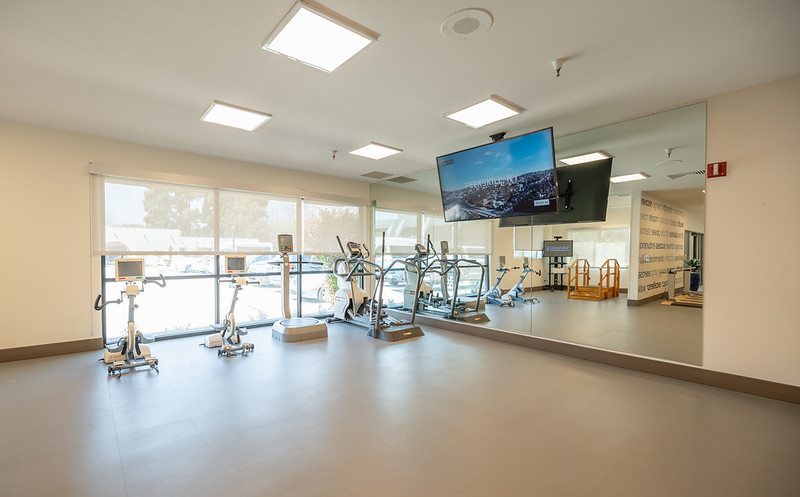
How is Pacific Coast Post Acute Staffed?

CMS rates PACIFIC COAST POST ACUTE's staffing level at 2 out of 5 stars, which is below average compared to other nursing homes. Staff turnover is 45%, compared to the California average of 46%. This relatively stable workforce can support continuity of care.

What Have Inspectors Found at Pacific Coast Post Acute?

State health inspectors documented 36 deficiencies at PACIFIC COAST POST ACUTE during 2019 to 2025. These included: 36 with potential for harm.

Who Owns and Operates Pacific Coast Post Acute?

PACIFIC COAST POST ACUTE is owned by a for-profit company. For-profit facilities operate as businesses with obligations to shareholders or private owners. The facility is operated by PACS GROUP, a chain that manages multiple nursing homes. With 149 certified beds and approximately 144 residents (about 97% occupancy), it is a mid-sized facility located in SALINAS, California.

How Does Pacific Coast Post Acute Compare to Other California Nursing Homes?

Compared to the 100 nursing homes in California, PACIFIC COAST POST ACUTE's overall rating (4 stars) is above the state average of 3.2, staff turnover (45%) is near the state average of 46%, and health inspection rating (3 stars) is at the national benchmark.

What Should Families Ask When Visiting Pacific Coast Post Acute?

Based on this facility's data, families visiting should ask: "Can you walk me through typical staffing levels on day, evening, and night shifts?" "Can I visit during a mealtime to observe dining assistance and food quality?" "How do you handle medical emergencies, and what is your hospital transfer rate?" "Can I speak with family members of current residents about their experience?" These questions are particularly relevant given the below-average staffing rating.

Is Pacific Coast Post Acute Safe?

Based on CMS inspection data, PACIFIC COAST POST ACUTE has a clean safety record: no substantiated abuse findings (meaning no confirmed cases of resident harm), no Immediate Jeopardy citations (the most serious violation level indicating risk of serious injury or death), and is not on the Special Focus Facility watch list (a federal program monitoring the lowest-performing 1% of nursing homes). The facility has a 4-star overall rating and ranks #1 of 100 nursing homes in California. While no facility is perfect, families should still ask about staff-to-resident ratios and recent inspection results during their visit.

Do Nurses at Pacific Coast Post Acute Stick Around?

PACIFIC COAST POST ACUTE has a staff turnover rate of 45%, which is about average for California nursing homes (state average: 46%). Moderate turnover is common in nursing homes, but families should still ask about staff tenure and how the facility maintains care continuity when employees leave.

Was Pacific Coast Post Acute Ever Fined?

PACIFIC COAST POST ACUTE has been fined $9,971 across 2 penalty actions. This is below the California average of $33,179. While any fine indicates a compliance issue, fines under $50,000 are relatively common and typically reflect isolated problems that were subsequently corrected. Families should ask what specific issues led to these fines and confirm they've been resolved.

Is Pacific Coast Post Acute on Any Federal Watch List?

PACIFIC COAST POST ACUTE is not on any federal watch list. The most significant is the Special Focus Facility (SFF) program, which identifies the bottom 1% of nursing homes nationally based on persistent, serious quality problems. Not being on this list means the facility has avoided the pattern of deficiencies that triggers enhanced federal oversight. This is a positive indicator, though families should still review the facility's inspection history directly.