SALINAS VALLEY POST ACUTE


637 EAST ROMIE LANE, SALINAS, CA 93901 (831) 424-0687
For profit - Limited Liability company 99 Beds PACS GROUP Data: November 2025
Trust Grade
58/100
#676 of 1155 in CA
Last Inspection: September 2024

Within standard 12-15 month inspection cycle. Federal law requires annual inspections.

Overview

Salinas Valley Post Acute has received a Trust Grade of C, indicating that it is average and positioned in the middle of the pack among nursing homes. It ranks #676 out of 1155 facilities in California, placing it in the bottom half, and #11 out of 14 in Monterey County, meaning there are only a few local options that are better. The facility is improving, having reduced its number of issues from 21 in 2024 to just 2 in 2025. However, staffing is a concern, with a rating of 2 out of 5 stars and a turnover rate of 49%, which is higher than the state average of 38%, indicating instability among staff. There have been some troubling incidents noted in inspections, such as failing to properly manage advance directives for residents and not ensuring informed consent for the use of side rails, which could compromise resident safety and rights. While the facility does have a good quality rating of 5 out of 5 stars, the overall health inspection and staffing ratings are below average, reflecting both strengths and weaknesses that families should consider.

Trust Score
C
58/100
In California
#676/1155
Bottom 42%
Safety Record
Low Risk
No red flags
Inspections
Getting Better
21 → 2 violations
Staff Stability
⚠ Watch
49% turnover. Above average. Higher turnover means staff may not know residents' routines.
Penalties
✓ Good
$15,440 in fines. Lower than most California facilities. Relatively clean record.
Skilled Nurses
⚠ Watch
Each resident gets only 27 minutes of Registered Nurse (RN) attention daily — below average for California. Fewer RN minutes means fewer trained eyes watching for problems.
Violations
⚠ Watch
59 deficiencies on record. Higher than average. Multiple issues found across inspections.
★★★☆☆
3.0
Overall Rating
★★☆☆☆
2.0
Staff Levels
★★★★★
5.0
Care Quality
★★☆☆☆
2.0
Inspection Score
Stable
2024: 21 issues
2025: 2 issues

The Good

  • 5-Star Quality Measures · Strong clinical quality outcomes
  • Full Sprinkler Coverage · Fire safety systems throughout facility
  • No fines on record

Facility shows strength in quality measures, fire safety.

The Bad

3-Star Overall Rating

Near California average (3.1)

Meets federal standards, typical of most facilities

Staff Turnover: 49%

Near California avg (46%)

Higher turnover may affect care consistency

Federal Fines: $15,440

Below median ($33,413)

Minor penalties assessed

Chain: PACS GROUP

Part of a multi-facility chain

Ask about local staffing decisions and management

The Ugly 59 deficiencies on record

Jul 2025 1 deficiency
CONCERN (D) 📢 Someone Reported This

A family member, employee, or ombudsman was alarmed enough to file a formal complaint

Potential for Harm - no one hurt, but risky conditions existed

Accident Prevention (Tag F0689)

Could have caused harm · This affected 1 resident

**NOTE- TERMS IN BRACKETS HAVE BEEN EDITED TO PROTECT CONFIDENTIALITY** Based on interview and record review, the facility failed to ensure fall management was implemented for one of three sampled res...

Read full inspector narrative →
**NOTE- TERMS IN BRACKETS HAVE BEEN EDITED TO PROTECT CONFIDENTIALITY** Based on interview and record review, the facility failed to ensure fall management was implemented for one of three sampled residents (Resident 1) when: 1. Resident 1 was not monitored after 5 falls;2. No interdisciplinary team meeting was conducted after 3 falls;3. No care plan was developed after one fall; and4. Resident 1's Responsible Party was not notified after 2 falls. These failures had the potential for Resident 1 to develop ill effects from a fall, to result in future falls and injury, and for Resident 1's responsible party being uninformed and unaware of his condition.A review of Resident 1's clinical record indicated he was admitted on [DATE] and had diagnoses including unspecified fall, muscle weakness, abnormalities of gait and mobility, and cellulitis (bacterial infection of the skin) of the left lower limb. A review of Resident 1's admission Fall Risk Observation/Assessment, dated 3/12/25, indicated his fall risk score was 16 which indicated a high risk for falls. Review of Resident 1's clinical record indicated he was admitted to the facility on [DATE] and was discharged on 6/2/25. Resident 1 had 5 unwitnessed falls during his stay in the facility. Review of Resident 1's clinical record indicated he had unwitnessed falls on 4/1/25, 5/2/25, 5/19/25, 5/24/25, and 5/29/25. There was no documentation in the progress notes that licensed nurses were monitoring Resident 1 every shift after these falls for any ill effects from the falls for a 72 period. During an interview and concurrent record review with the director of nursing (DON) on 7/2/25 at 2:00 p.m., he stated licensed nurses should monitor a resident for 72 hours after a fall and record the resident's post-fall status in the progress notes every shift. The DON confirmed documentation by licensed nurses every shift for 72 hours was not done after Resident 1's 5 falls on the above dates. Review of Resident 1's clinical record indicated three of Resident 1's 5 falls, on 5/19/25, 5/24/25, 5/29/25, had no documented evidence that the facility's interdisciplinary team (IDT, team members from different departments involved in a resident's care) met to discuss Resident 1's falls. During an interview and concurrent record review with the DON on 7/2/25 at 2:00 p.m., he stated the IDT should meet after every fall to discuss the cause of the fall and to develop a plan to prevent further falls, and revise and/or update the care plan based on the IDT's decision. The DON confirmed there was no evidence the IDT met after Resident 1's 3 falls on 5/19/25, 5/24/25. and 5/29/25. Review of Resident 1's clinical record indicated Resident 1 had an unwitnessed fall on 4/1/25. This was the first fall in the facility since Resident 1's admission on [DATE]. There was no care plan developed for Resident 1's actual fall on 4/1/25. During an interview and concurrent record review with the DON on 7/2/25 at 2:00 p.m., he confirmed there was no care plan developed for Resident 1's fall on 4/1/25. The DON stated there should be a care plan created after a fall with interventions identified to prevent further falls. A review of Resident 1's Change of Condition Evaluation, dated 5/2/25, indicated Resident 1 had an unwitnessed fall. The section titled Resident Representative Notification indicated notification was done on 5/2/25 at 2:00 p.m., and Resident 1 was self-responsible party. Another Change of Condition Evaluation, dated 5/19/25, indicated Resident 1 had an unwitnessed fall. The section titled Resident Representative Notification indicated notification was done on 5/19/25 at 4:00 p.m., and Resident 1 was self-responsible. A review of Resident 1's face sheet (a document summarizing key information about a resident) indicated Resident 1's son was the responsible party (RP, a person designated to make health care decisions for a resident). During an interview and concurrent record review with the DON on 7/2/25 at 2:00 p.m., he stated Resident 1 was not identified as being self-responsible and confirmed the son was listed as the RP. The DON confirmed the son was not notified of Resident 1's falls on 5/2/25 and 5/19/25, and stated the son should have been informed of the falls. Review of the facility's policy titled Change in a Resident's Condition or Status, revised February 2021, indicated the facility promptly notifies the resident, his or her attending physician, and the resident representative of changes in the resident's medical/mental condition and/or status. Review of the facility's policy titled Care Plans - comprehensive Person Centered, dated 2001, indicated the interdisciplinary team develops and implements a comprehensive, person-centered care plan for each resident. The interdisciplinary team reviews and updates the care plan when there has been a significant change in the residents' condition.
Jan 2025 1 deficiency
CONCERN (D) 📢 Someone Reported This

A family member, employee, or ombudsman was alarmed enough to file a formal complaint

Potential for Harm - no one hurt, but risky conditions existed

Assessment Accuracy (Tag F0641)

Could have caused harm · This affected 1 resident

**NOTE- TERMS IN BRACKETS HAVE BEEN EDITED TO PROTECT CONFIDENTIALITY** Based on interview and record review, the facility failed to accurately complete the Minimum Data Set (MDS, an assessment tool) ...

Read full inspector narrative →
**NOTE- TERMS IN BRACKETS HAVE BEEN EDITED TO PROTECT CONFIDENTIALITY** Based on interview and record review, the facility failed to accurately complete the Minimum Data Set (MDS, an assessment tool) for one of three sampled residents (Resident 1). This failure had the potential to compromise the facility's ability to develop care plans and implement interventions to meet the resident's needs. Findings: 1. Review of Resident 1's medical record indicated the resident was admitted on [DATE] and had diagnoses including hemiplegia/hemiparesis (one side of the body is paralyzed or weak), difficulty in walking, and muscle weakness. Review of Resident 1's Change in Condition Evaluation, dated 8/22/24, indicated Resident 1 had an unwitnessed fall. Resident 1's MDS, dated [DATE], was reviewed. Section J1800 of the MDS was designated to indicate if the resident had any falls during the specified time frame. The individual who completed the MDS coded 0, which indicated the resident did not have any falls during the specified time frame. During an interview and concurrent record review with the MDS nurse (MDSN) on 1/29/25 at 10:37 a.m., the MDSN reviewed Resident 1's medical record and confirmed the resident had a fall on 8/22/24. The MDSN stated this fall should have been coded on the MDS dated [DATE], but confirmed it was not. The MDSN confirmed the individual who completed the MDS should have coded 1 in section J1800 to indicate that Resident 1 did have a fall during the specified time frame. The Centers for Medicare & Medicaid Services 2023 Long-Term Care Facility Resident Assessment Instrument 3.0 User's Manual (RAI Manual, MDS coding instructions) indicated for section J1800, Code 1, yes if the resident has fallen during the specified time frame. 2. Review of Resident 1's Change in Condition Evaluation, dated 11/26/24, indicated Resident 1 had an open wound on her left arm due to pressure from a splint (a strip of rigid material used to immobilize a body part). Review of Resident 1's treatment administration record (TAR) indicated the resident received treatment for the above left arm pressure injury (injury to the skin and underlying tissue as a result of prolonged pressure) from 11/28/24 to 12/17/24. Resident 1's MDS, dated [DATE], was reviewed. Section M0210 of the MDS was designated to indicate if the resident had any unhealed pressure injuries. The individual who completed the MDS coded 0, which indicated Resident 1 did not have any unhealed pressure injuries. During an interview and concurrent record review with the MDSN on 1/29/25 at 10:37 a.m., the MDSN reviewed Resident 1's medical record and confirmed the resident had a pressure injury that should have been coded on the MDS, dated [DATE], but was not. The MDSN confirmed the individual who completed the MDS should have coded 1 in section M0210 to indicated that Resident 1 did have an unhealed pressure injury. The 2023 RAI Manual indicated for section M0210, Code 1, yes if the resident had any pressure injuries during the 7-day look back period.
Sept 2024 15 deficiencies
CONCERN (D)

Potential for Harm - no one hurt, but risky conditions existed

Assessment Accuracy (Tag F0641)

Could have caused harm · This affected 1 resident

**NOTE- TERMS IN BRACKETS HAVE BEEN EDITED TO PROTECT CONFIDENTIALITY** Based on observation, interview, and record review, the facility failed to accurately code the minimum date set (MDS, an assessm...

Read full inspector narrative →
**NOTE- TERMS IN BRACKETS HAVE BEEN EDITED TO PROTECT CONFIDENTIALITY** Based on observation, interview, and record review, the facility failed to accurately code the minimum date set (MDS, an assessment tool) for 2 of 3 sample residents (Resident 39 and 78) when their MDS assessments did not reflect the current status of the residents. This failure had the potential to affect inappropriate care and interventions. Findings: During an initial tour observation on 9/17/2024 at 9:26 a.m., Resident 39 had tracheostomy with mask on. Further observation indicated mask tube attached to cool mist humidifier (a medical device to add moisture to the air). Review of Resident 39's face sheet (FS: a document that gives a resident's information at a quick glance) indicated Resident was admitted to facility on 7/3/2018, with diagnoses including tracheostomy (a tube placed in to the hole made by surgery the front of the neck and into the windpipe (the tube in the body that carries air that has been breathed in from the upper end of the throat to the lungs [a pair of organs in the chest that perform gas exchange allowing to breath and supply to body] to keep it open for breathing), anoxic brain damage (brain damage from lack of oxygen [colorless, odorless and tasteless gas essential for living organisms] supply), and acute and chronic respiratory failure (a sudden or develop slowly condition in which lungs have a hard time loading blood with oxygen). Further review of Resident 39's FS indicated Resident 39 was re-admitted to facility on 1/7/2024. Review of Resident 39's physician orders dated 1/8/2024 indicated, Shiley (a type of tracheostomy product) # 6 cuffless tracheostomy with DIC (disposable inner cannula) , and another order dated 7/3/2024 indicated Trach care once a day and PRN (as needed) when soiled. Review of Resident 39's MDS assessment section O for Special Treatments, Procedures, and Programs dated 6/14/2024 did not indicate tracheostomy care. During an interview with the respiratory therapist (RT: a healthcare professional who specializes in treatment of breathing and lung disorders) on 9/18/2024 at 10:55 a.m., the RT confirmed Resident 39 admitted to facility with tracheostomy. RT also stated tracheostomy weaning attempts failed due to increased secretions (mucus or sputum from lungs) and currently Resident 39 needing frequent suctioning (a medical procedure that uses a device to remove secretions) through tracheostomy. During a concurrent record review of MDS assessment dated [DATE] for Resident 39 and interview with MDS coordinator F (MDSC F) on 9/19/2024 at 1:36 p.m., MDSC F confirmed tracheostomy care was not coded for Resident 39. MDSC F stated assessment for tracheostomy should have been completed and coded accurately for MDS assessment for Resident 39. During an observation on 9/17/2024 at 9:40 a.m., noted Resident 78 with no tracheostomy. Review of Resident 78's FS indicated Resident 78 was admitted to facility on 3/10/2023 with diagnoses including acute and chronic respiratory failure, and tracheostomy. Further review of FS indicated Resident 78 was re-admitted to facility on 2/7/2024. Review of health status note dated 11/20/2023 at 15:55 indicated, MD (medical doctor) order carried out by a writer with license nurse at bed side to assist. At approximately 1505 resident successfully decannulated (removed) without any adverse reactions or respiratory distress. Review of Resident 78's MDS assessment section O dated 7/5/2024 indicated tracheostomy care. During an interview with RT on 9/18/2024 at 10:55 a.m., RT confirmed there was currently no tracheostomy for Resident 78. RT stated Resident 78 was able to tolerate tracheostomy weaning attempts and tracheostomy was removed approximately 9 months ago. During an interview with MDSC F on 9/19/2024 at 1:31 p.m., MDSC F confirmed MDS assessment for Resident 78 for tracheostomy care was coded wrong. MDSC F stated MDS staff should have assessed and coded accurately for tracheostomy care for Resident 78. During an interview with Director of nursing (DON) on 9/19/2024 at 2:00 p.m., DON stated MDS staff should have assessed and coded MDS assessments accurately to reflect resident's clinical status. Review of facility's policy and procedure (P&P) titled, MDS Completion and Submission, revised July 2017, the P&P indicated, MDS assessments are completed based on the current published RAI (resident assessment instrument: helps nursing home staff in gathering definitive information on resident's strengths and needs) manual guideline. Review of Center for Medicare and Medicaid Services (CMS, a federal agency) RAI 3.0 Version 1.17, section 0, E1 indicated to code if resident received tracheostomy care.
CONCERN (D)

Potential for Harm - no one hurt, but risky conditions existed

Deficiency F0645 (Tag F0645)

Could have caused harm · This affected 1 resident

Based on interview and record review the facility failed to ensure the pre-admission screening and resident review (PASRR- screening for residents with a mental disorder and residents with intellectua...

Read full inspector narrative →
Based on interview and record review the facility failed to ensure the pre-admission screening and resident review (PASRR- screening for residents with a mental disorder and residents with intellectual disability) screening was completed and submitted for two of three sample residents (Resident 43 and 85). This failure had the potential for the mentally ill sample residents to not specialized health care and services. Findings: Review of Resident 43 face sheet (FS: a document that gives a resident's information at a quick glance) indicated Resident 43 admitted to facility on 8/14/2024. Resident FS also indicated Resident 43 admitted with diagnoses included psychosis (a serious mental disorder characterized by a disconnect from reality), anxiety (excessive and persistent worry and fear of everyday situations), obsessive-compulsive disorder (uncontrollable, recurring thoughts and engages in repetitive behaviors), and adult personality disorder (a disorder of thinking, feeling, behaving, and relating to others in a way that is different to the average person). Review of Resident 43's PASRR dated 4/22/2024 facility name indicated not the current nursing facility name. Level 1 screening completed for another nursing facility name which located 21 miles away from this facility. Review of Resident 85's FS indicated Resident 85 admitted to facility on 5/13/2024 and residing currently residing in the facility. Resident 85's FS also indicated Resident 85 admitted with diagnoses included psychosis (mental disorder) and depression (a mood disorder that causes a persistent feeling of sadness and loss of interest). Review of Resident 85's PASRR dated 2/1/2024 under, Reason Code: 30 Day Exempted Hospital Discharge. Review of letter from California Department of Health Care services (DHCS: state agency responsible for financing and administering health care services delivery programs) dated 2/1/2024 for Resident 85 indicated If the individual remains in the NF (nursing facility) longer than 30 days, the facility should resubmit a new Level 1 Screening as a Resident Review on the 31st day. During record review for Residents 43 and 85 and interview with medical record assistant (MRDA) on 9/18/2024 at 4:15 p.m., MRDA confirmed Level 1 PASRR was not completed for Resident 43 after Resident 43 admitted to this facility and for Resident 85 on 31st day of admission to this facility on 5/13/2024. MRDA stated there was no PASRR completed for both residents after they admitted to this facility. During an interview with minimum data set (MDS: resident assessment tool) coordinator G (MDSC G) on 9/18/2024 at 4:20 pm., MDSC G confirmed there was no Level 1 PASRR screening for Resident 43 for this facility after Resident 43 admitted to this facility from another nursing facility on 8/14/2024. MDSC G stated new Level 1 PASRR screening and resubmission to DHCS were not done on 31st day for Resident 85. MDSC G stated no documentation for PASRR Level 1 screening for both above residents, she completed and submitted to DHCS for Resident 43 and 85 after it was requested the PASRR copies for both residents. During an interview with director of nursing (DON) on 9/19/2024 at 11:00 a.m., DON confirmed Level 1 screening and submission completed on 9/18/2024 for Resident 43, and 85 after (HFEN) requested copies. DON stated nursing staff responsible to complete Level 1 screening and submit to DHCS. DON also stated nursing staff should have completed and submitted Level 1 PASRR screening for above both residents after these residents admitted to this facility to receive mental health care and services as needed for these two residents. Review of facility's policy and procedure (P&P) titled, admission Criteria, undated, the P&P indicated, All new admissions and readmissions are screed for mental disorders (MD), intellectual disabilities (ID) or related disorders (RD) per the Medicaid (a public health insurance program which provides needed health care services for low-income individuals) Pre-admission Screening and Resident Review (PASARR) process.
CONCERN (D)

Potential for Harm - no one hurt, but risky conditions existed

Accident Prevention (Tag F0689)

Could have caused harm · This affected 1 resident

**NOTE- TERMS IN BRACKETS HAVE BEEN EDITED TO PROTECT CONFIDENTIALITY** 2. During an observation on 9/17/2024 at 11:20 a.m., noted Resident 91's wheelchair (w/c: a assistive device used for mobility w...

Read full inspector narrative →
**NOTE- TERMS IN BRACKETS HAVE BEEN EDITED TO PROTECT CONFIDENTIALITY** 2. During an observation on 9/17/2024 at 11:20 a.m., noted Resident 91's wheelchair (w/c: a assistive device used for mobility when walking difficult or impossible to do) next to Resident 91's bed with both footrests (used to provide support and stability for user's feet for w/c) were attached to w/c. During a second observation on 9/18/2024 at 3:40 pm., noted Resident 91's w/c with both footrests were attached to w/c. During an interview with Resident 91 on 9/18/2024 at 3:40 pm., Resident 91 stated he has been using a wheelchair with footrests since he was admitted to the facility. Resident 91 also stated nursing staff did not remove the footrests from his wheelchair after his fall on 9/16/2024. Review of Resident 91's face sheet (FS: a document that gives a resident's information at a quick glance) indicated Resident 91 was admitted to facility on 6/4/2024 with diagnoses including anemia (not enough healthy red blood cells [part of blood cells, transport oxygen to body tissues] in body), hypotension (force of the blood pushing against the vessel walls too low) and depression (a mood disorder causes persistent feeling of sadness and loss of interest). Further review of FS also indicated Resident 91 self-responsible for daily decision making. Review of Resident 91's minimum data set (MDS: clinical assessment tool) assessment dated [DATE] indicated Resident's 91's brief interview for mental status (BIMS) score of 13/15 (score range- 00-07: severe impaired cognition, 08-12: moderately impaired cognition, 13-15: intact cognition). Review of Resident 91's change in condition evaluation (a sudden, clinically important change from baseline in physical, cognitive, behavioral, or functional status that requires a change in plan of care) dated 9/16/2024 indicated Resident 91 had a fall when Resident 91 tipped on the wheelchair's footrest while trying to reach over coffee mug. Review of Resident 91's interdisciplinary team (IDT: a group of healthcare professionals with various areas of expertise who work together toward the goals of resident's care)'s note dated 9/17/2024 indicated recommended interventions included remove w/c footrests as indicated for Resident 91's fall on 9/16/2024. Review of Resident's care plan fall on 9/16/2024 indicated interventions included remove wheelchair footrests as indicated. During an interview with registered nurse M (RN M) on 9/18/2024 at 4:07 pm., RN M confirmed the wheelchair footrests were attached to the wheelchair for Resident 91. RN M stated IDT recommendation for removal of the footrest had not been communicated to nursing staff. RN M also stated nursing should have removed footrests as indicated plan of care to prevent future falls for Resident 91. During an interview with director of nursing (DON) on 9/20/2024 at 12:25 pm., DON stated nursing staff should have removed the wheelchair footrests as indicated recommended by IDT's plan of care to prevent future falls for Resident 91. During review of facility's policy and procedure (P&P) titled, Assessing Falls and Their Causes, undated, the P&P indicated, Appropriate interventions taken to prevent future falls. Review of facility's P&P titled, Care Plans, Comprehensive Person-Centered, revised December 2016, the P&P indicated, The Interdisciplinary Team (IDT), in conjunction with the resident and his/her family or legal representative, develops and implements a comprehensive, person-centered care plan for each resident. 3. During an observation in Resident room [ROOM NUMBER]'s bathroom on 9/162024 at 10:40 a.m., noted 2 containers of multi-purpose cleaners with blue color liquid inside with a safety lock cap and 2 cans of disinfectant spray (chemical liquid used to destroy germs) appeared both were in use left on floor next to sink. Review of instructions given on back of multi-purpose cleaner bottles and disinfectant spray cans indicated keep away from children. If Swallowed: Rinse mouth, and then drink 1-2 glasses of water. Contact a poison control center or a doctor immediately. During an interview with certified nursing assistant H (CNA H) on 9/16/2024 at 11:46 a.m., CNA H confirmed above bottles of cleaners and disinfectant spray cans were left on floor in bathroom in Resident room [ROOM NUMBER]. CNA H stated cleaning supplies should not have left in bathroom to prevent accidental drinking by confused residents in the facility. During an interview with RN A on 9/16/2024 at 1:00 pm., RN A stated cleaning products should not be left in resident's access area. RN A also stated cleaning supplies should have kept in a locked storage area for safety. During an interview with facility's infection preventionist (IP) on 9/19/2024 at 4:15 p.m., IP stated all cleaning products should have stored in a locked area for resident's safety. Review of facility's P&P titled, Storage Areas, Environmental Services, revised December 2009, the P&P indicated, Cleaning supplies, etc., shall be stored in areas separate from food storage rooms and shall be stored as instructed on the labels of such products. Based on observation, interview and record review, the facility failed to maintain a safe and secure environment for three sampled residents (48, 74, and 91) when: 1. Resident 48 and 74 Wander Guard (a device that activates an alarm when a resident attempts to leave a safe area) devices were not checked for proper functioning; 2. The interdisciplinary team (IDT: a group of healthcare professionals with various areas of expertise who work together toward the goals of resident's care) 's reommendation and care plan intervetnion was not followed for Resident 91 after a fall; 3. Cleaning supplies were left in a shared bathroom used by multiple residents. These failures had the potential for elopement (leave a facility without staff knowledge) and compromise the residents safety of the residents. Findings: During an observation on 9/19/24 at 4:20 p.m., Resident 48 was dressed in street clothes and laying on top of her bed sleeping. There was a Wander Guard on her right ankle. Review of Resident 48's physician order dated 9/18/24 indicated Monitor placement of wander guard q shift. During an interview with registered nurse A (RN A) on 9/19/24 at 4:30 p.m., she was asked if the staff document functionality of Resident 48's Wander Guard. RN A stated, If the resident goes near an exit door, the alarm would turn off. RN A stated she did not chart regarding the checking or placement of the Wander Guard every shift. During an observation on 9/16/24 at 1:05 p.m., Resident 74 was dressed in street clothes and ambulating behind his wheelchair. There was a Wander Guard on his right wrist. Review of Resident 74's physician order dated 9/18/24 indicated Monitor placement of wander guard every shift. During an interview with licensed vocational nurse J (LVN J) on 9/18/24 at 2:29 p.m., she was asked if staff document the functionality of Resident 74's Wander Guard. LVN J stated, We don't check the function, only the placement. LVN J further stated He has wandering behavior and ambulates all over the building and when he goes to the exit doors it would beep/sound the alarm. During an interview and concurrent record review with the director of nursing (DON) on 9/18/24 at 3:00 p.m., he confirmed that Residents 48 and 74 were wearing Wander Guards. The DON was questioned about the staff's responsibility for monitoring those residents in the facility who are wearing Wander Guards. The DON stated there should be a physician's order to check the placement and function of all Wander Guards worn by any resident in the facility. The DON reviewed the physician orders for Resident 48 and 74 and confirmed there were no physician orders to check the functioning of the Wander Guards for these two residents prior to 9/18/24. The DON stated, The staff know the Wander Guards are working because the door alarms when the resident is near the door. When asked if staff are documenting the functionality of the Wander Guards in the clinical record, the DON confirmed there was no documentation that the Wander Guards of Residents 48 and 74 were checked daily for functionality. the DON stated there should be physician orders in place so that the Wander Guards can be assessed, at least daily, for proper functioning. Review of the facility's policy titled Wander Guard System, revised March 2019, indicated Each Wander Guard bracelet used by a resident will be tested for its placement and functionality by staff at least once day.
CONCERN (D)

Potential for Harm - no one hurt, but risky conditions existed

Tube Feeding (Tag F0693)

Could have caused harm · This affected 1 resident

Based on observation, interview and record review, the facility failed to provide care according to facility policy and procedures for one of 23 sampled residents (Resident 20) when a registered nurse...

Read full inspector narrative →
Based on observation, interview and record review, the facility failed to provide care according to facility policy and procedures for one of 23 sampled residents (Resident 20) when a registered nurse (RN A) did not check gastrostomy tube (G-tube, a tube that goes directly into the stomach [part of digestive system] and used for giving tube feeding formula and medications) placement (by injecting air and listening to the stomach with a stethoscope) before tube feeding administration. This failure had the potential for enteral feeding complications that could cause harm to this resident. Findings: During a concurrent observation and interview on 9/18/24 at 12:20 p.m., RN A stated she gave a water flush in Resident 20's G-tube without checking the placement in the stomach and the tube feeding was running continuously for some time that why she did not check the placement. During an interview with the director of nursing (DON) on 9/18/24 at 3:50 p.m., the DON stated I expect the nursing staff to check placement by injecting an air bolus, listening to gurgling sounds in the stomach, and check the residual before giving the water flush. Review of facility policy titled Administering Medications through an Enteral Tube, last revision date unknown, indicated to have the staff verify placement of the tube before giving any medication or water flush.
CONCERN (D)

Potential for Harm - no one hurt, but risky conditions existed

Respiratory Care (Tag F0695)

Could have caused harm · This affected 1 resident

2. During an observation on 9/16/2024 at 11:06 a.m., observed Resident 58's nasal cannula (NC: a plastic medical device tube that provides supplemental O2 through nose) one end hanging on right bed si...

Read full inspector narrative →
2. During an observation on 9/16/2024 at 11:06 a.m., observed Resident 58's nasal cannula (NC: a plastic medical device tube that provides supplemental O2 through nose) one end hanging on right bed side rail and other end attached to room air concentrator (RAC: a medical device that takes in air from the room and filter out nitrogen [colorless, odorless, tasteless gas, excess in the air can impair ability to breath for humans] to provides higher amounts of oxygen[O2: colorless, odorless, tasteless gas essential for human life]) in Resident 58's room when O2 not in use. Further observation noted NC was undated. Review of Resident 58's face sheet (FS: a document that gives a resident's information at a quick glance) indicated Resident 58 was admitted to facility on 8/17/2024 with diagnoses included interstitial pulmonary disease (a group of conditions that cause scarring in lungs [primary organ responsible for allowing to breath]). Review of Resident 58's physician orders dated 9/15/2024 indicated Oxygen via nasal cannula as needed for low oxygen on RA (room air) maintain 93-95% oxygen. During an interview with Licensed Vocational Nurse I (LVN I) on 9/16/2024 at 11:20 a.m., LVN I confirmed NC tubing was hanging on bed side rail and undated. LVN I stated respiratory therapist staff should have dated NC when changed and nursing staff should have kept NC in a plastic bag when O2 not in use for infection control. During an interview with respiratory therapist (RT: a healthcare professional who specializes in treatment of breathing and lung disorders) on 9/18/2024 at 10:35 a.m., RT stated nursing staff should have kept NC tubing in a bag when O2 not in use. RT also stated RT staff should have dated when changed NC tube weekly. During an observation on 9/17/2024 at 10:10 a.m., noted O2 in use via NC for Resident 92. Further observation indicated O2 rate was set at 2LPM, and NC was undated. Review of Resident 92's FS indicated Resident 92 was admitted to facility on 5/14/2024 with diagnoses including acute respiratory failure, and chronic obstructive pulmonary disease (a common lung disease that causes breathing problems and restricted airflow). Review of Resident 92's O2 order dated 5/14/2024 indicated Oxygen at 2L/M via nasal cannula; OK to titrate to keep O2 above 90% every shift. During an interview with license vocational nurse L (LVN L) on 9/17/2024 at 10:36 a.m., LVN L confirmed NC tube not labeled with date when changed by RT on weekly basis. LVN L stated RT staff should have labeled NC tube with date when changed for infection control. During an interview with RT on 9/18/2024 at 11:10 a.m., RT stated NC should be labeled with date to know when it was changed. RT also stated RT staff should have dated NC tube when changed on weekly basis for residents. During an interview with facility's infection preventionist (IP) on 9/19/2024 at 4:25 pm., IP stated RT staff should have dated NC tube when changed and nursing staff should have kept NC in a plastic bag when O2 not in use for standard infection control practices. 3. During an observation on 9/16/2024 at 11:51 a.m., noted Resident 11's O2 rate was set at 3 liters per minute (LPM: measurement of oxygen flow rate) O2 to deliver via NC for Resident 11. Further observation noted NC was undated. Review of Resident 11's FS indicated Resident 11 admitted to facility on 8/25/2024. Review of Resident's admission diagnoses including acute respiratory failure (lungs [primary organ responsible for allowing to breath] can't release enough oxygen into the blood), respiratory disorder (lung disease), and obstructive sleep apnea (breathing stops involuntarily for brief periods of times during sleep). Review of Resident 11s physician orders indicated there was no O2 administration order for Resident 11. During an interview with Registered Nurse A (RN A) on 9/16/2024 at 12:12 p.m., RN A confirmed Resident 11's RAC O2 rate indicator was set at 3 LPM, and NC tube not labeled with date when changed. RN A stated RT staff change NC once a week for Resident 11. During an interview with RT on 9/18/2024 at 11:15 a.m., RT stated O2 considered a medical gas, nursing should have obtained an order for O2 before stated administering O2 to Resident 11. RT also stated RT staff should have labeled NC tube when changed weekly for residents. During an interview with director of nursing (DON) on 9/19/2024 at 12:16 p.m., DON stated nursing should have received an order for O2 prior to oxygen administration for Resident 11. Review of facility's policy and procedure (P&P) titled, Depertmental (Respiratory Therapy)-Prevention of Infection, undated, the P&P indicated, Change the oxygen cannulae and tubing every seven (7) days, or as needed. Keep the oxygen cannulae and tubing used PRN in a plastic bag when not in use. Store the circuit in platic bag, marked with date and resident's name, between uses. Based on observation, interview, and record review, the facility failed to provide respiratory care in accordance with professional standards of practice for five sampled residents (5, 11, 32, 58, and 92) when: 1. For Resident 5 and 32, the facility administered oxygen with no physician order; 2. For Residents 58 and 92, the oxygen tubing was undated and uncovered when not in use. 3. For Resident 11, the facility administered oxygen without physician order and the oxygen tubing was undated. These failures had the potential to affect the residents' care and could jeopardize their health and well-being. Findings: 1. Review of Resident 5's clinical record indicated she had diagnoses including chronic obstructive pulmonary disease (a lung disease that makes it difficult to breathe) and respiratory disorders. During an observation on 9/16/24 at 10:33 a.m., Resident 5 was lying in bed receiving oxygen through a nasal cannula (NC, plastic tubing inserted into the nostrils and attached to an oxygen source). The oxygen concentrator (device used to deliver oxygen) was set at four liters per minutes (LPM, the amount of oxygen being delivered to the resident). Resident 5 stated I use oxygen all the time, and I need it. During an interview and concurrent record review with licensed vocational nurse J (LVN J) on 9/17/24 at 12:30 p.m., she stated Resident 5 uses oxygen continuously. LVN J further stated, She receives oxygen at 4 LPM, I don't see any physician orders for the oxygen, we need a physician order. Review of Resident 32's clinical record indicated she had diagnoses including chronic respiratory failure with hypoxia (inability to keep oxygen and carbon dioxide at normal levels), congestive heart failure (heart works less efficiently and can lead to buildup of fluid in the lungs and shortness of breath), and chronic obstructive pulmonary disease. During an observation on 9/16/24 at 10:33 a.m., Resident 32 was sitting in bed receiving oxygen through NC. The oxygen concentrator was set at 2.5 LPM. During an interview and concurrent record review with licensed vocational nurse J (LVN J) on 9/17/24 at 12:30 p.m., she stated Resident 32 use oxygen continuously. LVN J further stated, She receives oxygen at 2.5LPM, and I don't see any physician orders for the oxyge. When asked if staff documents Resident 32's use of oxygen in the clinical record, LVN J stated We are not documenting it anywhere. During an observation on 9/17/24 at 12:40 p.m., with the director of nursing (DON), the oxygen concentrator settings for Resident 5 and Resident 32 were verified in their respective rooms. The DON confirmed Resident 5 was receiving oxygen via NC at a concentrator setting of 4 LPM and Resident 32 was receiving oxygen via NC at a concentrator setting of 2.5 LPM. During a record review and concurrent interview with the DON on 9/17/24 at 12:50 p.m., he looked through Resident 5's and Resident 32's clinical records and confirmed they did not have a physician's order for the administration of oxygen. The DON acknowledged there should have been an order for oxygen administration for Resident 5 and Resident 32, and the orders should have specified how much oxygen the residents were supposed to receive. Review of facility policy titled Oxygen Administration, last revision date unknown, indicated Verify that there is a physician's order for this procedure. Review the physician's orders . for oxygen administration.
CONCERN (D)

Potential for Harm - no one hurt, but risky conditions existed

Deficiency F0806 (Tag F0806)

Could have caused harm · This affected 1 resident

Based on observation, interview, and record review, the facility failed to accommodate food preferences for two of four sample residents (Resident 46 and 16). This failure had the potential for decrea...

Read full inspector narrative →
Based on observation, interview, and record review, the facility failed to accommodate food preferences for two of four sample residents (Resident 46 and 16). This failure had the potential for decreased meal intake, negative effect on health and well-being for the residents. Findings: Review of Resident 46's lunch tray card for 9/16/2024 indicated, Notes and Alert: Ground Meat. Review of facility's lunch menu cycle 4 2023 indicated for Monday, Polish Sausage During lunch meal observation on 9/16/2024 at 12;45 p.m., noted Resident 46 served lunch plate with bite size cut meat pieces along with other menu food items. During an interview with certified nursing assistant B (CNA B) on 9/16/2024 at 12:50 p.m., CNA B confirmed Resident 46 received bite size cut polish sausage for lunch meal. CNA B also reviewed and confirmed Resident 46's lunch tray card indicated ground meat under notes and alerts. CNA B stated kitchen staff should have served ground meat to Resident 46 instead of bite size cut sausage pieces. CNA B took Resident 46's lunch plate to kitchen, came back with another lunch plate with ground meat for Resident 46. Review of Resident 16's lunch tray card for 9/16/2024 indicated, Notes: Extra sauce on meats. During an observation on 9/16/2024 at 12:57 p.m., noted Resident 16's lunch plate with bite size cut meat pieces with no sauce on. During an interview with CNA C on 9/16/2024 at 1:05 p.m., CNA C confirmed Resident 16 received meat with no sauce on for lunch meal. CNA C also reviewed and confirmed Resident 16's lunch tray card indicated extra sauce on meats under notes. CNA C stated dietary staff should have prepared lunch plate with extra sauce on meat for Resident 16. During an interview with cook D (CD) on 9/18/2024 at 1:45 p.m., CD stated dietary staff should have read resident's tray cards for notes, alerts for food preferences, and prepared lunch plate according to food preferences for Resident 46 and 16 on 9/16/2024. During an interview with dietary supervisor (DS) on 9/19/2024 at 9:19 a.m., DS stated dietary staff should have read Resident 46's and 16's lunch tray card for alerts and notes for food preferences and served lunch to accommodate both resident's food preferences on 9/16/2024. During an interview with facility's registered dietitian (RD) on 9/20/2024 at 2:00 p.m., RD stated notes and alerts for resident's meal tray card indicate resident's food preferences. RD also stated dietary staff should have read meal try card's notes, alerts, and prepared meal tray to accommodate each resident's food preferences during tray line for each meal. Review of facility's policy and procedure (P&P) titled, Serving Foods, revised January 2013, the P&P indicated, Use diet tray cards to ensure tray accuracy, and that resident preferences are provided.
CONCERN (E)

Potential for Harm - no one hurt, but risky conditions existed

Deficiency F0578 (Tag F0578)

Could have caused harm · This affected multiple residents

Based on interview and record review, the facility failed to follow their policy and procedure (P&P) for an advance directive (AD: a written instruction, such as a living will or durable power of atto...

Read full inspector narrative →
Based on interview and record review, the facility failed to follow their policy and procedure (P&P) for an advance directive (AD: a written instruction, such as a living will or durable power of attorney [a document that authorizes to act on behalf of resident] for healthcare when the individual is incapacitated) and completion of physician orders for life-sustaining treatment (POLST: a document that specifies the medical treatments the resident wants to receive during serious illness) form for 9 of 9 sampled residents (Residents 39, 37, 92, 43, 11, 85, 58, 91, and 78). These failures could lead to the delivery of unnecessary or inappropriate medical services against sampled resident's goals and wishes. Findings: Review of Resident 39's face sheet (FS: a document that gives a resident's information at a quick glance) indicated Resident 39 was admitted to facility on 7/3/2018. Review of Resident 39's POLST form dated 7/3/2018 indicated, section D for AD documented No Advance Directive. Further review of Resident 39's clinical record indicated there was no documented evidence for facility discussed for AD or offered or assisted to execute AD for Resident 39. Review of Resident 37's FS indicated Resident 37 was admitted to facility on 7/29/2024. Review of Resident 37's POLST form dated 7/29/2024 indicated section D for AD documented No Advance Directive. Further review of Resident 37's clinical record indicated there was no documented evidence for facility discussed for AD or offered or assisted to execute AD for Resident 37. Review of Resident 92's FS indicated Resident 92 was admitted to facility on 5/14/2024. Review of Resident 92's POLST form dated 5/14/2024 indicated section D for AD documented No Advance Directive. Further review of Resident 92's clinical record indicated there was no documented evidence for facility discussed for AD or offered or assisted to execute AD for Resident 92. Review of Resident 43's FS indicated Resident 43 was admitted to facility on 8/14/2024. Review of Resident 43's POLST form dated 6/10/2024 indicated clinical section D for AD documented Advance Directive not available. Further review of Resident 43's clinical record indicated there was no documented evidence for facility discussed for AD or offered or assisted to execute AD for Resident 43. Review of Resident 11's face sheet indicated Resident 11 was admitted to facility on 8/25/2024. Review of Resident 11's POLST form dated 8/25/2024 indicated, section D for AD documented No Advance Directive. Further review of Resident 11's clinical record indicated there was no documented evidence for facility discussed for AD or offered or assisted to execute AD for Resident 11. Review of Resident 85's FS indicated Resident 85 was admitted to facility on 5/13/2024. Review of Resident 85's POLST form prepared on 5/13/2024 indicated, section D for AD documented No Advance Directive. Further review of Resident 85's clinical record indicated there was no documented evidence for facility discussed for AD or offered or assisted to execute AD for Resident 85. Review of Resident 58's FS indicated Resident 58 was admitted to facility on 8/17/2024. Review of Resident 58's POLST form dated 8/15/2024 indicated section D for AD documented No Advance Directive. Further review of Resident 58's clinical record indicated there was no documented evidence for facility discussed for AD or offered or assisted to execute AD for Resident 58. Review of Resident 91's FS indicated Resident 91 was admitted to facility on 6/4/2024. Review of Resident 91's POLST form prepared on 7/15/2024 indicated section D for AD documented No Advance Directive. Further review of Resident 91's clinical record indicated there was no documented evidence for facility discussed for AD or offered or assisted to execute AD for Resident 91. Review of Resident 78's FS indicated Resident 78 was admitted to facility on 3/10/2023. Review of Resident 78's POLST form dated 3/25/2023 indicated section D for AD blank, uncompleted. Further review of Resident 78's clinical record indicated there was no documented evidence for facility discussed for AD or verified for executed AD or offered or assisted to execute AD for Resident 78. During an interview with facility's social service director (SSD) on 9/19/2024 at 9:56 a.m., SSD verified and confirmed there was no documented evidence for social service staff discussed or verified or offered or assisted to execute AD for above all 9 residents (Residents 39, 37, 92, 43, 11, 85, 58, 91, and 78). SSD stated social service staff should have verified, discussed, offered, and assisted to execute AD and documented as needed for these residents. During an interview with facility's director of nursing (DON) on 9/19/2024 at 10:30 a.m., DON stated social service staff should have discussed or verified or offered or assisted to execute AD for above residents. DON also said nursing staff should have completed all sections for POLST form for Resident 78. Review of facility's P&P titled, Advance Directive, last revised December 2016, the P&P indicated, Prior to or upon admission of a resident, the Social Service Director or designee will inquire of the resident, his/her family members and /or his or her legal representative, about the existence of any written advance directives. If the resident indicates that he or she has not established advance directives, the facility staff will offer assistance in establishing advance directives. Nursing staff will document in the medical record the offer to assist and the resident's discussion to accept or decline assistance. Review of State of California law for POLST form indicated California law requires that a POLST form be followed by healthcare providers and provides immunity to those who comply in good faith. POLST must be completed by healthcare provider based on patient preferences and medical indications. Refer to WWW.caPOLST.org.
CONCERN (E)

Potential for Harm - no one hurt, but risky conditions existed

Deficiency F0700 (Tag F0700)

Could have caused harm · This affected multiple residents

**NOTE- TERMS IN BRACKETS HAVE BEEN EDITED TO PROTECT CONFIDENTIALITY** Based on observation, interview and record review, the facility failed to ensure the proper use of side rails for six (Residents...

Read full inspector narrative →
**NOTE- TERMS IN BRACKETS HAVE BEEN EDITED TO PROTECT CONFIDENTIALITY** Based on observation, interview and record review, the facility failed to ensure the proper use of side rails for six (Residents 303, 304, 91, 44, 75, and 12) of 30 residents when: 1. For Residents 303 and 304, there were no signed informed consents for the use of side rails by the resident or the responsible party for either resident. 2. For Resident 91, the informed consent on file was missing a signature from the resident or responsible party. 3. For Residents 44, 75 and 12, there were no care plans for the use of side rails for any of the three residents These failures had the potential to compromise the resident's rights to fully make informed decisions on the use of side rails, and had the potential to put residents at risk for entrapment or serious injury. Findings: 1. During an observation on 9/16/24 at 10:11 AM, Resident 303 was observed lying in bed, with two siderails up in the upright position. Review of Resident 303's facesheet indicated she was admitted to the facility on [DATE] with a diagnosis of hemiplegia and hemiparesis (partial paralysis and blindness) following cerebral infarction (a brain attack, also known as a stroke) affecting right dominant side, systemic lupus erythematosus (a disease of the immune system that attacks the body), and right humerus fracture. Review of Resident 303's record indicated there was no signed informed consent for the use of side rails signed by either the Resident or the Responsible Party (RP) During an observation on 9/17/24 at 9:08 AM, Resident 304 was observed lying in bed, with two side rails up in the upright position. Review of Resident 304's facesheet indicated she was admitted to the facility on [DATE] with a diagnosis of chronic kidney disease, type 2 diabetes mellitus (a disorder that affects regulation of blood sugar levels), and cardiomyopathy (enlarged heart). Review of Resident 304's record indicated there was no signed informed consent for the use of side rails signed by either the Resident or the responsible party. During a concurrent interview and record review on 9/18/24 at 3:50 PM with the director of nursing (DON), the DON confirmed there were no signed informed consents for the use of side rails for both resident 303 and Resident 304. The DON also stated he expects they should have an informed consent for the use of side rails, for residents that use side rails. Review of facility policy titled Bed Safety and Bed Rails, last revision date unknown, indicated Before using bed rails for any reason, the staff shall inform the resident or representative about the benefits and potential hazards associated with bed rails and obtain informed consent. 2. During an observation on 9/17/2024 at 10:38 a.m., Resident 91's bed had ¼ bed rails up both sides at the head of the bed. Review of Resident 91's FS indicated Resident 91 was admitted to facility on 6/4/2024. Resident 91's FS also indicated resident 91 was self-responsible for decision making. Review of resident 91's minimum data set (MDS: clinical assessment tool) dated 9/4/2024 indicated Resident 91's brief interview for mental status (BIMS) score of 13/15 (score of 00-07: severely impaired cognition, 08-12: moderately impaired cognition, 13-15: intact cognition). During an interview with Resident 91 on 9/17/2024 at 10:38 a.m., Resident 91 stated did not recall given consent or not to facility for use bed side [NAME]. Review of Resident 91's physician orders dated 8/14/2024 indicated, Bilateral upper side rails for bed mobility/positioning and /or transfer. Review of Resident 91's clinical document for bed rail and entrapment risk observation/assessment dated [DATE] indicated no signature by Resident 91 for informed consent given for bed side rails use. During record review and interview with facility's director of nursing (DON) on 9/19/2024 at 10:54 a.m., DON reviewed 91's no signature for informed consent for Resident 91. DON stated nursing staff should have completed and taken signature for informed consent from Resident 91 before started using bed side [NAME] for Resident 91. 3. During an observation on 9/17/24 at 8:48 a.m., in Resident 12's room, Resident 12 had 1/4 bed rails up, bilaterally. Review of Resident 12's physician order, dated 6/7/24 indicated he had an order for Bilateral upper side rails for bed mobility/positioning and/or transfer. During a review of Resident 12's Bed Rail Observation/Assessment, dated 6/7/24, indicated bed rails are recommended at all times when resident is in bed to enhance mobility. During an observation on 9/16/24 at 11:08 a.m., in Resident 44's room, Resident 44 had 1/4 bed rails up, bilaterally. Review of Resident 44's physician order, dated 11/2/23 indicated he had an order for Bilateral upper side rails for bed mobility/positioning and/or transfer. During a review of Resident 44's Bed Rail Observation/Assessment, dated 1/10/24, indicated bed rails are recommended at all times when resident was in bed to enhance mobility. During an observation on 9/16/24 at 9:28 a.m., in Resident 75's room, Resident 75 had 1/4 bed rails up, bilaterally. Review of Resident 75's physician order, dated 11/17/23 indicated he had an order for Bilateral upper side rails for bed mobility/positioning and/or transfer. During a review of Resident 75's Bed Rail Observation/Assessment, dated 11/17/23, indicated bed rails are recommended at all times when resident was in bed to enhance mobility. Review of residents 12, 44, and 75, care plan documents indicated the residents did not have bed or side rails care plans. During an interview and concurrent record review with the director of nursing (DON) on 9/17/24 at 3:15 p.m., he confirmed Residents 12, 44, and 75 were using side rails on their beds, and did not have care plans addressing the use of the side rails. The DON further stated residents who had bed rails in use should have a care plan in place. Review of the facility's policy titled Care Planning - Interdisciplinary Team, revised March 2022, indicated The interdisciplinary team is responsible for the development of resident care plans . Comprehensive person-centered care plans are based on resident assessments and developed by an interdisciplinary team.
CONCERN (E)

Potential for Harm - no one hurt, but risky conditions existed

Pharmacy Services (Tag F0755)

Could have caused harm · This affected multiple residents

Based on observation, interview, and record review, the facility failed to ensure safe use and disposition of medications, and accurate accountability of controlled drugs (those with high potential fo...

Read full inspector narrative →
Based on observation, interview, and record review, the facility failed to ensure safe use and disposition of medications, and accurate accountability of controlled drugs (those with high potential for abuse and addiction), when: 1. There were discrepancies between the controlled drug record (CDR, an inventory/accountability sheet) and the medication administration record (MAR) for 2 out of 4 residents (Residents 34 and 83). The failure had the potential for abuse or misuse of controlled drugs; 2. The pharmacy failed to label 3 insulin pens in accordance with the current standards of practice to prevent mix-ups or administration errors; and 3. There was no process in place for the disposition of hazardous drugs (HDs, medications capable of toxic effects on humans) in accordance with the current standards of practice (See United States Pharmacopeia 800 or USP 800, a scientific non-profit organization that sets standards for safe handling of HDs to minimize the risk of exposure to healthcare personnel, patients, and the environment). This deficiency had the potential for exposing healthcare workers, residents, and the environment to dangerous hazardous medications. Findings: 1. During the survey, the CDR (or count sheet) for four residents receiving PRN (as-needed) controlled medications was requested for review. During an interview with the Director of Nursing (DON) on 9/18/24 at 9:15 a.m., he stated any time a resident requests for a PRN (as-needed) controlled medication, the nurse assesses the resident; reviews the physician's order, and if it's time to give the medication, removes the medication from the medication cart; signs it out of the count sheet; administers the medication to the resident; and documents the administration on the resident's MAR. a. A review of Resident 83's clinical record indicated a physician's order, dated 8/12/24, for oxycodone (a potent narcotic for pain) 5 milligrams (mg, unit of measure) every 4 hours as needed for severe pain. During a concurrent interview and record with the DON on 9/18/24 at 9:20 a.m., a review of Resident 83's CDR for oxycodone and the August and September 2024 MARs indicated, on 4 occasions, the nursing staff signed out of the count sheet but did not document on the MAR to show it was administered to the resident, as follows: - 8/14/24 at 1700 (5 p.m.) - 8/21/24 at 6:50 a.m. - 9/7/24 at 10:20 a.m. - 9/14/24 at 1800 (6 p.m.) During this interview and record review, the DON confirmed the above finding. He also reviewed Resident 83's progress notes and stated he could not find documented evidence to show the medication was administered to the resident. b. A review of Resident 34's clinical record indicated a physician's order for hydrocodone/acetaminophen (brand name Norco, a potent narcotic for pain) 5/325 mg 1 tablet every 4 hours PRN pain, dated 7/31/2024. During a concurrent interview and record review with the DON on 09/18/24 at 9:31 a.m., a review of Resident 34's CDR for hydrocodone/acetaminophen 5/325 mg and the September 2023 indicated Resident 34 had 9 instances where Norco 1 tablet was signed out of the count sheet but not documented on the MAR. They were as follows: - 9/12/24 at 1600 (4 p.m.), 2000 (8 p.m.), 2359 (11:59 p.m.) - 9/13/24 at 1600, 2000, and 2359 - 9/14/24 at 1545, 2000, and 2359 The DON confirmed the above finding and stated the same nurse (RN M) removed the medication each of those 9 times. During a concurrent interview and record review with RN M on 9/18/24 at 3:51 p.m., he verified he had removed the Norco for Resident 34 each of the above 9 occasions but failed to document the administration on the MAR. He stated he was supposed to document each time but sometimes I forget. A review of the facility's policy and procedures (P&P) titled Administering Medications, dated 4/2019, indicated, The individual administering the medication initials the resident's MAR on the appropriate line after giving each medication and before administering the next ones. A review of the facility's P&P titled Controlled Substances, dated 11/2022, indicated in part, The system of reconciling the . dispensing .of controlled substances includes the following . a. Records of personnel access and usage; b. Medication administration records . 2. During the inspection of the Station 4 Medication Cart with Licensed Vocational Nurse (LVN) L on 9/17/24 at 11:17 a.m., an insulin pen (a pre-filled pen containing insulin - to lower blood sugar) was identified with the pharmacy label on the cap (not the body) of the pen. LVN L confirmed this finding. On 9/17/24 at 11:30 a.m., an inspection of the Station 2 Medication Cart with RN A identified an insulin pen with the pharmacy label on the cap, not on its body. The cap of the pen was found loosely re-capped and could become loose during movement/shuffling. RN A confirmed this finding and acknowledged that the pen cap labeling had the potential for mix-ups when multiple pen caps become loose when not tightly capped. On 9/17/24 at 12:11 p.m., an inspection of the Station 3 Medication Cart with LVN J identified an insulin pen with the pharmacy label on the pen cap. LVN J confirmed this finding. A review of the Institute for Safe Medication Practices' (ISMP, a non-profit patient safety organization with recognized national expertise in medication error prevention) Guidelines for Optimizing Safe Subcutaneous Insulin Use in Adults, 2017, indicated A patient-specific label is affixed on the body of the insulin pen (not on the removable cap), without obscuring important information on manufacturer labeling or the dose counter/dose window. It further indicated, Insulin pen mix-ups between patients have been reported to ISMP when patient-specific labels were stuck to (or placed on) the pen caps rather than to the barrel of the pen and the caps of two different pens were inadvertently switched. Thus, patients were at high risk for receiving insulin from another patient's pen device as well as exposure to bloodborne pathogens or even the wrong insulin. All patient-specific labels should be applied to the barrel of the pen in a manner as not to obstruct manufacturer drug information. 3. During a medication pass observation on 9/16/24 at 9:36 a.m., RN A was observed preparing 10 medications for Resident 40. One of the medications called Junel 1/20 (a birth control pill) was observed inside a plastic bag with large yellow imprint on the outside: CAUTION HAZARDOUS DRUG. During a visit to the Station 3 Medication Room (main medication room) with the DON on 9/17/24 at 10:46 a.m., five blue-lidded pharmaceutical bins were identified inside the room. The DON stated the discharged and unused medications were discarded in these bins. When asked if there was a separate bin for hazardous drugs (HD), he stated he will get back to the surveyor. During a follow-up interview on 9/18/24 at 9:12 a.m., the DON stated, We are using the blue lidded container for wasting of all the meds. We don't have a separate one [for hazardous drugs]. He confirmed the facility is supposed to have one for HD disposition. On 9/19/24 at 12:15 p.m., the DON provided a copy of the National Institute for Occupational Safety and Health (NIOSH) List of Antineoplastic (cancer treating)] and Other Hazardous Drugs in Healthcare Settings, 2016. A review of 2016 NIOSH List revealed it included commonly used medications in skilled nursing facilities such as colchicine (medication for gout), finasteride (for enlarged prostate), topiramate (an anticonvulsant), fluconazole (an antifungal), warfarin (an anticlotting medication), etc. A review of the current USP 800, effective 11/1/2023, indicated the following under LIST OF HAZARDOUS DRUGS, The National Institute for Occupational Safety and Health (NIOSH) maintains a list of antineoplastic and other HDs used in healthcare. Further review of the USP 800 indicated: This chapter describes practice and quality standards for handling hazardous drugs (HDs) to promote patient safety, worker safety and environmental protection. Handling HDs includes .receipt, storage . administration, and disposal of sterile and nonsterile products and preparations. This chapter applies to all healthcare personnel who handle HD preparations and all entities that store, prepare, transport, or administer HDs (e.g., pharmacies .healthcare institutions .). Personnel who may potentially be exposed to HDs include . nurses . Entities that handle HDs must incorporate the standards in this chapter into their occupational safety plan. The entity's health and safety management system must, at a minimum, include: A list of HDs . Safe work practices . Policies for HD waste segregation and disposal.
CONCERN (E)

Potential for Harm - no one hurt, but risky conditions existed

Drug Regimen Review (Tag F0756)

Could have caused harm · This affected multiple residents

**NOTE- TERMS IN BRACKETS HAVE BEEN EDITED TO PROTECT CONFIDENTIALITY** Based on interview, and record review, the facility failed to ensure the consultant pharmacist (CP) identified irregularities an...

Read full inspector narrative →
**NOTE- TERMS IN BRACKETS HAVE BEEN EDITED TO PROTECT CONFIDENTIALITY** Based on interview, and record review, the facility failed to ensure the consultant pharmacist (CP) identified irregularities and make recommendations to the facility during the monthly medication regimen review (MRR) for 4 of 23 sampled residents (Residents 72, 40, 44 and 2). This failure had the potential for unsafe medication use and/or residents not achieving highest therapeutic outcomes. Findings: 1. A review of Resident 72's medical record indicated he was an elderly resident admitted to the facility with diagnoses including Parkinson's disease with dyskinesia (progressive disease of the nervous system marked by tremor, muscular rigidity, and slow, imprecise movement), unspecified dementia (a condition characterized by memory loss) unspecified severity, without behavioral disturbance, mood disturbance, and anxiety, unspecified psychosis (condition that affect the mind, where there has been some loss of contact with reality), depression unspecified and anxiety disorder, unspecified. A review of Resident 72's physician's orders indicated the following: a. Pimavanserin (medication for hallucinations and delusion) 34 milligrams (mg, unit of measure) by mouth at bedtime for Parkinson's, dated 1/11/24. b. Seroquel (medication for mental disorder) 25 mg, give 1 tablet by mouth at bedtime for psychosis (hallucinations and delusions) for seeing things that doesn't exist, dated 1/11/2024. A review of Lexi-comp online (www.[NAME].com), a nationally recognized drug information resource, indicates pimavanserin is used for treatment of Parkinson disease psychosis. For Seroquel, Lexi-comp indicated it can cause increase in the blood lipids and to monitor lipid panel 4 months after initiation and annually. A review of Resident 72's clinical record indicated there had been no identification of and monitoring for specific targeted behaviors; no side effect monitoring; no developed care plan with specific behavioral symptoms, goals, and interventions; no quarterly review by the interdisciplinary team; and no evidence of informed consent for pimavanserin. Also, there was no lipid panel monitoring for the use of Seroquel. During an interview and record review on 09/18/24 at 3:25 p.m. with the Director of Nursing (DON), the DON stated residents receiving psychotropic medications are monitored for behavior(s) and side effects. The DON verified pimavanserin's use for hallucinations and thoughts that happen with Parkinson's disease. He verified there were no documentation of any specific hallucinations and delusions associated with Parkinson's disease psychosis and no care planning specific to Resident 72's symptom of hallucinations. The DON also confirmed there was no informed consent, no quarterly review for this medication, and no documentation of a cholesterol panel for the use of Seroquel. A review of the medication regimen review (MRR) dated January to September 2024 for Resident 72 did not indicate recommendations for pimavanserin from the Consultant Pharmacist (CP). During a phone interview on 9/19/24 at 11:00 a. m. with the CP, the CP stated he should have made the recommendations for target behaviors, side effect monitoring, psychotropic review, and informed consent for Resident 72's pimavanserin use. Regarding the lipid panel monitoring, the CP confirmed Resident 72 was receiving Seroquel there should have been a recommendation for a lipid panel monitoring, but he did not make the recommendation. Review of the facility's policy, titled, Medication Regimen Reviews, dated May 2019, indicated the CP performs a medication regimen review, at least monthly, to promote positive outcomes while minimizing adverse consequences and potential risks associated with medication. It also indicated, The MRR involves a thorough review of the resident's medical record to prevent, identify, report, and resolve medication related problems medication errors and other irregularities . A review of the facility's policy titled, Pharmacy Services- Role of the Consultant Pharmacist, dated 4/2019, indicated, The Consultant Pharmacist will provide specific activities related to medication regimen review including . Providing the facility with written and electronic reports and recommendations related to all aspects of medication and pharmaceutical services review. 4. Review of Resident 2's face sheet indicated he was admitted to the facility on [DATE] with a diagnosis of paraplegia, neuromuscular dysfuction of bladder (a disorder of control of the urinary bladder) and history of COVID-19 (a respiratory illness). Review of Resident 2's physician orders indicated an order for Keflex (antibiotic medications)250 mg one tablet by mouth in the morning for presence of indwelling catheter & chronic UTI prophylaxis x indefinite, with a start date of 1/31/23. Review of the medication regimen review (MRR) binder, which contains the CP's recommendations from January to September 2024, reflected no recommendations from the current CP or previous CP for reviewing the Keflex order with the physician. During a telephone interview with the CP on 9/19/24 at 10:57 AM, the CP stated antibiotics was a part of the MRR review. When asked about Resident 20's physician order for Keflex, the CP stated I do not recall prior review of this resident's Keflex order and Typically we don't recommend keeping someone on Keflex indefinitely. 3. Review of Resident 40's face sheet (FS: a document that gives a resident's information at a quick glance) indicated Resident 40 was admitted to facility on 12/11/2020. Review of Resident 40's current physician medication orders indicated, Acidophilus Capsule (used to help maintain the number of healthy bacteria in stomach (body organ part of digestive system) (Lactobacillus [also called acidophilus]) give 2 capsules two times a day, dated 12/15/2020. Another order dated 4/1/2022 indicated diphenhydramine (used to relieve symptoms of allergy and common cold) 50 mg (milligram: unit of mass equals a thousandth of a gram) at bedtime, dated 4/1/2022. Other order indicated, Ondansetron (used to prevent nausea and vomiting) 8 mg three times a day, dated 11/26/2023. Review of medication administration record for September/2024 indicated, Resident 40 receiving all three medications as ordered above. Review of Resident 40's CP recommendations dated 6/4/2024 indicated, In order to prevent polypharmacy (multiple medications) and unnecessary medication use, may we consider discontinuing the following medications? Ondansetron Acidophilus Diphenhydramine. During a telephone interview with CP on 9/20/2024 at 12:30 p.m., CP confirmed he provided recommendations to the facility to discontinue above three medications for Resident 40. CP stated facility was responsible to follow up with MD (medical doctor) for CP's recommendations for residents as needed. During a concurrent record review of CP recommendations for Resident 40 dated 6/4/2024 and interview with director of nursing (DON) on 9/20/2024 at 1:01 p.m., DON confirmed received CP recommendations for Resident 40, and not been followed up with MD to discontinue above three medications for Resident 40. DON also confirmed Resident 40 currently receiving above three medications as ordered. DON stated nursing staff should have been followed up with MD regarding CP's recommendations to discontinue to prevent use of unnecessary medications for Resident 40. Review of facility's policy titled, CONSULTANT PHARMACIST REPORTS, undated, the P&P indicated, Recommendations are acted upon and documented by the facility staff and/or the prescriber. 2. Review of Resident 44's medical record indicated Resident 44 had a physician's order dated 7/11/24, for pantoprazole sodium (medication used to treat too much acid in the stomach) 40 milligrams (mg, unit of dose measurement) one time a day for GERD (a chronic digestive disorder in which stomach acid irritates the food pipe lining). Review of Resident 44's document titled Nursing Recommendations, written by the CP and dated 6/9/24, indicated: Pantoprazole is recommended to be administered 30 minutes before the morning meal. The document had initials written in the column marked Follow-Through. Review of Resident 44's medication administration record (MAR) for July, August, and September of 2024 indicated pantoprazole sodium was administered at 9 a.m. beginning on 7/12/24 through 9/19/24. During an interview and concurrent record review with the director of nursing (DON) on 9/19/24 at 2:05 p.m., he stated the initials on the document were his own. The DON further stated that he followed through with the pharmacist's recommendations and adjusted the administration time of the pantoprazole sodium to be one half hour before breakfast. The DON reviewed Resident 44's medication administration record for July, August, and September of 2024. The DON confirmed the licensed nurses were documenting an administration time of 9 a.m. for the pantoprazole sodium. The DON stated I don't know how the administration time got switched back to 9 a.m., I followed the pharmacist's recommendation and changed it to be 6:30 a.m. The DON confirmed the pantoprazole should be administered one half hour before breakfast.
CONCERN (E)

Potential for Harm - no one hurt, but risky conditions existed

Medication Errors (Tag F0758)

Could have caused harm · This affected multiple residents

**NOTE- TERMS IN BRACKETS HAVE BEEN EDITED TO PROTECT CONFIDENTIALITY** Based on interviews and record review, the facility failed to ensure two of 23 sampled residents (Residents 72 and 91) were free...

Read full inspector narrative →
**NOTE- TERMS IN BRACKETS HAVE BEEN EDITED TO PROTECT CONFIDENTIALITY** Based on interviews and record review, the facility failed to ensure two of 23 sampled residents (Residents 72 and 91) were free from unnecessary psychotropic (drugs that affects brain activities associated with mental processes and behavior) medications when: 1. Resident 72 received pimavanserin (an antipsychotic medication to treat hallucinations and delusions associated with Parkinson's disease psychosis) without specific target behaviors, side effect monitoring, quarterly psychotropic review, care plan, and evidence of informed consent (voluntary agreement to accept treatment and/or procedures after receiving education regarding the risks, benefits, and alternatives offered) for over 8 months. Also, Resident 72 did not receive periodic monitoring of the blood lipids while being on Seroquel (antipsychotic medication) that would affect the blood lipids). 2. Resident 91 received Remeron (anti-depressant medication) without monitoring for potential side effects of the medication. The failures resulted in unnecessary medications for the residents and had the potential for medication interactions, adverse reactions, and increased risks associated with the use of psychotropic medications that included, but not limited to sedation, respiratory depression, falls, constipation, anxiety, agitation, and memory loss. Findings: 1. A review of Resident 72's medical record indicated he was an elderly resident admitted to the facility with diagnoses including Parkinson's disease with dyskinesia (progressive disease of the nervous system marked by tremor, muscular rigidity, and slow, imprecise movement), unspecified dementia (a condition characterized by memory loss) unspecified severity, without behavioral disturbance, mood disturbance, and anxiety, unspecified psychosis (condition that affect the mind, where there has been some loss of contact with reality), depression unspecified and anxiety disorder, unspecified. A record review of Resident 72's physician's orders indicated the following: a. Pimavanserin 34 milligrams (mg, unit of measure) by mouth at bedtime for Parkinson's, dated 1/11/24. b. Seroquel 25 mg, give 1 tablet by mouth at bedtime for psychosis for seeing things that doesn't exist, dated 1/11/2024. A review of Lexi-comp online (www.[NAME].com), a nationally recognized drug information resource, indicates pimavanserin is used for treatment of Parkinson disease psychosis. For Seroquel, Lexi-comp indicated it can cause increase in the blood lipids and to monitor lipid panel 4 months after initiation and annually. During an interview and observation on 9/18/24 at 9:00 a.m., Resident 72 was observed in his room speaking and answering questions in a hard-to-understand manner of speech. Resident 72 was observed to be a bit confused but had a pleasant demeanor. No behaviors were noted. A telephone interview was conducted on 9/18/24 at 2:07 p.m. with Resident 72's responsible party (RP1). RP1 stated the pimavinserin was prescribed by Resident 72's neurologist (doctor who diagnoses, treats, and manages disorders of the brain and nervous system) for Parkinson's symptoms such as seeing cats in the house, seeing someone sitting on the chair, or children playing outside when they were not there. A review of Resident 72's clinical record indicated there had been no identification of and monitoring for specific targeted behaviors; no side effect monitoring; no developed care plan with specific behavioral symptoms, goals, and interventions; no quarterly review by the interdisciplinary team; and no evidence of informed consent for pimavanserin. Also, there was no lipid panel monitoring for the use of Seroquel. During an interview and record review on 09/18/24 at 3:25 p.m. with the Director of Nursing (DON), the DON stated residents receiving psychotropic medications are monitored for behavior(s) and side effects. The DON verified pimavanserin's use for hallucinations and thoughts that happen with Parkinson's disease. He verified there were no documentation of any specific hallucinations and delusions associated with Parkinson's disease psychosis and no care planning specific to Resident 72's symptom of hallucinations. The DON also confirmed there was no informed consent, no quarterly review for this medication, and no documentation of a cholesterol panel for the use of Seroquel. 2. A review of Resident 91's medical record indicated he was an elderly resident admitted to the facility with diagnoses including unspecified depression. A review of Resident 91's order summary report indicated a physician's order for Remeron 7.5 mg, 1 tablet by mouth at bedtime for depression for poor meal intake, dated 8/14/2024. A review of Resident 91's medical record indicated there was no monitoring for adverse effects of Remeron. Lexi-comp, a nationally recognized drug information resource, indicated Remeron can produce marked sedation in the elderly and Older patients with depression being treated with an antidepressant should have been closely monitored for response and adverse effects. An interview and record review on 9/19/24 at 10:03 a.m. with the DON, the DON stated when a resident is on psychotropic medication, the staff monitors the target behaviors and side effects on the medication administration record (MAR). He stated there should have been an order for it. After looking on the electronic health record, he stated When Resident 91 was sent to the hospital the order was discontinued, and when he returned on 8/14/24, we did not renew the order but, the order should have been renewed at that time. The DON verified the side effects for Remeron had not been monitored for over one month. Review of the facility's undated policy and procedures titled Psychoactive/Psychotropic Medication Use, indicated, Residents will only receive psychotropic medications when necessary to treat a specifically diagnosed condition that is documented in the medical record. The attending physician and other staff will gather and document information to clarify, as possible, the resident's behavior, mood, function, medical condition, specific symptoms, and risks to the resident and others. Prior to administration of a psychotropic, the prescribing clinician will obtain informed consent from the resident (or as appropriate, the resident representative, and document the consent in the medical record. Psychotropic medication management for the resident will involve the facility interdisciplinary team consideration of the following: indication and clinical need for medication, dose, duration, and adequate monitoring for efficacy and adverse consequences and Staff will monitor for potential adverse consequences such as iii. Metabolic: increase in total cholesterol and triglycerides .
CONCERN (E)

Potential for Harm - no one hurt, but risky conditions existed

Unnecessary Medications (Tag F0759)

Could have caused harm · This affected multiple residents

**NOTE- TERMS IN BRACKETS HAVE BEEN EDITED TO PROTECT CONFIDENTIALITY** Based on observation, interview, and record review, the facility had a medication error rate of 11.11% when four (5) medication ...

Read full inspector narrative →
**NOTE- TERMS IN BRACKETS HAVE BEEN EDITED TO PROTECT CONFIDENTIALITY** Based on observation, interview, and record review, the facility had a medication error rate of 11.11% when four (5) medication errors occurred out of 45 opportunities during the medication administration for four out of nine residents (Resident 3, 38, 45, and 78). The deficient practice resulted in medications not given in accordance with the prescriber's orders and/or manufacturer's specifications, which resulted in residents not receiving the full therapeutic effect of the medications and may cause preventable side effects for the residents. Findings: 1. During the medication pass observation on 9/16/24 at 9:15 a.m., registered nurse (RN) A was observed preparing and administering 6 medications to Resident 45. The medications included 1 tablet of calcium acetate (a phosphate binder, medication to control high blood levels of phosphorus, a mineral found in food, in people with kidney disease who are on dialysis) 667 milligrams (mg, unit of measurement) and 1 tablet of carvedilol (medication to control high blood pressure) 3.125 mg. Resident 45 took her medications with water. There was no food offered to the resident with the administration of his medications. During the medication pass observation, RN A stated the resident had her breakfast at 8 a.m. that morning. During an interview on 9/16/24 at 9:15 a.m. with Resident 45, Resident 45 stated she ate breakfast at 8 a.m. A review of Resident 45's physician's order, dated 9/13/24, indicated: a. Calcium Acetate 667 mg (Phosphate Binder) give 1 tablet by mouth with meals for ESRD (end-stage renal disease) /on hemodialysis, dated 9/13/2024. b. Carvedilol, order dated 9/1/24, 3.125 mg give 1 tablet by mouth two times a day for high blood pressure. During an interview on 9/16/24 at 10:00 a.m. with RN A, RN A stated breakfast was served between 8:15 a.m. and 8:30 a.m. She stated she got behind in time giving four residents their insulin with their meals and three residents requesting pain medications is the reason the calcium acetate was given late. During an interview and observation on 9/16/24 at 2:51 p.m. with RN A, when asked whether carvedilol should have been given with food, RN A stated she did not know how to look up the information. A review of Lexicomp (a nationally recognized drug information resource) with RN A indicated to give the medication with food. RN A stated she did not know carvedilol was supposed to be given with food. She acknowledged the resident ate around 8 a.m. and the medications were given at 9:30 a.m. (one hour past meal consumption). A review of Lexi-comp indicated to give carvedilol with food to minimize the risk of orthostatic hypotension (sudden drop in blood pressure when you stand from a seated or lying down position). For Calcium Acetate, Lexi-comp indicated, the medication must be administered with meals to be effective. 2. During a medication administration observation on 9/16/24 at 10:20 a.m., licensed vocational nurse (LVN) L was observed administering 13 medications to Resident 78 and stated she was holding chlorhexidine (an antiseptic and disinfectant for oral hygiene). Review of Resident 78's clinical record indicated a physician's order for chlorhexidine solution give 15 milliliters (unit of liquid) by mouth two times a day for oral care swab and suction, dated 2/7/24. During an interview with LVN L on 9/16/24 at 4:12 p.m., she stated the reason she held the chlorohexidine was because we ran out and I ordered it. She stated that she wrote in the progress notes of the resident that it was not available. LVN L confirmed the medication was due for oral care for the resident. A review of Resident 78's September 2024 Medication Administration Record (MAR) indicated the facility scheduled chlorhexidine gluconate solution to be administered at 9 a.m.; and that LVN L documented a 9 (meaning to see progress notes) in the 9/16/24 entry. A review of resident 78's Nursing Progress Notes, dated 9/16/2024 at 10:27 a.m. LVN L wrote the chlorhexidine was on order. 3. During a medication administration observation on 9/16/24 at 11:48 a.m. with LVN I, LVN I administered seven medications to Resident 38. Included in the medications was one tablet of vitamin D (used for weak bone prevention)1000 IU (international unit; internationally accepted amount of a substance). On 9/16/24, a review of Resident 38's physician's order dated 9/23/23, indicated Cholecalciferol Tablet 1000 Unit give 5 tablets by mouth one time a day for supplement. During an interview and record review on 9/16/24 at 2:50 p.m., LVN I confirmed she gave 1 tablet of vitamin D to Resident 38 and should have given 5 tablets, as ordered. 4. During a medication administration observation on 9/16/24 at 12:55 p.m. with LVN I. LVN I prepared an Insulin Lispro) KwikPen (a pre-filled pen containing (a fast acting insulin to lower blood sugar level) for Resident 3. She stated the resident's blood sugar was 226 and was going to give 2 units of Lispro. LVN I placed the new needle on the KwikPen and turned the dose dial to 2 units. LVN I did not prime the pen before turning the dose dial. On 9/16/24 at 12:55 p.m. LVN I injected the Lispro into the resident's abdomen right side and held it in place for a few seconds. During an interview on 9/16/24 at 1:02 p.m. with LVN I, she was asked to explain the preparation process of the Insulin Lispro KwikPen before injection. She stated she typically does not wipe down the tip of the pen after removing the cap. She then puts on the needle, checks the physician's order then twists the pen to the number of units based on the order then gives it SQ (subcutaneous; injection given in the fatty tissue just under the skin). LVN I confirmed she did not prime the needle and stated she was not aware of priming the pen before use. During a follow-up interview on 9/16/24 at 2:47 p.m. with LVN I, she stated she learned that insulin pens have to be primed with 2 units before each injection. During a review of [NAME]-Comp, it indicated for prefilled Insulin lispro pens, prime the needle before each injection with 2 units of insulin. Once injected, hold the needle in the skin for ?? ten seconds after the dose dial has returned to 0 units before removing the needle to ensure the full dose has been administered. A review of the facility's policy and procedure (P&P) titled Administering Medications, dated 4/2019, indicated, Medications are administered in accordance with prescriber orders, including any required time frame. Medication administration times are determined by resident need and benefit, not staff convenience. Factors that are considered include: a. Enhancing optimal therapeutic effect of the medication . Medications are administered within one (1) hour of their prescribed time, unless otherwise specified . A review of the facility's P&P titled Insulin Administration, dated 2001, indicated, The nursing staff will have access to specific instructions (from the manufacturer if appropriate) on all forms of insulin delivery system(s) prior to their use.
CONCERN (E)

Potential for Harm - no one hurt, but risky conditions existed

Deficiency F0761 (Tag F0761)

Could have caused harm · This affected multiple residents

**NOTE- TERMS IN BRACKETS HAVE BEEN EDITED TO PROTECT CONFIDENTIALITY** Based on observation, interview, and record review, the facility failed to ensure proper medication storage as per facility's po...

Read full inspector narrative →
**NOTE- TERMS IN BRACKETS HAVE BEEN EDITED TO PROTECT CONFIDENTIALITY** Based on observation, interview, and record review, the facility failed to ensure proper medication storage as per facility's policy and procedures (P&P) and/or manufacturer's specifications, and expired medications were removed from active stock. Inspection of two of two medication refrigerators and three of four medication carts identified: 1. Four medications were not stored as in accordance with the manufacturer's guidance, and a discontinued medication for a resident was not discarded to prevent medication errors; 2. An insulin pen without visible resident's name on it. This had potential for it to be given to the wrong resident; and 3. One opened inhaler and four eye drop medications did not have an open date; and eight eye medications were used past their respective discard date. The failure had the potential for medication errors and/or medications being ineffective for the residents. Findings: 1. During a visit to the Medication room [ROOM NUMBER] with the Director of Nursing (DON) on 9/17/24 at 10:26 a.m., the medication refrigerator was identified. It contained four syringes of Lovenox (medication used to treat and prevent harmful blood clots) 40mg/0.4ml for Resident 43. The manufacturer's label on the Lovenox indicated to store at 59° F (degrees Fahrenheit) to 86°F (room temperature). During this visit, the DON stated the Lovenox belonged to Resident 43 who was already discharged on 8/29/24 (19 days ago). He confirmed the Lovenox syringes should not have been stored in the refrigerator and removed when the resident was discharged . 1b. During a visit to the Medication room [ROOM NUMBER] with the DON on 9/17/24 at 10:46 a.m., the medication refrigerator was identified. It contained two bottles of brimonidine (medication that lowers pressure in the eyes) 0.2% eye drops. A review of the the manufacturer's label with the DON indicated for brimonidine to store at 59°F to 77°F. 1c. During an inspection of the Medication Cart # 2 with RN A on 9/17/24 at 11:29 a.m., a tuberculin vial was identified stored at room temperature and not labeled with an open date. The manufacturer's label on the tuberculin carton box indicated, Discard opened product after 30 days. RN A stated it should have been stored in the refrigerator and have an open date. A review of Lexicomp (a nationally recognized drug information resource) indicated: Store tuberculin vials at 2°C to 8°C (36°F to 46°F). Open vials should be discarded after 30 days. A review of the facility's P&P titled Storage of Medications, dated 2020, indicated, Discontinued, outdated, or deteriorated drugs or biologicals are returned to the dispensing pharmacy or destroyed and Medication requiring refrigeration are stored in a refrigerator located in the drug room at the nurses' station or other secured location. 2. During an inspection of Medication Cart #2 on 9/17/24 at 11:30 a.m. with RN A, an insulin pen (a pre-filled pen containing insulin to lower blood sugar) was identified with pharmacy label on its' cap. However, the label was not readable. RN A confirmed she could not tell which resident the pen belonged to and had the potential for it to be given to the wrong resident. A review of the facility's P&P titled Administering Medications, dated April 2019 indicated: Insulin pens are clearly labeled with the resident's name and other identifying information. 3. During the inspection of Medication Cart #4 on 9/17/24 at 11:51 a.m. with LVN L, an opened Serevent Diskus inhaler (medication to treat breathing problems) was identified without an open date. A review of the manufacturer's labeling with LVN L indicated to Discard SEREVENT DISKUS 6 weeks after opening. LVN L confirmed this finding and that it should have an open date. During an inspection of the Medication Cart #2 with RN A on 9/17/24 at 11:29 a.m., a bottle of latanoprost (medication to treat glaucoma) eye drops with no open date. The pharmacy label on the latanoprost indicated it was good for 6 weeks after opening. During an inspection of the Medication Cart # 3 with LVN J on 9/17/24 at 12:11 p.m., the following were identified: a. Four opened bottles of eye drops without open dates. b. Eight bottles of eye drops past due date; four of which were latanoprost eye drops which had the following open dates 7/2/24, 7/6/24, 7/20/24, and 7/30/24. The pharmacy label on each indicated to discard 6 weeks after opening. During this inspection, LVN J confirmed the findings. She stated opened eye drops were good for 28 days after opening and should have open date so they are not used beyond the 28 days; and those latanoprost eye drops were being used past their 6-week expiration date. During an interview with the DON on 9/17/24 at 1:23 p.m., he stated eye drops are good for 30 days unless manufacturer says longer. A review of Lexicomp indicated the following for latanoprost ophthalmic solution: Once opened, the container may be stored at room temperature up to 25°C (77°F) for 6 weeks. A review of the facility's policy and procedure (P&P) titled, Medication Storage and Labeling for Single dose/Multidose Container, dated 4/2019, indicated, When opening a multi-dose container, the date opened is recorded on the container.
CONCERN (E)

Potential for Harm - no one hurt, but risky conditions existed

Food Safety (Tag F0812)

Could have caused harm · This affected multiple residents

Based on observation, interview, and record review, the facility failed to ensure sanitary practices in the kitchen and foods were stored under sanitary conditions when: 1. The kitchen floor and corne...

Read full inspector narrative →
Based on observation, interview, and record review, the facility failed to ensure sanitary practices in the kitchen and foods were stored under sanitary conditions when: 1. The kitchen floor and corner were seen with dark black areas; 2. Kitchen cleaning cloths were found in the sink and on a food storage container; 3. A container with sliced cheese had no opened date; 4. A food blender was seen with dry and dark brown particles. These failures had the potential to result in food borne illnesses among residents in the facility. Findings: 1. During a concurrent initial kitchen tour and interview with facility's registered dietitian (RD: a health care professional who had special training in nutrition and food) on 9/16/2024 at 9:26 a.m., dark black areas were noted on the kitchen floor near food preparation, cooking stove, front and under refrigerators 1,2, and 3, under stream table, 3-way sink (used to clean and sanitize [removing germs after cleaning] dishes), vegetable washing sink areas, on chemical stand (place to store sanitizing solution[used to sanitize dishes]) located next to 3 way sink, and all corners of kitchen floor. During an interview RD confirmed dark black areas in kitchen and stated dark black areas were from collection of dust and grease build up. RD also stated old building, kitchen floor should have been replaced. RD further stated dietary staff should have cleaned kitchen as scheduled to maintain clean and sanitary practices in the kitchen. Review of facility provided Daily cleaning Task log dated 9/1/224 to 9/14/2024 indicated on 9/1/1024, 9/14/2024 blank, no staff's initials for the task, Sweep and mop diet aide area. No Daily Cleaning Task log available after 9/14/2024. Further review of facility provided Detail Time and Job dated 9/1/2024 to 9/12/2024 for dietary aid staff who initialed Daily Cleaning Task log on 9/2/2024, 9/3/2024, 9/9/2024 for Sweep and mop diet aide area did not work those days. Review of facility provided Deep cleaning tasks kitchen duties indicated there were no signed logs for 1st and 4th week in June 2024, 1st, and 3rd week in July/2024, and 4th week in August 2024. During an interview with dietary aid N (DA N) on 9/19/2024 at 2:40 pm., DA N confirmed he was off from work and did not sweep and mob kitchen on 9/2/24, 9/3/24, 9/9/24, and 9/13/2024. During an interview with facility's dietary supervisor (DS) on 9/19/2024 at 2:50 p.m., DS confirmed daily kitchen sweep and mop task not done on 9/1/24, 9/2/24, 9/3/24, 9/9/24, 9/14/24, and 9/15/2024. DS stated weekly kitchen deep cleaning not completed on regular basis for last few months due to kitchen staff not available. DS also stated dietary staff should have cleaned and initialed each task after completed as assigned to keep kitchen clean and practice sanitary conditions in all kitchen areas. DS also stated he will educate kitchen staff for cleaning and document after cleaned the task as assigned daily or weekly basis. 2 .During an initial tour on 9/16/2024 at 9:43 a.m., noted wet kitchen cleaning cloth on vegetable sink. During an interview with cook D (CD) on 9/16/2024 at 9:44 a.m., CD confirmed kitchen cleaning cloth was used. CD stated she cleaned dietary food carts few minutes ago and left the kitchen cleaning cloth on the sink. CD also stated she should not have left the cleaning cloth on sink, and she should have put the cleaning cloth for cleaning. Another observation and interview along with RD and cook E (CE) on 9/16/2024 at 10:38 a.m., noted kitchen cleaning cloth on plastic container used to store dry beans under food preparation counter area. [NAME] E (CE) removed the cleaning cloth and stated not sure cleaning cloth used or unused. CE also stated dietary staff should not have left kitchen cleaning cloth on food storage container. RD stated dietary staff should have maintained clean and sanitary practices in kitchen. 3. During a kitchen observation along with RD and CE on 9/16/2024 at 10:19 a.m., noted sliced cheddar cheese stored plastic container labeled with no opened date stored inside 3 door refrigerator. During an interview with CE on 9/16/2024 at 10:28 a.m., CE confirmed no opened date written for above food storage container. CE stated dietary staff should have labeled when opened the cheese packet and store in container. During an interview with RD on 9/16/2024 at 10:31 a.m., RD stated dietary staff should have labeled all food storage containers with opened date. 4. During initial kitchen tour along with RD on 9/16/2024 at 10:40 a.m., both noted kitchen blender (used to mix, puree, and liquefy foods) with dark dry brown particles all over on main base where blender jar locks in. During an interview with RD on 9/16/224 at 10:45 a.m., RD confirmed dry dark brown particles on blender base. RD stated these particles were from dry food. RD also stated dietary staff should have cleaned blender base after used. RD further stated currently dietary staff were not using the blender and it should have been removed from kitchen when not in use. Review of facility's policy and procedure (P&P) titled, GENERAL CLEANING OF FOOD & NUTRITION SERVICES DEPARTMENT, undated, the P&P indicated, Seep the floor, pushing all debris forward. Use a dustpan to remove and dispose of debris as it accumulates. Use a mop bucket which has a mop press. Mop under and around equipment, along the walls and in corners. Wipe all splash and soil marks from baseboards and walls. Wipe up all spills as they occur. Review of facility's P&P titled, FOOD LABELING AND DATING, undated, the P&P indicated, All items when opened will be labeled with word opened and dated with month, date, and year. Food storage areas should be used only for food. Items such as bleach, soap, and other cleaning supplies should be stored in entirely separate and specific areas.
CONCERN (E)

Potential for Harm - no one hurt, but risky conditions existed

Infection Control (Tag F0880)

Could have caused harm · This affected multiple residents

**NOTE- TERMS IN BRACKETS HAVE BEEN EDITED TO PROTECT CONFIDENTIALITY** Based on observation, interview, and record review, the facility failed to ensure infection control practices were implemented w...

Read full inspector narrative →
**NOTE- TERMS IN BRACKETS HAVE BEEN EDITED TO PROTECT CONFIDENTIALITY** Based on observation, interview, and record review, the facility failed to ensure infection control practices were implemented when: 1. The blood pressure cuff was not disinfected between resident use; 2. The shared glucometer (blood glucose meter to measure and display the amount of sugar (glucose) in your blood) was not sanitized and disinfected between resident use; 3. Unlabeled urinals, wash basins, and resident's care items in residents bathrooms; and 4. Resident's care items on the floor. These failures could result in cross-contamination and the spread of infection throughout the facility. Findings: 1. During a medication pass observation on 9/16/24 at 9:15 a.m., Registered Nurse (RN) A was observed giving medications to Resident 45. RN A was called away immediately to assist staff with an incident with another resident, Resident 91. RN A used the blood pressure (BP) cuff to obtain reading for Resident 91. After finished, it was put back on the BP cart outside of Resident 45's room. On 9/16/24 at 9:29 a.m., RN A was observed using the same BP cuff that was used on Resident 91 to take the BP measurement for Resident 45. She did not wipe it down before using it. During an interview on 9/16/24 at 10:00 a.m., RN A confirmed she should have sanitized the BP cuff before using on Resident 45. A review of the facility's policy and procedures titled, Cleaning and Disinfecting Non-Critical Resident-Care Items, dated 6/2011, indicated, Reuseable items are cleaned and disinfected or sterilized between residents . 2. During a medication pass observation on 9/16/24 at 11:59 a.m., Licensed Vocational Nurse (LVN) I was observed removing the glucometer from the medication cart and obtained the blood sugar reading for Resident 38. After finished, she placed the glucometer back in the cart without disinfecting it. She stated she would return to check the reading in ten minutes because it was low. During the medication pass observation on 9/16/24 at 12:11 p.m., LVN I removed the glucometer from the cart without cleaning and disinfecting it first, obtained the blood sugar reading for Resident 3, then returned the glucometer to the cart, again without cleaning and disinfecting it. On 9/16/24 at 12:16 p.m., LVN I returned to check blood sugar reading for Resident 38. After finished, she placed the glucometer on top of the medication cart. She stated she had two more residents to check blood sugar readings. On 9/16/24 at 12:22 p.m., LVN I sanitized her hands and put on gloves then began to obtain reading for Resident 14 without cleaning glucometer. The surveyor asked to speak with her before proceeding. During an interview on 9/16/24 at 12:22 p.m. with LVN I, she stated she should have wiped the glucometer with a disinfectant wipe after each use and that she forgot. During an interview on 9/16/24 at 1:02 p.m. with LVN I stated she was supposed to use the Sani-Cloth (a germicidal disinfectant) wipes to disinfect the glucometer to prevent the spread of infection between residents. During an interview on 9/17/24 at 1:23 p.m. with the DON, he stated the nurses are expected to clean and disinfect the glucometer with the Sani-Cloth wipes before and after each use and allow dwell time two minutes, the glucometer wet for two minutes. A review of the facility's provided Blood Sampling- Capillary (Finger Sticks) procedure, undated, indicated: Always ensure that blood glucose meters intended for reuse are cleaned and disinfected between resident uses. 3.During an observation on 9/16/2024 at 11:06 a.m., noted urinal (a single resident use plastic container used to collect urine) unlabeled was left on top of the commode in the resident room [ROOM NUMBER]'s bathroom. During an interview with certified nursing assistant H (CNA H) on 9/16/2024 at 11:12 a.m., CNA H confirmed urinal in bathroom in use and unlabeled with resident's name. CNA H this bathroom been shared between 4 residents. CNA H also stated without name, risk for using urinal for unassigned residents. CNA H further stated nursing staff should have labeled urinal with resident's name before started using for infection control practice. CNA H discarded the urinal. During an observation on 9/16/2024 at 12:10 p.m., noted unlabeled urinal left on window in resident room [ROOM NUMBER]'s bathroom. During an interview with registered nurse A on 9/16/2024 at 12:12 p.m., RN A confirmed unlabeled urinal in use and left on window in resident room [ROOM NUMBER]'s bathroom and this bathroom been shared by 3 residents. RN A stated nursing staff should have labeled with resident's name before started using urinal for resident for not to use for unassigned residents. RN H discarded the urinal. During an observation on 9/17/2024 at 8:15 a.m., noted 2 unlabeled wash basins placed on top of the paper towel holder in resident room [ROOM NUMBER]'s bathroom. During an interview with CNA K on 9/17/2024 at 9:15 a.m., CNA K confirmed both wash basins (a plastic container used to provide personal hygiene for residents) were in use, unlabeled, and this bathroom been shared between 4 residents. CNA K stated nursing staff should have labeled both wash basins with resident's name before started using to prevent unassigned resident's use. CNA K discarded both wash basins. During an observation in resident room [ROOM NUMBER]'s bathroom on 9/17/224 at 9:50 a.m., noted unlabeled urinal placed on rail next to commode. During an interview with CNA K on 9/17/2024 at 9:55 a.m., CNA K confirmed unlabeled, used urinal left on rail in resident room [ROOM NUMBER]'s bathroom and this bathroom been shared by 4 residents. CNA K stated nursing staff should have labeled with resident's name before started using urinal for resident for not to use for unassigned residents. CNA K discarded the urinal. 4. During an observation on 9/16/2024 at 10:40 a.m., noted stack of more than 10 adult briefs (used to keep clothing from being soiled by bodily excretions), and 3 folded bath towels on the floor each side next to commode in resident room [ROOM NUMBER]'s bathroom. Further observation in this bathroom indicated two unlabeled toothbrushes, and one single use razor placed on a plastic bin. During an interview with CNA H on 9/16/2024 at 10:46 a.m., CNA H confirmed all above in resident room [ROOM NUMBER]'s bathroom. CNA H stated adult briefs and towels should have not be placed on the floor and toothbrushes and razor should have been labeled with resident's name. CNA H also stated nursing staff should not have left towels and briefs on floor and labeled toothbrushes and razor with resident's name and should not left outside for infection control and resident's safety. During an interview with facility's infection preventionist (IP) on 9/19/2024 at 4:01 p.m., IP stated nursing staff should have labeled urinals with resident's name before started using for residents to prevent unassigned resident's use and for standard infection control practice. IP also stated nursing staff should have placed briefs and clean towels in a supply closet not on the floor in resident's bathroom. IP further stated resident's toothbrushes should have labeled with resident's name for infection control and discard razor after use for safety and infection control. During an interview with IP on 9/19/2024 at 4:10 pm., IP stated nursing staff responsible to label wash basins with resident's name before started using for residents. IP also stated nursing staff should have labeled wash basins with resident's name for standard infection control practice and to prevent use for unassigned residents. Review of facility's policy and procedure (P&P) titled, Laundry and Bedding, undated, the P&P indicated, Clean linen is kept separate from contaminated linen. The use of separate rooms, closets, or other designated spaces with closing door are used to reduce the risk of accidental contamination. Review of facility's P&P titled, Cleaning ad Disinfecting Non-Critical Resident-care Items, revised June 2011, the P&P indicated, Single resident use items such as bed pans, wash basins, urinals etc. are for single resident use only. [NAME] with resident's name and/or room number and discard upon transfer or discharge.
Aug 2024 1 deficiency
CONCERN (D) 📢 Someone Reported This

A family member, employee, or ombudsman was alarmed enough to file a formal complaint

Potential for Harm - no one hurt, but risky conditions existed

Assessment Accuracy (Tag F0641)

Could have caused harm · This affected 1 resident

**NOTE- TERMS IN BRACKETS HAVE BEEN EDITED TO PROTECT CONFIDENTIALITY** Based on interview and record review, the facility failed to accurately complete a Minimum Data Set (MDS, an assessment tool) fo...

Read full inspector narrative →
**NOTE- TERMS IN BRACKETS HAVE BEEN EDITED TO PROTECT CONFIDENTIALITY** Based on interview and record review, the facility failed to accurately complete a Minimum Data Set (MDS, an assessment tool) for one of three sampled residents (Resident 1), when Resident 1's MDS weight and continence were inaccurately documented. Failure to accurately assess had the potential to compromise the facility's ability to develop and implement interventions to meet the resident's needs. Findings: 1. Review of Resident 1's medical record indicated the resident was admitted on [DATE] and had diagnoses including femur fracture (a break in the thigh bone), sepsis (an extreme bodily response to an infection), obesity (a disorder that involves having excessive body fat), and kidney disease. Review of Resident 1's Weights and Vitals Summary indicated Resident 1 weighed 231.4 pounds (lbs, unit of weight measurement) on 7/17/24. The Weights and Vitals Summary further indicated Resident 1 weighed 220.8 lbs on 7/22/24. Resident 1's MDS, dated [DATE], was reviewed. Section K0200 was designated to document the resident's most recent weight. The individual who completed the MDS documented that Resident 1 weighed 231 lbs. During an interview and concurrent record review with the registered dietician (RD) on 8/22/24, at 12:40 p.m., the RD reviewed Resident 1's medical record and confirmed the resident's most recent weight was 220.8 lbs. During an interview and concurrent record review with the Minimum Data Set Coordinator (MDSC) on 8/22/24, at 2:06 p.m., the MDSC confirmed Resident 1's MDS, dated [DATE], was not accurate. The MDSC confirmed the individual who completed the MDS should have documented Resident 1's most recent weight in section K0200. The Centers for Medicare & Medicaid Services (CMS) Long-Term Care Facility Resident Assessment Instrument 3.0 User's Manual (RAI Manual, MDS coding instructions), dated 10/2023, indicated for section K0200, Base weight on most recent measure in last 30 days. 2. Resident 1's MDS, dated [DATE], was reviewed. Section H of the MDS was designated to indicate whether the resident was continent (able to control urination and defecation) or incontinent (unable to control urination and defecation). The individual who completed the MDS coded 0 to indicate Resident 1 was Always continent with both urination and defecation. Review of Resident 1's Documentation Survey Report indicated from 7/21/24 to 7/27/24, Resident 1 was incontinent with urination 15 times and was continent six times. The Documentation Survey Report further indicated for the same time frame, Resident 1 was incontinent with defecation nine times and was continent zero times. During an interview and concurrent record review with the MDSC on 8/22/24, at 2:06 p.m., the MDSC reviewed Resident 1's medical record and confirmed the resident was incontinent with both urination and defecation from 7/21/24 to 7/27/24. The MDSC confirmed Resident 1's MDS, dated [DATE], was not accurate. The MDSC stated the individual who completed the MDS should have indicated Resident 1 was frequently incontinent with urination and always incontinent with defecation. Review of the RAI Manual, dated 10/2023, indicated for section H, Code 2, frequently incontinent: if during the 7-day look-back period, resident was incontinent of urine during seven or more episodes but had at least one continent void [urination]. The RAI Manual further indicated, Code 3, always incontinent: if during the 7-day look-back period, the resident was incontinent of bowel for all bowel movements [defecation] and had no continent bowel movements.
Aug 2024 2 deficiencies
CONCERN (D) 📢 Someone Reported This

A family member, employee, or ombudsman was alarmed enough to file a formal complaint

Potential for Harm - no one hurt, but risky conditions existed

Comprehensive Care Plan (Tag F0656)

Could have caused harm · This affected 1 resident

**NOTE- TERMS IN BRACKETS HAVE BEEN EDITED TO PROTECT CONFIDENTIALITY** Based on interview and record review, the facility failed to develop a care plan to address non-compliance (not cooperating with...

Read full inspector narrative →
**NOTE- TERMS IN BRACKETS HAVE BEEN EDITED TO PROTECT CONFIDENTIALITY** Based on interview and record review, the facility failed to develop a care plan to address non-compliance (not cooperating with care) for one of three sampled residents (Resident 1). This failure had the potential to compromise the facility's ability to implement interventions. Findings: Review of Resident 1's medical record indicated Resident 1 was admitted on [DATE] and had diagnoses including chronic obstructive pulmonary disease (COPD, a disease that causes breathing difficulty due to blocked airflow from the lungs) and respiratory failure (a condition in which the blood does not have enough oxygen or has too much carbon dioxide). During an interview with respiratory therapist B (RT B) on 8/12/24, at 10:49 a.m., RT B stated Resident 1 had a laryngectomy (surgical removal of the voice box) and would breath through the laryngectomy stoma (surgically created opening in the neck created during laryngectormy). RT B stated Resident 1 also had a laryngectomy tube (also known as a larytube, a small flexible tube placed in the laryngectormy stoma to prevent it from closing). RT B stated Resident 1 would sometimes take out the larytube. During an interview with licensed vocational nurse C (LVN C) on 8/12/24, at 11:26 a.m., LVN C stated Resident 1 was non-compliant with keeping the larytube in place. Review of Resident 1's Progress Notes, dated 5/27/24, indicated Resident 1 did not have the larytube in place. The Progress Notes indicated Resident 1 was placed on visual checks every 30 minutes. Review of Resident 1's Progress Notes, dated 6/6/24, indicated the resident was non-compliant with the larytube and did not want to wear it despite encouragement from staff. Further review of Resident 1's medical record indicated there was no care plan to address the resident's non-compliance with the larytube. During an interview and concurrent record review with registered nurse A (RN A) on 8/12/24, at 3:11 p.m., RN A confirmed if a resident was non-compliant, this should be care planned. RN A reviewed Resident 1's medical record and confirmed there was no care plan to address the resident's non-compliance with the larytube. The facility's policy titled Care Plans, Comprehensive Person-Centered, dated 2001, indicated a comprehensive, person-centered care plan to meet physical, psychosocial, and functional needs is developed and implemented for each resident. The policy further indicated, Assessments of residents are ongoing and care plans are revised as information about the residents and residents' conditions change.
CONCERN (D) 📢 Someone Reported This

A family member, employee, or ombudsman was alarmed enough to file a formal complaint

Potential for Harm - no one hurt, but risky conditions existed

Pharmacy Services (Tag F0755)

Could have caused harm · This affected 1 resident

**NOTE- TERMS IN BRACKETS HAVE BEEN EDITED TO PROTECT CONFIDENTIALITY** Based on interview and record review, the facility failed to ensure a pain medication order was signed by the physician for one ...

Read full inspector narrative →
**NOTE- TERMS IN BRACKETS HAVE BEEN EDITED TO PROTECT CONFIDENTIALITY** Based on interview and record review, the facility failed to ensure a pain medication order was signed by the physician for one of three sampled residents (Resident 2). This failure had the potential to compromise the facility's ability to administer the pain medication to Resident 2 when needed. Findings: Review of Resident 2's medical record indicated Resident 2 was admitted on [DATE] and had diagnoses including polyneuropathy (a condition of the nerves that often causes weakness, numbness, and pain). During an interview with Resident 2 on 8/12/24, at 2:40 p.m., Resident 2 stated that over the past weekend, she was told she could not receive her oxycodone (medication used to treat pain) because the physician had not signed the order for the medication. Resident 2 explained the oxycodone was ordered as needed (PRN, only to be administered when requested by the resident) and she would normally be able to receive it every six hours. Review of Resident 2's physician's orders indicated there was an order, dated 8/9/24, for oxycodone 10 milligrams (mg, unit of dose measurement) to be administered every six hours PRN. Further review of the physician's orders indicated this oxycodone order was Pending Order Signature. Review of Resident 2's medication administration record (MAR), dated 8/2024, indicated the above oxycodone order was Pending Order Signature from 8/9/24 to 8/11/24. During an interview and concurrent record review with registered nurse A (RN A) on 8/12/24, at 2:53 p.m., RN A reviewed Resident 2's medical record and acknowledged that the above order for oxycodone was Pending Order Signature from 8/9/24 to 8/11/24. During a follow-up interview and concurrent record review with RN A on 8/14/24, at 10:22 a.m., RN A explained that Resident 2 was hospitalized and returned to the facility on 8/8/24. When the resident returned, she needed a new prescription for oxycodone, which required a physician's signature for the medication to be refilled. RN A confirmed that if Resident 2 requested her oxycodone during the time the order was Pending Order Signature, the facility would not have been able to administer the medication. RN A stated the facility could have contacted Resident 2's physician, and the physician could have signed the oxycodone order remotely (without having to be present in the facility). RN A reviewed Resident 2's medical record and confirmed there was no documentation that indicated the facility attempted to obtain the physician's signature for the oxycodone order. During an interview with licensed vocational nurse D (LVN D) on 8/14/24, at 11:22 a.m., LVN D confirmed she worked with Resident 2 over the past weekend. LVN D confirmed she informed Resident 2 that she could not receive her PRN oxycodone, as the physician had not yet signed the order. LVN D stated she did not recall reaching out to the physician to obtain a signature for Resident 2's oxycodone order. The facility's policy titled Pharmacy Services Overview, revised 4/2019 indicated, Residents have sufficient supply of their prescribed medications and receive medications (routine, emergency or as needed) in a timely manner. The policy further indicated nursing staff were responsible for contacting the pharmacy if a resident's medication is not available for administration.
Aug 2024 1 deficiency
CONCERN (D) 📢 Someone Reported This

A family member, employee, or ombudsman was alarmed enough to file a formal complaint

Potential for Harm - no one hurt, but risky conditions existed

Transfer Notice (Tag F0623)

Could have caused harm · This affected 1 resident

**NOTE- TERMS IN BRACKETS HAVE BEEN EDITED TO PROTECT CONFIDENTIALITY** Based on interview and record review, the facility failed to ensure the Ombudsman (resident advocate) office was notified of hos...

Read full inspector narrative →
**NOTE- TERMS IN BRACKETS HAVE BEEN EDITED TO PROTECT CONFIDENTIALITY** Based on interview and record review, the facility failed to ensure the Ombudsman (resident advocate) office was notified of hospital transfers for two of three sampled residents (Residents 2 and 3). This failure had the potential to result in the residents not having someone to advocate for their admission, transfer, and discharge rights. Findings: 1. Review of Resident 2's clinical record indicated he was admitted on [DATE] and had a fracture (break) of the left foot and a laceration (cut) on the left hand. Review of Resident 2's Progress Notes, dated 11/9/23, indicated the physician examined Resident 2's left hand wound and told the facility to transfer the resident to the hospital. Review of Resident 2's Hospital Transfer Form, dated 11/9/23, indicated he was transferred to the hospital at 6:58 p.m. There was no documentation in the clinical record that indicated the facility notified the Ombudsman office of Resident 2's hospital transfer. During an interview and concurrent record review with social services staff A (SS A) on 8/1/24, at 11:19 a.m., SS A stated the facility was supposed to notify the Ombudsman office of hospital transfers either by fax or email. SS A reviewed Resident 2's clinical record and confirmed there was no documentation that indicated the facility notified the Ombudsman office of Resident 2's hospital transfer on 11/9/23. 2. Review of Resident 3's clinical record indicated he was admitted on [DATE] and had diagnoses including subarachnoid hemorrhage (bleeding in the brain). Review of Resident 3's Progress Notes, dated 2/28/24, indicated Resident 3 was lethargic (sluggish), pale, and clammy (damp and sticky). The Progress Notes indicated the physician gave an order indicating it was okay to transfer Resident 3 to the hospital. Review of Resident 3's Hospital Transfer Form, dated 2/28/24, indicated he was transferred to the hospital at 1:40 p.m. There was no documentation in the clinical record that indicated the facility notified the Ombudsman office of Resident 3's hospital transfer. During an interview and concurrent record review with SS A on 8/1/24, at 11:19 a.m., SS A reviewed Resident 3's clinical record and confirmed there was no documentation that indicated the facility notified the Ombudsman office of Resident 3's hospital transfer on 2/28/24. All Facilities Letter (AFL) 17-27, dated 12/26/17 and addressed to long-term care facilities, indicated, Effective January 1, 2018, AB 940 requires a LTC facility to notify the local LTC Ombudsman at the same time notice is provided to the resident or the resident's representatives when a facility-initiated transfer or discharge occurs. The facility must send notice to the local LTC Ombudsman for any transfer or discharge that is initiated by the facility, whether or not the resident agrees with the facility's decision. AFL 17-27 further indicated, The facility is required to provide a copy of the notice to the LTC Ombudsman as soon as practicable if a resident is subject to a facility-initiated transfer to a general acute care hospital on an emergency basis.
Jun 2024 1 deficiency
CONCERN (D) 📢 Someone Reported This

A family member, employee, or ombudsman was alarmed enough to file a formal complaint

Potential for Harm - no one hurt, but risky conditions existed

Quality of Care (Tag F0684)

Could have caused harm · This affected 1 resident

Based on interview and record review, the facility failed to provide skin treatments as ordered by the physician for one of three sampled residents (Resident 1). This failure put the resident as risk ...

Read full inspector narrative →
Based on interview and record review, the facility failed to provide skin treatments as ordered by the physician for one of three sampled residents (Resident 1). This failure put the resident as risk for developing further skin breakdown. Findings: Resident 1's physician's order, dated 4/9/24, indicated, MASD (Moisture Associated Skin Damage) to perineum (genital area or the triangle area between the thighs). Apply Calmoseptine (ointment used to provide moisture barrier that protects and helps skin heal) to affected area every shift for 21 days. Resident 1's 4/2024 treatment administration record (TAR) was reviewed. The TAR indicated that Resident 1's skin treatments with Calmoseptine were not documented as completed on 4/10/24 during the evening shift, on 4/11/24 during the day shift, on 4/13/24 during both the day and the evening shift, on 4/14/24 during the day shift, on 4/15/24 during the evening shift, on 4/17/24 during the day shift, on 4/19/24 during the evening shift, and on 4/21/24 during the day shift. Resident 1's physician's order, dated 4/17/24, indicated, MASD to coccyx (small bone at the bottom of the spine): Apply Triad Cream (topical antiseptic that helps heal minor wounds and reduce pain) to affected area every shift for 21 days. Notify MD if any worsening. Resident 1's 4/2024 treatment administration record (TAR) was reviewed. The TAR indicated that Resident 1's skin treatments with Triad cream were not documented as completed on 4/17/24 on the day shift, 4/19/24 on the evening shift, and 4/21/24 on the day shift. During an interview with the director of nursing (DON), on 5/31/24 at 11:35 a.m., he reviewed Resident 1's TAR and confirmed the skin treatments with Calmoseptine and Triad cream were not documented as completed on the above dates. The DON confirmed if the nurses performed the skin treatments, they should have documented in Resident 1's TAR. The DON acknowledged that if the treatments were not documented, they were not done. Review of the facility's policy titled, Charting and Documentation, dated 2001, indicated all services provided to the resident shall be documented in the resident's medical record. The policy further indicated documentation of treatments will include the date the treatment was provided and the name and title of the individual who provided the care.
Feb 2024 1 deficiency
CONCERN (D) 📢 Someone Reported This

A family member, employee, or ombudsman was alarmed enough to file a formal complaint

Potential for Harm - no one hurt, but risky conditions existed

Quality of Care (Tag F0684)

Could have caused harm · This affected 1 resident

Based on interview and record review, the facility failed to ensure care and treatment was provided in accordance with professional standards of practice for 6 of 8 sampled residents (Resident 1, 2, 3...

Read full inspector narrative →
Based on interview and record review, the facility failed to ensure care and treatment was provided in accordance with professional standards of practice for 6 of 8 sampled residents (Resident 1, 2, 3, 4, 5, and 6) when physician orders for monitoring of indwelling urinary catheters (tube placed inside the urinary bladder to drain urine) were not followed. These failures resulted in physician orders to monitor for changes to the urine character to not be carried out as ordered. Findings: Review of Resident 1's physician order dated 7/26/21 indicated, Indwelling catheter: Monitor for change in urine character: Document 0 = none/ C = Cloudiness/ S = Sediment/ FS = Foul Smell/ B = Blood in urine/ DC = Deepening or Concentrating urine output. Notify MD for potential UTI (Urinary Tract Infection) every shift. Review of Resident 1's physician order dated 7/26/21 indicated Indwelling Catheter: Monitor for S/S (signs and symptoms) of possible urinary infection and notify MD. Document 0 = none/ FP = Flank Pain or SP = suprapubic pain or T = Tenderness/ CU = Change in character of urine (New bloody urine; Foul smell of urine or change in urinary sediment)/ MC = Mental change or FC = functional change worsening status) every shift. Review of Resident 1's September 2021 treatment administration Record (TAR), indicated licensed nurses were initialing and using a checkmark every shift to monitor the indwelling urinary catheter. The licensed nurses did not document specific codes for monitoring changes in the urine character or monitoring for signs and symptoms of possible urinary infection as ordered by Resident 1's physician. During an interview and concurrent record review with the director of nursing (DON), on 1/3/24 at 2:30 p.m., he confirmed the licensed nurses were only using checkmarks to monitor Resident 1's indwelling urinary catheter. The DON stated the licensed nurses should document with codes indicated in the physician order to assess Resident 1's indwelling urinary catheter. The DON stated the codes are used to describe any findings. The DON confirmed a checkmark did not provide any meaninful information on the status of the urine character, or if there were any signs and symptoms of a urinary infection. Review of Resident 2's physician order dated 10/21/22 indicated, Indwelling catheter: Monitor for change in urine character: Document 0 = none/ C = Cloudiness/ S = Sediment/ FS = Foul Smell/ B = Blood in urine/ DC = Deepening or Concentrating urine output. Notify MD for potential UTI (Urinary Tract Infection) every shift. Review of Resident 2's physician order dated 10/21/22 indicated, Indwelling Catheter: Monitor for S/S (signs and symptoms) of possible urinary infection and notify MD. Document 0 = none/ FP = Flank Pain or SP = suprapubic pain or T = Tenderness/ CU = Change in character of urine (New bloody urine; Foul smell of urine or change in urinary sediment)/ MC = Mental change or FC = functional change worsening status) every shift. Review of Resident 2's February 2024 TAR, indicated licensed nurses were initialing and using a checkmark every shift to monitor the indwelling urinary catheter. The licensed nurses did not document specific codes for monitoring changes in the urine character or monitoring for signs and symptoms of possible urinary infection as ordered by Resident 2's physician. During an interview and concurrent record review with licensed vocational nurse A (LVN A), on 2/6/24 at 11:05 a.m., she confirmed the licensed nurses were only using checkmarks to monitor the indwelling urinary catheter. LVN A stated the physician orders for monitoring the indwelling urinary catheter were not transcribed correctly; and that, When the order is carried out correctly, it should have spaces to document the codes on the TAR. LVN A further stated, We are not following the MD orders by just using checkmarks, we need to include codes for the descriptions and symptoms if there are any, otherwise we would just document a zero. Review of Resident 3's physician orders, dated 8/25/21 indicated he had orders to monitor her indwelling foley catheter. Review of Resident 4's physician orders, dated 1/14/24 indicated she had orders to monitor her indwelling foley catheter. Review of Resident 5's physician orders, dated 1/16/24 indicated she had orders to monitor her indwelling foley catheter. Review of Resident 6's physician orders, dated 1/30/24 indicated she had orders to monitor her indwelling foley catheter. Residents 3, 4, 5, and 6 had the below physician orders 1) and 2), dated as listed above, to monitor their indwelling foley catheters: 1) Indwelling catheter: Monitor for change in urine character: Document 0 = none/ C = Cloudiness/ S = Sediment/ FS = Foul Smell/ B = Blood in urine/ DC = Deepening or Concentrating urine output. Notify MD for potential UTI (Urinary Tract Infection) every shift. 2) Indwelling Catheter: Monitor for S/S (signs and symptoms) of possible urinary infection and notify MD. Document 0 = none/ FP = Flank Pain or SP = suprapubic pain or T = Tenderness/ CU = Change in character of urine (New bloody urine; Foul smell of urine or change in urinary sediment)/ MC = Mental change or FC = functional change worsening status) every shift. Review of Resident 3, 4, 5, and 6's February 2024 TARs indicated licensed nurses were initialing and using a checkmark every shift to monitor the indwelling urinary catheters. The licensed nurses did not follow physician orders to document specific codes for monitoring changes in the urine character or monitoring for signs and symptoms of possible urinary infection for Residents 3, 4, 5, and 6. During an interview and concurrent record review with the assistant director of nursing (ADON) on 2/6/24 at 11:30 a.m., he reviewed the physician orders and TARs of Residents 3, 4, 5, and 6. The ADON confirmed licensed nurses were only using check marks on the TAR instead of using the codes indicated in physician orders for monitoring the indwelling catheters of Resident 3, 4, 5, and 6. The ADON stated the licensed nurses should use the codes to describe the character of the urine and any signs and symptoms of urinary infection.
Aug 2023 15 deficiencies
CONCERN (D)

Potential for Harm - no one hurt, but risky conditions existed

Resident Rights (Tag F0550)

Could have caused harm · This affected 1 resident

Based on observation, interview, and record review, the facility failed to ensure the dignity of one of 87 residents (Resident 33) when a staff member was standing over the resident while helping him ...

Read full inspector narrative →
Based on observation, interview, and record review, the facility failed to ensure the dignity of one of 87 residents (Resident 33) when a staff member was standing over the resident while helping him to eat, instead of sitting down. This failure had the potential to have a negative effect on the resident's psychosocial well-being. Findings: During a dining room observation on 8/8/23 at 1:00 p.m., Certified Nursing Assistant N (CNA N) was observed standing in front of Resident 33 while feeding him. During an interview on 8/8/23 at 1:10 p.m. with CNA N, she confirmed above observation, she stated she was not sure if she should sit down. During a review of Resident 33's Activity of Daily Living (ADL) care plan, it indicated the resident was total dependent for eating. During an interview on 8/11/23 at 10:37 a.m. with Director of Nursing (DON), he stated staffs should be sitting down at an eye level while feeding the residents. During a review of the facility's policy and procedure (P&P) titled, Assistance with Meals, revised March 2022, the P&P indicated, Dining Room Residents: [ .] 3. Residents who cannot feed themselves will be fed with attention to safety, comfort and dignity, for example: a. not standing over residents while assisting them with meals;.
CONCERN (D)

Potential for Harm - no one hurt, but risky conditions existed

Transfer Notice (Tag F0623)

Could have caused harm · This affected 1 resident

**NOTE- TERMS IN BRACKETS HAVE BEEN EDITED TO PROTECT CONFIDENTIALITY** Based on interview and record review, the facility failed to notify the Office of the State Long-Term Care Ombudsman (organizati...

Read full inspector narrative →
**NOTE- TERMS IN BRACKETS HAVE BEEN EDITED TO PROTECT CONFIDENTIALITY** Based on interview and record review, the facility failed to notify the Office of the State Long-Term Care Ombudsman (organization that advocates for the residents) when two of 19 sampled residents (Residents 9 and 55) were transferred to the acute care hospital from the facility without notifying the Ombudsman. This failure had the potential to compromise the residents' admission, transfer, and discharge rights. Findings: Review of Resident 9's clinical record indicated he was admitted to the facility on [DATE]. Resident 9 was transferred to the acute hospital from the dialysis center on [DATE]. Resident 9 became unresponsive during dialysis treatment, was given CPR, and then transferred to the acute hospital. Resident 9 was admitted to the acute care hospital and returned to the facility on [DATE]. Review of Resident 55's clinical record indicated he was admitted to the facility on [DATE]. Resident 55 was transferred to the acute care hospital on [DATE] due to severe groin pain. Resident 55 was admitted to the acute care hospital and returned to the facility on [DATE]. During an interview and concurrent record review with the social service director (SSD) on [DATE] at 10:18 a.m., she stated there was no documentation the long-term care Ombudsman was notified for Resident 9's, and Resident 55's hospital transfers. The SSD stated I did not know that I had to notify the Ombudsman for hospital transfers. A blank, undated copy of the facility's Notice of Transfer/Discharge was reviewed. On page two, there was a box that was to be marked when a copy of the Notice of Transfer/Discharge was sent to the LTC Ombudsman office. There was also a blank section designated to fill in the date that the copy was sent to the LTC Ombudsman office. All Facilities Letter (AFL) 17-27, dated [DATE] and addressed to long-term care facilities, indicated, Effective [DATE], AB 940 requires a LTC facility to notify the local LTC Ombudsman at the same time notice is provided to the resident or the resident's representatives when a facility-initiated transfer or discharge occurs. The facility must send notice to the local LTC Ombudsman for any transfer or discharge that is initiated by the facility, whether or not the resident agrees with the facility's decision. AFL 17-27 further indicated, The facility is required to provide a copy of the notice to the LTC Ombudsman as soon as practicable if a resident is subject to a facility-initiated transfer to a general acute care hospital on an emergency basis.
CONCERN (D)

Potential for Harm - no one hurt, but risky conditions existed

Deficiency F0658 (Tag F0658)

Could have caused harm · This affected 1 resident

**NOTE- TERMS IN BRACKETS HAVE BEEN EDITED TO PROTECT CONFIDENTIALITY** 3. During a review Resident 6's electronic medical record (EMR) titled, Nursing-admission/readmission evaluation/assessment -V3,...

Read full inspector narrative →
**NOTE- TERMS IN BRACKETS HAVE BEEN EDITED TO PROTECT CONFIDENTIALITY** 3. During a review Resident 6's electronic medical record (EMR) titled, Nursing-admission/readmission evaluation/assessment -V3, dated 6/9/23, it indicated Resident 6 had an open area to her left lower buttock. During a review of Resident 6's physician order dated 7/19/23, the order indicated, apply nickel-thick layer of Santyl [an ointment that removes dead tissue from wounds] to left lower buttock pressure injury daily and as needed when dressing was soiled. During a review of Resident 6's wound care communication log dated 8/2/23, the log indicated, wound doctor (WD) recommanded Santyl to left lower buttock pressure injury due to wound bed was covered by 70% of slough (dead tissue). During a concurrent wound treatment observation and interview on 8/10/23 at 10:00 a.m., LVN O applied Medi-honey (an antibacterial wound gel) to Resident 6's wound bed instead of Santyl. She stated she could not find Santyl this morning, and the Director of Sub-Acute (DSA) told her to use Medi-honey, she also confirmed the treatment order was changed this morning. During an interview on 8/10/23 at 10:30 a.m. with DSA, he stated WD gave a verbal order regarding substitute Santyl with Medi-honey if Santyl was not available on 8/2/23. They put in a new order today but did not contact the WD. During a phone interview on 8/10/23 at 11:43 a.m. with the WD, he confirmed he had given the verbal order to use Medi-honey when Santyl was not available on 8/2/23, and he expected the facility staff to notify him if Santyl was not available. During an interview on 8/11/23 at 2:40 p.m. with DSA, he stated when receiving a verbal order, the order should be verified and carried out right away, the staff receiving the verbal order should also write a progress note. During a review of the facility's P&P titled, Medication and Treatment Orders, undated, the P&P indicated, Verbal orders must be recorded immediately in the resident's chart by the person receiving the order. Based on observation, interview, and record review, the facility failed to provide care and services in accordance with professional standards and facility policy and procedures for three of 19 sampled residents (Residents 6, 44, and 82), when: 1. The nursing staff failed notify the physician when Resident 82 repeatedly refused his blood sugar checks and insulin (medication to lower blood sugar); 2. For Resident 44, Licensed Vocational Nurse (LVN) H failed to document his routine medication administration on the medication administration record (MAR) for 4 days in July and one day in August 2023 during her shift; and 3. For Resident 6, the facility staff did not carry out the physician's order timely. These failures had the potential to cause complications for the residents' medical conditions. Findings: 1. Resident 82 was admitted to the facility with diagnoses including Alzheimer's dementia (progressive disease that destroys memory and other important mental functions) and diabetes (disease that impairs the body's ability to regulate blood sugar). A review of his physician's medication orders included: - Blood sugar (BS) checks daily at 6 a.m., dated 5/6/23; - FSBS (fasting blood sugar test) before meals and at bedtime, dated 5/14/23; - Humalog (short acting insulin) solution, inject 10 units subcutaneously (under the skin) before meals for diabetes, dated 5/24/23; and - Lantus (long-acting insulin) 26 units subcutaneously at bedtime, dated 5/24/23. On 8/10/23, a review of Resident 82's August 2023 MAR indicated, in a 10-day period, from 8/1/23 to 8/10/23, the nursing staff documented a 2 (meaning Drug Refused) on the [DATE] times for 6 a.m. BS checks; 5 times for FSBS checks; 12 times for Humalog injection; and 2 times for Lantus injection. A review of the corresponding nurses notes, from 8/1/23 to 8/10/23, indicated drug refused, refused/combative, resident refused, or unable to check due to patient being combative. During a concurrent interview and record review with the Director of Nursing (DON) on 8/09/23 at 4:15 p.m., he confirmed the number of refusals as mentioned above. He stated if the resident refused a medication one time, the nurse should come back and offer again at another time; and if he/she refused again, then the nurse should notify the doctor. He reviewed Resident 82's clinical record and stated he could not find evidence the nursing staff notified the physician of Resident 82's repeated refusals. He acknowledged the BS checks and insulin administration was important in controlling the resident's BS. A review of Resident 82's lab test for hemoglobin (Hgb) A1c (a test measuring your average blood BS level over the past 3 months), reported on 5/20/23, was 8.9% (normal HgbA1c = 4-6%), indicating his diabetes was not well controlled. During an interview with LVN H on 8/9/23 at 4:50 p.m., she stated Resident 82 was often combative (such as kicking and attempting to bite) and refusing his insulin injections. She stated the nursing staff should notify the physician usually no longer than 24 hours of refusals. A review of the facility's policy and procedures (P&P) titled Requesting, Refusing and/or Discontinuing Care or Treatment, dated 2/2021, indicated the resident has the right to refuse treatment/care; however, [t]he healthcare practitioner must be notified of refusal of treatment, in a time frame determined by the resident's condition and potential serious consequences of the request. For example, a resident's refusal to take a diuretic while experiencing acute congestive heart failure should be reported immediately, while a refusal to take a blood pressure medication while the blood pressure is well controlled can be reported within 24 hours. 2. Resident 44 was admitted to the facility with diagnoses including anxiety, depression, diabetes, chronic obstructive pulmonary disease (group of diseases that cause airflow blockage and breathing-related problems), high blood pressure, and atrial fibrillation (irregular heart rhythms). He received the physician's medication orders for these conditions. A review of Resident 44's July MAR indicated the nursing staff did not document the medication administration (the MAR was left blank, indicating no administration) for 16 routine medications during the PM shift (5 PM and 9 PM) on 7/3, 7/12, and 7/29/23; and 15 routine medications during the morning shift (9AM) on 7/20/23. The medications included lorazepam (for anxiety), Lantus (for diabetes), metformin (for diabetes), trazodone (for depression), amiodarone (for heart problems), Breo Ellipta (for breathing disorders), diltiazem (for high blood pressure), Seroquel (an antipsychotic medication), and Eliquis (for atrial fibrillation). A review of Resident 44's August MAR indicated the nursing staff left blank on the MAR for the administration of 17 routine medications during the morning shift on 8/7/23 (day of survey). During an interview with the Staffing Coordinator (SC) on 8/10/23 at 11:19 a.m., she stated LVN H was the assigned nurse during those shifts on those days. During a concurrent interview and record review with the DON on 8/10/23 at 12:07 p.m., he verified the findings above and stated it is a standard nursing practice to document medication administration on the MAR whether or not the medication was administered, as there are codes to signify if the resident refused, was hospitalized , or out on appointment. An interview was conducted with LVN H on 8/10/23 at 4:30 p.m. She stated Resident 44 was in the facility during those days; he often refused his medications, and she would go back and offer again. She stated, Probably after a couple of attempts, I forgot to back and document the administration. She acknowledged that if it was not documented, it did not happen. A review of the facility's P&P titled Documentation of Medication Administration, dated 11/2022, indicated, 1. A nurse . documents all medications administered to each resident on the resident's medication administration record (MAR). 2. Administration of medication is documented immediately after it is given.
CONCERN (D)

Potential for Harm - no one hurt, but risky conditions existed

Quality of Care (Tag F0684)

Could have caused harm · This affected 1 resident

**NOTE- TERMS IN BRACKETS HAVE BEEN EDITED TO PROTECT CONFIDENTIALITY** Based on interview and recorder review, the facility failed to ensure one of four hospice residents (Resident 17), received need...

Read full inspector narrative →
**NOTE- TERMS IN BRACKETS HAVE BEEN EDITED TO PROTECT CONFIDENTIALITY** Based on interview and recorder review, the facility failed to ensure one of four hospice residents (Resident 17), received needed care and services when hospice orders were not transcribed into resident's chart timely. This failures had the potential to compromise the resident's comfort and well-being. Findings: During an interview on 8/8/23 at 10:35 p.m. with Resident 17, he stated he had pain with pain level 13 out of 10 last night, and he requested pain medication, but the staff told him there was nothing to give him for pain. During a review of Resident 17's hospice admission assessment dated [DATE], it indicated, Resident 17 was admitted to hospice care (a type of care prioritized comfort and quality of life by reducing pain and suffering for terminally ill residents) on 8/6/23 with order: Morphine concentrate (a medication commonly utilized for imminently dying residents to control pain and relieve breathing problems) 100mg/5mL (20mg/mL) oral solution, take 5mg, 10mg, 20mg by mouth or under the tongue every hour as needed for mild, moderate severe pain/shortness of breath. During a concurrent interview and record review on 8/10/23 at 11:25 a.m. with Director of Nursing (DON), Resident 17's Order Summary Report, dated August 2023 was reviewed, the report indicated there was no pain management in place on 8/6/23 and 8/7/23. The DON confirmed there was no pain management on 8/6/23 and 8/7/23 and other hospice orders, and no staff followed up with hospice regarding Resident 17's hospice orders. He further stated the charge nurse was responsible to transcribe the hospice orders into resident's chart. During an interview on 8/10/23 at 4:55 p.m. with Licensed Vocational Nurse (LVN) H, she stated, she just realized there were no hospice orders in Resident 17's chart when she received Ativan and Morphine medications in the morning on 8/8/23. She further stated staffs should have followed up with hospice for orders. During a review of the facility's policy and procedure (P&P) title, Hospice Program, revised July 2019, the P&P indicated, 10. In general, it is the responsibility of the facility to meet resident's personal care and nursing needs in coordinating with the hospice representative, and ensure that the level of care provided is appropriately based on the individual resident's needs. These includes: [ .] b. Administering prescribed therapies, including those therapies determined appropriate by hospice and delineated in the hospice plan of care; [ .] d. Communicating with the hospice provider (and documenting such communication) to ensure that the needs of the resident are addressed and met 24 hours per day. [ .] 12. [Facility designee] is responsible for the following: [ .] d. Obtain following information from the hospice: [ .] (6) Hospice medications information specific to each resident; and (7) Hospice physician and attending physician (if any) orders specific to each resident.
CONCERN (D)

Potential for Harm - no one hurt, but risky conditions existed

Accident Prevention (Tag F0689)

Could have caused harm · This affected 1 resident

Based on observation, interview and record review, the facility failed to ensure a safe environment was maintained when a bottle of disinfectant was found at the bedside of Resident 42. This had the p...

Read full inspector narrative →
Based on observation, interview and record review, the facility failed to ensure a safe environment was maintained when a bottle of disinfectant was found at the bedside of Resident 42. This had the potential for residents to access a hazardous substance. Findings: During an observation of Resident 42 's room on 8/7/23 at 11:10 a.m., Resident 42's bedside tabletop had a 1-gallon container of antiseptic solution (liquid substance that stops or slows down the growth of microorganisms) without the lid and reddish liquid residuals on the sides of the bottle. The label on the bottle of antiseptic solution indicated Warnings - For external use only and Drug Facts - Keep out of eyes, ears, and mouth . If swallowed, get medical help or contact a Poison Control Center right away. Next to the bottle of antiseptic solution was a plastic cup with this same reddish liquid along with some gauze inside of it, an open bottle of tabasco with no lid, and a plastic container of cashews. During a concurrent observation and interview with licensed vocational nurse B (LVN B) on 8/7/23 at 11:17 a.m., she confirmed the above observation. LVN B stated the bottle of antiseptic solution should not be left at Resident 42's bedside table and should have been stored in a locked area. During an interview with the director of nursing (DON) on 8/11/23 at 9:00 a.m., he stated it was not safe to leave the antiseptic solution at Resident 42's bedside, should be removed after use, and stored in a locked location.
CONCERN (D)

Potential for Harm - no one hurt, but risky conditions existed

Tube Feeding (Tag F0693)

Could have caused harm · This affected 1 resident

2 a. During an observation on 8/9/23 at 10:55 a.m. in Resident 6's room, there was an opened and undated tube feeding formula bag hanging on the tube feeding pump pole. During an interview on 8/9/23 a...

Read full inspector narrative →
2 a. During an observation on 8/9/23 at 10:55 a.m. in Resident 6's room, there was an opened and undated tube feeding formula bag hanging on the tube feeding pump pole. During an interview on 8/9/23 at 11:00 a.m. with LVN D, she confirmed the above observation and stated the staff who started the tube feeding bag should have labeled it. 2 b. During an observation of Resident 51's room on 8/7/23 at 9:10 a.m., there was a clear GT formula bag with attached administration tubing hanging on a pole next to Resident 51's bed. The feeding formula bag indicated a net volume of 1500 milliliters (ml- unit of measure) and what remained in the bag was 500 ml. Resident 51's GT formula bag and administration tubing were not labeled or dated. During a follow-up observation and concurrent interview with LVN A on 8/7/23 at 9:16 a.m., LVN A confirmed Resident 51's GT feeding formula bag and tubing were unlabeled and undated. LVN A stated the bag should have been labeled with the resident's name, the name of the formula, the rate at which the formula was to be administered, and the date and time the feeding was initiated. 3. During an observation in Resident 55's room on 8/8/23 at 9:17 a.m., there was a clear GT formula bag inside a plastic pitcher on the bedside dresser next to Resident 55's bed. The formula bag label was dated 8/4/23. The directions for use on Resident 55's formula bag indicated use for a maximum of 48 hours after connection when proper technique is followed. During a follow-up observation and concurrent interview with licensed vocational nurse H (LVN H) on 8/8/23 at 9:50 a.m., when asked how long an enteral feeding formula can be used once opened, LVN H responded, It should be tossed away after 48 hours. LVN H confirmed the formula bag was dated 8/4/23 and that it should have been discarded. During an interview with the director of nursing (DON) on 8/11/23 at 9:00 a.m., he stated all tube feeding formula bags should be labeled with open date and resident name. He also confirmed opened GT formula can be used for a maximum of 48 hours, after which it should be discarded. During a review of facility's undated P&P titled Enteral Tube Feeding via Continuous Pump, it indicated, Initiate Feeding . 5. On the formula label document initials, date and time the formula was hung/administered, and initial that the label was checked against the order. Based on observation, interview, and record review, the facility failed to provide care according to facility policy and procedures for two of 19 sampled residents (Residents 6 and 55) and two non-sampled Residents (Residents 19 and 51) when: 1. Licensed Vocational Nurse (LVN) A did not check the tube placement before medication adminisration for Resident 19, 2. Tube feeding formula for Residents 6 was unlabeled, 3. An unlabeled and opened bag of tube feeding formula was left at Resident 55's bedside. These failures had the potential for enteral feeding complications that could cause harm to residents. Findings: 1. During a medication administration observation on 8/7/23 at 8:30 a.m., Licensed Vocational Nurse (LVN) A was observed preparing 10 medications for Resident 19. She crushed each solid medication individually and diluted each with about 30 mL of water. After she finished, she brought the medications, along with an 8-ounce cup of water, to the resident's bedside. On 8/7/23 at 8:35 a.m., LVN A was observed attaching a syringe to Resident 19's gastrotomy tube (GT or G-tube - a tube surgically inserted through the abdomen into the stomach to administer nutrition and medications). Then LVN A started giving medications, one by one, through the syringe without first checking the tube placement (to verify the location of the tube). During an interview with LVN A post medication administration on 8/7/23 at 8:58 a.m., she stated she normally checks the tube placement before giving medications, but I didn't do it this time, and confirmed she should have. During an interview with the Director of Staff Development (DSD) on 8/08/23 at 3:59 p.m., she stated the tube placement checks for residents with G-tubes should be done each time before medication administration. A review of the facility's policy and procedure (P&P) titled Administering Medications through an Enteral Tube, dated 11/2018, indicated to have the staff verify placement of the tube before medication administration.
CONCERN (D)

Potential for Harm - no one hurt, but risky conditions existed

Deficiency F0698 (Tag F0698)

Could have caused harm · This affected 1 resident

**NOTE- TERMS IN BRACKETS HAVE BEEN EDITED TO PROTECT CONFIDENTIALITY** Based on observation, interview and record review, the facility failed to provide necessary care and services for one of 19 samp...

Read full inspector narrative →
**NOTE- TERMS IN BRACKETS HAVE BEEN EDITED TO PROTECT CONFIDENTIALITY** Based on observation, interview and record review, the facility failed to provide necessary care and services for one of 19 sampled residents (Resident 9) receiving renal dialysis (medical procedure for removing waste products and excess fluid from the blood through an artificial kidney) when: 1. There was no documentation of assesments and/or monitoring of the arteriovenous fistula shunt (AVF shunt, a connection surgically made between an artery and a vein for dialysis access), 2. Dialysis communication records (DCRs) were incomplete, 3. A dialysis care plan was not resident-centered, and 4. Licensed nurses were not trained on monitoring Resident 9's AVF shunt. These deficient practices had the potential for Resident 9 to be inadequately assessed and be at risk for developing undetected complications related to dialysis treatment. Findings: Review of Resident 9's medical record indicated he was admitted on [DATE] and had the diagnosis of end stage renal disease (ESRD, the kidneys no longer function as they should to meet the body's needs) and dependence on renal dialysis. The medical record further indicated Resident 9 received dialysis every Monday, Wednesday, and Friday. 1. During an observation and concurrent interview with Resident 9 on 8/8/23 at 1:30 p.m., Resident 9 was observed with a dialysis catheter in his right upper chest and an AVF shunt on his left forearm. Resident 9 stated that he receives dialysis via the AVF shunt, and he stated, the right upper chest catheter will be removed in the future now that the AVF shunt is functioning well Review of Resident 9's physician orders, dated 8/16/22, indicated to monitor hemodialysis access site (Right Chest Permacath) for redness, swelling, drainage and pain every shift. There were no physician orders to monitor Resident 9's AVF shunt on his left forearm or assess bruit (swishing sound that indicates patency heard by auscultating [listening] to the AVF shunt) and thrill (vibration that indicates arterial and venous blood flow and patency felt by touching the AVF shunt). During a concurrent interview and record review with licensed vocational nurse A (LVN A) on 8/9/23 at 2:10 p.m., she stated there was daily shift monitoring for Resident 9's right chest catheter. When asked if Resident 9 had an AVF shunt, LVN A responded, I don't think he has a shunt. LVN A stated there was no documentation in Resident 9's medical record that indicated he had a shunt or that licensed nurses checked for bruit and thrill on Resident 9's left forearm. LVN A stated Resident 9's record only contained monitoring for the right chest catheter. During a concurrent interview and record review with licensed vocational nurse H (LVN H) on 8/10/23 at 4:01 p.m., she stated Resident 9 had two dialysis access sites, a right chest catheter and a shunt on the left forearm. When LVN H was asked if bruit and thrill should be assessed on Resident 9's left arm shunt, she responded that the shunt should be assessed every shift. LVN H stated there was no documentation in Resident 9's clinical record that indicated licensed nurses were assessing Resident 9's shunt and checking for bruit and thrill. During an interview and concurrent record review with the director of nursing (DON) on 8/11/23 at 9:00 a.m., he stated resident 9 had a right chest catheter and received dialysis three times a week. The DON stated that he was not aware that Resident 9 had a left forearm AVF shunt in addition to the right chest catheter. The DON stated there was no documentation in Resident 9's clinical record to indicate he had a shunt on his left forearm and there were no physician orders to monitor the shunt or check bruit and thrill. He stated there should be physician orders to monitor the shunt and check bruit and thrill every shift to ensure patency of the shunt. Review of the facility's policy titled Hemodialysis Catheters - Access and Care of indicated to check patency of the site at regular intervals. Palpate the site to feel the thrill or use a stethoscope to hear the whoosh or bruit of blood through the access. 2. Review of Resident 9's dialysis binder indicated the Dialysis Communication Record (DCR) was not completed consistently. Resident 9's DCRs were incomplete on 6/2/23, 6/12/23, 6/14/23, 6/21/23, 7/5/23, 7/12/23, 7/21/23, 7/24/23, 7/26/23, 7/28/23, 7/31/23, 8/2/23, 8/4/23, and 8/7/23. During an interview and concurrent record review with the infection preventionist (IP) on 8/8/23 at 9:32 a.m., she reviewed Resident 9's dialysis binder and confirmed the licensed nurses did not consistently complete the DCRs. The IP acknowledged the nurses should have completed the pre and post dialysis information for Resident 9. She further stated that nurses were instructed to contact the dialysis center if their portion was left blank and to fax the document to the dialysis center to be completed. The IP stated the DCR serves as a communication tool, and it was the licensed nurses' responsibility to ensure it was completed. Review of the facility's policy End-Stage Renal Disease, Care of a Resident With, revised September 2010, indicated agreements between this facility and the contracted ESRD facility to include all aspects of how the resident's care will be managed, including how information will be exchanged between the facilities. 3. Review of Resident 9's dialysis care plan indicated resident had ESRD requiring hemodialysis three times a week. Interventions included to monitor access site for signs and symptoms of infection. The care plan did not indicate where the dialysis access sites were and the necessary precautions. Resident 9's dialysis care plan did not include any nursing measures to check bruit and thrill, to monitor for bleeding, or to take blood pressures on the opposite arm of the access site. During an interview and concurrent record review with the director of nursing (DON) on 8/11/23 at 9:00 a.m., he confirmed Resident 9's care plan did not contain the above nursing measures and did not identify Resident 9's dialysis access sites. The DON stated the care plan should identify both of Resident 9's access sites since they have different nursing measures specific for their location and type of access. He confirmed Resident 9's care plan was not person-centered. Review of the facility's policy End-Stage Renal Disease, Care of a Resident With, revised September 2010, indicated the resident's comprehensive care plan will reflect the resident's needs related to ESRD/dialysis care. 4. During an interview with certified nursing assistant G (CNA G) on 8/8/23 at 4:10 p.m., she was asked if Resident 9 had any special precautions when taking his blood pressure. CNA G responded that Resident 9 was a dialysis resident and should have his blood pressure taken on the opposite side of his dialysis access site. CNA G stated that Resident 9 is alert and tells staff which arm to use. CNA G stated she could not recall where Resident 9's dialysis access was located. During an interview with licensed vocational nurse A (LVN A) on 8/9/23 at 2:10 p.m., she was asked what monitoring was done for Resident 9's dialysis access site. LVN A responded that Resident 9 had a device on his upper right chest and daily monitoring for redness and signs of infection was documented in Resident 9's clinical record. During an interview with licensed vocational nurse B (LVN B) on 8/10/23 at 2:30 p.m., she was asked if Resident 9 had an AVF shunt. LVN B stated, Not that I know of. LVN B was asked if license nurses would check for bruit and thrill if Resident 9 had a shunt. LVN responded I don't know what you mean, I don't know what that is. I don't have any dialysis experience. During an interview with licensed vocational nurse H (LVN H) on 8/10/23 at 4:01 p.m., she was asked about nursing measures for residents returning from a dialysis session, specifically the pressure dressing applied by the dialysis center. LVN H stated, I don't know about that, I am only an LVN. During an interview with director of staff development (DSD) on 8/10/23 at 7:51 a.m., she was asked for the clinical skills competency review for LVN B and LVN H. During a concurrent record review of LVN B's clinical skills competency review, dated 6/1/23, the DSD stated there was no evidence of any proficiency checks related to caring for a dialysis resident. The DSD stated she had no record of any clinical skills competency reviews done for LVN H. The DSD was asked what inservices are provided to staff related to caring for a dialysis resident. During an interview with the DSD on 8/11/23 at 12:49 p.m., she stated she had reviewed the inservice binders from 2019 to the current date and stated, I did not see any inservices related to dialysis, care of dialysis patients or any training provided to the staff. The DSD stated there should be inservices and training, and all licensed nurses should be proficient and knowledgeable about caring for the dialysis residents. During an interview with the director of nurses (DON) on 8/11/23 at 9:00 a.m., he was advised that interviews with multiple staff members indicated lack of knowledge in caring for dialysis residents. The DON was advised that the DSD indicated there were no inservices or training provided to staff caring for Resident 9. The DON stated the licensed nurses should be given training and education, and proficiency skills should be measured on a regular basis to ensure the dialysis resident receives the proper care. Review of the facility's policy End -Stage Renal Dialysis, Care, revised 9/2010, indicated staff caring for resident with ESRD shall be trained in the care and special needs of these residents. Education and training of staff includes the nature and clinical management of ESRD, type of assessment data that is gathered about resident's condition, timing and administration of medications, particularly before and after dialysis, care of grafts and fistulas, how information will be exchanged between the facilities . Residents with end-stage renal disease (ESRD) will be cared for according to currently recognized standards of care.
CONCERN (D)

Potential for Harm - no one hurt, but risky conditions existed

Drug Regimen Review (Tag F0756)

Could have caused harm · This affected 1 resident

**NOTE- TERMS IN BRACKETS HAVE BEEN EDITED TO PROTECT CONFIDENTIALITY** Based on interview and record review, the Consultant Pharmacist (CP) failed to identify and report to the facility medication-re...

Read full inspector narrative →
**NOTE- TERMS IN BRACKETS HAVE BEEN EDITED TO PROTECT CONFIDENTIALITY** Based on interview and record review, the Consultant Pharmacist (CP) failed to identify and report to the facility medication-related irregularities during the monthly medication regimen review (MRR) for two of 19 sampled residents (Residents 7 and 82). The failure resulted in inadequate medication monitoring for the residents which had the potential to compromise their health. Findings: 1. A review of Resident 7's clinical record indicated he was admitted to the facility with diagnoses including hypertensive heart disease (long-term condition that develops over many years in people who have high blood pressure) and hyperlipidemia (high lipids in the blood). A review of Resident 7's physician orders indicated an order for atorvastatin 20 milligrams (mg, unit of measurement) one time a day for hyperlipidemia since 1/20/23. A review of Lexicomp, a nationally recognized drug information, indicated, for patients receiving atorvastatin, Fasting lipid profile should be rechecked 4 to 12 weeks after starting therapy and every 3 to 12 months thereafter. A review of Resident 7's clinical record indicated it did not contain any lipid panel lab work. During a concurrent interview and record review with the Director of Nursing (DON) on 8/10/23 at 1:55 p.m., he acknowledged there should be a baseline lipid panel so the facility could monitor for the use of atorvastatin. When asked whether the CP made a recommendation to get this lab test, he reviewed Resident 7's clinical record and stated, I don't see any. During a telephone interview with the CP on 8/10/23 at 2:15 p.m., he stated he was currently on vacation so did not have access to his computer. Regarding atorvastatin use, he stated if the lipid lab results did not come from the hospital, he would recommend to get one. On 8/11/23 at 10:51 a.m., the Director of Sub-Acute (DSA) stated the facility had a change in pharmacy provider and CP in June this year. A review of the MRR binder, which contained the CP's recommendations from January to July 2023, reflected no recommendations from the current CP, or the previous CP, for getting the initial lipid panel lab work for Resident 7. 2. Resident 82 was an elderly resident admitted to the facility in April 2023 with diagnoses including Alzheimer's dementia (progressive disease that destroys memory and other important mental functions) and hyperlipidemia (high levels of lipids in the blood). A review of Resident 82's clinical record indicated he had been receiving Seroquel, in various doses, since 4/21/23. The current dose was Seroquel 50 mg, give 1 tablet by mouth two times a day for psychotic features manifested by hitting and kicking, dated 6/20/23. He was also receiving simvastatin 20 mg, give 1 tablet by mouth at bedtime for high cholesterol, dated 4/22/2023. For simvastatin use, a review of Lexicomp indicated: Fasting lipid profile should be rechecked 4 to 12 weeks after starting therapy and every 3 to 12 months thereafter. For Seroquel use, a review of Lexicomp indicated to monitor lipid panel 12 weeks after initiation and dose change; annually. Check more frequently than annually if abnormal. Lexicomp also indicated Seroquel may cause extrapyramidal symptoms (EPS), also known as drug-induced movement disorders. The EPS include tardive dyskinesia (TD, an involuntary movement disorder that causes a range of repetitive muscle movements in the face, neck, arms and legs). Under monitoring parameters, it indicated to use a formalized rating scale at least annually or every 6 months if high risk [such as over [AGE] years old, [NAME] or African ethnicity; presence of a mood disorder .] to monitor for TD. A review of Resident 82's clinical record indicated there was no baseline lipid panel and no AIMS assessment (Abnormal Involuntary Movement Scale (AIMS) is a rating scale designed to measure involuntary movements known as tardive dyskinesia (TD)) . During a concurrent interview and record review with the Director of Nursing (DON) on 8/9/23 at 4:15 p.m., he confirmed there should be a baseline lipid panel to monitor the effect of Seroquel and simvastatin. He reviewed Resident 82's clinical record and stated, None that I could find. During another interview with the DON on 8/10/23 at 12:07 p.m., he stated AIMS assessment should be done upon admission (as a baseline) and every 6 months. During a telephone interview with the Consultant Pharmacist (CP) on 8/10/23 at 2:14 p.m., he stated AIMS should be done every 3 months for residents receiving antipsychotic medications. He stated he would recommend a lipid panel for residents receiving antipsychotic medications and statins if one was not available upon admission. During another interview and record review with the DON on 8/11/23 at 10:42 a.m., he reviewed Resident 83's clinical record and stated he did not find any recommendations from the CP for getting the lipid panel and AIMS for Resident 83. A review of the MRR binder reflected no recommendations from the current CP, or the previous CP, for getting the initial lipid panel lab work and AIMS for Resident 83. Review of the facility's undated policy and procedure titled, Medication Regimen Reviews, indicated, The Consultant Pharmacist performs a medication regimen review (MRR) for every resident in the facility receiving medication . The goal of the MRR is to promote positive outcomes while minimizing adverse consequences and potential risks associated with medication . The MRR involves a thorough review of the resident's medical record to prevent, identify, report and resolve medication related problems . and other irregularities, for example . inadequate monitoring for adverse consequences .
CONCERN (D)

Potential for Harm - no one hurt, but risky conditions existed

Deficiency F0757 (Tag F0757)

Could have caused harm · This affected 1 resident

Based on interview and record review, the facility failed to ensure two of 19 sampled residents (Resident 7 and 193) were free from unnecessary medications when Resident 7 received atorvastatin (Lipit...

Read full inspector narrative →
Based on interview and record review, the facility failed to ensure two of 19 sampled residents (Resident 7 and 193) were free from unnecessary medications when Resident 7 received atorvastatin (Lipitor: medication to treat high cholesterol and triglyceride levels in the blood) without lab work for lipid panel; and Resident 193 received an anticoagulant (a blood thinner to prevent blood clots) without the staff monitoring for signs and symptoms of bleeding. The failure resulted inadequate monitoring for effectiveness and side effects of medications for the residents. Findings: 1. A review of Resident 7's clinical record indicated he was admitted to the facility with diagnoses including hypertensive heart disease (long-term condition that develops over many years in people who have high blood pressure) and hyperlipidemia (high lipids in the blood). A review of Resident 7's physician orders indicated an order for atorvastatin 20 milligrams (mg, unit of measurement) one time a day for hyperlipidemia, dated 1/20/23. A review of Lexicomp, a nationally recognized drug information resource, indicated, for patients receiving atorvastatin, Fasting lipid profile should be rechecked 4 to 12 weeks after starting therapy and every 3 to 12 months thereafter. A review of Resident 7's clinical record indicated it did not contain any lipid panel lab work. During a concurrent interview and record review with the Director of Nursing (DON) on 8/10/23 at 1:55 p.m., he acknowledged there should be a baseline lipid panel so the facility could monitor for the use of atorvastatin. He reviewed Resident 7's clinical record and stated, I don't see any. 2. A review of Resident 193's clinical record indicated he was admitted to the facility with diagnoses including fracture of right femur (bone of the thigh) and of the spine. He was bed-bound. A review of Resident 193's medication orders included an order, dated 7/23/23, for enoxaparin (an anticoagulant to prevent blood clots) 40 mg, inject subcutaneously (under the skin) one time a day for deep vein thrombosis prophylaxis (to prevent blood clots in the deep vein). For the use of enoxaparin, a review of Lexicomp indicated to monitor patients frequently for signs and symptoms of neurological (related the nervous system) impairment and bleeding such as throwing up or coughing up blood; vomit that looks like coffee grounds; blood in the urine; black, red, or tarry stools; bleeding from the gums . bruises without a cause or that get bigger. A review of Resident 193's clinical record reflected it did not include these monitoring. During a concurrent interview and record review with the DON on 8/11/23 10:29 a.m., he stated, for residents on anticoagulants, the staff would monitor for signs and symptoms of bleeding. He reviewed Resident 193's clinical record and stated, There's no monitoring I can see. The DON also confirmed there was no care plan developed to address what specific signs and symptoms related to anticoagulant for the staff to monitor. A review of the facility's policy and procedure titled Anticoagulant - Clinical Protocol, dated 11/2018, indicated, The staff and physician will monitor for possible complications in individuals who are being anticoagulated.
CONCERN (D)

Potential for Harm - no one hurt, but risky conditions existed

Medication Errors (Tag F0758)

Could have caused harm · This affected 1 resident

**NOTE- TERMS IN BRACKETS HAVE BEEN EDITED TO PROTECT CONFIDENTIALITY** 3. Review of Resident 30's physician order dated 7/3/23 indicated Lorazepam 0.25 milliliter (ml, unit of dose measurement) every...

Read full inspector narrative →
**NOTE- TERMS IN BRACKETS HAVE BEEN EDITED TO PROTECT CONFIDENTIALITY** 3. Review of Resident 30's physician order dated 7/3/23 indicated Lorazepam 0.25 milliliter (ml, unit of dose measurement) every 6 hours PRN as needed for anxiety/agitation/SOB (persistent feelings of worry and fears/unpleasant state of extreme arousal/shortness of breath). During an interview with director of nursing (DON) on 8/11/23 at 9:00 a.m., he stated PRN psychotropic medications should be limited to 14 days unless the physician provides a rationale to extend the PRN use beyond the 14 days. During a concurrent record review of Resident 30's physician orders with the DON, he confirmed Resident 30's Lorazepam order dated 7/3/23 was indefinite, had no stop date, and exceeded the 14 days use of a PRN psychotropic medication. Review of the facility's policy, Psychotropic Medication Use, revised 12/2016, indicated the need to continue PRN orders for psychotropic medications beyond 14 days requires that the practitioner document the rationale for the extended order. The policy further indicated PRN orders for antipsychotic medications will not be renewed beyond 14 days unless the healthcare practitioner has evaluated the resident for the appropriateness of that medication. Based on interview and record review, the facility failed to ensure three of 19 sampled residents (Residents 30, 45, and 82) were free from unnecessary psychotropic medications (drugs that affect brain activities associated with mental processes and behaviors), when: 1. Resident 82 received medications, Seroquel (quetiapine, an antipsychotic medication) and simvastatin (medication to treat high blood lipids), that could affect blood lipids without the monitoring for lipids; 2. Residents 45 and 82 received long-term use of Seroquel without periodic Abnormal Involuntary Movement Scale (AIMS, a rating scale designed to measure involuntary movements known as tardive dyskinesia [TD], a disorder that sometimes develops as a side effect of long-term treatment with antipsychotic medications) assessment; and 3. Resident 30's physician order for as-needed Ativan (lorazepam, medication to treat agitation or anxiety) did not have a specified duration. The deficient practices resulted in inadequately monitored drug therapy and potential for unnecessary and prolonged use of psychotropic medications. Findings: 1. Resident 82 was an elderly resident admitted to the facility in April 2023 with diagnoses including Alzheimer's dementia (progressive disease that destroys memory and other important mental functions) and hyperlipidemia (high levels of lipids in the blood). A review of Resident 82's clinical record indicated he had been receiving Seroquel, in various doses, since 4/21/23. The current dose was Seroquel 50 mg, give 1 tablet by mouth two times a day for psychotic features manifested by hitting and kicking, dated 6/20/23. He was also receiving simvastatin 20 mg, give 1 tablet by mouth at bedtime for high cholesterol, dated 4/22/2023. For Simvastatin use, a review of Lexi-comp, a nationally recognized drug information resource, indicated: Fasting lipid profile should be rechecked 4 to 12 weeks after starting therapy and every 3 to 12 months thereafter. For Seroquel use, a review of Lexicomp indicated to monitor lipid panel 12 weeks after initiation and dose change; annually. Check more frequently than annually if abnormal. A review of Resident 82's clinical record indicated there was no baseline lipid panel. During a concurrent interview and record review with the Director of Nursing (DON) on 8/9/23 at 4:15 p.m., he confirmed there should be a baseline lipid panel to monitor the effect of Seroquel and Simvastatin. 2a. A review Lexicomp indicated, Quetiapine may cause extrapyramidal symptoms (EPS), also known as drug-induced movement disorders. The EPS include tardive dyskinesia (TD, an involuntary movement disorder that causes a range of repetitive muscle movements in the face, neck, arms and legs). Under monitoring parameters, Lexicomp indicated to use a formalized rating scale at least annually or every 6 months if high risk [such as over [AGE] years old, [NAME] or African ethnicity; presence of a mood disorder .] to monitor for TD. A review of Resident 82's clinical record reflected no AIMS assessment since he was admitted . During a concurrent interview and record review with the DON on 8/9/23 at 4:15 p.m., he reviewed Resident 82's clinical record and stated the initial AIMS assessment should have been done. 2b. A review of Resident 45's clinical record indicated he was admitted to the facility with diagnoses including schizoaffective disorder (a mental illness that can affect your thoughts, mood and behavior), and adjustment disorder with anxiety. Resident 45's clinical record indicated he had been receiving Seroquel 25 mg daily in the evening for verbalizations of feeling anxious related to schizoaffective disorder since 10/11/2022. A review of Resident 45's clinical record indicated the latest AIMS assessment was done on 11/30/2022 (almost 9 months ago). During a concurrent interview and record review with the DON on 8/10/23 at 12:07 p.m., he stated AIMS should be done upon admission (as a baseline) and every 6 months. He verified Resident 45's AIMS was conducted almost 9 months ago. During a telephone interview with the Consultant Pharmacist (CP) on 8/10/23 at 2:14 p.m., he stated AIMS should be done every 3 months for residents receiving antipsychotic medications. A review of the facility's policy and procedures titled Psychotropic Medication Use, dated 12/2016, indicated, The nursing staff shall monitor for . side effects and adverse consequences of antipsychotic medications including metabolic changes (increase in cholesterol/triglycerides) and EPS such as TD.
CONCERN (D)

Potential for Harm - no one hurt, but risky conditions existed

Unnecessary Medications (Tag F0759)

Could have caused harm · This affected 1 resident

Based on observation, interview, and record review, the facility had a medication error rate of 5.41% when two medication errors occurred out of 37 opportunities during the medication administration o...

Read full inspector narrative →
Based on observation, interview, and record review, the facility had a medication error rate of 5.41% when two medication errors occurred out of 37 opportunities during the medication administration observation for two out of seven residents (Residents 19 and 43). The nursing staff did not flush the resident's gastrostomy tube (G-tube; a tube surgically inserted through the abdomen into the stomach to administer nutrition and medications) prior to and after medication administration in accordance with accepted professional standards of practice. Resident 43 received his insulin (medication to lower blood sugar) 1 hour and 10 minutes before a meal, a practice inconsistent with the manufacturer's specifications. The failure had the potential for complications or adverse effects (such as clogging of G-tube or uncontrolled blood sugar) for the residents. Findings: 1. A review of the American Society for Parenteral and Enteral Nutrition (ASPEN) Consensus Recommendation titled Safe Practices for Enteral Nutrition Therapy, dated 1/2017, indicated that when administering medication via enteral tube, [p]rovide appropriate tube irrigation around the timing of drug administration by flushing the tube with at least 15 milliliters (mL, unit of measurement) water prior to, in between, and after medication administration. During a medication administration observation on 8/7/23 at 8:30 a.m., Licensed Vocational Nurse (LVN) A was observed preparing 10 medications (eight solid and two liquid medications) for Resident 19. She crushed each solid medication individually and diluted each with about 30 mL of water. After finished, she brought the medications, along with an 8-ounce cup of water, to the resident's bedside. On 8/7/23 at 8:35 a.m., LVN A was observed attaching the syringe to Resident 19's G-tube and pouring the first cup of diluted medication into the tube without flushing it with water first. Then she flushed the tube with some water, then added the second medication, and so on. In this process, she used up most of the water from the 8-ounce cup to flush between medications, there was only a little amount, about 5 to 10 mL, left. She did the final flush with this amount. During an interview post medication administration, on 8/7/23 at 8:58 a.m., LVN A acknowledged she should have flushed the tubing with water before pouring in the first medication, and there was not enough flushing at the end. She stated, I should have brought in more water. A review of the facility's policy and procedure (P&P) titled Administering Medications through an Enteral Tube, dated 11/2018, indicated to flush the tubing with 15 mL of warm tap water (or prescribed amount) before, between medications, and after the last medication. 2. On 8/7/23 at 11:20 a.m., in the presence of LVN B at Resident 43's bedside, LVN C was observed pricking Resident 43's left little finger to obtain a blood sample to test the blood sugar (BS). The BS reading was 310 milligrams/deciLiter (unit of measurement). On 8/07/23 at 11:30 a.m., LVN B was observed removing the Novolog FlexPen (a pre-filled pen containing a short-acting insulin) from the medication cart. After priming the pen, she turned the dose knob to 6 units. On 8/07/23 at 11:35 a.m., LVN B injected the insulin into Resident 43's right upper arm. During an interview on 8/7/23 at 11:42 a.m., LVN B stated lunch will be provided at 12 noon. A review of Resident 43's physician's order indicated to give NovoLOG FlexPen Solution 100 unit/mL, inject as per sliding scale (a set of instructions for administering insulin dosages based on specific BS readings): if [BS] 76 - 120 = 0 units . 301 - 350 = 6 units . before meals and at bedtime, dated 8/6/22. A review of Lexicomp, a nationally recognized drug information resource, indicated: NovoLOG: Administer within 5 to 10 minutes before a meal. During an interview with Resident 43 at his bedside on 8/7/23 at 12:25 p.m., he stated he was waiting for the lunch tray; it usually came around 12:30 p.m. On 8/7/23 at 12:45 p.m., a staff member was observed bringing in the lunch tray to Resident 43. During an interview on 8/07/23 at 12:47 p.m., LVN B acknowledged the lunch tray came out at 12:45 p.m., 1 hour 10 minutes after the insulin injection. She said the lunch tray was late, and what am I supposed to do? She stated she usually would wait until the meal tray came out before giving the insulin, and before-meal insulin was supposed to be administered 15 minutes before a meal. During an interview with the Director of Nursing (DON) on 8/8/23 at 4:24 p.m., he stated, Before-meal insulin should be given 15 minutes before the resident eats. During a telephone interview with the Consultant Pharmacist (CP) on 8/10/23 at 2:15 p.m., he stated short-acting insulin should be given 10 to 15 minutes before meals. Give when the meal tray is in front of them. A review of the facility's P&P titled Administering Medications, dated 4/2019, indicated: Medication administration times are determined by resident need and benefit . Factors that are considered include: a. Enhancing optimal therapeutic effect of the medication.
CONCERN (D)

Potential for Harm - no one hurt, but risky conditions existed

Infection Control (Tag F0880)

Could have caused harm · This affected 1 resident

Based on observation, interview, and record review, the facility failed to ensure infection prevention practices were followed when two facility staff did not wear the appropriate personal protective ...

Read full inspector narrative →
Based on observation, interview, and record review, the facility failed to ensure infection prevention practices were followed when two facility staff did not wear the appropriate personal protective equipment (PPE; gloves, gown, mask, and face shield) while providing care to Resident 4, who was on Contact Precaution (intended to prevent transmission of infectious agents spread by direct or indirect contact with the patient or the patient's environment). This failure had the potential to compromise the health and well-being of residents and staff members in the facility. Findings: During a concurrent observation and interview on 8/7/2023, at 3:45 p.m. with Certified Nursing Assistant P (CNA P) in front of Resident 4's room, it was observed that a sign was posted on Resident 4's doorway indicating the necessity of Contact Precautions. Providers and staff were required to put on gloves and gowns before entering the room. CNA P was observed applying gloves outside Resident 4's doorway and stated they were going to help Resident 4 with his shower. CNA P did not put on an isolation gown before entering the resident's room. Inside Resident 4's room, CNA Q was noted standing beside Resident 4's bed without an isolation gown. During an interview with the Infection Preventionist (IP) on 8/9/2023, at 3:30 p.m., the IP was made aware of the above observation. IP stated that staff members should wear the recommended protective equipment when entering Resident 4's room and providing care based on the contact precautions in place. A review of the CDC's guidelines, titled, Transmission-Based Precautions, (https://www.cdc.gov/infectioncontrol/basics/transmission-based-precautions.html), revised 1/7/2016, indicated, Contact Precautions: Use personal protective equipment (PPE) appropriately, including gloves and gown. Wear a gown and gloves for all interactions that may involve contact with the patient or the patient's environment. Donning PPE upon room entry and properly discarding before exiting the patient room is done to contain pathogens.
CONCERN (E) 📢 Someone Reported This

A family member, employee, or ombudsman was alarmed enough to file a formal complaint

Potential for Harm - no one hurt, but risky conditions existed

Deficiency F0726 (Tag F0726)

Could have caused harm · This affected multiple residents

Based on interview and record review, the facility failed to ensure that licensed nurses had specific competencies (the ability to do something successfully or efficiently) and skills sets necessary t...

Read full inspector narrative →
Based on interview and record review, the facility failed to ensure that licensed nurses had specific competencies (the ability to do something successfully or efficiently) and skills sets necessary to care for residents' needs when: 1. Performance evaluations (a formal and productive procedure to measure an employee's work and results based on their job responsibilities) were not completed for licensed vocational nurses (LVN F (hire date 1/2/2012), LVN H (hire date 2/1/22), LVN J (hire date 1/17/22). 2. Skill check list (practical lists that detail for employees the skills they are required to perform and the level of performance that is expected for each skill) were not completed for five of six licensed nurses (LVN E, LVN F, LVN H, LVN J, and LVN L). 3. Registry staff orientation (the process of introducing temporary employees to their responsibilities, co-workers and workplace, company expectations and policies) was not complete for three of three Registry Licensed vocational Nurses (LVN E, LVN J, LVN L). These failures had the potential for residents not to receive appropriate nursing services due to bedside nurses' lack of knowledge. Findings: 1.During a concurrent interview and record review with the Payroll and Human Resource Director (PHRD) on 8/11/23 at 11:16 AM, employee files for six licensed nurses were reviewed. The employee files indicated there was no evidence of employee performance evaluations completed for three of three licensed nurses hired more than one year ago (LVN F hire date 1/2/2012), (LVN H hire date 2/1/22), (LVN J hire date 1/17/22-7/7/23). The PHRD stated performance evaluations are to be completed annually. During an interview on 8/11/23 at 12:54 with the Director of Staff Development (DSD), the DSD stated evaluations are preformed annually. 2.During a concurrent interview and record review on 8/11/23 at 11:16 AM with the Payroll and Human Resource Director (PHRD), employee files for six licensed nurses were reviewed. The employee files indicated there was no evidence of a skills check lists completed for five of six licensed nurses (LVN E, LVN F, LVN H, LVN J, and LVN L). The PHRD stated he was not aware of skills checklists. During an interview on 8/11/23 at 2:28 PM with the Director of Nursing (DON), the DON stated skill checks are completed on hire and yearly. During an interview on 8/11/23 at 3:35 PM with the DSD. The DSD stated she is only aware of infection control competencies she is not able to provide evidence of additional competencies for staff related to resident care or equipment. 3. During a concurrent interview and record review with the Director of staff development (DSD)on 08/11/23 at 1:09 PM, the Registry Staff Orientation forms for LVN E, dated 1/26/23, were reviewed which lacked dates, employee's initials, and DSD signature on spaces provided to indicate orientation completion. The DSD acknowledged this lack of documentation. During a concurrent interview and record review with the DSD on 08/11/23 at 1:15 PM, the Registry Staff Orientation forms for LVN J, dated 3/17/22, were reviewed, which lacked employee's initials for completion on page one; however, the spaces provided for orientation completed dates had a line drawn from top to bottom on pages one and two. During a concurrent interview and record review on 08/11/23 at 1:20 PM with the DSD, the Registry Staff Orientation forms for LVN L, dated 2/28/23, was reviewed. Page one was missing, the employee's initials and dates for orientation completion were left blank on page two; however, both the employee and the DSD signed and dated the form. The DSD stated acknowledged this form was not completed by the employee. During a review of the facility's policy and procedure (P&P) titled, Staffing, Sufficient and Competent Nursing, dated Revised August 2022, indicated Competency is a measurable pattern of knowledge, skills, abilities, behaviors, and other characteristics that an individual needs to perform work roles or occupational functions successfully. Competency requirements and training for nursing staff are established and monitored by nursing leadership with input from the medical director to ensure that: a. programming for staff training results in nursing competency; b. gaps in education arc identified and addressed; c. education topics and skills needed are determined based on the resident population; d. tracking or other mechanisms are in place to evaluate effectiveness of training; and e. training includes critical thinking skills and managing care in a complex environment with multiple interruptions. Review of the facility's policy and procedure (P&P) titled, Job Description and Performance Evaluations, revised September 2020, indicated, .Performance evaluations measure the standards against job performance.
CONCERN (E)

Potential for Harm - no one hurt, but risky conditions existed

Pharmacy Services (Tag F0755)

Could have caused harm · This affected multiple residents

**NOTE- TERMS IN BRACKETS HAVE BEEN EDITED TO PROTECT CONFIDENTIALITY** 5. During a review of Resident 7's clinical record, the clinical record indicated Resident 7 was admitted for multiple diagnoses...

Read full inspector narrative →
**NOTE- TERMS IN BRACKETS HAVE BEEN EDITED TO PROTECT CONFIDENTIALITY** 5. During a review of Resident 7's clinical record, the clinical record indicated Resident 7 was admitted for multiple diagnoses including respiratory failure with hypoxia (a condition where the body does not have enough oxygen), tracheostomy (a surgically created hole (stoma) in your windpipe (trachea) that provides an alternative airway for breathing), and pneumonia (an infection that affects one or both lungs). Physician orders indicated orders for Cefpodoxime (An antibiotic: medicine that fights infections caused by bacteria (germs) by either killing the bacteria or making it difficult for the bacteria to grow and multiply) 200 milligrams (mg) (a unit of measurement) ordered 3/30/23 at 10:23 AM. Review of the Medical Administration Record (MAR) indicated Cefpodoxime was started on 3/30/23 at 9:00 PM During an interview on 8/9/23 with Licensed Vocational Nurse (LVN) E, LVN E stated antibiotics are to be started with in four hours of an order, unsure why this antibiotic was not started sooner than 9 PM. During an interview on 8/11/23 at 2:30 PM with the DON, the DON stated antibiotics are to be given with in four hours, if they are not available, we call the pharmacy ask the ETA (estimated time of arrival) and notify the physician, ask for recommendations if needed. 6. During a visit to the main medication room with LVN D on 8/7/23 at 11 a.m., the facility's automated dispensing unit (ADU, where medications are stored and electronically tracked) was observed. LVN D stated the facility had the ADU since June this year; it contained routine and as-needed (PRN) medication use for residents. She stated, for controlled PRN medications, the nursing staff would sign in, remove the medication under the resident's name, log it into the count sheet, administer the medication, and document the administration on the resident's MAR. A 14-day, from 7/24/23 to 8/7/23, PRN controlled medication removal transactions was requested for review. The PRN removals and the count sheets for four residents were selected for review during the survey. A review of Resident 45's clinical record indicated he had a physician's order, dated 6/22/23, for oxycodone 5 mg, 2 tablets (10 mg) every 6 hours as needed for pain. A review of Resident 45's count sheet for oxycodone and the July and August 2023 MARs indicated the nursing staff removed 2 tablets of oxycodone 5 mg for Resident 45 on: 7/26/23 at 5 p.m., 7/29/23 at 8:50 a.m., 7/30/23 at 9:59 p.m., and 8/5/23 at 00:45 a.m. (total of 8 tablets) without documenting the respective administration on the MAR to show they were administered to the resident. During a concurrent interview and record review with the DON on 8/8/23 at 2:10 p.m., he reviewed the above-mentioned documents and acknowledged 8 oxycodone 5 mg tablets for Resident 45 were unaccounted for. He also reviewed the nursing progress notes and stated he did not find any documented evidence they were given to the resident. A review of the facility's P&P titled Controlled Substances, dated 4/2019, indicated, The facility complies with all laws, regulations, and other requirements related to . documentation of controlled medications. A review of the facility's P&P titled Documentation of Medication Administration, dated 11/2022, indicated, 1. A nurse . documents all medications administered to each resident on the resident's medication administration record (MAR). 2. Administration of medication is documented immediately after it is given. 7. During a visit to the main medication room with LVN D on 8/8/23 at 8:40 a.m., five 1-milliliter (mL) lorazepam (Ativan, a controlled medication to treat anxiety and seizure) 2 mg/mL vials were identified inside the medication fridge. The pharmacy label indicated it belonged to Resident 6. LVN D stated its count sheet was at the Subacute Medication Cart 4; and the nursing staff account for it during shift changes. On 8/8/23 at 8:47 a.m., at Subacute Med Cart 4, LVN D reviewed the Narcotic Binder (where all count sheets were kept) and stated she could not find the count sheet for the Ativan vials in the fridge. She stated she did not know where it was, and acknowledged without the count sheet, the nursing staff would not count it during each shift change. During a concurrent interview and review with the DON on 8/8/23 at 1:52 p.m., he provided Resident 6's count sheet for Ativan and stated it was with Medical Records. He stated it was discontinued on 5/15/23 (almost 3 months ago) and should have been put away. He also acknowledged that because Subacute Med Cart 4 did not have the count sheet in the Narcotic Binder, the nursing staff did not account for it during shift changes, which had the potential for loss without timely detection. A review of the facility's P&P titled Controlled Substances, dated 4/2019, indicated, At the End of Each Shift: a. Controlled medications are counted at the end of each shift. The nurse coming on duty and the nurse going off duty determine the count together . b. Any discrepancies in the controlled substance count are documented and reported . immediately 3. A review of Resident 22's clinical record, indicated resident was admitted on [DATE] at 4:00 p.m. with diagnoses that included, but were not limited to, Acute Osteomyelitis (bone infection) Left Shoulder (bone infection), Osteomyelitis of Vertebra, Lumbar Region (lower back), Type 2 Diabetes Mellitus (chronic condition that affects the way the body processes blood sugar). A review of the Electronic Medical Administration Record (EMAR), dated 7/30/2023, indicated, Resident 22 was admitted with an order for Daptomycin (used to treat certain blood infections or serious skin infections caused by bacteria) 500 milligrams (mg) intravenous (IV) one time a day every 24 hours for Bone Infection and inflammation, until 8/29/2023. Medication not on hand. During a concurrent interview and record review on 8/10/2023 at 5:20 p.m., with the Director of Nursing (DON), Resident 22's Nurse's Notes, dated 7/31/2023 to 8/1/2023 was reviewed. The Progress Notes, dated 7/31/2023, indicated, the DON contacted the pharmacy to follow up on the Daptomycin IV. According to the DON, the pharmacy reported they did not receive the order or overlooked it, which prompted the DON to reorder the medication. Upon review of the Progress Notes with the DON, dated 8/1/2023, it also indicated the DON follow up with the pharmacy regarding the Daptomycin IV. The DON stated that the Daptomycin IV was not given on 7/30/2023 and 7/31/2023. The DON further stated the nursing staff should have contacted the pharmacy when they did not receive the Daptomycin IV. A review of facility's policy and procedure titled, Pharmacy Services Overview, revised on 4/2019, indicated, Nursing staff communicate prescriber orders to the pharmacy and are responsible for contacting the pharmacy if a resident's medication is not available for administration. 4. A review of Resident 39's clinical record, indicated resident was admitted on [DATE]. Resident 39's diagnoses include Unspecified Convulsions (seizure), Acute Pain Due to Trauma. A review of Resident 39's EMAR, dated 6/27/2023, indicated, Gabapentin (medication for nerve pain) 600 mg. Give 1 tablet by mouth (PO) three times a day for pain. Not available. A review of Resident 39's EMAR, dated 7/4/2023, indicated, Gabapentin 600 mg. Give 1 tablet PO three times a day for pain, not available attempted to pull from Emergency kit (E-kit, a supply of commonly used medications that can be accessed and used between pharmacy deliveries) not showing. A review of Resident 39's EMAR, dated 7/10/2023, indicated, the medication Cyclobenzaprine (a muscle relaxant) tablet 10 mg was ordered 1 tablet PO two times a day for muscle spasms and Percocet (opioid pain medication) tablet 5-325 mg, ordered 1 tablet PO two times a day for moderate-severe pain. Both medications were documented as not on hand. During a concurrent interview and record review on 8/11/2023 at 2:52 p.m., with the DON, Resident 39's EMAR notes dated 6/27/2023, 7/4/2023 and 7/10/2023 were reviewed. The DON confirmed Resident 39's routine medications were not given as scheduled because they're not available. Upon review of the On-Site Formulary list of medications, dated 6/27/2023, with the DON, it indicated medications Gabapentin, Cyclobenzaprine, and Percocet were available in the E-kit. The DON further stated Gabapentin, Cyclobenzaprine, and Percocet should have been given to Resident 39 and nursing staff should have contacted the pharmacy to update the system because the medication was not showing up. Based on observation, interviews, and record review, the facility failed to provide pharmaceutical services to meet the needs of four of 19 sampled residents (Residents 7, 22, 39, and 45) and one non-sampled Resident (Resident 194) in regards to controlled medications (medications with high potential for abuse and addiction) in that they were not fully reconciled after removal and accounted for during shift change when: 1. Resident 194 did not receive his Norco (a potent controlled medication for pain) timely, resulting in unnecessary and preventable pain for the resident; 2. Resident 45 did not receive his routine pain medication, buprenorphine (a potent narcotic for pain) for four and a half days, subjecting the resident to unnecessary pain; 3. Resident 22's Daptomycin (an antibiotic to treat various infections) was delayed for two days after it was ordered. This had the potential for worsening of the resident's infection; 4. Resident 39 did not receive his routine medications timely, subjecting the resident to potential unnecessary pain and discomfort; 5. Resident 7's Cefpodoxime, an antibotic was delayed in starting. This had the potential for worsening of Resident 7's infection; 6. A controlled medication was removed and signed out of the Controlled Substance Accountability Sheet (called the count sheet) but not documented on the Medication Administration Record (MAR) as administered for one of four sampled residents (Resident 45). This resulted in inaccurate accountability and potential for abuse/diversion of controlled medications; and 7. The facility staff failed to account for a discontinued controlled medication, for Resident 6, left in the medication refrigerator (where multiple nurses had access) during shift changes. This had the potential for undetected loss. Findings: 1. On 8/9/23 at 10:14 a.m., Resident 194 was observed out in the hallway telling Licensed Vocational Nurse (LVN) B he did not get his pain medication since 6:30 a.m. that morning. LVN B asked the resident to talk with his assigned nurse. During an interview with Resident 194 on 8/9/23 at 10:16 a.m., he stated he had asked for Norco since 6:30 a.m. and was told something about problem getting it from the pharmacy; and this had happened every day. He explained he recently had a spinal fusion (surgery to permanently join together two or more bones in the spine so there is no movement between them) on 8/25/23, and been in a lot of pain requiring Norco every 4 hours for pain relief. The last dose he received was at around 2:30 a.m. this morning. He stated his current pain level was 7 out of 10 (severe pain, using the numeric rating scale of 0 - 10; 0 = no pain; 10 = worst pain possible). He stated he had spoken with the Director of Nursing (DON) 45 minutes ago and as of now, he still had not gotten his Norco yet. A review of Resident 194's clinical record indicated he was admitted to the facility on [DATE] with diagnoses including spondylolisthesis (where one of the bones in your spine, called a vertebra, slips forward), fusion of the spine, and postlaminectomy (post surgery to remove the lamina, a part of the vertebrae) syndrome. He had a physician's order, dated 8/7/23, for Norco 10/325 milligram (mg) 1 tablet every 4 hours as needed for pain. There was no MDS (minimum data set, an assessment tool) assessment yet. During an interview with the DON on 8/9/23 at 10:26 a.m., he stated Resident 194 was getting his Norco routinely, 1 tablet every 8 hours around the clock and 1 tablet every 12 hours as needed for breakthrough pain on 8/3/23; but on 8/7/23 (two days ago), per resident's request, it was changed to 1 tablet every 4 hours as needed. He stated the medication is available in the automated dispensing unit (ADU) to retrieve but it needed the physician's signature before the pharmacy could allow the retrieval. He stated the doctor signed it this morning at 9:29 a.m. (two days after the order was placed). During an interview with LVN M on 8/09/23 at 10:31 a.m., she stated Resident 194 asked for Norco earlier that morning but she did not have any to give. She stated, I don't know what happened to the order and why it was not ordered ahead of time as today was her second day working in the facility. A review of the nursing progress notes in Resident 194's clinical record, dated 8/8/23 at 1:30 a.m. and 8/8/23 at 1:32 a.m., indicating resident requested for Norco early in the morning the day prior (on 8/8/23) and there was nothing to give. The pharmacy was called but it could not fill the prescription as it was waiting for the physician's signature. The night-shift nurse contacted the on-call clinic and the on-call physician agreed to order one day's worth of Norco for him that night. During a follow-up interview with the DON on 8/9/23 at 10:45 a.m., he stated the order for Norco was placed on 8/7/23 but the pharmacy did not see the order on their end. On 8/9/23 at 2:25 p.m., during an interview with Resident 194's physician, the Medical Director (MD), in the presence of the DON, the MD stated the Norco order was changed on 8/7/23 (2 days prior). Early on 8/8/23, the resident requested it again and the on-call clinic only ordered one day's worth of Norco. The MD stated the nursing staff should have followed up during the day on 8/8/23 so we wouldn't have this issue. A review of Resident 194's August MAR indicated he received one Norco 5/325 mg tablet on 8/9/23 at 2:46 a.m., and another one at 11:15 a.m. with the documented pain level of 7/10. During an interview on 8/09/23 at 11:42 a.m., Resident 194 stated he just received Norco a few minutes ago, more than 4 hours after he had requested it. During another interview with the DON on 8/09/23 at 11:50 a.m., he stated the nursing staff did not bring it to his attention the day prior that they had problems getting Resident 194's Norco. He agreed it should have been followed up during the day so he could contact the MD for signature. He confirmed this caused the delay in getting the Norco for Resident 194. 2. A review of Resident 45's clinical record indicated he was admitted to the facility with diagnoses including wound infection on his left leg, lymphedema (build-up of fluid in soft body tissues when the lymph system is damaged or blocked), and chronic pain syndrome. A review of the latest MDS indicated he had a BIMS (Brief Interview for Mental Status, a test given by medical professionals that helps determine a patient's cognitive understanding, scored from 1 to 15 ) of 15, indicating he had intact cognition. During an interview with Resident 45 on 8/9/23 at 12:48 p.m., he stated he had been having issues with getting his pain medications, especially his oxycodone (potent narcotic for pain) and buprenorphine. He stated, They [the nurses] always blamed the nurse before them or the pharmacy; and that was it, they walked out. Resident 45 stated he always had pain on his left side, back, and in his infection; and the pain was straight 8 [out of 10] all the time. A review of Resident 45's medication orders included an order for: buprenorphine 2 mg sublingual (under the tongue) tablet, give 1 tablet sublingually two times a day for chronic pain, dated 1/11/2022. It was scheduled to be administered daily at 9 a.m. and 9 p.m. A review of Resident 45's July 2023 MAR indicated the nursing staff documented a 9 (meaning Other/See Nurse Notes) three days in July: on 8/29/23 (with documented pain level of 8 at 9 p.m.), on 8/30/23, and on 8/31/23. A review of the corresponding nurses notes, dated 8/29 through 8/31/23, indicated buprenorphine Not on hand. Awaiting deliveries, Not on hand. Awaiting deliveries, on reorder from pharm, and MEDICATION NOT ON HAND I CALL PHARMACY THE MED WILL ARRIVED TODAY, respectively. A review of the August 2023 MAR indicated the nursing staff documented a 9 three times in August: on 8/3 at 9 p.m.; and 8/4/23 at 9 a.m. and 9 p.m. (with documented pain level of 8). A review of the corresponding nurses notes, dated 8/3/23 and 8/4/23, indicated the following for buprenorphine: Spoke to [pharmacy staff name] regarding medication. Stated that they are waiting for waiting for a valid order to come in electronically or by fax, Printed prescription faxed to [MD's name]. Awaiting response, Called [pharmacy name] and spoke with [staff name]. No fax or electronic prescription sent regarding resident's Buprenorphine,MEDICATION NOT ON HAND and MEDICATION NOT ON HAND, respectively. During a concurrent interview and record review with the DON on 8/9/23 at 3:48 p.m., he reviewed the above-stated MARs and nurses notes, and confirmed the facility did not provide routine pain medication for Resident 45 for 4.5 days while the resident had pain level of 8 out of 10. A review of Resident 45's care plan for pain, revised 3/31/22, indicated, The resident has chronic pain r/t [related to] left leg lymphedema and open wound to left leg. The care plan's interventions included to administer analgesia [pain medication] as per orders. Review of the facility's policy and procedures titled Pharmacy Services Overview, dated 4/2019, indicated The facility shall accurately and safely provide or obtain pharmaceutical services, including the provision of routine and emergency medications . Residents have sufficient supply of their prescribed medications and receive medications (routine, emergency or as needed) in a timely manner.
CONCERN (E)

Potential for Harm - no one hurt, but risky conditions existed

Deficiency F0761 (Tag F0761)

Could have caused harm · This affected multiple residents

**NOTE- TERMS IN BRACKETS HAVE BEEN EDITED TO PROTECT CONFIDENTIALITY** Based on observation, interview, and record review, the facility failed to ensure proper labeling and storage of medications acc...

Read full inspector narrative →
**NOTE- TERMS IN BRACKETS HAVE BEEN EDITED TO PROTECT CONFIDENTIALITY** Based on observation, interview, and record review, the facility failed to ensure proper labeling and storage of medications according to the facility policy and procedures (P&P) and/or manufacturer's specifications when: - Temperature (temp) monitoring was missing and/or not consistently documented twice daily on the temp log sheets for 3 months for one of one observed medication refrigerator; and - Medications were not properly labeled and stored in two of four inspected medication carts. These deficient practices had the potential for inadequately monitored medications, which could lead to unsafe and ineffective medications for the residents, unsafe and reduced efficacy from being used past their discard date, and medication errors due to medications not being labeled. Findings: 1. During a visit to the main medication room with Licensed Vocational Nurse (LVN) D on [DATE] at 11:05 a.m., a large medication refrigerator (fridge) was identified. The thermometer reading inside the fridge indicated 34 degrees Fahrenheit (ºF). A review of the temp log, which were attached on the outside of the fridge, indicated the temp should be kept between 36 to 46ºF. During this visit, the medication fridge was observed to contain numerous insulin (medication to lower blood sugar) pre-filled pens and vials, one aplisol solution (an agent indicated to aid diagnosis of tuberculosis infection (TB) in persons), five lorazepam injectable solution (to treat anxiety or seizure) vials, several intravenous medication ball pumps (medication given intravenously to treat infections), numerous acetylcysteine inhalation solution (medication to treat mucus) vials, and 3 syringes of Forteo (medication to treat bone density concerns). A review of the January to [DATE] temp logs, called the Medication Refrigerator Daily Temperature Record, with LVN D indicated they were missing the day-shift monitoring in June, July, and August, as follows: a. In [DATE], there was no day-shift temp logging for 5 days, from 6/26 to [DATE]; b. In [DATE], there was no day-shift temp logging for 16 days: on 7/8, 7/9, 7/15, and from 7/19 to [DATE]; c. In [DATE], there was no day-shift temp logging for the first 8 days of August, from 8/1 to [DATE]. At the top of the temp log, it indicated, Refrigerator temperature to be monitored and documented on day shift AND NOC shift to maintain a desired refrigerator temperature of 36º - 46ºF. LVN D stated the temp should be monitored twice daily, and acknowledged the incomplete temp logs. During another visit to the main medication room with the Director of Nursing (DON) on [DATE] at 9:10 a.m., he reviewed the the June - [DATE] temp logs and acknowledged they were incomplete. He stated they should be monitored and documented twice daily. 2. During an inspection of the East Medication Cart with LVN H on [DATE] at 12:20 p.m., the following were identified and confirmed with LVN H: a. Two unopened latanoprost (medication for glaucoma) eye solution bottles. The pharmacy label indicated, Refrigerate Before Opening. b. One opened latanoprost eye solution bottle without an open date. The pharmacy label indicated, After Opening, May Store At Room Temperature. Throw Away any Drug Left After 6 Weeks. c. One Lantus (a long-acting insulin, medication to lower blood sugar) without any patient identifiers or labeling. LVN H stated she did not know whom it belonged to. d. One opened Novolog FlexPen (a pre-filled pen containing short-acting insulin) without an open date. LVN H stated it was good for 28 days after opening. e. Two Novolog penfills (to replace the insert of the insulin pen) stored at room temperature. There was no date indicating when they were left at room temperature. A review of Lexicomp, a nationally recognized drug information resource, indicated to store Novolog in-use vials and prefilled pens under refrigeration between 2°C and 8°C (36°F and 46°F) or at room temperature <30°C (<86°F) and use within 28 days. Store in-use cartridges at room temperature <30°C (<86°F) and use within 28 days. e. Two opened fluticasone/vilanterol Ellipta inhalers (medication to treat breathing problems) without an open date. A review of the product labeling from the manufacturer with LVN H indicated to discard inhaler 6 weeks after opening the foil tray or when the counter reads 0 (after all blisters have been used), whichever comes first. 3. During an inspection of the 1West Medication Cart with LVN I on [DATE] at 10:41 a.m., the following were identified and confirmed with LVN I: a. One Humalog KwikPen with an open date of [DATE]. LVN I stated it was good for 28 days after opening, which meant it expired on [DATE]. For Humalog, a review of Lexicomp indicated to store in-use cartridges and prefilled pens at room temperature <30°C (<86°F) and use within 28 days. b. One opened insulin vial and 3 opened insulin pens without the open date. LVN I confirmed that without the open date, there may be a risk it would be used past the 28-day expiration date and may no longer be effective for the residents. A review of the facility's P&P titled Administering Medications, dated 4/2019, indicated: Insulin pens are clearly labeled with the resident's name or other identifying information. Review of the facility's P&P titled Medication Labeling and Storage, revised 2/2023, indicated: Medications requiring refrigeration are stored in a refrigerator . Multi-dose vials that have been opened or accessed . are dated and discarded within 28 days unless the manufacturer specifies a shorter or longer date for the open vial . If medication containers have missing, incomplete, improper or incorrect labels, contact the dispensing pharmacy for instructions .
May 2023 1 deficiency
CONCERN (E) 📢 Someone Reported This

A family member, employee, or ombudsman was alarmed enough to file a formal complaint

Potential for Harm - no one hurt, but risky conditions existed

Infection Control (Tag F0880)

Could have caused harm · This affected multiple residents

Based on observation, interview, and record review, the facility failed to implement infection control practices to prevent the spread of COVID-19 when one staff member (CNA A) did not wear personal p...

Read full inspector narrative →
Based on observation, interview, and record review, the facility failed to implement infection control practices to prevent the spread of COVID-19 when one staff member (CNA A) did not wear personal protective equipment when entering the room of a COVID -19 positive resident (Resident 1). This failure had the potential to result in increased transmission of COVID-19 within the facility. Findings: During an observation and concurrent interview on 3/22/23 at 12:15 PM with the Infection Preventionist (IP), Certified Nursing Assistant (CNA) A entered Resident 1's room without wearing a gown, gloves, or face shield. Signage on Resident 1's door indicated he was on Red zone (Red zone, designated area for COVID-19 positive residents) isolation. The IP acknowledged the observation. During a concurrent interview with CNA A, she stated, I needed to gown up and glove up. Review of the facility's Case log for residents with acute febrile respiratory illness indicated Resident 1 tested positive for COVID-19 on 3/16/23. The facility had a COVID-19 outbreak with multiple residents that tested positive. Review of the facility's Coronavirus Disease 2019 (COVID-19) Mitigation Plan, updated 1/25/2023 indicated, If there are COVID-19 cases identified in the facility the staff are provided and will wear recommended PPE for care of all COVID-19 positive residents, in line with the most recent CDPH PPE guidance and in conjunction with CDC recommended contingency plan when appropriate. Review of the most recent CDPH PPE guidance, All Facilities Letter (AFL) 23-12, dated January 24, 2023, indicated COVID positive recommendations include N95 respirator (mask that filters out fine air particles), eye protection, gown, and gloves.
Apr 2023 1 deficiency
CONCERN (D) 📢 Someone Reported This

A family member, employee, or ombudsman was alarmed enough to file a formal complaint

Potential for Harm - no one hurt, but risky conditions existed

Deficiency F0726 (Tag F0726)

Could have caused harm · This affected 1 resident

Based on observation, interview and record review, the facility failed to follow their own policies and procedures for managing resident to resident altercations for one of six sampled residents (Resi...

Read full inspector narrative →
Based on observation, interview and record review, the facility failed to follow their own policies and procedures for managing resident to resident altercations for one of six sampled residents (Resident 1) when the staff did not complete the required documentation, such as change of condition, interdisciplinary team (IDT, define) meeting, care plan revision, physician notification and responsible party (RP) notification, when Resident 1 had an allegation of physical altercation with Resident 2. These failures had the potential to compromise Resident 1's safety and well-being. Findings: Review of the California Department of Public Health CDPH) Intake Information received on 11/1/21 indicated, on 10/29/21 at approximately 12:00 p.m., while a CNA (certified nursing assistant) was assigned to . , Resident 2 reached out and struck resident (Resident 1 .) on his left shoulder with the back of his hand . During an observation and concurrent interview with Resident 1 on 4/12/23 at 9:24 a.m., he was awake lying in bed, alert and responded appropriately to questions. Resident 1 stated he could still remember the incident that happened when Resident 2 hit me with his arm but not hard, and a staff intervened. During a record review and concurrent interview with the medical records staff (MRS) on 4/12/23 at 1:30 p.m., the MRS reviewed Resident 1's clinical record and stated, I could not find it, in regards to any documented evidence that a change of condition was initiated, RP and physician notification was done, resident-centered care plan was developed, and an IDT meeting was completed when Resident 2 struck Resident 1 on his shoulder. Review of the facility's 11/18/17 revised policy and procedure Managing Resident to Resident Altercations indicated residents involved, will be assessed for injuries and treated accordingly, the facility will identify possible root cause of the incident ., notify resident's representative, attending physician ., develop a care plan that includes interventions to minimize or prevent the recurrence of such incidents. Residents who experience an altercation will be assessed to ensure adequate supervision and resident monitoring occurs.
Apr 2023 1 deficiency
CONCERN (D) 📢 Someone Reported This

A family member, employee, or ombudsman was alarmed enough to file a formal complaint

Potential for Harm - no one hurt, but risky conditions existed

Deficiency F0761 (Tag F0761)

Could have caused harm · This affected 1 resident

Based on observation, interview, and record review the facility failed to ensure only licensed nursing, pharmacy and medical personnel had access to three of three medication storage rooms that contai...

Read full inspector narrative →
Based on observation, interview, and record review the facility failed to ensure only licensed nursing, pharmacy and medical personnel had access to three of three medication storage rooms that contained prescription medications, discontinued medications and/or controlled drugs when the central supply clerk (CSC) was provided access to all medication storage rooms and could enter the medication rooms without the supervision and /or physical presence of a licensed staff. This failure had the potential for unauthorized access to controlled medications and other prescription medications. Findings: During an interview on 4/20/23 at 10:16 a.m., the CSC stated he had his own keys to all the facility's medications rooms, and he could enter the medication room to stock/check over the counter (OTC) medications and supplies. During an observation on 4/20/23 at 10:19 a.m., the CSC opened and entered the medication room A (Med room A) using his own key without permission and supervision from any licensed nurse. The CSC also left the medication room open with multiple blister cards of medications stored in a box, controlled medications stored in the room. Certified nursing assistant A (CNA A) was at the nurse's station, and she claimed the charge nurse in that station went for her break. During the concurrent interview, the CSC validated the observation in the presence of the administrator (ADM) and the regional director (RD). During an interview with registered nurse B (RN B) on 4/20/23 at 10:24 a.m., RN B stated, no non-licensed staff are allowed in the medication room (Med room), and the room should not be left open. During an interview with the director of nursing (DON) on 4/20/23 at 10:35 a.m., the DON stated any non-licensed staff like the CSC should always be accompanied by a licensed nurse when entering the MR. The DON also stated, he would talk to the CSC about it. While the surveyor was at the medical records office with the minimum data nurse (MDSN) on 4/20/23 at 12:25 p.m., the CSC entered and closed the door of the same medication room, unaccompanied by any licensed staff. The MDSN knocked on the door and verified that the CSC was inside the room by himself. During a follow up interview with the DON on 4/20/23 at 12:34 p.m., the DON stated he had spoken and advised the CSC not to enter any medication rooms without any licensed staff. The DON also indicated his plan of taking the medication room keys from the CSC. During an interview with the licensed vocational nurse C (LVN C) on 4/26/23 at 11:41 a.m., LVN C stated the CSC (non-licensed staff) should not be allowed to enter the medication rooms without the supervision of a licensed nurse because there are plenty of medications in the medication room including controlled drug such as Ativan (prescription medication that's used for anxiety, insomnia, and seizure). Review of the Federal Comprehensive Drug Abuse Prevention and Control Act of 1970 indicated drugs listed in Schedules II, III and IV shall not be accessible to other than licensed nursing, pharmacy and medical personnel designated by the licensee. A review of the facility's April 2008 policy and procedure, Medication Storage in the Facility, indicated medications and biologicals are stored safely, securely and properly . The medication supply is accessible only to licensed nursing personnel, pharmacy personnel, or staff members lawfully authorized. Medication rooms, carts, and medication supplies are locked or attended by persons with authorized access.
Apr 2023 1 deficiency
CONCERN (D) 📢 Someone Reported This

A family member, employee, or ombudsman was alarmed enough to file a formal complaint

Potential for Harm - no one hurt, but risky conditions existed

Accident Prevention (Tag F0689)

Could have caused harm · This affected 1 resident

**NOTE- TERMS IN BRACKETS HAVE BEEN EDITED TO PROTECT CONFIDENTIALITY** Based on interview and record review the facility failed to provide adequate supervision to prevent residents (Resident 1, 2, an...

Read full inspector narrative →
**NOTE- TERMS IN BRACKETS HAVE BEEN EDITED TO PROTECT CONFIDENTIALITY** Based on interview and record review the facility failed to provide adequate supervision to prevent residents (Resident 1, 2, and 3) from leaving the facility without staff's knowledge and permission when: 1. Staff did not accurately complete Resident 1's Wandering Risk Assessment and Preadmission Screening and Resident Review (PASRR, an assessment before admission used to screen for mental illness) Level 1 Screening. 2. Staff did not accurately code Resident 1's quarterly minimum data set (MDS, an assessment tool), Section P0200 (Alarms) regarding the presence of a wander guard (a device applied to resident's body designed to support caregivers, with simple keypad commands, the option for door bypass using keypads that helps prevent elopement). 3. Staff failed to ensure the wander guard was functional for Residents 1 and 2 to help prevent their elopement. 4. The facility did not follow its policy and procedure to complete the informed consent process for the monitoring/alert device (wander guard) for 3 of 3 residents (Resident 1, 2, and 3). These failed practices resulted in Resident 1 wandering out of the facility undetected and had the potential for other residents with risks for elopement to elope. Findings: Review of Resident 1's facesheet indicated admission to the facility on [DATE] with diagnoses of dementia (general term describing problems with reasoning, planning, judgment, memory and other thought processes caused by brain damage from impaired blood flow to the brain) with behavioral disturbance, restlessness and agitation, disorientation, type 2 diabetes mellitus (a long-term metabolic disorder that is characterized by high blood sugar, insulin resistance, and relative lack of insulin), schizophrenia (a serious mental illness that affects how a person thinks, feels, and behaves), psychotic disorder (severe mental disorders that cause abnormal thinking and perceptions), abnormalities of gait and mobility, need for assistance, and was discharged on [DATE]. Review of Resident 1's physician ' s order dated [DATE] indicated, wander guard bracelet to alert staff when resident is closer to the exit doors . 1. During a record review and concurrent interview with the minimum data set nurse (MDSN) on [DATE] at 11:19 a.m., the MDSC reviewed Resident 1's Wandering Risk assessment dated [DATE] indicated score of 4 or low risk for elopement, and stated, the assessment was not accurate because the staff who completed the assessment did not include Resident 1's behavior, clinical conditions and diagnoses that could indicate his higher risk level for elopement or wandering. The MDSN also stated, the score would have been higher if the nurse had checked those areas in the assessment. Review of Resident 1's care plan, dated [DATE], indicated, episode of wheeling self towards the main door stating wanting to go home that included an intervention for wander guard to alert staff when resident gets closer to an exit door. Review of Resident 1's care plan dated [DATE] indicated resident had delirium or an acute confusion episode related to change in environment. During a record review and concurrent interview with the admissions coordinator (AC) and MDSN on [DATE] at 11:54 a.m., the AC stated she was responsible for completing the PASRR for residents prior to their admission to the facility. Both AC and MDSN reviewed Resident 1's facesheet that included the admitting diagnoses of Schizophrenia, psychotic disorder, restlessness and agitation, dissociative and conversion disorder, was on Seroquel (antipsychotic medication) which were not reflected in Resident 1's PASRR done on [DATE]. Review of the [DATE] revised facility's policy and procedure, admission Criteria, indicated all new admissions and readmissions are screened for mental disorder (MD), intellectual disabilities (ID) or related disorders (RD) per the Medicaid Pre-admission Screening and Resident Review (PASRR) process. 2. The MDSC reviewed Resident 1's MDS Section P0200 (Alarms) dated [DATE] that indicated Resident 1 had not used any wander/elopement alarm. The MDSN confirmed the assessment was not accurate and that it should have coded Resident 1's wander guard device as being used daily since [DATE], as ordered. The MDSN stated she could not make any corrections anymore because Resident 1 expired on [DATE]. Review of the [DATE] revised facility policy and procedure Resident Assessments indicated all persons who have completed any portion of the MDS resident assessment . attest to the accuracy of such information. The results of the assessments are used to develop, review and revise the resident's comprehensive care plan. 3. A review of Resident 1's progress notes indicated he had elopement episodes on [DATE] and [DATE]. His progress notes dated [DATE] indicated, at approximately 0630 this writer walked into the resident's room . the resident was not in his room ., called 911 at 0655 . and dispatcher stated the resident was being sent to acute hospital. The writer called the hospital and spoke with a nurse who confirmed Resident 1 just arrived at the hospital . A review of Resident 1's interdisciplinary team (IDT, facility staff members from different departments who coordinate care provided to residents) meeting progress notes, dated [DATE], indicated, On [DATE] around 8:30 p.m., a police officer came to the facility and informed staff that Mr._ was at the lobby of . hospital, which is approximately 0.2 miles from the facility . Staff noticed that the wander guard alarm did not go off as he was wheeling resident back inside the facility. During investigation, it was observed that the wander guard was not properly activated. The wander guard was then immediately activated and had maintenance director re-check wander guard to ensure functionality . During an interview with the director of staff development (DSD) on [DATE] at 1:53 p.m., the DSD stated nurses should check the functionality of the wander guard every shift. The nurses should check that the device is on and working; and if not, notify the maintenance to activate it. The DSD also stated, The wander guard device helps prevent resident elopement . ensure safety of the resident. During an observation and concurrent interview with the maintenance supervisor (MS) on [DATE] at 8:44 a.m., he demonstrated how to check the functionality of the wander guard. With a wander guard device in his hand, he brought it near the exit door and the alarm sound off. The MS stated if the alarm sounds off then the device was functional. If the alarm did not sound off, the wander guard is expired (no battery and non-functional) and should be replaced with a new one. During an observation on [DATE] at 9:43 a.m., Resident 2 was seen pacing independently around the facility with a wander guard device attached to his right arm. Concurrently, Resident 2, with the admissions coordinator (AC), checked his wander guard device by letting him walk very close to the exit door located near his room. The alarm by the exit door did not sound off despite multiple attempts. The AC stated if Resident 2 goes out of the door with a non-functional alert device nobody would know and he could be gone. During an interview with licensed vocational nurse A (LVN A) on [DATE] at 9:45 a.m., LVN A stated she had not checked Resident 2's wander guard device in the past. 4. During an interview with LVN A on [DATE] at 2:52 p.m., LVN A confirmed informed consent was required whenever a resident was required to wear a wander guard. She stated, informed consent means explaining to the resident, family or responsible party (RP) the risks and benefits, and the reason for the device, making sure they understand the document they are signing. During a record review and concurrent interview with the medical records director (MRD) on [DATE] at 2:55 p.m., the MRD reviewed Resident 1, 2, and 3's clinical record and was unable to find any documented evidence of informed consents for wander guard use. Review of the facility's 11/2012 revised policy and procedure, Wander guard, Code Alert, etc. Monitoring System, indicated it is the policy of Windsor Healthcare to provide a safe and secure environment to ensure the safety of any resident attempting to elope from the facility. The nurse obtains an order for the monitoring device from the attending physician. The Nurse, Social Services, or designee notifies the resident or resident ' s authorized representative of the risk evaluation results and complete informed consent process for the monitoring device. The Nursing Department or designee tests the monitoring device worn by resident at least weekly or as determined by the facility. Nursing will use the testing device provided by the manufacturer to ensure proper working order and document result. Review of the facility's 11/2012 revised policy and procedure, Elopement Prevention, indicated, a wandering resident is recognized as one who is actively/purposely looking to leave the facility as well as one who may inadvertently attempt to leave the facility due to cognitive impairment.
Jan 2023 1 deficiency
CONCERN (E) 📢 Someone Reported This

A family member, employee, or ombudsman was alarmed enough to file a formal complaint

Potential for Harm - no one hurt, but risky conditions existed

Infection Control (Tag F0880)

Could have caused harm · This affected multiple residents

Based on observation, interview and record review, the facility failed to implement infection control measures to help prevent the spread of infection when four staff did not wear the required PPE (pe...

Read full inspector narrative →
Based on observation, interview and record review, the facility failed to implement infection control measures to help prevent the spread of infection when four staff did not wear the required PPE (personal protective equipment such as N-95 masks (a respiratory protective device designed to achieve a very close facial fit and very efficient filtration of airborne particles that blocks at least 95 percent of very small 0.3 micron test particles, or facemask) required when the facility currently had one resident and staff positive of COVID-19 (Coronavirus disease is an infectious disease, spread from person to person via respiratory droplets), and all staff were required to use N-95 masks while in the resident care areas, including hallways, to help mitigate the spread of COVID-19 infection. These failures could result to possible spread of COVID-19 infection to others. Findings: During the facility entrance on 1/6/23 at 12:38 p.m., the staff in the hallways near the main entrance were observed wearing N-95. The administrator (ADM) stated there was one resident who was COVID-19 positive and currently in the red zone. The administrator had to wear the N-95 mask before he stepped out of his office towards the facility hallways. During an observation and concurrent interview on 1/6/23 at 12:45 p.m., certified nursing assistant A (CNA A) and certified nursing assistant B (CNA B) were in the lobby near the kitchen talking to each other without any face masks on. Both CNA A and CNA B confirmed the observation. Both staff stated, they should have their N-95 on at all times to help control the spread of COVID-19. During an observation on 1/6/23 at 1:15 p.m., one staff was talking with registered nurse C (RN C); and, when she noticed that the surveyor was looking at her, she immediately went inside the room across station 2 west. RN C stated the staff was the minimum data set nurse (MDSN). During an observation on 1/6/23 at 1:20 p.m., the maintenance staff (MS) was walking in the hallway near the subacute program director ' s office without his facemask or N-95 mask. During an interview with the director of staff development (DSD) on 1/6/23 at 1:35 p.m., the DSD stated all staff should be wearing their N-95 masks, even in the hallways, due to facility ' s COVID-19 outbreak situation; that is, when there were staff and a resident who tested positive for COVID-19. The DSD also stated, she would talk to concerned staff and would conduct another in-service or education to all staff regarding the required use of N-95. A review of the facility ' s revised policy and procedure dated 8/26/2020, COVID-19 Extended Use of N-95 Respirators indicated in addition to N-95 respirator, HCP (health care personnel)providing care to residents in the Red, Yellow and [NAME] zones will wear a face shield or goggles. HCP will be issued a new N-95 daily at the beginning of each shift, removed only when actively eating and discarded at the end of the scheduled shift. The AFL (all facilities letter) 22-07.1, dated October 6, 2022 indicated, SNF residents and health care personnel (HCP) must continue to follow current CDPH Masking Guidance to protect themselves and others, including wearing a mask, avoiding crowds and poorly ventilated spaces, covering coughs and sneezes, washing hands often, and following guidance for personal protective equipment use and SARS-CoV-2 testing.
Oct 2019 16 deficiencies
CONCERN (D)

Potential for Harm - no one hurt, but risky conditions existed

Deficiency F0552 (Tag F0552)

Could have caused harm · This affected 1 resident

**NOTE- TERMS IN BRACKETS HAVE BEEN EDITED TO PROTECT CONFIDENTIALITY** 2. Review of Resident 49's clinical record indicated he was admitted to the facility on [DATE] with diagnoses including anxiety ...

Read full inspector narrative →
**NOTE- TERMS IN BRACKETS HAVE BEEN EDITED TO PROTECT CONFIDENTIALITY** 2. Review of Resident 49's clinical record indicated he was admitted to the facility on [DATE] with diagnoses including anxiety disorder, major depressive disorder (mood disorder that causes persistent sadness and loss of interest), Down Syndrome (congenital disorder arising from a chromosome defect, causing intellectual impairment and physical abnormalities) and cognitive communication deficit (problems with communication that have an underlying cause with impairment in mental processes rather than a primary language or speech deficit). Review of Resident 49's physician order dated 4/30/19 indicated Lorazepam (psychotropic medication to treat anxiety) 0.5 milligrams (mg, unit of dose measurement) every 6 hours as needed related to anxiety disorder. Review of Resident 49's clinical record indicated no informed consent was obtained from the responsible party for the administration of Lorazepam until 9/29/19, five months after the medication was prescribed. Resident 49 was receiving Lorazepam for five months without the informed consent of the responsible party. During an interview with the director of nursing (DON) on 10/17/19 at 11:20 a.m., she confirmed there was no evidence of documentation an informed consent was obtained from the responsible party prior to the administration of Lorazepam. The DON acknowledged an informed consent should have been obtained before the administration of the Lorazepam. Review of the facility's policy and procedures dated 10/2017, Psychotropic Medication Management, indicated informed consent for the use of psychotropic medication must be contained in the clinical record. This can be located in the body of the order (following verbal verification from the physician), a statement from the physician documented in the progress note or on the physician's orders, or a signed consent form from the resident, family, or legal representative. Based on interview and record review, the facility failed to obtain informed consent (a written permission before implementing a healthcare intervention) for the use of psychotropic medication (drugs capable of affecting the mind, emotion, and behavior) for two residents (3and 49). These failures had the potential for Residents 3 and 49's responsible parties not being aware of the risks and benefits of taking psychotropic medication. Findings: 1. Review of Resident 3's clinical record indicated she had diagnoses that included anxiety (a feeling of uneasiness, worry and fear without cause). Her cognition was severely impaired. Her physician order dated 10/9/19 indicated Clonazepam (medication used for anxiety) 1 milligram (mg, unit of measurement) every 8 hours for anxiety. Further review of Resident 3's clinical record indicated there was no informed consent from the responsible party for the administration of Clonazepam. During an interview with the director of sub-acute (DOSA) on 10/17/19 at 3:02 p.m., she confirmed there was no evidence of documentation an informed consent was obtained from the responsible party prior to the administration of Clonazepam. The DOSA acknowledged an informed consent should have been obtained before the administration the Clonazepam for Resident 3.
CONCERN (D)

Potential for Harm - no one hurt, but risky conditions existed

Deficiency F0558 (Tag F0558)

Could have caused harm · This affected 1 resident

**NOTE- TERMS IN BRACKETS HAVE BEEN EDITED TO PROTECT CONFIDENTIALITY** Based on observation, interview, and record review, the facility failed to accommodate needs for six of nine residents reviewed ...

Read full inspector narrative →
**NOTE- TERMS IN BRACKETS HAVE BEEN EDITED TO PROTECT CONFIDENTIALITY** Based on observation, interview, and record review, the facility failed to accommodate needs for six of nine residents reviewed (Residents 20, 26, 32,36, 47 and 60), when: 1. Call light was not within reach for Resident 20. 2. Resident 32 had no working call light. 3. Call lights were not answered in a timely manner for Residents 26, 36, 47 and 60. These failures placed residents at risk for unmet needs and a diminished quality of life. Findings: 1. During concurrent observation and interview on 10/15/19 at 8:37 a.m., Resident 20's call light was dropped on floor and not within her reach. Resident 20 stated staff would put the call light away from her all the time. During interview with licensed vocational nurse B (LVN B) on 10/15/19 at 8:39 a.m., LVN B came in to place the call light within the resident's reach and stated the call light should be placed within reach at all times for the resident to access to call for the resident to access to call for assistance. The facility's policy and procedure, Call light, Answering revised, date 4/1/19, indicated 11. Place the call light within resident's reach. 2. During observation on 10/15/19 at 8:37 a.m., Resident 32's call light button on the wall was lighted. However, the call light bulb on the door outside was not turned on. There was no hand-bell in place on Resident 32's bedside table. Resident 32 stated she had finished breakfast and wanted to ask staff to remove her bedside table in front of her so she could rest comfortably. Resident 32 also stated it had been quite a long time since she was waiting. Review of Resident 32's minimum data set (MDS, assessment tool) dated 7/23/19, Resident 32 was cognitively intact. During interview with the maintenance director (MD) on 10/15/19 at 8:51 a.m., the MD stated he did not know when the bulb of the call light was not working. Review of the facility's policy and procedure titled Call light, Answering, revised date 4/1/19, indicated 12. In the event of call light malfunction, notify maintenance and obtain alternate call bell device (i.e. hand-bell). Place in easy reach and explain use to resident. 3. During interview with Resident 26's responsible party (RP, person who makes medical decision for the resident) on 10/15/19 at 11:20 a.m., the RP stated that it took one to two hours for staff to answer the call light to do the secretion suction for Resident 26, especially in the evenings and nights 4. During an interview with Resident 36 on 10/14/19 at 11:55 a.m., with Registered nurse C's (RN C) translation, Resident 36 stated it took a long time for staff to answer the call light and she had to wait for an hour especially in the day shift when she needed to be changed for the incontinent pad. During an observation on 10/16/19 at 4:30 p.m., Resident 36 made facial grimace while she had pressed the call light, which was pointing to her stomach tube. At 5 p.m., two certified nursing assistants (CNAs) came in to provide care for Resident 36. It took 30 minutes for staff to answer Resident 36's call light and address Resident 36's needs. During an interview with CNA D on 10/16/19 at 5:02 p.m., CNA D acknowledged it took 30 minutes for staff to respond to Resident 36's call light. CNA D stated Resident 36 used call light to request for reposition in bed and asking for her medications. 5. During an interview with Resident 47 on 10/15/19 at 9:14 a.m., Resident 47 stated it took staff a long time to answer the call lights. Resident 47 stated he waited 30 minutes for staff to come in to do his secretion suction and incontinent pad change. Review of Resident 47's MDS dated [DATE] indicated Resident 47 was cognitively intact. 6. During concurrent observation and interview with Resident 60 on 10/16/19 at 4:25 p.m., Resident 60's, call light was on and Resident 60's RP was at bedside. The respiratory therapy staff came in at 4:45 p.m. to respond the call light. It took 20 minutes for the staff to respond to Resident 60 call light and needs. During an interview with Resident 60's RP on 10/16/19 at 4:25 p.m., Resident 60's RP stated it took one hour for staff to answer the call light. During an interview with director of subacute unit (DOSA) on 10/16/19 at 5:15 p.m., the DOSA stated the call light response time should be within as soon as possible to five minutes. The facility's policy and procedure, Call light, Answering, revised date 4/1/19, indicated 3. All staff will promptly attend to residents requesting assistance. If the assigned nurse/aide is caring for another resident, another co-worker will answer the resident's light.
CONCERN (D)

Potential for Harm - no one hurt, but risky conditions existed

Deficiency F0559 (Tag F0559)

Could have caused harm · This affected 1 resident

2. During concurrent observation and interview with Resident 67 on 10/15/19 at 9:44 a.m., Resident 67 was capable to use her pad call light and asked for assistance. Resident 67 stated that she was a ...

Read full inspector narrative →
2. During concurrent observation and interview with Resident 67 on 10/15/19 at 9:44 a.m., Resident 67 was capable to use her pad call light and asked for assistance. Resident 67 stated that she was a lighter sleeper and had trouble sleeping. Resident 67 stated staff woke her up when providing care, her roommates family talking and leaving late at night. Resident 67 stated she has no choice to share the room with her roommate, whose family members disturbed her sleep at night. During an interview with Resident 67's responsible party (RP) on 10/14/19 at 10:57 a.m., the RP stated she was furious since the day Resident 67 had roommate change and the facility did not incorporate their input regarding to roommate change. The RP stated the facility did not provide a written notice regarding Resident 67's roommate change. During an interview with licensed vocational nurse E (LVN) E on 10/15/19 at 11:25 a.m., LVN E stated Resident 67 did not want her roommate since 8/11/19 because of the noise of the roommate's family visitors in the evening. During an interview with the SSD on 10/17/19 10:13 a.m., the SSD confirmed there was no written notice of a roommate change provided to Resident 67 and the RP. Review of the facility's policy and procedure, Room Change / Roommate Assignment, revised date 2/2014, indicated 3. The notice of a change in room or roommate assignment may be oral or in writing or both, and will include the reason(s) for such change. 4. When making a change in room or roommate assignment, the resident and his/her needs and preferences will be considered, and in so far as practical Based on observation, interview, and record review the facility failed to ensure three of six residents reviewed (Residents 67, 71 and 130) shared room practicable with roommate of choice, when: 1. Staff did not accommodate a married couple's desire to reside in the same room (Residents 71 and 130); 2. There was no written notice of roommate change and staff did not incorporate Resident 67's input in roommate selection. These failures had the potential to cause emotional distress to the residents. Findings: 1. Review of Resident 71's Minimum Data Set (MDS, an assessment tool), dated 9/6/19, indicated the resident did not have any problems with memory and daily decision making skills. During an interview on 10/17/19 at 11:12 a.m., Residents 71 stated she wanted to reside in the same room with her husband (Resident 130) but they were separated after he returned to the facility from a hospital stay. Resident 71 also stated she asked staff and did not get any response about sharing the same room. During the same interview and observation as above, Resident 130, (Resident 71's spouse) was in Resident 71's room and stated he wanted to live in the same room with his spouse. Review of Resident 130's 2019 Census List (record of where a resident resided), indicated he was residing with Resident 71 when he was admitted to the facility. When he returned from a hospital stay, Residents 130 and 71 resided in different rooms. During an interview on 10/17/19 at 11:18 a.m., the social services assistant (SSA) stated Residents 71 and 130 did not room in together because there was no room available and there was no rooming in policy for married couples. During an interview on 10/17/19 at 11:46 a.m., the social services director (SSD) reviewed the record stated there was no documentation showing staff were making arrangements for the couple to reside in the same room.
CONCERN (D)

Potential for Harm - no one hurt, but risky conditions existed

Deficiency F0625 (Tag F0625)

Could have caused harm · This affected 1 resident

Based on interview and record review the facility failed to provide a notice of bedhold (holding a resident's bed or room for 7 days during a hospital or therapeutic stay) to a resident or responsible...

Read full inspector narrative →
Based on interview and record review the facility failed to provide a notice of bedhold (holding a resident's bed or room for 7 days during a hospital or therapeutic stay) to a resident or responsible party when two sampled residents were transferred to a hospital (Resident 4 and 130). This failure had the potential of the resident and/or responsible party not knowing their rights to return to the facility. Findings: 1. Review of Resident 4's record indicated he was transferred to a hospital for continued care on 8/17/19 and 10/5/19. There was no documentation indicating the facility provided a bedhold notice to the resident or responsible party when the resident was transferred. During an interview on 11/16/19 at 11:44 a.m., the nurse consultant (NC) and business office manager (BOM), who reviewed the record both stated they could not find a bedhold notice for Resident 4. 2. Review of Resident 130's record indicated he was transferred to a hospital on 9/27/19. The record lacked a bedhold notice. During an interview with the BOM on 10/7/19 at 12:06 p.m., the BOM reviewed the record and stated Resident 130 was not placed on bedhold. Review of the facility's policy, Bed-Hold & Readmission, dated October 2014, indicated a resident who was transferred to a general acute care hospital, or went on therapeutic leave, was to be afforded a bed-hold of seven days, which was to be exercised by the resident or the resident's representative. The policy applied to all residents, regardless of payment source.
CONCERN (D)

Potential for Harm - no one hurt, but risky conditions existed

Comprehensive Care Plan (Tag F0656)

Could have caused harm · This affected 1 resident

**NOTE- TERMS IN BRACKETS HAVE BEEN EDITED TO PROTECT CONFIDENTIALITY** 3. Review of Resident 28's clinical record indicated she had a diagnoses of hemiplegia (paralysis of one side of the body), deme...

Read full inspector narrative →
**NOTE- TERMS IN BRACKETS HAVE BEEN EDITED TO PROTECT CONFIDENTIALITY** 3. Review of Resident 28's clinical record indicated she had a diagnoses of hemiplegia (paralysis of one side of the body), dementia (term for a disease that changes memory and/or thinking), cognitive communication deficit, and lack of coordination. Review of Resident 28's minimum data set (MDS, an assessment tool) dated 1/19/19 indicated she had a brief interview for mental status (BIMS, a structured cognitive test) a score of 11 (moderately impaired). Review of Resident 28's at risk for fall care plan related to confusion, unaware of safety needs, and history of purposefully pulling herself out of bed dated 4/13/18 indicated the intervention was to maintain the bed in low position. Review of Resident 28's fall scene investigation report dated 6/20/19 indicated Resident 28 was found on the floor and the intervention to prevent fall was to keep the bed in a low position. Review of Resident 28's fall scene investigation report dated 12/9/19 indicated Resident 28 was found on the floor and the intervention to prevent fall was to keep the bed in low position. During an observation on 10/15/19 at 1:20 p.m., 10/15/19 5:23 p.m., and 10/16/19 at 8:09 a.m., Resident was lying on bed and the bed was not in a low position. During an observation and concurrent interview with licensed vocational nursing B (LVN B) at 10/16/19 at 8:12 a.m., Resident 28 was lying on bed and the bed was in the high position. LVN B stated Resident 28's bed was too high and its should have been in a low position. During an interview with the director of nursing (DON) on 10/16/19 at 8:27 a.m., she stated Resident 28's bed should have been in a low position and the at risk for fall care plan should have been implemented. Review of the facility's policy, dated 11/2012 Fall Management, indicated the policy of the facility that the physical environment remains free of accident hazard as possible. Resident will be assessed for fall risk and interventions would be implemented to reduce the risk for fall. Recent fall would be reviewed by a designated facility fall team to evaluate cause, determine additional strategies as needed to prevent recurrence for each resident and further revise care plan as needed. Based on observation, interview and record review the facility failed to ensure care plans were either initiated, fully developed or implemented for three of 18 sampled residents (Residents 4, 71, and 28) when, 1. Resident 71 was given Cymbalta (antidepressant medication) to treat for depression and there was no non-drug approaches developed to alleviate her depression, 2. Resident 4 developed aspiration pneumonia (lung infection that occurs when food, saliva, liquids, or vomit is breathed into the lungs) and urinary tract infection (UTI, infection of any part of the urinary system, such as bladder or kidney) and care plans to prevent and manage the infections were not developed and, 3. Resident 28 had repeated falls and the fall care plan intervention was implemented. Care plans identified resident problems and outlines the care and services needed to prevent health complications. Findings: 1. During an observations on 10/16/19, a male resident (in the same hallway as Resident 71) was heard in the hallway yelling in his room during the day. During an interview on 11/17/19 at 11:46 a.m., the director of social services stated had knowledge of Resident 71's statement of a noisy male resident bothering her. Review of Resident 71's record indicated she had a physician's order dated 9/9/19 to give Cymbalta 60 milligram (mg, a metric unit of measurement) capsule one a day to treat anxiety manifested by restlessness and irritability every shift (eight hours). Review of Resident 71's antidepressant use of Cymbalta care plan, dated 9/28/19, did not contain non-drug interventions to alleviate depression and anxiety, such having a quiet environment. During an interview on 11/17/19 at 11:38 a.m., the director of subacute (DOSA) reviewed the record and confirmed there was no documented of non-drug approaches for Resident 71's depression and anxiety. 2a. Review of Resident 4's record indicated he was admitted to the facility with diagnoses including dysphagia (difficulty swallowing from abnormal nerve or muscle control). He had a physician's order dated 10/16/19 to provide a regular diet with thin liquids consistency. Resident 4 had a care plan addressing a potential for developing aspiration pneumonia on 8/31/19 and the care plan was discontinued on 9/22/19. Review of Resident 4's record indicated he was transferred to the hospital on [DATE] and returned to the facility on [DATE] with a new diagnosis of aspiration pneumonia. There was no current care plan addressing the management of aspiration pneumonia. During an interview on 10/16/19 at 2:28 a.m., licensed vocational nurse I (LVN I) stated approaches to prevent aspiration was to elevate a resident's head 90 degrees, checking for cough and provide supervision when eating. During an interview on 10/17/19 at 9:10 a.m., the occupational therapist stated Resident 4 was at risk for aspiration because of his progressive medical condition and from the effects of his pain medication. When he had aspiration pneumonia, it could signify food or liquid going into his airway (lung). During an interview on 10/17/19 at 11:45 a.m., the DOSA reviewed the record and stated there should have been and there was no care plan for aspiration pneumonia. 2b. During observations on 10/15/19 and 10/16/19, Resident 4 had an indwelling urinary catheter (flexible tube that can be inserted through the urethra and into the bladder, allowing urine to drain) in place draining yellow colored urine. Review of Resident 4's record indicated he was transferred to a hospital on 8/7/19 and returned to the facility on 8/12/19 with a new diagnosis of urinary tract infection (UTI). There was no care plan addressing Resident 4's potential for developing and managing UTI. During the same interview on 10/17/19 at 11:45 a.m., the DOSA reviewed the record and stated there should have been and there was no care plan to prevent and later to manage UTI. Review of the facility's policy, Baseline and Comprehensive Care Plan, dated 11/2017, indicated it was the policy of the facility to develop upon admission and following completion of the admission nursing assessment a comprehensive care plan for the resident. Review of the facility's policy, Documentation, dated 11/2012, indicated to update the care plan to reflect new problems.
CONCERN (D)

Potential for Harm - no one hurt, but risky conditions existed

Deficiency F0679 (Tag F0679)

Could have caused harm · This affected 1 resident

**NOTE- TERMS IN BRACKETS HAVE BEEN EDITED TO PROTECT CONFIDENTIALITY** Based on observation, interview, and record review, the facility failed to provide an ongoing program of activities to meet the ...

Read full inspector narrative →
**NOTE- TERMS IN BRACKETS HAVE BEEN EDITED TO PROTECT CONFIDENTIALITY** Based on observation, interview, and record review, the facility failed to provide an ongoing program of activities to meet the needs of one of three sampled residents (Resident 28). This failure had the potential of not providing the resident's quality of life. Findings: Review of Resident 28's clinical record indicated she had a diagnoses of hemiplegia (paralysis of one side of the body), dementia (term for a disease that changes memory and/or thinking), cognitive communication deficit, and lack of coordination. Review of Resident 28's minimum data set (MDS, an assessment tool) dated 1/19/19 indicated she had a brief interview for mental status (BIMS, a structured cognitive test) a score of 11 (moderately impaired). Review of Resident 28's activity participation review assessment dated [DATE] indicated Resident 28 preferred activities was independent and in room activities. During an observation on 10/15/19 at 8:17 a.m., on 10/16/19 at 9:18 a.m. and 12:43 p.m., Resident 28 observed lying on bed with eyes opened. During an interview and record review with activity director (AD) on 10/17/19, she stated Resident 28 had one to one in room visits for activities. The AD confirmed Resident 28 had two (2) one to one in room visits for the month of September 2019 and two (2) one to one in room visits for the month of August 2019. During an interview with the director of nursing on 10/17/19 at 10:34 a.m., she stated Resident 28 should have ongoing one-to-one in room visits for activities two to three times per week to promote quality of life of the resident. Review of the facility's policy, dated 8/2011, Activity/Recreation Program, indicated the staff would provide for ongoing activity recreation program to meet the needs and interest of the residents.
CONCERN (D)

Potential for Harm - no one hurt, but risky conditions existed

Pressure Ulcer Prevention (Tag F0686)

Could have caused harm · This affected 1 resident

**NOTE- TERMS IN BRACKETS HAVE BEEN EDITED TO PROTECT CONFIDENTIALITY** Based on observation, interview, and record review, the facility failed to ensure a treatment was provided after a coccyx (tail ...

Read full inspector narrative →
**NOTE- TERMS IN BRACKETS HAVE BEEN EDITED TO PROTECT CONFIDENTIALITY** Based on observation, interview, and record review, the facility failed to ensure a treatment was provided after a coccyx (tail bone) pressure ulcer (skin injury caused by unrelieved pressure that results in damage to the underlying tissues) was identified and the facility failed to implement the wound doctor's recommendation to offload the buttocks when in the bed and when in the wheelchair for one of five sampled residents (Resident 19). The facility failed to apply Santyl ointment (a medication that removes dead tissue from wounds) ordered by the physician on the coccyx pressure ulcer for six (6) days and the wound doctor's recommendation to make sure the resident was repositioned every 2 hours when in the bed or in the wheelchair was not implemented. These failures resulted in Resident 19 developing an unstageable (covered with slough (dead tissue) coccyx pressure ulcer. Findings: Review of Resident 19's undated face sheet indicated she had diagnoses cerebral palsy (a problem that affects muscle tone, movement, and motor skills), muscle weakness, and stiffness on the left hip. Review of Resident 19's minimum data set (MDS, an assessment tool) dated 7/8/19 indicated she had a brief interview of mental status (BIMS, a structured cognitive test) score of 00 (severely impaired) and was at risk for developing a pressure ulcer. It also indicated she was incontinent (uncontrolled) with urine and bowel movements. MDS also indicated Resident 19 had no pressure ulcer on her coccyx. Review of Resident 19's admission assessment dated [DATE] indicated she had a surgical incision on the left hip. There was no evidence Resident 19 had a pressure ulcer on the coccyx area upon admission. Review of Resident 19's Braden scale (risk assessment for developing pressure ulcers) on admission dated 3/25/19 indicated she had a score of 14 (a score of 13-14 represented a moderate risk for developing pressure ulcer). There was no evidence of a routinely Braden scale assessment was completed for the month of 6/2019 and 9/2019 to prevent skin breakdown. Review of Resident 19's high risk for pressure ulcer care plan revised on 10/16/19 indicated the intervention to prevent pressure ulcer was to provide proper skin care. Review of Resident 19's Interact Change in Condition Evaluation (a tool provides a simple, clear way to communicate changes in condition) dated 7/29/19 indicated Resident 19 had a pressure ulcer on the coccyx in the size of approximately 0.9 centimeter (cm, unit of measurement) length, 0.5 cm on width, no depth, and the physician order to apply a Santyl ointment (a medication that removes dead tissue from wounds) and cover it with a dressing on 7/29/19. Review of Resident 19's monthly treatment administration record (TAR) dated 7/2019 and 8/2019 indicated there was no treatment in placed on the coccyx pressure ulcer on 7/29/19, 7/30/19, 7/31/19, 8/1/19, 8/2/19, and 8/3/19. The treatment on the coccyx pressure ulcer was started after six (6) days after it was identified on 7/29/19. It indicated the Santyl ointment was applied on 8/4/19 to 8/6/19, and the treatment was changed to a zinc ointment and covered with a dressing from 8/8/19 to 8/20/19. There was no evidence in Resident 19's clinical record the pressure ulcer on the coccyx was measured on a weekly basis to prevent pressure ulcer from declining. Review of Resident 19's Interact Change in Condition Evaluation dated 9/14/19 indicated Resident 19's pressure ulcer on the coccyx reopened approximately by 2.8 cm length, 2 cm width, no depth, and the physician order to apply a hydro cellar dressing (a treatment provides an effective barrier for wound exudate) on 9/14/19. Review of Resident 19's monthly treatment administration record (TAR) dated 9/2019 indicated there was no treatment in placed for the pressure ulcer on the coccyx from 9/14/19, 9/15/19, 9/16/19, 9/17/19, and 9/18/19. The treatment on the coccyx pressure ulcer was initiated 5 days after it was identified on 9/14/19. There was no evidence in Resident 19's clinical record the pressure ulcer on the coccyx was assessed and measured on a weekly basis to prevent pressure ulcer from declining. During an interview with licensed vocational nurse B (LVN B) on 10/16/19 at 10:08 a.m., she stated she was the charge nurse on 7/29/19 when Resident 19 had coccyx pressure ulcer. LVN B stated she had an order to apply Santyl ointment on the coccyx pressure ulcer but it was not carried out on the TAR. However, she followed-up when she returned to work. She also stated on 9/14/19 the pressure ulcer on the coccyx reopened and the physician order was to apply a hydro cellar dressing but it was not on the TAR. Review of Resident 19's surgical consultation report dated 10/1/19 indicated Resident 19's had a coccyx pressure ulcer with a size of approximately about 3 cm in length, 2.5 cm width, and the depth was unstageable. The intervention was to emphasis offloading the buttocks, and turning the resident to prevent the pressure ulcer from worsening. Review of Resident 19's progress note dated 10/8/19 indicated the wound doctor (WD) assessed Resident 19's coccyx pressure ulcer, recommended to make sure Resident 19 was repositioned every two hours when in the bed and in the wheelchair and communicated to the licensed nurse A. There was no evidence in Resident 19's chart she was repositioned every two hours when in the bed and in the wheelchair. During an observation between 10/14/19 at 9:26 a.m. and 10/14/19 at 2:45 p.m., Resident 19 was sitting in her wheelchair, no signs of being offloaded and repositioned every two hours in the wheelchair for about five hours. During an interview with licensed vocational nurse A (LVN A) on 10/17/19 at 1:11 p.m., she stated the WD came to the facility and assessed Resident 19's coccyx wound and the WD communicated the intervention to heal the pressure ulcer was to offload the buttocks and make sure Resident 19 was repositioned every two hours when in the bed and in the wheelchair. During a wound observation with Resident 19 and concurrent interview with the director of nursing (DON) on 10/16/19 at 2:26 p.m., Resident 19 was lying on her bed and observed with wound dressing. The DON stated Resident 19's coccyx pressure ulcer was unstageable and covered with 95 percent yellow slough on the wound bed. During an interview and concurrent clinical record review with the DON on 10/16/19 at 2:56 p.m., she stated the coccyx pressure ulcer was facility acquired and the treatment was not initiated until 6 days after the coccyx pressure ulcer was identified on 7/29/19. The DON stated there was no weekly measurement from 7/29/19 to 8/20/19 if the wound was increasing or decreasing. She also stated the coccyx pressure ulcer was reopened on 9/14/19 and the treatment was not initiated until five days after. There was no evidence of a weekly assessment after the pressure ulcer was reopened from 9/14/19 to 9/30/19. The DON also stated there was no evidence Resident 19 was repositioned every two hours when in the bed and in the wheelchair. She was unable to find the Braden scale assessment for 6/2019, and 9/2019 and she stated it should have been completed quarterly. The DON stated Resident 19's coccyx pressure ulcer should have been treated when the licensed nurse identified to prevent it from declining. She also stated Resident 19's reposition every two hours when in the bed and in the wheelchair should have been in placed. During an interview with the WD on 10/17/19 at 2:09 p.m., she confirmed Resident 19's pressure ulcer should have been treated right away after it was identified. She stated Resident 19's coccyx pressure ulcer was bigger in size when she returned to the facility on [DATE] compared to the 10/1/19 visit. She stated she communicated to the licensed nurse to make sure Resident 19 was repositioned every two hours when in the bed and in the wheelchair. The WD also stated Resident 19 had a special air mattress but the resident still needed to be repositioned every two hours when in the bed to offload the gravity on the coccyx area. The WD confirmed Resident 19's weekly assessment and measurement should have been done because it was very important to evaluate if the coccyx pressure ulcer was progressing or declining. Review of the facility's policy, dated 11/2012, Pressure Ulcer Risk Assessment, indicated a pressure ulcer assessment should have been completed upon admission, quarterly, annually and with significant change. The licensed nurses would conduct skin assessments at least weekly to identify changes. Review of the facility's policy, dated 6/2018 Pressure Ulcer Wound Guidelines, indicated the facility would ensure the resident's skin was assessed, appropriate interventions are developed and implemented to maintain skin integrity, promote healing and prevent avoidable skin breakdown.
CONCERN (D)

Potential for Harm - no one hurt, but risky conditions existed

Accident Prevention (Tag F0689)

Could have caused harm · This affected 1 resident

**NOTE- TERMS IN BRACKETS HAVE BEEN EDITED TO PROTECT CONFIDENTIALITY** Based on interview and record review, the facility failed to provide two-person physical assist during bed mobility for Resident...

Read full inspector narrative →
**NOTE- TERMS IN BRACKETS HAVE BEEN EDITED TO PROTECT CONFIDENTIALITY** Based on interview and record review, the facility failed to provide two-person physical assist during bed mobility for Resident 36. This failure resulted in Resident 36 had fall on 4/6/19 and 6/23/19 with sustaining bruise and abrasion and was transferred to acute hospital. Findings: Review of Resident 36's clinical record, Resident 36 was admitted on [DATE] with diagnoses included chronic respiratory failure (a condition the blood doesn't have enough oxygen or has too much carbon dioxide), dependence on ventilator (breathing machine), and tracheostomy (surgical opening in the neck with a tube into the person's windpipe). Review of Resident 36's minimum data set (MDS, an assessment tool) dated 5/22/19, indicated Resident 36 was cognitively intact and required total dependence with two-person physical assist during transfer and bed mobility. Review of Resident 36 progress note dated 4/6/19, indicated at 11:00 a.m., Resident 36 was found on floor flat on her back and complained of pain at back of her neck. The Certified nursing assistant (CNA) stated she was about to do the resident care when the resident turned to other side and fell. Resident 36's trach was disconnected from the ventilator machine and was sent to hospital. Progress notes dated 4/6/19, Resident 36 returned to the facility at 3:40 p.m., noted with bruise to posterior right upper arm and verbalized minimal headache. Review of interdisciplinary team (IDT, group of practitioners from various healthcare disciplines) fall investigation notes dated 6/26/19 indicated On 6/23/19 at 9:58 p.m., CNA was changing Resident 36's brief pads and when she turned the resident to her left side, Resident 36 fell from the bed. Review of Resident 36's change of condition evaluation dated 6/23/19 indicated Resident 36 had abrasion on the right back and left leg pain. During an interview with CNA D on 10/16/19 at 5:02 p.m., CNA D stated there was no other CNA at the time in the subacute unit and she could not find any staff to help her move with the patient so she turned Resident 36 on the other side by herself and she fell on the floor. During an interview with licensed vocational nurse (LVN G) on 10/15/19 at 3:36 p.m., LVN G stated Resident 36 fell because there was only one CNA who assisted her during turning/repositioning. At the time she was using regular size of bed till the facility changed to bariatric (extra wide and heavy duty) bed. Review of Resident 36's hospital Discharge summary dated [DATE], indicated Patient experienced a ground level fall caregiver stated she was unsure of level of consciousness. Patient states she was sleeping and woke up on the floor complained of lower leg pain s/p fall. Review of Resident 36's care plans to address self-care deficit with activities of daily living (ADL) function and fall dated 12/06/15, indicated prior interventions did not include to provide two-person assist with ADLs, not until care plan was revised on 8/27/19.
CONCERN (D)

Potential for Harm - no one hurt, but risky conditions existed

Deficiency F0697 (Tag F0697)

Could have caused harm · This affected 1 resident

Based on observation, interview, and record review, the facility failed to provide adequate pain management for one of four sampled residents (Resident 6) when pain medication was administered and the...

Read full inspector narrative →
Based on observation, interview, and record review, the facility failed to provide adequate pain management for one of four sampled residents (Resident 6) when pain medication was administered and the pain level was not appropriate as prescribed by the physician. This failure had the potential to result in ineffective pain management for the resident. Findings: Review of Resident 6's clinical record indicated she had diagnoses fracture on right ulna (forearm), pain in left knee, and hemiplegia (paralysis of one side of the body). Her minimum data set (MDS, assessment tool) dated 6/23/19, indicated she was cognitively intact and required assistance for dressing, toileting, and eating. Review of Resident 6's physician order pain monitoring scale dated 3/30/19, indicated pain 1 to 3 for mild pain, 4 to 5 for moderate pain, and 6 to 10 for severe pain. Review of Resident 6's physician order dated 8/27/19, Acetaminophen 650 mg every 4 hours as needed for mild pain and tramadol 100 milligrams every 12 hours as needed for severe pain. During an observation and interview with Resident 6 on 10/15/19 at 11:58 a.m., she was observed lying in bed and had pain. She stated the pain medication sometimes did not relieve her pain. During an interview and concurrent record review with the director of sub acute (DOSA) on 10/17/19 at 10:41a.m., she stated licensed nurses administered Acetaminophen 650 milligrams as needed for mild pain but Resident 6's pain level was 5. The DOSA also stated the tramadol 100 milligrams for severe pain was administered but Resident 6's pain level was 4 to 5. The DOSA confirmed the licensed nurses should have administered the medications appropriate to the pain level ordered by the physician to relieve Resident 6's pain. Review of the facility's policy, dated 11/28/17, Pain Management, indicated appropriately trained staff determined competent to assess and treat pain using standardized pain rating scales.
CONCERN (D)

Potential for Harm - no one hurt, but risky conditions existed

Deficiency F0698 (Tag F0698)

Could have caused harm · This affected 1 resident

**NOTE- TERMS IN BRACKETS HAVE BEEN EDITED TO PROTECT CONFIDENTIALITY** Based on interview and record review, the facility failed to provide necessary care and services for one of one sampled resident...

Read full inspector narrative →
**NOTE- TERMS IN BRACKETS HAVE BEEN EDITED TO PROTECT CONFIDENTIALITY** Based on interview and record review, the facility failed to provide necessary care and services for one of one sampled residents (Resident 6) when licensed nurse did not followed-up the communication report from dialysis (a procedure by a trained professional to remove wastes and excess fluids from the body) center to discontinue Aspirin (antiplatelet medication) 81 milligrams (mg, unit of measurement) once daily. This failure had the potential to compromise the medical condition of the resident. Findings: Review of Resident 6's clinical record indicated she had diagnoses end stage renal failure (ESRD, a medical condition in which person's kidney stop functioning), renal dialysis, and hemiplegia (paralysis of one side of the body). Her Minimum Data Set, dated [DATE], indicated she was cognitively intact, required assistance for dressing, toileting, and eating. Review of Resident 6's physician order dated 8/27/19, indicated Aspirin 81 mg once daily. Review of Resident 6's nursing facility/dialysis center communication report dated 10/11/19, indicated Resident 19's special instruction was to discontinue the Aspirin. During an interview and concurrent record review with registered nurse K (RN K) on 10/15/19 at 4:45 p.m., she stated the licensed nurse should have discontinued the Aspirin 81 mg when she received the paper from the dialysis center on 10/11/19. RN K confirmed Aspirin 81 mg was not discontinued on the medication administration record (MAR) and Resident 6 continued to have the medication. During an interview with the director of nursing (DON) 10/17/19 at 12:26 p.m., she stated the facility licensed nurse received the dialysis center communication report. However, the licensed nurse did not discontinue the Aspirin. The DON acknowledged the licensed nurse should have notified the physician and discontinued the Aspirin 81 mg. Review of the facility's policy, dated 1/2018, Dialysis, Coordination of Care & Assessment of Resident, indicated the policy of the facility that the dialysis treatment when provide for residents outside the center, shall take place with the benefit of a written agreement between the facility and the dialysis agency for the exchange of information useful and necessary for the care of the resident.
CONCERN (D)

Potential for Harm - no one hurt, but risky conditions existed

Drug Regimen Review (Tag F0756)

Could have caused harm · This affected 1 resident

Based on interview and record review, the facility failed to ensure that medication drug regimens for 2 of 18 sampled residents (Residents 59 and 71), who received psychotropic medications (drugs capa...

Read full inspector narrative →
Based on interview and record review, the facility failed to ensure that medication drug regimens for 2 of 18 sampled residents (Residents 59 and 71), who received psychotropic medications (drugs capable of affecting the mind, emotion, and behavior), were reviewed for irregularities (medications used without adequate indication, without adequate monitoring, in excessive doses, and/or in the presence of side effects). For Residents 59 and 71, there was no monitoring of specific behaviors for use of psychotropic medications; For Resident 59, there was no monitoring for side effects (S/E) for the use of psychotropic medication. This failure placed the residents at risk of receiving unnecessary medications. Findings: 1. Review of Resident 59's clinical records indicated he had diagnoses that included anxiety (a feeling of uneasiness and worry) and depression (persistent feeling of sadness and loss of interest). His physician order dated 9/26/19 indicated Sertraline hydrochloride (medication used for anxiety) 50 milligrams (mg, unit of measurement) tablet once a day and Clonazepam (medication used for anxiety) 0.5 mg tablet at bedtime both for anxiety. Review of Resident 59's medication administration records (MAR) dated 9/26/19 to 10/16/19 indicated there was no evidence of documentation of the monitoring the specific behavior manifestation for anxiety and side effects monitoring for the use of the above psychotropic medications. During a record review of the facility's PC medication regimen review (MRR, the process by which a Consultant Pharmacist reviews medication use for a patient) dated 10/3/19, there was no evidence of documentation by the CP regarding recommendation to monitor specific behavior manifestation and side effects for the use of Clonazepam and Sertraline hydrochoride for Resident 59. During an interview with the CP on 10/17/19 at 2:40 p.m., he confirmed he did not recommend to monitor specific behavior and side effects monitoring for the use of psychotropic medication on his MRR review for Resident 59 on 10/3/19. He acknowledged he should have recommended it to the facility. 2. Review of Resident 71's record indicated she had a physician's order dated 9/9/19 to give Cymbalta (antidepressant medication) 60 mg capsule one a day to treat anxiety manifested by restlessness and irritability every shift (eight hours). Review of Resident 71's MAR dated September 2019, indicated the resident's behavior of depression was manifested by difficulty accepting care and poor appetite and she had zero episode of those behaviors. During an interview on 11/17/19 at 11:38 a.m., the the director of subacute (DOSA) who reviewed the record stated the behaviors to support the use of Cymbalta was not clear. During an interview on 10/17/19 at 2:26 p.m., the CP stated he reviewed residents' records for drug irregularity on 10/1/19 and 10/3/19. The behaviors or irritability or restlessness was not specific. He stated he did not make any recommendation to clarify the behaviors, but should have. Review of facility's policy and procedure dated 4/2008, Consultant Pharmacist Services Provider Requirements, indicated activities that the consultant pharmacist or off-site pharmacist performs includes, but is not limited to reviewing the medication regimen of each resident at least monthly, or more frequently under certain conditions, incorporating federally mandated standards of care in addition to the other applicable professional standards. The review will be documented in the resident medical record, a resident drug regimen must be free of unnecessary drugs. An unnecessary drugs is any drug when used that includes without adequate monitoring, without adequate indication for its use and in the presence of adverse consequences which indicate the dose should be reduced or discontinued.
CONCERN (D)

Potential for Harm - no one hurt, but risky conditions existed

Medication Errors (Tag F0758)

Could have caused harm · This affected 1 resident

**NOTE- TERMS IN BRACKETS HAVE BEEN EDITED TO PROTECT CONFIDENTIALITY** 4. Review of Resident 49's clinical record indicated he was admitted to the facility on [DATE] with diagnoses including anxiety ...

Read full inspector narrative →
**NOTE- TERMS IN BRACKETS HAVE BEEN EDITED TO PROTECT CONFIDENTIALITY** 4. Review of Resident 49's clinical record indicated he was admitted to the facility on [DATE] with diagnoses including anxiety disorder (chronic condition characterized by excessive and persistent worry and fear without cause), major depressive disorder (mood disorder that causes persistent sadness and loss of interest), Down Syndrome (congenital disorder arising from a chromosome defect, causing intellectual impairment and physical abnormalities) and cognitive communication deficit (problems with communication that have an underlying cause with impairment in mental processes rather than a primary language or speech deficit). Review of Resident 49's physician order dated 4/30/19, indicated Lorazepam 0.5 milligrams mg every 6 hours as needed (PRN) related to anxiety disorder. Review of the monthly MRR dated 5/15/19 and 7/8/19, indicated the consultant pharmacist (CP) made recommendations to set a duration for the as needed Lorazepam. Further notation in the MMR, indicated if a PRN psychotropic order must be continued for longer than 14 days then a duration and specific rationale or reason must be obtained. Review of Resident 49's medication MAR was reviewed on 10/16/19. Review of the MAR indicated a physician order for PRN Lorazepam for Resident 49 from 4/30/19 until 8/26/19. A physician order dated 8/26/19, indicated Lorazepam 0.5 mg every 6 hours as needed for anxiety for 90 days. Review of Resident 49's clinical record did not indicate any specific rationale or reason for the PRN use of Lorazepam for the 90-day duration. During an interview with the DON on 10/17/19 at 11:20 a.m., she stated as needed psychotropic medications should be limited to 14 days. She confirmed Resident 49's physician order for PRN Lorazepam continued from 4/30/19 until 8/26/19 beyond 14 days without a specific duration identified. She confirmed the CP recommended the physician add a duration for the PRN Lorazepam order for Resident 49 on 5/15/19 and 7/8/19. She stated on 8/26/19 the PRN Lorazepam was ordered for 90 days and confirmed there was no physician documentation in Resident 49's clinical record indicating the rationale for continued Lorazepam use for 90 days. Review of the facility's policy, Psychotropic Medication Use, dated October 2017, indicated PRN orders for psychotropic drugs are limited to 14 days. If the attending physician or prescribing practitioner believes that it is appropriate for the PRN order to be extended beyond 14 days, he or she should document their rationale in the resident's record and indicate the duration for the PRN order 3. Review of Resident 59's clinical records indicated he had diagnoses that included anxiety and depression. His physician order dated 9/261/9, indicated Sertraline hydrochloride 50 mg once a day and Clonazepam 0.5 mg at bedtime both for anxiety. Review of Resident 59's MAR dated 9/29/19 to 10/16/19, indicated there was no evidence of documentation of the monitoring of the targeted behaviors for anxiety and side effects for the use of the above psychotropic medications. During an interview with licensed vocational nurse H (LVN H) on 10/16/19 at 9:14 a.m., she confirmed there was no evidence of documentation in Resident 59's clinical record that targeted behaviors for anxiety and side effects monitoring were documented for the use of Sertraline HCL and Clonazepam for the above dates. During an interview with the director of sub acute (DOSA) on 10/16/19 at 2:43 p.m., she acknowledged the facility licensed staff should have monitored and documented the specific behavior manifestation and side effect for the use of psychotropic medications for Resident 59. Review of the facility's policy and procedures, dated 10/2017,Psychotropic Medication Management, indicated medication effects will be monitored on the medication administration record, to include targeted behavior monitoring, and monitoring for adverse effects when medications are used. 2. Review of Resident 24's clinical record she had diagnoses muscle weakness, history of falling, cognitive communication deficit, unsteadiness on feet, and dementia (memory problem). Review of Resident 24's MDS dated [DATE] indicated the resident had impaired cognition, required assistance for bed mobility, transfer, eating, toileting, and personal hygiene. Review of Resident 24's physician order dated 9/18/19, indicated Lorazepam 0.5 mg every 6 hours as needed. Review of Resident 24's monthly medication review (MMR) dated 10/1/19, indicated the consultant pharmacy made a recommendation to review Lorazepam 0.5 mg every 6 hours as needed for anxiety. There was no evidence in Resident 24's clinical record the Lorazepam was reviewed by the physician. During an interview with the DON on 10/17/19 at 10:50 a.m., she stated as needed Lorazepam should have been reviewed by the physician and provide specific rationale to extend the Lorazepam. Based on observation, interview and record review the facility failed to ensure four of 18 sampled residents (Residents 24, 49, 59, and 71) were free from unnecessary psychotropic (any medication capable of affecting the mind, emotions, and behavior and used to treat challenging behaviors) when, 1. Resident 71's behavior for use of Cymbalta (anti-depressant medication) for depression was not specified and non-drug interventions were not identified and tried, 2. Resident 24's use of Lorazepam (an anti-anxiety medication) was used on an as needed basis and beyond 14 days and did not indicate a specific rationale or reason by the physician., 3. Resident 59's targeted behaviors for the use of Sertraline (anti-depressant medication) and Clonazepam (an anti-anxiety medication) were not specified and, 4. Resident 49's use of Lorazepam on an as needed basis extended beyond 14 days and did not indicate a specific rationale or reason by the physician. These failures had the potential for not treating the intended problem behavior, could result in the unnecessary use of the medications, could result in the residents receiving the medication for an excessive period of time and experiencing adverse side effects. Findings: 1. During an interview on 10/17/19 at 11:12 a.m., Residents 71 stated she wanted a room change, her room was very noisy, she could hear another resident yelling and she wanted to reside in the same room with her husband. Resident 71 also stated she was taking Cymbalta for pain and the medication was not working. During observations on 10/16/19, a male resident (in the same hallway as Resident 71) was heard in the hallway yelling in his room during the day. Review of Resident 71's record indicated she had diagnoses including depression and anxiety. Her Minimum Data Set (MDS, an assessment tool), dated 9/6/19, indicated the resident did not have any problems with memory and daily decision making skills. Review of Resident 71's record indicated she had a physician's order dated 9/9/19 to give Cymbalta 60 milligram (mg, a metric unit of measurement) capsule one a day to treat anxiety manifested by restlessness and irritability every shift (eight hours). Review of Resident 71's Interdisciplinary Team (IDT, team members from different departments involved in a resident's care) notes dated 9/23/19 at 6:35 p.m., indicated the resident was taking Cymbalta for depression as evidenced by her having difficulty accepting care. It indicated the medication was reviewed by the psychologist who was to send recommendations to the physician. On 10/17/19, a copy of the psychologist evaluation was requested and the facility did not provide such evaluation. Review of Resident 71's Medication Administration Records (MAR) dated September 2019, indicated the resident's behavior of depression was manifested by difficulty accepting care and poor appetite and she had zero episode. Review of Resident 71's Social Services Progress notes, dated 10/15/19 indicated Resident 71 was not able to sleep last night due to noise. Review of Resident 71's antidepressant use of Cymbalta care plan, dated 9/28/19 did not contain non-drug interventions to alleviate depression and anxiety, such having a quiet environment. During an interview on 11/17/19 at 11:46 a.m., the director of social services stated having knowledge of Resident 71's statement of a noisy male resident bothered her. During an interview on 11/17/19 at 11:38 a.m., the director of subacute (DOSA) who reviewed the record stated the behavior of irritability and restlessness was not clear and there was no documentation of non-drug interventions being tried to help the resident cope with depression and anxiety. Review of the undated policy, Psychotropic Medication Management, indicated when a resident presented with symptoms or behavior that caused impairment in function, alteration in emotional well-being, or a danger to self or to others, it was the responsibility of the IDT to determine if the symptoms could be cause by the transient medical condition or reversible environmental and/or psychological stressor.
CONCERN (D)

Potential for Harm - no one hurt, but risky conditions existed

Deficiency F0761 (Tag F0761)

Could have caused harm · This affected 1 resident

**NOTE- TERMS IN BRACKETS HAVE BEEN EDITED TO PROTECT CONFIDENTIALITY** Based on observation, interview, and record review, the facility failed to ensure medications and biologicals were stored and la...

Read full inspector narrative →
**NOTE- TERMS IN BRACKETS HAVE BEEN EDITED TO PROTECT CONFIDENTIALITY** Based on observation, interview, and record review, the facility failed to ensure medications and biologicals were stored and labeled appropriately when inspections of two medication rooms and randomly selected medication carts found: 1. Medication room [ROOM NUMBER] with one opened and undated multi-dose vial (contains more than one dose of medication) of Tuberculin Purified Protein Derivative solution (PPD - used for tuberculosis screening) and one opened and undated multi-dose vial of Flucelevax 2019/2020 solution (used for Influenza vaccination) 2. Medication room [ROOM NUMBER] with one opened and undated multi-dose vial of Flucelevax 2019/2020 solution 3. Medication cart #4 with expired eye drops. 4. Medication cart #1 with an opened and undated insulin pen 5. Resident 41's metered dose inhaler was left on bedside table. These failures had the potential for residents to receive expired, contaminated, or deteriorated medications and biologicals. Findings: During an observation and concurrent interview with licensed vocational nurse I (LVN I) on [DATE] at 2:45 p.m., medication room [ROOM NUMBER] contained one opened multi-dose vial of PPD and one opened multi-dose vial of Flucelevax. Both vials did not have an open date or discard date on the label. LVN I confirmed the vials should be dated when opened. Review of Lexicomp online (www.[NAME]-comp.com, a nationally recognized drug information resource) indicated the vial of tuberculin PPD which has been entered and in use for 30 days should be discarded because oxidation (the combination of a substance with oxygen) and degradation (decline to a lower condition) may have reduced the potency (a measure of the activity of a drug in a biological system). According to Flucelevax's manufacturer's guideline, discard multiple dose vials 28 days after initial entry. 2. During an observation and concurrent interview with licensed vocational nurse B (LVN B) on [DATE] at 3:15 p.m., medication room [ROOM NUMBER] contained one opened multi-dose vial of Flucelevax. The vial did not have an open date or discard date on the label. LVN B confirmed the vial should be dated when opened. 3. During an observation and concurrent interview with licensed vocational nurse E (LVN E) on [DATE] at 9:12 a.m., medication cart #4 contained a bottle of Atropine Sulfate opthalimic solution (eye drops) with an expiration date of [DATE]. LVN E confirmed the eye drops were expired and should be discarded. A review of the facility's policy, Medication Storage in the Facility, dated 04/2008, indicated outdated medications are immediately removed from stock, disposed of according to procedures for medication disposal, and reordered from the pharmacy if a current order exists. 4. During an observation and concurrent interview with licensed vocational nurse A (LVN A) on [DATE] at 10:15 a. m., medication cart #1 contained a Lantus Pen (long acting insulin to control sugar in the blood). The pen had no open or discard date on the label. LVN A confirmed the pen should be dated when opened and discarded after 28 days. According to the Lexicomp website, regarding Lantus, indicated a lantus pre-filled pen could be used for up to 28 days at room temperature storage. 5. During concurrent observation and interview on [DATE] at 10:13 a.m. , there was a metered dose inhaler on Resident 41 's bedside table. Resident 41 stated the nurse forgot to keep it back to her medication cart. In an interview with RN L on [DATE] at 10:30 a.m., RN L stated she should have returned it to her medication cart.
CONCERN (D)

Potential for Harm - no one hurt, but risky conditions existed

Deficiency F0849 (Tag F0849)

Could have caused harm · This affected 1 resident

Based on interview and record review, the facility failed to ensure good communication occurred between the facility and the hospice (end of life care) provider for one of three sampled residents (Res...

Read full inspector narrative →
Based on interview and record review, the facility failed to ensure good communication occurred between the facility and the hospice (end of life care) provider for one of three sampled residents (Resident 19) when Vitamin C (supplement) 500 milligrams twice daily (mg, unit of measurement) and Zinc (supplement) 220 mg to aid for wound healing was discontinued by the hospice provider. This failure had the potential not to address the appropriate needs of the resident. Findings: Review of Resident 19's undated face sheet indicated she had diagnoses cerebral palsy (a problem that affects muscle tone, movement, and motor skills), muscle weakness, and stiffness on the left hip. Review of Resident 19's minimum data set (MDS, an assessment tool) dated 7/8/19 indicated she had a brief interview of mental status (BIMS, a structured cognitive test) score of 00 (severely impaired), required assistance for bed mobility, transfer, dressing, eating, toileting, and personal hygiene. Review of Resident 19's interdisciplinary (IDT, a coordinated group of experts from several different fields who work together for residents' care) progress note for weight variance & nutritional condition dated 10/9/19 indicated the IDT agreed with the registered dietician (RD) recommendation for Vitamin C 500 mg twice daily for 14 days and Zinc 220 mg x 14 days for wound healing. Review of Resident 19's hospice diagnoses and orders dated 10/10/19 indicated Resident 19 was admitted to hospice on 10/10/19 and order was to discontinue Vitamin C and Zinc. During an interview with the director of sub acute (DOSA) on 10/16/19 at 11:04 a.m., she stated Resident 19's Vitamin C and Zinc was discontinued and the hospice did not communicate the reason why it was discontinued. During an interview with the RD on 10/17/19 at 9:01 a.m., she stated she recommended Vitamin C and Zinc for Resident 19 and she was not aware it was discontinued. During an interview with the director of nursing (DON) on 10/17/19 at 11:01 a.m., she stated the hospice provider should have communicated to the facility the Vitamin C and Zinc was discontinued. Review of the facility's 4/2007, Nursing Home Facility Agreement, indicated hospice shall supervise, control, coordinate, evaluate the provision of all services by Facility with at least the same stringency as it supervise, control, coordinates and evaluates the provision of its own services.
CONCERN (E)

Potential for Harm - no one hurt, but risky conditions existed

Food Safety (Tag F0812)

Could have caused harm · This affected multiple residents

Based on observation, interview, and facility document review, the facility failed to follow proper sanitation and food handling practices when: 1. Pans were stacked and stored wet, 2. Personal items ...

Read full inspector narrative →
Based on observation, interview, and facility document review, the facility failed to follow proper sanitation and food handling practices when: 1. Pans were stacked and stored wet, 2. Personal items were stored in the kitchen, and 3. Juice containers were stored without proper coverings. These failures had the potential to cause food contamination and foodborne illness to residents who received their food from the kitchen Findings: 1. During the initial kitchen tour on 10/14/19 at 8:35 a.m., with the registered dietician (RD), three metal pans of various sizes were observed stacked and stored on a wire rack and were wet on the inside surfaces. The RD confirmed the pans were wet and stated the pans should not be stacked and stored wet and should be air-dried. A review of the facility's diet manual, Section C titled Sanitary Conditions in Dishwashing Area indicated all items air dried before being stored. 2. During the initial kitchen tour on 10/14/19 at 8:45 a.m., with the RD, a small pink radio was observed on the window sill in a food preparation area. The RD confirmed the radio was on the window sill in the kitchen. The 2017 Federal Food Code Section 6-501.110 states that street clothing and personal belongings can contaminate food, food equipment, and food preparation surfaces and consequently must be stored in properly designated areas or rooms. 3. During the initial kitchen tour on 10/14/19 at 8:55 a.m., with the dietary manager (DM), Three plastic pitchers containing a yellow, red and orange liquid were observed in a food preparation area. A paper towel was observed laying on top of the openings of each pitcher. The container with the red liquid was observed to have a paper towel floating on the surface, touching the liquid and the red color was absorbing onto paper towel. The DM confirmed the observations and stated the plastic pitchers contained cranberry juice, orange juice, and lemonade. He stated that the lids to the pitchers seem to be getting lost and further stated the liquids should be covered more securely. A review of the facility's diet manual, Section A titled Sanitary Conditions in Storage of Food indicated all containers are seamless or plastic containers with tight fitting lids. All containers are clean, tightly covered, labeled and dated with date product was placed into container.
CONCERN (E)

Potential for Harm - no one hurt, but risky conditions existed

Infection Control (Tag F0880)

Could have caused harm · This affected multiple residents

5. During an observation on 10/14/19 at 11:28 a.m., LVN A cleansed the glucometer after checking Resident 66's blood sugar. LVN A used an alcohol prep pad containing 70% isopropyl alcohol to cleanse t...

Read full inspector narrative →
5. During an observation on 10/14/19 at 11:28 a.m., LVN A cleansed the glucometer after checking Resident 66's blood sugar. LVN A used an alcohol prep pad containing 70% isopropyl alcohol to cleanse the glucometer. She confirmed the glucometer was used for multiple residents. LVN A stated she only used alcohol to cleanse the glucometer after use. During an observation on 10/14/19 at 11:45 a.m., LVN B cleansed the glucometer after checking Resident 56's blood sugar. LVN B used an alcohol prep pad containing 70% isopropyl alcohol to cleanse the glucometer. She confirmed the glucometer was used for multiple residents. LVN B stated she only used alcohol to cleanse the glucometer after use. During an interview with the director of staff development (DSD) on 10/17/19 at 8:45 a.m., she stated glucometers should be cleansed and sanitized after each use with micro-kill bleach wipes. Review of the facility's policy titled Cleaning and Disinfection of Glucometer dated 11/2017, indicated to disinfect after each use with an EPA (Environmental Protection Agency)- registered detergent/germicide with a tuberculocidal and HBV/HIV label claim. It further stated Alcohol should not be used unless indicated by manufacturer's label and instructions. The manufacturer's guidelines titled Cleaning and Disinfecting Your Assure Platinum Blood Glucose Meter dated 12/2014, indicated the meter should be cleaned and disinfected after each patient use. Disinfecting can be accomplished with an EPA-registered disinfectant detergent or germicide that is approved for healthcare settings or a solution of 1:10 concentration of sodium hypochlorite (bleach). Based on observations, interview and record review, the facility failed to maintain effective infection control program for seven of 21 residents (Resident 16,26,40,50,59,60, and 67), when: 1. There was lack of resident risk assessment for seven of seven residents reviewed (Residents 16, 26, 40, 50, 59, 60, and 67) requiring enhanced standard precautions (ESP, implementation of personal protective equipment in nursing homes to prevent spread of targeted multidrug resistant organisms [MDROs, one of the worst germs]); 2. No appropriate signages were posted for seven resident rooms on ESP and all gowns and masks were stored in the resident closets; 3. No designated thermometer, stethoscope or blood pressure (BP) cuff (inflatable rubber applied to person's arm) was provided solely to Residents 26 and 67's rooms; 4. Two family visitors did not wear gowns and masks while providing direct contact care for Resident 26; and 5. The glucometer devices (machine that checks blood sugar) were not sanitized according to manufacturer specifications. These failures had the potential to result to spread transmission of MDROs and placed residents at increased risk of healthcare associated infections. Findings: 1. Review of clinical records for Residents 16, 26, 40, 50, 59, 60, and 67 with presence of indwelling devices in subacute unit, revealed the lack of resident risk assessment. During interview with the director of subacute (DOSA) on 10/17/19 at 2:45 p.m., DOSA confirmed that there were no resident risk assessments initiated for seven residents on ESP and there should have been one for each of them in order to determine the need for staff to use gowns and gloves during specific care activities for high-risk residents. The facility policy and procedure titled 14. Enhanced Standard Precautions revised date 1/10/19, indicated 1. Risk assessment will address behaviors, hygiene, underlying health conditions of both residents. 14. The documentation needed for colonizing a resident with an MDRO following antimicrobial therapy is the assessment (and documentation in the chart) of the licensed nurse as to the absence of clinical signs and symptoms . According to California Department of Public Health (CDPH) Enhanced Standard Precautions for Skilled Nursing Facilities (SNF) 2019, indicated SNF Health Care Personnel should conduct the risk assessment for all residents prior to or upon admission and periodically thereafter to determine the need for HCP use of gowns and gloves during specific care activities for high-risk residents. A checklist (Appendix A) can assist with risk assessments. 2. During observation on 10/14, 10/15, 10/16 and 10/17 at 9:30 a.m., there were no appropriate precaution signages in the front door or in the room of residents on ESP to remind people coming in what kind of precautions to follow. Also, all gowns and masks were stored in the resident closets. During an interview with Resident 67's responsible party (RP, person who made the medical decision for the resident) on 10/14/19 at 10:57 a.m., RP stated Resident 26 and 67 were in the same room because they both had colonized MDRO. Resident 26's family members did not follow ESP rules when they do high contact care with the resident. Children who had been coughing also comes in the room. During an interview with Resident 60's RP on 10/16/19 at 4:25 p.m., Resident 60's RP stated the ESP were not clear to the family visitors. The facility policy and procedure titled Enhanced Standard Precautions revised date 1/10/19, indicated 3. A sign will be posted outside the resident's room to indicate special precautions are in place and needed when coming within 3 feet of the isolated resident's environment. 4. Personal Protective Equipment will be stocked on or in a covered cart (to avoid contamination before use) outside the isolated resident's room for easy access before caring for resident. Cart for PPE should not block egress from resident room. 3. During observation on 10/15/19, at 9:30 AM, there was no thermometer, stethoscope and BP cuff was intended solely to Resident 26 and 67's room. During interview with LVN M on 10/15/19 at 9:17 p.m., LVN M stated there were no designated stethoscope, thermometer or BP cuff for Resident 26 and 67's room use. The facility policy and procedure titled Enhanced Standard Precautions revised date 1/10/19, indicated 11. When possible, dedicate non-critical care equipment such as stethoscope and sphygmomanometer (an instrument for measuring blood pressure) to a single resident or cohorted (a group of people who share a characteristic) residents 4. During observation on 10/15/19 at 9:05 p.m., two family members of Resident 26 were changing incontinent pads, providing hygiene, turning, and repositioning for Resident 26. The family members changed Resident 26's bed linens. They did not wear gowns and masks. During an interview with LVN M, on 10/15/19 at 9:17 p.m., LVN M stated the family members should have worn gowns and masks when they did direct contact resident care activities. Review of Resident 26's care plan on enhanced precaution dated 10/14/19, indicated Resident's family members will be educated regarding enhanced precautions.
Understanding Severity Codes (click to expand)
Life-Threatening (Immediate Jeopardy)
J - Isolated K - Pattern L - Widespread
Actual Harm
G - Isolated H - Pattern I - Widespread
Potential for Harm
D - Isolated E - Pattern F - Widespread
No Harm (Minor)
A - Isolated B - Pattern C - Widespread

Questions to Ask on Your Visit

  • "Can I speak with families of current residents?"
  • "What's your RN coverage like on weekends and overnight?"

Our Honest Assessment

Strengths
  • • No major safety red flags. No abuse findings, life-threatening violations, or SFF status.
Concerns
  • • 59 deficiencies on record. Higher than average. Multiple issues found across inspections.
  • • $15,440 in fines. Above average for California. Some compliance problems on record.
  • • Grade C (58/100). Below average facility with significant concerns.
Bottom line: Mixed indicators with Trust Score of 58/100. Visit in person and ask pointed questions.

About This Facility

What is Salinas Valley Post Acute's CMS Rating?

CMS assigns SALINAS VALLEY POST ACUTE an overall rating of 3 out of 5 stars, which is considered average nationally. Within California, this rating places the facility higher than 0% of the state's 100 nursing homes. This mid-range rating indicates the facility meets federal standards but may have areas for improvement.

How is Salinas Valley Post Acute Staffed?

CMS rates SALINAS VALLEY POST ACUTE's staffing level at 2 out of 5 stars, which is below average compared to other nursing homes. Staff turnover is 49%, compared to the California average of 46%. RN turnover specifically is 56%, which is notably high. RNs provide skilled clinical oversight, so turnover in this role can affect medical care quality.

What Have Inspectors Found at Salinas Valley Post Acute?

State health inspectors documented 59 deficiencies at SALINAS VALLEY POST ACUTE during 2019 to 2025. These included: 59 with potential for harm. While no single deficiency reached the most serious levels, the total volume warrants attention from prospective families.
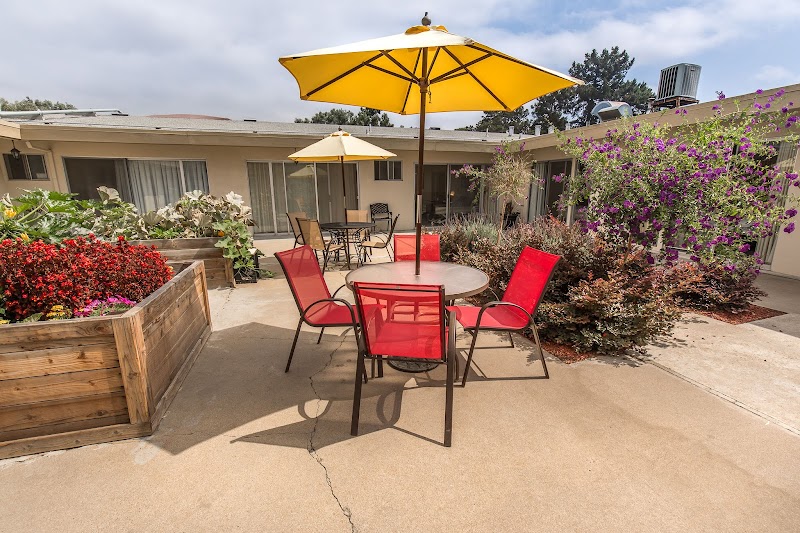
Who Owns and Operates Salinas Valley Post Acute?

SALINAS VALLEY POST ACUTE is owned by a for-profit company. For-profit facilities operate as businesses with obligations to shareholders or private owners. The facility is operated by PACS GROUP, a chain that manages multiple nursing homes. With 99 certified beds and approximately 93 residents (about 94% occupancy), it is a smaller facility located in SALINAS, California.
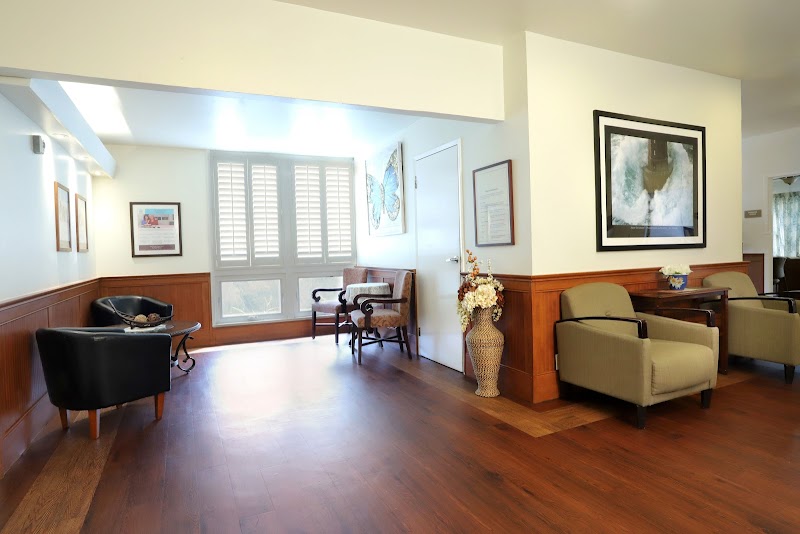
How Does Salinas Valley Post Acute Compare to Other California Nursing Homes?

Compared to the 100 nursing homes in California, SALINAS VALLEY POST ACUTE's overall rating (3 stars) is below the state average of 3.1, staff turnover (49%) is near the state average of 46%, and health inspection rating (2 stars) is below the national benchmark.

What Should Families Ask When Visiting Salinas Valley Post Acute?

Based on this facility's data, families visiting should ask: "Can you walk me through typical staffing levels on day, evening, and night shifts?" "Can I visit during a mealtime to observe dining assistance and food quality?" "How do you handle medical emergencies, and what is your hospital transfer rate?" "Can I speak with family members of current residents about their experience?" These questions are particularly relevant given the below-average staffing rating.

Is Salinas Valley Post Acute Safe?

Based on CMS inspection data, SALINAS VALLEY POST ACUTE has a clean safety record: no substantiated abuse findings (meaning no confirmed cases of resident harm), no Immediate Jeopardy citations (the most serious violation level indicating risk of serious injury or death), and is not on the Special Focus Facility watch list (a federal program monitoring the lowest-performing 1% of nursing homes). The facility has a 3-star overall rating and ranks #100 of 100 nursing homes in California. While no facility is perfect, families should still ask about staff-to-resident ratios and recent inspection results during their visit.

Do Nurses at Salinas Valley Post Acute Stick Around?

SALINAS VALLEY POST ACUTE has a staff turnover rate of 49%, which is about average for California nursing homes (state average: 46%). Moderate turnover is common in nursing homes, but families should still ask about staff tenure and how the facility maintains care continuity when employees leave.

Was Salinas Valley Post Acute Ever Fined?

SALINAS VALLEY POST ACUTE has been fined $15,440 across 1 penalty action. This is below the California average of $33,233. While any fine indicates a compliance issue, fines under $50,000 are relatively common and typically reflect isolated problems that were subsequently corrected. Families should ask what specific issues led to these fines and confirm they've been resolved.

Is Salinas Valley Post Acute on Any Federal Watch List?

SALINAS VALLEY POST ACUTE is not on any federal watch list. The most significant is the Special Focus Facility (SFF) program, which identifies the bottom 1% of nursing homes nationally based on persistent, serious quality problems. Not being on this list means the facility has avoided the pattern of deficiencies that triggers enhanced federal oversight. This is a positive indicator, though families should still review the facility's inspection history directly.