WINDSOR SKYLINE CARE CENTER
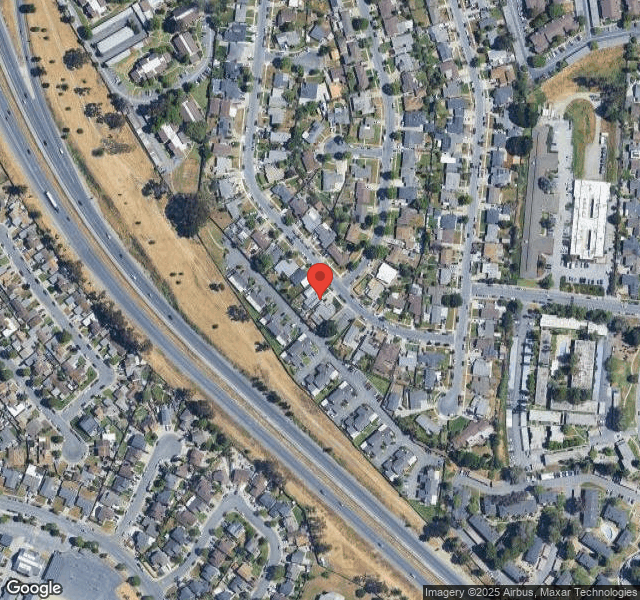
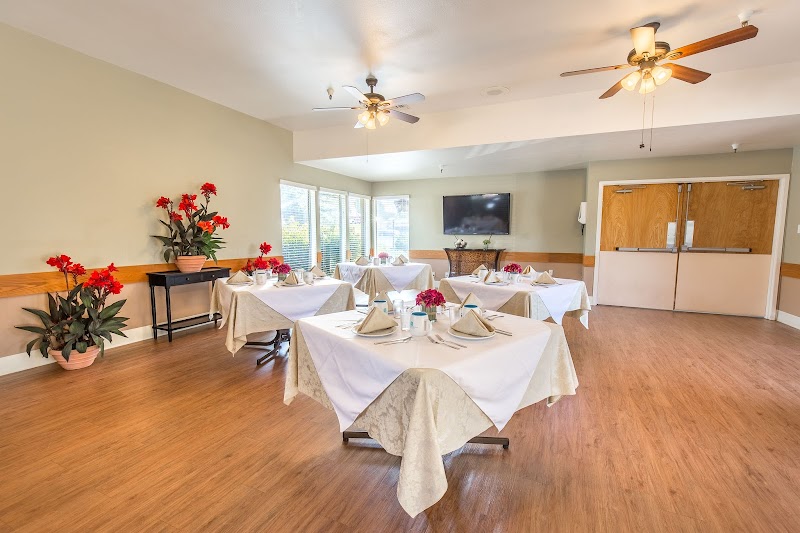
348 IRIS DRIVE, SALINAS, CA 93906 (831) 449-5496
For profit - Corporation 80 Beds WINDSOR Data: November 2025 1 Immediate Jeopardy citation
Trust Grade
38/100
#727 of 1155 in CA
Last Inspection: March 2025

Within standard 12-15 month inspection cycle. Federal law requires annual inspections.

Overview

Windsor Skyline Care Center has received a Trust Grade of F, indicating significant concerns about the quality of care provided. It ranks #727 out of 1,155 facilities in California, placing it in the bottom half of nursing homes statewide, and #13 out of 14 in Monterey County, meaning only one local option is better. The facility is worsening, with the number of issues increasing from 2 in 2024 to 8 in 2025. Staffing is a relative strength, rated 4 out of 5 stars with a turnover rate of 31%, which is below the California average. However, the $63,850 in fines is concerning, as it is higher than 88% of California facilities, suggesting ongoing compliance problems. Additionally, there have been alarming incidents, including a critical failure where a resident at risk of elopement left the facility unnoticed and was later found unresponsive, leading to their death. Concerns have also been raised about food safety, with reports of unsanitary conditions in the kitchen that could lead to foodborne illnesses for residents. While the staffing levels are commendable, the serious issues regarding resident safety and sanitation cannot be overlooked.

Trust Score
F
38/100
In California
#727/1155
Bottom 38%
Safety Record
High Risk
Review needed
Inspections
Getting Worse
2 → 8 violations
Staff Stability
○ Average
31% turnover. Near California's 48% average. Typical for the industry.
Penalties
✓ Good
$63,850 in fines. Lower than most California facilities. Relatively clean record.
Skilled Nurses
⚠ Watch
Each resident gets only 20 minutes of Registered Nurse (RN) attention daily — below average for California. Fewer RN minutes means fewer trained eyes watching for problems.
Violations
⚠ Watch
41 deficiencies on record. Higher than average. Multiple issues found across inspections.
★★★☆☆
3.0
Overall Rating
★★★★☆
4.0
Staff Levels
★★★★★
5.0
Care Quality
★★☆☆☆
2.0
Inspection Score
Stable
2024: 2 issues
2025: 8 issues

The Good

  • 4-Star Staffing Rating · Above-average nurse staffing levels
  • 5-Star Quality Measures · Strong clinical quality outcomes
  • Full Sprinkler Coverage · Fire safety systems throughout facility
  • No fines on record
  • Staff turnover below average (31%)

    17 points below California average of 48%

Facility shows strength in staffing levels, quality measures, fire safety.

The Bad

3-Star Overall Rating

Near California average (3.1)

Meets federal standards, typical of most facilities

Staff Turnover: 31%

15pts below California avg (46%)

Typical for the industry

Federal Fines: $63,850

Above median ($33,413)

Moderate penalties - review what triggered them

Chain: WINDSOR

Part of a multi-facility chain

Ask about local staffing decisions and management

The Ugly 41 deficiencies on record

1 life-threatening
Apr 2025 1 deficiency 1 IJ
CRITICAL (J) 📢 Someone Reported This

A family member, employee, or ombudsman was alarmed enough to file a formal complaint

Immediate Jeopardy (IJ) - the most serious Medicare violation

Accident Prevention (Tag F0689)

Someone could have died · This affected 1 resident

**NOTE- TERMS IN BRACKETS HAVE BEEN EDITED TO PROTECT CONFIDENTIALITY** Based on interview and record review, the facility failed to provide supervision for one of 14 residents (Resident 1) who was at...

Read full inspector narrative →
**NOTE- TERMS IN BRACKETS HAVE BEEN EDITED TO PROTECT CONFIDENTIALITY** Based on interview and record review, the facility failed to provide supervision for one of 14 residents (Resident 1) who was at risk for leaving the facility (elopement) when Resident 1 went out of the facility premises without the facility's knowledge on [DATE]. This failure resulted in Resident 1 leaving the facility unattended and Resident 1 being found by a bystander face down and unresponsive at a bus stop. The bystander called 911 (universal emergency number) and EMS (Emergency Medical Services, a system that provides emergency medical care) responded and resuscitated Resident 1. Resident 1 was transferred to an acute care hospital where Resident 1 expired on [DATE]. On [DATE], at 4:59 p.m., an Immediate Jeopardy (IJ, a situation in which the facility's noncompliance with one or more requirements of participation has caused, or is likely to cause, serious injury, harm, impairment, or death to a resident) was identified and declared, in the presence of the facility's Administrator (ADM), Director of Nursing (DON), Regional Clinical Resource Nurse (RCRN), and with the facility's Senior [NAME] Clinical Resource (SVCR) and [NAME] President of Operations (VPO), who were on the phone, due to the facility's failure to provide supervision for one of 14 residents (Resident 1) who left the facility's premises without the facility's knowledge on [DATE]. Resident 1 died in an acute care hospital the same day on [DATE]. On [DATE], at 8 a.m., an initial IJ removal plan (IJRP) with a completion date of [DATE] was submitted but was not accepted. On [DATE], a final revised IJRP was submitted with a completion date of [DATE]. The final revised IJRP was accepted. On [DATE] a visit was done to the facility to review the implementation of this revised IJRP. The IJ was lifted at 5 p.m. on [DATE]. The acceptable IJRP included the following corrective actions: 1) The ADM, DON and ADON (Assistant Director of Nursing) initiated in-service for the following staff: Licensed Nurses (LN), Certified Nursing Assistants (CNA), dietary, housekeeping and laundry, rehabilitation department, admissions, activities and maintenance on how to locate missing resident and what is considered elopement (occurs when a resident leaves the premises or a safe area without authorization (i.e., an order for discharge or leave of absence) and/or any necessary supervision to do so). 2) The facility's Interdisciplinary Team (IDT, a group of healthcare professionals from different fields that work together towards a common goal for a patient) completed a facility wide audit to evaluate 65 residents for the risk for elopement. 3) 13 residents who are at risk for elopement were monitored by the LN for episodes of exit seeking behavior every shift and documented in the Medication Administration Record (MAR, a record of prescribed medications). 4) Licensed Vocational Nurse (LVN), Registered Nurse (RN), CNA and staff from other departments including but not limited to therapy, activities, admissions, payroll, dietary, housekeeping/laundry, maintenance, health information manager (HIM), social services and MDS departments who did not attend the in-service will be provided education at the beginning of their next scheduled shift by the DON, DSD or ADON. 5) The facility's ADON initiated an in-service to LVN and RN on the policy and procedures (P&P) titled Elopements Resident Behavior and Facility Practice including but not limited to how to locate a missing resident, completion of elopement assessment for new admission and resident who exhibits wandering behavior, residents who are considered an elopement risk and their interventions, how to initiate an elopement care plan, and if resident is deemed at risk for elopement notify Medical Doctor (MD) and if indicated obtain orders/consent for wander guard (a device worn by residents that would alert caregivers when a resident approached a monitored door) device and monitor resident for episodes of exit seeking behavior every shift. 6) The facility's ADM initiated an in-service to the Social Services, ADON, MDS nurse, Activities Director, Central Supply, Admissions Assistant/receptionist, Accounts payable, occupational therapist on steps to take when a resident is newly admitted or current resident exhibit newly wandering/exit seeking behaviors but not limited to elopement risk assessment, if deemed at risk for elopement notify MD and if indicated obtain orders/consent for wander guard device and monitor for episodes of exit seeking behavior every shift, initiate elopement care plan, and monitoring and managing residents at risk of elopement including but not limited to every 2 hour visual checks, in addition to wander guard placement if applicable. 7) The facility ADM and DON reviewed facility elopement P&P, related to a recent incident with Medical Director. 8) The facility's RCRN provided an education to the DON and ADM on what is considered elopement and the reporting requirements. 9) 13 residents who are a risk for elopement were monitored by the LN for episodes of exit seeking behavior every shift and documented in the MAR. 10) The facility's LN initiated the completion of the head count rounds at the beginning of the shift and document on the census sheet for the other residents who are not identified as at risk for elopement. 11) The facility's ADON, DON and RN supervisor initiated the validation of the completion of the daily head count monitoring by LN. Any needed corrections will be communicated to the assigned LN. 12) The facility's maintenance supervisor/designee checked the operation of door monitors and resident wandering system (Wander Guard System) was checked on [DATE] and [DATE] and found to be functional and will continue to check weekly. 13) A new measure was put in place when the Maintenance Director installed exit door alarms on 3 of the 4 exit doors. When the doors are opened an alarm will sound which will allow staff to check if a resident is exiting the building unauthorized. 14) The facility's Social Services Director (SSD), Maintenance Director and DON initiated the in-service to the LN and CNA regarding the new alarm doors with an emphasis to respond when the exit door alarm to check the exit and that staff is to use only the main entrance to enter and exit the building. 15) The facility's IDT initiated the daily review of new admission and residents that show new wandering/elopement behavior to ensure the new behavior is addressed, care plan is updated and interventions such as monitor for exit seeking behaviors, increased visual checks, individualized activity plan, and wander guard are implemented. 16) The facility's HIM initiated the admission audits and change conditions audit when current residents exhibit new wandering or exit seeking behaviors including but not limited if applicable completion of elopement risk assessment, IDT note when resident is identified for elopement risk, orders for wander guard, consent for wander guard, care plan for risk of elopement and wander guard, monitor for episodes for exit seeking behaviors were put in place every shift, the elopement binder was updated with residents' picture and person identification information, and visual checks in place. Any missing items from this audit will be reported to DON/designee for further review and follow up. 17) The facility's HIM will present elopement related audits weekly for 4 weeks then monthly Quality Assurance Performance Improvement (QAPI) committee for review with Medical Director, evaluation trending and tracking every month for 3 months until compliance has been reached. 18) The corrective actions began on [DATE] and completed on [DATE]. As stated, this failure resulted in Resident 1 leaving the facility premises without facility's knowledge. Resident 1 was found face down and unresponsive at a bus stop and died in an acute care hospital that same day on [DATE]. Furthermore, this failure had the potential to likely put the other 13 residents who were at risk to leave the premises without staff supervision. Findings: Review of Resident 1's admission record indicated he was an elderly resident admitted to the facility on [DATE] with diagnoses including disorder of bone density and structure (occurs when bones become weak and brittle due to loss of bone mass), low back pain, bilateral primary osteoarthritis (breakdown of cartilage in the joints leading to pain, stiffness and reduced mobility) of hip, and generalized muscle weakness. Review of Resident 1's Minimum Data Set (MDS, an assessment tool) Section GG Functional Abilities, dated [DATE], indicated Resident 1 needed supervision or touching assistance to walk 150 feet once standing, and as well as to walk at least 150 feet in a corridor or similar space. Review of Resident 1's initial Elopement Evaluation, dated [DATE], did not indicate risk level for elopement. Review of Resident 1's Activity Care Plan, dated [DATE], indicated Resident 1 enjoyed independent activity such as walking around the facility or patio. The care plan further indicated interventions which included that it was important for Resident 1 to go outside when the weather was good, sit down and relax. The care plan also indicated that Resident 1 liked to use his walker to go around the building and sit at the patio. Review of Resident 1's Nursing Alert Note, dated [DATE], indicated Resident 1 was seen walking towards the front door to the parking lot and was assisted back to the facility. Resident 1 expresses his desire of walking outside. During an interview on [DATE], at 3:04 p.m., with LVN B, she stated on [DATE], the previous Director of Staff Development (DSD) saw Resident 1 walk through the door, enter the parking lot and that the DSD brought Resident 1 back inside the facility. LVN B stated she accompanied Resident 1 back to his room and informed Resident 1 that if he would go outside, he had to inform staff and that he just cannot leave on his own. When LVN B was asked if she would do an elopement evaluation when a situation like this happened, LVN B stated she would not, because it was the first time Resident 1 went through the facility's door without informing staff. During an interview with the ADM on [DATE] at 3:20 p.m., the ADM stated the previous DSD who was working on [DATE] was no longer working in the facility. Surveyor was unable to interview the previous DSD. During an interview on [DATE], at 1:55 p.m., with the Minimum Data Set Coordinator (MDSC), the MDSC stated the MDS assessment on [DATE] indicated Resident 1 required supervision or touching assistance with most activities of daily living. The MDSC stated supervision means when somebody stands beside the resident and provides verbal or visual cues when the resident is doing tasks. The MDSC stated touching assistance means to guide Resident 1 with no weight bearing from the staff. The MDSC stated Resident 1 was able to walk over 150 feet using the front wheel walker (FWW, a type of mobility aid with wheels on the front two legs). Review of Resident 1's of Social Service Progress Note, dated [DATE], indicated Resident 1 left the facility again without informing the facility staff. The Social Service Progress Note further indicated that, the SSD interviewed Resident 1 due to the incident of leaving the facility. Resident 1 stated, I just walked to the bus stop by firefighters and went home to pick up some items I needed. Review of Resident 1's MDS Section GG Functional Abilities, dated [DATE], indicated Resident 1 needed supervision or touching assistance to walk 150 feet once standing, and as well as to walk at least 150 feet in a corridor or similar space. Review of Resident 1's clinical record indicated there was no SBAR (Situation, Background, Assessment, Recommendation; a communication tool) for the incident on [DATE] when Resident 1 left the facility a second time and went to his old apartment to get a jacket without informing facility staff. During a concurrent interview and record review on [DATE] at 2:29 p.m., with the DON, she reviewed Resident 1's clinical record and confirmed there was no SBAR done on [DATE]. Review of Resident 1's Elopement Evaluation, dated [DATE], did not indicate Resident 1's elopement risk level. Review of Resident 1's care plans indicated there was no care plan initiated to address Resident 1's incident on [DATE] when Resident 1 left the facility without informing facility staff. During an interview on [DATE], at 3:28 p.m., the SSD stated on [DATE] Resident 1 left the facility and went to his old apartment and was gone for about an hour. The SSD stated she was made aware by a CNA that Resident 1 was not in the facility. The SSD stated she could not remember the time or who was the CNA at that time. During a concurrent interview and record review on [DATE], at 2:29 p.m., with the DON, she stated that the incident on [DATE] when Resident 1 left the facility and went to his old apartment was not considered an elopement because Resident 1 came back to the facility. The DON stated she did the elopement reevaluation and based on the evaluation Resident 1 was not at risk for elopement. The DON further stated that a care plan was not initiated for Resident 1, and it could have been the best practice to initiate a care plan for elopement when Resident 1 left the facility. When the DON was asked what was considered as an elopement, the DON stated elopement was when a resident leaves the facility without authorization. The DON further stated that when Resident 1 left the faciity on [DATE], it was not considered as an elopement because he had a purpose to go to his apartment and came back to the facility. During an interview on [DATE], at 3:07 p.m., with CNA C, she stated there was an episode when Resident 1 was in the hallway and asked where the bus stop and taxi was. CNA C stated Resident 1 verbalized he wants to go to the bus stop. CNA C stated another CNA, and a nurse heard the resident but could not remember who the CNA and the nurse were. CNA C could not remember the date when Resident 1 was asking where to find the bus stop and taxi. During an interview on [DATE], at 12:46 p.m., the DON stated the IDT (Interdisciplinary Team, a group of healthcare professionals from different fields that work together towards a common goal for a patient) decides if a resident was high risk of elopement or not. The DON stated the incident on [DATE] when Resident 1 left the facility and went to his old apartment was discussed by the IDT but determined Resident 1 was not a high risk for elopement. The DON acknowledged that the IDT discussion was not documented. Review of Resident 1's clinical record indicated there was no IDT note documented for the incident of [DATE] when Resident 1 went to his apartment to get a jacket. During a telephone interview on [DATE], at 1:01 p.m., with LVN E, the nurse assigned to Resident 1 on [DATE], LVN E stated that around 7:15 a.m. he saw Resident 1 in his room and the CNA informed LVN E around 9 a.m. that Resident 1 was not in the room. LVN E stated Resident 1 came back around 11 a.m. to the facility. LVN E stated Resident 1 mentioned he took the bus to go to his house to get his jacket. LVN E stated management team were informed because they had to search for Resident 1. LVN E stated he did not think he did an elopement evaluation after the incident. Review of Resident 1's Nurses Progress Note, dated [DATE], indicated Resident was seen in his room, at the start of the shift around 0720 [7:20 a.m.]. Resident was laying in bed, resting .Resident was seen by other staff during the morning rounds. Resident's walker noted in the from by reception, however, resident was not in the building. During an interview on [DATE], at 1:12 p.m., with LVN A, she stated on [DATE], around 7:20 a.m., Resident 1 was lying in bed. LVN A stated she saw Resident 1 an hour after when she gave the medications to Resident 1's roommate. LVN A stated around 8:30 a.m. is when she last saw Resident 1. LVN A stated she realized Resident 1 was not in the facility around lunch time between 12:00 noon to 12:30 p.m. when a CNA informed her that Resident 1 was not in the dining room. LVN A went to Resident 1's room and bathroom and checked the sign out binder. LVN A instructed the CNA to look at the rest of the facility's bathrooms. LVN A added, someone called the Code Orange (a code for a resident missing in the facility). During a concurrent interview on [DATE], at 11:05 a.m., with CNA D, she stated she was the assigned CNA to Resident 1 on [DATE]. CNA D stated, she saw Resident 1 around 8:35 a.m. walking around the facility after breakfast. CNA D stated a CNA informed her around 12 p.m. that Resident 1 was not in the dining room. CNA D went to Resident 1's room and restroom and did not find the resident. CNA D stated she informed the nurse and checked other rooms and outside the facility. Review of the facility's report to the department (CDPH, California Department of Public Health), received on [DATE], indicated Resident 1 was last seen around 9:00 a.m. on [DATE]. The report further indicated that a CNA noticed that Resident 1 was not in his room. The facility was made aware that Resident 1 was not in the facility around 12:40 p.m. that prompted the search for Resident 1. The report also indicated the facility received a call at 12:58 p.m. informing the facility that Resident 1 was at the acute care hospital's Emergency Department (specific area within a hospital that provides immediate medical care). During an interview on [DATE], at 12:17 p.m., with the Maintenance Director (MTD), he stated the patio gate was wide open before the breakable lock was placed about two weeks ago. The MTD stated residents could go through the gate at the patio before [DATE]. The MTD further stated the breakable lock was a lock that could be broken in case of emergency and does not need a key to unlock. During an interview on [DATE], at 1:40 p.m., with the Receptionist (RECPST), she stated she was working at the front desk on [DATE]. The RECPST stated she was at the reception desk all day and did not see Resident 1 leave the facility. The RECPST stated she paged the Code Orange which means missing resident. The RECPST stated she checked residents sign out book (a record keeping tool) and found out neither Resident 1 nor Resident 1's family member signed him out. During an interview on [DATE], at 2:21 p.m., with the Physical Therapist Assistant (PTA), the PTA stated Resident 1 was able to walk on his own independently using the FWW. During an interview on [DATE] at 4:55 p.m., with the Administrator (ADM), the ADM stated there was nothing that could have been done differently to prevent the incident. Review of Resident 1's ambulance provider record, dated [DATE], indicated EMS (Emergency Medical Services, a system that provides emergency medical care) was dispatched (send off to a destination) at 9:26 a.m. and was on scene at 9:30 a.m. at North Main Street/Iris Drive. At 9:52 a.m., Resident 1 was transferred to the acute care hospital. According to googlemaps.com, the facility's distance from the nearest bus stop located at North Main Street/iris Drive was approximately 0.4 miles by foot or walking. According to weather.com. on [DATE] the weather forecast in [NAME], CA, indicated that the temperature record high was 80 degrees Fahrenheit (temperature scale) and the record low was 25 F. Review of Resident 1's History and Physical from the acute care hospital, dated [DATE], indicated he was found down from an unwitnessed fall while at a bus stop. He was found in prone [face down] position by a bystander who then called 911 at 9:30. EMS expressed concern for assault [a violent or sudden attack] given patient's abrasion on forehead and cracked rib prior to starting CPR [Cardiopulmonary Resuscitation, an emergency lifesaving procedure performed when the heart stops beating}. Patient was in ventricular fibrillation [a serious heart rhythm problem where the heart's lower chambers (ventricles) beat too fast, often over 100 beats per minute] and started CPR at 9:32. He was shocked twice with 3 rounds of epinephrine [a medication to treat many life-threatening conditions] along with amiodarone [a medication to keep the heart rhythm normal.]. He was transferred to the ED [Emergency Department] .CPR was continued in the ED starting 9:51 and stopped at 9:54 after ROSC [return of spontaneous circulation, return of heartbeat and breathing without needing external assistance] was achieved. He was admitted to the ICU [Intensive Care Unit, a specialized hospital department providing critical care to severely ill or injured patients]. Review of Resident 1's Death Summary from acute hospital dated [DATE], indicated Resident 1 passed away at 5:36 p.m. Review of the facility's policy and procedure (P&P), titled Elopements Resident Behavior and Facility Practices, dated [DATE], indicated Elopement occurs when a resident leaves the premises or a safe area without authorization (i.e., an order for discharge or leave of absence) and/or any necessary supervision to do so. The interdisciplinary team will further evaluate the unique factors contributing to risk in order to develop a person-centered care plan. Documentation in the medical record will include findings from nursing and social service assessments, physician/family notification, and care plan discussions, as applicable. Review of Resident 1's Certificate of Death, issued on [DATE], indicated the cause of death was ventricular fibrillation (fast and irregular heartbeat), undifferentiated shock (unknown cause of the body not getting enough oxygen), and respiratory failure (a serious condition that makes it difficult to breathe on our own). The Certificate of Death further indicated the date of death was [DATE].
Mar 2025 7 deficiencies
CONCERN (D)

Potential for Harm - no one hurt, but risky conditions existed

Resident Rights (Tag F0550)

Could have caused harm · This affected 1 resident

Based on observation, interview and record review, the facility failed to ensure dignity and privacy was upheld for two of four sampled residents (Resident 121 and Resident 226 ) when Resident 121 and...

Read full inspector narrative →
Based on observation, interview and record review, the facility failed to ensure dignity and privacy was upheld for two of four sampled residents (Resident 121 and Resident 226 ) when Resident 121 and Resident 226 foley catheter (a thin, flexible tube inserted into the bladder through the urethra to drain urine) drain bags were left uncovered. This failure had the potential for adverse effects on the psychosocial well-being and health of Resident 121 and Resident 226. Findings: 1. During an observation on 3/10/25, at 10:29 a.m., in Resident 121's room. Resident 121 was observed sitting on his wheelchair with the urine bag hanging on the left side of his wheelchair uncovered and yellow colored urine was visible from the drainage bag. Review of Resident 121's clinical record indicated Resident 121 was admitted to the facility with diagnosis including benign prostatic hyperplasia (BPH, is a common condition in older men where the prostate gland, located below the bladder and surrounding the urethra, grows larger than normal). Review of Resident 121's physician's order indicated an order for Indwelling Catheter: Foley Catheter size: FR 16. dated 3/6/25. During an interview on 3/12/25, at 3:44 p.m., with the Director of Nursing (DON), the DON confirmed Resident 121's foley catheter bag was uncovered. She stated Resident 121 should have a privacy bag cover, when in bed and when resident go out of the room. 2. During an observation on 3/12/25, at 11:12 a.m., with the Physical Therapy Assistant (PTA), the PTA was observed walking with Resident 226 in front of Resident 226's room. Resident 226's foley catheter bag was hanging uncovered on the PTA cargo pants pocket. During a review of Resident 226's clinical record indicated she was admitted to the facility with the diagnosis including malignant neoplasm of vulva (cancerous tumor that develops in the external female genital organs). Review of Resident 226's physician's order indicated an order for Indwelling Catheter: Foley Catheter size: FR 16. During an interview on 3/12/25 at 4:50 p.m., with the DON, the DON confirmed there was no privacy bag covering Resident 226's foley catheter and it was hanging on the PTA's cargo pants pocket. The DON stated, it should not be like that, staff should have unhooked the bag and put it in the walker. During an interview on 3/14/25, at 1:23 p.m., with the PTA, he confirmed he hanged the foley catheter bag of Resident 226 on his cargo pants pocket and he stated there was no cover on the foley catheter bag. During an interview on 3/14/25, at 2:21 p.m., with the Assistant Director of Nursing (ADON), the ADON stated it was not okay to hang the foley catheter bag on the cargo pants pocket for dignity. The ADON further stated, foley catheter bag should have a cover at all times. Review of the facility's P&P titled, Quality of Life- Dignity Revised 2/2020, the P&P indicated, Each resident shall be cared for in a manner that promotes and enhances his or her sense of well-being, level of satisfaction with life, feeling of self-worth and self-esteem.1. Residents are treated with dignity and respect at all times .
CONCERN (D)

Potential for Harm - no one hurt, but risky conditions existed

Deficiency F0583 (Tag F0583)

Could have caused harm · This affected 1 resident

Based on observation, interview, and policy review, the facility failed to protect resident's rights to confidentiality of protected health information (PHI, any information in the medical record that...

Read full inspector narrative →
Based on observation, interview, and policy review, the facility failed to protect resident's rights to confidentiality of protected health information (PHI, any information in the medical record that can be used to identify an individual and that was created, used, or disclosed in the course of providing a health care service such as diagnosis or treatment)for one of 18 residents (Resident 7) when Registered Nurse D (RN D) left the computer screen on and unattended on top of the medication storage cart. This deficient practice had the potential to compromise the resident's privacy and confidentiality. Findings: During an observation on 3/12/25, at 2:35 p.m., Resident 7's medication orders were on the computer screen and RN D left the computer screen on and unattended. The computer that contained Resident 7's PHI was on top of the medication cart parked in the hallway facing away from resident rooms. During an interview with RN D on 3/12/25, at 2:40 p.m., RN D confirmed she left the computer screen on when she went to the other side of the facility to provide wound care to other residents. During an interview with the Director of Nursing (DON) on 3/12/25, at 3 p.m., the DON stated nurses should sign out from the computer when going to do other tasks. The DON further stated the hallway was busy with passersby like housekeepers, visitors, and other staff. A review of the facility's policy and procedure titled, Resident Rights, revision date December 2021, indicated, Employees shall treat all residents with kindness, respect, and dignity. 1. Federal and state laws guarantee certain basic rights to all residents of this facility. These rights include the resident's right to: . t. privacy and confidentiality; 2. The unauthorized release, access, or disclosure of resident information is prohibited. All release, access, or disclosure of resident information must be in accordance with current laws governing privacy of information issues. All inquiries concerning the release of resident information should be directed to the HIPAA compliance officer.
CONCERN (D)

Potential for Harm - no one hurt, but risky conditions existed

Deficiency F0645 (Tag F0645)

Could have caused harm · This affected 1 resident

**NOTE- TERMS IN BRACKETS HAVE BEEN EDITED TO PROTECT CONFIDENTIALITY** Based on interview and record review, the facility failed to ensure the PASARR (a federal requirement to help ensure that indivi...

Read full inspector narrative →
**NOTE- TERMS IN BRACKETS HAVE BEEN EDITED TO PROTECT CONFIDENTIALITY** Based on interview and record review, the facility failed to ensure the PASARR (a federal requirement to help ensure that individuals are not inappropriately placed in nursing homes for long term care) Level 1 assessment was coded accurately for one of five sampled residents (Resident 6) reviewed for PASARR. This failure had the potential for having residents that were not appropriate in the facility and for Resident 6 not to receive the appropriate services. Findings: Review of Resident 6's clinical record indicated Resident 6 was admitted to the facility on [DATE] with diagnosis includes depression (mental health condition characterized by a persistent low mood, loss of interest, and other symptoms that interfere with daily life) and bipolar disorder (mental disorder characterized by periods of elevated mood and depression, often with poor decision-making). Review of Resident 6's PASARR Level 1 Screening Form dated 3/24/21, showed Resident 6 had no prescribed psychotropic (substance that affects how the brain works and causes changes in mood, awareness, thoughts, feelings, or behavior) medications for mental illness. Review of Resident 6's acute care discharged summary dated 3/24/21, showed Resident 6 had a physician's order dated 3/24/21, divalproex sodium (used to treat mania (episodes of frenzied, abnormally excited mood) in people with bipolar disorder ) 500 mg (milligram, unit of measurement), q (every) am (in the morning) and 1000 mg q pm ( in the evening) and Doxepin (medication used to treat depression and anxiety (anxiety, a mental health condition involving repeated episodes of sudden feelings of fear, dread and uneasiness) 25 mg at bedtime. Review of Resident 6's physician's order dated 3/24/21 indicated, Divalproex Sodium Tablet 500 mg give 1 tablet by mouth in the morning to bipolar disorder and Divalproex Sodium Tablet 500 mg give 2 tablet by mouth in the evening related to bipolar disorder. During a concurrent interview and record review on 3/12/25 at 3:59 p.m., with the Director of Nursing (DON), a review of Resident 6 PASARR level 1 screening form dated 3/24/21 indicated Level 1 screen no need for a PASARR level II evaluation. The DON confirmed Resident 6 was on psychotropic medication upon admission. The DON confirmed Resident 6 had PASSR level 1 screening form indicated no prescribed psychotropic medications for mental illness. The DON stated the PASARR should be corrected, the prescreening will determine the appropriate placement for resident. Review of the facility's P&P titled, PASRR Completion Policy Revision Date 9/30/2024, the P&P indicated, The Center will a make sure that all admissions have the appropriate Patient Assessment and Resident Review (PASRR) completed.
CONCERN (D)

Potential for Harm - no one hurt, but risky conditions existed

Pharmacy Services (Tag F0755)

Could have caused harm · This affected 1 resident

Based on interview and record review, the facility failed to ensure controlled medications (those with high potential for abuse and addiction) were fully accounted and given according to the physician...

Read full inspector narrative →
Based on interview and record review, the facility failed to ensure controlled medications (those with high potential for abuse and addiction) were fully accounted and given according to the physician's orders for two of seven sampled residents (Resident 51 and 66). Controlled medications were signed out of the Controlled Drug Record (CDR, an inventory sheet that keeps record of the usage of controlled medications) but not documented on the Medication Administration Record (MAR) as administered to the residents; Controlled medications were documented on the MAR as administered to the residents but not signed out of the CDR. The failure resulted in inaccurate accountability and had the potential for misuse or diversion (illegal distribution or abuse of prescription drugs or their use for purposes not intended by the prescriber) of controlled medications. Findings: During the survey, CDRs for two random residents (Resident 51 and 66) were requested for review. 1. A review of Resident 51's clinical record indicated a physician's order, dated 1/14/25 for tramadol (controlled medication for the management of moderate to moderately severe pain) 50 milligrams (mg, unit of measurement), 1 tablet by mouth every 6 hours as needed for moderate pain. A review of Resident's 51's CDR for February and March 2025 for tramadol 50 mg, indicated two tablets of tramadol 50 mg were removed on 2/25/25 at 6:09 p.m. and 2/25/25 at 7:31 p.m. The MAR indicated tramadol 50 mg was administered on 3/1/25 at 7:31 p.m. During a concurrent interview and record review with the Director of Nursing (DON) on 3/14/25, at 4:38 p.m., the DON reviewed Resident 51's CDR and MAR and stated the nurse documented the wrong date on the CDR for the tramadol administered on 3/1/25 at 7:31 p.m. 2. A review of Resident 66's clinical record indicated a physician's order, dated 2/18/25, for hydrocodone-acetaminophen (Norco, a controlled medication for moderate to severe pain) 5-325 mg, 1 tablet by mouth every 6 hours as needed for severe pain. A review of Resident 66's February and March CDR for Norco 5-325 mg indicated the nursing staff signed out 1 tablet on the CDR on 3/10/25 at 7:13 a.m. without documenting the respective administration on the MAR on 3/10/25. During a concurrent interview and record review with the DON on 3/14/25, at 4:45 p.m., the DON reviewed Resident 66's above-mentioned records and confirmed one Norco tablet was removed and was not documented on the MAR resulting in one unaccounted Norco tablet. The DON stated there was no documented evidence the Norco was administered to Resident 66. A review of Resident 66's clinical record indicated a physician's order, dated 2/19/25 for tramadol 50 mg, 1 tablet by mouth every 12 hours for pain management. A review of Resident 66's CDR dated February and March 2025 for tramadol 50 mg indicated a nursing staff did not sign out any tablets on 3/10/25 for the evening dose of the tramadol but was documented on the MAR on 3/10/25 at 9 p.m. as being administered to the resident. During a concurrent interview and record review with the DON on 3/14/25 at 4:55 p.m., the DON verified there was no documentation on the CDR that the evening dose of tramadol was removed from the CDR. The DON also stated she was aware of CDR and MAR discrepancies by the nursing staff for a while. A review of the facility's policy and procedures titled, Controlled Substances, revision date November 29022, indicated, Handling Controlled Substances: .4. An individual resident-controlled substance record is made for each resident who will be receiving a controlled substance. This record contains: a. name of the resident; b. name and strength of the medication; i. time of administration and l. signature of nurse administering medication. Dispensing and Reconciling Controlled Substances 1. Controlled substance inventory is monitored and reconciled to identify loss or potential diversion in a manner that minimizes the time between loss/diversion and detection/follow-up. 5. The director of nursing services documents irreconcilable discrepancies in a report to the administrator. 5c. The medication regimen of residents using medications that have such discrepancies are reviewed to assure the resident has received all medications ordered and the goal of therapy is met.
CONCERN (D)

Potential for Harm - no one hurt, but risky conditions existed

Deficiency F0761 (Tag F0761)

Could have caused harm · This affected 1 resident

Based on observation, interview, and record review, the facility failed to follow their policy and procedure (P&P) for proper labeling and storage of medications when food was stored on two of four me...

Read full inspector narrative →
Based on observation, interview, and record review, the facility failed to follow their policy and procedure (P&P) for proper labeling and storage of medications when food was stored on two of four medication storage carts. This deficient practice had the potential to cause cross contamination that could affect the residents. Findings: During a concurrent observation and interview on 3/12/25 at 12:26 p.m. with Licensed Vocational Nurse E (LVN E), one opened and dated cup of applesauce was found stored inside the top drawer of medication storage cart AA together with bottles of medication. LVN E stated the opened cup of applesauce should be discarded at the end of the shift. During an observation and interview on 3/12/25 at 1 p.m. with LVN F, one unopened cup of applesauce was found stored in the top drawer of medication storage cart BB during inspection. LVN F stated the cup of applesauce was for mixing with medication for some of the residents. During an interview on 3/14/25 at 2:25 P.M. with the Director of Nursing (DON), the DON stated no food should be stored on or inside the medication cart. Review of the facility's policy and procedure titled, Medication Labeling and Storage, revision date February 2023 indicated, .6. Medications are stored separately from food and are labeled accordingly.
CONCERN (E)

Potential for Harm - no one hurt, but risky conditions existed

Infection Control (Tag F0880)

Could have caused harm · This affected multiple residents

**NOTE- TERMS IN BRACKETS HAVE BEEN EDITED TO PROTECT CONFIDENTIALITY** Based on observation, interview, and record review, the facility failed to implement infection control measures when: 1. Residen...

Read full inspector narrative →
**NOTE- TERMS IN BRACKETS HAVE BEEN EDITED TO PROTECT CONFIDENTIALITY** Based on observation, interview, and record review, the facility failed to implement infection control measures when: 1. Resident 26's nasal cannula (flexible tubing inserted into the nostrils and attached to an oxygen [a colorless and odorless gas that people need to breathe] was hanging and expose on the resident side rails; 2. Staff did not perform handwashing/hand hygiene before and after gloving; 3a. Enhanced barrier precautions signage was not posted on the door for one resident; b. One staff member did not disinfect cap of medication bottle appropriately; and 4. The Physical Therapy Assistant (PTA) hanged the foley catheter bag on his cargo pants pocket. These failures had the potential to result in the transmission and spread of infection throughout the facility. Findings: 1. During an observation on 3/10/25 at 11:14 a.m., Resident 26's nasal cannula tubing was hanging and was exposed on the resident's side rails. During a concurrent observation and interview with Registered Nurse (RN) A on 3/10/25 at 12 p.m., RN A verified the observation that Resident 26's nasal cannula tubing was hanging and was exposed. RN A stated nasal cannula tubing should be stored in a plastic bag when not in use. A review of World Health Organization (WHO) checklist 2 of the title Care, cleaning and disinfection high flow nasal cannula, indicated 13. Sore clean ventilator and disinfect before use. Ensure cleaned high flow nasal cannula device is stored in an area where there is low risk of contamination between uses . 2. During a concurrent observation and interview with the Maintenance Director (MD) on 3/12/25, at 11:32 a.m., the MD did not wash or sanitize his hands before and after wearing gloves. During an interview with the MD on 3/14/25 at 11:11 a.m., the MD confirmed the above observation and further stated he should have sanitized his hands before and after every task. Review of the facility's policy and procedure (P&P), titled Handwashing/Hand Hygiene revised 9/18/23, the P&P indicated, The use of gloves does not replace hand washing/hand hygiene. Integration of glove use along with routine hand hygiene is recognized as the best practice for preventing healthcare -associated infections. 3a. Review of Resident 62's clinical record indicated Resident 62 was admitted on [DATE] with diagnoses including infection and inflammatory reaction due to internal left hip prosthesis, broken internal left hip prosthesis and generalized muscle weakness. During a concurrent observation and interview with the director of nursing (DON) on 3/10/2025, at 10:30 a.m., outside Resident 62's room, gowns and boxes of gloves were observed hanging on the door of Resident 62. The DON stated Resident 62 was on wound precautions and a sign should have been posted on the door indicating enhanced barrier precautions (EBP) for the resident. During an interview on 3/13/25 at 10:08 a.m. with the infection preventionist (IP), the IP stated Resident 62 was admitted to the facility with an E. coli (disease causing bacteria) skin infection, community acquired. The IP stated Resident 62 was receiving an antibiotic treatment for the infection and currently on EBP and an EBP sign should be posted outside the resident's door along with personal protective equipment (PPE [gown and gloves]) for anyone providing care for the resident. Review of the Center for Disease Control's (CDC) recommendation dated April 2024, When implementing Contact Precautions or Enhanced Barrier Precautions it is critical to ensure that staff have awareness of the facility's expectations. The facility should post clear signage on doors or walls outside resident rooms to indicate the type of precautions and required PPE and to specify high-contact care activities requiring their use. 3b. During a medication pass observation on 3/11/25 at 10 a.m., Licensed Vocational Nurse (LVN E) was observed cleaning the cap of a bottle of artificial tears (medication used to relieve dry, irritated eyes) with a facial tissue after the cap fell on the floor of the resident's room. LVN E then placed the capped bottle on the top of the medication storage cart. During an interview on 3/11/25 at 10:06 a.m. with LVN E, LVN E stated the tissue was used because the antiseptic wipes and alcohol swabs contain chemicals and was not sure if they were safe to use for cleaning surfaces of medication bottles or the caps. During an interview on 3/11/25 at 12 p.m., with the DON, the DON stated all medical equipment, and supplies should be disinfected with antimicrobial wipes according to the manufacturer's instructions after use or after becoming contaminated. The DON stated the bottle of artificial tears should have been thrown away and replaced with a new bottle. 4. During an observation on 3/12/25 at 11:12 a.m., with the Physical Therapy Assistant (PTA). The PTA was observed walking with Resident 226 in front of Resident 226 room. Resident 226's foley catheter (a flexible tube inserted to the bladder that is also connected to a drain bag) bag was observed hanging on the PTA's cargo pants pocket. During an interview on 3/12/25 at 4:50 p.m., with the DON, the DON confirmed the observation and stated, the catheter drain bag should have been unhooked and put it in the walker. During an interview on 3/14/25 at 1:23 p.m., with the PTA, he confirmed he hanged the foley catheter bag of Resident 226 on his cargo pants pocket. During an interview on 3/14/25 at 2:21 p.m., with the Assistant Director of Nursing (ADON), the ADON stated it was not okay to hang the foley catheter bag on the cargo pants pocket for dignity and infection control. The ADON further stated it might spread infection or bacteria. During a review of facility's P&P titled, Infection Prevention and Control Program dated 09/18/2023, the P&P indicated, An infection prevention and control program (IPCP) is established and maintained to provide a safe, sanitary and comfortable environment and to help prevent the development and transmission of communicable diseases and infections .11. Prevention of infection: .(3).educating staff and ensuring that they adhere to proper techniques and procedures; .
CONCERN (F)

Potential for Harm - no one hurt, but risky conditions existed

Food Safety (Tag F0812)

Could have caused harm · This affected most or all residents

Based on observation, interview, and record review, the facility failed to ensure sanitary conditions were maintained in the food and nutrition services when: 1. One plastic spatula (a kitchen utensi...

Read full inspector narrative →
Based on observation, interview, and record review, the facility failed to ensure sanitary conditions were maintained in the food and nutrition services when: 1. One plastic spatula (a kitchen utensil with a wide, flat blade used for mixing spreading, lifting, and removing food) had burned handle and brownish color; 2. Nine pieces of large sized steel pan trays with a blackish colored substance on all the edges; 3. Several black colored dots were trapped in the bug light trap and was not clean as needed; and 4. Staff did not check the expiration date of the test strip prior to using. These failures had the potential to cause food contamination and illness for 69 out of 70 residents who received food from the kitchen. Findings: 1. During a kitchen observation and concurrent interview with the Dietary Manager (DM) on 3/11/25, at 9:34 a.m., a plastic spatula hanging in the kitchen utensil had burned on the handle. The DM verified the observation and further stated the plastic spatula should not be used. 2. During a kitchen observation and concurrent interview with the DM on 3/11/25 at 9:37 a.m., there were nine large sized steel pan trays with a blackish colored substance on all the edges. The DM confirmed the observation and stated the kitchenware were old, rusted and must not be used. Review of the facility's policy and procedure (P&P) titled, Sanitation, revised November 2022, the P&P indicated, The food service area is maintained in a clean and sanitary manner. 2. All utensils, counters, shelves, and equipment are kept clean, maintained in good repair and are free from breaks, corrosions, open seams, cracks, and chipped areas that may affect their use or proper cleaning. Seals, hinges and fasteners are kept in good repair. 3. During a kitchen observation and concurrent interview with the DM on 3/11/25 at 9:37 a.m., a bug light trap was observed with several black colored dots. The DM confirmed several black colored dots were trapped in the bug light trap. The DM further stated the trap were changed monthly and as needed. During a review of the facility's policy and procedure (P&P) titled, Sanitation, revised November 2022, the P&P indicated, The food service area is maintained in a clean and sanitary manner. 1. All kitchens, kitchen areas and dining areas are kept clean . 4. During an observation and concurrent interview on 3/11/25 at 11:12 a.m., Dietary Aide (DA) B tested the kitchen sanitizer, which was contained in a red bucket. DA B took a test strip, dipped it in the sanitizer for approximately one second, then checked to see if the test strip changed to the appropriate color. DA B did not check the expiration date of the test strip when performing the testing of the strip in the red bucket. During an observation and concurrent interview on 3/12/25 at 12:32 p.m., [NAME] C was asked to demonstrate how to test the kitchen surface sanitizer. [NAME] C located a red bucket filled with kitchen surface sanitizer in the food preparation area of the kitchen. The DM handover the test strip canister and [NAME] C took a piece of test paper, dipped it in the sanitizer, then checked to see if the test paper changed to the appropriate color as indicated on the test paper container without checking the test strip sanitizer's expiration date. During an interview with the DM on 3/13/25 at 1:46 p.m., the DM confirmed the staff should check the expiration of the strip before using since that's part of the process when using the strip.
Jan 2024 2 deficiencies
CONCERN (E) 📢 Someone Reported This

A family member, employee, or ombudsman was alarmed enough to file a formal complaint

Potential for Harm - no one hurt, but risky conditions existed

Accident Prevention (Tag F0689)

Could have caused harm · This affected multiple residents

Based on observation, interview, and policy review, the facility failed to ensure that the facility environment remains free of accident hazards when the temperatures of hot water at the sinks of Room...

Read full inspector narrative →
Based on observation, interview, and policy review, the facility failed to ensure that the facility environment remains free of accident hazards when the temperatures of hot water at the sinks of Room AA and Room BB were at 127 degrees Fahrenheit (F, temperature scale) and 130 F. This failure placed the residents and staff at risk for accidental burns. Findings: During an observation with the maintenance director (MD) on 1/26/24 at 12:45 p.m., the sink in the restroom of Room AA was shared by four residents, and the temperature of the sink hot water was at 127 F. The sink in the restroom of Room BB was shared by two residents, and the temperature of the sink hot water was at 130 F. During an interview with the MD on 1/26/24 at 1:05 p.m., he stated the sink hot water temperature should be maintained between 105 F to 115 F. Review of the facility ' s undated policy, TELS Masters, indicated the hot water temperature typically falls between 105 F to 115 F. For burn prevention, it advises that the facility keep domestic water temperatures below 120 F.
CONCERN (E) 📢 Someone Reported This

A family member, employee, or ombudsman was alarmed enough to file a formal complaint

Potential for Harm - no one hurt, but risky conditions existed

Infection Control (Tag F0880)

Could have caused harm · This affected multiple residents

Based on observation, interview, and policy review, the facility failed to implement infection control practices when: 1. Certified Nursing Assistant A (CNA A) placed soiled linen and towels on the re...

Read full inspector narrative →
Based on observation, interview, and policy review, the facility failed to implement infection control practices when: 1. Certified Nursing Assistant A (CNA A) placed soiled linen and towels on the restroom floor in Resident 1's room and carried the soiled linen and towels out of Resident 1's room and in the hallway; and 2. CNA B cleansed Resident 2, then carried a bag of used incontinent brief and soiled towels with gloved hands, walked out of Resident 2 ' s room and in the hallway. These failures had the potential to spread infection in the facility. Findings: 1. During an observation in Resident 1's restroom on 1/26/24 at 2:50 p.m., the soiled linen and towels were on the restroom floor. During an observation and interview with CNA A in Resident 1 ' s restroom on 1/26/24 at 3 p.m., she stated she changed Resident 1 in the restroom per Resident 1's request, and she placed the soiled linen and towels on the restroom floor. CNA A stated she should place the soiled linen and towels in the hamper and not on the floor. Then, CNA A put on gloves, picked up the soiled linen and towels, walked out of Resident 1's room and in the hallway to place the soiled linen and towels in the hamper which was in front of Room CC. During a concurrent interview with CNA A, she stated she should have the hamper in front of Resident 1's room, so that she could place the soiled linen and towels in there and not carry the soiled linen and towels out of Resident 1's room and in the hallway. During an interview with the back-up infection preventionist (BUIP) on 1/26/24 at 3:25 p.m., she stated CNA should place the soiled linen and towels in the hamper and not on the floor. CNA should have the hamper in front of residents ' rooms, so that they could place the soiled linen and towels in there and not carry the soiled linen and towels out of residents ' rooms and in the hallway. 2. During an observation on 1/26/24 at 4:15 p.m., CNA B finished cleansing Resident 2. Then she carried the bag of used incontinent brief and soiled towels with her gloved hands, walked out of Resident 2 ' s room and in the hallway to throw the bag in the big trash bin which was in front of Room CC. During a concurrent interview with CNA B, she stated she should have the trash bin in front of Resident 2's room, so that she could throw the bag of used incontinent brief and soiled towels in there and not carry the bag out of Resident 2's room and in the hallway with gloves on. During an interview with BUIP on 1/26/24 at 4:30 p.m., she stated CNA should have the trash bin in front of residents' rooms, so that they could throw the trash in there and not carry the trash out of residents' rooms and in the hallway with gloves on. Review of the facility's policy, Personal Protective Equipment - Using Gloves, dated 9/2010, indicated Discard used gloves into the waste receptacle inside the examination or treatment room. Review of the facility's policy, Soiled Linen, Handling, dated 1/10/19, indicated . 4. Place residents soiled personal clothing into the soiled linen barrel . 5. Consider all soiled linen contaminated and handle as little as possible and with minimum agitation to prevent gross microbial contamination of the air and of persons handling the linen. Hold linen away from the body and place carefully in linen barrel. As always, follow Standard Precautions during all care and procedures, even when the resident does not have an identified infection.
Nov 2023 1 deficiency
CONCERN (D) 📢 Someone Reported This

A family member, employee, or ombudsman was alarmed enough to file a formal complaint

Potential for Harm - no one hurt, but risky conditions existed

Deficiency F0582 (Tag F0582)

Could have caused harm · This affected 1 resident

**NOTE- TERMS IN BRACKETS HAVE BEEN EDITED TO PROTECT CONFIDENTIALITY** Based on interview and record review, the facility failed to ensure the Notice of Medicare Non-Coverage (NOMNC, notice informing...

Read full inspector narrative →
**NOTE- TERMS IN BRACKETS HAVE BEEN EDITED TO PROTECT CONFIDENTIALITY** Based on interview and record review, the facility failed to ensure the Notice of Medicare Non-Coverage (NOMNC, notice informing the resident that Medicare covered services will end) was issued in a timely manner for one of three sampled residents (Resident 1). This failure had the potential to compromise the residents' right to appeal (apply for reversal of) the decision to discontinue Medicare covered services. Findings: Review of Resident 1's medical record indicated she was admitted on [DATE] and her primary payer source was Medicare. The medical record indicated Resident 1's last day of Medicare covered services was on 10/3/23. Resident 1 was discharged from the facility on 10/4/23. Review of Resident 1's NOMNC indicated her Medicare covered services would end on 10/3/23. The NOMNC had typewritten instructions on how to appeal the decision to end Medicare covered services. The NOMNC had a section designated for the resident to sign in order to acknowledge she received the notice. Resident 1 signed this section on 10/3/23. The NOMNC also had a section designated to be filled out if the resident refused to sign the notice. This section was not filled out. Further review of Resident 1's medical record indicated there was no documentation that the facility attempted to issue the NOMNC to the resident prior to 10/3/23. There was no documentation that Resident 1 refused to sign the NOMNC at any time prior to 10/3/23. During an interview and concurrent record review with the social services director (SSD) on 11/30/23 at 12:09 p.m., she explained it was important to issue the NOMNC because it contained directions on how to file an appeal. The SSD stated the NOMNC should be issued two days before Medicare covered services end. She reviewed Resident 1's NOMNC and confirmed the resident signed the form on 10/3/23 (the same day Medicare covered services ended). The SSD stated she thought the facility tried to issue the NOMNC earlier, but the resident may have refused to sign. However, the SSD acknowledged that the portion of Resident 1's NOMNC designated to be filled out if the resident refused to sign was not completed. The SSD acknowledged that if Resident 1 received the form on 10/3/23, she did not have enough time to file an appeal. During an interview with the director of nursing (DON) on 11/30/23 at 4:04 p.m., she verified the facility was not able to find documentation that they attempted to issue Resident 1's NOMNC prior to 10/3/23. According to The Centers for Medicare & Medicaid Services (CMS.gov), The NOMNC must be delivered at least two calendar days before Medicare covered services end or the second to last day of service if care is not being provided daily.
Jul 2023 16 deficiencies
CONCERN (D) 📢 Someone Reported This

A family member, employee, or ombudsman was alarmed enough to file a formal complaint

Potential for Harm - no one hurt, but risky conditions existed

Resident Rights (Tag F0550)

Could have caused harm · This affected 1 resident

Based an interview, and record review, the facility failed to ensure the dignity of one of 17 sampled residents (Resident 317), when certified nursing assistant G (CNA G) did not use proper technique ...

Read full inspector narrative →
Based an interview, and record review, the facility failed to ensure the dignity of one of 17 sampled residents (Resident 317), when certified nursing assistant G (CNA G) did not use proper technique in modestly covering Resident 317's unclothed lower body. This failure was against the resident's right to dignity. Findings: Resident 317 was admitted with diagnoses which included Parkinson's disease, dementia with behavioral disturbance and agitation, unsteadiness on feet, age-related osteoporosis (bone mineral density and bone mass decreases, increasing risk of broken bones), major depressive disorder, pancytopenia (a decrease in all three blood cell types), dysphagia (trouble swallowing) following cerebrovascular disease, weakness, repeated falls, psychotic disorder with delusions, nutritional deficiency, acute kidney failure, anxiety disorder, intellectual disabilities, cognitive communication deficit, and history of falling. During an interview with the director of nursing (DON) on 7/27/23 at 9:52 a.m., she stated CNA H came in to her office to tell her that Resident 317 had a blanket wrapped around her legs, then tied around her lower legs. DON stated CNA H saw Resident 317 lying in bed with bed sheets tangled around her waist and legs. CNA H noted a sheet was knotted around both ankles. During an interview with CNA H on 7/27/23 at 10:27 a.m., she stated she was walking down the hall, and went into Resident 317's room to answer call light. CNA H pulled the sheets down to turn Resident 317. She noticed the small sheet, that was usually under the pad, was wrapped around Resident 317's ankles. She untied the sheet, turned her onto her side, then covered her back up. CNA H was thinking why would someone do that? It took me by surprise. I thought it was wrong. After reporting it, I thought maybe it was to prevent Resident 317 from getting out of bed. Sometimes she would use her legs and kick them out to help her sit up, and she had fallen from that. During an interview with CNA G on 7/27/23 at 10:51 a.m., CNA G stated I put a sheet around her from waist down. It was wrapped around her. CNA G stated the administrator (ADM I), at the time, talked with CNA G about the incident. He said I needed to be retrained. During an interview with the regional clinical resource Nurse (RCRN) on 7/28/23 at 11:13 a.m., she stated she had come in to the facility to help ADM I investigate, also the DON. We had CNA H, who saw it, recreate it, with me as patient. RCRN stated CNA H tucked sheet on hip area on both sides, then on legs the sheet was wrapped from outside leg to inside, down to approximately midcalf, which was then intertwined, not really knotted. She stated she could still move both legs and she wiggled right out of it. The RCRN stated CNA G, who put it on Resident 317, also did recreation, which was pretty much the exact same thing. The RCRN stated CNA G's thought process of doing this was that Resident 317 had a habit of disrobing, and with the sheet there, she wouldn't expose her privates. The RCRN then stated the sheet was on top of (Resident 317), then tucked under her hips, with a draw sheet wrapped around her legs. There was a single loose knot which came undone easily by moving my legs. The way it was described, it was not proper procedure. During a review of Resident 317's care plan, dated 7/28/23, where staff had allegedly observed, on 1/28/23, her waist and lower legs had been wrapped in a sheet, it indicated an intervention of: if resident exposes her self cover with clothes, sheets, or blankets as needed. Draw the privacy curtain as needed and check on resident frequently. During a review of the SBAR (Situation, Background, Appearance, Review and notify) Communication Form for Resident 317, dated 1/29/23, the SBAR indicated Received report to prior day resident wrap with white linen blanket to lower extremities in a bow tie shape . During a review of Resident 317's Progress Notes dated 1/29/23, the progress notes indicated a CNA had notified the DON that on 1/28/23 at 10:45 p.m., she was passing by Resident 317's room and noticed Resident 317 taking off her gown, so she went in the room to help Resident 317 put her night gown back. The CNA noticed her bed sheets were tangled around the waist and lower legs and knotted on her lower legs just above the ankle. The CNA removed the knots on the sheets. During a review of Resident 317's Minimum Data Set (MDS, an assessment tool) dated 2/17/23, indicated Resident 317 was severely cognitively impaired with a brief interview of mental status (BIMS) of 0. A score of 13-15 indicated an individual was cognitively intact. A score of 8-12 indicated an individual was moderately cognitively impaired. A score of 0-7 indicated an individual was severely cognitively impaired.
CONCERN (D)

Potential for Harm - no one hurt, but risky conditions existed

Deficiency F0578 (Tag F0578)

Could have caused harm · This affected 1 resident

Based on interview and record review, the facility failed to ensure one of 17 sampled residents (Resident 35) had been informed about having an advance directive (legal form directing their wishes abo...

Read full inspector narrative →
Based on interview and record review, the facility failed to ensure one of 17 sampled residents (Resident 35) had been informed about having an advance directive (legal form directing their wishes about their healthcare, whether from them or a named individual on their behalf), when no documentation was found about advance directive. This failure had the potential to result with inability to make medical decisions and could lead to the delivery of unnecessary or inappropriate medical services. Findings: Resident 35 was admitted to the facility with diagnoses which included dysphagia following unspecified cerebrovascular disease (stroke), dysphagia (swallowing difficulties), metabolic encephalopathy (a problem in the brain), adult failure to thrive, acute kidney failure, nephrogenic diabetes insipidus (kidneys do not function correctly, so too much fluid gets flushed out in the urine), and history of pulmonary embolism (a sudden blockage in the pulmonary arteries, the blood vessels that send blood to the lungs). Review of Resident 35's electronic health record (EHR), there was no documentation found about advance directive. The POLST (Physician Orders for Life Sustaining Treatment) form had check boxes which would indicate: 1. if there is an advance directive, 2. if it is not available, or 3. if there is no advance directive. None of the check boxes had been checked. During an interview with the social services director (SSD) on 7/26/23 at 12:39 p.m., she stated Resident 35 did not have an Advance Directive. The SSD acknowledged section D (section regarding advance directive) of the POLST did not have a check mark. During a review of the facility's policy and procedure (P&P) titled Record Content: Physician Orders For Life Sustaining Treatment (POLST), dated 11/2017, indicated Physician Orders For Life Sustaining Treatment (POLST)-this form: a. Complements an advance directive (but does not replace it), by taking the individual's wishes regarding life-sustaining treatment, such as those set forth in the advance directive, and converting those wishes into a medical order. Review both these forms to ensure consistency and update forms appropriately to resolve any conflicts. .1. When A Complete POLST Form Is Provided On admission: .c. Obtain copies of appropriate documents, such as, advance directive and/or conservatorship/guardianship documents for the resident's health record. .2. When There Is No POLST Form Completed On admission: The admission coordinator, or social services director, or licensed nurse: .b. Health Care Professional: - .Explain the difference between an advance health care directive and the POLST form, as indicated on the POLST form.
CONCERN (D)

Potential for Harm - no one hurt, but risky conditions existed

Transfer Notice (Tag F0623)

Could have caused harm · This affected 1 resident

Based on interview and record review, the facility failed to ensure 1. one of 17 sampled residents (Resident 35) or their responsible party (RP, person who is accountable in making decision on behalf ...

Read full inspector narrative →
Based on interview and record review, the facility failed to ensure 1. one of 17 sampled residents (Resident 35) or their responsible party (RP, person who is accountable in making decision on behalf of the resident) received a notice of transfer and discharged to the general acute care hospital (GACH) and 2. the State Long-Term Care Ombudsman (Ombudsman, an advocate for residents in the nursing homes) office was not notified about two of 17 residents (Residents 35 and 317) transfer to the GACH. These failures had the potential of not providing the residents and/or their RPs with an access to an advocate who could inform them of their rights. Findings: 1. Resident 35 was admitted to the facility with diagnoses which included Parkinson's disease, Dementia with behavioral disturbance, mild protein-calorie malnutrition, dysphagia following unspecified cerebrovascular disease (stroke), schizophrenia (a chronic brain disorder that can include symptoms of delusions, hallucinations, disorganized speech, trouble with thinking and lack of motivation.), unsteady on feet, weakness, dysphagia (swallowing difficulties), metabolic encephalopathy (a problem in the brain), long-term use of anticoagulants (blood thinners, making it harder to stop bleeding), nephrogenic diabetes insipidus (kidneys do not function correctly, so too much fluid gets flushed out in the urine), and history of pulmonary embolism (a sudden blockage in the pulmonary arteries, the blood vessels that send blood to the lungs). During a review of Resident 35's electronic health record (EHR), the EHR indicated he was sent to the GACH emergency department (ED) on 3/25/23 for decreased appetite and confusion. He was noted to be tachycardic (fast heart rate) and tachypneic (rapid shallow breathing), with an oxygen blood saturation of 74-78% on room air; which should be upper 90%. During an interview with the social services director (SSD) on 7/27/23 at 9:23 a.m., she stated I don't see the transfer form in PCC (software used for the residents' EHR). During another interview with the SSD on 7/27/23 at 1:52 p.m., she stated she did not find a transfer and discharge form given to Resident 35 or his RP and to be faxed to the Ombudsman. 2. Resident 317 was admitted with diagnoses which included Parkinson's disease, dementia with behavioral disturbance and agitation, unsteadiness on feet, age-related osteoporosis (bone mineral density and bone mass decreases, increasing risk of broken bones), pancytopenia (a decrease in all three blood cell types), dysphagia (trouble swallowing) following cerebrovascular disease, weakness, repeated falls, nutritional deficiency, acute kidney failure, intellectual disabilities, cognitive communication deficit, and history of falling. During a review of Resident 317's EHR, the EHR indicated she was sent to the GACH on 5/19/23, after having a heart attack. During an interview with the SSD on 7/27/23 at 9:16 a.m., the SSD stated she did not see a transfer form in Resident 317's EHR. She stated she would check with medical records to see if they could find it. During an interview with the SSD on 7/27/23 at 1:53 p.m.,, she stated she had a transfer and discharge form, but there was no verification of faxing the form to the Ombudsman. During a review of the facility's copy of the Notice of Transfer/Discharge form, at the top of the first page, it had blanks to fill in for the Residents' name, Notification date, person notified, relationship, effective date, and transfer/discharge to. At the top of the second page it read: Copy to: (then a check box) State LTC Ombudsman Office-Date: (a line for filling in the date). All Facilities Letter (AFL) 17-27, dated 12/26/17 and addressed to long-term care facilities, indicated, Effective January 1, 2018, AB 940 requires a LTC facility to notify the local LTC Ombudsman at the same time notice is provided to the resident or the resident's representatives when a facility-initiated transfer or discharge occurs. The facility must send notice to the local LTC Ombudsman for any transfer or discharge that is initiated by the facility, whether or not the resident agrees with the facility's decision. AFL 17-27 further indicated, The facility is required to provide a copy of the notice to the LTC Ombudsman as soon as practicable if a resident is subject to a facility-initiated transfer to a general acute care hospital on an emergency basis.
CONCERN (D)

Potential for Harm - no one hurt, but risky conditions existed

Assessment Accuracy (Tag F0641)

Could have caused harm · This affected 1 resident

**NOTE- TERMS IN BRACKETS HAVE BEEN EDITED TO PROTECT CONFIDENTIALITY** Based on interview and record review, the facility failed to accurately complete the Minimum Data Set (MDS, an assessment tool) ...

Read full inspector narrative →
**NOTE- TERMS IN BRACKETS HAVE BEEN EDITED TO PROTECT CONFIDENTIALITY** Based on interview and record review, the facility failed to accurately complete the Minimum Data Set (MDS, an assessment tool) for one of 17 sampled residents (Resident 52). Failure to accurately assess the resident had the potential to compromise the facility's ability to provide resident-centered care plan interventions. Findings: Review of Resident 52's medical record indicated she was admitted on [DATE] and had the diagnoses of Alzheimer's Disease (brain disorder that destroys memory and thinking skills), dementia (mental disorder caused by brain disease or injury), and repeated falls. Review of Resident 52's SBAR [situation, background, assessment, recommendation] Communication Form, dated 5/9/22, indicated Resident 52 had a fall. Review of Resident 52's Fall Scene Investigation Report, dated 5/9/22 indicated, Resident was seen on the floor in her room at the left side of her bed. During an interview and concurrent record review with the Minimum Data Set Coordinator (MDSC) on 7/25/23 at 3:37 p.m., she reviewed Resident 52's medical record an confirmed the resident fell on 5/9/22. The MDSC explained this fall should have been coded on the MDS dated [DATE]. The MDSC reviewed Resident 52's MDS, dated [DATE], and confirmed section J1800 was coded No, indicating the resident did not fall during the specified time frame. The MDSC confirmed section J1800 should have been coded Yes, to indicate Resident 52 did fall during the specified time frame. The Centers for Medicare & Medicaid Services Long-Term Care Facility Resident Assessment Instrument 3.0 User's Manual (MDS coding instructions), dated 10/2019, indicated for section J1800, Code 1, yes if the resident has fallen during the specified time frame.
CONCERN (D)

Potential for Harm - no one hurt, but risky conditions existed

Deficiency F0658 (Tag F0658)

Could have caused harm · This affected 1 resident

**NOTE- TERMS IN BRACKETS HAVE BEEN EDITED TO PROTECT CONFIDENTIALITY** 3. Review of Resident 20's clinical records indicated, he was admitted to the facility on [DATE], with diagnoses including hemip...

Read full inspector narrative →
**NOTE- TERMS IN BRACKETS HAVE BEEN EDITED TO PROTECT CONFIDENTIALITY** 3. Review of Resident 20's clinical records indicated, he was admitted to the facility on [DATE], with diagnoses including hemiplegia (severe loss of strength leading to complete paralysis on one side of the body) and hemiparesis (partial muscle weakness on side of the body) following unspecified cerebrovascular disease (group of conditions that affect blood flow and the blood vessels in the brain) affecting left non-dominant side, type 2 diabetes mellitus (high blood sugar, adult-onset) and vascular dementia (memory loss caused by multiple strokes). Further review of Resident 20's clinical record indicated he had a fall on 6/2/23 and no alert charting and monitoring were done on these shifts: a. 6/2/23 - afternoon shift, b. 6/3/23 - night shift, c. 6/4/23 - morning shift, d. 6/4/23 - afternoon shift e. 6/4/23 - night shift and f. 6/5/23 - morning shift. During a concurrent interview and record review with licensed vocational nurse F (LVN F), on 7/27/23 at 11:18 a.m., LVN F verified there were no alert charting done on the above shifts. LVN F further stated alert charting for 72 hours should be done every shift after a fall. During a concurrent interview and record review with the DON on 7/28/23 at 12:00 p.m., the DON reviewed Resident 20's clinical record and verified Resident 20 was not monitored every shift for 72 hours after he fell on 6/2/23. The DON further stated licensed nurses should do alert charting every shift post fall. Review of the facility's policy titled, Falls Management, revised, 11/2012, indicated, . 6.Continued monitoring by a licensed nurse is necessary, as symptoms may present at any time, even days following the actual event. This will include assessing for injury and monitoring of vital signs every shift for a minimum of 72 hours and documented in the nurses' notes. Based on observation, interview, and record review, the facility failed to provide care and services in accordance with professional standards and facility policy and procedures for three of 17 sampled residents (Residents 7, 20, and 41), when: 1. Licensed Vocational Nurse (LVN) C failed notify the physician when Resident 7 refused his diabetic medication 8 times in June and 12 times in July 2023; 2. For Resident 41, LVN E administered 13 units of insulin (medication to lower blood sugar) while the order indicated to give 6 units, and informed the physician after he administered it; 3. For Resident 20, 72 hour alert charting was not completed post fall. These failures had the potential to cause complications of the residents' medical conditions. Findings: 1. A review of Resident 7's clinical record indicated he was admitted to the facility with diagnoses including type 2 diabetes mellitus (disease that impairs the body's ability to regulate blood sugar [BS]) and diabetic neuropathy (nerve damage due to diabetes). His medications included two different types of insulin (injectable medication to lower BS) and metformin 1,000 milligrams (mg, unit of measurement) by mouth two times daily before meals for type 2 diabetes mellitus, dated 2/15/22. The facility scheduled metformin to be administered daily at 6:30 a.m. and 4:30 p.m. A review of Resident 7's June 2023 medication administration record (MAR) showed LVN C documented a 2 (meaning drug refused) on the MAR for the 6:30 a.m. metformin administrations on: 6/21, 6/22, 6/23, 6/24, 6/27, 6/28, 6/29 and 6/30/23 (total of 8 times). A review of Resident 7's July 2023 MAR indicated LVN C documented a 2 on the MAR for the 6:30 a.m. metformin administrations on: 7/4, 7/5, 7/6, 7/9, 7/10, 7/11, 7/12, 7/17, 7/18, 7/21, 7/22, and 7/23/23 (total of 12 times). During an interview with LVN D on 7/24/23 at 3:14 p.m., she stated Resident 7 sometimes refused his medications, especially early in the morning when he was still sleeping. He would get upset when woken up to take medications or for his BS check, that he would use bad words, or say get out of here! She also explained that if the resident did not like a particular staff member, he would refuse service from them. During a concurrent interview and record review with the director of nursing (DON) on 7/24/23 at 3:24 p.m., she verified the number of metformin refusals as stated above and said All 6:30 a.m. administration and only with her [LVN C]. She continued, They [the nurses] have to notify the doctor that the resident keeps refusing. During another interview and record review with the DON on 7/25/23 at 12:26 p.m., she stated she could not find any documented evidence LVN C called and notified the physician of Resident 7's repeated refusals of the metformin during the 8 days in June and 12 days in July. She stated, She should know to call the doctor. The DON stated LVN C worked night shift and was not available for interview. A review of Resident 7's labs indicated he had a hemoglobin A1c reading (a test measuring your average BS level over the past 3 months) of 8.8% (high; the American Diabetes Association suggests a goal of 7% or lower A1C is a blood test for type 2 diabetes) on 3/16/23. 2. Resident 41 was admitted to the facility with diagnoses including type 2 diabetes mellitus. A review her Minimum Data Set (MDS, a care area assessment and screening tool), dated 7/19/23, indicated she had a BIMS score of 15 (Brief Interview for Mental Status, a test given by medical professionals that helps determine a patient's cognitive understanding, scored from 1 to 15), which indicated she had intact cognition. On 7/24/23 at 12:18 p.m., LVN E was observed pricking Resident 41's left point finger and obtained a blood sample to get a BS reading. It was 217 milligrams/deciLiter (mg/dL). At this time, LVN E stated he will wait until the lunch tray came out before giving insulin to her. During a concurrent observation and interview on 7/24/23 at 12:36 p.m. at the medication cart, LVN E stated the lunch tray arrived at the resident's bedside and he was ready to administer the insulin to Resident 41. He explained the resident would determine the amount of insulin she needed, not according what the doctor ordered, but according to the BS reading and how much food she will eat; she would tell the nursing staff how much insulin she needed. He stated, Resident will complain if she doesn't get what she wants. During this observation, LVN E reached into the resident's room and asked Resident 41 what insulin dose she wanted. Resident 41 stated she wanted 13 units of insulin. On 7/24/23 at 12:40 p.m., LVN E was observed withdrawing into a syringe 13 units of insulin lispro (a short acting insulin) from the insulin lispro 100 units per milliliter (mL) vial. During an interview with Resident 41 on 7/24/23 at 12:43 p.m., while LVN E was in the room and ready to administer the insulin, Resident 41 stated she determined that the ordered sliding scale (a set of instructions for administering insulin dosages based on specific BS readings) by the physician was usually too low, and there were days she would eat more and less depending on what she liked. She stated she could calculate the amount of carbohydrates she will consume along with the BS reading and determine the insulin amount; that it has worked out well for her and helped control her BS better this way. On 7/24/23 at 12:45 p.m., LVN E was observed injecting the insulin into the resident's left abdomen. On 7/24/23 at 12:48 p.m., during an interview with LVN E, he stated the nurses were aware of the resident requesting different insulin doses different than ordered, and that new nurses were not comfortable so they would call the doctor several times a day. He stated he gave 13 units but the order called for 6 units. He stated he will call the physician later to let him know and document in the nursing progress notes the amount he administered. A review of LVN E's progress notes, written on 7/24/23 at 1:52 p.m., indicated insulin was offered and refused 3x, explained risks and benefits, MD aware given 13 units per request. A review of Resident 41's physician order, dated 8/13/22, for insulin lispro solution 100 units/ml, inject as per sliding scale: if [BS] 76 - 120 = no insulin; . 201 - 250 = 6 units . subcutaneously before meals and at bedtime related to type 2 diabetes mellitus. During a follow-up interview with LVN E on 7/24/23 at 3:07 p.m., he stated he called the physician about 10 to 15 minutes after being observed by the surveyor. During a concurrent interview and record review with the DON on 7/24/23 at 3:38 p.m., she stated Resident 41 had kind of self-directed care but the doctor knows what's going on. When asked what the nurse should do if the resident requested the insulin amount outside of the ordered range, she stated the nurse should call the doctor first and get a one-time order. When advised LVN E administered 13 units of insulin when the order called for 6 units, and called the doctor after he administered it, the DON stated, It's not the right order. It's standard of practice that if you give outside of the prescribed order, you get an okay first. Review of the facility's policy and procedure titled Medication Administration - General Guidelines, dated 10/2017, indicated, Medications are administered as prescribed in accordance with good nursing principles and practices .and Medications are administered in accordance with written orders of the attending physician. If a dose seems excessive considering the resident's age and condition . the nurse calls the provider pharmacy . or if necessary contacts the prescriber for clarification.
CONCERN (D)

Potential for Harm - no one hurt, but risky conditions existed

Deficiency F0679 (Tag F0679)

Could have caused harm · This affected 1 resident

**NOTE- TERMS IN BRACKETS HAVE BEEN EDITED TO PROTECT CONFIDENTIALITY** Based on observation, interview, and record review, the facility failed to provide activities for one of 17 sampled residents (R...

Read full inspector narrative →
**NOTE- TERMS IN BRACKETS HAVE BEEN EDITED TO PROTECT CONFIDENTIALITY** Based on observation, interview, and record review, the facility failed to provide activities for one of 17 sampled residents (Resident 52). This failure had the potential to negatively affect the resident's overall well-being. Findings: Review of Resident 52's medical record indicated she was admitted on [DATE] and had the diagnoses of Alzheimer's Disease (brain disorder that destroys memory and thinking skills), dementia (mental disorder caused by brain disease or injury), and major depressive disorder (mood disorder that causes persistent feelings of sadness and loss of interest). Review of Resident 52's Minimum Data Set (MDS, an assessment tool), dated 9/27/22, indicated doing her favorite activities was very important to Resident 52. Review of Resident 52's care plan, revised 10/20/22 indicated, The resident is dependent on staff for activities, cognitive stimulation, social interaction. The care plan also indicated, The resident needs 1 to 1 bedside/in-room visits and activities if unable to attend out of room events. The care plan further indicated, When the resident chooses not to participate in organized activities, turn on TV, music in room to provide sensory stimulation. During observations on 7/24/23 at 8:44 a.m., 7/24/23 at 1:02 p.m., 7/25/23 at 1:37 p.m., 7/27/23 at 11:59 a.m., and 7/28/23 at 8:28 a.m., Resident 52 was in her room lying in bed. The only items in Resident 52's room were the bed, overbed table, floor mats, and drawers. There was no TV or radio in the room. At no time during the survey was Resident 52 observed to be receiving, or being offered group or individual activities. During an interview and concurrent record review with the activities director (AD) on 7/28/23 at 9:18 a.m., the AD stated Resident 52 joined group activities at times. She stated Resident 52 also liked to walk around, watch TV, and listen to music. The AD stated Resident 52 spent most of her time in her room, so the facility would provide room visits. The AD reviewed Resident 52's medical record and confirmed there was no documentation that the resident received, or was offered activities during the survey. The AD also reviewed her own activities records and confirmed there was no documentation that Resident 52 received, or was offered activities during the survey. During a concurrent observation, interview, and record review with licensed vocational nurse A (LVN A) on 7/28/23 at 9:46 a.m., LVN A reviewed Resident 52's medical record and confirmed the care plan indicated to turn on the TV and play music in the room if the resident chose not to participate in organized activities. LVN A looked in Resident 52's room and confirmed there was no TV or radio in the room. LVN A confirmed staff would not be able to implement the intervention of turning on the TV and playing music in Resident 52's room. The facility's policy and procedure (P&P) titled Activities/Recreation Program: Categories, revised 6/2022 indicated, The Activity/Recreation Director and staff will provide for ongoing Activity/Recreation programs to meet the needs and interests of the residents.
CONCERN (D)

Potential for Harm - no one hurt, but risky conditions existed

Deficiency F0740 (Tag F0740)

Could have caused harm · This affected 1 resident

**NOTE- TERMS IN BRACKETS HAVE BEEN EDITED TO PROTECT CONFIDENTIALITY** Based on observation, interview, and record review, the facility failed to monitor, evaluate and managed residents behavior for ...

Read full inspector narrative →
**NOTE- TERMS IN BRACKETS HAVE BEEN EDITED TO PROTECT CONFIDENTIALITY** Based on observation, interview, and record review, the facility failed to monitor, evaluate and managed residents behavior for one of 11 sampled residents (Resident 24), when Resident 24 had episodes of shaking her side rails when in bed. The failure had the potential for Resident 24, not attaining her highest well-being and caused discomforts to her roommate Resident 41. Findings: During an interview with Resident 41 on 7/24/23 at 8:53 a.m., she stated her roommate Resident 24 had episodes of banging or shaking her side rails when in bed. Resident 41 further stated, Resident 24 had this behavior going on for about a year [already] and she had been complaining to the facility but nothing had been done. During an observation and concurrent interview of Resident 24 on 7/24/23 at 12:50 p.m., Resident 24 was sitting in her wheelchair in the dining area, eating her lunch. She was confused and could not respond to questions when asked. Review of Resident 24's clinical records indicated, she was admitted to the facility on [DATE], with diagnoses including bipolar disorder (associated with episodes of mood swings ranging from depressive lows to manic highs), dementia (loss of memory) with agitation and schizoaffective disorder (serious mental health condition characterized primarily by symptoms of hallucinations or delusions and symptoms of a mood disorder). During an interview and concurrent record review with licensed vocational nurse F (LVN F) on 7/28/23 at 12:43 p.m., LVN F verified Resident 24 had episodes of shaking her bed rails due to anxiety and could be bothering her roommate. LVN F reviewed Resident 24's clinical record and stated Resident 24's behavior was not monitored and could not find notes that it was coordinated. LVN F further stated the doctor was not notified. During an interview with the director of nursing (DON) on 7/28/23 at 1:15 p.m., the DON stated Resident 24's behavior of shaking her bed rails should have been addressed. The DON further stated, the behavior should have been monitored and coordination notes should have been implemented. The DON added, the doctor should have been notified for Resident 24's behavior for further management. Review of the facility's policy and procedure, titled Behavior Management, revised, 11/2012, indicated, It is the policy of Windsor Healthcare to attempt to manage and reduce or eliminate dysfunctional resident behavior through the provision of behavioral interventions. Based on the assessment of precipitating factors and behavior exhibited, the interdisciplinary team formulates a plan of care to manage, reduce or eliminate the behavior. Behavioral manifestations to be monitored are recorded on the Medication Administration Record and episodes are tallied each shift using hash marks. The care plan and its effectiveness are assessed no less than quarterly and the care plan modified based on the results of the assessments.
CONCERN (D)

Potential for Harm - no one hurt, but risky conditions existed

Pharmacy Services (Tag F0755)

Could have caused harm · This affected 1 resident

Based on interview and record review, the facility failed to ensure controlled medications (those with high potential for abuse and addiction) were fully accounted and given according to the physician...

Read full inspector narrative →
Based on interview and record review, the facility failed to ensure controlled medications (those with high potential for abuse and addiction) were fully accounted and given according to the physician's orders for two of two sampled residents (Residents 2 and 267). Controlled medications were signed out of the Controlled Drug Record (CDR, or an inventory sheet that keeps record of the usage of controlled medications) but not documented on the Medication Administration Record (MAR) as administered to the residents; furthermore, there were no physician's orders for the administrations. The failure resulted in inaccurate accountability and had the potential for misuse or diversion (illegal distribution or abuse of prescription drugs or their use for purposes not intended by the prescriber) of controlled medications. Findings: During the survey, CDRs for two random residents (Residents 2 and 267) were requested for review. 1. A review of Resident 2's clinical record indicated he had a physician's order, dated 9/19/22, for hydrocodone-acetaminophen (Norco, a controlled medication for moderate to severe pain) 5-325 milligrams (mg, unit of measurement), 1 tablet by mouth every 6 hours as needed for pain. It was discontinued on 5/23/23. A review of Resident 2's Minimum Data Set (MDS, a care area assessment and screening tool), dated 5/2/23 , indicated he had a BIMS score of 13 (Brief Interview for Mental Status, a test given by medical professionals that helps determine a patient's cognitive understanding, scored from 1 to 15), which indicated he had intact cognition. A review of Resident 2's CDR for Norco 5-325 mg and the May and June 2023 MARs indicated the nursing staff signed out 1 tablet on the following dates and times, after the order had been discontinued and without documenting the respective administration on the MARs: - 5/25/23 at 7:45 p.m. - 5/26/23 at 8 p.m. - 5/27/23 at 7:10 p.m. - 5/28/23 at 10:15 (no a.m. or p.m. indicated) - 5/29/23 at 9:45 p.m. - 5/31/23 at 9:13 p.m., and - 6/1/23 at 8:45 p.m. During a concurrent interview and record review with the director of nursing (DON) on 7/25/23 at 12:12 p.m., she reviewed Resident 2's above-mentioned records and confirmed seven Norco tablets were removed after the order had been discontinued; and they were not documented on the MARs, resulting in seven tablets unaccounted for. The DON stated it was the resident who requested to discontinue the Norco on 5/23/23. She also reviewed the nursing progress notes and stated she could not find any documented evidence they were administered to Resident 2. During an interview with Resident 2 at his bedside on 7/25/23 at 3:42 p.m., he stated he did not want the Norco and often refused it because it did not do anything for him. When asked whether he continued to receive Norco after he requested to discontinue it, Resident 2 stated he did not remember. During a follow-up interview with the DON on 7/25/23 at 4:07 p.m., she stated she had yet found out what happened to Resident 2's seven Norco tablets, and was working on getting the statements from the two nurses involved, who were on vacation and not available for interview. 2. A review of Resident 267's clinical record indicated she had a physician's order, dated 7/18/23, for alprazolam (controlled medication to treat anxiety) 0.25 mg, 1 tablet by mouth one time a day every Tuesday, Thursday, and Saturday for verbalization of anxiousness prior to dialysis related to ANXIETY DISORDER. A review of Resident 267's CDR for alprazolam and the July 2023 MAR indicated a nursing staff signed out 1 tablet on 7/19/23 at 1 a.m. (a Wednesday) but did not document the administration on the MAR. During a concurrent interview and record review with the DON on 7/25/23 at 12:06 p.m., she confirmed there was no order to give it on a Wednesday (a non-dialysis day), and there was no documentation on the MAR nor progress notes to indicate it was administered to the resident. A review of the facility's policy and procedures titled, Controlled Medications, dated 8/2014, indicated: When a controlled medication is administered, the licensed nurse administering the medication immediately enters the following information on the accountability record and the medication administration record (MAR): 1) Date and time of administration. 2) Amount administered. 3) Signature of the nurse administering the dose on the accountability record at the time the medication is removed from the supply. 4) Initials of the nurse administering the dose on the MAR after the medication is administered.
CONCERN (D)

Potential for Harm - no one hurt, but risky conditions existed

Deficiency F0757 (Tag F0757)

Could have caused harm · This affected 1 resident

Based on interview and record review, the facility failed to ensure the medication regimen for one of 17 sampled residents (Resident 57) was free from unnecessary medications. Resident 57 had been rec...

Read full inspector narrative →
Based on interview and record review, the facility failed to ensure the medication regimen for one of 17 sampled residents (Resident 57) was free from unnecessary medications. Resident 57 had been receiving Reglan (metoclopramide; medication to treat nausea and vomiting) exceeding 12 weeks duration, as specified by the manufacturer, without a risk/benefit (R/B) assessment. This had the potential for the resident to experience side effects, specifically tardive dyskinesia (an involuntary movement disorder that causes a range of repetitive muscle movements in the face, neck, arms and legs) from prolonged use. Findings: A review of Resident 57's clinical record indicated a physician's order for metoclopramide 5 milligrams (mg) 1 tablet by mouth before meals for nausea/vomiting (N/V) since 2/24/2023 (5 months ago). The resident's July 2023 medication administration record (MAR) indicated the resident had been receiving it routinely three times daily at 8 a.m., 11 a.m., and 4 p.m. A review of Lexicomp, a nationally recognized drug information resource, indicated under Adult Dosing: To decrease the risk of tardive dyskinesia (TD), metoclopramide should not be used continuously for >=12 weeks and Metoclopramide can cause tardive dyskinesia, a serious movement disorder that is often irreversible. There is no known treatment for tardive dyskinesia. The risk of developing tardive dyskinesia increases with duration of treatment and total cumulative dose . Avoid treatment with metoclopramide for longer than 12 weeks because of the increased risk of developing tardive dyskinesia with longer-term use. During an interview with licensed vocational nurse (LVN) D on 7/27/23 at 10:08 a.m., she stated the resident still had occasional N/V, and it was the facility's nurse practitioner (NP) who prescribed it. During an interview with the NP on 7/27/23 at 11:15 a.m., she stated she did not prescribe the Reglan, but she assessed the resident earlier this month. She confirmed long-term use of Reglan could result in tardive dyskinesia for the resident. When asked whether there was a R/B assessment for Reglan being used longer than 12 weeks, the NP did not respond. She stated, Every time I asked if he has nausea/vomiting, he always says no. So although I did not put him on it, I will have it changed to 2 weeks; and if he doesn't need it, will discontinue it. During a concurrent interview and record review with the director of nursing (DON) on 7/27/23 at 11:41 a.m., she stated, historically the resident was always nauseated and he wanted something to take before he could eat. She continued, He still has some nausea/vomiting now and then. When asked whether there was a R/B assessment exceeding the 12 weeks of use as per the manufacturer's specifications, the DON reviewed Resident 57's clinical record and stated, I don't see anything. A review of the facility's policy and procedure titled Medication Administration - General Guidelines, dated 10/2017, indicated, Medications are administered as prescribed in accordance with good nursing principles and practices.
CONCERN (D)

Potential for Harm - no one hurt, but risky conditions existed

Medication Errors (Tag F0758)

Could have caused harm · This affected 1 resident

**NOTE- TERMS IN BRACKETS HAVE BEEN EDITED TO PROTECT CONFIDENTIALITY** Based on interview and record review, the facility failed to ensure one of 17 sampled residents (Resident 35) was free from unne...

Read full inspector narrative →
**NOTE- TERMS IN BRACKETS HAVE BEEN EDITED TO PROTECT CONFIDENTIALITY** Based on interview and record review, the facility failed to ensure one of 17 sampled residents (Resident 35) was free from unnecessary psychotropic medications (drugs that affect brain activities associated with mental processes and behaviors) when Resident 35 received Remeron (generic name: mirtazepine, an antidepressant medication) for poor appetite related to depression without staff consistently monitoring for his meal intakes. The failure resulted in inadequate monitoring for the effectiveness of the medication. Findings: A review of Lexi-comp, a nationally recognized drug information resource, indicated Remeron is used to treat various medical conditions including depression. One of its side effects included increased appetite. A review of Resident 35's clinical record indicated he was an elderly resident admitted to the facility with diagnoses including unspecified dementia (the loss of cognitive functioning - thinking, remembering, and reasoning - to such an extent that it interferes with a person's daily life and activities), failure to thrive, and depression. His height was 62 inches (5 feet 2 inches); and he weighed 115.6 pounds on 7/1/2023. Further review of Resident 35's clinical record indicated he was admitted to the hospital on [DATE] with documented chief complaint of confusion, poor oral intake. Upon returning to the facility on 3/28/23, he received a physician's order for Remeron 15 milligrams daily at bedtime, dated 3/28/23. For the use of Remeron, a review of Resident 35's medication administration record (MAR) indicated the nursing staff monitored episodes of depression m/b [manifested by] episodes of poor appetite. every shift for Mirtazepine starting 5/16/23. On 7/6/23, this behavior monitoring was changed to: Monitor episodes of depression m/b episodes of poor appetite. Document episodes of refusing meals. every shift for Mirtazepine. A review of Resident 35's care plan for depression, revised 5/10/23, indicated, The resident uses antidepressant medication Remeron r/t [related to] Failure to thrive. decrease appetite eating less than 25% . Give anti-depressant medications ordered by physician. Monitor/document side effects and effectiveness . Monitor for decrease appetite < than 25%. A review of the May and June 2023 MARs indicated the nursing staff documented 0s (zeros) every shift for the entry of Monitor episodes of depression m/b episodes of poor appetite. every shift for Mirtazepine. A review of the July 2023 MAR indicated the nursing staff documented some 50s, other times 100s, but mostly 0s for the entry of Monitor episodes of depression m/b episodes of poor appetite. Document episodes of refusing meals every shift for Mirtazepine starting on 7/6/23. It was unknown what poor appetite meant quantitatively, and whether 0 meant no poor appetite, or resident ate zero percent of his meals. During a concurrent interview and record review with the director of nursing (DON) on 7/27/23 at 1:37 p.m., she stated Resident 35 had concerns with poor oral intake and weight, but he had been eating better. She reviewed the above-stated MARs and confirmed there was inconsistency in what the nursing staff monitored for the effectiveness of Remeron. She stated, They should monitor for meal intakes, usually less than 50% . and it should say breakfast, lunch, and dinner [instead of every shift]. She acknowledged consistency in monitoring would help the facility assess whether the medication helped improve the resident's appetite. A review of the facility's 10/14/17 policy and procedure titled Psychotropic Medication Management indicated the facility ensure residents in need of psychotropic medications receive appropriate assessment and intervention in order to achieve their highest level of functioning.
CONCERN (D)

Potential for Harm - no one hurt, but risky conditions existed

Garbage Disposal (Tag F0814)

Could have caused harm · This affected 1 resident

Based on observation, interview, and document review, the facility failed to ensure refuse (any disposable materials, which includes recyclable and non-recyclable materials) was stored properly when o...

Read full inspector narrative →
Based on observation, interview, and document review, the facility failed to ensure refuse (any disposable materials, which includes recyclable and non-recyclable materials) was stored properly when one out of four dumpsters was overfilled and the lid was not closed. This failure had the potential to attract insects, rodents, and other pests to the facility. Findings: During an observation on 7/25/23 at 9:46 a.m., accompanied by the dietary manager (DM), there were four dumpsters in the facility's designated waste storage area. One dumpster was overfilled with cardboard. The dumpster was so full that the lid would not close, as it was propped open by the cardboard inside. There were also several large cardboard boxes stored on top of the dumpster lid. During a concurrent interview with the DM, she confirmed the above observation and confirmed the dumpster lid should have been closed. The DM stated all her staff knew the dumpster lids were supposed to be closed. The DM acknowledged, an open dumpster could attract pests. The United States Food and Drug Administration's 2022 Food Code indicated, Refuse, recyclables, and returnables shall be stored in receptacles or waste handling units so that they are inaccessible to insects and rodents. The Food Code further indicated, Outside receptacles must be constructed with tight-fitting lids or covers to prevent the scattering of the garbage or refuse by birds, the breeding of flies, or the entry of rodents. The facility's undated policy and procedure (P&P) titled Food Handling Practices indicated, Keep lids/doors to dumpsters closed when not dumping garbage.
CONCERN (D)

Potential for Harm - no one hurt, but risky conditions existed

Infection Control (Tag F0880)

Could have caused harm · This affected 1 resident

**NOTE- TERMS IN BRACKETS HAVE BEEN EDITED TO PROTECT CONFIDENTIALITY** Based on observation, interview, and record review, licensed vocational nurse A (LVN A) failed to perform hand hygiene during wo...

Read full inspector narrative →
**NOTE- TERMS IN BRACKETS HAVE BEEN EDITED TO PROTECT CONFIDENTIALITY** Based on observation, interview, and record review, licensed vocational nurse A (LVN A) failed to perform hand hygiene during wound treatment for one of two sampled residents (Resident 6). This failure had the potential to cause infection or other complications to Resident 6's wound. Findings: Review of Resident 6's medical record indicated he was admitted on [DATE] and had a pressure ulcer (damage to the skin or underlying tissue as a result of prolonged pressure) on the left buttock. During an observation on 7/26/23 at 2:00 p.m., LVN A performed treatment on Resident 6's left buttock pressure ulcer. While wearing a pair of clean gloves, LVN A cleaned Resident 6's pressure ulcer with a piece of gauze soaked in normal saline (solution used to clean wounds). She then removed her gloves and without performing hand hygiene, she put on a new pair of gloves. LVN A then took a piece of dry gauze, dried Resident 6's pressure ulcer, and removed her gloves again. Without performing hand hygiene, LVN A put on another pair of new gloves, applied Aquacel (a type of dressing used to aid wound healing) to Resident 6's pressure ulcer, then removed her gloves again. Without performing hand hygiene, LVN A put on another pair of new gloves and applied a foam dressing to Resident 6's pressure ulcer. During an interview with LVN A on 7/26/23 at 2:12 p.m., she confirmed she changed her gloves multiple times while treating Resident 6's pressure ulcer and did not perform hand hygiene between glove changes. LVN A stated she usually performs hand hygiene before starting the wound treatment and after completing the wound treatment. During an interview with the director of nursing (DON) on 7/26/23 at 2:28 p.m., she stated nurses should perform hand hygiene every time they remove gloves and before they put on new gloves. The DON further stated nurses should perform hand hygiene after cleaning a dirty wound and before applying a clean dressing. The facility's policy and procedure (P&P) titled Hand Hygiene P&P, revised 1/10/19, indicated employees are required to wash their hands thoroughly between procedures on the same resident, after touching objects that may be soiled, and after removing gloves.
CONCERN (E)

Potential for Harm - no one hurt, but risky conditions existed

Deficiency F0761 (Tag F0761)

Could have caused harm · This affected multiple residents

Based on observation, interview, and record review, the facility failed to ensure the temperature (temp) in one of two medication refrigerators (Ref #2) was maintained within acceptable range from 36 ...

Read full inspector narrative →
Based on observation, interview, and record review, the facility failed to ensure the temperature (temp) in one of two medication refrigerators (Ref #2) was maintained within acceptable range from 36 to 46 degrees Fahrenheit (ºF) as per the manufacturers' and the facility's guidelines. Ref #2 had out-of-range temp readings 4 times in June 2023, and 23 out of 47 times in July 2023, without any documented action taken by the staff to correct the out-of-range temps. Exposing medications to out-of-range temps, such as too hot or cold, can cause them to become unstable and even degrade, posing a risk of negative side effects and decreasing their effectiveness. Findings: On 7/24/23 at 9:37 a.m., a visit to the medication room with the director of nursing (DON) identified two medication refrigerators: one small Immunization Refrigerator and a larger house-hold type medication refrigerator (Ref #2). A review of the thermometer inside Ref #2 with the DON indicated temp reading of 34ºF. Ref #2 was observed to contain 19 pre-filled insulin (medication to lower blood sugar) pens, 2 insulin vials, 1 bag of formoterol (for breathing problems) inhalation solution, 12 various types of eye drops (to treat eye problems such as glaucoma), a refrigerated emergency kit (a kit containing medications for immediate use during a medical emergency), 4 lorazepam (to treat anxiety) oral solution bottles, and 2 Glatopa (to treat multiple sclerosis, a disabling disease of the brain and spinal cord) syringes. During this visit, the DON stated the nursing staff monitored and documented the temp monitoring twice daily, during the day shift and NOC (or night) shift. A review of the undated temp log titled Medication Refrigerator Daily Temperature Record indicated it included the following instructions, Refrigerator temperature to be monitored and documented on day shift AND NOC shift to maintain a desired refrigerator temperature of 36º - 46ºF. At the bottom of the record, it indicated, If the temperature was outside the stated parameters, what action was taken? Please comment above. A review of the June 2023 Medication Refrigerator Daily Temperature Record for Ref #2 indicated it had out-of-range temperature on 4 days during the day shift: on 6/13, 6/19, 6/21, and 6/29/23. All had temp reading of 34ºF. There was no documented action taken when the temperature was outside of the set parameters. A review of the July 2023 Medication Refrigerator Daily Temperature Record for Ref #2 indicated it had 23 out-of-range temp readings out of 47 times documented in this month. Of the 23 times, 11 of the readings had temp reading of 32ºF (or freezing temp); the remainder (12 times) had temp reading of 34ºF. There was no documented action taken when the temp was outside of the set parameters. During a concurrent interview and record review with the DON on 7/24/23 at 3:22 p.m., she reviewed the June and July 2023 temp logs and acknowledged the above finding, and that no action was taken by the staff when the medication refrigerator had out-of-range temps. She stated, when the temp reading is out-of-range, the staff should adjust the thermostat control, document the action taken, and re-check after a short while to make sure the temp goes back in range. She acknowledged that medications should not be frozen, especially insulin, which may be ineffective for the residents. She stated, I need a new fridge. During a re-visit to the medication room with the DON on 7/25/23 at 8:22 a.m., she stated all medications in Ref #2 were transferred to the Immunization Refrigerator the night before, and the facility re-ordered all new insulin pens and vials to replace those in Ref #2. Ref#2 was observed not in use. A review the United States' Food & Drug Administration's (FDA) online publication titled Information Regarding Insulin Storage and Switching Between Products in an Emergency, dated 9/19/2017, indicated: According to the product labels from all three U.S. insulin manufacturers, it is recommended that insulin be stored in a refrigerator at approximately 36°F to 46°F . Insulin loses some effectiveness when exposed to extreme temperatures. The longer the exposure to extreme temperatures, the less effective the insulin becomes. This can result in loss of blood glucose control over time . avoid freezing the insulin. Do not use insulin that has been frozen. A review of the product label from the manufacturer for Glatopa, dated 1/2018, indicated, Store Glatopa refrigerated at . 36°F to 46°F . If needed, the patient may store Glatopa at room temperature, 15°C to 30°C (59°F to 86°F), for up to one month, but refrigeration is preferred. Avoid exposure to higher temperatures or intense light. Do not freeze Glatopa. If a Glatopa syringe freezes, it should be discarded. A review of the facility's policy and procedure titled Medication Storage In the Facility, dated 4/2008, indicated, Medication requiring 'refrigeration' or 'temperatures between 2°C (36°F) and 8°C (46°F) are kept in a refrigerator with a thermometer to allow temperature monitoring.
CONCERN (E)

Potential for Harm - no one hurt, but risky conditions existed

Deficiency F0804 (Tag F0804)

Could have caused harm · This affected multiple residents

**NOTE- TERMS IN BRACKETS HAVE BEEN EDITED TO PROTECT CONFIDENTIALITY** Based on observation, interview and record review, the facility failed to ensure food palatability was maintained, when six of 1...

Read full inspector narrative →
**NOTE- TERMS IN BRACKETS HAVE BEEN EDITED TO PROTECT CONFIDENTIALITY** Based on observation, interview and record review, the facility failed to ensure food palatability was maintained, when six of 17 sampled residents (Residents 11, 41, 12, 269, 270 and 6) complained about the taste of the food being served. This failure had the potential to result in decreased food intake and weight loss, compromising the resident's nutritional status. Findings: 1. During an interview with Resident 11 on 7/24/23 at 8:15 a.m., he stated he did not like the food in the facility because the food tasted bland. Review of Resident 11's clinical records indicated, was admitted to the facility on [DATE] and had a brief interview for mental status (BIMS, widely used tool, to screen and identify the cognitive condition of residents) score of 15 (a score 15 indicated the resident was cognitively intact). 2. During an interview with Resident 41 on 7/24/23 at 8:53 a.m., she stated she had issues with her food since the change of management about a year and a half ago. Resident 41 further stated the food sometimes tasted bland. Review of Resident 41's clinical records indicated, she was admitted to the facility on [DATE]. Resident 41 was on consistent carbohydrate diet, regular texture and thin consistency and had a BIMS score of 15. 3. During an interview with Resident 12 on 7/24/23 at 10:15 a.m., he stated he was a resident of the facility for about two years and had issues with the food taste since last year. Resident 12 further stated the food sometimes tasted bland. Review of Resident 12's clinical records indicated, he was admitted to the facility on [DATE], with diagnoses including, cerebral infarction (most common type of stroke which occurs, when a clot of blocks a blood vessel that feeds the brain) and weakness. Resident 12 was on regular diet and had a BIMS score of 13 (a score of 13 indicated the resident was cognitively intact). 4. During an interview with Resident 269 on 7/24/23 at 11:45 a.m., he stated he did not like his food because it tasted bland. Resident 268 further stated he complained about the food about two weeks ago and nothing was done. Review of Resident 269's clinical records indicated, Resident 269 was admitted to the facility on [DATE] and had a BIMS score of 12 or his cognition was moderately impaired. 5. During an interview with Resident 270 on 7/24/23 at 12:00 p.m., he stated his food was bland and had been complaining about 2 weeks ago. Review of Resident 270's clinical records indicated, he was admitted to the facility on [DATE] and had a BIMS score of 15. During an interview with the registered dietitian (RD) on 7/26/23 at 8:55 a.m., the RD verified that the reason for the complaints of Residents 11, 41, 12, 269 and 270, could be attributed to the fact that there was a time, during the change of management last year, the RD was working remotely and could not attend to the needs and complaints of the residents personally. During an interview with the director of nursing (DON) on 7/26/23 at 11:37 a.m., she stated Residents 11, 41, 12, 269 and 270 issue about the food was because of the kitchen management transition. The DON further confirmed the RD was working remotely and did not physically see the residents during the transition. The DON stated, residents could not complain directly to the RD at that time. During an observation on 7/26/23 at 1:35 p.m., with the RD and the dietary manager (DM), two lunch meal test trays were brought for taste testing. The first tray had regular minced and moist barbecue pork, baked beans, seasoned greens and cornbread. The second tray had regular pureed barbecue pork, baked beans, seas greens and cornbread. Both the meal test trays were tested. The first meal test tray tasted bland and could not taste any seasonings. During an interview with the DM on 7/26/23 at 1:40 p.m., the DM acknowledged she could not taste any seasonings in the first meal test tray and tasted bland. 6. Review of Resident 6's medical record indicated he was admitted on [DATE]. Resident 6's Minimum Data Set (MDS, an assessment tool), dated 5/18/23, indicated he had a BIMS score of 15. Further review of the medical record indicated Resident 6 was on a regular diet. During an interview with Resident 6 on 7/24/23 at 11:08 a.m., he stated the food at the facility was sometimes bland. Resident 6 confirmed he did not have any dietary restrictions. During an observation and concurrent interview on 7/26/23 at 1:35 p.m., three surveyors, along with the DM, conducted a taste test of the food the facility served the residents for lunch that day. The facility's menu indicated the lunch consisted of barbecue pork, baked beans, seasoned greens, and cornbread. All three surveyors agreed the seasoned greens were bland. The DM confirmed they did not taste like seasoned greens. She stated they tasted more like collard greens. Review of the facility's policy titled Food Handling Practices, revised 1/2013 indicated, The production of attractive, palatable food is achieved through careful control of materials and equipment, organization of work, and the care, handling, and service of products. The objective of good food preparation are to: serve foods which are attractive, palatable, and in the form best tolerated/accepted by residents. Review of the facility's undated policy titled Food Tasting indicated, Sample food to verify proper preparation and seasoning. Food tasting is a very important part of the dietary department QUA (quality assessment) and A (assurance) process, as well as individual meal satisfaction for residents.
CONCERN (F)

Potential for Harm - no one hurt, but risky conditions existed

Food Safety (Tag F0812)

Could have caused harm · This affected most or all residents

Based on observation, interview, and document review, the facility failed to ensure food was stored and/or prepared under sanitary conditions when: 1. There was a crusty white substance on several are...

Read full inspector narrative →
Based on observation, interview, and document review, the facility failed to ensure food was stored and/or prepared under sanitary conditions when: 1. There was a crusty white substance on several areas of the ice machine; and 2. Kitchen staff did not follow manufacturer's instructions when testing the kitchen surface sanitizer (solution used to kill microorganisms on kitchen surfaces). These failures had the potential to cause foodborne illness (illness caused by contaminated food) for 66 out of 66 residents. Findings: 1. During an observation on 7/26/23 at 7:45 a.m., accompanied by the dietary manager (DM), the facility's ice machine was inspected. There were streaks of a crusty white substance running along the top and down the left side of the ice machine. This crusty white substance was also found under the ice machine's lid. More of this crusty white substance was found in the area where the lid contacted the body of the ice machine. During a concurrent interview with the DM, she confirmed the presence of the crusty white substance on the ice machine. The DM acknowledged the ice machine did not look clean. The United States Food and Drug Administration's 2022 Food Code indicated ice makers and ice bins must be cleaned on a routine basis to prevent the development of slime, mold, or soil residues that may contribute to an accumulation of microorganisms. The Food Code further indicated food equipment shall be clean to sight and touch. 2. During an interview with the DM on 7/26/23 at 8:53 a.m., she explained the kitchen surface sanitizer was used on multiple kitchen surfaces, including in areas where food was prepared. During an observation on 7/26/23 at 8:55 a.m., accompanied by the DM, dietary aid B (DA B) was asked to demonstrate how to test the kitchen surface sanitizer. DA B located a red bucket filled with kitchen surface sanitizer in the food preparation area of the kitchen. Without checking the sanitizer's temperature, DA B took a piece of test paper, dipped it in the sanitizer, then checked to see if the test paper changed to the appropriate color as indicated on the test paper container. The printed instructions on the test paper container indicated the testing solution should be between 65-75 degrees Fahrenheit (F, unit of temperature measurement). During an observation and concurrent interview with the DM on 7/26/23 at approximately 8:57 a.m., the DM confirmed DA B did not check the temperature of the kitchen surface sanitizer before testing it. The DM reviewed the printed instructions on the test paper container and acknowledged the sanitizer was supposed to be between 65-75 degrees F during testing. DA B was asked to check the temperature of the kitchen surface sanitizer after his test demonstration. DA B dipped a thermometer in the sanitizer and the temperature reading was 77.2 degrees F. The DM confirmed the temperature was not within range. During an observation and concurrent interview with the DM on 7/26/23 at approximately 8:59 a.m., there was a poster on the kitchen wall with instructions on how to test the kitchen surface sanitizer. The instructions indicated the testing solution should be between 65-75 degrees F. The DM confirmed this observation.
CONCERN (F)

Potential for Harm - no one hurt, but risky conditions existed

Deficiency F0925 (Tag F0925)

Could have caused harm · This affected most or all residents

Based on observation, interview, and record review, the facility failed to ensure their pest control program was effective when there were several fruit flies (small flying insects that have the poten...

Read full inspector narrative →
Based on observation, interview, and record review, the facility failed to ensure their pest control program was effective when there were several fruit flies (small flying insects that have the potential to contaminate food) in the kitchen, even though the kitchen had recently been treated for fruit flies. The presence of pests in the kitchen had the potential to result in foodborne illness (illness caused by contaminated food) for 66 out of 66 residents. Findings: Review of the facility's pest control summary, dated 7/6/23, indicated 22 live fruit flies were found in the kitchen. The summary further indicated the pest control company applied treatment in response to the fruit flies that were found in the kitchen. During an observation on 7/26/23 at 7:54 a.m., accompanied by the dietary manager (DM), there was a white bucket on the floor near one corner of the kitchen. There were approximately 11 live, small, black, flying insects observed on this white bucket. During a concurrent interview with the DM, she confirmed the presence of the live, small, black, flying insects in the kitchen. The DM stated she was not sure how the insects got in the kitchen, and stated she would ask the pest control company to come to the facility. Review of the facility's pest control summary, dated 7/26/23, indicated the pest control company performed Service to control fruit flies in the kitchen. The United States Food and Drug Administration's 2022 Food Code indicated, The premises shall be maintained free of insects, rodents, and other pests.
Jul 2023 1 deficiency
CONCERN (D) 📢 Someone Reported This

A family member, employee, or ombudsman was alarmed enough to file a formal complaint

Potential for Harm - no one hurt, but risky conditions existed

Deficiency F0602 (Tag F0602)

Could have caused harm · This affected 1 resident

**NOTE- TERMS IN BRACKETS HAVE BEEN EDITED TO PROTECT CONFIDENTIALITY** Based on interview and review, the facility failed to ensure one of three sampled residents (Resident 1) was protected from misa...

Read full inspector narrative →
**NOTE- TERMS IN BRACKETS HAVE BEEN EDITED TO PROTECT CONFIDENTIALITY** Based on interview and review, the facility failed to ensure one of three sampled residents (Resident 1) was protected from misappropriation of the resident's property. This had the potential for fraud and exploitation against Resident 1 and other vulnerable residents. Findings: Review of Resident 1's clinical record indicated, she was an [AGE] year-old with a history including Parkinson's disease (a disease that include symptoms of slowness of movements, muscle rigidity, involuntary tremors/shaking and impaired balance and posture) and dementia (decline in mental capacity affecting daily function). Further review of Resident 1's clinical record indicated, her brief interview for mental status (BIMS, cognition level) of 11 which indicated moderate cognitive impairment and had a responsible party (RP, a person empowered to make decisions for the resident/ person legally responsible and liable for a decision or an action) in place. During an interview with the Social Services Director (SSD), on 7/11/23 at 11:55 a.m., the SSD indicated Resident 1 came to her .confused and upset regarding purchases made on her debit card and indicated Resident 1 stated it was around $400 over several months. The SSD indicated Resident 1 did not recall making or authorizing the purchases. During a record review, on 11/10/22, Resident 1's notes indicated an interdisciplinary team(a group of health care professionals from diverse fields who work toward a common goal for residents) meeting was held to discuss Resident 1's concern over bank transactions indicating online purchases of food and drink ordered and delivered to the facility. The note indicated the purchases were for coffee and food for staff, peers, and Resident 1. The note further indicated the Activities Director (AD) assisted the resident to complete the purchases. During a record review of the facility's undated investigation, the investigation indicated Resident 1 did not recall giving the AD authorization for any purchases with her debit card. The investigation notes further concluded the AD was suspended and given a disciplinary written reprimand on the violation of policy after the AD acknowledged accepting treats/gifts from Resident 1. During an interview with Resident 1, on 7/11/23 at 11:45 a.m., Resident 1 did not recall the incident or any incident involving her debit card being used to make purchases for herself, staff, and peers. During an interview with the Social Services Director (SSD), on 7/11/23 at 11:55 a.m., the SSD confirmed staff are not allowed to accept gifts or treats from residents and doing so is a violation of the facility's policy. During an interview with the facility Administrator (ADM), on 7/11/23 at 12:09 p.m., the ADM stated the previous ADM investigated and addressed the complaint. The ADM stated the facility was unable to locate the employee corrective action at this time, but indicated the AD was given a written disciplinary action for accepting gifts/treats from a resident. The ADM confirmed accepting gifts from a resident is a violation of the facility's policy. The facility's policy Abuse Prohibition & Prevention, revised August 2022, indicated each resident has the right to be free from financial abuse. The facility's policy Code of Conduct, revised 5/4/22, indicated staff are not allowed to accept any gifts or items from any Resident and must comply with healthcare fraud and abuse laws.
Mar 2023 1 deficiency
CONCERN (E) 📢 Someone Reported This

A family member, employee, or ombudsman was alarmed enough to file a formal complaint

Potential for Harm - no one hurt, but risky conditions existed

Room Equipment (Tag F0908)

Could have caused harm · This affected multiple residents

Based on observation, interview, and record review, the facility failed to maintain the water circulating system in safe operating condition for 60 of 60 residents in the facility. This failure result...

Read full inspector narrative →
Based on observation, interview, and record review, the facility failed to maintain the water circulating system in safe operating condition for 60 of 60 residents in the facility. This failure resulted to residents' unable to shower regularly due to no warm or hot water in the shower rooms or in the residents' room. Findings: During a concurrent observation and interview with the janitor (JN) on 2/8/23 at 10:44 a.m., the JN checked the water temperature in the following rooms: Room AA = the optimal highest water temperature was 90.1 Fahrenheit (0F, a temperature scale). Room BB = the optimal highest water temperature was 91.4 0F Room CC = the optimal highest water temperature was 86.8 0F Room DD = the highest water optimal temperature was 82 0F Shower room EE = the highest water optimal temperature was 83 0F Shower room FF = the highest water optimal temperature was 910F. The JN confirmed the above water temperatures were low and stated the facility was aware of the water temperature being low for a month. The JN stated the water temperature should be between 100 F to 120 F for both residents' and shower rooms. During an interview with Resident 1 on 2/8/23 at 10:47 a.m., Resident 1 stated the water in his room and the shower room were too cold, no matter how long it ran for about 20 days. Review of Resident 1's Activities of Daily Living (ADL) task record from January 1 to February 8, 2023, indicated he only showered five times. Resident 1 shower schedule was to shower three times a week and should have showered 15 times. During a concurrent observation and interview with Resident 2 on 2/8/23 at 11:00 a.m., Resident 2 was in her room, lying on her bed with a blanket and her hair was wet. Resident 2 stated she took a shower around 10:00 a.m., and the shower room water was cold. Resident 2 further stated she prefers warm water and would not like to take a cold shower again. Review of Resident 2's ADL task record from January 1 to February 8, 2023, indicated she showered six times. Resident 2's shower schedule was to shower three times a week and should have showered 15 times. A record review of Resident 3's ADL record from January 1 to February 8 indicated no hair wash was documented. During an interview with Resident 4 on 2/8/23 at 11:30 a.m., in his room, Resident 4 stated the water in his room and the shower room was cold. He had not had showers for three weeks because the water was too cold. Review of Resident 4's ADL record from January 1 to February 8, 2023, indicated he showered four times. Resident 4's shower schedule was to shower twice a week and should have showered eight times. During a phone interview with the Administrator (ADM) on 2/14/23 at 10:32 a.m., he confirmed the water temperatures checked by the JN were the optimal highest temperature. The ADM further stated the water circulating system should be repaired promptly. During a concurrent interview and record review with the director of nursing (DON) on 3/28/23 at 10:45 a.m., the DON reviewed the minimum data set (MDS, an assessment tool) of Resident 1,2,3 and 4 and confirmed their cognition were intact. A review of the facility work order dated 1/18/23 indicated nurses and certified nursing assistants (CNAs) reported that there was no hot water in the shower room and restrooms. The work order further indicated residents could not shower. During an interview with the DON on 3/28/23 at 11:00 a.m., the DON stated when the facility did not have hot water, some residents received fewer showers. A review of the facility's undated policy, Water Temperature indicated, Ensure patient room water temperatures are between 105 to 120 Fahrenheit. A review of the facility's policy, Maintenance Repair revised 11/2012, indicated .3. It is the responsibility of the Maintenance department to ensure all requests for repairs or maintenance are performed in a timely manner.
Jun 2019 12 deficiencies
CONCERN (D)

Potential for Harm - no one hurt, but risky conditions existed

Resident Rights (Tag F0550)

Could have caused harm · This affected 1 resident

Based on observation and interview, the facility failed to promote resident's dignity when three certified nursing assistants (CNAs) were standing while assisting with meals for four of eight resident...

Read full inspector narrative →
Based on observation and interview, the facility failed to promote resident's dignity when three certified nursing assistants (CNAs) were standing while assisting with meals for four of eight residents (Resident 6, Resident 11, Resident 15 and Resident 39) reviewed, which had the potential to decrease residents' self-esteem. Findings: During observation on 6/23/19 at 10:18 a.m., CNA E was standing in the dining area, while trying to feed Resident 15 with tapioca pudding. Resident 15 who was sitting in a geri-chair, coughed as CNA E spoon feeds her. During observation on 6/24/19, at 8:29 a.m., CNA G was standing while offering milk. Residents 6 and 11 while the residents were seated. During observation on 6/26/19 at 8:17 a.m., CNA F was standing while assisting Resident 39 to eat breakfast. Resident 39 was sitting in her wheelchair. During the interview with the DSD on 6/26/19, at 11:33 a.m., DSD stated CNAs should be seated at eye level with the residents while assisting with their meals to promote dignity.
CONCERN (D)

Potential for Harm - no one hurt, but risky conditions existed

Deficiency F0582 (Tag F0582)

Could have caused harm · This affected 1 resident

**NOTE- TERMS IN BRACKETS HAVE BEEN EDITED TO PROTECT CONFIDENTIALITY** Based on interview and record review, the facility failed to ensure two of three sampled residents (Residents 25 and 44) dischar...

Read full inspector narrative →
**NOTE- TERMS IN BRACKETS HAVE BEEN EDITED TO PROTECT CONFIDENTIALITY** Based on interview and record review, the facility failed to ensure two of three sampled residents (Residents 25 and 44) discharged from Medicare Part A services received a Notice of Medicare Non-Coverage (NOMNC, a form given to Medicare recipients notifying them that Part A coverage is being terminated and providing information on how to file an appeal of that decision). This failure had the potential to prevent the residents from filing a timely appeal of the decision to discharge from Medicare Part A services. Findings: A review of Resident 25's clinical record indicated he was admitted to the facility on [DATE] with a primary diagnosis of pneumonia. The facility initiated a discharge from Medicare Part A services on 4/15/19 with benefit days remaining. A NOMNC was not found in the clinical record. A review of Resident 44's clinical record indicated he was admitted to the facility on [DATE] with a primary diagnosis of chronic kidney disease. The facility initiated a discharge from Medicare Part A services on 4/17/19 with benefit days remaining. A NOMNC was not found in the clinical record. During an interview with the administrator (ADMIN) on 6/24/19 at 1:10 p.m., he stated the facility was unable to locate the NOMNC for Residents 25 and 44. He further stated that the facility should have issued the NOMNC. A review of the facility's document Denial Letter Usage (undated), indicated Notice of Medicare Provider Non-Coverage also known as 'Generic Notice' form CMS 10123-NOMNC. Give 2 calendar days prior to LCD (Last Medicare Covered Day): 1) When Part A ends and staying at the facility; 2) When DC (discharged ) to Home; 3) Part B patients ending therapy.
CONCERN (D)

Potential for Harm - no one hurt, but risky conditions existed

Deficiency F0688 (Tag F0688)

Could have caused harm · This affected 1 resident

**NOTE- TERMS IN BRACKETS HAVE BEEN EDITED TO PROTECT CONFIDENTIALITY** 2. A review of the clinical record for Resident 9, the admission Record dated 6/26/19 indicated Resident 9 was admitted on [DATE...

Read full inspector narrative →
**NOTE- TERMS IN BRACKETS HAVE BEEN EDITED TO PROTECT CONFIDENTIALITY** 2. A review of the clinical record for Resident 9, the admission Record dated 6/26/19 indicated Resident 9 was admitted on [DATE] with diagnoses of hypertension (high blood pressure), muscle weakness, anemia (a state in which hemoglobin in blood is below the reference range) and repeated falls. A review of the clinical record for Resident 9, the Documentation Survey Report dated 6/19 indicated an order for RNA (restorative nursing assitant) PT (physical therapist) program five times a week for three months. During an interview and record review with restorative nursing assistant D (RNA D) on 6/25/19 at 2:44 p.m., she confirmed there were missing documentation related to RNA order for Resident 9 for June 2019. She also added that sometimes they don't get to finished with their RNA task because of other tasks that they have to finish. During an interview and record review with the director of nursing (DON) on 6/25/19 on 2:49 p.m., she confirmed there were missing documentations for RNA for the last three months (Apri1 2019, May 2019 and June 2019). During an interview with the rehab director (RD) on 6/26/19 at 10:37 a.m., she stated that the RNA PT Program was to prevent and maintain certain level of function. The RD also added the RNA PT Program should be followed and implemented to maintain certain level of functioning. Based on interview and record review, the facility failed to provide restorative nursing assistant (RNA) services (exercise program intended to improve or maintain level of function) as ordered for two of 18 sampled residents (9 and 44). This failure had the potential to result in a decline in the residents functional abilities. Findings: 1. Review of Resident 44's clinical record indicated he was admitted on [DATE] with diagnoses including hemiplegia and hemiparesis (partial or total loss of ability to move one side of the body), abnormalities of gait and mobility, unsteadiness on feet, and generalized weakness. Review of Resident 44's physician's order, dated 4/18/19, indicated he was to receive RNA treatments consisting of omnicycle (arm and leg pedal exerciser), shoulder and elbow exercises, sitting in wheelchair with ankle weights, and knee and hip exercises. Review of Resident 44's document Rehabilitation and Restorative Nursing Program dated 4/16/19, indicated he was to receive the above RNA treatments five times a week, Wednesday through Sunday, for range of motion (ROM, full movement potential of a joint) maintenance of both upper and lower extremities for three months. During an interview with RNA C on 6/26/19 at 2:00 p.m., he stated Resident 44 refused to do the exercises. He further stated if a resident refused the RNA treatment, the refusal should be documented and the nurse should be notified. During an interview with RNA D on 6/26/19 at 2:44 p.m., she stated Resident 44 refused to exercise most of the time, and stated Resident 44 did exercise on the omnicycle only a few times. She further stated the refusals should be documented. She stated she did not inform Resident 44's nurse when he refused the RNA treatments. Review of Resident 44's documentation survey report, dated April 2019, indicated he refused RNA services one time on 4/24/19. RNA documentation for 8 days of the month when RNA treatments were scheduled were left blank. Review of Resident 44's documentation survey report, dated May 2019, indicated he received RNA services on 5/11/19, 5/18/19 and 5/19/19. Documentation indicated Resident 44 refused RNA services five times during the month, and 15 days were left blank. Review of Resident 44's documentation survey report, dated June 2019, indicated he refused RNA services five times and 17 days were left blank. During an interview with the assistant director of nursing (ADON) on 6/26/19 at 10:25 a.m., she stated RNA services should be provided as ordered. She confirmed the missing signatures on Resident 44's RNA documentation records and stated RNA treatments should be documented. The ADON further stated blank documentation indicated the RNA treatment was not provided. She further stated when Resident 44 refuses the RNA treatments, the RNA should inform the licensed nurse and the physician should be notified.
CONCERN (D)

Potential for Harm - no one hurt, but risky conditions existed

Deficiency F0694 (Tag F0694)

Could have caused harm · This affected 1 resident

**NOTE- TERMS IN BRACKETS HAVE BEEN EDITED TO PROTECT CONFIDENTIALITY** Based on observation, interview, and record review, the facility failed to ensure care of an intravenous (IV, within a vein) sit...

Read full inspector narrative →
**NOTE- TERMS IN BRACKETS HAVE BEEN EDITED TO PROTECT CONFIDENTIALITY** Based on observation, interview, and record review, the facility failed to ensure care of an intravenous (IV, within a vein) site dressing and accurate measurement of arm circumference and external length catheter were completed as per physician orders for one (Resident 66) of one resident reviewed with IV catheters, which had the potential to result to IV complication. Findings: Review of Resident 66 's clinical record, Resident 66 was admitted on [DATE] with diagnoses included sepsis (serious complication of infection) disruption of external operation (surgical) wound, and muscle weakness. Review of Resident 66's MDS dated [DATE], Resident 66 was cognitively alert and required supervision during activities of daily living. During concurrent observation and interview on 06/23/19 at 9:28 a.m., Resident 66 had rashes and bruise on the right upper arm skin surrounding the transparent dressing of the IV site. Resident 66 also stated that nurses had pulled his external length catheter every time they changed the IV dressing and it had gone longer already. Review of Resident 66's IV administration record dated 5/2019 and 6/2019, indicated no licensed nurse signature was marked on the following dates to monitor IV central lines and observe for reactions during infusion such as signs & symptoms of infiltration (IV fluid or medications leak) or phlebitis (inflammation of vein) before and after medication administration: 5/24/19 (10:00 PM), 5/25/19 (10:00 PM), 5/26/19 (at 2:00 PM and 10:00 PM), 5/27/19 at 6:00 AM and 10:00 PM, 5/28/19 at 6:00 AM and 10:00 PM and 5/31/19 (at 2:00 PM and 10:00 PM). There was also no licensed nurse signature on 6/20/19 that arm circumference and external catheter length was measured. Interview with the ADON on 6/24/19 at 3:30 p.m., the ADON confirmed the above findings and stated the RN also should have assessed the rashes and bruise on Resident 66's right upper arm to inform the physician to provide treatment. Interview with registered nurse B (RN B), on 6/25/19 at 8:20 a.m., RN B stated she forgot when was the last time she measured Resident 66's right arm circumference and external length catheter. RN B also identified the length of the external catheter as its size all the way thru the extension tubing or double lumen. Interview with the ADON on 6/24/19, at 3:30 p.m., ADON stated the order of the care of the IV site was changed to do it every Saturday because RNs are busy to do it every Thursday. The ADON also stated RN was supposed to measure external catheter length from the end of the hub to the point of skin insertion that is only the thin portion of the external catheter but not all the way. Review of Resident 66's physician order dated 5/23/19, indicated IV central lines site monitoring every 8 hours and PRN. Observe for reactions during infusion. Observe for signs & symptoms of infiltration or phlebitis before and after medication administration. Review of Resident 66's physician order dated 5/30/19, indicated Right upper arm measurement for PICC lines on admission/after dressing change & PRN (as needed). Arm circumference 17 inches. IV central lines active therapy orders #9: external catheter length: 12 centimeters (cm, unit of measure). Measure from the end of the hub to insertion into the skin. This order was revised on 6/24/19 to external catheter length: 8 cm. Measure from the end of the hub to insertion into the skin. Then it was revised again to indicate external catheter length: 10 cm. Measure from the end of the hub to insertion into the skin. Review of Resident 66's physician order dated 6/15/19, indicated Monitor skin redness/irritation on the right upper arm. Update physician for any changes or complications. Review of Resident 66's progress notes dated 6/19/19 at 6:43 AM by RN B, indicated measurement arm circumference 43 cm, PICC length 18 cm . Interview with the ADON on 6/24/19 at 3:45 p.m., when asked about the variations of the length of external catheter, the ADON stated they could not tell if it had gone shorter or longer because they were not able to note the baseline measurement of the right arm circumference including length of external catheter from the day of admission. The ADON also stated that at present the length of external catheter was 10 cm.
CONCERN (D)

Potential for Harm - no one hurt, but risky conditions existed

Deficiency F0698 (Tag F0698)

Could have caused harm · This affected 1 resident

**NOTE- TERMS IN BRACKETS HAVE BEEN EDITED TO PROTECT CONFIDENTIALITY** Based on interview and record review, the facility failed to ensure dialysis (the clinical purification of blood as a substitute...

Read full inspector narrative →
**NOTE- TERMS IN BRACKETS HAVE BEEN EDITED TO PROTECT CONFIDENTIALITY** Based on interview and record review, the facility failed to ensure dialysis (the clinical purification of blood as a substitute for normal function of the kidney) communication record were completed, for one of one resident receiving dialysis (21). This failure had a potential to put Resident 21 at risk in developing undetected, potentially life-threatening complications related to dialysis treatment. Findings: During a review of clinical record for Resident 21, the admission Record dated 6/26/19 indicated Resident 21 was admitted on [DATE] with diagnosis of end stage renal disease (gradual loss of kidney function), acute on chronic combine systolic (congestive) and diastolic (congestive) heart failure (a progressive heart disease that affects pumping action of the heart muscle) and hypertension (high blood pressure). During a review of clinical record for Resident 21, the following Nurse's Dialysis Communication Records dated 3/8/19, 5/17/19, 6/10/19 and 6/21/19 were incomplete. During an interview with the director of nursing (DON) on 6/25/19 at 11:08 a.m., the DON confirmed above Nurse's Dialysis Communication Records were incomplete. She also stated her expectation is for all records to be completed. A review of the facility's policy, Dialysis, Coordination of Care & Assessment of Resident revised 1/2018, indicated the facility will notify the Dialysis Center by telephone or in writing via a Dialysis Communication Paper prior or at the time of treatment. It also indicated the dialysis center, by telephone or in writing, will notify the facility regarding post dialysis assessments.
CONCERN (D)

Potential for Harm - no one hurt, but risky conditions existed

Deficiency F0757 (Tag F0757)

Could have caused harm · This affected 1 resident

**NOTE- TERMS IN BRACKETS HAVE BEEN EDITED TO PROTECT CONFIDENTIALITY** Based on interview and record review, the facility failed to ensure adequate indication, behavioral and adverse/side-effects mon...

Read full inspector narrative →
**NOTE- TERMS IN BRACKETS HAVE BEEN EDITED TO PROTECT CONFIDENTIALITY** Based on interview and record review, the facility failed to ensure adequate indication, behavioral and adverse/side-effects monitoring for one of 20 sampled residents (Resident 122) related to use of Seroquel (treats mental/mood disorder), which had the potential to result to adverse drug reactions. Findings: Review of Resident 122 's clinical record, Resident 122 was admitted on [DATE], with diagnoses included dementia (memory loss), muscle weakness, and parkinson's disease (central nervous system disorder, often including tremors). Review of Resident 122 physician's order dated 6/2019 indicated Seroquel 200 mg po OD for dementia. Review of Resident 122's care plan, medication and treatment administration record dated 6/2019, there was no targeted behavior that includes its monitoring related to the use of Seroquel. Additionally, there was no adverse or side-effects monitoring of the drug. Interview with LVN J on 6/24/19, at 9:01 a.m., LVN J confirmed lack of targeted behavioral and adverse/side-effects monitoring in the clinical record. LVN J also stated the nurse did not enter the task in the electronic medical record. Interview with CNA I on 6/24/19 at 9:25 a.m., CNA I was not aware there was behavioral issues concerning Resident 122.
CONCERN (D)

Potential for Harm - no one hurt, but risky conditions existed

Medication Errors (Tag F0758)

Could have caused harm · This affected 1 resident

Based on interview and record review, the facility failed to ensure that the Alprazolam (anti-anxiety) for one of 20 sampled residents (Resident 122) was limited to 14 days, which had the potential to...

Read full inspector narrative →
Based on interview and record review, the facility failed to ensure that the Alprazolam (anti-anxiety) for one of 20 sampled residents (Resident 122) was limited to 14 days, which had the potential to cause adverse drug reactions. Findings: Review of Resident 122 physician's order dated 6/15/19, indicated Alprazolam tablet Disintegrating 0.25 mg. Give 1 tablet by mouth as needed for anxiety. Interview with LVN J on 6/24/19 at 9:01 a.m., LVN J confirmed that Alprazolam as needed had no stopped date within duration of 14 days.
CONCERN (D)

Potential for Harm - no one hurt, but risky conditions existed

Deficiency F0761 (Tag F0761)

Could have caused harm · This affected 1 resident

Based on observation, interview, and record review, the facility failed to ensure: 1) resident medications were sufficiently labeled; 2) unused narcotics were disposed of; and 3) discontinued narcotic...

Read full inspector narrative →
Based on observation, interview, and record review, the facility failed to ensure: 1) resident medications were sufficiently labeled; 2) unused narcotics were disposed of; and 3) discontinued narcotics were secured. This failure had the potential to result in the accidental administration of a wrong medication to the wrong resident and/or drug diversion. Findings: 1. During an observation of medication cart TEAM 1 on 6/23/19 at 1:08 p.m., three opened boxes of Natural Balance Tears (eye drops) were in the medication cart each labeled with only a room number. During a concurrent interview with the associate director of nurses (ADON), she confirmed the observation. 2. During an observation of medication cart TEAM 2 on 6/23/19 at 1:15 p.m., the narcotic drawer contained three small plastic envelopes each containing a single tablet. One envelope was labeled with a room number and date; a second envelope was labeled with a room number, resident name, and date: and a third envelope was labeled with a resident name and a partially illegible drug name. During a concurrent interview with the ADON, she confirmed the observation. When asked why the narcotic tablets were in the medication cart, she stated those are for destruction. During a review of the electronic medication administration record (eMAR) on 6/23/19 at 1:39 p.m. with the ADON and licensed vocational nurse A (LVN A), the three narcotics were identified as Resident 31's Norco 5/325 (two tablets) and Resident 66's Percocet 10/325 (one tablet). A review of the eMAR for Resident 31 indicated she had refused her Norco on 6/12/19 and 6/18/19. A review of the eMAR for Resident 66 indicated he had refused his Percocet on 6/21/19. During a concurrent interview with the ADON, when asked what the expectation is regarding nurses turning in unused narcotics to the DON, she stated They should always give it to the RN the next day if it is not a weekend. When asked if the unused narcotics had been in the cart too long, the ADON stated yes. 3. During an observation and concurrent interview with the ADON on 6/24/19 at 8:02 a.m., she demonstrated the facility's process of securing discontinued narcotics in a locked file drawer located in the director of nursing's (DON) office. The ADON stated the narcotics are locked in a drawer with the key accessible to the ADON and the DON. The ADON is observed removing the key from an unlocked drawer located just above the drawer used to secure the narcotics. The ADON opened the narcotic drawer with the key. When asked who else (other than herself and the DON) had a key to the DON's office, she replied maintenance. A review of the facility's policy, Disposal of Medications and Medication-Related Supplies: Controlled Medication Disposal dated January 2013, indicated When a dose of a controlled medication is removed from the container for administration but refused by the resident or not given for any reason, it is not placed back in the container. It is destroyed in the presence of two licensed nurses . A review of the facility's policy, Medication Storage in the Facility: Controlled Medication Storage dated August 2014, indicated Schedule 11-V medications and other medications subject to abuse are stored in a separate area under double lock. Controlled medications remaining in the facility after the order has been discontinued are retained in the facility in a securely double locked area with restricted access until destroyed . A review of the facility's policy, Disposal of Medications and Medication-Related Supplies; Controlled Medication Disposal dated January 2013, indicated The director of nursing and the consultant pharmacist are responsible for the facility's compliance with federal and state laws and regulations in the handling of controlled medications. Only authorized licensed nursing and pharmacy personnel have access to controlled medications.
CONCERN (D)

Potential for Harm - no one hurt, but risky conditions existed

Deficiency F0810 (Tag F0810)

Could have caused harm · This affected 1 resident

Based on observation, interview and record review, the facility failed to provide plateguard (stainless steel food guard to secure food spill) during lunch meal for one of seven residents (Resident 61...

Read full inspector narrative →
Based on observation, interview and record review, the facility failed to provide plateguard (stainless steel food guard to secure food spill) during lunch meal for one of seven residents (Resident 61) reviewed with adaptive devices, which had the potential to affect resident's ability to complete self-feeding task. Findings: During dining observation on 6/23/19 at 12:15 p.m., Resident 61 had no plate guard during lunch meal which had caused some food particles to have been spilled on the table. The plateguard was left on the tray cart. CNA H did not attach the plateguard on top of the plate. During interview with CNA H on 6/23/19 at 12:16 p.m., when asked where's the plateguard of Resident 61, CNA H pointed out the silverware underneath the plate. During interview with DSD on 06/26/19 at 11:33 a.m., the DSD stated the CNA should be responsible for putting the plateguard on top of the plate. The DSD showed that the silverware underneath the plate which the CNA pointed out was not the plateguard. Review of Resident 61's meal card dated 6/23/19, indicated devices: Plate Guard.
CONCERN (D)

Potential for Harm - no one hurt, but risky conditions existed

Infection Control (Tag F0880)

Could have caused harm · This affected 1 resident

Based on observation, interview, and record review, the facility failed to implement infection control practices when used lancets (a spring-loaded device that contains a needle) were stored in an unl...

Read full inspector narrative →
Based on observation, interview, and record review, the facility failed to implement infection control practices when used lancets (a spring-loaded device that contains a needle) were stored in an unlocked freezer in an unlocked biohazardous waste storage area. This failure had the potential to expose the residents to infectious disease. During an observation of the biohazardous waste storage area with the associate director of nursing (ADON) and the van driver (VD) on 6/24/19 at 8:45 a.m., the door to the storage area was unlocked. A freezer used to contain biohazardous waste was also unlocked. Thirteen lancets and caps (lancet covers) were scattered on the bottom of the freezer. During a concurrent interview, both the ADON and VD confirmed the observations. During an interview with the maintenance supervisor (MS) on 6/24/19 at 8:53 a.m., when asked if the biohazardous waste storage area should be locked, he stated it should be locked. A review of the facility's policy, Disposal of Medications and Medication-Related Supplies: Syringe and Needle Disposal dated April 2008, indicated Immediately after use, syringes and needles are placed into a puncture resistant, one-way containers specifically designed for that purpose. The policy further indicated While awaiting disposal, full containers of discarded needles are kept where residents and unauthorized staff do not have access (such as in a locked medication room). A review of the facility's policy, Medical Waste Management: Waste Minimization dated 1/10/19, indicated Sharps Waste - Any device having acute rigid corners or edges, or projections capable of cutting or piercing, including: Hypodermic needles, syringes, blades and needles, lancets. The policy further indicated Storage and Security: Storage enclosure must be clean and orderly, secured to deny any access to unauthorized persons.
CONCERN (E)

Potential for Harm - no one hurt, but risky conditions existed

Accident Prevention (Tag F0689)

Could have caused harm · This affected multiple residents

**NOTE- TERMS IN BRACKETS HAVE BEEN EDITED TO PROTECT CONFIDENTIALITY** 2) A review of Resident 19's clinical record indicated he was admitted on [DATE] with diagnoses including repeated falls, muscle...

Read full inspector narrative →
**NOTE- TERMS IN BRACKETS HAVE BEEN EDITED TO PROTECT CONFIDENTIALITY** 2) A review of Resident 19's clinical record indicated he was admitted on [DATE] with diagnoses including repeated falls, muscle weakness, altered mental status, bilateral glaucoma, and abnormalities of gait and mobility A review of Resident 19's Minimum Data Set (MDS, an assessment tool), dated 3/29/19, indicated the resident's cognition (ability to think, understand, and reason) was severely impaired and required extensive assistance (staff provide weight-bearing support) for transfers and toileting. The MDS also indicated Resident 19 was not steady and was only able to stabilize with staff assistance for surface to surface transfers. A review of Resident 19's physician orders dated 6/10/19, indicated a bed alarm and chair alarm to alert staff of unassisted transfer and to check placement every shift. During an observation on 6/23/19 at 9:00 a.m., a chair alarm, unattached to Resident 19, was on top of the pillow on resident 19's bed and a bed alarm cord was not connected to the alarm base unit. Resident 19 was walking to the bathroom unassisted and there were no alarms sounding. There was no caregiver inside the room. During an interview on 6/23/19 at 9:05 a.m. with certified nursing assistant G (CNA G), she confirmed Resident 19 was in the BR unassisted and there was no alarm sounding. CNA G examined the bed alarm and noted the cord had exposed wires and was no longer attached to the alarm unit and confirmed the alarm was not operational. CNA G stated the chair alarm located on Resident 19's pillow should be worn by the resident when he is out of the bed. During an interview on 6/23/19 at 11:00 a.m. with licensed vocational nurse K (LVN K), she stated the bed and chair alarms are checked every shift by the licensed nurse for placement and function and indicated she had not yet checked Resident 19's alarms. LVN K stated Resident 19 was a fall risk and should have the bed or chair alarm in use at all times. During an interview with the assistant director of nursing (ADON) on 6/24/19 at 10 a.m., she stated when a resident has an unwitnessed fall the licensed nurse initiates the fall protocol which includes neuro checks (assessment of level of consciousness, pupil reaction, refex activity and movements of the extremities). The ADON stated neuro checks follow the protocol which is as follows: Neuro checks 15 minutes x2, then half an hour x3, then 2 hours x2, then every 4 hours x 4, next 48 hours x 6. She stated monitoring the residents after a fall incident is important to identify any changes of condition that need medical intervention or transfer to the hospital. Review of Resident 19's clinical record indicated he had falls on 5/2/19, 5/3/19, 6/6/19, 6/8/19, 6/14/19, 6/20/19 and 6/23/19. The Fall Scene Investigation Report indicated the falls on those dates were unwitnessed. There was no documentation to indicate neurological assessments were performed and completed after the falls on the above dates. During an interview with the director of nursing (DON) on 6/25/19 at 9:40 a.m., she confirmed there was no documentation of neuro checks being performed by the licensed nurses after Resident 19's falls on 5/2/19, 5/3/19, 6/6/19, 6/8/19, 6/14/19, 6/20/19 and 6/23/19. The DON stated there should be neuro checks documented after every unwitnessed fall of any resident. A review of the facility's, Fall Management policy revised 11/2012, indicated . Un-witnessed fall for residents who are deemed to be an unreliable historian and nurse is unable to determine if a head injury occured will have neurological checks implememnted and documented . Continued monitoring by a licensed nurse is necessary, as symptoms may present at any time, even days following the actual event. This will include assessing for injury and monitoring of vital signs every shift for a minimum of 72 hours and documented in the nursing notes. Based on observation, interview, and record review, the facility failed to ensure care and services were provided to prevent accidents or harm for five of 20 sampled residents, when: 1) There was no bolster (cushion for support) in Resident 39's bed and the bed level was raised. 2) A neurological assessment was not completed after seven unwitnessed falls for Resident 19 and the alarming devices were non-functional and not in place for Resident 19. 3) There were fire hazard items placed on three residents room light (Residents 23, 36 and 45). These failures had the potential to place residents at risk for accidental burns, repeated falls, injury, or even death. Findings: 1) Review of Resident 39's clinical record, Resident 39 was admitted on [DATE] with diagnoses included chronic kidney disease , hypertension (high blood pressure) and dementia (memory loss). Record Review of Resident 39 's MDS (resident tool assessment) dated 11/03/18, Resident 39 was severely cognitively impaired and required extensive assistance with two person physical assist during activities of daily living. During observations on 06/24/19 and 06/25/19 at 1:53 p.m., Resident 39 was alert, lying in bed and speaking Spanish. Resident 39's bed level was up and there was no bolster found in Resident 39's bed. Interview with CNA M on 6/25/19 at 3:50 p.m., CNA M stated the CNA on themorning shift forgot to lower the level of bed position. CNA M also stated Resident 39 had never had a bolster in her bed since her last fall several months ago. Record Review of Resident 39 IDT (interdisciplinary team) fall Investigation notes dated 1/3/19, indicated seen in side lying position on the floor beside bed. Assessed and left eyebrow has laceration .and was taken to acute hospital for further treatment. Resident slid from bed. Resident 39 returned from acute hospital with left eyebrow laceration with glue. Interventions included Keep bed in low position. On low air loss mattress with bolster, position resident in the middle of the bed. Interview with the ADON on 6/26/19 at 9:30 a.m., the ADON stated they did not revised Resident 39's fall care plan after she fell on 1/3/19 to include the bolster and keeping the bed in low position. 3) During observation on 6/23/19 at 8:16 a.m., Resident 23's cap, Resident 36's hat and Resident 45's balloon were placed on top of resident's room light that was on. During interview with CNA E on 6/24/19 at 9:36 a.m., CNA E acknowledged the above findings and stated, Those are fire hazards and should not be kept there.
CONCERN (F)

Potential for Harm - no one hurt, but risky conditions existed

Food Safety (Tag F0812)

Could have caused harm · This affected most or all residents

Based on observation, interview, and record review, the facility failed to store, prepare, and distribute food safely when: 1. refrigerator #1 had torn, dirty gaskets and racks with peeling coating a...

Read full inspector narrative →
Based on observation, interview, and record review, the facility failed to store, prepare, and distribute food safely when: 1. refrigerator #1 had torn, dirty gaskets and racks with peeling coating and rust; 2. refrigerator #2 had torn, dirty gaskets; racks with rust; and a discolored pork roast; and 3. freezer #2 had torn, dirty gaskets; racks with peeling coating and rust; and poultry and salmon with freezer burn These failures had the potential to cause food borne illness to a highly susceptible population of 75 residents who received food from the kitchen. Findings: During an initial tour and observation of the kitchen on 6/23/19 at 8:58 a.m. with the dietary aide (DA), refrigerator #1 had torn, dirty gaskets and racks with peeling coating and rust; refrigerator #2 had torn, dirty gaskets; racks with rust; and a discolored (gray/green) pork roast; and freezer #2 had torn, dirty gaskets; racks with peeling coating and rust; and poultry (turkey deli meat, chicken breasts, turkey pieces) and salmon fillets with freezer burn. During a concurrent interview, the DA confirmed the observations. A review of the facilities policy, Storing Frozen Foods dated January 2013, indicated Store frozen food items in original packaging, in moisture-proof wrapping, or in approved containers to prevent freezer burn. A review of the facility's policy, Sanitation dated July 2013, indicated The Maintenance Department & Environmental Department assists Dietary Department as necessary in maintaining equipment and in doing janitorial duties which the dietary employee cannot do.
Understanding Severity Codes (click to expand)
Life-Threatening (Immediate Jeopardy)
J - Isolated K - Pattern L - Widespread
Actual Harm
G - Isolated H - Pattern I - Widespread
Potential for Harm
D - Isolated E - Pattern F - Widespread
No Harm (Minor)
A - Isolated B - Pattern C - Widespread

Questions to Ask on Your Visit

  • "What changes have you made since the serious inspection findings?"
  • "Can I speak with families of current residents?"
  • "What's your RN coverage like on weekends and overnight?"

Our Honest Assessment

Strengths
  • • 31% turnover. Below California's 48% average. Good staff retention means consistent care.
Concerns
  • • Multiple safety concerns identified: 1 life-threatening violation(s), $63,850 in fines. Review inspection reports carefully.
  • • 41 deficiencies on record, including 1 critical (life-threatening) violation. These warrant careful review before choosing this facility.
  • • $63,850 in fines. Extremely high, among the most fined facilities in California. Major compliance failures.
  • • Grade F (38/100). Below average facility with significant concerns.
Bottom line: Trust Score of 38/100 indicates significant concerns. Thoroughly evaluate alternatives.

About This Facility

What is Windsor Skyline's CMS Rating?

CMS assigns WINDSOR SKYLINE CARE CENTER an overall rating of 3 out of 5 stars, which is considered average nationally. Within California, this rating places the facility higher than 0% of the state's 100 nursing homes. This mid-range rating indicates the facility meets federal standards but may have areas for improvement.
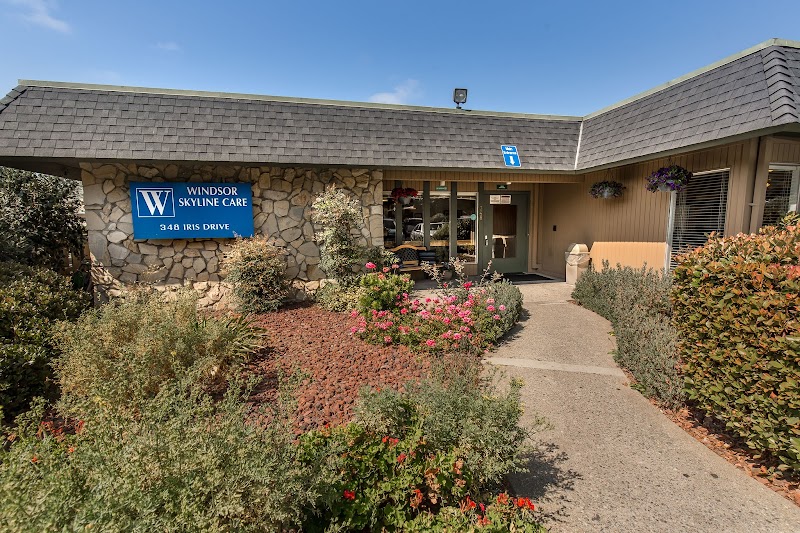
How is Windsor Skyline Staffed?

CMS rates WINDSOR SKYLINE CARE CENTER's staffing level at 4 out of 5 stars, which is above average compared to other nursing homes. Staff turnover is 31%, compared to the California average of 46%. This relatively stable workforce can support continuity of care.

What Have Inspectors Found at Windsor Skyline?

State health inspectors documented 41 deficiencies at WINDSOR SKYLINE CARE CENTER during 2019 to 2025. These included: 1 Immediate Jeopardy (the most serious level, indicating potential for serious harm or death) and 40 with potential for harm. Immediate Jeopardy findings are rare and represent the most serious regulatory concerns. They require immediate corrective action.
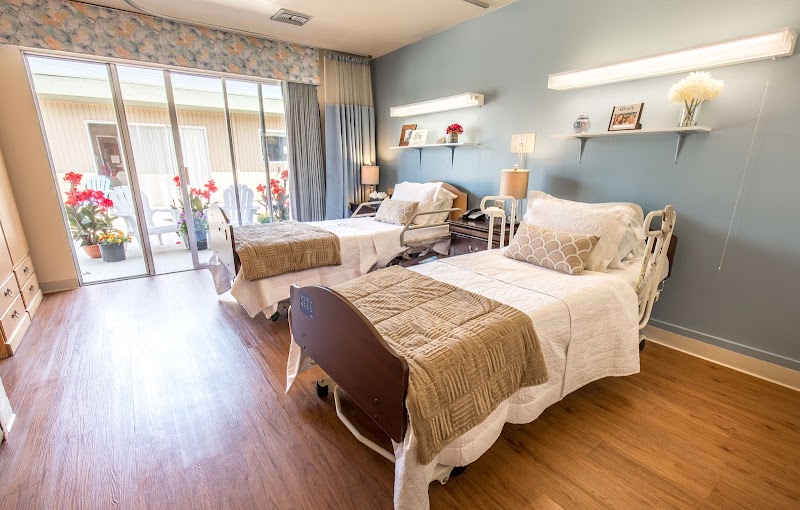
Who Owns and Operates Windsor Skyline?

WINDSOR SKYLINE CARE CENTER is owned by a for-profit company. For-profit facilities operate as businesses with obligations to shareholders or private owners. The facility is operated by WINDSOR, a chain that manages multiple nursing homes. With 80 certified beds and approximately 72 residents (about 90% occupancy), it is a smaller facility located in SALINAS, California.
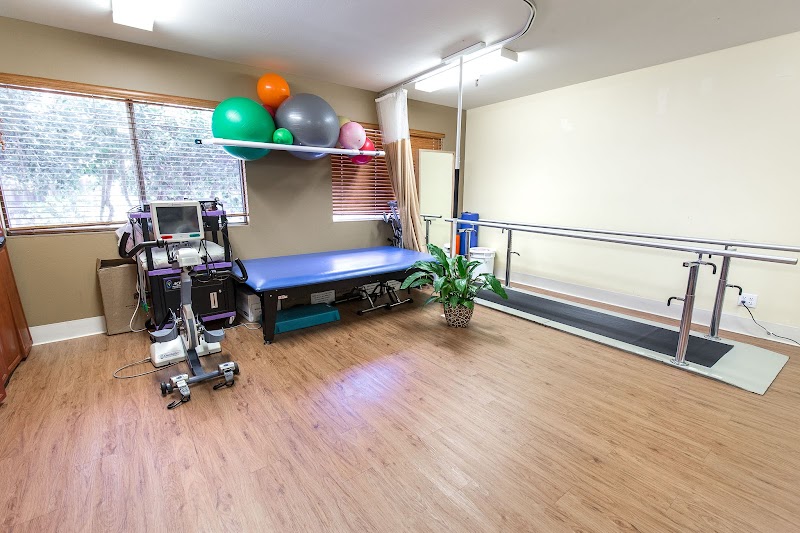
How Does Windsor Skyline Compare to Other California Nursing Homes?

Compared to the 100 nursing homes in California, WINDSOR SKYLINE CARE CENTER's overall rating (3 stars) is below the state average of 3.1, staff turnover (31%) is significantly lower than the state average of 46%, and health inspection rating (2 stars) is below the national benchmark.

What Should Families Ask When Visiting Windsor Skyline?

Based on this facility's data, families visiting should ask: "What changes have been made since the serious inspection findings, and how are you preventing similar issues?" "Can I visit during a mealtime to observe dining assistance and food quality?" "How do you handle medical emergencies, and what is your hospital transfer rate?" "Can I speak with family members of current residents about their experience?" These questions are particularly relevant given the facility's Immediate Jeopardy citations.

Is Windsor Skyline Safe?

Based on CMS inspection data, WINDSOR SKYLINE CARE CENTER has documented safety concerns. Inspectors have issued 1 Immediate Jeopardy citation (the most serious violation level indicating risk of serious injury or death). The facility has a 3-star overall rating and ranks #100 of 100 nursing homes in California. Families considering this facility should ask detailed questions about what corrective actions have been taken since these incidents.

Do Nurses at Windsor Skyline Stick Around?

WINDSOR SKYLINE CARE CENTER has a staff turnover rate of 31%, which is about average for California nursing homes (state average: 46%). Moderate turnover is common in nursing homes, but families should still ask about staff tenure and how the facility maintains care continuity when employees leave.

Was Windsor Skyline Ever Fined?

WINDSOR SKYLINE CARE CENTER has been fined $63,850 across 1 penalty action. This is above the California average of $33,717. Fines in this range indicate compliance issues significant enough for CMS to impose meaningful financial consequences. Common causes include delayed correction of deficiencies, repeat violations, or care failures affecting resident safety. Families should ask facility leadership what changes have been made since these penalties.

Is Windsor Skyline on Any Federal Watch List?

WINDSOR SKYLINE CARE CENTER is not on any federal watch list. The most significant is the Special Focus Facility (SFF) program, which identifies the bottom 1% of nursing homes nationally based on persistent, serious quality problems. Not being on this list means the facility has avoided the pattern of deficiencies that triggers enhanced federal oversight. This is a positive indicator, though families should still review the facility's inspection history directly.