WINDSOR THE RIDGE REHABILITATION CENTER
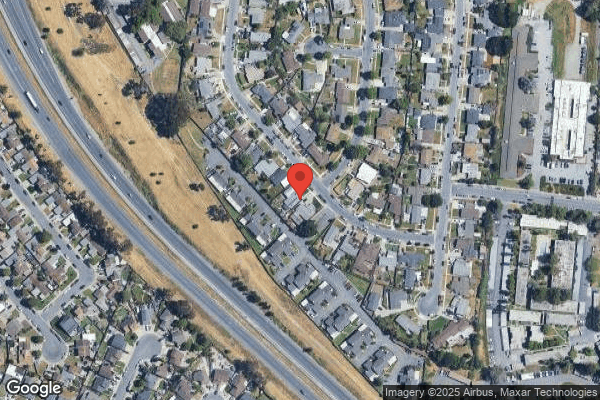
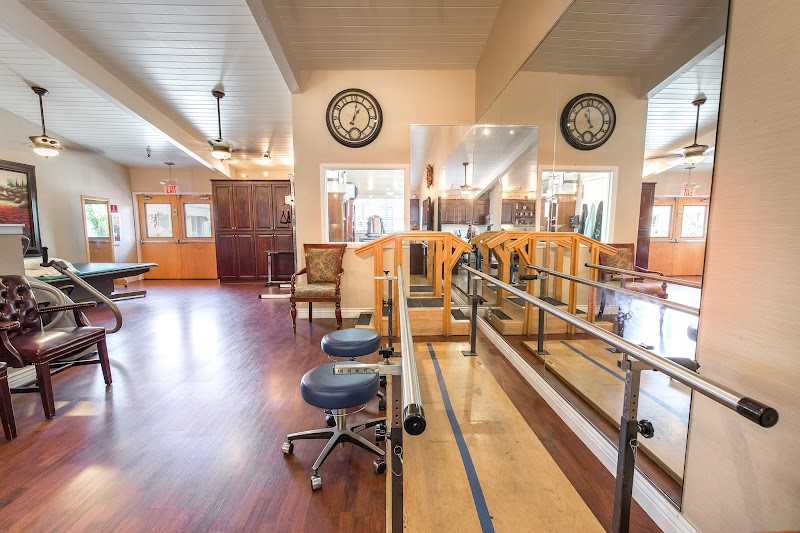
350 IRIS DRIVE, SALINAS, CA 93906 (831) 449-1515
For profit - Limited Liability company 103 Beds WINDSOR Data: November 2025
Trust Grade
73/100
#514 of 1155 in CA
Last Inspection: March 2024

Within standard 12-15 month inspection cycle. Federal law requires annual inspections.

Overview

Windsor The Ridge Rehabilitation Center has a Trust Grade of B, indicating it is a good option for families, though there are better choices available. In California, it ranks #514 out of 1155 facilities, placing it in the top half of nursing homes, and #8 out of 14 in Monterey County, meaning only a few local facilities perform better. However, the facility is currently worsening, as issues have increased significantly from 3 in 2023 to 22 in 2024. Staffing is a relative strength, with a 3-star rating and a turnover rate of 29%, which is lower than the state average of 38%. Notably, the facility has not incurred any fines, which is a positive sign, but it has average RN coverage, possibly impacting the level of care. Recent inspector findings revealed several concerns, including the failure to document the use of bed rail alternatives for many residents, which could lead to entrapment risks. Additionally, issues were found with food preparation, where the dietary staff did not follow proper recipes, potentially causing adverse reactions for residents. Lastly, sanitation practices were lacking in the kitchen, as staff did not consistently perform hand hygiene after cleaning tasks, raising concerns about food safety. Overall, while the facility has strengths in its staffing stability and lack of fines, the increasing number of deficiencies and specific incidents of concern should be carefully considered by families.

Trust Score
B
73/100
In California
#514/1155
Top 44%
Safety Record
Low Risk
No red flags
Inspections
Getting Worse
3 → 22 violations
Staff Stability
✓ Good
29% annual turnover. Excellent stability, 19 points below California's 48% average. Staff who stay learn residents' needs.
Penalties
✓ Good
No fines on record. Clean compliance history, better than most California facilities.
Skilled Nurses
⚠ Watch
Each resident gets only 25 minutes of Registered Nurse (RN) attention daily — below average for California. Fewer RN minutes means fewer trained eyes watching for problems.
Violations
⚠ Watch
53 deficiencies on record. Higher than average. Multiple issues found across inspections.
★★★★☆
4.0
Overall Rating
★★★☆☆
3.0
Staff Levels
★★★★★
5.0
Care Quality
★★★☆☆
3.0
Inspection Score
Stable
2023: 3 issues
2024: 22 issues

The Good

  • 5-Star Quality Measures · Strong clinical quality outcomes
  • Low Staff Turnover (29%) · Staff stability means consistent care
  • Full Sprinkler Coverage · Fire safety systems throughout facility
  • No fines on record
  • Staff turnover is low (29%)

    19 points below California average of 48%

Facility shows strength in quality measures, staff retention, fire safety.

The Bad

Chain: WINDSOR

Part of a multi-facility chain

Ask about local staffing decisions and management

The Ugly 53 deficiencies on record

Nov 2024 1 deficiency
CONCERN (D) 📢 Someone Reported This

A family member, employee, or ombudsman was alarmed enough to file a formal complaint

Potential for Harm - no one hurt, but risky conditions existed

Quality of Care (Tag F0684)

Could have caused harm · This affected 1 resident

**NOTE- TERMS IN BRACKETS HAVE BEEN EDITED TO PROTECT CONFIDENTIALITY** Based on interview and record review, the facility failed to ensure care and services were provided in accordance with professio...

Read full inspector narrative →
**NOTE- TERMS IN BRACKETS HAVE BEEN EDITED TO PROTECT CONFIDENTIALITY** Based on interview and record review, the facility failed to ensure care and services were provided in accordance with professional standards of practice for one of three residents (Resident 1) when the facility did not administer medication as ordered by a physician for Resident 1. Finding: Review of Resident 1's medical record indicated Resident 1 was admitted on [DATE] and had diagnoses including essential hypertension (HTN-high blood pressure). Review of Resident 1's physician's order, dated 7/31/24, indicated Norvasc (a hypertension medication) oral tablet 10 milligrams (mg- metric unit of measurement, used for medication dosage and/or amount), give 1 tablet by mouth one time a day related to essential hypertension, hold for SBP (systolic blood pressure) <110 and HR (heart rate) <60. Review of Resident 1's November 2024 Medication Administration Record (MAR) indicated Norvasc oral tablet was administered from 11/1/24 to 11/11/24, except on 11/3/24, which documented sleeping. There was no documented BP or HR to administer Norvasc to Resident 1 on the MAR from 11/1/24 to 11/11/24. During an interview and record review on 11/15/24 at 1:30 p.m. with the director of nursing (DON), she confirmed the above record review and acknowledged that Resident 1's BP and HR should have been checked prior to administering Norvasc. Review of Resident 1's care plans indicated there was no care plan to address hypertension. During a telephone interview and record review on 11/25/24 at 10:05 a.m. with the DON, she confirmed there was no care plan to address Resident 1's hypertension and acknowledged a care plan should have been developed to address the resident's hypertension. During a review of the facility's undated policy and procedure titled Administering Medications, the P&P indicated, Medications are administered in a safe and timely manner, and as prescribed. The following information is checked/verified for each resident prior to administering medications: b. Vital signs, if necessary. During a review of the facility's policy and procedure titled Physician Orders, effective date 3/22/2022, the P&P indicated, Documentation pertaining to physician orders will be maintained in the resident's medical record. Current month's administration records will be maintained in the MAR/TAR binders. During a review of the facility's policy and procedure titled Care Plan Comprehensive, effective date 8/25/2021, the P&P indicated, The facility's Interdisciplinary Team, in coordination with the resident and/or his/her family or representative, must develop and implement a comprehensive person-centered care plan for each resident, that includes measurable objectives and timeframes to meet a resident's medical, physical, and mental and psychosocial needs that are identified in the comprehensive assessment.
May 2024 1 deficiency
CONCERN (D) 📢 Someone Reported This

A family member, employee, or ombudsman was alarmed enough to file a formal complaint

Potential for Harm - no one hurt, but risky conditions existed

Deficiency F0658 (Tag F0658)

Could have caused harm · This affected 1 resident

**NOTE- TERMS IN BRACKETS HAVE BEEN EDITED TO PROTECT CONFIDENTIALITY** Based on interview and record review, the facility failed to ensure care and services were provided in accordance with professio...

Read full inspector narrative →
**NOTE- TERMS IN BRACKETS HAVE BEEN EDITED TO PROTECT CONFIDENTIALITY** Based on interview and record review, the facility failed to ensure care and services were provided in accordance with professional standards of practice for one of two residents when the facility did not follow the physician's order to monitor Resident 1's inappropriate behavior. This failure had the potential to compromise residents' safety and health in the facility. Findings: Review of Resident 1's clinical record indicated Resident 1 was admitted on [DATE] and had diagnoses of parkinsonism (a disorder of the central nervous system that affects movement), mood disorder (a mental health condition that affects emotional state), and mild cognitive impairment (decline in memory and thinking). Review of Resident 1's Minimum Data Set (MDS, an assessment tool), dated 2/20/24, indicated he had a brief interview for mental status (BIMS, a structured cognitive [relating to the mental process involved in knowing, learning, and understanding things] test) score of 14 (cognitively intact). Review of Resident 1's care plan for episodes of inappropriate touching towards staff initiated on 2/22/24 included an intervention of monitor for episodes of inappropriate touching. Review of Resident 1's interdisciplinary team (IDT, a group of health care professionals from diverse fields who work toward a common goal for residents) progress notes: Behavior management dated 2/29/24 at 3:40 p.m. indicated Activities director reported to SSD (social service director) that resident continues to be inappropriate with activities staff. SSD reminded resident that he has already been spoken to previously regarding inappropriate behaviors. Resident to continue to be monitored for behaviors. Review of Resident 1's physician's order, dated 2/19/24, indicated Behavioral charting: Monitor for inappropriate behaviors such as touching staff inappropriately every shift. Review of Resident 1's Behaviors-Interventions-Side Effects ([NAME]), dated 2/2024 to 5/2024, indicated Resident 1 had physician's orders to monitor his inappropriate behaviors every shift from 2/19/24 to 5/15/24. There was no documentation in the medical record indicating staff monitored Resident 1's inappropriate behavior every shift from 2/19/24 to 5/6/24. During an interview and record review on 5/17/24 at 12:15 p.m. with the director of nursing (DON), she reviewed the above medical record and confirmed that there was no documentation in the medical record that staff monitored Resident 1's inappropriate behavior every shift as ordered from 2/19/24 to 5/6/24. During a review of the facility's policy and procedure (P&P) titled Physician Orders, Accepting, Transcribing and Implementing (Noting), revised 11/2012, the P&P indicated, Licensed nursing personnel will ensure that telephone and verbal orders will be recorded and implemented. During a review of the facility's policy and procedure (P&P) titled Documentation, revised 11/2012, the P&P indicated, All documentation will be completed as required for each resident.
Mar 2024 19 deficiencies
CONCERN (D)

Potential for Harm - no one hurt, but risky conditions existed

Resident Rights (Tag F0550)

Could have caused harm · This affected 1 resident

5. During an observation on 3/25/24 at 9:18 a.m., Resident 44 was lying in bed. His urinary bag for his indwelling catheter was hanging on the portable commode next to his bed. The urinary bag was not...

Read full inspector narrative →
5. During an observation on 3/25/24 at 9:18 a.m., Resident 44 was lying in bed. His urinary bag for his indwelling catheter was hanging on the portable commode next to his bed. The urinary bag was not covered, and the contents were visible. During a concurrent observation and interview on 3/25/24 at 9:26 a.m. in Resident 44's room with Licensed Vocational Nurse (LVN) M, verified Resident 44's urine bag was not covered. LVN M stated the urinary bag should be covered even though when it was hanging on the commode. During a review of the facility's policy and procedure (P&P) titled, Dignity , revised 10/24/17, the P&P indicated, All employees shall treat residents' families and visitors, and fellow workers with kindness, respect, and dignity. [ .] Always ensure privacy and /or dignity of resident is respected during care [ .]. A nursing home resident has the right to personal prIvacy of not only his/her own physical body, but also his/her person space, including accommodations and personal care. Based on observation, interview, and record review, the facility failed to ensure respect and dignity was maintained for five of 24 sampled residents (Residents 94, 199, 91, 3, and 44) when staff failed to provide privacy sleeves for above residents' indwelling catheter (a catheter placed in the bladder to drain urine) urinary bags. This failure had the potential to affect the emotional and psychosocial well-being of the residents. Findings: 1. During an observation on 3/24/24 at 2:40 p.m. at the entrance of Resident 94's room, Certified Nursing Assistant (CNA) N was preparing to empty Resident 94's urinary bag inside his room, the resident's urinary bag was visible from outside of the room. During a follow up observation on 3/24/24 at 3:30 p.m. in Resident 94's room, the resident's urinary bag was not covered with a privacy sleeve. 2. During an observation on 3/25/24 at 9:18 a.m. at the entrance of Resident 199's room, the resident's urinary bag was not covered with a privacy sleeve, and the bag was visible from outside of the room. During an interview on 3/29/24 at 9:30 a.m. with the Administrator (ADM), the ADM stated any resident with an urinary bag should have their bag covered with a privacy sleeve. 3. Review of Resident 91's admission Record indicated, Resident 91 was admitted to the facility with diagnoses including aphasia (a language disorder wherein the person is unable to communicate effectively to others) following cerebral infarction (also called stroke), hemiplegia (paralysis of one side of the body/a severe or complete loss of strength in the arm, leg, and sometimes face on one side of the body) and hemiparesis (a relatively mild loss of strength in the arm, leg, and sometimes face on one side of the body) following unspecified cerebrovascular disease (CVA - also referred to as stroke) affecting right dominant side (more skillful side), and benign prostatic hyperplasia (an enlarged prostate [a gland just below the bladder]) with lower urinary tract symptoms (examples include leaking urine, having sudden and frequent urges to pee, having a weak stream or feeling like unable to empty the bladder). Review of Resident 91's minimum data set (MDS - an assessment tool) Admission/5-day assessment, dated 3/2/2024, indicated, Resident 91's brief interview for mental status (BIMS - an assessment to test a person's cognition level) was 7 [a BIMS score of 0 to 7 indicates severe cognitive impairment, 8-12 moderate impairment, 13-15 patient is cognitively intact] which meant Resident 91 had severe cognitive impairment. During an observation on 3/24/2024 at 3:43 p.m., inside Resident 91's room, Resident 91 was sitting up on wheelchair with urine bag hanging under the wheelchair without a cover. It was observed, Resident 91's roommate had two visitors inside the room. During another observation on 3/25/2024 at 10:25 a.m., inside Resident 91's room, Resident 91 was observed sitting on his wheelchair with urine bag hanging under the wheelchair without a cover. It was observed, Resident 91's roommate had one visitor inside the room. 4. Review of Resident 3's admission Record indicated, Resident 3 was admitted to the facility with diagnoses including pneumonia (infection of one or both lungs), dysphagia (difficulty in swallowing), neuromuscular dysfunction of bladder (the nerves and muscles don't work together very well resulting to bladder may not fill or empty correctly), and retention of urine (a condition in which the resident is unable to empty all urine from the bladder). Review of Resident 3's MDS Admission/5-day scheduled assessment, dated 2/28/2024, indicated, Resident 3's BIMS score was 15, which meant Resident 3 had an intact cognition. During an observation on 3/24/2024 at 4:00 p.m., at the hallway in front of Resident 3's room, Resident 3's bed was positioned near the door and the urine bag was placed at the right lower side of Resident 3's bed. Resident 3's urine bag was not covered, had urine, and could easily be seen by passersby at the hallway. During a concurrent observation and interview with certified nurse assistant F (CNA F) on 3/25/2024 at 9:37 a.m., inside Resident 3's room, CNA F confirmed Resident 3's urine bag was not covered. CNA F could not confirm the importance of covering the urine bag. During a concurrent observation and interview with licensed vocational nurse G (LVN G) on 3/25/2024 at 9:48 a.m., inside Resident 3's room, LVN G confirmed the urine bag was not covered. LVN G stated the urine bag should be covered for others not to see Resident 3's urine. During an interview with minimum data set coordinator (MDSC - a nurse who does residents' assessment) on 3/27/2024 at 2:19 p.m., MDSC stated residents' urine bag should be covered for resident's dignity. During a review of the facility's policy and procedure titled, Privacy/Dignity, date revised 10/24/17, indicated, Always ensure privacy and/or dignity of resident is respected .
CONCERN (D)

Potential for Harm - no one hurt, but risky conditions existed

Deficiency F0554 (Tag F0554)

Could have caused harm · This affected 1 resident

Based on observation, interview, and record review, the facility failed to implement their policies on self-administration of medication (resident takes medication without staff assistance) when there...

Read full inspector narrative →
Based on observation, interview, and record review, the facility failed to implement their policies on self-administration of medication (resident takes medication without staff assistance) when there were no assessments performed for self-administration of medications, and medications were left at the bedside for 2 of 24 sampled residents (Residents 84 and 3). These failures had the potential for unsafe and improper administration of medications. Findings: 1. Review of Resident 84's admission Record indicated, Resident 84 was admitted to the facility with diagnoses including displaced intertrochanteric fracture of right femur (broken thigh bone), Alzheimer's disease (a progressive disease that destroys memory and mental functions), fall on same level from slipping, tripping, and stumbling, and cognitive communication deficit (problems with a person's ability to think, learn, remember, use judgement, and make decisions). Review of Resident 84's Minimum Data Set (MDS - an assessment tool) Significant change in status and 5-day scheduled assessment, dated 2/10/2024, indicated Resident 84's brief interview for mental status (BIMS - an assessment to test a person's cognition level) was 9, (a score of 0 to 7 indicates severe cognitive impairment, 8-12 moderate impairment, 13-15 patient is cognitively intact] which meant Resident 84 had moderately impaired cognition. During a concurrent observation and interview with Resident 84 on 3/24/2024 at 3:21 p.m., inside Resident 84's room, Resident 84 was lying in bed. A bottle of medication for upset stomach/antidiarrheal was observed on top of Resident 84's bedside drawer. Resident 84 stated, I brought that medicine from home. During a concurrent interview and record review on 3/24/2024 at 3:35 p.m., Registered Nurse (RN) H reviewed Resident's physician orders. RN H confirmed Resident 84 had no order for the medication for upset stomach/antidiarrheal. RN H further confirmed Resident 84 had no order to leave the medication at bedside. During a follow up observation and interview with RN H and Resident 84 on 3/24/2024 at 3:45 p.m., inside Resident 84's room, RN H confirmed Resident 84 had the medication for upset stomach/antidiarrheal on top of the bedside drawer. RN H stated Resident 84 should not have medication at bedside. Resident 84 stated, I need it and I will take it if needed. 2. Review of Resident 3's admission Record indicated, Resident 3 was admitted to the facility with diagnoses including pneumonia (infection of one or both lungs), dysphagia (difficulty in swallowing), neuromuscular dysfunction of bladder (the nerves and muscles don't work together very well resulting to bladder may not fill or empty correctly), and retention of urine (a condition in which the resident is unable to empty all urine from the bladder). Review of Resident 3's MDS Admission/5-day scheduled assessment, dated 2/28/2024, indicated, Resident 3's BIMS score was 15, which meant Resident 3 had an intact cognition. During a concurrent observation and interview with Resident 3 on 3/24/2024 at 4:00 p.m., inside Resident 3's room, Resident 3 was lying in bed and a bottle of eye drop medication was observed on top of Resident 3's overbed table. Resident 3 stated she used the eye drop medication for her dry eyes. During a concurrent observation and interview with Licensed Vocational Nurse (LVN) G on 3/25/2024 9:48 a.m., inside Resident 3's room, LVN G confirmed Resident 3's eye drop medication was placed on top of her overbed table. LVN G stated Resident 3 should not have the eye drop medication at bedside. During a follow up interview and record review on 3/25/2024 at 9:50 a.m., LVN G reviewed Resident 3's physician orders. LVN G confirmed Resident 3 did not have orders of eye drops for dry eyes and order for Resident 3 to have medication at bedside. During an interview on 3/29/2024 at 9:33 a.m. with the MDS Coordinator (MDSC), the MDSC stated they have a policy that residents should not have medications stored at bedside unless it was ordered by the physician and the assessment indicated resident was safe to self-administer the medication. During a review of the facility's policy and procedure (P&P) titled, Self-Administration of Medication, date revised 11/2012, the P&P indicated, If the resident expresses a desire to self-administer their medications, or a physician orders self-administration, the facility will not allow the resident to self-administer meds (medications) until the following procedure are one: Licensed Nurse will complete the Self-Administration Assessment which includes the resident's physical and cognitive ability to safely administer and store their medication(s) .
CONCERN (D)

Potential for Harm - no one hurt, but risky conditions existed

Deficiency F0582 (Tag F0582)

Could have caused harm · This affected 1 resident

**NOTE- TERMS IN BRACKETS HAVE BEEN EDITED TO PROTECT CONFIDENTIALITY** Based on interview and record review, the facility failed to provide two of three sampled residents (Resident 13 and 83) with th...

Read full inspector narrative →
**NOTE- TERMS IN BRACKETS HAVE BEEN EDITED TO PROTECT CONFIDENTIALITY** Based on interview and record review, the facility failed to provide two of three sampled residents (Resident 13 and 83) with the Skilled Nursing Facility Advance Beneficiary Notice (SNFABN, a financial liability notice). This failure could lead to resident unknowingly assume financial liability for receiving services that were not covered by Medicare. Findings: During a review of Resident 13's face sheet (a document that contains a summary of a resident's personal and demographic information) and Notice of Medicare Non-Coverage ((NOMNC, a notice that indicates when a resident's stay at a SNF is no longer paid by Medicare), it indicated Resident 13 was admitted to the facility on [DATE] and his stay was paid by Medicare (federal health insurance for anyone age [AGE] and older, and some people under 65 with certain disabilities) until 12/19/23 and currently resided at the facility. During a review of Resident 83's face sheet and NOMNC, it indicated Resident 83 was admitted to the facility on [DATE] and her Medicare benefits was from 12/2/23 until 1/12/24 and currently resided at the facility. During an interview on 3/27/24 at 10:31 a.m. with the Business Office Manager (BOM), the BOM confirmed Resident 13 and 83's stay were partially covered by Medicare, after their Medicare benefits ended, they stayed at the facility. She stated she never issued a SNFABN before and was not aware of anything about SNFABN until 3/11/24 when she was provided a training webinar regarding SNFABN. She further stated she would start to issue SNFABN based on the regulation moving forward. During an interview on 3/29/24 at 9:30 a.m. with the Administrator (ADM), the ADM stated the two residents were supposed to receive SNFABN when their Medicare benefits ended. During a review of the facility's policy and procedure (P&P) titled SNF Expedited Review NOMNC, SNFABN, Denial Letters, & ABN R-131, revised August 2021. The P&P indicated, 6. Part A covered stay: SNF determines Part A stay ending due to skilled services ending. Medicare days remain and Beneficiary stays in the center (even if for just 1 day). Skilled Nursing Facility Advance Beneficiary Notice of Non-coverage Form CMS-10055 (SNFABN) deliver with the NOMNC to ensure timely delivery. - YES
CONCERN (D)

Potential for Harm - no one hurt, but risky conditions existed

Assessment Accuracy (Tag F0641)

Could have caused harm · This affected 1 resident

**NOTE- TERMS IN BRACKETS HAVE BEEN EDITED TO PROTECT CONFIDENTIALITY** Based on interview and record review, the facility failed to accurately complete the Minimum Data Set (MDS, a clinical assessmen...

Read full inspector narrative →
**NOTE- TERMS IN BRACKETS HAVE BEEN EDITED TO PROTECT CONFIDENTIALITY** Based on interview and record review, the facility failed to accurately complete the Minimum Data Set (MDS, a clinical assessment tool) for one of 24 sampled residents (Resident 63). Failure to accurately assess the resident had the potential to compromise the facility's ability to provide resident-centered care plan interventions. Findings: During a review of Resident 63's face sheet (a document that contains a summary of a resident's personal and demographic information), it indicated Resident 63 was admitted to the facility on [DATE] with diagnosis of bipolar disorder (a serious mental illness that causes unusual shifts in mood). During a review of Resident 63's level I Preadmission Screening and Resident Review (PASRR, a federal requirement to help ensure individuals with mental disorders and intellectual disabilities are not inappropriately placed in nursing homes for long-term care) dated 6/1/22, the PASRR indicated Yes for Section III - Serious Mental Illness Screen: 10. Does the individual have a diagnosed mental disorder such as Depression, Anxiety, Panic, Schizophrenia/Schizoaffective Disorder, Psychotic, Delusional, and/or Mood Disorder? During a concurrent interview and record review on 3/27/24 at 3:33 p.m. with the MDS Coordinator (MDSC), Resident 63's MDS dated [DATE] was reviewed. MDS section A1500 PASRR indicated No for question Is the resident currently considered by the state level II PASRR process to have serious mental illness and/or intellectual disability or a related condition? The MDSC confirmed that section A1500 on the MDS dated [DATE] should have been coded Yes for that question. During a review of the facility's policy and procedure (P&P) titled Resident Assessment Instrument (RAI/MDS) revised 11/2012. The P&P indicated, The Resident Assessment Instrument will be completed timely and accurately, per Federal Guidelines, and will serve as a foundation for the comprehensive care planning process.
CONCERN (D)

Potential for Harm - no one hurt, but risky conditions existed

PASARR Coordination (Tag F0644)

Could have caused harm · This affected 1 resident

Based on interview and record review, the facility failed to ensure a Level II PASRR (Pre-admission Screening and Resident Review, a federal requirement to help ensure individuals with mental disorder...

Read full inspector narrative →
Based on interview and record review, the facility failed to ensure a Level II PASRR (Pre-admission Screening and Resident Review, a federal requirement to help ensure individuals with mental disorders and intellectual disabilities are not inappropriately placed in nursing homes for long-term care) was completed for two of 24 residents (Residents 41 and 61). This failure had the potential to put the residents at risk for not receiving appropriate care and services for their mental health conditions. Findings: Review of Resident 41's clinical record indicated they had diagnoses including paraplegia (the inability to move the lower part of the body, schizophrenia (a mental condition) and morbid obesity (too much body weight). Review of Resident 41's record, indicated Resident 41 had a positive Level I PASRR screen, completed on 9/28/21. Review of Resident 41's record also indicated the Level II PASRR was not completed due to the reason The Individual was isolated as a health and safety precaution, in a letter dated 2/18/22. During an interview on 3/27/24 at 1:52 p.m. with the Minimum Data Set Coordinator (MDSC), the MDSC stated the Level I PASRR was done either on admission or prior to admission, and that all PASRR letters were uploaded into the electronic health record (EHR). The MDSC also stated It's a team effort as to who is responsible for making sure the PASRR is done. During a follow up interview on 3/28/24 at 9:43 a.m. with the MDSC, the MDSC stated the state portal website for PASRR does not trigger if a Level II was not done. During a review of Resident 61's PASRR dated 9/28/21, the PASRR indicated, the level I PASRR was positive, and Resident 61 would need a level II PASRR completed. During an interview on 3/28/24, at 10:13 a.m. with the MDSC, MDSC stated, Resident 61 was in isolation due to an infectious disease when he was scheduled for the level II PASRR, so it was closed. They never followed through to complete a new level II PASRR. Resident 61 did not get the required level II PASRR Screen. Review of the facility's policy Preadmission Screening and Resident Review (PASRR), dated July 2016, indicated A PASRR will be completed and submitted online for new admission within 24 hours, and Recommendations from the Determination Letter will be included in the individuals Plan of Care.
CONCERN (D)

Potential for Harm - no one hurt, but risky conditions existed

Comprehensive Care Plan (Tag F0656)

Could have caused harm · This affected 1 resident

**NOTE- TERMS IN BRACKETS HAVE BEEN EDITED TO PROTECT CONFIDENTIALITY** 3. During an observation on 3/27/24, at 1:02 p.m., in Resident 18's room, Resident 18 was noted to have oxygen on at his bedside...

Read full inspector narrative →
**NOTE- TERMS IN BRACKETS HAVE BEEN EDITED TO PROTECT CONFIDENTIALITY** 3. During an observation on 3/27/24, at 1:02 p.m., in Resident 18's room, Resident 18 was noted to have oxygen on at his bedside, delivered via a NC. During a review of Resident 18's Order Summary Report dated 1/13/24, an order for On continuous O2 [oxygen] per NC @ 2Lmin. During a review of Resident 18's Care Plan dated, 3/28/24, indicated no care plan for the use of oxygen. During an interview on 3/29/24, at 9:28 a.m., with Interim Director of Nursing (IDON), IDON stated, if a resident was receiving oxygen, they should have a care plan for it. IDON stated, Resident 18 did not have a care plan for oxygen use. During a review of the facility's policy and procedure (P&P) titled, Care Plan, Baseline and Comprehensive, revised 2017, the P&P indicated, 4. A comprehensive person-centered care plan consistent with resident rights will include measurable objectives and time frames to meet resident's medical, nursing, and mental and psychosocial needs that are identified in the comprehensive assessment. The comprehensive care plan must describe the following: services that are to be furnished to attain or maintain the resident's highest practical physical, mental, and psychosocial well-being. Based on observation, interview, and record review, the facility failed to develop and implement individualized, resident-centered care plans for 3 of 24 sampled residents (Residents 74, 3 and 18) when care plans for: 1. Resident 74's feeling of sadness was not developed and implemented; 2. Oxygen (a colorless, odorless gas) and anticoagulant (sometimes called blood thinning medications) used for Resident 3 was not developed; and 3. Oxygen used for Resident 18 was not developed. These failures had the potential to result in the residents not receiving the care and services necessary to maintain their health, safety and well-being. Findings: 1. Review of Resident 74's admission Record indicated, Resident 74 was admitted to the facility on [DATE] with diagnoses including hypo-osmolality (a condition where the levels of electrolytes, proteins, and nutrients in the blood are lower than normal) and hyponatremia (low sodium [can be found in table salt or in processed foods] level in blood), adult failure to thrive (when an older adult has a loss of appetite, eats and drinks less than usual, loses weight, and is less active), depression (a mood disorder that causes a persistent feeling of sadness and loss of interest), alcohol use, and weakness. Review of Resident 74's clinical records titled, Social Services Assessment & Documentation, dated 2/29/2024, indicated, .Wife dies 3 weeks ago .b. Typical mood throughout life: sad. Further review indicated, resident verbalized feeling sad and depressed since the passing of his wife 3 weeks ago . Review of Resident 74's Minimum Data Set (MDS, an assessment tool) Admission/5-day assessment dated [DATE], indicated, Resident 74's Brief Interview for Mental Status (BIMS, an assessment to test a person's cognition level) was 15 [a score of 0 to 7 indicates severe cognitive impairment, 8-12 moderate impairment, 13-15 patient is cognitively intact], which indicated Resident 74 had an intact cognition. Further review of the MDS indicated, Resident 74 had a total severity score of 07 in the mood interview which indicated, Resident 74 had mild depression. During a concurrent observation and interview on 3/24/2024 at 3:00 p.m. inside Resident 74's room, Resident 74 was sitting up on wheelchair. Resident 74 stated he lost his wife in February. During an interview with Social Service Director (SSD) on 3/27/2024 at 1:13 p.m., SSD stated Resident 74 did not get up upon admission, had lack of motivation, and preferred to stay in his room. SSD further stated Resident 74 refused to participate therapy. SSD confirmed she offered a psychiatry or psychology consult but Resident 74 declined. During a follow up interview and record review on 3/27/2024 on 3:25 p.m., SSD reviewed Resident 74's MDS, list of care plans and social services (SS) documentations. SSD confirmed Resident 74 had mild depression, and no other mood interventions were implemented after the 2/29/2024 assessment. SSD further confirmed there was no care plan to address Resident 74's mild depression. SSD stated a care plan regarding Resident 74's mild depression should have been developed. SSD further stated care plan is important for staff to determine the psychosocial needs of residents and to get the whole picture of how to take care of the resident. 2a. Review of Resident 3's admission Record indicated, Resident 3 was admitted to the facility with diagnoses including pneumonia (infection of one or both lungs), dysphagia (difficulty in swallowing), heart failure (a weakness of the heart that leads to a buildup of fluid in the lungs and surrounding body tissues), unspecified asthma (inflammatory disease of the airway that often causes wheezing, coughing, and shortness of breath), acute embolism (a sudden block in an artery [blood vessel] caused by blood clots or other substances) and thrombosis (a blood clot within blood vessels that limits the flow of blood) of unspecified deep veins of unspecified lower extremity (lower leg), other pulmonary embolism (a sudden blockage of an artery in the lung), and dependence on supplemental oxygen. Review of Resident 3's MDS Admission/5-day scheduled assessment, dated 2/28/2024, indicated, Resident 3's BIMS score was 15, which indicated Resident 3 had an intact cognition. Review of Resident 3's Order Summary Report dated 3/27/2024, indicated, Oxygen - Oxygen at 2L/min [liters - a metric unit of capacity, per minute] Via [thru] NC [nasal cannula - a device that consists of plastic tube that fits behind the ears, and a set of two prongs that are placed in the nostrils for oxygen administration] as needed for SOB [shortness of breath] as needed related to DEPENDENCE ON SUPPLEMENTAL OXYGEN . Further review indicated, the use of oxygen was ordered on 2/24/2024. During an observation on 3/24/2024 at 4:00 p.m., inside Resident 3's room, Resident 3 was lying in bed and had oxygen at 2 L/min via NC in placed. During another observation on 3/25/2024 at 9:18 a.m., inside Resident 3's room, Resident 3 was lying in bed, overbed table was placed in front of her and had oxygen at 2 L/min via NC in placed. During a concurrent interview and record review on 3/27/2024 at 2:07 p.m., MDS Coordinator (MDSC) reviewed Resident 3's order summary report and list of care plans. MDSC confirmed Resident 3 had an order for oxygen use as needed and a care plan for oxygen used was not developed. MDSC stated there should have been a care plan developed for oxygen used to guide staff on how to care of resident with oxygen. 2b. Review of Resident 3's Order Summary Report dated 3/27/2024, indicated, Eliquis [a brand name of Apixaban - anticoagulant/blood thinner medication] Oral Tablet 2.5 MG [milligrams, unit of measurement] Give 1 tablet by mouth two times a day for DVT [deep vein thrombosis, a medical condition that occurs when a blood clot forms in a deep vein] prophylaxis [protective or preventive treatment] related to ACUTE EMBOLISM AND THROMBOSIS OF UNSPECIFIED DEEP VEINS OF UNSPECIFIED LOWER EXTREMITY. During a concurrent interview and record review on 3/28/2024 at 10:27 a.m., the Director of Staff Development (DSD) reviewed Resident 3's order summary report and list of care plans. The DSD confirmed Resident 3 was taking Eliquis as ordered and a care plan for used of Eliquis was not developed. The DSD stated used of Eliquis should have been care planned for staff to know how to managed Resident 3's used of anticoagulant.
CONCERN (D) 📢 Someone Reported This

A family member, employee, or ombudsman was alarmed enough to file a formal complaint

Potential for Harm - no one hurt, but risky conditions existed

Deficiency F0657 (Tag F0657)

Could have caused harm · This affected 1 resident

Based on interview, and record review, the facility failed to update the fall care plan for one of 8 residents (Resident 84) when interdisciplinary team (IDT, team composed of members from different d...

Read full inspector narrative →
Based on interview, and record review, the facility failed to update the fall care plan for one of 8 residents (Resident 84) when interdisciplinary team (IDT, team composed of members from different departments involved in resident's care) did not review and revised Resident 84's fall risk care plan with subsequent falls. This failure resulted in Resident 84's two more subsequent falls. Findings: Review of Resident 84's admission Record indicated, Resident 84 was admitted to the facility with diagnoses including displaced intertrochanteric fracture of right femur (broken thigh bone), Alzheimer's disease (a progressive disease that destroys memory and mental functions), fall on same level from slipping, tripping, and stumbling, and cognitive communication deficit (problems with a person's ability to think, learn, remember, use judgement, and make decisions). Review of Resident 84's Minimum Data Set (MDS, an assessment tool) Significant change in status and 5-day scheduled assessment, dated 2/10/2024, indicated Resident 84's Brief Interview for Mental Status (BIMS, an assessment to test a person's cognition level) was 9, [a score of 0 to 7 indicates severe cognitive impairment, 8-12 moderate impairment, 13-15 patient is cognitively intact] which indicated Resident 84 had moderately impaired cognition. Further review of Resident 84' MDS indicated, Resident 84 had fallen in the past month and had a fracture related to the fall. Review of Resident 84's Change in Condition Evaluation dated 2/3/2024, indicated, Resident 84 had an unwitnessed fall and was sent out to the hospital for possible injury evaluation. There was no documentation the IDT reviewed and revised Resident 84's fall risk care plan when Resident 84 returned from hospitalization. Review of Resident 84's Interdisciplinary Fall dated 2/13/2024, indicated, Resident 84 had another unwitnessed fall on this date, inside the restroom. Further review indicated, Care plan updated to prevent recurrence. There were no new fall risk interventions tried since 2/13/2024 to prevent further falls. Review of Resident 84's Interdisciplinary Fall dated 3/19/2024, indicated, Resident 84 had a witnessed fall on this date, inside her room. Further review indicated, Resident 84 was walking into her room with the used of the four wheeled walker (4WW, an assistive device that gives support to maintain balance or stability while walking), attempted to turn but lost her balance. The record indicated, Care plan updated to prevent recurrence. There were no new fall risk interventions dated 3/19/2024. During a concurrent interview and record review on 3/28/2024 at 10:33 a.m. with the Director of Staff Development (DSD), Resident 84's fall risk care plan was reviewed. The DSD confirmed Resident 84 was a fall risk and had fallen in the facility. The DSD further confirmed the fall risk care plan was not updated when Resident 84 fell on 2/13/2024 and 3/19/2024. During a review of the facility's policy and procedure (P&P) titled, FALLS MANAGEMENT, revised 11/2012, the P&P indicated, Recent falls will be reviewed daily by a designated facility fall team, to evaluate cause, determine additional strategies as needed to prevent recurrence for each resident and further revise the care plan .
CONCERN (D)

Potential for Harm - no one hurt, but risky conditions existed

Quality of Care (Tag F0684)

Could have caused harm · This affected 1 resident

Based on observation, interview, and record review, the facility failed to ensure the residents received the necessary care and services for two of six residents (Residents 148 and 15) when licensed n...

Read full inspector narrative →
Based on observation, interview, and record review, the facility failed to ensure the residents received the necessary care and services for two of six residents (Residents 148 and 15) when licensed nurses did not follow the physician's order for oxygen supplement (a therapy that provides extra air to breathe in) for Residents 148 and 15. These failures had the potential to affect the residents' care and could jeopardize their health and well-being. Findings: 1. Review of Resident 148's admission Record indicated, Resident 148 was admitted to the facility with diagnoses including chronic respiratory failure (a condition when lungs cannot release oxygen to blood causing shortness of breath) with hypoxia (occurs when oxygen level in the body organs are low), and chronic obstructive pulmonary disease (COPD - a long lasting lung disease). Review of Resident 148's Order Summary Report, indicated Resident 148 had an order for continuous oxygen administration at 2 liters (L, metric unit of volume) per minute (min) via (thru) nasal cannula (NC, a device that consists of plastic tube that fits behind the ears, and a set of two prongs that are placed in the nostrils for oxygen administration). During observations on 3/24/2024 at 3:43 p.m. and 3/25/2024 at 10:25 a.m., in Resident 148's room, Resident 148 was lying in bed and was on oxygen at 2.5 L/min via NC. During a concurrent observation and interview on 3/26/2024 at 11:17 a.m. in Resident 148's room with Licensed Vocational Nurse (LVN) L, Resident 148 was on oxygen at 2.5 L/min via NC. LVN L confirmed the observation. During a follow up interview and record review on 3/26/2024 at 11:22 a.m. with LVN L, LVN L reviewed Resident 148's order summary report. LVN L confirmed Resident 148's oxygen administration order was supposed to be at 2 L/ min. LVN L stated, we should follow whatever the order is. 2. Review of Resident 15's admission Record indicated, Resident 15 was admitted to the facility with diagnoses including respiratory failure with hypoxia, chronic diastolic heart failure (a weakness of the heart that leads to a buildup of fluid in the lungs and surrounding body tissues), and unspecified asthma (inflammatory disease of the airway that often causes wheezing, coughing, and shortness of breath). Review of Resident 15's Order Summary Report, indicated Resident 15 had an order for continuous oxygen administration at 3 L/min via NC. Further review indicated, Resident 15 had the oxygen order since 1/29/2024. During an observation on 3/25/2024 at 10:28 a.m., in Resident 15's room, Resident 15 was seated on a wheelchair, using oxygen at 2 L/min via NC. During a concurrent observation and interview on 3/26/2024 at 11:19 a.m. in Resident 15's room with LVN L, Resident 15 was seated on a wheelchair and was using oxygen at 2 L/min via NC. LVN L confirmed the observation. LVN L stated the order for the oxygen was decreased from 3 L to 2 L per minute. During a follow up concurrent interview and record review on 3/26/2024 at 11:25 a.m. with LVN L, LVN L reviewed Resident 15's order summary report. LVN L confirmed Resident 15's oxygen administration order was supposed to be at 3 L per minute. LVN L stated he was not sure why the oxygen administration to Resident 15 was dropped to 2 L per minute. LVN L further stated Resident 15's oxygen administration level should be at 3 L per minute as ordered by the physician. During an interview on 3/29/2024 at 9:23 a.m. with the Minimum Data Set Coordinator (MDSC), the MDSC stated if it was non urgent, nurses should refer to the physician's order prior to administration of oxygen. During a review of the facility's policy and procedure titled, OXYGEN (Emergency/Documentation/Humidifier/Precautions/Mode of Delivery/Storage/Use/Transporting), date revised 11/2012, indicated, .verify physician's order. Written orders for oxygen therapy are to include: a. Mode of delivery; b. Liter flow rate; c. Duration of therapy. Oxygen is a drug, and excessive levels may be harmful.
CONCERN (D) 📢 Someone Reported This

A family member, employee, or ombudsman was alarmed enough to file a formal complaint

Potential for Harm - no one hurt, but risky conditions existed

Accident Prevention (Tag F0689)

Could have caused harm · This affected 1 resident

**NOTE- TERMS IN BRACKETS HAVE BEEN EDITED TO PROTECT CONFIDENTIALITY** Based on observation, interview and record review, the facility failed to ensure fall management policy and procedure were imple...

Read full inspector narrative →
**NOTE- TERMS IN BRACKETS HAVE BEEN EDITED TO PROTECT CONFIDENTIALITY** Based on observation, interview and record review, the facility failed to ensure fall management policy and procedure were implemented for one of eight residents (Resident 84) when: fall risk assessment was not performed when Resident 84 had a significant change in status and the interdisciplinary team (IDT, team composed of members from different departments involved in resident's care) did not develop and implement appropriate new interventions after a fall. These failures resulted in Resident 84's subsequent falls and had a potential to sustain serious injuries. Findings: 1a. Review of Resident 84's admission Record indicated, Resident 84 was re-admitted to the facility on [DATE] with diagnoses including displaced intertrochanteric fracture of right femur (broken thigh bone), Alzheimer's disease (a progressive disease that destroys memory and mental functions), fall on same level from slipping, tripping, and stumbling, and cognitive communication deficit (problems with a person's ability to think, learn, remember, use judgement, and make decisions). Review of Resident 84's minimum data set (MDS - an assessment tool) Significant change in status and 5-day scheduled assessment, dated 2/10/2024, indicated Resident 84's brief interview for mental status (BIMS - an assessment to test a person's cognition level) was 9 (a score of 0 to 7 indicates severe cognitive impairment, 8-12 moderate impairment, 13-15 patient is cognitively intact), which meant Resident 84 had moderately impaired cognition. Further review of Resident 84' MDS indicated, Resident 84 had fallen in the past month and had a fracture related to the fall. Review of Resident 84's Interdisciplinary Fall dated 2/5/2024, indicated, Resident 84 had an unwitnessed fall on 2/3/2024. Further review indicated, Resident has a cut to the right side of her head. Writer administered pressure with towel to control the bleeding. Resident complained of pain to her head and hip .Resident was able to verbalize that she was attempting to grab clothes from the drawer and accidentally slipped. Resident 84 was sent out to the hospital for further evaluation. Further review indicated there was no documentation the IDT reviewed Resident 84's fall risk care plan and there were no new appropriate fall interventions developed and implemented when Resident 84 returned from hospitalization. Review of Resident 84's Interdisciplinary Fall dated 2/13/2024, indicated, Resident 84 had another unwitnessed fall on this date, inside the restroom. Further review indicated, Resident was sitting on the floor both legs extended in front of her .IDT: Resident is alert and oriented x2 [to person and place], with dx [diagnosis] ALZHEIMER'S DISEASES. Resident is impulsive and fails to use the call light. Resident has been encouraged multiple times of the use of call light. Resident does have BSC [bedside commode, a portable toilet positioned beside the bed] next to her bed. Bed is placed in lowest position for safety. No appropriate new interventions were developed and implemented after the fall. Review of Resident 84's Interdisciplinary Fall dated 3/19/2024, indicated, Resident 84 had a witnessed fall on this date, inside her room. Further review indicated, Resident 84 was walking into her room with the used of the four wheeled walker (4WW, an assistive device that gives support to maintain balance or stability while walking), attempted to turn but lost her balance. IDT Recommendations were rehab (physical therapy [PT] or occupational therapy [OT]) referral, care plan updated to prevent recurrence, and resident education provided. Upon review, none of these interventions were implemented. During an observation at the hallway on 3/24/2024 at 2:52 p.m., Resident 84 was observed walking with the use of her 4WW. At 3:21 p.m., in Resident 84's room, Resident 84 was observed lying in bed, bed was not in lowest position, and floor mat was placed at the left side of the bed. During an interview with licensed vocational nurse K (LVN K) on 3/27/2024 at 1:54 p.m., LVN K stated nurses were doing the fall risk assessment upon admission on ly. LVN K further stated it was important to do the fall risk assessment for staff to know the resident's baseline. During a concurrent interview and record review with minimum data set coordinator (MDSC) on 3/27/2024 at 2:21 p.m., MDSC reviewed Resident 84's fall risk assessment dated [DATE]. MDSC confirmed there were no fall risk assessment completed when Resident 84 was re-admitted on [DATE] and when Resident 84 had a significant change of condition MDS on 2/10/2024. MDSC stated there should have been a fall risk assessment completed when Resident 84 had a significant change of condition. During a concurrent interview and record review with director of staff development (DSD) on 3/28/2024 at 10:58 a.m., DSD reviewed Resident 84's fall risk assessment dated [DATE]. DSD confirmed there was no fall risk assessment completed when Resident 84 was re-admitted on [DATE]. DSD stated fall risk assessment should be completed upon resident's admission and whenever there was a change in resident's condition. During a review of the facility's policy and procedure titled, FALLS MANAGEMENT, date revised 11/2012, indicated, Residents will be assessed for fall risk and interventions will be implemented to reduce the risk of falls .Residents' fall risk will be re-assessed with each significant change of condition MDS, and each comprehensive MDS . 1b. During another observation in Resident 84's room on 3/25/2024 at 10:28 a.m., Resident 84 was seated at the edge of bed, floor mats were position on both sides of the bed and bed was not in the lowest position. During a concurrent observation and interview with licensed vocational nurse G (LVN G) on 3/27/2024 at 10:35 a.m., in Resident 84's room, Resident 84 was not in the room. LVN G confirmed there were floor mats on both sides of the bed. LVN G did not confirm the floor mats were a trip hazard especially when Resident 84 was walking inside the room. During a concurrent interview and record review with physical therapist (PT) on 3/27/2024 at 3:36 p.m., PT reviewed Resident 84's PT and OT's notes on February and March 2024. PT confirmed there was no post fall screen completed when Resident 84 fell on 2/13/2024 since Resident 84 was still on therapy. PT further confirmed there was no PT or OT screen completed when Resident 84 fell on 3/19/2024. PT stated when asked about the use of floor mats on both sides of Resident 84's bed, it might be a trip hazard. I will talk to nurses. During a concurrent interview and record review with DSD on 3/28/2024 at 10:33 a.m., DSD reviewed Resident 84's fall documentations on 2/3, 2/13 and 3/19/2024 and Resident 84's fall risk care plan. DSD confirmed Resident 84 had diagnosis of Alzheimer's disease and Resident 84 never called for help even with frequent reminders. DSD confirmed Resident 84's fall risk care plan did not have appropriate new fall interventions when Resident 84 fell on 2/13 and 3/19/2024. During a review of the facility's policy and procedure titled, FALLS MANAGEMENT, date revised 11/2012, indicated, Recent falls will be reviewed daily by a designated facility fall team, to evaluate cause, determine additional strategies as needed to prevent recurrence .
CONCERN (D)

Potential for Harm - no one hurt, but risky conditions existed

Pharmacy Services (Tag F0755)

Could have caused harm · This affected 1 resident

Based on interview and record review, the facility failed to ensure controlled medications (those with high potential for abuse and addiction) reconciled with the corresponding Medication Administrati...

Read full inspector narrative →
Based on interview and record review, the facility failed to ensure controlled medications (those with high potential for abuse and addiction) reconciled with the corresponding Medication Administration Records (MAR) for four of nine randomly sampled residents (Residents 7 ,37 ,58, and 76). The medications were signed out of the Controlled Drug Record (CDR, an inventory sheet that keeps record of the usage of controlled medications) but did not document on the Medication Administration Record (MAR) to indicate the controlled medications were given to the residents. This failure had the potential for misuse or diversion of controlled medications. Findings: The CDR for four random residents (Residents 7 ,37 ,58, and 76) receiving as-needed controlled medications were requested for review during the survey. 1. During a review of Resident 7's medical record indicated a physician's order, dated 10/31/23, for Tramadol (a controlled pain medication) Hydrochloride (HCL a salt added to drugs to make them stable) 100 milligrams (mg, unit of measurement), take 1 tablet by mouth every 6 hours as needed for pain. During a review of Resident 7's CDR for Tramadol HCL 100 mg and MAR for March 2023 reflected the nursing staff removed and documented on the CDR: 1 tablet on 3/23/23 at 15:57 p.m., but did not document in the MAR. During a concurrent interview and record review on 3/27/24 at 2:13 p.m. with Licensed Vocational Nurse (LVN) K, Resident 7's CDR and MAR for March 2024 were reviewed. LVN K confirmed the above findings. 2. A review of Resident 37's medical record indicated a physician's order, dated 7/1/23, for Hydrocodone-Acetaminophen (a controlled pain medication) 5-325 mg, take 1 tablet by mouth every 6 hours as needed for severe pain. During a review of Resident 37's CDR for Hydrocodone-Acetaminophen 5-325 mg and MAR for March 2023 reflected the nursing staff removed and documented on the CDR: 1 tablet on 3/19/23 at 5:15 p.m., 3/26/24 at 4:36 p.m., and 3/27/24 at 03:25 a.m., but did not document in the MAR. During a concurrent interview and record review on 3/27/24 at 2:21 p.m. with LVN K, Resident 37's CDR and MAR for March 2024 were reviewed. LVN K confirmed the above findings. 3. A review of Resident 58's medical record indicated a physician's order, dated 7/1/23, for Hydrocodone-Acetaminophen 5-325 mg, take 1 tablet by mouth every 6 hours as needed for severe pain. During a review of Resident 58's CDR for Hydrocodone-Acetaminophen 5-325 mg and MAR for March 2023 reflected the nursing staff removed and documented on the CDR: 1 tablet on 3/23/23 at 4:04 p.m., but did not document in the MAR. During a concurrent interview and record review on 3/27/24 at 2:16 p.m. with LVN K, Resident 58 CDR and MAR for March 2024 were reviewed. LVN K confirmed the above findings. 4. A review of Resident 76's medical record indicated a physician's order, dated 6/11/23, for Tramadol Hydrochloride100 milligrams, take 1 tablet by mouth every 6 hours as needed for moderate pain. During a review of Resident 76's CDR for Tramadol HCL 100 mg and MAR for March 2023 reflected the nursing staff removed and documented on the CDR: 1 tablet on 3/17/23 at 19:50 p.m., but did not document in the MAR. During a concurrent interview and record review on 3/27/24 at 1:57 p.m., with LVN J, Resident 76 CDR and MAR for March 2024 were reviewed. LVN J confirmed the above findings. During a phone interview on 3/28/24 at 3:33 p.m. with the Pharmacy Consultant (PC), the PC stated controlled medication should be charted in electronic MAR and count sheet. During an interview on 3/29/24 at 10:05 a.m., with the Interim Director of Nursing (IDON), the IDON stated staff should sign the narcotic book and document in electronic MAR. During a review of the facility 's policy and procedure (P&P) titled, Controlled Medication , dated 8/2014, the P&P indicated, When a controlled medication is administered, the licensed nurse administering the medication immediately enters the following information on the accountability record and medication administration (MAR) . 3. Signature of the nurse administering the dose on the accountability record at the time the medication is removed from the supply; 4. Initials of the nurse administering the dose on the MAR after the medication is administered.
CONCERN (D)

Potential for Harm - no one hurt, but risky conditions existed

Unnecessary Medications (Tag F0759)

Could have caused harm · This affected 1 resident

Based on observation, interview and record review, the facility had an eight percent medication error rate when two medication errors out of 25 opportunities were observed during medication pass for o...

Read full inspector narrative →
Based on observation, interview and record review, the facility had an eight percent medication error rate when two medication errors out of 25 opportunities were observed during medication pass for one of six residents (Residents 72). These failures had the potential to compromise the health and safety of the residents. Findings: During a medication pass observation on 3/25/24 at 9:54 a.m. with Licensed Vocational Nurse (LVN) I, LVN I was observed preparing and administering ten medications to Resident 72. Review of Resident 72's clinical record indicated a physician's order of Zyrtec (antihistamine to treat allergy, hives, and itching) 10 milligram (mg, unit of measurement) dated 3/11/23 and MiraLAX (laxative to treat constipation) Oral Powder 17 grams (gr, unit of measurement) /scoop dated 2/2/24 for medication to be given. During a concurrent interview and record review on 3/25/24 at 10:40 a.m., with LVN I, LVN I confirmed the order indicated Zyrtec 10 mg tablet and MiraLAX Oral Powder 17 grams and she did not administer those two medication to Resident 72. LVN I further stated she forgot to go to the next page of Medication Administration Record (MAR). During a review of the facility's policy and procedure (P&P) titled Medication Administration -General Guidelines, dated 10/2017, the P&P indicated, Medication are administered in accordance with written order of the attending physician.
CONCERN (D)

Potential for Harm - no one hurt, but risky conditions existed

Deficiency F0761 (Tag F0761)

Could have caused harm · This affected 1 resident

Based on observation, interview, and record review, the facility failed to ensure medications were labeled appropriately when: 1. One opened Refresh Tears lubricant eyedrop without resident's name and...

Read full inspector narrative →
Based on observation, interview, and record review, the facility failed to ensure medications were labeled appropriately when: 1. One opened Refresh Tears lubricant eyedrop without resident's name and an open date was found in medication cart AA; 2. One opened Vyzulta (used to lower intraocular [eye] pressure with open - angle glaucoma [eye condition that can cause blindness] or ocular hypertension) 0.024 % Ophthalmic (used to treat eye infections) Solution was found without an open date; and 3. One opened Brimonidine Tartrate (used to treat open-angle glaucoma or high fluid pressure in the eye) ophthalmic solution was found without an open date. These failures had a potential for residents to receive medications with unsafe and reduced potency from being used past their discard date which could lead to unsafe and ineffective medications for the residents. Findings: During a medication cart inspection on 3/26/24 at 10:54 a.m., on South Wing of the facility, medication cart AA was inspected with Licensed Vocational Nurse (LVN) L. The inspection identified a bottle of opened Refresh tears eyedrop without a resident's name and an open date and a bottle of opened Vyzulta 0.024% Ophthalmic Solution and a bottle of opened Brimonidine Tartrate ophthalmic solution without open dates. During an interview with on 3/26/24 at 11:09 a.m. LVN L, LVN L confirmed the three bottles of eyedrop were not labeled with an open date. LVN L further stated they should have been labeled. During a phone interview on 3/28/24 at 3:27 p.m. with the Pharmacy Consultant (PC), the PC stated ophthalmic solution was good for 28 days after it was opened. Medication should be labeled with resident's name and an open date. During a review of the facility's policy and procedure (P&P) titled, MEDICATION LABELS' P&P, dated 10/2017, the P&P indicated, Medications are labeled in accordance with facility requirements and state and federal laws .A. Labels are permanently affixed to the outside of the prescription container.
CONCERN (D)

Potential for Harm - no one hurt, but risky conditions existed

Deficiency F0804 (Tag F0804)

Could have caused harm · This affected 1 resident

Based on observation, interview and record review, the facility failed to serve food at an appetizing temperature for one test tray food item out of seven sampled food items. This failure had the pote...

Read full inspector narrative →
Based on observation, interview and record review, the facility failed to serve food at an appetizing temperature for one test tray food item out of seven sampled food items. This failure had the potential for residents to not wish to eat the sampled food item due to colder temperature. Findings: During an observation on 3/26/24, at 11:59 a.m., [NAME] A added cooked red bell peppers to the cooked spinach, which completed the cooking process for the spinach at this time. During a concurrent observation and interview on 3/26/24, at 1:20 p.m. with the Dietary Manager (DM), the DM tested the internal temperature of 7 food items on the sampled test tray, after all residents in the facility were served the noon meal. One food item, the regular texture Club Spinach's internal temperature read 125 degrees Fahrenheit. DM stated, all hot foods on the tray line should be maintained to 140 degrees Fahrenheit. During a review of the facility's policy and procedure (P&P) titled, Food Preparation, dated 2013, the P&P indicated, B. Hot foods should be held prior to service at 140 degrees Fahrenheit.2. Serve vegetables promptly, do not hold on the steam table for long periods of time. A. Maximum- 1 hour prior to serving.
CONCERN (D)

Potential for Harm - no one hurt, but risky conditions existed

Deficiency F0808 (Tag F0808)

Could have caused harm · This affected 1 resident

Based on observation, interview, and record review, the facility failed to provide the physician- prescribed therapeutic diet (a diet order as part of treatment for a disease or clinical condition to ...

Read full inspector narrative →
Based on observation, interview, and record review, the facility failed to provide the physician- prescribed therapeutic diet (a diet order as part of treatment for a disease or clinical condition to decrease or increase specific nutrients in the diet) to four of 96 sampled residents when: 1. Three residents (Resident 29, Resident 41 & Resident 57) who were ordered a Controlled Carbohydrate Diet (The focus of the diet is eating the same amount of carbohydrates every day in an attempt to keep blood sugar levels stable) were served the wrong dessert item; and 2. One resident (Resident 92) who was ordered a Fortified Diet ( a diet with additional high calorie items to help prevent or treat weight loss), did not receive the fortified food item for noon meal. These failures had the potential to result in weight loss and/or unstable blood sugar for the residents who did not receive their therapeutic diets as ordered. Findings: 1. During a review of the Facility's Therapeutic Diet Spreadsheet, dated 3/26/24, the spreadsheet indicated, for the noon meal the dessert item for Controlled Carbohydrate (CC) meals was Vanilla Yogurt Mousse, and the fortified item was Super Soup 16 oz. During an observation on 3/26/24, at 12:10 p.m., Dietary Aide (DA) C plated Resident 41's plate with the dessert item Peach Cobbler Trifle. DA B placed Residents 41's plate on the meal cart and moved onto the next resident's plate. During a review of Resident 41's meal ticket dated 3/26/24, the ticket indicated, Diet Order: Controlled Carbohydrate. During an interview with Dietary Manager (DM) on 3/26/24 at 12:12 p.m., DM stated Resident 41 got the wrong dessert item. During an observation on 3/26/24, at 12:17 p.m., Dietary Aide (DA) C plated Resident 29's plate with the dessert item Peach Cobbler Trifle. DA B placed Residents 29's plate on the meal cart and moved onto the next resident's plate. During a review of Resident 29's meal ticket dated 3/26/24, the ticket indicated, Diet Order: Controlled Carbohydrate. During an interview with Dietary Manager (DM) on 3/26/24 at 12:18 p.m., DM stated Resident 29 got the wrong dessert item. During an observation on 3/26/24, at 12:21 p.m., Dietary Aide (DA) C plated Resident 57's plate with the dessert item Peach Cobbler Trifle. DA B placed Residents 57's plate on the meal cart and moved onto the next resident's plate. During a review of Resident 57's meal ticket dated 3/26/24, the ticket indicated, Diet Order: Controlled Carbohydrate. During an interview with Dietary Manager (DM) on 3/26/24 at 12:23 p.m., DM stated Resident 57 got the wrong dessert item. 2. During an observation on 3/26/24, at 1:05 p.m., Dietary Aide (DA) C plated Resident 92's plate and did not add the fortified item (Super Soup) on the tray. DA B placed Residents 92's plate on the meal cart and moved onto the next resident's plate. During a review of Resident 92's meal ticket dated 3/26/24, the ticket indicated, Diet Order: Fortified. During an interview with Dietary Manager (DM) on 3/26/24 at 12:23 p.m., DM stated Resident 92's did not receive the fortified soup on their tray. During a review of the facility's policy and procedure (P&P) titled, Therapeutic Diet dated 2020, the P&P indicated, All therapeutic diets and texture modifications are referenced in the current diet manual and are prepared and served in the facility with daily written instructions.The Nutrition Services Manager (NSM) is and Dietician are responsible for training the dietary employees on proper diet and texture modifications.
CONCERN (D)

Potential for Harm - no one hurt, but risky conditions existed

Infection Control (Tag F0880)

Could have caused harm · This affected 1 resident

2. During an observation on 3/25/2024 at 9:18 a.m., Resident 44's was lying in bed, with oxygen concentrator at bedside and the NC was found on the floor. During a concurrent observation and interview...

Read full inspector narrative →
2. During an observation on 3/25/2024 at 9:18 a.m., Resident 44's was lying in bed, with oxygen concentrator at bedside and the NC was found on the floor. During a concurrent observation and interview on 3/25/2024 at 9:31 a.m. in Resident 44's room with License Vocational Nurse (LVN) M, LVN M confirmed the NC tubing was on the floor. LVN M stated the nasal cannula tubing should not be on the floor because of infection control. During a review of the facility's policy and procedure (P&P) titled, Oxygen (Emergency /Documentation /Humidifier/ precaution / Mode of Delivery /Storage/Use /Transporting), revised 11/2012, the P&P indicated, 3. Usage e. change oxygen tubing, cannulas, and mask weekly and prn excessive soiling. Based on observation, interview, and record review, the facility failed to ensure proper infection control practices were implemented when: 1. Certified nursing assistant O (CNA O) did not perform hand hygiene while serving and setting up lunch trays in between residents (Residents 14, 71 and 58); and 2. Nasal cannula (NC - a device that consists of plastic tube that fits behind the ears, and a set of two prongs that are placed in the nostrils for oxygen administration) was not stored properly when not in use (Resident 44). These failures had the potential to compromise resident's health and safety in the facility. Findings: 1. During observation on 3/25/2024 at 12:07 p.m., inside dining room BB (DR BB), CNA O was observed assisting Resident 14 to drink. CNA O held Resident 14's cup of thickened water, pat Resident 14's shoulder and moved the cup of water towards Resident 14's mouth to drink. CNA O placed Resident 14's cup of water back on the table and went to Resident 71's table. CNA O did not perform hand hygiene. CNA O held Resident 71's cup of water, touched Resident 71's shoulder and moved the cup of water towards Resident 71's mouth to drink. At 12:10 p.m., CNA O stepped out of DR BB without performing hand hygiene. During another observation on 3/25/2024 at 12:15 p.m., inside dining room BB, CNA O served Resident 58's lunch tray, removed the plate's lid, and handed the utensils to Resident 58's hands. CNA O went to the meal cart and took Resident 71's lunch tray, without performing hand hygiene. CNA O started to served Resident 71's lunch tray, removed the plate's lid, and set up Resident 71's drinks. Then CNA O sat beside Resident 14, and started assisting Resident 14 with lunch without performing hand hygiene. During an interview with CNA O on 3/25/2024 at 12:48 p.m., CNA O confirmed above observations. CNA O stated, I don't want to keep on using the hand sanitizer because it's drying up the skin of my hands. During an interview with infection control preventionist (ICP) on 3/28/2024 at 3:22 p.m., ICP stated, Staff should perform hand hygiene in between resident care and even during meals. During a review of the facility's policy and procedure titled, Hand Hygiene P&P, date revised 1/10/19, indicated, All employees are required to practice effective hand hygiene .Employees are required to wash their hands thoroughly .Between patients .
CONCERN (D)

Potential for Harm - no one hurt, but risky conditions existed

Safe Environment (Tag F0921)

Could have caused harm · This affected 1 resident

2. During an observation on 3/24/24 at 2:47 p.m., the toilet paper holder in the bathroom of Resident 41's room was broken. The bathroom was shared between two resident rooms. A roll of toilet paper s...

Read full inspector narrative →
2. During an observation on 3/24/24 at 2:47 p.m., the toilet paper holder in the bathroom of Resident 41's room was broken. The bathroom was shared between two resident rooms. A roll of toilet paper sat on the bathroom sink, across from the bathroom toilet. During an interview on 3/26/24 at 4:12 p.m. with the MNTD, the MNTD stated the process for putting in a work order was to specify what staff were putting in the work order for, take a picture of it and then send it. He further stated he was unable to find a work order for Resident 41's bathroom. All work orders, according to the MNTD, could be found in a mobile phone application called TELS. During an observation on 3/27/24 at 08:34 a.m., the toilet paper holder in the bathroom of Resident 41's room was still broken. During an interview on 3/27/24 at 8:43 a.m. with Certified Nursing Assistant (CNA) E, CNA E stated the process for notifying maintenance for anything broken in a resident room or elsewhere was to let maintenance know or by putting a work order in the computer. CNA E also stated she did not know about the broken toilet paper holder and I will call maintenance after I finish my rounds. During an interview on 3/27/24 at 9:29 a.m. with Licensed Vocational Nurse (LVN) D, LVN D said I washed my hands in [Resident 41's] bathroom. I didn't notice it, referring to the toilet paper holder. LVN D also stated she would put in a work order in the computer if there is anything broken in the facility. Review of the facility's policy titled Work Orders, Maintenance dated April 2010, indicated, In order to establish a priority of maintenance service, work orders must be filled out and forwarded to the Maintenance Director. Based on observation, interview, and record review, the facility failed to ensure to provide a safe, functional, and comfortable environment for two of 24 sampled Residents: 1. Resident 94's bed controller was not functioning for two days; and 2. Resident 41's toilet paper holder was broken for three days without being reported and fixed. These failures had the potential to affect the comfort of the residents. Findings: 1. During a concurrent observation and interview on 3/25/24 at 9:21 a.m. in Resident 94's room, Resident 94's bed controller was disconnected from the bed, his head of the bed was elevated. Resident 94 stated, he came back from the hospital two days ago, and he had been sleeping with the head of the bed elevated for two nights now. It was not comfortable for him. During an interview on 3/25/24 at 9:30 a.m. with Occupational Therapist (OT) O, who stopped by Resident 94's room to drop off some clean clothes, she stated she was not aware of the bed situation, but she would let the maintenance know. During an interview on 3/26/24 at 4:14 p.m. with the Maintenance Director (MNTD), the MNTD stated he was working in the facility on Sunday [3/24/24], was notified by a nurse that Resident 94's bed controller was not working. He replaced four controllers and nothing worked, he realized it could be the bed being broken. He did not replace the bed and left Resident 94's head of the bed elevate on Sunday. He further stated Resident 94's bed was replaced at around 2 or 3 in the afternoon on Monday. During a review of the MNTD's Job Description updated 10/2010, the job description indicated, DUTIES AND RESPONSIBILITIES: 6. Inspects facility on regular basis to ensure that grounds, buildings and equipment are maintained in a safe, clean, attractive, efficient and fully operational manner [ .]. During a review of the facility's policy and procedure (P&P) titled ACCOMMODATION OF NEEDS revised 11/2012. The P&P indicated, It is the policy of Windsor Healthcare to recognize and promote the residents rights to receive services in the facility with reasonable accommodations of individual needs and preferences [ .] 1. Reasonable accommodations are those adaptations of the facility's physical environment and staff behaviors to assist residents in maintaining independent functioning, dignity, and well being.
CONCERN (E)

Potential for Harm - no one hurt, but risky conditions existed

Deficiency F0700 (Tag F0700)

Could have caused harm · This affected multiple residents

Based on observation, interview, and record review, the facility failed to attempt, offer, and document the use of bed rail (adjustable metal or rigid plastic bars that attach to the bed) alternatives...

Read full inspector narrative →
Based on observation, interview, and record review, the facility failed to attempt, offer, and document the use of bed rail (adjustable metal or rigid plastic bars that attach to the bed) alternatives for 17 of 67 residents (Resident 6, 10, 15, 19, 24, 29, 31, 40, 43, 54, 61, 62, 66, 80, 81, 84, and 94) , and obtain informed consent for one of 67 residents (Resident 199) prior to installation of the bed rails. These failures had the potential to put the residents at risk for entrapment and serious injury. Findings: During the initial tour observation on 3/24/24 at 2:25 p.m., Resident 6, 10, 15, 19, 24, 29, 31, 40, 43, 54, 61, 62, 66, 80, 81, 84, 94, and 199 had upper bed rails elevated and in use. During a concurrent observation and interview on 3/27/24 at 3:02 p.m. with the Director of Staff Develement (DSD), the DSD confirmed above residents had bed rails elevated and in use. She stated the bed rails were for turning and repositioning. During a concurrent interview and record review on 3/28/24 at 9:08 a.m. with the Medical Record Director (MRD), Resident 199's bed rail consent was reviewed. The consent indicated it was signed on 3/25/24, and the MRD confirmed that there was no other bed rail consent. During a concurrent interview and record review on 3/29/24 at 8:44 a.m. with the administrator (ADM), Resident 6, 10, 15, 19, 24, 29, 31, 40, 43, 54, 61, 62, 66, 80, 81, 84, and 94's Bed Rail Evaluations and Resident 199's Bed Rail Consent were reviewed. The ADM stated bed rail evaluation and consent should be done and obtained before using the bed rails. She confirmed there were no documentation evidences indicated the use of alternatives for Resident 6, 10, 15, 19, 24, 29, 31, 40, 43, 54, 61, 62, 66, 80, 81, 84, and 94. She also confirmed Resident 199's bed rail consent was obtained after the bed rails were already installed and in use. During a review of the facility's policy and procedure (P&P) titled SIDE-RAIL SAFETY revised 11/2012, the P&P indicated, Bed rails should only be used to enable the resident to facilitate mobility. Bed rails will be used in a safe manner, which prevents injury, when any type of Rails is required to assist with bed mobility or used per resident's request for an increased sense of security; by the interdisciplinary team IDT as a physical restrict per restraint policy and procedure. Another alternative should be attempted prior to use of side rails as a restraint, such as low beds, mats, alarms, toileting schedules, or other less restrictive devices. 1. Side-rail safety assessment will be done by a licensed nurse and/or the IDT on admission (if rails are used); when side0rails are implemented; and no less often than quarterly as long as any type of side-rail is being used by a resident. [ .] 5. If side-rails meet the definition of a physical restraint per facility policy, the Physical Restraint Policy and Procedure will be followed, including the requirements regarding assessment, consent and physician orders.
CONCERN (E)

Potential for Harm - no one hurt, but risky conditions existed

Deficiency F0800 (Tag F0800)

Could have caused harm · This affected multiple residents

Based on observation, interview and record review, the facility failed to ensure: 1. The recipe for Spinach was followed according to ingredient list for approximately 15 of 96 sampled residents 2. Ac...

Read full inspector narrative →
Based on observation, interview and record review, the facility failed to ensure: 1. The recipe for Spinach was followed according to ingredient list for approximately 15 of 96 sampled residents 2. Accurate diets were not served according to resident preferences for two of 96 sampled residents (Resident 36 & Resident 51) These failures had the potential for adverse reactions to foods added to recipes without residents being aware, and for residents to not eat foods according to personal preferences. Findings: 1. During a concurrent observation and interview on 3/26/24 at 11:59 a.m. with [NAME] A, [NAME] A added cooked red bell peppers to the cooked spinach. [NAME] A stated, I am adding them for some more color. During a review of Club Spinach recipe (undated), recipe indicated, Ingredient spinach, chopped, granul [sic] garlic, black pepper, margarine. During an interview, on 3/28/24 at 10:04 a.m. with the Dietary Manager (DM), the DM stated, there are no red bell peppers in the spinach recipe. I told the cook to add them in for extra color. We should follow the ingredient lists. 2. During an observation on 3/26/24 at 12:15 p.m., [NAME] A plated spinach with red bell peppers added to them onto Resident 36's lunch plate. Dietary aide B read the meal ticket tray and placed Resident 36's lunch plate onto the meal cart, then moved onto the next plate. During a review of Resident 36's Noon Meal Ticket dated 3/26/24, the ticket indicated, Dislikes: BELL PEPPER. During an observation on 3/26/24 at 12:22 p.m., [NAME] A plated Resident 51's lunch tray with gravy poured over the turkey. Dietary Aid B plated the tray in the meal cart and moved onto the next resident. During a review of Resident 51's Noon Meal Ticket, dated 3/26/24, the ticket indicated, Dislikes: GRAVY. During an interview on 3/36/24 at 12:25 p.m. with the DM, the DM stated, Residents food preferences should always be followed, including their dislikes. During a review of the facility's Policy & Procedure (P&P) titled, Standardized Recipes dated 2020, the P&P indicated, 1. Each recipe shall include the following: a. All ingredients in order of introduction to the recipe. 6. Each resident has specific food and beverage preferences detailed on a tray card or in a tray identification system, so accurate diets are served.
CONCERN (E)

Potential for Harm - no one hurt, but risky conditions existed

Food Safety (Tag F0812)

Could have caused harm · This affected multiple residents

Based on observation, interview, and record review, the facility failed to follow proper sanitation and food handling practices in the kitchen when: 1. Dietary Aide (DA) C did not perform hand hygiene...

Read full inspector narrative →
Based on observation, interview, and record review, the facility failed to follow proper sanitation and food handling practices in the kitchen when: 1. Dietary Aide (DA) C did not perform hand hygiene after cleaning the floor and touching dirty surfaces; 2. Multiple food items were kept in the freezer after the use by date; and 3. Canned food with major dents were not identified and removed from dry storage shelf These failures had the potential to spread food-borne illness to residents in the facility. Findings: 1. During an observation on 3/26/24, at 11:28 a.m., in the kitchen, DA C cleaned the floors with a broom, then threw trash into the trash can touching the surface of the trash can with his bare hands. DA C then went to the sink and washed his hands with only water for approximately 15 seconds, then dried his hands. DA C then walked over to the dishwasher and began unloading clean utensils with his bare hands. During an interview on 3/26/24, at 11:30 a.m., with DA C, DA C stated, I did not wash my hands with soap after cleaning, I should have used soap before unloading the clean dishes. 2. During a observation on 3/24/24 at 2:20 p.m., in the kitchen, Freezer #3 contained frozen hot dog and hamburger buns. One package of approximately 6 hot dog buns was labeled with an open date of 3/9/24, and a use by date of 3/16/24. One package of approximately 7 hamburger buns was labeled with an open date of 3/18/24, and no use by date. One package of approximately 6 hamburger buns was labeled with an open date of 3/7/24 with a use by date of 3/16/24. During an interview on 3/24/24, at 2:22 p.m., with [NAME] A, [NAME] A stated, those hot dog and hamburger buns should be thrown away if they were past the use by date. [NAME] A stated they were all past the use by dates. 3. During an observation on 3/24/24, at 2:30 p.m., in the kitchen, a dented can of black beans was on the shelf in dry storage area, with other canned foods for use. A cardboard box labeled dented cans for send back, was observed in the corner of the dry storage, the black bean can was not placed in this box, located on the shelf for use by staff. During a concurrent observation and interview on 3/26/24 at 10:35, with Dietary Manager (DM), the dented can of black beans was noted to be on the shelf in the same location. DM stated, we have a box for the dented cans, and that can should not be used because it has a major dent in it. During a review of the facility's policy and procedure (P&P) titled, Hand Hygiene, dated 2019, the P&P indicated, Employees are required to wash their hands thoroughly: .after touching objects that may be soiled.Handwashing: . wet hands.apply soap.
Mar 2024 1 deficiency
CONCERN (D) 📢 Someone Reported This

A family member, employee, or ombudsman was alarmed enough to file a formal complaint

Potential for Harm - no one hurt, but risky conditions existed

Free from Abuse/Neglect (Tag F0600)

Could have caused harm · This affected 1 resident

Based on interview and record review, the facility failed to ensure residents were free from physical abuse for one out of three residents (Resident 1) when Resident 2 (who was of moderate mental capa...

Read full inspector narrative →
Based on interview and record review, the facility failed to ensure residents were free from physical abuse for one out of three residents (Resident 1) when Resident 2 (who was of moderate mental capacity) slapped Resident 1 in the mouth causing injury to Resident 1's top lip and first aid being administered. Resident 2's act of slapping Resident 1 in the mouth was a deliberate act to inflict harm or injury, not accidental; therefore, his action was deemed as a willful act and considered abuse. This failure had the potential of both physical and emotional harm to all residents. Findings: On 10/17/22, the facility submitted a facsimile (FAX, a telephonic transmission of scanned printed material) to the California Department of Public Health (CDPH) about an incident between Residents 1 and 2. The FAX indicated Resident 2 slapped Resident 1 in the mouth and Resident 1 sustained a minor injury of the upper gingiva (gums) and upper lip. Review of Resident 1's clinical record indicated she had diagnoses which included metabolic encephalopathy (a problem in the brain caused by a chemical imbalance in the blood), sepsis (an infection in the blood). Review of Resident 2's clinical record indicated he had diagnoses which included schizoaffective disorder (mental disorder including schizophrenia [serious mental disorder in which people cannot distinguish reality] and mood disorder) and bipolar disorder (mental illness which a person can experience mood swings [period of overly happy or periods of feeling sad). Review of the facility's 5-day summary report, dated 10/19/22, indicated, on 10/15/22 at 12:10 p.m., staff were bringing residents in the dining room and found Resident 1 placing her hand on mouth. The 5-day summary report further indicated Resident 1 had a slight upper lip bleeding. Residents in the dining room witnessed Resident 2 slapping Resident 1 after a verbal altercation (argument). Review of Resident 2's IDT Progress Notes-Behavior Management, dated 10/17/22, indicated, on 10/15/22 Resident 2 went to the dining room, pulled a chair out from a table which made a loud noise. The noise had agitated Resident 1 and she made a comment to Resident 2 to pick up your chair. Resident 2 walked over to Resident 1 and stated Please don't say that sh** and Resident 1 had responded back you have so much anger in you, why don't you just hit me. Resident 2 proceeded to slap Resident 1 in the mouth causing Resident 1 to bleed form her lip. Review of Resident 1's skin assessment, dated 10/15/22, indicated she had pain with an intensity of 9 (scale of 0 being no pain and 10 being excruciating pain). There was a slight bleeding in the upper gingiva (gum) and swelling of left upper and lower lip. During a telephone interview with the administrator (ADM) on 2/23/24 at 9:47 a.m., the ADM stated the facility considered the incident as an abuse because the facility submitted a SOC 341 (a document used to report elderly abuse). The ADM further stated if the facility does an SOC 341, the facility had substantiated the abuse/altercation. During a telephone interview with the ADM on 3/27/24 at 10:45 a.m., she stated the incident between Residents 1 and 2 was witnessed by a resident. The ADM confirmed that Residents 1 and 2 had a verbal altercation. The altercation lead Resident 2 slapping Resident 1 in the mouth. Review of the facility's policy and procedure, Abuse Prohibition Policy and Procedure indicated, Healthcare centers prohibits abuse .Abuse is defined as the willful infliction of injury .Physical Abuse includes hitting, slapping .
Aug 2023 1 deficiency
CONCERN (D) 📢 Someone Reported This

A family member, employee, or ombudsman was alarmed enough to file a formal complaint

Potential for Harm - no one hurt, but risky conditions existed

Deficiency F0658 (Tag F0658)

Could have caused harm · This affected 1 resident

**NOTE- TERMS IN BRACKETS HAVE BEEN EDITED TO PROTECT CONFIDENTIALITY** Based on interview and record review, the facility failed to ensure one of three sampled residents (Resident 1) received medicat...

Read full inspector narrative →
**NOTE- TERMS IN BRACKETS HAVE BEEN EDITED TO PROTECT CONFIDENTIALITY** Based on interview and record review, the facility failed to ensure one of three sampled residents (Resident 1) received medication as ordered. The facility also failed to notify the physician when Resident 1 did not receive this medication. These failures had the potential to compromise Resident 1's health and well-being. Findings: Review of Resident 1's medical record indicated she was admitted to the facility on [DATE] and had the diagnosis of hyperlipidemia (an abnormally high concentration of fats in the blood). Review of Resident 1's [Hospital] Patient Summary, dated 5/24/23, indicated she received rosuvastatin (medication used to treat hyperlipidemia) while she was in the hospital prior to her admission to the facility. The [Hospital] Patient Summary further indicated Resident 1 was to continue receiving rosuvastatin at the facility. Review of Resident 1's Order Summary Report from the facility indicated she had a physician ' s order, dated 5/24/23, for rosuvastatin 20 milligrams (mg, unit of dose measurement) one tablet by mouth at bedtime for hyperlipidemia. Resident 1's medication administration record (MAR) was reviewed. From 5/24/23 to 6/1/23, and from 6/3/23 to 6/4/23, the number 9 was documented in the section designated to document the administration of rosuvastatin 20 mg at bedtime. Further review of the MAR indicated if the number 9 was documented, it meant to See Nurse Notes. Resident 1's Progress Notes from 5/24/23 to 6/1/23, and from 6/3/23 to 6/4/23, were reviewed. The notes indicated the facility did not have Resident 1 ' s rosuvastatin on hand. Some of the documentation regarding Resident 1's rosuvastatin indicated, no supply or no available supply or pending delivery. During an interview and concurrent record review with licensed vocational nurse A (LVN A) on 8/22/23 at 10:23 a.m., LVN A reviewed Resident 1's medical record and confirmed the resident did not receive rosuvastatin 20 mg at bedtime because the medication was not available in the facility. Further review of Resident 1's medical record indicated there was no documentation that the nurses followed up with the pharmacy regarding the delivery of rosuvastatin. There was also no documentation that the nurses notified Resident 1's physician to inform him the resident had not received this medication. During an interview and concurrent record review with the director of nursing (DON) on 8/22/23 at 11:29 a.m., she confirmed if a medication was not available in the facility, the nurses should follow up with the pharmacy until the facility received the medication. The DON also confirmed that if a resident did not receive a medication as ordered, the nurses should notify the resident's physician. The DON reviewed Resident 1's medical record and acknowledged there was no documentation that the nurses followed up with the pharmacy regarding the delivery of rosuvastatin. The DON also acknowledged there was no documentation that the nurses informed Resident 1's physician that she had not been receiving this medication. During an interview with the consultant pharmacist (CP) on 8/22/23 at 2:17 p.m., he explained he did not have information regarding the delivery of Resident 1's rosuvastatin to the facility. The CP stated he would contact the pharmacy and have the information emailed. During an interview and concurrent record review with LVN B on 8/22/23 at 3:11 p.m., LVN B reviewed Resident 1's medical record and confirmed the resident did not receive rosuvastatin 20 mg at bedtime because the medication was not available in the facility. LVN B stated she did not remember following up with the pharmacy or notifying Resident 1's physician regarding this medication. LVN B confirmed there was no documentation that she followed up with the pharmacy or notified the physician regarding Resident 1's rosuvastatin. Review of an email from the CP, dated 8/22/23 indicated, The patient [Resident 1] had a documented allergy to statins [class of medication that includes rosuvastatin] so the pharmacy requested for clarification on the DRR [drug regimen review]. The email further indicated the pharmacy never received a response from the facility regarding the requested clarification, and never sent Resident 1's rosuvastatin to the facility. The facility's policy titled Medication Administration-General Guidelines, dated 10/2017 indicated, Medications are administered in accordance with written orders of the attending physician. The facility's policy titled Medication Orders, dated 4/2008 indicated, The prescriber is contacted for direction when the medication will not be available.
Jul 2023 1 deficiency
CONCERN (D)

Potential for Harm - no one hurt, but risky conditions existed

Infection Control (Tag F0880)

Could have caused harm · This affected 1 resident

Based on observation, interview, and document review, one out of five staff members failed to properly implement infection control measures when staff member A (SM A) used a disinfectant wipe (product...

Read full inspector narrative →
Based on observation, interview, and document review, one out of five staff members failed to properly implement infection control measures when staff member A (SM A) used a disinfectant wipe (product used to kill microorganisms) and did not follow the manufacturer's instructions. This failure had the potential to result in the transmission and spread of infection in the facility. Findings: During an observation on 7/13/23 at 11:26 a.m., SM A brought a rolling table to the hallway near a resident room. Using a pair of gloves, SM A took a disinfectant wipe from a container with an orange lid. SM A wiped the rolling table with the disinfectant wipe for approximately five seconds, then removed her gloves. She left the rolling table for approximately five more seconds and returned with a white cloth towel. SM A then dried the rolling table with the white cloth towel. During an interview with SM A on 7/13/23 at 11:51 a.m., she explained the rolling table was for a resident who was going to put his nebulizer (machine used for breathing treatments) on top of it. SM A confirmed she wiped the rolling table with a disinfectant wipe, then wiped the rolling table again with a cloth towel. When asked how long the disinfectant was on the rolling table before she wiped it with the cloth towel, SM A stated it had been about two minutes. She acknowledged the disinfectant was supposed to be on the rolling table for four minutes. The manufacturer's instructions on the container of disinfectant wipes were reviewed. The directions indicated, Unfold a clean wipe and thoroughly wet surface. Treated surface must remain visibly wet for a full four (4) minutes. Use additional wipe(s) if needed to assure continuous 4 minute wet contact time. The facility's policy titled Cleaning and Disinfection of Environmental Surfaces, revised 8/2019 indicated, Non-critical environmental surfaces include bed rails, some food utensils, bedside tables, furniture and floors. The policy further indicated, Non-critical surfaces will be disinfected with and EPA [Environmental Protection Agency]-registered intermediate or low-level hospital disinfectant according to the label's safety precautions and use directions.
May 2023 1 deficiency
CONCERN (D) 📢 Someone Reported This

A family member, employee, or ombudsman was alarmed enough to file a formal complaint

Potential for Harm - no one hurt, but risky conditions existed

Medication Errors (Tag F0758)

Could have caused harm · This affected 1 resident

**NOTE- TERMS IN BRACKETS HAVE BEEN EDITED TO PROTECT CONFIDENTIALITY** Based on interview and record review, the facility failed to monitor for side effects of psychotropic medication (medication giv...

Read full inspector narrative →
**NOTE- TERMS IN BRACKETS HAVE BEEN EDITED TO PROTECT CONFIDENTIALITY** Based on interview and record review, the facility failed to monitor for side effects of psychotropic medication (medication given to cause changes in mood, feelings or behavior) for one of three sample residents (Resident 1). The facility also failed to obtain informed consent before administering psychotropic medication to Resident 1. Failure to monitor for psychotropic medicaion side effects had the potential to compromise Resident 1's health. Failure to obtain informed consent had the potential to compromise Resident 1's ability to make informed decisions regarding his treatment. Findings: 1. Review of Resident 1's medical record indicated he was admitted on [DATE] and had the diagnosis of bipolar disorder (a mental health condition that causes extreme mood swings). Review of Resident 1's Order Summary Report indicated he had a physician's order, dated 11/23/22, for divalproex sodium (a seizure medication often used as a mood stabilizer) 250 milligrams (mg, unit of dose measurement) one tablet by mouth at bedtime for bipolar disorder. Review of Resident 1's medicaion administration record (MAR) indicated he was receiving divalproex sodium 250 mg at bedtime for bipolar disorder from 11/23/22 until 3/14/23 (except when he refused the medication). Further review of the medical record indicated there was no documentation that the facility monitored Resident 1 for side effects of divalproex sodium. During an interview and concurrent record review with the director of nursing (DON) on 5/10/23 at 11:42 a.m., she stated for residents taking psychotropic medication, the nurses should monitor for side effects every shift and document this on the MAR. The DON reviewed Resident 1's medical record and confirmed there was no documentation that the nurses monitored him for side effects of divalproex sodium. Review of the facility's policy titled Psychotropic Medication Management, revised 10/24/17 indicated, Medication effects will be monitored and documented on the medication administration record, to include target behavior monitoring, and monitoring for adverse effects when the medications are used. 2. Review of Resident 1's Order Summary Report indicated he had a physician's order, dated 10/15/22, for lorazepam (medication used to treat anxiety) 0.5 mg one tablet by mouth every 6 hours as needed for anxiety. Review of Resident 1's MAR, dated 10/2022, indicated he received lorazepam 0.5 mg on 10/16/22, 10/18/22, and 10/20/22. Resident 1's Facility Verification of Informed Consent for lorazepam was reviewed. The document was signed and dated 10/24/22 (8 days after Resident 1 received the first dose of lorazepam). During an interview and concurrent record review with the medical records director (MRD) on 5/8/23 at 1:27 p.m., she reviewed Resident 1's electronic health record (EHR) and confirmed the Verification of Informed Consent for lorazepam was dated 10/24/22. The MRD searched Resident 1's EHR and paper chart and confirmed there was no other Facility Verification of Informed Consent for lorazepam. During an interview and concurrent record review with the DON on 5/10/22 at 11:40 a.m., she confirmed the facility must obtain informed consent prior to administering psychotropic medication. The DON reviewed Resident 1's MAR an acknowledged he received lorazepam on 10/16/22, 10/18/22, and 10/20/22. The DON reviewed Resident 1's Verification of Informed Consent for lorazepam and confirmed it was dated 10/24/22. She searched Resident 1's medical record and confirmed there was no Verification of Informed Consent for lorazepam prior to 10/24/22. Review of the facility's policy titled Psychotropic Medication Management, revised 10/24/17 indicated, Informed consent for the use of psychoactive medication must be contained in the clinical record.
Aug 2021 21 deficiencies
CONCERN (D)

Potential for Harm - no one hurt, but risky conditions existed

Deficiency F0552 (Tag F0552)

Could have caused harm · This affected 1 resident

**NOTE- TERMS IN BRACKETS HAVE BEEN EDITED TO PROTECT CONFIDENTIALITY** Based on interview and record review, the facility failed to ensure one of 8 residents (37) had informed consent (written permis...

Read full inspector narrative →
**NOTE- TERMS IN BRACKETS HAVE BEEN EDITED TO PROTECT CONFIDENTIALITY** Based on interview and record review, the facility failed to ensure one of 8 residents (37) had informed consent (written permission before implementing a healthcare intervention) prior to initiating psychotropic medication (medication capable of affecting the mind, emotions, and behavior). This failure resulted in the resident receiving psychotropic medications without being informed about their risks and side effects. Findings: Review of Resident 37's admission Record indicated she was admitted to the facility on [DATE] with bipolar disorder (a mental health condition that causes extreme mood swings that include emotional highs and lows) diagnosis. Review of Resident 37's physician order, dated 5/27/21, indicated she had an order for valproate sodium (used to treat bipolar disorder) 250 milligrams (mg, a metric unit of mass)/5 milliliters (ml, a metric unit of volume) three times a day related to bipolar disorder, but no informed consent was found for valproate sodium 5 ml three times a day. During an interview with the director of nursing (DON) on 8/6/21 at 9:23 a.m., she reviewed Resident 37's medical record and confirmed there was no informed consent for valproate sodium 5 ml three times a day. Review of the facility's policy Psychoactive Drug Use, dated 11/28/2017, indicated Obtain patient (if appropriate) and/or family/responsible party consent form.
CONCERN (D)

Potential for Harm - no one hurt, but risky conditions existed

Deficiency F0558 (Tag F0558)

Could have caused harm · This affected 1 resident

**NOTE- TERMS IN BRACKETS HAVE BEEN EDITED TO PROTECT CONFIDENTIALITY** Based on observation, interview, and record review, the facility failed to accommodate residents' needs for three of 19 sampled ...

Read full inspector narrative →
**NOTE- TERMS IN BRACKETS HAVE BEEN EDITED TO PROTECT CONFIDENTIALITY** Based on observation, interview, and record review, the facility failed to accommodate residents' needs for three of 19 sampled residents when: 1. Resident 41 had been waiting 21 minutes for transfer assist in a commode. 2. Resident 64 waited for more than 15 minutes for his perineal care after bowel movement. 3. Resident 74's call light device was not within reach to accomodate his needs. These failures had the potential to result in the residents' needs being unmet and affecting residents' well-being. Findings: 1. During review of Resident 41's clinical record, Resident 41 was admitted on [DATE], with diagnoses included amputation (action of surgically cutting off a limb) of left lower leg, diabetes mellitus (high blood sugar), and muscle weakness. During review of Resident 41's quarterly MDS dated [DATE], indicated Resident 41 was cognitively intact and required limited assist with one person during transfer and toilet use. During concurrent observation and interview on 08/02/21 at 9:50 a.m., Resident 41's call light was on. Resident 41 stated she had been waiting for a long time for her call light to be responded to. Resident 41's call light was turned off at 10:11 a.m. Resident 41 waited for 21 minutes to be transferred on a commode. Resident 41 further stated this happens on every shift (day, evening and night) where she had to wait a long time for call light response. During interview with certified nursin assistant K (CNA K) on 8/3/21 at 10:46 a.m. , CNA K stated she was busy attending to other residents and no one had to cover when another resident called for help. Review of Nursing Staffing Assignment and Sign-In sheet dated 8/2/21, indicated CNA K was assigned to cover six other residents. Review of Resident 41's care plan to address fall prevention dated 5/18/21, indicated Anticipate and meet the resident's needs. The resident needs prompt response to all requests for assistance . 2. Review of Resident 64's clinical record, revealed Resident 64 was admitted on [DATE], with diagnoses included chronic obstructive pulmonary disease (COPD, group of lung diseases that block airflow and make it difficult to breathe), obstructive sleep apnea (sleep-related breathing disorder) and seizures (sudden, uncontrolled electrical disturbance in the brain). Review of Resident 64 's annual MDS dated [DATE], indicated Resident 64 was cognitively intact and required extensive assistance with two-person physical assist during ADLs. During observation on 8/02/21 at 10:15 a.m., Resident 64's call light was on. Resident 64 stated he had been waiting for quite some time and he was sitting with feces, and needed his underbrief changed. CNA K came in at 10:31 a.m., CNA K turned off the call light and said Give me five minutes and I'll be right back. During interview with Resident 64 on 8/02/21 at 10:31 a.m. , Resident 64 grimaced and stated, I already waited more than 15 minutes and now I have to wait again. During interview with CNA K on 8/02/21 at 10:40 a.m., CNA K stated she was busy with other residents so it took her a long while to attend to him. CNA K acknowledged that she should answer right away or ASAP, or not more than five minutes. Review of Resident 64's care plan to address falls dated 10/16/2020, interventions indicated Be sure the resident's call light is within reach and encourage the resident to use it for assistance as needed. The resident needs prompt response to all requests assistance 3. Review of Resident 74's undated face sheet indicated he was admitted on [DATE], with diagnoses of epilepsy (abnormal electrical activity in the brain), hypertension (increase blood pressure), and muscle weakness. Review of Resident 74's minimum data set (MDS, an assessment tool) dated 7/16/21, indicated he was severely impaired in cognition, required staff assistance for bed mobility, transfer, eating, toileting, and personal hygiene. During an observation with Resident 74 on 8/2/21 at 10:09 a.m., Resident 74 was sitting in his wheelchair and the call light device was not within reach. During an observation with Resident 74 on 8/6/21 at 10:17 a.m., Resident 74 was lying on his bed and the call light device was not within reach. During a concurrent interview with licensed vocational nurse A (LVN A), she confirmed Resident 74's call light device was not within reach and the call light device was not safe related to his involuntary movement. LVN A stated Resident 74's call light device should have been within reach and should have accommodated his needs. During an observation and interview with Resident 74 on 8/6/21 at 10:20 a.m., Resident 74 stated he wants his call light device and he wants to call the staff for his needs. Review of the facility's 4/1/2019 policy, Call Light, Answering, indicated each resident's call light would be answered in reasonable and timely manner to meet the needs of the residents. Place the call light within reach of the resident. Review of the facility's 11/2012 policy, Accomodation of Needs, indicated to recognize and promote the residents' rights to receive services in the facility with reasonable accomodation of individual needs and preferences.
CONCERN (D)

Potential for Harm - no one hurt, but risky conditions existed

Safe Environment (Tag F0584)

Could have caused harm · This affected 1 resident

Based on observation, interview and record review, the facility failed to maintain a clean, safe, orderly, and sanitary homelike environment for two of nineteen sampled residents when: 1. Resident 44'...

Read full inspector narrative →
Based on observation, interview and record review, the facility failed to maintain a clean, safe, orderly, and sanitary homelike environment for two of nineteen sampled residents when: 1. Resident 44's toilet was not working and was clogged with stool; 2. The toilet paper dispenser for Resident 26 had no toilet paper because the roller was broken. These failures had the potential to place the residents at risk for an unsafe and uncomfortable environment. Findings: 1. During an interview with Resident 44 on 8/3/21 at 3:30 p.m., she stated that her toilet was clogged up for a few days now. During a concurrent observation and interview on 8/4/21 at 1:18 p.m., with certified nursing assistant G (CNA G), he verified that Resident 44's toilet would not flush and the toilet bowl still had brown stools. He also stated that he had already reported the incident in the maintenance log, two days ago, 8/2/21. Review of the facility's undated Repair and Preventative Maintenance Log, Resident 44's clogged toilet was reported on 8/2/21 and nobody followed up. During an interview on 8/4/21 at 2:50 p.m., with the maintenance director (MD), he stated that nothing was reported to him about bathroom issues or clogged toilet and he was not aware of Resident 44's problem with her toilet. He also stated that these issues should have been reported in the maintenance log and the assistant maintenance director would have checked the logs daily in the morning and in the afternoon before going home. He further explained that if the issue was about the toilet, they usually would fix it right away. During the interview with the Director of Nursing (DON), on 8/6/21 at 2:01 p.m., she stated that for problems with the toilet, the maintenance should have been on top of it and should have fixed the problems right away. DON further stated that maintenance should also be frequently monitoring the maintenance problems. Review of the undated facility's Maintenance Repair and Request Log Policy and Procedure indicated, It is the responsibility of all staff members to report and document any repairs or maintenance related issues on the repair/maintenance log. It is the responsibility of the Maintenance department to ensure that all requests for repairs or maintenance are performed in a timely manner. All emergencies along with safety issues are immediately responded to and completed. It further indicated that on a daily basis, the maintenance department will review the repair/maintenance log and complete all requests in a timely manner. 2. During interview with Resident 26 on 8/02/21 at 12:35 p.m., Resident 26 verbalized there was no toilet paper by the toilet. She was having difficulty with her toilet paper every time she used the toilet, and it should be there. Resident 26 stated she had raised this issue with the staff but nothing was done to put a roll of tissue in the toilet. During observation on 8/03/21 at 1:08 p.m., the toilet paper dispenser mounted horizontally on the wall had no roll of paper, because the roller was broken. During interview with MD on 8/03/21 at 1:10 p.m., MD stated it was not logged in the maintenance order sheet. He also stated he had missed this during his daily rounds.
CONCERN (D)

Potential for Harm - no one hurt, but risky conditions existed

Deficiency F0645 (Tag F0645)

Could have caused harm · This affected 1 resident

**NOTE- TERMS IN BRACKETS HAVE BEEN EDITED TO PROTECT CONFIDENTIALITY** Based on interview and record review, the facility failed to ensure the Pre-admission Screening and Resident Review (PASRR, scre...

Read full inspector narrative →
**NOTE- TERMS IN BRACKETS HAVE BEEN EDITED TO PROTECT CONFIDENTIALITY** Based on interview and record review, the facility failed to ensure the Pre-admission Screening and Resident Review (PASRR, screening for individuals with a mental disorder and individuals with intellectual disability) screening document was accurately completed for one of five residents (27). This failure had the potential for mentally ill residents not to receive the required care and services. Findings: Review of Resident 27's PASRR Level I Screening Document, dated 3/12/21, indicated Resident 27 was noted to have no diagnosis of a neurocognitive disorder or a mental disorder. Review of Resident 27's admission Record indicated he was admitted to the facility on [DATE] with diagnoses including dementia (loss of memory, language, problem-solving and other thinking abilities that are severe enough to interfere with daily life) and psychotic disorder (severe mental disorder that causes abnormal thinking and perceptions) with delusions (false believes that are based on incorrect interpretations of reality). During an interview with the director of nursing (DON) on 8/6/21 at 9:45 a.m., she reviewed Resident 27's clinical record and confirmed that Resident 27's PASRR Level I Screening Document should indicate Resident 27 had diagnoses of a neurocognitive disorder and a mental disorder. Review of the facility's policy Preadmission Screening and Resident Review (PASRR), dated 7/2016, indicated It is the policy of this facility to complete and submit a PASRR screening online for new admission to prevent individuals with mental illness (MI), developmental disability (DD), intellectual disability (ID), or other related conditions from being inappropriately placed in nursing homes for long term care.
CONCERN (D)

Potential for Harm - no one hurt, but risky conditions existed

Deficiency F0658 (Tag F0658)

Could have caused harm · This affected 1 resident

**NOTE- TERMS IN BRACKETS HAVE BEEN EDITED TO PROTECT CONFIDENTIALITY** 2. Review of Resident 64's admission Record indicated he was admitted to the facility with chronic obstructive pulmonary disease...

Read full inspector narrative →
**NOTE- TERMS IN BRACKETS HAVE BEEN EDITED TO PROTECT CONFIDENTIALITY** 2. Review of Resident 64's admission Record indicated he was admitted to the facility with chronic obstructive pulmonary disease (COPD, a lung disease that makes it hard to breathe) diagnosis. Review of Resident 64's physician order, dated 7/30/2020, indicated he had an order for Symbicort Aerosol (an inhaler that is used to treat COPD) 160/4.5 micrograms (mcg, a metric unit of mass) 2 puff inhale orally two times a day related to COPD. During an observation of medication administration on 8/3/21 at 9:40 a.m., after administering 2 puffs of Symbicort Aerosol to Resident 64, licensed vocational nurse I (LVN I) gave Resident 64 a cup of water to rinse his mouth. Resident 64 rinsed his mouth and swallowed the water. During an interview with LVN I on 8/3/21 at 10:19 a.m., she stated she should instruct Resident 64 to spit out the water after he rinsed his mouth. Review of the Package Insert (Drug Information) for Symbicort 160/4.5 mcg indicated Advise the patient to rinse his/her mouth with water without swallowing after inhalation to help reduce the risk of infection of the mouth and throat. Based on observation, interview and record review, the facility failed to provide services that meet professional standards of quality, when Resident 29's weight was not obtained twice a week, and the licensed nurse did not instruct Resident 64 to spit out rinsed water after inhaler administration. These failures had the potential to compromise residents' care and result in decline of residents' condition. Findings: 1. During review of Resident 29's clinical record, Resident 29 was admitted on [DATE], with diagnoses included dementia (memory loss), osteoporosis (a condition in which bones become weak and brittle) and heart failure. Review of Resident 29's annual MDS dated [DATE], indicated Resident 29 was severely cognitively impaired and required extensive assistance with two-person physical assist during ADLs. Review of Resident 29's progress note dated 7/27/21, indicated that ADON spoke with the physician about Resident 29 losing weight hence the physician ordered to weigh the patient every Wednesday and Sunday. Review of Resident 29's weight logs showed no weight value inputted on 8/1/21 and 8/4/21. Review of Resident 29's MAR dated 8/21, indicated no weight marked on 8/1 and 8/4/21. During interview with ADON and LVN A on 8/05/21 at 1:21 p.m., they acknowledged there were no weights obtained because her name was not included on the list for the RNA to take it. During interview with RNA on 8/05/21 at 1:54 p.m., RNA stated she did not receive a list of residents to obtain weights yesterday, so she was not able to take the resident's weight. Review of Resident 29's physician order dated 7/28/21, indicated Weigh patient 2X a week q Wed & Sun.
CONCERN (D)

Potential for Harm - no one hurt, but risky conditions existed

Deficiency F0679 (Tag F0679)

Could have caused harm · This affected 1 resident

**NOTE- TERMS IN BRACKETS HAVE BEEN EDITED TO PROTECT CONFIDENTIALITY** Based on observation, interview, and record review, the facility failed to provide an on-going activity program to support the r...

Read full inspector narrative →
**NOTE- TERMS IN BRACKETS HAVE BEEN EDITED TO PROTECT CONFIDENTIALITY** Based on observation, interview, and record review, the facility failed to provide an on-going activity program to support the resident in her choice of activities for one of 19 sampled residents (Resident 65) when the facility did not provide in-room visits to Resident 65. This failure could potentially affect the physical, mental, and psychosocial well-being of the resident. Findings: Review of Resident 65's clinical record indicated she was admitted on [DATE], with diagnoses of hemiplegia (paralysis of one side of the body), hypertension (increase blood pressure), muscle spasm, and aphasia (loss of ability to express speech). Review of Resident 65's minimum data set (MDS, an assessment tool) dated 7/25/21, indicated she was severely impaired in decision making, required staff assistance for bed mobility, transfer, dressing, eating, toileting, and personal hygiene. The MDS also indicated the resident activity preferences were listening o music and choosing clothes to wear. Review of Resident 65 activities care plan dated 6/25/21, indicated to offer in-room visits three (3) times weekly. During an observation with Resident 65 on 8/2/21 at 10:18 a.m., and 8/3/21 at 8:47 a.m., Resident 65 was lying in bed, with opened eyes and no activities. During an interview and record review with the activity director (AD) on 8/4/21 at 8:41 a.m., AD stated Resident 65 had an in-room visit activities but there was no documented evidence the in-room visit was implemented. AD also stated the activities care plan should have been implemented. Review of the facility's 8/2011 policy, Activity One-To-One Programming/Individual Intervention Policy, indicated the staff would provide one-to-one programs to the residents whose condition dictates individual intervention and programs that are designed to meet individual needs and interest of the residents. The type of intervention and responses was documented on individual participation records and reflected in monthly or quarterly progress notes.
CONCERN (D)

Potential for Harm - no one hurt, but risky conditions existed

Deficiency F0688 (Tag F0688)

Could have caused harm · This affected 1 resident

**NOTE- TERMS IN BRACKETS HAVE BEEN EDITED TO PROTECT CONFIDENTIALITY** Based on interview and record review, the facility failed to ensure appropriate treatment and services for one of 19 sampled res...

Read full inspector narrative →
**NOTE- TERMS IN BRACKETS HAVE BEEN EDITED TO PROTECT CONFIDENTIALITY** Based on interview and record review, the facility failed to ensure appropriate treatment and services for one of 19 sampled residents (Resident 65) when the restorative nursing aide (RNA, helps residents to gain an improved quality of life by increasing their level of strength and mobility) program was not implemented related to contractures (condition of hardening, shortening of muscles and tendons) care plan. This failure had the potential for Resident 65 to decline in activities of daily living (ADL's such as bed mobility, transfer, personal hygiene, toileting, and bathing) and prevent physical deterioration. Findings: Review of Resident 65's clinical record indicated she was admitted on [DATE], with diagnoses of hemiplegia (paralysis of one side of the body), contracture (condition of hardening, shortening of muscles and tendons) of left knee, contracture of left lower leg, contracture of muscle, and abnormal posture. Review of Resident 65's minimum data set (MDS, an assessment tool) dated 7/25/21, indicated she was severely impaired in decision making, functional limitation on both upper and extremities. Review of Resident 65's contracture on left arm and hands care plan dated 5/28/21, indicated RNA to provide passive range of motion (PROM) and place rolled washcloth on the left hand. During an interview and record review with director of staff development (DSD) on 8/4/21 at 9:26 a.m., confirmed Resident 65 had no RNA program and the last RNA program since 2018. DSD stated Resident 65 had contractures both upper and lower extremities but there was no documented evidence Resident 65 had RNA program. DSD also stated the contractures on left arm and hands care plan was not implemented. During an interview with director of nursing (DON) 8/5/21 at 3:51 p.m., she stated Resident 65 should have RNA program to prevent decline or worsening of the contractures. During an interview and record review with director of rehab (DOR) on 8/6/21 at 8:52 a.m., DOR stated Resident 65 had a rehab therapy on 2017 but there was no documented evidence for discharged summary notes. DOR also confirmed Resident 65 should have been on RNA program related to his contractures. Review of the facility's 11/2017 policy, Restorative Nursing Documentation, indicated restorative nursing program should have been provided to the residents when he or she was admitted to the facility with restorative needs. The IDT should provide the resident's ADL, and range of motion to prevent deterioration.
CONCERN (D)

Potential for Harm - no one hurt, but risky conditions existed

Accident Prevention (Tag F0689)

Could have caused harm · This affected 1 resident

**NOTE- TERMS IN BRACKETS HAVE BEEN EDITED TO PROTECT CONFIDENTIALITY** Based on observation, interview, and record review, the facility failed to ensure appropriate care to prevent accidents for one ...

Read full inspector narrative →
**NOTE- TERMS IN BRACKETS HAVE BEEN EDITED TO PROTECT CONFIDENTIALITY** Based on observation, interview, and record review, the facility failed to ensure appropriate care to prevent accidents for one of 19 sampled residents (Resident 67) when certified nursing assistant C (CNA C) transferred Resident 67 with Hoyer lift (lifting machine) by herself. This failure had the potential for accidents and injury to the resident. Findings: Review of Resident 67's clinical record indicated he was admitted [DATE] with diagnoses including paraplegia (paralysis of the legs and lower body), morbid obesity (excessive body fat), schizophrenia (a mental disorder that affects a person's ability to think, feel, and behave clearly), and diabetes (increased blood pressure). During an observation with Resident 67 on 8/2/21 at 10:36 a.m., CNA C brought the Hoyer lift to Resident 67's room and CNA C transferred Resident 67 with the Hoyer lift by herself. During a concurrent interview with CNA C, she confirmed she transferred Resident 67 with the Hoyer lift by herself. During an interview with the director of staff development (DSD) on 8/6/21 at 10:53 a.m., she confirmed Resident 67 should have been transferred by two persons when CNA C used the Hoyer lift. Review of the facility's 11/2012 policy, Lifting Residents By Use of Mechanical Device, indicated facility staff are to follow the manufacturer's instructions for use of each specific type of lifting machine. In addition, a minimum of 2 staff members should be used to reduce risk of staff or resident injury.
CONCERN (D)

Potential for Harm - no one hurt, but risky conditions existed

Deficiency F0694 (Tag F0694)

Could have caused harm · This affected 1 resident

**NOTE- TERMS IN BRACKETS HAVE BEEN EDITED TO PROTECT CONFIDENTIALITY** 2. During review of Resident 36's clinical record, Resident 36 was admitted on [DATE], with diagnoses included heart failure, va...

Read full inspector narrative →
**NOTE- TERMS IN BRACKETS HAVE BEEN EDITED TO PROTECT CONFIDENTIALITY** 2. During review of Resident 36's clinical record, Resident 36 was admitted on [DATE], with diagnoses included heart failure, vascular dementia (brain damage caused by multiple strokes), and cerebral infarction (stroke). Review of Resident 36's MDS dated [DATE], indicated Resident 36 was cognitively intact and required extensive assistance with 2-persons physical assist during transfer, bed mobility and toilet use. Resident 36 was incontinent of bowel/bladder. During observation on 8/04/21 3:02 p.m., Resident 36 had a central line catheter (catheter placed into a large, central vein that allows multiple IV fluids to be given and blood to be drawn) on her left chest dated 8/2/21. Review of Resident 36's physician order dated 7/21, nothing indicated what the central line needs were or how long Resident 36 would have it. There was no order to address the maintenance of the patency of resident's central line catheter. Review of Resident 36's clinical record, revealed there was no care plan to include interventions to address the management of the central line catheter. During interview with LVN I on 8/04/21 at 3:00 p.m., LVN I acknowledged the lack of care plan to address the care of central line catheter, and she stated she did not flush it within her shift because she was not allowed as an LVN. LVN I further stated there was no information to determine when the last time the central line was flushed. During interview with ADON on 8/4/21 at 4:00 p.m., ADON acknowledged the lack in the physician's order what the central line needs were whether it be for IV use or dialysis access. Also, she stated that there was no care plan created to include interventions for the care and maintenance of Resident 36's central line. Review of Resident 36's I & O (intake & output) record for 8/21, indicated there was no amount inputted in the parenteral intake on the dates of 7/16, 7/17, 7/18, 7/20, 7/22, 7/23, 7/24, 7/25, 7/26, 7/27, 7/28, 7/29, 7/30, 7/31, 8/1, 8/2, 8/3 and 8/4/21. The central line was not flushed with saline to check or maintain its patency for several consecutive days. During a review of the facility's policy and procedure titled, PICC Dressing Change: Policy IV 401, dated 06/2018, indicated, J. Length of external catheter is obtained: 1. Upon admission, 2. During dressing changes, 3. If signs or symptoms of complications are present. 3. Review of Resident 64's clinical record indicated Resident 64 was admitted on [DATE], with diagnoses included COPD, Obstructive Sleep Apnea and seizures. Review of Resident 64's annual MDS dated [DATE], indicated Resident 64 was cognitively intact and required extensive assistance with two-person physical assist during ADLs. During observation on 8/02/21, at 10:30 a.m., Resident 64 had a peripheral IV on the left hand, running at 50 cc/hr., attached to 0.9 Sodium chloride (1 L bag) with remaining solution less than 100 ml, hanged on 8/01/21 at 12:26 a.m., as labeled in black ink on the plastic bag. During observation on 8/03/21 at 8:45 a.m., Resident 64 no longer had the IV. The nurse said it was discontinued by the DON early that morning. During interview with the DON on 8/03/21 at 9:07 a.m. , DON stated she discontinued the IV that morning and acknowledged it should have been consumed on 8/1/21 when it is to run for 50 cc/hr, so there was delayed IV infusion. The DON stated that it would have been better if there was an IV pump used. The DON further stated the facility has an IV pump machine, but there was no IV tubing available for it. During interview with the ADON on 8/04/21 at 4:00 p.m. , ADON stated she started the IV saline infusion on 7/30/21 at 2:30 p.m. There was one time on the night shift when the IV was dislodged on the right arm. However, was unable to determine how long the IV was dislodged. Review of Resident 64's progress notes dated 7/31/21, IV to right hand was dislodged @ 2315. RN on duty replaced IV to left hand . Review of Resident 64's physician order dated 7/30/21, indicated IV Hydration NS, 50 cc/hr, 2L. There was no order written for IV discontinuation. Interview with the DON, 8/03/21 at 9:10 a.m. , the DON stated there was no physician order to discontinue the IV. Based on observation, interview, and record review, the facility failed to appropriately monitor intravenous (IV, catheter inserted into blood vessel for administration of fluids and/or medication) access/lines for three of 19 residents (Residents 143, 36, and 64). This failure had the potential of losing IV access for the resident and/or the incorrect amount of fluid being administered to the resident, and affecting the residents' health and well-being. Findings: 1. Resident 143 had a peripherally inserted central catheter (PICC) line for access to a large blood vessel to administer antibiotics. During an interview on 8/03/2021 at 10:34 a.m. with licensed vocational nurse M (LVN M), LVN M stated she mainly just monitors Resident 143's PICC line by just looking at Resident 143's arm to make sure it does not look red or swollen. During an interview on 8/03/2021 at 10:40 a.m. with the assistant director of nursing (ADON), ADON stated there were no physician orders for the PICC line dressing changes. ADON stated the dressing should be changed every 7 days and as needed (prn). The orders for the PICC line should have been written on Resident 143's admission or the next day during clinicals. ADON stated there were no orders for PICC line monitoring. ADON stated it is monitored at each hanging of the antibiotics. I monitored for blood return and if it flushes ok. Then checked again after 3-5 min. ADON stated the PICC line should be measured by RN. ADON stated she did not measure the PICC line today. During an interview on 8/03/2021 at 11:03 a.m. with the director of nursing (DON), DON stated the RN would monitor for infection and patency every time before starting the antibiotics. DON stated the RN should check for patency, signs and symptoms of infection, check if dressing is dry and intact, and if the PICC line is dislodged. DON stated RN would check if the PICC line is dislodged by seeing if the line is not as tight with the dressing. During an interview on 8/03/2021 at 11:12 a.m. the DON stated she had checked for physician orders to monitor the PICC line. An order was just put in for monitoring. This included measuring the external PICC line, suture integrity, to flush the unused lumens, and measuring arm circumference. (This new order was more than one week after the resident's admission to the facility.)
CONCERN (D)

Potential for Harm - no one hurt, but risky conditions existed

Respiratory Care (Tag F0695)

Could have caused harm · This affected 1 resident

**NOTE- TERMS IN BRACKETS HAVE BEEN EDITED TO PROTECT CONFIDENTIALITY** Based on observation, interview and record review, the facility failed to ensure one of two residents (Resident 64), who was phy...

Read full inspector narrative →
**NOTE- TERMS IN BRACKETS HAVE BEEN EDITED TO PROTECT CONFIDENTIALITY** Based on observation, interview and record review, the facility failed to ensure one of two residents (Resident 64), who was physician-ordered to receive respiratory services of continuous positive airway pressure (CPAP, machine uses a hose and mask or nosepiece to deliver constant and steady air pressure) received this service and the care was accurately documented. This failure had the potential to result to impact resident's health and well-being. Findings: Review of Resident 64's clinical record, Resident 64 was admitted on [DATE], with diagnoses included chronic obstructive pulmonary disease (COPD, a group of lung diseases that block airflow and make it difficult to breathe), obstructive sleep apnea (sleep-related breathing disorder) and seizures (sudden, uncontrolled electrical disturbance in the brain). Review of Resident 64's annual MDS dated [DATE], indicated Resident 64 was cognitively intact and required extensive assistance with two-person physical assist during ADLs. During concurrent observation and interview with Resident 64 on 8/03/21 at 02:43 p.m., there was no CPAP machine readily available for Resident 64. Resident 64 stated that he never had it since then. Review of Resident 64's assessment summary dated 7/13/21, indicated Resident has trouble falling or staying sleep, or sleeping too much, feeling tired or having little energy . During interview with LVN P on 8/03/21 at 3:40 p.m., LVN P stated that CNAs could not searchfor it, because Resident 64 never had it since it was ordered. LVN P further stated that Resident 64 needs to have one readily available in case he needs it. Review of Resident 64's physician order dated 7/30/2020, indicated CPAP settings: 12 cm H2O P / Hours of Use: Continous at PM (every evening) and Noc (night) & PRN Respiratory Distress, related to obstructive sleep apnea. Review of Resident 64's care plan COPD dated 6/30/2020, indicated CPAP as ordered.
CONCERN (D)

Potential for Harm - no one hurt, but risky conditions existed

Deficiency F0697 (Tag F0697)

Could have caused harm · This affected 1 resident

**NOTE- TERMS IN BRACKETS HAVE BEEN EDITED TO PROTECT CONFIDENTIALITY** Based on observation, interview and record review, the facility failed to ensure for two of 19 sampled residents (Resident 84 an...

Read full inspector narrative →
**NOTE- TERMS IN BRACKETS HAVE BEEN EDITED TO PROTECT CONFIDENTIALITY** Based on observation, interview and record review, the facility failed to ensure for two of 19 sampled residents (Resident 84 and Resident 19), were provided with the appropriate and necessary pain management when: 1. Resident 84's left lower back pain was not addressed promptly; 2. The pain medication order for Resident 19 was not followed accurately. These failures had the potential to result in the resident's poor quality of life and discomfort. Findings: 1. During a concurrent observation and interview of Resident 84 on 8/2/21 at 11:06 a.m., the resident was lying in his bed with episodes of facial grimacing when he was trying to move around his bed. When asked if he was ok, the resident stated he had pain on his left lower back, with pain scale of four out of 10 (moderate pain). He stated he had pain for about an hour, and he had left lower back pain for thirty to forty-five days now. During an interview with Resident 84 on 8/2/21 at 1:39 p.m., the resident still complained of pain, and stated the pain level was two out of 10 (mild pain) and he stated the licensed vocational nurse F (LVN F) did not administer pain medication. During a review of Resident 84's August 21 Medication Administration Record (MAR), it indicated there was no pain medication given on 8/2/21, during the morning shift. Review of Resident 84's clinical record indicated that he was a [AGE] year-old male, with the diagnoses of malignant neoplasm (cancerous tumor) of an unspecified part of the left bronchus (lungs) and hypertension (increase blood pressure). Resident was on hospice (comfort measure) and the minimum data set (MDS, a resident assessment tool) dated 7/9/21 indicated that the resident's BIMS score was 13 (a score of 13 means cognitvely intact). During a record review of the resident's order summary report dated 8/3/21, Resident 84 was on Morphine Sulfate Concentrate (pain medication) solution, as needed for moderate pain (pain scale of 4 to 5) and Acetaminophen (pain medication), as needed for mild pain (pain scale of 1 to 3) to moderate pain. No pain medication was given since 8/1/21. During an interview on 8/3/21 at 11 a.m. with LVN F, she stated she was not informed of Resident 84's pain on his left lower back and she stated the resident was in pain during the change of shift at 3 p.m. During a concurrent observation and interview with Resident 84 on 8/3/21 at 11:31 a.m., the resident stated he told a certified nursing assistant (CNA) about his left lower back pain on 8/2/21, but he could not remember the name of the CNA. During an interview with the director of nursing (DON) on 8/6/21 at 2:01 p.m., she verified the licensed nurses should have monitored their residents frequently. DON also stated the licensed nurses should know their residents and the resident should have been monitored more than twice per shift. The nurses should also do the walk-in endorsement report. Review of the facility's Pain Management policy dated 11/28/2017, indicated A Pain Management Plan provides an organized mechanism for the assessment and treatment of pain include: Effective and standardized communication methods to notify care providers and physicians of the patient's pain and communicate patient status to immediate caregivers. It further indicated that staff were able to recognize when the patient is experiencing pain and identify circumstances when pain can be anticipated and manage or prevent pain, consistent with the comprehensive assessment and plan of care. 2. Review of Resident 19's admission Record indicated she was admitted to the facility on [DATE] with chronic pain syndrome diagnosis. Review of Resident 19's physician orders, dated 7/14/21, indicated she had orders for acetaminophen (pain reliever) 650 milligrams (mg, a metric unit of mass) every 6 hours as needed for mild pain level 1-3, Norco (used to relieve moderate to severe pain) 5-325 mg one tablet every 6 hours as needed for moderate pain level 4-5, and Norco 5-325 mg two tablets every 6 hours as needed for severe pain level 6-10. Review of Resident 19's 7/21 Medication Administration Record (MAR) indicated Resident 19 was administered Norco 5-325 mg one tablet for her severe pain level 6-10 on 7/21/21 at 12:49 p.m., 7/22/21 at 11:30 a.m. and 9:29 p.m., 7/25/21 at 3:50 p.m., 7/26/21 at 6:22 a.m. and 11:36 a.m. and Norco 5-325 mg two tablets for her moderate pain level 5 on 7/14/21 at 9:29 p.m., 7/18/21 at 8:40 p.m., 7/19/21 at 7:16 p.m., and 7/21/21 at 4:40 p.m. Review of Resident 19's 8/21 MAR indicated Resident 19 was administered Norco 5-325 mg one tablet for her mild pain level 3 on 8/2/21 at 10:09 p.m. and 8/4/21 at 8:14 p.m. and Norco 5-325 mg two tablets for her mild pain level 3 on 8/1/21 at 12:10 p.m. and for her moderate pain level 4 on 8/5/21 at 12:04 a.m. and 6:26 a.m. During an interview with the director of nursing (DON) on 8/6/21 at 9:30 a.m., she reviewed Resident 19's 7/21 and 8/21 MARs and stated the licensed nurses should have followed the physician order and administered the pain medication according to Resident 19's pain level. Review of the facility's policy Pain Management, dated 11/28/2017, indicated A Pain Management Plan provides an organized mechanism for the assessment and treatment of pain includes the following: . Appropriately trained staff determined competent to assess and treat pain using standardized pain rating scales.
CONCERN (D)

Potential for Harm - no one hurt, but risky conditions existed

Deficiency F0698 (Tag F0698)

Could have caused harm · This affected 1 resident

**NOTE- TERMS IN BRACKETS HAVE BEEN EDITED TO PROTECT CONFIDENTIALITY** Based on interview and record review, the facility failed to provide appropriate care to one resident (77) on dialysis (process ...

Read full inspector narrative →
**NOTE- TERMS IN BRACKETS HAVE BEEN EDITED TO PROTECT CONFIDENTIALITY** Based on interview and record review, the facility failed to provide appropriate care to one resident (77) on dialysis (process of removing excess water, solutes, and toxins from the blood in people whose kidneys no longer perform these functions naturally) when the access site for bruit (swishing sound that indicates patency heard by auscultating the dialysis shunt) and thrill (vibration that indicates arterial and venous blood flow and patency felt by palpating the dialysis shunt) for post dialysis were left blank on Resident 77's Dialysis Communication Records, and the licensed nurses did not assess Resident 77's vital signs (reflect essential body functions, including the heartbeat, breathing rate, temperature, and blood pressure) after dialysis as ordered. These failures had the potential for Resident 77 not to receive the appropriate nursing care, delayed detection, and management of complications from the dialysis access site. Findings: Review of Resident 77's admission Record indicated she was admitted to the facility on [DATE] with end stage renal disease (ESRD, the final and permanent stage of chronic kidney disease, where kidney function had declined to the point that the kidneys can no longer function on their own) diagnosis. Review of Resident 77's Dialysis Communication Records indicated the access site for bruit and thrill was left blank in the post dialysis section on 5/27/21, 6/15/21, 7/1/21, 7/6/21, 7/17/21, and 7/31/21. Review of Resident 77's physician order indicated she had an order for the licensed nurse to check her vital signs before and after dialysis, started on 7/1/21. Review of Resident 77's daily vital signs indicated the licensed nurses did not assess her vital signs after dialysis on 7/6/21 and 7/29/21 as ordered. During an interview with the director of nursing (DON) on 8/6/21 at 9:36 a.m., she reviewed Resident 77's Dialysis Communication Records and daily vital signs and confirmed the access site for bruit and thrill was left blank in the post dialysis section on 5/27/21, 6/15/21, 7/1/21, 7/6/21, 7/17/21, and 7/31/21 and the licensed nurses did not assess Resident 77's vital signs after dialysis on 7/6/21 and 7/29/21 as ordered. Review of the facility's policy Dialysis, Coordination of Care & Assessment of Resident, dated 1/2018, indicated This facility has direct responsibility for the care of the resident, including the customary standard care provided by the facility and the following: a. Assessment of the resident, including: . 2. Monitoring of vital signs post dialysis or per physicians order.
CONCERN (D)

Potential for Harm - no one hurt, but risky conditions existed

Unnecessary Medications (Tag F0759)

Could have caused harm · This affected 1 resident

Based on observation, interview, and record review, the facility had a 14.29% medication error rate when five medication errors of 35 opportunities were observed during the medication administrations ...

Read full inspector narrative →
Based on observation, interview, and record review, the facility had a 14.29% medication error rate when five medication errors of 35 opportunities were observed during the medication administrations for two sampled residents (49 and 64). These failures had the potential to negatively affect the residents' health and well-being. Findings: During an observation of medication administration with licensed vocational nurse I (LVN I) on 8/3/21 at 9:03 a.m., LVN I instilled 3 drops of artificial tears (eyedrops used to lubricate dry eyes) in Resident 49's right eye and 2 drops in Resident 49's left eye. LVN I also administered 1 tablet of vitamin D3 25 micrograms (mcg, a metric unit of mass) to Resident 49. Review of Resident 49's physician orders indicated she had orders for artificial tears 0.2-0.2-1% instill 1 drop in both eyes four times a day for eye dryness, started on 4/5/21, and vitamin D3 50 mcg two times a day for vitamin D insufficiency, started on 7/3/21. During an interview with LVN I on 8/3/21 at 9:34 a.m., she reviewed Resident 49's physician order and confirmed she instilled more than 1 drop of artificial tears in Resident 49's eyes. During an interview with LVN I on 8/3/21 at 2:47 p.m., she confirmed she gave vitamin D3 25 mcg to Resident 49 to take instead of vitamin D3 50 mcg. During an observation of medication administration with LVN I on 8/3/21 at 9:40 a.m., LVN I administered Geri-Kot (used to treat constipation) 8.6 milligrams (mg, a metric unit of mass) and applied 1 patch of lidocaine 5% (used to help reduce itching and pain from certain skin conditions) to Resident 64 right shoulder. LVN I also administered Symbicort Aerosol (an inhaler that is used to treat a lung disease that makes it hard to breathe) 160/4.5 mcg 2 puff inhale orally to Resident 64, and Resident 64 opened his mouth and talked right after. During an interview with LVN I on 8/3/21 at 10:19 a.m., LVN I stated she should instruct Resident 64 to hold his breath and close his mouth after the Symbicort administration. Review of Resident 64's physician orders indicated he had orders for sennosides-docusate sodium (used to treat constipation) 8.6-50 mg two times a day for bowel management, started on 7/30/2020, and lidocaine patch 5% apply 2 patches to the right shoulder for pain, started on 6/10/21. During an interview with LVN I on 8/3/21 at 2:51 p.m., LVN I confirmed she gave Geri-Kot 8.6 mg for Resident 64 to take instead of sennosides-docusate sodium 8.6-50 mg and applied on Resident 64's right shoulder only 1 lidocaine patch instead of 2 patches as ordered. Review of the facility's policy Oral Inhalation Administration, dated 8/2014, indicated Instruct resident to hold breath for 10 seconds after receiving medication. Review of the facility's policy, Medication Administration-General Guidelines, dated 10/2017, indicated Medications are administered in accordance with written orders of the attending physician.
CONCERN (D)

Potential for Harm - no one hurt, but risky conditions existed

Deficiency F0801 (Tag F0801)

Could have caused harm · This affected 1 resident

Based on observation, interview, and record review, the facility failed to employ staff with the appropriate competency and skills to carry out functions of the food and nutrition service when the kit...

Read full inspector narrative →
Based on observation, interview, and record review, the facility failed to employ staff with the appropriate competency and skills to carry out functions of the food and nutrition service when the kitchen cook (KC) did not properly dip the test strip in the sanitizer water per manufacturer's recommendation. This failure could affect proper washing and sanitation which could cause foodborne illness to the residents in the facility. Findings: During an observation and interview with kitchen cook (KC) on 8/4/2021 at 11:13 a.m., KC was asked to demonstrate the sanitation process using the sanitizer strip when she dipped into sanitized water for two seconds and KC stated she should have dipped the strip for 20 seconds. KC stated the color result was 400 parts per million. During an interview with district dietary manager (DDM) on 8/4/2021 at 11:32 a.m., she stated the sanitizer strip should have been dipped for 10 seconds. Review of the facility's undated policy, Hydrion Quat Dispenser, indicated to dip the strip into the sanitizing solution for 10 seconds and then compare the resulting color with the enclosed color chart which matches the concentrations.
CONCERN (D)

Potential for Harm - no one hurt, but risky conditions existed

Menu Adequacy (Tag F0803)

Could have caused harm · This affected 1 resident

Based on observation, interview, and record review, the facility failed to follow the recipe procedure when the cook and kitchen aide did not follow the ingredients for pureed diet. This failure had t...

Read full inspector narrative →
Based on observation, interview, and record review, the facility failed to follow the recipe procedure when the cook and kitchen aide did not follow the ingredients for pureed diet. This failure had the potential to decrease food intake and cause weight loss. Findings: During a kitchen observation on 8/4/21 at 11:00 a.m., the kitchen cook (KC) added a scoop of canned ketchup to the blender and the cooked meatloaf for pureed diet. During a concurrent interview with the KC, she stated she added a scoop of canned ketchup to the cooked meatloaf and she did not follow the procedure for pureed diet. During a kitchen observation on 8/5/21 at 11:38 a.m., the kitchen aide added more salad dressing to the blender and marinated mixed vegetables for the pureed diet. During an interview with the director of clinical operation (DCO) on 8/5/21 at 11:59 a.m., she stated the menu procedure should have been followed for pureed diet. During a test tray with the DCO on 8/5/21 at 2:02 p.m., she stated the marinated mixed vegetables was sour. Review of the facility's undated recipe, Salad, Marinated Mixed Vegetable, indicated for pureed to measure out the desired number of servings into the food processor. Blend until smooth. Follow directions on food thickener guidelines of specific product used in your facility for liquid and thickener measurements. Review of the facility's undated recipe, Meatloaf, Homestyle with Ketchup Glaze, indicated to pureed to add liquid if products needs thinning and add commercial thickener if product needs thickening. Review of the facility's undated policy, Menu, indicated the menu must meet nutritional needs of residents in accordance with the recommended dietary allowances of the food and nutrition board of the national research, be prepared in advance, and should be followed.
CONCERN (D)

Potential for Harm - no one hurt, but risky conditions existed

Deficiency F0808 (Tag F0808)

Could have caused harm · This affected 1 resident

**NOTE- TERMS IN BRACKETS HAVE BEEN EDITED TO PROTECT CONFIDENTIALITY** 3. During an observation on 8/2/21 at 1:34 p.m., Resident 390 was sitting in his wheelchair having lunch of sliced bread, noodle...

Read full inspector narrative →
**NOTE- TERMS IN BRACKETS HAVE BEEN EDITED TO PROTECT CONFIDENTIALITY** 3. During an observation on 8/2/21 at 1:34 p.m., Resident 390 was sitting in his wheelchair having lunch of sliced bread, noodles, meat, vegetables and a slice of regular cake, by himself and consumed about 20 percent of his meal. Resident 390's dietary menu slip for 8/2/21, indicated he would have pureed dinner roll/bread and pureed chocolate chip cake with white frosting. During a concurrent observation and interview on 8/2/21 at 1:34 p.m., with certified nursing assistant H (CNA H), she verified Resident 390 had a slice of regular cake, not pureed chocolate chip cake and he had no pureed dinner roll, but sliced bread instead. Review of Resident 390's Order Summary Report dated 8/3/21, indicated he had an order of Therapeutic Lifestyle Change (TLC) Diet, Dysphagia Mechanical Soft Texture Diet, Nectar Thick Consistency, and large portion entrée, ordered on 7/29/21. Review of Resident 390's admission Record dated 8/3/21, indicated he was a [AGE] year old male with the diagnoses of unspecified dysphagia, hypertension, history of falling, anemia (low red blood cells), unspecified stage 3 chronic kidney disease (renal disease) and ulcerative chronic proctitis (inflammation on bowel disease) without complications. During an interview with the director of nursing (DON) on 8/06/21 at 2:01 p.m., she stated Resident 390's therapeutic diet should have been followed as prescribed by the physician. DON also stated they have a problem in the kitchen related to new transition of management. Review of the facility's, Therapeutic Diets Policy and Procedure, indicated that, All residents have a diet order, including regular, therapeutic and texture modification, that is prescribed by the attending physician, physician extender or credentialed practitioner in accordance with applicable regulatory guidelines. It further stated that diets are prepared in accordance with the guidelines in the approved Diet Manual and the individualized plan of care. Review of the facility's 11/2012 policy, Physician Orders, Accepting, Transcribing and Implementing, indicated all physicain orders are to be completed and clearly defined to ensure accurate implementation. Based on observation, interview, and record review, the facility failed to serve the therapeutic diet (a diet ordered by the physician part of the treatment for medical condition) orders for three non-sampled residents (Residents 21, 48, and 390) when the dietary menu slips were not followed as prescribed. This failure had the potential to affect the physical and medical conditions. Findings: 1. Review of Resident 21's clinical record indicated she had diagnoses of dementia (memory problem), protein calorie malnutrition (reduced availability of nutrients leads to changes in body composition and function), and abnormal weight loss. Review of Resident 21's minimum data set (MDS, an assessment tool) dated 7/18/21, indicated Resident 21 had impaired cognition, required staff assistance for eating, bed mobility, transfer, dressing, toileting, and personal hygiene. Review of Resident 21's physician order dated 7/20/21, indicated Resident 21 had regular diet and dysphagia mechanical soft (easy to chew and swallow) texture. Review of Resident 21's dietary slip dated 8/2/21, indicated Resident 21's fortified (additional nutrients was added) diet, dysphagia (difficulty in swallowing) mechanical soft texture and the dietary menu slip had marinara sauce, spaghetti noodles, marinated green bean salad, pureed garlic breadstick, and chicken broth. During a dining observation and interview with the district dietary manager (DDM) on 8/2/21 at 12:54 p.m., she confirmed Resident 21's therapeutic diet was not followed as prescribed by the physician when there was no marinara sauce, no spaghetti noodles, no marinated green bean salad, no pureed garlic breadstick, and no chicken broth. 2. Review of Resident 48's clinical record indicated she had diagnoses of hypertension (increase blood pressure), cerebral ischemia (blockage in an artery to the brain), dysphagia, and heart valve replacement (a procedure to treat heart valve disease). Review of Resident 48's MDS dated [DATE], indicated Resident 48 had impaired cognition, required staff assistance for eating, bed mobility, transfer, dressing, toileting, and personal hygiene. Review of Resident 48's physician order dated 7/20/21, indicated Resident 48's had regular diet, no added salt (NAS) and fortified hot cereal with breakfast. Review of Resident 48's dietary slip dated 8/2/21, indicated Resident 48's had regular diet, no added salt, fortified food and the dietary menu slip had marinara sauce, spaghetti noodles, and shredded lettuce salad. During a dining observation and interview with DDM on 8/2/21 at 1:10 p.m., she stated Resident 48's therapeutic diet was not followed as prescribed by the physician and the dietary menu slip had no marinara sauce, no spaghetti, and no shredded lettuce salad. During an interview with registered dietician (RD) on 8/2/21 at 2:11 p.m., she stated she was not aware regarding the change of menu and the prescribed therapeutic diet was not followed.
CONCERN (D)

Potential for Harm - no one hurt, but risky conditions existed

Garbage Disposal (Tag F0814)

Could have caused harm · This affected 1 resident

Based on observation, interview, and record review, the facility failed to properly dispose the garbage when the garbage container had no lid to cover it. This failure had the potential to attract pes...

Read full inspector narrative →
Based on observation, interview, and record review, the facility failed to properly dispose the garbage when the garbage container had no lid to cover it. This failure had the potential to attract pests and transfer harmful microorganism to food leading to foodborne illness to the residents. Findings: During a kitchen observation and interview with kitchen aide D (KA D) on 8/2/2021 at 9:55 a.m., there were garbage bags with flies and no lid for the garbage container. During a concurrent interview with KA D, she stated the garbage container had no lid and should have been covered. During an interview with the maintenance director (MD) on 8/3/2021 at 3:12 p.m., MD stated the garbage container should have a lid to cover the garbage container. Review of the facility's 8/2017 policy, Dispose of Garbage and Refuse, indicated all garbage and refuse will be collected and disposed of in a safe and efficient manner. Appropriate lids are provided for all containers.
CONCERN (E)

Potential for Harm - no one hurt, but risky conditions existed

Medication Errors (Tag F0758)

Could have caused harm · This affected multiple residents

**NOTE- TERMS IN BRACKETS HAVE BEEN EDITED TO PROTECT CONFIDENTIALITY** 4. Review of Resident 30's admission Record indicated she was admitted to the facility on [DATE] with anxiety disorder (people w...

Read full inspector narrative →
**NOTE- TERMS IN BRACKETS HAVE BEEN EDITED TO PROTECT CONFIDENTIALITY** 4. Review of Resident 30's admission Record indicated she was admitted to the facility on [DATE] with anxiety disorder (people with anxiety disorders frequently have intense, excessive and persistent worry and fear about everyday situations) diagnosis. Review of Resident 30's physician order indicated she had an order for buspiron (used to treat anxiety) 15 milligrams (mg, a metric unit of mass) every 12 hours for anxiety started on 5/20/21. Review of Resident 30's medical record indicated there was no side effect monitoring for buspiron. During an interview with the director of nursing (DON) on 8/6/21 at 9:21 a.m., she reviewed Resident 30's clinical record and confirmed there was no side effect monitoring for buspiron. DON stated Resident 30 should have been monitored for the side effects of buspiron. Review of the facility's policy Psychoactive Drug Use, dated 11/28/2017, indicated Assess patient to determine if psychoactive is effective or may be reduced or eliminated by determining: . Whether the patient experienced any medication-related adverse consequences . 3. Review of Resident 29's clinical record, indicated Resident 29 was admitted on [DATE], with diagnoses included dementia (memory loss), depression, and osteoporosis (bones become weak and brittle). Review of Resident 29's annual MDS dated [DATE], indicated Resident 29 was severely cognitively impaired and required extensive assistance with two-persons physical assist during ADLs. During observation with Resident 29 was alert and disoriented, usually understands however misses some pertinent parts of the message but comprehends most conversation. Resident 29 was always incontinent of bowel & bladder, and with little interest or lack of pleasure in doing things. During review of Resident 29's physician order indicated the following: 1. 1/05/2020 Seroquel 100 mg tab by mouth HS r/t Psychotic disorder with delusions due to known psychological condition. 2. 10/27/2020 Depakote tab DR 250 mg by mouth HS r/t dementia with behavioral disturbance 3. 1/05/2020 Citalopra.m. hydrobromide 10 mg po OD r/t recurrent major depressive d/o. During interview with CNA Q on 8/06/21 at 10:42 a.m., CNA Q stated Resident 29 had no expressions of distress nor behavioral symptoms that present a danger to the resident or to others. CNA Q further stated that Resident 29 might have refused care in the past but staff do respect that at times, and when her bad mood goes off, they return to continue their ADLs care with her. Resident 29 was combative during other morning care. CNA Q also stated the resident tends to shake and hit the bed side rail when patient care is being be provided. During interview with LVN B, on 8/06/21 at 10:50 a.m. , LVN B stated the behavior should have been specified with targeted behavior other than refusal of care. Review of Resident 29's clinical record indicated there was no record Resident 29 received Gradual Dose Reduction (GDR) for the antipsychotic or psychotropics administered since the past year. During interview with the DON on 8/06/21 at 2:40 p.m., DON acknowledged the above findings and stated that the antipsychotic or psychotropics given to Resident 29 should have been reduced since then, otherwise the physician should have documented the clinical justification for the appropriateness of that medication dose. Based on observation, interview and record review, the facility failed to ensure for four of 19 sampled residents (Residents 82, 67, 29 and 30) were free from unnecessary psychotropic medications (drugs that affect brain activities associated with mental processes and behavior when: 1. Resident 82 did not receive a gradual dose reduction (GDR, stepwise tapering of a dose to determine symptoms, conditions or risk can be managed by a lower dose or if the dose or medication can be discontinued) for Sertraline (a medication for depression); 2. Resident 67, there was no specific target behavior to monitor Olanzapine (antipsychotic medication); 3. Resident 29, there was no specific target behavior and GDR for psychotropic medications (medications that affects behavior, mood, thoughts, and perception); 4. Resident 30, there were no side effects monitoring for Buspiron (anti-anxiety medication). These failures could result in lack of adequate monitoring and unnecessary medications for the residents. Findings: 1. Review of Resident 82's clinical record indicated he was admitted [DATE] with diagnoses including major depressive disorder (MDD, mental health disorder that could cause depression), history of falling, and adult antisocial behavior. Review of Resident 82's physician order dated 1/13/21, indicated Sertraline hydrochloride tablet 50 milligrams (mg, unit of measurement) by mouth at bedtime for MDD. Review of Resident 82's monthly regimen review dated 7/1/21, indicated Sertraline 50 mg for GDR. During an interview with the director of nursing (DON) on 8/6/21 at 11:26 a.m., she stated the GDR for Sertraline 50 mg was missed and should have been followed-up. During an interview with pharmacy consultant (PC) on 8/6/21 at 2:08 p.m., he confirmed Resident 82's Sertraline should have been followed-up for GDR. Review of the facility's 11/2017 policy, Psychoactive Drug Use, indicated GDR consists of tapering the patient's daily dose to determine if the patient's symptoms could be controlled by a lower dose or to determine if the dose could be eliminated. 2. Review of Resident 67's clinical record indicated he was admitted [DATE] with diagnoses including paraplegia (paralysis of the legs and lower body), morbid obese (excessive body fat), schizophrenia (a mental disorder that affects a person's ability to think, feel, and behave clearly), and diabetes (increased blood pressure). Review of Resident 67's physician order dated 4/26/21, indicated Olanzapine 15 mg to give two tablets by mouth at bedtime for schizophrenia. Review of Resident 67's physician order dated 4/1/2019, indicated to monitor specific behavior every shift for Olanzapine for delusion. During an interview with licensed vocational nurse A (LVN A) on 8/3/21 at 11:00 a.m., she stated Resident 67's delusion for Olanzapine was he was thinking someone was coming or he was in town. LVN A confirmed there was no specific target behavior for Olanzapine. During an interview with LVN B on 8/3/21 at 3:22 p.m., she stated Resident 67's delusion for Olanzapine was talking to himself and there was no specific target behavior for Olanzapine. During an interview with director of nursing (DON) on 8/5/21 at 3:55 p.m., she confirmed Resident 67 should have a specific target behavior for Olanzapine. During an interview with PC on 8/6/21 at 2:03 p.m., he stated Resident 67 there should have a specific target behavior for Olanzapine. Review of the facility's 11/2017 policy, Psychoactive Drug Use, indicated to implement a behavior monitoring or similar mechanism to document the need for response to drug therapy.
CONCERN (E)

Potential for Harm - no one hurt, but risky conditions existed

Deficiency F0804 (Tag F0804)

Could have caused harm · This affected multiple residents

Based on observation, interview and record review, the facility failed to ensure food was served at a palatable temperature for three non-sampled residents (Residents 44, 45, and 77) when the resident...

Read full inspector narrative →
Based on observation, interview and record review, the facility failed to ensure food was served at a palatable temperature for three non-sampled residents (Residents 44, 45, and 77) when the residents complained about the food temperature. This failure had the potential to result in decreased food intake and weight loss, compromising the resident's nutritional status. Findings: During an initial tour with Resident 77 on 8/2/21 at 9:41 a.m., Resident 77 stated the hot food was served cold and cold food was served warm. During an initial tour with Resident 45 on 8/2/21 at 10:31 a.m., Resident 45 stated the hot food was cold. During a group meeting on 8/4/21 at 12:54 a.m., Resident 44 stated the hot food was cold when they served the tray. During an observation and interview with thedistrict dietary manager (DDM) on 8/5/21 at 1:49 p.m., the test tray temperature of the pureed beans was 116 degrees Fahrenheit (°F, unit of measurement), orange juice 60 °F, green bean salad 60°F, coleslaw 50°F,and pureed marinated salad 60°F. DDM stated the cold food should have been served 42°F below and the hot food should have been served 135°F above. Review of the facility's 9/2017 policy, Food: Preparation, indicated all foods are prepared in accordance with the Food and Drug Administration (FDA) food code. Review of the 2017 Food Code Section 3-202.11(a) states refrigerated temperature control for safety food shall be at a temperature of 5°C (41°F) or below when received. (d) temperature control for safety food that is cooked to a temperature and received hot shall be at a temperature of 57°C (135°F) or above.
CONCERN (E)

Potential for Harm - no one hurt, but risky conditions existed

Food Safety (Tag F0812)

Could have caused harm · This affected multiple residents

Based on observation, interview, and record review, the facility failed to ensure food was stored, prepared, and served under the sanitary conditions when: 1. An unlabeled big container of sliced brea...

Read full inspector narrative →
Based on observation, interview, and record review, the facility failed to ensure food was stored, prepared, and served under the sanitary conditions when: 1. An unlabeled big container of sliced bread with cheese dated 7/16/21 was inside the refrigerator; 2. coffee maker machine's daily cleaning was not followed per manufacturer's guidelines; 3. There were three electric fans with grayish black substance; 4. water filter for coffee maker was dated 3/1/2020; 5. undated and unlabeled open bag of chocolate chips; 6. kitchen cook did not perform hand hygiene when changing gloves. These failures had the potential to cause foodborne illness (illness resulting from contaminated food) to the residents who received food from the kitchen. Findings: 1. During an initial kitchen observation on 8/2/21 at 9:15 a.m., an unlabeled big container of sliced bread with cheese dated 7/16/21 was inside the refrigerator. During a concurrent interview with kitchen aide D (KA D), she stated the sliced bread with cheese was more than two weeks old and it was not good to eat. During an interview with the director of clinical operation (DCO) on 8/5/21 at 1:02 p.m., she stated the sliced bread and cheese was good for three days. Review of the facility's 2/2017 policy, Labeling and Dating, indicated all food should be dated upon receipt before being stored. Food labels must include the food item name, the date of preparation, and the use by date as outlined in the guidelines. Leftovers must be labeled and dated with the date they were prepared and the use by date. 2. During an initial kitchen observation on 8/2/21 at 9:17 a.m., was noted a coffee maker machine. During a concurrent interview with KA E, she stated she cleaned the coffee maker and wiped the outside but not the inside. Review of the facility's 11/2006 policy Gem-3 Satellite- cleaning instructions, indicated a daily routine of cleaning your Gemini Satellite will maintain its appearance and ensure great tasting coffee. Turn the lid over and clean the valve area preferably with a gauge glass brush. Unscrew the handle/bonnet assembly and remove the bonnet. Clean inside with a cloth or scotch pad. 3. During an initial kitchen observation on 8/2/21 at 9:21 a.m., there were three electric fans with grayish black substance. During a concurrent interview with KA D, she stated the three electric fans were dirty. Review of the 2017 Food Code Section 4-501.11 states that equipment must be maintained in a state of repair and condition that meets the requirements specified by the code. 4. During an initial kitchen observation on 8/2/21 at 9:34 a.m., it was noted the water filter for the coffee maker machine was dated 3/1/2020 During an interview with the maintenance director (MD) on 8/3/21 at 3:12 p.m., he stated the water filter should be changed every quarter. Review of the facility's undated policy, Water Filtration Product, indicated the disposable filter cartridge must be replaced every twelve (12) months at the rated capacity or sooner if a noticeable reduction in flow rate occurs. Review of the 2017 Food Code Section 4-501.11 states that equipment must be maintained in state of repair and condition that meets the requirements specified by the code. 5. During an initial kitchen observation on 8/2/21 at 9:44 a.m., there was an undated and unlabeled opened bag of chocolate chips. During a concurrent interview with dietary manager (DM), he confirmed the opened bag of chocolate chips was not labeled and not dated. Review of facility's 2/2017 policy, Labeling and Dating, indicated all food should be dated upon receipt before being stored. Food labels must include the food item name, the date of preparation, and the use by date as outlined in the guidelines. Leftovers must be labeled and dated with the date they were prepared and the use by date. 6. During a kitchen observation on 8/5/21 at 12:39 p.m., the KC removed her gloves and did not perform hand hygiene when putting on a new pair of gloves. During a concurrent interview with DCO, she stated the KC should have perform hand hygiene when changing gloves. Review of the facility's 1/10/2019 policy, Gloves, Wearing, indicated hands must be washed every time gloves are removed.
CONCERN (E)

Potential for Harm - no one hurt, but risky conditions existed

Infection Control (Tag F0880)

Could have caused harm · This affected multiple residents

**NOTE- TERMS IN BRACKETS HAVE BEEN EDITED TO PROTECT CONFIDENTIALITY** 2. During an observation in the dining room on 8/2/21 at 12:44 p.m., certified nursing assistant N (CNA N) put on gloves without...

Read full inspector narrative →
**NOTE- TERMS IN BRACKETS HAVE BEEN EDITED TO PROTECT CONFIDENTIALITY** 2. During an observation in the dining room on 8/2/21 at 12:44 p.m., certified nursing assistant N (CNA N) put on gloves without washing her hands, picked up the fried chicken leg and thigh on Resident 43's plate, and shredded it for Resident 43 to eat. During a concurrent interview with CNA N, she stated she should wash her hands and put on gloves before touching the resident's food. Review of the facility's policy Food: Preparation, dated 9/2017, indicated All staff will practice proper hand washing techniques and glove use. 3. During an observation of medication administration on 8/2/21 at 3:53 p.m., after checking Resident 45's blood sugar, licensed vocational nurse J (LVN J) threw the lancet and the strip with blood into a blue cup, removed the glove from one of her hands, held the blue cup in that hand, held the glucometer in the other gloved hand, walked out of Resident 45's room, and threw the blue cup with the lancet and the strip with blood in the trash can of the medication cart which was parked at the nurse station. During an interview with LVN J on 8/2/21 at 4:42 p.m., she stated she should throw the lancet and the strip in the sharps container not the trash can, remove the gloves, and sanitize her hands before leaving the resident's room. Review of the facility's policy Blood Glucose Monitoring and Quality Control, dated 11/2012, indicated Puncture the side of the finger with firm pressure. Dispose of lancet in the sharps container . Insert the strip in the meter. Read the glucose level. Dispose of test strip in the sharps container. Dispose of gloves and wash hands. 4. Review of Resident 19's admission Record indicated she was admitted to the facility on [DATE] with chronic obstructive pulmonary disease (COPD, a lung disease that makes it hard to breathe) diagnosis. Review of Resident 19's physician orders, dated 7/29/21, indicated she had orders for albuterol sulfate (used to prevent and treat wheezing and shortness of breath caused by breathing problems such as COPD) 2.5 milligrams (mg, a metric unit of mass)/3 milliliters (ml, a metric unit of volume) and Perforomist (used to prevent or decrease breathing problems caused by COPD) one unit inhale orally via nebulizer (a machine that turns liquid medicine into a fine mist inhaled into the lungs, mist comes through a tube that is attached to a facemask) two times a day related to COPD. During an observation with licensed vocational nurse O (LVN O) on 8/2/21 at 11:14 a.m., the nebulizer mask and tubing was not dated and placed on top of the nebulizer machine. During a concurrent interview with LVN O, she stated the nebulizer mask and tubing should be dated and placed in a container bag. Review of the facility's policy, Nebulizer Cleaning and Disinfection, dated 1/10/2019, indicated Store the circuit in a plastic bag, marked with the date and the resident's name, . Discard the administration set-up every 7 days. Based on observation, interview, and record review, the facility failed to ensure proper infection control procedures were followed when: 1. Staff entered isolation/observation rooms without proper personal protective equipment (PPE) 2. proper hand hygiene was not performed prior to donning gloves 3. bloody equipment was not placed in proper containers, and 4. medical equipment was not stored correctly. These failure had the potential to cause wide-spread illness throughout vulnerable residents in the facility. Findings: 1. During an observation and concurrent interview on 8/02/21 at 11:24 a.m., with physical therapist L (PT L), PT L was leaving Room a without wearing a gown or gloves. PT L stated he should have been wearing a gown and gloves when in Room a. During an observation on 8/02/21 at 11:26 a.m., PT L brought a chair into Room a without wearing a gown or gloves. Two minutes prior, he had stated he should have been wearing a gown and gloves when in Room a. During an observation and concurrent interview on 8/05/21 at 1:45 p.m. with the district dietary manager, (DDM), DDM was observed entering Room b with a lunch tray, without wearing gloves. DDM stated she should have had gloves on. During a review of the facility's policy and procedure, COVID-19: Addendum to Outbreak Management, revised 3/11/2020, indicated, .c. wear appropriate personal protective equipment (PPE) -including gloves, gown, mask, and eye protection.
Jun 2019 7 deficiencies
CONCERN (D)

Potential for Harm - no one hurt, but risky conditions existed

Medication Errors (Tag F0758)

Could have caused harm · This affected 1 resident

Based on observation, interview, and record review, the facility failed to monitor appropriate manifested behavior for Resident 16. This failure had a potential for unnecessary psychotropic use for Re...

Read full inspector narrative →
Based on observation, interview, and record review, the facility failed to monitor appropriate manifested behavior for Resident 16. This failure had a potential for unnecessary psychotropic use for Resident 16. Findings: During a review of Resident 16's clinical record indicated Resident 16 was admitted with diagnoses of Alzheimer's disease (a type of brain disorder that causes problems with memory, thinking and behavior), unspecified, anxiety disorder (a group of mental illnesses that cause constant fear and worry) and unspecified dementia (a gradual decrease in the ability to think and remember) with behavioral disturbance. During a review of Resident 16's medication administration record (MAR) dated 6/1/2019 to 6/30/19 indicated an order for Seroquel (an antipsychotic medication) 200 mg (milligram, a unit of measurement) tablet, give one tablet by mouth three times a day related to unspecified dementia (mental illness). During a review of Resident 16's care plan dated 6/5/19 indicated Resident 16 was on Seroquel for the diagnosis of dementia with behavioral disturbance manifested by delusions (false beliefs). During an interview with licensed vocational nurse C (LVN C) on 6/12/19 at 12:04 p.m., LVN C stated examples of delusions for Residents 16 were seeing cats, her husband inside her room and her uncle she further stated Resident 16 also could hear her children crying. During an interview with the director of nursing (DON) on 6/12/19 at 12:23 p.m., she confirmed LVN C was monitoring hallucinations (involve hearing, seeing, feeling, smelling, or even tasting thinks that are not real) and not delusions. A review of the facility policy and procedure dated 11/28/17, Psychoactive Drug indicated, Assess patient to determine if psychoactive is effective or may be reduced or eliminated by determining: a. the patient's target symptoms and the effect of the medication on the severity, frequency, and other characteristics of the symptoms.
CONCERN (D)

Potential for Harm - no one hurt, but risky conditions existed

Unnecessary Medications (Tag F0759)

Could have caused harm · This affected 1 resident

Based on observation, interview, and record review, the facility had a 7.14% medication error rate when two medication errors out of 28 opportunities were observed during the medication pass for one r...

Read full inspector narrative →
Based on observation, interview, and record review, the facility had a 7.14% medication error rate when two medication errors out of 28 opportunities were observed during the medication pass for one resident (Resident 64). This failure had a potential to compromise Resident 64's medical health. Findings: 1. A review of Resident 64's physician orders indicated ferrous sulfate tablet delayed release 325 mg (milligram, a unit of mass), give 1 tablet by mouth with meals. The medication was scheduled to be administered at 9:00 a.m. During a medication pass observation on 6/11/19 at 8:24 a.m., licensed vocational nurse E (LVN E) did not administer the ferrous sulfate (treat iron deficiency) to Resident 64. During a subsequent interview on 6/11/19 at 8:54 a.m., LVN E confirmed the observation and stated the ferrous sulfate was not available in the medication cart. During an interview with the director of nurses (DON) on 6/13/19 at 10:39 a.m., when asked if the ferrous sulfate was available for administration, she responded not to my knowledge. 2. A review of Resident 64's physician's order indicated vitamin B complex tablet (supplement), give two tablets by mouth one time a day. The medication was scheduled to be administered at 9:00 a.m. During a medication pass observation on 6/11/19 at 8:24 a.m., licensed vocational nurse E (LVN E) did not administer the vitamin B complex to Resident 64. During a subsequent interview on 6/11/19 at 8:54 a.m., LVN E confirmed the observation. A review of the facility's policy, Specific Medication Administration Procedures: Procedures for all Medications dated April 2008, indicated To administer medications in a safe and effective manner.
CONCERN (D)

Potential for Harm - no one hurt, but risky conditions existed

Deficiency F0761 (Tag F0761)

Could have caused harm · This affected 1 resident

**NOTE- TERMS IN BRACKETS HAVE BEEN EDITED TO PROTECT CONFIDENTIALITY** Based on observation, interview, and record review, the facility failed to ensure: 1) resident medications were sufficiently lab...

Read full inspector narrative →
**NOTE- TERMS IN BRACKETS HAVE BEEN EDITED TO PROTECT CONFIDENTIALITY** Based on observation, interview, and record review, the facility failed to ensure: 1) resident medications were sufficiently labeled; 2) discontinued medications were removed from the medication carts; and 3) medications carts were locked when unattended. This failure had the potential to result in the accidental administration of a wrong medication to the wrong resident and/or drug diversion. Findings: 1. During an observation of medication cart DS2 (day, south, #2) on [DATE] at 2:42 p.m., four tablets of ondansetron (prevent nausea and vomiting) 4 mg (milligram, a unit of mass) and one tablet of zolmitriptan (helps to relieve headache, pain, and other migraine symptoms) 5 mg was stored in the medication cart with no prescriptive label. During a concurrent interview with registered nurse A (RN A), she confirmed the observation. During further observation of medication cart DS2, an opened box of Gericare Artificial Tears (eye drop) was in the medication cart labeled with only a room number. During a concurrent interview with RN A, she confirmed the observation. During an observation of medication cart DS3 (day, south, #3) on [DATE] at 9:52 a.m., an opened box of Gericare Artificial Tears was in the medication cart labeled with only a room number. During a concurrent interview with the director of nurses (DON), she confirmed the observation. During an observation of medication cart DN2 (day, north, #2) on [DATE] at 3:03 p.m., an opened tube of Altalube ointment (eye ointment) was in the medication cart with no label. An opened box of TheraTears (rehydrate dry eyes)was in the medication cart with no label. During a concurrent interview with licensed vocational nurse E (LVN E), she confirmed the observation. 2. During an observation of medication cart DN2 (day, north, #2) on [DATE] at 3:03 p.m., discontinued controlled substance medications for two residents (Residents 32 and 64) were stored in the narcotic drawer of the medication cart. For Resident 32, #43 tablets of tramadol (used for pain control) 50 mg were stored in the medication cart. For Resident 64, #57 tablets of lorazepam (used for anxiety) 0.5 mg were stored in the medication cart. During a concurrent interview with LVN E, she confirmed the observation stating Resident 32's tramadol dose had been changed and Resident 64's lorazepam had been discontinued. LVN E further stated she should have given the discontinued medications to the DON. A review of Resident 32's clinical record indicated her tramadol order had been changed on [DATE]. A review of Resident 64's clinical record indicated her lorazepam order had been discontinued on [DATE]. During further observation of medication cart DN2, a discontinued medication for an expired resident (Resident 215) was stored in the medication cart. For Resident 215, a bottle of Flonase Allergy Relief Suspension 50 mcg (microgram, a unit of mass) was stored in the medication cart. During a concurrent interview with LVN E, she confirmed the observation stating it should have been tossed away. A review of Resident 215's clinical record indicated his Flonase order had been discontinued on [DATE]. 3. During a medication pass observation on [DATE] at 8:01 a.m. with licensed vocational nurse G (LVN G), the medication cart was left unlocked and unattended when the nurse went to wash her hands. During a medication pass observation on [DATE] at 8:03 a.m. with LVN G, the medication cart was left unlocked and unattended when the nurse went to take a resident's blood pressure. In a subsequent interview, LVN G confirmed the observations stating that she should have locked the cart when she walked away. During a medication pass observation on [DATE] at 9:03 a.m. with LVN E, the medication cart was left unlocked and unattended when the nurse went to administer a resident's medications. In a subsequent interview, LVN E confirmed the observation stating that she should have locked the cart when she walked away. During a medication cart inspection observation on [DATE] at 3:03 p.m. with LVN E, the medication cart was left unlocked and unattended when he nurse went to speak with staff at the nurses' station. In a subsequent interview, LVN E confirmed the observation. A review of the facility's policy, Disposal of Medications And Medication-Related Supplies: Medication Destruction dated [DATE], indicated Discontinued medications and medications left in the facility after a resident's discharge are destroyed. A review of the facility's policy, Medication Ordering And Receiving From Pharmacy: Medication Labels (undated), indicated Nonprescription medications not labeled by the pharmacy are kept in the manufacturer's original container and identified with the resident's name. A review of the facility's policy, Specific Medication Administration Procedures: Procedures For All Medications dated [DATE], indicated Medication cart is locked at all times unless in use and under the direct observation of the medication nurse.
CONCERN (E)

Potential for Harm - no one hurt, but risky conditions existed

Deficiency F0558 (Tag F0558)

Could have caused harm · This affected multiple residents

**NOTE- TERMS IN BRACKETS HAVE BEEN EDITED TO PROTECT CONFIDENTIALITY** Based on observation, interview and record review, the facility failed to ensure residents' needs were conformed for five of 20 ...

Read full inspector narrative →
**NOTE- TERMS IN BRACKETS HAVE BEEN EDITED TO PROTECT CONFIDENTIALITY** Based on observation, interview and record review, the facility failed to ensure residents' needs were conformed for five of 20 sampled residents, when: 1) call light was not placed within reach for Resident 1, which could potentially result to resident's inability to access assistance to meet his needs, and 2) call lights were not answered in timely manner for Residents 1, 29, 36, 41 and 91, which had the potential to result to delay residents' needs being met. Findings: 1. During a review of Resident 1's clinical record indicated Resident 1 was admitted with diagnoses included urinary tract infection (UTI, an infection in any part of the urinary system), unsteadiness on feet, and muscle weakness. During a review of Resident 1's minimum data set (MDS, a resident tool assessment) dated 6/11/19, indicated Resident 1 was cognitively intact and required extensive assistance with one person physical assist during activities of daily living (ADLs). During a concurrent observation and interview with Resident 1 on 6/11/19 at 8:39 a.m., Resident 1's call light was rolled on the bed side rail, 40 inches away from Resident 1 who was sitting on his wheelchair and could not reach his call light. Resident 1 stated he wanted to call the staff to ask for more water because he was feeling thirsty as it was too hot in his room. Resident 1 also stated there were several times he had to wait long before staff would respond to his call light. During an interview with licensed vocational nurse B (LVN B), on 6/11/19 at 8:44 a.m., she acknowledged the call light was away from Resident 1 and she stated call light must always be within resident's reach as a way to call staff for assistance and prevent accidents. During review of Resident 1's ADL care plan dated 5/30/19 indicated Encourage the resident to use bell to call for assistance. The facility's policy and procedure, Call light, Answering, indicated to make sure call cords are placed within resident's reach at all times. When the resident is out of bed, the call cord will be clipped to the bedspread in such a way as to be available to a wheelchair bound resident. 2. (a) During a review of Resident 29's clinical record indicated Resident 29 was admitted with diagnoses included osteoarthritis (joint disease), presence of cardiac pacemaker (medical device placed in the chest to control abnormal heart rhythm) and macular degeneration (eye disease that causes vision loss). During a review of Resident 29's MDS dated [DATE] indicated Resident 29 was cognitively intact and required extensive assistance with one person physical assist during ADLs. During an observation on 6/11/19 at 09:55 a.m., Resident 29's call light was on and LVN C came in the room at 10:15 a.m. Resident 29 stated she needed the fan to face in front of her because she would feel hot in the room. When asked how long Resident 29 had to wait to answer her call light she stated it would take long for the staff to answer and it would happen every shift. During a review of Resident 29's fall care plan related to non-ambulatory and requires assist with ADLs dated 4/30/13, the interventions included Anticipate and meet the resident's needs, Be sure the resident's call light is within reach and encourage the resident to use it for assistance as needed. The resident needs prompt response to all requests for assistance. (b) During a resident council meeting on 6/10/19, at 2:15 PM, Resident 36 and 41 stated it would take a while for their call lights to be answered in the afternoon. (c) During a review of Resident 91's clinical record indicated Resident 91 was admitted with diagnoses included femur fracture (broken thigh bone), need for personal care assistance, muscle weakness, difficulty in walking, and morbid obesity due to excess calories. During a review of Resident 91's MDS dated [DATE], indicated Resident 91 was cognitively intact and required extensive assistance with two person physical assist during activities of daily living. During an interview with Resident 91 on 6/11/19 at 9:06 a.m., Resident 91 stated the call light response would be 15 minutes or longer to wait in every shift. Resident 91 also stated that just about three or four days ago , she and her roommate felt awful that they had to yell to call for certified nurse assistant (CNA) staff to help/assist them in transfers and for perineal care. The facility policy and procedure, Call light, Answering dated 4/01/19, indicated All staff will promptly attend to residents requesting assistance. If the assigned nurse/aide is caring for another resident, another co-worker will answer the resident's light.
CONCERN (E)

Potential for Harm - no one hurt, but risky conditions existed

Safe Environment (Tag F0584)

Could have caused harm · This affected multiple residents

Based on observation, interview, and record review, the facility failed to maintain an interior temperature range that was comfortable for residents when the facility infrared digital thermometer indi...

Read full inspector narrative →
Based on observation, interview, and record review, the facility failed to maintain an interior temperature range that was comfortable for residents when the facility infrared digital thermometer indicated interior temperatures of 79.5 to 92.0 degrees and 13 cognitively alert residents of 96 total residents (Residents 1, 27, 28, 35, 62, 91, 95, 96, 99, 106, 157, 208, and 260) stated the facility was too hot. This failure affected residents' comfort and had potential to expose residents to heat exhaustion. Findings: During an environmental tour and concurrent observation on 6/10/19 at 2:00 p.m., temperatures were measurred in the range from 79.5 to 92.0 degrees in resident's rooms. The facility did not have an air conditioning system. Several resident rooms did not have fans. 13 residents complained of the heat (Residents 1, 27, 28, 35, 62, 91, 95, 96, 99, 106, 157, 208, and 260). During an observation on 6/10/19 at 2:22 p.m., Resident 62's resident room was hot. No air was circulating. No fan was in the room. The lights were off. Resident 62 was sitting slumped over in his wheelchair with his head to his chest and his eyes closed. A family member (FM) was in the room. During a concurrent interview with Resident 62's family member (FM), when asked if the resident had a fan, she stated No, but he needed it. He can't have too much heat. It's hot and he is not supposed to have that because he has a pacemaker and congestive heart failure. FM further stated a staff member removed the fan from the room two days ago. I wish they hadn't taken the fan. She shouldn't have done it. During a concurrent interview with Resident 62, when asked how he is feeling, he stated I'm feeling kinda woozy. During a subsequent environmental tour and observation on 6/11/19 at 1:57 p.m., with the regional clinical director (RCD) temperatures were observed to range from 81.5 to 89.5 degrees in resident's rooms. Three residents complained of the heat (Residents 91, 157, and 260). During a concurrent interview, Resident 91 stated she had a headache from the heat. During a concurrent interview, Resident 157 stated she was feeling nauseous. During a concurrent interview, Resident 260 stated he was a little hot. I got a bloody nose. During an interview with the maintenance director (MD) on 6/10/19 at 1:55 p.m., he stated the building does not have air conditioning. When asked how the facility cooled the building, he stated the facility used fans and turned half of the lights off. During an interview with the administrator (ADM) on 6/12/19 at 10:57 a.m., when asked how the facility should respond to an unplanned environmental emergency such as heat, she responded implement heat protocol. A review of the facility's policy, Operations Operating Procedure: Extreme Rise in Facility Environmental Temperatures dated 7/14/18, indicated Extreme Rise in Temperature (>85*F) in the facility environment requires an immediate and preferably anticipatory response by caregivers to ensure resident safety.
CONCERN (E)

Potential for Harm - no one hurt, but risky conditions existed

Pharmacy Services (Tag F0755)

Could have caused harm · This affected multiple residents

Based on observation, interview, and record review, the facility failed to destroy and store controlled substances in a manner that renders them non-retrievable when: 1) discontinued medications were ...

Read full inspector narrative →
Based on observation, interview, and record review, the facility failed to destroy and store controlled substances in a manner that renders them non-retrievable when: 1) discontinued medications were stored in a closet accessible to licensed nurses or any person who possessed the pass code; and 2) discontinued medications were stored in a medication cart. This failure has the potential for drug diversion and improper disposition of a controlled substance. Findings: 1. During an interview with the director of nurses (DON) on 6/12/19 at 1:16 p.m., she stated discontinued controlled substance medications were destroyed with the pharmacist (PHARM) at least monthly. The DON further stated the medications were counted and pills and liquids were placed in a medical waste management reciprocal (a 5 gallon plastic tub) and sealed. No solution was added to the container to degrade the medications. The reciprocal was then placed in the medical waste storage closet where it was stored until picked up by the medical waste management company. During an observation of the medical waste storage closet on 6/12/19 at 2:33 p.m., the closet was located in a resident hallway and secured with a single pass code lock. During a concurrent interview with the DON, when asked who had the code to the medical waste storage closet, she responded licensed nurses. During an interview with the PHARM on 6/13/19 at 9:06 a.m., he stated all nurses have access to the medical waste storage closet. When asked if there was a practice of pouring anything on the medications before sealing the container, he responded not at this time. 2. During an observation of medication cart DN2 (day, north, #2) on 6/11/19 at 3:03 p.m., discontinued controlled substance medications for two residents (Residents 32 and 64) were stored in the narcotic drawer of the medication cart. For Resident 32, #43 tablets of tramadol (oral medication that is used to help relieve ongoing moderate to moderately severe pain) 50 mg (milligram, a unit of mass) were stored in the medication cart. For Resident 64, #57 tablets of lorazepam (treatment used to manage anxiety) 0.5 mg were stored in the medication cart. During a concurrent interview with licensed vocational nurse E (LVN E), she confirmed the observations stating Resident 32's tramadol dose had been changed and Resident 64's lorazepam had been discontinued. LVN E further stated she should have given the discontinued medications to the DON. A review of Resident 32's clinical record indicated her tramadol order had been changed on 6/6/19. A review of Resident 64's clinical record indicated her lorazepam order had been discontinued on 6/7/19. A review of the facility's policy, Disposal of Medications and Medication-Related Supplies; Controlled Medication Disposal dated January 2013, indicated The director of nursing and the consultant pharmacist are responsible for the facility's compliance with federal and state laws and regulations in the handling of controlled medications. Only authorized licensed nursing and pharmacy personnel have access to controlled medications.
CONCERN (E)

Potential for Harm - no one hurt, but risky conditions existed

Food Safety (Tag F0812)

Could have caused harm · This affected multiple residents

Based on observation, interview, and record review, the facility failed to store, prepare, and distribute food safely when: 1. refrigerator #1 had torn, dirty gaskets and 16 mislabeled food items 2....

Read full inspector narrative →
Based on observation, interview, and record review, the facility failed to store, prepare, and distribute food safely when: 1. refrigerator #1 had torn, dirty gaskets and 16 mislabeled food items 2. refrigerator #2 had dirty gaskets 3. refrigerator #3 had dirty gaskets and white particulate debris on the racks 4. freezer #1 had torn, dirty gaskets 5. freezer #2 had dirty gaskets and broken plastic on the inside of the doors 6. freezer #3 had torn gaskets 7. QUAT buckets (quaternary ammonium, a disinfectant) were stored in clean areas These failures had the potential to cause food borne illness to a highly susceptible population of 93 residents who received food from the kitchen. Findings: During an initial tour and observation of the kitchen on 6/10/19 at 8:04 a.m. with the Dietary Services Director (DS), refrigerator #1 had torn, dirty gaskets and 16 mislabeled food items; refrigerator #2 had dirty gaskets; refrigerator #3 had dirty gaskets and white particulate debris on the racks; freezer #1 had torn, dirty gaskets; freezer #2 had dirty gaskets and broken plastic on the inside of the doors; and freezer #3 had torn gaskets. During a concurrent interview, the DS confirmed the observations. During a subsequent observation of the kitchen on 6/11/19 at 10:55 a.m., a bucket of QUAT was on a table near the dishwashing machine touching a tray of clean resident utensils. During a concurrent interview, the DS confirmed the observation. During a subsequent observation of the kitchen on 6/11/19 at 11:54 a.m., a bucket of QUAT was on a prep table touching clean resident serving trays. During a concurrent interview, the DS confirmed the observation. During a subsequent observation of the kitchen on 6/13/19 at 8:53 a.m., a bucket of QUAT was on a table at the end of the three compartment skin touching a clean spatula and approximately 2-3 from clean serving pans. During a concurrent interview, the DS confirmed the observation. A review of the facility's sticker for labeling and dating of food indicated separate lines for Item; Date/Time; Use By/Time; and Shelf Life/Days. A review of the facility's policy, Labeling And Dating Of Food (undated), indicated All food will be dated, labeled, and prepared for storage to prevent contamination, deterioration, and dehydration. A review of the facility's policy, Sanitation dated July 2013, indicated The Maintenance Department & Environmental Department assists Dietary Department as necessary in maintaining equipment and in doing janitorial duties which the dietary employee cannot do.
Understanding Severity Codes (click to expand)
Life-Threatening (Immediate Jeopardy)
J - Isolated K - Pattern L - Widespread
Actual Harm
G - Isolated H - Pattern I - Widespread
Potential for Harm
D - Isolated E - Pattern F - Widespread
No Harm (Minor)
A - Isolated B - Pattern C - Widespread

Questions to Ask on Your Visit

  • "Can I speak with families of current residents?"
  • "What's your RN coverage like on weekends and overnight?"

Our Honest Assessment

Strengths
  • • No major safety red flags. No abuse findings, life-threatening violations, or SFF status.
  • • No fines on record. Clean compliance history, better than most California facilities.
  • • 29% annual turnover. Excellent stability, 19 points below California's 48% average. Staff who stay learn residents' needs.
Concerns
  • • 53 deficiencies on record. Higher than average. Multiple issues found across inspections.
Bottom line: Mixed indicators with Trust Score of 73/100. Visit in person and ask pointed questions.

About This Facility

What is Windsor The Ridge Rehabilitation Center's CMS Rating?

CMS assigns WINDSOR THE RIDGE REHABILITATION CENTER an overall rating of 4 out of 5 stars, which is considered above average nationally. Within California, this rating places the facility higher than 99% of the state's 100 nursing homes. This rating reflects solid performance across the metrics CMS uses to evaluate nursing home quality.
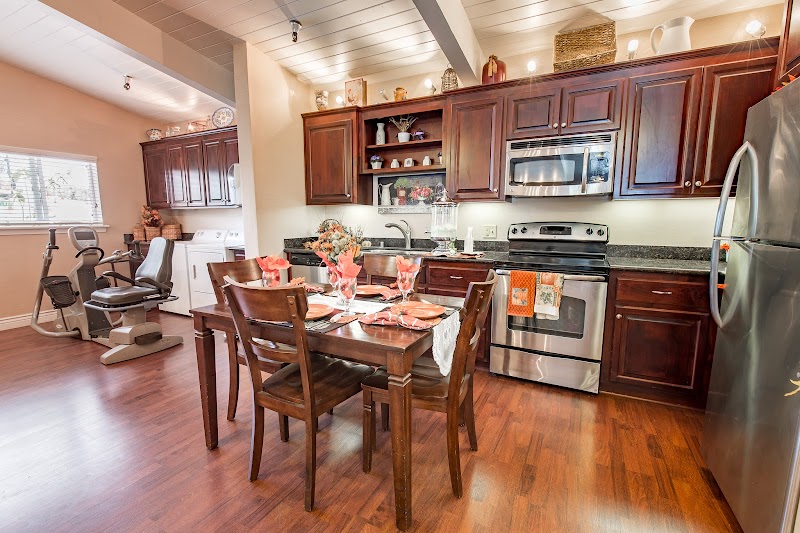
How is Windsor The Ridge Rehabilitation Center Staffed?

CMS rates WINDSOR THE RIDGE REHABILITATION CENTER's staffing level at 3 out of 5 stars, which is average compared to other nursing homes. Staff turnover is 29%, compared to the California average of 46%. This relatively stable workforce can support continuity of care.

What Have Inspectors Found at Windsor The Ridge Rehabilitation Center?

State health inspectors documented 53 deficiencies at WINDSOR THE RIDGE REHABILITATION CENTER during 2019 to 2024. These included: 53 with potential for harm. While no single deficiency reached the most serious levels, the total volume warrants attention from prospective families.
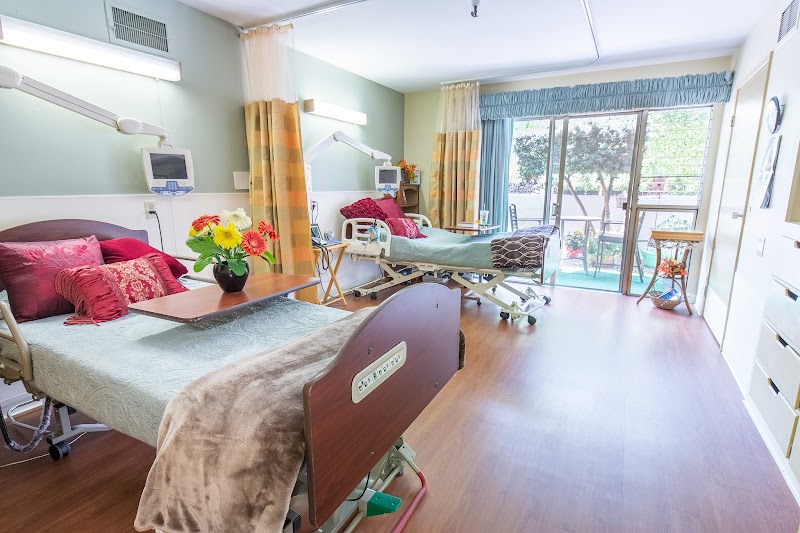
Who Owns and Operates Windsor The Ridge Rehabilitation Center?

WINDSOR THE RIDGE REHABILITATION CENTER is owned by a for-profit company. For-profit facilities operate as businesses with obligations to shareholders or private owners. The facility is operated by WINDSOR, a chain that manages multiple nursing homes. With 103 certified beds and approximately 98 residents (about 95% occupancy), it is a mid-sized facility located in SALINAS, California.
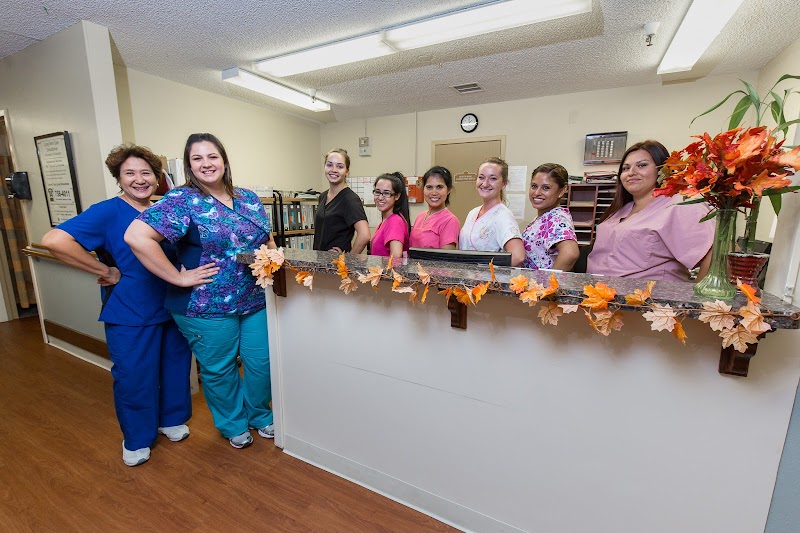
How Does Windsor The Ridge Rehabilitation Center Compare to Other California Nursing Homes?

Compared to the 100 nursing homes in California, WINDSOR THE RIDGE REHABILITATION CENTER's overall rating (4 stars) is above the state average of 3.2, staff turnover (29%) is significantly lower than the state average of 46%, and health inspection rating (3 stars) is at the national benchmark.

What Should Families Ask When Visiting Windsor The Ridge Rehabilitation Center?

Based on this facility's data, families visiting should ask: "Can I visit during a mealtime to observe dining assistance and food quality?" "How do you handle medical emergencies, and what is your hospital transfer rate?" "Can I speak with family members of current residents about their experience?"

Is Windsor The Ridge Rehabilitation Center Safe?

Based on CMS inspection data, WINDSOR THE RIDGE REHABILITATION CENTER has a clean safety record: no substantiated abuse findings (meaning no confirmed cases of resident harm), no Immediate Jeopardy citations (the most serious violation level indicating risk of serious injury or death), and is not on the Special Focus Facility watch list (a federal program monitoring the lowest-performing 1% of nursing homes). The facility has a 4-star overall rating and ranks #1 of 100 nursing homes in California. While no facility is perfect, families should still ask about staff-to-resident ratios and recent inspection results during their visit.

Do Nurses at Windsor The Ridge Rehabilitation Center Stick Around?

Staff at WINDSOR THE RIDGE REHABILITATION CENTER tend to stick around. With a turnover rate of 29%, the facility is 16 percentage points below the California average of 46%. Low turnover is a positive sign. It means caregivers have time to learn each resident's needs, medications, and personal preferences. Consistent staff also notice subtle changes in a resident's condition more quickly.

Was Windsor The Ridge Rehabilitation Center Ever Fined?

WINDSOR THE RIDGE REHABILITATION CENTER has no federal fines on record. CMS issues fines when nursing homes fail to meet care standards or don't correct problems found during inspections. The absence of fines suggests the facility has either maintained compliance or corrected any issues before penalties were assessed. This is a positive indicator, though families should still review recent inspection reports for the full picture.

Is Windsor The Ridge Rehabilitation Center on Any Federal Watch List?

WINDSOR THE RIDGE REHABILITATION CENTER is not on any federal watch list. The most significant is the Special Focus Facility (SFF) program, which identifies the bottom 1% of nursing homes nationally based on persistent, serious quality problems. Not being on this list means the facility has avoided the pattern of deficiencies that triggers enhanced federal oversight. This is a positive indicator, though families should still review the facility's inspection history directly.