Mission View Health Center
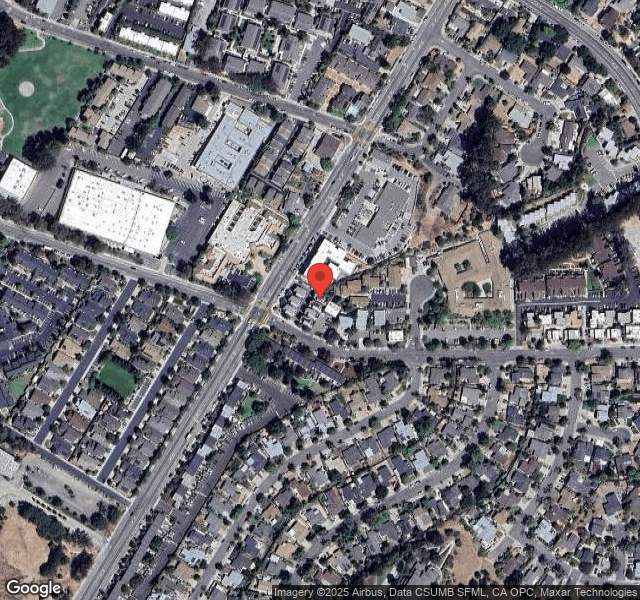
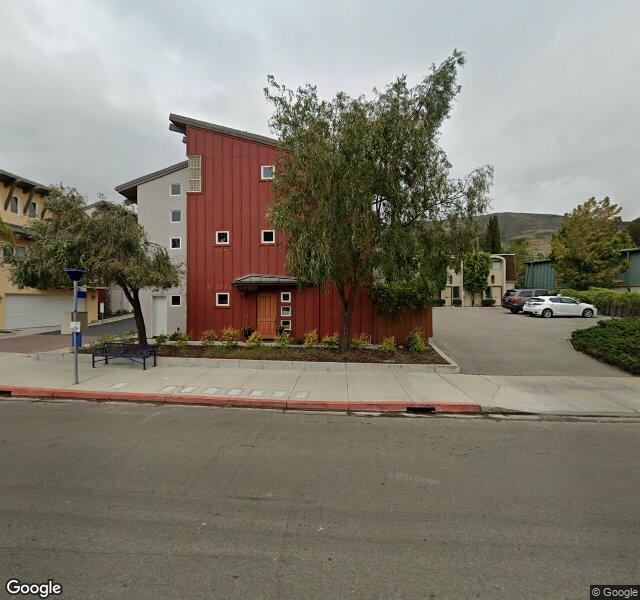
1425 Woodside Drive, San Luis Obispo, CA 93401 (805) 543-0210
For profit - Corporation 162 Beds COMPASS HEALTH, INC. Data: November 2025
Trust Grade
85/100
#143 of 1155 in CA
Last Inspection: October 2024

Within standard 12-15 month inspection cycle. Federal law requires annual inspections.

Overview

Mission View Health Center in San Luis Obispo, California, has a Trust Grade of B+, indicating it is above average and recommended for families seeking care. It ranks #143 out of 1,155 facilities in California, placing it in the top half, and #3 out of 7 in San Luis Obispo County, meaning only two local options are better. The facility's performance is stable, with only one issue reported in the past two years. Staffing is generally good, with a rating of 4 out of 5 stars and a turnover rate of 38%, which is on par with the state average; however, the RN coverage is only average. While there are no fines on record, which is commendable, recent inspections revealed concerns such as a torn gasket on a refrigerator door that could compromise food safety and the failure to date oxygen humidification bottles, which could affect respiratory care. Additionally, previous issues included not discarding expired food and improper food storage practices that risked foodborne illnesses. Overall, while there are strengths in staffing and no fines, families should be aware of the identified concerns that need addressing.

Trust Score
B+
85/100
In California
#143/1155
Top 12%
Safety Record
Low Risk
No red flags
Inspections
Holding Steady
1 → 1 violations
Staff Stability
○ Average
38% turnover. Near California's 48% average. Typical for the industry.
Penalties
✓ Good
No fines on record. Clean compliance history, better than most California facilities.
Skilled Nurses
○ Average
Each resident gets 41 minutes of Registered Nurse (RN) attention daily — about average for California. RNs are the most trained staff who monitor for health changes.
Violations
⚠ Watch
14 deficiencies on record. Higher than average. Multiple issues found across inspections.
★★★★★
5.0
Overall Rating
★★★★☆
4.0
Staff Levels
★★★★★
5.0
Care Quality
★★★★★
5.0
Inspection Score
Stable
2024: 1 issues
2025: 1 issues

The Good

  • 4-Star Staffing Rating · Above-average nurse staffing levels
  • 5-Star Quality Measures · Strong clinical quality outcomes
  • Full Sprinkler Coverage · Fire safety systems throughout facility
  • No fines on record
  • Staff turnover below average (38%)

    10 points below California average of 48%

Facility shows strength in staffing levels, quality measures, fire safety.

The Bad

Staff Turnover: 38%

Near California avg (46%)

Typical for the industry

Chain: COMPASS HEALTH, INC.

Part of a multi-facility chain

Ask about local staffing decisions and management

The Ugly 14 deficiencies on record

Aug 2025 1 deficiency
CONCERN (D) 📢 Someone Reported This

A family member, employee, or ombudsman was alarmed enough to file a formal complaint

Potential for Harm - no one hurt, but risky conditions existed

Deficiency F0726 (Tag F0726)

Could have caused harm · This affected 1 resident

Based on interview and record review, the facility failed to ensure that licensed nurses (LNs) demonstrated competency in providing quality care for one of three sampled residents (Resident 1), as evi...

Read full inspector narrative →
Based on interview and record review, the facility failed to ensure that licensed nurses (LNs) demonstrated competency in providing quality care for one of three sampled residents (Resident 1), as evidenced by: 1. LN1 failed to document on the medication administration record (MAR) during the medication pass.2. Medication was found at the bedside for Resident 1. These failures had the potential to result in negative resident outcomes, jeopardizing the quality and safety of resident care.1. During a concurrent interview and record review on 7/23/25, at 1:25 p.m., with the director of nursing (DON), the clinical record for Resident 1 was reviewed and the MAR indicated, Lisinopril 10 mg tablet (medication for high blood pressure) was scheduled to be administered on 7/13/25 at 8:00 p.m. there was no documentation that the medication was administered, held, or that Resident 1 refused medication administration. The DON stated the expectation is that LN1 would document on the MAR during the medication pass that the medication was administered, held, or that Resident 1 refused. DON acknowledged and confirmed that staff are not following the facility's policy and procedure (P&P). During a review of the facility's P&P titled, Specific Procedures for All Medications revised date 3/24, the P&P indicated, To administer medications in a safe and effective manner. After administration, return to cart and document administration in the MAR. If resident refuses medication, document refused on MAR. 2. During a concurrent interview and record review on 7/23/25, at 1:25 p.m., with the DON, the clinical record for Resident 1 was reviewed, Resident 1 did not have an order for bedside medication storage. The DON stated the expectation is that an LN would not leave a medication at the bedside without a bedside medication order. DON acknowledged and confirmed that staff are not following the facility's P&P. During an interview on 7/25/25, at 4:57 p.m., with LN2, LN2 stated on 7/14/25 the Ombudsman (trained advocate who helps protect the rights and well being of residents) stopped LN2 in the hallway and brought LN2 into Resident 1's room and showed LN2 that a medication was left on the bedside table of Resident1. LN2 acknowledged and confirmed that a medication was left at the bedside of Resident 1 and staff did not follow the facility's P&P. During a review of the facility's P&P titled, Specific Procedures for All Medications revised 3/24, the P&P indicated, Once removed from the package or container, unused doses should be disposed of. During a review of the facility's P&P titled, Storage of Medications revised 3/24, the P&P indicated, Only licensed nurses, pharmacy personnel, and those lawfully authorized to administer medications. are allowed access to medications. medications intended for internal use are stored in a medication cart or other designated area. During a review of the facility's P&P titled, Bedside Medication Storage revised 3/24, the P&P indicated, Bedside medication storage is permitted for residents. upon the written order of the prescriber.
Oct 2024 1 deficiency
CONCERN (D)

Potential for Harm - no one hurt, but risky conditions existed

Infection Control (Tag F0880)

Could have caused harm · This affected 1 resident

Based on observation, interview, record review, and facility policy review, the facility failed to ensure staff wore eye protection when they entered the room who was on droplet precaution for 1 (Resi...

Read full inspector narrative →
Based on observation, interview, record review, and facility policy review, the facility failed to ensure staff wore eye protection when they entered the room who was on droplet precaution for 1 (Resident #43) of 4 sampled residents reviewed for infection control. Findings included: A facility policy titled, Infection Prevention and Control for Residents with Suspected or Confirmed SARS-COV-2 [severe acute respiratory syndrome coronavirus 2], with a copyright date of 2021, revealed Personal Protective Equipment 13. Staff who enter the room of a resident with suspected or confirmed SARS-CoV-2 infection will adhere to standard precautions and use a NIOSH [National Institute for Occupational Safety and Health]-approved particulate respirator with N95 filters or higher, gown, gloves, and eye protection (i.e. [id est, that is], goggles or a face shield that covers the front and sides of the face). A Face Sheet indicated the facility admitted Resident #43 on 10/22/2019. According to the Face Sheet, the resident had a medical history that included diagnoses of epilepsy, type 2 diabetes mellitus, and dementia. A physician order dated 10/02/2024, indicated Resident #43 was on droplet precautions from 10/02/2024 to 10/15/2024 due to a diagnosis of coronavirus disease 2019 (COVID-19). During an observation on 10/07/2024 at 9:45 AM, the surveyor noted a sign outside Resident #43's room that indicated droplet precautions were to be taken prior to entry. The signage indicated that before anyone entered the room, they should ensure their eyes, nose, and mouth were fully covered. During an observation on 10/07/2024 at 9:48 AM, Licensed Vocational Nurse (LVN) #3 entered Resident #43's room and did not wear a face shield. In an interview on 10/07/2024 at 10:20 AM, LVN #3 stated when residents were COVID-19 positive staff should wear a gown, N95 mask, face shield, and gloves. LVN #3 acknowledged she did not wear a face shield. During an observation on 10/07/2024 at 9:52 AM, Certified Nurse Aide (CNA) #2 entered Resident #43's room and did not wear a face shield. In an interview on 10/07/2024 at 10:09 AM, CNA #2 stated she was required to wear a gown, gloves, N95 mask, or a face shield before she entered Resident #43's room. CNA #2 read the signage on the resident's door and stated she should have had a face shield on prior to entering the resident's room. In an interview on 10/08/2024 at 2:15 PM, the Infection Preventionist (IP) stated staff should put on personal protective equipment (PPE) to include, a gown, gloves, a N95 mask, and eye protection before they entered the room of resident who was COVID-19 positive. The IP stated she expected staff to wear a face shield when they entered a room of a resident who was COVID-19 positive. In an interview on 10/08/2024 at 2:20 PM, the Director of Nursing (DON) stated residents who were COVID-19 positive should be placed on droplet precautions. The DON stated PPE would be made available at the room, signage on the door, and a sticker to notify staff that the resident was on droplet precautions. The DON stated staff should wear a gown, N95 mask, face shield, and gloves. In an interview on 10/10/2024 at 7:46 AM, the Administrator stated staff should wear face shields prior to entering a room of a resident who was COVID-19 positive.
Dec 2021 5 deficiencies
CONCERN (D)

Potential for Harm - no one hurt, but risky conditions existed

Assessment Accuracy (Tag F0641)

Could have caused harm · This affected 1 resident

During a record review on 12/2/21 at 12:13 p.m. the Quarterly Nutrition Assessment by RD1, dated 11/3/21 indicated Resident 68 lost 10 pounds (7.6%) in three months and 15 pounds (10.9%) in 6 months. ...

Read full inspector narrative →
During a record review on 12/2/21 at 12:13 p.m. the Quarterly Nutrition Assessment by RD1, dated 11/3/21 indicated Resident 68 lost 10 pounds (7.6%) in three months and 15 pounds (10.9%) in 6 months. Further review of the last three MDS Assessment of Swallowing/Nutritional Status filled out by RD1, dated 11/8/21, 8/11/21, and 4/7/21 indicated the response of 0. No or unknown in the section K0300. Weight Loss, Loss of 5% or more in the last month or loss of 10% or more in last 6 months. During a concurrent interview with the MDS Coordinator (MDS) was conducted at this time when reviewed the above documents, confirmed, and agreed RD1 entered 0. No or unknown in section K0300 Weight Loss. The MDS indicated, RD 1 [RD1 name] did not accurately identify Resident 68 [Resident 68 name] with a 10% weight loss in 6 months and decline in health. The MDS confirmed, RD 1 should have and did not enter the accurate and correct response 2. Yes, not on physician-prescribed weight-loss regimen for the question Loss of 5% or more in the last month or loss of 10% or more in last 6 months on all three previous MDS Swallowing/Nutritional Status K0300. Weight Loss assessments dated 11/8/21, 8/11/21, and 4/7/21. During a review of the facility's policy and procedure (P&P) titled, Comprehensive Assessments and Timing, revised 3/1/18, the P&P indicated in part, The comprehensive assessment shall include .all other evaluations and assessments completed by health care professionals treating the resident . Based on observation, interview and record review the facility failed to ensure documentation on the Minimum Data Set (MDS-a comprehensive assessment tool used to identify and manage resident health status and needs every three months and annually) accurately reflected a weight loss of 15 pounds (10.9%) in 6 months in one resident (Resident 68). This facility failure resulted to Resident 68 from receiving an accurate reflection of a decline in health and had the potential to prevent the provision of needed health interventions. Findings: During a lunch dining observation on 11/29 at 1:10 pm, and concurrent review of Resident 68's lunch tray ticket showed the resident was on SB6 Fort (Small & bite sized fortified) diet and a house supplement. Resident 68 stated she did not like the food provided however had not informed any staff at the facility. Surveyor observed Resident 68 ate 50% of the lunch meal. During an interview with Registered Dietitians (RD 1, RD 2 and RD 3) on 12/01/21 at 11:10 AM, RD 1 and RD 2 stated they fill out section K and L of the MDS for residents. During a telephone interview with RD 1 on 12/1/21 at 3:55 PM, RD 1 stated the MDS section K should be consistent with resident for sign weight change in 6 months and if wrote in her assessment should also be the same in MDS section K.
CONCERN (D)

Potential for Harm - no one hurt, but risky conditions existed

Deficiency F0692 (Tag F0692)

Could have caused harm · This affected 1 resident

**NOTE- TERMS IN BRACKETS HAVE BEEN EDITED TO PROTECT CONFIDENTIALITY** Based on observation, interview, review of clinical records and facility documents, the facility failed to ensure one resident (...

Read full inspector narrative →
**NOTE- TERMS IN BRACKETS HAVE BEEN EDITED TO PROTECT CONFIDENTIALITY** Based on observation, interview, review of clinical records and facility documents, the facility failed to ensure one resident (Resident 68) maintained acceptable parameters of nutritional status when the facility did not carry out the recommendations from the IDT meeting. This failure had the potential to result in the resident not maintaining her weight which can further compromise her nutritional and medical status. Findings: Weight loss in nursing home residents is linked to poor out comes, including higher rates of hospitalization and death (American Journal of Nursing, 2008). Centers for Medicare/Medicaid (CMS) suggest the following parameters for evaluating undesired weight loss. A loss of 5% (percent) after 1 month; 7.5% within 3 months and 10% within 6 months is considered significant. Weight loss greater than the described parameters are suggestive of severe weight loss (Centers for Medicaid/Medicare (CMS), Appendix PP, 2017). Additionally, insidious weight loss is defined as a gradual, unintended, progressive weight loss over time (CMS, Appendix PP, 2008). During a review of Nutrition Care of the Older Adult from the Academy of Nutrition and Dietetics, dated 2016, indicated the goal of Medical Nutrition Therapy is to maintain or restore the individual's usual body weight. During a review of facility policy and procedure titled Tracking Weight Changes, dated 2014, indicated the care team will review and document on all insidious and significant weight changes with appropriate referrals to the physician and RD. The RD will make referrals and take actions as necessary. During a review of facility Policy on fortification, dated February 2020, indicated the use of a fortification program to maintain or enhance the nutritional status of residents determined to be at risk by a qualified individual. It further indicated the facility will ensure a fortification program is initiated when there is a nutritional problem to increase caloric intake and better meet individual nutritional needs. During a lunch dining observation on 11/29 at 1:10 pm, and concurrent review of Resident 68's lunch tray ticket showed the resident was on SB6 Fort (Small & bite sized fortified) diet and a house supplement. Resident 68 stated she did not like the food provided however had not informed any staff at the facility. Surveyor observed Resident 68 ate 50% of the lunch meal. During a review of Resident 68's clinical record indicated: Resident 68 was admitted on [DATE] with diagnoses that included Urinary Tract Infection (an infection in any part of your urinary system - kidneys, ureters, bladder and urethra) and chronic kidney disease (kidneys are damaged and can't filter blood the way they should). admission diet order was a regular diet. admission weight was 146 pounds. Weight dated 2/1/21 was 151 pounds. Physician's orders dated 2/12/21 initiated a fortification, regular diet. A Comprehensive Nutrition assessment dated [DATE], RD 2 documented Resident 68's estimated nutritional needs as 1715 calories and 54 to 68 grams of protein. RD 2 documented current body weight as 151 pounds, with an average oral intake of 56% of the fortified diet, in addition to occasional snacks. RD 2 documented intakes were meeting estimated needs as evidenced by stable weight, intact skin, and no edema (swelling caused by excess fluid in the tissues). Based on the nutritional analysis of the facility's meal fortification plan, Resident 68 would need to eat approximately 70% of her meals to meet her estimated nutritional needs. Review of Resident 68's weight record dated 3/1/21 documented a weight of 139 pounds, a loss of 12 pounds (7.9%) in one month which is considered severe. From 3/8 through 8/2/21, Resident 68's weight fluctuated between 131 and 138 pounds. On 9/6/21 Resident 68's weight was documented as 128 pounds, a decrease of 4 pounds. Resident 68 continued to have a gradual continual monthly decline. On 11/1 the weight was documented as 122 pounds for a total weight loss of 29 pounds (19%) in nine months, and 15 pounds (10.9%) in six months, which is considered significant. Cross Reference F641. During Weight and Skin Committee Reviews dated 3/4 and 4/8, the Interdisciplinary Team (IDT) documented recommendations for Resident 68 to receive a house supplement (liquid nutrition supplement) twice a day with meals, and HCMP (High Calorie Med Pass - 2 calories per ml oral nutrition supplement) two ounces (60 ml) twice a day, respectively. Quarterly Nutrition assessment dated [DATE], RD 2 documented Resident 68's current weight as 137 pounds with estimated needs of 1557 to 1869 calories and 62 to 74 grams (g) protein. RD 2 re-estimated Resident 68's nutrition needs based on current weight rather than her usual body weight. RD 2 documented to continue with current plan of care with goal of weight maintenance, rather than to regain lost weight. A Weight and Skin Committee Review dated 6/10/21, RD 1 documented current weight as 132 pounds a five pound/3.6% weight loss for one month. RD 1 documented there was a new open area under the resident's breast from scratching and wound was nonhealing so far. RD 1 recommended to increase HCMP to three ounces (90 ml) three times a day and to start a Multivitamin (MVI) for healing. Review of physician's orders dated 6/9/21, indicated HCMP 90 ml oral twice a day. Although the HCMP order was increased in quantity it was not increased in frequency as recommended by RD 1 during the Weight and Skin Committee Review notes. Weight and Skin Committee Reviews dated 6/17, 6/24, 7/1 and Quarterly Nutrition assessment dated 8/9 and 11/3/21, there was no documentation to indicate the error was identified. During an interview with RD 1 and RD 2 on 12/01/21 at 11:10 AM, RD 1 and 2 stated they see residents who trigger for weight loss of 5% or 5 pounds monthly, 2.5% weekly weights, 7.5% weight for 3 months, and 10% for 6 months. RD 1 stated the order on 6/10/21 should have been for HCMP three times a day not twice a day. RD 1 stated we usually double check the order in the system to ensure it is consistent with what we recommended. RD 1 confirmed that order was missed on Resident 68. During an interview with RD 1, RD 2, and RD3 on 12/01/21 at 2:38 PM, RD 2 stated they follow up with the monthly weight and if does not trigger for significant weight loss then they think the intervention is working. RD 2 stated if the weight is triggered again then they will check the chart to see how the intervention is working. The RD's practice of not monitoring insidious weight loss was not in accordance with the facility weight tracking policy.
CONCERN (D)

Potential for Harm - no one hurt, but risky conditions existed

Medication Errors (Tag F0758)

Could have caused harm · This affected 1 resident

Based on interview and record review, the facility failed to ensure one of 5 sampled residents (Resident 6), documentation on the informed consent for psychotropic medication included the specific med...

Read full inspector narrative →
Based on interview and record review, the facility failed to ensure one of 5 sampled residents (Resident 6), documentation on the informed consent for psychotropic medication included the specific medication name, dosage, route, and diagnosis/reason for use. For Resident 6, this facility failure resulted in their representative consenting to an unspecified treatment on their behalf. Findings: During a review of the facility's policy and procedure (P&P) titled, [Facility name] Verification of Informed Consent for Psychotherapeutic Medication or Physical Restraint, (undated), the P&P indicated, .the facility has verified that the following material information has been reviewed with the resident and/or the resident's responsible party or legal representative .medication name, dosage, route and diagnosis/reason for use . During a review of Resident 6's Physician Order Sheet (Orders), dated November 2021, the Orders indicated, Quetiapine (antipsychotic medication) 50 mg (milligram) tablet (50mg) TABLET Oral (by mouth) .One time daily . During a concurrent interview and record review on 11/30/21, at 9:26 a.m., with a licensed nurse (LN1), Resident 6's [Facility name] Verification of Informed Consent for Psychotherapeutic Medication or Physical Restraint (Consent), dated 5/14/21 was reviewed. The Consent indicated, on 5/14/21, at 3:44 p.m., the consent was obtained and verified with Resident 6's Representative. The Consent also indicated, the Physician's Order for the specific medication, dosage, route, and diagnosis/reason for use was not documented on the form. LN1 stated, The medication, dosage, and route should be identified.
CONCERN (D)

Potential for Harm - no one hurt, but risky conditions existed

Deficiency F0761 (Tag F0761)

Could have caused harm · This affected 1 resident

Based on observation, interview, and record review, the facility failed to ensure expired medications were not stored and available for staff use, in one of four medication carts inspected. These fai...

Read full inspector narrative →
Based on observation, interview, and record review, the facility failed to ensure expired medications were not stored and available for staff use, in one of four medication carts inspected. These failures had the potential for unsafe and ineffective medication administration that can cause harm to the residents. Findings: During a concurrent interview, and inspection of the facility's medication carts, on 11/30/2021 at 3:30 p.m., with the Director of Nursing (DON) and the Director in Training (DIT), the following items were observed: 1. Fiber therapy, dietary fiber supplement, 52 teaspoon doses, net weight (wt) 13 ounces (oz), 368 grams (g), with an expiration date of 10/21. 2. Geri-Lanta, regular strength antacid, anti-gas, 12 fluid (FL) ounces (oz), 355 milliliters (ml), with an expiration date of 9/21. 3. Hydroco/apap (medication to treat pain) tablets 5-325 milligrams(mg) pack, with an expiration date of 11/4/2021. During the concurrent interview with the DIT, the expired items were shown to him. The DIT stated, Yes they are expired. The items were then shown to the DON. The DON stated, Yes they are expired. We should of caught the expired medications prior to the expiration and removed them. During a review of the facility's policy and procedures (P&P), titled, Disposal of Medications, undated, the P&P indicated, in part, Outdated, contaminated, discontinued or deteriorated medications, and the contents of containers with no label shall be destroyed.
CONCERN (E)

Potential for Harm - no one hurt, but risky conditions existed

Room Equipment (Tag F0908)

Could have caused harm · This affected multiple residents

Based on observation, staff interviews and review of facility documents the facility failed to maintain kitchen equipment in safe operating condition when the reach in refrigerator door contained a to...

Read full inspector narrative →
Based on observation, staff interviews and review of facility documents the facility failed to maintain kitchen equipment in safe operating condition when the reach in refrigerator door contained a torn gasket and there was no air gap on the food preparation sink when the pipe was directly plummed into the wall. These failures have the potential for the refrigerator to not maintain a safe temperature for food as a torn gasket can allow warm air to get into the refrigerator and lack of an air gap can lead to a backflow of sewage into the food preparation sink. The facility census was 93. Findings: 1. During the inital kitchen tour on 11/19/21 starting at 9:16 AM, an observation of the reach-in refrigerator was 42 degrees Fahrenheit (F) and on the center refrigerator door the gasket was torn. During an observation and concurrent interview with the Maintanence Director (MD) on 11/29/21 at 3:19 PM, the reach-in refrigerator door with torn gasket was shown to the MD. MD stated once a month he cleans the condensing coils however not routine to check gaskets on the doors. MD stated he relies on Kitchen staff to tell him if gaskets need to be replaced. During an interview on 12/01/21 at 11:10 AM with Registered Dietitians (RD 1, RD 2, RD 3), RD 1 stated she conducts kitchen audits on Fridays. RD 1 stated she does monthly in-depth kitchen inspections and explained the items on the inspections. RD 1 stated she has not checked gaskets on the refrigerator doors during her inspections. 2. During an observation and concurrent interview with the Maintanence Director (MD) on 11/29/21 at 3:19 PM, the food preparation sink showed the pipe was directly plummed into the wall. MD confirmed there was no air gap for this sink and that is directly plumbed into the wall. According to standards of practice within the foodservice industry, an air gap between the water supply inlet (drain pipe) and the flood level rim of the plumbing fixture (floor sink drain), equipment or non-food equipment shall be at least twice the diameter of the water supply inlet and may not be less than one inch. During periods of extraordinary demand, drinking water systems may develop negative pressure in portions of the system. If a connection exists between the system and a source of contaminated water during times of negative pressure, contaminated water may be drawn into and foul the entire system. (2017 FDA Food Code) According to the 2017 Food and Drug Administration (FDA) Food Code, Section 5-202.13 Backflow Prevention, Air Gap, indicated an air gap between the water supply inlet and the flood level rim of the plumbing fixture, equipment, or nonFood equipment shall be at least twice the diameter of the water supply inlet and may not be less than 25 mm (1 inch). During the review of the facility policy and procedure titled Maintenance, undated, indicated the policy was established to ensure the facility provides a safe, functional, sanitary and comfortable environment for residents, staff and the public. It indicated the Administrator and Maintenance Supervisor will inspect facility and equipment monthly.
Jun 2019 7 deficiencies
CONCERN (D)

Potential for Harm - no one hurt, but risky conditions existed

Comprehensive Care Plan (Tag F0656)

Could have caused harm · This affected 1 resident

Based on interview, observation and record review, the facility failed to develop a care plan (a means of communicating the resident's needs and preferences and how the facility will assist in meeting...

Read full inspector narrative →
Based on interview, observation and record review, the facility failed to develop a care plan (a means of communicating the resident's needs and preferences and how the facility will assist in meeting them) for two of eight sampled residents (Resident 116 and 120): 1. Resident 116, did not have a care plan developed for a wrist brace. This failure placed the resident at risk for further pain and swelling of the wrist due to the inconsistent application of a wrist splint. 2. Resident 120, did not have a care plan developed for smoking. This failure resulted in the resident smoking with no plan in place to address educating them about the potential health related issues associated with smoking or offering them assistance to stop smoking. Findings: The facility policy and procedure titled: Develop/Implement Comprehensive Care Plan dated 3/1/18 indicated, The comprehensive care plan will describe services furnished to attain or maintain the resident's highest practicable physical, mental and psychosocial well-being. 1. During a review of the clinical record for Resident 116 and concurrent interview on 6/19/19 at 10:17 AM, a licensed nurse (LN4) verified the Physician Order Sheet dated 9/25/18 indicated to apply brace to the resident's left wrist to immobilize two times daily (shift 1, shift 2) starting 9/25/18. Review of Resident116's Treatment Administration Record (TAR) dated June 2019 indicated the application of the splint on June 1, 3, 4, 8, 9, 10, 11, 12, 16, 17, and 18. During an observation and concurrent interview with LN4 and Resident 116 at the resident's bedside on 6/19/19 at 11:24 AM, LN4 verified Resident 116 was not wearing a brace on the left wrist. Resident 116 indicated it had been, A long time, since a wrist brace was applied. LN4 looked through Resident 116's belongings and was unable to locate a wrist brace. Resident 116 stated, Ouch, when LN4 examined Resident 116's left wrist. During an interview on 6/19/19, at 11:33 AM, LN4 reviewed the facility and hospice care plans for Resident 116. LN4 stated, No Care Plan, found that addressed wrist brace use. 2. During an interview: on 6/17/19 at 10:43 AM, Resident 120 indicated smoking cigarettes two to three times a day. Resident 120 holds onto their lighter and cigarettes while in the facility and signs them self out of the facility to smoke, Off property, next door. During an interview and concurrent record review with LN4 on 6/19/19 at 2:31 PM, LN4 verified Resident 120 signs them self out of the facility to smoke. LN4 was unable to locate documentation of a Care Plan that addressed the resident's smoking.
CONCERN (D)

Potential for Harm - no one hurt, but risky conditions existed

Quality of Care (Tag F0684)

Could have caused harm · This affected 1 resident

Based on observation, interview, and record review, the facility failed to ensure necessary care and services in accordance with professional standards of practice was implemented when a physician's o...

Read full inspector narrative →
Based on observation, interview, and record review, the facility failed to ensure necessary care and services in accordance with professional standards of practice was implemented when a physician's order for the application of a wrist brace (immobilization device) was not followed in one of six sampled residents (Resident 116). This failure had the potential to result in increased pain and swelling to the resident's affected wrist. Findings: During a review of the Minimum Data Set (MDS) Assessment (a core set of screening, clinical, and functional status elements which is used for standardized communication about resident problems and conditions within nursing homes) for Resident 116 the BIMS (brief screener that aids in detecting cognitive (thinking, reasoning, remembering) impairment) dated 8/2/18 indicated a score of 15 (cognitively intact). During a review of the clinical record for Resident 116 and concurrent interview with a licensed nurse (LN4) on 6/19/19 at 10:17 AM, LN4 verified the Physician Order Sheet dated 9/25/18 indicated to apply brace to the resident's left wrist to immobilize two times daily (shift 1, shift 2) starting 9/25/18. Review of the Treatment Administration Record (TAR) dated June 2019 indicated application of the splint on June 1, 3, 4, 8, 9, 10, 11, 12, 16, 17, and 18. During an observation and concurrent interview with LN4 and Resident 116 at the resident's bedside on 6/19/19 at 11:24 AM, LN4 verified Resident 116 was not wearing a brace on the left wrist. Resident 116 indicated it had been a A long time, since a wrist brace was applied. LN4 looked through Resident 116's belongings and was unable to locate a wrist brace. Resident 116 stated, Ouch, when LN4 examined Resident 116's left wrist. During an interview and concurrent clinical record review on 6/19/19 at 12:06 PM, a licensed nurse (LN5) verified initialing the TAR dated 6/17/19, shift 1, indicating the application of the brace to Resident 116's left wrist. LN5 stated, That's an error. I did not apply the brace.
CONCERN (D)

Potential for Harm - no one hurt, but risky conditions existed

Pharmacy Services (Tag F0755)

Could have caused harm · This affected 1 resident

Based on observation, interview and record review, the facility failed to ensure controlled medications (substances that have an accepted medical use (medications which fall under US Drug Enforcement ...

Read full inspector narrative →
Based on observation, interview and record review, the facility failed to ensure controlled medications (substances that have an accepted medical use (medications which fall under US Drug Enforcement Agency (DEA) Schedules II-V, have a potential for abuse, ranging from low to high, and may also lead to physical or psychological dependence) were reconcilled (counted correctly) and documented according to the facility's policy and procedure. This failure had the potential for controlled medications to be diverted by licensed staff. Findings: During a concurrent observation, record review, and concurrent interview with licensed nurse (LN6) and director of nursing (DON) on 6/18/19 at 3:43 p.m., a document titled Shift Count, for Cart 1, dated June, 2019, showed no controlled medication counts were documented for 6/1/19 at 6am, for 6/1/19 at 6pm, and for 6/12/19 at 6am. The licensed nurse (LN6) stated it appears no reconciliation had been performed by the off-going and on-coming nurse on those dates and times.The Shift Count sheet was also noted signed off by the off-going nurse with the on-coming nurse on 6/18/19 at 6pm. LN6 acknowledged it should not have been signed yet, and stated, I must have gotten ahead of myself. The DON indicated LN6 should not have signed the log until the night nurse came in and a narcotic count was done together . The facility policy and procedure titled Controlled Medication Storage, undated, states, At each shift change or when keys are transferred, a physical inventory of all Schedule II-IV, including refrigerated items, is conducted by two licensed nurses.
CONCERN (D)

Potential for Harm - no one hurt, but risky conditions existed

Medication Errors (Tag F0758)

Could have caused harm · This affected 1 resident

Based on interview and record review the facility failed to ensure PRN (as needed) antipsychotic (medications to manage psychosis [delusions, hallucinations, paranoia, or disordered thought]) and psyc...

Read full inspector narrative →
Based on interview and record review the facility failed to ensure PRN (as needed) antipsychotic (medications to manage psychosis [delusions, hallucinations, paranoia, or disordered thought]) and psychotropic (any medications affecting the mind, emotions and behavior) medications, after 14 days of use, had an order for duration or an end date for two out of five sampled residents (Resident 63 and Resident 72). This failure places the residents at risk for adverse side effects from the continued use of antipsychotic and psychotropic medications. Findings: 1. During a concurrent review of Resident 63's clinical record and interview with licensed nurse (LN 1) on 6/19/19 at 11:40 a.m., the physician orders dated 6/2019, indicated a PRN order for Lorazepam (a medication used to treat anxiety) one mg (milligram) every eight hours with a start date of 3/28/19. The Lorazepam order was without an end date or duration for use. The Informed Consent for Psychptherapeutic Medication (IC) was noted signed and dated 8/18/18 (7 months ago). LN 1 acknowledged the Lorazepam order had no end date or duration and the IC was signed and dated on 8/18/18, indicating the resident was receiving PRN Lorazepam since 8/18/18 without a duration or stop date. Review of the Pharmacist's MMR (medication monthly review) dated 1/2019, indicated . Resident 63 was on Lorazepam for over 14 days .recommendation to evaluate Lorazepam after 14 days per PRN order .the physician response to the recommendation was left blank. No documentation or response to the pharmacist's recommendation was located in the Resident 63's clinical record. During an interview and concurrent review of Resident 63's clinical record with LN1 on 6/19/19 at 2:00 p.m., LN 1 acknowledged the presence of a pharmacist's recommendation and indicated unable to find documentation for the rationale to continue the PRN Lorazepam after the 14 days. During an interview and concurrent review of Resident 63's clinical record with the director of nursing (DON) on 6/19/19 at 2:39 p.m., the DON acknowledged yes (by nodding) the physician order for PRN Lorazepam was missing a duration for use and an end date. The DON indicated there should be a rationale for the continued use of PRN Lorazepam. The DON further indicated the facility could have called the physician, get the order changed, and document a rationale for the continued use of the Lorazepam. 2. During a concurrent interview and review of the clinical record for Resident 72 with the DON on 6/19/19 at 2:39 p.m., the DON (Director of Nursing) acknowledged The Physician's Orders dated 6/2019 contained an order for Risperdal (a drug used to treat certain mental/mood disorders (such as schizophrenia, bipolar disorder, irritability associated with autistic disorder) 0.5mg daily PRN (as needed), ordered on 2/10/2019. The DON confirmed the medication has not been reordered by the physician since the order date of 2/10/2019 and Resident 72 has been receiving Risperdal PRN since 2/10/2019 without a duration or stop date. The Facility policy and procedure titled Drug Regimen Is Free From Unnecessary Drugs/Free From Unnecessary Psychotropic Meds/PRN Use dated 8/26/2012 , indicated .In certain situations, psychotropic medications may be prescribed on a PRN basis, such as while the dose is adjusted, to address acute or intermittent symptoms or in an emergency .all PRN psychotropic and antipsychotic orders will have the maximum daily doses written in the order note section .PRN orders for psychotropic medication excluding antipsychotics: Limitation- for 14 days, exception- order may be extended beyond the 14 days if the attending physician believes it is appropriate to extend the order, required action- attending physician should document the rationale for the extended time period in the medical record and indicate a specific duration .PRN orders for antipsychotic medications only: Limitation-14 days, exception- none, required action-if the attending physician wishes to write a new order for PRN antipsychotic, the attending physician must first evaluate the resident to determine if the new order for the PRN antipsychotic is appropriate.
CONCERN (D)

Potential for Harm - no one hurt, but risky conditions existed

Deficiency F0761 (Tag F0761)

Could have caused harm · This affected 1 resident

Based on observation and interview, the facility failed to maintain a schedule III medication in a permanently affixed compartment. This failure had the potential for schedule III medications to be i...

Read full inspector narrative →
Based on observation and interview, the facility failed to maintain a schedule III medication in a permanently affixed compartment. This failure had the potential for schedule III medications to be illegally removed from the facility. Findings: During a concurrent observation and interview with the director of nursing (DON) on 6/18/19 at 4:49 p.m., a schedule III medication, Marinol, also known as Dronabinol (a schedule III medication used to treat nausea and vomiting caused by cancer chemotherapy, also used to treat loss of appetite and weight loss in patients with HIV infection, and is a man-made form of the active natural substance in marijuana) was stored in a small, single locked, non-affixed refrigerator in the unlocked nursing station. DON confirmed the refrigerator was not affixed, by easily sliding the refrigerator across the floor.
CONCERN (E)

Potential for Harm - no one hurt, but risky conditions existed

Respiratory Care (Tag F0695)

Could have caused harm · This affected multiple residents

**NOTE- TERMS IN BRACKETS HAVE BEEN EDITED TO PROTECT CONFIDENTIALITY** 3. During an observation and concurrent interview with licensed nurse (LN2) on [DATE] at 11:37a.m., Resident 128's humidificatio...

Read full inspector narrative →
**NOTE- TERMS IN BRACKETS HAVE BEEN EDITED TO PROTECT CONFIDENTIALITY** 3. During an observation and concurrent interview with licensed nurse (LN2) on [DATE] at 11:37a.m., Resident 128's humidification bottle was not dated. LN2 acknowledged that humidification bottle should be dated. During an interview with LN3 on [DATE] at 10:02 a.m., LN3 confirmed humidification bottle should be dated when put into use. The facility policy and procedure titled Oxygen Procedure undated indicated in part . The equipment will be maintained in a manner to ensure the best possible outcome for the patient. The facility form titled Oxygen Supplies Audit indicated in part . a column to check Humidifier Bottle Changed and Dated. Based on observation, interview, and record review, the facility failed to provide respiratory care services consistent with professional standards of practice for three of four sampled residents (Residents 76, 180, and 128) when: 1.Resident 76 's oxygen order was not implemented as ordered by the physician.This failure placed the resident at risk for unattended breathing difficulty which can result to a compromised condition. 2.Resident 180's oxygen dose prescription was not administered as prescribed by the physician. This failure has the potential to administer oxygen dose ineffectively which can effect the resident's overall health condition. 3.Resident 128's oxygen humidification bottle (sterile water used to make delivery of oxygen more comfortable) was not dated. This failure had the potential to administer humidified oxygen to the resident from a bottle that can be expired or need to be changed due to infection risks. Findings: 1. During an observation inside Resident 76's room and concurrent interview with a certified nursing assistant (CNA1) on [DATE] at 12:33 p.m., Resident 76 was in bed without a nasal cannula (a device used to administer oxygen). CNA1 confirmed Resident 76 was not receiving supplemental oxygen and stated not on oxygen. During the review of the clinical record for Resident 76 and concurrent interview with the assistant director of nursing (ADON) on [DATE] at 12:50 p.m.,a physician orders read 02 at 3l/min via Nasal Cannula with humidification Continuous. The ADON indicated the resident should be on oxygen at 3l/min as continous as ordered by the physician. The facility policy and procedure titled Oxygen Procedure undated indicated, Patients that require oxygen as ordered by a physician will be placed on an oxygen concentrator or oxygen tank. Oxygen therapy will be administered as ordered. During an observation on [DATE] at 11:29 a.m., Resident 180 was sitting by the bed in a wheelchair wearing a nasal cannula attached to a humidified oxygen concentrator. The oxygen meter read 4 liters per minute (LPM). During an interview on [DATE] at 11:35 a.m., Resident 180 confirmed he was having difficulty breathing and thought his oxygen was set too high. During an interview on [DATE] at 11:38 a.m., Licensed Nurse (LN7) confirmed the oxygen was set at 4 LPM and the physician ordered continuous oxygen set at 3 LPM. Record review of the physician orders dated [DATE] indicated Oxygen at 3 LPM via nasal cannula with humidification continuous for Resident 180.
CONCERN (E)

Potential for Harm - no one hurt, but risky conditions existed

Food Safety (Tag F0812)

Could have caused harm · This affected multiple residents

Based on observation, interview, and record review, the facility failed to: 1) Discard expired food. 2) Not store a used scoop in a food storage container. 3) Ensure used tong handles did not touch ...

Read full inspector narrative →
Based on observation, interview, and record review, the facility failed to: 1) Discard expired food. 2) Not store a used scoop in a food storage container. 3) Ensure used tong handles did not touch food. These failures had the potential to result in residents developing foodborne illness from cross-contamination. Findings: 1) During an observation and concurrent interview with Registered Dietician (RD) and Director of Dietary (DOD) on 6/17/19, at 9:05 am, in the walk in refrigerator, a bin of Mighty Shakes (nutrition shakes) were observed in refrigerator with no thaw date (Mighty Shakes expire 14 days from thaw date). Mighty Shakes were available for residents to consume. RD and DOD confirmed thaw date is required to be recorded and they are unable to determine expiration date. Review of the facility policy titled Food Storage modified 2014 indicated in part . All foods will be checked to assure that foods will be consumed by their safe use by dates or discarded. Review of the manufacturer's guidelines indicated in part . shelf life is 14 days when kept refrigerated. 2) During an observation and concurrent interview with RD and DOD on 6/17/19, at 9:20 am, in the dry storage area, a food storage container (containing cocoa powder) had a used scoop stored inside the container. RD and DOD acknowledged used scoop should not be stored in food containers. Review of the Food Code 2017 section 3-304.11 indicated in part food that comes into contact directly or indirectly with surfaces that are not clean and sanitized is liable to such contamination. The handles of utensils, even if manipulated with gloved hands, are particularly susceptible to contamination. 3) During an observation and concurrent interview with DOD, on 6/18/19, at 12:25 pm, in the kitchen, used tong handles slid into food containers with onion and container with tomatoes on the steam table. DOD confirmed used tong handles should not touch food. During an interview with RD, on 6/19/19, at 9:26 am, RD confirmed used tong handles should not touch food. Review of the Food Code 2017 section 3-304.11 indicated in part food that comes into contact directly or indirectly with surfaces that are not clean and sanitized is liable to such contamination. The handles of utensils, even if manipulated with gloved hands, are particularly susceptible to contamination.
Understanding Severity Codes (click to expand)
Life-Threatening (Immediate Jeopardy)
J - Isolated K - Pattern L - Widespread
Actual Harm
G - Isolated H - Pattern I - Widespread
Potential for Harm
D - Isolated E - Pattern F - Widespread
No Harm (Minor)
A - Isolated B - Pattern C - Widespread

Questions to Ask on Your Visit

  • "Can I speak with families of current residents?"
  • "What's your RN coverage like on weekends and overnight?"

Our Honest Assessment

Strengths
  • • Grade B+ (85/100). Above average facility, better than most options in California.
  • • No major safety red flags. No abuse findings, life-threatening violations, or SFF status.
  • • No fines on record. Clean compliance history, better than most California facilities.
  • • 38% turnover. Below California's 48% average. Good staff retention means consistent care.
Concerns
  • • 14 deficiencies on record. Higher than average. Multiple issues found across inspections.
Bottom line: Generally positive indicators. Standard due diligence and a personal visit recommended.

About This Facility

What is Mission View Health Center's CMS Rating?

CMS assigns Mission View Health Center an overall rating of 5 out of 5 stars, which is considered much above average nationally. Within California, this rating places the facility higher than 99% of the state's 100 nursing homes. This rating reflects solid performance across the metrics CMS uses to evaluate nursing home quality.

How is Mission View Health Center Staffed?

CMS rates Mission View Health Center's staffing level at 4 out of 5 stars, which is above average compared to other nursing homes. Staff turnover is 38%, compared to the California average of 46%. This relatively stable workforce can support continuity of care.

What Have Inspectors Found at Mission View Health Center?

State health inspectors documented 14 deficiencies at Mission View Health Center during 2019 to 2025. These included: 14 with potential for harm.

Who Owns and Operates Mission View Health Center?

Mission View Health Center is owned by a for-profit company. For-profit facilities operate as businesses with obligations to shareholders or private owners. The facility is operated by COMPASS HEALTH, INC., a chain that manages multiple nursing homes. With 162 certified beds and approximately 106 residents (about 65% occupancy), it is a mid-sized facility located in San Luis Obispo, California.

How Does Mission View Health Center Compare to Other California Nursing Homes?

Compared to the 100 nursing homes in California, Mission View Health Center's overall rating (5 stars) is above the state average of 3.2, staff turnover (38%) is near the state average of 46%, and health inspection rating (5 stars) is much above the national benchmark.

What Should Families Ask When Visiting Mission View Health Center?

Based on this facility's data, families visiting should ask: "Can I visit during a mealtime to observe dining assistance and food quality?" "How do you handle medical emergencies, and what is your hospital transfer rate?" "Can I speak with family members of current residents about their experience?"

Is Mission View Health Center Safe?

Based on CMS inspection data, Mission View Health Center has a clean safety record: no substantiated abuse findings (meaning no confirmed cases of resident harm), no Immediate Jeopardy citations (the most serious violation level indicating risk of serious injury or death), and is not on the Special Focus Facility watch list (a federal program monitoring the lowest-performing 1% of nursing homes). The facility has a 5-star overall rating and ranks #1 of 100 nursing homes in California. While no facility is perfect, families should still ask about staff-to-resident ratios and recent inspection results during their visit.

Do Nurses at Mission View Health Center Stick Around?

Mission View Health Center has a staff turnover rate of 38%, which is about average for California nursing homes (state average: 46%). Moderate turnover is common in nursing homes, but families should still ask about staff tenure and how the facility maintains care continuity when employees leave.

Was Mission View Health Center Ever Fined?

Mission View Health Center has no federal fines on record. CMS issues fines when nursing homes fail to meet care standards or don't correct problems found during inspections. The absence of fines suggests the facility has either maintained compliance or corrected any issues before penalties were assessed. This is a positive indicator, though families should still review recent inspection reports for the full picture.

Is Mission View Health Center on Any Federal Watch List?

Mission View Health Center is not on any federal watch list. The most significant is the Special Focus Facility (SFF) program, which identifies the bottom 1% of nursing homes nationally based on persistent, serious quality problems. Not being on this list means the facility has avoided the pattern of deficiencies that triggers enhanced federal oversight. This is a positive indicator, though families should still review the facility's inspection history directly.