San Luis Post Acute Center
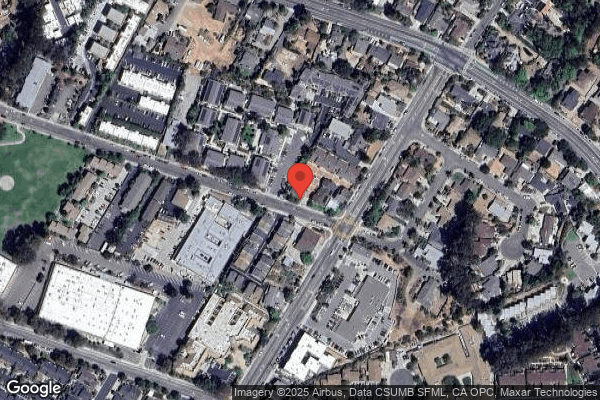

3033 Augusta Street, San Luis Obispo, CA 93401 (805) 544-5100
For profit - Corporation 162 Beds COMPASS HEALTH, INC. Data: November 2025
Trust Grade
85/100
#216 of 1155 in CA
Last Inspection: March 2025

Within standard 12-15 month inspection cycle. Federal law requires annual inspections.

Overview

San Luis Post Acute Center has a Trust Grade of B+, indicating it is above average and recommended for families researching nursing homes. It ranks #216 out of 1,155 facilities in California, placing it in the top half of all facilities, and #4 out of 7 in San Luis Obispo County, meaning only three local options are better. However, the facility is trending worse, with issues increasing from 2 in 2024 to 4 in 2025. While staffing is relatively strong with a 4/5 star rating, the turnover rate is average at 48%, and RN coverage is concerning, being lower than 75% of California facilities. Notably, the facility has had no fines, which is a positive sign. However, specific incidents have raised concerns, such as failing to monitor potential sources of water-borne illness for all residents, not properly assessing medication self-administration for a resident, and storing food at unsafe temperatures, which could pose health risks. Families should weigh these strengths and weaknesses when considering this facility.

Trust Score
B+
85/100
In California
#216/1155
Top 18%
Safety Record
Low Risk
No red flags
Inspections
Getting Worse
2 → 4 violations
Staff Stability
⚠ Watch
48% turnover. Above average. Higher turnover means staff may not know residents' routines.
Penalties
✓ Good
No fines on record. Clean compliance history, better than most California facilities.
Skilled Nurses
⚠ Watch
Each resident gets only 25 minutes of Registered Nurse (RN) attention daily — below average for California. Fewer RN minutes means fewer trained eyes watching for problems.
Violations
⚠ Watch
16 deficiencies on record. Higher than average. Multiple issues found across inspections.
★★★★★
5.0
Overall Rating
★★★★☆
4.0
Staff Levels
★★★★★
5.0
Care Quality
★★★★★
5.0
Inspection Score
Stable
2024: 2 issues
2025: 4 issues

The Good

  • 4-Star Staffing Rating · Above-average nurse staffing levels
  • 5-Star Quality Measures · Strong clinical quality outcomes
  • Full Sprinkler Coverage · Fire safety systems throughout facility
  • No fines on record

Facility shows strength in staffing levels, quality measures, fire safety.

The Bad

Staff Turnover: 48%

Near California avg (46%)

Higher turnover may affect care consistency

Chain: COMPASS HEALTH, INC.

Part of a multi-facility chain

Ask about local staffing decisions and management

The Ugly 16 deficiencies on record

Mar 2025 4 deficiencies
CONCERN (D)

Potential for Harm - no one hurt, but risky conditions existed

Deficiency F0554 (Tag F0554)

Could have caused harm · This affected 1 resident

**NOTE- TERMS IN BRACKETS HAVE BEEN EDITED TO PROTECT CONFIDENTIALITY** Based on observation, interview, and record review, the facility's interdisciplinary team (IDT- a group of health care professio...

Read full inspector narrative →
**NOTE- TERMS IN BRACKETS HAVE BEEN EDITED TO PROTECT CONFIDENTIALITY** Based on observation, interview, and record review, the facility's interdisciplinary team (IDT- a group of health care professionals with various areas of expertise who work together toward the goals of their clients) failed to conduct an assessment of self-administration of medications, obtain a doctor's order, and ensure a care plan was developed for one of 5 sampled residents (Resident 30). This failure had the potential to increase the risk for medication errors which could compromise the safety and well-being of Resident 30. Findings: Resident 30 is a [AGE] year-old female who was admitted to the facility on [DATE] with diagnoses that included unspecified asthma with acute exacerbation (a sudden worsening of asthma symptoms, where the specific type of asthma is not specified, requiring immediate medical attention). On 3/10/25 at 10:15 a.m., in room [ROOM NUMBER], Resident 30 was observed holding in her hand, an inhaler medication. Resident 30 stated that she was a retired physician and aware of how to self-administer her own inhaler medications. On 03/10/2025 at 10:25 a.m., a concurrent interview and record review was conducted for Resident 30 with licensed nurse (LN) 4. LN4 confirmed there were no physician orders for Resident 30 to keep inhaler medication at the bedside. LN4 confirmed there were no IDT notes which included documentation of an assessment of self-administration of medication for Resident 30. On 3/11/2025 at 4:10 p.m., a record review was performed for Resident 30. No care plan for self-administration of bedside medication was found in the electronic medical record (EMR) or in patient's paper chart. On 3/11/2025 at 4:20 p.m., a concurrent interview and record review was performed for Resident 30 with LN5. LN5 confirmed there was no care plan for Resident 30 for self-administration of bedside medication. LN5 confirmed there should have been a care plan and interventions for self-administration of bedside medication. During a review of the facility's policy and procedure titled, Medication Storage: Medication Bedside Storage (March 2024), indicated in part, .bedside medication storage is permitted for residents who are able to self-administer medications, upon the written order of the prescriber and is deemed appropriate in the judgement of the facility's interdisciplinary resident assessment team (IDT). During a review of the facility's policy and procedure titled, Care Plans Procedures and Development / Implement Comprehensive Care Plan, (undated), indicated in part, .staff initiates care plans for identified needs and / or problems of the resident ., and .facilities will develop and implement a comprehensive person-centered care plan for each resident using the results of the comprehensive assessment . On 03/12/25 at 9 a.m., an interview was conducted with the Director of Nursing (DON). The DON stated and confirmed the facility's policy regarding residents self-medicating with medications at bedside was not followed. DON also stated there was no care plan with interventions for Resident 30 to self-administer bedside medication.
CONCERN (D)

Potential for Harm - no one hurt, but risky conditions existed

Food Safety (Tag F0812)

Could have caused harm · This affected 1 resident

Based on observation, interview and record review, the facility failed to ensure food was stored in accordance with professional standards for food service safety when: 1. The nourishment refrigerator...

Read full inspector narrative →
Based on observation, interview and record review, the facility failed to ensure food was stored in accordance with professional standards for food service safety when: 1. The nourishment refrigerator that contained multiple food items had a temperature of 46 degrees 2. A boxed food item that was stored in the freezer had an expired date. This failure had the potential to result in the growth of microorganisms that can cause foodborne illness to 66 residents admitted to the facility. Findings: 1. During an observation of the Station 1 nourishment room refrigerator on 3/12/25 at 1:59 p.m., there were two thermometers located inside the refrigerator that showed the temperature was 42 degrees Fahrenheit (F). The refrigerator contained sandwiches, yogurts and milk. The yogurt dated 3/10/25, temperature was 46 degrees F. The low-fat milk was 46.2 degrees F. At 2:00 p.m. a concurrent observation and interview was conducted with the Social Services Director (SSD), confirmed and validated the temperature of the milk. During a concurrent observation and interview on 03/12/25 at 2:01 p.m., with the Dietary Manager (DM), the DM stated both kitchen staff or nursing staff were responsible for checking the refrigerator temperatures. During a review of the facility's policy and procedure (P&P) titled, Food Storage, dated 2022, the P&P indicated, .Refrigerators should maintain food temperature at or below 41 degrees Fahrenheit and all foods should be labeled and dated . 2. During an observation on 3/10/25 at 11:43 a.m. in the kitchen freezer, a boxed food item in freezer with labeled freeze by 4/14/23. During a concurrent observation and interview on 3/11/25 at 2:36 p.m., with the DM in the kitchen freezer, when asked what the date and item in a boxed food stored in the freezer, the DM stated the frozen foods are good for 3 months and stated the date of the boxed food item stated labeled freeze by 4/14/23 and contained Canadian bacon. DM removed the boxed item to throw away. During a review of the facility's policy and procedure (P&P) titled, Food Storage, dated 2022, the P&P indicated, .All foods will be consumed by their safe use dates or discarded .all foods should be labeled and dated. All foods will be consumed by their safe use by dates or discarded. During a review of the facility's P&P titles Food Storage Chart-Food Storage Guidelines, undated, the P&P indicated, Bacon freezer storage are good for 1 month.
CONCERN (D)

Potential for Harm - no one hurt, but risky conditions existed

Infection Control (Tag F0880)

Could have caused harm · This affected 1 resident

Based on observation, interview, and record review the facility failed to ensure staff followed proper hand hygiene during direct resident contact for one of 18 sampled residents. This failure had th...

Read full inspector narrative →
Based on observation, interview, and record review the facility failed to ensure staff followed proper hand hygiene during direct resident contact for one of 18 sampled residents. This failure had the potential to result in the spread of infectious disease throughout the facility. Findings: During an observation on 3/12/25 at 10:05 a.m., in resident room, Licensed Nurse (LN) 2 was observed performing a brief change for Resident 18. LN2 cleaned stool from Resident 18's buttocks and rolled Resident 18 onto the right side while wearing the same soiled gloves. LN2 did not perform hand hygiene or change gloves prior to touching resident. During an interview on 3/12/25 at 10:40 a.m., with LN2, LN2 stated, I know I should have changed my gloves. I wiped her poop. During an interview on 3/13/25 at 9:45 a.m., with Director of Staff Development (DSD), Assistant Director of Nursing (ADON), both were informed that during an interview with LN2, LN2 stated she was aware that she should have changed her soiled glove after she completed the brief change but she did not. DSD stated LN2 will complete a one on one coaching. During a review of the facility's policy and procedure titled, Handwashing/Hand Hygiene, dated 2001, indicated, Hand hygiene is indicated .before moving from work on a solid body site to a clean body site on the same resident.
CONCERN (D)

Potential for Harm - no one hurt, but risky conditions existed

Room Equipment (Tag F0908)

Could have caused harm · This affected 1 resident

Based on observation, interview, nd record review the facility failed to ensure the walk-in freezer was maintained in a safe operating condition. There was excessive ice buildup in the freezer. This f...

Read full inspector narrative →
Based on observation, interview, nd record review the facility failed to ensure the walk-in freezer was maintained in a safe operating condition. There was excessive ice buildup in the freezer. This failure had the potential to result in reduced efficiency and temperature fluctuations that can lead to improper food preservation. The facility census was 66. Findings: During an initial kitchen tour that started on 3/10/25 at 10:17 a.m., the following were observed: ice buildup on different areas and surfaces including the freezer pipes (approximately 6 inches by 3 inches and 2-inch-deep of ice), the plastic air curtains hanging in the doorway contained ice buildup approximately half to three quarters of the way down the curtain flaps. On the shelf under the fans, two different areas with ice on the shelf below approximately two inches in length. The second area was approximately eight inches in length. Around the door and gasket, there was ice buildup with the width of the doorway. The freezer door on the outside at bottom there was also ice buildup. During an interview on 3/11/25 at 2:42p.m.,with the Registered Dietitian (RD), RD stated she conducted monthly sanitation audits in the kitchen and those audits she has noted issues with the ice in the walk-in freezer. RD stated she would submit her audits to administration for ice buildup in the freezer monthly and administration was aware since last year. During a concurrent observation and interview on 3/11/25 at 3:29 p.m., with the Maintenance Director (MDIR) in the kitchen and walk-in freezer, the MDIR stated he has had no recent notifications regarding ice buildup in the kitchen freezer and the last preventative maintenance to the freezer was February 13th, 2025, and there was no ice buildup. Upon entering the freezer, the MDIR stated he had not seen it with this much ice buildup. During a review of the RD's Comprehensive Safety and Sanitation Audits dated September 2024 through February 26, 2025, the audits indicated the walk-in freezer had continuing ice buildup and frozen around freezer door and handle. During a review of the facility's policy and procedure (P&P) titled, Preventative maintenance, undated, the P&P indicated, .It is the policy of this facility to maintain all refrigeration units: Freezers. All major problems with equipment are to be reported immediately .
Jan 2024 2 deficiencies
CONCERN (D)

Potential for Harm - no one hurt, but risky conditions existed

PASARR Coordination (Tag F0644)

Could have caused harm · This affected 1 resident

Based on interviews, record review, and document review, the facility failed to notify the state designated authority when a significant change in status assessment was completed for 1 (Resident #7) o...

Read full inspector narrative →
Based on interviews, record review, and document review, the facility failed to notify the state designated authority when a significant change in status assessment was completed for 1 (Resident #7) of 2 sampled residents reviewed for preadmission screening and resident review (PASARR). Findings included: A review of Resident #7's Face Sheet, revealed the facility admitted the resident on 06/01/2009, with diagnoses of malignant neoplasm of colon, anxiety, psychotic disorder with hallucinations, and major depressive disorder. A review of a document addressed to Resident #7 from the State of California - Health and Human Services Agency Department of Health Care Services, dated 01/28/2019, revealed Resident #7's Level II PASARR evaluation suggested the resident was best served in a skilled nursing facility bed with access to services. A review of Resident #7's medical record revealed a significant change in status Minimum Data Set (MDS), with an Assessment Reference Date (ARD) of 12/19/2023, was signed as being completed on 12/26/2023. A review of Resident #7's medical record revealed no evidence to the state designated authority was notified when the resident had a significant change in status assessment completed. During an interview on 01/18/2024 at 1:40 PM, the Director of Nursing stated she would expect a rescreen to be completed if a resident who received Level II services had a significant change in status assessment completed. During an interview on 01/18/2024 at 1:54 PM, the Acting Administrator stated she would expect Resident #7 to have a rescreen PASARR submitted when the significant change in status assessment was completed.
CONCERN (F)

Potential for Harm - no one hurt, but risky conditions existed

Infection Control (Tag F0880)

Could have caused harm · This affected most or all residents

Based on interviews, facility policy review, and review of facility documents, the facility failed to ensure all potential sources of water-borne illness were identified and monitored. This deficient ...

Read full inspector narrative →
Based on interviews, facility policy review, and review of facility documents, the facility failed to ensure all potential sources of water-borne illness were identified and monitored. This deficient practice affected all 65 residents who currently reside in the facility. Findings included: A review of the facility's undated policy titled, Legionella Water Management and Risk Reduction and Prevention Program, revealed, Our facility is committed to the prevention, detections and control of water-borne contaminants, including Legionella. The policy specified, 3. The purposes of the water management program are to identify areas in the water system where Legionella bacteria could grow and spread, and to reduce the risks of Legionnaire's disease [a type of pneumonia caused by Legionella bacteria]. A review of the facility Legionella Prevention Program Maintenance Log, revealed no evidence to indicate the facility monitored the bathtubs in the facility, the water fountains, the laundry area, or the kitchen dishwasher. During an interview on 01/18/2024 at 11:01 AM, the Maintenance Consultant stated the facility did not have a water flow map. On 01/18/2024 at 12:40 PM, the Acting Administrator and Chief Nursing Officer provided the surveyor with a copy of the facility diagram which illustrated the flow of water throughout the building and the location of the facility's water heaters. A review of the diagram revealed no evidence to indicate the facility monitored the flow of water in the water fountains, showerheads, bathtubs, two ice machines, the laundry room, and the saltwater fish tank. During an interview on 01/18/2024 at 2:23 PM, the Director of Nursing stated the areas in the facility that were at an elevated risk of creating water-borne illness included the facility's water supply, water fountains, and the drinking fountains. During an interview on 01/18/2024 at 2:29 PM, the Acting Administrator stated she expected the facility to maintain a water system consistent with the facility's policies and procedures. The Acting Administrator stated she expected maintenance to follow all protocols and check and maintain all the various aspects of mitigation strategies for water-borne illness. According to the Acting Administrator, the facility diagram used to illustrate the flow of water throughout the building was not updated until 01/18/2024. The Acting Administrator acknowledged the importance of ensuring the facility diagram was updated as part of the facility's overall water management program.
Nov 2022 1 deficiency
CONCERN (D)

Potential for Harm - no one hurt, but risky conditions existed

Infection Control (Tag F0880)

Could have caused harm · This affected 1 resident

Based on observation, interview, and record review the facility failed to ensure infection control practices were implemented when: 1) Glucometers (machine used to measure blood sugar) were cleaned an...

Read full inspector narrative →
Based on observation, interview, and record review the facility failed to ensure infection control practices were implemented when: 1) Glucometers (machine used to measure blood sugar) were cleaned and disinfected per manufacturer's instructions for use. 2) Dirty PPE (personal protective equipment) was reused by staff while doing laundry. These facility failures had the potential to result in cross-contamination (the transfer of harmful bacteria) that could impact residents' health and safety and cause preventable HAIs (Healthcare Associated Infections) for patients in an already compromised condition. Findings: 1) Review of the manufacturer's instructions for use titled, Evencare G3, dated 12/18 indicated in part . The Evencare G3 Meter should be cleaned and disinfected between each patient . Step 4. To clean the meter, use a moist (not wet) lint-free cloth dampened with a mild detergent. Wipe all external areas . Step 5. To disinfect your meter, clean the meter surface with one of the approved disinfecting wipes . allow the surface of the meter to remain wet at room temperature for the contact time listed on the wipe's directions for use. Review of the label for wipes, Clorox Healthcare Bleach Germicidal Wipes, undated indicated in part . Bactericidal, Virucidal, Fungicidal, Tuberculocidal, Sporicidal . Disinfects in 3 minutes . 3 minute wet time. During an interview with licensed nurse (LN 1) on 11/15/22, at 10:54 am, LN 1 stated I use the bleach wipes before and after use. I wipe the glucometer down and wait 3 minutes then I put it away and it is clean. During an interview with LN 2 on 11/15/22, at 11:00 am, LN 2 stated I clean the glucometer with a bleach wipe for 3 minutes and let it stay wet for 3 minutes, then it needs to dry before using again. During an interview and concurrent record review on 11/15/22, at 11:08 am, with the assistant director of nursing (ADON) and the administrator (ADM), the ADON and ADM confirmed staff need to clean and disinfect the glucometer per MFU's. that staff are not following MFUs for cleaning and disinfecting glucometer between residents. 2) Review of the facility policy and procedure titled, Personal Protective Equipment - Gowns, Aprons, Lab Coats revised 7/2009, indicated in part . When gowns are used, they must be used only once and discarded into appropriate receptacles . During an observation and concurrent interview with laundry staff (LS) and plant maintenance (PM) on 11/15/22 at 11:27 am, LS explained that LS uses one gown for the day. Additionally LS stated the gown is worn when sorting dirty laundry hung up and then put back on. LS stated understanding that dirty gown should not be reused. PM confirmed gown should be used once and then a new gown should be used.
May 2021 9 deficiencies
CONCERN (D)

Potential for Harm - no one hurt, but risky conditions existed

Deficiency F0552 (Tag F0552)

Could have caused harm · This affected 1 resident

Based record review and interview, the facility failed to obtain informed consent for an increased dose of a psychotropic medication (Seroquel) prior to administration for one out of 24 sampled reside...

Read full inspector narrative →
Based record review and interview, the facility failed to obtain informed consent for an increased dose of a psychotropic medication (Seroquel) prior to administration for one out of 24 sampled residents, (Resident 31). This failure had the potential for the responsible party to be uninformed of the risks and benefits of the medication. Findings: Review of the facility policy and procedure titled Right To Be Informed/Make Treatment Decisions dated 3/18/2018 indicated the right to be informed in advance, by the physician or other practitioner or professional of the risk and benefits of proposed care, of treatment alternatives or treatment options and to choose the alternative or options he or she prefers. During a concurrent record review and interview on 5/14/2021 at 10:45 a.m., with the assistant director of nursing (ADON), the document titled Physician Orders dated 5/7/21, indicated in part . Seroquel (an antipsychotic medication) increased to 75mg . for Resident 31. Further review of Resident 31's electronic health record (EHR) did not contain a signed informed consent for this medication change. The ADON indicated a signed, informed consent is needed and was not located.
CONCERN (D)

Potential for Harm - no one hurt, but risky conditions existed

Deficiency F0578 (Tag F0578)

Could have caused harm · This affected 1 resident

Based on interview and record review the facility failed to ensure the Physician Orders for Life-Sustaining Treatment (POLST-a care directive during life threatening situations) matched the electronic...

Read full inspector narrative →
Based on interview and record review the facility failed to ensure the Physician Orders for Life-Sustaining Treatment (POLST-a care directive during life threatening situations) matched the electronic medical record (EMR) in one of 24 sampled residents (Resident 16), This facility failure had the potential to cause a delay in receiving or incorrectly administering life-sustaining treatments. Findings: During a concurrent interview and record review on 5/12/21, at 12:11 p.m., with the director of nursing (DON), Resident 16's POLST was reviewed. The POLST indicated do not attempt resuscitation (DNR), selective treatment IV (in the vein) fluids, IV antibiotics, do not intubate and a trial period of artificial nutrition including feeding tubes. Resident 16's Physician Orders in the EMR were reviewed. The physician orders indicated DNR and comfort measures only. The physician orders did not indicate a trial period of artificial nutrition. The DON agreed the records did not match. The DON indicated the physician order in the EMR was changed on 11/11/19 discontinuing the trial period of artificial nutrition and was changed to no artificial means of nutrition. The DON further indicated the POLST needed to be updated to reflect the current orders in the EMR. During a review of the facility's policy and procedure titled, Request/Refuse/Discontinue Treatment; Formulate Advanced Directive dated 3/2018, indicated in part . Compass Health Inc. facilities maintain guidelines regarding advanced directives .residents or resident's representatives are given written information on their right to accept or refuse medical treatment and formulate an advanced directive if the resident so wishes.
CONCERN (D)

Potential for Harm - no one hurt, but risky conditions existed

Assessment Accuracy (Tag F0641)

Could have caused harm · This affected 1 resident

Based on observation, interview, and record review, the facility failed to ensure the Minimum Data Set (MDS-Resident Assessment and Care Screening tool used to guide care) was accurate for two of 24 s...

Read full inspector narrative →
Based on observation, interview, and record review, the facility failed to ensure the Minimum Data Set (MDS-Resident Assessment and Care Screening tool used to guide care) was accurate for two of 24 sampled residents (Resident 14 and Resident 17) when: 1. The dental assessment of Resident 14's broken and missing teeth was not reflected on the MDS. 2. Resident 17's neurological status of Traumatic Brain Injury (TBI) was left blank. These failures had the potential to result in Resident 14's and 17's identified care needs to go unmet. Findings: 1. During a concurrent observation and interview on 5/11/21, at 11:55 a.m., with Resident 14, Resident 14 indicated having right upper tooth pain. The tooth was observed to be yellow/brown in color and also noted were several missing teeth. Resident 14 further indicated x-rays of teeth was performed ,the tooth needed to be extracted and causes pain when eating. During a review of Resident 14's Dental Care evaluation form dated 3/2/20, the evaluation indicated, Resident 14 had multiple missing teeth and many cavities that are not restorable. During a review of Resident 14's Dental Care evaluation form dated 5/3/21, the evaluation indicated, Resident 14 had poor teeth condition and does not want full mouth extractions or dentures. During a review of Resident 14's MDS Assessment Section L dated 9/1/20, 11/24/20, and 2/16/21, was blank, indicating Resident 14 did not have any dental concerns. During concurrent interview and record review on 5/14/21, at 11:00 a.m., with the MDS nurse (MDS 1), Resident 14's Dental Care evaluations and MDS Assessments for Section L were reviewed. MDS 1 agreed Resident 14 had dental concerns and section D (obvious or likely cavity or broken natural teeth) should have been checked. MDS 1 further agreed assessments should be accurate. 2. During concurrent interview and record review on 5/14/21, at 8:43 a.m., with the director of nursing (DON), Resident 17's Physician Progress Notes, dated 7/3/20 were reviewed. The notes indicated Resident 17 had dementia with cognitive impairment, history of traumatic brain injury (TBI) and history of subarachnoid hemorrhage (brain bleed). Resident 17's Physician Progress Notes, dated 3/21/21 were reviewed. The notes indicated Resident 17 had a subarachnoid hemorrhage, traumatic brain injury secondary to an aneurysm (a ballooning and weakened area of an artery that can rupture and cause internal bleeding) in 2001, and memory impairment. During a review of Resident 17's MDS Assessment Section I dated 9/1/20, 12/1/20, and 2/24/21, the box under neurological diagnoses for TBI was blank, indicating Resident 17 did not have a traumatic brain injury. During a concurrent interview and record review on 5/14/21, at 10:45 a.m., with the MDS 1, Resident 17's Physician Progress Notes and MDS Assessments for Section I were reviewed. MDS 1 agreed Resident 17 had a TBI and and this should have been checked off under neurological diagnoses. MDS 1 stated, I missed it and indicated MDS assessments was filled out according to the physician diagnoses , progress notes, and should be accurate. During a review of the facility's policy and procedure titled, Accuracy of Assessments dated 3/18, indicated in part . Compass Health facilities will ensure that each resident receives an accurate assessment by qualified staff that is reflective of resident's status at the time of the assessment.
CONCERN (D)

Potential for Harm - no one hurt, but risky conditions existed

Comprehensive Care Plan (Tag F0656)

Could have caused harm · This affected 1 resident

Based on record review, and interview, the facility failed to develop and implement a comprehensive care plan for one of 24 sampled residents (Resident 32). This facility failure had the potential for...

Read full inspector narrative →
Based on record review, and interview, the facility failed to develop and implement a comprehensive care plan for one of 24 sampled residents (Resident 32). This facility failure had the potential for Resident 32's dental care needs to not be met. Findings: During a review of Resident 32's dental consult titled Onsite Skilled Dental Care dated 3/2/20, indicated Pt (Resident 32) refuses Tx (treatment) .multiple missing teeth. The document further indicated Resident 32's cooperation and motivation for dental services was Poor/Negative. During a review of Resident 32's Onsite Dental Visit Summary dated 4/8/21, indicated that Resident 32 Refused X-Ray. During a review of Resident 32's Dietary Progress Notes dated 4/21/21, indicated the registered dietician (RD 1) spoke with Resident 32. The progress notes indicated RD 1 Spoke with resident (Resident 32) regarding request to change diet due to oral pain. During a review of Resident 32's dental consult titled Onsite Skilled Dental Care dated 5/3/21, indicated Resident 32's cooperation and motivation for dental services was Poor/Negative. The document further indicated Pt (Resident 32) refuses dental tx. During an interview on 5/14/21, at 8:42 a.m., with the director of social services (DSS 1), DSS 1 was asked if the facility had developed a care plan pertaining to Resident 32's missing and painful teeth and if the facility had developed care planned interventions in response to Resident 32's repeated refusals for dental care services. DSS 1 stated I don't see it and further stated Right now its generic pertaining to care, nothing in the care plan specific to oral care. During a review of the facility's policy and procedure titled Develop/Implement Comprehensive Care Plan dated 3/1/18, indicated in part The comprehensive care plan will describe services furnished to attain or maintain the resident's highest practicable physical mental and psychosocial well-being. Residents' right to refuse care and treatment shall also be included in the comprehensive care plan.
CONCERN (D)

Potential for Harm - no one hurt, but risky conditions existed

Deficiency F0658 (Tag F0658)

Could have caused harm · This affected 1 resident

**NOTE- TERMS IN BRACKETS HAVE BEEN EDITED TO PROTECT CONFIDENTIALITY** Based on observation, interview, and record review the facility failed to obtain an order prior to the administration of oxygen ...

Read full inspector narrative →
**NOTE- TERMS IN BRACKETS HAVE BEEN EDITED TO PROTECT CONFIDENTIALITY** Based on observation, interview, and record review the facility failed to obtain an order prior to the administration of oxygen for one of 24 sampled residents (Resident 31). This failure had the potential for Resident 31 to suffer complications from incorrect dosage of oxygen administration. Findings: According to [NAME] and Perry's Fundamentals of Nursing, Eighth Edition, page 336, Nurses follow physicians orders unless they believe the orders are in error or harm clients. During an initial tour on 5/11/2021 at 2:43 p.m., Resident 31 was observed lying in bed with a nasal cannula (a device placed in the nose to deliver oxygen), connected to an oxygen concentrator administering 2 liters per minute of oxygen. During a review of Resident 31's clinical record on 5/13/2021 at 2:20 p.m., no physician order for oxygen administration was located. During an interview on 5/13/2021 at 2:25 p.m. with a licensed nurse (LN2), LN2 indicated Resident 31 is on 2 liters of oxygen via nasal cannula. LN2 agreed there was no physician order for oxygen and there should be prior to administration. The facility policy and procedure titled Oxygen Procedure undated, indicates Patients that require oxygen as ordered by the physician will be placed on an oxygen concentrator or oxygen tank. The oxygen therapy will be administered as ordered.
CONCERN (D)

Potential for Harm - no one hurt, but risky conditions existed

Respiratory Care (Tag F0695)

Could have caused harm · This affected 1 resident

Based on observation, interview, and record review, the facility failed to ensure a nasal cannula and tubing (a device used to deliver supplemental oxygen or increased airflow to a patient) was secur...

Read full inspector narrative →
Based on observation, interview, and record review, the facility failed to ensure a nasal cannula and tubing (a device used to deliver supplemental oxygen or increased airflow to a patient) was secured in the designated storage bag for one sampled resident, (Resident 25). This failure had the potential for increased risk of infection due to improper storage of the nasal canula and tubing. Findings: During a concurrent observation and interview on 5/11/21, at 3:03 P.M with a Certified Nursing Assistant (CNA 1), in Resident 25's room, the nasal cannula tubing was hanging over the side rail of the bed. CNA 1 stated, This (pointing to the nasal cannula and tubing) should be in this bag (pointing to the storage bag hanging on the oxygen concentrator). During a concurrent observation and interview on 5/14/21, at 9:06 A.M., with a Student Nursing Assistant (SNA 1), in Resident 25's room, observed nasal cannula and tubing wrapped over the side rail of the bed. SNA 1 confirmed this stating, Yes, it is. Would you like me to put it in the bag? During a review of the facility's policy and procedure titled. F 695- Oxygen Procedure, (undated), indicated, The equipment will be maintained in a manner to ensure the best possible outcome for the patient.
CONCERN (D)

Potential for Harm - no one hurt, but risky conditions existed

Deficiency F0761 (Tag F0761)

Could have caused harm · This affected 1 resident

2. During initial tour at 5/11/2021 at 10:36 a.m., Resident 22 was in bed with an ongoing feeding formula via gastronomy (GT- opening in the stomach ).The GT tubing and formula were noted to be unlabe...

Read full inspector narrative →
2. During initial tour at 5/11/2021 at 10:36 a.m., Resident 22 was in bed with an ongoing feeding formula via gastronomy (GT- opening in the stomach ).The GT tubing and formula were noted to be unlabelled . During an interview at 5/11/2021 at 10:52 a.m., LN 3 indicated tube feedings are labeled with the time and date when hanged for use . LN3 agreed there were no label on the tubing and the formula bottle. During an interview on 5/12/2021 at 10:58 a.m., the registered dietician (RD1) indicated tube feedings are considered as medication when it is administered to a resident and should be labeled accordingly. During an interview on 5/13/2021 at 10 a.m., the director of nursing (DON) indicated tube feedings are considered as medication and should be labeled. The facility policy and procedure titled Label/Store Drugs & Biological dated 3/1/2018 indicated in part . drugs and biologicals used in the facility will be labeled in accordance with currently accepted professional principles as well as the expiration date when applicable .in part Based on observation, interview, and record review, the facility failed to ensure : 1. A medication cart and medication storage closet were free from expired medications. This failure had the potential to result in residents receiving expired medications (drugs which are past their shelf life can decompose and either be ineffective or even harmful). 2. Tube feeding formula and tubing were labeled when open for use on resident .This failure had the potential for formulas and tubings to be used over shell life . Findings: 1. During a concurrent observation and interview on 5/12/2021, at 12:07 P.M., with the Assistant Director of Nursing (ADON), observed in Station 2 medication storage closet, one bottle of Senna Syrup, natural vegetable laxative had expired 02/2021. ADON confirmed this and stated, Yes, it's expired. During a concurrent observation and interview on 5/13/2021, at 9:59 A.M., with licensed nurse (LN 1), the following expired medications were found inside Station 1 medication cart: -Fexofenadine Hydrochloride expired 11/2020. -Cetirizine HCL 10 milligram (mg) tablets expired 04/2021. -ASA (aspirin) 325 mg tablets expired 11/2020. -Multi Vitamin expired 12/2020. -Mucus Relief expectorant expired 02/2021. -Levsin 0.125 mg expired 3/05/2020. LN 1 confirmed these medications were expired and stated, They are expired. I went through these last week. Where did they come from?
CONCERN (D)

Potential for Harm - no one hurt, but risky conditions existed

Deficiency F0810 (Tag F0810)

Could have caused harm · This affected 1 resident

Based on observation, interview, and record review, the facility failed to ensure the necessary adaptive equipment was provided for one of 24 sampled residents (Resident 17), when spouted cups with ha...

Read full inspector narrative →
Based on observation, interview, and record review, the facility failed to ensure the necessary adaptive equipment was provided for one of 24 sampled residents (Resident 17), when spouted cups with handles were not provided on the lunch tray. This failure resulted in Resident 17 not having the appropriate assistive devices to consume drinks with increased risk for aspiration of liquids. Findings: During an observation on 5/11/21, at 12:55 p.m., in the dining room, Resident 17 was eating lunch. The lunch tray had a plate of meat, noodles, vegetables, and a fruit cup. The tray had a glass of tomato juice, two glasses of water, a glass of milk, and a glass of apple juice with a straw. During a concurrent interview and record review of Resident 17's meal tray ticket, on 5/11/21, at 1:05 p.m., with the nursing assistant (CNA 2), the meal tray ticket indicated Resident 17 was to have a two-handled spouted cup for each drink. There were no two handled spouted cups observed on Resident 17's tray. CNA 2 acknowledged Resident 17's lunch tray should have a two-handled spouted cup for each drink. During an interview with the registered dietician (RD 1), and dietary manager (DM 1), on 5/12/21, at 10:50 a.m., RD 1 indicated orders for assistive devices for eating and drinking come from occupational, physical, and speech therapy. RD 1 further indicated the order is put into the computer system. DM 1 indicated once the order is in the system, kitchen staff print out the meal tray ticket and if a resident is on a therapeutic diet, and/or requires adaptive equipment, it will show up on the meal tray ticket. DM 1 further indicated all the meal trays get checked before they leave the kitchen and get checked a second time, by the CNA's, before the resident starts eating. When informed Resident 17's lunch tray was missing the two-handled spouted cups, RD 1 and DM 1 agreed Resident 17 should have the proper equipment on the tray. During a review Resident 17's Physician Order Sheet dated 5/21, the orders indicated to use a spouted cup during all meals to increase safety during oral intake and decrease risk for aspiration of liquids. During a review of the facility's policy and procedure titled, Assistive Devices-Eating Equipment/Utensils dated 3/18, indicated in part . Compass Health Facilities will provide special eating equipment and utensils for residents who need them .the food and nutrition services department will provide residents with assistive eating devices to maintain or improve their ability to eat independently.
CONCERN (D)

Potential for Harm - no one hurt, but risky conditions existed

Food Safety (Tag F0812)

Could have caused harm · This affected 1 resident

Based on observation, and interview, the facility failed to maintain a sanitary environment in the kitchen. This facility failure had the potential for residents meals to be contaminated with dust and...

Read full inspector narrative →
Based on observation, and interview, the facility failed to maintain a sanitary environment in the kitchen. This facility failure had the potential for residents meals to be contaminated with dust and debris. Findings: During an observation on 5/12/21, at 12:23 p.m., in the facility kitchen, three fans were observed covered in dust and debris. One fan was in operation and angled toward kitchen staff plating food for residents. During an interview, on 5/12/21, at 12:45 p.m., with dietary manager (DM 1), DM 1 agreed the three kitchen fans needed cleaning and indicated he would inform the maintenance supervisor to clean the kitchen fans.
Understanding Severity Codes (click to expand)
Life-Threatening (Immediate Jeopardy)
J - Isolated K - Pattern L - Widespread
Actual Harm
G - Isolated H - Pattern I - Widespread
Potential for Harm
D - Isolated E - Pattern F - Widespread
No Harm (Minor)
A - Isolated B - Pattern C - Widespread

Questions to Ask on Your Visit

  • "Can I speak with families of current residents?"
  • "What's your RN coverage like on weekends and overnight?"

Our Honest Assessment

Strengths
  • • Grade B+ (85/100). Above average facility, better than most options in California.
  • • No major safety red flags. No abuse findings, life-threatening violations, or SFF status.
  • • No fines on record. Clean compliance history, better than most California facilities.
Concerns
  • • 16 deficiencies on record. Higher than average. Multiple issues found across inspections.
Bottom line: Generally positive indicators. Standard due diligence and a personal visit recommended.

About This Facility

What is San Luis Post Acute Center's CMS Rating?

CMS assigns San Luis Post Acute Center an overall rating of 5 out of 5 stars, which is considered much above average nationally. Within California, this rating places the facility higher than 99% of the state's 100 nursing homes. This rating reflects solid performance across the metrics CMS uses to evaluate nursing home quality.

How is San Luis Post Acute Center Staffed?

CMS rates San Luis Post Acute Center's staffing level at 4 out of 5 stars, which is above average compared to other nursing homes. Staff turnover is 48%, compared to the California average of 46%. RN turnover specifically is 60%, which is notably high. RNs provide skilled clinical oversight, so turnover in this role can affect medical care quality.

What Have Inspectors Found at San Luis Post Acute Center?

State health inspectors documented 16 deficiencies at San Luis Post Acute Center during 2021 to 2025. These included: 16 with potential for harm.

Who Owns and Operates San Luis Post Acute Center?

San Luis Post Acute Center is owned by a for-profit company. For-profit facilities operate as businesses with obligations to shareholders or private owners. The facility is operated by COMPASS HEALTH, INC., a chain that manages multiple nursing homes. With 162 certified beds and approximately 79 residents (about 49% occupancy), it is a mid-sized facility located in San Luis Obispo, California.

How Does San Luis Post Acute Center Compare to Other California Nursing Homes?

Compared to the 100 nursing homes in California, San Luis Post Acute Center's overall rating (5 stars) is above the state average of 3.2, staff turnover (48%) is near the state average of 46%, and health inspection rating (5 stars) is much above the national benchmark.

What Should Families Ask When Visiting San Luis Post Acute Center?

Based on this facility's data, families visiting should ask: "Can I visit during a mealtime to observe dining assistance and food quality?" "How do you handle medical emergencies, and what is your hospital transfer rate?" "Can I speak with family members of current residents about their experience?"

Is San Luis Post Acute Center Safe?

Based on CMS inspection data, San Luis Post Acute Center has a clean safety record: no substantiated abuse findings (meaning no confirmed cases of resident harm), no Immediate Jeopardy citations (the most serious violation level indicating risk of serious injury or death), and is not on the Special Focus Facility watch list (a federal program monitoring the lowest-performing 1% of nursing homes). The facility has a 5-star overall rating and ranks #1 of 100 nursing homes in California. While no facility is perfect, families should still ask about staff-to-resident ratios and recent inspection results during their visit.

Do Nurses at San Luis Post Acute Center Stick Around?

San Luis Post Acute Center has a staff turnover rate of 48%, which is about average for California nursing homes (state average: 46%). Moderate turnover is common in nursing homes, but families should still ask about staff tenure and how the facility maintains care continuity when employees leave.

Was San Luis Post Acute Center Ever Fined?

San Luis Post Acute Center has no federal fines on record. CMS issues fines when nursing homes fail to meet care standards or don't correct problems found during inspections. The absence of fines suggests the facility has either maintained compliance or corrected any issues before penalties were assessed. This is a positive indicator, though families should still review recent inspection reports for the full picture.

Is San Luis Post Acute Center on Any Federal Watch List?

San Luis Post Acute Center is not on any federal watch list. The most significant is the Special Focus Facility (SFF) program, which identifies the bottom 1% of nursing homes nationally based on persistent, serious quality problems. Not being on this list means the facility has avoided the pattern of deficiencies that triggers enhanced federal oversight. This is a positive indicator, though families should still review the facility's inspection history directly.