GOLDEN SONORA CARE CENTER
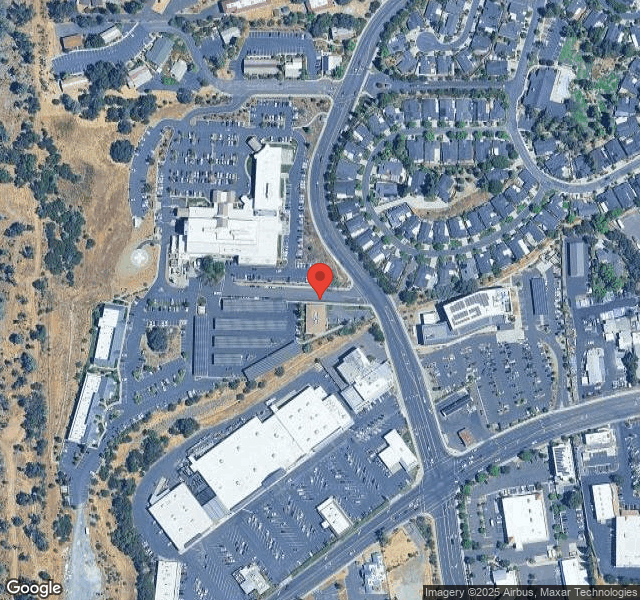

19929 GREENLEY ROAD, SONORA, CA 95370 (209) 533-2500
For profit - Limited Liability company 210 Beds GOLDEN SNF OPERATIONS Data: November 2025
Trust Grade
10/100
#1032 of 1155 in CA
Last Inspection: August 2025

Inspected within the last 6 months. Data reflects current conditions.

Overview

Golden Sonora Care Center has a Trust Grade of F, which indicates poor performance and significant concerns about the quality of care provided. It ranks #1032 out of 1155 facilities in California, placing it in the bottom half, and #2 out of 2 in Tuolumne County, meaning only one local option is worse. The facility is worsening, with an increase in reported issues from 26 in 2024 to 29 in 2025. Staffing is rated average at 3 out of 5 stars, but the 58% turnover rate is concerning as it is higher than the state average of 38%. The facility has incurred $93,308 in fines, which is higher than 80% of California facilities and suggests ongoing compliance problems. While there is less RN coverage than 92% of state facilities, indicating potential gaps in care, some specific incidents have raised serious concerns. For example, one resident suffered a laceration due to unsafe conditions, leading to an infection, and another resident's mobility declined without appropriate interventions. Additionally, a resident developed pressure injuries that were not properly identified or managed. Overall, while there are some staffing strengths, the facility's serious issues and poor ratings make it a concerning choice for families seeking care for their loved ones.

Trust Score
F
10/100
In California
#1032/1155
Bottom 11%
Safety Record
High Risk
Review needed
Inspections
Getting Worse
26 → 29 violations
Staff Stability
⚠ Watch
58% turnover. Above average. Higher turnover means staff may not know residents' routines.
Penalties
⚠ Watch
$93,308 in fines. Higher than 87% of California facilities, suggesting repeated compliance issues.
Skilled Nurses
⚠ Watch
Each resident gets only 14 minutes of Registered Nurse (RN) attention daily — below average for California. Fewer RN minutes means fewer trained eyes watching for problems.
Violations
⚠ Watch
97 deficiencies on record. Higher than average. Multiple issues found across inspections.
★☆☆☆☆
1.0
Overall Rating
★★★☆☆
3.0
Staff Levels
★☆☆☆☆
1.0
Care Quality
★☆☆☆☆
1.0
Inspection Score
Stable
2024: 26 issues
2025: 29 issues

The Good

  • Full Sprinkler Coverage · Fire safety systems throughout facility
  • No fines on record

Facility shows strength in fire safety.

The Bad

1-Star Overall Rating

Below California average (3.1)

Significant quality concerns identified by CMS

Staff Turnover: 58%

12pts above California avg (46%)

Frequent staff changes - ask about care continuity

Federal Fines: $93,308

Well above median ($33,413)

Moderate penalties - review what triggered them

Chain: GOLDEN SNF OPERATIONS

Part of a multi-facility chain

Ask about local staffing decisions and management

Staff turnover is elevated (58%)

10 points above California average of 48%

The Ugly 97 deficiencies on record

3 actual harm
Sept 2025 1 deficiency
CONCERN (D) 📢 Someone Reported This

A family member, employee, or ombudsman was alarmed enough to file a formal complaint

Potential for Harm - no one hurt, but risky conditions existed

Notification of Changes (Tag F0580)

Could have caused harm · This affected 1 resident

**NOTE- TERMS IN BRACKETS HAVE BEEN EDITED TO PROTECT CONFIDENTIALITY** Based on interview, and record review, the facility failed to immediately notify the responsible party or family member about a ...

Read full inspector narrative →
**NOTE- TERMS IN BRACKETS HAVE BEEN EDITED TO PROTECT CONFIDENTIALITY** Based on interview, and record review, the facility failed to immediately notify the responsible party or family member about a resident's death for 1 of 1 resident (Resident 1).This deficient practice violated Resident 1's responsible party (RP), the right to be informed of the resident's change in condition or death. A review of Resident 1's admission RECORD, indicated Resident 1's contact list had 7 different contact persons and Family Member (FM) 1 was the responsible party (RP) for Resident 1. During an interview on [DATE], at 12:53 PM, with Family Member (FM) 1, FM 1 stated she was at the facility the night before and when she came back the next morning, she found Resident 1's room empty and was told that Resident 1 passed away. FM 1 stated that she reviewed Resident 1's medical records, which indicated that the reporting party was notified. FM 1 stated that the facility did not call her, and other family members were reportedly informed but after speaking with them, they confirmed that they had not been notified either. FM 1 stated she was the RP for Resident 1, and everything went through her before the facility reached out to other family members. FM 1 stated Social Services (SS) did not contact her as well. FM 1 stated the hospice agency (provides end-of-life care for terminally ill patients, focusing on comfort and quality of life rather than cure) contacted her after she showed up at the facility and the hospice agency already knew that she was not notified by the facility. FM 1 stated the facility said numerous family members was present at the time of the death, but it was not true.During an interview on [DATE], at 1:46 PM, with License Nurse (LN) 1, LN 1 stated when a resident passed away, as a nurse she needed to assess the resident and notify the hospice nurse. LN 1 stated either the facility, or the hospice would call the family. LN 1 stated the nurses also notified the doctor. LN 1 stated it was important to call the family because they need to know. LN 1 stated the nurses contacted the RP or the emergency contact #1, then would go down the list of contact persons if they could not reach the RP.During a concurrent interview and record review, on [DATE], at 2:01 PM, with the Director of Nursing (DON), the DON stated that when a resident on hospice passed away, she expected her nurses to do an initial assessment, and make appropriate notifications to hospice, to the MD, and to the family of the resident. At 2:03 PM, the Assistant Director of Nursing (ADON) joined the concurrent interview and record review with the DON. The ADON stated that the facility would notify the hospice agency and contact the family for any change of condition (COC) of the resident. The ADON further stated that the nurses would also inform the facility's medical director who oversaw the care. The ADON stated she expected nurses to contact the hospice agency first when a resident passed away. The ADON stated the nurse would talk to the hospice nurse and determine who would contact the family then they would coordinate together. The DON stated it was important to contact the family of the resident that passed away so that they were aware and not be surprised when they made a visit. Resident 1's progress notes, dated [DATE], at 8:30 PM, was reviewed with the DON and the ADON. Resident 1's progress note indicated that the family was at the facility the night before she passed. The ADON confirmed that the family was not at bedside when Resident 1 passed away at around 3 AM on [DATE]. The DON stated that the hospice was contacted by the nurse, and the hospice agency said they would contact the family and would send a hospice nurse to the facility. The ADON stated if a resident was not on hospice, the facility would contact the family for death notification, the nurse would call the RP or the emergency contact #1 or and they would keep calling everybody on the list if the RP could not be reached. The ADON stated the nurse noted that the hospice would notify the family. The ADON stated the nurses should have notified the family even if the hospice agency said they would call the family.During an interview on [DATE], at 2:46 PM, with the Social Service Assistant (SSA), the SSA stated when a resident on hospice passed away, the nurses notified the family of the resident. The SSA stated the nurses were supposed to call the family and the hospice agency. The SSA stated the family of Resident 1 should have been notified and it was important to notify the family, and they should be the first to know or be notified. During an interview on [DATE], at 3:18 PM, with LN 2, LN 2 stated that she would contact the family when a resident passed away, regardless of whether the resident was on hospice care or not. LN 2 stated the nurses also notify the medical director. LN 2 stated that it was important to contact the RP, or the family if the resident was actively dying, has died, or if there was any change in condition. LN 2 stated that the family must be notified because they expected that they would be informed of any changes in condition, regardless of severity, especially if the resident passed away. LN 2 stated even if the hospice agency said they would contact the family, she would still need to contact the family because she would not be sure if the hospice already contacted them or not. LN 2 stated that they used the resident's contact list starting with the responsible party (RP) and continuing with the next person on the list if the RP could not be reached. LN 2 stated that they were required to call all listed contacts until someone was reached and if unsuccessful, they must document the attempts.During a phone interview on [DATE], at 8:12 AM, with LN 3, LN 3 stated she called hospice, and the hospice agency said that a hospice nurse would be coming to the facility. LN 3 stated when she called hospice, she explained the situation and that the RN (registered nurse) pronounced Resident 1 as deceased and she was told that the hospice nurse would come. LN 3 stated the hospice agency did not tell her that they would call the family. LN 3 stated she did not call the RP or the family. LN 3 stated the nursing staff should have contacted the family when a resident passed away.During an interview on [DATE], at 3:27 PM, with the Assistant Administrator (AADM), the AADM stated that death was considered a Change of Condition (COC). The AADM stated the expectation on nurses was to notify the RP when a resident passed away. The AADM stated it was important to contact the RP or family member because a death of a resident could cause significant distress for the family. The AADM stated the facility should have notified the RP or the family.A review of the facility's policy and procedure (P&P) titled, Hospice - Provision of Care by Outside Providers, updated 9/17, the P&P indicated, .The Center (facility) notifies hospice of need to transfer resident out of Center, or of resident's death.A review of the facility's P&P titled, 24-Hour Report - Alert Charting, updated 4/17, the P&P indicated, .The Center (facility) maintains a system for monitoring and communicating changes in resident condition.With change in condition, the LN (License Nurse)/designee initiates an Alert Charting Guidelines sheet and highlights required charting to guide the LN in appropriate evaluation of current condition to guide the LN in evaluation of the resident. Nursing staff briefly documents: a. Nature of the condition/issue. b. Areas to monitor. c. Frequency of monitoring. d. Start and Stop Dates. e. Care Directive complete/updated. f. Family/Resident/MD notification (s) are complete.
Aug 2025 23 deficiencies
CONCERN (D)

Potential for Harm - no one hurt, but risky conditions existed

Resident Rights (Tag F0550)

Could have caused harm · This affected 1 resident

Based on observation, interview, and record review, the facility failed to ensure privacy and dignity were maintained for one of 38 sampled residents (Resident 127) when Resident 127's urinary cathete...

Read full inspector narrative →
Based on observation, interview, and record review, the facility failed to ensure privacy and dignity were maintained for one of 38 sampled residents (Resident 127) when Resident 127's urinary catheter bag (catheter bag - a bag that collects urine draining from the bladder) did not have a privacy cover (a cover designed to discreetly conceal the visible urine in a urinary catheter bag, improving resident dignity, comfort, and self-worth in public or social settings) over it.This failure had the potential to negatively impact Resident 127s feelings of dignity and self-worth.Findings:During an observation on 8/4/25 at 11:15 AM, in Resident 127's room, a urinary catheter bag was observed hanging under Resident 127's bed and it was not covered with a privacy cover.During a concurrent observation and interview on 8/4/25 at 11:32 AM with Certified Nurse Assistant (CNA) 6 in Resident 127's room, CNA 6 confirmed the catheter bag hanging under Resident 127's bed did not have a privacy cover. CNA 6 stated, Resident 127's catheter bag should have been covered with a privacy cover to preserve Resident 127's dignity.During a concurrent observation and interview on 8/4/25 at 12:03 PM with Licensed Nurse (LN 21) in Resident 127's room, LN 21 confirmed a urinary catheter bag was hanging under Resident 127's bed, needed a privacy cover, and did not have one. LN 21 stated, it was important to provide Resident 127 with a privacy cover over his catheter bag to preserve dignity. During an interview on 8/7/25, at 10:20 AM, with the Assistant Director of Nursing (ADON), the ADON confirmed Resident 127's catheter bag should have been covered with a privacy cover to maintain (Resident 127's) dignity. The ADON stated it has always been the facility's policy to use a privacy cover for urinary catheter bags.A review of a facility policy titled, RESIDENT RIGHTS, dated 12/21, indicated, .Employees shall treat residents with kindness, respect and dignity.These rights include the resident's right to.a dignified experience.be treated with respect, kindness and dignity.A review of an undated facility policy titled, Accommodation of Needs, indicated, .In order to accommodate individual needs and preferences, staff attitudes and behaviors must be directed towards assisting the residents in maintaining independence, dignity and well-being to the extent possible.
CONCERN (D)

Potential for Harm - no one hurt, but risky conditions existed

Deficiency F0554 (Tag F0554)

Could have caused harm · This affected 1 resident

Based on observation, interview, and record review, the facility failed to ensure the storage of bedside self-administered medication was reviewed and approved by a doctor and the care team for one re...

Read full inspector narrative →
Based on observation, interview, and record review, the facility failed to ensure the storage of bedside self-administered medication was reviewed and approved by a doctor and the care team for one resident (Resident 1) out of 12 sampled residents observed for medication administration when Resident 1's albuterol inhaler (a medication used to treat shortness of breath) was found on her bedside table.This failure had potential to contribute to unsafe and unsecure medication use by Resident 1 and other residents including Resident 1's roommates.During a medication administration observation with Licensed Nurse (LN) 10, at the facility's [NAME] Station hallway, on 8/4/25, at 8:37 a.m., LN 10 was observed giving six medications to Resident 1, which included TRELEGY Ellipta (inhalation drug to treat chronic breathing disease) as a scheduled drug to treat a breathing condition. Further observation of Resident 1's room revealed the presence of an albuterol inhaler (a medication used to treat shortness of breath) at the bedside table.During a concurrent observation and interview with Resident 1 in Resident 1's room, on 8/4/25, at 8:46 a.m., Resident 1 acknowledged having the inhaler at her bedside table. Resident 1 stated she used the inhaler by herself around twice a day. Resident 1 stated she wanted the inhaler with her because it was too much of a hassle to get it from the nurses. Resident 1 stated she did not tell the nurse when she used the inhaler. A review of Resident 1's medical record titled, Order Summary Report, dated 8/2025, indicated the following orders as it related to Resident 1's albuterol inhaler use:1.Resident is (SPECIFY: incapable) of administering own medications.Start Date 03/02/2025. 2.Albuterol .Inhalation Aerosol.(Albuterol) 2 puff inhale orally every 6 hours as needed for wheezing related to CHRONIC OBSTRUCTIVE PULMONARY DISEASE (a chronic breathing disease).Start Date 03/01/2025. Further review of Resident 1's Order Summary Report did not indicate an order for Resident 1's inhaler medication to be kept at the bedside or to be self-administered.A review or Resident 1's Medication Administration Record (MAR, a document showing doctor's orders, instructions, and the nurse's medication administration record) report for the month of 8/2025, did not indicate any nursing documentation on Resident 1's use of the albuterol inhaler. Further review of Resident 1's medical record did not reveal there was a care plan (a roadmap for individualized care, detailing the resident's needs, goals, and the interventions needed to achieve those goals) created for Resident 1 regarding her albuterol inhaler medication kept at the bedside for self-administration. During a concurrent observation and interview with Resident 1, in Resident 1's room, on 8/5/25, at 10:00 a.m., Resident 1's albuterol inhaler was not observed on the bedside table. Resident 1 stated the nurse took the inhaler away. Resident 1 stated she was told she was not allowed to have the inhaler any longer. During an interview with LN 10, on 8/5/25, at 10:35 a.m., LN 10 stated she had no idea how Resident 1 got the albuterol inhaler and would not let the nurses take it from her. LN 10 stated she had attempted to take the albuterol inhaler from Resident 1, but she refused. LN 10 stated she has never been told by Resident 1 if she ever used the albuterol inhaler. During a concurrent interview and record review with the Assistant Director of Nursing (ADON), on 8/5/25, at 3:20 p.m., the ADON reviewed Resident 1's medical record and verified Resident 1 had no care plan regarding the self administration of the albuterol inhaler, no documented evidence of the albuterol inhaler use on the MAR report, and no doctor's order in place to self-administer the albuterol inhaler. A review of the facility's policy titled, Self-Administration of Medication, updated on 9/2017, indicated .Policy Statement: If the resident desires to self-administer medication, the Center evaluates the resident's ability.Procedure: 1. If the resident desires to self-administer medications, the Self-Medication Evaluation is completed. This evaluation is completed before the resident is able to self-administer. 2. If it is determined the resident may self-administer medications, the nurse: a. Obtains a physician order for self-administration for the specific medication(s). b. Initiates the Self-Medication Administration Care Plan. c. Determines whether medications will be stored at nursing stations or resident's room. d. Initiates the Bedside Self-Medication Administration Record. If medications are stored in bedside. e. Obtain and initiate proper safety mechanisms if medications are stored at the bedside (i.e. lock box). f. LN has a key to any lock box or locked drawer holding medications.A review of the facility's policy titled, MEDICATION STORAGE IN THE FACILITY, dated 4/2008, indicated .BEDSIDE MEDICATION STORAGE.Policy.Bedside medication storage is permitted for residents who are able to self-administer medications, upon the written order of the prescriber and when it is deemed appropriate in the judgement of the facility's interdisciplinary (team approach to care) resident assessment team.Procedures.A. A written order for the bedside storage of medication is present in the resident's medical record. B. Bedside storage of medications is indicated on the resident medication administration record (MAR) and the medication label for the appropriate medications. C. For residents who self-administer medications, the following conditions are met for bedside storage to occur.The manner of storage prevents access by other residents. Lockable drawers or cabinets are required if unlocked storage is deemed inappropriate. 2) The medications provided to the resident for bedside storage are kept in the containers dispensed by the provider pharmacy or in the original container if a nonprescription medication. 3) The bedside medication use as reported by the resident is reviewed during each nursing shift and administration information is documented on the resident's MAR.
CONCERN (D) 📢 Someone Reported This

A family member, employee, or ombudsman was alarmed enough to file a formal complaint

Potential for Harm - no one hurt, but risky conditions existed

Notification of Changes (Tag F0580)

Could have caused harm · This affected 1 resident

**NOTE- TERMS IN BRACKETS HAVE BEEN EDITED TO PROTECT CONFIDENTIALITY** Based on interview and record review, the facility failed to immediately inform the Responsible Party (RP - an individual chosen...

Read full inspector narrative →
**NOTE- TERMS IN BRACKETS HAVE BEEN EDITED TO PROTECT CONFIDENTIALITY** Based on interview and record review, the facility failed to immediately inform the Responsible Party (RP - an individual chosen by a resident or appointed by a judge to make personal and/or financial decisions for an adult who cannot care for or make decisions for themselves) for one out of thirty-eight sampled residents (Resident 153), when Resident 153 had a change in condition (any change in a resident's physical, mental, or emotional state from their normal baseline, possibly indicating a new illness or injury or worsening of a condition, recognized and treated to prevent serious complications, and to maintain resident health and safety), was sent to the emergency room (ER), and an RP was not notified in a timely manner.This failure resulted in miscommunication between the facility, the RP, and the ER when medical decisions were made for Resident 153 without input from the RP.Findings:During an interview on 8/5/25 at 12:06 PM, with RP 3, RP 3 stated, Resident 153 had an unwitnessed fall on Saturday, 7/19/25 and the facility did not notify an RP until Sunday, 7/20/25. The RP stated, the notifications on Sunday were left on the office phone of RP 3 even though the facility was given specific direction on how to contact an RP after regular business hours and on weekends via a letter sent to the facility dated 3/13/25. RP 3 further stated, the facility left three voicemails on her desk phone on Sunday, 7/20/25, and the messages were left at 6:36 AM, 7:39 AM, and 7:20 PM.During a concurrent interview and record review on 8/7/2025 at 10:35 AM with the Assistant Director of Nursing (ADON), Resident 153's admission RECORD [a comprehensive collection of documents and information gathered at the time a resident is admitted or readmitted to a facility], dated 1/18/25, was reviewed. The admission Record indicated, Resident 153 had two emergency contacts, RP 3 and RP 4, and each RP contact number listed was an office number. The ADON continued, the numbers listed on the admission Record were the only numbers the facility had to contact the RP, and confirmed the numbers were for (regular) office hours 9 AM to 5 PM. The ADON confirmed, if an RP provided alternate numbers for nights and weekends, the information should have been added to Resident 153's admission Record and used anytime there was a change in condition after hours.During a concurrent interview and record review on 8/7/2025 at 11:23 AM with Social Services Assistant (SSA - a person who assists Residents in addressing their social, emotional, and psychosocial needs) 1, a letter from Calaveras Health and Human Services Agency [CHHSA - a county department that provides RPs to adults in their county], dated 3/25/25, was reviewed. SSA 1 confirmed, she had found the letter with updated contact information for Resident 153 on her desk and it contained the following information, .is dedicated to streamlining our practices to ensure clients and facilities can reach our team during the day, after hours, and on weekends.can also contact the PG [Public Guardian - also referred to as the RP] office during business hours by calling [phone number].if you need to speak with our office after hours, on the weekend, or holiday regarding a conservatee, please contact [phone number].This number is specifically for after-hours emergencies.Please remember, when team members are out, if you email or call a team member directly, your call may be unanswered. SSA 1 stated, she had received the letter in March but had not added the numbers to Resident 153's admission Record, but should have. SSA 1 further stated, the problems of not updating Resident 153's admission Record would be that staff could not contact an RP in case of an emergency occurring after hours or on weekends, and if a voice message was left on office phone numbers, the RPs would not receive information until the next business day.During an interview on 08/07/2025 at 12:48 PM with the Administrator (ADMIN), the ADMIN stated the facility should notify the RP for all changes in condition for Resident 153. The ADMIN stated, if an illness, injury, or any type of incident occurred after regular office hours or on weekends regarding Resident 153, facility staff should not leave voice messages on an RP desk phone or office line but make every attempt to reach an RP via methods provided to the facility via the letter dated 3/25/25. The ADMIN further stated, updated RP contact information should be updated in the facility's computer system as soon as it is received.During a review of the facility's policy and procedure (P&P) titled, Resident Rights, dated 12/21, the P&P indicated, .Federal and State laws guarantee certain basic rights to all residents of this facility.These rights include the resident's right to.appoint a legal representative [a person authorized by the resident or by a judge to make personal, medical, and/or financial decisions for an adult who cannot make decisions for themselves].Notified of his or her medical condition and of any changes in his or her condition.During a review of the facility's P&P titled, Charting and Documentation, dated 7/17, the P&P indicated, .The following is to be documented in the resident medical record.Changes in the resident's condition.Events, incidents or accidents involving the resident.Notification of family.
CONCERN (D)

Potential for Harm - no one hurt, but risky conditions existed

Grievances (Tag F0585)

Could have caused harm · This affected 1 resident

**NOTE- TERMS IN BRACKETS HAVE BEEN EDITED TO PROTECT CONFIDENTIALITY** Based on interview and record review, the facility failed to immediately resolve a grievance and did not respond in writing with...

Read full inspector narrative →
**NOTE- TERMS IN BRACKETS HAVE BEEN EDITED TO PROTECT CONFIDENTIALITY** Based on interview and record review, the facility failed to immediately resolve a grievance and did not respond in writing within five business days to one out of 38 sampled residents (Resident 81), in accordance with facility policy when Resident 81 submitted a grievance form in June 2025, but the facility did not provide a resolution or follow-up until August 2025.This delay in addressing the grievance negatively impacted the psychosocial wellbeing of Resident 81.Findings:A review of Resident 81's Inventory of Resident Personal Items dated 3/9/25 indicated that she brought the following items with her upon admission: 13 pairs of pants, 12 blouses, 7 sweaters, 5 pairs of slippers, and 13 pairs of pajamas among other items.A review of the Grievance/Complaint Resolution Report dated 6/30/25 and signed by the Social Services Director (SSD), showed that Resident 81 reported several missing items, including white slacks, a summer dress and some blouses. The grievance form indicated that an inquiry was made with the laundry department, but the missing items were not found. It was explained to Resident 81 that she would be reimbursed if she could provide receipts for the lost clothing. However, Resident 81 stated that she just wanted her missing items returned.During an interview with Resident 81 on 8/6/25 at 7:57a.m., she stated that she initially reported the missing items to Social Services Assistant (SSA) 1 and was told to file a grievance. Resident 81 confirmed that the facility had contacted the laundry department, but the items were still not found. Resident 81 also stated she was informed that receipts were required for reimbursement. Unfortunately, she does not have any receipts as most of her clothing was purchased by her mother. According to Resident 81, she later on spoke with the SSD, who reassured her that the business office and the facility Administrator (ADMIN) would be contacted regarding possible reimbursement. However, as of 8/6/25, Resident 81 had not received any follow-up or resolution. Additionally, Resident 81 stated that on 7/30/25, during a Resident Council meeting, she brought up the issue with the activities director (AD), who then referred her to the Director of Nursing (DON). Resident 81 expressed confusion as to why this referral was made.During an interview with the Assistant Director of Nursing (ADON) on 8/6/25 at 10:15 a.m., the ADON stated that the facility has a process for finding and reporting missing items, and the nurses were re-educated by Social Services Assistant (SSA) 2 in the afternoon of 8/5/25.During an interview with the SSD on 8/6/25 at 10:49 a.m., the SSD stated that the facility provides residents with a copy of the grievance form and explained to them it was the form to use when submitting complaints such as, missing items, care that they are receiving etc The SSD stated that the grievance process is currently broken and needs to be fixed.During an interview with the Activities Assistant (AA) on 8/7/25 at 8:09 a.m., the AA stated that when a resident reports missing items to them, they would refer the complainant to the social services department. The AA also stated that reports regarding lost items are not included in the Resident Council meeting minutes.During an interview with the Activities Director (AD) on 8/7/25 at 9:00 a.m., the AD stated that Resident 81 informed her during the Resident Council Meeting on July 30, 2025, about the missing items. The AD stated that she directed Resident 81 to file a grievance to social services.During an interview with Certified Nursing Assistant (CNA) 1, on 8/6/25 at 3:06 p.m., CNA 1 stated that if a resident reports a missing item, she would first check the resident's inventory sheet and report the issue to the nurse. Then she would search the resident's room as well as the laundry room. If the item was still not found, she would either call the Social Services Department to report the complaint or fill out a form and slide it under the Social Services Department door, as their mailbox is often full. CNA 1 also stated she would notify the family member. During an interview with Licensed Nurse (LN) 17 on 8/6/25 at 3:08 p.m., LN 17 stated that if a resident reports a missing item, he would search the resident's drawer and closet. If the item is not found, he would contact Social Services by phone and document the issue in the progress notes. LN 17 added that, if the laundry department was open, he would also check there.During an interview with CNA 2, on 8/6/25 at 3:11 p.m., CNA 2 stated that if a resident reported a missing item to her, she would assist by first checking the resident's closet. If the item was not found, she would also check the closet of the resident next door, as items are sometimes misplaced there. If the item was still not located, she would inform her team to keep an eye out for it. She would also notify the Social Services by completing a form. During an interview with CNA 3, on 8/6/25 at 3:16p.m., CNA 3 stated that she was from registry. According to CNA 3, if a resident reported a missing item to her, she would check the laundry area, the roommate's closet, and the closets of neighboring residents. If the item was still not found, she would ask other staff members for assistance.A review of the facility's Theft and Loss Report Form dated 8/6/26 indicated that, Resident 81's loss's occurred from June to July. The missing items were itemized as follows:1. Size 12-14 [NAME] Slacks2. Black and white plaid long sleeve shirt3. Blue and [NAME] plaid long sleeve shirt4. White/corral blue blouse5. Gray/crew neck pull over6. Magenta slippers7. [NAME] slacks8. Purple [NAME] pull over9. Black Sweats drawstrings.A review of the facility's Grievance Procedure Policy updated on March 2025, indicated that, .Grievances are resolved immediately.When immediate resolution is not possible, the grievance is routed to the Grievance Official promptly.responds within five business days.The person with the grievance has the right to a written decision regarding his/her grievance.If a Grievance is not resolved in five business days, the Administrator reviews the Grievance daily at the meeting until resolution is obtained.
CONCERN (D)

Potential for Harm - no one hurt, but risky conditions existed

Comprehensive Care Plan (Tag F0656)

Could have caused harm · This affected 1 resident

Based on interview and record review, the facility failed to develop a comprehensive care plan for one of seven sampled residents (Resident 3) who received hospice care services (a specialized care th...

Read full inspector narrative →
Based on interview and record review, the facility failed to develop a comprehensive care plan for one of seven sampled residents (Resident 3) who received hospice care services (a specialized care that provides physical comfort and emotional, social and spiritual support for people nearing the end of life), when a hospice care plan was not developed for Resident 3.This failure had the potential to have a negative impact on Resident 3's quality of life, as well as the quality of care and services received.Findings:Review of Resident 3's admission Record indicated, Resident 3 was admitted with multiple diagnoses which included but not limited to chronic obstructive pulmonary disease (COPD - a common lung disease causing restricted airflow and breathing problems), chronic respiratory failure with hypoxia ( a condition where the lungs can't adequately oxygenate the blood, leading to low blood oxygen levels), and chronic kidney disease ( a condition characterized by progressive damage and loss of function in the kidneys).Review of Resident 3's Hospice Care Coordination Note dated 7/29/25 indicated, Resident 3 was admitted to hospice care services due to terminal diagnosis of COPD.During a concurrent interview and record review on 8/7/25 at 8:09 a.m., the assistant director of nursing (ADON) stated Resident 3 was receiving hospice care services. Resident 3's care plans were reviewed with the ADON. The ADON verified a hospice care plan was not developed for Resident 3. The ADON stated hospice care plan was important to identify the interventions and care plans. The ADON further stated risks of not having a hospice care plan was that staff might not know what care and services to provide to Resident 3 and placed Resident 3 at risk of not receiving appropriate care and services.Review of the facility's policy and procedure titled, Hospice - Provision of Care by Outside Providers, dated September 2017, indicated, . The hospice and Center communicate, establish, and agrees upon a coordinated Plan of Care (POC) reflecting the hospice philosophy and based on an evaluation of the individual needs of the resident. The POC includes directives for managing pain and other uncomfortable symptoms, and the care and services the Center and hospice provide to be responsive to the unique needs of the resident and his/her expressed desire for hospice care.Review of an undated facility policy and procedure titled, Care Plans, Comprehensive Person-Centered indicated, .A comprehensive, person-centered care plan that includes measurable objectives and timetables to meet the resident's physical, psychosocial and functional needs is developed and implemented for each resident.Assessments of residents are ongoing and care plans are revised as information about the residents and the residents' condition change.The interdisciplinary team reviews and updates the care plan.when there has been a significant change in the resident's condition.
CONCERN (D)

Potential for Harm - no one hurt, but risky conditions existed

Deficiency F0657 (Tag F0657)

Could have caused harm · This affected 1 resident

**NOTE- TERMS IN BRACKETS HAVE BEEN EDITED TO PROTECT CONFIDENTIALITY** Based on interview and record review, the facility failed to update and revise the comprehensive care plan for one of three samp...

Read full inspector narrative →
**NOTE- TERMS IN BRACKETS HAVE BEEN EDITED TO PROTECT CONFIDENTIALITY** Based on interview and record review, the facility failed to update and revise the comprehensive care plan for one of three sampled residents (Resident 19) who had a pressure ulcer (a skin and tissue injury caused by prolonged pressure, typically on bony areas of the body), when Resident 19's pressure ulcer care plan was not updated to reflect his current treatment plan and pressure ulcer stage (pressure ulcers are categorized into stages based on their severity, ranging from early warning signs to deep tissue damage) after a change on 6/26/25.This failure placed Resident 19 at risk of not receiving adequate wound care, delayed wound healing, potential wound complications, and worsen wound condition.Findings:Review of Resident 19's admission Record, indicated Resident 19 was admitted to the facility with multiple diagnoses which included but not limited to hemiplegia and hemiparesis following cerebral infarction affecting right dominant side (refer to paralysis or weakness, respectively, on one side of the body due to brain damage from stroke), acute posthemorrhagic anemia (low red blood cell count), and generalized muscle weakness.Review of Resident 19's clinical record titled, Nursing Progress Note dated 6/19/25 indicated, . Full assessment done upon admission.Skin: During skin assessment, resident was noted with unstageable (a deep wound where the extent of tissue damage cannot be determined) pressure ulcer to her right buttocks.Review of Resident 19's wound care assessment dated [DATE] indicated, . Assessment Notes: We debrided [the process of removing dead, damaged, or infected tissue from a wound] Wound . Wound Type: Pressure Ulcer, Stage: Stage 4 [most serious wound stage of full thickness tissue loss with exposed bone, tendon, or muscle] .Review of Resident 19's physician order dated 6/27/25 indicated, Resident 19's right buttock unstageable pressure ulcer treatment was discontinued, and new treatment was initiated for right buttock stage 4 pressure ulcer.During a concurrent interview and record review on 8/6/25 at 2:34 p.m., LN 7 stated wound doctor assessed and debrided Resident 19's unstageable pressure ulcer on 6/26/25. LN 7 added after debridement the wound doctor staged Resident 19's pressure ulcer as stage 4 that was previously unstageable. LN 7 confirmed Resident 19's wound care plan was not up to date. LN 7 stated Resident 19's pressure ulcer care plan should reflect his current wound condition of stage 4 pressure ulcer instead of unstageable. LN 7 stated it was important to update the pressure ulcer care plan to provide consistent care as planned. LN 7 added care plans were a communication tool for other staff to follow and guide the provision of care. LN 7 further stated if a resident's pressure ulcer care plan was not updated then it could lead to a bad outcome including all the way to death of the resident.During a concurrent interview and record review on 8/6/25 at 10:21 a.m., Licensed Nurse (LN) 5 stated nurses were responsible for updating and revising resident's wound care plan. LN 5 confirmed Resident 19's pressure ulcer care plan indicated Resident 19 had unstageable pressure ulcer to right posterior buttock. LN 5 stated Resident 19's pressure ulcer care plan was not updated to reflect current status of stage 4. LN 5 stated wound care plans were for directing staff and providing guidance on how to care for the wound properly and deliver appropriate interventions.During an interview on 8/6/25 at 11:25 a.m., the nurse practitioner (NP) 1 stated that his expectation was for staff to update residents' pressure ulcer care plans to reflect wound changes and new wound care orders as prescribed.During a concurrent interview and record review on 8/7/25 at 8:09 a.m. the assistant director of nursing (ADON) confirmed Resident 19's pressure ulcer care plan did not reflect his current pressure ulcer stage and treatment. The ADON stated Resident 19's pressure ulcer care plan should have been updated when wound changed from unstageable to stage 4 pressure ulcer. The ADON stated she expected nurses to update residents' pressure ulcer care plan timely including the change in treatment orders. The ADON stated it could affect residents' wound care if not identified correctly in their care plan.Review of the facility provided document, Wound Care/Treatment Nurse job description, revised July 2022, indicated, . wound care/treatment nurse . Consult and coordinate with the interdisciplinary team [IDT - is a group of professionals from different fields who collaborate to achieve a common goal, often involving the integration of diverse perspectives and expertise] and healthcare professionals to plan, implement and evaluate individualized resident care plan.Review of the facility's policy and procedure titled, Skin Integrity, dated July 2025, indicated, . In an effort to maintain the resident's optimal level of skin integrity and promote healing of skin ulcers/pressure ulcers/wounds, the facility has a systematic approach and monitoring process for evaluating and documenting skin integrity. 6. If skin impairment is noted after admission . c. Implement new interventions as needed. Document on the resident's care plan. 9. f. Update the care plan .
CONCERN (D)

Potential for Harm - no one hurt, but risky conditions existed

Deficiency F0658 (Tag F0658)

Could have caused harm · This affected 1 resident

**NOTE- TERMS IN BRACKETS HAVE BEEN EDITED TO PROTECT CONFIDENTIALITY** Based on observation, interview, and record review, the facility did not ensure the safe storage and handling of hazardous medic...

Read full inspector narrative →
**NOTE- TERMS IN BRACKETS HAVE BEEN EDITED TO PROTECT CONFIDENTIALITY** Based on observation, interview, and record review, the facility did not ensure the safe storage and handling of hazardous medications (HD - medications that pose potential risks to healthcare workers, patients, or the environment during handling, preparation, administration, or disposal). Additionally, continuous glucose monitoring (CGM) was not used safely according to standards of practice and manufacturer specifications with a census of 172, when:1. Hazardous drugs were stored in active storage areas without warning labels in the facility's medication cart at North-B station, and Finasteride (HD), a drug that blocks hormone production, was administered to one resident (Resident 169) out of 12 residents observed for medication administration without gloves on at South station.2. The facility lacked a policy, staff training, and physician review of medications that could affect or interfere with accurate blood sugar measurement when using a Continuous Glucose Monitoring device on diabetic (blood sugar disease) residents. This issue was observed in three out of 12 residents (Resident 1, Resident 27, and Resident 104).These practices could potentially contribute to adverse health outcomes for both nursing staff and residents.Findings:1.During a concurrent observation and interview of the facility's medication cart at North-B station, on 8/5/25, at 9 AM, accompanied by Licensed Nurse (LN) 9, the cart stored medications in a bubble pack (a card that packages the pills within small and clear plastic bubbles (or blisters)) for the HD finasteride for two residents, and divalproex (drug used for mood disorder) for one resident without any warning label for safe handling. LN 9 stated having the hazard warning on the label or in the Medication Administration Record (or MAR) would be helpful and a good reminder to use gloves when handling them. During a medication administration observation, with LN 4, at South station, on 8/6/25, at 8:30 AM, LN 4 administered the finasteride pill along with other medications to Resident 169 without the use of gloves on her hands.During an interview with LN 4, at South hallway, on 8/6/25, at 8:53 AM, LN 4 stated she forgot to have gloves on and the medication label or the MAR lacked hazardous warnings for this drug. LN 4 stated she had seen the hazard label on finasteride and other drugs in the past and was not sure why Resident 169's finasteride did not have the warning label.During an interview with the Assistant Director of Nursing (ADON), on 8/7/25, at 2:12 PM, the ADON stated the facility relied on the pharmacy to label the medications for hazard risks and the nurses should enter the risks in the medication administration record (MAR) for safe use and administration.A review of the Center for Disease Control's National Institute for Occupational Safety and Health (CDC, and NIOSH, federal agencies that set standards of safety in health care) document, titled Managing Hazardous Drug Exposures: Information for Healthcare Settings, dated 12/2024, indicated .Workplace exposure to hazardous drugs can result in negative acute and chronic health effects in healthcare workers including adverse reproductive outcomes .Efforts should be made to reduce all worker exposures to hazardous drugs. Occupational exposure to hazardous drugs merits serious consideration, as workers may be exposed daily to multiple hazardous drugs over many years. NIOSH suggests careful precautions and safeguards to protect workers, fetuses, and breastfed infants. Further review of the document indicated to use a single glove for handling intact tablets and double gloves for handling oral liquid forms of the hazardous medications as directed. The NIOSH list included finasteride and divalproex as HD to be handled with gloves during medication administration. https://www.cdc.gov/niosh/docs/2023-130/default.html and https://www.cdc.gov/niosh/docs/2025-103/default.htmlA review of the facility's policy, titled Hazardous Medication Administration , dated 10/2019, indicated .The purpose of this policy is to outline safe handling precautions and standard processes for healthcare providers to minimize exposure when handling hazardous drug.Hazardous drugs are drugs that pose a potential health risk to workers who may be exposed to them during receipt, transport, preparation, administration, or disposal. These drugs require special handling because of their potential to cause toxicity.Health care professionals handling hazardous drugs will receive appropriate training.Pharmacy will include standard warnings on medication labels to alert HCPs (Health care Professionals).2a. During a medication pass observation, in the [NAME] hallway, accompanied by LN 6, on 8/4/25, at 9 AM, LN 6 entered Resident 1's room while she was having her breakfast. LN 6 administered six oral medications then measured Resident 1's blood sugar by using a CGM reader device. LN 6 then administered insulin Humalog (a drug to treat blood sugar disease) based on the blood sugar readings. The CGM reader device had a faded handwritten marker with Resident 1's name on it.A review of Resident 1's MAR, dated 8/2025, indicated a doctor's order to attach a sensor patch to Resident 1's skin and replace it every 2 weeks as follows, .(brand name of CGM) Sensor.Inject 1 device subcutaneously one time a day every 14 day(s).Start Date 3/2/25.The MAR also indicated acetaminophen plain (mild pain reliever) and Norco-10 (a combination pain reliever that contains acetaminophen) which were used frequently by Resident 1.The MAR and doctor's order did not specify how often to address blood sugar fluctuations using the CGM device or the effect of acetaminophen on the device's accuracy. Resident 1's record did not include calibration with traditional finger stick measurements (comparing blood sugar measurements from the device and from a sample of blood from the fingertip) if needed.2b. During a medication pass observation, in the [NAME] hallway, accompanied by LN 6, on 8/4/25, at 9 AM, LN 6 entered Resident 27's room while she was having her breakfast. LN 6 measured Resident 27's blood sugar by using the CGM reader device and verbally communicated the blood sugar number to Resident 27. The reader device had a faded, hand-written writing that had Resident 27's name on it. LN 6 stated Resident 27 wanted to know her blood sugar number at the same time as her roommate got a blood sugar reading.A review of Resident 27's MAR, dated 8/2025, indicated doctor's orders as follows: .(brand name of CGM) Sensor.Inject 1 device subcutaneously one time a day every 14 day(s).Start Date.1/7/25.Blood Sugar check Q HS [at bedtime]-Start Date.2/5/25.Ascorbic Acid Tablet [vitamin C].Give 1 tablet by mouth one time a day for supplement.StartDate.12/28/24. Acetaminophen oral tablet 500 mg [a unit of measure]; Give 2 tablets by mouth every 8 hours as needed for pain.Start date.1/2/25.Further review of Resident 27's MAR did not specify how often to address blood sugar fluctuations using the CGM device or the effect of acetaminophen and vitamin C on the device's accuracy. Resident 27's record did not include calibration with traditional finger stick measurements if needed.2c. During a medication pass observation, in the South hallway, accompanied by LN 4, on 8/6/25, at 8:29 AM, LN 4 administered 8 medications to Resident 104 including Aspirin and Vitamin C. Resident 104 was on diabetic medications including insulin and had a CGM device to measure blood sugar.A review of Resident 104's MAR, dated 8/2025, indicated the doctor's orders as follows: .(brand name of CGM) Sensor.Inject 1 device subcutaneously one time a day every 14 day(s).Start Date.12/25/24.Ascorbic Acid Tablet .Give 1 tablet by mouth one time a day for supplement.Start Date.11/07/24. Aspirin.Low Dose Oral Tablet Delayed Release.Give 1 tablet by mouth one time a day.Start Date.11/07/24.Resident 104's record did not address the effect of aspirin and vitamin C on the device's accuracy.In an interview with LN 6, at [NAME] station, on 8/5/25, at 10:35 AM, LN 6 stated she had two residents that were using the CGM devices, and she followed the doctor's order for use.During an interview with the Assistant Director of Nursing (ADON), in a conference room, on 8/7/25, at 2:22 PM, the ADON stated the facility did not have a written policy on the use of CGM devices as they have become more common recently. The ADON stated they followed the doctor's orders and manufacturer recommendations of the device. The ADON stated they had not provided any training for the nursing staff on the use of CGM devices and what steps to take to address the calibration of the devices and/or drug-device interactions. The ADON stated some residents came to the facility with their own and they continued to use the device at the facility.Review of American Diabetic Association's standards of care in the journal Diabetes Care, titled, Diabetes Technology: Standards of Care in Diabetes-2025, accessed on 8/13/25, the document indicated, .When prescribing a device, ensure that people with diabetes and caregivers receive initial and ongoing education and training.Health care professionals working with diabetes technology should ensure that competencies are established within the health care team based on their specific roles and within specific settings. The standard of care further indicated .The assessment of competencies in diabetes technology is crucial for prescribers, certified diabetes and education specialists, pharmacists, nurses, and anyone involved in the care of people with diabetes.People who wear CGM devices should be educated on potential interfering substances and other factors that may affect accuracy .Sensor interference due to several medications/substances is a known potential source of CGM measurement errors. While several of these substances have been reported in the various CGM brands' user manuals, additional interferences have been discovered after the market release of these products. Therefore, it is crucial to routinely review the medication list of the person with diabetes to identify possible interfering substances and advise them accordingly on the need to use additional BGM (Blood Glucose Monitoring) if sensor values are unreliable due to these substances. The documents listed Vitamin C could affect the [brand name of the device used by Resident 1, Resident 27, and Resident 104] with a higher sensor readings than actual glucose. https://diabetesjournals.org/care/article/48/Supplement_1/S146/157557/7-Diabetes-Technology-Standards-of-Care-inReview of the manufacturer of (brand named device) CGM, titled IMPORTANT SAFETY INFORMATION [Brand named device], accessed on 8/13/25, the document indicated .[Brand named device] Sensor users: Taking ascorbic acid (Vitamin C) supplements while wearing the Sensor may falsely raise Sensor glucose readings. Taking more than 500 mg of ascorbic acid per day may affect the Sensor readings which could cause you to miss a severe low glucose event. Ascorbic acid can be found in supplements including multivitamins.Severe dehydration and excessive water loss may cause inaccurate Sensor glucose readings. https://www.freestyle.[NAME]/us-en/safety-information.htmlReview of the facility provided CGM manufacturer document, titled Important Safety Information, dated 7/2021, the document indicated, .What to know about interfering substances such as Vitamin C and Aspirin: Taking ascorbic acid (vitamin C) while wearing the Sensor may falsely raise Sensor glucose readings. Taking salicylic acid (used in some pain relievers such as aspirin and some skin care products) may be slightly lower Sensor glucose readings. The level of inaccuracy depends on the amount of the interfering substance active in the body .
CONCERN (D)

Potential for Harm - no one hurt, but risky conditions existed

Deficiency F0688 (Tag F0688)

Could have caused harm · This affected 1 resident

**NOTE- TERMS IN BRACKETS HAVE BEEN EDITED TO PROTECT CONFIDENTIALITY** Based on interview and record review, the facility failed to provide appropriate interventions for one of thirty-eight sampled r...

Read full inspector narrative →
**NOTE- TERMS IN BRACKETS HAVE BEEN EDITED TO PROTECT CONFIDENTIALITY** Based on interview and record review, the facility failed to provide appropriate interventions for one of thirty-eight sampled residents (Resident 14), when Resident 14's hand splint (a device designed to protect and support painful, swollen or weak joints and their surrounding structure) used to address Resident 14's hand contractures (a permanent shortening of muscle, tendon, or scar tissue producing deformity or distortion) were not followed up by Occupational Therapy or facility staff. This deficient practice placed Resident 14 at risk for further decline related to her hand contractures. Findings:Review of Resident 14's admission RECORD, indicated Resident 14 was admitted with diagnoses which included, but were not limited to spinal stenosis (occurs when the space around the spinal cord becomes too narrow and irritates the spinal cord and/or nerves that branch off it causing symptoms of back or neck pain and tingling in your arms or legs), multiple sclerosis (MS, an autoimmune disease that attacks the protective sheath around nerve cells in the brain and spinal cord, disrupting communication between the brain and the body and causing symptoms like vision problems, weakness, numbness, and loss of coordination), traumatic hemorrhage of cerebrum (occurs when blood flow to a part of the brain is interrupted, leading to brain cell death from lack of oxygen and nutrients) muscle weakness, and depression (a persistent feeling of sadness and loss of interest that can interfere with activities of daily living). Review of Resident 14's OT (Occupational Therapy) Evaluation & Plan of Treatment, dated 4/28/25, indicated .Objective Progress / Short-Term Goals.New Goal.Patient will perform OT recommended AARM [assisted active range of motion] of R [right] hand digits and fine motor skill exercises for B [both] hands for 10+ [plus] min [minutes].rest breaks as needed in order to increase independence during self care and decrease stiffness, tone, pain and risk for further contracture.Musculoskeletal System Assessment.RUE [right upper extremity].Hand = Impaired.Contracture.Functional Limitations Present d/t [due to] Contracture = Yes.Functional Limitations as Result of Contracture.R hand.Device.Current Orthotic Device [splint].To further assess and order/fabricate.During a concurrent observation and interview on 8/4/25, at 3:10 p.m., with LN 22 in Resident 14's room, LN 22 confirmed Resident 14 was not wearing a hand splint on her right hand. Resident 14's right hand was observed to be curled up and she was observed not to be able to open her right hand. Resident 14 stated she had had a hand splint in her dresser drawer next to her bed. Resident 14 stated the hand splint helps her when she wears it, but it does not get placed on her. During an interview on 8/7/25, at 10:41 a.m., Restorative Nurse Assistant (RNA) 1 stated she was familiar with Resident 14 and had placed her hand splints on her a few hours ago. RNA 1 said she only started working with Resident 14 RNA this past Monday (8/4/25) and prior to then Resident 14 did not receive RNA services. RNA 1 stated Resident 14 wears hand splints on both hands. RNA 1 explained that Resident 14 wears a right-handed splint during the day and her left hand uses a different splint that was applied at night. RNA 1 stated the OT 1 provided her training on how she was to place Resident 14's hand splints. RNA 1 explained Resident 14 feels better with the use of her hand splints. RNA 1 stated that for residents with hand contractures the use of hand splints help relieve pressure and prevent the clenched hand from digging nails into their skin.During a concurrent observation and interview on 8/7/25, at 11:44 a.m., Resident 14 was observed in the therapy room. Resident 14 stated she had been at the facility since April (4/2025), and stated she had MS and claw hands. Resident 14 stated PT (physical therapy) was helping her and stated as of this week staff had been consistent in placing her hand supports on her to wear each day. During a concurrent observation and interview on 8/7/25, at 1:48 p.m., Resident 14 was observed wearing a hand/wrist support device on her right hand. Resident 14 explained starting earlier this week, facility staff were applying and removing her hand support device. Resident 14 explained before this, while at the facility her family member had been applying and removing the hand splint that had been brought from home. Resident 14 further explained she wore a hand splint at home prior to coming to the facility. During an interview on 8/7/25, at 2:30 p.m., the Occupational Therapist (OT) stated she started working at the facility recently and was not working at the facility when Resident 14 was admitted and did not perform her initial OT assessment. The OT stated it was her understanding Resident 14's family was involved with her use of splints. The OT stated the splints used for Resident 14 are called Static Resting Hand splints. The OT stated it was her understanding after Resident 14 was admitted her family was applying the splints. The OT stated she was not able to preview Resident 14's previous OT assessments and was not sure if she had been seen previously at the facility for use of the splint. The OT stated the use of hand splints was needed for Resident 14 to prevent contracture. The OT stated she completed Resident 14's assessment earlier in the week and reported it to her supervisor. The OT stated Resident 14's splints were being applied by the therapist, and they were monitoring for complications. The OT stated it was a reversible splint which means it can be applied to either the right or left wrist/hand. The OT stated that if a resident was admitted in April they would need to be assessed for the use of splint and if family's or residents' preference was to use a splint then this would need to be documented in the clinical record. During an interview on 8/7/25, at 3:40 p.m., Family Member (FM) 2 stated Resident 14's fingers had been curly up and they were trying to counteract it with use of the hand splint. FM 2 stated Resident 14 was requesting to wear hand splints when she lived with him and would wear them at home for a few hours each day. During an interview and record review on 8/7/25, at 12:46 p.m., the Director of Rehabilitation (PT) stated Resident 14's family member was coming into the facility and placing Resident 14's hand splint on her. The PT stated Resident 14 had a diagnosis of MS, and she could not actively open her hands, but could passively which meant someone had to open her hands for her. The PT explained Resident 14 was reassessed by physical therapy on 8/4/25 and as of this last Monday, the restorative nursing assistant (RNA) was applying her right hand splint each morning. The PT explained the plan was to perform education and training for staff to apply Resident 14's left-hand splint but they have not passed this on to nursing staff yet. The PT confirmed Resident 14 use of her hand splint was not being addressed by facility staff prior. The PT stated Resident 14 now had a plan in place for ensuring she was wearing her hand splints. The PT stated originally physical therapy was only going to see Resident 14 for spinal stenosis and then discharge her home but that planned changed to long term due to her family not being able to provide care for her. The PT stated Resident 14 was admitted on [DATE] and acknowledged Resident 14 should have worn her hand splints daily to prevent contractions. The PT stated the main point of the hand splints was to prevent further contracture. The PT stated Resident 14 wanted to wear the hand splints for comfort. The PT explained hand splints could be effective in reducing discomfort and therapy treats the whole person. Through a record review of Resident 14's physical therapy assessment dated [DATE], the PT stated there was an assessment completed for Resident 14's hand contractures. The PT stated she did not believe the therapist did a care plan to address her hand contractures or splints. The PT explained there was training provided for the family in terms of applying the hand splints. The PT stated this was a nursing staff responsibility and staff should have been trained regarding Resident 14's hand splints. The PT stated the risk to the residents if they were not having their hand splints applied would be potential contractures, decline in comfort and not allowing for resident preference.During an interview on 8/7/25, at 3:15 p.m., the PT stated the hand splints wore worn to maintain range of motion. The PT stated the hand splints could have been in conjunction with physical and occupational therapy. The PT acknowledged she knew the family was placing them on Resident 14 since it was her preference to wear them. During an interview and record review on 8/7/25, 3:48 p.m., the PT confirmed she could not locate any information regarding the hand splints being addressed by staff in Resident 14's clinical record. During an interview and record review on 8/7/25, at 3:51 p.m., the Assistant Director of Nursing (ADON) stated Resident 14's family had brought in her hand splints from home. The ADON stated her expectation was if physical and occupational therapy were aware a patient wanted to wear splints then they should have gone through proper channels. The ADON stated there was no order for Resident 14 to wear hand splints. The ADON stated the use of the hand splints should have been care planned and this was important so nursing staff are aware of the splints, and they can be applied properly. The ADON stated Resident 14 had her hand splints in her drawer. The ADON stated Resident 14 wanted to put them on and needed help. The ADON stated there was a risk of misuse of the splint or they could be applied incorrectly and cause skin impairment if staff were not properly trained in their use. The ADON stated if staff were not trained on their use there was the risk of Resident 14 not being able to use the splints because she cannot apply them herself and needed assistance. During a phone interview on 8/18/25, at 10:00 a.m., FM 3 stated Resident 14 started having symptoms of MS about 20 years ago and her symptoms have increased. FM 3 stated she had bought a hand brace online for Resident 14 to wear. FM 3 stated Resident 14's fingers were curly in due to her MS, and she was wearing the brace to help strengthen her fingers. FM 3 stated shortly after Resident 14 was admitted , the Physical Therapy Director (PT) had met with them and told them she was ordering a hand brace for Resident 14 to wear. FM 3 stated the physical therapy director had explained to them the hand braces the facility provided would work better for Resident 14. FM 3 stated no staff from the facility were placing the hand brace on Resident 14. FM 3 stated the facility should place the hand splints on Resident 14. FM 3 explained she worked every day, and it had always been her understanding staff would be taking care of the implantation of the hand brace for Resident 14. Review of facility Policy & Procedure titled Policy: Physical Restraints and Enablers/Devices - California, dated 2/2025, indicated, .Definition.A physical restraint is defined as, Any manual method, physical or mechanical device, equipment or material attached or adjacent to the resident's body that meets all of the following criteria .is attached or adjacent to the residents body.Cannot be removed easily by the resident.Restricts the resident's freedom of movement or normal access to his/her body .If it is determined that a resident has a symptom necessitating the use of a physical or a mechanical device, the Device Evaluation is completed prior to the device being initiated annually and on change of condition, if the condition affects the use of the device.The EFFECT NOT THE INTENT is evaluated to determine if the device is used is a restraint or an enabler. If it is determined that restraint usage is needed, the least restrictive device is used. Devices may include but are not limited to the following.Leg/arm/hand devices.If the device is not considered restraining, then a physician order is required.The resident and/or representative is provided risks/benefits of restraint use or enabler/device, and consent obtained prior to implementation of the device.The care plan is updated for the device use with the goal of the least restrictive measures.The resident is evaluated using the Device Evaluation on admission, re-admission, annually and with significant change in condition (as the condition change applies to the use of the restraint or device), for the continued need for the device and evaluation of the effect on the resident.
CONCERN (D)

Potential for Harm - no one hurt, but risky conditions existed

Accident Prevention (Tag F0689)

Could have caused harm · This affected 1 resident

Based on observation, interview, and record review, the facility failed to ensure resident's environment remained free of accident hazards for a census of 173 when:1. oxygen signage was not posted out...

Read full inspector narrative →
Based on observation, interview, and record review, the facility failed to ensure resident's environment remained free of accident hazards for a census of 173 when:1. oxygen signage was not posted outside the door of Resident 36 who was receiving oxygen; and,2. Resident 119, diagnosed with dementia (a decline in mental ability severe enough to interfere with daily life) and a history of exit-seeking behavior, eloped (leaving a healthcare facility or care setting without authorization or discharge, often due to confusion, disorientation, or a lack of safety awareness, putting them at risk of injury or even death) from the facility unsupervised, and was missing for an unknown period of time before being found down the street by family.This failure placed residents at risk of injury due to fire hazards and placed Resident 119 at risk for injury.Findings:1. Review of Resident 36's admission Record indicated Resident 36 was admitted with multiple diagnoses which included but not limited to chronic obstructive pulmonary disease (COPD - a common lung disease causing restricted airflow and breathing problems) and heart failure (a condition where the heart cannot pump enough blood to meet the body's needs).Review of Resident 36's physician order dated 7/22/25, indicated, Oxygen 2 liters per minute via nasal cannula [a flexible tube used to deliver oxygen into the nostrils] as needed for oxygen level below 90During a concurrent observation and interview on 8/4/25 at 10:45 a.m., the director of nursing (DON) confirmed Resident 36 was receiving oxygen via nasal cannula in her room. The DON confirmed an oxygen in use signage was not posted outside of Resident 36's room. The DON stated a signage should have been posted outside of Resident 36's room indicating oxygen was in use inside the room. The DON further stated that oxygen signage was important to alert staff and visitors that residents were using oxygen to prevent fire hazards and ensure safety.Review of the facility's Policy and Procedure titled Respiratory Care; Oxygen Administration dated December 2017, indicated, . Policy Statement: Oxygen is provided in accordance with physician's orders, state and federal regulation, and standards of practice. Oxygen Administration: c. No Smoking signs are posted in accordance with State and Federal regulation. d. Smoking material is not used, maintained, or stored, in resident rooms or areas where oxygen is in use. 5. The Center observes precautions to prevent explosions, fire, etc. that are associated with oxygen use and storage. a. Smoking is prohibited in areas where oxygen is in use.2. A review of Resident 119's admission RECORD, indicated Resident 119 was admitted with diagnoses which included difficulty walking and dementia.Review of Resident 119's BRIEF INTERVIEW FOR MENTAL STATUS (BIMS) (a tool that healthcare providers use to assess a person's cognitive function), dated 7/19/25, indicated, Resident 119 had a BIMS score of 10, which indicated moderate impairment (when a person has some trouble remembering, learning new things, concentrating, or making decisions that affect their everyday life). Review of Resident's 119's behavior monitors care plan (a document that outlines a patient's care needs, diagnosis, treatment goals, and nursing orders), dated 7/19/25, indicated . Behavior Monitors.[Resident 119] has a diagnosis of: Dementia.Physical Behaviors Directed at Others.Verbal Behaviors Directed at Others.Socially Inappropriate Behaviors.[Resident 119] will have reduced and manageable behaviors through the review date.Review of Resident's 119's fall care plan, dated 7/19/25, indicated . [Resident 119] is a high risk for falls r/t [related to] Confusion, Gait/balance problems, Unaware of safety needs.A review of Resident 119's Progress Notes, dated 8/2/25, at 12:37 p.m., indicated .Alert Charting Elopement.Physical and mental status prior to elopement, functional/cognitive ability, staff response to event.Resident left facility AM shift charting.Vitals.Spoke with dtr: [daughter, name redacted, Responsible Party (RP) 2] @ [at] SNF [Skilled Nursing Facility] and said that she came to p/u [pick up] her mother for lunch and she found her on a street: [name of street, redacted]: dtr, signed her out @ 10:45 and returned @ 12:15. Dtr, is requesting wonder guard. [provides a wander management solution for senior patients and resident safety] Will f/u [follow up] and monitor.During a concurrent observation and interview on 8/5/2025, at 8:43 a.m., Resident 119 was observed in her room, and stated she likes to walk as much as she can and enjoys the sun outside. Resident 119 stated she had a bracelet on her left ankle that was placed on her last night. Resident 119 stated last Saturday or Sunday she was outside by herself, and her family member witnessed that she was outside and told her to get in the car. During a phone interview on 8/5/25, at 11:00 a.m., Family Member (FM) 1 stated he and RP 2 had found Resident 119 outside of the facility at the end of the road. FM 1 explained Resident 119 was by herself, and they asked her to get into their car, and she did. FM 1 stated Resident119 told them she went out for a walk. FM 1 stated Resident 119 was forgetful. FM 1 explained they drove back to the facility to check her out for lunch. FM 1 stated they told the facility where they had found Resident 119.During a concurrent observation and interview on 8/5/2025, at 12:36 p.m., with RP 2, in the facility's hallway, RP 2 stated Resident 119 was admitted into the facility for a broken pelvis approximately two weeks ago. RP 2 stated Resident 119 has dementia, and she lived with her prior to her admission. RP 2 explained when Resident 119 was admitted into the facility she was not able to sign any paperwork due to her reduced cognition. RP 2 stated she did not understand how Resident 119 was able to walk out of the facility unattended if the facility deemed her not able to sign paperwork. RP 2 stated the facility told her that Resident 119 was confused. RP 2 explained this last Saturday (8/2/25), her and FM 1 were driving to the facility to take Resident 119 to lunch, and as they were driving down the road, they saw Resident 119 on a (name redacted) adjacent street, and they helped Resident 119 into their car. RP 2 stated she came into the facility and asked where Resident 119 was, but facility staff did not know where she was and could not locate her. RP 2 stated the previous week Resident 119 had called from her personal cell phone and told her that she was locked out of the facility and could not find her way back in. RP 2 stated she believes Resident 119 went out a back door and was locked outside, behind the facility. RP 2 stated Resident 119 was confused. RP 2 stated after the incident she spoke with someone from the facility regarding how Resident 119 was locked outside and the person told her they would take care of it. RP 2 stated she had spoken to the Social Services Assistant (SSA 2) on the afternoon of 8/4/25 and he told her Resident 119 was just then having the wander guard put on. RP 2 stated she was upset because after the elopement on Saturday (8/2/25) she was told by the nurse Resident 119 would get a wander guard on that day. RP 2 stated Resident 119 did not receive the wander guard until yesterday (8/4/25) at 4:31 p.m. RP 2 stated there had been no facility meeting regarding Resident 119's elopement nor had staff reached out to her regarding safety measures put in place. It was observed RP 2 was having to redirect Resident 119 to stay with FM 1 and FM 1 would try to escort Resident 119 away from the conversation. RP 2 stated they were taking Resident 119 home as she was being discharged .During an interview on 8/6/25, at 3:22 p.m., CNA 4 stated Resident 119 was the sweetest lady and wandered around the facility. CNA 4 stated he did not receive any information regarding her wandering or not being able to walk outside of the facility by herself. CNA 4 stated residents would need to make sure they sign the binder when leaving the facility. CNA 4 stated some residents with dementia cannot be left unattended due to safety reasons. During a concurrent interview and record review on 8/6/25, at 3:32 p.m., LN 19 stated Resident 119 was very nice, pleasant, coherent, but forgetful. LN 19 stated Resident 119 walks around a lot but never leaves the facility without the knowledge of the staff. During a clinical review of Resident 119's electronic clinical record, LN 19 confirmed there was a nursing note dated 8/2/2025, written by LN 20 indicating Resident 119 was found outside near the street. LN 19 stated when a resident was found unattended outside the facility boundaries and was not out on pass, the process was to notify the DON and the Administrator. LN 19 explained staff will monitor the residents closely and get a statement and the nurse or supervisor will complete an investigation. LN 19 stated the incident was endorsed to the night shift, and they thought staff took care of it. LN 19 stated there would need to be follow up charting, including alert charting and care plans related to the incident. LN 19 confirmed through record review there was not any follow up charting or care plans addressing Resident 119's elopement on 8/2/25. LN 19 stated management needs to do their own investigation to prevent an elopement from happening again. LN 19 stated if the residents continue to elope, they were at risk for falls which could cause bone injury and fracture, they could be hit by a car, and/or could become lost. During a concurrent interview and record review on 8/6/25, at 4:01p.m., CNA 5 stated they work the evening shift, and Resident 119 was active, loves to walk, was always friendly, uses a walker, and needs supervision. CNA 5 stated they had seen Resident 119 walking in the parking lot before, and she enjoyed looking for flowers. CNA 5 stated they had never heard Resident 119 was found outside the facility or on the street. CNA 5 stated if Resident 119 was to elope from the facility the obvious risk was her getting lost and being hit by a vehicle. CNA 5 stated this would be a safety issue. CNA 5 stated there was an elopement/wander guard binder at the nursing station, and through review of the binder CNA 5 confirmed Resident 119 was on the list as of 8/4/25.During a concurrent interview and record review on 8/6/25, at 5:15 p.m., the Assistant Director of Nursing (ADON) stated Resident 119 was not eloping and she was outside waiting for RP 2 to pick her up. Through clinical review of Resident 119's electronic health record, the ADON confirmed Resident 119 had received a BIMS score of 10 on her admission date of 7/20/25 which indicated she was cognitively impaired. ADON acknowledged a resident with a BIMS score of 10 should not been left outside unattended and without supervision. The ADON stated she felt like her cognition was dependent on the time of day and acknowledged a resident who was confused could seem to communicate appropriately. The ADON stated RP 2 was coming to pick up Resident 119 and the resident went outside unsupervised because she likes to go outside and she was enjoying the weather. The ADON stated her understanding of the event on 8/2/25 was Resident 119 was found outside on the sidewalk next to the road by RP 2 and other family members. The ADON stated after the incident the RP 2 told staff that Resident 119 was not safe and requested Resident 119 have increased supervision and wanted her to wear a wander guard. The ADON stated access to the wander guard was not available since it was the weekend and they were stored in her office. The ADON stated Resident 119 should have had increased supervision along with alert charting due to the elopement. The ADON confirmed Resident 119's electronic clinical record did not include follow up charting after the elopement incident and confirmed there was only one nursing note detailing the events on 8/2/25 written by LN 20 in the clinical record. The ADON confirmed there was no documentation in Resident 119's clinical record the Medical Doctor (MD) was informed, or alert charting was performed for Resident 119. The ADON stated her expectation after the incident was that the MD should have been notified so that appropriate interventions could be implemented and at that time the LN could have received the order for a wander guard. The ADON stated there should have been an IDT note from management in Resident 119's chart and acknowledged this was not completed. The ADON stated the collective risk if these measures were not completed would be the residents' safety could be affected. During an interview on 8/7/25, at 10:48 a.m., the SSA 2 stated Resident 119 had episodes of confusion and her BIMS score of 10 indicated her cognition was moderately impaired and she should be supervised. The SSA stated the BIMS was a mental status assessment and he conducted Resident 119's BIMS assessment upon her admission into the facility. The SSA 2 stated Resident 119 presents well and seems more cognitively intact than she was. The SSA 2 stated Resident 119 should wear a wander guard and have supervision in the facility's enclosed garden rather than being allowed to go outside the facility unsupervised. SSA 2 stated Resident 119 was found down the street and this did not go over well with RP 2, and she was very upset. During an interview on 8/7/25, at 11:15 a.m., CNA 7 stated Resident 119 was pleasant, liked to socialize and enjoyed conversations. CNA 7 stated she observed Resident 119 coming and going outside without supervision. CNA 7 explained she would want Resident 119 to have supervision and frequent rounding. CNA 7 further explained she was working on Saturday (8/2/25) and remembered RP 2 was upset because Resident 119 was found up on the hill on a nearby street.During a phone interview on 8/7/25, at 12:38 p.m., RP 2 stated Resident 119 was locked out of the facility prior to the incident over the weekend. RP 2 stated she had concerns regarding Resident 119's safety at the facility. RP 2 stated she called the facility twice regarding the incident and talked to someone at the front desk regarding Resident 119's wandering and her being locked out of the facility. Review of facility Policy & Procedure titled Policy: Elopement/Wandering, dated 2/2025, indicated .The center evaluates residents for wandering and/or seeking behavior and implements appropriate interventions as indicated via the evaluation process.Definition.Elopement: The resident/patient exits the Center without staff knowledge OR the resident/patient enters an unsafe area without staff knowledge or presence.Examples of elopement/non-elopement include.A resident is found in the parking lot of the Center by a staff or visitor without staff knowledge or presence. This is elopement.Procedure.At admission, the licensed nurse (LN) completed the Nursing admission Evaluation, to determine the resident's risk for wandering/elopement.The LN gathers as much information as possible at the time of admission from the family, significant other, or responsible party regarding previous elopement attempts or desire to leave the premises.Based on the results of the Elopement/Exit-Seeking Evaluation, care plan interventions, to manage wandering and/or exit seeking behaviors are initiated/implemented. The care plan addresses the resident's wandering behavior, potential to exit Center, and/or actual episodes of elopement and measures taken to manage those behaviors.At no time are 15 minute checks utilized to monitor whereabouts of residents evaluated at risk to elope.If resident exhibits exit seeking behavior, the episodes are documented in the resident medical record. Documentation included interventions used and their effectiveness.
CONCERN (D)

Potential for Harm - no one hurt, but risky conditions existed

Incontinence Care (Tag F0690)

Could have caused harm · This affected 1 resident

**NOTE- TERMS IN BRACKETS HAVE BEEN EDITED TO PROTECT CONFIDENTIALITY** Based on observation, interview, and record review, the facility failed to provide appropriate health treatment and services to ...

Read full inspector narrative →
**NOTE- TERMS IN BRACKETS HAVE BEEN EDITED TO PROTECT CONFIDENTIALITY** Based on observation, interview, and record review, the facility failed to provide appropriate health treatment and services to meet the urological (the branch of medicine focused on the urinary tract/system) health needs for two of 38 sampled residents (Resident 70 and Resident 12) when: 1. There was no record of indwelling catheter (urinary catheter, a tube which is inserted into the bladder and left in place to drain urine) care being provided to Resident 70's urinary catheter every shift each day per physician order, and Resident 70's urine output was not documented every shift each day per physician order. 2. Resident 12's urology (specializes in conditions that affect the urinary and reproductive systems in adults and children) consult ordered on 5/17/25 and referral to urologist (medical doctor that specializes in urology) for chronic urinary tract infection (UTI, are an infection in your urinary system. Bacteria cause most UTIs, and symptoms include problems peeing and pain in your side) ordered on 7/10/25 were not carried out timely. These failures put Resident 70 and Resident 12 at risk for potential complications such as fluid retention (edema, a buildup of fluid in the body) and urinary tract infection (a condition in which bacteria invade and grow in the urinary tract) in addition to unnecessary pain and suffering.Findings: A review of Resident 70’s “admission Record,” indicated that Resident 70 was admitted to the facility in 2021 with diagnoses which included Heart Failure (a chronic condition in which the heart does not pump blood as well as it should, causing fluid to back up into the lungs), and Urinary Retention (the inability to completely empty the bladder). A review of Resident 70’s “Physician Order Summary,” dated 11/19/24, indicated, “…Provide [urinary] catheter care every shift…” A review of Resident 70’s “Physician Order Summary,” dated 11/19/24, indicated, “…[Urinary] Catheter: measure and record output every shift…” A review of Resident 70’s “Physician Order Summary,” dated 5/6/25, indicated, “…Catheter Care…clean [urinary] catheter site every shift…” A review of Resident 70’s “Care Plan Report,”, indicated, “…Problem… [Resident 70] has a…indwelling catheter…Date initiated: 10/27/24…Target Date: 9/10/25…Goal…the resident will be/remain free from catheter-related trauma…Interventions…Monitor and document intake and output as per facility policy…” During an observation and interview with Resident 70 in his room on 8/4/25 at 12:00 p.m., Resident 70 stated that he needed the urinary catheter because he was not able to empty his bladder. A review of Resident 70’s “Treatment Administration Record May 2025 (TAR, list of prescribed treatments),” indicated that urinary catheter care was not documented on 5/10, 5/11, and 5/17, and urinary output was not documented on 5/10, 5/11, 5/17, 5/19, and 5/23. A review of Resident 70’s “TAR June 2025” indicated that urinary catheter care was not documented on 6/16, and urinary output was not documented on 6/5, 6/6, 6/8, 6/11, 6/16, 6/24, 6/26, 6/28, and 6/30. A review of Resident 70’s “TAR July 2025” indicated that urinary catheter care was not documented on 7/18, and urinary output was not documented on 7/5, 7/6, 7/18, 7/25, and 7/31. During an interview on 8/6/25 at 4:30 p.m. with Licensed Nurse (LN) 11 at the medication cart, LN 11 stated that the LNs emptied urinary catheter bags and measured the urinary output each shift. LN 11 stated that LNs performed urinary catheter care every shift. LN 11 stated that the urinary catheter care and urinary output were documented in the residents' electronic medical records' in the progress notes or on the TAR if there was a physician order and the LNs confirmed the physician order. LN 11 stated that the risk of not providing urinary catheter care every shift was infection. LN 11 stated that the risk of not emptying the urinary catheter collection bag and measuring the output was that the staff would not know the output and whether the resident retained fluid. During an interview and concurrent record review of Resident 70’s “TAR” with the facility Assistant Director of Nursing (ADON) on 8/6/25 at 4:35 p.m., the ADON stated that it was her expectation that urinary catheter care was done each shift and documented in the residents' medical record, that the urinary catheter bag was emptied every shift and the output was recorded every shift. The ADON confirmed that urinary catheter care and urinary output was not documented every shift for the months of May 2025, June 2025, and July 2025 per the physician's orders in Resident 70’s “TAR”. The ADON stated that the risks were infection, hematuria (blood in the urine), and inaccurate output. The ADON acknowledged that the facility policy was not followed. A review of a facility policy and procedure (P&P) titled, “Evaluation for Indwelling Catheters,” updated May 2025, the P&P indicated, “…3. Catheterization may be unavoidable when the following clinical conditions are present…b. Acute urinary retention…” A review of Resident 12’s “admission RECORD,” indicated Resident 12 was originally admitted in May of 2025 with diagnoses which included, but were not limited to hemiplegia and hemiparesis following cerebral infarction (paralysis or inability to control or move one side of the body following a stroke caused when blood flow to the brain is interrupted causing cell death) and anxiety disorder (a nervous disorder characterized by a state of excessive uneasiness and apprehension that interferes with daily living). A review of Resident 12’s “Order Summary Report,” indicated, “…Urology Consult for evaluation and treatment…Order Date 5/17/2025…Order Status…Discontinued…Referral to Urologist for Chronic UTI’s one time only…for fourteen days…Order Date 7/10/2025…Order Status…Completed…” During a concurrent observation and interview on 8/4/25, at 9:56 a.m., Resident 12 was observed laying in her bed with Responsible Party (RP) 5 standing at her bedside. RP 5 stated he was Resident 12’s family member and she had a left-sided stroke, was not able to speak, and had been at the facility for six weeks. RP 5 stated Resident 12 had recurring UTI’s which were causing her to regress in her physical therapy progress. RP 5 stated they were trying to get a urologist to examine Resident 15 to get to the root cause of the recurrent UTI’s. RP 5 stated Resident 12 was previously at a stroke center and the medical doctor (MD) stated Resident 12 needed a urologist because they felt she was leaking urine causing repeat UTI’s. RP 5 stated he had spoken to the head of the nurses (name retracted, ADON) and the Social Service Assistant (SSA) 2 and had not been successful in getting Resident 12 an appointment. During an interview on 8/7/25, at 11:15 a.m., CNA 7 stated she was familiar with Resident 12 and RP 5 told her the resident had a prolapsed bladder (when the bladder drops from its place in the pelvis). CNA 7 stated RP 5 was concerned because Resident 12 had symptoms of a UTI, and he was concerned it was caused by the prolapsed bladder. During an interview on 8/7/25, at 11:44 a.m., Licensed Nurse (LN) 3 stated earlier today RP 5 had mentioned his concern regarding Resident 12’s prolapsed bladder and her need for a urology consultation. LN 3 stated she was going to notify the medical doctor or nurse supervisor regarding his request. LN 3 explained when a family member or patient has a concern or request it was important to inform the doctor. LN 3 stated she was not aware of a urology consultation being scheduled for Resident 12. During an interview on 8/7/25, at 11:51 a.m., the Minimum Data Set Nurse (MDS, monitors, assesses, and documents patients' health at a residential or long-term care facility) stated she was aware RP 5 was requesting Resident 12 be seen by a urologist because RP 5 mentioned it to the medical doctor when he came to see her during her readmission to the facility. The MDS stated the Transporter and Scheduler ([NAME]) had made a urology appointment today for Resident 12. The MDS stated the [NAME] was going to notify RP 5 of the date and time of the appointment. The MDS stated it was important to notify RP 5 of the urology appointment information since he was asking staff about it repeatedly. During an interview on 8/7/25, at 11:55, RP 5 stated he had been provided with Resident 12’s urology appointment information slip earlier that included the time and day of her appointment. RP 5 stated he had talked to the ADON a few weeks ago regarding the scheduling and she said she was working on it. During an interview and record review on 11:51 a.m., the MDS reviewed Resident 12’s electronic clinical record and stated she was readmitted on [DATE] from the hospital. The MDS stated the ADON entered the order for the urology consult on 7/10/25 and the information was shared with the [NAME]. The MDS stated the expectation was the appointment should have made timelier. The MDS stated the sooner the better in terms of medical outcomes and put the family and residents at ease. During a concurrent interview and record review on 8/7/24, at 12:10 p.m., the Transporter and Scheduler ([NAME]), stated she worked out of the Maintenance office, and she transported residents to their appointments including medical appointments. The [NAME] stated she was responsible for calling doctors’ offices, sending referrals, and scheduling appointments for residents. Regarding Resident 12, the [NAME] stated the MD signed her urology referral on 7/10/25, and she sent the referral to the urology office for scheduling of their appointment on 7/14/25. Record review of [NAME] fax cover sheet did not include a facsimile record of date and time sent. The [NAME] stated she was able to schedule the appointment this morning for 9/23/25 and gave RP 5 the appointment date and time earlier today. The [NAME] stated she does not have access to the resident’s electronic clinical record and does not inform the nursing staff of the resident’s appointment information until the week before the scheduled appointment. The [NAME] stated she provides a weekly calendar with names of residents being transported for the following week and hangs the list at the nursing station at the beginning of each week. The [NAME] stated there was a binder at the nursing stations that she used to use to update nursing staff of resident’s appointments, but she had not been using it due to use of registry staff and high staff turnover. The [NAME] acknowledged there was a disconnect between nursing staff obtaining needed information regarding residents scheduling of outside medical appointments. During an interview and record review on 8/7/25, at 3:51 p.m., the Assistant Director of Nursing (ADON) stated regarding Resident 12’s order for urology consultation, the [NAME] does not have access to the residents’ electronic clinical record and was not able to add clinical notes regarding appointment status to the resident’s clinical record. The ADON stated the [NAME] usually communicates with her regarding consultation appointments in person. The ADON explained she was not informed of Resident 12’s urology consultation appointment or its pending status. The ADON stated her expectation was residents’ consultation appointments were scheduled within two weeks of receipt of order, and the updates are communicated to her timely. The ADON further explained this allows the residents to receive the appointment details and this should also be updated in residents electronic charting, so nursing staff are aware. The ADON acknowledged their process needed better communication and stated the risk to the residents was medical issues not addressed timely, prolonged symptoms, and excessive worrying for the resident and family.
CONCERN (D)

Potential for Harm - no one hurt, but risky conditions existed

Unnecessary Medications (Tag F0759)

Could have caused harm · This affected 1 resident

Based on observation, interview, and record review, the facility failed to ensure safe medication administration practices when medication error rate was more than 5% (% or percentage- number or ratio...

Read full inspector narrative →
Based on observation, interview, and record review, the facility failed to ensure safe medication administration practices when medication error rate was more than 5% (% or percentage- number or ratio that expressed as a fraction of 100) with resident census of 172. Medication administration observations were conducted over multiple days, at varied times, in random locations throughout the facility. The facility had a total of three errors out of 57 opportunities which resulted in a facility wide medication error rate of 5.26% in 3 out of 14 residents (Resident 30, Resident 45, and Resident 169) observed for medication administration. The medication errors were as follows: 1. Resident 30 received the wrong formulation of aspirin (medication used to help prevent stroke or heart attack); 2. Resident 45 received the wrong formulation of aspirin; and, 3. Resident 169 received the wrong formulation of metformin (medication to manage high blood sugar levels). These failures may result in unsafe medication use affecting residents' health and well-being.1. During a medication administration observation with Licensed Nurse (LN)18, at the facility's East Station hallway, on 8/4/25, at 9:24 a.m., LN 18 was observed giving five medications that included aspirin EC (or Enteric Coated- a type of drug with a special coating that protects the stomach lining) tablet to Resident 30. A review of Resident 30's Medication Administration Record (MAR, a document showing doctor's order, instructions, and the nurse's medication administration record), indicated Resident 30's aspirin medication order was not ordered as Enteric Coated product. The order in the MAR was written as follow: Aspirin Tablet 81 MG ( MG is milligram, a unit of measure); Give 1 tablet by mouth one time a day . -Start Date 3/27/2018. During a concurrent interview and record review with LN 1, on 8/5/25, at 1:00 p.m., LN 1 reviewed Resident 30's electronic health record and verified Resident 30 had an order for plain aspirin. The aspirin order was originally entered in 2018 where there were two options to enter the medication into the system as either EC or chewable. LN 1 stated Resident 30's aspirin order was confusing for the nurse to know which type of aspirin should be used and needed to be clarified with the doctor.During an interview with LN 18, on 8/5/25, at 1:15 p.m., LN 18 stated Resident 30's aspirin order did not specify if it was chewable or EC. LN 18 verified Resident 30's aspirin medication order should have been clarified with the doctor to know which kind or type of aspirin was needed. 2. During a medication administration observation with LN 18, at the facility's East Station hallway, on 8/4/25, at 9:06 a.m., LN 18 was observed giving nine medications that included aspirin EC tablet to Resident 45.A review of Resident 45's Medication Administration Record (MAR), indicated Resident 45's aspirin medication order was not ordered as Enteric Coated product. The order in the MAR was written as follow: Aspirin Tablet 81 MG ( MG is milligram, a unit of measure); Give 1 tablet by mouth one time a day . -Start Date 4/10/2018.During a concurrent interview and record review with LN 1, on 8/5/25, at 1:00 p.m., LN 1 reviewed Resident 45's electronic health record and verified Resident 45 had an order for plain aspirin. The aspirin order was originally entered in 2018 where there were two options to enter the medication into the system as either EC or chewable. LN 1 stated Resident 45's aspirin order was confusing for the nurse to know which type of aspirin should be used and needed to be clarified with the doctor.During an interview with LN 18, on 8/5/25, at 1:15 p.m., LN 18 stated Resident 45's aspirin order did not specify if it was chewable or EC. LN 18 verified Resident 45's aspirin medication order should have been clarified with the doctor to know which kind or type of aspirin was needed. During a concurrent interview and record review with the Assistant Director of Nursing, on 8/5/25, at 3:14 p.m., ADON stated the nursing staff should have verified Resident 30 and Resident 45's aspirin orders with the doctor to determine which kind of aspirin should have been given. 3. During a medication administration observation with LN 5, at the North Station hallway, on 8/6/25, at 8:30 a.m., LN 5 observed giving seven medications that included metformin tablet to Resident 169.A review of Resident 169's Medication Administration Record (MAR), indicated Resident 169's metformin medication order was not ordered as plain immediate release (drug absorbs in body right after administration) product. The order written in the MAR indicated an Extended-Release product should have been given as follow: MetFORMIN ER [Extended Release - is a slow-release form of the medication] Tablet Extended Release .; Give 500 MG by mouth two times a day .-Start Date 07/05/2025. During a concurrent interview and record review with ADON, on 8/7/25, at 2:12 p.m., ADON reviewed Resident 169's medication orders and verified the metformin order as metformin ER. ADON further reviewed Resident 169's admission orders and confirmed the order was for metformin ER. ADON verified Resident 169's metformin medication sent from pharmacy was not the Extended-Release product. ADON confirmed Resident 169's medication order in his electronic health record and the medication supply on hand did not match the doctor's order. ADON stated the facility staff should have caught the discrepancy.Review of the facility's policy, titled Procedures for All Medications, dated 4/2008, the policy indicated Policy: To administer medications in a safe and effective manner . F. Read medication label before administering .
CONCERN (D)

Potential for Harm - no one hurt, but risky conditions existed

Garbage Disposal (Tag F0814)

Could have caused harm · This affected 1 resident

Based on observation, interview and record review, the facility failed to maintain the garbage storage area when 2 out of 6 dumpsters were observed overflowing the sides of the dumpster and the lids c...

Read full inspector narrative →
Based on observation, interview and record review, the facility failed to maintain the garbage storage area when 2 out of 6 dumpsters were observed overflowing the sides of the dumpster and the lids could not close. This had the potential of attracting pest potentially leading to food contamination for the 172 residents' eating facility prepared meals. During the initial kitchen tour on 8/4/25 at 10:12 a.m., the dumpster area was observed. Two of the six dumpsters were noted to have garbage exceeding the side walls of the dumpsters, interfering with the closure of the lids. One lid was noted to rest approximately 6 inches above the bin, supported by bags of garbage. The second lid had been left open. The dumpsters were housed in an area approximately 15 to 20 feet from the door to the hallway of the kitchen.During an interview on 8/6/25 at 2:50 p.m., the certified dietary manager stated that it was important for the lids to be closed to limit the pests being attracted to the building. Review of the facility provided policy titled Dispose of Garbage and Refuse (HCSG Policy 030, Healthcare Services Group, Inc. revised 2/2025) indicated in bullet 2 that .All trash will be properly disposed of in external receptacles (dumpsters) with lids covered when not in use .Review of the US Food and Drug Administration's 2022 Food Code section 5-501.116 on Cleaning Receptacles indicated .Proper storage and disposal of garbage and refuse are necessary to minimize the development of odors, prevent such waste from becoming an attractant and harborage or breeding place for insects and rodents, and prevent the soiling of food preparation and food service areas. In addition, such storage areas must be large enough to accommodate all the containers necessitated by the operation in order to prevent scattering of the garbage and refuse. All containers must be maintained in good repair and cleaned as necessary in order to store garbage and refuse under sanitary conditions as well as to prevent the breeding of flies. Outside receptacles must be constructed with tight-fitting lids or covers to prevent the scattering of the garbage or refuse by birds, the breeding of flies, or the entry of rodents .
CONCERN (D) 📢 Someone Reported This

A family member, employee, or ombudsman was alarmed enough to file a formal complaint

Potential for Harm - no one hurt, but risky conditions existed

Medical Records (Tag F0842)

Could have caused harm · This affected 1 resident

**NOTE- TERMS IN BRACKETS HAVE BEEN EDITED TO PROTECT CONFIDENTIALITY** Based on interview and record review, the facility failed to maintain complete and accurate medical records for one out of thirt...

Read full inspector narrative →
**NOTE- TERMS IN BRACKETS HAVE BEEN EDITED TO PROTECT CONFIDENTIALITY** Based on interview and record review, the facility failed to maintain complete and accurate medical records for one out of thirty-eight sampled residents (Resident 153), when the facility did not update Resident 153's admission Record (a comprehensive collection of documents and information gathered at the time a resident is admitted or readmitted to a facility) with afterhours and weekend phone numbers for notification to the Responsible Party (RP - an individual chosen by a resident or appointed by a judge to make personal, medical, and/or financial decisions for an adult who cannot care for or make decisions for themselves) when status changes and health updates occurred.This failure resulted in Resident 153's RP 3 and RP 4 not receiving notification when Resident 153 had a change in condition that occurred after regular business hours or on weekends.Findings:During an interview on 8/5/25 at 12:06 PM, with RP 3, RP 3 stated, Resident 153 had an unwitnessed fall on Saturday 7/19/25, and the facility did not notify an RP until Sunday 7/20/25. The RP stated, the notifications left on Sunday were on the office phone (a phone number used during regular business hours) of RP 3 even though the facility was given specific direction on how to contact an RP after regular business hours and on weekends via a letter sent to the facility dated 3/13/25. RP 3 further stated, the facility left three voicemails on her office phone on Sunday 7/20/25, and the messages were left at 6:36 AM, 7:39 AM, and 7:20 PM.During a concurrent interview and record review on 8/7/25 at 9:29 AM with Licensed Nurse (LN) 4, Resident 153's admission RECORD, dated 1/18/23, was reviewed. The admission Record indicated, Resident 153 had two emergency contacts, RP 3 and RP 4, and each RP contact listed was an office number. LN 4 stated, if Resident 153 had a fall, was sent to the Emergency Room, or had a change in condition she would use the admission Record to call an RP. LN 4 further stated, if she called RP 3 and did not get an answer, she would call RP 4 and assumed one of the numbers would be for afterhours contact. LN 4 stated, she could not think of another way to contact Resident 153's RP after normal business hours or on weekends, nor did she see any additional numbers listed on the admission Record to call.During a concurrent interview and record review on 8/7/2025 at 10:35 AM with the Assistant Director of Nursing (ADON), Resident 153's admission RECORD, dated 1/18/25, was reviewed. The admission Record indicated, Resident 153 had two emergency contacts, RP 3 and RP 4, and each RP contact number listed was for an office phone. The ADON continued, the numbers listed on the admission Record were the only numbers the facility had in their computer system to contact the RP. The ADON confirmed, if an RP provided alternate numbers for nights and weekends, the information should have been added to Resident 153's admission Record and used anytime Resident 153 had a change in condition.During a concurrent interview and record review on 8/7/2025 at 11:23 AM with Social Services Assistant (SSA 1 - a person who assists Residents in addressing their social, emotional, and psychosocial needs), a letter from (county department that provides RPs to adults in their county), dated 3/25/25, was reviewed. SSA 1 confirmed, she had found the letter with updated contact information for Resident 153 on her desk and it contained the following information, .is dedicated to streamlining our practices to ensure clients and facilities can reach our team during the day, after hours, and on weekends. can also contact the PG [Public Guardian - also referred to as the RP] office during business hours by calling [phone number].if you need to speak with our office after hours, on the weekend, or holiday regarding a conservatee, please contact [phone number].This number is specifically for after-hours emergencies.Please remember, when team members are out, if you email or call a team member directly, your call may be unanswered. SSA 1 stated, she had received the letter in March but had not added the additional numbers to Resident 153's admission Record, but should have. SSA 1 further stated, the problem of not updating Resident 153's admission Record would be that staff could not contact an RP in case of an emergency occurring after hours or on weekends, and if a voice message was left on office phone numbers, the RPs would not receive information until the next business day.During an interview on 8/7/2025 at 12:48 PM with the Administrator (ADMIN), the ADMIN stated the facility should notify the RP for all changes in condition for Resident 153. The ADMIN stated, if Resident 153 had any change in condition that occurred after regular office hours or on weekends, facility staff should not leave voice messages on the RP office phone but make every attempt to reach an RP through methods provided to the facility via the letter dated 3/25/25. The ADMIN further stated, current RP contact information should be updated in the facility's computer system as soon as it is received.During a review of Resident 153's Progress Notes [Prog Note - a legal document written by healthcare staff that details a resident's health status], dated 7/19/25 at 5:37 PM, the Prog Note indicated, Resident return from restroom .Halfway to her bed from bathroom door she [Resident 153] had a fall.MD notified.During a review of Resident 153's Progress Notes, dated 7/20/25 7:13 AM, the Prog Note indicated, .Resident on alert charting.c/o pain and discomfort.MD ordered to be sent to ER.Resident refused x3 [three times], CNA witness for refusal.During a review of Resident 153's Progress Notes, dated 7/20/25 7:17 AM, the Prog Note indicated, .MD [medical doctor] has been notified of resident refusal to ED.During a review of Resident 153's Progress Notes, dated 7/20/25 7:34 AM, the Prog Note indicated, .LN called resident's [Resident 153] RP to inform her of fall, injury and resident's current status.VM [voicemail] was left.During a review of Resident 153's Progress Notes, dated 7/20/25 at 8:15 PM, the Prog Note indicated, .Situation: The Change in Condition/s [CIC] reported on this CIC Evaluation are/were.Abdominal pain, Nausea/Vomiting, Tired, Weak, Confused, or Drowsy.Cardiovascular Status Evaluation: Inability to stand without severe dizziness or light headedness.Abdominal/GI Status Evaluation: Abdominal pain.Neurological Status Evaluation: Dizziness or unsteadiness.Nursing observations, evaluation, and recommendations are: C/O.HA [headache], Nausea, dizziness.MD notified and transfer to ED for further evaluation.Primary Care Feedback: Primary Care Provider responded with the following feedback.Recommendations: Transfer out to Adventist for further evaluation.During a review of Resident 153's Progress Notes, dated 7/20/25 at 8:46 PM, the Prog Note indicated, .MD notified at 1835 [6:35 PM] and ordered to be sent out.DON [Director of Nursing] notified at 1846 [6:46 PM], Resident [153] transferred out to ER at 1853 [6:53 PM].Conservator/RP called at 1918 [7:18 PM] and VM left .During a review of Resident 153's Progress Notes, dated 7/20/25 at 11:23 PM, the Prog Note indicated, .Received a call from Adventist Health [NAME] RN and she asked for an RP.who can make a decision for the resident [Resident 153].Provided information as listed in the face sheet [admission Record] but they're all case worker (conservator) [RP].writer inquired about the resident status and [ER] RN replied that resident [153] had a bowel obstruction.Needs an RP to make a decision for her [Resident 153].During a review of the facility's policy and procedure (P&P) titled, Resident Rights, dated 12/21, the P&P indicated, .Federal and State laws guarantee certain basic rights to all residents of this facility.These rights include the resident's right to.appoint a legal representative [a person authorized by the resident or by a judge to make personal, medical, and/or financial decisions for an adult who cannot make decisions for themselves].Notified of his or her medical condition and of any changes in his or her condition.During a review of the facility's P&P titled, Charting and Documentation, dated 7/17, the P&P indicated, .The following is to be documented in the resident medical record.Changes in the resident's condition.Events, incidents or accidents involving the resident.Notification of family.
CONCERN (D)

Potential for Harm - no one hurt, but risky conditions existed

Infection Control (Tag F0880)

Could have caused harm · This affected 1 resident

Based on observation, interview, and record review, the facility failed to ensure proper infection prevention practices (a set of measures taken to stop the spread of germs and infections) were implem...

Read full inspector narrative →
Based on observation, interview, and record review, the facility failed to ensure proper infection prevention practices (a set of measures taken to stop the spread of germs and infections) were implemented and followed for a census of 172 when there were two unlabeled urinals (portable, bottle-shaped containers designed for male patients to urinate into when they cannot reach a toilet) on the nightstand next to Resident 133's bed.This failure had the potential to place residents at risk for developing an infection and the potential to result in transmission of infection in the facility.During an observation on 8/4/25 at 11:40 AM, in Resident 133's room, there were two urinals on the nightstand next to Resident 133's bed and they were not labeled with a name, initials or other identifying information indicating to whom they belonged.During a concurrent observation and interview on 8/4/25 at 3:00 PM with Licensed Nurse (LN) 21 in Resident 133's room, LN 21 confirmed, there were two unlabeled urinals on the nightstand next to Resident 133's bed and that the urinals should be labeled with resident (Resident 133's) information and room number but were not. LN 21 stated, it was important to label urinals so that other residents would not use one that did not belong to them and cause cross contamination (the transfer of harmful bacteria from one surface, person, or object to another, potentially causing an infection). LN 21 further stated, using a urinal that belonged to another resident could cause infection and make residents sick.During an interview on 8/7/25 at 9:53 AM with the Infection Preventionist (IP - a healthcare professional responsible for overseeing and implementing a facility's Infection Prevention and Control Program [IPCP]), the IP stated, urinals in the facility should be labeled with resident (Resident 133's) identifying information to prevent cross contamination that could lead to infection. The IP stated, urinals that were in use but not labeled did not meet the expectations for infection control practices in the facility.During an interview on 8/7/25 at 10:14 AM with the Assistant Director of Nursing (ADON), the ADON confirmed the problem with unlabeled urinals was an infection control problem. The ADON stated, it was unsanitary to have unlabeled urinals on the nightstand in resident (Resident 133's) room and unlabeled urinals could be inadvertently picked up and used by a roommate or other resident in the facility. The ADON further stated, it was the expectation of the facility that all urinals were to be labeled with identifying information to indicate who they belonged to.During a review of the facility's policy and procedure (P&P) titled, Homelike Environment, dated 2/21, the P&P indicated, .Staff provides person-centered care that emphasizes the residents' comfort, independence and personal needs and preferences.characteristics include.clean, sanitary, and orderly environment.During a review of the facility's P&P titled, Infection Control Policies and Practices, dated 3/25, the P&P indicated, .Policies and practices are observed to maintaining a safe, sanitary, and comfortable environment and to support infection prevention, identification, and transmission.Objectives of facility infection control policies, protocols, and practices are to.Support prevention, detection, investigation, and transmission.Support maintenance of a safe, sanitary, and comfortable environment.Establish guidelines for implementing appropriate precautions.
CONCERN (E)

Potential for Harm - no one hurt, but risky conditions existed

Deficiency F0583 (Tag F0583)

Could have caused harm · This affected multiple residents

Based on observation, interview, and record review, the facility compromised the personal privacy and confidentiality of a census of 173 residents when meal tray tickets (a crucial document that ensur...

Read full inspector narrative →
Based on observation, interview, and record review, the facility compromised the personal privacy and confidentiality of a census of 173 residents when meal tray tickets (a crucial document that ensures each resident receives the correct and personalized meal based on their individual needs and preferences) were thrown into the trash.This failure had the potential to expose personal and medical health information to non-facility staff.During the initial kitchen tour on 8/4/25, at 10:12 a.m., meal tickets with resident names were observed in the garbage can in the dishwashing area.During the initial kitchen tour on 8/4/25 at 10:22 a.m., the path taken of kitchen trash to the outside dumpsters in the parking lot was observed. The parking lot was not gated or secured from the public.During a review of tray tickets for lunch on 8/5/25, the meal tickets included the following information:Resident name, room location, the area the meal was eaten, therapeutic diet order (which may correlate to diagnosis), fluid texture (which may correlate to diagnosis), resident likes/dislikes, resident food allergies, and special instructions.During an interview on 8/6/25, at 2:45 p.m., with the Certified Dietary Manager (CDM), the CDM stated it was his expectation meal tickets should have been placed into a shred bin. The CDM further stated that meal tickets in the garbage were a violation of HIPAA (Health Insurance Portability and Accountability Act, a federal law that sets a national standard to protect medical records and other personal health information).A review of a facility policy titled, Clinical Operations Manual dated 9/2016, indicated, .Residents have the right to privacy and confidentiality for all aspects of care and services.
CONCERN (E)

Potential for Harm - no one hurt, but risky conditions existed

Deficiency F0645 (Tag F0645)

Could have caused harm · This affected multiple residents

**NOTE- TERMS IN BRACKETS HAVE BEEN EDITED TO PROTECT CONFIDENTIALITY** Based on interview and record review, the facility failed to verify that the Preadmission Screening and Resident Review (PASRR -...

Read full inspector narrative →
**NOTE- TERMS IN BRACKETS HAVE BEEN EDITED TO PROTECT CONFIDENTIALITY** Based on interview and record review, the facility failed to verify that the Preadmission Screening and Resident Review (PASRR - a federally required screening process designed to ensure that individuals with serious mental illness [SMI], intellectual disability [ID], or related conditions are not inappropriately placed in nursing facilities) was accurate for four out of 38 sampled residents (Resident 11, Resident 81, Resident 131 and Resident 47), when: Resident 81's SMI was not indicated on the PASRR; and,Resident 11's PASRR Level I Screening indicated the need for a Level II Screening, but none was found in the medical record; and,Resident 131 had a positive Level I PASRR screening and the required level II PASRR (Mental Health Evaluation) screening was not completed due to facility not being available on repeated attempts for contact in June of 2025; and, Resident 47's Level II PASRR, recommended specialized services, were not implemented, or followed up on and there was no record of them being reviewed with the medical doctor in August 2023 which resulted in specialized services including psychotherapy/counseling and neuropsychology (studies the physiological processes of the nervous system and relates them to behavior and cognition) consultation not being provided.These failures placed Resident 11, Resident 81, Resident 131, and Resident 47 at risk of not receiving the care and services that could have assisted them in living their highest quality of life. Findings: 1. A review of Resident 81’s previous “admission RECORD” dated 8/17/2021 from the discharging facility indicated that one of her diagnoses included Depressive Schizoaffective Disorder (Depression with episodes of losing touch with reality). A review of Resident 81’s current “admission RECORD” indicated that one of her diagnoses included Depressive Schizoaffective Disorder. A review of Resident 81’s PASRR Level 1 Screening completed by the discharging facility, dated 11/14/2024 indicated that Resident 81 was not diagnosed with SMI. During an interview and concurrent record review with the Assistant Director of Nursing (ADON) on 8/6/25 at 10:15a.m., the ADON stated that the facility does not have any other PASRR on file for Resident 81, and the PASRR Level 1 document they received from the discharging facility was inaccurate. Section III, number 9 which asks if the individual was Diagnosed with Serious Mental Illness was marked “No,” even though Resident 81’s diagnoses included Depressive Schizoaffective Disorder. According to the ADON, they failed to verify the accuracy of the PASRR from the discharging facility because their “…process of checking submitted PASRR’s for accuracy was not in place or not followed .” A review of the facility’s Policy titled, “PASRR Process Policy and Procedure” published on 1/9/2025 indicated, “…Upon admission to the facility the Admissions Coordinator, Medical Records Director or designee validates a PASRR Level 1…” 2. A review of Resident 11’s “admission Record” indicated that Resident 11 was admitted to the facility in 2024 with diagnoses which included Cerebral Infarction (a result of disrupted blood flow of the brain due to problems with blood vessels that supply it, also known as a stroke), Post-Traumatic Stress Disorder (a mental health condition triggered by a terrifying event, causing flashbacks, nightmares, and severe anxiety), and Major Depressive Disorder (a persistent feeling of sadness and loss of interest that can interfere with activities of daily living). A review of Resident 11’s “PASRR Level I Screening,” dated 4/15/2025 indicated that a Level II Evaluation was needed. A review of a document from “California Department of Health Care Services,” dated 4/17/25, indicated, “…SUBJECT: NOTICE OF ATTEMPTED EVALUATION…In the event of a positive…Level I Screening…Level II Mental Health Evaluation is required to determine if the individual can benefit from specialized services. However .Level II Mental Health Evaluation was not scheduled for the following reason: Facility staff were unresponsive to two or more separate attempts of communication within 48 hours of the Level I Screening…” During an interview and concurrent record review of Resident 11’s “PASSR Level I Screening and document regarding Level II Screening status on 8/6/25 at 5:15 pm with the Assistant Director of Nursing (ADON), the ADON confirmed that Resident 11’s Level II document indicated that a PASRR Level II Screening was not completed due to facility staff unresponsiveness. The ADON stated that her expectation was for new admissions, staff verified that the PASSRs were completed. The ADON stated that the PASSRs must be done preadmission. The ADON stated that the facility process to have follow-up was broken and needed to be fixed. The ADON stated that the broken process was recently identified. The ADON stated that the risk to Resident 11 if the PASRR II was not completed was that outside services could have been offered to Resident 11. The ADON acknowledged that the facility policy was not followed. A review of a facility policy and procedure (P&P) titled, “PASRR Process Policy and Procedure,” revised 01/01/2025, indicated, “…Procedure…1. Upon admission to the facility the Admissions Coordinator, Medical Records Director, or designee validates a PASRR Level I is included in the admission paperwork. If there is no PASRR Level I, the Medical Records Director or designee contacts the hospital to obtain…3. If a Level II Evaluation is indicated the Social Worker validates, within a timely period, that a LMHP (Licensed Mental Health Provider) is scheduled to evaluate…” 3. A review of Resident 131’s “ admission RECORD,” indicated Resident 131 was admitted in January of 2024 with diagnoses which included, but were not limited depressive disorder (a persistent feeling of sadness and loss of interest that can interfere with activities of daily living) and unspecified dementia (loss of memory, language, problem-solving and other thinking abilities that are severe enough to interfere with daily life), unspecified severity, with other behavioral disturbance, and anxiety disorder (a nervous disorder characterized by a state of excessive uneasiness and apprehension that interferes with daily living) During a review of Resident 131's “Department of Health Care Services Letter,” dated 6/5/25, the letter indicated a PASRR Level I screening for Resident 131 was completed on 6/5/25, and indicated Level II Mental Health Evaluation Referral was required for SMI (serious mental illness) and the facility will be contacted within two to four days to schedule an appointment. During Review of Resident 131’s “Department of Health Care Services Letter,” dated 6/8/25, the letter indicated, “…UNABLE TO COMPLETE LEVEL II EVALUATION FOR SERIOUS MENTAL ILLNESS (SMI)…The California Department of Health Care Services (DHCS) administers the PASRR when the Level I Screening returns a positive result for possible SMI. In the event of a positive SMI Level I screening, a SMI Level II Mental Health Evaluation is required to determine if the individual can benefit from specialized services. However, a SMI Level II Mental Health Evaluation was not scheduled for the following reason: Facility staff were unresponsive to two or more separate attempts of communication within 48 hours of the Level I Screening… The case is now closed…To reopen the facility must resubmit a new Level I Screening…” During a concurrent observation and interview on 8/4/25, at 11:32 a.m., Resident 131 was observed sitting in a wheelchair in the hall next to the nursing station. Resident 131 stated she was cold. It was observed Resident 131 was not able to respond to or answer questions. During an interview on 8/4/25, at 11:35 a.m., Licensed Nurse (LN) 4 stated Resident 131 was not verbal, always cold and born delayed (a developmental delay). LN 4 explained Resident 131 had lived at the facility for a long time. During a phone interview on 8/5/25, at 4:30 p.m., Responsible Party (RP) 1 stated Resident 131 was born with intellectual and behavioral delays. RP 1 explained Resident 131 was taken care of by her parents and had always had caregivers. RP 1 stated as a child, Resident 131 had learning disabilities and was not sure if she had received outside services to help address her delays. RP 1 stated prior to coming to this facility she had lived in another facility in a different town. RP 1 stated the facility had never questioned him regarding outside services for Resident 131 or her intellectual or behavioral delays. RP 1 stated he was open to the idea of Resident 131 receiving services. RP 1 stated any service Resident 131 would qualify for could not hurt. RP 1 stated Resident 131 takes medications for some of her behaviors. During a concurrent interview and record review on 8/6/25, at 4:04 p.m., the Social Services Director (SSD) stated Resident 131 sometimes gives staff a hard time with her care. Through record review of Resident 131’s clinical record, the SSD confirmed her Brief Interview for Mental Status (BIMS, structured evaluation aimed at evaluating aspects of cognition in elderly patients) was a 1, indicating severe cognitive impairment. The SSD stated Resident 131 has a history of depression and dementia. The SSD stated she was not aware Resident 131 had intellectual or behavior delays. The SSD stated she does not conduct the PASRR for residents and stated the ADON completes them for all residents. During a concurrent interview and record review on 8/6/25, at 5:15 p.m., the Assistant Director of Nursing (ADON) stated regarding the PASRR process for those that require follow-ups, there was a breakdown in the process as there was no clear indication of who (staff member) should follow-up and make sure the PASRR’s are completed. The ADON stated she and other facility staff just became aware of the broken process this morning. The ADON explained based on the outcome of PASRR level 2 the resident could qualify for outside services, and this would not be provided if staff did not follow up. During a concurrent interview and record review on 8/7/25, at 3:51 p.m., the ADON confirmed PASRR level II was not followed up on and the STATE had not been able to schedule the appointment with the facility. 4. A review of Resident 47’s “admission RECORD,” indicated that Resident 47 was admitted with diagnoses which included, but were not limited to, bipolar disorder (a mental illness associated with episodes of mood swings from severe depression to manic highs), other recurrent depressive disorders (a persistent feeling of sadness and loss of interest that can interfere with activities of daily living), bulimia nervosa (a serious, potentially life-threatening eating disorder causing binge eating or eating lots of food at one time and purging or attempts to get rid of the food consumed), and anxiety disorder (a nervous disorder characterized by a state of excessive uneasiness and apprehension that interferes with daily living). During Review of Resident 47’s “Department of Health Care Services Letter,” dated 6/8/22, the letter indicated, “…In the event of a positive screening, PASRR regulations require a more thorough evaluation by an independent clinician contracted with the Department of Health Care Services (DHCS). The results of this Level II Evaluation are then reviewed by a licensed psychologist in DHCS and determinations are made regarding the appropriate level of care and recommendations for specialized services…The results of this Level II Evaluation are provided in the PASRR Determinization Report attached to this letter. Facility staff will receive a copy of this Determination report, will discuss the results with you in a timely manner, and will incorporate the recommendations in your plan…” During Review of Resident 47’s “Individualized Determination Report,” dated 6/8/22, the letter indicated, “…This Determination Report is based on a review of the applicant’s medical and social history which reveals a significant medical condition with mental stressors that require nursing care…Recommended Specialized Services…Medication Education and Training…Psychotherapy/Counseling…Individual and/or group and/or family treatment by a licensed mental health professional…Neuropsychology Consultation…services to gain a better understanding of cognitive functioning, clarify the primary diagnosis, and provide treatment direction…” During a concurrent observation and interview on 8/4/25, at 12:06 p.m., Resident 47 was observed on her bed in her room and stated she had lived in the facility for six years. During a concurrent interview and record review on 8/7/25 at 11:26 p.m., the Social Service Assistant (SSA) 3 stated Resident 47 had been at the facility for a little bit and had diagnoses of bipolar, anxiety, and depressive disorder. Through review of Resident 47’s electronic clinical record the SSA 3 confirmed Resident 47 did not have a mental health provider and stated it was her understanding she had not been seen by one while at the facility. The SSA confirmed Resident 47 had not had a mental health consult while at the facility. The SSA 3 stated Resident 47 was on medications to treat her mental health diagnoses. SSA 3 stated the mental health consult could help with management of her mental health diagnoses and medications. During a concurrent interview and record review on 8/7/25, at 3:51 p.m., the Assistant Director of Nursing (ADON) stated Resident 47’s PASRR report recommendations should have been followed up on but were not. The ADON stated her expectation was the mental health consult and neuropsychology recommendations from Resident 47’s PASRR II should have been shared with her medical doctor and the consultations should have been ordered. The ADON stated she thought they were completed as the PASRR was from 2022 and would check to see if the recommendations were implemented. ADON stated the expectation was these recommendations were followed up on and consults scheduled within two weeks. The ADON stated the risk if the resident did not receive the PASRR recommendations would be delay of specialized services and additional therapy and services Resident 47 was entitled to and could benefit from would not be provided or delayed. Review of https://www.medicaid.gov/medicaid/long-term-services-supports/institutional-long-term-care/preadmission-screening-and-resident-review/index.html, accessed on 8/20/25, indicated “…PASRR is an important tool for states to use in rebalancing services away from institutions and towards supporting people in their homes, and to comply with the Supreme Court decision, [NAME] vs L.C. (1999), under the Americans with Disabilities Act, individuals with disabilities cannot be required to be institutionalized to receive public benefits that could be furnished in community-based settings. PASRR can also advance person-centered care planning by assuring that psychological, psychiatric, and functional needs are considered along with personal goals and preferences in planning long-term care…In brief, the PASRR process requires that all applicants to Medicaid-certified nursing facilities be given a preliminary assessment to determine whether they might have SMI or ID. This is called a Level I screen. Those individuals who test positive at Level I are then evaluated in depth, called Level II PASRR. The results of this evaluation result in a determination of need, determination of appropriate setting, and a set of recommendations for services to inform the individual's plan of care .”
CONCERN (E)

Potential for Harm - no one hurt, but risky conditions existed

Pharmacy Services (Tag F0755)

Could have caused harm · This affected multiple residents

Based on interview, observation, and record review the facility failed to ensure safe pharmaceutical services with resident census of 172 when:1. Non-controlled prescription medications (drugs that ca...

Read full inspector narrative →
Based on interview, observation, and record review the facility failed to ensure safe pharmaceutical services with resident census of 172 when:1. Non-controlled prescription medications (drugs that can only be prescribed by a doctor for a specific resident) were not disposed and documented to reflect safe and accountable drug disposition.2. Emergency Kits (or Ekit, box of medications for emergency use) for IV (Intravenous- Into the Vein) and oral medications were not replaced in a timely manner, narcotic (opioid) medication removal documented without provider pharmacy approval code and opened Ekit medications were co-mingled unsafely at the East and North station medication rooms.3. Controlled medications (narcotic opioid- drugs of abuse) use and pain level were not accurately documented in Medication Administration Record (or MAR) for Resident 122 and Resident 160. These unsafe medication handling practices could pose health risks to residents, the staff and the risk of drug diversion (unlawful use of medications).Findings:1. During a concurrent interview and inspection of the facility's East Station medication room, accompanied by Licensed Nurse (LN) 1, on 8/4/25, at 10:01 AM, the medication room stored a large plastic container full of residents discontinued or expired medications sitting on top of another plastic container. LN 1 stated she was not sure who was responsible for the destruction of the medications.During a concurrent interview and inspection of the facility's North station medication room, accompanied by LN 2, on 8/4/25, at 2:35 PM, the medication room stored a large plastic container full of residents discontinued or expired medications inside a black plastic container. LN 2 stated the medications were waiting to be destroyed by the staff.During a concurrent interview and review of facility non-controlled prescription drug disposition documents, accompanied by the Director of Nursing (DON) and Assistant Director of Nursing (ADON), on 8/5/25, at 3:09 PM, the undated disposition record sheet had stickers (name of the resident and medication) from various patient medications but no marking for the quantity of each medication or the signature of two licensed staff. The ADON stated as time allowed, the night shift licensed staff should have followed the facility's policy on documenting individual prescription medication with the quantity, date, and co-signature of another licensed staff. The ADON stated the pills, and the liquid medications were disposed of inside a liquid drug destroyer. The ADON stated the disposition sheet should have had a supervisor review to ensure the tasks were done safely and in a timely manner.Review of the facility's policy, titled Medication Destruction, dated 10/2017, indicated .Discontinued medications and medications left in the facility after a resident's discharge, which do not qualify for return to the pharmacy for credit, are destroyed.Non-controlled medication destruction occurs in the presence of two licensed nurses.Medication is destroyed within 90 days from the date the medication was discontinued .2a. During a concurrent interview and inspection of the facility's East station medication room, accompanied by LN 1, on 8/4/25, at 10:01 AM, the Ekit for oral medications was observed to have a yellow tag, indicating it had been opened by nursing staff (the pharmacy seals the Ekit with a Red tag and when nursing opens the kit it would be resealed with a yellow tag). The oral medication Ekit contained a yellow sheet of paper listing the medications that were removed by nursing staff. Further review of the removal sheet indicated the earliest removal was on 7/30/25, then 8/1/25, and again on 8/4/25, for the removal of antibiotic medications. LN 1 stated for each removal the nurse should have filled out a new form and faxed the sheet to the pharmacy for replacement. LN 1 stated if the pharmacy was not notified to refill the emergency medication, then it would not be available for next resident if needed.During a concurrent interview and inspection of the facility's East station medication room, accompanied by LN 1 and LN 3, on 8/4/25, at 10:26 AM, the Ekit medication removal binder (contains documentation of what was removed and when) was reviewed. The documents for Norco (narcotic medication) medication removal on 7/31/25, did not have a pharmacy authorization code. Further inspection of the medication room revealed an undated Ekit Procedure sheet that was posted in the medication room. The Ekit Procedure sheet indicated Call the pharmacy and get prior Authorization code.Document information on the pharmacy form for each med [medication] taken.Fax medication refill form immediately to the pharmacy so they can replace Ekit, staple fax verification to the back of the form and place in designated area (binder or folder). LN 3 stated the nursing staff should have followed the posted procedure.2b. During a concurrent interview and inspection of the facility's North station medication room, accompanied by LN 2, on 8/4/25, at 2:35 PM, the Ekit for injectable medication had a yellow seal indicating it was opened by nursing staff at some point. The Ekit for injectable medications did not have a record of medication removal. Further review of the Ekit contents indicated two medications, digoxin (a medication used to lower heartbeat) and chlorpromazine (medication used to treat mood disease) were stored together in one small box container. The Ekit was also missing a vial of sterile water for injection as noted in the content items. LN 2 stated she was not sure when the Ekit was last opened. LN 2 stated it did not appear that the pharmacy was notified. LN 2 stated the co-mingling of two different medications could contribute to medication errors.During an interview with the ADON, in her office, on 8/5/25, at 3:15 PM, the ADON stated the record of Ekit use should be included inside the Ekit upon re-sealing it and the pharmacy should be notified by phone and/or fax right after each use. The ADON stated she would have to ask their pharmacy provider if the two injectable medications, digoxin and chlorpromazine, should be in the same box inside the Ekit.Review of a facility policy, titled Emergency Pharmacy Service and Emergency Kits , dated 8/2014, indicated .Emergency needs for medication are met by using facilities approved medication supply or by special order from the provider pharmacy. An emergency supply of medication, including emergency drugs.supplied by Provider Pharmacy in limited quantities in a portable sealed container that are in compliance with applicable state regulations.Pharmacy will be called for pharmacist authorization prior to opening the emergency supply for all controlled substances. The emergency supply is maintained at a designated secure area along with the list of supply content. When an emergency or STAT (urgent) medication is needed, the nurse unlocks the container and removes the required medication. After removing the medication, complete the emergency e-Kit slip and re-seal the emergency supply. An entry is made in the emergency logbook containing all required information. As soon as possible the nurse records the medication used on the medication order form and notifies the pharmacy for replacement of emergency drugs. 3a. During a review of Resident 122's MAR and the corresponding Controlled Drug Record (or CDR, a paper-based record of controlled drug use documented by nursing staff), with date ranges of 7/19/25 to 8/3/25, the record indicated a narcotic medication called Norco (given for moderate pain) was signed out on the CDR without documentation of administration in Resident 122's MAR and the pain level for its use did not match ordered pain severity level (Pain level is numerical number range from 0 to 10, or from no pain to most severe pain at 10) as follows: .Norco .10/325 mg (milligram a unit of measure); take 1 tablet every 4 hours as needed for pain (5-10). 7/25/25 at 12:10 PM: there was no documented MAR record of Norco being removed to match the CDR.7/27/25 at 5 AM; Pain level documented as level 4 when the Norco order indicated to be given for pain level between 5-107/30/25 at 6:29 PM: pain level documented as zero when the Norco order indicated to be given for pian level between 5-103b. During a review of Resident 160's MAR and the corresponding CDR, with date ranges of 6/29/25 to 8/4/25, the record indicated a narcotic medication called Percocet (a narcotic used for severe pain) was signed out on the CDR without documentation of administration to Resident 160 on the MAR, and the pain level for use did not match ordered pain severity as follows: .Percocet (oxycodone/Tylenol 5/325 mg); Give 1 tablet by mouth every 6 hours as needed for breakthrough pain 6-10.Start date:6/15/25.7/9/25 at 9:10 PM; there was no documented MAR record of Percocet being removed to match the CDR.7/11/25 at 9:15 PM: Pain level documented as number 2 when order indicated to be given for pain level between 6-107/13/25 at 9:20 AM: there was no documented MAR record of Percocet being removed to match the CDR.7/25/25 at 9:25 PM: there was no documented MAR record of Percocet being removed to match the CDR.7/26/25 at 9 PM: there was no documented MAR record of Percocet being removed to match the CDR.During a concurrent interview and record review of Resident 122 and Resident 160's MAR and CDR, with the ADON, in the conference room, on 8/7/25, at 2:25 PM, the ADON stated she could not find documentation on the MAR or in nursing notes for Norco and Percocet to match the CDR. The ADON additionally stated the pain level documented in the MAR for pain medication use should have matched the doctor's order severity range. The ADON stated she expected the nursing staff to document pain medication use/removal in the MAR once administered to the resident.Review of a facility's policy, titled Procedures for All Medications, dated 4/2008, indicated .After administration, return to cart and document administration on the MAR.Review of a facility's policy, titled Pain Management, dated 9/2009, indicated .The resident is evaluated every shift for signs and symptoms of pain, receiving pain management according to.physician order. This data is collected on the MAR, in the progress notes, and through the daily clinical meeting process.An appropriate pain scale is selected for use based on residence ability and needs .For residents using PRN (as needed) pain medication, a 0-10 pain scale are used to document on the MAR levels of pain both before and after receiving pain medication.
CONCERN (E)

Potential for Harm - no one hurt, but risky conditions existed

Deficiency F0761 (Tag F0761)

Could have caused harm · This affected multiple residents

Based on observation, interview, and record review, the facility failed to ensure safe medication storage and labeling practices in two out of four medication rooms (a locked room used to store medica...

Read full inspector narrative →
Based on observation, interview, and record review, the facility failed to ensure safe medication storage and labeling practices in two out of four medication rooms (a locked room used to store medications and supplies) and three out of 7 medication carts (a mobile cart stored medication and supplies for immediate use) with census of 172 when:The medication room in East station stored expired (the date after which the drug should not be used), undated and unlabeled medications and the sink was kept in an unclean condition.The medication room in the North station stored expired blood tube supplies (a test tube is a cylindrical, transparent container used to store and transport samples of blood for testing) and opened an undated over-the counter medication bottle.Medication cart at North-B station stored undated open inhaler called INCRUSE Ellipta (inhalation medicine used to relieve the symptoms of chronic lung disease) and a pill cutter with white dust inside.Medication cart for wound care at North station stored multiple unlabeled prescription ointments called Santyl (a topical prescription product used to remove damaged tissue from chronic skin ulcers and severely burned areas), open and undated sterile wound cleaning solution, and opened sterile wound care dressing packet.Medication cart at West-B station stored undated open inhaler called TRELEGY Ellipta (inhalation medications used to treat breathing problems) and a pill cutter with white dust inside.These failed practices could contribute to unsafe medication use; medication error, and risk of using contaminated products or supplies on residents.Findings:During a concurrent interview with Licensed Nurse (LN) 1 and LN 3 and inspection of the facility's medication room at East station, on 8/4/25, at 10:38 AM, the following observations were noted:Medication room refrigerator stored expired medications called lorazepam or Ativan in a pre-filled syringes form (drug used to treat anxiety) with expiration date of 7/27/25 on the drug label.The testing agent for Tuberculosis called Aplisol (or TB- a drug in shot form used to test for TB, a serious and contagious lung infection) was open and not dated. The label on the drug box indicated Once entered [open], vial should be discarded after 30 days.Two Insulin products in pen shape form, called Glargine (a long-acting form of insulin used to treat blood sugar disease) did not have an individual label to identify the resident name on it.One bottle of beverage containing alcohol labeled as Cold Hard Mike's in the refrigerator did not have a resident name on it.The double sink in the medication room was unclean with white and yellow stains, dust and pieces of unknown substances. The cabinet under the sink stored cleaning supplies, drug disposition (destruction) containers, a ringing type bell, and a cutting saw.LN 1 stated the expired Ativan should have been discarded, the TB testing vial should have been dated when first opened. LN 1 stated each insulin pen should have a resident name on it so when transferred to the medication cart for daily use it was clearly marked for who it should be used. LN 1 stated the bottle of beverage belongs to a resident and was not labeled as such. LN 3 stated the sink in the medication was not used, but it should be kept clean.2. During a concurrent interview with Licensed Nurse (LN) 2 and inspection of the facility's medication room at North station, on 8/4/25, at 2:35 PM, the following observations were noted:The cabinet in the medication room stored multiple expired blood tube supplies including blue top, red top and yellow top containers (the colors indicated the type of blood test done with these tubes) with expiration dates of 11/30/24, 6/30/24, and 11/30/24 respectively.One opened bottle of a product labeled as Optimum Acidophilus with Pectin (Probiotics used to improve digestion and restore normal flora in the stomach) was stored in the cabinet along with other house supplies of the over-the-counter medication pills. The label on the bottle indicated .Refrigerate after opening to help maximize potency .LN 2 stated the expired blood tubes should have been disposed of and was not sure why the opened bottle was kept in the medication room main supply cabinet.3. During a concurrent interview with LN 9 and inspection of North-B medication cart on 8/5/25, at 9 AM, the following were noted:The pill cutter had white powder-like residue inside and looked unclean. The inhaler called INCRUSE Ellipta was not dated when it was first opened for use. The label on the drug box indicated .Discard the inhaler 6 weeks after opening the moisture-protective foil tray or when the counter reads 0.whichever comes first.LN 9 stated the pill cutter should have been cleaned after each use and stated the inhaler should have been dated.4. During a concurrent interview with LN 21 and inspection of North station treatment cart, on 8/5/25, at 9:30 AM, the following were noted:Multiple tubes of Santyl ointment did not have a prescription label or resident names on them. The cream marked as Rx Only (means should be acquired or dispensed based on a doctor's prescription).Bottles of sterile normal Saline (salt solution used to clean skin wound) was open and half used, and the label indicated .No antimicrobial or other substances added .Content sterile unless container is open or damaged Opened packet of wound dressing labeled Non-adhesive foam dressing, Sterile, Single Use, and Do not use if package is damaged.LN 21 acknowledged the findings.5. During a concurrent interview with LN 10 and inspection of West-B station medication cart, on 8/5/25, at 10:35 AM, the following were noted:The inhaler called TRELEGY Ellipta was not dated when it was first opened for use. The label on the drug box indicated Discard the inhaler 6 weeks after opening the moisture-protective foil tray or when the counter reads 0.whichever comes first.The pill cutter had white powder-like residue inside and looked unclean. LN 10 stated she would discard the pill cutter as it was not clean and stated she opened the inhaler the day before and marked it as such.In an interview with Assistant Director of Nursing (ADON), in her office, on 8/5/25, at 3:15 PM, the medication storage findings were discussed and ADON stated the nursing staff were trained and reminded to date the multi-dose containers and follow the manufacturer label instruction. ADON stated expired medications should be removed from active storage areas to prevent use.Review of the facility's policy, titled Medication Storage In The Facility, dated 4/2008, indicated .medications and biologicals are stored safely, securely and properly following manufacturer's recommendation. Or those of the supplier . The policy further indicated .updated contaminated or deteriorated medications and those in containers that are cracked, soiled or without secure closures are immediately. Removed from stock, Disposed of according to procedure for medication disposal . Medication storage areas are kept clean, well-lit and free of the clutter and extreme temperatures.Review of the facility's policy, titled Medication Ordering And Receiving From Pharmacy, dated 4/2014, indicated .Medications are labeled in accordance with facility requirements and state and federal laws . Only the dispensing pharmacy can modify or change prescription labels. Labels are permanently affixed to the outside of prescription containers . if a label does not fit directly on to a product. The label may be affixed to an outside container or carton, but residents' name at least must be maintained directly on actual product container.
CONCERN (E)

Potential for Harm - no one hurt, but risky conditions existed

Deficiency F0804 (Tag F0804)

Could have caused harm · This affected multiple residents

**NOTE- TERMS IN BRACKETS HAVE BEEN EDITED TO PROTECT CONFIDENTIALITY** Based on observation, interview, and record review, the facility failed to ensure food served was prepared by methods that conse...

Read full inspector narrative →
**NOTE- TERMS IN BRACKETS HAVE BEEN EDITED TO PROTECT CONFIDENTIALITY** Based on observation, interview, and record review, the facility failed to ensure food served was prepared by methods that conserve nutritive value, flavor and appearance for 172 of 172 residents that consumed facility prepared meals. These failures had the potential for decreased meal intake which could result in weight loss, malnutrition, and negatively impact the residents' quality of life. Findings:1. During an observation of the Journey dining room on 8/4/25 at 11:50 a.m. the lunch meal was served. One resident meal out of the 13 meals served had a heating element ( induction chargers ) under the plate to maintain the temperature of the hot items. During an interview on 8/4/25 at 12:38 p.m., Resident 15 stated, Food comes semi warm and there is a lack of edible food.During an interview on 8/4/25 at 12:54 p.m., Resident 28 stated, The food could be hotter. During an interview on 8/4/25 at 12:54 p.m., Resident 34 stated, Food could be hotter.During a review of Resident Council notes, dated 8/5/25 at 10:00 a.m., the Resident Council notes indicated Resident 10 stated, food was cold and has no taste. The food is bland.During an interview on 8/5/25 at 10:26 a.m. with the Certified Dietary Manager (CDM) in the kitchen, the CDM stated, we do not have enough induction chargers, some resident units in the facility do not receive them.A review of the facility's policy titled, Food: Preparation (Healthcare Services Group, Inc., Revised 2/25) indicated in the policy statement .All foods are prepared in accordance with the FDA Food Code . It further indicated in bullet #4 .The Dining Services Director/ Cook(s) will be responsible for food preparation techniques which minimize the amount of time that food items are exposed to temperatures greater than 41 degrees F (Fahrenheit which is a unit of measurement) and/or less than 135 degrees F, per state regulation . 2. During the initial kitchen tour on 8/4/25 at 8:41 a.m. in the dry storage, several black bananas were observed in a box. During an interview with the CDM on 8/4/25 at 8:57 a.m., he verified that there were overripe bananas in storage and took several to discard.During an observation on 8/4/25 at 9:50 a.m. during the initial kitchen tour, two hotel pans of cooked zucchini were found being held in the hot box, approximately an hour and 40 minutes before the lunch meal plating would begin.During an interview on 8/4/25 at 12:54 a.m., Resident 15 stated, The food is too dry and hard to chew. During an interview on 8/4/25 at 3:00 p.m., Resident 84 stated, The vegetables are often overcooked.During an interview on 8/5/25 at 8:12 a.m., Resident 54 stated, I received wrinkled, old fruits and vegetables and wilted lettuce. I also received a black banana.During an observation on 8/5/25 at 2:15 p.m. in the kitchen, Dietary [NAME] (DC) prepared for the dinner meal. DC had green beans and broccoli cooking on the stove. The sign on the wall of kitchen stated that dinner meal service would start at 4:55 p.m.During an interview on 8/6/25 at 2:50 p.m. with the CDM, the CDM confirmed that the cook was preparing food (including vegetables) hours before meal service and it could cause issues with palatability (pleasure of taste for foods), nutrient value and toughness of meats.A review of the facility's policy titled, Food Storage: Cold Foods indicated .All Time/ Temperature Control for Safety (TCS) foods, frozen and refrigerated, will be appropriately stored in accordance with guidelines of the FDA Food Code.According to the USDA Food Code 2022, Section 3-302.11 titled Packaged and Unpackaged Food - Separation, Packaging, and Segregation indicated .(A) FOOD shall be protected from cross contamination by.(7) Storing damaged, spoiled, or recalled food being held in the food establishment as specified under S 6-404.11.3. During a report from the Department on 8/4/25 at 11:15 a.m. Resident 174 stated the menu would change without resident knowledge and Resident 54 stated that the lettuce was often wilted and eggs often cold, and meals were not aligned with the menu. During an interview on 8/4/25 at 12:54 a.m. Resident 34 stated, Food is too dry and needs more sauces and gravies. During an interview on 8/4/25 at 2:54 p.m. Resident 147 stated, Food is always dry.During a review of Resident Council notes dated 8/5/25 at 10:00 a.m. the Resident Council notes indicated that Resident 10 stated that the food is cold and has no taste. Food is described as bland.During an interview on 8/5/25 at 10:26 a.m. with the CDM during a visit to the kitchen, the CDM stated the menu is provided by the Healthcare Services Group and changes to the menu may be made based on the cook's time constraints.During the lunch meal on 8/6/25 at 12:45 p.m., two test trays were removed from the tray cart (a regular diet and pureed texture diets). The food items tested included Sesame Chicken, rice, green peas (instead of the sugar snap peas that were on the menu), a roll, and a brownie. Three out of three of the Department's employees found that the sesame chicken appeared as a baked chicken breast without the expected sauce. The chicken lacked flavor and was tough and dry. The rice was unseasoned and lacked sauce, leaving it bland, and the pureed rice was gummy in the mouth. During a review of the recipe titled, Chicken, Sesame from Healthcare Services Group, indicated the ingredients as chicken, oil, sesame seeds, garlic, black pepper, red pepper chili flakes and parsley.A review of the recipe titled Sesame Chicken from [NAME] Crocker, indicated adding a sauce that contained water, soy sauce, lemon juice, cornstarch and sesame oil.
CONCERN (E)

Potential for Harm - no one hurt, but risky conditions existed

Deficiency F0806 (Tag F0806)

Could have caused harm · This affected multiple residents

Based on observation, interview, and record review, the facility failed to provide alternate food choices with similar nutritive value to the main meal for 172 residents who received food from the kit...

Read full inspector narrative →
Based on observation, interview, and record review, the facility failed to provide alternate food choices with similar nutritive value to the main meal for 172 residents who received food from the kitchen. These failures had the potential of not meeting estimated nutrient needs and potential weight loss. During an initial kitchen tour on 8/4/25 at 8:11 a.m., the alternate menu was reviewed. The alternate menu included chef's salad, grilled cheese sandwich, cottage cheese and fruit, and hamburgers.During a subsequent interview on 8/4/25 at 8:15 a.m. with the Certified Dietary Manager (CDM), the CDM confirmed that the alternate meal choices were chef's salad, grilled cheese sandwich, cottage cheese and fruit, and hamburgers.During an interview on 8/4/25 at 2:54 p.m. Resident 84 stated that they used to get alternatives like sandwiches but all they get now are snack type items. Resident 84 also stated the new company has decreased the portion sizes.During an interview on 8/4/25 at 2:54 p.m. Resident 1 stated they are not getting alternatives to the main meal anymore.During an interview on 8/5/25 at 10:26 a.m. with the CDM during a visit to the kitchen, the CDM stated the menu was provided by the Healthcare Services Group and that they may make changes to the menu based on the cook's time constraints.During an interview on 8/6/25 at 2:47 p.m. with the CDM, the CDM stated that the alternate grilled cheese sandwich comes with a vegetable and side dish of the day. The CDM confirmed additional protein was not added to the alternate meal. During a review of Sandwich, Grilled Cheese Corporate Recipe Number: 4173, the recipe indicated that it included 4 slices of .5 oz of cheese which is a total of 14 grams of protein for an alternate meal.During a review of Chicken, Sesame, Corporate Recipe Number: 7731, the recipe indicated that it included 4 oz of chicken which is a total of 35 grams of protein for the main entree.
CONCERN (E)

Potential for Harm - no one hurt, but risky conditions existed

Food Safety (Tag F0812)

Could have caused harm · This affected multiple residents

Based on observation, interview, and record review, the facility failed to store, prepare, and serve food per safety standards when:Cool down log was not followed consistently.Sugar and flour were sto...

Read full inspector narrative →
Based on observation, interview, and record review, the facility failed to store, prepare, and serve food per safety standards when:Cool down log was not followed consistently.Sugar and flour were stored in the same container.Bowls and pans were found stored wetSmall wares (pans, bowls, cutting board, can opener) were not replaced when worn.Shelves were found discolored and worn (under microwave and grill).Fans were found with black residue (dust) Forks stored in a manner causing fingers to touch the eating surface.Resident refrigerator logs were not acted upon when out of range, and had foods improperly labeled and not discarded per policy.These failures had the potential to lead to cross contamination and food borne illness for the 172 residents eating facility prepared meals. 1. During the initial kitchen tour on 8/4/25, at 9:41 a.m., macaroni salad with a preparation date of 8/4/25, was observed in the walk-in refrigerator at 76 degrees F.During an interview on 8/6/25, at 2:45 p.m., with the Certified Dietary Manager (CDM), the CDM stated the macaroni salad was made earlier that morning and should have been logged in the cool down logbook for temperature monitoring but was not.During a trayline observation on 8/5/25, at 11:30 a.m., several cold food items were above 41 degrees F and needed to be re-chilled.During an interview on 8/6/25, at 2:45 p.m., the CDM stated cold foods were above 41 degrees F and needed to be chilled prior to starting trayline causing a delay in food being plated and sent to residents.During a review of the facility's policy and procedure (P&P) titled, Food Storage: Cold Foods dated 2/2023, the P&P indicated, .all perishable foods will be maintained at a temperature of 41 degrees F or below, except during necessary periods of preparation and service.Review of US Food and Drug Administration's (FDA) 2022 Food Code section 3-501.14 on Cooling indicated .(A) Cooked time/temperature control for safety food shall be cooled: (1) Within 2 hours from .135 degrees Fahrenheit (F, a unit of measurement ) to . 70 degrees F: and (2) Within a total of 6 hours from .135 degrees F to .41 degrees F or less. (B) TIME/TEMPERATURE CONTROL FOR SAFETY FOOD shall be cooled within 4 hours to 41 degrees F or less if prepared from ingredients at ambient temperature, such as reconstituted FOODS and canned tuna . It further indicated that .Safe cooling requires removing heat from food quickly enough to prevent microbial growth. Excessive time for cooling of time/temperature control for safety foods has been consistently identified as one of the leading contributing factors to foodborne illness . 2. During the initial kitchen tour on 8/4/25, at 8:57 a.m., in the dry storeroom the sugar container dated 7/8/25, had a mixture of sugar and flour.During the initial kitchen tour on 8/4/25, at 9:00 a.m., with the CDM, the sugar container was observed. The CDM verified that it was likely a mixture of sugar and flour. The CDM stated this could lead to undesired thickening of foods or liquids.During an interview on 8/6/25, at 2:45 p.m., with the CDM, the CDM stated the flour mixed with sugar could cause an allergic reaction for a resident with a gluten allergy. Review of US FDA 2022 Food Code section 3-302.12 on Food Storage Containers, Identified with Common Name of Food indicated, .Certain foods may be difficult to identify after they are removed from their original packaging. Consumers may be allergic to certain foods or ingredients. The mistaken use of an ingredient, when the consumer has specifically requested that it not be used, may result in severe medical consequences. The mistaken use of food from unlabeled containers could result in chemical poisoning . 3. During the initial kitchen tour on 8/4/25, at 8:57 a.m., small pans stored under the steamer were observed still wet and bowls on top of the steamer were stored still wet.During the initial kitchen tour on 8/4/25, at 9:40 a.m., six bowls stored next to the dry storeroom were still wet inside. During an interview on 8/6/25, at 2:45 p.m., with the CDM, the CDM stated it was his expectation that bowls and pans should be stored once fully dried.Review of the 2022 US Food and Drug Administration's Food Code section 4-901.11 on Equipment and Utensils, Air-Drying Required indicated that .Items must be allowed to drain and to air-dry before being stacked or stored. Stacking wet items such as pans prevents them from drying and may allow an environment where microorganisms can begin to grow. Cloth drying of equipment and utensils is prohibited to prevent the possible transfer of microorganisms to equipment or utensils . 4. During the initial kitchen tour on 8/4/25, at 8:57 a.m. observations included:Six cups were worn and deglazed by the steamer and by the dry storeroom.Two out of four pans were noted with grime stored in a ready to use area.Three out of three soup containers under the microwave were worn with dark areas on surface.The tip of the can opener was missing metal.Two out of four skillets were observed with dark areas on the surface of the pan.A yellow cutting board was worn with deep gouges.During an interview on 8/6/25, at 2:45 p.m., with the CDM, the CDM stated worn bowls needed to be replaced, they cannot be cleaned properly. The CDM further stated the can opener was worn and could cause food contamination if not changed timely. The CDM confirmed the yellow cutting board (used for chicken) had deep gouges and increased the risk of bacterial growth that could transfer onto food.Review of the US FDA Food Code section 4-501.11 on Good Repair and Proper Adjustment indicated that .Proper maintenance of equipment to manufacturer specifications helps ensure that it will continue to operate as designed. The cutting or piercing parts of can openers may accumulate metal fragments that could lead to food containing foreign objects and, possibly, result in consumer injury .Review of the US FDA Food Code section 4-501.11 on Good Repair and Proper Adjustment indicated that .Proper maintenance of equipment to manufacturer specifications helps ensure that it will continue to operate as designed. The cutting or piercing parts of can openers may accumulate metal fragments that could lead to food containing foreign objects and, possibly, result in consumer injury .Section 4-501.12 of the 2022 Food Code on Cutting Surfaces indicated .Cutting surfaces such as cutting boards and blocks that become scratched and scored may be difficult to clean and sanitize. As a result, pathogenic microorganisms transmissible through food may build up or accumulate. These microorganisms may be transferred to foods that are prepared on such surfaces .5. During the initial kitchen tour on 8/4/25, at 8:57 a.m., the shelves underneath the microwave and grill were observed worn. Two bottom shelves were white discolored areas covering the front of the shelves. The shelf under the grill was noted with an approximately foot long, circular, reddish/brown discoloration.During an interview on 8/5/25, at 10:54 a.m., with the Director of Maintenance (DM), the DM verified the discolorations.FDA Food Code 2022 Chapter 4 Equipment, Utensils, and Linens section 4-601.11 on Equipment, Food-Contact Surfaces, Nonfood-Contact Surfaces, and Utensils indicated .(A) EQUIPMENT FOOD-CONTACT SURFACES and UTENSILS shall be clean to sight and touch. Pf (B) The FOOD-CONTACT SURFACES of cooking EQUIPMENT and pans shall be kept free of encrusted grease deposits and other soil accumulations. (C) NonFOOD-CONTACT SURFACES of EQUIPMENT shall be kept free of an accumulation of dust, dirt, FOOD residue, and other debris . It further indicated that .The objective of cleaning focuses on the need to remove organic matter from . surfaces so that sanitization can occur and to remove soil from nonfood contact surfaces so that pathogenic microorganisms will not be allowed to accumulate and insects and rodents will not be attracted .6. During the initial kitchen tour on 8/4/25, at 8:57 a.m., three out of three fans were noted to have black residue on the blades and screens. The fans were turned on and facing the food service production area and dish drying area.During an interview on 8/6/25, at 2:45 p.m., the CDM confirmed the black residue on three out of three fans in use. The CDM stated there was a risk of food contamination due to the fans blowing onto food and clean dishes.FDA Food Code 2022 Chapter 4 Equipment, Utensils, and Linens section 4-601.11 on Equipment, Food-Contact Surfaces, Nonfood-Contact Surfaces, and Utensils indicated .(A) EQUIPMENT FOOD-CONTACT SURFACES and UTENSILS shall be clean to sight and touch. (B) The FOOD-CONTACT SURFACES of cooking EQUIPMENT and pans shall be kept free of encrusted grease deposits and other soil accumulations. (C) NonFOOD-CONTACT SURFACES of EQUIPMENT shall be kept free of an accumulation of dust, dirt, FOOD residue, and other debris . It further indicated that .The objective of cleaning focuses on the need to remove organic matter from . surfaces so that sanitization can occur and to remove soil from nonfood contact surfaces so that pathogenic microorganisms will not be allowed to accumulate and insects and rodents will not be attracted .7. During an observation of the dinner meal preparation on 8/5/25, at 2:15 p.m., Dietary [NAME] (DC) removed the cooked ground beef from a pan. DC used her gloved hand without performing hand hygiene or change of gloves to remove a fork. The container of forks was tightly packed. The forks were stored with the prong (eating side) of the fork sticking outwards, causing DC to touch several other forks in the process with her hand.During an interview on 8/6/25, at 2:50 p.m., the CDM stated the handles should be pointed out of the container to prevent cross contamination of the eating surface. When storing utensils, they should be stored handle up to prevent touching the food contact surface.8.During an interview on 8/6/25 at 9:30 a.m., with Licensed Nurse (LN) 1, LN 1 stated, Food brought that was perishable would be labeled with resident name, date brought to the facility, as well as open date before being placed in a resident refrigerator.During an observation on 8/6/25 at 9:35 a.m., of the east nourishment refrigerator/freezer the following items were found:Two ice creams without a resident name or date brought to facility.Three frozen meals not labeled.During a concurrent observation and interview on 8/6/25, at 10:20 a.m., with the Director of Nursing (DON) in the east nourishment room, the DON verified the lack of labels. The DON discarded foods without labels and stated, food without labels could go to the wrong resident, and food without a date could have bacterial growth and be unsafe for the residents.During an observation on 8/6/25 at 10:00 a.m., of the north nourishment refrigerator/freezer the following items were found:Four boxes of fruit flavored treats and one in a plastic bag, were not labeled.Four yogurt containers in a plastic bag were not labeled.During the same observation the temperature log on the north nourishment refrigerator was noted to have three out of six entries above 41 degree F.During a concurrent interview on 8/6/25 at 10:05 a.m., with the Assistant Director of Nursing (ADON), the ADON stated it was her expectation food items be dated when opened, dated when brought in, and with resident name and room number. The ADON further confirmed the elevated temperatures on the log and that the log did not show any intervention.During the same interview the ADON also stated staff intervention should have included notifying maintenance and discarding affected foods.A review of the facility P&P titled, Food: Safe Handling for Foods from Visitors, dated 2/23. The P&P indicated, .Have temperature monitored daily for refrigeration greater than or equal to 41 degrees F. Daily monitoring for refrigerated storage duration and discard of any food items that have been stored for greater than seven days.
CONCERN (E)

Potential for Harm - no one hurt, but risky conditions existed

Antibiotic Stewardship (Tag F0881)

Could have caused harm · This affected multiple residents

Based on interview and record review, the facility failed to maintain complete and accurate antibiotic monitoring documentation and failed to implement all core elements of the Antibiotic Stewardship ...

Read full inspector narrative →
Based on interview and record review, the facility failed to maintain complete and accurate antibiotic monitoring documentation and failed to implement all core elements of the Antibiotic Stewardship Program (ASP, antibiotic use protocols and a system to monitor antibiotic use) for a census of 173 residents when the facility did not have:1. A current infection Surveillance Plan (a written guide that explains how to watch for and track infections), 2. Complete antibiotic tracking data (the information collected by the facility regarding how antibiotics are used and how effective they are against bacteria),3. Documented evidence of antibiotic time-outs (a planned pause usually 48-72 hours after starting antibiotics, to ensure the medication is still appropriate).These failures had the potential to result in incomplete infection tracking, lack of timely antibiotic review, and inappropriate antimicrobial use which may contribute to the development of multidrug resistant organisms (MDRO - germs that have developed the ability to survive antibiotics that were previously used to kill them) and negatively impact resident care.Findings:During a concurrent interview and record review with the Infection Preventionist (IP) on 8/6/25 at 8:22 a.m., the IP stated the facility uses both the Loeb Criteria (set of guidelines that tells when a resident has enough symptoms to safely start antibiotics) and the McGreer Criteria (guidelines used to help determine when an infection in a nursing home resident may not need antibiotics) to evaluate antibiotic use, and reviews laboratory (lab) results to determine antibiotic susceptibility (determines which antibiotic will kill the germ causing the infection). The IP stated these same criteria's are used for monitoring, tracking and evaluating antimicrobial adherence (taking the medication as directed by a healthcare professional, including the correct dosage, frequency, and duration of treatment). The IP reported her daily process includes reviewing progress notes and orders from the previous day, updating the facility's line list (a spreadsheet that tracks residents with infections and antibiotic use), and following up on pending lab results. The IP reviewed records of Resident 86 by going back and forth between their electronic medical record and their line list. Their electronic records showed Resident 86 received Macrobid (antibiotic) every 12 hours for five days for a urinary tract infection (an infection in the urinary tract) which was started on 7/31/25 with a stop date of 8/4/25. Lab results indicated that the urine culture grew Enterococcus Faecalis (a type of bacteria) and was sensitive to Macrobid (the germ would be killed by the antibiotic prescribed). The Line list review for Resident 86 indicated the following: ETIOLOGY: indicated, In house (used to indicate where the illness was contracted instead of the cause of illness) ONSET DATE: indicated, 7/28? (Question mark noted without explanation) TREATMENT: Blank DOT ATB (Days of Therapy [Antibiotics]): Blank MDRO [multi-drug resistant organism]: Blank SIGNS AND SYMPTOMS: indicated, Per Resident and MD Request MEETS CRITERIA: Blank DATE RESOLVED: BlankDuring the same interview, the IP stated the facility's line list does not include the antibiotic start and stop dates. When asked how antibiotic time-outs are conducted for newly admitted residents, the IP explained that newly admitted residents were evaluated during the Interdisciplinary Team (IDT, a group of professionals) meeting. She further stated the physician, or provider was not always present during IDT but can be contacted as needed. When the IP was asked if she could show a sample documentation of antibiotic time-out for a newly admitted resident, she was not able to provide one. The IP also stated that they have no formal antibiotic time-out process or form in place. Furthermore, the IP stated the facility does not have an antibiogram (Antibiograms are used to inform antibiotic selection, particularly in cases where rapid test results are not yet available. They also help track antibiotic resistance patterns within a facility) available and she would work on it. Lastly, the IP stated she was responsible for preparing infection surveillance and antibiotic usage reports and communicates directly with the physician to provide personalized feedback. When asked to present the facility's infection Surveillance Plan, the IP was unable to provide one.During a follow-up interview with the IP and Assistant Director of Nursing (ADON) on 8/7/25 at 10:47 a.m., the IP reiterated that the line list was updated daily, and that antibiotics, including time-outs, are reviewed during IDT meetings and that all information was maintained in the facility's electronic system. However, the IP was unable to provide documentation of their antibiotic time-out reviews. When asked about track & trend data for antibiotic use against infections, the IP and ADON stated that they do not have tracking capabilities at the moment because it was not in their system anymore. During an interview with the Administrator (Admin) on 8/7/25 at 12:00 p.m., the Admin stated she would discuss antibiotic start dates with IP. The Admin stated that they were still searching for their infection Surveillance Plan.Review of document published by the Centers for Medicare and Medicaid (CMS) dated November 22, 2019, with Reference number QSO-20-03-NH, under Long Term Care (LTC) Infection Control worksheet section D.1 indicated, .The facility has a written surveillance plan, based on the risk assessment, outlining activities for monitoring/tracking infections occurring in residents of the facility. Source: CMS QSO 20-03 Updates and initiatives to ensure safety and quality in nursingA review of the facility's Policy titled, Surveillance for Infections updated 04/14/2025, indicated, .The Infection Preventionist.is responsible for gathering and interpreting surveillance data and conducting analysis of data.The facility maintains a tracking system of all identified infections for data collection, and trend analysis.Analyze data to identify trends.Review of an undated online document, published by the Centers for Disease Control and Prevention (CDC) titled, The Core Elements of Antibiotic Stewardship for Nursing Homes APPENDIX A: Policy and Practice Actions to Improve Antibiotic Use under the section, Develop and disseminate a facility-specific report of antibiotic susceptibility to clinical providers, indicated: .Nursing homes should work with consultant laboratories to create a facility specific summary of antibiotic susceptibility patterns from the organisms commonly isolated in microbiology cultures. One example of a susceptibility summary is called an antibiogram. Antibiograms are tables developed by the microbiology laboratory showing the percent susceptibility for a panel of common bacteria tested against a panel of common antibiotics. Nursing home laboratories may have to tailor the antibiogram based on the facility's diagnostic testing practices.Antibiograms may be updated every 12 to 24 months, based on the number of cultures submitted by a facility. Summaries of susceptibility patterns should be disseminated to frontline nursing staff, clinical providers and consultant pharmacists as an educational tool and to guide management decisions .Perform antibiotic time outs .Antibiotics are often started empirically [a course of treatment or action based on experience and observation rather than on a diagnosis] in nursing home residents when the resident has a change in physical or mental status while diagnostic information is being obtained. However, providers often do not revisit the selection of the antibiotic after more clinical and laboratory data (including culture results) become available.An antibiotic time out is a formal process designed to prompt a reassessment of the ongoing need for and choice of an antibiotic once more data is available including: the clinical response, additional diagnostic information, and alternate explanations for the status change which prompted the antibiotic start. Nursing homes should have a process in place for a review of antibiotics by the clinical team two to three days after antibiotics are initiated. https://www.cdc.gov/antibiotic-use/core-elements/pdfs/core-elements-antibiotic-stewardship-appendix-a-508.pdA review of the facility's Policy and Procedure titled, Antimicrobial Stewardship Program (ASP) updated March 2018, indicated, .2b. Center and Providers: Adheres to guidelines of ASP.Incorporates antibiotic selection and course/duration of treatment based on available data and guidelines. This includes.antibiogram.4e. Implement antibiotic time outs.5. Tracking: Monitor antibiotic use practices and outcomes related to antibiotics to guide clinical practice and track impact of interventions.Review of an undated online document, published by the Centers for Disease Control and Prevention (CDC) titled, The Core Elements of Antibiotic Stewardship for Nursing Homes APPENDIX B: Measures of Antibiotic Prescribing, Use and Outcomes under the section, Antibiotic starts. Indicated: .Tracking and reporting antibiotic start data could assess the impact of antibiotic stewardship initiatives designed to educate and guide providers on situations when antibiotics are not appropriate . https://www.cdc.gov/antibiotic-use/core-elements/pdfs/core-elements-antibiotic-stewardship-appendix-b-508.pdf
CONCERN (E)

Potential for Harm - no one hurt, but risky conditions existed

Deficiency F0925 (Tag F0925)

Could have caused harm · This affected multiple residents

Based on observation, interview and record review, the facility failed to maintain an effective pest control program when multiple flies were seen in the food preparation area. This failure had the po...

Read full inspector narrative →
Based on observation, interview and record review, the facility failed to maintain an effective pest control program when multiple flies were seen in the food preparation area. This failure had the potential of contamination of food and food poisoning for the 172 residents eating facility prepared meals. Findings:During the initial kitchen tour on 8/4/25 at 8:21 a.m. a fly was observed in the kitchen.During the initial kitchen tour on 8/4/25 at 8:44 a.m. in the dry storeroom which was separated by a closed door from the kitchen, another fly was observed.During the initial kitchen tour on 8/4/25 at 10:12 a.m. the dumpsters were observed. The door to the dumpster area was noted to be propped open with rock. The dumpsters were approximately 15 to 20 feet from the hallway door.During the lunch plating observation on 8/5/25 at 11:30 a.m., multiple flies were observed in the kitchen. The food for lunch was mostly uncovered and staff were swatting at the flies to keep them off of the meal.During an interview on 8/6/25 at 2:50 p.m., with the Dietary Director (DD), the DD concurred that the number of flies had increased over the past few days which was a risk for food contamination. He went on to state that the lunch meal should have been covered to minimize the risk to residents. Review of facility provided policy title Pest Control (HCSG Policy 029, Healthcare Services Group, Inc. revised 2/2025 ) indicated in the policy statement that A program will be established for the control of insects and rodents for the Dining Services Department. It further indicated in bullet 2 that All food preparation, service, and storage areas will be monitored regularly for any signs of pest/vermin. The center staff will be notified immediately of any concerns verbally and in writing .Review of the Illinois Department of Public Health information on flies indicated that The habits of flies favor the spread of bacteria and other disease-causing organisms. Flies often feed and lay eggs on garbage and manure before contaminating human foods and food preparation surfaces by landing on them. When feeding, house flies regurgitate their stomach contents onto food to liquefy it before ingesting it. They also may contaminate food and surfaces by defecating on them .Review of the Ecolab website indicated that Large flies enter through windows and doors and feed on the food debris . Large flies . can . spread foodborne illness, by landing on various . surfaces and landing on . food .
Jul 2025 1 deficiency
CONCERN (D) 📢 Someone Reported This

A family member, employee, or ombudsman was alarmed enough to file a formal complaint

Potential for Harm - no one hurt, but risky conditions existed

Accident Prevention (Tag F0689)

Could have caused harm · This affected 1 resident

**NOTE- TERMS IN BRACKETS HAVE BEEN EDITED TO PROTECT CONFIDENTIALITY** Based on interview and record review, the facility failed to provide adequate supervision to prevent a fall for 1 of 5 sampled r...

Read full inspector narrative →
**NOTE- TERMS IN BRACKETS HAVE BEEN EDITED TO PROTECT CONFIDENTIALITY** Based on interview and record review, the facility failed to provide adequate supervision to prevent a fall for 1 of 5 sampled residents (Resident 1) when, Resident 1 was left unattended in the bathroom.This failure caused Resident 1 to sustain a fall which resulted in a scalp laceration (cut to the head).Findings:A review of Resident 1's admission RECORD, indicated, she was admitted to the facility on [DATE], with diagnoses which included traumatic subdural hemorrhage (a type of bleeding near the brain that can happen after a head injury) with loss of consciousness (loss of awareness of oneself and one's surroundings) and muscle weakness. A review of Resident 1's pre-admission document titled, Transcriptions-Referral . (hospital information provided to the facility prior to admission to determine if they can meet the needs of the resident) indicated, .admission H&P [history and physical] .6/14/2025 .Chief complaint .possible fall with head strike 4 days ago .transferred from an outside hospital for a higher level of care due to subdural hematoma .Four days prior to transfer, she experienced a fall and hit her head . the section titled, PT [physical therapy] Progress Note, dated 6/17/25, at 12:32 PM, indicated, .Safety Awareness Impaired due to cognition .Standard Safety .Bed in low position, Call device within reach .Fall Risk band on .Anticipated discharge to Inpatient rehab .Discharge Change in Functional Status . Strength loss, Mental status .A review of Resident 1's Progress Notes, dated 6/20/25, at 6:45 PM, indicated, .Nursing Progress Note .Resident arrived to facility around 1730 [5:30 PM] .Able to perform full ROM [range of motion] but with weakness and slow movements. Noted to be weaker to left upper extremity [arm] .Bed remains in low position .A review of Resident 1's Progress Notes, dated 6/20/25, at 10 PM, indicated, .Res [resident] found lying on the floor of the bathroom. It appears that the resident attempted to walk or self-transfer and fell. When asked what happened, the resident stated, I don't know.Blood coming from laceration to right side of scalp .EMS [emergency medical services] took res via ambulance to .ER [emergency room] .A review of Resident 1's Care Plan Report, initiated 6/20/25, indicated, .[Resident 1] is at moderate risk for falls r/t [related to] deconditioning [decline in function], gait/balance problems, and impaired communication .assist with toileting .During an interview on 7/1/25, at 3:39 PM, with Certified Nurse Assistant (CNA) 2, CNA 2 stated, on 6/20/25, he transferred Resident 1 from her wheelchair to the toilet and placed the wheelchair next to her on the left side. CNA 2 further stated Resident 1 was alert, but she slurred her words and had left sided weakness. CNA 2 stated he asked Resident 1 if she wanted privacy and she stated she did. CNA 2 stated he left Resident 1 in the bathroom and went across the hall to the nurse's station to write down Resident 1's vital signs. CNA 2 stated he was gone two minutes and when he returned Resident 1 was on the floor near the sink. During a telephone interview on 7/2/25, at 9:17 AM, with Licensed Nurse (LN) 9, LN 9 stated Resident 1 had been admitted to the facility 3-4 hours prior to the fall. LN 9 further stated, on admission, Resident 1 had been alert but could not state where she was and her responses were delayed. LN 9 stated she was in the hallway when she was alerted by CNA 2 that Resident 1 had fallen. LN 9 further stated she entered the bathroom and witnessed Resident 1 on the floor with blood coming from her head. LN 9 stated she applied pressure to the wound while LN 8 called 911. A review of Resident 1's ED [emergency department] Physician Notes, dated 6/21/25, indicated, .History .Patient struck the posterior [back] part of her head on the ground and had significant bleeding .Procedures .Laceration Repair .The wound was reapproximated [the separated parts were brought back together] in one layer utilizing four staples .During a telephone interview on 7/8/25, at 9:53 AM, with the Director of Staff Development (DSD), the DSD stated, when a resident was identified as a fall risk staff needed to stay close even if the resident requested privacy. The DSD further stated staff should always be within reach and stay right outside the bathroom door for resident safety. A review of a facility policy titled, Fall Management and Neurological Check, dated 1/25, indicated, .The center implements a fall management plan based on medical history review and resident evaluation .History and physical exams are reviewed for potential history of falls .
Jun 2025 1 deficiency
CONCERN (D) 📢 Someone Reported This

A family member, employee, or ombudsman was alarmed enough to file a formal complaint

Potential for Harm - no one hurt, but risky conditions existed

Deficiency F0687 (Tag F0687)

Could have caused harm · This affected 1 resident

Based on observation, interview, and record review, the facility failed to provide podiatry services (service provided by a podiatrist; a health professional trained to diagnose and treat diseases and...

Read full inspector narrative →
Based on observation, interview, and record review, the facility failed to provide podiatry services (service provided by a podiatrist; a health professional trained to diagnose and treat diseases and other disorders of the feet) for one of three sampled residents (Resident 1) as ordered by the physician. This deficient practice had the potential to affect Resident 1 ' s foot health with a possibility to contribute to pain and podiatric complications. Findings: Review of Resident 1 ' s clinical record titled admission RECORD, indicated Resident 1 was admitted to the facility with diagnosis which included, dementia (loss of cognitive functioning, remembering, and reasoning to such an extent that it interferes with a person ' s daily life and activities), glaucoma (a group of eye conditions that damages the optic nerve leading to vision loss), hyperlipidemia (a condition in which there are high levels of fat particles (lipids) in the blood), and depression. Review of Resident 1 ' s skin/wound note, dated 12/31/24, the record indicated wound eval and treatment completed on resident's right toenail with mild exudate (a small amount of fluid produced by a wound or affected area) observed. Review of Resident 1 ' s physician order, dated 1/1/25, the record indicated there was an order for a podiatry consult for toenails. During a concurrent interview and record review on 6/11/15, at 11:34 a.m., with the Social Services Director (SSD), Resident 1 ' s physician order dated 1/1/25 was reviewed. The SSD confirmed there was a physician order for a podiatry consult for Resident 1 on 1/1/25. The SSD stated Resident 1 should be seen by a podiatrist. The SSD further added, she was unsure why it did not happen. The SSD stated there was a risk for pain that could affect Resident 1 ' s health and emotional well-being. During a concurrent interview and record review on 6/11/25, at 3:19 p.m., the Assistant Director of Nursing (ADON) confirmed the order for podiatry consult was ordered by physician on 1/1/25 after he visited Resident 1 for a right great toenail avulsion (partial or complete removal of the toenail). The ADON further confirmed that Resident 1 was not seen by a podiatrist. The ADON stated the physician's order needed to be carried out and followed up. The ADON further added this practice had potential to affect Resident 1 ' s health. During an interview on 6/11/25, at 4:15 p.m., the Administrator (ADMN) confirmed that Resident 1 ' s physician order for podiatry consult dated 1/1/25 was not carried out and Resident 1 was not seen by a podiatrist. The ADMN stated there was a risk for infection and pain that could affect Resident 1 ' s health and well-being.
Feb 2025 2 deficiencies
CONCERN (D) 📢 Someone Reported This

A family member, employee, or ombudsman was alarmed enough to file a formal complaint

Potential for Harm - no one hurt, but risky conditions existed

Deficiency F0655 (Tag F0655)

Could have caused harm · This affected 1 resident

**NOTE- TERMS IN BRACKETS HAVE BEEN EDITED TO PROTECT CONFIDENTIALITY** Based on interview and record review, the facility failed to ensure all necessary baseline care plans were created within forty-...

Read full inspector narrative →
**NOTE- TERMS IN BRACKETS HAVE BEEN EDITED TO PROTECT CONFIDENTIALITY** Based on interview and record review, the facility failed to ensure all necessary baseline care plans were created within forty-eight hours of admission for 1 of 3 sampled residents (Resident 1) when, Resident 1 ' s conditions and risks identified upon admission were not created and implemented as part of Resident 1 ' s baseline care plans. This failure resulted in Resident 1's care plan for communication, dehydration, skin, and incontinence not being created and initiated during any part of Resident 1's stay at the facility as they were not initiated until after Resident 1 was discharged from the facility. Findings: A review of Resident 1's admission RECORD, indicated Resident 1 was admitted to the facility on [DATE] and discharged on 6/3/24, with diagnoses including urinary tract infection (UTI; an infection in any part of the system of organs that makes urine), muscle weakness, need for assistance with personal care, aphasia (a language disorder that affects a person's ability to communicate), dysphagia (difficulty swallowing foods or liquids), cerebral aneurysm (a bulge in a weakened artery in the brain), and adult failure to thrive (global decline in older adults characterized by weight loss, decreased appetite, poor nutrition, and inactivity, often accompanied by dehydration, depression, and impaired immune function). Review of Resident 1 ' s Progress Notes, dated 5/29/24 through 6/3/2024, indicated Resident 1 was hospitalized throughout that period. Review of Resident 1 ' s Nursing Note, dated 5/4/25, indicated, .Resident arrived to facility in a wheelchair by transport with caregiver present .Resident is here for rehab services to improve strengthening and mobility .Noted to have left side weakness .Noted to have slurred and unclear speech at times d/t [due to] hx of stroke [damage to the brain from interruption of its blood supply]. Caregiver states resident is able to use whiteboard for communication needs as well. Resident is incontinent of bowel and bladder .Requires two person assist with transfer. Currently on regular mechanical soft diet [consists of soft, easily chewed and swallowed foods] with thin fluids .Fluids encouraged and tolerated. Resident noted to have discoloration to left eyebrow and eye lid . A review of Resident 1's clinical document containing focus, goals and interventions, referred to as care plans, indicated four care plans, created and initiated on 6/3/24, five days after Resident 1 was discharged from the facility, as follows: i.Focus [Resident 1] is at risk for further communication deficits r/t [related to] his current slurred speech and he is sometimes understood/understands .uses a whiteboard and pen to communicate some of his needs .Date Initiated 06/03/24 . ii .Focus [Resident 1] is at risk for dehydration r/t his recent hospitalization for UTI and his recent constipation .Date initiated 06/03/24 . iii.Focus [Resident 1] is at risk for skin impairment r/t his decreased mobility s/p [status post - after] CVA [cerebrovascular accident - a stroke] .secondary to aneurysm .Goal The resident will have intact skin, free of redness, blisters or discoloration by/through review date .Date initiated: 06/03/24 . iv.Focus [Resident 1] is currently occasionally incontinent .risk for further incontinence r/t decreased mobility .Date initiated: 06/03/24 . During an interview with the Assistant Director of Nursing (ADON), on 2/25/25, at 10:45 AM, the ADON stated a communication care plan should have been developed within the first 48 hours of Resident 1 ' s admission to the facility. The ADON explained the care plans direct what we do. The ADON explained if the resident uses a whiteboard for communication, we need to use it and if the care plan for communication was not developed the staff may not know the resident has issues with communication. The ADON further explained the dehydration, incontinence, and skin care plans should have been developed within the first 48 hours of Resident 1 ' s stay. The ADON stated care plans should be developed and initiated prior to the resident's discharge. A review of the facility policy titled, Care Plans - Baseline, revised 3/22, indicated, .A baseline plan of care to meet the resident's immediate health and safety needs is developed for each resident within forty-eight (48) hours of admission .The baseline care plan includes instructions needed to provide effective, person-centered care of the resident that meet professional standards of quality care and must include the minimum healthcare information .including .initial goals based on admission orders and discussion with the resident/representative .Physician orders .Dietary orders .Therapy services .Social Services .
CONCERN (D) 📢 Someone Reported This

A family member, employee, or ombudsman was alarmed enough to file a formal complaint

Potential for Harm - no one hurt, but risky conditions existed

Quality of Care (Tag F0684)

Could have caused harm · This affected 1 resident

Based on interview and record review, the facility failed to ensure one of three sampled residents (Resident 1) received care in accordance with professional standards of practice when: 1. Resident 1'...

Read full inspector narrative →
Based on interview and record review, the facility failed to ensure one of three sampled residents (Resident 1) received care in accordance with professional standards of practice when: 1. Resident 1's blood pressure (BP - the measurement of the pressure in your arteries when your heart contracts and pumps blood out) medication amlodipine was administered without consistent monitoring of Resident 1's BP prior to administration of the medication and there were no parameters listed on the order to indicate when to hold the medication; and, 2. Resident 1's BPs were not taken regularly during his stay at the facility and a BP of 272/114 was not acted upon (normal blood pressure is less than 120/80). These failures resulted in Resident 1's BP becoming increasingly elevated with inconsistent BP monitoring once Resident 1 started receiving the BP medication amlodipine. These failures also resulted in a BP of 272/114 not being acted upon by licensed nurses and the medical doctor. Ultimately Resident 1 was transferred to one hospital, then another hospital for a higher level of care, on the same day, due to Resident 1 having a stroke, negatively impacting his health and well-being. Findings: 1. A review of Resident 1's admission RECORD, indicated Resident 1 was admitted to the facility with diagnoses including hypertension (high BP) and cerebral aneurysm (a bulge in a weakened artery in the brain). A review of Resident 1's clinical document titled, Medication Administration Record [MAR; clinical document that lists the medications and times the medications are to be administered], dated 5/1/24 through 5/31/24, indicated, .amLODIPine .one time a day . related to ESSENTIAL (PRIMARY) HYPERTENSION .Order Date .05/14/2024 .D/C [Discontinue date] Date .05/21/24, and, .amLODIPine .two times a day . related to ESSENTIAL (PRIMARY) HYPERTENSION .Order Date .05/21/2024 . Resident 1's MAR had areas where BP and pulse were to be inputted each time Resident 1's Amlodipine was administered. Resident 1's MAR showed missing BP and pulse entries on the following dates and shifts: 5/18/24 AM shift, 5/21/24 PM shift, 5/22/24 AM and PM shift; 5/23/24 AM and PM shift, 5/24/24 AM and PM shift, 5/25/24 AM and PM shift, and 5/27/24 AM and PM shift. During an interview on 2/19/25, at 2:25 PM, Licensed Nurse (LN) 1 stated Medical Doctor (MD) 1 wanted parameters (specific instructions for when to give or not give a medication) for the BP medication amlodipine. LN 1 explained it was important to monitor the BP in case the resident had a low BP, and we needed to hold the BP medication. LN 1 further explained if the parameters were not in the order, it was the nurse's responsibility to make sure the parameters were in the order. LN 1 stated the nurses should know to take a residents BP prior to administering the amlodipine medication to the resident. During an interview on 2/19/25, at 2:29 PM, LN 2 stated it was necessary to take a residents BP prior to administering amlodipine. LN 2 explained it would be concerning if the BP was not taken and the medication was administered to the resident. During an interview on 2/19/25, at 3:36 PM, the Assistant Director of Nursing (ADON) stated the medication amlodipine required BP hold parameters. The ADON stated we do not want to give the medication if the BP is too low. The ADON stated there was a risk the residents BP could drop, and if the BP was too high, maybe the medication was not effective. During an interview on 2/21/25, at 10:20 AM, MD 1 stated with the medication amlodipine he would expect the residents BP to be taken at least once per shift. MD 1 stated the risk of not taking the residents BP was not knowing what the residents BP was and there was a risk the residents BP was too high or too low. 2. A review of Resident 1's clinical document titled, Blood Pressure Summary, for the month of May of 2024, indicated the following: 5/6/24 BP was not taken on PM (evening) shift; 5/6/24 BP was not taken on NOC (night) shift; 5/7/24 BP was not taken on AM (morning), PM, and NOC shifts; 5/8/24 BP was not taken AM, PM, and NOC shifts; 5/9/24 BP was not taken AM, PM, and NOC shifts; 5/13/24 BP was not taken AM, PM, and NOC shifts; 5/14/24 BP was not taken AM, PM, and NOC shifts; 5/15/24 BP was not taken on PM and NOC shift; 5/16/24 BP was not taken on PM and NOC shift; 5/17/24 BP was not taken on AM and NOC shift; 5/18/24 BP was not taken on PM and NOC shift; 5/19/24 BP was not taken on NOC shift; 5/20/24 BP was not taken on PM and NOC shift; 5/21/24 BP was not taken on PM and NOC shift; 5/22/24 BP was not taken on NOC shift; 5/23/24 BP was not taken on AM shift and NOC shift; 5/24/24 BP was not taken on AM shift and NOC shift; 5/25/24 BP was not taken on AM and NOC shift; 5/26/24 BP was not taken on NOC shift; 5/27/24 BP was not taken on NOC shift; and 5/28/24 BP was not taken on NOC shift. A review of Resident 1's clinical document titled, Progress Notes, dated 5/15/24, indicated, .Noted to look pale .At times noted to have difficulty with speech .Vitals signs obtained noted have elevated BP [160/110] .MD notified and ordered to monitor BP .staff will continue to monitor . A review of Resident 1's clinical document titled, Progress Notes, dated 5/16/24, at 6:31 AM, by MD 1, indicated, .During the acute visit, the patient presented with an isolated increase in blood pressure, raising concern for a potential stroke There were no immediate symptoms suggestive of stroke such as facial droop, arm weakness, or speech difficulties. However, due to the elevated blood pressure reading, further evaluation and monitoring were initiated to assess the patient's neurological status and rule out any underlying cerebrovascular event . A review of Resident 1's clinical document titled, Blood Pressure Summary, dated 5/24/24, indicated Resident 1's BP at 9:22 PM was 272/114 and was recorded by Certified Nursing Assistant (CNA) 1. During an interview on 2/20/25, at 2:57 PM, CNA 1 stated she was required to check resident's vital signs at the beginning of a shift. CNA 1 explained that most nurses required the CNA to check a resident's vital signs at the beginning of the shift and if the CNA did not check the vital signs the nurse would. CNA 1 stated she did not remember taking a BP of 272/114 for Resident 1. CNA 1 explained if a residents BP was 160 or greater she would speak to the nurse. During an interview on 2/24/25, at 11:39 AM, LN 3 stated if she had been notified by the CNA of Resident 1's BP of 272/114, she would have addressed it. LN 3 explained she had not been notified of Resident 1's BP reading of 272/114 on 5/24/25. LN 3 further explained she would have obtained another set of vital signs, checked the BP on both arms, and then she would have notified the MD if Resident 1's BP was that high. During an interview on 2/21/25, at 10:20 AM, MD 1 stated his expectation for the frequency of taking a resident vital sign's (VS; include BP and heart rate) was every shift, every day. MD 1 explained the importance of monitoring residents VS were that residents were sick. MD 1 further explained he would expect to be notified if a residents BP was too high. MD 1 stated in the case of a resident with an aneurysm, he did not want the residents BP to be too high and would expect the nurse to call him if it was. MD 1 explained a BP of 140/90 was getting high and a blood pressure with a systolic number (the first number of a BP which indicates the pressure your blood is pushing against your artery walls when the heart beats) of 160 was too high. MD 1 further explained if the resident had an aneurysm, it created increased pressure on the aneurysm, and you wanted to have the BP controlled because it creates a situation where you could have a bleed (aneurysm ruptures) and that was the importance to take a resident's VS at least once a shift. MD 1 stated Resident 1's BP of 272/114 (taken on 5/24/24) should have been reported to the Director of Nursing (DON) and he should have been informed as he would have sent Resident 1 to the emergency room on 5/24/24. During an interview with the ADON, on 2/19/25, at 3:36 PM, the ADON stated Resident 1's BP of 272/114 should have been reported to someone. The ADON explained it could have been a change in condition, and nursing would have needed to be alerted so it could have been addressed. During a concurrent interview and record review on 2/25/25, at 10:45 AM, Resident 1's medical record was reviewed with the ADON. The ADON stated if Resident 1's progress notes indicated monitor BP it would mean the Medical Doctor wanted us to take Resident 1's BP and notify him of any irregularities. The ADON explained the importance of checking Resident 1's BP was to see if Resident 1 was still having elevated BP. The ADON further explained she would want to be able to notify the physician if there was a change in Resident 1's condition. The ADON acknowledged Resident 1's BP was not taken and monitored as it should have been. A review of Resident 1's clinical document titled, Progress Notes, dated 5/29/24, at 10:16 AM, indicated, .resident reported had 2 strokes yesterday, resident could not say time of event, c/o [complained of] R [right] sided weakness .b/p [blood pressure] 178/88 .resident requesting to be sent out to ER [emergency room] due to him not feeling normal. MD [Medical Doctor] made aware and agreed to send him out to ER for further eval . A review of Resident 1's clinical document titled, Progress Notes, dated, 5/29/24, at 6:08 PM, indicated, .ER nurse stated [Resident 1] was transport [sic] to [higher level of care hospital] at 1700 [5 PM] . A review of Resident 1's clinical document from a facility Resident 1 was transferred to titled, Department of Neurological Surgery Hospital Discharge Summary, dated 1/21/25, indicated, .HPI [history of present illness] .[Resident 1] .when caregiver saw him last (able to communicate with speech and white board). Found to have worsening dysarthria [a speech disorder that makes it hard to speak clearly], weaker and less coordinated with right hand. Initially went to [name of local hospital] where he was severely dysarthric. CTA [CTA computed tomography angiography, a non-invasive imaging procedure that uses X-rays to create pictures of blood vessels] noted large vertebral artery aneurysm continuing into a second large unruptured aneurysm with compression of the brainstem .[Resident 1 ] was transferred to [another hospital] for higher level of care due to concern for enlarging aneurysm and possible mass effect [the effects of a growing mass on nearby tissue] .Assessment and Plan .Large unruptured .aneurysm x2 .Brainstem compression .New stroke . A review of the facility document titled, Certified Nursing Assistant, revised 10/20, indicated, .Report all changes in the resident's condition to the Charge Nurse/Nurse Supervisor as soon as practical .Measure residents .blood pressure .and document in the official medical record . A review of the facility document titled, Licensed Practical (Vocational) Nurse (LPN)/(LVN), revised 5/22, indicated, .Obtain and document resident vital signs as needed . A review of an online article published by the American College of Cardiology titled, Guidelines on Management of Patients With Unruptured Intracranial Aneurysms, dated 7/7/15, indicated, .The following are 10 points to remember about the American Heart Association/American Stroke Association Guidelines for the Management of Patients With Unruptured Intracranial Aneurysms (UIAs) .Given that hypertension may play a role in growth and rupture of IAs [intracranial aneurysm], patients with UIA [unruptured intracranial aneurysm] should monitor blood pressure and undergo treatment for hypertension . (https://www.acc.org/latest-in-cardiology/ten-points-to-remember/2015/07/07/15/20/guidelines-for-the-management-of-patients-with-unruptured-intracranial-aneurysms)
Jan 2025 1 deficiency
CONCERN (D) 📢 Someone Reported This

A family member, employee, or ombudsman was alarmed enough to file a formal complaint

Potential for Harm - no one hurt, but risky conditions existed

Safe Environment (Tag F0584)

Could have caused harm · This affected 1 resident

**NOTE- TERMS IN BRACKETS HAVE BEEN EDITED TO PROTECT CONFIDENTIALITY** Based on observation, interview, and record review, the facility failed to protect one of four sampled residents' (Resident 1) p...

Read full inspector narrative →
**NOTE- TERMS IN BRACKETS HAVE BEEN EDITED TO PROTECT CONFIDENTIALITY** Based on observation, interview, and record review, the facility failed to protect one of four sampled residents' (Resident 1) property from loss. This failure resulted in Resident 1 having lost property and had the potential to cause Resident 1 emotional distress. Findings: During an interview on 1/29/25, at 9:39 AM, with Resident 1's Responsible Party (RP), the RP stated while in the facility on 1/5/25, she noticed Resident 1 wearing an adult brief (worn for a lack of bowel/bladder control). The RP explained Resident 1 was fully continent (ability to control bladder and bowels) and used the restroom on his own. During the visits, the RP assisted Resident 1 with dressing and noticed all his boxer briefs the RP purchased and brought to the facility a few months ago were missing. The RP also stated he was missing a forest green, charcoal gray, light gray, and red crew neck sweatshirts and matching sweatpants, and about 10-12 assorted colored boxer briefs. During a concurrent interview and record review on 1/29/25, at 12:21 PM, at the East Nurse Station with Licensed Nurse (LN) 1, LN 1 stated on admission an inventory list (a list of property, goods or contents) was completed by a Certified Nurse Assistant (CNA) and signed by the nurse and resident, then it was scanned into the resident's electronic health record (EHR). LN 1 searched Resident 1's EHR and was unable to locate the inventory list. LN 1 stated they ask the family to label all clothing. LN 1 further stated when the clothing was not labeled the facility policy was to use a facility provided sharpie to label on the inside of the clothing items with the resident's name for the laundry room to keep track of resident belongings. During a concurrent observation and interview on 1/29/25, at 12:54 PM, in Resident 1's room, CNA 1 observed Resident 1's closet and drawers with the permission of the resident's RP and confirmed Resident 1 did not have any boxer briefs. Resident 1's closet was observed. Resident 1 had the following items hanging in the closet: Light blue and dark blue jeans, maroon and [NAME] colored crewneck sweatshirt, 3 pair of pajama bottoms that were red checkered, blue, and green, black sweats, 1 royal blue t-shirt, 1 grayish blue t-shirt, one navy t-shirt and one red t-shirt, confirmed by CNA 1. During a concurrent observation and interview on 1/29/25, at 1:23 PM, CNA 2 stated she was familiar with Resident 1 and his clothing. CNA 2 confirmed Resident 1 normally has boxer briefs in his drawers and has assisted him when getting dressed on multiple occasions. CNA 2 further explained the inventory process on admission and stated when a resident arrives to the facility the CNAs document on the inventory sheet in writing all belongings with the resident. The facility provides sharpie markers to label clothing, if not already labeled, including socks and underwear. CNA 2 also stated staff were supposed to label residents clothing if it was not already labeled, prior to taking it down to laundry services. CNA 2 confirmed Resident 1 did not have any underwear with his clothing. During a concurrent observation and interview on 1/29/25, at 1:38 PM, the Housekeeping Manager (HM) stated nursing was responsible for labeling, collecting, and delivering dirty laundry to the laundry services department. The HM further stated once received the laundry was sorted into dirty bins by personal clothes, and facility linens. The dirty clothes are then washed, dried and folded. The turn around time for the clean laundry back to the residents was about 24 hours. During observation of the clean portion of the laundry room, a rolling cart filled with about 20 folded blankets and comforters were different from facility linens. The HM stated those blankets were resident's personal blankets and not labeled. The blankets stay there until someone complains their personal item was missing. The HM further explained the residents must describe the blanket and then it will be returned to them. A second observation of an area of clean laundry in a hallway in the laundry room there were approximately 5-6 large clear plastic bags full of clothes. The HM stated all the clothing in the bags were not labeled and could not be returned. The HM further stated when a resident would complain about missing an item, they would send a bag or two down for the resident or family to look through. The HM stated his staff did not attempt to locate the owner of the clothing. During an interview on 1/29/25, at 4 PM, with the Director of Nursing (DON), the DON explained her expectation related to residents' property on admission, or when brought in by family later. The DON explained the inventory sheet was part of the admission packet. The CNAs were responsible to perform inventory on the belongings, and they were expected to label all clothing with the resident's name. The units were supplied with plenty of black sharpie pens to use for labeling. The property inventory sheet was then scanned by medical records to each resident's chart. The DON further stated her expectation was every resident had a scanned record of their belongings in the resident's medical record. The DON further stated the inventory must be updated when new belongings enter the facility. The DON explained the CNAs were expected to make sure each clothing item was labeled before they took it down to laundry services. The DON stated she was aware of missing items for Resident 1. The DON further stated labeling was important to protect the resident's property and stated it was part of their resident rights and the facility's policy. During a concurrent interview and record review on 1/29/25, at 4:25 PM, with the Administrator (ADM), the ADM stated it was her expectation all residents would get their clothing back from laundry. The ADM stated it was important for the staff to educate families about labeling belongings and if not done, the CNAs should be doing it. The ADM confirmed there was no inventory sheet found in Resident 1's medical record. The lost belongings located in laundry services were reviewed with the ADM. The ADM confirmed there needed to be a better process for labeling and getting the residents missing items back to them. The ADM stated she also provided a labeler to laundry services to use. The ADM stated her expectation was each resident has an inventory sheet of their belongings completed and uploaded into the resident's medical record. The ADM further stated residents not having their personal belongings could cause emotional distress. Review of the facility policy titled, Personal Property, revised 8/22, indicated, .2. Resident belongings are treated with respect by facility staff, regardless of perceived value .3. Residents are encouraged to use personal belongings to maintain a homelike environment and foster independence .10. The resident's personal belongings and clothing are inventoried and documented upon admission and updated as necessary .11. The facility promptly investigates any complaints of misappropriation or mistreatment of resident property .
Oct 2024 1 deficiency
CONCERN (D) 📢 Someone Reported This

A family member, employee, or ombudsman was alarmed enough to file a formal complaint

Potential for Harm - no one hurt, but risky conditions existed

Quality of Care (Tag F0684)

Could have caused harm · This affected 1 resident

Based on interview, and record review, the facility failed to ensure professional standards of care were met for one out of three sampled residents (Resident 1) when Resident 1's post incident documen...

Read full inspector narrative →
Based on interview, and record review, the facility failed to ensure professional standards of care were met for one out of three sampled residents (Resident 1) when Resident 1's post incident documentation (documentation of assessments and observations after an incident occurs) was incomplete. This failure had the potential for Resident 1 to have unassessed injuries and/or illnesses and unmet psychosocial needs. Findings: A review of Resident 1's admission RECORD, indicated he was admitted to the facility in mid-2023, with diagnoses which included schizophrenia (a mental illness that is characterized by disturbances in thought) and muscle weakness. A review of Resident 1's Progress Notes, dated 9/13/24, at 10:15 PM, indicated, .Resident became very enraged throwing and cussing at the police officers .Resident became more upset and storm (sic) outside to smoke a cigarette .When police and house supervisor went outside found resident on the floor, lying flat on the floor, with laceration [cut or tear in skin] on left eye. Police called ambulance .LVN [licensed vocational nurse] staff were containing bleed that was coming from his wound above his eye . A review of Resident 1's Progress Notes, dated 9/14/24, at 7:13 AM, indicated, .Resident returned from the ER [emergency room] at 0505 [5:05 AM] .Resident has abrasion (scrape) to right side of face and above right eyebrow . A review of Resident 1's Progress Notes, dated 9/16/24, at 10:15 AM, indicated, .An IDT [interdisciplinary team, group of healthcare professionals who assess and coordinate care] meeting was held for unwitnessed fall on 9/13/24 .IDT recommends SS [social services] follow up . During an interview on 10/2/24, at 10:36 AM, the Social Services Assistant (SSA) confirmed there was no documentation in Resident 1's health record to indicate social services had followed up with Resident 1 after the incident on 9/13/24. The SSA stated the purpose of social service follow up was to ensure Resident 1 did not have unmet psychosocial needs and to provide any necessary interventions to meet Resident 1's needs. During an interview on 10/2/24, at 11:39 AM, the Assistant Director of Nurses (ADON) confirmed there was no documentation in Resident 1's health record on 9/15/24 and there should have been. The ADON stated licensed nurses should have documented in Resident 1's health record on every shift for 72 hours after the incident. The ADON further stated the purpose of the 72 hour follow up was to monitor Resident 1 for any negative changes in condition or alterations in psychosocial well-being. The ADON stated it was important for social services to follow up with Resident 1 for any psychosocial needs and to assist Resident 1 with coping mechanisms as necessary. A review of a facility policy and procedure (P&P) titled, Charting and Documentation, revised July 2017, indicated, .All services provided to the resident, progress toward the care plan goals, or any changes in the resident's medical, physical, functional or psychosocial condition, shall be documented in the resident's medical record. The medical record should facilitate communication between the interdisciplinary team regarding the resident's condition and response to care .
Jul 2024 1 deficiency
CONCERN (D) 📢 Someone Reported This

A family member, employee, or ombudsman was alarmed enough to file a formal complaint

Potential for Harm - no one hurt, but risky conditions existed

Safe Transfer (Tag F0626)

Could have caused harm · This affected 1 resident

Based on interview, and record review, the facility failed to ensure the right to return to the facility was protected for one of one sampled resident (Resident 1), when: 1. Resident 1 was sent to the...

Read full inspector narrative →
Based on interview, and record review, the facility failed to ensure the right to return to the facility was protected for one of one sampled resident (Resident 1), when: 1. Resident 1 was sent to the hospital and was not allowed to return to the facility on 6/7/24, 2. A facility physician did not document a basis for Resident 1's discharge; and, 3. The facility failed to provide a written Notice of Transfer or Discharge to Resident 1, Resident 1's representative (RP), and the Long-Term Care (LTC) Ombudsman (a patient rights advocate). These failures placed Resident 1 at risk for emotional distress, removed the opportunity for the State LTC Ombudsman to advocate on Resident 1's behalf, and deprived Resident 1 or his RP of information regarding rights to appeal the transfer/discharge. Findings: 1. Review of Resident 1's admission Record indicated Resident 1 was admitted to the facility in 2024 with diagnoses including prostate cancer and secondary malignant neoplasm of brain (cancer cells spreading to the brain from another part of the body). Review of Resident 1's hospital record, Behavioral Health Consultation, dated 6/7/24, at 2:53 p.m., indicated, .He has been calm and cooperative in the ED for approximately 8.5 hours. The patient does not have a mental health diagnosis which would be responsible for his symptoms .would not benefit from inpatient psychiatric hospitalization. Patient's behavior likely in the context of medication non-compliance and medical co-morbidities. Discussed r/b/a [risks, benefits and alternatives] of treatment options with the patient and his brother who were agreeable to receiving [name of psychotropic medication] and returning to the SNF [skilled nursing facility] . Review of Resident 1's electronic health record (EHR) titled, Progress Notes, dated 6/7/24, at 6:40 p.m., indicated, .RP .contacted via phone by this nurse r/t [related to] [Resident 1] being sent back to [Hospital] .This nurse informed [RP] that [Resident 1] had been sent back to acute care r/t aggressive behaviors . Review of Resident 1's hospital record, Emergency Department Reports, dated 6/7/24, at 6:49 p.m., the History section indicated, .BIBA [brought in by ambulance] from [name of facility] per .staff request. Pt [patient] was in ED [emergency department] earlier today for agitation .later released by behavioral health. Pt currently on hospice [care provided at end of life] for metastatic CA [cancer which has spread] with mets [metastases-sites of spread to other areas of the body] to the brain .his hospice team was contacted earlier today from ED regarding medication management and medication changes to keep him more comfortable and to decrease his agitation and pt was discharged back to [facility name] this afternoon. On my evaluation patient has no complaints . Review of Resident 1's hospital record, Emergency Department Reports, dated 6/7/24, at 6:49 p.m., the Medical Decision Making section indicated, .Patient is currently calm and cooperative .I discussed with [facility physician name] that if they feel he requires more care than they can provide this is something that they need to arrange for a transfer from [facility name]. There is no indication for patient to be admitted or transferred from the ER [emergency room] today, given patient is confirmed on hospice and with extensive discussion earlier today with case management and administration decision was made for patient to ultimately be discharged back to [facility name] with continued hospice care . Review of Resident 1's hospital record, Emergency Department Reports, dated 6/8/24, at 1:26 a.m., the Chief Complaint section indicated, Pt BIBA from [facility name]. Was originally sent back there and the staff refused to accept their patient back. He was abandoned and medics had to bring him back here. Review of Resident 1's hospital record, Emergency Department Reports, dated 6/8/24, at 1:26 a.m., the Medical Decision Making section indicated, .Unfortunate case of patient returning to the ER as [facility name] refused to accept patient back after he was discharged a few hours ago from the ER back to his care facility .Has been calm and cooperative while in the ER . During an interview on 6/26/24, at 8:28 a.m., licensed nurse (LN) 1 stated on 6/7/24, at 11 p.m., Resident 1 returned from the hospital in an ambulance with paramedics accompanying him. LN 1 stated Resident 1 was brought up to the door on a stretcher and was denied entrance to the facility. LN 1 further stated, .We refused to take him back . During an interview on 7/16/24, at 1:48 p.m., with the hospital Case Manager (CS), CS stated the facility would not accept Resident 1 back. CS further stated she did not receive any notice that Resident 1 was discharged from the facility because he was dangerous. During an interview on 7/19/24, at 2:15 p.m., with the Hospice Doctor (HD), HD stated, .The facility should have taken him back .That's the place he lives. He should be allowed back. They should have reached out to our team if the facility felt the resident was a danger. We have social workers that work with other facilities to find placement .The hospital can't keep him because of his hospice (a program that provides specialized care to people who are near the end of life and have stopped treatment to cure or control their disease) diagnosis. The facility doesn't want him back, a man without a place to stay .We tried to adjust meds, but couldn't move too fast and have to go slow with them . The HD indicated a conversation should have taken place to assess Resident 1's care needs. 2. During an interview on 7/16/24, at 1:35 p.m., with the Medical Director (MD), MD stated Resident 1 was on hospice and was not his patient. MD confirmed he did not document the reason for Resident 1's discharge from the facility or if he considered Resident 1 unsafe to remain at the facility. MD stated no one from the facility asked him to document the basis for Resident 1's discharge. MD further stated the discharge documentation should have been handled by hospice and completed by the hospice physician. During a concurrent interview and record review on 7/16/24, at 2:08 p.m., with the Social Services Director (SSD), Resident 1's EHR was reviewed. SSD confirmed there was no physician documentation which justified Resident 1's discharge. During an interview on 7/16/24, at 3:05 p.m., with the Administrator (ADM), ADM acknowledged there was no physician note found in Resident 1's chart that documented why Resident 1 was discharged from the facility or why he was considered unsafe to remain in the facility. During an interview on 7/19/24, at 2:15 p.m., with the Hospice Doctor (HD), HD stated Resident 1 was his hospice patient. HD confirmed he did not document Resident 1's discharge and was not asked by the facility to justify the discharge. HD stated a conversation should have happened between the facility and his team to determine if it was not appropriate for Resident 1 to stay in the facility. Review of the facility policy titled, Transfer or Discharge Notice, revised March 2021, indicated, .The reasons for the transfer or discharge are documented in the resident's medical record . 3. During a concurrent interview and record review on 7/16/24, at 2:08 p.m., with the SSD, Resident 1's EHR was reviewed. SSD confirmed no discharge notice was given to Resident 1 or his RP. SSD stated a discharge notice was given in advance for a facility-initiated discharge or it was given as soon it was known. SSD further stated she expected a discharge notice be given to a resident and the RP if a resident was considered unsafe to remain at a facility. SSD explained the purpose of the discharge notice was to let the resident and the RP know and prepare them for the discharge. SSD stated it was the responsibility of the social services department and the MDS (minimum data set- an assessment tool) nurse to provide the discharge notices. SSD further stated not providing a discharge notice could affect a resident's family's ability to coordinate care at home. SSD stated she did not know if a discharge notice should have been given to Resident 1 when facility staff refused to admit the resident back from the hospital on the evening of 6/7/24. During an interview on 7/16/24, at 3:05 p.m., with the ADM, ADM acknowledged a written discharge notice was not provided to Resident 1 or his RP. ADM stated she verbally told the RP, but the RP was on a cruise. ADM further acknowledged a discharge notice could have been given to the next emergency contact for Resident 1. ADM stated she did not document her conversation with the resident's RP in Resident 1's EHR. During an interview on 7/19/24, at 2:40 p.m., with the ADM, ADM confirmed a written notice was not provided to the LTC Ombudsman when Resident 1 was no longer at the facility and was discharged . ADM stated she called Ombudsman to notify them Resident 1 was being sent to the hospital and would not be returning because Resident 1 was considered unsafe to remain at the facility due to his aggressive/ combative behaviors. ADM further stated she did not document her conversation with the Ombudsman in Resident 1's chart but she should have. ADM stated she considered it as a discharge when a resident went home, went to a lower level of care or when a resident was no longer in the facility's care. Review of the facility policy titled, Transfer or Discharge Notice, revised March 2021, indicated, .Under the following circumstances, the notice is given as soon as it is practicable but before the transfer or discharge .The safety of individuals in the facility would be endangered .The health of individuals in the facility would be endangered .The resident and representative are notified in writing of the following information .The specific reason of the discharge .A copy of the notice is sent to the Office of the State Long-Term Care Ombudsman at the same time the notice of transfer or discharge is provided to the resident and representative .
Jul 2024 2 deficiencies
CONCERN (D) 📢 Someone Reported This

A family member, employee, or ombudsman was alarmed enough to file a formal complaint

Potential for Harm - no one hurt, but risky conditions existed

Comprehensive Care Plan (Tag F0656)

Could have caused harm · This affected 1 resident

Based on interview and record review, the facility failed to develop and implement a person-centered care plan to address resident-specific care needs for one of three sampled residents (Resident 3) w...

Read full inspector narrative →
Based on interview and record review, the facility failed to develop and implement a person-centered care plan to address resident-specific care needs for one of three sampled residents (Resident 3) when, there was no care plan with interventions developed to address Resident 3's dysphagia (difficulty swallowing foods or liquids). This failure had the potential to result in staff being unaware of Resident 3's aspiration [accidentally inhaling your food or liquid through your vocal cords into your airway, which increases your risk of developing pneumonia (infection in the lungs)] risk and not knowing interventions to reduce possible physical harm and/or death. Findings: Review of Resident 3's admission record indicated Resident 3 was admitted to the facility with diagnoses of, but not limited to; dementia (a general term for loss of memory, language, problem-solving and other thinking abilities that are severe enough to interfere with daily life), generalized muscle weakness, and dysphagia (difficulty swallowing foods or liquids). During a concurrent interview and record review on 7/18/24, at 3:47 p.m., Resident 3's Electronic Medical Record (EMR) and Resident 3's Speech Therapy SLP [Speech Language Pathologist] Discharge Summary, dated 3/18/24 -7/10/24, was reviewed with the Assistant Director of Nursing (ADON). The ADON confirmed Resident 3's EMR showed she was picked up by speech therapy on 3/15/24 and discharged on 7/10/24. The ADON stated Resident 3's speech therapy discharge summary indicated that Resident 3 was placed on regular thin liquids and should continue with no straws as Resident 3 was having difficulty swallowing. The ADON confirmed there was no aspiration (to address risks of dysphagia) care plan in the medical record for Resident 3. The ADON stated there should be an aspiration care plan for Resident 3 so all staff (nurses and certified nursing assistants) were aware of a resident's diet and limitations, interventions to prevent aspiration, and so staff would know the needs of the resident they are giving care to, for resident safety. During an interview on 7/19/24 at 8:25 a.m., SLP 1 stated she completed in-services with staff on an ongoing basis about aspiration precautions and other dietary needs for Resident 3 because of continued staff noncompliance with the speech therapy recommendations. SLP 1 stated she posted a sign above Resident 3's bed to communicate with staff regarding the aspiration precautions. During an interview on 7/19/24, at 3:54 p.m., the Administrator (ADM) stated the speech therapist (SLP) would tell the nursing staff of the recommended interventions and nursing staff would enter the conveyed information into the care plan. During a review of a facility policy titled, Care Plans, Comprehensive Person-Centered, revised 3/2022, indicated, . Assessments of the residents are ongoing and care plans are revised as information about the residents and the residents' conditions change .
CONCERN (D) 📢 Someone Reported This

A family member, employee, or ombudsman was alarmed enough to file a formal complaint

Potential for Harm - no one hurt, but risky conditions existed

Quality of Care (Tag F0684)

Could have caused harm · This affected 1 resident

Based on observation, interview, and record review, the facility failed to ensure one of three sampled residents (Resident 3) received care in accordance with professional standards when, speech thera...

Read full inspector narrative →
Based on observation, interview, and record review, the facility failed to ensure one of three sampled residents (Resident 3) received care in accordance with professional standards when, speech therapy placed a sign above Resident 3's bed which indicated no straws and Resident 3 had a straw in her milk for the lunch meal on 7/18/24. This failure had the potential to result in Resident 3 aspirating (aspirate; accidentally inhaling your food or liquid through your vocal cords into your airway, which increases your risk of developing pneumonia (infection in the lungs)) on liquids, which could result in physical harm and/or death. Findings: Review of Resident 3's admission record indicated Resident 3 was admitted to the facility with diagnosis of, but not limited to; dementia (a general term for loss of memory, language, problem-solving and other thinking abilities that are severe enough to interfere with daily life), generalized muscle weakness, and dysphagia (difficulty swallowing foods or liquids). During a concurrent observation and interview, on 7/18/24, at 2:42 p.m., with the Director of Nursing (DON) and Resident 3, the DON confirmed there was a sign posted above Resident 3's head of bed that stated no straws and there was a straw in Resident 3's milk located on her bedside table. Resident 3 stated she liked straws because it was easier for her to drink from a straw. The DON stated Resident 3 was not to have straws because it was likely that Resident 3 could not swallow well. The DON stated the risk to Resident 3 when given a straw to drink would be aspiration. During an interview on 7/19/24, at 8:25 a.m., Speech Language Pathologist (SLP) 1 stated Resident 3 was coughing with the use of a straw. SLP 1 stated she posted the sign above Resident 3's bed which indicated no straws because of continued non compliance from staff. SLP 1 stated she provided inservices to staff about Resident 3's aspiration precautions on an ongoing basis. SLP 1 stated the use of a straw with liquids could cause the liquid to come up to fast which could result in liquid entering the airway and could result in the aspiration of liquids. SLP 1 stated aspiration of liquids could lead to pneumonia which could be life threatening. SLP 1 stated straws could cause coughing and choking so we should mitigate the risk when at all possible. Review of Resident 3's Speech Therapy SLP [Speech Language Pathologist] Evaluation and Plan of Treatment, dated 3/18/24 - 5/16/24, in the section, Plan of Treatment, indicated, .Treatment of swallowing dysfunction and/or oral function for feeding . In the section Chart Review / Patient Interview, indicated, .Medical Factors Precautions / Contraindications: Aspiration . In the section titled Clinical Bedside Assessment of Swallowing, indicated, .Thin Liquids Straw = Mild; Clinical S/S [signs and symptoms] Dysphagia; Dry coughing noted on serial sips and large straw sips . Review of Resident 3's Speech Therapy Treatment Encounter Note(s), dated 4/18/24, .Thin liquid water pitcher found at pt's [patient] bedside with straw inserted. Sign, posted above pt's HOB [head of bed], stating pt is not to have straws and outlines pt's modified diet, including placement on nectar/mildly thick liquids. CNA [certified nursing assistant] education provided on pt's aspiration precuations [sic] . Review of Resident 3's Speech Therapy Treatment Encounter Note(s), dated 5/6/24, indicated, .Full, thin liquid water pitcher (with straw) found at pt's bedside. NSG [nursing] education provided (with AM CNA and charge nurse) p/t [pertaining to] pt's modified diet needs and aspiration precutions [sic] (posted above pt's HOB) . Review of Resident 3's Speech Therapy Treatment Encounter Note(s), dated 5/20/24, indicated, .Pt found with straw on bedside table by water cup. Aspiration precuations [sic], posted above pt's HOB, stating pt is not to have straws. Straw removed . Review of Resident 3's Speech Therapy SLP Discharge Summary, dated 3/18/24 -7/10/24, in the section Discharge Recommendations, indicated, .To facilitate safety and efficiency, it is recommended the patient use the following strategies and/or maneuvers during oral intake: no straws .
Jun 2024 15 deficiencies
CONCERN (D)

Potential for Harm - no one hurt, but risky conditions existed

Resident Rights (Tag F0550)

Could have caused harm · This affected 1 resident

Based on observation, interview, and record review, the facility failed to ensure privacy and dignity were maintained for one of seven resident's (Resident 2) with a urine collection bag (urinary cath...

Read full inspector narrative →
Based on observation, interview, and record review, the facility failed to ensure privacy and dignity were maintained for one of seven resident's (Resident 2) with a urine collection bag (urinary catheter-a tube that is inserted into the bladder and drains into a collection bag) in a census of 170, when Resident 2's urine collection bag did not have a privacy cover over it. This failure had the potential to negatively impact Resident 2's feelings of dignity and self-worth. Findings: A review of Resident 2's admission Record, indicated Resident 2 was admitted to the facility with diagnoses which included the need for assistance with personal care. A review of Resident 2's Care Plan, initiated on 2/22/24, indicated, .[Resident 2] has a [brand name] catheter .The resident will be/remain free from catheter-related trauma through review date . During an observation on 6/18/24, at 12:37 PM, in Resident 2's room, Resident 2's urinary collection bag was noted to be not covered with a privacy bag. During a subsequent observation on 6/19/24, at 3:19 PM, in Resident 2's room, Resident 2's urinary collection bag remained uncovered. During a concurrent observation and interview with certified nursing assistant (CNA) 4, in Resident 2's room, CNA 4 confirmed Resident 2's urine collection bag did not have a privacy cover on it. CNA 4 explained people should not be able to see the urine in the bag. During an interview on 6/20/24, at 11:10 AM, with the Director of Nursing (DON), the DON stated the urine collection bag being uncovered was a dignity issue. The DON explained her expectation was for the bag to be covered to preserve Resident 2's dignity. A review of the facility policy titled, Dignity, revised 2/2021, indicated, .Each resident shall be cared for in a manner that promotes and enhances his or her sense of well-being, level of satisfaction with life, and feelings of self-worth and self-esteem .Staff are expected to promote dignity and assist residents; for example .helping the resident to keep urinary bags covered .
CONCERN (D)

Potential for Harm - no one hurt, but risky conditions existed

Deficiency F0558 (Tag F0558)

Could have caused harm · This affected 1 resident

Based on observation, interview, and record review, the facility failed to provide reasonable accommodation of needs for 2 of 39 sampled residents (Resident 103 and 169) when: 1. Resident 103's call ...

Read full inspector narrative →
Based on observation, interview, and record review, the facility failed to provide reasonable accommodation of needs for 2 of 39 sampled residents (Resident 103 and 169) when: 1. Resident 103's call light (a device used to call for assistance) was not within reach; and, 2. Resident 169's call light was not within reach. This failure had the potential to result in Resident 103 and 169 being unable to ask for needed assistance. Findings: 1. A review of Resident 103's admission Record, indicated Resident 103 was admitted to the facility with multiple diagnoses which included muscle weakness and difficulty in walking. During an observation on 6/18/24, at 8:01 a.m., in Resident 103's room, Resident 103 was observed sitting at the edge of his bed with no call light visible. Resident 103 was seen trying to use the television remote control to call for help. During a concurrent observation and interview on 6/18/24, at 8:07 a.m., with Certified Nursing Assistant (CNA) 1 in Resident 103's room, CNA 1 confirmed Resident 103's call light was on the floor and out of reach. CNA 1 stated when Resident 103's call light was not within reach, Resident 103 would not be able to call for assistance. A review of Resident 103's Care plan initiated on 5/14/23, indicated, .[Resident 103] is at risk due to .gait [walking]/balance problems, HX [history] of falls .Interventions .Be sure the resident's call light is within reach and encourage the resident to use it for assistance as needed . During an interview on 6/20/24, at 8:29 a.m., with the Director of Nursing (DON), the DON stated residents should have access to their call light. The DON also stated when the call light was not within reach of the resident, facility staff would not be able to meet the resident's needs. The DON further stated when the call light was not within reach, facility staff may not be able to prevent falls. 2. During a review of Resident 169's clinical record titled, admission Record, indicated Resident 169's diagnoses included stroke (the brain did not receive oxygen for a period of time causing damage), paralysis (unable to move a side part of the body) on the right side of the body, chronic pain, and difficulty walking. During a concurrent observation and interview with CNA 4 on 6/17/24, at 12:30 p.m., in Resident 169's room, Resident 169 was found in his bed with the call light on the floor on the right side of his bed. CNA 4 confirmed the call light was not within reach of Resident 169. A review of Resident 169's clinical record titled, Section GG, (an assessment that highlights the resident's ability with everyday activities) indicated Resident 169 needed supervision with eating, oral care, personal hygiene, and toileting hygiene, and was dependent on staff for showering, lower body dressing, and putting on and taking off footwear. A review of Resident 169's clinical record titled, Care Plan, dated 5/28/24, indicated, Resident 169 was at risk for falls related to a stroke, required staff oversight, and had poor safety awareness. An intervention included to have Resident 169's call light within reach. A review of Resident 169's clinical record titled, Morse fall Scale V1, (an assessment tool utilized to predict the risk of falls) indicated Resident 169 was at high risk for falls related to being bedbound, weak, and an impaired walking ability. During an interview on 6/17/24, at 12:36 p.m., with CNA 4, CNA 4 stated Resident 169 was on hospice (end of life care), was paralyzed on one side of his body, and had seizures (uncontrolled body movements). CNA 4 stated it was important for Resident 169 to have the call light in place because he was unable to get out of bed without assistance and was dependent on staff for meeting his needs. During an interview on 6/17/24, at 12:40 p.m., with Licensed Nurse (LN) 1, LN 1 stated Resident 169 was dependent on staff to meet his needs and was not able to pick the call light off of the ground. LN 1 stated Resident 169 was at risk for accidents. During a concurrent interview and record review on 6/20/24, at 9 a.m., with the DON, the undated Policy and Procedure (P&P) titled, Answering the Call Light, was reviewed. The P&P indicated, .When the resident is in bed .be sure the call light is within easy reach of the resident . The DON stated the residents' call light should have been in reach. The DON further stated Resident 169 was a high risk for falls and was dependent on staff to meet his needs. The DON explained staff should have made more frequent rounds and ensured the call light was within reach after care was provided. The DON acknowledged the P&P was not followed. A review of the facility's policy and procedure (P&P) titled, Answering the Call Light, revised February 2020, indicated, .The purpose .is to ensure timely responses to the resident's requests and needs .upon admission and periodically as needed, explain and demonstrate use of the light to the resident .Ask the resident to return the demonstration .When the resident is in bed .be sure the call light is within easy reach of the resident .
CONCERN (D)

Potential for Harm - no one hurt, but risky conditions existed

Deficiency F0561 (Tag F0561)

Could have caused harm · This affected 1 resident

Based on interview, and record review, the facility failed to ensure 1 of 39 sampled residents (Resident 150) right to self-determination was respected when Resident 1 requested to get a shower instea...

Read full inspector narrative →
Based on interview, and record review, the facility failed to ensure 1 of 39 sampled residents (Resident 150) right to self-determination was respected when Resident 1 requested to get a shower instead of a bed bath and staff did not honor his wishes. This failure had the potential to negatively impact Resident 150's psychosocial well-being. Findings: A review of Resident 150's admission RECORD, indicated that Resident 150 was admitted with diagnoses which included abnormalities of gait (walking) and mobility and the need for assistance with personal care. During an interview on 6/20/24, at 12:47 p.m., with Resident 150, Resident 150 stated he was not given his shower last week on his shower days. Resident 150 stated that he was told by a Certified Nursing Assistant (CNA) that they did not have time to give Resident 150 a shower. During a concurrent interview and record review on 6/20/24, at 7:09 a.m., with the Director of Nursing (DON), Resident 150's clinical records were reviewed. Resident 150's Minimum Data Set (MDS, an assessment and care screening tool) dated 4/26/24, indicated Resident 150 needed partial to moderate assistance for a shower/bath, confirmed by the DON. Resident 150's ADLs (activities of daily living) task was also reviewed. The DON was not able to provide any documentation that Resident 150 was given a shower or bed bath on his shower days. During a concurrent interview and record review on 6/20/24, at 11:05 a.m., with CNA 2, Resident 150's ADLs task was reviewed. CNA 2 was not able to find if a shower or bed bath was provided to Resident 150 the week prior. CNA 2 stated when Resident 150 asked for a shower he should have received a shower. During an interview on 6/20/24, at 11:08 a.m., with the DON, the DON stated she expected CNAs to give residents a shower. The DON further stated if Resident 150 preferred a shower, he should have received shower. A review of Resident 150's Care plan initiated on 1/8/24, indicated, .[Resident 103] requires extensive assistance by (1) staff to provide .shower and as necessary . During a review of the facility's policy and procedure (P&P) titled, Dignity, revised 2/2021, indicated, .Each resident shall be cared for in a manner that promotes and enhances his or her sense of well-being, level of satisfaction with life, and feelings of self-worth and self-esteem .When assisting with care, residents are supported in exercising their rights .
CONCERN (D)

Potential for Harm - no one hurt, but risky conditions existed

PASARR Coordination (Tag F0644)

Could have caused harm · This affected 1 resident

Based on interview and record review, the facility failed to coordinate assessments with the Preadmission Screening and Resident Review (PASRR, a federal requirement to screen all potential nursing ho...

Read full inspector narrative →
Based on interview and record review, the facility failed to coordinate assessments with the Preadmission Screening and Resident Review (PASRR, a federal requirement to screen all potential nursing home residents for mental illness and intellectual disability, to help ensure that individuals are not inappropriately placed in a nursing home, and to ensure they receive any specialized services that are required) program for 1 of 39 sampled residents (Resident 26) when Resident 26's PASRR level I screening assessment did not include her mental illness diagnosis of schizophrenia (a serious mental illness that affects how a person thinks, feels and behaves). These failures had the potential for Resident 26 to not receive the necessary services to meet her mental and psychosocial (link between social factors and individual thought and behavior) needs. Findings: A review of Resident 26's admission RECORD, indicated, she was readmitted to the facility in 2023. A review of Resident 26's - Minimum Data Set (MDS, a resident assessment and screening tool) Section I-Active Diagnoses, dated 10/18/2023, indicated, .Psychiatric/Mood Disorder .Schizophrenia . A review of Resident 26's care plan revised 11/22/2023, indicated, .deficit r/t [related to] dementia and schizophrenia .strikes out at staff, bites, hits, kicks, yells and screams at staff . A review of Resident 26's HISTORY AND PHYSICAL, dated 12/4/2023, indicated, .readmitted for schizophrenia . A review of Resident 26's Preadmission Screening and Resident Review (PASRR) Level I Screening dated, 4/25/2023, indicated, Facility Information .Result of Level I screening: Level I- Negative .Reason Code: No Serious Mental Illness .Section III-Serious Mental Illness-Definition .Does the Individual have a serious diagnosed mental disorder such as . Schizophrenia .or symptoms of Psychosis, Delusions, or Mood Disturbance? . No . During an interview on 6/20/24, at 7:04 AM, the Health Information Services (HIS) staff stated when residents were admitted from the hospital the HIS performed an audit to ensure the PASRR was received. The HIS further stated she was not sure who was responsible to ensure the accuracy of the completed form. The HIS stated if a resident was admitted with a psychiatric medication, she checked to ensure the diagnosis for the medication was included on the PASRR. The HIS further stated if there was a change in a resident's condition the MDS coordinator would inform them and the Assistant Director of Nurses (ADON) would complete a new PASRR. During a concurrent interview and record review on 6/18/2024, at 11:30 AM, the ADON confirmed Resident 26's PASRR level I did not include her mental illness diagnosis. The ADON stated when there was a new or updated diagnosis for a resident the MDS coordinator would open a significant change MDS and notify the ADON to redo the PASSR. The ADON further stated the purpose of the PASRR was to determine if residents with a mental illness could benefit from outside services and to provide specialized services for their care needs. A review of an undated facility policy titled, PASRR Completion Policy, indicated, .The Center will make sure that all admissions have the appropriate Patient Assessment and Resident Review (PASRR) completed .Center Administrator will designate either the Admissions Director or Social Worker to make sure that the PASSRR [sic] .is done on all potential residents .Administrator is accountable for monitoring the process of completing the necessary paperwork .
CONCERN (D)

Potential for Harm - no one hurt, but risky conditions existed

Accident Prevention (Tag F0689)

Could have caused harm · This affected 1 resident

Based on observation, interview, and record review, the facility failed to ensure an environment free of accidents or hazards for one resident (Resident 80) in a census of 170 with access to smoking p...

Read full inspector narrative →
Based on observation, interview, and record review, the facility failed to ensure an environment free of accidents or hazards for one resident (Resident 80) in a census of 170 with access to smoking paraphernalia when Resident 80 went to the sidewalk in front of the facility to smoke unsupervised. This failure had the potential to place Resident 80 at risk for accidental burns and injuries. Findings: A review of Resident 80's admission Record, indicated, Resident 80 was admitted to the facility in mid-2023 with diagnoses which include chronic obstructive pulmonary disease (COPD, a long-term lung disease that causes shortness of breath and cough), pulmonary embolism (occurs when a blood clot gets stuck in an artery in the lung blocking blood flow to the lung), and diabetes mellitus (a chronic condition that affects the way the body processes blood sugar). During an observation and interview with Resident 80 outside the facility near the front entrance on 06/18/24 at 2:20 p.m., Resident 80 was observed walking outside of the facility toward the street with a walker. Resident 80 was observed to have an unsteady gait. When Resident 80 was asked where she was going, Resident 80 stated she was going to smoke. During a concurrent observation and interview with Resident 80 in her room on 6/19/24 at 1:05 p.m., Resident 80 was observed eating lunch and wore an oxygen nasal cannula (a small flexible tube that contains two open prongs intended to sit just inside the nostrils allowing additional oxygen to be breathed in thru the nose). Resident 80 was asked about walking outside facility toward the street the day before. Resident 80 stated that she went to smoke. Resident 80 stated that she went to the front of the facility, went out the door, then went down to the sidewalk in front of the facility to smoke twice a day. Resident 80 stated that she did not take her oxygen with her when she went to smoke. Resident 80 stated that there was no smoking on facility grounds, so she went to the sidewalk to smoke so that she was off the property. Resident 80 stated that she received a notice that there was no smoking on the property as of June 1st. Resident 80 stated that the facility staff were aware that she left the building twice a day to smoke on the sidewalk in front of the facility. Resident 80 stated that she kept her cigarettes and a cigarette lighter in a canvas bag tied to her walker; Resident 80 pointed to the canvas bag tied to one of the handles of her walker. Resident 80 stated that a family member brought the cigarettes to her. During an interview with Licensed Nurse (LN) 16 on 06/19/24 at 1:17 p.m. at the medication cart on the [NAME] Unit, LN 16 stated that all the residents who smoked cigarettes on the [NAME] Unit had nicotine patches, so none of them smoked cigarettes anymore. LN 16 stated that licensed staff did not keep cigarettes for any of the residents. LN 16 stated that if any residents on the unit had cigarettes and/or cigarette lighters, they were not supposed to. During an interview with LN 10, at the East Unit Nurses' station on 06/19/24 at 3:24 p.m., LN 10 stated that notice was given to the residents that no smoking was allowed on the property. LN 10 stated that on the East Unit, two residents smoked when out with family, but not at the facility. LN 10 stated both residents refused a nicotine patch (a patch that sticks on the skin and contains a small dose of nicotine, which enters the blood by being absorbed through the skin. A nicotine patch is used to help people stop smoking cigarettes). During an interview with Certified Nursing Assistant (CNA) 5 on the East Unit on 06/19/24 at 3:28 p.m., CNA 5 stated that residents who smoked were offered nicotine patches. CNA 5 stated that she hadn't smelled cigarette smoke in the facility for weeks. During an interview with CNA 3 on 06/19/24 at 3:30 p.m. on the East Unit, CNA 3 stated none of the residents on the East Unit smoked. During an interview with the facility Administrator (ADM) on 06/19/24 at 5:31 p.m. in the Activity Room, the ADM stated that all facility residents had been notified that the facility had become a no smoking facility. The ADM stated that residents who smoked were given the option of nicotine patches at no cost to them to help them quit smoking. The ADM stated that Resident 80 had been offered nicotine patches, and Resident 80 had refused nicotine patches and had been non-compliant with the no smoking policy. The ADM stated that she was aware that Resident 80 had left the facility to smoke, and that Resident 80 had yelled profanities at facility staff when they talked to her about it. During a review of a facility policy and procedure (P&P) titled, Accidents and Incidents - Investigating and Reporting, revised July 2017, the P&P indicated, .All accidents or incidents involving residents, employees, visitors, vendors, etc., occurring on our premises shall be investigated and reported to the Administrator .1. The Nurse Supervisor/Charge Nurse and/or the department director or supervisor shall promptly initiate and document investigation of the accident or incident .5. The Nurse Supervisor/Charge Nurse and/or the department director or supervisor shall complete a Report of Incident/Accident form and submit the original to the Director of Nursing Services within 24 hours of the incident .7. Incident/Accident reports will be reviewed by the Safety Committee for trends related to accident or safety hazards in the facility and to analyze any individual resident vulnerabilities .
CONCERN (D)

Potential for Harm - no one hurt, but risky conditions existed

Deficiency F0694 (Tag F0694)

Could have caused harm · This affected 1 resident

Based on observation, interview, and record review, the facility failed to ensure one of thirty nine sampled residents (Resident 189) was provided services consistent with professional standards of pr...

Read full inspector narrative →
Based on observation, interview, and record review, the facility failed to ensure one of thirty nine sampled residents (Resident 189) was provided services consistent with professional standards of practice when Resident 189's Peripherally Inserted Central Catheter (PICC line; a thin, soft long tube that is inserted into a vein in the arm with the tip of the catheter positioned in a large vein that carries blood to the heart in order to provide medications) dressing was not changed per physician orders. This failure had the potential to result in a PICC line malfunction and/or infection for Resident 189. Findings: A review of Resident 189's admission RECORD, indicated he was admitted to the facility in mid-2024 with diagnoses which included bacteremia (an infection of the blood). During a concurrent observation and interview on 6/17/2027, at 3:52 PM, Licensed Nurse (LN) 4 confirmed Resident 189's PICC line dressing was dated 6/8/2024. LN 4 stated the PICC line dressing should be changed every week on the night shift. During an interview on 6/17/2024, at 5:41 PM, LN 3 confirmed Resident 189's PICC line dressing should have been changed weekly on the evening shift. LN 3 stated if the dressing was not changed as ordered Resident 189 was at risk of further infection. A review of Resident 189's care plan, revised 6/3/24, indicated, . [Resident 189] is on IV [ intravenous, in the vein] medication for antibiotic therapy .The resident will not have any complications related to IV Therapy .IV DRESSING: Observe dressing every shift. Change dressing and record observations of site . A review of Resident 189's Medication Administration Record (MAR), dated June 2024, indicated, Change PICC line dressing every evening shift every Friday-Order Date- 6/3/2024 . there was no documentation to indicate the dressing was changed on Friday, 6/7/2024. The MAR indicated the PICC line dressing was changed on 6/14/2024. During a concurrent interview and record review on 6/18/24, at 11:22 AM, the Assistant Director of Nurses (ADON) confirmed the MAR indicated Resident 189's dressing was changed on 6/14/24. The ADON stated the nurse who had documented the dressing as changed had reinforced the dressing and had not changed it. The ADON further stated it was her expectation that PICC line dressings would be assessed daily, and the dressings would be changed per facility protocol and as ordered. The ADON stated the purpose of changing the dressing weekly was to prevent infection, and to ensure the catheter did not get occluded (obstructed) or dislodged. A review of a facility policy and procedure titled, Central Venous Catheter Dressing Changes, revised April 2016, indicated, .The purpose of this procedure is to prevent catheter-related infections that are associated with contaminated, loosened, soiled, or wet dressings .Apply and maintain sterile dressing on intravenous access devices. Dressings must stay clean, dry, and intact .Change .dressings at least every 5-7 days .
CONCERN (D)

Potential for Harm - no one hurt, but risky conditions existed

Respiratory Care (Tag F0695)

Could have caused harm · This affected 1 resident

Based on observation, interview, and record review, the facility failed to ensure respiratory care was provided in accordance with professional standards of practice for one of 39 sampled residents (R...

Read full inspector narrative →
Based on observation, interview, and record review, the facility failed to ensure respiratory care was provided in accordance with professional standards of practice for one of 39 sampled residents (Resident 52) when Resident 52's oxygen tubing was not changed per physician order. This failure had the potential to result in a negative impact on the Resident 52s' health and safety. Findings: A review of Resident 52's admission Record indicated Resident 52 was admitted to the facility with diagnoses which included respiratory failure (a condition in which a person's blood doesn't have enough oxygen). During an observation on 6/17/24, at 2:56 p.m., Resident 52 was observed in her room with the oxygen concentrator (a machine that uses room air to deliver pure oxygen) on and running at a flow rate of 3 liters per minute (LPM, unit of measurement for oxygen delivery) via nasal cannula (a small flexible tube that contains two open prongs intended to sit just inside the nostrils). When asked, Resident 52 stated she had been using oxygen since her last stay at the hospital. During a concurrent observation and interview on 6/17/23, at 3:05 p.m., with the Licensed Nurse (LN) 5 in Resident 52's room, LN 5 confirmed Resident 52's oxygen tubing was dated 6/3/24. LN 5 stated Resident 52's oxygen tubing should be changed once a week. During an interview on 6/19/24, at 3:52 p.m. with the Director of Nursing (DON), the DON stated, all residents' oxygen tubing should be changed weekly and should be dated. The DON stated oxygen tubing was changed to avoid an infection. Review of Resident 52's active physician order indicated, .Start Date: 6/3/24 .Order Summary: Change Oxygen tubing . every week .
CONCERN (D)

Potential for Harm - no one hurt, but risky conditions existed

Deficiency F0698 (Tag F0698)

Could have caused harm · This affected 1 resident

Based on interview and record review, the facility failed to ensure one of thirty nine sampled residents (Resident 71) received services consistent with professional standards of practice when Residen...

Read full inspector narrative →
Based on interview and record review, the facility failed to ensure one of thirty nine sampled residents (Resident 71) received services consistent with professional standards of practice when Resident 71's pre and post dialysis (treatment of kidney failure that rids the blood of unwanted toxins, waste products, and excess fluids by filtering the blood) documentation (documentation that communicates the residents weight, blood pressure, temperature and heart rate,vital signs), dialysis catheter site (flexible tube placed in the blood vessel inserted in the chest consisting of two tubes one to take blood to the dialysis machine and one to return blood to the body) assessment, medication changes, changes in condition, and other pertinent clinical information, between the facility and dialysis center) was incomplete for 5 out of 6 days of treatment. This failure resulted in a lack of communication between the dialysis center and the facility and had the potential to result in adverse health consequences for Resident 71. Findings: A review of Resident 71's admission RECORD, indicated, he was admitted to the facility in early 2024 with diagnoses which included end stage renal disease (a condition in which the kidneys lose the ability to remove waste and balance fluids). A review of Resident 71's Order Summary Report, indicated, .Dialysis Post Assessment: Complete the Dialysis Post Assessment form when resident returns from dialysis. every day shift Mon, Wed, Fri Complete as soon as possible after resident returns from dialysis .Order Date 3/29/2024 . and .Pre-Dialysis Assessment and communication form: Assessment and communication form to be completed prior to appointment time and send form to Dialysis with resident in the morning every Mon, Wed, Fri .Order Date 3/10/2024 . A review of Resident 71's Progress Notes, indicated, .6/12/2024 04:40 [4:40 AM] .Pre-Dialysis Evaluation . There was no post dialysis documentation in the electronic health record (EHR) for 6/12/24. During an interview on 6/20/24, at 12:01 PM, Licensed Nurse (LN) 2, stated dialysis paperwork was filled out to document the resident's clinical assessment before and after dialysis treatments. LN 2 further stated staff needed to monitor Resident 71's weight and vital signs. LN 2 stated there was a potential for Resident 71's blood pressure to drop after dialysis, for bleeding at his catheter site and a change in his alertness. LN 2 further stated if staff did not assess Resident 71 when he returned from dialysis, they would not be able to respond immediately if he had an issue and they could miss a potential adverse outcome. During a concurrent interview and record review on 6/20/2024, at 11:45 AM, the Assistant Director of Nurses (ADON) provided documents titled, .NSG [nursing] Dialysis -Pre- Dialysis Assessment & Communication . dated 6/3/2024, at 5:25 AM, and .NSG Dialysis Post Assessment . dated 6/5/2024, at 9:45 AM. The ADON confirmed there was no post dialysis documentation completed on 6/3/2024 and 6/12/24, no pre dialysis documentation completed on 6/5/2024, and no pre or post dialysis documentation completed on 6/7/24 or 6/10/24. The ADON confirmed there was no documentation in Resident 71's EHR to indicate he had declined dialysis treatments on 6/7/24 or 6/10/24. The ADON stated it was her expectation that dialysis documentation would be completed for Resident 71 before and after his dialysis treatments. The ADON further stated the purpose of the documentation was to maintain communication between the dialysis center and the facility. The ADON stated there was potential for negative outcomes to the resident if there was a lack of communication between the facility and the dialysis center. A review of a facility policy titled, End-Stage Renal Disease, Care of a Resident with, revised September 2012, indicated, .Residents with end -stage renal disease (ESRD) will be cared for according to currently recognized standards of care .Education and training of staff includes .the type of assessment data that is to be gathered about the resident's condition on a daily or per shift basis .signs and symptoms of worsening condition .how to recognize and intervene in medical emergencies .how information will be exchanged between the facilities .
CONCERN (D)

Potential for Harm - no one hurt, but risky conditions existed

Pharmacy Services (Tag F0755)

Could have caused harm · This affected 1 resident

Based on interview and record review, the facility failed to ensure accurate dispensing and administering of narcotic drugs (regulated and highly addictive pain medication) for one of 39 sampled resid...

Read full inspector narrative →
Based on interview and record review, the facility failed to ensure accurate dispensing and administering of narcotic drugs (regulated and highly addictive pain medication) for one of 39 sampled residents (Resident 545). This failure resulted in Resident 545 not being administered pain medication for the management of pancreatic (pancreas, an organ in the body that makes juices that help break down food into substances the body can use) cancer and lung cancer. Findings: Review of Resident 545's clinical record titled, admission Record (a document that contained the resident's demographic information), indicated Resident 545's diagnoses included pancreatic and lung cancer. During a concurrent observation, interview, and record review on 6/20/24, at 10:06 AM, with the Licensed Nurse (LN) 10, the locked narcotic drawer for Medication Cart B on the North station and the Antibiotic or Controlled Drug Record document (a record of when a narcotic was administered from the medication cart) was reviewed. Inside Medication Cart B was Resident 545's medication card (a sealed medicine card that had clear blisters which are numbered to quickly and easily see if medications have been taken) titled, oxycodone HCL [pain medication] 5 mg tab [tablet], indicated Resident 545 had two tablets remaining on the card. The document Antibiotic or Controlled Drug Record indicated one oxycodone 5 mg tablet was pulled from the medication card on 6/19/24 at 11:30 PM and on 6/20/24 at 4:30 a.m. LN 10 stated the process for counting narcotics was that the ongoing and incoming nurse reconciled the narcotic medications that were left on the medication card with the Antibiotic or Controlled Drug Record, and the counts were supposed to be the same. LN 10 stated after LN 10 and LN 13 reconciled the two documents and the counts were not the same (there was supposed to be zero tablets left on the medication card, and there were two remaining on the card), LN 10 stated LN 13 crossed out the medication administration times at 11:30 p.m. and 4:30 a.m. and wrote, not given. A review of Resident 545's clinical record titled, Medication Administration Record (MAR), indicated LN 13 administered Oxycodone 5 mg 1 tablet to Resident 545 for a 6 out of 10 pain level (pain scale 0-10 with 0 = no pain and 10=the worst pain), on June 19 at 10:46 PM. During an interview on 6/20/24, at 10:30 a.m., with Resident 545, Resident 545 stated she didn't sleep well during the night, and she was in pain. Resident 545 stated she requested pain medication at night but was unsure if she received the medication. During an interview on 6/20/24, at 10:36 a.m., with the Assistant Director of Nursing (ADON), the ADON stated after investigating the discrepancy between the Antibiotic or Controlled Drug Record book and the medication card, the conclusion was that LN 13 had documented the Oxycodone 5 mg 1 tablet had been given to Resident 545, but the medication had not been given, as evidenced by two extra medications in the medication card. The ADON stated Resident 545 was at risk for uncontrolled pain because the pain medication was not given the requested amount of times. During an interview on 6/20/24, at 12:23 p.m., with the Director of Nursing (DON), the DON stated her understanding of the events was LN 13 signed out the oxycodone 5 mg (1 tablet) medication but failed to administer the medication to Resident 545 the requested amount of times. During an interview on 6/20/24, at 1:45 p.m., with the Assistant Director of Nursing (ADON), the ADON stated she was unable to verify if the oxycodone medication was given to Resident 545 on 6/19/24 or 6/20/24 by LN 13 based on the oxycodone medication card count. The ADON stated based on the oxycodone medication card count, the medication was not given because there were 0 expected medications, and 2 medications were found. During a phone interview on 6/20/24, at 3:21 p.m., with LN 13, LN 13 stated she was unsure how many times she administered oxycodone to Resident 545 during her shift. LN 13 stated there were more pills on the oxycodone medication card than there was supposed to be, and she was unsure how that happened. LN 13 stated she owned her mistake, and the Antibiotic or Control Drug record book and Oxycodone medication card should have matched and LN 13 verified the count was not correct. During a review of Resident 545's clinical record titled, Care Plan, dated 6/17/24, indicated Resident 545 had pain related to pancreatic cancer and an intervention was to respond immediately to any compliant of pain. During a concurrent interview and record review on 6/20/24, at 3:30 p.m., with the Director of Nursing (DON), the facility's Policy and Procedure (P&P) titled, Pain Assessment and Management, dated 10/22, was reviewed. The P&P indicated, . The system of reconciling the receipt, dispensing and disposition of controlled substance includes . Nursing staff count controlled medication inventory at the end of each shift, . the nurse coming on duty and the nurse going off duty make the count together and document and report any discrepancies to the director of nursing . The DON stated the oxycodone medication count did not match the count of medication signed out and the P&P not followed.
CONCERN (D)

Potential for Harm - no one hurt, but risky conditions existed

Medication Errors (Tag F0758)

Could have caused harm · This affected 1 resident

Based on interview and record review, the facility failed to ensure proper use of psychotropic drugs (affecting brain activity) for 1 of 39 sampled residents (Resident 155) when: The physician did not...

Read full inspector narrative →
Based on interview and record review, the facility failed to ensure proper use of psychotropic drugs (affecting brain activity) for 1 of 39 sampled residents (Resident 155) when: The physician did not document a rationale for extending PRN (as needed) medication beyond 14 days for Resident 155. This failure could have resulted in the use of unnecessary medications and placed the residents at risk for injury. Findings: A review of Resident 155's medical record titled, Order Audit Report, dated 4/1/24, by the PHYS (Physician), indicated, Resident 155 was ordered to receive Lorazepam (psychotropic/anti-anxiety medication) 0.5 milligrams (mg - unit of measurement) every 12 hours as needed for agitation for a duration of 6 months. During an interview on 6/19/24, at 10:23 a.m., with the Medical Director (MD), the MD stated the ordering physician should have documented the rationale for continuing Resident 155's Lorazepam PRN order past the two-week time period. During an interview on 6/19/24, at 10:30 a.m., with the Administrator (ADM), the ADM stated she was unable to find any documentation in Resident 155's clinical record that indicated the reason to extend Lorazepam PRN past the two-week time period. During a phone interview on 6/19/24, at 10:37 a.m., with the Pharmacy Consultant (PC), the PC stated the physician should have had a justification noted in the clinical record for extending the PRN medication past the two-week duration time period. The PC stated there are times the two week PRN medication is extended and that was when a resident was on hospice (end of life care). During an interview on 6/19/24, at 1:35 p.m., with Licensed Nurse (LN) 6, LN 6 stated physicians usually wrote PRN orders for up to two weeks. LN 6 stated the importance of the two-week time frame was to re-evaluate the need and effectives of the medication. During an interview on 6/20/24, at 7:22 a.m., with LN 8, LN 8 stated the usual duration for PRN medications is 10 days. LN 8 stated physicians will sometimes write the PRN order for 60 or 90 days if the resident was on hospice. LN 8 stated it was not the normal practice to exceed 14 days. During a concurrent interview at facility record review on 6/20/24, at 9:05 a.m., with the Director of Nursing (DON), the Policy and Procedure (P&P) titled, Psychotropic Medication Use, dated 6/21, was reviewed. The P&P indicated, . For psychotropic prn medications, . if the attending physician . believes that it is appropriate for the PRN order to be extended beyond 14 days, he or she should document their rationale in the resident's medical record . The DON stated PRN medication was valid for two weeks and then the physician should have reassessed the resident and re-ordered the medication if needed. The DON stated the risk for death among the elderly with psychotropic medications was a concern. The DON acknowledged the P&P was not followed. A review of the facility's Policy and Procedure (P&P), titled, Administering Medications, dated 4/2019, indicated, . Medications are administered in accordance with the prescriber orders . Medication administration times are determined by resident need and benefit .
CONCERN (D)

Potential for Harm - no one hurt, but risky conditions existed

Deficiency F0761 (Tag F0761)

Could have caused harm · This affected 1 resident

Based on observation, interview, and record review, the facility failed to ensure medications were labeled and stored appropriately when: 1. Medication bottles had spillage on them, and there was a st...

Read full inspector narrative →
Based on observation, interview, and record review, the facility failed to ensure medications were labeled and stored appropriately when: 1. Medication bottles had spillage on them, and there was a sticky substance on the bottom of the medication storage drawers in the medication carts; and, 2. An insulin pen (a device used to inject insulin, a medication to control blood sugar) for Resident 92, was available for use past its expiration date. These failures had the potential to cause illness in residents receiving medications from bottles of medications with spillage on them and Resident 92 was at risk of receiving insulin that had lost is efficacy (potency). Findings: 1a. During a concurrent interview and inspection of the facility's [NAME] Hall Medication Cart B, on 6/20/24, at 9:30 AM, accompanied by licensed nurse (LN) 15, the medication cart's third drawer, on the right-hand side, contained bottles of liquid medications with spillage on the outside for the following medications and supplements; Liquid Protein, Milk of Magnesia, and Valproic Acid. LN 15 confirmed the bottles contained a sticky residue and that there was a sticky residue on the bottom of the drawer as well. b. During a concurrent interview and inspection of the facility's East Hall Medication Cart B, on 6/20/24, at 9:47 AM, accompanied by LN 17, the drawer containing liquid medications contained a bottle of cough syrup with spillage on the outside and a sticky residue was noted on the bottom of the drawer. LN 17 confirmed the findings. 2. A review of Resident 92's admission Record indicated Resident 92 was admitted to the facility with Type 2 Diabetes Mellitus (a disease due to a problem in the way the body regulates and uses sugar as a fuel). During a concurrent interview and inspection of the facility's South Hall Medication Cart B, on 6/20/24, 11:43 AM, accompanied by LN 2, an insulin pen for Resident 92 indicated it was opened on 5/18/24 and was to be discarded 28 days after opening, on 6/15/24. LN 2 stated Resident 92 received the insulin every day, and confirmed it was the only insulin pen in the medication cart for Resident 92. LN 2 explained the importance of not using an insulin pen past its expiration date was to ensure effectiveness of the medication. During an interview with the Director of Nursing (DON), on 6/20/24, at 9:42 AM, the DON stated the drawers need to be kept clean. The DON explained if the drawers were not kept clean the residual medications could attract microorganisms and there could be a risk for infection in residents. The DON further explained her expectations were for the medication drawers to be kept clean and organized every shift. A review of the facility policy titled, Insulin Administration, revised 9/2014, indicated, .To provide guidelines for the safe administration of insulin to residents with diabetes .Check expiration date .If opening a new vial, record expiration date and time on the vial (follow manufacturer recommendations for expiration after opening). A review of the facility policy titled, Storage of Medication, revised 11/2020, indicated, .The facility stores all drugs and biologicals in a safe, secure, and orderly manner .The nursing staff is responsible for maintaining medication storage and preparation areas in a clean, safe, and sanitary manner .Discontinued, outdated, or deteriorated drugs or biologicals are returned to the dispensing pharmacy or destroyed .
CONCERN (E)

Potential for Harm - no one hurt, but risky conditions existed

Deficiency F0567 (Tag F0567)

Could have caused harm · This affected multiple residents

2. A review of Resident 98's admission Record, indicated Resident 98 was admitted to the facility in 2023. During an interview on 06/18/24, at 10:55 a.m., with Resident 98, Resident 98 stated, I got t...

Read full inspector narrative →
2. A review of Resident 98's admission Record, indicated Resident 98 was admitted to the facility in 2023. During an interview on 06/18/24, at 10:55 a.m., with Resident 98, Resident 98 stated, I got thirty-five dollars a month. During an interview on 06/18/24, at 11:20 a.m., with the Business Office Manager (BOM), in the Business Office, the BOM was asked what the process was for residents with a trust account to access their personal funds. The BOM stated that during the weekdays, the residents came to the Business Office and filled out a form, then the BOM got their money from the safe. When asked what the process was for after hours and weekends, the BOM stated that on the weekends, twenty dollars was left at each nurses' station in case a resident wanted money, as the Business Office was not open on the weekends. When asked if the twenty dollars was per resident or twenty dollars only, the BOM stated that it was twenty dollars on each unit only in case a resident wanted cash on the weekends. During an interview on 06/20/24 at 08:44 a.m. with Licensed Nurse LN 14, at the [NAME] Unit nurses' station, LN 14 stated that she was not sure of the facility process for fulfilling resident requests for money at the facility. LN 14 stated that she would have to ask someone. During an interview on 06/20/24 at 08:46 a.m. with LN 15, at the [NAME] Unit nurses' station, LN 15 stated that she was not sure of the facility process for fulfilling resident requests for money at the facility. LN 15 stated that she wasn't sure if there was money at the nurses' station for resident requests for money after hours or on the weekends. LN 15 stated that she did not know where the money for residents would be kept on the unit after hours or on the weekends. During a review of a facility policy and procedure (P&P) titled, Deposit of Residents' Personal Funds, revised March 2021, the P&P indicated, .Policy Interpretation and Implementation .2. If a resident chooses for the facility to hold, safeguard, and manage his or her personal funds, the facility: .d. provides the resident access to funds of one hundred dollars (fifty dollars for long term care residents on Medicaid [low income health insurance]) or less within twenty-four (24) hours . Based on interview and record review the facility failed to ensure a process was in place for 42 residents, who had funds in the facility trust account (a legal arrangement through which funds are held by a third party), to request and receive personal funds on the weekends or after hours. This failure had the potential to result in residents not having access to their personal funds for dining, shopping, or other resident centered activities after business hours and on the weekend which could adversely affect their psychosocial well-being. Findings: 1. A review of Resident 28's admission RECORD, indicated she was readmitted to the facility in 2022. During an interview on 6/18/2024, at 7:20 AM, Resident 28 stated the facility held her money and she was not able to access cash on the weekends. During an interview and record review on 6/18/2024, at 4:07 PM, the Business Office Manager Assistant (BOMA) stated residents' funds were deposited directly into the facility trust account and stayed there until the residents requested it. The BOMA further stated if a resident wanted cash, they could request it from the business office and receive their cash during business hours. The BOMA stated after hours and on weekends, cash was available at the nurse's stations. The BOMA further stated there was a total of twenty dollars available at each nurse's station. During an interview on 6/18/24, at 8:34 AM, on the south nurse's station, Licensed Nurse (LN) 9 stated she worked full time and was not aware of petty cash being available at the nurse's station for residents. LN 9 stated there were occasions when the business office would leave an envelope designated for a particular resident, but cash was not always available for the residents. During an interview on 6/20/24, at 8:34 AM, the Administrative Assistant (AA) stated if residents requested more than twenty dollars or multiple residents requested cash they would have to wait until the following Monday to get funds or a nurse could call the business office and they would come in. During an interview on 6/20/24, at 8:50 AM, on the east nurse's station, LN 3 stated he worked full time including weekends and was not aware of any cash being available at the nurse's station for residents who had accounts. During an interview on 6/20/24, at 8:53 AM, on the north nurse's station, LN 10 stated there was no petty cash available at the nurse's station. LN 10 stated she did not know what she would do if a resident asked for cash on the weekend. During an interview on 6/20/2024, at 10:55 AM, the Assistant Director of Nurses (ADON) stated the residents had the right to have money available to purchase the items they needed or wanted. The ADON further stated there was the potential for residents to be unhappy if their needs were not met or staff could not accommodate their requests.
CONCERN (E)

Potential for Harm - no one hurt, but risky conditions existed

Menu Adequacy (Tag F0803)

Could have caused harm · This affected multiple residents

Based on observation, interview, and record review, the facility failed to ensure food being served for the lunch meal on 6/19/24 was accurate for 10 residents when 10 residents with an order for Doub...

Read full inspector narrative →
Based on observation, interview, and record review, the facility failed to ensure food being served for the lunch meal on 6/19/24 was accurate for 10 residents when 10 residents with an order for Double Protein instead received double of each food item for a census of 171. This failure had the potential for all 10 residents' nutritional needs not to be met and could lead to nutritional related health complications. Findings: During an observation of the lunch meal service on 6/19/24 in the kitchen, 10 residents whose meal tickets indicated an order for DOUBLE PROTEIN were instead served double portions of each food item plated on the meal tray. During an interview on 6/20/24 at 3:27 p.m., with the District Manager (DM), the DM stated, staff should prepare and serve what was ordered. The DM also stated the Dietary Manager should have been present during tray line to make sure the process was done correctly. A review of a facility provided document titled, TRAYLINE ACCURACY/MENU COMPLIANCE, dated 2010, indicated, .The end results of tray line accuracy .are .residents maintain nutritional adequacy .
CONCERN (E)

Potential for Harm - no one hurt, but risky conditions existed

Food Safety (Tag F0812)

Could have caused harm · This affected multiple residents

Based on observation, interview, and record review, the facility failed to follow proper food handling practices for 171 residents who received food from the kitchen when: 1. Multiple food items were ...

Read full inspector narrative →
Based on observation, interview, and record review, the facility failed to follow proper food handling practices for 171 residents who received food from the kitchen when: 1. Multiple food items were found not labeled with a use by date (the last date recommended for the use of the product while at peak quality) in the refrigerator, freezer, and the dry storage area (foods that do not require to be kept cold), and were available for resident consumption (to eat/drink); 2. Expired (outdated) food products were not removed from the kitchen, and were available for resident consumption; 3. A fan above the double coffee maker in the kitchen had dust and lint; 4. Plastic cups in the kitchen were stacked wet after washing; 5. Three opened boxes of plastic silverware were opened and uncovered in the dry storage area; 6. The [NAME] Unit nursing station's nourishment (food) refrigerator contained unlabeled food items; and, 7. The East Unit nursing station refrigerator contained hair, spilled liquid, and stains. These failures had the potential to cause an outbreak of food borne illnesses (eating or drinking something that is contaminated with germs or chemicals that can make people sick) among the 171 residents who received food from the kitchen. Findings: 1a. During a concurrent observation and interview on 6/17/24 at 9:56 a.m., with the kitchen's Assistant Manager (AM) in the walk-in refrigerator, the AM confirmed an opened 1.3 Kg (Kilogram- a unit of weight) bottle of No sugar added [brand name] Apple Sauce was not labeled with a use by date. b. During a concurrent observation and interview on 6/17/24 at 10:07 a.m., with the AM in the walk-in refrigerator, the AM confirmed a bottle of yellow mustard was opened on 6/11/24 and had no use by date. c. During a concurrent observation and interview on 6/17/24 at 10:08 a.m., with the AM in the walk-in refrigerator, the AM confirmed four opened 1lb (pound- a unit of weight) bags of whipped topping were not labeled with a use by date. d. During a concurrent observation and interview on 6/17/24, at 10:10 a.m., with the AM in the walk-in refrigerator, the AM confirmed six open bags of one dozenz English muffins had no use by date. e. During a concurrent observation and interview on 6/17/24 at 10:16 a.m., with the AM in the walk-in freezer, the AM confirmed there was an opened box containing 16 individually packed deep pie shells with no opened and use by date. 2a. During a concurrent observation and interview on 6/17/24 at 9:25 a.m., with the AM in the walk-in refrigerator, the AM confirmed a plastic bottle containing 5 liters (a unit of volume/liquid) of Balsamic vinegar had a use by date of 6/14/24. The AM confirmed the balsamic vinegar was expired and should not be in the refrigerator. b. During a concurrent observation and interview on 6/17/24 at 10:02 a.m., with the AM in the walk-in refrigerator, a clear bag of 11 lemons with a use by date of 6/5/24 was available for use. The AM confirmed the lemons were expired and should not be in the refrigerator. c. During a concurrent observation and interview on 6/17/24 at 10:11 a.m., with the AM in the walk-in refrigerator, an opened box of 20, and a box of 100, 1 ounce sour cream containers with a use by date of 6/10/24 were available for use. The AM confirmed the boxes of sour cream were expired and should not be in the refrigerator. 3. a. During a concurrent observation and interview on 6/17/24, at 9:45 a.m., with the AM in the kitchen, the fan above the double coffee maker was observed to be dusty and had lint accumulated on the metal front cover. The coffee makers under the fan had no lids to cover the filters holding the coffee grounds. The AM confirmed the finding. 4. During a concurrent observation and interview on 6/17/24, at 9:46 a.m., with the kitchen's District Manager (DM) in the kitchen, washed plastic cups were observed stacked wet. The DM confirmed the plastic cups were stacked wet, and stated the wet cups should not be stacked and could cause food borne illness among the residents. 5. During a concurrent observation and interview on 6/17/24 at 10:36 a.m., with the AM in the dry storage room, an opened clear bag with 1000 pieces of knives, an opened bag of 2000 pieces of forks, and an opened bag of 1000 pieces of spoons were not covered. The AM confirmed the finding. The AM stated all silverware should be covered. The AM explained using uncovered silverware could make the residents sick. 6. During a concurrent observation and interview on 6/20/24 at 8:52 a.m., with Licensed Nurse (LN) 8 at the [NAME] Unit Nursing Station, LN 8 confirmed the unit refrigerator contained 5 cups of unlabeled applesauce prepared by the kitchen. LN 8 confirmed the applesauce was available for use and should have been discarded. 7. During a concurrent observation and interview on 6/20/24 at 8:45 a.m., with the Director of Nursing (DON) at the East Unit Nursing Station, the DON confirmed the unit's refrigerator was noted to contain stains, stuck on food, and hair stuck to spilled liquid. The DON stated the refrigerator needed to be cleaned. During an interview on 6/20/24 at 11:14 a.m. with the Registered Dietitian (RD), the RD stated all food products should be labeled with a use by date. The RD also stated expired food should not be in kitchen and should be thrown away. The RD explained residents could be exposed to food borne illnesses if served expired food. The RD also explained the kitchen should be clean and sanitary. The RD further explained the dirty fan in the kitchen could cause food borne illness. During a review of the facility policy titled, LABELING AND DATING, undated, indicated, .Proper labeling and dating ensures that all foods are stored, rotated, and utilized in a First In First Out manner. This will minimize waste and also ensures that the items that are passed their due date are discarded .Food labels must include . The use by date .
CONCERN (E)

Potential for Harm - no one hurt, but risky conditions existed

Infection Control (Tag F0880)

Could have caused harm · This affected multiple residents

2. During an observation on 06/19/24 at 10:38 a.m. in the hallway near the East Unit Nurses Station, Laundry Aide (LA) 1 was observed with a linen cart. LA1 pushed the linen cart with clean linen in i...

Read full inspector narrative →
2. During an observation on 06/19/24 at 10:38 a.m. in the hallway near the East Unit Nurses Station, Laundry Aide (LA) 1 was observed with a linen cart. LA1 pushed the linen cart with clean linen in it, down the hall with the cover open, and the clean linen on the linen cart was exposed. During an interview with LA1 and the Housekeeping/Laundry Manager (EVSMgr) near the Maintenance Office on 6/20/24 at 7:48 a.m., LA1 was asked about the clean linen delivered with the linen cart cover open. EVSMgr stated that LA1 didn't understand the question due to a language barrier. Explained to EVSMgr that LA1 was observed with a linen cart with the linen cart cover open, and the clean linen on the cart was exposed as the linen cart was pushed down the hall on 6/19/24 at 10:38 a.m. EVSMgr stated there was a risk of contamination (physical movement or transfer of harmful bacteria [germs] from one person, object, or place to another) to the clean linen on the cart. During a review of a facility policy and procedure (P&P) titled, Departmental (Environmental Services) - Laundry and Linen, revised January 2014, the P&P indicated, .Purpose. The purpose of this procedure is to provide a process for the safe and aseptic (clean) handling, washing, and storage of linen .7. Clean linen will remain hygienically clean (free of pathogens[germs] in sufficient numbers to cause human illness) through measures designed to protect it from environmental contamination, such as covering clean linen carts . Review of an online document published by the Centers for Disease Control and Prevention (CDC) titled, Best Practices For Environmental Cleaning in Global Healthcare Settings, Appendix D-Linen and Laundry Management, last reviewed dated 3/19/24, indicated, .Sort, package, transport, and store clean linens in a manner that prevents risk of contamination by dust, debris, soiled linens or other soiled items . Based on observation, interview, and record review the facility failed to maintain its infection control program when: 1a. The facility did not ensure enhanced barrier precautions (targeted gown and glove use during high contact care activities for those with indwelling devices and/or certain infections) were observed when completing a dressing change for Resident 126; 1b. The facility did not ensure the dressing changes were dated, timed, and initialed for Resident 126; 2. A clean linen cart, containing clean linen items, was transported with the cover flap open; and, 3. Hand hygiene was not performed during wound care for Resident 2. These failures had the potential to spread infections to residents residing in the facility, negatively impacting their health and well-being. Findings: 1a. A review of the facility's document titled, admission Record (a document that contained the resident's demographic information), indicated Resident 126's diagnoses included cancer of the right ureter (tube that transports urine from the kidneys to the urinary bladder), complications with the nephrostomy catheter (a tube that lets urine drain from the kidney through an opening in the skin on the back), and type 2 diabetes mellitus (inability to control blood sugar which increases risk of infection). During a concurrent observation and interview on 6/17/24, at 10:35 a.m., with Resident 126, a sign was observed on the outside of Resident 126's door that indicated, Enhanced Barrier Precautions. Resident 126 stated he had the nephrostomy tube for a couple months and he had pain at the insertion site. Resident 126 stated the Enhanced Barrier Precaution sign was placed on his door on 6/17/24. A review of the document titled, Order Summary Report, dated 5/28/24, indicated Resident 126's nephrostomy tube insertion site required cleaning and a new dressing placed over the wound every shift. During a concurrent observation and interview on 6/17/24, at 11:01 a.m., with Licensed Nurse (LN) 1, LN 1 removed the old dressing over the nephrostomy tube insertion site (right lower side of the back). LN 1 was wearing gloves but not a gown. The dressing did not have a date, time, or initials documented on the dressing. The wound had redness around the insertion site. LN 1 cleaned the site and placed a clean dressing over the wound. LN 1 did not date, time, or initial the new dressing. LN 1 acknowledged she failed to label the new dressing and it was important to date, time and initial the new dressing to ensure the dressing was changed each shift and to help minimize the risk for infection. LN 1 stated she should have had a gown on while performing Resident 126's dressing change. LN 1 stated, I caught myself after the dressing change and it was 100% my fault. LN 1 stated the extra infection prevention precautions were in place to decrease the chance of infection into the kidney. During an interview on 6/19/24, at 1:49 p.m., with the Infection Preventionist (IP), the IP stated when the dressing change was performed for Resident 126, the LN should have been wearing proper Personal Protective Equipment (PPE- gown and gloves) for Enhanced Barrier Precautions. IP stated enhanced barrier precautions were in place for Resident 126 due to the high risk for infection with an open wound. A review of Resident 126's clinical record titled, Care Plan, dated 6/14/24, indicated the facility was supposed to follow policies and protocols for the prevention of skin breakdown. During a concurrent interview and facility document review, on 6/20/24, at 8:51 a.m., with the Director of Nursing (DON), the Policy and Procedure (P&P) titled, Enhanced Barrier Precautions - F880, dated 3/2024, was reviewed. The P&P indicated, . gown and glove use . during high contact resident care . examples of high-contact resident care activities requiring the use of gown and gloves . include . device care . ( . catheter ) . wound care . The DON stated Resident 126's diagnosis included ureter cancer and type 2 diabetes which placed the resident at higher risk for infection. The DON acknowelged the P&P was not followed when the LN did not wear a gown when she provided wound and catheter care for Resident 126. 1b. A review of the facility's document titled, admission Record (a document that contained the resident's demographic information), indicated Resident 126's diagnosis included cancer of the right ureter (tubes that transport urine from the kidneys to the urinary bladder), complications with the nephrostomy catheter (a tube that lets urine drain from the kidney through an opening in the skin on the back), and type 2 diabetes mellitus (inability to control blood sugar which increased risk of infection). During an interview on 6/17/24, at 10:35 a.m., with Resident 126, Resident 126 stated he had had the nephrostomy tube for a couple months and he has had pain at the insertion site. A review of the document titled, Order Summary Report, dated 5/28/24, indicated Resident 126's nephrostomy tube insertion site required cleaning and a new dressing placed over the wound every shift. During a concurrent observation and interview on 6/17/24, at 11:01 a.m., with Licensed Nurse (LN) 1, LN 1 removed the old dressing over the nephrostomy tube insertion site (right lower side of the back). The dressing did not have a date, time, or initials documented on the dressing. The wound had redness around the insertion site. LN 1 cleaned the site and placed a clean dressing over the wound. LN 1 did not date, time, or initial the new dressing. LN 1 acknowledged that she failed to label the new dressing and it was important to date, time and initial the new dressing to ensure the dressing was changed each shift and to help minimize the risk for infection. During an interview on 6/19/24, at 1:49 p.m., with the Infection Preventionist (IP), the IP stated when the dressing change was performed for Resident 126, the LN should have dated, timed, and initialed the dressing to ensure dressing changes were being completed as ordered. IP stated during the dressing changes, assessment of the wounds should be completed. A review of Resident 126's clinical record titled, Care Plan, dated 6/14/23, indicated the facility was supposed to follow policies and protocols for the prevention of skin breakdown. During a concurrent interview and facility document review, on 6/20/24, at 8:51 a.m., with the Director of Nursing (DON), the Policy and Procedure (P&P) titled, Wound Care, dated 10/10, was reviewed. The P&P indicated, .Dress wound . mark tape with initials, time, and date and apply to dressing . The DON stated Resident 126's diagnosis included ureter cancer and type 2 diabetes which placed the resident at higher risk for infection. The DON acknowledged the P&P was not followed when the LN did not date, time, and initial the new dressing change. 3. A review of Resident 2's admission Record indicated Resident 2 was admitted to the facility in early 2024 with diagnoses which included osteomyelitis (bone infection). During an interview with Resident 2 on 6/18/24, at 12:39 PM, Resident 2 stated she had a pressure ulcer (damage to an area of the skin caused by constant pressure on the area for a long time). A review of Resident 2's clinical document titled, Order Summary Report, printed 6/19/24, indicated the following orders for a pressure ulcer, stage 4 (Full thickness tissue loss with exposed bone, tendon, or muscle): Apply Lidocaine spray to stage IV [4] sacrococcygeal (tailbone) PI [pressure injury/ulcer] before treatment . with a start date of 6/17/24. Cleanse stage IV PI to sacrococcygeal area with Dakin's Solution [used to clean wounds], pat dry, apply Medi honey [used to treat wounds] to wound bed, then loosely pack with Calcium Alginate with silver [wound dressing with germ fighting attributes], cover with super absorbent silicone dressings . with a start date of 5/14/24. Monitor stage 4 PI to sacrococcygeal area for s/s [signs and symptoms] of infection or deterioration . with a start date of 2/21/24. During an observation with licensed nurse (LN) 18, on 6/19/24, at 9:16 AM, LN 18 was observed doing wound care treatment for Resident 2. LN 18 was observed doffing (removing) a pair of gloves after cleansing the wound bed area with Dakin's solution. LN 18 then sprayed the area with additional lidocaine spray and donned (put on) a new pair of gloves without performing hand hygiene, and proceeded with wound care by applying calcium alginate and medi-honey, and covered the wound without performing hand hygiene. During an interview with LN 18 on 6/19/24, at 9:44 PM, LN 18 confirmed he did not perform hand hygiene after doffing gloves and prior to donning a new pair of gloves. LN 18 stated he was not aware he was supposed to wash his hands in between glove changes. A review of the facility policy titled, Wound Care, revised 10/2010, indicated, .The purpose of this procedure is to provide guidelines for the care of wounds to promote healing .Put on exam glove. Loosen tape and remove dressing .Pull glove over dressing and discard into appropriate receptacle. Wash and dry your hands thoroughly .Put on gloves .Apply treatments .Dress wound .
May 2024 1 deficiency
CONCERN (D) 📢 Someone Reported This

A family member, employee, or ombudsman was alarmed enough to file a formal complaint

Potential for Harm - no one hurt, but risky conditions existed

Comprehensive Assessments (Tag F0636)

Could have caused harm · This affected 1 resident

**NOTE- TERMS IN BRACKETS HAVE BEEN EDITED TO PROTECT CONFIDENTIALITY** Based on interview and record review, the facility failed to ensure a Minimum Data Set (MDS, a resident assessment and screening...

Read full inspector narrative →
**NOTE- TERMS IN BRACKETS HAVE BEEN EDITED TO PROTECT CONFIDENTIALITY** Based on interview and record review, the facility failed to ensure a Minimum Data Set (MDS, a resident assessment and screening tool) Assessment was completed on admission, within 21 days of the assessment reference date (ARD) for one of three sampled residents (Resident 3) when Resident 3 was admitted to the facility on [DATE] and the MDS assessment was incomplete on 5/17/24. This failure had the potential to delay the development of individualized care plans based on Resident 3's needs, strengths, and goals. Findings: A review of Resident 3's admission RECORD, indicated she was admitted to the facility on [DATE] with diagnoses which included, cerebral palsy (a group of conditions that affect movement and posture), depression (mood disorder that causes a persistent feeling of sadness), and chronic kidney disease (progressive loss of kidney function that impairs the ability to filter blood normally). A Review of Resident 3's electronic health record under the tab MDS , indicated, in red letters, .ARD: 3/3/24 75 days overdue . A review of Resident 3's MDS 3.0 Assessment History Report, printed 5/20/24, indicated, .Date .2/25/24 .Status . In Progress . Reason .admission . During a concurrent interview and record review on 5/17/24, at 3:03 PM, the Minimum Data Set Coordinator (MDSC) confirmed the admission MDS was not completed for Resident 3. The MDSC stated they have been overwhelmed with admissions and were unable to complete the assessment.The MDSC further stated the purpose of the MDS was to develop a plan of care for each resident. The MDSC stated the assessment was very important for Resident 3 because it determined how to meet her needs. During an interview on 5/17/24, at 4 PM, the Assistant Director of Nurses (ADON) stated it was important for the MDS assessment to be completed on time because it created the individualized plan of care for the resident. A review of a facility policy titled, Comprehensive Assessments, revised March 2022, indicated, .Comprehensive assessments are conducted to assist in developing person-centered care plans . admission Assessment – The admission assessment is a comprehensive assessment for a new resident and, under some circumstances, a returning resident that must be completed by the end of day 14, counting the date of admission to the nursing home as day 1 .
Apr 2024 1 deficiency
CONCERN (E) 📢 Someone Reported This

A family member, employee, or ombudsman was alarmed enough to file a formal complaint

Potential for Harm - no one hurt, but risky conditions existed

Quality of Care (Tag F0684)

Could have caused harm · This affected multiple residents

Based on observation, interview, and record review, the facility failed to ensure professional standards of quality care were met for 5 of 6 sampled residents, (Resident 1, Resident 2, Resident 4, Res...

Read full inspector narrative →
Based on observation, interview, and record review, the facility failed to ensure professional standards of quality care were met for 5 of 6 sampled residents, (Resident 1, Resident 2, Resident 4, Resident 5, and Resident 6) when their scheduled morning medications were not administered in a timely manner. This failure had the potential to negatively affect the therapeutic benefits of the medications prescribed to Resident 1, Resident 2, Resident 4, Resident 5, and Resident 6. Findings: During an observation on 4/11/24, between 9:45 -9:56 AM, licensed nurse (LN) 8 was observed, with her medication cart, at the rooms for Resident 4, Resident 5, and Resident 6. During an interview on 4/11/24, at 11:33 AM, LN 6 stated medications scheduled for 8 AM should be administered between 7 AM and 9 AM. LN 6 further stated medication administration needed to be spread out to accommodate a resident receiving the same medication two or three times per day. LN 6 stated it was the facility ' s policy to administer medications within a 2-hour time frame. During a random record review of medication administration times for Resident 1 and Resident 2, the Medication Admin Audit Reports, dated 3/27/2024- 4/10/2024, indicated, documentation of late medication administration for Resident 1 on 3/30/24 and Resident 2 on 4/5/2024. During a concurrent interview and record review on 4/11/24, at 1:36 PM, the Assistant Director of Nurses (ADON) confirmed: Resident 1 ' s Medication Admin Audit Report, dated 3/27/24- 4/10/24, for the date 3/30/2024, indicated, 7 medications scheduled at 8 AM were documented as administered at 10:08 AM. Resident 2 ' s Medication Admin Audit Report, dated 3/27/24- 4/10/24, for the date 4/5/2024, indicated, 5 medications scheduled at 8 AM were documented as administered at 9:57 AM. Resident 4 ' s Medication Admin Audit Report, dated 4/11/24, indicated, 7 medications scheduled at 8 AM were documented as administered at 9:51 AM. Resident 5 ' s Medication Admin Audit Report, dated 4/11/24, indicated, 12 medications scheduled at 8 AM were documented as administered at 9:48 AM. Resident 6 ' s Medication Admin Audit Report, dated 4/11/24, indicated, 2 medications scheduled at 8 AM were documented as administered separately at 9:45 AM and 10:17 AM. The ADON stated it was her expectation that scheduled medications would be passed in the appropriate time frames. The ADON further stated the purpose of the time frames was to ensure certain medications were administered before or after meals and to maintain adequate absorption and effectiveness of the medications. A review of a facility policy and procedure titled, Administering Medications, revised April 2019, indicated, .Medications are administered in accordance with prescriber orders, including any required time frame .Medication administration times are determined by resident need and benefit, not staff convenience. Factors that are considered include: a. Enhancing optimal therapeutic effect of the medication; b. Preventing potential medication or food interaction; and c. Honoring resident choices and preferences .Medications are administered within one (1) hour of their prescribed time .
Mar 2024 1 deficiency
CONCERN (E) 📢 Someone Reported This

A family member, employee, or ombudsman was alarmed enough to file a formal complaint

Potential for Harm - no one hurt, but risky conditions existed

Infection Control (Tag F0880)

Could have caused harm · This affected multiple residents

**NOTE- TERMS IN BRACKETS HAVE BEEN EDITED TO PROTECT CONFIDENTIALITY** Based on interview, observation, and record review, the facility failed to provide an environment free from the risk of infectio...

Read full inspector narrative →
**NOTE- TERMS IN BRACKETS HAVE BEEN EDITED TO PROTECT CONFIDENTIALITY** Based on interview, observation, and record review, the facility failed to provide an environment free from the risk of infection for a census of 183 residents when, 1. The facility did not provide or ensure working hand sanitizer dispensers throughout the facility when eight of fifteen hand sanitizer dispensers on the South Wing and six of twenty-two hand sanitizer dispensers on the East Wing were found to not be functioning; and 2. Staff did not perform hand hygiene (washing your hands) prior to entering and exiting residents ' room and before and after performing resident care. These failures resulted in a potential for the spread of infection to residents, visitors, and staff of the facility. Findings: During a concurrent observation and interview on 3/27/24, at 10:26 a.m., with Certified Nurse Assistant (CNA) 1 on the South Wing, CNA 1 was observed to use the hand sanitizer dispenser on the wall outside of room A13 and rubbed her hands together, after which she walked across the length of a hall. CNA 1 stated the hand sanitizer dispenser outside of room A13 did not work and she had to walk down the hall and around the corner to use a different hand sanitizer dispenser. CNA 1 stated she used the hand sanitizer located on the wall outside of room A28. When asked to demonstrate, CNA 1 attempted to use the hand sanitizer dispenser outside of room A28 and after several attempts CNA 1 confirmed hand sanitizer was not coming out of the dispenser. CNA 1 stated that she will often have to go to the nursing station to use hand sanitizer because the hand sanitizer dispensers located on the walls next to resident rooms did not work. CNA 1 stated because the hand sanitizers do not work it caused her to waste time. CNA 1 stated .a resident could be in a critical situation, and I will not have time to try to find a working hand sanitizer dispenser before entering a resident ' s room. CNA 1 demonstrated and confirmed that eight out of fifteen hand sanitizer dispensers did not work on the South Wing. CNA 1 demonstrated and confirmed five out of six hand sanitizer dispensers on the walls of one hallway of the south wing (next to rooms: A17, A13, A11, A47, A45) did not dispense hand sanitizer and on a separate hallway on the south wing she confirmed three out of six hand sanitizer dispensers did not dispense hand sanitizer (next to rooms: A28, A29, A31). During a concurrent observation and interview on 3/27/24, at 10:40 a.m., with the Administrator (ADM), on the South Wing, the ADM stated that the hand sanitizer dispensers not working was a common problem and that it was due to the gel getting clogged in the dispenser. During a concurrent observation and interview on 3/27/24, at 11:00 a.m., with the Unit Manager (UM) on the East Wing, the UM stated that the expectation was for staff to perform hand hygiene every time staff go in and out of a resident ' s room. The UM stated that some of the hand sanitizer dispensers were not working and some of them required a lot of pushing. The UM stated that he had received complaints from other staff regarding the hand sanitizer dispensers not working. The UM stated that these complaints started a year ago when the facility switched from foam dispensers to the current gel dispensers. The UM stated that he had spoken to the Housekeeping Manager (HM) and that he told him you need to push it a couple of times to work. The UM attempted to use the hand sanitizer dispenser outside his office and confirmed no hand sanitizer was dispensed. The UM stated that hand sanitizers not working posed a risk of passing germs and infection to residents, family, and staff. During a concurrent observation and interview on 3/27/24, at 12:05 p.m., with CNA 4 on the East Wing, CNA 4 she stated there was a problem with the hand sanitizers not working. CNA 4 stated that she did not use hand sanitizer before entering and after leaving residents room because the hand sanitizer located outside of the rooms do not work, and hand sanitizer is not available. CNA 4 stated if you do not use perform hand hygiene before entering a resident ' s room than you risk spreading infection. CNA 4 attempted to use the hand sanitizer dispenser on the wall outside of room [ROOM NUMBER] and confirmed that it did not work. CNA 4 stated that it slowed her down to try to find a hand sanitizer dispenser on the wall that worked. CNA 4 stated she told housekeeping that they did not work. CNA 4 stated that family has complained to her that the hand sanitizer dispensers on the wall did not work. During a concurrent observation and interview on 3/27/24, at 12:17 p.m., with CNA 2 on the East Wing, CNA 2 stated that all dispensers are empty down the hall. CNA 2 stated she has asked the housekeeping manager how to use them but has no time to prime and take them apart before going into a resident ' s room. CNA 2 stated there is a risk if hand hygiene is not performed prior to entering and exiting a resident ' s room and could lead to a resident becoming sick. CNA 2 stated that she returned to work a few months ago and the hand sanitizer dispensers have not worked consistently the entire time she has been back. During a concurrent observation and interview on 3/27/24, at 12:31 p.m., with LN 2 on the East Wing, LN 2 was observed attempting to use hand sanitizer outside of room [ROOM NUMBER]. LN 2 then left her medication cart and went across the hall to room [ROOM NUMBER] where she used the hand sanitizer dispenser located on the wall. LN 2 stated that when the dispensers do not work it slows her down and is frustrating. LN 2 stated a lot of times the dispensers are empty and that she has brought up the lack of working hand sanitizers to others attention. LN 2 stated that she has not been given any hand sanitizer to keep in her pocket from the facility. During an interview on 2/26/24, at 12:35 p.m., with the Infection Preventionist (IP), the IP stated that staff were expected to perform hand hygiene coming in and out of resident ' s rooms. The IP stated that the risk to residents if the hand sanitizer dispensers were not working was infection. The IP stated that at past Resident Council (a meeting held by residents on a regular basis to discuss concerns) meetings, residents have stated that they wanted visitors to use hand sanitizer before entering their rooms. The IP stated she wanted visitors to do hand hygiene while at the facility. During a concurrent observation and interview on 3/27/24, at 12:45 p.m., with the Housekeeping Manager (HM) on the East Wing, the HM stated that the problem with the wall hand sanitizer dispensers in the hallways next to resident rooms was that the gel dries up and then the dispenser will have to be pumped multiple times to work. The HM stated that to fix the problem staff would have to take the bag out of the dispenser and replace the bag or try to unclog the dispensing part of the bag because the hole gets clogged up. The HM stated it was a headache and he did not think staff should have to be doing this. The HM stated that they need foam sanitizers or something else. The HM demonstrated and confirmed that six of the twenty-two hand sanitizer dispensers located on the East Wing did not work and did not dispense hand sanitizer. Of the six that did not dispense hand sanitizer, five required the HM to prime and unclog the dispensing part of the bag and one dispenser had no hand sanitizer bag in the dispenser. During a review of the facility ' s policy and procedure (P&P) titled, Handwashing/Hand Hygiene, revised 8/2019, the P&P indicated, .This facility considers hand hygiene the primary mean to prevent the spread of infection .All personnel shall be trained and regularly in-serviced on the importance of hand hygiene in preventing the transmission of healthcare-associated infections .All personnel shall follow the handwashing/hand hygiene procedures to help prevent the spread of infections to other personnel, residents, and visitors .Hand hygiene products and supplies ( .alcohol-based hand rub, etc.) .shall be readily accessible and convenient for staff use to encourage compliance with hand hygiene policies . During a review of the facility P&P titled, Policies and Practices—Infection Control, revised 10/2018, the P&P indicated, .This facility ' s infection control policies and practices are intended to facilitate maintaining a safe, sanitary and comfortable environment and to help prevent and manage transmission of diseases and infections .The objectives of our infection control policies and practices are to .establish guidelines for the availability and accessibility of supplies and equipment necessary for standard and transmission-based precautions (minimum infection prevention and control) . 2. During a concurrent observation and interview on 3/27/24, at 10:24 a.m., on the South Wing, Licensed Nurse (LN) 1 entered Resident 4 ' s room and pulled the room divider curtain closed. After a brief period, LN 1 then exited Resident 4 ' s room and sat down at the nurse ' s station. LN 1 confirmed that she did not complete hand hygiene prior to entering Resident 4 ' s room. LN 1 stated she did not perform hand hygiene prior to entering Resident 4 ' s room because she was only going into the room to talk to Resident 4 about an issue. LN 1 confirmed that she did touch the resident ' s environment (room divider curtain) while in Resident 4 ' s room. LN 1 stated it was important to use hand sanitizer to kill any germs on the hands. During a concurrent observation and interview on 3/27/24, at 12:22 p.m., on the East Wing, Certified Nursing Assistant (CNA) 1 exited Resident 1 ' s room and pushed Resident 1 in her wheelchair next to the nurse ' s station. CNA 1 then entered Resident 1 ' s room again and grabbed two garbage bags and exited Resident 1 ' s room. CNA 1 walked down the hallway and opened the door to the dirty utility room and disposed of the two garbage bags. CNA 1 then entered Resident 2 ' s room, touched the room divider curtain, and turned off Resident 2 ' s call light. CNA 1 then proceeded to the nourishment room where Resident 3 was standing near the door. Resident 3 asked CNA 1 to fill up his coffee cup. CNA 1 took Resident 3 ' s coffee cup, filled his cup up with coffee, and handed the cup back to Resident 3. CNA 1 then grabbed a coffee cup from the cart in the nourishment room and proceeded to fill the cup with coffee for Resident 2. CNA 1 confirmed she completed the previous activities but did not perform hand hygiene at any time in between resident contact. CNA 1 stated she had assisted Resident 1 to change her incontinent briefs and those were the items in the garbage bag that was taken to the dirty utility room. CNA 1 stated she typically would have done hand sanitizer between each resident encounter but did not perform hand hygiene because the hand sanitizer located on the walls near residents ' rooms were not functioning. CNA 1 stated she should have used hand sanitizer between resident contact to prevent the spread of germs. During a concurrent observation and interview on 3/27/24, at 11:00 a.m., with the Unit Manager (UM) on the East Wing, the UM stated that the expectation was for staff to perform hand hygiene every time staff go in and out of a resident ' s room. During an interview on 2/26/24, at 12:35 p.m., with Infection Preventionist (IP), the IP stated staff were expected to perform hand hygiene coming in and out of resident ' s room. The IP stated that the risk to residents if the hand sanitizer dispensers were not working was infection. During a review of the facility P&P titled, Handwashing/Hand Hygiene, revised 8/2019, the P&P indicated, .This facility considers hand hygiene the primary mean to prevent the spread of infection .All personnel shall be trained and regularly in-serviced on the importance of hand hygiene in preventing the transmission of healthcare-associated infections .All personnel shall follow the handwashing/hand hygiene procedures to help prevent the spread of infections to other personnel, residents, and visitors .Hand hygiene products and supplies ( .alcohol-based hand rub, etc.) .shall be readily accessible and convenient for staff use to encourage compliance with hand hygiene policies .Use an alcohol-based hand rub containing hand rub .for the following situations: .Before and after direct contact with residents .before preparing or handling medications .Before handling clean or soiled dressings .Before moving from a contaminated body site to a clean body site during resident care .After contact with a resident ' s intact skin . After contact with blood or bodily fluids .After contact with objects .in the immediate vicinity of the resident .Before and after eating or handling food .Before and after assisting a resident with meals .
Mar 2024 1 deficiency
CONCERN (D) 📢 Someone Reported This

A family member, employee, or ombudsman was alarmed enough to file a formal complaint

Potential for Harm - no one hurt, but risky conditions existed

Notification of Changes (Tag F0580)

Could have caused harm · This affected 1 resident

Based on observation, interview, and record review, the facility failed to notify one of three sampled residents (Resident 1) responsible party (RP, one person has the authority to make decisions for ...

Read full inspector narrative →
Based on observation, interview, and record review, the facility failed to notify one of three sampled residents (Resident 1) responsible party (RP, one person has the authority to make decisions for another person) of the results of a hearing examination performed on 11/7/23, Resident 1's need for hearing aids after the hearing examination, and when hearing aids were recommended and issued to Resident 1. This failure prevented Resident 1's RP from being involved in Resident 1's care and removed the opportunity for the RP to make decisions for Resident 1 regarding a medical examination (hearing test) and a medical device (hearing aids). Findings: A review of Resident 1's physicians order dated 2/20/24, indicated, .Resident [1] is uncapable of participating in own plan of care .uncapable of understanding and exercising rights . A review of Resident 1's Advanced Medical Directive and Power of Attorney for Healthcare [a document naming a representative to make decisions for someone without the ability to make decisions on their own], dated 4/20/20, indicated, .My agents authority becomes effective only when my primary physician .determines that I am unable to make healthcare decisions for myself . The document named Resident 1's RP as the primary decision maker for Resident 1. A review of Resident 1's Audiologist (a physician who specializes in the diagnosis, management, and treatment of hearing) note dated 8/5/23, indicated, .Audiogram (hearing test) recommended .hearing abnormal by observation and patient also c/o [complained of] hearing problems .medical record reviewed and plan discussed with [Resident 1] and facility staff . A review of Resident 1's Audiologist note dated 1/28/24, indicated, .per Audiogram report from .[name of hearing center] dated 11/7/23 .patient shows moderately severe hearing loss in both right and left ears. Patient qualifies for hearing aids .medical record reviewed and plan discussed with [Resident 1] and facility staff . During a concurrent observation and interview with Resident 1 on 3/5/24, at 2:18 p.m., Resident 1 was observed lying in bed, awake, and smiling. No hearing aides were observed to be in Resident 1's ears. Resident 1 confirmed he spoke with the Audiologist a long time ago. Resident 1 stated he did not like the hearing aids, they did not work very well, and stated he did not need them. Resident 1 stated, I can hear pretty well. Resident 1 stated his family was very involved with his care and [Resident 1's RP's name] makes all the decisions. During a concurrent interview and record review with the Assistant Director of Nursing (ADON) on 3/5/24, at 3:14 p.m., Resident 1's medical record was reviewed. The ADON reviewed Resident 1's physician ' s orders and confirmed Resident 1 did not have the mental capacity to make decisions for himself. A review of Resident 1's Audiologist notes with the ADON confirmed Resident 1 was issued hearing aids after a hearing examination and Resident 1's RP was not notified. The ADON confirmed Resident 1's RP should have been notified when the hearing aids were recommended and issued to Resident 1. During a concurrent interview and record review with Social Services (SS) on 3/5/24, at 3:40 p.m., SS confirmed her office was responsible for scheduling auxiliary services for the residents, like visits from Audiology, and updating the family/RPs of the residents with any issues. Resident 1's progress notes were reviewed with SS. SS confirmed there were no progress notes from SS that verified Resident 1's RP was updated when the hearing aids were recommended and issued to Resident 1.
Feb 2024 1 deficiency 1 Harm
SERIOUS (G) 📢 Someone Reported This

A family member, employee, or ombudsman was alarmed enough to file a formal complaint

Actual Harm - a resident was hurt due to facility failures

Accident Prevention (Tag F0689)

A resident was harmed · This affected 1 resident

Based on interview, observation, and record review the facility failed to provide an environment free of hazards to prevent an accident from occurring for two of two sampled residents (Resident 1 and ...

Read full inspector narrative →
Based on interview, observation, and record review the facility failed to provide an environment free of hazards to prevent an accident from occurring for two of two sampled residents (Resident 1 and Resident 2) when: 1. The facility did not also remove the brackets that held the footboard in place when the footboard had been removed from Resident 1 ' s bed which resulted in a laceration (a cut) to Resident 1 ' s right lower leg on 2/13/24 and an infection to the laceration on 2/22/24; and 2. The mattress keeper rod to hold Resident 2 ' s mattress in place on the bed frame was not in the correct position. This failure resulted in an extensive injury to Resident 1 ' s leg which required an emergency room intervention of ten staples (metal material used to close a wound to help it heal). Subsequently Resident 1 ' s injury became infected which had the potential for further bodily harm. The failure of the mattress rod not being in place had the potential for bodily harm to occur to Resident 2. Findings: 1. Review of Resident 1 ' s admission RECORD indicated Resident 1 was admitted with diagnosis which included but not limited to difficulty in walking. Review of Resident 1 ' s Nursing Note, dated 2/13/24, indicated, .At approximately [2 p.m.] [Resident 1] yelled out while CNA [Certified Nursing Assistant] was passing his room, per [Resident 1] I was trying to get around my bed when my leg got caught on the metal piece under the bedframe. CNA reported skin tear to nurse, this writer completed a further assessment. Site was cleansed with Normal saline to see depth of wound, upon assessment this LN [Licensed Nurse] noted tissue was visible and wound was producing large amounts of blood, closure of wound not possible with steri-strips [thin adhesive bandages] . During a review of Residents 1 ' s Emergency Department (ED) Physician Notes, dated 2/13/24, the note indicated .Patient reports laceration occurred on his bed .diagnosis of skin laceration, muscle injury, boney injury, tendon [connects muscles to your bone] laceration, vascular [blood vessels] injury .with a 6 cm [centimeters, unit of measurement] gaping laceration right .lower extremity .10 staples . During an interview on 2/26/24, at 1:30 p.m., Resident 1 explained that he had got out of bed on his own, had got too close to the end of the bed, and sliced his leg on the bedframe. Resident 1 stated the footboard was never on his bed that he recalled. When asked if he requested the footboard to be removed, Resident 1 stated he did not request for the footboard to be taken off his bed. During an interview on 2/26/24, at 1:58 p.m., CNA 3 stated she was assigned to care for Resident 1 on the day the injury occurred. CNA 3 stated Resident 1 was trying to get up out of bed and hit his leg on a metal piece that was sticking out at the end of his bed. CNA 3 stated the bracket at the end of the bed that Resident 1 injured himself on was there to hold the footboard in place and the footboard had been removed at a time that she was unaware of. During an interview, on 2/26/24, at 2:05 p.m., the Director of Maintenance (DOM) stated for the removal of resident footboards, staff should call the maintenance department to let them know that there was a need to remove the foot board. The DOM stated that he would then remove the footboard and the accompanying brackets because the brackets stick out from the bed and were a hazard. The DOM reported that he was not aware of the removal of Resident 1 ' s footboard prior to the accident. During an interview on 2/26/24, at 2:57 p.m., the Administrator (ADM) stated the risk of not having a footboard in place could result in an injury to the resident if the footboard was removed. The ADM stated that if a resident did not want the foot board on their bed, maintenance should be notified by staff, and the maintenance department would remove the footboard and brackets. During a review of Resident 1 ' s Nursing Note, dated 2/22/24, indicated, .During wound care today resident ' s lacerations to his R [right] shin was noted to be inflamed and warm to touch. MD [medical doctor] notified and ordered [name of antibiotic] . for 10 days . During an interview on 3/11/24, at 12:35 p.m., the Assistant Director of Nursing (ADON) stated an injury to a resident could lead to skin impairment which could result in a wound infection. The ADON explained, a wound infection could potentially result in complications such as sepsis (a serious life-threatening medical emergency in which the body responds improperly to an infection) and loss of limb. 2. Review of Resident 2 ' s admission RECORD indicated Resident 2 was admitted with diagnosis which included but not limited to unspecified sequelae (consequence) of cerebral infarction (stroke), difficulty in walking, and muscle weakness (generalized). During an observation on 2/26/24, at 1:42 p.m., in Resident 2 ' s room, it was observed that Resident 2 did not have a footboard on his bed and that the mattress slip bar was in the down position and was not securing Resident 2 ' s mattress in place. During a subsequent interview on 2/26/24, at 4:10 p.m. with the DOM, he stated that the purpose of the mattress bar on the bed was to keep the mattress from slipping off the bed. The DOM confirmed that Resident ' s 2 bed mattress bar was not in the correct place. The DOM stated that it was the nursing staff ' s responsibility to ensure the mattress bar was in the correct placement. The DOM was not sure what the purpose of the footboard was for. The DOM stated that there were bed extenders that could be placed on the bed if the patient needed more room for their legs. During a review of a facility P&P titled Bed Safety dated 12/2007, the P&P indicated, .The resident ' s sleeping environment shall be assessed by the interdisciplinary team, considering the resident ' s safety, medical conditions .To try to prevent death/injuries from the beds and related equipment(including the frame, mattress, side rails, headboard, footboard, and bed accessories), the facility shall promote .inspection by maintenance staff of all beds and related equipment as part of our regular bed safety program to identify risks and problems including potential entrapment risks. During a review of [manufacture name] CS Series Beds .User Manual, the manual indicated, WARNING .The mattress keeper rods are an integral part of the bed rail system. By securing the mattress in place, the mattress keeper rods prevent unsafe gaps from forming between the bed ends or rails and the mattress. Install the mattress keeper rods correctly to decrease the risk of patient entrapment. The mattress keeper rods hold the mattress in place. Install them in the head and foot of decks .
Jan 2024 2 deficiencies
CONCERN (D) 📢 Someone Reported This

A family member, employee, or ombudsman was alarmed enough to file a formal complaint

Potential for Harm - no one hurt, but risky conditions existed

Comprehensive Care Plan (Tag F0656)

Could have caused harm · This affected 1 resident

Based on observation, interview, and record review the facility failed to follow their care plan interventions and/or develop care plans for 2 of 4 sampled Residents (Resident 2 and Resident 3) when: ...

Read full inspector narrative →
Based on observation, interview, and record review the facility failed to follow their care plan interventions and/or develop care plans for 2 of 4 sampled Residents (Resident 2 and Resident 3) when: 1. Resident 2 and Resident 3 ' s fall risk care plan interventions of call lights in reach were not followed and, 2. Resident 2 did not have care plans developed for the psychotropic medications she received for striking out, yelling, social isolation and attention seeking behaviors. These failures had the potential for Resident 2 and Resident 3 to sustain further falls and Resident 2 ' s behavioral care needs and goals to not be addressed and reassessed. Findings: 1a. A review of Resident 2 ' s admission RECORD, indicated, Resident 2 was admitted to the facility in June of 2023 with diagnoses which included left femur fracture (a break in a thigh bone), left artificial hip joint and difficulty in walking, generalized anxiety disorder (a disorder characterized by excessive, uncontrollable, and often irrational worry) and mild cognitive impairment (slight decline in mental abilities). A review of Resident 2 ' s care plan initiated 6/14/23 and revised on 1/2/2024, indicated, .[Resident 2] is at risk for falls r/t confusion, gait [walking]/balance problems .unaware of safety needs, HX [history] of falls .Goal .The resident will not sustain serious injury .Interventions .Be sure the resident ' s call light is within reach and encourage the resident to use it for assistance as needed. The resident needs response to all requests for assistance . During an observation on 1/9/24, at 1:20 PM, Resident 2 was observed lying in bed. Resident 2 ' s call light was observed on the floor under her bed. During a concurrent observation and interview on 1/9/24, at 1:26 PM, Licensed Nurse (LN) 3 confirmed Resident 2 ' s call light was under the bed and out of Resident 2 ' s reach. LN 3 stated residents should have their call lights in reach in case of an emergency or if they need assistance. 1b. A review of Resident 3 ' s admission RECORD, indicated, Resident 3 was admitted to the facility in July of 2022 with diagnoses which included, muscle weakness and COPD (chronic obstructive pulmonary disease, long term lung disease that causes shortness of breath and cough). A review of Resident 3 ' s care plan initiated 9/22/2021 and revised on 12/14/2023, indicated, . [Resident 3] is at high risk for falls .He has a HX of falls .Goal .will have no falls through review date .Interventions .Be sure the call light is within reach and encourage the resident to use it for assistance when needed. The resident needs prompt response to all requests for assistance . During an observation on 1/9/24, at 2:18 PM, Resident 3 was observed sitting on the edge of his bed yelling .I am cold . Resident 3 ' s call light was observed on the floor out of his reach. During a concurrent observation and interview on 1/9/24, at 2:22 PM, Certified Nurse Assistant (CNA) 6 confirmed Resident 3 ' s call light was on the floor where Resident 3 could not reach it. CNA 6 stated the call light should have been in reach in case the resident needed assistance. CNA 6 further stated Resident 3 was at risk of falling or not getting help in an emergency with the call light out of reach. During a concurrent interview and record review on 1/9/24, at 2:55 PM, the Assistant Director of Nurses (ADON) confirmed Resident 2 and Resident 3 ' s fall risk care plans indicated their call lights should be in reach. The ADON further stated when the call lights were not in reach staff were not following the plan of care. The ADON stated if call lights were not in reach there was a risk of resident ' s not receiving the help they needed and of a potential fall. The ADON stated the purpose of the care plan was to correctly identify and take care of the resident ' s needs. A review of a facility policy and procedure (P&P) titled, QUALITY OF CARE Accidents Hazards/ Supervision/ Devices, dated 7/2018, indicated, .Efforts to minimize risks to residents will include individualized, resident-centered interventions to reduce individual risks .Interventions will be modified when necessary .Resident specific interventions will be reflected in the residents person-centered, individualized care plan .Verifying that interventions are implemented as planned .The facility will initiate and implement a comprehensive, resident centered fall prevention plan for residents at risk for falls or with a history of falls . A review of an undated facility P&P titled, Answering the Call Light, indicated, The purpose of this procedure is to ensure timely responses to the resident ' s requests and needs .When the resident is in bed or confined to a chair be sure the call light is within easy reach of the resident . 2. A review of Resident 2 ' s Order Summary Report, indicated, .LORazepam [anti-anxiety medication] 0.5 MG [milligram, unit of measure] give one tablet by mouth two times a day for striking out at others, yelling related to Generalized Anxiety Disorder . dated 12/22/23. A review of Resident 2 ' s Medication Administration Record (MAR) dated December 2023, indicated, .Sertraline HCL [hydrochloride] [antidepressant medication] tablet 25 mg give 1 tablet by mouth one time a day for feelings of loneliness/isolation AEB attention seeking behavior. During a concurrent interview and record review on 1/9/24, at 2:55 PM, the Assistant Director of Nurses (ADON) confirmed there were no care plans in place for behaviors related to anxiety or depression for Resident 2. The ADON stated the purpose of the care plan was to correctly identify the residents needs to ensure appropriate care of the resident. A review of a facility P&P titled, COMPREHENSIVE CARE PLANS, dated 11/2017, indicated, .PURPOSE: To provide each resident with person-centered, comprehensive care plan to address the resident ' s medical, nursing, physical, mental and psychosocial needs .It will drive the type of care the and services that a resident receives and will describe the resident ' s medical, nursing, physical, mental and psychosocial needs and preferences .The care plan will be person-specific with measurable objectives, interventions and time frames. It will address goals, preferences, needs and strengths of the resident.
CONCERN (D) 📢 Someone Reported This

A family member, employee, or ombudsman was alarmed enough to file a formal complaint

Potential for Harm - no one hurt, but risky conditions existed

Medication Errors (Tag F0758)

Could have caused harm · This affected 1 resident

Based on interview and record review the facility failed to ensure that one of four sampled residents (Resident 2) was free from unnecessary psychotropic drugs (drugs that effect brain activities asso...

Read full inspector narrative →
Based on interview and record review the facility failed to ensure that one of four sampled residents (Resident 2) was free from unnecessary psychotropic drugs (drugs that effect brain activities associated with mental processes and behaviors) when Resident 2 was prescribed: 1. Lorazepam (antianxiety medication) as needed (PRN) twice a day for greater than 14 days with inconsistent documentation of behaviors to justify its use, and 2. Sertraline (Antidepressant medication) without an appropriate diagnosis and no documentation to justify its use. These failures placed Resident 2 at risk of unsafe medication use and adverse medication side effects. Findings: A review of Resident 2 ' s admission RECORD, indicated, Resident 2 was admitted to the facility in June of 2023 with diagnoses which included generalized anxiety disorder (a disorder characterized by excessive, uncontrollable, and often irrational worry) and mild cognitive impairment (slight decline in mental abilities). 1. A review of Resident 2 ' s Medication Administration Record ' s (MARs) dated November 2023 and December 2023, indicated Resident 2 had orders for PRN lorazepam dated 11/1/23 through 11/29/23 and 11/29/23 through 12/20/23, Resident 2 received zero doses of PRN lorazepam in the months of November and December. A review of Resident 2 ' s MAR ' s dated November 2023 and December 2023, indicated, Resident 2 had zero episodes of striking out behaviors for the month of November through December 22nd. The MAR indicated new monitoring for the behaviors of striking out and yelling initiated on 12/22/23. The MAR indicated zero episodes of striking out or yelling from December 22-31st. A review of Resident 2 ' s clinical document titled, Progress Notes, indicated, 12/21/2023 at 7:16 PM, .CNA witnessed this resident was wheeling buy [sic] another resident who was in the hallway and ran over her feet with her wheelchair .the resident leaned forward and hit the other resident on the right cheek . 12/22/2023 at 3:02 AM, Nursing Note .Monitoring pt. for resident-to-resident abuse, Pt. slept well and throughout the shift, remained in bed, no further episodes noted, Pt on 1:1 monitoring with CNA @ bedside . 12/22/2023 9:51 AM, .Alert Charting .Alert for resident to resident-Aggressor .Resident has been in her room. No behaviors noted and has been pleasant with staffing . 12/22/2023 9:55 AM, .IDT Note .IDT met to address altercation .recommends MD to EVAL medications for need and effectiveness . 12/22/2023 12:02 PM, .IDT Note .Social Services visited resident who was calm and pleasant, resident had no recollection of the altercation . A review of Resident 2 ' s Order Summary Report, indicated, .LORazepam 0.5 MG [milligram, unit of measure] give one tablet by mouth two times a day for striking out at others, yelling related to Generalized Anxiety Disorder . dated 12/22/23. 2. A review of Resident 2 ' s MAR dated December 2023, indicated, .Sertraline HCL [hydrochloride] tablet 25 mg give 1 tablet by mouth one time a day for feelings of loneliness/isolation AEB [as evidenced by] attention seeking behavior, dated 12/22/23. The MAR indicated zero episodes of attention seeking behaviors from December 22-31st. During an interview on 1/9/24, at 1:26 PM, licensed nurse (LN) 3 stated Resident 2 could get verbally aggressive at times but not physically and it usually ended quickly. During a concurrent interview and record review on 1/9/24, at 2:55 PM, the Assistant Director of Nurses (ADON) stated Resident 2 had behaviors of yelling out but was easily redirected. The ADON confirmed there were no behaviors of striking out or yelling documented on Resident 2 ' s MARs for November or December. The ADON was unable to provide documentation of gradual dose reduction or non-pharmalogical interventions prior to the lorazepam or the sertraline orders being received. A review of a facility policy and procedure (P&P) titled, PHARMACY SERVICES psychoactive medication, revised 10/4/2022, indicated, .The facility implements a gradual dose reduction (GDR) and non -pharmalogical interventions, unless contraindicated, prior to initiating or instead of continuing psychotropic medication. PRN orders for psychotropic medications are only used when the medication is necessary and PRN use is limited .Guidelines .Requirements pertaining to psychotropic drugs/medications apply to .antipsychotic, antidepressant, antianxiety and hypnotic medication .Pertinent supportive documentation includes .clinical rationale/pertinent reason for use .Non-pharmalogical interventions attempted prior to initiating such medication .PRN orders for all psychotropic drugs are limited to 14 days; without exception .to be extended beyond the 14 days .[the doctor] should document the rationale in the residents medical record .The facility reassesses the effectiveness of the approaches and review and revise the resident ' s care plan to meet the resident ' s needs . '
Dec 2023 1 deficiency
CONCERN (D) 📢 Someone Reported This

A family member, employee, or ombudsman was alarmed enough to file a formal complaint

Potential for Harm - no one hurt, but risky conditions existed

Deficiency F0658 (Tag F0658)

Could have caused harm · This affected 1 resident

Based on interview and record review, the facility failed to ensure professional standards of care were met for one out three sampled residents (Resident 3), who had sustained a fall, when post fall a...

Read full inspector narrative →
Based on interview and record review, the facility failed to ensure professional standards of care were met for one out three sampled residents (Resident 3), who had sustained a fall, when post fall alert charting (documentation of assessments and observations) was not completed for Resident 3. This failure had the potential for Resident 3 to have sustained an injury which was not identified, and could result in a delay of treatment. Findings: A review of Resident 3's admission RECORD, indicated she was admitted to the facility in November of 2023 with diagnoses which included unspecified dementia (condition characterized by memory disorders, personality changes and impaired reasoning), difficulty in walking, muscle weakness, and chronic pain syndrome. A review of Resident 3's progress notes dated 11/21/23 at 3:16 PM, indicated, .Nursing Note .Resident noted to have unwitnessed fall at approximately 1500 [3 PM]. Resident was found by CNA [certified nursing assistant] sitting on the floor. Resident was noted to be sitting in her wheelchair and attempted to stand up and fell onto the floor .Nursing to monitor X72hrs [times 72 hours] A review of an undated facility document titled, Fall Checklist, indicated, .Place resident on alert charting for 72 hours . During an interview on 12/6/23, at 11:34 AM, licensed nurse (LN) 2 stated the purpose of alert charting was to monitor the resident for delayed injuries or negative effects of a fall. LN 2 further stated staff kept a list at the nurse's station that indicated all residents requiring alert charting. LN 2 stated Resident 3 must not have been added to the list after her fall since alert charting was not documented for her. During a concurrent interview and record review on 12/6/23, at 2 PM, the assistant director of nurses (ADON) confirmed Resident 3's clinical record did not contain post fall alert charting on any shift after the fall occurred. The ADON further stated the purpose of alert charting was to monitor for latent injuries and to ensure the plan of care was followed. The ADON stated If it was not done an injury could be missed. The ADON further stated it was her expectation that post fall alert charting would be completed on every shift for 72 hours after a fall. A review of a facility policy and procedure titled, Charting and Documentation, revised July 2017, indicated, .All services provided to the resident, progress toward the care plan goals, or any changes in the residents medical, physical, functional or psychosocial condition, shall be documented in the residents medical record. The medical record should facilitate communication between the interdisciplinary team [group of healthcare professionals who assess and coordinate care] regarding the resident's condition and response to care A review of a facility document titled, [FACILITY NAME] MANAGEMENT, INC. JOB DESCRIPTION, dated 6/2018, indicated, JOB TITLE: Licensed Practical Nurse/Licensed Vocational Nurse .Implements appropriate nursing interventions consistent with the plan of care, plans for episodic nursing care and documents appropriately in the medical record .Assists with the modification of the plan through appropriate documentation in the medical record regarding resident surveillance and monitoring, observation for signs and symptoms of changes in resident condition .Ensure accurate documentation of all medical records and reporting forms .
Oct 2023 1 deficiency
CONCERN (D) 📢 Someone Reported This

A family member, employee, or ombudsman was alarmed enough to file a formal complaint

Potential for Harm - no one hurt, but risky conditions existed

Deficiency F0658 (Tag F0658)

Could have caused harm · This affected 1 resident

Based on interview and record review, the facility failed to follow professional standards of care for one of three sampled residents (Resident 1), when Resident 1's laboratory test (a medical procedu...

Read full inspector narrative →
Based on interview and record review, the facility failed to follow professional standards of care for one of three sampled residents (Resident 1), when Resident 1's laboratory test (a medical procedure performed to detect, diagnose, or monitor disease) result was missing from Resident 1's record, and was not followed up on by the facility. This failure had the potential abnormalities in Resident 1's lab results would be undetected and could result in a delay of treatment for Resident 1. Findings: A review of Resident 1' s admission RECORD, indicated he was admitted to the facility in May of 2023 with diagnoses which included displaced trimalleolar fracture of left lower leg (break in the lower bones that form the ankle), malignant neoplasm (cancer) of lower lobe of left lung, and hyperkalemia (elevated potassium which can have adverse effect on the heart and muscles). A review of Resident 1's Facility Transfer Summary/Physician Admitting, orders dated 5/8/23, indicated, .Repeat CMP [comprehensive metabolic panel, a blood test to assess the body's fluid balance, levels of electrolytes like sodium and potassium, and how well the kidneys and liver are working] in 1 week to monitor LFT's [liver ( the liver removes toxins from the blood, maintains healthy blood sugar levels, regulates blood clotting and serves many other functions) function tests] to determine liver function . A review of Resident 1's Discharge Summary, dated 5/8/2023, indicated, .Noted to have rising AST [ aspartate aminotransferase, a liver enzyme that is released in the blood when there is liver damage] and ALT [alanine aminotransferase, an enzyme found mostly in the liver, high levels may indicate liver injury or disease] at time of discharge . Suspect this is related to either pain medication versus vascular congestion (swelling of the body's tissues due to increased blood flow) .Patient is to have repeat CMP in 1 week to monitor LFTs -this is instructed on skilled nursing facility paperwork . A review of Resident 1's Medication Administration record (MAR), dated May 2023, indicated, .CMP one time only for monitoring .order date 5/8/23 . The box for completion was initialed by LN 3 on 5/17/23. During a concurrent interview and record review on 10/20/23 at 2:24 PM, the Assistant Director of Nurses (ADON) stated the facility did not have the results for the CMP nor did the laboratory (lab). The ADON stated sometimes the lab tossed specimens or they were lost. The ADON stated she was not sure what had happened in this case. The ADON confirmed the MAR indicated the CMP was done. The ADON further stated it was her expectation that nursing staff would have followed up to ensure the lab was performed and they received the CMP result. The ADON stated the purpose of the CMP was to monitor the resident to ensure his levels were in the right range. The ADON further stated there was the potential for a health issue to be missed if the CMP was not done. During an interview on 10/25/24 at 8:44 AM, LN 3 stated her process was to initial the MAR after the specimen for the required lab test was collected by the Registered Nurse. LN 3 then filled out a lab slip (paperwork sent to the laboratory that provided resident identification and the physician order), verified the physician's order and labeled the specimen tube with the resident's information. LN 3 stated the facility transport staff would have delivered the specimen to the lab. LN 3 further stated there had been issues with the lab losing specimens or not notifying staff when there was a problem with a specimen. A review of a facility Job Description titled, Charge Nurse/Nurse Supervisor dated October 2020, indicated, .The primary purpose of this position is to provide direct nursing care to the residents .Communicate with primary care physician .follow up on .order requests .arrange for diagnostic and therapeutic services as ordered by the physician and in accordance with established facility procedures .
Oct 2023 1 deficiency
CONCERN (D) 📢 Someone Reported This

A family member, employee, or ombudsman was alarmed enough to file a formal complaint

Potential for Harm - no one hurt, but risky conditions existed

Quality of Care (Tag F0684)

Could have caused harm · This affected 1 resident

**NOTE- TERMS IN BRACKETS HAVE BEEN EDITED TO PROTECT CONFIDENTIALITY** Based on interview and record review, the facility failed to ensure that one of three sampled residents (Resident 1) received ad...

Read full inspector narrative →
**NOTE- TERMS IN BRACKETS HAVE BEEN EDITED TO PROTECT CONFIDENTIALITY** Based on interview and record review, the facility failed to ensure that one of three sampled residents (Resident 1) received adequate care and treatment, when the facility: 1. Failed to promptly inform Resident 1's physician of her abnormal laboratory test results indicating that the resident had a urinary tract infection (UTI, an infection involving any part of the urinary system, including urethra, bladder, and kidney) start treatment; and, 2. The facility failed to assess Resident 1 and identify the cause of the resident's cognitive decline, lethargy, and decreased food and fluids intake after her delayed treatment for her UTI. These failures resulted in a delay in promptly identifying, assessing, and treating Resident 1's urinary tract infection until 12 days after results were obtained. The facility did not identify and did not intervene when Resident 1 had a decline in mental and physical condition, resulting in the resident's transfer to a general acute care hospital (GACH) with diagnoses of dehydration, kidney failure, urinary tract infection, and sepsis (life-threatening organ failure caused by untreated infection). Findings: A review of Resident 1's admission record, indicated the facility re-admitted the resident July 22, 2023, with multiple diagnoses, including aftercare following right hip surgery and muscle weakness. A review of Resident 1's MDS (Minimum Data Set, a standardized assessment tool), dated 7/31/23, indicated Resident 1 scored 13 out of 15 in Brief Interview for Mental Status (BIMS, a cognitive status assessment), which indicated her memory was intact. A review of Resident 1's person-centered care plan At risk for skin impairment, dated 5/14/23, included nursing interventions to monitor resident's fluid intake, monitor, and document if the resident was exhibiting signs and symptoms of urinary tract infection (UTI). The care plan listed the specific signs and symptoms Resident 1 was to be monitored, including pain, burning, blood-tinged urine, [urine] cloudiness, no [urine] output, deepening of urine color .urinary frequency, foul smelling urine .altered mental status, change in behavior, change in eating patterns. The care plan directed nursing staff to document and report to the physician if Resident 1 was exhibiting any or all of these symptoms which would indicate UTI. A review of Resident 1's care plan related to nutritional problems, dated 5/16/23 and revised 7/26/23, directed nursing staff to offer fluids with every meal, keep fluids at resident's bedside to maintain hydration, and to monitor and document resident's intake (how much the resident consumed food and fluids) every meal. The care plan interventions instructed nursing staff to obtain and monitor laboratory and diagnostic work as ordered and to follow up and report results to Resident 1's physician. A review of Resident 1's Nutritional Assessment (NA) completed by the facility's registered dietitian (RD) on 5/16/23, indicated that Resident 1's estimated 24 hours fluids requirement was at 1700 milliliters (ml, units of measurement). A review of the nutritional assessment dated [DATE], indicated that Resident 1's estimated daily fluid requirement was between 1550 to 1869 milliliters. 1.A review of the complaint from Resident 1's responsible party (RP, a person in charge of making healthcare decisions for the resident) received by the Department on 8/28/23, indicated that the resident was neglected on multiple occasions while in the care of [facility's name]. The RP indicated that a few days after Resident 1's re-admission to the facility, family members noted during their visits that the resident's behavior had been changing, and she started experiencing sudden decline in cognitive status. The RP indicated that on 7/27/23, the RP requested that Resident 1 have a urine test to rule out bladder infection. The RP indicated that the facility had not contacted her with urine test results and a week later, she called and questioned nursing staff on the results. The RP stated she was told the result was negative and that Resident 1 did not have UTI. The RP indicated that on 8/10/23, Resident 1's primary care provider (a physician not employed by the facility) informed her that Resident 1's urine test report completed on 7/28/23, indicated that the resident indeed have a bladder infection. The letter indicated that when Resident 1's RP contacted facility to question why the facility had not realized or acted on, to treat the infection, a licensed nurse (LN 1) apologized and said that it simply was missed and that the unit manager [UM] was on vacation. The RP indicated that Resident 1 was prescribed antibiotic treatment days later on 8/10/23, after the family reached out to the Director of Nursing (DON) and filed a grievance with the facility. A review of Resident 1's clinical records contained a physician's order, dated 7/28/23, to collect and send urine to test for dysuria (painful or burning with urination). A review of Resident 1's diagnostic urine test report collected on 7/28/23, at 7:50 p.m., indicated that the facility received test results via fax on 7/29/23, at 9:04 a.m., 13 hours after the urine sample was collected. The laboratory report indicated the following abnormal results: Urinalysis (urine test used to screen for UTI): Appearance, urine - slightly cloudy (normal is clear); WBC, urine 76 HPF (white blood count; high power field, unit of measurement; normal result 0 - 5 HPF; increased WBC indicate the presence of infection); Bacteria, urine 2+ HPF (normal value is none); Epithelial Squamous Cell count (indicative of UTI) 48 LPF (low power field, unit of measurement; normal 0 - 10); Mucus, urine (a cloudy, thick, slimy substance) present (normal none); Hyaline casts (clusters of urinary elements indicating dehydration, 3 high, normal 0 -2). A review of Resident 1's clinical records failed to contain documented evidence that the facility identified and informed Resident 1's physician of abnormal test results. There was no documented evidence that the physician ordered antibiotics to treat Resident 1's urinary tract infection. A review of the nursing progress note, dated 7/31/23 at 12:02 p.m., (two days after the facility received urine test results) indicated that licensed nurse (LN 2) acknowledged that Resident 1's urine test results were abnormal, however, there was no documented evidence that LN 2 notified the physician of the resident's test results. A review of the note written by Director of Nursing (DON), dated 8/10/23, at 11:49 a.m., indicated that the DON discussed Resident 1's urine results received by the facility on 7/29/23 with the resident's RP. A review of the physician's order, dated 8/10/23, indicated that 12 days after the facility received the laboratory report indicative of infection, Resident 1 was started on treatment (antibiotic for five days) for UTI. 2.A further review of the family complaint received by the Department on 8/28/23, indicated that on 8/19/23 during a visit, the resident's family noted again that Resident 1 was not herself . not feeling well .and noticed . a major change of condition .We were told she was very tired and had not been resting well recently. We were told she was quite uncomfortable .been isolating herself at that point. The RP indicated that on 8/19/23, she brought up her concerns to the Unit Manager (UP) who assured her that the nurses will be monitoring the resident's changing condition more closely. The RP indicated that during 8/21/23 and 8/23/23 visits, Resident 1's family reported to nursing staff during both visits that the resident's condition was declining, she had not been eating/drinking and had not been out of bed much .was complaining of severe nausea. The RP indicated that the family advocated for Resident 1 at every turn yet the facility was extremely neglectful .our family member almost lost her life. A review of the nursing progress notes, dated 8/11/23, and timed at 6:42 a.m., and 2:51 p.m., indicated that Resident 1 was on alert charting and was monitored for [taking] an antibiotic. The progress notes indicated that the resident was at her baseline alert and oriented and tolerated treatment well. Just a few hours later a review of LN 4's progress note, dated 8/11/23 at 10:15 p.m., indicated that Resident 1 was noted with increased confusion and hallucinations. LN 4 documented that she redirected and reassured the resident. A review of nursing progress note dated 8/12/23, and timed at 1:45 a.m., and 8/13/23 at 7:02 a.m., indicated, Resident 1 was sleeping at long intervals. A review of nursing progress note dated 8/13/23, and timed at 3:07 p.m., indicated that Resident 1 complained of nausea. Resident 1's ADL (activities of daily living) documentation of 'Fluid Intake' and 'Amount Eaten', dated August 13, 2023, did not contain any documentation that she had eaten her breakfast, lunch and dinner and there was no documentation to show that the resident had any fluids over 24 hours period. A review of nursing progress note, dated 8/17/23, at 3:31 a.m., indicated that the resident was stable. LN 5 documented, .fluids encouraged .all needs met. Resident 1's records of 'Fluid Intake' and 'Amount Eaten', dated August 17, 2023, did not contain any documentation that she had eaten her breakfast and lunch and the documentation indicated that the resident had 360 milliliters of fluids over 24 hours period. A review of the meal consumption log from 8/16/23 through 8/24/23 reflected (in contradiction from the note on 8/17/23 at 3:31 a.m.) that Resident 1 had low food intake as compared to the previous dates when the resident ate 75 -100% of each meal. According to documentation, Resident 1 did not eat breakfast on 8/18/23 and dinner on 8/19, 8/22, and 8/24/23. A review of fluids intake log from 8/16/23 through 8/24/23, indicated that Resident 1's daily fluid intake was from 250 to 920 milliliters which was below RD's recommended minimal daily fluid requirements. There was no documented evidence that the facility identified, assessed, and addressed Resident 1's low food and fluid intake. There was no documented evidence that the facility alerted Resident 1's physician of resident's lack of appetite, refusals to eat, and low fluid intake. A review of LN 6's progress note, dated 8/17/23, at 9:44 p.m., (after the UTI treatment finished) indicated, Per resident's daughter, resident had episode of auditory hallucination .This LN assessed resident and [resident] expressed that couple of days ago she heard somebody screaming for help . There was no documented evidence other interventions were taken, a resident assessment was conducted, and/or a physician was notified of the changes in resident's mentation. A review of the DON's progress note, dated 8/24/23, at 10:25 a.m., indicated, Spoke with RP who is concerned about [Resident 1's name] recent lethargy and lack of appetite. She is requesting labs [diagnostic test] and UA [urinalysis, urine testing for presence of infection] to be ordered to rule out any source of infection. A review of the SBAR (Situation, Background, Assessment, and Recommendation, a communication framework between nursing staff and physician) dated 8/24/23, at 9:13 p.m., indicated that Resident 1 had been experiencing a change of condition (a deterioration in health, mental, or psychological status) that started on 8/24/23 at 8 a.m. According to the SBAR documentation, Resident 1 has been noted to be in bed this am/pm [morning/afternoon] shift and did not want to participate in usual daily activities. SBAR report contained relevant information that since 8/17/23, Resident 1 was on alert charting for auditory hallucinations and pertinent history .Recently had DX [diagnosis] of UTI. The SBAR report indicated that Resident 1 had experienced mental status changes .increased confusion and functional status changes .decreased mobility, needs more assistance with ADLs. A review of Resident 1's urine test report collected on 8/24/23, at 8:15 p.m., indicated that the facility received test results via fax on 8/25/23, at 9:05 a.m. The urine report indicated the following abnormal values: Color - orange (normal is straw color;) Appearance - extra turbid (cloudy, foamy, thick; normal color is clear); WBC - greater than 182 HPF (extremely high white blood count indicate the presence of infection; normal result 0 - 5); Bacteria - 1+ HPF (normal value is none); Blood - 2+ (commonly caused by bacteria inflaming the urinary tract; normal no blood present). A review of the nursing note written by Unit Manager (UM) on 8/25/23, at 12:31 p.m., indicated that the Resident 1's RP contacted the facility and questioned what the facility staff were doing about the resident's UTI. UM documented that the resident's RP requested the facility to transfer the resident to the hospital and Resident 1 was sent to the hospital at 12:35 p.m. A review the Emergency Department (ED) Report diagnostic blood tests, dated 8/25/23, that were completed 25 minutes after Resident 1's arrival to the ED indicated that her BUN was 53 mg/dl (milligram per deciliter, unit of measurement; Blood, Urea, Nitrogen are waste products that kidneys remove from blood) and creatinine level of 3.1 mg/dl (milligram per deciliter, unit of measurement; waste product) were severely elevated indicating kidney damage. In addition, Resident 1 had a high potassium level of 6.1mmol/L (millimoles per liter, units to measure chemicals. Potassium is a chemical that is critical to the function of nerve, muscle cells, including heart cells; normal level is 3.5-4.5 mmol/L; having level higher than 6 mmol/L can be dangerous and requires immediate treatment). The ED physician documented that the resident was admitted with complaints of weakness and fatigue and was diagnosed to be septic, with acute UTI .dehydration .hyperkalemia [high potassium level] .renal injury secondary to sepsis. Per the ED report, Resident 1 was administered an antibiotic for a UTI and given intravenous fluids immediately after admission. The ED physician documented that the hospital was unable to provide kidney dialysis treatment (a procedure to remove waste from the blood when kidneys stopped working properly), Resident 1 might have required, and the resident was transferred to another hospital the same day. During a concurrent interview with Resident 1 and her family member (FM) on 9/5/23, at 12:25 p.m., Resident 1 stated that she became very sick and was transferred to the hospital not long ago. Resident 1 stated, I kept telling my nurses for days that it was burning when I urinated and seemed like nobody paid attention to me. During a continued interview, the FM stated that staff ignored our concerns quite frequently. The FM added, It's frustrating that we have to constantly advocate - have to request labs [laboratory tests], have to request notifying the physician, have to request treatments for bladder infection. During a concurrent interview and record review on 9/5/23, commencing at 12:45 p.m., LN 1 stated that she took care of Resident 1 frequently. During a review of Resident 1's urine test results dated 7/28/23, LN 1 acknowledged that urine results were abnormal. LN 1 added, Don't see that her physician was notified right away and treatment with antibiotic was not started .until 8/10/23, more than 10 days after her result were received by facility .I don't know what happened, why the results were not communicated to the physician earlier . Should have notified [physician's name] right away . Untreated bladder infection can damage her kidneys and cause sepsis. LN 1 explained the process, We notify doctor . right away, especially if labs [test results] are abnormal and resident needs treatment .by sending [the results] by fax, follow up by calling and making a note in resident's chart. During a continued interview on 9/5/23, at 12:45 p.m., LN 1 explained that a few days after Resident 1 completed her antibiotic treatment for UTI, she developed auditory hallucinations and was monitored for 72 hours. LN 1 acknowledged that increased confusion and hallucinations could have indicated of possible UTI. When LN 1 was asked if the resident's physician was alerted regarding resident's increased confusion and auditory hallucinations, LN 1 stated, I don't think a physician should be notified, especially if her hallucinations stopped. LN 1 stated the physician was made aware that Resident 1's appetite was not good, and she did not drink fluids but was unable to find any documents of physician's notification. LN 1 stated she had faxed resident's blood and urine results received on 8/25/23, but was not able to get hold of Resident 1's physician immediately to report the abnormal values before Resident 1's RP requested to transfer the resident to the hospital. LN 1 added, Doctor [physician's name] is usually responsive to our calls, but sometimes it's hard to get hold of him. During a concurrent interview and record review on 9/5/23, at 1:15 p.m., the UM stated he was familiar with Resident 1 and had talked to her RP frequently. UM confirmed that the resident's physician was not informed timely of Resident 1's abnormal urinalysis and urine culture results. UM explained, Nurses were not seeing any symptoms .Family called and informed that resident had burning with urination . I was on vacation .when she had her labs drawn and .her doctor was not notified when the lab report came .Nurses did not see the results . Treatment started later. UM stated that when the facility receives abnormal diagnostic results, nurses were required to follow up with physician right away and initiate the treatment if needed. During a continued interview and record review on 9/5/23, at 1:15 p.m., UM stated that Resident 1's family informed him that the resident was more confused than usual, did not eat and drink, had visual hallucinations starting 8/21/23. UM explained that when the resident exhibited such symptoms, it was considered a change of condition (COC) and required physician's notification. Upon review of clinical records, UM stated, I don't see any notes that the resident's physician was notified on 8/21/23. He should have been made aware. UM confirmed that Resident 1's physician was not notified of resident's COC until 8/25/23, 3 days later. During a concurrent interview and record review on 9/5/23, at 1:55 p.m., the DON reviewed the IDT meeting notes (Interdisciplinary Meeting, where a group of different disciplines got together to discuss resident care needs), dated 7/31/23, and timed at 2:23 p.m. The DON stated that during IDT meeting, the team discussed Resident 1's 7/28/23 fall, but did address Resident 1's decline in cognitive status as was reported by her family on 7/27/23, and did not address the resident's abnormal urine test results. The DON added, Abnormal urine results were not caught by our staff . On 8/10/23 resident's daughter called and informed that she found from resident's PCP about UTI. I followed up with [physician's name] and the resident was started on antibiotic treatment. During a continued interview and record review on 9/5/23, at 2:10 p.m., the DON stated that on 8/24/23 Resident 1's RP alerted her that the Resident [1] was not eating, not drinking, lethargic .[and] requested urine to be tested. Upon reviewing Resident 1's documentation of food and fluids intake, the DON acknowledged that Resident 1's appetite fluctuated and a week prior to hospitalization the resident's food intake was low. The DON confirmed that on multiple days Resident 1's fluid intake was inadequate and acknowledged that low fluid intake placed the resident at risk for dehydration and kidney failure. The DON reviewed Resident 1's laboratory reports dated 8/25/23 and indicated the resident had and bladder infection and kidney damage. The DON stated there were no documentation to indicate that Resident 1's decline in mental and physical status were identified by the facility prior to when the resident's RP brought up her concerns. The DON stated that Resident 1's care plan's interventions to monitor the resident for signs and symptoms of UTI, monitor resident's fluid intake, and monitor resident's behavioral changes were not followed. The DON acknowledged that Resident 1 experienced change of condition and her physician was not notified right away. The DON added, They were trying to get in touch with physician and follow up with abnormal results, but the family called us first and requested transfer to emergency department [ED]. A review of the facility's policy titled, Change in a Resident's condition or Status, dated 2/21, indicated, Our facility promptly notifies the resident, his or her attending physician, and the resident representative of changes in the resident's medical .condition .Prior to notifying the physician .the nurse will make detailed observations and gather relevant and pertinent information for the provider .the nurse will record in the resident's medical record information related to changes in the resident's .condition. A review of the facility's policy titled, Urinary Tract Infections /Bacteriuria - Clinical protocol, dated 4/18, indicated, The staff and practitioner [physician] will identify individuals with possible signs and symptoms of UTI. Signs and symptoms of UTI may be specific to the urinary tract and/or generalized . The physician will order appropriate treatment for verified or suspected UTIs and/or urosepsis .The physician will help the staff identify suspected sepsis related to UTI.
Oct 2023 1 deficiency
CONCERN (D) 📢 Someone Reported This

A family member, employee, or ombudsman was alarmed enough to file a formal complaint

Potential for Harm - no one hurt, but risky conditions existed

Pharmacy Services (Tag F0755)

Could have caused harm · This affected 1 resident

Based on interview and record review, the facility failed to ensure drug record forms were in order and an account of all controlled drugs (drugs whose use and distribution are tightly controlled beca...

Read full inspector narrative →
Based on interview and record review, the facility failed to ensure drug record forms were in order and an account of all controlled drugs (drugs whose use and distribution are tightly controlled because of their abuse potential) was maintained and periodically reconciled when 64 tablets of various narcotics (prescribed by doctors to treat persistent or severe pain) were found to be missing out of the emergency drug kit (E-Kit) by the Pharmacy. This failure allowed for possible diversion (the illegal distribution or abuse of prescription drugs) of controlled drugs. Findings: A review of a facility document, untitled, dated 9/5/23, indicated, Regarding CII (Controlled Drugs) Narcotic Emergency Kit [E-Kit] at Station East, numbered 2068, Date Out: 8/11/23, Date In 9/4/23 .Below are discrepancies that are not logged/not accounted for . HYDROMORPHONE (Dilaudid) [pain medication] 2 MG [milligram, a unit of measure] tab [tablet] QTY [quantity] 8 tabs .DISCREPANCY .Took 8 METHADONE [pain medication] 5 MG tab .QTY 8 . DISCREPANCY .Took 8 HYDROCODONE-APAP (Norco) [pain medication] 5-325 MG tab .QTY 8 .DISCREPANCY .Took 8 OXYCONTIN [pain medication] 10 MG tab .QTY 8 .DISCREPANCY .Took 8 HYDROCODONE-APAP (Norco) [pain medication] 10-325 MG tab .QTY 8 .DISCREPANCY .Took 8 OXYCODONE-APAP (Percocet) [pain medication] 5-325 MG tab .QTY 8 .DISCREPANCY .Took 8 OXYCODONE-APAP (Percocet) [pain medication] 10-325 MG tab .QTY 8 .DISCREPANCY .Took 8 OXYCODONE IR [immediate release pain medication] 5 MG tab .QTY 8 .DISCREPANCY .Took 8. During an interview on 9/27/23, at 12 p.m., the Assistant Administrator (AA) stated the facility was notified on 9/4/23 of the missing drugs by the Pharmacy. The AA stated staff were not filling out the required form associated with removing medications from the E-kit and did not reconcile (the process of identifying an accurate list of medications) the medications in the E-kit at the end of their shifts from 8/11/23 to 9/4/23. During an interview on 10/2/23, at 3 p.m., with the Pharmacist in Charge (PIC), the PIC stated there was a policy in place to account for drugs taken from the CII E-kit. Staff were required to call the pharmacy for an authorization code for all drugs removed. The PIC stated there was no account or record of where, when, or who gave the drugs listed on the discrepancy report. The PIC stated there were a total of 64 tablets removed from the E-kit without authorization. The PIC stated staff were required to reseal the E-kit after the removal of a medication and notify the pharmacy to replace the E-kit. A review of the facility ' s policy and procedure titled, Medication Ordering and Receiving From Pharmacy, dated 8/2014, indicated, .Pharmacy will be called for Pharmacist authorization prior to opening the emergency supply for all controlled substances .When an emergency .dose of a medication is needed, the nurse unlocks the container and removes the required medication. After removing the medication, complete the emergency e-kit slip and re-seal the emergency supply. An entry is made in the emergency log book containing all required information .As soon as possible, the nurse records the medication use on the medication order form and notifies the pharmacy for replacement of the emergency drug supply .A record of the name, dose of the drug administered, name of the patient, date, time of administration, and the signature of the person administering the dose shall be recorded in the emergency log book .Use of the emergency medication is noted on the resident's medication administration record (MAR) .Before reporting off duty, the charge nurse indicates the opened status of the emergency kit at the shift change report. A review of the facility ' s policy and procedure titled, Controlled Substance dated 4/2019, indicated, The nurse administering the medication is responsible for recording: (1) name of the resident receiving the medication; (2) name, strength and dose of the medication; (3) time of administration; (4) method of administration; (5) quantity of the medication remaining; and (6) signature of nurse administering medication.
Jun 2023 25 deficiencies 1 Harm
SERIOUS (G)

Actual Harm - a resident was hurt due to facility failures

Deficiency F0688 (Tag F0688)

A resident was harmed · This affected 1 resident

ased on observation, interview and record review, the facility failed to provide the necessary care and services to ensure that one of 39 sampled residents (Resident 108's) functional abilities did no...

Read full inspector narrative →
ased on observation, interview and record review, the facility failed to provide the necessary care and services to ensure that one of 39 sampled residents (Resident 108's) functional abilities did not diminish when Resident 108 had a decline in his ability to transfer and walk, and services were not provided to determine the cause and/or to maintain his abilities. This failure resulted in Resident 108's decline in range of motion, (ROM, the full movement potential of a joint) to his left leg, and a decline in his transfer and ambulation abilities. Findings: A review of Resident 108's admission RECORD indicated he was admitted 9/2722 with diagnoses which included, displaced intertrochanteric fracture (fracture that occurs 3-4 inches from the hip bone) of left femur (thigh bone) and muscle weakness. During a concurrent observation and interview on 6/20/23, at 9:06 AM, in Resident 108's room, Resident 108 stated, .I can't straighten my left leg . Resident 108 attempted to straighten his leg. His left knee remained in a bent position. A review of Resident 108's MDS (minimum data set, a resident assessment and screening tool) Section G, dated March 28, 2023, indicated, .Transfer .limited assistance, one-person physical assistance . Walk in room .activity occurred only once or twice .Functional Limitation in Range of Motion . lower extremity .no impairment . During an interview on 6/21/23, at 7:43 AM, certified nurse assistant (CNA) 6 stated, Resident 108 .cannot straighten his left leg, I do not know how long it has been like that, I do range of motion with him . During an interview on 6/21/23, at 10:11 AM, licensed nurse (LN) 11 stated, Resident 108 .does not bear weight on his left leg. He cannot stand and pivot. He uses the Apex machine (mechanical lift used to transfer residents) to transfer. LN 11 further stated, He has not walked since he has been on this wing. During an interview on 6/21/23, at 11:12 AM, the director of rehabilitation (DOR) stated Resident 108 received rehabilitation services in late 2022 for a left femur fracture. He was walking 25 feet when he was discharged to long term care. He was able to straighten his left leg at that time. A review of Resident 108's clinical document titled, Physical Therapy PT Discharge Summary, dated 11/30/2022, indicated, . Patient will safely ambulate on level surfaces 25 feet using Two -wheeled walker with CGA [care giver assist] 95% of the time to allow patient to get to bathroom with decreased assistance .Prognosis to maintain CLOF [current level of function] = excellent with consistent staff support .Mobility .bed mobility = CGA, Transfers = Min (A) [minimum assist], Level surfaces = CGA. A review of Resident 108's clinical document titled, Documentation Survey Report v2, dated, March 2023, indicated, Resident 108 was Independent/no set up or help on March 24 and 25 for the care area walk in room. All other dates in March indicated, not applicable or activity did not occur or there was no documentation. For the care area of transferring, Resident 108 required supervision only on March 14, 25, and 26. The care area was documented as did not occur or not applicable on 24 shifts. It was documented as refused on March 19. A review of Resident 108's clinical document titled, Documentation Survey Report v2, dated, April 2023, indicated, Resident 108 was independent for the care area walk in room on April 1, 9, 10, 17 and 18. The care area walk in room was documented as not applicable on 47 shifts. For the care area transferring Resident 108 required limited assistance on April 1, 7, 8, 9, 17, 18, 26 and 29. Resident 108 was totally dependent for transfers on April 3, 6, 8, 9, 11, 15, 16, 19, 20, 21, 25 and 26. The care area transferring was documented as not applicable on 16 shifts and there were several omissions in documentation. A review of Resident 108's clinical document titled, Documentation Survey Report v2, dated, May 2023, indicated, Resident 108 was totally dependent on May 1, 6, 8, 9, 12, 13, 14, 15, 19, 21 and 31, for the care area walk in room. Resident 108 required limited assistance on May 20th. All other dates and shifts were documented as not-applicable or there was no documentation. For the care area transferring Resident 108 required limited assistance on May 1, 4, 8, 9, 12, 13, 14, 15, 17, and 19. Resident 108 required maximum assistance or was totally dependent on May 2, 6, 7, 10, 17, 20, 21, 26, 29, 30 and 31. All other shifts and dates indicated not applicable or there was no documentation. During a concurrent interview and record review on 6/21/23, at 1:32 PM, the assistant director of nurses (ADON) reviewed Resident 108's clinical records for March, April, and May 2023. The ADON stated, Resident 108 is .showing a steady decline . There is no documentation about his left leg being unable to straighten. There should have been some intervention. Staff should inform us so we can intervene as soon possible .the documentation is lacking so we do not have an accurate picture of what the resident is doing . The director of nurses (DON) stated, .for any change of condition that is significant, the staff need to tell the unit manager .They should inform the interdisciplinary team (IDT-a team of professional staff from different disciplines) so we can discuss interventions and update the plan of care for that change in condition. Without intervention there is the risk of continued decline, weakness, and contractures [a permanent tightening of the muscles, tendons, skin, and nearby tissues that causes the joints to shorten and become very stiff]. During an interview on 6/22/23, at 8:24 AM, the Medical Doctor (MD) stated, .I rely on physical therapy to make decisions about physical declines and changes in mobility. I depend on the nurses to make me aware of any changes. If [Resident 108] has lost mobility, restorative nursing aide services could help slow the progression . During a concurrent observation and interview on 6/23/22, at 10:20 AM, in Resident 108's room, the MD asked Resident 108 to straighten his left leg. Resident 108 raised his left leg, his knee remained bent, and he was unable to straighten the leg. The MD stated, he would .order rehabilitation services for the contracture to the left lower extremity . The MD further stated, he should be informed when there were changes in a resident's function and mobility. A review of a facility policy and procedure (P&P) titled, QUALITY OF LIFE Activities of Daily Living (ADLs)/Maintain abilities, dated, 11/2017, indicated, .the facility will provide the necessary care and services to support the resident's abilities in activities of daily living do not diminish unless circumstances of the individuals clinical condition demonstrate that such a decline in function is unavoidable .a resident is given appropriate treatment and services to maintain or improve his/her ability to carry out the activities of daily living including .Mobility-transfer and ambulation . A review of a facility P&P titled, QUALITY OF CARE Restorative Nursing Program, dated 6/2018, indicated, .Purpose: The facility provides services, care and equipment to assure that a resident maintains and/or improves his/her level of range of motion and mobility unless a reduction is clinically unavoidable Policy: To assist our residents in obtaining and maintaining their highest practicable functional levels, prevent unnecessary declines, and provide an active and healthy living environment .Guidelines: Residents will be routinely assessed for the need for a formalized Restorative Nursing program .
CONCERN (D)

Potential for Harm - no one hurt, but risky conditions existed

Resident Rights (Tag F0550)

Could have caused harm · This affected 1 resident

Based on observation, interview, and record review, the facility failed to protect two out of 39 sampled residents' (Resident 33 and Resident 51) right to be treated with respect and dignity when Resi...

Read full inspector narrative →
Based on observation, interview, and record review, the facility failed to protect two out of 39 sampled residents' (Resident 33 and Resident 51) right to be treated with respect and dignity when Resident 33 and Resident 51's meals were not served at the same time with other residents in the east dining room during the 6/20/23 lunch meal. This failure resulted in Resident 33 and Resident 51 experiencing emotional distress and irritation. Findings: A review of Resident 33's clinical record indicated Resident 33 was admitted with diagnoses that included dementia (memory loss that interferes with daily functions) and need for assistance with personal care. A review of Resident 33's Minimum Data Set (MDS- an assessment tool used to guide care) Cognitive Patterns, dated 4/6/23, indicated Resident 33 had a Brief Interview for Mental Status (BIMS- a tool to assess cognition) score of 11 out of 15 which indicated Resident 33 had moderately impaired cognition. A review of Resident 33's MDS Functional Status, dated 4/6/23, indicated Resident 33 required set-up help with eating. A review of Resident 51's clinical record indicated Resident 51was admitted with diagnoses that included major depressive disorder (a mental health disorder characterized by persistently depressed mood or loss of interest in activities, causing significant impairment in daily life) and need for assistance with personal care. A review of Resident 51's MDS Cognitive Patterns, dated 5/17/23, indicated Resident 51 had a BIMS score of 13 out of 15, which indicated Resident 51 had intact cognition. A review of Resident 51's MDS Functional Status, dated 5/17/23, indicated Resident 51 needed supervision and required set-up help with eating. During a lunch meal dining observation on 6/20/23, in the East Dining Room, the first food cart was delivered at 12:20 p.m., and meals from the cart were served immediately to the residents. Resident 33, who was seated at Table 4 with another resident, was observed still waiting for her lunch meal while the other resident seated with her was already eating. Resident 51, who was seated at Table 1 with three other residents, was also observed still waiting for her lunch meal while the other three residents seated with her were already eating. During an interview on 6/20/23, at 12:28 p.m., with Resident 33, Resident 33 stated she always ate in the East Dining Room. Resident 33 also stated she usually needed to wait for 10-15 minutes after some of the residents were served their meals before she was served her food. Resident 33 further stated, Sometimes it [getting her food serve late] pisses me off, it makes me irritated .It's annoying. During an interview on 6/20/23, at 12:32 p.m., with Resident 51, Resident 51 stated she always ate in the East Dining Room. Resident 51 stated most of the time she got her food late and needed to wait for about 30 minutes or longer until her food was served. Resident 51 further stated, It [getting her food serve late] should not be like that .They [other residents] are almost done [eating] when it's [food] being served to us. It makes me feel very annoyed and sometimes I don't want to eat my food anymore. During the lunch meal dining observation on 6/20/23, beginning at 12:20 p.m., in the East Dining Room, the second food cart was delivered at 12:35 p.m., 15 minutes after the first food cart was delivered, and meals from the cart were served to the remaining residents waiting for their food. Resident 33 and Resident 51's lunch meals were served at 12:36 p.m. During an interview on 6/20/23, at 12:42 p.m., with the Infection Preventionist (IP), the IP stated the kitchen staff only set-up and send one cart at a time, and they can only serve the meals that are in the cart. The IP also stated they follow a dining seating plan, and the kitchen staff were aware of it. The IP further stated they did not have all the meals of the residents seated in one table inside of one cart, so the other residents needed to wait. During an interview on 6/22/23, at 8:26 a.m., with Licensed Nurse (LN) 4, LN 4 stated everyone at one table were supposed to be served at the same time. LN 4 also stated it was not fair when there was a resident waiting for their food, and everybody was already eating. LN 4 further stated, It [getting food serve late] would feel like they're not important- like they've been forgotten. During an interview on 6/22/23, at 9:13 a.m., with the Director of Nursing (DON), the DON stated she expected everyone at one table to be served at the same time, as close as possible. The DON further stated, That's [getting food served late] not okay. It affects their [residents] dignity. They [residents] might get 'hangry' [hungry + angry]. A review of the facility's policy and procedure titled, RESIDENT RIGHTS Respect and Dignity, revised 9/20/22, indicated, .The resident has the right to be treated with respect and dignity.
CONCERN (D)

Potential for Harm - no one hurt, but risky conditions existed

Deficiency F0558 (Tag F0558)

Could have caused harm · This affected 1 resident

Based on observation, interview, and record review, the facility failed to ensure the call light (device used to communicate a need for assistance) was in reach for 2 of 39 sampled residents (Resident...

Read full inspector narrative →
Based on observation, interview, and record review, the facility failed to ensure the call light (device used to communicate a need for assistance) was in reach for 2 of 39 sampled residents (Resident 3 and Resident 87), when Resident 3 and Resident 87's call lights were attached to the bottom of the bed rail out of reach. This failure had the potential for Resident 3 and Resident 87 to suffer adverse consequences and potential harm due to the inability to call for assistance. Findings: During a concurrent observation and interview on 6/19/23, at 8:47 AM, Resident 3 attempted to access his call light while lying in bed. The call light was attached to the bottom of the bed rail a few inches from the floor. Certified nurse assistant (CNA) 1 stated Resident 3's call light was out of reach. CNA 1 further stated without access to the call light, Resident 3, is at risk of a fall and unable to make his needs known. It is a safety concern. CNA 1 stated Resident 87 was at risk since his call light was also out of reach. During an interview on 6/19/23, at 12:26 PM, LN 1 stated, if residents did not have their call lights in reach, they were at risk of falling or not getting what they needed in a timely manner. Review of an undated facility document titled, Answering the Call Light, indicated, .The purpose of this procedure is to ensure timely responses to resident's requests and needs .When the resident is in bed or confined to a chair be sure the call light is within easy reach of the resident .
CONCERN (D)

Potential for Harm - no one hurt, but risky conditions existed

Deficiency F0568 (Tag F0568)

Could have caused harm · This affected 1 resident

Based on interview and record review, the facility failed to provide three of three sampled residents (Resident 11, Resident 19, Resident 99), whose funds were managed by the facility, with quarterly ...

Read full inspector narrative →
Based on interview and record review, the facility failed to provide three of three sampled residents (Resident 11, Resident 19, Resident 99), whose funds were managed by the facility, with quarterly financial statements. This failure resulted in Resident 11, Resident 19, Resident 99 lacking information regarding the status of their funds. Findings: During an interview on 6/21/23 at 11:12 p.m., with Resident 11, Resident 11 stated, he never received quarterly financial statements. During an interview on 6/21/23 at 11:53 p.m. with Resident 19, Resident 19 stated she did not receive quarterly financial statements. During an interview on 6/21/23 at 12:02 p.m. with Resident 99, Resident 99 stated, no one gave her quarterly financial statement until today. Resident 99 further stated someone from business office came today and asked her to sign it was received. During an interview on 6/21/23 at 12:10 p.m. with Business Office Manager (BOM), the BOM confirmed, she did not provide quarterly financial statements to residents. During an interview with Administrator (ADM) on 6/21/23 at 12:22 p.m., ADM confirmed that BOM did not provide quarterly statements to residents until 6/21/23. A review of the facility's policy and procedure titled, Resident Rights Right to Accounting and Recording of Personal Funds, dated 7/2018, indicated, .The individual financial record must be available to the resident through quarterly statements and upon request .
CONCERN (D)

Potential for Harm - no one hurt, but risky conditions existed

Safe Environment (Tag F0584)

Could have caused harm · This affected 1 resident

Based on observation and interview, the facility failed to provide a clean, comfortable, homelike environment for 2 of 39 sampled residents (Resident 2 and Resident 66) when: 1. The wall beside Reside...

Read full inspector narrative →
Based on observation and interview, the facility failed to provide a clean, comfortable, homelike environment for 2 of 39 sampled residents (Resident 2 and Resident 66) when: 1. The wall beside Resident 2's bed had deep gouges and peeling paint in an area measuring 20 inches in length by 11 inches in width; and, 2. Resident 66's bedside table had a torn foam border surrounding the table edges with exposed glue. These failures resulted in Resident 2 and Resident 66 not being provided a homelike environment, with the potential to negatively impact their psychosocial well-being. Findings: 1. During a concurrent observation and interview on 6/20/23, at 3:11 PM, in Resident 2's room, the Administrator (ADM) observed the wall beside Resident 2's bed and stated the wall, .is really banged up, it is not a homelike environment . 2. During a concurrent observation and interview on 6/19/23, at 1 PM, in Resident 66's room, Licensed Nurse (LN) 1 observed the bedside table with its torn foam border and exposed glue with crumbs attached. LN 1 stated, .It does not look good .could potentially be an infection control issue . During a concurrent observation and interview on 6/21/23, at 7:32 AM, the ADM reviewed pictures of Resident 66's bedside table. The ADM stated, .that is not appropriate, not a homelike environment at all . A review of the facility Policy and Procedure titled, RESIDENT RIGHTS Safe, Clean and Comfortable Environment, dated 7/2018, indicated, .Purpose: The resident has the right to a safe, clean, and comfortable environment .The facility will provide housekeeping and maintenance services necessary to maintain a sanitary, orderly, and comfortable interior .
CONCERN (D)

Potential for Harm - no one hurt, but risky conditions existed

Deficiency F0655 (Tag F0655)

Could have caused harm · This affected 1 resident

**NOTE- TERMS IN BRACKETS HAVE BEEN EDITED TO PROTECT CONFIDENTIALITY** Based on interview and record review, the facility failed to develop all of the identified components of a baseline care plan wi...

Read full inspector narrative →
**NOTE- TERMS IN BRACKETS HAVE BEEN EDITED TO PROTECT CONFIDENTIALITY** Based on interview and record review, the facility failed to develop all of the identified components of a baseline care plan within 48 hours of admission, to address resident-specific care needs for one of thirty-nine sampled residents (Resident 444) when, Resident 444's oxygen use care plan was not created upon admission. This failure had the potential to result in unmet oxygen use needs for Resident 444. Findings: Review of Resident 444's admission RECORD indicated Resident 444 was admitted to the facility on [DATE] with a diagnosis of respiratory failure. During a concurrent interview and record review on 6/21/23, at 3:24 PM, Resident 444's medical record was reviewed with the Assistant Director of Nursing (ADON). The ADON confirmed Resident 444's oxygen care plan was not created until 6/1/23. The ADON confirmed Resident 444's .Admission/readmission Evaluation ., dated 5/19/23, indicated, .Devices and treatment .[check box checked] O2 [Oxygen] at 6-10 L/min [liters per minute] by Nasal Canula/Mask .Chronic . The ADON stated a baseline care plan was created for residents within 48 hours of admission. The ADON stated if a resident was admitted with oxygen, then an oxygen care plan should be included in the baseline care plan. The ADON explained a baseline care plan was resident specific and contained interventions for how to care for the residents, their needs, and monitoring if indicated for adverse reactions. The ADON stated there was a risk for the resident to have an adverse reaction when a care plan with interventions was not created. Review of a facility policy titled COMPREHENSIVE CARE PLAN Baseline Care Plan, dated 11/2017, indicated, .Facility will complete and implement a baseline care plan within 48 hours of a resident's admission. The care plan is intended to promote continuity of care and communication among staff, increase resident safety, minimize potential adverse events that may occur right after admission .The baseline care plan is developed within 48 hours of admission and should include a minimum health information necessary to care for the resident, but not limited to .Initial goals based on admission orders .
CONCERN (D)

Potential for Harm - no one hurt, but risky conditions existed

Deficiency F0658 (Tag F0658)

Could have caused harm · This affected 1 resident

Based on interview and record review, the facility failed to ensure one of thirty-nine sampled residents' (Resident 451) comprehensive care plan interventions met professional standards of practice wh...

Read full inspector narrative →
Based on interview and record review, the facility failed to ensure one of thirty-nine sampled residents' (Resident 451) comprehensive care plan interventions met professional standards of practice when, Resident 451's infection care plan interventions did not include the correct Personal Protective Equipment (PPE; protective clothing, goggles, facemask, or other garments used to prevent the spread of germs) for staff to put on prior to providing care to Resident 451. This failure resulted in insufficient interventions to provide appropriate infection control, with the potential for staff to spread infectious germs to others. Findings: Review of Resident 451's admission RECORD, indicated Resident 451 was admitted to the facility with a diagnosis of clostridium difficile (C. diff; inflammation of the intestines caused by a bacterium that can be transmitted from person to person). Review of Resident 451's provider orders indicated, .Order Date 06/11/2023 .Order Summary: Contact plus isolation precautions [staff to wear gown and gloves prior to entering a resident room to prevent the spread of infection] . During a concurrent interview and record review on 6/21/23, at 3:24 PM, Resident 451's infection care plan, initiated on 6/9/23, was reviewed with the Assistant Director of Nursing (ADON). The ADON confirmed the intervention listed on Resident 451's infection care plan indicated, .CONTACT ISOLATION: Wear gowns and masks when changing contaminated linens . The ADON stated the intervention should also include for staff to wear gloves. The ADON stated the inaccurate care plan intervention could have the potential for staff to not wear gloves when taking care of the resident which could result in a risk for infection to others. The ADON stated the interventions listed in the care plans should be evidenced based and resident specific. Review of the Centers for Disease Control and Prevention (CDC) online article titled FAQs for Clinicians about C. diff, dated 10/25/22, indicated, .Wear gloves and a gown when entering CDI [clostridium difficile infection] patient rooms and during their care. As no single method of hand hygiene will eliminate all C. diff spores, using gloves to prevent hand contamination remains the cornerstone for preventing C. diff transmission via the hands of healthcare personnel . (https://www.cdc.gov/cdiff/clinicians/faq.html#prevent)
CONCERN (D)

Potential for Harm - no one hurt, but risky conditions existed

Deficiency F0679 (Tag F0679)

Could have caused harm · This affected 1 resident

Based on observation, interview, and record review, the facility failed to ensure one of thirty-nine sampled residents (Resident 108) received activities that met their interests and needs, when Resid...

Read full inspector narrative →
Based on observation, interview, and record review, the facility failed to ensure one of thirty-nine sampled residents (Resident 108) received activities that met their interests and needs, when Resident 108 did not attend group activities and in room activities were offered infrequently. This failure had the potential to adversely affect the psychosocial needs and well-being of Resident 108. Findings: A review of Resident 108's admission RECORD, indicated he was admitted in 2022 with diagnoses which included displaced intertrochanteric fracture (fracture that occurs 3-4 inches from the hip bone) of left femur (thigh bone) and muscle weakness. During an interview in Resident 108's room on 6/20/23, at 8:50 AM, Resident 108 stated, .I don't do any activities. None have been offered. I would like to do something . During an interview on 6/20/23, at 11:16 AM, the Recreation Director (RecDir) stated, .we see [Resident 108] three times per week . The RecDir was unable to provide documentation to indicate the dates of the visits. During a concurrent observation and interview on 6/20/23, at 11:24 AM, recreational assistant (RA) 2 reviewed Resident 108's documentation. RA 2 stated .I rarely see [Resident 108] . The last documented activities visit was 6/1/23. During an interview on 6/20/23, at 1:55 PM, the Administrator (ADM) stated, .there is no documentation that [Resident 108] attended activities since June 1, 2023 . A review of Resident 108's clinical document titled, Documentation Survey Report v2, dated April 2023, indicated Resident 108 had One on One Visits on April 9, 2023 and April 10, 2023. A review of Resident 108's clinical document titled, Documentation Survey Report v2, dated May 2023, indicated Resident 108 had Library Activity Cart and One on One Visits on May 2, 2023, and Activities on May 22, 2023. A review of Resident 108's clinical document titled, Documentation Survey Report v2, dated June 2023, indicated Resident 108 had Activities on June 1, 2023. During an interview on 6/21/23, at 10:48 AM, the RecDir stated if activities were not documented they did not happen. The purpose of activities was to keep Resident 108 stimulated, provide socialization, and a sense of belonging. If Resident 108 was not provided activities there was the risk of feeling uncared for, isolated. and lonely. A review of Resident 108's care plan, initiated on 9/29/22, revised on 1/2/23, indicated, Resident 108 .will attend/participate in activities of choice once a week .will maintain involvement in cognitive stimulation, social activities as desired .needs 1:1 bedside/in-room visits and activities if unable to attend out of room events . A review of Resident 108's clinical document titled, AHCI-ACT Activities/Recreation Quarterly/Annual Review, dated 5/17/23, indicated, .will attend/participate in activities of choice once a week .Ensure that the activities the resident is attending are: Compatible with physical and mental capabilities .with known interests and preferences .invite to scheduled activities . A review of Resident 108's clinical document titled, AHCI-ACT My Ways, dated 1/3/23, indicated, .Important special requests or things you would like to bring to our attention . prefers not to join in on group activities but is willing to except [sic] 1:1 in-room visits from staff . A review of a facility policy and procedure (P&P) titled, QUALITY OF LIFE-Activities, dated 11/2017, indicated, .Purpose: To provide an ongoing resident centered activities program .Activities will enhance the physical, cognitive and emotional health of the residents .activities are scheduled daily .designed to meet the assessed needs and interests of each resident .Resident participation will be documented in accordance with federal and state regulations .
CONCERN (D)

Potential for Harm - no one hurt, but risky conditions existed

Pressure Ulcer Prevention (Tag F0686)

Could have caused harm · This affected 1 resident

Based on observation, interview, and record review, the facility failed to provide preventive care and treatment consistent with professional standards of practice for two of 39 sampled residents (Res...

Read full inspector narrative →
Based on observation, interview, and record review, the facility failed to provide preventive care and treatment consistent with professional standards of practice for two of 39 sampled residents (Resident 32 and Resident 7) when: 1. Resident 32's pressure injury (PI, injury to skin and underlying tissue resulting from prolonged pressure) treatment order on the left heel was not followed; and, 2. Resident 7's variable pressure pump system overlay pad (a specialized overlay mattress designed to prevent prolonged/constant pressure on any skin area and is used for prevention and treatment of pressure injuries) was found folded/curled on the bottom of the bed and the pad was only reaching up to Resident 7's waist while in use. These failures had the potential for Resident 32's left heel pressure injury to get worse and develop complications and had the potential for Resident 7 to develop pressure related injuries. Findings: 1. A review of Resident 32's clinical record indicated Resident 32 was admitted in 2019 and had diagnoses that included Parkinson's disease (a brain disorder that causes unintended or uncontrollable movements, such as shaking, stiffness, and difficulty with balance and coordination) and need for assistance with personal care. A review of Resident 32's Minimum Data Set (MDS- an assessment tool used to guide care) Cognitive Patterns, dated 4/19/23, indicated, Resident 32 had a Brief Interview for Mental Status (BIMS- a tool to assess cognition) score of 15 out of 15 which indicated Resident 32 had intact cognition. A review of Resident 32's MDS Functional Status, dated 4/19/23, indicated Resident 32 required limited assistance with dressing and personal hygiene with one-person physical assistance. A review of Resident 32's MDS Skin Conditions, dated 4/19/23, indicated Resident 32 was at risk of developing pressure related injuries. During a concurrent observation and interview on 6/20/23, at 8:32 a.m., in Resident 32's room, with Certified Nurse Assistant (CNA) 4, Resident 32 was observed wearing pressure relieving boots and socks on both feet. CNA 4 removed Resident 32's pressure relieving boots and socks on both feet and noted an intact dry dressing on the right heel only. Resident 32's left heel was noted to have a pinkish-to-reddish area; approximated length was two inches and width was two inches. CNA 4 confirmed the observation. During a concurrent observation and interview on 6/20/23, at 11:02 a.m., in Resident 32's room, with the Director of Rehabilitation (DOR), the DOR was observed putting non-skid socks onto Resident 32's feet. The right heel had an intact self-adhering foam dressing, and the left heel had no dressing in place. The DOR confirmed the observation. During a concurrent treatment observation and interview on 6/21/23, at 2:46 p.m., in Resident 32's room, with Licensed Nurse (LN) 4, Resident 32 was observed wearing socks on both feet. Prior to treatment, LN 4 removed Resident 32's socks. Resident 32's left foot was noted with no dressing in place and with a pinkish area on the left heel; about two inches in length and two inches in width. LN 4 confirmed the observation. LN 4 stated, Resident 32 was supposed to have a dressing on her left heel, and she was not sure what happened to it. A review of Resident 32's clinical record titled, WOUND EVALUATION, dated 6/13/23, indicated, Resident 32 had a Stage 2 pressure injury (partial-thickness loss of skin with exposed middle layer of the skin, presenting as a shallow open ulcer) on the left heel. A review of Resident 32's order audit report, dated 5/11/23, indicated an active order of, Cleanse stage two PI [pressure injury] to left heel with wound cleanser, pat dry, apply xeroform (a non-adherent primary dressing which maintains a moist wound environment and promotes healing), foam dressing and wrap with kerlix (a woven bandage roll). Place heel protectors. every shift AND as needed. A review of Resident 32's care plan, initiated 5/10/23, indicated, [Name of Resident 32] has stage two pressure injuries to bilateral [both] heels. A review of Resident 32's care plan intervention, initiated 5/10/23, indicated, .Tx [treat] wounds as ordered. During an interview on 6/21/23, at 4:20 p.m., with LN 4, LN 4 stated, Resident 32's wound dressing on the left heel should be there since it was done every shift and as needed. If the dressing was removed or got soiled, it should always be replaced with a new one. LN 4 also stated the doctor's order for wound treatment should be followed. LN 4 further stated, the wound dressing was placed to help heal the wound and prevent pressure from it. The wound may not heal if the ordered treatment was not followed. During an interview on 6/22/23, at 9:13 a.m., with the Director of Nursing (DON), the DON stated she expected the wound treatments to be followed and done. The DON also stated if the wound treatment was not followed, the wound would not heal, may get worst, and/or develop complications. The DON further stated, If the order is as needed and the dressing falls off or is removed, then we replace it with a new one. A review of facility's policy and procedure (P&P) titled, QUALITY OF CARE Skin Integrity, dated 8/2018, indicated, The facility .will provide care, consistent with professional standards of practice, to .promote healing .If a .PI is present, the facility will provide treatment to heal it and will provide treatment in an effort to prevent the development of additional .PIs .Prevention and treatment plans will be individualized and consistently provided . 2. A review of Resident 7's clinical record indicated Resident 7 was admitted September of 2021 and had diagnoses that included diabetes mellitus (a chronic condition causing too much sugar in the blood which inhibits the body's natural wound-healing capabilities) and paraplegia (paralysis of the legs and lower body). A review of Resident 7's MDS Cognitive Patterns, dated 5/9/23, indicated, Resident 7 had a BIMS score of 14 out of 15 which indicated Resident 7 had intact cognition. A review of Resident 7's MDS Functional Status, dated 5/9/23, indicated Resident 7 required extensive assistance with one-person physical assist for personal hygiene, and required extensive assistance with two or more-person physical assist with bed mobility and dressing. A review of Resident 7's MDS Skin Conditions, dated 5/9/23, indicated Resident 7 was at risk of developing pressure related injuries. During a concurrent observation and interview on 6/19/23, at 10 a.m., in Resident 7's room, Resident 7's variable pressure pump system overlay pad was found folded/curled on the bottom of the bed and the pad was only reaching up to Resident 7's waist. Resident 7 stated she only got the overlay pad repositioned properly and flat on bed every Monday. Resident 7 further stated, I usually ask the other nurses to pull it [overlay pad] upward for me and lay it flat on bed when it curls down like that, but they usually say they don't have time or they're busy. During a concurrent observation and interview on 6/19/23, at 10:49 a.m., in Resident 7's room, with LN 4, Resident 7's variable pressure pump system overlay pad was still found folded/curled on the bottom of the bed and the pad was extended up to Resident 7's waist while the overlay pad was in use. LN 4 confirmed the observation. LN 4 stated, It [overlay pad] needs to be pulled up .It needs to be flat on bed, covering all her [Resident 7] back to prevent [development of] skin issues. LN 4 further stated, Sometimes, it [overlay pad] stays like that [folded/curled on the bottom of the bed] for a couple of days. A review of Resident 7's clinical record titled, BRADEN SCALE FOR PREDICTING PRESSURE SORE RISK, effective date 1/5/23, indicated, Resident 7 had a score of 17 out of 23 which indicated Resident 7 was at risk for developing pressure related injuries. A review of Resident 7's care plan, revised 6/10/22, indicated, [Name of Resident 7] is at risk for skin impairment r/t [related to] her decreased mobility . A review of Resident 7's care plan intervention, revised 3/8/23, indicated, The resident requires pressure reducing mattress on bed. A review of Resident 7's care plan intervention, initiated 7/30/21, indicated, Follow facility policies/protocols for the prevention/treatment of skin breakdown. During an interview on 6/22/23, at 9:13 a.m., with the Director of Nursing (DON), the DON stated they would follow the written manufacturer's operating instructions for proper use of the variable pressure pump system. A review of Resident 7's variable pressure pump system's manufacturer's operating instructions, written at the side of the machine pump, undated, indicated, OPERATING INSTRUCTIONS . 2. Place pad flat on top of base mattress. During an interview on 6/22/23, at 9:52 a.m., with the Assistant Director of Nursing (ADON), the ADON stated, she expected Resident 7's variable pressure pump system overlay pad to be laid flat on top of the bed so it can release even pressure. The ADON further stated, You can have skin breakdown, and pain, and discomfort if it's [variable pressure pump system overlay pad] not placed properly. A review of facility's policy and procedure titled, QUALITY OF CARE Skin Integrity, dated 8/2018, indicated, The facility .will provide care, consistent with professional standards of practice, to .prevent pressure ulcers [injury] . 15. Prevention and treatment plans will be individualized and consistently provided . 22 .relieving constant pressure is an effective intervention for treatment or prevention of .PIs .26 .Pressure redistribution devices (support surfaces/devices) will be used according to manufacturer's recommendations .
CONCERN (D)

Potential for Harm - no one hurt, but risky conditions existed

Deficiency F0687 (Tag F0687)

Could have caused harm · This affected 1 resident

Based on interview and record review, the facility failed to ensure one of thirty-nine sampled residents (Resident 133) received proper treatment and care to maintain good foot health when, Resident 1...

Read full inspector narrative →
Based on interview and record review, the facility failed to ensure one of thirty-nine sampled residents (Resident 133) received proper treatment and care to maintain good foot health when, Resident 133 was not referred to podiatry (a branch of medicine devoted to the study, diagnosis, and treatment of disorders of the foot and ankle) services when requested. This failure resulted in Resident 133 attempting to maintain his own footcare and had the potential to result in injury and/or infection. Findings: Review of Resident 133's admission RECORD, indicated Resident 133 was admitted to the facility with diagnoses of diabetes (a chronic condition that affects the way the body processes blood sugar) and peripheral vascular disease (a blood circulation disorder that causes the blood vessels outside of your heart and brain to narrow, block, or spasm). During an interview on 6/20/23, at 10:11 AM, Resident 133 stated he had asked staff to cut his toenails, but no one would touch them. Resident 133 stated he requested to be seen by a podiatrist, but never heard anything back. Resident 133 explained that his toenails were jagged now because he had to rip the long toenails off himself. During an interview on 6/22/23, at 9:04 AM, Certified Nurse Assistant (CNA) 5 stated she provided a shower to Resident 133 on 6/15/23. CNA 5 stated Resident 133 requested to have his toenails clipped, but she did not clip them because they were too thick, and she was scared to cut them. CNA 5 stated she told Resident 133's assigned nurse of the request to have his toenails clipped. CNA 5 stated Resident 133 told her that someone was supposed to come and cut them. During an interview on 6/22/23, at 8:28 AM, Licensed Nurse (LN) 8 stated she was unaware if licensed staff performed toenail care for residents here. LN 8 stated she had never had to cut anyones toenails and assumed it was podiatry that would come and do that. During an interview on 6/22/23, at 8:16 AM, Social Services Assistant (SSA) 1 stated services such as podiatry was offered to residents upon admit to the facility. SSA 1 stated services were also arranged during a residents stay at the facility. SSA 1 stated facility staff had not informed him of Resident 133's request to see a podiatrist. During an interview on 6/22/23, at 9:10 AM, the Assistant Director of Nursing (ADON) stated it was within the scope of practice for licensed nurses to cut toenails. The ADON stated it was the expectation for licensed nursing staff to cut resident toenails or to notify social services to add the resident on the list of residents for the podiatrist to see. Review of Resident 133's CNA SKIN SHOWER REVIEW, dated 6/15/23, indicated, .Does resident need toenails cuts? YES [was check marked] .Completed .NO [was check marked] . Review of a facility policy titled QUALITY OF CARE Foot Care, dated 8/2018, indicated, .To provide the resident with foot care .The facility will provide care and treatment to maintain mobility and good foot health .The facility will assist in making necessary appointments with a qualified person .Treatment includes preventive care to minimize podiatric complications in residents with diabetes and circulatory disorders .
CONCERN (D)

Potential for Harm - no one hurt, but risky conditions existed

Accident Prevention (Tag F0689)

Could have caused harm · This affected 1 resident

Based on observation, interview, and record review, the facility failed to ensure the resident environment remained free of accident hazards for one of thirty-nine sampled residents (Resident 444) whe...

Read full inspector narrative →
Based on observation, interview, and record review, the facility failed to ensure the resident environment remained free of accident hazards for one of thirty-nine sampled residents (Resident 444) when, Resident 444's oxygen cylinder (a metal cylinder containing oxygen under pressure) was placed on the floor in Resident 444's room without a cylinder stand. This failure had the potential to cause injury to Resident 444 if the oxygen cylinder fell over. Findings: During a concurrent observation and interview on 6/19/23, at 12:16 PM, in Resident 444's room, the Assistant Director of Nursing (ADON) confirmed there was an oxygen cylinder placed on the floor between Resident 444's bed and nightstand. The ADON stated the oxygen cylinder should have been in a storage container to prevent it from shooting off like a torpedo if it fell over. Review of Resident 444's provider orders indicated, .Order Date 06/01/2023 .Order Summary: Oxygen 6-10 liters per nasal canula [flexible tubing inserted into the nostrils to provide additional oxygen] . Review of a facility policy titled QUALITY OF CARE Respiratory Care/ Tracheostomy Care & Suctioning, dated 7/2018, indicated, .Safe handling .storage and dispensing of oxygen . Review of an online article created by the NATIONAL FIRE PROTECTION ASSOCIATION (NFPA) titled Medical Gas Cylinder Storage, dated 1/2018, indicated, .TYPES OF HAZARDS .There are two types of hazards associated with medical gas equipment: general fire and explosions, and mechanical issues such as physical damage to compressed gas cylinders. Fire and explosions can be caused by incidents involving oxygen, which is the most common gas used in health care facilities .Compressed gas cylinders that sustain mechanical damage can also be a hazard. Gases inside cylinders are generally under high pressures, and the cylinders often have significant weight. The cylinders can cause injuries directly due to their weight and inertia [a property of matter by which it continues in its existing state of rest unless that state is changed by an external force]. Damage to the regulators or valves attached to a cylinder can allow the escaping gas to propel the cylinder violently in a dangerous manner .Cylinders that are in use must be attached to a cylinder stand or to medical equipment designed to receive and hold cylinders . (https://www.nfpa.org/~/media/4B6B534171E04E369864672EBB319C4F.pdf)
CONCERN (D)

Potential for Harm - no one hurt, but risky conditions existed

Deficiency F0694 (Tag F0694)

Could have caused harm · This affected 1 resident

Based on observation, interview, and record review, the facility failed to ensure one of one resident (Resident 116) who received parenteral fluids (delivery of fluid or medication through a vein) was...

Read full inspector narrative →
Based on observation, interview, and record review, the facility failed to ensure one of one resident (Resident 116) who received parenteral fluids (delivery of fluid or medication through a vein) was provided services consistent with professional standards of practices when: 1. Resident 116's PICC (Peripherally Inserted Central Catheter; a thin, soft, long catheter (tube) that is inserted into a vein in the arm with the tip of the catheter positioned in a large vein that carries blood into the heart in order to provide medications) line hubs (the area of the cap where syringes are attached) were not cleaned with alcohol for the appropriate length of time; 2. There were no PICC line dressing change or cap change (removable caps at the end of the PICC line) orders for Resident 116; and, 3. There was no care plan created in relation to Resident 116's PICC line. These failures had the potential to result in a central line malfunction and/or infection for Resident 116. Findings: 1. During a concurrent observation and interview on 6/21/23, at 10:07 AM, in Resident 116's room, Licensed Nurse (LN) 9 prepared Resident 119's antibiotic for intravenous infusion (a medical technique that administers fluids, medications and nutrients directly into a person's vein) through the PICC line. LN 9 took an alcohol pad and scrubbed the hub on the white port located at the end of the PICC line for three seconds. LN 9 then hooked up a 10 mL (millimeter, a unit of measurement) saline flush (a mixture of salt and water that is compatible with your body's fluids and tissues and is used to push any residual medication or fluid through the line and into your vein) to the white port and flushed the line. LN 9 then took a new alcohol pad and scrubbed the hub on the blue port for one second, then scrubbed the hub for an additional 2 seconds. LN 9 hooked a 10mL saline flush to the blue port and flushed the line. LN 9 then hooked up the antibiotic line to the blue port. LN 9 stated the hubs should be scrubbed with alcohol for about 10 seconds to thoroughly clean them to prevent infection. LN 9 confirmed she did not scrub both hubs for at least 10 seconds prior to accessing the lines. During an interview on 6/21/23, at 10:46 AM, the Director of Nursing (DON) stated the hubs on a PICC line should be scrubbed with alcohol for at least 30 seconds prior to accessing the line. The DON explained this should be done to disinfect the hub and prevent infection to the resident. Review of an online article written by The Joint Commission titled, Scrub the Hub!, dated 11/20/2013, indicated, To Scrub the Hub .Use a scrubbing device with an alcohol product such as chlorhexidine (antiseptic to reduce bacteria) with alcohol or 70% alcohol to disinfect catheter hub Rub for 10 to 15 seconds (unless directed otherwise by the manufacturer's instructions), generating friction by scrubbing in a twisting motion as if you were juicing an orange. Make sure you scrub the top of the hub well, not just the sides . (https://www.jointcommission.org/-/media/tjc/documents/resources/health-services-research/clabsi-toolkit/clabsi_toolkit_tool_3-21_scrub_the_hubpdf.pdf?db=web&hash=79BF0D29BD4AAF13DEC3C3DE5AB90494) 2. During a concurrent interview and record review on 6/21/23, at 10:36 AM, Resident 116's medical record was reviewed with LN 9. LN 9 confirmed Resident 116's PICC was placed at the facility on 6/10/23. LN 9 confirmed there were no orders for the caps to be changed or for the PICC line dressing to be changed. LN 9 stated the PICC line caps, and the dressing needed to be changed every seven days to prevent infection and blockage. LN 9 confirmed there was no documentation that either had been completed in Resident 116's medical record. During an interview on 6/21/23, at 10:46 AM, the DON confirmed there were no PICC line dressing change or PICC line cap change orders in Resident 116's medical record. The DON stated there should be orders to complete the changes so the nurses were aware to complete those tasks. Review of Resident 116's medical document titled, PICC INSERTION RECORD, dated 6/10/23, indicated, .PICC placed to right upper arm . Review of a facility policy titled Central Venous Catheter Care and Dressing Changes, dated 3/2022, indicated, .Change the dressing if it becomes damp, loosened or visibly soiled and .at least every 7 days .The following information should be recorded in the resident's medical record .Date and time dressing was changed . Review of an online article created by the Joint Commission titled, CVC [central venous catheter] Maintenance Bundles, dated 11/20/13, indicated, Central venous catheters (CVCs) can be in place from hours to weeks or longer and are manipulated by a multitude of staff members. CVCs are accessed many times while in place, to deliver fluids and medications and to collect blood specimens. Because each entry into access points in the delivery system is an opportunity to introduce microorganisms [germs], the post-CVC insertion period presents multiple opportunities for risk of infection . In the section titled Catheter injection ports, indicated, .Caps are changed no more often than 72 hours (or according to the manufacturer's recommendations and whenever the administration set is changed) . (https://www.jointcommission.org/-/media/tjc/documents/resources/clabsi/clabsi_toolkit_tool_3-22_cvc_maintenance_bundles.pdf) 3. During a concurrent interview and record review on 6/21/23, at 10:46 AM, Resident 116's care plans were reviewed with the DON. The DON confirmed there was no care plan for Resident 116's PICC line. The DON stated a resident with a PICC line should have a care plan to include interventions such as monitoring the PICC line, watching for signs and symptoms of infections, and the resident's response and tolerance to the PICC line. The DON stated care plans were created based off a residents need of care and Resident 116's PICC line was a part of his care. Review of a facility policy titled COMPREHENSIVE CARE PLANS, dated 11/2017, indicated, .The care plan will be comprehensive and person-centered. It will drive the type of care and services that a resident receives and will describe the resident's medical, nursing, physical, mental, and psychosocial needs and preferences .The care planning process will be an on-going process .
CONCERN (D)

Potential for Harm - no one hurt, but risky conditions existed

Deficiency F0697 (Tag F0697)

Could have caused harm · This affected 1 resident

Based on interview and record review, the facility failed to ensure pain management was provided for one of thirty-nine sampled residents (Resident 448) when, Resident 448's lidocaine patch (a medicat...

Read full inspector narrative →
Based on interview and record review, the facility failed to ensure pain management was provided for one of thirty-nine sampled residents (Resident 448) when, Resident 448's lidocaine patch (a medicated patch applied to the skin to relieve minor pain) was not applied and a pain care plan was not created. This failure has the potential to result in poorly controlled pain for Resident 448. Findings: During an interview on 6/19/23, at 10:26 AM, Resident 448 stated he was at the facility because he fell off a chair at home and hurt his hip. Resident 448 stated he had shooting pain from his hip to his knee. Resident 448 stated his pain was at a five (out of ten, with ten being the worst pain and zero being no pain) and a tolerable pain level would be a two. Resident 448 stated his pain was worse with movement and limited him from getting out of bed. Resident 448 stated he used lidocaine patches in the past at home with relief and had asked a nurse for them a few days ago. Resident 448 stated that nursing staff had not brought any lidocaine patches in. During an interview on 6/19/23, at 12:45 PM, Licensed Nurse (LN) 14 confirmed he marked Resident 448's order for the lidocaine patch as refused on the morning of 6/19/23. LN 14 explained, he had offered the lidocaine patch to Resident 448 the morning of 6/19/23, but Resident 448 refused because he was eating breakfast. LN 14 stated, I guess I could have reoffered it again. Review of Resident 448's provider orders indicated, .Order Date 06/15/2023 .Order Summary: Lidocaine External Patch .Apply to L [left] buttock one time a day for Pain . During a concurrent interview and record review on 6/22/23, at 9:18 AM, Resident 448's care plans were reviewed with the Assistant Director of Nursing (ADON). The ADON confirmed that Resident 448 did not have a care plan related to pain management. The ADON stated a pain management care plan was a standard and every resident should have a care plan for pain within the first 48 hours of admission. The ADON stated Resident 448 was admitted to the facility for sepsis (a life-threatening complication of an infection), had a broken little toe, and had left hip pain. The ADON stated nursing staff should have asked if the lidocaine patch could be applied at that time it was ordered or if the resident wanted to wait. The ADON stated the expectation would be for the licensed staff to return after the resident was done eating to offer the lidocaine patch to the resident. The ADON explained, We do not want to chase pain. We want to get pain under control so residents can participate in therapy and go home. Review of a facility policy titled QUALITY OF CARE Pain Management, dated 11/2017, indicated, .Each resident's care plan reflects their individual need and resident choices and preferences in order to help the resident attain or maintain his or her highest practicable level of well-being and to prevent or manage pain. The facility to the extent possible .Manages or prevents pain, consistent with the comprehensive assessment and plan of care, current professional standards of practice, and the resident's goals and preferences . In the section titled Pain Management, indicated, .Strategies for the prevention and management of pain may include but are not limited to the following .Develop and implement both non-pharmacological and pharmacological interventions/approaches to pain management .Identify and implement resident specific strategies for preventing or minimizing different levels or sources of pain or pain-related symptoms based on resident-specific assessment, preferences and choices .using pain medications judiciously to balance the resident's desired level of pain relief with the avoidance of unacceptable adverse consequences .
CONCERN (D)

Potential for Harm - no one hurt, but risky conditions existed

Unnecessary Medications (Tag F0759)

Could have caused harm · This affected 1 resident

**NOTE- TERMS IN BRACKETS HAVE BEEN EDITED TO PROTECT CONFIDENTIALITY** Based on observation, interview, and record review, the facility failed to ensure the medication administration error rate was l...

Read full inspector narrative →
**NOTE- TERMS IN BRACKETS HAVE BEEN EDITED TO PROTECT CONFIDENTIALITY** Based on observation, interview, and record review, the facility failed to ensure the medication administration error rate was less than five percent when two medication errors occurred, out of 31 opportunities, during medication administration for one out of five residents observed (Resident 53). The facility error rate was 6.45 percent. This failure had the potential to negatively impact the health and well-being of Resident 53. Findings: During a concurrent observation and interview on 6/20/23, at 9:42 AM, licensed nurse (LN) 2 administered two different insulin (medication used to regulate blood sugar) injections to Resident 53. During the administration of the injections Resident 53 stated, .my insulin should be given before breakfast . In the hallway outside of Resident 53's room LN 2 stated, she gave Resident 53 short acting and long-acting insulin. LN 2 stated the medications were administered at this time .because this is when I am passing meds . LN 2 further stated, insulin should be given before a meal, Resident 53 .will need a snack now so her blood sugar does not drop . A review of Resident 53's medication administration record (MAR) dated June 2023, indicated the following: Insulin Regular Human Injection Solution 100 UNIT/ML [milliliter, unit of measure] inject .subcutaneously [under the skin] before meals related to TYPE 2 DIABETES MELLITUS [disease that occurs when blood sugar is too high] . and Insulin Glargine Solution [long-acting medication to regulate blood sugar levels] 100 UNIT/ML Inject 5 units subcutaneously one time a day for diabetes . The MAR indicated the administration time for both medications was 8 AM. A review of Resident 53's clinical document titled, Medication Admin Audit Report, indicated Insulin Regular Human Injection Solution and Insulin Glargine Solution were administered on 6/20/23 at 9:47 AM by LN 2. During an interview on 6/20/23, at 4:22 PM, the Assistant Director of Nurses (ADON) stated giving insulin after a meal could adversely affect Resident 53's blood sugar. During an interview on 6/22/23, at 8:35 AM, the medical doctor (MD) stated, .the standard of care is to give insulin prior to meals to avoid hypoglycemia [blood sugar below a healthy level] . the last thing we want is hypoglycemia, it is especially hard to regulate with end stage diabetes . A review of a facility policy titled, PHARMACY SERVICES Medication Administration, dated 8/2018, indicated, .Medications will be administered following the .rights of medication administration .The right time .The right practices .Medications will be prepared and administered in accordance with .Prescribers order .accepted professional standards and principles .Medications will be administered at times based on manufacturer specifications when the manufacturer specifies a time (i.e. with food or antacids) . A review of an online document published by Lexicomp (an evidence-based drug reference), updated 6/22/23, indicated, '' .Regular insulin should be administered approximately 30 minutes before a meal . (https://online.[NAME].com/lco/action/doc/retrieve/docid/patch_f/320101?cesid=8X1Ejl1CFsE&searchUrl=%2Flco%2Faction%2Fsearch%3Fq%3Dregular%2Binsulin%26t%3Dname%26acs%3Dfalse%26acq%3Dregular%2Binsulin#asq) A review of an online document published by Lexicomp, updated 6/22/23, indicated, .Insulin glargine should be administered consistently at the same time each day . (https://online.[NAME].com/lco/action/doc/retrieve/docid/patch_f/320047?cesid=3acDQIpM9k5&searchUrl=%2Flco%2Faction%2Fsearch%3Fq%3DInsulin%2Bglargine%26t%3Dname%26acs%3Dfalse%26acq%3DInsulin%2Bglargine#)
CONCERN (D)

Potential for Harm - no one hurt, but risky conditions existed

Deficiency F0761 (Tag F0761)

Could have caused harm · This affected 1 resident

Based on interview and record review, the facility failed to store medications in accordance with professional standards for one of four medication rooms when the north station medication room tempera...

Read full inspector narrative →
Based on interview and record review, the facility failed to store medications in accordance with professional standards for one of four medication rooms when the north station medication room temperatures were not monitored as required. This failure had the potential for medications to lose effectiveness. Findings: During a review of facility document titled, Temperature Log, dated June 2023, there were six days (6/5, 6/9, 6/10, 6/15, 6/16, and 6/17) in which temperatures were not recorded. During an interview with Licensed Nurse (LN) 9 on 6/19/23, at 3:20 p.m., LN 9 stated the temperature log for the medication room should be completed every day. During a review of the facility's policy and procedure titled, Storage of Medications, dated 4/2008, indicated, Medication storage conditions are monitored on a routine basis and corrective action taken if problems are identified.
CONCERN (D)

Potential for Harm - no one hurt, but risky conditions existed

Deficiency F0806 (Tag F0806)

Could have caused harm · This affected 1 resident

**NOTE- TERMS IN BRACKETS HAVE BEEN EDITED TO PROTECT CONFIDENTIALITY** Based on interview and record review, the facility failed to ensure that food preferences were assessed in a timely manner and h...

Read full inspector narrative →
**NOTE- TERMS IN BRACKETS HAVE BEEN EDITED TO PROTECT CONFIDENTIALITY** Based on interview and record review, the facility failed to ensure that food preferences were assessed in a timely manner and honored for one of thirty-nine sampled residents (Resident 440) when: 1. Resident 440's food allergies, intolerances, and preferences were not assessed until 8 days after admission; and, 2. Resident 440 was not provided coffee and was served eggs and milk for breakfast on 6/22/23 which was not in accordance with Resident 440's assessed preferences. These failures had the potential to result in unintended weight loss and other medical complications such as constipation for Resident 440. Findings: 1. Review of Resident 440's admission RECORD, indicated Resident 440 was admitted to the facility on [DATE]. During an interview on 6/19/23, at 2:47 PM, Resident 440 stated he had not been seen by the dietary manager or dietician since he had been admitted to the facility. During a concurrent interview and record review on 6/22/23, at 10:42 PM, Resident 440's .Diet - Dietary Profile, dated 6/21/23, was reviewed with the Dietary Manager (DM). The DM confirmed he first saw Resident 440 on 6/21/23 and he should have seen the resident sooner. The DM stated he talked with residents about their food preferences within two to three days after they were admitted to the facility. The DM stated food preferences were assessed right away to ensure the resident did not get something they did not like to eat, to learn if they had special requests, and/or had food allergies. The DM stated the risk of not assessing a residents food preferences timely could result in weight loss or allergy issues. Review of a facility policy titled Resident Food Preferences, dated 7/2017, indicated, .Individual food preferences will be assessed upon admission .Upon the resident's admission (or within twenty-four (24) hours after his/her admission) the Dietitian or nursing staff will identify a resident's food preferences .When possible, staff will interview the resident directly to determine current food preferences based on history and life patterns related to food and mealtimes . 2. During an interview on 6/19/23, at 2:47 PM, Resident 440 stated he needed certain food items with the breakfast meal to prevent him from becoming constipated. Resident 440 stated his routine at home was to drink coffee and eat raisin bran to keep his bowel movements regular. Resident 440 stated just about any medication he took that had side effects made him constipated. Resident 440 stated he had asked for these items but did not get any of them. Review of Resident 440's meal ticket for the breakfast meal served on 6/22/23, indicated the following items were served on the meal tray: Scrambled eggs, oatmeal cereal, streusel coffee cake, prune juice, milk, apple juice, and coffee or hot tea. Review of Resident 440's .Diet - Dietary Profile, dated 6/21/23, indicated, .Does the resident experience any food allergies/intolerances .Yes .LACTOSE INTOLERANT .Likes/Dislikes .List Resident Likes: RAISIN BRAN .List Resident Dislikes: SCRAMBLED EGGS . In the section titled Beverage Preferences, coffee and juice were checked with a preference of coffee at breakfast time and juice at lunch and dinner. During a concurrent observation and interview on 6/22/23, at 7:36 AM, Resident 440 stated he had to have a visitor bring him raisin bran to eat because he still did not receive it on his breakfast tray. A box of raisin bran was noted in his room. Resident 440 confirmed he had no coffee on his breakfast tray and stated he would have typically had three cups of coffee by now. Resident 440 confirmed he had scrambled eggs on his tray and did not want to eat them. During a concurrent observation and interview on 6/22/23, at 7:38 AM, Licensed Nurse (LN) 14 confirmed there was no coffee on Resident 440's breakfast tray. LN 14 explained, since the facility census had increased the kitchen had issues with the amount of coffee cups that were available. LN 14 stated that Resident 440 had complained to him about constipation, and he gave Resident 440 magnesium hydroxide (a medication used to treat constipation) yesterday. Review of Resident 440's Documentation Survey Report, for the month of 6/2023, indicated, Resident 440 had a bowel movement on 6/14/23, 6/21/23, and 6/22/23. Resident 440 had no recorded bowel movements over a six-day period. During a concurrent interview and record review on 6/22/23, at 10:42 PM, Resident 440's .Diet - Dietary Profile, dated 6/21/23, and Resident 440's breakfast meal ticket for 6/22/23, was reviewed with the DM. The DM confirmed Resident 440's dietary profile indicated Resident 440 disliked eggs, requested coffee for breakfast, and liked raisin bran. The DM confirmed Resident 440's meal ticket listed eggs and coffee but did not list raisin bran. The DM stated the facility did have raisin bran to provide to residents. The DM stated coffee was sent up on a coffee cart and the residents had to ask for the coffee at mealtimes. The DM confirmed there was a shortage of coffee cups. The DM stated Resident 440's dietary preferences could had been honored sooner had he visited with Resident 440 upon admission.
CONCERN (E)

Potential for Harm - no one hurt, but risky conditions existed

Comprehensive Care Plan (Tag F0656)

Could have caused harm · This affected multiple residents

**NOTE- TERMS IN BRACKETS HAVE BEEN EDITED TO PROTECT CONFIDENTIALITY** A review of Resident 66's admission RECORD indicated he was admitted in 2023 with diagnoses which included chronic embolism (a b...

Read full inspector narrative →
**NOTE- TERMS IN BRACKETS HAVE BEEN EDITED TO PROTECT CONFIDENTIALITY** A review of Resident 66's admission RECORD indicated he was admitted in 2023 with diagnoses which included chronic embolism (a block in an artery caused by blood clots) and thrombosis (blood clot that blocks the veins or arteries) of deep veins of right lower extremity (leg). During an observation on 6/19/23, at 3:19 PM, in Resident 66's room, Resident 66 had scattered reddish bruising on his left arm and on his right hand. During a concurrent interview and record review on 6/21/23, at 9:17 AM, the assistant director of nurses (ADON), reviewed Resident 66's care plans and physician orders. Resident 66 had an order for Eliquis (an anticoagulant medication used to thin the blood and prevent blood clots). The ADON stated, [Resident 66] does not have an anticoagulant care plan. He needs the care plan so we know how to care for him. The care plan indicates what to monitor for such as increased bleeding, GI [gastro-intestinal, stomach and intestines] bleed, nose bleeds, and hematuria [blood in the urine]. The ADON further stated, The care plan should have been initiated on 5/17/23 when the order was received. Without the care plan there is a risk for missing the signs and symptoms of an adverse reaction. A review of a facility policy and procedure titled, COMPREHENSIVE CARE PLANS, dated 11/2017, indicated, .Purpose: To provide each resident with a person-centered, comprehensive care plan to address the resident's medical, nursing, physical, mental and psychosocial needs that are identified in the comprehensive assessment .it will drive the type of care that the resident receives .Resident care needs and care plan interventions will be communicated to direct care staff . Based on observation, interview, and record review, the facility failed to develop a person centered care plan for 3 of 39 sampled residents (Resident 19, Resident 109 and Resident 66) when: 1. Range of motion (ROM) care plans were not developed for Resident 19 and Resident 109; and, 2. An anticoagulant (medication to prevent blood clots) care plan was not developed for Resident 66. These failures had the potential to result in adverse effects to the health and well- being of Resident 19, Resident 109 and Resident 66. Findings: 1a. Review of Resident 19's admission Record indicated Resident 19 was admitted to the facility early 2021 with multiple medical diagnoses that included hemiplegia (paralysis of one side of the body). Review of the Minimum Data Set (MDS - an assessment tool used to guide care) dated 5/10/23, Section C indicated Resident 19 had BIMS Score of 15, which indicated Resident 19 had no memory loss. MDS section G indicated Resident 19 needed extensive assistance in performing Activities of Daily Living (ADL). During an observation on 6/19/23, at 9:56 a.m., in Resident 19's room, Resident 19 was sitting on wheelchair. Resident 19's right arm had limited range of motion (ROM). Resident 19 lifted her right arm with her left hand. Review of Resident 19's care plan failed to show ROM care plan was developed. 1b. Review of Resident 109's admission Record indicated Resident 109 was admitted in the fall of 2022 with multiple medical diagnoses which included Hemiplegia. Review of the MDS dated [DATE], Section C indicated Resident 109 had a BIMS Score of 14, which indicated Resident had no memory loss. MDS Section G indicated Resident 109 required extensive assistance to perform ADLs. During an observation on 6/19/23, at 12:11p.m., in Resident 109's room, Resident 109 was sitting in a wheelchair. Resident 109 could not lift his left arm, but was able to lift it using his right hand. During a concurrent interview and record review on 6/22/23, at 2:08 p.m. with Assistant Director of Nursing (ADON), ADON verified Resident 19 and Resident 109 did not have a ROM care plan. The ADON stated there should be care plan in place. The ADON stated,We are not following the care plan, if there is no care plan in place.
CONCERN (E)

Potential for Harm - no one hurt, but risky conditions existed

ADL Care (Tag F0677)

Could have caused harm · This affected multiple residents

**NOTE- TERMS IN BRACKETS HAVE BEEN EDITED TO PROTECT CONFIDENTIALITY** Based on observation, interview, and record review, the facility failed to ensure three of 39 sampled residents (Resident 38, Re...

Read full inspector narrative →
**NOTE- TERMS IN BRACKETS HAVE BEEN EDITED TO PROTECT CONFIDENTIALITY** Based on observation, interview, and record review, the facility failed to ensure three of 39 sampled residents (Resident 38, Resident 5, and Resident 19) were assisted with nail care as part of their Activities of Daily Living (ADLs- normal daily functions required to meet basic needs) when: 1. Resident 38 had long, jagged fingernails with sharp edges, and with blackish substance underneath the fingernails; 2. Resident 5 had fingernails that were long and with blackish substance underneath the fingernails; and, 3. Staff did not trim Resident 19's fingernails. These failures resulted in Resident 38 sustaining scratches on the right forearm, Resident 5 to be at risk for worsening skin condition of lower back and buttocks due to scratching, and had the potential for Resident 19 to sustain injury and/or for the residents to acquire an infection. Findings: 1. A review of Resident 38's clinical record indicated Resident 38 was admitted in 2022 and had diagnoses that included diabetes mellitus (a chronic condition causing too much sugar in the blood which inhibits the body's natural wound-healing capabilities) and need for assistance with personal care. A review of Resident 38's Minimum Data Set (MDS- an assessment tool used to guide care) Cognitive Patterns, dated 5/17/23, indicated Resident 38 had a Brief Interview for Mental Status (BIMS- a tool to assess cognition) score of 14 out of 15 which indicated Resident 38 had intact cognition. A review of Resident 38's MDS Functional Status, dated 5/17/23, indicated Resident 38 needed extensive assistance for personal hygiene with one-person physical assistance. During a concurrent observation and interview on 6/19/23, at 9:12 a.m., in Resident 38's room, Resident 38 had long, jagged fingernails with sharp edges, and with blackish substance underneath the fingernails. Resident 38 stated she wanted to have her fingernails trimmed and the underneath of her fingernails be cleaned. Resident 38 was also observed to have multiple cuts and scratches ranging from pinpoint to one-inch length on her right forearm and blood streaks on the bed sheet. Resident 38 further stated she scratched her hand last night. During a concurrent observation and interview on 6/19/23, at 2:51 p.m., in Resident 38's room, with Certified Nurse Assistant (CNA) 2, CNA 2 confirmed Resident 38 had long, jagged fingernails with sharp edges, and with blackish substance underneath the fingernails. CNA 2 stated, That's [Resident 38's fingernails] dirty, that's unacceptable. We're gonna [going to] clean it later. During an interview on 6/21/23, at 3:07 p.m., with LN 4, LN 4 stated any of the staff could clean the resident's hands, including removing the substance underneath the fingernails. For diabetic residents, she indicated the fingernails should be filed to remove sharp edges. LN 4 further stated, We do it [nail care] because they [residents] can hurt themselves, they can hurt someone else, and it can cause infection too. During an interview on 6/21/23, at 4:29 p.m., with LN 5, LN 5 stated Resident 38 did not refuse care. LN 5 further stated, She [Resident 38] is very proper and modest and likes to be clean and taken care of. She likes to get that [trimming and cleaning of fingernails] done. During a concurrent interview and review of Resident 38's clinical records on 6/22/23, at 8:09 a.m., with LN 4, LN 4 confirmed Resident 38 had no documented refusal of personal hygiene and grooming for the months of May 2023 and June 2023. A review of Resident 38's care plan, revised 2/24/23, indicated, [Name of Resident 38] has impaired ADL function .she needs limited to extensive assist to complete her ADLs .she .is able to make her needs known . A review of Resident 38's care plan goal, revised 9/28/22, indicated, [Name of Resident 38] will have ADL need anticipated and met each day . A review of Resident 38's care plan intervention, revised 3/8/23, indicated, Provide assistance with ADLs as needed every day. A review of Resident 38's care plan intervention, revised 5/24/22, indicated, BATHING/SHOWERING: Check nail length and trim and clean on bath day and as necessary. Report any changes to the nurse. 2. A review of Resident 5's clinical record indicated Resident 5 was admitted end of 2018 and had diagnoses that included hemiplegia (complete paralysis of one side of the body) and hemiparesis (partial weakness of one side of the body) following unspecified cerebrovascular disease (a group of conditions that affects the blood flow and the blood vessels in the brain) affecting the left dominant side. A review of Resident 5's MDS Cognitive Patterns, dated 5/17/23, indicated, Resident 5 had a BIMS score of 13 out of 15 which indicated Resident 5 had intact cognition. A review of Resident 5's MDS Functional Status, dated 5/17/23, indicated Resident 5 needed extensive assistance for personal hygiene with one-person physical assistance. During a concurrent observation and interview on 6/19/23, at 2:40 p.m., in Resident 5's room, Resident 5 had fingernails that were long and with blackish substance underneath the fingernails. Resident 5 stated, Yes when asked if he wanted his fingernails to be trimmed and cleaned. During a concurrent observation and interview on 6/19/23, at 3:17 p.m., in Resident 5's room with LN 3, LN 3 confirmed that Resident 5 had long fingernails and with blackish substance underneath the fingernails. LN 3 stated, It's not acceptable specially when he [Resident 5] eats. It should've been cleaned. During a concurrent observation and interview on 6/20/23, at 8:17 a.m., in Resident 5's room, with CNA 3, CNA 3 confirmed that Resident 5 was eating an English muffin with butter and jelly and was holding it with his bare right hand. CNA 3 also confirmed that Resident 5's fingernails were still long and with blackish substance underneath them. CNA 3 stated Resident 5 always ate using his right hand. CNA 3 further stated, It [fingernails] needs to be cleaned and trimmed. They [staff] usually trim it when they [residents] get a bath. They [staff] give them [residents] wash cloth to clean hands before eating. During an interview on 6/21/23, at 3:07 p.m., with LN 4, LN 4 stated, .we [staff] do it [cleaning of hands and fingernails] in the morning, before and after they eat, and every time you see that it's not clean .It [trimming of fingernails] is usually is done on shower days, but if it's needed, we do it immediately. During an interview on 6/21/23, at 4:30 p.m., with LN 6, LN 6 stated Resident 5 did not refuse care and usually agreed to all personal hygiene care. During a concurrent interview and record review of Resident 5's clinical records on 6/22/23, at 8:13 a.m., with LN 4, LN 4 confirmed that Resident 5 had no documented refusal of personal hygiene and grooming for the months of May 2023 and June 2023. A Review of Resident 5's shower sheet, dated 6/12/23, indicated Resident 5 had no diagnosis of Diabetes and did not need fingernails and toenails to be cut. Both CNA and Licensed Nurse on duty signed the sheet on 6/12/23. A Review of Resident 5's Care Plan, revised 3/14/23, indicated, [Name of Resident 5] is at risk for infection due to constant stratching [sic]/ traumatizing his skin to sacrum [lower back]/ bilateral [each side] buttock. A review of Resident 5's care plan, revised 12/6/22, indicated, Resident at risk for further worsening of coccyx [tailbone] and bilateral buttocks due to self inflicted scratching . A review of Resident 5's care plan intervention, revised 3/8/23, indicated, Keep finger nails short and clean. A review of Resident 5's ADL care plan intervention, revised 5/27/22, indicated, BATHING/SHOWERING: Check nail length and trim and clean on bath day and as necessary. Report any changes to the nurse. A review of Resident 5's care plan, revised 10/12/21, indicated, [Name of Resident 5] has impaired ADL function .He currently needs extensive to total assist to complete his ADLs. He is able to make most of his needs known . A review of Resident 5's care plan goal, revised 6/19/23, indicated, [Name of Resident 5] will have ADL need anticipated and met each day . During an interview on 6/22/23, at 9:13 a.m., with the Director of Nursing (DON), the DON stated she expected nail care to be done by CNAs on shower days. For diabetic residents, the nails still needed to be cleaned, and CNAs could file the resident's fingernails so they cannot scratch themselves. The DON further stated, .That's [having long fingernails and blackish substance underneath the fingernails] unacceptable. They [staff] need to be washing their [residents] hands and cleaning underneath the nails. During an interview on 6/22/23, at 9:58 a.m., with the Director of Staff Development (DSD), the DSD stated, Cleaning fingernails is also a part of infection prevention .Grooming helps you feel better about yourself, and you have a better sense of well-being when you are properly groomed. Keeping resident's nails short and clean helps keep them from scratching themselves which could cause skin problem and tear the skin. 3. Review of Resident 19's admission Record indicated Resident 19 was admitted to the facility in 2021 with multiple medical diagnoses that included hemiplegia. Review of Resident 19's MDS dated [DATE], section C indicated Resident 19 had a BIMS Score of 15, which indicated Resident 19 had no memory loss. MDS section G indicated Resident 19 needed extensive assistance in performing her personal hygiene. During an observation on 6/21/23, at 7:28 a.m., in Resident 19's room, Resident 19 had long fingernails. Resident 19 had a right hand contracture( a condition that causes one or more fingers to bend toward the palm of the hand) and nails were bent inward. During a concurrent observation and interview on 6/21/23, at 7:34 a.m., with CNA 4 in Resident 19's room, CNA 4 confirmed Resident 19's fingernails were long and pointed inward into Resident 19's right contracted hand. CNA 4 stated CNAs cut nails during showers. CNA 4 further stated she noticed Resident 19's long fingernails this morning. During a concurrent interview and record review of Resident 19's CNA SKIN SHOWER REVIEW, with CNA 3 on 6/22/23, at 8:30 a.m., CNA 3 confirmed shower sheets dated 6/1/23 and 6/19/23, did not indicate if nails were checked during the shower. CNA 3 stated if, Does resident need fingernails cut? was not marked on the shower sheet, the nurse would not know if a resident needed fingernails trimmed. CNA 3 was not able to provide another shower sheet for the month of June. Review of Resident 19's ADL Flowsheet, dated 6/22/23, indicated, Resident 19 required extensive assistance to maintain personal hygiene. A Review of Resident 19's ADL Care Plan, revised 7/26/22, indicated, [Resident 19] requires extensive assistance with most of her ADLs. The ADL care plan intervention also indicated, BATHING/SHOWERING: Check nail length and trim and clean on bath day and as necessary. Report any changes to the nurse. During an interview on 6/21/23 at 11:14 a.m., with Assistant Director of Nursing, the ADON stated long nails on her contracted hand could hurt her. A review of the facility's policy and procedure titled, QUALITY OF LIFE Activities of Daily Living (ADLs)/ Maintain Abilities, dated 11/2017, indicated, . A resident who is unable to carry out activities of daily living receives the necessary services to maintain .grooming and personal .hygiene.
CONCERN (E)

Potential for Harm - no one hurt, but risky conditions existed

Quality of Care (Tag F0684)

Could have caused harm · This affected multiple residents

**NOTE- TERMS IN BRACKETS HAVE BEEN EDITED TO PROTECT CONFIDENTIALITY** Based on observation, interview, and record review, the facility failed to provide treatment in accordance with professional sta...

Read full inspector narrative →
**NOTE- TERMS IN BRACKETS HAVE BEEN EDITED TO PROTECT CONFIDENTIALITY** Based on observation, interview, and record review, the facility failed to provide treatment in accordance with professional standards of practice for one of thirty-nine sampled residents (Resident 116) when, Resident 116's wound care dressings were not consistently changed as ordered. This failure had the potential to result in infection and delayed wound healing for Resident 116. Findings: Review of Resident 116's admission RECORD, indicated Resident 116 was admitted to the facility with diagnoses which included infection of the right ankle and foot, gout (a form of arthritis characterized by severe pain, redness, and tenderness in joints that occurs when too much uric acid crystallizes and deposits in the joints), and infection of the skin and subcutaneous (the layer of tissue located directly under the skin) tissue. During a concurrent observation and interview on 6/20/23, at 8:10 AM, Resident 116 stated sometimes the staff did not change his dressings. Resident 116 stated he would ask for the dressing to be changed, and when staff did not change the dressing he would get so mad and just change the dressing himself. Resident 116 pointed to dressing supplies located on his nightstand. During a concurrent interview and record review on 6/21/23, at 2:05 PM, Resident 116's TREATMENT ADMINISTRATION RECORD [TAR], for 5/2023 and 6/2023, was reviewed with Wound Care Nurse (WCN) 1. WCN 1 stated the expectation was for staff to provide the wound care dressing change daily if it was ordered daily. WCN 1 stated if the resident refused wound care dressing changes, then the documentation should reflect the refusal. WCN 1 stated if the documentation was left blank then it was possible that the wound care was not completed. WCN 1 stated it was important to provide the wound care as ordered to reduce the bioburden (the number of bacteria living on a surface that has not been sterilized) and to promote wound healing. WCN 1 stated it would be inappropriate for residents to change their own dressing. WCN 1 confirmed the following wound care orders for Resident 116 and dates that contained no documentation that the wound care was completed by staff: TAR for May 2023 • .Cleanse open [NAME] lesion to medial [inner] right foot with dakins [topical antiseptic used to clean infected wounds] Apply a moist to dry saline [a mixture of sodium chloride and water] gauze dressing and cover with a dry dressing. every evening shift -Order Date- 04/28/2023 . There was no documentation recorded to indicate completion for the following dates: 5/9/23, 5/11/23, 5/12/23, 5/18/23, 5/19/23, 5/21/23, 5/22/23, and 5/23/23. • .Cleanse stage three [full-thickness skin loss] .to sole of right foot with wound cleanser, pat dry, apply medihoney [cream that pulls moisture from wounds and decreases bacterial growth within the wound] and cover with dry dressing. every evening shift -Order Date- 04/14/2023 . There was no documentation recorded to indicate completion for the following dates: 5/9/23, 5/11/23, 5/12/23, 5/18/23, 5/19/23, 5/21/23, 5/22/23, and 5/23/23. • .Cleanse stage three PI [pressure ulcer; injury to skin and underlying tissue resulting from prolonged pressure on the skin, staged from one to four with four being the worst] to left heel with with [sic] wound cleanser, pat dry and cover with dry dressing. every evening shift -Order Date- 04/20/2023 . There was no documentation recorded to indicate completion for the following dates: 5/9/23, 5/11/23, 5/12/23, 5/18/23, 5/19/23, 5/21/23, 5/22/23, and 5/23/23. • .Cleanse stage three PI to right heel with wound cleanser, pat dry and cover with dry dressing. every evening shift -Order Date- 04/20/2023 . There was no documentation recorded to indicate completion for the following dates: 5/9/23, 5/11/23, 5/12/23, 5/18/23, 5/19/23, 5/21/23, 5/22/23, and 5/23/23. • .Cleanse stage three PI to sole of left foot with wound cleanser, pat dry and cover with foam dressing. every evening shift -Order Date- 04/20/2023 . There was no documentation recorded to indicate completion for the following dates: 5/9/23, 5/11/23, 5/12/23, 5/18/23, 5/19/23, 5/21/23, 5/22/23, and 5/23/23. • .Dakins .Apply to right medial foot wound topically every evening shift for wound cleanser -Order Date- 04/28/2023- . There was no documentation recorded to indicate completion for the following dates: 5/9/23, 5/11/23, 5/12/23, 5/18/23, 5/19/23, 5/21/23, 5/22/23, and 5/23/23. TAR for June of 2023 • .Cleanse open lesion to left heal with wound cleanser, pat dry, apply medihoney and cover with dry dressing. every evening shift -Order Date- 05/31/2023- . There was no documentation recorded to indicate completion for the following dates: 6/4/23, 6/8/23, 6/10/23, 6/11/23, and 6/14/23. • .Cleanse open lesion to right heel with wound cleanser, pat dry, apply medihoney and cover with a dry dressing. every evening shift -Order Date- 05/31/2023 . There was no documentation recorded to indicate completion for the following dates: 6/4/23, 6/8/23, 6/10/23, 6/11/23, and 6/14/23. • .Cleanse open lesion to right medial heel with dakins, pat dry, apply honey alginate and cover with foam. every evening shift -Order Date- 06/06/2023- . There was no documentation recorded to indicate completion for the following dates: 6/8/23, 6/10/23, 6/11/23, and 6/14/23. • .Cleanse open lesion to sole of left foot with wound cleanser, pat dry, apply medihoney and cover with dry dressing. every evening shift -Order Date- 05/31/2023 . There was no documentation recorded to indicate completion for the following dates: 6/4/23, 6/8/23, 6/10/23, 6/11/23, and 6/14/23. • .Cleanse open lesion to sole of right (medial site) foot with wound cleanser, pat dry, apply medihoney and cover with dry dressing. every evening shift -Order Date- 05/31/2023- . There was no documentation recorded to indicate completion for the following dates: 6/4/23, 6/8/23, 6/10/23, 6/11/23, and 6/14/23. During a concurrent interview and record review on 6/21/23, at 2:48 PM, Resident 116's TAR for the month of 6/2023 was reviewed with Licensed Nurse (LN) 12. LN 12 confirmed he worked with Resident 116 on the evening shifts of 6/4/23 and 6/10/23. LN 12 confirmed there was no documentation on Resident 116's TAR that the dressing changes had been completed on 6/4/23 and 6/10/23. LN 2 stated Resident 116 did not refuse wound care treatment. LN 12 stated he would have documented them as completed had he done the treatment. LN 12 explained, sometimes he had to work another hall in addition to his assigned hall and the missing documentation on those dates was probably because there was not enough time to complete the treatments. During an interview on 6/21/23, at 3:02 PM, the Director of Nursing (DON) stated wound care treatment orders should be completed as ordered. The DON stated being short staffed was not an excuse to not complete the treatment, and if staff did not have time to do the treatment, then they should have asked for help. The DON stated when wound care was not completed the wounds could get worse, could become infected, and it delayed care and healing of the wounds.
CONCERN (E)

Potential for Harm - no one hurt, but risky conditions existed

Respiratory Care (Tag F0695)

Could have caused harm · This affected multiple residents

2c. Review of Resident 443's admission RECORD, indicated Resident 443 was admitted to the facility with a diagnosis of chronic obstructive pulmonary disease (COPD; causes airflow blockage and breathin...

Read full inspector narrative →
2c. Review of Resident 443's admission RECORD, indicated Resident 443 was admitted to the facility with a diagnosis of chronic obstructive pulmonary disease (COPD; causes airflow blockage and breathing related problems). During a concurrent observation, interview, and record review on 6/19/23, at 12:16 PM, in Resident 443's room, the Assistant Director of Nursing (ADON) confirmed Resident 443's oxygen was on and was set to 0.5 LPM (liters per minute). The ADON confirmed Resident 443's order for oxygen, dated 6/14/23, indicated, .Oxygen 2 liters per nasal canula . The ADON stated the oxygen flow rate should never be less then what the provider ordered. Based on observation, interview, and record review, the facility failed to ensure respiratory care was provided in accordance with professional standards of practice for four residents (Resident 35, Resident 104, Resident 443, and Resident 549) in a sample of 27 residents receiving oxygen in the facility when: 1. Resident 35's oxygen concentrator filter contained dust and debris; and, 2. Resident 104, Resident 443, and Resident 549's oxygen flow rate was not delivered per physician orders. These failures had the potential to result in negative impacts on the residents' health and safety including risks for ineffective oxygen therapy, and respiratory distress. Findings: 1. Review of Resident 35's admission Record indicated Resident 35 was admitted to the facility with diagnoses which included, chronic respiratory failure (a condition that occurs when the lungs cannot get enough oxygen into the blood or eliminate enough carbon dioxide from the body) and chronic obstructive pulminary disease (a group of diseases that cause airflow blockage and breathing-related problems). During an observation on 6/19/23, at 10:47 AM, Resident 35's oxygen concentrator filter was noted to contain a moderate amount of dust and debris. During a concurrent observation and interview on 6/19/23, at 11:30 AM, with licensed nurse (LN) 11, LN 11 confirmed the oxygen concentrator filter contained a moderate amount of dust and debris. LN 11 stated the importance of having a clean oxygen concentrator was to make sure dust and debris didn't get into the tubing and residents were not inhaling the dust and debris. LN 11 explained the dust and debris could get into the residents lungs and they could get a respiratory infection like pneumonia. Review of the [brand name] Operator's Manual Platinum (Trademark)Series XL, 5, 10, undated, indicated, Cleaning the Cabinet Filter . 1. Remove each filter and clean at least once a week depending on environmental conditions. Review of the facility policy titled, Respiratory Care/Tracheostomy Care & Suctioning, dated 7/2018, indicated, PURPOSE: To provide residents with necessary respiratory care and services that are in accordance with professional standards of practice, the resident's care plan and the resident's choice .GUIDELINES: .2 .a. Safe handling, humidification, cleaning, storage and dispensing of oxygen . 2. a. During an observation on 6/19/23, at 8:35 a.m., Resident 104's oxygen flow rate was at 5 liters per minute (LPM). During an interview on 6/19/23, at 8:40 a.m., with LN 7, she stated the oxygen flow rate for Resident 104 should be at 4 LPM. During a review of Resident 104's oxygen order, dated 6/19/23, indicated, Oxygen 2-4 liters per nasal canula. b. During an observation on 6/19/23, at 8:53 a.m., Resident 549's oxygen flow rate was at 5 liters per minute (LPM). During an interview on 6/19/23, at 8:53 a.m., with LN 8, she stated the oxygen flow rate for Resident 549 should be at 4 LPM. During a review of Resident 549's oxygen order, dated 6/19/23, indicated, Oxygen 4 L [liters] nasal canula or mask .Document .liters per minute.
CONCERN (E)

Potential for Harm - no one hurt, but risky conditions existed

Deficiency F0760 (Tag F0760)

Could have caused harm · This affected multiple residents

Based on interview and record review the facility failed to ensure one of 39 sampled residents (Resident 53) was free of significant medication errors, when Resident 53 did not receive insulin (medica...

Read full inspector narrative →
Based on interview and record review the facility failed to ensure one of 39 sampled residents (Resident 53) was free of significant medication errors, when Resident 53 did not receive insulin (medication to regulate blood sugars) as ordered by the physician. This failure had the potential for Resident 53's blood sugars to remain above 200 which could adversely affect her health and well-being. Findings: A review of Resident 53's admission RECORD, indicated Resident 53 was admitted to the facility in Spring of 2023 with diagnoses which included, Type 2 diabetes mellitus (disease that occurs when blood sugar is too high) with diabetic neuropathy (nerve damage associated with diabetes). A review of Resident 53' s clinical document titled Order Summary Report indicated, Insulin Glargine Solution [long-acting medication to regulate blood sugar] 100 UNIT/ML [milliliter, unit of measure] Inject 5 unit subcutaneously [under the skin] one time a day for diabetes .Order Date 6/3/2023 .Start Date 6/4/23. A review of Resident 53's medication administration record (MAR), dated June 2023, indicated, .Insulin Glargine Solution 100 UNIT/ML Inject 5 unit subcutaneously one time a day for diabetes-order date-6/3/2023 . The MAR showed missing documentation for the dates: 6/4/23, 6/5/23, 6/6/23, 6/7/23, 6/8/23, 6/9/23, 6/10/23, 6/11/23, 6/12/23 and 6/13/23. A review of Resident 53's MAR indicated blood sugars above 200 on: 6/5/23 at 9 PM = 221 6/6/23 at 11 AM =248 6/7/23 at 11 AM = 215 6/8/23 at 7 AM= 207, 11 AM= 250, 4 PM=211, 9 PM= 229 6/9/23 at 11 AM= 301, 9 PM = 235 6/10/23 at 11 AM= 308 6/11/23 at 11 AM= 241, 4 PM = 244 6/12/23 at 11 AM = 237, 9 PM=264 6/13/23 at 7 AM= 307, 9 PM = 232 During a concurrent interview and record review on 6/20/23, at 4:04 PM, the assistant director of nurses (ADON) reviewed Resident 53's MAR and confirmed the medication was not documented as administered. The ADON stated, .there were no notes explaining why it was not given .they first started documenting the medication as given on 6/14/23. The medication was ordered to stabilize Resident 53's blood sugars . The ADON further stated not receiving the medication allowed Resident 53's blood sugars to remain at levels above 200. There was the potential for harm by having ongoing elevated blood sugars. During an interview on 6/22/23, at 8:35 AM, the medical doctor (MD) stated, .the insulin glargine order was in place to stabilize Resident 53's blood sugars with a goal of 100-200. I am always adjusting to get to the goal range. It would have been optimal for Resident 53 to receive the doses of insulin glargine when ordered . A review of a facility policy and procedure titled, PHARMACY SERVICES Medication Administration, dated 8/2018, indicated, .Medications will be prepared and administered in accordance with: Prescribers order .accepted professional standards and principles .
CONCERN (E)

Potential for Harm - no one hurt, but risky conditions existed

Deficiency F0804 (Tag F0804)

Could have caused harm · This affected multiple residents

3. During an interview on 6/20/23, at 10:11 AM, Resident 133 stated he was not eating well because there was no salt and pepper provided to season the food. Resident 133 stated when there was a pepper...

Read full inspector narrative →
3. During an interview on 6/20/23, at 10:11 AM, Resident 133 stated he was not eating well because there was no salt and pepper provided to season the food. Resident 133 stated when there was a pepper packet on his tray it was wet, and he could not use it. Resident 133 stated the food had no taste so he did not eat like he should. Resident 133 stated he told staff about the taste of the food, but they did not do anything. Resident 133 stated his diet did not allow for a salt packet, but he also did not receive any salt substitute. Resident 133 stated a salt substitute would be better than nothing at all. During an interview on 6/22/23, at 10:42 PM, the Dietary Manager (DM) stated residents on a diet that did not allow for additional salt would be provided a salt substitute. The DM stated there was currently no salt substitute available and it needed to be ordered. The DM spoke with a staff person in the kitchen and stated there had not been any salt substitute in the facility since that person started working here in April of last year. The DM stated if a resident is not allowed a salt packet, the resident should receive something else to season their food for palatability and to give it more flavor. The DM stated the salt substitute could enhance the flavor of the food. The DM stated if a resident did not like the taste of the food, then they were not going to eat the food and could potentially lose weight. Based on observation, interview, and record review, the facility failed to ensure food served was palatable and at an appetizing temperature when: 1. 2 of 39 sampled residents' (Resident 110 and Resident 81) meals were delivered late and cold; 2. The facility failed to ensure standardized recipes were followed for puree (smooth texture) food preparation for 1 of 15 residents (Resident 450) who received pureed food; and, 3. The facility failed to provide 1 of 39 sampled residents (Resident 133) with a salt substitute. These failures had the potential for decreased meal intake which could result in weight loss, and decreased nutritive value and negatively impact the residents' quality of life. Findings: 1. During an interview on 6/19/23, at 12 PM, Resident 110 stated, We're the last ones to get our meals. Lucky to get lunch 2-230 [PM] and dinner 6:45-7 [PM]. During an interview on 6/19/23, at 12:23 PM, Resident 81 stated the food did not have any flavor, and sometimes the food was served cold. Resident 81 stated he had lost a lot of weight prior to admission to the facility and needed to gain some weight. A review of the Resident Council Minutes on 6/19/23 indicated during the previous few months meetings, residents discussed the issue of food consistently delivered late. 2. During a concurrent observation and interview on 6/19/23, at 10 AM, with [NAME] 1, [NAME] 1 was observed preparing pureed bread. [NAME] 1 poured an unmeasured amount of bread crumbs and an unmeasured amount of chicken broth into a large blender and blended the ingredients. [NAME] 1 stated, I don't measure. I do it until its the right consistency. During a concurrent observation and interview on 6/20/23, at 10:40 AM, with [NAME] 1, Puree Preparation was observed with [NAME] 1. [NAME] 1 was observed having a container with ground chicken, tortillas, and cheese, and container of red sauce. [NAME] 1 stated, It's for 15 people, I have enough here for 20 people. [NAME] 1 explained she did not measure the meat, cheese, and tortillas. She further explained, I do a lot by sight, stating she pulled from the prepared regular foods, and stated, I probably should measure. [NAME] 1 was observed pouring an unmeasured amount of the meat, cheese, and tortilla combo into the blender. [NAME] 1 added an unmeasured amount of red sauce and blended. [NAME] 1 was observed preparing pureed bread. [NAME] 1 stated there was not a recipe for pureed bread. [NAME] 1 filled a pitcher half full with water, then she added approximately 2 tablespoons, by sticking the end of a whisk into a jar of condensed vegetable broth for measurement, added it to the water and stirred. [NAME] 1 stated she used 20 slices of bread. Before adding liquid [NAME] 1 measured 4 1/4 cups of liquid to the bread. [NAME] 1 stated, there was not a recipe for pureed bread, that it was passed down from cook to cook. During an interview on 6/19/23, at 3:17 PM, Resident 450 stated he was on a pureed food diet. Resident 450 stated the pureed food here tasted bad and did not have any flavor. During an interview on 6/21/23, at 10 AM, with the Registered Dietitian (RD), regarding puree, the RD stated, They need to make sure they have the adequate portions. They should measure out and have extra. There's portions and recipes. The sauce has a portion amount and the meat has a portion amount. The RD explained, regarding pureed bread, Yes, there's a recipe .It should be measured, the ingredients should be measured. The recipe needs to be followed for taste and consistency. Review of the facility policy titled, Standardized Recipes, revised April 2007, the policy indicated, Policy Statement: Standardized recipes shall be developed and used in the preparation of foods. Policy Interpretation and Implementation: 1. Only tested, standardized recipes will be used to prepare foods. 2. Standardized recipes will be adjusted to the number of portions required for a meal .
CONCERN (E)

Potential for Harm - no one hurt, but risky conditions existed

Medical Records (Tag F0842)

Could have caused harm · This affected multiple residents

2. A review of Resident 108's admission RECORD indicated he was admitted in 2022 with diagnoses which included displaced intertrochanteric fracture (fracture that occurs 3-4 inches from the hip bone) ...

Read full inspector narrative →
2. A review of Resident 108's admission RECORD indicated he was admitted in 2022 with diagnoses which included displaced intertrochanteric fracture (fracture that occurs 3-4 inches from the hip bone) of left femur (thigh bone), and muscle weakness. A review of Resident 108's clinical document titled, Documentation Survey Report v2, dated April 2023, showed missing documentation for the following care areas and dates: Walk in room: 10PM-6AM shift for April 2, 5, 12, 14, 17, 24, 26, 29 6AM-2PM shift for April 4, 5, 12, 23, 24, 27, 28 2PM-10PM shift for April 2, 7, 12, 20, 22, 27 Transferring: 6AM-2PM shift for April 4, 5, 12, 23, 24, 27, 28 2PM-10PM shift for April 2, 7, 12, 20, 22, 27 Amount Eaten: 9AM- for April 12, 23, 24, 28 1PM- for April 4, 12, 15, 16, 17, 22, 23, 24, 25, 27, 28 6PM-for April 2, 7, 12, 14, 20, 22, 27 A review of Resident 108's clinical document titled, Documentation Survey Report v2, dated May 2023, showed missing documentation for the following care areas and dates: Walk in room: 10PM-6AM shift for May 1, 3, 6, 15, 16, 21, 23, 25, 28, 30 6AM-2PM shift for May 5, 16, 23, 24, 25, 27 2PM-10PM shift for May 5,13,14,16,18,19,22,24 Transferring: 6AM-2PM shift for May 5, 16, 23, 24, 25, 27 2PM-10PM shift for May 5, 13,14, 16, 18, 19, 22, 24 Amount Eaten: 9AM for May 5,16, 23, 24, 25, 27 1PM for May 3,5,7,16, 23, 24,25, 27 6PM for May 5, 13, 16, 18, 19, 24, 28 During a concurrent interview and record review on 6/21/23, at 1:32 PM, the assistant director of nurses (ADON) reviewed the clinical records for April and May 2023. The ADON stated, there are multiple omissions in the documentation .the documentation is lacking so we do not have an accurate picture of what the resident is doing . During an interview on 6/22/23, at 2:50 PM, the ADON stated certified nurse assistants (CNAs) were required to document on the required tasks. The ADON further stated, They should document the meal intake for every meal. Intake information can affect nourishments, weights, and changes of condition. A review of a facility policy and procedure titled, ADMINISTRATION Resident Records-Identifiable Information, dated 7/2018, indicated, .The facility will maintain a complete, accurate, readily accessible and systematically organized medical record, in accordance with professional standards and practices, for each resident .The medical record will reflect the resident's condition and the care and services provided across disciplines to facilitate communication among the interdisciplinary team .The medical record will provide a picture of the resident's progress . Based on interview and record review, the facility failed to maintain complete and accurate medical records for two of thirty-nine sampled residents (Resident 108 and Resident 440) when; 1. Resident 440's meal intake documentation was incomplete; and 2. Resident 108's ADL (activities of daily living) documentation was incomplete. This failure had the potential to not provide sufficient information that reflected the condition, care and services provided for Resident 440 and Resident 108. 1. During a concurrent interview and record review on 6/22/23, at 2:50 PM, Resident 440's Task: Amount Eaten, for the month of 6/2023 was reviewed with the Assistant Director of Nursing (ADON). The ADON stated CNA's (certified nurse assistant's) were required to document the meal intake for every meal, three times a day. The ADON stated the intake information could influence nourishments provided to the resident and was information used by all disciplines to make clinical decisions related to things such as weight loss/gain and changes in condition. The ADON confirmed the following missing documentation for Resident 440's meal percentage intake: meal intake was recorded 2 times on 6/15/23, 6/19/23, and 6/21/23, and no meal intakes were recorded on 6/15/23 and 6/18/23.
CONCERN (E)

Potential for Harm - no one hurt, but risky conditions existed

Infection Control (Tag F0880)

Could have caused harm · This affected multiple residents

2. During a concurrent observation and interview on 6/21/23, at 11:22 a.m., in the Laundry Room, with the Housekeeping Manager (HKM), two out of two clean-linen delivery carts were found with thick la...

Read full inspector narrative →
2. During a concurrent observation and interview on 6/21/23, at 11:22 a.m., in the Laundry Room, with the Housekeeping Manager (HKM), two out of two clean-linen delivery carts were found with thick layers of dust on their inside corners. The HKM confirmed the observation and stated they used the two carts to deliver clean bedding, towels, tablecloths, personal clothing of the residents, and other linens that they wash in the laundry room every day. The HKM also stated the regular cleaning of the carts was done by the laundry staff. The HKM further stated, They [the carts] should be cleaned daily. Upon request to see documentation of cleaning the carts, the HKM stated they did not have a log to monitor daily cleaning of the carts. During an interview with the Director of Nursing (DON), the DON stated she expected the carts to be free from dust. The DON further stated, You should not be delivering clean linens in dirty cart, that's cross-contamination [movement or transfer of harmful bacteria from one person, object, or place to another]. A review of the facility's policy and procedure titled, INFECTION PREVENTION and CONTROL PROGRAM (IPCP), last reviewed 1/2/2023, indicated, Handling of Linens . 6. Clean linens will be protected from dust and soil. 3. A review of Resident 83's admission Record indicated Resident 83 was admitted to the facility in the Summer of 2022 with diagnoses which included acute kidney failure (when kidneys suddenly become unable to filter waste products from the blood). During a concurrent observation and interview on 6/19/23, at 10:55 a.m., with certified nurse assistant (CNA) 10 in Resident 83's room, CNA 10 confirmed Resident 83 had an indwelling urinary catheter in place and the urinary catheter bag was placed on the floor. CNA 10 stated the urinary bag should be placed below the resident's bladder for proper flow, but it needed to be above the floor. CNA 10 further stated the risk for having the urinary catheter bag on the floor would be infection. During a concurrent observation and interview on 6/19/23, at 11:02 a.m., with LN 17 in Resident 83's room, LN 17 confirmed Resident 83's urinary catheter bag was placed on the floor. LN 17 stated there was no issue with the urinary catheter bag resting on the ground. During a concurrent observation and interview on 6/19/23, at 11:08 a.m., with the infection preventionist (IP) in Resident 83's room, the IP confirmed Resident 83's urinary catheter bag was resting on the floor. The IP further confirmed Resident 83's urinary catheter bag was not in a privacy bag and there was only a privacy cover that covered the front of the bag. During an interview on 6/20/23, at 12:13 p.m., the ADON stated the expectation for an indwelling urinary catheter bag was to be off the floor. The ADON further stated there was a potential risk for infection. Review of the facility policy titled, Catheter Care, Urinary, dated September 2014, indicated, .The purpose of this procedure is to prevent catheter- associated urinary tract infections .the catheter tubing and drainage bag are kept off the floor . Based on observation, interview, and record review, the facility failed to maintain infection prevention and control practices for a census of 158 when; 1. Staff did not wear gown and gloves while providing care for a resident on contact precautions (used to prevent the spread of infectious germs); 2. Two out of two clean linen delivery carts were found with a thick layer of dust on the inside corners; and, 3. Resident 83's indwelling urinary catheter (a tube inserted into the bladder to drain or collect urine) bag was placed on the floor. These failures had the potential to spread germs and cause infection among residents, staff, and visitors. Findings: 1. Review of Resident 451's admission RECORD, indicated Resident 451 was admitted to the facility with a diagnosis of clostridium difficile (C. diff; inflammation of the intestines caused by a bacterium that can be transmitted from person to person). During a concurrent observation and interview on 6/20/23, at 10:35 a.m., three staff persons were in Resident 451's room. There was a contact precautions sign at the door that instructed staff to wear a gown and gloves before entry into the room. Licensed Nurse (LN) 10 confirmed she was assisting another staff person to boost Resident 451 up in the bed. LN 10 confirmed she was not wearing a gown and gloves while providing personal care for Resident 451. LN 10 stated she was aware Resident 451 was on isolation precautions, but did not think about putting on the PPE to provide personal care. LN 10 stated the risk when not wearing the appropriate PPE could result in germs getting on her clothing and spreading to others. LN 10 confirmed she visited other residents in the facility throughout her shift. During an interview on 6/20/23, at 10:40 AM, the Assistant Director of Nursing (ADON) stated a resident on contact precautions required staff to wear a gown and gloves while providing direct resident care. The ADON stated if assisting a resident to move up in bed, a gown and gloves would be required. The ADON explained the risk of not following isolation precautions could result in passing the infection to residents or others (staff and visitors). Review of Resident 451's provider orders indicated, .Order Date 06/11/2023 .Order Summary: Contact plus isolation precautions . Review of the Centers for Disease Control and Prevention (CDC) online articled titled Prevent the Spread of C. diff, dated 7/20/21, indicated, .C. diff germs are carried from person to person in poop .C. diff can also live on people's skin. People who touch an infected person's skin can pick up the germs on their hands .While caring for you and other patients with C. diff, healthcare professionals will use certain precautions, such as wearing a gown and gloves, to prevent the spread of C. diff to themselves and to other patients . (https://www.cdc.gov/cdiff/prevent.html)
CONCERN (F)

Potential for Harm - no one hurt, but risky conditions existed

Food Safety (Tag F0812)

Could have caused harm · This affected most or all residents

Based on observation, interview, and facility policy review, the facility failed to follow proper sanitation and food handling practices for 157 residents, in a census of 158, receiving food from the ...

Read full inspector narrative →
Based on observation, interview, and facility policy review, the facility failed to follow proper sanitation and food handling practices for 157 residents, in a census of 158, receiving food from the kitchen when: 1. Storage bins containing clean utensils had dust and debris on the bottom; 2. Food items were available for use past the expiration date; 3. The nourishment refrigerator in the kitchen did not have a June temperature log; 4. Overhead lights above steam table were dusty, cracked, and with debris; 5. Unit nourishment refrigerators contained food items past their expiration date; and, 6. Unit refrigerators contained food debris and stains. These failures had the potential to cause an outbreak of foodborne illnesses (eating or drinking something that is contaminated with germs or chemicals that can make people sick). Findings: 1. During a concurrent observation and interview on 6/19/23, at 8:35 AM, in the kitchen, with the Dietary Manager (DM), cooking utensils were stored in bins containing debris at the bottom and the bins were not clean. The DM confirmed the bins were not clean and stated the bins were all dirty. The DM further explained if a resident ingested the debris, they could get sick if it was a biological contaminant, and injured if it was a physical contaminant. 2. During a concurrent observation and interview on 6/19/23, at 8:52 AM, with the DM, in the walk-in Refrigerator, shredded lettuce with a use by date of 6/15/23 was available for use, and a chef salad with a use by date of 6/18/23 was available for use. The DM confirmed the shredded lettuce and the chef salad were both available for use past their use by dates. The DM stated the shredded lettuce did not look good. The DM explained residents have the right to fresh food and stated there was the potential for foodborne illness. 3. During a concurrent observation and interview on 6/19/23, at 8:57 AM, in the kitchen with the DM, observation of the the reach-in refrigerator indicated there was no temperature log for June 2023 on the front of the reach-in refrigerator. The DM confirmed the finding. The DM explained the importance of having the temperature logs was to notice if the refrigerator temperatures were out of range. The DM stated the risk of not monitoring the refrigerator temperatures was they could have had out of range temperatures resulting in food spoilage and the potential for foodborne illness among residents. 4. During a concurrent observation and interview on 6/19/23, at 9:30 AM, in the kitchen with the DM, the overhead lights above the steam table were observed to be dusty, cracked and had debris. The DM confirmed the finding. The DM explained the risk to residents could be physical contamination and could cause injury or illness in residents. 5. During a concurrent observation and interview on 6/21/23, at 4:55 AM, at the South Nursing Station refrigerator with licensed nurse (LN) 15, the refrigerator contained food items, 2 sandwiches and 6 applesauce prepared by the kitchen, available for use with a prepared date of 6/16/23. LN 15 confirmed the food items dated 6/16/23 were available for use and should have been discarded after 3 days on 6/19/23. During a concurrent observation and interview on 6/21/23, at 5:08 AM, at the [NAME] Nursing Station with LN 16, the refrigerator was noted to contain a bottle of syrup with received date 10/19/22, and best by date April 12, 2023 available for use. LN 16 confirmed the bottle of syrup had a best by date of April 12, 2023 and should not have been available for use. 6. During a concurrent observation and interview on 6/21/23, at 5:08 AM, at the [NAME] Nursing Station with LN 16, the freezer/refrigerator was noted to contain food debris, stains, and stuck on food items. LN 16 confirmed the findings. LN 16 stated the freezer and refrigerator needed to be wiped down. During a concurrent observation and interview on 6/21/23, at 5:25 AM, in the locked Alzheimer's/dementia unit with certified nursing assistant (CNA) 7, the refrigerator/freezer was noted to contain food debris, stains, and stuck on food. CNA 7 confirmed the findings. During a follow up interview on 6/21/23, at 5:34 AM, with LN 16, LN 16 stated cross contamination and bacteria were concerns with a dirty freezer/refrigerator and outdated food had the potential to cause foodborne illness. During an interview on 6/21/23, at 10 AM, with the Registered Dietitian (RD), the RD stated food prepared in the kitchen like the sandwiches, applesauce, shredded lettuce, and chef salad were good for three days after preparation. The RD explained after three days you run the risk of foodborne illness. Review of a sign posted on the Unit Refrigerators, undated, the sign indicated, .Discard: Prepared items from dietary; 3 days after Received or on Discard date, whichever is earliest . Review of the facility policy titled, FOOD AND NUTRITION SERVICES, dated 7/2018, the policy indicated, Food Safety: PURPOSE: To provide food items to residents that are from approved sources and that are handled in a manner to prevent foodborne illness throughout the facility's food handling processes and in varying serving methods .Food items will be stored, prepared, distributed and served in accordance with professional standards for food service safety .GUIDELINES: .3. The facility will adhere to practices to minimize the potential of physical contamination of food .9. Refrigerated foods: a. Potentially hazardous foods and time/temperature controlled for safety foods will be maintained at or below 41 F [Fahrenheit], unless otherwise specified by law .d. Refrigerator temperatures will be monitored to verify the functioning of the equipment . Review of the facility policy titled, Food Receiving and Storage, revised October 2017, the policy indicated, Policy Statement: Foods shall be received and stored in a manner that complies with safe food handling practices. Policy Interpretation and Implementation: 1. Food Services, or other designated staff, will maintain clean food storage areas at all times .
May 2023 1 deficiency
CONCERN (D) 📢 Someone Reported This

A family member, employee, or ombudsman was alarmed enough to file a formal complaint

Potential for Harm - no one hurt, but risky conditions existed

Comprehensive Assessments (Tag F0636)

Could have caused harm · This affected 1 resident

**NOTE- TERMS IN BRACKETS HAVE BEEN EDITED TO PROTECT CONFIDENTIALITY** Based on interview and record review, the facility failed to accurately assess one of three sampled residents (Resident 1) when ...

Read full inspector narrative →
**NOTE- TERMS IN BRACKETS HAVE BEEN EDITED TO PROTECT CONFIDENTIALITY** Based on interview and record review, the facility failed to accurately assess one of three sampled residents (Resident 1) when staff did not complete the assessment for Resident 1's skin conditions correctly. This failure led to inaccurate information being transmitted to a national database at the Centers for Medicare & Medicaid Services (CMS) regarding Resident 1's skin conditions. Findings: Review of Resident 1's Quarterly Assessment for Skin Conditions, dated 5/10/23, indicated Resident 1 had one Stage IV (4) pressure ulcer (a deep wound caused by pressure on an area of the body that reaches the muscles, ligaments, or bones). Review of Resident 1's treatment order dated 3/30/23, indicated treatment for one stage IV pressure ulcer to her coccyx (tailbone). Review or Resident 1's treatment order, dated 4/24/23, indicated treatment for one stage IV pressure ulcer to her right inner foot. During an interview, on 5/31/23, at 12:00 p.m., The Resident Assessment Coordinator, stated the Quarterly assessment dated [DATE], for Resident 1's skin conditions regarding pressure was incorrect. She stated there should have been two Stage IV Pressure Ulcers indicated on the assessment and there was only one. Review of facility policy and procedure title, Resident Assessment dated 1/2017, indicated, The facility will conduct .accurate assessment of the resident's functional capacity .Individual who complete a portion in the assessment will sign and certify the accuracy of that portion of the assessment.
May 2023 3 deficiencies
CONCERN (D) 📢 Someone Reported This

A family member, employee, or ombudsman was alarmed enough to file a formal complaint

Potential for Harm - no one hurt, but risky conditions existed

Comprehensive Care Plan (Tag F0656)

Could have caused harm · This affected 1 resident

Based on interview and record review, the facility failed to implement person-centered care plan interventions for one of two sampled residents (Resident 1) when Resident 1's fall risk care plan inter...

Read full inspector narrative →
Based on interview and record review, the facility failed to implement person-centered care plan interventions for one of two sampled residents (Resident 1) when Resident 1's fall risk care plan intervention of orthostatic blood pressure monitoring (measuring blood pressure readings while lying, then sitting, and then standing) was not completed. This failure had the potential to result in a fall with the potential for injury for Resident 1. Findings: During a concurrent interview and record review on 5/9/23, at 10:08 p.m., Resident 1's MEDICATION ADMINISTRATION RECORD [MAR], dated for April of 2023, was reviewed with the Assistant Director of Nursing (ADON). The ADON confirmed the MAR showed an order for orthostatic blood pressure readings, related to orthostatic hypotension (a form of low blood pressure that happens when standing after sitting or lying down that can cause dizziness, lightheadedness, and/or fainting), to be conducted three times a day with an order start date of 4/8/23. The ADON confirmed the MAR showed documentation of lying blood pressures and standing blood pressures but was missing documentation of sitting blood pressures. The ADON stated Resident 1's orthostatic blood pressures were being monitored because Resident 1 had a history of low blood pressures. The ADON stated there were a few sitting blood pressures documented in the vital sign section of the medical record but not three times a day, or even daily. The ADON stated orthostatic blood pressures consisted of blood pressures taken while lying, while sitting, and then while standing. The ADON stated it appeared as if the orthostatic blood pressures had not been completed. Review of Resident 1's IDT [interdisciplinary team] Note, dated 3/9/23, indicated, .IDT meeting held to address a fall from 3/08/23. Resident was found down on the ground near the end of her bed scooting toward the door .IDT recommends encouraging her to take her time when changing positions to reduce the possibility of orthostatic hypotension . Review of Resident 1's fall care plan, initiated on 12/17/17, in the section Focus indicated, .[Resident 1] is at high risk for falls related to dx [diagnosis] of Parkinson's Disease [a brain disorder that causes unintended or uncontrollable movements, such as shaking, stiffness, and difficulty with balance and coordination], Hypotension [low blood pressure] .hx [history] of falls . In the section Interventions indicated, .Continue to monitor BP for Orthostatic hypotension. Date Initiated 10/18/2022 Revision on: 03/08/2023 . Review of a facility policy titled, QUALITY OF CARE Accident Hazards / Supervision / Devices, dated 7/2018, in the section titled Falls, indicated, .The facility will initiate and implement a comprehensive, resident-centered fall prevention plan for residents at risk for falls or with a history of falls .
CONCERN (D) 📢 Someone Reported This

A family member, employee, or ombudsman was alarmed enough to file a formal complaint

Potential for Harm - no one hurt, but risky conditions existed

Drug Regimen Review (Tag F0756)

Could have caused harm · This affected 1 resident

**NOTE- TERMS IN BRACKETS HAVE BEEN EDITED TO PROTECT CONFIDENTIALITY** Based on interview and record review, the facility failed to ensure irregularities noted on drug regimen reviews (DRR) were revi...

Read full inspector narrative →
**NOTE- TERMS IN BRACKETS HAVE BEEN EDITED TO PROTECT CONFIDENTIALITY** Based on interview and record review, the facility failed to ensure irregularities noted on drug regimen reviews (DRR) were reviewed by the attending physician and the medical record contained what action was to be taken for one of two sampled residents (Resident 1) when the Consultant Pharmacist (CP) made recommendations related to Resident 1's medication regimen on 1/23/23 and 2/22/23, and there was no evidence the attending physician reviewed the recommendations or indicated a rationale in the medical record to not follow the recommendation made by the CP. This failure had the potential to prolong the use of unnecessary medications for Resident 1 with risks to Resident 1's health. Findings: a. Review of Resident 1's Order Summary Report, indicated, .[lorazepam-an anxiety medication which may cause drowsiness] Oral Tablet 0.5 MG .Give 0.5 mg by mouth every 6 hours as needed for Concern over current medical condition related to ANXIETY *maximum of 3 doses in 24 hrs* .Order Status .Active .Order Date .11/17/22 .Start Date 11/17/22 .End Date .[none listed] . Review of a DRR for Resident 1 titled, Consultation Report, dated 1/23/23, indicated, .[Resident 1] is noted to be at moderate or high risk of falls and continues on [Lorazepam] 0.5mg [milligrams, a unit of measurement] Q6hr [every six hours] PRN [as needed] anxiety, nte [not to exceed] 3 doses in 24hrs .Recommendation: Please consider decreasing the [lorazepam] to 0.5mg Q6hr PRN anxiety, nte 2 doses in 24hr. Please note a stop date for this medication. Consider a 3 month [sp] or 6 month stop date . The facility was unable to provide a signed copy and response from the physician to this recommendation. Review of Resident 1's PHYSICIAN'S PROGRESS NOTES, dated 1/30/23, indicated, .DESCRIBES DEPRESSION SYMPTOMS RELATED TO DIFFICULT FAMILY DYNAMICS. NO NEW PHYSICAL COMPLAINTS .PARKINSON'S DISEASE .DEPRESSION (SITUATIONAL) . The progress note did not contain information related to the recommendation made by the CP. Review of a DRR for Resident 1 titled, Consultation Report, dated 2/22/23, indicated, .[Resident 1] has a PRN order for an anxiolytic [a class of medications used to reduce anxiety], which has been in place for greater than 14 days without a stop date: Lorazepam. Recommendation: Please discontinue PRN Lorazepam, tapering as necessary .If the medication cannot be discontinued at this time, please document the indication for use, the intended duration of therapy, and the rationale for the extended time period . The facility was unable to provide a signed copy and response from the physician to this recommendation. During an interview on 5/9/23, at 11:56 a.m., the CP stated in January of 2023 a recommendation was made to consider a stop date for Resident 1's lorazepam. The CP stated there was no response from the physician, so in February of 2023 a recommendation was made to stop Resident 1's order for lorazepam. The CP stated a DRR was conducted to make recommendations and complete dose reductions to determine what was the lowest effective dose to manage the resident's disease state. The CP stated psychotropics placed residents at an increased risk for falls and an increased risk for mortality (death) with any type of dementia. b. Review of Resident 1's Order Summary Report indicated, .[quetiapine-an antipsychotic medication used to treat schizophrenia, bipolar disorder, and depression] Oral Tablet .Give 25 mg by mouth at bedtime for Visual and Auditory Hallucinations related to PSYCHOTIC DISORDER WITH HALLUCINATIONS DUE TO KNOWN PHYSIOLOGICAL CONDITION .PSYCHOTIC DISORDER WITH DELUSIONS DUE TO KNOWN PHYSIOLOGICAL CONDITION .Order Status .Active .Order Date 11/17/22 .Start Date .11/17/22 . Review of Resident 1's PHYSICIAN'S PROGRESS NOTES, dated 1/2/23, indicated, .[zero] HALLUCINATIONS .PARKINSON'S DEMENTIA . Review of a DRR for Resident 1 titled, Consultation Report, dated 1/23/23, indicated, .[Resident 1] receives [quetiapine] 25mg QHS [every night] for Parkinson's disease [a brain disorder that causes unintended or uncontrollable movements, such as shaking, stiffness, and difficulty with balance and coordination] with hallucinations [A perception of having seen, heard, touched, tasted, or smelled something that wasn't actually there], since [DATE]. It is time to assess for a dose reduction. Recommendation: Please consider a trial reduction on the [quetiapine] to 12.5mg QHS if appropriate for resident . The facility was unable to provide a signed copy and response from the physician to this recommendation. Review of Resident 1's Physician Progress Note, dated 2/27/23, indicated, .with Parkinson's disease was seen today at [facility name] for follow-up. She continues to suffer a slow decline in function and has noticed increased difficulty walking without tripping over her feet. She has had no recent falls or injuries. Her appetite remains good and she sleeps well at night but it's also sleeping during the day. She is wondering if she's getting medication that is causing her to be fatigued .Parkinson's disease .continue [Carbidopa/Levodopa; medication to treat symptoms of Parkinson's disease], consider adding second agent, although the patient has been resistant to medication's in the past . cognitive impairment marked by hallucinations- stable on low-dose [quetiapine]. The progress note did not contain information related to the recommendation made by the CP. Review of Resident 1's PHYSICIAN'S PROGRESS NOTES, dated 3/27/23, indicated, .WOULD LIKE TO CUT BACK ON PILLS IF POSSIBLE . The progress note did not contain information related to the recommendation made by the CP. During an interview on 5/9/23, at 1:19 p.m., the Assistant Director of Nursing (ADON) stated the expectation was for the physician to review the recommendations made by the pharmacist and orders were implemented as written or the physician gave a rationale for why the medications were to be continued if the recommendation was not followed. The ADON provided one signed DRR, dated for 4/26/23, and confirmed the previous DRR's from 1/2023 and 2/2023, were not in Resident 1's medical record. During an interview of 5/10/23, at 1:18 p.m., the Administrator (ADM) confirmed there was no record of Resident 1's DRR's for 1/2023 and 2/2023, that contained the physician's signature on them. Review of a facility policy titled PHARMACY SERVICES Medication Regimen Review, dated 11/2017, indicated, .To prevent, identify, report and resolve medication related problems, medication errors or other irregularities .The medication regimen will be reviewed at least monthly by a licensed pharmacist. The facility develops a system which supports irregularities acted upon in order to minimize adverse consequences which may be associated with medications .The pharmacist reports any irregularities in a separate written report to the attending physician, medical director and the director of nursing. The recommendations are reviewed, and a response provided, in a timely manner, dependent upon the nature of the concern .If recommendation is declined, the response includes a valid clinical rationale for rejection of the pharmacist's recommendation unless warranted by a change in the resident's condition or other circumstances .
CONCERN (D) 📢 Someone Reported This

A family member, employee, or ombudsman was alarmed enough to file a formal complaint

Potential for Harm - no one hurt, but risky conditions existed

Medication Errors (Tag F0758)

Could have caused harm · This affected 1 resident

**NOTE- TERMS IN BRACKETS HAVE BEEN EDITED TO PROTECT CONFIDENTIALITY** Based on interview and record review the facility failed to ensure one of two sampled residents' (Resident 1) psychotropic medic...

Read full inspector narrative →
**NOTE- TERMS IN BRACKETS HAVE BEEN EDITED TO PROTECT CONFIDENTIALITY** Based on interview and record review the facility failed to ensure one of two sampled residents' (Resident 1) psychotropic medication (any drug that affects brain activities associated with mental processes and behavior) regimen were safely managed and monitored when; 1. Resident 1's PRN (as needed) order for lorazepam (a psychotropic medication used to treat anxiety) was ordered for longer than 14 days and without an end date or medical doctor's review and an assessment to continue the medication past 14 days; and 2. A gradual dose reduction (GDR; an attempt to taper or discontinue a medication) recommendation for Resident 1's quetiapine (an antipsychotic medication used to treat schizophrenia, bipolar disorder, and depression) was not acted upon by the attending provider. These failures had the potential for Resident 1 to remain on potentially unnecessary medication for an extended duration, with the potential to result in adverse consequences (side effects) from long term use. Findings: 1. Review of Resident 1's Order Summary Report, indicated, .[lorazepam] Oral Tablet 0.5 MG .Give 0.5 mg by mouth every 6 hours as needed for Concern over current medical condition related to ANXIETY *maximum of 3 doses in 24 hrs* .Order Status .Active .Order Date .11/17/22 .Start Date 11/17/22 .End Date .[none listed] . Review of a DRR (Drug regimen review-conducted by the consultant pharmacist) for Resident 1 titled, Consultation Report, dated 1/23/23, indicated, .[Resident 1] is noted to be at moderate or high risk of falls and continues on [Lorazepam] 0.5mg [milligrams, a unit of measurement] Q6hr [every six hours] PRN [as needed] anxiety, nte [not to exceed] 3 doses in 24hrs .Recommendation: Please consider decreasing the [lorazepam] to 0.5mg Q6hr PRN anxiety, nte 2 doses in 24hr. Please note a stop date for this medication. Consider a 3 month [sp] or 6 month stop date . The facility was unable to provide a signed copy and response from the physician of this recommendation. Review of a DRR for Resident 1 titled Consultation Report, dated 2/22/23, indicated, .[Resident 1] has a PRN order for an anxiolytic [a class of medications used to reduce anxiety], which has been in place for greater than 14 days without a stop date: Lorazepam. Recommendation: Please discontinue PRN Lorazepam, tapering as necessary .If the medication cannot be discontinued at this time, please document the indication for use, the intended duration of therapy, and the rationale for the extended time period . The facility was unable to provide a signed copy and response from the physician of this recommendation. Review of Resident 1's .Psychotropic Medication Review . dated 3/27/23, indicated, .Current Psychotropics: [lorazepam] 0.5 MG .every 6 hours as needed .Most recent reduction: 11/17/2022 [date order initiated] .Most recent reduction outcome: .Unsuccessful .Explain why the most recent reduction outcome was unsuccessful: MD [medical doctor] declined GDR [gradual dose reduction] .The psychotropic IDT [interdisciplinary team] committee recommends that the current dose be .Maintained .Committee Recommendations: GDR contraindicated per MD. Continue current dose per MD order . Review of Resident 1's fall care plan, initiated on 12/17/17, in the section Focus indicated, .[Resident 1] is at high risk for falls related to dx [diagnosis] of Parkinson's Disease, Hypotension [low blood pressure] .hx [history] of falls . In the section Interventions indicated, .MD to review medication r/t [related to] recent falls and increased confusion. Date Initiated 04/07/2023 . During a concurrent interview and record review on 5/9/23, at 10:08 a.m., Resident 1's medical record was reviewed with the Assistant Director of Nursing (ADON). The ADON stated Resident 1 periodically received lorazepam as needed for her mood or for restlessness. The ADON confirmed Resident 1's order for lorazepam did not have a stop date. The ADON stated PRN psychotropic medication orders required a fourteen day stop date. The ADON confirmed Resident 1's medical record did not contain documentation from the provider related to the indication for continued use past the fourteen days. The ADON stated psychotropic medications could contribute to a resident's risk for falls. During an interview on 5/9/23, at 11:56 a.m., the Consultant Pharmacist (CP) stated in January of 2023 a recommendation was made to consider a three or six month stop date for Resident 1's lorazepam as there was no stop date noted on the order. The CP stated since there was no response from the physician for the recommendation made the month prior, a recommendation was made to stop Resident 1's order for lorazepam in February of 2023. The CP stated she reviewed Resident 1's medication on 12/15/22 and was unsure why a recommendation was not made related to Resident 1's lorazepam order at that time. The CP stated an order for a PRN psychotropic medication required a fourteen (14) day stop date from the time it was first ordered. The CP stated at the fourteenth-day mark, the physician could continue the PRN medication order for a longer period of time with documentation noted in the resident's medical record which indicated the intent of the medication and the reasoning for continuing the use. The CP stated she noted that Resident 1 was at high risk for falls. The CP explained, psychotropics increased a resident's risk for falls. Review of a facility policy titled PHARMACY SERVICES Psychoactive Medications, revised 10/4/22, indicated, . PRN orders for psychotropic medications are only used when the medication is necessary and PRN use is limited .Each resident's entire drug/medication regimen is managed and monitored to promote or maintain the resident's highest practicable mental, physical, and psychosocial well-being . PRN orders for psychotropic drugs are limited to 14 days; without exception, the attending physician or prescribing practitioner believes that it is appropriate for the PRN order to be extended beyond 14 days, he or she should document their rationale in the resident's medical record and indicate the duration for the PRN order . 2. Review of Resident 1's antipsychotic care plan, initiated on 10/19/22, in the section titled Focus, indicated, .[Resident 1] uses anti-psychotic for DX psychosis and is at risk for adverse reactions to medication . In the section titled Interventions, indicated, .Consult with pharmacy, MD to consider dosage reduction when clinically appropriate at least quarterly .Monitor/document/report PRN adverse reactions of Antipsychotic medications: frequent falls .depression .fatigue . Review of Resident 1's PHYSICIAN'S PROGRESS NOTES, dated 1/2/23, indicated, .[zero] HALLUCINATIONS .PARKINSON'S DEMENTIA - IMPROVED [with quetiapine] . Review of a DRR for Resident 1 titled Consultation Report, dated 1/23/23, indicated, .[Resident 1] receives [quetiapine] 25mg [milligrams, a unit of measurement] QHS [every night] for Parkinson's disease [a brain disorder that causes unintended or uncontrollable movements, such as shaking, stiffness, and difficulty with balance and coordination] with hallucinations [A perception of having seen, heard, touched, tasted, or smelled something that wasn't actually there], since [DATE]. It is time to assess for a dose reduction. Recommendation: Please consider a trial reduction on the [quetiapine] to 12.5mg QHS if appropriate for resident . The facility was unable to provide a signed copy and response from the physician to this recommendation. Review of Resident 1's PHYSICIAN'S PROGRESS NOTES, dated 1/30/23, indicated, .DESCRIBES DEPRESSION SYMPTOMS RELATED TO DIFFICULT FAMILY DYNAMICS. NO NEW PHYSICAL COMPLAINTS .PARKINSON'S DISEASE .DEPRESSION (SITUATIONAL) . Review of Resident 1's Physician Progress Note, dated 2/27/23, indicated, .with Parkinson's disease was seen today at [facility name] for follow-up. She continues to suffer a slow decline in function and has noticed increased difficulty walking without tripping over her feet. She has had no recent falls or injuries. Her appetite remains good and she sleeps well at night but it's also sleeping during the day. She is wondering if she's getting medication that is causing her to be fatigued .Parkinson's disease .continue [Carbidopa/Levodopa; medication to treat symptoms of Parkinson's disease], consider adding second agent, although the patient has been resistant to medication's in the past . cognitive impairment marked by hallucinations- stable on low-dose [quetiapine]. Review of Resident 1's IDT Note, completed after Resident 1 fell, indicated the following: An IDT note dated 12/14/22, indicated, .IDT meeting held to address fall from 12/13/22. Resident observed laying on the floor in her room . An IDT Note, dated 1/10/23, indicated, .IDT meeting held to address fall from 1/9/23. Resident was observed laying on her back on the floor in her bathroom . An IDT Note, dated 1/23/23, indicated, .IDT met to review fall from 1/21/23. Resident observed laying on the ground outside residents' room . An IDT Note, dated 2/6/23, indicated, .IDT meeting held to address fall from 2/3/23. Resident observed found on the floor of her room, I was trying to go to the bathroom and fell'' . An IDT Note, dated 2/23/23, indicated, .IDT meeting held to address fall from 2/23/23. Resident observed on the floor attempting to go the bathroom . Review of Resident 1's .Psychotropic Medication Review . dated 3/9/23, indicated, .Current Psychotropics: [quetiapine] Oral Tablet .25 mg .by mouth .at bedtime .Most recent reduction: 11/17/2022 .Most recent reduction outcome: .Unsuccessful .Explain why the most recent reduction outcome was unsuccessful: MD [medical doctor] does not want a GDR due to behaviors .The psychotropic IDT [interdisciplinary team] committee recommends that the current dose be .Maintained .Committee Recommendations: IDT recommends continue with current dose .Medication/Behavior #1: visual and auditory hallucinations .Current Qtr [quarter, every 3 months] #1: 12 .Previous Qtr #1: 60 . During an interview on 5/9/23, at 11:56 a.m., the CP stated a recommendation was made in January of 2023 to reduce Resident 1's dose of quetiapine to 12.5 mg (from 25 mg). The CP stated a DRR was conducted to make recommendations and complete dose reductions to determine what the lowest effective dose was to manage the resident's disease state. The CP stated psychotropics placed residents at an increased risk for falls and an increased risk for mortality (death) with any type of dementia. During an interview on 5/9/23, at 1:19 p.m., the Assistant Director of Nursing (ADON) stated when a resident was started on a psychotropic medication the facility ensured a consent for the medication was obtained, behaviors and adverse reactions were monitored, and that everything was correct on the medication order. The ADON stated when considering a GDR of a medication for a resident, documented behaviors and the pharmacist recommendations were reviewed. The ADON stated the expectation was for the physician to review the recommendations made by the pharmacist and implement the recommendations or document a rationale for why the medication should be continued as it was ordered. During an interview of 5/10/23, at 1:18 p.m., the Administrator (ADM) confirmed there was no record of Resident 1's DRR's for 2/2023 that contained the physician's signature on it. Review of a facility policy titled PHARMACY SERVICES Psychoactive Medications, revised 10/4/22, indicated, .The facility implements a gradual dose reduction (GDR) and non-pharmacological interventions, unless contraindicated, prior to initiating or instead of continuing psychotropic medication .Each resident's entire drug/medication regimen is managed and monitored to promote or maintain the resident's highest practicable mental, physical, and psychosocial well-being .Residents who use psychotropic drugs receive gradual dose reductions, and behavioral interventions, unless clinically contraindicated . Review of a facility policy titled PHARMACY SERVICES Medication Regimen Review, dated 11/2017, indicated, .The medication regimen will be reviewed at least monthly by a licensed pharmacist. The facility develops a system which supports irregularities acted upon in order to minimize adverse consequences which may be associated with medications .The pharmacist reports any irregularities in a separate written report to the attending physician, medical director and the director of nursing. The recommendations are reviewed, and a response provided, in a timely manner, dependent upon the nature of the concern .If recommendation is declined, the response includes a valid clinical rationale for rejection of the pharmacist's recommendation unless warranted by a change in the resident's condition or other circumstances .
Apr 2023 1 deficiency
CONCERN (D) 📢 Someone Reported This

A family member, employee, or ombudsman was alarmed enough to file a formal complaint

Potential for Harm - no one hurt, but risky conditions existed

Comprehensive Care Plan (Tag F0656)

Could have caused harm · This affected 1 resident

Based on observation, interview, and record review, the facility failed to implement a person-centered care plan for one of two sampled residents (Resident 1) when Resident 1's fall risk care plan int...

Read full inspector narrative →
Based on observation, interview, and record review, the facility failed to implement a person-centered care plan for one of two sampled residents (Resident 1) when Resident 1's fall risk care plan interventions of a call light and ice water within reach, and a fall mat placed at the bedside (a specially designed floor mat that is placed on the floor near the bed to protect the elderly from serious physical injury resulting from a fall) were not implemented. This failure had the potential to result in a fall with the potential for injury for Resident 1. Findings: During a concurrent observation and interview, on 4/4/23, at 9:03 a.m., in Resident 1's room, the Assistant Director of Nursing (ADON) confirmed Resident 1 did not have a fall mat in place, nor was there a fall mat located in Resident 1's room for use and Resident 1 was in bed. The ADON confirmed Resident 1's call light was located behind Resident 1's roommates recliner on the floor. The ADON confirmed Resident 1's water pitcher with a blue lid was located on Resident 1's night stand out of Resident 1's reach. The ADON stated, Resident 1 recently had a fall out of the bed in an attempt to obtain something from the bottom drawer of the night stand. The ADON stated the expectation was that all fall risk interventions were in place, fluids were within reach, and all residents should have their call light within reach. The ADON stated the risk to the resident when the fall risk interventions were not implemented included; the residents needs not being met, a fall with injury could occur, and a resident could become dehydrated (a dangerous loss of body fluid caused by illness, sweating, or inadequate fluid intake) from not having their fluids within reach. Review of Resident 1's IDT (Interdisciplinary Team; a group of people with different expertise working toward a common goal) Note, dated 4/3/23, indicated, .IDT meeting held to address fall from 4/1/23. Resident observed sitting on the floor at her bedside in front of her bedside dresser. She stated she was reaching for the bottom drawer and could not reach it from her bed. Per staff resident is not capable of pulling herself back into the bed. IDT determined she reached for her bottom drawer and was unable to pull herself back into the bed and fell to the floor. She was wearing non skid socks at the time. IDT recommends fall mat at bedside for increased safety . Review of Resident 1's fall risk care plans, initiated 2/13/23, in the section, Focus, indicated, .[Resident 1] is at risk for falls . In the section Interventions, indicated, .Be sure the resident's call light is within reach and encourage the resident to use it for assistance as needed .Ensure commonly used items (ice water, glasses if applicable, call light, phone, remote) are within reach of resident prior to leaving room .Fall mat at bedside for increased safety . Review of a facility policy and procedure titled COMPREHENSIVE CARE PLANS, dated , indicated, .The facility Interdisciplinary Team (IDT) will develop and implement a comprehensive, person-centered care plan for each resident that includes measurable objectives and timeframe's to meet a resident's medical, nursing, physical, mental, and psychosocial needs that are identified in the comprehensive assessment .The care plan will be comprehensive and person-centered. It will drive the type of care and services that a resident receives and will describe the resident's medical, nursing, physical, mental and psychosocial needs and preferences; as well as how the facility will assist in meeting these needs and preferences .Interventions identified by the comprehensive care plan will be provided by qualified, competent persons .
Jan 2023 1 deficiency
CONCERN (D) 📢 Someone Reported This

A family member, employee, or ombudsman was alarmed enough to file a formal complaint

Potential for Harm - no one hurt, but risky conditions existed

Deficiency F0658 (Tag F0658)

Could have caused harm · This affected 1 resident

Based on interview and record review, the facility failed to ensure one of three sampled residents (Resident 1) received care which meets professional standards of quality when, Resident 1 was given a...

Read full inspector narrative →
Based on interview and record review, the facility failed to ensure one of three sampled residents (Resident 1) received care which meets professional standards of quality when, Resident 1 was given a medication outside its ordered parameters, the medication was not properly documented and resulted in an additional dose of the medication being administered. This failure had the potential to result in oversedation or an adverse outcome to the resident. Findings: According to the Resident Face Sheet, Resident 1 was admitted in the summer of 2022 with diagnoses including sepsis (a life-threatening complication of an infection) and pressure ulcer (injury to the skin and underlying tissue resulting from prolonged pressure on the skin) of the sacral region (tailbone) stage 4 (reaching the muscles, ligaments or bones). A review of Resident 1's clinical record included the following documents: A MAR (Medication Administration Record), dated 12/22, indicated a physician's order for hydrocodone-acetaminophen (a medication used to treat moderate to severe pain) 10-325 mg (milligram, a unit of measurement) two times a day at 8 a.m. and 4 p.m. The MAR indicated the 8 a.m. dose had been given on 12/30/22 by Licensed Nurse 1 (LN 1). A Controlled Drug Record (CDR) for Resident 1's hydrocodone-acetaminophen 10-325 mg tablets, initiated on 12/16/22, indicated on 12/30/22 LN 2 had given the resident 1 tablet at 6 a.m. and LN 1 had administered a tablet at 8:37 a.m. A nursing note, dated 12/30/22 and written by LN 3, indicated Resident 1 had been given a hydrocodone-acetaminophen 10-325 mg tablet at 8:27 a.m. as scheduled and upon checking the narcotics log LN 3 discovered the medication had also been given at 6 a.m. In an interview on 1/11/23 at 12:14 p.m., the Unit Manager (UM) stated it was her expectation LNs administered medications as ordered by the physician and medications could be administered up to 1 hour prior to and 1 hour after their scheduled time. The UM stated LN 2 had given the medication outside the ordered parameters, failed to sign it out on the MAR and this resulted in LN 1 administering an additional dose of the medication. In an interview, on 1/11/23 at 12:19 p.m., the Director of Nursing (DON) stated LN 2 had given Resident 1's medication outside of its ordered parameters and it was her expectation that LN 2 had phoned the physician and obtained a one-time order to do so. The DON confirmed this had not been done by LN 2. LN 2 had not signed the medication out on the MAR and this resulted in LN 1 administering a second dose. The DON confirmed she considered this a medication error which could have led to oversedation or an adverse outcome for Resident 1. A review of the facility's policy titled, Pharmacy Services Medication Administration, dated 8/18, stipulated, Medications will be prepared and administered in accordance with prescriber's order .Medications will be administered within one hour before or after the scheduled administration time.
Dec 2022 1 deficiency
CONCERN (D) 📢 Someone Reported This

A family member, employee, or ombudsman was alarmed enough to file a formal complaint

Potential for Harm - no one hurt, but risky conditions existed

Comprehensive Care Plan (Tag F0656)

Could have caused harm · This affected 1 resident

Based on interview and record review, the facility failed to implement care plan measures for two of two residents (Resident 1 and Resident 2) when; 1. Resident 1 and Resident 2 were in a physical alt...

Read full inspector narrative →
Based on interview and record review, the facility failed to implement care plan measures for two of two residents (Resident 1 and Resident 2) when; 1. Resident 1 and Resident 2 were in a physical altercation on 12/7/22 and facility staff did not complete all required seventy-two hour alert charting post altercation; and 2. Resident 1's emotional distress care plan was not updated to reflect identified interventions post alleged resident to resident altercation that occured on 12/7/22. This failure had the potential for psychosocial distress to go undetected and untreated for Resident 1 and Resident 2. Findings: 1. During an interview on 12/20/22, at 12:29 p.m., Licensed Nurse (LN) 1 stated Resident 1 and Resident 2 were on seventy-two hour alert charting after an altercation occurred between the two residents on 12/7/22. LN 1 explained that alert charting was done every shift. LN 1 stated staff did alert charting to monitor the residents post incident to identify if there were any changes in behavior. LN 1 explained if any changes were noted to the residents then facility staff could address it right away. During a concurrent interview and record review, on 12/20/22, at 1:07 p.m., Resident 1's medical record was reviewed with the Assistant Director of Nursing (ADON). The ADON confirmed there was no alert charting completed by staff on the day shift for 12/10/22. The ADON stated that there were a total of eight alert charting notes completed for Resident 1, and there should have been a total of nine. The ADON explained that alert charting was completed every shift for a total of seventy two hours. The ADON stated that alert charting was completed post resident to resident altercations to identify any needs post incident, physical or emotional. The ADON stated the risk to not completing the seventy-two hour alert charting could lead to a missed resident need, such as a change in behavior and could delay treatment or an intervention for the resident. During a concurrent interview and record review, on 12/20/22, at 1:07 p.m., Resident 2's medical record was reviewed with the ADON. The ADON confirmed there was no alert charting completed by staff on the night shift on 12/7/22, the night shift on 12/8/22, and the day shift on 12/10/22. The ADON confirmed that there were a total of six alert charting notes for Resident 2, and there should have been a total of nine. 2. During a concurrent interview and record review, on 12/20/22, at 1:58 p.m., Resident 1's emotional distress care plan, initiated on 12/9/22, was reviewed with the Administrator (ADM). The ADM confirmed that Resident 1's emotional distress care plan did not include the intervention to assess Resident 1 post alleged resident to resident altercation for 72 hours. The ADM stated that the 72 hour monitoring was an identified intervention post resident to resident altercation and should have been included on the care plan as an intervention. Review of a facility policy and procedure titled, COMPREHENSIVE CARE PLANS, dated 11/17, indicated, .To provide each resident with a person-centered, comprehensive care plan to address the resident's medical, nursing, physical, mental and psychosocial needs .The care plan will be person-specific with measurable objectives, interventions and timeframes. It will address goals, preferences, needs and strengths of the resident .Care plan will include: a.The services the facility will provide to assist the resident to attain or maintain the highest practicable physical, mental, and psychosocial well-being .The care planning process will be an on-going process .
Dec 2022 4 deficiencies
CONCERN (D) 📢 Someone Reported This

A family member, employee, or ombudsman was alarmed enough to file a formal complaint

Potential for Harm - no one hurt, but risky conditions existed

Resident Rights (Tag F0550)

Could have caused harm · This affected 1 resident

Based on observation, interview, and record review the facility failed to ensure the right to be treated with dignity was honored for one of four sampled residents (Resident 4) when staff stood over R...

Read full inspector narrative →
Based on observation, interview, and record review the facility failed to ensure the right to be treated with dignity was honored for one of four sampled residents (Resident 4) when staff stood over Resident 4 while assisting Resident 4 to eat lunch on 12/27/22. This failure had the potential to negatively effect Resident 4's psychosocial well-being. Findings: During an observation on 12/27/22, at 1:05 pm., Certified Nursing Assistant (CNA) 1 was observed standing next to Resident 4 who was sitting in a chair in her room. A tray table was near Resident 4 and a lunch tray was on the table. CNA 1 was holding a spoon and assisting Resident 4 to eat the lunch meal. During an interview on 12/27/22, at 1:32 p.m., CNA 1 confirmed she was standing on Resident 4's left side while assisting Resident 4 to eat her lunch. CNA 1 stated that she should have sat down to assist Resident 2 with her meal. CNA 1 explained it was important to be eye level with the resident while assisting them to eat. CNA 1 stated it could be intimidating to the resident if staff stood over them while helping them eat. During an interview on 12/27/22, at 1:53 p.m., the Assistant Director of Nursing (ADON) stated it was not an acceptable practice to stand over a resident while assisting a resident to eat their meal. The ADON explained, staff should find a chair and sit next to a resident when assisting a resident to eat. The ADON stated it was a dignity issue when staff stood over a resident to help them. Staff should treat the residents like an equal, and should not be looking down on them. Review of Resident 4's care plan, initiated on 9/7/17, in the section Focus indicated, [Resident 4] requires assistance with her adl's [activities of daily living] secondary to dx [diagnosis] of dementia [a general term for loss of memory, language, problem-solving and other thinking abilities that are severe enough to interfere with daily life] . In the section titled Interventions, indicated, .Eating: [Resident 4] is total dependent on staff for eating . Review of a facility policy and procedure titled RESIDENT RIGHTS Respect and Dignity, revised 9/22, indicated, .The resident has the right to be treated with respect and dignity
CONCERN (D) 📢 Someone Reported This

A family member, employee, or ombudsman was alarmed enough to file a formal complaint

Potential for Harm - no one hurt, but risky conditions existed

Deficiency F0655 (Tag F0655)

Could have caused harm · This affected 1 resident

**NOTE- TERMS IN BRACKETS HAVE BEEN EDITED TO PROTECT CONFIDENTIALITY** Based on interview and record review, the facility failed to develop all the needed components of a baseline care plan, to addre...

Read full inspector narrative →
**NOTE- TERMS IN BRACKETS HAVE BEEN EDITED TO PROTECT CONFIDENTIALITY** Based on interview and record review, the facility failed to develop all the needed components of a baseline care plan, to address resident-specific safety needs for one of three sampled residents (Resident 2) when Resident 2 was identified as being at risk for falls on admission [DATE]) and a fall risk care plan was not initiated until 11/23/22, after Resident 2 had a fall. This failure placed Resident 2 at risk for not receiving adequate and necessary care and treatment upon admission. Findings: Review of Resident 2's admission RECORD indicated Resident 2 was admitted to the facility on [DATE] with diagnoses which included difficulty in walking, weakness, and hemiplegia (partial or total loss of muscle function on one side of the body) and hemiparesis (one-sided weakness but without complete loss of muscle function)following cerebral infarction (also known as a stroke, damage to tissues in the brain due to a loss of oxygen to the area) affecting the right side. During a concurrent interview and record review on 11/27/22, at 1:53 p.m., Resident 2's medical record was reviewed with the Assistant Director of Nursing (ADON). The ADON confirmed that Resident 2's NSG [nursing] Admission/readmission Evaluation - V 4, dated 11/16/22, in the section Alerts indicated, Risk Alerts with Falls being checked. The admission evaluation also indicated the following, .Impairments .s/p [status post] fall .Resident has hx [history] of ground level falls [a fall from a standing position] . The ADON confirmed Resident 2's [Facility name] Fall Risk Evaluation - V 2, dated 11/17/22, indicated that Resident 2 scored 11 on the fall risk assessment, which indicated Resident 2 was at risk for falls. The ADON confirmed Resident 2 was admitted to the facility on [DATE] and Resident 2's fall risk care plan was not initiated until 11/23/22. The ADON confirmed Resident 1 sustained a fall in the facility on 11/23/22 as evident by a Nursing Note, dated 11/23/22, which indicated, .[Resident 2] was found on the floor near the exit door to his room. He was sitting on his buttocks, with no brief or socks, wearing only a gown. His wheelchair was across the room by his bed, as well as his brief. [Resident 2] stated he was getting up to go turn off the loud machine, which was further investigated to be the air pump on his room mates bed . The ADON stated the expectation was for staff to complete baseline care plan within the first 48 hours of admission to the facility. The ADON explained, baseline care plans were created based off of things identified during the admission assessment, resident diagnosis, and the fall risk assessment. The ADON stated the purpose of a baseline care plan was to treat the resident correctly, to know them as a whole, and be able to meet their needs. The ADON stated if a resident was identified at risk for falls upon admission, the expectation was for staff to create a fall risk care plan for that resident within the first 48 hours. The ADON explained the risk of not creating a fall risk care plan for a resident when they were identified at risk would be that appropriate interventions would not be implemented and the resident could be at greater risk for falling. Review of a facility policy and procedure titled, COMPREHENSIVE CARE PLAN Baseline Care Plan, dated 11/17, indicated, .PURPOSE: Facility will complete and implement a baseline care plan within 48 hours of a resident's admission. The care plan is intended to promote continuity of care and communication among staff, increase resident safety, minimize potential adverse events that may occur right after admission. POLICY: Facilities are required to develop a baseline care plan within the first 48 hours of admission which provides for the provision of effective and person-centered care to each resident and their representative. The care plan is a balance between conditions and risks affecting resident's health and safety, and the resident's goals and choices .
CONCERN (D) 📢 Someone Reported This

A family member, employee, or ombudsman was alarmed enough to file a formal complaint

Potential for Harm - no one hurt, but risky conditions existed

Deficiency F0726 (Tag F0726)

Could have caused harm · This affected 1 resident

Based on observation, interview, and record review, the facility failed to ensure one of two licensed nursing staff had the appropriate competencies to assure resident safety and provide resident spec...

Read full inspector narrative →
Based on observation, interview, and record review, the facility failed to ensure one of two licensed nursing staff had the appropriate competencies to assure resident safety and provide resident specific care needs for a census of 108 residents when, Licensed Nurse (LN) 1 did not have the knowledge of how to retrieve resident care plans from the medical record and therefore was unable to review and obtain the specific resident centered interventions in order to implement them. This failure had the potential for resident centered interventions not to be implemented with the risk for residents not to meet their identified care plan goals. Findings: During a concurrent observation and interview on 12/27/22, at 12:20 p.m., Resident 2's medical record was reviewed with Licensed Nurse (LN) 1. LN 1 stated she had worked at the facility for over six months and worked on various units of the facility. LN 1 stated she was not assigned to Resident 2 today, but was aware Resident 2 was at risk for falls. When asked what interventions were in place to prevent Resident 2 from falling again, LN 1 stated she knew they kept Resident 2 near the nurses station and were to provide education to Resident 2 on the use of staff assistance to transfer. When asked if there were any other specific fall risk interventions in place for Resident 2, LN 1 stated she was unsure. LN 1 opened Resident 2's medical record on the computer, clicked on the care plan tab, and stated that she did not know how to view the care plans created for Resident 2. When asked if LN 1 was educated on how to retrieve the care plans to review for the residents she was caring for, LN 1 stated, she was not. LN 1 stated it was important to know what care plan interventions were in place to ensure the best possible care for the residents, to ensure their safety, and to avoid further incidents from occurring. LN 1 stated that resident care plans were specific to each resident and were resident centered. LN 1 stated because she was unaware of how to view the resident care plans there was a risk to resident safety. During an interview on 12/27/22, at 1:53 p.m., the Assistant Director of Nursing (ADON) stated the purpose of a care plan was to give staff direction on how to treat resident diagnoses and identified risks such as falls with specific interventions. The ADON stated all staff were responsible for carrying out the interventions identified for each resident. The ADON stated the expectation was for staff to review the care plans each day, especially if it was a new resident they were assigned to, and also to see if any of the interventions had changed since the last time they cared for the resident. The ADON stated when a nurse did not know the care plan interventions for a resident, the resident would then not be treated as a whole; the nurse would not know the specific resident centered interventions in place, and there could be safety issues for the resident. The ADON stated nursing staff was taught how to review the care plans and they should be reviewed so staff could implement the interventions listed on the care plan. Review of Resident 2's fall risk care plan, initiated 11/23/22, in the section Focus, indicated, [Resident 2] is at high risk for falls r/t [related to] confusion, gait/balance problems. [Resident 2] has a HX [history] of falls, right sided weakness . In the section Goal, indicated, The resident will have less frequent falls and will not sustain serious injury . In the section Interventions, indicated, Anti rollback device to be added to w/c [wheelchair] for safety .Anticipate and meet The resident's needs .Assist with toileting upon waking, before and after meals, at bedtime and PRN [as needed] .Attempt to keep resident in common area when up in w/c to help meet his needs .Be sure resident's call light is within reach and encourage the resident to use it for assistance as needed. the resident needs prompt response to all requests for assistance .Continue to work with therapy on balance and strengthening .Encourage resident to ask and allow staff to assist with his ADL's [activities of daily living] to meet his needs for increased safety .Encourage resident to go to Social dining room to watch football games .Encourage resident to have ben in low position .Encourage resident to use call light and allow staff to assist with his needs for increased safety .Encourage resident to ask for assistance to fix his belongings .Encourage the resident to participate in activities that promote exercise, physical activity for strengthening and improved mobility .Encourage the resident to use the call light ad allow staff to assist him to the bathroom for increased safety .Encourage /remind resident to use mobility aides (walker, cane, crutches, etc.) when ambulating/transferring to aid with fall prevention .Ensure commonly used items (ice water, glasses if applicable, call light, phone, remote) are within reach of resident prior to leaving room .Ensure the resident is wearing appropriate footwear when ambulating or mobilizing in w/c .Increase supervision PRN .MD [medical doctor] evaluated medications .Offer a room change to a quieter environment .Reacher provided to help him obtain items out of reach for increased safety .SS [social services] to meet with resident to validate feelings and help meet psychosocial needs .Therapy to assist in orientation of new surroundings for safer transfers . Review of a facility policy and procedure titled, COMPREHENSIVE CARE PLANS, dated 11/17, indicated, .The care plan .will drive the type of care and services that a resident receives and will describe the resident's medical, nursing, physical, mental and psychosocial needs and preferences; as well as how the facility will assist in meeting these needs and preferences .Interventions identified by the comprehensive care plan will be provided by qualified, competent persons .Resident care needs and care plan interventions will be communicated to direct care staff .
CONCERN (D) 📢 Someone Reported This

A family member, employee, or ombudsman was alarmed enough to file a formal complaint

Potential for Harm - no one hurt, but risky conditions existed

Medical Records (Tag F0842)

Could have caused harm · This affected 1 resident

Based on interview and record review, the facility failed to ensure one of three sampled resident's (Resident 1) medical record was accurate in accordance with professional standards when Resident 1's...

Read full inspector narrative →
Based on interview and record review, the facility failed to ensure one of three sampled resident's (Resident 1) medical record was accurate in accordance with professional standards when Resident 1's fall risk evaluation completed on 8/28/22 was not completed with accuracy by licensed staff and resulted in a score which indicated Resident 1 was not at risk for falls when Resident 1 was at risk for falls. This failure resulted in an inaccurate and incomplete representation of Resident 1's risk for falls and had the potential to negatively affect care for Resident 1. Findings: Review of Resident 1's admission RECORD, indicated Resident 1 was admitted to the facility in early 2022 with diagnosis which included, dementia (a general term for loss of memory, language, problem-solving and other thinking abilities that are severe enough to interfere with daily life) and hypertension (high blood pressure). During a concurrent interview and record review on 12/27/22, at 1:53 p.m., Resident 1's [Facility name] Fall Risk Evaluation - V 2, dated 8/28/22, and Resident 1's medical record was reviewed with the Assistant Director of Nursing (ADON). The ADON confirmed the fall risk evaluation completed on 8/28/22 for Resident 1 indicated Resident 1 scored a 7 which indicated that Resident 1 was not at risk for falls. Upon review of the fall risk assessment completed by staff, the ADON confirmed there were items on the assessment that were not checked which should had been checked. The ADON stated the following items should had been checked on the fall risk assessment: Use of assistive device because Resident 1 had a walker. Diagnoses such as Hypertension, Dementia, and Cardiovascular (diseases relating to the heart and blood vessels) should had been checked because Resident 1 had those diagnoses; and Psychotropics (a medication that affects behavior, mood, thoughts, or perception) should have been checked because Resident 1 took that type of medication. The ADON stated, had staff checked all of the appropriate items, the score would have indicated Resident 1 was at risk for falls. The ADON stated it was important to ensure 100 percent accuracy when completing the fall risk assessment. The ADON explained, if the fall risk assessment was not completed accurately there could be a potential for something to happen to the resident due to not treating them properly. The ADON explained the purpose of the tool was to identify if a resident was at risk for falls, create a care plan if they were, and treat them accordingly. Review of Resident 1's Alert Note, dated 10/27/22, indicated, .Resident is on alert charting for a fall. Resident had a fall this morning at the back of her head. Brought to ER [emergency room] and came back with 1 staple on her head . Review of Resident 1's Minimum Data Set (MDS- an assessment tool) section G titled Functional Status, dated 8/10/22, indicated, .Mobility Devices .Check all that were normally used ., Walker and Wheelchair were checked. Review of Resident 1's Order Audit Report indicated Resident 1 had an order for QUEtiapine Fumarate [a medication used to treat certain mental/mood conditions] Tablet 25 MG [miligrams, a unit of measurement] Give 1 tablet by mouth at bedtime, with an order type of Antipsychotic, and an order date of 05/15/22. Review of a facility policy and procedure titled, ADMINISTRATION Resident Records - Identifiable Information, dated 7/18, indicated, .POLICY: The facility will maintain a complete, accurate, readily accessible and systematically organized medical record, in accordance with accepted professional standards and practices, for each resident .1. The medical record will reflect a resident's progress toward achieving their person- centered plan of care objective and goals and the improvement and maintenance of their clinical, functional, mental and psychosocial status. 2. The medical record will reflect the resident's condition and the care and services provided across disciplines to facilitate communication among the interdisciplinary team .
Dec 2022 1 deficiency
CONCERN (D) 📢 Someone Reported This

A family member, employee, or ombudsman was alarmed enough to file a formal complaint

Potential for Harm - no one hurt, but risky conditions existed

Notification of Changes (Tag F0580)

Could have caused harm · This affected 1 resident

Based on interview and facility record review, the facility failed to notify Resident 1's Resident Representive (RP) when Resident 1 had an allergic reaction to a medication. This failure resulted in ...

Read full inspector narrative →
Based on interview and facility record review, the facility failed to notify Resident 1's Resident Representive (RP) when Resident 1 had an allergic reaction to a medication. This failure resulted in Resident 1's RP not having input into Resident 1's care, and may have resulted in an unnecessary trip to the hospital. Findings: A review of the clinical document titled, admission Record for Resident 1, indicated Resident 1 was admitted to the facility in the Summer of 2022 with diagnoses which included muscle weakness and dysphagia (difficulty swallowing foods or liquids). A review of Resident 1's clinical record titled, Progress Notes, dated 11/11/22 at 11:29 a.m., indicated, RES [resident] in on alert charting for ATB [antibiotic] for UTI [urinary tract infection]. RES lips are swollen, RES MD [medical doctor] was notified awaiting response. RES needs met by staff, will continue to monitor. There was no documentation to indicate Resident 1's RP was informed at that time. A review of Resident 1's clinical document titled, Progress Notes, dated 11/11/22 at 10:46 p.m., indicated, Note Text: Alert charting for ATB for UTI: .Continues on ATB this shift, Patient noted with upper lip a little swollen in early today. MD was made aware, and he ordered [brand name for diphenhydramine-a medication used to treat allergic reaction] .Her liphas [sic] noted to be better now and resident no c/o [complaint of] itchiness or difficulty breathing . A review of Resident 1's clinical document titled, Progress Notes, dated 11/12/22 at 9:28 p.m., indicated, Daughter was concerned that residents' lips were swollen. Daughter asked for resident to have [diphenhydramine] then proceeded to call hospital and have resident transported at 1910 [7:10 p.m.] . During an interview on 11/29/22, at 11:50 a.m., with medical doctor (MD) 1, when asked about Resident 1's allergic reaction to an antibiotic she was taking, MD 1 stated he was aware and was hoping to get close to completing the course of antibiotics due to the narrow window for treatment with the two organisms [bacteria] growing in her urine. MD 1 stated he started her on diphenhydramine, and informed nursing staff to call him if things got worse. During an interview on 11/29/22, at 12:55 p.m., with licensed nurse (LN) 2, when asked if she had notified the RP regarding Resident 1's swollen lips, LN 2 stated, No, I did not notify the RP. When asked if she should have notified the RP, LN 2 stated, Yes, I should have notified the RP. During an interview on 11/29/22, at 1 p.m., with the Assistant Administrator (Asst Admin), when asked what her expectations were for RP notification, the Asst Admin stated, MD notification and then you call your RP. I would let them know after I spoke to the physician. When asked how soon after a change in the resident's condition should the RP be notified, the Asst Admin stated, As soon as possible .at least by the end of my shift. A review of the facility policy and procedure (P&P) titled, Resident Rights: Notification of Changes of Condition and Room Changes, dated July 2018, the P&P indicated, PURPOSE: Clarify the resident and the resident representative right to notification of significant changes in the resident's health status. POLICY: The facility will keep the resident, and the resident representative (consistent with his or her authority) informed of significant changes in health status and accidents resulting in injury. The facility will consult with the resident's physician related to accidents resulting in injury and with significant changes in health status. GUIDELINES: 1. The facility will promptly inform the resident, consult with the resident's physician, and notify the resident representative, consistent with his or her authority, when there is: b. A significant change in the resident's physical, mental, or psychosocial status (i.e. deterioration in health, mental, or psychosocial status in either life-threatening conditions or clinical complications) .
Nov 2022 1 deficiency 1 Harm
SERIOUS (G) 📢 Someone Reported This

A family member, employee, or ombudsman was alarmed enough to file a formal complaint

Actual Harm - a resident was hurt due to facility failures

Pressure Ulcer Prevention (Tag F0686)

A resident was harmed · This affected 1 resident

**NOTE- TERMS IN BRACKETS HAVE BEEN EDITED TO PROTECT CONFIDENTIALITY** Based on interview and record review, the facility failed to prevent one (Resident 1) of three sampled residents from developing...

Read full inspector narrative →
**NOTE- TERMS IN BRACKETS HAVE BEEN EDITED TO PROTECT CONFIDENTIALITY** Based on interview and record review, the facility failed to prevent one (Resident 1) of three sampled residents from developing Pressure Injuries (PI- an area of injured skin when force is applied to the surface of the skin) when Resident 1: Developed Wound #1 (described as the same wound located on the right buttock or sacrum-bone at the base of the spine, or coccyx- tailbone), initially a Stage 2 (skin blisters or forms an open area) Pressure Ulcer (PU- sores to the skin caused from prolonged pressure) to the right buttock/sacrum/coccyx that progressed to a Stage 3 (full thickness skin loss extending into the layer under the skin) PU and; Developed a Deep Tissue Injury (DTI- persistent nonblanchable deep red, purple, or maroon areas of intact skin caused by damage to underlying soft tissues) to the right heel, and; Developed a PI to the left heel and PIs to the feet that were not identified by the facility. These failures caused Resident 1 to be hospitalized for wound infection and sepsis (body's response to infection that can lead to tissue damage, organ failure or death) and to undergo surgical debridement (removal of infected and dead tissue from wound) to treat the wounds. Findings: A review of Resident 1's admission Record indicated Resident 1 was admitted to the facility on [DATE] with multiple diagnoses including pneumonia, Type 2 diabetes (an impairment in the way the body regulates and uses sugar), diabetic polyneuropathy (disorder of the nerves that can cause numbness, tingling, or pain), and peripheral vascular disease (a circulatory condition in which narrowed blood vessels reduce blood flow to the limbs). A review of Resident 1's Minimum Data Set (MDS-an assessment tool) Cognitive Patterns, dated 7/14/22, indicated Resident 1 had a Brief Interview for Mental Status (BIMS- a tool to assess cognition) score of 14 out of 15 that indicated he was cognitively intact. A review of Resident 1's MDS Behavior, dated 7/14/22, indicated he did not exhibit rejection of care. A review of Resident 1's MDS Functional Status, dated 7/14/22, indicated he required extensive assistance of two or more persons for bed mobility and transfers. A review of Resident 1's MDS Skin Conditions, dated 7/14/22, indicated Resident 1 was at risk of developing PUs or PIs, but did not have any unhealed PUs, PIs, or DTIs upon admission. A review of Resident 1's MDS Functional Status, dated 8/7/22, indicated Resident 1 required extensive assistance for bed mobility and transfers. A review of Resident 1's MDS Skin Conditions, dated 8/7/22, indicated Resident 1 had one Stage 3 PU, one unstageable (full thickness skin loss that is covered by necrotic, dead tissue) PU, and one unstageable DTI. A review of Resident 1's NSG (nursing) Admission/readmission Evaluation, completed 7/19/22, indicated scattered bruising to LUE (left upper extremity) and to the RUE (right upper extremity). No pressure injuries or pressure ulcers were documented. A review of Resident 1's Braden Scale for Predicting Pressure Sore Risk (assessment tool to document a resident's risk for developing pressure sores), dated 7/19/22, 7/21/22, 7/25/22, and 8/1/22, reflected a score of 16 that indicated Resident 1 was at risk for developing pressure sores. A review of Resident 1's PCC (point click care- electronic medical record used by the facility) Skin & Wound - Total Body Skin Assessment, dated 7/20/22 and 7/28/22, indicated neither assessment identified any new wounds. A review of Resident 1's Order Summary Report indicated order Stage 2 on coccyx, Cleanse NS [normal saline], Pat dry, apply zinc oxide [skin cream] apply dry dressing every day shift for coccyx wound, order date 7/19/22. A review of Resident 1's Progress Note, dated 7/20/22, indicated order .Skin/Wound: St. [stage] 2 pressure ulcer resolving. Treatment performed as per MD [medical doctor]. No s/s [signs or symptoms] of infection or swelling, no discharge noted .The resident requires extensive assist with bed mobility . A review of Resident 1's Progress Note, dated 7/26/22, indicated .Wound MD rounded on this resident this AM via telehealth visit. This resident has a stage 3 PU to the Rt. [right] buttock. Moderate drainage noted to wound. Wound noted to contain 70% slough [yellow, tan dead tissue in a wound], 30% eschar [black or brown dead tissue in a wound]. No s/s [signs or symptoms] infection. New tx [treatment] received .Wound MD will round weekly. A review of Resident 1's Surgical and Wound Care Visit Report, dated 7/26/22, indicated .Wound Assessment(s) Wound #1 Right Buttock is a Stage 3 Pressure Injury Pressure Ulcer .Initial wound encounter measurements are 4.5cm [centimeter] length x 5.5cm width x 0.3 cm depth . A review of Resident 1's Skin & Wound Evaluation, dated 8/2/22, indicated Resident 1 had a new In-House Acquired (acquired while a resident in facility) Stage 3 to the Sacrum that measured 6.9 cm in length and 4.0 cm in width, depth Not Applicable. A review of Resident 1's Progress Note, dated 8/7/22, indicated pt has unstageable wound to coccyx, tunneling at 6cm deep, foul odor with eschar and slough; [name of MD] recommended transfer to ED [Emergency Department] at [Name of Hospital] for evaluation and treatment . A review of Resident 1's Order Summary Report indicated order Clean blister with wound cleanser and cover with dry foam dressing .every shift for Blister right heel, order date 7/30/22. A review of Resident 1's Progress Note, dated 7/30/22, indicated .Blister to right heel remained intact . A review of Resident 1's Skin & Wound Evaluation, dated 8/2/22, indicated Resident 1 had a new In-House Acquired Deep Tissue Injury to the Right Heel that measured 4.1 cm in length and 5.2 cm in width with the surface intact.; A review of Resident 1's Progress Note, dated 8/1/22, indicated .Skin/Wound: pt [patient] has stage 2 pi to sacrum, stage 3 pi to R [right] buttocks, blister to rt heel . A review of Resident 1's Progress Note, dated 8/2/22, indicated .Wound MD rounded on this resident this AM shift. This patient has a stage 3 P/U to the Rt buttock measuring 6.9 L [length] x 4.0 W [width] x 0.3 D [depth] .Patient also noted to have new DTI to right heel measuring 4.1 L x 5.2 W x 0.0 D . A review of Resident 1's Surgical and Wound Care Visit Report, dated 8/2/22, indicated .Wound Assessment(s) Wound #1 Right Buttock is a Stage 3 Pressure Pressure Ulcer .Subsequent wound encounter measurements are 6.9cm length x 4cm width x 0.3cm depth .Wound #2 Right heel is a Deep Tissue Pressure Injury Persistent non-blanchable deep red, maroon or purple discoloration Pressure Ulcer .Initial wound encounter measurements are 4.1 cm x 5.2 cm width with no measurable depth A review of Resident 1's Treatment Administration Report, for July 2022 and August 2022, reflected Resident 1 received wound treatments as ordered and did not refuse any treatments. A review of Resident 1's Care Plan for impaired ADL (Activities of Daily Living) function, initiated 7/8/22, indicated Interventions- .Bed Mobility: The resident requires extensive assistance by (2) staff to turn and repositioning [sic] in bed . A review of Resident 1's Care Plan for potential for impairment to skin integrity, initiated, 7/19/22, indicated Interventions- .Heel protectors to Bilateral feet to prevent skin breakdown, initiated 8/4/22 .Pressure Relieving Air Mattress, initiated 8/4/22 . A review of Resident 1's Care Plan for skin breakdown, initiated 7/19/22, indicated .[Resident ] 1 has Stage 2 pressure ulcer development r/t [related to] immobility .Interventions- Monitor St [stage] 2 pressure ulcer for increased redness, swelling, Drainage, s/s infection. Notify MD of lack of response to tx [treatment] . A review of Resident 1's Care Plan for Stage 3 pressure ulcer to sacrum, initiated 8/2/22, indicated Interventions- Monitor Stage 3 Pressure Ulcer to Sacrum for increased redness, swelling, drainage, temp [temperature]. Notify MD of lack of response to TX . A review of Resident 1's Care Plan for DTI to right heel, initiated 8/2/22, indicated Interventions- Heel protectors to Bilateral feet to prevent skin breakdown, initiated 8/7/22, .Monitor DTI to right heel for increased redness, swelling, drainage, temp [temperature]. Notify MD of lack of response to TX . A review of Resident 1's hospital document ED Physician Notes, dated 8/7/22 indicated .Skin Symptoms: Large foul-smelling decubitus ulcer [pressure ulcer]. Decubitus skin damage right heel. Skin injury distal [away from the center of the body] right foot .CT [computerized tomography scan-an imaging procedure] PELVIS [the lower part of the trunk between the abdomen and thighs]: IMPRRESSION: Posterior fluid and air collection near the sacroiliac junction [connection between the spine and the pelvis] consistent with sacral ulcer with probable underlying subcutaneous abscess [collection of pus in the soft tissue] . A review of Resident 1's hospital document History and Physical Examination, dated 8/7/22, indicated .Exam demonstrated large foul-smelling right buttock wound with evidence of purulent [thick discharge from a wound] drainage. Also noted to have bilateral [both sides of the body] calcaneal [heel] ulcers right greater than left .IMPRESSION: Sepsis-likely due to infected decubitus ulcers . A review of Resident 1's hospital document General Surgery Consultation, dated 8/7/22, indicated .Pt. BIBA [brought in by ambulance] from facility with a wound to sacral R buttocks area started as stage 3 now unstageable by staff .He was found apparently to have a large pressure related wound over the right sacral/gluteal region which has now become very foul-smelling and has extensive amounts of tissue necrosis [tissue death] .He also has some open pressure related wounds over his right calcaneal [heel] region, left calcaneal area and over the dorsal [top side] aspect and plantar [bottom or sole of the foot] aspect of his feet bilaterally [both sides of the body] .Assessment/Plan .has developed a large pressure area over the right gluteal/ sacral region for which he will require a fairly aggressive large debridement in an operative setting under general anesthesia . A review of Resident 1's hospital Progress Note, dated 8/8/22, indicated .The patient was admitted to the hospitalist service with sepsis secondary to an unstageable infected sacral decubitus ulcer as well as a probable infected decubitus ulcer of the right heel and possibly the distal, dorsal, lateral right foot. He had a CT scan of the abdomen and pelvis demonstrating the sacral abscess with air extending into the tissues, which appears open and has dimensions of approximately 7 x 7 x 3 cm . A review of Resident 1's hospital document Wound Pressure Injury Photo Note, dated 8/8/22, indicated .The right buttock injury is unstageable. There is a very foul odor noted. Moderate amount of purulent drainage is present from the opening .The right groin has a linear deep purple deep pressure injury .The left great toe has a callus [thickened layers of skin] noted on the medial [inside of foot] aspect .The right heel has a suspected tissue injury noted. The wound is boggy and purple .The plantar [bottom of the foot] surface of the foot below the 5th metatarsal [bone on the outside of the foot connected to the small toe] has a dark purple wound with intact skin . A review of Resident 1's hospital document Operative Note, dated 8/10/22, indicated .Operation- Right Sacral Decubitus Ulcer Debridement, Incision and drainage and Debridement Right Sacral Decubitus ulcer, and Debridement of right heel ulcer .Findings Right heel with 4 x 4 cm pressure ulcer stage II, Right side of foot 5 x 2.5 cm blister, unroofed, intact underlying skin/dermis [middle layer of skin], Right sacral decubitus ulcer, stage IV [full thickness skin and tissue loss with exposed muscle, tendon or bone], 7 cm length x 4 cm wide by 5 cm deep with approximately 2 cm undermining in cephalad [toward the head] direction . A review of Resident 1's hospital document Operative /Procedure Note, dated 8/19/22, indicated .PROCEDURES: Formal debridement sharply, right heel with application of wound VAC [Vacuum-Assisted Wound Closure-treatment to help a wound heal] . During an interview on 9/9/22 at 11:15 a.m. with the Administrator (ADM), the ADM stated that Resident 1 was initially admitted to the facility for pneumonia and to receive therapy. Resident 1 was admitted on [DATE] and had no PU upon admit according to the MDS, dated [DATE]. The ADM acknowledged that Resident 1 developed PUs and PIs while in the facility. A coccyx PU and DTI to right heel were identified on 8/2/22 according to the Surgical and Wound Care Visit Report, dated 8/2/22, and treatment orders were received. Resident 1 was seen by the wound MD weekly. Resident 1 was sent to the hospital on 8/7/22 because the coccyx wound had developed tunneling (wound had progressed to form passageways underneath the surface of the skin) and had a foul odor. During a joint interview and record review on 9/9/22 at 11:35 a.m. with the Director of Nursing (DON) and the ADM, the DON stated Resident 1's sacral wound was identified as a Stage 2 PU on 7/19/22. A blister was identified on the right heel. No wounds were identified on the left heel. Treatment orders for the sacral wound were received on 7/19/22 according to Resident 1's Order Summary Report and Resident 1's Care Plan for skin breakdown, initiated 7/19/22. Treatment orders for the right heel were received on 7/30/22. The DON stated that it was identified on 8/2/22 that the sacral wound had progressed to a Stage 3 PU. The DON stated that the right heel did not progress, and on 7/30/22 and 8/2/22 it was documented as a blister. On 8/7/22, tunneling on the sacrum was identified and Resident 1 was sent to the hospital. The DON acknowledged that there were no notes prior to 8/7/22 regarding tunneling of the wound. The DON stated that Resident 1 refused treatment and refused turning and repositioning. The DON stated Resident 1 was able to turn and reposition himself. Reviewed with the DON that Resident 1's MDS, dated [DATE], indicated Resident 1 required two person extensive assistance for bed mobility and transfers. The DON stated the expectation is that residents are turned every 2 hours if they have a wound and every four hours if they do not have a wound. The DON stated that refusals to turn are documented and it should be documented if treatment was refused. The DON stated that there was not a care plan for Resident 1's refusals of care, including turning and repositioning. The ADM stated, Refusals should be care planned. Reviewed order for pressure relieving air mattress on 7/29/22, 10 days after identification of Stage 2 sacral PU. The DON stated it was ordered on 7/29/22 to prevent further worsening of the sacral PU. Reviewed order for heel protectors on 8/7/22 after right heel blister identified on 7/30/22. The DON stated that Resident 1 did not necessarily need the the heel protectors as he was was able turn himself in bed. During an interview on 9/9/22 at 2:30 p.m. with the ADM, reviewed the PCC Skin & Wound - Total Body Skin Assessment, dated 7/20/22, and that the sacral wound was not indicated even though it was identified on 7/19/22. The ADM acknowledged it was not documented and that there was a Breakdown of skin and wound documentation. The ADM stated that wound documentation should have been under the skin and wound tab in the electronic record. The ADM acknowledged that the wound information was not in the electronic record. Reviewed MDS, dated [DATE], and progress notes 7/19/22 through 7/26/22, 7/28/22, 7/31/22, 8/1/22, and 8/7/22, that indicated Resident 1 required extensive assistance for bed mobility. The ADM acknowledged Resident 1 was unable to move self in bed and that the DON was incorrect when she said that Resident 1 was able to self turn. The ADM acknowledged that there was no documentation in the clinical record that Resident 1 refused treatment per the Treatment and Administration Report, for July 2022 and August 2022, or refused turning and repositioning. Reviewed Resident 1's hospital document General Surgery Consultation, dated 8/7/22, indicating Resident 1 had right and left heel wounds, foot wounds, as well as Stage 3 PU to the right buttocks. The ADM acknowledged, after review of Resident 1's clinical record, that the left heel wounds and foot wounds were not identified by the facility. The ADM acknowledged that wound care charting was not complete or done correctly. During a joint telephone interview on 9/22/22 at 3:07 p.m. with the Wound Care Nurse (WCN) and the Assistant Director of Nursing (ADON), the WCN stated Resident 1 had a wound to the right buttocks and a DTI to the right heel identified on 8/2/22 by the wound MD. The wound MD classified the sacral wound as the right buttock wound. The WCN acknowledged that there was not a progress note indicating a sacral PU had been identified on 7/19/22. The WCN acknowledged that the PCC Skin and Wound -Total Body Skin Assessment, dated 7/20/22 and 7/28/22 , did not indicate any new wounds. The ADON acknowledged that on 7/19/22, there was no documentation that the wound was identified on 7/19/22, except for orders to treat and monitor stage 2 pressure ulcer beginning 7/20/22. The ADON stated that, There were documentation problems, a breakdown with documentation. The right buttock wound was identified as a stage 3 wound on 7/26/22. The ADON stated Resident 1 was noncompliant with turning and repositioning. The ADON stated Resident 1, Needed care plan for noncompliance, refusing turning and repositioning, but did not have one. The ADON acknowledged that care plans were not updated timely, the same day concern identified, and need something better to be done. The ADON stated that Resident 1 did not refuse wound care treatments. The ADON stated that the tunneling was identified on 8/7/22 after wound eschar had been removed with treatment and the wound opened up. The ADON stated that the right buttock wound progressed from a stage 2 to a stage 3 due to Resident 1 being resistive to turning. The ADON stated, Can't prove it, documentation is not there. Reviewed hospital document General Surgical Documentation, dated 8/7/22, with the ADON. The ADON acknowledged that left heel and foot wounds were not identified in the facility. The ADON stated, Not seen, just the right heel. A review of the facility's policy titled Quality of Care Skin Integrity, dated 8/20/18, indicated PURPOSE: To promote the prevention of avoidable pressure ulcers/ injuries (PU/PI) and provide care and services consistent with professional standards of practice which will prompt the healing of existing PU/PI. POLICY: The facility, based on resident's comprehensive assessment, will provide care, consistent with professional standards of practice, to prevent pressure ulcers and promote healing, prevent infection and prevent new ulcers from developing .GUIDELINES: .The facility will assess residents upon admission, and thereafter, to identify if the resident is at risk for developing or has a PU/PI, or has pre-existing signs suggesting that tissue damage has already occurred .If a PU/PI is present, the facility will provide treatment to heal it and will provide treatment in an effort to prevent the development of additional PU/PIs .Based on the comprehensive assessment and the resident's clinical condition, choices and identified needs, interventions may include, but not be limited to: Pressure redistribution; .Provision of pressure-redistributing support surfaces .If a resident is refusing care and treatment, the facility will attempt to identify the basis for the refusal and identify potential alternatives .Repositioning or relieving constant pressure is an effective intervention for treatment or prevention of PU/PIs. Repositioning plans will be addressed in the resident's comprehensive care plan .Repositioning needs to maintain the resident's skin integrity will be considered for residents who are reclining, are seated in bed, seated in a chair or wheelchair, as well as for residents who are lying in bed .Repositioning needs/plans will be reflected in the care plan .Facility staff will monitor residents skin condition and be alert to potential changes in the residents' skin condition. Identified changes will be reported .Existing PU/PIs will be identified and causative factors recognized, assessed and addressed. Preventive measures will be re-evaluated when a resident develops a new PU/PI or an existing PU/PI shows delayed healing
Understanding Severity Codes (click to expand)
Life-Threatening (Immediate Jeopardy)
J - Isolated K - Pattern L - Widespread
Actual Harm
G - Isolated H - Pattern I - Widespread
Potential for Harm
D - Isolated E - Pattern F - Widespread
No Harm (Minor)
A - Isolated B - Pattern C - Widespread

Questions to Ask on Your Visit

  • "Why is there high staff turnover? How do you retain staff?"
  • "Can I speak with families of current residents?"
  • "What's your RN coverage like on weekends and overnight?"

Our Honest Assessment

Strengths
  • • Licensed and certified facility. Meets minimum state requirements.
Concerns
  • • Multiple safety concerns identified: 3 harm violation(s), $93,308 in fines, Payment denial on record. Review inspection reports carefully.
  • • 97 deficiencies on record, including 3 serious (caused harm) violations. Ask about corrective actions taken.
  • • $93,308 in fines. Extremely high, among the most fined facilities in California. Major compliance failures.
  • • Grade F (10/100). Below average facility with significant concerns.
Bottom line: Trust Score of 10/100 indicates significant concerns. Thoroughly evaluate alternatives.

About This Facility

What is Golden Sonora's CMS Rating?

CMS assigns GOLDEN SONORA CARE CENTER an overall rating of 1 out of 5 stars, which is considered much below average nationally. Within California, this rating places the facility higher than 0% of the state's 100 nursing homes. A rating at this level reflects concerns identified through health inspections, staffing assessments, or quality measures that families should carefully consider.
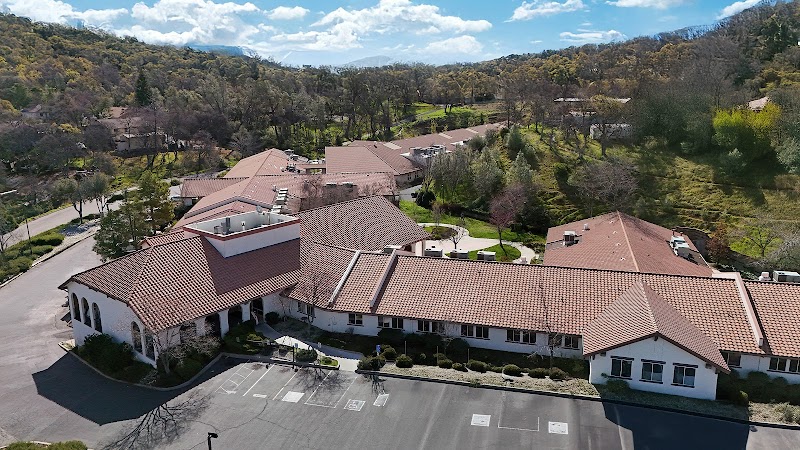
How is Golden Sonora Staffed?

CMS rates GOLDEN SONORA CARE CENTER's staffing level at 3 out of 5 stars, which is average compared to other nursing homes. Staff turnover is 58%, which is 12 percentage points above the California average of 46%. High turnover can affect care consistency as new staff learn residents' individual needs.

What Have Inspectors Found at Golden Sonora?

State health inspectors documented 97 deficiencies at GOLDEN SONORA CARE CENTER during 2022 to 2025. These included: 3 that caused actual resident harm and 94 with potential for harm. Deficiencies causing actual harm indicate documented cases where residents experienced negative health consequences.
Who Owns and Operates Golden Sonora?

GOLDEN SONORA CARE CENTER is owned by a for-profit company. For-profit facilities operate as businesses with obligations to shareholders or private owners. The facility is operated by GOLDEN SNF OPERATIONS, a chain that manages multiple nursing homes. With 210 certified beds and approximately 180 residents (about 86% occupancy), it is a large facility located in SONORA, California.

How Does Golden Sonora Compare to Other California Nursing Homes?

Compared to the 100 nursing homes in California, GOLDEN SONORA CARE CENTER's overall rating (1 stars) is below the state average of 3.1, staff turnover (58%) is significantly higher than the state average of 46%, and health inspection rating (1 stars) is much below the national benchmark.

What Should Families Ask When Visiting Golden Sonora?

Based on this facility's data, families visiting should ask: "How do you ensure continuity of care given staff turnover, and what is your staff retention strategy?" "Can I visit during a mealtime to observe dining assistance and food quality?" "How do you handle medical emergencies, and what is your hospital transfer rate?" "Can I speak with family members of current residents about their experience?" These questions are particularly relevant given the facility's high staff turnover rate.

Is Golden Sonora Safe?

Based on CMS inspection data, GOLDEN SONORA CARE CENTER has a clean safety record: no substantiated abuse findings (meaning no confirmed cases of resident harm), no Immediate Jeopardy citations (the most serious violation level indicating risk of serious injury or death), and is not on the Special Focus Facility watch list (a federal program monitoring the lowest-performing 1% of nursing homes). The facility has a 1-star overall rating and ranks #100 of 100 nursing homes in California. While no facility is perfect, families should still ask about staff-to-resident ratios and recent inspection results during their visit.

Do Nurses at Golden Sonora Stick Around?

Staff turnover at GOLDEN SONORA CARE CENTER is high. At 58%, the facility is 12 percentage points above the California average of 46%. High turnover means new staff may not know residents' individual needs, medications, or preferences. It can also be disorienting for residents, especially those with dementia who rely on familiar faces. Families should ask: What is causing the turnover? What retention programs are in place? How do you ensure care continuity during staff transitions?

Was Golden Sonora Ever Fined?

GOLDEN SONORA CARE CENTER has been fined $93,308 across 2 penalty actions. This is above the California average of $34,012. Fines in this range indicate compliance issues significant enough for CMS to impose meaningful financial consequences. Common causes include delayed correction of deficiencies, repeat violations, or care failures affecting resident safety. Families should ask facility leadership what changes have been made since these penalties.

Is Golden Sonora on Any Federal Watch List?

GOLDEN SONORA CARE CENTER is not on any federal watch list. The most significant is the Special Focus Facility (SFF) program, which identifies the bottom 1% of nursing homes nationally based on persistent, serious quality problems. Not being on this list means the facility has avoided the pattern of deficiencies that triggers enhanced federal oversight. This is a positive indicator, though families should still review the facility's inspection history directly.