RIVERWOOD HEALTH CARE
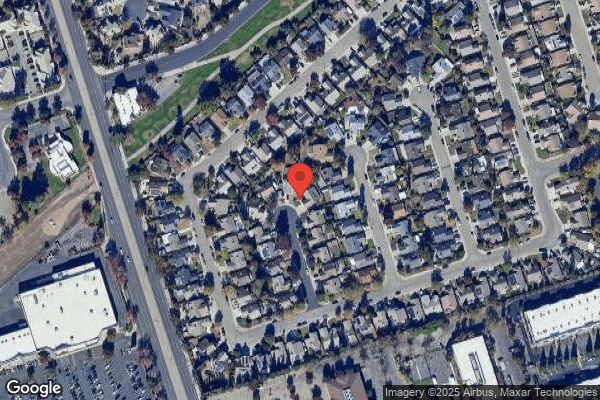

5320 CARRINGTON CIRCLE, STOCKTON, CA 95210 (209) 473-3004
For profit - Limited Liability company 99 Beds ASPEN SKILLED HEALTHCARE Data: November 2025
Trust Grade
65/100
#182 of 1155 in CA
Last Inspection: July 2024

Within standard 12-15 month inspection cycle. Federal law requires annual inspections.

Overview

Riverwood Health Care in Stockton, California, has a Trust Grade of C+, indicating it is slightly above average but not exceptional. Ranked #182 out of 1,155 facilities in California, it falls within the top half of the state, and #2 out of 24 in San Joaquin County, suggesting it is one of the better local options. The facility is improving, with issues decreasing from nine in 2024 to just two in 2025. Staffing is a strength, rated 4 out of 5 stars, with a turnover rate of 31%, which is lower than the California average. However, it has received $52,930 in fines, higher than 82% of facilities in the state, indicating some compliance issues. There are notable strengths, including excellent ratings in overall quality measures, but there are also significant concerns. For instance, the facility failed to properly implement elopement prevention measures for residents at risk of wandering, including an expired wander guard device. Additionally, there were issues with communication regarding personal health information and improper storage of vaccines, which could compromise resident safety and privacy. Families should weigh these strengths and weaknesses carefully when considering Riverwood Health Care for their loved ones.

Trust Score
C+
65/100
In California
#182/1155
Top 15%
Safety Record
Moderate
Needs review
Inspections
Getting Better
9 → 2 violations
Staff Stability
○ Average
31% turnover. Near California's 48% average. Typical for the industry.
Penalties
⚠ Watch
$52,930 in fines. Higher than 78% of California facilities, suggesting repeated compliance issues.
Skilled Nurses
⚠ Watch
Each resident gets only 22 minutes of Registered Nurse (RN) attention daily — below average for California. Fewer RN minutes means fewer trained eyes watching for problems.
Violations
⚠ Watch
31 deficiencies on record. Higher than average. Multiple issues found across inspections.
★★★★★
5.0
Overall Rating
★★★★☆
4.0
Staff Levels
★★★★★
5.0
Care Quality
★★★★☆
4.0
Inspection Score
Stable
2024: 9 issues
2025: 2 issues

The Good

  • 4-Star Staffing Rating · Above-average nurse staffing levels
  • 5-Star Quality Measures · Strong clinical quality outcomes
  • Full Sprinkler Coverage · Fire safety systems throughout facility
  • No fines on record
  • Staff turnover below average (31%)

    17 points below California average of 48%

Facility shows strength in staffing levels, quality measures, fire safety.

The Bad

Staff Turnover: 31%

15pts below California avg (46%)

Typical for the industry

Federal Fines: $52,930

Above median ($33,413)

Moderate penalties - review what triggered them

Chain: ASPEN SKILLED HEALTHCARE

Part of a multi-facility chain

Ask about local staffing decisions and management

The Ugly 31 deficiencies on record

1 actual harm
May 2025 1 deficiency
CONCERN (F) 📢 Someone Reported This

A family member, employee, or ombudsman was alarmed enough to file a formal complaint

Potential for Harm - no one hurt, but risky conditions existed

Deficiency F0583 (Tag F0583)

Could have caused harm · This affected most or all residents

**NOTE- TERMS IN BRACKETS HAVE BEEN EDITED TO PROTECT CONFIDENTIALITY** Based on observation, interview, and record review, the facility failed to ensure safe and secure communication among staff when...

Read full inspector narrative →
**NOTE- TERMS IN BRACKETS HAVE BEEN EDITED TO PROTECT CONFIDENTIALITY** Based on observation, interview, and record review, the facility failed to ensure safe and secure communication among staff when resident personal health information (PHI) was communicated via a facility approved group messaging platform (GMP, a smart phone (a mobile phone that performs many of the functions of a computer) free messaging application that lets users call and exchange texts, photos audio, and video messages with others across) on facility staff's personal smart phones based on regulatory requirements (HIPAA-Health Insurance Portability and Accountability Act, a set of federal rules requiring appropriate safeguards to protect the privacy of protected health information from disclosure without patient's consent) for a census of 88 residents. This unsafe practice could compromise residents' private medical information and violate residents' health information privacy and confidentiality. Findings: During an interview on 5/13/25, at 2:10 p.m., Licensed Nurse (LN) 1 stated she was told at change of shift that (Resident 1 and Resident 2 who shared a room) had claimed an incident happened over the weekend involving staff. During a concurrent observation and interview on 5/13/25, at 2:31 p.m., Certified Nursing Assistant (CNA) 1, stated she was familiar with Resident 1. CNA 1 stated this morning several CNAs were talking about being scared and something happened with staff. CNA 1 explained the group chat told all staff not to go in the room (Resident 1 and Resident 2's shared room), unless there were two people (staff) present to make sure there was somebody watching. CNA 1 stated staff communicate regarding residents via text message and residents' names, or room numbers were used in the text message thread. CNA 1 stated the group chat staff use was located on her personal phone. CNA 1 stated they (administration) sent a text message on the thread this morning regarding the residents (Resident 1 and Resident 2) room. CNA 1 clarified it was the Director of Nurses (DON) who sent the text message out this morning. Further review of the select group messaging platform via CNA 1's personal smart phone was as follows: Text to [facility name] CNA/RNA [Restorative Nurse Aide] group thread on Friday 5/9/25: 1. From [facility staff]: Please get [name and room number redacted, Resident 3] up for meals. I know he is hospice but hes [sic, he is] still active as of now . 2. From [DON]: Hi Team, Please make sure to bring another staff with you if you are going to provide care to residents in room [room number redacted, Resident 1 and Resident 2's shared room] . During an interview at 2:59 p.m., CNA 2 stated staff normally send out text messages via a messaging app (GMP) on their (facility staff) personal phone regarding resident's care. CNA 2 stated all the staff working at the facility were on the (messaging) thread. CNA 2 explained the messaging thread was used for staff to discuss care provided to the residents. During a concurrent observation and interview at 3:30 p.m., CNA 3 stated any issue the resident had was addressed or shared with the staff through text messaging via a group chat on their personal cell phone. CNA 3 explained the application was called (GMP). CNA 3 stated they used the app to communicate updates on the residents and residents care needs. CNA 3 stated all employees in the facility use the text message application including administrators. CNA 3 explained if there was something going on with the facility or residents they will report it on the message thread. Further review of the select text format communication via CNA 3's personal smart phone was as follows: Text to [facility name] PM [night] Shift group thread on Tuesday, 3/25/25: 1.From [facility staff]: PM who ever had [resident first and last name and room number redacted, Resident 4] yesterday complaining that he didn't get shower yesterday and no one offered him he's really disappointed . During a concurrent observation and interview on 5/13/24 at 3:36 p.m., LN 1 stated staff communicate regarding residents through the (GMP) on their personal phone. LN 1 stated the thread was just for licensed nurses. LN 1 explained CNAs have their own (GMP) group chat. LN 1 stated the app (application) does not require a password to access once her phone was opened. Further review of the select text format communication via LN 1's personal smart phone was as follows: Text to [facility name] Nurses Only group thread undated: 1.From [DON]: Hi team, I need some help [first and last name redacted, Resident 1] went out on pass yesterday 5/11/25. She returned at 19:40 [7:40 p.m.] But I need to know what time she went out? I don't see any documentation of her leaving OOP [out of place], just returning . 2. From [facility staff]: Hall 4 Nurse, [resident first and last name redacted, Resident 5] [medical doctor name, address and phone number redacted] .Appt [appointment] Dates 5/13/2025 Appt Time: 1:50 PM . During a phone interview on 5/13/25, at 4:00 p.m., the Social Services Assistant (SSA) stated staff communication regarding residents was performed through the (GMP) messaging thread. The SSA stated the facility uses the application for teams (facility staff) to communicate and for follow-up of resident's care. The SSA stated there was a management thread and she thought there was a separate thread for CNAs and LNs. The SSA stated she had used the application to communicate for the last three years. During an interview on 5/14/25, at 11:30 a.m., with CNA 5, she stated she was added to the facility's (GMP) and group chats when she was first hired. CNA 5 stated the (GMP) was located on her personal phone and was used for nursing staff. CNA 5 stated the facility uses the (GMP) to communicate information everyone needs to know all at once. CNA 5 stated information communicated could include resident names and room numbers. Further review of the select text format communication via CNA 5's personal smart phone was as follows: Text to [facility name] CNA/RNA group thread undated: 1. From [facility staff]: Hey team! Mr. [last name redacted, Resident 11] colostomy bags [waste/feces collection in a pouch (or colostomy bag) on the outside of your belly] came in. He has a clip to close his bag . 2. From [facility staff], NO BM [bowel movement] 3d [days]: 5/14 [first and last name redacted, Resident 6] 5/14 [first and last name redacted, Resident 7] 5/14 [first and last name redacted, Resident 8] 5/14 [first and last name redacted, Resident 9] 5/1 [first and last name redacted, Resident 10] If no BM for the patient above in your shift, please kindly do stop & [and] watch and inform your assigned LN. [NAME] [thank you] . During an interview on 5/14/25, at 11:41 a.m., CNA 4 stated she has the (GMP) on her personal phone. CNA 4 stated the (GMP) was used to communicate resident names who had not had bowel movements in so many days or if a resident needed a shower. CNA 4 stated the (GMP) was started about a year ago or longer. The CNA stated she thought it was a secure (phone) application because staff like the DON, Director of Staff Development (DSD), and the Administrator (ADM) have access to it. Further review of the select text format communication via CNA 4's personal smart phone was as follows: Text to [facility name] CNA/RNA group thread undated: 1. From [facility staff], NO BM [bowel movement] 3d [days]: 5/12 [first and last name redacted, Resident 12] 5/11 [last name redacted, Resident 13] If no BM for the patient above in your shift, please kindly do stop & watch and inform your assigned LN. [NAME] . During an interview on 5/14/25, at 11:50 a.m., LN 3 stated upon hire the expectation was she add the (GMP) to her personal phone, but she refused to add it. LN 3 stated she refused the (GMP) because she felt it was a HIPPA issue . LN 3 stated when she was questioned by facility staff regarding the (GMP) not being on her personal phone she would tell administration and other staff that she did not have her phone with her. During an interview on 5/14/25, at 12:49 p.m., the DON stated staff including LNs and CNAs communicate through the (GMP) on their personal phone. The DON explained there were different messaging threads for nursing staff and CNAs. The DON further explained the facility used the (GMP) for staff scheduling, updates on in-services (staff education and training), and for communicating resident care. The DON stated medical information related to resident care was communicated through the (GMP). The DON acknowledged staff communicated resident identifiers, such as resident names and resident room number when using the (GMP). The DON stated sharing resident medical information on staff personal phones was a potential HIPPA violation. The DON acknowledged she could not keep track of individuals who were not employees having access to the application (GMP) on staff member's personal phone. The DON stated staff or individuals who are not involved in the care of the residents should not have access to the residents' medical information. The DON stated the risk to the residents if their medical information was accessed by others not providing direct care was the residents medical information would not be private. During an interview on 5/14/25, at 2:28 p.m., the ADM stated he was not sure what the facility's policy was for electronic communication. The ADM stated his expectation regarding HIPPA and resident personal and medical information was that it was on a need-to-know basis and can be shared amongst staff as required through communication. The ADM stated staff avoid personal cell phone texting regarding resident medical information and use (GMP) to communicate private resident information and medical information amongst staff. The ADM stated the (GMP) was an end-to end-secured software. The ADM further stated even though the messaging application was encrypted, if an individual gets into the device (cell phone) then anyone would have access to the information on the (GMP). The ADM stated employees were using the (GMP) to share information regarding resident care. The ADM acknowledged specific resident identifiers such as names and rooms number were disclosed in the message thread (GMP). The ADM acknowledged he did not have any control of who 'has' access to the employee's personal cell phone. The ADM further stated employees were not required to report to administration the status of their personal cell phone such as if it becomes lost or stolen. The ADM acknowledged once an individual gained access to an employee's cell phone, the application could be opened without a password and was not secure. The ADM stated the problem with the (GMP) could be if anyone other than an employee saw resident's confidential information on the phone it would be a HIPPA issue, and resident's PHI could be exposed. The ADM stated it was concerning but the facility was trying to avoid private text messages when communicating information related to resident care. Review of facility policy and procedure (P & P) titled, Protected Health Information (PHI), Management and Protection, revised 4/2014, indicated, .Protected Health Information shall not be used or disclosed except as permitted by current federal and state laws .It is the responsibility of all personnel who have access to resident and facility information to ensure that such information is managed and protected to prevent unauthorized release or disclosure .Each resident will be given a Privacy Notice outlining the uses and disclosures of PHI that may be made and notifying him/her of his/her rights and our legal duties with respect to PHI .Protected Health Information (PHI) may or shall be disclosed as follows .To the resident .pursuant to and incompliance with current and valid authorization .As may be otherwise permitted under current HIPAA privacy regulations . Review of facility P & P titled, Resident Rights, revised 12/2016, indicated, .Employees shall treat all residents with kindness, respect, and dignity .Federal and state laws guarantee certain basic rights to all residents of the facility. These rights include the resident's rights to .a dignified existence .privacy and confidentiality .The unauthorized release, access, or disclosure of resident information must be in accordance with current laws governing privacy of information issues. All inquiries concerning the release of resident information should be directed to the HIPAA Compliance Officer . Review of an online article posted by the HIPAA Journal titled Is [GMP facility used] HIPAA Compliant?, dated 9/12/23, last accessed on 6/23/25, indicated, .[GMP] is not HIPAA compliant and should not be used for receiving, storing, or sending Protected Health Information (PHI) . the platform should not be used to communicate PHI because it lacks the capabilities to support compliance with the HIPAA Security Rule . there are no capabilities to terminate an individual's access to PHI stored on their device, monitor logins, or support emergency access to PHI if the account owner is unavailable. The article further indicated [GMP] will not enter into an Agreement, and notes in its Business Terms We make no representations or warranties that our services meet the needs of entities regulated by laws and regulations with heightened confidentiality requirements for personal data, such as healthcare, financial, or legal services entities . Even though all messages are encrypted, WhatsApp is not HIPAA compliant because it lacks other capabilities covered entities and business associates need to comply with the HIPAA Security Rule. It is important to note encryption alone does not make any software HIPAA compliant. The capabilities of the software, how they are configured, and how they are used determines compliance . (https://www.hipaajournal.com/whatsapp-hipaa-compliant/)
Jan 2025 1 deficiency 1 Harm
SERIOUS (G) 📢 Someone Reported This

A family member, employee, or ombudsman was alarmed enough to file a formal complaint

Actual Harm - a resident was hurt due to facility failures

Accident Prevention (Tag F0689)

A resident was harmed · This affected 1 resident

**NOTE- TERMS IN BRACKETS HAVE BEEN EDITED TO PROTECT CONFIDENTIALITY** Based on observation, interview, and record review, the facility failed to ensure two of four sampled residents (Resident 1 and ...

Read full inspector narrative →
**NOTE- TERMS IN BRACKETS HAVE BEEN EDITED TO PROTECT CONFIDENTIALITY** Based on observation, interview, and record review, the facility failed to ensure two of four sampled residents (Resident 1 and Resident 3) who were at risk for elopement (the act of leaving a facility unsupervised and without prior authorization), had implemented elopement prevention measures in place when: 1. Resident 1 had exit seeking behaviors on [DATE] but orders for a wander guard device (an alarm that alerts the facility when a wandering resident tries to leave the facility unattended) and monitoring for wandering behavior were not initiated according to Resident 1's care plan , and an elopement risk assessment was not completed; and, 2. Resident 1 ' s wander guard was not working when the elopement happened on [DATE]; and, 3. Resident 1 ' s charting for monitoring wander guard placement (where the device is on the body) was not consistently documented for the months of [DATE] and [DATE]; and, 4. Resident 3 ' s wander guard was found to be expired while being worn. These failures led to Resident 1 ' s elopement which resulted in a head injury, a hospital visit, and stitches, and the potential for Resident 3 to leave the facility unsupervised which could result in physical harm. Findings: 1. A review of Resident 1 ' s admission RECORD, indicated that Resident 1 was admitted to the facility with diagnoses which included dementia (a progressive state of decline in mental abilities), generalized muscle weakness, and history of falling. During a concurrent interview and record review with Licensed Nurse (LN) 2 on [DATE], at 9:50 a.m., Resident 1's exit seeking care plan was reviewed. LN 2 confirmed that Resident 1 had a care plan for exit seeking behavior due to wandering aimlessly that was initiated on [DATE]. LN 2 stated that if a resident had wandering behavior the resident ' s doctor should be notified and an order for wander guard would be obtained. LN 2 stated when an order was in place for wander guard it would pop up (in the resident ' s medical record) for each nurse to check if the wander guard was in place on the resident and was active. LN 2 confirmed that Resident 1 did not have an order for wander guard placement when the wandering behavior started on [DATE]. During a concurrent interview and record review with LN 3, on [DATE], at 10:28 a.m., Resident 1's exit seeking care plan and the facility's high risk for elopement binder kept at the receptionist's desk were reviewed. LN 3 stated Resident 1 was sitting on her wheelchair telling staff that she wanted to go home and was trying to look for exits on [DATE]. LN 3 confirmed that the care plan initiated on [DATE] for the exit seeking behavior included frequent monitoring and placement of a wander guard device under the interventions. LN 3 confirmed that there should have been an order obtained for the wander guard when the change in behavior happened on [DATE]. LN 3 stated it would have been important to have an order for the wander guard and monitoring in place when the behavior started on [DATE]. LN 3 stated that if a resident had an order in place for wander guard the nurse would check for placement of the device on the resident and the expiration date every shift. LN 3 stated that Resident 1 was especially at risk of elopement due to her dementia. LN 3 stated at the time of Resident 1's elopement there was not a receptionist sitting at the front desk like there usually was. The facility's high risk for elopement binder kept at the receptionist's desk was reviewed with LN 3. The binder revealed a facesheet (personal information about the resident) and photo for Resident 1. LN 3 stated the binder was to notify reception staff about residents who were at risk of eloping. A review of Resident 1 ' s exit seeking care plan, initiated on [DATE], indicated .Focus .[Resident 1] exit seeking behavior r/t [related to] [Resident 1] wanders aimlessly .Goal .[Resident 1] will not leave facility unattended through the review date .Interventions .Monitor location every .1 hr [hour] Document wandering behavior and attempted diversional interventions in behavior log .WANDER ALERT [wander guard] . A review of Resident 1 ' s medical record indicated an elopement risk assessment was completed on [DATE]. There was no elopement risk assessment completed on [DATE] when Resident 1 ' s exit seeking behavior started. During a concurrent interview and record review with the Director of Nursing (DON), on [DATE], at 3:32 p.m., Resident 1's medical record was reviewed. The DON stated it was her expectation that if a resident was determined to have wandering behavior, then an elopement risk assessment should have been initiated and orders should have been obtained for wander guard placement and behavior monitoring (for exit seeking). The DON confirmed that there was no elopement risk assessment, and no orders for both the wander guard placement and behavior monitoring when Resident 1 ' s wandering behavior started on [DATE]. During an interview with Resident 1 ' s doctor (MD), on [DATE], at 3:44 p.m., the MD stated that he recalls the change of condition initiated in [DATE] due to Resident 1 verbalizing wanting to go home but did not clearly remember if the facility ' s staff requested an order for the wander guard at the time. The MD stated that it was his expectation for the facility to initiate interventions including obtaining the order for the wander guard and elopement behavior monitoring if exit seeking behaviors were present. 2. During a concurrent observation and interview with Resident 1, on [DATE], at 9:13 a.m., Resident 1 stated that she was heading out to the parking lot in her wheelchair (on [DATE]) and the wheel hit the curb, and she fell out of the wheelchair and hit her forehead. Resident 1 motioned to the right side of her forehead. Resident 1 stated she was feeling alright now but was still a little sore. Resident 1 was observed with a healed scar on the right side of the forehead. A review of Resident 1 ' s physician order, dated [DATE], indicated, .Wander guard placement secondary to: (Elopement/exit seeking behavior). Monitor for placement every shift . During an interview with CNA 2, on [DATE], at 9:15 a.m., CNA 2 stated that the current wander guard was placed on Resident 1 on [DATE], but previously Resident 1 had a wander guard that was not working. CNA 2 stated that he worked on the day of the elopement ([DATE]) and everyone was busy that morning. CNA 2 stated that Resident 1 fell in the parking lot and was sent out to the hospital on the same day. CNA 2 stated that the nurses were the ones who document in the resident ' s chart for the presence of the wander guard and the CNA also checks if the wander guard was on. CNA 2 stated that it was important to ensure that the wander guard was functional because of the risk of elopement that can cause accidents or harm to residents. During an interview with LN 4 on [DATE], at 2:27 p.m., LN 4 stated that she was the nurse assigned to Resident 1 when the elopement happened on [DATE]. LN 4 stated that Resident 1 verbalized a lot about needing to leave the facility and would like to sit by the nurse ' s station. LN 4 stated that Resident 1 had a wander guard on before the elopement incident. LN 4 stated that she was passing medications at the end of the hallway when the elopement happened at about 9:20 AM, when the housekeeping staff came running to LN 4 yelling and stating that Resident 1 was bleeding. LN 4 stated that Resident 1 was seen by housekeeping staff who was driving through the facility ' s parking lot when Resident 1 fell off the wheelchair. LN 4 stated that Resident 1 was already sitting on her bottom when she arrived and saw that Resident 1 had a deep gash to her right forehead with lots of bleeding. LN 4 stated that she cut off Resident 1 ' s wander guard before the paramedics came and transported Resident 1 to the hospital. LN 4 stated that Resident 1 received stitches at the hospital and came back the same day around 5 p.m. LN 4 stated that she immediately called the DON and had read the expiration date on the wander guard, which was expired, dated [DATE]. LN 4 stated that she tested the wander guard by the door and the alarm did not go off. LN 4 stated that Resident 1 did not have an order in place for the wander guard before the elopement but Resident 1 had the wander guard in place. LN 4 stated that the wander guard was for resident ' s safety. LN 4 stated it was important for the wander guard to be in place, functioning, and not expired to avoid any accidents. LN 4 stated Resident 1 had been seen by staff 5-10 minutes prior to the incident and if there was an order in place for wander guard and an order for monitoring, then staff would have been checking the wander guard's functionality and the incident may have been prevented. A review of Resident 1 ' s discharge document titled Discharge Instructions Document, dated [DATE], indicated .You were seen today for a fall and a laceration of the forehead .I put 8 stitches in your forehead for the cut . During an interview with the DON, on [DATE], at 3:32 p.m., the DON stated that Resident 1 had a wander guard on at the time of the elopement and that the nurse told her that the wander guard did not go off. The DON stated that the Maintenance person mainly checked the wander guard devices, but the nurses also checked for the functionality as well. The DON confirmed that Resident 1 had a care plan in place that was started on [DATE] that included the wander guard as an intervention. The DON stated that the risk of the wander guard not working was resident elopement. The DON stated that the resident's safety was important and that the staff are expected to follow interventions to prevent elopement. The DON confirmed that the LN should have obtained orders for wander guard, behavior monitoring, and completed an elopement screening when Resident 1's behavior of wanting to the leave the facility was determined on [DATE]. The DON stated that this incident could have been prevented if orders were in place to ensure staff were monitoring Resident 1's wander guard placement and exit seeking behaviors. During an interview on [DATE], at 1:21 p.m., the Administrator (ADM) stated that he could not determine where the November and [DATE] logs were which showed the wander guard devices functionality were being checked by the maintenance department. During an interview with Resident 1 ' s doctor (MD) on [DATE], at 3:44 p.m., the MD stated that he was notified of the elopement but was not aware that the wander guard was not working on [DATE]. The MD stated that if the wander guard was checked and if it was working, an alarm would go off and the facility staff would have acted on it promptly. The MD stated that the facility should have monitored Resident 1 due to the wandering behavior and made sure that the wander guard was in place and functional. The MD further stated that the facility should look after resident ' s safety and should be proactive to prevent accidents. 3. During an interview with LN 1, on [DATE], at 9:23 a.m., LN 1 stated that the nurse was responsible for checking the wander guard placement and expiration date of the device every shift. During a concurrent interview and record review with LN 2 on [DATE], at 9:50 a.m., LN 2 stated that the nurses were charting for wander guard placement in the electronic medical record under a section for devices. LN 2 stated that if there was an order in place, it would pop up for each nurse to check if the wander guard was in place and active. A review of Resident 1 ' s monthly report to monitor for wander guard placement every shift with a start date of [DATE], indicated the following dates without any documentation: [DATE] evening and night shift, [DATE] day shift, [DATE], [DATE] and [DATE] day and evening shifts, [DATE], [DATE] day shift, and [DATE] day and night shifts, [DATE] and [DATE] day and evening shifts, [DATE] day, evening and night shifts, and [DATE] day shift. The monthly report for the month of [DATE], indicated the following dates without any documentation: [DATE] and [DATE] day and evening shift, [DATE] day shift, [DATE] day and night shift, [DATE] and [DATE] day shift, [DATE] day and evening shift, [DATE], [DATE], [DATE], [DATE], [DATE], [DATE] and [DATE] day shifts. During a concurrent interview and record review with the DON, on [DATE], at 3:32 p.m., Resident 1 ' s monthly report to monitor for wander guard placement for [DATE] and [DATE] was reviewed. The DON confirmed that there were several days on both months that did not have documentation. The DON stated that her expectation was for staff to have monitored and charted according to the order to make sure that all orders were being followed and completely documented. 4. A review of the facility ' s list provided for residents with a wander guard titled .Order Listing Report . indicated Resident 3 ' s order, .Wander guard placement secondary to: risk for elopement every shift . During a concurrent observation and interview with the Maintenance Assistant (MA) and LN 4, on [DATE], at 2:17 p.m., Resident 3 was observed with a wander guard device on the right ankle. The MA and LN 4 confirmed the expiration date on Resident 3 ' s wander guard was [DATE] and that the date indicated that it was expired. LN 4 stated that when a wander guard was determined expired the process was to notify the Maintenance person and the DON. During an interview with LN 4 on [DATE], at 2:27 p.m., LN 4 stated that when she reported Resident 3 ' s expired wander guard to the DON, she was told that the wander guard was still good 1.5 years after the expiration date. During an interview with the DON, on [DATE], at 3:32 p.m., the DON stated that the risk of the wander guard not working was resident elopement. A review of the facility document titled Wander Management Transmitters User Guide, dated 11/2018, indicated .Each transmitter is stamped with a warranty expiration date. This date indicates the date that RF Technologies ' warranty on that transmitter expires. If the warranty period has expired, discard the transmitter immediately .WARNING: Using a transmitter beyond the printed expiration date can result in system failure and/or elopement .Visual Inspection .1. Verify that the warranty expiration date that is stamped on the transmitter is not expired .Weekly Testing .
Oct 2024 3 deficiencies
CONCERN (E) 📢 Someone Reported This

A family member, employee, or ombudsman was alarmed enough to file a formal complaint

Potential for Harm - no one hurt, but risky conditions existed

Deficiency F0658 (Tag F0658)

Could have caused harm · This affected multiple residents

Based on observation, interview, and record review, the facility failed to ensure professional standards for safe injection practices were followed when: 1. The Infection Preventionist (IP) stored pre...

Read full inspector narrative →
Based on observation, interview, and record review, the facility failed to ensure professional standards for safe injection practices were followed when: 1. The Infection Preventionist (IP) stored pre-drawn, unlabeled, and undated flu (influenza, a respiratory disease) vaccine syringes in the staff food refrigerator. 2. Pneumonia vaccines (a vaccine that helps prevent an elderly resident get pneumonia, a serious lung infection) for three residents (Resident 1, Resident 2, and Resident 3) were documented as given, when the actual products were found among medication stored for destruction in the staffs ' food refrigerator. These failures could contribute to unsafe and ineffective use of vaccines and subsequent adverse outcomes for residents and staff. Findings: A concurrent interview with the facility ' s Director of Staff Development (DSD), in her office, and inspection of a dorm-style refrigerator next to her desk, on 10/10/24, at 3:45 PM, revealed stored food items/drinks in addition to a drawer full of injectable (shot into skin or vein) medications and 14 unlabeled pre-drawn syringes with needles attached. The pre-drawn syringes contained a clear liquid at ½ mL (0.5 mL; mL is milliliter, a unit of volume) and was not dated or labeled with the contents or who had pre-drawn them. The DSD stated the prefilled, unlabeled syringes belonged to the facility ' s Infection Prevention (IP) nurse who had a desk in the same room. During an interview with the IP, on 10/10/24, at 4:10 PM, the IP stated she prepared the pre-drawn syringes found in the office refrigerator. The IP stated they were flu vaccine syringes for administration to facility staff. The IP stated she did not keep the original vaccine vials used to fill the pre-drawn syringes. The IP stated she felt there was no need to label the syringes as they were going to be given to staff. The IP stated the refrigerator ' s temperature was not monitored and storing the personal food items with medication was not a good idea. During an interview with the DON, on 10/11/24, at 1:42 PM, the DON stated she was shocked at finding those medication and prefilled syringes in the office refrigerator and she was not aware of it. The DON stated pre-drawn flu vaccine syringes with no label was not a safe practice and was unacceptable. The DON did not give a reason why resident ' s medications and vaccine products were kept in a refrigerator in an office setting where non-licensed staff and the facility ' s DSD and IP worked or used on a daily basis. Review of the facility ' s policy, titled Administering Medications, dated 4/2019, indicated, The director of nursing services supervises and directs all personnel who administer medications and/or have related functions. The policy on section 11 indicated, The expiration/beyond use date on medication label is checked prior to administering. When opening a multidose container, the date opened is recorded on the container. Review of the facility ' s policy, titled Vaccination of Residents, dated 10/2019, indicated, All residents will be offered vaccine that aid in preventing infectious diseases . The Policy on section 6 indicated, If the resident receives a vaccine, at least the following information shall be documented in the resident ' s medical record: Lot number of the vaccine (located on the vial); Expiration date (located on the vial) The policy on section 8, indicated, Inquiries concerning this policy should be referred to the infection preventionist or the administrator. Review of the Centers for Disease Control (or CDC, a federal agency with mission to protect public health) guideline titled, Vaccine Administration: General Best Practices for Immunization, last accessed on 10/30/24 via https://www.cdc.gov/vaccines/hcp/acip-recs/general-recs/administration.html, the document indicated, Vaccines should be drawn up in a designated clean medication area that is not adjacent to areas where potentially contaminated items are placed. Multi-dose vials to be used for more than one patient should not be kept or accessed in the immediate patient treatment area. This is to prevent inadvertent contamination of the vial through direct or indirect contact with potentially contaminated surfaces or equipment that could then lead to infections in subsequent patients. The guideline further indicated, ACIP (Advisory Committee on Immunization Practices, a group of medical and public health experts who advise the CDC on how to use vaccines) discourages the routine practice of providers ' prefilling syringes for several reasons. Because the majority of vaccines have a similar appearance after being drawn into a syringe, prefilling might result in administration errors. Because unused prefilled syringes also typically must be discarded if not used within the same day that they are filled, vaccine wastage might occur. The FDA does not license administration syringes for vaccine storage. 2. During a concurrent interview with facility ' s Director of Staff Development (DSD), in her office, and inspection of a dorm-style food refrigerator next to her desk, on 10/10/24, at 3:45 PM, the refrigerator stored three labeled pneumonia vaccines for Resident 1, Resident 2 and Resident 3. The stack of injectable medications in the bottom drawer of the staffs ' food refrigerator, were mostly discontinued or unused drugs belonging to residents no longer in the facility. a. During a concurrent interview and review of the Medication Administration Record (MAR) with the Assistant Director of Nursing (ADON), on 10/31/24, at 12 Noon, the MAR indicated documentation that Resident 1 was given the pneumonia vaccine on 12/19/23 at 10:09 AM. The ADON could not comment on how the vaccine product was found inside a food refrigerator almost one year later. During a review of a provider pharmacy [Pharmacy A] medication delivery slip, for Resident 1, dated 12/19/23, the record indicated the pharmacy dispensed one syringe of Pneumovax-23 PF 0.5 mL (pneumonia vaccine, PF prefilled syringe, mL stands for milliliter) during Resident 1 ' s stay at the facility. b. During a concurrent interview and record review of the MAR, with the ADON, on 10/31/24, at 12 Noon, the MAR indicated Resident 2 was administered the pneumonia vaccine on 11/28/23 at 1:25 AM. The ADON could not comment on how the vaccine was found inside a food refrigerator almost one year later and why it had to be administered in the middle of the night. During a review of a provider pharmacy [Pharmacy A] medication delivery slip, for Resident 2, dated 11/27/23, the record indicated the pharmacy dispensed one syringe of Pneumovax-23 PF 0.5 mL during Resident 2 ' s stay at the facility. c. During a concurrent interview and record review of the MAR, with the ADON, on 10/31/24, at 12 Noon, the MAR indicated Resident 3 was administered the pneumonia vaccine on 10/4/24 at 2:07 PM. The ADON could not comment on how the vaccine was found inside a food refrigerator. During a review of a provider pharmacy [Pharmacy A] medication delivery slip, for Resident 3, dated 10/4/24, the record indicated the pharmacy dispensed one syringe of Prevnar-20 PFS 0.5 mL (pneumonia vaccine) during Resident 3 ' s stay at the facility. In an Interview with DON, on 10/11/24, at 5:07 PM, the DON stated the pneumonia vaccines were ordered through the provider pharmacy for individual residents and the nurses administer it. In an interview with Licensed Nurse (LN) 1, on 10/10/24, at 5:43 PM, LN 1 stated when she administered a drug, she checked the expiration date of the product and for vaccines she needed to put the Lot number (a special number by manufacturer of the vaccine for quality control purposes) of the vaccine in the computer system. In an interview with DON and Administrator (ADMIN), on 10/31/24, at 12:30 PM, the administrator stated he was told the medications found in the food refrigerator were in the process of destruction. When asked why they kept the discontinued medications in a refrigerator when they had a cabinet in the medication room, the ADMIN and DON did not have an answer. Review of the facility ' s policy, titled Vaccination of Residents, dated 10/2019, the policy indicated All residents will be offered vaccine that aid in preventing infectious diseases. The Policy on section 6 indicated If the resident receives a vaccine, at least the following information shall be documented in the resident ' s medical record: . Lot number of the vaccine (located on the vial); Expiration date (located on the vial; The policy on section 8, indicated Inquiries concerning this policy should be referred to the infection preventionist or the administrator. Review of the facility ' s policy, titled Administering Medications, dated 4/2019, the policy indicated The director of nursing services supervises and directs all personnel who administer medications and/or have related functions. The policy on section 11 indicated The expiration/beyond use date on medication label is checked prior to administering. When opening a multidose container, the date opened is recorded on the container.
CONCERN (E) 📢 Someone Reported This

A family member, employee, or ombudsman was alarmed enough to file a formal complaint

Potential for Harm - no one hurt, but risky conditions existed

Pharmacy Services (Tag F0755)

Could have caused harm · This affected multiple residents

Based on observation, interview, and record review, the facility failed to ensure safe medication use and destruction practices in the facility with a census of 86 when: 1. Prescription medication des...

Read full inspector narrative →
Based on observation, interview, and record review, the facility failed to ensure safe medication use and destruction practices in the facility with a census of 86 when: 1. Prescription medication destruction and disposition logs (Refers to paperwork that outlines the process for permanently getting rid of medications, including when and how they were destroyed) were not dated, witnessed and/or cosigned by licensed staff. 2. A discontinued medication called semaglutide (injectable drug used to treat blood sugar disease and for weight loss) prescribed to Resident 4 was stored in an active storage area in the main medication room after Resident 4 was discharged and included two boxes (prescriptions) of semaglutide. (One prescription was brought in by the family, and the second was delivered by the facility ' s pharmacy (Pharmacy A). 3. Three Pneumonia vaccines (an injectable vaccine that helps prevent an elderly resident from getting pneumonia, a serious lung infection) belonging to three different residents (Resident 1, Resident 2, and Resident 3), were found among other medications held for destruction in the staffs ' food refrigerator but were documented as given in the Medication Administration Record (MAR). These failures could contribute to the risk of drug diversion (unauthorized use of the resident ' s medications) and unsafe drug use. Findings: 1. During a concurrent interview and inspection of the facility ' s main medication room, accompanied by the Director of Nursing (DON), on 10/10/24, at 3:20 PM, the binder for medication destruction was overfilled with pages that were not dated or co-signed by a witnessed licensed staff. The cabinet for discontinued medications had a handful of bubble packed (a packing format or card that packages doses of medication within plastic bubbles or blisters) medications for destruction. The DON was not sure about the need for a witness co-signature and was not sure when the last time was the nursing staff destroyed medications. During a concurrent review of the undated destruction binder documents, titled Universal Destruction Log, with the DON, on 10/10/24, at 3:25 PM, the record indicated many pages with no date and had only one initial under the column Nurse Signature(s). At the bottom section of each page indicated, We hereby certify that these drugs were disposed of as required by law: Registered Nurse [signature section] Licensed Nurse [signature section], and no co-signature was noted. The DON stated any nursing staff were able to destroy the discontinued and unusable medications. In a telephone interview with the facility ' s Consultant Pharmacist (CP), on 10/11/24, at 12:35 PM, the CP stated she mostly worked with the ADON for controlled drug destruction. The CP states she had not looked at the non-controlled prescription destruction process or documentation. The CP stated all prescription destructions should have been documented and witnessed by two licensed nurses. In an interview with the DSD on 10/11/24, at 2:03 PM, the DSD stated the medications found in the refrigerator in her office should not have been there. The DSD stated the single labeled box of semaglutide in the refrigerator belonged to a staff member and the rest of medications were resident medications. The DSD stated the medications placed in her refrigerator were to be destroyed. The DSD could not explain why there was destruction medication kept in a refrigerator in her office and why they were not in the medication room cabinet for discontinued drugs. The DSD did not explain why most of the injectable medications did not have a resident name or prescription label on them. 2. During a concurrent inspection of the medication refrigerator, in the main medication room, accompanied by the DON, on 10/10/24, at 5 PM, the refrigerator stored two boxes of a medication called semaglutide, labeled with Resident 4 ' s name who was discharged from the facility. In a telephone interview with Resident 4, on 10/11/24, at 3:54 PM, Resident 4 who was discharged on 9/28/24 from the facility, stated she was asked to bring her own semaglutide. Resident 4 stated her family bought a new supply from her local pharmacy [Pharmacy B] and brought it to the facility. Review of a facility ' s provider pharmacy [Pharmacy A] medication delivery slip, for Resident 4, dated 9/3/24, indicated a box of semaglutide was delivered by the provider pharmacy to the facility. Review of Resident 4 ' s electronic medical record indicated on 9/6/24 the doctor stopped semaglutide and started insulin instead, and the semaglutide was never used. Review of an undated medication destruction log for Resident 4 indicated one blood pressure medication called losartan was disposed of by the facility for Resident 4 but semaglutide was not part of the destruction. In an interview with LN 1, on 10/10/24, at 5:43 PM, LN 1 stated when a resident discharged home, they gave all the ordered medications to the resident, or the care giver based on the doctor ' s order. In a concurrent interview and record review with the Assistant Director of Nursing (ADON), on 10/31/24, at 11:26 AM, the ADON stated the resident ' s discontinued prescription medications should have been stored in a locked cabinet in the medication room until they were ready to be destroyed. Review of the facility ' s policy, titled Medication Labeling and Storage, dated 2/2023, the policy indicated If the facility has discontinued, outdated or deteriorated medication the dispensing pharmacy is contacted for instruction regarding returning or destroying these items. 3. During a concurrent interview with the DSD, in her office, and inspection of a dorm-style food refrigerator next to her desk, on 10/10/24, at 3:45 PM, the refrigerator stored three labeled pneumonia vaccines for Resident 1, Resident 2 and Resident 3. The stack of injectable medications in the bottom drawer of the staffs ' food refrigerator, were mostly discontinued or unused drugs belonging to residents no longer in the facility. a. During a concurrent interview and record review of the MAR, with the ADON, on 10/31/24, at 12 Noon, the MAR indicated Resident 1 was administered the pneumonia vaccine on 12/19/23 at 10:09 AM. The ADON could not comment on how the vaccine product was found inside a food refrigerator almost one year later. During a review of the provider pharmacy [Pharmacy A] medication delivery and records of dispensing, for Resident 1, dated 12/19/23, the record indicated the pharmacy dispensed one syringe of Pneumovax-23 PF 0.5 mL (brand name for pneumonia vaccine, PF prefilled syringe, mL stands for milliliter) during Resident 1 ' s stay at the facility. b. During a concurrent interview and record review of the MAR, with the ADON, on 10/31/24, at 12 Noon, the MAR indicated Resident 2 was administered the pneumonia vaccine on 11/28/23 at 1:25 AM. The ADON could not comment on how the vaccine product was found inside a food refrigerator almost one year later or why it would have been administered in the middle of the night. c. During a review of a provider pharmacy [Pharmacy A] medication delivery slip, for Resident 2, dated 11/27/23, the slip indicated the pharmacy dispensed one syringe of Pneumovax-23 PF 0.5 mL during Resident 2 ' s stay at the facility. d. During a concurrent interview and record review of the MAR, with the ADON, on 10/31/24, at 12 Noon, the MAR indicated Resident 3 was administered the pneumonia vaccine on 10/4/24 at 2:07 PM. The ADON could not comment on how the vaccine was found inside a food refrigerator. A review of a provider pharmacy [Pharmacy A] medication delivery slip, for Resident 3, dated 10/4/24, the slip indicated the pharmacy dispensed one syringe of Prevnar-20 PFS 0.5 mL (a brand name for pneumonia vaccine) during Resident 3 ' s stay at the facility. Review of the facility ' s policy, titled Vaccination of Residents, dated 10/2019, the policy indicated All residents will be offered vaccine that aid in preventing infectious diseases. The Policy on section 6 indicated If the resident receives a vaccine, at least the following information shall be documented in the resident ' s medical record: Lot number of the vaccine (located on the vial); Expiration date (located on the vial; The policy on section 8, indicated Inquiries concerning this policy should be referred to the infection preventionist or the administrator. Review of facility ' s policy, titled Discarding and Destroying Medications, dated 11/2022, the policy indicated Medications that cannot be returned to the dispensing pharmacy are disposed of in accordance with federal, state, and local regulations. The policy on section 10 indicated The medications disposition record will contain the following information: The name of the dispensing pharmacy, Date medication destroyed and Signature of witnesses.
CONCERN (E) 📢 Someone Reported This

A family member, employee, or ombudsman was alarmed enough to file a formal complaint

Potential for Harm - no one hurt, but risky conditions existed

Deficiency F0761 (Tag F0761)

Could have caused harm · This affected multiple residents

Based on observation, interview, and record review, the facility failed to ensure safe medication storage practices in the facility with a census of 86 when: A dorm style refrigerator in an office sha...

Read full inspector narrative →
Based on observation, interview, and record review, the facility failed to ensure safe medication storage practices in the facility with a census of 86 when: A dorm style refrigerator in an office shared by the Director of Staff Development (DSD), Infection Preventionist (IP) and the staffing coordinator, contained personal food items and a drawer full of prescription injectable (shot into skin or veins) medications including vaccines and unlabeled pre-drawn syringes of a flu (or influenza, a respiratory infection) vaccine. There was no temperature monitoring performed for this refrigerator. The refrigerator in the main medication room stored: 1. Opened vials of flu vaccine and Tuberculosis testing agent (or TB, a serious lung infection) without any marking for a beyond use date (the date after which the drug should not be used). 2. Discontinued medications belonging to a discharged resident (Resident 4) were stored in an active storage area in the refrigerator. These failures could contribute to unsafe medication storage, the risk of drug diversion (unauthorize use of drugs) and the safety of the residents. Findings: 1. A concurrent interview with the facility ' s DSD, in her office, and inspection of a dorm-style refrigerator next to her desk, on 10/10/24, at 3:45 PM, revealed stored food items, drinks, in addition to a drawer full of injectable (shot into skin or vein) medications and 14 unlabeled pre-drawn syringes. Further inspection of the bottom drawer indicated labeled unopened prescription medications and many unlabeled and unused prescription medications as follows: a. Two unlabeled, unopened boxes of semaglutide. b. One labeled, unopened box of semaglutide. c. Multiple unopened insulin vials (Lantus and Novolog, used to treat blood sugar disease). d. Multiple unopened Insulin Pens (Lantus and Lispro, used to treat blood sugar disease preloaded with insulin) e. Three unopened, unused, and labeled syringes of pneumonia vaccines (used to prevent serious lung infections). f. Unopened vial of a testing agent (used to test for TB, or tuberculosis, a serious lung infection) g. Fourteen unlabeled syringes with needles attached which contained a clear liquid at ½ mL (0.5 mL; mL is milliliter, a unit of volume) markings. The DSD stated she was not sure how long these prescription medications had been in the refrigerator next to her desk. The DSD stated there was no temperature monitoring of the refrigerator done. The DSD stated she was aware of not storing medications with personal food storage. The DSD stated these medications may belong to facility staff. The DSD could not explain the labeled medications with resident ' s name on them. The DSD stated the prefilled, unlabeled syringes belong to the facility ' s Infection Prevention (IP) nurse who had a desk in the same room. During a concurrent interview with the DON and review of prescription medications found in the DSD office refrigerator, on 10/10/24, at 3:54 PM, the DON stated she was not aware of these medications stored in this room. During an interview with the IP, on 10/10/24, at 4:10 PM, the IP stated she prepared the pre-drawn syringes found in the office refrigerator. The IP stated they were flu vaccine syringes for administration to facility staff. The IP stated she did not keep the original vaccine vials that were used to fill the pre-drawn syringes. The IP stated she felt there was no need to label the syringes as they were going to be given to staff. The IP stated the refrigerator ' s temperature was not monitored and storing the personal food items with medication was not a good idea. The IP stated she had noticed other medications stored in the bottom drawer and had no idea why they were there. The IP stated those medications were typically stored in the medication room. During an interview with the DON, on 10/11/24, at 1:42 PM, the DON stated she was shocked at finding those medications in the office refrigerator. The DON stated she needed to counsel her staff. The DON stated pre-drawn flu vaccine syringes with no label was not a safe practice and unacceptable. The DON did not give a reason why resident ' s discontinued medications were kept in a refrigerator in an office setting where non-licensed staff and the facility ' s DSD and IP worked and used on a daily basis. In a concurrent interview and record review with Assistant Director of Nursing (ADON), on 10/31/24, at 11:26 AM, the ADON stated the resident ' s discontinued prescription medications should not have been in the unsecured office and he was not sure why they were stored in the office refrigerator. The ADON stated resident medications should not be stored with staff food in a personal refrigerator. The ADON stated the medication room had a cabinet for storing discontinued medications. During a concurrent inspection of the main medication room and interview with the DON, on 10/10/24, at 5 PM, the medication refrigerator stored an opened multi-dose vial of flu vaccine and two vials of a testing agent used for testing for TB infection with no marking for the date they were opened or the beyond use date for both products. The DON acknowledged the findings. 2. During a concurrent inspection of the medication refrigerator, in the main medication room, accompanied by the DON, on 10/10/24, at 5 PM, the refrigerator stored two packages of a medication called semaglutide, labeled with Resident 4 ' s name who was discharged from the facility. In a telephone interview with Resident 4, on 10/11/24, at 3:54 PM, Resident 4 who was discharged on 9/28/24 from the facility, stated she was asked to bring her own semaglutide. Resident 4 stated her family bought a new supply from her local pharmacy [Pharmacy B]. Review of the facility ' s provider pharmacy [Pharmacy A] medication delivery and dispensing records, for Resident 4, dated 9/3/24, the record indicated another box of semaglutide was delivered by the provider pharmacy to the facility. Review of Resident 4 ' s electronic medical record, indicated on 9/6/24 the doctor stopped the semaglutide and started insulin instead, and semaglutide was not used. In a concurrent interview and record review with the Assistant Director of Nursing (ADON), on 10/31/24, at 11:26 AM, the ADON stated the resident ' s discontinued prescription medications should have been stored in a locked cabinet in the medication room until they were ready to be destroyed and not in the refrigerator. Review of the facility ' s policy, titled Medication Labeling and Storage, dated 2/2023, the policy indicated Facility stores all medications and biologicals in locked compartments under proper temperature, humidity, and light controls. Only authorized personnel have access to keys. The policy on section 3 indicated If the facility has discontinued, outdated or deteriorated medication or biologicals, the dispensing pharmacy is contacted for instruction regarding returning or destroying these items. The policy on section 6 indicated Medications are stored separately from food and are labeled accordingly. The Policy under medication labeling indicated Labeling of medications and biologicals dispensed by the pharmacy is consistent with applicable federal and state requirement and currently accepted pharmaceutical practices. The policy further indicated Multi-dose vials that have been opened or accessed (e.g., needle punctured) are dated and discarded within 28 days unless the manufacturer specifies a shorter or a longer date for the open vial . Review of facility ' s policy, titled Discarding and Destroying Medications, dated 11/2022, the policy indicated Medications that cannot be returned to the dispensing pharmacy are disposed of in accordance with federal, state, and local regulations. The policy on section 10 indicated The medications disposition record will contain the following information: The name of the dispensing pharmacy, Date medication destroyed, and Signature of witnesses.
Sept 2024 2 deficiencies
CONCERN (D) 📢 Someone Reported This

A family member, employee, or ombudsman was alarmed enough to file a formal complaint

Potential for Harm - no one hurt, but risky conditions existed

Transfer Notice (Tag F0623)

Could have caused harm · This affected 1 resident

Based on interview and record review, the facility failed to provide written notice of a facility-initiated discharge (notice given to resident to find another place to live in 30 days ' time) for one...

Read full inspector narrative →
Based on interview and record review, the facility failed to provide written notice of a facility-initiated discharge (notice given to resident to find another place to live in 30 days ' time) for one of one sampled residents (Resident 2) when, Resident 2 ' s Responsible Party (RP, a designated person to make decisions for another person) was verbally notified of Resident 2 ' s discharge from the facility on 9/5/24, however a written notice of discharge document was not sent/given to Resident 2's RP. This failure resulted in Resident 2's RP being uninformed of how to appeal the decision of a facility-initiated discharge and removed the opportunity for Resident 2's RP and/or the ombudsman (advocate for residents) to advocate on Resident 2's behalf. Findings: During an interview by phone with Resident 2 ' s RP on 9/23/24 at 12:40 p.m., the RP stated that the facility staff called her and verbally informed her that Resident 2 was sent to the hospital by ambulance on 9/5/24. The RP stated that the facility also told her that Resident 2 was discharged from the facility at that time. The RP stated that the facility staff stated that they did not want Resident 2 to come back to the facility. During an interview on 11/18/24, at 3:19 p.m., with Resident 2's RP, the RP stated a written discharge notice was not provided to her by the facility when Resident 2 was discharged from the facility to the hospital. The RP stated, the facility did not inform her of the appeal rights, how to file an appeal if she disagreed with the discharge decision and contact information for the appeal unit and the ombudsman. The RP stated she first learned about the appeal rights and process from a hospital social worker. During an interview with the facility Administrator (ADM) on 9/23/24 at 3:10 p.m., the ADM acknowledged that a written 30-day notice of discharge document was not sent to Resident 2's RP. The ADM confirmed that there was no documentation in Resident 2 ' s electronic medical record (EMR) that a written transfer/discharge notice was provided. During an interview on 11/18/24, at 12:22 p.m., the ADM stated Resident 2 was sent to the hospital and discharged from the facility on 9/5/24 due to Resident 2's psychotic episodes (a period of time when a person's thoughts and perceptions are disrupted, making it difficult to distinguish reality from what's not real). The ADM stated a verbal notice of discharge was provided to Resident 2's RP and not to Resident 2 himself because he was developmentally delayed. Review of Resident 2's [Facility Name] NOTICE OF TRANSFER / DISCHARGE, dated 9/5/24, indicated, Notification Date: 9/5/24 Person Notified: [Resident 1's RP name listed] Effective Date: 9/5/24. This notice is to notify you of the transfer/discharge is necessary for the following reasons. The transfer or discharge was necessary for your welfare and your needs cannot be met in the facility [was checked] A review of a facility policy and procedure (P&P) titled, Transfer or Discharge Documentation, revised January 2019, the P&P indicated, 4. When a resident is transferred or discharged from the facility, the following information will be documented in the medical record b. That an appropriate notice was provided to the resident and/or legal representative. Review of an All Facilities Letter titled, Transfer, Discharge and readmission Requirements, dated 1/20/16, indicated, Notice Provided to Resident Prior to Transfer or Discharge Before any transfer or discharge occurs, the facility must notify, in writing, the resident and, if known, the family member or legal representative of the transfer or discharge and the reasons for the move. The reasons for the move must be recorded in the resident ' s clinical record. This notice must be made by the facility at least 30 days before the resident is transferred or discharged unless the transfer is made for medical, health and safety reasons, or in cases of facility closure. (https://www.cdph.ca.gov/Programs/CHCQ/LCP/Pages/AFL-16-01.aspx) Review of the Department of Health Care Services (DHCS) undated webpage titled Transfer Discharge and Refusal to Readmit Unit, indicated, The Office of Administrative Hearings and Appeals (OAHA) is responsible for adjudicating appeals of residents who face a facility-initiated transfer or discharge from their nursing facility, or whose nursing facility has refused to readmit the resident following a period of hospitalization or therapeutic leave. Transfer or Discharge Appeals (TDA) Under federal and state law, when a nursing facility initiates the transfer or discharge of a nursing home resident, the resident has established rights that must be addressed in order to ensure that the discharge is fair and appropriate. An essential component to these rights is the right to request a hearing. Only the resident or a resident's authorized representative may request a transfer/discharge hearing. Residents desiring a hearing should submit a request as soon as possible in order for a decision in the matter to be rendered before the proposed date of discharge. (https://www.dhcs.ca.gov/formsandpubs/laws/Pages/Transfer-Discharge-and-Refusal-to-Readmit-Unit.aspx)
CONCERN (D) 📢 Someone Reported This

A family member, employee, or ombudsman was alarmed enough to file a formal complaint

Potential for Harm - no one hurt, but risky conditions existed

Safe Transfer (Tag F0626)

Could have caused harm · This affected 1 resident

**NOTE- TERMS IN BRACKETS HAVE BEEN EDITED TO PROTECT CONFIDENTIALITY** Based on interview and record review, the facility failed to determine if one of one sampled resident (Resident 2) could return ...

Read full inspector narrative →
**NOTE- TERMS IN BRACKETS HAVE BEEN EDITED TO PROTECT CONFIDENTIALITY** Based on interview and record review, the facility failed to determine if one of one sampled resident (Resident 2) could return to the facility following a transfer to an acute care hospital from the facility when, Resident 2 was sent to an acute care hospital on 9/5/24 from the facility and not allowed to return; 1. There was no documented evidence that the facility communicated with the hospital (communication with the hospital and nursing home staff and/or via visits to the acute care hospital to assess the resident ' s condition) to determine an accurate status of Resident 2 ' s condition at the time the acute care hospital attempted to discharge Resident 2 back to the facility; and 2. There was no documented evidence that the facility attempted to communicate with the acute care hospital the needs of Resident 2 to return to the facility (treatments, medications, and/or services) to determine if the facility could meet those needs or not. These failures had the potential to negatively impact Resident 2 ' s psychosocial well-being. Findings: A review of Resident 2 ' s admission RECORD indicated that Resident 2 was admitted to the facility with diagnosis including heart failure (a chronic condition in which the heart does not pump blood as well as it should, causing fluid to back up into the lungs), bipolar disorder (sometimes called manic-depressive disorder; mood swings that range from the lows of depression to elevated periods of emotional highs), schizophrenia (a mental illness that is characterized by disturbances in thought), depression (a persistent feeling of sadness and loss of interest that can interfere with activities of daily living), and anxiety disorder (a nervous disorder characterized by a state of excessive uneasiness and apprehension, typically with compulsive behavior or panic attacks, and interfere with daily living). During an interview by phone with Resident 2 ' s Responsible Party (RP, family member) on 9/23/24 at 12:40 p.m., the RP stated that the facility staff called her and verbally informed her that Resident 2 was sent to the hospital by ambulance on a 5150 (5150 is the number of the section of the Welfare and Institutions Code, which allows an adult who is experiencing a mental health crisis to be involuntarily [done against someone ' s will] detained for a 72- hour psychiatric hospitalization when evaluated to be a danger to others, or to himself or herself, or gravely disabled [a condition in which a person, as a result of a mental disorder, is unable to provide for his or her needs]) on 9/5/24. The RP stated that the facility told her that Resident 2 was discharged from the facility. The RP stated that the facility staff stated that they did not want Resident 2 to come back to the facility. Review of Resident 2 ' s SBAR [Situation-Background-Assessment-Recommendation] Summary for Providers, dated 9/5/24, indicated, At 0930 [9:30 AM], resident was spoken to by SSD [Social Services Director] regarding room change. Resident began being verbally aggressive towards SSD. SSD got CM [case manager] to attempt speaking to resident about room change. Resident began being verbally aggressive towards CM. ADON [assistant director of nursing] brought into room to deescalate situation. Resulted in resident grabbing leg rest and throwing it, hitting ADON ' s right lower arm. MD [Medical Doctor] made aware of situation at 0940 [9:40 AM]. SSD called 911 for physical aggression towards staff for safety concerns. Primary Care Provider Feedback: Primary Care Provider responded with the following feedback. Recommendations: Recommend to send patient out for 5150. During an interview by phone with the facility Social Service Director (SSD), Social Services Assistant (SSA), and Case Manager (CM) on 9/24/24 at 11:02 a.m., the SSD stated that she was not sure if anyone from the facility went to the acute care facility since Resident 2 was admitted on [DATE] to reassess Resident 2 to see if Resident 2 was unfit to return to the facility. The CM stated that the last time Resident 2 was seen and assessed by anyone at the facility was on 9/5/24 by a licensed nurse. During an interview by phone with Resident 2 ' s primary physician (Medical Doctor) at the facility on 9/25/24 at 11:35 a.m., the MD stated that neither he nor anyone at the facility had been to the acute care facility to assess Resident 2 ' s readiness to return to the facility. Review of a hospital note for Resident 2 titled Case Management Note, dated 9/10/24, indicated, called [name of long-term care facility] to confirm bed hold. Admissions transferred me to Nursing dept [department] and spoke to the MD [medical doctor]. He feels [Resident 2] will be more appropriate at [name of behavioral health skilled nursing home]. Review of a hospital note for Resident 2 titled Case Management Note, dated 9/10/24, indicated, called [name of long-term care facility] and spoke with [Administrators (ADM) name]. He informed me that the patient was discharged from their facility on 9/5/2024 and they will not accept the patient back. Review of a hospital note for Resident 2 titled Case Management Note, dated 9/12/24, indicated, this [writer] spoke with Admin [Administrator] and DON [Director of Nursing] of said SNF [skilled nursing facility] by phone who informed this Clinician that after speaking with the attending Physician, the pt ' s [patients] bx [behavioral diagnosis] is acute, therefore, the pt can no longer be treated at their facility and would be best served in a locked facility. [Writer] inquired with [name of SNF ADM] if a MED-EVAL [evaluation of the residents current medications to identify any actual or potential medication-related problems and recommendations to optimize medicine use in accordance with the treatment plan] was completed, while the pt was at their facility, to perhaps incorporate mood stabilizers [Medications used in the treatment of bipolar disorder, where a person's mood changes from a depressed feeling to a high manic feeling or vice versa. These drugs can help reduce mood swings and prevent manic and depressive episodes] to help minimize behavioral disturbances. [SNF ADM name], did not respond to this Clinician ' s question re [regarding]: MED-EVAL stating that based on the physician ' s recs [recommendations], they are no longer able to accommodate the pt at their facility. Review of a hospital note for Resident 2 titled Case Management Note, dated 9/20/24, indicated, Prior to admissions [Resident 1] has been a long term care resident [name of long term care facility]. [Resident 2] was sent here when he injured a nurse. Call placed to admissions at [name of long-term care facility] Goal is to discharge him back to his LTC facility. [Resident 2] has been cleared by County Mental Health. Review of a facility Policy and Procedure titled TRANSFER OR DISCHARGE DOCUMENTATION, revised 1/19, indicated, When a resident is transferred or discharged , details of the transfer or discharge will be documented in the medical record and appropriate information will be communicated to the receiving health care facility or provider. Each resident will be permitted to remain in the facility, and not be transferred or discharged unless— a. The transfer or discharge is necessary for the resident ' s welfare and the resident ' s needs cannot be met in this facility. Should the resident be transferred or discharged for any of the following reasons, the basis for the transfer or discharge will be documented in the resident ' s clinical record by the resident ' s Attending Physician: a. The transfer or discharge is necessary for the resident ' s welfare, and the resident ' s needs cannot be met in the facility. Should a resident be transferred or discharged for any reason, the following information will be communicated to the receiving facility or provider: a. The basis for the transfer or discharge; (1) If the resident is being transferred or discharged because his or her needs cannot be met at the facility, documentation will include: (a) the specific resident needs that cannot be met; (b) this facility ' s attempt to meet those needs; and (c) the receiving facility ' s service(s) that are available to meet those needs.
Jul 2024 3 deficiencies
CONCERN (D)

Potential for Harm - no one hurt, but risky conditions existed

Unnecessary Medications (Tag F0759)

Could have caused harm · This affected 1 resident

Based on observation, interview, record review, and facility policy review, the facility failed to ensure a medication error rate less than 5%. There were two errors out of 26 opportunities, which res...

Read full inspector narrative →
Based on observation, interview, record review, and facility policy review, the facility failed to ensure a medication error rate less than 5%. There were two errors out of 26 opportunities, which resulted in a 7.69% medication error rate for 2 (Resident #23 and Resident #82) of 5 residents observed for medication administration. Findings included: A facility policy titled, Medication Administration (General), dated 08/18/2022, indicated, 4. Medications shall be administered in accordance with the orders, including any required time frame. An admission Record revealed the facility admitted Resident #23 on 02/23/2024. According to the admission Record, the resident had a medical history that included a diagnosis of multiple sclerosis. A quarterly Minimum Data Set (MDS), with an Assessment Reference Date (ARD) of 06/05/2024, revealed Resident #23 had a Brief Interview for Mental Status (BIMS) score of 14, which indicated the resident had intact cognition. Resident #23's Order Summary Report, revealed an order dated 02/23/2024, for multivitamin with minerals oral tablet, give one tablet by mouth in the morning for supplement. During medication administration observation on 07/23/2024 at 8:36 AM Licensed Vocational Nurse (LVN) #5 prepared Resident #23's medications and administered one plain multivitamin to the resident. An admission Record revealed the facility admitted Resident #82 on 05/23/2024. According to the admission Record, the resident had a medical history that included diagnoses of anemia and moderate protein-calorie malnutrition. An admission MDS, with an ARD of 05/28/2024, revealed Resident #82 had a BIMS score of 5, which indicated the resident had severe cognitive impairment. Resident #82's Order Summary Report, revealed an order dated 05/23/2024, for centrum silver adult 50+ oral tablet, give one tablet by mouth in the morning for supplement. During medication administration observation on 07/23/2024 at 8:49 AM, LVN #5 prepared Resident #82's medications and administered one plain multivitamin to the resident. During an interview on 07/24/2024 at 10:50 AM, LVN #6 indicated there was a difference between a multivitamin and a multivitamin with minerals. LVN #6 stated if the physician order read multivitamin with minerals, then the residents should get a multivitamin with mineral tablet. LVN #6 reviewed the physician orders for Resident #23 and Resident #82 then indicated that both physician orders were for multivitamin with minerals. During an interview on 07/24/2024 at 12:44 PM, the Nurse Practitioner (NP) indicated the multivitamin with minerals might have a mineral that a resident specifically needed. The NP stated she expected if the physician order said multivitamin with minerals, then that was what should be administered to Resident #23 and Resident #82. The NP stated she expected the residents to receive the multivitamin with mineral as ordered. During a telephone interview on 07/25/2024 at 9:23 AM, LVN #5 stated he administered a plain multivitamin to Resident #23 and Resident #82 during the medication administration on 07/23/2024. LVN #5 stated the Director of Nursing (DON) informed him that administering the plain multivitamin instead of the multivitamin with mineral was an error. LVN #5 stated there was a difference between multivitamin and multivitamin with minerals and that there were so many multivitamins that he was not sure what to administer. During an interview on 07/25/2024 at 11:14 AM, the DON stated she expected nurses to review the order and make sure to follow the medication rights. The DON stated she expected for staff to review the order and confirm on the bottle what was to be administered to Resident #23 and Resident #82. The DON stated she expected staff to observe the medication bottle for specifically what the physician ordered because there were different doses of so many medications. During an interview on 07/25/2024 at 11:43 AM, the Administrator stated he expected staff to understand and follow orders for the medication that were prescribed. The Administrator stated he expected for the physician orders to be followed.
CONCERN (D)

Potential for Harm - no one hurt, but risky conditions existed

Deficiency F0760 (Tag F0760)

Could have caused harm · This affected 1 resident

Based on interview, record review, and facility policy review, the facility failed to follow a physician's order to hold carvedilol (a medication used to treat high blood pressure and heart failure) w...

Read full inspector narrative →
Based on interview, record review, and facility policy review, the facility failed to follow a physician's order to hold carvedilol (a medication used to treat high blood pressure and heart failure) when a resident's systolic blood pressure (SBP, the top number in a blood pressure [BP] reading) was below 130 millimeters of mercury (mmHg) and to not administer midodrine (a medication used to treat low blood pressure) when the SBP was above 120 mmHg for 1 (Resident #21) of 5 sampled residents reviewed for unnecessary medications. Findings included: A facility policy titled, Medication Administration (General), dated 08/18/2022, indicated, Policy To be able to safely administer in a timely manner, and as prescribed, in accordance to nursing scope and practices. The policy indicated, 4. Medication shall be administered in accordance with the orders, including any required time frame. An admission Record revealed the facility admitted Resident #21 on 03/03/2024. According to the admission Record, the resident had a medical history that included diagnoses of end stage renal disease, hypertensive heart, and chronic kidney disease with heart failure and with stage five chronic kidney disease. An annual Minimum Data Set (MDS), with an Assessment Reference Date (ARD) of 05/10/2024, revealed Resident #21 had a Brief Interview for Mental Status (BIMS) score of 8, which indicated the resident had moderate cognitive impairment. Resident #21's care plan included a focus area initiated revised on 03/04/2023, that indicated the resident was at risk for falls and injury related to multiple medical diagnoses. Interventions directed staff to administer prescribed medication as ordered and to observe for possible adverse reactions. Resident #21's Order Summary Report contained an order dated 11/07/2023 for carvedilol oral tablet 3.125 milligrams (mg), give one tablet by mouth in the evening for hypertension (high blood pressure), hold if SBP below 130 mmHg. There was also an order dated 10/16/2023, for midodrine hydrochloride (HCL) oral tablet 10 mg, give one tablet by mouth one time a day on every Tuesday, Thursday, and Saturday for hypotension (low blood pressure) one hour prior to dialysis, give for SBP less than 120 mmHg. Resident #21's Medication Administration Record [MAR] for the timeframe 06/01/2024 to 06/30/2024, revealed evidence to indicate staff administered carvedilol oral tablet 3.125 mg to the resident when the resident's SBP was less than 130 mmHg on 06/11/2024, 06/15/2024, 06/16/2024, 06/24/2024, 06/29/2024, and 06/30/2024. The MAR revealed evidence to indicate staff administered midodrine HCL oral tablet 10 mg to the resident when the resident's SBP was greater than 120 mmHg on 06/06/2024 and 06/29/2024. Resident #21's MAR for the timeframe 07/01/2024 to 07/31/2024, revealed evidence to indicate staff administered carvedilol oral tablet 3.125 mg to the resident when the resident's SBP was less than 130 mmHg on 07/03/2024, 07/04/2024, 07/05/2024, and 07/13/2024. The MAR revealed evidence to indicate staff administered midodrine HCL oral tablet 10 mg to the resident when the resident's SBP was greater than 120 mmHg on 07/04/2024 and 07/16/2024. During an interview on 07/24/2024 at 12:44 PM, the Nurse Practitioner (NP) stated the purpose of including parameters in the physician's order for BP medications was just another measure of safety to prevent an adverse reaction such as hypotension or bradycardia (slow heart rate). Per the NP, staff should only administer medications that affected a resident's BP when their BP was within the listed parameters, and she expected staff to follow the physician's order when administering medications. During an interview on 07/24/2024 at 3:13 PM, Licensed Vocational Nurse (LVN) #3 stated that when administering medications, he referred to the physician's order for guidance. Per LVN #3, if there was a parameter included in the order, he obtained the resident's BP and compared it to the listed parameters. LVN #3 further stated that when he administered Resident #21's medication when their BP was outside of the parameters, he mistook it as being correct because parameters typically listed for carvedilol was to hold it when the SBP was below 100 mmHg, not 130 mmHg. During an interview on 07/24/2024 at 3:23 PM, LVN #4 stated she read the complete order, including any parameters listed when administering medications. LVN #4 stated if a resident's BP was outside the listed parameters, she held the medication but made a mistake when she administered medications to Resident #21 when the resident's BP was outside the specified parameters. During an interview on 07/25/2024 at 11:13 AM, the Director of Nursing (DON) stated she expected the nurses to review a medication order prior to administration. The DON stated when there were directions to hold or give a medication depending on a resident's BP, those parameters should be followed. During an interview on 07/25/2024 at 11:43 AM, the Administrator stated he expected the nurses to follow medication orders as prescribed and to follow any listed parameters on whether to administer a medication.
CONCERN (D)

Potential for Harm - no one hurt, but risky conditions existed

Infection Control (Tag F0880)

Could have caused harm · This affected 1 resident

Based on observation, interview, record review, and facility policy review, the facility failed to ensure enhance barrier precautions (EBP) were implemented for 1 (Resident #196) of 18 sampled residen...

Read full inspector narrative →
Based on observation, interview, record review, and facility policy review, the facility failed to ensure enhance barrier precautions (EBP) were implemented for 1 (Resident #196) of 18 sampled residents. Findings included: A facility policy titled, Enhanced Barrier Precaution, dated 04/05/2024, indicated, 4. Facility staff shall perform hand hygiene and will don [put on] gown and gloves before performing the following high-contact resident care activities: * Dressing. An admission Record indicated the facility admitted Resident #196 on 07/17/2024. According to the admission Record, the resident had a medical history that included diagnoses of encounter for fitting and adjustment of other gastrointestinal appliance and device, gastrostomy status, and dysphagia. Resident #196's Order Summary Report indicated an order dated 07/18/2024, for enhanced standard precautions related to gastrostomy tube every shift. Resident #196's care plan, included a focus area initiated on 07/18/2024, that indicated the resident was at risk for aspiration and required a feeding tube. During an observation on 07/22/2024 at 10:55 AM, Certified Nursing Assistant (CNA) #2 put on a pair of gloves and a mask and entered Resident #196's room to provide care to the resident. There was a sign posted that gave instructions to the staff on how to properly put on personal protective equipment (PPE) and what PPE should be worn during the provision of care. During an interview on 07/22/2024 at 11:09 AM, CNA #2 stated she worked at the facility for a year and a half and had received training on infection control, to include enhanced barrier precautions (EBP). CNA #2 stated she was supposed to wear a gown, gloves, and a mask when she provided care to a resident on EBP. CNA #2 stated Resident #196 had a gastrostomy tube and staff should follow EBP when care was provided to the resident. CNA #2 acknowledged she changed the resident's clothing and washed the resident's face. Per CNA #2 she should have worn a gown when she provided care to the resident, but she did not. provided care to Resident #196. During an interview on 07/25/2024 at 11:18 AM, the Director of Nursing (DON) stated there was a large in-service for all staff on EBP, to include donning (put on) and doffing (take off) and what the proper PPE was for residents on EBP. The DON stated there was signage outside the resident's room that notified staff of who was on EBP and what to PPE to wear. The DON stated staff should wear masks, gown, and gloves when they provide care to the residents on EBP. The DON stated she expected all staff to follow the proper PPE requirements in rooms that had residents on EBP. During an interview on 07/25/2024 at 11:45 AM, the Administrator stated he expected staff to recall and follow the in-services they had been taught as well as follow the instructions on the signage posted outside the residents' rooms who were on EBP.
Apr 2024 1 deficiency
CONCERN (D) 📢 Someone Reported This

A family member, employee, or ombudsman was alarmed enough to file a formal complaint

Potential for Harm - no one hurt, but risky conditions existed

Deficiency F0658 (Tag F0658)

Could have caused harm · This affected 1 resident

Based on interview and record review, the facility failed to ensure services provided met professional standards of quality, when one of three sampled residents (Resident 1) physician order to reduce ...

Read full inspector narrative →
Based on interview and record review, the facility failed to ensure services provided met professional standards of quality, when one of three sampled residents (Resident 1) physician order to reduce gabapentin (medication used to treat nerve pain) was not carried out on 4/6/24. This failure resulted in Resident 1 not receiving medication as per her physician's order and had the potential for ineffective treatment and unwanted side effects of the medication. Findings: Review of an admission Record indicated Resident 1 was admitted to the facility with multiple diagnoses including but not limited to surgical aftercare following surgery on the nervous system and diabetes mellitus (abnormal blood sugar levels). Review of Resident 1's physician note dated 4/6/24, indicated .Taper off [reduce] gabapentin to 300mg [milligram: unit of measurement] PO [per oral] daily per patient request. Discussed with RN [Registered Nurse] . Review of Resident 1's active physician's orders indicated Resident 1 had an active order for gabapentin 400 mg 1 capsule by mouth every eight hours for neuropathy (weakness, numbness, and pain from nerve damage) since 3/26/24 and failed to show the physician's order to taper off the gabapentin to 300mg daily was carried out. Review of Resident 1's Medication Administration Record (MAR) for the month of April indicated Resident 1 was scheduled to receive gabapentin 400mg 1 capsule every eight hours at 6am, 2pm and 10pm. Further review of Resident 1's MAR indicated Resident 1 refused to take her 10 pm dose of gabapentin on 4/6/24, her 6 am and 10 pm dose on 4/7/24, and her 6 am and 2 pm dose on 4/8/24. Review of Resident 1's nurse progress note dated 4/7/24, indicated, .Gabapentin Oral Capsule 400 MG Give 1 capsule by mouth every 8 hours for neuropathy Refused; per patient, her current orders are way too much Gabapentin, and it causes trouble for her legs. Per patient she has discussed this with the nurse practitioner . Review of Resident 1's nurse progress note dated 4/8/24, indicated Resident 1 left the facility against medical advice on 4/8/24. During a concurrent interview and record review on 4/16/24, at 3:31 p.m., the Assistant Director of Nursing (ADON) stated physicians would give new orders or change an order when they came to the facility and would communicate the change with a nurse. The ADON stated physicians would write new orders or change an order in different areas of the resident's medical record or would give a verbal order to a nurse. The ADON further stated a nurse should check the physician's note for new orders, should notify the resident/resident representative, and should carry out the order. Resident 1's physician progress note, physician orders, and MAR were reviewed with the ADON. The ADON verified the physician gave a new order to taper down Resident 1's gabapentin to 300mg daily from 400mg every eight hours and the new order was communicated to the RN. The ADON verified Resident 1's gabapentin physician order was not carried out. The ADON stated Resident 1's physician order should have been carried out the same day. The ADON confirmed from the nurse's progress note that Resident 1 refused the gabapentin and informed the nurse that she spoke with the physician to lower her gabapentin dose. The ADON stated the nurse should have checked Resident 1's physician note for any new orders and called the physician for any questions. During a concurrent interview and record review on 4/16/24, at 4:08 p.m., the Director of Nursing (DON) stated physicians gave orders via phone, verbally, or written in the resident's medical record. The DON stated the nurse should carry the order out. The DON stated staff should have reviewed Resident 1's physician note and should have carried out the order. The DON stated staff should have clarified the order when Resident 1 refused the medication and informed the nurse that she requested the dose to be adjusted. Review of an undated care plan of Resident 1's indicated, Alteration in comfort due to pain related to .disease of spinal cord .spinal stenosis [spaces inside the bones of the spine get too small that can put pressure on the spinal cord and the nerves that travel through the spine and can cause pain, tingling or weakness] .Interventions .Administer prescribed pain medication . Review of a facility policy titled, Medication Orders revised November 2014, indicated, .A current list of orders must be maintained in the clinical record of each resident . Review of a facility policy titled, Administering Medications revised December 2012, indicated, .Medications shall be administered .as prescribed .Medications must be administered in accordance with the orders .
Nov 2022 1 deficiency
CONCERN (D) 📢 Someone Reported This

A family member, employee, or ombudsman was alarmed enough to file a formal complaint

Potential for Harm - no one hurt, but risky conditions existed

Pressure Ulcer Prevention (Tag F0686)

Could have caused harm · This affected 1 resident

Based on interview and record review, the facility failed to ensure weekly wound assessments were completed as scheduled for two residents (Resident 1 and Resident 2), for a census of 87. These failur...

Read full inspector narrative →
Based on interview and record review, the facility failed to ensure weekly wound assessments were completed as scheduled for two residents (Resident 1 and Resident 2), for a census of 87. These failures increased the risk of wound deterioration or infection. Findings: Review of Resident 1's clinical record indicated a diagnoses including hypertensive heart (heart problem that occurs due to high blood pressure) and chronic kidney disease (gradual loss of kidney function over time) with heart failure (chronic condition that occurs when the heart cannot pump enough blood and oxygen to support other organs in the body) and end stage renal disease (kidney failure, kidneys lose their filtering abilities). Resident 1's Baseline Admission/readmission Screen dated 6/16/22 indicated, .Coccyx Wound 5x2.5x0.1 [length x width x depth] .100% partial thickness wound [with] exposed dermis [skin] -wound bed is pinkish red and moist -no [signs/symptoms] of infection Resident 1's physician order dated 6/18/22 indicated, Coccyx [tailbone] Wound: Cleanse site with NS [normal saline], pat dry, apply Medi-honey [helps to promote a moist wound environment], and cover w/ [with] border dressing. every day . Review of Resident 2's clinical record indicated a diagnoses including surgical aftercare following surgery on the digestive system. Resident 2's Weekly Pressure Ulcer Observation Tool dated 8/3/22, indicated, Resident 2 had a stage II (partial thickness skin loss) pressure ulcer in the sacrum (near lower back and spine) measuring 1 x 0.2 centimeters (cm, unit of measure) that was present on admission. Resident 2's physician order dated 8/4/22 indicated, Sacrum wound: Wash area with soap and water, pat dry, and apply Dermaseptin [provides barrier and skin protection from moisture] Cream. every shift . A concurrent interview and record review with the Treatment Nurse (TN) was conducted on 8/31/22 starting at 1:40 p.m. The TN stated she performs wound assessment every week as scheduled on Wednesdays. The TN further stated Resident 1 and Resident 2 were admitted with stage II pressure ulcers. The TN confirmed Resident 1 had no weekly wound assessment on 7/6/22 and Resident 2 had no weekly wound assessment on 8/10/22 as scheduled. In an interview on 9/27/22 at 3:35 p.m., the Nurse Consultant (NC) stated her expectation was for the TN to complete wound assessments weekly as scheduled to identify if there was an improvement or deterioration of the wound. A review of the facility's policy and procedure revised October 2010 and titled, Wound Care, indicated, The purpose of this procedure is to provide guidelines for the care of wounds to promote healing .The following information should be recorded in the resident's medical record: .All assessment data (i.e., wound bed color, size, drainage, etc.) obtained when inspecting the wound (weekly).
Nov 2022 1 deficiency
CONCERN (D) 📢 Someone Reported This

A family member, employee, or ombudsman was alarmed enough to file a formal complaint

Potential for Harm - no one hurt, but risky conditions existed

Deficiency F0658 (Tag F0658)

Could have caused harm · This affected 1 resident

Based on interview and record review the facility failed to ensure one of three sampled residents (Resident 1) received care according to professional standards when: 1. An ammonia level (a blood test...

Read full inspector narrative →
Based on interview and record review the facility failed to ensure one of three sampled residents (Resident 1) received care according to professional standards when: 1. An ammonia level (a blood test- the value is used to measure build-up of toxic chemicals in the body) was not drawn on 5/12/22 as ordered; and, 2. Resident 1's bowel pattern was not identified as inadequate to remove toxic ammonia from her body; and was not reported to the physician after her return from the hospital on 6/3/22. These failures were a factor in Resident 1's elevated ammonia level with resulting mental confusion and re-hospitalization on 6/10/22. Findings: 1. Review of Resident 1's medical record titled Depart Summary (summary of medical condition upon discharge from a hospital), dated 4/28/22, indicated Resident 1 was hospitalized after an episode of sudden mental change due to liver disease called Hepatic Encephalopathy (HE). Further review of the record indicated Resident 1 was on two medications to control the HE as follows: a. Lactulose Solution [a laxative also used to reduce blood ammonia levels] 10 GM/15ML; [Give] 30 ml by mouth three times a day (GM/ML and 'ml are units of measure). b. Rifaximin Tablet 550 mg; [Give] 1 tablet by mouth two time a day (Rifaximin is used to prevent brain problems caused by liver disease; mg a unit of measure). Review of Resident 1's medical record titled History and Physical Examination (or H&P, a doctor's admission review), dated 5/2/22, written by Resident 1's Medical Doctor (MD) 1, indicated admitted from [Hospital] for management of hepatic encephalopathy. Review of Resident 1's medical record titled Nursing Notes, dated 5/11/22, at 4:31 PM, indicated Resident on Lactulose 30ml 3x/day (means given three times per day) but stated has only 1 bm [bowel movement] daily inconsistent, MD made aware. Review of Resident 1's medical record titled Nursing Notes, dated 5/11/22, at 5:42 PM, indicated, new order per [MD 1] to increase lactulose to qid [four times daily], ammonia level on 5/12/22 . Review of Resident 1's medical record titled Medication Administration Record (MAR- serves as a legal record of the drugs administered to a patient and doctors' orders for monitoring residents), with date range of 5/1/22 to 5/31/22, indicated a doctor's order for Ammonia Level 5/12/22; one time only for 1 day . In an interview with Registered Nurse 1 (RN 1) on 8/26/22, at 1:13 PM, RN 1 stated if the MAR line was not initialed (means signed) by a nurse, it indicated the lab (refers to a test which is processed by a laboratory) was not drawn. RN 1 further stated that she made phone call to the provider laboratory to see if they had any record of an ammonia level drawn for Resident 1, and the lab did not have any record of the order or the results. In a telephone interview with MD 1 on 9/16/22 at 6:18 PM, MD 1 stated Resident 1 had end stage liver disease with hepatic encephalopathy. MD 1 was not aware the ammonia level he ordered for 5/12/22 was never drawn or acted upon. Review of practice guideline from American Association for the Study of Liver Disease (AASLD, a professional medical association with focus on liver disease), titled Hepatic Encephalopathy in Chronic Liver Disease, dated 2014 at https://www.aasld.org/sites/default/files/2022-07/Hepatic%20Encephalopathy%20in%20Chronic%20Liver%20Disease%202014.pdf, the guideline indicated Lactulose is the first choice for treatment and prevention of HE. The guideline on section 9 indicated For ammonia-lowering drugs, repeated measurements of ammonia may be helpful to test the efficacy. 2. Review of Resident 1's medical record titled Nursing Notes, dated 6/2/22, indicated This writer called [Hospital] . resident is being admitted . Review of Resident 1's medical record titled Discharge Summary, from [Hospital] dated 6/3/22, indicated Resident 1 was admitted after a fall or Syncope (loss of conscious). The record further indicated Resident 1 had a history of liver cirrhosis (liver damage or disease) and For liver cirrhosis, monitor LFT/ammonia level (LFT stands for Liver Function Test, a blood test to measure liver health). The record on page five indicated make sure has daily bowel movement, adequate hydration and urine output. Review of Resident 1's medical record titled Documentation . Report for Bowel Elimination, for dates between 6/3/22 and 6/10/22 indicated an inconsistent bowel pattern of 0-1 bowel movements per day. There was no documented evidence in the medical record the physician was notified Resident 1 ' s bowel pattern was inadequate. Review of Resident 1's medical record titled Nursing Notes, dated 6/6/22 at 22:32 PM, the note indicated . periods of confusion and forgetfulness . Review of Resident 1's medical record titled Nursing Notes, dated 6/10/22, at 1:51 PM, the note indicated received notification from daughter visiting that resident is lethargic and not herself. Upon assessment VS (vital Signs) WNL (Within Normal Limit- means it was normal) . but resident not verbally responsive. Daughter inquired about lactulose medication and was concerned about high ammonia levels. Notified daughter about current orders and daughter requested for resident to be sent to hospital for high ammonia concerns . Resident was transferred for further evaluation via ambulance . Review of Resident 1's records from the Hospital Emergency Room, titled History and Physical (listed summary of medical problems and lab results), dated 6/10/22, indicated Resident 1 was admitted due to change in mental status and her ammonia level was high at 485 (normal ammonia level at 10 to 80 mcg/dL; mg/dL is measure of quantity; high level means that ammonia was built-up in the blood). In a telephone interview with Medical Doctor 1 (MD 1), on 9/16/22 at 6:25 PM, MD 1 stated Resident 1 was a short-term resident who was at the facility for rehabilitation. MD 1 stated Resident 1's bowel movement pattern and level of confusion was an effective guide to monitor her liver disease. MD 1 stated there should have been about 3-4 bowel movements each day. MD 1 stated an ammonia level above 200 (measure of a chemical in the blood) could have caused one to become comatose (or unconscious). MD 1 could not locate where in the chart the bowel movements were documented nor does he remember being notified. Review of the facility ' s policy titled admission Assessment and Follow Up: Role of the Nurse, revised on 9/2012, the policy on procedure section indicated Reconcile the list of medication from the medication history, admitting orders, the previous MAR (if available), and the discharge summary from the previous institution, according to established procedures. Contact the Attending Physician to communicate and review . pertinent information and obtain admission orders .
Jun 2021 11 deficiencies
CONCERN (D)

Potential for Harm - no one hurt, but risky conditions existed

Deficiency F0582 (Tag F0582)

Could have caused harm · This affected 1 resident

Based on interview, record, and facility policy review, the facility failed to ensure the Skilled Nursing Facility Advanced Beneficiary Notice of Non-coverage (SNFABN- a form that provides information...

Read full inspector narrative →
Based on interview, record, and facility policy review, the facility failed to ensure the Skilled Nursing Facility Advanced Beneficiary Notice of Non-coverage (SNFABN- a form that provides information to the beneficiary so that he/she can decide whether or not to get the care that may not be paid for by Medicare and assume financial responsibility) notice was issued for one of three sampled residents (Resident 46) when Resident 46's payment status for services received while in the facility had changed. This failure placed Resident 46 and /or responsible party at risk of not understanding the potential liability for payment of services not covered under Medicare (a federal health insurance). Findings: Review of Resident 46's census list indicated, Medicare was the payer of services received while in the facility. On 5/20/21, Resident 46's census list indicated a payer change. It also indicated Resident 46 remained in the facility after a change in payment status. During a concurrent record review and interview with the business officer manager (BOM) and the social service director (SSD) on 6/18/21, at 10 a.m., both confirmed Resident 46 was not issued a SNFABN form when there was a change of payment from Medicare to Medicaid (a federal and state program that helps with healthcare costs for people with limited income and resources and offers benefits not normally covered by Medicare). The SSD stated she was not aware she had to issue the notice to residents who remained in the facility after the last Medicare covered day and who no longer meet the requirements to continue receiving skilled services (services provided directly by a licensed professional) under the Medicare Program. During a subsequent interview with the BOM, she stated Resident 46 and/or the responsible party should have been provided with the SNFABN notice. Resident 46 and/or responsible party was not informed of his financial responsibility for skilled services he would receive while at the facility that Medicare will no longer cover. Review of the facility policy titled, Medicare Denial process, undated, indicated, .Medicare beneficiaries will be properly notified when it is determined that they do not meet the requirements for covered skilled services under the Medicare Program .The facility designee will issue SNFABN .form when it has been determined that the beneficiary no longer meets requirements for skilled level of care (a nursing and therapy care that can only be safely and effectively performed by professionals or technical personnel) .
CONCERN (D)

Potential for Harm - no one hurt, but risky conditions existed

Deficiency F0661 (Tag F0661)

Could have caused harm · This affected 1 resident

Based on interview and record review the facility failed to complete discharge documentation for one of three sampled residents (Resident 33) when the discharge instructions had multiple blank section...

Read full inspector narrative →
Based on interview and record review the facility failed to complete discharge documentation for one of three sampled residents (Resident 33) when the discharge instructions had multiple blank sections. Without complete discharge instructions Resident 33 could misunderstand needs after being discharged from the facility to home. Findings: A review of Resident 33's admission Record indicated, Resident 33 was admitted to the facility in the spring of 2021 with diagnoses which included difficulty in walking and muscle weakness. Review of Resident 33's clinical record, titled Discharge Instructions, dated 5/27/21, indicated Resident 33's discharge summary only included vital signs, weight, diet, vision and bowel and bladder function. Missing sections included admit date , discharge date , discharge to, speech status, hearing status, physical status, dental condition, cognition status, activity of daily living (ADL) function and skin condition. The form did not indicate that home health would visit him after discharge. During an interview on 6/18/21, at 11:13 a.m., Licensed Nurse (LN) 2 stated that it was the responsibility of the nurse to complete the discharge summary for their assigned resident. LN 2 acknowledged that the discharge summary was missing information. In a concurrent interview and record review, on 6/18/21, at 2:35 p.m., the director of nursing (DON) confirmed Resident 33's discharge instructions form was incomplete. The DON further stated that the nurse should have completed this document and the expectation for discharge instructions should include summary of discharge, resident's diet, skin issues, care needs, any wound care and a brief summary. Review of a facility policy and procedure (P&P), dated December 2016, titled, Transfer or Discharge, indicated, 2. When a resident is transferred or discharged from the facility, the following information will be documented in the medical record: .f. A summary of the resident's overall medical, physical, and mental condition; .3 .e. All special instructions or precautions for ongoing care, as appropriate; .
CONCERN (D)

Potential for Harm - no one hurt, but risky conditions existed

Deficiency F0687 (Tag F0687)

Could have caused harm · This affected 1 resident

2. A review of Resident 42's admission Record indicated, Resident 42 was admitted to the facility in the fall of 2014 with diagnoses which included type 2 diabetes (a long term disease that affects th...

Read full inspector narrative →
2. A review of Resident 42's admission Record indicated, Resident 42 was admitted to the facility in the fall of 2014 with diagnoses which included type 2 diabetes (a long term disease that affects the body's ability to breakdown sugar to use as energy) and polyneuropathy (a condition in which a person's limb nerves are damaged). According to the minimum data set (MDS, an assessment tool) dated 5/4/21, Resident 42 scored 15 out of 15 in a Brief Interview for Mental Status (BIMS) which indicated he was cognitively intact (normal thought process). During an interview with Resident 42 on 6/16/21, at 11:10 a.m., Resident 42 stated it had been a year since the podiatrist came to the facility to trim his toenails. During a concurrent observation and interview with Resident 42 on 6/16/21, at 4:33 p.m., Resident 42 was observed in his room lying in bed with bare feet and the toenails of both feet were 2 centimeters in length. When asked, Resident 42 stated that he had asked the nurses to cut his toenails, but they would not since he was a diabetic. Resident 42 further stated that he would feel more safe if the foot doctor would cut his toenails. During an interview on 6/16/21, at 4:39 p.m., Certified Nursing Assistant (CNA) 1 stated we don't do toenails, and since COVID she has not seen podiatry come to the facility. During a review of the facility's policy and procedure (P&P) titled, Foot Care, the P&P indicated, .Residents will receive appropriate care and treatment in order to maintain mobility and foot health .residents will be provided with foot care and treatment in accordance with professional standards of practice .residents will be assisted in making transportation appointments to and from specialists (podiatrist, .) as needed .residents with foot disorders or medical conditions associated with foot complication will be referred to qualified professionals . Based on observation, interview, and record review, the facility failed to ensure two of 23 sampled residents (Resident 20, Resident 42) received proper treatment to maintain good foot health when: 1. Resident 20's toenails were long, discolored, and curved, and 2. Resident 42 had overlong toenails and had not received podiatry services in over a year. This failure had the potential to negatively affect Resident 20 and Resident 42's mobility and cause complications such as injury, pain, and infection. Findings: 1. Resident 20 was re-admitted to the facility in late 2018. A review of Resident 20's minimum data set (MDS, an assessment tool), dated 3/24/21, indicated a brief interview for mental status (BIMS) score of 3 which indicated severely impaired cognition. During an observation in Resident 20's room on 6/16/21, at 5:06 p.m., Resident 20 was observed with discolored, long curved toenails on the second, third, and fourth digit of her left foot, almost touching the skin on the bottom side of her toes. The nails on the remainder of her digits, on the left and right foot, were discolored, thick, and long. During an interview with licensed nurse (LN) 6 on 6/16/21, at 5:10 p.m., LN 6 confirmed Resident 20's toenails were long, hard, and curved, almost touching the bottom side of her toes. LN 6 indicated Resident 20 refused to let anyone touch her toenails and stated, I don't know what we can do about her nails. During a record review of Resident 20's physician's order for podiatry, dated 10/26/18, the order indicated, Podiatry services for treatment of mycotic hypertrophied [enlarged, curved, and infected with fungus] toenails and/or other foot problem-diabetic or vascular disease Q [every] 60 days & PRN [as needed]. During a record review of Resident 20's Physicians Progress Notes, the note indicated Resident 20 had not been visited by podiatry since a previous admission in early 2017. During a record review of Resident 20's Resident Care Conference Attendance Sheet, dated 3/22/21, the record indicated nursing and dietary were the only disciplines in attendance with no mention of Resident 20's podiatry needs. During an interview with the director of nursing (DON) on 6/18/21, at 12:09 p.m., the DON confirmed she had seen Resident 20's toenails and described them as, Very long, thick, discolored, and unpleasant to look at. When asked who was responsible for Resident 20's care, the DON stated Resident 20 was conserved under the EPPLE Act (a team comprised of a physician, nursing, and other disciplines from the facility) and explained the interdisciplinary team (IDT) from the facility was responsible for all aspects of her care. When asked what type of complications could arise from Resident 20's podiatry needs, the DON stated infection, pain, and discomfort. When asked what treatment options were available, the DON confirmed the IDT would have to arrange for an outpatient appointment for Resident 20's podiatry needs to be addressed through medical treatment to help her relax and tolerate a procedure.
CONCERN (D)

Potential for Harm - no one hurt, but risky conditions existed

Deficiency F0697 (Tag F0697)

Could have caused harm · This affected 1 resident

Based on observation, interview, and record review, the facility failed to provide comprehensive pain management, including assessment, for one out of 23 sampled residents (Resident 380) when, Residen...

Read full inspector narrative →
Based on observation, interview, and record review, the facility failed to provide comprehensive pain management, including assessment, for one out of 23 sampled residents (Resident 380) when, Resident 380 had not been evaluated for the presence of pain using a pain assessment scale (a tool used to assess the level of pain) for a total of 12 days . This failure resulted in Resident 380's pain not being effectively managed, with the possibility of pain not being treated when indicated. Findings: A review of Resident 380's admission Record indicated, Resident 380 was admitted to the facility in mid 2021 with diagnoses which included aftercare following heart surgery. A review of Resident 380's Brief Interview for Mental Status (3.0 BIMS) dated 6/5/21, indicated, Resident 380 scored 15 out of 15 which indicated Resident 380 was cognitively intact (the ability to remember, learn new things, concentrate, and make decisions that affect everyday life). During an interview, on 6/15/21, at 9:10 a.m., Resident 380 stated, she had pain located at the incision site on her chest. Resident 380 stated, on a pain assessment scale from 0 to 10 (0 = no pain, 1-3 = mild pain, 4-6 = moderate pain, and 7-10 = severe pain), her pain was a five. Resident 380 explained, her pain had been better managed prior to coming to the facility. During an interview, on 6/16/21, at 3:32 p.m., Resident 380 stated, her pain level in the morning was a 7 out of 10 on the pain assessment scale. Resident 380 stated, her pain was located at the incision site on her chest and would occasionally radiate into the right shoulder and across the right and left breast. Resident 380 explained, the pain comes and goes, she had more pain at night which would wake her, and activities such as getting up to the bathroom and when she worked with physical therapy would sometimes make the pain worse. Resident 380 stated, the facility did not offer non-pharmacological interventions (interventions that do not involve the use of medications to treat pain) for pain. During a concurrent interview and record review, on 6/16/21, at 4:10 p.m., with Licensed Nurse (LN) 3, Resident 380's medication administration record (MAR) was reviewed. LN 3 stated, every resident in the facility is assessed for pain two times a shift (six times total over a 24 hour period) and would be documented in the MAR at least once a shift. LN 3 confirmed, the MAR for Resident 360 did not reflect an assessment of pain had occurred at least once every shift from the time of admission through today (a total of 12 days). During an interview, on 6/16/21, at 3:58 p.m., LN 4 stated, Resident 380's MAR had a place for non-pharmacological interventions to be documented. LN 4 explained, prior to pain medications being given, the facility would provide non-pharmacological interventions for pain and document the intervention's which were provided to the resident. Review of Resident 380's MAR, dated 6/21, indicated, Non Pharmacological Interventions for Pain: 1- Repositioning 2 - Back Rub 3 - Relaxation Techniques 4 - Give Fluids 5 - Redirections 6 - Music 7 - Activity 8 - Adjust Room Temperature 9 - Dim light/ Quiet Environment 10 - Toilet 11- Other .DIRECTION: Use SUPPLEMENTARY DOCUMENTATION and select corresponding number to indicate non drug intervention as needed .Start Date .06/12/2021 . No non-pharmalogical interventions had been documented as provided on the MAR from 6/12/21 through 6/16/21. Review of Resident 380's care plan for pain, created on 6/5/21, in the section Focus, indicated, [Resident 380] has Alteration in comfort due to pain . In the section Interventions/Tasks, indicated, .Document characteristics of pain using pain management scales .Observe/assess pain, location, duration, frequency, strength .Provide different pain relieving methods i.e. positioning for comfort, progressive relaxation, bathing, soft music of choice to divert attention from pain . Review of Resident 380's Pain Interview (MDS 3.0), dated 6/5/21, indicated, .PAIN PRESENCE .Have you had pain or hurting in the last 5 days .yes . Review of a facility policy and procedure titled Pain Assessment and Management, dated 3/20, indicated, The pain management program is based on a facility-wide commitment to appropriate assessment and treatment of pain, based on professional standards of practice, the comprehensive care plan, and the resident's choices related to pain management .Ask the resident if he/she is experiencing pain .Assess pain using a consistent approach and a standardized pain assessment instrument .Document the resident's reported level of pain .Upon completion of the pain assessment, the person conducting the assessment shall record the information obtained from the assessment in the resident's medical record .
CONCERN (D)

Potential for Harm - no one hurt, but risky conditions existed

Pharmacy Services (Tag F0755)

Could have caused harm · This affected 1 resident

**NOTE- TERMS IN BRACKETS HAVE BEEN EDITED TO PROTECT CONFIDENTIALITY** Based on observation, interview, and record review, the facility failed to ensure pharmacy services were maintained for two of f...

Read full inspector narrative →
**NOTE- TERMS IN BRACKETS HAVE BEEN EDITED TO PROTECT CONFIDENTIALITY** Based on observation, interview, and record review, the facility failed to ensure pharmacy services were maintained for two of four residents observed during medication pass when: 1. The facility's pharmacist did not recognize a discrepancy between the dosage form (such as a chewable form) of a medication and the order for a medication for Resident 45 and Resident 16 and; 2. The facility's pharmacist did not ensure controlled drugs (medications that may be abused or cause addiction) were destroyed in a manner where they were unrecognizable and irretrievable. Findings: 1. During a medication pass observation on hall four (an area where residents reside) on [DATE], at 8:52 a.m., licensed nurse (LN) 5 administered an 81 mg (a unit of measure) chewable aspirin to Resident 45 in a plastic medication cup, along with other medications, and Resident 45 swallowed all of them whole. During a record review of Resident 45's physicians order for the 81 mg chewable aspirin, dated [DATE], the record revealed, .Aspirin 81 Tablet Chewable 81 MG .by mouth .one time a day .everyday . There were no instruction in the order to chew (rather than swallow) the medication. During a record review of Resident 45's, Consultant Pharmacist's Medication Regimen Review, dated [DATE], the record indicated there were no recommendations for the 81 mg Aspirin. During a medication pass observation on Hall four on [DATE], at 9:10 a.m., LN 5 administered two 648 mg chewable Calcium Carbonate (antacid medication used for heartburn) tablets to Resident 16 in a plastic medication cup, along with other medications, and Resident 16 swallowed all of them whole. During a record review of Resident 16's physicians order for the 648 mg chewable Calcium Carbonate, dated [DATE], the record revealed, .Calcium Carbonate Tablet .by mouth .one time a day .every breakfast-0730 [7:30 a.m.] .Give 2 tablets . There were no instruction in the order to chew (rather than swallow) the medication. During a record review of Resident 16's, Consultant Pharmacist's Medication Regimen Review, dated [DATE], the record indicated there were no recommendations for the Calcium Carbonate Tablet . During an interview with the director of nursing (DON) on [DATE], at 2:53 p.m., the DON stated her expectation was for the facility's pharmacist to recognize a discrepancy between the dosage form of a medication and the order for a medication. The DON went on to say if a medication was in chewable form, the order should reflect the medication should be chewed due to the different absorption rate of a swallowed medication, as opposed to a chewed medication. 2. During an observation in the DON's office on [DATE], at 3:48 p.m., the controlled drug disposal bin was observed with whole white pills and green and yellow capsules on the top layer, with brown liquid underneath. When asked how controlled drugs were destroyed, the DON stated she poured expired Maalox (used to treat diarrhea and nausea) and coffee grounds in the bin with the controlled drugs. The DON went on to say the facility's pharmacist told her anything but water was acceptable to pour in the controlled drug disposal bin to destroy the medications. The DON confirmed the controlled drugs were not destroyed in a manner where they were unrecognizable and irretrievable. According to an article by Med-Net Compliance titled, NEW CMS RULES ON THE MANAGEMENT OF CONTROLLED SUBSTANCES, dated 2021, the article indicated, .In response to a growing problem in drug diversion in medical facilities, the Centers for Medicare & Medicaid Services (CMS) set the date of [DATE], for long-term care (LTC) facilities .to implement new guidelines concerning the CMS Management of Controlled Substances .Disposal methods for controlled medications must involve a secure and safe method to prevent diversion and/or accidental exposure . https://www.mednetcompliance.com/cms-management-of-controlled-substances/ During a review of the facility's policy and procedure (P&P) titled, .Controlled Medication Disposal, dated 1/2013, the policy indicated, .Controlled substances remaining in the facility .are disposed of in the facility by the director of nursing .with the pharmacist .
CONCERN (D)

Potential for Harm - no one hurt, but risky conditions existed

Unnecessary Medications (Tag F0759)

Could have caused harm · This affected 1 resident

3. During an medication administration observation, on 6/17/21, at 8:29 a.m., on Hall 1, Licensed Nurse (LN) 1 had prepared medications for administration for Resident 60. LN 1 administered one vitami...

Read full inspector narrative →
3. During an medication administration observation, on 6/17/21, at 8:29 a.m., on Hall 1, Licensed Nurse (LN) 1 had prepared medications for administration for Resident 60. LN 1 administered one vitamin B complex (a multivitamin/supplement) capsule to Resident 60. Review of Resident 60's Order Details, indicated, Order Date: 8/12/2020 .Vitamin B Complex Tablet . (Resident 60 received a capsule as above, not a tablet). During an interview, on 6/17/21, at 2:52 p.m., the DON stated, when there is a discrepancy between the physician order for a medication and the medication label obtained from the pharmacy, staff should clarify the order with the physician prior to giving the medication. Review of a facility policy and procedure titled, PREPARATION AND GENERAL GUIDELINES .MEDICATION ADMINISTRATION - GENERAL GUIDELINES, dated 10/17, indicated, Medications are administered as prescribed .Prior to administration, the medication and dosage schedule on the resident's medication administration record (MAR) is compared with the medication label. If the label and the MAR are different and the container is not flagged indicating a change in directions or if there is any other reason to question the dosage or directions, the physician's orders are checked for the correct dosage schedule .Medications are administered in accordance with written orders of the attending physician .Medications are administered within 60 minutes of scheduled time (1 hour before and 1 hour after) . Based on observation, interview, and record review, the facility failed to ensure the medication administration error rate was less than five percent (%), when three medication errors occurred out of 27 opportunities during medication administration for 3 out of 4 residents (Resident 45, Resident 16, and Resident 60). As a result of these failures, the facility's medication administration error rate was 11%. Findings: 1. During a medication pass observation on Hall four (an area where residents reside) on 6/17/21, at 8:52 a.m., licensed nurse (LN) 5 administered an 81 mg (a unit of measure) chewable aspirin to Resident 45 in a plastic medication cup, along with other medications, and Resident 45 swallowed all of them whole. During a record review of Resident 45's physicians order for the 81 mg chewable aspirin, dated 5/5/21, the record revealed, .Aspirin 81 Tablet Chewable 81 MG .by mouth .one time a day .everyday . 2. During a medication pass observation on Hall four on 6/17/21, at 9:10 a.m., licensed nurse (LN) 5 administered two 648 mg chewable Calcium Carbonate (antacid) tablets to Resident 16 in a plastic medication cup, along with other medications, and Resident 16 swallowed all of them whole. During a record review of Resident 16's physicians order for the 648 mg chewable Calcium Carbonate (antacid given for heartburn), dated 3/26/21, the record revealed, .Calcium Carbonate Tablet .by mouth .one time a day .every breakfast-0730 [7:30 a.m.] .Give 2 tablets . During an interview with the director of nursing (DON) on 6/17/21, at 2:53 p.m., the DON stated her expectation was for the facility's pharmacist to recognize a discrepancy between the dosage form of a medication and the order for a medication. The DON went on to say if a medication was in chewable form, the order should reflect the medication should be chewed due to the different absorption rate of a swallowed medication, as opposed to a chewed medication.
CONCERN (D)

Potential for Harm - no one hurt, but risky conditions existed

Food Safety (Tag F0812)

Could have caused harm · This affected 1 resident

Based on observation, interview and the facility policy review, the facility failed to properly store and label food in accordance with professional standards for food service safety for residents who...

Read full inspector narrative →
Based on observation, interview and the facility policy review, the facility failed to properly store and label food in accordance with professional standards for food service safety for residents who received deli meat or drink thickener from the kitchen, when: 1. Two packages of meat stored in the walk-in freezer were not labeled by the specific meat name, and, 2. Three cans of expired food and drink thickener were available for use in dry storage. These failures had the potential to expose residents to a food allergen and/or expired food products. Findings: During the initial kitchen tour observations with [NAME] 1 on 6/15/21 at 8:25 a.m., two packages of meat in a clear plastic bag were stored in the walk-in freezer. The bag was labeled as deli meat, dated 6/10/21, use by date 9/10/21. During a subsequent interview with [NAME] 1, [NAME] 1 identified the meat was bologna and turkey, then stated bologna and pastrami. [NAME] 1 was unable to identify the specific type of meat. [NAME] 1 acknowledged that the label did not specify the type of meat. She stated the label should specify the type of meat so they can identify the type of meat. During an interview with the Dietary Services Supervisor (DSS) on 6/16/21, at 3:35 p.m., the DSS stated their policy indicates food should be labeled and dated. Her understanding of the policy is that if it was corn then it should be labeled as corn. Review of facility policy titled, PROCEDURE FOR FREEZER STORAGE dated 2018, indicated, .All frozen food should be labeled and dated . According to the FDA (Food and Drug Administration) Food Code 2017, Labeling 3-602.11 Food Labels, the identity of a food in terms of origin and composition is important for instances when a food may be implicated in a foodborne illness outbreak .Ingredient information is needed by consumers who have allergies to certain food or ingredients .Consumers with food allergies rely heavily on information contained on food labels to avoid food allergens. 2. During the initial kitchen tour observations with the DSS, on 6/15/21 at 8:25 a.m., three 8 oz cans of Resource Food and Drink Thickeners had expiration dates of 6/8/2020. During a subsequent interview with the DSS, the DSS stated they pulled those from the emergency supply. She further stated she would throw them away. She verified that the expired food thickener cans were available for use. Review of facility policy titled, STORAGE OF FOOD AND SUPPLIES dated 2020, indicated, .No food will be kept longer than the expiration date on the product .
CONCERN (D)

Potential for Harm - no one hurt, but risky conditions existed

Infection Control (Tag F0880)

Could have caused harm · This affected 1 resident

**NOTE- TERMS IN BRACKETS HAVE BEEN EDITED TO PROTECT CONFIDENTIALITY** Based on observation, interview, and record review, the facility failed to ensure infection prevention practices were in place a...

Read full inspector narrative →
**NOTE- TERMS IN BRACKETS HAVE BEEN EDITED TO PROTECT CONFIDENTIALITY** Based on observation, interview, and record review, the facility failed to ensure infection prevention practices were in place and adhered to by staff to prevent possible spread of COVID-19 in the facility, when: 1. Two (Resident 331 and Resident 332) of 12 yellow zone residents (designated area for newly admitted residents' quarantine to prevent or contain COVID-19) were not cohorted (people with the same infectious disease or potential exposure to the same infectious disease are roomed together) adequately when Resident 332 was readmitted into the same room with Resident 331 on the last day of Resident 331's quarantine, and, 2. The Laundry Supervisor did not put on proper Personal Protective Equipment (PPE) (special equipment that protects from infection) before entering a yellow zone room. These failures put staff and residents at risk of contracting COVID-19, with the potential of causing serious illness or even death. Findings: 1. During an observation and interview on 6/15/21, at 12:16 p.m., Resident 331 and Resident 332 were in the same room in Unit 3 and had a yellow zone sign posted outside the room. During a subsequent interview with Resident 331, Resident 331 stated he had been at the facility for about 3-4 weeks. Review of Resident 331's admission record indicated Resident 331 was admitted to the facility on [DATE]. Review of the Minimum Data Set (MDS- an assessment tool used to guide resident care) dated 6/5/21, indicated Resident 331 had intact cognition. Review of Resident 332's admission record indicated Resident 332 was originally admitted to the facility on [DATE]. Review of Resident 331's medical record titled, [Facility name] Census List [Resident 332 name], indicated Resident 332 was out on leave from the facility for more than 24 hrs. and was readmitted to the facility on [DATE]. During an interview with the Director of Nursing (DON) on 06/17/21, at 1:13 p.m., the DON stated their admission Coordinator was helping re-evaluate the daily cohorting of yellow zone residents. During an interview with the admission Coordinator (AC) on 06/18/21 at 09:08 a.m., the AC stated newly admitted residents were placed in the yellow zone for a 14-day observation/quarantine period. She stated residents moved to the green zone (designated area for residents who do not have COVID-19) when 14 days were completed if a room was available. She further stated if a room was not available then they do not admit another new resident into the same room. She stated they had 21 rooms available with 11 rooms in the yellow zone and 10 rooms in the green zone. The AC stated it was not her primary responsibility to re-evaluate daily cohorting of yellow zone residents. During an interview with the DON on 6/18/21 at 9:41 a.m., the DON stated Resident 332 was originally admitted to the facility on [DATE]. She stated Resident 332 was transferred out and was readmitted on [DATE] after being out of the facility for more than 24 hours. She further stated Resident 332's 14-day quarantine period was restarted on 6/12/21 since he spent more than 24 hrs. outside the facility and may have been exposed to COVID-19 while out. The DON stated Resident 331 was admitted to the facility on [DATE]. She verified Resident 332 was readmitted to the same room with Resident 331 on Resident 331's last day of quarantine. She stated There's risk for exposure to COVID-19. She stated Resident 331 and 332's COVID-19 vaccination status was unclear, they were unable to verify. The DON acknowledged Resident 331 was placed at risk of contracting COVID-19 when Resident 332 was readmitted into the same room on Resident 331's last day of quarantine. The DON verified they had rooms available in the yellow and the green zone. Review of page 13, and 14 of 34 pages of the facility's untitled policy revised 11/04/20, indicated, .Policy/Procedure .COHORTING .2. Yellow Cohort .Residents in this area will be placed in private rooms, if possible. If private rooms are not available for all residents in the Yellow Cohort .Facility will use strategies to reduce exposures between residents such as .put residents with similar risk profiles in the same room .Resident cohorting will be re-evaluated daily . 2. During a concurrent observation and interview on 06/15/21 at 11:00 a.m., the Laundry Supervisor (LS) entered a yellow zone room. LS had an N-95 mask (face mask worn to prevent infection from infectious disease) on upside down. LS did not put on a gown, gloves or eye protection before she entered the yellow zone room. During a concurrent interview with LS, LS stated she was not aware that the room was on isolation precautions (measures taken to prevent the spread of germs from one person to another). LS acknowledged the yellow zone sign posted at the room entrance with instructions to put on N-95 mask, gown, gloves and eye-protection before entering the room. LS confirmed the room was on isolation precautions in the yellow zone and she should have put on a gown, gloves and eye-protection before she entered the room. LS confirmed she had her N-95 mask on upside down. LS stated she always wore her N-95 mask upside down to keep it under her eyeglasses. According to Centers for Disease Control and Prevention, Interim Infection Prevention and Control Recommendations to Prevent SARS-CoV-2 Spread in Nursing Homes, updated 3/29/21 indicated, .Fit-tested respirators are most protective for the wearer. Ensuring a proper fit is important to optimize both the source control and protection offered .Managing Residents .in quarantine .HCP [healthcare personnel] should wear an N95 or higher-level respirator, eye protection (i.e., goggles or a face shield that covers the front and sides of the face), gloves, and gown when caring for these residents . https://www.cdc.gov/coronavirus/2019-ncov/hcp/long-term-care.html#ppe
CONCERN (E)

Potential for Harm - no one hurt, but risky conditions existed

Deficiency F0561 (Tag F0561)

Could have caused harm · This affected multiple residents

**NOTE- TERMS IN BRACKETS HAVE BEEN EDITED TO PROTECT CONFIDENTIALITY** Based on observation, interview and record review, the facility failed to promote and facilitate self-determination for five (Re...

Read full inspector narrative →
**NOTE- TERMS IN BRACKETS HAVE BEEN EDITED TO PROTECT CONFIDENTIALITY** Based on observation, interview and record review, the facility failed to promote and facilitate self-determination for five (Resident 1, Resident 76, Resident 331, Resident 335 and Resident 337) of 12 yellow zone (designated area where newly admitted or readmitted residents are kept under observation/quarantine for 14 days for possible COVID-19 infection) residents, when: 1. Resident 1, Resident 76, Resident 331 and Resident 337 were kept in the yellow zone for longer than the required 14-day quarantine period, and, 2. Fully vaccinated residents, Resident 335 and Resident 337 were unnecessarily placed on quarantine in the yellow zone. This failure had the potential to cause psychosocial harm to Resident 1, Resident 76, Resident 331, Resident 335 and Resident 337. Findings: 1. Review of Resident 76's admission record indicated Resident 76 was admitted to the facility on [DATE]. Review of the Minimum Data Set (MDS- an assessment tool used to guide resident care) dated 6/4/21 indicated Resident 76 had intact cognition. During observation on 6/15/21, at 10:37 a.m., Resident 76 was in Unit 3 and a yellow zone sign was posted outside the resident's room. Review of Resident 1's admission record indicated Resident 1 was admitted to the facility on [DATE]. Review of the MDS assessment dated [DATE] indicated Resident 1 had intact cognition. During observation and concurrent interview on 6/15/21, at 11:30 a.m., Resident 1 was in Unit 3 and a yellow zone sign was posted outside the resident's room. Resident 1 stated he came to the facility on 6/1/21. Review of Resident 337's admission record indicated the resident was admitted to the facility on [DATE], with diagnoses including major depressive disorder. Review of the MDS assessment dated [DATE], indicated Resident 337 had impaired cognition. During observation on 6/15/21 at 11:30 a.m., Resident 337 was in Unit 3 and had a yellow zone sign posted outside his room. Review of Resident 331's admission record indicated Resident 331 was admitted to the facility on [DATE]. Review of the MDS dated [DATE], indicated Resident 331 had intact cognition. During a concurrent observation and interview on 6/15/21, at 12:16 p.m., Resident 331 was in Unit 3 and had a yellow zone sign posted outside his room. Resident 331 stated he had been at the facility for about 3- 4 weeks. Resident 331 stated he was not allowed to go outside for fresh air. He said his doctor told him he can go out to get fresh air, but facility staff does not allow him to go out on the patio. During an interview with Licensed Nurse (LN) 7 on 6/16/21, at 8:45 a.m., LN 7 stated Unit 3 is the yellow zone. All residents in the Unit 3 yellow zone were newly admitted residents. She stated newly admitted residents stay on isolation precautions (measures taken to prevent the spread of germs from one person to another) for 10-14 days. She said yellow zone residents are not supposed to go outside since they are on isolation precautions. During concurrent observation and interview on 6/17/21 at 12:10 p.m., Resident 331 was standing in his room doorway in the yellow zone. Resident 331 stated he saw other people who live at the facility moving around. Resident 331 stated it was not fair that other people were allowed to move around but he was not. During an interview with the Director of Nursing (DON) on 6/17/21 at 1:13 p.m., the DON stated newly admitted residents were placed on quarantine isolation precautions for 14 days in the yellow zone. The DON verified Resident 331 was admitted on [DATE] and was still in yellow zone for new admission quarantine. The DON stated Resident 331 had been on quarantine isolation precautions for 20 days but was supposed to be on precautions for only 14 days. She stated Resident 331 should have been moved out of the yellow zone to the green zone (designated area for residents who do not have COVID-19) when he completed 14 days of quarantine. The DON stated they had 11 beds available in the green zone. The DON stated their admission person helps keep track of when new residents' quarantine ends and they can move out of the yellow zone to the green zone. During an observation on 6/18/21, at 8:49 a.m., Resident 1, Resident 76, Resident 331, and Resident 337 were still in the same rooms in the Unit 3 yellow zone on isolation precautions. During an interview with the admission Coordinator (AC) on 6/18/21 at 9:08 a.m., the AC stated newly admitted residents stay in the yellow zone observation for 14 days. When 14 days are completed residents are moved to the green zone if rooms are available. She stated they had 10 rooms available in green zone. She verified Resident 76 was admitted on [DATE] and had been in the yellow zone on isolation for 21 days. She stated Resident 76 could have been moved on 14th day to the green zone. She also verified Resident 331 was admitted on [DATE], had been in yellow zone on isolation for 20 days. She stated Resident 331 could have been moved out to the green zone about a week ago. She stated it was not her primary responsibility to keep track of new residents' quarantine period and when to move them out to the green zone. She stated it was a team responsibility between herself, the Director of Staff Development (DSD), Social Services (SS) and Nursing. She stated the DSD had been out on maternity leave for over a month and did not know who was covering for the DSD. During an interview with the DON on 6/18/21, 9:41 a.m., the DON stated their DSD/Infection Preventionist (IP) was on maternity leave for the last 7 weeks. She stated their interim IP keeps track of new admission residents' quarantine. The DON stated interim IP was off work on 6/18/21. The DON verified Resident 76 had been on isolation for 21 days and should have come off isolation a week ago. She verified Resident 331 had been in the yellow zone for 20 days and should also have been moved to the green zone a week ago. She verified Resident 1 and Resident 337 had been on isolation for 18 days and should have been moved to the green zone 4 days ago. The DON stated residents in the yellow zone are supposed to stay in their rooms for the quarantine isolation period. At the end of the 14-day quarantine, residents get tested with rapid test for COVID-19. The DON stated new residents in the yellow zone who have already completed their 14-day quarantine had not been tested yet. She stated residents should be asymptomatic (free of COVID-19 symptoms) and test negative before being moved to the green zone. The DON verified the above residents had no symptoms of COVID-19. The DON stated there was a potential risk of psychosocial effect from being on quarantine longer than required. Review of facility's undated policy titled, COVID-19 COHORTING POLICY, indicated, .Cohorting during COVID 19 will be done in accordance with CDC and CDPH guidance to designate space to separate residents into cohorts .1. GREEN - This area is reserved for residents .who do not have COVID-19 .have either completed quarantine . 3. YELLOW .Newly admitted and readmitted patients must stay in quarantine in the Yellow cohort for 14 days from the date of admission at the SNF [Skilled Nursing Facility] . According to Centers for Disease Control and Prevention (CDC), Interim Infection Prevention and Control Recommendations to Prevent SARS-CoV-2 Spread in Nursing Homes dated 3/29/21, .new admissions and readmissions should be placed in a 14-day quarantine .Exceptions include residents within 3 months of a SARS-CoV-2 infection and fully vaccinated residents . https://www.cdc.gov/coronavirus/2019-ncov/hcp/long-term-care.html 2. Review of Resident 335's admission record indicated Resident 335 was admitted to the facility on [DATE]. Review of the MDS dated [DATE], indicated Resident 335 had intact cognition. Review of the facility's undated untitled document of residents' COVID-19 vaccine status indicated Resident 335 was fully vaccinated. During an observation on 6/15/21 at 10:10 a.m., Resident 335 was in Unit 3 and had a yellow zone (designated area where newly admitted or readmitted residents are kept under observation/quarantine for 14 days for possible COVID-19 infection) sign posted outside his room. Review of Resident 337's admission record indicated Resident 337 was admitted to the facility on [DATE] with diagnoses including major depressive disorder. Review of the MDS assessment dated [DATE] indicated Resident 337 had impaired cognition. Review of the facility's undated untitled document of residents' COVID-19 vaccine status indicated Resident 337 fully vaccinated. During observation on 6/15/21 at 11:30 a.m., Resident 337 was in Unit 3 and had a yellow zone sign posted outside his room. During an observation on 6/18/21, at 8:47 a.m., Resident 335 and Resident 337 were still in the same rooms in Unit 3 yellow zone on isolation precautions. During an interview with the admission Coordinator on 6/18/21 at 9:08 a.m., the AC stated vaccinated new residents go straight to the green zone. She stated they had 10 rooms available in the green zone. During an interview with the Director of Nursing (DON) on 6/18/21 at 9:41 a.m., the DON verified Resident 335 was admitted on [DATE], fully vaccinated. She stated based on their current policy fully vaccinated newly admitted residents should be in the green zone. Review of facility's undated policy titled, COVID-19 COHORTING POLICY, indicated, .Cohorting during COVID 19 will be done in accordance with CDC and CDPH guidance to designate space to separate residents into cohorts .GREEN - This area is reserved for residents .who are fully vaccinated .fully vaccinated newly admitted or re-admitted residents . According to Centers for Disease Control and Prevention (CDC), Interim Infection Prevention and Control Recommendations to Prevent SARS-CoV-2 Spread in Nursing Homes dated 3/29/21, .new admissions and readmissions should be placed in a 14-day quarantine .Exceptions include residents within 3 months of a SARS-CoV-2 infection and fully vaccinated residents . https://www.cdc.gov/coronavirus/2019-ncov/hcp/long-term-care.html
CONCERN (E)

Potential for Harm - no one hurt, but risky conditions existed

Deficiency F0563 (Tag F0563)

Could have caused harm · This affected multiple residents

Based on interview and record review, the facility failed to honor residents' right to visitation, when unvaccinated or partially vaccinated (individuals not fully protected from COVID-19 infection) r...

Read full inspector narrative →
Based on interview and record review, the facility failed to honor residents' right to visitation, when unvaccinated or partially vaccinated (individuals not fully protected from COVID-19 infection) residents or families were denied indoor visitation. This failure had the potential to negatively impact physical and emotional well-being of residents. Findings: Review of Resident 331's admission record indicated Resident 331 was admitted to the facility in late May 2021. Review of the Minimum Data Set (MDS- an assessment tool used to guide resident care) dated 6/5/21, indicated Resident 331 had intact cognition. During an interview with Resident 331 on 6/15/21 at 12:16 p.m., Resident 331 stated the facility did not allow his friends to visit him. He said the facility gave him a contact number for his friends to call to schedule the visit. Resident 331 stated when his friends called, the facility told them that they cannot see him. He said his friends come to visit him at the front through a glass barrier. During an interview with the Activities Director (AD) on 6/16/21, at 9:20 a.m., the AD stated she schedules the residents' visitor appointments indoor and outdoor. Resident 331's daughter called to schedule a visit on 6/14/21 and had an outdoor visit scheduled on 6/16/21. The AD stated Resident 331's daughter was not vaccinated so she was not allowed to visit Resident 331 in-doors. She stated both parties are required to be fully vaccinated (protected from COVID-19 infection with COVID-19 vaccine) for indoor visits. The AD stated If family or the resident are not fully vaccinated, then the visit was scheduled outside. During an interview with Resident 331 on 06/17/21, at 12:10 p.m., Resident 331 stated he saw other residents' families or friends inside the facility. Resident 331 stated it was not fair that other people were allowed visitors, but he was not. During an interview with the AD on 06/17/21, at 1:01 p.m., the AD stated Resident 331 had another visit scheduled with his friend for next week. She stated the visit was scheduled outdoors because the friend was not vaccinated. The AD stated no unvaccinated residents or families had been scheduled for indoor visits so far. During a subsequent review of the facility's COVID-19 VISITATION POLICY dated 6/9/21, the AD verified the facility should allow indoor visitation for unvaccinated residents since the facility's county was in the yellow tier. She stated it was decided between herself, the Director of Nursing (DON) and the Administrator that residents and families had to be fully vaccinated to allow in-door visitation. During an interview with the DON on 06/17/21, at 1:13 p.m., the DON stated indoor and outdoor visits were available for residents by schedule. She stated indoor visits are allowed regardless of vaccination status. The DON stated they promoted outdoor visits for unvaccinated residents, but the indoor visit option was available to unvaccinated residents upon request. During an interview with the AD on 06/18/21 at 9:01 a.m., the AD Stated, We schedule them [residents and family visits] based on vaccination status. The AD stated she asked families their COVID-19 vaccination status, if they were not vaccinated, she scheduled them for outdoor visits. She did not inform them of the indoor visit option. The AD stated she had not scheduled any unvaccinated resident or family member so far for indoor visits. During a subsequent review of the Visitors Schedule for INDOOR visits and Visitors Schedule for OUTDOOR visits dated from 6/14/21 to 6/25/21, the AD stated all residents and family members scheduled for indoor visits were fully vaccinated and outdoor scheduled visits had either resident or the family member not fully vaccinated. During an interview with the DON on 06/18/21, at 10:14 a.m., the DON stated unvaccinated or partially vaccinated family or residents should have been given the option to schedule indoor visits. They should have been notified when they called to schedule the visit that indoor visits were available. During a review of the facility COVID-19 VISITATION POLICY dated 6/9/21, indicated, .Indoor in-room visitation will be allowed for .Unvaccinated or partially vaccinated residents . According to AFL 20-22.8 (All Facilities Letter issued by California Department of Public Health), dated 6/2/21, indicated, .This AFL authorizes LTC facilities to temporarily modify their facility's visitation policies in accordance with CMS and CDC COVID-19 guidance . Facilities shall allow indoor in-room visitation for: All residents, including unvaccinated, partially vaccinated, and fully vaccinated residents (e.g., individual residents who are =2 weeks following receipt of the second dose in a 2-dose series, or =2 weeks following receipt of one dose of a single-dose vaccine), in green (unexposed or recovered) or yellow (exposed or observation status ) areas, regardless of the county . https://www.cdph.ca.gov/Programs/CHCQ/LCP/Pages/AFL-20-22.aspx
CONCERN (E)

Potential for Harm - no one hurt, but risky conditions existed

Deficiency F0761 (Tag F0761)

Could have caused harm · This affected multiple residents

**NOTE- TERMS IN BRACKETS HAVE BEEN EDITED TO PROTECT CONFIDENTIALITY** 2. Review of Resident 21's admission Record indicated, Resident 21 was admitted to the facility early 2021. During a concurrent ...

Read full inspector narrative →
**NOTE- TERMS IN BRACKETS HAVE BEEN EDITED TO PROTECT CONFIDENTIALITY** 2. Review of Resident 21's admission Record indicated, Resident 21 was admitted to the facility early 2021. During a concurrent observation and interview, on [DATE], at 9:49 am, in the medication storage room located behind the nurses station, the Assistant Director of Nursing (ADON) confirmed, the thermometer located in the refrigerator read 37 degrees Fahrenheit (F). The ADON confirmed, two bottles of the medicated eye drop Olopatadine (used to treat itching and redness in the eyes) for Resident 21 were located in the refrigerator. The ADON confirmed, the directions on the eye drop bottle were to store the eye drops at 39F to 77F. During an interview, on [DATE], at 2:52 p.m., the Director of Nursing (DON) stated, the manufacture instructions would determine where a medication would be stored (such as in the refrigerator or at room temperature). Review of a facility P&P titled MEDICATION STORAGE IN THE FACILITY .STORAGE OF MEDICATIONS, dated 4/2008, indicated, Medications and biological's are stored safely, securely, and properly, following manufacturer's recommendations or those of the supplier . 3. Review of Resident 13's admission Record indicated, Resident 13 was admitted to the facility late 2020. Review of Resident 13's pharmacy medication label for [lispro] 100 UN/ML [unit/milliliter] KWIKPEN [a fast-acting mealtime insulin used to control high blood sugar] with an unknown fill date, indicated, DATE OPENED [DATE] .REFRIGERATE UNOPENED CARTRIDGES OR PENS. ONCE IN USE, DO NOT REFRIGERATE. STORE THE CARTRIDGE OR PEN IN USE AT ROOM TEMPERATURE. During a interview, on [DATE], at 4:19 p.m., in the medication storage room located behind the nurses station, the Director of Nursing (DON) confirmed, Resident 13's insulin pen, lispro, was located in the refrigerator, with an open date of [DATE]. Review of a facility P&P titled MEDICATION STORAGE IN THE FACILITY .STORAGE OF MEDICATIONS, dated 4/2008, indicated, Medications and biological's are stored safely, securely, and properly, following manufacturer's recommendations or those of the supplier . 4. Review of Resident 46's admission Record indicated, Resident 46 was admitted to the facility mid 2021. During a concurrent observation and interview, on [DATE], at 10:45 a.m., on Hall 2, Licensed Nurse (LN) 2 confirmed, the acidophilus lactobacilli (used to restore the normal balance of intestinal bacteria) medication bottle was found in a drawer located on medication cart 2. LN 2 stated, the acidophilus lactobacilli should be stored in the refrigerator, but it had been administered to Resident 46 in the morning, and I forgot to put it back in there [refrigerator]. Review of the ACIDOPHILUS Lactobacilli facility stock medication bottle used for Resident 46, indicated, STORAGE: .Refrigerate after opening to help maximize potency . Review of a facility P&P titled MEDICATION STORAGE IN THE FACILITY .STORAGE OF MEDICATIONS, dated 4/2008, indicated, Medications and biological's are stored safely, securely, and properly, following manufacturer's recommendations or those of the supplier . 5. Review of Resident 381's admission Record indicated, Resident 381 was admitted to the facility mid 2021. During a concurrent observation and interview, on [DATE], at 10:45 a.m., on Hall 2, LN 2 stated, the eye drops (ketotifen fumarate - used to prevent and treat dry itchy eyes due to allergies) located in medication cart two were for Resident 381. LN 2 confirmed, only a last name was written on the eye drop medication box with a permanent black marker, but did not contain any other information. During an interview, on [DATE], at 2:52 p.m., the DON stated, when a multi-dose medication is for a specific resident it should be labeled with the resident's name, instructions for administration, pharmacy name, date the medication was filled, and an expiration date. Review of Resident 381's Order Details dated [DATE], indicated, .Ketotifen Fumarate .start date [DATE] .Family Supplied . Review of a facility policy and procedure (P&P) titled, MEDICATION ORDERING AND RECEIVING FROM PHARMACY .MEDICATIONS BROUGHT TO THE FACILITY BY A RESIDENT OR FAMILY MEMBER, dated 8/14, indicated, Use of medications brought to the facility by a resident or family member from home is allowed only when the following conditions are met: 1) The prescription label and the physical description of the medication have been verified by a pharmacist or a physician 2) The medication container is clearly labeled in accordance with medication labeling requirements . Review of a facility P&P titled, MEDICATION ORDERING AND RECEIVING FROM PHARMACY .MEDICATION LABELS, dated 4/14, indicated, .Labels are permanently affixed to the outside of the prescription container .each prescription medication label includes .Resident's name .Specific directions for use .Medication name .Strength of medication .Prescriber's name .Date dispensed .Quantity of medication .Expiration date of medication . Based on observation, interview, and record review, the facility failed to ensure medications were stored and labeled appropriately for six residents from a census of 76 residents (Resident 21, Resident 13, Resident 46, Resident 381, Resident 56, and Resident 27) when: 1. Resident 56's insulin (a medication used to lower blood sugar levels) and Resident 27's inhalers (a medication used to treat lung disease) were stored on medication cart number four after they were discharged from the facility; 2. Resident 21's eye drops were stored in the refrigerator at a temperature not recommended by the manufacturer; 3. Resident 13's insulin pen had been stored in the refrigerator after being opened, contrary to the pharmacy medication label; 4. Resident 46's probiotic was located in the medication cart, not in the refrigerator as recommended by the manufacturer; 5. Resident 381's eye drops were not labeled These failures had the potential for use of discontinued medications, possible medication ineffectiveness, and the possibility for a medication to be used for the wrong resident. Findings: 1. During a concurrent observation and interview with Licensed Nurse (LN) 5 of medication cart number four on [DATE], at 9:10 a.m., a vial of insulin was observed for Resident 56, and two inhalers were observed for Resident 27. When asked, LN 5 confirmed Resident 56 and Resident 27 were no longer resident's at the facility and the medications should have been removed from the medication cart after they were discharged from the facility. During a record review of Resident 56's physicians order, the order indicated Resident 56 was discharged to the acute care hospital on [DATE]. During a record review of Resident 27's, Progress Notes, dated [DATE], the record indicated Resident 27 was discharged to the community on [DATE]. Review of a facility P&P titled, DISPOSAL OF MEDICATIONS AND MEDICATION-RELATED SUPPLIES .DISCONTINUED MEDICATIONS, dated 10/17, indicated, When medications are expired, discontinued by a prescriber, a resident is transferred or discharged and does not take medications with him/her .the medications are marked as discontinued or stored in a separate location and later destroyed .Medications are removed from the medication cart or storage area prior to expiration, and immediately upon receipt of an order to discontinue .
Mar 2020 7 deficiencies
CONCERN (D)

Potential for Harm - no one hurt, but risky conditions existed

Deficiency F0558 (Tag F0558)

Could have caused harm · This affected 1 resident

Based on observation, interview, and record review, the facility failed to provide an individualized environment for one of 21 sampled residents (Resident 51), when Resident 51's overbed table, with w...

Read full inspector narrative →
Based on observation, interview, and record review, the facility failed to provide an individualized environment for one of 21 sampled residents (Resident 51), when Resident 51's overbed table, with water, was out of reach. Resident 51 was not able to use the facility water cup and the cup he was able to use was not filled and was not in reach. This failure had the potential for Resident 51 to have discomfort from dry mouth and feelings of helplessness. Findings: Resident 51 was admitted to the facility early 2020 with diagnoses including hemiplegia (paralysis on one side of the body) and hemiparesis (weakness on one side of the body) following cerebral infarction (stroke-when blood supply to the brain is interrupted) affecting right dominant side (indicated Resident 51 was right handed). Review of Resident 51's MDS (minimum data set-an assessment and care screening tool) dated 1/22/20, indicated Resident 51 required extensive assistance with eating and drinking, and for .Bed mobility-how resident moves to and from lying position, turns side to side, and positions body while in bed . During an interview upon initial screening on 3/3/20, Resident 51 stated, .I live with a dry mouth . During an observation on 3/3/20, at 3:13 p.m. a large plastic mug with a lid was on Resident 51's overbed table. There was a plastic straw in the lid. The mug was wide and tall. Approximately ¼ inch of the straw was visible in the opening. Resident 51 was able to lift the mug with his left hand but was not able to drink from the opening. The lid was positioned for someone right handed. Resident 51's right arm was weak, and he was not able to use it for drinking or eating. During a concurrent observation and interview on 3/6/20, at 1:15 p.m., Resident 51 was in bed. His overbed table was adjacent to the right side of his bed. Resident 51 stated, I never use the big cup. I've tried. It's too big .my table is on the wrong side. Sometimes they put the table here and sometimes they put it there [pointed to left side of the bed]. No consistency .My mouth always feels dry. I only drink a few sips at a time . During a concurrent observation and interview on 3/6/20, at 1:21 p.m., with Certified Nurses Assistant (CNA) 1, CNA 1 stated, .His lips do look dry. Before when he had GT [gastrostomy tube-a tube inserted through the belly into the stomach or small intestine, used to give liquid food] only, no food, we used swabs [a foam piece on a stick, used to moisturize the mouth]. Now he can have water. He uses the little cup . CNA 1 indicated the small plastic disposable cup on the overbed table. When asked by the Department how Resident 51 was able to reach the cup, CNA 1 stated, .He can't reach it now. If it's over there he can [indicated the left side of Resident 51's bed]. Straw in the big cup is so small it falls in . There was no water in the small disposable cup and CNA 1 poured some into the small cup from the large mug. She placed the table with water on the left side of Resident 51's bed, to extend across the bed. Resident 51 was able to drink from the small disposable cup. CNA 1 stated, .It's better for the table to be over the bed so he can reach . During an interview on 3/6/20, at 1:32 p.m., with the director of staff development (DSD), the DSD stated, .I know we've had a few residents say it's [the large mug like water container] too big .CNA should offer fluids .The tray should be accessible to the resident .
CONCERN (D)

Potential for Harm - no one hurt, but risky conditions existed

Assessment Accuracy (Tag F0641)

Could have caused harm · This affected 1 resident

**NOTE- TERMS IN BRACKETS HAVE BEEN EDITED TO PROTECT CONFIDENTIALITY** Based on interview, record review, and facility policy review, the facility failed to accurately assess two of 21 sampled reside...

Read full inspector narrative →
**NOTE- TERMS IN BRACKETS HAVE BEEN EDITED TO PROTECT CONFIDENTIALITY** Based on interview, record review, and facility policy review, the facility failed to accurately assess two of 21 sampled residents (Resident 75 and Resident 89) when: 1. Resident 75 did not have a gradual dose reduction (GDR - is the stepwise tapering of a dose to determine if symptoms, conditions, or risks can be managed by a lower dose or if the dose or medication can be discontinued) done due to miscoding on the Minimum Data Set (MDS-a comprehensive assessment tool) and; 2. Resident 89's MDS discharge was miscoded. This failure had the potential to result in Resident 75 receiving unnecessary medications and Resident 89 receiving an inappropriate discharge plan. Findings: 1. Resident 75 was admitted to the facility in 2019 with diagnoses which included dementia (a decline in memory, and thinking skills) and bipolar disorder (a mental disorder that causes unusual shifts in mood, energy, activity levels, concentration, and the ability to carry out day-to-day tasks). A review of Resident 75's, Order Listing Report, dated, February 6, 2020, indicated, Resident 75 had an order for, OLANZapine [an antipsychotic (medications given for disordered thoughts and/or hallucinations)] Tablet 5 MG [milligrams, a unit of measure] Give 1 tablet by mouth in the evening for Bipolar disorder MB [manifested by] angry outburst/physical aggression. A record review of the, Medication Administration Record, dated, February 2020, for Resident 75, indicated, Resident 75 received, OLANZapine . on 2/6/20, 2/7/20, 2/8/20, 2/9/20, and 2/10/20, at 5 p.m. A review of Resident 75's MDS, section N, subsection, N0410. Medication Received; Indicate the number of DAYS the resident received the following medications .during the last 7 days or since admission/entry . The response in the box titled, Enter Days, was 5. This indicated that Resident 75 had received antipsychotic medication for 5 out of 7 days. A review of the MDS, Section N, subsection, N0450. Antipsychotic Medication Review; A. Did the resident receive antipsychotic medications since admission/entry or reentry . for Resident 75, had four coded responses available; 0. No - Antipsychotics were not received -> skip N0450B, N0450C, N0450D, and N0450E; 1. Yes - Antipsychotics were received on a routine basis only -> Continue to N0450B, Has a GDR been attempted? 2. Yes - Antipsychotics were received on a PRN [as needed] basis only -> Continue to N0450B, Has a GDR been attempted? 3. Yes - Antipsychotics were received on a routine and PRN basis -> Continue to N0450B, Has a GDR been attempted? In the box labeled, Enter Code, a response of 0 was entered, indicating that Resident 75 had not received any antipsychotic medications, when, according to Section N0410, Resident 75 had received antipsychotic medication for 5 of 7 days. During an interview on 3/6/20, at 10:45 a.m., with MDS Coordinator (MDSC) 2, she indicated that without N0450 being marked, a GDR would not be prompted for Resident 75, denying Resident 75 the opportunity to see if his behavioral symptoms could be managed with a lower dose of the antipsychotic medication. A review of the facility policy titled, Antipsychotic Medication Use, revised December 2016, indicated, Antipsychotic medications will be prescribed at the lowest possible dosage for the shortest period of time and are subject to gradual dose reduction and re-review .5 .b. Re-evaluate the use of the antipsychotic medication at the time of admission and/or within two weeks (at the initial MDS assessment) to consider whether or not the medication can be reduced, tapered, or discontinued. 2. Resident 89 was admitted to the facility in 2019 with diagnoses which included a fracture of the left femur (broken thigh bone). A review of Resident 89's MDS (minimum data set, an assessment tool), Section A2100, dated 12/31/19, coded the discharge status as, Acute hospital. A review of a nurses note dated 12/31/19, indicated Resident 89 left with a family member via private car. A review of the physical therapy Discharge summary, dated [DATE], indicated discharge destination was, Family member's home, and discharge reason was, Highest Practical Level Achieved. During a concurrent interview and record review on 3/6/20, at 1:46 p.m., the MDSC 2 confirmed Resident 89 went home with a family member and not to the hospital. She further confirmed that the MDS was coded incorrectly and stated, I'll fix it now.
CONCERN (D)

Potential for Harm - no one hurt, but risky conditions existed

Deficiency F0655 (Tag F0655)

Could have caused harm · This affected 1 resident

Based on observation, interview, and clinical record review, the facility failed to create a baseline care plan for one of 21 sampled residents (Resident 242) which included information vital to her c...

Read full inspector narrative →
Based on observation, interview, and clinical record review, the facility failed to create a baseline care plan for one of 21 sampled residents (Resident 242) which included information vital to her care, when hospital discharge orders to weigh Resident 242 daily and walk four to six times daily were not included. This failure resulted in Resident 242 not receiving care specific to her needs. Findings: Resident 242 was admitted to the facility in 2020 from a general acute care hospital (GACH) following open heart surgery. Review of the GACH Inpatient Discharge Instructions for Resident 242, dated 2/24/20, indicated, .Activity; .OOB [out of bed], ambulate [walk] 4-6 times daily .daily weight . Review of Resident 242's clinical record, indicated a GACH form titled, PHYSICIAN INFORMATION dated 2/24/20, included, .Physician orders to be carried out in new facility .daily weights . Review of a GACH note titled, INTERFACILITY TRANSFER RECORD dated 2/24/20, indicated Resident 242 was able to walk with a walker if supervised. Review of Resident 242's clinical record, Baseline Care Plan Summary (summarizes the facility plan and is intended to promote continuity of care and protect against adverse events that may occur after admission to prevent re-hospitalization) dated 2/28/20, indicated Resident 242's goal was to be able to go home and resume her usual activities. The treatment planned for Resident 242 did not include the need to monitor daily weights or to walk four to six times a day. During the initial screening on 3/3/20, Resident 242 was observed in her recliner. Her legs were swollen. During an observation and concurrent interview on 3/4/20, at 8 a.m., Resident 242 was in bed eating breakfast. Her arms and legs were swollen. She was breathing rapidly, 24 times per minute (normal rate is between 12-18 breaths per minute) and had to stop eating to catch her breath. Resident 242's family member (FM) 1 stated, .They were walking her five times a day at acute hospital. She's gotten worse here, gone downhill the last couple of days .[heart surgeon] yesterday said she needs to get up more .they weighed her in therapy a few days ago . During an interview on 3/4/20, at 8:20 a.m., with Licensed Nurse (LN) 1, LN 1 stated, .indicated Resident 242's weight was scheduled to be checked weekly on Fridays. During a concurrent interview and record review on 3/5/20, at 9:37 a.m., MDS Coordinator (MDSC-a nurse who completes resident care assessments and screening) 2 reviewed Resident 242's hospital discharge orders and baseline care plan. MDSC 2 indicated when a resident came into the facility, the admitting nurse entered the orders. She indicated all residents are weighed daily for the first three days in the facility. MDSC 2 stated, .No other weights were taken. She should have had daily weight .she was at high risk for fluid accumulation .the baseline care plan should have the need for daily weights .ambulation four to six times a day should have been on there [the baseline care plan]. MDSC 2 further indicated she assisted with Resident 242's admission and stated, .I didn't see the admission order when I did it .I help them do care plans when they don't have a desk nurse . During a concurrent interview and record review on 3/6/20, at 11:56 a.m., with MDSC 1, MDSC 1 reviewed Resident 242's clinical record and care plans. MDSC 1 stated, .They weighed [Resident 242] three days per protocol. They should have continued after the three days .it should have been in the care plan . During a concurrent interview and record review on 3/6/20, at 11:56 a.m., with the director of nursing (DON), the DON reviewed Resident 242's clinical record and care plans. The DON indicated Resident 242 was at higher risk for fluid overload due to her recent heart surgery. She indicated this risk should have been explained in Resident 242's initial care plan. During a telephone interview on 3/10/20, at 9:06 a.m., with Resident 242's heart surgeon (MD) 3, MD 3 stated, .They [facility staff] weren't walking her .Pneumonia is a risk when a patient doesn't walk .She came in [back to the hospital] with signs of heart failure .She was definitely in fluid overload .they should have weighed her every day. They might have noticed the signs sooner . Information from the American Association of Heart Failure Nurses (AAHFN) at the following address: https://www.aahfn.org/mpage/dailyweights, indicated, Weight gain is one of the first signs of retaining fluid . Review of the facility policy titled, Care Plans-Baseline revised 12/2016, indicated, .To assure that the resident's immediate care needs are met and maintained .review the healthcare practitioner's orders and implement a baseline care plan to meet the resident's immediate care needs .
CONCERN (D)

Potential for Harm - no one hurt, but risky conditions existed

Comprehensive Care Plan (Tag F0656)

Could have caused harm · This affected 1 resident

Based on interview, clinical record review, and facility policy review, the facility failed to develop and implement a seizure (a sudden, uncontrolled electrical disturbance in the brain) care plan fo...

Read full inspector narrative →
Based on interview, clinical record review, and facility policy review, the facility failed to develop and implement a seizure (a sudden, uncontrolled electrical disturbance in the brain) care plan for one of 21 sampled residents (Resident 75). This failure placed Resident 75 at risk for not receiving appropriate care during and following a seizure episode. Findings: Resident 75 was admitted to the facility with diagnoses which included, epilepsy (a condition in which a person has recurrent seizures), and bipolar disorder (a mental disorder that causes unusual shifts in mood, energy, activity levels, concentration, and the ability to carry out day-to-day tasks). A review of, Physician Orders, dated 2/5/20, for Resident 75, indicated, Divalproex Sodium [medication used to treat various types of seizure disorders] Capsule Delayed Release Sprinkle 125 MG [milligrams a unit of measure] Give 1 capsule by mouth two times a day for Seizure. A review of, Medication Administration Record, (MAR), dated February 2020, indicated Resident 75 had received, Divalproex Sodium Capsule Delayed Release Sprinkle 125 MG, twice a day from February 6, 2020, starting at 9 a.m. through February 29, 2020 at 5 p.m. Resident 75's MAR did not indicate he was being monitored for seizures during the month of February, 2020. A review of, Medication Administration Record, (MAR), dated March 2020, indicted Resident 75 had received, Divalproex Sodium Capsule Delayed Release Sprinkle 125 MG, twice a day from March 1, 2020, starting at 9 a.m. through March 6, 2020 at 5 p.m. Resident 75's MAR did not indicate he was being monitored for seizures during the month of March 2020. During an interview on 3/5/20, at 10 a.m., with Licensed Nurse (LN) 2, LN 2 confirmed there was not a care plan in place for a seizure disorder for Resident 75. During an interview on 3/5/20, at 10:05 a.m., with the director of nurses (DON), the DON indicated there should have been a care plan in place for Resident 75 for seizure disorder. A review of the facility policy titled, Seizures and Epilepsy - Clinical Protocol, revised November, 2018, indicated, Assessment and Recognition; 1. The physician and staff will help identify individuals who have a history of seizure or epilepsy, and individuals who are receiving antiepileptic medications (medications to prevent seizures) for any reason; for example, seizure prophylaxis (protective or preventive treatment) . 2. In addition, the nurse shall assess and document/report the following: a. vital signs; b. Neurological assessment; c. Change in level of consciousness; d. Any seizure activity in detail . e. Injury occurring with seizure . A review of the facility policy titled, Care Plans, Comprehensive Person Centered, revised December 2016, indicated, Policy Statement; A comprehensive, person-centered care plan that includes measurable objectives and timetables to meet the resident's physical, psychosocial and functional needs is developed and implemented for each resident . 8 . The comprehensive, person-centered care plan will: . h. Incorporate risk factors associated with identified problems; .l. Identify the professional services that are responsible for each element of care; .m. Aid in preventing or reducing decline in the resident's functional status and/or functional levels; .o. Reflect currently recognized standards of practice for problem areas and conditions . 10. Identifying problem areas and their causes, and developing interventions that are targeted and meaningful to the resident, are the endpoint of an interdisciplinary process; . b. The resident's physician (or primary healthcare provider) is integral to this process.
CONCERN (D)

Potential for Harm - no one hurt, but risky conditions existed

Quality of Care (Tag F0684)

Could have caused harm · This affected 1 resident

**NOTE- TERMS IN BRACKETS HAVE BEEN EDITED TO PROTECT CONFIDENTIALITY** Based on observation, interview, clinical record review, and facility policy review, the facility failed to provide needed care ...

Read full inspector narrative →
**NOTE- TERMS IN BRACKETS HAVE BEEN EDITED TO PROTECT CONFIDENTIALITY** Based on observation, interview, clinical record review, and facility policy review, the facility failed to provide needed care and services for one of 21 sampled residents (Resident 242) when; 1. Pertinent care orders from Resident 242's hospital stay were not included in the initial plan of care; 2. The facility did not apply Resident 242's TED hose (Thrombo-Embolic Deterrent stockings, used for individuals after surgery to help prevent pooling of blood in the legs that could lead to a blood clot, and help with swelling in the legs) as ordered; 3. Resident 242 did not receive assistance with walking four to six times a day, as directed by her heart surgeon; 4a. A hospital discharge order to weigh Resident 242 daily was overlooked; 4b. Resident 242's primary facility physician did not notice that the facility admission orders were submitted to her incorrectly regarding frequency of weights; 4c. A subsequent order to check a daily weight was not followed; 5. Resident 242 did not receive a diuretic (a water pill, helps the body expel excess fluid) as ordered and the facility did not consult with the physician about the missed dose; and 6. The facility did not promptly identify signs of heart failure (the heart muscle is weak and does not pump adequately. This may result in swelling and shortness of breath when fluid builds up in the lungs) and fluid overload (too much fluid in the body, can cause breathlessness and swelling) in Resident 242 and intervene appropriately. These failures resulted in Resident 242's re-hospitalization with congestive heart failure, respiratory distress, and pneumonia. Findings: Resident 242 was admitted to the facility in 2020 from a general acute care hospital (GACH) following open heart surgery. During the initial screening on 3/3/20, Resident 242 was observed in her recliner. Her legs were swollen. Resident 242 did not understand English. She was receiving oxygen from a tank, through tubing into her nose. Resident 242's family member (FM) 2 indicated Resident 242 had been to see her heart surgeon (MD) 3 and recently returned. FM 2 indicated Resident 242 was more swollen and was started on oxygen on 3/2/20, for shortness of breath. FM 2 indicated MD 3 ordered water pills for the swelling and wanted her to wear the TED stockings. She was not wearing TED stockings. During an observation and concurrent interview on 3/4/20, at 8 a.m., Resident 242 was in bed eating breakfast. Her arms and legs were swollen. Resident 242's swelling in her arms was not present during the observation on 3/3/20. She was breathing rapidly, 24 times per minute (normal rate is between 12-18 breaths per minute) and had to stop eating to catch her breath. FM 1 stated, .They were walking her five times a day at acute hospital. She's gotten worse here, gone downhill the last couple of days. I've asked therapy to teach us so we can walk with her but now she's so weak and short of breath .she's still short of breath today . [heart surgeon] yesterday said she needs to get up more . when she first got here, she was pretty good. I told the nurse yesterday she was having the same symptoms yesterday she was having before she went in, very tired and sleepy. They did tell me they changed her med [medication] yesterday. They weighed her in therapy a few days ago . 1. Review of the GACH Inpatient Discharge Instructions for Resident 242, dated 2/24/20, indicated, .Activity .OOB [out of bed], ambulate [walk] 4-6 times daily .daily weight . Review of Resident 242's record, indicated a GACH form titled, PHYSICIAN INFORMATION dated 2/24/20, included, .Physician orders to be carried out in new facility .daily weights . Review of a GACH note titled, INTERFACILITY TRANSFER RECORD dated 2/24/20, indicated Resident 242 was able to walk with a walker if supervised. Review of Resident 242's clinical record, Baseline Care Plan Summary (a baseline care plan is intended to promote continuity of care and protect against adverse events that may occur after admission, to prevent re-hospitalization) dated 2/28/20, indicated Resident 242's goal was to be able to go home and resume her usual activities. The treatment planned for Resident 242 did not include the need to monitor daily weights or to walk four to six times a day. During an interview on 3/4/20, at 8:20 a.m., with Licensed Nurse (LN) 1, LN 1 stated, .indicated Resident 242's weight was scheduled to be checked weekly on Fridays. During a concurrent interview and record review on 3/5/20, at 9:37 a.m., MDS Coordinator (MDSC-a nurse who completes resident care assessments and screening) 2 reviewed Resident 242's hospital discharge orders and baseline care plan. MDSC 2 indicated when a resident came in to the facility, the admitting nurse entered the orders. She indicated all residents are weighed daily for the first three days in the facility. MDSC 2 stated, .No other weights were taken. She should have had daily weight .she was at high risk for fluid accumulation .the baseline care plan should have the need for daily weights .ambulation four to six times a day should have been on there [the baseline care plan]. MDSC 2 indicated she assisted with Resident 242's admission and stated, .I didn't see the admission order when I did it .I help them do care plans when they don't have a desk nurse . During a concurrent interview and record review on 3/6/20, at 11:56 a.m., with MDSC 1, MDSC 1 reviewed Resident 242's clinical record, weight log and care plans. MDSC 1 stated, .They weighed [Resident 242] three days per protocol. They should have continued after the three days .it should have been in the care plan . During a concurrent interview and record review on 3/6/20, at 11:56 a.m., with the director of nursing (DON), the DON reviewed Resident 242's care plans. The DON indicated Resident 242 was at higher risk for fluid overload due to her recent heart surgery. She indicated this risk should have been explained in Resident 242's initial care plan. During a telephone interview on 3/10/20, at 9:06 a.m., with Resident 242's heart surgeon (MD) 3, MD 3 stated, .They [facility staff] weren't walking her .Pneumonia is a risk when a patient doesn't walk .She came in [back to the hospital] with signs of heart failure .She was definitely in fluid overload .they should have weighed her every day. They might have noticed the signs sooner . Information from the American Association of Heart Failure Nurses (AAHFN) at the following address: https://www.aahfn.org/mpage/dailyweights, indicated, Weight gain is one of the first signs of retaining fluid . Changes in your weight may be a sign of fluid retention. Often increases in weight can be easily dealt with by changing your diuretic (water pill). Contact your health care team right away to report weight gain Review of the facility policy titled, Care Plans-Baseline revised 12/2016, indicated, .To assure that the resident's immediate care needs are met and maintained .review the healthcare practitioner's orders and implement a baseline care plan to meet the resident's immediate care needs . 2. Review of the GACH Inpatient Discharge Instructions for Resident 242, dated 2/24/20, indicated, .TED hose on both legs if swollen. Wear during the day, take off before bed and then put back on the next morning if legs are still swollen . Review of physician orders dated 2/24/20, indicated, .TED hose on both legs if swollen. Wear during the day, take off before bed and then put back on the next morning if legs are still swollen . This order was signed by Resident 242's primary physician at the facility, MD 1 on 2/28/20. During the initial screening on 3/3/20, Resident 242 was observed in her recliner. Her legs were swollen. She was not wearing TED stockings. Resident 242 had recently returned from an appointment with a physician, her heart surgeon (MD) 3. During an interview on 3/10/20, at 9:06 a.m., with MD 3, MD 3 stated, .I saw [Resident 242] last Tuesday [3/3/20] .Her legs were swollen .[Resident 242] didn't have them on [the TED stockings] at my office . MD 3 indicated he gave the order for Resident 242 to wear the stockings when she discharged from the hospital and stated, .I wrote another order for them [the facility] to do it . Review of Resident 242's clinical record indicated an order from MD 3, dated 3/3/20, .Ted hose both legs for 8 weeks . 3. Review of the GACH Inpatient Discharge Instructions for Resident 242, dated 2/24/20, indicated, .Activity .OOB [out of bed], ambulate [walk] 4-6 times daily . Review of a GACH note titled, INTERFACILITY TRANSFER RECORD dated 2/24/20, indicated Resident 242 was able to walk with a walker if supervised. During the initial screening on 3/3/20, Resident 242 was observed in a wheelchair. A staff member pushed the wheelchair into the bathroom. During a concurrent interview and record review on 3/5/20, at 9:37 a.m., MDS (miminum data set, an assessment tool) Coordinator (MDSC-a nurse who completes resident care assessments and screening) 2 reviewed Resident 242's hospital discharge orders and the facility orders entered on admission 2/24/20. MDSC 2 indicated she assisted with Resident 242's admission to the facility and missed the admission order for Resident 242 to walk four to six times a day. MDSC 2 indicated any staff member trained to ambulate residents could have walked with Resident 242. MDSC 2 further indicated she worked on Resident 242's MDS and Resident 242 was able to stand up from a sitting position on her own on 2/29/20. MDSC 2 stated, .usually the therapist is aware they need to ambulate . Review of Resident 242's MDS dated [DATE], indicated Resident 242 was able to walk in her room with limited assistance by one person. The MDS assessment further indicated, Walk in corridor did not occur. Resident 242's mobility device was a wheelchair. Review of Resident 242's nursing care plans indicated no interventions for Resident 242 to ambulate four to six times a day. Review of Resident 242's clinical record, Documentation Survey Report v2 (a record on which certified nursing assistants recorded their tasks) for February 2020, indicated certified nurses assistant (CNA) task, ADL [activities of daily living]-Walk in corridor was documented not applicable on 2/25/20-2/29/20. Review of Resident 242's clinical record, Documentation Survey Report v2 for March 2020, indicated CNA task, ADL [activities of daily living]-Walk in corridor was documented not applicable on 3/1/20-3/4/20. There was no documented evidence in Resident 242's clinical record that a restorative nurses assistant (RNA) or a nurse ambulated Resident 242. Review of Resident 242's clinical record, Physical Therapy PT Evaluation & Plan of Treatment dated 2/25/20, indicated, .Frequency: 5 time(s)(week) .Daily .PLOF [prior level of function]; pt. [Resident 242] lives in single level home with family, was ambulatory with 4WW [a walker], IND [independent] with most ADL's [activities of daily living] . During an interview on 3/5/20, at 10:37 a.m., with the director of rehab (DOR), the DOR stated, .I talked to the cardiologist and stated it counts to just get her up to side of bed . The DOR indicated Resident 242's orders for therapy were five times a week. She indicated cardiac patients needed to walk four times a day and the therapist would split the treatment to ensure more frequent walking than one time during the day of treatment. The DOR indicated there was no therapy documentation that Resident 242 was ambulated more often in one day than the single time of treatment. There was no treatment scheduled on 3/1/20, as the orders were five times a week and 3/1/20, was the sixth day. The DOR stated, .The evaluating therapist is supposed to review the chart [for hospital discharge information]. It's so impossible to make sure they [residents] walk the halls that often. Our frequency is five times a week, so not on the weekend. She was still new so we didn't feel she could walk with RNA or CNA or family. We have to train the family. They wanted to take her home AMA [against medical advice] . The DOR indicated resident 242's limitation of therapy services was determined by insurance. Review of Resident 242's clinical record indicated an order written by her heart surgeon (MD) 3 on 3/3/20. The order indicated, .Pt [Resident 242] needs [underlined twice] to ambulate with assist 6-7 x/day [times per day] .Pt was walking [more than] 100 ft 6 x/d [times per day] before discharge .Pt has taken steps back since @ [at] ECF [extended care facility] . During a review of Resident 242's clinical record, Nurses Notes dated 3/5/20, indicated Resident 242 went to the hospital by ambulance at 7:35 p.m. on 3/4/20. During a telephone interview on 3/6/20, at 4:30 p.m., with FM 1, FM 1 stated, .She was not getting any exercise. The nurse [at the hospital] told me if they were not walking the way they were supposed to, she could end up with pneumonia. She has pneumonia . During a telephone interview on 3/10/20, at 9:06 a.m., with MD 3, MD 3 stated, .I saw her last Tuesday [3/3/20]. I was concerned. In the hospital she was walking 100 steps six times a day. She was walking with the walker .She took steps back. They weren't walking her. No one called to ask if it was OK to just use short trips to the bathroom or bedside. To bathroom in my mind is not a walk. In the hospital she was walked by the nurses. Not just PT [physical therapy] and that was with chest tubes, IV's [intravenous- used to administer medication or fluid into a vein] tubes everywhere .pneumonia is a risk when a patient doesn't walk . Review of the clinical record from the general acute care hospital (GACH), History and Physical dated 3/4/20, indicated Resident 242 was admitted with diagnoses including pneumonia. 4a. Review of Resident 242's record, indicated a GACH form titled, PHYSICIAN INFORMATION dated 2/24/20, included, .Physician orders to be carried out in new facility .daily weights . Review of physician orders dated 2/24/20, indicated, .Weekly Weights x 4 [for four weeks] .every Fri [Friday] . This order was signed by Resident 242's primary physician at the facility, (MD) 1 on 2/28/20. During an observation and concurrent interview on 3/4/20, at 8 a.m., Resident 242 was in bed. Her arms and legs were swollen. She was breathing rapidly, 24 times per minute (normal rate is between 12-18 breaths per minute) and had to stop eating to catch her breath. FM 2 stated, .they weighed her in therapy a few days ago . During an interview on 3/4/20, at 8:20 a.m., with Licensed Nurse (LN) 1, LN 1 indicated Resident 242's weight was scheduled to be checked weekly on Fridays. During a concurrent interview and record review on 3/5/20, at 9:37 a.m., MDS Coordinator (MDSC-a nurse who completes resident care assessments and screening) 2 reviewed Resident 242's hospital discharge orders. MDSC 2 indicated when a resident came in to the facility, the admitting nurse entered the orders. She indicated all residents are weighed daily for the first three days in the facility. MDSC 2 stated, .No other weights were taken. She should have had daily weight .she was at high risk for fluid accumulation . MDSC 2 indicated she assisted with Resident 242's admission and stated, .I didn't see the admission order when I did it . MDSC 2 indicated the orders were entered and submitted to MD 1 for signature. During a concurrent interview and record review on 3/6/20, at 11:56 a.m., with MDSC 1, MDSC 1 reviewed Resident 242's clinical record and weight log. MDSC 1 stated, .They weighed [Resident 242] three days per protocol. They should have continued after the three days . Resident 242's weight log indicated three daily weights were obtained on 2/25/20, 2/26/20, and 2/27/20. 4b. Review of Resident 242's record, indicated a GACH form titled, PHYSICIAN INFORMATION dated 2/24/20, included, .Physician orders to be carried out in new facility .daily weights . Review of physician orders dated 2/24/20, indicated, .Weekly Weights x 4 [for four weeks] .every Fri [Friday] . This order was signed by Resident 242's primary physician at the facility, (MD) 1 on 2/28/20. During a telephone interview on 3/5/20, at 3:14 p.m., with MD 1, MD 1 stated, .To my knowledge I didn't change anything [order for daily weight changed to weekly weight]. I may have overlooked the daily weight the surgeon ordered in her [Resident 242's] discharge paperwork . When asked if the facility asked her to change the weight order, MD 1 stated, .I wouldn't have changed it [weight order] based on her situation and her recent heart surgery . 4c. Review of physician orders dated 3/4/20, at 10:31 a.m., indicated, Daily Weights x 3 days. every day shift for 3 Days . There was no documented evidence Resident 242 was weighed on 3/4/20. During a telephone interview on 3/10/20, at 9:06 a.m., with MD 3, MD 3 stated, .She [Resident 242] was definitely in fluid overload when I saw her in my office [3/3/20]. We had her in good fluid status when she discharged [after surgery] .They [facility] should have weighed her every day. They might have noticed the signs sooner . MD 3 indicated Resident 242 was re-admitted to the hospital with heart failure. Review of Resident 242's GACH note titled, History and Physical dated 3/4/20, indicated, Acute respiratory failure .heart failure .fluid overload . Information from the American Association of Heart Failure Nurses (AAHFN) at the following address: https://www.aahfn.org/mpage/dailyweights, indicated, Weight gain is one of the first signs of retaining fluid . Changes in your weight may be a sign of fluid retention. Often increases in weight can be easily dealt with by changing your diuretic (water pill). Contact your health care team right away to report weight gain Review of information from the American Heart Association at the following address: https://www.heart.org/en/health-topics/heart-failure/warning-signs-of-heart-failure, indicated signs and symptoms of heart failure included swelling, shortness of breath, tiredness and fatigue. 5. During the initial screening on 3/3/20, Resident 242 was observed in her recliner. Her legs were swollen. Resident 242's family member (FM) 2 indicated Resident 242 had been to see her heart surgeon (MD) 3 and recently returned. FM 2 indicated MD 3 ordered a diuretic for her swelling. During an observation and concurrent interview on 3/4/20, at 8 a.m., Resident 242 was in bed eating breakfast. Her arms and legs were swollen. She was breathing rapidly. FM 2 stated, .She's gotten worse here, gone downhill the last couple of days .They did tell me they changed her medication yesterday . Review of Resident 242's clinical record indicated an order from MD 3, dated 3/3/20, .[brand name furosemide-a diuretic used to treat fluid retention] 20 mg PO [by mouth] BID [twice daily] x [for] 7 days . Review of the physician order entered into Resident 242's electronic health record, dated 3/3/20, indicated, .Furosemide Tablet 40 MG [mg-a unit of measure] Give 1 tablet by mouth two times a day for HTN [hypertension-high blood pressure] . Review of Resident 242's clinical record, Medication Administration Record [MAR] for 3/1/20-3/31/20, indicated furosemide was scheduled to be given twice daily beginning on 3/3/20 at 5 p.m. Review of Resident 242's MAR for furosemide on 3/3/20, indicated 9 was entered. This indicated, Other/See Progress Notes. Review of Resident 242's clinical record, Orders-Administration Note dated 3/3/20, at 6:48 p.m., indicated, New medication from appointment today, faxed to pharmacy will follow up. During an interview on 3/5/20, at 9:37 a.m., MDSC 2 indicated Resident 242 did not receive her furosemide on 3/3/20. MDSC 2 stated, .I believe it was very important to have her [furosemide] . During a concurrent observation and interview on 03/05/20, at 10:13 a.m., in the medication storage room, MDSC 2 placed the emergency kits [e-kit] on the counter to check for furosemide. One of the e-kits contained furosemide as an injectable medication. The facility had 2 vials of [brand name furosemide] 20mg/2ml (milligram per milliliter-measures the concentration of a medication). During a telephone interview on 3/5/20, at 3:14 p.m., MD 1 stated, .Not aware they did not give her the [furosemide] on 3/3/20. If they [staff] would have called me I would have ordered IM [intramuscular-injection] [furosemide] . During an interview on 3/5/20, at 4:04 p.m., with the pharmacist (PHM) 1, PHM 1 indicated the pharmacy received the order for furosemide on 3/3/20, at 2:33 p.m. The medication was delivered to the facility on 3/3/20, at 11:10 p.m. During a concurrent interview and record review on 3/6/20, at 11:56 a.m. with MDSC 1 and the DON, MDSC 1 reviewed Resident 242's clinical record and indicated the furosemide dose for 3/3/20, was not given when it arrived at the facility, and Resident 242 did not receive the medication until 3/4/20. MDSC 1 indicated the nurse should have notified the physician on 3/3/20, when the furosemide was not available. The DON indicated the heart surgeon would not have been called. He was not in their system. Resident 242's primary physician, MD 1 was considered her ordering doctor. The DON stated, .There is nothing that said we called the MD [physician] to notify medication was not available . During a telephone interview on 3/6/20, at 4:30 p.m., with FM 1, FM 1 indicated Resident 242 was admitted to the hospital and was in poor condition. FM 1 stated, .She's getting [brand name furosemide] because she's full of fluid . During a telephone interview on 3/10/20, at 9:06 a.m., with MD 3, MD 3 stated, .She [Resident 242] didn't have much swelling when she left [the hospital discharge 2/24/20] .She came in [re-hospitalized on [DATE]] with signs and symptoms of congestive heart failure .She needed to be diuresed [fluid removed using diuretic] .She was definitely in fluid overload when I saw her in my office [3/3/20] .She needed to be started on the [brand name furosemide] that day [3/3/20] . MD 3 indicated he was not aware Resident 242 did not receive furosemide on 3/3/20. Review of the facility policy, MEDICATION ORDERS dated April 2008, indicated, .The prescriber is contacted for direction when the medication will not be available . 6. During an observation and concurrent interview on 3/4/20, at 8 a.m., Resident 242's arms and legs were swollen. Resident 242's swelling in her arms was not present during the observation on 3/3/20. She was breathing rapidly, 24 times per minute (normal rate is between 12-18 breaths per minute) and had to stop eating to catch her breath. FM 1 stated, .She's gotten worse here, gone downhill the last couple of days .now she's so weak and short of breath .When she first got here, she was pretty good. I told the nurse yesterday she was having the same symptoms yesterday she was having before she went in, very tired and sleepy. They did tell me they changed her med yesterday. they weighed her in therapy a few days ago . During a concurrent observation and interview on 3/4/20, at 8:20 a.m., Licensed Nurse (LN) 1 went into Resident 242's room. LN 1 returned and stated, .Lungs are diminished (quiet sounds-decreased air flow) and has wheezing (a high-pitched sound). She [Resident 242] had a change of condition. I plan to ask for some breathing treatment [medication is turned into mist to be inhaled, used to relieve symptoms of tight airways by opening the airway]. When asked by the Department if Resident 242 had a chest x-ray recently, LN 1 stated, .I could ask the doctor for that too . LN 1 indicated Resident had more swelling. When asked by the Department if Resident 242 was being weighed, LN 1 indicated she was weighed weekly on Fridays. LN 1 indicated when there was a change of condition he went directly to the physician. LN 1 indicated he had not requested a registered nurse to assess Resident 242. During a telephone interview on 3/5/20, at 3:14 p.m., with MD 1, MD 1 stated, .They contacted us with a request for orders .they [nurses] need to give the physician an accurate picture and assessment so we can make a decision . Review of Resident 242's record, indicated a GACH form titled, PHYSICIAN INFORMATION dated 2/24/20, included, .Physician orders to be carried out in new facility .daily weights . Review of Resident 242's clinical record indicated the following progress notes: COMS [clinical outcomes management system]- Skilled Evaluation . dated 2/26/20, at 3:06 p.m., indicated, .O2 sats [oxygen saturation level-normal is 95-100%] .97.0% .Room Air .No edema [swelling] present .Lungs clear .No difficulty breathing . COMS- Skilled Evaluation . dated 2/28/20, at 1:06 p.m., indicated, .O2 sats .97% .Room Air .Lungs clear .No difficulty breathing . COMS- Skilled Evaluation . dated 3/1/20, at 4:15 p.m., indicated, .O2 sats .97% .Room Air .Lower extremity (s): +2 pitting edema [a slight indentation on the swollen part rebounds in 15 seconds or less] .Other edema: No .Room Air .Lungs clear .No difficulty breathing . COMS- Skilled Evaluation . dated 3/2/20, at 10:20 a.m., indicated, .O2 sats .89% .Room Air . Lower extremity (s): +2 pitting edema . Other edema: No .No difficulty breathing . This note listed Resident 242's weight as 177.8, last taken on 2/27/20. Change of Condition dated 3/2/20, at 12:55 p.m., indicated, .Noted to be c/o [complaining of] SOB [shortness of breath] .new orders for PRN [as needed] oxygen . COMS- Skilled Evaluation . dated 3/3/20, at 2:44 p.m., indicated, .O2 sats .97% .Oxygen [while using oxygen] . Lower extremity (s): +3 pitting edema [a deeper indentation and rebounds slower-this indicated worsening swelling] . Other edema: No .Difficulty breathing noted .Lungs: CTA [clear to auscultation-when listened to] . Nurses Notes dated 3/3/20, at 10:59 p.m., indicated, .On O2 .O2 sat 93% . Nurses Notes dated 3/4/20, at 5:30 a.m., indicated, .episode of SOB [shortness of breath], O2 sat 83-86%, sat resident up and instructed her in deep breathing, able to stabilize O2 at 90-92% . Nurses Notes dated 3/4/20, at 9:31 a.m., indicated, [MD 1] contacted in regards of resident worsening edema [swelling] to bilateral [both] upper and lower extremities [arms and legs], mild wheezing and shortness of breath .[MD 1] with order for [brand name nebulizer medication-a machine which creates mist from the medication, inhaled to help control the symptoms of lung diseases, such as asthma, bronchitis and emphysema] .and .chest x-ray to rule out PNA [pneumonia] . Nurses Notes dated 3/4/20, at 10:38 a.m. indicated, .Per [MD 1] to also do daily weights x [for] 3 days . Nurses Notes dated 3/5/20, at 12:11 a.m., indicated, @ [at] 1700 [5 pm] O2 sat 87% @ 3 lpm [the oxygen flow rate] .Respirations labored, use of accessory muscles [other muscles used to assist with getting a breath when breathing is difficult] .administered [furosemide] for generalized edema .chest x-ray received and reviewed by [MD 2-the medical director] .new orders to send out to hospital for further evaluation .Resident left facility @ 1935 [7:35 p.m. on 3/4/20]. During a concurrent interview and record review on 3/6/20, at 11:56 a.m. with MDSC 1 and the DON, MDSC reviewed Resident 242's respiratory (breathing) nursing care plan and stated, .should have dealt with fluid overload as potential after heart surgery . The DON indicated Resident 242 should have had a care plan explaining the signs of fluid overload. The DON indicated the physician should have sent Resident 242 to the hospital early on 3/4/20, when her oxygen level dropped to 83-86%. There was no documented evidence the physician was contacted at that time. Review of the clinical record indicated there was no evidence Resident 242's decline in condition was identified as fluid overload and possible heart failure. There was no documented evidence Resident 242 was weighed after 2/27/20. During a telephone interview on 3/10/20, at 9:06 a.m., with MD 3, MD 3 stated, .She [Resident 242] didn't have much swelling when she left [the hospital after surgery] .I saw her Tuesday [3/3/20]. She was swollen and on oxygen .I thought she took steps back .[lungs] had crackles [a crackling sound similar to Velcro torn open-often indicates fluid in the lung] .She was definitely in fluid overload when I saw her in my office .She needed to be started on the [brand name furosemide] that day [3/3/20] .They should have weighed her every day. They might have noticed the signs sooner . Review of information from the American Heart Association at the following address: https://www.heart.org/en/health-topics/heart-failure/warning-signs-of-heart-failure, indicated signs and symptoms of heart failure included swelling, shortness of breath, tiredness and fatigue. Review of Resident 242's clinical record provided by the general acute care hospital (GACH), the History and Physical dated 3/4/20, indicated, .admitted to emergency department for worsening shortness of breath associated with leg swelling .Assessment/Plan .Acute respiratory failure .heart failure .fluid overload . Resident 242's breathing was assisted by a BiPAP [bilevel positive airway pressure- a machine used to support breathing in episodes of respiratory distress]. Review of Resident 242's clinical record from the GACH titled, Emergency Documentation-MD dated 3/4/20, indicated, .Tachypneic [rapid breathing], increased work of breathing, bilateral [both sides] crackles .Suspected that tachypnea is secondary to increased fluid overload . Review of the GACH note titled Discharge Summary dated 3/10/20, indicated Resident 242 was in the intensive care unit while at the hospital. The summary indicated, .suggestion was normally to discharge patient to rehab for further care .Patient's family strongly declined this offer . Review of the facility policy, Heart Failure-Clinical Protocol revised November 2018, indicated, .The physician will review and make recommendations for relevant aspects of the nursing care plan; for example, what symptoms to expect, how often and what (weights, .) to monitor, when to report findings to the physician .
CONCERN (D)

Potential for Harm - no one hurt, but risky conditions existed

Deficiency F0742 (Tag F0742)

Could have caused harm · This affected 1 resident

Based on observation, interview, clinical record review, and facility policy review, the facility failed to implement and monitor appropriate behavioral health care for one of 21 sampled residents (Re...

Read full inspector narrative →
Based on observation, interview, clinical record review, and facility policy review, the facility failed to implement and monitor appropriate behavioral health care for one of 21 sampled residents (Resident 75), when Resident 75 was not followed by a psychiatrist (a medical practitioner specializing in the diagnosis and treatment of mental illness) and the facilities Behavioral Management Committee, before and after initiation of an antipsychotic (drugs used to treat delusions, for example hearing voices, hallucinations, paranoia, or confused thoughts) medication. These failures resulted in Resident 75 not receiving appropriate behavioral health care and had the potential to result in psycho-social harm. Findings: Resident 75 was admitted to the facility with diagnoses which included dementia (a decline in memory, language, problem-solving and other thinking skills that affect a person's ability to perform everyday activities) and bipolar disorder (a mental disorder that causes unusual shifts in mood, energy, activity levels, concentration, and the ability to carry out day-to-day tasks). During an observation on 3/3/20, at 10:50 a.m., Resident 75 was observed wandering around the facility in his wheelchair. During an observation on 3/3/20, at 11:45 a.m., Resident 75 attempted to leave the dining room and was redirected 3 times by staff while waiting for lunch to arrive. Resident 75 stayed at the table when lunch arrived and finished lunch. During an interview on 3/5/20, at 11:19 a.m., with the social services director (SSD), the SSD stated, He should be managed by psych [psychiatrist] if he's on [brand name for olanzapine, an antipsychotic medication] .no, he's not being managed by psych. The SSD further indicated Resident 75 was due for a Behavioral Management Committee meeting. During an interview on 3/5/20, 11:46 a.m., the director of nursing, the DON indicated, Resident 75 should have been followed by psych. A review of, Progress Notes, for Resident 75, from social services indicated there were no social service progress notes from 7/9/19 to 12/17/19. A review of, Physician's Progress Notes, dated, 9/17/19, for Resident 75, indicated, Addendum - Pt [patient] with hx [history] of dementia and now portraying signs and symptoms of Bipolar disorder. Pt started on [Brand name for olanzapine] to treat the condition. A review of, Resident Care Conference Attendance Sheet, dated 9/30/19, for Resident 75, indicated no discussion of Resident 75's initiation of antipsychotic medication and indicated no discussion of Resident 75 being referred to the Behavioral Management Committee. A review of, Resident Care Conference Attendance Sheet, dated 2/10/20, for Resident 75, indicated no discussion of Resident 75's continued use of antipsychotic medication and indicated no discussion of Resident 75 being referred to the Behavioral Management Committee. A review of the facility policy, Behavior Management Committee, revised January 2019, indicated, Policy: It is the policy of this facility that the residents exhibiting behavior problem will be assessed thoroughly and less restrictive interventions will be offered prior to the administration of the psychoactive [a drug which alters brain function, resulting in temporary changes in perception, mood, consciousness and behavior] medications: . 3. Residents identified to have persistent behavior outburst will be referred to the Behavior Management Committee consists of the Interdisciplinary Team members including the Attending Physician, Psychologist and Psychiatrist. 4. The Behavior Management Committee will: .Decide further intervention in collaboration with the Attending Physician and Psychiatrist to support the need of psychotropic medication not to exclude gradual dose reduction. 5. The Behavior Management Committee will meet once a month and as indicated to address: .The appropriateness of the ongoing use of the psychotropic medication .12. Social Services will make the appropriate referral to the Psychologist or Psychiatrist if needed . 14. Social Services will document in the Social Service note information discussed during the Behavior Management Committee Meeting which includes the intervention, psychological or psychiatric referral and gradual dose reduction . 16. The Administrator, Director of Nursing Services and Social Services will ensure that the Behavior Management Committee address the appropriate use of the psychotropic medication.
CONCERN (D)

Potential for Harm - no one hurt, but risky conditions existed

Medication Errors (Tag F0758)

Could have caused harm · This affected 1 resident

Based on interview, clinical record review, and facility policy review, the facility failed to ensure one of 21 sampled residents (Resident 79) received an antipsychotic (used to manage mental illness...

Read full inspector narrative →
Based on interview, clinical record review, and facility policy review, the facility failed to ensure one of 21 sampled residents (Resident 79) received an antipsychotic (used to manage mental illness) medication appropriately, when the physician renewed an as needed (PRN) order for an antipsychotic but did not evaluate Resident 79. This failure had the potential for Resident 79's condition and response to the medication to be managed. Findings: Resident 79 was admitted to the facility in early 2020 with diagnoses including a history of mental disorder. Review of physician orders for Resident 79 indicated the following: .[Brand name for quetiapine-an antipsychotic] Tablet 50 MG [milligram-a unit of measurement] Give 1 tablet every 24 hours as needed .for 14 days . dated 2/10/20. .[Brand name for quetiapine] Tablet 50 MG .Give 1 tablet every 24 hours as needed .for 14 days . dated 2/20/20. .[Brand name for quetiapine] Tablet 50 MG .Give 1 tablet every 24 hours as needed .for 14 days . dated 3/1/20. During a concurrent interview and record review with the director of nursing (DON) on 3/5/20, at 4:33 p.m., the DON indicated there were no psychiatry notes in Resident 79's clinical record. She stated, .no psych [psychiatry] visits we can see . During an interview on 3/5/20, at 4:40 p.m., Resident 79 indicated he had not seen his psychiatrist since he was admitted to the facility. During a concurrent interview and record review on 3/5/20, at 4:47 p.m., the DON indicated Resident 79 should have been evaluated by a physician when the antipsychotic to be given prn was started on 2/10/20, and then renewed on 2/20/20, and 3/1/20. The DON reviewed Resident 79's clinical record and indicated the facility physician (MD) 2 ordered the renewal on 2/20/20, and 3/1/20. There was no record MD 2 evaluated Resident 79 at that time. During a telephone interview on 3/6/20, at 10:39 a.m., with the pharmacist (PHM) 2, PHM 2 indicated the facility sent faxed orders for Resident 79's antipsychotic medication. The orders were filled. PHM 2 stated, .the nurses aren't supposed to get the order filled with no MD [physician] evaluation . Review of the facility policy titled, Antipsychotic Medication Use revised 12/2016, indicated, .PRN orders for antipsychotic medications will not be renewed beyond 14 days unless the healthcare practitioner has evaluated the resident for the appropriateness of that medication .
Understanding Severity Codes (click to expand)
Life-Threatening (Immediate Jeopardy)
J - Isolated K - Pattern L - Widespread
Actual Harm
G - Isolated H - Pattern I - Widespread
Potential for Harm
D - Isolated E - Pattern F - Widespread
No Harm (Minor)
A - Isolated B - Pattern C - Widespread

Questions to Ask on Your Visit

  • "Can I speak with families of current residents?"
  • "What's your RN coverage like on weekends and overnight?"

Our Honest Assessment

Strengths
  • • 31% turnover. Below California's 48% average. Good staff retention means consistent care.
Concerns
  • • 31 deficiencies on record, including 1 serious (caused harm) violation. Ask about corrective actions taken.
  • • $52,930 in fines. Extremely high, among the most fined facilities in California. Major compliance failures.
Bottom line: Mixed indicators with Trust Score of 65/100. Visit in person and ask pointed questions.

About This Facility

What is Riverwood Health Care's CMS Rating?

CMS assigns RIVERWOOD HEALTH CARE an overall rating of 5 out of 5 stars, which is considered much above average nationally. Within California, this rating places the facility higher than 99% of the state's 100 nursing homes. This rating reflects solid performance across the metrics CMS uses to evaluate nursing home quality.

How is Riverwood Health Care Staffed?

CMS rates RIVERWOOD HEALTH CARE's staffing level at 4 out of 5 stars, which is above average compared to other nursing homes. Staff turnover is 31%, compared to the California average of 46%. This relatively stable workforce can support continuity of care.

What Have Inspectors Found at Riverwood Health Care?

State health inspectors documented 31 deficiencies at RIVERWOOD HEALTH CARE during 2020 to 2025. These included: 1 that caused actual resident harm and 30 with potential for harm. Deficiencies causing actual harm indicate documented cases where residents experienced negative health consequences.
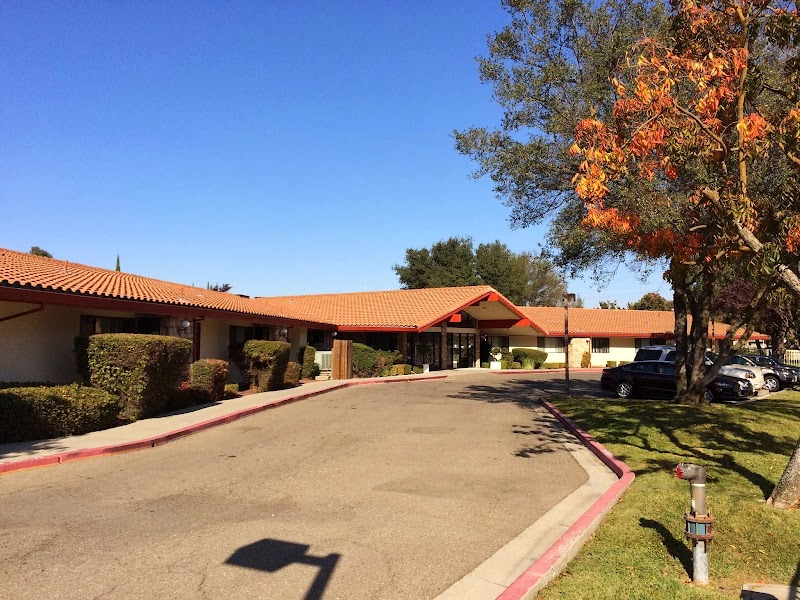
Who Owns and Operates Riverwood Health Care?

RIVERWOOD HEALTH CARE is owned by a for-profit company. For-profit facilities operate as businesses with obligations to shareholders or private owners. The facility is operated by ASPEN SKILLED HEALTHCARE, a chain that manages multiple nursing homes. With 99 certified beds and approximately 89 residents (about 90% occupancy), it is a smaller facility located in STOCKTON, California.
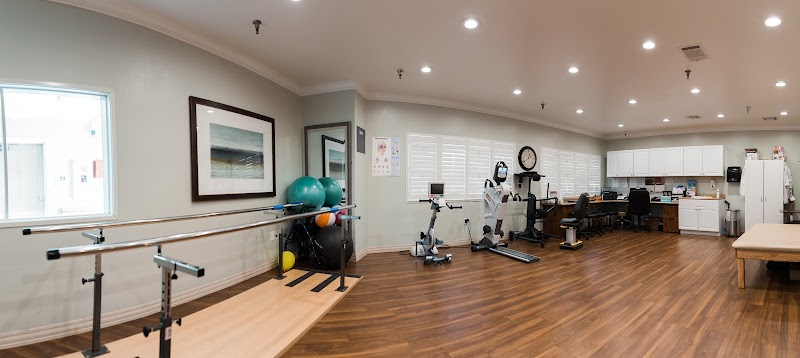
How Does Riverwood Health Care Compare to Other California Nursing Homes?

Compared to the 100 nursing homes in California, RIVERWOOD HEALTH CARE's overall rating (5 stars) is above the state average of 3.2, staff turnover (31%) is significantly lower than the state average of 46%, and health inspection rating (4 stars) is above the national benchmark.

What Should Families Ask When Visiting Riverwood Health Care?

Based on this facility's data, families visiting should ask: "Can I visit during a mealtime to observe dining assistance and food quality?" "How do you handle medical emergencies, and what is your hospital transfer rate?" "Can I speak with family members of current residents about their experience?"

Is Riverwood Health Care Safe?

Based on CMS inspection data, RIVERWOOD HEALTH CARE has a clean safety record: no substantiated abuse findings (meaning no confirmed cases of resident harm), no Immediate Jeopardy citations (the most serious violation level indicating risk of serious injury or death), and is not on the Special Focus Facility watch list (a federal program monitoring the lowest-performing 1% of nursing homes). The facility has a 5-star overall rating and ranks #1 of 100 nursing homes in California. While no facility is perfect, families should still ask about staff-to-resident ratios and recent inspection results during their visit.

Do Nurses at Riverwood Health Care Stick Around?

RIVERWOOD HEALTH CARE has a staff turnover rate of 31%, which is about average for California nursing homes (state average: 46%). Moderate turnover is common in nursing homes, but families should still ask about staff tenure and how the facility maintains care continuity when employees leave.

Was Riverwood Health Care Ever Fined?

RIVERWOOD HEALTH CARE has been fined $52,930 across 13 penalty actions. This is above the California average of $33,608. Fines in this range indicate compliance issues significant enough for CMS to impose meaningful financial consequences. Common causes include delayed correction of deficiencies, repeat violations, or care failures affecting resident safety. Families should ask facility leadership what changes have been made since these penalties.

Is Riverwood Health Care on Any Federal Watch List?

RIVERWOOD HEALTH CARE is not on any federal watch list. The most significant is the Special Focus Facility (SFF) program, which identifies the bottom 1% of nursing homes nationally based on persistent, serious quality problems. Not being on this list means the facility has avoided the pattern of deficiencies that triggers enhanced federal oversight. This is a positive indicator, though families should still review the facility's inspection history directly.