Vineyard Hills Health Center
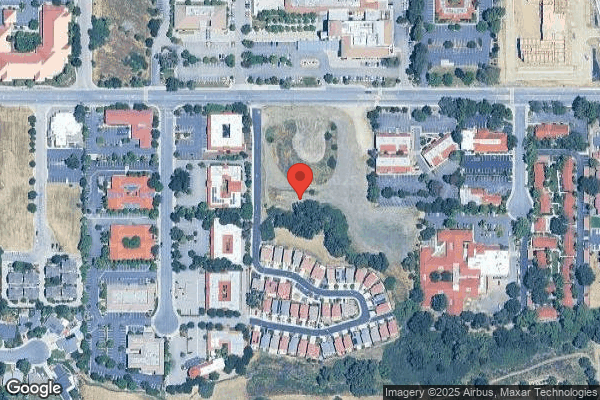
290 Heather Court, Templeton, CA 93465 (805) 434-3035
For profit - Corporation 99 Beds COMPASS HEALTH, INC. Data: November 2025
Trust Grade
85/100
#263 of 1155 in CA
Last Inspection: June 2025

Inspected within the last 6 months. Data reflects current conditions.

Overview

Vineyard Hills Health Center has a Trust Grade of B+, which means it is recommended and performs above average compared to other facilities. It ranks #263 out of 1,155 in California, placing it in the top half, but is #6 out of 7 in San Luis Obispo County, indicating limited options locally. The facility's trend is stable, with 16 issues reported consistently over the past two years, showing no improvement or decline. Staffing rates a solid 4 out of 5 stars, but with a turnover rate of 41%, which is average for California. While the facility has no fines on record, which is a positive sign, it does have concerning RN coverage, being below 92% of state facilities. Specific incidents reported include failures in food safety, such as an unsanitary ice machine and staff not following proper food handling protocols, which could risk residents' health. Additionally, the facility did not submit required screenings for some residents, raising concerns about compliance with admission policies. Overall, while there are strengths in the overall quality and no fines, the concerns about food safety and compliance issues are important for families to consider.

Trust Score
B+
85/100
In California
#263/1155
Top 22%
Safety Record
Low Risk
No red flags
Inspections
Holding Steady
6 → 6 violations
Staff Stability
○ Average
41% turnover. Near California's 48% average. Typical for the industry.
Penalties
✓ Good
No fines on record. Clean compliance history, better than most California facilities.
Skilled Nurses
⚠ Watch
Each resident gets only 18 minutes of Registered Nurse (RN) attention daily — below average for California. Fewer RN minutes means fewer trained eyes watching for problems.
Violations
⚠ Watch
16 deficiencies on record. Higher than average. Multiple issues found across inspections.
★★★★★
5.0
Overall Rating
★★★★☆
4.0
Staff Levels
★★★★★
5.0
Care Quality
★★★★★
5.0
Inspection Score
Stable
2024: 6 issues
2025: 6 issues

The Good

  • 4-Star Staffing Rating · Above-average nurse staffing levels
  • 5-Star Quality Measures · Strong clinical quality outcomes
  • Full Sprinkler Coverage · Fire safety systems throughout facility
  • No fines on record
  • Staff turnover below average (41%)

    7 points below California average of 48%

Facility shows strength in staffing levels, quality measures, fire safety.

The Bad

Staff Turnover: 41%

Near California avg (46%)

Typical for the industry

Chain: COMPASS HEALTH, INC.

Part of a multi-facility chain

Ask about local staffing decisions and management

The Ugly 16 deficiencies on record

Jun 2025 6 deficiencies
CONCERN (D)

Potential for Harm - no one hurt, but risky conditions existed

Deficiency F0761 (Tag F0761)

Could have caused harm · This affected 1 resident

Based on inspection of the facility's Medication Storage Rooms, the facility's storage carts, and interviews with the facility's nursing staff, the facility failed to: 1. Follow the facility's policy ...

Read full inspector narrative →
Based on inspection of the facility's Medication Storage Rooms, the facility's storage carts, and interviews with the facility's nursing staff, the facility failed to: 1. Follow the facility's policy when the Medication Storage Refrigerator was out of temperature range. 2. Follow the facility's policy when The Medication Storage Rooms and the Medication Storage Refrigerators were missing temperature checks for May and June. 3. Write the open date/expiration date on the pharmacy sticker for Resident 32's Insulin Pen located in the medication cart. 4. Indicate an open date on a blood glucose test strip container of when the container was first opened and placed in the medication cart. This failure resulted in medications not safely stored to ensure their integrity and has the potential for medication administration not to be effective. Findings: Inspection of the facility's Medication Storage Areas on 6/24/25 beginning at 11:30 a.m. and interviews with the facility's Nursing Staff revealed: 1. During a concurrent observation and interview on 6/24/25 at 11:30 a.m. with Assistant Director of Nursing (ADON) 1, of the Medication Storage Room in Station 2, the Medication Storage Refrigerator Temperature Log for June 2025 was reviewed with ADON1. On June 20, 2025, under Shift 2 a handwritten number 35 within a circle into the log outside of the printed temperatures. The Medication Storage Refrigerator Temperature Log printed temperature range is 36-46 degrees Fahrenheit. ADON1 agreed that the temperature documented of 35 was out of the acceptable range. ADON1 states that when the refrigerator temperature goes out of acceptable range, maintenance is to be notified, and the notification is to be documented in the maintenance logbook located at the nurse's station. ADON1 states that the temperature is to be adjusted and rechecked 1 hour later. Upon review of the maintenance logbook with ADON1 for June 20, 2025, there was no documentation regarding the temperature of the medication refrigerator being out of range nor is there documentation of the temperature adjustment. ADON1 states there is no documentation of the temperature being rechecked within 1 hour. ADON1 states there is no area on the log that the temperature was rechecked within the hour. During a concurrent interview and record review on 6/24/25 at 3:20 p.m. with Director of Maintenance (DOM), a review of the Maintenance logbook was reviewed. DOM verified there was no documentation that maintenance was informed of the medication refrigerator in Station 2 being out of acceptable temperature range or temperature adjustments made for June 20. During a review of the facility's policy and procedure titled, Label/Store Drugs & Biologicals, (undated), indicated in part, The proper range is 36-46 degrees Fahrenheit. If the temperature is found to be out of range, readjust the thermostat inside the refrigerator and recheck in 1 hour. If still out of range remove all medication into another secure medication storage refrigerator and notify maintenance. 2. During a review of Medication Room Temperature Log-Station 1, dated May 2025, the Medication Room Temperature Log-Station 1 indicated four days of missing temperature checks. During a review of Medication Storage Refrigerator Temperature Log-Station 1, dated May 2025, the Medication Storage Refrigerator Temperature Log-Station 1 indicated 12 days of missing temperature checks for Shift 1 and 31 days of missing temperature checks for Shift 2. During a review of Medication Room Temperature Log -Station 1, dated June 2025, the Medication Room Temperature Log -Station 1 indicated one day of missing temperature checks. During a review of Medication Storage Refrigerator Temperature Log -Station 1, dated June 2025, the Medication Storage Refrigerator Temperature Log -Station 1 indicated one day of missing temperature checks for Shift 1 and six days missing temperature checks for Shift 2. On June 17, both 37 and 42 are circled. ADON1 states there is no way to determine the correct temperature for that day with both numbers being circled. During a review of Medication Room Temperature Log -Station 2, dated May 2025, the Medication Room Temperature Log -Station 2 indicated 11 days of missing temperature checks. During a review of Medication Storage Refrigerator Temperature Log -Station 2, dated May 2025, the Medication Storage Refrigerator Temperature Log -Station 2 indicated missing temperature checks for 16 days for Shift 1 and missing temperature checks for 19 days for Shift 2. During a review of Medication Storage Refrigerator Temperature Log -Station 2, dated June 2025, the Medication Storage Refrigerator Temperature Log -Station 2 indicated missing temperature checks for one day for Shift 1. On June 20, temperature for Shift 2 is documented at 35 degrees which is out of the range of 36-46 degrees Fahrenheit. During an interview on 6/24/25 at 12:11 p.m. with ADON1, ADON1 stated that the temperature of the medication storage room is to be checked daily, and the medication refrigerators should be checked twice a day. ADON1 states that the May and June medication storage room and refrigerator temperatures logs for Station 1 and Station 2 were both missing information. During a review of the facility's policy and procedure titled, Label/Store Drugs & Biologicals, undated, indicated in part, Temperatures will be taken daily inside the medication storage area and are to remain between 59-and 86 degrees Fahrenheit. Medications will be stored in a separate refrigerator. The temperatures will be taken twice daily. The proper range is 36-46 degrees Fahrenheit. 3. During a concurrent observation and interview on 6/26/25 at 11:25 a.m. with Director of Staff Development (DSD) while reviewing Hall C Medication Cart, a Lantus Insulin Pen (medication used to regulate blood sugar in diabetic patients) in Resident 32's medication drawer was observed without a written opening date or expiration date on the sticker placed by pharmacy to indicate when the medication has been used and should no longer be used. DSD states she is unable to verify if the medication had been used or not used. DSD states that the date the prescription was filled by the pharmacy was 5/15/25. DSD states that Per policy it is required to write an open date on everything. DSD states that the Insulin Pen (device that administers the medication Insulin to regulate blood sugar levels) should remain refrigerated until it is used for the first time. DSD states there is no way to verify how long the medication has been out of the refrigerator or when it will expire. DSD states that the Insulin Pen expires 28 days after it has been out of the refrigerator. During a review of the facility's policy and procedure titled Storage of Medications dated March 2024, indicates in part, Insulin bottles/Pens are to be dated when opened and discarded as per manufacturer recommendations. Insulin Pens can be stored at room temperature once opened for use. During a review of the facility's policy and procedure titled Insulin Pen Administration dated March 2024, indicates in part, Store unopened and opened insulin pen in labeled bag in refrigerator (36-46 degrees Fahrenheit). Indicate open date on appropriate sticker. 4. During a concurrent observation and interview on 6/26/25 at 11:35 a.m. with DSD while reviewing Hall C Medication Cart, a first opened date was not written on a blood glucose test strip container (devices used to test residents blood sugar) of when the container was first opened and placed in the medication cart. DSD states there is no way to verify if the container of blood glucose test strips has been opened and is being used. DSD states that the container should have an open date written on the outside of the container where the manufacture label indicates to write it. DSD states that the test strips are only good for 6 months after the bottle is opened. DSD stated They don't last that long around here. DSD states that an unopened container of blood glucose test strips would still be in the box so she would assume this container of test strips is opened and in use. During a review of the manufacture insert titled Medline EvenCare G3 Blood Glucose Test Strips with DSD the manufacture instructions states, DO NOT use test strips after their expiration date. Use within 6 months of first opening or the expiration date on the label, whichever comes first.
CONCERN (D)

Potential for Harm - no one hurt, but risky conditions existed

Deficiency F0802 (Tag F0802)

Could have caused harm · This affected 1 resident

**NOTE- TERMS IN BRACKETS HAVE BEEN EDITED TO PROTECT CONFIDENTIALITY** Based on observation, interview and record review, the facility failed to ensure the staff had appropriate competencies and skil...

Read full inspector narrative →
**NOTE- TERMS IN BRACKETS HAVE BEEN EDITED TO PROTECT CONFIDENTIALITY** Based on observation, interview and record review, the facility failed to ensure the staff had appropriate competencies and skill sets to carry out the functions of the food and nutrition services when one kitchen staff (Dietary Aide - DA ) did not use portion sizes when making sandwiches that were made to be given to residents as an alternate. This failure had the potential to result in residents receiving food items that did not have appropriate amounts of macro and micronutrients which could result in a decrease in nutritional status and weight loss. Findings: During a concurrent observation and interview, on 6/24/25, at 3:34 p.m., with Dietary Aide (DA) was observed making peanut butter and jelly sandwiches and tuna sandwiches. DA was spreading peanut butter with a spatula and the tuna with a spatula. The peanut butter was thinly spread on one slice of bread. No measurements for peanut butter or jelly or tuna were used. DA stated, she has worked at the facility for three months and that she is making sandwiches for the following day. During an interview with the Kitchen Supervisor (KS) on 6/24/25 at 3:56 p.m., KS stated the sandwiches are for tomorrow for meals when a resident orders an alternate meal item. During a review of the facility document titled Sandwich Peanut Butter and Jelly, undated, specified that ¼ cup of peanut butter should be spread on half of the bread slices for each sandwich. Portion size states sandwich. One half sandwich served. During a review of the facility document titled VHHV Tuna, undated, indicated, to place a #16 scoop of tuna salad between two slices of bread, spread out smoothly. Portion size states sandwich [2]. One half sandwich served. During a review of DA personnel file, there was a Performance Enhancement Worksheet ([NAME]) dated 6/2/25. The [NAME] indicated there were blanks in multiple logs and milk left out overnight. Educational information was provided. The job description for each position provides everything that needs to be done. There was a new employee orientation check list with initials by DA and KS on 03/19/2025. The record included but is not limited to: Diet Roster and provides residents with an appropriate diet; Recipes and Spreadsheets: .KS wrote imperative that they are used accurately and that proper serving size is given to residents. Snack Lists all snacks must follow the diet ordered. There were no other job specific competencies in the job description. During an interview with KS and the Registered Dietitian on 6/16/25 at 10:05 a.m., KS stated that new employees complete an orientation, and use a checklist to go over department specific items. KS explained that competency is determined by preceptor training in all areas of the kitchen. KS stated DA has had limited training due to illness. KS stated DA has been educated on scoop sizes. No written competency check list. KS stated she does not complete 90-day evaluations on staff. During a review of the facility Policy and Procedure (P&P) titled Training Orientation, dated 2022, the P&P indicated Food and nutrition services staff will be adequately trained to preform assigned duties. During a review of the facility policy and procedure titled Evaluating Food and Nutritional Services Personnel, dated 2022, the P&P indicated The director of food and nutrition services will complete periodic written evaluations for department staff. Clinical staff should be evaluated using a competency-based assessment . The employee competency check list may be completed at the end of the probationary period or 90 days and periodically as needed . Competency based evaluations will be used. All evaluations should include a list of suggestions for improvement, educational resources for action and recommended completion date.
CONCERN (D)

Potential for Harm - no one hurt, but risky conditions existed

Infection Control (Tag F0880)

Could have caused harm · This affected 1 resident

During a concurrent observation and interview on 6/24/2025, at 4:10 p.m. with LN3. observed the oxygen tubing for Resident 643 was not labeled with a date. LN3 confirmed there was no dated label on th...

Read full inspector narrative →
During a concurrent observation and interview on 6/24/2025, at 4:10 p.m. with LN3. observed the oxygen tubing for Resident 643 was not labeled with a date. LN3 confirmed there was no dated label on the oxygen tubing. LN3 stated, No, it's not there. During a review of the facility's policy and procedure (P&P) titled. Oxygen Procedure, undated, the P&P indicated in part, Purpose: Patients that require oxygen as ordered by a physician . The equipment will be maintained in a manner to ensure the best possible outcome for the patient. Protocol: . oxygen tubing and bag will be replaced weekly. Based on observation, interview and record review the facility failed to maintain infection control practices for three of 10 sampled residents when: 1. Oxygen tubing and nasal cannula (tubing device placed in a person's nose that delivers oxygen) was found on the floor of resident's room (Resident 55). 2. Oxygen tubing was not labeled for two residents (Resident 339 and Resident 643). These failures had the potential to transmit and spread infection to residents. Findings: 1. During an observation on 06/24/25, at 11:30 a.m. in Resident 55's room, oxygen tubing with nasal cannula attached was observed connected to the oxygen concentrator (a medical device that provides supplemental oxygen to individuals with low blood oxygen levels) and placed on the floor. During a concurrent observation and interview on 06/24/25, at 1:10 p.m. with Licensed Nurse (LN6), observation of Resident 55's tubing attached to nasal cannula was observed. LN 6 stated that oxygen tubing and nasal cannula are to be labeled with the date opened and changed every 7 days. LN6 stated that when tubing and cannula are not in use, they are to be stored in a plastic bag with date written on the bag. LN6 confirmed that Resident 55's oxygen tubing and nasal cannula were on the floor and acknowledged that they should have been placed in the bag provided. 2. During a concurrent observation and interview on 06/24/2,5 at 1:10 p.m. in Resident 339's room, with LN6, observation of Resident 339's oxygen tubing was found to not include a label with a date. LN 6 stated that all oxygen tubing be labeled with the date opened and changed every 7 days. LN6 confirmed that Resident 339's oxygen tubing should have been labeled when opened and acknowledged that it was not.
CONCERN (D)

Potential for Harm - no one hurt, but risky conditions existed

Room Equipment (Tag F0908)

Could have caused harm · This affected 1 resident

Based on observation, interview and record review, the facility failed to maintain the walk-in freezer in safe operating condition when ice build up was present. This facility failure had the potenti...

Read full inspector narrative →
Based on observation, interview and record review, the facility failed to maintain the walk-in freezer in safe operating condition when ice build up was present. This facility failure had the potential to affect the overall efficiency and temperature regulation within the freezer. Findings: During an observation on 06/24/2025 at 11:00 a.m., during the initial kitchen tour, of the walk-in freezer, condensation was present on the lower half of the outside of door. The baseboard, on the outside lower left, is lifted and bent. Tile flooring was cracked along baseboard. There was ice present on the floor on the left side when entering the freezer towards the back and on the lower back shelves. Ice was present on pipes near the condenser that was approximately six inches long and three inches wide at ceiling. During a review of the Registered Dietitian (RD) sanitation audits, dated January 2025 through June 2025 documented the following issues: January, February and March: torn freezer seal, ice buildup inside the freezer, and threshold in freezer loose. April: freezer gasket replaced, ice build up in freezer and door not closing tightly. May: freezer door not closing tight. June: freezer is snowing. During an interview with the Kitchen Supervisor (KS) on 06/25/2025 at 9:33 a.m., KS stated the tiles have been cracking, the ice in the freezer can be cleaned up, however two hours later it comes back. KS stated, she brings in up to maintenance to regularly check the pipe at the ceiling. During a concurrent observation and interview with the Maintenance Director (MD) on 06/25/2025 at 3:09 p.m., MD stated that the freezer is defrosted once per month, and the coils and condensers are wiped down. MD stated, he is aware of the gaps and cracked tiles. During a review of the Food and Drug Administration (FDA) Food Code 2022, Section 6-501.11 Repairing, indicating in part, Physical Facilities shall be maintained in good repair.
CONCERN (D)

Potential for Harm - no one hurt, but risky conditions existed

Deficiency F0947 (Tag F0947)

Could have caused harm · This affected 1 resident

Based on interview and record review the facility failed to ensure that one certified nursing assistant (CNA1) received 12 hours of annual in-service which included dementia management as well as abus...

Read full inspector narrative →
Based on interview and record review the facility failed to ensure that one certified nursing assistant (CNA1) received 12 hours of annual in-service which included dementia management as well as abuse prevention training and reporting. This failure had the potential to affect the quality of care and services provided to the residents. Findings: During a concurrent interview and record review on 6/26/25 at 4:09 p.m. with the Director of Staff Development (DSD), CNA1's Individual In-service Attendance Record was reviewed. The record indicated that CNA1 worked at the facility in 2023, 2024, and 2025, and is still employed at the facility, CNA1 did not attend 12 hours of in-services training that included dementia management as well as abuse prevention and reporting for the year of 2024. The DSD acknowledged and confirmed that CNA1 did not receive 12 hours of in-service training for the year of 2024.
CONCERN (E)

Potential for Harm - no one hurt, but risky conditions existed

Menu Adequacy (Tag F0803)

Could have caused harm · This affected multiple residents

Based on observations, staff interviews and facility document review, the facility failed to follow the menu when: 1. Five residents (Residents 8, 13, 36, 38, 63) received mashed potatoes instead of w...

Read full inspector narrative →
Based on observations, staff interviews and facility document review, the facility failed to follow the menu when: 1. Five residents (Residents 8, 13, 36, 38, 63) received mashed potatoes instead of whipped sweet potatoes when the facility ran out of whipped sweet potatoes for the lunch meal on June 24, 2025. 2. Four residents (Residents 4, 18, 57, 76) received roasted turkey that was greater than 3 ounces for the lunch meal on June 24, 2025. 3. A #6 scoop (5.33 ounces) instead of a #8 scoop (4 ounces) of the mashed potatoes and meatloaf were given to 16 residents (Residents 2, 3,11, 20, 21,29, 31,39, 41,47,62, 73, 80, 85, 341, 640) on the soft and bite diet (a texture-modified diet where foods are bite sized, soft, tender and moist with no thin liquid dripping from food) and five residents (Residents 5, 16, 22, 71, 81) on a minced and moist diet (a texture-modified diet that is soft and moist with no liquid dripping from the food and minimal chewing required) for the lunch meal on June 25, 2025. 4. Five residents (Residents 8,13,36,63) on a puree diet, (a textured-modified diet where foods are blended into a smooth, pudding-like consistency, and then enriched with extra nutrients like calories and protein to meet specific dietary needs) received a # 8 scoop instead of a #6 scoop of the puree meatloaf and a # 6 scoop for the mashed potatoes instead of a #8 scoop for the lunch meal on June 25, 2025. 5. Two of two residents (Resident #34 and #46) on finger foods diet received cut up red potatoes instead of tater tots and a whole meatloaf patty instead of meatloaf bites for the lunch meal on June 25, 2025. This failure had the potential to result in residents not receiving the facility's Registered Dietitian's approved menu that can lead to over or under nutrition which can compromise the residents' nutritional status and overall clinical condition. Findings: 1. During a review of the facility document titled, Diet Spread Sheet dated 6/24/25, for the lunch meal, indicated the following diets would receive ½ cup of whipped sweet potatoes: Regular, small portion, soft and bite, minced and moist, and Puree diets. Resident 8 was on a Puree, Nectar Thick diet. Resident 13 was on a Puree, Nectar Thick diet. Resident 38 was on a Puree diet. Resident 36 was on a Puree, Nectar Thick diet. Resident 63 was on a Puree, Nectar Thick. During an interview on 6/24/25 at 12:48 p.m., at the end of the lunch meal service with the Day [NAME] (DC), DC stated he was preparing food for 90 residents at the facility, and he used four cans of sweet potatoes when he prepared the recipe. DC stated that was usually enough for all the residents. DC stated that they only had four cans of sweet potatoes so that is all he could use and could not make more. 2. During a review of the facility document titled Diet Spread Sheet, dated 6/24/25 for the lunch meal, indicated, the regular diet would provide three ounces of roast turkey. During an observation of the lunch meal service on 6/24/25 starting at 11:39 a.m., the steam table had whipped sweet potatoes, roast turkey that was sliced, and a vegetable blend. DC was placing the sliced roast turkey on the plates for the residents during the meal service. The sliced turkey was various sizes. During concurrent observation and interview, of the lunch meal service on 6/24/25 at 12:32 p.m., DC was asked to weigh the turkey slices, DC placed four different slices of turkey on the scale. The slices were 3.5 ounces, 4 ounces, 4 ounces and 5 ounces. DC confirmed the amounts on the scale. DC stated that some slices are bigger than three ounces, but they are close to three ounces. DC then placed those slices on the resident's plates for the following residents: Residents 4, 18, 57 and 76. During a review of the tray ticket for Resident 4, 18, 57, 76 indicated, they were on a Regular Diet. 3. During a review of the lunch menu titled Diet Spread Sheet dated 6/25/25, indicated ½ cup (#8 scoop) of mashed potatoes for the soft and bite diet and minced and moist diet. During an observation of the lunch meal service on 6/25/25 starting at 11:45 a.m., there was a #6 scoop (5.33 ounces) in the mashed potatoes. DC was using the #6 scoop during the lunch meal service for the residents on the soft and bite (Resident 2, 3,11 20, 21,29,31,39, 41,47,62, 73, 80, 85, 341, 640,) minced and moist diet (Residents 5, 16, 22, 71, 81). During a review of the meal tickets indicated the following: Resident (5,16, 22, 71,81) were on a minced and moist diet Residents (2, 3,11 20, 21,29,31,39, 41,47,62, 73, 80, 85, 341, 640) were on a soft and bite diet. During an interview with DC on 6/25/25 at 12:41 p.m. at the end of the lunch meal service, DC confirmed he was using the #6 scoop for the mashed potatoes and that was not correct. During an interview with the Kitchen Supervisor (KS) on 6/24/25 at 12:43 p.m, KS stated it should have been a #8 scoop for the mashed potatoes. 4. During a review of the lunch menu titled Diet Spread Sheet dated 6/25/25, indicated # 6 scoop for the puree meatloaf and #8 scoop for the mashed potatoes for the residents on a puree diet. During an observation of the lunch meal service on 6/25/25 starting at 11:34 a.m., there was a #8 scoop in the puree meatloaf and a #6 scoop in the mashed potatoes. DC would portion for the residents (Residents 8, 13, 36, 38, 63) on the puree diet using a #8 scoop for the meatloaf and #6 for the mashed potatoes. During an interview with DC on 6/25/25 at 12:41 p.m. at the end of the lunch meal service, DC confirmed he was using the #6 scoop for the mashed potatoes and that was not correct. During a review of the meal tickets for Residents 8, 13, 36, 38, 63, indicated puree diet. 5. During a review of the lunch menu titled Diet Spread Sheet dated 6/25/25, indicated for the finger food diet they would receive three ounces of meatloaf bites, ½ cup tater tots, ½ cup carrot coins. During an observation of the lunch meal service on 6/25/25 starting at 11:45 AM, there were meatloaf patties, red potatoes, and carrot coins on the steam table. During the 2nd meal cart there were two residents (Resident 34 and 46) on a finger food diet. DC placed red potatoes, carrot coins and one whole meatloaf patty with gravy on top on the plates. At 12:02 p.m., the cart was leaving the kitchen and the surveyor asked KS about the residents with finger food diets. KS looked at the trays and the foods on the plates while reviewing the meal tickets and stated they should have tater tots instead of the potatoes. KS asked DC about the Tater Tots and DC stated he forgot to make them. KS pulled the trays from the cart then put tater tots in the oven. During a review of the tray ticket for Resident 34 and 46 indicated, it was noted that both residents were on Fingers Foods diet (small, bite-sized pieces of food). During a review of the facility document for Dining Assistance/ Special Needs, Finger Food Diet, dated 2016, indicated, Finger Food Diet is small, bite-sized pieces of food that can be easily picked up and eaten with the fingers, without the need for utensils for individuals with certain dietary needs for individuals who need to eat with their fingers to improve hand movements, maintain utilization of utensils, cannot sit still to eat, or medical conditions prohibiting the use of utensils. It indicated foods are in a form that reduces the amount of spilling. A person served finger foods should be in complete control over what they eat .decreases frustration, enhance dignity and self-esteem . improvement in appetite may also occur. During an interview with the Registered Dietitian (RD) and KS on 6/26/25 at 10:05 a.m., RD stated when they re-sent the trays after they were brought to their attention, the plates had the meatloaf cut and with Tater Tots. RD and KS stated the expectation is that the meatloaf is to be cut or in bite size pieces and the gravies and sauces should be served in a cup. RD stated the expectation is to follow menus and the portion sizes. KS stated she does audit or observation of tray line portions, monthly audits done for textures and quarterly audits done. KS stated they do monthly in-services with staff. During a review of the facility document titled In Services Training Report Dietary Staff titled portion sizes/spread sheets' dated 05/20/2025, indicated, Portion sizes are not being served properly .These are state and federal regulations not and just a preference for the company. Included in the education is a copy of scoop sizes and spread sheet examples.
Jun 2024 6 deficiencies
CONCERN (D)

Potential for Harm - no one hurt, but risky conditions existed

Transfer Notice (Tag F0623)

Could have caused harm · This affected 1 resident

**NOTE- TERMS IN BRACKETS HAVE BEEN EDITED TO PROTECT CONFIDENTIALITY** Based on interview, record review, and review of the facility policy, the facility failed to ensure the Ombudsman was notified w...

Read full inspector narrative →
**NOTE- TERMS IN BRACKETS HAVE BEEN EDITED TO PROTECT CONFIDENTIALITY** Based on interview, record review, and review of the facility policy, the facility failed to ensure the Ombudsman was notified when residents transferred to the hospital for 1 (Resident #63) of 1 sampled resident reviewed for hospitalization. Findings included: An undated facility policy titled Notice Requirements Before Transfer/Discharge, revealed Before a resident is transferred or discharged , [name] will notify the resident, and representative(s) of the transfer or discharge. This notice shall be in a language and manner they understand. A copy of the notice shall be sent to the Office of the State Long-Term Care Ombudsman. This notice shall be in writing and shall include the reason for transfer. Per the policy, In the above situations, notice will be made as soon as practical before transfer or discharge. An Face Sheet revealed the facility admitted Resident #63 on 03/01/2024. According to the Face Sheet, the resident had a medical history that included diagnoses of sepsis and alcoholic liver disease. An admission Minimum Data Set (MDS), with an Assessment Reference Date (ARD) of 03/05/2024, revealed Resident #63 had a Brief Interview for Mental Status (BIMS) score of 10, which indicated the resident had moderate cognitive impairment. Resident #63's physician order dated 04/01/2024 directed the staff to transfer the resident to the hospital for evaluation and treatment. Resident #63's Resident Transfer Form, dated 04/01/2024, revealed Resident #63 was transferred to the hospital. Review of Resident #63's medical record revealed no evidence to indicate the Ombudsman was notified of the resident's transfer to the hospital on [DATE]. In an interview on 06/05/2024 at 2:58 PM, the Administrator stated the facility notified the Ombudsman with a list of residents who transferred or were discharged every 30 days. The Administrator stated medical records was responsible for Ombudsman notification for resident transfers and/or discharges. In an interview on 06/05/2024 at 3:03 PM, the Medical Records Supervisor stated the facility was not notifying the Ombudsman office at the time of a resident transfer and/or discharge. In an interview on 06/06/2024 at 7:32 AM, the Ombudsman stated the facility did notify their office of residents' transfers or discharges, unless there was something unusual.
CONCERN (D)

Potential for Harm - no one hurt, but risky conditions existed

Deficiency F0645 (Tag F0645)

Could have caused harm · This affected 1 resident

**NOTE- TERMS IN BRACKETS HAVE BEEN EDITED TO PROTECT CONFIDENTIALITY** Based on interview, record review, and facility policy review, the facility failed to ensure a preadmission screening and reside...

Read full inspector narrative →
**NOTE- TERMS IN BRACKETS HAVE BEEN EDITED TO PROTECT CONFIDENTIALITY** Based on interview, record review, and facility policy review, the facility failed to ensure a preadmission screening and resident review (PASARR) level I screening was accurate upon admission to the facility for 1 (Resident #41) of 4 sampled residents reviewed for PASARRs. Findings included: An undated facility policy titled, PASARR Screening for MD [mental disorder] and ID [intellectual disorder], indicated, [Name] facilities do not admit any new resident with mental illness or mental retardation unless the State Menal Health Authority has determined that the individual requires the level of services provided by [name] facilities. This determination shall be based on an independent physical and mental evaluation of the resident. A Face Sheet revealed the facility admitted Resident #41 on 05/14/2020. According to the Face Sheet, the resident had a medical history that included diagnoses of major depressive disorder, anxiety, and psychosis. A quarterly Minimum Data Set (MDS), with an Assessment Reference Date (ARD) of 04/17/2024, revealed Resident #41 had a Brief Interview for Mental Status (BIMS) score of 7, which indicated the resident had moderate cognitive impairment. The MDS indicated the resident had an active diagnosis to include major depression disorder. Resident #41's Care Plan Report, with an effective date of 05/14/2020, indicated the resident had depression with insomnia as manifested by an inability to maintain a normal sleep cycle and the verbalization of feeling sadness. Resident #41's Preadmission Screening and Resident Review [PASARR] Level I Screening Document, dated 05/15/2020, revealed the resident did not have a diagnoses mental disorder such as schizophrenia/schizoaffective disorder, psychotic/psychosis, delusional, depression, mood disorder, bipolar, or panic/anxiety. During an interview on 06/06/2024 at 9:04 AM, Admissions Coordinator (AC) #8 stated the only thing she did the PASARR was to ensure it was received from the hospital upon the resident's admission to the facility. AC #8 stated she did not review the PASARR for accuracy. According to AC #8, the Director of Nursing (DON) was responsible to ensure the PASARR was accurate. On 06/06/2024 at approximately 9:00 AM, the surveyor was informed that the DON was unavailable to be interviewed and she should interview the Corporate Compliance Officer (CCO) in the place of the DON. During an interview on 06/06/2024 at 9:43 AM, Nursing Supervisor (NS) #5 stated the DON was responsible for the accuracy of the level I PASARR and if Resident #41 had a diagnosis of major depressive disorder upon admission, the initial level I PASARR should have been marked yes for a mental illness. NS #5 stated Resident #41's level I PASARR completed on 05/15/2020 was incorrect if no was marked next to mental illness. During an interview on 06/06/2024 at 11:25 AM, the CCO stated the DON was responsible for the facility's PASARR process and to ensure the PASAR was accurate. According to the CCO, Resident #41's diagnoses of depression, anxiety and psychosis should have been captured on the PASARR. During an interview on 06/06/2024 at 12:22 PM, the Administrator stated the DON reviewed the PASARR for accuracy. Per the Administrator, if the PASARR was not accurate, a new PASARR should have been completed when the resident admitted to the facility.
CONCERN (E)

Potential for Harm - no one hurt, but risky conditions existed

PASARR Coordination (Tag F0644)

Could have caused harm · This affected multiple residents

**NOTE- TERMS IN BRACKETS HAVE BEEN EDITED TO PROTECT CONFIDENTIALITY** Based on interview, record review, and facility policy review, the facility failed to submit a new preadmission screening and re...

Read full inspector narrative →
**NOTE- TERMS IN BRACKETS HAVE BEEN EDITED TO PROTECT CONFIDENTIALITY** Based on interview, record review, and facility policy review, the facility failed to submit a new preadmission screening and resident review (PASARR) level I screening when required for 2 (Resident #41 and Resident #45) of 4 sample residents reviewed for PASARRs. Findings included: An undated facility policy titled, PASARR Screening for MD [mental disorder] and ID [intellectual disorder], indicated, [Name] facilities do not admit any new resident with mental illness or mental retardation unless the State Menal Health Authority has determined that the individual requires the level of services provided by [name] facilities. This determination shall be based on an independent physical and mental evaluation of the resident. 1. A Face Sheet revealed the facility admitted Resident #45 on 01/04/2021. According to the Face Sheet, the resident had a medical history that included diagnoses of dementia, psychosis, and anxiety. A quarterly Minimum Data Set (MDS), with an Assessment Reference Date (ARD) of 03/13/2024, revealed Resident #45 had a Brief Interview for Mental Status (BIMS) score of 3, which indicated the resident had severe cognitive impairment. Resident #45's Preadmission Screening and Resident Review Level I Screening Document dated 01/05/2021, specified Resident #45 had a negative Level I screen due to a 30-day exempted hospital discharge. The document indicated a new Level I was due on the 31st day after admission. During an interview on 06/06/2024 at 9:43 AM, Nursing Supervisor #5 stated she did not know if a new PASARR should have been resubmitted if Resident #45 remained in the facility beyond 30 days. During an interview on 06/06/2024 at 11:25 AM, the Corporate Compliance Officer stated a new PASARR should have been resubmitted since the resident stayed in the facility beyond 30 days. During an interview on 06/0620/24 at 12:22 PM, the Administrator stated Resident #45's PASARR had 30-day criteria and another PASARR was not done. The Administrator stated he expected that a new PASARR should have been done after the resident remained in the facility past 30 days. 2. A Face Sheet revealed the facility admitted Resident #41 on 05/14/2020. According to the Face Sheet, the resident had a medical history that included diagnoses of major depressive disorder, anxiety, and psychosis. Resident #41's Diagnoses/Surgical Procedures, document revealed the resident received new diagnoses of unspecified psychosis and anxiety disorder on 12/03/2020. A quarterly Minimum Data Set (MDS), with an Assessment Reference Date (ARD) of 04/17/2024, revealed Resident #41 had a Brief Interview for Mental Status (BIMS) score of 7, which indicated the resident had moderate cognitive impairment. The MDS indicated the resident had an active diagnosis to include major depression disorder, anxiety disorder, and psychotic disorder. Resident #41's Care Plan Report, with an effective date of 05/14/2020, indicated the resident had depression with insomnia as manifested by an inability to maintain a normal sleep cycle and the verbalization of feeling sadness. Resident #41's medical record revealed no evidence a new Preadmission Screening and Resident Review [PASARR] Level I Screening Document, was completed after the resident received new mental illness diagnoses of unspecified psychosis and anxiety disorder on 12/03/2020. During an interview on 06/06/2024 at 9:04 AM, Admissions Coordinator (AC) #8 stated the Director of Nursing (DON) was responsible for PASARR completion. On 06/06/2024 at approximately 9:00 AM, the surveyor was informed that the DON was unavailable to be interviewed and she should interview the Corporate Compliance Officer (CCO) in the place of the DON. During an interview on 06/06/2024 at 11:25 AM, the CCO stated the DON was responsible for the facility's PASARR process. According to the CCO, a new PASARR should have been completed when Resident #41 received new mental illness diagnoses. During an interview on 06/06/2024 at 12:22 PM, the Administrator stated if the PASARR was not accurate, a new PASARR should have been completed.
CONCERN (E)

Potential for Harm - no one hurt, but risky conditions existed

Drug Regimen Review (Tag F0756)

Could have caused harm · This affected multiple residents

Based on interview, record review, and facility policy review, the facility failed to ensure the Pharmacist reported medication regimen irregularities to the physician for the extended use of as neede...

Read full inspector narrative →
Based on interview, record review, and facility policy review, the facility failed to ensure the Pharmacist reported medication regimen irregularities to the physician for the extended use of as needed psychotropic medication for 5 (Residents #43, #45, #49, #54, and #115) of 6 sampled residents reviewed for unnecessary medications. Findings included: An undated facility policy titled Drug Regimen Review, Report Irregular, Act On revealed, The consultant pharmacist must devote sufficient number of hours during a regular scheduled visit, for the purpose of coordinating, supervising and reviewing the pharmaceutical services and review the drug regimen of each resident at least monthly. The review must include a review of the resident's medical chart. A report is made to each resident's attending physician and the facility's Medical Director and the Director of Nursing of any irregularities identified by the consultant and these reports must be acted upon. 1. A Face Sheet revealed the facility admitted Resident #43 on 12/16/2021. According to the Face Sheet, the resident had a medical history that included diagnosis of anxiety, psychosis, and dementia. A quarterly Minimum Data Set (MDS), with an Assessment Reference Date (ARD) of 05/20/2024, revealed Resident #43 had a Brief Interview for Mental Status (BIMS) score of 4, which indicated the resident had severe cognitive impairment. The MDS revealed the resident received antianxiety medication. Resident #43's Care Plan Report, with an effective date of 12/16/2021, revealed the resident had anxiety. Interventions directed the staff to administer medications as ordered by the physician. Resident #43's physician order, dated 11/30/2023, revealed an order for alprazolam (an antianxiety medication) 0.5 milligram as needed every eight hours. The order did not indicate a stop/discontinue date. The Consultant Pharmacist's medication regimen review for the timeframe 03/01/2024 to 03/31/2024 and 05/01/2024 to 05/31/2024, revealed no evidence to indicate there were any irregularities in Resident #43's medication regimen. 2. A Face Sheet revealed the facility admitted Resident #49 on 05/01/2022. According to the Face Sheet, the resident had a medical history that included diagnosis of anxiety and psychosis. A quarterly Minimum Data Set (MDS), with an Assessment Reference Date (ARD) of 05/01/2024, revealed Resident #49 had a Brief Interview for Mental Status (BIMS) score of 3, which indicated the resident had severe cognitive impairment. The MDS revealed the resident received antianxiety medication. Resident #49's Care Plan Report, with an effective date of 05/01/2022, revealed the resident had anxiety. Interventions directed the staff to administer medications as ordered. Resident #49's physician orders, dated 02/29/2024, revealed an order for lorazepam (an antianxiety medication) 0.5 milligram as needed every eight hours. The order did not indicate a stop/discontinue date. The Consultant Pharmacist's medication regimen review for the timeframe 05/01/2024 to 05/31/2024, revealed no evidence to indicate there were any irregularities in Resident #49's medication regimen. 3. A Face Sheet revealed the facility admitted Resident #45 on 01/04/2021. According to the Face Sheet, the resident had a medical history that included diagnoses of dementia, psychosis, and anxiety. A quarterly Minimum Data Set (MDS), with an Assessment Reference Date (ARD) of 03/13/2024, revealed Resident #45 had a Brief Interview for Mental Status (BIMS) score of 3, which indicated the resident had severe cognitive impairment. The MDS revealed the resident received an antianxiety medication. Resident #45's Care Plan Report, with an effective date of 01/04/2021, revealed the resident had anxiety. Interventions directed the staff to administer medication as ordered. Resident #45's June 2024 Physician Orders Sheet contained an order dated 05/30/2024 for lorazepam (an antianxiety medication) 0.5 milligram tablet as needed every six hours. The order did not indicate a stop/discontinue date. The Consultant Pharmacist's medication regimen review for the timeframe 03/01/2024 to 03/31/2024, 04/01/2024 to 04/30/2024, and 05/01/2024 to 05/31/2024, revealed no evidence to indicate there were any irregularities in Resident #45's medication regimen. 4. A Face Sheet revealed the facility admitted Resident #54 on 03/30/2024. According to the Face Sheet, the resident had a medical history that included diagnoses of dementia with other behavioral disturbances, anxiety, and major depressive disorder. An admission Minimum Data Set (MDS), with an Assessment Reference Date (ARD) of 04/03/2024, revealed Resident #54 had a Brief Interview for Mental Status (BIMS) score of 5, which indicated the resident had severe cognitive impairment. The MDS indicated the resident received an antianxiety medication. Resident #54's Care Plan Report, with an effective date of 03/30/2024, indicated the resident may exhibit episodes of anxiety. Interventions directed staff to administer medications as ordered. Resident #54's June 2024 Physician Order Sheet, contained an order dated 03/30/2024 for lorazepam (an antianxiety medication) 0.5 milligram tablet by mouth every four hours as needed for anxiety. The order did not indicate a stop/discontinue date. The Consultant Pharmacist's medication regimen review for the timeframe 04/01/2024 to 04/30/2024, revealed no evidence to indicate there were any irregularities in Resident #54's medication regimen. 5. A Face Sheet revealed the facility admitted Resident #115 on 05/16/2024. According to the Face Sheet, the resident had a medical history that included diagnoses of anxiety, major depressive disorder, and unspecified psychosis. An admission Minimum Data Set (MDS), with an Assessment Reference Date (ARD) of 05/20/2024, revealed Resident #115 had a Brief Interview for Mental Status (BIMS) score of 14, which indicated the resident had intact cognition. The MDS indicated the resident received an antianxiety medication. Resident #115's Care Plan Report, with an effective date of 05/16/2024, indicated the resident had intermittent episodes of anxiety with persistent worry that distressed the resident and impaired their daily well-being. Interventions directed the staff to administer medications as ordered. Resident #115's June 2024 Physician Order Report revealed an order dated 05/20/2024, for Ativan (an antianxiety medication) 0.5 milligram tablet by mouth every six hours as needed. The order did not indicate a stop/discontinue date. The Consultant Pharmacist's medication regimen review for the timeframe 05/01/2024 to 05/31/2024, revealed no evidence to indicate there were any irregularities in Resident #115's medication regimen. During an interview on 06/06/2024 at 9:11 AM, the Consultant Pharmacist stated she reviewed each resident's chart monthly and submitted all recommendations. The Consultant Pharmacist stated that when she reviewed the as needed use of psychotropic medications, she had not made any recommendations on changing a resident's order for as needed lorazepam duration and did not take the duration or stop dates into consideration when she made recommendations. Per the Consultant Pharmacist, if a resident had an order for as needed lorazepam (Ativan), she did not recommend adding a stop date or order duration to the order.
CONCERN (E)

Potential for Harm - no one hurt, but risky conditions existed

Medication Errors (Tag F0758)

Could have caused harm · This affected multiple residents

3. A Face Sheet revealed the facility admitted Resident #43 on 12/16/2021. According to the Face Sheet, the resident had a medical history that included diagnosis of anxiety, psychosis, and dementia. ...

Read full inspector narrative →
3. A Face Sheet revealed the facility admitted Resident #43 on 12/16/2021. According to the Face Sheet, the resident had a medical history that included diagnosis of anxiety, psychosis, and dementia. A quarterly Minimum Data Set (MDS), with an Assessment Reference Date (ARD) of 05/20/2024, revealed Resident #43 had a Brief Interview for Mental Status (BIMS) score of 4, which indicated the resident had severe cognitive impairment. The MDS revealed the resident received antianxiety medication. Resident #43's Care Plan Report, with an effective date of 12/16/2021, revealed the resident had anxiety. Interventions directed the staff to administer medications as ordered by the physician. Resident #43's physician order, dated 11/30/2023, revealed an order for alprazolam (an antianxiety medication) 0.5 milligram as needed every eight hours. The order did not indicate a stop/discontinue date. 4. A Face Sheet revealed the facility admitted Resident #49 on 05/01/2022. According to the Face Sheet, the resident had a medical history that included diagnosis of anxiety and psychosis. A quarterly Minimum Data Set (MDS), with an Assessment Reference Date (ARD) of 05/01/2024, revealed Resident #49 had a Brief Interview for Mental Status (BIMS) score of 3, which indicated the resident had severe cognitive impairment. The MDS revealed the resident received antianxiety medication. Resident #49's Care Plan Report, with an effective date of 05/01/2022, revealed the resident had anxiety. Interventions directed the staff to administer medications as ordered. Resident #49's physician orders, dated 02/29/2024, revealed an order for lorazepam (an antianxiety medication) 0.5 milligram as needed every eight hours. The order did not indicate a stop/discontinue date. 5. A Face Sheet revealed the facility admitted Resident #45 on 01/04/2021. According to the Face Sheet, the resident had a medical history that included diagnoses of dementia, psychosis, and anxiety. A quarterly Minimum Data Set (MDS), with an Assessment Reference Date (ARD) of 03/13/2024, revealed Resident #45 had a Brief Interview for Mental Status (BIMS) score of 3, which indicated the resident had severe cognitive impairment. The MDS revealed the resident received an antianxiety medication. Resident #45's Care Plan Report, with an effective date of 01/04/2021, revealed the resident had anxiety. Interventions directed the staff to administer medication as ordered. Resident #45's June 2024 Physician Orders Sheet contained an order dated 05/30/2024 for lorazepam (an antianxiety medication) 0.5 milligram tablet as needed every six hours. The order did not indicate a stop/discontinue date. During an interview on 06/06/2024 at 9:11 AM, the Pharmacist stated she reviewed each resident's chart monthly and submitted all recommendations. The Pharmacist stated that when she reviewed the as needed use of psychotropic medications, she had not made any recommendations on changing a resident's order for as needed lorazepam duration and did not take the duration or stop dates into consideration when she made recommendations. Per the Pharmacist, if a resident had an order for as needed lorazepam, she did not recommend adding a stop date or order duration to the order. During an interview on 06/06/2024 at 11:25 AM, the Chief Compliance Officer stated she did not know if a stop date was required. During an interview on 06/06/2024 at 12:01 PM, the Social Services Director stated she was not sure if a stop date or duration needed to be specified with continued orders of as needed psychotropic medication(s). During an interview on 06/06/2024 at 12:22 PM, the Administrator stated he expected trial periods for as needed psychotropic medications to be limited to 14 days, but if the physician thought the resident's need for the medication to be ongoing, there did not need to be a stop date for the continued use. The Administrator stated he felt it was unnecessary for the physician to write a new order for an as needed psychotropic medication every 14 days if the physician felt the medication was necessary. Based on interview, record review, and facility policy review, the facility failed to ensure as needed psychotropic medication was not ordered for more 14 days for 5 (Residents #43, #45, #49, #54, and #115) of 6 sampled residents reviewed for unnecessary medications. Specifically, Residents #43, #45, #49, #54, and #115 had physician orders for as needed lorazepam (Ativan), an antianxiety medication, with no indicated duration/stop date. Findings included: An undated facility policy titled, Drug Regimen is Free From Unnecessary Drugs/ Free from unnecessary Psychotropic Meds [medications]/ PRN [pro re nata, which meant an needed] Use, indicated, Each resident's drug regimen is free from unnecessary drugs. Drugs shall not be used in excessive doses, duplicate drug, for excessive duration, without adequate indication for use of the drugs, without adequate monitoring or in the presence of adverse consequences. The policy specified, Attending physician or prescribing practitioner should document the rationale for the extended time period in the medical record and indicate a specific duration. 1. A Face Sheet revealed the facility admitted Resident #54 on 03/30/2024. According to the Face Sheet, the resident had a medical history that included diagnoses of dementia with other behavioral disturbances, anxiety, and major depressive disorder. An admission Minimum Data Set (MDS), with an Assessment Reference Date (ARD) of 04/03/2024, revealed Resident #54 had a Brief Interview for Mental Status (BIMS) score of 5, which indicated the resident had severe cognitive impairment. The MDS indicated the resident received an antianxiety medication. Resident #54's Care Plan Report, with an effective date of 03/30/2024, indicated the resident may exhibit episodes of anxiety. Interventions directed staff to administer medications as ordered. Resident #54's June 2024 Physician Order Sheet, contained an order dated 03/30/2024 for lorazepam (an antianxiety medication) 0.5 milligram tablet by mouth every four hours as needed for anxiety. The order did not indicate a stop/discontinue date. 2. A Face Sheet revealed the facility admitted Resident #115 on 05/16/2024. According to the Face Sheet, the resident had a medical history that included diagnoses of anxiety, major depressive disorder, and unspecified psychosis. An admission Minimum Data Set (MDS), with an Assessment Reference Date (ARD) of 05/20/2024, revealed Resident #115 had a Brief Interview for Mental Status (BIMS) score of 14, which indicated the resident had intact cognition. The MDS indicated the resident received an antianxiety medication. Resident #115's Care Plan Report, with an effective date of 05/16/2024, indicated the resident had intermittent episodes of anxiety with persistent worry that distressed the resident and impaired their daily well-being. Interventions directed the staff to administer medications as ordered. Resident #115's June 2024 Physician Order Report revealed an order dated 05/20/2024, for Ativan (an antianxiety medication) 0.5 milligram tablet by mouth every six hours as needed. The order did not indicate a stop/discontinue date.
CONCERN (E)

Potential for Harm - no one hurt, but risky conditions existed

Infection Control (Tag F0880)

Could have caused harm · This affected multiple residents

Based on observation, interview, record review, and facility policy review, the facility failed to ensure enhance barrier precautions (EBP) were implemented for 1 (Resident #40) of 2 sampled residents...

Read full inspector narrative →
Based on observation, interview, record review, and facility policy review, the facility failed to ensure enhance barrier precautions (EBP) were implemented for 1 (Resident #40) of 2 sampled residents reviewed for urinary catheters and 2 (Resident #1 and Resident #117) of 2 sampled residents reviewed for pressure ulcer/injury. The facility further failed to ensure catheter tubing and a resident's genital area were cleaned during the provision of catheter care for 1 (Resident #40) of 2 sampled residents reviewed for urinary catheters. Findings included: A facility policy titled, Enhanced Barrier Precautions, revised in 08/2022, indicated, Enhanced barrier precautions (EBPs) re utilized to prevent the spread of multi-drug resistant organisms to residents. Policy Interpretation and Implementation 1. Enhanced barrier precautions are used as in infection prevention and control intervention to reduce the spread of multi-drug resistant organisms to residents. 2. EBPs employ targeted gown and glove use during high contact resident care activities when contact precautions do not otherwise apply. The policy indicated, 3. Examples of high-contact resident care activities requiring the use of gown and gloves for EBPs include: a. dressing; b. bathing/showering; c. transferring; d. providing hygiene; e. changing linens; f. changing briefs or assisting with toileting; g. device care or use (central line, urinary catheter, feeding tube, tracheostomy/ventilator, etc. [et cetera, and other similar things]); and h. wound care (any skin opening requiring a dressing). 1. A Face Sheet indicated the facility admitted Resident #117 on 05/17/2024. According to the Face Sheet, the resident had a medical history that included diagnoses of dermatomyositis (an inflammatory disease marked by muscle weakness and a distinctive skin rash) with myopathy (a disease that affected the muscles that control voluntary movements in the body) and pruritus (itchy skin). An admission Minimum Data Set (MDS), with an Assessment Reference Date (ARD) of 05/21/2024, revealed Resident #117 had two stage 3 pressure ulcers that were present on admission. Resident #117's undated Care Plan Report, revealed the resident had actual impaired skin integrity as described as a stage 3 pressure ulcer to their left buttock. Resident #117's June 2024 Physician Order Sheet, contained an order dated 05/29/2024 that directed staff to apply calcium alginate to resident's left buttock stage 3 pressure ulcer after Medi honey to wound bed then cover with an non-adhesive dressing daily. During an observation on 06/04/2024 at 1:58 PM, the Nurse Practitioner (NP) and the Infection Preventionist (IP) provided wound care for Resident #117. The NP and the IP did not implement enhanced barrier precautions and wore only gloves during the provision of wound care. 2. A Face Sheet indicated the facility admitted Resident #40 on 04/27/2023. According to the Face Sheet, the resident had a medical history that included diagnoses of obstructive and reflux uropathy and malignant neoplasm of unspecified kidney. An quarterly Minimum Data Set (MDS), with an Assessment Reference Date (ARD) of 04/30/2024, revealed Resident #40 had an indwelling catheter. Resident #40's undated Care Plan Report, revealed the resident a potential for infection and/or complication related to an indwelling urinary catheter. During an observation on 06/04/2024 at 2:24 PM, Certified Nursing Assistant (CNA) #4 and CNA #6 provided indwelling urinary catheter care for Resident #40. CNA #4 and CNA #6 did not implement enhanced barrier precautions and wore only gloves during the provision of indwelling urinary catheter care. 3. A Face Sheet indicated the facility admitted Resident #1 on 10/16/2018. According to the Face Sheet, the resident had a medical history that included diagnoses of cellulitis of the left and right lower limb and type 2 diabetes mellitus with diabetic neuropathy. Resident #1's undated Care Plan Report, revealed the resident had actual impaired skin integrity as described as a stage 3 pressure ulcer on their sacrum. During an observation on 06/05/2024 at 9:27 AM, Licensed Vocational Nurse (LVN) #1 and Certified Nursing Assistant (CNA) #3 provided wound care for Resident #1. LVN #1 and CNA #3 did not implement enhanced barrier precautions and wore only gloves during the provision of wound care. During an interview on 06/05/2024 at 2:13 PM, LVN #1 stated she was not familiar with EBPs, just regular contact precautions. During an interview on 06/05/2024 at 2:19 PM, CNA #3 stated only gloves were used during the provision of indwelling urinary catheter care and wound care. CNA #3 stated she did know what EBPs were. During an interview on 06/06/2024 at 7:11 AM, LVN #2 stated she had not been trained on EBPs. LVN #2 stated staff wore personal protective equipment if there was any type of infection that required gown and gloves to work, but gown and gloves were not worn when only providing care to residents with no infections. During an interview on 06/06/2024 at 7:20 AM, the Infection Preventionist staff had not been educated on EBPs. During an interview on 06/06/2024 at 8:00 AM, the Administrator stated the facility misunderstood the memo from the Centers for Medicare & Medicaid and that was why the facility had not implemented enhanced barrier precautions. During a follow-up interview on 06/06/2024 at 12:22 PM, the Administrator stated ow that he had been enlightened about EBPs, the facility would follow the precautions for that require it. During an interview on 06/06/2024 at 12:50 PM, the Chief Operating Officer stated the facility had not implemented EBPs.
Dec 2023 1 deficiency
CONCERN (D) 📢 Someone Reported This

A family member, employee, or ombudsman was alarmed enough to file a formal complaint

Potential for Harm - no one hurt, but risky conditions existed

Deficiency F0726 (Tag F0726)

Could have caused harm · This affected 1 resident

Based on interview and record review, the facility failed to ensure staff followed policy and procedure for reporting a change of condition to the physician for one of two sampled residents (Resident ...

Read full inspector narrative →
Based on interview and record review, the facility failed to ensure staff followed policy and procedure for reporting a change of condition to the physician for one of two sampled residents (Resident 1) . This facility failure resulted in delay of care for Resident 1. Findings: During a record review of Resident 1's Physical Therapy Progress Note, dated 9/25/23. The Physical Therapy Progress Note indicated, Resident 1 had diagnoses including, fracture (broken bone) of unspecified part of neck of left femur (thigh bone), subsequent encounter for closed fracture with routine healing, history of falling, chronic pain syndrome, cerebral infarction (occurs as a result of disrupted blood flow to the brain), and difficulty in walking. During an interview on 11/16/23 at 12:13 p.m. with Physical Therapist (PT 1), PT 1 stated she told licensed nurse (LN 1) that she wasn't getting Resident 1 up today (10/31/23) because something was wrong and she thought Resident 1 should have an x-ray. PT 1 stated LN 1 told her that LN 1 would notify the MD to get an x-ray. During a concurrent interview and record review on 11/16/23 at 12:45 p.m. with LN 1, Resident 1's Daily Skilled Progress Note, dated 10/31/23, was reviewed. The Daily Skilled Progress Note indicated, there was no documentation LN 1 asked certified nursing assistant (CNA 1) to reposition Resident 1, or that LN 1 assessed Resident 1 after CNA repositioned her. LN 1 stated PT 1 told her Resident 1's left lower extremely (LLE) looked suspicious, like it was out of line. LN 1 then asked CNA 1 to reposition her but did not assess Resident 1 after repositioning. Additionally, LN 1 stated I did not call Resident 1's MD but called the orthopedic clinic and left a message, I never spoke to anyone. During a concurrent interview and record review on 11/16/23 at 1:15 p.m. with LN 2, LN 2 stated I came in the morning of 11/1/23 and noticed Resident 1 was in pain and that one leg was shorter than the other so I called the MD to get an x-ray. LN 2 confirmed if PT 1 had told me something was wrong with Resident 1, I would assess Resident 1 and if LLE was shorter than the other or looked out of align, I would notify MD to get an x-ray, that is the nursing process that I follow. During an interview on 11/16/23 at 1:48 p.m. with Director of Nursing (DON), DON stated the expectation is if PT brings a problem to a LN, LN should assess the resident and document in clinical record that resident was assessed, what interventions were done, and to contact the resident's MD for orders. Additionally, DON confirmed that wasn't done when PT 1 brought concern to LN 1 about Resident 1 on 10/31/23. During a record review of Resident 1's Clinical Note, dated 11/1/2023, the Clinical Note indicated, per x-ray tech left hip dislocated and not in proper place, MD made aware, new order to send to ER for placement of left hip. During a review of the facility's policy and procedure (P&P) titled, Notify of Changes (Injury/Decline/Room, ETC.), dated 3/1/2018, the P&P indicated, Facilities will . consult the resident's physician . when changes occur. Changes that require notification shall include but not be limited to: A need to alter treatment significantly.
Jun 2021 3 deficiencies
CONCERN (D)

Potential for Harm - no one hurt, but risky conditions existed

Room Equipment (Tag F0908)

Could have caused harm · This affected 1 resident

Based on observation, interview, and review of facility documents, the facility failed to ensure the walk-in freezer was maintained in safe operating condition when ice was built up in the freezer. Fi...

Read full inspector narrative →
Based on observation, interview, and review of facility documents, the facility failed to ensure the walk-in freezer was maintained in safe operating condition when ice was built up in the freezer. Findings: During an observation on 6/7/21 starting at 8:58 a.m., during the initial tour of the kitchen, surveyors noted ice build-up in the walk-in freezer on the vent above the door, in the door frame, and dripping from a pipe inside the freezer near the ceiling. On 06/08/21 03:08 p.m. ice build-up observed in same areas of walk-in freezer and when surveyors pointed it out to [NAME] 2, [NAME] 2 stated he was not aware of the ice in the walk in freezer and had not noticed it until surveyors pointed it out. On 06/08/21 03:10 p.m. during an interview with RD 1, she stated she was not sure how often the ice build-up occurs in the freezer but that it happens from time to time. During an interview on 06/09/21 at 9:18 a.m. with Kitchen Supervisor (KS), in presence of Registered Dietitian 1 (RD 1) and Registered Dietitian 2 (RD 2), KS indicated ice can build up in the freezer during defrost mode. KS confirmed ice on vent is not okay and would need to notify maintenance. During an interview on 06/09/21 at 10:40 AM with Maintenance supervisor (MS) 1 in the walk-in freezer, MS stated he had not seen the ice before and that the heater above door for the vent was probably broken. He indicated the ice on the pipe meant the pipe needs to be reinsulated. During a review of Dietary Maintenance binder showed no request for repair for ice build-up in the walk-in freezer, and that the last entry was for repair of cart wheels on 5/28/21. During a review of the facility document titled Preventative Maintenance Program dated 1/22/08, indicated the goals of the preventative maintenance program are accomplished by detecting and correcting minor defects before they develop into serious problems and performing the services necessary to prevent undue wear and subsequent breakdown.
CONCERN (E)

Potential for Harm - no one hurt, but risky conditions existed

Menu Adequacy (Tag F0803)

Could have caused harm · This affected multiple residents

Based on observation, staff interview, and facility document review, the facility failed to ensure the menus were followed when: 1) four residents (Resident #31, 1, 556, 357) on mechanical soft ground...

Read full inspector narrative →
Based on observation, staff interview, and facility document review, the facility failed to ensure the menus were followed when: 1) four residents (Resident #31, 1, 556, 357) on mechanical soft ground diet; 2) one resident (Resident #52) on a mechanical soft chopped diet; 3) two residents (Resident #356, 506) on a cut meat diet; and 4) two residents (Resident #55, 508) on a puree diet (diets with modified texture for people who have difficulty chewing or swallowing); did not receive the correct portion sizes of foods. This failure had the potential to result in not meeting the nutritional needs thus further compromising the medical status of the residents. Findings: During a review of the facility menu titled VHHC - Fall/Winter, 2020-2021 Diet Spreadsheet Cycle Day 23, indicated the serving size at lunch for Ham for the pureed and MS Grnd Meat (Mechanical Soft Ground Meat) diet was a #8 scoop (1/2 cup), for regular was 3 ounces, and for MS Chop Meat (Mechanical Soft Chopped Meats) was bites with no specified scoop size. During the observation of lunch meal service in the presence of the Registered Dietitian (RD 1) on 6/7/21 starting at 11:51 a.m., [NAME] 1 had #16 scoops (1/4 cup) in each of the pureed, chopped, and ground ham. The following observations were made: 1. [NAME] 1 served one #16 scoop (1/4 cup) of ground ham to four residents (Residents #21, 1, 556, 357) on mechanical soft ground diet. 2. [NAME] 1 served one #16 scoop (1/4 cup) of chopped ham to one resident (Resident #52) on a mechanical soft chopped diet. 3. [NAME] 1 served one #16 scoop (1/4 cup) of chopped ham to two residents (Residents #356, 506) on a cut meat diet. 4. [NAME] 1 served one #16 scoop (1/4 cup) of pureed ham to two Residents (Residents #55, 508) on a puree diet. During an observation at 12:21 p.m. on 6/7/21, Kitchen supervisor (KS) replaced the #16 serving scoops for ground and chopped ham (¼ cup) with 3 ounce spoodle (a slotted spoon used for serving foods) and replaced the #16 serving scoop (1/4 cup) for pureed ham with a #8 (1/2 cup) scoop after 2 carts went out with incorrect portion sizes. During a review of the Resident Service Location Report printed on 6/8/21, showed trays for Residents 31, 1, 556, 357, 52, 356, 506, 55, and 508 were on the first 2 carts served in the kitchen. During a review of the Resident Listing Report printed on 6/7/2021, showed that four of the residents were on mechanical soft ground diets (Resident #31, 1, 556, 357), one resident was on mechanical soft chopped diet (Resident #52), two residents were on cut meat diets (Resident #356, 506), and two residents were on pureed diets (Resident #55, 508). During an interview with KS on 6/9/21 at 9:43 a.m., KS confirmed [NAME] 1 used the wrong scoop sizes for the ham for the lunch meal service on 6/7/21. During an interview with RD 1 on 6/9/21 at 10:11 a.m., RD 1 stated she expects kitchen staff to follow the menu.
CONCERN (F)

Potential for Harm - no one hurt, but risky conditions existed

Food Safety (Tag F0812)

Could have caused harm · This affected most or all residents

Based on observations, interviews, and facility document review, the facility failed to ensure food and ice were stored and served, and dishes and utensils were cleaned according to standards for food...

Read full inspector narrative →
Based on observations, interviews, and facility document review, the facility failed to ensure food and ice were stored and served, and dishes and utensils were cleaned according to standards for food service safety when: 1. An ice machine was not kept in a sanitary condition putting residents at risk for foodborne illness. 2. A kitchen aid had long painted fingernails with no gloves while handling uncovered plates of food during meal service. 3. A potentially hazardous food capable of supporting bacterial growth associated with foodborne illness was not logged for proper cool down. 4. Dish machine water temperatures were low on several occasions. These failures had the potential to cause the growth of microorganisms and foodborne illness in a medically vulnerable resident population who consumed food at the facility. The facility census was 58. Findings: 1. During an observation on 6/8/21 at 10:53 a.m. of the ice machine in the kitchen in the presence of the Maintenance Supervisor (MS). MS removed the cover of the ice machine. Surveyor noted a pink substance along the bottom edge of grate where ice is formed and was able to wipe it off with a white paper towel. During a concurrent interview with MS, MS confirmed and acknowledged the pink substance and stated it was almost time to clean the ice machine again since the last cleaning was on 5/15/21 and he cleans it on a monthly basis. MS stated in the summer the ice machine seemed to look like this by the time he cleaned it; however, in the winter, it does not happen as quickly. During a review of the previous five months of the facility document titled VHHC Condensing Coil Log, indicated Ice machine cleaned per manufacturer recommendations on the following dates 1/29/21, 2/21/21, 3/19/21, 4/9/21, and 5/14/21. During a review of facility provided document titled How to Clean a Manitowoc Ice machine dated 1/9/14, indicated It is recommended that you clean and sanitize your ice machine at least every 6 months, however must be done on an as needed basis. 2. During an observation of the lunch meal service on 6/7/21 starting at 11:51 a.m. in the presence of Registered Dietitian 1 (RD 1), Food Service Worker 1 (FSW 1) called out diet orders while [NAME] 1 plated the meals. [NAME] 1 handed uncovered plated meals to FSW 1 and FSW 1 placed dome covers over the meals and plastic covers on soups, mashed potatoes, and gravy in bowls. FSW 1 put the meals on the trays and then on the carts for delivery to residents. FSW 1 had long purple painted fingernails and was not wearing gloves for the entire lunch meal service. During an interview with Kitchen Supervisor (KS) on 6/9/21 starting at 9:18 a.m., in the presence of RD 1 and RD 2, KS stated kitchen staff should not have artificial nails. KS further stated FSW 1 is new and had not gone over all orientation paperwork yet. KS stated new staff usually go over orientation paperwork in the first few days after hire and FSW 1 was hired on 5/17/21. KS confirmed she should have done orientation paperwork with FSW 1 within the first couple days of starting work. Review of facility document titled Employee Sanitary Practices, undated, indicated fingernails should be clean and neat and fingernail polish can get into food and therefore painted fingernails are not allowed. Review of facility document titled Food and Nutrition Services - Dress Code Policy, undated, indicated the following guidelines shall be used for proper safe food handling, storage, and preparation .no false nails, fingernail tips or fingernail polish. Review of facility document titled New Employee Orientation Checklist, undated, indicated under Proper Hygiene and Uniform Protocol .No nail polish. According to the Food and Drug Association (FDA) Food Code under section 2-302.11 Personal Cleanliness: (A) Food employees shall keep their fingernails trimmed, filed, and maintained so the edges and surfaces are cleanable and not rough. (B) Unless wearing intact gloves in good repair, a food employee may not wear fingernail polish or artificial fingernails when working with exposed food. 3. On 6/7/21 starting at 8:58 a.m., during the initial tour of the kitchen, an observation of a container of chicken soup in the walk-in refrigerator dated 6/4 and use by 6/7. During an interview on 06/07/21 at 3:07 p.m., [NAME] 2 stated that soups are cooled down and written on a log. During a review of facility document, titled Cooling Down Foods - Tracking Chart, indicated Date: 6/4; Food: Chicken Noodle; Start Time and Temperature: 1:30 210°; After 1 hour: no time 120°; the remaining lines were blank: After 2 hours, 135°Farenheit (F) to 70°F in 2 hours?, After 3 hours, After 4 hours, 70°F to 41°F in 4 hours?, Corrective actions?, Employee, and Verified by manager. 4. During a concurrent observation and interview with FSW 2 on 6/8/21 starting at 8:33 a.m., FSW 2 was using the dish machine to wash dishes. FSW 2 stated he checks the dish machine temperatures at start up and was looking for wash temperatures between 110°F and 140°F. FSW 2 then ran dishes through the dish machine; the wash temperature was 110°F on the thermometer on the machine. During an interview on 06/09/21 at 9:18 a.m. with KS, in presence of RD 1 and RD 2, KS stated the wash temperature for a low temperature dish machine should be 120°F or 110°F. KS stated she was not sure and would have to look it up. After looking up the temperature, KS stated the wash temperature should be 120°F. During a concurrent review of facility document titled Dish machine Temperature Log (Low Temperature Machine) dated June 2021, KS stated she checks the log daily but acknowledged several low wash temperatures. KS stated she thought the wash temperature should be 110°F so did not catch the low temperatures on the log. KS stated she would look at the logs differently from then on and look for 120°F for wash temperatures. KS further stated FSW 2 needs to be re-educated on proper wash temperatures for the dish machine. Review of the data plate (manufacturer's specifications affixed to the dish machine outlining requirements for proper functioning) titled NSF Machine Operational Requirements as Manufactured by CMA Dish machines, revealed Wash temperatures minimum 120°F, recommended 140°. Review of facility document titled Dishmachine Temperature Log (Low Temperature Machine) dated April 2021, showed 26 out of 90 wash temperatures were below 120°F. Review of facility document titled Dishmachine Temperature Log (Low Temperature Machine) dated May 2021, showed 40 out of 93 wash temperatures were below 120°F. Review of facility document titled Dishmachine Temperature Log (Low Temperature Machine) dated June 2021, showed 14 out of 25 wash temperatures were below 120°F. The bottom of each of the three Dishmachine Temperature Logs read NOTE: Report a wash temperature less than 120 degrees F and/or PPM below 50 to CDM (Certified Dietary Manager i.e. Kitchen supervisor). Review of facility document titled In-Service Training Report Dietary Staff, #7 Dishwasher and Three Compartment Sink, dated 7/24/20, showed FSW 2 did not attend this in-service. The document attached to the In-Service Training Report titled Dietary Competency Program: In-services, Dietary Competency: In-Service #7 Dishwasher and Three-Compartment Sink, undated, indicated the minimum wash and rinse temperatures for a low temperature dishwasher is 120°F.
Understanding Severity Codes (click to expand)
Life-Threatening (Immediate Jeopardy)
J - Isolated K - Pattern L - Widespread
Actual Harm
G - Isolated H - Pattern I - Widespread
Potential for Harm
D - Isolated E - Pattern F - Widespread
No Harm (Minor)
A - Isolated B - Pattern C - Widespread

Questions to Ask on Your Visit

  • "Can I speak with families of current residents?"
  • "What's your RN coverage like on weekends and overnight?"

Our Honest Assessment

Strengths
  • • Grade B+ (85/100). Above average facility, better than most options in California.
  • • No major safety red flags. No abuse findings, life-threatening violations, or SFF status.
  • • No fines on record. Clean compliance history, better than most California facilities.
  • • 41% turnover. Below California's 48% average. Good staff retention means consistent care.
Concerns
  • • 16 deficiencies on record. Higher than average. Multiple issues found across inspections.
Bottom line: Generally positive indicators. Standard due diligence and a personal visit recommended.

About This Facility

What is Vineyard Hills Health Center's CMS Rating?

CMS assigns Vineyard Hills Health Center an overall rating of 5 out of 5 stars, which is considered much above average nationally. Within California, this rating places the facility higher than 99% of the state's 100 nursing homes. This rating reflects solid performance across the metrics CMS uses to evaluate nursing home quality.

How is Vineyard Hills Health Center Staffed?

CMS rates Vineyard Hills Health Center's staffing level at 4 out of 5 stars, which is above average compared to other nursing homes. Staff turnover is 41%, compared to the California average of 46%. This relatively stable workforce can support continuity of care.

What Have Inspectors Found at Vineyard Hills Health Center?

State health inspectors documented 16 deficiencies at Vineyard Hills Health Center during 2021 to 2025. These included: 16 with potential for harm.

Who Owns and Operates Vineyard Hills Health Center?

Vineyard Hills Health Center is owned by a for-profit company. For-profit facilities operate as businesses with obligations to shareholders or private owners. The facility is operated by COMPASS HEALTH, INC., a chain that manages multiple nursing homes. With 99 certified beds and approximately 89 residents (about 90% occupancy), it is a smaller facility located in Templeton, California.

How Does Vineyard Hills Health Center Compare to Other California Nursing Homes?

Compared to the 100 nursing homes in California, Vineyard Hills Health Center's overall rating (5 stars) is above the state average of 3.2, staff turnover (41%) is near the state average of 46%, and health inspection rating (5 stars) is much above the national benchmark.

What Should Families Ask When Visiting Vineyard Hills Health Center?

Based on this facility's data, families visiting should ask: "Can I visit during a mealtime to observe dining assistance and food quality?" "How do you handle medical emergencies, and what is your hospital transfer rate?" "Can I speak with family members of current residents about their experience?"

Is Vineyard Hills Health Center Safe?

Based on CMS inspection data, Vineyard Hills Health Center has a clean safety record: no substantiated abuse findings (meaning no confirmed cases of resident harm), no Immediate Jeopardy citations (the most serious violation level indicating risk of serious injury or death), and is not on the Special Focus Facility watch list (a federal program monitoring the lowest-performing 1% of nursing homes). The facility has a 5-star overall rating and ranks #1 of 100 nursing homes in California. While no facility is perfect, families should still ask about staff-to-resident ratios and recent inspection results during their visit.

Do Nurses at Vineyard Hills Health Center Stick Around?

Vineyard Hills Health Center has a staff turnover rate of 41%, which is about average for California nursing homes (state average: 46%). Moderate turnover is common in nursing homes, but families should still ask about staff tenure and how the facility maintains care continuity when employees leave.

Was Vineyard Hills Health Center Ever Fined?

Vineyard Hills Health Center has no federal fines on record. CMS issues fines when nursing homes fail to meet care standards or don't correct problems found during inspections. The absence of fines suggests the facility has either maintained compliance or corrected any issues before penalties were assessed. This is a positive indicator, though families should still review recent inspection reports for the full picture.

Is Vineyard Hills Health Center on Any Federal Watch List?

Vineyard Hills Health Center is not on any federal watch list. The most significant is the Special Focus Facility (SFF) program, which identifies the bottom 1% of nursing homes nationally based on persistent, serious quality problems. Not being on this list means the facility has avoided the pattern of deficiencies that triggers enhanced federal oversight. This is a positive indicator, though families should still review the facility's inspection history directly.