MAIN WEST POSTACUTE CARE
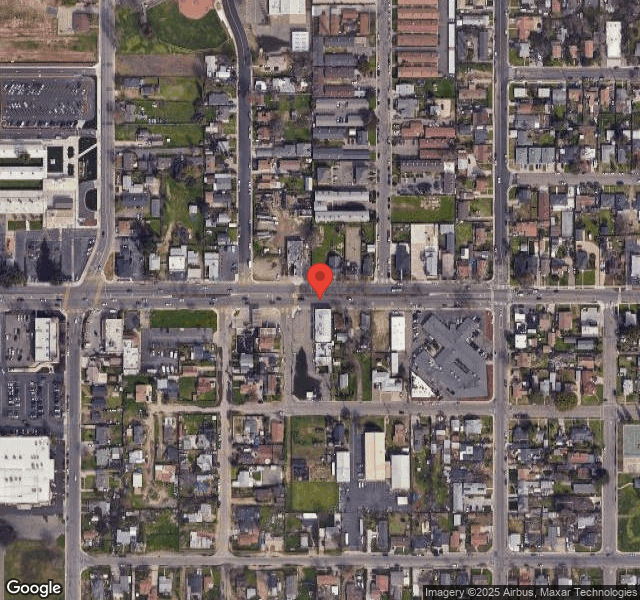
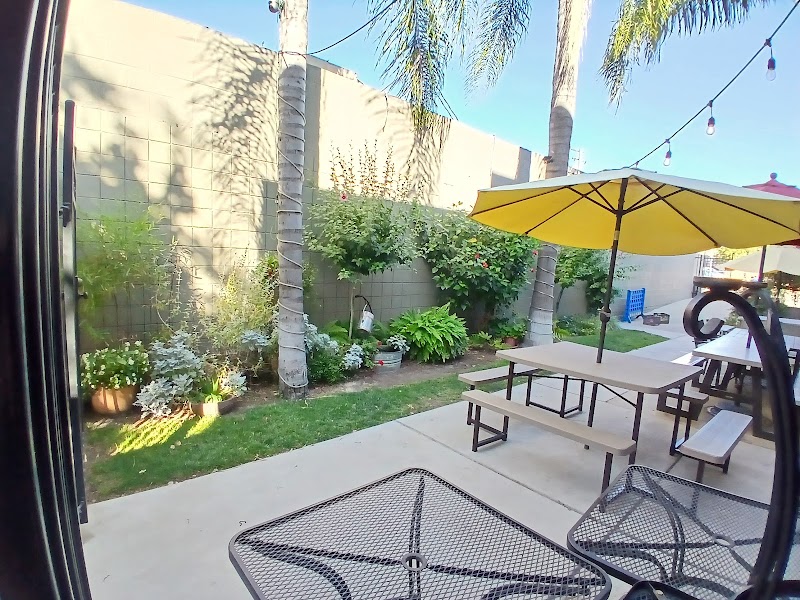
812 WEST MAIN STREET, TURLOCK, CA 95380 (209) 667-2828
For profit - Corporation 99 Beds RMG CAPITAL PARTNERS Data: November 2025
Trust Grade
70/100
#395 of 1155 in CA
Last Inspection: March 2025

Within standard 12-15 month inspection cycle. Federal law requires annual inspections.

Overview

Main West Postacute Care in Turlock, California has a Trust Grade of B, indicating it is a solid choice for families, ranking #395 out of 1,155 facilities statewide, placing it in the top half of California nursing homes. However, the facility's trend is concerning, as the number of issues reported jumped from 4 in 2024 to 15 in 2025. Staffing is a relative strength with a turnover rate of 33%, which is better than the California average of 38%, but RN coverage is rated as average. The facility has not incurred any fines, which is positive, but there are specific concerns, such as a cluttered area with improperly secured discarded items and dietary staff lacking the necessary training to ensure food safety, which could pose risks to residents. Overall, while there are strengths, families should be aware of the rising number of issues and the need for improvement in certain aspects of care.

Trust Score
B
70/100
In California
#395/1155
Top 34%
Safety Record
Low Risk
No red flags
Inspections
Getting Worse
4 → 15 violations
Staff Stability
○ Average
33% turnover. Near California's 48% average. Typical for the industry.
Penalties
✓ Good
No fines on record. Clean compliance history, better than most California facilities.
Skilled Nurses
⚠ Watch
Each resident gets only 21 minutes of Registered Nurse (RN) attention daily — below average for California. Fewer RN minutes means fewer trained eyes watching for problems.
Violations
⚠ Watch
40 deficiencies on record. Higher than average. Multiple issues found across inspections.
★★★★☆
4.0
Overall Rating
★★★☆☆
3.0
Staff Levels
★★★★☆
4.0
Care Quality
★★★★☆
4.0
Inspection Score
Stable
2024: 4 issues
2025: 15 issues

The Good

  • 4-Star Quality Measures · Strong clinical quality outcomes
  • Full Sprinkler Coverage · Fire safety systems throughout facility
  • No fines on record
  • Staff turnover below average (33%)

    15 points below California average of 48%

Facility shows strength in quality measures, fire safety.

The Bad

Staff Turnover: 33%

13pts below California avg (46%)

Typical for the industry

Chain: RMG CAPITAL PARTNERS

Part of a multi-facility chain

Ask about local staffing decisions and management

The Ugly 40 deficiencies on record

Mar 2025 14 deficiencies
CONCERN (D)

Potential for Harm - no one hurt, but risky conditions existed

Grievances (Tag F0585)

Could have caused harm · This affected 1 resident

Based on interview, record review, and facility policy review, the facility failed to ensure staff reported a resident's grievance to the designated Grievance Officer so that an investigation could be...

Read full inspector narrative →
Based on interview, record review, and facility policy review, the facility failed to ensure staff reported a resident's grievance to the designated Grievance Officer so that an investigation could be initiated for 1 (Resident #66) of 21 sampled residents. Findings included: A facility policy titled, Grievances/Complaints, Recording & Investigating, dated 01/2018, revealed, All grievances and complaints filed with the facility will be investigated and corrective actions will be taken to resolve the grievance(s). Policy Interpretation and Implementation 1. The Administrator has assigned the responsibility of investigating grievances and complaints to the Social Services Department if applicable, otherwise, 2. 2. Upon receiving a grievance and complaint report, designated Grievance Officer will begin an investigation into the allegation. 3. The Department Director(s) of any named employee(s) will be notified of the nature of the complaint that an investigation is underway. 4. The investigation and report will include, as applicable: a. the date and time of the alleged incident; b. the circumstances surrounding the alleged incident; c. the location of the alleged incident; d. the names of any witnesses and their accounts of the alleged incident; e. the resident's account of the alleged incident; f. the employees account of the alleged incident; g. Accounts of any other individuals involved (i.e. employee's supervisor, etc.); and h. recommendations for corrective action. An admission Record revealed the facility admitted Resident #66 on 05/03/2023. According to the admission Record, the resident had a medical history that included a diagnosis of pneumonia. A 5-Day Minimum Data Set (MDS), with an Assessment Reference Date (ARD) of 11/04/2024, revealed Resident #66 had a Brief Interview for Mental Status score of 14, which indicated the resident had intact cognition. The MDS indicated the resident was dependent on staff for all activities of daily living (ADLs) and had moderately impaired vision. During an interview on 03/03/2025 at 9:47 AM, Resident #66 stated the staff were eating their candy bars. According to Resident #66, when the staff gave them a candy bar, the staff either took some for themselves or took the candy bar at night when they were asleep, without their permission. Resident #66 stated they were completely out of their candy bar and they thought a male nurse took them. During an interview on 03/04/2025 at 2:10 PM, Certified Nurse Assistant (CNA) #1 stated she did not remember the day, but either 02/27/2025 or 02/28/2025, Resident #66 told her that they were missing chocolate candy bars out of their snack drawer. CNA #1 stated she reported to a nurse that Resident #66's chocolate candy bars were not in the resident's snack drawer. According to CNA #1, either on 02/27/2025 or 02/28/2025, when the resident asked for a chocolate candy bar, there were four in the resident's snack drawer and she gave the resident two. CNA #1 stated when the resident asked for a chocolate candy bar on 03/04/2025, there were none in the snack drawer. CNA #1 stated she only reported the resident's missing chocolate candy bars to the nurse. During an interview on 03/04/2025 at 2:17 PM, Licensed Vocational Nurse (LVN) #2 stated Resident #66 told him they were missing chocolates and that he tried to help find the chocolate candy bars, but they were not in the resident's snack drawer. LVN #2 stated he thought he might have talked with the resident's family, but did not remember when. According to LVN #2, the resident's family visited the resident on 03/04/2025 and brought some more chocolate candy bars for Resident #66. LVN #2 acknowledged he did not do anything else about the resident's missing chocolate candy bars because the resident's family brought more to the resident. LVN #2 stated he did not notify anyone of the resident's missing chocolate candy bars. During an interview on 03/05/2025 at 3:47 PM, the Interim Social Services Director (SSD) stated the grievance process was when a resident complained, they did an investigation on how it happened and tried to produce a solution within 48 hours. The Interim SSD stated she expected staff to have notes on what was told to them with the time and a complete description of what happened, and for them to tell her as soon as possible. The Interim SSD stated she had not received any grievances recently regarding missing candy for Resident #66. During an interview on 03/07/2025 at 8:40 PM, the Director of Nursing (DON) stated her expectation was if anyone voiced a grievance, a grievance form was to be filled out right away and the charge nurse was to be notified so the facility could follow the policy going forward and address the issue at hand. During an interview on 03/07/2025 at 9:57 AM, the Administrator stated he expected staff to follow the grievance process.
CONCERN (D) 📢 Someone Reported This

A family member, employee, or ombudsman was alarmed enough to file a formal complaint

Potential for Harm - no one hurt, but risky conditions existed

Report Alleged Abuse (Tag F0609)

Could have caused harm · This affected 1 resident

Based on interview, record review, document review, and facility policy review, the facility failed to report allegations of abuse to facility management and to the state survey agency for 2 (Resident...

Read full inspector narrative →
Based on interview, record review, document review, and facility policy review, the facility failed to report allegations of abuse to facility management and to the state survey agency for 2 (Resident #57 and Resident #69) of 3 sampled residents reviewed for abuse. Specifically, facility staff failed to report allegations of abuse after becoming aware of the allegation when a police officer reported to staff that Resident #57 called and said a staff member restrained the resident; and when a police officer reported to staff that Resident #69 called and reported that a certified nursing assistant (CNA) pushed them. Findings included: A facility policy titled, Abuse and Neglect Prohibition Policy, dated 06/2022, revealed, It is the facility's policy to prohibit abuse, mistreatment, neglect, involuntary seclusion, and misappropriation of property for all residents through the following: Screening of potential hires; Training of employees (both new employees and ongoing training for all employees); Prevention of occurrences; Identification of possible incidents or allegations which need investigation; Investigation of incidents and allegations; Reporting of incidents, investigations, and the facility's response to the results of their investigations; The policy continued, 1. Upon receiving information concerning a report of suspected or alleged abuse, mistreatment, neglect or exploitation the Administrator or designee will perform the following: i. All alleged violations-Immediately but not later than: 1. 2 hours-if the alleged violation involves abuse or results in serious bodily injury. 1. An admission Record indicated the facility admitted Resident #57 on 01/24/2025. According to the admission Record, the resident had a medical history that included diagnoses of insomnia, and depression. A 5-day Minimum Data Set (MDS), with an Assessment Reference Date (ARD) of 01/28/2025, revealed Resident #57 had a Brief Interview For Mental Status (BIMS) score of 14, which indicated the resident had intact cognition. Resident #57's Care Plan Report, included a focus area initiated 01/28/2025, that indicated the resident had a history of traumatic events related to being physically and/or emotionally abused. Interventions directed staff to assess for possible triggers related to said trauma, create a trauma-sensitive environment, and encourage the resident to inform staff when they are uncomfortable with staff or resident interaction. The Care Plan Report also included a focus area initiated 01/28/2025, that indicated the resident had behaviors that included getting upset when not getting attention and getting verbally aggressive when they did not get their own way. Interventions directed staff to encourage the resident to appropriately express all feelings and concerns, listen attentively, and attempt to resolve all areas and conflict and to monitor the resident for fabricating stories. A nursing Progress Note, dated 03/03/2025 at 7:00 AM, indicated that at around 7:00 AM, a police officer came to the facility and informed the nurse that Resident #57 called 911 and stated one of the workers was restraining them. During an interview on 03/03/2025 at 1:41 PM, Resident #57 stated they made a call to the police on 03/03/2025 and the police came to the facility. The resident stated during the night a staff person grabbed them from behind and threw them down on the bed. During an interview on 03/03/2025 at 3:05 PM, the Administrator stated he was not aware of any allegations of abuse in the last 24 hours. The Administrator stated he was the Abuse Coordinator. He stated any allegations of abuse should have been reported to him right away, and that he was not aware of an incident with Resident #57. The Administrator stated the allegation of abuse should have been reported within two hours. During an interview on 03/03/2025 at 3:14 PM, the Director of Nursing (DON) stated if a CNA or a nurse were aware of an allegation of abuse they should report the allegation of abuse to the Administrator. During an interview on 03/05/2025 at 2:09 PM, Registered Nurse (RN) #9 stated they were Resident #57's charge nurse on the date of the incident. RN #9 stated the police entered the facility and spoke to Resident #57, then spoke to her. RN #9 stated the police reported to her that Resident #57 called the police and stated they were held from the back by a staff person. RN #9 stated she was aware of care that was provided to the resident's roommate but was not aware of any abuse. RN #9 stated she told the DON about the residents' behavior after 9:00 AM on 03/03/2025. During a follow-up interview on 03/07/2025 at 10:45 AM, the DON stated herself and the Abuse Coordinator should have been notified right away of the incident and she was not sure why staff had not notified administration. During a follow-up interview on 03/07/2025 at 11:18 AM, the Administrator stated his expectation was for allegations of abuse to be reported. He stated when police came into the building, staff were to notify the supervisor and the Administrator. The Administrator stated staff should have notified the DON and himself right away. 2. An admission Record indicated the facility admitted Resident #69 on 11/09/2023. According to the admission Record, the resident had a medical history that included diagnoses of obstructive sleep apnea, major depressive disorder, and anxiety disorder. A quarterly Minimum Data Set (MDS), with an Assessment Reference Date (ARD) of 11/15/2024, revealed Resident #69 had a Brief Interview for Mental Status (BIMS) score of 15, which indicated the resident had intact cognition. Resident #69's Care Plan Report, included a focus area initiated 12/03/2024, that indicated the resident had insomnia. Interventions directed staff to provide a quiet environment during sleep hours. The Care Plan Report also included a focus area initiated 01/21/2025, that indicated the resident became upset when staff went into their room to care for their roommate, especially at night, threw stuff at staff when upset, fabricated stories about staff and residents to get their way, and told visitors things about the facility staff and residents that were false. Interventions directed staff to educate the resident about staff needing to come into their room to tend to other residents. During an interview on 03/03/2025 at 1:44 PM, Resident #69 stated that staff attacked them and threw them against the wall about one month ago. Resident #69 stated they reported it, the police came to the facility, and that the facility staff investigated the incident. During an interview on 03/05/2025 at 4:30 PM, Resident #69 stated they called the police officer the day after the incident. Resident #69 stated they did not report the incident to anyone at the facility. Resident #69 stated they were not sure if the male staff still worked at the facility because they had not seen the staff since the incident. An investigation packet provided by the facility included an undated typed document, signed by the Director of Nursing (DON) that revealed a paragraph that indicated that on 01/20/2025 around 10:45 PM, a certified nursing assistant (CNA) reported Resident #69 was assisted to the floor. The document indicated in a separate paragraph that around 3:00 PM, a police officer was called to the facility by Resident #69, who reported that a CNA pushed the resident the prior night. There was no evidence included in the facility's investigation packet that the allegation of abuse was reported to the Administrator or to the state agency. During an interview on 03/05/2025 at 5:01 PM, the Administrator stated Resident #69 stated that a staff pushed them down, but per the staff that did not happen, but instead the staff rushed to brace the resident's fall. During a follow-up interview on 03/05/2025 at 5:08 PM, the Administrator stated that the state agency was not notified of the allegation because it was not abuse per interviews with the staff.
CONCERN (D) 📢 Someone Reported This

A family member, employee, or ombudsman was alarmed enough to file a formal complaint

Potential for Harm - no one hurt, but risky conditions existed

Investigate Abuse (Tag F0610)

Could have caused harm · This affected 1 resident

**NOTE- TERMS IN BRACKETS HAVE BEEN EDITED TO PROTECT CONFIDENTIALITY** Based on interview, record review, document review, and facility policy review, the facility failed to identify and thoroughly i...

Read full inspector narrative →
**NOTE- TERMS IN BRACKETS HAVE BEEN EDITED TO PROTECT CONFIDENTIALITY** Based on interview, record review, document review, and facility policy review, the facility failed to identify and thoroughly investigate an allegation of abuse for 1 (Resident #69) of 3 sampled residents reviewed for abuse. Specifically, facility staff failed to investigate an allegation of abuse for Resident #69 once they became aware of the allegation when a police officer came to the facility on [DATE] and reported to staff that Resident #69 called and reported that a certified nursing assistant (CNA) pushed them. Findings included: A facility policy titled, Abuse and Neglect Prohibition Policy, dated 06/2022, revealed, It is the facility's policy to prohibit abuse, mistreatment, neglect, involuntary seclusion, and misappropriation of property for all residents through the following: Screening of potential hires; Training of employees (both new employees and ongoing training for all employees); Prevention of occurrences; Identification of possible incidents or allegations which need investigation; Investigation of incidents and allegations; Reporting of incidents, investigations, and the facility's response to the results of their investigations; The policy continued, 5. When an abuse is identified, the appropriate steps to protect residents from additional abuse will be implemented immediately, which will include: i. Conducting a thorough investigation of the alleged abuse. An admission Record indicated the facility admitted Resident #69 on 11/09/2023. According to the admission Record, the resident had a medical history that included diagnoses of obstructive sleep apnea, major depressive disorder, and anxiety disorder. A quarterly Minimum Data Set (MDS), with an Assessment Reference Date (ARD) of 11/15/2024, revealed Resident #69 had a Brief Interview for Mental Status (BIMS) score of 15, which indicated the resident had intact cognition. Resident #69's Care Plan Report, included a focus area initiated 12/03/2024, that indicated the resident had insomnia. Interventions directed staff to provide a quiet environment during sleep hours. The Care Plan Report also included a focus area initiated 01/21/2025, that indicated the resident became upset when staff went into their room to care for their roommate, especially at night, threw stuff at staff when upset, fabricated stories about staff and residents to get their way, and told visitors things about the facility staff and residents that were false. Interventions directed staff to educate the resident about staff needing to come into their room to tend to other residents. During an interview on 03/03/2025 at 1:44 PM, Resident #69 stated that staff attacked them and threw them against the wall about one month ago. Resident #69 stated they reported it, the police came to the facility, and that the facility staff investigated the incident. During an interview on 03/05/2025 at 4:30 PM, Resident #69 stated they called the police officer the day after the incident. Resident #69 stated they did not report the incident to anyone at the facility. Resident #69 stated they were not sure if the male staff still worked at the facility because they had not seen the staff since the incident. An investigation packet provided by the facility included an undated typed document, signed by the Director of Nursing (DON) that revealed a paragraph that indicated that on 01/20/2025 around 10:45 PM, a certified nursing assistant (CNA) reported Resident #69 was assisted to the floor. The document indicated in a separate paragraph that around 3:00 PM, a police officer was called to the facility by Resident #69, who reported that a CNA pushed the resident the prior night. There was no evidence included in the facility's investigation packet that the allegation of abuse was reported to the Administrator or to the state agency. During an interview on 03/07/2025 at 10:45 AM, the DON stated for abuse allegations investigations should begin right away and the staff member should be suspended until the investigation was completed. The DON stated that interviews of the staff that were present during the time of the incident should be conducted, to include the supervisor, the resident involved, and any other alert and oriented residents who witnessed the incident. During an interview on 03/05/2025 at 5:01 PM, the Administrator stated Resident #69 stated that staff pushed them down, but per the staff that did not happen, but instead the staff rushed to brace the resident's fall. During a follow-up interview on 03/07/2025 at 11:18 AM, the Administrator stated that his expectation was for allegations of abuse to be reported.
CONCERN (D)

Potential for Harm - no one hurt, but risky conditions existed

Comprehensive Assessments (Tag F0636)

Could have caused harm · This affected 1 resident

**NOTE- TERMS IN BRACKETS HAVE BEEN EDITED TO PROTECT CONFIDENTIALITY** 4. An admission Record revealed the facility admitted Resident #66 on 05/03/2023. According to the admission Record, the residen...

Read full inspector narrative →
**NOTE- TERMS IN BRACKETS HAVE BEEN EDITED TO PROTECT CONFIDENTIALITY** 4. An admission Record revealed the facility admitted Resident #66 on 05/03/2023. According to the admission Record, the resident had a medical history that included a diagnosis of pneumonia. Resident #66's medical record revealed no evidence to indicate an admission MDS had been completed. During an interview on 03/06/2025 at 9:38 AM, the MDS Nurse stated her first day of employment with the facility was 01/27/2025. The MDS Nurse stated when she started, she knew there were a lot of MDS assessments that were either late or not done. Per the MDS Nurse, the plan going forward was for her to catch up on the incomplete assessments, but there was a lot to do. The MDS Nurse stated Resident #9 and Resident #23 were overdue for an annual MDS, the last quarterly MDS for Resident #89 in 01/2025 should have been an annual MDS, and an admission MDS should have been done for Resident #66 in 11/2024. During an interview on 03/06/2025 at 2:48 PM, the Director of Nursing stated she was not aware there were MDS assessments that had not been completed. During an interview on 03/07/2025 at 9:32 AM, the Administrator stated the expectation for the staff was to follow the RAI Manual and complete the MDS assessment timely. Based on interview, record review, document review, and facility policy review, the facility failed to complete a comprehensive assessment at least every 366 days for 4 (Residents #9, #23, #66, and #89) of 22 sampled residents reviewed for resident assessment. Findings included: A facility policy titled, MDS [Minimum Data Set] Completion and Submission Timeframes, dated 01/2018, revealed, Our facility will conduct and submit resident assessments in accordance with current federal and state submission timeframes. The policy specified, 2. Timeframes for completion and submission of assessments is based on the current requirements published in the Resident Assessment Instrument Manual. The Centers for Medicare & Medicaid Services Long-Term Care Facility Resident Assessment Instrument 3.0 User's Manual, dated 10/2024, revealed Comprehensive Assessments OBRA [Omnibus Budget Reconciliation Act]-required comprehensive assessments include the completion of both the MDS and the CAA [care area assessment] process, as well as care planning. Comprehensive assessments are completed upon admission, annually, and when a significant change in a resident's status has occurred or a significant correction to a prior comprehensive assessment is required. They consist of: *admission Assessment *Annual Assessment *Significant Change in Status Assessment [[NAME]] *Significant Correction to Prior Completion Assessment [SCPA]. Per the User's Manual, The Annual assessment is a comprehensive assessment for a resident that must be completed on an annual basis (at least every 366 days) unless a SCSA or an SCPA has been completed since the most recent comprehensive assessment was completed. 1. An admission Record revealed the facility admitted Resident #89 on 01/13/2024. According to the admission Record, the resident had a medical history that included a diagnosis of dementia. Resident #89's medical record revealed the last comprehensive MDS was an admission MDS with a date of 01/20/2024. There was no evidence to indicate another comprehensive assessment was completed after 01/20/2024. 2. An admission Record revealed the facility admitted Resident #9 on 01/12/2023. According to the admission Record, the resident had a medical history that included a diagnosis of chronic obstructive pulmonary disease. Resident #9's medical record revealed the last comprehensive MDS was an annual MDS with a date of 01/19/2024. There was no evidence to indicate another comprehensive assessment was completed after 01/19/2024. 3. An admission Record revealed the facility admitted Resident #23 on 03/21/2023. According to the admission Record, the resident had a medical history that included a diagnosis of metabolic encephalopathy. Resident #23's medical record revealed the last comprehensive MDS was a significant change in status MDS with a date of 01/22/2024. There was no evidence to indicate another comprehensive assessment was completed after 01/22/2024.
CONCERN (D)

Potential for Harm - no one hurt, but risky conditions existed

Deficiency F0638 (Tag F0638)

Could have caused harm · This affected 1 resident

**NOTE- TERMS IN BRACKETS HAVE BEEN EDITED TO PROTECT CONFIDENTIALITY** 2. An admission Record revealed the facility admitted Resident #66 on 05/03/2023. According to the admission Record, the residen...

Read full inspector narrative →
**NOTE- TERMS IN BRACKETS HAVE BEEN EDITED TO PROTECT CONFIDENTIALITY** 2. An admission Record revealed the facility admitted Resident #66 on 05/03/2023. According to the admission Record, the resident had a medical history that included a diagnosis of pneumonia. Resident #66's medical record revealed the last MDS was a quarterly MDS dated [DATE]. There was no evidence to indicate a quarterly MDS assessment was completed in 01/2025. Based on interview, record review, document review, and facility policy review, the facility failed to complete a quarterly Minimum Data Set (MDS) at least every 92 days for 3 (Residents #24, #66, and #93) of 22 sampled residents reviewed for resident assessment. Findings included: A facility policy titled, MDS [Minimum Data Set] Completion and Submission Timeframes, dated 01/2018, revealed, Our facility will conduct and submit resident assessments in accordance with current federal and state submission timeframes. The policy specified, 2. Timeframes for completion and submission of assessments is based on the current requirements published in the Resident Assessment Instrument Manual. The Centers for Medicare & Medicaid Services Long-Term Care Facility Resident Assessment Instrument 3.0 User's Manual, dated 10/2024, revealed The Quarterly assessment is an OBRA [Omnibus Budget Reconciliation Act] non-comprehensive assessment for a resident that must be completed at least every 92 days following the previous OBRA assessment of any type. It is used to track a resident's status between comprehensive assessments to ensure critical indicators of gradual change in a resident's status are monitored. Per the User's Manual, The MDS completion date must be no later than 14 days after the ARD [assessment reference date]. 1. An admission Record revealed the facility admitted Resident #24 on 10/28/2011. According to the admission Record, the resident had a medical history that included a diagnosis of dementia. Resident #24's medical record revealed the last comprehensive MDS was an annual MDS dated [DATE]. There was no evidence to indicate a quarterly MDS assessment was completed in 01/2025. 3. An admission Record revealed the facility admitted Resident #93 on 10/22/2024. According to the admission Record, the resident had a medical history that included a diagnosis of type 2 diabetes mellitus. Resident #93's medical record revealed an admission MDS dated [DATE]. Further review revealed, a quarterly MDS with an Assessment Reference Date (ARD) of 01/26/2025, revealed the MDS was signed as being completed by the Director of Nursing (DON) on 03/04/2025. During an interview on 03/06/2025 at 9:38 AM, the MDS Nurse stated her first day of employment with the facility was 01/27/2025. The MDS Nurse stated when she started, she knew there were a lot of MDS assessments that were either late or not done. Per the MDS Nurse, the plan going forward was for her to catch up on the incomplete assessments, but there was a lot to do. The MDS Nurse stated Resident #24 was overdue for a quarterly MDS and a quarterly MDS had not yet been started for Resident #66. During an interview on 03/06/2025 at 2:48 PM, the DON stated she was not aware there were MDS assessments that had not been completed. During an interview on 03/07/2025 at 9:32 AM, the Administrator stated the expectation for the staff was to follow the RAI Manual and complete the MDS assessment timely.
CONCERN (D)

Potential for Harm - no one hurt, but risky conditions existed

Assessment Accuracy (Tag F0641)

Could have caused harm · This affected 1 resident

Based on interview, record review, and facility policy review, the facility failed to ensure the accuracy of the Minimum Data Set (MDS) for 1 (Resident #42) of 3 sampled residents reviewed for preadmi...

Read full inspector narrative →
Based on interview, record review, and facility policy review, the facility failed to ensure the accuracy of the Minimum Data Set (MDS) for 1 (Resident #42) of 3 sampled residents reviewed for preadmission screening and resident review (PASARR). Findings included: A facility policy titled, Certifying Accuracy of the Resident Assessment, dated 01/2018, revealed, Any person completing a portion of the Minimum Data Set/MDS (Resident Assessment Instrument) must sign and verify the accuracy of that portion of the assessment. An admission Record revealed the facility admitted Resident #42 on 05/03/2019. According to the admission Record, the resident had a medical history that included diagnoses of schizophrenia and major depressive disorder. An annual Minimum Data Set (MDS), with an Assessment Reference Date (ARD) of 06/10/2024, revealed Resident #42 had a Brief Interview for Mental Status (BIMS) score of 10, which indicated the resident had moderate cognitive impairment. The MDS indicated the resident was not currently considered by the state level II PASARR process to have a serious mental illness and/or intellectual disability or a related condition. Per the MDS, the resident had active diagnoses to include depression and schizophrenia. Resident #42's Care Plan Report included a focus area, initiated 07/01/2021, that indicated the resident had impaired cognitive function related to diagnoses of schizophrenia and depression. During an interview on 03/06/2025 at 9:38 AM, the MDS Nurse stated she began employment with the facility on 01/27/2025 and count not speak to any MDS assessments done before 01/27/2025. During an interview on 03/06/2025 at 2:48 PM, the Director of Nursing stated she was not aware of any MDS assessment that were not accurate. During an interview on 03/07/2025 at 9:32 AM, the Administrator stated the expectation was for the MDS assessment to be accurate.
CONCERN (D)

Potential for Harm - no one hurt, but risky conditions existed

Deficiency F0645 (Tag F0645)

Could have caused harm · This affected 1 resident

Based on interview, record review, and facility policy review, the facility failed to ensure the accuracy of a preadmission screening and resident review (PASARR) for 1 (Resident #84) of 3 sampled res...

Read full inspector narrative →
Based on interview, record review, and facility policy review, the facility failed to ensure the accuracy of a preadmission screening and resident review (PASARR) for 1 (Resident #84) of 3 sampled residents reviewed for PASARR. Findings included: A facility policy titled, Preadmission Screening and Resident Review, with a release date of 01/2018, indicated, The completed Level I screening form must be reviewed by the Admissions Coordinator or designated staff to verify completeness and accuracy. An admission Record indicated the facility admitted Resident #84 on 03/29/2023. According to the admission Record, the resident had a medical history to include a diagnosis of unspecified psychosis, schizophrenia, major depressive disorder, bipolar disorder, and anxiety disorder. Resident #84's Preadmission Screening and Resident Review Level I Screening, dated 08/07/2023, revealed the resident did not have a serious diagnosed mental disorder such as depressive disorder, anxiety disorder, panic disorder, schizophrenia/schizoaffective disorder, or symptoms of psychosis, delusions, and/or mood disturbance. During an interview on 03/05/2025 at 9:06 AM, the Director of Nursing (DON) stated Resident #66's PASARR dated 08/07/2023 was not filled out correctly. The DON stated the admissions person was responsible to review the PASARR for accuracy. During an on 03/07/2025 at 10:36 AM, the DON stated the expectation was that the PASARR was completed accurately. She stated she was not sure why Resident #84's PASARR was not completed accurately. During an interview on 03/07/2025 at 11:12 AM, the Administrator stated he expected the PASARR to be accurate. He stated that the person responsible should double check themself to ensure accurate completion of the PASARR. The Administrator stated there was no one at the facility at the present time to check the PASARR for accuracy.
CONCERN (D)

Potential for Harm - no one hurt, but risky conditions existed

Deficiency F0658 (Tag F0658)

Could have caused harm · This affected 1 resident

Based on observation, interview, and record review, the facility failed to ensure licensed nurses stayed with a resident to ensure all medication was administered as ordered by the physician for 1 (Re...

Read full inspector narrative →
Based on observation, interview, and record review, the facility failed to ensure licensed nurses stayed with a resident to ensure all medication was administered as ordered by the physician for 1 (Resident #8) of 21 sampled residents. Findings included: An admission Record revealed the facility admitted Resident #8 on 09/23/2024. According to the admission Record, the resident had a medical history that included diagnoses of chronic obstructive pulmonary disease, acute bronchitis, chronic respiratory failure, and acute respiratory failure. A quarterly Minimum Data Set (MDS), with an Assessment Reference Date (ARD) of 02/08/2025, revealed Resident #8 had a Brief Interview for Mental Status (BIMS) score of 15, which indicated the resident had intact cognition. Resident #8's Care Plan Report, included a focus area initiated 08/26/2024, that indicated the resident had chronic obstructive pulmonary disease with multiple comorbidities. Interventions directed staff to administer ipratropium-albuterol inhalation solution and albuterol-ipratropium as ordered. Resident #8's Order Summary Report that contained active orders as of 03/10/2025, revealed an order dated 09/10/2024, for ipratropium-albuterol inhalation solution 0.5-2.5 milligrams (mg)/3 milliliters (ml), inhale 3 ml orally every six hours for shortness of breath related to chronic obstructive pulmonary disease with acute exacerbation. During a concurrent observation and interview on 03/04/2025 at 8:30 AM, Resident #8 was observed lying in their bed with a breathing treatment in place and aerosol vapor was observed coming from the end of the mouthpiece/mask. There was not a nurse present and Resident #8 acknowledged they was doing their breathing treatment. During a concurrent observation and interview on 03/05/2025 at 7:58 AM, Resident #8 was noted sitting on the edge of their bed. The resident's nebulizer machine was on and there was aerosol vapor coming from the mouthpiece/mask which was in the resident's mouth. Resident #8 stated they had just woken up and were taking their breathing treatment before their breakfast. The resident stated the night shift nurse left the breathing treatment for them to administer. During an interview on 03/05/2025 at 11:09 AM, Resident #8 stated the nurses put the medication in the machine for them and they took it when they woke up in the morning. During an interview on 03/07/2025 at 8:41AM, Registered Nurse (RN) #3 stated that around 5:15 AM to 5:30 AM, she placed medication in the nebulizer machine for Resident #8. She stated when the treatment was done, she would go back in the room, wipe out the mask, and put the nebulizer and tubing back into the bag to cover it. When asked about the 03/04/2025 and 03/05/2025 of the resident with the nebulizer treatment in place, RN #3 stated the resident must not have finished all the medication and then turned the machine back on themself. RN #3 stated she knew it was the nurse's responsibility to ensure a resident had taken all the medication, whether it was a pill or nebulizer treatment. During an interview on 03/05/2025 at 12:47 PM, Licensed Vocational Nurse (LVN) #4 stated she had given Resident #8 a breathing treatment at noon and had placed the medication in the cup of the mouthpiece and handed it to the resident to administer. LVN #4 stated she did not stay in the room with the resident for the entire ten to fifteen minutes until the treatment was complete. LVN #4 stated she went back a little later to see if the resident finished the treatment. During an interview on 03/07/2025 at 8:35 AM, the Director of Nursing (DON) stated she was not aware Resident #8 administered their own nebulizer treatments without the nurses present. The DON stated it was her expectation that the nurses stay with the resident when giving nebulizer treatments and to follow the policy for medication administration.
CONCERN (D)

Potential for Harm - no one hurt, but risky conditions existed

Drug Regimen Review (Tag F0756)

Could have caused harm · This affected 1 resident

Based on interview, record review, document review, and facility policy review, the facility failed to implement the pharmacist's recommendation for 1 (Resident #93) of 5 sampled residents reviewed fo...

Read full inspector narrative →
Based on interview, record review, document review, and facility policy review, the facility failed to implement the pharmacist's recommendation for 1 (Resident #93) of 5 sampled residents reviewed for unnecessary medications. Findings included: An undated facility policy titled, Consultant Pharmacist Reports, revealed, The consultant pharmacist performs a comprehensive medication regimen review (MRR) at least monthly. The MRR includes evaluating the resident's response to medication therapy to determine that the resident maintains the highest practicable level of functioning and prevents or minimizes adverse consequences related to medication therapy. Findings and recommendations are reported to the director of nursing and the attending physician, and if appropriate, the medical director and/or the administrator. The policy further revealed, G. Recommendations are acted upon and documented by the facility staff and or the prescriber. 1) Physician accepts and acts upon suggestion or rejects and provides an explanation for disagreeing. An admission Record revealed the facility admitted Resident #93 on 10/22/2024. According to the admission Record, the resident had a medical history to include a diagnosis of constipation. A quarterly Minimum Data Set (MDS), with Assessment Reference Date (ARD) of 01/26/2025, revealed Resident #93 had a Brief Interview for Mental Status (BIMS) of 15, which indicated the resident had intact cognition. Resident #93's Care Plan Report, included a focus area initiated 10/22/2024, that indicated the resident had constipation related to decreased mobility. Interventions directed staff to administer senna, polyethylene glycol and docusate sodium as prescribed. The Consultant Pharmacist's Medication Regimen Review for recommendations created between 11/17/2024 and 11/18/2024, revealed Resident #93 was currently on Colace (docusate sodium), polyethylene glycol 3350 (a laxative), and senna and Please add to the order: Hold for loose stools. The follow-through section of the Consultant Pharmacist's Medication Regimen Review for the recommendation to add to the medication order hold for loose stools had a check mark and was notated done. Resident #93's Medication Review Report, which contained medication orders on or after 03/05/2025, revealed an order dated 10/22/2024, for polyethylene glycol 3350 oral packet 17 grams, give one packet by mouth two times a day for bowel care management, mix with 4-8 ounces of water. The order did not indicate to hold the medication for loose stools. During an interview on 03/05/2025 at 3:33 PM, Licensed Vocational Nurse (LVN) #12 stated that the charge nurses did not do anything with the pharmacy reviews (recommendations). Per LVN #12, if something were needed to be done, it would be done by the registered nurse (RN) supervisor or the Director of Nursing (DON). During an interview on 03/05/2025 at 3:44 PM, the DON stated the charge nurses and the supervisors were in charge of following up any nursing pharmacy recommendations. During an interview on 03/07/2025 at 8:38 AM, RN #17 stated she assigned pharmacy recommendations to the night shift supervisors to complete. RN #17 stated she was familiar with Resident #93 but had not worked on any pharmacy recommendations for the resident. RN #17 stated the recommendations should be followed. According to RN #17, if the physician agreed with the recommendation, it should have been done within one to two days. During an interview on 03/07/2025 at 9:57 AM, the Administrator stated pharmacy recommendation should be followed and if it was recommended to hold a stool softener, the staff should have added it to the medication order.
CONCERN (D)

Potential for Harm - no one hurt, but risky conditions existed

Dental Services (Tag F0791)

Could have caused harm · This affected 1 resident

Based on observation, interview, record review, document review, and facility policy review, the facility failed to address dental needs for 1 (Resident #39) of 1 sampled resident reviewed for dental....

Read full inspector narrative →
Based on observation, interview, record review, document review, and facility policy review, the facility failed to address dental needs for 1 (Resident #39) of 1 sampled resident reviewed for dental. Findings included: A facility policy titled, Availability of Services, Dental, dated 01/2018 indicated the following, Oral healthcare and dental services will be provided to each resident. PROCESS 1. Dental services are available to all residents requiring routine and emergency dental care. The policy continued, 3. Social services will be responsible for making necessary dental appointments. 4. All requests for routine and emergency dental services should be directed to social services to assure that appointments can be made in a timely manner. An admission Record indicated the facility admitted Resident #39 on 02/15/2024. A quarterly Minimum Data Set (MDS), with an Assessment Reference Date (ARD) of 11/19/2024, revealed Resident #39 had a Brief Interview for Mental Status (BIMS) score of 13, which indicated the resident had intact cognition. Resident #39's Care Plan Report, included a focus area initiated 02/22/2024, that indicated the resident had oral/dental health problems related to poor oral hygiene and the resident having missing and broken teeth. The care plan goal was for the resident to get regular dental checkups as feasible. Resident #39's Order Summary Report, with active orders as of 03/07/2025, revealed an order dated 09/27/2024, for dental consult and treatment as indicated. During a concurrent observation and interview on 03/03/2025 at 9:33 AM, Resident #39 stated they had problems with their teeth and had asked the social worker for assistance with taking care of their teeth and that it had not been done. Some of the resident's teeth were observed broken, discolored, and some were missing. Resident #39's Oral Health Care Patient Notes, dated 04/22/2024, indicated the resident had a new patient examination, an oral cancer exam, and a hard/soft tissue exam, which were all within normal limits. The Oral Health Care note indicated that bridge #9 through 11 needed to be replaced with an outside dentist. There was no evidence in Resident #39's record to indicate the recommendation for the resident's bridge to be replaced had been completed. Resident #39's Oral Health Care Patient Notes, dated 11/18/2024, indicated an intraoral examination was completed and found to be within normal limits. The Oral Health Care note had a handwritten note on the document that indicated a referral to an oral surgeon was needed for multiple extractions with an outside dentist. There was also a handwritten note that indicated x-rays would be performed at the next visit to assess if the extraction could be done in facility. There was no evidence in Resident #39's record to indicate the recommendation for the extractions had been completed. A Psychosocial Note, dated 11/26/2024 at 12:48 PM, indicated Resident #39 was seen by the facility's dental provider on 11/18/2024. The note indicated that the dental provider suggested that the resident go outpatient for extractions. The note indicated that the social worker shared that due to the resident being a gurney patient, local dental offices were unable to accommodate the resident. A Psychosocial Note, dated 02/05/2025 at 3:50 PM, indicated that Resident #39 came to visit the social worker inquiring about seeing a dental specialist, and that the social worker reached multiple barriers for the resident's dental care due to dental offices not being equipped to transfer the resident from a wheelchair to a dental medical procedure chair. The note indicated that the resident's only known option for receiving dental work was in an alternate county; however, they experienced high volume of patients and were booked for the year 2025. Resident #39's Oral Health Care, note dated 02/11/2025, indicated a recommendation for full mouth extractions. There was no evidence in Resident #39's record to indicate the recommendation for the extractions had been scheduled. During an interview on 03/04/2025 at 10:47 AM, Resident #39 stated that they were still waiting to see a dentist, they sometimes felt pain but had no pain currently. The resident stated they could not remember the date when they last had dental pain. During an interview on 03/04/2025 at 12:05 PM, the Interim Social Service Director stated that a referral had been sent for Resident #39 and the vendors had said they could not accommodate the resident due to the resident being in a wheelchair. During an interview on 03/04/2025 at 2:38 PM, the Director of Nursing (DON) stated that social services should set up appointments with the dentist right away. The DON stated that for Resident #39, a dental appointment should have been scheduled. During a follow-up interview on 03/07/2025 at 10:25 AM, the DON stated that if there were any complaints about dental problems, staff should assess the pain and notify the doctor. She stated her expectation was that they obtain the dental consult as soon as possible. She said her expectation was to address the concern right away and then follow up as needed until the concern was resolved. The DON stated if the in-house vendor was not able to meet the resident's needs, social services was supposed to arrange a dental appointment with another dentist. The DON said social services should have arranged the appointment for Resident #39 earlier and should have found an outside dentist when the recommendation was made the first time. During an interview on 03/07/2025 at 11:04 AM, the Administrator stated his expectation was that staff make sure dental needs were provided either in-house or by outside sources if needed. He stated if dental needs were not able to be completed in-house, staff should get the appointment as soon as they were able. The Administrator stated for Resident #39, staff should have continued to follow up and reaching out to different sources to obtain the appropriate dental care.
CONCERN (D)

Potential for Harm - no one hurt, but risky conditions existed

Infection Control (Tag F0880)

Could have caused harm · This affected 1 resident

Based on observation, interview, record review, and facility policy review, the facility failed to implement enhanced barrier precautions (EBP) for 2 (Resident #93 and Resident #252) of 21 sampled res...

Read full inspector narrative →
Based on observation, interview, record review, and facility policy review, the facility failed to implement enhanced barrier precautions (EBP) for 2 (Resident #93 and Resident #252) of 21 sampled residents. Findings included: A facility policy titled Enhanced Barrier Precaution, dated 06/2022, revealed, Enhanced Barrier Precautions expand the use of PPE [personal protective equipment] and refer to the use of gown and gloves during high-contact resident care activities that provide opportunities for transfer of MDROs [multidrug-resistant organism] to staff hands and clothing. MDROs may be indirectly transferred from resident-to-resident during these high-contact activities. The policy specified, 1. Enhanced Barrier Precautions can be applied to residents with any of the following: a. Wounds or indwelling medical devices, regardless of MDRO colonization status such as but not limited to central line, urinary catheter, feeding tubes, tracheostomy/ventilator care). B. Infection or colonization with an MDRO. 2. Use EBP for high-contact resident care activities by using gown and glove during: a. Dressing b: Bathing/showering c. Transferring d. Provide hygiene e. Changing linens f. Changing briefs or assisting with toileting g. Device care of use: central line, urinary catheter, feeding tube, tracheostomy/ventilator h. Wound care: any skin opening requiring a dressing. 1. An admission Record revealed the facility admitted Resident #93 on 10/22/2024. According to the admission Record, the resident had a medical history to include type 2 diabetes mellitus, direct infection of the left ankle and foot, and acquired absence of other left toes. A quarterly Minimum Data Set (MDS), with an Assessment Reference Date (ARD) of 01/26/2025, revealed Resident #93 had a Brief Interview for Mental Status (BIMS) score of 15, which indicated the resident had intact cognition. The MDS indicated the resident had an infection of the foot, other open lesion(s) of the foot, and a surgical wound. Resident #93's Care Plan Report included a focus area initiated 01/09/2025, that indicated the resident had a surgical incision to the left transmetatarsal amputation site. Interventions directed staff to cleanse the surgical incision to the left transmetatarsal amputation site with normal saline, pat dry, apply a debriding agent/abdominal dressing and wrap with a sterile gauze every shift. During an observation on 03/05/2025 at 8:30 AM, the Treatment Nurse provided wound care to Resident #93's left foot and did not wear a gown. During an interview on 03/05/2025 at 9:25 AM, The Treatment Nurse acknowledged she did not wear a gown when she performed wound care for Resident #93. The Treatment Nurse stated she did not wear a gown because the resident's wound was not draining. Per the Treatment Nurse, she was aware of EBP and the only time she needed to implement EBP was when a resident had an open wound, a catheter, a tube feeding, or an intravenous line. During an interview on 03/07/2025 at 9:02 AM, the Director of Nursing (DON) stated if a resident had an opened wound, staff should implement EBP when care was provided. The DON stated staff would be expected to wear a gown and gloves for any wound care treatments. During an interview on 03/07/2025 at 9:57 AM, the Administrator stated if a resident was on EBP, staff should wear a gown and follow precautions. 2. An admission Record revealed the facility admitted Resident #252 on 02/28/2025. According to the admission Record, the resident had a medical history to include a diagnosis of dysphagia (difficulty swallowing). An admission Minimum Data Set (MDS), with an Assessment Reference Date (ARD) of 03/05/2025, revealed Resident #252 had a Brief Interview for Mental Status (BIMS) score of 13, which indicated the resident had intact cognition. The MDS indicated the resident had a feeding tube. Resident #252's Care Plan Report included a focus area initiated 03/02/2025, that indicated the resident was on enhanced barrier precautions related to a gastrostomy tube. During a concurrent observation and interview on 03/05/2025 at 4:30 PM, Licensed Vocational Nurse (LVN) #12 administered medications to Resident #252 by way the resident's gastrotomy tube. LVN #12 donned gloves but did not wear a gown. LVN #12 stated it was her mistake that she did not wear a gown. During an interview on 03/06/2025 at 3:14 PM, the Director of Staff Development (DSD) stated it had been explained to staff that if a resident had a gastrotomy tube, a catheter, or a wound, staff should wear a gown and gloves when they provide care to the resident. The DSD stated staff should wear the appropriate personal protective equipment, a gown and gloves, when they administer medications to a resident by of a resident's gastrostomy tube. During an interview on 03/07/2025 at 9:02 AM, the Director of Nursing stated it was expected of staff to wear a gown and gloves when they administer medications to a resident through the resident's gastrostomy tube. During an interview on 03/07/2025 at 9:57 AM, the Administrator stated if a resident was on EBP, staff should wear a gown and follow precautions.
CONCERN (F)

Potential for Harm - no one hurt, but risky conditions existed

Garbage Disposal (Tag F0814)

Could have caused harm · This affected most or all residents

Based on observation and interview, the facility failed to ensure discarded items were secured inside of a dumpster. This deficient practice had the potential to affect all 96 residents who resided in...

Read full inspector narrative →
Based on observation and interview, the facility failed to ensure discarded items were secured inside of a dumpster. This deficient practice had the potential to affect all 96 residents who resided in the facility. Findings included: During an observation of the rear of the facility on 03/05/2025 at 10:19 AM, there was a cluttered area that contained 13 bags of clothing items, seven mattresses that were stained brown and stacked on top of a bed, a dusty plate warmer, and pallets. During an interview on 03/05/2025 at 10:25 AM, the Housekeeping Supervisor stated the items located at the rear of the facility had been there for three to six months and the maintenance staff were responsible for cleaning the area. During an interview on 03/05/2025 at 10:29 AM, Laundry Staff #5 stated the clutter of items had been located in the same area since she started working at the facility in 08/2024. During an interview on 03/05/2025 at 10:30 AM, the Maintenance Assistant (MA) stated some of the items were trash and other items were spart parts. Per the MA, every six to eight months, the facility rented a dumpster to throw away the items as the facility only had one dumpster and all the items would not fit in the dumpster. The MA stated the items that would be placed in the dumpster included wood pieces, mattresses that were stacked on top of a bed, wheelchair frames, chairs, headboards, a stack of 30 side rails, old shower chairs, fitted sheets for residents' beds, and an old bed. During an interview on 03/05/2025 at 11:00 AM, the Maintenance Director stated the cluttered area contained either items that needed to be repaired or items that needed to be discarded that could possibly attract pests. During an interview on 03/07/2025 at 7:32 AM, the Director of Nursing stated the area needed to be cleaned. During an interview on 03/07/2025 at 10:14 AM, the Administrator stated the area contained spare parts or items that needed to be disposed of. Per the Administrator, the area was not accessible to residents or their family but should be cleaned and without clutter.
MINOR (B)

Minor Issue - procedural, no safety impact

MDS Data Transmission (Tag F0640)

Minor procedural issue · This affected multiple residents

7. Resident #31's electronic medical record revealed a quarterly MDS with an Assessment Reference Date (ARD) of 01/23/2025 had a status of Export Ready. The screen did not indicate the assessment comp...

Read full inspector narrative →
7. Resident #31's electronic medical record revealed a quarterly MDS with an Assessment Reference Date (ARD) of 01/23/2025 had a status of Export Ready. The screen did not indicate the assessment completion date. During an interview on 03/06/2025 at 9:38 AM, the MDS Nurse stated Resident #31's quarterly MDS with an ARD of 01/23/2025 was completed on 02/06/2025 and was not submitted until 03/04/2025 (26 days after the assessment completion date). She stated the status of export ready meant the assessment was locked and ready to be submitted but had not yet been sent over or transmitted to CMS. 8. Resident #79's electronic medical record revealed a quarterly MDS with an Assessment Reference Date (ARD) of 01/10/2025 had a status of Export Ready. The screen did not indicate the assessment completion date. During an interview on 03/06/2025 at 9:38 AM, the MDS Nurse stated Resident #79's quarterly MDS with an ARD of 01/10/2025 was completed on 01/24/2025 but was not submitted until 03/04/2025 (39 days after the assessment completion date). She stated the status of export ready meant the assessment was locked and ready to be submitted but had not yet been sent over or transmitted to CMS. 9. Resident #88's MDS transmission revealed a quarterly MDS with an Assessment Reference Date (ARD) of 01/17/2025 had a status of Export Ready. The screen did not indicate the assessment completion date. During an interview on 03/06/2025 at 9:38 AM, the MDS Nurse stated Resident #88's quarterly MDS with an ARD of 01/17/2025 was completed on 02/12/2025 but was not submitted/accepted until 03/04/2025 (20 days after the assessment completion date. She stated the status of export ready meant the assessment was locked and ready to be submitted but had not yet been sent over or transmitted to CMS. During the interview on 03/06/2025 at 9:38 AM, the MDS Nurse discussed her experience, training, and process with the facility's MDS assessments. She stated she had been working at the facility since 01/27/2025. She indicated she was aware there were a lot of MDSs that were late or not completed and had been told it was due to gaps in MDS Coordinators. The MDS Nurse stated she was receiving her training from the corporate office and Directors of Nursing and MDS Coordinators from other facilities, all while trying to create and maintain a current MDS schedule going forward. She stated she had been trying to work on the late or incomplete assessments little by little while doing the assessments that were currently due. For scheduling of the MDSs and to know what type of MDS to complete next, she stated she was relying on the facility's electronic medical record software to guide her. During an interview on 03/06/2025 at 2:48 PM, the Director of Nursing (DON) stated she had been employed as the DON since 11/16/2024. She stated when she became the DON, there was a registered nurse (RN) in the role of MDS Coordinator who locked and submitted her own assessments. The new MDS Nurse was a licensed vocational nurse (LVN), so when she was finished with the assessments, she asked the DON to sign and lock them for her. The DON stated she was not made aware of any MDSs that were not complete or not sent in. She stated the prior MDS Coordinator left in January of 2025, and the new MDS Nurse started at the end of January 2025. She stated she was notified just the previous week that she would need to sign and lock the MDSs going forward; however, she was not made aware that she needed to sign assessments that were completed prior to the new MDS person starting. The DON stated she was new to the process and was learning with the new person what to do. She could not state how to check which MDSs were due or which MDSs needed to be completed. She stated the MDS Nurse was still new and was still learning, but her expectation was that the facility stay up to date with the MDS assessments. During an interview on 03/07/2025 at 9:32 AM, the Administrator stated he had started with the company in November of 2023. He stated his expectation was for the MDS to be transmitted timely within 14 days. He indicated the facility should follow the MDS schedule and the RAI Manual. Based on record review, interview, facility policy review, and review of the Long-Term Care Facility Resident Assessment Instrument [RAI] 3.0 User's Manual, the facility failed to ensure Minimum Data Set (MDS) assessments were transmitted to the Centers for Medicare and (&) Medicaid Services (CMS) system within 14 days after the assessments were completed for 9 (Residents #15, #31, #33, #41, #55, #60, #71, #79, and #88) of 22 sampled residents reviewed for resident assessment. Findings included: A facility policy titled, MDS Completion and Submission Timeframes, released 01/2018, indicated, Our facility will conduct and submit resident assessments in accordance with current federal and state submission timeframes. The policy also specified, 1. The assessment coordinator or designee is responsible for ensuring that resident assessments are submitted to CMS' QiES [Internet Quality Improvement and Evaluation System] Assessment Submission and Processing (ASAP) System in accordance with current federal and state guidelines. 2. Timeframes for completion and submission of assessments is based on the current requirements published in the Resident Assessment Instrument Manual (RAI). The Long-Term Care Facility Resident Assessment Instrument 3.0 User's Manual, Version 1.19.1, effective 10/2024, indicated, The MDS must be transmitted (submitted and accepted into iQIES) electronically no later than 14 calendar days after the MDS completion date [Item #] (Z0500B + 14 calendar days). 1. Resident #41's electronic medical record Minimum Data Set (MDS 3.0) Summary screen revealed a quarterly MDS with an Assessment Reference Date (ARD) of 01/17/2025 was completed on 01/31/2025 but was not transmitted and accepted until 03/04/2025 (33 days after completion). During an interview on 03/06/2025 at 9:38 AM, the MDS Nurse confirmed that Resident #41's MDS was completed on 01/31/2025 and locked/accepted by CMS on 03/04/2025. 2. Resident #55's electronic medical record Minimum Data Set (MDS 3.0) Summary screen revealed a quarterly MDS with an ARD of 01/24/2025 was completed on 02/07/2025 but was not transmitted and accepted until 03/04/2024 (26 days after completion). During an interview on 03/06/2025 at 9:38 AM, the MDS Nurse confirmed that Resident #55's MDS was completed on 02/07/2025 and locked/accepted on 03/04/2025. 3. Resident #60's electronic medical record Assessment History screen revealed a quarterly MDS with an Assessment Reference Date of 01/25/2025 was accepted on 03/04/2025 (39 days after the assessment date). The screen did not indicate the completion date. During an interview on 03/06/2025 at 9:38 AM, the MDS Nurse stated for Resident #60, the quarterly MDS with an ARD of 01/25/2025 was completed on 02/08/2025 and was locked/accepted on 03/04/2025 (24 days after the assessment was completed). 4. Resident #19's electronic medical record Minimum Data Set (MDS 3.0) Summary screen revealed a quarterly MDS with an Assessment Reference Date (ARD) of 01/22/2025 was completed on 02/05/2025 but was not locked and accepted by the CMS System until 03/04/2025 (27 days after the assessment completion date). During an interview on 03/06/2025 at 9:38 AM, the MDS Nurse confirmed Resident #18's quarterly MDS with an ARD of 01/22/2025 was completed on 02/05/2025 and not locked/accepted by CMS until 03/04/2025. 5. Resident #35's electronic medical record Minimum Data Set (MDS 3.0) Summary screen revealed a quarterly MDS with an Assessment Reference Date (ARD) of 01/23/2025 was completed on 02/06/2025 but was not locked/accepted by the CMS System until 03/04/2025 (26 days after the assessment completion date). During an interview on 03/06/2025 at 9:38 AM, the MDS Nurse confirmed Resident #35's quarterly MDS with an ARD of 01/23/2025 was completed on 02/06/2025 but was not locked/accepted by CMS until 03/04/2025. 6. Resident #49's electronic medical record Minimum Data Set (MDS 3.0) Summary screen revealed a quarterly MDS with an Assessment Reference Date (ARD) of 01/21/2025 was completed on 02/04/2025 but was not locked and accepted by the CMS System until 03/04/2025 (28 days after the assessment completion date). During an interview on 03/06/2025 at 9:38 AM, the MDS Nurse stated Resident #49's quarterly MDS with an ARD of 01/21/2025 was completed on 02/04/2025 and not locked/accepted by CMS until 03/04/2025.
MINOR (B)

Minor Issue - procedural, no safety impact

Deficiency F0912 (Tag F0912)

Minor procedural issue · This affected multiple residents

**NOTE- TERMS IN BRACKETS HAVE BEEN EDITED TO PROTECT CONFIDENTIALITY** Based on observation, interview, and document review, the facility failed to ensure residents' rooms measured at least 80 square...

Read full inspector narrative →
**NOTE- TERMS IN BRACKETS HAVE BEEN EDITED TO PROTECT CONFIDENTIALITY** Based on observation, interview, and document review, the facility failed to ensure residents' rooms measured at least 80 square (sq) feet (ft) per resident in 17 (Rooms 6 through 11 and Rooms 17 through 27) of 43 resident rooms in the facility. Findings included: During an observation on 03/03/2025 at 9:52 AM, three residents resided in room [ROOM NUMBER], Rooms 8 through 11, and Rooms 17 through 27. The Client Accommodations Analysis dated 03/06/2025, revealed the following: - In room [ROOM NUMBER], there was 78.7 sq ft for each resident. - In room [ROOM NUMBER], there was 77.4 sq ft for each resident. - In room [ROOM NUMBER], there was 77.3 sq ft for each resident. - In room [ROOM NUMBER], there was 77.3 sq ft for each resident. - In room [ROOM NUMBER], there was 77.3 sq ft for each resident. - In room [ROOM NUMBER], there was 77.8 sq ft for each resident. - In room [ROOM NUMBER], there was 76.2 sq ft for each resident. - In room [ROOM NUMBER], there was 77.3 sq ft for each resident. - In room [ROOM NUMBER], there was 77.3 sq ft for each resident. - In room [ROOM NUMBER], there was 77.5 sq ft for each resident. - In room [ROOM NUMBER], there was 78.4 sq ft for each resident. - In room [ROOM NUMBER], there was 77.3 sq ft for each resident. - In room [ROOM NUMBER], there was 77.3 sq ft for each resident. - In room [ROOM NUMBER], there was 77.3 sq ft for each resident. - In room [ROOM NUMBER], there was 77.3 sq ft for each resident. - In room [ROOM NUMBER], there was 77.3 sq ft for each resident. - In room [ROOM NUMBER], there was 75.6 sq ft for each resident. During an interview on 03/07/2025 at 9:02 AM, the Director of Nursing stated she expected that the residents have as much room as needed in their room and for the facility to request the waiver for any rooms that did not meet the requirements. During an interview on 03/07/2025 at 9:30 AM, the Maintenance Director acknowledged the facility did have 17 resident rooms that were less than the required square footage, there was a waiver for those rooms, and three residents resided in each of the 17 rooms. During an interview on 03/07/2025 at 9:57 AM, the Administrator acknowledged the facility did have rooms that did not meet the required square footage.
Jan 2025 1 deficiency
CONCERN (D) 📢 Someone Reported This

A family member, employee, or ombudsman was alarmed enough to file a formal complaint

Potential for Harm - no one hurt, but risky conditions existed

Deficiency F0658 (Tag F0658)

Could have caused harm · This affected 1 resident

**NOTE- TERMS IN BRACKETS HAVE BEEN EDITED TO PROTECT CONFIDENTIALITY** Based on observation, interview and record review, the facility failed to ensure the interventions indicated in the plan of care...

Read full inspector narrative →
**NOTE- TERMS IN BRACKETS HAVE BEEN EDITED TO PROTECT CONFIDENTIALITY** Based on observation, interview and record review, the facility failed to ensure the interventions indicated in the plan of care were being provided by the nursing staff for Resident 1 in accordance with professional standards of practice for one of four sampled residents (Resident 1), when Resident 1 ' s splint and finger sleeve was not available for Resident 1. This failure failed to meet the medical needs of Resident 1 and had the potential to contribute to contractures (perment tightenting of joints that casues stifness) Resident 1 ' s right hand. Findings: During a review of Resident 1's admission Record (AR) (document containing resident demographic information and medical diagnosis), dated 1/27/25, the AR indicated Resident 1 was admitted to the facility on [DATE]. Resident 1's diagnosis included but are not limited to .TYPE 1 DIABETES MELLITUS WITH UNSPECIFIED DIABETIC RETINOPATHY WITHOUT MACULAR EDEMA (DM-a disorder characterized by difficulty in blood sugar control and poor wound healing) .ESSENTIAL PRIMARY HYPERTENSION (HTN-high blood pressure) .STIFFNESS OF RIGHT HAND, NOT ELSEWHERE CLASSIFIED PAIN IN JOINTS OF RIGHT HAND (discomfort in a joint) . OTHER MUSCLE SPASMS (occur when your muscle involuntarily and forcibly contracts uncontrollably and can't relax) During a review of Resident 1's admission MDS assessment, dated 12/14/24, the admission MDS assessment indicated, Resident 1's Brief Interview for Mental Status (BIMS -an evaluation of attention, orientation, and memory recall) score of 15 (0-7 severe cognitive impairment, 8-12 moderate cognitive impairment, 13-15 no cognitive impairment), indicating Resident 1 had no cognitive impairment. During a concurrent observation and interview on 1/27/25 at 4:10 p.m., with Licensed Vocational Nurse (LVN) 1, Residents 1 was observed sitting on his bed while in his room. Resident 1 did not have a finger sleeve on his right index finger or a splint on his right hand. LVN 1 stated Resident 1's sleeve and splint should have been applied. LVN 1 stated if the splint is indicated in the care plan the intervention should be done. During a concurrent interview and record review on 1/27/25 at 4:25 p.m., with LVN 1, Resident 1 ' s care plan dated 9/20/24 was reviewed. LVN 1 stated interventions indicate .Date initiated 09/20/2024 .Monitor for placement of elastic finger sleeve to amputated [right] index finger . Wrist extension splinting, and finger extension pan with wrist flexion and finger extension with progressive wrist extension splinting . LVN 1 stated staff failed to provide items listed on care plan interventions. LVN 1 stated failing to do so placed Resident 1 at risk for potential contractures to his right hand. LVN 1 stated staff failed to follow interventions for the right hand after Resident 1 ' s right index finger amputation. During a concurrent interview and record review on 1/27/25 at 4:39 p.m., with Licensed Vocational Treatment Nurse (LVN Tx) , Resident 1 ' s care plan dated 9/20/24 was reviewed. LVN Tx stated she was the nurse who placed the interventions in the care plan but did not indicate stop dates on interventions or communicate to staff the interventions put in place. LVN Tx stated Resident 1's splinting apparatus was ordered but never received and there was no follow up to ensure Resident 1 ' s plan of care was implemented. LVN Tx stated nursing staff failed to follow plan of care and interventions. During an interview on 1/27/25 at 5:12 p.m., with the Administrator (ADM), the ADM stated his expectations are that all residents care plans and orders should be followed. ADM stated nursing staff failed to follow policies according to care plans as well as their job descriptions for their nursing responsibilities. During a concurrent interview and record review on 2/5/24 at 1 p.m., with the Director of Nurses (DON), Resident 1 ' s care plan dated 9/20/24 was reviewed. The DON stated all nursing staff are responsible to follow physian orders and interventions placed in care plans. The DON stated it is her expectations that orders and interventions are followed.The DON stated staff were not following care plan interventions for Resident 1. The DON stated there was confusion on the splinting and everyone failed to follow up on ordering the apparatus in order to provide Resident 1 the appropriate splinting required and to screen Resident 1 by the therapy department. The DON stated it was everyone ' s responsibilities to work as a team in order to meet the needs of the resident and follow the interventions post amputation of his right index finger and they failed to do so. A review of the facility policy and procedure, titled, Care Plans, Comprehensive Person-Centered, dated Jan. 2018, indicated .The comprehensive, person-centered care plan will: include measurable objectives and timeframes; describe the services that are to be furnished to attain or maintain the resident ' s highest practicable physical, mental, and psychosocial well-being . build on residents strengths . reflect treatment goals, timetables and objectives in measurable outcomes .identifying problem areas and their causes, and developing interventions that are targeted and meaningful to the resident, are the endpoint of an interdisciplinary process. A review of the facility policy and procedure, titled, Activities of Daily Living (ADL ' s), Supporting, dated Jan. 2018, indicated .Residents will be provided with care, treatment and services to ensure that their activities of daily living (ADLs) do not diminish unless the circumstances of their clinical conditions demonstrate that the diminishing ALDs are unavoidable .appropriate care and services will be provided for residents who are unable to carry out ADLs independently .Care and services to prevent and/or minimize functional decline will include appropriate management . A review of the facility Human Resource Manual Job Description for the LVN Tx. Nurse, titled Licensed Vocational Nurse sign and dated 8/13/2018, indicated .Responsibilities .Care planning . contributes to establishing individualized patient goals .assists in developing interventions to achieve goals . implements the plan of care . evaluates effectiveness of interventions to achieve patient goals and minimize re-hospitalizations . participates in review and revision of plan of care . communicates pertinent date to RN and or physician . documents accurately and thoroughly .
Aug 2024 2 deficiencies
CONCERN (D) 📢 Someone Reported This

A family member, employee, or ombudsman was alarmed enough to file a formal complaint

Potential for Harm - no one hurt, but risky conditions existed

Deficiency F0624 (Tag F0624)

Could have caused harm · This affected 1 resident

**NOTE- TERMS IN BRACKETS HAVE BEEN EDITED TO PROTECT CONFIDENTIALITY** Based on interview, record review, and observation, the facility failed to ensure sufficient preparation and orientation for a s...

Read full inspector narrative →
**NOTE- TERMS IN BRACKETS HAVE BEEN EDITED TO PROTECT CONFIDENTIALITY** Based on interview, record review, and observation, the facility failed to ensure sufficient preparation and orientation for a safe and orderly discharge from the facility for one of one sampled resident (Resident 1) when the facility planned to discharge Resident 1, a [AGE] year-old female with medical and physical needs, to a homeless shelter. This failure resulted in emotional stress, increased anxiety, an increase in antipsychotic medication (used to treat mental health disorders), and near daily episodes of mood swings as evidenced by angry outbursts from Resident 1 and potential for an unsafe discharge. Findings: During a review of Resident 1 ' s admission Record (AR), dated 8/6/24, the AR indicated Resident 1 was a [AGE] year-old female admitted to the facility six years ago. Resident 1 ' s diagnoses included Multiple Sclerosis (MS, a chronic neurological disorder), Type 2 Diabetes Mellitus (chronic condition regarding the inability to control blood sugar), Chronic Obstructive Pulmonary Disease (COPD, a condition caused by damage to the airways), Hypertension (high blood pressure, when the force of the blood pushing against the walls of the blood vessels is too high), Generalized Anxiety Disorder (persistent feeling of anxiety or dread), Bipolar Disorder (mental illness that causes unusual shifts in a person ' s mood, energy, activity levels, and concentration), Major Depressive Disorder (mood disorder, causing severe symptoms that affect how a person feels, thinks, and handles daily activities, such as sleeping, eating, or working), Glaucoma (eye disease that gradually deteriorates vision), Hyperlipidemia (too much cholesterol, a waxy, fat-like substance, in the blood, Hypothyroidism (thyroid gland does not produce enough hormones which are used to regulate several body functions), Muscle Weakness, Edema (an accumulation of excess fluid in the body), Pain, Abnormalities of gait and mobility (difficulties with walking and getting from place to place), and Suicidal Ideations (thoughts of ending one ' s life). During a review of Resident 1 ' s Order Summary Report (OSR), dated 8/6/24, the OSR indicated Resident 1 had physician ' s orders that included: quetiapine twice a day (antipsychotic medication used to regulate chemicals in the brain), clonazepam four times a day (an anti-anxiety medication), oxygen to be administered via nasal canula (through a tube inserted into Resident 1 ' s nose), ipratropium-albuterol four times a day, inhaled from a nebulizer (a machine that requires electricity and turns the liquid medication into a fine mist), insulin aspart, (a hormone that helps regulate blood glucose levels, injected by a needle and syringe into the fatty tissue of the body), insulin glargine every night at bedtime – (a long-acting insulin), lisinopril (medication used to lower blood pressure), tramadol (a pain reliver for moderate to moderately severe pain), baclofen (a muscle relaxer), gabapentin (used to relieve pain by changing the way pain is perceived in the brain), furosemide (used to make the body get rid of extra fluid through the kidneys and increases urination), levothyroxine (a thyroid gland hormone replacement). During a review of Resident 1 ' s Progress Notes (PN), dated 6/26/24, at 2:55 PM, the PN indicated the facility had [R]eceived email from . residents insurance, stating they will no longer cover her stay beyond July 31st [2024]. SSD [Social Services Director] notified resident and asked her what her income was, resident stated I have a headache and I can not talk about this right now. During a review of a follow-up email from Resident 1 ' s insurance provider, dated 7/3/24, at 2:44 PM, and addressed to the facility ' s SSD, the email indicated Resident 1 . does not have needs that require this level of care [care required by a Skilled Nursing Facility] . the member is appropriate to discharge to a lower level of care. During a review of Resident 1 ' s PN dated 7/15/24, at 2:40 PM, the PN indicated, SSD found a place for [Resident 1 to] rent. SSD presented information to resident. SSD reminded her d/c [discharge] is coming up at the end of this month. During a review of Resident 1 ' s PN dated 7/16/24, at 10:11 AM, the PN indicated, the SSD had located a room and board facility for the resident. The PN indicated, SSD will present information to the resident. During a review of Resident 1 ' s PN dated 8/2/24, at 2:55 PM, the PN indicated a Licensed Vocational Nurse (LVN) . monitored [Resident 1 ' s oxygen saturation without the use of oxygen. [Oxygen saturation] steadily declined and after around 20 minutes [Resident 1 ' s oxygen saturation] dropped to 87[%]. During a review of Resident 1 ' s PN dated 8/5/24, at 12:54 PM, the PN indicated, SSD and DON [Director of Nursing] went to speak with resident to confirm discharge plans for 8/6/24. SSD and DON reminded resident that resident does have safe discharge tomorrow, SSD secured a bed for resident at [name of a shelter]. Resident stated, I am not leaving tomorrow. SSD spoke with [Resident 1 ' s insurance provider agent] to notify that resident has a safe discharge location and is refusing to discharge tomorrow. During a review of Resident 1 ' s Notice of Transfer/Discharge (NTD), dated 8/5/24, the NTD indicated Resident 1 was given a 30-day notice that she was to be discharged from the facility to [name of shelter], a homeless shelter located at [address of shelter], on 9/4/24. The NTD indicated Resident 1 refused to sign the document. During a review of the website for above named shelter in the discharge, at https://turlockgospelmission.org, the website indicated the facility Helps the Homeless and Hurting, and Services Provided – A Warm Bed, Clothing & Hygiene, Cooling and Warming Shelter, Meal Services, Case Management, Community Service and Diversion Services Opportunities, A safe environment during the day .a positive alternative to the parks. During a review of Resident 1 ' s PN dated 8/5/24, at 4:33 PM, the PN indicated, SSD, joined by DON, issued resident 30 day notice for discharge [due to] Residents health has improved sufficiently that the resident no longer needs the services provide by this facility. Resident has until 9/4/24 to cooperate with SSD for discharge. Resident refused to sign notice. SSD and DON signed notice at witnesses. During a concurrent observation and interview on 8/6/24, at 10:50 AM, with Resident 1, in her room at the facility, Resident 1 was a female who appeared her age, lying in her bed, a wheelchair was bedside. Resident 1 was receiving supplemental oxygen delivered to her nose through a tube connected to an oxygen concentrator. Noted on her bed was a nebulizer machine for her prescribed breathing treatments. Resident 1 had many possessions near her bed. Resident 1 stated she was very upset about the 30-day discharge to a homeless shelter. Resident 1 stated she has never been homeless before. Resident 1 stated the nursing staff give her breathing treatments four times a day and perform blood glucose checks four times day. Resident 1 stated the facility planned to switch her insulins to oral medication for her diabetes, and stated, How is that going to work? Resident 1 stated she could transfer herself from her bed to her wheelchair, to the toilet and back again, but that was all, can could not walk outside of her room. Resident 1 stated, I have MS. Throughout the interview, Resident 1 appeared anxious, wringing her hands, spoke with pressured and halting speech, moving head from side-to-side, often placing her hands up in the air in a gesture of frustration, and at times seemed near tears. During an interview on 8/6/24, at 11:10 AM, with the SSD, the SSD stated Resident 1 was issued a 30-day notice yesterday, she has until 9/4/24. She would be financially responsible for costs after 8/31/24. [Resident 1 ' s health insurance] denied her because they reviewed her MDS [a comprehensive, standardized assessment tool], showed member is overall high functioning, independent with ADLs [activities of daily living], continent [able to use the toilet], no wound, [assessment screening] negative for serious mental illness. No behaviors or wandering. [name of shelter] is a homeless shelter. [Resident 1] told ombudsman that she used to be homeless, so that is where her current discharge location is. The SSD stated she was aware Resident 1 has been a resident of this facility continuously for the last six years and was admitted to the facility in August 2018. The SSD stated, The Ombudsman told me she had been homeless before admission here, but [Resident 1] doesn ' t really talk to me much anymore. Home health would follow her at homeless shelter, 3 or 4 times a week. I recommended to [Resident 1] she consider switching to oral diabetic agents. But no physician has ordered this. If she were to be discharged , nursing staff would teach her how to do her own [blood glucose monitoring], self-administer her meds. She would be discharged to homeless shelter with a portable oxygen concentrator. All the medications would be sent with her. She would self-medicate with that. I don ' t know if she self-medicates now. During an interview 8/6/24, at 10:20 AM, with the DON, the DON stated she was aware Resident 1 was prescribed many different medications, including continuous oxygen, blood glucose monitoring with insulin injections four times a day. The DON stated, I think she can do it herself at the homeless shelter. We can train her to [administer all her medications]. I understand she has been her for six years. During an interview on 8/6/24, at 1:30 PM, with Resident 1, Resident 1 stated she feels like she has been in a cognitive decline. I ' m not as sharp as I used to be. During an interview on 8/6/24, at 1:45 PM, with Resident 1 ' s Family Member (FM 1), FM 1 stated Resident 1 was never homeless. FM 1 stated she talks to Resident 1 frequently and Resident 1 is very stressed out over this. She is overwhelmed. During an observation and interview on 8/6/24, at 2:05 PM, in Resident 1 ' s room, with Resident 1, the DON, and the SSD, Resident 1 was noted to be anxious and upset, tearful, appearing short of breath. The SSD and DON were discussing with Resident 1 an updated discharge plan that did not include a homeless shelter. When asked if they thought Resident 1 was anxious and distraught during the conversation, the DON and SSD nodded their heads and stated, Yes. During a review of Resident 1 ' s Medication Administration Record (MAR) for June 2024, the MAR indicated Resident 1 had a physician ' s order for quetiapine, dated 1/24/23, in the amount of 75 mg to be given every evening at bedtime. The MAR indicated on 6/29/24, the facility nursing staff began to monitor Resident 1 every shift for mood swings as evidence by angry outbursts. The MAR indicated Resident 1 received 120 blood glucose checks during the month and required insulin 119 times. During a review of Resident 1 ' s MAR for July 2024, the MAR indicated on 7/24/24, Resident 1 had a physician ' s order to increase her quetiapine dose to include an additional 25 mg to be given every morning. The MAR indicated that on 7/30/24, the 25 mg morning dose of quetiapine was doubled to 50 mg to be given every morning, for a total of quetiapine 50 mg every morning, and quetiapine 75 mg to be given every evening. The MAR indicated Resident 1 was documented to have begun having mood swings as evidence by angry outbursts on 7/24/24, and continued on 7/25/24, 7/26/24, 7/27/24, 7/28/24, 7/30/24, and 7/30/24 (some days having multiple episodes). The MAR indicated Resident 1 received 124 blood glucose checks during the month and required insulin 124 times. During a review of Resident 1 ' s PN dated 7/30/24, at 10:21 AM, the PN indicated Resident 1 was seen by a Nurse Practitioner on 7/29/24. The PN indicated the facility ' s Interdisciplinary Team (usually comprised of facility staff representing nursing, social services, dietary, and activity departments) recommended increasing Resident 1 ' s [morning] dose of quetiapine to 50 mg, and resident had [history] of bipolar and experiences sudden mood swings. During a review of Resident 1 ' s MAR dated through 8/23/24, the MAR indicated Resident 1 was documented to have mood swings as evidence by angry outbursts on 8/1/24, 8/2/24, 8/3/24, 8/6/24, 8/7/24, 8/8/24, 8/9/24, 8/12/24, 8/14/24, 8/15/24, 8/16/24, 8/17/24, 8/18/24, 8/19/24, 8/22/24 (some days having multiple episodes). The MAR indicated Resident 1 received 86 blood glucose checks from 8/1/24 to 8/23/24 and required insulin 84 times. During a review of Resident 1 ' s Minimum Data Set (MDS, a standardized, comprehensive assessment tool), dated 6/11/24, the MDS indicated at Question C500 – Brief Interview for Mental Status, a score of 15 out of a possible 15, which indicated Resident 1 was cognitively intact. During a review of Resident 1 ' s MDS, dated 6/11/24, the MDS indicated at Question GG0170 FF – Tub/Shower transfer: The ability to get in and out of a tub/shower, a score of 1, which indicated Resident 1 required a Helper who does ALL of the effort. Resident does none of the effort to complete the activity. Or, the assistance of 2 or more helpers is required to complete the activity. During a review of Resident 1 ' s MDS, dated 6/11/24, the MDS indicated at Question GG 0170 J – Walk 50 feet with two turns: Once standing, the ability to walk at least 50 feet and make two turns, a score of 6, which indicated Resident 1 was Independent – Resident completes the activity by themselves with no assistance from a helper. During a review of Resident 1 ' s MDS, dated 6/11/24, the MDS indicated at Question GG 0170 K – Walk 150 feet: Once standing, the ability to walk at least 150 feet in a corridor or similar space, a score of 6, which indicated Resident 1 was Independent – Resident completes the activity by themselves with no assistance from a helper. During a concurrent interview and record review on 8/13/24, at 10:23 AM, with the DON, Resident 1 ' s MDS dated 6/11/24 was reviewed. The DON stated she knew Resident 1 could walk in her room, but I don ' t know about 50 or 150 feet. I don ' t know why it was coded that way. During an interview on 8/15/24, at 9:45 AM, with Resident 1, Resident 1 stated, I ' ve not walked up and down the hallway in years. I can walk a little bit from the wheelchair to the bathroom, and I need oxygen to do that. I ' ve never walked up and down the hallway ever since I ' ve been here. I need help showering and getting dressed. I can ' t do my hair or nothing. I can get from my bed to my wheelchair myself. During an interview on 8/23/24, at 9:06 AM, with the Medical Records Director (MRD), the MRD stated she has known Resident 1 for many years. The MRD stated, I ' ve not seen her walk outside her room, not in hallway, no. No, honestly, I have not. During an interview on 8/23/24, at 9:25 AM, with the DON, the DON stated, I ' ve not seen her walk 50 feet with two turns, or 150 feet, only in her room. During an interview on 8/23/24, at 9:40 AM, with Registered Nurse (RN) 1, RN 1 stated she has worked at the facility for six years and was familiar with Resident 1. RN 1 stated, I ' ve never seen her walk in hallway, only in wheelchair. I ' ve only seen her walk in her room. She ' s been like that for the whole 6 years she ' s been here. During an interview on 8/23/24, at 9:45 AM, with Certified Nursing Assistant (CNA) 1, CNA 1 stated she has worked at the facility or 3 years and was familiar with Resident 1. CNA 1 stated, Resident 1 only walks in her room, not in the hallway. Maybe 10-20 feet in room. Always been like that, for the 3 years I ' ve been here. Sometimes she bathes herself, but usually we help her. One person needs to be with her at all times, she may fall or slip. One person with her at all times while she bathes, for safety. Once in the shower room, she can mostly bathe herself, but she does need help with her hair. During an interview on 8/23/24, at 9:50 AM, with CNA/Restorative Nursing Assistant (CNA/RNA), the CNA/RNA stated she has worked at the facility for about seven years and was familiar with Resident 1. CNA/RNA stated, I ' ve only seen [Resident 1] walk in her room. From bed to closet to bathroom. Never in hallway. She ' s never walked in hallway since I ' ve been here. During an interview on 8/29/24, at 12:37 PM, with the [NAME] County Ombudsman, the Ombudsman stated she recalled talking with Resident 1 and the facility about ever having a history of homelessness. The Ombudsman stated Resident 1 ' s information conflicted and was unsure if Resident 1 was ever homeless or not. During a concurrent interview and record review on 8/29/24, at 1:03 PM, with the DON, Resident 1 ' s MARs dated 6/24, 7/24, and 8/24, were reviewed. The DON verified the documentation as accurate.
CONCERN (D) 📢 Someone Reported This

A family member, employee, or ombudsman was alarmed enough to file a formal complaint

Potential for Harm - no one hurt, but risky conditions existed

Assessment Accuracy (Tag F0641)

Could have caused harm · This affected 1 resident

**NOTE- TERMS IN BRACKETS HAVE BEEN EDITED TO PROTECT CONFIDENTIALITY** Based on interview and record review, the facility failed to ensure one of one sampled resident (Resident 1) had an accurate Min...

Read full inspector narrative →
**NOTE- TERMS IN BRACKETS HAVE BEEN EDITED TO PROTECT CONFIDENTIALITY** Based on interview and record review, the facility failed to ensure one of one sampled resident (Resident 1) had an accurate Minimum Data Set Assessment (MDS, a set of comprehensive, standardized assessments), when her MDS assessment dated [DATE] was not accurate. This failure had to potential to affect the care and facility placement of Resident 1. Findings: During a review of Resident 1 ' s admission Record (AR), dated 8/6/24, the AR indicated Resident 1 was a [AGE] year-old female admitted to the facility six years ago. During a review of an email from Resident 1 ' s insurance provider, dated 7/3/24, at 2:44 PM, and addressed to the facility ' s Social Services Director, the email indicated Resident 1 . does not have needs that require this level of care [care required by a Skilled Nursing Facility] . the member is appropriate to discharge to a lower level of care. During a review of Resident 1 ' s Progress Notes (PN), dated 8/5/24, at 4:33 PM, the PN indicated, SSD, joined by DON [Director of Nursing], issued resident 30 day notice for discharge [due to] Residents health has improved sufficiently that the resident no longer needs the services provide by this facility. During an interview on 8/6/24, at 11:10 AM, with the SSD, the SSD stated Resident 1 was issued a 30-day notice yesterday, she has until 9/4/24. [Resident 1 ' s health insurance] denied her because they reviewed her MDS which showed [Resident 1] is overall high functioning, independent with ADLs [Activities of Daily Living]. The SSD stated she was aware Resident 1 was admitted to the facility in August 2018 and has been a resident of this facility continuously for the last six years. During a review of Resident 1 ' s MDS, dated 12/19/23, the MDS indicated at Question GG 0170 Mobility - J – Walk 50 feet with two turns: Once standing, the ability to walk at least 50 feet and make two turns, a score of 9, which indicated Not applicable – Not attempted and the resident did not perform his activity prior to the current illness, exacerbation [worsening] or injury[.] During a review of Resident 1 ' s MDS, dated 12/19/23, the MDS indicated at Question GG 0170 Mobility - K – Walk 150 feet: Once standing, the ability to walk at least 150 feet in a corridor or similar space, a score of 9, which indicated Not applicable – Not attempted and the resident did not perform his activity prior to the current illness, exacerbation [worsening] or injury[.] During a review of Resident 1 ' s MDS, dated 3/18/24, the MDS indicated at Question GG 0170 Mobility - J – Walk 50 feet with two turns: Once standing, the ability to walk at least 50 feet and make two turns, a score of 6, which indicated Resident 1 was Independent – Resident completes the activity by themselves with no assistance from a helper. During a review of Resident 1 ' s MDS, dated 3/18/24, the MDS indicated at Question GG 0170 Mobility - K – Walk 150 feet: Once standing, the ability to walk at least 150 feet in a corridor or similar space, a score of 9, which indicated Not applicable – Not attempted and the resident did not perform his activity prior to the current illness, exacerbation [worsening] or injury[.] During a review of Resident 1 ' s MDS, dated 6/11/24, the MDS indicated at Question GG 0170 Mobility - J – Walk 50 feet with two turns: Once standing, the ability to walk at least 50 feet and make two turns, a score of 6, which indicated Resident 1 was Independent – Resident completes the activity by themselves with no assistance from a helper. During a review of Resident 1 ' s MDS, dated 6/11/24, the MDS indicated at Question GG 0170 Mobility - K – Walk 150 feet: Once standing, the ability to walk at least 150 feet in a corridor or similar space, a score of 6, which indicated Resident 1 was Independent – Resident completes the activity by themselves with no assistance from a helper. The MDS dated from 12/19/23 to 6/11/24 indicated an significant improvement in Resident 1 ' s ability to walk 50 feet with two turns, and to 150 feet. During a concurrent interview and record review on 8/13/24, at 10:23 AM, with the DON, Resident 1 ' s MDS dated 6/11/24 was reviewed. The DON stated she knew Resident 1 could walk in her room, but I don ' t know about 50 or 150 feet. I don ' t know why it was coded that way. During a concurrent interview and record review on 8/13/24, at 4:45 PM, with the MDS Consultant (MDS-C), Resident 1 ' s MDS dated 12/19/23, 3/18/24, and 6/11/24 were reviewed. The MDS-S confirmed the entries at Question GG 0170 Mobility – K and J. The MDS-C stated that after six years in the facility, a sudden improvement should have been verified by facility staff. During an interview on 8/15/24, at 9:45 AM, with Resident 1, Resident 1 stated, I ' ve not walked up and down the hallway in years. I can walk a little bit from the wheelchair to the bathroom, and I need oxygen to do that. I ' ve never walked up and down the hallway ever since I ' ve been here. I can get from my bed to my wheelchair myself. During an interview on 8/23/24, at 9:06 AM, with the Medical Records Director (MRD), the MRD stated she has known Resident 1 for many years. The MRD stated, I ' ve not seen her walk outside her room, not in hallway, no. 150 feet? How far is 150 feet? [Stated to the MRD that 150 feet was half a football field]. No, honestly, I have not. During an interview on 8/23/24, at 9:25 AM, with the DON, the DON stated, I ' ve not seen [Resident 1] walk 50 feet with two turns, or 150 feet, only in her room. During an interview on 8/23/24, at 9:40 AM, with Registered Nurse (RN) 1, RN 1 stated she has worked at the facility for six years and was familiar with Resident 1. RN 1 stated, I ' ve never seen her walk in hallway, only in wheelchair. I ' ve only seen her walk in her room. She ' s been like that for the whole 6 years she ' s been here. During an interview on 8/23/24, at 9:45 AM, with Certified Nursing Assistant (CNA) 1, CNA 1 stated she has worked at the facility or 3 years and was familiar with Resident 1. CNA 1 stated, Resident 1 only walks in her room, not in the hallway. Maybe 10-20 feet in room. Always been like that, for the 3 years I ' ve been here. During an interview on 8/23/24, at 9:50 AM, with CNA/Restorative Nursing Assistant (CNA/RNA), the CNA/RNA stated she has worked at the facility for about seven years and was familiar with Resident 1. CNA/RNA stated, I ' ve only seen [Resident 1] walk in her room. From bed to closet to bathroom. Never in hallway. She ' s never walked in hallway since I ' ve been here. During a concurrent interview and record review on 8/23/24, at 11:30 AM, with the DON, Resident 1 ' s MDS dated 6/11/24, Question GG 0170 Mobility – K and J was reviewed. The DON stated, It can be an error. I will check with the data and if it is not accurate, we will do a correction.
May 2024 1 deficiency
CONCERN (D) 📢 Someone Reported This

A family member, employee, or ombudsman was alarmed enough to file a formal complaint

Potential for Harm - no one hurt, but risky conditions existed

Deficiency F0849 (Tag F0849)

Could have caused harm · This affected 1 resident

**NOTE- TERMS IN BRACKETS HAVE BEEN EDITED TO PROTECT CONFIDENTIALITY** Based on observation, interview and record review, the facility failed to follow the policy and procedure titled, Hospice (care ...

Read full inspector narrative →
**NOTE- TERMS IN BRACKETS HAVE BEEN EDITED TO PROTECT CONFIDENTIALITY** Based on observation, interview and record review, the facility failed to follow the policy and procedure titled, Hospice (care that focuses on the quality of life for people who are experiencing an advanced, life-limiting illness) Program for one of three sampled residents (Resident 1) when the facility failed to collaborate with the facility and hospice provider regarding Resident 1 ' s request to receive HIV (human immunodeficiency virus - virus that attacks cells that help the body fight infection) treatment. This failure resulted in Resident 1 not receiving HIV treatment and increasing his chances of weakened immunity (protecting the body against an infectious). Findings: During an interview on 5/7/24 at 2:00 p.m. with Family (FM 1), FM 1stated that the facility informed him that hospice was responsible to provide HIV medication. FM 1 stated when he spoke to hospice they informed him that the facility was responsible to provide the HIV medication and that there was no reason that he couldn ' t receive it. During a concurrent interview and record review on 5/7/24 at 2:52 p.m. with Registered Nurse (RN) 1 Resident 1 ' s admission Record (document containing resident demographic information and medical diagnosis) undated was reviewed. The admission record indicated Resident 1 was admitted to the facility on [DATE] with a diagnosis included HIV. RN 1 stated Resident 1 has had the diagnosis of HIV since 2017. RN 1 stated that Resident 1 was currently not receiving any medication for HIV. RN 1 stated that Resident 1 ' s father had told him that Resident 1 wanted HIV treatment. RN 1 stated he had not called the primary physician to inform him of Resident 1 ' s request for HIV treatment. RN 1 stated the Director of Nurses (DON) told him that hospice needed to provide HIV treatment. During a telephone interview on 5/7/24 at 2:56 p.m. with hospice Director of Patient Care Services (DPS), DPS stated Resident 1 was eligible to receive HIV treatment. DPS stated the facility has not reached out to them regarding Resident 1 ' s request for HIV treatment. During an interview on 5/7/24 at 3:18 p.m. with the DON, the DON stated the hospice and the facility had to collaborate with each other when prescribing medications. The DON stated that a hospice nurse caring for Resident 1 informed the facility that Resident 1 was not able to receive HIV treatment unless he was taken off hospice care. The DON stated the facility has not collaborated with Resident 1 ' s primary physician and hospice physician in regard to Resident 1 ' s request to receive HIV treatment. The DON stated she has not called Resident 1 ' s primary physician because she assumed that he will instruct them to call the hospice physician since hospice would be the one to prescribe the medication. During a concurrent observation and interview on 5/7/23 at 3:47 p.m. with Resident 1, in Resident 1 ' s room, Resident 1 was seated his wheelchair. Resident 1 stated he would like treatment for HIV but the facility was not providing him medication. During a review of Resident 1's Minimum Data Set (MDS - a resident assessment tool used to identify resident cognitive and physical function) Assessment dated 3/14/24, indicated Resident 1's Brief Interview for Mental Status (BIMS -assessment of memory and judgment) assessment scored was 15 (a score of 13-15 indicates cognitively intact, 08-12 indicates moderately impaired, 00-07 indicates severe impairment). The BIMS assessment indicated Resident 1 was cognitively intact. During a review of the facility P&P titled Hospice Program, dated 1/20178 , the P&P indicated, in general, it is the responsibility of the facility to meet the resident ' s personal care and nursing needs and coordination with the Hospice representative, and ensure that the level of care provided is appropriately based on the individual resident ' s needs . Administering prescribed therapies, including those therapies determined appropriate by the Hospice and delineated in the Hospice plan of care . ensuring that the LTC [long term care] facility communicates with the Hospice medical director, the resident ' s attending physician, and other practitioners participating in the provision of care to the resident as needed to coordinate the Hospice care with the medical care provided by other physicians . During a review of the professional reference titled HIV Treatment dated 11/21/23 found at https://www.cdc.gov/hiv/basics/livingwithhiv/treatment.html#:~:text=If%20you%20skip%20your%20HIV,stay%20healthy%20and%20protect%20otherswas reviewed. The professional reference indicated, What are the benefits of taking my HIV treatment as prescribed? . HIV treatment reduces the amount of HIV in the blood . If you skip your HIV treatment, even now and then, you are giving HIV the chance to multiply rapidly. This could weaken your immune system, and you could become sick .
Apr 2024 1 deficiency
CONCERN (D) 📢 Someone Reported This

A family member, employee, or ombudsman was alarmed enough to file a formal complaint

Potential for Harm - no one hurt, but risky conditions existed

Deficiency F0692 (Tag F0692)

Could have caused harm · This affected 1 resident

**NOTE- TERMS IN BRACKETS HAVE BEEN EDITED TO PROTECT CONFIDENTIALITY** Based on interview and record review, the facility failed to ensure one of three sampled residents (Resident 1) maintained accep...

Read full inspector narrative →
**NOTE- TERMS IN BRACKETS HAVE BEEN EDITED TO PROTECT CONFIDENTIALITY** Based on interview and record review, the facility failed to ensure one of three sampled residents (Resident 1) maintained acceptable parameters of nutritional status when the Registered Dietitian (RD) was not notified of Resident 1's weight loss of 6.8 pounds (9.6%) in 3 weeks and by mouth (PO) intake was 60% to obtain recommendations to prevent unplanned and further weight loss. As a result of this failure, Resident 1's compromised nutritional status was not addressed which had the potential to lead to further medical complications. Findings: During a review of Resident 1's admission Record (document containing resident demographic information and medical diagnosis) undated, the admission record indicated Resident 1 was admitted to the facility on [DATE]. Resident 1's diagnosis included hypertension (high blood pressure), long term use of insulin (controls amount of sugar in the body) and muscle weakness. During a review of the facility document titled, Weights and Vitals Summary (WVS), dated 4/29/24, indicated the following weights and comparisons for Resident 1: 1/16/24 159.28.2 lbs (pounds., unit of measurement) 1/21/24 158.4 lbs 1/30/24 151.6 lbs 2/4/24 144 lbs (-5.0% change [comparison weight 1/16/24, 195.3 lbs, - 9.6%, -15.3 lbs] -7.5% change [comparison weight 1/16/24, 159.3 lbs, -9.6%, -15.3 lbs] 2/12/24 137.8 lbs (10.0% change [comparison weight 1/16/24, 159.3 lbs, -13.5%, 21.5 lbs] -5.0% change [comparison weight 1/16/24, 159.3 lbs, -13.5%, -21.5 bs] During a review of the facility document titled Order Summary Report (OSR), dated 1/17/24 indicated, NAS [no added salt], CCHO [Controlled Carbohydrate Diet (CCHO - a diet for people with diabetes (disorder in which the body does not produce enough or respond normally to insulin [hormone that regulates the amount of glucose in the blood], causing blood sugar (glucose) levels to be abnormally high) to help stabilize blood glucose levels [sugar in the blood]);] diet regular texture, regular liquids consistency. During a review of the Nutrition assessment dated [DATE], the RD documented the resident had risk for unintended weight loss, was a high nutrition risk and estimated needs were 1800 to 2150 calories, and 75 to 85 grams of protein per day. The RD documented the nutrition diagnosis was increased protein needs related to wound healing as evidenced by surgical wounds to right hip/thigh and diabetic ulcers to right and left knee/leg. The weight goal was weight maintenance. The RD inventions were to recommend: no added salt to current diet order and start a [brand name] wound healing supplement twice a day. During a concurrent telephone interview and record review on 5/17/24 at 10:03 a.m. with the RD, Resident 1' s Interdisciplinary (IDT) Weight Meeting dated 1/30/24 was reviewed. The IDT indicated, .Lost 6.8# in a week .Meal intake .in the last week 60% .Resident has a 6.8# weight loss in a week. PO [by mouth] intake is 60% he eats in his room and is able to feed himself .Continue to monitor weekly weights . The RD stated she completes monthly weight assessment no later than the 10th of every month. The RD stated she conducted her assessment on 2/7/24 with recommendations of sugar free health shakes to provide extra calories when she reviewed the weight report. The RD stated she was unaware of the IDT meeting on 1/30/24 and the continued weight loss. The RD stated if she was notified on 1/30/24 meeting she would have recommended the health shake at that time. The RD stated the facility conducted weekly weight meetings but she only attends the monthly meetings. The RD stated a wight change of 3 lb or 2% would trigger a review. The RD stated Resident 1 would need to eat 100% of his meals to meet his nutritional needs. During a review of Resident 1's percentage of meals eaten from 1/17/24 to 1/29/24, showed on average the resident ate 60% of meals, with 2 meals resident refused. During a review of Resident 1's RD Progress Note dated 2/7/24 indicted, .Significant weight loss of 15.3# 9.6% x 1 month .37% PO intake x 5 days .significant weight loss .possibly d/t [due to] variable to per PO intake .given poor PO intake, resident may benefit from health shakes and weekly weights x 4 weeks .Recommend 4 [ounce-unit of measure two times daily] between meals give recent weight loss (provides 400 kcal [kilocalorie-unit of measure]/12 [gram-unit of measure] protein . During a review of the facility Nutritional Breakdown of the menu, undated, indicated for the CCHO diet it provided 1994 calories and 96 grams of protein per day. During a telephone interview on 5/17/24 at 11:01 with the Dietary Supervisor (DS), the dietary supervisor stated the IDT meetings were held weekly and monthly. The DS stated the RD was only present during the monthly meetings, the RD had access to review weights in the clinical record. The DS stated she was in the IDT weight meeting on 1/30/24 but did not notify the RD because the RD had access to review weights. The DS stated the weight IDT comprised of the Infection Prevention nurse, Social Service Director, Activity Director and herself. The DS stated the recommendation on 1/31/24 IDT meeting was to continue weekly weights because Resident 1 was a new admit, had recent surgery and was on antibiotics. During a concurrent telephone interview and record review on 5/17/24 at 11:04 a.m. with the Director of Nurses (DON), the facility policy and procedure (P&P) titled Weight Assessment and Intervention dated 03/2021 was reviewed. The policy indicated, .The multidisciplinary team will strive to prevent, monitor, and intervene for undesirable weight loss for our residents .The Dietitian will review the unit Weight Record to follow individual weight trends over time. Negative trends will be evaluated by the treatment team whether of not the criteria for significant weight change has been met . The DON stated the RD should be notified when there is a significant weight change. During a review of the American Academy of Family Physician journal, indicated .Elderly patients with unintentional weight loss are at higher risk for infection, depression and death .Involuntary weight loss can lead to muscle wasting, .depression and an increased rate of disease complications. Various studies demonstrated a strong correlation between weight loss and morbidity and mortality. One study showed that nursing home patients had a significantly higher mortality rate in the six months after losing 10 percent of their body weight, irrespective of diagnoses or cause of death. In another study, institutionalized elderly patients who lost 5 percent of their body weight in one month were found to be four times more likely to die within one year . (February 15, 2002/Volume 65, Number 4 www.aafp.org/afp American Family Physician)
Aug 2023 7 deficiencies
CONCERN (D)

Potential for Harm - no one hurt, but risky conditions existed

Assessment Accuracy (Tag F0641)

Could have caused harm · This affected 1 resident

Based on observation, interview, and record review, the facility failed to ensure the Minimum Data Set (MDS- a resident assessment tool used to identify resident care needs) assessment accurately refl...

Read full inspector narrative →
Based on observation, interview, and record review, the facility failed to ensure the Minimum Data Set (MDS- a resident assessment tool used to identify resident care needs) assessment accurately reflected resident's current status for one of three sampled residents (Resident 64) when MDS assessments failed to accurately code the functional limitations according to the Resident Assessment Instrument (RAI- guidelines on gathering definitive information on a resident's strengths and needs) guidelines. This failure had the potential for Residents 64 not being provided with the necessary care and services to meet his healthcare needs. Findings: During a concurrent observation and interview on 8/22/23 at 11:09 a.m. with Resident 64, Resident 64 was observed in his wheelchair with a contracted (a condition of shortening and hardening of muscles, tendons, or other tissue, often leading to deformity and rigidity of joints) left hand. Resident 64 stated, he had left sided weakness related to previous stroke (damage to the brain from interruption of its blood supply). During a review of Resident 64's admission Record, dated 8/24/23, the admission Record indicated, Resident 64 was admitted to the facility 7/13/23 with diagnosis which included but not limited to .Delusional Disorder (A delusion is an unshakable belief in something that's untrue) .Delirium due to known physiological condition (steady decline in thinking ability) .Unspecified Dementia, unspecified severity, with other behavioral disturbance (affecting memory, thinking and social abilities) . Hallucination (an experience involving the apparent perception of something not present) . During a review of Resident 64's Minimum Data Set (MDS-a resident assessment tool used to identify cognitive and physical functional level assessment) Assessment, dated 7/20/23, the MDS indicated Resident 64's Brief Interview for Mental Status (BIMS- an evaluation of attention, orientation and memory recall) score was 13 (0-7 severe cognitive impairment, 8-12 moderate cognitive impairment, 13-15 no cognitive impairment), indicating Resident 64 had no cognitive impairment. During a concurrent interview and record review on 8/24/23 at 2:40 p.m. with Licensed Vocation Nurse (LVN) 1, Resident 64's MDS assessment, Section G (section G), dated 7/20/23 was reviewed. Resident 64's section G indicated, Functional Limitation .no impairment .Upper extremity (shoulder, elbow, wrist, hand) . LVN 1 stated, no impairment was inaccurate for Resident 64. LVN 1 stated, Resident 64 has left sided weakness due to a stroke. LVN 1 stated it was important to have section G accurate in order to provide Resident 64 with the appropriate care. During a concurrent interview and record review on 8/24/23 at 2:50 p.m. with [NAME] President of Clinical Services (VP), Resident 64's MDS assessment, Section G (section G), dated 7/20/23 was reviewed. VP stated section G was inaccurate for Resident 64. VP stated, Resident 64's section G indicated no impairment or functional limitation for range of motion. VP stated, that was inaccurate assessment for Resident 64. VP stated Resident 64 has left sided weakness her expectation is for staff to correctly assess residents. During a concurrent interview and record review on 8/24/23 at 2:52 p.m. with MDS Coordinator LVN (MDS LVN), Resident 64's MDS assessment, Section G (section G), dated 7/20/23 was reviewed. Section G indicated, Resident 64 had no impairment to his upper extremities. MDS LVN stated section G was inaccurate. MDS LVN stated, Resident 64 was admitted with left sided weakness related to a stroke. MDS LVN stated, accurate assessments are important to reflect the Resident 64's current condition, in order to provide appropriate care. During a concurrent interview and record review on 8/25/23 at 9:24 a.m. with MDS LVN, the facility's policy and procedure (P&P) titled Certifying Accuracy of the Resident Assessment, dated January 2018, the P&P indicated, .Any person who completes any portion of the MDS assessment .The information captured on the assessment reflects the status of the resident . MDS LVN stated, the P&P was not followed. MDS LVN stated, Resident 64 might not have received the care he needed. During an interview on 8/25/23 at 9:55 a.m. with Director of Nurses (DON), the DON stated the MDS nurse did not follow policy. The DON stated the assessment was not accurate or correct for Resident 64. DON stated her expectation is that resident would be accurately assessed. DON stated, Resident 64's inaccurate assessment could lead to a delay in care. DON stated, she was unsure of what manual was used by the MDS staff to complete assessments. During a review of the facility's document titled MDS Assessment Coordinator, (job description) dated 10/19/2015, the job description indicated, .Maintaining standards of practice for resident assessment .Ensuring exchange of essential information necessary for the accurate completion of resident assessment .Comprehensive knowledge of nursing principles required, including the ability to recognize and identify symptoms . During a review of the Centers for Medicare & Medicaid Services, Long-Term Care Facility Resident Assessment Instrument (RAI) 3.0 User's Manual Version 1.17.1 October 2019. The RAI process indicated, .the assessment accurately reflects the resident's status . documentation that contributes to identification and communication of a resident's problems, needs, and strengths, that monitors their condition on an on-going basis, and that records treatment and response to treatment, is a matter of good clinical practice and an expectation of trained and licensed health care professionals. Good clinical practice is an expectation of [Center for Medicare & Medicaid Services] .Section G . this section assess the need for assistance with activities of daily living (ADLs), altered gait and balance, and decreased range of motion.
CONCERN (D)

Potential for Harm - no one hurt, but risky conditions existed

Deficiency F0790 (Tag F0790)

Could have caused harm · This affected 1 resident

**NOTE- TERMS IN BRACKETS HAVE BEEN EDITED TO PROTECT CONFIDENTIALITY** Based on observation, interview, and record review, the facility failed to provide routine dental care for one of three sampled ...

Read full inspector narrative →
**NOTE- TERMS IN BRACKETS HAVE BEEN EDITED TO PROTECT CONFIDENTIALITY** Based on observation, interview, and record review, the facility failed to provide routine dental care for one of three sampled residents (Resident 79) according to the facility's policy and procedure titled, Dental Services, when Resident 79 had not been seen for routine dental services since being admitted to the facility on [DATE]. This failure resulted in Resident 79 not having a dental appointment since admission and wanting dentures. Findings: During a record review of Resident 79's admission Record (AR), dated 8/25/23, the AR indicated, Resident 79 was admitted to the facility on [DATE] and had .Unspecified Protein-Calorie Malnutrition . (a disorder caused by lack of proper nutrition or an inability to absorb nutrients from food). During a record review of Resident 79's Minimum Data Set (MDS), assessment (an evaluation of a resident's cognitive and functional status) dated 7/11/23, the MDS indicated the Brief Interview for Mental Status (BIMS) score (an assessment of a resident's cognitive status for memory recall) was 9 (a score of 13 - 15 indicated the resident is cognitively intact [alert and oriented to self, place, time, and situation], 8 - 12 indicated moderately impaired, and 0 - 7 indicated severe impairment). During a record review of Resident 79's Order Details (OD), dated 1/10/23, the OD indicated, Diet Type: Regular. Diet Texture: Regular. Fluid Consistency: Regular Liquids. During a concurrent observation and interview on 8/22/23 at 2:55 p.m., with Resident 79, in Resident 79's room, Resident 79 had three upper teeth on the right side, no upper front teeth and no left upper teeth, and had eight teeth on the lower front and left lower side. Resident 79 had eleven teeth in total (adults have 28 to 32 teeth). Resident 79 stated, she used the three upper teeth on the right and lower front teeth to chew food. Resident 79 stated, she had not seen a dentist since admitted to the facility in January. Resident 79 stated, she would like to see the dentist to get dentures (a removable plate or frame holding one or more artificial teeth) to assist her with chewing food. During a concurrent interview and record review on 8/24/23 1:26 p.m., with the Director of Nursing (DON), Resident 79's Care Plan (CP), dated 1/11/23 was reviewed. The CP indicated, [name of Resident 79] has oral/dental health problems .Interventions .Coordinate arrangements for dental care, transportation as needed/as ordered . The DON stated, facility residents were provided routine dental care once a year. The DON stated, Resident 79 should had been evaluated by a dentist. During a concurrent interview and record review on 8/25/23 at 8:26 a.m., with the Social Services Director (SSD), Resident 79's Social Services Assessment (SSA), was reviewed. The SSA indicated, a baseline comprehensive SSA was completed on 1/9/23 there was no dental assessment completed. The quarterly SSA completed on 4/6/23 indicated no dental assessment. The quarterly SSA completed on 7/7/23 indicated no dental assessment. The SSD stated, the facility's dentist came to the facility once a month to provide dental care for the residents. The SSD stated, Resident 79 had not been seen. During an interview on 8/25/23 at 10:20 a.m., the DON stated, she expected staff to accurately assess residents with dental needs. Social Services and Dietary Services were responsible to ensure resident's dental needs were met. During a concurrent interview and record review on 8/25/23 at 10:52 a.m., with the Dietary Supervisor (DS), Resident 79's Dietary Assessment (DA), dated 1/22/23 was reviewed. The DA indicated, .Eating/Chewing .Own Teeth . [marked] No . The DS stated, a regular diet was appropriate if a resident did not complain of discomfort. The DS stated, she did not recall if Resident 79 had missing teeth. During a review of the facility's Policy and Procedure (P&P) titled, Dental Services, dated 1/2018, the P&P indicated, Policy: Routine and emergency dental services are available to meet the resident's oral health services in accordance with the resident's assessment and plan of care. Process .Routine and 24-hour emergency dental services are provided to our residents through . a contract agreement with a licensed dentist that comes to the facility monthly .referral to the resident's personal dentist .all dental services provided are recorded in the resident's medical record .
CONCERN (D)

Potential for Harm - no one hurt, but risky conditions existed

Deficiency F0800 (Tag F0800)

Could have caused harm · This affected 1 resident

**NOTE- TERMS IN BRACKETS HAVE BEEN EDITED TO PROTECT CONFIDENTIALITY** Based on observations, interview and record review, the facility failed to provide the correct diet for one of ten sampled resid...

Read full inspector narrative →
**NOTE- TERMS IN BRACKETS HAVE BEEN EDITED TO PROTECT CONFIDENTIALITY** Based on observations, interview and record review, the facility failed to provide the correct diet for one of ten sampled residents (Resident 54) during lunch tray assembly when Resident 54 was on a fortified diet (an enrichment of food to increase calorie and protein to sustain or gain weight) and dietary staff did not follow the facility's policy and procedure titled, Fortification of Food: Increasing calories and/or protein in the diet to provide Resident 54 with 1 tablespoon (Tbsp - unit of measurement) of extra tartar sauce (a condiment made of mayonnaise mixed with other ingredients) and 2 teaspoons (tsp - unit of measurement) of extra salad dressing. This failure had the potential to result in Resident 54 to not receive the adequate nutritional requirement to sustain or gain weight. Findings: During a record review of Resident 54's admission Record (AR), dated 8/24/23, the AR indicated, Resident 54 was admitted to the facility on [DATE] and was on hospice (palliative care for terminally ill residents) with altered mental status (change in mental function), blindness, and protein-calorie malnutrition (reduced availability of nutrients leading to changes in body composition and function). During a record review of Resident 54's Order Listing Report (OLR), dated 6/15/23, the OLR indicated, Resident 54 was on a Fortified diet Mechanical Soft Texture (food that is chopped, grounded, or pureed to accommodate with swallowing), Regular Liquids consistency. During a record review of the facility's [name of company] Weekly Guidelines for Summer 2023 - Week 4 Fortified Lunch, the guideline indicated, 1 Tbsp extra tartar sauce. 2 tsp extra salad dressing. During a record review of Resident 54's Lunch Slip (LS; a piece of paper with the resident's meal preferences), dated 8/23/23, the LS indicated, Diet Order: Mech Soft, Fortified Diet, Thin Liquids. During a concurrent observation and interview on 8/23/23 at 11:50 a.m., in the facility's kitchen, with Dietary Aid (DA) 1 and the Dietary Supervisor (DS), Resident 54's lunch tray assembly was observed. There was one 1 Tbsp tartar sauce container and one salad dressing packet on the tray. The DS stated, the lunch tray was not assembled correctly according to Resident 54's lunch slip. The DS stated, the lunch tray should have been assembled according to the Weekly Guidelines for Summer 2023 - Week 4 Fortified Lunch guideline, 1 Tbsp extra tartar sauce and 2 tsp extra salad dressing, to ensure Resident 54 received the needed extra calories for weight gain. During a concurrent interview and record review on 8/24/23 at 11:08 a.m., with the Registered Dietician (RD), Resident 54's Nutrition/Dietary Note (NDN), dated 7/19/23 was reviewed. The NDN indicated, Resident 54's weight was 91 pounds on 7/4/2023. The RD stated, Resident 54 had diet recommendations to be on a fortified diet while on hospice. The RD stated dietary staff were expected to follow the recommended dietary order. During a review of the facility's policy and procedure (P&P) titled, Fortification of Food: Increasing calories and/or protein in the diet, dated 2023, the P&P indicated, Policy: The enrichment of foods will be done on an individual basis for the residents who cannot consume adequate amounts of calories and/or protein to sustain their weight or nutrition status. Purpose: The goal is to increase the calorie and/or protein density of the foods commonly consumed by the resident to promote improvement in their nutrition status. Procedure: Identification of the residents in need of fortification will be done by the Facility's Registered Dietician or the [Food Nutrition Service] Director. The physician will then order a 'Fortified Diet' . Calories and/or protein will be added to selected foods. The Facility Registered Dietician or [Food Nutrition Service] Director will select fortification method from the list provided for foods commonly or agreed upon to be consumed or utilize the [name of company] Fortified Menu Plan. Food & Nutrition Services staff will be familiar with the fortification process for each item chosen to be used at the facility .
CONCERN (D)

Potential for Harm - no one hurt, but risky conditions existed

Food Safety (Tag F0812)

Could have caused harm · This affected 1 resident

Based on observation, interview, and record review, the facility failed to store food according to the facility's policy and procedure titled, Storage of Food and Supplies, when two of four sampled pl...

Read full inspector narrative →
Based on observation, interview, and record review, the facility failed to store food according to the facility's policy and procedure titled, Storage of Food and Supplies, when two of four sampled plastic bin containers with ready to eat dry cereal were labeled with incorrect use by dates (date in which the item must be used). This failure did not meet the professional standards for food safety, had the potential to cause foodborne illness (sickness due to eating contaminated food), and loss of nutritional efficacy (value). Findings: During a concurrent observation and interview on 8/22/23 at 10:00 a.m., with the Dietary Supervisor (DS), in the facility's kitchen pantry (area where dry goods are stored), one 20 liter (L-unit of measurement) plastic bin container with [brand name] ready to eat dry cereal was labeled, Received date: 8/21/23. Use by date: 8/13/24. The second 20 L plastic bin container with [brand name] ready to eat dry cereal was labeled, Received date: 8/21/23. Use by date: 6/8/24. The DS stated, the use by dates were incorrect. The DS stated, ready to eat dry cereal were dry goods that should have been dated according to the facility's Dry Goods Storage Guidelines (DGSG), The DS stated, ready to eat dry cereal came in large bulk packages which required to be stored in large plastic bin containers for easy access and the opened shelf life was two months. During a concurrent interview and record review on 8/24/23 at 10:32 a.m., with the Dietary [NAME] (DC), the use by date label on the two 20 L plastic bin containers with ready to eat dry cereal were reviewed. The DC stated, ready to eat dry cereal were stored in the plastic bin containers for easy access. The DC stated, the plastic bin containers required a received date and use by date. The DC, stated, the dates indicated how long food was good for and ensure efficacy of food to obtain maximal nutritional value. The DS stated, the use by date for opened ready to eat dry cereal was two months. The DS stated, the use by date of 8/13/24 and 6/8/24 on the labels were incorrect. During a concurrent interview and record review on 8/24/23 10:51 a.m., with Dietary Aid (DA) 2, the use by date label on the two 20 L plastic bin containers with ready to eat dry cereal and the facility's DGSG, dated 2023 were reviewed. DA 2 stated, ready to eat dry cereal was taken out of the original package and placed in an air-tight sealable plastic bin container with a received date and use by date label. DA 2 stated, the use by date for dry ready to eat cereal was three months. DA 2 stated, the facility's DGSG indicated the use by date for dry goods was two months. DA 2 stated, the use by date of 8/13/24 and 6/8/24 on the labels were incorrect. DA 2 stated, serving outdated food can become stale (no longer fresh and pleasant to eat), lose nutritional value, and could potentially cause foodborne illnesses. During a record review of the facility's Dry Goods Storage Guidelines (DGSG), dated 2023, the DGSG indicated, This storage length is to be followed unless you have manufacturer's recommendation indicating otherwise . Cereal, ready to eat (These items do not need to be refrigerated after opening. Keep them dry & tightly covered. Opened on shelf: 2 months. During a review of the facility's policy and procedure (P&P) titled, Storage of Food and Supplies, dated 2023, the P&P indicated, Policy: Food and supplies will be stored properly and in a safe manner. Procedures for dry good storage .Dry bulk foods (flour, sugar, dry beans, food thickener, spices, etc.) should be stored in seamless metal or plastic containers with tight covers, or in bins which are easily sanitized . Bins/containers are to be labeled, covered and dated .Food stores should be in food groups to facilitate storing, locating, and taking inventories . All food products will be used per the times specified in the Dry food Storage Guidelines . During a professional reference review retrieved from https://ask.usda.gov/s/article/How-long-can-I-store-cereal#:~:text=The%20Food%20Marketing%20Institute%27s%20%22The,be%20stored%20for%2012%20months titled, How long can I store cereal? dated 3/6/23, the professional reference review indicated, The Food Marketing Institute's 'The Food Keeper' recommends storing ready-to-eat cereal at room temperature for 6 to 12 months. Cook-before-eating cereals, such as oatmeal, can be stored for 12 months. After opening, store ready-to-eat cereal at room temperature for 3 months and cook-before-eating cereal for 6 to 12 months.
CONCERN (E)

Potential for Harm - no one hurt, but risky conditions existed

Accident Prevention (Tag F0689)

Could have caused harm · This affected multiple residents

**NOTE- TERMS IN BRACKETS HAVE BEEN EDITED TO PROTECT CONFIDENTIALITY** Based on observation, interview and record review, the facility failed to ensure residents environment remained free of accident...

Read full inspector narrative →
**NOTE- TERMS IN BRACKETS HAVE BEEN EDITED TO PROTECT CONFIDENTIALITY** Based on observation, interview and record review, the facility failed to ensure residents environment remained free of accidents and hazards when: 1. Four of 41 residents' rooms (Residents 6, 54, 64 and 73) had unsecured, exposed electrical cable wires and were hanging from the ceiling within arm's reach. 2. Six of 41 residents' rooms (Resident 3, 4, 63, 67, 68 and 71) had water leaking in the bathroom from a clogged swamp cooler line. These failures had the potential to place residents and staff at risk for accident hazards such as electrocution, skin burns, slip and fall, ceiling collapse and avoidable resident and staff injury. Findings: 1. During a concurrent observation and interview on 8/22/23 at 10:22 a.m. with Resident 73 in her room, unsecured exposed cable wires hung from ceiling tiles within arm's reach were observed. Resident 73 sat in her wheelchair next to her bed and stated the cable wires have been hanging for as long as she can remember. Resident 73 stated it was unsafe. During a concurrent observation and interview on 8/22/23 at 11:09 a.m. with Resident 64 in his room, unsecured exposed cable wires hung from ceiling tiles within arm's reach were observed. Resident 64 stated the cable wires have been hanging for some time. Resident 64 did not know how long the wires had been hanging. Resident 64 stated the wires bother him. Resident 64 stated, if he was better, he would fix the wires himself. During an observation on 8/23/23, at 11:30 a.m., in Resident 6 and 54's room, two black electrical wires were observed to be exposed and hanging from the wall next to the bathroom door, approximately 36 inches in length. The exposed electrical wires were within reach of residents. During a concurrent observation and interview on 8/23/23, at 11:59 a.m., with Licensed Vocational Nurse (LVN) 4, inside Resident 6 and 54's room, LVN 4 stated the electrical and cable wires were exposed and hanging out from the wall next to the bathroom door and were within reach of residents. LVN 4 stated the exposed electrical wires were dangerous and could cause electrocution to anyone touching it [electrical wire]. LVN 4 reviewed the maintenance log located at the nurses' station and stated he can't find a note indicating the exposed electrical wires were reported. LVN 4 stated staff were supposed to document any maintenance issues in the maintenance log, and it was not done. During a concurrent observation and interview on 8/24/23, at 10:22 a.m., with Maintenance Supervisor (MS), inside Resident 6 and 54's room, MS stated the electrical and cable wires were exposed and hanging out from the wall next to the bathroom door and were within reach of residents. MS stated the electrical and cable wires should be tied and secure to the wall and they were not. During a concurrent interview and record review, on 8/24/23, at 10:28 a.m., with the MS, the facility's Station 1 Maintenance Log (log), (undated) was reviewed. The log indicated, . Maintenance Needs . [room number] has no call light, call bell given . Response . 8/21/23 . MS stated there was no documented report for exposed electrical and cable wires for Resident 6 and 54's room. MS stated staff were supposed to report any maintenance issues by using the log and it was not done. MS stated he checks the log daily and walks around the building every day and inquires with the nurses for any problem such as non-working call lights, bed repairs, or repainting. MS stated the exposed electrical and cable wires were dangerous and could cause electrocution to anyone touching it, including residents. MS stated the facility must provide a hazard free environment for residents. During a concurrent observation and interview on 8/24/23 at 11:31 a.m. with Maintenance Supervisor (MS), in Resident 73 and 64's room unsecured exposed cable wires hung from ceiling tiles, the cable wires were within arm's reach of the residents. MS stated cable wires should not hang down. MS stated it posed a hazard and residents could choke or get electrocuted from them. MS stated his staff was responsible for building safety. MS stated, any visible wires should be secured. During a concurrent observation and interview on 8/24/23 at 1:21 p.m. with License Vocational Nurse (LVN) 3, in Resident 73 and 64 rooms' unsecured exposed cable wires hung from ceiling tiles were observed. LVN 3 stated the wires posed a risk to the residents, resident could choke and injure themselves if the wires were pulled on. LVN 3 stated residents could also get electrocuted. LVN 3 stated maintenance oversees maintaining the facility building and nursing staff can place hazard concerns on a maintenance repair log. LVN 3 reviewed the maintenance repair log and there were no concerns regarding hanging cable wires found from December 2022 to August 2023. LVN 3 stated hanging wires should be addressed immediately because they are a safety concern. During a concurrent observation and interview on 8/24/23 at 1:32 p.m. with Certified Nursing Assistant (CNA) 1, in Resident 73 and 64 rooms unsecured exposed cable wires hung from ceiling tiles, within arm's reach of the residents were observed. CNA 1 stated hanging cable wires were not safe for residents because they could pull on the cords, injure themselves and they could choke on them. During an interview on 8/25/23 at 9:52 a.m., with the Director of Nurses (DON), the DON stated the expectations are for wires to be secured and prevent any hazards or risk for choking and injury. During an interview on 8/25/23, at 12:10 p.m., with the Administrator (ADM), ADM stated the exposed electrical and cable wires inside Resident 6 and 54's room were not acceptable and should be fixed. ADM stated the exposed electrical wires could potentially injure residents and staff. During a review of the facility's document titled, Job Description: Maintenance Director, dated 10/2015, the document indicated, . Position Summary: The Maintenance Director is responsible for the overall maintenance operation of the center .Maintains the building in good repair and free of hazards such as those caused by electrical, plumbing, heating and cooling systems . During a review of the facility's policy and procedure (P&P) titled, Physical Plant Interior Maintenance, dated 4/2005, the P&P indicated . All interior areas of the building are inspected within a one-month period to ensure proper condition and function . Interior maintenance of the physical plant is an essential function of the preventive maintenance program to assure employee and resident safety . 2. During an observation on 8/22/23, at 11:06 a.m., inside the bathroom between Resident 3, 4, 63, 67, 68 and 71's rooms the bathroom floor was wet, slippery and water was dripping from the ceiling. There was no visible signage indicating that the area was off limits for residents or staff to access the bathroom. During a concurrent observation and interview on 8/22/23, at 11:08 a.m., with MS, inside the bathroom between Resident 3, 4, 63, 67, 68 and 71's rooms . MS confirmed the floor was wet, slippery, and water was dripping from the ceiling. MS stated the water was coming from the swamp cooler drain line and probably was clogged up resulting in water leaking into the ceiling. When MS accessed the swamp cooler cover from the bathroom ceiling, more water came out from the ceiling. MS examined the drain line and confirmed that it was clogged. MS stated he was not aware of the problem and called another maintenance staff to help dry the floor. During a concurrent interview and record review, on 8/24/23, at 10:28 a.m., with the MS, the facility's Station 1 Maintenance Log (log), undated was reviewed. The log indicated, . Maintenance Needs . [room number] has no call light, call bell given . Response . 8/21/23 . MS stated there was no documented issue reported for water leaking above the bathroom between Resident 3, 4, 63, 67, 68 and 71's rooms. MS stated staff was supposed to report any maintenance issues by using the log and it was not done. MS stated he checks the log daily and walks around the building MS stated the wet floor and water leaking from the ceiling were dangerous. MS stated, water on the floor could cause a slip and fall to residents and staff. MS stated a ceiling could potentially collapse because of water build up. MS stated the facility must provide a hazard free environment for residents. During an interview on 8/25/23, at 12:12 p.m., with the Administrator (ADM), ADM stated the wet floor and water leaking from the bathroom ceiling were not acceptable and should be fixed. ADM stated the wet floor could potentially injure residents and staff. During a review of the facility's document titled, Job Description: Maintenance Director, dated 10/2015, the document indicated, . Position Summary: The Maintenance Director is responsible for the overall maintenance operation of the center .Maintains the building in good repair and free of hazards such as those caused by electrical, plumbing, heating and cooling systems . During a review of the facility's policy and procedure (P&P) titled, Physical Plant Interior Maintenance, dated 4/2005, the P&P indicated . All interior areas of the building are inspected within a one-month period to ensure proper condition and function . Interior maintenance of the physical plant is an essential function of the preventive maintenance program to assure employee and resident safety .
CONCERN (E)

Potential for Harm - no one hurt, but risky conditions existed

Deficiency F0849 (Tag F0849)

Could have caused harm · This affected multiple residents

**NOTE- TERMS IN BRACKETS HAVE BEEN EDITED TO PROTECT CONFIDENTIALITY** Based on interview and record review, the facility failed to follow the policy and procedure titled, Hospice Program for eight o...

Read full inspector narrative →
**NOTE- TERMS IN BRACKETS HAVE BEEN EDITED TO PROTECT CONFIDENTIALITY** Based on interview and record review, the facility failed to follow the policy and procedure titled, Hospice Program for eight of eight sampled residents (Residents 25, 26, 47, 54, 55, 81, 85, and 291) when the facility failed to ensure hospice (care that focuses on the quality of life for people who are experiencing an advanced, life-limiting illness) personnel caring for residents under hospice services were provided orientation to the facility's policies and procedures. This failure had the potential to place Residents 25, 26, 47, 54, 55, 81, 85, and 291 at risk of not receiving appropriate medical, physical, psychosocial, and spiritual support to manage symptoms associated with terminal illness. Findings: During an interview on 8/23/23, at 8:09 a.m., with Hospice Registered Nurse (RNCM), in Station 1 hallway, RNCM stated, she was the assigned RNCM for Resident 25 and Resident 54 for over a month. RNCM stated, she performs skilled nursing assessment for Resident 25 and Resident 54 and collaborates with facility staff in implementing the hospice plan of care for the two hospice residents assigned to her. RNCM stated, she does not recall having an orientation on the facility's policy and procedures or meeting the facility's Hospice Coordinator. RNCM stated, I met the facility's Director of Nursing and Administrator on my first visit to the facility. RNCM 1 was unable to identify the Social Services Director as the facility's designated Hospice Coordinator. During a concurrent interview and record review, on 8/23/23, at 10:06 a.m., with the Social Services Director (SSD), the facility's Hospice Program Policy and Procedure (P&P), dated 2/2018 was reviewed. The P&P indicated, .Our facility has designated [name and title] to coordinate care provided to the resident by our facility staff and the hospice staff .Ensuring that our facility staff provides orientation on the P&P of the facility, including resident rights, appropriate forms, and record keeping requirements, to hospice staff furnishing care to the residents . SSD stated, I am the facility's designated Hospice Coordinator. SSD stated, she does not have any record or proof that an orientation on the P&P of the facility to hospice staff caring for facility residents was done and she failed to follow their hospice policy. SSD stated, the lack of orientation to the facility's policy and procedure to hospice personnel could potentially result in not meeting the medical, physical, emotional, and spiritual needs of residents receiving hospice care. During a concurrent interview and record review, on 8/25/23, at 12:15 p.m., with the Director of Nursing (DON), the facility's Hospice Program Policy and Procedure (P&P), dated 2/2018 was reviewed. The P&P indicated, .Our facility has designated [name and title] to coordinate care provided to the resident by our facility staff and the hospice staff .Ensuring that our facility staff provides orientation on the P&P of the facility, including resident rights, appropriate forms, and record keeping requirements, to hospice staff furnishing care to the residents . DON stated, the DSD is the facility's designated Hospice Coordinator. DON stated, she does not have any record or proof that an orientation on the P&P of the facility to hospice staff caring for facility residents was done. DON stated, the facility failed to follow its own hospice policy. DON stated, the lack of orientation to the facility's policy and procedure to hospice personnel could potentially result in not meeting the medical, physical, psychosocial, and spiritual needs of Residents 25, 26, 47, 54, 55, 81, 85, and 291. During a review of Resident 25's admission Record (AR- a document that provides resident contact details, a brief medical history, level of functioning, preferences, and wishes), dated 8/25/23, the AR indicated, Resident 25 was admitted from an acute care hospital on 5/23/19 to the facility, with diagnoses which included Cerebral Infarction (stroke), Dementia (a chronic or persistent disorder of the mental processes marked by memory disorder, personality changes, and impaired reasoning), Hypertension (high blood pressure) Type 2 Diabetes Mellitus (high blood sugar), Palliative Care (specialized medical care to ease symptoms without curing the underlying disease for people living with a serious illness), and Anxiety Disorder (a mental health illness characterized by a sudden feeling of panic and fear, restlessness, and uneasiness). During a review of Resident 25's Order Summary Report (OSR), dated 8/25/23, the OSR indicated, . Admit under [Name of Hospice Agency] with diagnosis Senile Degeneration of Brain (loss of intellectual ability) . Order date 5/30/23 . During a review of Resident 26's AR, dated 8/25/23, the AR indicated, Resident 26 was admitted from an acute care hospital on 3/21/23 to the facility, with diagnoses which included Senile Degeneration of Brain, Anxiety Disorder, Hypertension, and Palliative Care. During a review of Resident 26's OSR, dated 8/25/23, the OSR indicated, . Resident admitted under [Name of Hospice Agency] . Order date 3/22/23 . During a review of Resident 47's AR, dated 8/25/23, the AR indicated, Resident 47 was admitted from an acute care hospital on 3/15/23 to the facility, with diagnoses which included Myotonic Muscular Dystrophy (progressive muscle weakness and wasting), Anxiety, and Human Immunodeficiency Virus Disease (HIV - life threatening infection, transmitted through direct contact with HIV-infected body fluids, blood). During a review of Resident 47's OSR, dated 8/25/23, the OSR indicated, . Resident admitted under [Name of Hospice Agency] . Order Date 3/16/23 . During a review of Resident 54's AR, dated 8/25/23, the AR indicated, Resident 54 was admitted from an acute care hospital on [DATE] to the facility, with diagnoses which included Sepsis (is a potentially life-threatening condition caused by the body's response to an infection), Pneumonia (lung infection caused by bacteria), Respiratory Failure (a serious condition that makes it difficult to breath), Heart Failure (the heart cannot pump blood or fill adequately), and Schizophrenia (chronic and severe mental disorder that affects the way a person thinks, acts, expresses emotions, perceives reality, and relates to others). During a review of Resident 54's OSR, dated 8/25/23, the OSR indicated, . admitted to [Name of Hospice Agency] . Order Date . 6/23/23 . During a review of Resident 55's AR, dated 8/25/23, the AR indicated, Resident 55 was admitted from an acute care hospital on [DATE] to the facility, with diagnoses which included Cerebral Infarction, Dysphagia (swallowing difficulty), Anxiety Disorder, Bipolar Disorder (define), Protein-Calorie Malnutrition (not consuming enough protein and calories), Hypertension, and Palliative Care. During a review of Resident 55's OSR, dated 8/25/23, the OSR indicated, . admitted to [Name of Hospice Agency] . Order Date . 11/9/22 . During a review of Resident 81's AR, dated 8/25/23, the AR indicated, Resident 81 was admitted from an acute care hospital on 3/2/23 to the facility, with diagnoses which Dementia, Anxiety Disorder, Adult Failure to Thrive (progressive weight loss, decreased appetite, poor nutrition, and inactivity) and Palliative Care. During a review of Resident 81's OSR, dated 8/25/23, the OSR indicated, . Resident admitted to [Name of Hospice Agency] . Order Date 3/3/23 . During a review of Resident 85's AR, dated 8/25/23, the AR indicated, Resident 547 was admitted from an acute care hospital on 7/6/23 to the facility, with diagnoses which included Dementia, Hypertension, Weakness, Anxiety Disorder, and Alzheimer's Disease (a decline in memory or other thinking skills severe enough to reduce a person's ability to perform everyday activities). During a review of Resident 85's OSR, dated 8/25/23, the OSR indicated, . Admit to Hospice Care Hospice Services [Name of Hospice Agency] . Order Date . 7/6/23 . During a review of Resident 291's AR, dated 8/25/23, the AR indicated, Resident 291 was admitted from an acute care hospital on 8/17/23 to the facility, with diagnoses which included Dementia, Type 2 Diabetes Mellitus, Hypertension, and Chronic Obstructive Pulmonary Disease (COPD- is a chronic inflammatory lung disease that causes obstructed airflow of the lungs). During a review of Resident 291's OSR, dated 8/25/23, the OSR indicated, . Resident got admitted under [Name of Hospice Agency] . Order Date . 8/18/23 . During a review of the facility's P&P titled, Hospice Program, dated 2/2018, the P&P indicated, .Our facility has designated [name] RN/DON to coordinate care provided to the resident by our facility staff and the hospice staff .Ensuring that our facility staff provides orientation on the P&P of the facility, including resident rights, appropriate forms, and record keeping requirements, to hospice staff furnishing care to the residents .Coordinated care plans for residents receiving hospice services . in order to maintain the resident's highest practicable physical, mental and psychosocial well-being .
MINOR (B)

Minor Issue - procedural, no safety impact

Deficiency F0912 (Tag F0912)

Minor procedural issue · This affected multiple residents

Based on observation during the survey period of 8/22/23 to 8/25/23, the facility failed to provide and maintain a minimum of at least 80 square feet of space per resident in 17 resident rooms (Rooms ...

Read full inspector narrative →
Based on observation during the survey period of 8/22/23 to 8/25/23, the facility failed to provide and maintain a minimum of at least 80 square feet of space per resident in 17 resident rooms (Rooms 6, 7, 8, 9, 10, 11, 17, 18, 19, 20, 21, 22, 23, 24, 25, 26, and 27). This failure had the potential for residents to not have reasonable privacy or adequate space. Findings: During an environment tour with the Maintenance Supervisor on 8/24/23 at 10:31 a.m., the inspection indicated the following rooms did not meet the minimum square footage as required by regulation. These rooms were as follows: Rm # SQ. FT # of Residents 6 236 3 7 232.7 3 8 231.9 2 9 231.9 3 10 231.9 3 11 233.5 3 17 228.5 3 18 231.9 3 19 231.9 3 20 232.7 3 21 235.2 3 22 231.9 3 23 231.9 3 24 231.9 3 25 231.9 3 26 231.9 3 27 226.8 3 However, variations were in accordance with the needs of the residents. The residents had a reasonable amount of privacy. Closets and storage space were adequate. Bedside stands were available. There was sufficient room for nursing care and for residents to ambulate. Wheelchairs and toilet facilities were accessible. The waiver will not adversely affect the health and safety of residents. Recommend waiver. _____________________________________ Health Facilities Evaluator Supervisor Signature Date Request waiver. ____________________________ Administrator Signature Date
Aug 2023 1 deficiency
CONCERN (D) 📢 Someone Reported This

A family member, employee, or ombudsman was alarmed enough to file a formal complaint

Potential for Harm - no one hurt, but risky conditions existed

Transfer Notice (Tag F0623)

Could have caused harm · This affected 1 resident

Based on interview and record review, the facility failed to ensure an appropriate discharge for one of two sampled residents (Resident 1), when the facility issued a 30-day advance notice of discharg...

Read full inspector narrative →
Based on interview and record review, the facility failed to ensure an appropriate discharge for one of two sampled residents (Resident 1), when the facility issued a 30-day advance notice of discharge to Resident 1 and did not specify a location to which the resident would be discharged . This failure had the potential to result in an unsafe discharge and resulted in Resident 1 experiencing anxiety. Findings: During an interview on 7/27/21 at 4:20 p.m. with the Director of Nursing (DON), the DON stated the facility issued a 30-day discharge notice to Resident 1 because Resident one was not compliant with the facility's smoking policy. During an interview on 7/28/21 at 10:55 a.m. with the social worker (SW), the SW stated a 30-day discharge notice was issued by the IDT (interdisciplinary team) on 6/29/21 after a staff member stated she observed Resident 1 outside smoking without supervision. During an interview on 7/28/21 at 11:45 a.m. with Resident 1, Resident 1 stated she had been a resident at the facility since 2018. Resident 1 stated she is a smoker and for three years she did not have any problems with the facility's smoking policy. Resident 1 stated she had independent smoking privileges and had previously kept her smoking supplies with her. Resident 1 stated the rules changed recently. Resident 1 stated when she received the 30-day discharge notice she felt intimidated. Resident 1 stated she did not have another place to go and had to submit an appeal to court. During a review of Resident 1's Care Plan, dated 7/28/21, the Care Plan indicated, Resident is non-compliant with smoking policy, schedule .refused to turn in her smoking materials for safe keeping .30-day notice was issued by IDT on 6/29/21, Resident filed appeal .7/1/21-SSD will find appropriate placement for Resident . During a review of Resident 1's admission Record (AR- a document that provides resident contact details, a brief medical history, level of functioning, preferences, and wishes), dated 7/28/21, the AR indicated, . Original admission Date 8/23/18 .Diagnosis Information .Multiple Sclerosis .Hypertension .Generalized Anxiety Disorder, Major Depressive Disorder . During a review of Resident 1's Minimum Data Set Section C Cognitive Patterns (MDS-comprehensive, standardized assessment of residents' functional capabilities and health needs), dated 6/29/21, the MDS indicated, .BIMS (Brief Interview for Mental Status) Summary Score .15 [indicating full cognition] . During a review of Resident 1's MDS Section G Functional Status, dated 6/29/21, the MDS indicated, . Mobility Devices- wheelchair .Activities of Daily Living [ADL]- self-sufficient in wheelchair in room and outside of room; one-person physical assistance required for bathing and dressing . During a review of the document titled Decision and Order from the Office of Administrative Hearings and Appeals of the Department of Health Care Services, dated 7/21/21, the document indicated, . Facts Regarding Notice of discharge: Facility did not include a discharge location on Notice .Summary: The appeal is GRANTED. Facility has not complied with the legal requirements to involuntarily discharge [Name of Resident] in that it did not issue a legally compliant notice of transfer/discharge. Therefore, the discharge is improper, and Resident shall be permitted to remain in the Facility (42 U.S.C.19 § 1396r(c)(2)(B); 42 C.F.R. §483.15(c)(3), (5).) . Decision and Order: The appeal is GRANTED. Facility may not conduct an involuntary discharge of Resident. Resident shall be permitted to remain in Facility . During a review of the facility's policy and procedure (P&P) titled, Transfer or Discharge, Preparing a Resident, dated January 2018, the P&P indicated, .3. The resident and/or representative will be notified in writing of the following information: The reason for the transfer or discharge, the effective date of the transfer or discharge, the location to which the resident is being transferred or discharged .
Dec 2019 13 deficiencies
CONCERN (D)

Potential for Harm - no one hurt, but risky conditions existed

Resident Rights (Tag F0550)

Could have caused harm · This affected 1 resident

Based on observation, interview, and record review, the facility failed to ensure residents received a dignified dining experience when Certified Nursing Assistant (CNA) 3 stood while he fed Resident ...

Read full inspector narrative →
Based on observation, interview, and record review, the facility failed to ensure residents received a dignified dining experience when Certified Nursing Assistant (CNA) 3 stood while he fed Resident 7, who laid in bed. This failure violated Residents 7's rights to be treated with respect and dignity while receiving assistance with his meal. Findings: During an observation on 12/10/19, at 12:40 p.m., in Resident 7's room, Resident 7 laid in his bed while CNA 3 stood by Resident 7's bedside as he fed Resident 7 his lunch. During an interview with CNA 3, on 12/10/19, at 12:55 p.m., CNA 3 stated the facility allowed staff to stand while feeding residents and that it was his own preference to stand instead of sitting while feeding residents. During an interview with the Interim Director of Nursing (IDON), on 12/11/19, at 11:38 a.m., she stated staff should be at residents' eye level when feeding the resident. The IDON stated standing over a resident while feeding could make Resident 7 feel uncomfortable. During a review of the facility's policy and procedure titled, Assistance with Meals dated 1/2018, indicated residents who could not feed themselves would be fed with attention to safety, comfort and dignity which included not standing over residents while assisting residents with meals.
CONCERN (D)

Potential for Harm - no one hurt, but risky conditions existed

Assessment Accuracy (Tag F0641)

Could have caused harm · This affected 1 resident

**NOTE- TERMS IN BRACKETS HAVE BEEN EDITED TO PROTECT CONFIDENTIALITY** Based on observation, interview, and record review, the facility failed to ensure the Minimum Data Set assessment (MDS- assessme...

Read full inspector narrative →
**NOTE- TERMS IN BRACKETS HAVE BEEN EDITED TO PROTECT CONFIDENTIALITY** Based on observation, interview, and record review, the facility failed to ensure the Minimum Data Set assessment (MDS- assessment of physical and psychological functions and needs) accurately reflected resident's healthcare and functional status for one of three sampled residents (Resident 66) when a diabetic ulcer (a sore that usually forms on the foot of a person who has diabetes - is a disease that causes high blood sugars) was inaccurately coded on Resident's 66's quarterly MDS assessment. This failure had the potential to result in Resident 66's care needs going unmet. Findings: During a review of Resident 66's face sheet, dated 12/12/19, the face sheet indicated Resident 66 was re-admitted on [DATE] with diagnosis which included peripheral vascular disease (a blood circulation disorder that causes the blood vessels outside of your heart and brain to narrow, block), type 2 diabetes mellitus (high levels of the sugar in the blood) and heart failure. During a review of Resident 66's MDS assessment, dated 11/18/19, Section-C cognitive patterns indicated a BIMS (Brief Interview for Mental Status- an evaluation of resident cognition) score of 8 of 15 which indicated Resident 66 had moderately impaired cognition. During a concurrent observation and interview on 12/9/19, at 8:45 a.m., with Resident 66 in Resident 66's room, Resident 66 had a white cotton gauze wound bandage wrapped around his right and left feet. Resident 66 stated, I have diabetes and I have sores on my feet. Resident 66 stated he was admitted to the facility with the ulcers. During a concurrent interview and record review on 12/11/19, at 10:30 a.m., with Licensed Vocational Nurse (LVN) 1, LVN 1 reviewed Resident 66's Progress Notes, Event Note dated 10/14/19. LVN 1 stated the Event Note indicated on 10/14/19, at 2:40 p.m., an open wound on the right heel was reported by a Certified Nursing Assistant (CNA). LVN 1 stated she notified Resident 66's Medical Doctor (MD) and wound MD regarding Resident 66's open wound on his right heel. LVN 1 stated the wound MD diagnosed the right heel wound as a diabetic ulcer. During a concurrent interview and record review, on 12/11/19, at 2:10 p.m., with the Minimum Data Set Coordinator (MDSC), the MDSC reviewed Resident 66's MDS quarterly assessment dated [DATE], Section M, which indicated, .[Document number of ulcers] .diabetic foot ulcer . and stated the MDS quarterly assessment Section M, for diabetic foot ulcer, was not coded and indicated there was no diabetic ulcer present at the time of the MDS assessment. The MDSC stated, The assessment is inaccurate. The MDSC stated Resident 66 had a change in condition on 10/14/19 due to the diabetic ulcer on the right heel. The MDSC stated the MDS assessment on 10/30/19 did not accurately reflect Resident 66's skin condition, diabetic ulcer. During an interview on 12/11/19, at 3:30 p.m., with the Interim Director of Nursing (IDON), the IDON stated her expectation was for Resident 66's MDS assessment to be accurate. The IDON stated each person completing the MDS assessment was responsible for their own assessments findings and that included the accuracy of the MDS assessment. During a review of the clinical record for Resident 66's the Care plan(CP) dated 11/15/19, indicated, Focus; The resident has diabetic ulcer to right heel . date initiated: 11/15/19 . During a review of the facility's policy and procedure (P&P) titled, MDS Accuracy dated 4/2005, the P&P indicated, PURPOSE: The accuracy of the MDS is checked to assure that each resident receives an accurate assessment by the staff that are qualified to assess relevant care areas and are knowledgeable of the resident's status, needs, strengths, and areas of potential or actual decline . Ensure that .team members review the entire MDS to validate that the assessment acutely reflects the resident's status .
CONCERN (D)

Potential for Harm - no one hurt, but risky conditions existed

Deficiency F0760 (Tag F0760)

Could have caused harm · This affected 1 resident

Based on observation, interview, and record review the facility failed to ensure residents were free of significant medication errors when Registered Nurse (RN) 1 administered Metoprolol Tartrate (med...

Read full inspector narrative →
Based on observation, interview, and record review the facility failed to ensure residents were free of significant medication errors when Registered Nurse (RN) 1 administered Metoprolol Tartrate (medication use to treat high blood pressure) to Resident 65 without conducting an assessment of Resident 65's heart rate. This failure had the potential for Resident 65 to experience bradycardia (slow than normal heart rate) and an increased risk for falls. Findings: During a medication administration observation on 12/12/19, at 8:14 a.m., RN 1 administered Metoprolol Tartrate 25 milligrams (mg) (unit of measure) tablet by mouth to Resident 65 without conducting an assessment of Resident 65's heart rate. During a review of Resident 65's clinical record, the Face Sheet (a document containing resident profile information) dated 12/19, indicated Resident 65 was admitted to the facility with a diagnosis of Essential Hypertension (high blood pressure that does not have a secondary cause), muscle weakness (generalized) and unsteadiness on feet. During a review of the Order Summary Report for Resident 65, dated 11/25/19, the Order Summary Report indicated, Metoprolol Tartrate Tablet 25 MG Give 1 tablet by mouth two times a day related to ESSENTIAL (PRIMARY) HYPERTENSION (110) Hold if SBP (systolic blood pressure) (measures the force of blood against the artery walls while the ventricles squeeze and pushing blood to the rest of the body) less than HR (heart rate) less than 60. During a concurrent interview and record review, on 12/12/19, at 8:35 a.m., with RN 1, the Medication Administration Record (MAR) for Resident 65 dated 12/12/19 was reviewed. The MAR indicated Metoprolol Tartrate Tablet 25 MG Give 1 tablet by mouth two times a day related to ESSENTIAL (PRIMARY) HYPERTENSION (110) Hold if SBP (systolic blood pressure) less than HR (heart rate) less than 60. RN 1 stated she did not check Resident 65's heart rate before administering the Metoprolol Tartrate 25 mg tablet. RN 1 stated she should have checked Resident 65's HR before administering Metoprolol Tartrate 25 mg. RN 1 stated Resident 65's HR had the potential to drop after receiving Metoprolol Tartrate and would lead to low blood supply going to the vital organs and would also increase Resident 65's risk for falling. During an interview on 12/12/19, at 9:59 a.m., with the Interim Director of Nursing (IDON), she stated the nurse should have followed the physician's order to check Resident 65's HR before administering Metoprolol Tartrate. She stated Resident 65's HR could have dropped necessitating Resident 65 to the acute care hospital. During a review of the facility's policy and procedure titled, Administering Medications, dated 1/18, indicated, .Medications shall be administered in a safe and timely manner, and as prescribed . Medications must be administered in accordance with the orders, including any required time frame .
CONCERN (D)

Potential for Harm - no one hurt, but risky conditions existed

Deficiency F0761 (Tag F0761)

Could have caused harm · This affected 1 resident

Based on observation, interview, and record review, the facility failed to ensure drugs were labeled with open date in accordance with the facility Administering Medications policy and procedure for t...

Read full inspector narrative →
Based on observation, interview, and record review, the facility failed to ensure drugs were labeled with open date in accordance with the facility Administering Medications policy and procedure for two of six sampled residents (Resident 31 and Resident 32) when Resident 31 and Resident 32's Proheal Oral Protein medication bottle was available for use without an opened date labeled on the medication container. This failure had the potential to place Resident 31 and Resident 32 at risk of receiving expired medications which could lead to medication ineffectiveness and experience adverse reactions from potentially expired medication. Findings: During a medication pass observation on 12/10/19, at 12:04 p.m., with Licensed Vocational Nurse (LVN) 6, LVN 6 administered medications from Station One's Medication Cart. The medication cart contained one bottle of Proheal Oral Protein without an open date written on the bottle. LVN 6 stated the Proheal Oral Protein medication bottle had been opened and belonged to Resident 32 and Resident 31. LVN 6 verified the Proheal Oral Protein medication bottle was not labeled with an open date. LVN 6 stated she was not sure if medication containers needed to be dated when opened. LVN 6 stated she did not label the medication containers with an open date. During an interview on 12/10/19, at 12:52 p.m., with the Interim Director of Nurses (IDON), the IDON reviewed the manufacturers recommendation for Proheal Oral Protein Bottle. The manufacturers recommendation indicated Proheal Oral Protein expired 60 days from the time it had been opened. The IDON stated the Proheal bottles should have an open date written to know when the medication needed to be discarded and to not be used by a resident. During a concurrent interview and clinical record review for Resident 31 and Resident 32 on 12/10/19, at 2:40 p.m., with the IDON, the IDON reviewed the Physician Orders for Resident 31 and Resident 32 and stated Residents 31 and 32 were taking Proheal Oral Protein and each resident consumed 90 milliliters (ml- unit of measurement) of Proheal daily. During an interview on 12/10/19, at 2:45 p.m., with LVN 6, LVN 6 stated, We have to follow manufacturers recommendation to discard the Proheal once open within 60 days. The Proheal should have an open date. During an interview on 12/11/19, at 10:36 a.m., with the IDON, the IDON stated Resident 32 was taking Proheal Oral Protein for wound healing and poor nutrition and Resident 31 was taking Proheal Oral Protein for low albumin (Protein) levels. During a review of the facility's policy and procedure titled, Administering Medications dated 1/2018, indicated, Medications shall be administered in a safe and timely manner, and as prescribed . (9) . when opening a multi-dose container, the date open shall be recorded on the [medication] container .
CONCERN (D)

Potential for Harm - no one hurt, but risky conditions existed

Deficiency F0805 (Tag F0805)

Could have caused harm · This affected 1 resident

Based on observation, interview, and record review, the facility failed to prepare and serve food appropriate to meet the needs of one of ninety residents (Resident 355) when dietary staff served hard...

Read full inspector narrative →
Based on observation, interview, and record review, the facility failed to prepare and serve food appropriate to meet the needs of one of ninety residents (Resident 355) when dietary staff served hard corn bread for Resident 355 on a mechanical soft diet (a diet prescribed to residents by a physician that is soft or mechanically altered food and is easy to chew) on the lunch tray. This failure had the potential to place Resident 355 at risk for choking and possible death. Findings: During a concurrent observation of tray line food service and interview with Registered Dietitian (RD) 1, and [NAME] 2, on 12/9/19, at 11:42 a.m., [NAME] 2 called out diets on a tray ticket and [NAME] 1 placed the foods that pertained to the diets called out on a plate to serve to the resident. [NAME] 2 called out .mechanical soft . for Resident 355. [NAME] 1 placed a piece of corn bread on Resident 355's plate. The corn bread was a side piece and had dark brown colored, hard edges and was very hard to the touch. The plate with the cornbread and other foods was placed on a tray on the food cart ready to serve to residents. Staff was in the process of wheeling the meal cart out of the kitchen and served the meal. [NAME] 1 was asked to check the corn bread served on Resident 355's meal tray. [NAME] 1 verified the hardness of the corn bread and stated, Yeah that (cornbread) is too hard for [Resident 355's] mechanical soft diet. We should have cut the corners off. The corner slices (corn bread) are much harder than the center pieces. RD 1 verified and stated the corn bread was too hard for Resident 355 to chew. During a review of Resident 355's diet order, dated 9/2019, indicated, Mechanical Soft, NCS (No Concentrated Sweets) diet. The admission record dated 9/5/19, for Resident 355 indicated, .DYSPHASIA FOLLOWING CEREBRAL INFARCTION (Difficulty swallowing after a stroke (blockage or narrowing of arteries in the brain) .DYSPHASIA, OROPHARANGEAL PHASE (difficulty swallowing due to muscle weakness in the mouth/ throat) . During a review of the facility's undated Diet Manual, indicated .The mechanical soft diet is designed for residents who experience chewing or swallowing limitations [difficulties] .Avoid .Breads with hard crusts .
CONCERN (E)

Potential for Harm - no one hurt, but risky conditions existed

Comprehensive Care Plan (Tag F0656)

Could have caused harm · This affected multiple residents

**NOTE- TERMS IN BRACKETS HAVE BEEN EDITED TO PROTECT CONFIDENTIALITY** Based on observation, interview, and record review, the facility failed to ensure staff consistently developed and implemented t...

Read full inspector narrative →
**NOTE- TERMS IN BRACKETS HAVE BEEN EDITED TO PROTECT CONFIDENTIALITY** Based on observation, interview, and record review, the facility failed to ensure staff consistently developed and implemented the comprehensive person focused care plan for three of five sampled residents (Resident 23, Resident 27 and Resident 334) when: 1. Resident 23 was transferred from bed to wheelchair by one Certified Nursing Assistant (CNA) 4 using the mechanical lift instead of two staff members as indicated on the care plan. 2. Resident 27 had known self-feeding difficulties and would spill food on herself. A Comprehensive Care Plan was not developed to optimize Resident 27's self-feeding independence and prevent food spillage. 3. Resident 334's fall prevention care plan interventions were not implemented. These failures placed Resident 23, Resident 334 at risk for falls and injuries and Resident 27 at risk for weight loss and decreased eating independence. Findings: 1. During a concurrent observation and interview on 12/9/19, at 10:49 a.m., in Resident 23's room, there was a Mechanical Lift sitting inside Resident 23's room. Resident 23 was sitting in the wheelchair. Certified Nursing Assistant (CNA) 4 stated she used the Mechanical Lift to transfer Resident 23 out of bed and into the wheelchair. CNA 4 stated she performed the transfer using the mechanical lift by herself without help. During an interview on 12/09/19, at 10:55 a.m., with Resident 23, Resident 23 stated CNA 4 used the mechanical lift to help get her out of bed and into the wheelchair. Resident 23 stated, There should be two CNAs to transfer me from bed to wheelchair using the lift. Only one CNA transfers me [using the mechanical lift] . supposed to be two CNAs but they been doing one CNA . During a review of Resident 23's admission record, undated, the admission Record indicated Resident 23 was admitted to the facility on [DATE] with diagnosis which included muscle weakness, abnormalities of gait and mobility and muscle spasms. During a concurrent interview and review of the care plan titled, Activities of Daily Living [ADL] . on 12/11/19, at 3:57 p.m., with License Vocational Nurse (LVN) 2, LVN 2 reviewed the care plan Activities of Daily Living [ADL] self-care performance deficit [related to] limited mobility dated 6/7/19 interventions for transfer and stated Resident 23 required a mechanical lift and two-persons physical assistance with transfers. LVN 2 stated not implementing the transfer care plan intervention could potential place Resident 23 at risk for falls and injuries because the care plan intervention clearly indicated the mechanical lift must always be used with two staff members and CNA 4 did not follow the care plan interventions. During an interview on 12/11/19, at 4:18 p.m., with the Assistant Director of Nursing (ADON), the ADON stated when the mechanical lift was used to transfer residents there must be two CNAs to perform the transfer. The ADON stated one CNA would hold the mechanical lift and the other CNA would hold the resident to make sure Resident 23 did not fall and receive injuries. The ADON stated CNA 2 did not conduct a safe transfer and did not implement the care plan interventions. 2. During an observation on 12/9/19, at 12:27 p.m., in Resident 27's room, Resident 27 was in bed attempting to feed herself lunch using her right hand. Resident 27s left arm was bent at the elbow and overlapped her chest. Resident 27 spilled her food on her clothing protector and neck. Resident 27 was not receiving staff assistance with her meal. During a review of Resident 27's admission record, undated, the admission Record indicated Resident 27 was admitted to the facility on [DATE] with diagnosis which included Dementia (a usually progressive condition marked by the development of multiple cognitive deficits), Hemiplegia (paralysis of one side of the body), and left elbow contractures (a condition of shortening and hardening of muscles, tendons, or other tissue, often leading to deformity and rigidity of joints). During a review of Resident 27's Minimum Data Set (MDS) assessment (a functional and cognitive abilities assessment), dated 10/8/19, the MDS assessment indicated Resident 27's Brief Interview for Mental Status (BIMS- cognitive abilities assessment) score was 6 which indicated Resident 27 had a severe cognitive impairment (BIMS score of 13-15 indicated resident was cognitively intact, 08-12 indicated moderate impairment, and 00-07 indicated severe impairment). During an interview on 12/9/19, at 12:30 p.m., with LVN 3, LVN 3 verified Resident 27 spilled her food as she attempted to feed herself. LVN 3 stated Resident 27 did not like to be assisted with meals and hits and scratches staff whenever staff tried to help Resident 27 with meals. During a concurrent interview and clinical record review on 12/11/19, at 9:35 a.m., with LVN 4, LVN 4 stated, She [Resident 27] wants to feed herself. She will tell you to go away or scratch the staff if they will try to help her with meals. LVN 4 reviewed Resident 27's care plans and stated a care plan was not developed which indicated Resident 27 preferred to feed herself with no interventions on how to facilitate her feeding independence and ensure Resident 27 was able to feed herself without spilling food on herself. LVN 4 stated, It should be care planed. LVN 4 was unable to find documentation of a care plan for meal assistance to maximize Resident 27's feeding independence and prevent food spillage. During an interview on 12/11/19, at 9:44 a.m., with CNA 5, CNA 5 stated Resident 27 preferred to eat on her own. CNA 5 stated,She [Resident 5] will hit staffs' hands if [we] provide assistance. We just set her foods on the bedside table and let her eat alone. During a concurrent interview and record review on 12/12/19, at 9:26 a.m., with the Quality Assurance Nurse (QAN), the QAN reviewed Resident 27's care plans and stated a care plan should have been developed for Resident 27 and followed during meals. The QAN stated, Resident [27] needs cuing and supervision during meals. Resident will not get the proper nutrition if most of the food is dropping on her bib [clothing protector]. The QAN stated not having a care plan for meal assistance would place Resident 27 at risk for potential weight loss. The QAN stated the meal assistance care plan was a guide on how to provide care for Resident 27. The QAN stated a care plan should have been developed and followed but that did not occur. During a review of the clinical record for Resident 27, the ADL care plan dated 7/1/14, indicated, Eating: The resident [27] requires cueing and supervision by 1 staff to eat. Uses lap tray for increased independence in self-feeding and fluid intake . 3. During an interview with Resident 334, on 12/09/19 at 3:40 p.m., Resident 334 stated she fell in her room, landed on the floor, broke her right hip and had right hip surgery. Resident 334 stated it was the first time she had fallen in the facility. Resident 334 stated when the fall occurred, she had only been in the facility for 6 months. Resident 334 stated the fall occurred when she was looking for her earplugs which had fallen on the floor. Resident 334 stated she bent down to pick up the ear plugs and when she stood up she fell. Resident 334 stated before the fall she was able to walk and now she had to use the wheelchair and needed assistance with transfers and walking. During a review of Resident 334's admission record, undated, the admission Record indicated Resident 334 was admitted to the facility on [DATE] with diagnosis which included pneumonia (infection in the lungs), malnutrition, muscle weakness, hypertension (high blood pressure) and fatigue. During a review of Resident 334's MDS assessment, dated 10/30/19, the MDS assessment indicated Resident 334's BIMS score was 13 which indicated Resident 334 was cognitively intact. During an observation on 12/9/19, at 3:50 p.m., in Resident 334's room, Resident 334's wheelchair did not have a yellow armband, yellow star on wheelchair and did not have a falling star sign on the resident's door name plate. During an interview on 12/10/19, at 3:11 p.m., with CNA 6, CNA 6 stated prior to Resident 334's fall she was able to walk and liked being independent. CNA 6 stated after the fall Resident 334 required assistance with transfers. CNA 6 stated the facility would place a sign with a star on it next to the residents' name plate to identify residents who were at high risk for falls and use a yellow armband. CNA 6 stated the star sign and yellow armband were placed for the staff to identify and be aware of high fall risk residents in order to prevent falls. CNA 6 stated she did not know if Resident 334 was a fall risk because she did not have a falling star sign and did not have a yellow armband. During an observation on 12/10/19, at 3:19 p.m., in Resident 334's room, Resident 334's door name plate did not have a falling star sign and Resident 334 did not have a yellow arm band. During a review of Resident 334's Fall risk care plan dated 10/25/19, the fall risk care plan indicated, The resident is at risk for falls [related to history] of falls . Interventions . Resident is at higher risk for falls and is a member of the FALLING STAR program: Identification/color Tags- [Resident 334 will have] Yellow armband, yellow Star on wheelchair and yellow nonskid socks During a concurrent interview and clinical record review on 12/10/19, at 3:26 p.m., with LVN 5 Unit Manager (UM), the UM stated prior to the fall that occurred on 11/27/19 Resident 334 was able to walk and now needed a wheelchair. The UM reviewed Resident 334's fall risk assessment dated [DATE] which indicated Resident 334 scored a 5 which indicated Resident 334 was a low fall risk. The UM reviewed Resident 334's clinical record and stated Resident 334 fell on [DATE] and broke her right hip. The UM stated Resident 334 was sent to the acute care hospital and received surgical repair for the broken right hip. The UM stated when Resident 334 returned to the facility from the hospital a second fall risk assessment was completed. The UM reviewed the fall risk assessment dated [DATE] which indicated Resident 334 scored a 4.0, low fall risk. The UM stated the fall risk assessment was not accurate. Resident had a fall within the past 90 days, was sometimes impulsive and unsafe, which placed Resident 334 at a high risk for falls. The UM stated the fall risk assessment should have indicated Resident 334 was a high risk for falls and the assessment did not indicate that. The UM reviewed Resident 334's fall risk care plan dated 10/25/19 indicated, The Resident [334] is at risk for falls [related to history] of falls .Resident is at higher risk for falls and is a member of the FALLING STAR program: Identification/color Tags- Yellow armband, yellow Star on wheelchair and yellow nonskid socks. The UM verified Resident 334 did not have a falling star sign on her room door, wheelchair, yellow armband, no yellow nonskid socks and she should have all the fall preventing care plan interventions to attempt to prevent additional falls. The UM stated the fall prevention care plan interventions were not implemented by the staff. During an interview on 12/10/19, at 4:31p.m., with the ADON, the ADON reviewed Resident 334's fall risk care plan and stated the nurse who completed the fall risk assessments should have accurately completed the assessments and ensured staff implemented the fall prevention interventions and they did not. During a review of the facility Falling Star Program: Falls Prevention Program undated, the fall prevention program indicated, What do yellow wristbands and stars have to do with patient safety? They are actually key visual components of the new Falls Prevention Program .one that focuses on patient identification and staff trained to always be on guard to prevent their patients from falling .This falling star program involved [sic] the use of fall risk assessment tool to identify residents high risk for fall .
CONCERN (E)

Potential for Harm - no one hurt, but risky conditions existed

Menu Adequacy (Tag F0803)

Could have caused harm · This affected multiple residents

Based on observation, interview and record review, the facility failed to ensure menus were followed for residents on fortified diets and No Concentrated Sweets (NCS) diet served on 12/9/19 during the...

Read full inspector narrative →
Based on observation, interview and record review, the facility failed to ensure menus were followed for residents on fortified diets and No Concentrated Sweets (NCS) diet served on 12/9/19 during the lunch meal service when fortified diets and NCS diets were not served in accordance with residents physician prescribed diet. This failure had the potential to result in residents not receiving the amount of calories and nutrients prescribed by their physician which could lead to unplanned weight loss and further compromise their medical status. Findings: During a concurrent meal service observation and interview on 12/09/19, at 11:30 a.m., in the kitchen, [NAME] 4 prepared pureed chili. [NAME] 4 poured 3 bean chili into blender to puree (nothing else was added). During tray line on 12/9/19 at 11:50 a.m., [NAME] 2 called out diets on the tray tags and [NAME] 1 plated (serve or arrange (food) on a plate or plates before a meal) the food according to what was called out. [NAME] 2 called out fortified diets when it was listed on the tray tickets. When questioned about what was different in the fortified diet, the Dietary Services Supervisor (DSS) stated the fortified diet should receive one-half ounce cheese on the chili and an extra pat (tea spoon) of margarine for the cornbread and pointed out the fortified diet schedule posted on the tray line by where [NAME] 1 stood. No cheese was added to the pureed chili when the diet order showed fortified on the tray ticket. [NAME] 1 confirmed she did not add cheese to the pureed chili for the residents who had physician orders to receive a fortified diet. [NAME] 1 confirmed that extra teaspoon of margarine was not added to the fortified meals. DA 2 stated, No, I was not putting additional butter on the fortified [diets]. The DSS and Registered Dietitian (RD)1 confirmed the fortified diet should have received an extra pat of margarine and they did not receive it. During an interview on 12/11/19, at 10:57 a.m., with RD 2 and DSS, RD 2 stated the fortified diet was prescribed by the physician for residents who required extra calories and nutrients. RD 2 stated the facility's fortified meal menus had to be followed in order to meet the daily recommended calories per the diet manual. The DSS stated the fortified pureed chili should have had cheese sauce added to the diets and confirmed it was not added. During a review of the Fortified Diet in the diet manual dated 2020, the diet menu indicated, The fortified diet is designed for residents who cannot consume adequate amounts of calories and/or protein to maintain their weight or nutritional status .The amount of calorie increase should be approximately 300-400 per day . During a review of the fortified menu guidance Winter Week 1 posted menu, used for Monday lunch on 12/9/19, indicated, Chili be topped with ½ once shredded cheese (shredded or cheese sauce for puree) and the cornbread receive an additional pat of margarine. During a lunch tray line meal observation on 12/9/19, [NAME] 2 called out diets to [NAME] 1 who plated the food, confirmed he had not called out the NCS diet so [NAME] 1 would know to provide a NCS diet. While reviewing trays that were plated and ready to be served, NCS diets found to include a 2x2 piece of cornbread and not one-half portion as indicated on the NCS menu. The DSS stated, cook 2 Should have been calling out the NCS diets so that the cook knows what to serve [NCS]. The NCS diets written on the tray tickets were not provided. During a review of the winter menu for week 1 Monday lunch, dated 12/9/19, indicated, the regular portion of cornbread was 2 inches by 2.5 inches and the NCS portion was half of the regular portion.
CONCERN (F)

Potential for Harm - no one hurt, but risky conditions existed

Deficiency F0801 (Tag F0801)

Could have caused harm · This affected most or all residents

Based on observation, interview and record review, the facility failed to ensure the dietary supervisory supervisor (DSS) possessed the appropriate competencies and skills sets to carry out the functi...

Read full inspector narrative →
Based on observation, interview and record review, the facility failed to ensure the dietary supervisory supervisor (DSS) possessed the appropriate competencies and skills sets to carry out the functions of the food and nutrition service department in accordance with her job description when: 1. Evaluations of dietary staff competency were not conducted and Dietary Aide (DA)1 and [NAME] 1 were unable to accurately identify the correct level of sanitizer used to sanitize food preparation surfaces, food utensils and dishware; (cross-reference F802) 2. Evaluations of dietary staff competencies were not conducted for [NAME] 1, [NAME] 4 and DA 2 in relation to food service, therapeutic diets and menu compliance and dietary staff were unable to cool down cooked foods and monitor food temperatures according the Food Code standards and the facility policy and procedure; (cross-reference F803, F805 and F812 a. ) 3. The DSS did not provide the necessary oversight of food safety, sanitation, and storage in the kitchen when: a. Dietary staff were not implementing or accurately documenting safe food cool down methods. b. The ice machine was not maintained according to manufacturer's cleaning recommendations and contained a pinkish/red residue inside the evaporator next to the ice tray on the inner right side. c. The vegetable washing sink and ice machine did not have air gaps (is an amount of space that separates a water line from a drain to a sewer). d. Cooking equipment and plastic ware that cannot be sanitized or are hazardous because of chips, cracks or loss of glaze were not discarded. e. The food service utensils, food preparation areas, equipment and kitchen floors had residue and were soiled. f. [NAME] 2 and DA 3 prepared food and did not cover their facial hair. g. Food storage containers were soiled, stacked wet and not air dried. These failures had the potential to place residents who received meals from the kitchen at risk for food-borne illness related to growth of microorganisms (bacteria or fungus that cause nausea, vomiting, and diarrhea), weight loss, and malnutrition for residents eating facility provided meals from the kitchen. (cross- reference F812) Findings: 1. During a concurrent observation in the kitchen and interview with DA 1, on 12/9/19, at 3:38 p.m., DA 1 demonstrated how to test the quaternary ammonium (quat) sanitizer concentration that was used to sanitize food preparation areas. DA 1 stated he was responsible for preparing the sanitizer buckets. DA 1 took a quat test strip and immersed the strip into the red bucket of sanitizer for 4 seconds and stated that it read a concentration of 400 parts per million (ppm). The test strip was compared to a color chart on the test strip container which indicated the red bucket sanitizer concentration was between 0 and 150. The red bucket sanitation concentration was confirmed by DA 1. The DSS reminded DA 1 that the strip should be left in sanitizer for a minimum of 10 seconds before reading and comparing to the color chart. DA1 retested the sanitizer by holding another test strip in the bucket for 10 seconds. DA 1 compared the strip to chart on container and stated the test strip read quat sanitizer between 200 and 400 ppm. DA 1 stated the reading of qaut sanitizer of 200-400 was a proper concentration. During an observation on 12/10/19, at 9:40 a.m., [NAME] 3 demonstrated how to use the 3-compartment sink method of dish washing. [NAME] 3 stated she was responsible for washing pots and pans in the 3-compartment sink. [NAME] 3 stated the last sink was used for sanitizing. She demonstrated how she tested the sanitizer by filling a red bucket. [NAME] 3 took a test strip and dipped the strip into the red bucket sanitizer and continuously moved the strip in a circular pattern. When asked what the strength was and she looked at the poster on the wall to compare the strip to the color chart in the poster. The color chart in the poster was not very clear. [NAME] 3 stated she was not able to tell what the strength was when she compared it to the chart on the wall. The Dietary Services Supervisor (DSS) handed [NAME] 3 the test strip container to compare to the color chart on the container and [NAME] 3 stated the strength was 400 ppm. When questioned about the color (as it appeared darker than 400 ppm compared to the chart), [NAME] 3 stated the sanitizer quat chemical was more like 500 ppm and was too strong. [NAME] 3 stated she would add water to reduce the chemical amount in the dishwashing water. [NAME] 3 was asked to test again, this time by holding the strip still, instead of moving in a circular pattern, for 10 seconds in the sanitizer dishwater. The test strip came out much lighter. [NAME] 3 compared the quat test strip to the chart and stated the concentration was around 200 ppm. [NAME] 3 stated that she thought that 200 ppm was the correct dish water concentration but looked to DSS for verification. The DSS did not make comments. During a concurrent interview and record review of employee competency training records for DA 1 and [NAME] 3, on 12/10/19, at 10 a.m., the DSS was not able to provide documentation of competency in-service regarding checking sanitizer strength for kitchen staff. The DSS stated she was responsible for staff skills competency and provided no additional information. During a review of facility's policy and procedure titled Quaternary Ammonia Log Policy dated 2018, indicated, The quaternary solution concentration will be tested by the food and nutrition worker at least every shift or when the solution is cloudy. The solution will be replaced when the reading is below 200 ppm. The replacement solution will be tested prior to usage.Read instructions on quaternary container and the test strips for proper concentration, length of time the strip needs to be in contact with the solution. A high concentration may be potentially hazardous and may be a chemical contaminate of food. During a review of manufactures guidance located on the container of the Quaternary Ammonium test strips used by DA 1 and [NAME] 3, included to dip the test paper in the quat solution for 10 seconds, compare the strip to the color chart on the container, and not to shake the test strip in the solution. During a review of the job description provided for the DSS, titled FNS [Food and Nutrition Service] Director dated 2018, indicated the DSS was responsible for kitchen staff in-service training, the preparation and service of all food served to residents, assuring menus were followed, checking trays to ensure diets were served as ordered, and maintaining the cleanliness of kitchen equipment. 2 a. During a concurrent meal service observation and interview on 12/09/19, at 11:30 a.m., in the kitchen, [NAME] 4 prepared pureed chili. [NAME] 4 poured 3 bean chili into blender to puree (nothing else was added). During tray line on 12/9/19 at 11:50 a.m., [NAME] 2 called out diets on the tray tags and [NAME] 1 plated (serve or arrange (food) on a plate or plates before a meal) the food according to what was called out. [NAME] 2 called out fortified diets when it was listed on the tray tickets. When questioned about what was different in the fortified diet, the DSS stated the fortified diet should receive one-half ounce cheese on the chili and an extra pat (tea spoon) of margarine for the cornbread and pointed out the fortified diet schedule posted on the tray line by where [NAME] 1 stood. No cheese was added to the pureed chili when the diet order showed fortified on the tray ticket. [NAME] 1 confirmed she did not add cheese to the pureed chili for the residents who had physician orders to receive a fortified diet. [NAME] 1 confirmed that extra teaspoon of margarine was not added to the fortified meals. DA 2 stated, No, I was not putting additional butter on the fortified [diets]. The DSS and Registered Dietitian (RD)1 confirmed the fortified diet should have received an extra pat of margarine and they did not receive it. During an interview on 12/11/19, at 10:57 a.m., with RD 2 and DSS, RD 2 stated the fortified diet was prescribed by the physician for residents who required extra calories and nutrients. RD 2 stated the facility's fortified meal menus had to be followed in order to meet the daily recommended calories per the diet manual. The DSS stated the fortified pureed chili should have had cheese sauce added to the diets and confirmed it was not added. During a review of the Fortified Diet in the diet manual dated 2020, the diet menu indicated, The fortified diet is designed for residents who cannot consume adequate amounts of calories and/or protein to maintain their weight or nutritional status .The amount of calorie increase should be approximately 300-400 per day . During a review of the fortified menu guidance Winter Week 1 posted menu, used for Monday lunch on 12/9/19, indicated, Chili be topped with ½ once shredded cheese (shredded or cheese sauce for puree) and the cornbread receive an additional pat of margarine. During a lunch tray line meal observation on 12/9/19, [NAME] 2 called out diets to [NAME] 1 who plated the food, confirmed he had not called out the NCS diet so [NAME] 1 would know to provide a NCS diet. While reviewing trays that were plated and ready to be served, NCS diets found to include a 2x2 piece of cornbread and not one-half portion as indicated on the NCS menu. The DSS stated, cook 2 Should have been calling out the NCS diets so that the cook knows what to serve [NCS]. The NCS diets written on the tray tickets were not provided. During a review of the winter menu for week 1 Monday lunch, dated 12/9/19, indicated, the regular portion of cornbread was 2 inches by 2.5 inches and the NCS portion was half of the regular portion. 2b. During a concurrent observation of tray line food service and interview with RD 1, and [NAME] 2, on 12/9/19, at 11:42 a.m., [NAME] 2 called out diets on a tray ticket and [NAME] 1 placed the foods that pertained to the diets called out on a plate to serve to the resident. [NAME] 2 called out .mechanical soft . for Resident 355. [NAME] 1 placed a piece of corn bread on Resident 355's plate. The corn bread was a side piece and had dark brown colored, hard edges and was very hard to the touch. The plate with the cornbread and other foods was placed on a tray on the food cart ready to serve to residents. Staff was in the process of wheeling the meal cart out of the kitchen and served the meal. [NAME] 1 was asked to check the corn bread served on Resident 355's meal tray. [NAME] 1 verified the hardness of the corn bread and stated, Yeah that (cornbread) is too hard for [Resident 355's] mechanical soft diet. We should have cut the corners off. The corner slices (corn bread) are much harder than the center pieces. RD 1 verified and stated the corn bread was too hard for Resident 355 to chew. During a review of Resident 355's diet order, dated 9/2019, indicated, Mechanical Soft, NCS (No Concentrated Sweets) diet. The admission record dated 9/5/19, for Resident 355 indicated, .DYSPHASIA FOLLOWING CEREBRAL INFARCTION (Difficulty swallowing after a stroke (blockage or narrowing of arteries in the brain) .DYSPHASIA, OROPHARANGEAL PHASE (difficulty swallowing due to muscle weakness in the mouth/ throat) . During a review of the facility's undated Diet Manual, indicated .The mechanical soft diet is designed for residents who experience chewing or swallowing limitations [difficulties] .Avoid .Breads with hard crusts . 3. a During a concurrent observation and interview with the DSSon 12/9/19, at 9:29 a.m., the walk-in refrigerator contained a large stainless-steel pan of cooked turkey covered in aluminum foil dated 12/8/19. The DSS stated the turkey was prepared for the dinner meal on 12/9/19 and confirmed it was cooked the day before on 12/8/19. The DSS stated the cooling process for the cooked turkey was documented on the cool down log to indicate the turkey was cooled down safely. The DSS reviewed the facility Cool Down Log undated, which contained one documented temperature entry dated 12/4/19 for cooked turkey. The DSS stated the cool down log did not contain cooling temperatures for cooked turkey for 12/8/19. The DSS stated there was no cool down process documented for the turkey prepared 12/8/19. The DSS stated the cook was supposed to document all the cool down temperatures and that did not occur. During a concurrent observation and interview with [NAME] 3, on 12/9/19, at 3:45 p.m., [NAME] 3 stated a beef roast was cooking in the oven. [NAME] 3 left for the day around 8:00 p.m. During a concurrent observation and interview with the DSS, on 12/10/19, at 9:15 a.m., a pan of roast beef was in the walk-in refrigerator dated 12/9/19 and was designated for lunch on 12/10/19. The DSS took the temperature of the roast beef with a calibrated digital thermometer. The temperature of the roast beef was 49.4 degrees Fahrenheit (F). The DSS and surveyor used a calibrated digital thermometer to verify the roast beef temperature and the second temperature read 51.8 degrees Fahrenheit (F). The DSS stated the temperature of the roast beef was too high. The DSS stated the roast beef was sliced and placed in the oven for about ten (10) minutes by [NAME] 1 that morning. The DSS stated [NAME] 1 returned the roast beef to the refrigerator because it was too early to reheat it at 7:00 a.m. The DSS stated there were no temperatures taken on the roast beef and no cool down process implemented after taking the roast out of the oven and placed in the refrigerator. The DSS stated the roast beef could only be reheated once. [NAME] 1 confirmed she began to heat the roast beef the morning of 12/10/19 and placed it back in the refrigerator and did not take any temperatures to ensure the roast beef was cooled down safety. During a review of the kitchen document titled, Cool Down Log - Cooked Foods dated 12/2019, which indicated instructions on how to safely cool down food: cool food from 140 degrees F to 70 degrees F within 2 hours; then cool from 70 degrees F to 41 degrees F or less in an additional 4 hours. During a review of the facility's policy and procedure titled, Monitoring Temperatures and Cool Down Log dated 2019, it indicated, .During the cooling process .measure the internal temperature of the food .Note menu item, date, time, temperature, and cook's initials on the Cool Down Log .Corrective action is to be taken when cool down process is not done correctly .Discard cooked, hot food immediately when food is .Above 70 degrees and more than 2 hours into the cooling process .Above 41 degrees and more than 6 hours into the cooling process .Note any corrective action on the cool down log .The [DSS] will visually monitor the food service employees and review and sign all logs . During a review of the Federal Food Code, dated 2017, indicated ambient temperature (room temperature) time temperature control for safety (TCS) food (food that is more likely to grow harmful bacteria when ingested if not stored at an appropriate temperature) is to be cooled to 41 degrees F or below within 4 hours. b. During a concurrent observation and interview with the maintenance supervisor (MS), on 12/9/19, at 3:06 p.m., the maintenance supervisor performed a towel wipe test on the interior of the ice machine. The towel wipe contained a pinkish/red residue that was inside the evaporator next to the ice tray on the inner right side. Water ran over the surface where the pinkish/red residue was located, and the residue wiped off easily with a paper towel. The MS confirmed there was residue in the ice machine and stated the water quality in the area was very bad. During an interview with the MS, on 12/10/19, at 3:45 p.m., he stated the facility did not have a manufacturer's manual on cleaning the ice machine. During an interview with the MS, on 12/11/19, at 3:50 p.m., the MS stated the facility did not have a service company to test the ice maker water quality or give recommendations. The MS stated the ice maker sanitizer used to clean the ice machine did not recommend a cleaning chemical by the ice maker manufacturer. During a review of the ice machine manufacturers recommendations titled, .Ice Machine Cleaner: Food grade ., undated indicated, .Clean and sanitize the ice machine every six months for efficient operation. If the ice machine requires more frequent cleaning and sanitizing, consult a qualified service company to test the water quality and recommend appropriate water treatment. [brand name] Ice Machine Cleaner and Sanitizer are the only products approved for use in [brand name] ice machines .Ice Machine Sanitizer is used to remove algae, slime growth and to disinfect. Recommended frequency for sanitizer is a minimum of once every six months. In areas with a high concentration of airborne yeast (such as bakery's) more frequent sanitizing will be required . [brand name] sanitizer has been tested with a challenge bacteria that is particularly resistant to chemical attack and cold water. Assurance that [brand name] sanitizer and the sanitizing procedure have been tested and proven effective . During an interview with the Administrator (ADM), on 12/12/19, at 1:17 p.m., the ADM stated he had contacted the ice machine manufacturer and they would not endorse any cleaning or sanitizing solutions except their own products. The ADM stated the facility did not have the ice maker water quality tested. He stated the facility did not have the ice machine manufacturer's manual. During a review of the facility's policy and procedure titled, Ice Machine Cleaning Procedure dated 2018, indicated .Information about the operation, cleaning and care of the ice machine can be obtained from the owner's manual .Clean inside of ice machine with a sanitizing agent per the manufacturer's instructions . During a review of the Federal Food Code, dated 2017, indicated, food-contact surfaces are to be clean to sight and touch. In addition, nonfood-contact surfaces are to be free of an accumulation of debris. c. During an observation on 12/9/19, at 8:30 a.m., in the kitchen, the stainless steel two compartment sink used for vegetable washing and food preparation did not have an air gap on the drainage pipe from the sink that led into the back wall. During a concurrent observation and interview with the MS, on 12/10/19, at 3:39 p.m., the ice machine drainage pipe that led from the ice machine, to the interior wall, to an outside drain on the patio did not have an air gap. The MS confirmed the pipe drained the ice machine water. The MS stated, .I understand there should be a gap there .I need to change that [pipe] . The MS reviewed the two-compartment sink used for vegetable washing and food preparation and confirmed the vegetable washing sink did not have an air gap. During a review of the Federal Food Code, dated 2017, indicated an air gap was required between the water supply inlet and the flood level rim of the plumbing fixture, equipment, or nonfood equipment and shall be at least twice the diameter of the water supply inlet and not less than 1 inch. d. During a concurrent observation and interview with the DSS, on 12/9/19, at 8:30 a.m., two large and two small frying pans hanging above the sink had interior cooking surface coating peeling off and were discolored. A stainless-steel strainer had orange discoloration around the rim and brownish substance on the handle. The DSS stated the pans were used to fry eggs and would be difficult to clean. The DSS stated the frying pans and strainer should have been discarded and replaced. During a concurrent observation and interview with the DSS, on 12/9/19, at 9:15 a.m., twenty-one plastic burgundy colored soup/cereal bowls had significantly scratched, worn interiors which made the inside surface white. Thirty burgundy colored plastic coffee mugs had significantly discolored, scratched interiors. The DSS stated the bowls and mugs would be difficult to clean because of the rough surfaces and should have been discarded and replaced. The DSS stated she did not ensure food cooking equipment and food service utensils were in good condition During a review of the facility's policy and procedure titled, Storeroom dated 2018, indicated, .The general cleanliness and care of the storeroom & supplies are important .equipment must be kept clean .Routine inspections must be made to ensure cleanliness . During a review of the Federal Food Code, dated 2017, indicated, Food-contact surfaces are to be clean to sight and touch .[surfaces] are to be smooth. e. During a concurrent observation and interview with the DSS, on 12/9/19, at 8:30 a.m., the following items were in the kitchen food service areas: During a concurrent observation and interview with the DSS, on 12/9/19, at 8:30 a.m., a large stainless-steel frying pan hung over the sink had thick black and brown residue on the interior and handle. The DSS stated the frying pan was dirty and her expectation was for the pans hanging above the sink to be clean and that did not occur. During an observation on 12/9/19 at 8:30 a.m., in the kitchen, the stainless-steel preparation table with shelving underneath the unit located next to the stove had a sticky plastic liner and the coating on the surface of the metal shelving was peeling and discolored. The lower shelf had orange and brown stains, and debris that resembled dried food particles. The metal bumper along the front of the shelving had various colored dried residue drips, was sticky, and dried residue that resembled food particles between the bumper and the lower shelf. Stored on the shelves were various food stored and cooking utensils such as pans and plastic food storage containers. The containers were stored upside down so the top surface came into contact with the sticky liner and the peeling surface of the shelf. The DSS stated the shelving and liner was dirty. A large plastic storage bin contained eleven (11) food storage lids and a metal salt shaker. The bottom of the container had a plastic liner which had brown sticky substance, a large amount of debris that resembled dried food particles, crumbs, and various colored dried drips on the interior surface. The items stored in the container came into contact with the debris on the interior surface. The DSS stated the lids were used to cover food containers. She stated the container was dirty. The DSS stated the plastic storage bin was not on the cleaning schedule and she did not know how often it was cleaned. A large stainless-steel serving spoon in the center island food service area had dried white food residue. A hand-held manual can opener had orange colored sticky substance on the blade. The DSS confirmed the items in the drawer were not clean. Four plastic burgundy colored soup/cereal bowls had wet, cream colored, lumpy residue that resembled food debris on the interiors. Twenty coffee mugs had a significant amount of white colored residue that covered the interiors. The DSS stated the dietary staff should have inspected the dishes when they come off the wash line before placing them for use. The DSS stated the bowels and coffee mugs were dirty. The refrigerator used to store resident's food brought in by family, visitors, and snacks made at the facility, had dried brown residue covering the entire bottom shelf between the glass shelf and vegetable bins. The DSS confirmed there was residue in the refrigerator and stated the glass shelf did not come out therefore it was difficult to clean. The DSS stated the refrigerator was dirty. During an interview with the DSS, on 12/11/19, at 10:20 a.m., she stated the resident refrigerator was not added to the cleaning schedule and should have been added to make sure the refrigerator was on the cleaning schedule. During a review of the facility's cleaning schedule titled, Dietary Department Weekly Cleaning Schedule dated 12/1/19, indicated, .Clean all equipment . Deep clean refrigerators weekly . During a review of the facility's policy and procedure titled, Refrigerator and Freezer dated 2018, indicated, .Maintaining a clean refrigerator and freezer can improve the safety and quality of your foods .Refrigerators .should be on a weekly cleaning schedule .Wipe spills immediately .Remove all items and clean shelves .Wipe with a sanitizer . The five air vents over the food service areas had a significant amount of black residue. The fluorescent ceiling light fixtures above the stove and food preparation areas had thick gray fluffy accumulation of a substance that ran along the entire length of the bulbs. The DSS confirmed the vents and the light fixtures were covered in fluffy gray dust and stated the maintenance department was responsible for cleaning the light fixtures and air vents. During an interview with the MS, on 12/9/19, at 3:00 p.m., he stated cleaning the air vents and light fixtures were his responsibility. He stated he cleaned them when he had time. The MS stated the last time he cleaned the kitchen air vents and light fixtures was a few months ago. The MS stated there was no schedule or log for cleaning the air vents or light fixtures in the kitchen. He stated he was not cleaning the kitchen lights. The MS stated the communication between the kitchen staff and himself was typically verbal so there was no documentation to show when he cleaned areas in the kitchen. During a review of the facility's policy and procedure titled, Storeroom dated 2018, indicated .The general cleanliness and care .Supplies are important .The floor, walls, ceiling, lights, shelves and equipment must be kept clean by setting up, maintaining, and monitoring a regular cleaning schedule .Routine inspections must be made to ensure cleanliness . During a concurrent observation and interview with the DSS, on 12/10/19, at 3:10 p.m., the kitchen floor baseboards had thick black sticky substance that was heavily concentrated in the corners and doorways. The DSS stated kitchen staff mopped every night and housekeeping came in twice a week to clean the floors. The DSS stated the staff was not cleaning the kitchen floor well enough. During an interview with housekeeping supervisor (HS), on 12/10/19, at 3:25 p.m., she stated housekeeping was responsible for cleaning the kitchen floors twice a week. The HS observed the kitchen floors and confirmed the floors were not cleaned because they did not currently have the cleaning product needed. The HS stated the kitchen floors should have been clean and there was no cleaning schedule or documentation of kitchen floor cleaning to show when they were cleaned last. During a review of the facility's policy and procedure titled, Floor Maintenance-Troubleshooting Guide dated 4/05, indicated .Problem .Darkening of floor in non-traffic areas, around edges, and in corners .Cause .The use of dirty mops .Prevention .Remove old finish or build-up periodically . During a review of the facility's policy and procedure titled, Storeroom dated 2018, indicated .The general cleanliness and care .Supplies are important .The floor, walls, ceiling, lights, shelves and equipment must be kept clean by setting up, maintaining, and monitoring a regular cleaning schedule .Routine inspections must be made to ensure cleanliness . During a review of the Federal Food Code, dated 2017, indicated, Food-contact surfaces are to be clean to sight and touch and are to be smooth . nonfood-contact surfaces are to be free of dirt and debris . f. During an observation on 12/9/19, at 3:15 p.m., in the kitchen, [NAME] 2 prepared food and did not cover his facial hair. [NAME] 2 had a goatee style beard. During an observation on 12/10/19, at 12:15 p.m., in the kitchen, [NAME] 2 did not cover his facial hair while serving food on the tray line. DA 3 had a beard and did not cover his facial hair when preparing yogurt and fruit snacks. During an interview with the DSS, on 12/11/19, at 2:00 p.m., she stated that she did not know what the facial hair policy said and that she would have to look at the policy. During an interview with the DSS on 12/11/19 at 2:14 p.m., DSS stated she did not ensure staffs facial hair was covered while performing kitchen duties. The DSS stated she was not aware of the policy and she should have known. During a review of the facility's policy and procedure titled, Dress Code dated 2018, indicated .Hair net for hair .Beards and mustaches (any facial hair) must wear beard restraint . g. During a concurrent observation and interview with the DSS, on 12/9/19, at 9:15 a.m., five (5) clear plastic food storage containers were stacked together wet located on the shelving unit next to the stove. The food containers had a white filmy residue on the inside. The DSS stated the containers were used to store food, should have been cleaned and air dried before stacking. The DSS stated she did not ensure kitchen staff were performing their duties correctly and she should have. During a review of the facility policy titled, Ingredient Bins dated 2018, indicated .Ingredient bins must be kept clean .To prevent food contamination .Scrub the interior and exterior of the bin with detergent solution .Allow to air dry .Restock after completely air dried . During a review of the Federal Food Code, dated 2017, indicated, Equipment and utensils must be air-dried after adequate draining to prevent antimicrobial formulations (growth of bacteria that causes nausea vomiting and diarrhea).
CONCERN (F)

Potential for Harm - no one hurt, but risky conditions existed

Deficiency F0802 (Tag F0802)

Could have caused harm · This affected most or all residents

Based on observation, interview and record review, the facility failed to ensure two dietary staff, Dietary Aide (DA) 1 and [NAME] 3 possessed appropriate competencies and skills sets to perform the d...

Read full inspector narrative →
Based on observation, interview and record review, the facility failed to ensure two dietary staff, Dietary Aide (DA) 1 and [NAME] 3 possessed appropriate competencies and skills sets to perform the duties in the kitchen when DA 1 and [NAME] 3 did not follow manufacturer's guidelines for testing the sanitizer chemical strength used to clean food preparation surfaces and in the 3-compartment dishwashing sink. This failure had the potential to cause food borne illnesses for residents who received meals from the kitchen. Findings: During a concurrent observation in the kitchen and interview with DA 1, on 12/9/19, at 3:38 p.m., DA 1 demonstrated how to test the quaternary ammonium (quat) sanitizer concentration that was used to sanitize food preparation areas. DA 1 stated he was responsible for preparing the sanitizer buckets. DA 1 took a quat test strip and immersed the strip into the red bucket of sanitizer for 4 seconds and stated that it read a concentration of 400 parts per million (ppm). The test strip was compared to a color chart on the test strip container which indicated the red bucket sanitizer concentration was between 0 and 150. The red bucket sanitation concentration was confirmed by DA 1. The Dietary Services Supervisor (DSS) reminded DA 1 that the strip should be left in sanitizer for a minimum of 10 seconds before reading and comparing to the color chart. During an observation on 12/10/19, at 9:40 a.m., [NAME] 3 demonstrated how to use the 3-compartment sink method of dish washing. [NAME] 3 stated she was responsible for washing pots and pans in the 3-compartment sink. [NAME] 3 stated the last sink was used for sanitizing. [NAME] 3 demonstrated how she tested the sanitizer by filling a red bucket. [NAME] 3 took a test strip and dipped the strip into the red bucket sanitizer and continuously moved the strip in a circular pattern. When asked what the strength was, cook 3 looked at the poster on the wall to compare the strip to the color chart in the poster. The color chart in the poster was not clear and difficult to read. [NAME] 3 stated she was not able to tell what the strength was when she compared it to the chart on the wall. The DSS handed [NAME] 3 the test strip container to compare to the color chart on the container and [NAME] 3 stated the strength was 400 ppm. When questioned about the color (as it appeared darker than 400 ppm compared to the chart), [NAME] 3 stated the sanitizer quat chemical was more like 500 ppm and was too strong. [NAME] 3 stated she would add water to reduce the chemical amount in the dishwashing water. [NAME] 3 was asked to test again, this time by holding the strip still, instead of moving in a circular pattern, for 10 seconds in the sanitizer dishwater. The test strip came out much lighter. [NAME] 3 compared the quat test strip to the chart and stated the concentration was around 200 ppm. [NAME] 3 stated that she thought that 200 ppm was the correct dish water concentration and looked toward the DSS for verification. The DSS did not make comments. During a review of facility's policy and procedure titled, Quaternary Ammonia Log Policy dated 2018, indicated, The quaternary solution concentration will be tested by the food and nutrition worker at least every shift or when the solution is cloudy. The solution will be replaced when the reading is below 200 ppm. The replacement solution will be tested prior to usage.Read instructions on quaternary container and the test strips for proper concentration, length of time the strip needs to be in contact with the solution. A high concentration may be potentially hazardous and may be a chemical contaminate of food. During a review of manufactures guidance located in the container of the Quaternary Ammonium test strips used by DA 1 and [NAME] 3, included to dip the test paper in the quat solution for 10 seconds, compare the strip to the color chart on the container, and not to shake the test strip in the solution.
CONCERN (F)

Potential for Harm - no one hurt, but risky conditions existed

Food Safety (Tag F0812)

Could have caused harm · This affected most or all residents

Based on observation, interview, and record review, the facility failed to store, prepare, sanitize and serve food in accordance with professional standards for food service safety affecting residents...

Read full inspector narrative →
Based on observation, interview, and record review, the facility failed to store, prepare, sanitize and serve food in accordance with professional standards for food service safety affecting residents who received meals from the kitchen when: 1. Dietary staff were not implementing or accurately documenting safe food cool down methods. 2. The ice machine was not maintained according to manufacturer's cleaning recommendations and contained a pinkish/red residue inside the evaporator next to the ice tray on the inner right side. 3. The vegetable washing sink and ice machine did not have air gaps (is an amount of space that separates a water line from a drain to a sewer). 4. Cooking equipment and plastic ware that cannot be sanitized or are hazardous because of chips, cracks or loss of glaze were not discarded. 5. The food service utensils, food preparation areas, equipment and kitchen floors had residue and were soiled. 6. [NAME] 2 and Dietary aide (DA) 3 prepared food and did not cover their facial hair. 7. Food storage containers were soiled, stacked wet and not air dried. These failures had the potential to place residents who received meals from the kitchen at risk for food-borne illness related to growth of microorganisms (bacteria or fungus that cause nausea, vomiting, and diarrhea). Findings: 1. During a concurrent observation and interview with the Dietary Services Supervisor (DSS), on 12/9/19, at 9:29 a.m., the walk-in refrigerator contained a large stainless-steel pan of cooked turkey covered in aluminum foil dated 12/8/19. The DSS stated the turkey was prepared for the dinner meal on 12/9/19 and confirmed it was cooked the day before on 12/8/19. The DSS stated the cooling process for the cooked turkey was documented on the cool down log to indicate the turkey was cooled down safely. The DSS reviewed the facility Cool Down Log undated, which contained one documented temperature entry dated 12/4/19 for cooked turkey. The DSS stated the cool down log did not contain cooling temperatures for cooked turkey for 12/8/19. The DSS stated there was no cool down process documented for the turkey prepared 12/8/19. The DSS stated the cook was supposed to document all the cool down temperatures and that did not occur. During a concurrent observation and interview with [NAME] 3, on 12/9/19, at 3:45 p.m., [NAME] 3 stated a beef roast was cooking in the oven. [NAME] 3 left for the day around 8:00 p.m. During a concurrent observation and interview with the DSS, on 12/10/19, at 9:15 a.m., a pan of roast beef was in the walk-in refrigerator dated 12/9/19 and was designated for lunch on 12/10/19. The DSS took the temperature of the roast beef with a calibrated digital thermometer. The temperature of the roast beef was 49.4 degrees Fahrenheit (F). The DSS and surveyor used a calibrated digital thermometer to verify the roast beef temperature and the second temperature read 51.8 degrees Fahrenheit (F). The DSS stated the temperature of the roast beef was too high. The DSS stated the roast beef was sliced and placed in the oven for about ten (10) minutes by [NAME] 1 that morning. The DSS stated [NAME] 1 returned the roast beef to the refrigerator because it was too early to reheat it at 7:00 a.m. The DSS stated there were no temperatures taken on the roast beef and no cool down process implemented after taking the roast out of the oven and placed in the refrigerator. The DSS stated the roast beef could only be reheated once. [NAME] 1 confirmed she began to heat the roast beef the morning of 12/10/19 and placed it back in the refrigerator and did not take any temperatures to ensure the roast beef was cooled down safety. During a review of the kitchen document titled, Cool Down Log - Cooked Foods dated 12/2019, which indicated instructions on how to safely cool down food: cool food from 140 degrees F to 70 degrees F within 2 hours; then cool from 70 degrees F to 41 degrees F or less in an additional 4 hours. During a review of the facility's policy and procedure titled, Monitoring Temperatures and Cool Down Log dated 2019, it indicated, .During the cooling process .measure the internal temperature of the food .Note menu item, date, time, temperature, and cook's initials on the Cool Down Log .Corrective action is to be taken when cool down process is not done correctly .Discard cooked, hot food immediately when food is .Above 70 degrees and more than 2 hours into the cooling process .Above 41 degrees and more than 6 hours into the cooling process .Note any corrective action on the cool down log .The [DSS] will visually monitor the food service employees and review and sign all logs . During a review of the Federal Food Code, dated 2017, indicated ambient temperature (room temperature) time temperature control for safety (TCS) food (food that is more likely to grow harmful bacteria when ingested if not stored at an appropriate temperature) is to be cooled to 41 degrees F or below within 4 hours. 2. During a concurrent observation and interview with the maintenance supervisor (MS), on 12/9/19, at 3:06 p.m., the maintenance supervisor performed a towel wipe test on the interior of the ice machine. The towel wipe contained a pinkish/red residue that was inside the evaporator next to the ice tray on the inner right side. Water ran over the surface where the pinkish/red residue was located, and the residue wiped off easily with a paper towel. The MS confirmed there was residue in the ice machine and stated the water quality in the area was very bad. During an interview with the MS, on 12/10/19, at 3:45 p.m., he stated the facility did not have a manufacturer's manual on cleaning the ice machine. During an interview with the MS, on 12/11/19, at 3:50 p.m., the MS stated the facility did not have a service company to test the ice maker water quality or give recommendations. The MS stated the ice maker sanitizer used to clean the ice machine did not recommend a cleaning chemical by the ice maker manufacturer. During a review of the ice machine manufacturers recommendations titled, .Ice Machine Cleaner: Food grade ., undated indicated, .Clean and sanitize the ice machine every six months for efficient operation. If the ice machine requires more frequent cleaning and sanitizing, consult a qualified service company to test the water quality and recommend appropriate water treatment. [brand name] Ice Machine Cleaner and Sanitizer are the only products approved for use in [brand name] ice machines .Ice Machine Sanitizer is used to remove algae, slime growth and to disinfect. Recommended frequency for sanitizer is a minimum of once every six months. In areas with a high concentration of airborne yeast (such as bakery's) more frequent sanitizing will be required . [brand name] sanitizer has been tested with a challenge bacteria that is particularly resistant to chemical attack and cold water. Assurance that [brand name] sanitizer and the sanitizing procedure have been tested and proven effective . During an interview with the Administrator (ADM), on 12/12/19, at 1:17 p.m., the ADM stated he had contacted the ice machine manufacturer and they would not endorse any cleaning or sanitizing solutions except their own products. The ADM stated the facility did not have the ice maker water quality tested. He stated the facility did not have the ice machine manufacturer's manual. During a review of the facility's policy and procedure titled, Ice Machine Cleaning Procedure dated 2018, indicated .Information about the operation, cleaning and care of the ice machine can be obtained from the owner's manual .Clean inside of ice machine with a sanitizing agent per the manufacturer's instructions . During a review of the Federal Food Code, dated 2017, indicated, food-contact surfaces are to be clean to sight and touch. In addition, nonfood-contact surfaces are to be free of an accumulation of debris. 3. During an observation on 12/9/19, at 8:30 a.m., in the kitchen, the stainless steel two compartment sink used for vegetable washing and food preparation did not have an air gap on the drainage pipe from the sink that led into the back wall. During a concurrent observation and interview with the MS, on 12/10/19, at 3:39 p.m., the ice machine drainage pipe that led from the ice machine, to the interior wall, to an outside drain on the patio did not have an air gap. The MS confirmed the pipe drained the ice machine water. The MS stated, .I understand there should be a gap there .I need to change that [pipe] . The MS reviewed the two-compartment sink used for vegetable washing and food preparation and confirmed the vegetable washing sink did not have an air gap. During a review of the Federal Food Code, dated 2017, indicated an air gap was required between the water supply inlet and the flood level rim of the plumbing fixture, equipment, or nonfood equipment and shall be at least twice the diameter of the water supply inlet and not less than 1 inch. 4. During a concurrent observation and interview with the DSS, on 12/9/19, at 8:30 a.m., two large and two small frying pans hanging above the sink had interior cooking surface coating peeling off and were discolored. A stainless-steel strainer had orange discoloration around the rim and brownish substance on the handle. The DSS stated the pans were used to fry eggs and would be difficult to clean. The DSS stated the frying pans and strainer should have been discarded and replaced. During a concurrent observation and interview with the DSS, on 12/9/19, at 9:15 a.m., twenty-one plastic burgundy colored soup/cereal bowls had significantly scratched, worn interiors which made the inside surface white. Thirty burgundy colored plastic coffee mugs had significantly discolored, scratched interiors. The DSS stated the bowls and mugs would be difficult to clean because of the rough surfaces and should have been discarded and replaced. During a review of the facility's policy and procedure titled, Storeroom dated 2018, indicated, .The general cleanliness and care of the storeroom & supplies are important .equipment must be kept clean .Routine inspections must be made to ensure cleanliness . During a review of the Federal Food Code, dated 2017, indicated, Food-contact surfaces are to be clean to sight and touch .[surfaces] are to be smooth. 5. During a concurrent observation and interview with the DSS, on 12/9/19, at 8:30 a.m., the following items were in the kitchen food service areas: a. During a concurrent observation and interview with the DSS, on 12/9/19, at 8:30 a.m., a large stainless-steel frying pan hung over the sink had thick black and brown residue on the interior and handle. The DSS stated the frying pan was dirty and her expectation was for the pans hanging above the sink to be clean and that did not occur. b. During an observation on 12/9/19 at 8:30 a.m., in the kitchen, the stainless-steel preparation table with shelving underneath the unit located next to the stove had a sticky plastic liner and the coating on the surface of the metal shelving was peeling and discolored. The lower shelf had orange and brown stains, and debris that resembled dried food particles. The metal bumper along the front of the shelving had various colored dried residue drips, was sticky, and dried residue that resembled food particles between the bumper and the lower shelf. Stored on the shelves were various food stored and cooking utensils such as pans and plastic food storage containers. The containers were stored upside down so the top surface came into contact with the sticky liner and the peeling surface of the shelf. The DSS stated the shelving and liner was dirty. c. A large plastic storage bin contained eleven (11) food storage lids and a metal salt shaker. The bottom of the container had a plastic liner which had brown sticky substance, a large amount of debris that resembled dried food particles, crumbs, and various colored dried drips on the interior surface. The items stored in the container came into contact with the debris on the interior surface. The DSS stated the lids were used to cover food containers. She stated the container was dirty. The DSS stated the plastic storage bin was not on the cleaning schedule and she did not know how often it was cleaned. d. A large stainless-steel serving spoon in the center island food service area had dried white food residue. A hand-held manual can opener had orange colored sticky substance on the blade. The DSS confirmed the items in the drawer were not clean. e. Four plastic burgundy colored soup/cereal bowls had wet, cream colored, lumpy residue that resembled food debris on the interiors. Twenty coffee mugs had a significant amount of white colored residue that covered the interiors. The DSS stated the dietary staff should have inspected the dishes when they come off the wash line before placing them for use. The DSS stated the bowels and coffee mugs were dirty. f. The refrigerator used to store resident's food brought in by family, visitors, and snacks made at the facility, had dried brown residue covering the entire bottom shelf between the glass shelf and vegetable bins. The DSS confirmed there was residue in the refrigerator and stated the glass shelf did not come out therefore it was difficult to clean. The DSS stated the refrigerator was dirty. During an interview with the DSS, on 12/11/19, at 10:20 a.m., she stated the resident refrigerator was not added to the cleaning schedule and should have been added to make sure the refrigerator was on the cleaning schedule. During a review of the facility's cleaning schedule titled, Dietary Department Weekly Cleaning Schedule dated 12/1/19, indicated, .Clean all equipment . Deep clean refrigerators weekly . During a review of the facility's policy and procedure titled, Refrigerator and Freezer dated 2018, indicated, .Maintaining a clean refrigerator and freezer can improve the safety and quality of your foods .Refrigerators .should be on a weekly cleaning schedule .Wipe spills immediately .Remove all items and clean shelves .Wipe with a sanitizer . g. The five air vents over the food service areas had a significant amount of black residue. The fluorescent ceiling light fixtures above the stove and food preparation areas had thick gray fluffy accumulation of a substance that ran along the entire length of the bulbs. The DSS confirmed the vents and the light fixtures were covered in fluffy gray dust and stated the maintenance department was responsible for cleaning the light fixtures and air vents. During an interview with the MS, on 12/9/19, at 3:00 p.m., he stated cleaning the air vents and light fixtures were his responsibility. He stated he cleaned them when he had time. The MS stated the last time he cleaned the kitchen air vents and light fixtures was a few months ago. The MS stated there was no schedule or log for cleaning the air vents or light fixtures in the kitchen. He stated he was not cleaning the kitchen lights. The MS stated the communication between the kitchen staff and himself was typically verbal so there was no documentation to show when he cleaned areas in the kitchen. During a review of the facility's policy and procedure titled, Storeroom dated 2018, indicated .The general cleanliness and care .Supplies are important .The floor, walls, ceiling, lights, shelves and equipment must be kept clean by setting up, maintaining, and monitoring a regular cleaning schedule .Routine inspections must be made to ensure cleanliness . h. During a concurrent observation and interview with the DSS, on 12/10/19, at 3:10 p.m., the kitchen floor baseboards had thick black sticky substance that was heavily concentrated in the corners and doorways. The DSS stated kitchen staff mopped every night and housekeeping came in twice a week to clean the floors. The DSS stated the staff was not cleaning the kitchen floor well enough. During an interview with housekeeping supervisor (HS), on 12/10/19, at 3:25 p.m., she stated housekeeping was responsible for cleaning the kitchen floors twice a week. The HS observed the kitchen floors and confirmed the floors were not cleaned because they did not currently have the cleaning product needed. The HS stated the kitchen floors should have been clean and there was no cleaning schedule or documentation of kitchen floor cleaning to show when they were cleaned last. During a review of the facility's policy and procedure titled, Floor Maintenance-Troubleshooting Guide dated 4/05, indicated .Problem .Darkening of floor in non-traffic areas, around edges, and in corners .Cause .The use of dirty mops .Prevention .Remove old finish or build-up periodically . During a review of the facility's policy and procedure titled, Storeroom dated 2018, indicated .The general cleanliness and care .Supplies are important .The floor, walls, ceiling, lights, shelves and equipment must be kept clean by setting up, maintaining, and monitoring a regular cleaning schedule .Routine inspections must be made to ensure cleanliness . During a review of the Federal Food Code, dated 2017, indicated, Food-contact surfaces are to be clean to sight and touch and are to be smooth . nonfood-contact surfaces are to be free of dirt and debris . 6. During an observation on 12/9/19, at 3:15 p.m., in the kitchen, [NAME] 2 prepared food and did not cover his facial hair. [NAME] 2 had a goatee style beard. During an observation on 12/10/19, at 12:15 p.m., in the kitchen, [NAME] 2 did not cover his facial hair while serving food on the tray line. DA 3 had a beard and did not cover his facial hair when preparing yogurt and fruit snacks. During an interview with the DSS, on 12/11/19, at 2:00 p.m., she stated that she did not know what the facial hair policy said and that she would have to look at the policy. During a review of the facility's policy and procedure titled, Dress Code dated 2018, indicated .Hair net for hair .Beards and mustaches (any facial hair) must wear beard restraint . 7. During a concurrent observation and interview with the DSS, on 12/9/19, at 9:15 a.m., five (5) clear plastic food storage containers were stacked together wet located on the shelving unit next to the stove. The food containers had a white filmy residue on the inside. The DSS stated the containers were used to store food, should have been cleaned and air dried before stacking. During a review of the facility policy titled, Ingredient Bins dated 2018, indicated .Ingredient bins must be kept clean .To prevent food contamination .Scrub the interior and exterior of the bin with detergent solution .Allow to air dry .Restock after completely air dried . During a review of the Federal Food Code, dated 2017, indicated, Equipment and utensils must be air-dried after adequate draining to prevent antimicrobial formulations (growth of bacteria that causes nausea vomiting and diarrhea).
CONCERN (F)

Potential for Harm - no one hurt, but risky conditions existed

Deficiency F0813 (Tag F0813)

Could have caused harm · This affected most or all residents

Based on observations, interviews, and record review the facility failed to ensure safe and sanitary practices were instituted for food brought in to residents by family or visitors from outside the f...

Read full inspector narrative →
Based on observations, interviews, and record review the facility failed to ensure safe and sanitary practices were instituted for food brought in to residents by family or visitors from outside the facility when food saved for resident consumption was stored in employee refrigerators without temperature controls. The food stored was unlabeled and undated. This failure could result in consumption of food that is unsafe and cause foodborne illness in residents who received food from outside sources. Findings: During an interview on 12/10/19, at 2:55 p.m., with Certified Nursing Assistant 1 (CNA 1), CNA 1 stated food brought in from home or a restaurant would have to be thrown away by the end of the day. During an interview on 12/10/19, at 2:59 p.m., with CNA 2, she stated stored resident's food would be kept in the staff refrigerator located in the staff breakroom. CNA 2 stated the food kept in the refrigerator in the resident dining room were snacks prepared by the kitchen for Licensed Nurse to use if a resident experienced low blood sugar levels. During an observation on 12/10/19, at 3:03 p.m., in the staff break room, two refrigerators did not have thermometers and the shelves had residue that resembled spilled food and drink. Among the employee food bags were four 8-ounce bottles of a nutrition supplement drink, labeled [Resident] 40 A, on the bottom shelf of the refrigerator. The bottles of supplement did not have a resident name. During a concurrent interview and review of the facility policy and procedure titled, Food For Residents From Outside Sources on 12/10/19, at 3:11 p.m., with the Interim Director of Nursing (IDON), she stated that food made at home would have to be thrown out that day if the resident did not eat it immediately. The IDON stated food brought in from a restaurant or grocery store could be stored for two (2) days for a later meal. The IDON reviewed the facility policy titled Food for Residents from Outside Sources dated 2018, which indicated that food would not necessarily be stored for residents. The IDON stated the policy procedures for storage times were conflicting. The Policy indicated, .Procedure 3. Prepared food brought in for the resident must be consumed within one (1) hour of receiving it in an effort to prevent food borne illness. Unused food will be disposed of immediately thereafter . Procedure 5. Prepared foods, beverages, or perishable food that requires refrigeration can be stored for the resident in the facility kitchen, nursing station's refrigerator or in the residents' personal refrigerator . If opened, the food must be sealed, dated to the date opened and disposed of in 2 days after opening. The IDON confirmed the policy for food brought in from outside sources was not clear as far as storage. When asked why food brought from home would be thrown away immediately that day and food from a restaurant could be kept for 2 days, the IDON was unable to explain.
CONCERN (F)

Potential for Harm - no one hurt, but risky conditions existed

Infection Control (Tag F0880)

Could have caused harm · This affected most or all residents

Based on observation, interview and record review, the facility failed to effectively implement their infection control and prevention program when the Director of Staff Development/Infection Preventi...

Read full inspector narrative →
Based on observation, interview and record review, the facility failed to effectively implement their infection control and prevention program when the Director of Staff Development/Infection Preventionist (DSD/IP) had incomplete infection surveillance logs for the monitoring, tracking and trending of facility infections for September 2019, October 2019, and November 2019, for 22 of 22 sampled residents (Resident 4, Resident 22, Resident 39, Resident 45, Resident 49, Resident 52, Resident 63, Resident 76, Resident 78, Resident 83, Resident 85, Resident 334, Resident 384, Resident 486, Resident 487, Resident 488, Resident 489, Resident 490, Resident 491, Resident 492, Resident 493 and Resident 494. These failures placed the 22 residents at risk for adverse reactions from the prescribed antibiotics and/or develop an antibiotic-resistant (not effective to treat an infection) organisms from the potentially unnecessary or inappropriate antibiotic use and had the potential to place other residents, staff and visitors to experience infection from the inadequate surveillance of infections in the facility. Findings: During a concurrent interview and record review, on 12/12/19, at 10:18 a.m., with the DSD/IP, the DSD/IP reviewed the facility document titled, INFECTION CONTROL SURVEILLANCE log for September 2019, October 2019, and November 2019. The DSD/IP stated the surveillance logs were very important to keep track of residents that were receiving ATB to ensure the antibiotics were necessary. The DSD/IP reviewed the surveillance line listing logs for September, October and November 2019 and stated the monthly surveillance logs for September 2019, October 2019 and November 2019 were incomplete and inaccurate. The DSD/IP stated the surveillance logs did not contain documented signs and symptoms which indicated the medical need for the use of the antibiotic. The DSD/IP stated the monthly line listing surveillance logs for September 2019, October 2019 and November 2019 should also include the mental status, organisms (bacteria) on culture (laboratory test), the type of antibiotic used, and the date the antibiotic was started to monitor effectiveness or resistance. The DSD/IP stated the surveillance logs should have been fully completed and accurate and she did not do that. During a review of the facility document titled, Infection Control Surveillance dated 9/2019, indicated, . [Resident 489] . Organism on culture: cellulitis [skin infection] . [Resident 492] Type of infection: other; signs and symptoms: Liver Cirrhosis (liver does not function properly . Organism on Culture: [left] blank . [Resident 85] Type of infection; respiratory .signs and symptoms: cough, organism on culture: PNA [Pneumonia-respiratory infection] . [Resident 76] Type of infection: other signs and symptoms: [left] blank . organism on culture: [left] blank . [Resident 488] Type of infection: Respiratory . Signs and Symptoms: cough . Organism on culture: [left] blank . [Resident 4] Type of infection: urine . Signs and Symptoms: fever . Organism on culture: E-coli [Escherichia coli-bacteria found in the environment, foods, and intestines of people .] . [Resident 490] Type of infection: urine, Signs and Symptoms: [left] blank . organism on culture: blank . [Resident 384] Type of infection: urine . Signs and Symptoms: [left] blank . Organism on Culture: blank . [Resident 493] Type of infection: Respiratory . Signs and Symptoms: congestion . Organism on culture: PNA . [Resident 39] Type of infection: urine . Signs and Symptoms: hematuria (blood in the urine) . Organism on culture: staphylococcus (type of bacteria commonly found in the skin or in the nose) . [Resident 22] Type of infection: urine . Signs and Symptoms: [left] blank . [Resident 486] Type of infection: urine . Signs and Symptoms: [left] blank . Organism on culture: [left] blank . [Resident 63] Type of infection: Respiratory . Signs and Symptoms: Bronchitis (swelling of the airways that carry air to your lungs) . Organism on culture: [left] blank . [Resident 488] Type of infection: Urine . Signs and Symptoms: Dysuria (difficulty urinating) . Organism on culture: staphylococcus.[type of staph infection] The DSD stated the Infection Control Surveillance logs for the month of September [2019] were incomplete and inaccurate. The DSD/IP stated Infection Control Surveillance logs should have been accurately completed. During a review of facility document titled, INFECTION CONTROL SURVEILLANCE, dated 10/2019, indicated, .[Resident 384] Type of infection: Urine . Signs and Symptoms: [left] blank . Organism on culture: E. Coli . [Resident 49] Type of infection: Urine . Signs and Symptoms: [left] blank . Organism on culture: [left] blank . [Resident 45] Type of infection: Respiratory . Signs and Symptoms: cough . Organism on culture: [left] blank . [Resident 487] Type of infection: Respiratory . Signs and Symptoms: cough . Organism on culture: PNA . [Resident 334] Type of infection: Respiratory . Signs and Symptoms: [left] blank .Organism on culture: PNA . [Resident 45] Type of infection: Urine . Signs and Symptoms: blank . Organism on culture: enterococcus [variety of infections, including urinary tract infections, endocarditis (infection of the sac surrounding the heart), intra-abdominal infection, bacteremia [infection in the blood stream] . [Resident 63] Type of infection: Respiratory . Signs and Symptoms: [left] blank . Organism on culture: Bronchitis . The DSD stated the Infection Control Surveillance logs for the month of October 2019 were incomplete and inaccurate. The DSD/IP stated Infection Control Surveillance logs should have been accurately completed. During a review of facility document titled, INFECTION CONTROL SURVEILLANCE, dated 11/2019, indicated, .[Resident 494] Type of infection: Respiratory . Signs and Symptoms: [left] blank . Organism on culture: PNA . [Resident 334] Type of infection: Respiratory . Signs and Symptoms: cough . Organism on culture: PNA . [Resident 22] Type of infection: Urine . Signs and Symptoms: [left] blank . Organism on culture: E. coli . [Resident 78] Type of infection: urine . Signs and Symptoms: [left] blank . Organism on culture: [left] blank . [Resident 52] Type of infection: Respiratory . Signs and Symptoms: cough . Organism on culture: PNA . [Resident 76] Type of infection: other . Signs and Symptoms: blank . Organism on culture: [left] blank . [Resident 491] Type of infection: other . Signs and Symptoms: [left] blank . Organism on culture: [left] blank . [Resident 83] Type of infection: Skin . Signs and Symptoms: [left] blank . Organism on culture: Cellulitis [infection of the tissues] to back . The DSD/IP stated the Infection Control Surveillance log for the month of November 2019 was incomplete and inaccurate. The DSD/IP stated log should have been accurately completed. During an interview on 12/12/19, at 9:20 a.m., with the interim Director of Nursing (IDON), the IDON stated, the infection control surveillance logs for the month of September, October and November 2019 were incomplete and inaccurate. The IDON stated, It is a work in progress . During a review of the facility's policy and procedure titled, Antibiotic Stewardship dated 1/2018, indicated, Antibiotics will be prescribed and administered to residents under the guidance of the facility's Antibiotic Stewardship Program. Process 1. The purpose of our Antibiotic Stewardship Program is to monitor the use of antibiotics in our residents .
MINOR (C)

Minor Issue - procedural, no safety impact

Deficiency F0912 (Tag F0912)

Minor procedural issue · This affected most or all residents

Based on observation during the survey period of 12/9/19 to 12/12/19, the facility failed to provide and maintain a minimum of at least 80 square feet of space per resident in 17 resident rooms (Rooms...

Read full inspector narrative →
Based on observation during the survey period of 12/9/19 to 12/12/19, the facility failed to provide and maintain a minimum of at least 80 square feet of space per resident in 17 resident rooms (Rooms 6, 7, 8, 9, 10, 11, 17, 18, 19, 20, 21, 22, 23, 24, 25, 26, and 27). This failure had the potential for residents to not have reasonable privacy or adequate space. Findings: During an environment tour with the Maintenance Supervisor on 12/12/19 at 10 a.m., the inspection indicated the following rooms did not meet the minimum square footage as required by regulation. These rooms were as follows: Rm # SQ. FT # of Residents 6 236 3 7 232.7 3 8 231.9 3 9 231.9 3 10 231.9 3 11 233.5 3 17 228.5 3 18 231.9 3 19 231.9 3 20 232.7 3 21 235.2 3 22 231.9 3 23 231.9 3 24 231.9 3 25 231.9 3 26 231.9 3 27 226.8 3 However, variations were in accordance with the needs of the residents. The residents had a reasonable amount of privacy. Closets and storage space were adequate. Bedside stands were available. There was sufficient room for nursing care and for residents to ambulate. Wheelchairs and toilet facilities were accessible. The waiver will not adversely affect the health and safety of residents. Recommend waiver __________________________________________ Health Facilities Evaluator Supervisor Signature Date Request waiver. ____________________________ Administrator Signature Date
Understanding Severity Codes (click to expand)
Life-Threatening (Immediate Jeopardy)
J - Isolated K - Pattern L - Widespread
Actual Harm
G - Isolated H - Pattern I - Widespread
Potential for Harm
D - Isolated E - Pattern F - Widespread
No Harm (Minor)
A - Isolated B - Pattern C - Widespread

Questions to Ask on Your Visit

  • "Can I speak with families of current residents?"
  • "What's your RN coverage like on weekends and overnight?"

Our Honest Assessment

Strengths
  • • No major safety red flags. No abuse findings, life-threatening violations, or SFF status.
  • • No fines on record. Clean compliance history, better than most California facilities.
  • • 33% turnover. Below California's 48% average. Good staff retention means consistent care.
Concerns
  • • 40 deficiencies on record. Higher than average. Multiple issues found across inspections.
Bottom line: Mixed indicators with Trust Score of 70/100. Visit in person and ask pointed questions.

About This Facility

What is Main West Postacute Care's CMS Rating?

CMS assigns MAIN WEST POSTACUTE CARE an overall rating of 4 out of 5 stars, which is considered above average nationally. Within California, this rating places the facility higher than 99% of the state's 100 nursing homes. This rating reflects solid performance across the metrics CMS uses to evaluate nursing home quality.

How is Main West Postacute Care Staffed?

CMS rates MAIN WEST POSTACUTE CARE's staffing level at 3 out of 5 stars, which is average compared to other nursing homes. Staff turnover is 33%, compared to the California average of 46%. This relatively stable workforce can support continuity of care.

What Have Inspectors Found at Main West Postacute Care?

State health inspectors documented 40 deficiencies at MAIN WEST POSTACUTE CARE during 2019 to 2025. These included: 36 with potential for harm and 4 minor or isolated issues.

Who Owns and Operates Main West Postacute Care?

MAIN WEST POSTACUTE CARE is owned by a for-profit company. For-profit facilities operate as businesses with obligations to shareholders or private owners. The facility is operated by RMG CAPITAL PARTNERS, a chain that manages multiple nursing homes. With 99 certified beds and approximately 89 residents (about 90% occupancy), it is a smaller facility located in TURLOCK, California.

How Does Main West Postacute Care Compare to Other California Nursing Homes?

Compared to the 100 nursing homes in California, MAIN WEST POSTACUTE CARE's overall rating (4 stars) is above the state average of 3.2, staff turnover (33%) is significantly lower than the state average of 46%, and health inspection rating (4 stars) is above the national benchmark.

What Should Families Ask When Visiting Main West Postacute Care?

Based on this facility's data, families visiting should ask: "Can I visit during a mealtime to observe dining assistance and food quality?" "How do you handle medical emergencies, and what is your hospital transfer rate?" "Can I speak with family members of current residents about their experience?"

Is Main West Postacute Care Safe?

Based on CMS inspection data, MAIN WEST POSTACUTE CARE has a clean safety record: no substantiated abuse findings (meaning no confirmed cases of resident harm), no Immediate Jeopardy citations (the most serious violation level indicating risk of serious injury or death), and is not on the Special Focus Facility watch list (a federal program monitoring the lowest-performing 1% of nursing homes). The facility has a 4-star overall rating and ranks #1 of 100 nursing homes in California. While no facility is perfect, families should still ask about staff-to-resident ratios and recent inspection results during their visit.

Do Nurses at Main West Postacute Care Stick Around?

MAIN WEST POSTACUTE CARE has a staff turnover rate of 33%, which is about average for California nursing homes (state average: 46%). Moderate turnover is common in nursing homes, but families should still ask about staff tenure and how the facility maintains care continuity when employees leave.

Was Main West Postacute Care Ever Fined?

MAIN WEST POSTACUTE CARE has no federal fines on record. CMS issues fines when nursing homes fail to meet care standards or don't correct problems found during inspections. The absence of fines suggests the facility has either maintained compliance or corrected any issues before penalties were assessed. This is a positive indicator, though families should still review recent inspection reports for the full picture.

Is Main West Postacute Care on Any Federal Watch List?

MAIN WEST POSTACUTE CARE is not on any federal watch list. The most significant is the Special Focus Facility (SFF) program, which identifies the bottom 1% of nursing homes nationally based on persistent, serious quality problems. Not being on this list means the facility has avoided the pattern of deficiencies that triggers enhanced federal oversight. This is a positive indicator, though families should still review the facility's inspection history directly.