TRINITY HOSPITAL SKILLED NURSING FACILITY
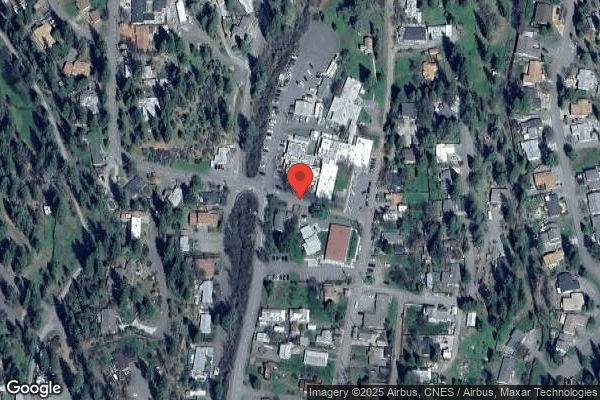

60 EASTER AVE, WEAVERVILLE, CA 96093 (530) 623-5541
For profit - Corporation 13 Beds Independent Data: November 2025
Trust Grade
63/100
#704 of 1155 in CA
Last Inspection: July 2024

Within standard 12-15 month inspection cycle. Federal law requires annual inspections.

Overview

Trinity Hospital Skilled Nursing Facility has a Trust Grade of C+, which means it is slightly above average but not among the best options. It ranks #704 out of 1155 facilities in California, placing it in the bottom half, though it is the only option in Trinity County. The facility is improving, having reduced the number of reported issues from 9 in 2023 to 1 in 2024. However, staffing is a significant concern, with a poor rating of 1 out of 5 stars and specific incidents where there were no Registered Nurses on duty for extended periods, which could impact resident care. Additionally, there are concerning fines of nearly $20,000, higher than most California facilities, indicating ongoing compliance issues, although they do have a relatively low staff turnover rate of 36%, which is better than the state average.

Trust Score
C+
63/100
In California
#704/1155
Bottom 40%
Safety Record
Low Risk
No red flags
Inspections
Getting Better
9 → 1 violations
Staff Stability
○ Average
36% turnover. Near California's 48% average. Typical for the industry.
Penalties
⚠ Watch
$19,948 in fines. Higher than 98% of California facilities. Major compliance failures.
Skilled Nurses
○ Average
Each resident gets 41 minutes of Registered Nurse (RN) attention daily — about average for California. RNs are the most trained staff who monitor for health changes.
Violations
⚠ Watch
19 deficiencies on record. Higher than average. Multiple issues found across inspections.
★★★☆☆
3.0
Overall Rating
★☆☆☆☆
1.0
Staff Levels
★★★☆☆
3.0
Care Quality
★★★★☆
4.0
Inspection Score
Stable
2023: 9 issues
2024: 1 issues

The Good

  • Full Sprinkler Coverage · Fire safety systems throughout facility
  • No fines on record
  • Staff turnover below average (36%)

    12 points below California average of 48%

Facility shows strength in fire safety.

The Bad

3-Star Overall Rating

Near California average (3.1)

Meets federal standards, typical of most facilities

Staff Turnover: 36%

Near California avg (46%)

Typical for the industry

Federal Fines: $19,948

Below median ($33,413)

Minor penalties assessed

The Ugly 19 deficiencies on record

Jul 2024 1 deficiency
CONCERN (F)

Potential for Harm - no one hurt, but risky conditions existed

Deficiency F0727 (Tag F0727)

Could have caused harm · This affected most or all residents

Based on interview and nursing schedule review, the facility failed to provide a Registered Nurse (RN) for eight consecutive hours a day, seven days a week. This had the potential to adversely affect ...

Read full inspector narrative →
Based on interview and nursing schedule review, the facility failed to provide a Registered Nurse (RN) for eight consecutive hours a day, seven days a week. This had the potential to adversely affect all of the residents' quality of life and quality of care. Findings: A review of the Payroll Based Journal (PBJ, an electronic system for facilities to submit staffing information) for Fiscal Year Quarter 1, 10/01/24-12/21/24, indicated the facility had no RN on duty for; 10/02/24, 10/03/24, 10/04/24, 10/6/24, 10/07/24, 10/08/24, 10/13/24, 10/14/24, 10/15/24, 10/20/24, 10/21/24, 10/22/24, 10/27/24, 10/28/24, 10/29/24, 11/03/24, 11/4/24, 11/05/24, 11/10/24, 11/11/24, 11/12/24, 11/17/24, 11/18/24, 11/19/24, 11/24/24, 11/25/24, 12/01/24, 12/02/24, 12/03/24, 12/09/24,12/10/24, 12/15/24, 12/16/24, 12/17/24, 12/22/24, 12/23/24, 12/24/24, 12/29/24, 12/30/24, and 12/31/24. A review of the PBJ for Fiscal Year Quarter 2 for 2024, (01/1/24-03/31/24), indicated the facility had no RN on duty for; 01/05/24, 01/06/24, 01/07/24, 01/14/24, 01/20/24, 01/21/24, 01/27/24, 01/28/24, 02/09/24, 02/10/24, 02/18/24, 02/19/24, 02/20/24, 02/21/24, 02/22/24, 02/24/24, 02/29/24, 03/01/24, 03/02/24, 03/03/24, 03/08/24, 03/10/24, 03/15/24, 03/16/24, 03/17/24, 03/19/24, 03/20/24, 03/21/24, 03/22/24, 03/10/24, 03/15/24, 03/16/24, 03/17/24, 03/19/24, 03/20/24, 03/21/24, 03/22/24, 03/24/24, 03/25/24, 03/29/24, 03/30/24, and 03/31/24. A review of the PBJ for Fiscal Year Quarter 4 for 2024, (07/1/23-09/30/23), indicated the facility had no RN on duty for; 07/01/23, 07/08/23, 07/09/23, 07/15/23, 07/16/23, 07/22/23, 07/29/23, 07/30/23, 08/05/23, 08/06/23, 08/13/23, 08/24/23, 08/25/23, 08/26/23, 08/31/23, 09/04/23, 09/08/23, 09/09/23, 09/11/23, and 09/29/23. During an interview on 7/29/24 at 9:30 am, with Chief Executive Officer (CEO) A, CEO A confirmed there was not an RN dedicated to oversee resident care for eight-hours a day, 7 days a week. During an interview on 7/30/24 at 11:52 am, with Chief Nursing Officer (CNO) C, CNO C confirmed there was not an RN dedicated to oversee resident care for eight-hours a day, 7 days a week.
Jul 2023 9 deficiencies
CONCERN (D)

Potential for Harm - no one hurt, but risky conditions existed

MDS Data Transmission (Tag F0640)

Could have caused harm · This affected 1 resident

**NOTE- TERMS IN BRACKETS HAVE BEEN EDITED TO PROTECT CONFIDENTIALITY** Based on interview and record review, the facility failed to encode a Minimum Data Set (MDS, a standardized assessment tool) and...

Read full inspector narrative →
**NOTE- TERMS IN BRACKETS HAVE BEEN EDITED TO PROTECT CONFIDENTIALITY** Based on interview and record review, the facility failed to encode a Minimum Data Set (MDS, a standardized assessment tool) and submit assessments as required for one out of two sampled residents (Resident 5), when Resident 5 passed away on 4/22/23, and a discharge MDS was not submitted to CMS (Centers for Medicare and Medicaid). This failure had the potential to result in inaccurate record keeping. Findings: A review of the facility's undated policy and procedure (P&P) titled, Electronic Transmission of the MDS, SNF indicated all MDS assessments would be completed and electronically encoded into the facility's MDS system in accordance with current OBRA (Federal) regulations governing the transmission of MDS data. A review of Resident 5's clinical records indicated Resident 5 was admitted to the facility on [DATE] with the diagnosis of dementia with behavioral disturbances (inability to remember, think, or recall information that included behaviors). Resident 5 passed away on 4/22/23. During a concurrent interview and record review on 7/20/23 at 10:13 am, with MDS Coordinator (MDSC), Resident 5's MDS was reviewed. MDSC confirmed that Resident 5 had passed away and there had not been a discharge MDS completed, which was 82 days overdue. During an interview on 7/20/23 at 12:32 pm, MDSC confirmed the encoded assessment should have been completed within seven days and submitted within 14 days of Resident 5's passing.
CONCERN (D)

Potential for Harm - no one hurt, but risky conditions existed

Pressure Ulcer Prevention (Tag F0686)

Could have caused harm · This affected 1 resident

**NOTE- TERMS IN BRACKETS HAVE BEEN EDITED TO PROTECT CONFIDENTIALITY** Based on observation, interview, and record review, the facility failed to provide one out of nine sampled residents (Resident 4...

Read full inspector narrative →
**NOTE- TERMS IN BRACKETS HAVE BEEN EDITED TO PROTECT CONFIDENTIALITY** Based on observation, interview, and record review, the facility failed to provide one out of nine sampled residents (Resident 4) with treatment and services that were consistent with the facility's policies and procedures (P&P), when Resident 4 developed a stage two pressure ulcer (a shallow open area of the skin with a red or pink woundbed), and a physician ordered treatment was not obtained, his responsible party was not notified, nursing had not documented on his change in condition, and he was not turned and/or repositioned every two hours. This failure had the potential for Resident 4's pressure ulcer (PU) to worsen resulting in a negative health outcome. Findings: A review of the facility's undated P&P titled, Pressure Ulcer Management, SNF indicated when a resident developed a pressure ulcer the physician would be notified no later than 24 hours after discovery of the pressure ulcer and staff would obtain an order for treatment. The P&P indicated nursing interventions that would be included in the resident's Care Plan included hygiene measures, pressure relieving devices, nutrition, and wound healing measures. The P&P indicated the RP would be notified; dietary would be contacted to request a nutritional assessment with recommendations that supported wound healing. The P&P indicated an incident report would be completed and the resident would be placed on alert charting. A review of the facility's undated P&P titled, Change in a Resident's Condition or Status, SNF, defined a significant change of condition as a major decline in resident status that would not resolve itself without staff intervention. The P&P indicated staff would utilize the Interact SBAR Communication Form prior to notifying the provider of the residents change of condition. A review of the facility's undated P&P titled, Care Plans, Comprehensive Person-Centered, SNF, indicated the Care Plan would be person-centered, describe the services that were provided to the resident, and the IDT must review and update the care plan when there has been a significant change in the resident's condition. A review of Resident 4's records indicated admission to the facility on [DATE] with the diagnoses of dementia (memory loss), chronic pain, and polyneuropathy (a condition that affect nerves that could cause symptoms of numbness, difficulty using arms or legs, and changes to the skin). The records indicated Resident 4 was admitted to the facility with no PU's, was incontinent of bowel and bladder, required extensive assistance of two staff members to use the toilet and to move from side-to-side in bed. Resident 4 was totally dependent upon staff for bathing, and was on a turning and repositioning program. Resident 4 had poor cognition (ability to think, reason, or remember), was not his own responsible party (RP), and relied on his RP to make all his decisions. During an interview on at 7/19/23 at 3:07 pm, Resident 4's RP, stated the facility usually called if there was a change of condition with Resident 4 and they had not received any phone calls recently with updates. RP stated the facility had not called to notify that Resident 4 had developed a new PU. During an observation on 07/21/23 at 8:00 am, Resident 4 was observed in bed with eyes closed. The head of the bed (HOB) was raised to approximately 35 degrees and Resident 4 was lying in a supine position (laying on the back). During an observation on 07/21/23, at 10:07 am, Resident 4 was observed in bed with eyes closed. The HOB was raised to approximately 35 degrees and Resident 4 was lying in a supine position. During a concurrent interview and record review on 7/21/23, at 10:23 am, with Licensed Nurse (LN) A, Resident 4's Progress Note, dated 7/18/23, was reviewed. LN A stated the Progress Note indicated Resident 4 had developed a stage 2 PU on the sacrum (lower back area just above the buttocks), A&D ointment (a skin protectant) was placed over the PU, and LN would report the PU to the morning LN. LN A reviewed Progress Notes, dated 7/18/23 through 7/20/23, and stated the Progress Notes did not include expected information such as: notifying or alerting the facility's physician that Resident 4 had a change of condition (development of PU), Resident 4's RP had not been notified, and there did not appear to be any alert charting (a Progress Note that described the wound and was written by the LN during each shift). LN A stated the facility's Registered Dietician (RD) should be notified and confirmed the Progress Notes did not indicate the RD had been alerted that Resident 4 had developed a stage two PU. LN A stated the Interdisciplinary Team (IDT, team members share resident information, updates, and collaborate with each other to develop patient centered care plans) should have met and discussed a plan for the treatment of Resident 4's PU, and confirmed there was no documentation in the Progress Notes that indicated an IDT meeting had been held. During an observation on 7/21/23 at 11:18 am, Resident 4 was observed lying in a supine position with the HOB flat. During a review of Resident 4's record titled, Care Plan (a written plan that provided an individualized plan of care the resident required) Skin Integrity, updated on 1/11/23, the Care Plan indicated the intervention (action to prevent or treat a medical condition) to turn every two hours was to be provided to Resident 4. During a concurrent interview and record review on 7/21/23, at 11:47 am, with Certified Nursing Assistant (CNA) F, Resident 4's POC charting (section of electronic medical records for CNA documentation), was reviewed. CNA F stated Resident 4 was not at high risk for developing PU and that he had, good skin. CNA F stated the turn every two-hour section had not been initiated in the POC section indicating Resident 4 did not require this and he was not repositioned every two hours. CNA F confirmed Resident 4 had developed a new PU and stated Resident 4 was now being repositioned every two hours. During a concurrent observation and interview on 7/21/23, at 12:05 am, with CNA G, Resident 4 was observed laying in a supine position with the HOB flat. CNA G stated Resident 4 had been repositioned about one and a half hours ago (approximately 10:30 am) when CNA G had assisted Resident 4 with getting dressed. Lying underneath Resident 4 was a Hoyer sling (a thick and heavy sling that wrapped around the resident who required use of a Hoyer machine to get out of bed, and would require repositioning the resident to place the sling underneath the resident). CNA G stated the Hoyer sling had been placed underneath Resident 4 at approximately 11:30 am. CNA G was asked to clarify when Resident 4 had last been repositioned due to different times being provided (10:30 am and 11:30 am). CNA G was not able to verbalize an answer. During a concurrent interview and record review on 7/21/23, at 12:21 pm, with Chief Nursing Officer (CNO), Resident 4's medical records were reviewed. CNO reviewed the record titled, Progress Notes, dated 7/18/23 through 7/20/23, and stated when a resident developed a new PU the facility's physician would be notified of the change of condition, new orders to treat the new PU would be obtained, LN would place the resident on alert charting, the care plan would be updated with interventions that were personalized, an incident report would be completed and the RP would be notified. CNO stated an IDT meeting would not be held for the development of a new PU and that the severity of the wound and how the wound was healing would indicate if an IDT meeting would be held. CNO confirmed the Progress Notes did not indicate the physician or resident's RP was notified, an incident report had not been completed, and Resident 4 was not placed on alert charting. CNO reviewed Resident 4's Open Wound Care Plan , dated 7/19/23, and stated the care plan indicated Resident 4 had three interventions that included to monitor the wound, turn every two hours, and provide frequent brief changes. CNO confirmed Resident 4's wound care plan had not included personalized treatment interventions and should have. CNO reviewed Resident 4's Orders, with multiple dates and stated there was an order for A&D ointment to be applied with each brief change and confirmed the order for A&D ointment was written prior to the PU development and there was not a new treatment order that outlined PU treatment that should be provided to Resident 4. During a concurrent observation and interview on 7/21/23, at 4:18 pm, with CNO, CNA F, and CNA G, Resident 4 was observed laying in his bed, supine, with the HOB flat. The Hoyer sling was underneath Resident 4 (four hours after initial observation). CNA F and CNA G stated Resident 4's PU looked better and assisted with rolling over Resident 4 for an observation of the PU. Resident 4 was observed to have a stage 2 PU to the sacrum. The PU wound bed was red in color and the redness extended approximately one and half inches outward, encircling the entire wound bed. When asked if the Hoyer Sling had been left under Resident 4 all day, no answer was provided by CNA F or CNA G.
CONCERN (D)

Potential for Harm - no one hurt, but risky conditions existed

Accident Prevention (Tag F0689)

Could have caused harm · This affected 1 resident

**NOTE- TERMS IN BRACKETS HAVE BEEN EDITED TO PROTECT CONFIDENTIALITY** Based on observation, interview, and record review, the facility failed to ensure that one of one sampled residents (Resident 10...

Read full inspector narrative →
**NOTE- TERMS IN BRACKETS HAVE BEEN EDITED TO PROTECT CONFIDENTIALITY** Based on observation, interview, and record review, the facility failed to ensure that one of one sampled residents (Resident 10) was reassessed for safe smoking, supervised during smoking, and that his plan of care was followed. This had the potential to result in physical and psychosocial harm for Resident 10. Findings: A review of the facility's policy titled, Smoking Policy-Residents, SNF dated 3/29/22, indicated, smoking is not allowed inside the facility, this includes electronic cigarettes. The resident will be evaluated on admission to determine if he or she is a smoker. The evaluation will include the current level of tobacco consumption, method, and the desire to quit smoking. Resident 10 was admitted to the facility on [DATE] with diagnoses that included cognitive decline (difficulty with recall, and thinking), diabetes, high blood pressure, and need for assistance with personal care. During a record review of Resident 10's, Active Orders dated 5/24/23, the orders indicated Resident 10 did not have the capacity to make healthcare decisions and sign consents. During a record review of Resident 10's, Smoking and Safety assessment, dated 5/24/23, Resident 10 used tobacco products and could follow the facility's policy on location and time of smoking. There was no documentation that indicated Resident 10 was being monitored for safety while smoking. During a record review of Resident 10's, Elopement Evaluation dated 5/24/23, Resident 10 was identified to wander throughout the facility. A review of Resident 10's Minimum Data Set, (MDS, a resident assessment tool), dated 6/6/23, indicated for functional ability Resident 10 needed supervision with one person assistance for locomotion off the unit, (how the resident moves to and from off-unit locations) to leave the unit. The designated smoking area was observed to be located outside, off the unit, in the back of the facility. The MDS further indicated that Resident 10 had a severe cognitive impairments (unable to think, reason, and make decisions), with a Brief Interview Mental Status (BIMS) score of 6 out of 15. Section J, health conditions, indicated Resident 10 had one fall within the last month and one fall within the last two to six months. A review of Resident 10's, Tobacco Use care plan, revised 6/12/23, indicated Resident 10's problem was Tobacco Use. The interventions were to conduct smoking safety evaluations on admission and as needed, staff to extinguish cigarettes, and to utilize a cigarette holder. During an observation on 7/18/23 at 12:40 pm, Resident 10 was ambulating with a cane to the dining room from the designated smoking area with no assistance. During an interview on 7/18/23 at 12:42 pm, Resident 10 stated, Yes, I smoke. I just smoked before lunch; they are not always with us. During an interview on 7/18/23 at 1:49 pm, Certified Nursing Assistant, (CNA) D stated, I go with [Resident 10] to smoke, at least to light his cigarette. I think he needs someone all the time because he gets confused. I try to always stay with him. During an observation on 7/19/23 at 9:54 am, the designated smoking area had a table with two chairs and a standing ashtray. There was no call light or alert system to call for staff, no fire extinguisher, and no smoking blanket or smoking aprons were present. During an interview on 7/19/23 at 10:02 am, CNA E stated, [Resident 10] is confused, I always stay with him. I think he needs someone every time he smokes. During an interview on 7/19/23 at 10:47 am, CNA C stated, There was an order for [Resident 10] to have supervision while smoking for the first two weeks after admission, and then it stopped. During a record review of Resident 10's medical chart, the facility had not conducted any reassessments to determine if Resident 10 was safe while smoking. During an interview on 7/19/23 at 11:47 am, Chief Nursing Officer (CNO) confirmed Resident 10 did not have current or ongoing assessments to determine the level of monitoring he should have for safety while smoking.
CONCERN (D)

Potential for Harm - no one hurt, but risky conditions existed

Deficiency F0761 (Tag F0761)

Could have caused harm · This affected 1 resident

**NOTE- TERMS IN BRACKETS HAVE BEEN EDITED TO PROTECT CONFIDENTIALITY** Based on observation, interview, and record review, the facility failed to provide safe storage and labeling of resident medicat...

Read full inspector narrative →
**NOTE- TERMS IN BRACKETS HAVE BEEN EDITED TO PROTECT CONFIDENTIALITY** Based on observation, interview, and record review, the facility failed to provide safe storage and labeling of resident medications and medical supplies when: 1. Over the Counter (OTC) medications were not labeled with an open date in one out of one medication cart (used to store resident medication). 2. Expired wound care supplies were stored in the treatment cart. 3. The treatment cart, located in the hallway across from the nurse's station, was left unlocked and unattended. 4. Expired laboratory supplies were stored in one of two storage rooms. 5. The medication disposal box (where discontinued medication is kept awaiting destruction), located in the nurse's station was not secure and could be easily accessed and the medications removed. These failures had the potential for unsafe medication use, and the use of medical tests and supplies which would no longer be effective, which could lead to negative clinical outcomes for the residents. Findings: 1. During a concurrent observation and interview on [DATE] at 9:07 am, with Licensed Nurse (LN) A, a bottle labeled Diabetic Tussin (an OTC cough syrup), a container labeled Cerovite Senior (an OTC multi-vitamin), and a container labeled Natures Truth D3 (an OTC viatmin supplement), were observed in the medication cart. LN A stated that they were expected to write the date on the containers of OTC medications, when they first opened the bottles and confirmed that the above OTC medications contained no date of when they had been opened. 2. During a concurrent observation of the treatment cart and interview on [DATE] at 9:07 am, with LN A, four packages of Optifoam Gentle wound care dressings had expired on [DATE]. LN A confirmed that the Optifoam Gentle dressings were expired and should have been taken out of the treatment cart. 3. During a concurrent observation and interview on [DATE] at 9:07 am, with LN A, an unattended treatment cart was observed to be unlocked. LN A confirmed the treatment cart was unlocked and should not have been when the cart is unattended by a nurse. 4. During a concurrent observation and interview on [DATE] at 9:07 am, with LN A, expired laboratory supplies were observed in the nurse's station storage area. Six blood specimen collection tubes that included, three yellow topped tubes had an expiration date of [DATE], one red and grey topped tube had an expiration date of [DATE], one lavender topped tube had an expiration date of [DATE], and one blue topped tube had an expiration date of [DATE], were in a drawer and available for use. LN A stated the facility staff did not normally collect blood samples, but if there was an emergency the LN A would utilize the blood specimen collection tubes that were stored in the nurse's station storage area. LN A confirmed the six tubes were expired and should not be available for use. Two Hemoccult tests (a screening test that determined if there was blood in the stool), were observed with an expiration date of [DATE]. LN A confirmed the Hemoccult tests were expired and should not have been available for use. 5. During a concurrent observation and interview on [DATE] at 9:07 am, with LN A, a medication disposal box was observed to be sitting on top of the counter in the nurse's station. On the top left side of the medication disposal box was an opening that could be easily accessed and not prevent the retrieval of the medications. Upon observation, the opening contained more than five loose medications they were easy to remove. LN A confirmed there were more than five loose medications that were not secure in the disposal box and anyone could easily take the medications. LN A stated that nurses were expected to use a white paddle-like device to push the medications into the disposal box, rendering them inaccessible. During an interview on [DATE] at 11:30 am, the Pharmacy Consultant (PC) was asked if LNs were expected to write the opened date onto the bottles of OTC medication. PC was not able to provide an answer. During a review of the facility's undated policy and procedure (P&P) titled, Administering Medications, SNF Pharmacy, the P&P indicated when a multi-dose container was opened, the open date would be recorded on the container. The P&P indicated medication carts were to be locked when out of sight of a LN. During a review of the facility's undated P&P titled, Storage of Medications, SNF Pharmacy, the P&P indicated all nursing staff would be responsible for maintaining medication storage areas in a safe manner. During a review of the facility's undated P&P titled, Discarding and Destroying Medications, SNF Pharmacy, the P&P indicated medication would be destroyed in accordance with federal, state, and local regulations governing management of non-hazardous pharmaceuticals, hazardous waste, and controlled substances.
CONCERN (D)

Potential for Harm - no one hurt, but risky conditions existed

Food Safety (Tag F0812)

Could have caused harm · This affected 1 resident

Based on observation, interview and record review, the facility failed to ensure food safety and sanitation guidelines were followed when: 1. The deep freezer had a collapsed interior lid and ice bui...

Read full inspector narrative →
Based on observation, interview and record review, the facility failed to ensure food safety and sanitation guidelines were followed when: 1. The deep freezer had a collapsed interior lid and ice buildup, where frozen food was stored. 2. Chipped paint with exposed rust or corrosion was on white wire shelves in the three-door reach in refrigerator, where food was stored. 3. The ventilation fans in the walk-in refrigerator, and the fans by the upper windows within the kitchen, had black debris and dust buildup. 4. The pipes under the food preparation sink next to the stove and dishwashing area, were covered with black debris and cumulative dust. 5. An open, unlabed, and undated ice cream cup was in the kitchenette designated for resident snacks. 6. Multiple areas of tile and floor covering was missing from the kitchen floor and there was dirt and debris in the corners of the floor. 7. A large area in the kitchen ceiling had an open hole, exposing the wood rafters near the dishwashing area at the exit door. These failures had the potential for the resident's to consume unsanitary food that had been prepared in a dirty kitchen, exposed to freezer burn, bacteria, mold, dirt and dust and cause them serious food borne illnesses. Findings: During a review of the facility's policy titled, Sanitation dated 2018, the policy indicated that all equipment shall be maintained as necessary and kept in working order.Counters, shelves, and equipment shall be kept clean, maintained in good repair and shall be free from breaks, corrosions, open seam, cracks, and chipped areas. The kitchen staff is responsible for all the cleaning except for ceiling vents, light fixtures, and the hood over the stove to maintain a clean kitchen. Additionally, the maintenance department will assist kitchen staff as necessary maintaining equipment and performing janitorial duties that the kitchen staff cannot do. 1. During a concurrent observation and interview on 7/18/23 at 10:00 am, the lid on the large deep freezer was collapsed and the inside of the lid was torn away from the outside of the lid and sagging therefore, unable to seal properly. Ice build-up was observed within the collapsed lid and within the body of the freezer. The Dietary Manager (DM) confirmed that the lid was broken, and it was possibly not sealing correctly, noting the ice buildup within. She stated that employees sit on the lid, and a new one needed to be ordered. In an interview on 7/21/23 at 8:45 am, Dietary [NAME] (DC) 3 confirmed that the freezer lid was broken and that a new one needed to be ordered. According to the USDA Food Code 2022 Section 4-501.11, Equipment shall be maintained in a state of repair and condition that meets requirements specified .equipment components such as doors, seals, hinges, fasteners, and kick plates shall be kept intact, tight and adjusted in accordance with manufacturers' specifications. 2. During a concurrent observation and interview on 7/18/23 at 10:00 am, the three-door reach-in refrigerators had chipped paint with rust or corrosion noted on the white wire shelves where residents' food was stored. The DM confirmed that the shelving was chipped with possible corrosion and agreed that cross contamination could potentially occur and could cause food-borne illness. According to the USDA Food Code 2022 Section 4-202.11 Multiuse food contact- surfaces shall be: Smooth, Free of breaks, open seams, cracks, chips, inclusions, pits, and similar imperfections. 3. During a concurrent observation and interview on 7/18/23 at 10:00 am, the ventilation fans within the walk-in refrigerator and the fans in the kitchen near the upper-level windows had black debris and dust accumulation. DC 1 stated that the ventilator fans in the walk-in refrigerator and fans around the kitchen were, definitely dirty and that Maintenance was responsible for the cleaning the fans. The DM confirmed that the dirty vents/fans could cross contaminate food and cause food-borne illness. According to the USDA Food Code 2022 Section 4-601.11 (C) Nonfood- contact surfaces of equipment shall be kept free of an accumulation of dust, dirt, food residue and other debris .The presence of food debris or dirt on nonfood contact surfaces may provide a suitable environment for the growth of pathogenic organisms, moisture, and debris tht deters the attraction of rodents and insects. 4. During a concurrent observation and interview on 7/18/23 at 10:00 am, the water pipes under the sink areas and overhead along walls within the kitchen had black debris and dust accumulation on them, some had noted corrosion. The DM confirmed the pipes were dirty, some rusty or corroded, all required cleaning, and dirty and corroded pipes in the kitchen could cause cross contamination and food borne illness. 5. During a concurrent observation and interview on 7/18/23 at 1:00 pm, a single, undated, unlabeled open ice cream cup was in the freezer in the kitchenette where resident snack food was kept. Certified Nursing Assistant (CNA) E confirmed the ice cream cup was open, undated, and unlabeled and indicated that it should not have been left that way. CNA E added that the ice cream had been brought in for a special ice cream day, and needed to be thrown away. During an interview on 7/19/23 at 8:30 am, the DM confirmed that an open container of any food item, should either be properly sealed, dated, and labeled, or thrown out. The DM stated that the evening Dietary Aide was responsible for checking the resident food items in the kitchenette. During a record review of the facility's policy titled, Foods brought by family/visitors, Med/Surg, SNF, Swing Bed dated 12/31/2019, indicated that perishable foods (once open), must be stored in resealable containers, labeled and dated, and discarded on the third day. 6. In a concurrent observation and interview on 7/18/23 at 10:00 am, the flooring in the kitchen was observed to be incomplete and unsightly with portions of floor missing, with debris and dirt noted in the corners. DM confirmed that all of the floor tiles had been removed because the floor was in the process of being replaced. DM confirmed that the condition of the flooring made it difficult to clean thoroughly and that there was debris and dirt which could be a source of cross contamination and food borne illness. According to the USDA Food Code 2022 Section 6-201.13 (A) Regarding floor cleaning in which cleaning methods other than water flushing are used for cleaning floors, the floor and wall junctures shall be covered and closed. 7. In a concurrent observation and interview on 7/18/23 at 10:00 am, there was a large gaping open area in the ceiling with exposed wood rafters at the back of the kitchen in the dishwashing area above the exit door. The DM confirmed that the hole was a result of water damage and was scheduled to be fixed by maintenance. DM confirmed that the hole in the kitchen ceiling could be a source of cross contamination and food-borne illness. According to the USDA Food Code 2022 Section 6-201.18 (Ceiling wood) Studs, joists, and rafters may not be exposed in areas subject to moisture.
CONCERN (F)

Potential for Harm - no one hurt, but risky conditions existed

Assessment Accuracy (Tag F0641)

Could have caused harm · This affected most or all residents

**NOTE- TERMS IN BRACKETS HAVE BEEN EDITED TO PROTECT CONFIDENTIALITY** Based on interview and record review, the facility failed to ensure that Minimum Data Set (MDS, a standardized assessment tool t...

Read full inspector narrative →
**NOTE- TERMS IN BRACKETS HAVE BEEN EDITED TO PROTECT CONFIDENTIALITY** Based on interview and record review, the facility failed to ensure that Minimum Data Set (MDS, a standardized assessment tool that described resident health and functional status) assessments were completed accurately for eight out of nine sampled residents, (Residents 1, 2, 3, 4, 6, 7, 8 and 9) when the MDS's incorrectly indicated that these residents were using restraints (a device that limits a resident's movement). This failure had the potential for an inaccurate picture of the resident's status. Findings: A review of the document titled, Centers for Medicare and Medicaid Services (CMS) Long-Term Care (LTC) Facility Resident Assessment Instrument 3.0 User's Manual, dated 10/1/19, located on the CMS website: MDS 3.0 RAI Manual v1.17.1_October 2019 (cms.gov), page 20 indicated: Medicare and Medicaid participating LTC facilities are required to conduct comprehensive, accurate, standardized and reproducible assessments of each resident's functional capacity and health status. During a review of Resident 1's Quarterly MDS, (assessment performed every three months), dated 5/18/23, the assessment indicated Resident 1 was admitted to the facility on [DATE], and bedrails were used as a restraint daily. During a review of Resident 2's Quarterly MDS, dated [DATE], the assessment indicated Resident 2 was admitted to the facility on [DATE], and bedrails were used as a restraint daily. During a review of Resident 3's Annual MDS Assessment (performed yearly), dated 6/29/23, the assessment indicated Resident 3 was admitted to the facility on [DATE], and bedrails were used as a restraint daily. During a review of Resident 4's Quarterly MDS, dated [DATE], the assessment indicated Resident 4 was admitted to the facility on [DATE], and bedrails were used as a restraint daily. During a review of the Resident 6's Quarterly MDS, dated , 5/17/23, the assessment indicated Resident 6 was admitted to the facility on [DATE], and bedrails were used as a restraint daily. During a review of Resident 7's admission MDS Assessment (completed upon admission to the facility), dated 4/24/23, the assessment indicated Resident 7 was admitted to the facility on [DATE], and bedrails were used as a restraint daily. During a review of Resident 8's Quarterly MDS, dated [DATE], the assessment indicated Resident 8 was admitted to the facility on [DATE], and bedrails were used as a restraint less than daily. During a review of Resident 9's Quarterly MDS, dated [DATE], the assessment indicated Resident 9 was admitted to the facility on [DATE], and bedrails were used as a restraint daily. During an interview on 7/20/23 at 10:13 am, the MDS nurse (MDS) C confirmed that the MDS assessment, Section P (the portion of the MDS assessment that included use of restraints) had been incorrectly coded for Residents 1, 2, 3, 4, 6, 7, 8 and 9. MDS C stated that bedrails were being used for mobility, not as a restraint. MDS C stated there was fine print at the top of MDS Section P that described what a restraint was and she had not read it, prior to completing the assessment.
CONCERN (F)

Potential for Harm - no one hurt, but risky conditions existed

Deficiency F0711 (Tag F0711)

Could have caused harm · This affected most or all residents

**NOTE- TERMS IN BRACKETS HAVE BEEN EDITED TO PROTECT CONFIDENTIALITY** Based on interview and record review, the facility failed to ensure that the attending Physician (AP), took an active role in th...

Read full inspector narrative →
**NOTE- TERMS IN BRACKETS HAVE BEEN EDITED TO PROTECT CONFIDENTIALITY** Based on interview and record review, the facility failed to ensure that the attending Physician (AP), took an active role in the supervision of the care for 7 of 9 sampled residents (Resident 1, 3, 6, 7, 8, 9 and 10), when; 1. AP did not acknowledge, sign and date the current Active Orders (the physician's orders give the facility the legal authority to provide specific care and services to residents), for the months of June and July, 2023. 2. AP did not document a Progress Note (a note describing the Resident's current status at the time when the physician visited), in each Resident's medical record after he saw them each month. These failures had the potential for residents to not receive the appropriate level of care and services and negatively impact their ability to attain or maintain their highest practicable level of emotional and physical well-being. Findings: A review of the facility's policy titled, Attending Physician Responsibilities, SNF dated 3/29/22, indicated, The provider will verify the accuracy of verbal orders when they are given and will authenticate, co-sign, and date them in a timely manner no later than the next visit to the resident. A review of the facility's policy titled, Medical Staff Delinquent Chart Suspension, Administration dated 1/25/22, indicated, This policy was to ensure timely completion of charts by physicians. Orders for SNF Recap Orders will be completed within five days, after the first of the month. 1. A review of Resident 1's records indicated admission to the facility on [DATE], with the diagnoses of type 2 diabetes mellitus with diabetic nephropathy (diabetes that could include nerve dysfunction) and depressive episodes (depression, a sad mood). A review of Resident 1's, Order Summary Report, dated 6/30/23, indicated AP had not reviewed or signed all Active Orders for Resident 1. A review of Resident 3's record indicated admission was on 11/26/2020, with diagnoses of Dementia, Adult Failure to Thrive (a state of decline), Chronic Obstructive Pulmonary Disease (COPD, chronic inflammatory lung disease), and Diabetes. During a record review of Resident 3's, Active Orders, AP had not signed Resident 3's Active Orders in June and July, 2023. A review of Resident 6's record indicated admission was on 11/08/2022, with diagnoses of Dementia, Hypertension (high blood pressure), Heart Failure, and an unruptured Cerebral Aneurysm (blood clot in the brain. During a record review of Resident 6's, Active Orders, AP had not signed Resident 6's Active Orders in June or July, 2023. Resident 7 was admitted to the facility on [DATE] with diagnoses that included high blood pressure, dementia, anxiety (feelings of fear, dread, and uneasiness), and a left below the knee amputation. During a record review of Resident 7's, Active Orders the AP had not signed Resident 7's Active Orders in June or July, 2023. Resident 8 was admitted to the facility on [DATE] with diagnoses that included heart disease, dementia unspecified severity, without behavioral disturbance, psychotic disturbance (hallucinations, paranoia and delusions), mood disturbance and anxiety, and leukemia (a type of blood cancer). During a record review of Resident 8's, Active Orders the AP had not signed Resident 8's Active Orders for June and July, 2023. A review of Resident 9's record indicated admission was on 12/09/2022, with diagnoses of Dementia, Adult Failure to Thrive, Parkinson's Disease (progressive neurological disorder that affects the nerves and the parts of the body controlled by the nerves), and Atrial Fibrillation (irregular and often very rapid heart rate). During a record review of Resident 9's, Active Orders, AP had not signed Resident 9's Active Orders in June or July, 2023. Resident 10 was admitted to the facility on [DATE] with diagnoses that included cognitive decline, diabetes, high blood pressure, and need for assistance with personal care. During a record review of Resident 10's, Active Orders the AP had not signed Resident 10's Active Orders for June and July, 2023. During an interview on 7/21/23 at 11:24 am, Licensed Nurse (LN) A, confirmed that the AP had not signed the Active Orders for June and July, 2023 for Residents 7, 8 and 10. During an interview on 7/21/23 at 11:45 am, the Chief Nursing Officer (CNO), confirmed that the physician had not signed the Active Orders for Resident's 3, 6, 7, 8, 9 and 10, in June and July 2023, and should have within the first 5 days of each month. A review of the facility's policy titled, Attending Physician Responsibilities, SNF dated 3/29/22, indicated, The attending physicians shall be the primary practitioner's responsibility for providing medical services and coordinating the healthcare of each resident. The facility's policy indicated making periodic, pertinent patient visits in the facility and providing appropriate, timely, and pertinent documentation. At each visit, the attending physician will provide a progress note (written, typed, or electronic) in a timely manner for placement in the medical record. 2. A review of Resident 3's record indicated admission was on 11/26/2020, with diagnoses of Dementia, Adult Failure to Thrive, Chronic Obstructive Pulmonary Disease, and Diabetes Mellitus. During a record review of Resident 3's, Physician Progress Notes AP had not documented that he visited or evaluated Resident 3's condition in June and July, 2023. Resident 7 was admitted to the facility on [DATE] with diagnoses that included high blood pressure, dementia, anxiety and a left leg below the knee amputation. During a record review of Resident 7's, Physician Progress Notes AP had not documented that he visited or reviewed Resident 7's condition in June or July, 2023. Resident 8 was admitted to the facility on [DATE] with diagnoses that included heart disease, dementia unspecified severity, without behavioral disturbance, psychotic disturbance, mood disturbance and anxiety, and leukemia. During a record review of Resident 8's, Physician Progress Notes AP had not documented that he visited or reviewed Resident 8's condition in July, 2023. A review of Resident 6's record indicated admission was on 11/08/2022, with diagnoses of dementia, Hypertension, Heart Failure, and unruptured Cerebral Aneurysm. During a record review of Resident 6's, Physician Progress Notes AP had not documented that he visited or evaluated Resident 6's condition in June or July, 2023. A review of Resident 9's record indicated admission was on 12/09/2022, with diagnoses of dementia, Adult Failure to Thrive, Parkinson's Disease, and Atrial Fibrillation. Resident 9's MDS dated [DATE], assessed Resident 6's cognition 07/15, (severe impairment). During a record review of Resident 9's, Physician Progress Notes AP had not documented that he visited or evaluated Resident 9's condition in June and July, 2023. Resident 10 was admitted to the facility on [DATE] with diagnoses that included cognitive decline, diabetes, high blood pressure, and need for assistance with personal care. During a record review of Resident 10's, Physician Progress Notes AP had not documented that he visited or reviewed Resident 10's condition in June or July, 2023. During an interview on 7/21/23 at 12:13 pm, with Chief Executive Officer (CEO), he stated that he was not aware that AP was not signing monthly Active Orders or documenting monthy visits and resident conditions in his Progress Notes. The CEO indicated that Active Orders and Physician Progress Notes should be signed and completed by the AP, for each resident at the beginning of every month. During an interview on 7/21/23 at 2:10 pm, with AP, he stated that he was in the facility every other week on the second and fourth Thursday and he signed orders and performed other duties typically on the second Thursday. AP indicated that it was the staff's responsibility to have documentation that required his signature available and ready for him to sign when he comes in. AP stated he was not aware of the time frames for signing Active Orders or making Progress Notes, as specified in the facility's policy.
CONCERN (F)

Potential for Harm - no one hurt, but risky conditions existed

Deficiency F0727 (Tag F0727)

Could have caused harm · This affected most or all residents

Based on interview and nursing schedule review, the facility failed to provide a Registered Nurse (RN) for eight consecutive hours a day, seven days a week, and have a Director of Nursing (DON) on sit...

Read full inspector narrative →
Based on interview and nursing schedule review, the facility failed to provide a Registered Nurse (RN) for eight consecutive hours a day, seven days a week, and have a Director of Nursing (DON) on site for 40 hours per week, to supervise the care of all of the residents. This had the potential to adversely affect all of the residents' quality of life and quality of care. Findings: A review of the Payroll Based Journal (PBJ, an electronic system for facilities to submit staffing information) for Fiscal Year Quarter 1 for 2023, (10/1/22-12/31/22), indicated the facility had no RN on duty for; 10/1/22, 10/2/22, 10/08/22, 10/09/22, 10/15/22, 10/16/22, 10/23/22, 11/12/22, 11/13/22, 11/20/22, 11/26/22, 11/27/22, 12/01/22, 12/03/22, 12/04/22, 12/09/22, 12/10/22, 12/11/22, 12/16/22, 12/18/22, 12/22/22, 12/23/22, 12/24/22, 12/25/22, 12/26/22, 12/27/22, 12/28/22, 12/29/22, and 12/31/22. A review of the PBJ for Fiscal Year Quarter 2 for 2023, (1/1/23-3/31/23) indicated the facility had no RN on duty for; 1/6/23, 1/7/23, 1/12/23, 1/14/23, 1/15/23, 1/16/23, 1/22/23, 1/27/23, 1/29/23, 2/3/23, 2/4/23, 2/5/23, 2/10/23, 2/11/23, 2/17/23, 2/18/23, 2/19/23, 2/23/23, 2/24/23, 2/25/23, 2/26/23, 3/1/23, 3/2/23, 3/3/23, 3/4/23, 3/10/23 3/17/23, 3/18/23, 3/24/23, 3/26/23, and 3/31/23. During an interview on 7/19/23 at 11:52 am, Chief Nursing Officer (CNO) confirmed there was not an RN dedicated to oversee resident care for eight-hours a day, 7 days a week. The CNO stated that she was providing the duties of the DON temporarily, but only spent about an hour per day overseeing the care of the residents who resided in the skilled nursing facility. The CNO added, We are trying to find and keep more RNs. During an interview on 7/20/23 at 10:01 am, the Director of Staff Development (DSD, an RN), confirmed the facility did not have an RN eight hours a day, 7 days a week. She stated, They do call me in occasionally for RN coverage.
CONCERN (F)

Potential for Harm - no one hurt, but risky conditions existed

Drug Regimen Review (Tag F0756)

Could have caused harm · This affected most or all residents

**NOTE- TERMS IN BRACKETS HAVE BEEN EDITED TO PROTECT CONFIDENTIALITY** Based on interview and record review, the facility failed to ensure that the Pharmacy Consultant's (PC) Medication Regimen Revie...

Read full inspector narrative →
**NOTE- TERMS IN BRACKETS HAVE BEEN EDITED TO PROTECT CONFIDENTIALITY** Based on interview and record review, the facility failed to ensure that the Pharmacy Consultant's (PC) Medication Regimen Review (MRR), recommendations were acted upon (responded to), by the attending physician (AP), for eight of nine sampled residents (Resident's 1, 2, 3, 6, 7, 8, 9 and 10), when: 1. AP did not respond to MRR recommendations for Resident 1 in April, 2023. 2. AP did not respond to MRR recommendations for Resident 2 in March and April, 2023. 3. AP did not respond to MRR recommendations for Resident 2 in May, 2023. 4. AP did not respond to MRR recommendations for Resident 6 in June and July, 2023. 5. AP did not respond to MRR recommendation for Resident 7 in July, 2023. 6. AP did not respond to MRR recommendations for Resident 8 in May, 2023. 7. AP did not respond to MRR recommendations for Resident 9 in June, 2023. 8. AP did not respond to MRR recommendations for Resident 10 in June, 2023. These failures had the potential for the residents to have negative clinical outcomes and subject the residents to unwanted and adverse medication side effects and/or harmful interactions. Findings: During a review of a the facility's policy titled, Medication Regimen Reviews, Skilled Nursing Facility (SNF) Pharmacy not dated, indicated, The Consultant Pharmacist shall review the medication regimen of each resident at least monthly. The Consultant Pharmacist will document his/her findings and recommendations on the monthly drug/medication regimen review report. The Consultant will provide a written report to the providers for each resident with an identified irregularity. The Consultant Pharmacist will provide the Director of Nursing Services and Medical Director with a written, signed, and dated copy of the report. Copies of drug/medication review reports, including physician responses, will be maintained as part of the permanent medical record. 1. A review of the records indicated Resident 1 was admitted to the facility on [DATE] with the diagnoses of depressive episodes (a sad mood), acquired absence of right leg below knee (lower leg amputation), and hypertension (high blood pressure). During a review of Resident 1's MRR, dated 4/1/2023, the PC alerted the AP that three of the medications Resident 1 was taking had possible major medication interactions (an adverse or unwanted reaction between two or more medications), Trazodone (an antidepressant), Cyclobenzaprine (a muscle relaxant), and Duloxetine (an antidepressant). The PC further indicated that Trazodone and Duloxetine were SSRI's (a type of antidepressant that can cause Serotonin Syndrome- muscle rigidity, fever or seizures). The AP had not responded to this recommendation to review Resident 1's medications. 2. A review of Resident 2's record indicated that he was admitted on [DATE], with the diagnoses of multiple sclerosis (a disease that involved damage to the nerves that could result in numbness, difficulty with speech, and inability to walk), paraplegia (inability to voluntarily move the lower parts of the body), and muscle spasms (involuntary muscle contractions). During a review of Resident 2's, MRR, dated 3/1/2023, the PC recommended the AP review Resident 2's medications for possible adverse interactions. The PC indicated that Baclofen (a muscle relaxant), Norco (an opiate pain medication), Diazepam (a muscle relaxant and antianxiety medication), Amitriptyline (an antidepressant), and ondansetron (medication used to prevent nausea or vomiting), when used together increased Resident 2's risk for sedation, falls and injuries. The AP had responded to the recommendation, but according to the PC he could not read the AP's writing, and had not followed up to get clarification. During a review of Resident 2's MRR, dated 4/1/23, the PC alerted the AP once again of potential adverse effects of using the following medications together, Norco, Gabapentin (a medication that was used to treat nerve pain), Diazepam, Baclofen, Amitriptyline, and ondansetron, and added that these medications put Resident 2 at a high risk for Central Nervous System (CNS) which could cause the brain to slow down creating feelings of confusion and sleepiness and serotonin syndrome. The AP had not responded to the PC's recommendations. 3. During a review of Resident 3's record indicated that Resident 3 was admitted on [DATE]. Resident 3's diagnoses included Dementia, Adult Failure to Thrive (not eating, giving up), Chronic Obstructive Pulmonary Disease (lung problems), and Diabetes. During a review of Resident 3's MRR, dated 5/30/23, the PC recommended the AP review Resident 3's high AIC (blood test that monitors blood sugar levels and is used to manage diabetes) level (7.5%, less than 7 is ideal). AP had not responded to this recommendation. 4. A review of Resident 6's record indicated that Resident 6 was admitted on [DATE] with diagnoses that included, Dementia, High blood pressure, Heart Failure, and an Unruptured Cerebral Aneurysm (blood clot in the brain). During a review of Resident 6's MRR, dated 6/2/23, the PC recommended the AP review Resident 6's high blood pressure readings for possible medication adjustments, Resident had 21 Systolic Blood Pressure (SBP) readings greater than 140 mmHg (measurement to record blood pressure). Goal is never to go over 140/90 mmHg, according to American Hospital Association (AHA) guide, given age and comorbidities. The AP did not respond to the PC's recommendation. During a review of Resident 6's MRR, dated 7/7/23, the PC again recommended that AP review Resident 6's continued high blood pressures, Seventeen SBP readings were greater than 140 mmHg. The PC also recommended that AP address a potential medication interaction between Valsartan (a blood pressure medication) and potassium (K+), a supplement. AP did not respond to these recommendations. 5. Resident 7 was admitted to the facility on [DATE] for diagnoses that included high blood pressure, dementia, anxiety (feelings of fear, dread, and uneasiness), and a left leg below the knee amputation. During a record review of Resident 7's, MRR, dated 7/7/23, the PC recommended that the AP review Resident 7's Lisinopril (a blood pressure medication) 15 milligrams (mg, a unit of measure) due to Resident 7's, Majority of blood pressure readings are greater than 140 mmHg (millimeters of mercury), (normal blood pressure systolic readings are 120 mmHg or less), which indicated that the dose may need to be changed. The MRR was not addressed by the AP. 6. Resident 8 was admitted to the facility on [DATE] for diagnoses that included heart disease, dementia, psychotic disturbance (hallucinations, paranoia or delusions), mood disturbance and anxiety, and leukemia, (a type of blood cancer). During a review of Resident 8's MRR, dated 5/12/23, the PC recommended that the AP review her use of Seroquel (an antipsychotic medication) 12.5 mg, for possible discontinuance. The AP did not respond to the recommendation. 7. A review of Resident 9's record indicated that she was admitted on [DATE], with diagnoses that included Dementia, Adult Failure to Thrive, Parkinson's Disease, and Atrial Fibrillation. During a review of Resident 9's MRR, dated 6/2/23, the PC recommended that AP review Resident 9's high blood pressure recordings where 34 Systolic Blood Pressures (SBP) were greater than 140 mmHg and that Resident 9 was taking both Megestrol (an appetite stimulant), and Marinol (an appetite stimulant) which was duplicate therapy and added that, If resident is not increasing weight appropriately, consider discontinuing. A recommendation was also made to review a major medication interaction between Valsartan (a blood pressure medication and Potassium (a supplement). AP did not responded to the PC's recommendations. 8. Resident 10 was admitted to the facility on [DATE] for diagnoses that included cognitive decline, diabetes, high blood pressure, and need for assistance with personal care. During a record review of Resident 10's MRR, dated 6/21/23, the PC recommended that the AP include in Resident 10's orders, Recommend orders regarding what to do in the case of hypoglycemia. The AP did not respond to the recommendation. During in interview on 7/20/23 at 11:30 am, PC stated the AP was required to enter a statement of risk versus benefits when using medications with potential adverse interactions or side effects along with the reason why medication recommendations would not be not followed. The PC added that the AP was required to sign the MRR, and that they were not being addressed or signed by the AP. During a concurrent interview and record review on 7/20/23 at 11:15 am, Licensed Nurse (LN) A reviewed Resident 3, 6 and 9's MRRs, dated 6/2/23 and 7/7/23 by PC, confirmed that there were no acknowledgements or responses to the PC recommendations by the AP. During a concurrent interview and record review on 7/21/23 at 12:00 pm, Chief Nursing Officer (CNO), reviewed Resident 3, 6 and 9's MRRs, dated 6/2/23 and 7/7/23 by PC, and confirmed that there were no acknowledgements or responses to the PC recommendations by the AP. During an interview on 7/21/23 at 11:00 am, PC indicated that many of the MRR recommendation that were made go unresponded to for long periods of time. PC confirmed that he had not communicated this with the AP, but instead continues to write the recommendations again and waits for the AP to respond. During an interview on 7/21/23 at 12:13 pm, the Administrator (Admin), indicated there was a pharmaceutical meeting every quarter and medications were discussed with AP, and he does not know who follows up. During an interview on 7/21/23 at 2:10 pm, AP indicated that he does follow up on recommendations at the quarterly pharmaceutical meetings. AP confirmed that he has seen the MRRs in the resident's charts, but did not always write a response.
Aug 2019 9 deficiencies
CONCERN (D)

Potential for Harm - no one hurt, but risky conditions existed

Assessment Accuracy (Tag F0641)

Could have caused harm · This affected 1 resident

**NOTE- TERMS IN BRACKETS HAVE BEEN EDITED TO PROTECT CONFIDENTIALITY** Based on interview and record review, the facility failed to accurately code the Minimum Data Set (MDS, a resident assessment to...

Read full inspector narrative →
**NOTE- TERMS IN BRACKETS HAVE BEEN EDITED TO PROTECT CONFIDENTIALITY** Based on interview and record review, the facility failed to accurately code the Minimum Data Set (MDS, a resident assessment tool) for four of eight residents (Residents 2, 7, 9, and 11), regarding the type of medication they received. This had the potential for residents to not receive an individualized care plan based on their specific needs. Findings: A review of the resident matrix, based on the residents' MDS, was provided by the MDS Licensed Nurse (MDS LN) on 8/26/19. Under medications, Residents 2, 7, 9, and 11 were coded as receiving an anticoagulant (blood thinner) medication. 1. A review of Resident 11's record, indicated she had been admitted on [DATE], with diagnoses that included pneumonia (infection of the lungs), depression, and enterocolitis (an infection of the colon by the bacteria clostridium difficile producing toxins that damage the lining of the colon). A review of her medications included aspirin (ASA) 81 milligrams (mg) daily. There were no anticoagulants. During a concurrent interview and record review of the MDS and medications, on 8/26/19 at 3:30 pm, the MDS LN confirmed Resident 11 received ASA 81 mg. She stated she coded the ASA as an anticoagulant. MDS LN reviewed the RAI (resident assessment instrument) manual and confirmed ASA should not be coded as an anticoagulant. 2. A review of Resident 2's record, indicated he had been admitted on [DATE], with diagnoses that included lung disease, depression, and chronic pain. A review of his medications included ASA 81 mg. There were no anticoagulants. 3. A review of Resident 7's record indicated he was admitted on [DATE], with diagnoses that included depression and insulin dependant diabetes. A review of his medications included ASA 81 mg. There were no anticoagulants. 4. A review of Resident 9's record indicated he was admitted on [DATE], with diagnoses that included high blood pressure, falls, and dementia (cognitive impairment severe enough to interfere with activities of daily living). A review of his medications included ASA 81 mg. There were no anticoagulants. During a concurrent interview and record review of the MDS and medications, on 8/26/19 at 3:40 pm, the MDS LN confirmed Residents 2, 7, and 9 received ASA 81 mg. She confirmed she had also inaccurately coded these residents' MDS as receiving an anticoagulant medication.
CONCERN (D)

Potential for Harm - no one hurt, but risky conditions existed

Deficiency F0657 (Tag F0657)

Could have caused harm · This affected 1 resident

**NOTE- TERMS IN BRACKETS HAVE BEEN EDITED TO PROTECT CONFIDENTIALITY** Based on interview and record review, the facility failed to initiate or develop an appropriate care plan for one of 8 sampled r...

Read full inspector narrative →
**NOTE- TERMS IN BRACKETS HAVE BEEN EDITED TO PROTECT CONFIDENTIALITY** Based on interview and record review, the facility failed to initiate or develop an appropriate care plan for one of 8 sampled residents (Resident 3), when there was no mention, or monitoring in place for her cardiac pacemaker (a small device implanted in the chest that helps to control the heartbeat). This failure could place this resident at risk for the inadequate monitoring, and precautions associated with this very important piece of medical technology, which could place this resident at risk for negative clinical outcomes. Findings: Resident 3's medical record was reviewed. Resident 3 was admitted to the facility on [DATE], with diagnoses that included sick sinus syndrome (a group of heart rhythm problems associated with a certain part of the heart), high blood pressure, and the presence of a implanted cardiac pacemaker. Resident 3's medical record contained no care plan that addressed the proper steps related to the precautions, monitoring, and maintenance of her cardiac pacemaker. According to the American Heart Association (the nation's oldest and largest health organization dedicated to fighting heart disease and stroke), modern pacemakers are built to last. That being said, pacemaker should be checked periodically to assess the battery and find out how the wires are working. The pacemaker should be checked every six months, depending on the device a telephone transmitter may be used to evaluate battery function. Special precautions need to be taken when someone has a pacemaker, such as avoiding strong magnetic fields associated with certain medical tests, security system metal detectors and commercial microwaves. During a concurrent interview, and record review, with Administrative Licensed Nurse (Admin LN) on 8/28/19 at 10:35 am, she verified that there was no care plan developed for Resident 3's cardiac pacemaker, and that there needed to be. The facility's undated policy titled, Care Plans, Comprehensive Person-Centered, SNF, was reviewed and indicated that a comprehensive, person-centered care plan that includes measurable objectives and timetables to meet the resident's physical, psychosocial and functional needs is developed and implemented for each resident.
CONCERN (D)

Potential for Harm - no one hurt, but risky conditions existed

Dental Services (Tag F0791)

Could have caused harm · This affected 1 resident

**NOTE- TERMS IN BRACKETS HAVE BEEN EDITED TO PROTECT CONFIDENTIALITY** Based on interview and record review, the facility failed to provide routine dental services for one of eight residents (Residen...

Read full inspector narrative →
**NOTE- TERMS IN BRACKETS HAVE BEEN EDITED TO PROTECT CONFIDENTIALITY** Based on interview and record review, the facility failed to provide routine dental services for one of eight residents (Resident 9). This had the potential to result in dental problems and an overall decline in the health of Resident 9. Findings: A review of Resident 9's record indicated he was admitted on [DATE], with diagnoses that included high blood pressure, falls, and dementia (cognitive impairment severe enough to interfere with activities of daily living). The admission physician orders and current orders included an order for dental services as needed. No records of dental visits could be located in the record and no mention of appointments were noted in the social service notes. During an interview on 8/27/19 at 09:01 am, Resident 9's responsible party (RP) stated she was not sure whether or not Resident 9 had any regular dentist visits in the past year. RP stated she took him recently and he had a tooth pulled but she was not aware that he saw a dentist on a regular basis. During a concurrent interview and record review on 8/27/19 at 4:16 pm, the Administrative Licensed Nurse (Admin LN) stated she was unable to find anything in Resident 9's record relating to routine dentist visits. She stated his RP had recently taken him recently to a dentist and paid out of her pocket to have a tooth removed. Admin LN stated this should have been taken care of by Social Services and there should be a record of dental visits in Resident 9's record. She stated she would double check the thinned records to see if she could find anything there. On 8/27/19 at 4:30 pm, Admin LN was able to find a short term care plan for the tooth extraction done in10/2018 but nothing so far for routine dental visits. She provided a consult from an oral surgeon for a tooth extraction (removal), dated 9/27/18 and confirmed there was nothing in the record to indicate any follow up or routine dental visits had occurred since that time. A review of the facility's Availability of Services, Dental, SNF, expiration date 5/22/20, indicated dental services would be available to all residents requiring routine and emergency dental care, and social services would be responsible for making necessary dental appointments.
CONCERN (D)

Potential for Harm - no one hurt, but risky conditions existed

Infection Control (Tag F0880)

Could have caused harm · This affected 1 resident

**NOTE- TERMS IN BRACKETS HAVE BEEN EDITED TO PROTECT CONFIDENTIALITY** Based on observation, interview and product label review, the facility failed to maintain a clean and orderly environment, when ...

Read full inspector narrative →
**NOTE- TERMS IN BRACKETS HAVE BEEN EDITED TO PROTECT CONFIDENTIALITY** Based on observation, interview and product label review, the facility failed to maintain a clean and orderly environment, when expired cleaning supplies were available for use. This failure could lead to ineffective cleaning which could result in the spread of infections, communicable diseases and germs. Findings: During an observation of the dietary pantry area on the skilled nursing unit, on [DATE] at 8:35 am, with Administrative Licensed Nurse (Admin LN), the following was observed; 1. One container of orange top sani-cloth disposable bleach wipes (a commercial germicidal product, used for surface cleaning), with the expiration date of 4/2019. 2. One container of thermometer probe cleaning wipes (a commercial germicidal product, used for cleaning thermometer probes after use), with expiration of [DATE]. The Admin LN acknowledged both of the above findings during this concurrent interview and observation, and immediately removed and discarded both items. According to the Centers for Disease Control and Prevention (CDC, the national authority on public health), pathogenic microorganism (disease causing bacteria) grow in a dirty, unkempt environment, so the maintenance of resident and employee health and safety is dependent on the elimination of the potential sources of growth of these organisms. Commercial germicidal products should be used as directed for the disinfections of all surfaces, to help in the elimination of pathogenic microorganisms. The facility's undated policy titled, Infection Control, Environmental Services, was reviewed and indicated that nosocomial (facility-based) infections may occur as a result of exposure to contaminated surfaces or equipment. The proper procedures for cleaning includes selecting the appropriate sanitizing and disinfecting cleaning agents.
CONCERN (D)

Potential for Harm - no one hurt, but risky conditions existed

Antibiotic Stewardship (Tag F0881)

Could have caused harm · This affected 1 resident

**NOTE- TERMS IN BRACKETS HAVE BEEN EDITED TO PROTECT CONFIDENTIALITY** Based on interview and record review, the facility failed to follow its antibiotic stewardship policy when antibiotic usage for ...

Read full inspector narrative →
**NOTE- TERMS IN BRACKETS HAVE BEEN EDITED TO PROTECT CONFIDENTIALITY** Based on interview and record review, the facility failed to follow its antibiotic stewardship policy when antibiotic usage for one of eight residents (Resident 11) was inappropriate and not adequately monitored. This resulted in Resident 11 receiving an unnecessary antibiotic and had the potential to result in adverse side effects including a worsening of a condition present upon admission, enterocolitis (an infection of the colon by the bacteria clostridium difficile producing toxins that damage the lining of the colon). Findings: A review of the facility's Antibiotic Stewardship, policy, with an expiration date of 5/22/20, indicated, When a culture and sensitivity (C&S) is ordered lab results and the current clinical situation will be communicated to the prescriber as soon as available to determine if antibiotic therapy should be started, continued, modified, or discontinued. A review of Resident 11's record, indicated she had been admitted on [DATE], with diagnoses that included pneumonia (infection of the lungs), depression, and enterocolitis (an infection of the colon by clostridium difficile (c-diff) C-diff commonly occurs in long term care residents following use of antibiotics). Resident 11 had a urinalysis (UA, urine test) done on 6/26/19 and the physician ordered Macrodantin (an antibiotic also known as Nitrofurantoin) 100 milligrams (mg) for seven days for a urinary tract infection. The UA showed profuse bacteria so a C&S was done and completed on 6/29/19. The C&S indicated, the bacteria causing the infection, was resistant to the antibiotic, Macrodantin, which had been prescribed by the physician. A nurse noted in the record that she faxed the test results to the physician office on 6/29/19. There were no other nurses notes regarding the C&S results or contacting Resident 11's physician. During a concurrent interview and record review starting on 8/28/19 at 8:15 am, the Infection Control Nurse (ICN) confirmed Resident 11 had a UTI and received Macrodantin from 6/26/19 for seven days, until 7/3/19. She confirmed the C&S culture showed the bacteria was resistant to that antibiotic. ICN stated if she saw the prescribed antibiotic was resistant to the bacteria she would tell the charge nurse so she could contact the physician. During a concurrent interview and record review on 8/28/19 at 9:30 am, the Administrative Licensed Nurse (Admin LN) stated they put on the Medication Administration Record (MAR) the date the UA was sent. Three days later there was a space on the MAR to remind the nurse to look at the C&S results and notify the physician of the results. A review of the MAR indicated the nurse initialed on 6/29/19, when the C&S was completed and according to the nursing notes the nurse faxed the report to the physician's office. Admin LN confirmed 6/29/19 was on a Saturday and the physician's office was closed on weekends. She agreed if a resident was on antibiotics that the bacteria was resistant to, the nurse should have called the physician instead of faxing the report to him. She confirmed there was nothing else in the notes which indicated the nurse told the physician of the C&S results. During an interview on 8/28/19 at 10 am, the pharmacist stated he did a medication review on 7/3/19 and recognized that Resident 11 was on an antibiotic that the bacteria was resistant to so he called the MD and got the antibiotic changed. He confirmed it was after the resident had received the Macrodantin for seven days. He stated he had reviewed this in their Infection Control meeting and was working on a solution to keep this from happening again.
CONCERN (E)

Potential for Harm - no one hurt, but risky conditions existed

Food Safety (Tag F0812)

Could have caused harm · This affected multiple residents

Based on observation, interview, record review, the facility failed to maintain a clean and orderly environment in the dietary department when there was visible dust accumulated on the wall vents, lig...

Read full inspector narrative →
Based on observation, interview, record review, the facility failed to maintain a clean and orderly environment in the dietary department when there was visible dust accumulated on the wall vents, lighting fixtures, exposed ceiling pipes, and ceiling vent. This failure could lead to the spread of infections, communicable diseases, and food born illness to all residents (12) who are served out of this kitchen. Findings: During observations in the dietary department from 8/26/19 through 8/28/19, the following were observed: * Ceiling vent located directly above the tray line area (where food is prepared), had a thick dark fuzzy dust-like material built up on its surface, and this material could be seen extending up the pipe. * Wall vents located on entrance side of the kitchen, which blow directly towards the tray line area, had a thick dark fuzzy dust-like material built up on there exterior surfaces. * The light fixtures above the tray line area, had a thick dark fuzzy dust-like material built up on there surfaces. * All the exposed water pipes (fire sprinkler system) throughout the kitchen had a thick dark fuzzy dust-like material built up on there exterior surfaces. The above findings were verified during a concurrent interview and observation, with the Dietary Services Manager (DSM) on 8/28/19 at 6:45 am. The DSM acknowledged the items that needed to be cleaned, and reported that it had recently been identified by their facility's registered dietitian, and that maintenance had been notified, as they are responsible for cleaning this area of the kitchen. The facility's undated policy titled, Infection Control, Environmental Services, was reviewed and indicated that nosocomial (facility-based) infections may occur as a result of exposure to contaminated surfaces, equipment, air dust, and hands of personnel. According to the 2017 Food Code recommendations published by the United States Public Health Services, Food and Drug Administration, prepared and stored food should be protected from all potential contaminations, which includes dust. All non-food surfaces shall be kept free of an accumulation of dust, dirt, food residue, and other debris.
MINOR (B)

Minor Issue - procedural, no safety impact

Deficiency F0578 (Tag F0578)

Minor procedural issue · This affected multiple residents

**NOTE- TERMS IN BRACKETS HAVE BEEN EDITED TO PROTECT CONFIDENTIALITY** Based on interview and record review, the facility failed to ensure that two of 8 sampled residents (Residents 3 and 4), had cur...

Read full inspector narrative →
**NOTE- TERMS IN BRACKETS HAVE BEEN EDITED TO PROTECT CONFIDENTIALITY** Based on interview and record review, the facility failed to ensure that two of 8 sampled residents (Residents 3 and 4), had current physician orders that were in agreement with their POLST (Physician Orders for Life Sustaining Treatment, a legal document in which a person specifies what life saving actions should be taken) to ensure that choices related to the residents end of life decisions were clearly documented. This failure could cause confusion for the staff during an emergency, and for undesired lifesaving procedures to be performed on the residents. Findings: 1. Resident 3's medical record was reviewed. Resident 3 was admitted to the facility on [DATE], with diagnoses that included sick sinus syndrome (a group of heart rhythm problems associated with a certain part of the heart), high blood pressure and pain. Resident 3's diagnoses list included Do Not Resuscitate (DNR), which means if this resident was found without a heart beat or breathing, then no chest compression or defibrillation will be attempted by staff. Resident 3's medical record contained a POLST which was signed by the physician on 9/10/17, which indicated DNR. Resident 3's initial admission orders dated 7/5/17, indicated DNR. Resident 3's most recently signed physician order summary report dated 8/9/19, did not include any specific code status instructions that would match the POLST. 2. Resident 4's medical record was reviewed. Resident 4 was admitted to the facility on [DATE], with diagnoses that included dementia, chronic atrial fibrillation (an irregular heart beat), and cardiomegaly (an enlarged heart). Resident 4's diagnoses list included DNR. Resident 4's medical record contained a POLST which was signed by the physician on 7/28/19, which indicated DNR. Resident 4's admit history and physical dated 12/22/17, indicated DNR. Resident 4's most recently signed physician order summary report dated 8/9/19, did not include any specific code status instructions that would match the POLST. During a concurrent interview and record review, with Administrative Licensed Nurse (Admin LN) on 8/27/19 at 10:10 am, both Resident 3 and Resident 4's medical records were reviewed. Admin LN acknowledged that both residents were missing physician orders matching their end of life decisions as documented on their POLST forms. Admin LN acknowledged that this could cause confusion during an emergency, or if the residents were transferred out of the facility, and their POLST forms did not follow them. Admin LN stated that this should have been identified during the monthly recap of the physician's orders, and it had obviously been overlooked. The facility's undated policy titled, Attending Physician Responsibilities, SNF, was reviewed and indicated that the physician will guide the staff, and help document, the basis for decisions and orders regarding options for life-sustaining treatments and other ethical issues, consistent with applicable standards, laws, and regulations, and with the resident wishes. This includes helping residents or substitute decision makers formulate advance directives and care instructions, and helping to identify individuals for whom aggressive medical interventions may not be beneficial. The physician will provide orders to ensure that individuals have appropriate comfort and supportive measures as needed; for example to address pain, or in palliative or end-of-life situations.
MINOR (B)

Minor Issue - procedural, no safety impact

Staffing Information (Tag F0732)

Minor procedural issue · This affected multiple residents

Based on interview and facility posted information, the facility failed to post staffing information that included both shifts for 365 of 365 (one year) posting opportunities. This failure increased ...

Read full inspector narrative →
Based on interview and facility posted information, the facility failed to post staffing information that included both shifts for 365 of 365 (one year) posting opportunities. This failure increased the risk that residents, families, and visitors, did not have staffing information readily available. Findings: A review of the facility's nursing staff postings from 8/28/18 to present (365-days) indicated that the facility was only posting staffing information for one of two of their shifts (Shift 1). During a concurrent interview and record review, with Administrative Licensed Nurse (Admin LN) on 8/28/19 at 8:45 am, she verified that the current posted nurse staffing data only included information for Shift 1, and not Shift 2. Admin LN reported that this data is prepared daily and posted in the morning, and was unaware that it was required to include both shifts.
MINOR (B)

Minor Issue - procedural, no safety impact

Medical Records (Tag F0842)

Minor procedural issue · This affected multiple residents

**NOTE- TERMS IN BRACKETS HAVE BEEN EDITED TO PROTECT CONFIDENTIALITY** The facility failed to ensure complete and accurate medical records for one of one closed records (Resident 12) reviewed, when m...

Read full inspector narrative →
**NOTE- TERMS IN BRACKETS HAVE BEEN EDITED TO PROTECT CONFIDENTIALITY** The facility failed to ensure complete and accurate medical records for one of one closed records (Resident 12) reviewed, when multiple physician telephone orders were not authenticated (signed) in a timely manner. This failure resulted in incomplete medical records, which could create confusion and potential billing issues. Findings: Resident 12's closed record was reviewed on [DATE]. Resident 12 was admitted to this facility on [DATE], with the diagnoses of being deaf, blind, new onset of seizures, and weakness. Resident 12 expired on [DATE]. Resident 12's closed record contained five separate physician telephone orders that had not been authenticated. The following telephone orders had not been authenticated; [DATE] 10:10 pm, [DATE] 12:30 pm, [DATE] 1:30 pm, [DATE] 1:20 pm, and [DATE] 5 pm. During a concurrent interview and record review, on [DATE] at 2:05 pm, with the Administrative Licensed Nurse, she acknowledged that Resident 12 had multiple physician telephone orders that had not been authenticated in a timely fashion. The facility's undated policy titled, Attending Physician Responsibilities, SNF, was reviewed and indicated that the physician will verify the accuracy of verbal orders when they are given and will authenticate, co-sign, and date them in a timely manner, but no later than the next visit to the resident. This same policy indicated that the physician visit schedule will be at least every 30-days for the first 90-days after admission, and then at least every 60-days thereafter.
Understanding Severity Codes (click to expand)
Life-Threatening (Immediate Jeopardy)
J - Isolated K - Pattern L - Widespread
Actual Harm
G - Isolated H - Pattern I - Widespread
Potential for Harm
D - Isolated E - Pattern F - Widespread
No Harm (Minor)
A - Isolated B - Pattern C - Widespread

Questions to Ask on Your Visit

  • "Can I speak with families of current residents?"
  • "What's your RN coverage like on weekends and overnight?"

Our Honest Assessment

Strengths
  • • No major safety red flags. No abuse findings, life-threatening violations, or SFF status.
  • • 36% turnover. Below California's 48% average. Good staff retention means consistent care.
Concerns
  • • 19 deficiencies on record. Higher than average. Multiple issues found across inspections.
  • • $19,948 in fines. Above average for California. Some compliance problems on record.
Bottom line: Mixed indicators with Trust Score of 63/100. Visit in person and ask pointed questions.

About This Facility

What is Trinity Hospital Skilled Nursing Facility's CMS Rating?

CMS assigns TRINITY HOSPITAL SKILLED NURSING FACILITY an overall rating of 3 out of 5 stars, which is considered average nationally. Within California, this rating places the facility higher than 0% of the state's 100 nursing homes. This mid-range rating indicates the facility meets federal standards but may have areas for improvement.

How is Trinity Hospital Skilled Nursing Facility Staffed?

CMS rates TRINITY HOSPITAL SKILLED NURSING FACILITY's staffing level at 1 out of 5 stars, which is much below average compared to other nursing homes. Staff turnover is 36%, compared to the California average of 46%. This relatively stable workforce can support continuity of care.

What Have Inspectors Found at Trinity Hospital Skilled Nursing Facility?

State health inspectors documented 19 deficiencies at TRINITY HOSPITAL SKILLED NURSING FACILITY during 2019 to 2024. These included: 16 with potential for harm and 3 minor or isolated issues.

Who Owns and Operates Trinity Hospital Skilled Nursing Facility?

TRINITY HOSPITAL SKILLED NURSING FACILITY is owned by a for-profit company. For-profit facilities operate as businesses with obligations to shareholders or private owners. The facility operates independently rather than as part of a larger chain. With 13 certified beds and approximately 12 residents (about 92% occupancy), it is a smaller facility located in WEAVERVILLE, California.

How Does Trinity Hospital Skilled Nursing Facility Compare to Other California Nursing Homes?

Compared to the 100 nursing homes in California, TRINITY HOSPITAL SKILLED NURSING FACILITY's overall rating (3 stars) is below the state average of 3.1, staff turnover (36%) is near the state average of 46%, and health inspection rating (4 stars) is above the national benchmark.

What Should Families Ask When Visiting Trinity Hospital Skilled Nursing Facility?

Based on this facility's data, families visiting should ask: "Can you walk me through typical staffing levels on day, evening, and night shifts?" "Can I visit during a mealtime to observe dining assistance and food quality?" "How do you handle medical emergencies, and what is your hospital transfer rate?" "Can I speak with family members of current residents about their experience?" These questions are particularly relevant given the below-average staffing rating.

Is Trinity Hospital Skilled Nursing Facility Safe?

Based on CMS inspection data, TRINITY HOSPITAL SKILLED NURSING FACILITY has a clean safety record: no substantiated abuse findings (meaning no confirmed cases of resident harm), no Immediate Jeopardy citations (the most serious violation level indicating risk of serious injury or death), and is not on the Special Focus Facility watch list (a federal program monitoring the lowest-performing 1% of nursing homes). The facility has a 3-star overall rating and ranks #100 of 100 nursing homes in California. While no facility is perfect, families should still ask about staff-to-resident ratios and recent inspection results during their visit.

Do Nurses at Trinity Hospital Skilled Nursing Facility Stick Around?

TRINITY HOSPITAL SKILLED NURSING FACILITY has a staff turnover rate of 36%, which is about average for California nursing homes (state average: 46%). Moderate turnover is common in nursing homes, but families should still ask about staff tenure and how the facility maintains care continuity when employees leave.

Was Trinity Hospital Skilled Nursing Facility Ever Fined?

TRINITY HOSPITAL SKILLED NURSING FACILITY has been fined $19,948 across 4 penalty actions. This is below the California average of $33,278. While any fine indicates a compliance issue, fines under $50,000 are relatively common and typically reflect isolated problems that were subsequently corrected. Families should ask what specific issues led to these fines and confirm they've been resolved.

Is Trinity Hospital Skilled Nursing Facility on Any Federal Watch List?

TRINITY HOSPITAL SKILLED NURSING FACILITY is not on any federal watch list. The most significant is the Special Focus Facility (SFF) program, which identifies the bottom 1% of nursing homes nationally based on persistent, serious quality problems. Not being on this list means the facility has avoided the pattern of deficiencies that triggers enhanced federal oversight. This is a positive indicator, though families should still review the facility's inspection history directly.