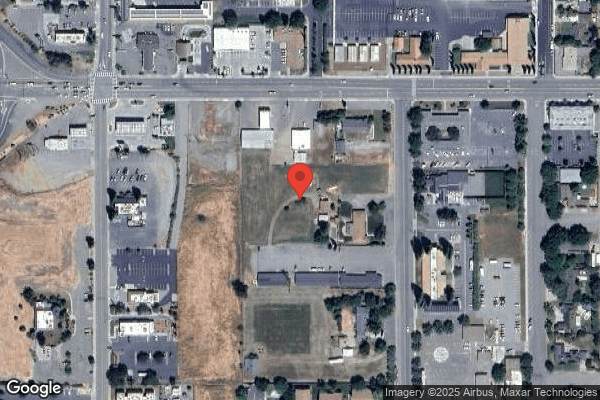
WILLOWS POST ACUTE

320 NORTH CRAWFORD STREET, WILLOWS, CA 95988 (530) 934-2834
For profit - Corporation 79 Beds GENESIS HEALTHCARE Data: November 2025
Trust Grade
75/100
#510 of 1155 in CA
Last Inspection: April 2025

Within standard 12-15 month inspection cycle. Federal law requires annual inspections.

Overview

Willows Post Acute has a Trust Grade of B, indicating it is a good choice for nursing care, though it is not the very best. The facility ranks #510 out of 1155 in California, placing it in the top half of state facilities, and it is the only option in Glenn County. Currently, the facility is improving, having reduced issues from 12 in 2024 to 3 in 2025. Staffing is a concern, with a rating of 2 out of 5 stars and a high turnover rate of 49%, which is above the state average. There have been no fines recorded, which is a positive sign, but RN coverage is below average, with less support than 85% of other facilities in California. While there are strengths, such as a solid overall rating and no fines, there are also significant weaknesses. Recent inspections revealed issues like dirty kitchen equipment, which raised food safety concerns, and a failure to provide adequate responses to residents' requests for assistance, leading to feelings of fear and discomfort among residents. Additionally, the environment was noted to be poorly maintained, with worn handrails and damaged walls, which could affect residents' quality of life. It is important for families to weigh these factors carefully when considering Willows Post Acute for their loved ones.

Trust Score
B
75/100
In California
#510/1155
Top 44%
Safety Record
Low Risk
No red flags
Inspections
Getting Better
12 → 3 violations
Staff Stability
⚠ Watch
49% turnover. Above average. Higher turnover means staff may not know residents' routines.
Penalties
✓ Good
No fines on record. Clean compliance history, better than most California facilities.
Skilled Nurses
⚠ Watch
Each resident gets only 16 minutes of Registered Nurse (RN) attention daily — below average for California. Fewer RN minutes means fewer trained eyes watching for problems.
Violations
⚠ Watch
20 deficiencies on record. Higher than average. Multiple issues found across inspections.
★★★★☆
4.0
Overall Rating
★★☆☆☆
2.0
Staff Levels
★★★★☆
4.0
Care Quality
★★★★☆
4.0
Inspection Score
Stable
2024: 12 issues
2025: 3 issues

The Good

  • 4-Star Quality Measures · Strong clinical quality outcomes
  • Full Sprinkler Coverage · Fire safety systems throughout facility
  • No fines on record

Facility shows strength in quality measures, fire safety.

The Bad

Staff Turnover: 49%

Near California avg (46%)

Higher turnover may affect care consistency

Chain: GENESIS HEALTHCARE

Part of a multi-facility chain

Ask about local staffing decisions and management

The Ugly 20 deficiencies on record

Aug 2025 1 deficiency
CONCERN (E) 📢 Someone Reported This

A family member, employee, or ombudsman was alarmed enough to file a formal complaint

Potential for Harm - no one hurt, but risky conditions existed

Resident Rights (Tag F0550)

Could have caused harm · This affected multiple residents

**NOTE- TERMS IN BRACKETS HAVE BEEN EDITED TO PROTECT CONFIDENTIALITY** Based on observation, interview and record review, the facility failed to provide services that promoted respect and dignity for...

Read full inspector narrative →
**NOTE- TERMS IN BRACKETS HAVE BEEN EDITED TO PROTECT CONFIDENTIALITY** Based on observation, interview and record review, the facility failed to provide services that promoted respect and dignity for four of four sampled residents (Resident 1, 2, 3, and 4) when direct care staff did not respond and help residents dependent on staff with their requests for assistance. These failures resulted in residents feeling afraid to ask for assistance, uncomfortable, and unwanted. Findings: 1. A review of Resident 1's Minimum Data Set (MDS, a resident assessment tool) dated 6/12/25 and medical record, indicated Resident 1 was cognitively intact with no memory issues. The MDS indicated Resident 1 required assistance with most activities of daily living (ADLs). During an interview on 7/10/25 at 1:50 pm, with Resident 1, when discussed going to the bathroom, Resident 1 stated that she was often afraid to ask for help. Resident 1 stated staff would ignore their call light, walk by or would answer the light and leave without assisting Resident 1. This resulted in episodes of incontinence of urine and feces, which Resident 1 stated was extremely embarrassing, humiliating, and caused burning pain to bottom and peri-area (the region between the anus and the genitals). When discussed how the night shift care was, Resident 1 began to cry stating I feel so alone and afraid. During an interview on 7/16/25 at 10:45 am, Resident 1 stated she was frustrated because there was always new staff and they don't know how to take care of Resident 1's needs, she must continue to tell the nurses what her plan of care is. 2. A review of Resident 2's MDS dated [DATE] indicated Resident 2 was cognitively intact with minimal memory issues. The MDS indicated Resident 2 required assistance from staff for most ADLs. During an interview on 7/16/25 at 11 am, with Resident 2, when discussing call lights on the night shift Resident 2 stated staff just don't come when light is on. Resident 2 stated they see the light but ignore it because I see them walk by. Resident 2 stated the Certified Nurse Assistants (CNAs) will come in eventually, but they do not talk to her which makes Resident 2 feel uncomfortable. Resident 2 stated that she complained to management, but nothing ever changes. During an interview on 7/30/25 at 10:40 am, Resident 2 stated that one CNA was very rude and makes her feel very uncomfortable but cannot remember her name. 3. A review of Resident 3's MDS dated [DATE], indicated Resident 3 was cognitively intact with some memory issues. The MDS indicated Resident 3 required assistance with all ADLs. During an interview on 7/30/25 at 10:50 am, Resident 3 stated that the staff can be rude, and it makes her feel uncomfortable and unwanted. Resident 3 stated she is used to laying in her urine for long periods of time because she waits so long for help to come, especially at night. Resident 3 stated they don't come unless I am throwing up. 4. A review of Resident 4's MDS dated [DATE] indicated Resident 4 as being cognitively intact and required some assistance with ADLs. During an interview on 7/10/25 at 1 pm, Resident 4 stated he has had many issues with the care at this facility and has reported to management many times but feels nothing is being done. Resident 4 explained that his wife had cried and yelled in the night for help and no one came. Resident 4 tearfully stated he prays every night that he and his wife will get help. Resident 4 stated he hates when the staff gossip around him during care, stated he feels unwanted because of this. During a concurrent interview and record review on 7/10/25 at 11:30 am, with Director of Staff Services (DSD), Complain/Grievance report dated 6/16/25 was reviewed. The report indicated a resident filed a formal complaint with management for not receiving proper care one night in the facility. The report indicated one CNA was responsible for helping the residents and CNA received a corrective action notice (write up). During an interview with Licensed Vocational Nurse (LVN) A on 7/16/25 at 1 pm, stated she was aware of several residents complaining about one specific CNA. LVN A stated she now requests to not work with this CNA when they are scheduled together because she does not feel like she is a good team player and does not take good care of the residents. LVN A stated she has seen this CNA slam things on the desk when she gets upset and has witnessed her speak down to residents and other staff members. LVN A stated she has reported this behavior to management many times, but nothing seems to change. During an interview on 7/30/25 at 1:30 pm, with Director of Nursing (DON), he stated that he had not heard of any grievances from the residents about the CNA's or about staffing. DON stated he has heard of no issues with staffing to his knowledge. DON stated that he is aware of one CNA with behavior issues documented and they are following human resources policies for the process of termination of employment. DON stated residents should feel safe and comfortable while at this facility and not scared and afraid.
Jul 2025 1 deficiency
CONCERN (D) 📢 Someone Reported This

A family member, employee, or ombudsman was alarmed enough to file a formal complaint

Potential for Harm - no one hurt, but risky conditions existed

Resident Rights (Tag F0550)

Could have caused harm · This affected 1 resident

**NOTE- TERMS IN BRACKETS HAVE BEEN EDITED TO PROTECT CONFIDENTIALITY** Based on interview, and record review, the facility failed to contact and consult with the Responsible Party (RP) and the family...

Read full inspector narrative →
**NOTE- TERMS IN BRACKETS HAVE BEEN EDITED TO PROTECT CONFIDENTIALITY** Based on interview, and record review, the facility failed to contact and consult with the Responsible Party (RP) and the family for Resident 1, a Native American individual with a diagnosis of unspecified dementia (where cognitive decline is present, but the specific type of dementia cannot be identified), regarding cultural practices related to hair. This failure resulted in Resident 1 given a haircut, which was against her family's cultural preferences. During a record review of facility policy titled Brushing and Combing Hair dated 2001 MED-PASS, indicated staff were to review resident's care plan to assess for any special needs of the resident prior to the haircut.During a record review of Resident 1's admission record, indicated that she was admitted to the facility on [DATE] with diagnoses that included unspecified dementia, cerebral infarction (where a part of the brain is damaged or died due to a lack of blood supply), and encounter for palliative care (focuses on improving the quality of life for individuals facing serious illnesses by managing symptoms, relieving suffering, and providing emotional and spiritual support).During a record review of document titled Nursing Documentation Evaluation dated [DATE] 6:30 pm, indicated no documentation of cultural preferences. Document further indicated resident responds to name and understand simple commands.During a record review of document titled, Minimum Data Set (MDS - a resident assessment tool) Section C, dated [DATE] at 3:38 pm, indicated Resident 1 was assessed by facility MDS nurse to have a Brief Interview for Mental Status (BIMS) score of 5 (0 to 7 points suggests severe cognitive impairment).During an interview with RP on [DATE] at 8:15 am, RP expressed that cutting hair holds significant cultural importance in their heritage and that Resident 1 would have not have consented to this action. During an interview with Licensed Vocational Nurse (LN) A on [DATE] at 9:13 am, LN A stated Resident 1 could make wants and needs known such as I'm cold, I'm thirsty, but Resident 1 would answer 'yes' to almost anything. LN A stated Resident 1 was generally confused, and she did not believe Resident 1 would be able to make the decision for herself for a haircut.During an interview with MDS nurse on [DATE] at 9:26 am, MDS stated residents that wanted a haircut and had mental capacity (the ability to make their own decisions) received a haircut. MDS stated the facility's expectation was to call RPs for residents who did not have mental capacity and needed a haircut. MDS stated a BIMS score of 5 was not considered mental capacity, but it's on the line. MDS stated Resident 1 could answer simple yes or no questions. During an interview with Social Services (SS) on [DATE] at 9:56 am, SS stated she believed Resident 1 could make her wants and needs known. The SS stated she completed admission assessment with Resident 1 and determined Resident 1 did not have mental capacity. The SS stated Resident 1 could make her needs known for items like water or a blanket. SS stated a BIMS score of 5 is not considered mental capacity. SS stated Resident 1 would not be able to answer if she wanted a haircut. SS stated she found out Resident 1 was in the dining room on [DATE] when COS arrived. SS stated COS did not have any residents who wanted their haircut and asked the entire room Does anyone want a haircut? SS stated Activity Assistant (AA - helps plan, organize, and facilitate recreational and social activities) turned to Resident 1 and asked her, and this was when Resident 1 said yes. SS stated Activities Director (AD) completed an in-service with the AA staff.During an interview with facility cosmetologist (COS - a professional who is licensed to perform cosmetic treatments on hair, skin, and nails) on [DATE] at 10:39 am, COS stated she arrived at the facility on [DATE] and realized there were no residents who wanted a haircut. COS stated she asked everyone if anyone wanted a haircut. COS stated AA asked Resident 1 who said yes, and COS wheeled her into the facility salon. COS stated Resident 1's hair was one simple braid, not in her face or anything. COS stated she trimmed Resident 1's hair from her lower back to her mid back, approximately six inches.During an interview with AD on [DATE] at 10:54 am, AD stated AA staff expectation was to not get involved with asking residents if they wanted a haircut. AD stated AA staff did not have access to the residents' charts and should notify nursing staff if a resident requested a haircut. AD stated she completed an in-service on AA job description with AA staff after the incident. AD confirmed AA staff were not trained to understand medical diagnoses, mental capacity, etc. AD stated AA staff expectation was to involve nursing staff for anything other than activities.During an interview with Director of Nursing (DON) on [DATE] at 11:25 pm, DON stated AA staff were allowed to ask residents if they wanted a haircut, regardless of mental capacity. DON verified facility haircut policy stated to verify if residents did not have any special needs prior to a haircut. DON confirmed AA staff did not have access to residents' charts. DON confirmed AA staff were not medically trained and did not have access to care plans for residents. DON confirmed a BIMS score of 5 did not confirm mental capacity. DON confirmed that AA staff would refer residents to nursing staff if they wanted a haircut. DON confirmed family should have been contacted prior to Resident 1 given a haircut, especially with Resident's 1 diagnosis of dementia.
Apr 2025 1 deficiency
CONCERN (D)

Potential for Harm - no one hurt, but risky conditions existed

ADL Care (Tag F0677)

Could have caused harm · This affected 1 resident

Based on observation, record review, interview, and facility policy review, the facility failed to provide nail care for 1 (Resident #119) of 2 residents reviewed for activities of daily living (ADLs)...

Read full inspector narrative →
Based on observation, record review, interview, and facility policy review, the facility failed to provide nail care for 1 (Resident #119) of 2 residents reviewed for activities of daily living (ADLs). Findings included: A facility policy titled, Fingernails/Toenails, Care of, revised 02/2018, revealed, The purposes of this procedure are to clean the nail bed, to keep nails trimmed, and to prevent infections. The policy revealed, General Guidelines 1. Nail care includes daily cleaning and regular trimming. An admission Record revealed that the facility admitted Resident #119 on 03/27/2025. According to the admission Record, the resident had a medical history that included diagnoses of unspecified cerebrovascular disease, weakness, and type 2 diabetes mellitus without complications. Resident #119's Care Plan Report, included a focus area initiated 03/28/2025, that indicated the resident had an ADL self-care performance deficit due to a cerebrovascular accident (CVA). Interventions (initiated 03/28/2025) directed staff to praise all efforts at self-care, promote dignity by ensuring privacy, and provide supportive care and assistance with mobility as needed. A Nursing Documentation Evaluation, dated 03/27/2025, revealed the section titled, Physical functional assessment/physical assist [assistance], indicated that the resident required extensive assistance of one person for bathing and person for hygiene. Resident #119's Documentation Survey Report, for March 2025, revealed staff had documented that personal hygiene was provided during the day shift on 03/28/2025, 03/29/2025, and 03/30/2025, and during the night shift on 03/27/2025 and 03/30/2025. The Documentation Survey Report revealed staff had documented that a bed bath was provided during the day shift on 03/28/2025, 03/29/2025, and 03/30/2025, and during the night shift on 03/30/3035. During an observation on 03/31/2025 at 10:55 AM, Resident #119's fingernails on the first three fingers of their right hand were soiled. During an observation on 04/01/2025 at 9:05 AM, Resident #119 was lying in bed. Resident #119's fingernails on the first three fingers of their right hand were heavily soiled. During a concurrent interview, Resident #119 stated that they did not know how long they had been in the facility and did not know if they had been given a shower or bath. During an interview on 04/01/2025 at 12:10 PM, Certified Nursing Assistant (CNA) #3 stated that residents were to get ADL care daily. CNA #3 stated that residents had assigned shower days and in between shower days, staff were to give bed baths. CNA #3 stated that when they provided showers to the residents, they cleaned the residents' nails. She stated that she checked the resident's nails daily, and if needed clipped their nails once a week, but cleaned the nails whenever it was needed. CNA #3 stated she had worked with Resident #119 for the past three days. She stated that she was to do nail care for Resident #119 if the resident's nails were long or if their nails were dirty. She stated that she had checked Resident #119's nails daily for the past three days. During an interview on 04/01/2025 at 12:32 PM, Licensed Vocational Nurse (LVN) #4 stated Resident #119 was a part of her assignment for the day. LVN #4 stated that all staff were to provide ADL care. She stated that each resident was to have assigned shower days, and in between the shower days each resident was to get peri-care or ADL care as needed. LVN #4 stated that the CNAs were to check the resident's nails once a week on shower days, and as a nurse she was to check the resident's nails once weekly. She stated that she was unsure as to where the CNAs documented nail care. LVN #4 stated that she was not aware of any reason why nail care would not be provided to Resident #119. During a concurrent observation of Resident #119's fingernails, LVN #4 confirmed that Resident #119 had dirty fingernails. She stated that her expectation was that staff clean the resident's nails when needed. During an interview on 04/03/2025 at 10:26 AM, the Interim Director of Nursing (DON) stated that the CNAs were to get a list of residents who needed nail care, and the expectation was that nails were to be cleaned during care, and if the resident was diabetic the nurses were to do the nailcare. During an interview on 04/03/2025 at 10:42 AM, the Interim Administrator stated that CNAs were responsible for ensuring ADLs were completed for residents as needed. She stated that nail care was to be performed while showering and bathing the resident and as needed. She stated that her definition of as needed meant that any time the resident's hands were soiled, they were to be cleaned. The Interim Administrator stated that his expectation was that Resident #119's nails should have been cleaned.
Apr 2024 12 deficiencies
CONCERN (D)

Potential for Harm - no one hurt, but risky conditions existed

Pharmacy Services (Tag F0755)

Could have caused harm · This affected 1 resident

Based on observation, interview, and record review, the facility failed to ensure safe administration of medications for four (of seven residents) when: 1. Licensed Vocational Nurse (LVN) C failed to ...

Read full inspector narrative →
Based on observation, interview, and record review, the facility failed to ensure safe administration of medications for four (of seven residents) when: 1. Licensed Vocational Nurse (LVN) C failed to check expiration dates on medications administered to Resident 44, a failure that could have resulted in ineffective medication or adverse reactions to expired medications, and; 2. LVN D failed to confirm the identities of Residents 39 and 60 before administering medications, a failure that could have resulted in administration of medications to the wrong residents with the potential for harmful health outcomes, and; 3. Eye drops different from those ordered were found to have been pulled from over-the-counter stock for Resident 38, a failure that could have resulted in harmful health outcomes. Findings: A facility policy titled, Administering Medications, rev. April 2019, was reviewed which indicated that individuals administering medications verify the resident's identity, the medication, the dosage, the time, and the route before giving the resident his/her medications, and that the expiration date on the medication label is checked prior to administration. 1. Resident 44 was admitted to the facility with diagnoses which include essential primary hypertension (an abnormal increase in blood pressure [the force required to pump blood through the arteries], which is not caused by a medical condition) and a history of myocardial infarction (death of heart muscle tissue due to decreased blood flow, usually from an obstruction in a vessel). During a medication pass observation dated 4/3/24 at 8:45 am, LVN C was asked to point out on a medication label what she checks before administering medications. LVN C stated, and pointed to type on the label while stating, I check their name, the medication, the route, the dose, and look at the instruction. She then proceeded to provide the Resident 44 the following medications, and was not observed to check the expiration dates: PreserVision AREDS one capsule by mouth for macular degeneration (a condition that effects central vision and can lead to partial blindness); Cyanocobalamin (a synthetic form of vitamin B12) 1000 micrograms (mcg, a unit of measure) one tablet by mouth for supplement; Vitamin D 25 milligram (mg, a unit of measure) one tablet by mouth for supplement; Senna 8.6 mg, one tablet by mouth for constipation; Memantine HCl 5 mg, one tablet by mouth for dementia with behavioral disturbance (a form of dementia [a condition that affects brain functions such as memory, language, thinking, or behavior] that includes verbal and/or physical aggression and/or wandering); Zoloft 25 mg 1 tablet by mouth for major depressive disorder (a persistent depressive state) as evidenced by verbalization of sadness. In an interview on 4/3/24 at 9:30 am, LVN C confirmed she had not checked the expiration dates on the medications. A review was made of an order summary report for Resident 44 which contained an order dated 3/23/23 for PreserVision AREDS one capsule by mouth two times a day for macular degeneration; an order dated 12/1/23 for cyanocobalamin 1000 mcg one tablet by mouth one time a day for supplement; an order dated 3/11/24 for vitamin D 25 mg one tablet by mouth one time a day for supplement; an order dated 7/12/23 for senna 8.6 mg, one tablet by mouth one time a day for constipation; an order dated 6/15/22 for memantine HCl 5 mg, one tablet by mouth one time a day for dementia with behavioral disturbance; an order dated 1/10/24 for Zoloft 25 mg by mouth one time a day for major depressive disorder as evidenced by verbalization of sadness. A review was made of a medication administration record (MAR) for Resident 44 in which LVN C documented administering: PreserVision AREDS one capsule by mouth on 4/3/24 at 8:57 am; cyanocobalamin 1000 mcg one tablet by mouth on 4/3/24 at 8:57 am; vitamin D 25 mg one tablet by mouth 4/3/24 at 8:57 am; senna 8.6 mg, one tablet by mouth 4/3/24 at 8:58 am; memantine HCl 5 mg, one tablet by mouth 4/3/24 at 9 am; Zoloft 25 mg by mouth 4/3/24 at 9 am. During a concurrent interview and record review on 4/4/24 at 1 pm, the Director of Nurses (DON) acknowledged that LVN C had not checked the expiration dates when administering medications and confirmed that expiration dates need to be checked before giving them as expired medications can be ineffective or cause adverse effects. 2. Resident 39 was admitted to the facility with diagnoses which include paraplegia (inability to move the lower legs), adult failure to thrive (a state of decline due to poor nutrition, inactivity, depression and decreasing functional ability), and gastroesophageal reflux disease (GERD, a condition in which acidic stomach contents backflow from the stomach and into the throat). Resident 60 was admitted to the facility with diagnoses which include diabetes mellitus (a chronic [long-lasting] disorder that affects how the body converts food into energy) and fractures of the lumbosacral spine and pelvis (bones of the lower part of the back and pelvis that were broken, usually due to an accident). During two medication passes on 4/4/24, the following observations were made: At 11:14 am, LVN D administered the following three medications to Resident 39, and failed to confirm identity: - metoclopramide (commonly used for nausea/vomiting for patients with GERD) 10 milligram (mg, a unit of measure) I tablet by mouth. - simethicone (commonly used for gas/bloating) 80 mg by mouth. - nicotine (commonly used for nicotine addiction) lozenge 1 chewable tablet by mouth. At 11:22 am, LVN D administered the following medication to Resident 60, and failed to confirm identity: - gabapentin (commonly used to treat pain secondary to nerve damage) 100 mg, two capsules by mouth. In an interview immediately after administering medication to Resident 60, LVN D acknowledged he had not checked identity. A review was made of an order summary report for Resident 39 which contained orders dated 12/19/23 for metoclopramide 10 mg 1 tablet by mouth before meals for gastrointestinal (GI) support; simethicone 80 mg by mouth four times a day for GI support; nicotine polacrilex mini mouth/throat lozenge give 1 dose by mouth every 2 hours as needed for smoking cessation. A review was made of a medication administration record (MAR) for Resident 39 in which LVN D documented administering the metoclopramide, simethicone, and nicotine lozenge on 4/4/24 at 11:14 am. A review was made of an order summary report for Resident 60 which contained an order dated 2/26/24 for gabapentin 100 mg give 2 capsules by mouth three times a day for neuropathy (nerve pain). A review was made of a medication administration record (MAR) for Resident 60 in which LVN D documented administering the gabapentin on 4/4/24 at 11:22 am. During an interview dated 4/4/24 at 11:25 am, the DON confirmed nursing should identify resident names before administering medications and listed possible outcomes of failing to do so including that medications may not be given to the right patient. 3. Resident 38 was admitted to the facility with diagnoses which include diabetes mellitus, and heart failure (a condition in which the heart muscle cannot pump enough blood to meet the body's needs for nutrients and oxygen). A concurrent observation, and interview, was made during the inspection of medication cart number 4 with Licensed Vocational Nurse (LVN) C on 4/3/24 at 9 am, when it was found that a bottle of Visine dry eye drops was found with the hand-written first and last initials of Resident 38. LVN C stated that the eye drops were over the counter medications that had been pulled from general stock. During a record review of an order summary report for Resident 38 it was found that there was no order for Visine dry eye drops; there was instead an order dated 11/21/23, for Refresh Tears Opthalmic solution (carboxymethylcellulose sodium), instill 2 drops in both eyes every 6 hours as needed for redness/itching, as needed. During a concurrent interview, and record review, dated 4/4/24 at 2:30 pm, the DON confirmed Resident 38 was given the wrong eye drop medication.
CONCERN (E)

Potential for Harm - no one hurt, but risky conditions existed

Safe Environment (Tag F0584)

Could have caused harm · This affected multiple residents

**NOTE- TERMS IN BRACKETS HAVE BEEN EDITED TO PROTECT CONFIDENTIALITY** Based on observation, interview, and record review, the facility failed to maintain a sanitary, comfortable, and homelike enviro...

Read full inspector narrative →
**NOTE- TERMS IN BRACKETS HAVE BEEN EDITED TO PROTECT CONFIDENTIALITY** Based on observation, interview, and record review, the facility failed to maintain a sanitary, comfortable, and homelike environment when: 1. Varnish was worn off the wooden handrails in Unit 1 (hallway between Rooms 27-34 and hallway between Station 1 nurses' desk and patio). 2. Wall paint was scratched or in disrepair in Rooms 6, 10, 30, and 37, and curtains were missing in room [ROOM NUMBER]. These failures violated all (68) facility residents' rights to a clean, comfortable, homelike environment; diminished their quality of life; and increased the potential risk for infection from exposure to germs on uncleanable surfaces. FINDINGS: 1. During a review of Infection Prevention and Control Program (IPCP), revised 10/2018, the policy indicated an IPCP is established and maintained to provide a safe, sanitary, and comfortable environment and to help prevent the development and transmission of communicable disease and infection. The policy indicated an important facet of infection prevention includes following established general and disease-specific guidelines such as those of the Centers for Disease Control (CDC). During a review of the CDC's website page, When and How to Clean and Disinfect a Facility, dated 11/2/22, indicated cleaning and disinfection of wood surfaces are not recommended. (https://www.cdc.gov/hygiene/cleaning/facility.html) During concurrent observation and interview with Environmental Services Director (ES D) on 4/2/24 at 12:13 PM, the reddish-brown varnish present on wooden handrails was worn off the handrails along the Unit 1 hallways. ES D stated handrails are wiped down a minimum of three times a day with Victory spray (a brand-name disinfectant cleaning solution); however, ES D stated the handrails were cleaned more frequently during the COVID pandemic, which she stated ruined the varnish on handrails. ES D acknowledged it is hard to maintain infection control on porous unvarnished wood surfaces. 2. During an observational facility tour on 4/2/24 at 10:25 AM, there were no curtains in room [ROOM NUMBER], and the wall paint was scratched off in several places. During an observation of room [ROOM NUMBER] on 4/3/24 at 10:02 AM, there was an approximately 7-inch by 7-inch circle of paint peeled off to reveal the drywall (a type of board made from plaster, wood pulp, or other material used to form interior walls of houses) over the left side of Resident 25's bed just above bed level. During concurrent observation and interview with Director of Maintenance (DM) on 4/3024 at 3:07 PM, DM stated the walls and curtains were fixed in Rooms 6, 10, 30, and 37, and handrails were in the process of being revarnished.
CONCERN (E)

Potential for Harm - no one hurt, but risky conditions existed

ADL Care (Tag F0677)

Could have caused harm · This affected multiple residents

**NOTE- TERMS IN BRACKETS HAVE BEEN EDITED TO PROTECT CONFIDENTIALITY** Based on observation, interview and record review the facility failed to provide the necessary care to maintain good grooming an...

Read full inspector narrative →
**NOTE- TERMS IN BRACKETS HAVE BEEN EDITED TO PROTECT CONFIDENTIALITY** Based on observation, interview and record review the facility failed to provide the necessary care to maintain good grooming and personal hygiene for 3 of 19 (Resident 6, 22, 56) sampled residents when: 1. Resident 6 had an unkept beard and mustache and his nails were long and dirty. 2. Resident 56 's and 22's hair was matted and sticking up. These failure had the potential to result in depression, poor self-esteem, denial of resident rights all of which could lead to negative clinical outcomes for these residents. Findings A review of the facility's policy titled Activities of Daily Living (ADLs), Supporting revised March 2018, indicated Residents who are unable to carry out activities of daily living independently will receive the services necessary to maintain good nutrition, grooming and personal and oral hygiene. 1. A review of Resident 6's face sheet indicated Resident 6 was admitted to the facility on [DATE], with diagnoses which included limitation of activities due to disability, muscle weakness, other lack of coordination and dementia. A review of Resident 6's Minimum Data Set (MDS, resident assessment) dated 1/14/24, indicated he required maximal assistance (the helper does more than half the effort) with personal hygiene (combing hair, shaving, washing/drying face and hands). A review of Resident 6's ADL Care Plan dated 1/3/24, indicated Resident 6's ADL care needs will be anticipated and met. There were no interventions with respect to his beard preference. During a concurrent observation and interview in Resident 6's room on 4/2/24, at 10:49 am, Resident 6 was observed lying in bed in a red flannel shirt. He had a white beard and mustache about 1.5 centimeters(cm) long and all different lengths, and His nails were grown about a half a cm beyond the end of all 10 fingers. There was brown material under each nail. Resident 6 stated that he needed to have his nails cut and that he would like to be shaved. During a concurrent observation and interview in Resident 6's room on 4/2/24, at 2:49 pm, Resident 6 indicated He would like to get his beard shaved and nails cut. He stated, It makes me feel horrible. During a concurrent observation and interview in the dining room on 4/3/24, at 9:41 am, Resident 6 was sitting in the dining room drinking coffee. He had his same red shirt on with white and brown stains on it. His beard and nails were the same as the day before. Resident 6 stated again that he wanted a shave. Recreation Assistance (RA) was in the dining room giving coffee to residents. RA indicated to the surveyor that Resident 6 had asked her for a shave and haircut, and she confirmed that he needed it. RA indicated that the CNA (Certified Nursing Assistant), was responsible to shave him, and that Resident 6 did not like to have a beard and preferred to be clean shaven because he had been in the military and that was still important to him. The RA stated, The whiskers are driving him nuts. During an interview and record review of the undated shower schedule on 4/3/24, at 9:44 am, with Certified Nursing Assistant (CNA) E, CNA E commented beards and nails are done with their showers. The shower/bath schedule identified that Resident 6's shower days were on Tuesday and Saturdays. CNA E confirmed she gave Resident 6 a shower on Saturday but did not shave him. She stated I do not know if he prefers to grow a beard. I guess I could ask him, but I have never asked him. During an interview on 4/3/24 at 10:00 am, with the Director of Staff Development (DSD), the DSD indicated that Wednesdays were the days the staff would clean and cut the resident's nails. He was unable to provide documentation of this task for any resident. The DSD stated, since October, they were using a new program for task documentation and the nail task should be in there, but it was not. In an interview on 4/4/24 at 9:54 am, the DSD confirmed that there was no care plan for Resident 6 to indicated he wanted to be kept clean shaven and there should have been. He stated, the residents should be asked this question. In an interview on 4/4/24, at 12:10 pm, CNA A and the Infection Preventionist (IP) were unaware of a specific day that nails were supposed to be trimmed or cleaned. 2. A review of Resident 56's face sheet indicated she was admitted on [DATE] with diagnoses of Dementia, Anxiety, lack of coordination and Limitation of Activities due to Disability. Resident 56 was on comfort care (care that aims to keep the resident comfortable). A review of Resident 56's MDS dated [DATE], indicated she was severely impaired for daily decision making. Section GG indicated Resident 56 required full assistance from staff with personal hygiene. A review of Resident 56's ADL care plan dated 11/20/23, indicated her ADL care needs will be anticipated and met. During a concurrent observation and interview in Resident 56's room on 4/2/24, at 12:46 pm, Resident 56 was laying in bed with gown on, and her hair was matted together and sticking up. Licensed Vocational Nurse (LVN) B confirmed that Resident 56's hair needed attention. LVN B indicated she would ask the CNA to brush her hair. A concurrent interview and record review of Resident 56's personal hygiene care documented by the CNA on 4/2/24, indicated personal cares were done at 11:35 am, one hour before the above observation, and not again for the rest of the day. The DSD confirmed the documentation. A review of Resident 22's face sheet indicated she was admitted on [DATE], with the diagnoses of Polymyositis (inflammation of many muscles), heart disease, anxiety, depression, and stroke (poor blood flow to brain causing cell death). Resident 22 was on Hospice (end of life care). A review of Resident 22's change of condition MDS dated [DATE], indicated she was moderately impaired for daily decision making. Resident 22 required full assistance from staff with personal hygiene. A review of Resident 22's ADL care plan revised 2/12/24, indicated Resident 22's ADL care needs will be anticipated and met. During a concurrent observation and interview in Resident 22's room on 4/2/24 at 12:43 pm, Resident 22 was lying in bed and her hair was matted together and sticking up. LVN B confirmed that Resident 22's hair needed to be brushed.
CONCERN (E)

Potential for Harm - no one hurt, but risky conditions existed

Deficiency F0685 (Tag F0685)

Could have caused harm · This affected multiple residents

**NOTE- TERMS IN BRACKETS HAVE BEEN EDITED TO PROTECT CONFIDENTIALITY** Based on interview, and record review, the facility failed to ensure timely vision services for one of seventeen sampled residen...

Read full inspector narrative →
**NOTE- TERMS IN BRACKETS HAVE BEEN EDITED TO PROTECT CONFIDENTIALITY** Based on interview, and record review, the facility failed to ensure timely vision services for one of seventeen sampled residents (Resident 416). This failure resulted in continued vision issues and in Resident 416 feeling like giving up on getting his vision problems addressed. Findings: A record review of Resident 416's Minimum Data Set (MDS) (MDS, a resident assessment tool) indicated Resident 416 was admitted on [DATE], with diagnoses including Diabetes (high blood sugar), and Hypertension (high blood pressure). A review of Brief Interview for Mental Status screening (BIMS) (a cognitive assessment) dated 1/6/24, recorded a score of 14 indicating no cognitive impairment. During an interview on 4/2/24 at 9:30 am, Resident 416 stated he had been at the facility for about a year and has a cataract in his left eye (a condition in which the eye lens becomes opaque, resulting in blurred vision and the leading cause of blindness in adults) that needs treatment, but no appointment had been made for this issue. This made him feel like giving up on getting his vision problems addressed. During a review of Resident 416's Ophthalmology Consultation (ophthalmology, the branch of medicine dealing with the diagnosis and treatment of eye disorders) dated 8/25/23, the record indicated Resident 416 should be referred for cataract treatment for Quality of Life Enhancement. During a review of Resident 416's Physician's Transportation Order dated 2/27/24, the record indicated Resident 416 was not referred for cataract treatment until 2/27/24, 6 months after Resident 416's ophthalmology consultation on 8/25/23, more than 1 year after his facility admission. During an interview and concurrent record review with the Director of Nursing (DON) on 4/4/24 at 11:39 am the DON stated that Social Services usually make dental and vision appointments. The DON stated that the Administrator (ADMIN) delegated the social services work to the desk nurse and the MDS nurse about three months ago. The DON stated Social Services was inconsistent in the previous three months to when the ADMIN delegated the social services work to the desk nurse and MDS nurse. The Physician's Transportation Order, dated 2/27/24, and the Ophthalmology Consultation, dated 8/25/23, were reviewed. The DON stated that the wait between the vision exam on 8/25/23 and the date of referral of 2/27/24 is a long time and that Social Services should have followed up on it. During a review of the facility's job description titled, Social Worker, dated October 2020, under Duties and Responsibilities the job description states that the Social Worker will: 1.Assist in obtaining resources from community social, health and welfare agencies to meet the needs of the resident. 2.Coordinate social services activities with other members of the interdisciplinary team (IDT).
CONCERN (E)

Potential for Harm - no one hurt, but risky conditions existed

Deficiency F0697 (Tag F0697)

Could have caused harm · This affected multiple residents

**NOTE- TERMS IN BRACKETS HAVE BEEN EDITED TO PROTECT CONFIDENTIALITY** Based on interview, and record review, the facility failed to consistently document the location of the pain, failed to administ...

Read full inspector narrative →
**NOTE- TERMS IN BRACKETS HAVE BEEN EDITED TO PROTECT CONFIDENTIALITY** Based on interview, and record review, the facility failed to consistently document the location of the pain, failed to administer a dental prescription order for a dental rinse, and failed to follow their pain assessment and management policy and procedure for one of seventeen sampled residents (Resident 416). These failures resulted in dental pain. Findings: During a review of the facility's policy and procedure (P&P) titled, Pain Assessment and Management, dated March 2020, the document indicated The purposes of this procedure are to help the staff identify pain in the resident, and to develop interventions that are consistent with the resident's goals and needs and that address the underlying cause of pain. Assessing residents pain including location of pain, and management interventions shall address the underlying causes of the resident's pain. A review of Resident 416's record indicated he was admitted on [DATE] with diagnoses including Chronic Pain, Chronic Obstructive Pulmonary Disease (difficulty breathing), Diabetes (high blood sugar), and Dysphagia (difficulty swallowing). A review of Resident 416's Minimum Data Set (a resident assessment tool used to assess residents' functional capabilities and helps nursing home staff identify health problems), dated 1/6/24, Brief Interview for Mental Status screening (BIMS) (a cognitive assessment tool), recorded a score of 14 indicating no cognitive impairment. A review of Resident 614's Progress Notes for the months of December 2023 through March 2024 (4 months) indicated the facility missed 52 of 70 opportunities to document the locations of Resident 416's pain while administering pain medications. This prevented the facility from recognizing Resident 416's tooth pain and responding by getting dental care for Resident 416 in a timely manner. During a review of Resident 416's Hygiene Notes, dated 6/9/23, the record indicated an order for Chlorhexidine (Chlorhexidine is an antiseptic and disinfectant. It helps reduce the number of germs [bacteria] in your mouth or on your skin. It can help with mouth infections, mouth ulcers and gum disease). During a review of Resident 416's Order Summary Report dated 6/1/23 the record indicated Chlorhexidine was not ordered for Resident 416. During a review of Resident 416's Order Summary Report dated 7/1/23 the record indicated Chlorhexidine was not ordered for Resident 416. During a review of Resident 416's Care Plan dated 1/6/24 the record indicated that Resident 416 is at risk for oral health or dental care problems as evidenced by missing, broken, decaying teeth, Resident 416 will not have any discomfort or chewing problems related to broken, loose or carious teeth and nursing staff will Assess for oral lesions, inflammation and bleeding and signs and symptoms of pain during care and report to the Medical Doctor (MD) During an interview with Resident 416 on 4/2/24 at 9:30 am, Resident 416 stated, he had been at the facility for about a year and his teeth needed to be pulled, but no appointment had been made. During an interview with Resident 416 on 4/3/24 at 9:40 am Resident 416 stated he has tooth pain every day. Some days it is a 10, and some days it is a 3 (on the 0-10 pain scale, with 0 being no pain, and 10 being the worst pain). Resident 416 stated his dental issues make him feel like giving up on getting his bad teeth taken care of. During an interview with Licensed Vocational Nurse D (LVN D) on 4/3/24 at 3:09 pm LVN D stated Resident 416 never had an order for Chlorhexidine. During an interview with Resident 416 on 4/4/24 at 9:43 am Resident 416 stated, he has told a dentist, nurses, and others caring for him at the facility about his tooth pain since he was admitted to the facility in December of 2022, but he feels like they don't listen to him. During a concurrent interview and record review with the Director of Nursing (DON), on 4/4/24 at 11:39 am Resident 416's Progress Notes, dated 3/1/24 to 3/28/24, the records indicated facility staff have not documented the location of Resident 416's pain consistently. The DON confirmed the location of Resident 416's pain was not consistently documented and stated he expects the facility's nurses to document the location of pain when assessing pain and giving pain medication. Order Summary Reports for June and July of 2023 were reviewed and indicated Chlorhexidine was not ordered for Resident 416. The DON confirmed Chlorhexidine was never ordered for Resident 416.
CONCERN (E)

Potential for Harm - no one hurt, but risky conditions existed

Deficiency F0745 (Tag F0745)

Could have caused harm · This affected multiple residents

**NOTE- TERMS IN BRACKETS HAVE BEEN EDITED TO PROTECT CONFIDENTIALITY** Based on interview, and record review, the facility failed to ensure social services arranged to provide dental and vision servi...

Read full inspector narrative →
**NOTE- TERMS IN BRACKETS HAVE BEEN EDITED TO PROTECT CONFIDENTIALITY** Based on interview, and record review, the facility failed to ensure social services arranged to provide dental and vision services for one of seventeen sampled residents (Resident 416). This failure resulted in Resident 416 feeling like giving up on getting his dental and vision problems addressed. Findings: Review of records indicated Resident 416 was admitted on [DATE] with diagnoses including Chronic Pain, Chronic Obstructive Pulmonary Disease (difficulty breathing), Diabetes (high blood sugar), and Dysphagia (difficulty swallowing). A review of Brief Interview for Mental Status screening (BIMS) (a cognitive assessment) dated 1/6/24, recorded a score of 14 indicating no cognitive impairment. During an interview with Resident 416 on 4/2/24 at 9:30 am Resident 416 stated, he had been at the facility for about a year and has a cataract in his left eye (a condition in which the eye lens becomes opaque, resulting in blurred vision and the leading cause of blindness in adults) that needs treatment, and his teeth needed to be pulled, but no appointment had been made for either issue. This made Resident 416 feel like giving up on getting his dental and vision problems addressed. During an interview on 4/3/24 at 9:22 am with Minimum Data Set nurse/Social Services/Licensed Vocational Nurse (MDS/SS B) (Minimum Data Set is a resident assessment tool used by MDS nurses to assess residents' functional capabilities and helps nursing home staff identify health problems), MDS/SS B stated she and another nurse, Minimum Data Set nurse/Social Services/Registered Nurse (MDS/SS A) had been helping in Social Services since December 2023. MDS/SS B stated she and MDS/SS A are helping train a new person for social services. During an interview with MDS/SS B on 4/3/24 at 10:29 am, MDS/SS B stated the former social worker's final day was 2/22/24. During a review of Resident 416's Hygiene Notes dated 6/9/23, the record indicated Resident 416 could benefit from oral appliances due to multiple broken or rotting teeth and Resident 416 was interested in doing this. During a review of Resident 416's Dental Notes dated 11/30/23, the record indicated x-rays (images taken of the bones) were completed of Resident 416's mouth to evaluate the degree of damage to his teeth. During an interview with Director of Nursing (DON) on 4/4/24 at 11:39 am the DON stated Social Services usually make dental and vision appointments. The DON stated that the Administrator (ADMIN) delegated the social services work to the desk nurse and the MDS nurse about three months ago. The DON stated that Social Services was inconsistent in the previous three months to when the ADMIN delegated the social services work to the desk nurse and MDS nurse. Regarding Resident 416's vision services, the DON stated the wait between the vision exam on 8/25/23 and the date of referral of 2/27/24 is a long time and Social Services should have followed up on it. The DON confirmed the 11/30/23 dental services for Resident 416 were not followed up on by Social Services as their policy and procedure calls for. During a review of the facility's job description titled, Social Worker, dated October 2020, under Duties and Responsibilities the job description states that the Social Worker will: 1.Assist in obtaining resources from community social, health and welfare agencies to meet the needs of the resident. 2.Coordinate social services activities with other members of the interdisciplinary team (IDT).
CONCERN (E)

Potential for Harm - no one hurt, but risky conditions existed

Deficiency F0761 (Tag F0761)

Could have caused harm · This affected multiple residents

Based on observation, interview, and record review, the facility failed to ensure accurate labeling of medications for two (of seven) residents, when: 1. The label for clonidine (a medication to contr...

Read full inspector narrative →
Based on observation, interview, and record review, the facility failed to ensure accurate labeling of medications for two (of seven) residents, when: 1. The label for clonidine (a medication to control blood pressure, which is a measurement of the pressure of blood pushing against the arteries as it is pumped through the body) contained partial instructions, a failure with the potential for the medication being given inappropriately which may lead to a dangerously slow heart rate; and, 2. Eye drop solution Visine dry eye relief taken from general stock and used for Resident 38 was found to have been labeled with the resident's first and last initials, and not her name, a failure with the potential for confusion as to the intended recipients and the potential for cross contamination (the transfer of harmful bacteria from one source to another) which could lead to poor health outcomes. Findings: A facility policy titled, Medication Labeling and Storage, rev. February 2023, was reviewed which indicated that medication labels must include appropriate resident names, instructions and precautions, in addition to prescribed dose, strength, route, and expiration date where applicable. 1. Resident 44 was admitted to the facility with diagnoses which include essential primary hypertension (an abnormal increase in blood pressure [the force required to pump blood through the arteries], which is not caused by a medical condition) and a history of myocardial infarction (death of heart muscle tissue due to decreased blood flow, usually from an obstruction in a vessel). During a medication pass observation dated 4/3/24 at 8:45 am, Licensed Vocational Nurse (LVN) C took a blood pressure reading of 138/78 and a heart rate of 52 for Resident 44. She stated she was going to hold Resident 44's clonidine because the heart rate was less than 60. It was noted that the instructions on the label applied to the medication was incomplete; there was instruction to hold the medication for a systolic (a measurement of the blood pressure in the arteries during a heartbeat) blood pressure (SBP) under 100, but there was no instruction regarding the heart rate. A review was made of an order summary report for Resident 44 which contained an order for clonidine HCl 0.1 milligram (mg, a unit of measure), give one tablet by mouth two times a day related to essential primary hypertension, hold for SBP less than 100 and/or heartrate less than 60. A review was made of a medication administration record (MAR) for Resident 44 in which LVN C documented holding the clonidine. During a concurrent interview and record review on 4/4/24 at 8:15 am, the Director of Nurses (DON) stated, the MAR should always match the medication exactly and if a nurse read the instructions on the medication but not the instructions on the MAR, they could give the medication and cause a low heart rate. 2. Resident 38 was admitted to the facility with diagnoses which include diabetes mellitus (a chronic [long-lasting] disorder that affects how the body converts food into energy) and heart failure (a condition in which the heart muscle cannot pump enough blood to meet the body's needs for nutrients and oxygen). A concurrent interview, and observation, was conducted on 4/3/24 at 9 am, during an inspection of medication cart number 4 with Licensed Vocational Nurse (LVN) C. An opened container of Visine dry eye drops was found with hand-written first and last initials of Resident 38. LVN C stated that the eye drops were over the counter medications that had been pulled from general stock. During a concurrent interview, and record review, on 4/4/24 at 1 pm, the DON stated, this will get fixed today, and that using only initials on medications could cause the medications to be given to the wrong residents with similar initials.
CONCERN (E)

Potential for Harm - no one hurt, but risky conditions existed

Dental Services (Tag F0791)

Could have caused harm · This affected multiple residents

**NOTE- TERMS IN BRACKETS HAVE BEEN EDITED TO PROTECT CONFIDENTIALITY** Based on interview, and record review, the facility failed to ensure timely dental services for one of seventeen sampled residen...

Read full inspector narrative →
**NOTE- TERMS IN BRACKETS HAVE BEEN EDITED TO PROTECT CONFIDENTIALITY** Based on interview, and record review, the facility failed to ensure timely dental services for one of seventeen sampled residents (Resident 416) when he complained of tooth pain. This failure resulted in continued dental pain and in Resident 416 feeling like giving up on getting his bad teeth treated. Findings: A review of Resident 416's record indicated he was admitted on [DATE], with diagnoses including Chronic Pain, Chronic Obstructive Pulmonary Disease (difficulty breathing), Diabetes (high blood sugar), and Dysphagia (difficulty swallowing). A review of Brief Interview for Mental Status screening (BIMS) (a cognitive assessment) dated 1/6/24, recorded a score of 14 indicating no cognitive impairment. During an interview on 4/2/24 at 9:30 am, Resident 416 stated he had been at the facility for about a year and his teeth needed to be pulled, but no appointment had been made. During a review of Resident 416's Hygiene Notes dated 6/9/23, the document indicated Resident 416 could benefit from oral appliances due to multiple broken or rotting teeth and Resident 416 was interested in doing this. The record also indicated Resident 416 was prescribed a Chlorhexidine dental rinse (Chlorhexidine is an antiseptic and disinfectant. It helps reduce the number of germs [bacteria] in your mouth or on your skin. It can help with mouth infections, mouth ulcers and gum disease). During an interview on 4/3/24 at 9:40 am, Resident 416 stated he has tooth pain every day. Some days it is a 10 and some days it is a 3 (on the 0-10 pain scale, with 0 being no pain, and 10 being the worst pain). Resident 416 stated his dental issues make him feel like giving up on getting his bad teeth taken care of. During an interview on 4/3/24 at 9:50 am with Minimum Data Set/Social Services Nurse (MDS/SS B) (Minimum Data Set is a resident assessment tool used by MDS nurses to assess residents' functional capabilities and helps nursing home staff identify health problems), MDS/SS B stated that the dental service sends the results for authorization for further treatment after the dentist and x-ray specialist review the exam and x-rays, and it can take 6-8 weeks. It was 4 months (16 weeks) from the date of the last dental exam on 11/30/23 to the date of the interview with MDS/SS B on 4/3/24. During an interview on 4/3/24 at 10:00 am with the Director of Nursing (DON), the DON confirmed that Social Services (SS) usually coordinates dental care for residents and that the expectation for the time between an exam and follow up on dental issues depends on if there is pain or not. The DON stated they will make appointments right away if the resident is having pain. The DON confirmed Social Services should have followed up on Resident 416's dental consultation to ensure Resident 416 got dental treatment. During an interview on 4/4/24 at 9:43 am Resident 416 stated he has told a dentist, nurses, and others caring for him at the facility about his tooth pain since he was admitted to the facility in December of 2022, but he feels like they don't listen to him. During a review of Resident 416's Dental Notes dated 11/30/23, the document indicated x-rays (images taken of the bones) were completed of Resident 416's mouth to evaluate the degree of damage to his teeth. No further dental records were available after 11/30/23. During an interview with the DON on 4/4/24 at 11:39 am the DON stated that Social Services was responsible for making dental and vision appointments. The DON stated that the Administrator (ADMIN) delegated the social services work to the desk nurse and the MDS nurse about three months ago. The DON stated Social Services was inconsistent in the previous three months to when the ADMIN delegated the Social Services work to the desk nurse and MDS nurse. During a review of the facility's job description titled, Social Worker, dated October 2020, under Duties and Responsibilities the job description states that the Social Worker will: 1.Assist in obtaining resources from community social, health and welfare agencies to meet the needs of the resident. 2.Coordinate social services activities with other members of the interdisciplinary team (IDT).
CONCERN (E)

Potential for Harm - no one hurt, but risky conditions existed

Deficiency F0801 (Tag F0801)

Could have caused harm · This affected multiple residents

Based on observation, interview, and record review, the facility failed to ensure the competency of the Dietary Services Supervisor (DSS) and maintain a full-time Registered Dietitian (RD). This defi...

Read full inspector narrative →
Based on observation, interview, and record review, the facility failed to ensure the competency of the Dietary Services Supervisor (DSS) and maintain a full-time Registered Dietitian (RD). This deficient practice did not ensure there was effective oversight of day-to-day dietetic services operations and had the potential to put all residents at risk for unmet nutritional needs, weight gain/loss, and foodborne illness. Findings: During a review of Dietary Services Manager Coverage, dated 10/1/2023 to 3/31/2024, the record indicated a full-time (40 hours/week) RD started 3/24/2024, with Dietary Manager coverage less than 40 hours/week for 20 of 26 weeks: - Weeks of 10/1/2023 to 10/29/2023: 36 hours (4 days) - Weeks of 11/5/2023 to 11/19/2023: 30 hours (3 days) - Weeks of 12/31/2023 to 1/7/2024: 36 hours (4 days) - Weeks of 1/14/2024 to 2/18/2024: 30 hours (3 days) - Week of 2/25/2024: 16 hours (2 days) - Week of 3/3/2024: 32 hours (4 days) - Weeks of 3/10/2024 to 3/17/2024: 36 hours (5 days) During a review of Sanitation and Food Safety Checklist (a checklist tool for RD use to perform monthly Dietary Services audits), dated 10/17/23, the record indicated: - Healthcare Services Group Dietary Manager (CDSS) was present at the facility to cover the Dietary Manager position while the cook received Certified Dietary Manager credentialing. - The Dietary Manager was working on completing competencies of kitchen staff. - No Registered Dietitian approval signature was present on menu substitutions records from 9/10/23 to 10/17/23 . During a review of Kitchen Observation, dated 10/25/2023, the record indicated the kitchen was audited with observations focused on practices that might indicate potential for foodborne illness with the following results: - Issues were found with labeling/dates: Items not always labeled consistently with same number of days by staff. - Continued maintenance repair opportunities: under dish machine/sink. - The facility did not have a written policy that honors resident preferences safely. During a review of Facility Inspection Report, Discipline: Dietary, dated 3/29/2024, the record indicated: - No Quality Assurance (QA) was in place to see if residents were consuming physician-ordered nutritional supplements. - The facility did not have a Dining Committee that meets quarterly. - Menu was not followed as posted. Test Tray completed on 3/29/2024 had alternate vegetable. - Cool down log not used accurately. No entry since 3/2/2024. - Test Tray on 3/29/2024 was delivered at safe but not desirable temperatures. - Skill checks on file for all food service workers were not up to date. - Inadequate supply of food based on licensed bed capacity. During a concurrent observation and interview on initial kitchen tour with Registered Dietitian A (RD A) on 4/2/2024 at 08:57 AM, RD A stated she was hired three weeks ago and was here every day (full time). RD A stated the facility's Dietary Services Supervisor (DSS) position was in transition at the present time, and a Corporate DSS (CDSS) was the acting dietary manager while DSS A was on leave. During observation of the walk-in freezer, there was an open cardboard box of dough balls. The plastic bag inside the box containing the dough was open, and the dough was uncovered within the box. RD A acknowledged that the dough should not be exposed but rewrapped in a protective covering (e.g., freezer-safe bag) within the box. During an interview with the Administrator (ADMIN), RD A, and RD B on 4/3/2024 at 3:10 PM, ADMIN confirmed the facility did not hava a qualified DSS and and a full time RD.
CONCERN (E)

Potential for Harm - no one hurt, but risky conditions existed

Menu Adequacy (Tag F0803)

Could have caused harm · This affected multiple residents

Based on observation, interview, and record review, the facility failed to consistently incorporate resident preferences for 8 of 68 sampled residents (Residents 31, 28, 51, 41, 56, 416, and two confi...

Read full inspector narrative →
Based on observation, interview, and record review, the facility failed to consistently incorporate resident preferences for 8 of 68 sampled residents (Residents 31, 28, 51, 41, 56, 416, and two confidential residents) in personal dietary choices. This failure had the potential for all facility residents to eat less food, leading to the potential for weight loss and unmet nutritional needs. Findings: During a review of Skilled Nursing Facility (SNF) Clinic, Resident Food Preferences, Dietary Services, revised 7/2017, the record indicated: - The dietitian or nursing staff will identify a resident's food preferences within 24 hours after his/her admission. - Staff will interview the resident directly, when possible, to determine current food preferences based on history and life patterns related to food and mealtimes. - The Food Services Department will offer a variety of foods at scheduled meals as well as access to nourishing snacks throughout the day and night. - The facility's Quality Assessment and Performance Improvement (QAPI) Committee will periodically review issues related to food preferences and meals to try to identify more widespread concerns about meal offerings, food preparation, etc. - Therapeutic diets will be ordered only after the resident or representative agrees with and consents to such a diet. - The resident has the right not to comply with therapeutic diets. - If the resident refuses or is unhappy with their diet, the staff will create a care plan that satisfies the resident. During a review of Facility Inspection Report, dated 3/29/24, the record indicated the facility did not have a Dining Committee. The record also indicated the facility had an inadequate supply of food based on licensed bed capacity. During a review of Resident Council Minutes, dated 3/22/24, the record indicated: - 2 of 13 residents (names not provided) in attendance stated they were receiving dislikes on their meal trays. - 2 of 13 residents (names not provided) in attendance stated they had not received butter on their meal trays for three weeks. During a review of Resident Council Concern Response Form, dated 3/22/24, the record indicated 'Investigation/Actions' included a staff in-service training on meal preferences and the difference between margarine and butter. During an interview on 4/2/24 at 9:15 AM, Resident 31 stated she likes Jell-O but that the facility buys pre-made Jell-O that's like rubber. During an interview on 4/2/24 at 10:15 AM, Resident 28 stated he wished his food had more spice in it. During an interview on 4/2/24 at 11:03 AM, Resident 51 stated hot chocolate is served lukewarm. Resident 51 stated, You want your hot chocolate to be hot, not cold. Resident 51 stated snacks are not always available on the weekends, adding, Someone did come and give me candy. That is not acceptable. During an interview on 4/2/24 at 11:24 AM, Resident 41 stated sometimes the facility runs out of snacks, noting, Sometimes they have them, sometimes they don't. Resident 41 stated snacks offered are Jell-O or a fruit cup, only canned sugary fruit and processed food, no fresh fruit. Resident 41 stated, I wish they offered string cheese or crackers. Resident 41 stated he cannot deal with the chicken the way it is cooked. Resident 41 stated residents were made aware a new dietitian had been hired at the facility and stated, Things have changed since she got here, adding, but they can do better. During a concurrent observation and interview with Licensed Vocational Nurse D (LVN D), observed the Nourishment Refrigerator (a mini refrigerator that contains snacks for residents) in the Unit 1 Medication Room which contained 4 blue Jell-O cups, 10 store-bought diced peach/pear cups, and four 6-ounce apple juice boxes. LVN D stated, That's not a lot of options. Sandwiches aren't stocked right now. LVN D stated prepackaged dried snacks (e.g., crackers, chips, cookies) were not readily available on Unit 1, and he would go to the kitchen and request snacks if they were not available in the Nourishment Refrigerator. During an interview with Resident 25 on 4/3/24 at 10:02 AM, Resident 25 stated fruit is typically canned or prepackaged and residents have to ask for fresh fruit if they want anything other than a banana. During a concurrent observation of ordered snack delivery tray and record review of Snack Summary - Week of 4/4/24 on 4/3/24 at 10:30 AM, the record indicated Resident 56 should get Chocolate Pudding, 0.5 cups for the 10:00 AM snack. However, chocolate was crossed out on the label of Resident 56's pudding cup, and vanilla pudding was substituted. During a concurrent observation and interview in the kitchen with COOK A, Registered Dietitian A (RD A), Corporate Dietary Services Supervisor (CDSS), and RD B on 4/3/24 at 10:35 AM: - Observed COOK A making 10 bologna sandwiches. COOK A stated she was making the sandwiches for snacks, noting, I do that when the Activities Director asks. - RD A stated the kitchen closes at 8:00 PM but the Nourishment Refrigerator has snacks for residents at all hours. - RD A stated, We address [food] issues if they're brought up in Resident Council. RD A stated if there are complaints, we'll fix it and change what we offer. - RD A stated chips and fresh fruit, other than bananas, are not offered but she is working on getting more fresh fruit. - Observed dietary ticket on Resident 416's tray indicating 2 Butter Packets.' Tray contained two 5-gram (unit of measure) packets of Gold-N-Sweet Whipped Spread. RD A stated the facility only ordered margarine for resident food trays. RD A stated the facility stocks large blocks of butter for cooking (observed in the kitchen refrigerator). RD A stated Resident 416's diet was a no-added-salt, diabetic diet. RD A stated, I don't see why they can't have butter. During a review of a Foods Product Specification Sheet for whipped spread dated 2024, ingredients are: - Water, - liquid and hydrogenated (charged with hydrogen, changes liquid into solid) soybean oil, - palm oil, - less than 2% of salt, - vegetable mono & diglycerides, - potassium sorbate (a preservative), - citric acid (increases shelf life), - natural & artificial flavor, - beta carotene (color), and - vitamin A (vitamin supplement) added. During a review of Snacks Available to Residents, (undated), the record indicated food items to include graham crackers, saltine crackers, applesauce, vanilla and chocolate ice cream, vanilla and chocolate pudding, Jell-O, cookies, cereal, chips, bananas, peaches, fruit cocktail, chilled peaches, deli sandwich, and egg salad sandwich. During an interview with ADMIN, RD A, and RD B on 4/3/24 at 3:10 PM, RD A stated, We stock [the Nourishment Refrigerator] based on what we hear from Resident Council. RD A stated she was in the process of interviewing residents now about preferences and added, We're checking preferences weekly.
CONCERN (E)

Potential for Harm - no one hurt, but risky conditions existed

Infection Control (Tag F0880)

Could have caused harm · This affected multiple residents

**NOTE- TERMS IN BRACKETS HAVE BEEN EDITED TO PROTECT CONFIDENTIALITY** 2. A review was made of the facility's undated Policy titled Departmental Laundry and Linen which indicated to consider all soil...

Read full inspector narrative →
**NOTE- TERMS IN BRACKETS HAVE BEEN EDITED TO PROTECT CONFIDENTIALITY** 2. A review was made of the facility's undated Policy titled Departmental Laundry and Linen which indicated to consider all soiled linen to be potentially infectious And, that all soiled linen must be placed directly into a covered laundry hamper The policy also indicated not to sort or pre-rinse soiled linens in resident-care areas. A review of Resident 315's face sheet indicated she was re-admitted to this facility on 8/28/23 with diagnoses of Lung Disease, Stroke (a medical condition in which poor blood flow to the brain causes cell death) affecting the right non-dominant side (right side was weak) and depression. A review of Resident 315's Quarterly Material Data Set (MDS, A clinical assessment) dated 3/24/24, indicated Resident 315 scored a 13 on her Brief Interview for Mental Status (BIMS, a cognitive test 1-15) revealing she was cognitively intact. Section GG of the MDS indicated she was able to wheel herself around in her room with little assistance from staff. A review of Resident 44's face sheet indicated she was admitted to this facility on 6/14/22 with diagnoses of Lung disease, Dementia, Depression and Heart Disease. A review of Resident 44's Quarterly MDS dated [DATE] indicated Resident 44 scored a 10 on the BIM's indicating she was moderately cognitively impaired. Section GG of her MDS indicated she was able to wheel herself around her room independently. During an observation in Resident 316's, and Resident 44's shared bathroom on 4/2/24, at 10:01 am, a basin with black, white and tan clothes piled high above the rim of the basin and touching the plumbing was observed on the floor under the sink. Laundry detergent was also observed on the floor. During a concurrent observation and interview with Environmental Services (ES) C, on 4/2/24, at 10:07 am, Resident 316's and Resident 44's shared bathroom was observed. ES C confirmed that there was soiled laundry in an open basin on the floor of this bathroom. She stated I always see her (Resident 316) doing her laundry in the sink. I do not know why they let her do her laundry here. During an interview with Resident 44 on 4/2/24, at 11:01 am, Resident 44 stated she used the same bathroom as Resident 316 and that Resident 316 kept her soiled laundry in there and washed them in the sink. During an interview with Resident 316 on 4/2/24, at 11:20 am, Resident 316 confirmed that her soiled laundry was stored in an open basin on the floor under the sink in the bathroom. She stated she washed her under garments, nylons, shirts and blouses in the sink and hung them up to dry. During an interview with ES D on 4/2/24, at 11:30 am, ES D confirmed that she knew Resident 316 had done her own laundry in her bathroom. ES D was unsure of infection control policies concerning this practice. During an interview with the Infection Preventionist (IP) on 4/3/24, at 2:11 pm, the IP confirmed that Resident 316 did her laundry in a shared sink and that there was always a chance of cross contamination. The IP stated Resident 316 should be storing her soiled clothes in her own room and not in a shared bathroom. 3. A review was made of the facility's policy titled Handwashing/Hand Hygiene revised August 2019, which indicated the facility considered hand hygiene the primary means to prevent the spread of infections. The policy interpretation indicated that the use of alcohol-based hand rub containing at least 62% alcohol; or, alternatively, soap and water for the following situations: Before and after direct contact with residents; Before moving from a contaminated body site to a clean body site during resident care; and after removing gloves. A review of Resident 15's face sheet indicated she was admitted to this facility on 7/31/23 with the diagnoses of Diabetes (disease with sustained high blood sugar in the blood), lung disease, repeated falls and schizophrenia (mental disorder). A review of Resident 15's MDS Quarterly MDS dated [DATE], indicated Resident 15 scored a 10 on the BIM's indicating she was moderately cognitively impaired. Section GG documented she required full assistance with toileting (cleaning and wiping herself after using the bathroom). A review of Resident 50's face sheet indicated she was admitted to this facility on 5/26/23 with diagnoses of Lung Disease, Heart Disease, Stroke, and Dementia. A review of Resident 50's Quarterly MDS dated [DATE], indicated she was severely cognitively impaired and was dependent with toileting. During an observation on 4/3/24, at 9:19 am, in Resident 15's room, CNA E was observed assisting Resident 15 to the toilet. With goves on CNA E: *Walked Resident 15 to the bathroom. *Took off Resident 15's soiled brief (a type of disposable underware that catches urine) and put it in a bag. *Wiped and cleaned Resident 15 after she urinated. *Took off her gloves. Without doing hand hygiene CNA E: *Helped Resident 15 walk back to the bed. *Obtained a clean pullup from Resident 15's closet. *Put the pullup on Resident 15. *Touched the bedside control and adjusted the bed and covers for the Resident 15. *Went over to the other resident in the room (Resident 50) and pulled back the covers to see if her brief was soiled. *Confirmed the brief was not soiled and pulled the covers up over the shoulders and around the face of Resident 50. CNA E left the room, walked down the hall to throw away the bag with the brief in it then did hand hygiene by using an alcohol-based hand rub. During an interview on 4/3/24, at 9:30 am, CNA E confirmed that she had not done hand hygiene after wiping and cleaning Resident 15, taking her gloves off or after she went from one resident to another, and she should have. During an interview on 4/4/24, at 9:46 am, the IP confirmed CNA E should have done hand hygiene after removing her gloves and before going from one resident to another to prevent cross contamination. Based on observation, interview and record review, the facility failed to ensure an infection prevention system was implemented when: 1. Medical supplies were found in dirty condition on the floor, and the sink, soap dispenser and towel dispenser were found in dirty condition, in the medication room. 2. Resident 316 was allowed to store and wash her soiled laundry in a shared bathroom that had the potential to spread infection to one of three Residents (Resident 44). 3. Certified Nursing Assistant (CNA) E failed to do hand hygiene with two of two Residents (Resident 15 and 50) when CNA E assisted Resident 15 to the toilet, wiped her, helped her put on clean pullups(disposable underwear) and then assisted with Resident 50 without doing hand hygiene. These failures had the potential for cross contamination (the transfer of bacteria from one source to another). Findings: 1. A review was made of a facility policy titled, Infection Prevention and Control Program, rev. October 2018, which indicated that the program was established and maintained to provide a safe, sanitary and comfortable environment and to help prevent the development and transmission of diseases and infections. During an inspection of the medication room, a concurrent observation, and interview, was conducted with the Director of Nurses (DON) on 4/4/24 8:25 am. Packages of medical supplies were observed on the floor under a cart; upon removal they were found to be two packages of intravenous administration tubing and one package of suction tubing. The sink and soap dispenser were noted to have layers of dust and had dried drips of hardened material; the towel dispenser was also dusty. The DON confirmed that the both the equipment and the products were dirty and could cause cross contamination.
CONCERN (F)

Potential for Harm - no one hurt, but risky conditions existed

Food Safety (Tag F0812)

Could have caused harm · This affected most or all residents

Based on observation, interview, and record review, the facility failed to maintain kitchen equipment in accordance with professional standards for food service safety when: 1. A slimy, brown-pink su...

Read full inspector narrative →
Based on observation, interview, and record review, the facility failed to maintain kitchen equipment in accordance with professional standards for food service safety when: 1. A slimy, brown-pink substance was found inside the holding tray of the facility's icemaker. 2. Dirty dishwasher water from the dishwasher's air gap (directs dirty dishwater from a pipe in the dishwasher to a drain in the floor to prevent it from backing up onto clean dishes) was splashing onto floor tiles next to the drain. 3. A kick plate at the bottom of an oven/stove unit was missing, exposing wires and other internal parts. These failures created safety issues for staff and had the potential to cause avoidable food- or waterborne illness for all 68 facility residents. Findings: 1. During a review of Infection Prevention and Control Program (IPCP), revised 10/2018, the policy indicated an IPCP is established and maintained to provide a safe, sanitary, and comfortable environment and to help prevent the development and transmission of communicable disease and infection. The policy indicated an important facet of infection prevention includes following established general and disease-specific guidelines such as those of the Centers for Disease Control (CDC). During a review of the facility's Sanitation policy, revised 11/2022, the policy indicated ice machines and ice storage containers are to be drained, cleaned, and sanitized per manufacturer's instructions. During a review of the Maintenance Department's Logbook Documentation, dated 3/27/24, the record indicated Director of Maintenance (DM) had sanitized the interior of the ice machine and cleaned and sanitized the ice bin. During a concurrent observation and interview with DM on 4/3/24 at 8:35 AM, DM stated he had recently (last week) sanitized the icemaker, which he does monthly. During observation, a white cloth was wiped over the interior of the ice machine where ice drops into a black container. A slimy, brown-pink substance was present on the white cloth after wiping the container. DM stated that the substance should not be there, and cleaning should be increased to more often than once a month. 2. During a review of Kitchen Observation, dated 10/25/23, the record indicated the kitchen was audited for practices that might indicate potential for foodborne illness with the following results: - Continued maintenance repair opportunities under dish machine. During a concurrent observation and interview with Registered Dietitian (RD A) at initial kitchen tour on 4/2/2024 at 8:57 AM, milky, gray-colored water splashed from the dishwasher air-gap pipe partially into the floor drain and partly onto the floor. The water was observed pooling on cracked floor tiles under a metal counter. RD A confirmed water should all flow into the drain and should not contact floor tiles. During an interview with DM on 4/2/24 at 11:24 AM, DM stated he was unaware the dishwasher's air gap was draining onto the floor. DM agreed water should only go into the drain and stated he had just (this morning) fixed the air gap by correcting the direction of all waterflow from the dishwasher pipe to the drain. 3. During an observation on initial kitchen tour on 4/2/24 at 08:57 AM, observed an oven/stove kick plate to be missing. Observed exposed internal wires, gas lines, and other parts which would be covered by the kick plate. During a concurrent interview and record review with RD A on 4/4/24 at 9:10 AM, RD A stated Maintenance was aware of the missing kick plate and had ordered the part. RD A produced an invoice dated 4/2/24, which indicated a kick plate had been ordered by DM.
May 2023 1 deficiency
CONCERN (D) 📢 Someone Reported This

A family member, employee, or ombudsman was alarmed enough to file a formal complaint

Potential for Harm - no one hurt, but risky conditions existed

Deficiency F0573 (Tag F0573)

Could have caused harm · This affected 1 resident

**NOTE- TERMS IN BRACKETS HAVE BEEN EDITED TO PROTECT CONFIDENTIALITY** Based on interview, clinical record and policy review, the facility failed to ensure that; 1. Two of two sampled resident's (Res...

Read full inspector narrative →
**NOTE- TERMS IN BRACKETS HAVE BEEN EDITED TO PROTECT CONFIDENTIALITY** Based on interview, clinical record and policy review, the facility failed to ensure that; 1. Two of two sampled resident's (Resident 1 and 2) received a copy of their medical records within two-working days of the request, in accordance with federal regulations; and 2. The facility's medical records policy was in accordance with federal regulations. This failure violated Resident 1 and 2's right to allow them to have a copy of their medical records within 2 business days from their requests. Findings: 1. On 5/1/23 at 12:23 pm, an interview was conducted with Resident 1's family member (FM). The FM indicated that Resident 1 had signed a record release form on 2/21/23, and had not received Resident 1's records timely and in a manner that he could access. FM indicated that he received a flash drive (a memory device of data that plugs into a computer) in the mail on 4/18/23, two months after the records were requested. FM indicated he could not see the medical record information because the flash drive required a password that he was not given. The FM stated that on 4/18/23, he called the facility and notified the Health Information Manager (HIM) about this issue, but never heard back from the facility and the issue remains unresolved. On 5/1/23, Resident 1's medical record was reviewed. Resident 1 was admitted to the facility on [DATE] with the diagnoses of a lung disease, altered mental status and Post-Traumatic Stress Disorder. Resident 1 was capable of making his own healthcare decisions. He was discharged from the facility on 2/21/23. A review of the facility's form titled, Request and Authorization for Release Of Health Information reflected that Resident 1 had signed and requested a copy of his entire medical record on 2/21/23. On 5/1/23 at 2:20 pm, an interview and concurrent record review was conducted with the HIM concerning Resident 1's record requests. Resident 1's medical records request form was reviewed, and the HIM confirmed that the record was requested on 2/21/23. She stated that there was confusion with what format the Resident wanted his records in (paper or electronic). When it was confirmed to be electronic, she attempted to download the files on a flash drive but was unsuccessful. The HIM emailed their IT (Information Technology, the management of storing data using computers) Manager (ITM) on 3/31/23, for help. HIM indicated that she did not hear back from ITM until 4/5/23 (5 days later). The ITM proceeded to download the files himself and send the flash drive to Resident 1. HIM did not know exactly when this had happened and stated that she had not followed up on it. She was unaware that Resident 1 was still unable to access his medical records files. The HIM indicated she had not documented any information concerning this incident. She confirmed that Resident 1 had not received a copy of his medical record within 2 business days. On 5/1/23, Resident 2's medical record was reviewed. Resident 2 was admitted to the facility on [DATE] with the diagnoses of multiple fractures, lung disease, and an anxiety disorder. She was her own responsible party. A review of a record requests faxed to the facility on 3/20/23 at 9:28 am, from ChartSquad (a company that assists residents with requesting their medical records) revealed a record request signed on 3/1/23 by Resident 2. A Follow-up reminder for Patient Access Summary was reviewed and indicated, One of our members previously sent you a patient access request letter that is still pending. We wanted to send you a reminder to help promote Patient Access! Package sent on March 10th, 2023. On 5/1/23 at 3:07 pm, an interview was conducted with the Assistant Health Information Manager (AHIM). She indicated that she uploaded the documents onto a flash drive and sent it to ChartSquad on 3/24/23 at 11:00 am, four days after the request had been made. She indicated that she did not follow up to see if Resident 2 had received her medical records or if she was able to access the information on the flash drive. 2. On 5/1/23 at 3:07 pm, a concurrent interview and facility policy review was conducted with the HIM and AHIM. The facility's policy titled, Protected Health Information (PHI), Residents' Rights Relative to dated March 2014, indicated, Our facility will act upon a resident's request for access to his/her medical records or other information no later than thirty days after receipt of such request The HIM and AHIM indicated that they thought they had 30 days to get residents a copy of their medical records. The HIM and AHIM indicated that they were both not aware that the federal regulations specified that the facility had 2 days or 48 hours, to copy and provide a resident with their medical record, once requested. HIM and AHIM confirmed that Resident 1 and Resident 2 had not received a copy of their medical records within 2 days. On 5/1/23 at 3:37 pm, a concurrent interview and record review was conducted with the Director of Nurses (DON) and the Assistant Director of Nurses (ADON). The Policy titled, Protected Health Information (PHI), Residents' Rights Relative to dated March 2014, was reviewed. The DON and ADON confirmed that the facility's policy incorrectly indicated that they had 30 days to provide a resident with a copy of their medical record, instead of 2 days.
Apr 2022 4 deficiencies
CONCERN (D)

Potential for Harm - no one hurt, but risky conditions existed

Deficiency F0805 (Tag F0805)

Could have caused harm · This affected 1 resident

Based on observation, interview, and record review, the facility failed to consistently ensure that three of 15 sampled residents (Residents 3, 37, and 20) received food cut to a size to meet their in...

Read full inspector narrative →
Based on observation, interview, and record review, the facility failed to consistently ensure that three of 15 sampled residents (Residents 3, 37, and 20) received food cut to a size to meet their individual needs. This failure had the potential to result in residents choking on food, and decreased meal intake that could negatively impact their nutrient consumption and overall nutrition and health status. Findings: During an observation, of lunch tray line (resident meal tray assembly process) on 4/4/22 between 11:50 am and 12:30 pm, Diced Pork, was substituted for the Encrusted Pork Loin, on the menu. [NAME] A used his scoop to break up the diced pork, pieces in the pan. Resident 37's tray ticket indicated the need for chopped meat. [NAME] A asked for someone to get him a cutting board and knife. The Registered Dietitian (RD), and Dietary Manager in Training (DMIT) stated, It's already chopped, and the meat was not chopped further. The portion of meat provided for Resident 37 contained approximately six pieces of meat. One piece of meat was approximately two to three inches long by one inch wide. The remaining pieces were smaller, and all different sizes. During an interview, with [NAME] A on 4/4/22 at 12:40 pm, he and the Dietary Manager (DM), were unable to find the recipe for the substituted Diced Pork, recipe. [NAME] A was asked what the size of chopped, meat was. [NAME] A stated he usually chopped food down to smaller than one inch, when chopped, was on the tray ticket. During an interview, in the dining room on 4/4/22 at 12:50 pm, Resident 3 sat at a table with nothing in front of her except a spoon. Resident 3 stated, I couldn't eat my food. It was too hard. I can't eat chunks of meat because of my teeth. The Registered Dietitian came and asked Resident 3 how she could help. Resident 3 replied, she was waiting for her soup and, I keep telling them I can't chew the meat because of my teeth. A review of Resident 3's lunch meal tray ticket on 4/4/22, indicated, CCD (Consistent Carbohydrate Diet), but did not indicate any texture modification was needed. A review of Resident 3's medical record showed a diagnoses including stroke, and dysphagia (difficulty swallowing). A review of Resident 37's medical record indicated a diagnoses including chronic obstructive pulmonary (lung) disease, protein-calorie malnutrition, and dysphagia (difficulty swallowing) following a stroke. A review of Resident 37's diet order in the medical record, dated 2/17/2022, read, Regular/Liberalized diet Regular texture, 'cut crust off bread,' extra sauce/gravy with meat textures. A review of Resident 37's lunch meal tray ticket on 4/4/22, indicated Regular Diet and, chopped meat; no bread crust; Extra sauce/gravy. During an interview, on 4/4/22 at 2 pm, Resident 37 stated, The food is way too hard to chew. Sometimes I can't even cut it with a knife. During an additional interview, with Resident 37 in the dining room on 4/6/22 at 11:32 am, he stated the kitchen didn't cut his meat up, but some staff, especially (he motioned toward) the Activities Director (ACTD), would cut it for him. During an interview, with the Activities Director in the dining room on 4/6/22 at 11:40 am, she stated she cut meat for Resident 37 often. Sometimes the meat comes cut. Sometimes he will get a whole piece of chicken. He needs it cut up small. He had a stroke, so sometimes there is a little bit of a swallowing issue. A review of Resident 20's medical record indicated a diagnosis of left side loss of strength and paralysis following a stroke. A review of Resident 20's physician ordered diet in the medical record, read, Regular/ Liberalized diet Regular texture, cut up meat except for when served with burgers. A review of Resident 20's lunch meal tray ticket on 4/4/22, indicated Regular Diet and, Cut meat except for burgers. During an observation, and concurrent interview, on 4/6/22 at 9:50 am, Resident 20 was unable to use her left arm. She stated the kitchen cut her meat because it took a long time for her to eat if the meat was not cut smaller. She stated her meat came in different sizes all the time, but nursing would cut it up more if she asked them. Resident 20 stated that she needed it, cut real small - almost mushy. She thought maybe ¼-inch to ½- inch size pieces would be good. During an interview, with the Speech Therapist (ST) on 4/6/22 at 11:15 am, she stated if she saw, Chopped Meat, on tray tickets she would expect chopped, size would be one-inch pieces. During an interview, with the Registered Dietitian (RD) on 4/6/22 at 1:32 pm, she was asked what size meat should be when the tray ticket read, Chopped Meat. The RD stated, We don't have a chopped diet, and they didn't have a chopped diet in their diet manual. During an interview, with the Dietary Manager (DM) on 4/06/22 at 3:15 pm, she stated staff were trained in texture modified diets. She stated there was no chopped diet in the facility's diet manual, and she would leave it to the staff's discretion what size to chop the food. The facility's diet manual, dated 2019, titled Diet and Nutrition Care Manual, Dysphagia Advanced (Level 3) or Mechanical (Dental) Soft Diet, was reviewed, and indicated this diet is used for individuals with mild oral and or pharyngeal phase dysphagia (difficulty swallowing). Foods that are difficult to chew are chopped, ground, shredded, cooked, or altered to make them easier to chew and swallow. Food should be prepared according to individual tolerance to the food. To achieve optimal intake, diets should be planned with the individual's preferences and cultural norms in mind. The protein foods section of the document indicated Chopped or Ground as tolerated, but did not provide a definition of size for chopped food. A review of the International Dysphagia Diet Standardization Initiative (IDDSI) guidelines, dated January 2019, indicated that Level 6 Soft and Bite-Sized: ability to chew bite-sized pieces, so they are safe to swallow is required. Bite-sized pieces should be no bigger than 1.5 cm x 1.5 cm (approximately ¾ inch x ¾ inch) in size.
CONCERN (D)

Potential for Harm - no one hurt, but risky conditions existed

Deficiency F0806 (Tag F0806)

Could have caused harm · This affected 1 resident

**NOTE- TERMS IN BRACKETS HAVE BEEN EDITED TO PROTECT CONFIDENTIALITY** Based on observation, interview, and record review, the facility failed to accommodate resident food allergies, intolerance's an...

Read full inspector narrative →
**NOTE- TERMS IN BRACKETS HAVE BEEN EDITED TO PROTECT CONFIDENTIALITY** Based on observation, interview, and record review, the facility failed to accommodate resident food allergies, intolerance's and preferences for three of 15 sampled residents (Residents 45, 37, and 207). This failure had the potential to result in decreased nutrition intake, decline in health, and decreased quality of life. Findings: During an observation, of lunch tray line on 4/4/22 at 11:50 am, [NAME] A asked the Registered Dietitian (RD), The no dairy resident can have the mashed potatoes? The RD answered, Yes. A review of Resident 45's breakfast and lunch tray tickets on 4/4/22, indicated that she was on a regular diet and allergic to strawberries, dairy/milk/lactose. Cheese is OK. During an observation, and concurrent interview, with [NAME] A on 4/4/22 at 12:45 pm, he stated they use potato pearls for mashed potatoes, and showed the package. The package stated, Contains: Milk. A review of Resident 37's medical record indicated that he was re-admitted to the facility on [DATE], (initial admission date 4/24/19) with diagnoses including chronic obstructive pulmonary (lung) disease, protein-calorie malnutrition, and dysphagia (difficulty swallowing) following a stroke. During an observation in the kitchen, on 4/4/22 at 3:10 pm, Resident 37 came to the kitchen door and stated to Dietary Aide E (DA E) You sent me chocolate. Don't send me chocolate. DA E stated, That was me, and apologized. She opened a can of butterscotch pudding and sent it to him. A review of resident breakfast and lunch tray tickets dated 4/4/22, listed Resident 37's Dislikes: chocolate IC, chocolate pudding. A review of snack labels dated 4/4/22, and 4/5/22, indicated that Resident 37 was to receive butterscotch pudding at 2 pm both dates. The labels did not show the, no chocolate, preference. A review of Resident 207's medical record showed Resident 207 was admitted to the facility on [DATE], with diagnoses that included diabetes, and dysphagia. The most recent Minimum Data Set (MDS, a standardized resident assessment) indicated Resident 207 was cognitively intact (ability to think and reason). During a concurrent observation, and interview, with Resident 207 in her room on 4/4/22 at 9:30 am,, Resident 207 stated, I tell them every time they serve biscuits and gravy for breakfast, that I do not like it. But they just keep giving it to me. I have asked them many times if I can get something different, however they keep bringing it. Resident 207's breakfast tray was plated with biscuits and gravy, that was not touched. During a concurrent interview, and record review, with the Registered Dietitian (RD) on 4/6/22 at 11:30 pm, Resident 207's Food Preferences Interview, (FPI, a tool used to identify a resident's food likes and dislikes), dated 3/16/22, was reviewed. The FPI did not indicate Resident 207 disliked biscuits and gravy. During an interview with the RD on 4/6/22 at 1:32 pm she stated: The Dietary Manager (DM) saw residents and obtained their food likes and dislikes. There was a menu substitution log where menu changes were documented related to food supply and to general resident preferences (e.g., residents who disliked green beans were served carrots). Food allergies and intolerance were listed on the tray ticket. When asked about Resident 45 being given mashed potatoes containing milk when the tray ticket said Allergy to dairy/milk/lactose, she stated the resident was lactose intolerant but could tolerate some milk. The DM, and Dietary Manager in Training (DMIT) wrote resident preference information on paper documents (stored in DM office), and entered preferences into the diet office software program. During an interview, with the DM on 4/6/22 at 3:15 pm, she stated nursing told them about new admissions at the Stand Up huddle each morning and provided pink slips regarding diet orders, allergies, etc. When asked why data from resident interviews was stored in her office, and not in the medical record, the DM replied she and the DMIT currently didn't have access to the electronic medical record to enter any notes regarding resident preferences, or other information obtained during their interviews with residents. She stated normally they wrote a short progress note in the medical record after visiting residents, but they were no longer able to do that. During an observation, and concurrent record review, in the kitchen on 4/4/22 at 9:24 am, a document titled, Resident Allergies and Dislikes Report, was posted on the refrigerator for staff reference and showed it was printed on 2/13/22. It listed the names, room numbers, diet orders, allergies and dislikes for the 60 residents residing in the facility on the print date. Further review, showed food preference information for Resident 37 (admitted [DATE]) and Resident 207 (admitted [DATE]), were not included on that report because they were admitted after it was printed. A review of the Resident Allergies and Dislikes Report, printed per request on 4/4/22, indicated 13 of 62 residents residing in the facility on 4/4/22, were not listed on the 2/13/22 version, of the report posted in the kitchen, and there was no reliable system in place to ensure timely printing of this report occurred to assist staff in honoring resident food preference and allergies. During an interview, with the Dietary Manager (DM) on 4/4/22 at 9:25 am, she was asked about the Resident Allergies and Dislikes Report, posted on the refrigerator and dated 2/13/22. She stated there was one resident with a strawberry allergy, and maybe another one but she couldn't remember. But it's on the tray tickets. She stated staff who had been there awhile knew resident allergies and preferences, and if there was a new cook, the Dietary Aide checked the tray tickets, would tell the cook, and alternate choices would be served. While food dislikes and allergies did print on tray tickets, they didn't all print on snack labels as shown with Resident 37 and his dislike of chocolate. The facility's policy titled, Dining and Food Preferences, revised 9/17, was reviewed, and indicated that individual dining, food and beverage preferences are identified for all residents/patients. Residents or resident representative are interviewed within 48-hours of admission. The Food Preference Interview will be entered into the medical record. The Dining Services Director, RDN or qualified designee, will enter information pertinent to the individual meal plan into the plan of care. The individual tray assembly ticket will identify all food items appropriate for the resident/patient based on diet order, allergies and intolerance, and preferences. While this policy describes a system for how resident individual food preferences, allergies and intolerance were accommodated, it did not accurately reflect the day-to-day practice of the facility.
CONCERN (D)

Potential for Harm - no one hurt, but risky conditions existed

QAPI Program (Tag F0867)

Could have caused harm · This affected 1 resident

**NOTE- TERMS IN BRACKETS HAVE BEEN EDITED TO PROTECT CONFIDENTIALITY** Based on interview, and record review, the facility failed to have an effective Quality Assurance and Performance Improvement (Q...

Read full inspector narrative →
**NOTE- TERMS IN BRACKETS HAVE BEEN EDITED TO PROTECT CONFIDENTIALITY** Based on interview, and record review, the facility failed to have an effective Quality Assurance and Performance Improvement (QAPI) system when: 1. The committee did not ensure that the nursing staff accurately recorded percentages of meals eaten for two of 15 sampled residents (Residents 36, and 43), and 2. The committee did not monitor the effectiveness of their plan to detect weight variances for two of 15 sampled residents (Residents 43, and 208). This failure had the potential to lead to undetected weight loss which could have threatened the residents' health and well-being leading to negative clinical outcomes. Findings: The facility's policy titled, 2022 QAPI Plan for [NAME] Post Acute, was reviewed, and indicated a list of guiding principles for this facility. These included: identifying areas of improvement; identifying system gaps and breakdowns; performing root cause analysis; and either enhancing existing systems or developing new ones to improve their quality of care and quality of life for the residents. The facility would have put in place systems to monitor care and services, drawing data from multiple sources. The governing body was ultimately responsible for overseeing the QAPI committee. The owner/president had direct oversight responsibility for all functions of the QAPI committee, and reported directly to the governing body. The QAPI committee, which included the medical director, was ultimately responsible for assuring compliance with federal and state requirements and continuous improvement in quality of care and customer satisfaction. 1. During a review of the facility's document, titled, Clinical Competency Validation: Feeding the Patient, revised 1/1/14, it indicated a list of critical elements for the staff member who fed residents, which included recording the meal intake. An illustration in the form of a pie chart diagram was provided to help staff determine the percentage of the meal that was eaten. A full plate indicated zero percent eaten; three-quarters of a plate was 25%; one-half a plate was 50%; one-quarter plate was 75%; and an empty plate indicated 100%, of the meal had been eaten by the resident. During a review of a facility's job description, titled, Charge Nurse - LVN (Licensed Vocational Nurse), revised 6/16/17, it indicated a position summary and a list of responsibilities. Under the category of Quality Improvement, the Charge Nurse was to have ensured that the residents' Care Plans were implemented. Resident 36's medical record was reviewed. Resident 36 was admitted on [DATE], with diagnoses that included Parkinson's Disease (a disorder of the central nervous system that affected movement, often including tremors), and dysphagia (difficulty swallowing). The resident was not her own decision maker. A review of Resident 36's meal percentage intake tasks showed that from 3/9/22 to 4/5/22, there should have been a total of 84 food intakes recorded, but only 38 recorded meal intakes were located. Resident's 43's medical record was reviewed. Resident 43 was admitted on [DATE], with diagnoses that included dementia (loss of memory, language, problem-solving and other thinking abilities that were severe enough to interfere with daily life), cognitive communication deficit (difficulty paying attention to a conversation, staying on topic and remembering information), and protein-calorie malnutrition. Resident 43 was not his own decision maker. A review of Resident 43's Care Plan, initiated on 10/9/20, indicated, monitor intake at all meals, offer alternate choices as needed, alert dietitian and physician to any decline in intake. A review of Resident 43's meal percentage intake tasks showed that from 3/1/22 to 4/5/22, there should have been a total of 108 food intakes recorded, but only 43 records were located. During a concurrent interview, and record review, on 4/6/22, at 9:35 am, the Assistant Director of Nursing (ADON) reviewed Resident 43's Care Plan and meal intake sheets. The ADON stated that the staff should have followed the Care Plan, and recorded all the intake for each meal, and confirmed that the staff needed more education. During an interview, on 4/7/22, at 11:26 am, the ADON, and the Administrator (ADMIN) confirmed that meal percentage calculation were not accurate, and they had been working on improving the documentation of meal intakes since December of 2021. 2. The facility's policy titled, Weight Management, dated 8/25/21, was reviewed, and indicated that its purpose was to obtain a baseline weight, identify significant weight changes, and to determine possible causes of significant weight changes. Staff were to follow acceptable procedure to obtain accurate weights. During an interview, on 4/5/22, at 3:14 pm, the Registered Dietitian (RD) stated that the staff made a mistake with Resident 43's weight, which was listed at 94.2 pounds on 4/4/22. After re-weighing on 4/5/22, Resident 43's wieght was 110 pounds. Resident 208's medical record was reviewed. Resident 208 was admitted to the facility on [DATE], with diagnoses that included diabetes, obesity, muscle weakness, and anxiety. The most recent Minimum Data Set (MDS, a standardized resident assessment) dated 3/16/22, indicated Resident 208 was cognitively intact (able to think and reason). During a concurrent interview, and record review, on 4/6/22 at 1:30 pm, with the RD, Resident 208's, Weights and Vitals Summary, (WVS), dated 4/7/22, was reviewed. The WVS indicated, Resident 208's weight on 3/16/22 at 12:20 pm, was 159 pounds, on 3/21/22 at 4:28 pm was 158 pounds, on 3/28/22 at 4:28 pm was 108.8 pounds, on 4/4/22 at 3:10 pm was 101.6 pounds, and on 4/5/22 at 3 pm was 100.6 pounds. The RD stated, I did not know about the weight discrepancy of 58.4 pounds until this morning. During an interview, on 4/7/22, at 9:08 am, the ADON stated that the facility had a weight committee that met once a week. ADON stated that normally the Certified Nursing Assistants (CNAs) checked the weights and would have told the Licensed Nurse (LN) the weight of the resident. The CNAs wouldn't have seen the previous weight of the resident. During an interview, on 4/7/22, at 11:26 am, ADMIN and ADON confirmed that there was not good documentation regarding weight variance. Staff had not given close attention to whether a resident had been weighed in a wheelchair, and then weighed without the wheelchair, for example. These types of details would have contributed to inconsistent weights.
CONCERN (E)

Potential for Harm - no one hurt, but risky conditions existed

Food Safety (Tag F0812)

Could have caused harm · This affected multiple residents

Based on observation, interview, and record review, the facility failed to protect food and equipment from potential cross contamination when: 1. Staff did not consistently wear or change aprons when ...

Read full inspector narrative →
Based on observation, interview, and record review, the facility failed to protect food and equipment from potential cross contamination when: 1. Staff did not consistently wear or change aprons when moving from dirty to clean tasks. 2. The ice machine was not clean. These failures had the potential to result in foodborne illness from cross contamination between staff clothing, food, and equipment during food preparation, meal service and dish washing processes, and between the ice machine and ice used in food production and served to residents. Findings: 1. A review of the FDA Food Code 2017, 2-304.11 indicated that food employees shall wear clean outer clothing to prevent contamination of food, equipment, utensils, linens, and single-service and single-use articles. A review of the FDA Food Code 2017, Annex 3, 2-304.11 indicated that dirty clothing may harbor diseases that are transmissible through food. Food employees who inadvertently touch their dirty clothing may contaminate their hands. This could result in contamination of the food being prepared. Food may also be contaminated through direct contact with dirty clothing. During an observation, on 4/4/22 at 11:50 am, Dietary Aide B (DA B) wore a white cloth apron but [NAME] A, Dietary Aide C (DA C), and the Dietary Manager in Training (DMIT) did not wear aprons to protect food, equipment, and their clothing from potential cross-contamination while serving food and assembling resident meal trays during lunch tray line. During an observation, on 4/5/22 between 8:55 am and 9:45 am, [NAME] A poured a red sauce over the Chicken Enchilada Casserole and wore no apron to protect his clothing from contamination by food splatter. DA B wore a white cloth apron as she worked the clean side of the dish machine. The apron had a large black spot resembling felt pen ink below the pen pocket. DA C and DMIT did not wear aprons to protect their clothing from potential cross-contamination while putting away the truck delivery boxes. Dietary Aide D (DA D) wore a long sleeved, black, quilted coat with a plastic apron over the front as she worked the dirty side of the dish room area. [NAME] A wore no apron as he cleaned the food production counter. During an observation, on 4/5/22 between 10:45 am and 11:45 am, DA D wore her black coat and no apron as she pureed pineapple in the food production area. DA B continued to wear the apron with the black spot as she carried a tub of trash to a garbage can in the back hall, worked the dirty side of the dish machine, then put away clean dishes, cleaned the clean side of dish machine, and then went to help with cold food assembly for lunch tray line. At 11:25 am, DA B received soiled dishes from nursing at the door and carried them with her hands to the dirty side of the dish machine. She washed her hands and then received additional soiled dishes from nursing and carried them with her hands to the dirty side of the dish machine. She washed her hands, continued to wear the same apron, and proceeded to assist with assembly of cold foods on lunch tray line. DA B did not change into a clean apron to protect against cross contamination as she moved between these multiple clean and dirty tasks. During an observation, and concurrent interview, with DA B on 4/6/22 at 10:05 am, she wore a different white cloth apron with a large light brown stain resembling a coffee stain. DA B stated she wore two aprons each day, one from 5:00 am to 9:00 am, and then she changed it. She stated she wore an apron to protect her clothes (from being soiled by food and splash). She was not observed to change her apron at any time during her shift on 4/5/22, and she did not change her apron between dirty and clean tasks. During an interview, with the Dietary Manager in Training (DMIT) on 4/6/22 at 10:18 am, she stated they had plastic aprons that were mainly for staff working the dirty side of the dish area. She stated staff should change their apron when they go from a dirty task to other (clean) tasks, and they should wash their hands. The DMIT stated she believed apron use was a preference, and added if production staff wore aprons, they'd have to change them every time they went to the refrigerator. During an interview, with the DM on 4/6/22 at 3:15 pm, she stated staff wore coats/ outerwear in the kitchen because, Sometimes it's just cold and they wear a jacket. Since everyone didn't have a corporate-supplied jacket, they wore their own coats when it was cold. The DM confirmed the jackets that the staff wore in the kitchen were what staff also wore for everyday activities in their lives outside the facility. She stated it was not necessarily a cross contamination issue because it was the same as how staff wore their own clothes to work. If staff jackets were filthy, they couldn't wear them. The DM agreed most people didn't wash their jackets as often as they washed their clothes, so could potentially pose a higher risk for cross-contamination. The DM stated the department had plastic aprons and staff had a choice to wear them (or not). She stated staff should wear a plastic apron when working the dirty side of the dish area. They should take it off when they leave the dirty side. She further stated if staff clothes were clean, an apron was not an issue since their policy said clean attire and did not say staff had to wear aprons. Yet observations showed staff did not wear aprons to protect their clothing from potential cross contamination when performing dirty activities such as taking out the trash, putting away corrugated boxes of food from deliveries or carrying soiled dishes. Staff did not consistently change potentially soiled aprons before engaging in food preparation activities, or resident meal tray assembly. The facility's policy titled, Staff Attire, revised 9/17, was reviewed, and indicated that all employees should wear approved attire for the performance of their duties. All staff members will wear clean approved attire, including appropriate footwear for safety, daily. The policy did not suggest or require any use of aprons or changing out soiled aprons to decrease the risks of cross contamination in the dish room or any area in the kitchen. While both the DM and the DMIT stated aprons should be worn by staff working the dirty side of the dish area and that aprons should be changed before leaving the dish area, this potential source of preventable cross contamination was not included in the policy. 2. During an observation, and concurrent interview, and record review, with the Maintenance Director (MAINT) on 4/6/22 at 10:05 am, the ice machine was not clean. There was an accumulation of a black substance resembling mold in two interior locations. The MAINT stated he cleaned the ice machine monthly using the manufacturer's cleaning and descaling products. The Ice Machine Cleaning Log posted near the machine showed it was last cleaned 3/29/22. MAINT stated he cleaned and sanitized the bin using the descaler and sanitizer; he put in the Clear 1 Descaler and ran it for 45-minutes. Then he put in 7-ounces Scotsman Cleaner for 45-minutes. A review of the manufacturer's instructions titled, Scotsman Ice Systems, C0530D through C1030D Remote Condenser Models - User Manual: Cleaning, Sanitation and Maintenance, pages 19-20, dated December 2014, directed use of larger amounts of cleaner and descaler than was described by the MAINT. It directed use of 10 to 12 ounces of Scotsman Clear 1 ice machine scale remover to be poured into the reservoir. It directed mixing a cleaning solution of 1 ounce ice machine scale remover with 12 ounces of water to flush out the curtain in the ice machine and clean the removable parts. Step 14 directed creating a solution of sanitizer mixing 8 ounces NuCalgon IMS II, and 5 gallons of 105-115-degree Fahrenheit water to create a 200 ppm (parts per million) active quaternary solution (sanitizer) used to wash sensors, curtain, water distributor, freezing compartment and evaporator cover. Cleaning the ice storage bin included use of 7 ounces Scotsman Clear 1 ice machine scale remover to 84 ounces potable water to wash all interior surfaces of the bin, followed by thoroughly washing all interior surfaces of the ice storage bin.
Understanding Severity Codes (click to expand)
Life-Threatening (Immediate Jeopardy)
J - Isolated K - Pattern L - Widespread
Actual Harm
G - Isolated H - Pattern I - Widespread
Potential for Harm
D - Isolated E - Pattern F - Widespread
No Harm (Minor)
A - Isolated B - Pattern C - Widespread

Questions to Ask on Your Visit

  • "Can I speak with families of current residents?"
  • "What's your RN coverage like on weekends and overnight?"

Our Honest Assessment

Strengths
  • • No major safety red flags. No abuse findings, life-threatening violations, or SFF status.
  • • No fines on record. Clean compliance history, better than most California facilities.
Concerns
  • • 20 deficiencies on record. Higher than average. Multiple issues found across inspections.
Bottom line: Generally positive indicators. Standard due diligence and a personal visit recommended.

About This Facility

What is Willows Post Acute's CMS Rating?

CMS assigns WILLOWS POST ACUTE an overall rating of 4 out of 5 stars, which is considered above average nationally. Within California, this rating places the facility higher than 99% of the state's 100 nursing homes. This rating reflects solid performance across the metrics CMS uses to evaluate nursing home quality.

How is Willows Post Acute Staffed?

CMS rates WILLOWS POST ACUTE's staffing level at 2 out of 5 stars, which is below average compared to other nursing homes. Staff turnover is 49%, compared to the California average of 46%.

What Have Inspectors Found at Willows Post Acute?

State health inspectors documented 20 deficiencies at WILLOWS POST ACUTE during 2022 to 2025. These included: 20 with potential for harm.

Who Owns and Operates Willows Post Acute?

WILLOWS POST ACUTE is owned by a for-profit company. For-profit facilities operate as businesses with obligations to shareholders or private owners. The facility is operated by GENESIS HEALTHCARE, a chain that manages multiple nursing homes. With 79 certified beds and approximately 69 residents (about 87% occupancy), it is a smaller facility located in WILLOWS, California.

How Does Willows Post Acute Compare to Other California Nursing Homes?

Compared to the 100 nursing homes in California, WILLOWS POST ACUTE's overall rating (4 stars) is above the state average of 3.2, staff turnover (49%) is near the state average of 46%, and health inspection rating (4 stars) is above the national benchmark.

What Should Families Ask When Visiting Willows Post Acute?

Based on this facility's data, families visiting should ask: "Can you walk me through typical staffing levels on day, evening, and night shifts?" "Can I visit during a mealtime to observe dining assistance and food quality?" "How do you handle medical emergencies, and what is your hospital transfer rate?" "Can I speak with family members of current residents about their experience?" These questions are particularly relevant given the below-average staffing rating.

Is Willows Post Acute Safe?

Based on CMS inspection data, WILLOWS POST ACUTE has a clean safety record: no substantiated abuse findings (meaning no confirmed cases of resident harm), no Immediate Jeopardy citations (the most serious violation level indicating risk of serious injury or death), and is not on the Special Focus Facility watch list (a federal program monitoring the lowest-performing 1% of nursing homes). The facility has a 4-star overall rating and ranks #1 of 100 nursing homes in California. While no facility is perfect, families should still ask about staff-to-resident ratios and recent inspection results during their visit.

Do Nurses at Willows Post Acute Stick Around?

WILLOWS POST ACUTE has a staff turnover rate of 49%, which is about average for California nursing homes (state average: 46%). Moderate turnover is common in nursing homes, but families should still ask about staff tenure and how the facility maintains care continuity when employees leave.

Was Willows Post Acute Ever Fined?

WILLOWS POST ACUTE has no federal fines on record. CMS issues fines when nursing homes fail to meet care standards or don't correct problems found during inspections. The absence of fines suggests the facility has either maintained compliance or corrected any issues before penalties were assessed. This is a positive indicator, though families should still review recent inspection reports for the full picture.

Is Willows Post Acute on Any Federal Watch List?

WILLOWS POST ACUTE is not on any federal watch list. The most significant is the Special Focus Facility (SFF) program, which identifies the bottom 1% of nursing homes nationally based on persistent, serious quality problems. Not being on this list means the facility has avoided the pattern of deficiencies that triggers enhanced federal oversight. This is a positive indicator, though families should still review the facility's inspection history directly.