YUBA CITY POST ACUTE
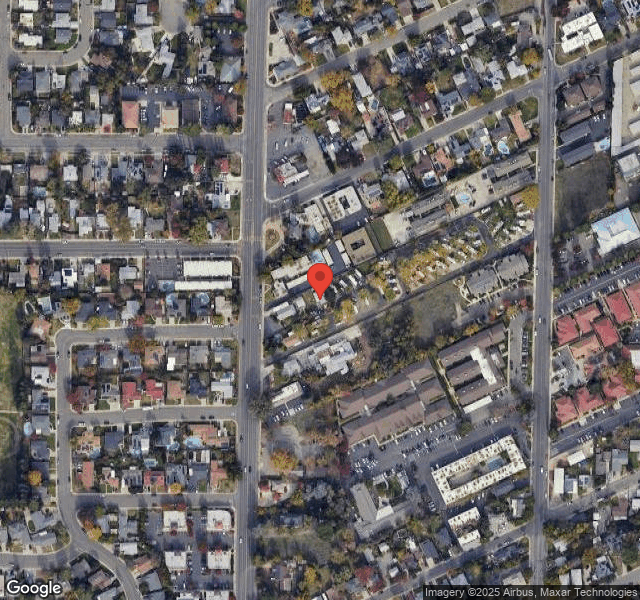
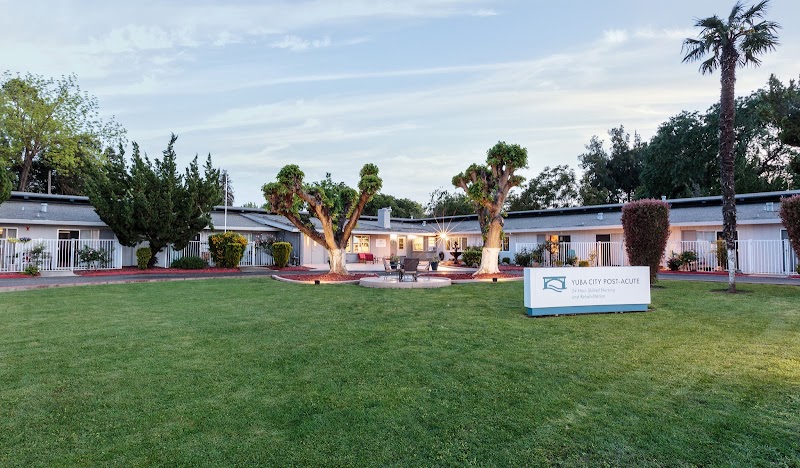
1220 PLUMAS ST, YUBA CITY, CA 95991 (530) 671-0550
For profit - Limited Liability company 59 Beds PACS GROUP Data: November 2025
Trust Grade
70/100
#516 of 1155 in CA
Last Inspection: August 2024

Within standard 12-15 month inspection cycle. Federal law requires annual inspections.

Overview

Yuba City Post Acute has a Trust Grade of B, which indicates it is a good facility but not without its issues. It ranks #2 out of 4 nursing homes in Sutter County, meaning it offers better care than only one other local option, and is in the top half of California facilities at #516 out of 1155. The facility is improving, with issues reducing from 12 in 2024 to just 1 in 2025, and it has not incurred any fines, which is a positive sign. Staffing is a concern, rated at 2 out of 5 stars, indicating below-average conditions, but the turnover rate is at 38%, which is better than the state average. Specific incidents noted include inadequate supervision leading to three residents wandering into others' rooms, which could compromise safety, and a resident waiting 40 minutes for help with breathing issues, highlighting potential gaps in timely care. Overall, while the facility has its strengths, such as no fines and a good trend, families should consider the staffing challenges and previous supervision issues.

Trust Score
B
70/100
In California
#516/1155
Top 44%
Safety Record
Low Risk
No red flags
Inspections
Getting Better
12 → 1 violations
Staff Stability
○ Average
38% turnover. Near California's 48% average. Typical for the industry.
Penalties
✓ Good
No fines on record. Clean compliance history, better than most California facilities.
Skilled Nurses
⚠ Watch
Each resident gets only 23 minutes of Registered Nurse (RN) attention daily — below average for California. Fewer RN minutes means fewer trained eyes watching for problems.
Violations
⚠ Watch
47 deficiencies on record. Higher than average. Multiple issues found across inspections.
★★★★☆
4.0
Overall Rating
★★☆☆☆
2.0
Staff Levels
★★★★★
5.0
Care Quality
★★★☆☆
3.0
Inspection Score
Stable
2024: 12 issues
2025: 1 issues

The Good

  • 5-Star Quality Measures · Strong clinical quality outcomes
  • Full Sprinkler Coverage · Fire safety systems throughout facility
  • No fines on record
  • Staff turnover below average (38%)

    10 points below California average of 48%

Facility shows strength in quality measures, fire safety.

The Bad

Staff Turnover: 38%

Near California avg (46%)

Typical for the industry

Chain: PACS GROUP

Part of a multi-facility chain

Ask about local staffing decisions and management

The Ugly 47 deficiencies on record

Jan 2025 1 deficiency
CONCERN (D) 📢 Someone Reported This

A family member, employee, or ombudsman was alarmed enough to file a formal complaint

Potential for Harm - no one hurt, but risky conditions existed

Report Alleged Abuse (Tag F0609)

Could have caused harm · This affected 1 resident

**NOTE- TERMS IN BRACKETS HAVE BEEN EDITED TO PROTECT CONFIDENTIALITY** Based on Interview and Record Review the facility failed to report a crime or abuse incident for 1 of 3 residents (Resident 1) w...

Read full inspector narrative →
**NOTE- TERMS IN BRACKETS HAVE BEEN EDITED TO PROTECT CONFIDENTIALITY** Based on Interview and Record Review the facility failed to report a crime or abuse incident for 1 of 3 residents (Resident 1) when Resident 2 ' s Family Member (FM) exposed himself to Resident 1 while in Resident 1 and Resident 2 ' s shared room. This failure to report to proper authorities placed all residents at risk for allegations of abuse to go unreported. Findings: During a review of the facility ' s policy and procedure titled, Abuse Investigation and Reporting, revised December 2018, the Abuse Investigation and Reporting policy indicated, All reports of resident abuse .(and) mistreatment .shall be promptly reported to local state and federal agencies . A review of Resident 1 ' s medical record indicated Resident 1 was admitted on [DATE] with diagnoses that included, Right Femur Fracture, R Femur Surgical Intervention, and History of Falls. The Minimum Data Set (MDS, Tool for evaluating and implementing a standardized assessment) Brief Interview for Mental Status (BIMS, Section C assessing cognitive function) score dated 1/8/25, indicated Resident 1 rated 15/15, which equates to being cognitively intact. Resident 1 is their own representative (RP) and make their own medical decisions. During an interview on 1/21/25 at 08:30 am, with Resident 1 over the phone, Resident 1 stated Resident 2 ' s Family Member (FM) came out of the shared bathroom and stood at the foot of the bed, made sounds of clearing the throat for attention, and exposed his genitals. I did not feel abused, just very uncomfortable. During an interview with Social Services Director (SSD), in SSD office, on 1/21/25 at 11:00 am, SSD indicated, SSD was aware of the incident, and interviewed both Resident 1 and FM. Resident 1 informed SSD there were no feelings of abuse, just felt very uncomfortable and requested a discharge from the facility. The facility did not file a report based on Resident 1 ' s response. During an interview with Administrator (Admin) in Admin ' s office, on 1/21/25 at 2:10 pm, Admin confirmed he is aware of the incident ' s occurrence, and the investigation was complete. Resident 1 did not wish to pursue reporting or feel the incident was abuse, thus, the facility did not file a report. Based on Interview and Record Review the facility failed to report a crime or abuse incident for 1 of 3 residents (Resident 1) when Resident 2's Family Member (FM) exposed himself to Resident 1 while in Resident 1 and Resident 2's shared room. This failure to report to proper authorities placed all residents at risk for allegations of abuse to go unreported. During a review of the facility's policy and procedure titled, Abuse Investigation and Reporting , revised December 2018, the Abuse Investigation and Reporting policy indicated, All reports of resident abuse .(and) mistreatment .shall be promptly reported to local state and federal agencies . A review of Resident 1's medical record indicated Resident 1 was admitted on [DATE] with diagnoses that included, Right Femur Fracture, R Femur Surgical Intervention, and History of Falls. The Minimum Data Set (MDS, Tool for evaluating and implementing a standardized assessment) Brief Interview for Mental Status (BIMS, Section C assessing cognitive function) score dated 1/8/25, indicated Resident 1 rated 15/15, which equates to being cognitively intact. Resident 1 is their own representative (RP) and make their own medical decisions. During an interview on 1/21/25 at 08:30 am, with Resident 1 over the phone, Resident 1 stated Resident 2's Family Member (FM) came out of the shared bathroom and stood at the foot of the bed, made sounds of clearing the throat for attention, and exposed his genitals. I did not feel abused, just very uncomfortable. During an interview with Social Services Director (SSD), in SSD office, on 1/21/25 at 11:00 am, SSD indicated, SSD was aware of the incident, and interviewed both Resident 1 and FM. Resident 1 informed SSD there were no feelings of abuse, just felt very uncomfortable and requested a discharge from the facility. The facility did not file a report based on Resident 1's response. During an interview with Administrator (Admin) in Admin's office, on 1/21/25 at 2:10 pm, Admin confirmed he is aware of the incident's occurrence, and the investigation was complete. Resident 1 did not wish to pursue reporting or feel the incident was abuse, thus, the facility did not file a report.
Aug 2024 12 deficiencies
CONCERN (D) 📢 Someone Reported This

A family member, employee, or ombudsman was alarmed enough to file a formal complaint

Potential for Harm - no one hurt, but risky conditions existed

Report Alleged Abuse (Tag F0609)

Could have caused harm · This affected 1 resident

**NOTE- TERMS IN BRACKETS HAVE BEEN EDITED TO PROTECT CONFIDENTIALITY** Based on interview and record review, the facility failed to report an allegation of abuse to local, state, and federal agencies...

Read full inspector narrative →
**NOTE- TERMS IN BRACKETS HAVE BEEN EDITED TO PROTECT CONFIDENTIALITY** Based on interview and record review, the facility failed to report an allegation of abuse to local, state, and federal agencies, including the California Department of Public Health (CDPH), when Certified Nurse Assistant (CNA) E stated, CNA E observed Resident 48 shaking a fist and making verbal threats to harm Resident 50. This failure placed all residents at risk for allegations of abuse to go unreported. Findings: A review of the facility's policy and procedure (P&P) titled, Abuse Investigation and Reporting, revised 7/1/17, indicated, reports of alleged abuse would be reported to local, state, and federal agencies. A review of the facility's P&P titled, Abuse Prevention Program, revised 2/1/24, indicated, residents had the right to be free from abuse. A review of the State Operation Manual, revised 8/8/24, defined abuse as a willful infliction that included verbal abuse or intimidation, which could affect a person's psychosocial well-being. A review of the undated admission Record, indicated, Resident 48 was admitted to the facility on [DATE] with the diagnoses of muscle weakness, difficulty in walking, and major depressive disorder, single episode, with psychotic features (A distinct type of depression that could cause hallucinations or delusion while in a depressive episode). Resident 48 was not his own responsible party (RP) and had a public guardian that made decisions for him. A review of Resident 48's Minimum Data Set (MDS, an assessment tool), Section C-Cognitive Patterns, (a memory assessment), dated 7/31/24, indicated, Resident 48's cognition was moderately impaired (decline in memory, thinking, and judgement). A review of Resident 50's undated admission Record, indicated, admission to the facility on 7/10/24 with the diagnoses of Alzheimer's disease (inability to remember), anxiety (feelings of fear and dread), depression, and obsessive-compulsive disorder (uncontrolled and recurring thoughts, repetitive behaviors, or both), and was on hospice (six months or less left to live and received care focused on comfort). Resident 50 was not his own RP and did not make his own decisions. A review of Resident 50's MDS, Section C-Cognitive Patterns, dated 7/16/24, indicated, Resident 50 had severe cognitive impairment. Section E-Behavior, dated 7/23/24, indicated, Resident 50 wandered (roamed from place to place), and Resident 50's wandering did not intrude on the privacy or activities of others. During an interview on 8/28/24 at 8:04 a.m., Resident 48 stated, Resident 50, who was Resident 48's roommate, would come over to Resident 48's side of the room and touch Resident 48's arm and has been doing so since Resident 50 was admitted to the facility. Resident 48 stated, telling facility staff about Resident 50's behaviors and facility staff had not done anything about it. Resident 48 stated, not liking Resident 50 touching him. Resident 48 stated, the facility better do something soon though, I'm going to hurt him. During an interview on 8/28/24 at 2:50 p.m., CNA E confirmed, Residents 48 and 50 were roommates. CNA E stated, Resident 48 and Resident 50 did not like each other. CNA E stated, on 8/27/24, Resident 48 tried to get into Resident 50's face, used a fist, and threatened to hit Resident 50. CNA E stated the incident was reported to Licensed Nurse (LN) A. During an interview on 8/28/24 at 2:57 p.m., CNA F stated, on 8/27/24 at approximately 2:45 p.m., CNA F was transferring Resident 48 into bed from the wheelchair. CNA F stated, during the transfer, Resident 50 had a smile on his face and was waving at Resident 48. CNA F stated, Resident 48 got mad and tried to walk over to Resident 50. CNA confirmed, Resident 48 made a verbal threat to Resident 50 that involved physical abuse. CNA F stated, she reported the incident to LN A. During an interview on 8/28/24 at 3:04 pm, LN A confirmed, there was an incident between Resident 48 and Resident 50 that occurred on 8/27/24. LN A stated, she was told Resident 48 had a fist pulled up as if he was going to hit Resident 50. LN A stated, reporting the incident the Director of Nursing (DON). During an interview on 8/29/24 at 10:20 a.m., DON stated, facility staff did not notify DON of the incident between Residents 48 and 50 that had occurred on 8/27/24. DON stated, not being notified until CDPH staff brought it to DON's attention. DON stated, staff expectancy for allegations of abuse included notifying the DON. DON stated, the DON would then report the allegation of abuse to the abuse coordinator who was the facility's Administrator. DON confirmed, the allegation of abuse was not reported to local, state, and federal agencies, including CDPH.
CONCERN (D)

Potential for Harm - no one hurt, but risky conditions existed

Deficiency F0657 (Tag F0657)

Could have caused harm · This affected 1 resident

**NOTE- TERMS IN BRACKETS HAVE BEEN EDITED TO PROTECT CONFIDENTIALITY** Based on interview and record review, the facility failed to revise care plans (a document that described health conditions, the...

Read full inspector narrative →
**NOTE- TERMS IN BRACKETS HAVE BEEN EDITED TO PROTECT CONFIDENTIALITY** Based on interview and record review, the facility failed to revise care plans (a document that described health conditions, the level of care the resident required, and how that care would be provided) for two out of two sampled residents (Residents 34 and 50) when: 1. Resident 34's care plan was not revised to include wandering behaviors (roaming from place to place). 2. Resident 50's care plan was not revised to include a change in wandering behaviors. This failure had the potential to cause a decline in physical, mental, and psychosocial well-being and placed Residents 34 and 50 at risk for harm. Findings: 1. A review of the facility's policy and procedure (P&P) titled, Care Plans, Comprehensive, indicated, the care plan would Describe the services that are to be furnished to attain or maintain the resident's highest practicable physical, mental, and psychosocial well-being. The P&P indicated, the care plan would Incorporate identified problem areas and that care plans would be revised when resident information changed. A review of Resident 34's undated admission Record, indicated, admission to the facility on 8/3/24 with the diagnoses of seizures (uncontrollable shaking of the body) and down syndrome (a genetic condition that changed how the body and brain developed). Resident 34 was not his own responsible party (RP, did not make own decisions about care). A review of Resident 34's Minimum Data Set (MDS, an assessment tool) dated 8/7/24, indicated, Resident 34 did not wander. A review of Resident 34's care plans, dated 8/3/24 through 8/23/24, indicated, there was no care plan in place for Resident 34's wandering behavior. A review of Resident 46's MDS, dated [DATE], indicated Resident 46 was admitted to the facility on [DATE] with the diagnosis of a multidrug-resistant organism (in infection that many antibiotics did not cure). The MDS indicated, Resident 46 had good cognition (ability to remember and think). During an interview on 8/27/24 at 10:45 a.m., Resident 46 stated, Resident 34 often wandered into Resident 46's room. During an interview on 8/27/24 at 11:27 a.m., Resident 267 stated, Resident 34 would wander into Resident 267's room. Resident 267 stated, facility staff would have to remove Resident 34 from the room, and sometimes, it bothered Resident 267. A review of Resident 35's MDS, dated [DATE], indicated, Resident 35 was admitted to the facility on [DATE] with the diagnoses of anxiety and depression. The MDS indicated, Resident 35 had good cognition. During an interview on 8/27/24 at 11:39 a.m., Resident 35 stated, Resident 34 wandered into Resident 35's room and Resident 35 would have to tell Resident 34 to leave. 2. A review of Resident 50's undated admission Record, indicated, admission to the facility on 7/10/24, with the diagnoses of Alzheimer's disease (inability to remember), anxiety (feelings of fear and dread), depression, and obsessive-compulsive disorder (uncontrolled and recurring thoughts, repetitive behaviors, or both), and was a hospice resident (six months or less left to live and received care focused on comfort). Resident 50 was not his own RP and did not make his own decisions. A review of Resident 50's MDS, dated [DATE], indicated, Resident 50 had severe cognitive impairment, wandered, and wandering did not intrude on the privacy or activities of others. A review of Resident 50's care plan titled, Elopement, dated 7/10/24, did not indicate Resident 50 wandered into other resident rooms. During an interview on 8/27/24 at 11:27 a.m., Resident 267 stated, Resident 50 would wander into Resident 267's room. Resident 267 stated, facility staff would have to remove Resident 50 from the room, and sometimes, it bothered Resident 267. During an interview on 8/28/24 at 8:04 a.m., Resident 48 stated, Resident 50 was his roommate and Resident 50 would wander into Resident 48's side of the room and touch Resident 48's arm. Resident 48 stated, reporting Resident 50's wandering behavior to staff in the past and nothing had been done about it. Resident 48 stated, he did not like it when Resident 50 did that and if staff did not do something about it, Resident 48 would hurt Resident 50. During an interview on 8/28/24 at 2:50 p.m., CNA E confirmed, Residents 34 and 50 wandered into other resident rooms. CNA E stated, awareness that there were issues between Resident 48 and his roommate Resident 50 and in the past, Resident 48 had made verbal threats to hurt Resident 50. CNA E was asked about care plans and interventions that were in place regarding Residents 34 and 50 wandering into other resident rooms. CNA E stated, unawareness of care plans or interventions. During an interview on 8/28/24 at 2:57 p.m., CNA F confirmed, Residents 34 and 50 wandered the facility. CNA F confirmed, Resident 34 wandered into other resident rooms and required redirection. During an interview on 8/27/24 at 3:04 p.m., Licensed Nurse A confirmed, Resident 34 and Resident 50's wandering behaviors and stated the Director or Nursing (DON) had been notified. During a concurrent interview and record review on 8/29/24 at 10:20 a.m., with the facility's DON, the care plans for Resident 34 were reviewed. DON confirmed, there was no care plan in place for Resident 34's wandering behaviors. DON stated, having no awareness that Resident 34 wandered into other resident rooms and staff should have reported that information to her. DON stated, Resident 50 wandered the facility but had no awareness that Resident 50 wandered into other resident rooms. Resident 50's care plan titled, Elopement, dated 7/10/24 was reviewed. DON confirmed, there were no interventions in place for Resident 50 regarding wandering into other resident rooms. DON stated the expectancy was for staff to notify the DON when there were changes with residents so the DON could assess the resident and revise the care plan as needed.
CONCERN (D)

Potential for Harm - no one hurt, but risky conditions existed

Deficiency F0697 (Tag F0697)

Could have caused harm · This affected 1 resident

**NOTE- TERMS IN BRACKETS HAVE BEEN EDITED TO PROTECT CONFIDENTIALITY** A review of Nursing Note written by LN C, dated 8/28/24 at 9:04 am, indicated Resident 216 had his toes run over by a wheelchair...

Read full inspector narrative →
**NOTE- TERMS IN BRACKETS HAVE BEEN EDITED TO PROTECT CONFIDENTIALITY** A review of Nursing Note written by LN C, dated 8/28/24 at 9:04 am, indicated Resident 216 had his toes run over by a wheelchair this morning, but resident did not appear in pain. During observation of medication administration on 8/28/24 at 9:15 am, LN C stated Resident 216 bumped his foot and asked LN D if Resident 216 could have Tylenol. Resident 216 was wearing socks on his feet, seated in a wheelchair and observed to rock back and forth, head in his hands, rubbing his left side, and making facial grimaces. LN C asked Resident 216 multiple times to rate his pain on a scale of 1 to 10; the pain scale was not explained to the resident, who appeared to be confused by the question. Resident 216 stated, I don't know, 10. LN D reviewed Resident 216's medication list and stated Resident 216 had received a dose of scheduled Tylenol that morning, and the only other medication available was oxycodone (an opioid pain-relief medication for moderate to severe pain). LN D again asked Resident 216 to rate his pain on a scale of 1 to 10, and Resident 216 replied, I don't have any. No medication was given, and Resident 216 was taken away by LN C. During an interview with LN C on 8/28/24 at 10:51 am, LN C stated she brought Resident 216 to LN D because he hit his toe on his wheelchair and was in pain. LN C stated he also fell recently and had pain from fractured ribs. LN C acknowledged Resident 216 did not receive any pain medication and stated he wasn't showing pain. A review of Resident 216's Medication Administration Record (MAR), dated 8/1 to 8/31/24, printed 8/29/24 at 12:52 pm, indicated Resident 216 refused all ordered lidocaine patches to left side and low back since admission; received Tylenol 10 times since admission but refused scheduled doses at 1 pm on 8/25 and 8/28/24; denied having pain 10 times since admission, with one report of 1 out of 10 pain on morning shift 8/28/24; nonpharmacological pain interventions of repositioning/limb elevation seven times and rest period/quiet environment 11 times since admission; and oxycodone 5 mg was given three times for severe pain 7 out of 10 on 8/26/24 at 7:24 am, 8/26/24 at 9:55 pm, and 8/28/24 at 5:08 pm. During concurrent interview with LN D and review of Resident 216's active orders on 8/28/24 at 2:52 pm, LN D stated Resident 216 had complained of left rib pain but had refused pain medications. LN D stated he did not give Resident 216 oxycodone for pain at 9 am because the resident couldn't give him a pain scale and LN D didn't think [Resident 216] was in pain. LN D acknowledged that the lidocaine patches scheduled at 9 a.m. were not offered because Resident 216 refuses those. LN D acknowledged Resident 216 had received only one dose of Tylenol for pain relief. During an interview with LN C and LN D on 8/28/24 at 3:08 pm, LN C stated the protocol when residents refuse ordered medications is to ask the resident three times to take the medication, explain the risks and benefits, and if the resident still refuses, the doctor will be informed. LN C and LN D acknowledged they had not notified anyone that Resident 216 had frequently refused pain medications since admission. A review of P&P titled Change in a Resident's Condition or Status, dated 4/2024, indicated the nurse will notify the resident's physician/nurse practitioner/physician assistant when there has been a(an) refusal of treatment or medications. During concurrent observation and interviews with Resident 216 and Activities Assistant 1 (AA 1) on 8/28/24 at 3:17 pm in the dining area, observed Resident 216 sitting in a wheelchair near other residents during Activities (Bingo). Resident 216 was not participating but was observed fidgeting with the drawstring of his sweatpants, a plastic bracelet on his wrist, and lifting his T-shirt to intermittently rub his left side. When questioned about pain, Resident 216 stated his side hurt and pointed to his left ribs. Informed Resident 216 he had pain patches that could be applied by nursing staff. Resident 216 stated he needed to remove the patch from his wrist and took off his bracelet. AA 1 stated she believed Resident 216 was in pain because he had been verbalizing ow and grimacing throughout the activity. During an interview with the DON on 8/29/24 at 11:38 am, discussed the observation of Resident 216, LN C, and LN D on 8/28/24 at 9:15 am, with the result being no pain medication given. The DON stated, That's so frustrating. The DON stated she would provide education to nursing staff regarding the Pain Assessment in Advanced Dementia Scale (PAINAD - an assessment tool that monitors dementia/nonverbal residents for labored breathing, moaning/groaning, facial expressions, tense body language, and consolability). During an interview with DON, Administrator (ADM), and Administrator in Training (AIT) on 8/29/24 at 4:34 pm, the DON stated the MD was here 8/28/24 and was made aware that not all pain medications were being administered to Resident 216 despite indications of pain. The DON again stated she was frustrated that nursing staff did not recognize Resident 216's nonverbal indications of pain and would re-educate staff to the PAINAD scale. Based on observation, interview, and record review the facility failed to ensure that residents' pain was managed for 1 of 30 residents (Resident 216) sampled for pain management when Resident 216 complained of having pain in their ribs and low back while making facial expressions and exhibiting body movements that demonstrate signs related to the experience of pain. Resident 216 was unable to verbalize a specific number to represent the level of pain being experienced per the Pain Scale (standardized numeric scale to identify an individual's pain level. Scale rates pain from 0-10; 0 = no pain to 10 = most severe pain). Thus, Resident 216 did not receive pain medication per the medical doctor's (MD) orders. This failure had the potential to result in an overall increase of pain, decline in mobility, increased health issue complications, and diminished mental, emotional, and psychosocial well-being. Findings: During a review of the facility's policy and procedure titled, Pain Assessment and Management, dated April 2024, the Pain Assessment and Management policy indicated, The purpose of this procedure are to help the staff identify pain in the resident .Observe the resident for signs and symptoms of pain .Possible Behavioral Signs of Pain: a. Verbal expressions of pain. b. Facial expressions such as grimacing, frowning .Assess pain using a consistent approach and a standardized pain assessment instrument appropriate to the resident's cognitive level .Implement the medication regimen as per physician's orders . a physician, shall reconsider approaches and make adjustments if indicated to meet any further pain needs. A review of Resident 216's medical record indicated that Resident 216 was admitted on [DATE] with diagnoses that included, fractured lumbar vertebrae and multiple fractured ribs, Chronic Obstructive Pulmonary Disease (COPD, inflammatory lung diseases that block airflow and make it difficult to breathe), and Dementia (loss of brain function such as memory, language, problem solving and other thinking abilities). The Minimum Data Set (MDS, Tool for evaluating and implementing a standardized assessment) Brief Interview for Mental Status (BIMS, Section C assessing cognitive function) score dated 8/28/24, indicated Resident 216 rates 3/15, which equates to severe cognitive impairment. Resident 216 is not their own representative (RP) and does not make their own medical decisions but can verbalize needs and preferences. During a concurrent observation and interview on 8/28/24 at 09:00 am with Resident 216 in the hallway outside of the resident's room while in a wheelchair being pushed by Licensed Nurse (LN) C. Resident 216 was rocking backward and forward in the wheelchair holding their left side ribs, demonstrating facial grimacing, furrowed brow, and frowning while holding their forehead in their other hand. Resident 216 stated they were having quite a bit of pain in their ribs and back. During an interview on 8/28/24 at 09:10 am with LN C in the hallway outside the Resident 216's room while LN C was pushing Resident 216 in a wheelchair, LN C acknowledged Resident 216 was having pain, that they had fallen at home and broken ribs and their low back which is why Resident 216 was admitted to the facility. LN C stated they would wait for the Medication Cart Nurse, LN D, to have a moment and get pain medication if available to give to Resident 216. During an observation on 8/28/24 at 09:15 am, at the end of the hallway by the medication cart, LN C and Resident 216 in a wheelchair were observed waiting to address LN D, the medication cart nurse. LN D and, LN C asked Resident 216 repeatedly to give a numeric pain scale number from 0-10 to represent their pain. Resident 216 was having difficulties identifying and verbalizing a numeric value, but 10 was heard at one point by surveyor. LN D determined the routine Tylenol had already been administered and the only other pain medication ordered per LN D's review of the Medication Administration Record (MAR, record where medication administration is documented) was Oxycodone (strong pain medication). LN C and LN D continued to request Resident 216 verbalize a pain scale number from 0-10. LN C and LN D spoke privately and then LN C wheeled Resident 216 away from the medication cart without having any pain medication oral (by mouth) or transdermal (applied to skin) administered. During a record review of Resident 216's Order Summary, dated August 2024, the Order Summary indicated that Acetaminophen (APAP, Tylenol) capsule 500 milligrams (mg, unit of measurement) was ordered to be given routinely as follows: Give 2 tablets by mouth every 8 hours for pain not to exceed (NTE) 3 grams (gm, unit of measurement) APAP in 24 hours from all sources. During a record review of Resident 216's MAR, the MAR indicated that Acetaminophen was administered to Resident 216 on 8/28/24 at the following times: 08:00 am was administered, 13:00 (1:00) pm was refused by resident, and 2100 (9:00) pm was administered. Start date 8/25/24. During a record review of Resident 216's Order Summary, dated August 2024, the Order Summary indicated that Oxycodone Hydrochloride (Oxycodone HCl, strong pain medication) 5 mg tablet was ordered to be given as follows: 1 tablet by mouth every 4 hours as needed for pain 6-10 for 3 days hold for respiratory rate (RR) less than (<)12. Start date 08/25/24. During a record review of Resident 216's MAR, dated August 2024, the MAR indicated Resident 216 received Oxycodone on 8/28/24 at 17:08 (5:08) pm for a pain level of 7. During a record review of Resident 216's Order Summary, dated August 2024, the Order Summary indicate that Lidocaine patches (pain medication infused in a patch form that is applied to the skin) 4 percent (%, quantitative measurement) were ordered to be applied as follows: apply to left (L) lateral side for rib pain in the morning, and Lidocaine patch 4% apply to low back in the morning for low back pain. Start date 8/26/24. During a review of Resident 216's MAR, dated August 2024, the MAR indicated Resident 216 refused the Lidocaine patches for 8/28/24. During an interview on 8/28/24 at 4:35 pm with LN B at the medication cart in the hall by a resident's room. LN B stated Resident 216 is a new admission, has pain but is confused, alert, but not oriented. Because of his dementia he refuses some of his pain medication. Resident 216 is not always able to verbalize pain per the numeric pain scale with a 0-10 response, but I would use the face and body assessment based on the grimacing, frowning, rocking, holding their side and guarding while holding their forehead, along with the mumbling, moaning, or making statements about having quite a bit of pain to determine the pain level. I would think it would be a higher level of pain if most of these actions were observed, probably at least a 6 or 7. It is a pain assessment for advanced dementia (PainAD, Assessment tool that monitors dementia/nonverbal residents for labored breathing, moaning/groaning, facial expressions, tense body language, and consolability to determine resident pain) that I would use. During an interview on 8/29/24 at 11:30 am with DON in the conference room. DON confirmed the painAD should have been utilized if the resident could not verbalize a numeric figure to represent their pain. The assessment looks at facial expressions, grimacing, frowning, moaning, and behaviors such as rocking, clenching fists, holding, or guarding an area. DON concurs staff will receive more training on identifying or recognizing pain and managing it adequately especially for dementia residents.
CONCERN (D)

Potential for Harm - no one hurt, but risky conditions existed

Medication Errors (Tag F0758)

Could have caused harm · This affected 1 resident

**NOTE- TERMS IN BRACKETS HAVE BEEN EDITED TO PROTECT CONFIDENTIALITY** Based on observation, interview, and record review, the facility failed to review indications for continued use or attempt Gradu...

Read full inspector narrative →
**NOTE- TERMS IN BRACKETS HAVE BEEN EDITED TO PROTECT CONFIDENTIALITY** Based on observation, interview, and record review, the facility failed to review indications for continued use or attempt Gradual Dose Reduction (GDR - tapering of a dose to determine if symptoms, conditions, or risks can be managed by lowering or discontinuing medication) for 50 days for one of one sampled resident (Resident 50) receiving four psychotropic medications: (1) lorazepam (anti-anxiety medication that slows brain activity for relaxation), (2) Seroquel (anti-psychotic medication, indicated for psychosis, that improves mood, thoughts, and behaviors), (3) trazodone (anti-depressant medication), and (4) sertraline (anti-depressant - increases serotonin, a mood-enhancing chemical, in the brain). Psychotropic medications affect brain activities associated with mental processes and behaviors and include anti-psychotic, anti-depressant, and anti-anxiety medications. This deficient practice had the potential for Resident 50 to experience adverse (negative, potentially harmful) side effects including sedation, falls, abnormal involuntary movements, stroke, and death from inappropriate indication for use and/or excessive or unnecessary psychotropic medications. FINDINGS: A review of record titled Medical Directorship Agreement signed by Medical Director (MD), dated 2/1/23, indicated MD duties included participating in effective resident care utilization review (UR - process to evaluate appropriateness and necessity of healthcare services) and participating in the development of medical care plans for each resident, to include medications. A review of record titled Physician Job Description signed by MD, dated 6/7/23, indicated primary accountabilities included prescribing medications, detecting, and responding to adverse drug reactions, and collaborating with healthcare professional staff to form a high-performing medical team. During a review of facility Policy and Procedure (P&P) titled Medication Regimen Review, dated 4/2024, the P&P indicated: A. When needed, a licensed nurse, Pharmacist, and/or Practitioner will review a resident's current medication regimen to identify whether (1) there is a clear indication for treating the resident with the medication, (2) the dosage is as prescribed by the physician, (3) the frequency of administration and duration of use are appropriate. B. Monthly, the Pharmacist and/or Physician will review the medication regimen for continued indications, dose and duration that is consistent with the order, and possible side effects. C. The Pharmacist and/or Physician will coordinate with the Director of Nursing (DON) or designee where medications should be tapered, discontinued, or changed to another medication. A review of P&P titled Antipsychotic Medication Use, dated 2023, indicated: A. The physician will identify, evaluate, and document, with input from other disciplines and consultants as needed, symptoms that may warrant the use of antipsychotic medications. B. Residents admitted from the community who are already receiving antipsychotic medications will be evaluated for the appropriateness and indications for use. Based on assessing the resident's symptoms and overall situation, the physician will determine whether to continue, adjust, or stop existing antipsychotic medication. C. Antipsychotic medications will be used only for the following conditions/diagnoses as documented in the record: schizophrenia, delusional disorder, mood disorders (bipolar disease, depression with psychotic features, and major depression not responding to treatment), psychosis in the absence of dementia, and behavioral and psychological symptoms of dementia (BPSD). A review of P&P titled Dementia Care, dated 11/2023, indicated: A. The staff and physician will evaluate individuals with new or worsening cognitive (mental function) impairment and behavior and differentiate dementia from other causes. B. The physician will help define potential benefits and risks of medical interventions based on individual risk factors, current conditions, history, and details of current symptoms. C. The Interdisciplinary Team (IDT - a team with members from different disciplines who work together to set goals and make care decisions) will identify and document the resident's condition and level of support needed during care planning and review changing needs as they arise. A review of Resident 50's medical records indicated he was admitted in early July 2024 with diagnoses of Alzheimer's dementia (progressive memory loss, inability to control thoughts and language), dementia with mood disturbance, chronic pain, neuropathy (nerve pain), history of falls, anxiety, depression, insomnia, skin-picking disorder, and obsessive-compulsive disorder (OCD - uncontrolled recurring thoughts, repetitive behaviors, or both). The record indicated Resident 50 was placed on hospice (having six or fewer months to live, receiving care focused on comfort) in July 2024. Resident 50 was unable to make his own healthcare decisions, and Family Member 1 (FM 1) was his Responsible Party (RP). A review of Minimum Data Set (MDS - a tool used to assess and manage care of residents in nursing homes) showed Brief Interview for Mental Status (BIMS - tool to screen a resident's mental status using score 0 to 15: 0-7 severe impairment, 8-12 moderate impairment, 13-15 intact mental function), dated 7/16/24, which indicated Resident 50's BIMS Score was 5, indicating severe mental function impairment. The record indicated Resident 50 displayed no hallucinations or delusions (potential indicators of psychosis) and no physical (hitting, kicking, pushing), verbal (threatening others, screaming, cursing), or other behavioral symptoms (pacing, throwing food or bodily wastes, disrobing in public). The record indicated Resident 50 had wandering behavior one to three days. A review of Order Summary Report, dated 8/29/24, indicated orders as follows: 1. A medication reconciliation (comparing resident's medication orders to current medications to ensure accuracy and avoid errors) was ordered and performed by MD with review of the prior care setting discharge medications on 7/10/24. 2. Lorazepam (generic for Ativan) 0.5 milligrams (mg - a unit of measure), one tablet every two hours as needed for 14 days for anxiety as evidenced by (AEB) restlessness. Start date 8/27/24, end date 9/10/24. 3. Anti-anxiety Medication Use (Ativan): Observe resident closely every shift for significant side effects of sedation, ataxia (drunk walk), dizziness, nausea, vomiting, confusion, headache, blurred vision, skin rash. Special attention if given with other sedatives, hypnotics, or alcohol. Start date 7/13/24. 4. Seroquel 100 mg, one tablet once a day (morning), Seroquel 50 mg, one tablet once a day (evening) for mood disorder AEB striking during care, with start dates 7/11/24 and 7/10/24, respectively. 5. Anti-Psychotic Medication Use (Seroquel): Observe resident closely every shift for significant side effects of drowsiness/sedation, dry mouth, constipation, blurred vision, urinary retention (unable to urinate), loss of appetite. Special attention for tardive dyskinesia (involuntary movements), seizures, chronic constipation, diabetes. Start date 7/13/24. 6. Trazodone hydrochloride 100 mg, two tablets once a day for insomnia AEB inability to get good night's sleep. Start date 7/10/24. 7. Sertraline hydrochloride 100 mg, two tablets once a day for OCD AEB body-focused repetitive behavior. Start date 7/11/24. 8. Anti-Depressant Medication Use (trazodone, sertraline): Observe resident closely every shift for significant side effects of sedation, drowsiness, dry mouth, blurred vision, urinary retention (unable to urinate), fast heart rate, muscle tremor, agitation, headache, skin rash, excess weight gain. Special attention for heart disease, chronic constipation, seizures, and edema (fluid trapped in body tissues). Start dates 7/14/24 (trazodone), 7/13/24 (sertraline). 9. Donepezil hydrochloride (dementia medication that slows mental changes and improves behaviors) 10 mg, one tablet once a day. Start date 7/11/24. A review of Care Plan, dated 7/10/24, indicated: 1. Resident 50 was at risk for falls with or without injury related to altered mental status, antidepressant medication, antipsychotic medication, antihypertensive medication, with order to perform MRR as indicated. 2. Seroquel carried a black box warning (label used by the United States Food and Drug Administration to alert prescribers and patients to most serious safety risks) with potential adverse effects of sedation, falls, abnormal movements, negative cardiovascular (heart/vessels) effects, stroke, and increased mortality in older adult patients. 3. Seroquel interventions, dated 7/15/24, included to attempt a gradual dose reduction as indicated/condition improves, as ordered; pharmacy review as indicated; attempt non-pharmacological approaches prior to medication administration; and observe/record effectiveness of drug treatment as indicated. A review of drug information for Seroquel on [NAME]-Drug (a drug reference platform that provides clinicians information to help make evidence-based drug decisions), updated 9/4/24, indicated elderly patients with dementia-related psychosis (mental condition that causes a person to lose touch with reality) who are treated with antipsychotic drugs are at an increased risk of death. Seroquel is not approved for the treatment of patients with dementia-related psychosis and is to be avoided for behavioral problems associated with dementia or delirium unless alternative nonpharmacologic therapies have failed and patient may harm self or others. If Seroquel is used, clinicians should consider deprescribing attempts to assess continued need and/or lowest effective dose. A review of drug information for donepezil on [NAME]-Drug, updated 9/7/24, indicated donepezil may enhance neurotoxic (damage to brain or nervous system caused by exposure to toxic substances) effects when used in combination with antipsychotic agents like Seroquel. A review of records titled Consultant Pharmacist's Medication Regimen Review: List of Patients Reviewed/Recommendations from July and August 2024 indicated Resident 50's medication regimen was reviewed by Consultant Pharmacist (CPH) with no recommendations for change. During an interview with the Director of Nursing (DON) on 8/29/24 at 11:38 am, DON stated Resident 50's Seroquel was ordered because he was striking out during any Activities of Daily Living (ADLs - feeding, toileting, dressing) care. DON stated Resident 50 can get aggressive sometimes during care, and this prevented him from getting care. During an interview with Medical Director (MD) on 8/29/24 at 3:05 pm, MD stated persons responsible for reviewing medications at admission include the physician (herself), the DON, MDS Nurse, and the Pharmacist. MD stated she takes part in monthly resident medication reviews at the facility but was on vacation in August and did not participate that month. MD stated Resident 50's medications had not yet been reviewed by the Psychotropic IDT. During an interview with Registered Nurse B (RN B) on 8/29/24 at 3:12 pm, RN B stated Resident 50 was living at home prior to admission to the facility, but Family Member 1 (FM 1) can't handle his increasingly aggressive behaviors of hitting, spitting, smearing, and eating his own feces, and he was admitted to the facility on hospice. RN B stated she evaluated Resident 50 twice weekly, and he was more calm. RN B stated he used to hit and spit, but staff said he was not doing that as much. RN B stated family is happy that his behaviors are improving. During an interview with CPH on 8/29/24 at 3:45 pm, CPH stated he checked medications and reviewed order input for appropriateness and accuracy of orders when residents were admitted , checked that allergies were entered correctly, that psychotropic medications had behavior and side effect monitoring ordered, and that no drug-drug interactions (reaction between drugs, often negative) were likely to occur. CPH stated the contraindications (reasons against doing something) of Seroquel use in elderly residents with dementia, particularly when used in combination with donepezil, were not clear and that there was positive data supporting the use of antipsychotics for dementia symptoms. CPH stated, A lot of doctors use it for these symptoms. CPH verified that as of this interview (50 days after admission), the Psychotropic Interdisciplinary Team (IDT - a team with members from different disciplines who work together to set goals and make care decisions) had not yet reviewed Resident 50's medications for appropriate indications of use and/or GDR. During an interview with Administrator (ADM), ADM in Training (AIT), and DON on 8/29/24 at 4:34 pm, DON acknowledged striking behaviors were observed prior to admission on [DATE], and the indication for use of Seroquel (agitation AEB striking out during care) was taken from hospice orders. The DON stated the Psychotropic IDT would review Resident 50's medication regimen for unnecessary psychotropic medications and potential reduction of dose or removal of medications from his regimen. DON stated MD would do the psychotropic review and noted that if a resident was admitted with hospice, they must also review the medications with hospice. DON stated Resident 50's psychotropic medications had not been reviewed yet but that he was up for evaluation of Gradual Dose Reduction at the next Psychotropic IDT meeting in October. DON stated Psychotropic GDRs were performed monthly in the facility, but residents' medications were re-evaluated quarterly. DON stated a resident-specific psychotropic medication review would be performed the quarter after their admission. DON stated she didn't want to mess with the dose from admission orders for Seroquel until Resident 50 was settled. DON stated Resident 50 safely wanders but was easily distractible. DON stated she would make recommendations based on the quarterly meeting. DON stated CMS guidelines wouldn't flag for 100 days. During observation of Resident 50 in his room on 8/30/24 at 8:31 am, Resident 50 was lying on his right side, resting quietly, eyes closed, in a dimly lit room. During an interview with LN A on 08/30/24 at 08:40, LN A stated Resident 50 was usually calm but had one episode of wandering yesterday and was given a dose of lorazepam. LN A stated she did not believe Resident 50 was a danger to himself or others. LN A stated Resident 50 was sleepy this morning, but not too much, and he was not too sedated to eat breakfast.
CONCERN (D)

Potential for Harm - no one hurt, but risky conditions existed

Menu Adequacy (Tag F0803)

Could have caused harm · This affected 1 resident

Based on observation, interview, and record review, the facility failed to honor resident food preferences (food that was liked or disliked) and did not serve accurate portions when: 1. One out of fi...

Read full inspector narrative →
Based on observation, interview, and record review, the facility failed to honor resident food preferences (food that was liked or disliked) and did not serve accurate portions when: 1. One out of five sampled residents (Resident 45) stated, the facility served food that Resident 45 did not like. 2. The facility did not provide the correct portion size of fish to residents during lunch on 8/29/24. These failures had the potential for unintended weight gain or unintended weight loss which could negatively impact resident health. Findings: 1. A review of the facility's undated policy and procedure (P&P) titled, Foods Brought by Family/Visitors, indicated, resident food choices would be honored when able. A review of Resident 45's undated admission Record, indicated, admission to the facility on 5/14/24 with the diagnoses of gastro-esophageal reflux disease (stomach acid backs up into the tube that connected the stomach to the throat) and major depressive disorder (a sad mood). Resident 45 was her own responsible party (RP, made own decisions). A review of the Minimum Data Set (MDS, an assessment), dated 6/3/24, indicated, Resident 45 was cognitively intact (was able to think and remember). During an interview on 8/28/24 at 10:11 a.m., Resident 45 stated, not liking broccoli and the facility continued to serve broccoli. During a concurrent record review and interview on 8/29/24 at 3:39 p.m., with Registered Dietician (RD), Resident 45's Dietary Interview/Pre-Screen, dated 5/16/24, was reviewed. RD stated, the Dietary Interview/Pre-Screen, indicated, the facility's Certified Dietary Manager (CDM) conducted the dietary interview and documented Resident 45 had a dislike for broccoli, spinach, and greens. RD reviewed Resident 45's undated meal tickets (a paper ticket placed on each meal tray that described who the tray was for and included resident food dislikes). RD stated, the meal tickets indicated, Resident 45 did not have any food dislikes for breakfast, lunch, or dinner and should have. RD confirmed, the facility had not honored Resident 45's food preferences and should have. 2. A review of the facility's undated P&P titled, Meal Service, indicated, food provided to residents would be accurate. A review of an undated document titled, Recipe: Fish Fillet with Dill Sauce, indicated, the portion size of fish was three ounces. During a concurrent observation and interview on 8/29/24 from 11:10 a.m. to 12:56 p.m., meal prep and tray line (platting the meal) was observed. At 12:08 p.m., CDM was observed telling the [NAME] to utilize the scale and weigh portions of fish that was to be provided to residents for lunch. At 12:13 p.m., the [NAME] was observed putting fish onto the first plate that was assembled and there was no scale at the tray line for the [NAME] to weigh the fish. [NAME] continued to assemble plates of food without weighing the fish until 12:28 p.m., when the CDM was observed placing a scale near the cook. The [NAME] was observed platting various amounts of fish on to the plates, sometimes it was various sizes of multiple broken pieces of fish, one whole piece of fish, two whole pieces of fish, or two and a half whole pieces of fish. At 12: 56 p.m., all the resident lunch trays had been plated. [NAME] was observed weighing fish seven times during the entirety of the observation. CDM and RD confirmed, one portion size of fish was three ounces and [NAME] did not weigh each plated portion of fish. RD stated, [NAME] should weigh every couple of servings to gain a visual of what three ounces of fish looked like. CDM stated, [NAME] did not have enough time to weigh each portion of fish and should weight every couple of servings. CDM and RD both acknowledged, there was no way to assure accurate portion sizes were provided to the residents when [NAME] did not weigh each portion size.
CONCERN (D)

Potential for Harm - no one hurt, but risky conditions existed

Food Safety (Tag F0812)

Could have caused harm · This affected 1 resident

Based on observation, interview, and record review, the facility failed to maintain equipment in good repair when the pots and fry pans had a black build up on the outside, the inside protective layer...

Read full inspector narrative →
Based on observation, interview, and record review, the facility failed to maintain equipment in good repair when the pots and fry pans had a black build up on the outside, the inside protective layer of the fry pans was missing (caused metal to be exposed), and one fry pan had a thick, black buildup of material on the inside where food was cooked. This failure had the potential to contaminate food and cause a decline in resident health. Findings: The facility's undated policy and procedure (P&P) titled, Sanitation, indicated, all equipment would be kept clean and in good repair. During a concurrent observation and interview on 8/29/24 at 11:10 a.m., located in the facility's kitchen, with the Certified Dietary Manager (CDM), the pots and fry pans were observed. The pots and fry pans had a black build up on the outside, the protective layer on the inside of the fry pans was missing, and one fry pan had a thick, layer of black residue on the inside, where resident food was cooked. CDM confirmed the findings and stated, CDM had ordered new pots and pans last week. A copy of the invoice that included the order date was requested. During a concurrent interview and record review on 8/29/24 at 12:00 p.m., CDM provided an email, dated 8/29/24, that included an order for two fry pans and four sauce pots. There was no date on the invoice that indicated the order had been placed last week.
CONCERN (E) 📢 Someone Reported This

A family member, employee, or ombudsman was alarmed enough to file a formal complaint

Potential for Harm - no one hurt, but risky conditions existed

Accident Prevention (Tag F0689)

Could have caused harm · This affected multiple residents

**NOTE- TERMS IN BRACKETS HAVE BEEN EDITED TO PROTECT CONFIDENTIALITY** Based on observation, interview, and record review, the facility failed to provide adequate supervision based on individual resi...

Read full inspector narrative →
**NOTE- TERMS IN BRACKETS HAVE BEEN EDITED TO PROTECT CONFIDENTIALITY** Based on observation, interview, and record review, the facility failed to provide adequate supervision based on individual resident needs, for three out of three sampled residents (Residents 34, 50, and 28) when: 1. Facility staff was aware Resident 34 wandered (roamed from place to place) in and out of other resident rooms. 2. Facility staff was aware Resident 50 wandered in and out of other resident rooms. 3. Facility staff was aware that Resident 28 demonstrated daily episodes of increased agitation and volatility exhibited by yelling, cursing, and throwing items. This failure had the potential to impact resident safety, privacy, dignity, and placed residents at an increased risk for resident-to-resident altercations. Findings: 1. A review of the facility's policy and procedure (P&P) titled, Wandering and Elopement, revised 10/1/23, indicated, the facility staff would identify residents who were at risk for unsafe wandering and develop a plan to keep the residents safe. A review of the Resident [NAME] of Rights, dated 12/1/12, indicated, the residents of the facility had the right to respect, dignity, and privacy. A review of Resident 34's undated admission Record, indicated, admission to the facility on 8/3/24 with the diagnoses of seizures (uncontrollable shaking of the body), down syndrome (a genetic condition that changed how the body and brain developed), and developmental disorder of speech and language (difficulty with language and understanding what was said to them, may not be able to speak verbally or communicate with hand gestures). Resident 34 was not his own responsible party (RP, person that made decisions about care). A review of Resident 34's Minimum Data Set (MDS, an assessment tool) dated 8/7/24, indicated, Resident 34 did not wander and had difficulty understanding and speaking. A review of Resident 34's care plan (a document that described health or behavioral concerns, what care was needed, and how staff would deliver care) dated 8/4/24, indicated, there was no care plan in place for Resident 34's wandering behavior. A review of Resident 46's MDS, dated [DATE], indicated Resident 46 was admitted to the facility on [DATE] with the diagnosis of a multidrug-resistant organism (in infection that many antibiotics would not cure). The MDS indicated, Resident 46 had good cognition (ability to remember and think). During an interview on 8/27/24 at 10:45 a.m., Resident 46 stated, Resident 34 often wandered into Resident 46's room. During an interview on 8/27/24 at 11:27 a.m., Resident 267 stated, sometimes Resident 267 was bothered by Resident 34 wandering into Resident 267's room and that facility staff would have to remove Resident 34. A review of Resident 35's MDS, dated [DATE], indicated, Resident 35 was admitted to the facility on [DATE] with the diagnoses of anxiety and depression. The MDS indicated, Resident 35 had good cognition. During an interview on 8/27/24 at 11:39 a.m., Resident 35 stated, Resident 34 would wander into Resident 35's room and Resident 35 had to tell Resident 34 to leave. A review of Resident 57's undated admission Record, indicated, Resident 57 was admitted to the facility on [DATE] with the diagnoses of depression and a fracture to the shaft of the left tibia (the large bone in the lower leg, just below the knee joint). A review of Resident 57's MDS, dated [DATE], indicated, Resident 57 had good cognition. During an interview on 8/27/24 at 3:37 p.m., Resident 57 stated, Resident 34 would wander into Resident 57's room and Resident 34 did not know what he was doing. Resident 57 stated, tolerating the wandering behavior due to Resident 34's Down's Syndrome, and was not high functioning. 2. A review of Resident 50's undated admission Record, indicated, admission to the facility on 7/10/24, with the diagnoses of Alzheimer's disease (inability to remember), anxiety (feelings of fear and dread), depression, and obsessive-compulsive disorder (uncontrolled and recurring thoughts, repetitive behaviors, or both), and was a hospice resident (six months or less left to live and received care focused on comfort). Resident 50 was not his own RP. A review of Resident 50's MDS, dated [DATE], indicated, Resident 50 had severe cognitive impairment, wandered, and Resident 50's wandering did not intrude on the privacy or activities of others. A review of Resident 50's care plan titled, Elopement, dated 7/10/24, indicated, Resident 50's safety would not be in danger related to wandering behaviors. There was no intervention that indicated what staff should do when Resident 50 wandered into other resident rooms. During an interview on 8/27/24 at 11:27 a.m., Resident 267 stated, sometimes Resident 267 was bothered by Resident 50 wandering into Resident 267's room and that facility staff would have to remove Resident 50. During an interview on 8/28/24 at 8:04 a.m., Resident 48 stated, Resident 50 was his roommate, Resident 50 would wander into Resident 48's side of the room, and touch Resident 48's arm. Resident 48 stated, reporting Resident 50's behavior to staff in the past and nothing had been done about it. Resident 48 stated, if staff did not do something about it, Resident 48 would hurt Resident 50. During an interview on 8/28/24 at 2:46 p.m., Certified Nursing Assistant (CNA) G confirmed, Residents 34 and 50 wandered the facility and stated, they usually wander on the evening shift. During an interview on 8/28/24 at 2:50 p.m., CNA E confirmed, Resident 34 and Resident 50 wandered into other resident rooms. CNA E stated, there were issues between Resident 48 and his roommate (Resident 50) and in the past, Resident 48 had made verbal threats to hurt Resident 50. CNA E was asked about the care plan and interventions in place regarding Residents 34 and 50's wandering. CNA E stated unawareness of care plans or interventions. A record review of Resident 37 indicated she was admitted on [DATE] with diagnoses of a fracture at the right humerus, chronic kidney disease and secondary parkinsonism (a condition that causes symptoms like Parkinson's Disease (a disorder that affects the nervous system and parts of the body controlled by nerves) but is caused by an underlying medical condition or other factor). Resident 37's Brief Interview for Mental Status (BIMS, evaluation of mental function), dated 08/12/2024, score was 15, which indicated no mental impairment. Resident 37 is her own responsible party; she makes her own decisions. During an interview on 08/27/24 at 10:51 am, Resident 37 stated that two male residents come into the room uninvited. Resident 34 will not knock and enters the room on a daily basis. Resident 50 comes in twice a week. One of them even grabbed her leg. A record review of Resident 30 indicated she was admitted on [DATE] with diagnoses of chronic obstructive pulmonary disease (COPD, a lung disease that blocks airflow and makes it difficult to breathe), diabetes (a disease that occurs when the body doesn't produce enough insulin (a hormone that regulates sugar in the blood) or can't use insulin properly), end stage renal disease, (a medical condition where the kidneys permanently stop working) and is dependent on dialysis (process of removing excess water, chemicals, and toxins from the blood by a machine), and has had both legs amputated (to cut off a limb by surgical operation) above the knee. Resident 30's Brief Interview for Mental Status (BIMS, evaluation of mental function), dated 08/05/2024, score was 10, which indicated a moderate mental impairment. Resident 30 is her own responsible party; she makes her own decisions. During an interview on 08/27/24 at 11:34 am, Resident 30 is, sick and tired of him (Resident 50) coming in here. Resident 50 has been in the room at least 5 times in the last few weeks and has been in the room twice today. He has drunk Resident 30's soda one week, another week while she was taking a nap, he got into her box of cereal and threw cereal at her while she was asleep, and recently drank her juice. Resident 34 also enters the room but he isn't a bother, he just roams. A review of Resident 43's medical record indicated that Resident 43 was admitted on [DATE] with diagnoses that included, Depression, muscle weakness, difficulty walking, and dementia. During an interview on 08/29/30, at 10:30 a.m., with Resident 43, Resident 43 stated, Resident 50 comes into my room and steals my cookies and drinks from my personnel water bottle and it is gross. During an interview with Activities Assistant 1 (AA 1) on 8/30/24 at 8:43 am, AA 1 stated Resident 50 mostly observed activities but did bother other residents by frequently tapping and touching others during activities. AA 1 stated Resident 50 had also spit chips in my face. During an interview on 8/28/24 at 2:57 p.m., CNA F confirmed, Resident 34 and Resident 50 wandered the facility. CNA F confirmed, Resident 34 wandered into other resident rooms and required redirection. During an interview on 8/27/24 at 3:04 p.m., Licensed Nurse (LN) A confirmed, Resident 34 wandered into other resident rooms. During a concurrent interview and record review on 8/29/24 at 10:20 a.m., with the Director or Nursing (DON), the care plans for Resident 34 were reviewed. DON confirmed, there was no care plan in place for Resident 34's wandering. DON stated, not being aware that Resident 34 wandered into other resident rooms. DON stated, not being aware that Resident 50 would wander into other resident rooms. DON reviewed Resident 50's care plan, titled Elopement, dated 7/10/24. DON confirmed, there were no interventions in place for Resident 50 regarding wandering into other resident rooms. DON stated, expectancy was for staff to notify DON of resident changes, DON would assess the resident, and revise the care plan to include appropriate interventions. 3. During an observation on 8/27/24 at 12:30 pm, in the facility hallway outside and between rooms [ROOM NUMBERS], a plastic cup from room [ROOM NUMBER] flew into the hallway and broke when it hit the floor. Facility staff stated Resident 28 threw the cup. A review of Resident 16's medical record indicated that Resident 16 was admitted on [DATE] with diagnoses that included, Metabolic Encephalopathy (a brain dysfunction that occurs when the body's metabolism is affected and leads to chemical imbalances), COPD, and Respiratory Failure (not enough oxygen passes from the lungs to the blood). The Minimum Data Set (MDS, Tool for evaluating and implementing a standardized assessment) Brief Interview for Mental Status (BIMS, Section C assessing cognitive function) score dated 8/5/24 indicated Resident 16 rates 15/15, which equates to being cognitively intact. Resident 16 is their own representative (RP) and makes their own medical decisions. During an interview on 8/28/29 at 11:30 am, with Resident 16 in room [ROOM NUMBER] lying in bed A, Resident 16 stated, my neighbor in the other bed yells and throws things, cups, food items, whatever. I am afraid he will hit me with one of the plastic cups. I told him if he hits me with something I will come over there and blankity-blank. He said I'd like to see you do it. I can't get out of bed, however. Staff know what he does, and they shake it off. I don't feel safe with him. A review of Resident 28's medical record indicated that Resident 28 was admitted on [DATE] with diagnoses that included, Metabolic Encephalopathy, Squamous Cell Carcinoma of left ear (cancer), and COPD. The MDS BIMS score dated 5/24/24 indicated Resident 28 rates 7/15, which equates to severe cognitive impairment. Resident 28 is not their own RP and does not make their own medical decisions. During a review of Resident 28's Care plan, dated 5/21/24, the Care Plan indicated, Resident 28 was at risk for decreased psychosocial well-being, adjustment issues, emotional distress, ineffective coping skills, and poor impulse control .related to failure to thrive (a syndrome of global decline). There was no intervention that indicated what staff should do when Resident 28 demonstrated increased emotional distress, ineffective coping skills, and poor impulse control related to yelling, cursing, and throwing items. During an interview on 8/28/24 at 4:00 pm with Resident 28 in room [ROOM NUMBER] lying in bed B, Resident 28 acknowledges he yells and throws things and that he does not know why he yells and throws things. During an interview on 8/28/24 at 4:20 pm with Certified Nursing Assistant (CNA) H in the hallway outside of room [ROOM NUMBER], CNA H stated all of us (floor staff) are aware of Resident 16's behaviors. It happens often, something occurs daily depending on Resident 28's agitation. I Believe it may be related to upset about not seeing their spouse often. Resident 28 has not hit Resident 16 with anything that I am aware of. During an interview on 8/28/24 at 4:35 pm, with Licensed Vocational Nurse (LN) B at the medication cart in the hall by a resident's room. LN B acknowledges Resident 28's behaviors are known to the staff. He has increased agitation and throws things and yells. This is a regular occurrence. Resident 16 has not been hit with anything. During an interview on 8/29/24 at 08:30 am with Director of Nursing (DON) by the Nurse's Station, DON denies having previous knowledge of Resident 28's agitated behaviors, including yelling, cursing, and throwing items. I understand the staff was aware. We will educate staff on documentation and communication for increased agitated states and change of condition. We are getting a tele psyche consult.
CONCERN (E)

Potential for Harm - no one hurt, but risky conditions existed

Deficiency F0725 (Tag F0725)

Could have caused harm · This affected multiple residents

**NOTE- TERMS IN BRACKETS HAVE BEEN EDITED TO PROTECT CONFIDENTIALITY** A record review of Resident 365 indicated he was admitted on [DATE] with diagnoses of surgical aftercare following surgical ampu...

Read full inspector narrative →
**NOTE- TERMS IN BRACKETS HAVE BEEN EDITED TO PROTECT CONFIDENTIALITY** A record review of Resident 365 indicated he was admitted on [DATE] with diagnoses of surgical aftercare following surgical amputation (to cut off a limb by surgical operation), cellulitis (bacterial skin infection) of the right lower limb, diabetes (a disease that occurs when the body doesn't produce enough insulin (a hormone that regulates sugar in the blood) or can't use insulin properly), end stage renal disease, (a medical condition where the kidneys permanently stop working) and is dependent on dialysis (process of removing excess water, chemicals, and toxins from the blood by a machine). Resident 365's Brief Interview for Mental Status (BIMS, evaluation of mental function), dated 08/20/2024, score was 15, which indicated no mental impairment. Resident 365 is his own responsible party; he makes his own decisions. During an interview on 08/27/24 at 3:52 pm, Resident 365 stated he waited for 40 minutes to have his call light answered. He stated he was having breathing issues, and it took them 40 minutes! His roommate yelled and used his whistle to get someone to answer the call light. His oxygen flow was increased and Resident 365 states he is happy with his oxygen setting. Physician orders, dated 08/14/2024, note that the oxygen may be titrated as indicated, during an activity or therapy, and if greater than 5 liters is needed, notification of the doctor is required. A review of the undated admission Record, indicated, Resident 45 was admitted to the facility on [DATE] with the diagnoses of acute (happened quickly) respiratory failure (a serious condition that made it hard to breathe) unspecified whether with hypoxia (low oxygen levels that can cause confusion, rapid heart rate, and difficulty breathing) or hypercapnia (to much carbon dioxide in the body that could cause shortness of breath, tiredness, or confusion), difficulty in walking, and hypertension. A review of Resident 45's MDS, dated [DATE], indicated, Resident 45 had good cognition. During an interview on 8/27/24 at 3:47 p.m., Resident 45 stated, pressing the call light during the afternoon and waited for two hours before facility staff responded. Resident 45 stated, a few times she had urinated on herself while waiting for facility staff to respond to the call light and it happened mostly in the afternoon. A review of the undated admission Record, indicated, Resident 5 was admitted to the facility on [DATE], with the diagnoses of chronic (ongoing) acute respiratory failure unspecified whether with hypoxia or hypercapnia, difficulty in walking, and chronic pain syndrome. Resident 5 was not her own RP. A review of Resident 5's MDS, dated [DATE], indicated, Resident 5 had good cognition. During an interview on 8/28/24 at 7:41 a.m., Resident 5 made statements of feeling ignored due to staff not answering the call light in a timely manner and stated it was difficult to find staff to assist when help was needed. A review of the undated admission Record, indicated, Resident 57 was admitted to the facility on [DATE] with the diagnoses of fracture of shaft of left tibia (a fracture of the larger leg bone that occurred below the knee joint), pain, and had a history of falling. Resident 45 was her own RP and made her own decisions. A review of Resident 57's MDS, dated [DATE], indicated, Resident 57 had good cognition (ability to remember). During an interview on 08/27/24 at 3:37 p.m., Resident 57 stated, having pain and utilized the call light to request pain medication. Resident 57 stated, it took staff 45 minutes to respond to the call light. Based on observation, interview and record review the facility failed to assure that there was sufficient, qualified nursing staff available at all times to provide nursing and related services to meet the residents' needs safely and in a manner that promotes each resident's rights, physical, mental and psychosocial well-being for 11 of 30 residents (Resident 215, 28, 57, 45, 5, and 365), and Confidential Interview Residents), when call lights were observed and reported to go unanswered for extended periods of time resulting in: 1. Residents being left in soiled briefs with bowel movement and/ or urine. 2. Residents being left on the toilet for extended periods of time. 3. Residents left waiting for assistance in bed for a variety of reasons, including for generalized needs, or attempting to receive assistance to go to the to toilet. 4. Residents experiencing health concerns such as pain and shortness of breath (SOB). This failure had the potential to result in skin breakdown, increased overall pain, increase of resident accidents, and falls due to frustration and attempted self-help, decline in physical health status, and diminished mental and psychosocial well-being. Findings: During a review of the facility's policy and procedure (P&P) titled Answering the Call Light, dated October 2023, Answering the Call Light indicated the purpose of the procedure is to respond to residents' requests and needs .Answer the residents' call light as soon as possible. During a review of the facility's Job Description for Certified Nursing Assistant (CNA), dated 2-2019, CNA Job Description indicated, The primary purpose of your job position is to provide each of your assigned residents routine daily nursing care and services .Ensure residents who are unable to call for help are checked frequently .answer residents call promptly. During a review of the facility's Job Description for Licensed Vocational Nurse (LVN), dated 11-2018, LVN Job Description indicated, The primary purpose of your job position is to provide direct nursing care to the residents, and supervise the day-to-day nursing activities performed by nursing assistants .Direct the day-to-day function of the nursing assistants in accordance to rules, regulations .Ensure all nursing service personnel are in compliance with the respective job description .Ensure that personnel providing direct care to residents are providing such care A review of Resident 28's medical record indicated that Resident 28 was admitted on [DATE] with diagnoses that included, Metabolic Encephalopathy, Squamous Cell Carcinoma of left ear (cancer), and COPD. The Minimum Data Set (MDS, Tool for evaluating and implementing a standardized assessment) Brief Interview for Mental Status (BIMS, Section C assessing cognitive function) score dated 5/24/24, indicated Resident 16 rates 7/15, which equates to severe cognitive impairment. Resident 28 is not their own RP and does not make their own medical decisions but can verbalize preferences and needs. During an interview on 8/28/24 at 4:00 pm with Resident 28 while lying in their bed in their room, Resident 28 stated, Staff sometimes answer my call light. It takes a long time a lot, 30 minutes, even when I am on the toilet. A review of Resident 215's medical record indicated that Resident 215 was admitted on [DATE] with diagnoses that included, displaced fracture of shaft of left clavicle, Chronic Obstructive Pulmonary Disease (COPD, inflammatory lung diseases that block airflow and make it difficult to breathe), and Cerebrovascular event history (stroke, blood flow to the brain is lost damaging brain tissue). The MDS BIMS score dated 8/18/24, indicated Resident 215 rates 15/15, which equates to being cognitively intact. Resident 215 is their own representative (RP) and makes their own medical decisions. During an interview on 8/27/24 at with Resident 215 while sitting in their bed in their room, Resident 215 stated Staff are not consistent with answering the call lights. The call lights are not answered timely. I have watched the clock and waited for 30 minutes for my light to be answered, that is regularly. My son came in one day and my call light was on because I needed assistance, no one came in to answer it. We waited for a while, then he had to finally go to the nurse's station to see if they were going to help me. I had my light on before he even got here. I don't know how long that was, but it was a long time. During a confidential interview on 8/29/24 at 1:30 pm with Resident Council members, four of nine sampled residents stated that it takes a while for staff to answer the call lights especially when the Certified Nursing Assistant (CNA) assigned is on break or is busy. No one else will answer those lights. Sometimes on the night shift the entire staff goes on break together leaving only the medication cart nurse available for all issues including answering call lights. It takes a while to answer call lights then. We have seen it. We have been looking for staff for assistance and gone into the break room and found all the staff taking their dinner break together. Two of nine residents state they have to use the call light for their roommate because the roommate either cannot locate their call light, or staff is not answering the call light timely because the roommate calls too much.
CONCERN (E)

Potential for Harm - no one hurt, but risky conditions existed

Drug Regimen Review (Tag F0756)

Could have caused harm · This affected multiple residents

**NOTE- TERMS IN BRACKETS HAVE BEEN EDITED TO PROTECT CONFIDENTIALITY** Based on observation, interview, and record review, the facility failed to ensure complete Medication Regimen Reviews (MRR) were...

Read full inspector narrative →
**NOTE- TERMS IN BRACKETS HAVE BEEN EDITED TO PROTECT CONFIDENTIALITY** Based on observation, interview, and record review, the facility failed to ensure complete Medication Regimen Reviews (MRR) were performed for medication irregularities, appropriate indication (reason for use), and/or unnecessary psychotropic (affecting mental state) medications for two of four sampled residents (Residents 50 and 25) when: 1A. The indication for Seroquel (medication affecting mental processing and behaviors) use of mood disorder as evidenced by (AEB) striking during care was determined appropriate for Resident 50 on two MRRs by Consultant Pharmacist (CPH), though medication necessity and effectiveness had not been evaluated (50 days after admission) by the Psychotropic Interdisciplinary Team (IDT - group of professional healthcare providers including physician(s), nurses, pharmacists who meet to determine appropriateness of resident medication treatment plans). 1B. No medication irregularities were reported by CPH for Resident 50 despite Seroquel being administered in combination with donepezil (dementia medication that slows mental changes and improves behaviors), which is known to potentially reduce the effectiveness of donepezil and cause nervous system side effects of increased drowsiness, confusion, and mental impairment in dementia residents. These failures had the potential for Resident 50 to receive an unnecessary psychotropic medication without improvement goals and to suffer unnecessary adverse (harmful) effects that could negatively impact his physical, mental, and psychosocial well-being. 2. Resident 25 received oxybutynin (treats bladder control problems) 5 milligrams (mg - a unit of measure) extended-release (ER) tablets from 6/1/24 to 8/29/24 rather than the immediate-release (IR) formula that was ordered by the Medical Director (MD) - an error that went undetected and unreported for irregularity by CPH. This failure caused Resident 25 to receive a longer-lasting dose of oxybutynin with the potential to cause adverse effects from excessive build-up of the medication in his system that could negatively impact his physical, mental, and psychosocial well-being. FINDINGS: During a review of facility Policy and Procedure (P&P) titled Medication Regimen Review, dated 4/2024, the P&P indicated: A. When needed, a licensed nurse, Pharmacist, and/or Practitioner will review a resident's current medication regimen to identify whether (1) there is a clear indication for treating the resident with the medication, (2) the dosage is as prescribed by the physician, (3) the frequency of administration and duration of use are appropriate. B. Monthly, the Pharmacist and/or Physician will review the medication regimen for continued indications, dose and duration that is consistent with the order, and possible side effects. C. The Pharmacist and/or Physician will coordinate with the Director of Nursing (DON) or designee where medications should be tapered, discontinued, or changed to another medication. A review of P&P titled Antipsychotic Medication Use, dated 2023, indicated: A. The physician will identify, evaluate, and document, with input from other disciplines and consultants as needed, symptoms that may warrant the use of antipsychotic medications. B. Residents admitted from the community who are already receiving antipsychotic medications will be evaluated for the appropriateness and indications for use. Based on assessing the resident's symptoms and overall situation, the physician will determine whether to continue, adjust, or stop existing antipsychotic medication. C. Antipsychotic medications will be used only for the following conditions/diagnoses as documented in the record: schizophrenia, delusional disorder, mood disorders (bipolar disease, depression with psychotic features, and major depression not responding to treatment), psychosis in the absence of dementia, and behavioral and psychological symptoms of dementia (BPSD). A review of P&P titled Dementia Care, dated 11/2023, indicated: A. The staff and physician will evaluate individuals with new or worsening cognitive (mental function) impairment and behavior and differentiate dementia from other causes. B. The physician will help define potential benefits and risks of medical interventions based on individual risk factors, current conditions, history, and details of current symptoms. C. The Interdisciplinary Team (IDT - a team with members from different disciplines who work together to set goals and make care decisions) will identify and document the resident's condition and level of support needed during care planning and review changing needs as they arise. A review of record titled Medical Directorship Agreement signed by MD, dated 2/1/23, indicated MD duties included participating in effective resident care utilization review (UR - process to evaluate appropriateness and necessity of healthcare services) and participating in the development of medical care plans for each resident to include medications, nursing care, restorative services (interventions that help residents regain or maintain their ability to live independently and safely), diet, and other services. A review of record titled Physician Job Description signed by MD, dated 6/7/23, indicated primary accountabilities include prescribing medications, detecting, and responding to adverse drug reactions, and collaborating with healthcare professional staff to form a high-performing medical team. 1A. A review of Resident 50's medical records indicated he was admitted to the facility in early July 2024 with diagnoses of Alzheimer's dementia (causes progressive memory loss, inability to control thoughts and language), anxiety, depression, and obsessive-compulsive disorder (OCD - uncontrolled recurring thoughts, repetitive behaviors, or both), and was on hospice (had six or fewer months to live, receiving care focused on comfort). Family Member 1 (FM 1) was his Responsible Party (RP) because Resident 50 was not able to make his own healthcare decisions. A review of outside records titled Office/Clinic Notes, dated 3/11/24, indicated Resident 50 was taking quetiapine (Seroquel - a psychotropic medication; affects mental processes and behaviors) 25 mg, one tablet twice a day for sleep and disinhibition (inability to control behaviors). The record indicated recommendation to continue Seroquel 25 mg twice a day, titrate (adjust) as needed/tolerated. Adverse effects of Seroquel include sedation, orthostatic hypotension (drop in blood pressure within three minutes of standing), lightheadedness, dry mouth, blurred vision, constipation, urinary retention, increase psychotic symptoms, extrapyramidal effects (continuous spasms and muscle contractions), restlessness, dystonia (involuntary muscle contractions that cause repetitive or twisting movements), tremor, rigidity, akinesia (loss or impairment of the power of voluntary movement), tardive dyskinesia, (irregular, jerky movements). A review of outside records titled Hospice Nursing Clinical Note, dated 7/3/24, indicated Resident 50's Seroquel was increased to 100 mg in the morning, to continue 50 mg at bedtime, due to aggression. A review of outside records titled Hospice Nursing Clinical Note, dated 7/9/24, indicated the increased Seroquel had helped Resident 50's outbursts, but he was using his walker more often due to weakness, had become more clumsy, and almost fell on 7/6/24. A review of letter from California Department of Health Care Services (DHCS) to facility on 7/10/24, indicated DHCS was unable to complete evaluation for serious mental illness for Resident 50. The letter indicated a Pre-admission Screening and Resident Review (PASRR) Level II evaluation was not completed because facility staff were unresponsive to two or more separate attempts of communication within 48 hours of the Level I Screening. The letter indicated the case was closed but could be reopened by submitting a new Level I Screening. A review of Care Plan, dated 7/10/24, indicated: A. Resident 50 was at risk for falls with or without injury related to altered mental status, antidepressant medication, antipsychotic medication, antihypertensive medication, with order to perform MRR as indicated. B. The record indicated Seroquel carried a black box warning (label used by the United States Food and Drug Administration to alert prescribers and patients to most serious safety risks) with potential adverse effects of sedation, falls, abnormal movements, negative cardiovascular (heart/vessels) effects, stroke, and increased mortality in older adult patients. Interventions dated 7/15/24: Attempt a gradual dose reduction as indicated/condition improves, as ordered; pharmacy review as indicated; attempt non-pharmacological approaches prior to medication administration; and observe/record effectiveness of drug treatment as indicated. A review of Minimum Data Set (MDS - a tool used to assess and manage care of residents in nursing homes) Brief Interview for Mental Status (BIMS - screens a resident's mental status using score 0 to 15: 0-7 severe impairment, 8-12 moderate impairment, 13-15 intact mental function), dated 7/16/24, indicated Resident 50 had a BIMS Score of 5, indicating severe impairment of mental function. The record indicated Resident 50 displayed no hallucinations or delusions (potential indicators of psychosis) and no physical (hitting, kicking, pushing), verbal (threatening others, screaming, cursing), or other behavioral symptoms (pacing, throwing food or bodily wastes, disrobing in public). The record indicated Resident 50 had wandering behavior one to three days. A review of Order Summary Report, dated 8/29/24, indicated orders as follows: A. A medication reconciliation (comparing resident's medication orders to current medications to ensure accuracy and avoid errors) was performed by MD with review of the prior care setting discharge medications on 7/10/24. B. Seroquel 100 mg, one tablet once a day (morning), Seroquel 50 mg, one tablet once a day (evening) for mood disorder as evidenced by striking during care, with start dates of 7/11/24 and 7/10/24, respectively. C. Every shift for Seroquel, observe resident closely for significant common side effects of drowsiness/sedation, dry mouth, constipation, blurred vision, urinary retention (unable to urinate), loss of appetite, with special attention for tardive dyskinesia (involuntary movements), seizure disorder, chronic constipation, diabetes. Start date 7/13/24. D. Admit to Hospice for diagnosis of senile degeneration of the brain. Start date 7/19/24. During an interview with DON on 8/29/24 at 11:38 am, the DON stated Resident 50's Seroquel was ordered because he was striking out during any Activities of Daily Living (ADLs - feeding, toileting, dressing) care. DON stated Resident 50 can get aggressive sometimes during care, and this prevented him from getting care. During an interview with Medical Director (MD) on 8/29/24 at 3:05 pm, MD stated she followed hospice admission orders when ordering Resident 50's medications for facility admission in July. MD stated the hospice record showed the indication for Seroquel was striking out, agitation. MD stated, My name will be on every order, even if following hospice orders. MD stated persons responsible for reviewing medications at admission include the physician (herself), the DON, MDS Nurse, and the Pharmacist. MD stated she takes part in monthly resident medications reviews at the facility but was on vacation in August and did not participate that month. MD stated Resident 50's medications had not yet been reviewed by the Psychotropic IDT. During an interview with Registered Nurse B (RN B) on 8/29/24 at 3:12 pm, RN B stated Resident 50 was living at home prior to admission to the facility, but Family Member 1 (FM 1) can't handle his increasingly aggressive behaviors of hitting, spitting, smearing, and eating his own feces, so he was admitted to the facility on hospice. RN B stated she evaluated Resident 50 twice weekly at the facility and he was more calm. RN B stated he used to hit and spit, but staff said he was not doing that as much. RN B stated family is happy that his behaviors are improving. During observation of Resident 50 in his room on 8/30/24 at 8:31 am, Resident 50 was lying on his right side, resting quietly, eyes closed, the overhead lights out but curtains open to provide a dimly lit room. During an interview with LN A on 08/30/24 at 08:40, LN A stated Resident 50 was usually calm but had one episode of wandering yesterday. LN A stated she did not believe Resident 50 was a danger to himself or others. A review of records titled Consultant Pharmacist's Medication Regimen Review: List of Patients Reviewed/Recommendations from July and August 2024 indicated Resident 50's medication regimen was reviewed with no recommendations for change or gradual dose reduction (GDR). A review of drug information for Seroquel on [NAME]-Drug (a drug reference platform that provides clinicians information to help make evidence-based drug decisions), updated 9/4/24, indicated elderly patients with dementia-related psychosis (mental condition that causes a person to lose touch with reality) who are treated with antipsychotic drugs are at an increased risk of death. Seroquel is not approved for the treatment of patients with dementia-related psychosis and is to be avoided for behavioral problems associated with dementia or delirium unless alternative nonpharmacologic therapies have failed and patient may harm self or others. If Seroquel is used, clinicians should consider deprescribing attempts to assess continued need and/or lowest effective dose. 1B. A review of Resident 50's Order Summary Report, dated 8/29/24, indicated an order for donepezil hydrochloride (dementia medication that slows mental changes and improves behaviors) 10 milligrams (mg - a unit of measure), one tablet once a day, start date 7/11/24. During an interview with Consultant Pharmacist (CPH) on 8/29/24 at 3:45 pm, CPH stated he checked medications and reviewed order input for appropriateness and accuracy of orders when residents were admitted , checked that allergies were entered correctly, that psychotropic medications had behavior and side effect monitoring ordered, and that no drug-drug interactions (reaction between drugs, often negative) were likely to occur. CPH stated the contraindications (reasons against doing something) of Seroquel use in elderly residents with dementia, particularly when used in combination with donepezil, were not clear and that there was positive data supporting the use of antipsychotics for dementia symptoms. CPH stated, A lot of doctors use it for these symptoms. CPH stated Resident 50's Hospice admission Orders looked familiar and were probably what he used to verify medication orders. CPH verified that as of this interview, Resident 50's medications had not yet been reviewed by the Psychotropic IDT, 50 days after admission. A review of drug information for donepezil on [NAME]-Drug, updated 9/7/24, indicated donepezil may enhance the neurotoxic (damage to brain or nervous system caused by exposure to toxic substances) effects when used in combination with antipsychotic agents like Seroquel. 2. During a review of Resident 25's medical records, the record indicated Resident 25 was admitted in 10/2023 with diagnoses including unspecified symptoms of the genitourinary system (organs of the urinary and reproductive systems) and enlarged prostate. A review of facility document prepared by CPH titled Consultant Pharmacist's Medication Regimen Review: Listing of Residents Reviewed with No Recommendations, dated 7/2024, indicated Resident 25's medication regimen was reviewed and did not require any recommendations. During observation of medication administration on 8/28/24 at 8:42 am, Licensed Nurse D (LN D) prepared and administered Resident 25's medications, which included removing one tablet from a blister pack (medication packaging, packaged by the pharmacy) labeled oxybutynin extended-release (ER) 5 mg tab - take 1 tablet three times daily for overactive bladder. A review of Resident 25's Order Summary Report, dated 8/29/24, indicated an active order for oxybutynin chloride oral tablet 5 mg, to give one tablet by mouth three times a day for overactive bladder. The order was placed 6/1/24 with start date of 6/1/24. During concurrent observation of Resident 25's oxybutynin blister pack, review of Resident 25's active medication orders, and interview with LN D on 8/28/24 at 2:52 p.m., LN D acknowledged that the oxybutynin order did not indicate to use the ER formula of oxybutynin. During an interview with the Registered Pharmacist (RPH) on 8/28/24 at 12:36 p.m., RPH reviewed Resident 25's oxybutynin order. RPH stated the medication was first ordered 6/1/24 and had been filled three times. RPH verified the order indicated oxybutynin IR formula was to be given three times a day, not the ER formula. RPH stated, This is a medication error. RPH stated oxybutynin 5 mg ER should only be given once daily, not three times a day, noting it was done incorrectly. Review of Resident 25's Medication Administration Record, dated 8/1 to 8/31/24, indicated oxybutynin ER 5 mg was administered 83 times in 8/2024. During an interview with the Medical Director (MD) on 8/29/24 at 3:05 p.m., the MD stated, We all play a role in preventing medication errors and discrepancies: Pharmacy staff, MD and DON who review resident medications, MDS Nurse, and nursing staff who administer medications. During an interview with the Consulting Pharmacist (CPH) on 8/29/24 at 3:45 p.m., the CPH verified the pharmacy sent the longer acting ER formula in error. CPH stated it was interesting that oxybutynin got sent as ER. CPH stated in this case, the medication error should have been noticed by in-house pharmacists who reviewed the orders. CPH stated, If I were the pharmacist, I'd have questioned it. CPH stated the ER formula would take longer to metabolize (break down) and would stay in Resident 25's system longer than the IR formula. CPH stated he agreed with the MD's order to switch to oxybutynin IR and monitor Resident 25 for potential adverse effects of receiving the longer-acting ER formula three times a day for three months (6/1 to 8/29/24).
CONCERN (E)

Potential for Harm - no one hurt, but risky conditions existed

Unnecessary Medications (Tag F0759)

Could have caused harm · This affected multiple residents

Based on observation, interview, and record review, the facility failed to ensure the medication error rate did not exceed 5 percent for two of six sampled residents (Residents 25 and 216) when: 1. Fo...

Read full inspector narrative →
Based on observation, interview, and record review, the facility failed to ensure the medication error rate did not exceed 5 percent for two of six sampled residents (Residents 25 and 216) when: 1. For Resident 25, Licensed Nurse D (LN D) administered one oxybutynin extended-release (ER) 5 milligrams (mg - a unit of measure) tablet rather than the ordered oxybutynin chloride 5 mg, an immediate-release (IR) tablet, to treat overactive bladder. 2. For Resident 216, LN D did not administer scheduled or as-needed pain medications when Resident 216 stated his pain was 10 on a scale of 1 to 10 (1 being the lowest pain, 10 being the highest). These failures resulted in two medication errors identified out of 29 opportunities, resulting in a medication error rate of 6.9 percent, with the potential for adverse health consequences from medication toxicity effect and unaddressed pain. FINDINGS: 1. During a review of Resident 25's medical records, the record indicated Resident 25 was admitted in 10/2023 with diagnoses of unspecified symptoms of the genitourinary system (organs of the urinary and reproductive systems) and enlarged prostate. During observation of medication administration on 8/28/24 at 8:42 am, LN D prepared and administered Resident 25's medications, which included removing one tablet from a blister pack (medication packaging), packaged by the pharmacy, labeled oxybutynin ER 5 mg tab - take 1 tablet three times daily for overactive bladder. Reconciliation of the medication administration observation with Resident 25's Order Summary Report, dated 8/29/24, indicated an active order for oxybutynin chloride oral tablet 5 mg, to give one tablet by mouth three times a day for overactive bladder. The order was placed on 6/1/24 with a start date of 6/1/24. During an interview with the Registered Pharmacist (RPH) on 8/28/24 at 12:36 p.m., RPH reviewed Resident 25's oxybutynin order. RPH stated the medication was first ordered 6/1/24 had been filled three times. RPH acknowledged the order indicated oxybutynin IR formula was to be given three times a day, not the extended-release formula. RPH stated, This is a medication error. RPH stated oxybutynin 5 mg ER should only be given once daily, not three times a day, and noted it was done incorrectly. Review of Resident 25's Medication Administration Record, dated 8/1 to 8/31/24, indicated oxybutynin ER 5 mg was administered 83 times in 8/2024. During concurrent observation of Resident 25's oxybutynin blister pack, review of Resident 25's active medication orders, and interview with LN D on 8/28/24 at 2:52 p.m., LN D acknowledged that the oxybutynin ER administered was not the same as the oxybutynin IR order. During an interview with the Director of Nursing (DON) on 8/29/24 at 11:38 am, the DON stated she had written a medication error report and notified the Medical Director (MD) of the oxybutynin error. During an interview with the Medical Director (MD) on 8/29/24 at 3:05 p.m., the MD stated, We all play a role in preventing medication errors and discrepancies: MD and DON who review residents' medications, the Minimum Data Set (MDS - information gathered from assessing and monitoring residents in Medicare- or Medicaid-certified nursing homes) Nurse/Coordinator, pharmacy staff, and nursing staff who administer medications. During an interview with the Consultant Pharmacist (CPH) on 8/29/24 at 3:45 p.m., the CPH stated it was interesting that oxybutynin ER was sent from the pharmacy. CPH stated the medication error should have been noticed by in-house pharmacists. CPH stated the ER formula would take longer to metabolize (break down) and would stay in Resident 25's system longer than the IR formula. CPH stated he agreed with the MD's order switch to oxybutynin IR and monitor Resident 25 for potential adverse effects of receiving the longer-acting ER formula three times a day for three months (6/1 to 8/29/24). A review of facility document prepared by CPH titled Consultant Pharmacist's Medication Regimen Review: Listing of Residents Reviewed with No Recommendations, dated 7/2024, indicated Resident 25's medication regimen was reviewed and did not require any recommendations. A review of facility document titled Job Description: Licensed Practical Nurse (LPN) Licensed Vocational Nurse (LVN), undated, indicated licensed nurses are responsible for reviewing residents' charts for medication orders as necessary. A review of Policy and Procedure (P&P) titled Administering Medications, dated 10/2023, indicated: A. Medications are administered in accordance with prescriber orders, including any required timeframe. B. The person administering the medication verifies the resident's identity, then checks the label to verify the right resident, right medication, right dosage, right time, and right method of delivery (route) before giving the medication. C. If a dose is believed to be inappropriate or excessive, the person preparing and administering the medication will contact the resident's Attending Physician/Nurse Practitioner or the facility's MD to discuss concerns. 2. A review of Resident 216's medical record indicated Resident 216 was admitted in late 8/2024 with diagnoses of muscle weakness, repeated falls, fractured lumbar vertebrae (bones that protect the lower spinal cord) and multiple rib fractures, dementia (loss of brain function such as memory, language, problem solving and other thinking abilities), spondylosis (a degenerative spinal condition that causes pain and discomfort), and spinal stenosis (narrowing of the spinal canal that puts pressure on the cord and nerves causing pain, numbness, and weakness). The MDS Brief Interview for Mental Status (BIMS - Section C assessing cognitive function) had not yet been performed as Resident 216 was a new admit. A review of Nursing Note written by LN C, dated 8/28/24 at 9:04 am, indicated Resident 216 had his toes run over by a wheelchair this morning, but resident did not appear in pain. During observation of medication administration on 8/28/24 at 9:15 am, LN C stated Resident 216 bumped his foot and asked LN D if Resident 216 could have Tylenol. Resident 216 was wearing socks on his feet, seated in a wheelchair, and observed to rock back and forth, head in his hands, rubbing his left side, and making facial grimaces. LN C asked Resident 216 multiple times to rate his pain on a scale of 1 to 10; the pain scale was not explained to the resident, who appeared to be confused by the question. Resident 216 stated, I don't know, 10. LN D reviewed Resident 216's medication list and stated Resident 216 had received a dose of scheduled Tylenol that morning, and the only medication available was oxycodone (an opioid pain-relief medication for moderate to severe pain). LN D again asked Resident 216 to rate his pain on a scale of 1 to 10, and Resident 216 replied, I don't know. No medication was given, and Resident 216 was taken away by LN C. During an interview with LN C on 8/28/24 at 10:51 am, LN C stated she brought Resident 216 to LN D because he hit his toe on his wheelchair and was in pain. LN C stated he also fell recently and had pain from fractured ribs. LN C acknowledged Resident 216 did not receive any pain medication and stated he wasn't showing pain. Reconciliation of the medication administration observation with Resident 216's Order Summary Report, printed 8/29/24, indicated active orders placed 8/25/24 to include: A. No bending, lifting, twisting due to left-side rib fracture. B. Monitor for pain every shift using Scale 0 to 10 (0 no pain, 1 to 2 least pain, 3 to 4 mild pain, 5 to 6 moderate pain, 7 to 8 severe pain, 9 to 10 very severe/horrible/worst pain). C. Record non-pharmacological pain interventions every shift using 0 to 10 scale (0 no non-drug intervention needed, 1 repositioning/limb elevation, 2 reassurance/emotional support, 3 distraction/diversionary activities, 5 exercise/range of motion/ambulation/stretching, 6 deep breathing/relaxation, 7 guided imagery/meditation, 8 laughter/socialization, 9 aromatherapy). D. Resident does not have the capacity to make his decisions related to dementia. E. Tylenol 500 mg, two tablets by mouth every 8 hours for pain. F. Lidocaine patch (applied to skin in painful areas for pain relief) 4 percent applied to left side in the morning for rib pain; remove per schedule. G. Lidocaine patch 4 percent applied to low back in the morning for lower back pain; remove per schedule. H. Oxycodone oral tablet 5 mg, one tablet by mouth every four hours as needed for pain 6 to 10 for three days (8/28/24 at 9 pm). A review of Resident 216's Medication Administration Record (MAR), dated 8/1 to 8/31/24, printed 8/29/24 at 12:52 pm, indicated Resident 216 refused all ordered lidocaine patches to left side and low back since admission; received Tylenol 10 times since admission but refused scheduled doses at 1 pm on 8/25 and 8/28/24; denied having pain 10 times since admission, with one report of 1 out of 10 pain on morning shift 8/28/24; nonpharmacological pain interventions of repositioning/limb elevation seven times and rest period/quiet environment 11 times since admission; and oxycodone 5 mg was given three times for severe pain 7 out of 10 on 8/26/24 at 7:24 am, 8/26/24 at 9:55 pm, and 8/28/24 at 5:08 pm. During concurrent interview with LN D and review of Resident 216's active orders on 8/28/24 at 2:52 pm, LN D stated Resident 216 had complained of left rib pain but had been refusing pain medication. LN D stated he did not give Resident 216 oxycodone for pain at 9 am because the resident couldn't give him a pain scale and LN D didn't think [Resident 216] was in pain. LN D acknowledged an order for lidocaine patches (scheduled for placement at 9 am) was available for pain and was not offered. LN D acknowledged Resident 216 had received only one dose of Tylenol for pain relief on 8/28/24. During an interview with LN C and LN D on 8/28/24 at 3:08 pm, LN C stated the protocol when residents refuse ordered medications is to ask the resident three times to take the medication, explain the risks and benefits, and if the resident still refuses, the doctor will be informed. LN C and LN D acknowledged they had not notified anyone that Resident 216 had frequently refused pain medications since admission. During concurrent observation and interviews with Resident 216 and Activities Assistant 1 (AA 1) on 8/28/24 at 3:17 pm in the dining area, observed Resident 216 sitting in a wheelchair near other residents during Activities (Bingo). Resident 216 was not participating but was observed fidgeting with the drawstring of his sweatpants, a plastic bracelet on his wrist, and lifting his T-shirt to intermittently rub his left side. When questioned about pain, Resident 216 stated his side hurt and pointed to his left ribs. Informed Resident 216 he had pain patches that could be applied by nursing staff. Resident 216 stated he needed to remove the patch from his wrist and took off his bracelet. AA 1 stated she believed Resident 216 was in pain because he had been verbalizing ow and grimacing throughout the activity. During an interview with the DON on 8/29/24 at 11:38 am, discussed the observation of Resident 216, LN C, and LN D on 8/28/24 at 9:15 am, with the result being no pain medication given. The DON stated, That's so frustrating. The DON stated she would provide education to nursing staff regarding the Pain Assessment in Advanced Dementia Scale (PAINAD - an assessment tool that monitors dementia/nonverbal residents for labored breathing, moaning/groaning, facial expressions, tense body language, and consolability). During an interview with DON, Administrator (ADM), and Administrator in Training (AIT) on 8/29/24 at 4:34 pm, the DON stated the MD was here 8/28/24 and was made aware that not all pain medications were being administered to Resident 216 despite indications of pain. The DON again stated she was frustrated that nursing staff did not recognize Resident 216's nonverbal indications of pain and would re-educate staff to the PAINAD scale. A review of the facility's P&P titled, Pain Assessment and Management, dated 4/2024, indicated, The purpose of this procedure is to help the staff identify pain in the resident . Observe the resident for signs and symptoms of pain . Possible Behavioral Signs of Pain: (a) verbal expressions of pain, (b) facial expressions such as grimacing, frowning . Assess pain using a consistent approach and a standardized pain assessment instrument appropriate to the resident's cognitive (mental) level . Implement the medication regimen as per physician's orders . The Interdisciplinary Team (IDT - a group of professionals who work in different disciplines and address common goals, issues, and/or concerns for each resident), including a physician, shall reconsider approaches and adjust if indicated to meet any further pain needs. A review of P&P titled Change in a Resident's Condition or Status, dated 4/2024, indicated the nurse will notify the resident's physician/nurse practitioner/physician assistant when there has been a(an) refusal of treatment or medications.
CONCERN (E)

Potential for Harm - no one hurt, but risky conditions existed

Deficiency F0761 (Tag F0761)

Could have caused harm · This affected multiple residents

Based on observation, interview, and record review, the facility failed to ensure medications and medication supplies were stored and labeled in accordance with currently accepted professional princip...

Read full inspector narrative →
Based on observation, interview, and record review, the facility failed to ensure medications and medication supplies were stored and labeled in accordance with currently accepted professional principles when: 1. A discontinued medication was not removed and discarded from an active medication drawer in Medication Cart A (MC A), 2. Six multi-dose tubes of noncontrolled medicated creams (prescription medications with less risk of addiction and abuse) were in a facility supply basket in Treatment Cart 1 (TC 1) without patient-specific labeling, 3. A used oral medication syringe was affixed with a rubber band to a bottle of liquid Keppra (anti-seizure medication) for reuse and was stored in a drawer of TC 1, 4. A bottle of glucose test strips was open and undated in MC A, 5. Eight loose pills were found in drawers and on the bottom of MC A, 6. A bottle of ketoconazole shampoo (antifungal) in TC 1 was being used on a resident despite an expiration date of 7/2023, and 7. An intravenous (IV) line filter (filters potential impurities to prevent infection) that expired 9/1/23 was in a medical supply drawer in Treatment Cart 2 (TC 2). 8. The Housekeeping Supervisor (HSK), an unlicensed staff member, maintained a key to the locked Medication Room. These failures had the potential for medication misuse, drug diversion, medication ineffectiveness, and potential exposure to harmful pathogens (bacteria, viruses, fungi) from reused or expired supplies for all 58 residents. FINDINGS: 1. During concurrent observation of medication preparation and administration and interview with Registered Nurse A (RN A) on 8/27/24 at 11:10 am, RN A stated the facility had two large medication carts: Medication Cart A (MC A - North Wing near the nurses' station) and Medication Cart B (MC B - East Wing), and two Treatment Carts near the nurses' station: Treatment Cart 1 (TC 1) oral medications; medicated creams, ointments, liquids) and Treatment Cart 2 (TC 2 - IV medications and supplies). Observation revealed a pharmacy-labeled baggie containing multiple packets of potassium chloride (a noncontrolled mineral supplement) 20 milliequivalents (mEq - a unit of measure) in MC A. The label indicated the potassium order had been discontinued. RN A acknowledged discontinued medications should have been removed from active medication areas. During an interview with Licensed Nurse C (LN C) on 8/27/24 at 11:23 am, LN C reviewed the potassium order and stated the prescription was filled by the pharmacy on 6/5/24 but was discontinued by the physician on 6/7/24. LN C verified the medication should have been removed from MC A. During an interview with the Director of Nursing (DON) on 8/29/24 at 11:38 am, the DON acknowledged discontinued medications should not be mixed with active medications and verified the potassium packets should have been removed from MC A and properly discarded. A review of Policy and Procedure (P&P) titled Discarding and Destroying Medications, dated 10/2023, indicated medications will be disposed of in accordance with federal, state, and local regulations governing management of non-hazardous pharmaceuticals, hazardous waste, and controlled substances . Both controlled and non-controlled substances may be disposed of in a medication collection receptacle at the facility. A review of P&P titled Storage of Medications, dated 10/2023, indicated the facility stores all drugs and biologicals (D&Bs - a vaccine or drug created from biological sources) in a safe, secure, and orderly manner . Discontinued, outdated, or deteriorated D&Bs are placed in designated appropriate bins for destruction. 2. During concurrent observation of contents of locked TC 1 and TC 2 and interview with Licensed Nurse E (LN E) on 8/27/24 at 11:35 am, observed six tubes of prescription-strength medications in a basket without patient-specific labeling: A. Gentamicin sulfate ointment 0.1 percent (% - a unit of measure; an antibiotic that treats bacterial skin infections), B. Santyl ointment 250 units per gram (units/gm - a unit of measure; used to remove damaged tissue from wounds), C. Nystatin ointment 100,000 units/gm (treats fungal or yeast infections on the skin), D. Ketoconazole cream 2% (treats fungal or yeast infections on the skin), E. Triamcinolone acetonide cream 0.5% (reduces swelling and itching from eczema, allergies, rashes), and F. Mupirocin ointment 2% (an antibiotic that treats bacterial skin infections). Observation revealed the unlabeled medications were mixed with active, labeled medications. LN E stated the unlabeled tubes were facility supply that had once been prescribed to specific residents, but the labels had been removed and placed in TC 1. LN E acknowledged that medications should not be administered to residents without an order, and the unlabled tubes should have been removed from active medication areas. LN E acknowledged the risk to all residents from administering medications not ordered by a physician including potential adverse side effects, allergic reaction, and/or incorrect medication/dose. During an interview with the Director of Nursing (DON) on 8/29/24 at 11:38 am, the DON verified unlabeled medications should not be administered to residents or mixed with active medications, and the unlabeled medications should have been properly removed from TC 1 and discarded. A review of facility document titled Job Description: Licensed Practical Nurse (LPN) Licensed Vocational Nurse (LVN), undated, indicated licensed nurses are responsible for reviewing residents' charts for medication orders as necessary. A review of Policy and Procedure (P&P) titled Administering Medications, dated 10/2023, indicated: A. Medications are administered in accordance with prescriber orders, including any required timeframe. B. The person administering the medication verifies the resident's identity, then checks the label to verify the right resident, right medication, right dosage, right time, and right method of delivery (route) before giving the medication. C. Allergies to medications and vital signs, if necessary, are checked/verified for each resident prior to administering medications. 3. During concurrent observation of contents of TC 1 and TC 2 and interview with Licensed Nurse E (LN E) on 8/27/24 at 11:35 am, observed a bottle of prescribed liquid Keppra (anti-seizure medication) in the bottom drawer of TC 2. An uncovered, sticky medication syringe (small hollow tube used to inject or withdraw liquids) that appeared used was secured to the bottle by a rubber band. LN E acknowledged a syringe that was placed in a resident's mouth should not be reused or stored in a drawer used by multiple staff members to prevent potential spread of infection to residents and staff. During an interview with the Director of Nursing (DON) on 8/29/24 at 11:38 am, the DON acknowledged concern that a disposable medication syringe was saved for reuse and stored uncovered in a TC 2 drawer. The DON stated education would be provided to the nursing staff. A review of P&P titled Storage of Medications, dated 10/2023, indicated the nursing staff is responsible for maintaining medication storage and preparation areas in a clean, safe, and sanitary manner. A review of Policy and Procedure (P&P) titled Administering Medications, dated 10/2023, indicated staff follows established facility infection control procedures for the administration of medications as applicable. 4. During concurrent observation of medication preparation and administration and interview with Registered Nurse A (RN A) on 8/27/24 at 11:10 am, observed an opened, undated bottle of glucose test strips (strips inserted into a device that measures blood sugar levels). RN A acknowledged she opened the bottle the day prior and should have written an Opened on date for discard one month after opening. During an interview with the Director of Nursing (DON) on 8/29/24 at 11:38 am, the DON acknowledged opened test strip bottles required an Opened on date per professional standards and manufacturer instructions to prevent use of an ineffective or less effective product. 5. During concurrent observation of medication preparation and administration and interview with RN A on 8/27/24 at 11:10 am, observed four loose pills in medication drawers of MC A and four loose pills under the drawers of MC A. RN A acknowledged loose pills create a risk for medication diversion and should have been disposed of/removed from the cart. During an interview with the Director of Nursing (DON) on 8/29/24 at 11:38 am, the DON verified loose pills should not be present in medication carts and should have been disposed of/removed to prevent medication diversion and/or misuse. A review of P&P titled Storage of Medications, dated 10/2023, indicated D&Bs are stored in the packaging, containers, or other dispensing systems in which they are received. Nursing staff is responsible to maintain medication storage and preparation areas in a clean, safe, and sanitary manner. 6. During concurrent observation of contents of TC 1 and TC 2 and interview with LN E on 8/27/24 at 11:35 am, observed a bottle of ketoconazole shampoo 2% with expiration date of 7/2023. LN E stated the shampoo was being administered to a resident but acknowledged the expired shampoo should have been discarded and the medication refilled to assure full effectiveness. During an interview with the Director of Nursing (DON) on 8/29/24 at 11:38 am, the DON verified that expired medications should not be administered to residents, and the expired shampoo should have been discarded and a refill requested. A review of P&P titled Storage of Medications, dated 10/2023, indicated discontinued, outdated, or deteriorated drugs and biologicals are placed in designated appropriate bins for destruction. 7. During concurrent observation of contents of TC 2 and interview with RN A on 8/27/24 at 11:45 am, observed an expired IV extension set with filter, dated 9/1/23. RN A acknowledged the product was expired and should not be used to administer medications to a resident. RN A stated the RNs and the DON clean the carts together to assure there are no expired products in the carts. During an interview with the DON on 8/29/24 at 11:38 am, the DON verified expired medication supplies should be discarded and replaced. During an interview with DON, Administrator (ADM), and Administrator in Training (AIT) on 8/29/24 at 4:34 pm, DON and ADM acknowledged all concerns above and stated education would be provided to nursing staff. 8. During concurrent observation of locked Medication Room and interview with Housekeeping Supervisor (HSK) on 8/27/24 at 12:36 pm, HSK unlocked the Medication Room for state surveyors with a key in her possession. HSK stated she is not a licensed nurse. Observation of the Medication Room indicated three Emergency Medication Kits (E-kit - a small amount of potentially dangerous medications for emergency situations when pharmacy services are unavailable) on the counter. The E-kits were secured with easily breakable plastic locks. Three unlocked cupboards contained potentially hazardous medications and supplements. During an interview with the Director of Nursing (DON) on 8/27/24 at 12:59 pm, the DON verified HSK was issued a key to the locked Medication Room and was not a licensed nurse. DON stated HSK was responsible for Central Supply and had a key to clean and stock supplies in the Medication Room. During an interview with HSK on 8/28/24 at 9 am, HSK acknowledged that a nurse must be present with her when she enters the Medication Room. HSK stated she unlocks the door for nurses because they may not have immediate access to a key. During an interview with the DON on 8/29/24 at 11:38 am, DON acknowledged the potential for drug diversion by unlicensed staff having access to facility medications. DON stated she would discuss HSK having a key to the Medication Room with the team. During an interview with the DON, Administrator (ADM), and Administrator in Training (AIT) on 8/29/24 at 4:34 pm, ADM stated their policy indicated HSK can go in the Medication Room if a nurse is present. ADM stated he did not believe it was a violation of policy for HSK to have a key. During a review of Policy and Procedure (P&P) titled Storage of Medications, dated 10/2023, the P&P indicated the facility stores all drugs and biologics in a safe, secure, and orderly manner. The P&P indicated: A. The nursing staff is responsible for maintaining medication storage and preparation areas in a clean, safe, and sanitary manner. B. Only persons authorized to prepare and administer medications have access to locked medications. C. Access to controlled medications is limited to authorized personnel. During a review of facility document titled Job Description: Registered Nurse (RN), undated, the record indicated nursing care and equipment/supply functions include: A. Ensuring nursing service work areas, including medication preparation rooms, are maintained in a clean and sanitary manner, B. Ensuring an adequate stock level of medications and medical supplies, and C. Ensuring that only trained and authorized personnel operate the nursing service department's equipment.
CONCERN (E)

Potential for Harm - no one hurt, but risky conditions existed

Deficiency F0804 (Tag F0804)

Could have caused harm · This affected multiple residents

**NOTE- TERMS IN BRACKETS HAVE BEEN EDITED TO PROTECT CONFIDENTIALITY** A record review of Resident 30 indicated she was admitted on [DATE] with diagnoses of chronic obstructive pulmonary disease (COP...

Read full inspector narrative →
**NOTE- TERMS IN BRACKETS HAVE BEEN EDITED TO PROTECT CONFIDENTIALITY** A record review of Resident 30 indicated she was admitted on [DATE] with diagnoses of chronic obstructive pulmonary disease (COPD, a lung disease that blocks airflow and makes it difficult to breathe), diabetes (a disease that occurs when the body doesn't produce enough insulin (a hormone that regulates sugar in the blood) or can't use insulin properly), end stage renal disease, (a medical condition where the kidneys permanently stop working) and is dependent on dialysis (process of removing excess water, chemicals, and toxins from the blood by a machine). Resident 30's Brief Interview for Mental Status (BIMS, evaluation of mental function), dated 08/05/2024, score was 10, which indicated a moderate mental impairment. Resident 30 is her own responsible party; she makes her own decisions. During an interview on 08/27/24 at 11:34 am, Resident 30 stated that the Food is crap! The chicken tastes like rubber! A record review of Resident 37 indicated she was admitted on [DATE] with diagnoses of a fracture at the right humerus, chronic kidney disease, and secondary parkinsonism (a condition that causes symptoms similar to Parkinson's Disease (a disorder that affects the nervous system and parts of the body controlled by nerves) but is caused by an underlying medical condition or external factor). Resident 37's Brief Interview for Mental Status (BIMS, evaluation of mental function), dated 08/12/2024, score was 15, which indicated no mental impairment. Resident 37 is her own responsible party; she makes her own decisions. During an interview on 08/27/24 at 10:51 am, Resident 37 stated that the Food is awful. It is way over-cooked! The veggies are mushy, potatoes are instant, breakfast is blah and it's the same thing every day- eggs and toast. Based on observation, interview, and record review, the food and nutrition services department failed to provide food that was palatable (good temperature, tasted good) when residents from a confidential interview and 11 out of 22 sampled residents (Residents 5, 16, 28, 30, 37, 38, 43, 45, 57, 59, and 215) stated the food did not taste good and was cold. This failure had the potential for unintended weight loss. Findings: A review of the facility's undated policy and procedure titled, Meal Service, indicated, Temperature of the food when the resident receives it is based on palatability. The goal is to serve cold food cold and hot food hot. A review of the undated admission Record, indicated, Resident 57 was admitted to the facility on [DATE] with the diagnoses of type 1 diabetes and type 2 diabetes (body could not regulate the amount of sugar in the blood). Resident 57 was her own responsible party (RP, made own decisions). A review of Resident 57's Minimum Data Set (MDS, an assessment), dated 7/20/24, indicated, Resident 57 had good cognition (ability to remember). During an interview on 8/27/24 at 3:37 pm, Resident 57 stated, sometimes the hot food was served cold and this morning the eggs and toast were cold. A review of Resident 45's undated admission Record, indicated, admission to the facility on 5/14/24 with the diagnoses of gastro-esophageal reflux disease (stomach acid backs up into the tube that connected the stomach to the throat) and anemia (a lack of iron that caused the body to produce less red blood cells). Resident 45 was her own RP. A review of the MDS, dated [DATE], indicated, Resident 45 was cognitively intact. During an interview on 8/27/24 at 3:47 p.m., Resident 45 stated, the food reminded her of hospital food, did not like it, and the hot food was often cold. A review of the undated admission Record, indicated, Resident 5 was admitted to the facility on [DATE], with the diagnoses of dysphagia (trouble swallowing) and oral impaired glucose tolerance (higher than normal blood sugar levels but did not meet criteria to be diagnosed with diabetes). Resident 5 was not her own RP. A review of Resident 5's MDS, dated [DATE], indicated, Resident 5 had good cognition. During an interview on 8/28/24 at 7:41 a.m., Resident 5 stated, the food was terrible, cold, and looked like my cat or dog went to the bathroom out in the yard. During a concurrent observation and interview, during a taste test of the lunch that was served to residents on 8/29/24 at 1:05 p.m., Certified Dietary Manager (CDM) took the temperature of each food item on two test trays. The temperature of the regular textured French fries was observed to be 105 degrees (°) Fahrenheit (F), was chewy, did not taste good, and was barely warm. The pureed (smooth and thick like pudding) textured French fries was observed to be 105°F and was barely warm, the pureed fish was observed to be 114 °F and was barely warm. The pureed corn was observed to be 120 °F and was barely warm. The facility's Food Service Support (FSS), CDM, and Registered Dietician (RD) were all present and participated with the taste test. FSS confirmed, the regular textured French fries were gummy. The CDM and RD both stated, there was not an issue with the temperature of the food during the taste test. RD stated the regular textured French fries tasted good and compared them to the quality of a well-known fast-food restaurant. Both RD and CDM stated, unawareness that the residents of the facility were unhappy with the taste and temperature of the food. A review of Resident 215's medical record indicated that Resident 215 was admitted on [DATE] with diagnoses that included, displaced fracture of shaft of left clavicle, Chronic Obstructive Pulmonary Disease (COPD, inflammatory lung diseases that block airflow and make it difficult to breathe), Cerebrovascular event history (stoke, blood flow to the brain is lost damaging brain tissue). The Minimum Data Set (MDS, Tool for evaluating and implementing a standardized assessment) Brief Interview for Mental Status (BIMS, Section C assessing cognitive function) score dated 8/18/24, indicated Resident 215 rates 15/15, which equates to being cognitively intact. During an interview on 8/27/24 at 1:00 pm, with Resident 215 in their bed in their room, Resident 215 stated Food is terrible. It is often cold. It tastes bad. They put on way too much salt. It is always the same. I don't want to always eat the same thing all the time. A review of Resident 16's medical record indicated that Resident 16 was admitted on [DATE] with diagnoses that included, Metabolic Encephalopathy (a brain dysfunction that occurs when the body's metabolism is affected and leads to chemical imbalances), COPD, and Respiratory Failure (not enough oxygen passes from the lungs to the blood). The MDS BIMS score, Section C assessing cognitive function) dated 8/5/24, indicated Resident 16 rates 15/15, which equates to being cognitively intact. During an interview on 8/28/24 at 11:30 am ,with Resident 16 lying in their bed in their room, Resident 16 stated, The food is not good. Everyday I get something that doesn't taste good or is a problem with my stomach issues. A review of Resident 28's medical record indicated that Resident 28 was admitted on [DATE] with diagnoses that included, Metabolic Encephalopathy, Squamous Cell Carcinoma of left ear (cancer), COPD. The MDS BIMS score dated 5/24/24, indicated Resident 28 rates 7/15, which equates to severe cognitive impairment. During an interview on 8/28/24 at 4:00 pm, with Resident 28 in their bed in their room, Resident 28 stated, Food is terrible, taste and texture. During a confidential interview on 8/29/24 at 1:30 pm, with Resident Council members, four of nine sampled residents stated that meals were often cold, especially for those eating in their rooms and last to receive trays, and meals are lacking in taste. One of nine sampled residents stated the food was visually displeasing, looks like a dog turd. Three of nine sampled residents concurred that slow eaters were not given enough time to eat, and their food would be removed. One of nine residents stated there was not enough food provided. A review of Resident 59's medical record indicated that Resident 59 was admitted on [DATE] with diagnoses that included, muscle weakness, difficulty walking, infection, and inflammatory reaction due to other internal joint prosthesis. During an interview on 08/27/24, at 1:30 p.m., with Resident 59, Resident 59 stated, The food is terrible and doesn't taste good. It has no flavor. A review of Resident 38's medical record indicated that Resident 38 was admitted on [DATE] with diagnoses that included, diabetes, irregular heartbeat, muscle weakness, and difficulty walking. During an interview on 8/27/24, at 1:45 p.m., with Resident 38, Resident 38 stated, The food has no flavor, and it doesn't taste good. A review of Resident 43's medical record indicated that Resident 43 was admitted on [DATE] with diagnoses that included, Depression, muscle weakness, difficulty walking, and dementia. During an interview on 8/27/24, at 2:15 p.m., with Resident 43, Resident 43 stated, the food sucks.
Dec 2023 2 deficiencies
CONCERN (D) 📢 Someone Reported This

A family member, employee, or ombudsman was alarmed enough to file a formal complaint

Potential for Harm - no one hurt, but risky conditions existed

Deficiency F0558 (Tag F0558)

Could have caused harm · This affected 1 resident

**NOTE- TERMS IN BRACKETS HAVE BEEN EDITED TO PROTECT CONFIDENTIALITY** Based on observation, interview and record review, the facility failed to provide reasonable accommodation to meet the resident'...

Read full inspector narrative →
**NOTE- TERMS IN BRACKETS HAVE BEEN EDITED TO PROTECT CONFIDENTIALITY** Based on observation, interview and record review, the facility failed to provide reasonable accommodation to meet the resident's need and preferences for one of three sampled residents (Resident 3), when a shower schedule was not provided and a shower was offered before bedtime, which was too late according to the resident's preferences. This failure resulted in Resident 3 missing her shower and feeling disappointed. Findings: During a review of the facility policy titled Activities of Daily Living (ADLs), Supporting , revised 3/2018, the policy indicated: 1. Residents who are unable to carry out activities of daily living independently will receive the services necessary to maintain good nutrition, grooming and personal and oral hygiene. 2. Interventions to improve or minimize a resident's functional abilities will be in accordance with the resident's assessed needs, preferences, stated goals and recognized standards of practice. During a review of Resident 3's clinical record, indicated that she was admitted to the facility on [DATE] with diagnoses which included pneumonia (an infection that affects one or both lungs), muscle weakness, and asthma (a disease that affects the lungs) with acute exacerbation (episodes of worsening asthma symptoms and lung function). Resident 3 was her own health care decision maker. During a review of Resident 3's Minimum Data Set (MDS - an assessment and care screening tool), dated 12/2/2023, the MDS indicated that Resident 3 had a brief interview for mental status (BIMS) score of 13, at section C Cognitive Patterns indicating that her cognition was intact. During a review of Resident 3's MDS at section GG - Functional Abilities and Goals, dated 12/2/2023, the MDS indicated that Resident 3 needed help for self-care which included Eating, Oral Hygiene, Toileting hygiene, Shower/Bath self, Upper body dressing . At the section of Self-care, indicated that Resident 3 was completely dependent and needed the helper to do all of the effort for Shower/Bath and lower body dressing, Resident 3 needed maximal assistance for upper body dressing. During a concurrent interview and review of the facility's shower schedule on 12/1/2023 at 1:33 pm with the Director of Staff Development (DSD), the DSD stated that the facility did not have shower-buddy, the Certified Nursing Assistants (CNAs) were expecting to provide shower service for the residents and informed the residents about their shower schedule. The shower schedule indicated that Resident 3 was scheduled to have a shower on every Monday and Thursday. During a concurrent interview and observation on 12/1/2023 at 2:07 pm in Resident 3's room, Resident 3 stated that she was admitted 4 days ago and they did not tell me what my shower day was. They offered me a bed bath last night before bedtime. It was too late to have a shower. Resident 3 appeared to be upset and disappointed. Resident 3 said I don't remember that they ever came in the morning or afternoon offering me a shower . Observed Resident 3's room and there's no shower schedule posted in Resident 3 room. During an interview on 12/1/2023 at 2:24 pm with CNA 1, the CNA 1 stated that the staff was expected to inform and offer showers to the residents. Unless the resident refused at least 3 times, we would offer them a bed bath . During an interview on 12/1/2023 at 2:36 pm with the Admitting Staff (AS) 2, the AS 2 stated that the admitting nurse and CNA would be informing the new admission about their shower day and shower schedule on the day the residents were admitted to the facility . During an interview on 12/1/2023 at 4:25 pm with the DSD, the DSD confirmed that there was no shower schedule posted in each resident's room. She stated that she had discussed with the administrator (ADMIN) and the ADMIN told her that if it's going to be an issue, we should try to post the schedule in the resident's room . During a review of Resident 3's ADL sheet, dated 11/2023, the ADL sheet indicated that Resident 3 had a bed bath on 11/30/2023 at 10:14 pm.
CONCERN (E) 📢 Someone Reported This

A family member, employee, or ombudsman was alarmed enough to file a formal complaint

Potential for Harm - no one hurt, but risky conditions existed

ADL Care (Tag F0677)

Could have caused harm · This affected multiple residents

**NOTE- TERMS IN BRACKETS HAVE BEEN EDITED TO PROTECT CONFIDENTIALITY** Based on interview and record review, the facility failed to provide the necessary care and services to ensure that a resident's...

Read full inspector narrative →
**NOTE- TERMS IN BRACKETS HAVE BEEN EDITED TO PROTECT CONFIDENTIALITY** Based on interview and record review, the facility failed to provide the necessary care and services to ensure that a resident's needs and choices for personal hygiene (dressing, grooming, and oral care) were met for three of three sampled residents (Resident 1, 2, and 3). This failure had the potential to adversely affect the resident's psychosocial well-being by not receiving hygiene and feeling dirty. Findings: A review of the facility's policy, titled Activities of Daily Living (ADLs), Supporting , revised 3/2018, the policy indicated: 1. Residents will be provided with care, treatment, and services to ensure that their activities of daily living (ADLs) do not diminish . 2. Appropriate care and services will be provided for residents who are unable to carry out ADLS independently, with the consent of the resident and in accordance with the plan of care, including appropriate support and assistance with: a. Hygiene (bathing, dressing, grooming, and oral care). b. Mobility (transfer and ambulation, including walking). c. Elimination (toileting). d. Dinning (meals and snacks). e. Communication (speech, language, and any functional communication systems). 3. The refusal (refuses care and treatment) and information are documented in the resident's clinical record. Resident 1 During a review of Resident 1's admission record, indicated that she was admitted to the facility on [DATE] with diagnoses which included stroke, muscle weakness and difficulty in walking. Resident 1 is her own health care decision maker. During a review of Resident 1's Minimum Data Set (an assessment and care screening tool), dated 11/22/2023, the MDS indicated that Resident 1 had a brief interview for mental status (BIMS) score of 15, at section C Cognitive Patterns indicating she was cognitively intact. During a review of Resident 1's MDS at section GG - Functional Abilities and Goals, dated 11/22/2023, the MDS indicated that Resident 1 was dependent on the helper to do all of the effort for Personal Hygiene which included combing hair, shaving, applying makeup, washing/drying face, and hands. During a review of Resident 1's Activities of Daily Living (ADL) flowsheets at the section- Hygiene , dated 11/2023, there were total of 15 opportunities for Resident 1 to have hygiene service in day shift, the records indicated that Resident 1 did not have the service until 1:02 pm on 11/30/2023. There was no indication of refusal. Resident 2 During a review of Resident 2's admission record, indicated that she was admitted to the facility on [DATE] with diagnoses which included pleural effusion (a buildup of fluid between the tissues that line the lungs and the chest), shortness of breath, muscle weakness, and difficulty in walking. Resident 2 is her own health care decision maker. During a review of Resident 2's MDS, dated [DATE], the MDS indicated that Resident 2 had a BIMS score of 14, at section C Cognitive Patterns indicating she was cognitively intact. During a review of Resident 2's MDS at section GG - Functional Abilities and Goals, dated 11/4/2023, the MDS indicated that Resident 2 needed maximal assistance – helper did more than half of the effort for Personal Hygiene. During a review of Resident 2's Activities of Daily Living (ADL) flowsheets at the section- Hygiene , dated 11/2023, there were total of 30 opportunities for Resident 2 to have hygiene service in day shift, the records indicated: 1. There were 4 day shifts that Resident 2 was not provided with hygiene service. 2. There were 13 day shifts that Resident 2 was not provided with hygiene service until after 1 pm. 3. There was no indication of refusal. Resident 3 During a review of Resident 3's clinical record, indicated that she was admitted to the facility on [DATE] with diagnoses which included pneumonia (an infection that affects one or both lungs), muscle weakness, and asthma (a disease that affects the lungs) with acute exacerbation (episodes of worsening asthma symptoms and lung function). Resident 3 was her own health care decision maker. During a review of Resident 3's MDS, dated [DATE], the MDS indicated that Resident 3 had a BIMS score of 13, at section C Cognitive Patterns indicating that her cognition was intact. During a review of Resident 3's MDS at section GG - Functional Abilities and Goals, dated 12/2/2023, the MDS indicated that Resident 3 needed maximal assistance – helper did more than half of the effort for Personal Hygiene. During a review of Resident 3's Activities of Daily Living (ADL) flowsheets at the section- Hygiene , dated 11/2023, there were total of 2 opportunities for Resident 3 to have hygiene service in day shift, the records indicated that Resident 3 was not provided with any hygiene service until 2:24 pm on 11/29/2023 and 11:20 am on 11/30/2023. There was no indication of refusal. During an interview on 12/1/2023 at 1:33 pm with the Director of Staff Development (DSD), the DSD stated that she had only heard people refused shower, not personal hygiene. DSD stated that she expected the day shift Certified Nursing Assistant (CNA) to provide morning personal hygiene. She said If night shift CNA got the residents up, then they would do the personal hygiene for the residents. If the day shift CNA got the resident up, then the dayshift CNA would be providing personal hygiene for the residents. During an interview on 12/1/2023 at 2:07 pm with Resident 3 in Resident 3's room, Resident 3 stated that the staff had never offered her any hygiene service and that had really upset her. Resident 3 said my husband helped me setting those things up when he came to visit me. I had to wait until he came. I couldn't move myself . During an interview on 12/1/2023 at 2:24 pm with CNA 1, the CNA 1 stated that each shift staff supposed to provide hygiene service to each resident. CNA 1 said Especially the nightshift staff. Even if the residents were independent, you still offered them. If they refused, we had to document it .
Apr 2023 1 deficiency
CONCERN (D) 📢 Someone Reported This

A family member, employee, or ombudsman was alarmed enough to file a formal complaint

Potential for Harm - no one hurt, but risky conditions existed

Abuse Prevention Policies (Tag F0607)

Could have caused harm · This affected 1 resident

Based on interview and record review, the facility failed to develop and implement abuse policy that included a written procedures for screening the background of the potential employees, when one out...

Read full inspector narrative →
Based on interview and record review, the facility failed to develop and implement abuse policy that included a written procedures for screening the background of the potential employees, when one out of three employees did not have his background screened to ensure there was no history of abuse, neglect, or mistreatment of the residents. This failure had the potential for the residents to be at risk for abuse, neglect, or mistreatment. Findings: A review of the facility's policy, titled, Abuse Prevention Program , revised 12/2016, indicated that the residents have the right to be free from abuse, neglect The facility will develop and implement policies and procedures to aid the facility in preventing abuse, neglect, or mistreatment of our residents However, there was no written policy and procedures for screening the prospective employees. A review of Certified Nurse's Assistant (CNA) 1's employee file on 4/6/2023 at 12:30 pm, did not contain evidence of background screen. During a concurrent interview and employee file review on 4/6/2023 at 1:55 pm, the Director of Staff Development (DSD) confirmed that CNA 1 did not have background screen report. DSD stated that the facility used Background Screen Company 1 to screen potential employees for a history of abuse, neglect ., and criminal records. DSD stated that Human Resource 1 was new, and she could not locate CNA 1's background report which should be completed before 1/18/2022. DSD said that HR 1 also contacted Background Screen Company 1 and the company could not find CNA 1'S background screen report either. During an interview with Administrator (ADMIN) on 4/11/2023, at 9:15 am, ADMIN stated that to prevent the staff from abusing the resident, the facility does background screen for everyone, and it should be done before they were hired . ADMIN acknowledged that CNA 1 did not have background screen.
Dec 2022 1 deficiency
CONCERN (E) 📢 Someone Reported This

A family member, employee, or ombudsman was alarmed enough to file a formal complaint

Potential for Harm - no one hurt, but risky conditions existed

Quality of Care (Tag F0684)

Could have caused harm · This affected multiple residents

**NOTE- TERMS IN BRACKETS HAVE BEEN EDITED TO PROTECT CONFIDENTIALITY** Based on interview and record review, the facility failed to ensure a professional scope of practice was followed and provided w...

Read full inspector narrative →
**NOTE- TERMS IN BRACKETS HAVE BEEN EDITED TO PROTECT CONFIDENTIALITY** Based on interview and record review, the facility failed to ensure a professional scope of practice was followed and provided when nursing staff did follow the physician order and provide wound care and record the services in the Treatment Administration Record (TAR) for three of seven sampled residents (Residents 1, 4 and 7) when: 1. Resident 1 had no documented treatments done for her right below the knee amputation for 6 days or for a treatment to her buttocks for 10 days and; 2. Resident 4 had no documented treatments done for a wound on her bottom (buttocks) for 7 days and; 3. Resident 7 had no documented treatments done for a surgical wound on her chest for 3 days. These failures could potentially delay the residents' wound healing and cause wound infection. Findings: A review of the facility's policy, titled Wound Care , revised in 10/2021, showed Documentation – The following information should be recorded in the resident's medical record: 1. The type of wound care given. 2. The date and time the wound care was given. 3. The name and title of the individual performing the wound care. 4. If the resident refused the treatment and the reason(s) why. 1. A review of Resident 1's admission Record, indicated she was admitted to the facility on [DATE] with diagnoses which included surgical amputation below the right knee (a surgery to remove the right leg below the knee), diabetes (high blood sugar) and muscle weakness (generalized). A review of Resident 1's Minimum Data Set (MDS - an assessment and care screening tool), dated 7/12/2021, indicated that Resident 1's cognitive status was intact. A review of Resident 1's Treatment Administration Record (TAR) for her surgical amputation below the right knee wound treatment from 9/2022 to 10/2022, reflected that there were 6 days where there was no documentation that indicated Resident 1 received wound care on, 9/10, 9/11, 9/25, 10/2, 10/7, and 10/15/2022. A review of Resident 1's TAR for the treatment of a wound on her bottom from 9/2022 to 10/2022, indicated that there were 10 days where there was no documentation that indicated Resident 1 received wound care on, 9/10, 9/11, 9/17, 9/18, 9/25, 9/29, 9/30, 10/2, 10/7, and 10/14/2022. During an interview with Resident 1 on 10/20/2022 at 10:44 am, she stated that she supposed to have wound care every day, but It is not happening. Especially during the weekend . 2. A review of Resident 4's admission Record indicated she was admitted to the facility on [DATE] with diagnoses which included heart failure (occurs when the heart muscle doesn't pump blood as well as it should), lung disease and kidney disease. A review of Resident 4's MDS, dated [DATE], indicated that Resident 4's cognitive status was intact. A review of Resident 4's TAR for her wound on her bottom from 9/2022 to 10/2022, reflected that there were 7 days where there was no documentation that indicated Resident 4 received wound care on, 9/10, 9/11, 9/17, 9/18, 9/25, 10/2, and 10/7/2022. During an interview with Resident 4 on 10/20/2022 at 11:06 am, she stated that she got cream for her wound, but she did not get it every day. 3. A review of Resident 7's admission Record, indicated she was admitted to the facility on [DATE] with diagnoses which included infection following a surgical procedure (front wall of chest), heart disease and lung disease. A review of Resident 7's MDS, dated [DATE], indicated that Resident 7's cognitive status was intact. A review of Resident 7's TAR for a surgical wound on her chest from 10/1/2022 to 10/21/2022, reflected that there were 3 days where there was no documentation that indicated Resident 7 received wound care on 10/7, 10/15, and 10/17/2022. During an interview with Licensed Nurse (LN) 5 on 10/20/2022 at 11:41 am, she stated that wound care nurse did wound care. She was not aware of who was responsible to do wound care for the residents on the weekends. During a concurrent interview and record review on 11/30/2022 at 9:02 am, the Director of Staff Development (DSD) stated that the facility had a wound care nurse providing wound care from Monday to Friday, and there would be an on-call person providing wound care on the weekend. If the on-call person did not come to work, the nurses would have to do the wound care themselves. She confirmed that the staff should be signing it off on the electronic-TAR (E-TAR) after they provided wound care for the residents. She stated, I know if there's no signature, it meant that it's not done . She verified that Residents 1, 4 and 7 did not have wound care documentation records as indicated on the above findings. She also stated that the medical record system was changed on 9/12/2022, and those wound care records could be on paper, instead of electronic. The DSD was given three business days to locate those paper records, and on 12/5/2022 at 2:15 pm, she confirmed that she could not find the records. During a concurrent interview and record review on 11/30/2022 at 3:16 pm, the Wound Care Nurse (WCN) verified that Residents 1, 4 and 7 did not have wound care records as indicated on the above findings. She stated that on-call staff should be doing the wound care on the weekends, and if the staff did not show, the nurse would have to do it themselves. She stated that after providing wound care, the staff would have to log into the computer, click on the wound care section, and the wound care record for that date would turn from green color to grey color - indicating that the treatment was done, and the initial for the staff who provided the wound care would show on the wound care record, and no one can change it. She stated, if there's no initial, I am not sure somebody did it or not.
Oct 2021 18 deficiencies
CONCERN (D)

Potential for Harm - no one hurt, but risky conditions existed

Deficiency F0558 (Tag F0558)

Could have caused harm · This affected 1 resident

Based on observation, interview, and record review, the facility failed to make sure that the call system was within reach for one of twelve sampled residents (Resident 9). This failure had the potent...

Read full inspector narrative →
Based on observation, interview, and record review, the facility failed to make sure that the call system was within reach for one of twelve sampled residents (Resident 9). This failure had the potential to put Resident 9 at risk for not getting help when needed which could have threatened their well-being. Findings: Review of the facility policy, titled, Answering the Call Light, dated 1/1/2001, indicated that staff were instructed to make sure that the call light was within easy reach of the resident. Staff were to have reported all defective call lights to the nurse supervisor promptly. Review of the facility document, titled, C.N.A. Clinical Performance Evaluation, dated 9/1/2019, showed a checklist of skills that Certified Nursing Assistants (CNAs) were to have demonstrated. Under the Performance Area category of Safety Awareness, the first item listed was, Call cord within reach. Review of Resident 9's clinical record showed admission to the facility on 3/20/2021 with diagnoses that included Parkinson's disease (a chronic disease of the central nervous system that affected movement, thought and mood), unsteadiness on feet, and a history of falling. During a concurrent observation and interview, on 10/11/21, at 2:46 PM, the call light was hanging off the upper left side of Resident 9's bed as they rested in it. Resident 9 stated that the call light didn't stay on the bed, and if it did, he could have reached it. There was no clip on the cord to attach it to the bed. During a concurrent observation and interview, on 10/11/2021, at 2:49 PM, the Activities Assistant (AA) confirmed that Resident 9's call light cord was not within reach and did not have a clip attached to it. AA stated that the call light cords were supposed to have clips on them.
CONCERN (D)

Potential for Harm - no one hurt, but risky conditions existed

Notification of Changes (Tag F0580)

Could have caused harm · This affected 1 resident

**NOTE- TERMS IN BRACKETS HAVE BEEN EDITED TO PROTECT CONFIDENTIALITY** Based on interview and record review, the facility failed to notify a physician of a change of condition for one of 12 residents...

Read full inspector narrative →
**NOTE- TERMS IN BRACKETS HAVE BEEN EDITED TO PROTECT CONFIDENTIALITY** Based on interview and record review, the facility failed to notify a physician of a change of condition for one of 12 residents (Resident 99) when she had severe pain caused by decreased blood circulation in her right leg. This resulted in Resident 99 having continued severe pain due to a blood clot that required surgical intervention of removing her right leg above the knee. Findings: A review of a facility policy titled, Change in Resident's Condition or Status, revised December 2016, indicated the facility staff should promptly notify the resident, attending physician in changes in a residents medical/mental condition. The Licensed Nurse (LN) will notify physician when a significant change in the resident's physical/emotional/mental condition and the need to alter the resident's medical treatment. A significant change of condition is a major decline in the resident's status that will not normally resolve itself without intervention by staff. The nurse will make detailed observations and gather relevant pertinent information for the physician. The nurse will record in the medical record the information relative to the changes in medical/mental status. A review of Resident 99's record indicated she was admitted to the facility on [DATE], with diagnoses which included peripheral vascular disease (reduced blood flow), chronic venous hypertension with stasis ulcers (high blood pressure in legs causing wounds) and dementia. Resident 99 was unable to make her own healthcare decisions. A review of a quarterly social services note dated 8/26/2021, indicated Resident 99 was only alert to self with intermittent confusion and lack of orientation. Resident 99 was unable to complete the brief interview for mental status or mood interview. A review of the Resident 99's nursing progress notes indicated: On 9/5/2021 at 6:49 am, Registered Nurse (RN) M documented on night shift Resident 99 continually and loudly yelled for the first five hours of the shift (night shift started at 10:15 pm. Resident 99 was unable or unwilling to verbalize what might be causing distress. Resident declined to ingest Tylenol (mild pain) after previously nodding her head in agreement that she was in pain and said she would accept the Tylenol. Resident unable to pin point locate or describe the pain. Since this was the first time in five months this RN M has observed any such behavior from this resident, she is being put on alert charting (72 hours) for an appropriate temporary monitoring. Three days later, on 9/08/2021 at 10:04 pm, RN D documented Resident 99 had a purple discoloration on the right foot. Medical Director A was notified and received order to send resident to the emergency room (ER) for evaluation. There was no physician notification, alert charting, nursing progress note, or Interdisciplinary Team (IDT- a group of health care disciplines that discuss resident care needs) documentation found in the record from 9/5/2021 to 9/8/2021 about the change in condition for Resident 99. A review of the event (notes about changes in resident condition) summary list from 1/1/2021 to 9/30/2021, indicated there were no changes in condition documented for Resident 99's change in pain and right leg circulation (purple to black color). During an interview on 10/14/2021 at 12:30 pm, RN M stated he did not know Resident 99 very well. RN M confirmed on 9/5/2021, Resident 99 seemed different so he asked the Certified Nursing Assistants (CNAs) who care for resident, if the hours of yelling were normal for her. RN M stated the CNAs stated it was not normal for Resident 99 to loudly yell for that long. RN M confirmed he did not notify the physician of the change, did not assess Resident 99 for skin issues. RN M stated she could not verbally communicate and did not know where her pain could be coming from. RN M confirmed the details of his nursing progress notes, that Resident 99 was able to nod that she was in pain just did not know where. RN M stated she refused the Tylenol when offered. RN M stated I do not know where to document a change of condition, whether in an event note or a tablet at the nursing station, he just verbally told the day shift nurse about the events that night. During an interview on 10/14/2021 at 10:30 am, the Director of Nursing (DON) recalled observing Resident 99 on 9/8/2021 (day sent to the ER) sitting in her wheelchair in the hallway making humming and moaning noises. DON asked nursing staff if this was unusual for this resident and they responded she does this. DON confirmed her expectation for a change of condition of any resident was for the LNs to assess the resident from head to toe, notify the physician, initiate an event in the electronic medical record and make a progress note about the assessment findings. DON was not made aware of the change of condition that started for Resident 99 on 9/5/2021.
CONCERN (D)

Potential for Harm - no one hurt, but risky conditions existed

ADL Care (Tag F0677)

Could have caused harm · This affected 1 resident

Based on observation, interview, and record review, the facility failed to provide services to maintain good grooming and hygiene for one of twelve sampled residents (Resident 9) when the resident's f...

Read full inspector narrative →
Based on observation, interview, and record review, the facility failed to provide services to maintain good grooming and hygiene for one of twelve sampled residents (Resident 9) when the resident's fingernails were long and dirty. This failure had the potential to cause breaks in Resident 9's skin and to spread germs which could have caused infections. Findings: Review of the facility document, titled, C.N.A. Clinical Performance Evaluation, dated 9/1/2019, showed a checklist of skills that Certified Nursing Assistants (CNAs) were to have demonstrated. Under the Performance Area category of Personal Care Skills, one of the items listed was, Fingernails clean. Review of the facility policy, titled, Care of Fingernails/Toenails, revised 10/1/2010, indicated its purpose was to clean the nail bed, to keep nails trimmed, and to prevent infections. Under the general guidelines listed, the policy indicated that trimmed and smooth nails prevented the resident from accidentally scratching and injuring their skin. Staff were instructed not to trim the nails of diabetic residents or residents with circulation problems, unless otherwise permitted. Staff were instructed to soak the resident's hands in warm soapy water, to clean the dirt from under the nails with an orange stick, and to file the nails with a nail file or emery board. Review of Resident 9's clinical record showed admission to the facility on 3/20/2021 with diagnoses that included diabetes (a disease of blood sugar regulation), end-stage renal disease (the final, permanent stage of chronic kidney disease when the kidneys can not function on their own), and Parkinson's disease (a chronic disease of the central nervous system that affected movement, thought and mood). Resident 9's health conditions of diabetes and renal disease could have made them more vulnerable to complications resulting from infections. During a concurrent interview and observation, 10/11/2021, at 2:44 PM, Resident 9 rested on their back in bed. Resident 9 picked at the inside of one nostril, and smeared blood from their nose onto the bedsheet. Resident 9 had long, dirty, jagged fingernails on all ten fingers. The nail length was at least one-quarter inch, with dark material underneath them. During a concurrent interview and observation, on 10/11/2021, at 2:46 PM, the Activities Assistant confirmed Resident 9's fingernails were long and dirty.
CONCERN (D)

Potential for Harm - no one hurt, but risky conditions existed

Quality of Care (Tag F0684)

Could have caused harm · This affected 1 resident

**NOTE- TERMS IN BRACKETS HAVE BEEN EDITED TO PROTECT CONFIDENTIALITY** A review of the facility's contracted pharmacy's ( the pharmacy that provided and supported the facility's IV therapy) policy, d...

Read full inspector narrative →
**NOTE- TERMS IN BRACKETS HAVE BEEN EDITED TO PROTECT CONFIDENTIALITY** A review of the facility's contracted pharmacy's ( the pharmacy that provided and supported the facility's IV therapy) policy, dated 2020, section 12, titled Intravenous Therapy Peripherally Inserted Central Catheter (PICC) procedures indicated: A. Care of peripherally inserted central catheter (PICC) purpose is to provide standard for the safe maintenance of the PICC catheter in order to reduce the risk of infection or dislodging. 5. Excess catheter (the length of the PICC catheter that is exposed outside of the arm) shall have been measured, coiled and secured to injection site near the antecubital fossa(inner aspect of the elbow). Remeasure catheter if slippage of catheter is suspected for any reason. 9. Attending facility IV staff shall be knowledgeable in the care of PICC lines. 11. Caution is needed to change dressing without disturbing excess catheter. 14. Use a 10 ml (cc) or larger syringe for flushing catheter to reduce pressure on the catheter and prevent rupture of catheter. 15. When catheter is not in use, flush daily with 10 ml (cc) sodium chloride 0.9%. A review of the facility's policy and procedure titled, Central Venous Catheter Dressing Changes, dated April 2016, indicated to observe insertion site and surrounding area for complication. Document location and objective description of insertion site and to report any signs and symptoms of complications to physician, supervisor, and oncoming shift. 2a. A review of Resident 20's medical record indicated Resident 20 was re-admitted to this facility on 8/10/2021 after a hospital stay. Her diagnosis included septic (a potentially life-threatening condition that occurs when the body's response to an infection damages its own tissues) arthritis of left knee. Resident 20's brief interview for mental status (BIMs) score was 15, indicating Resident 20 was cognitively intact. During a review of Resident 20's nursing progress notes dated 8/10/2021, at 2:14 PM, Licensed Vocational Nurse (LN) E noted that Resident 20 had a PICC line in the right upper arm. There was no mention of the measurments of the excess of the PICC line. During a review of Resident 20's nursing progress notes dated 8/10/2021, at 4:13 PM, LN M noted that Resident 20 had an order for Vancomycin (An antibiotic medication used to treat complicated bacterial infections) intravenously (IV) every 12 hours thru the PICC line. During a review of Resident 20's medication administration record (MAR) on 9/2/2021, on the pm shift, the record indicated, RN I changed the PICC line dressing. There were no nursing progress notes of the dressing change, condition of the site or measurements of the exposed PICC line. During a review of Resident 20's nursing progress notes dated 9/7/2021, (5 days after the dressing change) at 3:09 PM, RN N noted due to residents' IV occlusion (a blockage, unable to use) a new order received per [physician's name] for slow Activase (a de-clotting medication) 2 mg IV fuse(flush) via PICC line my(may) repeat X 1. The order and information were faxed to the facility's PICC consultants to perform the task of de-clotting the PICC line. There was no documentation of how much of the PICC line was exposed. During a review of Resident 20's nursing progress notes dated 9/7/21 at 4:45 PM, RN N stated [Name of IV company] staff informed this nurse that Activase 2 mg may not work due to tip of IV (PICC) displacement. Received verbal order from, [physician's name] to replace PICC line to continue vancomycin IV due to non-patency of PICC. During a review of Resident 20's IV consultant's comment notes dated 9/7/2021, RN O noted PT (patient) alert and oriented. RN O had initially arrived to de-clot PICC, but he noted that since the PICC line had gone from its original exposed length of 2 cm to 13 cm,(a difference of 11 cm that had been pulled out of the arm) , the PICC tip was not in a favorable position to leave in place. De-clot was canceled in lieu of PICC replacement. A new PICC was placed by the nurse consultant. During a concurrent interview and observation on 10/11/21, at 11:03 AM, Resident 20 was lying in bed with her right arm uncovered. There was an IV showing in her right antecubital (the surface of the arm in front of the elbow). Resident 20 verified that it was a PICC line and that they used it for some antibiotics. She stated, when the staff would change the dressing site, they would pull on the PICC line and pull some of the catheter out and it had to be replaced. During an interview on 10/12/2021, at 10:00 am, with the DON, the DON verified that there were no measurements, from her staff, of the exposed length of the PICC line during their assessments. During an interview on 10/14/2021, at 3:10 pm, with the DON, the DON verified that she did not know the PICC line had been pulled out to 13 cm of exposed line and the that the tip of the PICC line was not in a favorable position for infusion. She stated, that never happened. During an interview on 10/18/2021 at 1:04 pm with RN P, director of the facility's IV consultant company, she verified the notes from her staff (RN O) from 9/7/2021 and stated that sometimes a PICC will get pulled out with dressing changes by the nurses. We have no way of knowing when a PICC is pulled out, so we rely on the nurses at the facility to let us know. When we put in a PICC we leave our documentation of the measurements and type of catheter with the facility and it becomes the facilities line and they have to let us know when there is a problem. We expect them to put our documentation in the chart to be referred to. If you were a prudent nurse, you would check the measurements with assessments. 2b. During a review of Resident 20's MAR dated 9/13/2021, at 9:00 AM, LN A noted that the Vancomycin 1000 mg was not administered due to a clogged IV (PICC) line. During a review of Resident 20's nursing progress notes dated 9/13/2021, at 10:11 AM, by LN A, she indicated, due to resident's IV line occlusion, new order received for Activase 2 mg, 1 dose in clogged lumen may repeat x 1. During a review of Resident 20's IV consultant's comment notes by RN Q, dated 9/13/21, at 1:20 PM, RN Q indicated arrived for de-clot, needless connector missing (the cap that maintans pressure in the PICC line) on arrival, visible blood in line, Curo (a disinfecting cap for needless connectors not the required cap that provides pressure) attached directly to catheter. PICC removed. Instructions given on PICC care and Nurse sup(supervisor) notified of situation During a review of Resident 20's nursing progress notes dated 9/13/2021, at 2:46 PM, RN R noted Replace PICC line due to compromised line, No cap present. During a review of Resident 20's nursing progress note dated 9/13/2021, at 7:04 PM, RN R noted Resident missed two doses (of vancomycin) due to clogged PICC line. During an interview on 10/14/2021, at 10:46 AM, Resident 20 indicated that the PICC had to be changed twice, close to together because they pulled it out and it clotted. I did miss some vancomycin treatments because of it. During an interview on 10/14/2021, at 3:10 pm, with the DON, the DON was unaware that the needless connector was missing on 9/13/21. She stated she was not informed of these issues. She verified that some IV therapy had been misssed. During an interview on 10/18/2021 at 1:04 pm with RN P, director of the facility's IV consultant company, she verified that on 9/13/2021 when the PICC nurse came to de-clot the line she found the needless injection cap missing and there was blood noted in the line. This cap holds the pressure on the line and keeps things from getting in the line. If there is no pressure in the line, then anything can get up in there and there is a high chance of infection. The PICC nurse documented that she educated the nursing supervisor about this issue. Due to the cap missing the PICC needed to be changed. 2c. During a review of Resident 20's transcribed Physician orders dated, 8/11/2021, an order written indicated: IV-Flush 5cc (mL) of normal saline before and after medication administration. A review of a document in Resident 20's medical record titled [IV consultant company's name]Nursing Care for PICC Lines, dated 9/7/21, Flushing guidelines were to flush with 10 mL (cc) of normal saline (NS). During an interview on 10/12/2021, at 9:47 AM, with the DSD, she verified that Resident 20 had a PICC line and the orders for the PICC line were to Flush IV with 5 cc of normal saline before and after medication administration. DSD indicated that she was not aware what the standard care was for a PICC line or how much it should be flushed with. The DSD indicated that she did not do anything with PICC lines. The DSD indicated that she or the DON were responsible to verify Physician's orders. DSD indicated that she may have verified these orders. During an interview on 10/12/2021, at 10:00 am, with the DON, the DON verified that a PICC line should be flushed with 10 cc of normal saline. She verified the order was wrong. A review of the facilities policy titled Central Venous and Midline Catheter Flushing dated April 2016, the policy indicated the flushing technique was to use a syringe barrel size of 10 mL or greater when flushing an infusion catheter to avoid excessive pressure inside the catheter, to prevent potential rupture of the catheter, and to prevent dislodgement of clots. Flushing to maintain patency of catheter: 3. Connect 10 mL barrel size syringe containing saline (amount as ordered or per facility protocol) to catheter via needleless connection device 5. Slowly administer appropriate amount of saline flush (per pharmacy or facility protocol) . 2d. During a review of Resident 20's nursing progress notes dated, 9/30/2021 at 4:01 PM, RN D noted she received a written order from the doctor to stop vancomycin IV on 9/30/2021. During a review of Resident 20's MAR dated 9/30/2021, the MAR verified the last dose of Vancomycin was on 9/30/2021. During a review of Resident 20's Physician orders dated, 10/2/2021, there was an order to discontinue IV flush and the monitoring of the IV site every shift for signs and symptoms of infections. During a review of Resident 20's nursing progress notes from 9/30/2021 thru 10/11/2021, (11 days) there were no notes in the nurse's progress notes about the PICC that remained in her right upper arm. A review of Residents MAR, that was generated on 10/13/2021, at 7:14 AM, for the month of October 2021, verified that the PICC was flushed with 5cc and monitored for infection on days 10/1/2021 and 10/2/2021 and there was a dressing change on 10/7/21. There were no flushes or monitoring documented on the MAR from the 3rd thru the 11th of October. (9 days). During an interview on 10/12/2021, at 9:47 AM, with the DSD, The DSD verified that Resident 20 currently had a PICC line in and the flush and monitoring order had been discontinued on 10/2/202. (10 days before the PICC was removed). During a review of Resident 20's physician order dated 10/12/2021 an order was written after 2:30 PM to discontinue the PICC Line. The order was 9 days after the last documented flush or monitoring for signs and symptoms of infections of the PICC line. The PICC was documented as removed on 10/12/2021 during the pm shift as verified per the MAR. 2e. During a review of three RN's competency skills checklist, two of three RN's, (RN I and RN D) checklists were incomplete due to missing evaluation dates and associate signatures. Both RN's were hired on 7/15/2020 and their training was initiated a year later, 7/15/2021. RN I had no recorded date for the training of care and maintenance for central lines and PICC lines. During an interview on 10/14/2021, at 10:18 AM, with RN J, she indicated that she started working in August of 2021. She trained for about a month. She denied using any check off list for her training. She stated she was trained by a bunch of different nurses. Some were on call nurses. She stated there was no way of knowing if some training was missed because there was no paperwork involved and no check off list provided to her to keep track of what she had learned. I asked her what she knew about PICC lines and she stated that they go into the artery (the correct place was the vein) and it's a quick way to deliver medicine. She confirmed that at times she was assigned to take care of Resident 20's PICC line during her shift. She mentioned that she flushed the line with I believe it is 100 cc of saline. She denied ever measuring the exposed tubing. Based on interview and record review the facility failed to ensure nursing staff developed and implemented a resident plan of care for two of four residents (Resident 99 and ) when: 1. Resident 99's change of condition for skin and pain were not identifed through the nursing assessments. This failure resulted in Resident 99 to have severe pain and required surgical intervention for a right above knee amputation. 2. The nursing staff failed to provide appropriate care and services according to facility's policy and professional standards of care to assess and maintain Resident 20's Peripherally Inserted Central Catheter (PICC) (A soft, long catheter that is inserted into a vein in the arm and the tip is positioned in a large vein near the heart). This failure caused the PICC line to be replaced two times, two doses of antibiotic therapy to be missed, and an increased risk of infection for Resident 20. Findings: A review of Resident 99's record indicated she was admitted to the facility on [DATE], with diagnoses which included peripheral vascular disease (reduced blood flow), chronic venous hypertension with stasis ulcers (high blood pressure in legs causing wounds) and dementia. Resident 99 was unable to make her own healthcare decisions. A review of a quarterly social services note dated 8/26/2021, indicated Resident 99 was only alert to self with intermittent confusion and lack of orientation. Resident 99 was unable to complete the brief interview for mental status or mood interview. A review of the Resident 99's nursing progress notes indicated: On 9/1/2021 at 1:34 pm, Licensed Nurse (LN) A notified the nurse practitioner of Resident 99's refusal of medications for three days. On 9/5/2021 at 6:49 am, Registered Nurse (RN) M documented on night shift Resident 99 continually and loudly yelled for the first five hours of the shift (night shift started at 10:15 pm). Resident 99 was unable or unwilling to verbalize what might be causing distress. Resident declined to ingest Tylenol (mild pain) after previously nodding her head in agreement that she was in pain and said she would accept the Tylenol. Resident unable to pin point locate or describe the pain. Since this was the first time in five months this RN M has observed any such behavior from this resident, she is being put on alert charting (72 hours) for an appropriate temporary monitoring. There was no physician notification, alert charting, nursing progress note, or Interdisciplinary Team (IDT- group of health care disciplines that discuss resident care needs) documentation found in the record from 9/5/2021 to 9/8/2021 about the change in condition for Resident 99. A review of an event (notes about changes in resident condition) summary list from 1/1/2021 to 9/30/2021, indicated there were no changes in condition documented for Resident 99's change in pain and right leg circulation (purple to black color). Three days later, on 9/08/2021 at 10:04 pm, RN D documented Resident 99 had a purple discoloration on the right foot. Medical Director A was notified and received order to send resident to the emergency room (ER) for evaluation. A request was made for shower sheets (used by CNA [Certified Nursing Assistants] staff to document skin issues) or stop and watch early warning tool (CNAs use to identify any changes in residents) both forms are given to licensed nursing for evaluation. There were no documents received for July-September 2021. A review of the Medication Administration Record (MAR) for September 2021, indicated Resident 99 had pain on 9/4/2021, of a three (mild) of 10 on a pain scale (0 no pain, 1-2 least pain, 3-4 mild pain, 5-6 moderate pain, and 7-10 severe to very severe) on night shift (NOC), had a pain level of 5 (moderate) on 9/5/2021 on evening shift, and a pain level of 2 (mild) on 9/5/2021 NOC shift. Tylenol was given on 9/5/2021 at 3:49 am. Tylenol was given only one time in September 2021 for pain. A review of Resident 99's physician order dated 6/29/2018, indicated Tylenol 650 milligrams as needed for generalized body pain mild to moderate every eight hours. There were no other pain medication orders found in the record for severe pain until Resident 99's return to the facility on 9/15/2021. A review of Resident 99's care plan history from 2/01-9/30/2021, indicated no resident specific interventions for peripheral vascular disease and pain. There were new care plan interventions for pain upon her readmission on [DATE]. A review of a resident progress notes for hospital stay from 9/8/2021 to discharge on [DATE] indicated: 9/8/2021- Hospital course patient presented with a chief complaint of right foot discoloration that began an unknown time ago. Patient was non verbal. Emergency medical services reported the facility noted her right foot to appear discolored with perceived pain. 9/9/2021-facility was called and spoke with a nurse who stated Resident 99 non verbal and mostly sleeps, the discoloration was noted yesterday afternoon, the resident has progressively declined often refusing food and medications for the past several months. 9/10/2021- Resident 99 remains non verbal her right foot is blue/purple up the shin. 9/11/2021- Resident 99 had amputation above knee on right side due to severe vascular disease and a deep vein thrombosis (blood clot). Resident 99 was discharged back to the facility on 9/15/2021, with physician orders including Morphine (strong pain medication) for severe pain and hospice (end of life care). A review of a progress note dated 9/27/201 at 6:30 am, Resident 99 had no vital signs, hospice and responsible party were notified. A review of the point of care history for Resident 99's bathing activity from 6/1 to 9/8/2021, Resident 99 had bathed four times a month. Facility did not evaluate the reason for shower refusals and reduced the opportunities for skin checks. During an interview on 10/12/2021 at 2:25 pm, CNA N stated Resident 99 was hard to understand and never heard her talk, she made noises or groaned when moved or repositioned. CNA N stated Resident 99 often refused showers. CNA N stated Resident 99's legs would get very purple when she sat up in her wheelchair too long. CNA N stated her wheelchair did not have any leg lifts or special fitting to allow legs to be elevated. CNA N stated she had not told anyone about her purple legs. CNA N worked the day shift on 9/08/2021, when Resident 9 went to the hospital. CNA N stated Resident 99 was yelling and bottom of her right foot was black and her leg was dark purple. CNA N stated yelling, moaning and refusing care could be a sign of pain. CNA N stated she changed her process of looking at skin since this happened, she always removes socks now. CNA N stated the facility had not had an inservice about the incident, she did not want this to happen again so she made changes on how she monitors residents skin. During an interview on 10/12/2021 at 2:40 pm, CNA O stated Resident 99 was quiet although would moan at time while in bed or in wheelchair. During an interview on 10/12/2021 at 2:50 pm, Licensed Nurse (LN) A stated Resident 99 often refused showers and medications. LN A stated nursing depends on CNAs for skin check reports on shower days. LN A stated she does not always receive the completed shower sheets from the CNAs. LN A stated their treatment nurse was also checking the skin weekly although they have been without one for awhile. LN A stated Resident 99 does moan and has Tylenol for pain. LN A stated the pain assessment in the record should include location, and a description for non verbal signs such as grimacing. During an interview on 10/14/2021 at 12:30 pm, RN M stated he did not know Resident 99 very well. RN M confirmed on 9/5/2021, Resident 99 seemed different so he asked the Certified Nursing Assistants (CNAs) who care for resident, if the hours of yelling were normal for her. RN M stated the CNAs stated it was not normal for Resident 99 to loudly yell for that long. RN M confirmed he did not notify the physician of the change, did not assess Resident 99 for skin issues. RN M stated she could not verbally communicate and did not know where her pain could be coming from. RN M confirmed the details of his nursing progress notes, that Resident 99 was able to nod that she was in pain just did not know where. RN M stated she refused the Tylenol when offered. RN M stated I do not know where to document a change of condition, whether in an event note or a tablet at the nursing station, he just verbally told the day shift nurse about the events that night. During an interview on 10/14/2021 at 2 pm, the Director of Staff Development (DSD) confirmed that Resident 99's right foot was purple on the bottom and top of her foot and cool to the touch on 9/8/2021, the day she was transferred to the hospital. DSD confirmed she did not make an assessment note in the record. During an interview on 10/19/2021 at 11 am, Paramedic (PM) explained they were called to the facility for an emergency. PM stated they found Resident 99 in bed, non verbal, with a couple of employees. PM stated Resident 99's right leg was exposed, looked atrophied (wasted) from the mid calf down her was dark purple to her foot. PM could not find a pulse in her right foot. PM interview the nursing staff, nurses and nursing assistants and no one could state how long this had been going on, if this was a new or old injury. PM stated Resident 99 would scream out in pain and was guarded if the right leg was approached. PM stated this type of issue does not happen overnight, takes time. During a interview on 10/19/2021 at 11:40 am, a family member (FM) stated they were present when the emergency services arrived. FM stated Resident 99's right leg dark purple and her right ankle turning black. FM stated when Resident 99 was touched she would scream out in pain. FM stated Resident 99 had been non verbal since earlier this year, January 2021, when she had COVID19. FM stated Resident 99 had stopped participating in her favorite activity Bingo around the same time. During an interview on 10/14/2021 at 10:30 am, the Director of Nursing (DON) recalled observing Resident 99 on 9/8/2021 (day sent to the ER) sitting in her wheelchair in the hallway making humming and moaning noises. DON asked nursing staff if this was unusual for this resident and they responded she does this. DON confirmed her expectation for a change of condition of any resident was for the LNs to assess the resident from head to toe, notify the physician, initiate an event in the electronic medical record and make a progress note about the assessment findings. DON stated the expectation of the LN was to document a weekly progress note about skin checks. DON stated no LN chart audits for pain, skin, or activities of daily living (showers, skin issues) were happening due to having no medical record staff for a few months. DON confirmed they did not have a desk or charge nurse and a treatment nurse (wound care and skin checks) for a few months as well. DON confirmed there was no alert or event documentation done for Resident 99 found in the record. DON confirmed the screaming, moaning and refusals of medications, and showers could be a sign of pain. DON confirmed the pain assessments for Resident 99 did not include non verbal signs of severe pain. DON confirmed the were no care plans that addressed Resident 99's risk factors and interventions related to her peripheral vascular disease and pain. DON was not made aware of the change of condition that started for Resident 99 on 9/5/2021. A review of a facility policy titled Prevention of Pressure Ulcers/Injuries/Skin breakdown Clinical protocol revised July 2017, indicated purpose is to provide information regarding identification of pressure ulcer/injury risk factors. Risk assessment conduct a comprehensive skin assessment of areas of impaired circulation due to pressure of positioning or medical devices. Inspect skin when performing activities of daily living. Inspect pressure points buttocks and heels. Evaluate, report and document potential changes in the skin. Review the intervention strategies for effectiveness on an ongoing basis. A review of a facility policy titled Administering Pain Medications revised October 2017, indicated pain management is the process of alleviating residents pain to a level that is acceptable to the resident. Be familiar with non verbal signs of pain for example: groaning, crying, screaming, facial expressions of grimacing and frowning, changes in skin color, behaviors such as resisting care, irritability, decreased participation in activities, guarding, and loss of appetite. Wong-Baker faces pain rating scale for non verbal cognitively impaired (dementia) residents. Conduct an interview or observation for resident pain status, for severity, location, verbal and nonverbal signs of pain, general condition of resident and if pain has worsened. Evaluate the effectiveness of the non pharmacological (medication) interventions. Report other information in accordance with facility policy and standards of practice. Document the medication, dose, route, severity, and results of the medication.
CONCERN (D)

Potential for Harm - no one hurt, but risky conditions existed

Accident Prevention (Tag F0689)

Could have caused harm · This affected 1 resident

**NOTE- TERMS IN BRACKETS HAVE BEEN EDITED TO PROTECT CONFIDENTIALITY** Based on observation, interview and record review, the facility failed to protect one of three residents (Resident 10) from acci...

Read full inspector narrative →
**NOTE- TERMS IN BRACKETS HAVE BEEN EDITED TO PROTECT CONFIDENTIALITY** Based on observation, interview and record review, the facility failed to protect one of three residents (Resident 10) from accidental hazards when it did not follow its policy for resident safety. This resulted in a resident's fall and the potential for further falls, injury, illness and death. Refer to tag F658. Findings: Resident 10's record was reviewed. Resident 10 was admitted to the facility on [DATE] with diagnoses which included acute respiratory disease (onset of a breathing problem), multiple sclerosis (a disease that attacks muscle coordination), Alzheimer's, dementia, and a history of falling. A review of the facility's record titled Safety and Supervision of Residents dated January 2011 indicated, Safety risks and environmental hazards are identified on an ongoing basis through a combination of employee training, employee monitoring, and reporting processes; QA&A (Quality Assessment and Assurance) reviews of safety and incident/accident reports; and a facility-wide commitment to safety at all levels of the organization. A review of that same document indicated, Staff shall use various sources to identify risk factors for residents, including the information obtained from the medical history, physical exam, observation of the resident, and the MDS (Minimum Data Set, a Center for Medicare/Medicaid services clinical assessment tool). The interdisciplinary care team shall analyze information obtained from assessments and observations to identify any specific accident hazards or risks for that resident. The care team shall target interventions to reduce the potential for accidents. A review of the record titled Resident Progress Notes dated 9/22/2021 for Resident 10, indicated that on 9/21/2021, Resident had an unwitnessed fall around 2030 [8:30 PM]. Resident found laying down on the floor near the bed. Upon asking resident, stated she was trying to sit on the wheelchair, and No injuries, no complaints of pain . The record indicated, when resident is out of bed, place bed in high position to deter resident from attempting to transfer self back in bed . On 10/11/2021 at 12:05 PM, Resident 10's bed was observed to be in a high position and no floor mats were noted. While interviewing Resident 10 on 10/13/2021 at 3:20 PM, the resident was observed in bed in high position with no fall mats in the room. Resident 10 was wearing fuzzy colorful streetwear socks with no apparent non-slip bottoms. Resident 10 stated that the socks were brought into the facility by a family member. She stated, No my bed is not in the low position. I can barely get in and out of it. Did it contribute to my fall [on 9/22/2021]? Yes! The floor is slippery and I slide underneath the bed! In an interview and concurrent observation of Resident 10's bed on 10/13/2021 03:25 PM, RN I (Registered Nurse) stated, Resident 10 is supposed to have her bed in the low position. It is not in the low position. I don't know why the bed would need to be in the high position. The bed should be flat. RN I was unaware of the care plan's indication of the need for fall mats, stating, [Resident 10] was not supposed to have a fall mat. In an interview on 10/13/2021 at 3:50PM, CNA K (Certified Nursing Assistant) stated, Yes, [Resident 10] is supposed to have her bed in low position. She is supposed to have mats on the floor. I think we have them. The bed could be lower. In an interview on 10/13/2021 at 3:24 PM, DSD (Director of Staff Development) was shown the care plan indicating the need to keep the bed in the lowest position. I see that in the care plan. It's a mistake. It probably carried over from an old order that was DC'd [discontinued] Resident 10's bed continued to be observed to be in the highest position on 10/14/2021 at 8:30 AM.
CONCERN (D)

Potential for Harm - no one hurt, but risky conditions existed

Medication Errors (Tag F0758)

Could have caused harm · This affected 1 resident

**NOTE- TERMS IN BRACKETS HAVE BEEN EDITED TO PROTECT CONFIDENTIALITY** Based on observation, interview and record review, the facility failed to ensure that 3 of 5 sampled Residents were free from un...

Read full inspector narrative →
**NOTE- TERMS IN BRACKETS HAVE BEEN EDITED TO PROTECT CONFIDENTIALITY** Based on observation, interview and record review, the facility failed to ensure that 3 of 5 sampled Residents were free from unnecessary psychotropic drug use (drugs that are used to control or alter mood and behavior such as antipsychotic, antianxiety, antidepressant and hypnotic medications), when they either monitored the wrong side effect for the drug, had no monitor in place, or had not monitored a target symptom (behavior). This lack of correct monitoring had the potential to negatively impact the Residents quality of life by subjecting them to unrecognized potentially life-threatening and uncomfortable adverse medication side effects and impair their mental, physical and emotional well-being. (Residents 29, 38 and 346). Findings: According to LexiComp, an online drug information site for professionals: The adverse side effects of ANTIPSYCHOTIC drugs include; Life threatening heart rhythms, Akathisia (muscle quivering and inability to sit still), Parkinsonism (tremors, stiffness, slow movements, and loss of balance), Dystonia (involuntary muscle contractions that cause twisting movements), Tardive Dyskinesia (involuntary repetitive movements such as twitching, blinking, rolling or sticking your tongue out, jerking, and waving arms), limitations in functional capacity and Neuroleptic Malignant Syndrome (NMS), a life-threatening reaction to antipsychotic drugs where you get a very high fever of 102-104 degrees, rapid heartbeat, rapid breathing, stiff muscles, changes in mental state such as agitation, drowsiness and confusion, excessive sweating, trouble swallowing and either high or low blood pressures. The adverse side effects of ANTIDEPRESSANT drugs include; dry mouth, blurred vision, confusion, sedation, fatigue (tiredness), dizziness, headache, dry eyes, appetite changes, nausea, diarrhea, nervousness, falls and suicidal thoughts. The adverse side effects of ANTISEIZURE drugs include; dizziness, drowsiness, fatigue, confusion, impaired cognition, agitation, dry mouth, nausea, vomiting, constipation, poor appetite, tremor, incoordination, blurred vision, worsening of a mood, flat mood, depression, suicidal thoughts, hallucinations, bruising, fever, liver damage, rash, pancreatitis (swelling and pain in the pancreas), falls, significant sedation, subdued behavior (very quiet), withdrawal from normal activity, and limited functional capacity. The adverse side effects for HYPNOTIC drugs include; headache, nausea, short-term forgetfulness, ineffectiveness, dry mouth, hallucinations, dizziness and drowsiness. 1. Resident 38 was admitted to the facility on [DATE] with diagnoses that included; the surgical repair of a fractured right arm, Unspecified dementia with behavioral disturbances, malnutrition, Schizophrenia, depression, high blood pressure, Parkinson's disease (a disorder of the nervous system that causes tremors and rigid movement), and falls. On 10/11/2021 at 2:53 PM, Resident 38 was observed calmly lying on her bed. She was alert, smiling, and non-verbal. She was nicely dressed in her own clothes and well-groomed. A review of Resident 38's physician's orders for 10/2021 showed that on 9/12/2021, Seroquel (an antipsychotic medication)100 milligrams (mg) at bedtime was ordered for angry outbursts and a side effect monitoring order for an Antidepressant. On 10/13/2021 at 9:20 AM, and interview and concurrent record review was conducted with Licensed Nurse (LN) A. Resident 38's Electronic Medication Administration Record (EMAR) showed that she had been monitored for the side effects of an antidepressant, not an antipsychotic, since 9/12/2021. LN A confirmed that Resident 38 had been monitored for the incorrect side effects for an antipsychotic for one month. LN A stated, this monitor is not correct and I had not recognized this. 2. Resident 346 was admitted to the facility on [DATE] with diagnoses that included; Adult failure to thrive, hypothyroidism (the thyroid gland is underactive), depression, constipation, weakness, and memory loss. On 10/11/2021 at 10:43AM, Resident 346 was observed lying on top of her bed. She was fully dressed in her own clothes and well-groomed. She had a quarter-size scab to her forehead and she stated I fell. She was calm and pleasant. A review of Resident 346's Physician's Orders for 10/2021 was conducted. On 9/30/2021, Depakote 125mg (an antiseizure medication that is commonly used to stabilize mood or behavior problems) was ordered to be given three times a day for episodes of crying and Zyprexa 10mg (an antipsychotic medication) to be given at bedtime also for crying. Both Depakote and Zyprexa included orders to monitor for adverse side effects of an Antidepressant instead of the correct drug class of an antiseizure and an antipsychotic. On 10/13/2021 at 9:25 AM, an interview and concurrent record review was conducted with LN A. Resident 346's EMAR showed that she had been monitored every shift for the side effects of an antidepressant medication since 9/30/21, for both Depakote and Zyprexa. LN A stated, these monitors are not correct and I had not recognized that. 3. Resident 29 was admitted to the facility on [DATE] with diagnoses that included multiple sclerosis (a disease where the immune system eats away at the protective covering of the nerves and disrupts the communication from the brain to the body), pressure ulcers, Schizoaffective disorder (a combination of depression, delusions, hallucinations, and mania- high energy periods), Mood disorder, seizures, anxiety, chronic pain syndrome, neurogenic bladder (bladder does not empty and requires a tube to drain urine) and insomnia (inability to fall or stay asleep). A review of Resident 29's physician's o rders for 10/2021 was conducted. On 4/9/2020, Ambien 5mg (a hypnotic or sleeping pill) was ordered for insomnia and the order did not contain monitors for adverse side effects or a behavior symptom (such as how many hours she slept to determine if the medication was effective). On 10/11/2021 at 10:02 AM, Resident 29 was observed lying on her air bed. She was calm, pleasant and talkative. On 10/13/2021 at 12:22 PM, and interview and concurrent record review was conducted with the DSD (Director of Staff Development). The DSD confirmed that adverse side effects and a behavior had not been monitored for the use of Ambien, and stated that they should have been. The DSD confirmed that in order to determine if the Ambien was effective for Resident 29's insomnia, her hours of sleep would have to be monitored. The DSD added, It looks like it just fell off [of the physician's order] and no one noticed. The facility's policy titled, Psychotropic Medication Use revised March 2018, was reviewed. The policy directed: 1. A Psychotropic drug is any drug that affects the brain activities associated with mental processes and behavior. These drugs include, but are not limited to, drugs in the following categories: Antipsychotic, Antidepressant, Antianxiety and Hypnotic. 8. Psychotropic medication management involve the interdisciplinary team consideration for the following: indication and clinical need for medication, dose, duration, and adequate monitoring for efficacy and adverse consequences. Management will also include preventing (where possible), identifying, and responding to adverse consequences; and identifying person-centered non-pharmacological interventions, unless contraindicated, to meet the individual needs of the resident, and minimize or discontinue the use of Psychotropic medication. 12. Monitoring of a resident receiving Psychotropic medication will include evaluation of the effectiveness of the medication, as well as an assessment for possible adverse consequences. Behavioral symptoms are reevaluated periodically to determine the potential for reducing or discontinuing the drug based on therapeutic goals, and any adverse effects or possible functional impairment. A review of the facility's policy titled, Antipsychotic Medication Use revised December 2016, directed that; 14. Nursing staff shall monitor for and report any of the following side effects and adverse consequences of antipsychotic medications to the Attending Physician: a. General/Anticholingergic: constipation, blurred vision, dry mouth, urinary retention, sedation; b. Cardiovascular: orthostatic hypotension, arrhythmias; c. Metabolic: increase in total cholesterol/triglycerides, unstable or poorly controlled blood sugar, weight gain or; d. Neurologic: Akathisia, dystonia, extrapyramidal effects, akinesia, or tardive dyskinesia, stroke or TIA.
CONCERN (E)

Potential for Harm - no one hurt, but risky conditions existed

Comprehensive Assessments (Tag F0636)

Could have caused harm · This affected multiple residents

**NOTE- TERMS IN BRACKETS HAVE BEEN EDITED TO PROTECT CONFIDENTIALITY** Based on interview and record review, the facility failed to ensure nursing staff completed timely a comprehensive quarterly ass...

Read full inspector narrative →
**NOTE- TERMS IN BRACKETS HAVE BEEN EDITED TO PROTECT CONFIDENTIALITY** Based on interview and record review, the facility failed to ensure nursing staff completed timely a comprehensive quarterly assessment for one of 12 residents (Resident 99). This failure resulted in no plan of care for Resident 99's non-verbal pain to go unrecognized and untreated. Findings: A review of a facility policy titled, Care Plans, Comprehensive Person-Centered, revised December 2016, indicated a comprehensive, person centered care plan is developed within seven days of the completion of the required Minimum Data Set (MDS, resident assessment). At least quarterly the Interdisciplinary Team (IDT- group of health care disciplines that discuss resident care needs) in conjunction with the quarterly MDS will meet to review and update the care plan. Assessments of residents are ongoing and care plans are revised as information about the resident's conditions change. A review of Resident 99's record indicated she was admitted to the facility on [DATE], with diagnoses which included peripheral vascular disease (reduced blood flow), chronic venous hypertension with stasis ulcers (high blood pressure in legs causing wounds) and dementia. Resident 99 was unable to make her own healthcare decisions. During a concurrent interview and record review of Resident 99's quarterly comprehensive assessment dated [DATE], the MDS nurse confirmed it was not done due to not having an MDS nurse since 9/1/2021.
CONCERN (E)

Potential for Harm - no one hurt, but risky conditions existed

Comprehensive Care Plan (Tag F0656)

Could have caused harm · This affected multiple residents

**NOTE- TERMS IN BRACKETS HAVE BEEN EDITED TO PROTECT CONFIDENTIALITY** 4. A review of Resident 20's medical record indicated Resident 20 was re-admitted to this facility on 8/10/2021 after a hospital...

Read full inspector narrative →
**NOTE- TERMS IN BRACKETS HAVE BEEN EDITED TO PROTECT CONFIDENTIALITY** 4. A review of Resident 20's medical record indicated Resident 20 was re-admitted to this facility on 8/10/2021 after a hospital stay. Her diagnosis included septic (a potentially life-threatening condition that occurs when the body's response to an infection damages its own tissues) arthritis of the left knee. Resident 20's brief interview for mental status (BIMs) score was 15, indicating Resident 20 was cognitively intact. During a review of Resident 20's nursing progress notes dated 8/10/2021, at 2:14 PM, by Licensed Vocational Nurse (LN) E, LN E noted that Resident 20 had a PICC line in the right upper arm. During a review of Resident 20's nursing progress notes dated 8/10/2021, at 4:13 PM, by LN M, LN M noted that Resident 20 had an order for Vancomycin (An antibiotic medication used to treat complicated bacterial infections) intravenously (IV) every 12 hours thru the PICC line. During a review of Resident 20's comprehensive care plan last edited on 10/12/2021 there was no plan of care identified for the care of Resident 20's PICC line, which would include dressing changes, flushing the line, monitoring for signs or symptoms of infection or displacement. 3. A review of Resident 99's record indicated she was admitted to the facility on [DATE], with diagnoses which included peripheral vascular disease (reduced blood flow), chronic venous hypertension with stasis ulcers (high blood pressure in legs causing wounds) and dementia. Resident 99 was unable to make her own healthcare decisions. A review of a quarterly social services note dated 8/26/2021, indicated Resident 99 was only alert to self with intermittent confusion and lack of orientation. Resident 99 was unable to complete the brief interview for mental status or mood interview. A review of Resident 99's care plan history from 2/01-9/30/2021, indicated no resident specific interventions for peripheral vascular disease and pain. There were new care plan interventions for pain upon her readmission on [DATE]. During an interview on 10/12/2021 at 2:25 PM, Certified Nursing Assistant (CNA) N stated Resident 99 was hard to understand and never heard her talk, she made noises or groaned when moved or repositioned. CNA N stated Resident 99 often refused showers. CNA N stated Resident 99's legs would get very purple when she sat up in her wheelchair too long. CNA N stated her wheelchair did not have any leg lifts or special fitting to allow legs to be elevated. CNA N stated she had not told anyone about her purple legs. CNA N worked the day shift on 9/08/2021, when Resident 9 went to the hospital. CNA N stated Resident 99 was yelling and bottom of her right foot was black and her leg was dark purple. CNA N stated yelling, moaning and refusing care could be a sign of pain. CNA N stated she changed her process of looking at skin since this happened, she always removes socks now. CNA N stated the facility had not had an inservice about the incident, she did not want this to happen again so she made changes on how she monitors residents skin. During an interview on 10/12/2021 at 2:40 PM, CNA O stated Resident 99 was quiet although would moan at time while in bed or in wheelchair. During an interview on 10/12/2021 at 2:50 PM, LN A stated Resident 99 often refused showers and medications. LN A stated nursing depends on CNAs for skin check reports on shower days. LN A stated she does not always receive the completed shower sheets from the CNAs. LN A stated their treatment nurse was also checking the skin weekly although they have been without one for awhile. LN A stated Resident 99 does moan and has Tylenol for pain. LN A stated the pain assessment in the record should include location, and a description for non verbal signs such as grimacing. During a concurrent interview and record review on 10/14/2021 at 1:30 PM, MDS nurse confirmed Resident 99's quarterly comprehensive assessment dated [DATE], was not done due to not having an MDS nurse since 9/1/2021. During a interview on 10/19/2021 at 11:40 AM, a family member (FM) stated they were present when the emergency services arrived. FM stated Resident 99's right leg dark purple and her right ankle turning black. FM stated when Resident 99 was touched she would scream out in pain. FM stated Resident 99 had been non verbal since earlier this year, January 2021, when she had COVID19. During an interview on 10/14/2021 at 10:30 AM, the Director of Nursing (DON) recalled observing Resident 99 on 9/8/2021 (day sent to the hospital) sitting in her wheelchair in the hallway making humming and moaning noises. DON asked nursing staff if this was unusual for this resident and they responded she does this. DON confirmed the pain assessments for Resident 99 did not include non verbal signs of severe pain. DON confirmed the were no care plans that addressed Resident 99's risk factors and interventions related to her peripheral vascular disease and pain. Based on observation, interview and record review, the facility failed to develop and/or revise the care plans for three of three sampled residents (Resident 346, 29, and 99) when: 1. Resident 346 had no care plan developed for a pressure injury (bed sore) and for psychotropic drug use (drugs that alter mood and behavior). This resulted in Resident 346 having no plan for the treatment of her pressure injury and no goals for using psychotropic drugs. 2. Resident 29's care plan was not revised with specific interventions for irrigating a suprapubic catheter (a tube that goes directly into the bladder from the abdomen to drain urine when the kidneys no longer work). This resulted in Resident 29 receiving unsterile catheter care when it should have been sterile. 3. Resident 99 did not have a care plan developed for non verbal pain and for her peripheral vascular disease (decreased blood flow). This resulted in Resident 99's non verbal signs of pain and decreased blood flow in her right leg to go unrecognized and untreated. 4. Resident 20 did not have a care plan developed for a Peripheraly Inserted Centeral Catheter (PICC)(A soft, long catheter that is inserted into a vein in the arm and the tip is positioned in a large vein near the heart), that was used for the infusion of Antibiotic therapy. This resulted in Resident 20's PICC line to be replaced two times, missed nursing assessments, missed antibiotic treatments and an increase chance of infections. Findings: A review of the facility's policy titled, Care Plans, Comprehensive Person-Centered revised December 2016, directed that: 8. The comprehensive, person-centered care plan will: a. Include measurable objectives and timeframes; b. Describe the services that are to be furnished to attain or maintain the resident's highest practicable physical, mental, and psychosocial well-being; d. Include the resident's stated goals upon admission and desired outcomes; f. Incorporate identified problem areas; g. Incorporate risk factors associated with identified problems; 14. The Interdisciplinary Team must review and update the care plan: a. When there has been a significant change in the resident's condition; b. When the desired outcome is not met; c. When the resident has been readmitted to the facility from a hosptial stay; and d. At least quarterly, in conjunction with the required quarterly MDS assessment. 1. Resident 346 was admitted to the facility on [DATE] with diagnoses that included adult failure to thrive, hypothyroidism (the thyroid gland is underactive), depression, constipation, weakness, and memory loss and an unstageable (not open yet) pressure injury to her right posterior (toward the back) heel. On 10/12/2021 at 10:20 AM, an observation was conducted with LN (Licensed Nurse) B. Resident 346 had a small, 0.4 centimeter (cm less than a quarter inch) long x 0.3cm wide and 0.1cm deep, dry pressure injury to her right posterior heel. On 10/13/21 at 11:02 AM, an interview and concurrent care plan review was conducted with LN B. There was no care plan developed for Resident 346's pressure injury to her right heel. LN B confirmed that no individualized care plan had been developed which described the treatment plan and goals that were needed to heal Resident 346's pressure injury. Record review showed that on 9/30/21, Resident 346 had Physician Order's for Zyprexa (an antipsychotic drug) 10 milligrams (mg) at bedtime for crying. No care plan had been developed which specified the risks or expectations of using this medication to treat Resident 346's crying episodes. There was no description of what interventions the facility was going to take for her crying episodes, and no goal or expected outcome had been established. On 9/30/21, Depakote (an antiseizure drug used to stabilize mood) 125 mg three times a day was ordered for crying. No care plan had been developed which specified the risks and expectations of using this medication to treat Resident 346's crying. No goals or person centered interventions had been identified. On 10/13/21 at 9:25 AM, the Director of Staff Development (DSD) confirmed that Resident 346 did not have care plans developed for a pressure injury to her right foot or for the use of Zyprexa and Depakote and stated, the care plans should have been developed. 2. Resident 29 was admitted to the facility on [DATE] with diagnoses that included multiple sclerosis (a disease where the immune system eats away at the protective covering of the nerves and disrupts the communication from the brain to the body), pressure ulcers, Schizoaffective disorder (a combination of depression, delusions, hallucinations, and mania- high energy periods), mood disorder, seizures, anxiety, chronic pain syndrome, and a neurogenic bladder (neurological damage to a bladder which causes it not to empty and requires a tube to drain the urine). On 10/11/21 at 3:16PM, during an observation and interview with Resident 29, a 60 milliliter (ml) syringe in a plastic bag was taped to the foot of her bed. Resident 29 had no knowledge of why the syringe was there. A review of Resident 29's Treatment Administration Record (TAR) reflected that a physician's order was obtained on 7/15/2020 and revised on 10/6/21, to irrigate Resident 29's suprapubic catheter with 30ml of Acetic Acid (a vinegar solution commonly used to keep bladder catheters from getting plugged up with matter) 0.25 percent (%) twice a day. Resident 29 had a care plan titled, Suprapubic Urinary Cath Care Plan, that was created on 6/13/2017. The interventions for the care plan were not revised or updated when the physician's order to irrigate the suprapubic catheter were obtained on 7/15/2020 or updated on 10/6/21. There were no interventions which described how or when Resident 29's suprapubic catheter was to be irrigated, what risks were involved or that this procedure required using a sterile technique with sterile supplies. On 10/13/21 at 9:50 AM, during a care plan review and interview, LN B confirmed that Resident 29's care plan was not updated when they began irrigating the suprapubic catheter back in July 2020, and it should have been.
CONCERN (E)

Potential for Harm - no one hurt, but risky conditions existed

Deficiency F0658 (Tag F0658)

Could have caused harm · This affected multiple residents

**NOTE- TERMS IN BRACKETS HAVE BEEN EDITED TO PROTECT CONFIDENTIALITY** Based on observation, interview and record review, the facility failed to implement it's care plan for one of 37 residents (Resi...

Read full inspector narrative →
**NOTE- TERMS IN BRACKETS HAVE BEEN EDITED TO PROTECT CONFIDENTIALITY** Based on observation, interview and record review, the facility failed to implement it's care plan for one of 37 residents (Resident 10) according to policy on falls. This resulted in the resident experiencing a fall, and created the potential for further falls, injury, illness and death. Findings: Resident 10 was admitted to the facility on [DATE] with acute respiratory disease (rapid onset of a breathing problem), multiple sclerosis (a disease that attacks muscle coordination), Alzheimer's, dementia, and a history of falling. A review of the facility's record titled Falls: Policy and Implementation (Revised March, 2018) indicated: The staff, with the input of the attending physician, will implement a resident-centered fall prevention plan to reduce the specific risk factor(s) of falls for each resident at risk or with a history of falls. Further, In conjunction with the attending physician, staff will identify and implement relevant interventions. A review of Resident 10's medical record included a Fall Care Plan dated 9/12/2020, which indicated At risk for falls [related to] unsteady gait, altered balance while standing and/or walking, muscle spasms, MS [multiple sclerosis], antidepressants, history of falls. The record indicated that the approach to eliminating that fall risk would include floor mats on both sides of the bed, and Keep bed in lowest position with brakes locked. The timing of interventions was as follows: 1. Ask for assistance as needed (9/12/2020) 2. Orient to New Environment (9/12/2020) 3. Medication Review (9/12/2020) 4. Provide verbal Reminders (9/12/2020) 5. Provide proper well maintained foot wear as indicated (9/12/2020) 6. Keep bed in lowest position with breaks locked (9/12/2020) 7. Floor Mats (11/30/2020) The record contained no apparent interventions that addressed the resident's subsequent fall on 9/21/2021. A review of Resident 10's medical record included a Behavior Care Plan with a start date of 1/8/2021. That care plan indicated, Resident intentionally trying to get out from bed, but she is not able to get out of bed by self due to impaired mobility [related to diagnosis of] multiple sclerosis, and Long term Goal Target Date: 12/16/2021: will keep bed in low position The record indicated that the start date of this intervention was 1/8/2021. A review of Resident 10's MDS (Minimum Data Set, a resident assessment tool used for the Centers for Medicare/Medicaid Services) dated 6/18/2021, indicated in the section Cognitive Patterns that Resident 10's response when asked what year it was missed by greater than five years, and that she was unable to report the correct day or month. She required prompting when asked to recall the words sock, blue and bed, and her resulting Brief Interview of Mental Status (BIMS) score was six of 15 possible points, or very severe impairment. A review of the facility's record titled, IDT (interdisciplinary team) New admission Review, dated 7/21/2021, indicated that Resident 10 left the facility to go to a nearby hospital for altered mental status (confusion/unresponsiveness). The record indicated that the resident had fall risks: Risk factors: At risk for falls due to cognitive impairment, poor tolerance, decreased strength, impaired endurance and weakness. Other fall risk factors include diagnoses of Alzheimer's, dementia and depression, anxiety . A review of the record titled Resident Progress Notes dated 9/22/2021, indicated that on 9/21/2021, Resident had an unwitnessed fall around 2030 [8:30 PM]. Resident found laying down on the floor near the bed. Upon asking resident, stated she was trying to sit on the wheelchair, and No injuries, no complaints of pain . The record indicated, when resident is out of bed place bed in high position to deter resident from attempting to transfer self back in bed . On 10/11/21 at 12:05 PM, Resident 10's bed was observed to be in a high position and no floor mats were noted on either side of her bed. In a concurrent interview and observation with Resident 10 on 10/13/2021 at 3:20 PM, the resident was observed in bed in high position with no fall mats in the room. Resident was wearing fuzzy colorful streetwear socks with no apparent non-slip bottoms. The socks appeared and felt slippery. Resident 10 stated, No my bed is not in the low position. I can barely get in and out of it. Did it contribute to my fall [on 9/22/2021]? Yes! The floor is slippery and I slide underneath the bed! In an interview and concurrent observation of Resident 10's bed on 10/13/2021 3:25 PM, RN (Registered Nurse) 1 stated, Resident 10 is supposed to have her bed in the low position. It is not in the low position. I don't know why the bed would need to be in the high position. The bed should be flat. RN1 could not explain why Resident 10's care plan would ever contain an intervention to keep the bed in high position when she was not in bed. RN1 further stated, [Resident 10] was not supposed to have a fall mat although the care plan indicated that there should be two of them. In an interview on 10/13/2021 at 3:50PM, CNA1 (Certified Nursing Assistant) stated, Yes, [Resident 10] is supposed to have her bed in low position. She is supposed to have mats on the floor. I think we have them. The bed could be lower. In an interview on 10/13/21 at 3:24 PM, DSD (Director of Staff Development) was shown the care plan indicating the need to keep the bed in the lowest position. I see that in the care plan. It's a mistake. It probably carried over from an old order that was discontinued DSD concurred that the last date the care plan had been updated was 9/12/2020, which was prior to her most recent fall, and had not been updated subsequently. Resident 10's bed was observed to be in the highest position on 10/14/2021 at 8:30 AM. In an interview on 10/14/2021 at 10:30 AM, DSD stated that changes to care plans are communicated to staff verbally, and that the bed being in low position and the fall mats were not communicated.
CONCERN (E)

Potential for Harm - no one hurt, but risky conditions existed

Deficiency F0697 (Tag F0697)

Could have caused harm · This affected multiple residents

**NOTE- TERMS IN BRACKETS HAVE BEEN EDITED TO PROTECT CONFIDENTIALITY** Based on interview and record review, the facility failed to accurately complete pain management assessment, develop and impleme...

Read full inspector narrative →
**NOTE- TERMS IN BRACKETS HAVE BEEN EDITED TO PROTECT CONFIDENTIALITY** Based on interview and record review, the facility failed to accurately complete pain management assessment, develop and implemented a comprehensive person-centered plan for non verbal pain for one of four residents (Resident 99). As a result, Resident 99 suffered unnecessary severe pain from a blot clot that required surgical intervention for a right above knee amputation. Findings: A review of a facility policy titled, Administering Pain Medications, revised October 2017, indicated pain management is the process of alleviating residents pain to a level that is acceptable to the resident. Be familiar with non verbal signs of pain for example: groaning, crying, screaming, facial expressions of grimacing and frowning, changes in skin color, behaviors such as resisting care, irritability, decreased participation in activities, guarding, and loss of appetite. Wong-Baker faces pain rating scale for non verbal cognitively impaired (dementia) residents. Conduct an interview or observation for resident pain status, for severity, location, verbal and nonverbal signs of pain, general condition of resident and if pain has worsened. Evaluate the effectiveness of the non pharmacological (medication) interventions. Report other information in accordance with facility policy and standards of practice. Document the medication, dose, route, severity, and results of the medication. A review of Resident 99's record indicated she was admitted to the facility on [DATE], with diagnoses which included peripheral vascular disease (reduced blood flow), chronic venous hypertension with stasis ulcers (high blood pressure in legs causing wounds) and dementia. Resident 99 was unable to make her own healthcare decisions. A review of a quarterly social services note dated 8/26/2021, indicated Resident 99 was only alert to self with intermittent confusion and lack of orientation. Resident 99 was unable to complete the brief interview for mental status or mood interview. A review of the Resident 99's nursing progress notes indicated: On 9/1/2021 at 1:34 pm, Licensed Nurse (LN) A notified the nurse practitioner of Resident 99's refusal of medications for three days. On 9/5/2021 at 6:49 am, Registered Nurse (RN) M documented on night shift Resident 99 continually and loudly yelled for the first five hours of the shift (night shift started at 10:15 pm). Resident 99 was unable or unwilling to verbalize what might be causing distress. Resident declined to ingest Tylenol (mild pain) after previously nodding her head in agreement that she was in pain and said she would accept the Tylenol. Resident unable to pin point locate or describe the pain. Since this was the first time in five months this RN M has observed any such behavior from this resident, she is being put on alert charting (72 hours) for an appropriate temporary monitoring. There was no physician notification, alert charting, nursing progress note, or Interdisciplinary Team (IDT- group of health care disciplines that discuss resident care needs) documentation found in the record from 9/5/2021 to 9/8/2021 about the change in condition for Resident 99. Three days later, on 9/08/2021 at 10:04 pm, RN D documented Resident 99 had a purple discoloration on the right foot. Medical Director A was notified and an order was received to send resident to the emergency room (ER) for evaluation. A review of Resident 99's physician order dated 6/29/2018, indicated Tylenol 650 milligrams as needed for generalized body pain mild to moderate every eight hours. There were no other pain medication orders found in the record for severe pain until Resident 99's return to the facility from the hospital on 9/15/2021. A review of Resident 99's care plan history from 2/01 to 9/30/2021, indicated no resident specific interventions for pain. There were new care plan interventions for pain upon her readmission on [DATE]. A review of a resident progress notes for hospital stay from 9/8/2021 to discharge on [DATE] indicated: 9/8/2021- Hospital course patient presented with a chief complaint of right foot discoloration that began an unknown time ago. Patient was non verbal. Emergency medical services reported the facility noted her right foot to appear discolored with perceived pain. 9/9/2021-facility was called and spoke with a nurse who stated Resident 99 non verbal and mostly sleeps, the discoloration was noted yesterday afternoon, the resident has progressively declined often refusing food and medications for the past several months. 9/10/2021- Resident 99 remains non verbal her right foot is blue/purple up the shin. 9/11/2021- Resident 99 had amputation above knee on right side due to severe vascular disease and a deep vein thrombosis (blood clot). Resident 99 was discharged back to the facility on 9/15/2021, with physician orders including Morphine (strong pain medication) for severe pain and hospice (end of life care). A review of the point of care history for Resident 99's bathing activity from 6/1 to 9/8/2021, Resident 99 had bathed four times a month. Facility did not evaluate the reason for shower refusals and reduced the opportunities for skin checks. During an interview on 10/12/2021 at 2:25 pm, Certified Nursing Assistant (CNA) N stated Resident 99 was hard to understand and never heard her talk, she made noises or groaned when moved or repositioned. CNA N stated Resident 99 often refused showers. CNA N stated Resident 99's legs would get very purple when she sat up in her wheelchair for too long. CNA N stated her wheelchair did not have any leg lifts or special fitting to allow legs to be elevated. CNA N stated she had not told anyone about Resident 99's purple legs. CNA N worked the day shift on 9/08/2021, when Resident 9 went to the hospital. CNA N stated Resident 99 was yelling and the bottom of her right foot was black and her leg was dark purple. CNA N stated yelling, moaning and refusing care could be a sign of pain. During an interview on 10/12/2021 at 2:40 pm, CNA O stated Resident 99 was quiet although would moan at time while in bed or in wheelchair. During an interview on 10/12/2021 at 2:50 pm, Licensed Nurse (LN) A stated Resident 99 often refused showers and medications. LN A stated nursing depends on CNAs for skin check reports on shower days. LN A stated she does not always receive the completed shower sheets from the CNAs. LN A stated their treatment nurse was also checking the skin weekly although they have been without one for awhile. LN A stated Resident 99 does moan and has Tylenol for pain. LN A stated the pain assessment in the record should include location, and a description for non verbal signs such as grimacing. During an interview on 10/14/2021 at 12:30 pm, RN M stated he did not know Resident 99 very well. RN M confirmed on 9/5/2021, Resident 99 seemed different so he asked the Certified Nursing Assistants (CNAs) who care for resident, if the hours of yelling were normal for her. RN M stated the CNAs stated it was not normal for Resident 99 to loudly yell for that long. RN M confirmed he did not notify the physician of the change, and did not assess Resident 99 for skin issues. RN M stated Resident 99 could not verbally communicate and did not know where her pain could be coming from. RN M confirmed the details of his nursing progress notes, that Resident 99 was able to nod that she was in pain just did not know where. RN M stated she refused the Tylenol when offered. RN M stated I do not know where to document a change of condition, whether in an event note or a tablet at the nursing station, he just verbally told the day shift nurse about the events that night. A review of the Medication Administration Record (MAR) for September 2021, indicated Resident 99 had pain on 9/4/2021, of a three (mild) of 10 on a pain scale (0 no pain, 1-2 least pain, 3-4 mild pain, 5-6 moderate pain, and 7-10 severe to very severe) on night shift (NOC), had a pain level of 5 (moderate) on 9/5/2021 on evening shift, and a pain level of 2 (mild) on 9/5/2021 NOC shift. Tylenol was given on 9/5/2021 at 3:49 am. Tylenol was given only one time in September 2021 for pain. During an interview on 10/19/2021 at 11 am, Paramedic (PM) explained they were called to the facility for an emergency. PM stated they found Resident 99 in bed, non verbal, with a couple of employees at the bedside. PM stated Resident 99's right leg was exposed, looked atrophied (muscle wasted) from the mid calf down and was dark purple to her foot. PM could not find a pulse in her right foot. PM interviewed the nursing staff, nurses and nursing assistants and no one could state how long this had been going on, or if this was a new or old injury. PM stated Resident 99 would scream out in pain and was guarded if the right leg was approached. PM stated this type of issue does not happen overnight, it takes time. During a interview on 10/19/2021 at 11:40 am, a family member (FM) stated they were present when the emergency services staff arrived. FM stated Resident 99's right leg was dark purple and her right ankle was turning black. FM stated when Resident 99 was touched she would scream out in pain. FM stated Resident 99 had been non verbal since earlier this year, January 2021, when she had COVID-19. FM stated she stopped going to her favorite activity bingo, around this time as well. During an interview on 10/14/2021 at 10:30 am, the Director of Nursing (DON) recalled observing Resident 99 on 9/8/2021 (the day Resident 99 was sent to the ER) sitting in her wheelchair in the hallway making humming and moaning noises. DON asked nursing staff if this was unusual for this resident and they responded she does this. DON confirmed the screaming, moaning and refusals of medications, and showers was a sign of pain. DON confirmed the pain assessments for Resident 99 did not include non verbal signs of severe pain. DON confirmed the were no care plans that addressed Resident 99's risk factors related to her peripheral vascular disease and pain. DON was not made aware of the change of condition that started for Resident 99 on 9/5/2021. DON confirmed her expectation for a change of condition of any resident was for the LNs to assess the resident from head to toe, notify the physician, initiate an event in the electronic medical record and make a progress note about the assessment findings.
CONCERN (E)

Potential for Harm - no one hurt, but risky conditions existed

Deficiency F0726 (Tag F0726)

Could have caused harm · This affected multiple residents

**NOTE- TERMS IN BRACKETS HAVE BEEN EDITED TO PROTECT CONFIDENTIALITY** Based on observation, interview, and record review the facility failed to ensure that nursing staff possessed the competencies a...

Read full inspector narrative →
**NOTE- TERMS IN BRACKETS HAVE BEEN EDITED TO PROTECT CONFIDENTIALITY** Based on observation, interview, and record review the facility failed to ensure that nursing staff possessed the competencies and skill set necessary to provide nursing care for 3 of 12 sampled residents (Residents 20, 29 and 99) when: 1. Nursing staff did not have sufficient knowledge to appropriately assess and manage a PICC line for Resident 20 when a Peripherally Inserted Central Catheter (PICC) (a medical device that was placed into a large vein to allow access to the bloodstream) clotted two times, the tip of the PICC was not in a favorable position for IV therapy to be administered, two doses of antibiotic therapy were missed, the PICC line cap was missing, and physcian orders for catheter flush was incorrect; 2. Nursing staff did not have sufficient knowledge of sterile bladder irrigation technique for Resident 29; and 3. Nursing staff failed to do skin assessments for Resident 99 and Resident 20. Findings: 1. A review of the facility's contracted pharmacy's ( the pharmacy that provided and supported the facility's IV therapy) policy, dated 2020, section 12, titled Intravenous Therapy Peripherally Inserted Central Catheter (PICC) procedures indicated: A. Care of peripherally inserted central catheter (PICC) purpose is to provide standard for the safe maintenance of the PICC catheter in order to reduce the risk of infection or dislodging. 5. Excess catheter (the length of the PICC catheter that is exposed outside of the arm) shall have been measured, coiled and secured to injection site near the antecubital fossa(inner aspect of the elbow). Remeasure catheter if slippage of catheter is suspected for any reason. 9. Attending facility IV staff shall be knowledgeable in the care of PICC lines. 11. Caution is needed to change dressing without disturbing excess catheter. 14. Use a 10 ml (cc) or larger syringe for flushing catheter to reduce pressure on the catheter and prevent rupture of catheter. 15. When catheter is not in use, flush daily with 10 ml (cc) sodium chloride 0.9%. A review of the facility's policy and procedure titled, Central Venous Catheter Dressing Changes, dated April 2016, indicated to observe insertion site and surrounding area for complication. Document location and objective description of insertion site and to report any signs and symptoms of complications to physician, supervisor, and oncoming shift. 1b. A review of Resident 20's medical record indicated Resident 20 was re-admitted to this facility on 8/10/2021 after a hospital stay. Her diagnosis included sepsis (a potentially life-threatening condition that occurs when the body's response to an infection damages its own tissues) and arthritis of left knee. Resident 20's brief interview for mental status (BIMs) score was 15, indicating Resident 20 was cognitively intact. During a review of Resident 20's nursing progress notes dated 8/10/2021, at 2:14 PM, Licensed Vocational Nurse (LN) E noted that Resident 20 had a PICC line in the right upper arm. There was no mention of the measurments of the excess of the PICC line. During a review of Resident 20's nursing progress notes dated 8/10/2021, at 4:13 PM, LN M noted that Resident 20 had an order for Vancomycin (An antibiotic medication used to treat complicated bacterial infections) intravenously (IV) every 12 hours through the PICC line. During a review of Resident 20's medication administration record (MAR) on 9/2/2021, on the pm shift, the record indicated, RN I changed the PICC line dressing. There were no nursing progress notes of the dressing change, condition of the site or measurements of the exposed PICC line. During a review of Resident 20's nursing progress notes dated 9/7/2021, (5 days after the dressing change) at 3:09 PM, RN N noted due to residents' IV occlusion (a blockage, unable to use) a new order received per [physician's name] for slow Activase (a de-clotting medication) 2 mg IV fuse (flush) via PICC line my (may) repeat X 1. The order and information were faxed to the facility's PICC consultants to perform the task of de-clotting the PICC line. There was no documentation of how much of the PICC line was exposed. During a review of Resident 20's nursing progress notes dated 9/7/21 at 4:45 PM, RN N stated [Name of IV company] staff informed this nurse that Activase 2 mg may not work due to tip of IV (PICC) displacement. Received verbal order from, [physician's name] to replace PICC line to continue vancomycin IV due to non-patency of PICC. During a review of Resident 20's IV consultant's comment notes dated 9/7/2021, RN O noted PT (patient) alert and oriented. RN O had initially arrived to de-clot PICC, but he noted that since the PICC line had gone from its original exposed length of 2 cm to 13 cm (a difference of 11 cm that had been pulled out of the arm) , the PICC tip was not in a favorable position to leave in place. De-clot was canceled instead of PICC replacement. A new PICC was placed by the nurse consultant. During a concurrent interview and observation on 10/11/21, at 11:03 AM, Resident 20 was lying in bed with her right arm uncovered. There was an IV showing in her right antecubital (the surface of the arm in front of the elbow). Resident 20 verified that it was a PICC line and that they used it for some antibiotics. She stated, when the staff would change the dressing site, they would pull on the PICC line and pull some of the catheter out and it had to be replaced. During an interview on 10/12/2021, at 10:00 am, with the Director of Nursing (DON), the DON verified that there were no measurements, from her nursing staff, of the exposed length of the PICC line during their assessments. During an interview on 10/14/2021, at 3:10 pm, with the DON, the DON verified that she did not know the PICC line had been pulled out to 13 cm of exposed line and the that the tip of the PICC line was not in a favorable position for infusion. She stated, that never happened. During an interview on 10/18/2021 at 1:04 pm with RN P, director of the facility's IV consultant company, she verified the notes from her staff (RN O) from 9/7/2021 and stated that sometimes a PICC will get pulled out with dressing changes by the nurses. We have no way of knowing when a PICC is pulled out, so we rely on the nurses at the facility to let us know. When we put in a PICC we leave our documentation of the measurements and type of catheter with the facility and it becomes the facility's line and they have to let us know when there is a problem. We expect them to put our documentation in the chart to be referred to. If you were a prudent nurse, you would check the measurements with assessments. 1b. During a review of Resident 20's MAR dated 9/13/2021, at 9:00 AM, LN A noted that the Vancomycin 1000 mg was not administered due to a clogged IV (PICC) line. During a review of Resident 20's nursing progress notes dated 9/13/2021, at 10:11 AM, by LN A, she indicated, due to resident's IV line occlusion, new order received for Activase 2 mg, 1 dose in clogged lumen (tube) may repeat x 1. During a review of Resident 20's IV consultant's comment notes by RN Q, dated 9/13/21, at 1:20 PM, RN Q indicated arrived for de-clot, needleless connector missing (the cap that maintans pressure in the PICC line) on arrival, visible blood in line, Curo (a disinfecting cap for needleless connectors not the required cap that provides pressure) attached directly to catheter. PICC removed. Instructions given on PICC care and Nurse sup(supervisor) notified of situation. During a review of Resident 20's nursing progress notes dated 9/13/2021, at 2:46 PM, RN R noted Replace PICC line due to compromised line, No cap present. During a review of Resident 20's nursing progress note dated 9/13/2021, at 7:04 PM, RN R noted Resident missed two doses (of vancomycin) due to clogged PICC line. During an interview on 10/14/2021, at 10:46 AM, Resident 20 indicated that the PICC had to be changed twice, close to together because they pulled it out and it clotted. I did miss some vancomycin treatments because of it. During an interview on 10/14/2021, at 3:10 pm, with the DON, the DON was unaware that the needleless connector was missing on 9/13/21. She stated she was not informed of these issues. She verified that some IV therapy had been misssed. During an interview on 10/18/2021 at 1:04 pm with RN P, director of the facility's IV consultant company, she verified that on 9/13/2021 when the PICC nurse came to de-clot the line she found the needleless injection cap missing and there was blood noted in the line. This cap holds the pressure on the line and keeps things from getting in the line. If there is no pressure in the line, then anything can get up in there and there is a high chance of infection. The PICC nurse documented that she educated the nursing supervisor about this issue. Due to the cap missing the PICC needed to be changed. 1c. During a review of Resident 20's transcribed Physician orders dated, 8/11/2021, an order written indicated: IV-Flush 5cc (mL) of normal saline before and after medication administration. A review of a document in Resident 20's medical record titled [IV consultant company's name]Nursing Care for PICC Lines, dated 9/7/21, Flushing guidelines were to flush with 10 mL (cc) of normal saline (NS). During an interview on 10/12/2021, at 9:47 AM, with the DSD, she verified that Resident 20 had a PICC line and the orders for the PICC line were to Flush IV with 5 cc of normal saline before and after medication administration. DSD indicated that she was not aware what the standard care was for a PICC line or how much it should be flushed with. The DSD indicated that she did not do anything with PICC lines. The DSD indicated that she or the DON were responsible to verify Physician's orders. DSD indicated that she may have verified these orders. During an interview on 10/12/2021, at 10:00 am, with the DON, the DON verified that a PICC line should be flushed with 10 cc of normal saline. She verified the order was wrong. A review of the facility's policy titled Central Venous and Midline Catheter Flushing dated April 2016, the policy indicated the flushing technique was to use a syringe barrel size of 10 mL or greater when flushing an infusion catheter to avoid excessive pressure inside the catheter, to prevent potential rupture of the catheter, and to prevent dislodgement of clots. Flushing to maintain patency of catheter: 3. Connect 10 mL barrel size syringe containing saline (amount as ordered or per facility protocol) to catheter via needleless connection device 5. Slowly administer appropriate amount of saline flush (per pharmacy or facility protocol) . 1d. During a review of Resident 20's nursing progress notes dated, 9/30/2021 at 4:01 PM, RN D noted she received a written order from the doctor to stop vancomycin IV on 9/30/2021. During a review of Resident 20's MAR dated 9/30/2021, the MAR verified the last dose of Vancomycin was on 9/30/2021. During a review of Resident 20's Physician orders dated, 10/2/2021, there was an order to discontinue IV flush and the monitoring of the IV site every shift for signs and symptoms of infections. During a review of Resident 20's nursing progress notes from 9/30/2021 thru 10/11/2021, (11 days) there were no notes in the nurse's progress notes about the PICC that remained in her right upper arm. A review of Residents 20's MAR, that was generated on 10/13/2021, at 7:14 AM, for the month of October 2021, verified that the PICC was flushed with 5cc and monitored for infection on days 10/1/2021 and 10/2/2021 and there was a dressing change on 10/7/21. There were no flushes or monitoring documented on the MAR from the 3rd through the 11th of October (9 days). During an interview on 10/12/2021, at 9:47 AM, with the DSD, the DSD verified that Resident 20 currently had a PICC line in and the flush and monitoring order had been discontinued on 10/2/202 (10 days before the PICC was removed). During a review of Resident 20's physician order dated 10/12/2021 an order was written after 2:30 PM to discontinue the PICC Line. The order was 9 days after the last documented flush or monitoring for signs and symptoms of infections of the PICC line. The PICC was documented as removed on 10/12/2021 during the pm shift as verified per the MAR. 1e. During a review of three RN's competency skills checklist, two of three RN's, (RN I and RN D) checklists were incomplete due to missing evaluation dates and associate signatures. Both RN's were hired on 7/15/2020 and their training was initiated a year later, 7/15/2021. RN I had no recorded date for the training of care and maintenance for central lines and PICC lines. During an interview on 10/14/2021, at 10:18 AM, with RN J, she indicated that she started working in August of 2021. She trained for about a month. She denied using any check off list for her training. She stated she was trained by a bunch of different nurses. Some were on call nurses. She stated there was no way of knowing if some training was missed because there was no paperwork involved and no check off list provided to her to keep track of what she had learned. I asked her what she knew about PICC lines and she stated that they go into the artery (the correct place was the vein) and it's a quick way to deliver medicine. She confirmed that at times she was assigned to take care of Resident 20's PICC line during her shift. She mentioned that she flushed the line with I believe it is 100 cc of saline. She denied ever measuring the exposed tubing. 3 a. Resident 99's record was reviewed. On 9/5/2021 at 6:49 am, Registered Nurse (RN) M documented on night shift, Resident 99 continually and loudly yelled for the first five hours of the shift (night shift started at 10:15 pm). Resident 99 was unable or unwilling to verbalize what might be causing distress. Resident declined to ingest Tylenol (mild pain) after previously nodding her head in agreement that she was in pain and said she would accept the Tylenol. Resident unable to pin point locate or describe the pain. Since this was the first time in five months this RN M has observed any such behavior from this resident, she is being put on alert charting (72 hours) for an appropriate temporary monitoring. There was no physician notification, alert charting, nursing progress note, or Interdisciplinary Team (IDT- group of health care disciplines that discuss resident care needs) documentation found in the record from 9/5/2021 to 9/8/2021 about the change in condition for Resident 99. A review of an event (notes about changes in resident condition) summary list from 1/1/2021 to 9/30/2021, indicated there were no changes in condition documented for Resident 99's change in pain and right leg circulation (purple to black color). Three days later, on 9/08/2021 at 10:04 pm, RN D documented Resident 99 had a purple discoloration on the right foot. Medical Director A was notified and an order was received to send Resident 99 to the emergency room (ER) for evaluation. A request was made for shower sheets (used by Certified Nursing Assistant (CNA) staff to document skin issues) or stop and watch early warning tool (CNAs use to identify any changes in residents) both forms are given to licensed nursing for evaluation. There were no documents received for July-September 2021. A review of the Medication Administration Record (MAR) for September 2021, indicated Resident 99 had pain on 9/4/2021, of a three (mild) of 10 on a pain scale (0 no pain, 1-2 least pain, 3-4 mild pain, 5-6 moderate pain, and 7-10 severe to very severe) on night shift (NOC), had a pain level of 5 (moderate) on 9/5/2021 on evening shift, and a pain level of 2 (mild) on 9/5/2021 NOC shift. Tylenol was given on 9/5/2021 at 3:49 am. Tylenol was given only one time in September 2021 for pain. A review of Resident 99's physician order dated 6/29/2018, indicated Tylenol 650 milligrams as needed for generalized body pain mild to moderate every eight hours. There were no other pain medication orders found in the record for severe pain until Resident 99's return to the facility on 9/15/2021. A review of Resident 99's care plan history from 2/01 to 9/30/2021, indicated no resident specific interventions for peripheral vascular disease and pain. There were new care plan interventions for pain upon her readmission on [DATE]. A review of a resident progress notes for hospital stay from 9/8/2021 to discharge on [DATE] indicated: 9/8/2021- Hospital course patient presented with a chief complaint of right foot discoloration that began an unknown time ago. Patient was non verbal. Emergency medical services reported the facility noted her right foot to appear discolored with perceived pain. 9/9/2021-facility was called and spoke with a nurse who stated Resident 99 non verbal and mostly sleeps, the discoloration was noted yesterday afternoon, the resident has progressively declined often refusing food and medications for the past several months. 9/10/2021- Resident 99 remains non verbal her right foot is blue/purple up the shin. 9/11/2021- Resident 99 had amputation above knee on right side due to severe vascular disease and a deep vein thrombosis (blood clot). Resident 99 was discharged back to the facility on 9/15/2021, with physician orders including Morphine (strong pain medication) for severe pain and hospice (end of life care). A review of the point of care history for Resident 99's bathing activity from 6/1/ to 9/8/2021, Resident 99 had bathed four times a month. Facility did not evaluate the reason for shower refusals. During an interview on 10/12/2021 at 2:25 pm, CNA N stated Resident 99 was hard to understand and never heard her talk, she made noises or groaned when moved or repositioned. CNA N stated Resident 99 often refused showers. CNA N stated Resident 99's legs would get very purple when she sat up in her wheelchair for too long. CNA N stated her wheelchair did not have any leg lifts or special fitting to allow legs to be elevated. CNA N stated she had not told anyone about her purple legs. CNA N worked the day shift on 9/08/2021, when Resident 9 went to the hospital. CNA N stated Resident 99 was yelling and bottom of her right foot was black and her leg was dark purple. CNA N stated yelling, moaning and refusing care could be a sign of pain. CNA N stated she changed her process of looking at skin since this happened, she always removes socks now. CNA N stated the facility had not had an inservice about the incident, she did not want this to happen again so she made changes on how she monitors residents skin. During an interview on 10/12/2021 at 2:40 pm, CNA O stated Resident 99 was quiet although would moan at time while in bed or in wheelchair. During an interview on 10/12/2021 at 2:50 pm, Licensed Nurse (LN) A stated Resident 99 often refused showers and medications. LN A stated nursing depends on CNAs for skin check reports on shower days. LN A stated she does not always receive the completed shower sheets from the CNAs. LN A stated their treatment nurse was also checking the skin weekly although they have been without one for awhile. LN A stated Resident 99 does moan and has Tylenol for pain. LN A stated the pain assessment in the record should include location, and a description for non verbal signs such as grimacing. During an interview on 10/14/2021 at 12:30 pm, RN M stated he did not know Resident 99 very well. RN M confirmed on 9/5/2021, Resident 99 seemed different so he asked the Certified Nursing Assistants (CNAs), if the hours of screaming were normal for her. RN M stated the CNAs said it was not usual for Resident 99 to scream for that long. RN M confirmed he did not notify the physician of the change, and did not assess Resident 99 for skin issues. RN M stated Resident 99 could not verbally communicate and did not know where her pain could be coming from. RN M confirmed the details of his nursing progress notes, that Resident 99 was able to nod that she was in pain, just did not know where. RN M stated Resident 99 refused the Tylenol when offered. RN M stated I do not know where to document a change of condition, whether in an event note or a tablet at the nursing station, he just verbally told the day shift nurse about the events that night. During an interview on 10/14/2021 at 2 pm, the Director of Staff Development (DSD) confirmed that Resident 99's right foot was purple on the bottom and top of her foot and cool to the touch on 9/8/2021, the day she was transferred to the hospital. DSD confirmed she did not make an assessment note in the record. During an interview on 10/19/2021 at 11 am, Paramedic (PM) explained they were called to the facility for an emergency. PM stated they found Resident 99 in bed, non verbal, with a couple of employees at her bedside. PM stated Resident 99's right leg was exposed, looked atrophied (muscle wasted) and from the mid calf down was dark purple to her foot. PM could not find a pulse in her right foot. PM interview the nursing staff, nurses and certified nursing assistants and no one could state how long this had been going on and if this was a new or old injury. PM stated Resident 99 would scream out in pain and was guarded if the right leg was approached. PM stated this type of issue does not happen overnight, it takes time. During an interview on 10/19/2021 at 11:40 am, a family member (FM) stated they were present when the emergency services arrived. FM stated Resident 99's right leg was dark purple and her right ankle was turning black. FM stated when Resident 99 was touched she would scream out in pain. FM stated Resident 99 had been non verbal since earlier this year, January 2021, when she had COVID-19. FM stated Resident 99 had stopped participating in her favorite activity, bingo around the same time. During an interview on 10/14/2021 at 10:30 am, the Director of Nursing (DON) recalled observing Resident 99 on 9/8/2021 (the day Resident 99 was sent to the ER) sitting in her wheelchair in the hallway making humming and moaning noises. DON asked nursing staff if this was unusual for this resident and they responded she does this. DON confirmed her expectation for a change of condition of any resident was for the LNs to assess the resident from head to toe, notify the physician, initiate an event in the electronic medical record and make a progress note about the assessment findings. DON stated the expectation of the LN was to document a weekly progress note about skin checks. DON stated no LN chart audits for pain, skin, or activities of daily living (showers, skin issues) were happening due to having no medical record staff for a few months. DON confirmed they did not have a desk or charge nurse and a treatment nurse (wound care and skin checks) for a few months as well. DON confirmed there was no alert or event documentation done for Resident 99 found in the record. DON confirmed the screaming, moaning and refusals of medications, and showers could be a sign of pain. DON confirmed the pain assessments for Resident 99 did not include non verbal signs of severe pain. DON confirmed the were no care plans that addressed Resident 99's risk factors and interventions related to her peripheral vascular disease and pain. DON was not made aware of the change of condition that started for Resident 99 on 9/5/2021. A review of a facility policy titled Prevention of Pressure Ulcers/Injuries/Skin breakdown Clinical protocol revised July 2017, indicated purpose is to provide information regarding identification of pressure ulcer/injury risk factors. Risk assessment conduct a comprehensive skin assessment of areas of impaired circulation due to pressure of positioning or medical devices. Inspect skin when performing activities of daily living. Inspect pressure points buttocks and heels. Evaluate, report and document potential changes in the skin. Review the intervention strategies for effectiveness on an ongoing basis. A review of a facility policy titled Administering Pain Medications revised October 2017, indicated pain management is the process of alleviating residents pain to a level that is acceptable to the resident. Be familiar with non verbal signs of pain for example: groaning, crying, screaming, facial expressions of grimacing and frowning, changes in skin color, behaviors such as resisting care, irritability, decreased participation in activities, guarding, and loss of appetite. Wong-Baker faces pain rating scale for non verbal cognitively impaired (dementia) residents. Conduct an interview or observation for resident pain status, for severity, location, verbal and nonverbal signs of pain, general condition of resident and if pain has worsened. Evaluate the effectiveness of the non pharmacological (medication) interventions. Report other information in accordance with facility policy and standards of practice. Document the medication, dose, route, severity, and results of the medication. A review of a progress note dated 9/27/201 at 6:30 am, Resident 99 had no vital signs, hospice and responsible party were notified. 3 b. During an interview and observation on 10/11/2021, at 10:44 AM, with Resident 20, Resident 20 indicated there were open areas on her right upper leg that she scratched. Resident 20 stated she had had them for a long time (since March 2021) and that she put her own cream on them. Open red areas were noted to Resident 20's right upper thigh and she confirmed they were there. During a record review on 10/12/2021, at 9:55 AM of the facility's skin book, Resident's 20's most recent bed bath was on 10/4/2021 and there were no skin issues documented. During a record review on 10/13/2021, at 3:12 PM, by Licensed Vocational Nurse A (LN A), Resident 20's nursing weekly summary on 10/5/2021 and 10/12/2021 indicated Resident 20's skin was intact with no new skin issues. During an interview on 10/13/21, at 3:26 PM, with LN A, LN A verified she did nursing weekly summary's for the residents that included skin checks. She confirmed that she did the nursing weekly summary for Resident 20 yesterday. She confirmed that she did not actually look at Resident 20's skin and stated she would only look at her skin if Resident 20 reported something to her would. LN A confirmed that she did not look at Resident 20's skin yesterday with her nursing weekly summary. LN A verified that the weekly summary stated the skin was intact and no new skin issues. LN A was unaware that Resident 20 had open sores on her right upper leg. LN A stated the treatment nurse would have looked at Resident 20's skin. During an interview on 10/13/21, at 3:55 PM, with treatment nurse LN B, she indicated that she did not look at Resident 20's skin. She stated she does not do the skin checks for the nurses, they do their own skin checks on the weekly summaries. During a review of Resident 20's revised care plan dated 10/12/2021 there was a skin care plan with interventions to monitor any signs of skin breakdown and weekly skin checks. A review of a facility policy titled Prevention of Pressure Ulcers/Injuries/Skin breakdown Clinical protocol revised July 2017, indicated evaluate, report and document potential changes in the skin. Review the intervention strategies for effectiveness on an ongoing basis 2. Resident 29 was admitted to the facility on [DATE] with diagnoses that included; Multiple Sclerosis (MS-a disease where the immune system eats away at the protective covering of the nerves and disrupts the communication from the brain to the body), pressure ulcers, Schizoaffective disorder (a combination of depression, delusions, hallucinations, and mania- high energy periods), Mood disorder, seizures, anxiety, chronic pain syndrome, neurogenic bladder (neurological damage to a bladder which causes it not to empty and requires a tube to drain the urine) and a suprapubic catheter (a soft tube that is inserted directly into the bladder through an opening in the lower abdomen to drain urine). On 10/11/21 at 3:16PM, during an observation and interview with Resident 29, a 60 milliliter (ml) syringe in a plastic bag was taped to the foot of her bed. Resident 29 had no knowledge of why the syringe was there. She was observed to have a urinary catheter drainage bag with clear yellow urine hanging from the bed frame. Resident 29 stated that she had MS which is why she had a suprapubic catheter. A review of Resident 29's Physician's Orders for 10/2021, showed that on 10/6/2021 an order was written for Acetic Acid (a vinegar solution commonly used to irrigate bladder catheters and prevent blockage from matter) 0.25 percent (%), Irrigate supra pubic catheter with 30ml (milliliters) BID (twice a day) due to excessive sediment. A review of Resident 29's Treatment Administration Record (TAR) reflected that the original physician's order was obtained on 7/15/2020 and then revised on 10/6/21, for the bladder irrigation. There were no additional directions or instructions on performing this procedure. Nothing in the Physician's Orders or TAR indicated that the nurse should be using sterile technique and sterile supplies. On 10/13/21 at 9:50AM, LN (Licensed Nurse) B was interviewed. LN B was asked to describe how she performed the bladder irrigation on Resident 29. LN B took the Acetic Acid 0.25% from her treatment cart. She was asked if the solution was sterile or non-sterile. She stated that she did not know and after reading the label determined that the solution was sterile. She then went to the supply room and showed the 60ml syringe that she used to draw up the Acetic Acid solution. When asked if the syringe was sterile, she did not know. The syringe was not sterile. LN B was asked how she created a sterile field for the procedure, she stated I don't. LN B then confirmed that the facility did not have sterile irrigation trays (a manufactured sterile tray of all supplies need to irrigate a catheter including the sterile drapes, syringe and sterile gloves) or sterile gloves available. LN B described that she disconnected the catheter tubing with gloved hands, cleaned the catheter tube with alcohol, drew up 30ml of Acetic Acid 0.25% that she had poured into a non-sterile cup and then irrigated the bladder with a non-sterile 60ml syringe. LN B stated that she was not aware that irrigating a bladder was a sterile procedure. LN B added, I only became the treatment nurse last week and I have not had any training, this is my first job. On 10/13/21 at 10:31AM, the Director of Nursing (DON) was interviewed. The DON stated that she was not aware that LN B had not been using sterile technique when irrigating Resident 29's suprapubic catheter. The DON stated, It should be done using sterile technique. A review of the facility's policy titled, Irrigation of Suprapubic Catheter undated, directed the following: The purpose of a proper suprapubic catheter irrigation is to assist in ensuring that the resident's bladder is empty, reduce the chance of infection and keep the device functioning effectively. Procedural Preparation 4. Prepare the necessary equipment and supply; a. Disposable Irrigation set b. Gloves c. Sterile, normal saline solution or Acetic Acid 0.25% Solution d. Alcohol wipes Procedure 1. First, open the irrigation set, which includes a sterile irrigation tray and 60cc catheter tip syringe 2. Fill the tray with the saline or Acetic Acid 0.25% solution (Make sure that the sterility of the tray and solution is maintained, as this will prevent infection).
CONCERN (E)

Potential for Harm - no one hurt, but risky conditions existed

Deficiency F0801 (Tag F0801)

Could have caused harm · This affected multiple residents

Based on Dietetic Services observation, Registered Dietitian and Dietary Services Supervisor interview, and departmental document review, the facility failed: 1) To ensure the Dietary Services Supervi...

Read full inspector narrative →
Based on Dietetic Services observation, Registered Dietitian and Dietary Services Supervisor interview, and departmental document review, the facility failed: 1) To ensure the Dietary Services Supervisor (DSS) completed the required 6 hours of State regulatory training prior to assuming the leadership role. 2) To ensure the Registered Dietitian and/or Dietary Services Supervisor provided comprehensive oversight and staff guidance when: 2A) Staff did not perform food safety procedures such as food thawing, labeling and dating, food temperature monitoring, according to professional standards of practice. 2B) There was not an effective system in place to ensure cooks prepared adequate food to meet resident nutrition needs and preferences. 2C) There was not an effective system in place to ensure staff initial training, competency, and adequate monitoring of competence or performance during day to day operations. These failures have to potential to result in foodborne illness and to negatively impact meal satisfaction, meal intake and overall health of residents who receive food from the facility food services. Findings: 1) During an interview and concurrent record review with the Dietary Services Supervisor (DSS) on 10/11/21 at 11:00 AM he stated he obtained his DSS education from a university in another state. He had not completed 6 hours of Title 22 education prior to hire or currently. A review of the California Health and Safety Code §1265.4 shows the Dietary Services Supervisor/ Certified Dietary Manager is required to have completed and documented at least 6 hours of Title 22 education prior to hire. 2) The Registered Dietitian (RD) and/or Dietary Services Supervisor did not provide comprehensive oversight, monitoring and staff guidance when: 2A) Observations in the kitchen from 10/11/21 at 9:00 AM through 10/13/21 at 2:00 PM showed staff did not perform food safety procedures such as food thawing, labeling and dating, and food temperature monitoring, in accordance with professional standards of practice when: Cook-A and Cook-C did not monitor food cooking and serving temperatures consistently to ensure food safety and palatability. Meat, deli meat, food resembling chicken nuggets, peas and food resembling biscuits stored in refrigerators and freezers were not labeled, dated or discarded timely. Health Shakes, meat, and vegetables were not thawed properly. Staff did not follow infection control practices while consuming beverages and keeping personal belongings in food production areas (Cross Reference F812, F802). During an interview with the DSS on 10/12/21 at 9:10 AM he stated food serving temperatures are to be documented each meal and one staff has a problem with not documenting lunch temperatures. A review of documents titled Daily Food Temperature Logs from September and October 2021 (to date) had many blanks. Further review showed food temperatures missing 55 out of 90 meals in September, and 24 out of 34 meals (to date) in October. There were no logs present for the weeks 9/20 through 9/26 and 10/4 through 10/10. Review of a policy titled Meal Service, dated 2018 showed The Food and Nutrition services staff member will take the food temperatures prior to service of the meal and recorded on the daily therapeutic menu in the temperature column .of each food served. The temperatures may also be recorded on a temperature log. Review of a policy titled Sanitation dated 2018 showed Correct temperatures for the storage and handling of foods are used. Thermometers will also be used to check the food at mealtimes. Documents titled Consultant Dietitian Monthly Report dated 3/30/21, 4/30/21, 5/27/21, 6/30/21, 7/30/21 and 8/27/21 were reviewed. Comments from the Registered Dietitian (RD) showed: cooks not recording meal temps prior to serving meals, meal temp logs were missing or empty, and the RD spoke with the cooks and DSS about the requirement for documenting serving temperatures before each meal (3/30/21, 5/27/21, 6/30/21, 7/30/21, 8/27/21). Test Tray Evaluation .puree foods not hot enough 4/30/21. 2B) There was not an effective system in place to ensure cooks prepared adequate food to meet resident nutrition needs and preferences when: During observations and interviews in the kitchen from 10/11/21 at 9:00 AM through 10/13/21 at 2:00 PM, Cooks A, B, and C all had different responses regarding how to figure out how much food to prepare for residents. Menu spreadsheets weren't consistently followed, and Cooks A and C ran short on prepared food during lunch tray line on 10/11/21 and 10/12/21. (Cross Reference F802). During an interview with the DSS on 10/13/21 at 11:00 AM - Interview DSS he stated cooks were trained to figure out how to prepare enough food by looking at the spreadsheets and census to calculate the amounts. 2C) There was not an effective system in place to ensure staff initial training, competency, or monitoring of competence or performance during day-to-day operations. During observations in the kitchen from 10/11/21 at 9:00 AM through 10/13/21 at 2:00 PM, menu spreadsheets weren't consistently followed, and Cooks A and C ran short on prepared food during lunch tray line on 10/11/21 and 10/12/21. (Cross Reference F802). During observations in the kitchen 10/11/21 at 8:45 AM through 10/13/21 at 2:00 PM, the kitchen was not sanitary. There was buildup of food debris and a gray fuzzy material resembling dust on many food preparation surfaces including but not limited to cabinet shelves and equipment in the cold food preparation area, shelves and food containers in the cook's area. Pans storing scoops, spatulas and whips were soiled with grime and crumbs. The blender base had a buildup of grime, the inside of the microwave oven was soiled, and trash cans were not clean. (Cross Reference F812). Review of a facility policy titled Sanitation dated 2018, showed All utensils, counters, shelves and equipment shall be kept clean. The FNS (Food and Nutrition Services) Director is responsible for instructing employees in the fundamentals of sanitation in food service and for training employees to use appropriate techniques. During an interview with Dietary Aide-C (DA-C) on 10/12/21 at 9:10 AM he was asked about their system for keeping the kitchen clean. He stated there was no checklist, but they have a routine for cleaning at the end of each day. They just use the job duty statement (job description) and training. During an interview with the DSS on 10/12/21 at 9:10 AM regarding staff training, he stated when staff are hired, they complete a 2-day Human Resources orientation. In the kitchen staff train a minimum of 3 days in each position they will work. Staff with the most longevity and knowledge in the position do the training. If the new staff is comfortable with their training, he turns them loose, but if they need more training, he provides that. They train to the Job Description (Job Duty Statement) and staff do a short, written competency test. Review of an in-service provided 7/16/21, titled Survey Readiness, Staff Competencies, showed the RD provided 2 different competency tests titled Competency Test for Cooks and FNS (Food and Nutrition Services) to staff that included a total of 25 true/false or short answer questions. The tests included one question each about these topics: labeling and dating, thawing, and portion control. There was no evidence provided that showed cooks were trained, assessed, and monitored for competency in calculating quantities of food to prepare, or taking tray line food temperatures before each meal. Review of a document titled Job Description: Cook revised 9/1/16 showed the cook is responsible to ensure that foods are prepared and served at the proper temperature and at the proper time. Works with the Dietary Services Supervisor to allocate resources in an efficient and economic manner so that each resident receives food in the amount, type, consistency and frequency to maintain acceptable body weight, nutritional values, and quality of life. Essential Job Functions include Follow recipes and prepares foods that correspond to menu cycles and recipes prepared by the Dietitian. Frequently clean food service work areas as food preparation and service is done, and between tasks. Prepare and maintain supply of food substitutes to accommodate resident choices, cultural, ethnic and religious preferences. Follow proper cleaning techniques. Job Functions include Working knowledge of food handling, preparation and storage techniques that comply with county state and federal laws and regulations, as applicable. Review of a document titled Job Description: Dietary Aide revised 9/1/16 showed The Dietary Aide is to assist the [NAME] in the preparation and service of meals. It includes Essential Job Functions such as Set up trays, Prepare hot and cold food and beverages, Follow recipes and posted menus, Clean food preparation utensils, dishes and preparation areas after use, Practice infection control policies and procedures of the department and facility. These job descriptions provide general descriptions of tasks staff do in the positions, but do not show or document position specific tasks staff were trained to do, or dates when staff were trained and competency in completing those tasks were assessed.
CONCERN (E)

Potential for Harm - no one hurt, but risky conditions existed

Deficiency F0802 (Tag F0802)

Could have caused harm · This affected multiple residents

Based on observation, interview and record review the facility failed to ensure staff were competent to perform food preparation and food safety processes according to professional standards when: 1. ...

Read full inspector narrative →
Based on observation, interview and record review the facility failed to ensure staff were competent to perform food preparation and food safety processes according to professional standards when: 1. Two staff did not monitor food cooking and serving temperatures consistently to ensure food safety and palatability. 2. Two staff did not follow menu spreadsheets or prepare and serve adequate amounts of food to meet menu requirements and resident needs. 3. Staff did not correctly label and date food. 4. Staff did not use safe food thawing processes. Failure to ensure staff are competent to complete essential job and food safety functions increases the potential for foodborne illness to occur and also increases the risk that meals provided will not meet the nutritional needs and preferences of residents. It has the potential to negatively impact resident's meal satisfaction, meal intake and overall health. Findings: Review of a document titled Job Description: Cook showed the cook is responsible to ensure that foods are prepared and served at the proper temperature and at the proper time. Works with the Dietary Services Supervisor to allocate resources in an efficient and economic manner so that each resident receives food in the amount, type, consistency and frequency to maintain acceptable body weight, nutritional values, and quality of life. Essential Job Functions include Follow recipes and prepares foods that correspond to menu cycles and recipes prepared by the Dietitian. Frequently clean food service work areas as food preparation and service is done, and between tasks. Prepare and maintain supply of food substitutes to accommodate resident choices, cultural, ethnic and religious preferences. Follow proper cleaning techniques. Job Functions include Working knowledge of food handling, preparation and storage techniques that comply with county state and federal laws and regulations, as applicable. Review of a document titled Job Description: Dietary Aide showed The Dietary Aide is to assist the [NAME] in the preparation and service of meals. It includes Essential Job Functions such as Set up trays, Prepare hot and cold food and beverages, Follow recipes and posted menus, Clean food preparation utensils, dishes and preparation areas after use, Practice infection control policies and procedures of the department and facility. 1. Two staff did not monitor food cooking and serving temperatures consistently to ensure food safety and palatability. During an observation on 10/11/21 at 12:00 PM Cook-A did not take lunch meal serving temperatures prior to tray line. During an observation on 10/12/21 at 11:05 AM Cook-C removed a pan of chicken breasts from the oven and did not check the cooked food temperature. During an observation on 10/12/21 at 11:52 AM Cook-C continued to not check food cooking temperatures to ensure adequate temperature for food safety. During an observation with concurrent interview on 10/12/21 at 12:00 PM Cook-C and the surveyor measured the serving temperature of the chicken breasts. Initial temperatures were 140°F and 147.7°F respectively. The chicken was re-temped in a different area of the pan and was 119°F and 165°F respectively. Cook-C stated when he took the chicken out of the oven it was 170°F. Review of the 2017 Food and Drug Administration (FDA) Food Code 3-401.11 shows Raw animal foods such as eggs, fish, meat, poultry and foods containing these raw animal foods, shall be cooked to heat all parts of the food to a temperature and for a time that complies with .methods based on the food that is being cooked .165°F or above for <1 second for poultry. During a record review and concurrent interview with the DSS on 10/12/21 at 9:10 AM documents titled Daily Food Temperature Logs from September and October 2021 (to date) were noted to have many blanks. The DSS stated food serving temperatures are to be documented each meal and one staff has a problem with not documenting lunch temperatures. Further review showed food temperatures were missing 55 out of 90 meals in September, and 24 out of 34 meals (to date) in October. It was noted there were no logs present for the weeks 9/20 through 9/26 and 10/4 through 10/10. Documents titled Consultant Dietitian Monthly Report from March through September 2021 were reviewed. On 3/30/21, 5/27/21, 6/30/21, 7/30/21 and 8/27/21 the dietitian commented about cooks not recording meal temps prior to serving meals, meal temp logs were missing or empty, and the RD spoke with the cooks and DSS about the requirement for documenting serving temperatures before each meal. On 4/30/21 it showed Test Tray Evaluation .puree foods not hot enough. On 5/27/21 it showed .missing .food temps logs. On 7/30/21 it showed recurring issues Missing .food temps logs. Logs not filled in daily. Meal temps not recorded. On 8/27/21 it showed Missing logs for food temps. Meal temps not recorded prior to service. Review of a policy titled Meal Service, dated 2018 showed The Food and Nutrition services staff member will take the food temperatures prior to service of the meal. The food will be served on tray line at the recommended temperatures as below and recorded on the daily therapeutic menu in the temperature column .of each food served. The temperatures may also be recorded on a temperature log. Review of a policy titled Sanitation dated 2018 showed Correct temperatures for the storage and handling of foods are used. Thermometers will also be used to check the food at meal times. Review of an in-service provided 7/16/21, titled Survey Readiness, Staff Competencies, showed competency tests titled Competency Test for Cooks and FNS (Food and Nutrition Services) were provided but included no questions about the need to check cooking or serving temperatures prior to tray line. No evidence was provided that showed cooks were trained, assessed and monitored for competency in taking tray line food temperatures before each meal. 2. Two staff did not follow menu spreadsheets or prepare and serve adequate amounts of food to meet menu requirements and resident needs. During an interview on 10/11/21 at 9:00 AM Cook-A stated lunch was served at 12:00 but tray line started at 11:50 AM. During an interview with the DSS on 10/11/21 at 11:05 AM he stated they were substituting a beef tips menu at lunch that day because the pot roast didn't come in with the delivery. The RD approved the substitution. During an observation and concurrent interview with Cook-A on 10/11/21 at 11:30 he stated he looks at the menu spreadsheet to know portion sizes and figure out what scoops to use. The DSS gathered the scoops for lunch tray line. During an observation on 10/11/21 at 11:40 AM the surveyor overheard Cook-A tell the DSS I don't have any vegetarian (entree). They conferred and Cook-A started making Vegetarian Stir-Fry. I have 2 vegetarians. Cook-A poured vegetarian (imitation) meat, frozen vegetables and seasonings into a pan. There was no recipe or measuring. During an observation of tray line on 10/11/21 at 12:10 PM it appeared Cook-A was running short of prepared food. Portions were less than level with the scoop. The tray ticket for Resident-29 showed Double Veggies and Cook-A served a full portion of spinach and a half portion of carrots. Another tray ticket directed Double Protein and Cook-A served two scoops approximately ¾ full (not level portions) of beef tips. During an observation on 10/11/21 at 12:20 PM Cook-A added more butter to the pot to melt for fortified diets. Cook-A had to scrape the bottom of the pan to provide beef tips for the last plates. There were no beef tips left to prepare the requested regular and pureed test trays for survey. During an interview on 10/11/21 at 3:00 PM Cook-B was asked how she knew how much food to make for tray line? She stated the first thing she does each shift is tally the tray tickets and use that information with the menu spreadsheets and recipes. That way she knows what she needs and doesn't run out or have any surprises. She has tried to get other cooks to do that but they don't. During an interview with Cook-C on 10/12/21 at 8:45 AM he stated he had been a cook at the facility since 2017. When asked how he knew how much food to make for tray line he stated he looks at the recipe, the scoop size (portion) and number of residents, and then pads the count so he has a little bit extra. He does texture modification as he goes (during tray line) so the texture modified foods have all the same flavor as the regular food. During an observation of tray line on 10/12/21 at 12:00 PM, Cook-C looked at the recipe binder as the DSS verbally reviewed scoop sizes with him, and then selected the scoops and spoodles (food portion control serving spoons) for Cook-C to use. During an observation of tray line on 10/12/21 at 12:00 PM, Cook-C used a ½ cup spoodle approximately half full (1/4 cup) to provide small portions of vegetables for Res-13 (spinach) and Res-2 (peas). Review of lunch meal tray tickets printed showed Res-13 had a diet order for a Regular diet with small portions, no dislikes or preferences. Res-9 had a diet order for NAS (no added salt), Small Portions, Regular diet and dislikes spinach cooked. Review of the lunch menu spreadsheets for Tuesday 10/12/21 showed small portions should be ½ cup of vegetables for both regular and NAS diets. During an observation of tray line on 10/12/21 at 12:46 PM [NAME] C ran out of mechanical soft chicken. The DSS prepared more in in the Robo Coupe. During an observation of tray line on 10/12/21 at 12:50 PM the DSS stated they had no more pureed chicken to use for the requested survey test trays. He further stated they only had 1 resident with a pureed diet so there was no more pureed food for a test tray. During an interview on 10/12/21 at 1:05 PM, Cook-A was asked how he knew how much food to make for tray line. He stated all training is on the job. When asked again how he knew how much food to cook he replied Look at the portions on the (menu) spreadsheet. Review of a policy titled Menu Planning dated 2020 showed Standardized recipes adjusted to appropriate yield shall be maintained and used in food preparation. Review of an in-service provided 7/16/21, titled Survey Readiness, Staff Competencies, showed competency tests titled Competency Test for Cooks and FNS (Food and Nutrition Services) were provided and included one question about portions: One of the reasons portion control is important because it assures the correct amounts of food are provided for special diets (True/False). Five out of 5 staff competency tests reviewed showed the correct answer (True). Review of an in-service provided by the RD on 9/23/21 titled How to Read and Use a Menu Spreadsheet shows Cook-B and Cook-C attended. The curriculum shows instruction on how to read a spreadsheet was provided but did not include education on how to calculate quantities of food to prepare using a spreadsheet. Cook-B completed a post-test dated 7/23/21. No post-test was provided for Cook-C. No further evidence was provided that showed cooks were trained, assessed and monitored for competency in ensuring adequate food is prepared to meat the needs of residents and that portion control was accurate. 3. Staff did not correctly label and date food. The 2017 FDA Food Code 2017, 3-501.17 (A) (B) (C) (D) discusses required food labeling and dating. It states the day the original container is opened in the food establishment shall be counted as Day 1 .The date marked shall not exceed a manufacturer's use-by date .mark the date or day of preparation, with a procedure to discard the food on or before the last date or day by which the food must be consumed on the premises. The 2017 FDA Food Code, 3-302.12 states Except for containers holding food that can be readily and unmistakably recognized such as dry pasta, working containers holding food or food ingredients that are removed from their original packages for use in the food establishment, such as cooking oils, flour, herbs, potato flakes, salt, spices, and sugar shall be identified with the common name of the food. During an observation of the 3-door reach-in refrigerator near the cooks' area on 10/11/21 at 9:20 AM a package labeled Turkey - Pull on 10/2 (Pull means date removed from freezer) had no use-by date. Two packages of fully thawed raw meat, approximately 5 pounds each, resembled ground beef and had no labels and no dates. A package of deli roast beef was labeled opened 9/29, and deli turkey was labeled opened 10/5. Review of a facility document titled Refrigeration Guidelines posted on the refrigerator door showed Meat Taken From Freezer to Thaw and Maximum Refrigeration Time Once Thawed: poultry and ground meat - maximum 2 days; luncheon meats, maximum 5 days. During an observation and concurrent interview 10/11/21 at 11:00 AM, the Dietary Services Supervisor (DSS) stated the turkey had unknown dates and discarded it. He stated it was unknown how long the 2 fully thawed packages of ground beef had been in the refrigerator, and discarded them. The DSS stated the opened deli roast beef and turkey meats were outdated and should have been tossed. An observation of the freezers near the back door of the kitchen on 10/11/21 at 9:40 AM showed an unlabeled, undated bag of food resembling chicken nuggets, an opened package of green peas with no opened-on or use-by date, and an unlabeled, undated bag of food resembling biscuits. A review of the policy titled Labeling and Dating dated 2020 states All food items in the storeroom, refrigerator, and freezer need to be labeled and dated. Newly opened food items will need to be closed and labeled with an open date and used by date that follows guidelines. Documents titled Consultant Dietitian Monthly Report from the past 6 months were reviewed. The 6/30/21 report showed RD continues to go around kitchen and fix the labeling and dating found. The 7/30/21 report showed Label and dating still an issue, we need labeling and dating done on all items. Findings from daily checklist are items not labeled and dated or covered correctly. Review of an in-service provided 7/16/21, titled Survey Readiness, Staff Competencies, showed competency tests titled Competency Test for Cooks and FNS (Food and Nutrition Services) were provided and included one question about labeling and dating: All opened food needs to be labeled with a received by date and the date it was opened (True/False). Five out of 5 competency tests reviewed had the correct answer (true). No further evidence was provided that showed staff were trained, assessed and monitored for competency in labeling and dating food. 4. Staff did not follow safe food thawing processes. During an observation and concurrent interview in the kitchen on 10/11/21 at 9:00 AM health shakes in the refrigerator near the coffee machine were labeled prepared on (thawed on) 10/11, were fully thawed and did not feel cold. DA-A stated Diet Aide B (DA-B) thawed the shakes on the counter. (cross-reference F812). During an observation of the 3-door reach-in refrigerator near the cooks' area on 10/11/21 at 9:20 AM a tub on the bottom shelf contained a package labeled Turkey - Pull on 10/2 (Pull means date removed from freezer) with no use-by date. The tub also contained 2 packages of fully thawed raw meat, approximately 5 pounds each, that resembled ground beef and had no labels and no dates. (cross-reference F812). Review of a facility document titled Refrigeration Guidelines posted on the refrigerator door showed Meat Taken From Freezer to Thaw and Maximum Refrigeration Time Once Thawed: poultry and ground meat - maximum 2 days. During an observation and concurrent interview with the Corporate Food Service Efficiency Expert (FSE) in the Cooks' area on 10/12/21 at 9:25 AM, Cook-C thawed frozen spinach under running water in a 3-compartment sink that did not have an air gap. The FSE agreed the sink must have an air gap if used for food preparation and the cook should have used the food preparation sink instead. During an observation in the Cooks' area on 10/12/21 at 10:52 Cook-C emptied thawed bags of green peas into a colander set in a bowl in the 3-compartment wash sink. He moved them to the cook's food prep sink when he noticed the surveyor observing. Review of a policy titled Food Preparation Thawing of Meats dated 2018 showed meat can be thawed in a refrigerator. Label defrosting meat with a pull and use by date. Thaw similar items together (i.e., stew meat with ground beef). Never thaw chicken (poultry) and beef on the same tray. The policy further shows if thawing food by submerging under running water at 70°F or less Thaw food in a clean and sanitized food sink separate from wash sinks. Review of an in-service provided 7/16/21, titled Survey Readiness, Staff Competencies, provided two different tests titled Competency Test for Cooks and FNS (Food and Nutrition Services) Staff and had 25 total questions. One question stated: Frozen meat can be properly thawed on the counter top (True/False). Five out of 5 completed tests had the correct answer (false). No further evidence was provided that showed staff were trained, assessed and monitored for competency in safely thawing food.
CONCERN (E)

Potential for Harm - no one hurt, but risky conditions existed

Menu Adequacy (Tag F0803)

Could have caused harm · This affected multiple residents

**NOTE- TERMS IN BRACKETS HAVE BEEN EDITED TO PROTECT CONFIDENTIALITY** Based on observation, interview, and record review the facility failed to develop a menu in accordance with physicians' orders, ...

Read full inspector narrative →
**NOTE- TERMS IN BRACKETS HAVE BEEN EDITED TO PROTECT CONFIDENTIALITY** Based on observation, interview, and record review the facility failed to develop a menu in accordance with physicians' orders, cultural/ethnic needs and/or resident preference for 3 out of 3 residents (Residents 27, 39 and 195) with a vegetarian diet order. This failure increased the risk that meals provided to vegetarian residents would not meet their nutritional needs and had the potential to negatively impact resident's meal satisfaction, meal intake and overall health. Findings: A tray ticket is a document placed on each resident's meal tray every meal. It provided direction for what staff should place on each resident's tray. It showed the resident's name, room number, diet order, food allergies/dislikes, beverages/special equipment to be provided, and food preferences. During an observation, concurrent record review, and interview with the Registered Dietitian (RD) on 10/11/21 at 9:15 AM, the RD was asked to provide a copy of the facility menu titled Good For Your Health Menus Fall, Week 2, dated October 11-17, 2021 that was posted in the kitchen on the refrigerator near the stove. The menu showed the 3 meals to be served daily during the week of October 11-17, 2021 and did not show any alternate menu choices. The RD also provided copies of the facility menu spreadsheets that showed food and portion sizes to be served for diets ordered in the facility: Regular, Mechanical Soft, Pureed, Dysphagia Mechanical (for difficulty swallowing), 2Gm Na (low sodium), CCHO (consistent carbohydrate), Renal Diets (for kidney disease), Low Fat/ Cholesterol, and Finger Foods (foods that can be eaten with your hands). During an observation and concurrent record review on 10/11/21 at 09:50 AM, Diet Aide-A (DA-A) set up resident trays to be ready for lunch. The tray tickets of 3 residents (Res-27, Res-39, Res-195) included a vegetarian diet order. During an interview on 10/11/21 at 11:30 AM, the Dietary Services Supervisor (DSS) stated the alternate menu choices were posted in the hall and usually they (residents or nursing) tell the kitchen about an hour before tray line when they want something different. During an observation at 10/11/21 at 11:40 AM the surveyor overheard Cook-A tell the DSS I don't have any vegetarian (entree). The two conferred and Cook-A started making Vegetarian Stir-Fry. I have 2 vegetarians. He poured some ingredients (vegetarian imitation meat product, frozen vegetables, seasoning) into a pan with no recipe and no measuring. During an interview and concurrent record review on 10/11/21 at 11:45 AM the DSS stated We have a vegetarian menu; but they (vegetarian residents) often just ask for grilled cheese or cottage cheese. During an interview on 10/11/21 at 11:45 AM Diet Aide-C (DA-C) stated vegetarian residents often look at vegetarian (imitation) meat and think it's meat, or say what is this? They don't want the vegetarian meat products. During an observation in the corridor on 10/11/21 at 12:30 PM, a facility menu titled Good For Your Health Menus, dated September 27 - October 3, 2021, and October 4 - October 10, 2021 were posted. The current menu for October 11-17, 2021 was not posted. Additionally, a document titled Meal Service Alternative Choices was dated Summer 2021 and included a Deli Meat or Chicken Patty sandwich, or a Chicken Caesar Salad. During an interview and concurrent record review with the DSS on 10/11/21 at 03:00 PM he stated, We have a vegetarian menu, but they (vegetarian residents) usually just pick what they want in advance. He stated there was no recipe for the Veggie Crumble (called Vegetarian Stir Fry by Cook-A) entrée made for the vegetarian lunch that day. The DSS provided a menu titled Good For Your Health Menus, Fall, dated October 11 - 17, 2021 that resembled the previously posted menu with the same dates, but now showed Vegetarian Alternate Menus added. The DSS stated they had a vegetarian menu but were still working with their vendor to get the recipes and nutrient analysis. During an interview and concurrent record review with Cook-B on 10/11/21 at 3:15 PM in the cook's area she stated she had never seen the vegetarian menu provided by DSS and had not prepared the foods listed on it. She did not have recipes for the vegetarian items listed on the menu in her recipe binder. She stated they were out of veggie burgers for dinner that night. A review of the facility menu spreadsheets titled Fall Menus Week 2 (Monday through Thursday) and dated 9/13/21 through 11/08/21 showed there was no vegetarian menu and that a Smokey Turkey Burger for dinner on 10/11/21. During an interview on 10/12/21 at 10:30 AM, Resident 39 (Res-39) indicated he speaks [NAME] and does not speak English. Licensed Nurse -B (LN-B) agreed to translate for the interview. She shared that Res-39 had poor vision and needed to be fed. Res-39 stated the food here is kind of OK. When asked how he liked the vegetarian food here he replied sometimes it's good and sometimes it's not. He likes Indian food and they don't offer it here. Res-39 stated he doesn't like the vegetarian (imitation) meats. He does not like tofu. He likes whole wheat tortillas, lentils and soups. His family brings Indian food from home but couldn't bring it the past 2 weeks when there was a COVID-19 resident at the facility. He usually receives drinks he likes - coffee and teas - but it depends on the person (caring for him). Review of the lunch menu spreadsheet for Tuesday 10/12/21 showed residents with a CCHO (consistent carbohydrate) diet were to receive [NAME] Sugar Baked Chicken (small portion is 2 oz., regular portion is 3 oz.), Seasoned Pasta (1/4 cup) with Creamy Italian Sauce (2 oz.) and Spinach Augratin (1/2 cup). During an observation of lunch tray line (meal assembly) on 10/12/21 at 12:00 PM the vegetarian residents received a product resembling vegetarian chicken nuggets (5 nuggets for regular portion, 3 nuggets for small portion), corn and carrots. They did not receive the seasoned pasta, Creamy Italian sauce, or Spinach Augratin shown on the menu spreadsheets. During an interview with the DSS on 10/13/21 at 11:00 AM he was asked how he goes about obtaining and working with resident food preferences. He stated when residents come into the facility, he goes to see them the next day, asks them about their usual diet at home, what they like or dislike. He puts that information into the computer and usually follows up again in a couple of weeks. He does a walk through and checks in with residents about every 2 weeks or if they request a visit. Beyond that he does the quarterly report. When asked why, other than with newly admitted residents, there would be no preferences on resident tray tickets he responded, Some residents say they like everything so there's no need to write anything. Review of Res-39's OBRA Annual assessment dated [DATE] showed Res-39 had lived at the facility for 2 years (admitted [DATE]), and his primary language was [NAME]. Further review of Res-39's lunch meal tray ticket showed a diet order for Vegetarian, Fortified, CCHO (consistent carbohydrate), NAS (no added salt), Small portions. It listed meat as a dislike. It listed food preferences as Sugar Free Health Shake, Banana and Sugar Free pudding. There was no indication that Res-39 disliked vegetarian (imitation) meat and tofu, or that he preferred soups, stews, lentils and Indian food. Review of Res-27's OBRA Quarterly Review dated 7/21/21 showed she had lived at the facility for 7 years (admitted [DATE]). Further review of her lunch meal tray ticket showed a diet order for Vegetarian, Fortified (extra calories), CCHO (consistent carbohydrate), Regular diet. Dislikes listed were egg and fish. Nothing was listed in the food preferences column. Review of Res-195's MDS 3.0 Entry Tracking Record showed he was newly admitted on [DATE]. Further review of his lunch meal tray ticket showed a diet order for Vegetarian, Mechanical Soft, CCHO, NAS. There were no food preferences or dislikes listed. A review of 40 current resident lunch meal tray tickets provided by the DSS on 10/13/21 at approximately 11:00 AM showed 20 out of 40 tray tickets contained zero resident food dislikes, and 23 out of 40 tickets provided zero resident food preferences. During an interview with the DSS on 10/13/21 at 11:15 AM he was asked how they work with food for the East Indian/[NAME] residents? He replied I tell them we have a designated menu, and we stick to it. If you want something else the family can bring it in. I tell them we don't have a cultural menu here. During an interview with the DSS on 10/13/21 at 11:15 AM he was asked why the vegetarian residents received corn and carrots and no pasta with sauce or spinach at lunch on 10/12/21. He stated They are supposed to get the same as the other plates - just with the vegetarian meat. When asked how much carbohydrate can be served on a CCHO diet and how do staff know what to provide he stated They follow the foods and portions on the spreadsheet. During an interview with the Registered Dietitian (RD) on 10/13/21 at 12:07 PM - she stated the diet manual shows consistent carbohydrate diets are to receive 55-65 grams of carbohydrate at lunch. When asked about the Vegetarian residents receiving vegetarian chicken nuggets, corn and carrots on their plates, and not pasta with sauce or spinach, she replied It's not necessary restrict vegetarian diets as much. The carb content would still be about the same with the different sides. Review of a document titled Substitution Log showed two entries dated 9/15/21 and 10/11/21. The entry dated 10/11/21 showed Beef Tips substituted for Pot Roast due to the wrong meat being pulled (pulled from the freezer and thawed). It was signed off by the RD. The document showed no approved substitutions for the items served to the vegetarian residents at lunch on 10/12/21 when pasta and spinach were on the menu, and these were not listed as dislikes on the resident tray tickets. Review of a policy titled Food Preferences dated 2018 showed Resident's food preferences will be adhered to within reason. Substitutes for all foods disliked will be given from the appropriate food group. Review of a policy titled Menu Planning dated 2020 showed All daily menu changes with the reason for the change, are to be noted on the back of the kitchen spreadsheet or a log book may be kept .The dietitian is to sign and date spreadsheets when changes are made. Menu changes should also be noted on menus on the consumers board and any other menus which may be posted. The menus are planned to meet nutritional needs of residents in accordance with national guidelines, Physician's orders, and to the extent medically possible .the (recommendations of) Food and Nutrition Board of the National Research Council National Academy of Sciences. Menus are to be approved by the facility Registered Dietitian prior to the beginning of each quarterly menu cycle. Menus are planned to consider the religious, cultural and ethnic needs of the resident population, as well as input received from residents and resident groups. Review of a document titled Facility Assessment Tool for Yuba City Post Acute 06/2020 through 05/2021 updated 6/30/2021 shows: The intent of the facility assessment is for the facility to evaluate its resident population and identify resources needed to provide the necessary person-centered care and services the residents require. It further shows average census 48, with 4 residents who identify as Asian and 3% of residents who require an interpreter. Part 2 of the document under Services and Care We Offer Based on our Residents' Needs shows General Care Topic: Nutrition with Specific Care or Practices: Individualized dietary requirements, liberal diets, specialized diets .cultural or ethnic dietary needs, assistive devices. It also shows General Care Topic: Provide person-centered/directed care: with Specific Care or Practices: Psycho/social/spiritual support: Find out what resident's preferences and routines are .and incorporate this information into the care planning process. Provide culturally competent care: learn about resident preferences and practices with regard to culture and religion; stay open to requests and preferences and work to support those as appropriate.
CONCERN (E)

Potential for Harm - no one hurt, but risky conditions existed

Food Safety (Tag F0812)

Could have caused harm · This affected multiple residents

Based on observation, interview and record review, the facility failed to ensure food was stored, prepared and distributed in accordance with professional food safety standards when: 1) Food was not ...

Read full inspector narrative →
Based on observation, interview and record review, the facility failed to ensure food was stored, prepared and distributed in accordance with professional food safety standards when: 1) Food was not thawed, labeled, dated, or discarded appropriately. 2) Cooked food temperatures were not consistently monitored or documented. 3) Food service equipment was not clean, and manufacturer's instructions were not followed when sanitizing fixed equipment. 4) Staff personal food and personal possessions were in use in food preparation areas. These practices have the potential to result in foodborne illness for residents consuming food from the facility food services. Findings: 1) Food was not thawed, labeled, dated, or discarded appropriately. 1.A. Thawing Nutritional Shakes - During an observation in the kitchen on 10/11/21 at 9:00 AM the single door reach-in refrigerator near the coffee machine contained a plastic bin of individual cartons of nutritional shakes dated Prepared on date 10/11. The shakes were completely thawed and did not feel cold. The external temperature indicator read 33 degrees (°) Fahrenheit (F). The thermometer inside the refrigerator read 46°F. A new additional thermometer was placed inside the refrigerator and read 39°F. During an interview with Dietary Aide -A (DA-A) on 10/11/21 9:45 AM, she stated the nutritional shakes prepared on 10/11 meant they were pulled from the freezer at 5 AM that morning. When asked why the shakes were already thawed DA-A stated She (DA-B) leaves them on the counter to thaw for a bit and then puts them in the refrigerator. During an observation and concurrent record review and interview with the Dietary Services Supervisor (DSS) on 10/11/21 at 11:00 AM the new internal thermometer read 31°F. The DSS temped the nutritional shakes at 43°F. The Surveyor temped the shake at 41°F. DA-B admitted she changed the prepared-on date on the nutritional shakes to 10/5 after the morning survey observation. The DSS reviewed directions on the nutritional shake carton showing the date the shake is taken from the freezer is day 1 and it is to be used within 14 days. The DSS stated the shakes are often thawed in another refrigerator but not at room temperature on the counter. He agreed that since staff reported earlier that shakes are thawed on the counter, it probably does happen. 1.B. Thawing, Labeling and Dating Meat - During an observation of the triple-door reach-in refrigerator near the cooks' area on 10/11/21 at 9:20 AM there was a white tub on the bottom shelf containing a clear plastic container of a foil-wrapped package labeled Turkey - Pull on 10/2 (Pull means date removed from freezer). There was no use-by date. The tub also contained 2 chubs (a type of container formed by a tube of flexible packaging material) of fully thawed raw meat, approximately 5 pounds each, that resembled ground beef. The chubs had no labels and no dates. An additional square plastic tub contained 1 package deli roast beef opened 9/29, and one package and deli turkey opened 10/5. Review of a facility document titled Refrigeration Guidelines posted on the refrigerator door showed Meat Taken From Freezer to Thaw and Maximum Refrigeration Time Once Thawed: poultry and ground meat - maximum 2 days; luncheon meats, maximum 5 days. During an observation and concurrent interview with the DSS on 10/11/21 at 11:00 AM, meat items in the 3-door refrigerator near the cooks' area were viewed and discussed. The DSS stated the foil wrapped turkey had unknown dates and discarded it. He stated it was unknown how long the 2 chubs of ground beef had been in the refrigerator, they were fully thawed, and he discarded them. The DSS stated the opened roast beef and turkey deli meats were outdated and should have been tossed. 1.C. Thawing under running water - During an observation and concurrent interview with the Corporate Food Service Efficiency Expert (FSE) in the Cooks' area on 10/12/21 at 9:25 AM, Cook-C was thawing frozen spinach in a tub with running water in the 3-compartment sink. The 3-compartment sink did not have an air gap required for food preparation sinks. The FSE agreed the sink must have an air gap if used for food preparation and stated the cook should have thawed the spinach in the cooks' food prep sink instead. During an observation in the Cooks' area on 10/12/21 at 10:52 Cook-C emptied thawed bags of green peas into a colander set in a bowl in the 3-compartment wash sink. He moved them to the cook's food prep sink when he noticed the surveyor observing. 1.D. Labeling and Dating - An observation of the freezers near the back door of the kitchen on 10/11/21 at 9:40 AM showed they contained an unlabeled, undated bag of food resembling chicken nuggets, an opened package of green peas with no opened-on or use-by date, and an unlabeled, undated bag of food resembling biscuits. Review of a policy titled Food Preparation Thawing of Meats dated 2018 shows meat can be thawed in a refrigerator. Label defrosting meat with a pull and use by date. Thaw similar items together (i.e., stew meat with ground beef). Never thaw chicken (poultry) and beef on the same tray. The policy further shows that if thawing food by submerging under running water at 70°F or less Thaw food in a clean and sanitized food sink separate from wash sinks. A review of the facility policy titled Labeling and Dating dated 2020 states All food items in the storeroom, refrigerator, and freezer need to be labeled and dated. Newly opened food items will need to be closed and labeled with an open date and used by date that follows guidelines. Documents titled Consultant Dietitian Monthly Report from the past 6 months were reviewed. While the 3/30/21 report showed an in-service on food labeling and dating was provided by the FNSD (Food and Nutrition Services Director) on 3/5/2021, the 6/30/21 report showed RD continues to go around kitchen and fix the labeling and dating found. The 7/30/21 reoirt showed Label and dating still an issue, we need labeling and dating done on all items. Findings from daily checklist are items not labeled and dated or covered correctly. 2) Cooked food temperatures were not consistently monitored or documented. During an observation on 10/11/21 at 12:00 PM Cook-A did not take lunch meal serving temperatures prior to tray line. During an observation on 10/12/21 at 11:05 AM Cook-C removed a pan of chicken breasts from the oven and did not check the temperature. During an observation on 10/12/21 at 11:52 AM Cook-C continued to not check food cooking temperatures to ensure it reached an adequate temperature for food safety. During an observation and concurrent interview on 10/12/21 at 12:00 PM, Cook-C and the surveyor measured the serving temperature of the chicken breasts. Initial temperatures were 140°F and 147.7°F respectively. The chicken was re-temped in a different area of the pan and was 119°F and 165°F respectively. Cook-C stated when he took the chicken out of the oven it was 170°F. Review of the 2017 Food and Drug Administration (FDA) Food Code 3-401.11 shows Raw animal foods such as eggs, fish, meat, poultry ad foods containing these raw animal foods, shall be cooked to heat all parts of the food to a temperature and for a time that complies with .methods based on the food that is being cooked .165°F or above for <1 second for poultry. During a record review and concurrent interview with the DSS on 10/12/21 at 9:10 AM, documents titled Daily Food Temperature Logs for September and October 2021 were noted to have many blanks. The DSS stated food serving temperatures are to be documented each meal and one staff has a problem with not documenting lunch temperatures. Further review showed food temperatures were missing for 55 out of 90 meals in September, and 24 out of 34 meals (to date) in October. It was noted there were no logs present for the weeks 9/20 through 9/26 and 10/4 through 10/10. Documents titled Consultant Dietitian Monthly Report from the past 6 months were reviewed. On 3/30/21 it showed AM cook still not recording meal temps prior to serving meals. Need to be recorded before service. FNSD (Food and Nutrition Services Director) and RD (Registered Dietitian) went over that meal temps need to be recorded prior to meal service. Logs that were found empty by RD, were corrected by FNSD. On 4/30/21, it showed Test Tray Evaluation .puree foods not hot enough. On 5/27/21, it showed .missing .food temps logs. On 6/30/21, it showed Spoke with (Cook-C) about recording all meal temps prior to meal service. On 7/30/21, it showed recurring issues Missing .food temps logs. Logs not filled in daily. Meal temps not recorded. On 8/27/21, it showed Missing logs for food temps. Meal temps not recorded prior to service. 3) Food service equipment was not clean, and manufacturer's instructions were not followed when sanitizing fixed equipment. A review of the FDA Food Code 2017 showed: 4-603.14 Equipment food-contact surfaces and utensils shall be effectively washed to remove .soils. 4-603.16 showed Washed utensils and equipment shall be rinsed so that abrasives are removed and cleaning chemicals are removed. 4-701.10 showed Equipment food-contact surfaces and utensils shall be sanitized. 4-702.11 showed Utensils and food-contact surfaces of equipment shall be sanitized before use after cleaning. During an observation and concurrent interview in the cold food prep area on 10/11/21 at 9:50 AM - a stainless-steel upper shelf and large clear plastic tub with lids stored on a low shelf had a buildup of a fuzzy gray substance resembling dust. There were crumbs and an orange gooey substance on the shelves inside the cabinet above the food preparation counter containing green baskets labeled activities snacks. A fan directed toward the dish area had a buildup of black grime on the blades. Scissors on a magnetic holder on the wall were not clean. DA-B stated the soiled scissors were used to open packages in the cold food preparation area. During an observation and concurrent interview with Cook-A in the cooks' area on 10/11/21 at 10:05 AM, a wheeled rack contained two deep metal pans holding scoops and spatulas. The pans were soiled with grime and crumbs. Cook-A agreed they were soiled and sent them to the dish room. Further observation showed the floor sink was not clean. The stainless-steel shelf above the cook's sink had oil across it and dripping off. A red tray contained soiled scissors. A plastic tub of peanut butter had peanut butter dripping out around the edges of the lid. The blender base had a buildup of grime. Four out of 4 blue-lidded plastic tubs stored cereal and were covered with a gray fuzzy substance resembling dust. The microwave oven was soiled inside. The exterior of three trash cans in the kitchen were soiled. These are all potential sources of cross contamination. During an observation and concurrent interview with Cook-C on 10/12/21 at 11:25 AM a heavily soiled clear plastic rectangular container containing whips was on the storage rack next to the stove. Cook-C and the DSS confirmed it was not clean. During further observation and concurrent interview on 10/12/21 at 11:25 AM, Cook-C wiped down the edges of the cook's counter using a green bucket of solution and disposable cloths. He stated the bucket contained sanitizer and the sanitizer was new just a few minutes ago. He explained We don't have soap. The soap (detergent) dispenser jug on the floor was empty, so he was just using sanitizer. Cook-C stated they test the sanitizer concentration every morning. He explained the testing process is to dip the test strip into the sanitizer for 2-3-4 seconds, then pull it out and match to the colors on the test strip container. It should be at 200 ppm (parts per million). The current bucket of sanitizer tested 100 ppm. A second test strip was inserted for 5 seconds per manufacturer's instructions and tested 100 ppm. The DSS dispensed a new bucket of sanitizer and test-strip color results showed less than 200 ppm but more than 100 ppm. During an observation and concurrent interview in the kitchen on 10/12/21 at 1:30 PM - two representatives from the facility chemical vendor stated, The soap solution (detergent) should be here today. They explained the detergent was only used during emergencies so if there was an emergency staff could move the detergent from the dish machine to the 3-compartment sink. So technically they're not out. The DSS stated they only use the detergent to soak dishes and pans in the 3-compartment sink or for emergencies (when the dish machine doesn't work). They don't use the detergent for anything else. During an interview and concurrent record review with the DSS on 10/13/21 at 11:00 AM, he was asked what the process was for staff to clean fixed equipment such as counters. He replied, Wash with detergent from dispenser, rinse, sanitize, sit until dry - it's not much time to air dry - seconds. When asked what the wet time (amount of time sanitizer must stay wet to effectively sanitize a surface) was supposed to be for the sanitizer, the DSS reviewed the sanitizer Butler Sani-Tech label instructions titled Directions for Use that said to allow wet time 10 minutes. Further review of the sanitizer instructions showed the label provided directions for disinfection (kill all microorganisms) but not for sanitization (reduce number of microorganisms to safe levels) of surfaces. The directions stated To disinfect food service establishments or restaurant food contact surfaces: countertops, outside of appliances, tables, add 3 ounces of this product per 5 gallons of water. For heavily soiled areas, a pre-cleaning step is required. Apply solution .so as to wet all surfaces thoroughly. Allow the surface to remain wet for 10 minutes, then remove contact liquid and rinse the surface with potable water. Do not use on utensils, dishes, glasses or cookware. Review of sanitizer label instructions emailed to the Department by the Administrator on 10/21/21 at 2:08 PM, showed To sanitize pre-cleaned public eating establishment surfaces (counters, tables, finished wood or plastic cutting boards) apply a 200-400 ppm active quaternary solution .making sure that the surface remains completely wet for at least 60 seconds. A photo of the front label of the product was not provided, so it is unknown if the updated label was for the same sanitizer product. During an observation on 10/13/21 at 12:06 PM, the detergent dispenser jug at the 3-compartment sink in the cook's area was still empty. Review of a facility policy titled Sanitation dated 2018, showed All utensils, counters, shelves and equipment shall be kept clean. The FNS (Food and Nutrition Services) Director is responsible for instructing employees in the fundamentals of sanitation in food service and for training employees to use appropriate techniques. Documents titled Consultant Dietitian Monthly Report from the past 6 months were reviewed. On 04/30/21, it showed Quat logs still not being filled in, missing logs. On 8/27/21, i showed (The DSS) set up the cleaning schedule and then in-serviced all FNS staff on the new cleaning schedule. 4) Staff personal food and personal possessions were in use in food preparation areas. During an observation in the kitchen cold food preparation area on 10/11/21 at 9:10 AM, a drawer under the counter contained a black cell phone touching the bundle of resident lunch meal tray tickets. A cabinet under the counter contained beverage pitchers, a bin of plastic lids, and a Styrofoam cup half-full of brown liquid resembling coffee. The container had no lid. During an observation and concurrent interview on 10/13/21 at 9:20 AM, a black cell phone was on top of a box of gloves on the air conditioner in the dish room. DA-C was asked what the policy was about staff personal property in the kitchen and where staff put their personal things. He replied staff put their personal items in the DSS office. They're not supposed to have any personal items out in the kitchen. DA-C was asked if staff are allowed to have personal drinks in the kitchen. He replied they are allowed to have personal drinks in the kitchen as long as they are closed or have a lid and straw. Staff are allowed to put drinks with caps in the refrigerators to stay cold. During an interview with the DSS on 10/13/21 at 11:00 AM he was asked, What is your policy about staff personal belongings and beverages in the kitchen? He replied They are stored in the office. Open drinks are kept in the office. Drinks are allowed to be put in the refrigerators as long as they are sealed closed and can't spill. If they have been opened and reclosed that is ok. Review of a policy titled Dress Code for Women and Men showed No cell phones in kitchen area. Review of the 2017 FDA Food Code 2-401.11 Eating, Drinking, or Using Tobacco shows (A) An EMPLOYEE shall eat, drink, or use any form of tobacco only in designated areas where the contamination of exposed FOOD; clean EQUIPMENT, UTENSILS, and LINENS; unwrapped SINGLE-SERVICE and SINGLE-USE ARTICLES; or other items needing protection cannot result. (B) A FOOD EMPLOYEE may drink from a closed BEVERAGE container if the container is handled to prevent contamination of: (1) The EMPLOYEE'S hands; (2) The container; and (3) Exposed FOOD; clean EQUIPMENT, UTENSILS, and LINENS; and unwrapped SINGLE-SERVICE and SINGLE-USE ARTICLES. Review of the 2017 FDA Food Code 6-305.11 (B) showed Lockers or other suitable facilities shall be provided for the orderly storage of EMPLOYEES' clothing and other possessions.
CONCERN (E)

Potential for Harm - no one hurt, but risky conditions existed

Deficiency F0813 (Tag F0813)

Could have caused harm · This affected multiple residents

**NOTE- TERMS IN BRACKETS HAVE BEEN EDITED TO PROTECT CONFIDENTIALITY** Based on observation, interview, and record review the facility failed to have an effective process in place to ensure one of th...

Read full inspector narrative →
**NOTE- TERMS IN BRACKETS HAVE BEEN EDITED TO PROTECT CONFIDENTIALITY** Based on observation, interview, and record review the facility failed to have an effective process in place to ensure one of three sampled residents (Resident 39) and all residents that had food items brought into the facility, were able to receive safe and sanitary food brought in by family or others, and receive assistance with reheating and preparation of food when: 1. Food was not allowed if it did not comply with the resident's diet order. 2. Hot food brought in by family or others was discarded if not eaten within an hour. 3. Nursing would not reheat food for residents. Findings: During an observation of tray line on 10/11/21 at 9:50 AM, the tray tickets (list resident diet order, allergies, food preferences) showed 3 residents (Res) (Res-27, Res-39, Res195) had diet orders including Vegetarian. During an observation and concurrent interview on 10/12/21 09:58 AM, a small, white, refrigerator for storage of resident food was in the nursing station medication room. It contained nutrition supplement beverages, juice pouches, 3 beers, and soda. A box of Uncrustables ready-to-eat sandwiches had a green dot with date 10/8/21. The DSD stated the green dot date is the date the food was brought in. She added it was strange the box of food was still in the refrigerator because normally they only keep food for 72 hours. When asked how food brought from home was handled for residents, the DSD replied staff check to make sure the food is appropriate for the resident's diet. They try to make sure hot food is not in the residents' room for more than an hour. They also keep track of snacks at bedside. When asked what happens when a family brings prepared food in (like casseroles or soups or stews) the DSD stated staff are not to reheat resident food because staff don't check the food temperatures at the microwave. She further stated staff can't take resident food to the kitchen for heating or storage because of the potential for cross contamination. We usually just keep everything for 72 hours. During an interview on 10/12/21 at 10:30 AM, Res-39 stated he is East Indian/[NAME] and does not speak English. Licensed Nurse -B (LN-B) agreed to translate for our interview. When asked how he liked the vegetarian food here Res-39 replied Sometimes it's good and sometimes it's not. He likes Indian food, and they don't offer it here. Res-39 stated he doesn't like the vegetarian (imitation) meats or tofu served there. He likes whole wheat tortillas, lentils and soups. Family brings Indian food from home, but they weren't allowed to bring it when there was a COVID resident at the facility. During an interview with the Dietary Services Supervisor (DSS) on 10/12/21 at 11:00 AM, he stated no food brought in by resident families is allowed into the kitchen. They don't store it or heat it for residents. During an interview with the DSS on 10/12/21 at 11:15 AM, he was asked how the facility worked with food preferences for the East Indian/[NAME] residents? He replied I tell them we have a designated menu, and we stick to it. If you want something else the family can bring it in. I tell them we don't have a cultural menu here. During an interview with the Registered Dietitian (RD) on 10/13/21 at 12:07 PM, she stated she only started working there the previous week, and it was her 4th day here. She didn't know yet how the facility worked with resident food brought in by family or the cultural food needs of residents. During an interview at the nursing station on 10/13/21 at 2:40 PM, LN-A stated the nurses do the new admission facility orientation. She stated they tell the residents about their mealtimes and alternative meal choices but it's the RD's responsibility to talk to residents and families about food from home. She stated We (the facility/nursing staff) don't encourage residents/families to bring food from outside because of their special diets. Many are diabetic or renal (kidney disease). We tell them about their diet orders. Families must follow the diet orders. They (nurses) don't do any education about food safety with residents or families. Review of a document titled Foods Brought by Family/Visitors revised October 2017 showed: Food brought to the facility by visitors and family is permitted. Facility staff will strive to balance resident choice and a homelike environment with the nutritional and safety needs of residents. Nursing staff will provide family/visitors who wish to bring foods to the facility with a copy of this policy. Residents will also be provided a copy in a language and format he or she can understand. Family/visitors are asked to prepare and transport food using safe food handling practices, including: safe cooling and reheating processes; holding temperatures; preventing cross contamination with raw or undercooked foods; hand hygiene. The nursing staff will discard perishable foods on or before the use by date. Potentially hazardous foods that are left out for the resident without a source of heat or refrigeration longer than 2 hours will be discarded. Review of a document titled Consultant Dietitian Monthly Report dated 3/30/21 showed RD and FNSD and Administrator met to go over the Policy of foods brought in from home.
CONCERN (E)

Potential for Harm - no one hurt, but risky conditions existed

Infection Control (Tag F0880)

Could have caused harm · This affected multiple residents

**NOTE- TERMS IN BRACKETS HAVE BEEN EDITED TO PROTECT CONFIDENTIALITY** 2. During a concurrent observation and interview on 10/12/21, at 11:11 AM, with Certified Nursing Assistant (CNA) P, during inco...

Read full inspector narrative →
**NOTE- TERMS IN BRACKETS HAVE BEEN EDITED TO PROTECT CONFIDENTIALITY** 2. During a concurrent observation and interview on 10/12/21, at 11:11 AM, with Certified Nursing Assistant (CNA) P, during incontinence care for Resident 30, CNA P put on gloves and removed Residents 30 soiled brief. CNA P wiped urine and stool from the resident and discarded soiled items. With those soiled gloves on, she placed a clean brief on Resident 30, pulled up Resident 30's covers, handled the bed remote control to adjust the bed, and adjusted the bedside table. CNA P then removed her soiled gloves and washed her hands. CNA P verified that she did not remove her soiled gloves and sanitize her hands when she finished doing the soiled procedure and before doing the clean procedure. CNA P confirmed that she should have done this to prevent contamination. 3. A review of Resident 6's clinical record showed admission to the facility on 3/10/2021 with diagnoses that included cellulitis (a skin infection) of both lower legs, malnutrition due to lack of calories and protein, and heart failure (inability of the heart to pump adequately). Review of a physician's order, dated 3/10/2021, indicated that Resident 6 had oxygen to use as needed. A second order dated 3/26/2021 instructed staff to change Resident 6's oxygen tubing once a week on Saturdays. During an observation, on 10/11/21, at 11:47 AM, an oxygen nasal cannula (the prongs that went in the nose) and tubing were connected to an oxygen concentrator next to Resident 6's bed. The nasal cannula end of the tubing was on the floor and underneath the wheels of the machine. During a concurrent observation and interview, on 10/11/2021, at 12:34 PM, CNA G and CNA H confirmed the oxygen tubing and nasal cannula were on the floor beneath the wheels of the oxygen concentrator. During an interview, on 10/13/21, at 10:35 AM, the Director or Staff Development stated that the oxygen tubing got changed once a week, and if it fell on the floor it was thrown away. Based on observation, interview and record review, the facility failed to follow their infection prevention policies and procedures for 3 of 7 sampled residents when: 1. They performed bladder irrigations (using a large syringe with a solution to flush out sediment and matter that may plug the drainage of the catheter) on the resident without using a sterile technique (creating a sterile (germ free) field for the procedure) or sterile supplies (sterile gloves and sterile bladder irrigation kits) and; 2. Nursing staff provided incontinent care (cleansing after emptying the bowel and bladder) without changing gloves or sanitizing their hands before continuing with other care and; 3. Oxygen tubing was observed on the floor beneath the oxygen concentrator (a machine powered by electricity that separates oxygen from the air and delivers it to the resident via the tubing). These failures had the potential to negatively impact the resident's quality of life and quality of care by exposing them to unnecessary bacteria which could cause the residents an infection. (Residents 6, 29, and 30) Findings: 1. Resident 29 was admitted to the facility on [DATE] with diagnoses that included; Multiple Sclerosis (MS-a disease where the immune system eats away at the protective covering of the nerves and disrupts the communication from the brain to the body), pressure ulcers, Schizoaffective disorder (a combination of depression, delusions, hallucinations, and mania- high energy periods), Mood disorder, seizures, anxiety, chronic pain syndrome, neurogenic bladder (neurological damage to a bladder which causes it not to empty and requires a tube to drain the urine) and a suprapubic catheter (a soft tube that is inserted directly into the bladder through an opening in the lower abdomen to drain urine). On 10/11/21 at 3:16PM, during an observation and interview with Resident 29, a 60 milliliter (ml) syringe in a plastic bag was taped to the foot of her bed. Resident 29 had no knowledge of why the syringe was there. She was observed to have a urinary catheter drainage bag with clear yellow urine hanging from the bed frame. Resident 29 stated that she had MS which is why she had a suprapubic catheter. A review of Resident 29's Physician's Orders for 10/2021, showed that on 10/6/2021 an order was written for Acetic Acid (a vinegar solution commonly used to irrigate bladder catheters and prevent blockage from matter) 0.25 percent (%), Irrigate supra pubic catheter with 30ml (milliliters) BID (twice a day) due to excessive sediment. A review of Resident 29's Treatment Administration Record (TAR) reflected that the original physician's order was obtained on 7/15/2020 and then revised on 10/6/21, for the bladder irrigation. There were no additional directions or instructions on performing this procedure. Nothing in the Physician's Orders or TAR indicated that the nurse should be using sterile technique and sterile supplies. On 10/13/21 at 9:50AM, LN (Licensed Nurse) B was interviewed. LN B was asked to describe how she performed the bladder irrigation on Resident 29. LN B took the Acetic Acid 0.25% from her treatment cart. She was asked if the solution was sterile or non-sterile. She stated that she did not know and after reading the label determined that the solution was sterile. She then went to the supply room and showed the 60ml syringe that she used to draw up the Acetic Acid solution. When asked if the syringe was sterile, she did not know. The syringe was not sterile. LN B was asked how she created a sterile field for the procedure, she stated I don't. LN B then confirmed that the facility did not have sterile irrigation trays (a manufactured sterile tray of all supplies need to irrigate a catheter including the sterile drapes, syringe and sterile gloves) or sterile gloves available. LN B described that she disconnected the catheter tubing with gloved hands, cleaned the catheter tube with alcohol, drew up 30ml of Acetic Acid 0.25% that she had poured into a non-sterile cup and then irrigated the bladder with a non-sterile 60ml syringe. LN B stated that she was not aware that irrigating a bladder was a sterile procedure. LN B added, I only became the treatment nurse last week and I have not had any training, this is my first job. On 10/13/21 at 10:31AM the Director of Nursing (DON) was interviewed. The DON stated that she was not aware that LN B had not been using sterile technique when irrigating Resident 29's suprapubic catheter. The DON stated, It should be done using sterile technique. A review of the facility's policy titled, Irrigation of Suprapubic Catheter undated, directed the following: The purpose of a proper suprapubic catheter irrigation is to assist in ensuring that the resident's bladder is empty, reduce the chance of infection and keep the device functioning effectively. Procedural Preparation 4. Prepare the necessary equipment and supply; a. Disposable Irrigation set b. Gloves c. Sterile, normal saline solution or Acetic Acid 0.25% Solution d. Alcohol wipes Procedure 1. First, open the irrigation set, which includes a sterile irrigation tray and 60cc catheter tip syringe 2. Fill the tray with the saline or Acetic Acid 0.25% solution (Make sure that the sterility of the tray and solution is maintained, as this will prevent infection).
CONCERN (F)

Potential for Harm - no one hurt, but risky conditions existed

QAPI Program (Tag F0867)

Could have caused harm · This affected most or all residents

Based on interview and record review, the facility failed to ensure that their Quality Assurance and Performance Improvement plan (QAPI) committee identified and developed action plans to correct the ...

Read full inspector narrative →
Based on interview and record review, the facility failed to ensure that their Quality Assurance and Performance Improvement plan (QAPI) committee identified and developed action plans to correct the deficient practices in the delivery of quality nursing care, prior to the survey findings. These failures resulted in a substandard quality of nursing care and actual harm to one resident (Resident 99). These failures had the potential to further affect the health, safety and well-being of all of the residents in the facility and leave them vulnerable to poor quality nursing care. Findings: On 10/14/2021 at 1:15 PM, a concurrent interview and review of the facility's QAPI binder was conduced with the Admin. The Admin stated that it is the responsibility of each department manager to identify resident care areas that need improvement. The department manager should then bring their quality of care concerns to the QAPI committee meetings that are held monthly and quarterly. The purpose of the meetings were to identify and develop action plans to correct these deficient areas. This should be done by utilizing training, monitoring tools and direct observation by the department manager. If an action plan does not produce the desired results, then a new action plan woud be developed. This process is ongoing until the quality deficient areas of resident care are corrected. -The Admin stated that the Director of Nursing (DON) had not brought any indicators of deficient nursing care and services to the QAPI committee meetings. Refer to F580, F636, F656, F658, F684, F697, and F726. -The Admin stated that the nursing concerns currently being discussed in the QAPI meetings were about hiring nurses and the retention of those nurses. He was not aware of the competency of those nurses. The Admin was not aware that Resident 29 had received unsterile bladder irrigations because the nursing staff lacked knowledge regarding sterile procedures. (Refer to F880). -The Admin was not aware that the nursing staff had insufficient knowledge of how to care for a PICC line (a peripherally inserted central catheter that is inserted in the upper arm for long term intravenous therapy-IV) for Resident 20. He was not aware that the DON had made policy changes and was not using the Pharmacy's IV Therapy/management policy and procedures. (Refer to F684). -The Admin was not aware of the repeated incompetent care and lack of nursing assessments that Resident 99 had received which subsequently contributed to her death. (Refer to F684) During an interview on 10/14/2021 at 10:30 AM, the DON stated the Admin had been managing two facilities since July 2021. DON stated he spent about 50 percent of the time between the two facilities, unless one of the facilities needed more support. DON stated she had not brought any issues to the QAPI about nursing services related to pain or skin assessments due not having a medical record staff member until recently to perform the audits. A review of the facility's policy titled, Quality Assurance and Performance Improvement (QAPI) Plan revised April 2014, directed the following: This facility shall develop, implement, and maintain an ongoing, facility-wide QAPI Plan designed to monitor and evaluate the quality and safety of resident care, pursue methods to improve care quality, and resolve identified problems. Objectives: 1. Provide a means to identify and resolve present and potential negative outcomes related to resident care and services; 3. Provide structure and processes to correct identified quality and/or safety deficiencies; 4. Establish and implement plans to correct deficiencies, and to monitor the effects of these action plans on resident outcome; Authority: 2. The Administrator is responsible for assuring that this facility's QAPI Program complies with federal, state, and local regulatory agency requirements. Implementation: 2. This committee shall meet routinely to review reports, evaluate the significance of data, and monitor quality-related activities of all departments, services, or committees. 4. The committee shall approve any corrective actions, including changes in policies and/or procedures, employment practices, standards of care, etc., and shall also monitor all corrective activities for appropriateness and/or the need for alternative measures.
Mar 2019 12 deficiencies
CONCERN (D)

Potential for Harm - no one hurt, but risky conditions existed

Deficiency F0638 (Tag F0638)

Could have caused harm · This affected 1 resident

**NOTE- TERMS IN BRACKETS HAVE BEEN EDITED TO PROTECT CONFIDENTIALITY** 2. A review of Resident 8's clinical record indicated her most recent comprehensive (Annual) assessment was completed on 12/8/18...

Read full inspector narrative →
**NOTE- TERMS IN BRACKETS HAVE BEEN EDITED TO PROTECT CONFIDENTIALITY** 2. A review of Resident 8's clinical record indicated her most recent comprehensive (Annual) assessment was completed on 12/8/18. Further review of the record revealed a Quarterly MDS assessment was not completed within 92 days of the Annual assessment. During an interview on 3/27/19 at 2:44 PM, while reviewing Resident 8's comprehensive/annual MDS, MDSC confirmed the facility should have completed a Quarterly MDS assessment on 3/10/19. Based on interview and record review, the facility failed to complete the Quarterly Minimum Data Set (MDS, a standardized resident assessment) within 92 days of the previous assessment for two of 14 sampled residents (Residents 24 and 8). This failure had the potential to delay the development of a comprehensive care plan necessary to provide the appropriate individualized care and services for Residents 8 and 24 related to the care areas identified on the MDS. Findings: The Resident Assessment Instrument (RAI) Manual gives clear guidance about how to complete the MDS. According to the RAI, Chapter 2 page 7, Assessment completion refers to the date that all information has been collected and recorded for the particular assessment type and staff have signed and dated that the assessment is complete. Page 30 indicated that Quarterly MDS assessments date must be no later than 92 days from the previous assessment (previous assessment date +92 calendar days). The completion date (Item Z0500B) must be no later than 14 days from the assessment date. 1. A review of Resident 24's clinical record indicated he was admitted to the facility on [DATE]. The most recent MDS assessment, dated 11/15/18, indicated Resident 24 had a Significant Change of Status. The assessment completion date, Item Z0500B, was signed on 1/8/19, 55 days after the assessment date. A new MDS, dated [DATE], was in process for another Significant Change of status, 135 days after the most recent assessment. During an interview on 3/28/19 at 10:55 AM, the MDS Coordinator (MDSC) stated, We have a lot of turnover in the department. MDSC confirmed the facility missed Resident 24's Quarterly MDS, so she started a Significant Change of Status assessment today.
CONCERN (D)

Potential for Harm - no one hurt, but risky conditions existed

Deficiency F0726 (Tag F0726)

Could have caused harm · This affected 1 resident

**NOTE- TERMS IN BRACKETS HAVE BEEN EDITED TO PROTECT CONFIDENTIALITY** Based on observation, interview, and record review, the facility failed to ensure nursing staff were competent and had the skill...

Read full inspector narrative →
**NOTE- TERMS IN BRACKETS HAVE BEEN EDITED TO PROTECT CONFIDENTIALITY** Based on observation, interview, and record review, the facility failed to ensure nursing staff were competent and had the skills to provide nursing care in a safe manner for two of 14 sampled residents (Residents 70 and 224) when: 1. LN 1 did not assess Resident 70's lung sounds prior to and after administering a breathing treatment. 2. LN 1 did not clean Resident 70's nebulizer (medicine delivery device) in accordance with facility policy and procedures. 3. LN K administered medications to Resident 224 without knowing their indications for use. These failures had the potential for inability to accurately assess the effectiveness of Resident 70's breathing treatment, and increased the risk for the spread of infection and for a medication error to occur. Findings: 1. A medication administration observation and interview was conducted with Licensed Nurse (LN) 1 on 3/27/19 at 4:33 PM. Resident 70 was observed in bed with the head of her bed elevated approximately 30-45 degrees. Resident 70 reported to LN 1 that she was short of breath and had a productive cough. Resident 70 had a nasal cannula (NC, a device placed in the nostrils and is used to deliver O2 to a person in need of respiratory help) in place and was receiving O2 at approximately 2 liters per minute. LN 1 checked the amount of O2 Resident 70 was receiving, checked Resident 70's pulse ox (a test that measures the O2 level in the bloodstream) which measured 90%, and stated she was going to provide her with a breathing treatment. During the observation, LN 1 did not assess Resident 70's lungs sounds prior to administering the breathing treatment. Immediately after the treatment, LN 1 repeated Resident 70's pulse ox which had increased to 92 %. LN 1 did not assess Resident 70's lung sounds after the treatment. LN 1 was then observed using a Kleenex tissue from the medication cart to wipe the chamber of the nebulizer. During the interview, LN 1 stated this was how she always administered the breathing treatments, and that she always cleaned the nebulizer after a treatment using tissues from the medication cart, due to the build up of condensation on the sides of the chamber. LN 1 did not wash the nebulizer chamber following the treatment. A review of the facility policy titled, Oxygen Administration, dated October 2018, indicated that before administering oxygen, and while the resident is receiving oxygen therapy, assess for lung sounds. (As described in Nursing Times - auscultation of the chest remains an invaluable clinical tool and is still probably the most common method of evaluating the lung. Evaluation of lung sounds is a routine part of a clinical examination.) A review of the facility policy titled, Administering Medications through a Small Volume (Handheld) Nebulizer, dated 10/10, indicated that when a treatment is complete, rinse and disinfect the nebulizer equipment according to facility protocol. During an interview with the Director of Nursing (DON) on 3/28/19 at 5 PM, she stated when a resident reports shortness of breath, the first thing she expects a nurse to do is to listen to the resident's lung sounds. The DON stated that after completing a breathing treatment, the nurse should assess the resident for color changes and assess breath sounds (lung sounds) again. The DON also stated the nurse should clean the nebulizer device using soap and water, allow the nebulizer to air dry, and after drying, place it back into the bag provided. 2. Resident 224's record was reviewed and indicated he was admitted to the facility on [DATE] with diagnoses that included hypertension (high blood pressure), atrial fibrillation (an irregular, rapid heart rate), and hypokalemia (low potassium level). During a medication administration observation and record review on 3/28/19 at 9:10 AM, LN K administered medications to Resident 224 that included Dutasteride (for enlarged prostate and urinary retention) 0.5 milligrams (mg) one cap by mouth daily and Irbesartan (used to treat high blood pressure) 150 mg one tablet daily. The diagnoses/indications for use for the medications was not listed on the medication containers or on the medication administration records, and was not included in the physicians orders. When LN K was asked what the medications were used for, she stated she didn't know; even though there was a warning label on the outside of one of the medication containers that indicated, Women of child bearing age should not touch crushed or broken tablets. LN K was not aware why the Black Box Warning (BBW) alert was present. On 3/28/19 at approximately 2 PM, during an interview with the Pharmacy Consultant (PC), she stated that Irbesartan had a BBW because of the potential to cause serious injury or death to an unborn baby if taken in the last six months of pregnancy. The PC also stated the two medications should have had diagnoses or indications for use included in the orders and on the medication administration records. On 3/28/19 at approximately 10:30 AM, during an interview with the Director of Nursing, she confirmed nurses should not administer medications without knowing what the medications are for, and stated that the nurses should also be aware of the potential adverse effects of the medications.
CONCERN (D)

Potential for Harm - no one hurt, but risky conditions existed

Deficiency F0761 (Tag F0761)

Could have caused harm · This affected 1 resident

Based on observation and interview, the facility failed to ensure a multi-use vial of insulin (a hormone that helps the body maintain normal blood sugar levels), diabetic test strips (used with a gluc...

Read full inspector narrative →
Based on observation and interview, the facility failed to ensure a multi-use vial of insulin (a hormone that helps the body maintain normal blood sugar levels), diabetic test strips (used with a glucose meter), and glucose solution strips (used to validate that the glucose meter is working properly with the test strips) were dated when opened. This had the potential for use of outdated insulin and testing supplies, resulting in negative clinical outcomes. Findings; During a medication administration observation on the North wing and interview with Licensed Nurse (LN) K, on 3/28/19 at 11:40 am, LN K removed a diabetic test strip from a previously opened container. The container was not labeled with the date it was first opened. LN K used the test strip to perform a blood glucose test on a resident. A previously opened bottle of EvenCare G3 Glucose Solution Strips also did not have a date when opened. During a concurrent observation and interview, LN K was preparing to administer 8 units of Novolog (rapid acting) 100 Insulin to a resident. The bottle of insulin was not labeled with a date when first opened and used. LN K stated the facility did not date diabetic test strips, solution strips, or insulin when opened. When asked how long the bottle of insulin was to be used for after opening, she stated it was about 30 days. On 3/28/19 at approximately 2 PM, during an interview and review of the facility's Expiration Date Reference List, the Director of Nursing (DON) acknowledged the EvenCare G3 Diabetic Test Strips were only good for six months after opening, the Control Solution was good for 90 days after opening, and the Novolog Insulin vial was good for 28 days after opening.
CONCERN (D)

Potential for Harm - no one hurt, but risky conditions existed

Medical Records (Tag F0842)

Could have caused harm · This affected 1 resident

**NOTE- TERMS IN BRACKETS HAVE BEEN EDITED TO PROTECT CONFIDENTIALITY** Based on interview and record review, the facility failed to ensure physician's orders were complete and accurate for two reside...

Read full inspector narrative →
**NOTE- TERMS IN BRACKETS HAVE BEEN EDITED TO PROTECT CONFIDENTIALITY** Based on interview and record review, the facility failed to ensure physician's orders were complete and accurate for two residents (Residents 223 and 224) who were newly admitted to the facility. This failure resulted in the administration of medications without clear diagnoses or indications for use, and had the potential for medication errors to occur and potential adverse effects to not be monitored. Findings; 1. Resident 224's record was reviewed and indicated he was admitted to the facility on [DATE] with diagnoses that included hypertension (high blood pressure), hypokalemia (low potassium level), and atrial fibrillation (irregular and rapid heart rate). During a medication administration observation and record review on 3/28/19 at 9:10 AM, Licensed Nurse (LN) K administered medications to Resident 224 that included Dutasteride (for enlarged prostate and urinary retention) 0.5 milligrams (mg) one cap by mouth daily and Irbesartan (used to treat high blood pressure) 150 mg one tablet daily. The diagnoses/indications for use of the medications was not listed on the medication containers or on the medication administration records (MAR), and was not included in the physicians orders. When LN K was asked what the medications were used for, she stated she didn't know. 2. Resident 223's record was reviewed and indicated she was admitted to the facility on [DATE] with diagnoses that included anxiety. During a medication administration observation and record review on 3/28/19 at approximately 9:15 AM, LN K administered the medication Buspar to Resident 223. When asked what Buspar was used for, LN K indicated she didn't know. LN K was not able to locate the indication for its use in the physicians orders, on the MAR or on the medication container. During an interview with the Pharmacy Consultant (PC) on 3/28/19 at 2:30 PM, she stated she comes to the facility the third week of the month. The PC acknowledged if a resident was admitted to the facility prior to when she reviewed the charts at the facility, there may be incomplete medication orders that are not identified. She stated the facility pharmacy will see what has been dispensed, but they do not make corrections to the orders. She stated it was not unlikely that a resident may be admitted to the facility early in the month and the record not be reviewed by pharmacy for up to three weeks. The PC stated medications should have diagnoses or indications for use included in the orders and on the medication administration records. On 3/29/19 at 11 AM, during an interview with the Director of Nursing (DON), she stated there currently is no plan in place for someone to review the medication orders for new admits to ensure indications for use are correct. The DON acknowledged there were risks associated with nurses not knowing the indications for use or the potential side effects of medications they administer.
CONCERN (E)

Potential for Harm - no one hurt, but risky conditions existed

Free from Abuse/Neglect (Tag F0600)

Could have caused harm · This affected multiple residents

**NOTE- TERMS IN BRACKETS HAVE BEEN EDITED TO PROTECT CONFIDENTIALITY** Based on interview and record review, the facility failed to ensure three of 14 sampled residents (Residents 7, 172, and 174) we...

Read full inspector narrative →
**NOTE- TERMS IN BRACKETS HAVE BEEN EDITED TO PROTECT CONFIDENTIALITY** Based on interview and record review, the facility failed to ensure three of 14 sampled residents (Residents 7, 172, and 174) were free from mistreatment and intimidation when a Physical Therapy Assistant (PTA) got in the faces of Residents 7, 172, and 174, and yelled at them; and restrained Resident 7 in her wheelchair. This failure had the potential to negatively impact the emotional and psychological health of the residents and to lead to negative clinical outcomes. Findings: A review of Resident 7's clinical record indicated she was admitted to the facility on [DATE] with diagnoses that included kidney disease, weakness, and depression. The admission Minimum Data Set (MDS, a standardized resident assessment), dated 11/15/18, indicated Resident 7 required limited assistance for transfers and ambulation (walking). During an interview on 3/26/19 at 3:34 PM, Resident 7 stated PTA restrained her in her wheelchair by holding his foot in front of the wheel, preventing her from moving. Resident 7 stated PTA Got in her face, and that he was aggressive. Resident 7 stated she complained about PTA and was assigned to a different therapist. A review of Resident 172's clinical record indicated she was admitted to the facility on [DATE] with diagnoses that included a fractured left femur (broken thigh bone), weakness, and anxiety. The MDS, dated [DATE], indicated Resident 172 required extensive assistance with mobility. During an interview on 3/26/19 at 11:21 AM, Resident 172 stated PTA spied on her and pulled her out of the room when she was visiting with other residents. Resident 172 stated, He gets in my face and tells me what an annoying person I am. Resident 172 demonstrated with her hand held approximately three inches in front of her face. A review of Resident 174's clinical record indicated she was admitted to the facility on [DATE] with diagnoses that included shortness of breath, difficulty walking, weakness, and anxiety. During an interview on 3/27/19 at 8:43 AM, Resident 174 stated PTA was rude last night, and that he yelled at her and gave her anxiety. Resident 174 stated PTA prevented staff from helping her to get back to her room. During an interview on 3/27/19 at 3:43 PM, the Facility Administrator (FA) stated that he has not had any complaints about therapy staff. During an interview on 3/27/19 at 4:06 PM, the Director of Rehabilitation (DOR) stated that Resident 7 was no longer scheduled to work with PTA because of her preference and has not worked with PTA since last year. The DOR stated that Resident 172 also expressed a preference to not work with PTA and that she has been reassigned to another therapist. The DOR stated that Resident 174 had expressed a preference for female therapists, yet confirmed that PTA treated Resident 174 on 3/26/19. During an interview on 3/27/19 at 4:34 PM, it was explained to PTA that some residents have stated that he was aggressive and gets in their face. PTA stated he was The velvet hammer. PTA explained how some residents do not want to follow the plan that has been developed to reach their goals. He confirmed that he stopped Resident 7's wheelchair by putting his foot in front of the wheel and confirmed that he worked with Resident 174 yesterday and she was being difficult. During an interview on 3/29/19 at 10:09 AM, the FA stated PTA was suspended as of 3/28/19, pending further investigation of the allegations. A review of the facility's Abuse Prevention Program, dated 12/16, indicated Our residents have the right to be free from abuse . This includes but is not limited to freedom from . verbal [abuse], mental abuse, . and physical restraint not required to treat the resident's symptoms.
CONCERN (E)

Potential for Harm - no one hurt, but risky conditions existed

Comprehensive Assessments (Tag F0636)

Could have caused harm · This affected multiple residents

**NOTE- TERMS IN BRACKETS HAVE BEEN EDITED TO PROTECT CONFIDENTIALITY** Based on interview and record review, the facility failed to complete the Comprehensive Minimum Data Set (MDS, a standardized re...

Read full inspector narrative →
**NOTE- TERMS IN BRACKETS HAVE BEEN EDITED TO PROTECT CONFIDENTIALITY** Based on interview and record review, the facility failed to complete the Comprehensive Minimum Data Set (MDS, a standardized resident assessment) within 14 calendar days after admission for three of 14 sampled residents (Residents 7, 172, and 173) and within 366 days of the previous Comprehensive MDS for three residents outside of the sample (Residents 1, 2, and 24). These failures had the potential to delay the development of a comprehensive care plan necessary to provide the appropriate individualized care and services for each resident related to the care areas identified on their Comprehensive MDS. Findings: The Resident Assessment Instrument (RAI) Manual gives clear guidance about how to complete the MDS. According to the RAI, Chapter 2 - page 7, Assessment completion refers to the date that all information has been collected and recorded for the particular assessment type and staff have signed and dated that the assessment is complete. Page 9 indicated that Comprehensive MDS assessments include admission and Annual Assessments. Page 15 indicated that the admission assessment completion date (Item Z0500B) must be no later than the 14th calendar day of the resident's admission (admission date +13 calendar days). The Annual assessment date must be no later than 366 days from the previous Comprehensive Assessment (previous comprehensive assessment date +366 calendar days) and the completion date must be no later than 14 calendar days after the assessment date and the Care Area Assessment (CAA, an assessment of triggered areas that provide a basis for additional assessment) completion date (Item V0200B) must be no later than 14 days after Item Z0500B. A review of Resident 7's clinical record indicated she was admitted to the facility on [DATE] with diagnoses that included kidney disease, weakness, and depression. The admission MDS assessment, dated 11/15/18, indicated Item Z0500B was signed as completed on 11/26/18, 19 days after admission. A review of Resident 172's clinical record indicated she was admitted to the facility on [DATE] with diagnoses that included a fractured left femur (broken thigh bone), weakness, and anxiety. The admission MDS assessment, dated 3/7/19, indicated Item Z0500B was signed as completed on 3/20/19, 21 days after admission. A review of Resident 173's clinical record indicated she was admitted to the facility on [DATE] with diagnoses that included weakness and diabetes. The admission MDS assessment, dated 3/12/19, indicated Item Z0500B was signed as completed on 3/27/19, 23 days after admission. A review of Resident 1's clinical record indicated he was admitted to the facility on [DATE]. A review of Resident 1's most recent Annual MDS assessment, dated 1/17/19, indicated Item Z0500B was signed as completed on 1/19/19, however the CAA, Item V0200B had not been completed as of 3/28/19, 69 days after the completion date. A review of Resident 2's clinical record indicated he was admitted to the facility on [DATE]. A review of Resident 2's most recent Annual MDS assessment, dated 2/12/19, indicated Item Z0500B was signed as completed on 3/19/19, 36 days after the assessment date. A review of Resident 24's clinical record indicated he was admitted to the facility on [DATE]. The most recent MDS assessment, dated 11/15/18, indicated Resident 24 had a Significant Change of Status. The assessment completion date, Item Z0500B, was signed on 1/8/19, 55 days after the assessment date. During an interview on 3/28/19 at 10:55 AM, the MDS Coordinator (MDSC) stated, We have had a lot of turnover in the department. MDSC confirmed that the MDS assessments were not completed timely as identified.
CONCERN (E)

Potential for Harm - no one hurt, but risky conditions existed

Respiratory Care (Tag F0695)

Could have caused harm · This affected multiple residents

**NOTE- TERMS IN BRACKETS HAVE BEEN EDITED TO PROTECT CONFIDENTIALITY** Based on observation, interview, and record review, the facility failed to ensure one of 14 sampled residents (Resident 55) rece...

Read full inspector narrative →
**NOTE- TERMS IN BRACKETS HAVE BEEN EDITED TO PROTECT CONFIDENTIALITY** Based on observation, interview, and record review, the facility failed to ensure one of 14 sampled residents (Resident 55) received oxygen (O2) therapy (administration of O2 with the intent of treating or preventing low O2 levels) as ordered and that her respiratory needs were safely met when: 1. Resident 55 received O2 at 5.5 liters per minute via nasal cannula (NC, a device placed in the nostrils and is used to deliver O2 or increased airflow to a person in need of respiratory help) that exceeded her physician's order. There was no rationale documented as to why she was administered the 5.5 liters of O2. 2. Licensed Nurse (LN) 1 did not conduct an assessment of Resident 55's lung sounds in accordance with facility policy. These failures had the potential for Resident 55 to experience hyperoxia (when O2 supply is excessive; symptoms include visual changes, ringing in ears, nausea, twitching, behavioral changes, and dizziness) and for changes in respiratory status to not be identified. Findings: Resident 55's record was reviewed and indicated she was admitted to the facility on [DATE] with diagnoses that included fracture of the right femur, dysphagia (difficulty swallowing), and atrial fibrillation (irregular, rapid heart rate). 1. A review of a physician's order, dated 3/23/19, indicated O2 at 2 liters per minute via NC(Routine/Continuous/PRN (as needed)) for SOB (shortness of breath). A review of a physician's order, dated 3/23/19, indicated O2 - Goal: Maintain O2 Sats (amount of O2 in the bloodstream) above 90 % per MD Order. Titrate O2 Up/Down as Indicated - during activity and/or therapy (If greater than 5 Liters of Oxygen Needed call MD). During an observation on 3/26/19 at 9 AM, Resident 55 was in bed with the head of her bed slightly elevated and a NC in place. During an observation of Resident 55's O2, the amount of O2 being delivered to Resident 55 was 5.5 liters per minute. During a concurrent interview, Certified Nursing Assistant (CNA) L acknowledged Resident 55 was receiving was 5.5 liters of O2, and explained that the licensed nurses (LN) were responsible for setting the amount of O2 provided to residents. During a concurrent interview and observation on 3/26/19 at approximately 9:10 AM, LN K checked Resident 55's O2 and confirmed it was set at 5.5 liters. LN K checked Resident 55's pulse ox (a test used to measure the oxygen level of the blood) which indicated 99 %, and stated Resident 55 was on oxygen because she was on an antibiotic for a respiratory infection. A review of Resident 55's medical record was conducted with LN M on 3/26/19 at 11:08 AM. LN M confirmed Resident 55's O2 order, dated 3/23/19, indicated O2 at 2 liters and that it could be titrated up or down, but was not to exceed 5 liters. LN M confirmed the order indicated to notify the MD if Resident 55 required a higher dose of O2. LN M was unable to locate documentation in Resident 55's medical record regarding the reason her O2 was set so high. A review of an O2 care plan, dated 3/25/19, indicated, Resident 55 will not exhibit signs of hypoxia (low O2 level). Care plan approaches indicated to administer O2 at 2 liters via NC, to observe O2 precautions, monitor and report signs of hypoxia, and monitor O2 saturation via pulse ox every shift. There were no interventions included in the care plan to monitor for risk of hyperoxia or to assess Resident 55's lung sounds. A review of a Resident Progress Note (RPN), dated 3/26/19 at 2:04 AM, indicated Resident 55 had no SOB/respiratory distress. O2 sats are 97 % at 2 Liters via [NC]. No cough or congestion noted. A review of a RPN, dated 3/26/19 at 11:22 AM, indicated Resident is noted with 5 and half liter oxygen and noted with 99 % O2 sat. Resident's oxygen was titrated to 2 liters and noted with 96 % oxygen. MD notified. 2. A review of the facility policy titled, Oxygen Administration, dated 10/18, indicated, Assessment: Before administering oxygen, and while the resident is receiving oxygen therapy, assess for the following: . 3. Signs or symptoms of oxygen toxicity (i.e., tracheal irritation, difficulty breathing, or slow, shallow rate of breathing), . 5. Lung sounds, and 6. oxygen saturation. Under the section titled, Documentation it indicated, After completing the oxygen set up or adjustment, the following information should be recorded in the resident's medical record: 1. The date and time the procedure was performed., 2. The name and title of the individual who performed the procedure., 3. The rate of oxygen flow, route, and rationale., 4. The frequency and duration of the treatment., 5. The reason for prn administration., 6. All assessment data obtained before, during, and after the procedure. 7. How the resident tolerated the procedure. Review of Resident 55's record revealed there was no documentation that Resident 55's lung sounds were assessed, and there was no documentation related to increasing the rate of O2 from 2 liters to 5.5 liters or that the physician was notified that it was necessary. During an interview on 3/29/19 at approximately 11 AM, the Director of Nursing acknowledged the lack of documentation.
CONCERN (E)

Potential for Harm - no one hurt, but risky conditions existed

Deficiency F0757 (Tag F0757)

Could have caused harm · This affected multiple residents

**NOTE- TERMS IN BRACKETS HAVE BEEN EDITED TO PROTECT CONFIDENTIALITY** Based on interview and record review, the facility failed to ensure three of 14 sampled residents (Residents 45, 172, and 173) w...

Read full inspector narrative →
**NOTE- TERMS IN BRACKETS HAVE BEEN EDITED TO PROTECT CONFIDENTIALITY** Based on interview and record review, the facility failed to ensure three of 14 sampled residents (Residents 45, 172, and 173) were not given unnecessary psychoactive medication (controls mood and behavior) when: 1. Resident 45 was given alprazolam (an antianxiety medication) without behavioral indications or adverse side effects being monitored. 2. Resident 172 was given clonazepam (an antianxiety medication) without behavioral indications being monitored. 3. Resident 173 was given citalopram (an antidepressant medication) without behavioral indications or adverse side effects being monitored. This failure had the potential for Residents 45, 172, and 173 to receive psychoactive medication that was ineffective or inappropriate for their actual behavioral needs, and to expose them to potentially serious adverse side effects. Findings: A review of the facility's policy titled, Psychotropic Medication Use, dated 3/2018, indicated, Monitoring of a resident receiving Psychotropic medication will include evaluation of the effectiveness of the medication, as well as an assessment for possible adverse consequences. Behavioral symptoms are reevaluated periodically to determine the potential for reducing or discontinuing the drug based on therapeutic goals and any adverse effects or possible functional impairment. A review of Resident 45's clinical record indicated she was admitted to the facility on [DATE] with diagnoses that included hemiplegia (paralysis on one side of the body), weakness, and anxiety. A review of Resident 45's physician's orders, on 3/28/19 at 11:04 AM, indicated an order for alprazolam 0.5 milligrams (mg) every eight hours for anxiety. There were no behavioral indications or adverse side effects being monitored. A review of Resident 172's clinical record indicated she was admitted to the facility on [DATE] with diagnoses that included a fractured left femur (broken thigh bone), weakness, and anxiety. A review of Resident 172's physician's orders, on 3/28/19 at 10:43 AM, indicated an order for clonazepam 1 mg three times daily for anxiety. There was no behavioral indication being monitored. A review of Resident 173's clinical record indicated she was admitted to the facility on [DATE] with diagnoses that included weakness and depression. A review of Resident 173's physician's orders, on 3/28/19 at 8:56 AM, indicated an order for citalopram 20 mg daily for depression. There were no behavioral indications or adverse side effects being monitored. During a concurrent interview and record review on 3/28/19 at 9:04 AM, Licensed Nurse (LN) P reviewed the clinical records for Residents 45, 172, and 173, and confirmed that behavioral indications and adverse side effect were not being monitored. During an interview on 3/28/19 at 2:26 PM, the Pharmacy Consultant reviewed the clinical records for Residents 45, 172, and 173, and confirmed that behavioral indications and adverse side effect were not being monitored.
CONCERN (E)

Potential for Harm - no one hurt, but risky conditions existed

Deficiency F0800 (Tag F0800)

Could have caused harm · This affected multiple residents

Based on observation, interview, and record review, the facility failed to ensure the dietary needs were met for eight of 35 sampled residents (Residents 4, 5, 7, 15, 20, 51, 69, and 172) when: 1. Fo...

Read full inspector narrative →
Based on observation, interview, and record review, the facility failed to ensure the dietary needs were met for eight of 35 sampled residents (Residents 4, 5, 7, 15, 20, 51, 69, and 172) when: 1. Food was not palatable (agreeable to taste) and cold foods were not served cold. 2. Food preferences were not honored. 3. Resident council identified multiple food concerns. This resulted in the residents not eating the food provided and had the potential for weight loss and a decline in health status. Findings: 1. On 3/26/19 at 9:51 AM, during a confidential interview, Resident 4 stated the food was too spicy to eat, especially since he had radiation treatments. On 3/26/18, at approximately 10 AM, during a confidential interview, Resident 69 stated she did not care for the food and it was cold by the time it got to her. During an interview on 3/26/19 at 10:20 AM, Resident 51 stated, The food is terrible and tastes bland. Resident 51 stated, There is too much seasoning on the meat. I usually don't eat all of it. Resident 51 confirmed they did offer substitutes, but that by then she was no longer hungry. During an interview on 3/26/19 at 11:24 AM, Resident 172 reported, It's hospital food. When asked if she could get something else if she did not like what was served, she stated, No. During an interview on 3/26/19 at 11:35 AM, Resident 15 stated, I request no spice, but the food is often too spicy for me. Resident 15 confirmed they offered a substitute, but that the substitute was always a sandwich and stated, I don't like to eat them every day. So my daughter will bring me food. During an interview on 3/26/19 at 1:50 PM, Licensed Nurse (LN) J confirmed the kitchen sends the residents food that they don't like or don't want. During an interview on 3/26/19 at 3:40 PM, Resident 7 stated she was served pizza last night. Resident 7 stated the pizza was cold, hard, and inedible. During a concurrent observation and interview on 3/28/19 at 10:45 AM, the cook (CK) P, while preparing chicken, added paprika (which was not in the recipe) and stated, I like to add my own spices to make it taste better. 2. During a concurrent observation and interview on 3/28/19 at 11:30 AM, Dietary Aide (DA) L checked the temperatures of the coleslaw which was 48 degrees Fahrenheit (F), macaroni salad which was 47 F, milk which was 42 F, and chocolate pudding which was 51 F. DA L confirmed that the temperatures were above the required maximum of 40 F. During lunch tray line (food plated for service) on 3/28/19, the following was observed: At 11:55 AM, Resident 5's tray card indicated no peas and no carrots. CK P placed fried rice which contained peas and carrots on Resident 5's plate. During a concurrent interview, DA M acknowledged Resident 5's preferences were not honored. At 12 pm, Resident 20's tray card indicated no peas and no carrots. CK P placed fried rice which contained peas and carrots on Resident 20's plate. During a concurrent interview, Dietary Services Manager (DSM) acknowledged Resident 20's preferences were not honored. During an observation on 3/28/19 at 1:50 PM, in the main dining room, Resident 20 and Resident 5 did not eat the side dish of rice that included carrots and peas. During a concurrent interview, Resident 5 stated, I told them I do not like those vegetables. 3. During a review of the monthly resident council minutes, it was revealed that the residents complained about the food as follows: 9/24/18: Trays late at dinner. Resident preferences not flower. Food is not hot. Drinks not cold. Food can be bland. Juices are tart. 10/30/18: Trays are late at dinner. Preferences not met, followed for meals. Food is not hot. Drinks are not cold. Juices are tart. 11/27/18: Food is cold at times. [Too] salty. 12/17/18: Food cold. [Too] salty. 2/26/19: Cold food. Drinks not cold. 3/26/19: [Too] salty, food cold at times. During a concurrent interview and record review on 3/28/19 at 1:30 PM, DSM denied knowledge of any food complaints within the last six months. DSM stated, I only know of one incident in January regarding cold food and that has been taken care of.
CONCERN (E)

Potential for Harm - no one hurt, but risky conditions existed

Menu Adequacy (Tag F0803)

Could have caused harm · This affected multiple residents

Based on observation, interview, and record review, the facility failed to follow the menus and recipes to ensure nutritional adequacy was met when preparing a lunch meal. This failure had the potent...

Read full inspector narrative →
Based on observation, interview, and record review, the facility failed to follow the menus and recipes to ensure nutritional adequacy was met when preparing a lunch meal. This failure had the potential for the facility to not meet the individual nutritional needs of all residents. Findings: A review of the lunch menu for 3/28/19 indicated the following: Fried [NAME] (Brown Rice, Peas, Eggs, Salt, Oil, Onions, Carrots, Lite soy) Szechuan Pork (Pork, Vegetable OIL, Hoisin Sauce, Vinegar, sugar, Cornstarch/Water, Garlic Powder, Ginger, Red pepper Flakes) Stir fry Vegetables (Assorted Vegetables, Cooking oil, garlic, water chestnuts) During an interview on 3/26/19 at 1:30 PM, Resident 5 stated, I am a vegetarian, but they do not follow the vegetarian menu they gave me. During a concurrent observation and interview on 3/28/19 at 11 AM, while [NAME] (CK) P was preparing a vegetarian dish for lunch, CK P stated, Today I am adding crumbled soy and making vegetarian stir fry. CK P was observed filling the frying pan with the crumbled soy without measuring it. CK P stated, I do not have a vegetarian menu to follow, so I just use the vegetables I am cooking for the other residents and add a protein. When asked how much protein was needed to replace the Szechuan Pork, she stated, I don't know. During a concurrent observation and interview on 3/28/19 at 11 AM, CK Q mixed an unknown amount of dried potatoes flakes and water. When asked about the recipe for the mashed potatoes, CK Q reviewed the directions on the container of dehydrated potatoes and stated that he did not follow the directions and that he just eyeballs the amount of flakes versus water until it is the correct consistency he thinks it should be. During a concurrent interview and record review on 3/28/19 at 11:15 AM, the Dietary Services Manager (DSM) confirmed there was no menu or recipe for vegetarian diets easily accessible or available during food preparation. DSM provided a document titled, Vegetarian Diets: Protein Equivalents that indicated the serving suggestion for lunch was two-three ounces of protein. The document indicated Vegetarian Products: Read labels carefully, usually will need 1 1/2 to 2 ounces to equal 1 ounce of a vegetable product. DSM confirmed CK P and CK Q did not follow the directions, recipes, and portion sizes.
CONCERN (E)

Potential for Harm - no one hurt, but risky conditions existed

Food Safety (Tag F0812)

Could have caused harm · This affected multiple residents

Based on observation, interview, and record review the facility failed to ensure safe and sanitary food production and storage when: 1a. Raw eggs were unsafely stored above ready-to-eat food in the r...

Read full inspector narrative →
Based on observation, interview, and record review the facility failed to ensure safe and sanitary food production and storage when: 1a. Raw eggs were unsafely stored above ready-to-eat food in the refrigerator; 1b. Dietary staff were wearing incorrect beard and head coverings allowing facial and head hair to be exposed; 1c. The temperature in the dry food storage room was not being adequately monitored; 1d. Dishes were not being air dried. Dietary staff were observed using a towel to dry the dishes. 2. The ice machine was not being cleaned according to the manufacturer's guidelines. This failure had the potential to cause a food borne illness being spread throughout the facility and lead to negative clinical outcomes. Findings: 1a. A. During the initial tour of the kitchen on 3/26/19 at 9:30 am, an egg crate of five dozen raw eggs in their shells were stored on the second shelf of the refrigerator in the kitchen above the ready-to-eat food (two pitchers of juice with plastic wrap over the top of each pitcher). During an interview on 3/26/19 at 9:35 am, the DSM confirmed that the five dozen eggs should have been stored on the lowest level in the refrigerator. 1b. During an observation of the kitchen on 3/26/19 at 9:40 am, the DSM and the [NAME] (CKQ) were observed wearing masks with visible hair exposed around mouth, chin and cheeks. During an interview on 3/26/19 at 9:45 am, the DSM confirmed that they should have been wearing beard coverings that ensured all facial hair covered. During an observation of the kitchen on 3/26/19 at 9:48 am, the Dietary Aide (DA L) and Registered Dietician were observed in the kitchen with a large amount of visible hair exposed on top of their head and neck area. During an interview on 3/26/19 at 9:50 am, the DSM confirmed that the Dietary Aide (DA L) and Registered Dietician should have had all of their hair covered up by the hair net. 1c. During the initial tour of the kitchen on 3/26/19 at 10 am, the dry food storage area did not have a thermometer or temperature monitoring documentation to ensure food was stored at the proper temperature per manufacturer's instructions. During an interview on 3/26/19 at 10:10 am, the DSM confirmed there was no system or to monitor dry food storage. 1d. A storage cart in the kitchen was observed with plate covers and bottoms, used to cover food to keep warm, that were wet not air dried before being available for use. DA L was observed drying utensils, measuring cups, bowls, plate covers and plate holders with a towel. During an interview on 3/26/19 at 10:10 am, the DSM confirmed all washed kitchen items should be air dried and not towel dried prior to use. 2. A review of the manufacturer's instruction manual titled, Hoshizaki model number KM-515 MAH, MWH, MRH instruction manual (no date), indicated, to clean and sanitize (free from dirt and germs) the ice machine using the following procedure: Sanitizing Remove the front insulation panel, then pour 0.78 fluid ounces (23 milliliter) of an 8.25 percent sodium hypochlorite solution (chlorine bleach) into the water tank. Replace the front insulation panel. Turn the cleaning valve to the left until completely vertical (open). IMPORTANT! Use regular bleach with no additives. Using a bleach with additives causes excessive foaming during sanitizing, reducing the effectiveness of sanitizing. During a concurrent record review of the Manual titled, Hoshizaki model number KM-515 MAH, MWH, MRH and interview with Environmental Supervisor (ES) on 3/28/19 at 1:30 pm, he stated, I clean and sanitize the ice machine with NU-Calgon Nickel Safe, product number 4287-34. A review of the product instructions indicated that the NU-Calgon Nickel Safe was for De-scaling (to remove the hard water formed by chemicals in the water) and not sanitizing. ES confirmed the Nu-Calgon he used does not sanitize the ice machine. During a record review of the manual for the ice Machine titled, Hoshizaki model number KM-515 MAH, MWH, MRH and concurrent interview with the DSM and Facility Administrator (FA) on 3/28/19 at 2:00 pm, they confirmed that the ice machine was not sanitized per the manufactures instructions.
MINOR (B)

Minor Issue - procedural, no safety impact

Staffing Information (Tag F0732)

Minor procedural issue · This affected multiple residents

Based on observation and interview, the facility failed to post nursing staff data (the total number and actual hours worked) by Registered Nurses (RN), Licensed Vocational Nurses (LVN), and Certified...

Read full inspector narrative →
Based on observation and interview, the facility failed to post nursing staff data (the total number and actual hours worked) by Registered Nurses (RN), Licensed Vocational Nurses (LVN), and Certified Nursing Assistants (CNA) on a daily basis, in a clear and readable format as required for public review, at the beginning of each shift, which made the data unavailable to residents and visitors. This failure had the potential to give residents and visitors incorrect staffing information and a false impression of the overall care being provided within the facility. Findings: During an observation on 3/26/19 at 10:22 AM, a staffing information form was posted in a glass case in the hallway. The form did not define the number of actual hours worked by RNs, LVNs, and CNAs. During a concurrent interview with the Facility Administrator (FA), he stated he thought he was supposed to post this form and acknowledged the staffing information not correct. The FA provided another form (that was not posted) that included a breakdown of the hours by license type.
Understanding Severity Codes (click to expand)
Life-Threatening (Immediate Jeopardy)
J - Isolated K - Pattern L - Widespread
Actual Harm
G - Isolated H - Pattern I - Widespread
Potential for Harm
D - Isolated E - Pattern F - Widespread
No Harm (Minor)
A - Isolated B - Pattern C - Widespread

Questions to Ask on Your Visit

  • "Can I speak with families of current residents?"
  • "What's your RN coverage like on weekends and overnight?"

Our Honest Assessment

Strengths
  • • No major safety red flags. No abuse findings, life-threatening violations, or SFF status.
  • • No fines on record. Clean compliance history, better than most California facilities.
  • • 38% turnover. Below California's 48% average. Good staff retention means consistent care.
Concerns
  • • 47 deficiencies on record. Higher than average. Multiple issues found across inspections.
Bottom line: Mixed indicators with Trust Score of 70/100. Visit in person and ask pointed questions.

About This Facility

What is Yuba City Post Acute's CMS Rating?

CMS assigns YUBA CITY POST ACUTE an overall rating of 4 out of 5 stars, which is considered above average nationally. Within California, this rating places the facility higher than 99% of the state's 100 nursing homes. This rating reflects solid performance across the metrics CMS uses to evaluate nursing home quality.
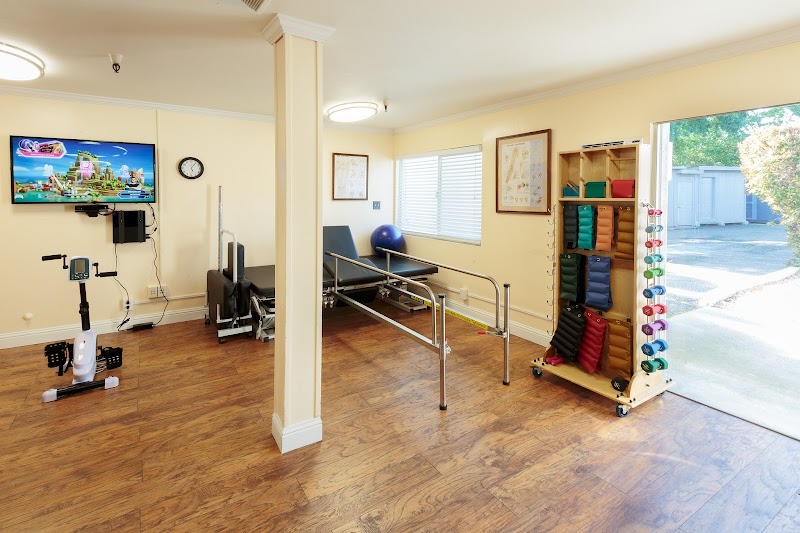
How is Yuba City Post Acute Staffed?

CMS rates YUBA CITY POST ACUTE's staffing level at 2 out of 5 stars, which is below average compared to other nursing homes. Staff turnover is 38%, compared to the California average of 46%. This relatively stable workforce can support continuity of care. RN turnover specifically is 62%, which is notably high. RNs provide skilled clinical oversight, so turnover in this role can affect medical care quality.

What Have Inspectors Found at Yuba City Post Acute?

State health inspectors documented 47 deficiencies at YUBA CITY POST ACUTE during 2019 to 2025. These included: 46 with potential for harm and 1 minor or isolated issues.
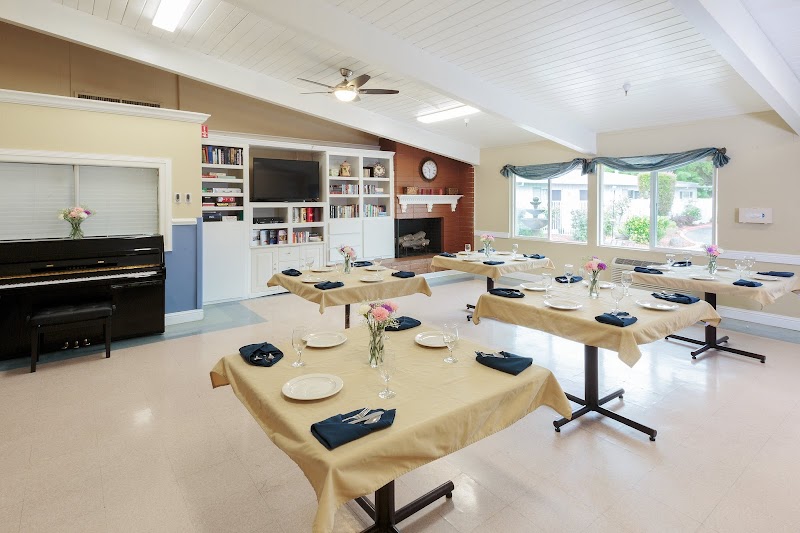
Who Owns and Operates Yuba City Post Acute?

YUBA CITY POST ACUTE is owned by a for-profit company. For-profit facilities operate as businesses with obligations to shareholders or private owners. The facility is operated by PACS GROUP, a chain that manages multiple nursing homes. With 59 certified beds and approximately 55 residents (about 93% occupancy), it is a smaller facility located in YUBA CITY, California.
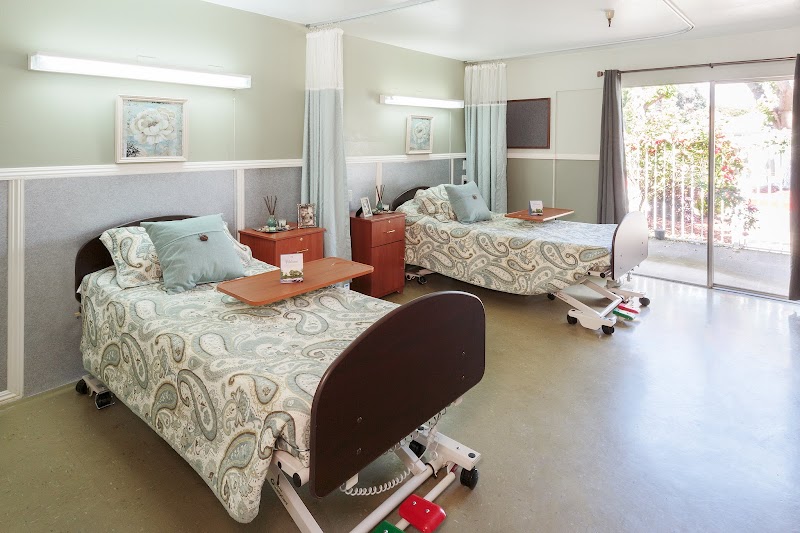
How Does Yuba City Post Acute Compare to Other California Nursing Homes?

Compared to the 100 nursing homes in California, YUBA CITY POST ACUTE's overall rating (4 stars) is above the state average of 3.2, staff turnover (38%) is near the state average of 46%, and health inspection rating (3 stars) is at the national benchmark.

What Should Families Ask When Visiting Yuba City Post Acute?

Based on this facility's data, families visiting should ask: "Can you walk me through typical staffing levels on day, evening, and night shifts?" "Can I visit during a mealtime to observe dining assistance and food quality?" "How do you handle medical emergencies, and what is your hospital transfer rate?" "Can I speak with family members of current residents about their experience?" These questions are particularly relevant given the below-average staffing rating.

Is Yuba City Post Acute Safe?

Based on CMS inspection data, YUBA CITY POST ACUTE has a clean safety record: no substantiated abuse findings (meaning no confirmed cases of resident harm), no Immediate Jeopardy citations (the most serious violation level indicating risk of serious injury or death), and is not on the Special Focus Facility watch list (a federal program monitoring the lowest-performing 1% of nursing homes). The facility has a 4-star overall rating and ranks #1 of 100 nursing homes in California. While no facility is perfect, families should still ask about staff-to-resident ratios and recent inspection results during their visit.

Do Nurses at Yuba City Post Acute Stick Around?

YUBA CITY POST ACUTE has a staff turnover rate of 38%, which is about average for California nursing homes (state average: 46%). Moderate turnover is common in nursing homes, but families should still ask about staff tenure and how the facility maintains care continuity when employees leave.

Was Yuba City Post Acute Ever Fined?

YUBA CITY POST ACUTE has no federal fines on record. CMS issues fines when nursing homes fail to meet care standards or don't correct problems found during inspections. The absence of fines suggests the facility has either maintained compliance or corrected any issues before penalties were assessed. This is a positive indicator, though families should still review recent inspection reports for the full picture.

Is Yuba City Post Acute on Any Federal Watch List?

YUBA CITY POST ACUTE is not on any federal watch list. The most significant is the Special Focus Facility (SFF) program, which identifies the bottom 1% of nursing homes nationally based on persistent, serious quality problems. Not being on this list means the facility has avoided the pattern of deficiencies that triggers enhanced federal oversight. This is a positive indicator, though families should still review the facility's inspection history directly.