BRIGHTON CARE CENTER
2025 E EGBERT ST, BRIGHTON, CO 80601 (303) 659-4580
For profit - Corporation 108 Beds THE ENSIGN GROUP Data: November 2025 1 Immediate Jeopardy citation
Trust Grade
28/100
#91 of 208 in CO
Last Inspection: November 2024

Within standard 12-15 month inspection cycle. Federal law requires annual inspections.

Overview

Brighton Care Center holds a Trust Grade of F, indicating significant concerns about the quality of care provided. It ranks #91 out of 208 facilities in Colorado, placing it in the top half, but its overall performance is still alarming. The facility is improving, with issues decreasing from 7 in 2023 to 4 in 2024, yet it still has a concerning history, including $61,040 in fines, which is higher than 84% of Colorado facilities. Staffing is a weakness here with a 2-star rating and a 42% turnover rate, which is slightly better than the state average of 49%. Specific incidents include a critical finding where a resident with labored breathing did not receive appropriate monitoring or documentation, and another serious issue where staff failed to prevent a resident from developing a pressure injury despite being at risk. Overall, while there are some good quality measures, families should weigh the serious concerns carefully.

Trust Score
F
28/100
In Colorado
#91/208
Top 43%
Safety Record
High Risk
Review needed
Inspections
Getting Better
7 → 4 violations
Staff Stability
○ Average
42% turnover. Near Colorado's 48% average. Typical for the industry.
Penalties
✓ Good
$61,040 in fines. Lower than most Colorado facilities. Relatively clean record.
Skilled Nurses
⚠ Watch
Each resident gets only 28 minutes of Registered Nurse (RN) attention daily — below average for Colorado. Fewer RN minutes means fewer trained eyes watching for problems.
Violations
⚠ Watch
16 deficiencies on record. Higher than average. Multiple issues found across inspections.
★★★☆☆
3.0
Overall Rating
★★☆☆☆
2.0
Staff Levels
★★★★☆
4.0
Care Quality
★★★☆☆
3.0
Inspection Score
Stable
2023: 7 issues
2024: 4 issues

The Good

  • 4-Star Quality Measures · Strong clinical quality outcomes
  • Full Sprinkler Coverage · Fire safety systems throughout facility
  • No fines on record
  • Staff turnover below average (42%)

    6 points below Colorado average of 48%

Facility shows strength in quality measures, fire safety.

The Bad

3-Star Overall Rating

Near Colorado average (3.1)

Meets federal standards, typical of most facilities

Staff Turnover: 42%

Near Colorado avg (46%)

Typical for the industry

Federal Fines: $61,040

Above median ($33,413)

Moderate penalties - review what triggered them

Chain: THE ENSIGN GROUP

Part of a multi-facility chain

Ask about local staffing decisions and management

The Ugly 16 deficiencies on record

1 life-threatening 3 actual harm
Nov 2024 4 deficiencies
CONCERN (D) 📢 Someone Reported This

A family member, employee, or ombudsman was alarmed enough to file a formal complaint

Potential for Harm - no one hurt, but risky conditions existed

Quality of Care (Tag F0684)

Could have caused harm · This affected 1 resident

**NOTE- TERMS IN BRACKETS HAVE BEEN EDITED TO PROTECT CONFIDENTIALITY** Based on record review and interviews, the facility failed to ensure one (#79) of four residents received treatment and care in ...

Read full inspector narrative →
**NOTE- TERMS IN BRACKETS HAVE BEEN EDITED TO PROTECT CONFIDENTIALITY** Based on record review and interviews, the facility failed to ensure one (#79) of four residents received treatment and care in accordance with professional standards of practice out of 42 sample residents. Specifically, the facility failed to correctly assess and care plan the progression of Resident #79's wound. Findings include: I. Facility policy and procedure The Skin and Wound Monitoring and Management policy was provided by the nursing home administrator (NHA) on 11/7/24 at 9:22 a.m. The policy read in pertinent part, It is the policy of this facility that a resident who enters the facility without pressure injury does not develop pressure injury unless the individual's clinical condition or other factors demonstrate that a developed pressure injury was unavoidable, and a resident having pressure injuries receives necessary treatment and services to promote healing, prevent infection and prevent new avoidable pressure injuries from developing. Current evidence documents that in certain circumstances the development of pressure injury is an avoidable occurrence. In accordance with the guidance issued by the National Pressure Ulcer Advisory Panel (March 2010), the facility recognizes that an unavoidable pressure injury is one that developed even though the provider evaluated the individual's clinical condition and pressure injury risk factors; defined and implemented interventions that are consistent with individual needs, goals and recognized standards or practice and monitored and evaluated the impact of the interventions; and revised the approaches as appropriate. Facility nursing staff will identify and document in the resident's clinical records, the condition and pressure injury risk factors related to the development of unavoidable pressure injury. This identification and implementation of a plan of care will begin at admission with the initial care plan and be completed throughout the assessment process for developing a comprehensive plan of care. Pressure injuries are staged to indicate the extent of tissue damage. The National Pressure Ulcer Advisory Panel (NPUAP) has the following staging definitions: Medical Device Related Pressure Injury: This describes an etiology and uses the staging system to stage. Medical device related pressure injuries result from the use of devices designed and applied for diagnostic or therapeutic purposes. The resultant pressure injury generally conforms to the patterns or shape of the device. The injury should be staged using the staging system. II. Resident #79 A. Resident status Resident #79, over the age of 65, was admitted on [DATE]. According to the November 2024 computerized physician orders (CPO), the diagnoses included fractured left tibia (shin bone), displaced bimalleolar (of the ankle joint) fracture of left lower leg, type 2 diabetes mellitus with diabetic neuropathy (nerve condition causing pain, tingling and numbness), acute kidney failure and depression. The 10/17/24 minimum data set (MDS) assessment revealed the resident was cognitively intact with a brief interview for mental status (BIMS) score of 15 out of 15. She was dependent on staff for total assistance for dressing, putting on and taking off footwear, bathing, toileting hygiene, bed mobility and transfers. She needed set up assistance with personal and oral hygiene and was independent while dining. The MDS assessment documented she did not reject care and had a stage 3 pressure ulcer. -The assessment did not document the resident had a diabetic foot ulcer. B. Resident interview Resident #79 was interviewed on 11/4/24 at 2:43 p.m. Resident #79 said she had a wound on the back of her left heel as well as two surgical incisions on her left leg. She said she was told her heel wound was common with people who are put in a brace and likely resulted from her leg rubbing on the brace. Resident #79 said her goal was to walk again and discharge home but she was concerned the wounds delayed her healing. III. Record review A. Resident assessments The 4/15/24 initial admission assessment, completed by licensed practical nurse (LPN) #1, documented Resident #79 had a brace, but no splint or cast and was non weight bearing to her lower left extremity. There were no open areas noted, and no areas of concern noted and no skin condition was noted to her left heel. The 4/16/24 physician's assistant (PA)/nurse practitioner (NP) note documented the resident's lower left extremity (LLE) was in an immobilizing splint. Her surgical sites were covered by a splint, and clean, dry dressings and compression wraps (see the above admission assessment detail that documented the resident had a brace but no splint). B. Care plan Resident #79's pressure ulcer care plan, initiated on 4/16/24, documented she had the potential for pressure ulcer development related to impaired mobility, obesity, hypothyroidism (decreased thyroid function), and major depression. Pertinent interventions included administering treatments as ordered and monitoring for effectiveness, monitoring nutritional status, serving the diet as ordered, monitoring and recording meal intake, and monitoring, documenting and reporting to the physician as needed (PRN) changes in skin status that included appearance, color, wound healing, signs and symptoms of infection, wound size and stage. Resident #79's pressure ulcer care plan was revised on 8/11/24 to include that she had an unstageable pressure ulcer with the potential for an additional pressure ulcer related to impaired mobility, obesity, hypothyroidism, and major depression. -See progress notes below for wound progression. C. Progress notes On 4/22/24 Resident #79's orthopedic physician note documented the resident had a left heel ulcer with unspecified severity present. Foam padding was added to her posterior splint due to the heel ulcer with a recommendation to keep pressure off the heel. The 5/25/24 physician progress note documented Resident #79 had a left heel decubitus (pressure) ulcer related to use of a splint after surgery. -The facility failed to update Resident #79's pressure ulcer care plan with her new wound status until 8/11/24 more than three months after the new wound was initially documented, although her left heel ulcer was first documented on 4/22/24. Resident #79's pressure ulcer care plan interventions were not updated until 10/9/24. Resident #79's pressure ulcer care plan and interventions were revised again on 10/9/24 to document she had an unstageable pressure ulcer to her left heel with the potential for additional pressure ulcer development related to impaired mobility, obesity, hypothyroidism and major depression. -However, a review of Resident #79's wound tracking documentation completed by the wound physician (WP) revealed Resident #79's left heel wound was documented on 10/2/24 (prior to the 10/9/24 care plan update) as a stage 3 pressure ulcer to her left heel. -The facility failed to update Resident #79's pressure ulcer care plan to indicate she had a stage 3 pressure ulcer to her left heel until 11/4/24 (during the survey). The pressure ulcer care plan interventions were not updated on 11/4/24. D. Progress notes The 5/25/24 physician progress note (see above) documented Resident #79 had a left heel decubitus ulcer related to splint after surgery. -Resident #79's pressure ulcer care plan failed to include prior heel drainage or the use of the splint as a potential risk factor for developing a pressure injury. Resident #79's nutrition and dietary notes documented Resident #79 had a stable stage 4 pressure ulcer on the following dates in her electronic medical record: 5/26/24, 6/2/24, 6/9/24, and 6/16/24. On 6/21/24 the nutrition and dietary notes documented Resident #79 had a pressure ulcer SDTI (suspected deep tissue injury) to her left heel. -However, facility documentation failed to show Resident #79 was assessed to have a stage 4 pressure ulcer and during staff interviews, the staff were unsure where the documentation originated from that Resident #79 had a stage 4 pressure ulcer (see interviews below). E. Physician's orders A review of the April 2024 CPO revealed Resident #79 was prescribed the following orders: Avoid pressure on the left heel, a heel ulcer was present every shift for new padding placed by the orthopedic physician, ordered on 4/22/24. Elevate heels while in bed every shift, ordered on 4/24/24. Monitor the wound to the left heel and notify the physician of any changes every shift, ordered on 4/24/24. -The April 2024 CPO failed to include orders upon admission for the resident to elevate her heels or avoid pressure on her heels and the orders were started on or after 4/22/24 when the heel ulcer was documented in the orthopedic visit notes 4/22/24. The April 2024 CPO did not include an order to not remove the splint until 4/22/24. A review of Resident #79's CPO for May 2024, June 2024 and July of 2024 documented a physician's order of wound care to the left heel for a stage 4 pressure ulcer, and to apply skin prep daily every day shift, ordered on 5/24/24 and discontinued on 7/10/24. F. Chart review The NHA provided a chart review on 11/7/24 at 3:30 p.m. completed by Resident #79's primary care physician (PCP) on 11/6/24 (during the survey). The chart review referenced a podiatry note documented on 4/9/24 during the resident's hospital stay (prior to admission to the facility) that with assistance supporting Resident #79's limb, the distal dressing ace wraps were removed and there was some drainage into the heel. The chart review also referenced a podiatry note on 4/9/24 mentioned adding more padding which would have been for the posterior splint. The PCP documented he felt her left heel DTI started on 4/9/24 (in the hospital) as Resident #79 had severe pain starting then, but it took some time (a few weeks) for that injury to become visible at the surface. -However, the 4/16/24 daily skilled nursing note also documented Resident #79 had surgical wounds only upon her admission to the facility. There was no documentation Resident #79 had a skin injury/ulcer (examples: pressure, diabetic, arterial, vascular). IV. Staff interviews The director of nursing (DON) was interviewed on 11/6/24. The DON said Resident #79 was admitted with a hard cast which was a non removable brace to her lower left extremity upon admission. The DON said when the resident was admitted to the facility the cast was from her toes to bottom of her knee cap and covered her heel which was why the DTI was found during the visit to the orthopedic office on 4/22/24. The DON said the facility staff were unable to see the resident's left heel. The DON said the facility's wound provider's specialty was to handle pressure ulcers or DTI and was easier provide Resident #79 wound care at the facility. The DON said Resident #79's heel has always been a DTI. The DON said from 4/15/24 to 5/24/24 Resident #79 was seen by orthopedic physicians for her DTI to the left heel before her wound care transferred to their facility wound care provider. The food and nutrition resource (FNR) was interviewed on 11/7/24 at 10:00 a.m. The FNR said she was not aware Resident #79's heel wound was documented as a stage 4 pressure ulcer in the May and June 2024 nutrition and dietary notes. LPN #1 was interviewed on 11/7/24 at 1:00 p.m. LPN #1 said he completed Resident #79's initial admission assessment. LPN #1 said when he did Resident #79's initial skin assessment he did check her heels. LPN #1 said if Resident #79 was wearing an ankle brace he would have removed the brace to check her skin and do a total assessment. The director of rehabilitation (DR) was interviewed on 11/7/24 at 1:15 p.m. The DR said typically if a resident was admitted to the facility wearing a splint, the facility would not remove the splint without orders to do so. The DR said Resident #79 initially had a splint with a sterile dressing on for two weeks that was not to be removed. The DR said Resident #79's initial therapy documentation did not include her foot in their notes because she was admitted with a fracture, and they were trying to assess if the facility could provide therapy for Resident #79's knee. The DR said the type of splint Resident #79 wore upon admission was one that could be unwrapped (like an ace bandage) and the splint underneath could be removed. The DON was interviewed on 11/7/24 at 2:00 p.m. The DON said she was the facility's wound nurse from April 2024 to September 2024 prior to becoming the DON. The DON said if a resident was admitted with a non removable brace or splint the facility should look for break through bleeding and damage to the brace or splint and monitor the resident to ensure they have good circulation. The DON said Resident #79 had a visible surgical wound on her lower left leg, a second non visible surgical wound to the ankle under the splint and regular redness to the buttocks from being incontinent. The DON she was not aware that Resident #79 had anything on her heel upon admission to the facility. The DON said if a resident was admitted with a splint, the splint should be mentioned in the initial care plan. The DON said Resident #79's care plan only documented to monitor her surgical sites and failed to include her splints or immobilizing device. The DON said as a best practice it should be in a resident's care plan to mention the cast or splint so that the facility could make sure all precautions can be followed by all the staff. The DON said when staff asked a resident about pain they may be experiencing, the staff ask for the resident to describe the pain using a number from 1 to10, ask where the pain was located, how the resident described the pain and what made the pain worse or better. The DON said she was not sure why the facility documented Resident #79 had a stage 4 pressure ulcer. She said as the facility wound nurse she used to document a resident's wound status in her notes and provide the physician with her notes weekly. V. Facility follow up The NHA provided documentation from the WP on 11/8/24 (after the survey) at 3:45 p.m. The documentation included the WP became involved in the care of Resident #79 at the end of April 2024 at which time she already had a wound to her left heel which had been followed by her Orthopedic surgeon previously. Unfortunately, the patient's surgeon had an order in place not to remove her post surgical dressings and when the facility was finally able to visualize the left heel, a wound was present. It is likely this wound is diabetic in origin given the patient's limited mobility in the setting of diminished sensation. I feel this is an unavoidable wound as preventive offloading was being performed and the facility was not able to monitor the status of her skin or heel under the dressing which they were prevented from removing by a physician's order. -However, Resident #79's diagnosis of type 2 diabetes mellitus and her diminished sensation, splint or non removable dressings were not listed as a risk factor on the resident's pressure ulcer care plan. The wound physician also documented Resident #79's wound from 5/24/24 to 11/8/24 was an unstageable pressure ulcer and from 10/2/24 to 10/30/24 the wound was documented as a stage 3 pressure ulcer.
CONCERN (D) 📢 Someone Reported This

A family member, employee, or ombudsman was alarmed enough to file a formal complaint

Potential for Harm - no one hurt, but risky conditions existed

Antibiotic Stewardship (Tag F0881)

Could have caused harm · This affected 1 resident

**NOTE- TERMS IN BRACKETS HAVE BEEN EDITED TO PROTECT CONFIDENTIALITY** Based on record review and interviews, the facility failed to establish an effective antibiotic stewardship program to monitor f...

Read full inspector narrative →
**NOTE- TERMS IN BRACKETS HAVE BEEN EDITED TO PROTECT CONFIDENTIALITY** Based on record review and interviews, the facility failed to establish an effective antibiotic stewardship program to monitor for antibiotic use for two (#60 and #50) of seven residents reviewed for antibiotic use out of 42 sample residents. Specifically, the facility failed to effectively track and monitor the use of long-term antibiotics for Resident #60 and Resident #50. Findings include: I. Professional reference According to The Centers for Disease Control and Prevention (CDC) Core Elements of Antibiotic Stewardship for Nursing Homes, (2024), retrieved on 11/11/24 from https://www.cdc.gov/antibiotic-use/hcp/core-elements/nursing-homes-antibiotic-stewardship.html, To track how and why antibiotics are prescribed, (providers) perform reviews on resident medical records for new antibiotic starts to determine whether the clinical assessment, prescription documentation and antibiotic selection were in accordance with facility antibiotic use policies and practices. When conducted over time, monitoring process measures can assess whether antibiotic prescribing policies are being followed by staff and clinicians. II. Facility policy and procedure The Antibiotic Stewardship policy and procedure, revised August 2021, was received from the nursing home administrator (NHA) on 11/7/24 at 12:40 p.m. It documented in pertinent part, The program includes antibiotic use protocols and a system to monitor antibiotic use. Antibiotic use protocols include: -Nursing staff shall assess residents who are suspected to have an infection and complete a change in condition form prior to notifying the physician; -Laboratory testing shall be in accordance with current standards of practice; -The facility uses the McGeer's criteria to define infections; -The McGeer's criteria are used to determine whether or not to treat an infection with antibiotics; and, -All prescriptions for antibiotics shall specify the dose, duration, and indication for use. Monitoring antibiotic use includes: Antibiotic orders obtained from consulting, specialty, or emergency providers shall be reviewed for appropriateness. Antibiotic use shall be measured by monthly prevalence, antibiotic starts, and/or antibiotic days of therapy. At least one outcome measure associated with antibiotic use will be tracked monthly, as prioritized from the facility's infection control risk assessment and other infection surveillance data. Examples include: tracking C. difficile (clostridium difficile) infections, antibiotic resistance, and adverse drug events related to antibiotic use, or costs related to antibiotic use. III. Resident #60 A. Resident status Resident #60, age [AGE], was admitted on [DATE]. According to the November 2024 computerized physician orders (CPO), diagnoses included cellulitis (infection) of the right lower limb, urinary tract infection (UTI), benign prostatic hyperplasia (enlarged prostate) and retention of urine. The 8/9/24 minimum data set (MDS) assessment revealed that Resident #60 had moderate cognitive impairment with a brief interview for mental status (BIMS) score of 12 out of 15. He required complete assistance with bathing, hygiene, toileting, and transfers and substantial/maximum assistance with dressing. B. Record review Review of Resident #60's November 2024 CPO revealed the following physician's order: Macrodantin oral capsule 50 milligrams (mg). Give one capsule by mouth one time a day for UTI prophylaxis (prevention), ordered 7/2/24. -The physician's order for the Macrodantin failed to indicate the duration for the use of the antibiotic. A 7/2/24 infection surveillance progress note revealed Resident #60 was on Macrodantin daily for UTI prophylaxis prior to his hospitalization, but the physician's order was only continued for four days after admission. Resident #60 was prescribed Macrodantin oral capsule 50 mg, give one capsule by mouth one time a day for UTI prophylaxis. The note documented that the facility would continue to monitor at this time and the resident did not have an active UTI. A physician's progress note, dated 6/5/24, revealed Resident #60 took Macrodantin 50 mg daily and the facility was to monitor for signs and symptoms of a UTI and the resident was to follow-up with urology. It documented the resident was at a high-risk for a UTI and if he were to develop signs and symptoms of a UTI, staff was to obtain laboratory results and begin another antibiotic. -The resident did not have a risk versus benefit statement for the long-term use of an antibiotic. -The resident did not have a care plan to address the need for a long-term use of an antibiotic. -Review of Resident #60's electronic medical record (EMR) revealed no documentation to indicate the facility's infection preventionist (IP) completed an antibiotic use assessment or documented the McGeer's criteria met to justify the physician's order for Macrodantin. A review of the IP infection surveillance documents revealed the facility identified facility residents with active infections. -However, the IP failed to document and monitor Resident #60's long-term use of Macrodantin on the infection surveillance documents. IV. Resident #50 A. Resident status Resident #50, age greater than 65, was admitted on [DATE]. According to the November 2024 CPO, diagnoses included Alzheimer's disease, anxiety and history of UTIs. The 7/18/24 MDS assessment revealed that Resident #50 had severe cognitive impairment with a BIMS score of five out of 15. She required substantial/maximum assistance with hygiene, showering and bathing, dressing, and transferring. B. Record review Review of Resident #50's November 2024 CPO revealed the following physician's order: Macrodantin macrocrystal oral capsule 50 mg. Give one capsule by mouth one time a day for UTI prophylaxis, ordered 9/24/24. -The physician's order for the Macrodantin failed to indicate the duration for the use of the antibiotic. A 5/17/24 note from the pharmacist to the physician revealed the pharmacist recommended a risk versus benefit statement of Macrodantin for prophylaxis and to consider discontinuation of the antibiotic for Resident #50. -However, there was no documentation from the physician in response to the pharmacist's recommendation to determine risk versus benefit in order to justify the use of a long-term antibiotic. V. Staff interviews The director of nursing (DON), the IP and the clinical resource nurse (CRN) were interviewed on 11/7/24 at 12:00 p.m. The IP said the facility's process for monitoring and tracking infections and antibiotic use included making sure the McGeer's criteria was met when there was a new antibiotic started or a new resident came in on an antibiotic. She said she discussed antibiotic usage with the medical director once a month. She said Resident #60 came into the facility on Macrodantin to prevent UTIs because he got frequent UTIs. She said he was followed by a urologist and they put him on the Macrodantin. -However, there was no documentation from Resident #60's urologist which indicated the reason the resident needed to be on the antibiotic long term. The IP said Resident #50 went to the hospital for a UTI on 7/17/24 and the Macrodantin order was decreased from 100 mg to 50 mg once daily. She said the facility's protocol for residents on prophylactic antibiotics included a monthly review from the pharmacy, a call to the physician to confirm the order and to go through the antibiotic surveillance. -However, the physician did not provide a response to the 5/17/24 pharmacist's recommendation to consider discontinuing Resident #50's antibiotic (see record review above). The DON was interviewed a second time on 11/7/24 at 4:00 p.m. The DON said Resident #50 was trialed off Macrodantin on 9/30/24 and failed the trial. She said Resident #50 developed another UTI during the trial and that was how they determined she failed the trial and needed to be on the antibiotic long-term. She said monitoring antibiotics included monitoring every resident who started a new antibiotic for 72 hours to determine if there were any adverse reactions to the antibiotics. -However, there was no documentation in Resident #50's EMR to indicate the resident had failed a trial off of Macrodantin or a physician's note to justify the long-term use of the antibiotic due to the failure of the trial.
CONCERN (E)

Potential for Harm - no one hurt, but risky conditions existed

Food Safety (Tag F0812)

Could have caused harm · This affected multiple residents

Based on observations, record review and interviews the facility failed to store, prepare, distribute and serve food in a sanitary manner in the main kitchen. Specifically, the facility failed to: -En...

Read full inspector narrative →
Based on observations, record review and interviews the facility failed to store, prepare, distribute and serve food in a sanitary manner in the main kitchen. Specifically, the facility failed to: -Ensure dietary staff wore intact gloves over artificial fingernails with nail polish when working with exposed food; and, -Maintain the kitchen in a sanitary condition. Findings include: I. Ensure staff wore intact gloves over artificial fingernails with fingernail polish A. Professional reference The Colorado Retail Food Establishment Regulations (3/16/24), were retrieved on 11/13/24 from https://cdphe.colorado.gov/environment/food-regulations. It revealed in pertinent part, Food employees shall keep their fingernails trimmed, filed, and maintained so the edges and surfaces are cleanable and not rough. Unless wearing intact gloves in good repair, a food employee may not wear fingernail polish or artificial fingernails when working with exposed food. B. Observations During a continuous observation of the dinner meal on 11/5/24, beginning at 4:50 p.m. and ending at 5:45 p.m., the following was observed in the kitchen: At 5:03 p.m cook (CK) #1 began assembling meal plates to be served to residents. CK #1 assembled and served resident meal plates through the entire service until 5:45 p.m. while wearing artificial nails with nail polish. CK #1 did not wear gloves during the meal service. C. Staff interviews The dietary manager (DM) and the food and nutrition resource (FNR) were interviewed together on 11/7/24 at 10:00 a.m. The DM said she knew that staff that were wearing false nails should wear gloves covered when handling exposed food but she was unsure if CK #1 was aware. The DM said she noticed CK #1 had artificial nails and the nails were painted. The FNR said CK #1 was the only dietary staff member who wore artificial nails in the kitchen and she would be educated on proper glove use while handling exposed food with artificial nails. II. Ensure kitchen was maintained in a sanitary condition A. Professional reference The Colorado Retail Food Establishment Regulations (3/16/24), were retrieved on 11/13/24 from https://cdphe.colorado.gov/environment/food-regulations. It revealed in pertinent part, Nonfood-contact surfaces of equipment shall be kept free of an accumulation of dust, dirt, food residue, and other debris. Nonfood-contact surfaces of equipment shall be cleaned at a frequency necessary to preclude accumulation of soil residues. Physical facilities shall be cleaned as often as necessary to keep them clean, except for cleaning that is necessary due to a spill or other accident, and cleaning shall be done during periods when the least amount of food is exposed such as after closing. B. Facility policy and procedure The Kitchen Sanitation and Cleaning policy, revised August 2021, was provided by the nursing home administrator (NHA) on 11/7/24 at 12:05 p.m. The policy revealed in pertinent part, Food and nutrition services staff will maintain the sanitation of the kitchen through compliance with a written comprehensive cleaning schedule. Cleaning and sanitation tasks for the kitchen will be outlined in a written cleaning schedule. Tasks will be assigned to be the responsibility of specific positions. Frequency of cleaning for each task will be defined. On the cleaning schedule, employees will initial and date the tasks when completed. Deep cleaning tasks will be assigned periodically and as needed. C. Observations A tour of the kitchen was completed on 11/424 at 9:15 a.m. and revealed the following: -The floor under the coffee machine table and ice machine was soiled with spilled coffee that collected in the corner of the kitchen, under the table and behind the ice machine. Pieces of debris and a yellow towel were in the spilled coffee behind the ice machine. -The floor under the side preparation tables was soiled with crumbs, dust and food debris. -The floor under the dry storage shelves had dry pasta and two portion control cups filled with brown liquid stuck in a dried, brown liquid on the floor, hard taco shells inside a clear plastic bag, packages of crackers and a can of green chiles. -A drawer that stored clean utensils was lined with a shelf liner that was stuck to the bottom of the drawer and had a thin layer of dark crumbs underneath. -A plastic pump out of its bottle and a can of kitchen cleaner were on the floor under the three compartment sink. -The can opener blade had dried red substance on it. -The bottom shelf of the three door reach-in freezer had food crumbs throughout. -The vent in the dry storage room was covered with dirt and lint. -A dirty mop head was on the floor under the dirty side of the dish machine table. -The dry food bin lids and containers were covered in dust and the handles of two of the dry bins were filled with crumbs. -A baking rack stored in the walk-in cooler had crumbs on each shelf; two baking sheets of ready to eat pumpkin pie were stored uncovered on the shelves in the baking rack. -Two tubs of clean utensils stored on the top shelf of a preparation table had crumbs inside the bottom of the tubs. A second observation of the kitchen was conducted on 11/5/24 at 4:10 p.m. Observations identified the same concerns as identified on 11/13/23 during the initial tour. Additional items observed included: -A gray bus tub that contained cleaned built up utensils had a brown sticky substance in the bottom of the tub. -The floor under the back preparation table was brown and sticky and spots of a dried brown liquid were on the kitchen wall next to the prep table. -The shelf above the back prep table had brown splatter on the underside of the shelf. -Cleaned and sanitized mixer attachments were stored in food crumbs on a tray. C. Staff interviews The DM was interviewed on 11/7/24 at 10:00 a.m. The DM said she cleaned the utensil drawer and shelf liner during the survey. The DM said the utensil drawers were on the cleaning list and the dietary staff were supposed to empty the drawers and clean them out. The DM said the utensil drawers and dry bins were scheduled to be cleaned twice a month. She said she checked the cleaning list and completed a kitchen walk through almost daily to ensure staff completed tasks timely. The DM said she cleaned the utensil drawers during the survey. The DM said the side preparation tables do not move and they were connected to the wall. She said the floors underneath the shelves and the tables were swept and mopped twice a day. The DM said she had a cook that typically cleaned the floor under the tables, shelves and equipment. The DM said the coffee spill in the corner resulted from a spout that was left open while the coffee was brewing and then spilled onto the floor. The DM said the dry food bins were included on the cleaning list to be cleaned every two weeks and had been cleaned (during the survey). The DM said the baking rack in the walk in refrigerator usually got taken outside and power washed. She said twice a month one of the cooks would also do kitchen deep cleaning, but some of the deep cleaning could not happen during the day because too many things were moved. She said the staff have discussed moving some items from the monthly cleaning schedule to the bi-weekly cleaning schedule. Dietary aide (DA) #1 was interviewed on 11/7/24 at 2:15 p.m. DA #1 said she felt the staff could successfully get their cleaning tasks done. DA #1 said the staff tried to always clean if there was extra time and the staff noticed something really needed to be cleaned. DA #1 said kitchen cleanliness should be maintained over time. DA #1 said staff performed an extra cleaning task if they identified an item that needed to be cleaned.
CONCERN (E)

Potential for Harm - no one hurt, but risky conditions existed

Infection Control (Tag F0880)

Could have caused harm · This affected multiple residents

**NOTE- TERMS IN BRACKETS HAVE BEEN EDITED TO PROTECT CONFIDENTIALITY** III. Failure to ensure staff disinfected vital signs equipment before and after each use A. Professional reference According to ...

Read full inspector narrative →
**NOTE- TERMS IN BRACKETS HAVE BEEN EDITED TO PROTECT CONFIDENTIALITY** III. Failure to ensure staff disinfected vital signs equipment before and after each use A. Professional reference According to the CDC Recommendations for Disinfection and Sterilization in Healthcare Facilities, (2024), retrieved on 11/12/24 from https://www.cdc.gov/infection-control/hcp/disinfection-sterilization/summary-recommendations.html#:~:text=Ensure%20that%2C%20at%20a%20minimum,once%20daily%20or%20once%20weekly, Clean medical devices as soon as practical after use. Perform either manual cleaning or mechanical cleaning. Perform low-level disinfection for noncritical patient-care surfaces and equipment (blood pressure cuffs) that touch intact skin. B. Observations On 11/6/24 at 2:45 p.m. certified nurse aide (CNA) #1 took the vital signs cart into room [ROOM NUMBER] and asked the resident in bed A if he could measure her vital signs. The resident agreed and CNA #1 utilized the equipment on the vital signs cart to obtain the resident's blood pressure, temperature, heart rate and oxygen saturation (level of oxygen in a person's blood). After obtaining the vital signs for the resident in room [ROOM NUMBER], CNA #1 moved the vital signs cart into room [ROOM NUMBER] and woke up the sleeping resident to ask if he could measure her vital signs. The resident agreed and CNA #1 utilized the equipment on the vital signs cart to obtain the resident's blood pressure, heart rate, temperature and oxygen saturation. After obtaining the vital signs for the resident in room [ROOM NUMBER], CNA #1 moved the vital signs cart into the hallway and left it there for approximately five minutes. CNA #1 returned to the vital signs cart, wrapped the cords up and put the cart into a clean utility room. -CNA #1 did not disinfect the vital signs equipment between use for each resident or before putting the vital signs cart away in the clean utility room. C. Staff interview The director of nursing (DON), the IP and the clinical resource nurse (CRN) were interviewed on 11/7/24 at 12:00 p.m. The IP said staff were supposed to sanitize medical equipment, such as vital signs equipment, with sanitation wipes or bleach wipes after each use. Based on record review and interviews, the facility failed to maintain an infection control program designed to provide a safe, sanitary and comfortable environment to help prevent the possible development and transmission of infectious diseases. Specifically, the facility failed to: -Ensure staff donned appropriate personal protective equipment (PPE) when providing care to a resident on enhanced barrier precautions (EBP); -Ensure staff followed appropriate infection control practices during vaccination administration; and, -Ensure staff disinfected vital signs equipment before and after each use. Findings include: I. Failure to ensure staff donned appropriate PPE when providing care to a resident on enhanced barrier precautions (EBP) A. Professional reference According to the Centers for Disease Control and Prevention (CDC) Frequently Asked Questions (FAQs) About Enhanced Barrier Precautions (EBP) In Nursing Homes (6/28/24) retrieved on 11/12/24 from https://www.cdc.gov/long-term-care-facilities/hcp/prevent-mdro/faqs.html, EBP are an infection control strategy that involves wearing gowns and gloves during high-contact resident care activities. Enhanced Barrier Precautions are recommended for residents with any of the following: infection or colonization, or a wound or indwelling medical device, even if the resident is not known to be infected or colonized with a multi drug resistant organism (MDRO). B. Observations On 11/7/24 at 9:25 a.m. the wound care nurse (WCN) was observed performing wound care for Resident #79. The sign on the door to the resident's room indicated that the resident was on EBP and the required PPE included wearing gloves and a protective gown when providing high contact direct resident care. The WCN entered the resident's room and proceeded to perform the resident's wound care. -The WCN did not put on a protective gown prior to entering Resident #79's room and performing the wound care. C. Staff interviews The WCN was interviewed on 11/7/24 at 9:45 a.m., after she completed the wound care for Resident #79. The WCN said she forgot to don a gown prior to performing the wound care. She said the resident was on EBP and she should have donned a gown prior to performing the wound care. The infection preventionist (IP) was interviewed on 11/7/24 at 10:42 a.m. The IP said the WCN should have followed the appropriate PPE recommendations for EBP and donned a gown prior to performing the wound care for Resident #79. II. Failure to ensure staff followed appropriate infection control practices during vaccination administration A. Professional reference According to the CDC Vaccine Administration (6/20/23), retrieved on 11/12/24 from https://www.cdc.gov/vaccines/hcp/acip-recs/general-recs/administration.html, Persons administering vaccinations should follow appropriate precautions to minimize risk for disease exposure and spread. Hands should be cleansed with an alcohol-based waterless antiseptic hand rub or washed with soap and water before preparing vaccines for administration and between each patient contact. B. Observations On 11/4/24 at 1:48 p.m. a vaccination clinic was observed in the facility's lobby area. At 1:49 p.m. an unidentified technician (TECH) administered a vaccination to a resident. The unidentified TECH wore gloves to administer the vaccine injection to the resident. After administering the injection, and without removing her gloves, the unidentified TECH pushed the resident in her wheelchair back to the waiting area in the center of the lobby. -The unidentified TECH did not remove her gloves prior to touching the resident's wheelchair and she did not perform hand hygiene after she removed her gloves once she was finished pushing the resident's wheelchair. At 1:53 p.m. an unidentied TECH administered a vaccination to the next resident. After the vaccination was administered, she applied an alcohol swab to the resident's bleeding injection site. After the bleeding stopped, the unidentified TECH placed the alcohol swab, which was saturated with blood, on the receptionist's table and proceeded to administer a second vaccination to the resident. After she completed the resident's second vaccination, The unidentified TECH collected the alcohol swab from the receptionist's table and disposed of it by placing it in the sharps container. Without removing her gloves, the unidentified TECH pushed the resident in her wheelchair to the center of the lobby. When she returned to her station, she removed her gloves. The unidentified TECH did not remove her gloves prior to touching the resident's wheelchair and she did not perform hand hygiene after she removed her gloves once she was finished pushing the resident's wheelchair. At 2:13 p.m. another unidentified TECH was administering two vaccinations to a resident. After the unidentified TECH administered the first vaccination to the resident, he placed a used syringe in his chest pocket. After the second vaccine was administered, he disposed of both syringes into a sharps container. At 2:18 p.m. the unidentiifed TECH was observed collecting timers from residents while wearing the same gloves he used to administer other residents' vaccinations. He placed the timers in a basket without sanitizing them. The timers were then reused for other residents. C. Staff interview The IP was interviewed on 11/7/24 10:42 a.m. The IP said staff who conducted vaccination clinics were contracted from an outside company. She said the staff administering the vaccinations should have followed appropriate infection control practices when administering vaccinations to the residents. The IP said gloves should be immediately removed after the administration of a vaccination and hands should be sanitized. She said used syringes should not be stored in pockets, but disposed of into sharps containers immediately after use. She said the timers should have been disinfected before offering them to the next resident.
Jun 2023 2 deficiencies 1 IJ
CRITICAL (J) 📢 Someone Reported This

A family member, employee, or ombudsman was alarmed enough to file a formal complaint

Immediate Jeopardy (IJ) - the most serious Medicare violation

Quality of Care (Tag F0684)

Someone could have died · This affected 1 resident

**NOTE- TERMS IN BRACKETS HAVE BEEN EDITED TO PROTECT CONFIDENTIALITY** Based on record review and interviews, the facility failed to ensure three (#2, #8 and #9) of five residents reviewed for qualit...

Read full inspector narrative →
**NOTE- TERMS IN BRACKETS HAVE BEEN EDITED TO PROTECT CONFIDENTIALITY** Based on record review and interviews, the facility failed to ensure three (#2, #8 and #9) of five residents reviewed for quality of care out of nine sample residents, received treatment and care in accordance with professional standards of practice. Specifically: The facility failed to ensure that registered nurse (RN) #2 promptly identified, intervened, monitored, and consulted with Resident #2's physician when the resident experienced a change of condition. The facility admitted Resident #2 on [DATE] for rehabilitation after abdominal surgery. On [DATE] at 4:13 a.m., the night nurse, registered nurse (RN) #2, documented the resident had labored breathing and a decreased oxygen saturation level. RN #2 documented she increased the resident's oxygen, but his breathing remained labored so she raised the head of his bed. There was no further assessment of Resident #2 at that time; RN #2 did not document vital signs (pulse, blood pressure, or respiratory rate) or assess his response to her interventions. Specifically, there was no documentation that the RN conducted a comprehensive assessment of the resident's respiratory status, or assessed the resident for pain, change in mental status, or skin color. Finally, RN #2 did not notify and consult with the resident's physician about the resident's labored respirations and increased oxygen needs. Although RN #2 documented, will continue to monitor (Resident #2), RN #2 failed to do so, either to evaluate Resident #2's response to her interventions or to assess the resident for continuing and/or additional signs of distress. Record review revealed RN #1, the oncoming day nurse, documented on [DATE] at 6:30 a.m., that the night nurse (RN #2) was giving report to her and licensed practical nurse (LPN) #1 when a certified nurse aide (CNA) came and told them Resident #2 did not look good, looked like he was transitioning (first stage, before actively dying). At that time, RN #1 entered the resident's room and found him unresponsive, gray in color, barely breathing, but with a pulse. Staff contacted emergency medical services (EMS) and, consistent with the resident's wishes (full code/full treatment), cardiopulmonary resuscitation (CPR) was initiated. EMS transported the resident to the hospital where he was transferred to the intensive care unit. Hospital staff instituted life support measures until they were terminated at the family's request and the resident expired at 11:44 a.m. Hospital records documented the resident had a cardiac arrest and acute respiratory failure, probably due to myocardial infarction (heart attack), possibly due to septic shock. RN #1 and LPN #1, in separate interviews, said RN #2 told them the resident had difficulty (labored) breathing for hours throughout the night. Additionally, the interviews revealed that RN #2 said she never went back to check Resident #2 because she was busy with medications to pass and paperwork. An interview with RN #2 revealed she was not sure what to do that night. Additionally, she said she was busy, and had medications to pass and paperwork to do. RN #2 confirmed she never went back to check Resident #2. RN #2 also confirmed she had not monitored the resident or evaluated his response to increased oxygen or to raising the head of the bed. RN #2's failure to timely assess, monitor, intervene, and consult with Resident #2's physician following the resident's change of condition contributed to an immediate jeopardy situation and to Resident #2 sustaining serious harm. Record review and interviews revealed the facility responded to the events on [DATE], in-servicing staff and developing a plan of correction that included training 100 % of staff; however, the facility's actions were not effective in addressing RN #2's response to residents' changes in condition. Record review and interview revealed that, contrary to facility expectations and training after [DATE], RN #2 failed to assess, monitor, document, and consult with the physician following Resident #8's change of condition in the early morning on [DATE], as well as Resident #9's change of condition in the early morning on [DATE]. Cross-reference F726: the facility failed to ensure licensed nurses were competent to respond to residents' changes of condition. Findings include: I. Immediate jeopardy Resident #2 experienced a change of condition in the early morning hours on [DATE] with labored breathing and decreased oxygen saturation levels. RN #2 documented she increased the resident's oxygen, but the resident's breathing remained labored so she raised the head of his bed. There was no further assessment of Resident #2 at that time; RN #2 did not document vital signs or document the resident's response to her interventions. Specifically, she did not document an assessment of the resident's respiratory status, or assess the resident for pain, a change in mental status, or skin color. Finally, RN #2 did not notify and consult with the resident's physician about the resident's labored respirations and increased oxygen needs. Although RN #2 documented, will continue to monitor (Resident #2), RN #2 failed to do so, either to evaluate Resident #2's response to her interventions or to assess the resident for continuing and/or additional signs of distress. Day shift staff (RN #1 and licensed practical nurse (LPN) #1) entered the resident's room at around 6:30 a.m. after receiving a report by a CNA that Resident #1 did not look good; she found the resident unresponsive, gray in color, barely breathing but with a pulse. She contacted emergency medical services (EMS) and, consistent with the resident's wishes (full code/full treatment), cardiopulmonary resuscitation (CPR) was initiated. EMS transported the resident to the hospital where he expired at 11:44 a.m. after the family requested that life support measures be terminated. Hospital records documented the resident had a cardiac arrest and acute respiratory failure, probably due to myocardial infarction (heart attack), possibly due to septic shock. The facility's failure to ensure RN #2 provided treatment and services consistent with professional standards of practice created a situation of immediate jeopardy for serious harm. II. Facility Response to immediate jeopardy A. The nursing home administrator (NHA) was notified of the immediate jeopardy situation on [DATE] at 5:11 p.m. and again on [DATE] at 9:45 a.m. On [DATE], the NHA provided the facility's plan to address the events on [DATE]. The plan was reviewed on [DATE] at 9:04 a.m. and again on [DATE] at 9:45 a.m. The plan read: -100% of education of nurses; -Morning meeting review with IDT (interdisciplinary team) of any change of condition for compliance of documentation; -Morning meeting review with IDT of any change of condition for compliance of MD (physician) notification; -Monthly review of all change of condition; -Review all change of conditions for trends and opportunity for improvement in QAPI (quality assurance program initiative); -If fall or skin do risk management; -Re-inservice nursing staff; -Medical director chart review of (Resident #2); and, -Ad hoc (as needed) QAPI for this PIP (process improvement plan). The facility's plan, dated [DATE], was accepted on [DATE] at 9:33 a.m. and reaffirmed on [DATE] at 9:45 a.m. and the immediate jeopardy was removed. However, the deficient practice remained at a G level, actual harm that was isolated. III. Expectations - Resident Change of Condition A. Facility policy and procedure The Significant Change Condition policy, revised 1/2022, was received from the director of nursing (DON) on [DATE] at 5:45 p.m. It read, in pertinent part, If, at any time, it is recognized by any one of the team members that the condition or care needs of the resident have changed, the Licensed Nurse or Nurse Supervisor should be made aware. Examples would be the following (but not limited to): Change or a trending change in vital signs, to include temperature, pulse, blood pressure, heart rate, and oxygen saturation. The Nurse will perform and document an assessment of the resident and identify the need for additional interventions, considering implementation of existing orders or nursing interventions or through communication with the resident's provider using SBAR (Situation, Background, Assessment, Recommendation) or similar process to obtain new orders or interventions. B. Staff interviews on facility expectations 1. RN #1 was interviewed on [DATE] at 12:42 p.m. RN #1 said when a resident has a change of condition, the licensed nurse should assess the resident, fill out a change of condition form, check the resident's code status wishes, notify the family, notify nursing management and notify the physician. 2. The assistant director of nursing (ADON), who was responsible for reviewing nursing charting for physician notification and documentation with changes of condition, was interviewed on [DATE] at 1:00 p.m. The ADON said when a resident experienced a change of condition, the licensed nurse should conduct an assessment, complete necessary documentation, and notify the family and physician. She said if a resident was experiencing shortness of breath, the licensed nurse should complete an assessment, notify the physician and follow the physician's orders. 3. The director of nursing (DON) was interviewed on [DATE] at 1:21 p.m. and on [DATE] at 4:35 p.m. The DON said if a resident experienced a change of condition, she would expect the licensed nurse to do an assessment, document the assessment, notify the physician and family, and determine any interventions. The DON said current vitals should be taken when a resident was experiencing a change of condition. IV. Events on [DATE] involving RN #2 and Resident #2 RN #2 failed to provide Resident #2 with treatment and services consistent with professional standards of practice to avoid physical harm following his change of condition. A. RN #2 1. Interview a. The ADON was interviewed on [DATE] at 1:00 p.m. -The ADON said RN #2 had been at the facility for a few months (hire date [DATE]) and had resigned last Thursday or Friday. The ADON said she understood RN #2 was an experienced nurse and she knew the RN worked nights. -The ADON said the licensed nurse (LN) new hire orientation consisted of a day with human resources reviewing videos and paperwork. She said then the LN was scheduled by the DON for orientation with another LN on the floor. She said the LN receives three days of training on the west unit and three days of training on the east unit before they were allowed to work the unit by themselves. She said if the nurse was not comfortable after that, they would continue to put them with another nurse until they were comfortable. She said there was a checklist of items the nurse was oriented to that was completed during the floor orientation. -But see below; the schedule for RN #2 revealed she was only oriented to the rehabilitation unit on one night and the floor orientation checklist was not provided prior to the survey exit. b. The DON was interviewed with the NHA on [DATE] at 5:26 p.m. and on [DATE] at 1:45 p.m. The DON said RN #2 had experience working in skilled nursing facilities and had a nursing license. She said RN #2 had received on-the-floor training. She said the facility is not able to provide one-on-one supervision for extended times. 2. Record review A review of RN #2's personnel record revealed she was hired on [DATE]. The schedule for RN #2 was provided by the DON on [DATE] at 2:00 p.m. It revealed RN #2 received orientation to the floor on [DATE], [DATE], and [DATE]. RN #2 began working by herself on the overnight shift on [DATE]. However, the schedule for RN #2 revealed she was only oriented to the rehabilitation unit on one night ([DATE]). The floor orientation checklist was requested for RN #2 on [DATE] but was not received by the end of the survey. B. Resident #2 Resident #2, age [AGE], was admitted on [DATE]. According to the [DATE] computerized physician orders (CPO), diagnoses included ischemic (lack of blood supply, tissue damage) bowel with right hemicolectomy (removal of part of the colon), history of respiratory failure with hypoxia, and diabetes mellitus. The [DATE] minimum data set (MDS) assessment revealed the resident had mild cognitive impairment with a brief interview for mental status (BIMS) score of 13 out of 15. He required extensive two-person assistance with transfers and toileting. He required extensive one-person assistance with bed mobility and dressing and limited two-person assistance with personal hygiene. Resident #2 was on oxygen. A review of the [DATE] physician orders revealed Resident #2 had an order dated [DATE] for oxygen via nasal cannula (NC) at two to three liters per minute (LPM) continuously to keep saturation at or above 90%. Nursing notes reviewed for the week prior to [DATE] revealed Resident #2's oxygen saturation level was consistently in the mid 90's range. On [DATE] it was 94%, on [DATE] it was 94%, on [DATE] it was 93%, and on [DATE] it was 95%. C. Events on [DATE] Record review revealed RN #2 failed to timely assess, monitor, intervene, document, and consult with Resident #2's physician following the resident's change of condition, contributing to Resident #2 sustaining serious harm. 1. Record review The progress notes were reviewed on [DATE]. -On [DATE] at 11:42 p.m., the primary care provider (PCP) documented in pertinent part, that the resident was alert and interactive. His chest sounded clear, his heart had a regular rate and rhythm with no murmur, and his abdominal incision was stable. He further documented he had some elevated blood pressures, and some medications would be discontinued. The PCP documented the resident had peripheral vascular disease, and some of his toes were gangrenous (dead tissue) and may need surgical intervention. The PCP documented, monitor for infection, and ordered some laboratory studies. He documented the resident was deconditioned, on physical and occupational therapy, and had a history of alcohol abuse. The PCP documented Resident #2 was a full cor (full code-CPR). -On [DATE] at 4:13 a.m., RN #2 documented that a certified nurse aide (CNA) was concerned about Resident #2, and asked RN #2 to check on him. RN #2 documented the resident's hands were cold to the touch, and he seemed to be having labored breathing. His oxygen was set at 3.5 liters and his oxygen saturation (O2 sat) reading was 88%. She documented the CNA tried to warm his hands, and his O2 saturation was 95%, but he was still having labored breathing. She raised the head of his bed, and documented will monitor. There was no documentation of physician notification, follow-up assessment, monitoring, or evaluation, and no documentation of further notes by RN #2. -On [DATE] at 6:30 a.m., LPN #1 documented that as she was receiving report when a CNA came to the nurses with a concern that Resident #2 was not doing well. She documented the nurses stopped report and went to assess Resident #2. The note further documented that RN #1 assessed the resident and instructed LPN #1 to call for emergency support, 911. LPN #1 documented that she called 911 at 6:35 a.m. and EMS arrived at the facility by 6:45 a.m. -On [DATE] at 7:02 a.m., RN #1 documented that she was receiving report when a CNA came and said Resident #2 was not doing well. RN #1 documented that she stopped report and went to assess Resident #2. She documented the resident was unresponsive, blood pressure was 151/108, temperature was 97.8, respirations were 6, and his blood sugar was 91. He was on 3.5 LPM of O2. His oxygen saturation was 91%, and his pupils were fixed and dilated. RN #1 documented she could not hear air moving on the right side of his lungs, and on the left side, the breath sounds were diminished. She documented his left and right index fingers were dark in color. RN #1 documented that she stayed with the resident until EMS arrived. -On [DATE] the hospital records documented the resident arrived unresponsive, hypotensive (low blood pressure) and he had to be intubated (breathing tube). His pulse stopped and resuscitation efforts (CPR) were done successfully. The physician documented the cardiac arrest was due to an unknown cause, but could have been due to septic shock with respiratory failure as a result. The physician's notes also documented some possible early pneumonia. The resident was sent to intensive care (ICU) in a critical, unstable condition. The physician documented he had multiple conversations with the family members. He documented the resident was critically ill with cardiac arrest. He told them his prognosis was poor. The family decided to withdraw care, and Resident #2 died on [DATE] at 11:44 a.m. 2. Interviews Staff interviews confirmed RN #2 failed to assess, monitor, intervene, and consult with Resident #2's physician regarding the resident's change of condition, contributing to Resident #2 sustaining serious harm. 1. LPN #1 was interviewed on [DATE] at 12:26 p.m. -LPN #1 said that on [DATE] at around 6:00 a.m., she and RN #1 were getting report from the night nurse, RN #2. CNA #1 came to the three nurses in report and said that Resident #2 was transitioning (first stage, before actively dying). LPN #1 said she was confused because she and RN #1 had worked with Resident #2 the previous day and he was fine. -LPN #1 said RN #1 checked the resident's advance directive and he was a full code. LPN #1 said she and RN #1 went down to the room to assess him. LPN #1 said the resident was barely breathing, his respirations were about 6 breaths per minute, but he was still alive and had a pulse. She said she remembered thinking they were going to have to start CPR. She said RN #1 told her to call 911, which she did, and RN #1 stayed with the resident. -LPN #1 said the night nurse, RN #2, had followed them to the resident's room. RN #2 said she thought this was his baseline, and that he had been like that all night. However, LPN #1 said Resident #2 was normally alert and he was able to make decisions. 2. RN #1 was interviewed on [DATE] at 12:42 p.m. -RN #1 said she came in at 6:00 a.m. for a day shift. She said she and LPN #1 were getting report from the night nurse, RN #2. She said CNA #1 came to the three nurses and said Resident #2 was transitioning. -RN #1 said she was surprised. She said she had just left the facility at 10:30 p.m. after doing an evening shift on [DATE]. She said Resident #2 was a sick man, but alert and oriented, and she had worked with him plenty. She said he had never complained of respiratory distress. -RN #1 said she and LPN #1 went to the resident's room immediately. She said he was gray in color, unresponsive, with respirations at 2 to 3 per minute. She told LPN #1 to call 911, and RN #1 said she stayed with the resident. She said EMS arrived quickly and she followed them out of the facility with him. She said EMS began CPR on him in the facility parking lot before getting him into the ambulance. -RN #1 said RN #2 came down to the resident's room that morning, after a few minutes. She said RN #2 told her the resident had difficulty breathing throughout the night. RN #1 said she told RN #2 that she should have sent the resident out to the hospital. RN #2 responded that she was too busy with paperwork. RN #2 said she had increased his oxygen and raised the head of his bed but then had gotten busy with paperwork and did not reassess the resident. RN #1 said she remembered that RN #2 kept saying the resident had been like that for hours. RN #1 said that she and RN #2 had conversations outside of work, and RN #2 said she was a newer nurse and did not know what to do. -RN #1 said she had expressed her concerns with RN #2 not sending Resident #2 to the hospital to the DON. She said she did not know what follow-up had been done. RN #1 said the ADON asked her to fill out a change of condition Interact (Interventions to Reduce Acute Care Transfers) form, and she told the ADON that she needed to ask RN #2 to do that. 3. RN #2 was interviewed on [DATE] at 2:22 p.m. over the telephone -RN #2 said she remembered Resident #2. She said he was at the facility for rehabilitation and he had a wound vac. RN #2 said one night, she did not recall what time, CNA #1 came and told her Resident #2's oxygen level was low. RN #2 said his oxygen saturation level was 83% and his hands were cold. She said when she grabbed his hand, he grabbed her hand back. She said she raised the head of his bed, and she turned up his oxygen from 3.5 LPM to 4 LPM. RN #2 said the CNA tried to warm his hands and rechecked his oxygen saturation level. It was 95%, but he still had labored breathing. -RN #2 said Resident #2's lungs were clear and his heart sounded good. RN #2 acknowledged she did not document that his heart and lungs sounded good. RN #2 said everything seemed to be within normal limits. RN #2 further acknowledged she did not document his vital signs or complete a change of condition assessment. -RN #2 said she was by herself, and she felt like she did not know what to do. She said it was her first night alone in the rehabilitation unit, and she did not know the residents. RN #2 said she did not think about the fact that it could be a change of condition for Resident #2. She said she should have called the physician, but she did not know the resident or his baseline. She said she did not review his history in the medical record. RN #2 then said his oxygen saturation was not that low at 83%. RN #2 said if it was in the 70s, she would have called the physician. RN #2 said she thought she had listened to his lungs and heart, and they were normal, however, she did not document this. -RN #2 said she asked CNA #1 to check on him throughout the night. She said CNA #1 said she would keep a close eye on the resident and she trusted CNA #1 to do so. She said CNA #1 had to switch halls at some point during the night, but she thought the CNA still came to check on the resident. -RN #2 said the DON called her the next day. She said the DON reassured her and said Resident #2's condition was fragile. RN #2 said she did not recall if the DON asked her about notifying the physician. RN #2 said she told the DON that the CNA was checking on him for her because she had medications she needed to administer. She said, I told the DON I did not check him or assess him again. -RN #2 said at shift change, the CNA came and said the resident did not look good. She said RN #1 sent him to the hospital. RN #2 said she had trusted the CNA to monitor the resident because she was busy by 4:00 a.m. passing medications. She said this was all over her head. She said the reason she did not work at the facility anymore was that she had to work alone, it was a lot of work, and she did not know what to do for Resident #2; this was her first time working with him. 4. CNA #1 was interviewed on [DATE] at 2:38 p.m. -CNA #1 said in the early morning hours on [DATE] she checked Resident #2's oxygen saturation and it was 83% or 88%. She could not remember. She said the nurse (RN #2) came in and turned up his oxygen and his oxygen level went up to 90%. She did not recall if Resident #2 said anything, or if the nurse listened to his lungs. She said that was the first time she worked in the rehabilitation unit and did not know Resident #2. -CNA #1 said she told RN #2 she would check on him again, but her assignment was changed and she did not check on him again until the end of her shift (approximately 6:00 a.m.). She said at that time, he did not look good to her, and she went and told the three nurses in report, the night nurse RN #2, and the two oncoming day nurses, RN #1, and LPN #1. D. Facility response to the events on [DATE] 1. Plan of correction The nursing home administrator (NHA) provided a plan of correction dated [DATE] which was reviewed on [DATE] at 9:30 a.m. The plan read as follows: -100% education of nurses; -Morning meeting review of any change of condition for compliance of notification and documentation; -Monthly review of all change of conditions; and, -Review all change of conditions for trends and opportunity for improvement. 2. In-service and All-staff meeting A review of facility documents revealed the facility completed an in-service on [DATE] and held an all-staff meeting on [DATE] that reviewed changes of condition. Some staff completed the in-service that was located in a binder at the nurses' station, while some nurses attended the all-staff meeting on [DATE]. Records from the meeting showed that all staff either attended or were informed of the contents of the meeting. (Three staff signatures were missing from the [DATE] education but it was confirmed on [DATE] that they were present for the in-service.) On [DATE] at 2:54 p.m., the DON provided the information that was put in the binder for the nurses to sign on [DATE]. There was a one-page typed document. There also was a six-page presentation from the American Association of Post Acute Care Nursing that went into detail on assessment of the body systems, things to look for, and chronic versus acute changes, and then gave scenarios to review and answer questions. On [DATE] at 12:42 p.m., RN #1 said she remembered the DON put an in-service to read and sign in a binder at the nurses' station. She said it was about documentation, and following up on change of condition. She said the in-service was a reminder to the nurses to complete an Interact form (Interventions to Reduce Acute Care Transfers) if there was a change of condition. RN #1 said the nurses were already supposed to be using this form. RN #1 said she remembered reviewing a one-page document in the binder; she did not recall a six-page document regarding changes of condition. She said there were no sample scenarios in the education provided in the binder. 2. Interviews revealed conflicting information on the events on [DATE], as well as potential gaps in the facility's response to events on [DATE] to prevent further failures in the provision of treatment and services. a. The DON was interviewed on [DATE] at 1:21 p.m. and again at 1:39 p.m. -The DON said she had conducted an investigation and it appeared Resident #2 had sepsis. She said she and the nurse managers had spoken to RN #2 about the events on [DATE] but she said she did not speak to CNA #1, RN #1, and LPN #1. She said they looked at the records. The DON said the outcome was not ideal. -The DON said she had looked at the nurse's charting and RN #2 had documented Resident #2 had labored breathing. The DON said she had called RN #2 but did not document her conversation with the nurse. The DON said RN #2 told her she kept an eye on the resident and his breathing was better. -But see above: RN #2 stated she did not check on the resident again until the change of shift. -The DON said she did not think the nurse necessarily needed to document a follow-up assessment or vital signs. She said RN #2 felt the resident was fine; RN #2 had used her clinical judgment and felt Resident #2 was all right and at his baseline, so she was not concerned with her charting. The DON said it was reasonable that the resident was not checked again for two hours until the day shift arrived. -But see above: facility expectations on change of condition and RN #2 interview that she was not aware of Resident #2's baseline status. -The DON said there was an all-staff and nurses meeting on [DATE]. She said she had discussed changes of condition and physician notification in general at the meeting. -But see above: RN #1 said the education was about documentation; a reminder to the nurses to complete an Interact form if there was a change of condition which nurses were already supposed to be using. She did not remember a six-page presentation from the American Association of Post Acute Care Nursing that included scenarios to review and answer questions. -The DON said there was no plan for making sure a situation of a resident with labored breathing and no follow-up, did not happen again. The DON said Resident #2 was sick, he could have (changed condition rapidly) in ten minutes. She agreed, however, that RN #2 should have done a follow-up note and said, without documentation, you can not prove what happened. The DON further said she had not done any follow-up one-to-one education with RN #2, and RN #2 had not attended the [DATE] meeting (but had signed the [DATE] in-service education in the binder.) She further said she should have reached out to the night CNA to find out what she knew about that night. b. The nursing home administrator (NHA) was interviewed on [DATE] at 5:05 p.m. -The NHA said he remembered Resident #2. He said the resident had low oxygen saturations, was monitored throughout the night and went to the hospital in the morning, and later passed away. -But see above: CNA #1 reported she did not go back into Resident #2's room until around 6:00 a.m. and RN #2 reported she did not go back to assess Resident #2 after 4:13 a.m. -He said he had reviewed the situation, and RN #2 could have made better decisions in the moment, as it resulted in a tragic event. In response to a question about follow-up, he said the day nurse did the right thing to send the resident to the hospital. -The NHA said the DON would be the one to investigate a clinical issue. He said she had long conversations with the nurses who were on that day. He said RN #2 could have made better decisions, but he said he was not a clinician and had to trust the clinician. He said RN #2 should have called someone if she did not know what to do. He said he did not know anything else about the situation. -But see above: The DON said she did not interview RN #1, LPN #1, and CNA #1. 4. The DON and NHA were interviewed again on [DATE] at 5:26 p.m. -The DON said this was not a perfect situation but her perspective on the severity of the situation was different and she did not feel the residents were at risk. She said she felt the nurses knew what to do when a change of condition occurred. She said she had done education with them after this situation occurred and she did not feel the nurses needed to be educated again about documenting a change of condition. She said the nurses did not need to do a post-test or any return demonstration to indicate competency or to measure if the information was understood. -The DON said she did not do a competency check with RN #2 or any 1:1 training with her after the situation with Resident #2. The DON said she had concerns with the nurse's charting, and her strength as a nurse. The DON said RN #2 did not feel comfortable working in the rehabilitation unit. She also said the nurse was not comfortable with documentation and said the documentation and the situation could have been better. She said they train staff and put them on the floor and, people make mistakes. The DON said RN #2 thought the resident was okay, and RN #2 felt comfortable with the interventions she had put in place. -The DON said, again, that she educated RN #2 on the phone on [DATE], but she did not have any documentation of what was reviewed, and agreed it was hard to prove the education she had provided since she lacked documentation of it. She said she would write something up regarding their conversation. The DON said this was a documentation issue. She said the facility did investigate the situation, and just did not document it. -But see record review and interviews above: The events on [DATE] involved more than a documentation issue. Record review revealed there was no further assessment, monitoring, interv[TRUNCATED]
SERIOUS (G) 📢 Someone Reported This

A family member, employee, or ombudsman was alarmed enough to file a formal complaint

Actual Harm - a resident was hurt due to facility failures

Deficiency F0726 (Tag F0726)

A resident was harmed · This affected 1 resident

**NOTE- TERMS IN BRACKETS HAVE BEEN EDITED TO PROTECT CONFIDENTIALITY** Based on interviews and record review, the facility failed to ensure that seven out of seven licensed nurses (registered nurses ...

Read full inspector narrative →
**NOTE- TERMS IN BRACKETS HAVE BEEN EDITED TO PROTECT CONFIDENTIALITY** Based on interviews and record review, the facility failed to ensure that seven out of seven licensed nurses (registered nurses (RNs) #2, #3, and #4, and licensed practical nurses (LPNs) #1, #2, #3, #4) had the specific competencies and skill sets necessary to identify, intervene, and notify the physician of residents' acute changes of condition. This affected three residents (#2, #8, and #9) and contributed to Resident #2 sustaining serious harm. Cross-reference F684J. Specifically: I. The facility failed to ensure that registered nurse (RN) #2 had the competency and skills to identify, intervene, and notify the physician of Resident #2's change of condition on [DATE]. -Resident #2, was admitted to the facility's rehabilitation unit on [DATE] after abdominal surgery. According to interviews and his medical record, he was alert and oriented on [DATE]. The resident's advance directive documented he wished for life-sustaining intervention (cardiopulmonary resuscitation). -On [DATE] at 4:13 a.m. the night nurse, RN #2, documented the resident had labored breathing. She documented his oxygen was turned up, but his breathing was still labored and she put the head of his bed up. RN #2 did not document an assessment of the resident's condition at that time; there were no vital signs, no assessment of the resident's respiratory status, his mental status, or the color of his skin. Although RN #2 documented she would monitor the resident, there was no further documentation of the resident's condition or documentation the physician was notified of the resident's change in condition. -Interviews confirmed RN #2 had not gone back to assess Resident #2 or to evaluate his response to her interventions (the increased oxygen and elevation of the head of the bed). And, she had not notified the physician. Additional interviews and record review revealed the dayshift nurses, RN #1, and licensed practical nurse (LPN) #1, observed the resident in his room at 6:30 a.m. RN #1 documented the resident was unresponsive, gray in color, barely breathing, but with a pulse. The resident was sent to the hospital but died that day. Hospital records documented the resident had a cardiac arrest and acute respiratory failure, probably due to myocardial infarction (heart attack), possibly due to septic shock. -RN #2 told the dayshift staff that Resident #2 had been in that condition (labored breathing) for hours throughout the night. Additionally, the interviews revealed that RN #2 said she never went back to check Resident #2 because she was busy with medications to pass and paperwork. Furthermore, RN #2 had told RN #1 she was a newer nurse did not know what to do. II. The facility further failed to ensure that registered nurse (RN) #2 had the competency and skills to identify and intervene timely after the events on [DATE], when Resident #8 and #9, experienced a change of condition. -Despite RN #2 participating in a change of condition in-service on [DATE], the RN failed to assess and notify the physician on [DATE] when Resident #8 was in distress with fever, rapid respirations, and low oxygen saturation. Further, the RN failed to conduct and document a thorough assessment and monitor Resident #9's acute change in condition (low oxygen levels post placement of a port) on [DATE]. Cross-reference F684J for further details. Findings include: I. Facility policy and procedure The Nursing Staff Competency policy, revised in [DATE], was received from the nursing home administrator (NHA) on [DATE] at 5:35 p.m. The policy read in pertinent part: Within 30 days of hire the nursing staff shall complete the orientation competency assessment. The competency in skills and techniques necessary to care for residents' needs include but [are] not limited to .identification of changes of condition. Director of staff development, nurse manager or designee must validate all skills listed on the form for competent performance. Each nursing staff member shall complete an annual competency assessment and additional competency assessments as needed based on [the] resident population. II. RN #2 and Residents #2, #8, and #9 A. Events on [DATE] - RN #2 and Resident #2 Record review and interviews revealed: Resident #2, was admitted to the facility's rehabilitation unit on [DATE] after abdominal surgery. According to interviews and his medical record, he was alert and oriented on [DATE]. The resident's advance directive documented he wished for life-sustaining intervention (cardiopulmonary resuscitation). -On [DATE] at 4:13 a.m. the night nurse, RN #2, documented the resident had labored breathing. She documented his oxygen was turned up, but his breathing was still labored and she put the head of his bed up. RN #2 did not document an assessment of the resident's condition at that time; there were no vital signs, no assessment of the resident's respiratory status, his mental status, or the color of his skin. Although RN #2 documented she would monitor the resident, there was no further documentation of the resident's condition or documentation the physician was notified of the resident's change in condition. -Interviews confirmed RN #2 had not gone back to assess Resident #2 or evaluated his response to the increased oxygen, and she had not notified the physician. Additional interviews and record review revealed the dayshift nurses, RN #1 and LPN #1, observed the resident in his room at 6:30 a.m. RN #1 documented the resident was unresponsive, gray in color, barely breathing, but with a pulse. The resident was sent to the hospital but died later that day. Hospital records documented the resident had a cardiac arrest and acute respiratory failure, probably due to myocardial infarction (heart attack), possibly due to septic shock. -RN #2 told the dayshift staff that Resident #2 had been in that condition (labored breathing) for hours, throughout the night. Additionally, the interviews revealed that RN #2 said she never went back to check Resident #2 because she was busy with medications to pass and paperwork. Furthermore, RN #2 had told RN #1 she did not know what to do. A review of RN #2's personnel record revealed she was hired on [DATE]. The schedule for RN #2 was provided by the DON on [DATE] at 2:00 p.m. It revealed RN #2 was only oriented to the rehabilitation unit on one night ([DATE]). The floor orientation checklist was requested for RN #2 on [DATE] but was not received by the end of the survey. Cross-reference F684J for further details. B. Events on 5/14 and [DATE] - Residents #8 and #9 The facility further failed to ensure that registered nurse (RN) #2 had the competency and skills to identify and intervene timely for Resident #8 and #9, both of whom experienced a change of condition. -Despite RN #2 participating in a change of condition education after [DATE], the RN failed to assess and notify the physician when Resident #8 was in distress with fever, rapid respirations, and low oxygen saturation. Further, the RN failed to timely and accurately document a thorough assessment and monitor Resident #9's acute change in condition (low oxygen levels post placement of a port) on [DATE]. Cross-reference F684J for further details. C. Interviews on staff training and competency 1. The NHA was interviewed on [DATE] at 5:05 p.m. He said he had reviewed the situation with RN #2 and Resident #2, and said RN #2 could have made better decisions in the moment as it resulted in a tragic event. He said the DON would be the one to investigate a clinical issue. 2. The director of nursing (DON) and NHA were interviewed later on [DATE] at 5:26 p.m. regarding the events and care of Resident #2 on [DATE]. The DON was interviewed again on [DATE] at 10:38 a.m. -The DON said she felt the nurses knew what to do when a change of condition occurred. She said she had educated them after this situation occurred. She said the nurses did not need to do a post-test or any return demonstration to indicate competency or to measure if the information was understood. She said she did not do a competency check with RN #2 or any one-to-one training with her after the situation with Resident #2 on [DATE]. -The DON said she had concerns with RN #2's charting and her strength as a nurse but said, How were we going to know how competent someone was? She said they orient new staff and put them on the floor; stating, We can not hold their hand forever. She said people make mistakes. The DON said she did not feel the nurses needed to be educated again and that the situation on [DATE] was a documentation issue. -The April schedule for RN #2 was received from the DON on [DATE] at 2:00 p.m. It revealed RN #2 received orientation to the floor on [DATE], [DATE], and [DATE]. RN #2 began working by herself on [DATE]. The schedule indicated she was only oriented to the rehab unit on [DATE]. -The DON was interviewed again on [DATE] at 10:38 a.m. regarding competencies for licensed nurses. She said the licensed nurses were clinicians. She said their nursing license should indicate they are competent. She said her standard was to do a verbal competency check with licensed nurses over the phone because it was hard to nail them down once they started on the floor. She said, I can not check or test every skill before they hit the floor. She said none of the nurse managers had come in to precept or monitor RN #2, after the events on [DATE], 5/14, or [DATE]. 3. The assistant director of nursing (ADON) was interviewed on [DATE] at 5:08 p.m. She said Resident #9 had a surgical procedure with a port placed in the left side of her neck on [DATE]. -The ADON said she had completed a change of condition form for Resident #9 on [DATE], but RN #2 should have done it. She said the nursing note by RN #2 on [DATE] was a late entry that RN #2 put in after the ADON asked her to. The ADON said she did not meet with RN #2 to review the process, but she sent her a text on her phone and reminded her to notify the physician, especially since the resident just had a procedure and could have been having complications. The ADON said she also reminded RN #2 in the text to complete an Interact change of condition form. III. Review of seven licensed nurse competencies A. Record review On [DATE] at 1:00 p.m., seven licensed nurse competencies, titled, Nurse Comprehensive Clinical Competency Review Skills Checklist, were received from the DON. The competency checklists did not include identifying a change of condition, or how to determine what was normal for a resident's current health and what was abnormal. The licensed nurse competencies included a section on head-to-toe assessments but in relationship to skin assessments and wounds. The competency did not evaluate the nurses' ability to identify, intervene, and notify the physician of a resident's change of condition. The competencies reviewed revealed the following: RN #2 had a competency checklist that documented her date of hire (DOH) was [DATE], and the competency checklist was reviewed via phone on [DATE]. It was signed by the DON under observer, but not by RN #2. The competency checklist documented all skills were met. RN #3 had a competency checklist, undated, with no DOH listed. The competency documented it was an annual review, and was signed by RN #3, and the DON under observer. The checklist documented all skills were met. RN #4 had a competency checklist with DOH documented as [DATE], with no date of when the competency was done. The competency indicated it was an annual review but without a date. The form was signed by the employee, and the DON under observer. The checklist documented all skills were met. However, RN #4 was not observed for skills (see interviews below). LPN #1 had a competency review, undated. No DOH was listed and it was signed only by the employee. It indicated it was an annual review. The checklist documented all skills were met. LPN #2 had a competency checklist which documented it was reviewed with the nurse via phone on [DATE]. The competency review indicated it was the initial competency. There was no DOH listed. It was signed by the DON under observer. The checklist documented all skills were met. LPN #3 had a competency checklist undated, signed by the employee only. There was no signature under observer. The checklist documented all skills were met. LPN #4 had a competency checklist, with DOH [DATE], signed by the employee only. The checklist documented all skills were met. B. Interviews 1. RN #4 was interviewed on [DATE] at 6:21 p.m. She said the DON had asked the licensed nurses to complete competency checklist forms last night ([DATE]). She said the DON called and said to check off the competency as met for the things they were comfortable with, sign the forms, and return them to her. RN #4 said she had not had anyone do a competency check with her for any skills either on hire or since then. She said she was hired in September of 2022. RN #1 was interviewed on [DATE] at 6:25 p.m. She said the DON had asked the nurses last night ([DATE]), including her, to complete the competency checklist with the things she felt she was competent in, mark it as skills were met, and sign it. She said she had not had a competency review since she was hired two years ago. RN #1 said she may have had training in transfer techniques for residents at one point, but that was all she could recall.
Apr 2023 5 deficiencies
CONCERN (D)

Potential for Harm - no one hurt, but risky conditions existed

Deficiency F0554 (Tag F0554)

Could have caused harm · This affected 1 resident

**NOTE- TERMS IN BRACKETS HAVE BEEN EDITED TO PROTECT CONFIDENTIALITY** Based on observation, interview, record review, and policy review, the facility failed to conduct a self-administration of medic...

Read full inspector narrative →
**NOTE- TERMS IN BRACKETS HAVE BEEN EDITED TO PROTECT CONFIDENTIALITY** Based on observation, interview, record review, and policy review, the facility failed to conduct a self-administration of medication assessment for 3 (Residents #6, #137, and #44) of 7 residents observed during medication administration. Specifically, Residents #6, #137, and #44 had medications left in their rooms without a self-administration of medication assessment being completed. Findings included: The facility policy titled, Administering Medications, undated, indicated, 20. Residents may self-administer their own medications only if the Attending Physician, in conjunction with the Interdisciplinary Care Planning Team, has determined that they have the decision-making capacity to do so safely, and the resident has a self administration order from their attending physician. 1. A review of Resident #6's quarterly Minimum Data Set (MDS), dated [DATE], revealed the resident had a Brief Interview for Mental Status score of 14, indicating the resident was cognitively intact. The resident had diagnoses that included Alzheimer's disease, end-stage renal disease, heart failure, and diabetes. Review of the electronic health record (EHR), which included the Order Summary Report, for Resident #6 revealed no physician orders or assessments for self-administration of medications. An observation and interview on 04/24/2023 at 1:21 PM revealed Resident #6 was in their room with six pills in their right hand. At that time, the resident's door had been closed, the resident was alone in their room and there was not a nurse or a certified nurse aide with medication authority (med tech) in the room. Resident #6 stated staff brought a cup of pills, set them down, and left the room. During an interview on 04/24/2023 at 1:38 PM, Licensed Practical Nurse (LPN) #9 stated Resident #6 had an order to have medications administered with food when the resident returned from dialysis. LPN #9 stated the resident was supposed to take the medications with food, and the resident should have taken their medication with their lunch. During a follow-up interview on 04/25/2023 at 8:52 AM, LPN #9 stated he left the medication at Resident #6's bedside because the resident should take the medications with food. LPN #9 stated the resident took the medications slowly. LPN #9 stated he was trained to wait for a resident to take their medication, but he stated he had no answer why he left the medications with the resident, and that it was a mistake. LPN #9 stated a potential outcome was the resident could drop a medication, and they would have missed the dose. 2. Review of the electronic health record (EHR), which included the Order Summary Report, for Resident #137 revealed no physician orders or assessments for self-administration of medications. An observation of medication administration on 04/25/2023 at 8:27 AM revealed Med Tech #1 mixed 30 milliliters (ml) of lactulose (a laxative) into 120 ml of a house supplement shake for Resident #137. Med Tech #1 stated the resident preferred the medication in the shake. At 8:35 AM, Med Tech #1 administered medications to Resident #137, set the house supplement shake containing the lactulose on the resident's bedside table, and left the room. During an interview on 04/25/2023 at 8:36 AM, Med Tech #1 stated she was trained to watch the residents take their medications; otherwise, the resident could spill the medication, and the med tech or nurse would not know if the resident took the medication. During an interview on 04/27/2023 at 12:56 PM, Resident #137 stated at times the nurses left the lactulose on the table and the resident finished it after the staff person left the room, and other times the staff person stayed in the room while the resident finished the shake with the lactulose. During an interview on 04/25/2023 at 1:46 PM, LPN #11 stated she did not believe Resident #137 had an assessment for self-administration of medication. LPN #11 stated staff should not leave medication in the resident's room. She stated possible outcomes might be the resident not getting their prescribed medication or someone else might take the medication. She stated if a resident took a heart medication or blood sugar medication, they might develop symptoms of illness. LPN #11 stated if someone else would take the medication, they might be allergic to it, or it may be contraindicated with their other medications. 3. A review of Resident #44's quarterly Minimum Data Set (MDS), dated [DATE], revealed the resident had a Brief Interview for Mental Status score of 15, indicating the resident was cognitively intact. The resident had diagnoses that included dementia and diabetes. Review of the electronic health record (EHR), which included physician's orders, for Resident #44 revealed no physician orders or assessments for self-administration of medications. An observation of an insulin injection on 04/25/2023 at 8:56 AM revealed Licensed Practical Nurse (LPN) #8 gave Resident #44 the injection. A small paper medication cup with medication tablets sat on the resident's bedside table. LPN #8 asked the resident to take their medications which had been there, and Resident #44 took them. During an interview on 04/25/2023 at 9:01 AM, LPN #8 stated she did not leave the medications in the resident's room; she only administered the insulin. She stated she was trained to watch a resident take their medications because they might drop the medication or wait too long to take it. LPN #8 stated an outcome might be the resident would become ill, or if it were a blood pressure medication, it might cause problems. She stated the resident might miss an antibiotic dose, or another resident might wander in and take the medication who may be allergic to it. During an interview on 04/25/2023 at 9:09 AM, LPN #9 stated he gave the oral medications to Resident #44, and stated he observed the resident taking the medication. He stated the medication may have already been in the resident's room, but he did not observe it when he went into the resident's room to take the medication in. LPN #9 stated again that he remembered watching the resident take the oral medications. During an interview on 04/27/2023 at 12:12 PM, Resident #44 stated only LPN #9 left their medication on the table and left their room, but all of the other staff remained in the room when Resident #44 took their medication. During an interview on 04/25/2023 at 1:21 PM, Registered Nurse (RN) #10 stated it was wrong to leave medications in a resident's room, and whoever administered it should make sure the resident took the medication. She stated risks might be a roommate might take the resident's medications and have adverse reactions, if the medication were for high blood pressure or high blood sugar the roommate might fall, or they would be medicated unnecessarily. During an interview on 04/25/2023 at 2:00 PM, the DON stated staff were not allowed to leave the medications at a resident's bedside unattended, and she would not want someone else to take the medications. During an interview on 04/26/2023 at 8:50 AM, the Executive Director (ED) stated the facility did not have a self-administration of medication assessment for Residents #6, #137, or #44, so the medications should not have been left with the residents.
CONCERN (D)

Potential for Harm - no one hurt, but risky conditions existed

Deficiency F0582 (Tag F0582)

Could have caused harm · This affected 1 resident

Based on interview, record review, and facility policy review, it was determined the facility failed to ensure 1 (Resident #145) of 3 residents reviewed for beneficiary notification was provided a Not...

Read full inspector narrative →
Based on interview, record review, and facility policy review, it was determined the facility failed to ensure 1 (Resident #145) of 3 residents reviewed for beneficiary notification was provided a Notice of Medicare Non-Coverage (NOMNC) a minimum of two calendar days prior to the last covered day of Medicare Part A services. Findings included: Review of a facility policy and procedure titled, Medicare Notice of Non-Coverage (NOMNC), revised in July 2013, indicated, A SNF [skilled nursing facility] or Medicare Advantage Plan must give an advance, completed copy of the Notice of Medicare Non-Coverage (NOMNC) to patients receiving skilled nursing services not later than two days before the termination of services. Review of an admission Record revealed the facility admitted Resident #145 from an acute care hospital with diagnoses that included type 2 diabetes mellitus, dementia, need for assistance with personal care, and difficulty walking. According to the admission Record, Resident #145's primary payor was Medicare Part A. Review of Resident #145's Order Summary Report, dated 03/09/2023, indicated occupational therapy (OT), physical therapy (PT), and speech therapy (ST) were to evaluate and treat as indicated. Review of the SNF Beneficiary Notification Review form, completed by the facility, revealed Resident #145's Medicare Part A skilled services episode start date was 03/09/2023 and the last covered day of Medicare Part A service was 03/16/2023. The form indicated no NOMNC had been provided to the resident or resident representative. During an interview on 04/24/2023 at 4:04 PM, the Administrator stated Resident #145 had not been provided a NOMNC. He stated it was an oversight on behalf of the facility that the NOMNC was not provided.
CONCERN (D)

Potential for Harm - no one hurt, but risky conditions existed

Deficiency F0657 (Tag F0657)

Could have caused harm · This affected 1 resident

**NOTE- TERMS IN BRACKETS HAVE BEEN EDITED TO PROTECT CONFIDENTIALITY** Based on interview, record review, and facility policy review, it was determined the facility failed to ensure 1 (Resident #30) ...

Read full inspector narrative →
**NOTE- TERMS IN BRACKETS HAVE BEEN EDITED TO PROTECT CONFIDENTIALITY** Based on interview, record review, and facility policy review, it was determined the facility failed to ensure 1 (Resident #30) of 2 residents reviewed for care plan participation had been invited to their care plan conference. Findings included: Review of a facility policy titled, Comprehensive Resident Centered Care Plan, revised in January 2022, revealed, The facility will provide the resident and resident representative, if applicable, advance notice of care planning conference to encourage resident and/or resident representative participation. Care conference may be in the form of face to face meeting, conference calls or video conferencing. If not practicable, the reason will be documented in the medical record. Review of an admission Record indicated the facility admitted Resident #30 with diagnoses that included diabetes mellitus with hyperglycemia, cognitive communication deficit, and need for assistance with personal care. Review of a care plan, with an initiation date of 03/09/2023, indicated the resident had diabetes mellitus, risk for impaired cognitive function, and a self-care performance deficit related to activities of daily living. Appropriate goals and interventions were addressed in the care plan. Review of the admission Minimum Data Set (MDS), dated [DATE], revealed Resident #30 had a Brief Interview for Mental Status score of 13, which indicated the resident was cognitively intact. During an interview on 04/24/2023 at 10:12 AM, Resident #30 stated they had not been invited to participate in their care plan conference. During an interview on 04/25/2023 at 1:17 PM, the Social Services Director (SSD) reviewed Resident #30's electronic health record (EHR) and stated she could not find documentation the resident had been invited to their care plan conference. She stated the date of the initial care plan conference was not documented in the EHR. The SSD stated the previous case manager was responsible to invite the resident during that time frame. During an interview on 04/26/2023 at 3:26 PM, the Director of Nursing stated residents should be invited to their care plan conferences. During an interview on 04/26/2023 at 3:27 PM, the Administrator stated residents should be invited to their care plan conferences.
CONCERN (D) 📢 Someone Reported This

A family member, employee, or ombudsman was alarmed enough to file a formal complaint

Potential for Harm - no one hurt, but risky conditions existed

Deficiency F0660 (Tag F0660)

Could have caused harm · This affected 1 resident

Deficiency Text Not Available

Read full inspector narrative →
Deficiency Text Not Available
CONCERN (D)

Potential for Harm - no one hurt, but risky conditions existed

Infection Control (Tag F0880)

Could have caused harm · This affected 1 resident

Based on observation, interview, record review, and facility policy review, the facility failed to provide sanitary administration of medications to prevent to the development and transmission of dise...

Read full inspector narrative →
Based on observation, interview, record review, and facility policy review, the facility failed to provide sanitary administration of medications to prevent to the development and transmission of disease and infection for 1 (Resident #15) of 7 residents observed during medication administration. Findings included: The facility's undated policy titled, Administering Medications indicated, 18. Staff should follow established facility infection control procedures (e.g., handwashing, antiseptic technique, gloves, isolation precautions, etc.) for the administration of medications, as applicable. The facility policy titled, Infection Prevention and Control Program, revised October 2022, indicated, Goals. Promote individual resident's rights and well-being while trying to prevent and control the spread of infection. A review of Resident #15's Order Summary Report, dated 04/25/2023, revealed an order dated 07/22/2021 directing staff to administer dorzolamide timolol eye drops in the right eye twice daily for glaucoma and an order dated 01/23/2022 directing staff to administer Flonase spray, providing one spray in each nostril once daily for nasal drip. An observation on 04/25/2023 at 7:26 AM revealed Licensed Practical Nurse (LPN) #9 took the bottles of dorzolamide timolol and Flonase to Resident #15, who was sitting in a wheelchair in the hallway. At that time, LPN #9 squatted down near the resident and placed the dorzolamide timolol bottle and the Flonase bottle on the floor in front of the resident's wheelchair. LPN #9 then administered the medications and returned the medication bottles to the medication cart drawer. During an interview on 04/25/2023 at 7:30 AM, LPN #9 stated the floor was contaminated but stated he did not have anywhere else to place the medications except on the floor. LPN #9 stated he should have taken the resident to their room to administer the nasal spray and the eye drops. He also stated he should have cleaned the medication bottles before putting them away in the medication cart. During an interview on 04/25/2023 at 1:17 PM, LPN #8 stated medication bottles should not be on the floor based on infection control concerns. The LPN stated the floor was contaminated, and germs would be on the medication bottles. She stated the bottles of medicine should have been wiped down before putting them back into the medication cart, or they should have been thrown away and reordered. During an interview on 04/25/2023 at 1:21 PM, Registered Nurse (RN) #10 stated medications should not be placed on the floor because of infection control concerns. She stated floors were dirty and may have contaminated the medication or the medication bottle. She stated she would have disposed of the medications and reordered new medications. During an interview on 04/25/2023 at 2:00 PM, the Director of Nursing (DON) stated that, ideally, she did not want the medications on the floor for infection control reasons. She noted she expected staff to use an appropriate surface like a table. During an interview on 04/25/2023 at 4:12 PM, the Executive Director (ED) stated LPN #9 may have placed the medications on the floor to ensure resident rights and preferences. The ED stated he was unsure whether the floor was contaminated.
Feb 2022 5 deficiencies 2 Harm
SERIOUS (G)

Actual Harm - a resident was hurt due to facility failures

Pressure Ulcer Prevention (Tag F0686)

A resident was harmed · This affected 1 resident

**NOTE- TERMS IN BRACKETS HAVE BEEN EDITED TO PROTECT CONFIDENTIALITY** Based on observations, record review, and interviews, the facility failed to ensure two (#5 and #211) of four out of 27 sample r...

Read full inspector narrative →
**NOTE- TERMS IN BRACKETS HAVE BEEN EDITED TO PROTECT CONFIDENTIALITY** Based on observations, record review, and interviews, the facility failed to ensure two (#5 and #211) of four out of 27 sample residents received care consistent with professional standards of practice to promote prevention and healing of pressure injuries. Resident #5 was dependent on staff for mobility, toileting, transfers and repositioning and was identified to be at risk for developing pressure injuries and had a history of pressure injuries acquired at the facility in the past. The facility failed to continue utilizing identified interventions to prevent the development of a new pressure injury for Resident #5 who previously had pressure injuries that were healed. This indicated the resident had the ability to heal. On 2/7/22 a pressure wound was discovered on Resident #5's coccyx measuring approximately 2 centimeters (cm) by 4 cm. The nurse documented the wound was reddened around the border and blackened in the center. The resident reported pain at the site and notified the nurse of her concerns of having a new wound which prompted the nurse to assess the resident and document at 11:01 p.m. Additionally, the facility failed to ensure accurate documentation as evidenced by the same day of 2/7/22, the daytime nurse documented no new skin concerns on the resident's February 2022 treatment administration record (TAR). Resident #211 had a diagnosis of metabolic encephalopathy, unspecified severe protein calorie malnutrition and was considered underweight with a body mass index (BMI) of 15.8. He was dependent on staff for mobility assistance, toileting and transfers and was identified as at moderate risk for developing pressure injuries. The facility failed to identify and implement preventative interventions to prevent the development or repeat of a pressure injury for Resident #211. On 1/31/22 the initial nurse skin assessment revealed Resident #211 had redness to his bilateral buttocks area. The medical administration record (MAR) revealed perineal care (cleaning the private areas of a resident) was provided to the resident daily from time of admission with no new skin concerns noted. The facility's failure to ensure a resident who depended on staff for off loading had interventions in place to prevent the development of a pressure ulcer. This failure contributed to Resident #211 sustaining a facility acquired an unstageable necrosis pressure injury on 2/4/22 to the coccyx measuring 3.2 cm by 5.6 cm. Not until 2/7/22 was an air mattress ordered and implemented for a resident who was at high risk for developing skin concerns. Findings include: I. Professional reference The National Pressure Injury Advisory Panel (2016) NPIAP Pressure Injury Stages, retrieved on 2/16/22 from: https://cdn.ymaws.com/npiap.com/resource/resmgr/online_store/npiap_pressure_injury_stages.pdf revealed the following pertinent information: Pressure Injury: A pressure injury is localized damage to the skin and underlying soft tissue usually over a bony prominence or related to a medical or other device. The injury can present as intact skin or an open ulcer and may be painful. The injury occurs as a result of intense and/or prolonged pressure or pressure in combination with shear. The tolerance of soft tissue for pressure and shear may also be affected by microclimate, nutrition, perfusion, co-morbidities and condition of the soft tissue. Stage 1 Pressure Injury: Non-blanchable erythema of intact skin Intact skin with a localized area of non-blanchable erythema, which may appear differently in darkly pigmented skin. Presence of blanchable erythema or changes in sensation, temperature, or firmness may precede visual changes. Color changes do not include purple or maroon discoloration; these may indicate deep tissue pressure injury. Stage 2 Pressure Injury: Partial-thickness skin loss with exposed dermis Partial-thickness loss of skin with exposed dermis. The wound bed is viable, pink or red, moist, and may also present as an intact or ruptured serum-filled blister. Adipose (fat) is not visible and deeper tissues are not visible. Granulation tissue, slough and eschar are not present. These injuries commonly result from adverse microclimate and shear in the skin over the pelvis and shear in the heel. This stage should not be used to describe moisture associated skin damage (MASD) including incontinence associated dermatitis (IAD), intertriginous dermatitis (ITD), medical adhesive related skin injury (MARSI), or traumatic wounds (skin tears, burns, abrasions). Stage 3 Pressure Injury: Full-thickness skin loss Full-thickness loss of skin, in which adipose (fat) is visible in the ulcer and granulation tissue and epibole (rolled wound edges) are often present. Slough and/or eschar may be visible. The depth of tissue damage varies by anatomical location; areas of significant adiposity can develop deep wounds. Undermining and tunneling may occur. Fascia, muscle, tendon, ligament, cartilage and/or bone are not exposed. If slough or eschar obscures the extent of tissue loss this is an Unstageable Pressure Injury. Stage 4 Pressure Injury: Full-thickness skin and tissue loss Full-thickness skin and tissue loss with exposed or directly palpable fascia, muscle, tendon, ligament, cartilage or bone in the ulcer. Slough and/or eschar may be visible. Epibole (rolled edges), undermining and/or tunneling often occur. Depth varies by anatomical location. If slough or eschar obscures the extent of tissue loss this is an Unstageable Pressure Injury. Unstageable Pressure Injury: Obscured full-thickness skin and tissue loss Full-thickness skin and tissue loss in which the extent of tissue damage within the ulcer cannot be confirmed because it is obscured by slough or eschar. If slough or eschar is removed, a Stage 3 or Stage 4 pressure injury will be revealed. Stable eschar (i.e. dry, adherent, intact without erythema or fluctuance) on the heel or ischemic limb should not be softened or removed. Deep Tissue Pressure Injury: Persistent non-blanchable deep red, maroon or purple discoloration Intact or non-intact skin with localized area of persistent non-blanchable deep red, maroon, purple discoloration or epidermal separation revealing a dark wound bed or blood filled blister. Pain and temperature change often precede skin color changes. Discoloration may appear differently in darkly pigmented skin. This injury results from intense and/or prolonged pressure and shear forces at the bone-muscle interface. The wound may evolve rapidly to reveal the actual extent of tissue injury, or may resolve without tissue loss. If necrotic tissue, subcutaneous tissue, granulation tissue, fascia, muscle or other underlying structures are visible, this indicates a full thickness pressure injury (Unstageable, Stage 3 or Stage 4). Do not use DTPI to describe vascular, traumatic, neuropathic, or dermatologic conditions. II. Facility policy and procedure The Wound Management Policy, revised on 8/25/2020, was provided by the medical records coordinator (MRC) on 2/9/22 at 12:55 p.m. It documented in pertinent part: The purpose of these guidelines is to facilitate necessary treatment and cae, consistent with professional standards to promote healing, prevent infection and promote prevention of new ulcers. Upon admission the admitting nurse and or designee will complete a skin evaluation and document the patient's skin condition in the residents' clinical record. A Braden Risk Assessment is completed upon admission, weekly x(for) three weeks and then quarterly, annually and with a significant change of condition. Skin checks are completed by the licensed nurse weekly. The certified nursing aides (CNA) will report any alterations in skin identified during routine care. If a resident is identified to have a new skin alteration the licensed nurse will do the following: -Notify the nurse manager or designee and they will initiate risk management and investigate the potential cause, develop and implement interventions; -Documentation of the new skin alteration will be completed in the resident's clinical records; -Documentation will include location, size, description, drainage type and surrounding tissue; -Notify the physician and obtain new orders as indicated. Orders will include area to be treated, frequency of treatment, and treatment type; -Update the mediation and treatment record as indicated; -Notify the resident and or representative; -Initiate a referral to the registered dietitian if indicated, and; -The comprehensive person-centered care plan will be revised to include the new skin alteration. Actual pressure injuries, venous stasis ulcers, arterial ulcers, diabetic neuropathic ulcers and open surgical wounds will have weekly documentation that includes measurements and how the wound is progressing. Monthly tracking through the Quality assurance performance improvement (QAPI) process will be completed for identification of trends by the director of nursing (DON) to assess progress towards healing new wounds, how many were avoidable versus not avoidable and why based on the registered nurse (RN) assessment/investigation. Weekly the facility interdisciplinary team (IDT) will meet to review and discuss current wounds and pressure injuries for improvements, worsening or unchanged areas. The IDT will discuss additional recommendations, referrals and revise care plans to reflect the current status of each wound/pressure injury. III. Resident #5 A. Resident status Resident #5, age [AGE], was admitted on [DATE] and readmitted after a hospitalization on 10/23/21. According to the February 2022 computerized physician orders (CPO), the diagnoses included type 2 diabetes mellitus with diabetic polyneuropathy, heart failure, acute kidney failure, morbid obesity, chronic osteomyelitis and metabolic encephalopathy. The 11/9/21 annual minimum data set (MDS) assessment revealed the resident was moderately cognitively impaired with a brief interview for mental status score of 12 out of 15. Rejection of care was not coded to be exhibited. She was totally dependent on staff for mobility, transfers, toileting, and activities of daily living (ADLs). She was always incontinent of bowel and bladder. She was at risk for developing pressure ulcers and did not have any pressure ulcers identified during the review period. She had a pressure reducing device for her bed and her chair coded. She was not on a turning program or a restorative program. B. Record review Nursing care note on 12/6/2020 noted two new pressure ulcers to the right buttocks area and on 12/7/2020 an order for a new gel cushion placed in her wheelchair and an air mattress for her bed was obtained. On 1/5/21 the wound care note revealed the two pressure ulcers on the right buttocks had resolved. The medication administration record (MAR) for Februaray 2021, March 2021, April 2021, May 2021, June 2021, July 2021, and August 2021 revealed the air mattress was continued and in place on Resident #5's bed. The September 2021 medication administration record (MAR) revealed the pressure relieving air mattress was discontinued and removed from Resident #5's bed on 9/7/21. The interdisciplinary team (IDT) progress note on 10/23/21 revealed the resident had two new open areas to her right buttocks and a new gel cushion for her wheelchair and air mattress were ordered on 10/26/21. Resident to resume restorative program. Nursing care note on 11/19/21 revealed the two open areas on her buttocks resolved and the air mattress was discontinued and removed from her bed for the second time. Braden scale assessment for predicting pressure sore risk were completed weekly upon re-admission on [DATE], 10/14/21, 10/28/21, 11/5/21, 11/12/21 and 2/8/22 revealed Resident #5 was at mild risk for developing pressure ulcers with a score of 16 out of 23 and 17 out of 23. There was a gap in assessments from November 2021 until February 2022. There was a failure to continuously monitor and document weekly and as needed assessments. The February 2022 MAR revealed on 2/7/22 the daytime nurse completed the weekly skin assessment and documented no new skin concerns. Nursing care note on 2/7/22 at 11:01 p.m. revealed the resident notified the nurse that she had a painful bottom and stated, my butt is hurting, I think I have a wound. The nurse assessed and documented a wound to her right buttocks which was reddened around the border and blackened in the center, measuring approximately 2 cm x 4 cm. The resident reported pain at the site. The February 2022 MAR revealed on 2/7/22 the resident reported zero pain in the morning and reported a five out of 10 pain in the evening. Nursing care note on 2/8/22 revealed a new gel cushion for wheelchair and pressure relieving air mattress were ordered and in place. -The air mattress and gel cushion had been removed on 11/19/21. -The gel cushion for wheelchair and pressure relieving air mattress was observed to be in place on 2/10/22. A skin care plan dated 2/8/22 revealed the resident was at risk for skin impairment with limited mobility, edema, obesity and venous insufficiency. New skin impairment on 2/7/22 to bilateral buttocks initiated on 10/24/18 and revised on 2/8/22. The goal for skin impairment to bilateral buttocks will resolve without complication through the next review. The new interventions initiated on 2/8/22, included an air mattress for her bed, new gel cushion for her wheelchair, check often and offer assistance for incontinence care and toileting needs as well as referral to wound clinic for evaluation and treatment for skin impairments to bilateral buttocks. C. Observations and interviews Licensed practical nurse (LPN) #3 was interviewed on 2/9/22 at 10:20 a.m. She stated weekly skin assessments performed by nurses included all skin, head to toe, in skin folds, heels, buttocks, and peri-area. If a skin issue was found on the skin assessment or by certified nurse aides (CNAs) the resident's physician was notified and a progress note was completed. She said the weekly skin audits were documented in the resident's treatment administration record (TAR) with a plus or minus to indicate if the resident had a new skin concern. If the resident had a new skin concern then a progress note was entered and the director of nursing and physician were notified. She said she did not complete the weekly skin assessment for Resident #5 on 2/7/22, but if the peri-area was assessed then the coccyx wound should have been identified. Registered wound nurse (RN) #1 was interviewed on 2/10/22 at 9:30 a.m. during a wound treatment observation. RN #1 was observed providing treatment on Resident #5 for a coccyx wound. Resident #5 was lying in bed on her back. There was an air mattress on her bed. RN #1 said Resident #5 had pressure injuries previously to the coccyx area that had been resolved (indicating the resident had the ability to heal, and the facility had an obligation to prevent future or recurrent wounds). There was a small amount of pink tinged drainage on the old dressing. The wound on the right upper outer buttock was black in the center and the surrounding skin was reddened. The wound was cleansed with a wound cleanser and patted dry. Medihoney (medical grade honey-based product for wounds) was applied to Maxsorb (absorptive alginate dressing-derived from algae) and was applied to the center of the wound. A foam dressing was then applied to cover the wound. Restorative aide (RA) was interviewed on 2/10/22 at 10:57 a.m. He said the restorative department tracked all the ordering for air mattresses, cushions and special equipment orders. He said the restorative nurse manager (RNM) was the one who placed the orders as well as discontinued the orders for the equipment. He said he was not sure why Resident #5's air mattress and gel cushion were discontinued in November 2021 after her coccyx wounds had resolved previously. He said the air mattress and gel cushion could be considered preventative maintenance. Restorative nurse (LPN) #4 was interviewed on 2/10/22 at 12:15 p.m. She said Resident #5 did have a history of multiple facility acquired wounds on her coccyx. She said the air mattress and gel cushion for her wheelchair were ordered as part of her treatment plan once the wounds had been identified. She said the resident expressed she did not like the air mattress and the decision was made to remove the air mattress after the wounds were resolved. LPN #4 said a geo mattress which was an upgraded regular mattress was placed on her bed after they removed the air mattress and thought that mattress would help distribute pressure. She said unfortunately the geo mattress did not help in the prevention of acquiring new pressure ulcers on her coccyx. She said the air mattress and gel cushion could be considered preventative maintenance and may have prevented her new acquired pressure ulcers on her coccyx. -The facility failed to ensure the appropriate interventions remained in place for a resident who was totally dependent on staff for offloading, bed mobility and transfers. The physical therapist (PT) and the occupation therapist (OT) were interviewed on 2/10/22 at 12:30 p.m. They said they were not sure why the air mattress and gel cushion for the wheelchair were discontinued. They said the restorative program generally ordered the special medical equipment however, it is the entire team that would help identify the need. The OT said she completed the wheelchair evaluation after the new gel cushion was installed so she was not sure how the regular cushion affected how she sat in her chair. She said the new gel cushion was thicker and placed the resident higher in her chair which seemed to be a good fit and more comfortable for the resident. PT and OT both stated the resident was not consistent with her reporting and her participation in therapy. They said the resident would be agreeable at times and report she liked her air mattress and at times would state she did not like the air mattress. They both agreed the air mattress and gel cushion would benefit the resident and could be considered a preventative measure for pressure ulcers. The OT said that the staff should provide guidance and direction when deciding what is best for the resident and should help her understand the benefit of keeping the air mattress and gel cushion even after her wounds had resolved. The director of nursing (DON) was interviewed on 2/10/22 at 1:56 p.m. She said Resident #5 had a history of skin breakdown and wound care concerns on her buttocks. She said the last time she had wounds on her coccyx was in October 2021. She said once those wounds were resolved the air mattress was removed based on resident request. She said a geo mattress was provided when the air mattress was removed. She said the geo mattress was not an air mattress but an upgraded mattress that could help with pressure distribution. She said the air mattress and gel cushion could be considered preventative maintenance if tolerated by the resident. She said there was a concern of the resident self transferring at that time and it was a safety concern. -However, there was no documentation to support that concern. She said the resident was no longer self transferring and was dependent on staff for all activities of daily living including transferring, mobility and toileting. She said the resident was not always reliable in her reporting and did have inconsistencies. She said she understood the staff could have revisited the removal of her air mattress and explain the risk and benefits before removing it based on the resident's request. She said the skin audits were done once a week on Monday. She said the skin audit on 2/7/22 completed by the nurse did not indicate any new skin concerns or wounds on her buttocks. She said the evening nurse did identify the two bilateral wounds to her buttocks on the same day of 2/7/22 and understood the concern the wounds were not identified by the day nurse. IV. Resident #211 A. Resident status Resident #211, age [AGE], was admitted on [DATE]. According to the February 2022 computerized physician orders (CPO), the diagnoses included metabolic encephalopathy, unspecified severe protein calorie malnutrition, heart disease and respiratory failure. The 2/4/22 admission minimum data set (MDS) assessment revealed the resident was severely cognitively impaired with a brief interview for mental status score of seven out of 15. He was dependent on staff for mobility, transfers, toileting and activities of daily living (ADLs). He was always incontinent of bowel and bladder. He was at risk for developing pressure ulcers and did have two stage four pressure ulcers coded to be present. He had a pressure reducing device for his bed and his chair coded. He was not on a turning program or a restorative program. B. Record review Braden scale assessments completed weekly from time of admission on [DATE] and 2/7/21 revealed the resident was at moderate risk for pressure injuries with a score of 13 out of 23. The initial nurse skin assessment completed on 1/31/22 documented abrasions to the right knee, right foot and right toe, and redness to the bilateral buttock area. An order was placed for barrier cream to the coccyx area on 2/1/22 to be applied three times a day at every shift. The medication administration record (MAR) revealed the barrier cream was implemented and applied on 2/2/22. The daily nurse skilled evaluation notes on 2/1/22, 2/2/22, and 2/3/22 revealed perineal care was provided by the nurse. No skin concerns were noted on the coccyx during the evaluations. The physician note on 2/3/22 revealed wound care treatment was provided to the right foot ulcer, however there was no documentation related to skin care concerns to the coccyx area. The nursing care note on 2/4/22 revealed new wound orders were obtained and entered for a new unstageable necrosis wound on the coccyx area measuring 3.2 centimeters (cm) x 5.6 cm. An order was placed for weekly skin audits to be completed one time a day every Monday on 2/7/22. A new order was obtained for an air mattress to be placed on his bed on 2/7/22. The medication administration record revealed the air mattress was implemented on 2/7/22, which was three days after the development of the unstageable coccyx wound. The skin care plan initiated on 2/2/22 and revised on 2/9/22 read: The resident was at risk for skin impairment, with decreased mobility. He had a coccyx and right foot wounds. Resident will maintain skin integrity through the next review date. The interventions to have the wound team to follow the resident's care and implement an air mattress were initiated on 2/7/22. C. Observations and Interviews Licensed practical nurse (LPN) #3 was interviewed on 2/9/22 at 10:20 a.m. She stated resident skin assessments were completed on the same day of admission. She said skin assessments performed by nurses included all skin, head to toe, in skin folds, heels, buttocks, and peri-area. If a skin issue was found on the skin assessment or by certified nurse aides (CNAs) the resident's physician was notified and a progress note was completed. She said there was redness noted on the buttocks area in the initial skin assessment for Resident #211, however an air mattress was not ordered upon admission. Registered wound nurse (RN) #1 was interviewed on 2/10/22 at 9:00 a.m. during a wound treatment observation. RN #1 was observed providing treatment on Resident #211 for his coccyx wound. The resident was lying in bed on his back. He had an air mattress on his bed. The dressing on his coccyx was removed, there was no drainage or odor. The wound was open with the center covered in whitish tissue and the surrounding skin was pink. The perimeter of the wound had scar tissue from previous pressure injury to the area (indicating the resident had the ability to heal, and the facility had an obligation to prevent future or recurrent wounds). RN #1 said it appeared smaller than it did last week. The wound was cleaned with a wound cleanser and patted dry. An antimicrobial gel was applied as well with a gauze dressing applied to the center of the wound. Restorative nurse (LPN) #4 was interviewed on 2/10/22 at 12:15 p.m. She said Resident #211 was not currently on a restorative program, however she was aware of a new order for an air mattress related to his new wound on his coccyx. She said she thought the order was obtained on 2/4/22 however the air mattress was delivered and implemented on 2/7/22. She said an air mattress could be used for preventative measures especially if a new admission is underweight and was at risk for skin breakdown. She confirmed that Resident #211 was considered to be underweight and at risk for skin breakdown, however the air mattress was ordered and implemented seven days after his admission date. -The air mattress was not ordered until the resident sustained a wound ulcer to his coccyx. The physical therapist (PT) and the occupational therapist (OT) were interviewed on 2/10/22 at 12:30 p.m. They said Resident #211 was a new admission and currently was on a therapy program. The PT said the restorative nurse (LPN) #4 ordered an air mattress for the resident on 2/7/22. The director of nursing (DON) was interviewed on 2/10/22 at 1:56 p.m. She said the floor nurse completed a full head to toe assessment on the day of admission. She said the assessment identified skin abrasions to his knee, foot and toe as well as redness to the coccyx area. She said the redness was monitored and as soon as the open area was identified, orders were obtained for an air mattress. She said an air mattress may be ordered at time of admission if the resident was frail and at risk for skin breakdown. She confirmed Resident #211 was underweight and could be considered frail. He did have a history of skin integrity concerns. She said the air mattress could be considered as preventative as tolerated.
SERIOUS (G)

Actual Harm - a resident was hurt due to facility failures

Accident Prevention (Tag F0689)

A resident was harmed · This affected 1 resident

**NOTE- TERMS IN BRACKETS HAVE BEEN EDITED TO PROTECT CONFIDENTIALITY** Based on interviews and record review, the facility failed to provide adequate supervision and assistance devices to prevent acc...

Read full inspector narrative →
**NOTE- TERMS IN BRACKETS HAVE BEEN EDITED TO PROTECT CONFIDENTIALITY** Based on interviews and record review, the facility failed to provide adequate supervision and assistance devices to prevent accidents for one (#39) of three residents reviewed for falls out of 27 sample residents. The facility failed to timely and appropriately revise Resident #39's care plan and implement interventions including required extensive assistance with all activities of daily living and ambulation to and from the bathroom as documented in her 12/27/21 minimum data set (MDS) assessment. The facility failed to provide staff education and increase resident's supervision to prevent falls when she could not initiate staff assistance by using her call light. The facility failed to monitor the effectiveness of Resident #39's care planned interventions and modify the interventions to prevent her from falling. Furthermore, the facility failed to ensure adequate supervision and effective interventions were in place to prevent multiple falls for Resident #39, with falls that resulted in injuries that required transfer to a hospital. Due to the facility's failures, lack of supervision and effective interventions resulted in eight falls within 38 days, in which she sustained injury that caused right hip dislocation on 12/23/21 and required two trips to the emergency department for assessment and treatment of closed right hip reduction (a procedure for treating a hip dislocation without surgery, using manipulation of thigh bone to put the hip back in place) on 12/23/21 and 1/22/22. Findings include: I. Facility policy The Assessing Falls and Their Causes policy, revised March 2018, was provided by the nursing home administrator on 2/10/22 at 1:30 p.m., it read in part: Falls are leading cause of morbidity and mortality among the elderly in nursing homes .Within 24 hours of a fall, begin to try to identify possible or likely causes of the incident. Refer to resident-specific evidence including medical history, known functional impairment, etc .Evaluate chains of events or circumstances preceding a recent fall .Continue to collect and evaluate information until the cause of falling is identified or it is determined that the cause cannot be found. II. Resident #39 A. Resident status Resident #39, age [AGE], was admitted on [DATE] and readmitted on [DATE]. According to the December 2021 computerized physician orders, diagnoses included anemia, nontraumatic intracranial hemorrhage (acute brain bleed), osteoarthritis, diabetes mellitus with diabetic polyneuropathy and dislocation of right hip. The 1/8/22 minimum data set (MDS) assessment (significant change in status) revealed the resident cognition was intact with a brief interview for mental status (BIMS) score 15 out of 15. No rejection of care behaviors were documented. She required extensive assistance of two staff with bed mobility, transfers, dressing and toilet use, extensive assistance of one with personal hygiene, and supervision with eating. The assessment revealed the resident was not observed walking in her room or corridor during the seven days look back period (activity did not occur). The resident was under hospice care. B. Resident's son, her power of attorney (POA) interview and resident observation. The resident was observed in her room on 2/7/22 at 2:30 p.m. She was sleeping in her bed. The non-skid strips were observed on the floor next to the bed. The resident's son was interviewed on 2/7/22 at approximately 3:00 p.m. He said his mother experienced a significant decline in functional and mental status within the last month and was currently under hospice care. He said the resident suffered several falls within a few weeks period. He said his mother was always very independent person and did not like to ask for help. C. Record review The 9/26/21 MDS assessment revealed intact cognition with BIMS score 15 of 15. She was independent with bed mobility, transfers, walking in room, toilet use and personal hygiene, required supervision with walking on unit, dressing and eating. No falls were documented. The 12/27/21 MDS assessment (quarterly) revealed intact cognition with BIMS score 15 of 15. She required extensive assistance of two staff with bed mobility, transfers, dressing and toilet use, extensive assistance of one with walking and personal hygiene, and supervision with eating. One fall with major injury was documented. 1. Care plan -(Resident) is s/p (status post) reduction of R (right) hip dislocation (Dated 1/11/22). Interventions included: Right knee brace at all times. Ok to remove for hygiene. Check CMS Q (every) shift (Dated 1/17/22). Strict posterior hip precautions at all times, weight bearing as tolerated as long as posterior hip precautions can be followed (Dated 1/11/22). -(Resident) is at risk for falls related to limited mobility, impulsivity, use of 4ww (four wheeled walker) device, although often walks without it. 3/28/21 fall in dining room, hematoma back of head. 3/31/21 fall in room, no injury. 4/2/21 fall in activity room, no injury. 4/24/21 fall in room, bruise lt (left) knee. (Dated 4/26/21) -(Resident) is at risk for falls related to limited mobility, impulsivity, use of 4ww (four wheeled walker) device, although often walks without it. 10/15/21 fall, abrasion/bruise lt (left) upper back. 12/21/21 skin tear RLE (right lower extremity). (Dated 12/23/21). -(Resident) is at risk for falls related to confusion, poor safety awareness, poor cognition, limited mobility, impulsivity. 12/22/21 fall in dining room. 12/22/21 assisted fall in restroom doorway. 1/3/22 slid from bed, no injury. 1/9/22 assisted to floor, no injury. 1/15/22 fall, no injury. 1/24/22 fall, no injury. 1/27/22 fall no injury. 1/28/22 fall, small lump lt (left) temporal area which resolved. (Dated 1/28/22). Interventions included: Review and update fall risk assessment quarterly, post any fall and PRN (as needed). Notify physician of any fall. Notify family/responsible party of any fall. (Dated 8/11/19). Monitor for decline or improvement in mobility. (Dated 8/11/19). Provided with reacher to grab items that are out of reach. (Dated 9/15/2020). Non-skid strips to floor in restroom and beside bed. (Dated 10/5/2020). Non-skid strips in front of recliner chair to decrease risk of sliding. (Dated 1/17/22). Hospice bolster cover to define edges of bed. (Dated 1/24/22) 2. Falls Record review revealed the resident sustained four falls between 3/28/21 and 4/24/21 including one fall with injury, hematoma to the back of resident's head. Additionally the resident had a fall with injuries on 10/15/21, as documented in nursing progress note: resident was sitting on the floor. This writer observed resident siting on floor next to bed with legs extended in front of her sitting on her bottom next to bed in front of her fan that is close to the wall by head of bed. Bed was in low position, call light was within reach, lights were on. Resident was in the process of changing her clothes to get ready for bed. Resident stated she stepped back lost her balance and fell. Resident obtained an abrasion to her upper left side of her back with bruising already appearing, bruising purple/red in color. Resident had full ROM (range of motion) to all extremities, with no difficulty noted. Resident able to get up with assistance of staff, with no difficulties. Resident able to ambulate with no issues. Resident sat back onto bed to finish getting ready for bed. No s/sx (signs and symptoms) of pain/discomfort. Needs anticipated and met by staff. (Physician) notified via message, ADON (assistant director of nursing) on call notified. Will notify next on coming shift nurse to notify POA (power of attorney)/Son (name). Currently resident is in bed resting comfortably with no acute distress noted. Neuro checks in place and WNL (within normal limits). Resident encouraged to utilize call light when needing assistance for ADL's (activities of daily living). Will continue to observe and follow plan of care noting any changes as needed. The resident was identified as a high risk for falling as noted by the resident falling as indicated on her fall care plan due to her limited mobility, impulsivity, use of 4ww (four wheeled walker) device, although often walks without it. Nursing notes review and provided by the nursing home administrator (NHA) records from 12/1/21 to 2/10/22 revealed the following: 12/22/21 (noted at 5:53 a.m.), This writer was notified by NOC CNA (night shift certified nurse aide) that she heard a voice in the dining room, CNA (certified nurse aide) noted resident laying on the floor around 0525 (5:25 a.m.). This writer observed resident laying on floor in dining area laying flat on her back with her legs extending out her walker in front of her feet. Resident wearing slippers, slippers noted to not be fully on her feet. Full head to toe assessment completed by RN (registered nurse) in building, full ROM (range of motion) noted to all extremities with no difficulty noted. Resident obtained a reddish bump to the back of her head on the occipital area. Resident PERRLA (pupil, equal, round, reactive to light and accommodation), equal hand grasps bilaterally. No c/o (complaints of) pain/discomfort at this time. Resident assisted up by staff and assisted back to room. Resident was educated on the importance of wearing proper foot wear as well as calling for assistance. CNA applied Ice to area. Resident currently in room with no acute distress noted, sitting up in bed. (physician) notified via message. On call notified. Responsible party notified spoke with (name). Neuro (neurological) checks started and WNL (within normal limits). Will continue to observe and follow plan of care noting any changes as needed. 12/22/21 (noted at 9:43 p.m.), CNA was ambulating with resident with 4WW (four wheeled walker) to BR (bathroom) and due to weakness and unsteadiness on ft (feet) CNA assisted to floor in BR (bathroom) doorway with resident stating her legs wouldn't move. Head to toe survey done, complains of bil (bilateral) leg pain. ROM WNL (range of motion within normal limits). CDI dsg (clean, dry and intact dressing) to rt (right) medial distal lower leg. A 2 (assistance of two) to stand and sat on toilet. Taken back to bed via w/c (wheelchair). Scheduled pain medication given and soon asleep. MD (physician) notified of assisted fall and son (name) returned TC (telephone call) and circumstances explained, he states he will stop by tomorrow morning. Bedside commode placed at bedside. -However, according to the 12/27/21 MDS assessment she required extensive assistance of two staff with bed mobility, transfers, dressing and toilet use during the seven day look back period. There was only one CNA documented to be with her at the time of the fall in the bathroom. 12/23/21 (noted at 10:00 a.m.), read in part: res (resident) c/o (complained) rt (right) hip pain. Did not attempt to stand as we are waiting for stat (immediately) rt (right) hip x-ray to be completed. 12/23/21, IDT (interdisciplinary) review: Res (resident) had a fall in the dining room and an assisted fall in her restroom on 12/22/21. Res noted with increased confusion and has c/o (complained) rt (right) hip pain this am (morning). Stat CBC, BMP, and UA with C&S (complete blood count, basic metabolic panel, urinalysis with culture and sensitivity) if indicated ordered and drawn by lab tech. Stat rt (right) hip x-ray ordered from (company name). Msg (message) left for son (name). 12/23/21 (noted at 12:06 p.m.), Reported to nurse from x-ray tech (technician) that right hip has dislocation. Orders recvd (received) to send to ER (emergency room) for eval (evaluation) and treat (treatment). Spoke with resident and son (name) about discharge. 24 hour bed hold policy sent with resident. Report called to (name) at (hospital). Resident was awake and alert and oriented x 3 (times three) upon transport. 12/23/21 (noted at 11:18 p.m.), Returned from (hospital) at 1912 (7:12 p.m.) via ambulance and transferred into bed with new orders for strict hip precautions at all times, weight bearing as tolerated as long as precautions can be followed. PT (physical therapy) to Eval (evaluate) and treat, follow-up with (name) in 1-2 (one to two) weeks. Closed rt (right) hip reduction done in OR (operating room) per hospital report, not to bend at up to 90 degress so hip doesn't pop out, do not cross legs, wedge between legs. Placed on bed pan to void. Fed self 50% supper with set-up and HOB (head of bed) elevated 45 degress, drank 360cc fluid with some assist to drink from straw. Scheduled pain medication given for rt (right) knee pain. Asleep since 2015 (8:15 p.m.). 1/2/22 (noted at 1:06 p.m.), Received a call from (name) RN (registered nurse) with (name) Hospice. Resident's son (name) reached out to her with concerns about resident's right hip and her pain r/t (related to) right hip. This nurse assessed resident and noted her right hip to appear with dislocation with leg rotated inward. Resident reported pain 6/10 (with 10 being the worst on a pain scale) pain. PRN (as needed) Tramadol given with some relief. Son (name) at bedside and would like resident to be sent to ER (emergency room) for Eval (evaluation) and TX (treatment). (Physician) aware of resident clinical status. Resident sent out to (hospital) for eval (evaluation). Bed hold policy sent with pt (patient). Called (hospital) to give nurse to nurse report spoke with (name) RN (registered nurse). -However, the facility did not determine if the resident had fallen again after she returned from the hospital on [DATE] and was alerted to the resident's right hip pain after the son called the nurse, which was 10 days after the resident returned from the hospital. 1/2/22 (noted at 6:59 p.m.), Returned from (hospital) via ambulance, closed rt (right) hip reduction done. 1/3/22 (noted at 1:27 a.m.), resident returned from (hospital) s/p (status post) closed hip reduction. New orders obtained and noted for right knee brace at all times and may remove for hygiene. resident is compliant with brace at this time. In bed denies pain/discomfort. Alert and able to make needs known. Call light within reach. No s/s (signs or symptoms) of distress noted at this time. 1/3/22 (noted at 9:35 p.m.), Res (resident) was sitting on the edge of her bed for dinner (sic) where she stated she slid off the bed and right on to the floor. Her leg brace was in place and non-skid socks. She denies any pain, son and the MD (physician) were notified. 1/4/22, IDT (interdisciplinary team) review: Res (resident) sitting at edge of bed and slid to floor, no injury per RN assess. RLE (right lower extremity) brace was on and nonskid socks/strips were in place. Res (resident) has poor core strength and has difficulty maintaining upright sitting position. Recent overall decline, hospice services in place. Staff to assist res (resident) up in wc (wheelchair) with 1/2 lap tray for meals as res (resident) allows. Son (name) updated and in agreement. 1/8/22 (noted at 6:46 p.m.), Res (resident ' s) roommate was hollering out for help as a CNA was walking by. Res (resident) was lowered gently to the floor. She states she was throwing something away. Brace to R (right) leg was put in place and res (resident) was assisted back to her recliner. Res (resident) denies pain at this time. (Physician) and son notified of incident. 1/10/22, IDT (interdisciplinary team) review: Res (resident) was attempting self-transfer and cna (certified nurse aide) was able to assist with lowering res (resident) to floor. No injury per RN assess. Silent call light pad to recliner chair initiated to alert staff to offer assist as res (resident) is not using call light for assistance. Recent increase in confusion. (name) RN with (hospice) notified and will f/u (follow-up) with possible UA (urinalysis) or prophylactic abx (antibiotic). Msg (message) left for son (name). 1/15/22 (noted at 11:03 p.m.), Had been sitting in recliner in room. Nurse found resident sitting in front of recliner on floor with resident stating she was going to her closet to get her clothes. Body assessment done by (name) RN without apparent injury. A 2 (assisted of two) into w/c (wheelchair). Neuro's initiated . 1/17/22, IDT review: Res (resident) on floor in front of recliner, no injury per RN assess. Res states ' I was going to get clothes out of my closet. ' Res (resident) is forgetful and confused at times, believes she can walk by herself but is unable to stand indep (independent) or ambulate d/t (due to) overall weakness, continue WBAT RLE (weight bearing as tolerated on right lower extremity) and brace is in place. Nonskid strips placed in front of recliner to decrease risk of sliding. Continue current interventions. -This was the resident second time falling trying to get something without initiating her call light and asking staff for assistance. 1/24/22 (noted at 5:04 a.m.), This writer was notified by NOC (night shift) CNA that resident was observed sitting on floor on buttocks around 0240 (2:40 a.m.), this writer observed resident, next to bed, bed was in low position, call light within reach, resident had no non-skid socks on, resident was wearing brace and alarm connected to bed, alarm is what notified CNA's. Lights off in room, sitting on buttocks legs extended out in front of her. Full head to toe assessment completed, full ROM (range of motion) to all extremities brace to R (right) leg resident is limited to what she is able to do, still able to move extremity with no difficulty noted to her best ability. Probable cause; resident was trying to stand up from bed when feet slipped resident slid down to floor. Resident educated on the importance of utilizing the call light for assistance. Staff educated to make sure resident has proper footwear. Resident has no s/sx (signs/symptoms) of pain/discomfort noted. Staff assisted resident up from floor resident was able to ambulate short distance to commode and pivot to sit on commode with no difficulty. Needs anticipated and met by staff. (Physician) notified via message as well as DON (director of nursing) made aware. This writer will relay to next on coming shift nurse to notify responsible party (name). Will continue to observe and follow plan of care noting any changes as needed. 1/24/22, IDT review: Res (resident) sitting upright on floor next to bed, no injury per RN assess. Bolster cover ordered from (name) Hospice to help define edges of bed as resident has a rt (right) leg brace and will often hang it over the side of the bed. Son (name) updated and in agreement. 1/27/22 (noted at 7:06 p.m.), Resident's cna (certified nurse aide) informed me that the resident was on the floor. Upon entering residents room, resident was sitting on the floor, with her legs straight in front of her. Assessed the resident, no injuries observed, and resident does not complain of any pain. With the help of a staff member and gait belt, we assisted the resident back to bed. Residents son notified, physician notified. 1/28/22 (noted at 7:00 a.m.), This writer was walking back from East station delivering refreshments for next oncoming shift nurse around 0600 (6:00 a.m.), noted resident in hallway outside of her entrance of room, laying on floor with head propped up with pillow case filled with clothing, resident laying on left side, resident stated she bumped her head. Resident did not have non skid socks on, no shoes. RN completed a full head to toe assessment, resident has full ROM (range of motion) to all extremities with no difficulty noted. Staff assisted resident into w/c (wheelchair) utilizing gait belt. No s/sx (signs and symptoms) of pain/discomfort noted. Resident noted to have a slight bump on left side of temporal area, ice applied as resident will allow. Neuros started. (Physician) notified via message. Reported off to next on coming shift nurse. Next oncoming shift nurse will call son. Will continue to observe and follow plan of care noting any changes as needed. -The resident did not have appropriate footwear, which she had fallen previously due to not having non-skid footwear on to prevent her from falling when out of bed. 1/28/22, IDT review fall 1/27/22: Resident was sitting on the floor in her room, no injury. Per restorative aide, resident had been in bed prior to fall and told him she was reaching for the phone but the phone was right there. The call light was also within reach. Resident has poor memory and safety awareness. Increased confusion at times. Continue hospice services dx (diagnosis) Vascular Dementia. -There were no immediate intervention added after the 1/27/22 fall and no added interventions from the IDT until after she had an additional fall on 1/28/22. 1/28/22, IDT review fall 1/28/22: Resident on floor in the doorway of her room with her clothes in a pillow case under her head. Had been sitting in wc (wheelchair) prior. Resident was attempting to walk to the laundry to take her dirty clothes for cleaning. Small bump to left temporal area is resolved. No other injury noted per RN assess. Resident was barefoot. Educated resident that she is unable to walk safely and needs to call for staff assistance and use her w/c. Res verbalized understanding however has STM (short term memory) loss and believes she can do more physically than she actually can. Frequent rounding. Continue to monitor. -However, the facility added frequent rounding after they were aware she could not recall to use the call light for staff assistance (also indicated on previous falls, see above). -The facility failed to timely and appropriately revise Resident #39's care plan and implement interventions including required extensive assistance with all activities of daily living and ambulation to and from the bathroom as documented in the MDS assessment. -The facility failed to provide staff education and increase resident's supervision to prevent falls. -The facility failed to monitor the effectiveness of Resident #39's care planned interventions and modify the interventions. 3. Physical therapy screen 12/26/21, physical therapist documented: Patient (resident) experienced a witness fall on 12/22/21. X-ray performed and pt (patient) dx (diagnosed) with right hip dislocation. Strict hip precautions at all times, WBAT (weight bearing as tolerated) following closed hip reduction. Discussed and educated patient and son on 12/24/21 on current restrictions .Pt (patient) currently opting for hospice services and as result further skilled intervention is not indicated at this time. -The physical therapist did not recommend a restorative nursing program or nursing staff training related to restrictions after the fall. D. Interviews The physical therapist (PT) was interviewed on 2/10/22 at 10:00 a.m. She said Resident #39 was currently under hospice care. She said the resident was at a high risk for falls due to poor safety awareness as she was leaving her four wheeled walker parked and frequently walked without an assistive device. She said the resident was independent with all activities of daily living (ADLs) until the end of December (2021). She said the resident was evaluated by a physical therapist in July 2021 after hospitalization and skilled therapy was not recommended at that time. She said the resident was screened by PT after the fall on 12/22/21, however skilled therapy was not recommended (see note above). Restorative CNA (RA) was interviewed on 2/10/22 at 11:00 a.m. He said the resident was on and off the restorative nursing program. He said Resident #39 was independent with all ADLs and frequently refused to participate in structural exercise programs (Omni Cycle, NewStep). He said after the falls in December (2021) and January (2022) a silent call pad was placed on the resident's bed to alert staff when the resident was trying to get out of bed. Licensed practical nurse (LPN #4), who was the restorative nurse, was interviewed on 2/10/22 at 11:30 a.m. She said residents ' falls were reviewed every morning (five times per week) during stand-up morning meetings with the nursing home administrator (NHA), director of nursing (DON), assistant director of nursing (ADON), unit managers, restorative nurse and therapy manager. She said Resident #39 was always independent and not aware of her physical limitations. She said the resident was not on the restorative nursing program in December (2021) or January (2022). She said Resident #39 was cognitively intact however she was not compliant with safety precautions after her fall with hip dislocation. She said the interventions after the resident's falls included non-skid strips in front of her recliner chair and silent call pad to alert staff when the resident was trying to get up. She said frequent checks on Resident #39's and staff training were not implemented. The director of nursing (DON) was interviewed 2/10/22 at 2:10 p.m. She said the resident was very impulsive and was uncooperative with safety. She said falls were reviewed during the mornings interdisciplinary team meeting and additional interventions were implemented to prevent further falls. She said staff training and frequent checks, close supervision were not implemented to prevent Resident #39 falls.
CONCERN (D)

Potential for Harm - no one hurt, but risky conditions existed

Medication Errors (Tag F0758)

Could have caused harm · This affected 1 resident

**NOTE- TERMS IN BRACKETS HAVE BEEN EDITED TO PROTECT CONFIDENTIALITY** Based on observation, record review and interviews the facility failed to ensure that one (#9) of five residents reviewed, out o...

Read full inspector narrative →
**NOTE- TERMS IN BRACKETS HAVE BEEN EDITED TO PROTECT CONFIDENTIALITY** Based on observation, record review and interviews the facility failed to ensure that one (#9) of five residents reviewed, out of 27 sample residents were free from unnecessary psychotropic medications. Specifically, the facility failed to: -Provide the resident and/or the resident's family/representative sufficient information for their understanding of the intended/actual benefit and potential risk(s) or adverse consequences associated with the prescribed multiple antidepressant medications; -Ensure target behaviors were monitored and tracked for the use of multiple antidepressant medications and to justify the need for those psychotropic medications; -Reassess the need and provide a clinically pertinent explanation for duplicate pharmacological therapy for simultaneous use of two or more antidepressant medications; -Implement and document the use of non-pharmaceutical interventions; and, -Develop and implement a care plan specific to the resident's preferences and goals for the use of antidepressant medications. I. Facility policy The Antipsychotic Medication Use policy, revised December 2016, was provided by the nursing home administrator on 2/10/22 at 2:17 p.m., read in parts: Resident will only receive antipsychotic medications when necessary to treat specific conditions for which they are indicated and effective. The attending physician and other staff will gather and document information to clarify a resident's behavior, mood, function, medical condition, specific symptoms, and risks to the resident and others. Residents who are admitted .and who are already receiving antipsychotic medications will be evaluated for the appropriateness and indications for use. The interdisciplinary team will re-evaluate the use of the antipsychotic medications at the time of admission and/or within two weeks to consider whether or not the medication can be reduced, tapered, or discontinued .The staff will observe, document, and report to the attending physician information regarding the effectiveness of any interventions, including antipsychotic medications. II. Resident #9 A. Resident status Resident #9, age [AGE], was admitted on [DATE]. According to the January 2022 computerized physician orders (CPO) diagnoses included cerebral aneurysm, cerebral infarction, hemiplegia affecting left non-dominant side, acute infarction of spinal cord, paraplegia, anxiety, other specified depressive episodes, mood disorder and diabetes mellitus. The 11/8/21 minimum data set (MDS) assessment revealed the resident's cognition was intact with a brief interview for mental status (BIMS) score 15 out of 15. Mood interview PHQ-9 (the nine questions of patient health questionnaire objectifies degree of depression severity) score was 0/27 which indicated no depression. No rejection of care or other adverse behaviors were present. She required extensive assistance of two staff with bed mobility, transfers and dressing, extensive assistance of one person with toilet use and personal hygiene, and supervision with eating. She received daily insulin injections, scheduled pain medications (opioid), antianxiety and antidepressant medications. The 8/8/21 MDS assessment revealed BIMS score 14 out of 15. Mood interview PHQ-9 score of 1/27 indicated borderline mild depression. No rejection of care was documented. She received daily insulin injections, scheduled pain medications (opioid), antianxiety and antidepressant medications. B. Observation and interview The resident was observed in her room, in bed on 2/7/22 to 2/10/22. She was on isolation/quarantine due to a positive test for COVID-19. She was watching a program on television. She was pleasant and cooperative during the interview. The resident said she did not know anything about her prescribed medications for depression and anxiety. She said she did not remember if anyone talked to her about the side effects and risks and benefits of antidepressants she was administered daily. She said she did not understand the reason she needed to take multiple antidepressants. She said she was not a social person and did not like group activities. She said she always liked to read books however because of her stroke she had a difficult time holding a book and focusing on reading. Two new books were observed on the nightstand. She said she would enjoy it if someone could read it to her. C. Record review Care plan -Interests: (Resident) enjoys time with family, being outside, puzzle books, reading the daily chronicle, watching TV, reading and entertainment/music. (Resident) has a hx (history) of riding bikes and long walks with her dad. (Dated 11/17/21) Interventions included: Encourage family to visit by phone, window or in-person as needed/requested. Provide with a copy of visitation policy as needed. Nephew is active in visiting resident. Keeps in touch by phone. (Dated 11/17/21) Encourage (Resident ' s) nephew to bring in (Resident ' s) pet dog during in-person visits as needed/requested. (Dated 8/17/21) (Resident) has a TV in her room that she is able to manage on her own. (Dated 8/17/21) (Resident) is Catholic by faith. Provide reading material as needed/requested. Offer/assist with link to virtual Sunday Mass as requested. (Dated 11/17/21) Invite to entertainment groups as scheduled. Provide reading material as needed/requested. Provide (Resident) with independent activity material as needed/requested. Interview (Resident) on her hobbies and interests as she is adjusting to LTC (long term care) placement. (Dated 5/5/21) -Mood/Behavior/Psychosocial Issues Psychiatric diagnosis of depression and anxiety (Dated 8/24/21) Interventions included: Behavior monitoring as needed. Monitor for side effects of psychotropic drug use if applicable. Notify SSD (social service director) of any decline in mood or behavior (Dated 8/24/21) Physician Orders The December 2021 medication administration record (MAR) revealed the following orders: -Wellbutrin SR Tablet Extended Release 12 Hour (bupropion HCl ER (SR)), (antidepressant, with black box alert of increased risk for suicidal ideations), give 50 mg by mouth two times a day for depression, start date 9/20/21 -Doxepin HCl (antidepressant, antianxiety medication with black box alert of increased risk for suicidal ideations), capsule 100 mg, give 1 capsule by mouth at bedtime for situational depression, start date 4/30/21, was tapered to 75 mg on 9/16/21 and to 50 mg start date10/20/21 -Duloxetine HCl (antidepressant, with black box alert of increased risk for suicidal ideations), capsule delayed release sprinkle 30 mg, give 1 capsule by mouth at bedtime for depression, start date 4/30/21 -Duloxetine HCl capsule delayed release sprinkle 60 mg, give 1 capsule by mouth one time a day for depression, start date 5/1/21 -Klonopin tablet (benzodiazepine, anticonvulsant, antianxiety medication with black box alert when used with opioids may result in profound sedation, coma and death), 0.5 mg, give 1 tablet orally three times a day for anxiety, start date 5/27/21 -Norco Tablet 7.5-325 (hydrocodone-Acetaminophen, Opioid), give 1 tablet by mouth two times a day for chronic pain, nte (not to exceed) 3 gm (grams) apap (acetaminophen) from all sources, start date 4?30/21 -The resident record failed to show documentation that the resident and/or resident's representative/guardian was provided education of the risks and benefits of the prescribed antidepressant and antianxiety medication for the specific identified symptoms the medication was prescribed to treat, prior to the resident starting on the medications (Wellbutrin, Doxepin, Duloxetine, and Klonopin). -The 12/15/21 psychotropic medication review did not contain documentation of the resident having any behaviors related to identified target behaviors or any new concerning behavioral expression. There was no assessment of behavior monitoring or a status of the behaviors for which the medication was prescribed to treat. There was no documentation of whether or not the resident was experiencing any side effects of the prescribed psychotropic medication and there was no documentation of non-pharmaceutical interventions being needed or provided. Interdisciplinary notes -5/11/21 social worker documented: (Resident) is a [AGE] year old female at (facility) for long term care. She is a new admit from AL (assisted living facility) with the support of her family. (Resident) is a DNR (do not resuscitate) with no changes to the MOST (medical orders for scope of treatment) form after review. BIMS (brief interview for mental status) 14/15 indicating intact cognition. (Resident) is her own decision maker but will defer to her nephew (name) in cases. PHQ9 (patient health questionnaire) 3/27 indicated minimal s/sx (signs/symptoms) of depression. (Resident) does take Klonopin dx (diagnosis) anxiety; Duloxetine and Doxepin dx (diagnosis) depression. She does have a history of trauma 6/30 on the post-traumatic checklist showing no stressors or triggers. (Resident) plans to stay LTC (long term care) at (facility) and will visit ancillary services as needed or requested. Initial CC (care conference) requested with nephew for 5/13/21. CP (care plan) reviewed. -5/26/21 a nurse noted: Res(ident) c/o (complained of) increased anxiety, nothing specific states 'It's just a feeling I have.' Breathing even/unlabored, stayed in bed this shift. Klonopin dose was recently decreased . -8/7/21 a nurse noted: States she doesn't want any medication changes unless it's discussed first with her stating it took 1 (one) year for the neurosurgeon and cardiac doctors to regulate it. States 'I'm usually way more cheerful than this, I feel sick to my stomach, I can't hold a thought, my head and stomach ache, I feel terrible, he (doctor) doesn't want to make me mad because I'm a (expletive).' Statements reported to inhouse (physician). -8/10/21 activities director noted: Quarterly note: Resident is here for LTC placement and has adjusted well to her new living environment. She is alert and able to make her activity needs known. Resident enjoys time with her nephew by phone or in-person. At times, he will bring her dog to visit during in-person visits. This [NAME] her up as she enjoys showing the dog off to the staff. Resident spends most of her day in her room per her choice. Activity team continues to offer attending scheduled activities, resident usually declines. Resident usually participates in social events with food and drinks being offered room to room. Spoke with resident and she has voiced no concerns with the activities being offered, she just prefers to stay in her room. Care plan reviewed. -9/19/21 Physician's Risk/Benefit Note revealed: She has a diagnosis of depression and anxiety that has been chronic and requiring many meds to manage her symptoms. She is on Duloxetine to help manage her depression symptoms. She has benefitted from the current dosing and is high risk to decline if her dose were decreased. The benefits of the Duloxetine outweigh the potential risks or side effects. In addition, we have initiated Wellbutrin for depression and have started a slow taper of her Doxepin. D. Interviews The social worker was interviewed on 2/9/22 at 10:45 a.m. She said she was not very familiar with Resident #9. She said the resident was admitted from out of state with lots of psychotropic medications. She said the resident's medications were reviewed monthly during psychotropic medications review meetings with the medical director, pharmacist and director of nursing present among other team members. She said she did not recall any discussions about non-pharmacological interventions implemented for Resident #9. The medical director (MD) was interviewed on 2/9/22 at 3:15 p.m. He said he was not aware the resident's behaviors during the course of her antidepressants treatment. He said the resident's behavior sheets were not reviewed during the medications review meeting. He said he was notified by nursing staff a couple times of Resident #9's increased anxiety however he did not know that was related to a room and roommate change. He said no discussions were initiated about non-pharmacological interventions during psychotropic medication review meetings. He said the resident would definitely benefit from one on one activities. He said he will consider requesting psychologist's counseling services for Resident #9. The activities director (AD) was interviewed on 2/9/22 at 4:00 p.m. She said Resident #9 did not like to participate in group activities and did not like to leave her room. She said the activities staff provided the resident with an activities calendar every month and invited her to group activities. She said there was no documentation in the resident's record of her participation in activities. She said she was not aware the resident likes reading books. She said one-on-one visits should be offered to the resident at least three times per week. The restorative aide (RA) was interviewed on 2/10/22 at 11:10 a.m. He said Resident #9 was removed from the restorative nursing program (RNP) about two weeks ago. He said the resident was resistant to participate and did not want to get out of bed. He said the resident did not participate in RNP for at least two months. The director of nursing (DON) was interviewed on 2/10/22 at 2:16 p.m. She said she was not aware there were no behavior monitoring documentation in Resident #9's medical record for several months until August (2021). She said the behavior monitoring records should be reviewed during the psychotropic medication review. She said the non-pharmacological interventions must be attempted and documented instead of using psychotropic medications and with use of psychotropic medications. E. Facility follow-up Care plan update (Resident) has been placed on a 1:1 (one-on-one) program 3x (three times) a week to provide extra social support from the activity team as interest allows. (Dated 2/9/22)
CONCERN (E)

Potential for Harm - no one hurt, but risky conditions existed

Deficiency F0761 (Tag F0761)

Could have caused harm · This affected multiple residents

Based on observations, record review, and interviews the facility failed to ensure all drugs and biologicals were removed from use timely in one of two medication storage rooms. Specifically, the faci...

Read full inspector narrative →
Based on observations, record review, and interviews the facility failed to ensure all drugs and biologicals were removed from use timely in one of two medication storage rooms. Specifically, the facility failed to: -Ensure expired intravenous (IV) antibiotic medications and expired tablets, cough syrup and topical cream were removed timely from a medication storage room refrigerator and storage cabinet. Findings include: I. Facility policy The Storage of Medications policy, revised November 2020, provided by the director of nursing (DON) on 2/9/22 at 1:20 p.m. read in part: The facility stores all drugs and biologicals in a safe, secure and orderly manner. -Drugs and biologicals used in the facility are stored in locked compartments under proper temperature, light and humidity controls. -The nursing staff is responsible for maintaining medication storage and preparation areas in a clean, safe and sanitary manner. -Discontinued, outdated or deteriorated drugs or biologicals are returned to the dispensing pharmacy or destroyed. II. Observations and interviews On 2/9/22 at 11:45 a.m. review of the East hall medication storage room refrigerator and storage cabinet with licensed practical nurse (LPN) #1 revealed the following expired medications: The refrigerator contained the following: -One 105 milliliter (ml) bag of IV Vancomycin (antibiotic) 500 milligram (mg) that expired 1/31/22. -One 200 ml bag of IV Vancomycin 1000 mg that expired 2/6/22. The storage cabinet contained the following: -One four ounce bottle of Ultra Tuss cough syrup that expired 10/31/21. -Five bottles that contained 14 tablets each of Omeprazole (acid reducer) 20 mg that expired 1/31/22. -Two bottles that contained 50 tablets each of Non-Aspirin sleep-aid (PM) extra strength (ES) Pain Reliever that expired 12/31/21. -Two bottles that contained 10 tablets each of Niacin (lipid lowering agent) 250 mg that expired 1/31/22. -One opened foil blister pack that contained 10 tablets of Phenylephrine (decongestant)10 mg that expired 1/31/22. -Two bottles that contained 60 tablets each of Calcium 600 mg plus Vitamin D that expired 6/30/21. -Two bottles that contained 100 tablets each of Folic Acid (vitamin) 400 microgram (mcg) that expired 11/31/21. -Five bottles that contained 100 tablets each of Ferrous Gluconate (iron) 324 mg that expired 10/31/21. -One opened bottle of COQ10 (a coenzyme used to treat conditions affecting the heart) 50 mg that contained 30 soft gel tablets that expired 11/31/21. -A one ounce tube of Hydrocortisone (steroid) Cream 1% that expired 12/31/21. LPN #1 was interviewed on 2/9/22 at 11:50 a.m. She said it was all the nurse ' s responsibility to review the medication storage room refrigerator and cabinet to ensure no medications were expired. She said, It appears no one has gone through this medication room in quite a while. She said some of the expired medications were hardly ever used, so I don't know why they are even in there. She acknowledged the IV medications, however, were still an active order for that resident. III. DON and central supply staff interview The DON and the central supply staff member (CS) were interviewed on 2/9/22 at 12:10 p.m. The CS said she recently took over the role of CS but she and the nursing staff were responsible for reviewing the medication storage rooms and medication refrigerators routinely to ensure all expired medications were removed from use. The DON said the East hall had been used as their Covid unit quite a while back and she said that was when over the counter medications were added to the cabinet in that medication storage room. She said that the cabinet did not normally store any medications. She said the pharmacist would come to the facility monthly and she reviewed the medication carts. The pharmacy consultant was to review the medication storage rooms quarterly, but the last time she was there was 10/19/21. She said the consultant missed coming in January 2022 because the facility was in Covid-19 outbreak status and she would be due to return in April 2022. -Although the facility was in outbreak status the pharmacy consultant was not required to stay out of the building and should have made the visit in January 2022.
CONCERN (E)

Potential for Harm - no one hurt, but risky conditions existed

Food Safety (Tag F0812)

Could have caused harm · This affected multiple residents

Based on observations, interviews, and record review, the facility failed to store, prepare, distribute, and serve food in a sanitary manner in the kitchen. Specifically, the facility failed to: -Ens...

Read full inspector narrative →
Based on observations, interviews, and record review, the facility failed to store, prepare, distribute, and serve food in a sanitary manner in the kitchen. Specifically, the facility failed to: -Ensure food and beverages stored in the unit refrigerators were covered, labeled and dated (two of two refrigerators); -Ensure that food stored was stored in the dry pantry appropriately; and, -Remove dented cans from service. Findings include: I. Professional reference The Colorado Department of Public Health and Environment (2019) The Colorado Retail Food Establishment Rules and Regulations, https://www.colorado.gov/pacific/sites/default/files/DEHS_RetailFd_6CCR10102_RFFC_EffJan2019.pdf. It read in pertinent part, Food specified in 3-501.17(A) or (B) shall be discarded if it is in a container or package that does not bear a date or day II. Facility policy and procedure The Food Safety and Sanitation policy, revised May 2017, was provided by the medical records coordinator (MRC) on 2/9/22 at 2:20 p.m. It documented, The food service department will follow all local, state and federal standards and regulations in order to assure a safe and sanitary food service department. Any bulging or leaking cans, cans with severe dents on the seams, or broken containers are not to be used. All time and temperature control for safety (TCS) leftovers are labeled, covered, and dated when stored and should be used within 72 hours or discarded. In addition, foods with expiration dates are used prior to the use by date on the package. III. Food storage A. Observations On 2/7/22 at 9:55 a.m. the initial kitchen walk through revealed multiple food storage concerns in the refrigerator and freezers to include: -The walk in refrigerator had three trays of staff packaged condiment cups sitting on the middle shelf with no labels or dates on the cups or on the trays; -The walk in refrigerator had a silver tub of cooked bacon sitting on the middle shelf with no label or dates to identify when it was cooked or a use by date; -The walk in refrigerator had a separate silver serving cart inside, the door was ajar and a large silver serving bowl with seran wrap over contained what appeared to be a vanilla pudding, there was no label or date provided, and; -The silver serving cart inside the walk in refrigerator had a large silver sheet cake with what appeared to be a berry cake. The sheet cake did not have a covering over it and it was exposed to the elements and did not have a label or date provided. The cake appeared to be used with one quarter of the cake used. The cake was hard to the touch and was stored underneath the large silver bowl of pudding. On 2/7/22 at 9:55 a.m. the initial kitchen walk through revealed multiple food storage concerns in the walk in dry storage to include: -The walk in dry storage had three boxes stored on the floor; -The walk in dry storage middle shelf held a tray of what appeared to be serving cups of syrup packaged by the staff that was not labeled or dated. 2/8/22 observations with the dietary manager -At 11:45 a.m., the dietary manager (DM) was observed to carry a large silver bowl of pudding out of the walk-in refrigerator. The bowl continued to not have a date on the plastic wrap. -Single wrapped there were staff packaged single serving condiments in the walk-in refrigerator that were not labeled or dated and said she had her staff discard those condiments. B. Interview The DM was interviewed on 2/8/22 at 11:45 a.m. The DM said the food stored in the walk in refrigerator needed to be covered, labeled and dated when stored in the refrigerator. She said the uncovered berry cake found in the walk in refrigerator was from a previous meal, and it was discarded. The DM identified the staff-packed single serving maple syrup cups stored on the middle shelf and stated the syrup should have been dated before it was placed in the walk in dry storage pantry. IV. Dented cans A. Professional reference The Colorado Department of Public Health and Environment (2019) The Colorado Retail Food Establishment Rules and Regulations, https://www.colorado.gov/pacific/sites/default/files/DEHS_RetailFd_6CCR10102_RFFC_EffJan2019.pdf. It read in pertinent part, Food shall be protected from contamination, to include hermetically sealed containers, containers that are designed and intended to be secure against entry of microorganisms and, in the case of low acid canned foods, to maintain the commercial sterility of its contents after processing. The U.S. Department of Agriculture (2019) article Is is safe to use dented cans, https://ask.usda.gov/s/article/Is-it-safe-to-use-food-from-dented-cans. It read in pertinent part, If a can containing food has a small dent, but is otherwise in good shape, the food should be safe to eat. Discard deeply dented cans. A deep dent is one that you can lay your finger into. Deep dents often have sharp points. A sharp dent on either the top or side seam can damage the seam and allow bacteria to enter the can. Discard any can with a deep dent on any seam. B. Observations On 2/7/22 at 9:55 a.m. the initial kitchen walk through revealed multiple food storage concerns in the walk in dry storage to include: -The walk in dry storage had a storage rack for large (number 10) canned goods revealed two black bean cans with large dents compromising the seams, and; -The walk in dry storage revealed a box of approximately 12 clam chowder soup cans stored on the top shelf with multiple cans damaged and dented with compromised seams, as well as the box appearing to be damaged. C. Interviews On 2/8/22 at 11:45 a.m. a second walk through and interview was conducted with the dietary manager (DM). She said the display of large canned goods held cans that were ready to use and serve. She said she inspected all the deliveries of canned goods before setting them on the serving shelf. She said if a canned item had a dent or a compromised seam she would place those cans on a designated area on the second shelf towards the back of the pantry. She said she did not return those damaged cans and would throw them away. She reviewed the cans placed on the ready to serve shelf and identified two cans of black beans and one can of corn that were damaged at the seam and should not be used. The DM said she was not sure how those three cans were overlooked and placed on the ready-to serve shelf. The DM also identified the box of damaged clam chowder soup and stated the box looked like it was dropped and the majority if not all of the 12 cans appeared to be damaged and dented with compromised seams. The DM did not move the damaged box of clam chowder to the designated discard shelf and left the box on the ready-to serve shelf. D. Facility follow-up The DM was interviewed a second time on 2/9/22 at 2:32 p.m. She said she removed the dented cans and placed them on the designated shelf for damaged cans to be discarded.
Understanding Severity Codes (click to expand)
Life-Threatening (Immediate Jeopardy)
J - Isolated K - Pattern L - Widespread
Actual Harm
G - Isolated H - Pattern I - Widespread
Potential for Harm
D - Isolated E - Pattern F - Widespread
No Harm (Minor)
A - Isolated B - Pattern C - Widespread

Questions to Ask on Your Visit

  • "What changes have you made since the serious inspection findings?"
  • "Can I speak with families of current residents?"
  • "What's your RN coverage like on weekends and overnight?"

Our Honest Assessment

Strengths
  • • 42% turnover. Below Colorado's 48% average. Good staff retention means consistent care.
Concerns
  • • Multiple safety concerns identified: 1 life-threatening violation(s), 3 harm violation(s), $61,040 in fines. Review inspection reports carefully.
  • • 16 deficiencies on record, including 1 critical (life-threatening) violation. These warrant careful review before choosing this facility.
  • • $61,040 in fines. Extremely high, among the most fined facilities in Colorado. Major compliance failures.
  • • Grade F (28/100). Below average facility with significant concerns.
Bottom line: Trust Score of 28/100 indicates significant concerns. Thoroughly evaluate alternatives.

About This Facility

What is Brighton's CMS Rating?

CMS assigns BRIGHTON CARE CENTER an overall rating of 3 out of 5 stars, which is considered average nationally. Within Colorado, this rating places the facility higher than 0% of the state's 100 nursing homes. This mid-range rating indicates the facility meets federal standards but may have areas for improvement.
How is Brighton Staffed?

CMS rates BRIGHTON CARE CENTER's staffing level at 2 out of 5 stars, which is below average compared to other nursing homes. Staff turnover is 42%, compared to the Colorado average of 46%. This relatively stable workforce can support continuity of care.

What Have Inspectors Found at Brighton?

State health inspectors documented 16 deficiencies at BRIGHTON CARE CENTER during 2022 to 2024. These included: 1 Immediate Jeopardy (the most serious level, indicating potential for serious harm or death), 3 that caused actual resident harm, and 12 with potential for harm. Immediate Jeopardy findings are rare and represent the most serious regulatory concerns. They require immediate corrective action.
Who Owns and Operates Brighton?

BRIGHTON CARE CENTER is owned by a for-profit company. For-profit facilities operate as businesses with obligations to shareholders or private owners. The facility is operated by THE ENSIGN GROUP, a chain that manages multiple nursing homes. With 108 certified beds and approximately 94 residents (about 87% occupancy), it is a mid-sized facility located in BRIGHTON, Colorado.
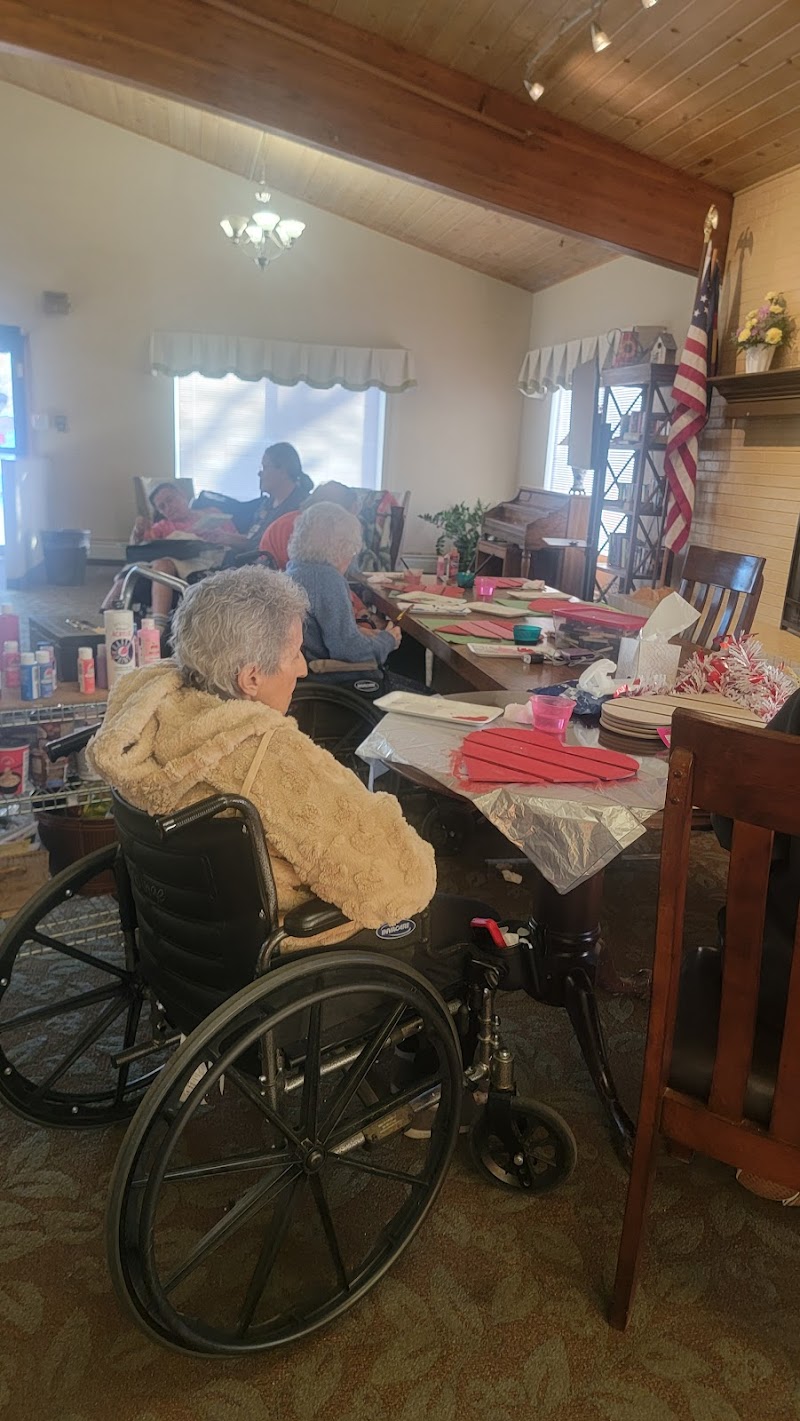
How Does Brighton Compare to Other Colorado Nursing Homes?

Compared to the 100 nursing homes in Colorado, BRIGHTON CARE CENTER's overall rating (3 stars) is below the state average of 3.1, staff turnover (42%) is near the state average of 46%, and health inspection rating (3 stars) is at the national benchmark.

What Should Families Ask When Visiting Brighton?

Based on this facility's data, families visiting should ask: "What changes have been made since the serious inspection findings, and how are you preventing similar issues?" "Can you walk me through typical staffing levels on day, evening, and night shifts?" "Can I visit during a mealtime to observe dining assistance and food quality?" "How do you handle medical emergencies, and what is your hospital transfer rate?" These questions are particularly relevant given the facility's Immediate Jeopardy citations and the below-average staffing rating.

Is Brighton Safe?

Based on CMS inspection data, BRIGHTON CARE CENTER has documented safety concerns. Inspectors have issued 1 Immediate Jeopardy citation (the most serious violation level indicating risk of serious injury or death). The facility has a 3-star overall rating and ranks #100 of 100 nursing homes in Colorado. Families considering this facility should ask detailed questions about what corrective actions have been taken since these incidents.

Do Nurses at Brighton Stick Around?

BRIGHTON CARE CENTER has a staff turnover rate of 42%, which is about average for Colorado nursing homes (state average: 46%). Moderate turnover is common in nursing homes, but families should still ask about staff tenure and how the facility maintains care continuity when employees leave.

Was Brighton Ever Fined?

BRIGHTON CARE CENTER has been fined $61,040 across 2 penalty actions. This is above the Colorado average of $33,689. Fines in this range indicate compliance issues significant enough for CMS to impose meaningful financial consequences. Common causes include delayed correction of deficiencies, repeat violations, or care failures affecting resident safety. Families should ask facility leadership what changes have been made since these penalties.

Is Brighton on Any Federal Watch List?

BRIGHTON CARE CENTER is not on any federal watch list. The most significant is the Special Focus Facility (SFF) program, which identifies the bottom 1% of nursing homes nationally based on persistent, serious quality problems. Not being on this list means the facility has avoided the pattern of deficiencies that triggers enhanced federal oversight. This is a positive indicator, though families should still review the facility's inspection history directly.