SILVER HEIGHTS SKILLED NURSING AND REHABILITATION
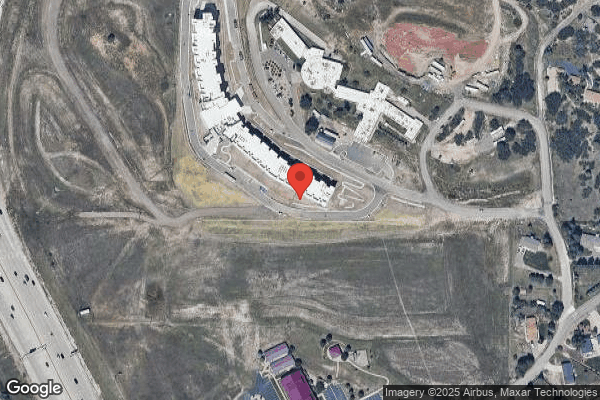
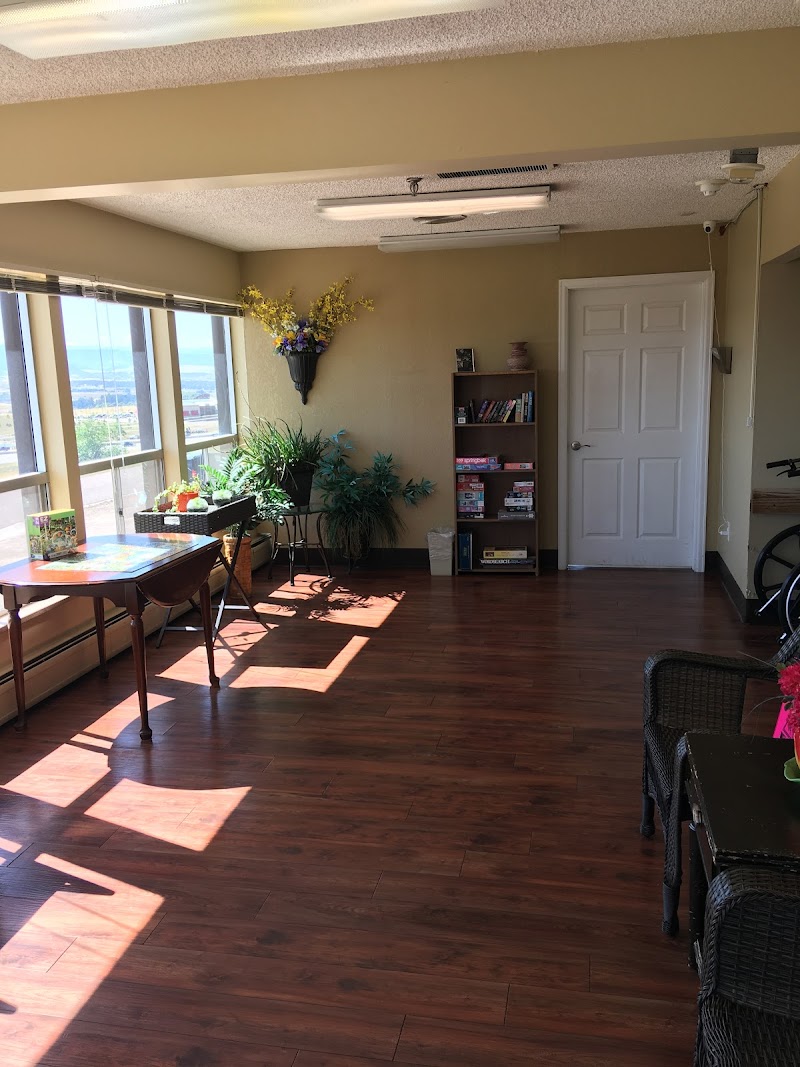
4001 HOME ST, CASTLE ROCK, CO 80108 (303) 688-3174
For profit - Limited Liability company 91 Beds MADISON CREEK PARTNERS Data: November 2025
Trust Grade
38/100
#119 of 208 in CO
Last Inspection: April 2025

Within standard 12-15 month inspection cycle. Federal law requires annual inspections.

Overview

Silver Heights Skilled Nursing and Rehabilitation has received a Trust Grade of F, indicating significant concerns about the facility's quality and care. It ranks #119 out of 208 facilities in Colorado, placing it in the bottom half, and #4 out of 7 in Douglas County, meaning only three local options are better. Unfortunately, the facility is worsening, with issues doubling from 5 in 2024 to 10 in 2025. Staffing is a concern here, with a 67% turnover rate that is well above the state average, which could affect the continuity of care. Specific incidents include failures in infection prevention measures and not providing adequate hand towels for residents, highlighting issues in both safety and comfort.

Trust Score
F
38/100
In Colorado
#119/208
Bottom 43%
Safety Record
High Risk
Review needed
Inspections
Getting Worse
5 → 10 violations
Staff Stability
⚠ Watch
67% turnover. Above average. Higher turnover means staff may not know residents' routines.
Penalties
○ Average
$3,250 in fines. Higher than 51% of Colorado facilities. Some compliance issues.
Skilled Nurses
✓ Good
Each resident gets 46 minutes of Registered Nurse (RN) attention daily — more than average for Colorado. RNs are trained to catch health problems early.
Violations
⚠ Watch
33 deficiencies on record. Higher than average. Multiple issues found across inspections.
★★★☆☆
3.0
Overall Rating
★★★☆☆
3.0
Staff Levels
★★★★★
5.0
Care Quality
★★☆☆☆
2.0
Inspection Score
Stable
2024: 5 issues
2025: 10 issues

The Good

  • 5-Star Quality Measures · Strong clinical quality outcomes
  • Full Sprinkler Coverage · Fire safety systems throughout facility
  • No fines on record

Facility shows strength in quality measures, fire safety.

The Bad

3-Star Overall Rating

Near Colorado average (3.1)

Meets federal standards, typical of most facilities

Staff Turnover: 67%

21pts above Colorado avg (46%)

Frequent staff changes - ask about care continuity

Federal Fines: $3,250

Below median ($33,413)

Minor penalties assessed

Chain: MADISON CREEK PARTNERS

Part of a multi-facility chain

Ask about local staffing decisions and management

Staff turnover is elevated (67%)

19 points above Colorado average of 48%

The Ugly 33 deficiencies on record

Apr 2025 10 deficiencies
CONCERN (D) 📢 Someone Reported This

A family member, employee, or ombudsman was alarmed enough to file a formal complaint

Potential for Harm - no one hurt, but risky conditions existed

Free from Abuse/Neglect (Tag F0600)

Could have caused harm · This affected 1 resident

Deficiency Text Not Available

Read full inspector narrative →
Deficiency Text Not Available
CONCERN (D) 📢 Someone Reported This

A family member, employee, or ombudsman was alarmed enough to file a formal complaint

Potential for Harm - no one hurt, but risky conditions existed

ADL Care (Tag F0677)

Could have caused harm · This affected 1 resident

**NOTE- TERMS IN BRACKETS HAVE BEEN EDITED TO PROTECT CONFIDENTIALITY** Based on observations, record review and interviews, the facility failed to ensure residents who were unable to carry out activi...

Read full inspector narrative →
**NOTE- TERMS IN BRACKETS HAVE BEEN EDITED TO PROTECT CONFIDENTIALITY** Based on observations, record review and interviews, the facility failed to ensure residents who were unable to carry out activities of daily living (ADL) received appropriate treatment and services to maintain or improve his or her abilities for one (#24) of three residents out of 30 sample residents. Specifically, the facility failed to provide timely toileting assistance or incontinence care for Resident #24. Findings include: I. Resident #24 A. Resident status Resident #24, age [AGE], was admitted on [DATE]. According to the April 2025 computerized physician orders (CPO), diagnoses included hemiplegia (paralysis on one side of the body) and hemiparesis (weakness on one side of the body), cognitive communication deficit and unsteadiness on feet. The 2/27/25 minimum data set (MDS) assessment revealed the resident had severe impairment in making decisions regarding tasks of daily life, per the staff assessment for mental status. He required substantial assistance with oral care, personal hygiene, toileting, bathing, dressing and transferring. B. Observations During a continuous observation on 4/1/25, beginning at 1:08 p.m. and ending at 4:50 p.m., the following was observed: At 1:08 p.m. Resident #24 was lying on the bed in his room, sleeping. At 1:13 p.m. an unidentified staff member entered the resident's room and removed his lunch tray. At 4:16 p.m. two unidentified staff members entered Resident #24's room. The staff members asked if Resident #24 wanted the television turned on and if he preferred the window to be closed. The staff members turned on the television and exited the room. -Staff did not check Resident #24 for incontinence or provide toileting assistance to the resident during the nearly four hour continuous observation. During a continuous observation on 4/2/25, beginning at 8:25 a.m. and ending at 2:10 p.m., the following was observed: At 8:25 a.m. Resident #24 was eating breakfast in the dining room. At 9:00 a.m. the resident was taken from the dining room to the common area to watch television, with a pillow on his lap and his right arm resting on the pillow. At 9:22 a.m. an unidentified staff member wheeled Resident #24 to the indoor gardening activity. -Resident #24 was not checked for incontinence or offered any toileting assistance prior to being taken to the activity. At 11:54 a.m. an unidentified staff member wheeled Resident #24 to the chapel for lunch. -The resident was not checked for incontinence or offered toileting assistance prior to being taken to lunch. At 12:40 p.m. Resident #24 finished eating lunch and was wheeled to his room by certified nurse aide (CNA) #1 and assisted to bed. -CNA #1 did not check the resident for incontinence or offer toileting assistance after lunch. At 12:45 p.m. Resident #24 was sleeping in bed. At 2:02 p.m. Resident #24's skin was observed with CNA #1. CNA #1 said Resident #24 was soiled with urine and had a bowel movement. CNA #1 provided incontinence care and changed the resident's brief at that time. -Resident #24 went over five hours without being checked for incontinence or being offered toileting assistance. C. Record review The ADL care plan, updated 6/3/24, documented Resident #24 had self-care deficits related to decreased mobility, limited range of motion, a mild right hemiparesis and a cognitive deficit. The resident required supervision and cueing with ADLs. Pertinent interventions included offering and providing assistance with toileting and incontinence care per protocol, conducting routine skin checks per protocol and providing incontinence care promptly after incontinence episodes. According to the CNA task documentation for bladder incontinence, Resident #24 received incontinence care on 4/22/25 at 9:00 a.m. -However, a continuous observation of the resident conducted at that same time revealed the resident was in the common area watching television (see observations above. III. Staff interviews CNA #1 was interviewed on 4/2/25 at 2:02 p.m. CNA #1 said Resident #24 required a pivot transfer. He said he was able to transfer Resident #24 pretty quickly. He said Resident #24 was incontinent and required assistance with incontinence care. He said Resident #24 should be checked every two hours and changed when needed. He confirmed Resident #24 was soiled with urine and a bowel movement when he provided incontinence assistance at 2:02 p.m. after not being checked or changed for over five hours. The director of nursing (DON) was interviewed on 4/3/25 at 4:15 p.m. The DON said facility staff should conduct rounds on residents approximately every two hours. The DON said during these rounds, each resident should be checked to determine if they had an episode of incontinence. She said if a resident was found to be incontinent, staff should offer incontinence care to the resident.
CONCERN (D)

Potential for Harm - no one hurt, but risky conditions existed

Deficiency F0688 (Tag F0688)

Could have caused harm · This affected 1 resident

**NOTE- TERMS IN BRACKETS HAVE BEEN EDITED TO PROTECT CONFIDENTIALITY** Based on observations, record review and interviews, the facility failed to ensure one (#12) of one resident with limited range ...

Read full inspector narrative →
**NOTE- TERMS IN BRACKETS HAVE BEEN EDITED TO PROTECT CONFIDENTIALITY** Based on observations, record review and interviews, the facility failed to ensure one (#12) of one resident with limited range of motion received appropriate treatment and services out of 30 sample residents. Specifically, the facility failed to: -Develop a comprehensive care plan for Resident #12's left hand contracture (a condition of shortening and hardening of muscles, tendons, or other tissue, often leading to deformity and rigidity of joints); and, -Ensure Resident #12 was provided the recommended preventive measures for contracture management of her left hand. Findings include: I. Facility policy and procedure The Resident Mobility and Range of Motion policy and procedure, dated July 2017, was provided by the nursing home administrator (NHA) on 4/3/25 at 4:30 p.m. It revealed in pertinent part, Residents will not experience an avoidable reduction in range of motion (ROM), residents with limited range of motion will receive treatment and services to increase and/or prevent a further decrease in ROM, residents with limited mobility will receive appropriate services, and equipment and assistance to maintain or improve mobility unless reduction in mobility is unavoidable. The care plan will be developed by the interdisciplinary team based on the comprehensive assessment and will be revised as needed. The care plan will include specific interventions, exercises, and therapies to maintain, prevent avoidable decline in, and/or improve mobility and range of motion. Interventions may include therapies, the provision of necessary equipment, and/or exercises and will be based on professional standards of practice and be consistent with state laws and practice acts, and the care plan will include the type, frequency, and duration of interventions, as well as measurable goals and objectives. The resident and representative will be included in determining these goals and objectives. II. Resident #12 A. Resident status Resident #12, age [AGE], was admitted on [DATE] and re-admitted on [DATE]. According to the April 2025 computerized physician orders (CPO), diagnoses included left hemiplegia (paralysis on one side of the body) following cerebral infarction and a contracture of the left hand. The 2/20/25 minimum data set (MDS) assessment revealed the resident was cognitively intact with a brief interview for mental status (BIMS) score of 15 out of 15. She required maximum assistance with transfers and bed mobility and moderate assistance for bathing, toileting, dressing and personal hygiene. The MDS assessment indicated Resident #12 was part of the range of motion program, which included passive range of motion and splint or brace assistance. It indicated the resident had had zero days of therapy during the seven-day look-back assessment review period. B. Resident interview and observations Resident #12 was interviewed on 4/1/25 at 10:02 a.m. Resident #12 said her left hand was contracted due to a previous stroke. She said the facility did not provide her with any therapy services, braces or other preventative measures for her left hand contracture. Resident #12's left hand was contracted with her wrist and four fingers flexed and her thumb extended against the other fingers. The resident did not have a brace or other devices on her left hand to help prevent the contracture from worsening or causing skin breakdown on her hand. On 4/2/25 at 3:20 p.m. Resident #12 was in bed. Her left hand was contracted and she was not wearing a palm guard or brace on her hand. On 4/3/25 at 11:22 a.m. Resident #12 was in bed. Her left hand was contracted and she was not wearing a palm guard or any other device on her hand. C. Record review Review of the 4/20/23 occupational therapy (OT) plan of treatment for Resident #12 documented the OT recommended wearing a palm guard on her left hand for up to eight hours every day. A review of Resident #12's electronic medical record (EMR) did not reveal documentation that Resident #12 was placed on a program to wear a palm guard for eight hours per day, which was the recommendation of the occupational therapist. -Review of Resident #12's comprehensive care plan failed to reveal a care plan focus for Resident #12's left hand contracture or any documented preventative measures and interventions. III. Staff interviews Certified nurse aide (CNA) #1 was interviewed on 4/3/25 at 2:14 p.m. CNA #1 said Resident #12 had difficulty with her left hand due to paralysis. He said he thought she had used a device for her hand, but he said he had not seen it in over a month. He said Resident #12 was unable to move her left hand, so he helped her clean her hand. Registered nurse (RN) #1 was interviewed on 4/3/25 at 2:31 p.m. RN #1 said she was unaware of Resident #12's left hand contracture or any preventative measures put in place for the contracture. The director of rehabilitation (DOR) was interviewed on 4/3/25 at 3:16 p.m. The DOR said each therapist provided verbal training for any ongoing programs for contracture management after therapy had completed the residents' treatment plans. She said the facility did not have a formal way of tracking the contracture management program to ensure staff were following the therapists' recommendations. She said it was important the therapists' recommendations were followed to ensure residents' contracture did not worsen. The DOR said the occupational therapist recommended Resident #12 be provided a palm protector which should be worn eight hours per day. She said she was not sure if that recommendation was being followed. She said she would reassess Resident #12 to ensure her contracture had not worsened and provide additional education to the staff regarding the recommendations. -The facility did not provide documentation of Resident #12's initial contracture measurements prior to the survey exit to see if the resident's contracture had worsened. The NHA and the director of nursing (DON) were interviewed together on 4/3/25 at 4:18 p.m. The DON said the facility had several residents who required a contracture management program. She said the contractures should be identified in the comprehensive care plan with the preventative measures. She said the preventative measures should be identified in the CNA documentation system to ensure the CNAs provided the care that was recommended by the occupational therapist. The NHA confirmed Resident #12 had a left hand contracture. She said the resident's contracture was not identified in the comprehensive care plan and the palm protector recommendation was not part of the care documented for Resident #12. The NHA said the facility did not have a tracking system in place to ensure residents were receiving the preventative measures of their recommended contracture management program.
CONCERN (D)

Potential for Harm - no one hurt, but risky conditions existed

Accident Prevention (Tag F0689)

Could have caused harm · This affected 1 resident

**NOTE- TERMS IN BRACKETS HAVE BEEN EDITED TO PROTECT CONFIDENTIALITY** Based on record review and interviews, the facility failed to ensure one (#259) of three residents reviewed for accidents out of...

Read full inspector narrative →
**NOTE- TERMS IN BRACKETS HAVE BEEN EDITED TO PROTECT CONFIDENTIALITY** Based on record review and interviews, the facility failed to ensure one (#259) of three residents reviewed for accidents out of 30 sample residents received adequate supervision to prevent accidents. Specifically, the facility failed to identify the root cause of Resident #259's falls and implement effective person-centered interventions. Findings include: I. Facility policy and procedure The Fall Management policy and procedure, dated June 2022, was provided by the nursing home administrator (NHA) on 4/3/25 at 4:30 p.m. It revealed in pertinent part, A fall is defined as unintentionally coming to rest on the ground, floor, or other lower level, but not as a result of an overwhelming external force, such as a resident pushing another resident, whether the event was witnessed or unwitnessed. The facility assists each resident in maintaining his or her highest practicable level of function by providing the resident adequate supervision, assistive devices and functional programs, as appropriate, to minimize the risk for falls. When a resident is found on the floor, the facility is obligated to investigate to determine how the resident got there and put into place an intervention to minimize it from recurring. Unless there is evidence suggesting otherwise, the most logical conclusion is that a fall has occurred. The IDT (interdisciplinary team) designee will discuss recommended significant changes to the care plan to minimize repeat falls with the resident and/or resident's representative. The care plan will be reviewed as indicated. II. Resident #259 A. Resident status Resident #259, age [AGE], was admitted on [DATE] and readmitted on [DATE]. According to the April 2025 computerized physician orders (CPO), diagnoses included Parkinson's disease, vascular dementia without behavioral disturbance, neurocognitive disorder with [NAME] bodies, major depressive disorder and moderate protein-calorie malnutrition. The 11/29/24 minimum data set (MDS) assessment revealed the resident had severe cognitive impairment with a brief interview for mental status (BIMS) score of eight out of 15. He required maximum assistance of one person with showering, toileting, transfers and personal hygiene. The MDS assessment documented Resident #259 did not have hallucinations, delusions or physical behavioral symptoms directed toward others during the assessment period. B. Record review The activities of daily living (ADL) care plan, initiated and revised on 1/13/25, documented the resident had a self-performance deficit related to weakness, history of falling, dizziness, vascular dementia and Parkinson's disease. The interventions included working with hospice to ensure the resident maintained his current level of function, providing staff assistance of one person with bed mobility and transfers and moderate assistance with toileting. The fall care plan, initiated 2/8/24 and revised 3/31/25 (during the survey process), documented Resident #259 had a history of falls and an actual fall risk due to poor safety awareness, unsteady gait, poor comprehension and communication. The interventions included installing an anti-rollback device on his wheelchair (4/20/24), encouraging ground activities for stimulation and distraction (3/21/24), eyeballing the resident whenever going by to ensure he was not getting restless or did not require assistance (8/26/24), providing an activity basket/bag for engagement (9/25/24), providing a low bed and fall mat (2/19/24), therapy evaluation as needed (2/19/24) and conducting medication evaluation for restlessness and agitation by the resident's physician (3/12/25). The 1/2/25 physician's progress note documented Resident #259 was seen while sitting in the dining area, alert and in no distress, however he appeared quite weak. The facility staff had not reported any new issues or problems. The 3/11/25 nursing progress note, documented at 5:53 a.m., revealed Resident #259 was found in the hallway with his back against the floor, his legs extended out and his arms resting on his left and right side. Resident #259 was assessed by a registered nurse (RN) who observed a front right thigh skin tear and a small superficial scrape on his left elbow. -Review of Resident #259's care plan and electronic medical record (EMR) did not reveal any immediate interventions put into place after the resident's 3/11/25 sustained fall with injuries. The 3/11/25 hospice nursing progress note documented Resident #259 had a fall the previous night with a skin tear to the left forearm and left hip. Staff reported the resident had hallucinations, however, the resident did not report this himself. The resident said he was not aware of wakefulness or any hallucinations. The hospice nurse recommended adding Seroquel at night to attempt to assist with Resident #259's wandering and restlessness. -However, a review of the resident's EMR did not indicate episodes of restlessness or agitation until after the falls occurred. Cross reference F758 for failure to ensure there was adequate justification prior to the prescription and administration of a psychotropic medication for Resident #259. The 3/12/25 physician's progress note documented the physician saw Resident #259 in the hallway and he was confused and pleasant, ambulatory and seemed fairly steady. However the resident had a fall with some skin tears the night before last. It indicated the staff were not reporting any other issues. The 3/13/25 progress note, documented at 6:04 p.m., revealed Resident #259 was found in the hallway, lying down on the floor. The resident was not able to state what happened. A hematoma (bruise) was observed on the left side of his forehead and he had small skin tears on both hands. The facility contacted Resident #259's physician to evaluate medications for restlessness and agitation. The 3/13/25 IDT review documented Resident #259 had an unwitnessed fall and was found in the hallway, lying down. The resident was unable to give a statement about what happened. The intervention included the physician was to review all medications for restlessness and agitation. -However, a review of the resident's EMR did not indicate episodes of restlessness or agitation until after the falls occurred. The 3/14/25 nurse practitioner progress note documented Resident #259 had a fall on the evening of 3/13/25 resulting in a large hematoma to his left forehead and eye. Hospice suggested Seroquel nightly. The 3/16/25 nursing progress note, documented at 11:55 p.m., revealed Resident #259 was observed in the hallway, lying on the floor beside his wheelchair. The resident reported a skin tear to his right forearm and was assisted back to the wheelchair by two staff members. The resident was taken to the nursing station to watch television and be supervised by staff. The 3/20/25 IDT review documented the resident sustained two falls. The recommendation was for hospice to come and evaluate the resident for noted increased restlessness and agitation. Hospice started the resident on Seroquel 50 milligram (mg) at night. -However, a review of the resident's EMR did not indicate episodes of restlessness or agitation until after the falls occurred. -A review of the resident's EMR on 4/2/25 did not reveal documentation that the facility had identified the root cause of Resident #259's restlessness, there were not any non-pharmacological interventions put into place by the facility and there was no documentation or care plan to indicate the resident had any hallucinations or behavioral concerns to justify the immediate use of the Seroquel following Resident #259's falls. III. Staff interviews Certified nurse aide (CNA) #1 was interviewed on 4/3/25 at 1:45 p.m. CNA #1 said Resident #259 required maximum assistance with transfers because he was unable to hold his balance. CNA #1 said Resident #259 was unable to get up by himself most of the time, but a few times he was able to get up without assistance. CNA #1 said he thought Resident #259 had sustained recent falls because he wanted and needed to move. He said the facility staff kept the door open to Resident #259's room as much as possible to keep an eye on him. Registered nurse (RN) #1 was interviewed on 4/3/25 at 2:31 p.m. RN #1 said she was unaware Resident #259 had sustained any recent falls. She said she was an agency nurse. She said she had not been informed Resident #259 was a fall risk. RN #1 said Resident #259 had dementia, but she never witnessed the resident having any hallucinations or behaviors. She said she was unaware of the fall interventions for Resident #259. The NHA and the director of nursing (DON) were interviewed together on 4/3/25 at 4:18 p.m. The DON said she was not aware of Resident #259 having any hallucinations or psychosis prior to or after the recent falls. She said she was unable to find documentation of non-pharmacological interventions that were put in place following the falls and prior to the ordering and administration of Seroquel, an anti-psychotic medication. She said she was not sure why Resident #259 was up early in the morning or late at night, but she would have guessed it was because of the progression of his disease. She said she was unable to find documentation that the facility had determined the root cause of the resident's restlessness of getting up without assistance.
CONCERN (D) 📢 Someone Reported This

A family member, employee, or ombudsman was alarmed enough to file a formal complaint

Potential for Harm - no one hurt, but risky conditions existed

Dental Services (Tag F0791)

Could have caused harm · This affected 1 resident

**NOTE- TERMS IN BRACKETS HAVE BEEN EDITED TO PROTECT CONFIDENTIALITY** Based on record review and interviews, the facility failed to assist residents to obtain routine or emergency dental services, a...

Read full inspector narrative →
**NOTE- TERMS IN BRACKETS HAVE BEEN EDITED TO PROTECT CONFIDENTIALITY** Based on record review and interviews, the facility failed to assist residents to obtain routine or emergency dental services, as needed, for one (#12) of one resident reviewed for ancillary services out of 30 sample residents. Specifically, the facility failed to ensure a dental referral was followed upon timely for Resident #12. Findings include: I. Facility policy and procedure The Resident Dental Services policy and procedure, dated December 2016, was provided by the nursing home administrator (NHA) on 4/3/25 at 4:30 p.m. It revealed in pertinent part, Routine and emergency dental services are available to meet the resident's oral health services in accordance with the resident's assessment and plan of care. Routine and 24-hour emergency dental services are provided to our residents through a contract agreement with a licensed dentist that comes to the facility monthly, referral to the resident's personal dentist, referral to community dentists, or referral to other health care organizations that provide dental services. Social services representatives will assist residents with appointments, transportation, arrangements, and for reimbursement of dental services under the state plan, if eligible. Direct care staff will assist residents with denture care, including removing, cleaning, and storing dentures. If dentures are damaged or lost, residents will be referred for dental services within three days. If the referral is not made within three days, documentation will be provided regarding what is being done to ensure that the resident is able to eat and drink adequately while awaiting the dental services and the reason for the delay. II. Resident #12 A. Resident status Resident #12, age [AGE], was admitted on [DATE] and re-admitted on [DATE]. According to the April 2025 computerized physician orders (CPO), diagnoses included bipolar disorder, left hemiplegia (paralysis on one side of the body) following cerebral infarction, major depressive disorder and post-traumatic stress disorder. The 2/20/25 minimum data set (MDS) assessment revealed the resident was cognitively intact with a brief interview for mental status (BIMS) score of 15 out of 15. She required maximum assistance with transfers and bed mobility and moderate assistance for bathing, toileting, dressing and personal hygiene. B. Resident interview Resident #12 was interviewed on 4/1/25 at 9:55 a.m. Resident #12 said she had had pain in her bottom jaw for a long time now. She said she saw the dentist at the facility quite a few months prior and was still waiting for another appointment. She said she had not received any communication from the facility on when her dental appointment would be. Resident #12 said she was having pain, but was still able to eat. C. Record review The 4/24/24 dental progress note revealed Resident #12 presented with soreness in the lower jaw. The 11/13/24 dental progress note revealed Resident#12 was seen for treatment due to soreness in the lower jaw and indicated the resident experienced tenderness to the lower ridge. The dentist documented a referral for the resident to have an alveoloplasty (a surgical procedure where the jawbone is reshaped and smoothed, particularly after tooth extraction, to prepare for dentures or dental implants) of her lower ridge (alveolar ridge located just below the bottom teeth). A review of Resident #12's electronic medical record (EMR) did not reveal documentation the facility had followed up on the dental referral from 11/13/24. III. Staff interviews The NHA was interviewed on 4/3/25 at 1:42 p.m. The NHA said the social services department was responsible for the coordination of all ancillary services, including dental care. She said the facility was currently in the process of hiring social services staff. The NHA said she was unable to find documentation that the dental referral had been made for Resident #12, based on the dentist's recommendation from November 2024. She said she would contact the dentist to determine where Resident #12 should be sent for the procedure.
CONCERN (D)

Potential for Harm - no one hurt, but risky conditions existed

Deficiency F0883 (Tag F0883)

Could have caused harm · This affected 1 resident

**NOTE- TERMS IN BRACKETS HAVE BEEN EDITED TO PROTECT CONFIDENTIALITY** Based on record review and interviews, the facility failed to implement policies and procedures related to influenza and pneumoc...

Read full inspector narrative →
**NOTE- TERMS IN BRACKETS HAVE BEEN EDITED TO PROTECT CONFIDENTIALITY** Based on record review and interviews, the facility failed to implement policies and procedures related to influenza and pneumococcal vaccines for two (#26 and #43) of five residents reviewed for immunizations out of 30 sample residents. Specifically, the facility failed to: -Document the influenza vaccine was offered annually for Resident #26 and #43; -Document the pneumonia vaccine was reoffered for Resident #26; and, -Administer the pneumococcal vaccination after consent was provided for Resident #43. Findings include: I. Professional reference According to the Centers for Disease Control and Prevention (CDC), updated 2025, Recommended Immunization Schedule for Adults Aged 19 years or Older, retrieved on 4/10/25 from https://www.cdc.gov/vaccines/hcp/imz-schedules/downloads/adult/adult-combined-schedule.pdf, Pneumococcal vaccination-Routine vaccination-Age 50 years or older who have not previously received a dose of PCV13 (pneumococcal conjugate vaccine), PCV15, PC20, OR PCV21 or whose previous vaccination history is unknown: one dose PCV15 or PCV20 or one dose PCV21. If PCV15 is used, administer one dose PPSV23 at least one year after the PCV15 dose (may use a minimum interval of eight weeks for adults with an immunocompromising condition, cochlear implant, or cerebrospinal fluid leak). Previously received only PCV7: follow the recommendation above. Previously received only PCV13: one dose PCV20 or one dose PCV21 at least one year after the last PCV13 dose. Previously received only PPSV23: one dose PCV15 or one dose PCV20 or one dose PCV21, at least one year after the last PPSV23 dose. If PCV15 is used, no additional PPSV23 doses are recommended. Previously received both PCV13 and PPSV23 but no PPSV23 was received at age [AGE] years or older; one dose PCV20 or one dose PCV21 at least five years after the last pneumococcal vaccine dose. Previously received both PCV13 and PPSV23, and PPSV23 was received at age [AGE] years or older: Based on shared clinical decision making, one dose of PCV20 or one dose of PCV21 at least five years after the last pneumococcal vaccine dose. II. Facility policy and procedure The Seasonal Influenza, Prevention and Control policy and procedure, revised March 2022, was provided by the nursing home administrator (NHA) on 4/3/25 at 7:18 p.m. It read in pertinent part, All residents and staff are offered the vaccine prior to the onset of the influenza season. All residents and staff are encouraged to receive the vaccine unless there is a medical contraindication. The Vaccination of Resident policy and procedure, revised October 2019, was provided by the NHA on 4/3/25 at 7:18 p.m. It read in pertinent part, All residents will be offered vaccines that aid in preventing infectious diseases unless the vaccine is medically contraindicated or the resident has already been vaccinated. All new residents shall be assessed for current vaccination status upon admission. If the resident receives a vaccine, at least the following information shall be documented in the resident's medical record: site of administration, date of administration, lot number of the vaccine, expiration date and name of person administering the vaccine. III. Resident #26 A. Resident status Resident #26, age [AGE], was admitted on [DATE] readmitted on [DATE]. According to the April 2025 computerized physician orders (CPO), the diagnoses included pneumonia, type 2 diabetes mellitus (DM), chronic obstructive pulmonary disease (COPD) and vascular dementia. The 1/15/25 minimum data set (MDS) assessment revealed the resident had severe cognitive impairments with a brief interview for mental status (BIMS) score of five out of 15. She required substantial/maximal assistance with toileting, personal hygiene. She required partial/moderate assistance with bed mobility and was independent with eating. The assessment indicated the resident had been offered and she had declined the influenza vaccine for the years' influenza season. The assessment indicated the resident had been offered and she had declined the pneumonia vaccine. B. Record review A review of the Resident #26's electronic medical record (EMR) on 4/3/25 revealed a consent form for influenza and pneumonia vaccine. The form indicated the resident declined the influenza and pneumonia vaccine on 4/15/22. -A review of the EMR on 4/3/25 failed to reveal documentation that the influenza vaccine or the pneumonia vaccine was reoffered annually. IV. Resident #43 A. Resident status Resident #43, age [AGE], was admitted on [DATE]. According to the April 2025 CPO, the diagnoses included COPD and stage 4 severe chronic kidney disease (CKD), The 1/8/25 MDS assessment revealed the resident had moderate cognitive impairments with a BIMS score of 12 out of 15. He was independent with eating, toileting, personal hygiene, bed mobility and transfers. The assessment indicated the resident had been offered and he had declined the influenza vaccine for the years' influenza season. The assessment indicated the resident had been offered and he had declined the pneumonia vaccine. -However, review of Resident #43's consent form revealed the resident indicated he wanted to receive the pneumonia vaccine on 2/17/23 (see record review below). B. Record review A review of Resident #43's EMR on 4/3/25 revealed a consent form for the influenza and the pneumonia vaccine that documented the resident declined the influenza vaccine and wished to receive the pneumonia vaccine on 2/17/23. -A review of the EMR on 4/3/25 failed to reveal documentation of the influenza vaccine being reoffered annually. -A review of the EMR on 4/3/25 failed to reveal documentation that the pneumonia vaccine was administered after the resident signed the consent form for permission to receive the vaccine. V. Staff interviews The director of nursing (DON) was interviewed on 4/3/25 at 2:26 p.m. The DON said that many of the residents declined immunizations because they did not trust the government. She said the consents for immunizations were completed when a resident was admitted to the facility. She said the form was then uploaded into the residents' EMR. She said the information of vaccines received and refused were documented under the immunization tab in the resident's medical record. She said they offered the vaccines every year and the residents' acknowledgment of education of risk versus benefit was documented on the consent.
CONCERN (E)

Potential for Harm - no one hurt, but risky conditions existed

Safe Environment (Tag F0584)

Could have caused harm · This affected multiple residents

**NOTE- TERMS IN BRACKETS HAVE BEEN EDITED TO PROTECT CONFIDENTIALITY** Based on observations and interviews, the facility failed to provide a comfortable and homelike environment for eight of 36 room...

Read full inspector narrative →
**NOTE- TERMS IN BRACKETS HAVE BEEN EDITED TO PROTECT CONFIDENTIALITY** Based on observations and interviews, the facility failed to provide a comfortable and homelike environment for eight of 36 rooms. Specifically, the facility failed to provide residents with hand towels on a daily basis. Findings include: I. Facility policy and procedure The Homelike Environment policy and procedure, revised February 2021, was provided by the nursing home administrator (NHA) on 4/3/25 at 7:50 p.m. It read in pertinent part, Staff provides person-centered care that emphasizes the residents' comfort, independence and personal needs and preferences. II. Observations On 3/31/25 the following observations were made: -At 1:45 p.m. room [ROOM NUMBER], a shared room, had no towels; and, -At 1:52 p.m. room [ROOM NUMBER], a shared room, had no towels. On 4/1/25 the following observations were made: -At 9:21 a.m. room [ROOM NUMBER], a shared room, had no towels; -At 9:21 a.m. room [ROOM NUMBER], a shared room, had no towels; -At 11:00 a.m. room [ROOM NUMBER], a shared room, had no towels;; -At 11:00 a.m. room [ROOM NUMBER], a shared room, had no towels; -At 11:00 a.m. room [ROOM NUMBER], a shared room, had no towels; and, -At 11:00 a.m. room [ROOM NUMBER], a shared room, had no towels. III. Resident interviews One of the residents who resided in room [ROOM NUMBER] was interviewed on 3/31/25 at 2:01 p.m. The resident said the facility did not provide him with towels. He said he had to use his own clothing to dry his hands due to the lack of towel availability. One of the residents who resided in room [ROOM NUMBER] was interviewed on 4/1/25 at 9:21 a.m. The resident said the facility did not provide him towels for his room. IV. Staff interviews The NHA and the director of nursing (DON) were interviewed together on 4/3/25 at 4:15 p.m. The DON said towels for residents were always available in the laundry room and the facility also kept towels in the shower rooms and linen closets. The DON said the certified nurse aides (CNA) were responsible for delivering the towels to the residents daily and replacing them as needed. The DON said the CNAs had previously received education regarding providing towels to residents daily. The DON said the facility would again provide education to ensure that staff consistently met this responsibility.
CONCERN (E)

Potential for Harm - no one hurt, but risky conditions existed

Medication Errors (Tag F0758)

Could have caused harm · This affected multiple residents

**NOTE- TERMS IN BRACKETS HAVE BEEN EDITED TO PROTECT CONFIDENTIALITY** IV. Resident #10 A. Resident status Resident #10, age [AGE], was admitted on [DATE]. According to the April 2025 CPO, diagnoses ...

Read full inspector narrative →
**NOTE- TERMS IN BRACKETS HAVE BEEN EDITED TO PROTECT CONFIDENTIALITY** IV. Resident #10 A. Resident status Resident #10, age [AGE], was admitted on [DATE]. According to the April 2025 CPO, diagnoses included Alzheimer's disease and encephalopathy (brain dysfunction that includes mental status changes and memory issues). The 1/30/25 MDS assessment revealed the resident had severe cognitive impairments with a BIMS score of six out of 15. She required partial/moderate assistance with toileting and personal hygiene. She required supervision with transfers and was independent with eating and bed mobility. The MDS assessment indicated she had symptoms of little interest or pleasure in doing things for 12 to 14 days and felt down and depressed seven to 11 days over the assessment look back period. B. Record review Review of the April 2025 CPO revealed a physician's order for Sertraline 50 mg once a day, ordered 3/28/25. A review of the resident's EMR failed to reveal a psychotropic medication consent form for the use of the Sertraline or that the potential side effects of the medication were reviewed with the resident. C. Staff interview The NHA with the DON were interviewed together on 4/3/25 at 4:58 p.m. The NHA said the previous social worker, who was no longer at the facility, was responsible for ensuring consents for psychotropic medications were filled out and completed prior to starting the medication. The DON said the assistant director of nursing (ADON) was responsible for filling out the side effects on the consent. The NHA said since the social worker was no longer at the facility that was why psychotropic medication consents were not completed. The DON said she would take over the process. Based on record review and interviews, the facility failed to ensure three (#259, #15 and #10) of five residents reviewed out of 30 sample residents were free from unnecessary medications as possible. Specifically, the facility failed to: -Ensure the facility had proper justification for the implementation of an antipsychotic medication (Seroquel) for Resident #259; - Ensure Resident #15 or their responsible party was informed of the resident's use of Risperdal (antipsychotic) had black box warnings; -Ensure the ongoing use of Risperdal for Resident #15 was justified by consistent documented behaviors; and, -Ensure a consent was obtained for Resident #10's use of Sertraline (antidepressant). Findings include: I. Facility policy and procedure The Antipsychotic Medication Use policy and procedure, dated July 2022, was provided by the nursing home administrator (NHA) on 4/3/25 at 4:30 p.m. It revealed in pertinent part, Residents will not receive medications that are not clinically indicated to treat a specific condition. Residents will only receive antipsychotic medications when necessary to treat specific conditions for which they are indicated and effective. The attending physician and other staff will gather and document information to clarify a resident's behavior, mood, function, medical condition, specific symptoms, and risks to the resident. Diagnosis of a specific condition for which antipsychotic medications are necessary to treat will be based on a comprehensive assessment of the resident. Antipsychotic medications shall generally be used only for the following conditions: schizophrenia, schizoaffective disorder, schizophreniform disorder, delusional disorder, mood disorders, psychosis in absence of dementia, Tourette's Disorder, and Huntington Disease. Antipsychotic medications will not be used if the only symptoms are one or more of the following: wandering, poor self-care, restlessness, impaired memory, mild anxiety, insomnia, inattention or indifference to surroundings, sadness or crying alone that is not related to depression or other psychiatric disorders. II. Resident #259 A. Resident status Resident #259, age [AGE], was admitted on [DATE] and readmitted on [DATE]. According to the April 2025 computerized physician orders (CPO), diagnoses included Parkinson's disease, vascular dementia without behavioral disturbance, neurocognitive disorder with [NAME] bodies and major depressive disorder. The 1/17/25 minimum data set (MDS) assessment revealed the resident had severe cognitive impairments with a brief interview for mental status (BIMS) score of three out of 15. He required maximum assistance of one person with showering, toileting, transfers and personal hygiene. The MDS assessment documented Resident #259 did not have hallucinations, delusions, or physical behavioral symptoms directed toward others during the assessment period. B. Record review The activities of daily living (ADL) care plan, initiated on 1/13/25, documented the resident had a self-performance deficit related to weakness, history of falling, dizziness, vascular dementia and Parkinson's disease. The interventions included working with hospice to ensure the resident maintained his current level of function, providing staff assistance of one person with bed mobility and transfers and moderate assistance with toileting. The fall care plan, initiated on 2/8/24 and revised on 3/31/25 (during the survey process), documented Resident #259 had a history of falls and an actual fall risk due to poor safety awareness, unsteady gait, poor comprehension and communication. The interventions included installing an anti-rollback device on his wheelchair (4/20/24), encouraging ground activities for stimulation and distraction (3/21/24), eyeballing the resident whenever going by to ensure he was not getting restless or did not require assistance (8/26/24), providing an activity basket/bag for engagement (9/25/24), providing a low bed and fall mat (2/19/24), conducting a therapy evaluation as needed (2/19/24) and conducting medication evaluation for restlessness and agitation by the resident's physician (3/12/25). -A review of Resident #259's comprehensive care plan did not reveal the resident had a history of behavioral concerns, episodes of restlessness or hallucinations. The 3/11/25 nursing progress note documented at 5:53 a.m. revealed Resident #259 was found in the hallway with his back against the floor, his legs extended out and his arms resting on his left and right side. Resident #259 was assessed by a registered nurse (RN) who observed a front right thigh skin tear and a small superficial scrape on his left elbow. The 3/11/25 hospice nursing progress note documented the resident had a fall the previous night with a skin tear to the left forearm and left hip. Staff reported the resident had hallucinations, however the resident did not report this himself. The resident said he was not aware of wakefulness or any hallucinations. The hospice nurse recommended adding Seroquel at night to attempt to assist in wandering and restlessness. The April 2025 CPO documented Resident #259 was started on Seroquel 50 milligrams (mg) at bedtime, ordered on 3/14/25. Cross reference F689 for failure to identify the root cause of Resident #259's falls and implement effective person-centered, non-pharmacological interventions. -A review of Resident #259's electronic medical record (EMR) on 4/2/25 did not reveal documentation the facility had identified the root cause of Resident #259's falls, nor attempted any non-pharmacological interventions prior to the initiation of Seroquel every night. The hospice nurse documented the facility staff had reported the resident as having hallucinations, however, there was no documentation in the resident's EMR to support that claim. The facility failed to document behaviors the resident exhibited other than getting up unassisted and sustaining a fall, nor any other justification for the antipsychotic intervention. C. Staff interviews Certified nurse aide (CNA) #1 was interviewed on 4/3/25 at 1:45 p.m. CNA #1 said he thought Resident #259 had sustained recent falls because he wanted and needed to move. He said the facility staff kept the door open to Resident #259' a room as much as possible to keep an eye on him. He said he had worked at the facility for a long time and had not seen Resident #259 exhibit any behaviors or hallucinations. Registered nurse (RN) #1 was interviewed on 4/3/25 at 2:31 p.m. RN #1 said she was unaware Resident #259 had any behaviors nor hallucinations. RN #2 said Resident #259 was unable to transfer and get up without assistance. She said the facility staff followed the interventions in the folder to help residents prevent falls. RN #2 said Resident #259 had dementia, but she never witnessed the resident having any hallucinations or behaviors. The NHA and the director of nursing (DON) were interviewed on 4/3/25 at 4:18 p.m. The DON said she was not aware Resident #259 experienced any hallucinations or psychosis prior to or after the recent falls in March 2025. The NHA said the medication review was the intervention that was put into place following the resident's first fall on 3/11/25. The NHA said it was not the facility intention or process to immediately put a psychotropic medication into place. She said the facility should determine the root cause and put non-pharmacological interventions into place prior to the administration of a psychotropic medication. The DON said she was unable to find documentation of non-pharmacological interventions that were put into place following Resident #259's falls prior to the ordering and administration of Seroquel, an anti-psychotic medication. She said she was unable to find documentation of Resident #259 exhibiting restlessness or any other behaviors such as hallucinations. III. Resident #15 A. Resident status Resident #15, age [AGE], was admitted on [DATE]. According to the April 2025 CPO, diagnoses included dementia, Alzheimer's disease and cognitive communication deficit. The 1/16/25 MDS assessment revealed the resident had short-term and long-term memory impairment and required substantial assistance with decisions regarding tasks of daily life per staff assessment. The MDS assessment revealed the resident did not display physical behaviors directed towards others during the assessment period. B. Record review A review of Resident #15's April 2025 CPO revealed the following physician's order: Risperdal 0.5 mg, give 0.5 mg by mouth at bedtime for dementia with behaviors, ordered on 9/18/24. -The physician's orders and medication administration record (MAR) did not reveal documentation of a targeted behavior to monitor for the use of the Risperdal medication. -A review of Resident #15's EMR did not reveal documentation that the resident on their representative provided consent for the use of the Risperdal medication or that the provider or facility staff had discussed the black box warnings of the medication with the resident and/or resident representative to ensure they were fully informed of the potential risks for taking the medication. -Review of the physician progress notes revealed the resident exhibited only one episode of combative behaviors on 9/3/24. The facility initiated Risperdal on 9/19/24 for dementia with behaviors, however according to the MAR from September 2024 to March 2025, the resident did not display any combative behaviors other than one incident on 9/3/24 and one incident on 10/22/24. C. Staff interviews The DON and the NHA were interviewed on 4/3/25 at 4:15 p.m. The NHA said consent forms needed to be completed prior to administering the initial dose of any psychotropic medication. She said the social services department was responsible to ensure psychotropic consents were obtained prior to the administration of psychotropic medication. She said the facility was currently in the hiring process for a social worker. The DON said Resident #15 was admitted with multiple psychotropic medications which included Celexa (antidepressant), Seroquel (antipsychotic) and Ativan (anit-anxiety). The DON said the facility began making gradual dose reductions (GDR) and the Seroquel was discontinued in August 2024. She said by September, the resident exhibited increased agitation and combativeness, particularly with care. She said the behaviors were reported verbally and confirmed there was a lack of documentation showing Resident #15's behavior to justify the use of the Risperdal medication The DON said behavior tracking was completed by the nurses on the MAR. She said the CNAs completed behavior tracking documentation in the point of care (POC) system. The DON said consistent behavior tracking did not occurred for Resident #15's use of Risperdal.
CONCERN (E)

Potential for Harm - no one hurt, but risky conditions existed

Deficiency F0761 (Tag F0761)

Could have caused harm · This affected multiple residents

Based on observations and interviews, the facility failed to ensure all drugs and biologicals were properly stored and labeled in accordance with professional standards in one of one medication storag...

Read full inspector narrative →
Based on observations and interviews, the facility failed to ensure all drugs and biologicals were properly stored and labeled in accordance with professional standards in one of one medication storage rooms. Specifically, the facility failed to ensure Tubersol (tuberculin purified protein derivative), Hepatitis B vaccine, Prevnar (pneumococcal vaccine), Fluzone (influenza vaccine), Spikevax (COVID-19 vaccine) and Basaglar insulin pens were stored within the appropriate medication storage refrigerator temperature guidelines. Findings include: I. Professional reference According to The Centers for Disease Control and Prevention (CDC) (3/29/24) Vaccine Storage and Handling Toolkit, retrieved on 4/8/25 from https://www.cdc.gov/vaccines/hcp/downloads/storage-handling-toolkit.pdf, If the cold chain is not properly maintained, vaccine potency may be lost, resulting in an unusable vaccine supply. According to the Sanofi Pasteur (2020) package insert for Tuberculin Purified Protein Derivative (Mantoux): Tubersol Food and Drug Administration (FDA), retrieved on 4/8/25 from www.fda.gov/media/74866/download, Store at 35 to 46 degrees Fahrenheit (F). According to the Merck Vaccine (2024) Storage and Handling of Recombivax B (Hepatitis B) guidelines, retrieved on 4/8/25 from https://www.merckvaccines.com/recombivax-hb/storage-handling/#:~:text=Storage%20and%20Handling%20for%20RECOMBIVAX%20HB%C2%AE%20[Hepatitis,DO%20NOT%20FREEZE%20since%20freezing%20destroys%20potency, Store vaccine vials and syringes at 36 to 46 degrees Fahrenheit; storage above or below the recommended temperature may reduce potency. According to the Moderna (2025) Spikevax (Covid 19) vaccine storage and handling guidelines, retrieved on 4/8/25 from https://products.modernatx.com/spikevaxpro/dosing-and-administration, Store frozen between -50 degrees F to 5 degrees F. Storage after thawing, store refrigerated between 36 degrees F to 46 degrees F for up to 60 days prior to use. According to the Pfizer (January 2025) Prevnar 20 Storage and Handling Guidelines, retrieved on 4/8/25 from https://prevnar20adult.pfizerpro.com/administration, Store refrigerated at 36 to 46 degrees F. According to the Sanofi Pasteur (July 2022) Fluzone Quadrivalent Influenza Vaccine Storage and Handling Guidelines, retrieved on 4/8/25 from https://www.fda.gov/media/119856/download, Store at 35 to 46 degrees F. According to Lilly (2024) Basaglar Insulin Pen Storage Guidelines, retrieved on 4/8/25 from https://insulins.lilly.com/basaglar, Before insulin use: When you get your unused pens, your insulin should be refrigerated at 36 degrees F to 46 degrees F. II. Facility policy and procedure The Medication Labeling and Storage policy and procedure, revised February 2023, was provided by the nursing home administrator (NHA) on 4/3/25 at 7:18 p.m. It read in pertinent part, If the facility has discontinued, outdated or deteriorated medications or biologicals, the dispensing pharmacy is contacted for instructions regarding returning or destroying these items. III. Observations On 4/3/25 at 1:25 p.m. the unit medication storage refrigerator was observed with the director of nursing (DON), who was also the facility's infection preventionist (IP). The medication storage refrigerator temperature was at 50 degrees F. -The medication storage refrigerator was not within the safe refrigerated medication storage temperature range of 36 degrees F to 46 degrees F The following items were found inside the medication storage refrigerator: -A vial of Tubersol; -A hepatitis B vaccine vial; -A Prevnar 20 vaccine vial; -A Fluzone influenza vaccine syringe; -A Spikevax vaccine syringe; and, -A Basaglar insulin pen. IV. Staff interview The DON was interviewed on 4/3/25 at 1:30 p.m. The DON said the medication storage refrigerator should be between 36 degrees F and 46 degrees F. She said the night shift nurses should check the refrigerator but there was no documentation that this was done. She said the facility did not have a refrigerator temperature log. She said she did not know how long the refrigerator had been above the safe storage temperature range. She said she would have the maintenance director (MTD) look at the refrigerator. The DON was interviewed a second time on 4/3/25 at 4:20 p.m. The DON said the MTD was going to order a new medication storage refrigerator, since the current refrigerator did not seem to be holding the correct temperature.
CONCERN (E)

Potential for Harm - no one hurt, but risky conditions existed

Infection Control (Tag F0880)

Could have caused harm · This affected multiple residents

**NOTE- TERMS IN BRACKETS HAVE BEEN EDITED TO PROTECT CONFIDENTIALITY** Based on observations, record review and interviews, the facility failed to maintain an infection control program designed to pr...

Read full inspector narrative →
**NOTE- TERMS IN BRACKETS HAVE BEEN EDITED TO PROTECT CONFIDENTIALITY** Based on observations, record review and interviews, the facility failed to maintain an infection control program designed to provide a safe, sanitary and comfortable environment to help prevent the development and transmission of disease on three of three units. Specifically, the facility failed to: -Ensure hand hygiene was performed during wound care; -Ensure clean technique was followed during wound care; -Ensure residents' rooms were cleaned in a sanitary manner; -Ensure laundry was sorted in a sanitary manner; -Ensure laundry was washed in a different cycle for residents in isolation; and, -Ensure residents' personal items were labeled and stored in a sanitary manner. Findings include: I. Facility policy and procedure The Infection Prevention and Control Program (IPCP) and Plan, revised October 2018, was provided by the nursing home administrator (NHA) on 3/31/25 at 1:10 p.m. It revealed in pertinent part, An IPCP is established and maintained to provide a safe, sanitary and comfortable environment and help prevent the development and transmission of communicable diseases and infections. The program is based on accepted national infection prevention and control standards. II. Failed to ensure hand hygiene and clean technique was followed during wound care A. Professional references According to the Centers for Disease Control and Prevention (CDC) Hand Hygiene for Healthcare Workers, updated 2/27/24, retrieved on 4/8/25 from https://www.cdc.gov/clean-hands/hcp/clinical-safety/index.html, Know when to clean your hands: immediately before touching a patient, before performing an aseptic task such as placing an indwelling device or handling invasive medical devices, before moving from work on a soiled body site to a clean body site on the same patient, after touching a patient or patient's surroundings, after contact with blood, body fluids, or contaminated surfaces and immediately after glove removal. Gloves are not a substitute for hand hygiene. If your task requires gloves, perform hand hygiene before donning gloves and touching the patient or the patient's surroundings, always clean your hands after removing gloves, remember to remove gloves carefully to prevent hand contamination as dirty gloves can soil your hands. B. Observations On 4/2/25 at 1:15 p.m. the director of nursing (DON), who was also the facility's infection preventionist (IP), and the wound care physician entered Resident #40's room to perform wound care for the resident on his left foot. The following observations were made: The DON performed hand hygiene and donned a gown and a pair gloves upon entering the resident's room. The DON brought in wound dressing supplies and placed them on the resident's bedside table. The DON then removed the heel boot on Resident #40's left foot. The DON removed the old dressing on Resident #40's left lateral foot. The DON placed the old dressing on the bed. The DON placed a disposable underpad on the bed under the resident's left foot, on top of the old dressing. The DON then used a clean gauze and an individual saline solution vial to wipe the wound. The DON disposed of the gauze and saline solution. The DON opened the resident's clean dressing from the bedside table and applied the dressing. -Throughout the wound care process, the DON failed to establish and maintain a clean field for the resident's clean wound supplies. -Additionally, the DON failed to perform hand hygiene and change gloves after touching the old soiled wound dressing and before touching the clean wound supplies and applying a new dressing to the resident's left foot wound. On 4/2/25 at 1:30 p.m. the DON and the wound care physician entered Resident #33's room to perform wound care for the resident. The following observations were made: The DON removed clean dressing supplies from the wound care cart. The DON donned gloves and a gown. The DON placed the clean wound care supplies on Resident 33's wheelchair at the end of the bed. The DON removed the resident's left heel boot. The DON picked up the betadine pain stick and painted the resident's left heel with betadine. The DON then obtained saline and clean gauze and removed the soiled dressing from the resident's sacral wound. She cleaned the sacral wound and applied a clean dressing. The DON then removed her gown and gloves and disposed of the soiled dressing supplies in the trash. -Throughout the wound care process, the DON failed to establish and maintain a clean field for the resident's clean wound supplies. -The DON failed to perform hand hygiene before donning gloves and a gown. -Additionally, the DON failed to perform hand hygiene and change gloves after cleaning the resident's left heel wound and before proceeding to the resident's sacral wound. -The DON failed to change her gloves and perform hand hygiene after removing Resident #33's soiled sacral wound dressing and before cleaning the wound and applying a new dressing. On 4/2/25 at 1:45 p.m. the DON and the wound care physician entered Resident #20's room to perform wound care for the resident. The following observations were made: The DON removed clean dressing supplies from the wound cart. The DON donned gloves and a gown. The DON pulled back the resident's incontinence briefs and removed the old soiled dressing from the resident's sacral wound. The DON opened clean wound care supplies and applied silver alginate (an antibacterial wound treatment) and a border dressing. The DON removed her gown and gloves and disposed of everything in the trash. -Throughout the wound care process, the DON failed to establish and maintain a clean field for the resident's clean wound supplies. -The DON failed to perform hand hygiene before donning gloves and a gown. -Additionally, the DON failed to perform hand hygiene and change gloves after removing the resident's old wound dressing and before touching the resident's clean dressing supplies. C. Staff interviews The DON was interviewed on 4/2/25 at 2:52 p.m. The DON said before performing wound care, a clean field should be established. She said a bedside table or designated surface should be wiped down with the Super Sani Cloth germicidal and disinfectant wipes. She said this should be done before placing any clean dressing supplies on top of the surface. She said hand hygiene should be done before putting on gloves and a gown. She said hand hygiene should be performed and gloves should be changed after touching a dirty area and before touching clean wound supplies. III. Failed to ensure resident's rooms were cleaned in a sanitary manner A. Professional reference The Centers for Disease Control (CDC) Environment Cleaning Procedures (3/19/24), was retrieved on 4/8/25 from https://www.cdc.gov/healthcare-associated-infections/hcp/cleaning-global/procedures.html. It read in pertinent part, Proceed from cleaner to dirtier areas to avoid spreading dirt and microorganisms. Clean resident areas before cleaning resident toilets. Include identified high touch surfaces and items in checklists and other job aids to facilitate completing cleaning procedures. Proceed in a systematic manner to avoid missing areas. In a multi-bed area, clean each resident zone in the same manner. For higher risk areas, change cleaning cloths between each resident zone (use a new cleaning cloth for each resident bed). B. Facility policy and procedure The Daily Room Cleaning Procedures policy and procedure, undated, was provided by the NHA on 4/3/25 at 7:18 p.m. It revealed in pertinent part, Always start with cleaning the resident's restroom. Disinfect toilet bowls and urinals. C. Manufacturer's recommendations The Diffense Cleaner and Disinfectant manufacturer guidelines, 2025, was retrieved on 4/8/25 from https://www.sfreedman.com/products/1024-spartan-rtu-diffense-clnr-quart/525039070/?srsltid=AfmBOoo7j5wqpwdbMMjm1Fj0oNYH2ChUBkqNjJgQ6mERSEMaPhUfyA2Z. It read in pertinent part, Effective against a comprehensive range of harmful bacteria and viruses and less than one minute disinfection. D. Observations On 4/3/25 at 8:53 a.m. housekeeper (HK) #1 was observed cleaning a shared room [ROOM NUMBER]. HK #1 put on gloves and obtained a disinfectant-saturated rag from the housekeeping cart and wiped the bedside table on the A side of the room. She then wiped down the window sill and the bedside table on the B side of the room. After wiping both residents' bedside tables and the windowsill with the same rag, she disposed of the rag. She then mopped the entire room, starting from the far side of room (the B side), mopping under both beds and mopped her way to the door. After finishing the mopping, HK #1 disposed of the mop head and swept up the debris. -HK #1 failed to clean the resident's area on the B side of the room separately from the resident's area on the A side of the room. -HK #1 failed to change gloves, perform hand hygiene or change rags before proceeding from the A side to the B side of the room. -HK #1 failed to change mop heads after mopping the B side of the room before mopping the A side of the room. -HK #1 failed to clean the high touch areas in the room, including light switches and door knobs. E. Staff interview The maintenance director (MTD), who was also the housekeeping supervisor, was interviewed on 4/3/25 at 9:20 a.m. The MTD said HK #1 should not be interviewed because she was new to the position and because of the language barrier. He said the cleaner/disinfectant the facility used had a one-minute disinfection time. He said residents' rooms were cleaned starting from high areas to low areas. He said high touch areas, such as light switches and door handles should be included when the rooms were cleaned. IV. Failed to ensure laundry was sorted in a sanitary manner and laundry was washed in a different cycle for residents on isolation precautions A. Professional reference According to the CDC's Appendix D-Linen and Laundry Management (3/19/24), retrieved on 4/9/25 at 2:04 p.m. from https://www.cdc.gov/healthcare-associated-infections/hcp/cleaning-global/appendix-d.html, Use hot water 70 degrees Celsius (C) to 80 degrees C for 10 minutes or 158 degrees Fahrenheit (F) to 176 degrees F and an approved laundry detergent. Use disinfectant on a case by case basis, depending on the origin of the soiled linen (for example, linens from an area on contact precautions). B. Facility policy and procedure The Departmental (Environmental Service) Laundry and Linen policy and procedure, revised January 2014, was provided by the NHA on 4/3/25 at 7:50. It read in pertinent part, Consider all soiled linen to be potentially infectious and handle with standard precautions. Laundry for high temperature processing, wash linen in water that is at least 160 degrees F for a minimum of 25 minutes. C. Observations and staff interview On 4/3/25 at 9:42 a.m. the laundry area was observed with the MTD, the NHA and the laundry aide (LA). The laundry area was entered through the clean sorting room. The MTD explained the laundry process. The door opening where the laundry carts were sent for dirty laundry had a door leading to the soiled laundry sorting room. Upon entering the sorting room, the LA said she put on a gown first prior to sorting the laundry. Multiple cloth long sleeve gowns were observed hanging on hooks behind the laundry sorting room door. The reusable gowns were overlaying each other and touching other gowns. The LA said she washed the reusable protective gowns maybe once a week, but not after each use. The LA said she did not know of any potential infection control issues with that practice. The MTD said not washing the gowns after each use created the potential for cross contamination. The MTD said he would get the laundry staff more gowns to use and dispose of after each time they sorted the soiled laundry items. The LA said she would put on gloves and use a tie to close the sleeves of the gown at her wrist because the gown sleeves were too long. The LA pointed to three black hair ties hanging on the wall with a thumb tack. The LA said she used the hair ties all of the time and did not clean them after use. The NHA said the hair ties were not cleanable and should not be used. The MTD said it was possible for the debris from the soiled clothing and linen to be transferred to the hair ties. V. Failed to ensure residents' personal items were labeled and stored in a sanitary manner A. Observations On 3/31/25 the following observations were made: -At 1:45 p.m. room [ROOM NUMBER], a shared room, had on the vanity below the mirror two unlabeled toothbrushes, one unlabeled container of Listerine and one unlabeled deodorant; and, -At 1:52 p.m. room [ROOM NUMBER], a shared room, had on the vanity below the mirror two unlabeled toothbrushes. On 4/1/25 the following observations were made: -At 9:21 a.m. room [ROOM NUMBER], a shared room, had on the vanity below the mirror two unlabeled toothbrushes; -At 11:00 a.m. room [ROOM NUMBER], a shared room, had on the vanity one unlabeled toothbrush; -At 11:02 a.m. room [ROOM NUMBER], a shared room, had two unlabeled toothbrushes on the vanity; -At 11:03 a.m. room [ROOM NUMBER], a shared room, had a cup with one unlabeled toothbrush sitting on the vanity; and, -At 11:05 a.m. room [ROOM NUMBER], a shared room, had a cup which contained two unlabeled toothbrushes. B. Staff interview The DON and the NHA were interviewed together on 4/3/25 at 4:15 p.m. The DON said she was responsible for ensuring that residents' toothbrushes were labeled and stored in a sanitary manner. She said in the past, the facility had used special covers for the toothbrushes and had labeled them. She said over time, the special toothbrush covers had been thrown away. She said she would get new covers for the toothbrushes and ensure they were labeled for each specific resident.
Nov 2024 5 deficiencies
CONCERN (D) 📢 Someone Reported This

A family member, employee, or ombudsman was alarmed enough to file a formal complaint

Potential for Harm - no one hurt, but risky conditions existed

Notification of Changes (Tag F0580)

Could have caused harm · This affected 1 resident

**NOTE- TERMS IN BRACKETS HAVE BEEN EDITED TO PROTECT CONFIDENTIALITY** Based on record review and interviews, the facility failed to notify the physician timely for one (#15) of three residents revie...

Read full inspector narrative →
**NOTE- TERMS IN BRACKETS HAVE BEEN EDITED TO PROTECT CONFIDENTIALITY** Based on record review and interviews, the facility failed to notify the physician timely for one (#15) of three residents reviewed out of 18 sample residents. Specifically, the facility failed to ensure Resident #15's physician was notified when the resident consistently refused her anticoagulant medication (medication used to decrease the risk of stroke and blood clots). Findings include: I. Resident #15 A. Resident status Resident #15, age [AGE], was admitted on [DATE]. According to the November 2024 computerized physician orders (CPO), diagnoses included infection and inflammatory reaction due to internal right knee prosthesis, end-stage renal disease, atrial fibrillation (irregular heart rhythm) and peripheral vascular disease. The 10/10/24 minimum data set (MDS) assessment revealed the resident was cognitively intact with a brief interview for mental status (BIMS) score of 15 out of 15. She required maximum assistance with toileting, showering and transfers. No documentation in MDS assessment, dated 10/10/24, was found stating the resident was receiving anticoagulant medication. B. Record review The 11/4/24 nurse practitioner (NP) follow-up note documented Resident #15 was on Eliquis as a treatment for her atrial fibrillation. Review of Resident #15's November 2024 CPO revealed the resident had a physician's order for Eliquis 2.5 milligrams (mg) by mouth two times a day for atrial fibrillation, ordered 4/16/24. Resident #15's October 2024 medication administration record (MAR) revealed the resident refused her Eliquis medication on 40 out of 62 opportunities for administration. Review of the resident's November 2024 MAR revealedResident #15 refused her Eliquis medication on six out of 11 opportunities for administration. The nursing note dated 9/3/24 at 9:36 p.m. documented Resident #15 refused her Eliquis due to a concern that her dialysis fistula would bleed the following day once her bandage was removed. The registered nurse (RN) documented the resident was educated on the use of Eliquis and her need to take it, yet the resident still refused. -The note did not reveal that the resident's physician was notified regarding the resident's refusal of the medication. -Review of Resident #15's electronic medical record (EMR) revealed there were no progress notes documented in October 2024 to indicate the resident's physician had been notified of the resident's frequent refusals of the Eliquis medication (see MAR above). The nursing note dated 11/7/24 at 12:04 p.m. documented Resident #15 refused her Eliquis that morning. The RN documented that she explained the consequences of refusing the medication and the resident stated I don't care. The RN documented the provider was notified and that she was advised to continue offering the medication to the resident. -However, there were no further progress notes documented to indicate the resident's physician had been notified the other five times she had refused the medication in November 2024 (see MAR above). C. Staff interviews RN #1 was interviewed on 11/7/24 at 11:10 a.m. RN #1 said Resident #15 frequently refused to take her Eliquis on days she received dialysis treatment due to long bleeding times. RN #1 said she often educated the resident on the benefits versus the risks of taking/not taking her medication. RN #1 said she was supposed to offer the resident her medication two to three times, and if the medication was continually refused, refusals were to be documented in the MAR and the progress notes and the provider should be notified. The assistant director of nursing (ADON) was interviewed on 11/7/24 at 12:40 p.m. The ADON said the staff were supposed to offer medications to residents three times. She said if the resident continued to refuse, then staff were supposed to document the refusal in the MAR and progress notes and notify the provider. The facility's NP was interviewed on 11/7/24 at 2:42 p.m. The NP said that nurses would occasionally tell her Resident #15 was refusing her Eliquis. However, she said the nurses mentioned it in passing and she did not know the resident was refusing the medication so frequently. She said she would discuss discontinuing the medication with the resident and the resident's representative.
CONCERN (D) 📢 Someone Reported This

A family member, employee, or ombudsman was alarmed enough to file a formal complaint

Potential for Harm - no one hurt, but risky conditions existed

Free from Abuse/Neglect (Tag F0600)

Could have caused harm · This affected 1 resident

**NOTE- TERMS IN BRACKETS HAVE BEEN EDITED TO PROTECT CONFIDENTIALITY** Based on observations, record review and interviews, the facility failed to take steps to protect one (#1) of five residents rev...

Read full inspector narrative →
**NOTE- TERMS IN BRACKETS HAVE BEEN EDITED TO PROTECT CONFIDENTIALITY** Based on observations, record review and interviews, the facility failed to take steps to protect one (#1) of five residents reviewed for abuse out of 18 sample residents. Specifically, the facility failed to ensure Resident #1 was kept free from physical abuse by Resident #2. Findings include: I. Facility policy and procedure The Abuse, Neglect and Exploitation policy and procedure, revised September 2022, was provided by the nursing home administrator (NHA) on 11/6/24 at 1:49 p.m. It read in pertinent part, It is the policy of this facility to provide protections for the health, welfare, and rights of each resident by developing and implementing written policies and procedures that prohibit and prevent abuse, neglect, exploitation and misappropriation of resident property. Abuse means the willful infliction of injury, unreasonable confinement, intimidation, or punishment with resulting physical harm, pain, or mental anguish which can include staff to resident abuse and resident to resident altercations. The facility will make efforts to ensure all residents are protected from physical and psychosocial harm, as well as additional abuse, during and after the investigation. Examples include but are not limited to, responding immediately to protect the alleged victim and integrity of the investigation, examining the alleged victim for any sign of injury, including a physical examination or psychosocial assessment if needed, increased supervision of the alleged victim and residents, room or staffing changes, if necessary, to protect the resident(s) from the alleged perpetrator, protection from retaliation, providing emotional support and counseling to the resident during and after the investigation, as needed and revision of the resident's care plan if the resident's medical, nursing, physical, mental or psychosocial needs or preferences change as a result of an incident of abuse. II. Incident of physical abuse between Resident #1 and Resident #2 on 8/9/24 The 8/9/24 facility abuse investigation documented the allegation occurred on 8/9/24 at 7:30 p.m. The investigation documented Resident #2 saw Resident #1 touching the videocassette recorder (VCR) and told him to stop. Resident #2 was observed hitting Resident #1 in the mouth/nose. The residents were immediately separated. Certified nurse aide (CNA) #4 notified the nurse of the events. Resident #1's lower lip was red, swollen and slightly bleeding. The investigation documented CNA #4 witnessed the resident-to-resident altercation and Resident #2 was placed on monitoring. It documented Resident #1 was an at-risk adult. The police, residents' families, the ombudsman and the physician were notified of the resident-to resident-altercation. Resident #1 was assessed by the assistant director of nursing (ADON) on 8/9/24 at 7:30 p.m. Resident #1 sustained two small cuts to his lower lip with some swelling. The ADON cleaned Resident #1's lip and applied ice. Resident #1 was at his baseline. The investigation documented the ADON interviewed Resident #1 following the incident. Resident #1 was unable to verbalize what occurred, showed no signs of fear of agitation, was smiling and was eating a peanut butter sandwich. There were no non-verbal responses or behavioral changes observed. The investigation documented Resident #1 had been involved in three previous resident-to-resident altercations, allegations or events. The investigation documented Resident #2 was interviewed by the ADON on 8/9/24 at 7:40 p.m. Resident #2 said Resident #1 was playing with the VCR and had his fingers in it. Resident #2 said he told Resident #1 to stop but he did not listen. Resident #2 said he grabbed Resident #1's arm to stop him. Resident #2 said Resident #1 swung at him but did not hit him. Resident #2 said he hit Resident #1. There were changes in the resident's behavior. The investigation documented Resident #2 had not been involved in any previous allegations, altercations or events. The investigation included a statement, dated 8/12/24, from CNA #4 who witnessed the altercation. She said she heard a verbal argument in the television room. She said when she entered the area, Resident #2 and Resident #1 were sitting next to one another near the television in their wheelchairs. She said she saw Resident #2 hit Resident #1 with a closed fist in the nose and mouth. She said Resident #2 also had ahold of Resident #1's left forearm with a tight grip. She said the nurse removed Resident #1 and assessed Resident #1 because his lower lip was swollen and bleeding a little bit. The investigation included a statement, dated 8/9/24, from the ADON. The ADON said at approximately 7:50 p.m., she was notified that Resident #2 punched Resident #1 in the mouth. The ADON said when she approached Resident #1, he was eating a sandwich and looked up at her and smiled. The ADON said Resident #1's lower lip was swollen on the right side and there were two small, fresh appearing cuts on his lip. She said the areas surrounding the cuts were mildly pink but not actively bleeding. Resident #1 said his mouth did not hurt. Resident #1 was not able to report what happened or if he was afraid of anything or anyone. The ADON said she also interviewed Resident #2 (see Resident #2 interview above). The investigation documented the plan of action included separating the residents immediately. Resident #1 was placed on frequent checks. The residents resided on opposite ends of the hall and the incident happened in the television common room. Resident #2, who was alert and oriented, was educated not to put himself in that situation and to let staff handle situations with other residents. Resident #2 agreed. The investigation concluded the abuse was substantiated. III. Resident #1 - victim A. Resident status Resident #1, age [AGE], was admitted on [DATE]. According to the November 2024 computerized physician orders (CPO), diagnoses included dementia with other behavioral disturbances, major depressive disorder, cognitive communication deficit, need for assistance with personal care and muscle weakness. The 9/12/24 minimum data set (MDS) assessment revealed the resident had short term and long term memory problems and was severely impaired with daily decisions per staff assessment. He required set-up assistance for eating. He required substantial assistance with eating and was dependent on staff for toileting, showering and personal hygiene. The MDS assessment revealed the resident displayed physical behaviors directed towards others one to three days in the review period. B. Record review The care plan, revised on 4/19/24, documented Resident #1 had impaired cognitive function and or impaired thought processes related to dementia. The care plan indicated the resident had displayed verbal or physical aggression towards staff and was an elopement risk. Pertinent interventions included keeping the resident's routine consistent, providing consistent caregivers in order to decrease confusion, cueing, reorienting and supervising the resident as needed, monitoring for target behavior symptoms (pacing, wandering, disrobing, inappropriate responses, violence/aggression towards staff and other residents) and monitoring for effectiveness of medication administration. The 8/10/24 nursing progress note documented by registered nurse (RN) #2 revealed that Resident #1 was in an altercation with Resident #2 because he was doing something that Resident #2 did not like it. Resident #1 was swinging his fists but did not make contact with Resident #2. Resident #2 then struck Resident #1 on the mouth. Upon assessment, Resident #1 had a bloody, swollen lip with a small scab forming. The altercation was unwitnessed by RN #2. The ADON was notified for further instructions. -Review of Resident #1's electronic medical record (EMR) did not reveal further documentation, monitoring or assessments, besides the 8/10/24 nursing progress note, following the resident-to resident-altercation on 8/9/24. IV. Resident #2 - assailant A. Resident status Resident #2, age [AGE], was admitted on [DATE]. According to the July 2024 CPO, diagnoses included post traumatic stress disorder (PTSD), depressive disorder, morbid obesity and diabetes. The 8/29/24 MDS assessment revealed the resident was cognitively intact with a brief interview for mental status (BIMS) score of 14 out of 15. He required setup assistance with eating and oral hygiene. He required substantial assistance with toileting and showering. He required moderate assistance with personal hygiene. The MDS assessment indicated the resident did not have any behaviors in the review period. B. Record review The care plan, revised on 7/8/24, documented Resident #2 had displayed behaviors that included verbal outbursts, throwing items at staff, urinating on the floor and refusing care and showers. He described himself as stubborn and required time alone to calm down when agitated, as he did not respond well to redirection when he was upset. Resident #2 responded well to direction from his sons when he was at his baseline mood state. Pertinent interventions included respecting the resident's preferences for privacy, specifically avoiding others, allowing the resident to remain as independent as possible as related to self care, providing the resident the right to choose mental health services, providing the resident with positive interaction, discussing the resident's behavior when he was de-escalated and explaining why it was inappropriate, intervening to protect the rights and safety of others, approaching the resident in a calm manner, monitoring behavior patterns (location, time of day, persons involved and situations) and monitoring effectiveness of medications. A review of Resident #2's EMR revealed the resident was on safety checks every 30 minutes for 72 hours following the resident-to-resident altercation on 8/9/24. V. Staff interviews Licensed practical nurse (LPN) #1 was interviewed on 11/7/24 at 10:23 a.m. LPN #1 said she had not witnessed any resident-to-resident altercations. LPN #1 said Resident #2 usually spent the day alone in his room and only came to the common area to watch television on occasion or if his spouse visited. LPN #1 said Resident #2 had behaviors, she had not been provided specific training to meet the needs of Resident #2's behavior. CNA #5 was interviewed on 11/7/24 at 10:44 a.m. CNA #5 said he had not received training regarding resident specific behaviors. The ADON was interviewed on 11/7/24 at 12:16 p.m. The ADON said the staff received verbal updates at shift change regarding residents' behaviors and the staff had access to the [NAME] (a staff directive tool) which was updated with resident specific information.
CONCERN (D) 📢 Someone Reported This

A family member, employee, or ombudsman was alarmed enough to file a formal complaint

Potential for Harm - no one hurt, but risky conditions existed

ADL Care (Tag F0677)

Could have caused harm · This affected 1 resident

**NOTE- TERMS IN BRACKETS HAVE BEEN EDITED TO PROTECT CONFIDENTIALITY** Based on observations, record review and interviews, the facility failed to ensure residents who were unable to carry out activi...

Read full inspector narrative →
**NOTE- TERMS IN BRACKETS HAVE BEEN EDITED TO PROTECT CONFIDENTIALITY** Based on observations, record review and interviews, the facility failed to ensure residents who were unable to carry out activities of daily living (ADL) received the necessary services to maintain good grooming and personal hygiene for three (#10 and #16) of four residents reviewed out of 18 sample residents. Specifically, the facility failed to: -Provide Resident #10 and Resident #16 with timely incontinence care; and, -Provide the necessary assistance for Resident #10, who required physical assistance and encouragement with meals. Findings include: I. Facility policy and procedure The Activities of Daily Living (ADLs), Supporting policy, undated, was provided by the director of nursing (DON) on 11/7/24 at 10:41 a.m. It revealed in pertinent part, Residents will be provided with care, treatment and services as appropriate to maintain or improve their ability to carry out ADLs. Residents who are unable to carry out activities of daily living independently will receive the services necessary to maintain good nutrition, grooming and personal and oral hygiene. Residents will be provided with care, treatment and services to ensure that their ADLs do not diminish unless the circumstances of their clinical condition(s) demonstrate that diminishing ADLS are unavoidable. Appropriate care and services will be provided for residents who are unable to carry out ADLSs independently, with the consent of the resident and in accordance with the plan of care, including appropriate support and assistance with: hygiene (bathing, dressing, groom and oral care); mobility (transfer and ambulation, including walking); elimination (toileting); dining (meals and snacks); and, communication (speech, language, and any functional communication systems). II. Resident #10 A. Resident status Resident #10, age greater than 65, was admitted on [DATE]. According to the November 2024 computerized physician orders (CPO) diagnoses included anxiety, bipolar disorder (mental illness that causes unusual shifts in a person's mood and behavior) and dysphagia (difficulty swallowing). The 10/11/24 minimum data set (MDS) assessment revealed the resident had short term memory deficits, was cognitively impaired and her daily decisions skills were moderately impaired based on the staff assessment for mental status. She required supervision and touching assistance with meals. The resident was dependent on staff for personal hygiene. The resident was incontinent of bowel and bladder. She was not on a toileting program. B. Observations 1. Meal assistance During a continuous observation of the lunch meal on 11/5/24, beginning at 12:25 p.m. and ending at 1:15 p.m., the following was observed: At 12:25 p.m. an unidentified certified nurse aide (CNA) served the resident her meal in her room .The resident was served a whole baked potato with her meal and the unidentified CNA did not slice it open for her. The resident was not eating her meal. At 12:30 p.m. the resident was not eating and had not received any encouragement or cuing from staff. At 1:03 p.m. the resident self propelled herself and left her room. She had not eaten any of her meal. At 1:15 p.m. the resident remained in the hallway and was not encouraged to return to her meal. -Resident #10 was not provided encouragement or cueing from 12:25 p.m. to 1:15 p.m. During a continuous observation of the dinner meal on 11/5/24, beginning at 4:55 p.m. and ending at 5:21 p.m. the following was observed: At 4:55 p.m. the resident was lying in bed. At 5:04 p.m. the resident was served her meal which consisted of a grilled cheese sandwich with no sides. At 5:07 p.m. Resident #10 was eating half of the grilled cheese sandwich. At 5:21 p.m. the resident was no longer eating the grilled cheese. She stopped eating and did not receive any encouragement. She had fallen asleep. -Resident #10 was not provided encouragement or cueing from 4:55 p.m. until 5:21 p.m. when she fell asleep. 2. Toileting assistance During a continuous observation on 11/6/24, beginning at 9:15 a.m. and ending at 1:15 p.m. the following was observed: At 9:15 a.m. the resident was in the common area self propelling herself in the wheelchair. At 10:00 a.m. the resident was self propelling with the occupational therapist. At 10:30 a.m. the resident continued to sit in her wheelchair and was talking with the occupational therapist. At 11:00 a.m. the resident continued to propel herself throughout the hallway. At 11:30 a.m. Resident #10 continued to propel herself though the hallway. She had not been offered to be checked and changed for urine incontinence or assisted to the bathroom. At 11:54 a.m. Resident#10 was asked if she wanted to go to the dining room. CNA #3 assisted her to the dining room to await her meal. She was not offered any toileting assistance. At 12:15 a.m. the resident received her meal. At 1:15 p.m. Resident #10 was changed. There was redness noted on the resident's bottom and her brief was soiled with urine. -Resident #10 was not offered or provided incontinence care for four hours from 9:15 a.m. until 1:15 p.m. C. Record review The care plan last updated on 6/20/24, identified the resident at nutritional risk related to dementia. She had a history of variable intakes related to dementia. Pertinent interventions included encouraging Resident #10 to eat her meals and if she refused, offer sandwiches or chips.The care plan indicated the resident required cueing at meals. The care plan last updated on 7/30/24 identified the resident required assistance with ADL care in toileting. Pertinent interventions included the resident required assistance for incontinence care. -Review of the care plan did not include how often to offer the resident assistance with incontinence care. D. Staff interviews CNA #1 was interviewed on 11/7/24 at 9:25 a.m. CNA #1 said Resident #10 was able to feed herself, however she did require encouragement and cueing to eat. CNA #1 said the resident would wander off from her meal and become distracted. He said she needed to be assisted back to the dining room or to where she was eating so she could eat. Licensed practical nurse (LPN) #1 was interviewed on 11/7/24 at 10:00 a.m. LPN #1 said Resident #10 was able to feed herself, but she needed and encouragement to eat. She said the resident ate best when she was provided food that the resident could move with, such as a sandwich. She said Resident #10 would leave her plate and it was difficult to get her to come back to the table or her meal tray. Registered nurse (RN) #1 was interviewed on 11/6/24 at 12:29 p.m. RN #1 said he was an agency employee and it was his first day working at this facility. He said he was not aware Resident #10 had not been offered to be toileted or checked and changed recently. He said he reviewed the resident's electronic medical record (EMR) and said the resident's skin was clear, however she was at risk for pressure injuries due to the incontinence. He said the resident should be changed and offered toileting assistance every two hours and prior to meals. III. Resident #16 A. Resident status Resident #16, age [AGE], was admitted on [DATE]. According to the November 2024 CPO, diagnoses included muscular dystrophy (genetic disease that causes decrease in muscle function), difficulty in walking, weakness and adult failure to thrive. The 9/17/24 MDS assessment revealed Resident #16 was cognitively intact with a brief interview for mental status (BIMS) score of 14 out of 15. The resident was dependent on staff for toileting hygiene. The assessment indicated the resident was not on a toileting program and was frequently incontinent of bowel and bladder. B. Resident interview Resident #16 was interviewed on 11/5/24 at 5:41 p.m. Resident #16 said he was often not provided assistance with changing after an incontinence episode. He said on the night shift on 11/2/24 he was not changed for over three hours he said he slept in pee. He said it was terrible. He said he had complained to the staff prior, however he had not seen any improvement. C. Record review The care plan last updated on 10/7/24 identified the resident had self care deficit related to muscular dystrophy. -Review of the resident's comprehensive care plan did not reveal any approaches related to the resident's incontinence. The 11/2/24 call light audit revealed Resident #16's call light was activated at 3:45 a.m., and it was not answered for 37 minutes. D. Staff interview The director of nursing (DON) was interviewed on 11/7/24 at 12:03 p.m. The DON said Resident #16 used his call light frequently. She said the resident refused to use the urinal. The DON said call lights should be answered within 15 minutes.
CONCERN (D) 📢 Someone Reported This

A family member, employee, or ombudsman was alarmed enough to file a formal complaint

Potential for Harm - no one hurt, but risky conditions existed

Pharmacy Services (Tag F0755)

Could have caused harm · This affected 1 resident

**NOTE- TERMS IN BRACKETS HAVE BEEN EDITED TO PROTECT CONFIDENTIALITY** Based on record review and interview, the facility failed to provide pharmaceutical services, including procedures that assure t...

Read full inspector narrative →
**NOTE- TERMS IN BRACKETS HAVE BEEN EDITED TO PROTECT CONFIDENTIALITY** Based on record review and interview, the facility failed to provide pharmaceutical services, including procedures that assure the accurate acquiring, receiving, dispensing, and administering of all drugs and biologicals, to meet the needs of one (#18) of three residents out of 18 sample residents. Specifically, the facility failed to follow procedures to prevent the drug diversion of Resident #18's Ativan (a Schedule IV controlled substance medication for treatment of anxiety). Findings include: I. Professional reference According to [NAME] S Treas, [NAME] L [NAME], [NAME] H [NAME] (2022). Basic Nursing third addition, Controlled substances are drugs considered to have either limited medical use or high potential for abuse or addiction. Under the Controlled Substances Act (CSA) of the comprehensive drug abuse prevention and control act of 1970, it is illegal to possess a controlled substance without a valid prescription. Controlled substances are classified by Schedules. Schedule II controlled substances are drugs that have an acceptable medical use but a high potential for abuse (opium, morphine, oxycodone). Controlled substances must be stored in locked drawers within a second locked area. The facility must keep a record of every dose administered. A count of all controlled substances is performed at specified times, usually at change of shift. To facilitate counting and tracking inventory, drug manufacturers package many narcotics in sectioned containers, with each labeled separately and consequently numbered. II. Facility policy and procedure The Controlled Substance policy, revised November 2023, was provided by the nursing home administrator (NHA) on 11/6/24 at 2:30 p.m. The policy read in pertinent part, The facility complies with all laws, regulations, and other requirements related to handling, storage, disposal, and documentation of controlled medications (listed as Schedule II-V of the Drug Abuse Prevention and Control Act of 1976). Only authorized licensed nursing and/or pharmacy personnel have access to Schedule II controlled substances maintained on premises. The director of nursing (DON) services identifies staff members who are authorized to handle controlled substances. Nursing staff count on duty and the nurse going off duty make the count together and document and report any discrepancies to the director of nursing services. III. Record review Review of the facility's investigation revealed that on 11/1/24, during the 6:00 a.m. shift change, it was discovered that the narcotic count for Resident #18's Ativan was significantly off and a total of 44 Ativan 0.5 milligram (mg) tablets were missing. According to the investigation, the Ativan tablets had been present at the 6:00 p.m change of shift on 10/31/24. The investigation report documented the narcotic count on the [NAME] unit cart was not conducted between the two offgoing and oncoming licensed nurses at 2:00 a.m. on 11/1/24. When the offgoing nurse counted Resident #18's Ativan with the oncoming nurse at 6:00 a.m. on 11/1/24, all four bottles of the resident's Ativan were empty. The investigation report documented the nursing management team was investigating. The three licensed nurses who had the keys to the [NAME] medication cart during the time frame of 6:00 p.m. on 10/31/24 until 6:00 a.m. on 11/1/24 were sent for drug testing. The facility notified the local police department and reported the missing narcotics to the State Agency portal. IV. Staff interviews The NHA and the director of nursing (DON) were interviewed together on 11/6/24 at 12:30 p.m. The NHA said an investigation in regards to the diverted drugs was initiated on 11/1/24. She said the three nurses were all sent for drug testing. The NHA said the nurses' drug test results were all negative. The DON said the nurse did not complete a narcotics count during the change of shift at 2:00 a.m. She said when the 6:00 a.m. nurse came in on 11/1/24, she and the offgoing nurse conducted a narcotics count and that was when Resident #18'sAtivan bottles were discovered to be empty. The DON said the facility notified the police department and the police would be following up with an investigation of the incident.
CONCERN (D) 📢 Someone Reported This

A family member, employee, or ombudsman was alarmed enough to file a formal complaint

Potential for Harm - no one hurt, but risky conditions existed

Medical Records (Tag F0842)

Could have caused harm · This affected 1 resident

**NOTE- TERMS IN BRACKETS HAVE BEEN EDITED TO PROTECT CONFIDENTIALITY** Based on record review and interviews, the facility failed to maintain accurately documented medical records for two (#4 and #12...

Read full inspector narrative →
**NOTE- TERMS IN BRACKETS HAVE BEEN EDITED TO PROTECT CONFIDENTIALITY** Based on record review and interviews, the facility failed to maintain accurately documented medical records for two (#4 and #12) of four residents reviewed out of 18 sample residents. Specifically, the facility failed to ensure nursing staff documented skin assessments accurately for Resident #4 and Resident #12. Findings include: I. Facility policy and procedure The Charting and Documentation policy and procedure, undated, was provided by the director of nursing (DON) on 11/7/24 at 11:22 a.m. It read in pertinent part, All services provided to the resident, progress toward the care plan goals and any changes in the resident's medical, physical, functional or psychosocial condition, shall be documented in the resident's medical record. The medical record should facilitate communication between the interdisciplinary team regarding the resident's condition and response to care. Documentation in the medical record will be objective (not opinionated or speculative), complete, and accurate. II. Resident #4 A. Resident status Resident #4, age [AGE], was admitted on [DATE]. According to the November 2024 computerized physician orders (CPO), diagnoses included chronic obstructive pulmonary disease (COPD), adult failure to thrive and generalized muscle weakness. The 10/11/24 minimum data set (MDS) assessment revealed the resident was cognitively intact with a brief interview for mental status (BIMS) score of 15 out of 15. She required minimal assistance with activities of daily living (ADL). B. Resident observation On 11/5/24 at approximately 10:45 a.m. Resident #4 was lying on her bed in her room with her left foot elevated. The resident had an open-to-air wound on the top of her left foot. The wound was approximately three to five inches long and the skin appeared discolored and abnormally dark. C. Record Review The 10/28/24 nurse progress note documented Resident #4 was complaining of swelling and a rash on her right foot and the resident was examined by the nurse practitioner (NP) who gave new orders for treatment. -The progress note documented Resident #4 had a rash on her right foot, however, observation of the resident revealed the resident had a skin condition on her left foot (see observation above). The 10/28/24 provider note written by the NP documented the resident had swelling in her left ankle. -The note failed to document the rash on the resident's foot or the treatment interventions the NP had prescribed. The Head to Toe Skin Assessment flowsheet, dated 10/29/24, documented new swelling and a rash on Resident #4's left foot. A review of Resident #4's November 2024 CPO revealed a physician's order, dated 10/31/24, to monitor Resident #4's ankle swelling daily. -There were no ordered interventions addressing the resident's swelling or rash/wound.III. Resident #12 A. Resident status Resident #12, age [AGE], was admitted on [DATE]. According to the November 2024 CPO diagnoses included personal history of transient ischemic attack, hypertension and type II diabetes. The 11/1/24 MDS assessment revealed the resident was cognitively impaired based on the staff assessment for mental status. The resident was unable to recall the current season, the location of his room or staff faces. The MDS assessment indicated the resident had one unstageable pressure injury. B. Record review The admission skin nursing assessment, dated 10/7/24, documented the resident's skin was intact. -However, the skin assessment directed staff to use the diagram on the assessment and document a description of skin concerns The diagram on Resident #12's admission skin assessment indicated there was an open area on the resident's coccyx but there was no description of the wound. -The skin assessment was documented inaccurately as it indicated the resident's skin was intact, however, it also indicated there was an open wound on the resident's coccyx. The 10/7/24 progress notes showed nothing documented about pressure injury. The wound physician progress note dated 10/9/24 documented Resident #12 had a sacral unstageable pressure injury. The measurements were 6 centimeters (cm) in length by 3.5 cm in width by 0.2 cm in depth. IV. Staff interviews The NHA, the DON and the assistant director of nursing (ADON) were interviewed together on 11/7/24 at 12:40 p.m. The NHA, the DON and the ADON all agreed the facility's leadership team were responsible for ensuring staff were documenting correctly and that education had been provided to nursing staff regarding accurate documentation. The NHA said staff required additional training regarding accurate documentation. The ADON said Resident #12 was admitted to the facility with an unstageable pressure injury. The ADON reviewed Resident #12's electronic medical record (EMR) and said the resident's admission skin assessment was inaccurate. The ADON said she would provide education to the nurses about how to assess and accurately document pressure injuries.
Oct 2023 8 deficiencies
CONCERN (D)

Potential for Harm - no one hurt, but risky conditions existed

Free from Abuse/Neglect (Tag F0600)

Could have caused harm · This affected 1 resident

**NOTE- TERMS IN BRACKETS HAVE BEEN EDITED TO PROTECT CONFIDENTIALITY** Based on interviews and record review, the facility failed to ensure one (#62) of one resident reviewed for verbal abuse out of ...

Read full inspector narrative →
**NOTE- TERMS IN BRACKETS HAVE BEEN EDITED TO PROTECT CONFIDENTIALITY** Based on interviews and record review, the facility failed to ensure one (#62) of one resident reviewed for verbal abuse out of 32 sample residents were kept free from abuse. Specifically, the facility failed to ensure Resident #62 was kept free from verbal abuse and threats by a staff member. Findings include: I. Facility policy and procedure The Abuse policy and procedure, undated, was provided by the nursing home administrator (NHA) on 10/16/23 at 10:30 a.m. It revealed, in pertinent part, (Facility) does not condone resident abuse and shall take every precaution possible to prevent resident abuse by anyone, including staff members, other residents, volunteers, staff of other agencies serving the resident, family members, legal guardians, sponsors, friends, or any other individuals. Every resident has the right to be free from verbal, sexual, physical and mental abuse, corporal punishment, and involuntary seclusion. Resident abuse is defined as the willful infliction of injury, unreasonable confinement, intimidation, or punishment of a resident resulting in physical harm or pain, mental anguish, deprivation of goods or services that are necessary to attain or maintain physical, mental, or psychosocial well-being. Resident abuse may be verbal, sexual, physical, involuntary seclusion, mental abuse, neglect and/or misappropriation of resident property. Verbal abuse is defined as the use of oral, written, or gestured language that includes disparaging or derogatory terms to residents or their families, or within their hearing distance, regardless of their ability to comprehend, or disability. Examples of verbal abuse include, but are not limited to: threats of harm, saying things to frighten a resident, such as telling a resident that he/she will never be able to see his/her family again. II. Resident #62 status Resident #62, age [AGE], was admitted and discharged on 10/4/23. According to the October 2023 computerized physician orders (CPO), the diagnoses included dementia. According to the 10/4/23 admission nursing notes, the resident had cognitive impairment related to a diagnosis of dementia. The resident required supervision with all activities of daily living. A. Record review The 10/4/23 abuse investigation documented that at 6:00 p.m., registered nurse (RN) #5 received a report from the nurse from the previous shift. Resident #62 was sitting in a chair in the lobby, waiting for his son to come pick him up. RN #5 got into a verbal argument with Resident #62 and began threatening and yelling at the resident, saying I ' m calling the police and you may not live until the police get here. RN #5 was removed from contact with Resident #62 and notified the director of nursing (DON). Licensed practical nurse (LPN) #1, who was interviewed on 10/4/23, said she had her medication cart down in the lobby to keep an eye on Resident #62, who was upset with being admitted to the facility. She said she was waiting for his son to arrive to take him home. Resident #62 was sitting quietly in the recliner chair. She said RN #5 entered the facility for his shift and she informed him why they were in the lobby. She began to give him a report of the day, when he started complaining that he did not need to put up with this guy all night long. She said Resident #62 got upset and said, I can hear what you are saying, I know you are talking about me. She said RN #5 responded back to Resident #62 and said, You ' re right, we are (expletive) talking about you. Not only that, I ' m going to call the police on you. Yeah, you want to (expletive) hit me man, go ahead and hit me. I ' m calling the police and you may not live until the police get here! LPN #1 said she immediately told RN #5 to leave the area and get away from Resident #62. She said he continued swearing as he walked down the hallway, in front of other residents. Resident #62 was easily calmed down and forgot the incident by the time his son had arrived. B. Results of the facility's abuse investigation The conclusion of the abuse investigation documented that RN #5 did not interact appropriately and verbally threatened Resident #62, which was confirmed by witnesses and video surveillance. RN #5 was removed from the area, his employment was terminated and his actions reported to the Board of Nursing. III. Staff interviews The NHA and DON were interviewed on 10/19/23 at 1:57 p.m. The DON said that she was called on the night of 10/4/23 when the incident with RN #5 and Resident #62 happened. She said she interviewed the staff on duty and watched back the video surveillance. She said it was clear that RN #5 was yelling at Resident #62 and had threatened him. The NHA said the facility immediately suspended RN #5 and then decided upon a final action of termination. The NHA said the facility was able to substantiate the verbal abuse by RN #5 toward Resident #62.
CONCERN (D)

Potential for Harm - no one hurt, but risky conditions existed

Deficiency F0676 (Tag F0676)

Could have caused harm · This affected 1 resident

**NOTE- TERMS IN BRACKETS HAVE BEEN EDITED TO PROTECT CONFIDENTIALITY** Based on observations, interviews, and record review, the facility failed to ensure two (#1 and #11) of four residents reviewed ...

Read full inspector narrative →
**NOTE- TERMS IN BRACKETS HAVE BEEN EDITED TO PROTECT CONFIDENTIALITY** Based on observations, interviews, and record review, the facility failed to ensure two (#1 and #11) of four residents reviewed out of 32 sample residents for assistance with activities of daily living (ADL) received appropriate treatment and services to maintain or improve his or her abilities. Specifically, the facility failed to: -Ensure Resident #1 and #11 received showers; and, -Ensure Resident #1 and Resident #11's care plan addressed shower refusals and preferences. Findings include: I. Facility policy and procedure The Bath, Shower/Tub policy, revised Feburary 2018, was provided by the director of nursing (DON) on 10/18/23 at 5:13 p.m. It revealed in pertinent part, The purposes of this procedure are to promote cleanliness, provide comfort to the resident and to observe the condition of the resident's skin. II Resident #1 A. Resident status Resident #1, under the age of 65, was admitted on [DATE]. According to the September 2023 computerized physician orders (CPO) the diagnoses included hemiplegia and hemiparesis following unspecified cerebrovascular disease affecting right dominant side (decreased movement of the right side following a stroke), cerebral palsy (weakness of the muscles), need of assistance with personal care and history of traumatic brain injury. The 8/4/23 minimum data set (MDS) assessment revealed the resident had moderate cognitive impairments with a brief interview for mental status (BIMS) with a score of nine out of 15. He required supervision of one person for bed mobility, toileting. He required supervision, set-up assistance for transfers, locomotion on and off the unit, eating. He required limited assistance of one person for dressing, personal hygiene. According to the MDS the resident did not have a shower in the review period. B. Observations On 10/16/23 at 9:59 a.m. Resident #1 was in his room. His hair appeared wet and greasy. Resident #1 had a body odor. On 10/17/23 at 8:54 a.m. Resident #1 was in his room. His hair appeared wet and greasy. Resident #1 had a body odor. On 10/18/23 at 10:37 a.m. Resident #1 was in his room. His hair appeared wet and greasy. Resident #1 had a body odor. C. Record review The director of nursing (DON) provided Resident #11's bathing log from 7/18/23 through 10/18/23 on 10/18/23. The July 2023 (7/18/23 to 7/31/23) shower documentation revealed Resident #1 refused a shower on 7/29/23. -It indicated Resident #1 did not receive a shower on six of six opportunities. The August 2023 shower documentation revealed Resident #1 received a shower on 8/9, 8/11 and 8/15/23. Resident #1 refused a shower on 8/19/23. -It indicated Resident #1 received a shower on three of 13 occasions. The September 2023 shower documentation revealed Resident #1 received a shower on 9/5 and 9/15/23. Resident #1 refused a shower on 9/4, 9/11, 9/13, 9/18, 9/20, 9/22, 9/25 and 9/27/23. -It indicated Resident #1 received a shower on two of 13 opportunities. The October 2023 (10/1/23 to 10/18/23) shower documentation revealed Resident #1 received a shower on 10/1, 10/2, 10/4, 10/6, 10/7, 10/8, 10/9, 10/12, 10/13, 10/15 and 10/16/23. -However, certified nurse aide (CNA) #8 was interviewed and said she did not provide Resident #1 a shower on 10/16/23 (see interviews below). -Review of the resident's medical record revealed there were no progress notes to indicate why the resident refused showers on multiple dates. A review of Resident #1's care plan did not indicate techniques to help encourage Resident #1 to bathe. III. Resident #11 A. Resident status Resident #11, under the age of 65, was admitted on [DATE] and readmitted on [DATE]. According to the October 2023 CPO the diagnoses included hemiplegia and hemiparesis following unspecified cerebrovascular disease affecting right dominant side (decreased movement of the right side of the body following a stroke), epilepsy (seizure disorder), gastro-esophageal reflux disease (GERD) and mood disorder. The 9/29/23 MDS assessment revealed the resident had moderate cognitive impairments with BIMS of 12 out of 15. She required supervision with one person assistance for bed mobility. She required limited assistance of one person for transfers, dressing and personal hygiene. She required physical help limited to transfer only for bathing. B. Observations On 10/16/23 at 2:25 p.m. Resident #11 was in the activity room. Resident #11 was wearing jeans and a red shirt. Resident #11 had a hat on. Resident #11's hair appeared greasy and wet. Resident #11 had body odor. On 10/16/23 at 1:20 p.m. Resident #11 was in the hallway wearing the same jeans and red shirt as 10/17/23. Resident #11 was wearing a hat and her hair was greasy and appeared wet. Resident #11 had body odor. C. Record review The activities of daily living (ADL) care plan, initiated on 10/18/21 and revised on 6/3/22, revealed Resident #11 required assistance with some ADLs. Resident #11 became frustrated easily with communicating her need for assistance with ADLs at times. The interventions included in pertinent part: allowing and encouraging Resident #11 to make her decisions of care, allowing sufficient time for her to complete tasks independently and bathing per resident's current preference. The activities care plan, initiated on 10/18/21 and revised on 8/14/23, revealed Resident #11 preferred a shower with female assistance. Resident #11 needed encouragement and reassurance for showering. The director of nursing (DON) provided Resident #11's bathing log from 7/18/23 through 10/18/23 on 10/18/23. The July 2023 (7/18/23 to 7/31/23) shower documentation revealed Resident #11 refused a shower on 7/28/23. -It indicated Resident #11 was not provided a shower out of four opportunities. The August 2023 shower documentation revealed Resident #11 received a shower on 8/11, 8/16, 8/18 and 8/29/23. -It indicated Resident #11 was provided a shower on three of nine opportunities. The September 2023 shower documentation revealed Resident #11 received a shower on 9/4, 9/5, 9/12, 9/15, 9/19, 9/22 and 9/26/23. -It indicated Resident #11 was provided a shower on six of eight opportunities. The October 2023 (10/1/23 to 10/18/23) shower documentation revealed Resident #11 received a shower on 10/1, 10/2, 10/4, 10/5, 10/6, 10/8, 10/11, 10/13, 10/14 and 10/15/23. -It indicated Resident #11 was provided a shower on two of five opportunities. IV. Staff interviews CNA #7 was interviewed on 10/18/23 at 4:01 p.m. CNA #7 said there were bath sheets in the nurses station that indicated each resident's preference for baths. CNA #7 said Resident #11 preferred to shower on Tuesday and Fridays on the evening shift. CNA #7 said Resident #1 preferred to shower Monday, Wednesday and Friday on the evening shift. CNA #8 was interviewed on 10/18/23 at 6:48 p.m. CNA #8 said she typically worked the evening shift. CNA #8 said Resident #11 occasionally refused showers. CNA #8 said Resident #11 responded well to a rewards system. CNA #8 said if Resident #11 refused a shower, she would reapproach the resident later and offer her a cigarette. CNA #8 said the cigarette helped encourage Resident #11 to shower. CNA #8 said Resident #1 occasionally refused showers. CNA #8 said she would attempt to help Resident #1 shower three times prior to documenting that he refused the shower. CNA #8 said she would also notify the nurse. CNA #8 said Resident #8 did not receive a shower on 10/16/23 or 10/17/23. Registered nurse (RN) #4 was interviewed on 10/19/23 at 10:55 a.m. RN #4 said CNAs were responsible for assisting residents with showers. RN #4 said a bath aide was scheduled on the day shift. RN #4 said the scheduled evening CNAs were responsible for assisting with showers on their assigned unit. RN #4 said the CNAs were responsible for notifying the nurse when a resident refused a shower. RN #4 said she was not aware that Resident #1 refused showers. RN #4 said Resident #11 had a history of refusing showers and is quite particular. RN #4 said Resident #11 preferred certain staff members to assist her with showers. The DON was interviewed on 10/19/23 at 1:19 p.m. The DON said the bath aides were responsible for assisting residents with showers. The DON said if a bath aide was not scheduled the CNAs were responsible for assisting residents with showers. The DON said the CNAs should attempt to encourage residents to shower three times prior to documenting the refusal. The DON said Resident #1 refused showers frequently. The DON said Resident #1 needed a lot of convincing to shower and preferred certain staff members. The DON said the residents care plan needed to be updated to include Resident #1's shower refusals and ways to encourage Resident #1 to shower. The DON said Resident #1 often had body odor. The DON said Resident #11 refused showers occasionally. The DON said Resident #11 preferred certain staff members to help her shower. The DON said Resident #11 often had body odor. The DON said Resident #11 responded well to positive reinforcement. The DON said Resident #11's care plan needed to be updated. The DON said the MDS documentation changed on 10/1/23. The DON said the CNAs could have been documenting showers incorrectly as there were a lot of changes. The DON acknowledged that CNA #8 said she did not provide Resident #1 a shower on 10/16/23, despite it being documented in the resident's medical record. The DON said she would provide education to the CNAs on proper shower documentation with the new changes that were implemented.
CONCERN (D)

Potential for Harm - no one hurt, but risky conditions existed

Quality of Care (Tag F0684)

Could have caused harm · This affected 1 resident

**NOTE- TERMS IN BRACKETS HAVE BEEN EDITED TO PROTECT CONFIDENTIALITY** Based on interviews and record review, the facility failed to provide treatment and care in accordance with professional standar...

Read full inspector narrative →
**NOTE- TERMS IN BRACKETS HAVE BEEN EDITED TO PROTECT CONFIDENTIALITY** Based on interviews and record review, the facility failed to provide treatment and care in accordance with professional standards of practice for one (#51) of two reviewed for change of condition out of 32 sample residents. Specifically, the facility failed to ensure: -A cardiology appointment was scheduled for Resident #51 with a diagnosis of heart failure; and, -The physician was notified when Resident #51 had chest pain. Findings include: I. Resident #51 status Resident #51, age [AGE], was admitted on [DATE]. According to the October 2023 computerized physician orders (CPO), the diagnoses included chronic obstructive pulmonary disease (COPD), chronic kidney disease stage four and obstructive and reflux uropathy (obstructive urinary flow). The 10/11/23 minimum data set (MDS) assessment revealed the resident had intact cognition with a brief interview of mental status (BIMS) score of 13 out of 15. He was independent with all activities of daily living. A. Record review Resident #51 was admitted to the hospital from the facility on 6/17/23 for shortness of breath and was discharged from the hospital back to the facility on 7/5/23. The hospital discharge instructions recommended a follow-up with cardiology due to a new diagnosis of heart failure with an ejection fraction of less than 40%. The discharge papers instructed the primary care physician (PCP) be notified of signs and symptoms of chest pain or shortness of breath. A nurse's note entered on 7/9/23 at 11:34 p.m. revealed the resident had dry heaves, sweating, nausea, sharp chest pain described as greater than 10 out 10 and shortness of breath. His vital signs were respirations of 26 (normal rate is 12 to 18), heart rate of 68, oxygen saturation of 93% out of 100% and blood pressure of 202/94 (normal range is less than 120 and less than 80). The note documented the nurse remained with the resident for 20 to 30 minutes and the chest pain had decreased to seven to eight out of 10 and the resident wanted to go bed. -There was not any documentation to show that the nurse notified the physician of the residents chest pain and shortness of breath. II. Staff interviews The director of nursing (DON) was interviewed on 10/18/23 at 5:25 p.m. She said she looked through all of the documentation on Resident #51's chart and could not locate where the physician was notified of the residents complaint of chest pain and shortness of breath. She said she would have called the physician if she were the nurse responsible for that resident that night. The physician was interviewed on 10/19/23 at 9:27 a.m. He said he does not recall being informed of any chest pain events in July 2023 for Resident #51. He said he would not want a nurse to make the decision without contacting a physician if a resident complained of chest pain. He said he would expect a phone call. The DON was interviewed again on 10/19/23 at 1:53 p.m. She said Resident #51 had not been seen by a cardiologist for an ischemic workup as recommended by the discharge instructions from his hospital stay that ended on 7/5/23 and the physicians note dated 7/6/23. She said the resident was not having a heart attack and he was seen by cardiology on 7/24/23 to be cleared for fistula surgery. She said he did not come back from hospital with a heart failure diagnosis and that he had atrial fibrillation from pneumonia and end-stage kidney failure. She said she did not believe the cardiac recommendations were for cardiac problems. -However, the hospital discharge instructions indicated the resident was to be seen by cardiology due to a new diagnosis of heart failure (see above). The assistant director of nursing (ADON) was interviewed on 10/19/23 at 5:27 p.m. She said she remembered the night that Resident #51 was outside dry heaving and complaining of chest pain. She said she did not call the doctor and she did not have a good reason for not doing so. She said she it was not in her scope of practice as a licensed practical nurse (LPN) to determine if the resident was having a heart attack and she would have expected her staff to call the physician for direction.
CONCERN (D)

Potential for Harm - no one hurt, but risky conditions existed

Accident Prevention (Tag F0689)

Could have caused harm · This affected 1 resident

**NOTE- TERMS IN BRACKETS HAVE BEEN EDITED TO PROTECT CONFIDENTIALITY** Based on observations, record review and interviews, the facility failed to ensure one (#14) of eight out of 32 sample residents...

Read full inspector narrative →
**NOTE- TERMS IN BRACKETS HAVE BEEN EDITED TO PROTECT CONFIDENTIALITY** Based on observations, record review and interviews, the facility failed to ensure one (#14) of eight out of 32 sample residents received adequate supervision to prevent accidents. Specifically, the facility failed to ensure Resident #14 received the supervision he required to prevent falls. Findings include: I. Resident #14 Resident #14, age under 65, was admitted on [DATE]. According to the October 2023 computerized physician orders (CPO), the diagnoses included Huntington's Disease, Parkinson's disease, vascular dementia without behavioral disturbance, chorea (a neurological disorder characterized by spasmodic involuntary movements of the limbs or facial muscles), muscle weakness, depression, repeated falls, lack of coordination, functional urinary incontinence and unsteadiness on feet. The 9/29/23 minimum data set (MDS) assessment revealed the resident had moderate cognitive impairment with a brief interview for mental status score of nine out of 15. He required extensive assistance of one person with bed mobility, transfers, eating and personal hygiene and total dependence of one person with toileting and dressing. It indicated the resident had two or more falls since the prior assessment. A. Resident interview and observations Resident #14 was interviewed on 10/16/23 at 1:45 p.m. He said he had experienced a lot of falls. He said at first he had a difficult time accepting he could not do certain things, but that lately his falls were because the facility staff took a long time to help him. He said he needed help with almost everything. On 10/16/23 at 3:22 p.m. Resident #14 could be heard calling out for help from the hallway before rounding the corner to the nursing station. Two staff members were observed sitting in the nursing station, looking down at their cell phones. Resident #14's room was directly across from the nursing station and could be heard calling out for help. The call light was activated. Resident #14 was observed on the floor, with his left leg tangled in the wheelchair with a urine puddle on the ground. Upon notifying an unidentified staff member that Resident #14 was on the ground, tangled in his wheelchair, the staff member said, um ok. She finished looking at something on her cell phone, placed her cell phone down and entered the resident's room. She said to the resident she needed to get gloves and other items and would be back to help him off the ground. She returned with a nurse to assist. On 10/17/23 at 1:31 p.m. Resident #14's call light had been activated, along with two other call lights. Resident #14 was observed calling out for help. Staff members were observed sitting at the nursing station, not getting up to attend to any of the call lights. Activity assistant (AA) #1 was observed entering each of the rooms of the activated call lights. AA #1 informed licensed practical nurse (LPN) #3 that three call lights had been activated, staff were sitting in the nursing station and all three residents required incontinence care. B. Record review The cognitive care plan, initiated on 7/24/23 and revised on 10/13/23, documented the resident had impaired cognitive function related to a diagnosis of dementia. The interventions included administering medications as ordered, asking yes or no questions to determine the resident's needs, communicating with the resident regarding his capabilities and needs and keeping the resident's routine consistent to decrease confusion. The communication care plan, initiated on 8/15/22 and revised on 10/13/23, documented that the resident had potential for complications due to impaired communication exhibited by unclear speech and difficult to understand. The resident had effects of chorea on vocalization. The interventions included allowing the resident time to respond, express himself and understand others; asking the resident for clarification as needed; providing the resident with appropriate adaptive equipment and observing any changes to his communication. The activities of daily living (ADL) care plan, initiated on 8/15/22 and revised on 2/21/23, documented that the resident had severe chorea that impacted his ability for self-care. He was able to feed himself with finger foods, but was unable to use utensils safety or effectively. It indicated the resident had impaired vision, was forgetful and his speech was unclear at times. The interventions included offering and assisting the resident with transfers and bed mobility; and offering and providing assistance with grooming, oral/dental care, personal hygiene, meals and incontinence care. The fall risk care plan, initiated on 8/15/22 and revised on 4/21/23, documented that the resident was at risk for injuries from falls due to decreased coordination and a history of falls. The resident had uncontrolled tremors. It indicated that the resident chose to transfer without assistance. The interventions included providing safety devices, assistive equipment, dycem under the cushion to prevent slipping, therapy for transfer training; providing verbal reminders not to transfer without assistance; encouraging the resident to call for help when needed; keeping the call light within reach and responding promptly; providing a low bed for safety; providing anti-rollbacks for the wheelchair; and removing the foot pedals from the wheelchair. 1. Fall incident 2/13/23 According to the 2/13/23 interdisciplinary (IDT) team fall committee progress note, the resident sustained an unwitnessed fall while self-transferring from the recliner to his wheelchair to go to dinner. The resident lost his balance and fell to the ground. The resident sustained a laceration to the top of the right side of his head. There was minimal bleeding and no swelling noted. The interventions included offering the resident a helmet for safety and continuing to encourage the resident to ask for assistance with transfers. 2. Fall incident 3/3/23 The 3/3/34 nursing progress note documented the resident was found on the floor twice, within a few minutes of each other. The resident was unable to verbalize what caused the fall. The resident did not sustain any injuries. -It did not include any new interventions. 3. Fall incident 4/3/23 The 4/3/23 nursing progress note documented that at 1:00 p.m., the resident was seen by staff and another resident transferring himself from the wheelchair to the recliner. He made it to the arm of the chair and slid to the floor. He said he did not hit his head. The resident did not sustain any injuries. The interventions included reminding the resident to call for help when he is ready to transfer back to his wheelchair. The 4/4/23 post fall evaluation documented to continually encourage the resident to ask for assistance and that the current interventions were in place to promote safety when the resident falls rather than reducing falls. It indicated that the resident's falls were unavoidable. The 4/5/23 nurse practitioner progress note documented the falls with the resident were unfortunately unavoidable due to his diagnosis of Huntington's disease and severe chorea movements. -However, according to the observations, the resident not only vocalized needing assistance but had also activated his call light with staff close by at the nursing station. The staff did not respond to the call light or the yelling out for help until prompted. The resident was on the floor with evidence of an incontinence episode. 4. Fall incident 4/20/23 The 4/20/23 nursing progress notes documented the nurse was notified that the resident landed on his bottom during a self-transfer from the wheelchair to the recliner in the front lobby, lost his footing and fell. The resident did not sustain an injury. -It did not include any additional interventions. The 4/21/23 IDT fall committee progress note documented the resident was educated again on asking for help when transferring. 5. Fall incident 5/7/23 The 5/7/23 nursing progress note documented that the resident was found on the floor. He said he was transferring himself from the wheelchair to the bed and slid off his chair. The resident did not sustain any injuries. The interventions included frequent visual monitoring for the resident's needs and safety and ensuring the call light is within reach at all times. -However based on the observations, the resident's needs were not addressed timely after the resident had activated his call light and called out for help. 6. Fall incident 7/11/23 The 7/11/23 nursing progress note documented that the resident was on the phone, talking excitedly, and popped out of his wheelchair and landed on the floor. The resident did not sustain an injury. -No new interventions were in place. 7. Fall incident 8/13/23 The 8/13/23 nursing progress note documented at 1:00 p.m. the resident was found sitting on the floor in front of his wheelchair. The resident said he tried to transfer himself and landed on the ground. The resident did not sustain an injury. The resident was strongly encouraged to always call when he would like to be transferred. 8. Fall incident 9/6/23 The 9/6/23 nursing progress note documented the resident was found on the floor, on his buttocks with his legs extended in front of him, with the wheelchair facing the opposite direction. The certified nurse aide (CNA) said she was assisting the resident at the sink prior to bed. She attempted to help the resident sit back in the wheelchair, but because of the foot pedals, the wheelchair moved backwards. The resident was lowered to the floor by the CNA. 9. Fall incident 9/24/23 The 9/24/23 situation, background, assessment and recommendations (SBAR) documented that the resident sustained a fall. -It did not provide any additional details. The 9/25/23 IDT fall committee progress note documented the resident was found on the floor next to his bed, reaching for his IPad. The resident did not sustain an injury. The intervention included therapy evaluating the resident's room. 10. Fall incident 10/15/23 The 10/15/23 nursing progress note documented that the resident fell from the low bed to the floor and then crawled out to the doorway. The resident was assisted with incontinence care upon his request. The resident did not sustain an injury. 11. Fall incident 10/16/23 The 10/16/23 nursing progress note documented that the CNA told the nurse that the resident was found on the floor, in his room, in front of his wheelchair. The resident was soiled with urine. The resident said he slipped from the cushion on his wheelchair because of the urine. The resident did not sustain an injury. II. Staff interviews CNA #2 was interviewed on 10/19/23 at 11:30 a.m. She said Resident #14 required assistance with all ADLs. She said the resident was incontinent and required assistance with incontinence care. She said the resident was able to activate his call light when it was within reach, but that sometimes he would call out for assistance. She said the resident had a difficult time communicating and was difficult to understand at times. She said Resident #14 had sustained a lot of falls. She said the resident usually fell because he wanted to get up out of bed or needed incontinence care and he did not want to wait any longer. She said it depended on the day and what was happening if she was able to assist him timely. She said the resident often did not like to wait for an extended period of time and would attempt to transfer himself. She said she did not think the involuntary movements from his disease were the cause of most of his falls. The director of nursing (DON) was interviewed on 10/19/23 at 1:57 p.m. She said Resident #14 required total assistance with ADLs. She said he had sustained a lot of falls. She said the resident had difficulty accepting the change in his level of care and would self-transfer, which caused the falls. She said the resident was able to activate his call light and would sometimes yell out for help. She said the resident was in the room directly across from the nursing station so staff could assist the resident quickly. The DON said she was not aware of the two observations made on 10/16/23 and 10/17/23, during the survey process. She said the staff should not be sitting in the nursing station on their cell phones. She said if they had down time, then they should be rounding and checking on the residents. She said the staff were aware that Resident #14 would yell for assistance and that should have alerted them to check on him.
CONCERN (D)

Potential for Harm - no one hurt, but risky conditions existed

Deficiency F0691 (Tag F0691)

Could have caused harm · This affected 1 resident

**NOTE- TERMS IN BRACKETS HAVE BEEN EDITED TO PROTECT CONFIDENTIALITY** Based on observations, staff interviews, and record review, the facility failed to consistently provide urostomy care, treatment...

Read full inspector narrative →
**NOTE- TERMS IN BRACKETS HAVE BEEN EDITED TO PROTECT CONFIDENTIALITY** Based on observations, staff interviews, and record review, the facility failed to consistently provide urostomy care, treatment and services to minimize the risk of urinary tract infections for one (#7) of two residents reviewed for urinary devices out of 32 sample residents. Specifically, the facility failed to ensure Resident #7 had orders for urostomy care. Findings include: I. Professional reference According to the American Cancer Society (10/16/19) at https://www.cancer.org/cancer/managing-cancer/treatment-types/surgery/ostomies/urostomy/management.html accessed on 10/30/23, it read in pertinent part, During the day most people need to empty the pouch about as often as they used the bathroom before they had urostomy surgery or other bladder problems-for many people, this might mean every 2 to 4 hours, or more often if you drink a lot of fluids. Different pouching systems are made to last different lengths of time. Some are changed every day, some every 3 days or so, and some just once a week. It depends on type of pouch you use. Your pouch should be changed on a schedule that fits your routine. And it's best to have a regular changing schedule so problems don't develop. In other words, don't wait for it to leak to change it. Before changing your pouch, clean your hands well and put all your supplies on a clean surface. Clean pouches decrease the chances of germs (bacteria) getting into your urinary system. Bacteria can multiply quickly even in the tiniest drop of urine. These germs may travel up the ureters and cause a kidney infection. Bacteria can also cause foul-smelling urine. II. Resident #7 A. Resident status Resident #7, age [AGE], was admitted on [DATE]. According to the October 2023 computerized physician orders (CPO), diagnoses included malignant neoplasm of the prostate (prostate cancer), chronic kidney disease and unspecified injury of the right kidney. The 9/20/23 admission minimum data set (MDS) assessment revealed the resident had intact cognition and scored a 15 out of 15 on the brief interview for mental status (BIMS). The resident showed no signs of delusions or psychosis and had no aggressive behaviors. The resident did not reject care or assistance. The resident upon admission was able to complete some activities of daily living independently and some with only set up assistance from staff. The resident needed extensive assistance from staff for bed mobility, transferring, toileting, dressing and with personal hygiene. The resident was continent of bowel and preferred to use a bedpan. The resident had a urostomy and was not placed on a toileting program. B. Resident observation Resident #7 was observed on 10/16/23 at 10:56 a.m. The resident had a urostomy connected to a foley bag. C. Record review Review of the resident's medical record revealed the resident was admitted on [DATE] with a urostomy (ileal conduit in right upper quadrant with catheter drainage bag). At the time of admission there were not any orders entered for care of the stoma or urostomy. Review of the resident's October 2023 physician's orders, medication and treatment administration record (MAR/TAR) and comprehensive care plan revealed: -No orders for routine stoma or urostomy care, maintenance or monitoring of the resident urostomy, and; -No documentation of urostomy care provided. A nursing progress note, dated 8/25/23 at 5:15 a.m., revealed the urostomy was leaking and was changed with the last remaining urostomy bag. The care plan, initiated on 8/29/23 and revised on 9/20/23, had a focus for the urostomy and listed goals of no signs or symptoms or urinary infection and free from catheter-related trauma. The interventions listed were to monitor/document for pain/discomfort due to catheter and monitor/record/report to physician signs and symptoms of a urinary tract infection such as pain, burning, blood tinged urine, cloudiness, no output, deepening of urine color, increased pulse, increased temperature, urinary frequency, foul smelling urine, fever, chills, altered mental status, change in behavior and change in eating patterns. III. Staff interview The director of nursing (DON) was interviewed on 10/19/23 at 1:53 p.m. The DON said orders for urostomies should be entered upon admission to the facility and should include orders for the care. Licensed practical nurse (LPN) #3 was interviewed on 10/18/23 at 2:19 p.m. She said orders should be placed upon admission for residents with urinary devices. She said the orders should include the care and maintenance of those devices.
CONCERN (D)

Potential for Harm - no one hurt, but risky conditions existed

Deficiency F0730 (Tag F0730)

Could have caused harm · This affected 1 resident

Based on record review and interviews, the facility failed to complete a performance review of every nurse aide at least once every 12 months, and provide regular in-service education based on the out...

Read full inspector narrative →
Based on record review and interviews, the facility failed to complete a performance review of every nurse aide at least once every 12 months, and provide regular in-service education based on the outcome of these reviews for five of eight staff reviewed. Specifically, the facility had not completed annual performance reviews for certified nurse aide (CNA) #4, CNA #2, CNA #5, CNA #6 and activities aide (AA) #1. Findings include: I. Record review A request for CNA #4 (hired 1/20/21), CNA #2 (hired 9/22/2020), CNA #5 (hired 11/23/16), CNA #6 (hired 11/11/21) and AA #1 (hired 10/8/21) annual performance review on 10/19/23. -The human resources director (HRD) said CNA #4, CNA #2, CNA #5, CNA #6 and AA #1 did not have an annual performance review. AA #1 was a CNA and worked as a bath aide (see interview). CNA #4, CNA #2, CNA #5, CNA #6 and AA #1 had not completed annual inservice education based on the outcome of their reviews. II. Staff interviews AA #1 was interviewed on 10/16/23 at 10:04 a.m. AA #1 said she was a CNA and worked as a bath aide once a week. The director of nursing (DON) was interviewed on 10/19/23 at 1:10 p.m. The DON said staff training was done via a website. The DON said the facility was not completing annual reviews for CNAs. The staffing coordinator (SC) was interviewed on 10/19/23 at 2:06 p.m. The SC said she was responsible for helping ensure all CNAs received annual training. The SC said the facility used to complete annual competencies, but no longer completed them regularly. The SC said she was unsure why the facility no longer did annual competencies. The SC said it was important to complete annual competencies to help determine what training the staff needed. The HRD was interviewed on 10/19/23 at 4:23 p.m. The HRD said annual competencies have not been completed. The NHA and the DON were interviewed on 10/19/23 at 4:50 p.m. The DON said annual competencies have not been completed. The NHA said annual competencies needed to be completed and they would start completing them.
CONCERN (D)

Potential for Harm - no one hurt, but risky conditions existed

Deficiency F0761 (Tag F0761)

Could have caused harm · This affected 1 resident

Based on observations and interviews, the facility failed to ensure two out of three medication carts stored medications in accordance with accepted professional standards. Specifically, the facility...

Read full inspector narrative →
Based on observations and interviews, the facility failed to ensure two out of three medication carts stored medications in accordance with accepted professional standards. Specifically, the facility failed to ensure the medication carts were locked when the nurse was not at the cart or in direct line of sight. Findings include: I. Facility policy and procedure The Medication Storage policy and procedure was requested on 10/19/23 from the nursing home administrator (NHA), however, it was not provided. II. Observations On 10/16/23 at 9:41 a.m. the medication cart was left unlocked while licensed practical nurse (LPN) #1 went into a residents room. She was not in direct line of sight of the cart which was across and up the hall from the room she entered and there were not any licensed nursing staff observed within direct line of sight. Residents were walking in the hall and one unidentified male resident frequently waited at the cart requesting medication. LPN #1 returned to the cart four minutes later and realized she left the cart unlocked. She put her keys back in her pocket and continued to prepare another medication. At 10:24 a.m. the medication cart in the main room on the 300 hall was unlocked and there were not any licensed nursing staff observed within direct line of sight. Several residents were in the hall including a female resident who was known to wander. After two minutes, registered nurse (RN) #1 opened the door from inside a residents room. She was notified that the medication cart was unlocked and she proceeded to lock it. At 1:41 p.m. the medication cart on the 300 hall was unlocked and there were not any licensed nursing staff observed within direct line of sight. A male resident was wandering in the hall during this time. RN #1 was assigned to the medication cart, however she could not be located. III. Staff interviews RN #1 was interviewed on 10/16/23 at 10:26 a.m. She said the medication cart should not ever be left unlocked. She said it the nursing staff kept the medication cart locked when unattended and out of direct line of sight. She said she could not believe she forgot to lock the cart because she never usually leaves the medication cart unlocked. LPN #3 was interviewed on 10/18/23 at 2:19 p.m. She said the medication carts should always be locked. She said the facility was home to many residents with memory deficits and wandering behaviors. She said the danger of an unlocked medication cart was that the residents could get into medications that were not safe for them and take something they should not. This could lead to possible overdose or harm, even if it was an over-the-counter medication. The director of nursing (DON) was interviewed on 10/19/23 at 1:53 p.m. The DON said medication carts should be locked at all times. She said it was not acceptable for staff to leave them unlocked. She said the facility was home to many dementia residents so if the medication carts were left unlocked those residents could get into medications that were not meant for them.
CONCERN (F)

Potential for Harm - no one hurt, but risky conditions existed

Infection Control (Tag F0880)

Could have caused harm · This affected most or all residents

**NOTE- TERMS IN BRACKETS HAVE BEEN EDITED TO PROTECT CONFIDENTIALITY** Based on observations, record review and staff interviews, the facility failed to maintain an infection prevention and control p...

Read full inspector narrative →
**NOTE- TERMS IN BRACKETS HAVE BEEN EDITED TO PROTECT CONFIDENTIALITY** Based on observations, record review and staff interviews, the facility failed to maintain an infection prevention and control program designed to provide a safe, sanitary and comfortable environment and to help prevent the development and transmission of communicable diseases and infections. Specifically, the facility failed to ensure control measures for monitoring and preventing Legionella and waterborne pathogens growth were included in the facility's water management plan. Findings include: I. Professional reference The Center for Disease Control and Prevention (CDC) recommendations for Legionella, last reviewed on 3/25/21, was retrieved on 10/22/23 at https://www.cdc.gov/legionella/wmp/healthcare-facilities/healthcare-wmp-faq.html under Heathcare Water Mangement read in pertinent part: Healthcare facilities, such as hospitals and nursing homes, usually serve the populations at highest risk for Legionnaires' disease. These include older people and those who have certain risk factors, such as being a current or former smoker, having a chronic disease, or having a weakened immune system. Also, healthcare facilities can have large complex water systems that promote Legionella (the bacterium that causes legionnaires' disease) growth if not properly maintained. For these reasons, the Centers for Medicare and Medicaid Services (CMS) and the Centers for Disease Control and Prevention (CDC) consider it essential that hospitals and nursing homes have a water management program that is effective in limiting legionella and other opportunistic pathogens of premise plumbing (waterborne pathogens, for short) from growing and spreading in their facility. Legionella and other waterborne pathogens occur naturally in the environment, in bodies of water like lakes, [NAME], and streams. Although municipalities treat their water with disinfectants like chlorine that can kill these pathogens, a number of factors may allow these pathogens to enter a building's water distribution system, such as construction (including renovations and installation of new equipment). Vibrations and changes in water pressure can dislodge biofilm and release legionella or other waterborne pathogens. Biofilm is a slimy layer in pipes in which pathogens can live; it can give pathogens a safe harbor from disinfectants. Water management programs identify hazardous conditions and take steps to minimize the growth and spread of legionella and other waterborne pathogens in building water systems. Developing and maintaining a water management program is a multi-step process that requires continuous review. In general, the principles of effective water management include: -Maintaining water temperatures outside the ideal range for legionella growth (77-113 Fahrenheit). -Preventing water stagnation. -Ensuring adequate disinfection. -Maintaining premise plumbing, equipment, and fixtures to prevent sediment, scale, corrosion, and biofilm, all of which provide a habitat and nutrients for legionella. Members of a building water management program team work together to: -Identify ways to minimize growth and spread of legionella and other waterborne pathogens. -Conduct routine checks of control measures to monitor areas at risk. -Take corrective action if a problem is found. Once established, water management programs require regular monitoring of key areas for potentially hazardous conditions. Programs should include predetermined responses to correct hazardous conditions if the team detects them. II. Facility policy and procedure The Legionella Water Management Program policy and procedure, undated, was provided by the nursing home administrator (NHA) on 10/17/23 at 3:00 p.m. It revealed in pertinent part, Legionalla an grow in many parts of of the building water systems that are continually wet, and certain devices can then spread contaminated water droplets. Examples include but are not restricted to: water heaters, water filters, electronic and manual faucets, showerheads and hoses, ice machines, pipes, valves and fittings, cooling towers, medical devices (such as CPAP machines) and evaporative coolers. If a control limit is not being met, you need to take corrective actions to get the conditions back to within an acceptable range. If three is any time there is a suspected case of Legionnaires disease associated with your building you should decontaminate the building water system if necessary and review the water management program and review it if necessary. Control measures and limits will be established for each control point. You will need to monitor to ensure your control measures are performing as designed. A list of interventions known to eliminate legionella: prevention is the best intervention, ten to one bleach solution, heating water to above 160 degrees and water movement (stagnant water allows Legionalla to grow). -The interventions included in the Legionella Water Management Program did not include additional details on how or where to administer and monitor a ten to one bleach solution, how to monitor heating water to above 160 degrees fahrenheit at the source and throughout the flow of water through the facility or how to determine the effectiveness of these interventions. The Legionella Water Management Program did not include specific facility locations monitored such as water heaters, water filters, electronic and manual faucets, showerheads and hoses, ice machines, pipes, valves and fittings, cooling towers, medical devices (such as CPAP machines) and evaporative coolers. III. Record review The weekly water systems testing and monitoring spreadsheet was provided by the NHA on 10/19/23 at 10:20 a.m. The spreadsheet documented monthly and weekly monitoring from 10/1/22 to 10/31/23. The monthly monitoring included an inspection of the eyewash stations. The weekly monitoring included testing and monitoring of the water management plan for Legionella with a corresponding completion date. -The water systems testing and monitoring spreadsheet did not include specific locations monitored in the facility such as water heaters, water filters, electronic and manual faucets, showerheads and hoses, ice machines, pipes, valves and fittings, cooling towers, medical devices (such as CPAP machines) and evaporative coolers. The spreadsheet did not indicate how many eyewash stations were inspected. IV. Staff interviews The NHA, the maintenance supervisor and regional maintenance supervisor (RMS) were interviewed on 10/19/23 at 10:00 a.m. The RMS said there was a document in the electronic building and asset management system that contained specifics on which facility locations to monitor. The RMS said the water management plan was for the facilities in their corporation, but each facility might have different items or locations specifically to monitor. The RMS said he could enter the specific facility locations to monitor into the electronic building and asset management system and add to the water management binder the steps to take if the facility had to turn up the temperature on boilers. The MS said the facility halls had separate boilers and one boiler could be adjusted if a single hall was found to have an issue. The MS said water for certain sections can be closed off to control which hallway was monitored. The NHA said if if there was possible contamination the facility water temperature could be increased. The NHA said if the water temperature was increased, the facility would implement the same plan used when the facility previously repaired facility pipes. The residents did not use the water and staff were notified of the changes. The NHA said the unused resident room on the other side of the building were part of the facility monitoring and the goal was to someday use those rooms again. The RMS said the MS checked sections of pipes that were rarely or not used, swamp coolers and the shower room on the closed hall for any signs of Legionella. The RMS if there were signs of Legionella contamination when the facility tested then Ecolab conducted tests at the facility. V. Facility follow-up The RMS added specific facility locations in addtion to the eyewash stations that were monitored to the electronic building and asset management system on 10/19/23 at 11:00 a.m.
Apr 2023 1 deficiency
CONCERN (E) 📢 Someone Reported This

A family member, employee, or ombudsman was alarmed enough to file a formal complaint

Potential for Harm - no one hurt, but risky conditions existed

Safe Environment (Tag F0584)

Could have caused harm · This affected multiple residents

**NOTE- TERMS IN BRACKETS HAVE BEEN EDITED TO PROTECT CONFIDENTIALITY** Based on observations and interviews, the facility failed to maintain a clean, comfortable, homelike environment in resident roo...

Read full inspector narrative →
**NOTE- TERMS IN BRACKETS HAVE BEEN EDITED TO PROTECT CONFIDENTIALITY** Based on observations and interviews, the facility failed to maintain a clean, comfortable, homelike environment in resident rooms in three of four units. Specifically, the facility failed to ensure resident rooms were clean, comfortable and in good repair. Findings include: I. Observations and resident interviews Observations in resident rooms identified the floors were stained and in poor repair. An interview with the nursing home administrator (NHA, see below) identified the facility had plans and were in the process of replacing the floors; however, observations identified the rooms and bathrooms were not thoroughly cleaned. room [ROOM NUMBER] floor surface was sticky beside the resident's bed on 4/25/23 at 4:57 p.m. There were no visible spills located on the floor where it was sticky. According to the resident, housekeeping had already cleaned her room for the day. room [ROOM NUMBER] was observed at 5:08 p.m. There was a dark streak on the floor that could be rubbed off. The floor had food debris, two tissues and a packet of wipes. There was an empty lidded styrofoam cup on the floor in front of a dresser. According to the resident, the room was already cleaned for the day. The resident in room [ROOM NUMBER] was interviewed on 4/25/23 at 5:12 p.m. She said a while ago the toilet broke in her bathroom and it had to be replaced. She said now the tile in front of the toilet was broken and looked dirty around it. Observations on the bathroom showed dark stains on the floor, a tile depression was in front of the toilet. The grout around the toilet was yellow, dark brown and rust colored. The floor on sides and behind the toilet had not been swept or mopped with visible dust and debris on the surface of the floor. There was thick, sticky and dark debris all along the floorboards of the bathroom. The resident said housekeeping comes in daily and has already cleaned the bathroom. The resident said she had asked maintenance to address the tile in the room. A strong urine odor was observed at the entrance of the 100 hall at 5:32 p.m. The odor smell came from room [ROOM NUMBER]. There was not a resident in room [ROOM NUMBER] at the time of the odor. Review of the bathroom identified there was not a pull string attached to the call light to notify staff if a resident needed assistance in the bathroom. Resident #4 was interviewed on 4/25/23 at 5:36 p.m. She said when housekeeping cleaned her room, they did not do a thorough job. She said the floors were often left sticky. She said spills have been left on the floor for a couple of days before someone cleaned them up. In the bathroom of a female room, room [ROOM NUMBER], two empty urinals laid on their sides, on the floor behind the toilet at 5:40 p.m. The resident in room [ROOM NUMBER] was interviewed on 4/25/23 at 5:44 p.m. He said he sometimes had to ask the housekeepers to clean his floor. He said they would sweep and mop the floor but would just push all the dirt to the sides of the room. Observation of the bathroom in room [ROOM NUMBER] identified a dirty washcloth on the floor and visible grit like debris all over the surface of the floor. Resident #11 was interviewed on 4/26/23 at 9:30 a.m. She said she no longer resided at the facility but was a resident at the facility in December 2022 and January 2023. She said the facility did not do a thorough job cleaning her room, making her stay at the facility uncomfortable. She said spills were left unattended and cob webs were left in the corners of the room. She said the staff did not deep clean her room and the housekeepers would not move items on the floor to clean under them. She said the bathroom toilet had a black ring around it on the floor and the grout was very dirty. The former resident said staff would not properly clean her commode. She said the facility routinely smelled of bodily odors. The resident in room [ROOM NUMBER] was interviewed on 4/26/23 at 11:43 a.m. She said housekeeping mopped her room but it was still dirty. She said the housekeepers swept when she ate her meals in her room and kicked up dust in the air. She said they did not clean her bathroom well and pointed out smears of a brown substance on the wall of the bathroom. She said her roommate was incontinent so staff sprayed a fragrance in the room but she said she was sensitive to the perfumed smell. The resident pointed to the call light button in her bathroom, she said the cord to the call light was missing so she had to hit the button with her shoe if she needed assistance. Additional observations in the bathroom of room [ROOM NUMBER] identified a urinal on the back of the top of the toilet used by female residents that had not been cleaned. The surface of floor boards had visible debris on them all around the bathroom. There was a thick, dark and sticky substance in front of the floor boards in the bathroom. The floor behind the toilet had not been cleaned. The floor in the front bed of the resident had visible food crumbs on the floor and the same styrofoam lid cup. The cup was in the same place as the day before, in front of the small dresser. The resident in room [ROOM NUMBER] was interviewed on 4/26/23 at 11:45 a.m. He said his bed was not made this morning and he had been waiting all morning. The bed did not have sheets or a blanket on it. room [ROOM NUMBER] was observed again on 4/26/23 at 11:50 a.m. A thick dark sticky substance remained around the baseboards in the bathroom. room [ROOM NUMBER] was observed again on 4/26/23 at 12:05 p.m. In the middle of the room was purple jelly like substance stuck to the floor in the middle of the room. There was a torn box and two broken cookies on the floor under the bed of the resident. There was visible debris and torn pieces of tissue in the middle of the room and in front of the bed. Housekeeper (HK) #1 was observed cleaning room [ROOM NUMBER] on 4/26/23 at 12:25 p.m. Resident #7 ate her lunch as HK #1 finished the room cleaning at 12:29 p.m. Observation of the room identified debris on all long floor boards in the bathroom and in the room. The floorboards had dust and a sticky substance still on them. The beds in the room did not have sheets on them. room [ROOM NUMBER] was observed again at 12:44 p.m. The resident said he was a veteran and his room was not cleaned to his standards and sometimes would grab whatever cloth he could find and get on hands and knees and wipe down the floor himself. The resident pointed out debris in front of his chair and got on his hands and knees and wiped the floor. The resident said there was a mop room across from his room that often smelled. The resident attempted to open the door to the mop room but it was locked. He said the odor came from the room sometimes even when the doors were shut. The resident in room [ROOM NUMBER] was interviewed on 4/26/23 at 1:20 p.m. She said she felt housekeeping did not clean her room well. She said she has been gone all day out of her room at times and the room remained in the same condition. She said sometimes she dropped items on the floor by accident and could not pick the item up herself. She said when she returned to her room at the end of the day, the items were not picked up and the floor looked just as unclean when she left it with crumbs remaining on the floor. She said she did not feel comfortable in her room when it was not cleaned well. She said staff did not always clean her toilet so she brought cleaning supplies and would often clean the toilet herself. She said there was also dust on the vent in the bathroom. Observations of the ceiling vent revealed significant dust on the cover of the vent and strands of dust attached to the vest swaying with motion of the air. Two housekeepers, HK #1 and HK #2 were observed cleaning room [ROOM NUMBER] at 2:46 p.m. At 2:53 p.m. the housekeepers finished cleaning the floor. Review of the room after the housekeeper cleaned the room identified visual debris that was left on the floor in the bathroom. Behind the toilet was dusty and a resident's personal hygiene product laid on its side in the corner behind the toilet. room [ROOM NUMBER] was observed at 2:54 p.m. The bed remained unmade without sheets and blankets. HK #1 and HK #2 entered room [ROOM NUMBER] at 2:53 p.m. and finished at 3:00 p.m. room [ROOM NUMBER] was observed at 3:06 p.m. There was visible debris in front of the bed, dresser and around the bathroom floor boards. The bathroom had a raised black gum like substance on the floor and the bathroom had a strong smell of urine. The housekeeper finished cleaning room [ROOM NUMBER] at 3:10 p.m. The room was observed after it was cleaned. The observation identified two bottles of soda that were left on the floor next to the bed after the room was cleaned. The head of the bed was raised up, revealing a mustard bottle, a bottle of lotion, a bottle of deodorant, and a plastic container remained on the floor between the bed, wall and dresser. Cookie crumbs and torn tissue observed during the morning were identified and pushed off to the side of the room near the wall by the bathroom door. The toilet in the bathroom had spots of dried urine on the backside of the toilet seat and hair was observed on the side of the toilet bowl. II. Resident group interview Resident group interview was conducted on 4/26/23 at 10:30 a.m. The group interview consisted of five residents (#12, #13, #15, #14 and #19) the facility assessed as interviewable. According to the group, there was sometimes a body odor/bodily fluids smell in the facility but the open windows helped with smell. A resident said his roommate made a mess on the surface of the toilet but it was sometimes not taken care of till housekeeping cleans it up the following day. He said he complained to the SSD and he was told that he would be able to switch to another room soon. III. Record review Resident council minutes were provided on 4/25/23 at 4:50 p.m. The January 2023 resident council meeting. The minutes read the NHA informed residents that over the last couple of months, concerns with water leaks and wipes were clogging up the pipes via the toilet. During the meeting, residents were asked not to flush wipes, or pour juice, cereal, and denture adhesive down the sink because it creates clogs in the pipes. According to the January 2023 minutes, a resident during the 1/10/23 council stated that accidents/messes occur after housekeeping leaves the facility, the messes were left till the housekeepers clean it up the following day. The NHA informed the residents that if something needed to be cleaned, staff should take care of it. The February 2023 minutes identified water leaks were resolved and clogs in pipes have improved. According to the February 2023 minutes the concern related to messes left for housekeeping were resolved. The April 2023 minutes were provided by the facility on 4/26/23. The minutes identified that the majority of residents said the hallways have had an increase in odor. -No other environmental concerns were identified in the resident council minutes. A 1/4/23 nursing/certified nurse aide (CNA) staff meeting agenda was provided by the NHA on 4/26/23 at 5:42 p.m. On the agenda was a written notation that read Night shift housekeeping. According to the NHA, the notation was related to reminding staff to clean up messes/spills when they were identified and not wait for housekeeping to clean up the next day. The NHA provided the housekeeping cleaning audit on 4/26/23 at 5:42 p.m. The audit confirmed three rooms were reviewed for cleanliness weekly between 2/16/23 and 4/21/23. The audit read: -Did the housekeeper clean high touch surfaces; -Did the housekeeper clean the room from clean to dirty; -Did the housekeeper clean the bathroom after the room; -Did the housekeeper clean the bathroom room from clean to dirty; and, -Did the housekeeper remove their gloves and utilize hand sanitation after cleaning each area? -According to the audits, there were no concerns with the cleaning of high touch surfaces, or order of cleaning (clean to dirty), including in the bathroom, and hand hygiene was done after cleaning. The audit did not specifically identify the cleanliness of the floors, toilets/commodes, or odors. -Observations and resident interviews (see above) identified current issues with room cleanliness. IV. Staff interview The NHA was interviewed on 4/25/23 at 5:15 p.m. The NHA pointed at the stained floor and said the facility was working on aesthetically improving the facility. She said the flooring was old and the facility was in the process of stripping the floors and painting the walls but temporarily put the improvements on hold till next week. The NHA was interviewed on 4/26/23 at 3:25 p.m. with the administrator in training (AIT). The NHA said the housekeeping supervisor was not at the facility at the time of the interview and he was contracted by the facility from October 2022. She said the maintenance director oversaw the housekeeping but he was new to long term care. She said HK #1 had some language barriers with interacting with residents but she was the most senior of the other housekeepers and helped direct the other housekeepers. The NHA said the facility has had difficulty recruiting housekeeping staff and for a while they only had one housekeeper. The NHA said staff has been educated to clean up spills and messes that occur when the housekeepers were not on duty. She said the facility had added a third housekeeper to focus on facility disinfection. She said they were currently conducting audits in rooms related to housekeeping. She said they randomly choose three rooms a week to watch housekeepers clean rooms. The NHA said over the last few months they have made a lot of improvements but it was still a work in progress. The NHA said the facility has had plumbing issues and the mop room was currently not being used because the water would not drain. She said the facility was getting estimates on fixing the drainage issue. She said some of the facility odors were pipe related and some odors were related to residents resistant to having their briefs changed which was care planned and staff were continuing to work with those residents. She said the facility had replaced flooring and completed wall work on rooms that were identified to have concerning issues with odor and in need of repair. The AIT said if a resident informed the facility of a concern such as the environment or housekeeping, a grievance/action plan would be created and given to the department head to follow up with. The NHA would then determine if the plan of action was working. She said if the concern was identified in the resident council, the action plan would be shared with the resident council members and they would decide if the concern was resolved. The NHA said there was a housekeeping concern identified by a resident in January 2023 related to concerns with the roommate and the room needed repair. The resident was discharged before the following resident council but before he was happy the staff was going to receive additional education of facility cleanliness and he was happy he was provided a different room. She said the resident council determined the concern was resolved. The social service director was interviewed on 4/26/23 at 5:40 p.m. The SSD reviewed recent grievances/action plans related to the facility environment. The SSD said an action plan was submitted on 4/26/23 related to facility odors and in process for resolution. The NHA was interviewed again on 4/26/23 at 7:03 p.m. with the corporate consultant (CC). The NHA said next week the facility was going to start painting empty resident rooms on the 100 and 200 hall and would try to complete two rooms at a time. She said the facility would focus on the floor boards in the resident rooms. The NHA said she recently had a resident cry because he was so happy after his floor was waxed and his walls were painted. The CC said in December 2022, they had much more concerns with cleanliness and repair of the environment. The NHA said in the eight months that she had been at the facility, there had been a remarkable improvement in the environment and the work they have done. The NHA said the facility would retrain the housekeeping staff. She said the housekeeper needed to focus on the details when cleaning a room. The NHA said the housekeeper tried hard but moving forward, the facility would focus more on oversight of the room cleaning/cleanliness. She said the facility would continue to audit rooms but the audits would include more random and spot checks after the housekeepers clean the room to determine if they did a thorough cleaning. The NHA said the facility would identify which rooms the floors needed waxing and which ones needed to be completely replaced. The NHA said staff was determined to make the facility more homelike for the residents. She said all the residents at the facility deserve a clean and comfortable home.
Jan 2023 2 deficiencies
CONCERN (E) 📢 Someone Reported This

A family member, employee, or ombudsman was alarmed enough to file a formal complaint

Potential for Harm - no one hurt, but risky conditions existed

ADL Care (Tag F0677)

Could have caused harm · This affected multiple residents

**NOTE- TERMS IN BRACKETS HAVE BEEN EDITED TO PROTECT CONFIDENTIALITY** Based on record review and interviews, the facility failed to provide necessary assistance with activities of daily living (ADLs...

Read full inspector narrative →
**NOTE- TERMS IN BRACKETS HAVE BEEN EDITED TO PROTECT CONFIDENTIALITY** Based on record review and interviews, the facility failed to provide necessary assistance with activities of daily living (ADLs) for three (#5, #3, and #7) out of nine sample residents to maintain personal hygiene. Specifically, the facility failed to provide residents showers and bathing services according to the schedule and resident preferences for Resident #5, #3 and #7. Findings include: I. Facility policy and procedure The Bath, Shower/Tub policy, dated February 2018, was provided by the nursing home administrator (NHA) on 1/13/23 at 1:00 p.m. It read in pertinent part: -The purposes of this procedure are to promote cleanliness, provide comfort to the resident and to observe the condition of the resident ' s skin. -The remainder of the policy was a step by step instruction on how to provide a shower, bath or bed bath, not related to timing, schedules, or preferences. II. Resident #5 A. Resident status Resident #5, age under 65, was admitted on [DATE]. According to the January 2023 computerized physician orders (CPO), the diagnoses included critical illness myopathy (significant slowing of muscle conductivity), unspecified dementia, acute kidney failure, diabetes mellitus, severe protein calorie malnutrition, and ischemic cardiomyopathy (heart can no longer pump enough blood to the body). The 12/16/22 minimum data set (MDS) assessment revealed the resident was cognitively intact with a brief interview for mental status score of 15 out of 15. She required extensive assistance of one or two staff members with her activities of daily living and mobility. She required extensive assistance of two staff with bathing. B. Resident interview Resident #5 was interviewed on 1/12/23 at 1:05 p.m. She stated up until the previous Saturday (1/7/23), she had not had a true shower provided by facility staff for 90 days. She stated her husband assisted her with a bed bath most days, though she really wanted consistent full showers provided by facility staff. She stated the staff rarely offered her showers and when she asked for them, they told her they could not give her one or told her they would try and never did. C. Record review Resident #5 ' s bathing records were reviewed from October 2022 to the present and revealed the resident was scheduled for three showers per week on Tuesdays, Thursdays, and Saturdays on the day shift. In October 2022, Resident #5 was documented to have received showers on 10/11/22 and 10/15/22 and documented to have refused bathing on 10/18/22 and 10/22/22. Scheduled showers were not given on 10/1/22, 10/4/22, 10/6/22, 10/8/22, 10/13/22, 10/20/22, 10/25/22, 10/27/22, and 10/29/22. The resident missed nine scheduled showers in October 2022. In November 2022, Resident #5 was documented to have received showers on 11/1/22 and refused on 11/8/22 and 11/15/22. Scheduled showers were not given on 11/3/22, 11/5/22, 11/10/22, 11/12/22, 11/17/22, 11/19/22, 11/22/22, 11/24/22, 11/26/22, and 11/29/22. The resident missed 10 scheduled showers in November 2022. In December 2022, Resident #5 was documented to have received showers on 12/1/22 and refused on 12/20/22. Scheduled showers were not given on 12/3/22, 12/6/22, 12/8/22, 12/13/22, 12/15/22, 12/17/22, 12/22/22, 12/24/22, 12/27/22, 12/29/22, and 12/31/22. The resident missed 11 scheduled showers in December 2022. At the time of the onsite investigation (between 1/9/23 and 1/13/23), the resident had no documented showers for the month of January 2023 and had missed showers on 1/3/23, 1/5/23, 1/7/23, 1/10/23, and 1/12/23. The resident had missed all five scheduled showers for the month of January 2023. III. Resident #3 A. Resident status Resident #3, age under 65, was admitted on [DATE]. According to the January 2023 computerized physician orders (CPO), the diagnoses included hemiplegia and hemiparesis following cerebral infarction (muscle weakness or partial paralysis), unsteadiness on feet, history of transient ischemic attack (mini stroke), mesothelioma of peritoneum (buildup of fluid in the abdominal cavity and thickening of abdominal lining), acute embolism and thrombosis (blockage of an artery) of left lower leg, asthma, and central pain syndrome. The 11/16/22 MDS assessment revealed the resident was cognitively intact with a brief interview for mental status score of 15 out of 15. She required extensive assistance of one staff member with mobility and ADLs including bathing. B. Resident interview Resident #3 was interviewed on 1/10/23 at 11:15 a.m. She had just gotten out of the shower and she stated the staff missed her showers all the time and she wanted them to keep to the schedule. She stated when she missed showers she always complained to the staff. She stated the staff would tell her they did not have enough staff or enough time, but she thought that was a lie. C. Record review Resident #3 ' s bathing records were reviewed from October 2022 to present. The resident was scheduled to receive showers twice a week on Tuesday and Saturday day shifts. In October 2022, the resident did receive a shower on 10/11/22, 10/15/22, 10/18/22, 10/22/22, 10/25/22, and 10/29/22, though did not receive scheduled showers on 10/1/22, 10/4/22, or 10/8/22. She missed three scheduled showers in October 2022. In November 2022, she received showers on 11/1/22, 11/9/22, 11/19/22, and 11/25/22. She was documented to refuse showers on 11/8/22 and 11/22/22. She missed showers on 11/5/22, 11/12/22, 11/26/22, and 11/29/22. She missed six scheduled showers in November 2022. In December 2022, she received showers on 12/8/22, 12/13/22, 12/20/22, 12/24/22, and 12/31/22. She missed showers on 12/3/22, 12/6/22, 12/10/22, 12/17/22, and 12/27/22. She missed five scheduled showers in December 2022. In January 2023, the resident received showers on 1/7/23 and 1/10/23. She missed the scheduled shower on 1/3/23. She has missed one scheduled shower so far in January 2023. IV. Resident #7 A. Resident status Resident #7, age [AGE], was admitted on [DATE]. According to the January 2023 computerized physician orders (CPO), the diagnoses included hemiplegia and hemiparesis following cerebral infarction, benign prostatic hyperplasia (prostate gland enlargement), cerebral infarction, venous insufficiency, osteoarthritis, and contracture of right hand. The 11/25/22 MDS assessment revealed the resident was cognitively impaired with a staff interview for mental status that revealed the resident was rarely or never understood, had long and short term memory problems, and impaired decision making skills. He required extensive assistance of two staff members with mobility and transfers and was totally dependent on one to two staff members with activities of daily living. The assessment indicated no bathing activities had occurred. -Resident #7 and family members were unable to be interviewed during the survey. B. Record review Resident #7 ' s bathing records were reviewed from October 2022 to present. The resident was scheduled to receive two showers per week on Sunday and Wednesday evening shifts. In October 2022, the resident was documented to have received showers on 10/9/22, 10/12/22 and was documented to refuse showers on 10/5/22, 10/19/22, and 10/23/22. The resident ' s scheduled showers were not given on 10/2/22, 10/16/22, 10/26/22, and 10/30/22. The resident missed four scheduled showers in October 2022. In November 2022, the resident was documented to have refused showers on 11/13/22, 11/16/22, and 11/20/22. The resident ' s scheduled showers were missed on 11/2/22, 11/6/22, 11/9/22, 11/23/22, 11/27/22, and 11/30/22. The resident missed six scheduled showers in November 2022. As needed bathing records revealed the resident received a shower on 11/3/22 during the day shift which was not according to the schedule. In December 2022, the resident was documented to have received showers on 12/8/22 and 12/14/22 and to have refused a shower on 12/4/22. The resident missed scheduled showers on 12/7/22, 12/18/22, 12/21/22, 12/25/22, and 12/28/22. The resident missed five scheduled showers in December 2022. In January 2023, the resident was documented to have received showers on 1/8/23 and 1/11/23 and refused on 1/4/23. The resident missed a scheduled shower on 1/1/23. -Review of the resident ' s progress and nursing notes revealed no notes related to refusals of showers or re-approach attempts to convince the resident to shower. There was also no description of how the resident refused showers due to the fact the resident was rarely or never understood. V. Staff interviews Certified nurse aide (CNA) #1 was interviewed on 1/12/23 at 11:07 a.m. She stated resident showers were very difficult to complete according to schedule on day shift. She stated there were many showers scheduled on day shift each day and the night shift staff were also often unable to complete their showers according to schedule, so day shift would frequently have to make up showers that were missed on night shift. She stated residents became frustrated with missing showers. Licensed practical nurse (LPN) #1 was interviewed on 1/12/23 at 1:20 p.m. She stated all residents should get at least two showers per week as scheduled, unless the resident preferred only one. She stated residents did not always get their showers as scheduled due to so many showers scheduled during the day. CNA #2 was interviewed on 1/13/23 at 9:12 a.m. She stated the problem with completing resident showers according to the schedule was there were so many day shift showers on the schedule and not enough usable shower rooms. She stated it was very difficult to get 15 to 22 scheduled showers done on day shift with no shower aide and only two shower rooms and all other CNA duties to complete. LPN #3 was interviewed on 1/13/23 at 9:30 a.m. She stated the night shift had trouble completing scheduled showers which frequently needed to be made up on day shift. She stated the facility used to have a bath aide to complete the scheduled showers so floor staff could stay with the residents who did not need showers. She stated it was a struggle to complete all of the scheduled showers during the day. The NHA and the director of nursing (DON) were interviewed on 1/13/23 at 12:45 p.m. They stated bathing has been an area they had been working on in the facility for some time. They stated they had a performance improvement plan in the works since 12/20/22 which focused on preferences, sticking to the schedule and documentation. They stated they had been discussing and considering adding a bath aide back to the schedule. They stated there were definitely issues with showers being completed in the facility, though there was also an issue with documenting showers given.
CONCERN (E) 📢 Someone Reported This

A family member, employee, or ombudsman was alarmed enough to file a formal complaint

Potential for Harm - no one hurt, but risky conditions existed

Infection Control (Tag F0880)

Could have caused harm · This affected multiple residents

**NOTE- TERMS IN BRACKETS HAVE BEEN EDITED TO PROTECT CONFIDENTIALITY** Based on observations, record review and interviews, the facility failed to maintain an infection control program designed to pr...

Read full inspector narrative →
**NOTE- TERMS IN BRACKETS HAVE BEEN EDITED TO PROTECT CONFIDENTIALITY** Based on observations, record review and interviews, the facility failed to maintain an infection control program designed to provide a safe, sanitary and comfortable environment to help prevent the possible development and transmission of Coronavirus (COVID-19) and infection for one out of three halls. Specifically, the facility failed to: -Ensure housekeeping staff cleaned high-touch surfaces in resident rooms; and, -Ensure housekeeping staff followed the appropriate procedure when cleaning resident rooms and bathrooms. Findings include: I. Professional standards The Centers for Disease Control and Prevention (2020) Preparing for COVID-19 in Nursing Homes, updated 11/15/21, retrieved on 1/17/23 from: https://www.cdc.gov/coronavirus/2019-ncov/community/disinfecting-building-facility.html/, revealed in part: For environmental cleaning and disinfection: develop a schedule for regular cleaning and disinfection of shared equipment, frequently touch surfaces in resident rooms and common areas. Clean high-touch surfaces at least once a day or as often as determined is necessary. Examples of high-touch surfaces include: pens, counters, shopping carts, tables, doorknobs, light switches, handles, stair rails, elevator buttons, desks, keyboards, phones, toilets, faucets, and sinks. II. Facility Policy The COVID-19 Cleaning and Disinfecting policy, dated September 2022, was provided by the nursing home administrator (NHA) on 1/9/23 at 12:16 p.m. It read in pertinent part, High touch surfaces (light switches, door knobs, handles, desks, phones, toilets, faucets, sinks, bedside tables, call lights) and equipment are cleaned at least daily. III. Observations On 1/10/23 at 1:02 p.m., housekeeper (HK) #1 was observed preparing to enter room [ROOM NUMBER]. He used alcohol based hand rub (ABHR) and donned gloves. He entered the room and emptied the trash and placed a new trash bag. He placed the trash on the housekeeping cart and removed a rag from the disinfectant. He used the rag to wipe the sink and inside of the sink. He placed the soiled rag in the bag on the cart and removed a clean rag from the disinfectant and the toilet brush. He knocked on the bathroom which was occupied. He placed the rag and the toilet brush back on the cart and removed a soaked mop pad from the floor solution, placed it on the floor, and placed the mop handle on top of the mop pad. He mopped the room to the door. He removed the mop pad and placed the handle back onto the cart. He removed his gloves, used ABHR, and placed a wet floor sign in the doorway. -HK#1 failed to clean and disinfect high touch areas such as door knobs, light switches, closet handles, night stand, overbed table, call light, television remote, and bed controller. He failed to recheck the bathroom to see if it was still occupied. He failed to clean the faucet or the shelf above the sink which was in the bedroom. At 1:07 p.m., HK #1 was observed preparing to enter room [ROOM NUMBER]. He used ABHR and donned gloves. He entered the room and emptied the trash and placed a new trash bag. He placed the trash on the housekeeping cart and removed a rag from the disinfectant. He used the rag to wipe the sink and inside of the sink. He removed a broom from the cart and swept in front of bed A. He swept the debris to the door and used a dustpan to pick up the debris. He placed the broom and dustpan back onto the cart. Bed B had his privacy curtain pulled around his bed. He knocked on the bathroom door which was occupied (that was shared). He removed a mop pad and the mop handle from the cart. He mopped in front of Bed A's bed, in front of the sink, and to the door. He removed the mop pad and placed the mop handle back on the cart. He removed a soaked mop pad from the floor solution, placed it on the floor, and placed the mop handle on top of the mop pad. He mopped the room to the door. He removed the mop pad and placed the handle back onto the cart. He removed his gloves, used ABHR, and placed a wet floor sign in the doorway. -HK #1 failed to clean and disinfect high touch areas such as door knobs, light switches, closet handles, night stand, overbed table, call light, television remote, and bed controller. He failed to recheck the bathroom to see if it was still occupied. He failed to clean the sink, the faucet, and the shelf above the sink in the bedroom. He failed to clean the floor in front of bed B. At 1:12 p.m., HK #1 was observed preparing to enter room [ROOM NUMBER]. He used ABHR and donned gloves. He entered the room and emptied the trash and placed a new trash bag. He placed the trash on the housekeeping cart and removed the broom and dustpan from the cart. He swept the room and used the dustpan to pick up the debris at the door. He removed a soaked mop pad from the floor solution, placed it on the floor, and placed the mop handle on top of the mop pad. He mopped the room to the door. He removed the mop pad and placed the handle back onto the cart. He removed a soaked mop pad from the floor solution, placed it on the floor, and placed the mop handle on top of the mop pad. He mopped the room to the door. He removed the mop pad and placed the handle back onto the cart. He removed his gloves, used ABHR, and placed a wet floor sign in the doorway. -HK #1 failed to clean and disinfect high touch areas such as door knobs, light switches, closet handles, night stand, overbed table, call light, television remote, and bed controller. He failed to clean the bathroom. He failed to clean the sink, the faucet, and the shelf above the sink in the room in the bedroom. At 1:16 p.m., HK #1 was observed preparing to enter room [ROOM NUMBER]. He used ABHR and donned gloves. He entered the room and emptied the trash and placed a new trash bag in the trash can. He placed the trash on the housekeeping cart and removed a rag from the disinfectant and the toilet brush. He knocked on the bathroom door. He entered the bathroom and lifted the toilet seat. He used the toilet brush to clean the toilet bowl. He used the rag to clean under the seat, the seat, and then the rim. He placed the soiled rag and the toilet brush onto the cart. He removed his gloves and used ABHR. He removed the mop pad from the solution from the solution and placed it on the floor. He placed the mop handle onto the pad and mopped the room to the door. He removed the mop pad from the handle and placed both items onto the cart. He removed a clean rag from the disinfectant and cleaned the sink and inside of the sink. He placed a wet floor sign in the doorway, removed his gloves and used ABHR. -HK #1 failed to clean and disinfect high touch areas such as door knobs, light switches, closet handles, night stand, overbed table, call light, television remote, and bed controller. He failed to clean the faucet, and the shelf above the sink which was in the room. He failed to sweep and mop the bathroom. He failed to clean the toilet from top to bottom and clean to dirty. IV. Staff interviews HK#1 was interviewed on 1/10/23 at 1:34 p.m. through an interpreter. He said he worked for a contract company that was used by the facility. He said he was trained to empty the trash, sweep and mop the residents room, clean the sink, and clean the toilet. He said when cleaning a resident room, he would knock on the bathroom door. He said if the bathroom was occupied he would continue on and clean the next room. He said he was supposed to go back to the previous room and check to see if the bathroom was empty. He acknowledged he did not return to the previous room to clean the bathroom. He said he did not receive any training from the facility. The housekeeping manager (HKM) was interviewed on 1/10/23 at 1:38 p.m. He said the housekeepers were trained to empty the trash, sweep and mop the residents room, clean the sink, and clean the toilet. He said if the bathroom was occupied, the HK was expected to move onto the next room and return to the previous room to clean the bathroom. He said he would have to speak to the administration about cleaning high touch areas and other items in the room. The housekeeping supervisor (HKS) was interviewed on 1/10/23 at 2:00 p.m. He said the housekeepers were trained by the company they worked for. He said the housekeepers should clean the bathroom, windows, blinds, sweep, mop, clean the sink and toilet. He said they should be cleaning high touch areas as well. He said if the bathroom was occupied, the HK should return to the residents room to clean the bathroom. He said he had discussed the proper technique for cleaning the residents rooms with the HKM. He said the HKM then translated the information to the housekeepers. He said he thought it had been taken care of, but apparently not, if the rooms were still not being cleaned properly. He said he did not do any training with the housekeepers since they were a third party contractor. He said he would immediately speak with the HKM and let him know his expectations and give him a checklist of items that need to be cleaned daily. The infection preventionist (IP) was interviewed on 1/10/23 at 2:37 p.m. She said the facility was using a contract company to clean the facility. She said the housekeepers were brand new and still training to clean a nursing facility. She said all resident rooms should be cleaned daily. She said the housekeepers should be cleaning high touch surfaces, sink, faucet, bedside tables, overbed tables, bathroom and anything touched frequently. She said the facility did not do training with the contract company, but worked with them on what they need to educate their staff on. She said the housekeepers should return to bathrooms that were occupied and clean them. She said the bathroom should be swept and mopped as well as the room. She said the toilet should be cleaned from top to bottom and clean to dirty. She said she did not know if the housekeepers were trained on proper cleaning techniques or what needed to be cleaned. She said it was very important to clean the rooms properly to avoid cross contamination. The nursing home administrator (NHA) was interviewed on 1/11/23 at 10:28 a.m. She said the housekeeping crew started working in the facility at the end of October 2022. She said the contract company was new at cleaning nursing facilities. She said the HKM was out for surgery and she was waiting for him to return to train the housekeepers. She said it was the housekeeping company's first experience cleaning nursing facilities and they were still learning. She said the facility would start training with the housekeepers the following week when the HKM returned. She said they would make sure the training was available in Spanish as well as English.
Jul 2022 7 deficiencies
CONCERN (D)

Potential for Harm - no one hurt, but risky conditions existed

Deficiency F0604 (Tag F0604)

Could have caused harm · This affected 1 resident

**NOTE- TERMS IN BRACKETS HAVE BEEN EDITED TO PROTECT CONFIDENTIALITY** Based on observations, record review and interviews the facility failed to comprehensively assess and care plan the continued us...

Read full inspector narrative →
**NOTE- TERMS IN BRACKETS HAVE BEEN EDITED TO PROTECT CONFIDENTIALITY** Based on observations, record review and interviews the facility failed to comprehensively assess and care plan the continued use of personal alarms and wander guard as potential restraints for one (#35) of one resident reviewed for restraints out of 25 sample residents. Specifically, the facility failed to attempt an alternate intervention prior to the implementation of a wander guard for Resident #35. I. Facility policy The Elopement Risk policy, revised December 2007, provided by the nursing home administrator (NHA) on 7/20/2022 at 4:00 p.m., included: Staff shall investigate and report all cases of missing residents: Staff shall promptly report any resident who tries to leave the premises or is suspected of being missing to the Charge Nurse or Director of Nursing. If an employee observes a resident leaving the premises, he/she should: -Attempt to prevent the departure in a courteous manner; -Get help from other staff members in the immediate vicinity, if necessary; and -Instruct another staff member to inform the Charge Nurse or Director of Nursing Services that a resident has left the premises. When a departing individual returns to the facility, the Director of Nursing Services or Charge Nurse shall: -Examine the resident for injuries; -Notify the Attending Physician; -Notify the resident's legal representative (sponsor) of the incident; -Complete and file Report of Incident/Accident; and -Document the event in the resident's medical record. When the resident returns to the facility, the Director of Nursing Services or Charge Nurse shall: -Examine the resident for injuries; -Contact the Attending Physician and report findings and conditions of the resident; -Notify the resident's legal representative (sponsor); -Notify search teams that the resident has been located; -Complete and file an incident report; and -Document relevant information in the resident's medical record. II. Resident #35 A. Resident status Resident #35, age [AGE], was admitted on [DATE]. According to the June 2022 computerized physician orders (CPO), diagnoses included acute and chronic respiratory failure, depression, down syndrome, and unspecified dementia without behavioral. According to the 6/10/22 minimum data set (MDS) assessment, the resident had severe cognitive impairment with a brief interview for mental status (BIMS) not being administered. The resident had wandering behaviors. He required supervision for bed mobility, transfers, grooming and toilet use. The resident had a wander/elopement alarm. B. Record review The care plan, initiated 6/9/22 and revised 6/26/22, identified the resident had potential for wandering in the facility, however he has not attempted to leave the building. His guardian indicated that he is curious and likes to check things out when in a new environment. She reports that he responded well to gentle but clear redirection. Interventions include: Assess for fall risk. Distract the resident from wandering by offering pleasant diversions such as coloring and watching programs on his Ipad. The resident's triggers for wandering/eloping are being in a new environment. The June 2022 CPO included: -Wander guard for safety. Check placement and function each shift. Ordered 6/7/22. The facility completed an elopement risk data collection on 6/7/22, one day after admission and the same day of the placement of a wander guard. The form documented, Resident was a new admit to the facility and wanders. -The assessment documented the resident was non-exit seeking. C. Observation Resident #35 was sitting in the common area on 7/19/22 at 10:30 a.m., in a chair playing with his iPad. The wander guard was placed on his right ankle. Resident #35 was sitting outside on the patio area on 7/20/22 at 11:30 a.m., drinking a glass of juice while participating in a group activity. The wander guard was placed on his right ankle. Resident #35 was sitting in the common area on 7/21/22 at 11:00 a.m., sleeping in a chair. D. Interviews Certified nurse aide (CNA) #4 was interviewed on 7/19/22 at 9:46 a.m. She said she was familiar with Resident #35. She said Resident #35 did not wear a wander guard. She said he would just stay in the common area playing on his Ipad. CNA #4 was interviewed on 7/20/22 at 8:38 a.m. She said Resident #35 would go into other residents ' rooms but he was easily redirected. She said, I have never heard of Resident #35 exit seeking. Licensed practical nurse (LPN) #1 was interviewed on 7/20/22 at 9:09 a.m. She said the resident wandered into other residents' rooms but would never go any further than the common area. She said the resident did not have a history of exit seeking. She said Resident #35 had the wander guard, because it would allow us to know where he was. CNA #6 was interviewed on 7/21/22 at 10:14 a.m. She said the resident was very pleasant and had no behaviors. She said he would walk around the common area but he had no history of exit seeking. The director of nursing (DON) was interviewed on 7/21/22 at 10:31 a.m. She said Resident #35's guardian wanted a wander guard on him while he was in the facility. The DON said Resident #35 was in the facility for a short term until group home placement had an opening. She said the resident would wander in other residents' rooms but he would not actively exit seeking. She said the resident had an elopement assessment upon admission, and was not identified as exit seeking. The DON said her background was in secure home placement and the wander guard gave her piece of mind on Resident #35's location. The interim nursing home administrator (INHA) and DON were interviewed on 7/21/22 at 3:37 p.m. The INHA said the interim disciplinary team (IDT) completed an elopement assessment which was why the wander guard was placed on Resident #35. The INHA was told of the interviews and observations above. She said the facility looked at the safety of each resident and placement of wander guards. She said the facility needed better documentation especially when family members want a wander guard placed on a resident.
CONCERN (D)

Potential for Harm - no one hurt, but risky conditions existed

Respiratory Care (Tag F0695)

Could have caused harm · This affected 1 resident

**NOTE- TERMS IN BRACKETS HAVE BEEN EDITED TO PROTECT CONFIDENTIALITY** Based on resident observations, record review and staff interviews, the facility failed to ensure residents received proper resp...

Read full inspector narrative →
**NOTE- TERMS IN BRACKETS HAVE BEEN EDITED TO PROTECT CONFIDENTIALITY** Based on resident observations, record review and staff interviews, the facility failed to ensure residents received proper respiratory treatment and care for two (#12 and #54) of four residents reviewed for supplemental oxygen use out of 25 sample residents. Specifically, the facility: -Failed to ensure physicians order was in place for Resident #12 continuous oxygen use; and, -Failed to administer oxygen in accordance with the physician's order for Resident #54. Findings include: I. Facility policy and procedures The Oxygen Therapy policy and procedure, revised November 2017, was provided on 7/20/22 at 4:00 p.m., by the interim nursing home administration (INHA). It read in pertinent part, It is the policy of this facility to administer oxygen in a safe manner. II. Resident #12 A. Resident status Resident #12, age [AGE], was admitted on [DATE]. According to the July 2022 Computerized physician order (CPO), diagnoses included congestive heart failure, atrial fibrillation, sleep apnea, obesity, and chronic obstructive pulmonary disease (COPD). According to the 5/4/22 minimum data set (MDS) assessment the resident had no cognitive impairment with a brief interview for mental status (BIMS) score of 15 out of 15. The resident had no behavioral symptoms. He required extensive assistance for bed mobility, transfers, grooming and toilet use. The resident received oxygen therapy. B. Record review The care plan, initiated 5/9/22 and revised 7/15/22, identified the resident had potential for complications related to hypoxemia with history of pneumonia that requires supplemental oxygen use, uses bi-level positive airway pressure (Bi-PAP) at night. Interventions include administer medications (inhalers) as ordered. Observe/record/report effectiveness and signs and symptoms of adverse effects. Administer oxygen per MD (physician) orders, titrate O2 (oxygen) as ordered. Check saturation pulse oxygen (SpO2) checks as ordered. -The July 2022 CPO did not include a physician's order for oxygen. C. Observation On 7/18/22 at 10:31 a.m. he was sitting in the middle of his bed scrolling through his phone. The resident was not wearing his oxygen cannula while sitting on the bed. The resident's oxygen concentrator was set on two liters per minute (LPM). On 7/19/22 at 9:45 a.m. His oxygen tubing was on the end of his bed. Resident #12 was not wearing his oxygen cannula. On 7/20/22 at 8:45 a.m. he was sitting on his bed without his oxygen cannula while sitting on his bed. Certified nurse aide (CNA) #5 entered the resident's room to remove the resident's breakfast tray. CNA #5 asked Resident #12 how everything was going and did not encourage the resident to put on his oxygen cannula. D. Staff interviews CNA #5 was interviewed on 7/20/22 at 8:45 a.m. CNA #5 said the Resident #12 was not wearing his oxygen. CNA #5 said he would usually tell the nurse when he saw a resident not wearing their oxygen. Licensed practical nurse (LPN) #1 was interviewed on 7/20/22 at 9:39 a.m. She said oxygen was a medication. She said the resident was supposed to be on three LPM continuously. LPN #1 went to the resident's room. LPN #1 stated the resident was not wearing his oxygen cannula and he should have it on. LPN #1 helped Resident #12 put on his cannula and exited the resident's room. She said she would document the resident not wearing his oxygen in the nursing notes because it was not in the medication administration record (MAR). III. Resident #54 A. Resident status Resident # 54, age [AGE], was admitted on [DATE]. According to the July 2022 CPO, diagnoses included acute and chronic respiratory failure, major depression, pneumonia, chronic obstructive pulmonary disease (COPD). According to the 7/1/22 minimum data set (MDS) assessment, the resident had no cognitive impairment with a brief interview for mental status (BIMS) score of 15 out of 15. She required supervision for bed mobility, transfers, grooming and toilet use. The resident received oxygen therapy. B. Record review The care plan, initiated 7/1/22 and revised 7/10/22, identified the resident has potential for complications related to diagnosis Chronic obstructive pulmonary disease (COPD), hypoxemia that requires supplemental oxygen use. Interventions include: Administer medications (inhalers) as ordered. Observe/record/report effectiveness and signs and symptoms of adverse effects. Oxygen at 2 LPM via nasal cannula, as needed, per resident preference, during the day/evening time. Continuous 2 LPM, via nasal cannula at night. Resident can self-administer O2. Monitor skin integrity. Every shift- SpO2 checks as ordered. The July 2022 CPO included an oxygen order dated 6/13/22 for O2 at 2 liters per minute (LPM) continuously via nasal cannula every shift due to diagnosis of pneumonia. C. Observation The resident was observed in her room on 7/18/22 at 11:03 a.m., sitting on her bed. She did not have her oxygen on. The resident was observed 7/19/22 at 1:22 p.m., walking down the halls with her walker with no oxygen. The resident was observed 7/20/22 at 1:10 p.m., walking down the 300 hundred hall. She did not have her oxygen cannula or portable tank. D. Staff interview CNA #5 was interviewed on 7/20/22 at 8:59 a.m. CNA #5 said Resident #54 did wear oxygen and it was supposed to be continuous. CNA #5 said Resident #54 would have her portable tank when she was out of her room. Licensed practical nurse (LPN) #1 was interviewed on 7/20/22 at 9:49 a.m. She said Resident #54 was very independent and would use her oxygen when she needed it. The LPN was told of the observations. She said the physician's order should have been followed for oxygen and the resident should have been directed to use her oxygen. The director of nursing (DON) was interviewed on 7/21/22 at 10:31 a.m. She said oxygen was a medication. She said the oxygen should be administered as the provider ordered it. The DON said Resident #12 should have had the physician order in place for his continuous oxygen and Resident #54's care plan and physician order should have been clarified for continuous use and not as needed. The DON said a negative outcome from not being administered oxygen when ordered could be altered mental status, dizziness, falls, and hypoxic events and could have put the residents in respiratory distress.
CONCERN (D)

Potential for Harm - no one hurt, but risky conditions existed

Deficiency F0744 (Tag F0744)

Could have caused harm · This affected 1 resident

**NOTE- TERMS IN BRACKETS HAVE BEEN EDITED TO PROTECT CONFIDENTIALITY** Based on observations, interviews, and record review, the facility failed to ensure two (#22 and #19) of five out of 25 sample r...

Read full inspector narrative →
**NOTE- TERMS IN BRACKETS HAVE BEEN EDITED TO PROTECT CONFIDENTIALITY** Based on observations, interviews, and record review, the facility failed to ensure two (#22 and #19) of five out of 25 sample residents, received the appropriate treatment and services to maintain their highest practicable physical, mental, and psychosocial well-being. Specifically, the facility failed to: -Provide Resident #22, who was a supervised smoker, with sufficient supervision and interventions in the designated outdoor smoking area; and, -Effectively identify person-centered approaches for dementia care for Resident #22 and #19. I. Facility policy The Dementia Care policy, revised January 2021, was provided by the medical records (MR) on 7/21/22 at 11:00 a.m. It read in pertinent part: -Staff will involve the resident or family/representative in discussions about the potential use of any specific approaches to his/her care; -Staff will provide care that is focused on what each resident needs to maintain dignity and a positive sense of self; -Staff will tailor personal care approaches and activities to the individual by paying close attention to past life history, as well as current functional and cognitive levels; -Re-direct whenever possible away from high stress environment such as loud noises or activity; -Grooming and personal clothes are provided with dignity; -Respond to any behavior of distress/emotional as an unmet need versus attention to preventing escalation of distress, and; -Caregivers and professional staff will continue to assess and intervene regarding factors that contribute to excess disability and pain. In addition, nursing will provide ongoing medication and treatment management. II. Resident #22 A. Resident status Resident #22, age [AGE], was admitted on [DATE]. According to the July 2022 computerized physician orders (CPO), diagnosis included severe protein-calorie malnutrition, schizoaffective disorder, repeated falls, age related osteoporosis, dysphagia (difficulty swallowing), and abnormal posture. The 5/27/22 minimum data set (MDS) assessment documented the resident had a severe cognitive impairment with a brief interview for mental status (BIMS) of four out of 15. The MDS coded the resident medically complex conditions and was on hospice care. According to the MDS assessment the resident was on antipsychotics and antidepressants to treat her schizophrenia and depression. The MDS coded the resident required extensive assistance of one person for mobility, toileting, dressing and personal hygiene. The resident was frequently incontinent of bladder and always incontinent of bowel. She used a manual wheelchair for mobility. The resident was coded for use of a wander alarm daily. The care areas triggered for care planning included cognitive loss/dementia care, communication, behaviors and frequent falls. The physician consultant follow up progress note on 6/29/22 revealed Resident #22 had a diagnosis of dementia, schizoaffective disorder, depressive type and chronic pain. B. Observations Observations were conducted from 7/18/22 through 7/21/22 of Resident #22 propelled herself from the vending machines to the outdoor courtyard smoking area multiple times throughout the day. On 7/18/22 Resident #22 was observed during continuous observations from 9:30 a.m. to 12:00 p.m. self propelling herself with her feet to and from the vending machines to the courtyard on multiple occasions. Her wanderguard (alarm on chair) went off when she approached the door to the courtyard. Staff were observed to turn off the alarm and the resident exited the building to the courtyard without staff supervision on three occasions during the observation. On 7/19/22 Resident #22 was observed during continuous observation from 9:42 a.m. to 11:45 a.m. self propelling herself with her feet to and from the vending machines to the courtyard on multiple occasions. Her wanderguard (alarm on chair) went off when she approached the door to the courtyard. Staff were observed to turn off the alarm and the resident exited the building to the courtyard without staff supervision on multiple occasions. Specifically: -At 9:42 a.m., she was observed exiting the building to the outdoor courtyard smoking area without staff supervision. Four independent smoking residents were outside smoking. -At 10:16 a.m., Resident #22 was observed to be outside in the courtyard since 9:42 a.m. The resident was outside with staff for approximately 30 minutes. -At 10:18 a.m. the activity director went outside to assist the supervised residents for their 10:00 a.m. scheduled smoking break. -At 10:47 a.m. Resident #22 was observed coming inside from the courtyard area and propelled herself to the two vending machines in the sitting area. Resident #22 was observed talking to the vending machines telling them to give her a Coke and a bag of Cheetos. A male and a female resident were observed talking about Resident #22 stating she always talked to the vending machines and did not understand she needed money to pay for the items she wanted from the machines. -At 10:50 a.m., Resident #22 went back outside to the courtyard area. The wanderguard alarm did sound and the staff were observed turning off the alarm. Resident #22 had already exited the building to the smoking area. -At 10:58 a.m., Resident #22 was observed coming back into the building and propelled herself to the vending machine. She was observed talking to the vending machines for over ten minutes stating she wanted a Coke and some Cheetos. Three staff were observed walking by the resident and did not assist her or redirect her. -At 11:09 a.m., Resident #22 was observed propelling herself down the 200 hallway towards her room. There was a male resident who was observed talking to a staff member about how Resident #22 took his lit cigarette yesterday while he was outside smoking. His voice appeared to be upset in nature when he explained how that lady was outside and grabbed his cigarette and he had to grab it back from her. -At 11:12 a.m., Resident #22 was observed exiting the building to the courtyard. The wanderguard alarm sounded when she exited through the door. One staff member was observed to walk by the door and did not assist her or turn off the alarm. Two other staff members were observed turning off the alarm and looked out the door to see Resident #22 was outside. -At 11:40 a.m., Resident #22 was observed to be inside by the vending machines. On 7/19/22 was observed from 2:28 p.m. to 2:51 p.m. Resident #22 entered from the outdoor courtyard area and propelled herself to the vending machine. She was observed talking to the vending machine for approximately 20 minutes. The activity director assisted her and provided her with a chocolate pudding. On 7/19/22 at 2:51 p.m. Resident #22 was observed entering her room to use her bathroom. -Resident #22 had a history of falls and was observed self transferring from her wheelchair to her toilet in her room without staff supervision (see record review below). On 7/20/22 during continuous observations from 12:40 a.m. to 2:00 p.m., Resident #22 was observed exiting and entering the outdoor courtyard area without staff supervision. -At 12:44 p.m., Resident #22 was observed sitting outside in the courtyard without staff supervision. -At 12:46 p.m., Resident #22 was observed trying to get inside from the courtyard and she was having difficulty opening the door. The door alarm from the wanderguard was sounding. Approximately two minutes later, licensed practical nurse (LPN) #4 assisted her into the building. -At 12:52 p.m., Resident #22 was observed with a glass of milk exiting the door to the outdoor courtyard area. The wanderguard alarm did sound and staff turned off the alarm and did not assist her outside. She was observed to be outside with a male resident who was independently smoking for approximately 20 minutes until the director of nursing (DON) went outside to get her for the wound doctor to provide care. -At 1:27 p.m., Resident #22 was sitting by the vending machine asking for a cup of coffee. She asked five times for a cup of coffee and three staff members were observed to walk by her and not offer assistance. A male staff member was observed to provide her a cup of coffee. C. Record review The care plan, last updated on 5/31/22, identified that the resident had a diagnosis of severe protein-calorie malnutrition, schizoaffective disorder, repeated falls, age related osteoporosis, dysphagia (difficulty swallowing), and abnormal posture. Some of the identified focus areas in the care plan included mood, smoking, falls, wandering/elopement, and behaviors. -The care plan did not have a focus specifically for dementia care, however dementia was identified under mood focused care plan. The smoking focused care plan, last updated on 5/31/22, identified she was a supervised smoker and required frequent education and redirection to not attempt to smoke outside of supervised scheduled times. She enjoyed sitting outside on the patio with other smokers outside of her scheduled supervised smoking times. An intervention in place for smoking was to apply a wanderguard to her wheelchair to notify staff when she would attempt to exit the building to the smoking courtyard. Staff were to assist her to and from the smoking area and redirect the resident to the activities patio when she would try to exit the building outside of her supervised smoking times. The mood focused care plan, last updated on 5/31/22, identified she was on antidepressant medication for depression and antipsychotic medications for schizophrenia and she made false allegations related to her dementia. An intervention in place for her mood was to have psychiatry services provided by (mental health provider). -However, the mental health provider had not provided her services since 1/3/22 based on the last physician note in the resident's clinical records. The activity focused care plan, last updated on 5/31/22, identified she had interests in smoking, socializing with other smokers, outside time, playing cards, looking at magazines and drinking Coke. -Informal social visits were identified, however one-to-one visits and dementia care were not identified in the activities care plan. Review of Resident #22's progress notes revealed the resident had multiple falls while unsupervised in the outdoor smoking area in the last three months to include falls on 5/14/22, 5/17/22 and 6/28/22. The interdisciplinary team (IDT) note on 5/20/22 revealed the resident fell on 5/14/22 at 11:00 a.m. and on 5/17/22 at 11:00 p.m., each time was outside in the smoking courtyard. Staff should monitor, supervise and attempt to redirect the resident when the wanderguard alarm was set. The note documented that there was a staffing shortage which did not allow for supervision. The IDT fall committee note on 6/28/22 revealed the resident had an unwitnessed fall at 3:42 a.m. outside in the smoking courtyard. The root cause noted to the fall was the resident was outside getting fresh air. D. Interviews Registered nurse (RN) #1 was interviewed on 7/18/22 at approximately 11:00 a.m. She said Resident #22 spends most of her day propelling herself from the vending machines to the outdoor smoking area. She said she had a wanderguard on her wheelchair, however she goes outside on her own and the staff turn off the alarm. Resident #1 was interviewed on 7/18/22 at 2:12 p.m. He had a BIMS of 13 out of 15 and was cognitively intact. He was an independent smoker. He said he had an incident with Resident #22 earlier that morning in the outdoor smoking courtyard. He said Resident #22 was in the courtyard unsupervised with other residents smoking and she grabbed his lit cigarette when he set it down on the table. He said she had his cigarette in her hand and he grabbed the cigarette out of her hand. He said he told her to get away from him and he let the social services director know after the incident happened. The interim nursing home administrator (INHA) and the social services director (SSD) were interviewed on 7/19/22 at 1:22 p.m. The SSD said Resident #1 told him about the incident in the smoking courtyard with Resident #22. He said Resident #1 said he grabbed the lit cigarette from Resident #22. The INHA said the SSD had started to look into a secured memory care placement for Resident #22 as her dementia care needs had increased. The INHA said it was in the best interest of Resident #22 to keep her safe. The SSD said he would contact her family and revisit the conversation about secured memory care. The social services director (SSD) was interviewed on 7/20/22 at 3:25 p.m. He said Resident #22 had been receiving psychiatric support services from the mental health provider, however those services ended back in January 2022. He said the company no longer had clinicians available in their area and Resident #22 had been without those services for over over six months. He said they have recently contracted with another telehealth psychiatric provider who just started seeing their most critical residents. He said she was on the list to be seen, however has not been seen yet. He said there was not an order or documentation to show she was switching providers. He said her care plan has not been updated to reflect a new psychiatric provider. The activity director (AD) was interviewed on 7/20/22 at 3:40 p.m. She said Resident #22 was offered informal one-to-one visits in activities that included providing hugs, magazines, something to drink, massages and nail care, and singing short songs together. She said Resident #22 had a decline and was on hospice. She said her dementia care needs had increased and she would benefit from formal one-to-one visits. She said the resident was repetitive in her behavior and would propel herself from the vending machines to the outdoor smoking area much of the day. She said she had not tried to encourage Resident #22 to use a different outdoor courtyard area for outdoor time, however she would try to bring her to the courtyard by the activity room instead of her sitting in the smoking courtyard without staff supervision. The INHA and the SSD were interviewed on 7/20/22 at 4:54 p.m. They said the recent smoking incident was investigated involving Resident #1. They said the resident was recently admitted to hospice services in May 2022. They said her dementia had increased in the last few months and she would benefit from a secured memory care environment. The SSD said the wanderguard was placed on her wheelchair because she did not always sleep through the night and she was going outside to the smoking area in the middle of the night. He said she had a history of falls and some of those falls happened outside in the smoking courtyard when staff were not outside. He said he would contact the family for Resident #22 and invite the ombudsman to discuss the need for a secured memory care unit. He said the family wanted her to stay within [NAME] County, however the INHA said her safety was more important and she may need to move outside the county. The SSD said she was on the list to be seen by the new telehealth psychiatric support, however there was not an order and there was no documentation to support the referral had been made for Resident #22. The INHA said she understood the need to document all referrals and all communications for resident care. She said if it was not documented then it did not happen. III. Resident #19 A. Resident status Resident #19, age [AGE], was admitted on [DATE]. According to the June 2022 CPO diagnoses included hypertension, benign prostatic hyperplasia with lower urinary tract symptoms, restless legs syndrome, chronic obstructive pulmonary disease, bronchitis, congestive heart failure, type two diabetes mellitus, bacteremia, Parkinson's disease, repeated falls and dementia with behavioral disturbance. The 5/13/22 MDS assessment revealed moderately impaired cognition with a brief interview for mental status (BIMS) score of eight out of 15. Physical behavioral symptoms directed towards others occurred in one to three days during the observation period. He required supervision with bed mobility, walk in room, eating, toilet use and personal hygiene, limited assistance with transfers and dressing. Medications included an anticoagulant daily. B. Record review 1. Care plan The comprehensive plan of care addressed the following, in part: -Behaviors: (Resident) has a history of making inappropriate sexual remarks to staff, as well as attempting to touch them inappropriately. He has been educated that these behaviors are unacceptable and has expressed thorough understanding. (Resident) also shows a low patience threshold as it relates to his peers, as well as the potential for verbal outbursts. (Resident) has a history of misplacing items and becoming agitated with staff because of it. Multiple times he has sent his wallet and/or credit cards to laundry without realizing it. (Resident) has also displayed unprovoked physical aggression toward peers. (Resident) prefers to have his door shut to his room for privacy. (Initiated 12/22/21 and revised on 6/22/22). Interventions included: Anticipate and meet (resident's ) needs. If (resident) appears frustrated with peers, staff to intervene and assure (resident) that we will address the issue to his satisfaction. If (resident) displayed inappropriate sexual behavior toward staff, staff to ensure (resident's ) safety and dignity and step away. Calmly explain that this behavior is inappropriate and return later to finish cares. Provide care in pairs if needed. If reasonable, discuss (resident's ) behavior. Explain/reinforce why behavior is inappropriate and/or unacceptable to the resident. Intervene as necessary to protect the rights and safety of others. Approach/speak in a calm manner. Divert attention. Remove from situation and take to alternate location as needed. Monitor behavior episodes and attempt to determine underlying cause. Consider location, time of day, persons involved, and situations. Document behavior and potential causes. -The care plan did not address psychological services or psychiatric consultation to assist the residents to de-escalate his behaviors. -Cognitive Loss: (Resident) has a dx (diagnosis) of dementia without behavioral disturbance. He displays poor temporal orientation and some poor short term recall. (Resident) notes that he used to work as a (medical field professional), of which he is extremely proud. His sister notes that 'he typically believes he's the smartest person in the room' , however it appears he lacks insight into his cognitive deficits. He has a POA in place to aid in decision making. Initiated 12/13/2021 and revised on 5/25/2022. Interventions included: Administer medications as ordered. Monitor/document for side effects and effectiveness. Ask yes/no questions in order to determine the (resident's ) needs. Use the resident preferred name. Identify yourself at each interaction. Face the resident when speaking and make eye contact. Reduce any distractions- turn off TV, radio, close door etc. The resident understands consistent, simple, directive sentences. Provide the resident with necessary cues stop and return if agitated. Keep the resident's routine consistent and try to provide consistent care givers as much as possible in order to decrease confusion. Present just one thought, idea, question or command at a time. -All of the above interventions were initiated on 12/13/21 and were not revised. -The comprehensive care plan did not address Resident #19's diagnosis of dementia with behavioral disturbance as documented on the CPO. 2. Interdisciplinary progress notes -On 12/22/21 a social worker noted: After receiving reports of (resident) making inappropriate comments toward staff of a sexual nature, SS (social services) and DON (director of nursing) met with him to address. SS (social services) explained that these types of behavior is not acceptable in our setting and that all staff members deserve to be treated with respect. (Resident) did not confirm or deny that the comments were made, however he confirmed he understood and was in full agreement with the aforementioned behavioral guidelines. He cited no concerns at this time. -On 1/26/22 a social worker documented: (Resident) requested to move to a different room, citing that he and his roommate we 'incompatible' . He denied any major concerns, simply stating 'We're very different people, so I'd like a different room.' He was moved to room (number) and stated he was very happy in his new space. -On 3/6/22 a nurse noted: Shower aid reported that resident was sexually inappropriate towards the shower aid, stating' I wanna make love to you, take off your clothes, want to see your boobs.' Resident was redirected and compliant then began with sexual statements again. This nurse spoke to resident and was brought to his attention regard verbal sexual advances towards staff and resident denies giving verbal sexual advances towards staff . will notify manager of the day regarding resident's behavior and will notify MD (physician). Will cont (inue) to monitor, call light within easy reach at all times. All needs attended at all times. -On 3/9/22 a social worker documented: SS (social services) received reports of (resident) making inappropriate comments to staff while receiving a shower. SS (social services) met with him in his room and asked about this encounter, specifically asking him if it was accurate. He became disproportionately agitated, yelling's [NAME] the (expletive) up, get the (expletive) out of my room' . SS emphasized that SS (social services) was simply looking for (resident's ) account of the event, which he repeatedly stated did not happen. However, he then stated 'I'm a man, and I'm going to act like a man around a woman' . SS (social services) re-educated (resident) that sexually inappropriate comments and actions will not be tolerated in the facility. He became agitated again and yelled at SS (social services) to leave his room, SS (social services) did so to give him space. -On 3/15/22 a nurse documented: resident was sexually inappropriate with shower cna (certified nurse aide) this shift during shower care, he asked resident' to show me your (expletive)' . This nurse educated resident on importance of being respectful to staff and reported behavior to NP (nurse practitioner) with PCP (primary care provider). -On 4/5/22 a nurse documented: Resident stated that resident (number) challenged him to fight. Denies that he was injured. No contact made. No injuries noted. Residents immediately separated. Resident (number) moved to different hall. Skin assessment shows no alterations in skin integrity. Pain assessment completed. -On 4/6/22 a nurse noted: Resident in verbal altercation with roommate. Date and time: 4/5/22 @1645 (at 4:45 p.m.) Root Cause: This resident asked his roommate to 'be quiet' . His roommate became verbally aggressive towards him. Intervention: Rt's (residents) separated, room moved to different hall. Rt (Residents' ) pain and skin assessed, no injury. Notifications: NHA (nursing home administrator), DON (director of nursing), MD (physician), POA (power of attorney) and local law enforcement notified. -On 5/1/22 a nurse documented: Resident refuse shower multiple times and was approached by 3 (three) staff and still refuse, risk and benefits explained and still refuse and was sexually inappropriate towards cna (certified nurse aide), redirected and was effective. -On 5/12/22 a social worker documented: SS (social services) attempted to meet with (resident) regarding sexually inappropriate behaviors he displayed, however (resident) immediately became agitated and demanded that SS (social services) leave his room. SS (social services) did so to give (resident) space to de-escalate. -On 6/19/22 a nurse noted: Shower offered x 3 (three times) by male staff d/t (due to) resident sexually inappropriate towards female staff from 6/17/22-6/19/22. Resident insist that he'll only take a shower if it's given by a female staff. 3. Behavior/Side Effects Monitoring Record Review of Resident #19's electronic records (March 2022 - July 2022) revealed no behaviors were monitored. 4. Care conference review Review of the Resident #19's care conference documentation revealed the following: -On 12/9/21 a social worker documented: (Resident's sister/power of attorney) reports that (resident) has displayed sexually inappropriate behaviors toward staff at his previous placement. She indicated that he has a son that likes to stay in contact with (resident), she and the son are (resident's ) primary support system. (Resident's sister/power of attorney) reports that she appreciates the updates she has received since (resident's ) admitted . She indicates that she lives out of state and does not know when she will be in the area to visit again. No concerns noted. IDT (interdisciplinary team) follow-up plan: Continue to get to know (resident) and tailor his care plans to fit his needs. -On 5/16/22 a social worker documented: During the quarter, (resident) was started on Paxil (antidepressant), however that was stopped due to fall concerns. Was then started on Depakote today. Has been attending less activities of interest lately. IDT follow up plan: Continue current treatment regimen. -The care conference notes did not address Resident #19's need for psychological or psychiatric evaluation or consultation. 5. Primary care provider notes -On 5/16/22 a nurse practitioner documented: Patient seen today to follow-up and assess continued behaviors. He was started a few days ago on Depakote 250 (mg) twice daily to help with behaviors. No adverse reactions reported. We will continue to monitor closely as previous medication prescribed for this caused dizziness and falls. -On 6/17/22 a nurse practitioner documented: Sexually inappropriate comments/behavior with staff, making them uncomfortable, start Paxil (an antidepressant medication) 20 mg po (orally) daily, DCed (discontinued) 4/27(2022) because of side effects, more inappropriate behavior, start Depakote (an anticonvulsant and antimanic medication) 250 mg po (orally) BID (twice a day), behaviors continuing, dc (discontinue) Depakote, start Cimetidine (brand name Tagamet is a histamine H2 receptor antagonist that inhibits stomach acid production) 400 mg po (orally) daily. -Review of the providers ' notes revealed that any non-pharmacological interventions, psychological or psychiatric evaluation or consultation were not offered. C. Interviews CNA #7 was interviewed on 7/19/22 at 10:30 a.m. She said she was an agency CNA and was assigned to Resident #19's one on one care. She said she was aware the resident was sexually and verbally inappropriate. She said she had a list of all the things, words he has said to her so she can share it with the next CNA who comes in to sit with him. Resident #19 was approached on 7/19/22 at 3:35 p.m. He said he did not have any concerns related to his care provided in the facility and declined to participate in further conversation. The social service director (SSD) was interviewed in the presence of the director of nursing (DON) on 7/20/22 at 4:06 p.m. He said he was not aware of Resident #19's verbal sexual behaviors towards female staff until March 2022. He said a physician prescribed Paxil (an antidepressant medication) to treat the resident's sexual obsessive-compulsive behaviors towards female staff. The DON said Paxil was discontinued after a few days because Resident #19's experienced dizziness and falls. She said a physician prescribed Depakote (an anticonvulsant and antimanic medication) for resident's dementia with behaviors. The SSD said the facility did not offer Resident #19's psychiatric evaluation or psychological counseling services. D. Facility follow-up -On 7/21/22 a social worker updated Resident #19's behavioral care plan: (Resident) has been offered counseling services,which he has declined.
CONCERN (D)

Potential for Harm - no one hurt, but risky conditions existed

Deficiency F0849 (Tag F0849)

Could have caused harm · This affected 1 resident

**NOTE- TERMS IN BRACKETS HAVE BEEN EDITED TO PROTECT CONFIDENTIALITY** Based on record review and interviews, the facility failed to ensure that the hospice services provided met professional standar...

Read full inspector narrative →
**NOTE- TERMS IN BRACKETS HAVE BEEN EDITED TO PROTECT CONFIDENTIALITY** Based on record review and interviews, the facility failed to ensure that the hospice services provided met professional standards and principles that applied to individuals providing services in the facility for one (#158) of three residents reviewed for hospice services out of 25 sample residents. Specifically, the facility failed to for Resident #158: -To have a Hospice care plan in order to maintain the resident's highest practicable physical, mental and psychosocial well-being; -To identify the responsibilities of the Hospice provider and the facility to include frequency of visits;and, -To have a facility care plan that identified the resident received Hospice cares. I. Facility policy The Hospice Program policy, no date, provided by medical records (MR) on 7/20/22 at 11:24 a.m. included; Upon admission and periodically during their stay, residents are informed of the availability of hospice services coordinated through the facility. Our facility has designated the director of nursing (DON) DON/Designee to coordinate care provided to the resident by our facility staff and the hospice staff. (Note: this individual is a member of the interdisciplinary team (IDT) with clinical and assessment skills who is operating within the State scope of practice act). He or she is responsible for the following: Obtaining the following information from the hospice; the most recent hospice plan of care specific to each resident. Coordinated care plans for residents receiving hospice services will include the most recent hospice plan of care as well as the care and services provided by our facility (including the responsible provider and discipline assigned to specific tasks) in order to maintain the resident's highest practicable physical, mental and psychosocial well-being. II. Resident #158 A. Resident status Resident #158, age [AGE], was admitted on [DATE]. According to the July 2022 computerized physician orders (CPO), diagnoses included degeneration of the brain, vascular dementia, and asthma. The 7/19/22 minimum data set (MDS) assessment revealed the resident was not able to complete the brief interview for mental status (BIMS) interview. He had no behaviors or rejections of care. The MDS identified hospice care. B. Record review The July 2022 CPO included the resident was admitted to hospice services on 7/8/22. -The resident did not have a facility care plan that identified the resident received Hospice services. -The resident did not have a care plan from the Hospice provider that identified the responsibilities of the Hospice provider and the facility to include frequency of visits. C. Interviews Cartified nurse aide (CNA) #4 was interviewed on 7/19/22 at 1:30 p.m. She said she did not know how often Hospice aides or nurses came to see Resident #158. She said she did not know who they reported the visit to. Licensed practical nurse (LPN) #1 was interviewed on 7/19/22 at 2:04 p.m. She said she did not know Resident #158 received Hospice services. She said she did not know how many times a week any services were provided to him. She said she did not have any communication with the Hospice aides after a visit. Social services director (SSD) #1 was interviewed on 7/19/22 at 2:50 p.m. He said the care plans with Hospice were developed when services for any resident started. He said the unit manager was responsible to ensure the required paperwork from the Hospice provider was in place. He said the facility did not have any kind of Hospice care plan in place for Resident #158. He said the facility was planning a care plan meeting later that week (14 days after admission). He said there should have been identifying information that explained the frequency of visits, the communication expectations, and all information in order to maintain the resident's highest practicable physical, mental and psychosocial well-being at the time the Hospice services started. The DON was interviewed on 7/20/22 at 10:00 a.m. She said there should have been a care plan in place when the Hospice services started. She said the resident should have had at a minimum an acute Hospice care plan for the resident. She said going forward she would ensure any resident would have a care plan in place when Hospice services start to include frequency, goals, and services needed to maintain the resident's highest practicable physical, mental and psychosocial well-being.
CONCERN (E)

Potential for Harm - no one hurt, but risky conditions existed

Safe Environment (Tag F0584)

Could have caused harm · This affected multiple residents

**NOTE- TERMS IN BRACKETS HAVE BEEN EDITED TO PROTECT CONFIDENTIALITY** Based on observations and staff interviews, the facility failed to maintain a sanitary, orderly, and comfortable environment for...

Read full inspector narrative →
**NOTE- TERMS IN BRACKETS HAVE BEEN EDITED TO PROTECT CONFIDENTIALITY** Based on observations and staff interviews, the facility failed to maintain a sanitary, orderly, and comfortable environment for residents in 20 of 31 resident rooms, three of three hallways and the kitchen. Specifically, the facility failed to ensure walls, baseboard coves, halls, floors, handrails, and ceiling tiles were repaired, painted and properly maintained. Findings include: A. Initial observations Observations of the resident living environment conducted on 7/20/22 at 9:00 a.m. revealed: The kitchen door was dirty and had grease build up the full length of the door on both sides of the door. The floor under the hand washing sink had a two inch gap with grease and grime which was black in color approximately 10 feet long. The shelves under the dishwasher were covered in rust and had food debris. The floors throughout the kitchen were dirty with grease and food debris and had chipped paint. The walls were dirty and dingy with grease build up. The food pantry doors had grease and grime build up. The ceiling tiles had three large dark water stains approximately three feet in circumference. The ceiling around the sky light next to the entrance of the building had three ceiling tiles with water damage approximately four feet in circumference. The ceiling tiles next to the conference room had water damage approximately three feet in circumference. The entrance to the activity room had dirty discolored black tile approximately two inches wide by 36 inches long. The emergency door frame had bubbling and chipped paint approximately two inches wide by eight inches high. Underneath the heater vent in hall 300 hundred the tile floor appeared to be bubbling and dirty. room [ROOM NUMBER]: The room had floor tiles which were black in color and stained approximately two inches wide by 36 inches long by the door. The wall behind the resident's bed had two white round painted areas approximately four inches in circumference, which had not been completed. The hand sanitizer dispenser outside of room [ROOM NUMBER] had a broken drip tray and it was lying sideways on the wood rail. room [ROOM NUMBER]: The sheet rock underneath the hand sanitizer next to the resident's sink had peeling sheetrock approximately three inches wide by five inches long. The wall next to the pull cord had damaged sheetrock approximately four inches long by two inches wide. The cabinets in the restroom did not have doors on them. room [ROOM NUMBER]: The wall next to the head board had peeling sheetrock approximately eight inches long by three inches wide. room [ROOM NUMBER]: The headboard was leaning against the wall next to the foot of the bed. The wall in front of the commode in the bathroom had chipped and damaged sheetrock from the residents ' wheelchair (W/C). The shower room bath tiles were black with black caulking and stained. The toilet lid had a large chip and crack on the side. The ceiling tiles had water stains approximately four inches in circumferences. room [ROOM NUMBER]: The wall behind the television (TV) had four holes where the TV had been moved. The restroom wall had damage in front of the commode from the W/C hitting the wall. The sheetrock under the hand sanitizer in the common area had peeling sheetrock approximately four inches wide by six inches long. The wall next to the nursing cart had five painted areas approximately five inches in circumference which had been repaired but not completed. All hand rails in 200 hundred halls had peeling white paint. room [ROOM NUMBER]: The wall next to the resident's bed had damaged sheetrock approximately three feet high and three inches wide. The heater vent shield was laying on the floor and not attached to the heater. The resident's dresser did not have a middle drawer. The resident's closet door was not on correctly. room [ROOM NUMBER]: The bathroom floor was sticky and had black stained tiles around the base of the commode. room [ROOM NUMBER]: The wall above the resident's bed had approximately six three inch round patches which had not been completed. The resident floor tiles were damaged and cracked approximately 20 feet long and 12 inches wide. The one hundred shower room baseboard cove was peeling away from the wall approximately 24 inches long. The wall at the corner had chipped and peeling paint from W/C hitting the corners. room [ROOM NUMBER]: The heater vent was on the floor. room [ROOM NUMBER]: The bathroom floor was sticky and had discolored tiles. The wall above the TV had four screw holes where the TV had been moved. The shelf under hand sanitizer was missing. Outside of room [ROOM NUMBER] the wall had unfinished work approximately two inches wide by five inches. The wall paint was green with white repair patches visible. All the railing in the 100 hundred hall had peeling white paint. Ceiling tiles next to room [ROOM NUMBER] had water damage. The ceiling tile was drooping and water stained. The damage was approximately 16 inches wide by 20 inches long. room [ROOM NUMBER]: The wall next to the door had a white stripe approximately three inches wide by 12 inches long which had not been finished. room [ROOM NUMBER]: The foot board had been broken in half and was lying on the floor at the foot of the resident's bed. The floors were sticky and dirty with dust build dust under the heater vents throughout the 100, 200, and 300 halls. B. Environmental tour and staff interview The environmental tour was conducted with the maintenance director (MTCE) and maintenance consultant (MC) on 7/21/2022 at 10:46 a.m. The above detailed observations were reviewed. The MC documented the environmental concerns. The MC said staff had not been utilizing the work orders and had recently been educated on the work order process and how to fill out requisition requests for repairs in the facility, which were located at each nursing station. The MC said staff had been using a cleaner which was not correct for the floors which made them sticky and stained. The MC said he did not have any repair requisition requests for the above-mentioned items. The MC said the above-mentioned damage should have been repaired and addressed in a timely manner. The MTCE said he had recently been hired and had been on the job for approximately 30 days.
CONCERN (E)

Potential for Harm - no one hurt, but risky conditions existed

Unnecessary Medications (Tag F0759)

Could have caused harm · This affected multiple residents

**NOTE- TERMS IN BRACKETS HAVE BEEN EDITED TO PROTECT CONFIDENTIALITY** Based on observations, record review and interview, the facility failed to ensure that its medication error rate was not five pe...

Read full inspector narrative →
**NOTE- TERMS IN BRACKETS HAVE BEEN EDITED TO PROTECT CONFIDENTIALITY** Based on observations, record review and interview, the facility failed to ensure that its medication error rate was not five percent or greater for observed medication administration out of 25 opportunities. Specifically, the facility had a medication error rate of 12% regarding Resident #21. Findings include I. Professional reference [NAME], 2017,Fundamentals of Nursing, Elsevier, St. Louis Missouri, p 614. Safe drug administration involves adherence to prescribed doses and dosage schedules . Follow the medication administration policies of your agency about the timing of medications to ensure that you administer medications at the right time. II. Facility policy The Administering Medications, dated November 2018, was provided by the nursing home administrator (NHA) on 7/20/22 at 1:41 p.m.included, Medications shall be administered in a safe and timely manner, and as prescribed. Medications must be administered in accordance with the orders, including any required time frame. Medications must be administered within one (1) hour of their prescribed time, unless otherwise specified (for example, before and after meal orders). If a drug is withheld, refused, or given at a time other than the scheduled time, the individual administering the medication shall initial and circle the MAR space provided for that drug and dose, or make a notation in the EMAR (electronic MAR). A. Observation Licensed practical nurse (LPN) #1 was observed for medication administration on 7/19/22 at 11:11 a.m. She administered Resident #21's ordered medications outside the hour before and hour after window. Resident #21 late medications were: -Lyrica 75 mg, ordered at 9:00 a.m. -Metformin 1000 mg, ordered at 9:00 a.m. -Carbidopa-Levodopa 25/100 mg, ordered at 8:00 a.m. She said, There is nothing you do when medications are given outside the prescribed window. The resident received the medication. There is nothing in the policy that states different. -However, according to the director of nursing, the provider, family and her were to be notified if medications were administered late (see interview below). B. Interview The director of nursing (DON) was interviewed on 7/21/22 at 10:14 a.m. She said the medications were to be given between an hour before or after the medication was ordered. She said her expectation was to have the nurse notify her, the provider and the family when medications were administered late. She said going forward, she would provide education to nurses on medication administration.
CONCERN (F)

Potential for Harm - no one hurt, but risky conditions existed

Deficiency F0726 (Tag F0726)

Could have caused harm · This affected most or all residents

Based on record review and interviews, the facility failed to ensure registered nurses (RNs), licensed practical nurses (LPN), and certified nurse aides (CNA) were able to demonstrate competencies in ...

Read full inspector narrative →
Based on record review and interviews, the facility failed to ensure registered nurses (RNs), licensed practical nurses (LPN), and certified nurse aides (CNA) were able to demonstrate competencies in skills and techniques necessary to care for residents' needs, as identified through resident assessments, and described in the plan of care. Specifically, the facility failed to ensure nursing staff both facility and agency had completed competencies prior to providing skilled services as ordered by the physician for four out of four CNAs, two of two LPNs, and two of two RNs reviewed for competencies. Findings include: I. Facility policy The Competency of nursing staff policy, revised October 2017, was provided by the nursing home administrator (NHA) on 7/20/22 at 4:04 p.m. the policy included, In addition, licensed nurses and nursing assistants employed (or contracted) by the facility will: -Participate in a facility-specific, competency-based staff development and training program; and -Demonstrate specific competencies and skill sets deemed necessary to care for the needs of residents, as identified through resident assessments and described in the plans of care. II. Record review According to the census and conditions provided by medical records (MR) on 7/19/22 at 4:08 p.m., the facility had: -One resident with a catheter. -37 residents receiving respiratory treatment. -33 residents on psychoactive medications. -32 residents on a pain management program. The staff training records revealed no evidence of competencies for CNA #1, #2, #3, and #4. The staff training records revealed no evidence of competencies for LPN #1 and #2. The staff training records revealed no evidence of competencies for RN #1 and #2. Cross-reference: 695 respiratory care for not following physician's order and not having a physician order for the use of oxygen; and, 759 medication error rate of less than 5% not ensuring the medications were administered timely. III. Interview The interim director of nursing (IDON) was interviewed on 7/20/22 at 10:00 a.m. She said she did not realize there were no current competencies for the nursing staff taking care of the residents. She said there was no method currently to ensure competencies were completed. She said going forward the facility would implement a comprehensive competency training with return demonstration as part of the orientation on the floor. She said going forward she would make sure the agency staff would have evidence of competencies and/or offer them at the facility prior to scheduling them for a shift to ensure the staff had the correct abilities to provide the residents at the facility.
Understanding Severity Codes (click to expand)
Life-Threatening (Immediate Jeopardy)
J - Isolated K - Pattern L - Widespread
Actual Harm
G - Isolated H - Pattern I - Widespread
Potential for Harm
D - Isolated E - Pattern F - Widespread
No Harm (Minor)
A - Isolated B - Pattern C - Widespread

Questions to Ask on Your Visit

  • "What safeguards are in place to prevent abuse and neglect?"
  • "Why is there high staff turnover? How do you retain staff?"
  • "Can I speak with families of current residents?"
  • "What's your RN coverage like on weekends and overnight?"

Our Honest Assessment

Strengths
  • • $3,250 in fines. Lower than most Colorado facilities. Relatively clean record.
Concerns
  • • Multiple safety concerns identified: Federal abuse finding. Review inspection reports carefully.
  • • 33 deficiencies on record. Higher than average. Multiple issues found across inspections.
  • • Grade F (38/100). Below average facility with significant concerns.
  • • 67% turnover. Above average. Higher turnover means staff may not know residents' routines.
Bottom line: This facility has a substantiated abuse finding. Extreme caution advised. Explore alternatives.

About This Facility

What is Silver Heights Skilled Nursing And Rehabilitation's CMS Rating?

CMS assigns SILVER HEIGHTS SKILLED NURSING AND REHABILITATION an overall rating of 3 out of 5 stars, which is considered average nationally. Within Colorado, this rating places the facility higher than 0% of the state's 100 nursing homes. This mid-range rating indicates the facility meets federal standards but may have areas for improvement.
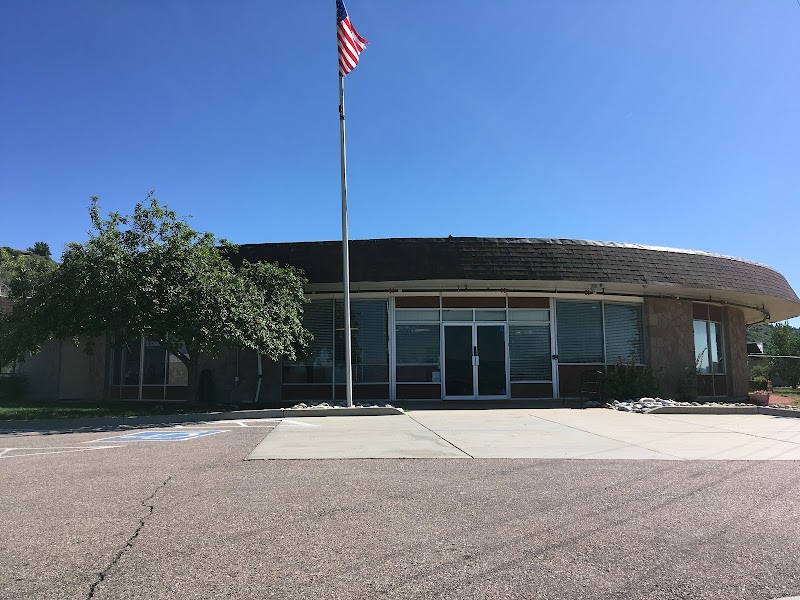
How is Silver Heights Skilled Nursing And Rehabilitation Staffed?

CMS rates SILVER HEIGHTS SKILLED NURSING AND REHABILITATION's staffing level at 3 out of 5 stars, which is average compared to other nursing homes. Staff turnover is 67%, which is 21 percentage points above the Colorado average of 46%. High turnover can affect care consistency as new staff learn residents' individual needs. RN turnover specifically is 67%, which is notably high. RNs provide skilled clinical oversight, so turnover in this role can affect medical care quality.

What Have Inspectors Found at Silver Heights Skilled Nursing And Rehabilitation?

State health inspectors documented 33 deficiencies at SILVER HEIGHTS SKILLED NURSING AND REHABILITATION during 2022 to 2025. These included: 33 with potential for harm.
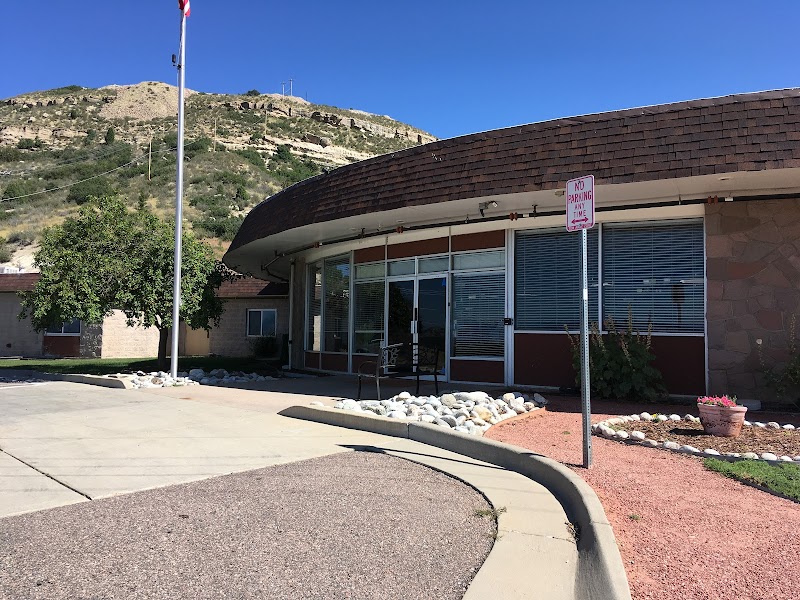
Who Owns and Operates Silver Heights Skilled Nursing And Rehabilitation?

SILVER HEIGHTS SKILLED NURSING AND REHABILITATION is owned by a for-profit company. For-profit facilities operate as businesses with obligations to shareholders or private owners. The facility is operated by MADISON CREEK PARTNERS, a chain that manages multiple nursing homes. With 91 certified beds and approximately 51 residents (about 56% occupancy), it is a smaller facility located in CASTLE ROCK, Colorado.
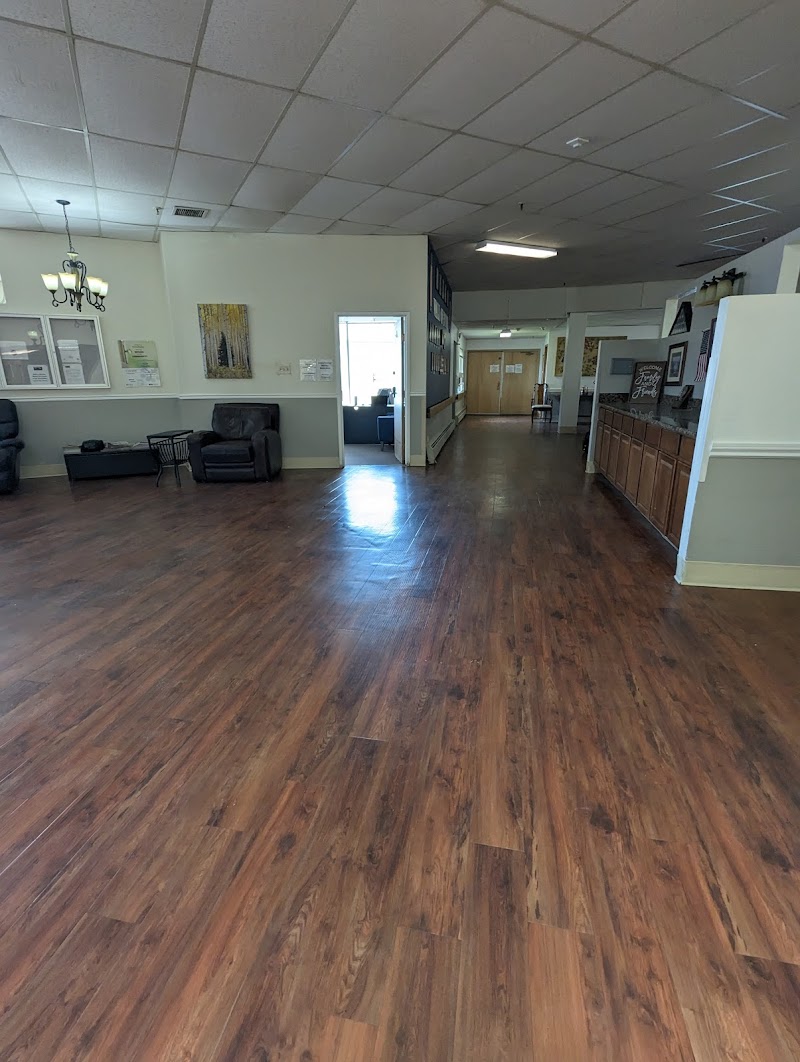
How Does Silver Heights Skilled Nursing And Rehabilitation Compare to Other Colorado Nursing Homes?

Compared to the 100 nursing homes in Colorado, SILVER HEIGHTS SKILLED NURSING AND REHABILITATION's overall rating (3 stars) is below the state average of 3.1, staff turnover (67%) is significantly higher than the state average of 46%, and health inspection rating (2 stars) is below the national benchmark.

What Should Families Ask When Visiting Silver Heights Skilled Nursing And Rehabilitation?

Based on this facility's data, families visiting should ask: "What safeguards and monitoring systems are in place to protect residents from abuse or neglect?" "How do you ensure continuity of care given staff turnover, and what is your staff retention strategy?" "Can I visit during a mealtime to observe dining assistance and food quality?" "How do you handle medical emergencies, and what is your hospital transfer rate?" These questions are particularly relevant given the substantiated abuse finding on record and the facility's high staff turnover rate.

Is Silver Heights Skilled Nursing And Rehabilitation Safe?

Based on CMS inspection data, SILVER HEIGHTS SKILLED NURSING AND REHABILITATION has documented safety concerns. The facility has 1 substantiated abuse finding (meaning confirmed case of resident harm by staff or other residents). The facility has a 3-star overall rating and ranks #100 of 100 nursing homes in Colorado. Families considering this facility should ask detailed questions about what corrective actions have been taken since these incidents.

Do Nurses at Silver Heights Skilled Nursing And Rehabilitation Stick Around?

Staff turnover at SILVER HEIGHTS SKILLED NURSING AND REHABILITATION is high. At 67%, the facility is 21 percentage points above the Colorado average of 46%. Registered Nurse turnover is particularly concerning at 67%. RNs handle complex medical decisions and coordinate care — frequent RN changes can directly impact care quality. High turnover means new staff may not know residents' individual needs, medications, or preferences. It can also be disorienting for residents, especially those with dementia who rely on familiar faces. Families should ask: What is causing the turnover? What retention programs are in place? How do you ensure care continuity during staff transitions?

Was Silver Heights Skilled Nursing And Rehabilitation Ever Fined?

SILVER HEIGHTS SKILLED NURSING AND REHABILITATION has been fined $3,250 across 1 penalty action. This is below the Colorado average of $33,111. While any fine indicates a compliance issue, fines under $50,000 are relatively common and typically reflect isolated problems that were subsequently corrected. Families should ask what specific issues led to these fines and confirm they've been resolved.

Is Silver Heights Skilled Nursing And Rehabilitation on Any Federal Watch List?

SILVER HEIGHTS SKILLED NURSING AND REHABILITATION is not on any federal watch list. The most significant is the Special Focus Facility (SFF) program, which identifies the bottom 1% of nursing homes nationally based on persistent, serious quality problems. Not being on this list means the facility has avoided the pattern of deficiencies that triggers enhanced federal oversight. This is a positive indicator, though families should still review the facility's inspection history directly.