BEAR CREEK SENIOR LIVING
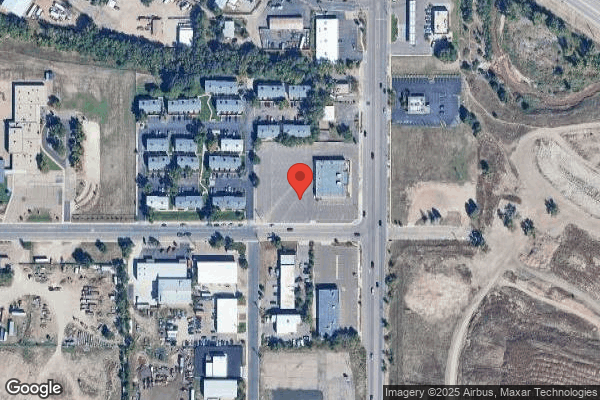
1685 S 21ST ST, COLORADO SPRINGS, CO 80904 (719) 329-1774
For profit - Corporation 45 Beds Independent Data: November 2025
Trust Grade
60/100
#54 of 208 in CO
Last Inspection: May 2024

Within standard 12-15 month inspection cycle. Federal law requires annual inspections.

Overview

Bear Creek Senior Living has a Trust Grade of C+, which means it is considered decent and slightly above average when compared to other nursing homes. It ranks #54 out of 208 facilities in Colorado, placing it in the top half, and #5 out of 20 in El Paso County, indicating only a few local options are better. The facility is improving, with issues decreasing from four in 2024 to two in 2025. Staffing is rated well at 4 out of 5 stars, with a turnover rate of 36%, which is better than the state average, suggesting that staff are experienced and familiar with the residents. However, the facility has incurred $26,689 in fines, which is concerning as it is higher than 85% of Colorado facilities, indicating potential compliance issues. While the nursing home has more RN coverage than 99% of state facilities, which is a significant advantage for resident care, there have been serious incidents reported. For example, a resident who required assistance fell multiple times due to inadequate supervision, resulting in a hospital transfer for injuries. Another incident involved a resident needing two staff members for transfers but not receiving the required help, leading to a fracture. Additionally, the facility failed to maintain effective infection control measures, specifically related to water safety and COVID-19 vaccination offers for residents. Overall, while Bear Creek has strengths in staffing and RN coverage, these critical incidents raise concerns about resident safety.

Trust Score
C+
60/100
In Colorado
#54/208
Top 25%
Safety Record
Moderate
Needs review
Inspections
Getting Better
4 → 2 violations
Staff Stability
○ Average
36% turnover. Near Colorado's 48% average. Typical for the industry.
Penalties
○ Average
$26,689 in fines. Higher than 74% of Colorado facilities. Some compliance issues.
Skilled Nurses
✓ Good
Each resident gets 71 minutes of Registered Nurse (RN) attention daily — more than 97% of Colorado nursing homes. RNs are the most trained staff who catch health problems before they become serious.
Violations
⚠ Watch
13 deficiencies on record. Higher than average. Multiple issues found across inspections.
★★★★☆
4.0
Overall Rating
★★★★☆
4.0
Staff Levels
★★★☆☆
3.0
Care Quality
★★★★☆
4.0
Inspection Score
Stable
2024: 4 issues
2025: 2 issues

The Good

  • 4-Star Staffing Rating · Above-average nurse staffing levels
  • Full Sprinkler Coverage · Fire safety systems throughout facility
  • No fines on record
  • Staff turnover below average (36%)

    12 points below Colorado average of 48%

Facility shows strength in staffing levels, fire safety.

The Bad

Staff Turnover: 36%

Near Colorado avg (46%)

Typical for the industry

Federal Fines: $26,689

Below median ($33,413)

Moderate penalties - review what triggered them

The Ugly 13 deficiencies on record

2 actual harm
Jan 2025 2 deficiencies
CONCERN (D) 📢 Someone Reported This

A family member, employee, or ombudsman was alarmed enough to file a formal complaint

Potential for Harm - no one hurt, but risky conditions existed

Transfer Notice (Tag F0623)

Could have caused harm · This affected 1 resident

**NOTE- TERMS IN BRACKETS HAVE BEEN EDITED TO PROTECT CONFIDENTIALITY** Based on record review and interviews, the facility failed to provide a written discharge notice to to the resident or their rep...

Read full inspector narrative →
**NOTE- TERMS IN BRACKETS HAVE BEEN EDITED TO PROTECT CONFIDENTIALITY** Based on record review and interviews, the facility failed to provide a written discharge notice to to the resident or their representative and the State Long-Term Care Ombudsman at least 30 days before the resident's discharge for one (#1) of three residents reviewed for transfer/discharge out of three sample residents. Specifically, the facility failed to: -Provide Resident #1 and her representative an appropriate written notice of discharge from the facility that included: -The reason for transfer or discharge; -The effective date of transfer or discharge; -The location to which the resident was transferred or discharged ; -A statement of the resident's appeal rights, including the name, address (mailing and email), and telephone number of the entity which receives such requests; -Information on how to obtain an appeal form and assistance in completing the form and submitting the appeal-hearing request; and, -The name, address (mailing and email) and telephone number of the Office of the State; and, -Provide written notice to the ombudsman of Resident #1's facility-initiated discharge. Findings include: I. Facility policy and procedure The Transfer or Discharge, Facility-Initiated policy and procedure, undated, was provided by the assistant director of nursing (ADON) on 1/30/25 at 3:20 p.m. It read in pertinent part, Once admitted to the facility, residents have the right to remain in the facility. Facility-initiated transfers and discharges, when necessary, must meet specific criteria and require resident/representative notification and orientation and documentation, as specified in this policy. Facility-Initiated transfer or discharge means a transfer or discharge which the resident objects to, and/or is not in alignment with the resident's stated goals for care and preference. If the facility does not permit a resident's return to the facility based on inability to meet the resident's needs, the facility will notify the resident and his or her representative in writing of the discharge, including notification of appeal rights. The facility will send a copy of the discharge notice to a representative of the Office of the State LTC (long term care) Ombudsman. If the resident chooses to appeal the discharge, the facility will allow the resident to return to his or her room or an available bed in the facility during the appeal process, unless there is documented evidence that the resident's return would endanger the health or safety of the resident or other individuals in the facility. The resident and his or her representative are given a thirty (30)-day advance notice of an impending transfer or discharge from the facility. The resident and representative are notified in writing of the following information: -The specific reason for the transfer or discharge, including the basis; -The effective date of the transfer or discharge; -The specific location to which the resident is being transferred or discharged ; and, -An explanation of the resident's rights to appeal the transfer or discharge to the state, including the name, address, email and telephone number of the entity which receives such appeal hearing requests. A copy of the notice is sent to the office of the state long-term care ombudsman at the same time the notice of transfer or discharge is provided to the resident and representative. II. Resident #1 A. Resident status Resident #1, age greater than 65, was initially admitted on [DATE] and readmitted after hospitalizations on 8/15/24, 11/20/24 and 12/24/24. According to the January 2025 computerized physician orders (CPO), diagnoses included alcoholic cirrhosis of the liver, type 2 diabetes mellitus with other diabetic kidney complication, acquired absence of left leg above the knee, dependence on wheelchair, type 2 diabetes mellitus with diabetic neuropathy, major depressive disorder, alcohol dependence, in remission, anxiety disorder, hepatic encephalopathy, Parkinsonism and cognitive communication deficit. The 11/26/24 minimum data set (MDS) assessment revealed the resident was cognitively intact with a brief interview for mental status (BIMS) score of 15 out of 15. She required supervision for most functional activities of daily living (ADL). The assessment documented the resident had no behavioral symptoms, including physical, verbal, or other and there was no rejection of care. She was administered insulin injections, antianxiety, antidepressant, antibiotic, diuretic and hypoglycemic medications daily. III. Record review -Review of Resident #1's electronic medical record (EMR) revealed the facility failed to provide a written notice for the facility-initiated discharge to Resident #1, to include her appeal rights, and failed to send a written copy of the notice to a representative of the office of the state long term care ombudsman. -The facility failed to provide a reason for the sudden discharge. Cross-reference F626 for failure to permit a resident to return to the facility following a discharge. On 1/30/25 at 4:50 p.m., the ADON provided a statement that Resident #1's representative was notified verbally by the director of nursing (DON) and the social services director (SSD) of the facility's decision to not readmit the resident after her hospitalization. -However, the facility failed to provide documentation of the discharge notice and notification to the ombudsman (see interviews below). Review of Resident #1's EMR revealed the following progress notes: The 1/10/25 nurses note revealed Resident #1 refused to take her medications because her stomach was upset and she was afraid she would throw up. The note documented that due to the management's previous instruction, the nurse proceeded to call the resident's representative, who came to the facility and the resident took her medications. On 1/14/25 the ADON documented that on Friday 1/10/25 at 3:45 p.m., Resident #1's representative requested the resident be sent to a hospital, because she said the resident was lethargic. The ADON further documented Resident #1 appeared to be at her baseline per nursing assessment. The 1/14/25 interdisciplinary team (IDT) note documented the IDT team discussed the resident's status at the hospital. It was determined with the regional nurse that the facility was not able to accept her back due to not being able to meet her needs, as the resident would not allow interventions to be put in place to accommodate her safety to prevent abuse physically and verbally. PACE (program of all-inclusive care for the elderly), the ombudsman, the resident's representative and the hospital caseworker were involved in the conversation. Review of Resident #1's EMR on 1/29/25, revealed the following: -There was no discharge summary or assessment documentation; -There was no documentation of appropriate orientation and preparation of the resident prior to transfer or discharge; and, -There was no written discharge notice documentation. IV. Interviews A frequent visitor (FV) was interviewed on 1/30/25 at 2:34 p.m. The FV said she did not receive a facility-initiated discharge letter from the facility when Resident #1 was discharged . She said Resident #1 and her representative did not receive the discharge letter and were not aware of the appeal rights. The FV said the resident's representative told her that she would like to appeal the discharge, however she did not know how to appeal. The DON and the ADON were interviewed together on 1/30/25 at 3:10 p.m. The ADON said the facility did not send a written facility-initiated discharge notice to Resident #1 and her representative, or to the ombudsman office. The DON said the IDT made the decision of not accepting Resident #1 back due to the resident refusing to take her medications which had led to her mental status changes and hospitalizations.
CONCERN (D) 📢 Someone Reported This

A family member, employee, or ombudsman was alarmed enough to file a formal complaint

Potential for Harm - no one hurt, but risky conditions existed

Safe Transfer (Tag F0626)

Could have caused harm · This affected 1 resident

**NOTE- TERMS IN BRACKETS HAVE BEEN EDITED TO PROTECT CONFIDENTIALITY** Based on record review and interviews, the facility failed to allow resident to return to the facility after transfer to a hospi...

Read full inspector narrative →
**NOTE- TERMS IN BRACKETS HAVE BEEN EDITED TO PROTECT CONFIDENTIALITY** Based on record review and interviews, the facility failed to allow resident to return to the facility after transfer to a hospital for one (#1) of three residents reviewed for facility-initiated transfers out of three sample residents. Specifically the facility failed to permit Resident #1 to return after a hospitalization on 1/10/25. Findings include: I. Facility policy and procedure The Transfer or Discharge, Facility-Initiated policy and procedure, undated, was provided by the assistant director of nursing (ADON) on 1/30/25 at 3:20 p.m. It read in pertinent part, Once admitted to the facility, residents have the right to remain in the facility. Facility-initiated transfers and discharges, when necessary, must meet specific criteria and require resident/representative notification and orientation, and documentation as specified in this policy. Facility-initiated transfer or discharge means a transfer or discharge which the resident objects to, and/or is not in alignment with the resident's stated goals for care and preference. Residents who are sent emergently to an acute care setting are considered facility-initiated transfers, not discharges, because the resident's return is generally expected. Residents who are sent emergently to an acute care setting, such as a hospital, are permitted to return to the facility. A resident's declination of treatment is not grounds for discharge, unless the facility is unable to meet the needs of the resident or protect the health and safety of others. The facility will document that the resident or, if applicable, resident representative, received information regarding the risks or refusal of treatment and that staff conducted the appropriate assessment to determine if care plan revisions would allow the facility to meet the resident needs or protect the health and safety of others. II. Resident #1 A. Resident status Resident #1, age greater than 65, was initially admitted on [DATE], and readmitted after hospitalizations on 8/15/24, 11/20/24 and 12/24/24 and discharged to the hospital on 1/10/25. According to the January 2025 computerized physician orders (CPO), diagnoses included alcoholic cirrhosis of the liver, type 2 diabetes mellitus with other diabetic kidney complication, acquired absence of left leg above the knee, dependence on wheelchair, type 2 diabetes mellitus with diabetic neuropathy, major depressive disorder, alcohol dependence, in remission, anxiety disorder, hepatic encephalopathy, Parkinsonism and cognitive communication deficit. The 11/26/24 minimum data set (MDS) assessment revealed the resident was cognitively intact with a brief interview for mental status (BIMS) score of 15 out of 15. She required supervision for most functional activities of daily living (ADL). The assessment documented the resident had no behavioral symptoms, including physical, verbal, or other, and there was no rejection of care. She was administered insulin injections, antianxiety, antidepressant, antibiotic, diuretic and hypoglycemic medications daily. III. Record review Review of Resident #1's comprehensive care plan, dated 9/15/23, revealed the following: -Resident #1 was admitted for long-term care with an intervention to evaluate the resident's motivation to return to the community. -Resident #1 declined to take her medications and get up in the mornings. The interventions included educating the resident and her family of the possible outcome(s) of not complying with treatment or care. The 1/10/25 nurses note revealed Resident #1 refused to take her medications because her stomach was upset and she was afraid she would throw up. The note documented that due to the management's previous instruction, the nurse proceeded to call the resident's representative, who came to the facility, and the resident took her medications. On 1/14/25 the ADON documented that on Friday, 1/10/25 at 3:45 p.m., Resident #1's representative requested the resident be sent to a hospital, because she said the resident was lethargic. The ADON further documented Resident #1 appeared to be at her baseline per nursing assessment. The 1/14/25 interdisciplinary team (IDT) note documented the IDT team discussed Resident #1's status at the hospital. It was determined with the regional nurse that the facility was not able to accept her back due to not being able to meet her needs, as she would not allow interventions to be put in place to accommodate her safety to prevent abuse physically and verbally. PACE (program of all-inclusive care for the elderly), the ombudsman, the resident's representative and the hospital caseworker were involved in the conversation. IV. Interviews The nursing home administrator (NHA) was interviewed on 1/29/25 at 9:30 a.m. The NHA said the IDT team made the decision to not permit Resident #1's return to the facility because of her medications refusals. Licensed practical nurse (LPN) #1 was interviewed on 1/30/25 at 1:20 p.m. LPN #1 said the resident's medication, lactulose, was very important for her to prevent hepatic encephalopathy. He said when Resident #1 declined to take this medication for a few days, she experienced a mental status change and required hospitalization. LPN #1 said the resident refused this medication because it made her nauseated in the morning. A frequent visitor (FV) was interviewed on 1/30/25 at 2:34 p.m. The FV said she did not receive a facility-initiated discharge letter from the facility. She said Resident #1 and her representative did not receive the discharge notice/letter and were not aware of the appeal rights. The FV said the resident's representative would have liked Resident #1 to return to the facility, if she had a chance to appeal the facility's decision of discharge. The director of nursing (DON) and the ADON were interviewed together on 1/30/25 at 3:10 p.m. The DON said the IDT team made the decision of not accepting the resident back due to the resident refusing to take her medications, which led to her mental status changes and hospitalizations.
May 2024 4 deficiencies
CONCERN (D)

Potential for Harm - no one hurt, but risky conditions existed

Respiratory Care (Tag F0695)

Could have caused harm · This affected 1 resident

**NOTE- TERMS IN BRACKETS HAVE BEEN EDITED TO PROTECT CONFIDENTIALITY** Based on observations, record review and interviews, the facility failed to ensure a resident who received respiratory care and ...

Read full inspector narrative →
**NOTE- TERMS IN BRACKETS HAVE BEEN EDITED TO PROTECT CONFIDENTIALITY** Based on observations, record review and interviews, the facility failed to ensure a resident who received respiratory care and services that is in accordance with professional standards of practice for one (#17) of one resident reviewed for oxygen therapy out of 23 sample residents. Specifically, the facility failed to ensure the physician's order for oxygen use was clarified to include when Resident #17 was to use her supplemental oxygen. Findings include: I. Policy and procedure The Oxygen Administration policy, revised October 2010, was received by the director of nursing (DON) on 5/6/24 at 5:38 p.m. read in pertinent: The purpose of this procedure is to provide guidelines for [NAME] oxygen administration. Preperation: verify that there is a physician's order for this procedure. Review the physician's order's or facility protocol for oxygen administration; and, review the resident's care plan to assess for any special needs of the resident. Assessments:before administering oxygen, and while the resident is receiving oxygen therapy assess for the following:vital signs. Documentation:after completing the oxygen setup or adjustment, the following information should be recorded in the resident's chart:the frequency and duration of the treatment; and,the reason for the PRN administration. A. Resident status Resident #17, age [AGE], was admitted on [DATE]. According to the May 2024 computerized physician orders (CPO), the diagnoses included chronic obstructive pulmonary disorder (COPD) (group of diseases causing airflow blockage and breathing-related problems). The 4/1/24 minimum data set (MDS) assessment revealed the resident had moderate cognitive impairment with a brief interview for mental status (BIMS) score of nine out of 15. She required extensive assistance of two staff members for transferring and toileting and partial assistance with personal hygiene. The 4/1/24 assessment indicated Resident #17 was utilizing oxygen therapy and did not specify if the resident was using the oxygen continuously or intermittently. B. Resident interview and observation Resident #17 was interviewed on 5/1/24 at 11:09 a.m. Resident #17 was lying in bed watching television. There was an oxygen concentrator in her room turned on and set at 2 liters per minute (LPM). Resident #17 said she only wore oxygen at night. Resident #17 was interviewed again on 5/6/24 at 1:30 p.m. Resident #17 was sitting up in her bed eating lunch and watching television. There was an oxygen concentrator in the room in the off position. Resident #17 said she only wore oxygen at night because she had COPD. C. Record review The May 2024 CPO revealed an order for oxygen, revised on 3/27/24, for oxygen at 2 LPM via nasal cannula. -However, the physician's order did not indicate if Resident #17 needed to wear the oxygen continuously or intermittently. An outside provider company packet with a date range of 3/26/24 to 4/4/24 indicated Resident #17 was dependent on oxygen for both continuous and nocturnal use. The oxygen care plan, initiated on 4/10/24, revealed Resident #17 utilized oxygen therapy for a diagnosis of COPD. It indicated Resident #17 would have no signs or symptoms of poor oxygen absorption through the review date. Pertinent interventions included giving medications as ordered by the physician, monitoring and documenting side effects and effectiveness or medication and the oxygen setting was 2 LPM continuously. C. Staff interviews Registered nurse (RN) #1 was interviewed on 5/6/24 at 1:35 p.m. RN #1 said Resident #17 had a physician's order for supplemental oxygen. She said the physician's order did not include documentation that the oxygen was being used. RN #1 said she was unaware if Resident #17 wore oxygen continuously and would need to clarify the order with the physician prior to updating it. The DON was interviewed on 5/6/24 at 2:00 p.m. The DON said the nurse who put the physician's order for oxygen in the medical record did not indicate if it was for continuous use or just at night. The DON said she was unsure if Resident #17 was using 2 LPM of oxygen continuously. The DON said RN #1 was in the process of clarifying the order with the physician. D. Facility follow up A 5/6/24 progress note (during the survey) indicated the facility had contacted the physician for Resident #17 and the order was clarified for Resident #17 to supplemental oxygen during hours of sleep (HS) and as needed (PRN). The May 2024 CPO revealed the resident had a physician order to receive 2 LPM per nasal cannula at bedtime and as needed, ordered 5/6/24 (during the survey).
CONCERN (D)

Potential for Harm - no one hurt, but risky conditions existed

Deficiency F0883 (Tag F0883)

Could have caused harm · This affected 1 resident

**NOTE- TERMS IN BRACKETS HAVE BEEN EDITED TO PROTECT CONFIDENTIALITY** Based on record review and staff interviews, the facility failed to develop and implement policies and procedures related to pne...

Read full inspector narrative →
**NOTE- TERMS IN BRACKETS HAVE BEEN EDITED TO PROTECT CONFIDENTIALITY** Based on record review and staff interviews, the facility failed to develop and implement policies and procedures related to pneumococcal vaccines for one (#12) of five residents reviewed for vaccinations of 23 sample residents. Specifically, the facility failed to ensure Resident #12 was offered the pneumococcal vaccine. Findings include: I. Professional reference According to the Centers for Disease Control and Prevention (CDC) Pneumococcal Vaccine Recommendations website, revised 9/21/23, was retrieved on 5/7/24 from https://www.cdc.gov/vaccines/vpd/pneumo/hcp/recommendations.html. It read in pertinent part, CDC recommends routine administration of pneumococcal conjugate vaccine (PCV15 or PCV20) for all adults 65 years or older. II. Facility policy The Pneumococcal Vaccine policy, revised March 2022, was provided by the director of nursing (DON) on 5/6/24 at 1:21 p.m. It read in pertinent part, All residents are offered pneumococcal vaccines to aid in preventing pneumonia/pneumococcal infections. Prior or upon admission, residents are assessed for eligibility to receive the pneumococcal vaccine series unless medically contraindicated. Assessments of pneumococcal vaccination status are conducted within five working days of the resident's admission. Residents have the right to refuse vaccination. If refused, appropriate information is documented in the resident's medical record. For each resident who received the vaccination, the appropriate information is documented in the resident's medical record. III. Resident #12 A. Resident status Resident #12, age greater than 65, was admitted on [DATE]. According to the May 2024 computerized physician orders (CPO), diagnoses included generalized arthritis and muscle weakness. The 2/10/24 minimum data set (MDS) documented Resident #12 had no cognitive impairment, as evidenced by a brief interview for mental status (BIMS) score of 15 out of 15. The assessment indicated the pneumococcal vaccine status had not been assessed. B. Record review -A review of the resident's electronic medical record (EMR) on 5/2/24 revealed the resident had not been offered the pneumococcal vaccine since she was admitted to the facility on [DATE]. The EMR did not indicate if the resident had received any pneumococcal vaccinations prior to her admission to the facility. IV. Staff interviews The assistant director of nursing (ADON) and the DON were interviewed together on 5/6/24 at 10:00 a.m. They said they shared the responsibility of keeping track of resident vaccination status. The ADON said when residents were admitted to the facility, she or the DON reviewed the medical records to gather the resident's vaccination history.The ADON said if a resident had not received the pneumococcal vaccine, the facility offered the vaccine upon admission. The ADON said the information was documented in the EMR if the facility administered a vaccine. The ADON said if the resident had previously received vaccines, the vaccine documentation was scanned into the EMR and filed under the miscellaneous tab. The ADON said the facility did not otherwise track and document resident immunization information. The ADON said she was unable to find documentation which indicated Resident #12 was educated, offered, received or refused the pneumococcal vaccine upon her admission on [DATE]. The ADON said the DON and herself missed reviewing Resident #12's immunization history upon admission to determine if she was due for a pneumococcal vaccination. The DON said the facility should follow state and CDC guidelines for offering vaccines and documenting the vaccination status of each resident in their EMR
CONCERN (E)

Potential for Harm - no one hurt, but risky conditions existed

Deficiency F0760 (Tag F0760)

Could have caused harm · This affected multiple residents

**NOTE- TERMS IN BRACKETS HAVE BEEN EDITED TO PROTECT CONFIDENTIALITY** Based on interviews and record review, the facility failed to ensure residents were free from significant medication errors for ...

Read full inspector narrative →
**NOTE- TERMS IN BRACKETS HAVE BEEN EDITED TO PROTECT CONFIDENTIALITY** Based on interviews and record review, the facility failed to ensure residents were free from significant medication errors for three (#18, #6, #188) of 11 residents reviewed for medication errors out of 23 sample residents. Specifically, the facility failed to: -Ensure physician's hospital discharge orders for antibiotics to treat a urinary tract infection (UTI) from the hospital were initiated when Resident #18 admitted to the facility; -Ensure Resident #18's antibiotic medication and an inhaler were available timely for administration per physician's order; -Ensure Resident #6's nasal spray was available for administration per physician's orders; and, -Ensure Resident #188's pain medication was available for administration per physician's orders. Findings include: I. Facility policy The Medication Administration policy, revised April 2019, was provided by the director of nursing (DON) on 5/6/24 at 5:38 p.m. It read in pertinent part, Medications are administered in a safe and timely manner and as prescribed. Policy interpretation and implementation: the director of nursing (DON) supervises and directs all personnel who administer medications. Medications are administered in accordance with prescriber orders, including any required time frame. Medication administration times are determined by resident need and benefit, not staff convenience. Factors considered include enhancing the optimal therapeutic effect of the medication and medications are administered within one hour of the prescribed time, unless otherwise specified. II. Resident #18 A. Resident status Resident #18, age greater than 65, was admitted on [DATE] and was discharged to the hospital on 4/21/24. According to the April 2024 computerized physician orders (CPO), diagnoses included UTI, acute kidney injury and COPD. The 4/3/24 minimum data set (MDS) assessment documented Resident #18 was cognitively intact with a brief interview for mental status (BIMS) score of 15 out of 15. He required substantial/maximum assistance with bathing, toileting and transfers. He required partial/moderate assistance with dressing and hygiene. The assessment documented Resident #18 was admitted with an indwelling urinary catheter and he was prescribed antibiotics -However, the antibiotics were not administered as ordered (see record review below). B. Record review 1. Amoxicillin 500 milligrams (mg) twice daily for five days. A review of the 3/31/24 hospital discharge summary revealed the resident was prescribed Amoxicillin 500 mg twice daily for five days for treatment of a UTI. The April 2024 CPO included the following physician's order: Amoxicillin capsule 500 mg to treat a UTI, take one capsule by mouth two times a day for five days, ordered on 4/2/24. -The initial physician's order for Amoxicillin prescribed by the hospital physician upon the resident's discharge from the hospital on 3/31/24 was not in the April 2024 CPO. -Due to the antibiotics order not being entered into the physician's orders when Resident #18 admitted to the facility, the resident did not receive two doses of the Amoxicillin on 4/1/24. -There was no documentation in the electronic medical record (EMR) indicating the physician was notified the resident had missed two doses of the Amoxicillin on 4/1/24. -The facility's physician evaluated Resident #18 on 4/2/24, noted the Amoxicillin order was not in the resident's physician's orders and reordered the Amoxicillin as initially prescribed. -Despite the physician reordering the Amoxicillin on 4/2/24, a review of the resident's EMR revealed the resident was not administered the Amoxicillin 500 mg capsule two times a day on 4/2/24 or 4/3/24 and one dose of the medication on 4/4/24 because the medication was unavailable or on order. -There was no documentation in the EMR indicating the physician was notified that the resident had missed five doses of the Amoxicillin on 4/2/24, 4/3/24 and 4/4/24. -Between 4/1/24 and 4/4/24, Resident #18 missed seven doses of the Amoxicillin which had initially been ordered on 3/31/24 upon the resident's discharge from the hospital. 2. Umeclidinium/Vilanterol (inhaler used to treat COPD) 62.5 mcg (micrograms)-25 mcg/inh (inhalation). Take one puff orally once a day to prevent bronchospasm (sudden constriction of the lungs) caused by COPD. The April 2024 CPO included the following physician's order: Umeclidinium/Vilanterol 62.5 mcg-25 mcg/inh. Take one puff orally once a day to prevent bronchospasm (sudden constriction of the lungs) caused by COPD, ordered 4/1/24. -A review of the resident's EMR revealed the resident was not administered the Umeclidinium/Vilanterol medication on 4/1/24, 4/2/24, 4/3/24, 4/4/24, 4/5/24, 4/6/24, 4/7/24, 4/8/24 and 4/10/24 because it was not available. -There was no documentation indicating the physician was notified that the resident missed the doses on 4/1/24, 4/2/24, 4/3/24, 4/4/24, 4/5/24, 4/6/24, 4/7/24 and 4/8/24. The 4/6/24 nursing progress note documented the nurse followed-up with the pharmacist. The progress note documented the medication exceeded the facility's maximum price allowance for medication and the DON needed to approve the medication prior to filling the prescription. -A review of the resident's EMR did not indicate follow-up with the DON was completed to obtain approval for the medication. III. Resident #6 A. Resident status Resident #6, age [AGE], was admitted on [DATE]. According to the May 2024 CPO, diagnoses included bipolar disorder, anxiety, muscle weakness, hypertension (high blood pressure) and malnutrition. The 4/18/24 MDS assessment documented Resident #6 was cognitively intact with a BIMS score of 15 out of 15. She required substantial/maximal assistance with bathing and partial/moderate assistance with toileting and dressing. She needed set-up assistance for eating and hygiene. B. Resident interview Resident #6 was interviewed on 5/6/24 at 12:15 p.m. Resident #6 said she used the nasal spray medication at night because it relieved her respiratory symptoms to help her sleep. She said when she did not have the medication, she felt miserable. Resident #6 said she had asked the staff about why the nasal spray was missing multiple times and never received a helpful response from the staff. She said she was told the medication had been ordered or had not arrived from the pharmacy. C. Record review The May 2024 medication orders included: -Fluticasone 50 mcg/act nasal suspension spray (medication used to control symptoms of nasal congestion, runny nose, sneezing and itching), two sprays in each nostril at bedtime for rhinitis (runny nose), ordered 4/12/24. -A review of the resident's EMR revealed the resident was not administered the Fluticasone 50 mcg/act nasal suspension spray on 4/12/24, 4/13/24, 4/14/24, 4/17/24, 4/18/24, 4/19/24, 4/21/24, 4/22/24, 4/24/22, 4/25/24, 4/26/24, and 5/2/24 because the medication was not available. The resident refused the medication on 5/1/24. The 4/16/24 nursing progress note documented the medication was unavailable because it was on order from the pharmacy. The 4/20/24 nursing progress note documented the medication was unavailable because it was on order from the pharmacy. -There was no documentation indicating the physician was notified the medication was not administered. -There was no documentation indicating the pharmacy had been contacted to determine when the medication would be delivered to the facility. IV. Resident #188 A. Resident status Resident #188, age greater than 65, was admitted on [DATE], discharged to the hospital on 4/24/24 and readmitted to the facility on [DATE]. According to the May 2024 CPO,diagnoses included Alzheimer's dementia, stroke, non-Hodgkin's lymphoma (cancer), aphasia (loss of ability to understand or express speech) and cognitive communication deficit. The 4/24/24 MDS assessment documented Resident #188 had severe cognitive impairment with a BIMS score of four out of 15. She required partial/moderate assistance with bathing, toileting, dressing and transfers. She needed assistance with bed mobility, eating, and hygiene. B. Record review The April 2024 CPO documented the following physician's order: Hydrocodone-Acetaminophen (Norco) 5-325 mg give one tablet by mouth three times a day, ordered 4/26/24. The 4/26/24 nursing progress note documented the resident did not receive the 8:00 p.m. dose of the Hydrocodone-Acetaminophen tablet because the medication was not available. -A review of the resident's EMR did not reveal the physician was notified that the resident had missed the 8:00 p.m. doses of the Hydrocodone-Acetaminophen tablet. The 4/27/24 nursing progress note documented that all three doses of pain relief medication were not administered that day because the medication was not available. The note documented the medication had been ordered. -A review of the resident's EMR did not reveal the physician was notified that the resident missed all three doses of the Hydrocodone-Acetaminophen tablet. The 4/28/24 nursing progress note documented that all three doses of the pain relief medication were not administered that day because the medication was not available. The note documented the medication had been ordered. -A review of the resident's EMR did not reveal the physician was notified that the resident missed the three doses of the Hydrocodone-Acetaminophen. V. Staff interviews Registered nurse (RN) #2 was interviewed on 5/2/24 at 1:12 p.m. RN #2 said the admitting nurse was responsible for verifying and entering the physician's orders upon admission into the resident's EMR. RN #2 said after the orders were entered, the orders were automatically sent to the pharmacy electronically. She said medications were delivered to the facility the next time the pharmacy delivered medications to the facility. RN #2 said the pharmacy delivered medications twice a day to the facility. RN #2 said medications for a newly admitted resident were sometimes not included with the next medication delivery. She said sometimes it took the pharmacy more time to fill new prescriptions before the next delivery was sent out. RN #2 said the facility had an automated medication dispensing machine which stored several medications for emergency use. She said when the pharmacy did not deliver medications on time, a nurse could obtain in-stock medications from the dispensing machine while they waited for the pharmacy delivery. RN #2 said urgent medications, such as antibiotics, blood pressure, and pain medications, were usually in the dispensing machine. She said some medicines required pharmacy authorization for the nurse to access the medications. RN #2 said she had worked at the facility for approximately 18 months and received education on medication ordering from the MDS nurse and other coworkers. She said she did not recall other education on medication ordering and follow-up. She said several months ago, during a staff meeting, a co-worker nurse raised concerns about late/missing medication deliveries from the pharmacy. RN #2 said she understood when medications had not been received after the first or second pharmacy delivery, the nurse should call the pharmacy to follow-up on the order and delivery status. She said the nurse should notify the physician about medication delays and missing medication doses. RN #2 said it was important to notify the physician of a missing or late medication so the physician could consider a substitute medication or change treatments. RN #2 said if the physician was not informed about medication delays, the resident could experience adverse outcomes like declining health or delayed healing. RN #2 said if there was a delay in an antibiotic administration, a resident could experience worsening of an infection. RN #2 said there was a shift report twice daily and nurses discussed medication concerns that needed follow-up. RN #2 said when residents were administered antibiotics, nurses needed to monitor their responses to medication, especially when antibiotics had been administered. She said it was essential to assess allergic reactions, monitor vital signs, focus on the infectious process and consider if the resident tolerated the medication. RN #2 said the assessments were documented in the resident's EMR when they were completed. RN #2 said medication delays could contribute to negative outcomes such as withdrawal, prolonged discomfort and delayed healing. The DON was interviewed on 5/2/24 at 1:43 p.m. The DON said when medications were unavailable, the nurse was prompted to enter a progress note to document the information. The DON said the nurses' progress notes populated to the 24-hour report and she and/or the assistant director of nursing (ADON) reviewed the report daily. The DON said when the ADON or herself reviewed the 24-hour report they were alerted when medications were unavailable for administration. The DON said the nurse progress notes were overlooked on the 24-hour report for Residents #18, #6 and #188. The DON said when she noted medications were missed she called the pharmacy to attempt to expedite medication delivery when necessary. The DON said each medication delay would have a different reason, so the delay's causes varied. The DON said if the first dose of a medication was unavailable, the nurses needed to utilize the dispensing machine. She said the machine included just about every medication, so missed or late doses should not happen. The DON said the facility had a maximum price watch budget which meant they needed to be careful when high cost medications were ordered. However, the DON said she was not notified of Resident #18's high cost inhaler and she was unaware of the medication delays and missed medication doses for Residents #18, #6 and #188. The DON said nurses received education on medication ordering and follow-up from co-workers when they were hired. The DON said the pharmacy had provided ordering information handouts and were available at the nurse's desk at all times. The DON said she had not provided education on medication ordering and follow-up when medications were unavailable. She said the nurses learned the medication ordering process during orientation and should ask a coworker or a nurse leader for assistance.
CONCERN (F)

Potential for Harm - no one hurt, but risky conditions existed

Infection Control (Tag F0880)

Could have caused harm · This affected most or all residents

**NOTE- TERMS IN BRACKETS HAVE BEEN EDITED TO PROTECT CONFIDENTIALITY** Based on record review and interviews, the facility failed to maintain an infection control program designed to provide a safe, ...

Read full inspector narrative →
**NOTE- TERMS IN BRACKETS HAVE BEEN EDITED TO PROTECT CONFIDENTIALITY** Based on record review and interviews, the facility failed to maintain an infection control program designed to provide a safe, sanitary and comfortable environment to help prevent the development and transmission of diseases. Specifically, the facility failed to: -Ensure the facility monitored the water for the growth of Legionella; and, -Ensure Resident #12 was offered the COVID-19 vaccine. Findings include: I. Water management A. Professional reference According to the Centers for Disease Control and Prevention (CDC) Toolkit: Developing a Water Management Program to Reduce Legionella Growth and Spread in Buildings,(3/25/21), retrieved on 5/4/24 from https://www.cdc.gov/legionella/wmp/toolkit/index.html?CDC_AA_refVal=https%3A%2F%2Fwww.cdc.gov%2Flegionella%2Fmaintenance%2Fwmp-toolkit.html read in pertinent part, Many buildings need a water management program to reduce the risk for Legionella growing and spreading within their water system and devices. Legionella bacteria are typically found naturally in [NAME] environments but can become a health concern when they grow and spread in human-made water systems. Legionella can cause a serious type of pneumonia (lung infection) known as Legionnaires' disease. Some water systems in buildings have a higher risk for Legionella growth and spread than others. Legionella water management programs are now an industry standard for many buildings in the United States. Legionella bacteria can cause a serious type of pneumonia called Legionnaires' disease. Legionella bacteria can also cause a less serious illness called Pontiac fever. The key to preventing Legionnaires' disease is to reduce the risk of Legionella growth and spread. Building owners and managers can do this by maintaining building water systems and implementing controls for Legionella. Water management programs identify hazardous conditions and take steps to minimize the growth and transmission of Legionella and other waterborne pathogens in building water systems. Developing and maintaining a water management program is a multi-step process that requires continuous review. Seven key elements of a Legionella water management program are to: -Establish a water management program team; -Describe the building water systems using text and flow diagrams; -Identify areas where Legionella could grow and spread; -Decide where control measures should be applied and how to monitor them; -Establish ways to intervene when control limits are not met; -Make sure the program is running as designed (verification) and is effective (validation); and, -Document and communicate all the activities. Principles: In general, the principles of effective water management include: -Maintaining water temperatures outside the ideal range for Legionella growth; -Preventing water stagnation; -Ensuring adequate disinfection; and, -Maintaining devices to prevent sediment, scale, corrosion, and biofilm, all of which provide a habitat and nutrients for Legionella. Once established, water management programs require regular monitoring of key areas for potentially hazardous conditions and the use of predetermined responses to respond when control measures are not met. Monitoring Water Quality Parameters: The water management program team should regularly monitor water quality parameters, such as disinfectant residual and temperature levels. By monitoring these parameters, the team can ensure that building water systems are operating in a way to minimize hazardous conditions that could encourage Legionella and other waterborne pathogens to grow. If the team finds that a control limit temperature, disinfectant residual) is not being met, their next step will be to take corrective actions to get conditions back to within an acceptable range. Examples of chemical and physical control limits to reduce the risk of Legionella growth include: -Maintain hot water temperature at the highest temperature allowable by state regulations or codes and outside the favorable range for Legionella growth (77-113 degrees (fahrenheit) F). -Ensure disinfectant levels are detectable where water enters the building and at points of use. According to CDC' s Controlling Legionella in Potable Water Systems, (2/3/21) retrieved on 5/4/24 from, Store hot water at temperatures above 140 degrees F and ensure hot water in circulation does not fall below 120 degrees F. Recirculate hot water continuously, if possible. Store and circulate cold water at temperatures below the favorable range for Legionella (77-113 degrees F); Legionella may grow at temperatures as low at 68 degrees F. B. Facility policy The Water Management Program policy, undated, was received by the director of nursing (DON) on 5/2/23 at 10:32 a.m. and read in pertinent part, Monitoring and verification plan, cold water service monitoring task included: -Cold water temperature should be checked weekly. The limit is less than 77 degrees Fahrenheit (F). -Legionella culture test annually on a rotating basis. Hot water service, centralized, water storage systems monitoring. -Water storage or supply temperature should be checked weekly. -The temperature limit is 140 to145 degrees Fahrenheit with a thermostatic mixing valve (TMV) or 130 to 135 degrees Fahrenheit without a TMV. -Legionella culture test should be completed annually on a rotating basis. C. Record review The Legionella testing and watering monitoring results for March 2024 and April 2024 were requested from the DON on 5/2/24. A review of the March 2024, April 2024 and May 2024 work history report revealed the log marked the hot water was tested on [DATE], 3/9/24, 3/16/24, 3/23/24, 3/30/24, 4/6/24, 4/13/24, 4/20/24, 4/27/24 and 5/4/24. On 5/6/24 at 2:40 p.m. the maintenance director (MTD) provided the water temperature testing results for April 2024 and May 2024 from the direct supply electronic logbook. The logbook documented the following water temperature monitoring: On 4/3/24, the water temperature was tested in a resident room on the memory care unit. It was 113 degreesF. On 4/11/24, the water temperature was tested in resident room [ROOM NUMBER]. The temperature was 114 degrees F. On 4/19/24, the water temperature was tested in a non-specified resident room on the skilled unit. The temperature was 112 degrees F. 4/27/24 the water temperature was tested in a non-specified location on the memory care unit. The temperature was not recorded. On 5/2/24, the water temperature was tested in a non-specified location on the memory care unit. The temperature was 113 degrees F D. Interviews The DON was interviewed on 5/6/24 at 10:00 a.m. The DON said she shared the infection preventionist (IP) role with the assistant director of nursing (ADON). She said the IP was not a water management team member. She said she knew about the program but had not been responsible for the implementation or monitoring of the water testing for Legionella. The DON said if the water temperatures were out of range, an additional control measure was not used to monitor or test the water. The DON said the MTD tested water temperatures monthly and they sent a water sample on 5/1/24 for the annual analysis. She said the facility ordered the analysis to be completed because the water temperatures were not always in the range to prevent Legionella growth. She said waiting for a laboratory water analysis could delay follow-up monitoring when the follow-up to missed control measures is urgent. The DON said she would review testing and monitoring options for immediate results if water temperatures were not within control limits. The MTD was interviewed on 5/6/24 at 2:57 p.m. The MTD said he was unaware the hot water temperatures had not met the control measure temperature for hot water storage or supply of 130 to 135 degrees Fahrenheit (control without TMV). He said he entered the result into the log when he measured water temperatures. The MTD said when water temperatures were within the favorable range for Legionella growth which was 77 to 113 degrees F. He said there was no additional monitoring until the 5/1/24 water analysis was completed. The MTD said the facility tested the water one time a year. He said the water sample was collected by a third-party laboratory and was collected on 5/1/24. The MTD said the facility cooling tower/chiller included an oxidizing biocide, a chemical to kill microorganisms in the water. He said the chemical level was included in the water analysis and he was unaware of what level of the chemical was necessary to prevent the growth of Legionella. II. COVID-19 vaccine failure A. Professional reference The CDC' s Stay Up to Date with COVID-19 Vaccines (3/7/24) was retrieved on 5/7/24 from https://www.cdc.gov/coronavirus/2019-ncov/vaccines/stay-up-to-date.html and read in pertinent part, The CDC recommends the 2023-2024 updated COVID-19 vaccines. Everyone aged five years and older should get one dose of an updated COVID-19 vaccine to protect against serious illness from COVID-19 .People aged 12 years and older who got the previous COVID-19 vaccine(s) before 9/12/23 should get one updated COVID-19 vaccine. People who are up to date have a lower risk of severe illness, hospitalization, and death from COVID-19 than people who are unvaccinated or who have not completed the doses recommended for them by CDC. B. Facility policy The COVID-19 Ongoing Vaccination Plan, dated 7/1/23, was provided by the NHA on 5/1/24 at 9:05 a.m. It read in pertinent part, Immunization with a safe and effective COVID-19 vaccine is a critical component of the strategy to reduce COVID-19 related illnesses. Facility COVID-19 vaccination coordinator is responsible for organizing and overseeing any COVID-19 vaccination efforts at the facility. The vaccination coordinator is responsible for organizing the COVID-19 vaccination clinic. The registered nurse vaccination director is responsible for documenting and reporting vaccinations and received training from nursing school and the pharmacy that provided the vaccinations. The facility procedure to determine if residents have been fully vaccinated for COVID-19 is to ask the resident for their vaccination card and log the vaccine information into the facility vaccine tracking portion of the electronic medical record. The facility promotes the COVID-19 vaccine to residents by emailing residents and family members in a group email. C. Resident #12 1. Resident status Resident #12, over the age of 65, was admitted on [DATE]. According to the May 2024 computerized physician orders (CPO), diagnoses included generalized arthritis and muscle weakness. The 2/10/24 minimum data set (MDS) assessment revealed the resident was cognitively intact with a brief interview for mental status (BIMS) with a score o f15 out of 15. 2. Record review -A review of Resident #12' s EMR on 5/2/24 revealed the resident was not offered the COVID-19 vaccination since being admitted to the facility on [DATE]. The EMR did not indicate if the resident had received any COVID-19 vaccinations prior to admission to the facility. D. Staff interviews The assistant director of nursing (ADON) and the director of nursing (DON) were interviewed together on 5/6/24 at 10:00 a.m. They said they shared the responsibility of keeping track of resident vaccination status. The ADON said when residents were admitted to the facility, she or the DON reviewed the medical records to gather the resident' s vaccination history. The ADON said if the resident had not received the most recent COVID-19 vaccine, the facility offered the vaccine upon admission. The ADON said the information was documented in the electronic medical record (EMR) if the facility administered a vaccine. The ADON said if the resident had previously received vaccines, the vaccine documentation was scanned into the EMR and filed under the miscellaneous tab. The ADON said the facility did not otherwise track and document resident immunization information. The ADON said she was unable to find documentation which indicated Resident #12 was educated, offered, received or refused the COVID-19 vaccine since her admission on [DATE]. The DON said the facility should follow state and CDC guidelines for offering vaccines and documenting the vaccination status of each resident in their EMR.
Jan 2023 4 deficiencies 1 Harm
SERIOUS (G)

Actual Harm - a resident was hurt due to facility failures

Accident Prevention (Tag F0689)

A resident was harmed · This affected 1 resident

**NOTE- TERMS IN BRACKETS HAVE BEEN EDITED TO PROTECT CONFIDENTIALITY** Based on interviews and record review, the facility failed to provide adequate supervision and assistance devices to prevent acc...

Read full inspector narrative →
**NOTE- TERMS IN BRACKETS HAVE BEEN EDITED TO PROTECT CONFIDENTIALITY** Based on interviews and record review, the facility failed to provide adequate supervision and assistance devices to prevent accidents for one (#82) of two residents reviewed for falls out of 14 sample residents. The facility failed to timely and appropriately implement interventions including assistance with all activities of daily living as documented in her 1/10/23 minimum data set (MDS) assessment. The facility failed to provide staff education and increase resident's supervision to prevent falls when she could not initiate staff assistance by using her call light due to severely impaired cognition. Furthermore, the facility failed to ensure adequate supervision and effective interventions were in place to prevent falls for Resident #82, with a fall that resulted in injuries that required transfer to a hospital. Due to the facility's failures, lack of appropriate supervision and effective interventions resulted in three falls within three days since the admission. Fall on 1/10/23 resulted in major injury with bilateral nasal fracture and nasal cavity hemorrhages and required hospitalization for eight days. Findings include: I. Facility policy The Falls -Clinical Protocol policy, revised March 2018, was provided by the director of nursing on 1/25/23 at 1:30 p.m., read in part: The physician will help identify individuals with a history of falls and risk factors for falling. Staff will ask the resident and the caregiver or family about a history of falling. While many falls are isolated individual incidents, a few individuals fall repeatedly. Those individuals often have an identifiable underlying cause. II. Resident #82 A. Resident status Resident #82, age [AGE], was admitted on [DATE] and readmitted on [DATE]. According to the January 2023 clinical physician orders (CPO), diagnoses included history of falling, vascular dementia, depression, cerebrovascular disease (stroke) and fracture of nasal bones. The 1/10/23 minimum data set (MDS) assessment revealed the resident's cognition was severely impaired. Wandering behavior was noted in one to three days of the seven day assessment period. The resident required extensive assistance of one person with bed mobility, supervision with transfers, extensive assistance with dressing, toilet use and personal hygiene. The resident was independent with eating. Section J indicated the resident had one fall since admission with major injury. The resident received an antipsychotic medication and antibiotic. B. Resident observation and interviews Resident #82 was observed on 1/23/23 at 12:17 p.m. in the dining room, eating her lunch. She had fading bluish and yellowish bruises around her nose and on the forehead. A frequent visitor with knowledge of the facility was interviewed on 1/23/23 at 11:00 a.m. The frequent visitor said she observed a female resident in the dining room during supper on 1/10/23. The resident was leaning to one side in her wheelchair for more than 20 minutes. The frequent visitor said at least four staff walked by her table and no staff repositioned this resident. The frequent visitor said at one moment she had heard other residents calling for staff, yelling loudly and saw the female resident on the floor in a puddle of blood around her head. The frequent visitor said at that moment there were no staff in the dining room; she went to the nurses' office and asked the nurse to come to the dining room. Resident #82's granddaughter was interviewed on 1/24/23 at 1:00 p.m. She said her grandmother had fallen at home prior to her hospitalization and was at high risk for falls due to her declining physically and mentally. She said the facility was aware of her grandmother's fall risk and that was also the reason the family decided to put a camera in her room and someone from the family was watching her in case she had fallen with no staff around, the family member would call the facility. She said when the first fall happened on 1/8/23, her father called the facility staff to get her grandmother off the floor. The resident's daughter was interviewed on 1/24/23 at 4:25 p.m. She said upon her mother's initial admission to the facility on 1/7/23 she repeatedly told all staff, nurses and CNAs (certified nurse aide) that her mother was very high risk for falls. She said that was the reason we placed the camera in her room so we can watch her and in case she tried to get out of bed we could talk to her or call the facility. The daughter said that happened on 1/8/23. She said her husband was watching her mother getting out of the wheelchair and falling. She said there were no staff coming to the room so he dialed the facility's phone number and asked the nurse to go to her mother's room and pick her off the floor. She said the staff was supposed to check on her mother frequently and help her to lie down after meals. She said if the staff paid more attention to her mother, she would not have had a fall with injury on 1/10/23 and would not have had to be hospitalized for eight days. C. Record review The comprehensive care plan revealed the following: - (Resident #82) is at risk for falls. H/O (history of) falls (prior to admission) PTA. Fall Risk evaluation done with admission, score of 20 (high risk for falls). Risk factors include use of psychoactive RX (medication), deconditioning & impaired cognition. The resident experienced a fall on 1/8/23 with attempted self-transfer. Staff are to offer to lay the resident down after meals. Experienced 2 (two) falls 1/10/23. The first fall was in her room when she was attempting to get out of bed. The second fall was from the WC (wheelchair) in the dining room. The second fall resulted in a trip to the ER (emergency room), (and the resident was) subsequently admitted . Hospital staff reported (the resident's) 'nose fractured. When making rounds, verify (the resident's ) position in bed or chair, reposition as needed. Staff to make frequent rounds to check for unmet needs. (dated 1/12/23). On 1/20/23 the following was added to the care plan: Staff to make frequent rounds to check for unmet needs. readmitted [DATE], falls risk score of 22. Interventions included: Be sure the resident's call light is within reach and encourage the resident to use it for assistance as needed. The resident needs prompt response to all requests for assistance. Bed in a lowered position when in bed. Encourage the resident to wear appropriate footwear when transferring, toileting, ambulating. Extensive assistance with bed mobility & transfers. Gait belt as needed for transfers. (1/9/23). Staff to make frequent rounds to check for unmet needs. When making rounds, verify position in bed or chair, reposition as needed (1/12/23). -(Resident #82) has an alteration in musculoskeletal status; after the fall with nasal fractures (dated 1/19/23) -The facility failed to monitor the effectiveness of Resident #82's care planned interventions and implement effective interventions. The 1/8/23 Fall Risk Data Collection revealed the resident had a history of falls, her balance was impaired and she was able to stabilize with physical assistance. Score was 20 (high risk for falls). The 1/10/23 Fall Risk Data Collection score was 22 (high risk for falls). D. Nursing notes: On 1/8/23 a nurse documented: Pt (patient) was in the main area with nursing staff at change of shift. At approximately 6:30 (a.m.) she wheeled herself into her room and attempted to transfer to the bed unaided. Family called the nurse's station at 6:30 (a.m.) to report that the patient had fallen. Staff found the patient sitting on the floor with legs outstretched and her arms behind her. Pt reported pain in the lower back. Follow up phone call was made with the family who reported that she slipped when trying to transfer to the bed and landed on her buttocks. Neuro (neurological) checks initiated, VS (vital signs) taken, pain assessed and pt (patient) placed back in wheelchair and within sight of nursing staff. Pt (patient) given Tylenol for the pain. Provider notified. On 1/9/23 a nurse documented: Patient admitted for skilled services with dx (diagnoses) of: atherosclerotic heart disease of native coronary artery without angina pectoris. She has two surgical incisions to left groin, on antibiotics due to infection in one of the sites. Patient has hx (history) of dementia and is confused. She has a wanderguard in place and the family provided security cameras with sound in the patient's room. Patient has non-skid socks on, falls mats in place, bed in low position and a call light within reach. She has poor safety awareness. Pleasant and cooperative with cares. The patient can be continent at times, incontinence care being managed by staff. PT/OT (physical therapy/occupational therapy) as ordered. Call light within reach, will monitor. On 1/10/23 SBAR revealed: Altered mental status Bleeding (other than GI (gastrointestinal)) Falls Fever Trauma (fall related or other) . Nursing observations, evaluation, and recommendations are: Resident #82 fell at 1620 (4:20 p.m.), this writer and (name) RN (registered nurse) assessed the resident. Resident stated 'I was trying to get out of bed and I fell.' No injury noted. Neuro (neurological assessment) WNL (within normal limits). Neuros started. Resident was in chair with nurse and was talking with nurse. Resident was taken to the dining room. Resident was noted by another family member leaning left side. Then resident suddenly fell forward and hit her face at 1740 (5:40 p.m.). Resident (#82) started bleeding from the nose. (name) LPN (licensed practical nurse) put pressure on residents nose per RN request. RN called 911.' On 1/10/23 at 6:54 p.m. a nurse documented: Resident after being evaluated by paramedics was taken to (name) Hospital. Daughter and MD (physician) were notified. On 1/23/23 a nurse documented: Patient readmitted for skilled services s/p (status post) fall with nasal fx (fracture). Patient has hx (history) of dementia and is confused and forgetful. Family provided security cameras with sound in the patient's room. Patient has non-skid socks on, falls mats in place, bed in low position and the call light within reach. She has poor safety awareness, frequently reminded to use call light for assistance. Pleasant and cooperative with cares, does refuse at times, usually in the evening/bedtime but can be easily redirected. The patient was mostly incontinent, being managed by staff. PT/OT as ordered. Call light within reach, will monitor. On 1/24/23 a nurse documented: Patient son in law called the nurse's station during shift change and stated that the patient had pressed her call light six times, that she needed to use the bathroom and no one was coming to help her. (This was most likely observed through their security cameras that the family had set up in the patient's room.) This nurse went directly to the patient's room and her call light was not on and two CNAs were in the patient's room asking her if she needed to use the toilet to which she responded, 'No, I want to go to bed.' Call light was within reach, patient reminded to use call light for assistance but quickly forgets and has poor safety awareness. Bed in low position, fall mats in place. Will monitor. E. Staff interviews Certified nurse aide (CNA) #1 was interviewed on 1/25/23 at 11:30 a.m. CNA #1 said the nursing staff could find all of the assigned resident information, including risk for falls, on the [NAME]. The DON was interviewed on 1/25/23 at 12:25 p.m. The DON said Resident #82 had three falls in the facility. After the fall on 1/8/23 at approximately 6:30 a.m. the facility implemented frequent checks. She said usually the staff were to check on the residents every two hours, however she expected nursing staff would check on residents who are at risk for falls more often. She said fall mats were placed on each side of the resident's bed to prevent injuries if the resident fell from the bed. She said the resident had a fall on 1/10/23 at 4:40 p.m. in her room with no injuries, and the staff brought the resident to the common area, lobby, so she would be close to a nurse. She said there was no investigation completed after this fall because an hour later the resident had fallen again, in the dining room. She said the dietary staff was present in the dining room and witnessed the resident's fall. She said she was not aware the resident was left in the dining room without nursing staff present. The DON said she was not aware the frequent visitor had to find a nurse when the resident was on the floor. She said she would provide extensive training with all staff in the facility on falls prevention within the next few days. CNA #2 who was assigned on the unit where Resident #82 resided, was interviewed on 1/25/23 at 12:55 p.m. She said she was not informed Resident #82 was a high risk for falls. She said she did not work with this resident before, however she concluded the resident may be at risk for falls because of the camera in her room. She said sometimes there was a lack of communication, sharing information about residents between nursing staff during shift changes. She said the standard was to check on residents every two hours for repositioning or provide incontinence care. She said if she was aware of a resident's risk for falls, she would try to check on that resident every 15 minutes. CNA #3 was interviewed on 1/25/23 at 2:46 p.m. She said the CNAs could check all of the information about assigned residents on their tablet, in the electronic charting system, under care plan in [NAME] ( a condensed version of the resident care plan). She opened Resident #82's [NAME] and read the CNAs should check on the resident frequently. She said the [NAME] did not specify how often. She said the staff checks on residents approximately every two hours, however for residents who were at a high risk for falls should be checked more frequently, every 15 minutes and the [NAME] should specify that exact time. LPN #1 was interviewed on 1/25/23 at 3:05 p.m. She said she worked on 1/10/23 the afternoon shift. She said Resident #82 fell in her room before supper, was transferred to her wheelchair and she was taken to the dining room. She said she did not observe the resident leaning to one side during the meal. She said after the supper meal the frequent visitor called her to the dining room and said a female resident had fallen and was on the floor. She observed Resident #82 on the floor with her face down and in a puddle of blood. She said she called the RN and they were trying to stop the bleeding. She said the RN went to the nursing office and called for an ambulance and the operator told her not to move the resident. She said the ambulance arrived before 7:00 p.m. so the resident was on the floor, in the dining room, for approximately one hour. -The facility failed to provide staff education and increase resident's supervision to prevent falls.
CONCERN (D)

Potential for Harm - no one hurt, but risky conditions existed

Tube Feeding (Tag F0693)

Could have caused harm · This affected 1 resident

**NOTE- TERMS IN BRACKETS HAVE BEEN EDITED TO PROTECT CONFIDENTIALITY** Based on observations, record review and interviews, the facility failed to safely monitor and administer enteral nutrition, the...

Read full inspector narrative →
**NOTE- TERMS IN BRACKETS HAVE BEEN EDITED TO PROTECT CONFIDENTIALITY** Based on observations, record review and interviews, the facility failed to safely monitor and administer enteral nutrition, the resident's sole source of nutrition to prevent possible complications of enteral feeding including aspiration pneumonia for one (#12) of one out of 14 sample residents. Specifically, staff failed to label enteral feeding formula and supplies, and failed to ensure the resident was properly positioned with her head elevated above the level of feeding. Resident with a diminished level of consciousness, improper positioning of the resident during administration of the feeding. Findings include: I. Professional reference According to [NAME], P.A., [NAME], A.G., et.al. Fundamentals of Nursing - e-book, eleventh ed., 2021, pp. 1199-1200. (accessed on [DATE]) Implementation and safety guidelines of enteral feeding: -Place resident in high-Fowler's position or elevate the head of bed at least 30 degrees (preferably 45 degrees). For patients to remain supine, place in reverse Trendelenburg's position (tilting the entire bed with feet towards the floor); -Label enteral feeding equipment with resident name, room number, formula name, rate, and date and time of initiation, and nurse initials. -Position the patient upright or elevate the head of the bed a minimum of 30 (preferably 45 degrees) unless medically contraindicated; -Maximum hang time for formula is 8 hours in an open system and 24 hours in a closed, ready-to hang system, if it remains closed. There is an increased risk of bacterial growth in feedings that exceed the recommended hang time. II. Facility policy The Enteral Tube Feeding via Continuous Pump policy, revised in 2018, was provided by the director of nursing (DON) on [DATE] at 2:15 pm. In read in pertinent part, Position the head of the bed at 30-45 degrees (semi-Fowlers position) for feeding, unless medically contraindicated. Initiate the feeding; on the formula label document initials, date and time the formula was hung/administered, and initial that the label was checked against the order. III. Resident status Resident #12, over the age of 65, was admitted on [DATE]. She was discharged to the hospital on [DATE] and readmitted to the facility on [DATE]. According to the [DATE] computerized physician orders (CPO) the diagnoses included hypertension, kidney failure, Alzheimer's dementia, history of a stroke and failure to thrive. The [DATE] minimum data set (MDS) assessment coded the resident with a severe cognitive impact with a score of one of 15 on the brief interview for mental status (BIMS). The resident required extensive assistance of two staff members for bed mobility, dressing, toileting, and personal hygiene. IV. Observations On [DATE] at 9:40 a.m., the resident was observed sleeping in her bed. She was on her back, with the head of her bed elevated less than 30 degrees. The enteral tube feeding was being administered by a Kangaroo feeding pump. There were two syringes used for medication administration on the resident's bed side table. The syringes were dated [DATE], which was 18 days prior. At 2:20 p.m., the resident was observed in the same position and the enteral feeding continued. On [DATE] at 8:40 a.m., the resident was observed in her bed. She was on her back. The head of the bed was in a position between 30 and 45 degrees. However, the resident had slouched downward in her bed and in a position where her head was not above the level of the feeding tube insertion site. The formula was labeled with the resident's name, and date/time the feeding was initiated. The enteral feeding administration tube set was not labeled with a date it was opened. There was no piston syringe in her room on [DATE]. V. Record review A. The [DATE] computerized physician's orders (CPO) directed: -enteral feeding 1.5 calorie at 90 ml/hour, check residual every flush, call MD (medical doctor) if residual >(greater than) 200 ml. -replace piston syringe once daily -position head of the bed 30-45 degrees while feeding B. The resident's care plan dated [DATE] included a focus for the tube feeding for her failure to thrive. The care plan focus for feeding included three goals: -to remain free of side effects or complications related to tube feeding; -to maintain nutritional and hydration status and weight stable; -no signs or symptoms of malnutrition or dehydration, and the resident to remain free of aspiration. Interventions included: -monitor/document/report to physician aspiration, fever, shortness of breath, tube dislodged, infection at tube site, self extubation, tube dysfunctions or malfunction, tenderness, constipation, or fecal impaction, diarrhea, nausea/vomiting, dehydration. VI. Interviews Licensed practical nurse (LPN) #1 was interviewed on [DATE] at 2:20 p.m. She observed and stated the resident's formula bag was not labeled with the resident's name, date or time the administration began, or the type of formula and flow rate. She stated she would look in the trash can for the empty formula container to know what formula was to be used for the enteral feeding. She stated the formula bag should be labeled with specific feeding information when the feeding administration began to help monitor the feeding and prevent complications with expired formula. The LPN verified the resident's CPO and labeled the formula. LPN #1 observed and stated the resident was not in a position of 30-45 degrees during her feeding. The resident's bed was raised to a level 30-45 degrees. The LPN stated there was not a measuring system to determine the angle of position for the resident's bed and a nurse could look at the bed and determine if it positioned properly for the resident. The LPN observed and noted the two piston syringes on the residents bed-side table and were hand-dated [DATE] (see observation [DATE]). She stated a new syringe was to be used every 24 hours and it was the responsibility of the night shift nurse to place a new syringe in the resident's room. She stated that even though it was day shift, she had the access to new piston syringes and would replace the outdated syringes. The LPN discarded the outdated syringes. The director of nursing (DON) was interviewed on [DATE] at 1:30 p.m. The DON said nurses received education regarding the administration and monitoring of enteral feedings when hired and as needed. The DON stated nurses should label enteral feed supplies when the supplies were opened. She stated the enteral feeding tubes, bag system which hold the formula and water, and piston syringe should be replaced every 24 hours. The DON stated when a resident received an enteral feed, the bed should be positioned at 30-45 degrees. She stated a nurse was able to determine from looking at the bed if the position was high enough and there was not a reference available to measure more accurately the bed position. The DON stated when the bed was in the correct position, the staff should ensure the resident was positioned correctly in the bed. She stated if a resident slid down in bed, there would be a risk for formula aspiration. The DON stated she would include the correct positioning and verification with nursing staff education.
CONCERN (E)

Potential for Harm - no one hurt, but risky conditions existed

Quality of Care (Tag F0684)

Could have caused harm · This affected multiple residents

**NOTE- TERMS IN BRACKETS HAVE BEEN EDITED TO PROTECT CONFIDENTIALITY** Based on record review and interviews, the facility the facility failed to ensure that residents received treatment and care in ...

Read full inspector narrative →
**NOTE- TERMS IN BRACKETS HAVE BEEN EDITED TO PROTECT CONFIDENTIALITY** Based on record review and interviews, the facility the facility failed to ensure that residents received treatment and care in accordance with professional standards of practice for one resident (#27) out of 14 sample residents. Specifically, the facility failed to: -Intervene when the resident had high blood pressure measurements; -Notify the physician when the prescribed blood pressure medication was not available and did and when the resident had elevated blood pressures. Findings include: I. Professional reference According to The American Heart Association published guideless, Healthy and unhealthy blood pressure ranges retrieved from https://www.heart.org/en/health-topics/high-blood-pressure/understanding-blood-pressure-readings on 1/26/23, blood pressure measurement mmHg and classifications are as follows: -normal: systolic less than 120 and diastolic less than 80 -elevated: systolic 120-129 and less than 80 -hypertension stage 1: 130-139 or 80-89 -hypertension stage 2: 140 or higher or 90 or higher -hypertensive crisis: higher than 180 and/or higher than 120. II. Facility policy The facility policy for Change in Condition was requested from the director of nursing (DON) on 1/25/23 at 1:15 p.m. and not received. III. Resident status Resident # 27, over the age of 65, was admitted on [DATE] and passed away at the facility on 1/8/23. According to the January 2023 computerized physician orders (CPO) the diagnoses included atrial fibrillation, acute and chronic congestive heart failure, hypertension, stage 3 kidney disease, and pulmonary hypertension. The 12/21/22 the (MDS) assessment coded the resident as cognitively intact with a score of 14 out of 15 on the brief interview for mental status (BIMS). The resident required extensive assistance of two staff members for bed mobility, transfers, dressing, toilet use, and personal hygiene. IV. Record review A. The January 2023 CPO directed antihypertensive medications -Carvedilol 25 mg two times a day for hypertension, start on 12/15/22; -Verapamil 180 mg one time a day for atrial fibrillation/ventricular rate control, start 12/15/22; -Bumetanide 1 mg one time a day for hypertension; hold for systolic blood pressure <90 (less than), start on 12/15/22. B. Nurse progress note and medication administration 12/30/22 Bumetanide, medicine unavailable; on order. The medication administration record was coded 05 which indicated hold/see nurse notes; 12/31/22 Bumetanide, hold until after delivered from pharmacy. The medication administration record was coded 05 which indicated hold/see nurse notes; 12/31/22 Verapamil, hold until delivered from pharmacy. The medication administration record was coded 05 which indicated hold/see nurse notes; 1/1/23 Carvedilol, pending prescription delivery. The medication administration record was coded 09 which indicated other/see nurse notes; 1/2/23 Carvedilol, medicine unavailable; on order. The medication administration record was coded 05 - hold/see nurse notes; 1/2/23 Bumetanide, on order. The medication administration record was coded 05 which indicated hold/see nurse notes; 1/2/23 Verapamil, medicine unavailable; on order. The medication administration record was coded 05 which indicated hold/see nurse notes; 1/2/23 Carvedilol, medication unavailable; on order. The medication administration record was coded 05 which indicated hold/see nurse notes; 1/3/23 Bumetanide, medicine unavailable; on order. The medication administration record was coded 05 which indicated hold/see nurse notes; 1/3/23 Verapamil, medicine unavailable; on order. The medication administration record was coded 05 which indicated hold/see nurse notes; 1/4/23 Bumetanide, medication unavailable, on order, will call pharmacy. The record did not include documentation of the call to pharmacy and pharmacy recommendations; 1/4/23 Verapamil, medication unavailable, on order. The medication administration record was coded 05 - hold/see nurse notes; 1/5/23 Bumetanide, hold until delivered from pharmacy. The medication administration record was coded 09 which indicated other/see nurse notes; 1/6/23 Verapamil, hold until delivered from pharmacy. The medication administration record was coded 06 which indicated other/see nurse notes; 1/6/23 Bumetanide, hold until delivered from pharmacy. The medication administration record was coded 06 which indicated other/see nurse notes. -There was no documentation in the resident's medical record that indicated the physician was notified the prescribed medications were not administered and that the resident had high blood pressure readings. The medical record also failed to show any interventions were implemented when the readings were high (see below). C. Blood pressure measurements 12/30/22 blood pressure 164/69; no documentation of reassessment, no documentation of physician notification or nursing interventions to lower the blood pressure; 12/31/22 bumetanide, hold until after delivered from pharmacy. The medication administration record was coded 05 - hold/see nurse notes; 1/2/23 blood pressure 174/107; no documentation of reassessment, no documentation of physician notification or nursing interventions to lower the blood pressure; 1/4/23 blood pressure at 6:00 a.m. was 144/120 and at 9:00 a.m. the blood pressure was 144/120; the reassessment indicated no change in the measurement occurred; there was no documentation of physician notification or nursing interventions for the hypertensive reading; 1/6/23 blood pressure 181/106 no documentation of reassessment, no documentation of physician notification or nursing interventions for the hypertensive reading; 1/7/23 blood pressure at 6:46 a.m. was 170/108 and at 9:34 a.m. the blood pressure was 170/108; the reassessment indicated no change in the measurement occurred; there was no documentation of physician notification or nursing interventions for the hypertensive reading; 1/8/23 blood pressure 181/90 at 6:32 a.m. and 181/90 at 9:22 a.m.; the reassessment indicated no improvement; no documentation of physician notification or nursing interventions for the hypertensive reading. -There was no documentation in the resident's medical record that indicates the physician was notified when the prescribed medications were not administered or available, and that the resident had high blood pressure readings. D. Care plan The care plan signed by the resident on 12/15/22 documented the resident had altered cardiovascular status from atrial fibrillation, congestive heart failure, hypertension, and coronary artery disease and the resident had a cardiac monitor implanted under her LF (left) breast, covered with a dressing. Interventions included: -administer medications as ordered by physician; -assess for chest pain during care; -monitor and document and report to physician any signs or symptoms of coronary artery disease: chest pain or pressure, especially with activity, heartburn, nausea and vomiting, shortness of breath, excessive sweating, dependent edema, changes in capillary refill, color/warm extremities; -monitor document and report to the physician changes in lung sounds on auscultation, edema and changes in weight; -monitor document report to physician and signs or symptoms of fatigue, weakness, cool pale clammy skin; -diuretic therapy related to congestive heart failure, hypertension. V. Interviews Registered nurse (RN) # 1 was interviewed on 1/25/23 at 1:10 p.m The RN stated the certified nursing aides (CNAs) took the vital signs of all the residents at the beginning of each shift. The CNAs record the vital signs on a sheet of paper and when finished, the CNA hands the vital signs to the nurse. The nurse would then enter the vital signs into the resident's record. The RN said the process allowed the nurse to identify any abnormal readings which alerted the nurse to take action. The nurse stated when a resident had high blood pressure, the nurse should take a repeat measurement to verify the result. If the reading remained high, the nurse would notify the physician and implement any interventions ordered. The nurse stated when medications were not available, the nurse should verify the medication was ordered and try to determine when the medication was going to be delivered. She also said the physician should be notified when important medications were not available to be administered as ordered. The nurse said she was aware the facility had issues with the pharmacy and was in the process of changing pharmacy providers. The RN stated she would notify the physician of a high blood pressure when the measurement exceeded 140/90. She was unsure if that parameter was included in a facility policy and stated that as a nurse she knew it was high and would know to call the physician. The director of nursing (DON) was interviewed on 1/26/23 at 8:30 a.m. The DON reviewed the resident's medical record and she was unable to find additional documentation to indicate the physician was aware the resident was not receiving the medications as ordered. The DON stated it was the expectation for the assigned nurse to notify the physician and to intervene when a resident had high blood pressure measurements. The DON did not recall if she had been notified by the nursing staff that the resident's medications were unavailable on the specified dates.
CONCERN (E)

Potential for Harm - no one hurt, but risky conditions existed

Deficiency F0761 (Tag F0761)

Could have caused harm · This affected multiple residents

**NOTE- TERMS IN BRACKETS HAVE BEEN EDITED TO PROTECT CONFIDENTIALITY** Based on record review, observations and interviews, the facility failed to ensure drugs and biologicals were labeled and stored...

Read full inspector narrative →
**NOTE- TERMS IN BRACKETS HAVE BEEN EDITED TO PROTECT CONFIDENTIALITY** Based on record review, observations and interviews, the facility failed to ensure drugs and biologicals were labeled and stored in accordance with accepted professional standards, for one of one medication and supply storage rooms. Specifically, the facility failed to discard expired medical supplies. Findings include: I. Facility policy The facility policy for storage of medical supplies was requested on [DATE]. The director of nursing (DON) stated the facility did not have a specific policy regarding storage of medical supplies and therefore referred to manufacturer recommendations. II. Observations Medication room [ROOM NUMBER] On [DATE] at 10:42 a.m., medication room [ROOM NUMBER] was observed with registered nurse (RN) #1. RN #1 verified that seven Corpak Enteral Y Extension sets each were labeled with the manufacturer expiration date of February 2021; 331 days prior. RN #1 verified the connector sets were expired and she removed the items from the medication and supply room. III. Interviews RN #1 was interviewed on [DATE] at 10:55 a.m. She stated the expired items were connectors for the enteral feeding tube system. The expired items were stored in the same basket and same shelf as the current enteral feeding tube supplies were stored. RN #1 stated the central supply technician was responsible for removing expired items from the medications and supply room. She stated the central supply technician had additional duties in the facility so it was possible some expired items were overlooked. The director of nursing (DON) was interviewed on [DATE] at 1:20 p.m. The DON stated the extension sets were used as an anti-free-flow device to prevent a possible free flow of formula incident. The DON stated expired medical supplies should be removed or separated from the new supply storage to prevent the expired items from being selected by nursing staff for use of resident care. The DON stated the facility had two residents currently receiving enteral feedings.
Nov 2021 3 deficiencies 1 Harm
SERIOUS (G)

Actual Harm - a resident was hurt due to facility failures

Accident Prevention (Tag F0689)

A resident was harmed · This affected 1 resident

**NOTE- TERMS IN BRACKETS HAVE BEEN EDITED TO PROTECT CONFIDENTIALITY** Based on record review and interviews, the facility failed to provide adequate supervision and an environment as free from accid...

Read full inspector narrative →
**NOTE- TERMS IN BRACKETS HAVE BEEN EDITED TO PROTECT CONFIDENTIALITY** Based on record review and interviews, the facility failed to provide adequate supervision and an environment as free from accident hazards as possible for two (#84 and #2) of six residents reviewed for accidents out of 21 sample residents. Resident #84 required two staff assistance with transfers and staff dependent for toileting. The facility failed to ensure Resident #84 had two staff assistance when she was provided incontinence care on 8/2/21 when she rolled off the bed. Due to the facility failures, the resident sustained a closed fracture of neck of left humerus (upper arm) and refracture of her rib (see hospital records). In addition, the facility failed to ensure Resident #2's appropriate interventions were implemented to prevent two falls, the interdisciplinary team conducted a thorough falls investigation, and the primary care clinicians were aware of the resident's falls. Findings include: I. Facility policy The Falls and Fall Risk policy, was received via email on 11/9/21, from the director of nursing (DON). The policy read in pertinent part, the staff along with the attending physician will implement a resident-centered fall prevention plan for each resident risk factor. II. Resident #84 A. Resident status Resident #84 was admitted on [DATE] with diagnoses of traumatic hemorrhage of cerebrum, chronic obstructive pulmonary disease, diabetes mellitus, COVID-19, morbid obesity and end stage renal disease with hemodialysis. The resident was discharged to hospital on 8/2/21. The 8/2/21 minimum data set (MDS) assessment revealed the resident had clear speech, made self-understood and was able to understand others. Her cognitive skills were moderately impaired with a brief interview for mental status (BIMS) score nine out of 15. She required extensive assistance of one person with bed mobility, two persons extensive assistance with transfers, limited assistance with dressing, and supervision with eating and personal hygiene. She was totally dependent on staff with toilet use. The resident was always incontinent of urine and bowel. B. Care plan -(Resident) is at risk for falls. Fall risk eval(uation) done with admit(ion), score of 16 (score 10 and above indicated high risk). Risk factors include deconditioning .Experienced a fall from bed during incontinence care. Interventions included: Be sure the resident's call light is within reach and encourage the resident to use it for assistance as needed. The resident needs prompt response to all requests for assistance. Check for incontinence on rounds. Provide incontinent care as needed. Dependent 2 (two) staff for Hoyer lift transfers. Turn and reposition as needed, extensive assist 2 (two) staff. Date initiated 8/1/21. When making rounds, ensure that she is in the middle of the mattress. Ensure when being positioned for pericare that she is in the middle of the mattress. Revised 8/2/21. C. Nursing notes -On 8/2/21 at 2:35 a.m. a registered nurse (RN) documented: This nurse called to patient room by CNA (certified nurse aide) at 0005 (12:05 a.m.), patient was being changed and was turned onto right side, flung her leg over the bed and rolled onto the floor, landing on her left side. Resident stated, 'I rolled on over to the floor.' This nurse and CNA assisted patient back to bed via Hoyer lift. Assessed for injuries, resident had no c/o pain at this time, neuros WNL (within normal limits). At 0105 (1:05 a.m.), called to room by CNA as resident was now having c/o (complained) pain. '12 out of 10 in left shoulder.' Resident has AV fistula in left arm and bruising up and down arm prior to incident. Resident asked to be transferred to hospital. Called (provider), transfer non-emergent to hospital . Patient left with (ambulance) with glasses and cell phone at 0135 (1:35 a.m.) . The IDT (interdisciplinary team) post-fall report documented: IDT reviewed circumstances regarding resident's fall. Staff instructed to ensure resident is in the middle of the bed prior to and during all cares. Staff to also anticipate resident's needs to decrease the need of resident reaching and repositioning herself. D. Hospital records The 8/2/21 emergency department discharge to hospital summary revealed Resident #84 was admitted with medical diagnosis of closed fracture of neck of left humerus. The 8/2/21 radiology pertinent diagnostic results revealed: 1. Current findings demonstrate refracture rib previously healing comminuted spiral fracture of the mid humeral shaft now with significant angulation and mild to moderate displacement. 2. Interval comminuted fracture of the humeral head/neck junction mildly displaced and mildly angulated. The resident's care plan addressed two staff with turning and repositioning. The facility failed to prevent resident's fall with major injuries, refractured rib and humeral bone fracture. E. Staff interview Registered nurse (RN) #1 was interviewed on 11/4/21 at 11:58 a.m. She said she was working the night shift that started on 8/1/21 at 6:00 p.m. until 6:00 a.m. on 8/2/21. She said there was one CNA on the skilled rehab unit. She said shortly after midnight the CNA called her for help when Resident #84 fall of her bed during incontinence care. She said the resident did not complain of pain immediately after the fall. She said an hour later Resident #84 started complaining of excruciating pain in her left shoulder. She said the resident was transferred to a hospital by an ambulance. She said the CNA did not anticipate the resident would roll off the bed and was not aware that two staff were needed with repositioning. III. Resident #2 A. Resident status Resident #2, age [AGE] was admitted on [DATE] with diagnoses of cerebral infarction, metabolic encephalopathy, anoxic brain damage, polyneuropathy, anxiety and insomnia. The 8/18/21 MDS assessment revealed moderate cognitive impairment with a brief interview for mental status (BIMS) score eight out of 15. She required extensive assistance of two staff with bed mobility and transfers, extensive assistance of one person with dressing, toilet use and personal hygiene, and limited assistance with eating. B. Resident and family interviews Resident #2 was interviewed on 11/4/21 at 8:40 a.m. She said she remembered she fell two times from her bed. She said she did not remember what caused the falls. Resident's daughter was interviewed on 11/4/21 at 12:30 p.m. She said she was aware of one fall. She said her mother was very independent prior to her stroke. She said it was hard for her mother to adjust to the new situation and her illness. She said it would prevent the falls if the facility staff checked on her mother more often during the first month of her stay in the facility. C. Care plan The resident's comprehensive care plan was reviewed and revealed: -(Resident) is at risk for falls. Falls risk eval(uation) done with admit(ion), score of 18 (score 10 and above indicated high risk). Risk factors include recent CVA (cerebrovascular accident) with LT (left) sided weakness, use of hypnotic RX (prescribed medication). Experienced a fall from bed. (Revised 8/29/21) -(Resident) has LT (left) sided Hemiplegia/Hemiparesis r/t (related to) recent CVA. Is Left hand dominant. (Date 8/12/21) -(Resident) has a potential for a communication problem. S/P CVA (status post cerebrovascular accident) with aphasia. Has difficulty at times with word finding. Communication is improving. (Date 8/31/21) -(Resident) is on anticoagulant therapy (Apixaban). (Date 8/12/21) -(Resident) is on sedative/hypnotic therapy (Zolpidem) for sleeplessness. (Date 8/12/21) -(Resident) uses antipsychotic medications (Zyprexa) for anxiety. (Date 8/24/21) D. Nursing notes 1. Fall #1 -On 8/27/21 at 10:02 p.m. a nurse documented: She is A/O (alert and oriented) x 2-3 tonight. Needs are anticipated by staff .Ambien (a sedative, hypnotic medication) and Zyprexa (an antipsychotic medication) given at HS (night), appears to be working well. Resident had 1 (one) hour yelling out tonight, but then calmed down. Resident is resting well at this time. Call light is positioned so she can use it with her right hand. Turned and repositioned Q 2 (every two) hours and PRN (as needed) by staff. Bed in low position, fall mat in place. She is on isolation as she is unvaccinated and a new admit. -On 8/29/21 at 12:15 a.m. a nurse documented (SBAR): This nurse found resident on floor between bed and window, on fall mat. Bed was in low position and her call light was still attached to her gown. When asked what happened, resident stated she was trying to reach for her bible. Resident assisted back into bed by this nurse and CNA. Resident states she did not hit her head. No injuries noted at this time. Vitals/Neuros initiated as fall was unwitnessed. Will monitor patient. -On 8/29/21 a nurse documented: Daily skilled charting for (Resident): She is A/O (alert and oriented) x 1-2. Needs are anticipated by staff d/t (due to) a CVA (cerebrovascular accident) and left sided weakness and is here for skilled services and rehab. Boot on left lower extremity. She is NWB (non-weight bearing) and is a Hoyer lift (for transfers). Her speech is a little unclear. Resident resting with eyes closed, have not observed her calling out this evening. She did have c/o left arm and left foot pain, PRN (as needed) Tramadol (pain medication) given .No c/o pain from fall last night. Resident turned and repositioned Q 2 (every two) hours and PRN (as needed) by staff. Bed in low position, fall mat in place, call light within reach but resident does not remember how to call for assistance - frequent checks for safety, will monitor. -On 8/30/21 a nurse practitioner documented in the skilled visit progress note: No falls -On 9/2/21 the IDT (interdisciplinary team) post-fall report documented: After IDT review, staff reminded to ensure resident is in the center of the bed prior to, during, and after cares. Staff to also anticipate resident's needs. The facility failed to implement appropriate approaches to prevent Resident #2's fall. The facility failed to thoroughly investigate resident's fall. The facility failed to communicate resident's fall with her primary care clinician. 2. Fall #2 -On 9/17/21 at 9:35 a.m., a nurse documented: Daily skilled charting for (Resident): Resident alert and oriented x 3 able to make needs known, but sometimes with difficulty expressing herself, L. (left) sided weakness post CVA, maintaining O2 (oxygen) saturation at 90% on RA (room air). Resident had an unwitnessed fall this shift w/o (without) any injuries, neurocheck initiated and all at resident's baseline so far, resident educated to use call light to call for assistance, bed in low position and call light within reach. -On 9/18/21 SBAR (situation, background, assessment and recommendation) revealed: Resident was found lying on the fall mat next to her bed on her L. (left) side. Resident stated that her son was coming to visit and she was trying to get up out of bed to go see him when she fell. Resident was assessed and noted with no injuries. Resident stated she did not hit her head, resident was assisted off the floor and back to bed by staff, call light was placed within reach and bed in low position. -There was no incident report and investigation in resident's medical record. -On 9/23/21 resident's physician documented in the skilled visit progress note: Patient feeling badly as her L (left) leg and her L (left) foot were hurting badly .No falls The facility failed to implement appropriate approaches to prevent Resident #2's second fall. The facility failed to thoroughly investigate resident's fall. The facility failed to communicate resident's fall with her primary care clinician. IV. Staff interviews The director of nursing (DON) was interviewed on 11/4/21 at 11:50 a.m. She said she has been the DON in this facility for just a couple weeks. She said she had learned there was a lot of documentation not completed after residents' falls. She said she will implement a thorough investigation after each resident's fall and provide all staff education on how to prevent falls with appropriate interventions and how to complete a post fall investigation.
CONCERN (D)

Potential for Harm - no one hurt, but risky conditions existed

ADL Care (Tag F0677)

Could have caused harm · This affected 1 resident

**NOTE- TERMS IN BRACKETS HAVE BEEN EDITED TO PROTECT CONFIDENTIALITY** Based on record review and interviews, the facility failed to ensure residents who were unable to carry out activities of daily ...

Read full inspector narrative →
**NOTE- TERMS IN BRACKETS HAVE BEEN EDITED TO PROTECT CONFIDENTIALITY** Based on record review and interviews, the facility failed to ensure residents who were unable to carry out activities of daily living (ADLs) received the necessary services to maintain good nutrition, grooming, personal and oral hygiene for three (#83, #79, and #77) out of 21 sample residents. Specifically, the facility failed to ensure for Resident #83, #79, and #77 were provided with showers according to their schedules and resident preferences. Findings include: I. Resident #83 A. Resident status Resident #83, older than 85, was admitted on [DATE] with diagnoses of displaced fracture of right ulna styloid process, chronic obstructive pulmonary disease and depression. Resident #83 was discharged from the facility on 3/2/21. The 2/17/21 minimum data set (MDS) assessment revealed moderately impaired cognition with a brief interview for mental status (BIMS) score nine out of 15. She required extensive assistance of one person with bed mobility and dressing, extensive assistance of two staff with transfers and toilet use, and supervision with eating and personal hygiene. The resident had functional limitation in range of motion (ROM) of upper extremity. She had an indwelling urinary catheter. B. Record review 1. Care plan Review of Resident #83's comprehensive care plan revealed: -(Resident) has an alteration in musculoskeletal status, fracture of the RT (right) ulna, RT (right) radius. Splint in place, NWB to RUE (no weight bearing on right upper extremity). Date initiated 2/11/21 -(Resident) has an ADL (activities of daily living) self care performance deficit, S/P (status post) fall with RT (right) radius & ulna FX (fracture). Splint in place, NWB to RUE (no weight bearing on right upper extremity) Date initiated 2/10/2021 Interventions included: Encourage the resident to participate to the extent possible with each interaction. Provide resident with encouragement for all efforts at self care. The Resident requires staff assistance with bathing/showering. Extensive assist with bathing. Wednesday & Saturday evening shift. Keep RUE splint clean & dry. 2. Bath Look Back Resident #83's bath/showers record during her stay in the facility, dated 2/10/21-3/2/21, was provided by the director of nursing (DON) on 11/4/21 at 11:17 a.m. The record review revealed the resident did not receive baths/shower. The facility staff annotation on 2/11/21, 2/15/21, 2/18/21, 2/19/21, 2/22/21, 2/25/21 and 2/26/21 read, 8 - ADL activity itself did not occur. -The resident did not receive her bathing as documented in the care plan. C. Staff interview The DON was interview on 11/4/21 at 11:18 a.m. She said according to the record, Resident #83 did not receive a bath or shower in the facility during her stay. She said there was no record of resident #83 refusing her showers. II. Resident #79 A. Resident status Resident #79, age [AGE], was admitted on [DATE] with diagnoses of left femur intertrochanteric fracture and diabetes mellitus. The resident's MDS assessment was not completed. B. Record review Care plan -She has an ADL (activities of daily living) self care performance deficit, S/P (status post) LT (left) intertrochanteric FX (fracture), S/P (status post) nailing. Interventions included: Encourage the resident to use call bell for assistance. Extensive assist with dressing. Extensive assist with showers, Wednesday/ Saturday evening shift. Keep incision clean & dry. A review of the Preferred Bath record dated 10/28/21-11/3/21, revealed, activity did not occurred. C. Resident interview Resident #79 was interviewed on 11/3/21 at 8:40 a.m. She said she did not receive her bath or shower since the admission. She said her husband, who is [AGE] years old, helped her wash her hair in the sink. She said she could not stand herself not being bathed since she was hospitalized and being in the facility for six days without a shower or bath. III. Resident #77 A. Resident status Resident #77, age [AGE], was admitted on [DATE] with diagnoses of COVID-19, pneumonia, acute and chronic respiratory failure, cerebral infarction, transient ischemic attack. The resident's MDS assessment was not completed. According to the admission record, dated 10/28/21, indicated moderately impaired cognition with a brief interview for mental status (BIMS) score 11 out of 15. According to the admission record, dated 10/28/21, Functional Abilities and Goals, Resident #77 required partial/moderate assistance with ADLs. B. Record review Care plan -The resident has an ADL (activities of daily living) self care performance deficit. Date initiated 10/27/21. Intervention read, extensive assist with showers, Monday & Thursday evening shift. A review of the Preferred Bath record dated 10/27/21-11/4/21, revealed, activity did not occur. The resident did not receive her bath or shower for eight days. C. Resident interview Resident #77 was interviewed on 11/3/21 at 3:20 p.m. She said she did not have a bath or shower since the admission and staff did not offer her one either. She said no one offered her a bath or asked about her preference. She said she would like to have her showers any time after breakfast and before lunch.
CONCERN (F)

Potential for Harm - no one hurt, but risky conditions existed

Infection Control (Tag F0880)

Could have caused harm · This affected most or all residents

**NOTE- TERMS IN BRACKETS HAVE BEEN EDITED TO PROTECT CONFIDENTIALITY** Based on observations, record review and interviews, the facility failed to establish and maintain an infection control program ...

Read full inspector narrative →
**NOTE- TERMS IN BRACKETS HAVE BEEN EDITED TO PROTECT CONFIDENTIALITY** Based on observations, record review and interviews, the facility failed to establish and maintain an infection control program designed to provide a safe, sanitary environment and to help prevent the development and transmission of communicable diseases and infections such as COVID-19. Specifically, the facility failed to -Ensure staff wore personal protective equipment (PPE) while providing care to a resident in isolation; -Ensure staff were performing hand hygiene between different resident cares; and, -Ensure visitors and staff were actively screened for the signs and symptoms of COVID-19. Findings include: I. Staff wearing PPE appropriately and performing hand hygiene A. Professional reference According to the CDC guidance, Use Personal Protective Equipment (PPE) When Caring for Patients with Confirmed or Suspected COVID-19, dated 6/3/2020, retrieved on 11/16/21 online from https://www.cdc.gov/coronavirus/2019-ncov/downloads/A_FS_HCP_COVID19_PPE.pdf: PPE must be donned correctly before entering the patient area (e.g., isolation room, unit if cohorting). PPE must remain in place and be worn correctly for the duration of work in potentially contaminated areas. PPE should not be adjusted (e.g., retying gown, adjusting respirator/facemask) during patient care. PPE must be removed slowly and deliberately in a sequence that prevents self-contamination. A step-by-step process should be developed and used during training and patient care. B. Observations On 11/1/21 at 12:53 p.m. an agency social worker was observed in droplet precautions room [ROOM NUMBER] visiting with the resident. She wore a gown, gloves and a surgical mask. Prior to leaving the room she took her backpack and a purse from the resident's bed, put it on the floor next to the red colored trash bin, took off her gown and gloves, disposed of it in the red trash bin, picked up the backpack and purse and walked out of the room. She did not wash or disinfect her hands. She did not wear a N95 mask during the visit with the resident on isolation. On 11/1/21 at 1:05 p.m. certified nursing aide (CNA) #2 entered into resident room [ROOM NUMBER] who was on droplet isolation precautions with gloves and a surgical mask. She had in hand the residents' meal tray for lunch and assisted her with eating. She had picked up the resident's walker and moved it over the resident's lunch tray. She did not change her gloves or perform hand hygiene and began to assist the resident with eating. The registered dietitian walked by the room and reminded the CNA she needed to sit down with the resident to assist her. CNA#2 moved the resident ' s wheelchair, brought a folding chair and sat down next to the resident. Without changing gloves and washing her hands the CNA began assisting the resident with eating her lunch meal. On 11/1/21 at 3:56 p.m. certified nursing aide (CNA) #1 entered room [ROOM NUMBER] (resident on isolation with droplet precautions) straight from the hallway without appropriate PPE. She moved oxygen tubing, adjusted the resident's nasal cannula in the resident's nose and walked out of the room. C. Interviews The agency social worker was interviewed on 11/1/21 at 1:00 p.m. She said she was not aware she needed to use a N95 facemask in the resident ' s room who was on isolation with droplet precautions. She said she did not realize she did not disinfect her hands after she left the room. CNA #2 was interviewed on 11/1/21 at 1:45 p.m. She stated she wore a gown that was splash-proof and eye protection when she would provide direct care such as giving the resident a bath. She said she needed only a surgical mask to go into the facility and to resident rooms. She said she was not aware she needed a N95 facemask while entering the resident's room with droplet precautions. She said she should have changed gloves after touching multiple surfaces in the resident's room before she touched the utensils and assisted the resident with eating. CNA #1 was interviewed on 11/1/21 at 3:58 p.m. She said she is a staffing agency CNA. She said she was not aware the resident was on isolation and droplet precautions. She said she observed the resident ' s oxygen tubing was not connected appropriately to the nasal cannula and wanted to make sure the oxygen was flowing into the resident ' s nose, however she did not notice the sign on the door. The director of nursing (DON) was interviewed on 11/1/21 at 4:02 p.m. She said there was signage on the resident ' s door as well as an isolation bin with gown, gloves, N95 masks and eye protection. She said the signs were there to remind staff to use appropriate PPE before entering the room with droplet precautions. II. Screening process/for vendors and visitors A. Professional reference According to The Centers for Disease Control and Prevention (CDC), Preparing for COVID-19 in nursing homes, last updated 9/10/21, retrieved on 11/11/21 from: https://www.cdc.gov/coronavirus/2019-ncov/hcp/long-term-care.html documented in pertinent part, Screen all HCP at the beginning of their shift for fever and symptoms of COVID-19. Actively take their temperature and document absence of symptoms consistent with COVID-19 symptoms. If they are ill, have them keep their cloth face covering or facemask on and leave the workplace. Screen visitors for fever (temperature=100.0°F), symptoms consistent with COVID-19, or known exposure to someone with COVID-19. Restrict anyone with fever, symptoms, or known exposure from entering the facility. Ask visitors to inform the facility if they develop fever or symptoms consistent with COVID-19 within 14 days of visiting the facility. B. Observations and interviews On 11/3/21 at 9:10 a.m., a medical supply company employee was observed pushing a cart with a pallet with several boxes of medical supplies through the front door of the facility. He went through the hallway, next to residents' rooms and unloaded the boxes in the area near the end of the hall by a storage rooms. On his way out, he stopped and talked to the nurse at the medication cart that was close to the main entrance. The medical supply company employee was interviewed on 11/3/21 at 9:15 a.m. He said a staff member opened the main door for him. He said no one asked him about screening for COVID-19 or checked his body temperature. He said he was not aware he should be screened in the facility for signs and symptoms of COVID-19. On 11/3/21 at 2:00 p.m. a visitor entered the facility through the front double doors. He walked in and turned right down the resident hallway to room [ROOM NUMBER] which was three doors down on the left. He was not stopped and screened by staff. -At 2:15 p.m. three visitors entered through the front doors. They stopped and waited for about three minutes and were not greeted or screened by staff. The visitors walked to the resident ' s room straight down past the nurses station. The DON was interviewed on 11/3/21 at approximately 4:30 p.m. She said every visitor and vendor should be screened for signs and symptoms of COVID-19 immediately after entering the facility. On 11/4/21 at 8:20 a.m. a visitor entered the facility through the front door let in by a CNA. The visitor stood by the door for five minutes then walked into the conference room. III. Facility COVID-19 The NHA was interviewed on 11/4/21 at 10:45 a.m. She said they had zero COVID-19 positive residents and zero COVID-19 positive staff. She said there were zero presumptive positive COVID-19 residents and zero pending COVID-19 tests for staff.
Understanding Severity Codes (click to expand)
Life-Threatening (Immediate Jeopardy)
J - Isolated K - Pattern L - Widespread
Actual Harm
G - Isolated H - Pattern I - Widespread
Potential for Harm
D - Isolated E - Pattern F - Widespread
No Harm (Minor)
A - Isolated B - Pattern C - Widespread

Questions to Ask on Your Visit

  • "Can I speak with families of current residents?"
  • "What's your RN coverage like on weekends and overnight?"

Our Honest Assessment

Strengths
  • • 36% turnover. Below Colorado's 48% average. Good staff retention means consistent care.
Concerns
  • • 13 deficiencies on record, including 2 serious (caused harm) violations. Ask about corrective actions taken.
  • • $26,689 in fines. Higher than 94% of Colorado facilities, suggesting repeated compliance issues.
Bottom line: Mixed indicators with Trust Score of 60/100. Visit in person and ask pointed questions.

About This Facility

What is Bear Creek Senior Living's CMS Rating?

CMS assigns BEAR CREEK SENIOR LIVING an overall rating of 4 out of 5 stars, which is considered above average nationally. Within Colorado, this rating places the facility higher than 99% of the state's 100 nursing homes. This rating reflects solid performance across the metrics CMS uses to evaluate nursing home quality.

How is Bear Creek Senior Living Staffed?

CMS rates BEAR CREEK SENIOR LIVING's staffing level at 4 out of 5 stars, which is above average compared to other nursing homes. Staff turnover is 36%, compared to the Colorado average of 46%. This relatively stable workforce can support continuity of care.

What Have Inspectors Found at Bear Creek Senior Living?

State health inspectors documented 13 deficiencies at BEAR CREEK SENIOR LIVING during 2021 to 2025. These included: 2 that caused actual resident harm and 11 with potential for harm. Deficiencies causing actual harm indicate documented cases where residents experienced negative health consequences.

Who Owns and Operates Bear Creek Senior Living?

BEAR CREEK SENIOR LIVING is owned by a for-profit company. For-profit facilities operate as businesses with obligations to shareholders or private owners. The facility operates independently rather than as part of a larger chain. With 45 certified beds and approximately 41 residents (about 91% occupancy), it is a smaller facility located in COLORADO SPRINGS, Colorado.

How Does Bear Creek Senior Living Compare to Other Colorado Nursing Homes?

Compared to the 100 nursing homes in Colorado, BEAR CREEK SENIOR LIVING's overall rating (4 stars) is above the state average of 3.1, staff turnover (36%) is near the state average of 46%, and health inspection rating (4 stars) is above the national benchmark.

What Should Families Ask When Visiting Bear Creek Senior Living?

Based on this facility's data, families visiting should ask: "Can I visit during a mealtime to observe dining assistance and food quality?" "How do you handle medical emergencies, and what is your hospital transfer rate?" "Can I speak with family members of current residents about their experience?"

Is Bear Creek Senior Living Safe?

Based on CMS inspection data, BEAR CREEK SENIOR LIVING has a clean safety record: no substantiated abuse findings (meaning no confirmed cases of resident harm), no Immediate Jeopardy citations (the most serious violation level indicating risk of serious injury or death), and is not on the Special Focus Facility watch list (a federal program monitoring the lowest-performing 1% of nursing homes). The facility has a 4-star overall rating and ranks #1 of 100 nursing homes in Colorado. While no facility is perfect, families should still ask about staff-to-resident ratios and recent inspection results during their visit.

Do Nurses at Bear Creek Senior Living Stick Around?

BEAR CREEK SENIOR LIVING has a staff turnover rate of 36%, which is about average for Colorado nursing homes (state average: 46%). Moderate turnover is common in nursing homes, but families should still ask about staff tenure and how the facility maintains care continuity when employees leave.

Was Bear Creek Senior Living Ever Fined?

BEAR CREEK SENIOR LIVING has been fined $26,689 across 2 penalty actions. This is below the Colorado average of $33,346. While any fine indicates a compliance issue, fines under $50,000 are relatively common and typically reflect isolated problems that were subsequently corrected. Families should ask what specific issues led to these fines and confirm they've been resolved.

Is Bear Creek Senior Living on Any Federal Watch List?

BEAR CREEK SENIOR LIVING is not on any federal watch list. The most significant is the Special Focus Facility (SFF) program, which identifies the bottom 1% of nursing homes nationally based on persistent, serious quality problems. Not being on this list means the facility has avoided the pattern of deficiencies that triggers enhanced federal oversight. This is a positive indicator, though families should still review the facility's inspection history directly.