CONCERN
(D)
Potential for Harm - no one hurt, but risky conditions existed
Deficiency F0583
(Tag F0583)
Could have caused harm · This affected 1 resident
**NOTE- TERMS IN BRACKETS HAVE BEEN EDITED TO PROTECT CONFIDENTIALITY** Based on observations and interviews, the facility failed to maintain dignity during personal care in a manner consistent with p...
Read full inspector narrative →
**NOTE- TERMS IN BRACKETS HAVE BEEN EDITED TO PROTECT CONFIDENTIALITY** Based on observations and interviews, the facility failed to maintain dignity during personal care in a manner consistent with professional standards of practice for one (#13) out of one out of 29 sample residents.
Specifically, the facility failed to ensure privacy during personal care for Resident #13.
Findings include:
I. Facility policy
On 1/19/22 the nursing home administrator (NHA) provided an undated copy of the facilities notice of privacy practices that states the facility is committed to keep health information as confidential as required by law and it will not be shared with others without written permission except as needed for treatment, payment, and health care operations.
II. Personal privacy
1. Resident #13.
A. Resident status
Resident #13, age [AGE], was admitted on [DATE] and readmitted on [DATE]. According to the December 2021 computerized physician orders (CPO), diagnoses included traumatic subdural hemorrhage with loss of consciousness of unspecified duration, abnormalities of gait and mobility, generalized muscle weakness, dysphagia, cognitive communication deficit,and disorientation,
The December 2021 minimum data set (MDS) assessment documented the resident had moderate cognitive impairment with a brief interview for mental status (BIMS) score of eight out of 15. The MDS coded the resident required extensive assistance of two persons with transfers, mobility, and personal hygiene and extensive assistance of one with eating.
B. Observations
On 1/19/22 at 8:54 a.m. certified nurse aide (CNA) #11 entered the residents room with a breakfast tray. CNA then proceeded to provide personal care to the resident which included, changing her clothes and peri care. Resident #13's room had a large window facing the nurses station and a walk way. The blinds were not closed during personal care.
C. Interview
CNA #11 was interviewed on 1/19/22 at 9:00 a.m. The CNA said the blinds should be closed during personal care and she thought that she closed them. CNA said training was provided to ensure privacy for residents during personal care.
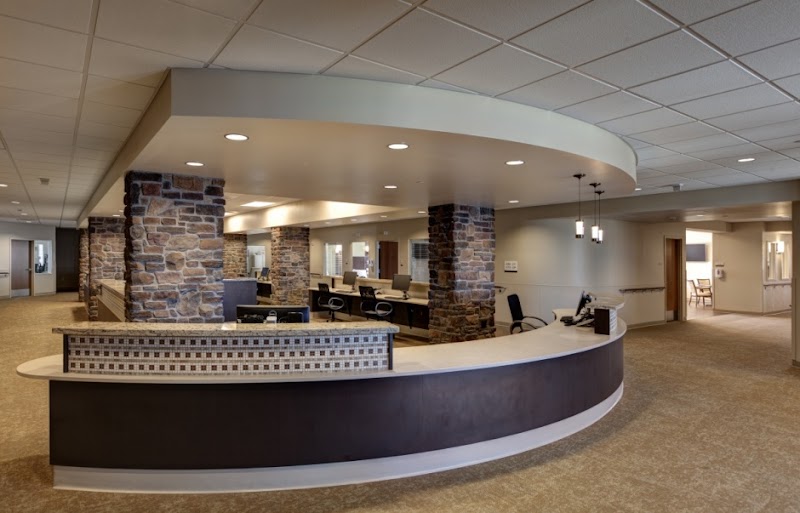
The nursing home administrator (NHA) was interviewed on 1/20/22 at 5:18 p.m. The NHA said the rooms on the inner circle near the nurses station were the observation rooms, which meant there was a window so the resident could be observed. The blinds needed to be closed when caring for residents during personal care, then opened when they left the room.
CONCERN
(D)
Potential for Harm - no one hurt, but risky conditions existed
Deficiency F0660
(Tag F0660)
Could have caused harm · This affected 1 resident
**NOTE- TERMS IN BRACKETS HAVE BEEN EDITED TO PROTECT CONFIDENTIALITY** Based on record review and interviews, the facility failed to implement an effective discharge planning process that focused on ...
Read full inspector narrative →
**NOTE- TERMS IN BRACKETS HAVE BEEN EDITED TO PROTECT CONFIDENTIALITY** Based on record review and interviews, the facility failed to implement an effective discharge planning process that focused on the resident's discharge goals, to ensure the discharge needs were identified, resulted in the development of a discharge plan, and involved the interdisciplinary team in the ongoing process, for one (#302) of three residents reviewed out of 29 sample residents.
Specifically, the facility failed to ensure there was discharge planning for Resident #302 to include:
-Regarding further communication with the resident about her goals, treatment needs, preferences for discharge and/or the change from her previously stated goal to discharge home; and,
-Development of a comprehensive discharge plan by the interdisciplinary team (IDT).
Findings include:
I. Resident status
Resident #302, age [AGE], was admitted on [DATE] and discharged on 11/24/21. According to the November 2021 computerized physician orders (CPO), diagnoses included hypertension, obstructive uropathy and hyperlipidemia.
The 11/12/21 minimum data set (MDS) assessment showed the resident had minimal cognitive impairment with a brief interview for mental status (BIMS) score of 12 out of 15. The resident required limited assistance with activities of daily living.
II. Record review
The baseline care plan dated 11/5/21 identified the resident had a goal to be discharged at the highest optimal level of care over the next 90 days, and when she wanted to be discharged , she wanted to go home.
The resident was admitted after a hospital stay for colon resection.
A discharge planning noted dated 11/18/21 documented the resident was to be discharged to an alternative skilled rehabilitation facility.
The 11/20/21 daily progress note documented the resident's daughter was inquiring about her mother being discharged to the alternative skilled rehabilitation facility.
-However, no further information was documented as provided to the family.
The discharge progress note dated 11/24/21 documented the resident was discharged to an alternative skilled nursing facility, as she was denied admission to the original skilled rehabilitation facility. The note documented the resident's belongings and medications were sent.
-The medical record failed to show proper discharge planning occurred for Resident #302. The record lacked information regarding further communication with the resident about her goals, treatment needs, preferences for discharge, and/or the change from her previously stated goal to discharge home. There was insufficient evidence of the development of a comprehensive discharge plan by the interdisciplinary team (IDT).
III. Staff interview
The social service assistant (SSA) was interviewed on 1/20/22 at 3:05 p.m. The SSA reviewed the medical record and said she was not the social worker who assisted the resident with the discharge. She confirmed the record did not show adequate discharge planning information. The SSA said that the medical record did not show the family or the resident was provided with information when she was denied the initial skilled rehabilitation facility. The SSA said the discharge planning process was to include the IDT team, goals and treatment preferences of the resident, and it all needed to be documented.
CONCERN
(D)
Potential for Harm - no one hurt, but risky conditions existed
Deficiency F0676
(Tag F0676)
Could have caused harm · This affected 1 resident
**NOTE- TERMS IN BRACKETS HAVE BEEN EDITED TO PROTECT CONFIDENTIALITY** Based on observations, interviews, and record review, the facility failed to provide the necessary assistance with activities of...
Read full inspector narrative →
**NOTE- TERMS IN BRACKETS HAVE BEEN EDITED TO PROTECT CONFIDENTIALITY** Based on observations, interviews, and record review, the facility failed to provide the necessary assistance with activities of daily living (ADL) for one (#13) out of two residents reviewed for communication needs out of 29 sample residents.
Specifically, the facility failed to develop an effective person-centered individualized communication plan and failed to train the staff on family identified communication tools for Resident #13.
Findings include:
I. Facility policy
On 1/19/22, the nursing home administrator (NHA) provided a copy of the ADL services policy dated 12/3/20. The policy read that the resident shall receive assistance with ADLs every shift as appropriate. If the resident requires assistance with meal services, a staff member will be assigned to the resident to provide the services needed. If the resident is not able to verbally tell staff what their needs are, the staff will anticipate their needs and also ask power of attorney (POA)/Family what resident's daily routine was at home and attempt to accommodate the schedule as closely as possible.
II Resident #13
A. Resident status
Resident #13, age [AGE], was admitted on [DATE] and readmitted on [DATE]. According to the December 2021 clinical physician orders (CPO), diagnoses included traumatic subdural hemorrhage with loss of consciousness of unspecified duration, abnormalities of gait and mobility, generalized muscle weakness, dysphagia, cognitive communication deficit, aphasia, disorientation, diabetes mellitus.
The December 2021 minimum data set (MDS) assessment documented the resident had moderate cognitive impairment with a brief interview for mental status (BIMS) score of eight out of 15. The MDS coded that the resident required extensive assistance of two persons with transfers, mobility, and personal hygiene and extensive assistance of one with eating. The MDS documented that the resident had minimal difficulty hearing with a hearing aid.
B. Record review
The care plan dated 12/21/21 documented that resident #13 had adequate hearing without hearing aids and there were no immediate concerns at that time. The care plan also documented that all care would be explained to the resident before providing it.
C. Observations
The certified nurse aide (CNA) #11 entered the resident's room on 1/18/22 at 10:08 a.m. Resident #13 pointed to her ear and shook her head no when the CNA spoke to her. There was a hearing aid box and a white board sitting on the desk in the resident's room. The CNA #11 provided personal care to the resident without offering to place the hearing aids in the resident's ears and without using the white board to communicate to the resident.
The licensed practical nurse (LPN #1) entered the resident's room on 1/19/22 at 3:42 p.m. to administer medication to the resident. The LPN talked to the resident but did not offer the hearing aids to the Resident #13 or use the white board to communicate with her. The resident did not respond.
LPN #6 entered the Resident #13's room on 1/20/22 at 9:38 a.m. to check the resident's oxygen saturation level. The Resident #13 pointed to her ear and nodded her head no when the LPN asked if she could place the pulse oximeter on her finger. The white board was pointed out to the LPN as a tool to communicate with Resident #13. The LPN #6 wrote a message on the white board asking if the resident's oxygen level could be checked with the pulse oximeter and the Resident #13 shook her head yes. The LPN checked the resident's oxygen saturation level and used the white board to communicate with the resident.
D. Interviews
The CNA #11 entered the Resident #13's room on 1/19/22 at 8:54 a.m. with her breakfast tray and to assist the resident with personal care and to change her clothes. Resident #13 pointed to her ears. The CNA was asked about the hearing aid case sitting on the counter. The CNA stated she did not know the hearing aids were there and attempted to place the hearing aids in the resident's ears. Resident #13 refused to let the CNA place hearing aids in her ears. The CNA proceeded to perform resident care.
Resident #13's resident representative was interviewed on 1/19/22 at 1:01 p.m. The resident representative said the hearing aids stopped working and the white board was brought in to communicate with her mother. She said the white board was an effective way to communicate with the resident.
LPN #6 was interviewed on 1/20/22 at 9:45 a.m. LPN #6 said she was not aware of the white board to be used for communication. The LPN said the resident was hard of hearing and it was difficult to communicate with. She also was not aware the resident had hearing aides. She said after using the white board, it made communication easier.
CONCERN
(D)
Potential for Harm - no one hurt, but risky conditions existed
Quality of Care
(Tag F0684)
Could have caused harm · This affected 1 resident
**NOTE- TERMS IN BRACKETS HAVE BEEN EDITED TO PROTECT CONFIDENTIALITY** Based on record review and interviews, the facility failed to ensure one (#10) of one reviewed out of 29 sample residents receiv...
Read full inspector narrative →
**NOTE- TERMS IN BRACKETS HAVE BEEN EDITED TO PROTECT CONFIDENTIALITY** Based on record review and interviews, the facility failed to ensure one (#10) of one reviewed out of 29 sample residents received treatment and care in accordance with professional standards of practice, the comprehensive person-centered care plan.
Specifically, the facility failed to:
-Ensure physician's orders were followed in regards to the administration of Acetaminophen; and,
-Ensure the resident's blood pressure was monitored when outside of his baseline.
Findings include:
I. Acetaminophen administered in excess of 3 milligrams (mg)
A. Resident status
Resident #10, age [AGE], was admitted on [DATE]. According to the January 2022 computerized physician orders (CPO) diagnoses included multiple fractures, and abnormality of gait and mobility and epilepsy.
The 12/15/21 minimum data set (MDS) revealed the resident had moderately impaired cognitive status with a brief interview for mental status score of 11 out of 15. The resident was coded as requiring limited assistance for activities of daily living and personal hygiene. The resident was not steady when transferring from bed to chair.
B. Record review
The January 2022 computerized physician orders (CPO) showed a physician order which read, do not exceed 3 gm of Acetaminophen in 24 hours with an order date of 12/9/21.
The January 2022 CPO had an order for Acetaminophen 500 mg tablet to give two tablets four times a day with an order date of 12/9/21.
The December 2021 and the January 2022 medication administration record showed the Acetaminophen was administered four times a day. The resident received 4 mg a day of the Acetaminophen.
The medical record failed to show that this order was identified by the pharmacist (Cross-Reference F755)
C. Interviews
Licensed practical nurse (LPN) #6 was interviewed on 1/20/22 at 9:30 a.m. LPN #6 reviewed the record and confirmed that the resident had an order to not exceed 3mg of Acetaminophen in 24 hours. However, she confirmed the January 2022 MAR showed he was receiving 4 mg in 24 hours. LPN #6 said this order should have been caught and the physician called to clarify the orders. She said she would contact the physician.
D. Facility follow-up
LPN #6 was interviewed on 1/20/22 at 12:00 p.m. The LPN said the physician changed the order to less than 3 mg a day.
II. Change of condition
A. Professional reference
[NAME], P and Hall, S, (2017) Fundamentals of Nursing (ninth edition), p. 504. It read in pertinent part:
Classification of blood pressure for adults age [AGE] and older. Systolic less than 120 and Diastolic less than 80.
B. Record review
The resident's blood pressure was taken each shift. Below were random day to day blood pressures which showed his baseline:
12/10/21 at 7:03 a.m., 111/70
12/12/21 at 11:16 a.m. 124/70
12/15/21 at 7:59 a.m., 116/73
12/18/21 at 4:16 wa 115/71
1/2/22 at 3:42 p.m., was 118/71
1/4/22 at 6:34 p.m., was 114/70
1/15/22 at 2:59 p.m., was 114/72
The blood pressures below showed they were outside of his baseline (as indicate above). The medical record failed to show the physician was notified or the blood pressure was monitored for the change of condition. The resident was not prescribed any hypertension medication nor did he have a diagnosis of hypertension. The blood pressure was as follows:
1/6/22 at 8:49 a.m., was 184/84
1/6/22 at 3:04 p.m., was 162/103
1/6/22 at 3:54 p.m., was 162/103
1/6/22 at 6:04 p.m., was 118/66
1/13/22 at 7:54 a.m., was 141/95
1/13/22 at 9:46 a.m., was 141/95
1/13/22 at 7:37 p.m., was 117/68
1/16/22 at 7:23 a.m. was 190/117
1/16/22 at 2:17 p.m., was 141/90
C. Interview
LPN #6 was interviewed on 1/20/22 at 9:30 a.m. LPN #6 said when the resident's blood pressure was out of his baseline, the physician should be contacted, and also the blood pressure should be taken within an hour to determine if the blood pressure was up due to movement, or pain. She reviewed the record and confirmed she could not locate any information that the resident's blood pressure was monitored and the physician was notified.
The nursing administer (NA) was interviewed on 1/20/22 at 12:43 p.m. The NA said blood pressure was an indication of a change. She said the blood pressure should be checked within an hour, and notify the physician and also to check the blood pressure manually.
CONCERN
(D)
Potential for Harm - no one hurt, but risky conditions existed
Accident Prevention
(Tag F0689)
Could have caused harm · This affected 1 resident
**NOTE- TERMS IN BRACKETS HAVE BEEN EDITED TO PROTECT CONFIDENTIALITY** Based on observations, record review and interviews, the facility failed to ensure supervision and assistive devices to prevent ...
Read full inspector narrative →
**NOTE- TERMS IN BRACKETS HAVE BEEN EDITED TO PROTECT CONFIDENTIALITY** Based on observations, record review and interviews, the facility failed to ensure supervision and assistive devices to prevent accidents for two (#298 and #299) of four residents reviewed for falls out of 29 sample residents.
Specifically, the facility failed to ensure:
-Resident #298 was assessed properly for falls, and interventions were put into place to prevent falls; and
-Effective interventions to prevent falls for Resident #299 were assessed, provided and followed.
Findings include:
I. Facility policy and procedure
The Fall Prevention Policy revised on 2/9/21 was received on 1/19/22 at 10:11 a.m., by the nursing home administrator read in pertinent parts, Any patient deemed to be high risk by nursing and/or therapy staff will have the following interventions implemented immediately or at least considered: though physical and occupational therapy evaluation, low bed, bedside floor pads on both sides of bed, routine toileting throughout shift, increase time spent in common area in ine of sight of nursing staff as need, encourage patient to participate in monitored activities.
II. Resident #299
A. Resident status
Resident #299, age [AGE], was admitted on [DATE]. According to the January 2022 computerized physician orders (CPO) diagnoses included displaced intertrochanteric fracture of right femur (thigh), subsequent encounter for closed fracture with routine healing, and dementia.
The 1/19/22 minimum data set (MDS) assessment showed the resident had severely impaired cognitive status with a score of five out of 15 on the brief interview for mental status (BIMS). The resident required extensive assistance with ambulation. She required limited assistance with personal hygiene. The resident had suffered two or more falls since admission.
The clinical assessment dated [DATE] documented the resident had a high risk for falls and she was on the facility's fall prevention program.
B. Observations
On 1/17/22 at approximately 10:00 a.m., the resident was lying in bed sleeping. The bed was not in the lowest position. The resident resided in a room near the nurses' station with a big window on the front of the room. The resident did not have a yellow falling star magnet on the outside of her door.
On 1/17/22 at 4:30 p.m., the resident now had a yellow falling star magnet outside her door.
On 1/19/22 at 9:30 a.m., the resident had a one on one sitter with her.
On 1/20/22 at 9:30 a.m., licensed practical nurse (LPN #6) said the resident did not have a one on one sitter, as they did not show up. The LPN said she was attempting to keep an eye on the resident, however was not able to continuously as she had her other duties.
C. Record review
Fall #1
The fall investigation dated 1/11/22 at 3:30 p.m. documented the resident was found by the occupational therapist on the floor next to her bed. The resident was attempting to transfer from her bed to the recliner and she fell slowly to the ground. No injuries were identified. The fall program was initiated and the resident was in the observation room.
Fall #2
The daily skilled nursing note dated 1/11/22 at 10:35 p.m. and the care plan documented the resident had a fall which was labeled as a controlled fall with staff. A fall investigation was requested, however, not received. The progress note failed to include any additional information.
Fall #3
The fall investigation dated 1/18/22 documented the resident was just peeked at by nursing staff and she was lying in bed, then heard a noise and saw the resident fall on the floor and hit the back of her head, and was lying on her left side. The resident said she was trying to get in bed. The resident had a small bump on the back of her head. The resident was sent to the emergency room for further evaluation as she was prescribed Lovenox (anticoagulant).
The care plan, last updated on 1/11/22, identified the resident was at risk for falls related to impaired mobility secondary to weakness and debility. Pertinent interventions included: fall program initiated and in observation room, call light within reach, ensure environment is clutter free, occupational therapist to evaluate and treat, resident is on the fall program, resident will have yellow gripper socks, yellow magnet and yellow band, reinforce to call for assistance, staff will frequently round on patient asking the 4 P's (reposition, need to be taken to the bathroom, all things in reach, and pain).
D. Interviews
The resident representative was interviewed on 1/18/22 at 3:35 p.m. The resident representative said that he was just notified his mother had experienced another fall. He said that she had three in total within the last nine days.
Registered nurse (RN) #1 was interviewed on 1/19/22 at 10:00 a.m. The RN said the resident had a one on one sitter, as she was at high risk for falls, and due to her cognitive impairment.
The nursing administrator (NA) was interviewed on 1/20/22 at 3:30 p.m. The NA said the resident had experienced three falls. She said that after the first fall, the resident was moved to the observation hall near the front desk. She said that there was more frequent rounding on the front observation hall. She said the resident had a fall mat which was not used, as the mats could cause more tripping. She said the bed should be in the lowest position. The third fall she experienced on 1/18/22. She was sent to the hospital for further evaluation to rule out a brain bleed as she was on a blood thinner and she had hit her head.
The NA said a sitter was put into place after the third fall, as the resident's impaired cognitive status put her at risk for falls. The NA was not aware that the sitter did not show up this morning.
III. Resident #298
A. Resident status
Resident #298, age [AGE], was admitted on [DATE]. According to the January 2022 CPO, diagnoses included unspecified displaced fracture of the surgical neck of left humerus (upper arm), muscle weakness and history of falling.
The 1/15/22 MDS assessment showed the resident had severe cognitive impairment with a score of four out of 15 on the brief interview for mental status. The resident required limited assistance with activities of daily living and mobility. The MDS showed the resident had a history of falls. However, the MDS was inaccurate and coded that the resident did not have any falls in the last two to six months prior to admission. The resident was coded as having a fracture from a related fall in the past six months.
B. Observations
The resident's door to her room did not have a magnet with a falling star to ensure staff were aware she was a fall risk.
On 1/17/22 at 4:00 p.m., the resident was observed to have a purple bruise which covered her left side of her face. The resident had an arm brace which wrapped around her waist.
On 1/18/22 at 4:50 p.m., the resident was in her room. The door was closed. The resident was sitting on the edge of the bed, her left arm was in the sling, and she had regular (non-grip) socks on. The call light was not within reach. The resident was unable to say what she needed help with. The bed was not in the lowest position.
Registered nurse (RN) #1 was alerted that the resident was sitting on the edge of the bed with no shoes on. The RN placed shoes on the resident and assisted her to stand and to position herself back into the bed.
C. Record review
The fall assessment completed on 1/9/22 was inaccurate. The form documented the resident did not have any falls within the past month prior to admission.
The care plan, last updated 1/10/22, identified the resident was a risk for falls related to impaired mobility. The interventions included: call light within reach, encourage to use handrails, ensure environment was free of clutter, have commonly used articles within reach, reinforce need to call for assistance and to wear proper non-slip footwear.
D. Interviews
The resident representative was interviewed on 1/17/22 at 3:05 p.m. The resident representative said that her mom had fallen at her previous assisted living facility and had fractured her left humerus. She said the other day, when she entered the room to visit her, she was sitting in her chair. The resident was slipping out of her chair, and only had regular socks on. She said she had to alert the staff, as Resident #298 was slipping out of her chair.
RN #1 was interviewed on 1/18/22 at 5:00 p.m. RN #1 said the resident was at risk for falls. She acknowledged the resident needed the falling star program, as she was at risk for falls. She said the door should also not be closed, so that way she could be checked on more frequently. She said the resident had severe cognitive impairment and she would spontaneously attempt to get out of bed. The RN said the resident should have non-skid footwear on her feet to help prevent her from falling when she attempted to get up.
The NA was interviewed on 1/20/22 at approximately 3:30 p.m. The NA said when a resident was admitted to the facility the fall assessment was completed. She said it was important for the assessment to be accurate. She said the care plans were to include interventions which were required by the resident, and interventions should be appropriate.
CONCERN
(D)
Potential for Harm - no one hurt, but risky conditions existed
Incontinence Care
(Tag F0690)
Could have caused harm · This affected 1 resident
**NOTE- TERMS IN BRACKETS HAVE BEEN EDITED TO PROTECT CONFIDENTIALITY** Based on observations, record review and interviews, the facility failed to ensure residents who enter the facility without an i...
Read full inspector narrative →
**NOTE- TERMS IN BRACKETS HAVE BEEN EDITED TO PROTECT CONFIDENTIALITY** Based on observations, record review and interviews, the facility failed to ensure residents who enter the facility without an indwelling catheter was not catheterized unless the resident's clinical condition demonstrates that catheterization was necessary, consistent with professional standards of practice for one (#147) of three residents reviewed for catheters out of 29 sample residents.
Specifically, the facility:
-Failed to obtain an order for a catheter for Resident #147;
-Failed to notify the medical power of attorney (MPOA) of the catheter placement for Resident #147;
-Failed to care plan the use of a catheter for Resident#147; and,
-Failed to have ongoing monitoring of a catheter for Resident #147.
Findings include:
I. Facility policy
The Foley Catheter policy, revised 2/8/21, provided by the nursing home administrator (NHA) on 1/19/22 at 5:01 p.m. included, When possible, all Foley catheters should be removed prior to admission unless an appropriate diagnosis exists. If a patient requires an indwelling catheter, the facility will follow routine foley catheter care orders.
Discontinue all foley catheters as soon as possible per physician order if patient does not have a qualifying diagnosis.
II. Resident #147
A. Resident status
Resident #147, age [AGE], was admitted on [DATE]. According to the January 2022 computerized physician orders (CPO), diagnoses included dementia, congestive heart failure (CHF), and overactive bladder.
The 1/17/22 minimum data set (MDS) assessment revealed the resident had mild impairment with a brief interview for mental status (BIMS) score of 13 out of 15. She had no behaviors or rejections of care. The MDS did not identify the use of a catheter.
B. Record review
The care plan, initiated on 1/10/22, identified bowel and bladder incontinence. Interventions included:
-Check frequently and assist with toileting as needed.
-Provide bedpan/besdside commode as indicated.
-Provide peri care after each incontinent episode and apply barrier cream as needed.
-Resident #147 did not have a care plan addressing the use of a catheter.
A progress note written by licensed practical nurse (LPN) #3 on 1/14/22 at 3:54 p.m. documented, Patient noted to have distention with tenderness, patient having frequent urination leakage. Nurse practitioner (NP) made aware and received the following telephone order (T.O.) 1. Straight cath patient if greater than (>) 200 milliliters (ml) keep in foley.
-The medical records did not contain a signed physician's order for use of a foley catheter.
The January 2022 electronic medication administration record (EMAR) did not have an order for a catheter and did not have ongoing monitoring of the catheter.
C. Interviews
Resident #147's daughter was interviewed on 1/19/22 at 12:10 p.m. She said she was Resident#147's MPOA. She said she arrived to see her mother on 1/15/22 and discovered a catheter. She said she was not notified of the catheter placement, or a change of condition that would require a catheter placement. She said her mother still had the catheter in place on 1/19/22. She said there was no communication between the facility and her.
Certified nurse aide (CNA) #9 was interviewed on 1/19/22 at 3:28 p.m. He said he did not know why Resident #147 had a catheter.
LPN #3 was interviewed on 1/19/22 at 3:32 p.m. She said Resident #147 had a catheter for urinary retention. She said the resident could not empty her bladder. She said she had assessed the resident and found her bladder distended. She said she called the doctor to report the bladder looked distended.
She said the night nurse was the nurse who placed the foley and the nurse should have entered the order for the foley into her medical chart. She said she just passed the information onto the night shift. She said the foley placement was not a change of condition so the daughter did not need to be notified.
The nursing administrator (NA) was interviewed on 1/19/22 at 5:42 p.m. She said an order was needed for a catheter placement. She said any type of treatment the facility needed an order. She said the MPOA should be notified when a catheter was placed.
She said the order should have been placed in the resident's medical record and should have been monitored every shift.
CONCERN
(D)
Potential for Harm - no one hurt, but risky conditions existed
Deficiency F0697
(Tag F0697)
Could have caused harm · This affected 1 resident
**NOTE- TERMS IN BRACKETS HAVE BEEN EDITED TO PROTECT CONFIDENTIALITY** Based on observations, interviews and record review, the facility failed to manage pain in a manner consistent with professional...
Read full inspector narrative →
**NOTE- TERMS IN BRACKETS HAVE BEEN EDITED TO PROTECT CONFIDENTIALITY** Based on observations, interviews and record review, the facility failed to manage pain in a manner consistent with professional standards of practice for one (#201) of three residents reviewed out of 29 sample residents.
Specifically, the facility failed to administer pain medications in a timely manner for Resident #201.
Findings include:
I. Facility policy and procedure
The analgesia policy and procedure revised on 2/1/2018 provided by the nursing home administrator (NHA) on 1/19/22 read in pertinent part: Pain is a medical problem that we face on a daily basis in the facility. Frequently residents arrive from the hospital with acute pain secondary to being transformed and transported. The facility protocol should help with alleviating any delays in our attempts to control the pain.
Upon admission, all residents will be evaluated for pain. Pain level will also be evaluated every shift. Once a resident expresses the perception of pain or makes a request for pain medication, resident will be provided with a dose of analgesic pain medication or non pharmacological intervention will be initiated.
The procedure documented:
It was the responsibility of the individual staff member that heard the complaint to follow up and make sure that some intervention (pharmacological or otherwise) was initiated.
If a resident had an order for a pain medication from the hospital or one from the facility physician, please use that order. Any scheduled pain medications should be given as close to the time stated on the medication administration record (MAR).
If there was no order and the resident was experiencing pain, contact the physician immediately to obtain an order for analgesia. Nurses must follow pain parameters and enter pain scales for pain medications.
II. Resident #201 status
Resident #201, age [AGE], was readmitted on [DATE]. According to the January 2022 computerized physician orders (CPO), diagnoses included heart failure, hypertension, arthritis, and diabetes.
The minimum data set (MDS) assessment dated [DATE] showed the resident was cognitively impaired with a brief interview for a mental status (BIMS) score of seven out of 15. The resident required limited assistance of one person for bed mobility. He needed extensive assistance with two people for transfers, and limited assistance of one for hygiene, dressing and meals. He was coded as having mild pain daily, and he took scheduled and as-needed pain medications.
III. Resident observations and interview
Resident #201 was observed on 1/17/21 at 10:14 a.m. speaking with a nurse about how mad he was because his medication was late. The nurse apologized for being late. He told her the medication was due at 9:30 a.m. and it was now 10:15 a.m. She administered the medication to him. No non-pharmacological intervention was offered. She told him the pain medication was due again at 4:10 p.m.
The resident was interviewed on 1/17/21 at 10:24 a.m. The resident said he had pain in his back and his knees. He said the pain level was at eight out of 10 and the nurse finally gave him his medication. He said the nurses were always late with his pain medications and it made him very mad. He felt they did not care about him. He said the facility did not try anything else (non-pharmacological methods) to help alleviate his pain. He wanted his pain medications on time.
Resident #201 was again observed on 1/17/22 at 3:30 p.m. to have his call light on. Certified nurse aide (CNA) #4 asked him what he needed and he said a pain pill. The CNA told him he was due at 4:10 p.m. for the pain pill. He said ok.
-At 4:35 p.m. licensed practical nurse (LPN) #2 stood outside Resident #201's room and looked at the resident who sat in his chair, asleep, and no pain medication was offered. The resident put his light on at 5:10 p.m. and told CNA #4 he was in pain. LPN #2 administered the pain medication at 5:14 p.m and his pain level was a nine on the pain scale. The pain medication was administered late, therefore the resident had more pain.
IV. Record review
The January 2022 computerized physicians orders (CPO)s read in pertinent part:
-Xeljanz extended release tablet 11 milligrams (mg), give one tablet by mouth in the morning for rheumatoid arthritis. Order date was 12/28/2021.
-Gabapentin tablet 600 mg. Give one tablet by mouth every morning and at bedtime for neuropathic pain. Order date was 12/28/2021.
-Diclofenac sodium gel one percent (%). Apply two grams to both shoulders topically three times a day for pain. Order date was 1/30/21.
-Percocet tablet 10-325 mg. Give one tablet by mouth every 12 hours as needed for pain. Order date was 12/28/2021 and discontinued on 1/15/2022. Changed to every six hours.
-Percocet tablet 10-325 mg. Give one tablet by mouth every six hours as needed for pain. Order date was 1/15/2022.
-Tylenol tablet 325 mg. Give two tablets by mouth every six hours as needed for pain. Order date was 12/31/2021.
-Acetaminophen tablet 325 mg Give one tablet by mouth every six hours as needed for pain one to four out of 10. Order date was 1/01/2022.
-Acetaminophen tablet 325 mg Give two tablets by mouth every six hours as needed for five to 10 out of 10. Order date was 1/01/2022.
-Evaluate pain every shift and document. Order date was 12/28/2021.
-Comprehensive pain evaluation every week on Thursday nights. Order date was on 12/28/2021
-What two non-pharm interventions were used: reposition, cold application, calm environment, deep breathing. Note as needed (PRN) pain med given every four hours, please document the numbers that were used prior to administering any pain medications. Order date was on 12/28/2021
The comprehensive pain assessment dated [DATE] read in pertinent part, Resident #201 had pain in shoulders daily with a score of six out of 10. He takes scheduled pain medications.
The pain care plan for Resident #201 revised on 1/2/22, read in pertinent part, Resident #201 had pain related to his many diagnoses. Resident will have effective pain control over the next 90 days. Acknowledge presence of pain and discomfort. Listen to the patient's concerns as needed. Administer pain medications per physician order and note effectiveness. Implement non-pharmacological interventions when able such as: positioning/support, exercise/stretching, ice packs/moist hot pack application and relaxation. Monitor for pain every shift and as needed. Notify the physician as needed of any changes.
The opioid care plan for Resident #201 revised on 1/2/22 read in pertinent part, Resident will be free of any discomfort or adverse side effects from opioid pain medication through the review date. Monitor for side effects of dependence, somnolence, nausea, vomiting, constipation,itching, slowed reaction, respiratory depression and addiction.
-The care plan failed to document any interventions which were non-pharmaceutical.
The January 2022 medication administration record (MAR) for Resident #201 revealed the following;
-Xeljanz extended release tablet 11 milligrams was administered and pain level was an eight or nine on nine occasions out of 12 opportunities.
-Diclofenac sodium gel was administered and pain levels were five or more out of 10 on the pain scale 23 times out of 48 opportunities.
-Percocet tablet 10/325mg every 12 hours as needed was administered 22 times out of 30 opportunities. The pain level was over five 19 times.
-Percocet tablet 10/325mg every six hours as needed was administered six times out of 12 opportunities. The pain level was over five 11 times.
-Acetaminophen tablet 325mg two tablets were administered for pain five or greater, 20 times out of 32 opportunities.
-Evaluate pain every shift was documented at a zero for pain levels, although his pain levels were over eight every time a pain pill was administered.
-Non-pharmacological interventions were documented as a one (repositioning) and a three (deep breathing).
V. Staff interviews
CNA #4 was interviewed on 1/17/22 at 3:30 p.m She said Resident #201 asked for pain medication a lot. She said his back hurt. She said he was allowed to have the medication every six hours so he was not always due for the medication when he asked. She had to remind him when he could have the medication next.
LPN #2 was interviewed on 1/18/21 at 9:30 a.m. She said Resident #201 complained of pain a lot and wanted his medication every six hours. She said he did get his pain medications late at times. She said he was sometimes asleep or in therapy when the medication was due. She said they tried non pharmacological interventions with him to reposition. She said his pain was in his shoulders.
The director of nurses (DON) was unavailable for an interview.
The nursing administrator (NA) was interviewed on 1/19/22 at 5:06 p.m. She said pain medications were given at the time due and when a resident asked for the as-needed medications. She said a pain assessment was completed on admission and with significant changes. Resident #201 had pain according to the record review she did. She said he should have been reevaluated when his pain was not controlled. She said she would educate the nurses on alerting the physician of any pain not controlled. She did not show any documentation on the education provided to the nurses.
CONCERN
(D)
Potential for Harm - no one hurt, but risky conditions existed
Deficiency F0744
(Tag F0744)
Could have caused harm · This affected 1 resident
**NOTE- TERMS IN BRACKETS HAVE BEEN EDITED TO PROTECT CONFIDENTIALITY** Based on observation, interviews and record review, the facility failed to provide dementia care in a manner consistent with pro...
Read full inspector narrative →
**NOTE- TERMS IN BRACKETS HAVE BEEN EDITED TO PROTECT CONFIDENTIALITY** Based on observation, interviews and record review, the facility failed to provide dementia care in a manner consistent with professional standards of practice for one (#32) out of one resident out of 29 sample residents.
Specifically, the facility failed to effectively identify person-centered approaches for dementia care for Resident #32.
Finding include:
I. Facility policy
The Dementia Care policy, dated 2/10/2020, states the purpose of dementia care in this facility is to provide a quality of life with respect, dignity, and caring in a friendly, clean, and non-abusive atmosphere. This facility is committed to serving the needs of all elders including elders with dementia-related behaviors. The policy goes on to state that dementia is a disease process referring to progressive decline in cognitive function, intellectual functions including thinking, memory, and reasoning affecting everyday life.
The facility promotes person-centered care considering the elder's needs, not just medical or physical needs. The philosophy of person care at this facility recognizes that behaviors are a desire for communication on the part of the elder with dementia; the staff maintains and upholds the value of the personal regardless of the level of dementia and attempts to provide the core psychological needs of love, comfort, attachment, inclusion, occupation and identity; the staff promotes positive health; the staff attempts to make actions meaningful; and the staff believes that all work with dementia patients contains elements of positive person work.
The facility recognizes dementia elder rights: to be treated as individuals with dignity and respect; to be free from mental, emotional, social and physical abuse; to be fully informed of the approach and capacity to serve cognitive impairments; to be assured choice and opportunity for decision making; to be assured privacy; to be given the opportunity to take risks in order to maximize independence; to have immediate access to records and to be assured that records are confidential; to be assured that no chemical or physical restraints will be used; to be able to choose services and be involved in decisions; to be fully informed of rights and rules; to be treated like an adult; to have expressed feeling s taken seriously; to live in a safe, structured and predictable environment; and to enjoy meaningful activities to fill each day.
All staff will be educated on appropriate dementia care and dealing with difficult behaviors through Relias on hire and at least annually as determined to be necessary. Behaviors related to dementia will be monitored and documented for the purpose of tracking and trending to develop person-centered, inducalized dementia care plan programming; identification of triggers of specific behaviors to assist staff to avoid those triggers; identification of unmet needs and identification of times of day to include need for rest periods for resident.
II. Resident #32
A. Resident status
Resident #32, age [AGE], was admitted on [DATE]. According to the December 2021 CPO, diagnoses included diabetes mellitus, rheumatoid arthritis, visual loss both eyes, anxiety disorder.
The December 2021 minimum data set (MDS) assessment documented the resident had severe cognitive impairment and a brief interview for mental status (BIMS) was not conducted. The MDS coded the resident as having severely impaired decision making and memory impairments. The MDS coded the resident required limited assistance of one person with transfers, mobility, and supervision of one person for personal hygiene and eating. The MDS documented that the resident had highly impaired hearing and severely impaired vision.
B. Record review
The care plan, last updated 1/5/22 identified that the resident has visual impairment related to glaucoma and bilateral vision loss. Resident was placed in isolation 1/17/22 and the care plan identified that the resident is at risk for decline in psychosocial well-being. The interventions include in room activities of choice. The MDS documented that listening to music is very important.
C. Observations
On 1/17/22 at 10:48 a.m. Resident #32 was standing in her room by the door and yelling.
On 1/18/22 at 1:58 p.m. Resident #32 was alone in the room and called out twice is anybody there. There was no music playing in her room and the television was off.
On 1/18/22 at 2:01 p.m. Resident #32 was walking around her room reaching out for her walker. Resident #32found her walker which was at the foot of the bed and tried to walk with it but the walker was turned sideways and she was unable to push it. The certified nurses aide (CNA) #11 gowned up and entered the room. The CNA offered to assist the resident to her bed. The CNA did not offer to turn on the television or to turn on any music for the resident.
On 1/18/22 at 2:09 p.m. Resident #32 was sitting on the edge of her bed yelling out continuously for the light to be turned on.
On 1/18/22 02:12 p.m. registered nurse (RN) #1 opened the resident door to let her know that the CNA will be right back.
On 1/18/22 at 2:19 p.m. Resident #32 was walking around the room feeling for the walker which was on the other side of the room. CNA #11 saw the resident up and donned isolation personal protective equipment (PPE) to enter the room. The resident was walking toward the outside window while pulling on her oxygen tubing. The CNA offered to turn on the television. The resident asked CNA #11 to stay in the room and talk to her. The resident stated it's boring. The CNA asked the resident what she liked to do at home. The resident asked her to stay and talk. The CNA helped the resident to the bed but the resident refused to lay down and would only sit on the edge of her bed. CNA #11 left the call light on the tray table in front of the resident and left the room. The resident's walker was on the other side of the tray table.The resident asked the CNA when she would be back and the CNA said in a half an hour. The resident said that half an hour is too long. The CNA left the resident's room. The resident yelled that she wanted a snack or two.
On 1/18/22 at 2:29 p.m. CNA #11 brought the resident a peanut butter and jelly sandwich. The resident asked if the CNA could stay and eat with her. The CNA told the resident she will have to come back later.
On 1/18/22 at 2:56 p.m. Resident #32 was up and walking in her room toward the door with trash in her hands. The resident started playing with the window blinds on the window between the resident room and the nurses station. The CNA #13 donned PPE to enter the room and closed the window blinds.
On 1/18/22 at 4:57 p.m. Resident #32was sitting on the edge of her bed. There was no music playing in her room and the television was off.
On 1/18/22 at 5:06 p.m. Resident #32 was walking around her room and yelling someone. There was no music playing in her room and the television was off.
On 1/19/22 at 8:39 a.m. Resident #32 was wearing the same clothes as the day before. The resident was sitting up in her bed and yelling for someone to come. The CNA #11 dons PPE to enter the resident room. The resident asked for coffee and water. There was no music playing in her room and the television was off.
On 1/19/22 at 11:47 a.m. Resident #32 sitting in her recliner with the television on.
On 1/19/22 at 3:34 p.m. Resident #32 was walking around her room.
On 1/19/22 at 3:50 p.m. Resident #32 was sitting in her recliner with her room door open. There was no music playing and the television was off.
D. Interviews
The social service assistant (SSA) was interviewed on 1/19/22 at 3:10 p.m. The SSA said that the facility did not offer dementia care training other than the standard abuse training. The SSA said that she had training from personal life experience. She said the resident had cognitive impairments and that she was awaiting to be transferred to a dementia unit.
CNA #2 was interviewed on 1/19/22 at 3:26 p.m. CNA #2 said that dementia training was completed upon hire through a computer program, however, no specific dementia training was required by the facility.
LPN #1 was interviewed on 1/19/22 at 3:42 p.m. LPN #1 said, there was a computer class on dementia at orientation but no special training was offered for resident #32.
RN #1 was interviewed on 1/19/22 at 4:01 p.m. and said the facility did not offer dementia care training.
CNA #11 was interviewed on 1/20/22 at 10:25 a.m. and said that there was no orientation for activities for the residents. The CNA said she had offered Resident #32coloring books and tried to think of activities for the residents on her own. The CNA said that Resident #32 told her that she liked to run.
The activity director (AD) was interviewed on 1/20/22 at 11:30 a.m. The AD said Resident #32 had been offered audio books and music but those items were not being used. The AD had also given the resident small items to fidget with. The AD said that staff had not reported to her that Resident #32was asking for someone to visit with. The AD said that there was a leisure cart offered to residents twice weekly and would be available tomorrow. The AD said there was not specific training offered for dementia residents other than the computer training at orientation but that she would ask her activity consultant for additional resources.
CONCERN
(D)
Potential for Harm - no one hurt, but risky conditions existed
Medical Records
(Tag F0842)
Could have caused harm · This affected 1 resident
**NOTE- TERMS IN BRACKETS HAVE BEEN EDITED TO PROTECT CONFIDENTIALITY** Based on record review and interviews, the facility failed to ensure accuracy of records for one resident (#47) out of 29 sample...
Read full inspector narrative →
**NOTE- TERMS IN BRACKETS HAVE BEEN EDITED TO PROTECT CONFIDENTIALITY** Based on record review and interviews, the facility failed to ensure accuracy of records for one resident (#47) out of 29 sample residents.
Specifically, the facility failed to document the events that occurred surrounding the death of Resident #47.
Findings include:
I. Facility policy
The Facility Records policy, revised on [DATE], was provided by the nursing home administrator (NHA) read in pertinent part: A completed health record shall be maintained on every patient from the time of admission through the time of discharge. All health records shall contain the following procedures. Nursing records dated and signed by nursing personnel, which include the patient evaluation of special procedures performed, notes of observations, and the time and circumstances of death if applicable.
II. Record review
Review of Resident #47's medical orders of scope of treatment (MOST) form revealed he wanted full treatment to include cardiopulmonary resuscitation (CPR). He signed the form on [DATE].
The nurse note dated [DATE] at 1:44 p.m. for Resident #47 read in pertinent part; Absence of vital signs, no pulse, no respirations, and no vital signs. The code status upon death was a full code (Cardiopulmonary resuscitation (CPR) must be performed). The pronunciation of death by a registered nurse was at 8:10 a.m. and confirmed by the physician. Resident #47 body was released to the crematory and the residents belonging were sent with the family.
-There were no other notes documenting the resident's death. The documentation did not include if the facility performed CPR on the resident per his wishes.
III. Interviews
Certified nurse aide (CNA) #3 was interviewed on [DATE] at 10:45 a.m. She said she assisted Resident #47 the morning of [DATE] because he had an appointment he was going to in a few hours. She said ten minutes later she walked by Resident #47 room and the nurses were performing CPR on him. The hallway had other staff members talking about the resident coding (not breathing and no pulse).
Physical therapist (PT) #2 was interviewed on [DATE] at 12:30 p.m. She said she walked by Resident #47 room and found him on the floor. She checked for a pulse and started CPR. The nurse came into the room to assist her while they waited for the emergency medical services (EMS) to arrive. She used the automated external defibrillator (AED) provided on the crash cart. EMS took over all cares when they arrived. She said the resident was not her resident so she did not document anything. She said going forward she will document all events that she was involved with.
The nursing administrator (NA) was interviewed on [DATE] at 12:45 p.m. She said the death note in Resident #47's record was the only one seen in the chart. She had no other documentation as to the events of Resident #47's death. She said she would educate the facility staff to document all events more accurately.
CONCERN
(E)
Potential for Harm - no one hurt, but risky conditions existed
Deficiency F0658
(Tag F0658)
Could have caused harm · This affected multiple residents
**NOTE- TERMS IN BRACKETS HAVE BEEN EDITED TO PROTECT CONFIDENTIALITY** V. Resident #13
A. Facility policy
On 1/19/22 the nursing home administrator (NHA) provided a copy of the medication administrat...
Read full inspector narrative →
**NOTE- TERMS IN BRACKETS HAVE BEEN EDITED TO PROTECT CONFIDENTIALITY** V. Resident #13
A. Facility policy
On 1/19/22 the nursing home administrator (NHA) provided a copy of the medication administration policy dated 7/1/18. The policy read in pertinent parts that medications are to be administered as prescribed by the attending physician.
B. Resident status
Resident #13, age [AGE], was admitted on [DATE] and readmitted on [DATE]. According to the December 2021 clinical physician orders (CPO), diagnoses included traumatic subdural hemorrhage with loss of consciousness of unspecified duration, abnormalities of gait and mobility, generalized muscle weakness, dysphagia, cognitive communication deficit, aphasia, disorientation, diabetes mellitus.
The December 2021 minimum data set (MDS) assessment documented the resident had moderate cognitive impairment with a brief interview for mental status (BIMS) score of 8 out of 15. The MDS coded the resident required extensive assistance of two persons with transfers, mobility, and personal hygiene and extensive assistance of one with eating.
C. Record Review
The January 2022 clinical physician orders (CPO) documented a physician order dated 12/7/32 for Escitalopram Oxalate tablet 10 mg-give one tablet by mouth in the morning for depression. There was no order in the CPO for this medication to be crushed.
D. Observation
Licensed practical nurse (LPN) #1 was observed crushing medications and entering Resident #13's room to administer medication.
E. Interview
LPN #6 was interviewed on 1/19/22 at 10:19 a.m. regarding the medication being crushed and was asked if there was an order to crush the medication. The LPN said during shift change, the previous nurse said that the resident's medications were to be crushed. The LPN was unable to find an order to crush this resident's medications.
The corporate pharmacist (CPHAR) was interviewed on 1/20/22 at 1:43 p.m. The CPHAR said that the crush order would be ordered by a physician and then approved by the pharmacy prior to being crushed and administered to the resident. The CPHAR verified that there was no crush order for Resident #13's medications.
Based on observations, interviews and record review, the facility failed to ensure that professional standards of practice were followed for three (#13, #40 and #204) of three out of 29 sample residents.
Specifically the facility failed to:
-Notify the provider of missed medications, late medications or unavailable medications for Resident #40 and #204 (cross-reference F755 pharmacy services); and,
-Obtain a crush medication order from the physician prior to administering medications to Resident #13;
Findings include:
I. Facility policy
The Medication Administration policy, revised on 2/8/21, provided by the nursing home administrator (NHA) on 1/19/21 read in pertinent part; It is the policy of this facility that medications are to be administered as prescribed by the attending physician.
Procedures:
-Medications must be administered in accordance with the written orders of the attending physician.
-All current drugs and dosage schedules must be recorded on the patient's medication administration record (MAR as appropriate)
- Medications may not be set up in advance and must be administered within one (1) hour before or after their prescribed time.
-The staff administering the medication must record the administration on the patient ' s MAR
-Should a drug be withheld, refused, or given other than at the scheduled time it should be appropriately documented as such on the MAR
-Medication error(s) must be reported to nurse management and physician when medication error was discovered.
The Physician's Orders policy, revised on 2/8/21, was provided by the NHA on 1/19/21, read in part; The facility will transcribe physician's orders for medications and treatments, and will be consistent with principles of safe and effective order writing. Medications shall be administered with the written order of a person duly licensed and authorized to prescribe medications in this state.
-Only authorized, licensed practitioners or individuals authorized to take verbal orders from practitioners shall be allowed to write in the resident's medical record.
-Drug and biological orders will be recorded in the resident's medical record and reviewed monthly by a consultant pharmacist.
-Orders for medication to include, name, strength of the drug, number of doses, start and stop date or specific duration of therapy, dosage and frequency of administration, route and diagnosis for which the medication was prescribed.
II. Resident #40
A. Resident status
Resident #40, age [AGE], was admitted on [DATE]. According to the January 2022 computerized physician orders (CPO), pertinent diagnoses included chronic obstructive pulmonary disease (COPD), asthma, diabetes, neuropathy, anxiety, depression, restless syndrome, hypokalemia, and high blood pressure (HTN).
The 1/6/22 minimum data set (MDS) assessment revealed the resident was cognitively impaired. A brief interview for mental status (BIMS) was not completed. She required limited assistance with two people for transfers. Limited assistance of one person for bed mobility, hygiene, dressing, toileting and eating. She had no behaviors. No pain.
B. Observations
Resident #40 was observed on 1/19/22 at 10:30 a.m. to have a Lidocaine medicated patch on her right hip. The date on the patch read 1/16/22.
C. Record review
According to the January 2022 computerized physician order (CPO), Resident #40 had orders for:
-Estradiol cream 0.1 milligrams. Insert one application vaginally at bedtime for menopause. Order date was 1/3/22.
-Lidocaine patch, apply to the right hip topically one time a day for pain relief. Order Date was 1/3/22.
The January 2022 medication administration record (MAR) for Resident #40 revealed:
The Estradiol cream was not administered seven times out of 15 opportunities; and,
The Lidocaine patch was not administered six times out of 15 opportunities.
-The resident ' s MAR was recorded with a 9 which indicated the medications were unavailable and not administered.
-Further review revealed there was no order for the strength of the Lidocaine medication patch, no order to take the patch off and no notification to the physician that the medications were not administered.
III. Resident #204
A. Resident status
Resident #204, age [AGE], was admitted on [DATE]. According to the January 2022 computerized physician orders (CPO), pertinent diagnoses included dementia, diabetes, heart failure and keratitis.
There was no MDS assessment completed for Resident #204. According to the nursing admission note dated 1/14/21, she was cognitively impaired and needed supervision with meals. She was a partial to moderate assistance for bed mobility, transfers and toileting.
B. Record review
According to the January 2022 computerized physician order (CPO), Resident #204 had orders for:
-Vigamox solution eye drop medication 0.5 percent (%). Instill one drop in the left eye every hour for keratitis for two days. Order date was 1/14/22 and discontinued date was 1/16/22.
-Ofloxacin solution eye drop medication 0.3 %. Instill one drop in the left eye every hour for keratitis for two days. Order date was 1/16/2022.
The January 2022 medication administration record (MAR) for Resident #40 revealed;
-Vigamox solution was not administered for 29 doses and read see nurse notes.
The nurse notes read in part; Vigomox was unavailable and not in the medication cart. Cross-reference F755 pharmacy services.
-Further review revealed there was no notification to the physician that the medications were not administered.
V. Staff interviews
Registered nurse (RN) #8 was interviewed on 1/19/22 at 1:41 p.m. She said they facility did not have Estradiol cream for Resident #40. She said when a medication was missing she called the pharmacy and the provider to let them know. She said the Lidocaine patches were on backorder. She said Resident #40 did not have one administered today and she had not had time to call the provider to let them know.
Licensed practical nurse (LPN) #2 was interviewed on 1/19/22 at 3:38 p.m She said Resident #40 used Lidocaine medication patches for pain. She said the Lidocaine patches were scarce at the facility. She said the facility used Aspercreme medication patches in place of the Lidocaine patches. She said the facility was out of both patches and the residents often missed the patch or wore the patches longer than usual. She said the director of nurses (DON) ordered the patches. She said she notified the physician and wrote a note to say the medication was unavailable.
-Record review revealed no documentation that the physician was notified of any missed medication patches.
The nursing administrator (NA) was interviewed on 1/19/21 at 3:48 p.m. She said the nurse calls the pharmacy to reorder medications when needed. She said the over the counter medication was ordered through a medical supply company or someone from the facility runs to the store to pick the medication up. She said some medications had a therapeutic interchange for another medication or substituted. Lidocaine medication patches were switched out for aspercreme patches. She said a new order was written to reflect the changes. She said when a medication was not administered or missing the nurse called the physician and wrote a note. She expected the nurse to follow the orders, notify management when a medication was not filled from the pharmacy, and notify the physician. She was not aware of the medications not available for Resident #40 and #204.
The DON was not available for an interview.
The corporate pharmacist (CPHA) was interviewed on 1/20/21 at 1:43 p.m. She said all medications ordered were faxed to the pharmacy and filled. She said some medications were switched out with a therapeutic list they followed to help cut costs. Most medications were compatible and the physician was notified for any contraindications. She said some medications needed to be outsourced at a speciality pharmacy.
Resident #40 estrogel was supplied by the current pharmacy, not a specialty one. She said the Lidocaine patch should be removed after 12 hours as it was no longer effective. The Lidocaine patch was a five percent (%) strength and the Aspercreme patches were a four % strength. She said a new order was written to reflect the changes.
Resident #204 vigamox was substituted with ofloxacin two days after the order date. She said a resident could have more irritation from not receiving the eye drops.
CONCERN
(E)
Potential for Harm - no one hurt, but risky conditions existed
ADL Care
(Tag F0677)
Could have caused harm · This affected multiple residents
**NOTE- TERMS IN BRACKETS HAVE BEEN EDITED TO PROTECT CONFIDENTIALITY** IV. Meal assistance
1. Resident #13
A. Resident status
Resident #13, age [AGE], was admitted on [DATE] and readmitted on [DATE]...
Read full inspector narrative →
**NOTE- TERMS IN BRACKETS HAVE BEEN EDITED TO PROTECT CONFIDENTIALITY** IV. Meal assistance
1. Resident #13
A. Resident status
Resident #13, age [AGE], was admitted on [DATE] and readmitted on [DATE]. According to the December 2021 CPO, diagnoses included traumatic subdural hemorrhage with loss of consciousness of unspecified duration, abnormalities of gait and mobility, generalized muscle weakness, dysphagia, cognitive communication deficit, aphasia, disorientation, diabetes mellitus.
The December 2021 minimum data set (MDS) assessment documented the resident had moderate cognitive impairment with a brief interview for mental status (BIMS) score of 8 out of 15. The MDS coded the resident required extensive assistance of two persons with transfers, mobility, and personal hygiene and extensive assistance of one with eating.
B. Observations
On 1/17/22 at 9:15 a.m., Resident #13 was lying in bed. The breakfast tray was on the tray table and uneaten.
On 1/17/22 at 12:30 p.m., unidentified certified nurse aide (CNA) assisted Resident #13 with her lunch. Resident # 13 took two bites of her lunch. The resident did not show that she did not want to eat, however, the CNA took the tray and left the room.
On 1/18/22 at 10:38 a.m., CNA #11 setup the breakfast tray for Resident #13. After just a couple minutes, the CNA removed the tray from the room. The Resident did not eat. The resident did not indicate that she did not want to eat her meal.
On 1/18/22 at 1:34 p.m., Resident #13 was lying in bed. CNA #11 entered the resident room and removed an uneaten lunch tray. The resident was not provided any assistance or encouragement to eat. When the tray was removed, the resident was awak, but was not offered any alternative.
On 1/18/22 at 1:54 p.m. Resident #13 was lying in bed. CNA #11 entered the resident room with jello and offered it to the resident. Resident #13 shook her head no. Jello was left on the tray table and the resident was not offered any alternative.
On 1/19/22 at 8:43 a.m. Resident #13 was observed sleeping in bed. The breakfast tray was observed on the over bed table.
On 1/19/22 at 9:35 a.m. CNA #11 removed the uneaten breakfast tray from the room. The resident was not provided any assistance or encouragement to eat.
On 1/19/22 at 11:57 a.m. CNA #11 was observed getting resident #13 up in a chair for lunch. Resident's daughter came to visit and requested that she be up for every meal.
On 1/19/22 at 12:52 p.m. CNA #12 entered the room to check on the meal. The CNA left the room and returned with sherbert for the resident. The resident's daughter brought the resident outside food that she knew her mother would eat. Resident #13 ate approximately 50% of the outside food.
On 1/20/22 at 10:04 a.m., Resident #13 is up in a chair eating an orange. She did not eat any other food on the breakfast tray. The resident was not encouraged to eat her meal, and was not offered any alternatives.
C. Record review
The January 2022 clinical physician orders (CPO) documented a physician order for regular diet, regular texture, and thin consistency with 1:1 assistance. The care plan, last updated 1/14/22 identified the resident needed 1:1 assistance with meals and to monitor and record intake for every meal. The CNA tasks tracking documentation were reviewed, however, there was no percentages documented.
The care plan dated 12/14/21 documented a potential and/or at risk for inability to maintain nutrition due to weight gain, edema, poor appetite and by mouth (PO) intake and diabetes. Interventions include one to one assistance with meals; provide and serve supplement as ordered: Ensure Plus four times daily (QID) and to monitor and record intake; Provide and serve diet as ordered and to monitor and record intake every meal; provide food in a form that is acceptable and culturally acceptable; registered dietician to evaluate and make nutrition recommendations as needed.
D. Interview
The resident's daughter was interviewed on 1/19/22 at 1:01 p.m. The resident's daughter said Resident #13 ate better when she was up in the chair. The daughter said the resident required encouragement and assistance to eat. LPN #1 was interviewed on 1/19/22 at 3:42 p.m. LPN #1 said Resident #13 was disoriented and had a poor appetite. She said the resident was receiving Ensure as a supplement to prevent weight loss. LPN #1 said she was always sleeping during mealtimes, but she expected the CNA to come back later and try to get the resident to eat. LPN said staff was not allowed to reheat food for the residents but the CNA could get snacks from the refrigerator or call the kitchen to make the resident a new meal.
III.Resident #40
A. Resident status
Resident #40, age [AGE], was admitted on [DATE]. According to the January 2022 computerized physician orders (CPO), pertinent diagnoses included chronic obstructive pulmonary disease (COPD); asthma, diabetes, neuropathy; anxiety; depression; restless syndrome, hypokalemia, and high blood pressure (HTN).
The 1/6/22 minimum data set (MDS) assessment revealed the resident was cognitively impaired. A brief interview for mental status (BIMS) was not completed. She required limited assistance with two people for transfers. Limited assistance of one person for bed mobility, hygiene, dressing, toileting and eating. She had no behaviors. She was on an altered diet. She had no foley catheter in the MDS.
B. Observations and interview
Resident #40 was observed on 1/17/22 at 11:30 a.m.seated in a wheelchair in her room. She had a hospital gown on and a foley (urine collection bag) catheter hung on the wheelchair uncovered. Resident was talking to an unknown staff member and asked when she could get cleaned up and dressed. The unknown staff member told her the certified nurse aide could help her get dressed and she left the room. Resident #40 was interviewed and said she was at the facility because she needed a lot more care than she had at her other facility. She said she needed help with meals because her vision was poor. She said she was waiting for help to get cleaned up and dressed.
C. Meal assistsnce
Resident #40 was observed on 1/18/22 at 12:30 p.m. in her bed. She was elevated about 20 degrees in the bed and she was asleep. The bedside table was in front of her and there were five cups of liquid on the tray. At 1:15 p.m. certified nurse aide (CNA) #3 took the tray out of her room.The five cups of liquid remained on the tray untouched. She said Resident #40 was on a liquid diet and she was asleep. There was no attempt to wake the resident or to encourage/give her fluids.
Resident #40 was observed on 1/19/22 at 12:38 p.m. to have a lunch tray delivered to her room.The head of the bed was elevated to 30 degrees and she was given a liquid diet. CNA #5 set her up and left the room. Resident #40 drank some liquid and coughed through the meal. CNA #5 walked by her room, looked in at her but did not assist or stay with her during the meal. Resident #40 continued to cough.
Resident #40 was interviewed on 1/19/22 at 1:30 p.m. She said she ate her meal on her own, she did not have assistance. She said she wanted assistance because she had trouble seeing what was on the plate.
D. Catheter care and showers
Resident #40 was observed on 1/19/22 at 11:16 a.m. to get assistance with incontinent care. CNA #3 and #5 assisted to move Resident #40 up in the bed and perform incontinent care. Resident had a foley catheter (urine bag) in place and there was a lot of bowel movement (bm) in the residents brief. CNA #5 donned gloves and tried to clean the bm from the resident. She used a peri wipe to remove the bm from the outer catheter tube but did not attempt to clean the bm from the inner catheter tube near the residents' peri area. She used the same gloved hands to apply barrier cream to the resident's bottom before putting on a clean brief.
During the incontinent care Resident #40 asked when she could have a shower. She said she had not had one since she had been at the facility. She wanted her hair washed too, CNA #5 told the resident she received her shower in the evening. Resident asked the CNA would that be tonight? CNA told her she was not sure. CNA #5 finished putting on the clean brief with the same gloves, she took off her gloves, left the room to get a clean sheet, came back and covered the resident with the sheet.
CNA #5 failed to change her gloves from dirty to clean, failed to complete catheter care and failed to perform hand hygiene after glove use. Cross-reference F880 infection control.
Occupational therapist was interviewed on 1/18/22 at 10:30 a.m. She said the CNA gave the showers or bedbaths to the residents. She said she assisted with one shower to make sure the residents were safe upon discharge.
E. Interviews
CNA #3 was interviewed on 1/18/21 at 10:40 a.m. She said Resident #40 meals were set up only. She said the resident drank and ate without assistance. She said she knew from CNA experience who needed more help than others.
CNA #5 was interviewed on 1/19/22 at 11:40 a.m. She said occupational therapy was responsible for assisting residents with showers. She was not sure when Resident #40 had a shower last. She said she charted in the computer system when a shower was given. She said Resident #40 meals depended on the diet she was on. When she was on solids she assisted to cut up her meat and encouraged her to eat. She said she was on a liquid diet now and drank by herself with a straw. She said she figured out who needed assistance and who did not. The therapist told her when a resident needed meal assistance.
F. Record review
The activities of daily living (ADL) care plan for Resident #40, revised on 1/11/22 read in pertinent part; Resident #40 had an actual potential decline in her ability to perform ADLs related to her cognitive deficit, and her diagnoses.
The goal prior to discharge was to achieve the highest level of functional independence possible. Occupational and physical therapy to evaluate and treat. Place the call light within reach. Provide assistance as needed with grooming, bathing, and personal hygiene and per residents preference. Provide oral and dental hygiene as needed.
The shower care plan for Resident #40, revised on 1/11/22 for Resident #40 read in pertinent part; Resident #40 was okay with receiving a shower, bed bath and or a sponge bath. She wanted to decide her bathing type and schedule and wanted the frequency two times a week.
Record review for Resident #40 on 1/19/22 revealed one shower was provided by the occupational therapist on 1/4/22. No other showers were given out of 21 days reviewed.
The bowel and bladder incontinence care plan for Resident #40, revised on 1/11/22 read in pertinent part; Resident #40 had incontinence of bowel and bladder. The goal was to have no skin breakdown, Check frequently and assist with toileting as needed. Keep the call light within reach, and remind her to call for assistance. Provide peri care after each incontinent episode and apply barrier cream as needed.
The nutrition care plan for Resident #40 revised on 1/11/22 read in pertinent part; Resident #40 had a potential and or risk for inability to maintain her poor appetite and trouble swallowing. She followed the diet recommendations of speech therapy to avoid choking episodes or aspiration when eating foods and drinking fluids. She had one on one assistance for meals. Provide and serve the diet as ordered. Monitor intake and record every meal. Registered dietitian to evaluate and make nutrition recommendations as needed.
The January 2022 computerized physician orders (CPO)s for Resident #40 read in pertinent part; Resident diet order regular diet mechanical soft texture, thin consistency, extra gravy and sauce on each tray to help with chewing difficulty. Start date 12/31/21 and end date 1/11/22. Clear liquids have clear liquid texture and thin consistency. Start date as 1/11/21 and advance diet to full as tolerated.
Based on observations, record review and interviews, the facility failed to ensure residents who were unable to carry out activities of daily living received the necessary services to maintain good grooming and personal hygiene for four (#10, #298, #13, and #40) of six residents reviewed out of 29 sample residents.
Specifically, the facility failed to:
-Ensure Residents #10, #298, and #40 received their scheduled showers;
-Ensure Residents #40 and #13 received timely meal assistance; and,
-Ensure Residents #40 received catheter care according to the care plan to assist with the prevention of infections (cross-reference F880, infection control).
Findings include:
I. Resident #10
A. Resident status
Resident #10, age [AGE], was admitted on [DATE]. According to the January 2022 computerized physician orders (CPO) diagnoses included multiple fractures, and abnormality of gait and mobility.
The 12/15/21 minimum data set (MDS) revealed the resident had moderately impaired cognitive status with a brief interview for mental status score of 11 out of 15. The resident was coded as requiring limited assistance for activities of daily living and personal hygiene. The resident was not steady when transferring from bed to chair.
B. Resident interview
Resident #10 was interviewed on 1/17/22 at 3:35 p.m. Resident #10 said that since he had been at the facility he had only received two bed baths. He said that he sweats a lot in the bed and all he would like to have was a shower. He said he would like to have three a week.
C. Observation
On 1/17/22 at 3:35 p.m. the resident was lying in bed. His hair was disheveled and his fingernails had dark substance under them His beard had not been groomed.
D. Record review
Review of the medical record failed to show the resident received his two showers a week according to his care plan.
The December 2021 [NAME] showed the resident had showers scheduled weekly on Tuesday and Fridays.
The point of care showed Resident #10 received a bath on 12/21/21 by the occupational therapist. He received one bath out of 12 opportunities. The documentation did not show any refusals.
The care plan last updated on 1/11/22 identified the resident required assistance with transfers and activities of daily living. The intervention was the bathing frequency was two times a week.
E. Interview
RN #1 was interviewed on 1/19/22 at 10:00 a.m. RN #1 said after reviewing the record, that she was unable to show that the resident #10 received more than two baths since admission. The RN said the resident was to receive a minimum of two showers a week. She said reviewing the record she did not see that he had refused any of the showers/baths.
II. Resident #298
A. Resident status
Resident #298, age [AGE], was admitted on [DATE]. According to the January 2022 CPO diagnoses included, unspecified displaced fracture of the surgical neck of left humerus, muscle weakness and history of falling.
The 1/15/22 MDS assessment showed the resident had severe cognitive impairment with a score of four out of 15 on the brief interview for mental status. The resident required limited assistance with activities of daily living and mobility.
B. Resident representative interview
The resident's representative was interviewed on 1/17/22 at 2:58 p.m. The representative said that Resident #298 had lived at the facility for the past eight days. She said that the resident had received only one shower since admission. She said that she had spoken to the staff to request a shower, and she was told that the resident would receive one.
C. Record review
The January 2022 [NAME] showed the resident had her showers scheduled weekly on Tuesday and Fridays.
The care plan last updated on 1/10/22 showed the resident was ok to receive the shower/bath per the facility schedule. The care plan also identified the resident had a decline in her activities of daily living. The intervention was retraining approaches by the occupational therapist.
The medical record showed the resident received a shower on 1/12/22. Otherwise there was no documentation that the resident had refused or had been provided with a shower.
D. Interview
RN #1 was interviewed on 1/19/22 at 10:00 a.m. RN #1 said after reviewing the record, that she was unable to show that the resident #298 received more than one shower in the past 11 days. The RN said the resident was to receive a minimum of two showers a week.
The nursing administrator (NA) was interviewed on 1/20/22 at approximately 3:00 p.m. The NA said the certified nurse aides were responsible for providing the showers. She said that the occupational therapist (OT) would assist with a shower in order to determine the therapy needs, otherwise it was not the responsibility of the OT to provide the showers.
CONCERN
(E)
Potential for Harm - no one hurt, but risky conditions existed
Deficiency F0679
(Tag F0679)
Could have caused harm · This affected multiple residents
**NOTE- TERMS IN BRACKETS HAVE BEEN EDITED TO PROTECT CONFIDENTIALITY** Based on observations, record review and interviews, the facility failed to provide an ongoing program to support residents in t...
Read full inspector narrative →
**NOTE- TERMS IN BRACKETS HAVE BEEN EDITED TO PROTECT CONFIDENTIALITY** Based on observations, record review and interviews, the facility failed to provide an ongoing program to support residents in their choice of activities designed to meet the interests of the resident and support the physical, mental, and psychosocial well-being of each resident for three (#13, #16, and #10) of four out of 29 sample residents.
Specifically, the facility failed to offer and provide activities to Residents #13, #16, and #10.
Findings include:
1. Resident #13
A. Resident status
Resident #13, age [AGE], was admitted on [DATE] and readmitted on [DATE]. According to the December 2021 clinical physician orders (CPO), diagnoses included traumatic subdural hemorrhage with loss of consciousness of unspecified duration, abnormalities of gait and mobility, generalized muscle weakness, dysphagia, cognitive communication deficit, aphasia, disorientation, diabetes mellitus.
The December 2021 minimum data set (MDS) assessment documented the resident had moderate cognitive impairment with a brief interview for mental status (BIMS) score of eight out of 15. The MDS coded the resident required extensive assistance of two persons with transfers, mobility, and personal hygiene and extensive assistance of one with eating. The MDS documented that the resident responded that doing her favorite activities, keeping up with the news, having books, newspapers and magazines to read, and participating in religious services were somewhat important. The MDS documented that listening to music the resident likes was very important.
B. Record Review
The care plan dated 12/13/21 listed that the resident's current focus of activity programming was limited to involvement in physical and/or occupational therapy. Interventions included an activity calendar to be available for resident to review; to encourage the resident to participate in activities of interest; to remind/encourage/assist and/or transport the resident to activities as needed; to encourage maximum participation according to functional capacity; to provide supplies as needed such as books, newspaper, magazines, batteries, craft supplies, word games, etc.; to offer individual visits and/or scheduled one to one programming visits as needed; to offer adaptations and/or approaches to assist the resident with overcoming any concerns that may affect involvement in leisure activity.
C. Observations
On 1/17/22 at 9:15 a.m. Resident #13 was sleeping in the bed. There was no television on or music playing in the resident's room.
On 1/18/22 at 10:05 a.m. the Resident #13 was awake and quietly laying in her bed. There was no television on or music playing in the resident's room.
On 1/18/22 at 1:23 p.m. the Resident #13 was awake and quietly laying in her bed. There was no television on or music playing in the resident's room.
On 1/18/22 at 3:08 p.m. the Resident #13 was sleeping in her bed. There was no television on or music playing in the resident's room.
On 1/19/22 at 10:19 a.m. the Resident #13 was sleeping in her bed. There was no television on or music playing in the resident's room.
On 1/19/22 at 12:31 p.m. the Resident #13 was sitting in her chair while her daughter was talking to her and combing her hair. The resident was smiling and was looking into a handheld mirror provided by her daughter.
On 1/19/22 at 3:43 p.m. the Resident #13 was sleeping in her bed. There was no television on or music playing in her room.
On 1/20/22 at 9:38 a.m. the Resident #13 was sitting in her chair eating an orange. There was no television on or music playing in the resident's room.
On 1/20/22 at 3:18 p.m. the Resident #13 was awake and quietly laying in bed. There was no television on or music playing in her room.
D. Interview
The certified nurses aide (CNA) #11 was interviewed on 1/20/22 at 10:25 a.m. and said that no orientation for activities was offered upon hire. The CNA #11 said that she had offered residents coloring books and tried to think of activities for residents including resident #13.
The activity director (AD) was interviewed on 1/20/22 at 11:00 a.m. and said that she normally provided activities for residents but was covering the front desk yesterday and had not worked since last Friday. The AD said that if she was not available, the activity assistant performed her duties. The AD said she visited each resident daily and delivered daily chronicles. The AD said that twice a week a leisure cart was taken throughout the facility to offer other activities to the residents. The AD said there were books in the veranda rooms on each floor for other staff to provide reading material for the residents. The AD said that everyday at 4:30 p.m. there was a movie that was streamed through every resident's television for each resident to watch if they chose to do so. The AD said that the activity assessment was completed by the activity assistant and it was documented that the resident liked to watch television. The AD said that there are usually group activities such as bingo and socializing but those activities are on hold right now. The AD said that activity calendars were posted in each resident room and around the facility. The AD said Resident #13 should have in room activities, which would include music, and puzzle books.
2. Resident #16
A. Resident status
Resident #16, age [AGE], was admitted on [DATE]. According to the December 2021 CPO, diagnoses included unspecified sequelae of cerebral infarction, aphasia, abnormalities of gait and mobility, weakness, dysphagia.
The December 2021 MDS assessment documented the resident had moderate cognitive impairment with a brief interview for mental status (BIMS) score of 10 out of 15. The MDS coded the resident required extensive assistance of two persons with transfers, mobility, and total extensive assistance of one person with personal hygiene. The MDS documented that it was somewhat important for the resident to keep up with the news and participate in religious services.
B. Record Review
The care plan dated 12/21/21 listed that resident's current focus of activity programming was limited to involvement in therapy. Interventions included an activity calendar to be available for resident to review; encourage participation in activities of interest; remind/encourage/assist and/or transport to activities as needed; encourage maximum participation according to functional capacity; provide supplies as needed such as books, newspaper, magazines, batteries, craft supplies, word games, etc.; offer individual visits and/or scheduled one to one programming visits as needed; offer adaptations and/or approaches to assist the resident with overcoming the concerns that may affect involvement in leisure activity.
C. Observations
On 1/17/22 at 10:06 a.m. the resident #16 was sitting in a wheelchair watching the television.
On 1/18/22 at 1:17 p.m. the resident #16 was sitting up in his bed watching the television.
On 1/18/22 at 3:32 p.m. the resident #16 was lying in his bed, with the television on.
On 1/18/22 at 4:55 p.m. the resident #16 was lying in his bed watching the television.
O1/19/22 at 11:45 a.m. the resident #16 was sitting up in his bed with the television on.
On 1/19/22 at 3:36 p.m. the resident #16 was in his bed watching the television.
On 1/20/22 at 9:32 a.m. the resident #16 was sitting in his wheelchair watching the television.
D. Interview
Resident #16 was interviewed on 1/18/22 at 9:31 a.m. He said he did not participate in any activities out of his room. The resident said other activities were not offered to him and pointed to the television. Resident #16 said that watching television was his only choice of activities
The certified nurse aide (CNA) #11 was interviewed on 1/20/22 at 10:25 a.m. The CNA #11said there was no orientation for activities offered to her upon hire to the facility. The CNA #11 said that she had offered to bring residents coloring books and she said that she tried to think of other activities she could offer that the residents might enjoy. 3. Resident #10
A. Resident status
Resident #10, age [AGE], was admitted on [DATE]. According to the January 2022 computerized physician orders (CPO), diagnoses included multiple fractures, abnormality of gait and mobility, and epilepsy.
The 12/15/21 minimum data set (MDS) assessment revealed the resident had moderately impaired cognitive status with a brief interview for mental status (BIMS) score of 11 out of 15. The resident was coded as requiring limited assistance for activities of daily living and personal hygiene. The MDS indicated it was very important to him to have books and magazines to read, to do his favorite activity, and to go outside to get fresh air when the weather was good.
B. Resident interview
The resident was interviewed on 1/17/22 at 3:23 p.m. The resident said he was bored and did not have anything to do. He said his family was not able to visit much as they did not live nearby. He said he was lonely, and would like to have more to do. He said his sister brought him a book and a puzzle book. Prior to his accident he worked at a local grocery store and enjoyed the interaction he had with the public. He said that he did not leave his room much and did not get out of bed.
The resident was interviewed a second time on 1/20/22 at 9:15 a.m. The resident said when he lived at his own home, he always enjoyed working at the local grocery store, and he also would like to do arts and crafts. He said he did like to read. He said he was a pop-o-holic and here at the facility he had not had any cola. He said he missed his daily routine he had prior to the accident. He said he had not left his room all week, and would like to get up out of bed and see the happenings of the facility.
C. Observations
On 1/17/22 at 3:23 p.m., the resident was lying in bed. The television was on. The over-bed table had a book and a puzzle book, but the table was out of his reach.
On 1/19/22 at 11:00 a.m., the resident was lying in bed. The television was on, the over-bed table had a book and puzzle book, but the table was not within reach. Other than the TV the resident was lying in bed, unengaged in activities.
On 1/20/22 at 9:15 a.m., the resident was lying in bed. The television was on.
D. Record review
The January 2022 participation records showed the resident received the Daily Chronicle, had friendly visits when the Daily Chronicle was dropped off, and television. Earlier in the month the participation record documented he attended the trivia group.
The 12/13/21 activity note documented the initial activity assessment had been completed. The goal was for the resident to be involved with leisure activities as desired.
The care plan last updated on 1/11/22 identified the resident as independent in his activities. Pertinent approaches were to enquire about participation, ensure an activity calendar was available, and provide supplies such as books, newspapers and magazines.
E. Staff interview
The activity director (AD) was interviewed on 1/20/22 at 11:40 a.m. The AD said the resident was independent in leisure activities. She said he had a book and a puzzle book. She said he had attended trivia. She said she was not aware he did not have visitors unless it was the weekend. She said she thought he had a lot of visitors. She said the leisure cart went around several times a week to provide puzzles and books. She said each floor had books, puzzles and other games available if he wanted. All staff could provide activity supplies for him.
CONCERN
(E)
Potential for Harm - no one hurt, but risky conditions existed
Deficiency F0680
(Tag F0680)
Could have caused harm · This affected multiple residents
Based on observations, interviews and record review, the facility failed to ensure the activities program was directed by a qualified professional.
Specifically, the facility failed to employ a qualif...
Read full inspector narrative →
Based on observations, interviews and record review, the facility failed to ensure the activities program was directed by a qualified professional.
Specifically, the facility failed to employ a qualified activities director in order to provide a program of activities for residents requiring activity and recreational support.
Findings include:
I. Professional reference
According to the National Certification Council of Activity Professionals (NCCAP) at www.nccap.org accessed 2/1/22, an activity director must meet specific qualifications in education, certification and/or experience.
The qualifications read in part: The activities program must be directed by a qualified professional who is a qualified therapeutic recreation specialist or an activities professional who is: Licensed or registered, if applicable, by the State in which practicing; .Eligible for certification as a therapeutic recreation specialist or as an activities professional by a recognized accrediting body .Has 2 years of experience in a social or recreational program within the last 5 years, one of which was full-time in a therapeutic activities program; .or is a qualified occupational therapist or occupational therapy assistant; or has completed a training course approved by the State .An activity director is responsible for directing the development, implementation, supervision and ongoing evaluation of the activities program. This includes the completion and/or directing/delegating the completion of the activities component of the comprehensive assessment; and contributing to and/or directing/delegating the contribution to the comprehensive care plan goals and approaches that are individualized to match the skills, abilities, and interests/preferences of each resident. Directing the activity program includes scheduling of activities, both individual and groups, implementing and/or delegating the implementation of the programs, monitoring the response and/or reviewing/evaluating the response to the programs to determine if the activities meet the assessed needs of the resident, and making revisions as necessary.
II. Observations and record review
Observations conducted from 1/17/22 through 1/20/22 revealed very few activities were provided to residents.
The January 2022 activity calendar listed the following between 10:00 a.m. and 4:00 p.m. three times a week.
-10:00 a.m. leisure cart floor 3
-10:30 a.m., leisure cart floor 2
-2:00 p.m., individual activities (crafts)
-4:00 p.m., trivia
On Saturdays, the following activities were listed:
-10:00 a.m., cocoa bar
-1:00 p.m. individual activities
-3:00 p.m., individual activities
-4:30 p.m., dinner and a movie
Sunday activities were listed as follows:
-8:30 a.m., First Presbyterian church channel 55
-10:00 a.m., (name of church) service
1:00 p.m. individual activities
3:00 p.m., individual activities
4:00 p.m., dinner and a movie
The activity calendar did not have any evening activities scheduled, and only one group activity a day.
Cross-reference F679 for activity programming to meet residents' needs and interests.
III. Interviews
The activity director (AD) was interviewed on 1/20/22 at p.m. The AD said she was not certified or specifically trained as an activities director. She said she had started this job approximately two months ago. She said she previously worked as the receptionist, but had not worked in activities previously.
The AD said she did not have any evening activities, the latest was 4:30 p.m. She said that she delivered the Daily Chronicle to residents in the morning, and she also took a leisure cart to each room several times a week. The leisure cart had books and magazines. She said the activity consultant came out one time a month to help, but otherwise she had not received any specific training.
The nursing home administrator (NHA) was interviewed on 1/20/22 at 5:18 p.m. The NHA said the activity department was undergoing some changes. She said the AD had recently started the job, she was an engaged employee and she had a positive effect with residents. The NHA was not aware the AD did not meet the qualifications for an AD. She said the AD was in charge of the program.
CONCERN
(E)
Potential for Harm - no one hurt, but risky conditions existed
Respiratory Care
(Tag F0695)
Could have caused harm · This affected multiple residents
**NOTE- TERMS IN BRACKETS HAVE BEEN EDITED TO PROTECT CONFIDENTIALITY** Based on observation, interviews and record review, the facility failed to administer oxygen in a manner consistent with profess...
Read full inspector narrative →
**NOTE- TERMS IN BRACKETS HAVE BEEN EDITED TO PROTECT CONFIDENTIALITY** Based on observation, interviews and record review, the facility failed to administer oxygen in a manner consistent with professional standards of practice for three (#13, #16 and #296) out of three sample residents out of 29 sample residents.
Specifically, the facility failed to:
-Clarify titration orders for Residents #13, #16, and #296; and,
-Ensure the oxygen tubing was dated when when changed for Residents #13, #16 and #296.
Findings include:
I. Facility policy
On 1/19/22, the nursing home administrator (NHA) provided a copy of the oxygen policy dated 12/20/18. The policy read in pertinent parts, a patient receiving oxygen therapy, the patient's record must reflect ongoing evaluation of the patient's respiratory status, response to oxygen therapy and include, at a minimum, the attending practitioner's orders and indication for use. In addition, the record should include the type of oxygen delivery system; when to administer and/or when to discontinue; equipment settings for the prescribed flow rates; monitoring of SP02 (oxygen saturation) levels and/or vital signs as ordered; and monitoring for complications.
II. Professional reference
According to [NAME]/[NAME], Fundamentals of Nursing, ninth edition, Elsevier, Canada, 2017, p 900, Oxygen is a therapeutic gas and must be prescribed and adjusted only with a health care provider's order.
III. Failure to clarify oxygen orders
1. Resident #13
A. Resident status
Resident #13, age [AGE], was admitted on [DATE] and readmitted on [DATE]. According to the December 2021 clinical physician orders (CPO), diagnoses included traumatic subdural hemorrhage with loss of consciousness of unspecified duration, abnormalities of gait and mobility, generalized muscle weakness, dysphagia, cognitive communication deficit, aphasia, disorientation, diabetes mellitus.
The December 2021 minimum data set (MDS) assessment documented the resident had moderate cognitive impairment with a brief interview for mental status (BIMS) score of 8 out of 15. The MDS coded the resident required extensive assistance of two persons with transfers, mobility, and personal hygiene and extensive assistance of one with eating. The MDS coded the resident as using oxygen.
B. Record Review
The January 2022 CPO documented a physician order for oxygen to be on at (1-5) liters per minute (lpm) (continuously), delivered through NC (nasal cannula) may titrate to greater than or equal to 88% every shift and prn (as needed) for SOB (shortness of breath)/decreased O2 (oxygen) saturation. Okay for therapy to titrate. The oxygen order had a start date of 12/7/21.
The January CPO documented a physician order to ensure the certified nurse aide (CNA) replace and label oxygen tubing every Sunday night. The replace and label oxygen tubing order had a start date of 12/12/21.
The care plan, last updated 1/17/22, identified the resident used oxygen related to acute encephalopathy, acute cystitis without hematuria, hypokalemia, stage 3b kidney disease, subdural hematoma, hypothyroidism, high blood pressure, aphasia, diabetes, high cholesterol, gastric reflux, depression on antidepressants, weakness, fatigue, limited mobility, difficulty with ambulation and transfers, medication side effects, fragile skin, incontinence.
C. Observation
The resident was observed on 1/18/22 at 10:28 a.m. to be receiving oxygen via nasal cannula at 4 LPM. The oxygen tubing was not dated.
The resident was observed with licensed practical nurse LPN #6 and was receiving oxygen via nasal cannula at 4 LPM on 1/20/22 at 9:38 a.m. LPN #6 checked the resident's oxygen saturation level which was at 95% oxygen saturation. The oxygen tubing was not dated.
2. Resident #16
A. Resident status
Resident #16, age [AGE], was admitted on [DATE]. According to the December 2021 CPO, diagnoses included unspecified sequelae of cerebral infarction, aphasia, abnormalities of gait and mobility, weakness, and dysphagia.
The December 2021 MDS assessment documented the resident had moderate cognitive impairment with a brief interview for mental status (BIMS) score of 10 out of 15. The MDS coded the resident required extensive assistance of two persons with transfers, mobility, and total extensive assistance of one person with personal hygiene. The MDS coded the resident as using oxygen.
B. Record Review
The January 2022 CPO documented a physician order for oxygen to be on at (1-5) liters per minute (lpm) (continuously), delivered through NC (nasal cannula) may titrate to greater than or equal to 88% every shift and prn (as needed) for SOB (shortness of breath)/decreased O2 (oxygen) saturation. Okay for therapy to titrate. The oxygen order had a start date of 12/17/21.
The January CPO documented a physician order to replace and label oxygen tubing every Sunday night. The replace and label oxygen tubing order had a start date of 12/19/21.
The care plan, last updated 12/28/21, does not include use of oxygen for Resident #16.
C. Observation
Resident was observed at 1/17/22 at 10:10 a.m. to be receiving oxygen via nasal cannula at 3 LPM. The oxygen tubing was not dated.
C. Interview
LPN #6 was interviewed on 1/20/22 at 9:38 a.m. LPN #6 said the resident's oxygen was to be titrated to stay above 88% oxygen saturation. LPN #6 said every resident on oxygen had the same batch order. She said the oxygen saturation level was to be checked and oxygen titrated down in case the oxygen was too high. LPN #6 said the order was not specific and that titration depends on need at the moment and said that order should be more specific. Titration of oxygen should be done by a nurse or therapist only. LPN #6 said that oxygen was a medication. III. Resident #296
A. Resident status
Resident #296, age [AGE], was admitted on [DATE]. According to the January 2022 computerized physician orders (CPO), diagnoses included sepsis, cellulitis of the buttocks, and muscle weakness.
The 1/18/22 minimum data set (MDS) assessment showed the resident had no cognitive impairments with a BIMS score of 14 out of 15. The resident required extensive assistance with mobility and limited assistance with personal hygiene. The resident was coded as using oxygen.
B. Observations
On 1/17/22 at 11:06 a.m., Resident #296 was sitting in a chair with his nasal cannula (tube to administer oxygen) on, and the oxygen concentrator was set at 4 LPM. The oxygen tubing was not dated.
On 1/20/22 at 9:58 a.m., the resident's oxygen was observed with licensed practical nurse (LPN) #6 and was set at 5 LPM. The LPN checked his oxygen saturation level and it was at 90%. The oxygen tubing remained undated.
C. Record review
The January 2022 CPO documented a physician order for oxygen to be on at (1-5) liters per minute (lpm) (continuously), delivered through NC (nasal cannula) may titrate to greater than or equal to 88% every shift and PRN (as needed) for SOB (shortness of breath)/decreased O2 (oxygen) saturation. Okay for therapy to titrate. The oxygen order had a start date of 1/12/22.
The January 2022 CPO had an order for the oxygen tubing to be changed every sunday night.
The baseline care plan dated 1/12/22 showed the resident was receiving oxygen at 5 LPM. The baseline care plan failed to show any interventions. The care plan which was last updated on 1/14/22 failed to include the oxygen therapy.
D. Interviews
The resident was interviewed on 1/17/22 at 11:06 a.m. The resident said that since he had been admitted to the facility he had been using oxygen. He said that when he first arrived at the facility he was at 6 LPM. He said that he was hoping to get off of the oxygen.
Licensed practical nurse (LPN) #6 was interviewed on 1/20/22 at 9:30 a.m. The LPN said when a resident was admitted to the facility, a generic batch order was on the CPO. She said the oxygen saturation level was to be checked and oxygen titrated down in case the oxygen was too high. LPN #6 said the order was not specific and that titration depended on the need at the moment and said that the order should be more specific. Titration of oxygen should be done by a nurse or therapist only. LPN #6 said that oxygen is a medication.
Registered nurse (RN) #1 was interviewed on 1/20/22 at 10:15 a.m. RN #1 said the tubing needed to be changed one time a week. She was not familiar who was responsible to change the tubing.
CONCERN
(E)
Potential for Harm - no one hurt, but risky conditions existed
Deficiency F0726
(Tag F0726)
Could have caused harm · This affected multiple residents
Based on record review and interviews, the facility failed to ensure registered nurses (RNs) were able to demonstrate competencies in skills and techniques necessary to care for residents' needs, as i...
Read full inspector narrative →
Based on record review and interviews, the facility failed to ensure registered nurses (RNs) were able to demonstrate competencies in skills and techniques necessary to care for residents' needs, as identified through resident assessments, and described in the plan of care.
Specifically, the facility failed to ensure nursing staff had completed competencies prior to providing skilled services as ordered by the physician for three out of three nurses reviewed for competencies.
Findings include:
I. Facility acuity
On 1/17/22 the facility had seven residents with a catheter, three residents who were receiving intravenous therapies, one resident with an ostomy, and three residents receiving nutrition and medications through tube feedings to include a nasogastric tube and percutaneous endoscopic gastrostomy (PEG) tubes.
II. Competency records
The facility did not have any competency records for registered nurses (RN) #3, #4, and #5.
III. Interviews
Registered nurse (RN) #7 was interviewed on 1/19/22 at 1:45 p.m. She said she had not had competencies completed.
The nursing home administrator (NHA) was interviewed on 1/20/22 at 9:01 a.m. She said the facility did not have competencies completed for RN #3, RN #4, and RN #5. She said they should have been completed to verify the nurses providing care had the skills for the safety of the residents.
CONCERN
(E)
Potential for Harm - no one hurt, but risky conditions existed
Pharmacy Services
(Tag F0755)
Could have caused harm · This affected multiple residents
**NOTE- TERMS IN BRACKETS HAVE BEEN EDITED TO PROTECT CONFIDENTIALITY** III. Resident #32
A. Resident status
Resident #32, age [AGE], was admitted on [DATE]. According to the December 2021 CPO, diagno...
Read full inspector narrative →
**NOTE- TERMS IN BRACKETS HAVE BEEN EDITED TO PROTECT CONFIDENTIALITY** III. Resident #32
A. Resident status
Resident #32, age [AGE], was admitted on [DATE]. According to the December 2021 CPO, diagnoses included stable burst fracture of T11-T12 vertebra, Covid-19, generalized muscle weakness, abnormalities of gait and mobility, and anxiety disorder.
The December 2021 minimum data set (MDS) assessment documented the resident had severe cognitive impairment and a brief interview for mental status (BIMS) was not conducted. The MDS coded the resident required limited assistance of one person with transfers, mobility, and supervision of one person for personal hygiene and eating.
B. Record review
The January 2022 CPO showed a physician's order for Lidocaine patch 4% to be applied to the resident's left hip topically every morning for postoperative pain. The order start date was 12/28/21.
The December 2021 and the January 2022 MAR were reviewed and found the Lidocaine patch was not available and was not administered. The medication administration record (MAR) read as follows:
On 12/31/21, the Lidocaine patch 4% was marked in the MAR as unavailable.
On 1/1/22, the Lidocaine patch 4% was marked in the MAR as reordered.
On 1/2/22, the Lidocaine patch 4% was marked in the MAR as unavailable.
On 1/3/22, the Lidocaine patch 4% was marked in the MAR as on order.
On 1/5/22, the Lidocaine patch 4% was marked in the MAR as unavailable.
On 1/6/22, the Lidocaine patch 4% was marked in the MAR as unavailable.
On 1/7/22, the Lidocaine patch 4% was marked in the MAR as unavailable.
C. Interview
Registered nurse (RN) #1 was interviewed on 1/19/22 at 4:01 p.m. RN #1 reviewed the medical record and confirmed that the Lidocaine patch was not administered to Resident #32 on those dates. RN #1 said that the medication was not in the medication cart at the time it was to be administered. She said that the medication would be obtained from the medication room and that Lidocaine patches were over the counter (OTC) and kept in a cabinet. RN gave a tour of the medication supply room and showed that there were two boxes of patches available if the medication cart was out. RN said that if there were no Lidocaine patches in the medication room, central supply would be called and the patches would be ordered as soon as possible.
The NHA was interviewed on 1/19/22 at 5:00 p.m. The NHA said that prescription medications were filled by the contracted pharmacy and OTC medication were provided by the facility. OTC medications were ordered by central supply after receiving messages from medication nurses that supply is running low. OTC medications came from the house pharmacy or from a local pharmacy. If needed immediately anyone that was available could run to the pharmacy to get OTC medications and patches to prevent missed doses of medication for the residents.
Based on record review and interviews, the facility failed to provide pharmaceutical services, including procedures that assured the accurate acquiring, receiving, dispensing, and administering of all drugs and biologicals, to meet the needs of four (#40, #204, #32 and #10) of five residents reviewed out of 29 sample residents.
Specifically, the facility failed to:
-Have an effective process to ensure correct medications were administered timely,
-Ensure time limited medications were discontinued or continued timely,
-Have an effective process to monitor excessive dosing of medications, and
-Ensure physician ordered medications were available to the residents.
Cross-reference F658 professional standards.
Findings include:
I. Facility policy
The pharmacy service policy revised on 2/8/21 provided by the nursing home administrator (NHA) on 1/19/21 read in pertinent part:
The pharmacist will:
-Report irregularities, excessive dose or duration, without adequate monitoring or indication for use in the presence of adverse outcomes to the medical director as well as the attending physician and director of nursing
-Report irregularities that include unnecessary medications,
-Provide a written report of recommendations, and
-Complete a chart review for new admissions and readmissions.
The attending physician will document that he/she reviewed the identified irregularity, the action taken to address the irregularity, or the reason for not changing the medication related to the identified irregularity.
II. Residents #40 and #204
A. Record review
The nurse notes dated 1/4, 1/5, 1/6, 1/7, 1/8, 1/10 and 1/15/22 for Resident #40 read in part, The estradiol cream was not available.
The nurse note dated 1/9, 1/11, 1/12, 1/13, and 1/17/22 for Resident #40 read in part, The lidocaine patch was not available.
The nurse notes dated 1/14/22 and 1/15/22 for Resident #204 read in part, Vigomox eye drops were unavailable and not in the medication cart.
The nurse note dated 1/16/22 at 4:11 p.m. for Resident #204 read in part, Per the pharmacy vigamox eye drop was unavailable through the pharmacy. The pharmacy was contacting the doctor to change the medication to something else.
The facility failed to contact the pharmacy until two days late for the medication start date of 1/14/22.
B. Interviews
The pharmacist (PHAR) was interviewed on 1/19/21 at 4:41 p.m. She said the admission nurse sent the medication orders to the pharmacy and they put the orders into the computer system. She said the over the counter medications were not filled, just profiled in the system. She said specific medications like eye drops and creams had to have approval from the corporate pharmacist (CPHAR). They had a do not send list from corporate which meant some of the medication was substituted for another medication. She said monthly medication reviews were completed and recommendations sent to the director of nurses (DON). There were three deliveries of medication a day. The lidocaine patch was an over the counter medication and was not delivered, this medication was substituted with an aspercreme patch. She said lidocaine patches should be taken off after 12 hours as it had been known to cause some heart arrhythmias.
The admission coordinator (AC # 1) was interviewed on 1/20/22 at 8:42 a.m. She said she sent all new admission orders to the pharmacy. She said the pharmacy sent recommendations to the physician.
The nursing administrator (NA) was interviewed on 1/19/21 at 3:48 p.m. She said the nurses faxed orders to the pharmacy for new orders and any refills. The over the counter medications were reordered from the director of nurses (DON). The pharmacist was part of the interdisciplinary team and recommended medication changes or contraindications of the medications. Follow up occurred with the DON and the nurses had to alert the management of any medication not being delivered or available.
The DON was not available for an interview.
The corporate pharmacist (CPHA) was interviewed on 1/20/21 at 1:43 p.m. She said the pharmacy was responsible for the medications for the residents. She said communication was documented between her and the DON and she would follow up on recommendations and unavailable medications.
IV. Resident #10
A. Resident status
Resident #10, age [AGE], was admitted on [DATE]. According to the January 2022 computerized physician orders (CPO), diagnoses included multiple fractures, abnormality of gait and mobility and epilepsy.
The 12/15/21 minimum data set (MDS) assessment revealed the resident had moderately impaired cognitive status with a brief interview for mental status (BIMS) score of 11 out of 15. The resident was coded as requiring limited assistance for activities of daily living and personal hygiene. The resident was not steady when transferring from bed to chair.
B. Record review
The January 2022 CPO showed a physician order which read, Do not exceed 3 gm (grams) of Acetaminophen in 24 hours, with an order date of 12/9/21.
The January 2022 CPO had an order for Acetaminophen 500 mg (milligrams) tablet to give two tablets four times a day, with an order date of 12/9/21.
The December 2021 and January 2022 medication administration records (MARs) showed the Acetaminophen was administered four times a day, which exceeded the physician-ordered 3 grams in a 24 hour period limit.
A pharmacist note dated 12/10/21 documented a day of admission review was completed on 12/9/21. The note documented no significant medication issues. The post-admission medication regime review was completed with no recommendations.
The medical record failed to show evidence that any further drug regime review was performed by the pharmacist and identified the excessive Acetaminophen.
C. Interview
The pharmacist was interviewed on 1/20/22 at 1:49 p.m. The pharmacist reviewed the record and confirmed the Acetaminophen 500 mg two tablets four times a day not to exceed the 3 grams order was not identified. She said that a pharmacist reviewed the prescribed medication list within 24 hours of admission. She then would do a drug review seven to 10 days after admission. She said then she would complete a 30 day review. She said she was behind in completing the drug regimen review for Resident #10 who had been admitted over 30 days ago.
The pharmacist said the excess of 3 grams of Acetaminophen a day could cause liver damage.
CONCERN
(E)
Potential for Harm - no one hurt, but risky conditions existed
Medication Errors
(Tag F0758)
Could have caused harm · This affected multiple residents
**NOTE- TERMS IN BRACKETS HAVE BEEN EDITED TO PROTECT CONFIDENTIALITY** III. Resident #13
A. Resident status
Resident #13, age [AGE], was admitted on [DATE] and readmitted on [DATE]. According to the ...
Read full inspector narrative →
**NOTE- TERMS IN BRACKETS HAVE BEEN EDITED TO PROTECT CONFIDENTIALITY** III. Resident #13
A. Resident status
Resident #13, age [AGE], was admitted on [DATE] and readmitted on [DATE]. According to the December 2021 CPO, diagnoses included traumatic subdural hemorrhage with loss of consciousness of unspecified duration, abnormalities of gait and mobility, generalized muscle weakness, dysphagia, cognitive communication deficit, aphasia, disorientation, diabetes mellitus.
The December 2021 minimum data set (MDS) assessment documented the resident had moderate cognitive impairment with a brief interview for mental status (BIMS) score of eight out of 15. The MDS coded the resident required extensive assistance of two persons with transfers, mobility, and personal hygiene and extensive assistance of one with eating. The MDS documented that the resident had no hallucinations or delusions. The MDS documented no behaviors with a total severity score of zero.
B. Record Review
The care plan initiated on 12/7/21 and revised on 12/20/21 documented that the resident could experience adverse reactions or side effects from the psychotropic medication. Pertinent interventions included non-pharmacological interventions of one on one with the resident, change position, offer food/fluids, and offer toileting.
The January 2022 CPO included:
Lorazepam tablet 0.5 milligrams (mg), give one tablet by mouth every six hours as needed for anxiety. Order date of 12/19/21.
-The record did not have a re-evaluation after the initial 14 day start to determine continuation of the psychoactive medication. The order did not have a duration identified.
-Review of the resident's record did not include behavior tracking for anxiety. In addition, there was no consent located for use of the Ativan medication.
C. Interviews
The certified nurses aide (CNA) #12 was interviewed on 1/20/22 at 3:18 p.m. CNA said Resident #13 had never shown any agitation or anxiety. The CNA said she had never seen Resident #13 have trouble sleeping.
The registered nurse (RN) #1 was interviewed on 1/20/22 at 3:21 p.m. The RN said that Resident #13 had not had any agitation or anxiety recently. RN said that the Lorazepam order had been initiated by hospice. The RN said that Resident #13 did not have any trouble sleeping.
The nursing administrator (NA) was interviewed on 1/20/22 at 11:15 a.m. She said she could not locate a consent for the Lorazepam. She said there should have been a re-evaluation and a duration identified for the PRN Lorazepam.
The social service assistant (SSA) was interviewed on 1/20/22 at 3:32 p.m. The SSA said that this facility was not a long term facility and therefore, the social workers did not get involved with the psychotropic medications at this facility. Based on observations, record review and interviews, the facility failed to ensure as needed (PRN) orders for psychotropic drugs were evaluated by a physician within 14 days for use and duration for four (#13, #37, #40 and #152) of five residents reviewed for unnecessary medication use out of 29 sample residents.
Specifically, the facility failed to:
-Re-evaluate the use of a PRN psychotropic medication by a physician within 14 days for Residents #13, #37 and #40;
-Have a duration for the PRN psychotropic medication for Resident #13, #37 and #40;
-Follow several pharmacy recommendations to discontinue a PRN psychotropic medication; and,
-Track hours of sleep for the use of a hypnotic for Resident #152.
Finding include:
I. Facility policy and procedures
The Medication Administration policy, revised on 2/8/21, provided by the nursing home administrator (NHA) on 1/19/21 read in pertinent part: It is the policy of the facility that medications are to be administered as prescribed by the attending physician.
Procedures
-Only licensed medical and nursing personnel or other lawfully authorized staff members may prepare, administer, and record medications.
-Medications must be administered in accordance with the written orders of the attending physician.
- All current drugs and dosage schedules must be recorded on the patient's medication administration record (MAR) or treatment administration record (TAR) and as appropriate.
- Identification of the patient must be made prior to administering medications.
-Medications may not be set up in advance and must be administered within one (1) hour before or after their prescribed time.
-The staff administering the medication must record the administration on the patient's MAR or TAR.
-Should a drug be withheld, refused, or given other than at the scheduled time it should be appropriately documented as such on the MAR or TAR.
-Medication error(s) must be reported to nurse management and physician when medication error was discovered.
II. Resident #40
A. Resident status
Resident #40, age [AGE], was admitted on [DATE]. According to the January 2022 computerized physician orders (CPO), pertinent diagnoses included chronic obstructive pulmonary disease (COPD), asthma, diabetes, neuropathy, anxiety, depression, restless syndrome, hypokalemia, and high blood pressure (HTN).
The 1/6/22 minimum data set (MDS) assessment revealed the resident was cognitively impaired. A brief interview for mental status (BIMS) was not completed. She required limited assistance with two people for transfers. Limited assistance of one person for bed mobility, hygiene, dressing, toileting and eating. She had no behaviors or rejections of care. She was not identified utilizing an anti-anxiety medication.
B. Record review
The January 2022 computerized physician orders (CPO) for Resident #40 revealed:
-Lorazepam tablet 0.5 milligrams (mg), give one tablet by mouth every 12 hours PRN (as needed) for anxiety. Start date 12/31/21. No stop date.
-Anti-anxiety medication monitoring: monitor every shift for signs a symptoms of sedation, drowsiness, ataxia (drunk walk), dizziness, nausea, vomiting, confusion, headache,
blurred vision, or skin rash. Start date 1/3/22.
The corporate pharmacist (CPHAR) pharmacy review recommendations on 1/1/22 at 10:34 a.m. for Resident #40 read in pertinent part: Recommend adding a 14 day stop date to PRN lorazepam.
The January 2022 medical administration record (MAR) for Resident #40 revealed:
-Lorazepam 0.5 mg tablet was administered four times on 1/5, 1/6, 1/7 and 1/11/22.
During record review on 1/19/21, it revealed there was no consent to administer Lorazepam medication to Resident #40.
The psychotropic medication care plan, revised on 1/11/22, for Resident #40 read in pertinent part; Resident #40 could experience adverse reactions or side effects from my psychotropic medication. The risk for adverse reactions related to my psychotropic medication will be minimized. Anti-anxiety medication monitoring: monitor every shift for signs and symptoms of sedation, drowsiness, ataxia (drunk walk), dizziness, nausea, vomiting, confusion, headache, blurred vision, or skin rash. Non pharmacological interventions: One on one with patients, change position, give food and fluids, offer toileting, redirect and refer to nursing notes.
C. Interviews
Licensed practical nurse (LPN) #2 was interviewed on 1/19/22 at 3:38 p.m She said Resident #40 was on Lorazepam medication for anxiety. She said the resident had anxiety when she was admitted .
The nursing administrator (NA) was interviewed on 1/19/22 at 5:06 p.m. She said the nurses were responsible to get consents for any psychotropic medication and to monitor for any behaviors the resident may have. The pharmacist did a medication review on admission and monthly to look for any changes or recommendations. The director of nurses (DON) was responsible to follow up on those recommendations. The physician writes a risk benefit statement if they felt the medication would benefit the resident. The medication would then be changed or discontinued on the physician's feedback. She said she was unaware that Resident #40 had a recommendation to stop the medication after 14 days.
The corporate pharmacist (CPHA) was interviewed on 1/20/22 at 1:43 p.m. She said she reviewed the resident medications at admission, and again in seven to 10 days and then every month. She notified the DON of any recommendations via email. She usually had a confirmation email from the DON. She said the DON followed up on order changes with the physician.
Resident #40 did have a Lorazepam medication order and she recommended a stop date to the DON on 1/1/22. She said the medication had a 14 day supply unless the physician wrote a risk benefit note specific to the resident. She said consent was needed for the Lorazepam.
The director of nurses (DON) was unavailable for an interview.
IV. Resident #37
A. Resident status
Resident #37, age [AGE], was admitted on [DATE]. According to the January 2022 computerized physician orders (CPO), diagnoses included type two diabetes mellitus (DMII), chronic obstructive pulmonary disease (COPD), and congestive heart failure (CHF).
The 1/5/22 minimum data set (MDS) assessment revealed the resident had mild impairment with a brief interview for mental status (BIMS) score of 13 out of 15. She had no behaviors or rejections of care. Anxiety medication was not coded as administered.
B. Record review
The care plan, initiated on 1/17/22, identified the use of Ativan for anxiety. Interventions included to administer medications per physician ordered.
The January 2022 CPO included:
Ativan tablet 0.5 milligrams (mg), give one tablet by mouth every six hours as needed for anxiety. Order date of 11/6/21.
-The record did not have a re-evaluation after the initial 14 day start to determine continuation of the psychoactive medication. The order did not have a duration identified.
-Review of the resident's record did not include behavior tracking for anxiety. In addition, there was no consent located for use of the Ativan medication.
C. Interviews
Certified nurse aide (CNA) #9 was interviewed on 1/18/22 at 3:56 p.m. He said he did not know if Resident #37 had any anxiety. He said he had not received any training on anxiety for her.
Licensed practical nurse (LPN) #5 was interviewed on 1/18/22 at 3:58 p.m. She said she had never seen Resident #37 display anxiety. She said she had never administered Ativan.
LPN #3 was interviewed on 1/19/22 at 3:32 p.m. She said when Resident #37 displayed anxiety, she would sit with her, hold her hand and talk with her. She said she did not track episodes of anxiety.
The social services lead (SSL) was interviewed on 1/19/22 at 3:45 p.m. She said she was not responsible for tracking the Ativan use for the resident's anxiety to include behavior tracking and person centered individualized interventions.
The nursing administrator (NA) was interviewed on 1/20/22 at 11:15 a.m. She said she could not locate a consent for the Ativan. She said there should have been a re-evaluation and a duration identified for the PRN Ativan.
The corporate pharmacist (CPHAR) was interviewed on 1/20/22 at 2:00 p.m. She said she had sent the director of nursing (DON) two separate emails (11/26/21 and 12/28/21) identifying the ongoing use of the Ativan. She said she had requested a risk vs. benefit or a discontinuation for the order. She said Ativan was limited to a 14 day order, and beyond the 14 days the order needed to identify a duration and a rationale for continuing the medication.
V. Resident #152
A. Resident status
Resident #152, age [AGE], was admitted on [DATE]. According to the January 2022 computerized physician orders (CPO), diagnoses included necrotizing fasciitis (flesh eating bacteria) and diabetes mellitus type II (DMII).
The 1/11/22 minimum data set (MDS) assessment revealed the resident had moderate impairment with a brief interview for mental status (BIMS) score of nine out of 15. She had no behaviors or rejections of care. She did not have a diagnosis of insomnia. A hypnotic was not coded on the assessment.
B. Record review
The January 2022 electronic medication administration record (EMAR) identified Amitriptyline tablet 25 mg, give one tablet by mouth at bedtime for insomnia ordered 1/4/22.
The care plan, initiated 1/17/22, identified the use of Amitriptyline 25 milligrams (mg) for insomnia. The intervention was to administer medication per physician orders.
-Review of the resident's electronic medical record the facility did not track the hours of sleep to determine if the medication was effective or not.
C. Interviews
Certified nurse aide (CNA) #9 was interviewed on 1/18/22 at 3:56 p.m. He said he did not know if Resident #152 had insomnia. He said he had not received any training on insomnia for her.
Licensed practical nurse (LPN) #5 was interviewed on 1/18/22 at 3:58 p.m. She said she did not know Resident #152 had insomnia. She said she did not track hours of sleep.
LPN #3 was interviewed on 1/19/22 at 3:32 p.m. She said she did not track hours of sleep for Resident #152. She said she did not know if Resident #152 had insomnia.
The social services lead (SSL) was interviewed on 1/19/22 at 3:45 p.m. She said she was not responsible for tracking the use of Amitriptyline for insomnia to include hours of sleep and person centered individualized interventions in the care plan.
The nursing administrator (NA) was interviewed on 1/20/22 at 11:15 a.m. She said there should have been hours tracked for sleep for the use of a hypnotic medication. She said hypnotics needed to be monitored for efficacy and if they were not effective then they should discontinue the medication. She said if the resident was awake all night there should be documentation stating the resident was awake all night.
CONCERN
(E)
Potential for Harm - no one hurt, but risky conditions existed
Deficiency F0849
(Tag F0849)
Could have caused harm · This affected multiple residents
**NOTE- TERMS IN BRACKETS HAVE BEEN EDITED TO PROTECT CONFIDENTIALITY** Based on record review and interviews, the facility failed to ensure that the hospice services provided met professional standar...
Read full inspector narrative →
**NOTE- TERMS IN BRACKETS HAVE BEEN EDITED TO PROTECT CONFIDENTIALITY** Based on record review and interviews, the facility failed to ensure that the hospice services provided met professional standards and principles that applied to individuals providing services in the facility for one (#37) of one resident reviewed for hospice services out of 29 sample residents.
Specifically, the facility:
-Failed to have a member of the interdisciplinary team (IDT) team who collaborated with hospice to provide coordinated care for a resident;
-Failed to orientate hospice aides to the facility including the policies and procedures; and,
-Failed to develop a care plan that included frequency of visits for a resident receiving hospice services.
I. Facility policy
The Hospice Program policy, provided by the nursing home administrator (NHA) on 1/19/22 at 11:10 a.m. included;
The facility and hospice, with input from the patient and family, will establish a coordinated plan of care, which reflects and supports the hospice philosophy.
-The plan of care will include directives for managing pain and other symptoms, and will be revised and updated as the patient's status changes.
-The facility and hospice will identify the specific services that will be provided by each entity and this information will be communicated with the patient and family, and in the plan of care.
-The hospice and facility will communicate with each other and with the patient and family when any changes are indicated or made to the plan of care.
II. Resident #37
A. Resident status
Resident #37, age [AGE], was admitted on [DATE]. According to the January 2022 computerized physician orders (CPO), diagnoses included type two diabetes mellitus (DMII), chronic obstructive pulmonary disease (COPD), and congestive heart failure (CHF).
The 1/5/22 minimum data set (MDS) assessment revealed the resident had mild impairment with a brief interview for mental status (BIMS) score of 13 out of 15. She had no behaviors or rejections of care. The MDS identified hospice care.
B. Record review
The care plan, initiated on 10/11/21, identified the resident had been reviewed by the IDT to benefit from the support of compassionate care visitors. Intervention included (sic) IDT to reassess as needed continued need for compassionate care visitor(s) and compliance.
-The facility did not have a care plan addressing hospice. The hospice provider had a care plan in the hospice binder; however, the facility care plan was not coordinated with the facility that included the frequency of hospice visits.
-The facility did not provide training to facility staff on the hospice binder to include how to use it, review it, and what was contained in it,.
-The facility did not have evidence of an orientation to the hospice aide to the facility and the policies and procedures.
C. Interviews
Certified nurse aide (CNA) #9 was interviewed on 1/18/22 at 3:56 p.m. He said Resident #37 received hospice aide and nursing visits everyday. He said the hospice staff reported anything to the nursing staff. He said he did not know where the hospice book was, and did not know where the hospice care plan was.
Licensed practical nurse (LPN) #5 was interviewed on 1/18/22 at 3:58 p.m. She said Resident #37 received hospice care and services. She said the nurse came in one to two times a week and the aide came in a few times a week to give her a shower. She said the hospice staff did not give her a status report. She said if there were changes or updates to the resident the staff would put it in the hospice book. She said she did not get into the book. She said if there were significant changes the hospice staff would notify the director of nursing (DON). She said coordination of care between the hospice provider and the facility went through social services.
LPN #3 was interviewed on 1/19/22 at 8:10 a.m. She said the hospice aide and nurse came once a week. She said the hospice staff would let her know if there were any changes and how the visit went. She said she did not write a progress note based on the report received from the hospice providers. She said social services coordinated care between the facility and the hospice provider.
CNA #10 was interviewed on 1/19/22 at 10:01 a.m. She said she had been providing hospice services in the facility for Resident #37 since her admission in November 2021. She said she was scheduled to visit Resident #37 twice a week. She said when the visit was done she would go to the nurses station to give a report of the visit. She said she would sign into the hospice book with all the information from the visit. She said she would go over the visit with the nurse at the nurses station. She said if she could not locate facility staff she would call her hospice charge nurse and give them the report. She said she had not received any orientation to the facility to include policies and procedures.
The social services lead (SSL) was interviewed on 1/19/22 at 10:23 a.m. She said Resident #37 received hospice services. She said she was not responsible for the hospice care plan. She said she did not know the frequency of the hospice visits. She said she was not the individual responsible to coordinate care between the facility and the hospice providers. She said she was not the individual responsible to ensure the hospice aide received an orientation to the facility to include the policies and procedures. She said she was not sure if nursing was responsible for coordinating care with hospice and the facility. She said she did not think there was a point staff member for coordination of care between the hospice provider and the facility.
The nursing administrator (NA) was interviewed on 1/19/22 at 5:42 p.m. She said the charge nurse was responsible to coordinate care with the hospice provider in the initial admission to hospice, then beyond that it was the responsibility of SSL to coordinate care. She said there was no formal training for the hospice staff at the facility to include the policies and procedures. She said the hospice providers would put a visit note in the hospice book after each visit. She said it was the responsibility of the nurses and CNAs to read the hospice book for any changes with Resident #37. She said there should have been a hospice care plan in the resident's electronic medical record by the facility.
CONCERN
(F)
Potential for Harm - no one hurt, but risky conditions existed
Infection Control
(Tag F0880)
Could have caused harm · This affected most or all residents
**NOTE- TERMS IN BRACKETS HAVE BEEN EDITED TO PROTECT CONFIDENTIALITY** IV. Failure to ensure residents were offered hand hygiene before meals
A. Professional reference
The CDC Interim Infection Preve...
Read full inspector narrative →
**NOTE- TERMS IN BRACKETS HAVE BEEN EDITED TO PROTECT CONFIDENTIALITY** IV. Failure to ensure residents were offered hand hygiene before meals
A. Professional reference
The CDC Interim Infection Prevention and Control Recommendations to Prevent SARS-CoV-2 Spread in Nursing Homes (updated 9/10/21), retrieved on 1/31/22 from https://www.cdc.gov/coronavirus/2019-ncov/hcp/long-term-care.html, read in pertinent part, Educate residents and families through educational sessions and written materials on topics, including information about SARS-CoV-2, actions the facility is taking to protect them and their loved ones from SARS-CoV-2, and actions they should take to protect themselves and others in the facility, emphasizing when they should wear source control, physically distance, and perform hand hygiene.
B. Observations
On 1/17/22 at 12:21 p.m. meal trays were passed to residents without offering resident's hand hygiene. Observations were as follows:
Certified nurse aide (CNA) #1 was observed to deliver a meal tray to the resident in room [ROOM NUMBER]. The resident was not offered hand hygiene. The CNA failed to sanitize her hands prior to entering the room or after exiting the room.
CNA #12 was observed to deliver a meal tray to room [ROOM NUMBER] the resident was not offered hand hygiene.
The same CNA was observed to deliver a meal tray to room [ROOM NUMBER] which was an isolation room. She left the door cracked for observation. No hand hygiene was offered to the resident.
CNA #1 was observed to deliver a meal tray to room [ROOM NUMBER]. The resident was not offered hand hygiene.
CNA #12 was observed to deliver a meal tray to room [ROOM NUMBER] which was an isolation room with a large window facing the nurses station. There was no resident hand hygiene offered.
1/19/22 beginning at 12:17 p.m.
CNA #12 delivered a tray to room [ROOM NUMBER]. The resident was not offered hand hygiene. She then delivered a tray to room [ROOM NUMBER] she did not offer the resident hand hygiene.
The same CNA entered room [ROOM NUMBER] without sanitizing her hands. The resident was not offered hand hygiene.
CNA #12 entered room [ROOM NUMBER]. The resident was not offered hand hygiene.
C. Interview
The nursing administer (NA) was interviewed on 1/20/22 at 3:36 p.m. The NA who was the interim infection preventionist said, the staff were to use hand sanitizer gel or wash their hands between cares. She said they should gel in and gel out of the rooms. The NA said residents needed to be offered hand hygiene with wipes. She said the staff had been trained on the importance of hand washing.
V. Cleaning of resident rooms
A. Record review
The 730 disinfectant directions read, spray surface until thoroughly wet, allow to remain wet for one minute for SARS-CoV-2, the virus that causes COVID-19.
The 320 disinfectant cleaner was a bathroom disinfectant, cleaner and deodorant with a pleasant mint scent directions read, Allow treated surfaces to remain wet for 10 minutes.
B. Observations
On 1/19/22 at 10:39 a.m. the housekeeper supervisor (HSKS) entered the resident room. The HSKS entered the resident's bathroom and sprayed the 730 disinfectant spray on the toilet, touching the toilet seat while spraying the disinfectant, then sprayed the sink, and the half of the bathroom counter. The bathroom counter was not saturated with the 730 disinfectant as the directions instructed. The HSKS did not remove resident soap bottles from the right side of the counter and did not spray that part of the counter with disinfectant spray.
The HSKS then proceeded to enter the room and cleaned the rest of the room. She did not change her gloves after touching the toilet seat and continued to clean the bathroom and resident room. The HSKS left the resident's bathroom and began gathering trash from the trash receptacles in the resident's room.
At 10:41 a.m., she wiped the inside of the sink, then wiped the counter with the same cloth. The HSKS wiped the toilet seat and then the rest of the toilet and used a toilet brush from her cart to scrub the toilet bowl and placed the toilet brush in a plastic bag to return it to her cart. The HSKS did not change her gloves. She proceeded to sweep the floor using the same contaminated gloves. The HSKS did not clean any door handles. The HSKS left the resident room and threw the mop head and her gloves in the trash receptacle on the housekeeping cart. The HSKS did not sanitize her hands.
On 1/19/22 at 10:51 a.m. the housekeeper ( HSK) sprayed a few sprays onto the cleaning cloth with the 730 disinfectant. The cloth was not visibly wet as it was sprayed on a dry cloth. She then proceeded to wipe the door handles of the resident room when entering the room. The HSK sprayed the desk area in the resident room and the tray table wiping the disinfectant off immediately. She wiped the door handles to the bathroom when she entered the bathroom and sprayed the 320 disinfectant in the sink and on the bathroom counter wiping the disinfectant off immediately. She then sprayed the toilet riser, the toilet and into the toilet bowl. She wiped the disinfectant off immediately. The HSK returned to the housekeeping cart and changed gloves. She did not sanitize her hands after removing the dirty gloves. The HSK took the broom from the cart and swept the floor of the resident room and returned the broom to the cart. She took the mop from the cart and the 730 disinfectant. The HSK sprayed the floors with the disinfectant and immediately mopped the floor. The floor dried immediately and the HSK returned to the housekeeping cart.
C. Interviews
The housekeeper supervisor (HSKS) was interviewed on 1/19/22 at 10:39 a.m. The HSKS said that the only disinfectant cleaner being used currently was the 730 disinfectant spray. The HSKS stated that the dwell time for the 730 disinfectant spray was five minutes.
The HSK was interviewed on 1/19/22 at 11:00 a.m. The HSK said that the 730 disinfectant was to be used to clean everywhere except the bathroom. She said the dwell time for that disinfectant was two to three minutes. The HSK said that the bathroom cleaner was the 320 disinfectant and was unsure of the dwell time for that cleaner. The HSK said that she normally sanitized her hands between glove changes but forgot.
The maintenance director (MTCE) was interviewed on 1/20/22 at 12:18 p.m. The MTCE who supervised the housekeeping department said he had been made aware that housekeeping staff were not donning proper PPE for isolation rooms and that he had discussed the isolation protocol with staff today. He said that the housekeeping staff had not received training from him before today, but they did receive infection control training from the director of nursing (DON) prior. The MTCE stated that housekeeping staff should carry alcohol based hand sanitizer with them and use it between tasks and between changing gloves. He said the bathroom should be cleaned first with one set of gloves then hand rub with hand sanitizer and then don gloves. The MTCE said the dwell time for the 730 disinfectant was one minute and surfaces were to remain saturated for one minutes prior to wiping clean. He said the dwell time for the 320 disinfectant was ten minutes and was only to be used in the toilet bowl. The MTCE said that there should be a toilet brush assigned to every room, the broom handle and mop handle should be disinfected between each use and the spray bottles should be wiped down between each use.
V. Cleaning equipment
A. Facility policy
The policy and procedure titled Medical devices/ equipment - disinfection, dated 3/27/2020, revised on 2/8/21, read in pertinent part, The Centers will follow CDC (Centers for disease control and prevention) guidelines for disinfection of medical devices/ equipment . All non - dedicated, non-disposable medical equipment used for patient care is cleaned and disinfected with EPA (environmental protection agency) approved product/CDC guidelines & recommendations.
B. Observations
On 1/18/22 at 1:30 p.m., the vital sign machine was taken into room [ROOM NUMBER]. The vital machine was used to take vitals on the resident. The equipment was not sanitized prior to it being returned to the storage area to be used for next resident.
On 1/18/22 at 3:08 p.m. facility equipment was taken from room to room without being sanitized between residents. Observations were as follows:
CNA #11 took the vital sign cart from room [ROOM NUMBER] to room [ROOM NUMBER] without sanitizing between residents. The same CNA then took the same equipment to #229 to obtain that resident's vital signs. The equipment was not observed being sanitized after use in room [ROOM NUMBER]. The resident in room [ROOM NUMBER] was on isolation.
C. Interview
The nursing administer (NA) was interviewed on 1/20/22 at 3:36 p.m. The NA who was the interim infection preventionist said the equipment needed to be cleaned with bleach wipes in between each resident.
Based on observations and interviews, the facility failed to maintain an infection control program designed to provide a safe, sanitary and comfortable environment to help prevent the development and transmission of disease and infection, including COVID-19.
Specifically, the facility failed to:
-Ensure staff and visitors wore the appropriate personal protective equipment (PPE) and performed appropriate hand hygiene when entering transmission-based precaution (TBP) rooms;
-Ensure residents were offered hand hygiene before meals;
-Ensure staff performed handwashing;
-Ensure equipment was disinfected between residents; and,
-Ensure housekeeping used chemicals correctly.
Findings include:
I. Facility policy and procedures
A. The Infection Prevention, Control, and Immunizations policy, last revised 2/8/21, was provided by the nursing home administrator via email on 1/17/22 at 3:37 p.m. It read in pertinent part, Staff will use standard precautions (hand hygiene and appropriate PPE equipment). Staff will follow appropriate hand hygiene practice. PPE equipment to be worn for contact with blood, body fluids, mucus membranes, or non-intact skin. Appropriate PPE to be worn for infections/ illnesses. Staff will implement appropriate TBP. The facility will follow the Centers for Disease Control (CDC) Guidelines and recommendations.
B. The PPE During the COVID-19 Pandemic policy, last revised 5/1/21, was provided by the nursing home administrator (NHA) via email on 1/17/22 at 3:37 p.m. It read in pertinent part, Gloves: Perform hand hygiene, then put on clean, non-sterile gloves upon entry into the patient room or care area. Change gloves if they become torn or heavily contaminated. Remove and discard gloves when leaving the patient room or care area, and immediately perform hand hygiene. Gowns:· [NAME] gown upon entry into the patient room. Doff gown prior to exit and dispose of gown inside of patient room. Masks: Masks may be worn continuously until visibly soiled or damaged throughout shift. N95/KN95 respirator masks: Staff that has the potential to come into contact with patients on quarantine or transmission-based precautions will wear an N95 or KN95 mask. Eye Protection: Eye protection should be cleaned when a staff member can not visibly see through. Cleaning must be done outside of patient care areas. Eye protection will be worn in quarantine rooms. If a county's two week positivity rate is greater than 10%, eye protection will be worn universally.
II. Failure to ensure staff and visitors wore the appropriate PPE and performed appropriate hand hygiene when entering TBP rooms
A. Professional reference
The CDC Interim Infection Prevention and Control Recommendations for Healthcare Personnel During the Coronavirus Disease 2019 (COVID-19) Pandemic (updated 9/10/21), retrieved on 1/31/22 from https://www.cdc.gov/coronavirus/2019-ncov/hcp/infection-control-recommendations.html, read in pertinent part, HCP who enter the room of a patient with suspected or confirmed SARS-CoV-2 infection should adhere to standard precautions and use a National Institute for Occupational Safety and Health (NIOSH) approved N95 or equivalent or higher-level respirator, gown, gloves, and eye protection (i.e., goggles or a face shield that covers the front and sides of the face). Facilities should provide instruction, before visitors enter the patient's room, on hand hygiene, limiting surfaces touched, and use of PPE according to current facility policy.
B. PPE use
A visitor was observed on 1/17/22 at 4:18 p.m.to enter resident room [ROOM NUMBER] which was a COVID-19 positive room. She wore a surgical mask and no other PPE. There was a stop sign on the resident's door. She stopped, looked at the stop sign on the door which explained what PPE to wear to enter (gown, gloves, N95 and a face shield or goggles) but she entered the room without donning PPE other than the face mask, entered the room and sat next to the resident.
-On 1/18/22 at 1:32 p.m. the same visitor went into resident room [ROOM NUMBER] wearing only a surgical mask.
-On 1/19/22 at 4:04 p.m. the same visitor was going to walk into resident room [ROOM NUMBER]. She was interviewed to see what education she was given from the facility on PPE use and the signs on the resident's doors. She was told to wear a face shield. She said there was no sign on room [ROOM NUMBER] door that said stop, see nurse so she went into the room. She did see the other stop sign on the door but did not know what that meant and was not concerned because she had on a face mask.
The restorative aide (RA) was observed on 1/19/22 at 9:05 a.m. entering resident room [ROOM NUMBER], which was a COVID-19 positive room on isolation precautions. She wore an N95 mask and face shield. She delivered a food tray to the resident, touching items around the bedside table to make room for the food tray. She was interviewed immediately after the observation when she left the room. She said the stop sign was a reminder to wear full PPE, which included a gown, gloves, mask and face shield when entering an isolation room. She said she forgot to put on a gown and gloves when she entered the room.
III. Incontinent care
CNA #5 was observed on 1/19/22 at 11:30 a.m. assisting Resident #40 with incontinent care. After providing incontinence care, she did not perform hand hygiene before she put on the clean brief on the resident with the same gloves. She left the room to get a clean sheet, came back and covered the resident with the sheet. She used the same gloved hands to assist the resident with water, holding her cup for her and she opened a piece of candy and put the candy in the resident's hand. She failed to change gloves after incontinent care and perform hand hygiene. Cross-reference F677 assistance with activities of daily living (ADLs).
Interviews
The activity director (AD) was interviewed on 1/19/22 at 4:08 p.m. She said she was the receptionist at times and screened visitors. She said she made sure they had on an N95 mask before they went upstairs to the resident rooms. She said the nurses upstairs educated the visitors on what PPE to wear in each room.
Licensed practical nurse (LPN) #3 was interviewed on 1/19/22 at 4:10 p.m. She said visitors read the signs posted on the resident rooms that were on isolation precautions to see the nurse and they were then educated on what PPE to wear in that room. She said the front desk receptionist educated the visitors when they signed into the building. LPN #3 immediately after the interview, went and spoke with the visitor in room [ROOM NUMBER].