KIOWA HILLS REHABILITATION AND NURSING, LLC
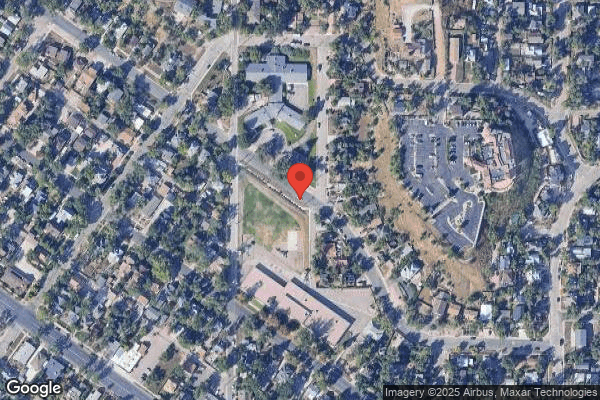
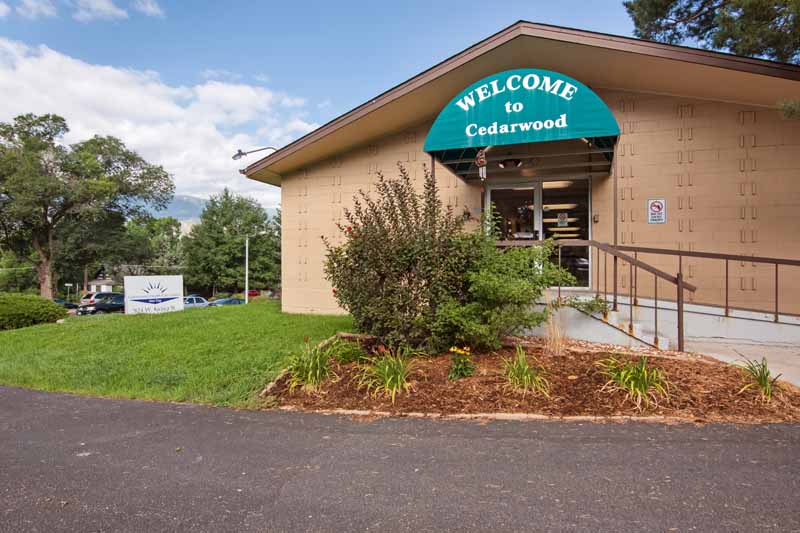
924 W KIOWA ST, COLORADO SPRINGS, CO 80905 (719) 636-5221
For profit - Limited Liability company 83 Beds RECOVER-CARE HEALTHCARE Data: November 2025
Trust Grade
18/100
#188 of 208 in CO
Last Inspection: January 2025

Within standard 12-15 month inspection cycle. Federal law requires annual inspections.

Overview

Kiowa Hills Rehabilitation and Nursing, LLC has received a Trust Grade of F, indicating significant concerns about the quality of care provided. They rank #188 out of 208 nursing homes in Colorado, placing them in the bottom half, and #18 out of 20 in El Paso County, meaning only two local facilities are worse. The facility is showing signs of improvement, with the number of issues decreasing from 21 in 2023 to 20 in 2025, but it still faces serious challenges. Staffing is a weakness, with a poor rating of 1 out of 5 stars and a turnover rate of 74%, which is significantly higher than the state average. Specific incidents of concern include a resident falling and fracturing their femur due to staff not following their care plan, and another resident suffering a brain bleed after being pushed by a fellow resident due to inadequate supervision. While the facility has some good quality measures, these serious safety and staffing issues are alarming for families considering care options.

Trust Score
F
18/100
In Colorado
#188/208
Bottom 10%
Safety Record
Moderate
Needs review
Inspections
Getting Better
21 → 20 violations
Staff Stability
⚠ Watch
74% turnover. Very high, 26 points above average. Constant new faces learning your loved one's needs.
Penalties
✓ Good
$13,406 in fines. Lower than most Colorado facilities. Relatively clean record.
Skilled Nurses
○ Average
Each resident gets 36 minutes of Registered Nurse (RN) attention daily — about average for Colorado. RNs are the most trained staff who monitor for health changes.
Violations
⚠ Watch
64 deficiencies on record. Higher than average. Multiple issues found across inspections.
★☆☆☆☆
1.0
Overall Rating
★☆☆☆☆
1.0
Staff Levels
★★★★☆
4.0
Care Quality
★☆☆☆☆
1.0
Inspection Score
Stable
2023: 21 issues
2025: 20 issues

The Good

  • 4-Star Quality Measures · Strong clinical quality outcomes
  • Full Sprinkler Coverage · Fire safety systems throughout facility
  • No fines on record

Facility shows strength in quality measures, fire safety.

The Bad

1-Star Overall Rating

Below Colorado average (3.1)

Significant quality concerns identified by CMS

Staff Turnover: 74%

27pts above Colorado avg (46%)

Frequent staff changes - ask about care continuity

Federal Fines: $13,406

Below median ($33,413)

Minor penalties assessed

Chain: RECOVER-CARE HEALTHCARE

Part of a multi-facility chain

Ask about local staffing decisions and management

Staff turnover is very high (74%)

26 points above Colorado average of 48%

The Ugly 64 deficiencies on record

2 actual harm
Aug 2025 7 deficiencies
CONCERN (D) 📢 Someone Reported This

A family member, employee, or ombudsman was alarmed enough to file a formal complaint

Potential for Harm - no one hurt, but risky conditions existed

Free from Abuse/Neglect (Tag F0600)

Could have caused harm · This affected 1 resident

**NOTE- TERMS IN BRACKETS HAVE BEEN EDITED TO PROTECT CONFIDENTIALITY** Based on observations, record review and interviews, the facility failed to ensure two (#1 and #2) of four residents reviewed fo...

Read full inspector narrative →
**NOTE- TERMS IN BRACKETS HAVE BEEN EDITED TO PROTECT CONFIDENTIALITY** Based on observations, record review and interviews, the facility failed to ensure two (#1 and #2) of four residents reviewed for abuse out of 16 sample residents were kept free from abuse.Specifically, the facility failed to protect Resident #1 and Resident #2 from physical abuse by Resident #3.Findings include: I. Facility policy and procedure The Abuse Policy, dated 4/11/25, was provided by the nursing home administrator (NHA) on 8/26/25 at 11:10 a.m. It read in pertinent part, “It is the policy of this facility to provide protections for the health, welfare and rights of each resident by developing and implementing written policies and procedures that prohibit and prevent abuse, neglect, exploitation and misappropriation of resident property. Responding immediately and after the investigation to include but not limited to, responding to immediately protect the alleged victim and integrity of the investigation. Increased supervision of the alleged victim and residents. Understanding behavioral symptoms of residents that may increase the risk of abuse and neglect, such as, aggressive and/or catastrophic reactions of residents, wandering or elopement-type of behaviors. If abuse happens: separate the assailant from the victim, isolate the assailant to protect others, assess and treat the victim, and notify the abuse coordinator.” II. Incident of physical abuse of Resident #1 by Resident #3 on 6/7/25 A. Facility investigation The facility’s investigation, dated 6/8/25 at 6:25 p.m., was provided by the NHA on 8/26/25 at 12:12 p.m. The investigation revealed the following: On 6/7/25 at approximately 6:04 p.m., Resident #3 was observed walking independently down hallway 400. At that time, Resident #1 was positioned at the threshold of her room, standing in the doorway. As Resident #3 approached, Resident #1 began to audibly call out for help. In response, Resident #3 entered Resident #1’s room briefly; however, no physical contact was observed during this initial entry. Shortly thereafter, Resident #3 re-entered Resident #1’s room without staff or permission by Resident #1. At this point, staff observed Resident #3 physically grab Resident #1 by the hair. The altercation escalated rapidly, prompting immediate intervention by registered nurse (RN) #1, who was in close proximity and responded without delay. RN #1 successfully separated the residents and removed Resident #3 from Resident #1’s room to prevent further physical aggression. The facility investigated an allegation of physical abuse involving Residents #1 and Resident #3 and determined the allegation was substantiated. Resident #3 was observed to frequently respond to external stimuli or episodes of confusion by walking about and making physical contact, such as grabbing staff or other residents. In this incident, Resident #1 reported she did not understand why Resident #3 entered her room and pulled her hair. B. Resident #3 (assailant) 1. Resident status Resident #3, age greater than 65, was admitted on [DATE]. According to the July 2025 computerized physician orders (CPO), diagnoses included alcohol induced persisting dementia, bipolar disorder with current episodes of psychotic features, schizoaffective disorder, and panic disorder with paroxysmal anxiety. The 6/10/25 minimum data set (MDS) assessment revealed the resident was moderately cognitively impaired with a brief interview for mental status (BIMS) score of nine out of 15. The resident was dependent on staff for certain activities of daily living (ADL). The MDS assessment documented the resident had physical behaviors directed at others or other behavioral symptoms directed toward others. 2. Record review The mood care plan, revised 6/23/25, revealed Resident #3 was at risk for a mood problem due to her disease process and her diagnoses of depression and dementia with behavioral disturbance. Pertinent interventions included administering medications as ordered, behavioral health consults as needed, assisting the resident with identifying strengths and positive coping skills and providing the resident with a meaningful program of activities. The psychotropic medication care plan, revised 3/12/25, revealed Resident #3 was prescribed antidepressant and antipsychotic medications. The plan outlined interventions requiring staff to monitor and record instances of target behaviors and symptoms, which included compulsive verbal statements such as help me, can you help me, or repeated expressions of hunger, uncooperative behavior, verbal expressions of depression, mood changes, agitation, aggression toward others, insomnia, jitteriness, nervousness and restlessness. C. Resident #1 (victim) 1. Resident status Resident #1, age [AGE], was admitted on [DATE]. According to the July 2025 CPO, diagnoses included adjustment disorder with mixed anxiety and depressed mood, unspecified dementia, anorexia, hypertension with chronic kidney disease, insomnia, cachexia, obsessive-compulsive behavior and inadequate social skills. The 6/10/25 MDS assessment revealed the resident has moderate cognitive impaired with a BIMS score of nine out of 15. The resident was independent for most ADLs with staff assistance needed for redirection at times. The MDS assessment documented the resident did not have physical or verbal behaviors directed at others or other behavioral symptoms not directed toward others. 2. Resident interview Resident #1 was interviewed on 8/26/25 at 9:45 a.m. Resident #1 was calm and cooperative. She said she felt safe in the facility and trusted the staff. Resident #1 said she was unable to recall specific details regarding the incident with Resident #3 because it had occurred a long time ago. She said she was not hurt and Resident #3 did not pull her hair. -However, the facility’s investigation indicated staff witnessed Resident #3 pulling Resident #1’s hair during the incident (see incident investigation above). D. Staff interviews Licensed practical nurse (LPN) #1 was interviewed on 8/26/25 at 11:00 a.m. LPN #1 said the facility investigated the incident between Resident #1 and Resident #3 on 6/7/25 and interviewed the staff and the two residents. LPN #1 said she had never experienced any prior incidents involving Resident #3 and Resident #1. She said Resident #3 often reached towards other residents unintentionally, typically mistaking them for staff members. LPN #1 said she was not on duty the night of the reported event, but she said it was highly unusual for Resident #3 to enter another resident’s room, specifically Resident #1’s room, and engage in physical contact, such as pulling her hair. RN #1 was interviewed on 8/26/25 at 6:15 p.m. RN #1 said on 6/7/25 she observed Resident #1 walking by the doorway of her room and Resident #3 walking on the same side of the hallway. She said as the residents approached one another, Resident #1 suddenly began shouting “Help, help!” quite loudly. She said the shouting caught her attention immediately. RN #1 said shortly after Resident #1 began shouting, Resident #3 entered Resident #1’s room and appeared to respond to the shouting by moving toward Resident #1 and grabbing her by the hair. She said Resident #1 had some bruising on her right hand; however, she did not witness any specific action or incident that might have caused the bruising. RN #1 said she stepped in right away to separate Resident #1 and Resident #3 and prevent the situation from escalating further. She said once they were apart, facility staff assessed Resident #1 for any injuries and none were noted. RN #1 said following the incident, Resident #3 was placed on enhanced supervision to ensure safety and monitor her behavior more closely, per facility policies. RN #1 said the incident on 6/7/25 was her first time seeing Resident #3 have an issue with another resident, but she said that Resident #3 had more cognitive and behavioral difficulties than other residents within the facility. RN #1 said the staff calmed Resident #3 down, but the best thing was usually to leave her alone for a period of decompression and observation in her room, due to her cognitive decline, behavioral issues and anxiety. RN #1 said Resident #3 could also be troubled at times, but had not had any conflict with any other residents or staff that she was aware of recently. RN #1 said she immediately informed the assistant director of nursing (ADON), the director of nursing (DON), the NHA, the residents’ physician, local law enforcement, and the residents’ representatives about the incident. The NHA was interviewed on 8/27/25 at 9:53 a.m. The NHA said the facility substantiated abuse for the incident between Resident #3 and Resident #1 for several reasons. The NHA said Resident #3 had external stimuli that she responded to by going into Resident #1’s room. The NHA said the investigative actions included interviewing staff who responded to the incident, reviewing accounts of nearby residents and assessing both Resident #1 and Resident #3. The NHA said there was no willful infliction or verbal aggression and Resident #3 was not engaging other residents prior to the incident. The NHA said this was supported by the nine residents who were interviewed that were were near Resident #3 and Resident #1 at the time of the incident and did not recall any altercation outside of Resident #1’s room. The NHA said the facility’s investigation revealed, through interviews and observations, that Resident #1 confirmed the hair pulling, but reported no injury or on-going psychosocial distress. He said Resident #3 was unable to provide a clear explanation of the incident or occurrence, due to her cognitive impairment. The NHA said that a review of both Resident #1 and Resident #3’s care plans and behavioral histories was conducted and documentation from the incident was evaluated. He said the social services director (SSD) was engaged to monitor and provide support to Resident #1 and monitor any psychosocial effects of the incident. He said during the facility’s interview of Resident #1, she did not report pain or fear during the incident, but appeared focused on discussing the incident repeatedly. He said Resident #1 was cooperative during the interview and expressed appreciation for the staff support. The NHA said there were no noted behavioral changes observed in Resident #1 following the incident. He said she remained calm and continued her usual routine without signs of distress. III. Incident of physical abuse of Resident #2 by Resident #3 on 6/8/25 A. Facility investigation The facility’s investigation, dated 6/8/25 at 5:40 p.m., was provided by the NHA on 8/26/25 at 12:22 p.m. The investigation revealed the following: Resident #3 exited her room and sat near nurses’ station two. Shortly afterward, Resident #3 approached Resident #2 and grabbed her arm. CNA #1 immediately intervened, separating the residents and escorting Resident #3 back to her room to de-escalate the situation. Resident #3 was placed on one-to-one supervision for close behavioral monitoring. A full medical work up was initiated to assess for any underlying causes contributing to Resident #3’s behavior. Staff were notified and increased awareness and supervision measures were reinforced in shared areas to ensure resident safety. Resident #3 and Resident #2 were interviewed, along with the CNA #1, who witnessed the incident. Resident #2 was interviewed and appeared indifferent to the incident, expressing no concerns or distress. Resident #2 said that Resident #3 grabbed her arm. Resident #2 said she was not in pain or fearful of Resident #3. Resident #2 continued with her regular routine without issue. Resident #3 was interviewed and unable to provide a clear or coherent explanation of the incident. Due to her cognitive impairment, her responses were disorganized and did not align with the events reported. It was determined that she was not of sound mind and unable to meaningfully participate in the interview. CNA #1 was interviewed and said she witnessed Resident #3 approach and grab Resident #2’s arm before promptly intervening. The facility concluded the allegation of physical abuse was substantiated due to CNA #1 directly observing Resident #3 grabbing Resident #2’s arm. B. Resident #3 (assailant) 1. Record review The care plan, initiated 6/9/25, revealed Resident #3 was involved in two separate interactions on 6/7/25 and 6/8/255 with Resident #1 and Resident #2 where Resident #3 had noted increased agitation. Pertinent interventions included Resident #3 was to have a medical work-up and she was placed on a one-to-one for reevaluation after 72 hours. C. Resident #2 (victim) 1. Resident status Resident #2, age less than 65, was admitted on [DATE]. According to the August 2025 CPO, diagnoses include hemiplegia and hemiparesis following cerebral infarction affecting left non dominant side (a stroke resulting in paralysis and weakness to one side of the body), intracranial and intraspinal phlebitis and thrombophlebitis (inflammation of brain or spinal veins and the formation of blood clots within them) and thrombocytopenia (an abnormally low number of platelets in the blood, which leads to increased bleeding and bruising). The 8/5/25 MDS assessment revealed the resident had moderate cognitive impairments with a brief interview for mental status (BIMS) score of 10 out of 15. The resident was dependent on staff for most ADLs. 2. Resident interview Resident #2 was interviewed on 8/27/25 at 12:43 p.m. Resident #2 recalled the altercation from 6/8/25 with Resident #3 and said she was not afraid of her because she (referring to herself) was a fighter. Resident #2 said she had not had any recent altercations with Resident #3. 3. Record Review Resident #2’s comprehensive care plan, revised 6/9/25, revealed Resident #2 was involved in an incident with Resident #3 on 6/8/25. Interventions (initiated 6/9/25) included social services providing a one-to-one two times a week with Resident #2 to monitor for any psychosocial trauma related to the event. -However, review of Resident #2’s progress notes failed to reveal documentation to indicate the resident was provided with the one-to-one visits from social services two times a week. Psychiatric follow-up progress notes on 7/2/25, 7/14/25, 7/28/25 and 8/11/25 indicated Resident #2 received routine psychological assessments biweekly by the nurse practitioner. D. Staff interview The NHA was interviewed on 8/27/25 at 9:53 a.m. The NHA said Resident #3 and Resident #2 were both interviewed after the incident on 6/8/25. The NHA said the staff were interviewed following the incident, including CNA #1, who confirmed that Resident #3 approached and grabbed Resident #2’s arm. He said other nearby staff did not witness the incident directly, but reported that Resident #3 appeared restless earlier in the day. The NHA said no other facility residents observed the incident. The NHA said the facility’s internal investigation determined that the abuse allegation incident was substantiated. He said CNA #1 directly observed Resident #3 grab Resident #2’s arm. He said no injuries occurred with the incident and skin assessments were performed on Resident #2. He said appropriate interventions, including enhanced supervision and medical work-up were implemented by the facility. The NHA said during the interview with Resident #3, she was unable to provide a clear or coherent explanation of the incident. He said due to her cognitive impairment, her responses were determined by the facility to be disorganized and did not align with the events that occurred. The NHA said the facility determined through the interview with Resident #3 that she was not of sound mind and unable to participate in a meaningful interview. The NHA said the DON met with Resident #3 and Resident #2 on 6/8/25 about the events that occurred. He said Resident #3 was unable to recall any events due to her cognitive impairment. Resident #2 was unable to communicate the events, due to her aphasia and underlying cognitive impairment.
CONCERN (D) 📢 Someone Reported This

A family member, employee, or ombudsman was alarmed enough to file a formal complaint

Potential for Harm - no one hurt, but risky conditions existed

ADL Care (Tag F0677)

Could have caused harm · This affected 1 resident

**NOTE- TERMS IN BRACKETS HAVE BEEN EDITED TO PROTECT CONFIDENTIALITY** Based on observations, record review and interviews the facility failed to ensure residents who were unable to carry out activit...

Read full inspector narrative →
**NOTE- TERMS IN BRACKETS HAVE BEEN EDITED TO PROTECT CONFIDENTIALITY** Based on observations, record review and interviews the facility failed to ensure residents who were unable to carry out activities of daily living (ADL) received the necessary services to maintain proper personal hygiene for one (#11) of three residents reviewed for ADLs out of 16 sample residents.Specifically, the facility failed to ensure Resident #11 was repositioned and provided with incontinence care in a timely manner.Findings include:I. Resident #11A. Resident statusResident #11, age greater than 65, was admitted on [DATE]. According to the August 2025 computerized physician orders (CPO), diagnoses included chronic obstructive pulmonary disease (COPD), dementia and muscle weakness.The 8/20/25 minimum data set (MDS) assessment revealed the resident had moderately impaired cognition with a brief interview for mental status (BIMS) score of 11 out of 15. He required dependent assistance with toileting hygiene, showering/bathing, upper and lower body dressing, putting on/taking off footwear and personal hygiene.The assessment documented the resident was always incontinent of bowel and bladder.B. ObservationsDuring a continuous observation on 8/26/25, beginning at 9:23 a.m. and ending at 1:55 p.m., the following was observed:At 9:23 a.m. Resident #11 was lying in bed.At 9:40 a.m. licensed practical nurse (LPN) #1 entered the room and gave Resident #11 his medications.-LPN #1 did not offer to reposition the resident or ask if he needed incontinence care.At 9:58 a.m. certified nurse aide (CNA) #2 entered the room, took Resident #11's breakfast tray and exited the room at 9:59 a.m.-CNA #2 did not offer to reposition the resident or ask if he needed incontinence care.At 11:03 a.m. CNA #2 entered the room and talked to Resident #11 and his roommate and exited the room at 11:04 a.m.-CNA #2 did not offer to reposition the resident or ask if he needed incontinence care.At 12:11 p.m. CNA #2 entered Resident #11's room and was observed talking to the resident saying she would be back with his lunch tray and exited the room at 12:12 p.m.-CNA #2 did not offer to reposition the resident or ask if he needed incontinence care.At 12:41 p.m. CNA #2 delivered Resident #11's lunch tray and exited at 12:42 p.m.-CNA #2 did not offer to reposition the resident or ask if he needed incontinence care.At 1:25 p.m. hospice CNA #1 and hospice CNA #2 entered Resident #11's room. Hospice CNA #1 said they were there to give Resident #11 a bed bath and proceeded to get the resident ready for his bath.At 1:37 p.m. Hospice CNA #1 and hospice CNA #2 cleaned Resident #11's arms and chest with a wash cloth that was rinsed in soapy water and dried him off with towels. Hospice CNA #1 un-taped the resident's dirty brief and cleaned Resident #11's perineal area (area between the genitals) and dried the area, keeping a towel over Resident #11 when they could. Hospice CNA #1 and hospice CNA #2 rolled Resident #11 to the left, tucking the old brief under him and exposing his bottom. Hospice CNA #1 and hospice CNA #2 placed a new brief on him. The old brief was observed to be saggy and bulky.-Resident #11 was not repositioned or asked if he needed incontinence care for a period of over four hours.C. Resident interviewResident #11 was interviewed on 8/26/25 at 1:07 p.m. Resident #11 said he could not remember if staff changed him today. Resident #11 said staff did not change him every two hours. Resident #11 said staff did not provide incontinence care for him after breakfast (on 8/26/25). Resident #11 said he did not know if he was wet and needed to be changed.D. Record reviewThe ADL care plan, revised 8/26/25 (during the survey), documented Resident #11 had an ADL self-care performance deficit related to AFTT (adult failure to thrive), end-stage congestive heart failure, fatigue, shortness of breath, obesity, bedbound and weakness. Resident #11 was able to verbalize his needs when asked. Resident #11 preferred to remain in bed for the majority of the day due to comfort and energy conservation. Interventions included providing total staff assistance with bed mobility and toileting use.The skin care plan, revised 5/28/25, documented Resident #11 had potential for impairment to his skin integrity. Resident #11 had a history of venous stasis ulcers. Resident #11 preferred to be positioned on his back with his feet elevated on pillows. Interventions included assisting Resident #11 to reposition and/or turn at frequent intervals to provide pressure relief, providing a pressure reducing mattress on his bed, providing total assistance from staff to turn/reposition often as needed or requested and providing incontinence care after each incontinence episode, or per an established toileting plan.The bowel and bladder care plan, revised 5/28/25, documented Resident #11 had both bowel and bladder incontinence. Interventions included checking and changing the resident frequently, on request and as required for incontinence, changing clothing as needed after incontinence episodes and providing total assistance from staff.II. Staff interviewsHospice CNA #1 was interviewed on 8/26/25 at 1:25 p.m. Hospice CNA #1 said that the hospice CNAs came to the facility two days a week on Tuesday and Fridays and gave Resident #11 a bed bath. Hospice CNA #1 said that the staff from the facility was responsible for providing incontinence care and repositioning for Resident #11 when the hospice staff were not there.Hospice CNA #1 was interviewed a second time on 8/26/25 at 1:47 p.m. Hospice CNA #1 said when removing Resident #11's brief it was saturated with urine and his skin was wet in the perineal area.LPN #1 was interviewed on 8/26/25 at 1:50 p.m. LPN #1 said residents should be repositioned every two hours. LPN #1 said incontinence care should be provided every two hours. LPN #1 said CNAs should be doing a skin check when providing incontinence care. LPN #1 said Resident #11 was at risk for developing pressure ulcers as he was not mobile. LPN #1 said Resident #11 did not currently have any pressure ulcers.CNA #2 was interviewed on 8/27/25 at 1:19 pm. CNA #2 said residents should be repositioned and provided incontinence care every two hours. CNA #2 said if residents were not repositioned or changed, they could develop a bed sore or pressure ulcers.CNA #2 said she provided repositioning and incontinence care for Resident #11. CNA #2 said she changed Resident #11 on 8/26/25 at 6:00 a.m. She said after Resident #11 ate his breakfast, she asked him if he wanted to be changed and he said no. She said she usually changed Resident #11 between 9:30 a.m. and 9:45 a.m., but because he had refused, no care was provided. She said she had intended to provide incontinence care and repositioning for Resident #11 after lunch but said that the hospice CNAs had already changed Resident #11 and repositioned him so she did not have to. She said she received reeducation on 8/26/25 on providing timely incontinence care and repositioning.
CONCERN (D) 📢 Someone Reported This

A family member, employee, or ombudsman was alarmed enough to file a formal complaint

Potential for Harm - no one hurt, but risky conditions existed

Quality of Care (Tag F0684)

Could have caused harm · This affected 1 resident

**NOTE- TERMS IN BRACKETS HAVE BEEN EDITED TO PROTECT CONFIDENTIALITY** Based on observations, record review and interviews, the facility failed to ensure residents received treatment and care in acco...

Read full inspector narrative →
**NOTE- TERMS IN BRACKETS HAVE BEEN EDITED TO PROTECT CONFIDENTIALITY** Based on observations, record review and interviews, the facility failed to ensure residents received treatment and care in accordance with professional standards of practice and the comprehensive person-centered care plan for one (#4) of three residents reviewed out of 16 sample residents.Specifically, the facility failed to ensure physician's orders were followed for Resident #4's wound care.Findings include:I. Facility policy and procedureThe Skin Care and Pressure Ulcer policy, dated 4/11/25, was provided by the nursing home administrator (NHA) on 8/26/25 at 3:32 p.m. It read in pertinent part, After completing a thorough assessment/evaluation, the interdisciplinary team (IDT) shall develop a relevant care plan that includes measurable goals for prevention and management of pressure injuries with appropriate interventions. Interventions will be based on specific factors identified in the risk assessment, skin assessment, and any pressure injury assessment (moisture management, impaired mobility, nutritional deficit, staging, wound characteristics). Evidence-based interventions for prevention will be implemented for all residents who are assessed at risk or who have a pressure injury present. Basic or routine care interventions could include, but are not limited to:-Redistribute pressure (such as repositioning, protecting and/or offloading heels);-Minimize exposure to moisture and keep skin clean, especially of fecal contamination; and-Provide appropriate pressure re-distributing, support surfaces.The goals and preferences of the resident and/or authorized representative will be included in the plan of care.Interventions will be documented in the care plan and communicated to all relevant staff.Compliance with interventions will be documented in the weekly summary charting.II. Resident #4A. Resident statusResident #4, age [AGE], was admitted on [DATE]. According to the August 2025 computerized physician orders, diagnoses included chronic venous hypertension (a condition where the veins in the lower legs become damaged, leading to increased blood pressure in the veins) with ulcers and inflammation of bilateral lower extremities, history of chronic kidney disease (CKD), type 2 diabetes, bilateral peripheral venous insufficiency (a condition where the veins in the legs or arms do not function properly, leading to blood pooling and damage), chronic tobacco and methamphetamine use and homelessness.The 6/26/25 minimum data set (MDS) assessment revealed that Resident #4 had minimal cognitive impairment with a brief interview for mental status (BIMS) score of 14 out of 15. The resident required partial/moderate assistance to roll left and right and partial/moderate assistance to move from sitting to standing. The assessment indicated the resident had three venous and/or arterial ulcers (open wounds that develop on the lower legs due to problems with blood circulation) upon admission.B. ObservationsOn 8/26/25 at 10:53 a.m. Resident #4's wound care was observed with licensed practical nurse (LPN) #2. The resident's legs and ankles were lying on the bed flat without a pillow or other form of support to elevate the resident's heels and ankles off of the bed surface.The resident's dorsal side of her right foot was covered with a bordered gauze dressing (an absorptive dressing consisting of three layers). LPN #2 removed the border gauze dressing which revealed a non-woven fluffy/fibrous looking material, approximately four inches by four inches in size.The resident's right dorsal foot wound was an irregular shape about the size of a closed fist and the wound bed was uneven, pink and red. LPN #2 cleansed the right dorsal foot wound, applied skin prep (a topical solution or wipe used to prepare the skin around wounds for the application of dressings or other medical devices), placed xeroform gauze (a petrolatum-impregnated gauze with an added ingredient called bismuth tribromophenate that helps promote healing by keeping wounds moist and non-adherent, thus facilitating easier dressing changes) and covered the wound with a signed and dated bordered gauze dressing.LPN proceeded to perform the wound care for Resident #4's right medial (inner) ankle. The resident's right medial ankle was not covered with a bordered gauze dressing (see physician's orders below). Resident #4's right medial ankle wound had a saturated non-woven dressing material over it which had mostly molded itself to the resident's ankle. LPN #2 sprayed the dressing, which was stuck to the resident's wound, with a wound cleanser multiple times and let it sit to make the material softer. Once the dressing was softer, LPN #2 peeled the dressing off in pieces, due to the dressing becoming more slimy when exposed to the wound cleanser spray. There was no xeroform gauze beneath the adhered dressing removed by LPN #2 (see physician's orders below). LPN #2 cleansed the right medial ankle wound. Once cleansed, the wound bed was pink and red. LPN #2 applied skin prep, placed xeroform gauze and covered the wound with a signed and dated bordered gauze dressing.LPN #2 proceeded to perform the wound care for Resident #4's left medial ankle wound. had a bordered gauze dressing on it that was slightly saturated and yellow in color. When LPN #2 removed the bordered gauze dressing, there was no xeroform gauze beneath the outer dressing (see physician's orders below). The resident's left medial ankle wound bed was pink, rounded and open. LPN #2 cleansed the wound, applied skin prep, placed xeroform gauze and covered the wound with a signed and dated bordered gauze dressing.C. Record reviewReview of Resident #4's skin integrity care plan revealed the resident had impairment to her skin integrity and required enhanced barrier precautions to prevent the spread of infections. Interventions included following facility protocols for treatment of injury and keeping the resident's skin clean and dry.Review of Resident #4's August 2025 CPO revealed the following physician's orders: Right dorsal foot: Cleanse with wound cleanser, skin prep periwound, xeroform and cover with bordered gauze. Change daily and PRN (as needed). Every night shift for vascular wound care, ordered 8/21/25.-However, Resident #4's right dorsal foot wound did not have xeroform gauze on it during the wound care observation (see observations above).Right medial ankle: Cleanse with wound cleanser, skin prep periwound, xeroform and cover with bordered gauze. Change daily and PRN. Every night shift for wound care, ordered 8/21/25.However, Resident #4's right medial ankle wound had calcium alginate covering it instead of xeroform gauze and there was no bordered gauze dressing over the wound during the wound care observation (see interviews below and observations above).Left medial ankle: Cleanse with wound cleanser, skin prep periwound, xeroform and cover with bordered gauze. Change daily and PRN as needed for wound care, ordered 8/21/25.-However, Resident #4's left medial ankle wound did not have xeroform gauze on it during the wound care observation (see observations above).Review of Resident #4's August 2025 treatment administration record (TAR) revealed the following:-The right dorsal foot wound dressing was documented as changed on 8/25/25 at 9:26 p.m.;-The right medial ankle wound dressing was documented as changed on 8/25/25 at 9:26 p.m.; and,-The left medial ankle wound dressing was documented as changed on 8/25/25 at 9:26 p.m.III. Staff interviewsLPN #2 was interviewed on 8/26/25 at 10:53 a.m. LPN #2 said she did not see xeroform gauze underneath Resident #4's dressings when she changed them. She said it was important to check the physician's orders for how to change wound dressings, because Resident #4 usually had new dressing orders each week. She said the blackish brown material on the resident's right medial ankle wound was calcium alginate build up that needed to be sprayed, softened and removed.-However, the 8/21/25 wound care physician's orders did not indicate calcium alginate was to be used on Resident #4's wounds (see physician's orders above).The wound care physician (WCP) was interviewed on 8/27/25 at 11:38 a.m. The WCP said the facility was treating Resident #4's vascular ulcers, which came and went because of the vascular issues in her legs. He said the current treatment for the wounds was to use xeroform gauze. He said the purpose of treating the wounds with xeroform gauze was to keep a moist healing environment for the cells and it was a barrier to protect the wound environment. He said prior to 8/21/25, the resident's wounds were being treated with calcium alginate, which was a fibrous material used to collect exudate. He said the calcium alginate got thicker and a little more soggy when exudate leaked from the wound and got absorbed into the alginate material. He said the alginate helped absorb exudate and honey helped to soften hard tissues, so he changed the physician's order to xeroform gauze. -However, Resident #4 did not have xeroform gauze on her wounds during the wound observation (see observations and LPN #2's interview above).
CONCERN (E) 📢 Someone Reported This

A family member, employee, or ombudsman was alarmed enough to file a formal complaint

Potential for Harm - no one hurt, but risky conditions existed

Deficiency F0565 (Tag F0565)

Could have caused harm · This affected multiple residents

Based on record review and interviews, the facility failed to provide response, action and rationale to residents involved in group grievances. Specifically, the facility failed to effectively address...

Read full inspector narrative →
Based on record review and interviews, the facility failed to provide response, action and rationale to residents involved in group grievances. Specifically, the facility failed to effectively address, resolve and follow up with residents who attended food committee and resident council on the outcomes and resolutions of grievances expressed regarding food. Findings include:I. Facility policy and procedureThe Resident and Family Grievances policy and procedure, dated 4/11/25, was received by the nursing home administrator (NHA) on 8/27/25 at 3:52 p.m. It read in pertinent part, It is the policy of this facility to support each resident's and family member's right to voice grievances without discrimination, reprisal or fear of discrimination or reprisal. The grievance officer is responsible for overseeing the grievance process; receiving and tracking grievances through to their conclusion; leading any necessary investigations by the facility; maintaining the confidentiality of all information associated with grievances; issuing written grievance decisions to the resident; and coordinating with state and federal agencies as necessary. The time frame that a resident may reasonably expect completion of the review of the grievance and a written decision regarding his or her grievance. The grievance officer will take steps to resolve the grievance, and record information about the grievance, and those actions on the grievance form. Steps to resolve the grievance may involve forwarding the grievance to the appropriate department manager for follow up. All staff involved in the grievance investigation or resolution should make prompt efforts to resolve the grievance and return the grievance form to the grievance officer. Prompt efforts include acknowledgement of complaint/grievances and actively working toward a resolution of that complaint/grievance. All staff involved in the grievance investigation or resolution will take steps to preserve the confidentiality of files and records relating to grievances, and will share them only with those who have a need to know. The grievance officer, or designee, will keep the resident appropriate apprised of progress towards resolution of the grievances. In accordance with the resident's right to obtain a written decision regarding his or her grievance, the grievance officer will issue a written decision on the grievance to the resident or representative at the conclusion of the investigation. The written decision will include at a minimum:-The date the grievance was received;-The steps taken to investigate the grievance;-A summary of the pertinent findings or conclusions regarding the resident's concern (s);-A statement as to whether the grievance was confirmed or not confirmed; -Any corrective action taken or to be taken by the facility as a result of the grievance; -The date the written decision was issued; and, The facility will make prompt efforts to resolve grievances.A. Resident group interviewA group interview was conducted on 8/26/25 at 2:32 p.m. with five residents (#6, #7, #9, #10 and #15), who were identified as alert and oriented through facility and assessment.The residents in the group said they had complained about the food being cold, over cooked and bland in taste. The residents said there was no resolution. The residents said the administration acknowledged the concerns however, did not implement a resolution. The residents said the lunch and dinner orders were not being taken prior to the meal and often the menu did not match what was served. B. Record reviewThe 4/17/25 resident council minutes documented the residents voiced a concern that the certified nurse aides (CNA) were not taking lunch and dinner prior to the meal. The minutes documented the residents voiced a concern that the french fries were not being fully cooked. The follow up section on the form documented the CNAs had been educated. The follow up documentation also documented that the cooks were ensuring the fries reached 180 degrees Fahrenheit (F).-However, it was documented next to the NHA's signature that the action was not sufficient and it was not effective. The 5/15/25 resident council meeting minutes documented the residents voiced a concern that they received the wrong food orders. The residents said they did not know if it was a miscommunication with the CNAs and the kitchen staff. The residents said the menu that was posted was not matching the ticket. The residents said the vegetables were over cooked or raw. The residents said the portion sizes were too small, the fries were not fully cooked and hot food was not hot. The residents said there were not enough snacks. The follow up section on the form documented to ensure the food was hitting the correct temperature of 165 degrees F. It documented for the staff to make sure the meal tickets matched the menu. It documented the CNAs were educated to obtain orders timely. The cooks were educated to ensure the fries were full cooked, that the temperature of the vegetables were correct, portion sizes were correct and to ensure there were enough snacks. -However, it was documented next to the NHA's signature that the action was not sufficient and it was not effective.-Cross reference F803: failure to follow the menus. The 6/19/25 resident council meeting notes documented the residents voiced concerns that the fries were not fully cooked, the hot food was not hot and the residents received their orders wrong. It documented the menus were not matching the tickets. The follow up section of the form documented the cooks were to bake the french fries in the oven. This action was signed off as sufficient. The follow up section of the form further documented that the bistro orders would be clearly identified. -However, the form documented the action was not sufficient and it was not effective. It had not been signed off from the NHA.The follow up section of the form further documented the meals tickets were updating faster than the posted menu with latest menu changes. -However, the form documented the action was not sufficient and it was not effective. It had not been signed off from the NHA.The 7/17/25 resident council notes documented the residents voiced concerns that the hot food was not hot, that residents were not receiving snacks in their rooms, the CNAs were not taking orders for lunch and dinner, the posted menu did not match the meal ticket, residents received their orders wrong and the residents were not getting what they had ordered. The follow up section of the form for the menu not matching the ticket, for food not being hot and for the residents receiving the wrong food revealed a new dietary manager was hired.The follow up section of the form that addressed the residents were not getting enough snacks documented the CNAs were educated to pass snacks to everyone. -However, the form was signed as action was not sufficient or effective. The follow up section of the form that addressed the CNAs not taking the lunch and dinner orders documented the action that was taken was to re-educate the CNAs at staff meetings. -However, the form was signed as action was not sufficient or effective. Resident council minutes for 8/21/25 revealed the residents voiced concerns that hot food was not hot, the CNAs were not taking lunch and dinner orders, the CNAs were not notifying the residents when snacks were out -The follow up section of the form had been filled out identifying the concerns identified from the residents' 8/21/25 resident council., however, it had not been received back from the department with a resolution. C. Staff interviewsThe activity director (AD) was interviewed on 8/27/25 at 9:29 a.m. The AD said the resident council meeting was held monthly. She said the food council was also held monthly. The AD said after each council meeting, she wrote out a grievance form for any concerns voiced by the residents. She said she then distributed the form to the appropriate department. She said the department head then wrote a response to the grievance of how it would be resolved. She said the facility has had numerous complaints regarding the food. She said the facility recently hired a new dietary manager. She said the food grievances were not resolved and continued to be an issue. She said the response for a resolution needed to be received within 72 hours. The NHA was interviewed on 8/27/25 at approximately 12:00 p.m. The NHA said he had worked at the facility for the past month. He said he was aware there were food complaints and he had recently hired a new dietary manager with good experience to help improve the dining department. He said grievances should be followed up within 72 hours. He said that he was slowly chipping away at issues brought up from the resident council.
CONCERN (E) 📢 Someone Reported This

A family member, employee, or ombudsman was alarmed enough to file a formal complaint

Potential for Harm - no one hurt, but risky conditions existed

Menu Adequacy (Tag F0803)

Could have caused harm · This affected multiple residents

Based on observations, record review and interviews the facility failed to ensure recipes were followed to meet the residents' nutritional needs.Specifically, the facility failed to follow the correct...

Read full inspector narrative →
Based on observations, record review and interviews the facility failed to ensure recipes were followed to meet the residents' nutritional needs.Specifically, the facility failed to follow the correct portion sizes to ensure adequate nutrition was provided to the residents. Findings include:I. Facility policy and procedureThe Food Preparation Guidelines policy and procedure, dated 4/11/25, was provided by the nursing home administrator (NHA) on 8/27/25 at 3:52 p.m. It read in pertinent part, It is the policy of this facility to prepare foods in a manner to preserve or enhance a resident's nutrition and hydration status. The cook, or designee, shall prepare menu items following the facility's written menus and standardized recipes.II. ObservationsDuring a continuous observation during the dinner meal on 8/26/25, beginning at 4:00 p.m. and ending at 6:00 p.m., the following was observed: At approximately 5:00 p.m. the dietary manager (DM) prepared and served a plate for a resident who was prescribed a pureed diet. The plate consisted of pureed barley soup and a pureed hamburger patty. -However, the menu extensions indicated the residents prescribed a pureed diet should have received pureed Italian grinder sub and pureed potato salad (see menu extensions below).At 5:15 p.m. an unidentified dietary aide (DA) began plating the resident's meals. for dinner. The unidentified DA placed half of the baked Italian sub sandwich on the plate and put a bowl of the barley vegetable soup on the plate. The unidentified (DA) then handed it to the staff and staff began handing out the food to the residents in the dining room.-However, the menu extensions indicated the residents were to receive two half sandwiches (see menu extensions below).III. Record reviewThe menu extensions were provided by the NHA on 8/27/25 at 3:52 p.m. The menu extensions revealed the residents who were prescribed a regular diet should have received two halves of a baked Italian sub sandwich, #8 scoop (half cup) of potato salad, 6 ounces (oz) (two third cup) of soup, 9 oz beverage of choice and a three inch by two inch brownie.-However, observation revealed the residents were served half of the baked Italian sub sandwich, instead two halves as indicated on the menu extensions (see observations above).The menu extension revealed the residents who were prescribed a pureed diet should have received #6 scoop (two third cups) of pureed Italian grinder sub, #8 scoop (half cup) of pureed potato salad with no raw vegetables, #6 scoop (two third cup) of pureed homemade soup of the day, 8 oz beverage of choice and a three inch by two inch pureed brownie.-However, observation revealed the resident was served pureed soup with a pureed hamburger patty. The resident was not provided with the pureed Italian grinder sub or pureed potato salad.IV. Staff interviewsThe dietary manager (DM) was interviewed on 8/27/25 at 10:50 a.m. The DM said he was responsible for posting the menus for the day. The DM said he used the dining manager RD (registered dietitian) to retrieve his menus for the facility. The DM said the dining manager RD was approved by the RD. The DM said he could not find the recipes in the dining manger RD program. The DM said that he had never used a recipe. The DM said he did not follow a recipe to make dinner on 8/26/25. The DM went over the menu extensions from dinner on 8/26/25. The DM said residents should have gotten two halves of the baked Italian sub sandwich last night for dinner (8/26/25). The DM said the DAs needed more training and were not educated that two halves were supposed to be served. The DM said residents should have been served two halves of the sandwich.The DM said only one resident was prescribed a pureed diet. The DM said the baked italian sub sandwich did not puree well. He said the resident was served the pureed barley soup with a pureed beef patty mixed in. The DM said he did not puree the potato salad because the resident did not like raw vegetables. The DM said the resident also received a pureed chocolate chip cookie and ice cream for dessert.-However, the menu extensions indicated residents on a pureed diet should have received a pureed brownie (see menu extensions above).The DM said when he first started at the facility one of the residents requested chicken strips off the alternative menu. The DM said they were out of chicken strips, so he went and talked to the resident and offered them something else. The DM said he had a stock of everything on the alternative menu so that he does not run out again. The DM said he recently made updated changes to the alternative menu known as the bistro menu. He said he added more options for the residents to choose from.The NHA was interviewed on 8/27/25 at 1:41 p.m. The NHA said the DM and cooks should be following recipes when preparing the meals for the residents. The NHA said there were recipes in the dining manager RD. The NHA said not following the recipes could be concerning for allergies, safety concerns and nutritional values. The NHA said he would make sure to educate the DM on where to find and print out the recipes.
CONCERN (E) 📢 Someone Reported This

A family member, employee, or ombudsman was alarmed enough to file a formal complaint

Potential for Harm - no one hurt, but risky conditions existed

Deficiency F0804 (Tag F0804)

Could have caused harm · This affected multiple residents

Based on observations, record review and interviews the facility failed to ensure residents consistently receive food prepared by methods that conserve nutritive value, palatable in taste, texture and...

Read full inspector narrative →
Based on observations, record review and interviews the facility failed to ensure residents consistently receive food prepared by methods that conserve nutritive value, palatable in taste, texture and temperature.Specifically, the facility failed to ensure the residents' food was palatable in taste, texture and temperature. Findings include:I. Facility policy and procedureThe Food Preparation Guidelines, dated 4/11/25, was received by the nursing home administrator (NHA) on 8/26/25 at 3:52 p.m. It read in pertinent part, It is the policy of this facility to prepare foods in a manner to preserve or enhance a resident's nutrition and hydration status. Food shall be prepared by methods that conserve nutritive value, flavor and appearance. This includes but is not limited to: Storing food in a manner to minimize exposure to light and air. Preparing foods as directed. Cooking foods in appropriate amount of water (avoid large volumes). Minimizing holding time prior to meal service. Food and drinks shall be palatable, attractive, and at a safe and appetizing temperature. Strategies to ensure resident satisfaction include: Providing meals that are varied in color and texture. Using spices or herbs to season food in accordance with recipes. Serving hot foods/drinks hot and cold foods/drinks cold. Addressing resident complaints about foods/drinks. Honoring resident preferences, as possible, regarding foods and drinks.II. Resident interviewsResident #14 was interviewed on 8/25/25 at 1:14 p.m. Resident #14 said her fries were often cold. Resident #14 said the kitchen served a lot of chicken and she was tired of eating it. Resident #14 said there was not alternative meal options. Resident #14 said she was not given another option for her lunch everyday. Resident #14 said you take what you get and eat it or do not eat.Resident #12 was interviewed on 8/25/25 at 4:25 p.m. Resident #12 said his meal was served cold routinely. He said that the bacon was overcooked, the eggs were watery and the food did not have any flavor. Resident #4 was interviewed on 8/26/25 at 1:50 p.m. Resident #4 said the food was always cold. She said her lunch was cold today.Resident #13 was interviewed on 8/26/25 at 5:30 p.m. Resident #13 said the food was not good. He said the food was served cold, not enough at times and was not flavorful. He said the bread on sandwiches was hard. He said the bread on his Italian sandwich served tonight (8/26/25) was hard and there was not enough meat on the sandwich. He said he only received a half of the sandwich and it was not enough to eat. Cross reference F803: Failure to ensure portion sizes were served according to the menu extensions. Resident #2 was interviewed on 8/27/25 at 12:43 p.m. Resident #2 said the food was horrible. Resident #2 said she had never been offered an alternative meal.Resident #17 was interviewed on 8/27/25 at 2:15 p.m. Resident #17 said he had a difficult time cutting his hot dog because it was overcooked and dry. Resident #17 said he typically ate in his room. Resident #17 said staff sometimes would ask him what he would like off the menu but most of the time it was a mystery. Resident #17 grimaced his face when stating the food temperature is always cold. He said it's a hit or miss asking staff to reheat the food because sometimes they will and sometimes they won't. Resident #17 said the food was always cold. III. Resident group interviewA group interview was conducted on 8/26/25 at 2:32 p.m. with six alert and oriented residents (#10, #15, #7, #6 and #9), per facility and assessment.The residents said the food was always cold. The residents said the pancakes were hard and overcooked, so they could not be cut. The residents said the pancakes were served cold. The residents said the oatmeal was the only food that was always hot. The residents said if they ate their meals in their room that the staff would reheat the food. The group said that staff could not reheat it more than once because there was not enough staff to reheat the food. The group said if they wanted warm food they needed to eat in the dining room.The residents said that the food had been over cooked and sometimes undercooked. The residents said that they reported their concerns in the May 2025 and June 2025 resident council meeting and nothing happened.Resident #6 said the hamburgers were dry and the fries were either burnt or soggy. The residents said the fries were not always cooked all the way.IV. Record reviewThe 4/17/25 resident council minutes documented the residents voiced a concern that the certified nurse aides (CNA) were not taking lunch and dinner prior to the meal. The minutes documented the residents voiced a concern that the french fries were not being fully cooked. The follow up section on the form documented the CNAs had been educated. The follow up documentation also documented that the cooks were ensuring the fries reached 180 degrees Fahrenheit (F)The 5/15/25 resident council meeting minutes documented the residents voiced a concern that they received the wrong food orders. The residents said they did not know if it was a miscommunication with the CNA's and the kitchen staff. The residents said the menu that was posted was not matching the ticket. The residents said the vegetables were over cooked or raw. The residents said the portion sizes were too small, the fries were not fully cooked and hot food was not hot. The residents said there were not enough snacks. The follow up section on the form documented to ensure the food was hitting the correct temperature of 165 degrees F. It documented for the staff to make sure the meal tickets matched the menu. It documented the CNAs were educated to obtain orders timely. The cooks were educated to ensure the fries were full cooked, that the temperature of the vegetables were correct, portion sizes were correct and to ensure there were enough snacks. The 6/19/25 resident council meeting notes documented the residents voiced concerns that the fries were not fully cooked, the hot food was not hot and the residents received their orders wrong. It documented the menus were not matching the tickets. The follow up section of the form documented the cooks were to bake the French fries in the oven. This action was signed off as sufficient. The follow up section of the form further documented that the bistro orders would be clearly identified. The 7/17/25 resident council notes documented the residents voiced concerns that the hot food was not hot, that residents were not receiving snacks in their rooms, the CNAs were not taking orders for lunch and dinner, the posted menu did not match the meal ticket, residents received their orders wrong and the residents were not getting what they had ordered. The follow up section of the form for the menu not matching the ticket, for food not being hot and for the residents receiving the wrong food revealed a new dietary manager was hired.The 8/21/25 resident council minutes revealed the residents voiced concerns that hot food was not hot, the CNAs were not taking lunch and dinner orders, the CNAs were not notifying the residents when snacks were out Cross reference F565: failure to resolve grievances of a group timely. V. ObservationsDuring a continuous observation of the dinner meal service on 8/26/25, beginning at 4:55 p.m. and ending at 6:00 p.m., the following was observed:At 4:55 p.m. the unidentified dietary aide (DA) took the food out of the hot warmer box and placed the food on a rolling chart to take to the satellite kitchen for meal service.At 5:11 p.m. the DA took the temperature of the potato salad and it was at 49 degrees Fahrenheit (F). -The potato salad was not placed on ice and remained on the rolling cart.At 5:17 p.m. the unidentified DA began serving the first plate.At 5:55 p.m. the last room tray was plated.At 6:00 p.m. the room trays left the dining room and were delivered to the rooms.During a continuous observation in the dining room on 8/26/25, beginning at 5:24 p.m. and ending at 5:45 p.m., the following were observed:At 5:24 p.m. Resident #1 said the soup was bad and picked the sandwich apart, eating only the two slices of meat. He said the bread was too hard. VI. Test trayA test tray for a regular diet was evaluated by four surveyors immediately after the last resident had been served their room tray for dinner on 8/26/25 at 6:05 p.m.The test tray consisted of half of a six inch Italian sandwich, beef barley soup, dill potato salad and banana pudding for dessert.-The Italian sub was dry and crunchy;-The dill potato salad was 59.8 degrees F; -The barley soup was bland; and,-The banana pudding was 68.7 degrees F. VII. Staff interviewsThe dietary manager (DM) was interviewed on 8/27/25 10:50 a.m. The DM said hot food should be at 135 degrees F and cold food at 41 degrees or below. The DM said his goal was to have the cold food at 36 degrees F. The DM said the potato salad should have been placed in smaller containers and on ice to keep it within the correct temperature range. The DM said the reason why they were not placed in smaller containers was because he did not have enough smaller containers. The DM said he did not have enough pans to put ice under the pan. The DM said he placed an order for supplies with the NHA. The DM said there was not a cooling spot in the satellite kitchen to place cold items in. The DM said the potato salad should not have been so high. The DM said the potato salad was cooling in the refrigerator for over four hours and did not understand why the temperature was high.The NHA was interviewed on 8/27/25 at 1:41 p.m. The NHA said the DM gave him some invoices for things to be ordered. The NHA said he would talk with the DM and see what he needed ordered for the kitchen.
CONCERN (F) 📢 Someone Reported This

A family member, employee, or ombudsman was alarmed enough to file a formal complaint

Potential for Harm - no one hurt, but risky conditions existed

Food Safety (Tag F0812)

Could have caused harm · This affected most or all residents

Based on observations and interviews, the facility failed to prepare, distribute and serve food in accordance with professional standards for food service safety in the main kitchen.Specifically, the ...

Read full inspector narrative →
Based on observations and interviews, the facility failed to prepare, distribute and serve food in accordance with professional standards for food service safety in the main kitchen.Specifically, the facility failed to ensure:-Hand hygiene was conducted appropriately;-Food was held at the correct temperature; and,-Room trays were covered during transportation from the kitchen to the residents' room. Findings include:I. Failure to perform hand hygiene appropriatelyA. Professional referenceThe Colorado Department of Public Health and Environment Colorado Retail Food Establishment Rules and Regulations, revised 3/16/24, was retrieved on 9/4/25. It revealed in pertinent part, Food employees shall clean their hands immediately before engaging in food preparation including working with exposed food, clean equipment and utensils, and unwrapped single serve and single use articles. During food preparation, as often as necessary to remove soils and contamination and to prevent cross contamination when changing tasks. -When switching between working with raw food and working with ready to eat food. -Before donning gloves to imitate a task that involves working with food. -After engaging in other activities that contaminate the hands. (Chapter 2-301.14)B. ObservationsDuring a continuous observation during the dinner meal on 8/26/25, beginning at 4:00 p.m. and ending at 5:23 p.m., the following was observed:At 4:05 p.m. cook (CK) #1 was preparing banana pudding while wearing gloves. Without changing gloves, CK #1 then pureed four cups of bananas and added them to the pudding. CK #1 placed a lid on the pudding and placed the pudding in the fridge. At 4:10 p.m. CK #1 took a tray of baked Italian sub sandwiches from the hot warmer box and began cutting the sandwiches in half, using the same gloved hands he used to prepare the pudding. CK #1 placed the sandwiches in a big metal container, using the same gloved hands. CK #1 took out another tray of sub sandwiches from the hot warmer box and began cutting them in half placing them in the same big metal container, using the same gloved hands. She covered the sub sandwiches with parchment paper and placed the metal container back into the hot warmer box. CK #1 then took out another tray of sub sandwiches, cut them up, and placed them in another metal container, using the same gloves hands. CK #1 then covered the second container with parchment paper and placed them back in the hot warmer box.At 4:41 p.m. CK #1 changed her gloves and did not wash her hands. CK #1 opened up a package of cheese, reached into the bread and took out two slices of bread. CK #1 placed one slice of cheese on the bread. The dietary manager (DM) retrieved the deli meat from the refrigerator and sat it down on the counter. Without changing gloves, CK #1 reached into the container of deli meat with the same gloves on and placed the meat on the sandwich. CK #1 got a clean plate and placed the sandwich on the plate and then wrapped the plate with saran wrap.At 4:55 p.m. the two unidentified dietary aides (DA) had gloves on and were taking the food out of the hot warmer box and placing the food on the cart.At 4:58 p.m. one unidentified DA with the same glove hands wheeled the cart out of the main kitchen and down the hallway to the elevator. The unidentified DA pushed the button to get on the elevator and when on the elevator pushed the button again to close the door. The unidentified DA wheeled the cart to the satellite kitchen.At 5:15 p.m. the unidentified DA, with the same gloved hands began taking the temperature of the food and touched the meal tickets. The unidentified DA began preparing plates of food for the residents.At 5:23 p.m. the unidentified DA opened a bag of potato chips. She used the same gloved hands to take potato chips out of the bag and place them on a plate. Without changing gloves, the unidentified DA opened hamburger buns up, grabbed two buns out and placed them on the plate. The unidentified DA then grabbed the hamburger patty out of the metal container with the same gloves hands placed the hamburger on the bun. The unidentified DA did not change out her gloves and continued to plate other residents food.On 8/27/25 at 8:45 a.m. the room trays for the 300 hall were passed out. The cart had four room trays. The plate had a dome cover over the food, however, the oatmeal on the trays were not covered as it was transported down the hallway. C. Staff interviewThe DM was interviewed on 8/27/25 at 10:50 a.m. The DM said the staff should change their gloves between tasks. He said if the CK was handling only buns, they would not need to change their gloves. The DM said the unidentified DA should have changed her gloves after putting her hand in the bag of chips. The DM said the unidentified DA should not have used her hand to get the hamburger patty out of the pan. The DM said the unidentified DA should have used tongs. The DM said he would provide education to the staff on hand hygiene. II. Failure to ensure food was held at the correct temperatureA. Professional referenceThe Colorado Department of Public Health and Environment Colorado Retail Food Establishment Rules and Regulations, revised 3/16/24, was retrieved on 9/4/25. It revealed in pertinent part, Time/Temperature control for safety food, hot and cold holding at 135 degrees F (Fahrenheit) or higher and 41 degrees F and lower. (Chapter 3)B. ObservationsDuring a continuous observation during the dinner meal on 8/26/25, beginning at 5:05 p.m. and ending at 6:00 p.m., the following was observed:At 5:11 p.m. an unidentified DA took the temperature of the potato salad and it was 49 degrees F. The potato salad was stored on a cart and was not on ice during the meal service. C. Staff interviewsThe DM was interviewed on 8/27/25 10:50 a.m. The DM said hot food should be held at 135 degrees F and cold food at 41 degrees F during meal service. The DM said the potato salad should not have been 49 degrees F. The DM said the potato salad should have been placed in smaller pans. The DM said the satellite kitchen did not have a cooling spot to put cold items in. The DM said the potato salad should have been placed on ice, but they did not have enough pans.III. Failure to ensure food was covered during transportation from the kitchen to the residents' roomsA. Professional referenceThe Colorado Department of Public Health and Environment Colorado Retail Food Establishment Rules and Regulations, revised 3/16/24, was retrieved on 9/4/25. It revealed in pertinent part, Food shall be protected from contamination that may result from a factor or source. (Chapter 3).B. ObservationsOn 8/26/25 at 9:16 a.m. the room trays for the 600 hall were being passed out to the residents. The cart had four room trays. The plate had a dome cover over the food. The oatmeal and apple sauce on the trays were not covered as it was transported down the hallway. C. Staff interviewsThe DM was interviewed on 8/27/25 at 10:50 a.m. The DM said when room trays were delivered, the food on the tray should be covered. The DM said he did not have covers for the bowls and cups. He said he talked to the NHA about not having bowl and cup covers. He said the nursing home administrator (NHA) said they would purchase those items in September 2025. He said he also did not have enough room tray covers. He said there were a lot of residents who ate in their rooms. The NHA was interviewed on 8/27/25 at 1:41 p.m. The NHA said the kitchen should have covers for the bowls and cups. The NHA said he was not aware that the kitchen did not have covers for the bowls and cups. The NHA said bowls and cups should be covered due to sanitization and temperature control. The NHA said he was working with the DM about what was needed in the kitchen.The NHA said he would get them ordered as soon as possible. He said he would talk to the DM and see what needed to be ordered.
Jan 2025 13 deficiencies 1 Harm
SERIOUS (G)

Actual Harm - a resident was hurt due to facility failures

Accident Prevention (Tag F0689)

A resident was harmed · This affected 1 resident

**NOTE- TERMS IN BRACKETS HAVE BEEN EDITED TO PROTECT CONFIDENTIALITY** Based on observations, record review and interviews, the facility failed to ensure the residents environment remained as free of...

Read full inspector narrative →
**NOTE- TERMS IN BRACKETS HAVE BEEN EDITED TO PROTECT CONFIDENTIALITY** Based on observations, record review and interviews, the facility failed to ensure the residents environment remained as free of accident hazards as possible and ensured residents received adequate supervision and assistance to prevent a fall with major injury for one (#38) of three residents reviewed for accidents/hazards out of 33 sample residents. Resident #38, who was at high risk for falls and had a history of a fall with a fracture, was admitted to the facility on [DATE] and readmitted on [DATE] after a hospital stay for repair of a right femur fracture. Per the resident's fall care plan, staff were instructed to anticipate and meet the resident's needs, keep the call light within reach and keep personal items within reach. Resident #38 experienced a witnessed fall on 12/20/24 while trying to walk to her sink to get a drink of water, resulting in a fracture of her right femur. The staff failed to implement new interventions after the resident's fall with major injury. Observations of Resident #38 during the survey revealed staff were not consistently ensuring Resident #38's call light was within reach when she was in her room. Findings include: I. Facility policy and procedure The Safety and Supervision of Residents policy, dated 12/19/16, was provided by the nursing home administrator (NHA) on 1/15/25 at 5:07p.m. It read in pertinent part, Our facility strives to make the environment as free from accident hazards as possible. Resident safety and supervision and assistance to prevent accidents are facility-wide priorities. Implementing interventions to reduce accident risks and hazards shall include the following: communicating specific interventions to all relevant staff via the resident's care plan, assigning responsibility for carrying out interventions, providing training, as necessary, ensuring that interventions are implemented and documenting interventions. Monitoring the effectiveness of interventions shall include the following: ensuring that interventions are implemented correctly and consistently, evaluating the effectiveness of interventions, modifying or replacing interventions as needed and evaluating the effectiveness of new or revised interventions. All direct care staff members are responsible to review and follow the resident's individualized care plan for safety and supervision. II. Resident #38 A. Resident status Resident #38, age [AGE], was admitted on [DATE] and readmitted on [DATE]. According to the January 2025 computerized physician orders (CPO), diagnoses included fracture of the neck of the right femur, dementia, repeated falls and metabolic encephalopathy (brain disorder caused by a chemical imbalance in the blood). The 12/28/24 minimum data set (MDS) assessment revealed Resident #38 had moderate cognitive impairments with a brief interview for mental status (BIMS) score of eight out of 15. Resident #38 required supervision or touching assistance with personal hygiene and partial assistance with transfers. She was independent with mobility in a wheelchair. The assessment documented Resident #38 had clear speech and was always able to make herself understood. She was occasionally incontinent of urine and required partial assistance with getting on and off the toilet. B. Observations and interview On 1/12/25 at 5:30 p.m. Resident #38 was lying in bed. The call light button was on the floor under the head of the bed, out of the resident's sight and reach. On 1/13/25 at 9:50 a.m. Resident #38 was lying in bed. The call light was on her pillow above her head, out of her sight. A continuous observation was conducted on 1/13/25, beginning at 2:09 p.m. and ending at 4:09 p.m. The following was observed: At 2:09 p.m. Resident #38 was lying in bed. The call light button was under the pillow above her head, out of sight and reach. At 2:35 p.m. an unknown certified nurse aide (CNA) stopped and looked into Resident #38's room, then continued to walk down the hall. The unidentified CNA did not enter the resident's room to ensure the resident's call light was within her reach. At 2:50 p.m. an unknown CNA delivered ice water to Resident #38's roommate but did not check the call light placement for Resident #38. The call light button was still under the pillow above the resident's head. At 3:42 p.m. the call light button remained under the pillow above her head. At 4:09 p.m. the call light button remained under Resident #38's pillow above her head. On 1/13/25 at 4:32 p.m. registered nurse (RN) #1 observed Resident #38's call light placement. RN #1 said call lights should be placed beside the residents where they could reach them. RN #1 said the cord had a clip so it could be clipped to the resident's shirt. RN #1 moved Resident #38's call light from under the pillow to the top of her comforter. On 1/14/25 at 8:54 a.m. Resident #38 was lying in bed. The call light cord was clipped to the top corner of the sheet above Resident #38's head. The call button was on the floor under the head of the bed, out of sight and reach. CNA #6 was interviewed on 1/14/25 at 9:21 a.m. He said Resident #38's call light should be placed on the bed where she could reach it. He said she could not reach it on the floor where it was currently laying. CNA #6 picked up Resident #38's call light from the floor and placed it on top of the comforter on her chest. CNA #6 said it was important to keep the call lights where the residents could reach them so they could get help when they needed it. On 1/15/25 at 9:16 a.m. Resident #38 was lying in bed. The call bell cord was clipped to the top corner of the sheet above Resident #38's head. The call button was on the floor under the head of the bed, out of sight and reach of the resident. C. Record review The activities of daily living (ADL) care plan, initiated 2/27/24, included an intervention to encourage Resident #38 to use the call bell for assistance. The communication care plan, initiated 2/27/24, included an intervention to keep the call light in reach. Resident #38's fall care plan, initiated 3/13/24, revealed the resident was at risk for falls. Pertinent interventions included anticipating and meeting the resident's needs, keeping the call light within reach and encouraging the resident to use it, ensuring the resident had shoes or non-skid socks on when walking, ensuring the resident's bed was in the low position when in bed, keeping personal items in reach and keeping the floor free of spills and clutter. The 8/16/24 fall risk evaluation documented Resident #38 was a high fall risk related to balance problems while standing and walking, gait problems, use of an assistive device, high risk medications and diagnoses. The 12/20/24 nursing progress note documented Resident #38 was observed trying to walk to her sink to get a drink of water and fell to the floor. The 12/20/24 change in condition hospital transport report documented Resident #38 experienced a witnessed fall with a suspected serious injury related to pain in her right leg and hip and inability to bear weight. The facility's physician ordered x-rays which revealed a fracture. Resident #38 was sent to the hospital where she underwent surgical repair to the right femur and returned to the facility on [DATE]. -Resident #38's fall care plan was not updated with any new interventions after the fall with fracture on 12/20/24. D. Additional staff interviews RN #2 was interviewed on 1/12/25 at 6:04 p.m. RN #2 said Resident #38's call light should be placed within her reach. The director of nursing (DON) was interviewed on 1/15/25 at 6:07 p.m. The DON said resident's call lights should be within the residents' reach, clipped on the pillow or blanket if they were in bed. The DON said the call light being clipped on the top corner of the bed would not be within reach of most residents due to their lack of dexterity and range of motion. The DON said Resident #38 was a high fall risk and was not safe to transfer without staff assistance.
CONCERN (D)

Potential for Harm - no one hurt, but risky conditions existed

Resident Rights (Tag F0550)

Could have caused harm · This affected 1 resident

**NOTE- TERMS IN BRACKETS HAVE BEEN EDITED TO PROTECT CONFIDENTIALITY** Based on observations, record review and interviews, the facility failed to ensure residents were treated with respect and digni...

Read full inspector narrative →
**NOTE- TERMS IN BRACKETS HAVE BEEN EDITED TO PROTECT CONFIDENTIALITY** Based on observations, record review and interviews, the facility failed to ensure residents were treated with respect and dignity by providing care in a dignified, respectful and individualized manner for one (#5) of three residents reviewed out of 33 sample residents. Specifically, the facility failed to: -Ensure Resident #5 was provided beverages of his choice when requested; and, -Ensure Resident #5 was provided clothing when he requested to get dressed and was not dressed in a hospital gown. Findings include: I. Facility policy and procedure The Resident Rights policy, dated 5/1/17, was provided by the nursing home administrator (NHA) on 1/16/25 at 2:38 p.m. It read in pertinent part, Employees should treat all residents with kindness, respect and dignity, and honor each resident's rights. These rights include the resident's rights for a dignified existence, to be treated with respect, kindness and dignity, self-determination and to be supported by the facility in exercising his or her rights. II. Resident #5 A. Resident status Resident #5, age less than 65, was admitted on [DATE] and readmitted on [DATE]. According to the January 2025 computerized physician orders (CPO), diagnoses included schizoaffective disorder depressive type, obsessive-compulsive personality disorder, anxiety disorder, binge eating disorder, type 2 diabetes mellitus, hypertensive heart failure and chronic obstructive pulmonary disease (COPD). The 12/20/24 minimum data set (MDS) assessment revealed Resident #5 had no cognitive impairment with a brief interview for mental status (BIMS) score of 15 out of 15. Resident #5 was independent or required supervision with dressing, toileting and transferring. He was independent with mobility using a wheelchair. B. Resident interview and observations Resident #5 was interviewed on 1/14/25 at 8:59 a.m. Resident #5 said he was going through some unfair treatment at the facility. Resident #5 was observed asking an unknown staff person for a cup of coffee and the staff told him the dining room was closed. -The staff person did not offer Resident #5 an alternate beverage. Resident #5 said he was going to find the social services director (SSD) so he could get a coke. Resident #5 asked the nurse working on the other hallway if she knew where the SSD was. The nurse told Resident #5 the SSD was in a meeting and he would have to wait. -The nurse did not offer to assist Resident #5 or find another staff person who could assist him. On 1/16/25 at 9:39 a.m. Resident #5 was sitting in his wheelchair in the doorway to his room wearing only an incontinent brief. Resident #5 asked housekeeper (HK) #1 for a cup of coffee. HK #1 told the resident she would have to ask his nurse first and then said Resident #5 was on a fluid restriction. -However, review of Resident #5's electronic medical record (EMR) did not reveal the resident was on a physician-ordered fluid restriction (see record review below). On 1/16/25 at 9:40 a.m. registered nurse (RN) #2 approached Resident #5 and asked if he wanted to get dressed. Resident #5 told RN #2 he did not have any clothes in his room. RN #2 offered the resident a hospital gown and assisted him to put it on. RN #2 was interviewed on 1/16/25 9:41 a.m. RN #2 said Resident #5 had clothes and kept them in his room but he constantly soiled them with urine and they were probably all in the laundry. She said she would check with the laundry staff and try to find some clothes for him. C. Record review The January 2025 CPO documented Resident #5 was on a regular diet with no fluid restrictions. The psychosocial needs care plan, initiated 2/27/24, documented Resident #5 would remain at the facility for ongoing psychosocial and care needs. Interventions included the following, per the resident's representative: Resident #5 would be given two Mountain Dew sodas per day until he was able to utilize the bathroom in his room and keep his room clean. The bladder incontinence care plan, initiated 2/27/24, documented Resident #5 voided in inappropriate places such as his bed, the trash can and the floor. Interventions included staff reminding him to use the toilet or urinal frequently, encouraging him to change soiled clothing and encouraging him to limit fluid intake two to three hours before bedtime as he would allow. -Review of Resident #5's EMR indicated Resident #5's family member was the resident's medical and financial power of attorney (POA), however, there was no documentation supporting this in the EMR or on file at the facility. The behavioral health clinical treatment plan of care, reviewed 11/19/24, documented Resident #5 indicated staff at the facility did not like him because he had urinary accidents throughout the day and night. D. Other resident interviews Resident #255, who had a BIMS score of 15 out of 15, was interviewed on 1/16/25 at 9:36 a.m. Resident #255 said he had heard the staff tell Resident #5 he could not have coffee when he asked for it because he kept peeing on the floor. E. Additional staff interviews The SSD was interviewed on 1/16/25 at 9:20 a.m. The SSD said Resident #5 had signed his own consents and was very intelligent. The SSD said Resident #5 could make daily decisions regarding his routine. The SSD said he did not have a copy of the POA paperwork for Resident #5. The SSD was interviewed again on 1/16/25 9:48 a.m. The SSD said Resident #5's care plan needed to be updated because he had his own stock of pop at the facility. The SSD said resident #5 was allowed to choose when to drink soda or coffee. The SSD said the care plan should have been updated at his last care conference meeting on 1/2/25. The SSD said when clothing was sent to the laundry, it was a two-day turnaround time for the clothes to be returned to the residents. The SSD said if Resident #5 was running out of clothing he would contact his representative to bring more in. The SSD said there was some donated clothing downstairs and he would look for some clothing for Resident #5 to wear until he got more clothes. The SSD said if the resident wanted to get dressed, he should not have to wear a hospital gown. The NHA was interviewed on 1/16/25 at 11:19 a.m. The NHA said if a resident wanted to get dressed they should have clothing to wear and they should not have to wear a hospital gown. The NHA said if a resident had a POA, they should still be able to make daily decisions and make simple choices. The NHA said a POA should not be restricting a resident's choices. The NHA said the care plan for Resident #5 should not include statements that the resident had to keep his room clean or use the bathroom appropriately in order to receive soda. He said the care plan would be updated.
CONCERN (D)

Potential for Harm - no one hurt, but risky conditions existed

Deficiency F0561 (Tag F0561)

Could have caused harm · This affected 1 resident

**NOTE- TERMS IN BRACKETS HAVE BEEN EDITED TO PROTECT CONFIDENTIALITY** Based on record review and interviews, the facility failed to honor resident choices for one (#46) of two residents out of 33 sa...

Read full inspector narrative →
**NOTE- TERMS IN BRACKETS HAVE BEEN EDITED TO PROTECT CONFIDENTIALITY** Based on record review and interviews, the facility failed to honor resident choices for one (#46) of two residents out of 33 sample residents. Specifically, the facility failed to honor Resident #46's preference for assistance with bathing from female shower aides. Findings include: I. Facility policy and procedure The Accommodation of Needs and Preferences policy and procedure, dated 12/19/16, was provided by the nursing home administrator (NHA) on 1/16/25 at 2:38 p.m. It read in pertinent part, The resident's individual needs and preferences shall be accommodated to the extent possible, except when the health and safety of the individual or other residents would be endangered. II. Resident #46 A. Resident status Resident #46, age less than 65, was admitted on [DATE]. According to the January 2025 computerized physician orders (CPO), diagnoses included cerebral infarction (a type of stroke that occurs when brain tissue dies due to a lack of blood flow), hemiplegia and hemiparesis (a neurological condition that causes paralysis or weakness on one side of the body). The 12/12/24 minimum data set (MDS) assessment revealed the resident was cognitively intact with a brief interview for mental status (BIMS) score of 13 out of 15. The resident was dependent on staff for bathing. B. Resident interview Resident #46 was interviewed on 1/15/25 at 1:41 p.m. Resident #46 said she did not receive showers often enough. She said she preferred to shower every other day. Resident #46 said she preferred female shower aides and would not allow male shower aides to provide her assistance. She said she would refuse when the male shower aides tried to give her a shower, which led to either the facility getting a female shower aide or she would not receive a shower that day. Resident #46 said she told several staff members about her preference of having a female shower aide, but had not received any resolution to the issue. Resident #46 said she missed one or two showers as a result of the issue. C. Record review The activities of daily living (ADL) care plan, revised 9/17/24, revealed Resident #46 had an ADL performance deficit due to left-sided weakness/hemiplegia. Pertinent interventions revealed Resident #46 required assistance with bathing and preferred showers on Mondays, Wednesdays, and Fridays on evening or day shifts. -The care plan did not include any information regarding Resident #46's shower aide preferences. The trauma informed care care plan, initiated 8/30/24, revealed Resident #46 had a history of sexual assault and trauma that resulted in difficulty connecting with and trusting others. The care plan specified Resident #46 did not have a preference for male or female caregivers due to her trauma experience. -However, the resident's preference sheet, dated 8/30/24, documented Resident #46 preferred to receive care from female employees. Resident #46's representative filed a grievance with the facility on 12/5/24 which revealed Resident #46 would only like to be bathed by female staff members. The facility resolution, enacted 12/5/24, revealed the social services director (SSD) notified the nursing staff and made it known that only female staff would bathe Resident #46 from that point forward. Resident #46 signed the grievance form and indicated she was satisfied with the resolution. -However, Resident #46's care plan was not updated to reflect this preference, nor was this preference documented in the resident's electronic medical record (EMR) or on the [NAME] (a tool utilized by staff to provide consistent resident care. Bathing records from 12/16/24 to 1/13/25 revealed a male aide assisted Resident #46 with her shower on 1/4/25 at 9:59 p.m. A resident preference sheet, undated, was uploaded to Resident #46's EMR effective 8/30/24. The preference sheet revealed Resident #46 preferred to receive showers on Tuesday and Friday evenings. Resident #46 indicated she preferred to receive care from female employees. A bathing preference sheet, dated 10/24/24, revealed Resident #46 preferred to have a shower on Monday, Wednesday, and Friday but did not have a preference for time of day. The preference sheet did not include any areas in which the resident could indicate a shower aide preference. The shower book, which was kept at the nurse's station, was reviewed on 1/15/24 at 2:06 p.m. The shower book revealed each resident's preference for time and day of week for their showers, but did not indicate any preferences regarding shower aides. D. Staff interviews Certified nurse aide (CNA) #6 was interviewed on 1/15/25 at 2:06 p.m. CNA #6 said each resident's shower preferences were updated periodically and those updates were recorded in the shower book kept at the nurse's station. CNA #6 said he had not provided showers to Resident #46 so he was not aware of her preferences. CNA #6 said shower aide preferences were not documented in the shower book. He said the nursing staff knew that information from working with the residents. CNA #7 was interviewed on 1/15/25 at 2:17 p.m. CNA #7 said Resident #46 received showers on Monday, Wednesday, and Friday evenings and preferred a female aide to assist her. CNA #7 said resident preferences were assessed when the resident first admitted and given to the nurse who then updated the resident's EMR. CNA #7 said the facility CNAs were told about resident preferences when they were initially trained but preferences were not recorded. Registered nurse (RN) #2 was interviewed on 1/15/25 at 3:10 p.m. RN #2 said resident preferences for showers were identified on admission then recorded in their [NAME] and the shower book. RN #2 said preferences were also passed along between nursing staff at shift changes during the handoff report. The SSD was interviewed on 1/15/25 at 3:25 p.m. The SSD said he updated Resident #46's care plan to indicate Resident #46 preferred female bath aides. He said Resident #46 did not want to be touched by men due to her history of trauma. -However, a review of Resident #46's care plan revealed Resident #46 did not have a preference for male or female staff for bathing. Licensed practical nurse (LPN) #3 was interviewed on 1/15/25 at 5:33 p.m. LPN #3 reviewed Resident #46's [NAME] but did not find any notes indicating her preference of shower aide. LPN #3 reviewed Resident #46's care plan and said it documented Resident #46 did not have a preference of male or female staff. The director of nursing (DON) was interviewed on 1/16/25 at 11:34 a.m. The DON said residents' bathing preferences were assessed upon admission and added to their baseline care plans. The DON said the facility staff identified if the resident preferred a bath or shower, time of day and the days of the week. The DON said the shower preference sheet did not ask about male or female aide preference. She said male or female preferences were determined by the staff and then should be documented on the bathing task in the EMR system. The DON said she was not aware of any specific shower aide preferences for Resident #46. The DON reviewed Resident #46's bathing task, care plan and [NAME] and said she was unable to find any information regarding Resident #46's shower aide preferences.
CONCERN (D)

Potential for Harm - no one hurt, but risky conditions existed

Grievances (Tag F0585)

Could have caused harm · This affected 1 resident

**NOTE- TERMS IN BRACKETS HAVE BEEN EDITED TO PROTECT CONFIDENTIALITY** Based on interviews and record review, the facility failed to ensure residents and their representatives were provided prompt ef...

Read full inspector narrative →
**NOTE- TERMS IN BRACKETS HAVE BEEN EDITED TO PROTECT CONFIDENTIALITY** Based on interviews and record review, the facility failed to ensure residents and their representatives were provided prompt efforts by the facility to resolve grievances for one (#14) of four residents out of 33 sample residents. Specifically, the facility failed to document and follow-up on grievances reported by Resident #14 regarding a missing blanket and socks. Findings include: I. Facility policy and procedure The Filing Grievance/Complaints policy, dated December 2021, was provided by the nursing home administrator (NHA) on 1/15/25 at 5:37 p.m. It read in pertinent part, Any resident, his or her representative (sponsor), family member, or appointed advocate may file a grievance or complaint concerning treatment, medical care, behavior of other residents, staff members and theft of/missing property without fear of threat or reprisal in any form. Grievances and/or complaints may be submitted orally or in writing. Residents or the resident representative also has the right to file a grievance anonymously. Upon receipt of a grievance and/or complaint, the resident advocate or designee will investigate the allegations and submit a written report of such findings to the administrator within five (5) working days of receiving the grievance and/or complaint. The resident, or person filing the grievance and/or complaint on behalf of the resident, will be informed of the findings of the investigation and the actions that will be taken to correct any identified problems. The administrator, or his or her designee, will make such reports orally within five working days of the filing of the grievance or complaint with the facility. A written summary of the investigation will also be provided to the resident if requested, and a copy will be filed in the grievance log. II. Resident status Resident #14, age [AGE], was admitted on [DATE]. According to the January 2025 computerized physician orders (CPO), diagnoses included cerebral infarction (stroke) with hemiplegia (paralysis) and hemiparesis (weakness) affecting the left non-dominant side, hypertension (high blood pressure) and type 2 diabetes mellitus. The 10/30/24 minimum data set (MDS) assessment revealed Resident #14 had no cognitive impairment with a brief interview for mental status (BIMS) score of 15 out of 15. Resident #14 required supervision or touching assistance with personal hygiene, bed mobility and transfers. Resident #14 walked short distances with staff supervision and used a wheelchair for long distance mobility. III. Resident/representative interview Resident #14 and his representative were interviewed together on 1/13/25 at 10:04 a.m. The representative said Resident #14 was missing a blanket and four pairs of socks. The representative said the blanket had gone missing before, was found, and was now missing again. She said the items had been missing for a while. Resident #14 and his representative were interviewed together again on 1/15/25 at 10:30 a.m. Resident #14 verified the blanket was missing again. The representative said the last time the blanket went missing it took the facility five weeks to find it. The representative said the facility found two pairs of socks this week (during the survey), but the resident was still missing two more pairs of socks. The representative said she reported the missing items to a certified nurse aide (CNA), a nurse and the social services director (SSD). She said the SSD reported he was going to fill out a grievance form for the missing items. -However the facility was unable to find a grievance/concern form that had been completed for the current missing items (see record review below). IV. Record review A grievance concern form, dated 11/12/24, was completed by the SSD and documented Resident #14 was missing a blanket. It was noted on the form that the blanket was found and returned to Resident #14 on 11/13/24. -The facility was unable to provide a grievance concern form for the resident's blanket and four pairs of socks that had been reported missing to several staff members, according to the resident's representative (see interview above). V. Staff interviews The SSD was interviewed on 1/15/25 4:09 p.m. The SSD said the facility had a care conference with Resident #14 today (1/15/25) and reported to the resident the blanket was found and was being washed. The SSD said he was just informed today about the missing socks. The SSD said if the facility did not find the socks the facility would offer to replace them. The SSD said he thought the NHA would be completing a concern form regarding the missing socks. -However, according to the resident's representative, several staff members had been informed of the resident's missing items and the facility had not completed a grievance complaint form (see interview above). The NHA was interviewed on 1/16/25 11:19 a.m. The NHA said any staff member could report missing items to the NHA. He said there was a form staff could fill out for the resident and turn in to the NHA. He said the facility would be re-educating staff on the process for reporting residents' missing items.
CONCERN (D)

Potential for Harm - no one hurt, but risky conditions existed

Deficiency F0679 (Tag F0679)

Could have caused harm · This affected 1 resident

**NOTE- TERMS IN BRACKETS HAVE BEEN EDITED TO PROTECT CONFIDENTIALITY** Based on observations, record review and interviews, the facility failed to ensure one (#16) of three residents reviewed for act...

Read full inspector narrative →
**NOTE- TERMS IN BRACKETS HAVE BEEN EDITED TO PROTECT CONFIDENTIALITY** Based on observations, record review and interviews, the facility failed to ensure one (#16) of three residents reviewed for activities out of 33 sample residents received an ongoing program of activities designed to meet needs and interests and promote physical, medical and psychosocial well-being. Specifically, Resident #16 was not provided with meaningful activities or one-to-one staff visits per his individualized plan of care. Findings include: I. Facility policy and procedure The Activity Programs policy, revised June 2018, was provided by the regional clinical resource (RCR) on 1/16/25 at 1:30 p.m. The policy read in pertinent part, The activities program is ongoing and includes facility-organized group activities, facility-sponsored individual activities (including one-on-one activities) and independent individual activities. Our activity programs are designed to encourage maximum individual participation and are geared to the individual resident's needs. Activities are offered seven days a week and residents are given an opportunity to contribute to the planning, preparation, conducting, cleanup and critique of the programs. Activities are documented in the resident's medical record. II. Resident #16 A. Resident status Resident #16, age [AGE], was admitted on [DATE]. According to the January 2025 computerized physician orders (CPO), diagnoses included diabetes, heart disease, dementia and epilepsy. The 10/10/24 minimum data set (MDS) assessment revealed the resident was cognitively intact with a brief interview for mental status (BIMS) score of 15 out of 15. Resident #16 was independent with eating, hygiene, dressing, transferring and walking. The 3/16/24 MDS assessment revealed it was very important to Resident #16 to keep up with news, participate in his favorite activities and go outside to get fresh air when the weather was good. The assessment further revealed Resident #16 did not consider it important to do things with groups of people or participate in religious activities. B. Observations and resident interviews On 1/12/25 at 4:26 p.m. Resident #16 was sitting in his chair and looking into the hallway. The resident had no reading materials present and there was no television (TV) or music on. Resident #16 said he had been sitting in his chair all day with nothing to do. He said the programming on TV was very limited and repetitive. Resident #16 said the facility had very few scheduled activities. He said the activities mainly consisted of Bingo and there were very few other activities provided to the residents. Resident #16 said an activities staff member rarely came into his room. Resident #16 said he had asked staff to tell him when there were activities, but he said they did not let him know. Resident #16 removed a January 2025 activities calendar from his dresser drawer. Resident #16 said the calendar often was not accurate and the scheduled activities were often changed or did not happen. Resident #16 said he often sat near the nurses station waiting for activities and staff often told him there were no activities available on those days. On 1/13/25 at 4:00 p.m., Resident #16 was sitting in a chair in his room looking into the hallway. The room was quiet with no TV or music on. On 1/14/25 at 10:30 a.m., Resident #16 was sitting in a chair in his room looking into the hallway. Resident #16 said there were no activities that morning (1/14/25) and he had nothing to do. On 1/14/25 at 12:32 p.m., Resident #16 was sitting in a chair in his room, and staring at the wall which had nothing on it. The room was quiet with no TV or music on. On 1/14/25 at 2:15 p.m., Resident #16 was participating in an activity in the resident dining room. Resident #16 was interviewed a second time on 1/14/25 at approximately 4:30 p.m. Resident #16 said the activity he participated in at 2:15 p.m. was jewelry making and was not the activity that had been originally scheduled on the activity calendar. (Review of Resident #16's activity calendar revealed a bean bag toss activity had originally been scheduled on 1/14/25 at 2:00 p.m.) On 1/15/24 at 9:30 a.m., Resident #16 was sitting in a chair in his room. The room was quiet with no TV or music on. A new January 2025 activities calendar was hanging in Resident #16's room next to the door. The activities calendar had more activities scheduled than the initial January 2025 activities calendar that Resident #16 had removed from his dresser on 1/13/25 (see above). Resident #16 was interviewed a third time on 1/15/25 at 10:14 a.m. Resident #16 said there were still very little activities occurring in the facility. Resident #16 was sitting in his chair and his room was quiet with no TV or music on. On 1/16/25 at 1:15 p.m., Resident #16's door was open and he was lying in bed looking at the ceiling. Resident #16 was dressed and the room was quiet with no TV or music on. C. Record review Resident #16's activities care plan, initiated 2/17/24, revealed Resident #16 preferred independent activities and enjoyed watching a variety of TV and movies, listening to music with rhythm, group Bingo and painting. The care plan goals included Resident #16 pursuing independent leisure pursuits daily, including sitting in the common area, watching people, listening to music, watching TV news and sports as desired and tolerated. Goals for Resident #16 also included participation in one to two group activities weekly. The activity records for Resident #16 from 11/1/24 to 1/15/25 were provided by the RCR on 1/16/25 at 2:52 p.m. The November 2024 activity record documented five Bingo activities which Resident #16 had participated in on 11/1/24, 11/4/24, 11/8/24, 11/12/24 and 11/20/24. -There was no documentation of activity participation for Resident 16 for December 2024 or January 2025. The initial January 2025 activity calendar (posted prior to 1/14/25) and revised January 2025 activity calendar (posted on 1/14/25) were provided by the nursing home administrator (NHA) on 1/16/25 at 3:00 p.m. The initial activities calendar contained a daily 9:30 a.m. coffee and news activity which represented 50% of the activities for the month or 31 of 62 scheduled activities. The revised activities calendar had additional activities scheduled and changes to the initially scheduled activities from the initial calendar, including the change from the bean bag toss activity on 1/14/25 at 2:00 p.m. to jewelry making (see observations above). D. Staff interviews The activity director (AD) was interviewed on 1/15/25 at 9:40 a.m. The AD said she posted a revised January 2025 activity calendar which she created on 1/14/25. The AD said she did not know who had posted the initial January 2025 calendar. The AD said an example activity calendar had been left on her desk with notes. The AD said she did not know if Resident #16 had enough activities to meet his needs. The AD said she determined if residents were getting enough activities or the right activities by noting how many people attended an activity and speaking with residents about what activities they wanted. The AD said she began her role as the AD on 1/6/25 but she had previously worked at the facility as a certified nurses aide (CNA) for the previous three years. The AD said she was not aware of the requirements to be an activity director in a nursing facility and she did not have a current mentor. The administrator in training (AIT) and the NHA were interviewed together on 1/15/25 at 10:25 a.m. The AIT said he did not know who had created the initial January 2025 activities calendar. The NHA said the AD could not know what the residents' needs were based on their conditions because she had not had a mentor or appropriate activity director training. Cross-reference F680 for failure to meet the qualifications of an activity professional.
CONCERN (D)

Potential for Harm - no one hurt, but risky conditions existed

Deficiency F0849 (Tag F0849)

Could have caused harm · This affected 1 resident

**NOTE- TERMS IN BRACKETS HAVE BEEN EDITED TO PROTECT CONFIDENTIALITY** Based on observations, record review and interviews, the facility failed to ensure the hospice services provided met professiona...

Read full inspector narrative →
**NOTE- TERMS IN BRACKETS HAVE BEEN EDITED TO PROTECT CONFIDENTIALITY** Based on observations, record review and interviews, the facility failed to ensure the hospice services provided met professional standards and principles that applied to individuals providing services in the facility for one (#17) of two residents reviewed for hospice services out of 33 sample residents. Specifically, for Resident #17, the facility failed to: -Obtain a physician's order for hospice care; -Ensure the hospice agency's notes were easily accessible to the facility staff and had consistent communication and documentation of hospice care visits and updates; and, -Initiate a hospice care plan timely. Findings include: I. Facility policy and procedure The Hospice Program policy, dated October 2016, was provided by the regional clinical resource (RCR) on 1/16/25 at 3:40 p.m. It read in pertinent part, When a resident participates in the hospice program, a coordinated plan of care between the facility, hospice agency and resident/family will be developed and shall include directives for managing pain and other comfort symptoms and a delineation of the services that the hospice company is responsible to provide. The care plan shall be revised and updated as necessary to reflect the resident's current status. The director of nursing (DON) of the facility shall serve as the facility's designated hospice liaison. II. Resident #17 A. Resident status Resident #17, age less than 65, was admitted on [DATE]. According to the January 2025 computerized physician orders (CPO), diagnoses included diabetes, atherosclerosis of arteries of extremities (blood vessels hardened and narrowed in legs), respiratory failure, heart failure, cellulitis (skin infection) lower leg, kidney cancer and right leg above the knee amputation. The 10/29/24 minimum data set (MDS) assessment revealed the resident was cognitively intact with a brief interview for mental status (BIMS) score of 15 out of 15. Resident #17 was dependent on staff for hygiene, repositioning in bed and transferring. The assessment revealed Resident #17 was receiving hospice services. B. Resident interview Resident #17 was interviewed on 1/16/25 at 11:50 a.m. Resident #17 said she had not seen a hospice nurse for four or five weeks. Resident #17 said she wanted to continue receiving visits from the hospice nurse. C. Observation and staff interview Hospice binders, which contained resident information and communication from hospice visits, were observed at the nurses station with registered nurse (RN) #2 on 1/16/25 at 12:10 p.m. There were multiple binders labeled with residents' names. The binders represented two different hospice agencies. RN #2 was unable to locate a binder for Resident #17. RN #2 said she would look for Resident #17's hospice binder. RN #2 said she had not seen a representative from hospice visit Resident #17 this week (week of 1/12/25). RN #2 said she thought a hospice certified nurses aide (CNA) had visited the resident the previous week. D. Record review -A review of Resident #17's electronic medical record (EMR) did not reveal a physician's order for hospice care. Review of Resident #17's hospice care plan, initiated 10/24/24, included information and a hospice plan of care for Resident #17's previous hospice agency. -Review of Resident #17's EMR revealed the facility failed to initiate a hospice care plan for the current hospice agency, which assumed care of the resident in November 2024. Documentation of a hospice agency visit with Resident #17 was provided by the RCR on 1/16/25 at 12:45 p.m. The documentation included a hospice nurse practitioner (NP) visit completed on 12/30/24. The RCR said she had requested documentation from the hospice agency (during the survey) because the facility did not have a hospice binder for Resident #17 that contained documentation of the resident's hospice nurse visits. -The documentation provided by the RCR did not include documentation of the nurse visits from the hospice agency. E. Staff interviews The RCR was interviewed on 1/16/25 at 12:50 p.m. The RCR said Resident #17's hospice care plan had not been updated since a previous hospice agency was managing her care in October 2024. The RCR said the new hospice agency had been providing services since the end of November 2024, however, she said there was not an active physician's order for hospice services in Resident #17's EMR until 1/16/25 (during the survey).The RCR said the facility should have obtained a new hospice care plan and hospice order for Resident #17 when she began receiving services from the new hospice agency in November 2024. The hospice clinical supervisor (HCS) was interviewed on 1/16/25 at 1:53 p.m. The HCS said Resident #17 was scheduled for RN case manager visits once weekly until this week (week of 1/12/25), when visits were changed to twice weekly.The HCS said Resident #17 did not have CNA visits scheduled since she began receiving these services. The HCS said the RN case manager visits were completed in December 2024 on 12/2/24, 12/9/24, 12/16/24, 12/23/24, 12/30/24, and in January 2025 on 1/9/25 and 1/14/25. The HCS said the hospice social worker visited Resident #17 on 12/6/24, 12/17/24 and 1/8/25. The HCS said the RN case manager communicated with Resident #17's nurse at each visit and the HCS said the facility was able to reach the hospice agency 24 hours per day. The HCS said there should have been a communication binder at the facility for Resident #17. The HCS said the hospice agency sent documentation of nursing visits to the facility via fax and to the assistant director of nursing's (ADON) email every two weeks. The HCS said if the facility had difficulty with the receipt of fax or email, the hospice company would provide a copy to the facility when the RN case manager was present at visits. The HCS said she was not aware the facility had issues with the receipt of hospice documentation for Resident #17.
CONCERN (E)

Potential for Harm - no one hurt, but risky conditions existed

Deficiency F0553 (Tag F0553)

Could have caused harm · This affected multiple residents

**NOTE- TERMS IN BRACKETS HAVE BEEN EDITED TO PROTECT CONFIDENTIALITY** Based on record review and interviews, the facility failed to ensure residents had a right to participate in the development and...

Read full inspector narrative →
**NOTE- TERMS IN BRACKETS HAVE BEEN EDITED TO PROTECT CONFIDENTIALITY** Based on record review and interviews, the facility failed to ensure residents had a right to participate in the development and implementation of their person-centered plan of care for three (#5, #14 and #38) of five residents out of 33 sample residents. Specifically, the facility failed to invite and conduct regular care conferences to review the resident's plan of care with Resident #5, Resident #14 and Resident #38. Findings include: I. Facility policy and procedure The Resident Participation, Assessment/Care Plans policy, dated December 2016, was provided by the nursing home administrator (NHA) on 1/15/25 at 12:22 p.m. It read in pertinent part, The resident and his or her representative is encouraged to participate in the resident's assessment and in the development and implementation of the resident's care plan. The social services director (SSD )or designee is responsible for coordinating care plan meetings or care conferences, with the resident or resident representative, including inviting the resident/representative and for maintaining records of such meetings. Care conference documentation should include: the date and time of the conference, the resident or representative invited to participate and the date he or she was invited, the members of the interdisciplinary team (IDT) who participated, input from the resident or representative if they are not able to attend and refusal of participation, if applicable. II. Resident #5 A. Resident status Resident #5, age less than 65, was admitted on [DATE] and readmitted on [DATE]. According to the January 2025 computerized physician orders (CPO), diagnoses included schizoaffective disorder depressive type, obsessive-compulsive personality disorder, anxiety disorder, binge eating disorder, type 2 diabetes mellitus, hypertensive heart failure and chronic obstructive pulmonary disease (COPD). The 12/20/24 minimum data set (MDS) assessment revealed Resident #5 had no cognitive impairment with a brief interview for mental status (BIMS) score of 15 out of 15. Resident #5 was independent or required supervision with dressing, toileting and transferring. He was independent with mobility using a wheelchair. B. Record review The 7/22/24 quarterly care conference summary record attendance documented Resident #5 and his representative declined to attend the care conference. The next quarterly care conference summary record was dated 1/2/25 (five months since the previous care conference) and documented the resident representative attended. -There was no documentation in the electronic medical record (EMR) indicating a care conference was held between 7/22/24 and 1/2/25. III. Resident #14 A. Resident status Resident #14, age [AGE], was admitted on [DATE]. According to the January 2025 CPO, diagnoses included cerebral infarction (stroke) with hemiplegia (paralysis) and hemiparesis (weakness) affecting the left non-dominant side, hypertension (high blood pressure) and type 2 diabetes mellitus. The 10/30/24 MDS assessment revealed Resident #14 had no cognitive impairment with a BIMS score of 15 out of 15. Resident #14 required supervision or touching assistance with personal hygiene, bed mobility and transfers. Resident #25 walked short distances with staff supervision and used a wheelchair for long distance mobility. B. Resident/representative interview Resident #5 and his representative were interviewed together on 1/13/25 at 10:04 a.m. The representative said she had not been invited to or attended a care conference meeting since the initial meeting this past summer (see below). C. Record review The 8/5/24 quarterly care conference summary record attendance page documented the resident and representative were in attendance. -There were no other care conference summary records found in the resident's EMR until 1/15/25 (during the survey). -There was no documentation found in the EMR of care conference meetings held between 8/5/24 and 1/15/25 (a period of five months). IV. Resident #38 A. Resident status Resident #38, age [AGE], was admitted on [DATE] and readmitted on [DATE]. According to the January 2025 CPO, diagnoses included fracture of the neck of the right femur, dementia, repeated falls and metabolic encephalopathy (brain disorder caused by a chemical imbalance in the blood). The 12/28/24 MDS assessment revealed Resident #38 had moderate cognitive impairment with a BIMS score of eight out of 15. Resident #38 required supervision or touching assistance with personal hygiene and partial assistance with transfers. She was independent with mobility in a wheelchair. B. Resident representative interview Resident #38's representative was interviewed on 1/13/25 at 10:24 a.m. The representative said he had been invited to care conference meetings in the past but it had been several months since the facility had contacted him for another one. C. Record review The 7/24/24 care conference summary record attendance page documented the resident and representative attended. - There were no care conference summary records found in the resident's EMR since 7/24/24. - There was no documentation found in the EMR of care conference meetings held since 7/24/24 (a period of over five months). V. Staff interviews The social services director (SSD) was interviewed on 1/15/25 at 4:12 p.m. The SSD said each resident had a baseline care plan developed on admission and then it was reviewed quarterly during a care conference meeting with the IDT and the resident and/or the resident's family, if they chose to attend. The SSD said Resident #14 was supposed to have a care conference in November 2024. The SSD said when he was hired in November 2024 he was using the wrong care conference schedule and some residents, including Resident #5 and Resident #14, got missed. The SSD said now he was using the MDS assessment schedule for care conferences. The SSD said he invited families to attend care conference meetings by phone or in person if they were in the building. The SSD said he let the residents know about the meetings in advance. The SSD said he documented the care conference meeting in a progress note. He said, in addition, a care conference summary form was created where he documented if the resident was invited to the care conference. The SSD said a care conference meeting was held today (1/15/25) with Resident #14 and his representative. The regional clinical resource (RCR) responded by email on 1/16/25 at 10:49 a.m. that the facility was only able to locate a care conference meeting and notes from 7/24/24 for Resident #38. The RCR said the facility met with the family (during the survey) and were scheduling a care conference for later this month (January 2025). The NHA was interviewed on 1/16/25 at 11:19 a.m. The NHA said care conferences should be held quarterly corresponding with the MDS assessment schedule. The NHA said it was important to have the resident and the resident's family attend care conferences and be involved in the residents' plan of care.
CONCERN (E)

Potential for Harm - no one hurt, but risky conditions existed

Safe Environment (Tag F0584)

Could have caused harm · This affected multiple residents

Based on observations and interviews, the facility failed to provide a functional, sanitary and comfortable environment for residents on four of five neighborhoods. Specifically, the facility failed t...

Read full inspector narrative →
Based on observations and interviews, the facility failed to provide a functional, sanitary and comfortable environment for residents on four of five neighborhoods. Specifically, the facility failed to maintain a comfortable air temperature range on four out of five neighborhoods. Findings include: I. Facility policy and procedure The Quality of Life-Homelike Environment policy, dated 12/19/16, was provided by the nursing home administrator (NHA) on 1/16/25 at 2:38 p.m. It read in pertinent part, The facility staff and management shall maximize, to the extent possible, the characteristics of the facility that reflect a personalized, homelike setting. These characteristics include comfortable and safe temperatures of 71 to 81 degrees fahrenheit (F). II. Group interview Residents who frequently attended monthly resident council meetings and the resident council president were interviewed on 1/14/25 at 10:38 a.m. The four residents (#1, #50, #205 and #23) who attended the meeting said the facility was not warm enough. Resident #205 said he talked to the maintenance supervisor (MS) regarding the cold temperatures in the facility but the MS was too busy to address the concern. Resident #205 said the heaters worked periodically at the facility. Resident #23 said the dining room was cold. She said she thought it was difficult to keep the dining room warm enough since it had a lot of windows. III. Resident and representative interviews Resident #37 was interviewed on 1/12/25 at 4:01 p.m. Resident #37 said her room was cold. She said the furnace in her room was barely warm. She said she was told the facility was having a repair person come in the following day to fix it and that the staff gave her extra blankets in the meantime. Resident #38's representative was interviewed on 1/13/25 at 10:24 a.m. Resident #38's representative said Resident #38 told him the heat register in her room had not been working for about thirty days. Resident #38's representative said Resident #38 complained to him about being cold at night. Resident #37 was interviewed a second time on 1/14/25 at 12:55 p.m. Resident #37 said it was still cold in her room. Resident #37 said the facility had told her they would have someone out to look at the furnace but no one had come. Resident #37 said she told the MS and one of her nurses that it was cold in her room. Resident #37 said it was colder at night and early in the morning in her room. Resident #48 was interviewed on 1/14/25 at 1:29 p.m. Resident #48 said it was cold in her room. Resident #25 was interviewed on 1/14/25 at 2:40 p.m. Resident #25 said her heater was broken. Resident #25 touched the radiator in her room and said it did not feel warm. Resident #25 said the radiator had not been working all winter as far as she knew. Resident #37 was interviewed a third time on 1/14/25 at 2:44 p.m. Resident #37 said it was still cold in her room. Resident #37 was visibly shivering. IV. Observations On 1/14/25 at 2:28 p.m. ambient temperatures were taken throughout the facility. The following temperatures were observed: -At 2:28 p.m. the 300 hallway was 62.9 degrees F; -At 2:30 p.m. the 100 hallway was 70.1 degrees F; -At 3:32 p.m. the dining room was 68.9 degrees F; -At 2:34 p.m. the 600 hallway was 68.9 degrees F; and, -At 2:35 p.m. the 500 hallway was 67.4 degrees F. From 3:48 p.m. to 4:00 p.m. additional ambient temperatures were assessed by the administrator in training (AIT) and the MS which revealed the following: -The nurse's station measured 69.1 degrees F; -The 600 hallway measured 70.2 degrees F; -The 400 hallway measured 66.7 degrees F at one end of the hallway and 68.7 degrees F partway down the hallway; -The 100 hallway measured 71.4 degrees F; -The 300 hallway measured 63.5 degrees F at one end of the hallway and 65.1 degrees F part way down the hallway; and, -The dining room measured 67.1 degrees F. V. Staff interviews The MS was interviewed on 1/14/25 at 3:34 p.m. The MS said there was a mechanical service company working on the heaters at the time of the interview. The MS said he had confiscated several space heaters from employees and made them take them home. He said the company that previously owned the facility would not give him the funds to fix the heaters in the facility. The MS said residents complained to him about being cold, so he did everything he could to help, including bleeding the radiators and setting the thermostats as high as they could go. The MS said the thermostats throughout the whole facility were set to 90 degrees F. The MS said he monitored the facility's temperatures daily and measured the temperatures throughout the facility every morning and again after lunch. The MS said the temperatures in the facility typically ranged between 68 and 72 degrees F. The MS said they were supposed to maintain temperatures between 71 and 81 degrees F in resident areas, and that below 70 degrees F was too cold and above 82 degrees F was too hot. The AIT and the MS were interviewed together on 1/14/25 at 3:48 p.m. The AIT said the facility temperatures should be between 71 and 81 degrees F. The AIT said the doors where residents went out to smoke were open all the time and let cold air into the building. The MS said the 300 hallway was like a wind tunnel because the handicap accessible door kept the door open for the smoking patio. The MS said the facility had been having issues with its heating system since before September 2024. The MS said he had been working on getting quotes and getting the heaters serviced since then. VI. Additional information Heater service invoices were provided by the NHA on 1/15/25 at 8:46 a.m. The invoices revealed the following: On 10/23/24 cleaning and flushing of supply lines was performed on the facility's boiler. The boiler was tested and its operation was verified. On 11/13/24 the maintenance company responded to the facility to address a reported issue of no heating. The maintenance company discovered several sensors for the heating system were not set correctly and adjusted them accordingly. The maintenance company tested the functionality of the heating system afterward and the issue had been resolved. On 11/22/24 the maintenance company responded to the facility to address a reported issue of no heating. The company found the 400 hallway thermostat was working intermittently and recommended a replacement. The company also determined there was a blockage in the heating pipes in the 300 hallway which needed to be repaired. On 12/3/24 a quote was provided by the maintenance company to supply and install baseboard covers for several rooms in the 500 hallway, two rooms in the 400 hallway, one room in the 100 hallway, and three rooms in the 600 hallway. The quote also involved servicing the facility's hydronic (radiant heat) system. -However, no quotes were provided for the thermostat replacement in the 400 hallway nor the repair work in the 300 hallway that was recommended on 11/22/24. On 1/15/25 at 8:56 a.m. the NHA said via email that the services provided on 1/14/25 involved replacing the baseboard heater covers in the 300 hallway but that the facility had not yet received an invoice for those repairs.
CONCERN (E)

Potential for Harm - no one hurt, but risky conditions existed

Deficiency F0658 (Tag F0658)

Could have caused harm · This affected multiple residents

**NOTE- TERMS IN BRACKETS HAVE BEEN EDITED TO PROTECT CONFIDENTIALITY** II. Failed to ensure lancets were used instead of a syringe with a needle to check blood sugar levels for Resident #205, Residen...

Read full inspector narrative →
**NOTE- TERMS IN BRACKETS HAVE BEEN EDITED TO PROTECT CONFIDENTIALITY** II. Failed to ensure lancets were used instead of a syringe with a needle to check blood sugar levels for Resident #205, Resident #255, Resident #46 and Resident #4 A. Professional reference According to the Centers for Disease Control and Prevention (CDC), Considerations for Blood Glucose Monitoring and Insulin Administration, (8/7/24), retrieved on 1/21/25, from https://www.cdc.gov/injection-safety/hcp/infection-control/index.html, Fingerstick devices, also called lancing devices, prick the skin to obtain drops of blood for testing. Single-use, auto-disabling fingerstick devices are disposable and prevent reuse through an auto-disabling feature. These should be used in settings where you perform assisted blood glucose monitoring. B. Observations and interview On 1/12/25 at 5:40 p.m. registered nurse (RN) #2 performed a fingerstick using a disposable lancet and obtained a blood sample from Resident #28 for blood glucose testing. RN #2 said the facility ran out of the lancets for a few days in December 2024 and the nursing staff used insulin syringes with needles attached to prick the finger for blood glucose testing of residents. RN #2 said a facility staff member obtained additional lancets from a pharmacy, but that supply ran out before the new supply of lancets arrived, so the nurses continued to use the insulin syringes with needles for testing. The medication storage room was observed on 1/12/25 at 5:40 p.m. Seven boxes of disposable lancets (100 per box) were on a shelf. RN #2 said the facility had staff who kept track of the supplies in the medication room, but the staff left the facility prior to the depletion of the lancet supply. RN #2 said the assistant director of nursing (ADON) had taken over the ordering of supplies, including lancets, at that time. C. Resident interviews Resident #255 was interviewed on 1/13/25 at 2:30 p.m. Resident #255 said the facility ran out of lancets a few weeks ago. He said the facility used syringes with needles attached to obtain blood for glucose testing. Resident #255 said the syringe needle hurt more than the lancets that the facility usually used. Resident #255 said the facility was using the needle method to test his blood for approximately three days. He said the facility did not have anyone in the supply room to order supplies. Resident #205 was interviewed on 1/15/25 at 1:44 p.m. Resident #205 said the facility ran out of lancets for a few days and used a syringe with a needle on the end to obtain his blood. Resident #46 was interviewed on 1/15/25 at 1:56 p.m. Resident #46 said the facility ran out of lancets a few weeks ago and for a few days the nurses used the needles they used to give insulin to prick her finger and check blood sugars. Resident #46 said this was done at least two to three times and it hurt her more than the lancet that was usually used to test her blood. Resident #4 was interviewed on 1/15/25 at 5:00 p.m. Resident #4 said the facility ran out of lancets for blood sugar checks. She said the nurses used a needle on the end of a syringe to obtain blood from her finger. Resident #4 said the needle hurt more than the lancets did. She said her blood was tested in this manner for two days (about six times per Resident #4). D. Staff interviews Licensed practical nurse (LPN) #1 was interviewed on 1/13/25 at 2:50 p.m. LPN #1 said a few weeks ago the facility was low on their supply of lancets. LPN #1 said she had enough in her medication cart to use and she reported the low supply to management (she was unable to identify the specific manager notified). LPN #1 said she did not return to work for several days and did not know if the facility ran out of the lancet supply. The ADON and the director of nursing (DON) were interviewed together on 1/13/25 at 3:07 p.m. The ADON said the facility ran out of lancets in December 2024. The ADON said a staff member went to a pharmacy to obtain additional lancets but returned to the facility with the wrong devices. The ADON said she assumed the responsibility for ordering supplies after the previous central supply personnel left the facility in November 2024. The ADON said she placed an order for lancets when she learned the supply had been exhausted. The ADON said she directed nurses to use a tuberculin/insulin syringe with the needle attached to obtain blood from residents for glucose testing. The ADON said this method was used for testing until a lancet supply was obtained from a sister facility, which was later the same day. The ADON said the borrowed lancets from the sister facility also ran out a day before the ordered supply of lancets arrived so the nursing staff used the insulin syringes with needles again for blood glucose testing. The DON said it was not appropriate to check residents' blood sugars with an insulin syringe and a needle. The DON said the facility did not have same day service to order lancets from their pharmacy when the supply of lancets was exhausted, however, the pharmacy was now able to provide same day supplies. The DON said she thought it would be more painful for residents if nurses used insulin syringes with needles for testing, as it was not possible to control the depth of the needle.The DON said she did not know why it took so long to obtain lancets from the sister facility. The ADON said the order for lancets was placed as an overnight order, however, it took three days for the supplies to arrive. The ADON said the facility now kept 10 boxes on hand and she checked supplies two to three times weekly. The DON and the regional clinical resource (RCR) were interviewed together on 1/15/25 at 6:15 p.m. The DON said the ADON should not have directed staff to use an insulin syringe with a needle attached to obtain blood for glucose testing from residents. The RCR said the ADON should not have directed staff to use insulin syringes with needles attached to obtain residents' blood for glucose testing under any circumstances. The medical director (MD) was interviewed on 1/16/25 at 9:02 a.m. The MD said it would cause more pain to residents to use a syringe with a needle for glucose testing than a lancet. He said lancets were usually a higher gauge device (needle was smaller) and the needle would be a smaller gauge (the needle was larger with a smaller gauge). The MD said he had never seen a syringe with a needle attached used before to obtain blood for glucose testing. The MD said he would never think about using anything other than the lancet to obtain blood for glucose testing, and other than causing more discomfort, he did not think there would be any long term consequences of using the needle. Based on observations and interviews, the facility failed to ensure residents were provided services that meet professional standards for five (#1, #205, #255, #46 and #4) of nine residents out of 33 sample residents. Specifically, the facility failed to: -Ensure Resident #1 and Resident #205 received medications in a timely manner according to the physician's orders; and, -Ensure lancets were used instead of a syringe with a needle to check blood sugar levels for Resident #205, Resident #255, Resident #46 and Resident #4. Findings include: I. Failed to ensure Resident #1 and Resident #205 received medications in a timely manner according to the physician's orders A. Professional reference According to [NAME], P.A., [NAME], A.G., et.al., Fundamentals of Nursing, 10 ed. (2022), E.[NAME], St. Louis Missouri, pp. 606-607. Take appropriate actions to ensure the patient receives medication as prescribed and within the times prescribed and in the appropriate environment. Professional Standards such as nursing scope and standards of practice apply to the activity of medication administration. To prevent medication errors, follow the seven rights of medication administration consistently every time you administer medications. Many medication errors can be linked in some way to an inconsistency in adhering to these seven rights: 1. The right medication 2. The right dose 3. The right patient 4. The right route 5. The right time 6. The right documentation 7. The right indication. B. Resident #1 1. Resident status Resident #1, age less than 65, was admitted on [DATE]. According to the January 2025 computerized physician orders (CPO), diagnoses included cerebral palsy (a disorder that affect a person's movement, balance, and posture), quadriplegia (paralysis of all four limbs), neuropathy (nerve pain) and contractures to the right elbow, left hand, left elbow, left shoulder, and left wrist. According to the 12/26/24 minimum data (MDS) assessment, the resident was moderately cognitively impaired with a brief interview for mental status (BIMS) score of 12 out of 15. The assessment indicated the resident was on a scheduled pain medication regimen. 2. Record review The chronic pain care plan, revised 6/21/24, revealed Resident #1 had chronic pain due to neuropathy. Pertinent interventions included evaluating the effectiveness of pain interventions and reviewing for compliance, alleviation of symptoms and dosing schedules for pain medications. The January 2025 CPO revealed Resident #1 was prescribed the following medications: -Gabapentin 100 milligram (mg) capsule. Give one capsule by mouth three times a day for neuropathy, ordered 10/13/24; and, -Baclofen 5 mg oral tablet. Give one tablet by mouth three times a day for muscle spasms, ordered 10/13/24. Review of Resident #1's progress notes revealed the following: -Gabapentin was not given on 11/20/24, 11/21/24, 11/22/24, 11/23/24, 11/25/24, 11/26/24 and 11/29/24 due to the medication being on order; and, -Baclofen was not given on 11/22/24, 11/23/24, 11/25/24 and 11/26/24 due to the medication being on order. A progress note, dated 11/24/24 at 4:43 p.m., revealed the last gabapentin capsules had been taken out of the emergency medication supply for Resident #1's dose that morning (11/24/24) so the medication was not available. -The progress notes from 11/20/24 through 11/29/24 did not reveal any note of Resident #1's provider being contacted for the missed medication doses. The November 2024 medication administration record (MAR) revealed Resident #1 was scheduled to receive the gabapentin and baclofen at 8:00 a.m., 4:00 p.m. and 8:00 p.m. each day. The November 2024 MAR revealed Resident #1 did not receive the following doses of gabapentin as prescribed: -At 8:00 p.m. on 11/20/24; -At 8:00 p.m. on 11/21/24; -At 8:00 a.m., 4:00 p.m., and 8:00 p.m. on 11/22/24; -At 8:00 a.m. and 4:00 p.m. on 11/23/24; -At 4:00 p.m. on 11/24/24; -At 8:00 a.m. and 4:00 p.m. on 11/25/24; -At 8:00 a.m. and 4:00 p.m. on 11/26/24; and, -At 4:00 p.m. on 11/29/24. The November 2024 MAR revealed Resident #1 did not receive the following doses of baclofen as prescribed: -At 8:00 a.m. and 4:00 p.m. on 11/22/24; -At 8:00 a.m. and 4:00 p.m. on 11/23/24; -At 8:00 a.m. and 4:00 p.m. on 11/25/24; and, -At 8:00 a.m. on 11/26/24. 3. Staff interviews Licensed practical nurse (LPN) #2 was interviewed on 1/15/25 at 2:58 p.m. LPN #2 said the facility should not run out of medications. LPN #2 said every shift she worked she checked the medication cart to ensure medications were stocked. LPN #2 said if a medication did run out, she would alert the pharmacy so they could send the medication with their next delivery. LPN #2 said she would also alert the provider that the resident was out of the medication and get orders for what to do in the meantime. Registered nurse (RN) #2 was interviewed on 1/15/25 at 3:10 p.m. RN #2 said most medication sheets had a reorder point indicated on the sheet seven days prior to running out of the medication. RN #2 said once that reorder point was reached, the nurse could go into the MAR and reorder the medication. RN #2 said the facility just started using a brand new pharmacy that automatically ordered medications when they were close to running out. RN #2 said if she did run out of a medication, she would call the pharmacy to ensure it was reordered and see when it would arrive. RN #2 said she would then contact the resident's provider and let them know the resident was out of the medication in question and see what the provider wanted them to do in the meantime. RN #2 said this information would be charted in the resident's progress notes. RN #2 said there were issues with the pharmacy they had been using, as there was a cutoff time in which they needed to have the medication ordered and they had transitioned to a new pharmacy. RN #2 said there were also newer staff members and potentially some issues with their training for medication ordering. The director of nursing (DON) was interviewed on 1/16/25 at 10:25 a.m. The DON said the facility just transitioned to using a new pharmacy. The DON said they had previously had issues with medications taking a long time to be delivered, so the pharmacy would send the prescriptions to a local pharmacy to be filled instead of shipping them directly. The DON said if the facility ran out of a medication, the nurse should check the emergency medication supply The DON said if the medication was not in the emergency medication supply, the nurse would call the pharmacy to let them know the resident was out. The DON said if a resident missed a dose of medication, the nurse should contact their provider. The DON evaluated Resident #1's November 2024 MAR and verified each of the missed doses of gabapentin and baclofen (see record review above). The DON said Resident #1 received gabapentin for nerve pain and baclofen as a muscle relaxant for her muscle spasms, as she had contractures (a permanent tightening of muscles, tendons, ligaments, or skin that limits movement). After looking at Resident #1's progress notes, the DON said she did not see any documentation to indicate that the provider was notified about the missed doses of medication. The DON said Resident #1 missed quite a few doses of medication. The DON said she was not sure how Resident #1's medications were administered or marked as administered between 11/20/24 and 11/29/24 if the medications were not available. The DON said it was not okay to start and stop gabapentin because if it was not given consistently, it did not achieve the same effect. The DON said the same was true for the baclofen. The DON said if baclofen was not given as scheduled, it did not prevent muscle spasms. The DON said the baclofen was very helpful for Resident #1. The DON said she would have expected the nursing staff to contact the Resident #1's provider when the resident missed the doses of the medications. C. Resident #205 1. Resident status Resident #205, age less than 65, was admitted on [DATE]. According to the January 2025 CPO, diagnoses included chronic respiratory failure, anxiety disorder and depressive episodes. The 11/25/24 MDS assessment revealed the resident was cognitively intact with a BIMS score of 13 out of 15. The resident was mostly dependent and required supervision and assistance with most activities of daily living. 2. Record review The oxygen therapy care plan, revised 10/9/24, revealed Resident #205 received oxygen therapy due to his chronic pulmonary disease and was at risk for shortness of breath. Pertinent interventions included giving medications as ordered by the physician. The anti-anxiety care plan, revised 2/27/24, revealed Resident #205 received an anti-anxiety medication to treat his anxiety. Pertinent interventions include administering anti-anxiety medications as ordered by the physician. The January 2025 CPO revealed Resident #205 was prescribed the following medications: -Advair diskus aerosol powder. Inhale one puff orally two times a day for maintenance related to chronic respiratory failure, ordered 10/17/24; and, -Buspirone HCl 5 mg oral tablets. Give one tablet by mouth three times a day for anxiety, ordered 10/8/24. Review of Resident #205's progress notes revealed the following: -Buspirone was not given on 11/24/24 and 11/25/24 due to the medication being on order; and, -Advair was not given on 12/25/24, 12/26/24 and 12/27/24 due to the medication being on order. A progress note, dated 12/26/24 at 11:25 a.m., revealed the Advair was not available. The nurse called the pharmacy and the order had not been seen on their end. The pharmacy entered the order and said the medication would be delivered to the facility the following day. A progress note, dated 12/26/24 at 8:54 p.m., revealed the Advair was not available and the day shift nurse had notified the pharmacy. -However, the progress notes from 11/24/24 through 11/25/24 and 12/25/24 through 12/27/24 did not reveal any note of Resident #205's provider being contacted for the missed medication doses. The November 2024 MAR revealed Resident #205 was scheduled to receive buspirone at 8:00 a.m., 4:00 p.m. and 8:00 p.m. each day. Review of the November 2024 MAR revealed Resident #205 did not receive the following doses of buspirone as prescribed: -At 8:00 a.m. and 4:00 p.m. on 11/24/24; and, -At 8:00 a.m. on 11/25/24. The December 2024 MAR revealed Resident #205 was scheduled to receive Advair at 8:00 a.m. and 8:00 p.m. each day. Review of the December 2024 MAR revealed Resident #205 did not receive the following doses of Advair as prescribed: -At 8:00 a.m. on 12/25/24; -At 8:00 a.m. and 8:00 p.m. on 12/26/24; and, -At 8:00 a.m. and 8:00 p.m. on 12/27/24. 3. Staff interviews LPN #3 was interviewed on 1/15/25 at 5:33 p.m. LPN #3 verified that Resident #205's December 2024 MAR indicated he missed doses of his Advair on 12/25/24 through 12/27/24. LPN #3 said she could not find any progress notes indicating why those doses were missed. RN #2 was interviewed on 1/16/25 at 10:16 a.m. RN #2 verified Resident #205 missed doses of his Advair from 12/25/24 to 12/27/24 due to the medication being on order. RN #2 said she was not sure how or why the evening dose on 12/25/24 was marked as administered if Resident #205 was out of the medication. The DON was interviewed on 1/16/25 at 10:25 a.m. The DON verified the missed doses of medication in Resident #205's November 2024 and December 2024 MARs. The DON said she knew the nurses on duty notified the provider for Resident #205's missed medication doses, but she said she did not see that they had documented it. The DON said it did not make sense to her that Resident #205 missed a dose the morning of 12/25/24 but was administered or marked as administered a dose on the evening of 12/25/24. The DON verified Resident #205's buspirone dose was missed the morning of 11/24/24 but marked as given on the evening of 11/24/24. The DON said it was very confusing to her and she thought maybe the nurses were not paying attention to what they were documenting. The DON said the buspirone was to treat anxiety and the Advair was an inhaler for Resident #205's shortness of breath. The DON said Resident #205 frequently went to the hospital because he was short of breath and he had pneumonia and lots of respiratory issues.
CONCERN (E)

Potential for Harm - no one hurt, but risky conditions existed

Deficiency F0680 (Tag F0680)

Could have caused harm · This affected multiple residents

Based on record review and interviews, the facility failed to ensure the activities program was directed by a qualified professional. Specifically, the facility failed to employ a qualified activities...

Read full inspector narrative →
Based on record review and interviews, the facility failed to ensure the activities program was directed by a qualified professional. Specifically, the facility failed to employ a qualified activities director in order to provide a program of activities for residents requiring activity and recreational support. Findings include: I. Professional reference According to the National Certification Council of Activity Professionals (NCCAP) (2025), retrieved on 1/22/25 from https://www.nccap.org/assets/docs/F-TAG%20680%20QUALIFICATION%20OF%20ACTIVITY%20DIRECTOR.pdf, The activities program must be directed by a qualified professional who is a qualified therapeutic recreation specialist, or an activities professional who is licensed or registered if applicable by the state in which practicing; and, Is eligible for certification as a therapeutic recreation specialist or as an activities professional by a recognized accrediting body; or, Has two years of experience in a social or recreational program within the last five years, one of which was full-time in a therapeutic activities program; or, Is a qualified occupational therapist or occupational therapy assistant; or, Has completed a training course approved by the State. An activity director is responsible for directing the development, implementation, supervision and ongoing evaluation of the activities program. This includes completion of the activities component of the comprehensive assessment, contribution to the comprehensive care plan goals and approaches that are individualized to match the skills, abilities and interests/preferences of each resident. II. Resident interview Resident #16 was interviewed on 1/12/25 at 4:26 p.m. Resident #16 said he had been sitting in his chair all day with nothing to do. He said the programming on television (TV) was very limited and repetitive. Resident #16 said the facility had very few activities. He said activities mainly consisted of Bingo and there were very few other activities provided to the residents. Cross-reference F679 for failure to ensure activities meet the interest/needs of each resident. III. Record review The job description for the activities director (AD) was provided by the regional clinical resource (RCR) on 1/16/25 at 1:32 p.m. The job description read in pertinent part, The activities director will collaborate with an activities consultant regarding resident and department issues and implement any recommended changes, including development of monthly activity calendars and development and revision of activity care plans. Complete all activities related documentation in each residents' medical record, including assessments, progress notes, care plans and activity attendance records. The initial January 2025 activity calendar (posted prior to 1/14/25) and revised January 2025 activity calendar (posted on 1/14/25) were provided by the nursing home administrator (NHA) on 1/16/25 at 3:00 p.m. The initial activities calendar contained a daily 9:30 a.m. coffee and news activity which represented 50% of the activities for the month, or 31 of 62 scheduled activities. The revised activities calendar had additional activities scheduled and changes to the initially scheduled activities from the initial calendar. IV. Staff interviews The AD was interviewed on 1/15/25 at 9:40 a.m. The AD said the administrator in training (AIT) was her supervisor. The AD said she did not have anyone providing activities director training to her and she had no previous experience or qualifications for the activities director position prior to assuming the role on 1/6/25. The AD said she asked her supervisor if certification was required for her role and was told the facility would get back to her. The AD said she was told she would have a mentor for her position but had not been provided with the mentor's name or phone number. The AD said she was not aware what the experience or education requirements were for an AD in a nursing facility. The AD said the previous January 2025 activities calendar was removed and replaced with a calendar she created on 1/14/25. The AD said she did not know who had posted the previous January 2025 calendar. The AD said it was the first activities calendar she had created. The AD said she used an example calendar which was left on her desk to create the January 2025 calendar. The AD said she did not know if Resident #16 had enough or appropriate activities. The AD said the previous AD had worked in the facility's maintenance department prior to working in the AD role. She said the previous AD was in the role from September 2024 to December 2024. The AIT and the nursing home administrator (NHA) were interviewed together on 1/15/25 at 10:25 a.m. The AIT said the AD misunderstood and the AIT was not her supervisor. The NHA said the previous AD who was in the role from September 2024 to December 2024 was not a certified AD. The NHA said the facility had a contract with a certified AD who was a consultant. The NHA said the consultant was the direct supervisor for the previous AD and the current AD. The NHA said the consultant met with the previous AD on 12/18/24. The NHA said the consultant was at the facility once a month for eight hours and as needed. The NHA said monthly supervision was not sufficient for an AD who did not have experience and needed to learn the role. The AIT said he would ensure the AD had contact information for her mentor (the consultant). The NHA said the AD did not know what the residents' needs were based on their conditions because she had not had training in the role. The NHA said he did not know if anyone had informed the AD of the requirements for her role. The NHA said the consultant likely was not aware there was a new AD because the consultant would have contacted the AD to arrange training if the consultant was aware the new AD was hired.
CONCERN (E)

Potential for Harm - no one hurt, but risky conditions existed

Deficiency F0761 (Tag F0761)

Could have caused harm · This affected multiple residents

Based on observations and interviews, the facility failed to ensure medications and biologicals were properly stored and labeled in accordance with professional standards in two of four medication car...

Read full inspector narrative →
Based on observations and interviews, the facility failed to ensure medications and biologicals were properly stored and labeled in accordance with professional standards in two of four medication carts and one of one medication storage room. Specifically, the facility failed to: -Ensure expired medications were removed from the medication carts and medication storage room; and, -Ensure over the counter medications intended for use by a single resident were labeled with the resident's name. Findings include: I. Professional reference The United States Food and Drug Administration (USFDA) (2/8/21) Don't Be Tempted to Use Expired Medicines, was retrieved on 1/22/25 from https://www.fda.gov/drugs/special-features/dont-be-tempted-use-expired-medicines. It read in pertinent part, Expired medical products can be less effective or risky due to a change in chemical composition or a decrease in strength. Certain expired medications are at risk of bacterial growth and sub-potent antibiotics can fail to treat infections, leading to more serious illnesses and antibiotic resistance. Once the expiration date has passed there is no guarantee that the medicine will be safe and effective. If your medicine has expired, do not use it. II. Manufacturer's recommendations The manufacturer's recommendations for latanaprost eye drops were retrieved on 1/22/25 from https://www.accessdata.fda.gov/drugsatfda_docs/label/2012/020597s044lbl.pdf. It read in pertinent part, Latanaprost sterile ophthalmic solution is indicated for the reduction of intraocular pressure in patients with open angle glaucoma. Once a bottle is open for use it may be stored at room temperature for six weeks. III. Observations On 1/14/25 at 1:17 p.m. the medication storage room was observed with the director of nursing (DON). The following items were found: -Seven tubes of activon medical grade honey (a wound treatment) with an expiration date of December 2024; and, -One box of phos-nak dietary supplement 100 count with an expiration date of April 2024. On 1/14/25 at 9:25 a.m. the medication cart on the 100 hallway was observed with registered nurse (RN) #1. The following item was found: -One bottle of cetirizine (allergy medication) 10 milligrams (mg) with an expiration date of December 2024. On 1/14/25 at 2:06 p.m. the medication cart on the 100 hallway was observed again with RN #1. The following items were found: -One bottle of latanaprost eye drops opened 10/1/24; -One bottle of buproprion (antidepressant medication) ER 150 mg with an expiration date of 9/17/24; -One bottle of amlodipine (medication used to treat high blood pressure) 10 mg with an expiration date of 10/12/24; and, -One bottle of citalapram (antidepressant medication) 20 mg with an expiration date of 11/30/24. On 1/15/25 at 10:56 a.m. the medication cart on the 600 hallway was observed with the DON. The following items were found: -One box of Genteal tears containing two tubes of ointment, opened 1/9/25, with no pharmacy label or resident name on either tube or the box; and, -One bottle of saline nasal spray opened 1/13/25 with no pharmacy label or resident name on the bottle. IV. Staff interviews RN #1 was interviewed on 1/14/25 2:15 p.m. RN #1 said she would dispose of the expired medications in the drug buster (a drug disposal system that breaks down unwanted medications into a non-toxic liquid that can be safely disposed of in the trash). RN #1 said she was not sure how long latanaprost should be used after opening. RN #1 said the risks of giving medication that was expired were unexpected side effects or decreased effectiveness of the medications. The DON was interviewed on 1/15/25 at 3:25 p.m. The DON said the medication carts and medication storage room should be examined every week by the assistant director of nursing (ADON) or the DON. The DON said she did not know why the bottles of expired medications were left in the medication cart. The DON said it was not advisable to use expired medications because their potency could be reduced.
CONCERN (F)

Potential for Harm - no one hurt, but risky conditions existed

Food Safety (Tag F0812)

Could have caused harm · This affected most or all residents

Based on observations, record review and interviews, the facility failed to ensure food was prepared, distributed and served under sanitary conditions in the main kitchen, satellite kitchen, and one o...

Read full inspector narrative →
Based on observations, record review and interviews, the facility failed to ensure food was prepared, distributed and served under sanitary conditions in the main kitchen, satellite kitchen, and one of two nourishment refrigerators. Specifically, the facility failed to: -Ensure ready to eat foods were handled in a sanitary manner to prevent cross contamination in the main kitchen; -Ensure safe and appropriate storage of food items in the kitchen and nourishment room refrigerators; -Ensure proper hair restraints were worn in the kitchen; -Ensure the kitchen and food service areas were kept clean; and, -Ensure frozen meats were thawed in a safe manner. Findings include: I. Failed to ensure ready-to-eat foods were handled in a sanitary manner A. Professional reference The Colorado Retail Food Establishment Regulations, (3/16/24), were retrieved on 1/23/25. It revealed in pertinent part, Food employees may not contact exposed, ready-to-eat food with their bare hands and shall use suitable utensils such as deli tissue, spatulas, tongs, single-use gloves, or dispensing equipment. If used, single-use gloves shall be used for only one task such as working with ready-to-eat food or with raw animal food, used for no other purpose, and discarded when damaged or soiled, or when interruptions occur in the operation. (3-301.11) B. Facility policy and procedure The Preventing Foodborne Illness - Employee Hygiene and Sanitary Practices policy and procedure, dated 12/19/16, was received from the nursing home administrator (NHA) on 1/26/25 at 2:38 p.m. It read in pertinent part, Gloves are considered single-use items and must be discarded after completing the task for which they are used. C. Observations During a continuous observation of the lunch meal service on 1/15/25, beginning at 9:42 a.m. and ending at 12:46 p.m. the following was observed: At 11:00 a.m. dietary aide (DA) #1 washed her hands, donned gloves and left the kitchen. DA #1 returned to the kitchen with four heads of lettuce and a plastic bag of shredded carrots. With the same gloved hands, DA #1 removed the outer layer of leaves of two lettuce heads, used her gloved hands to touch the faucet head to move it so she could rinse the lettuce and moved the faucet head back. Using the same gloved hands, DA #1 began slicing lettuce for salad. At 11:04 a.m. DA #1 repeated this process for the other two heads of lettuce using the same gloved hands. At 11:25 a.m. DA #1 donned gloves, used her gloved hands to open the refrigerator and retrieved a bag of shredded cheese wrapped in cling film. Using the same gloved hands, DA #1 unwrapped the bag of cheese shreds and opened it. DA #1 then used the same gloved hands to grab three handfuls of cheese and sprinkled it onto the salad she was preparing. From 11:59 a.m. to 12:35 p.m. DA #2 wore a pair of gloves. DA #2 used these gloves to handle meal tickets, serving utensils and meal trays. DA #2, using the same gloved hands, picked up cookies and put them onto plates to be served to the residents throughout lunch service. At 12:22 p.m. DA #3 placed the palm of her gloved hands on the surface of two plates before serving food on them. DA #3 had previously used the same gloved hands to handle serving utensils. DA #3, using the same gloved hands, opened a plastic bag containing hot dog buns, grabbed two buns and separated the halves of the buns using her gloved hands. At 12:25 p.m. DA #3 repeated the process of opening the plastic bag of hot dog buns, selecting two buns and separating the halves of the buns using the same gloved hands. DA #3 repeated this process at 12:35 p.m. with the same gloved hands. D. Staff interview The dietary manager (DM) was interviewed on 1/16/25 at 9:13 a.m. The DM said ready to eat foods should be handled with gloves. The DM said gloves were single use and single task. He said the dietary staff should remove their gloves and wash their hands between tasks. The DM said the dietary aides should have taken off their gloves and put on fresh gloves between tasks during the lunch service observation. II. Failure to safely and appropriately store food items A. Professional reference The Colorado Retail Food Establishment Regulations, (3/16/24), were retrieved on 1/23/25. It revealed in pertinent part, Ready-to-eat, time/temperature control for safety food prepared and held in a food establishment for more than 24 hours shall be clearly marked to indicate the date or day by which the food shall be consumed on the premises, sold, or discarded when held at a temperature of 5 degrees celsius (41 degrees fahrenheit (F)) or less for a maximum of seven days. The day of preparation shall be counted as day one. The day or date marked by the food establishment may not exceed a manufacturer's use-by date if the manufacturer determined the use-by date based on food safety. (3-501.17) B. Observations During an initial tour of the kitchen on 1/12/25 at 2:38 p.m., the following items were observed in the refrigerators: -A container of cottage cheese, with an expiration date of 12/27/24; -A container of hot dogs, with a date of 1/4/25; -An opened container of sauerkraut, unlabeled and undated; -A container of fruit salad, unlabeled and undated; -Five individual containers of diced fruits, unlabeled and undated; -A block of cheese slices, unlabeled and undated; and, -Two containers of raw chicken wings, unlabeled and undated. At 2:38 p.m. in the food preparation area, a container of sugar was observed with no lid on it. The sugar had several dark pieces of debris in it. On 1/13/25 at 3:35 p.m. observations of the contents of the Glacier Peak neighborhood nourishment refrigerator revealed the following: -A deli meat sandwich labeled 1/7/25; -A damp cardboard fast food container in a plastic bag dated 12/5/24 with a resident's name; and, -Two unlabeled undated containers of sliced fruit. On 1/15/25 at 9:42 a.m. the lid to the sugar bin in the kitchen was askew and not covering the bin. C. Staff interview The DM was interviewed on 1/16/25 at 9:13 a.m. The DM said the dietary staff went through the refrigerators in the kitchen each day and threw away items that were out of date. The DM said once opened, items in the refrigerator should only be kept for a range of one to seven days, depending on what the item was. He said the sandwiches should only be held for two to three days. The DM said items in the refrigerators should always be labeled and dated. The DM said he did not know the nourishment refrigerators were part of the kitchen's responsibility to maintain. The DM said he checked the nourishment refrigerators in the nurse's stations briefly each day to make sure there were enough snacks in them. The DM said the fast food container in the nourishment refrigerator (see above) was very old and needed to be thrown away. III. Ensure kitchen staff were wearing appropriate hair restraints while preparing and serving food A. Professional reference The Colorado Retail Food Establishment Regulations, effective 3/16/24, were retrieved on 1/23/25. It revealed in pertinent part, Food employees shall wear hair restraints such as hats, hair coverings or nets, beard restraints, and clothing that covers body hair, that are designed and worn to effectively keep their hair from contacting exposed food, clean equipment, utensils, and linens. (2-402.11) B. Facility policy and procedure The Preventing Foodborne Illness - Employee Hygiene and Sanitary Practices policy and procedure, dated 12/19/16, was received from the NHA on 1/26/25 at 2:38 p.m. It read in pertinent part, Hair nets or caps/hats and beard restraints (as indicated) must be worn to keep body hair from contacting exposed food, clean equipment, utensils and linens. C. Observations On 1/15/25 cook (CK) #1 was observed during a continuous observation of the lunch service, beginning at 9:42 a.m. and ending at 12:46 p.m. CK #1 was preparing food for residents throughout the observation period. -CK #1 had a goatee and mustache approximately 1.5 inches long and was not wearing a beard net or other facial hair covering throughout the observation period. D. Staff interview The DM was interviewed on 1/16/25 at 9:13 a.m. The DM said the facility's kitchen did not have any beard nets available. The DM said he was working on getting beard nets for CK #1. IV. Failure to ensure kitchen and food service areas were kept clean A. Professional reference The Colorado Retail Food Establishment Regulations, effective 3/16/24, were retrieved on 1/23/25. It revealed in pertinent part, Floors, floor coverings, walls and wall coverings shall be designed, constructed, and installed so they are smooth and easily cleanable. (6-201.11) Non-food-contact surfaces of equipment shall be kept free of an accumulation of dust, dirt, food residue, and other debris. (4-601.11) B. Facility policy and procedure The Dietary Sanitization policy and procedure, dated 12/19/16, was received from the NHA on 1/26/25 at 2:38 p.m. It read in pertinent part, All kitchens and kitchen areas shall be kept clean, free from litter and rubbish and protected from rodents, roaches, flies and other insects. Kitchen and dining room surfaces not in contact with food shall be cleaned on a regular schedule and frequently enough to prevent accumulation of grime. C. Observations and staff interviews An initial tour of the main kitchen was conducted on 1/12/25 at 2:38 p.m. and revealed the following: -The deli meat slicer that was not actively in use had visible debris along the slicer surface; and, -The floors throughout the kitchen were soiled with dirt and crumbs. On 1/13/25 at 3:41 p.m. the floor of the satellite kitchen used for meal service had dirt and debris throughout the room. On 1/15/25 at 9:28 a.m. the tile floor of the main kitchen had several cracked tiles and was missing a large patch of tiles approximately three feet by four feet near the food prep island with crumbs and debris stuck in the cracks of the missing tiles. There was dirt, debris and crumbs throughout the floor in the kitchen. At 11:59 a.m. in the satellite kitchen there was grime, debris and food crumbs throughout the floor. Seven ants were observed near the trash can in the satellite kitchen near a spill. At 12:06 p.m. the DM was alerted about the presence of ants in the satellite kitchen and began using a broom to sweep them up. The DM moved the trash can and revealed approximately ten more ants. DA #2 said the ants liked the crumbs in the kitchen. D. Staff interviews On 1/13/25 at 3:41 p.m. DA #2 said the kitchen and satellite kitchen were deep cleaned once a month and the floors were mopped and swept every night. The DM was interviewed on 1/16/25 at 9:13 a.m. The DM said the facility did not have any issues with pests to his knowledge. The DM said the dietary staff only saw ants in the kitchen when they were not cleaning properly. The DM said the dietary staff should be sweeping and mopping the satellite kitchen after every meal and the main kitchen once a day. The DM said deep cleaning was performed once a month. The DM said the dietary staff sometimes used a deep cleaning checklist but that they did not have one at the moment. The DM said the dietary staff had checklists for cleaning the satellite kitchen but did not use them. The DM said the missing tiles in the kitchen had not been fixed yet because the facility still occasionally had plumbing issues in that area. The DM said the tiles had been missing for several months. The DM said he had brought the issue up with the management team and thought they were making progress in getting the tiles fixed. V. Failure to ensure frozen meats were thawed in a safe manner A. Professional reference The Colorado Retail Food Establishment Regulations, effective 3/16/24, were retrieved on 1/23/25. It revealed in pertinent part: Time/temperature control for safety food shall be thawed completely submerged under running water with sufficient water velocity to agitate and float off loose particles in an overflow. (3-501.13) B. Facility policy and procedure The Food Preparation and Storage policy and procedure, dated 12/16/19, was received from the NHA on 1/16/25 at 2:38 p.m. It read in pertinent part, Thawing procedures include completely submerging the item in cold running water that is running fast enough to agitate and remove loose ice particles. C. Observations During a continuous observation of the lunch meal service on 1/15/25, beginning at 9:42 a.m. and ending at 12:46 p.m. the following was observed: At 10:01 a.m. a container of raw frozen chicken cutlets and a container of raw frozen beef were submerged in water in metal bins in the kitchen sink under two separate streams of running water. Both the chicken and the beef were in their original plastic packaging. There was a section approximately twelve inches by five inches of frozen beef which sat above the water and was not under running water. At 10:26 a.m. the faucet directing water over the frozen chicken was moved to rinse something during food preparation and not replaced until 10:39 a.m. At 11:15 a.m. the DM adjusted the beef in the metal bin so that the previous section sitting above the water was now submerged, but a new section of beef approximately the same size was above the waterline and not exposed to the running water. D. Staff interview The DM was interviewed on 1/16/25 at 9:13 a.m. The DM said frozen raw meat should be thawed under cool running water or in the refrigerator overnight. The DM said the dietary staff tried to keep the frozen raw meat submerged under water during the thawing process as much as possible. The DM said he was aware that the dietary staff needed to remove the frozen meat from the plastic packaging prior to thawing it in the sink, but said they kept the plastic on because it was too difficult to take it off.
CONCERN (F)

Potential for Harm - no one hurt, but risky conditions existed

Infection Control (Tag F0880)

Could have caused harm · This affected most or all residents

**NOTE- TERMS IN BRACKETS HAVE BEEN EDITED TO PROTECT CONFIDENTIALITY** Based on record review, observations and interviews, the facility failed to maintain an infection control program designed to pr...

Read full inspector narrative →
**NOTE- TERMS IN BRACKETS HAVE BEEN EDITED TO PROTECT CONFIDENTIALITY** Based on record review, observations and interviews, the facility failed to maintain an infection control program designed to provide a safe, sanitary and comfortable environment to help prevent the possible development and transmission of infectious disease. Specifically, the facility failed to: -Wear the appropriate personal protective equipment (PPE) when entering transmission based precaution rooms; -Offer updated COVID-19 vaccinations and document consent or declination for vaccination for Residents #16, #36, #205 and #255; -Ensure staff followed proper hand hygiene practices during meal delivery; -Ensure staff followed proper infection prevention practices during wound care for Resident #37; and, -Ensure resident's glucometers were disinfected after each use. Findings include: I. Failure to wear personal protective equipment A. Professional reference According to the Centers for Disease Control and Prevention (CDC), Infection Control Guidance: SARS-CoV-2, (6/24/24), retrieved on 1/22/25 from https://www.cdc.gov/covid/hcp/infection-control/?CDC_AAref_Val=https://www.cdc.gov/coronavirus/2019-ncov/hcp/infection-control-recommendations.html, HCP (healthcare personnel) who enter the room of a patient with suspected or confirmed SARS-CoV-2 infection should adhere to standard precautions and use a NIOSH (National Institute for Occupational Safety and Health) approved particulate respirator with N95 filters or higher, gown, gloves and eye protection (goggles or a face shield that covers the front and sides of the face). B. Facility policy and procedure The Initiating Transmission Based Precautions policy, revised February 2023, was provided by the regional clinical resource (RCR) on 1/14/25 at 2:19 p.m. It read in pertinent part, When transmission based precautions (TBP) are implemented, the infection preventionist or designee shall ensure that protective equipment (gloves, gowns, masks, etc.) based on the specific type of TBP is maintained near the resident's room so that everyone entering the room can access what they need. C. Observations and staff interviews On 1/12/25 at 2:49 p.m. an unidentified certified nurse aide (CNA) entered room [ROOM NUMBER], which had a sign on the door indicating droplet precautions should be followed including an N95 mask, eye protection, gown and gloves. The unidentified CNA entered the room without wearing eye protection. On 1/13/25 at 11:35 a.m. the isolation cart supplies outside of room [ROOM NUMBER] were observed with licensed practical nurse (LPN) #1. The sign on the door revealed droplet precautions should be followed including eye protection (goggles or face shield) prior to entering the room. There were no eye protection supplies present in the isolation cart outside of the room. LPN #1 said she had been in the resident's room earlier that morning and said she had forgotten to wear eye protection. On 1/13/25 at 11:40 a.m., registered nurse (RN) #1 entered room [ROOM NUMBER] without eye protection. D. Staff interview The assistant director of nursing (ADON) was interviewed on 1/13/25 at 3:00 p.m. The ADON said she acted as the infection preventionist (IP). She said the residents in room [ROOM NUMBER] and room [ROOM NUMBER] were on transmission based precautions and were positive for COVID-19, required droplet precautions and staff should use googles or face shields when they entered the resident's rooms. -However, residents who are positive for COVID-19 require transmission based precautions. The ADON was interviewed a second time on 1/16/25 at 9:20 a.m. The ADON said in-the-moment training was provided to staff when staff were not wearing face shields as required on 1/12/25 and 1/13/25 (during the survey). She said she would continue to provide training to all of the staff. II. Failed to offer updated COVID-19 vaccinations and document consent or declination A. Professional reference According to theCDC, Staying Up to Date with COVID-19 Vaccines, revised 1/7/25, retrieved on 1/23/25 from https://www.cdc.gov/covid/vaccines/stay-up-to-date.html, Everyone ages six months and older should get a 2024-2025 COVID-19 vaccine. The COVID-19 vaccine helps protect you from severe illness, hospitalization, and death. It is especially important to get your 2024-2025 COVID-19 vaccine if you are ages 65 and older, are at high risk for severe COVID-19, or have never received a COVID-19 vaccine. Vaccine protection decreases over time, so it is important to get your 2024-2025 COVID-19 vaccine. B. Facility policy and procedure The COVID-19 Vaccine policy, revised 6/5/23, was provided by the RCR on 1/15/25 at 12:49 p.m. It read in pertinent part, The facility shall encourage all staff and residents to remain up-to-date with COVID-19 vaccines, but residents and staff may refuse the COVID-19 vaccine. The infection preventionist is primarily responsible to securely track and document COVID-19 vaccination status for all staff and residents. C. Record review A review of Resident #16's electronic medical record (EMR) immunization tracking section revealed the resident last received the COVID-19 vaccination on 12/28/23. -The EMR did not include documentation for Resident #16's COVID-19 vaccination status for the 2024-2025 season. A review of Resident #36's EMR immunization tracking section revealed the resident last received the COVID-19 vaccination on 12/28/23. -The EMR did not include documentation for Resident #36's COVID-19 vaccination status for the 2024-2025 season. A review of Resident #205's EMR immunization tracking section revealed the resident last received the COVID-19 vaccination on 1/26/23. -The EMR did not include documentation for Resident #205's COVID-19 vaccination status for the 2024-2025 season. A review of Resident #255's EMR immunization tracking section revealed the resident last received the COVID-19 vaccination on 12/28/23. -The EMR did not include documentation for Resident #255's COVID-19 vaccination status for the 2024-2025 season. D. Staff interviews The ADON and the RCR were interviewed together on 1/16/25 at 10:01 a.m. The ADON said she did not know if the COVID-19 vaccinations were offered to residents during the 2024-2025 season. The ADON said she had not offered COVID-19 to the residents. The RCR said COVID-19 2024-2025 vaccines were available at the facility and should have been offered to residents. The RCR and ADON said the immunization section in the EMR was not up to date for the residents. III. Failed to ensure staff followed proper hand hygiene practices during meal delivery A. Professional reference According to the CDC Clinical Safety, Hand Hygiene for Healthcare Worker (2/17/24), retrieved on 1/23/25 from https://www.cdc.gov/clean-hands/hcp/clinical-safety, Know when to clean your hands: immediately before touching a patient, before performing an aseptic task such as placing an indwelling device or handling invasive medical devices, before moving from work on a soiled body site to a clean body site on the same patient, after touching a patient or patient's surroundings, after contact with blood, body fluids or contaminated surfaces and immediately after glove removal. B. Observations and staff interview On 1/12/25 at 5:45 p.m., CNA #4 was delivering meal trays to residents on the 100 hall CNA #4 delivered a tray to room [ROOM NUMBER]. CNA #4 did not perform hand hygiene, went back to the dining room and poured drinks into cups and placed them on a room tray. She pushed the room tray cart down the hall. Without performing hand hygiene, she took a tray and delivered it to room [ROOM NUMBER]. She came out of the room, got another tray from the cart and delivered it to room [ROOM NUMBER] without performing hand hygiene. CNA #4 got another tray from the cart and delivered it to the other resident in room [ROOM NUMBER] without performing hand hygiene. CNA #4 then washed her hands at the sink and dried them with paper towels. She took another tray from the cart, with the paper towels still in her left hand in her hand (and holding the room tray with both hands), and delivered it to room [ROOM NUMBER]. She delivered another tray to room [ROOM NUMBER], did not perform hand hygiene and still had the paper towels in her left hand. She pushed the room tray cart to the end of the hall and delivered a tray to room [ROOM NUMBER]. She threw the paper towels in the trash can and brought a dirty cup out of room [ROOM NUMBER], then pushed the cart back to the other end of the hall. She did not perform hand hygiene and delivered the last tray to room [ROOM NUMBER]. On 1/14/25 at 12:52 p.m., CNA #5 was delivering meal trays. CNA #5 delivered a room tray to room [ROOM NUMBER] then pushed the meal tray cart down the hall. She did not perform hand hygiene, obtained the next meal tray and delivered it to room [ROOM NUMBER]. CNA #5 was interviewed on 1/14/25 at 12:56 p.m. She said she forgot to use hand hygiene and she should have performed hand hygiene between passing the two room trays. On 1/14/25 at 1:02 p.m., CNA #4 was delivering meal trays on the 600 hall. CNA #4 pushed the meal tray cart down the hallway, then delivered a tray to room [ROOM NUMBER]. CNA #4 pushed the cart further down the hall and delivered a tray to room [ROOM NUMBER]. She did not perform hand hygiene and delivered a third tray to room [ROOM NUMBER]. C. Staff interview The ADON was interviewed on 1/16/25 at 9:20 a.m. The ADON said staff should be using hand hygiene or hand sanitizer before and between each meal delivery and offer hand hygiene to the residents. The ADON said hand hygiene education was provided at least weekly in the dining area by herself and the dining room manager on duty. IV. Failure to ensure proper infection control practices during wound care A. Facility policy and procedure The Wound Care policy, revised 12/19/16, was provided by the RCR on 1/17/25 at 7:13 a.m. It read in pertinent part, -Use disposable barrier to establish clean field on resident's overbed table or other flat surface. -Place all items to be used during procedure on the clean field. Arrange the supplies so they can be easily reached. -Wash and dry your hands thoroughly. -Position resident. Place a disposable barrier next to resident (under the wound) to serve as a barrier to protect the bed linen and other body sites. -Put on exam gloves and any other PPE indicated based on wound type (e.g. gown if resident has enhanced barrier precautions in place). Masks and eyewear will only be necessary if splashing of blood or other body fluids into your eyes or mouth is likely. -Loosen tape and remove dressing if indicated. -Pull glove over dressing and discard into appropriate receptacle. Wash and dry your hands thoroughly. -Put on gloves. -Use no-touch technique. Use sterile tongue blades and applicators to remove ointments and creams from their containers when part of the treatment order. -Pour liquid solutions directly on gauze sponges on their papers. -Wear exam gloves for holding gauze to catch irrigation solutions that are poured directly over the wound. -Consideration should be given to wearing sterile gloves when performing invasive wound care (packing a tunneling wound) or working with heavily exudating wounds as an infection mitigation measure. -Dress wound in accordance with physician order. [NAME] dressing with initials and date and apply to dressing. Be certain all clean items are on clean field. -Remove the disposable cloth next to the resident and discard into the designated container. -Discard disposable items into the designated container. Discard all soiled laundry, linen, towels, and washcloths into the soiled laundry container. Remove disposable gloves and discard into designated container. Wash and dry your hands thoroughly. B. Record review Review of Resident #37's January 2025 computerized physician's orders (CPO) revealed the following physician's order for wound care: -Cleanse right perineal wound and pack with wound cleanser saturated gauze twice daily, ordered on 10/3/24 -Clean right buttocks wound with wound cleanser and apply barrier cream to surrounding skin, cover open areas with skin dressing, change weekly and as needed, ordered on 1/3/25. C. Observations RN #1 was performing wound care on Resident #37's wounds on 1/14/25 at 11:18 a.m. RN #1 cleaned the buttocks wound, then removed the soiled packing from the perineal wound and cleaned the perineal wound with gauze and wound cleanser, packed and redressed the perineal wound. -RN #1 did not change gloves after removing the soiled perineal dressing, nor did she change gloves between wound sites. RN #1 did not place a clean barrier under the resident, and left the resident on a visibly soiled disposable pad. RN #1 did not change gloves or perform hand hygiene after cleansing the wounds and before packing the perineal wound. RN #1 applied barrier cream to the surrounding skin wearing the same soiled gloves, squirting it directly from the tube to her soiled gloves. RN #1 applied the new dressing over the perineal wound wearing the same gloves. RN #1 then removed the soiled disposable pad under the resident and replaced it with a clean one. RN #1 removed her gloves and applied clean gloves without performing hand hygiene. D. Staff interview RN #1 was interviewed on 1/14/25 at 11:40 a.m. RN #1 said she did not know that the wounds should be treated separately and that she should change her gloves between treatments. RN #1 said she thought it was important to avoid cross contamination. RN #1 said she should have changed gloves after cleaning each wound, and before packing the perineal wound and applying the clean dressing. She said it would be important to have a clean disposable pad under the wound so it would not contaminate the wound after it was cleaned. The ADON was interviewed on 1/16/25 at 10:01 a.m. The ADON said RN #1 should have performed hand hygiene and changed her gloves between the removal of the soiled dressing and the application of the clean one. The ADON said gloves should be changed between wounds if there were multiple wounds. The ADON said the nursing staff received wound care education upon hire, annually and whenever issues arise. The ADON said she was going to provide education to the nursing staff regarding wound dressing change procedures. V. Failure to disinfect glucometers after use A. Professional reference According to the CDC, Consideration for Blood Glucose Monitoring and Insulin Administration (8/7/24) retrieved on 1/23/25 from https://www.cdc.gov/injection-safety/hcp/infection-control/index.html, Blood glucose meters are portable devices that measure blood glucose levels and aid in diabetes self-management. Healthcare providers use these types of devices in a variety of clinical settings. Blood glucose meters can easily become contaminated during use. When used in healthcare or other group settings, germs and infections can spread if preventive measures are not in place. Dedicated meters should be cleaned and disinfected per the manufacturer's instructions. B. Observations On 1/12/25 at 5:08 p.m., RN #2 checked Resident #28's blood sugar. RN #2 removed Resident #28's glucometer from the case in the medication cart. RN #2 then used the glucometer for testing Resident #28's blood and then returned the glucometer to the case. -RN #2 did not clean the glucometer after use and prior to returning to the case. On 1/12/25 at 5:20 p.m., RN #2 checked Resident #6's blood sugar. RN #2 removed Resident #6's glucometer from the case in the medication cart. RN #2 then used the glucometer for testing Resident #6's blood and then returned the glucometer to the case. -RN #2 did not clean the glucometer after use and prior to returning to the case. C. Staff interviews RN #2 was interviewed on 1/12/25 at 5:35 p.m. RN #2 said she should have cleaned the glucometers after use and should clean them every time the glucometer was used with sanitizing wipes. RN #2 said each resident had their own glucometer. The ADON was interviewed on 1/13/25 at 3:00 p.m. The ADON said RN #2 should have cleaned the glucometers with sanitizing wipes after each use.
Dec 2023 17 deficiencies
CONCERN (D)

Potential for Harm - no one hurt, but risky conditions existed

Respiratory Care (Tag F0695)

Could have caused harm · This affected 1 resident

**NOTE- TERMS IN BRACKETS HAVE BEEN EDITED TO PROTECT CONFIDENTIALITY** Based on observations, record review and interviews, the facility failed to ensure residents who needed respiratory care were pr...

Read full inspector narrative →
**NOTE- TERMS IN BRACKETS HAVE BEEN EDITED TO PROTECT CONFIDENTIALITY** Based on observations, record review and interviews, the facility failed to ensure residents who needed respiratory care were provided such care, consistent with professional standards of practice for one (#6) of three residents reviewed for the use of supplemental oxygen out of 27 sample residents. Specifically, the facility failed to ensure oxygen was provided as ordered for Resident #6. Findings include: I. Facility policy The Oxygen policy, not dated, provided by the nursing home administrator (NHA) on 12/6/23 at 11:41 a.m. included, Oxygen is administered and stored to residents who need it, consistent with professional standards of practice, comprehensive person-centered care plans, and the resident's goals and preferences. Oxygen is administered under orders of a physician. Staff shall notify the physician of any changes in the resident's condition, including changes in vital signs, oxygen concentrations, or evidence of complications associated with the use of oxygen. II. Resident #6 Resident #6, age [AGE], was admitted on [DATE]. According to the December 2023 computerized physician orders (CPO), diagnoses included diabetes mellitus, Parkinson, chronic respiratory failure with hypoxia (low oxygen level), chronic pulmonary disease, falls, schizophrenia and anxiety. According to the 7/4/22 minimum data set (MDS) assessment, the resident had no cognitive impairment with a brief interview for mental status (BIMS) score of 15 out of 15. The resident had no behavioral symptoms. He required supervision for bed mobility, transfers, grooming and toilet use. It did not code oxygen III. Observation On 12/4/23 at 3:19 p.m. Resident #6 was lying in her bed with her oxygen cannula tubing hanging over her oxygen concentrator. The resident's oxygen concentrator was set on one three liters per minute (LPM). -However, the physician's order for oxygen therapy was for the resident to receive two LPM continuously (see below). On 12/5/23 at 12:25 p.m., Resident #6 was observed lying in her bed. The bed was flat instead of 45 degree angle per residents care plan. Certified nurse aide (CNA) #5 went to the resident's room and verified the resident was lying in bed with her head not elevated. CNA #5 observed the resident's oxygen cannula was hanging on the resident's oxygen concentrator. CNA #5 placed the oxygen cannula on the resident and encouraged the resident to keep it on. IV. Record review The care plan, initiated 6/3/19 and revised 9/26/23, identified the resident had chronic obstructive pulmonary disease (COPD) related to history of smoking. Uses oxygen for short of breath (SOB). Interventions include that the resident would self regulate her oxygen setting, remind/educate her to keep the setting on two LPM. Head of bed elevated to 45 degrees or out of bed upright in a chair during episodes of difficulty breathing. Observe/document for anxiety. Offer support, encourage the resident to vent frustrations, fears, and reassure. Give medications for anxiety as ordered. The December 2023 CPO included an oxygen order dated 9/15/23 for O2 (oxygen) at 2 liters per minute (LPM) continuous. Notify the medical doctor if oxygen was lower than 88%. V. Staff interviews Licensed practical nurse (LPN) #4 was interviewed on 12/6/23 at 9:25 a.m. LPN #4 said the resident was non-compliant with wearing her oxygen. LPN #4 said staff should encourage the resident to have her oxygen on. The director of nursing (DON) was interviewed on 12/7/23 at 12:09 p.m. The DON said oxygen was a medication. She was told of the observation above. She said Resident #6 was non-compliant with wearing her oxygen. She said staff should be encouraging the resident to wear her oxygen and report the refusal to wear her oxygen. She said staff should report the resident's refusal to wear her oxygen to the physician so they could assess the resident and change the order as needed. -However, the resident's medical record did not have any documentation that the resident was refusing to wear her oxygen as ordered. The DON said a negative outcome from not being administered oxygen when ordered could be altered mental status, dizziness, falls and hypoxic (low oxygen) events and could have put the residents in respiratory distress.
CONCERN (D)

Potential for Harm - no one hurt, but risky conditions existed

Deficiency F0742 (Tag F0742)

Could have caused harm · This affected 1 resident

**NOTE- TERMS IN BRACKETS HAVE BEEN EDITED TO PROTECT CONFIDENTIALITY** Based on record review and interviews, the facility failed to ensure residents diagnosed with a mental disorder or psychosocial ...

Read full inspector narrative →
**NOTE- TERMS IN BRACKETS HAVE BEEN EDITED TO PROTECT CONFIDENTIALITY** Based on record review and interviews, the facility failed to ensure residents diagnosed with a mental disorder or psychosocial adjustment difficulty received appropriate treatment and services to attain and maintain the highest practicable mental and psychosocial wellbeing for one (#23) of three residents reviewed out of 27 sample residents. Specifically, the facility failed to monitor and provide an ongoing assessment as to whether care approaches were meeting the emotional and psychosocial needs for Resident #23. Findings include: I Resident status Resident #23, age [AGE], was admitted on [DATE]. According to the December 2023 computerized physician orders (CPO), diagnoses included insomnia, bipolar disorder and anxiety. The 8/29/23 minimum data set (MDS) assessment revealed the resident was cognitively intact with a brief interview for mental status (BIMS) score of 15 out of 15. No behaviors were indicated. A lookback of depression screens for Resident #23 revealed no depression screens had been conducted with the resident going back to December 2022. II. Resident interview and observation Resident #23 was interviewed on 12/4/23 at 10:40 a.m. He said it had been difficult for him to adjust to placement at the facility and he felt he had no choice. The resident said he had a problem with a nurse. He said he had asked the nurse to take some of his items to a pawn shop for him so he could obtain funds for Christmas at the beginning of the month. She took two wallets and two watches from him. When he tried to ask her later about the status, she denied having the items and avoided him. The resident had to make a police report and did obtain his items back through a third party. The incident made him feel exploited and taken advantage of. The resident was observed with multiple sores on his face. The resident said he picked at his face because he was feeling anxious related to the situation with his items and the way he felt the facility handled it. He did not feel his items were protected in his room and the administrative staff cared about his grievances or concerns. The resident said he had been contacting the Ombudsman weekly regarding concerns and felt she was the only person advocating for him. III. Record review The comprehensive care plan revised on 9/25/23 revealed the resident had a self care deficit related to respiratory failure and COPD. The resident had impaired thought processes related to bipolar disorder. Interventions were to monitor for psychosocial declines, depression and behaviors and report to the physician. The resident had depression and took antidepressants. The resident had a mood disorder related to anxiety and bipolar disorder. Interventions included to monitor mood to determine if problems seemed to be related to external causes such as medications, treatments or concerns over diagnosis. Monitor signs and symptoms of depression, anxiety and sad mood per facility behavior monitoring protocols. Discuss concerns over disease process and nursing home placement with the resident. Monitor any risk for harm to self: suicidal plan, past attempt at suicide, sense of hopelessness or helplessness. Preadmission screening and resident review (PASRR) level II determination and evaluation report dated 12/20/22 revealed the resident had increased depressive symptoms related to loss of possessions and nursing home placement. The resident reported to the reviewer having no friendships, family or significant relationships. He had a history of psychiatric hospitalizations and suicide attempts in the past. The resident expressed feelings of acute grief related to loss, placement and difficulty with socializing with others. A review of concern forms filed by the resident from admission on [DATE] to 11/1/23 revealed: A concern dated 5/13/23 documented the resident had concerns over a staff member breaking a jar of his personal pickles. Also, when asking staff to heat up a food item for him, he was told the item was spoiled. The resolution was that the jar of pickles was replaced. -The resident did not sign this concern form as satisfied with the resolution. There was no mention regarding the spoiled food items or why the resident was upset by this. A concern dated 9/5/23 documented the resident had concerns over not being able to get to the store to purchase necessary items to include pants. He expressed feeling he was being discriminated against and this was the reason he was not being allowed to go on shopping trips. The resolution was that the resident went on a shopping trip the following week. -The resident did not sign this concern form as satisfied with the resolution. There was no mention of addressing his feelings of being deliberately excluded. A concern dated 9/28/23 documented the resident had concerns over a damaged piano needing repairs so other residents could utilize it. The resolution was the facility was working on quotes to get the piano fixed. -The resident did not sign this concern form as satisfied with the resolution. There was no additional follow up if the piano was fixed. A concern dated 10/18/23 documented the resident had concerns over the behavior of another resident in the dining room. The other resident allegedly had been verbally abusive to a staff member, threw a drink, and then threw herself on the floor. Resident #23 expressed this behavior was not appropriate and the staff should not be allowed to be treated this way. The behavior disturbed the meal and interfered with normal meal service. The resolution was the social services assistant (SSA) spoke with Resident #23 and apologized for the incident. The SSA spoke to the female resident referenced in the concern about not touching other residents or staff. A concern dated 10/25/23 documented the resident had concerns over feeling a staff member was not providing him service deliberately. The resident tried to obtain her name but the concern form revealed no one would tell him and she was not wearing a name badge. The resolution was that the SSA spoke with the resident and advised him that if he could not recall the staff member's name, the concern could not be resolved. -The resident did not sign this concern form as satisfied with the resolution. There was no additional follow up. An investigation summary dated 12/5/23 was provided by the nursing home administrator (NHA) on 12/6/23. It was in reference to a nurse taking two of the resident's watches to get the batteries replaced. The nurse also had two of the resident's wallets in her possession. When contacted by the NHA on 12/1/23, the nurse said she was taking the watches to get the batteries replaced and admitted to having the wallets but gave no explanation as to why. The NHA instructed the nurse to return the items. On 12/3/23, the resident contacted the police to make a report regarding his missing wallets. A review of progress notes dated 9/1/23 through 12/6/23 revealed: A provider progress note dated 10/2/23 by the psychiatrist. A face-to-face visit with the resident was not conducted nor was a depression screen. Information was obtained from the medical record and staff interviews. The resident's psychiatric history was significant with behavior at baseline according to staff. Symptoms appeared reduced with medications and behavior interventions from staff. Staff were to monitor for underlying anxiety and presentation restlessness, chronic worrying, agitation due to underlying anxiety and panic attacks. A social services quarterly assessment dated [DATE] revealed the resident's mood was stable with no behavior concerns. It documented the resident always felt lonely or isolated from others. No follow up documented. -No additional social service or psychosocial notes located in progress notes. IV. Staff interviews The SSA was interviewed on 12/6/23 at 12:16 p.m. The SSA said Resident #23 filed grievances weekly about anything. She said there was not a theme to the grievances, the resident just liked to file grievances. She addressed his grievances as he filed them but did not have additional meetings with him outside of grievance investigations or quarterly care conferences in reference to his concerns. She monitored his mood and depression by doing a quarterly depression screen as part of the MDS assessment. The SSA did not know if the resident had difficulty with transitioning to placement at the facility. After reviewing the PASRR and seeing difficulty with placement was identified 12/6/22, the SSA said it was a year ago. She did not know if he saw a mental health provider as he was with a program outside of the facility. -However, she had not checked with his program to follow up on if he was getting services. She said if a resident had numerous grievances, she would report it to the mental health provider but this had not happened for Resident #23. The SSA was interviewed again on 12/7/23 at 9:45 a.m. She said she had not followed up with Resident #23 after the incident with the missing items other than to complete the investigation. She had not followed up on how he felt about it or offered psychosocial support to him. She was not aware he had been picking at his face or the reason was due to anxiety and distress. The NHA was interviewed on 12/7/23 at 10:30 a.m. She said she checked in with the resident weekly but she had not documented the visits. She was not aware he felt the facility did not care about his concerns or how he felt regarding the incident with the nurse. She was not aware he still struggled with adjusting to placement. The director of nursing (DON) and corporate nurse consultant (CNC) were interviewed on 12/7/23 at 10:50 a.m. The CNC said Resident #23 was unhappy with placement and this was the reason he filed numerous grievances. She was not aware he was not getting psychosocial follow up by the facility or the SSA. The DON had a good relationship with the resident and the DON said she would check in with him on a weekly basis to build a rapport. V. Facility follow-up The social services progress note was provided by the facility on 12/8/23. It revealed the SSA had followed up with the resident on 12/7/23 at 2:05 p.m. regarding recent concerns. The resident said he felt better after his meeting. -The note did not say what the resident's concerns were or what follow up was done to make the resident feel better. The social services progress note was provided by the facility on 12/8/23. It revealed the SSA had followed up with the resident on 12/8/23 at 8:46 p.m. regarding an issue he had with a recent online order.
CONCERN (D)

Potential for Harm - no one hurt, but risky conditions existed

Deficiency F0849 (Tag F0849)

Could have caused harm · This affected 1 resident

**NOTE- TERMS IN BRACKETS HAVE BEEN EDITED TO PROTECT CONFIDENTIALITY** Based on record review and interviews, the facility failed to ensure that the hospice services provided met professional standar...

Read full inspector narrative →
**NOTE- TERMS IN BRACKETS HAVE BEEN EDITED TO PROTECT CONFIDENTIALITY** Based on record review and interviews, the facility failed to ensure that the hospice services provided met professional standards and principles that applied to individuals providing services in the facility for one (#42) of one resident reviewed for hospice services out of 27 sample residents. Specifically, the facility failed to orientate hospice aides to the facility including the policies and procedures for Resident #42. Findings include: I. Resident status Resident #42, age [AGE], was admitted on [DATE] and readmitted [DATE]. According to the December 2023 computerized physician orders (CPO), diagnoses included chronic heart failure and atherosclerotic heart disease. The 11/13/23 minimum data set (MDS) assessment revealed the resident had intact cognition with a brief interview for mental status (BIMS) score of 14 out of 15. She had no behaviors or rejections of care. The assessment identified hospice care. II. Record review The care plan, initiated 8/22/23 and revised on 11/22/23, identified the resident would receive support services through hospice. Interventions included: -Hospice visits (frequency identified). -Hospice health aide visits (frequency identified). -Hospice social worker visits (frequency identified). -Hospice skilled nursing visits (frequency identified). The care plan, initiated 8/22/23 and revised on 8/28/23, identified the resident received additional support services through hospice. Interventions included: -Hospice to participate in care. Facility interdisciplinary team (IDT) to invite Hospice staff to participate in care plan meetings quarterly and as needed. -Notify hospice nurse of changes in condition timely for input and evaluation. -Work cooperatively with hospice team to ensure Resident #42's spiritual, emotional, intellectual, physical, and social needs are met. The resident was admitted to hospice services on 8/21/23. III. Interviews Certified nurse aide (CNA) #7 was interviewed on 12/6/23 at 11:00 a.m. She said she had not received orientation to the facility's policies and procedures when she started to visit Resident #42. She said the facility did show her the locations of facility items such as shower rooms and linens. The director of nursing (DON) was interviewed on 12/6/23 at 11:20 a.m. She said she was not aware the facility needed to orientate the hospice staff on the facility's policies and procedures. She said it would be important for the hospice staff to be familiar with the policies to maintain the continuity of care for the residents. She said going forward she would include orientation to the policies and procedures for the hospice staff.
CONCERN (D)

Potential for Harm - no one hurt, but risky conditions existed

Infection Control (Tag F0880)

Could have caused harm · This affected 1 resident

**NOTE- TERMS IN BRACKETS HAVE BEEN EDITED TO PROTECT CONFIDENTIALITY** Based on observations, record review and interviews, the facility failed to establish and maintain an infection control program ...

Read full inspector narrative →
**NOTE- TERMS IN BRACKETS HAVE BEEN EDITED TO PROTECT CONFIDENTIALITY** Based on observations, record review and interviews, the facility failed to establish and maintain an infection control program designed to provide a safe, sanitary environment and to help prevent the development and transmission of communicable diseases and infections such as COVID-19 for one of five isolation rooms. Specifically, the facility failed to don (put on) personal protective equipment (PPE) prior to entering a resident's room who was COVID-19 positive. Findings include: I. Professional reference According to the Centers for Disease Control (CDC) guidance, Use Personal Protective Equipment (PPE) When Caring for Patients with Confirmed or Suspected COVID-19, dated 6/3/2020, retrieved on 12/7/23 from https://www.cdc.gov/coronavirus/2019-ncov/downloads/A_FS_HCP_COVID19_PPE.pdf. It read in pertinent part, -PPE must be donned correctly before entering the patient area. -PPE must remain in place and be worn correctly for the duration of work in potentially contaminated areas. PPE should not be adjusted. -Face masks should be extended under the chin. -Both your mouth and nose should be protected. II. Observation On 12/5/23 at 12:15 p.m., two staff were observed entering isolation room [ROOM NUMBER] without donning PPE. Outside the door was an isolation cart and a sign on the door for eye protection, N95 mask, gown and gloves. The director of nursing (DON) knocked on the door and asked the staff to step out of the room due to lack of PPE. At 12:17 p.m. a staff member walked into the same isolation room without donning PPE. The corporate environmental consultant (CEC) asked the staff to step out of the isolation room. III. Interviews The CEC was interviewed on 12/5/23 at 12:17 p.m. He said staff should don PPE when entering an isolation room. The DON was interviewed on 12/6/23 at 11:20 a.m. She said any staff entering an isolation room needed to wear the appropriate PPE. She said on the spot training was completed with the staff.
CONCERN (E)

Potential for Harm - no one hurt, but risky conditions existed

Deficiency F0565 (Tag F0565)

Could have caused harm · This affected multiple residents

Based on record review and interviews, the facility failed to provide response, action and rationale to residents involved in group grievances. Specifically, the facility failed to effectively addres...

Read full inspector narrative →
Based on record review and interviews, the facility failed to provide response, action and rationale to residents involved in group grievances. Specifically, the facility failed to effectively address, resolve and demonstrate the facility's response to grievances concerning environment, choices and personal items. Findings include: I. Facility policy and procedure The Grievance policy, dated 5/8/23, was provided by the nursing home administrator (NHA) on 12/6/23. It read in pertinent part, Upon the receipt of a grievance and complaint report or complaint concern form, the social services director or designee will begin an exploration into the allegations/concerns. The grievance and complaint investigation report must be filed with the administrator within five working days of the receipt of the grievance or complaint form. The resident, or person acting on behalf of the resident, will be informed of the findings of the investigation, as well as any corrective actions recommended, within ten working days of the filing of the grievance or complaint. II. Resident interview The resident council president, Resident #22, was interviewed on 12/6/23 at 2:50 p.m. She said the activity director (AD) ran the resident council meeting. There had been decreased resident attendance due to the lack of resolution to grievances and concerns by the other department heads and the administrator. Residents had complained about not enough snacks being provided but this was not addressed. The residents used to get sandwiches and fruit but now the residents were only provided crackers. The residents mostly get snacks from the AD if attending an activity with food provided. The residents have voiced concerns with the lack of heat and rodents in the facility and this continued to be a problem. III. Record review A review of the resident council meeting minutes dated 9/7/23 revealed group grievances concerning no snacks being provided, bitter coffee, no condiments, rooms not being kept clean, not enough linens, clothes not being returned from laundry timely and blinds in rooms needing to be repaired. A review of the resident council meeting minutes dated 10/6/23 revealed group grievances concerning no meat with breakfast, meals did not match what was on the menu, no sugar, no fresh fruit, rodents, ice machine, not getting snacks, not being offered alternative meals, rooms not being kept clean, not enough linens, clothes not being returned from laundry timely, the facility was cold, rodents, call lights not answered timely and other residents not smoking far enough from the building. A review of the resident council meeting minutes dated 11/10/23 revealed group grievances concerning meals did not match what was on the menu, getting the same food items for breakfast, heat not working, rodents, problems with ice machine, not getting snacks, not being to eat when the residents choose to, rooms not being kept clean, not enough linens, clothes not being returned from laundry timely, blinds in rooms need to be repaired, call lights not being answered timely and nurses did not tell the residents what medications being given. A review of an emergency resident council meeting dated 11/30/23 revealed the residents were informed renovation work was being done in the basement of the building and not to go down there. -It was not documented resolutions were discussed with the resident council for the grievances brought up 9/7/23, 10/6/23 or 11/10/23. IV. Staff interviews and record review The social services director (SSD) was interviewed on 12/6/23 at 9:47 a.m. She said she kept the grievance binder, completed the grievances and handled the resolutions. Residents had to sign the grievances to acknowledge the resolution was satisfactory. She did not write grievances for the resident council. The AD was interviewed on 12/6/23 at 3:00 p.m. She said she had been the activity director for three months. In November 2023, the social services assistant (SSA) said she was writing down the resident council grievances. The prior two months, the previous director of nursing (DON) said she was writing down the grievances. The AD was not told she was supposed to write the grievances onto concern forms, she thought the social services department wrote out the grievances. The NHA was interviewed on 12/6/23 at 3:20 p.m. with the corporate environment consultant (CEC) present. The NHA said the facility did not have completed resident council grievances for the prior three months. Normally, an individual grievance was written out and brought to the morning management meeting for review. It was given to the responsible department head to follow up on. The department head should follow up with the resident within 24 hours to let the resident know it was resolved or being addressed. For the resident council, the NHA said the same process should be happening and the AD should be writing the grievances up to provide to the NHA. The NHA would then address the grievance with the department heads. The NHA said she would provide training with the AD on the resident council grievance process. The process should be the same as the individual grievances. She had an emergency resident council meeting form showing a meeting had been held to address the lack of heat and what the facility process would be, however, there was no date on the meeting minutes. The CEC went through the grievance binder on 12/6/23 at 3:33 p.m. and it was revealed: September 2023: No grievances for dietary concerns and no laundry concerns. October 2023: No grievances for menu concerns, food choices, fruit, supplies, missing clothing, rodents, facility temperature, call light times, nurses not telling residents what medications being given, ice machine and residents smoking too close to the facility. November 2023: No grievances for snacks, the facility being unclean, laundry concerns, blinds, medications or ice machine.
CONCERN (E)

Potential for Harm - no one hurt, but risky conditions existed

Safe Environment (Tag F0584)

Could have caused harm · This affected multiple residents

**NOTE- TERMS IN BRACKETS HAVE BEEN EDITED TO PROTECT CONFIDENTIALITY** Based on observations and staff interviews, the facility failed to maintain a sanitary, orderly, and comfortable environment for...

Read full inspector narrative →
**NOTE- TERMS IN BRACKETS HAVE BEEN EDITED TO PROTECT CONFIDENTIALITY** Based on observations and staff interviews, the facility failed to maintain a sanitary, orderly, and comfortable environment for residents in 23 of 50 resident rooms in five hallways. Specifically, the facility failed to ensure: -Walls, baseboards and doors were properly maintained, and rooms were cleaned and free of mice droopings; and, -Comfortable room temperature levels for all rooms in the facility. Findings include: I. Initial observations Observations of the resident living environment were conducted on 12/5/23 at 12:10 p.m. revealed: room [ROOM NUMBER]: The wall along the resident's bed had a large amount of mice droppings and food debris and trash under the resident's bed. The shower room door on the 600 hall had water damage approximately 36 inches wide by three feet high with the composite wood swelling due to the absorption of the water. The door next to the nurse station had a large chip approximately two feet wide by 10 inches high. The door had a peeling and damaged corner approximately eight inches high by two inches wide on the bottom of the door. room [ROOM NUMBER]: The ventilation fan in the resident's restroom had a thick dust layer approximately an inch thick. room [ROOM NUMBER]: The floor under both of the residents' beds had trash and food debris. The room was cluttered with clothing and food on the floor at the foot of the resident's bed. There were mice droppings throughout the room. There was a strong ammonia odor next to the residents' closet. The linen storage closet at the end of the 600 hall had clean linens lying on the floor. The floor was dust, unkept and stained. There was a large hole next to the baseboard heater. room [ROOM NUMBER]: There were mice dropping along the side of the resident's bed. The wall behind the resident's bed had deep scratches from the bed being lifted and lowered. The floors were had trash and debris underneath the residents' beds. room [ROOM NUMBER]: The wall next to the resident's bed had deep scratches from being lifted and lowered. The floor was sticking and had a dried yellow substance that appeared to be urine on the bathroom floor. room [ROOM NUMBER]: The heater cover was falling off the heater with a large buildup of dust and dirt on the top of the unit. There was mice droppings along the wall next to the resident's bed. The swamp cooler vent on 500 hall had unfinished plaster repair on thee ceiling approximately two feet by two feet with unfinished plaster. room [ROOM NUMBER]: The wall all along the resident's bed had large unfinished patchwork approximately four feet wide by two feet high. The bathroom door had four holes from a key locking hasp padlock on the bathroom door. room [ROOM NUMBER]: The restroom had five areas of unfinished plasterwork. The patio door on the end of the 500 hall had an area approximately 36 inches wide by 14 inches high from the wheelchair hitting the door. room [ROOM NUMBER]: The restroom floor had water damage and chipped and peeling plaster approximately ten inches wide by seven inches wide. The window shade was broken. room [ROOM NUMBER]: the floor in the room was cluttered with debris underneath the beds. room [ROOM NUMBER]: The floors were had trash and debris underneath the bed. There were mice dropping along the walls and a chewed up cardboard mice trap. room [ROOM NUMBER]: The room was cluttered with trash and food on the floor. mice droppings were in all areas of the room. The window blinds were broken. The baseboard cove was missing three sections approximately 14 inches long by four inches high at the end of 400 hall. room [ROOM NUMBER]: Had mice droppings throughout the room with a cardboard mice trap chewed on. room [ROOM NUMBER]: The heater cover was off the heater with the resident's oxygen concentrator next to the heater. The whole room had trash and debris underneath the bed. The fall mat the bedside table and the resident's broda chair were stained and sticky. room [ROOM NUMBER]: The floor next to the resident's bed was sticky, had trash and debris under the bed. There was a large amount of mice droppings in the corner next to the bed. room [ROOM NUMBER]: The wall next to the resident's bed had deep scratches from the bed being lifted and lowered. room [ROOM NUMBER]: The wall next to the resident's bed had scratches from the bed being lifted and lowered. room [ROOM NUMBER]: The wall next to the resident's closet had damaged and chipped sheetrock approximately 14 inches high by five inches wide. The metal corner brackets were visible. There were three dime sized holes next to the grab bar in the restroom. The wall in the bathroom had scratches and chipped paint from the wheelchair hitting the wall. There was no call light in the restroom. The heater vent was lying on the floor and the wall next to the resident's bed had scratches from the bed being lifted and lowered. The floors were sticky, had trash and debris underneath the bed. There were mice droppings along the wall. The entrance door had damage approximately 36 inches wide by six inches high from the wheelchair hitting the bottom of the door. room [ROOM NUMBER]: The blinds were broken with the resident having towels along the window seal to keep the cold air out of his room. The floors sticky, had trash and other debris underneath the beds. room [ROOM NUMBER]: The resident's window had plastic on the window which had fallen off. There was a crack from the ceiling to the floor approximately a half inch wide on both corners of the room. The wall behind the resident's bed had deep scratches from the bed being lifted and lowered. room [ROOM NUMBER]: The floors had trash and debris underneath the residents' beds. There were mice droppings throughout the room, especially along the walls and corners of the room. mice droppings were observed in the resident's dresser and in a yellow bag on top of the dresser which had food in it. The yellow bag had a large amount of mice droppings at the bottom of the bag. The corner at the foot of the bed had an odor of ammonia. room [ROOM NUMBER]: The walls in the resident's room had a gap approximately a half inch wide from the ceiling to the floor on both sides of the room. The wall next to the resident's bed had deep scratches from the bed being lifted and lowered. The wall next to the sink had chipped and peeled sheetrock approximately seven inches high by three inches wide. There were mice droppings along the walls and in the corners of the room. There were mice droppings in the bottom dresser drawer and in the restroom. II. Environmental tour and staff interview The environmental tour was conducted with the maintenance director (MTCE) and housekeeping supervisor (HSK) on 12/7/26 at 9:40 a.m. The above detailed observations were reviewed. The MTCE did not document the environmental concerns. The MTCE said the facility utilized work orders as well as a computer system to identify environmental issues. The MTCE said she did not have work orders for the damage identified during the environmental tour. The MTCE said the above-mentioned damage should have been repaired and addressed in a timely manner. The MTCE said the mice were still a problem and with the cold weather they were coming into the facility. She said the building was old and with the baseboard heat it gave them easy access to the facility (cross-reference F925 for pest control). The HSK said his team has identified several residents who were going to be receiving two deep cleanings a day since they have issues with incontinence and other issues. He said keeping up with the housekeeping had been a struggle especially recently with the COVID-19 outbreak but he would be addressing all issues of housekeeping to ensure a clean environment. II. Cold room temperatures A. Resident interviews Resident #17 was interviewed on 12/4/23 at 9:45 a.m. He said the building was very cold and the facility had been putting space heaters in the hallways. He said, I have to wear my sweater inside the building all of the time. -At 10:00 a.m. Resident #27 was observed lying in bed under four blankets and was observed wearing his shoes. -At 10:40 a.m. Resident #25 was observed sitting on the edge of his bed. He was wearing a stocking hat. He said, It is cold here. A thermometer placed next to the resident's bed measured the room temperature at 59 degrees Fahrenheit (F). The nurse practitioner (NP) who was visiting the resident. The NP observed the thermometer which read 59 degrees F. She stated, It is cold in here. -At 10:45 a.m. Resident #6 and Resident #30 were both lying in bed with the covers over their heads. Each resident was observed to be wearing layers of clothing and had their heads under their blankets. Resident #6 said it was so cold in the room. Resident #30 stated, I am freezing. A thermometer was placed next to the resident's bed measured 59 degrees F. Certified nurse aide (CNA) #5 CNA said the thermometer read 59 degrees F. -At 10:54 a.m. Resident #36 was lying in bed wearing a jacket and was lying under two blankets. He said, Can we get some (explicit) heat in here. He said the facility was always cold and I have to keep my shoes on so I don't freeze my feet. -At 12:48 p.m. Resident #54 was lying in her bed with the covers over her head. The resident had a space heater on top of her dresser facing her bed on high. On 12/5/23 at 8:46 a.m. Resident #54 was lying in bed with her head covered with her blankets. The space heater was on the top of her dresser was gone. She said, I had the space heater in my room for the last four days but the staff told her since the state (survey team) was in the building the space heater would have to be removed but she could get it later. She said it was a female staff who removed the space heater. A thermometer was placed next to the resident's bed measured 60 degrees F. Registered nurse (RN) #3 said the thermometer read 60 degrees F. RN #3 said it had been cold in this building for some time and it was not getting any better. -At 9:18 a.m. Resident #24 was observed lying in bed under the covers. He said the facility had heaters in the hallway for weeks but he did not sleep in the hallways. He said the facility had things backwards because the swamp coolers did not work in the summer and the heaters did not work in the winter. He said, I have been here for six years and it hasn't gotten any better and as a matter of fact it has gotten worse. A thermometer was placed next to the resident's bed measured 60 degrees F. CNA #8 said the thermometer read 60 degrees F. CNA #8 said it had been cold lately. The resident council president, Resident #22, was interviewed on 12/6/23 at 2:50 p.m. She said she had to sleep with four blankets and recently with mittens on her hands. The facility had heat in some areas but not in her hallway. The facility did not let the residents know the status of the heating problem or provide updates. She and her roommate had to put blankets on the window frame because of the lack of heat. A resident who wanted to stay anonymous stated the problems of the facility had been going on so long and the problems seemed to be getting worse that a group of residents reported to the local news station. The news station came to the facility but the news station was not allowed in the facility. B. Observations and staff interviews On 12/4/23 at 8:45 a.m., at the end of five hundred hall next to the social service office there was an infrared Dr. Heater in a wooden box set at 86 degrees F. At the end of the 300 hall there were three space heaters plugged into the wall outlets. The heaters were running but the hallway was still cold. At the end of 100 halls there was one space heater. There was a large air duct approximately 14 inches in circumference sticking out of room [ROOM NUMBER], which was connected to an outside heating unit. The heater was not on with the air duct hanging out of room [ROOM NUMBER] no signage was present. The MTCE was interviewed on 12/4/23 9:15 a.m. The MTCE said the facility had an issue with the boiler on the north end of the facility. She said the facility had known the boiler was not working since 9/23/23. The MTCE said the main areas that were affected were the 100 and 300 hundred halls and the main dining room. She said the facility had bought several portable infrared heaters and had them placed in various locations of the facility. She said the facility then rented five more heaters from a vendor who was also providing the natural gas heater that was on the north end of the building. She said they were still trying to tweak the natural gas heater to find the correct temperature around 70 degrees F. She said they were currently trying to get the old boiler out and replacing it with the new boiler. She said the problem had been back and forth with the corporate office getting the documentation and getting the checks to pay for the new boiler. She said staff take temperatures but the evening staff have not got on board with monitoring the room temperatures. She said the facility was checking temperatures with a laser thermometer every hour. The MTCE was not aware if the laser thermometer was able to check ambient room temperature. She said the facility had a couple of residents who were complaining about the heat. The nursing home administrator (NHA) was interviewed on 11/4/23 at 9:44 a.m. She said the facility had turned on the boilers on 11/1/23 and noticed the third boiler was not working. She said the facility had a difficult time getting all the required documentation with the heating and plumbing vendor and then getting corporate to get the work approved took some time. She said the facility purchased space heaters for the facility and then rented more space heater for the facility and approximately three weeks ago they rented the large gas unit which was located on the north end of the building. She said staff have been monitoring the room temperatures but have been having a problem with night staff checking the temperatures. C. Record review The boiler timeline was provided by the nursing home administrator, which outlined the following: -Boiler inspected on 9/7/23 boiler did not pass; -Plumbing and heating came out to inspect/correct boiler around 9/29/23; -Plumbing and heating quote on 10/16/23; -Work approved by vice president on 10/24/23; -On 10/28/23 purchase six temporary heating units to help with cold until work was completed; -On 10/30/23 temperatures went down and more units were rented; and, -On 11/7/23 table top drill; and, 11/22/23 additional temporary heating was put into place until boiler work was finished. D. Environmental tour and additional interviews The plumbing and heating repair man was interviewed on 12/6/23 at 2:00 p.m. He said they were making progress but the powers that be would determine the completion date. He said I would say the possibilities of it being back online would be maybe on 12/15/23 if everything goes right and they were not called out on another job and if the inspector would be able to come out and inspect the work. So maybe on 12/15/23 if everything goes right but could definitely be a lot longer. A thermometer was placed in room [ROOM NUMBER] prior to the environmental tour with the MTCE and HSK on 12/7/23 at 9:40 a.m. The above detailed observations were reviewed. The HSK said the thermometer read 59 degrees F in room [ROOM NUMBER]. The MTCE said the temperature should be 71-80 degrees F in the facility. The MTCE said the building was old. The MTCE said that the temperatures were too cold. The MTCE said the new boiler should be up and running by this Friday 12/8/23. The NHA was interviewed on 12/7/23 at 10:30 a.m. The above detailed observations were reviewed. The NHA said the temperatures should be 71-80 degrees in the facility. She was told of the observations and interviews above. She said still hoping for the boiler to be installed Friday (12/8/23).
CONCERN (E) 📢 Someone Reported This

A family member, employee, or ombudsman was alarmed enough to file a formal complaint

Potential for Harm - no one hurt, but risky conditions existed

Accident Prevention (Tag F0689)

Could have caused harm · This affected multiple residents

**NOTE- TERMS IN BRACKETS HAVE BEEN EDITED TO PROTECT CONFIDENTIALITY** Based on observations, interviews, and record review, the facility failed to ensure environment were free of accidents and hazar...

Read full inspector narrative →
**NOTE- TERMS IN BRACKETS HAVE BEEN EDITED TO PROTECT CONFIDENTIALITY** Based on observations, interviews, and record review, the facility failed to ensure environment were free of accidents and hazards. Specifically, the facility failed to: -Ensure space heaters temperatures were mointored for resident safety; -Ensure hot liquids were mointored for resident safety; -Ensure loose medications were not in the room for Resident #27; and, -Ensure Resident #6 was provided the interventions available to prevent falls. Findings include: I. Failed to monitor electric space heaters in the facility and resident rooms A. Observations of the resident living environment were conducted on 12/4/23 at 8:35 a.m. revealed: -Three electric space heaters were observed at the end of the 300 hall by the exit. A housekeeping staff was observed to be mopping the floor next to all of the three space heaters. Several residents' were observed walking by and self-propelling by the space heaters. -Two space heaters were located at the end of 100 hall next to the emergency door. Resident #54 had a space heater on top of her dresser pointed towards her bed as she slept. There was a large 14 inch heating tube coming out of room [ROOM NUMBER]. The tube was tied to the top of the door and was hooked to a natural gas heater outside the window of room [ROOM NUMBER]. There was no cone or barrier around room [ROOM NUMBER] to ensure residents would get close to the tubing. There was an infrared wooden box heater at the end of Hall 500 which was plugged into the social service office. The heater was set to 85 degrees F. The infrared coils could be seen and were hot to the touch. Several residents were observed walking by and standing next to the heater. On 12/6/23 at 11:45 a.m. an infrared heater was placed in the main dining room next to a resident's table. The heater was set at 85 degrees F. Several residents were observed walking by the heater with one resident hitting it with her wheelchair. B. Record review Infrared Dr. Heater warning label documented in part: risk of fire keep combustible material such as furniture, paper clothes and curtains at least three feet away from the front of the heater and away from the sides and rear. The Sunbelt climate control heater warning label documented in part: risk of fire, do not use as a residential or household heater. Keep combustible material away from the front of the heater. Study the instructions before starting. -The monitoring of space heater temperatures was requested and by the time of exit on 12/7/23 no monitoring documentation was provided. C. Interviews The Sunbelt heating supplier (SHS) was interviewed on 12/5/23 at 8:54 a.m. He said the natural gas heater contract was signed on 11/22/23 and would be extended on 12/16/23 for another month. He said the small space heaters were not recommended for prolonged use or as permanent heating. He said he did not recommend anyone touching or getting close to the small units. He said he did not rent the facility the infrared space heaters so he could not speak to their safety in the facility. The MTCE was interviewed on 12/7/23 at 10:25 a.m. She said the temperature should be 71-80 degrees F in the facility. The MTCE said the building was old. The MS said that the temperatures were too cold. She said the temperatures and space heaters were being monitored daily by staff to ensure residents' safety. The MTCE said the new boiler should be up and running by this Friday 12/8/23. The NHA was interviewed on 12/7/23 at 10:30 a.m. The above detailed observations were reviewed. The NHA said the temperatures should be 71-80 degrees in the facility. She was told of the observations and interviews above. She said still hoping for this Friday (12/8/23) that the boiler would be fixed. II. Facility failure to monitor hot liquids A. Professional reference According to the U.S. Consumer Product Safety Commission (CPSC) regarding Tap Water Scalds. Document #5098, retrieved from https://www.cpsc.gov on 12/14/23. Most adults will suffer third degree burns if exposed to 150 degree water for two seconds. Burns will also occur with a six second exposure to 140 degree water or with a thirty second exposure to 130 degree water. Even if the temperature is 120 degrees; a five minute exposure could result in third degree burns. B. Observation The central nurses station was observed on 12/4/23 at 9:00 a.m. A full size standard coffee pot sat on the nurses station with brewed coffee. The pot was still on and the nurses station was open without any doors or barriers. A resident was standing next to the nurses station and indicated he was waiting for someone to serve him coffee. The coffee in the glass dispenser temperature was 165.4 degrees Fahrenheit (F). C. Staff interviews LPN #3 was interviewed on 12/4/23 at 9:43 a.m. She said the staff used the coffee pot for the residents and served the resident coffee from it. She did not know how the staff obtained the temperature of the coffee before serving it to the residents. She did not know what the safe temperature was before serving hot beverages to the residents. The DON was interviewed on 12/4/23 at 10:29 a.m. She said she was unaware there was a coffee pot at the nurses station. She did not know how the staff obtained the temperature of the coffee or how the staff kept the residents from getting the coffee unsupervised. The DON was interviewed again on 12/5/23 at 12:25 p.m. She said there was a charting station behind the nurses station and there was always a staff member in there to observe. She was unaware there had not been any staff present on 12/4/23 when the coffee pot was observed (see above). She said there was a thermometer on the nurses station and the coffee was to be tempted before serving it to the residents. The temperature to serve the coffee was 150 degrees F. III. Resident #27 A. Resident status Resident #27, aged under 65, was admitted on [DATE]. According to the December 2023 computerized physician orders (CPO), diagnoses included bipolar disorder and anxiety. The 9/12/23 minimum data set (MDS) assessment revealed the resident had no cognitive impairment with a brief interview for mental status (BIMS) score of 13 out of 15. The resident did not have behaviors of refusing care or medications. He was independent in his activities of daily living with the exception of walking, which he was not able to do. B. Observations On 12/5/23 at 12:10 p.m. five pills were on the resident's floor between the bedside table and the bed visible from the hallway. Three pills were round, white and the same size. One pill was white and capsule shaped and another was small and pink. The pink and one of the round white pills appeared to be dissolving on the floor like the pills had been wet. Attempts to interview the resident were made between 12/4/23 and 12/6/23. Resident #27 was either asleep or out of his room and unavailable. C. Record review The comprehensive care plan, initiated on 6/16/21, revealed the resident had a behavior or refusing medications related to bipolar disorder. Interventions included administering medications as ordered, explaining to the resident what care is being provided and anticipating needs. The December 2023 CPO revealed the following physician orders: Lorazepam (antianxiety medication) 0.5 milligram (MG)- give one tablet in the daytime and two tablets to equal 1 MG in the evening for anxiety- ordered on 8/16/23; Seroquel (antipsychotic medication) 100 MG- give one time a day for bipolar disorder- ordered on 11/15/23; Seroquel 300 MG- give one time at bedtime for bipolar disorder- ordered on 11/7/23; Simvastatin (medication to reduce cholesterol) 20 MG- give one time a day for high cholesterol- ordered on 4/26/22. The November 2023 records (MAR) revealed the resident had refused medications 24 times. The December 2023 MAR for 12/1/23 through 12/7/23 revealed the resident had refused medications nine times. -The MAR failed to reveal medications had been missed or refused on 12/4/23 or 12/5/23 (as indicated by the observation and staff interview). The progress notes dated 12/1/23 through 12/6/23 revealed no order administration notes medications had been refused or missed. -A review of the resident's record revealed he did not have an order to self administer medications. D. Staff interviews Licensed practical nurse (LPN) #3 was interviewed on 12/5/23 at 12:15 p.m. She saw medications on Resident #27's floor but could not identify the medications. She said she had given him his medications and he must have spit them out; however, she said she watched him take his medications. Upon reviewing the residnet's MAR and medication cards, LPN #3 was able to identify the pills as Seroquel 300 MG, Lorazepam 0.5 MG, and Simvastatin 20 MG . She said the resident was scheduled to receive two Lorazepam tablets in the evening so he must have not taken the the daytime and evening dose. The Seroquel 300 MG was only given at bedtime and looked distinctly different from the 100 MG pill. The LPN took the medications and said she would inform the physician of the missed medications. Registered nurse (RN) #2 was interviewed on 12/6/23 at 2:00 p.m. She said the resident used to have a lot of behaviors but since medication changes in November 2023 he had been doing better. He has a history of refusing medications and the nurses watch the resident when taking his medications. The psychotropic medications the resident takes are necessary to treat his bipolar disorder. The director of nursing (DON) and assistant director of nursing (ADON) were interviewed on 12/7/23 at 10:50 a.m. The ADON was aware the resident refused medications but had not been aware of any behaviors regarding keeping medications in his mouth and spitting the medications out. The ADON said she notified the physician on 12/5/23 once the LPN made her aware the medications were found on the floor. -However, the ADON did not document this physician notification. The DON said the nurses should document the medications found on the floor and was not aware the LPN did not document the missed medications even after being brought to the LPN's attention. Missing psychotropic medications like Seroquel or Lorazepam could affect the resident's mood and behavior in a negative way. IV. Resident #6 A. Resident status Resident #6, age [AGE], was admitted on [DATE]. According to the December 2023 computerized physician orders (CPO), diagnoses included diabetes mellitus, Parkinson's, chronic respiratory failure with hypoxia, chronic pulmonary disease, falls, schizophrenia and anxiety. According to the 7/4/22 minimum data set (MDS) assessment, the resident had no cognitive impairment with a brief interview for mental status (BIMS) score of 15 out of 15. The resident had no behavioral symptoms. She required supervision for bed mobility, transfers, grooming and toilet use. B. Observations On 12/5/23 at 12:25 p.m. Resident #6 was observed lying in her bed. The bed was in a high position. Certified nurse aide (CNA) #5 went to the resident's room and saw the resident was lying in bed in the highest position. CNA #5 immediately lowered the resident's bed to the lowest position. CNA #5 said Resident #6 should have been in the lowest position as she was a high risk for falls. C. Record review The care plan, initiated 6/3/19 and revised 9/26/23, identified the resident as a high risk for falls related to a history of falls, trembling at rest and with movement related to Parkinson's, extrapyramidal movement (an inability to sit still, involuntary muscle contraction, tremors, stiff muscles, and involuntary facial movements). Able to move her extremities at will. Interventions include the resident ambulates with walkers, independent. The resident needs a safe environment with: even floors free from spills and/or clutter; adequate, glare-free light; a working and reachable call light, the bed in low position while in bed; personal items within reach. Ensure the resident was wearing non-slip footwear when ambulating. The care plan, initiated 6/3/19 and revised 9/26/23, identified the resident had chronic obstructive pulmonary disease (COPD) related to history of smoking. Uses oxygen for short of breath (SOB). Interventions include that the resident would self regulate her oxygen setting, remind/educate her to keep the setting on 2L per MD order. Head of bed elevated to 45 degrees or out of bed upright in a chair during episodes of difficulty breathing. Observe/document for anxiety. Offer support, encourage the resident to vent frustrations, fears, and reassure. Give medications for anxiety as ordered. D. Staff interviews CNA #5 was interviewed on 12/5/23 at 12:30 p.m. CNA #5 said she was familiar with Resident #6. She said the resident was at a high risk for falls and while in bed the resident's bed should be in the lowest position, which it was not. Licensed practical nurse (LPN) #4 was interviewed on 12/6/23 at 9:25 a.m. LPN #4 said the resident was at high risk for falls. LPN #4 said the resident required frequent monitoring. She said the resident should always be in a low position while she was in her bed. The director of nursing (DON) was interviewed on 12/7/23 at 12:09 p.m. The DON said staff should place the resident in the lowest position. Staff should use the fall mat and keep the resident's call light cord within his reach. The DON said failing to provide care planned interventions could contribute to further falls for this high-risk resident.
CONCERN (E)

Potential for Harm - no one hurt, but risky conditions existed

Deficiency F0726 (Tag F0726)

Could have caused harm · This affected multiple residents

Based on record review and interviews, the facility failed to ensure licensed nurses were able to demonstrate competencies in skills and techniques necessary to care for residents' needs, as identifie...

Read full inspector narrative →
Based on record review and interviews, the facility failed to ensure licensed nurses were able to demonstrate competencies in skills and techniques necessary to care for residents' needs, as identified through resident assessments, facility assessments, and described in the plan of care for four of four licensed practical nurses (LPNs) and two of two registered nurses (RNs). Specifically, the facility failed to: -Complete competencies as identified on the licensed nurse competency checklist for LPN #1, #2, #3 and #5; and, -Complete competencies as identified on the licensed nurse competency checklist for RNs #1 and #4. Findings include: I. Facility policy The Medication Administration policy, dated 5/31/23, was provided by the nursing home administrator (NHA) on 12/6/23 at 11:14 a.m. The policy included, Resident medications are administered in an accurate, safe, timely, and sanitary manner. Medications are prepared, administered, and recorded only by licensed nursing, medical, pharmacy, or other personnel authorized by state laws and regulations to administer medication. II. Cross-reference citations F689 accidents: Medications were found in a resident's room on the floor. F695 respiratory care: Oxygen was not being administered as ordered by a physician. F760 medication error: Medication administration records had missing documentation, with no documentation if the resident received the provider ordered medication or not. III. Record review LPN #1 did not have any competencies completed. LPN #2 did not have competencies for oxygen use or medication administration. LPN #3 did not have any competencies completed. LPN #5 did not have competencies for oxygen use or medication administration. RN #1 did not have any competencies completed. RN #4 did not have competencies for oxygen use or medication administration. IV. Interview The director of nursing was interviewed on 12/6/23 at 11:20 a.m. She said the staff development coordinator was out with an illness. She said the facility had identified the lack of competencies for nursing staff in September 2023. She said it was important to ensure the licensed staff performed competencies safely when providing care to the residents.
CONCERN (E)

Potential for Harm - no one hurt, but risky conditions existed

Medication Errors (Tag F0758)

Could have caused harm · This affected multiple residents

**NOTE- TERMS IN BRACKETS HAVE BEEN EDITED TO PROTECT CONFIDENTIALITY** III. Resident #23 A. Resident status Resident #23, age [AGE], was admitted on [DATE]. According to the December 2023 computerize...

Read full inspector narrative →
**NOTE- TERMS IN BRACKETS HAVE BEEN EDITED TO PROTECT CONFIDENTIALITY** III. Resident #23 A. Resident status Resident #23, age [AGE], was admitted on [DATE]. According to the December 2023 computerized physician orders (CPO), diagnoses included insomnia, bipolar disorder and anxiety. The 8/29/23 minimum data set (MDS) assessment revealed the resident was cognitively intact with a brief interview for mental status (BIMS) score of 15 out of 15. No behaviors were indicated. A lookback of depression screens for Resident #23 revealed no depression screens had been conducted with the resident going back to December 2022. B. Record review The comprehensive care plan revised on 9/25/23 revealed the resident had impaired thought processes related to bipolar disorder. Interventions were to monitor for psychosocial declines, depression and behaviors. The resident had depression and took antidepressants. The resident had a mood disorder related to anxiety and bipolar disorder. Interventions included to monitor mood to determine if problems seemed to be related to external causes such as medications, treatments or concerns over diagnosis. Monitor signs and symptoms of depression, anxiety and sad mood per facility behavior monitoring protocols. Assist the resident with identifying effective coping skills. Monitor risk for harming others: increased anger, labile mood or agitation, feeling threatened by others or thoughts of harming someone or thoughts of harming self related to past suicide attempts. Observe for signs and symptoms of mania or hypomania racing thoughts or euphoria; increased irritability; frequent mood changes; pressured speech; flight of ideas; marked change in need for sleep; agitation or hyperactivity. -Specific non-pharmacological approaches to behaviors were not listed in the resident's care plan. Physician orders dated 11/1/23 to 12/6/23 included: Trazodone 50 MG- give two at bedtime for insomnia- ordered on 12/6/22. Aripiprazole (antipsychotic) 5 MG- give one tablet at bedtime for bipolar disorder- ordered on 12/6/22. Escitalopram (antidepressant) 10 MG- give one tablet for bipolar disorder- ordered on 12/6/22. Behavior tracking for antidepressant use- observe for behavior of crying/sad affect related to bipolar disorder- ordered on 12/6/22. -No non-pharmacological approaches were included. Behavior tracking for antipsychotic use- observe for behavior of mania related to bipolar disorder- ordered on 12/6/22. -No non-pharmacological approaches were included. Lithium (mood stabilizer) 300 MG- give one in the evening for bipolar disorder- ordered on 10/20/23. Lithium (mood stabilizer) 300 MG- give two in the morning for bipolar disorder- ordered on 10/20/23. The pharmacist recommendation dated 10/5/23 revealed a gradual dose reduction (GDR) of the resident's Trazodone 50 MG two tablets at bedtime was recommended due to the resident regularly sleeping 8-12 hours. -No notes were located documenting the reason the reduction was not attempted. IV. Resident #27 A. Resident status Resident #27, aged under 70, was admitted on [DATE]. According to the December 2023 CPO, diagnoses included bipolar disorder and anxiety. The 9/12/23 MDS assessment revealed the resident had no cognitive impairment with a BIMS score of 13 out of 15. No behaviors were indicated. A lookback of depression screens for Resident #27 revealed no depression screens had been conducted with the resident going back to April 2023. B. Record review The comprehensive care plan initiated on 6/16/21, revealed the resident had behavior problems related to bipolar disorder. Interventions included allowing the resident to make choices, discussing behaviors and reinforcing appropriate behaviors with the resident. Staff was to explain to the resident what care was being provided and anticipate his needs. The resident took anti anxiety medications related to anxiety. Interventions included to document behaviors of anxiety/aggression: pacing, fidgeting, verbal aggression, offer non-pharmacological interventions: food, fluids, music, or a movie. When the resident was anxious, staff were to darken the lights, encourage the resident to lie down, sit and talk to the resident, not ask the resident too many questions, or play music for the resident. -The care plan did not include behaviors of suicidal ideations (see behavior tracking below). The December 2023 CPO revealed the following physician orders: Lorazepam (anti anxiety medication) 0.5 milligram (MG)- give one tablet in the daytime and two tablets to equal 1 MG in the evening for anxiety- ordered on 8/16/23; Lamictal (anticonvulsant used for mood episodes) 100 MG- give two times a day for bipolar disorder- ordered on 11/7/23; Seroquel 300 MG- give one at bedtime for bipolar disorder- ordered on 11/7/23; Seroquel (antipsychotic medication) 100 MG- give one time a day for bipolar disorder- ordered on 11/15/23; Zoloft (antidepressant) 50 MG- give one time a day for bipolar disorder- ordered on 11/13/23; Behavior tracking for antidepressant use- observe for behavior of isolation, verbalizing depression, and agitation/yelling. Non-pharmacological interventions tried: one-on-one, offer activity of interest, or offer quiet time- ordered on 6/21/22; Behavior tracking for anti anxiety use- observe for behavior of verbalized anxiety, verbalized aggression, pacing, and fidgeting. Non-pharmacological interventions tried: one-on-one, offer activity of interest, or offer quiet time- ordered on 6/21/22; Behavior tracking for antipsychotic use- observe for behavior of physical aggression, verbal aggression, and delusions. Non-pharmacological interventions tried: one-on-one, offer activity of interest, or offer quiet time- ordered on 6/21/22; Behavior tracking for Lamictal use- observe for behavior of suicidal ideations. If ideation is present, notify NHA/DON/or SSD. Place the resident one-on-one until risk can be assessed- ordered on 8/22/23. The pharmacist recommendation dated 10/5/23 revealed a GDR of the resident's Lamictal 100 MG two tablets a day was recommended due to the resident starting medication 7/22/22 with no reductions. A handwritten note on the recommendation documented the medication was reduced to 100 MG on 10/13/23. -However, the medication was not reduced on 10/13/23, only the diagnosis for the medication was changed. No notes were located documenting the reason the reduction was not attempted. -A review of psychotropic consent forms in the resident's medical record failed to reveal consent was obtained for the Zoloft. V. Resident #9 A. Resident status Resident #9, age [AGE], was admitted on [DATE]. According to the December 2023 CPO, diagnoses included vascular dementia severe with psychotic disturbances and bipolar disorder. The 9/28/23 MDS assessment revealed a BIMS assessment was not completed. A lookback of depression screens for Resident #9 revealed no depression screens had been conducted with the resident going back to July 2023. B. Record review The comprehensive care plan revised on 10/16/23 revealed the resident had the potential to exhibit aggressive behaviors to include outburst of anger and paranoia related to dementia. Behaviors were exacerbated when psychotropic medication was reduced. Interventions included allowing the resident to make choices, allowing the resident opportunity for positive interactions, explaining to the resident what care was being provided and anticipating needs. The resident had the potential to become physically aggressive towards others related to dementia psychosis. Interventions included to analyze the times of day, places, circumstances, triggers, and what de-escalates behavior. Identify self at each interaction, face the resident while making eye contact, and reduce any distractions. Communicate with the resident using consistent, simple and short sentences Physician orders dated 11/1/23 to 12/6/23 included: Haldol (antipsychotic) oral concentrate 2 MG/ML- give 0.5 ML two times a day for severe vascular dementia- ordered on 10/4/23; Behavior tracking for antipsychotic use- observe for behavior of inappropriate responses to questions asked such as laughing, delusions and hallucinations. Non-pharmacological interventions tried: activity, offer food, offer fluids, toilet, or redirect ordered on 6/20/22; The provider visit note dated 9/7/23 revealed the resident had a history of combativeness, psychosis, inappropriate sexual behaviors and violent/aggressive behaviors. The behaviors being were well managed by the Haldol and GDRs in the past had resulted in severe aggressive behaviors towards staff and other residents. -The facility was not tracking specific behaviors indicated by the provider of combativeness, inappropriate sexual behaviors and violet/aggressive behaviors to track the efficacy of the Haldol medication. VI. Staff interviews The social services assistant (SSA) was interviewed on 12/6/23 at 12:16 a.m. Resident #9 had behaviors of inappropriate responses to questions, delusions, and hallucinations. The SSA did not know what delusions, hallucinations or psychosis looked like for the resident. The resident was taking Haldol for severe vascular dementia. The tracking for the effectiveness of the medication was the behavior tracking on the resident's MAR. The behaviors being tracked on the MAR were inappropriate responses to questions and delusions. The SSA did not know how the staff were determining what delusions or inappropriate responses to questions looked like for Resident #9 based on the description in the behavior tracker. The SSA was not aware of how behavior trackers were used in the monthly psychotropic medication meeting. She said Resident #9 did not have behaviors of aggression or being sexually inappropriate. The SSA said Resident #23 did not have behaviors. She did not know what non-pharmacological interventions were effective for the resident. Non-pharmacological interventions should be on the resident's behavior tracker and in the care plan. The SSA said for Resident #27 had behaviors of crying, sadness, isolation. The SSA did not know what non-pharmacological interventions were effective for the resident. Registered nurse (RN) #2 was interviewed on 12/6/23 at 2:00 p.m. Resident #9 would sometimes respond to visual or auditory stimuli but he had no other behaviors. No physical aggression or sexually inappropriate behaviors. Resident #23 had been showing more signs of depression recently but usually did not have behaviors. Resident #27 had behaviors of refusing medications at times but no other behaviors. The director of nursing (DON) and assistant director of nursing (ADON) were interviewed on 12/7/23 at 10:50 a.m. The ADON said Resident #9 had many failed GDRs for the Haldol where he would become physically aggressive. She could not explain why aggressive behaviors were not included on the resident's tracker for the Haldol. If a medication was being given to treat specific behaviors, those behaviors should be included on the behavior tracker. Behavior trackers were used during the monthly psychotropic medication meeting to evaluate if a medication was effective or not. The DON had only been at the facility three weeks and did not know the residents very well. She said residents should have behavior specific and non-pharmacological specific trackers established for psychotropic medications. The non-pharmacological interventions in a resident's care plan for a medication should be the same interventions on the resident's behavior tracker for the medication. She could not explain why Resident #27 had specific interventions in his care plan but on his trackers he had the same non-pharmacological interventions for three out of four of his psychotropic medications. If a resident had a behavior tracker for suicidal ideations and there should have been a care plan focus for suicidal ideations in the resident's care plan. A resident should have a consent in place before a psychotropic medication was started. She would have to look for the consent for Resident #27's Zoloft. She did not know why the pharmacy recommendations were not followed for Resident #23 or Resident #27. If a resident such as Resident #9 had a history of violent or sexually inappropriate behaviors and those were not care planned or included in a behavior tracker, it could interfere with the staff responding appropriately or being aware of potential risks to watch for with the resident. Based on observations, record review and interview, the facility failed to ensure residents who have not used psychotropic drugs are not given these drugs unless the medication is necessary to treat a specific condition as diagnosed and documented in the clinical record for four (#6, #23, #27 and #9) of five residents reviewed for unnecessary medications out of 27 sample residents. Specifically, the facility failed to: -Accurately track behaviors for the continued use of psychotropic medication for Resident #6. -Follow pharmacist recommendations for gradual dose reductions of psychoactive medications for Resident #23 and #27; -Identify non-pharmacological interventions on psychotropic medication behavior trackers for Residents #23 and #27; -Ensure consents were obtained and contained black box warnings for the usage of psychotropic medications for Resident #27; and, -Ensure identified resident specific behaviors were being tracked for Resident #9. Findings include: I. Facility policy The Behavior Monitoring policy with no date, was provided by the nursing home administrator (NHA) on 12/6/23 at 11:41 a.m. included, The purpose of behavior monitoring is to establish an accurate pattern of resident targeted behaviors as determined by the resident's history, evaluation, assessment. The goal is to determine appropriate behavior intervention such as counseling, behavior management plan including non-pharmacological interventions, and psychoactive medication management. II. Resident #6 A. Resident status Resident #6, age [AGE], was admitted on [DATE]. According to the December 2023 computerized physician orders (CPO), diagnoses included Parkinson's, schizophrenia and anxiety. According to the 7/4/22 minimum data set (MDS) assessment, the resident had no cognitive impairment with a brief interview for mental status (BIMS) score of 15 out of 15. The resident had no behavioral symptoms. He required supervision for bed mobility, transfers, grooming and toilet use. B. Record review The care plan, initiated 6/3/19 and revised 9/26/23, identified the resident had a history of having auditory hallucinations and suicidal ideations, the voices in her head tell her to hurt herself. Interventions included administer medications as needed (PRN) or as ordered by physician. Observe for side effects and effectiveness every shift if given. Inform personal care provider (PCP)/Psychiatrist of resident's change in behavior, auditory hallucinations, or thoughts of hurting herself. Offer non pharmacological interventions: quiet environment, one one-on-one psychosocial, dim lights, music, being in the presence of staff to ensure safety, or redirection of thoughts of suicide/self-harm. Keep the resident engaged. Offer inpatient psych services and offer access to crisis intervention services, crisis hotline. Send referrals as needed. The care plan, initiated 6/3/19 and revised 9/26/23, identified the resident receiving antipsychotic medications related to diagnosis of paranoid schizophrenia and bipolar. Interventions include administering antipsychotic medications as ordered by physicians. Observe side effects and effectiveness every shift. Consult with pharmacy, and medical doctors to consider dosage reduction when clinically appropriate at least quarterly. Observe for target behavior: mood swings, visual and/or auditory hallucinations, erratic behaviors and document per facility protocol The care plan, initiated 6/3/19 and revised 9/26/23, identified the resident had a psychosocial well-being problem related to anxiety and schizoaffective disorder. Interventions include. Nursing and social service staff would provide ongoing evaluation of the resident's mood, participation in care/treatment, medication management, and psychiatric stability. Any concerning behaviors or increase in symptoms will be reported to the PCP (primary care physician)/Psychiatrist for further evaluation. The care plan, initiated 6/3/19 and revised 9/26/23, identified the resident had preadmission screening and resident review (PASRR) II related to diagnosis of bipolar disorder and schizoaffective disorder recommended medication review quarterly. Interventions include medication review quarterly. Monitor for declines, psychosocial declines, depression, behaviors, and mental changes reporting any to the physician. The December 2023 computerized physician order (CPO) included: -Zyprexa one 15 mg (milligram) tab by mouth at bedtime for schizophrenia. Start date 8/7/23. -Ativan 1 mg tab three times daily for panic attacks. Start date 9/13/23 Behavior documentation for Zyprexa and Ativan revealed: The behavior tracking for October 2023 had zero documented behavior. The behavior tracking for November 2023 had zero documented behaviors. The behavior tracking for December 2023 had zero documented behavior. C. Staff interviews Certified nurse aide (CNA) #8 was interviewed on 12/6/23 at 8:30 a.m. He said the resident did not have any behaviors but she did stay in her bed a lot and her room was always dark. He said he did not document behaviors, as the behavior tracking did not identify any specific behaviors. He said he would tell the nurse about her behaviors. Licensed practical nurse (LPN) #4 was interviewed on 12/6/23 at 9:25 a.m. LPN #4 said the resident spends the majority of her time in her room sleeping in and was in bed most of the day. LPN #4 said the resident was non-compliant with wearing her oxygen but did not really have any behaviors to speak of. CNA #10 was interviewed on 12/6/23 at 1:36 p.m. She said the resident did not like change. She said the resident slept in every morning and would stay in her room the majority of the day. She said she had noticed the resident was worrying and stressed lately. She said when a resident would have behaviors she would report them to the nurse on duty. The social services assistant (SSA) and the corporate social service (CSS) were interviewed on 12/7/23 at 11:42 a.m. The SSA and the CSS said they were both new to the position and had been getting to know the residents. The SSA said she was not too familiar with Resident #6 other than she had a history of alcohol abuse. She said behaviors should be tracked according to each individual resident and quarterly. The interdisciplinary team (IDT) would review each resident in the psych pharm meeting according to their behaviors and medication. She said the IDT would determine if the resident should be on a gradual dose reduction or determine if the medications were necessary. The SSA said she was just sitting on the sidelines during the IDT meeting and taking notes but she had not made any recommendation on her own. The CSS said the SSA was being trained in the psych pharm meeting and would be putting in her input in the meetings as her training progressed. The CSS said a negative outcome for not correctly identifying behaviors for a resident could be isolation, paranoia, added depression and the use of unnecessary medications.
CONCERN (E)

Potential for Harm - no one hurt, but risky conditions existed

Deficiency F0760 (Tag F0760)

Could have caused harm · This affected multiple residents

**NOTE- TERMS IN BRACKETS HAVE BEEN EDITED TO PROTECT CONFIDENTIALITY** Based on record review, observations, and interviews, the facility failed to ensure four (#23, #31, #9 and #6) of six residents ...

Read full inspector narrative →
**NOTE- TERMS IN BRACKETS HAVE BEEN EDITED TO PROTECT CONFIDENTIALITY** Based on record review, observations, and interviews, the facility failed to ensure four (#23, #31, #9 and #6) of six residents were free of significant medication errors out of 27 sample residents. Specifically, the facility failed to: -Complete the medication administration records for Residents #23, #31, and #9 to reflect if a medication was administered; -Notify the physician of missed doses of medication for Resident #6; and, -Notify the physician when a medication was administered outside of the order instructions for Resident #6. Findings include: I. Resident #23 A. Resident status Resident #23, age [AGE], was admitted on [DATE]. According to the December 2023 computerized physician orders (CPO), the diagnoses included hyperlipidemia, chronic obstructive pulmonary disease (COPD), insomnia, bipolar disorder and anxiety. The 8/29/23 minimum data set (MDS) assessment revealed the resident was cognitively intact with a brief interview for mental status (BIMS) score of 15 out of 15. No behaviors were indicated. B. Record review The comprehensive care plan revised on 9/25/23 revealed the resident had a self care deficit related to respiratory failure and COPD. The resident had an impaired thought processes related to bipolar disorder. Interventions were to administer medications as ordered. No behaviors indicated of refusing medications. Physician orders dated 11/1/23 to 12/6/23 included: Lithium (mood stabilizer) 300 MG- give one by mouth in the evening for bipolar disorder- ordered on 10/20/23. Lithium (mood stabilizer) 300 MG- give two by mouth in the morning for bipolar disorder- ordered on 10/20/23. Pravastatin 40 MG- give one by mouth at bedtime for cholesterol- ordered on 12/6/22. Trazodone 50 MG- give two mouth at bedtime for insomnia- ordered on 12/6/22. Acetaminophen 500 milligram (MG)- give two tablets by mouth three times a day for pain-ordered on 12/6/22. Aripiprazole (antipsychotic) 5 MG- give one tablet by mouth at bedtime for bipolar disorder- ordered on 12/6/22. A review of the November 2023 medication administration record (MAR) revealed: The MAR was blank for medication administration for 11/30/23 for Aripiprazole, evening dose of Lithium, Trazodone, Acetaminophen and Pravastatin. A review of the December 2023 MAR revealed: The MAR was blank for medication administration for 12/2/23 for Aripiprazole, evening dose of Lithium, Trazodone, Acetaminophen and Pravastatin. -A review of the progress notes from 11/29/23 through 12/2/23 failed to provide documentation to the reason the MAR had blanks. II. Resident #31 A. Resident status Resident #31, aged under 70, was admitted on [DATE]. According to the December 2023 CPO, the diagnoses included persistent vegetative state, spastic hemiplegia (involuntary muscle tightening), cachexia (waisting syndrome), contractures of the upper and lower extremities and epilepsy. The 8/29/23 MDS assessment revealed the resident was unable to complete the BIMS assessment due to persistent vegetative state. Staff interview revealed the resident's cognition was not assessable. No behaviors were indicated. B. Record review The comprehensive care plan revised on 10/16/23 revealed the resident was at risk for skin issues related to persistent vegetative state and bedbound. Interventions included to provide preventative skin as ordered. The resident received nutrition through a feeding tube. Interventions included flushing the feeding tube as ordered by the physician. The resident had a seizure disorder related to traumatic brain injury. Interventions included administering preventative medications as ordered. No behaviors indicated of refusing medications. Physician orders dated 11/1/23 to 12/6/23 included: Enteral feed order (feeding tube) every shift Jevity 1.5cal at 75 milliliters (ML) per hour continuous via G-tube- ordered on 8/16/23. Levetiracetam solution (antiepileptic)100 MG/ML- give 10 ml via G-tube two times a day for seizure prevention- ordered on 8/16/23. Venelax ointment- apply to sacral coccyx (tailbone) two times a day for barrier- ordered on 8/16/23. Baclofen (muscle relaxant) 5 MG- give 5 MG via G-tube three times a day for muscle spasms- ordered on 8/16/23. Propranolol (beta blocker) 10 MG- give one tablet via G-tube three times a day for tremors- ordered on 8/17/23. Flush PEG tube with 30 cubic centimeters (cc) water before and after medication administration every shift- ordered on 9/26/23. Tramadol 50 MG- give one tablet via G-tube four times a day for pain management- ordered on 10/10/23. A review of the November 2023 MAR revealed: The MAR was blank for medication administration on 11/29/23 for flushing PEG tube, evening Jevity feeding, second dose of Levetiracetam, evening application of Venelax, evening dose of Baclofen and evening dose of Propranlol. The MAR was blank for medication administration for 11/30/23 for flushing PEG tube, evening Jevity feeding, second dose of Levetiracetam, evening application of Venelax, evening dose of Baclofen, evening dose of Propranlol and morning dose of Tramadol. A review of the December 2023 MAR revealed: The MAR was blank for medication administration on 12/1/23 for flushing PEG tube, evening Jevity feeding, second dose of Levetiracetam, evening application of Venelax, evening dose of Baclofen, evening dose of Propranlol and morning dose of Tramadol. The MAR was blank for medication administration for 12/2/23 for flushing PEG tube, evening Jevity feeding, second dose of Levetiracetam, evening application of Venelax, evening dose of Baclofen, evening dose of Propranlol and morning dose of Tramadol. -A review of the progress notes from 11/29/23 through 12/2/23 failed to provide documentation to the reason the MAR had blanks. III. Resident #9 A. Resident status Resident #9, age [AGE], was admitted on [DATE]. According to the December 2023 CPO, the diagnoses included vascular dementia severe with psychotic disturbances, bipolar disorder and congestive heart failure. The 9/28/23 MDS assessment revealed a BIMS assessment was not completed. B. Record review The comprehensive care plan revised on 10/16/23 revealed the resident has the potential to exhibit aggressive behaviors to include outburst of anger and paranoia related to dementia. Behaviors appear to be exacerbated when psychotropic medication is reduced. Interventions included to administer medications as ordered. No behaviors indicated of refusing medications. Physician orders dated 11/1/23 to 12/6/23 included: Triamcinolone cream 0.5 %- apply topically two times a day for atopic dermatitis (eczema)- ordered on 12/21/22. Haldol (antipsychotic) oral concentrate 2 MG/ML- give 0.5 ML two times a day for severe vascular dementia- ordered on 10/4/23. Albuterol solution 0.5-2.5 MG/3 ML- 3 MG inhale orally via nebulizer two times a day for wheezing- ordered on 11/21/23. Triamcinolone cream 0.5 %- apply topically two times a day for atopic dermatitis (eczema)- ordered on 12/21/22. A review of the November 2023 MAR revealed: The MAR was blank for medication administration for 11/29/23 for evening dose of Haldol, evening dose of Albuterol and evening dose of Triamcinolone. The MAR was blank for medication administration for 11/30/23 for evening dose of Haldol, evening dose of Albuterol and evening dose of Triamcinolone. A review of the December 2023 MAR revealed: The MAR was blank for medication administration for 12/1/23 for evening dose of Haldol, evening dose of Albuterol and evening dose of Triamcinolone. The MAR was blank for medication administration for 12/2/23 for evening dose of Haldol, evening dose of Albuterol and evening dose of Triamcinolone. -A review of the progress notes from 11/29/23 through 12/2/23 failed to provide documentation to the reason the MAR had blanks. IV. Staff interviews Licensed practical nurse (LPN) #3 was interviewed on 12/5/23 at 12:15 p.m. She said there should not be blank spots on the residents' MAR. Once a medication was administered, the nurse should return to the cart and document if the medication was given or refused. Registered nurse (RN) #2 was interviewed on 12/6/23 at 2:00 p.m. She said there should not be blank spots on the residents' MAR. Once a medication was administered, the nurse should return to the cart and document if the medication was given or refused. If a medication was missed for any reason, the nurse needs to notify the physician and the DON. The director of nursing (DON) and assistant director of nursing (ADON) were interviewed on 12/7/23 at 10:50 a.m. The DON was not aware there had blank spots on the MARs for Residents #23, #31 and #9. She said there should not be blank spots on the resident's MAR. The nurse was to mark if it was given or refused and initial. If a medication was missed for any reason, the nurse needed to notify the physician and the DON. The facility would start an investigation. -No investigation was provided by the exit of the survey 12/7/23. IV. Resident #6 A. Resident status Resident #6, age [AGE], was admitted on [DATE]. According to the December 2023 computerized physician orders (CPO), diagnoses included diabetes mellitus, Parkinson ' s, chronic respiratory failure with hypoxia, chronic pulmonary disease, falls, schizophrenia and anxiety. According to the 7/4/22 minimum data set (MDS) assessment, the resident had no cognitive impairment with a brief interview for mental status (BIMS) score of 15 out of 15. The resident had no behavioral symptoms. She required supervision for bed mobility, transfers, grooming and toilet use. B. Record review The care plan, initiated 6/3/19 and revised 9/26/23, identified the resident receiving antipsychotic medications related to diagnosis of paranoid schizophrenia, and bipolar. Interventions include administering antipsychotic medications as ordered by the physician. Observe side effects and effectiveness every shift. Consult with pharmacy, and the medical doctor to consider dosage reduction when clinically appropriate at least quarterly. Observe for target behavior: mood swings, visual and/or auditory hallucinations, erratic behaviors and document per facility protocol The care plan, initiated 6/3/19 and revised 9/26/23, identified the resident had a psychosocial well-being problem related to anxiety and schizoaffective disorder. Interventions include. Nursing and social service staff will provide ongoing evaluation of the resident ' s mood, participation in care/treatment, medication management, and psychiatric stability. Any concerning behaviors or increase in symptoms will be reported to the PCP/Psychiatrist for further evaluation. The care plan, initiated 6/3/19 and revised 9/26/23, identified the resident had diabetes mellitus and was insulin dependent. Interventions include diabetes medication as ordered by the doctor. Observe/document for side effects and effectiveness. Fasting Serum Blood Sugar as ordered by doctor and as needed, report values less than 60 and above 450 to MD. Observe/document/report as needed any signs and symptoms of hypoglycemia: sweating, tremor, increased heart rate (Tachycardia), pallor, nervousness, confusion, slurred speech, lack of coordination, and staggering gait. The computerized physician order (CPO) included Lantus solo star solution pen injector 100 UNIT/ML (Insulin Glargine) Inject 30 unit subcutaneously one time a day related to type II diabetes mellitus without complications holed for a fasting blood sugar (FSBS) of less than 100. Start date 9/14/23. The October 2023 medication administration record (MAR) documented Lantus solo star solution was administered on: -10/12/23 with FSBS 88; -10/18/23 with FSBS 98; and, -10/22/23 with FSBS 95. The November 2023 documented Lantus solo star solution was administered on: -11/8/23 with FSBS 87. -Ativan give 1 mg tab three times daily for panic attacks. Start date 9/13/23. The November 2023 MAR documented Ativan 1 mg tab three times daily for panic attacks was not administered on: -11/24/23 at 8:00 p.m.; -11/25/23 at 8:46 a.m.; -11/25/23 at 1:57 p.m.; -11/25/23 at 4:34 p.m.; -11/25/23 at 8:14 p.m.; -11/25/23 at 11:45 p.m.; -11/26/23 at 8:00 a.m.; -11/26/23 at 4:16 p.m.; and, -11/26/23 at 7:46 p.m. Nurse note dated 11/25/23 at 8:46 a.m. documented in part: medication delivery pending Nurse note dated 11/25/23 at 1:57 p.m., documented in part: the nurse called the pharmacy regarding her Ativan refill, as per the operator the resident requires a new prescription. Nurse note dated 11/25/23 at 4:34 p.m., documented in part: the resident needs a new prescription. The director of nursing (DON) printed a prescription request. The prescription request was put into the prescription box for Monday. Nurse note dated 11/25/23 at 8:14 p.m. documented in part: 1 mg tab three times daily for panic attacks. Resident needs a new prescription. Nurse note dated 11/25/23 at 11:45 p.m. documented in part: 1 mg tab three times daily for panic attacks. Resident needs a new prescription. Nurse note dated 11/26/23 at 4:16 p.m. documented in part: 1 mg tab three times daily for panic attacks. On order. Nurse note dated 11/26/23 at 7:46 p.m. documented in part: Ativan Oral Tablet 1 MG. Give 1 mg by mouth three times a day for Panic disorder. Provider aware of medication not being available. Unable to get. D. Staff interview The director of nursing (DON) and corporate nurse consultant were interviewed on 12/7/23 at 12:09 p.m. The DON said the facility had an audit on the incident with the resident ' s Lantus on 10/22/23 but did not have any others on the dates in question. The facility provided education again with the nursing staff The DON said she wanted to get the parameters of the Lantus changed to less than 75 but did not get it done. The DON said when a resident had missed medication that the physician would be notified immediately and a progress note was completed and reported to the DON. She said a negative outcome for the resident missing her Ativan could be severe anxiety, rapid heart rate and increased insomnia.
CONCERN (E)

Potential for Harm - no one hurt, but risky conditions existed

Deficiency F0761 (Tag F0761)

Could have caused harm · This affected multiple residents

Based on observations and interviews, the facility failed to ensure drugs and biologicals were labeled and stored in accordance with accepted professional standards in three of five medication carts. ...

Read full inspector narrative →
Based on observations and interviews, the facility failed to ensure drugs and biologicals were labeled and stored in accordance with accepted professional standards in three of five medication carts. Specifically, the facility failed to: -Date a Trilegy inhaler when opened; -Date and identify the owner of an Ozempic pen; -Date an Anoro ellipta inhaler; -Date an Fluticasone propion-salmeterol diskus inhaler; and, -Date an open Budesoride inhaler when opened. Findings include: I. Manufacturer's guidelines According to the Trelegy inhaler website, retrieved on 12/7/23 from: https://gskpro.com/content/dam/global/hcpportal/en_US/Prescribing_Information/Trelegy_Ellipta/pdf/TRELEGY-ELLIPTA-PI-PIL-IFU.PDF, TRELEGY ELLIPTA should be stored inside the unopened moisture-protective foil tray and only removed from the tray immediately before initial use. Discard TRELEGY ELLIPTA 6 weeks after opening the foil tray or when the counter reads 0 (after all blisters have been used), whichever comes first. The inhaler is not reusable. Do not attempt to take the inhaler apart. According to the Ozempic website, retrieved on 12/7/23 from: https://www.novo-pi.com/ozempic.pdf .After first use of the OZEMPIC pen, the pen can be stored for 56 days at controlled room temperature (59°F to 86°F; 15°C to 30°C) or in a refrigerator (36°F to 46°F; 2°C to 8°C). Do not freeze. Keep the pen cap on when not in use. OZEMPIC should be protected from excessive heat and sunlight. Always remove and safely discard the needle after each injection and store the OZEMPIC pen without an injection needle attached. Always use a new needle for each injection. According to the Anoro Ellipta inhaler website, retrieved 12/7/23 from: https://gskpro.com/content/dam/global/hcpportal/en_US/Prescribing_Information/Anoro_Ellipta/pdf/ANORO-ELLIPTA-PI-PIL-IFU.PDF, Discard ANORO ELLIPTA 6 weeks after opening the foil tray or when the counter reads '0' (after all blisters have been used), whichever comes first. The inhaler is not reusable. Do not attempt to take the inhaler apart. According to the Fluticasone Propionate/Salmetero diskus website, retrieved 12/7/23 from: https://dailymed.nlm.nih.gov/dailymed/drugInfo.cfm?setid=6eb6ddac-fa26-43b3-bf3e-5b7b58138fdc ,Fluticasone Propionate/Salmeterol DISKUS should be stored inside the unopened moisture-protective foil pouch and only removed from the pouch immediately before initial use. Discard Fluticasone Propionate/Salmeterol DISKUS 1 month after opening the foil pouch or when the counter reads '0' (after all blisters have been used), whichever comes first. The inhaler is not reusable. Do not attempt to take the inhaler apart. According to the storage information on the manufacturer's box for Budesonide, the inhaler was good for three months after opening, which was reviewed with facility staff on 12/5/23. II. Facility policy The Medication Management policy, reviewed on 11/26/19, was provided by the nursing home administrator (NHA) on 12/6/23 at 11:14 a.m. included: Medications are stored in accordance with manufacturer's recommendations. III. Medication carts and interviews The 400 hall medication cart on 12/5/23 at 9:00 a.m. contained a Trelegy elipta inhaler without an open date. Registered nurse (RN) #1 said it was important to date the medication when it was opened for the safety and efficacy of the medication. The 600 hall medication cart on at 9:10 a.m. contained an Ozempic pen with no name or open date, an open Anoro inhaler with no open date and a Fluticasone Propionate/Salmetero diskus inhaler without an open date. RN #1 said it was important to date the medications so the staff would know when to discard for the safety of the residents. The 500 hall medication cart on 12/5/23 at 9:25 a.m. contained a Budesonide inhaler without an open date on the box but did have a delivery from the pharmacy date of 8/14/23. RN #2 said expired medications should be discarded and medications only good for a limited amount of time should be dated and discarded when the time was up for the safety of the residents. IV. Administrative interview The director of nursing (DON) was interviewed on 12/6/23 at 11:20 a.m. She said it was important to date medications when opened to ensure the correct effectiveness of the medication and the safety of the resident.
CONCERN (E)

Potential for Harm - no one hurt, but risky conditions existed

Deficiency F0838 (Tag F0838)

Could have caused harm · This affected multiple residents

Based on record review, and staff interviews, the facility failed to conduct and document a facility-wide assessment to determine what resources are necessary to care for its residents competently dur...

Read full inspector narrative →
Based on record review, and staff interviews, the facility failed to conduct and document a facility-wide assessment to determine what resources are necessary to care for its residents competently during both day-to-day operations and emergencies. Specifically, the facility failed to develop a facility assessment which included the use of wanderguards and staff competencies. Findings include: I. Record review The facility assessment was last reviewed on 3/10/23 by the nursing home administrator (NHA), director of nurses and the interdisciplinary team. The facility assessment failed to include the following: -Include staff competencies that were necessary to provide the level and types of care needed for the resident population or include the staff training program to ensure any training needs are met for all new and existing staff; and, -Include the use of wanderguards. II. Staff interviews The nursing home administrator (NHA) was interviewed on 12/7/23 at 10:20 a.m. She said the facility had four residents who utilized wanderguards. She said the use of wanderguards should be included in the facility assessment. She said the facility assessment did not identify the training requirements of licensed nurses and resident care specialists (certified nurse aides). She said the missing information was important to encapsulate all the services the facility offered.
CONCERN (E)

Potential for Harm - no one hurt, but risky conditions existed

Deficiency F0923 (Tag F0923)

Could have caused harm · This affected multiple residents

Based on observations and staff interviews, the facility failed to provide adequate outside ventilation by means of windows and/or mechanical ventilation. Specifically, the facility failed to ensure r...

Read full inspector narrative →
Based on observations and staff interviews, the facility failed to provide adequate outside ventilation by means of windows and/or mechanical ventilation. Specifically, the facility failed to ensure resident bathroom exhaust fans were functioning on the 300 hall out of five halls resident halls. Findings include: I. Observations An observation of the resident environment was completed on 12/5/23 at 12:10 p.m. Exhaust fans were installed in the ceiling of each bathroom. Bathroom fans in all rooms located on the 300 hall were not audible and did not create air movement with the switch turned on. As a measure of checking the function of each fan, a small square of single ply toilet paper was placed against the vent. The exhaust fans were unable to hold the toilet tissue in place which indicated the fans did not function properly. Urine odors were observed in 300 hall during the survey between 12/4/23 and 12/7/23. The bathroom exhaust fans were not functioning in all restrooms on the 300 hall. II. Staff Interview The environmental tour was conducted with the housekeeping supervisor (HKS) and maintenance director (MTCE) on 12/7/23 at 9:40 a.m. The MTCE said the exhaust fans in all restrooms on the 300 hall were not functioning. The MTCE said the ventilation fans would work but the light had to be on for 10 minutes before they would work. The HSK said he would have to check the motors on all halls to see why they were not functioning correctly. The HSK said the ventilation fans in every resident room should be in good working condition.
CONCERN (E) 📢 Someone Reported This

A family member, employee, or ombudsman was alarmed enough to file a formal complaint

Potential for Harm - no one hurt, but risky conditions existed

Deficiency F0925 (Tag F0925)

Could have caused harm · This affected multiple residents

**NOTE- TERMS IN BRACKETS HAVE BEEN EDITED TO PROTECT CONFIDENTIALITY** Based on observations, record review and interviews, the facility failed to provide an effective pest control program to ensure ...

Read full inspector narrative →
**NOTE- TERMS IN BRACKETS HAVE BEEN EDITED TO PROTECT CONFIDENTIALITY** Based on observations, record review and interviews, the facility failed to provide an effective pest control program to ensure the facility was free of pests. Specifically, the facility failed to take the appropriate measures to control a mice infestation in the facility. Findings include: I. Professional reference According to the Center for Disease Control (CDC) Guidelines for Environmental Infection Control in Health-Care Facilities, last updated 2/15/19, pp. 94-95: 1. Cockroaches, spiders, and mice are among the typical pest populations found in health-care facilities. Insects and rodents can serve as agents for the mechanical transmission of microorganisms, or as active participants in the disease transmission process by passing pathogens from one source to another. Insects and rodents should be kept out of all areas of a health-care facility. 2. From a public health and hygiene perspective, pests should be eradicated from all indoor environments. Approaches to institutional pest management should focus on: -Eliminating food sources, indoor habitats, and other conditions that attract pests; -Excluding pests from entering the indoor environments; and -Applying pesticides as needed. 3. Insect habitats are characterized by warmth, moisture, and availability of food. Cockroaches, in particular, and anywhere in the facility where water or moisture is present. II. Facility policy and procedures The admission agreement, not dated, provided by the nursing home administrator (NHA) on 12/6/23 at 2:36 p.m. read in pertinent part: The facility would provide and environment free of pests III. Observations and interviews A. Resident interviews and observations Resident #25 was interviewed on 12/4/23 at 12:05 p.m. Resident #25 said the facility still had a mice problem and it had not gotten any better, especially with the cold weather. Resident #25 said to look at the bottom of his dresser drawer. The bottom drawer had a large amount of mice dropping throughout the drawer. -At 12:36 p.m., Resident #4 said the mice were taking over this facility. Resident #4 asked said to look along the wall and the bathroom had mice droppings. l. Resident #4 said his old roommate's family came in and cleaned the room a while back and they found two dead mice when they moved the dresser. -At 1:08 p.m., Resident #23 said the mice were bad. He said he had seen three live mice and two dead mice in the dining room kitchen in the past two weeks. -At 2:24 p.m., Resident #30 said the mice were so bad they were getting into everything. Resident #30 said to look in the yellow bag on her dresser. On the bottom of the bag was a considerable amount of mice dropping and food packages chewed on. Certified nurse aide (CNA) #5 was in the room, looked in the and and said there were mice droppings in the bag. She said this is typical throughout the facility. -At 3:04 p.m. Resident #6 said the mice were still a problem and it seemed to be getting worse. Resident #6 had mice droppings at the bottom of the drawer. CNA #5 was in the room, looked atthe bottom dresser drawer and said there were mice dropping in the drawer. -At 3:40 p.m., the resident in room [ROOM NUMBER] said the mice were bad in her room and said they were everywhere. CNA #10 was in the room, saw the corner next to the resident bed and the CNA said there were mice dropping in the drawer. CNA #10 said the mice problem had not gotten any better. CNA #10 said she would get housekeeping staff to clean it up immediately. Resident #15 was interviewed on 12/6/23 at 3:50 p.m. She said the mice were still here and I hear them at night and they are still getting into my things. B. Building observations From 12/4/23-12/7/23 observations revealed metal and cardboard box traps throughout the perimeter of the facility. On 12/5/23 at 10:00 a.m., there were several holes in the linen storage area and in the kitchen storage area which were visible areas of entry for the mice to enter the basement area and resident room. The residents had baseboard heat which had large areas next to the copper pipe as entry points for the mice. room [ROOM NUMBER]: The wall along the resident's bed had a large amount of mice droppings with food debris and trash under the resident's bed. room [ROOM NUMBER]: There were mice droppings along the side of the resident's be room [ROOM NUMBER]: there were mice droppings throughout the room. room [ROOM NUMBER]: There were mice droppings along the wall next to the resident's bed. Room # 402: There were mice droppings along the walls and a chewed up cardboard mice trap. room [ROOM NUMBER]: Mice droppings were in all areas of the room. room [ROOM NUMBER]: There were mice droppings throughout the room with a cardboard mice trap chewed on. room [ROOM NUMBER]: There was a large amount of mice droppings in the corner next to the bed. Room # 302: There were mice droppings along the wall. room [ROOM NUMBER]: there was mice droppings along the walls and in the corners of the room. There was a considerable amount of mice droppings in the bottom dresser drawer. IV. Staff interviews Housekeeping (HSK) #2 was interviewed on 12/5/23 at 12:55 p.m. She said the mice were still a problem. She said housekeeping staff went in and cleaned and the next day the mice droppings were back. She said she saw two mice in the dining room during lunch. She said the problems were worse in the 300 hall but they were the same everywhere. HSK #2 said trying to keep up with the cleaning and the mice droppings was a never ending battle. The maintenance director (MTCE) and housekeeping supervisor (HSKS) were interviewed on 12/7/26 at 9:40 a.m. The above detailed observations were reviewed. The MTCE said the mice were still a problem and with the cold weather they were coming into the facility. She said the facility was still trying to do everything to combat the mice infestation but the building was so old. She stated the maintenance department was trying to fill the holes that the mice were making but they chewed another hole somewhere else. She said the baseboard heat gave them access to the whole facility. The HSKS observed the bottom of Resident #25's dresser drawer. The HSKS said there were mice droppings in the bottom drawer. He said we would clean up the mice droppings today and tomorrow there would be more mice droppings. He said the mice were in the walls, they come out at night and that was when they raised havoc. He said housekeeping staff were trying to keep up but had no luck.
CONCERN (F)

Potential for Harm - no one hurt, but risky conditions existed

Deficiency F0804 (Tag F0804)

Could have caused harm · This affected most or all residents

Based on interviews, observations and record review, ensure residents consistently receive food prepared by methods that conserved nutritive value, palatable in taste, texture, appearance and temperat...

Read full inspector narrative →
Based on interviews, observations and record review, ensure residents consistently receive food prepared by methods that conserved nutritive value, palatable in taste, texture, appearance and temperature. Specifically, the facility failed to: -Ensure resident food was palatable in taste, temperature, texture and appearance; and, -Address resident food complaints. Findings include: I. Resident and resident representative interviews All residents were identified by facility and assessment as interviewable. Resident #25 was interviewed on 12/4/23 at 12:06 p.m. He said the food was terrible, had no taste and it looked like prison food. He said, I am the last room at the end of the hall and my food always comes cold which doesn't help the taste. The kitchen never provides fresh fruit. Resident #4 was interviewed on 12/4/23 at 12:38 p.m. He said the food was terrible and it was cold most of the time when they served it. He said they offer an alternative meal but that was no better than the regular meal. Resident #23 was interviewed on 12/4/23 at 1:08 p.m. He said the food was terrible. He said the food was always mushy and had the texture of creamed corn. He said they were having problems with the kitchen drain which was another problem with the food because they never served what was on the menu. Resident #54 was interviewed on 12/5/23 at 1:19 p.m. She said the food was awful and always cold. She said the meals last night were bad, especially the cauliflower because it was like mush. Resident #24 was interviewed on 12/6/23 at 4:26 p.m. He said the food was terrible and had no flavor. He said most meals were cold when they served them. He said the meal yesterday for lunch was okay but that was because the survey team was in the building. Resident #22 was interviewed on 12/6/23 at 2:50 p.m. She said she enjoyed salad for her meal and because of her diet but she no longer requested salad since the lettuce was wilted and the vegetables were not fresh. Resident #6 was interviewed on 12/6/23 at 4:33 p.m. She said the food was terrible with no flavor. Resident #30 was interviewed on 12/6/23 at 4:40 p.m. She said meals were terrible and have no flavor. She said, I don't have a choice in what I get to eat because I get what they give me and if I don't like it that is too bad. II. Observations A test tray of the main meal for a regular diet and mechanically altered meal was evaluated immediately after the last resident had been served their room tray for lunch on 12/5/23 at 12:48 p.m. The test tray consisted of a chicken fajita with flour tortilla, steamed rice and chuck wagon corn and sliced pears. The alternative menu consisted of hot dogs on a bun, baked beans and confetti coleslaw. Three surveyors evaluated the test tray. -The chicken fajita was dry and tough. The temperature was 109 degrees Fahrenheit (F). -The steamed rice had no flavor and was bland. The temperature was 116 degrees F. -The chuck wagon corn was bland with no taste and was thick in texture. The temperature was 119 degrees F. -The tortilla was warm but doughy. -The peaches were warm and soft. The temperature was 79 degrees F. -The mechanically altered chicken fajita had no seasoning and was dry. The temperature was 110 degrees F. -The steamed rice had no flavor and was bland. The temperature was 116 degrees F. -The chuck wagon corn was bland with no taste and was thick in texture. The temperature was 119 degrees F. The alternate meal consisted of hot dogs on a bun, baked beans and confetti coleslaw. -The hotdog was dry and gritty. The temperature was 110 degrees F. -The baked beans were hard in texture. The temperature was 119 degrees F. -The confetti coleslaw was watery and had no flavor. The temperature was 80 degrees F. III. Resident council minutes The September 2023 minutes identified old business concerns. The following old business concerns were addressed in the meeting according to the minutes that everything was the same and concerns have not been resolved. The following food concerns were addressed in the meeting according to the minutes: -No snacks; -Coffee cold and bitter; and, -No condiments. According to the minutes, the dietary manager (DM) did not address the concerns.Staff members in attendance: Activity director. The October 2023 minutes identified old business concerns. The following old business concerns were addressed in the meeting according to the minutes: -Meal not any better and meal times; -No meat for breakfast; -Not following menus; -No sugar; and, -Concerns have not been resolved. The minutes identified food concernsaccording to the minutes: -No snacks; -Not offered alternative meals; -No fruit; and, -No evening snacks. According to the minutes, the dietary manager (DM) did not address the concerns. The November 2023 minutes identified old business concerns. The following old business concerns were addressed in the meeting according to the minutes: -Food not any better; -Meals did not match menus; -Same food served for breakfast, lunch and dinner; and, -Condiments. The November minutes identified food concernsaccording to the minutes: -No snacks; -Offered alternative meals; and, -No fruits and no evening snacks. According to the minutes, the dietary manager (DM) did not addressed the concerns. IV. Staff Interview Certified nurse aide (CNA) #5 was interviewed on 12/6/23 at 9:47 a.m. The CNA was picking up residents' breakfast trays. She showed several meal trays where the residents did not even eat their food. She said the residents complained that there was no variety especially with breakfast. The dietary manager (DM) was interviewed on 12/7/23 at 8:45 a.m. The DM was told of the observation above. He said he was recently hired for the DM position and had just returned to the facility due to an illness. He said the kitchen had its own challenges with the drain problems in the basement and how it had affected the delivery of food to the residents. He said the temperature of the food had been an issue and the facility was currently working on getting that worked out.
CONCERN (F)

Potential for Harm - no one hurt, but risky conditions existed

Food Safety (Tag F0812)

Could have caused harm · This affected most or all residents

Based on observations, record review and staff interviews, the facility failed to ensure food was stored, prepared and served under sanitary conditions in one kitchen. Specifically, the facility faile...

Read full inspector narrative →
Based on observations, record review and staff interviews, the facility failed to ensure food was stored, prepared and served under sanitary conditions in one kitchen. Specifically, the facility failed to ensure: -Foods of modified consistency were reheated to safe temperatures following the use of a multi-step preparation process; -Cutting boards were free from deep scratches and stains; -Hand hygiene practices were followed during meal preparation; -Kitchen and food service areas were kept clean; and, -Staff were familiar with the sanitation process of the dishwashing machine to ensure proper sanitation level was being reached during use. Findings include: I. Food temperatures A. Professional reference According to the United States Public Health Service Food and Drug Administration (FDA) 2022 Food Code, current as of 11/7/23 retrieved 11/12/23 from https://www.fda.gov/food/fda-food-code/food-code-2022 Time/Temperature Control for Safety Food (TCS) that is cooked, cooled, and reheated for hot holding shall be reheated so that all parts of the food reach a temperature of at least 74 degrees C (165 degrees F) for 15 seconds. Bacterial growth and/or toxin production can occur if time/temperature control for safety food remains in the temperature danger zone (41 degrees to 135 degrees F) too long. B. Observations and staff interview On 12/6/23 at 10:26 a.m. dietary aide (DA) #1 had prepared seasoned green peas for the puree meals for the lunch menu. DA #1 placed several scoops of the seasoned green peas into the food processor and proceeded to puree the peas. DA #1 poured broth into the seasoned green peas until the puree reached the right consistency. DA #1 placed the pureed peas into a metal pan and proceeded to wrap it with aluminum foil. DA #1 was asked what the temperature of the pureed peas was. DA #1 stated the temperature of the pureed peas was 110 degrees F. He then wrapped the metal container and placed it into the warming oven. C. Additional interview Dietary manager (DM) #1 was interviewed on 12/7/23 at 8:45 a.m. He said he was aware the temperatures of the modified food dropped at times. He said, I thought that the food was okay as long as it reached 165 degrees F before serving. He said dietary staff would be educated immediately to ensure the modified consistency of food reached proper temperatures and time frames. II. Cutting Boards A. Professional reference According to the State Board of Health Colorado Retail Food Establishment Rules and Regulations (updated 1/1/19), page 132, retrieved 11/13/23 from https://cdphe.colorado.gov/environment/food-regulations Cutting surfaces that are scratched and scored must be resurfaced so as to be easily cleaned, or be discarded when these surfaces can no longer be effectively cleaned and sanitized. B. Observation The initial kitchen tour conducted on 12/4/23 at 8:45 a.m. revealed four large cutting boards. There was one green, two red, white, yellow and one brown cutting board. All cutting boards were heavily scored and stained. On 12/5/23 at 846 a.m. DA #1 was observed chopping up chicken on the white cutting board that was heavily scored and stained (see above). On 12/6/23 at 11:44 a.m. DA #3 was cutting raw pork on the red cutting board that was heavily scored and stained (see above). C. Staff Interview DM #1 was interviewed on 12/7/23 at 8:45 a.m. The DM was told of the observations of the cutting boards in the kitchen. He said the cutting boards were visibly stained and showed wear. He said he would replace them immediately. He said the deep scratches could be a potential for bacteria to grow. III. Improper hand hygiene A. Professional references According to the Colorado Retail Food Establishment Rules and Regulations (effective 1/1/19) pg.46-47, retrieved 11/13/23 from https://cdphe.colorado.gov/environment/food-regulations Food employees shall clean their hands and exposed portions of their arms immediately before engaging in food preparation including working with exposed food, clean equipment and utensils, and unwrapped single-service items and: -Before handling or putting on single use gloves for working with food, and between removing soiled gloves and putting on clean gloves. Food employees shall clean their hands and exposed portions of their arms including surrogate prosthetic devices for hands or arms with soap and water for at least 20 seconds and shall use the following cleaning procedure: 1. Vigorous friction on the surfaces of the lathered fingers, fingertips, and areas between the fingers, hands, and arms for at least 15 seconds, followed by; 2. Thorough rinsing under clean, running warm water; and 3. Immediately follow the cleaning procedure with thorough drying of cleaned hands and arms with disposable or single use towels or a mechanical hand-drying device. B. Observations Observation of meal service was conducted on 12/6/23 at 10:40 a.m. Dietary aide (DA) #3 placed the pan of caramel apple upside down cake on the end of the counter, removed the plastic wrap and proceeded to throw the plastic wrap into the trash can. DA #3 touched the trash can lid with his hand. DA #3 returned to the counter without performing hand hygiene. DA#3 put on a pair of gloves and started scooping the dessert into plastic dishes. DA #3 would put his thumb in the dessert cup as he was scopping. DA #3 wiped his hands on the side of his pants and lifted up his pants. DA #3 left the kitchen area and returned to the counter where the desserts were. DA #3 then went and grabbed a metal pan above the sink, returned to the counter where he then poured all the cups he had just filled with dessert and poured them into the pan. DA #3 again wiped his hands on the side of his pants and then took the dirty desert cups to the dirty dish area. DA #3 returned and then placed foil over the metal pan, stuck his hand in pant pocket, retrieved a pen and wrote on the top of the foil. DA #3 picked up his pants with his gloved hands, walked over to the refrigerator and placed the desserts in the refrigerator grabbing the handle with his gloved hand. DA #3 then walked over to the stove top and proceeded to stir a pot on the stove. DA #3 did not perform hand hygiene during this process. DA #2 was observed doing dishes. DA #2 would grab the dirty dishes from the outside corner of the dishwashing room, rinse the dirty dishes and then place them into the dishwasher. DA #2 then walked around the wall to clean dishes and place them in a plastic tub. DA #2 would then return and rinse the dirty dishes. This process was done three more times. DA #2 did not perform hand hygiene during this process. DA #1 was assisting the cook who was preparing the meatloaf for the lunch meal. DA #1 observed the trash can was overflowing with trash and proceeded to remove the lid with his hand. DA #1 then removed the large bag of trash from the trash can which was next to the cook who was preparing the meatloaf. DA #1 removed the bag, twisting the bag in close proximity to the cook. DA #1 took the trash bag out of the kitchen and exited the south door. DA #1 entered the kitchen from the north entrance of the kitchen. The cook had a question so DA #1 held his hand over the meatloaf responding to the cook's question and then touched the corner of the pan that the cook was preparing. DA #1 did not perform hand hygiene during this process. The cook (CK) was observed mixing the meatloaf in a metal pan with his glove hands. He would mix the meatloaf with his hand and then wipe his forehead with his forearm and then continue mixing the meatloaf. He then grabbed another baking pan from on top of the sink and proceeded to pour the meatloaf he was mixing into the baking pan. He wiped his face with his forearm and placed the meatloaf into the baking pan and proceeded to smash it flat. DA #1 returned from removing the trash when the cook asked DA #1 a question. The CK then removed his dirty gloves and placed them into the trash can. The CK then adjusted his mask, grabbed the baking pan with the meatloaf and placed the meatloaf into the oven. He then proceeded to place his dirty dishes into the three compartment sink. The first compartment was full of dirty dishes so he started to scrub his pans in the middle sink and then rinse them. He would wipe his hands on the side of his pants. He then drained the sink and removed the sink strainer with his hand. He went over to the trash can, grabbed it by the lid and wheeled it closer to him. He then smacked the sink strainer into the trash can with his bare hand. He pushed the trash can away from himself and proceeded to move the clean pans and place them above the sink. He proceeded to do the same process two more times. C. Staff Interview DM #1 was interviewed on 12/6/23 at 8:45 a.m. He said all kitchen staff needed to wash their hands when their hands became contaminated. He said all staff must wash their hands before handling or serving food. Staff should wash their hands when they leave the kitchen area. The DM said staff should wash their hands and change gloves before and after touching ready to eat foods. The DM said dietary staff should wash their hands between tasks to avoid cross contamination IV. Kitchen and food service areas A. Professional Reference Colorado Retail Food Establishment Rules and Regulations, effective 1/19/19, section 6-602-603 Nonfood-Contact Surfaces retrieved 11/13/23 from https://cdphe.colorado.gov/environment/food-regulations read, Nonfood-contact surfaces of equipment, including transport vehicles, shall be cleaned as often as necessary to keep the equipment free from the accumulation of dust, dirt, food particles, and other debris. Section 6-401 Cleaning Physical Facilities read, Floors, mats, duckboards, walls, ceilings, and attachments (light fixtures, vent covers, wall and ceiling mounted fans, and similar equipment), and decorative materials (signs and advertising materials), shall be kept clean. B. Observations A tour of the kitchen at 12/4/23 at 8:45 a.m. revealed the following: -The walls throughout the kitchen were stained and had grease build up. -The three compartment sink was full of dirty water as the sink was not draining. There was grease clumps and other food debris floating on the top with dishes in the middle sink. -The refrigerator/freezer and other appliances were soiled with food debris on the handles, front and sides of the units. -Countertops and backsplash/walls were soiled with food debris. -The oven doors including the front and sides of the stove contained an accumulation of dry food spills and grease. -The floor behind the stove had grease build up and rust stains. -The pipes had been repaired with a sheet of plywood covering the hole. The plywood was saturated with water and had grease and other stains on the plywood. -Floors throughout the kitchen, storage room and under appliances contained food crumbs and debris. -The dishwasher had hard water deposits on the face and top of the dishwasher. The dishwasher had a buildup of rust and other water damage on top. There was a build-up of dried food and crumbs around the dishwasher. The wall around the dishwasher had food debris and rust. The caulking around the rinse sink was peeling with food debris. A second observation of the kitchen was conducted on 12/5/23 from 8:40 a.m. to 8:53 a.m. and observations revealed the same concerns identified above during the initial tour of the kitchen. A third observation of the kitchen was conducted on 12/6/23 from 10:45 a.m. to 1:28 p.m., during meal preparation and observations revealed the same concerns identified during the initial tour on 12/4/23. A fourth observation of the kitchen was conducted on 12/7/23 at 8:45 a.m. in the presence of the DM observations identified the same concerns as identified on 12/4/23 during the initial tour. C. Staff interviews DM #1 was interviewed on 12/7/23 at 8:45 a.m. DM #1 said the kitchen did need a thorough cleaning as the flooding in the basement had affected the kitchen. He said he was working on a daily cleaning schedule which included cleaning counters, backsplashes and all areas of the kitchen. The stove would be cleaned daily. The floors would be swept and mopped daily and staff were supposed to clean up spills as they occurred or when noticed. DM #1 said the kitchen should be cleaned routinely to prevent illness to the residents. V. Chemical sanitization A. Professional Reference According to the State Board of Health Colorado Retail Food Establishment Rules and Regulations (effective 1/1/19) pg. 132-137, read in part, Cleaning and sanitizing may be done by spray-type, immersion ware washing, or by any other type of machine or device if it is demonstrated that it thoroughly cleans and sanitizes equipment and utensils. Chemical sanitizing ware washing machines (single-tank, stationary-tank, door-type machines and spray-type glass washers) may be used provided that: 1) The temperature of the dishwasher water shall not be less than 120°F; 2) The wash water shall be kept clean; and 3) Chemicals added for sanitization purposes shall be automatically dispensed; and 4) Utensils and equipment shall be exposed to the final chemical sanitizing rinse in accordance with the manufacturer's specifications for time and concentration; and 5) The chemical sanitizing rinse water temperature shall not be less than 75°F nor less than the temperature specified by the machine's manufacturer. B. Observation and interviews At the beginning of kitchen observation on 12/4/23 at 8:45 a.m. DA #2 was observed washing dishes. DA #2 walked away and did not return during the kitchen tour. Thhe sanitizing solution was empty. -At 9:05 a.m. DA #1 ran the dishwasher and when he checked the sanitation level it was at zero. He ran several cycles, purged the systems and still the sanitation was at zero. He then checked the sanitation bucket and found it was empty. He then went to get another five gallon bucket and realized the facility had not ordered another five gallon of sanitizer. He then called his supervisor and was able to locate the sanitizer. The sanitizer was added approximately two hours later. -At 9:15 a.m. DM #2 was told of the observation. DM #2 said the dishwasher would not be washing any dishes until the sanitizer came in and if there was a problem the facility would go to paper products when serving the next meal. -At 11:00 a.m. DM #1 said the facility was going to educate staff again on how to test sanitation levels and ensure the kitchen had enough sanitizer in stock.
CONCERN (F) 📢 Someone Reported This

A family member, employee, or ombudsman was alarmed enough to file a formal complaint

Potential for Harm - no one hurt, but risky conditions existed

QAPI Program (Tag F0867)

Could have caused harm · This affected most or all residents

Based on record review and interviews, the facility failed to develop and implement appropriate quality assurance and performance improvement (QAPI) plans of action to correct identified quality defic...

Read full inspector narrative →
Based on record review and interviews, the facility failed to develop and implement appropriate quality assurance and performance improvement (QAPI) plans of action to correct identified quality deficiencies, potentially affecting all the residents in the facility. Specifically, the quality assurance performance improvement (QAPI) program committee failed to identify concerns and or implement effective action plans to mitigate the repetition facility failures in resident rights, quality of care, pharmacy services, food and nutrition services, infection control and physical environment. Findings include: I. Facility policy The Quality Management and Quality Assurance (QAPI) policy was provided by the nursing home administrator (NHA) on 12/4/23 at 1:08 p.m. The policy included: The QAPI program is designed to objectively and systemically monitor and evaluate the resident's care and health care services. The comprehensive program is designed to provide care that is optimal within available resources and is consistent with the achievable goals. Objectives: -To ensure that monitoring quality of residents' care is performed systematically and continuously. -To evaluate the results of actions taken by each department and maximize the use of resources available within the facility. II. Review of the facility's regulatory record revealed it failed to operate a QAPI program in a manner to prevent repeat deficiencies and initiate a plan to correct deficient practice. F584 Homelike environment During the recertification survey on 8/25/22, the facility was cited at a D scope and severity. During the recertification survey on 12/7/23, the facility was cited at an E scope and severity. F695 Respiratory care During the recertification survey on 8/25/22, the facility was cited at a D scope and severity. During the recertification survey on 12/7/23, the facility was cited at a D scope and severity. F761 Medication storage During the recertification survey on 8/25/22, the facility was cited at an E scope and severity. During the recertification survey on 12/7/23, the facility was cited at an E scope and severity. F804 Palatability During the recertification survey on 8/25/22, the facility was cited at an E scope and severity. During the recertification survey on 12/7/23, the facility was cited at an E scope and severity. F812 Kitchen sanitation During the abbreviated survey on 9.18.23, the facility was cited at a F scope and severity. During the recertification survey on 12/7/23, the facility was cited at a F scope and severity. F849 Hospice services During the recertification survey on 8/25/22, the facility was cited at a D scope and severity. During the recertification survey on 12/7/23, the facility was cited at a D scope and severity. F880 Infection Control During the recertification survey on 8/25/22, the facility was cited at a F scope and severity. During the recertification survey on 12/7/23, the facility was cited at a D scope and severity. F925 Pest control During the abbreviated survey on 9.18.23, the facility was cited at a F scope and severity. During the recertification survey on 12/7/23, the facility was cited at a F scope and severity. III. Cross-reference citations Cross-reference F812 kitchen sanitization: The facility failed to ensure the kitchen maintained a clean and sanitary environment. Cross-reference F925 pest control: The facility failed to maintain pest control in the facility. IV. Interview The NHA was interviewed on 12/7/23 at 12:38 p.m. She said she was disappointed the interventions the facility had implemented for pest control still left mice droppings in various areas of the facility. She said she was new to the facility and the director of nursing (DON) had only been in the position for a short period of time. She said the facility would work harder going forward to address the identified issues during the recertification survey for improvement.
Sept 2023 4 deficiencies
CONCERN (D) 📢 Someone Reported This

A family member, employee, or ombudsman was alarmed enough to file a formal complaint

Potential for Harm - no one hurt, but risky conditions existed

ADL Care (Tag F0677)

Could have caused harm · This affected 1 resident

**NOTE- TERMS IN BRACKETS HAVE BEEN EDITED TO PROTECT CONFIDENTIALITY** Based on interviews, observations and record review, the facility failed to ensure one (#2) of three residents reviewed for acti...

Read full inspector narrative →
**NOTE- TERMS IN BRACKETS HAVE BEEN EDITED TO PROTECT CONFIDENTIALITY** Based on interviews, observations and record review, the facility failed to ensure one (#2) of three residents reviewed for activities of daily living out of 10 sample residents were provided the necessary care and services to maintain or improve their level of functioning. Specifically, the facility failed to ensure Resident #2, who was a dependent resident, received incontinence care timely. Findings include: I. Facility policy and procedure The Activity of Daily Living policy and procedure, reviewed 9/18/23, was provided by the nursing home administrator (NHA) on 9/18/23 at 4:36 p.m. It documented in pertinent part, Residents will be provided with care, treatment and services as appropriate to maintain or improve their ability to carry out activities of daily living (ADLs). Residents who are unable to carry out activities of daily living independently will receive the services necessary to maintain good nutrition, grooming and personal and oral hygiene. II. Resident #2 A. Resident status Resident #2, age [AGE], was admitted on [DATE]. According to the September 2023 computerized physician orders (CPO), diagnoses included chronic obstructive pulmonary disease, acute respiratory failure, adult failure to thrive, anxiety and need for assistance with personal care. According to the 7/5/23 minimum data set (MDS) assessment, the resident was not administered the brief interview for mental status (BIMS). The resident had no behavioral symptoms. He required extensive assistance for bed mobility, transfers, grooming and toilet use. It indicated the resident was frequently incontinent of bladder and always incontinent of bowel. B. Observations and interview On 9/14/23 at 9:49 a.m., a volunteer asked this surveyor to assist Resident #2. The volunteer said the resident had been calling out for some time and was asking to be changed. The volunteer said Resident #2 felt so useless being in this situation. On 9/14/23 at 9:52 a.m., Resident #2 was calling out and could be heard from the hallway. Resident #2 was interview and said said, I have had a bowel movement and have been calling out for 30 minutes but it feels like it has been an hour. Resident #2 said, You can even smell me. Certified nurse aide (CNA) #2 was stopped and asked if he could provide care for Resident #2. CNA #2 said residents should be offered incontinence care and repositioning every two hours. He said Resident #2 was incontinent and total assistance with repositioning and incontinence care. He said Resident #2 was able to communicate that he needed incontinence care. On 9/18/23 at 10:34 a.m., Resident #2 was calling out and could be heard from the hallway. Resident #2 was interviewed and said he needed to be changed as he was incontinent of bladder. Resident #2 said he had been pressing his call light but no staff would come. Resident #2 pressed his call light and the light did not come on. Observation of call light revealed the wire was cut and Resident #2 only had the button in his hand. -At 10:41 a.m. the restorative aide (RA) was asked to assist Resident #2. The RA entered the resident's room and provided Resident #2 with incontinence care. The RA said the resident was incontinent of urine and the brief was wet. The soiled brief was observed in a trash bag. The brief was heavy, wet and the moisture could be seen. The RA saw the cut call light and removed it from the wall and said he would replace it immediately. C. Record review The care plan, initiated 11/2/21 and revised 7/5/23, identified the resident had an ADL self-care performance deficit related to adult failure to thrive , end stage congestive heart failure, fatigue, shortness of breath, obesity, bedbound and weakness. The resident was able to verbalize his needs when asked. Interventions included the resident was non ambulatory, bedbound. The resident needed Hoyer (mechanical)lift when he did get up. Extensive assistance from staff. Check and change. Encourage the resident to use a call light to call for assistance. III. Staff interview The RA was interviewed again on 9/18/23 at 11:00 a.m. She said the call light was replaced and a new call light was installed in Resident #2's room. The director of nursing (DON) was interviewed on 9/18/23 at 1:42 p.m. She said residents who needed assistance with incontinence care need to be checked and changed every two to three hours.
CONCERN (E) 📢 Someone Reported This

A family member, employee, or ombudsman was alarmed enough to file a formal complaint

Potential for Harm - no one hurt, but risky conditions existed

Resident Rights (Tag F0550)

Could have caused harm · This affected multiple residents

**NOTE- TERMS IN BRACKETS HAVE BEEN EDITED TO PROTECT CONFIDENTIALITY** Based on observations and interviews, the facility failed to ensure care for residents was provided in a manner and in an enviro...

Read full inspector narrative →
**NOTE- TERMS IN BRACKETS HAVE BEEN EDITED TO PROTECT CONFIDENTIALITY** Based on observations and interviews, the facility failed to ensure care for residents was provided in a manner and in an environment that maintained or enhanced the residents' dignity and respect in full recognition of their individuality. Specifically, the facility failed to ensure staff knocked before entering resident rooms. Findings include: I. Facility policy and procedure The admission agreement, no date given, provided by the nursing home administrator (NHA) on 9/18/23 at 4:36 p.m., it read in pertinent part: The resident has a right to a dignified existence, self-determination, and communication with and access to persons and services inside and outside the facility. II. Failure to knock on doors before entering A. Observations On 9/14/23 at 10:00 a.m., certified nurse aide (CNA) #2 walked into Resident #2's room. He did not knock or introduce himself prior to entering the resident's room. -At 3:32 p.m., registered nurse (RN) #1 entered room [ROOM NUMBER]. She did not knock or introduce herself or knock on the resident's door prior to entering the resident's room. On 9/15/23 at 7:17 p.m., CNA #1 entered room [ROOM NUMBER] without knocking or waiting to be invited in. The resident was lying in bed. CNA #1 repeated the same process for room [ROOM NUMBER] and #507. -At 7:39 p.m., RN #2 entered room [ROOM NUMBER] without knocking or waiting to be invited in. The resident was lying in bed. On 9/18/23 at 11:45 a.m., the maintenance supervisor (MS) was observed going into room [ROOM NUMBER]. The MS did not knock or introduce herself or knock on the resident's door prior to entering the resident's room. B. Resident interview Resident #1 was interviewed on 9/14/23 at 12:03 p.m. He said he preferred that staff knock on the door to his room before they entered and stated, I used to have a sign on my door telling everyone to knock before coming into my room but the sign was taken down. Resident #10 was interviewed on 9/15/23 at 7:20 p.m. He said, I am blind and staff never knock or introduce themselves before coming into my room. He said they just walked right in. III. Staff interviews The physical therapist was interviewed on 9/14/23 at 3:14 p.m. He said staff were supposed to knock and introduce themselves prior to entering a resident's room. CNA #1 was interviewed on 9/14/23 at 3:37 p.m. He said staff should always knock and announce themselves and wait for them to answer before going into a resident's room. The director of nurses (DON) was interviewed on 9/18/23 at 1:42 p.m. She said all staff should knock prior to entering residents' rooms in order to maintain their dignity. She said staff were provided this education upon hire during their general orientation and it was reviewed annually during their in-service training. She said, The staff know better.
CONCERN (F) 📢 Someone Reported This

A family member, employee, or ombudsman was alarmed enough to file a formal complaint

Potential for Harm - no one hurt, but risky conditions existed

Food Safety (Tag F0812)

Could have caused harm · This affected most or all residents

Based on observations, record review and interviews, the facility failed to store, prepare, distribute and serve food under sanitary conditions in the kitchen. Specifically, the facility failed to ens...

Read full inspector narrative →
Based on observations, record review and interviews, the facility failed to store, prepare, distribute and serve food under sanitary conditions in the kitchen. Specifically, the facility failed to ensure: -The kitchen and food service areas were kept clean; -Frozen and perishable food was stored properly and off the floor for a long period of time; and, -Staff was familiar with the sanitation process of the dishwashing machine to ensure proper sanitation level was being reached during use. Findings include: I. Kitchen and food service area A1. Professional reference Colorado Retail Food Establishment Rules and Regulations, effective 1/1/19, section 4-601.11 Nonfood-Contact Surfaces read, Nonfood-contact surfaces of equipment, including transport vehicles, shall be cleaned as often as necessary to keep the equipment free from the accumulation of dust, dirt, food particles, and other debris. Colorado Retail Food Establishment Rules and Regulations, effective 1/1/19, section 6-401 Cleaning Physical Facilities read, Floors, mats, duckboards, walls, ceilings, and attachments (light fixtures, vent covers, wall and ceiling mounted fans, and similar equipment), and decorative materials (signs and advertising materials), shall be kept clean. B. Observations Initial tour of the kitchen on 9/14/23 at 9:35 a.m. and revealed the following: -The walls above the hand washing sink and three compartment sinks had grease build up and food debris. -The wall next to the refrigerators had grease and food debris. -Handles on the front and sides of the refrigerator/freezer appliances contained food debris and grease build. -The knife holder had a heavy grease build up above the knife handles. -The countertops and backsplash/walls contained food debris. -The oven and steamer doors and sides of the stove contained an accumulation of dry food spills. -Floors throughout the kitchen, storage room and under appliances contained food crumbs, boxes, cups and debris. -The ice machine had food debris and black solid chunks of grime around the base and behind the machine. -The dish room had food debris, black solid chunks of grime around the base of the machine. -The walls in the kitchen contained food debris throughout the kitchen. -There was mouse droppings along all of the walls of the kitchen. -The hood vent in the kitchen was full of dust and black buildup inside. -The ceilings had grease and dirt built up and were stained. A second observation of the kitchen on 9/18/23 at 9:20 a.m., revealed the same concerns identified above. C. Staff interview The dietary manager (DM) was interviewed on 9/18/23 at 9:20 a.m. The dietary manager was told of the observations above. He said staff should clean the kitchen daily but he had been short staffed for some time. He said the maintenance department had just had a deep cleaning about two weeks ago during the flood but did not provide a cleaning log. He said a staff member had just cleaned the floors but had not really done a complete deep clean and he knew the kitchens needed to be deep clean especially under the counters, sinks, dishwasher, walls and stove. He said after he gets fully staffed that staff should clean daily such as wiping food spills and fronts of the oven refrigerators and other kitchen appliances. The DM said the kitchen should be cleaned routinely to prevent illness to the residents. II. Food Storage A. Professional reference The Colorado Department of Public Health and Environment (2019) The Colorado Retail Food Establishment Rules and Regulations, https://www.colorado.gov/pacific/sites/default/files/DEHS_RetailFd_6CCR10102_RFFC_EffJan2019.pdf. It revealed in pertinent part, Employees are visibly observing foods as they are received to determine that they are from approved sources, delivered at the required temperature,s protected from contamination, unadulterated, and accurately presented, by routined monitoring the employees observations and periodically evaluating the foods upon their receipt. Employees are verifying that foods delivered to the food establishment during non-operating hours are from approved sources and are placed into appropriate storage location such that they are maintained at the required temperatures, protected from contamination, unadulterated, and accurately presented. Time/temperature control for safety food shall be at a temperature of 41F (degrees fahrenheit) or below when received. B. Observation On 9/18/23 at 9:20 a.m., a tour of the kitchen was conducted. The facility had received a shipment of food which was sitting in the downstairs hallway directly on the floor. The shipment contained approximately 20 boxes of frozen and perishable food stored on the floor. The boxes contained fresh grapes, tomatoes, several containers of ricotta cheese, pork, green beans, beef patties, muffins and two boxes of rolls, asparagus, eggs, meatballs and various boxes of frozen food items. -At 11:14 a.m. all items were still on the floor. -At 12:35 a.m. all items were still on the floor. C. Interviews The DM was interviewed on 9/18/23 at 9:20 a.m. The DM said the facility received a delivery this morning. The DM said he had been short staffed and he was in the middle of cooking the meal. The DM said the food should have been placed in the freezer immediately. He said he would be discarding the items which had been thawed and would have to replace them in the freezer. III. Chemical sanitization A. Professional Reference According to the State Board of Health Colorado Retail Food Establishment Rules and Regulations (effective 1/1/19) pg. 132-137, read in part, Cleaning and sanitizing may be done by spray-type, immersion ware washing, or by any other type of machine or device if it is demonstrated that it thoroughly cleans and sanitizes equipment and utensils. Chemical sanitizing ware washing machines (single-tank, stationary-tank, door-type machines and spray-type glass washers) may be used provided that: 1) The temperature of the dishwasher water shall not be less than 120°F ; 2) The wash water shall be kept clean; and 3) Chemicals added for sanitization purposes shall be automatically dispensed; and 4) Utensils and equipment shall be exposed to the final chemical sanitizing rinse in accordance with the manufacturer's specifications for time and concentration; and 5) The chemical sanitizing rinse water temperature shall not be less than 75°F nor less than the temperature specified by the machine's manufacturer. B. Observation and interviews At the beginning of kitchen observation on 9/14/23 at 9:35 a.m. dietary aide (DA) #1 started to wash the dishes from the morning meal. She said she did not have an idea of what type of dishwasher machine the facility used. She said she was never told she was supposed to check the sanitation levels on the machine and she did not know how to do it. DA #1 said she had been employed for approximately three months. The facility had a low temperature dishwashing machine that required chemical sanitation. -At 9:40 a.m. the DM said he did not have any type of sanitation testing strips but he would have to get them ordered. The DM said he or the staff have never tested the sanitation level of the dishwasher. The DM said that a representative who worked on the dishwasher was in the facility on 9/12/23. -At 10:46 a.m. the dishwasher technician entered the kitchen. He stated the machine was working fine and he ran several test strips which showed the dishwasher was sanitizing the dishes correctly. He said on Tuesday he had to show the DM how to fill the sanitation canisters and how to reorder them as he was out on Tuesday. He said he had educated the DM on how to refill the chemicals and how to order them. He left the DM a container of test strips and showed him the number to reorder them. -At 11:00 a.m., the DM said the facility was going to re-educate all staff on how to test sanitations levels and how to document the results and the facility would start documenting the daily tests.
CONCERN (F) 📢 Someone Reported This

A family member, employee, or ombudsman was alarmed enough to file a formal complaint

Potential for Harm - no one hurt, but risky conditions existed

Deficiency F0925 (Tag F0925)

Could have caused harm · This affected most or all residents

**NOTE- TERMS IN BRACKETS HAVE BEEN EDITED TO PROTECT CONFIDENTIALITY** Based on observations, record review and interviews the facility failed to provide an effective pest control program to ensure t...

Read full inspector narrative →
**NOTE- TERMS IN BRACKETS HAVE BEEN EDITED TO PROTECT CONFIDENTIALITY** Based on observations, record review and interviews the facility failed to provide an effective pest control program to ensure the facility was free of pests which impacted all residents residing in the facility. Specifically, the facility failed to take the appropriate measures to control a mice infestation in the facility. Findings include: I. Professional reference According to the Center for Disease Control (CDC) Guidelines for Environmental Infection Control in Health-Care Facilities, last updated 2/15/19, pp. 94-95: 1. Cockroaches, spiders, and mice are among the typical pest populations found in health-care facilities. Insects and rodents can serve as agents for the mechanical transmission of microorganisms, or as active participants in the disease transmission process by passing pathogens from one source to another. Insects and rodents should be kept out of all areas of a health-care facility. 2. From a public health and hygiene perspective, pests should be eradicated from all indoor environments. Approaches to institutional pest management should focus on: -Eliminating food sources, indoor habitats, and other conditions that attract pests; -Excluding pests from entering the indoor environments; and -Applying pesticides as needed. 3. Insect habitats are characterized by warmth, moisture, and availability of food. Cockroaches, in particular, and anywhere in the facility where water or moisture is present. II. Facility policy and procedures The admission agreement, no date given, provided by the nursing home administrator (NHA) on 9/18/23 at 4:36 p.m., it read in pertinent part: The facility would provide and environment free of pests. III. Observations/interviews On 9/14/23 at 9:24 a.m., during the initial kitchen tour, a cardboard box was lying on the floor next to the kitchen stove. The box was moved, which spooked a mouse that ran under the metal cabinet. During the kitchen tour revealed mouse droppings along the wall underneath the dishwasher and throughout the kitchen. -At 11:18 a.m., Resident #3 said the facility was infested with mice and the facility could not get rid of them. She said, we have mice droppings in our rooms, dressers and on our television stands. She said, I see mice every day in the facility. During the room inspection, mouse droppings could be seen in the resident's dresser drawer, television (TV) stand, in her closet and on the floor. -At 11:24 a.m., a resident in room [ROOM NUMBER] said, the mice are bad here in hall 300. She said the mice were smarter than these people because they just jump over or around the metal box traps. She said, I even see them in the dining room. -At 1:40 p.m., the resident in room [ROOM NUMBER] said the mice were bad in her room and were everywhere. -At 2:32 p.m., Resident #8 said she had family bring in some mouse traps because they were always in her room. She they were in her closet and ran next to her food. She said, I had to have my family buy me a large plastic container so the dang mice wouldn't get to my food. She said she was waiting for someone to load the mouse traps because she was afraid of smashing her fingers. Observation of the resident's closet revealed a large amount of mouse droppings on the resident's blankets and clothing. There were mice dropping throughout the resident's room. On 9/15/23 at 7:34 p.m. registered nurse (RN) #3 was in Resident #8's room and noticed the mouse droppings in the closet. RN #3 said he was sorry for the mouse droppings not being cleaned up but that he would get a work order in on that right away. -At 7:40 p.m. the director of nursing (DON) was in Resident #4's room and observed the mouse droppings in the dresser drawer and TV stand. The DON said she and her staff would go to each resident's room and check every area of the rooms and clean them. IV. Building observations On 9/14/23-9/18/23 revealed metal box traps throughout the perimeter of the facility. On 9/18/23 at 10:00 a.m., there were several holes in the dry storage of the kitchen with visible areas of entry for the mice to enter the basement area. V. Staff interviews Housekeeper (HSK) #1 was interviewed on 9/18/23 at 11:36 a.m. She said the problem of mice was pretty much throughout the whole facility but it seemed to be worse on the 300 halls. She said the facility had tried to correct the problem by filling the holes found in residents' rooms with steel wool but it was a temporary solution. The steel wool worked but the mice just opened up another hole and came in from there. HSK #1 said the mice seemed to be in the walls and through the walls. HSK #1 said the mice were unsanitary because they were in the residents' closets, clothes, dressers, on their night stand and TV stands. She said the housekeeping staff went in and moved the furniture away from the wall and swept and sanitized the rooms but the facility was losing the battle. The housekeeping supervisor (HSKS) was interviewed on 9/18/23 at 11:40 a.m. He said the mice were in the walls and they were getting in through any hole they could find. He said the housekeeping staff go in and clean and sanitize each room but the facility could not keep up with the mouse droppings. He said the mouse droppings were in the closets, on the floors, in dressers anywhere they can get into the mice. He said staff would sweep the mouse droppings but he preferred to use a vacuum so the droppings did not raise any dust particles. The HSKS said the pest control company was in the building frequently but they were not stopping the problem. The maintenance director (MTD) was interviewed on 9/18/23 at 12:07 p.m. She said the facility was trying everything but the mice just kept coming. She said the problem was the facility used baseboard heat which had holes between each room which in turn gave the mice a place to travel. She said it did not help because the facility was next to a field and close to the mountains. She said the housekeeping department was working on trying to keep the rooms clean and free of food but it was not stopping the mice. She said the building was old and there were holes everywhere and the mice were getting in through them and with the weather getting colder that was not going to help the facility's situation. She said the pest control company was in the building frequently but the traps were not catching any mice The director of nursing/infection control nurse (DON/IFC) was interviewed on 9/18/23 at 12:42 p.m. The DON/IFC was told of the observation and interviews above. She said housekeeping should be cleaning the rooms and when they were cleaning they should be using a peroxide spray to keep the mouse droppings down. The DON/IFC said she was interim in the facility and would have to address the issues especially with the potential for Hantavirus and other possibilities due to the mouse problems. The technician from the pest control company was interviewed on 9/18/23 at 1:58 p.m. He said he had been taking care of the pest control at the facility. He indicated the biggest pest problem at the facility was mice. He said the mice were coming in through the crawl spaces on the exterior of the building and traveling on the heater vents and in between the walls to the resident rooms. He indicated that one intervention he had always recommended to the facility was to ensure that proper cleaning was done on a daily basis. This included disposing of trash timely and making sure there was no food laying around in the residents rooms and common areas and especially the kitchen.
Dec 2022 1 deficiency 1 Harm
SERIOUS (G) 📢 Someone Reported This

A family member, employee, or ombudsman was alarmed enough to file a formal complaint

Actual Harm - a resident was hurt due to facility failures

Free from Abuse/Neglect (Tag F0600)

A resident was harmed · This affected 1 resident

**NOTE- TERMS IN BRACKETS HAVE BEEN EDITED TO PROTECT CONFIDENTIALITY** Based on record review and interviews, the facility failed to ensure two (#1 and #2) of four residents reviewed for abuse out of...

Read full inspector narrative →
**NOTE- TERMS IN BRACKETS HAVE BEEN EDITED TO PROTECT CONFIDENTIALITY** Based on record review and interviews, the facility failed to ensure two (#1 and #2) of four residents reviewed for abuse out of nine sample residents were protected from abuse. Resident #2, with a diagnosis of dementia, and had known wandering behaviors into other resident rooms. Resident #2 was in Resident #1's room doorway on 10/12/22 when she was pushed by Resident #1 out of his room. Resident #1 had verbal and physical behaviors directed towards others. Due to the facility's failures of not appropriately addressing Resident #2's wandering behaviors, they failed to protect her from abuse which resulted in her sustaining a traumatic subdural hemorrhage (brain bleed) as a result of being pushed by Resident #1. Findings include: I. Facility policy and procedure The Abuse policy, modified October 2022, was received from the nursing home administrator (NHA) on 12/13/22 at 9:06 a.m. It read in pertinent part: It is the policy to empower and enable any and all owners, directors, officers, clinical staff, employees, independent contractors, consultants, volunteers, and others ( 'Associates' ) currently or potentially working for the Facility to make reports to the relevant authorities pursuant to the provision of the Elder Justice Act ( 'EJA' ) and Center for Medicare and Medicaid (CMS) regulations. The Facility will not retaliate against any Associate in response to lawful acts done by the Associate pursuant to the EJA. II. Resident to resident physical altercation between Resident #1 and #2 A. Facility investigation Incident 10/12/22 Resident #2 was standing in doorway and Resident #1 got upset and pushed Resident #2. Resident #1 was immediately placed on one-to-one (staff supervision) and Resident #2 was sent to the emergency room. -The facility substantiated the abuse investigation. B. Resident #2 (victim) 1. Resident status Resident #2, age [AGE], was admitted on [DATE], readmitted on [DATE] and discharged [DATE]. According to the December 2022 computerized physician orders (CPO), diagnoses included traumatic subdural hemorrhage without loss of consciousness, dementia and anxiety. According to the 11/18/22 minimum data set (MDS) assessment, the resident had severe cognitive impairment with a brief interview for mental status (BIMS) score of three out of 15. The resident had no behaviors. She required supervision for bed mobility, transfers, grooming and toilet use. 2. Record review The care plan, initiated 3/20/2020 and revised 10/25/22, identified the resident had the potential to be physically aggressive related to Alzheimer's. Intervention included analyzing times of day, places, circumstances, triggers and what de-escalates behaviors and document behaviors. Provide physical and verbal cues to alleviate anxiety. Give positive feedback and assist verbalization of sources of agitation. Guide away from the source of distress and engage calmly in conversation. The care plan, initiated 3/20/2020 and revised 10/25/22, identified the resident frequently wandering around the facility un-purposely. I do not attempt to leave the facility. Interventions include distract me from wandering/pacing by offering pleasant diversions, structured activities, food, conversation. I prefer: reading romance, suspense, mysteries and the bible, listening to country/western music, and watching boxing on TV (television). Nurse note dated 10/12/22 at 5:20 p.m. this writer heard another nurse calling out resident's name and noted resident lying on the floor of 600 hallway on her left side. This incident was witnessed by the assistant director of nursing (ADON). Resident was lingering outside another resident's doorway. The resident in the room became enraged, striking the resident in the chest, causing her to fall to the floor hitting her head. Resident was unresponsive initially and then slow to respond to verbal stimulations. During this writer's physical assessment of the resident, noted moaning when touching her left temporal area and left pelvic area. No shortening or rotation of her bilateral legs noted. The resident was able to grip bilateral hands equally. Pupils are equal and reactive to light. No swelling/bleeding noted on the resident's head. Vital signs taken. Advised by the director of nursing (DON) to send to the emergency room (ER) immediately for further evaluation. Ambulance called and transported to the hospital emergency room. Attempted to notify emergency medical contact but the phone number listed was incorrect. DON and nursing home administrator (NHA) also notified of transfer to ER. Social service note dated 11/16/22 at 1:42 p.m., social service spoke with the resident's son about transferring the resident into a secured unit. He stated he was fine with the transfer but he would like her to stay within the sister facility (within the corporation) if possible. Referral sent to sister facility for transfer. C. Resident #1 (assailant) 1. Resident status Resident #1, age under 65, was admitted on [DATE] and readmitted on [DATE]. According to the December 2022 computerized physician orders (CPO), diagnoses included disorders of the brain, falls, basal ganglia (a part of the brain) stroke, and tremors. According to the 11/7/22 minimum data set (MDS) assessment, the resident was not administered the brief interview for mental status (BIMS). The resident had verbal and physical behaviors directed at others. He required extensive assistance for bed mobility, transfers, grooming and toilet use. 2. Record review The care plan, initiated 11/7/22 and revised 11/13/22, identified the resident was dependent on staff for meeting my emotional, intellectual, physical, and social needs related to brain tumor, fractured vertebra. Cognitive deficits, immobility, physical limitations. Family members have expressed preferences or wishes for, comfortable tactile stimulation, companionship, touch and a variety of sensory stimulation. Interventions include providing me with materials for individual activities as desired. The resident preferred independent activities. -Resident #1 did not have a person-centered care plan or interventions to evaluate the effectiveness of the interventions to prevent further physical abuse. Interdisciplinary team (IDT) note dated 10/18/22 at 8:34 a.m. IDT review for physical aggression towards another resident. IDT reviewed the incident from 10/12/22. This resident struck another resident in her chest, resulting in a fall to the floor with head injury. The resident was placed on one-to-one (staff supervision) immediately following the incident and continues with one-to-one at this time. Resident has exhibited no aggression towards another peer or staff member. Resident trigger specific Resident #2. Resident care plan was reviewed, and reviewed by my medical doctor. IDT will continue with one-to-ones and refer to psychologists. III. Staff interview Licensed practical nurse (LPN) #1 was interviewed on 12/12/22 at 2:55 p.m. He said Resident #1 did not have any behaviors directed towards others. He said Resident #1 was very territorial of his space and would get agitated if you would get in his space. He said Resident #1 did not have any other altercations or problems with any other residents in the facility. Certified nurse aide (CNA) #1 was interviewed on 12/12/22 at 3:00 p.m. He said Resident #1 was not comfortable with staff he was not familiar with and would get agitated if he was not familiar with staff providing care. Speech therapist (ST) #1 was interviewed on 12/12/22 at 3:17 p.m. She said she Resident #1 had receptive deficits and was having struggles to understand and process messages and information he received from others. She said his behaviors were not so much aggression but more frustration as he cannot express himself. She said he gets down on himself when he cannot complete or understand a task. She said she had heard about the resident to resident altercation. She said it could have been confusing for both parties as he did not know how to express himself and he did not have the ability to do so. The nursing home administrator (NHA) and director of nursing (DON) were interviewed on 12/12/22 at 4:22 p.m. The NHA said, I am the abuse coordinator and the incident was substantiated as there were injuries. The DON said Resident #1 did not have a history of physical behaviors directed toward others. She said Resident #1 did have an issue with Resident #2 and staff could not understand what the issue was. She said Resident #1 was on one-to-one staff supervision while transfer for Resident #2 was in the process. The NHA said Resident #1 had not had any other outburst towards anyone other residents or staff since the transfers of Resident #2. She said during the investigation, staff could not figure out what it was about the interaction with Resident #2 which agitated him. She said they continued to monitor Resident #1 and have found no other triggers with residents or staff. She said the resident had a decline in physical health and had a recent fall which may be due to the disease process. She said physical therapy was working with him as Resident #1 had right side weakness. The social service director (SSD) was interviewed on 12/13/22 at 9:01 a.m. She said the residents did have a resident to resident altercation. She said Resident #2 was standing in Resident 1's doorway. She said Resident #1 pushed Resident #2 in the chest area and she fell back hitting her head. She said Resident #2 was immediately sent out to the emergency room (ER). She said Resident #1 was on one-to-one after the incident and was on one-to-one till Resident #2 was transferred out of the facility. She said Resident #1 had not had any other altercations or behaviors. She said Resident #1 was still being monitored. The SSD said she updated the residents' care plan after an altercation to address behaviors and or added interventions. The SSD said she did not update Resident #1's care plan after the altercation. She said a negative outcome would be staff would not know what behaviors to observe.
Aug 2022 22 deficiencies
CONCERN (D)

Potential for Harm - no one hurt, but risky conditions existed

Deficiency F0554 (Tag F0554)

Could have caused harm · This affected 1 resident

**NOTE- TERMS IN BRACKETS HAVE BEEN EDITED TO PROTECT CONFIDENTIALITY** Based on observations, record review and interviews, the facility failed to ensure the self-administration of medications was cl...

Read full inspector narrative →
**NOTE- TERMS IN BRACKETS HAVE BEEN EDITED TO PROTECT CONFIDENTIALITY** Based on observations, record review and interviews, the facility failed to ensure the self-administration of medications was clinically appropriate for one (#36) out of 35 sample residents. Specifically, the facility failed to conduct a self-administration assessment for Resident #36 to carry and administer an inhaler without staff assistance. Cross-reference F689: the facility failed to ensure an inhaler was not left out in a resident area unattended. Findings include: I. Facility policy and procedure The Resident Self-Administration of Medication policy and procedure, undated, was provided by the nursing home administrator (NHA) on 8/25/22 at 10:46 a.m. It revealed, in pertinent part, Each resident is offered the opportunity to self-administer medications during the routine assessment. The manner of storage prevents access by other residents. A care plan must reflect residents' self-administration and storage arrangements. II. Resident #36 status Resident #36, age [AGE], was admitted on [DATE]. According to the August 2022 computerized physician orders (CPO), the diagnoses included chronic obstructive pulmonary disease(COPD), hypertension, altered mental status, dementia with behavioral disturbances, and metabolic encephalopathy (altered brain function). The 7/11/22 minimum data set (MDS) assessment revealed the resident had severe cognitive impairment with a brief interview for mental status score of six out of 15. She required limited assistance of one person with dressing, bed mobility, transferring and personal hygiene. A. Observations and resident interview On 8/23/22 at 3:05 p.m. a red inhaler was observed sitting on a table near the nurses desk at the nursing station. It was not labeled. Residents #36 and two residents were all sitting around the area and within reach of the table with the inhaler. -At 3:25 p.m. Resident #36 collected the unlabeled inhaler and placed it into a black bag with a zipper. She put the bag on her wheelchair and wheeled herself down the hallway. On 8/23/22 at 3:30 p.m. Resident #36 said it is my rescue inhaler, I have to have it. B. Record review The August 2022 CPO documented the following physician order: -Albuterol Sulfate HFA aerosol solution 108 (90Base) MCG (micrograms)/ACT(actuation) two puffs inhaled orally every four hours as needed for COPD. -A review of the resident's medical record on 8/23/22 at 3:30 p.m. did not reveal any documentation that Resident #36 had been assessed to carry or self-administer the Albuterol Sulfate medication. It did not include a physician's order or care plan for self-administration of the Albuterol medication. C. Staff interviews Registered nurse (RN) #3 was interviewed on 8/23/22 at 3:30 p.m RN #3 said Resident #36 would not allow the facility to keep the Albuterol inhaler in the medication cart. RN #3 acknowledged the facility had not completed a self-administration assessment for the resident's use of the Albuterol inhaler. She said leaving medication unattended in a resident area could put other residents at risk. The director of nursing (DON) and interim director of nursing (IDON) were interviewed on 8/25/22 at 4:21 p.m. The IDON said a self-administration assessment should be conducted for any medication that would be self-administered by the resident or left with the resident. She said the medication should be kept in a safe location. She said a physician order and care plan should be in place for any residents that self-administered medications. She said she was not aware Resident #36 did not have a self-administration assessment, physician's order or care plan for her self-administration of the Albuterol inhaler.
CONCERN (D)

Potential for Harm - no one hurt, but risky conditions existed

Deficiency F0659 (Tag F0659)

Could have caused harm · This affected 1 resident

**NOTE- TERMS IN BRACKETS HAVE BEEN EDITED TO PROTECT CONFIDENTIALITY** Based on observations, interviews and record review, the facility failed to provide services by qualified persons for three (#48...

Read full inspector narrative →
**NOTE- TERMS IN BRACKETS HAVE BEEN EDITED TO PROTECT CONFIDENTIALITY** Based on observations, interviews and record review, the facility failed to provide services by qualified persons for three (#48, #18 and #44) out of 35 sample residents. Specifically, the facility failed to ensure Residents #48, #18 and #44 were assessed by a registered nurse (RN) following a fall. Findings include: I. Resident #48 A. Resident status Resident #48, age under 65, was admitted on [DATE]. According to the August 2022 computerized physician orders (CPO), the diagnoses included aphasia, cognitive communication deficit, muscle weakness and malignant neoplasm of the brain. The 7/22/22 minimum data set (MDS) assessment revealed the resident has severe cognitive impairment with a brief interview for mental status score of five out of 15. He required supervision with all activities of daily living (ADL). It indicated the resident did not sustain any falls since the previous assessment. B. Record review The fall risk care plan, revised on 6/6/22, documented the resident was at risk for falls related to impaired mobility, confusion, gait and balance problems. The interventions included ensuring the resident call light was within reach, encouraging the resident to use the call light to call for assistance and consulting with physical and occupational therapy for improvement on balance and mobilization. The 6/4/22 nursing progress notes documented at 1:40 p.m. the resident was walking on the pavement on the outside patio of the nursing facility. The resident tripped and fell on his face sustaining abrasions and a hematoma to the forehead. The nursing progress note was documented by licensed practical nurse (LPN) #4. A review of the resident's medical record on 8/24/22 at 11:06 a.m. did not reveal documentation the resident was assessed by an RN following the fall the resident sustained on 6/4/22. II. Resident #18 A. Resident status Resident #18, age [AGE], was admitted on [DATE]. According to the August 2022 computerized physician orders (CPO), diagnoses included Guillain-Barre syndrome (disorder where the immune system attacks the nerves), paroxysmal atrial fibrillation, peripheral vascular disease, and unsteady on her feet. According to the 7/7/22 minimum data set (MDS) assessment, the resident had no cognitive impairment with a brief interview for mental status (BIMS) score of 15 out of 15. The resident had no behavioral symptoms. She required supervision for bed mobility, transfers, grooming and toilet use. MDS revealed no falls since admission. B. Record review The care plan, initiated 1/7/19 and revised 7/3/22, identified the resident was at risk for falls related to partial paraplegia, Guillian-Barre syndrome, and history of falls. Interventions include: anticipate and meet resident's needs, ensure call light is within reach and encourage resident to use as needed, ensure resident is wearing appropriate footwear when mobilizing wheelchair, resident is a one person stand by assist with all transfers with a sliding board. A nursing log note dated 7/27/22 at 12:15 p.m., documented in part: The resident's aide informed this nurse that the resident fell from the bed while attempting to transfer from wheelchair to bed. According to the aides who were present in the room at the time of the fall, the resident stood up from her wheelchair, managed to sit on the bed but then lost her balance, fell from the bed and hit the back of her head on the wall next to her bed. This nurse completed a neuro assessment, resident was transferred into bed and vitals completed: blood pressure (BP): 124/76 pulse (P): 76 temperature (T): 97.7 respiration (R):18 oxygen (O2):94%. No injuries noted on resident. The resident indicated she had a slight headache and wanted to lay down and rest. The resident indicated she had been waiting for an aide to assist her to the restroom and decided to go by herself even though she was feeling dizzy before going to the restroom. The resident is usually independent and capable of using the restroom herself. The physician's office notified at 12:55 a.m. Resident's emergency contact, contacted at 12:55 a.m., and at 1:00 a.m., but no answer received and no way of leaving a message for emergency contact. Director of nursing notified (DON). Signed by licensed practical nurse (LPN) #3. A nursing log note dated 7/27/22 at 12:47 a.m., Morse fall scale documented in part: moderate risk for falling. The resident had no history. No ambulatory aids in use at this time. Residents exhibit impaired gait. The resident was aware of his own safety limits. Signed by LPN #3. -There was no documentation Resident #18 was assessed by an RN immediately after his fall III. Resident #44 A. Resident status Resident # 44, age [AGE], was admitted on [DATE]. According to the August 2022 computerized physician orders (CPO), diagnoses included unspecified cerebrovascular disease (stroke), aortic aneurysm (bulge in aorta), malignant neoplasm (cancer), chronic obstructive pulmonary disease (COPD), spinal stenosis, and history of falls. According to the 8/10/22 minimum data set (MDS) assessment, the resident had moderate cognitive impairment with a brief interview for mental status (BIMS) score of 12 out of 15. The resident had no behavioral symptoms. He required extensive assistance for bed mobility, transfers, grooming and toilet use. B. Record review The care plan, initiated 5/11/19 and revised 7/16/22 identified the resident was at risk for falls related to left hemiplegia, weakness, history of falls, non-ambulatory, poor safety awareness. Interventions include: therapy to evaluate for strengthening, wheelchair safety and education. Encourage and remind the resident to utilize Reacher. The resident required limited assistance for transfer from surface to surface. The resident had a trapeze over his bed to aid with bed mobility and transfers. The resident required a Sara lift (mechanical lift)for transferring from one surface to another. The resident refuses to use the Sara lift. If he refuses, total assist of two for transfers as he will allow. Therapy to evaluate for trapeze safety and appropriateness. A nursing log note dated 7/20/22 at 12:15 p.m., documented in part: resident heard screaming for help from his bedroom. The resident heard screaming for help from his bedroom. This nurse went to the resident's room immediately with another CNA. The resident was found lying on his back with his wheelchair positioned behind him. The resident was alert and oriented four times. The resident verbalized 'I slipped off my wheelchair.' The resident also denies hitting head when asked what happened. No visible injuries noted. The resident assisted back to the wheelchair. The resident's room is clutter free, the floor was dry and the resident was wearing shoes. Neuro checks initiated. Vital signs are checked and WNL (within normal limits). Called the MD's (medical doctor) office and spoke with family to report the incident. Signed by LPN #2. -There was no documentation Resident #44 was assessed by an RN immediately after his fall. IV. Staff interviews LPN #1 was interviewed on 8/24/22 at 4:30 p.m. She said she would go to the resident's room in case of a fall, start vitals, and make sure the resident was safe before they were moved. She said, I cannot assess the resident or pick them off the floor. She said she would call the charge nurse and if there were no RNs in the building. Registered nurse (RN) #2 was interviewed on 8/25/22 at 11:28 a.m. She said she would go directly to the residents' room and start to assess the resident for any injuries. She would assess the environment to ensure the safety of the resident. She would then move the resident to check for injuries. She would complete all vitals and start neurological assessment if it was an unwitnessed fall. She would report to DON, physician and family. She said an LPN would not be able to assess as it was beyond their scope of practice. The director of nursing (DON) and interim director of nursing (IDON) were interviewed on 8/25/22 at 4:21 p.m. The IDON said the staff should get the nurse immediately and should not move the resident off the ground without the nurse completing an assessment. She said the assessment should be completed by an RN. She said an LPN was not able to conduct an assessment because it was outside of an LPN's scope of practice. She said the RN must complete the assessment to determine if the resident sustained an injury. She said the RN assessment should be documented in the resident's medical record.
CONCERN (D)

Potential for Harm - no one hurt, but risky conditions existed

ADL Care (Tag F0677)

Could have caused harm · This affected 1 resident

**NOTE- TERMS IN BRACKETS HAVE BEEN EDITED TO PROTECT CONFIDENTIALITY** II. Resident #26 A. Resident status Resident #26, age younger than 65, was admitted on [DATE]. According to the August 2022 co...

Read full inspector narrative →
**NOTE- TERMS IN BRACKETS HAVE BEEN EDITED TO PROTECT CONFIDENTIALITY** II. Resident #26 A. Resident status Resident #26, age younger than 65, was admitted on [DATE]. According to the August 2022 computerized physician orders (CPO), the diagnosis include cerebral infarction (stroke) causing hemiplegia (paralysis) affecting the left side and dysphagia (swallowing disorder), and atrial fibrillation. The 7/8/22 minimum data set (MDS) assessment revealed the resident had moderate cognitive impairment with a brief interview for mental status score of eight out of 15. He required extensive assistance of two people with bed mobility, dressing, transfers and personal hygiene. B. Observations On 8/23/22 at 9:40 a.m. Resident #26 was observed with dry lips and white residue on the mouth creases. During continuous observation on 8/24/22 from 8:45 a.m. to 12:05 p.m. the resident was observed laying in bed on his right side no repositioning occurred during this time. -At 12:16 p.m., the resident was observed sitting up eating lunch at the nurses station. -At 12:38 p.m. the resident was observed back in bed, laying on his right side. The resident remained laying on his right side until 4:45 p.m. C. Record review The activities of daily living care plan, revised on 8/9/22, documented the resident required assistance with ADLs related to a diagnosis of hemiplegia. The resident required extensive assistance of two people with bed mobility. The resident was at risk for skin breakdown related to immobility. D. Staff interviews Certified nurse aide (CNA) #5 was interviewed on 8/25/22 at 12:25 p.m. She said Resident #26 required assistance with washing his hands and face, brushing his hair and oral care with swabs every day. She said the resident was unable to reposition himself and required staff assistance. She said the resident should be repositioned every two hours. The director of nursing (DON) and interim director of nursing (IDON) were interviewed on 8/25/22 at 4:21 p.m. The IDON said mouth care should be provided in the morning when the CNAs get the resident up out of bed, after each meal and before assisting the resident back to bed. The IDON said repositioning should occur frequently throughout the day. She said ideally, repositioning should occur every two hours. Based on observation, record review and interviews, the facility failed to consistently provide activities of daily living (ADLs) support for two (#54 and #26) of six dependent residents reviewed for ADLs out of 35 sample residents. Specifically, the facility failed to: -Provide eating assistance for Resident #54; and, -Provide timely repositioning and oral care for Resident #26. Findings include: I. Resident #54 A. Resident status Resident #54, age [AGE], was admitted on [DATE]. The August 2022 computerized medical record (CPO) indicated a diagnosis of hypertension, Alzeimers disease, dementia, anxiety disorder and weight loss. According to the 8/1/22 minimum data set (MDS) the resident was cognitively impaired with a brief interview of mental status (BIMS) of three out of 15. The resident required extensive assistance with dressing, and supervision with eating. B. Observations 8/21/22 -At 6:45 p.m. Resident #54 received her dinner tray. -At 6:47 p.m. the resident left her room and roamed up and down the halls. The certifed nurse aide (CNA) on duty that night assisted the resident back to her room and encouraged her to sit down and eat her meal. The resident would not sit down, instead she went back out to the hall and began to roam around again. -At 6:49 p.m. the CNA brought the resident back to her room and sat down with her on her bed. She tried to encourage the resident to eat something so she gave the resident some ice cream. She did eat the ice cream but she did not eat anything else on the tray. 8/22/22 -At 5:26 p.m. Resident #54 was observed lying on her bed. -At 5:27 p.m. a food tray was brought into the resident's room. -A continuous observation of the resident from 5:28 p.m. to 6:00 p.m. indicated the resident did not eat her meal and was not encouraged to do so by the staff. She was not offered an alternative. 8/25/22 -At 11:24 a.m.Resident #54 was observed lying down on her bed. -At 11:26 a.m. the resident was served her meal tray in her room. -At 11:30 a.m. the resident sat up in her bed, looked at the food tray and laid back down. She was not offered an alternative.She did not eat any of her meal. -At 12:00 p.m. the resident carried her tray from her room and gave it to the staff. C. Record review The care plan, revised on 8/17/22, indicated the resident was at risk for nutritional problems or potential for nutritional problems related to diagnosis of dementia. The intervention included eating supervision with assistance as needed. D. Staff interviews CNA #3 was interviewed on 8/22/22 at 8:20 p.m. She said the staff did not have the time to sit with the resident and encourage her to eat. She said the resident will often carry her tray back to the staff because she did not want it. She said the resident would sometimes take a snack but then will only eat half of it. She said the resident paced the hall frequently and she did not stop to eat.
CONCERN (D)

Potential for Harm - no one hurt, but risky conditions existed

Deficiency F0679 (Tag F0679)

Could have caused harm · This affected 1 resident

**NOTE- TERMS IN BRACKETS HAVE BEEN EDITED TO PROTECT CONFIDENTIALITY** Based on observations, record review and interviews the facility failed have an ongoing activity program designed to meet the ne...

Read full inspector narrative →
**NOTE- TERMS IN BRACKETS HAVE BEEN EDITED TO PROTECT CONFIDENTIALITY** Based on observations, record review and interviews the facility failed have an ongoing activity program designed to meet the needs of one (#49) out of five reviewed for activities out of 35 sample residents. Specifically, the facility failed to provide person-centered activities that met the interest and needs of Resident #49. Findings include: I. Professional reference According to Second Wind Movement, The Importance of Social Interaction for Seniors, 5/1/18, http://secondwindmovement.com/social-interaction-for-seniors (6/27/19), retrieved on 9/8/22 read in pertinent part: -Lack of social interactions can lead to depression and loneliness. -Positive interpersonal social interaction can help to reduce cardiovascular problems (lower blood pressure) and prolong life. II. Resident#49 Resident #49, under age [AGE], was admitted on [DATE].The August 2022 computerized physicians orders indicated a diagnosis of traumatic brain dysfunction, hypertension, renal failure, diabetes, quadriplegia (paralysis of all limbs), traumatic brain injury, malnutrition and respiratory failure. The 7/25/22 minimum data set (MDS) indicated the required two persons physical assistance with his personal hygiene, toileting and bed mobility. The MDS indicated the resident was in a persistent vegetative state with no discernible consciences. The MDS included the resident enjoyed rhythm and blues music and having his family and friends around him. III. Observations 8/21/22 -At 7:00 p.m., the resident was lying in bed awake. There was no music playing. The resident had no social stimulation. -At 11:00 a.m. Resident #49 was assisted into a portable lounge chair and was assisted to the common area next to the bird aviary. -At 1:10 p.m. Resident #49 was observed to continue to sit in the lounge chair by the birds. He received no verbal stimulation from the staff. 8/24/22 -At 9:00 a.m. the resident was lying awake in her bed, no music playing. -At 9:45 a.m., the activity director went into the room and did a hand massage to the resident's hand. She then placed the CD player on to play music. She was in the room for eight minutes. -At 10:00 a.m., the music player stopped playing music. The resident continued to lay in the bed with no social interaction. 8/25/22 -At 11:20 a.m. Resident #49 was observed to be lying in the lounge chair next to his bed.There was no one in the room except for the roommate who was asleep. It was quiet in the room with no music playing, the resident laid awake in the bed with no social stimulation. -At 1:30 p.m. Resident #49 was assisted to the common area in front of the bird aviary. He was alone and received no stimulation from other staff. There was no rhythm and blues music playing for him. IV. Record review The care plan last updated on 8/17/22 identified Resident #49 had little or no reaction to activity involvement due to immobility and physical limitations and a persistent vegetative state. The resident's past interests included, football and rhythm and blues music, video games and family visits. The activity participation records were requested from the activity director on 8/24/22 at 2:00 p.m. and not provided. V. Interviews Certified nurse aide (CNA) #6 was interviewed on 8/24/22 at 1:30 p.m. She said the day shift staff put Resident #49 out in his lounge chair to give him a break from the bed and the evening staff assist Resident #49 back to bed. She said she sometimes sees the activity director (AD) in the resident room putting lotion on his hands. She said she did not know to put music on for the resident. The activity director (AD) was interviewed on 8/25/22 at 3:35 p.m. She said Resident #49 liked rhythm and blues music. She said the time allotted to visit each resident was 15 minutes per day. She said she took the resident outside yesterday.
CONCERN (D)

Potential for Harm - no one hurt, but risky conditions existed

Quality of Care (Tag F0684)

Could have caused harm · This affected 1 resident

**NOTE- TERMS IN BRACKETS HAVE BEEN EDITED TO PROTECT CONFIDENTIALITY** Based on observations, record review and interviews the facility failed to ensure that residents received treatment and care in ...

Read full inspector narrative →
**NOTE- TERMS IN BRACKETS HAVE BEEN EDITED TO PROTECT CONFIDENTIALITY** Based on observations, record review and interviews the facility failed to ensure that residents received treatment and care in accordance with professional standards of practice for two (#19 and #48) out of 35 sample residents. Specifically, the facility failed to ensure: -A treatment order was in place for an open area for Resident #19; and, -Neurological checks were completed post fall with a head injury for Resident #48. Findings include: I. Failure to ensure a treatment order was in place A. Facility policy and procedure The Skin Assessment policy and procedure, undated, was provided by the nursing home administrator (NHA) on 8/25/22 at 10:26 a.m. It revealed, in pertinent part, A full body, or head to toe, skin assessment will be conducted by a licensed or registered nurse upon admission/re-admission, daily for three days, and weekly thereafter. Staff will document findings including wounds including location, size, drainage, tissue condition, and pain and note any skin conditions such as redness, bruising, rashes, blisters, skin tears, open areas, ulcers, and lesions. B. Resident #19 1. Resident status Resident #19, younger than 65, was admitted on [DATE]. According to the August 2022 computerized physician orders (CPO), the diagnosis include type two diabetes mellitus, left leg absent from below the knee, end stage kidney disease, hypertension and hypothyroidism. The 7/1/22 minimum data set (MDS) assessment revealed the resident had moderate cognitive impairment with a brief interview for mental status score of 11 out of 15. She required limited assistance of one person with personal hygiene, dressing, bed mobility and transfers. 2. Resident interview and observations On 8/21/22 at 9:03 p.m. Resident #19 was observed with a scab to the left knee. Resident #19 was interviewed on 8/21/22 at 9:03 p.m. She said she had a wound to her left knee since January (2022). She said it was still not healed. On 8/24/22 at 5:02 p.m. Resident #19 was observed at the nurses station actively bleeding from her left knee. 3. Record review The skin integrity care plan, reviewed on 6/23/22, documented the resident had skin impairment to the left knee. The interventions included documenting weekly treatments to include the width, length, depth, amount of exudate or any other notable changes and providing wound care as ordered by physician. The 8/9/22 wound physician progress notes documented the resident had a wound to the left knee. It indicated the wound was non-healing. The wound measurements indicated the wound was 1.5 cm (centimeters) in length by 1 cm wide by 0.1 cm in depth. The treatment orders indicated in the progress note documented to cleanse the wound with normal saline, change the dressing every day or as needed. It indicated the nurse may apply a light moisturizer. A review of the August 2022 CPO revealed the treatment order was not carried over from the wound physician notes to the physician orders. The CPO did not contain any treatment or wound care orders for the wound to the left knee. C. Staff interviews Licensed practical nurse (LPN) #4 was interviewed on 8/24/22 at 5:17 p.m. She said Resident #19 had a wound to the left knee. She said the treatment order was to leave the wound open to air. She acknowledged a treatment order for the open area was not documented in the resident's medical record. The director of nursing (DON) and interim director of nursing (IDON) were interviewed on 8/25/22 at 4:21 p.m. The IDON said all open areas should have a treatment order in place. She said the treatment order should be documented in the resident's medical record on the physician orders and the treatment administration record (TAR). She acknowledged Resident #19 had an open area to her left knee. She said the open area had been there for a long time. She said she was unaware the resident did not have a treatment order in place. II. Failure to ensure neurological checks were completed post fall with a head injury A. Resident #48 1. Resident status Resident #48, age under 65, was admitted on [DATE]. According to the August 2022 computerized physician orders (CPO), the diagnoses included aphasia (affects ability to communicate) , cognitive communication deficit, muscle weakness and malignant neoplasm (cancer) of the brain. The 7/22/22 minimum data set (MDS) assessment revealed the resident has severe cognitive impairment with a brief interview for mental status score of five out of 15. He required supervision with all activities of daily living (ADL). It indicated the resident had not sustained any falls since the previous assessment. 2. Record review The fall risk care plan, revised on 6/6/22, documented the resident was at risk for falls related to impaired mobility, confusion, gait and balance problems. The interventions included ensuring the resident call light was within reach, encouraging the resident to use the call light to call for assistance and consulting with physical and occupational therapy for improvement on balance and mobilization. The 6/4/22 nursing progress notes documented that at 1:40 p.m. the resident was walking on the pavement on the outside patio of the nursing facility. The resident tripped and fell on his face sustaining abrasions and a hematoma on his forehead. -At 5:17 p.m. the nursing progress note documented the resident had returned from the emergency room via ambulance. The 6/4/22 neurological assessment flow sheet revealed missing documentation for the day shift, evening shift, nocturnal shift for 6/6/22 and the day shift for 6/7/22. B. Staff interviews Licensed practical nurse (LPN) #5 was interviewed on 8/24/22 at 2:30 p.m. She said neurological checks should be completed with any unwitnessed fall or any fall that involved the resident's head. She said the neurological checks were documented on the flow sheet and should be completed according to the intervals documented on the form. She said the form was kept in the resident's medical record. The director of nursing (DON) and interim director of nursing (IDON) were interviewed on 8/25/22 at 4:21 p.m. The IDON said neurological checks should be completed following any fall that involved the resident hitting their head or an unwitnessed fall. She said the neurological checks should be completed during the intervals documented on the flow sheet. She said even if the resident went to the hospital, the neurological checks should be restarted upon the resident's return to the facility. She confirmed the neurological checks for Resident #48 for the fall sustained on 6/4/22, which involved him hitting his face on the ground were not thoroughly completed and had missing entry lines.
CONCERN (D)

Potential for Harm - no one hurt, but risky conditions existed

Deficiency F0687 (Tag F0687)

Could have caused harm · This affected 1 resident

**NOTE- TERMS IN BRACKETS HAVE BEEN EDITED TO PROTECT CONFIDENTIALITY** Based on observations interviews and record review the facility failed to provide podiatry services for one resident (#16) out o...

Read full inspector narrative →
**NOTE- TERMS IN BRACKETS HAVE BEEN EDITED TO PROTECT CONFIDENTIALITY** Based on observations interviews and record review the facility failed to provide podiatry services for one resident (#16) out of two reviewed for podiatry services out of 35 sample residents. Specifically, the facility failed to ensure Resident #16's toenails were trimmed timely. Findings include: I. Facility policy and procedure The Skin Integrity-Foot Care policy, undated, was received from the nursing home administrator (NHA) on 8/25/22 at 10:46 a.m It read in pertinent part, residents receive proper treatment and care within professional standards of practice and state scope of practice, as applicable, to maintain mobility and good foot health. A licensed nurse with adequate training may perform nail care to non-diabetic residents, or diabetic residents who are low risk as determined by a podiatrist or physician. A referral to a podiatrist will be made when appropriate. II. Resident status Resident #16, age [AGE], was admitted on [DATE]. According to the August 2022 computerized physician orders (CPO) diagnoses included, Alzheimer's disease, chronic obstructive pulmonary disease, pressure ulcer to coccyx, and unspecified convulsions. The 6/16/22 minimum data set (MDS) assessment revealed the resident had severely impaired cognition with a brief interview for mental status score of four out of 15. The MDS coded the resident required two person full assistance with hygiene, bed mobility and transfers. The resident required one person assist with dressing, and eating. III. Observations Resident #16 was observed on 8/24/22 at 11:17 a.m. while the physical therapist assistant (PTA) was working with the resident. The resident's toes were exposed and were noted to be approximately a quarter inch over the nail bed. On 8/25/22 at 4:10 p.m. licensed practical nurse (LPN) #4 was assisting the resident with positioning. Resident #16 toenails continued to be long and approximately a quarter inch over the nail beds. IV. Record review The care plan last reviewed on 8/9/22 identified the resident required assistance with ADLs (activities of daily living). -However, the care plan did not include toenail care. The August 2022 CPO did not reveal orders for ancillary services. V. Interviews The social services director (SSD) was interviewed on 8/24/22 at 2:50 p.m. She said she arranged for the podiatrist to come to the facility. She said the podiatrist came to the facility every three months and saw every resident. She said he was at the facility in June 2022. She said he emailed his notes, following his treatment, and the facility uploaded them into the resident's medical record. She said she was unaware if Resident #16 was seen in June 2022. The SSD was interviewed again on 8/25/22 at 2:27 p.m. She said she was unable to find notes to show the resident was seen by the podiatrist in June 2022. She said the resident did not consent for podiatry services until July 2022. She acknowledged the resident was admitted to the facility in April 2022. She acknowledged the resident had significant cognitive impairment and was unable to consent or sign paperwork. She said she did not contact the resident's power of attorney to discuss podiatry services.The SSD said podiatry services were only offered if it was requested by the resident. Licensed practical nurse (LPN) #4 was interviewed on 8/25/22 at 4:13 p.m. LPN #4 said after observing the resident nails that they needed to be cut. She said she did not know who provided this care. The director of nursing (DON) and interim director of nursing (IDON) were interviewed on 8/25/22 at 4:21 p.m. The IDON said social services was responsible for arranging for a podiatrist to come to the facility. She said the podiatrist came every couple of months and should see every resident in the facility. She said podiatry was a routine service and should not be provided only upon request. She said she would contact the podiatrist to ensure Resident #16 was seen as soon as possible and provide education to the SSD.
CONCERN (D)

Potential for Harm - no one hurt, but risky conditions existed

Incontinence Care (Tag F0690)

Could have caused harm · This affected 1 resident

**NOTE- TERMS IN BRACKETS HAVE BEEN EDITED TO PROTECT CONFIDENTIALITY** Based on observations, resident interview, record review, and staff interviews, the facility failed to consistently provide cath...

Read full inspector narrative →
**NOTE- TERMS IN BRACKETS HAVE BEEN EDITED TO PROTECT CONFIDENTIALITY** Based on observations, resident interview, record review, and staff interviews, the facility failed to consistently provide catheter care, treatment and services to minimize the risk of urinary tract infections for one (#49) of one resident reviewed for catheters of 35 sample residents. Specifically, the facility failed to: -Ensure the resident's urinary catheter down drain bag was kept from dragging on the floor; and, -Ensure the resident's urinary catheter was kept below the bladder. Findings include: I. Facility policy The Catheter Care policy was received from the nursing home administrator on 8/25/22 at 9:15 a.m. It read in pertinent part, the facility will ensure that residents with indwelling catheters receive appropriate catheter care and maintain their dignity and privacy when indwelling catheters are in use. Ensure the drainage bag is located below the level of the bladder to discourage backflow of urine. II. Resident #49 A. Resident status Resident #49, age less than 50, was admitted on [DATE]. According to the August 2022 computerized physician orders (CPO), diagnoses included traumatic brain injury, pneumonia, neurogenic bladder, and diabetes mellitus. The 7/25/22 minimum data sets (MDS) assessment coded the resident as having a foley catheter. The resident required two persons physical assistance with his personal hygiene, toileting and bed mobility. The MDS indicated the resident was in a persistent vegetative state with no discernible consciences. B. Observation On 8/21/22 at 7:00 p.m., the resident was lying in bed. The bed was low to the floor. The catheter bag was sitting directly on the floor. The drainage bag did not have any cover on it. On 8/22/22 at 11:45 a.m., the resident was lying in bed, the bed was in the low position. The catheter drainage bag was directly on the floor. The drainage bag did not have any cover on it. 8/24/22 -At approximately 11:00 a.m., the resident was observed to be transferred from the bed to the mobility chair. Certified nurse aide (CNA) #6 and CNA#8 used the hoyer mechanical lift. CNA #6 picked up the catheter bag and placed the bag directly in his lap while he was transferred with the mechanical lift. The catheter bag remained on his lap until he was situated in his chair, and it was hung on the bottom side of the chair. -At approximately 3:00 p.m., the resident was transferred from the mobility chair to the bed. CNA #6 put the catheter bag directly into his lap for the transfer, however, an agency CNA picked the bag up and handed it to CNA #6. The CNA then held the drainage bag, but it was held higher than his bladder. The drainage bag reamined held by the CNA until the transfer, then hung on the side of the bed. -At 5:00 p.m., the resident was transferred from the bed to the mobility chair. CNA #9 and an unidentified CNA used the hoyer mechanical lift. CNA #9 picked up the catheter bag and placed the bag directly in his lap while he was transferred with the mechanical lift. -At 5:20 p.m., the resident was in his mobility chair. The catheter was sitting on the foot rest of the mobility geri chair. The resident ' s feet were elevated and the drainage bag sat next to his feet. The director of nurses was alerted and she moved the catheter drainage bag, to the bottom side of the mobility chair. C. Record review The care plan, initiated 8/19/22 revealed Resident #49 required two person total assistance with personal hygiene and toileting. It also revealed that catheter care must be provided every shift and catheter bag and tubing must be placed below the level of the bladder. There should be privacy provided during catheter care. III. Interview The director of nurses (DON) was interviewed on 8/24/22 at 5:30 p.m. The DON said the drainage bag should always be below the bladder to ensure no backflow of urine back to the bladder. She said the catheter bag did not have a backflow bag.
CONCERN (D)

Potential for Harm - no one hurt, but risky conditions existed

Deficiency F0691 (Tag F0691)

Could have caused harm · This affected 1 resident

**NOTE- TERMS IN BRACKETS HAVE BEEN EDITED TO PROTECT CONFIDENTIALITY** Based on observations, record review and interviews the facility failed to provide ostomy care to one resident (#40) out of 35 s...

Read full inspector narrative →
**NOTE- TERMS IN BRACKETS HAVE BEEN EDITED TO PROTECT CONFIDENTIALITY** Based on observations, record review and interviews the facility failed to provide ostomy care to one resident (#40) out of 35 sample residents. Specifically, the facility failed to have order in place to provide ostomy care for Resident #40. Findings include: I. Resident #40 status Resident #40, age younger than 65, was admitted on [DATE]. According to the August 2022 computerized physician orders (CPO), the diagnosis include acute and chronic respiratory failure with hypoxia (decrease in oxygen saturation), colostomy, hyperlipidemia, and obesity. The 7/14/22 minimum data set (MDS) assessment revealed the resident was cognitively intact with a brief interview for mental status score of 15 out of 15. She required total assistance of two people with bed mobility, transfers and bathing. A. Observations and resident interview On 8/25/22 at 12:12 p.m. Resident #40's colostomy (an opening in the intestines for bowel movement) device was observed in place. It was reinforced with a clear dressing around the device to assist in adhering to the resident's skin. The supplies observed in the resident's room were a two piece closed system where it had to be completely detached from resident skin in order to be emptied then a new one would need to be applied. Resident #40 was interviewed on 8/22/22 at 3:54 p.m. She said the facility never ordered the correct supplies for her colostomy. She said the colostomy bag had to be changed multiple times a day due to leaking issues. She said she did not get out of bed very often because it was constantly leaking. B. Record review The colostomy care plan, reviewed on 7/27/22, documented the resident had a colostomy. The interventions included alerting the nurse when the colostomy leaked, providing ostomy care as ordered by the physician, documenting ostomy care and monitoring the site for swelling, redness, pain. A review of the August 2020 CPO did not reveal any physician orders for the care and treatment of Resident #40's colostomy. C. Staff interviews Licensed practical nurse (LPN) #4 was interviewed on 8/25/22 at 11:48 a.m. She said the nurse was responsible for changing the colostomy bag. She said the certified nurse aide (CNA) was responsible for emptying the bag. She said central supply (CS) was responsible for ordering the supplies for the colostomy. She said there should be a physician's order for the treatment and care of the colostomy. LPN #4 confirmed she was unable to locate a physician's order for the treatment and care for Resident #40's colostomy. CNA#5 was interviewed on 8/25/22 at 12:09 p.m. She said Resident #40 needed better colostomy supplies. She said staff had to change the resident's colostomy bag multiple times per day because it would leak. She said the nurse has to cut the bottom of the bag and add a clip to help with emptying the bag. The director of nursing (DON) and interim director of nursing (IDON) were interviewed on 8/25/22 at 4:21 p.m. The IDON said a physician's order and care plan should be in place for the care of a colostomy. She said colostomy care was considered a treatment order and required a physician's order. She said she was unaware a physician's order was not in place for Resident #40's colostomy care. She said she would call the physician, have the colostomy evaluated for the correct supplies and ensure the treatment order was in place. She said she was unsure how the facility was ordering the correct supplies without a physician's order to indicate what supplies worked best for the resident's colostomy.
CONCERN (D)

Potential for Harm - no one hurt, but risky conditions existed

Deficiency F0692 (Tag F0692)

Could have caused harm · This affected 1 resident

**NOTE- TERMS IN BRACKETS HAVE BEEN EDITED TO PROTECT CONFIDENTIALITY** Based on observations, record review and staff interviews, the facility failed to ensure one (#48) of three residents reviewed f...

Read full inspector narrative →
**NOTE- TERMS IN BRACKETS HAVE BEEN EDITED TO PROTECT CONFIDENTIALITY** Based on observations, record review and staff interviews, the facility failed to ensure one (#48) of three residents reviewed for nutrition/hydration, out of 35 sample residents, maintained acceptable parameters of nutritional status to avoid unintended weight loss. Specifically, the facility failed to address Resident #48's weight loss. Findings include: I. Resident status Resident #48, age less than 65 years, was admitted on [DATE]. According to the August 2022 CPO, the diagnoses included aphasia, cognitive communication deficit, muscle weakness and malignant neoplasm (cancer) of the brain. The 7/22/22 MDS assessment revealed the resident has severe cognitive impairment with a brief interview for mental status score of five out of 15. He required supervision with all activities of daily living (ADL). It indicated the resident had not sustained a significant weight loss. II. Record review The nutrition care plan, revised on 7/27/22, documented the resident was at risk for a nutritional problem related to receiving a mechanically altered diet, worsening aphasia (language disorder that affects communication), history of altered labs and poor dentition. The goal was documented for the resident's weight to remain stable without unplanned weight losses throughout the review period. The interventions included monitoring and documenting any signs and symptoms of dysphagia (swallowing difficulty), providing the resident's diet as ordered by the physician, monitoring the resident's food and fluid intake, evaluating the resident's diet by the dietician and weighing the resident per the facility policy. The August 2022 CPOs documented that the resident was on a physician-ordered regular diet, mechanical soft/dysphagia advanced texture with thin liquids - ordered 6/29/22. A. Weights Resident #48's weights were documented as follows: -1/17/22 (admission weight): 172 lbs (pounds) -2/8/22: 167.7 lbs (4 lbs weight loss) -2/28/22: 170 lbs -3/10/22: 171 lbs -4/7/22: 174.5 lbs -5/1/22: 170.5 lbs (4 lbs weight loss) -6/2/22: 167 lbs (2.5 lbs weight loss) -7/5/22: 164.5 lbs (10 lbs weight loss and 5.73% in three months) -8/2/22: 161.6 (12.9 lbs weight loss and 7.39% in four months). B. Nutritional assessments The 4/13/22 nutrition evaluation documented the resident weighed 174.5 lbs. The resident was slightly overweight, was verbal, but had nonsensical speech. It indicated the resident's weight was stable and to continue the diet as ordered by the physician. The 6/15/22 nutritional evaluation documented the resident weighed 167 lbs. It did not indicate the resident had lost 7.5 lbs since the previous nutrition evaluation. It indicated the resident had worsening aphasia and was more difficult to understand. It indicated the resident's weight was stable and to continue the resident's current diet as ordered by the physician. The 7/27/22 nutritional evaluation documented the resident weighed 164.5 lbs. It indicated the resident did not have any major changes since his last evaluation and to continue the diet as ordered. It indicated the resident had stable weight. -It did not address the resident's weight loss of 10 lbs since 4/7/22. A review of the resident's medical record on 8/24/22 at 11:06 a.m. did not reveal documentation the resident had any physician ordered supplements to combat his continued weight loss, that the resident was on a physician ordered weight loss program or that the dietician had acknowledged the resident's weight loss. The nutrition assessments documented the resident's weight as stable, however based on the weight's documented the resident continued to experience weight loss from 4/7/22 to 8/2/22 with a total of 13 lbs, 7.39%. III. Staff interviews The regional registered dietitian (RRD) was interviewed on 8/25/22 at 10:57 a.m. He said he was not the current dietician at the facility, but he was the regional dietitian that supervised the facility. He said the dietitian had been out of the facility with an emergency and he was trying to cover as much as he was able. He said he looked at Resident #48's current weights and noticed the resident had experienced weight loss in the past four months. He said the resident had not triggered significant weight loss. He said the dietitian should be reviewing all weights of the residents in the facility even if it was not triggered as significant. He confirmed the resident did not have any physician ordered supplements or nutritional interventions in place according to the resident's medical record. He said he spoke to the regular facility dietitian and she said the weight loss was beneficial for the resident. He confirmed the dietitian had not addressed or acknowledged the resident's weight loss prior to the survey process. He confirmed the resident was not placed on a physician ordered weight loss plan. He said the weight loss for Resident #48 was unintentional. He said all unintentional weight loss should be acknowledged and addressed with interventions put into place in a timely manner. The director of nursing (DON) and the interim director of nursing (IDON) were interviewed on 8/25/22 at 4:21 p.m. The IDON said she had been acting as the DON for a couple of months. The DON said she had been at the facility for about a week. The IDON said the dietitian was at the facility once per week. She said the dietitian should review all residents' weights, regardless if it triggered a significant weight loss. She said nutritional interventions should be immediately put in place upon discovering an undesirable weight loss.
CONCERN (D)

Potential for Harm - no one hurt, but risky conditions existed

Respiratory Care (Tag F0695)

Could have caused harm · This affected 1 resident

**NOTE- TERMS IN BRACKETS HAVE BEEN EDITED TO PROTECT CONFIDENTIALITY** Based on resident observations, record review and staff interviews, the facility failed to ensure residents received proper resp...

Read full inspector narrative →
**NOTE- TERMS IN BRACKETS HAVE BEEN EDITED TO PROTECT CONFIDENTIALITY** Based on resident observations, record review and staff interviews, the facility failed to ensure residents received proper respiratory treatment and care for one (#163) of two residents reviewed for supplemental oxygen use out of 35 sample residents. Specifically, the facility failed to administer oxygen in accordance with the physician's order for Resident #163. Findings include: I. Facility policy and procedures The Oxygen Administration policy and procedure, revised August 2022, was provided on 8/25/22 8:25 a.m., by the nursing home administrator (NHA). It read in pertinent part, ' Oxygen is administered to residents who need it, consistent with professional standards of practice, the comprehensive person centered care plans, and the residents goals and preferences. II. Resident #163 A. Resident status Resident #163, age [AGE], was admitted on [DATE]. According to the August 2022 computerized physician orders (CPO), diagnoses included chronic obstructive pulmonary disease (COPD), acute chronic respiratory failure, and diabetes mellitus. According to the 8/11/22 minimum data set (MDS) assessment, the resident had no cognitive impairment with a brief interview for mental status (BIMS) score of 13 out of 15. The resident had no behavioral symptoms. He required supervision for bed mobility, transfers, grooming and toilet use. The resident received oxygen therapy. B. Record review The care plan, initiated 6/9/22 and revised 6/26/22, identified the resident required the use of supplemental oxygen and was at risk for complications. Interventions include: change oxygen tubing and rinse filters weekly. Check oxygen saturation as ordered, and monitor changes in oxygenation status and keep the provider informed. The 8/17/22 CPO included an oxygen order for O2 at 7 liters per minute (LPM) via high flow nasal cannula. Document every shift. C Observation The resident was observed in his room on 8/22/22 at 1:30 p.m., sitting in his bed. His oxygen concentrator was set on five and half LPM. The resident was observed on his phone sitting on his bed on 8/23/22 at 10:29 p.m. The residents ' oxygen concentrator was set on five LPM. The resident was sitting on his bed on 8/24/22 at 2:45 p.m. He was sitting in the middle of his bed scrolling through his phone. The resident's oxygen concentrator was set on five LPM. D Staff interview Certified nurse aide (CNA) #2 was interviewed on 8/24/22 at 2:49 p.m. CNA #2 observed the resident oxygen concentrator. CNA #2 said Resident # 163's oxygen concentrator was set on five LPM. She said, I am not allowed to change the LPM but I will inform the nurse on duty. Licensed practical nurse (LPN) #1 was interviewed on 8/24/22 at 4:30 p.m. She said she was informed by CNA #2 about Resident 163's oxygen setting. She said oxygen was a medication and the physician's order should have been followed. The director of nursing (DON) was interviewed on 8/25/22 at 11:01 a.m. She said oxygen was a medication. When informed of the physician's order and observations above, she said the oxygen should be administered as the provider ordered it. The DON said a negative outcome could be altered mental status, dizziness, falls, hypoxic (low oxygen) events and could have put the resident in respiratory distress.
CONCERN (D)

Potential for Harm - no one hurt, but risky conditions existed

Deficiency F0849 (Tag F0849)

Could have caused harm · This affected 1 resident

**NOTE- TERMS IN BRACKETS HAVE BEEN EDITED TO PROTECT CONFIDENTIALITY** Based on observations, record review and interviews, the facility failed to ensure that the hospice services provided meet profe...

Read full inspector narrative →
**NOTE- TERMS IN BRACKETS HAVE BEEN EDITED TO PROTECT CONFIDENTIALITY** Based on observations, record review and interviews, the facility failed to ensure that the hospice services provided meet professional standards and principles that applied to individuals providing services in the facility for one (#163) of two residents reviewed for hospice services out of 35 sample residents. Specifically, the facility failed to: -Have a written agreement for Resident #163 that included both the most recent hospice plan of care and a description of the services furnished by the long term care (LTC) facility; and, -Ensure that the LTC facility staff provide orientation regarding the policies and procedures of the facility, including patient rights, appropriate forms, and record keeping requirements, to hospice staff furnishing care to LTC residents. Findings include: I. Resident #163 A. Resident status Resident #163, age [AGE], was admitted on [DATE]. According to the August 2022 computerized physician orders (CPO), diagnoses included chronic obstructive pulmonary disease (COPD), acute chronic respiratory failure, and diabetes mellitus. According to the 8/11/22 minimum data set (MDS) assessment, the resident had no cognitive impairment with a brief interview for mental status (BIMS) score of 13 out of 15. The resident had no behavioral symptoms. He required supervision for bed mobility, transfers, grooming and toilet use. The MDS revealed no hospice care. B. Record review -The facility did not have a physician order for Resident #163 that the resident had hospice care. -The facility did not have a baseline care plan for Resident #163 identifying hospice care. -The care plan failed to delineate the responsibilities of the facility versus what the hospice would provide in terms of services. -The facility failed to have the hospice aide/nurse notes available in the residents file at the facility. -The facility failed to have a designated staff member with a clinical background, coordinating care for the resident between the hospice agency and the facility. C. Interviews The hospice registered nurse (HRN) was interviewed on 8/23/22 at 1:19 p.m. She said she was in the facility twice a week or as needed (PRN). She said she was familiar with the facility and with the residents she provided care. She said she had not received any type of orientation from the facility. She said her documentation went to the hospice company and she gave facility staff a short verbal report if there were any issues. The hospice certified nurse aide (HCNA) was interviewed on 8/24/22 at 2:49 p.m. She said she was familiar with the facility and had worked in the building with other residents and staff members. She said she had not received an orientation to the facility. She said her documentation went to the hospice company and she gave facility staff a short verbal report if there were any issues. CNA #3 was interviewed on 8/25/22 at 10:46 a.m. She said she was not aware the resident was receiving hospice care. Licensed practical nurse (LPN) #1 was interviewed on 8/24/22 at 4:30 p.m. She said the hospice team was responsible for the showers for the residents. She said she would have a conversation with the hospice nurse if there were any changes in medication or care. She said she did not know the residents' hospice care plan. She said the hospice nurse had a book located at the nursing station with their notes but she would never read them. The director of nursing (DON) was interviewed on 8/25/22 at 11:01 a.m. She said she was not familiar with the regulation specific toward hospice care. She said she thought social services was the coordinator between all hospice providers but she was not for sure. She said she would check. She said the facility had no formal orientation for hospice aides or nurses. The nursing home administrator (NHA) was interviewed on 8/25/22 at 11:33 a.m. She said the DON would now be the facility coordinator for all hospice providers. She said the facility would provide facility orientation to all hospice staff, which will entail policies and procedures of the facility, including patient rights. She said we need to ensure the facility had better communication with the hospice provider and ensure coordinated care was provided.
CONCERN (D)

Potential for Harm - no one hurt, but risky conditions existed

Safe Environment (Tag F0921)

Could have caused harm · This affected 1 resident

Based on observation and staff interview, the facility failed to provide a safe, functional and comfortable environment for residents, staff and the public. Specifically, the facility failed to ensure...

Read full inspector narrative →
Based on observation and staff interview, the facility failed to provide a safe, functional and comfortable environment for residents, staff and the public. Specifically, the facility failed to ensure a backflow prevention device was installed on a hose in the maintenance closet, increasing the risk of contamination to the facility's main water supply. Findings included: I. Observation Observations of the resident living environment conducted on 8/25/22 at 10:00 a.m. revealed: The hose in the maintenance closet across from the nursing station on 400 hall did not have a backflow prevention valve on it. The sink was approximately 30 inches long by 24 inches wide and 24 inch deep. The sink was set on four legs approximately three feet off the ground. The sink had visible water on the bottom of the sink. The hose was approximately five feet long and was coiled and sitting at the bottom of the sink in water. II. Staff Interview The housekeeping supervisor (HS) was interviewed on 8/25/22 at 10:00 a.m. He acknowledged he was not familiar with the backflow valve protocol. The HS was shown two backflow valves which were installed on the hand held showers located on the 400 and 600 shower rooms. The HS stated the hose in the janitor closet was used to fill the mop buckets and then it was left in the sink. He said the hose should have a backflow prevention valve. He said he would install one immediately.
CONCERN (E)

Potential for Harm - no one hurt, but risky conditions existed

Deficiency F0553 (Tag F0553)

Could have caused harm · This affected multiple residents

**NOTE- TERMS IN BRACKETS HAVE BEEN EDITED TO PROTECT CONFIDENTIALITY** Based on interviews and record review, the facility failed to ensure four (#17, #40, #19 and #61) of four out of 35 sample resid...

Read full inspector narrative →
**NOTE- TERMS IN BRACKETS HAVE BEEN EDITED TO PROTECT CONFIDENTIALITY** Based on interviews and record review, the facility failed to ensure four (#17, #40, #19 and #61) of four out of 35 sample residents, had the right to participate in the development and implementation of his or her person-centered plan of care. Specifically, the facility failed to inform and invite residents and/or responsible parties to participate in care plan meetings for Resident #17, #40, #19 and #61. Findings include: I. Resident #17 A. Resident status Resident #17, age [AGE], was admitted on [DATE]. According to the August 2022 computerized physician orders (CPO), the diagnoses included spinal stenosis, contracture to the right hand, acute transverse myelitis in demyelinating disease of the central nervous system and paraplegia. The 7/1/22 minimum data set (MDS) assessment revealed the resident was cognitively intact with a brief interview for mental status score of 15 out of 15. He required supervision with one person physical assistance with bed mobility, transfers, dressing, toileting and personal hygiene. B. Resident interview Resident #17 was interviewed on 8/22/22 at 1:33 p.m. He said the facility used to hold care conferences, but he had not been invited to a meeting in a long time. He said he did not feel the facility kept him apprised of his healthcare. C. Record review The 2/10/22 multidisciplinary care conference review documented a care conference was held on this fate with the MDS nurse, social worker and activities staff. The portion to indicate the resident and/or responsible party attended and the care plan was reviewed with the family and resident was left blank. The 5/4/22 and 7/7/22 multidisciplinary care conference review documented the director of nursing (DON), social worker and the activities staff were in attendance. It was left blank to indicate if the resident and/or responsible party were in attendance. The portion of the resident/family summary and indication that the care plan was reviewed with the resident and family were also left blank. II. Resident #40 A. Resident status Resident #40, age [AGE], was admitted on [DATE]. According to the August 2022 CPO, the diagnoses included acute respiratory failure with hypoxia and encounter for attention to colostomy. The 7/14/22 MDS assessment revealed the resident was cognitively intact with a brief interview for mental status score of 15 out of 15. S/He required extensive assistance of two people with bed mobility, transfers, toileting and extensive assistance of one person with personal hygiene. B. Resident interview Resident #40 was interviewed on 8/22/22 at 3:54 p.m. She said she had not been invited to a care plan meeting. She said she was not aware the facility staff met with the residents to go over their plan of care. C. Record review The 5/4/22 and 8/18/22 multidisciplinary care conference documented the dietary, social services and activities department were in attendance. It was not marked to indicate the resident and/or responsible party were in attendance. The portion of the resident/family summary and indication that the care plan was reviewed with the resident and family were also left blank. III. Resident #19 A. Resident status Resident #19, age younger than 65, was admitted on [DATE] and readmitted on [DATE]. According to the August 2022 CPO, the diagnoses included type two diabetes mellitus, chronic kidney disease and dependence on renal dialysis. The 7/1/22 MDS assessment revealed the resident was cognitively intact with a brief interview for mental status score of 11 out of 15. She required limited assistance of one person with bed mobility, transfers, dressing, and personal hygiene. B. Resident interview Resident #19 was interviewed on 8/21/22 at 8:50 p.m. She said she had never attended or been invited to a care conference. C. Record review The 6/30/22 and 7/7/22 multidisciplinary care conference review documented the director of nursing (DON), social worker and the activities staff were in attendance. It was left blank to indicate if the resident and/or responsible party were in attendance. The portion of the resident/family summary and indication that the care plan was reviewed with the resident and family were also left blank. IV. Resident #61 A. Resident status Resident #61, age [AGE], was admitted on [DATE]. According to the August 2022 CPO, the diagnoses included acute embolism and thrombosis of deep veins of the left proximal lower extremity, adult failure to thrive and hyperglycemia. The 8/9/22 MDS assessment revealed the resident was cognitively intact with a brief interview for mental status score of 15 out of 15. She required supervision with all activities of daily living. B. Resident interview Resident #61 was interviewed on 8/30/22 at 2:00 p.m. She said she had not been to a care conference. She said she did not know the facility held meetings to go over her care. C. Record review The 2/25/22 and 5/4/22 multidisciplinary care conference documented the dietary, social services and activities department were in attendance. It was not marked to indicate the resident and/or responsible party were in attendance. The portion of the resident/family summary and indication that the care plan was reviewed with the resident and family were also left blank. V. Staff interviews The social services director (SSD) was interviewed on 8/24/22 at 2:50 p.m. She said care conferences were held every Thursday. She said the care conferences were held within 72 hours of the resident's admission to the facility and every quarter. She said the care conferences were documented in the resident's medical record on the multidisciplinary care conference form. She said on the form, each department included a summary of the resident's status. She said it should be marked if the resident and/or family attended the meeting. She said each resident and responsible party should be invited to each care conference. She said the social services department was responsible for inviting the residents and/or responsible party to the care conferences. She said she did not have any additional documentation for the residents to show they were invited to the care conferences. She said she used to invite the residents through a letter but had not done that since the beginning of the year. She said she did not know if the residents were invited to the care conferences. The director of nursing (DON) and interim director of nursing (IDON) were interviewed on 8/25/22 at 4:21 p.m. The IDON said care conferences were held within 72 hours of the residents' admission to the facility and every quarter. She said social services was responsible to invite each resident and their responsible party to the care conference. She said she thought residents were being invited by a letter. She said the care conference should be documented in the resident's medical record. She said the multidisciplinary care conference form included a spot to indicate the resident and/or responsible party had attended. She said if it was left blank she would assume they did not attend nor were invited. She said it should be documented in the resident's medical record that the resident and/or family had been invited to the care conference and whether or not they attended.
CONCERN (E)

Potential for Harm - no one hurt, but risky conditions existed

Deficiency F0563 (Tag F0563)

Could have caused harm · This affected multiple residents

Based on observations and interviews the facility failed to ensure residents had the right to visitation for two (#40 and #35) residents out of 35 sample residents. Specifically, the facility failed ...

Read full inspector narrative →
Based on observations and interviews the facility failed to ensure residents had the right to visitation for two (#40 and #35) residents out of 35 sample residents. Specifically, the facility failed to allow the residents to have visitors at the time of their choosing. Findings include: I. Observations The facility had a sign on the front door stating visitation hours are Monday through Friday 8:00 a.m. to 5:00p.m. II. Resident interviews Resident #40 was interviewed on 8/22/22 at 2:10 p.m. The resident stated visiting hours till at least 8:00pm would be nice. Resident #35 was interviewed on 8/25/22 at 12:00 p.m. She said she was denied visitation from her family. She said her family were not allowed to visit past 5:00 p.m. She said that she had asked for the reason why, however the facility did not give her an answer. She said her daughter worked and was not able to come to the facility prior to the end of visiting hours. III. Staff interviews The director of nursing (DON) and interim director of nursing (IDON) were interviewed on 8/25/22 at 4:21 p.m. The IDON said the facility was the residents home and should be allowed to have visitors. She said visitation should be allowed to occur at all times of the day. She acknowledged the sign on the door at the front of the facility indicated visitation was only allowed Monday thru Friday from 8:00 a.m. to 5:00 p.m. She said the sign should have been removed a long time ago. She said she would remove the sign and educate the staff that visitation should be allowed at all times.
CONCERN (E)

Potential for Harm - no one hurt, but risky conditions existed

Safe Environment (Tag F0584)

Could have caused harm · This affected multiple residents

**NOTE- TERMS IN BRACKETS HAVE BEEN EDITED TO PROTECT CONFIDENTIALITY** Based on observations and staff interviews, the facility failed to maintain a sanitary, orderly, and comfortable environment for...

Read full inspector narrative →
**NOTE- TERMS IN BRACKETS HAVE BEEN EDITED TO PROTECT CONFIDENTIALITY** Based on observations and staff interviews, the facility failed to maintain a sanitary, orderly, and comfortable environment for residents in 16 of 49 resident rooms, five of five hallways. Specifically, the facility failed to ensure walls, baseboard cove, doors, floor tiles, and ceiling were repaired, painted and properly maintained: and failed to ensure resident's had clean bath linens. Findings include: A. Initial observations room [ROOM NUMBER]: Had a black picture wood frame approximately four foot long with metal staples exposed leaning in the corner of the restroom. room [ROOM NUMBER]: The wall in the bathroom had a painted area approximately six inches in diameter which had been repaired but not completed. The resident did not have any towels next to his sink. room [ROOM NUMBER]: The heater vent shield approximately four feet long was laying on the floor and not attached to the heater. The residents did not have any towels next to their sink. The swamp cooler vent between room [ROOM NUMBER] and room [ROOM NUMBER] had water damage around the whole vent. There were black particles around the vent area and extended the whole length of the hallway which was approximately 12 feet wide and 10 inches wide. There was a three inch gap around the whole area of the 20 inch by 20 inch vent housing. The sheetrock was peeling and missing around the vent. The wall next to the activity office had an area approximately 12 inches wide by 24 inches high had been repaired but not completed. The vinyl floor between 100 hall and the nursing station was lifting and had a one inch gap approximately six feet long. The dining room wall had an outline of an old hand sanitizer dispenser which had been moved and had three pea sized holes. The dining room had two 20 inch by 20 inch swamp cooler vents which had brown grease build up and had a two inch gap around both of the vents. The vinyl floor in front of the kitchen serving room had four peeling strips approximately 14 inches long and two inches wide. The water storage room had a large hole approximately three inches in diameter. The corner wall had chipped and missing sheetrock approximately four feet high and two inches wide. The wood molding was missing a piece approximately eight inches long next to the entrance. room [ROOM NUMBER]: The wall next to the sink had sheetrock damage approximately three inches wide and 12 inches high. The entrance door had damage from the wheelchair hitting the corner of the door. The resident did not have any towels. The swamp cooler vent between room [ROOM NUMBER] and room [ROOM NUMBER] had water damage around the whole area of the vent. There were large areas of black particles around the vent which extended the whole length of the hallway which was approximately 12 feet wide and 10 inches wide. There was a two inch gap around the whole area of the 20 inch by 20 inch vent housing. The sheetrock was peeling and missing around the whole vent and had water damage. room [ROOM NUMBER]: The wall next to the sink had damaged sheetrock approximately two inches wide and 12 inches. The bathroom had no toilet paper holder. The residents did not have any towels next to their sink. room [ROOM NUMBER]: The entrance door had damage from the wheelchair hitting the bottom area approximately 12 inches high and one inch wide. The resident had no towels in her room. room [ROOM NUMBER]: Had no towels in the room. room [ROOM NUMBER]: Had no towels in the room. room [ROOM NUMBER]: The bathroom had a large crack from floor to ceiling 10 feet high and half inch wide. The residents did not have any towels next to their sink. The shower on 400 hall had a damaged door frame from wheelchairs hitting it. The door frame was missing the top section approximately 36 inches long. The door frame had a hole approximately four inches in diameter next to the door knob. The transition from shower to hall was damaged with a one inch gap. The baseboard cove next to the equipment storage area was damaged from a mechanical lift hitting the corner. room [ROOM NUMBER]: The heater vent shield approximately two feet long was laying on the floor and not attached to the heater. The shower room door on 600 hall had water damage approximately 36 inches wide and four feet high. The baseboard cove outside of the 600 shower room had a section approximately six feet long pulling away from the wall. room [ROOM NUMBER]: The wall behind the door was damaged from the door hitting the wood rail. room [ROOM NUMBER]: Had no towel rack and did not have any towels. The entrance door had a large chip in the middle approximately eight inches in diameter. room [ROOM NUMBER]: The heater vent shield approximately four feet long was laying on the floor and not attached to the heater. The swamp cooler vent between room [ROOM NUMBER] and room [ROOM NUMBER] had water damage around the whole area of the vent. There were large areas of black particles around the vent which extended the whole length of the hallway. There was a one three inch gap around the whole area of the 20 inch by 20 inch vent housing. The sheetrock was peeling and missing around the whole vent and had water damage as well. room [ROOM NUMBER]. The wall in the bathroom had a painted area approximately six inches in diameter which had been repaired but not completed. The wall behind the bed was damaged from the bed being lifted and lowered. B. Staff interviews The environmental tour was conducted with the housekeeping supervisor (HS) on 8/25/22 at 10:00 a.m. The above detailed observations were reviewed. The HS documented the environmental concerns as maintenance supervisor (MS) was out of the building. The HS said the facility had been without a supervisor for several months. The HS said they had just hired a supervisor and he had been on the job for about three weeks. The HS said staff would fill out technology-based system (TELS) orders but he would hear about problems through certified nursing aides (CNAs). The HS said he would give the list of environmental concerns to the maintenance supervisor upon his return. The HS said the previous MS would order all the linens including the towels but since he had left the orders have not been filled. The HS stated he was given the task of ordering all the linens and towels and he would get the orders in to ensure the residents had enough towels and linens in the future. The MS was interviewed on 8/25/22 at 1:49 p.m. He said the HS had given him a list of all of the concerns during the environmental tour. He stated staff would be using the TELS system in point click care for environmental issues and concerns from this point on. The MS said he did not have any repair requisition requests for the above-mentioned concerns. The MS said he had several years of construction experience and would be aware of future environmental concerns next year. The MS was told about the observations and concerns with the swamp cooler vents and water damage mentioned above. He said, I do not know anything about that problem. Registered nurse (RN) #2 was interviewed on 8/25/22 at 2:49 p.m. She said CNAs provided towels to the residents but the residents would use paper towels throughout the day. She said she had heard that some agency staff were throwing towels away. She said the residents should have clean towels in their rooms.
CONCERN (E)

Potential for Harm - no one hurt, but risky conditions existed

Deficiency F0688 (Tag F0688)

Could have caused harm · This affected multiple residents

**NOTE- TERMS IN BRACKETS HAVE BEEN EDITED TO PROTECT CONFIDENTIALITY** Based on observations, record review and interviews, the facility failed to ensure two (#17 and #26) of three out of 35 sample r...

Read full inspector narrative →
**NOTE- TERMS IN BRACKETS HAVE BEEN EDITED TO PROTECT CONFIDENTIALITY** Based on observations, record review and interviews, the facility failed to ensure two (#17 and #26) of three out of 35 sample residents with limited range of motion (ROM) received appropriate treatment and services. Specifically the facility failed to: -Ensure preventative measures were put into place to prevent a decrease in ROM for Resident #26 and #17; and -Ensure a restorative nursing program was established for the continuity of care for Resident #17's right hand contracture. Findings include: I. Facility policy and procedure The Prevention of Decrease in ROM policy and procedure, undated, was provided by the nursing home administrator (NHA) on 8/25/22 at 10:46 a.m. It revealed, in pertinent part, Care plan interventions will be developed and delivered through the facility's restorative program, or through specialized rehabilitative services as ordered by the attending practitioner. Staff will be educated on the basic, restorative nursing care, like assisting residents with range of motion exercises, performing passive range of motion for residents unable to actively participate. Residents will receive services from restorative aides or therapists. The Restorative Nurse Aide policy, undated, was provided by the NHA on 8/25/22 at 10:46 a.m. It revealed, in pertinent part, Restorative nurse aide (RNA) services actively focus on achieving and maintaining optimal physical condition. Residents may receive restorative nursing services specialized rehabilitation therapy, or upon discharge from therapy. Restorative aides will implement the plan for a designated length of time, performing the activities, and documenting on the restorative aide documentation form. II. Resident #26 A. Resident status Resident #26, age younger than 65, was admitted on [DATE]. According to the August 2022 computerized physician orders (CPO), the diagnosis include cerebral infarction (stroke) causing hemiplegia (paralysis) affecting the left side and dysphagia (swallowing disorder), and atrial fibrillation. The 7/8/22 minimum data set (MDS) assessment revealed the resident had moderate cognitive impairment with a brief interview for mental status score of eight out of 15. He required extensive assistance of two people with bed mobility, dressing, transfers and personal hygiene. No restorative program was coded on the assessment. B. Observations On 8/24/22 at 12:05 p.m. Resident #26's right hand was observed with the fingers curled under towards the palm of his hand. C. Record review The 7/13/22 occupational therapy discharge summary documented the resident was discharged from therapy services with a recommendation to place the resident onto a restorative nursing program. It indicated a restorative program should consist of activities of daily living (ADL), splint and a brace program. -A review of the resident's medical record on 8/24/22 at 1:00 p.m. did not reveal documentation of a physician's order of a restorative program recommended by the occupational therapist. It did not include documentation the resident had received the restorative program since his discharge from therapy services. The comprehensive care plan did not include the resident's contracture to the right hand and did not include any preventive measures. II. Resident #17 A. Resident status Resident #17, age [AGE], admitted on [DATE]. According to the August 2022 CPO, the diagnoses included paraplegia (paralysis) affecting the right dominant side, spinal stenosis cervical (neck), contracture right hand, and neuromuscular dysfunction (loss of muscle function) of the bladder. The 7/1/22 MDS assessment revealed the resident was cognitively intact with a brief interview for mental status score of 15 out of 15. He required total assistance of two people with transfers. One person limited assistance with bed mobility, extensive assistance of one person with bathing and set up assistance with eating and personal hygiene. No restorative program was coded on the assessment. B. Resident interview and observations Resident #26 was interviewed on 8/22/22 at 1:25 p.m. He said he used to receive therapy services for his contracture to his right hand, but it had just stopped. He said he thought he was supposed to be placed onto a continued therapy program, but he had not been approached. He said he tried to do exercises on his own to ensure the contracture did not get any worse. Resident #17 was observed with a contracture to the right hand. Resident #17 was unable to extend his fingers without using his other hand or a hard surface. C. Record review The contracture care plan, revised on 7/27/22, documented the resident had right sided hemiplegia. The interventions included monitoring for contracture formation and joint shape changes. -A review of the residents medical record did not revealed an order for the restorative nursing program. The 8/5/22 physical therapy and 8/8/22 occupational therapy discharge summaries both documented a recommendation that the resident be placed on a restorative nursing program. III. Staff interviews Licensed practical nurse (LPN) #4 was interviewed on 8/25/22 at 11:50 a.m. She said the certified nurse aides (CNA) were responsible to provide restorative services when the restorative nurse aide (RNA) was not available. She said Resident #20 did not have a physician's order to receive restorative services. CNA #5 was interviewed on 8/25/22 at 12:16 p.m. She said the RNA was responsible to provide range of motion (ROM) for Resident #26. She said Resident #26 was totally dependent upon staff for assistance with ADLs. She said the CNAs would provide ROM when providing dressing assistance for the resident. The director of rehabilitation (DOR) and regional director of rehabilitation (RDOR) were interviewed on 8/25/22 at 12:35 p.m. The DOR said the facility had started a restorative nursing aide (RNA) program at the end of July 2022. He said the RNA had not been fully trained yet and the program was not fully functional. He said when a resident was placed on the RNA program, the therapist would write an order and program plan and place it in the RNA binder. He said the RNA would then be responsible to carry out the program. The DOR said he was an occupational therapist and had been the treating therapist for Resident #17. He confirmed he recommended to place Resident #17 on an RNA program when he discontinued therapy treatment on 8/8/22. He said the RNA program was not up and running yet and the resident had not received any RNA services for contracture management to the right hand. He said he did not train the certified nurse aides (CNAs) on the RNA program for the resident. He said he did not provide the staff with exercises to assist the resident in doing to ensure the resident's contracture on his right hand did not decline in mobility and function. The DOR said he had not placed Resident #26 on an RNA program for contracture management. He said he was unaware if any preventative measures were in place for the resident's contracture. He said interventions should be in place to prevent the worsening of the contracture. The DOR and RDOR were interviewed again on 8/25/22 at 4:15 p.m. The RDOR said they had started training the CNAs on the RNA program for Resident #17 that day. The director of nursing (DON) and interim director of nursing (IDON) were interviewed on 8/25/22 at 4:21 p.m. She said the facility had recently put together the RNA program. She said 13 residents who had RNA programs had been written but had not been started. She said the RNA program was important to ensure the facility maintained residents' ROM. She said contracture management was a part of the RNA program. She said she was aware Resident #17 had not been started on the RNA program. She said the DOR would be training the CNAs to start the program for contracture management until they were able to finish the RNA training. She said she was unsure if Resident #26 was placed on an RNA program.
CONCERN (E)

Potential for Harm - no one hurt, but risky conditions existed

Accident Prevention (Tag F0689)

Could have caused harm · This affected multiple residents

**NOTE- TERMS IN BRACKETS HAVE BEEN EDITED TO PROTECT CONFIDENTIALITY** II. Failed to ensure medications were not left in the resident's possession or at the bedside A. Resident #36 1. Resident statu...

Read full inspector narrative →
**NOTE- TERMS IN BRACKETS HAVE BEEN EDITED TO PROTECT CONFIDENTIALITY** II. Failed to ensure medications were not left in the resident's possession or at the bedside A. Resident #36 1. Resident status Resident #36, age [AGE], was admitted on [DATE]. According to the August 2022 computerized physician orders (CPO), the diagnoses included chronic obstructive pulmonary disease (COPD), hypertertension, altered mental status, dementia with behavioral disturbances, and metabolic encephalopathy (altered brain function). The 7/11/22 minimum data set (MDS) assessment revealed the resident had severe cognitive impairment with a brief interview for mental status score of six out of 15. She required limited assistance of one person with dressing, bed mobility, transferring and personal hygiene. 2. Resident interview and observations On 8/23/22 at 3:05 p.m. a red inhaler was observed sitting on a table near the nurses desk. The inhaler was observed not labeled. There were three residents observed near the inhaler, Resident #36 and two other residents. At 3:25 p.m. Resident # 36 collected the unlabeled inhaler and placed it into a black bag with a zipper. She placed the bag on her wheelchair and wheeled herself down the hallway. Resident #36 was interviewed on 8/23/22 at 3:30p.m She said that was her rescue inhaler and she had to have it with her. 3. Record review The August 2022 CPO documented the following physician order: Albuterol Sulfate HFA aerosol solution 108 (90Base) MCG (micrograms)/ACT(actuation) two puffs inhaled orally every four hours as needed for COPD. A review of the resident's medical record on 8/23/22 at 3:30 p.m. did not reveal documentation that Resident #36 had been assessed to carry and administer the Albuterol Sulfate medication. B. Resident #16 1. Resident status Resident #16, age [AGE], admitted on [DATE]. According to the August 2022 CPO, the diagnosis included Alzheimer's disease, cognitive communication deficit, COPD, and a pressure ulcer of the sacral region. The 7/11/22 minimum data set (MDS) assessment revealed the resident had severe cognitive impairment with a brief interview for mental status score of six out of 15. She required limited assistance of one person assistance with activities of daily living(ADL) like dressing, bed mobility and transfering. Requiring set up assistance for the following ADLs: walking and eating. 2. Observations On 8/24/22 at 10:22a.m. an unidentified certified nurse aide (CNA) collected supplies to provide incontinence care to Resident #16. The CNA collected Hydrocortisone 1% (percent) cream from the resident's night stand. On 8/25/22 at 10:12 a.m. licensed practical nurse (LPN) #4 pulled a tube of silver gel (used for treatment of wounds) from the resident's night stand. Resident #36, Resident #16's roommate who had cognitive impairment, was observed ambulating in and out of the room with her wheelchair during the wound care observation. 3. Record review The August 2022 CPO documented the following treatment order: -Treatment for the wound to the sacral region: cleanse wound with wound cleanser (saline), pat dry, apply skin prep (skin barrier) and calmoseptine (barrier cream) to the peri wound (around the wound edges) approximately two centimeters. Apply silver gel to the wound bed followed by a collagen sheet or powder (used to promote tissue healing) and cover with foam dressing. Change the dressing daily and as needed for soiling or dislodgement. The August 2022 CPO did not reveal a physician's order for the use of the Hydrocortisone 1% cream. C. Staff interviews Registered Nurse (RN) #3 was interviewed on 8/23/22 at 3:30 p.m RN #3 said Resident #36 would not allow the facility to keep the Albuterol inhaler in the medication. RN #3 confirmed the facility had not completed a self-administration assessment for the resident's use of the Albuterol inhaler. She said leaving medication unattended in a resident area could put other residents at risk. LPN #4 was interviewed on 8/25/22 at 11:48 a.m. She said the wound treatment supplies were kept in Resident #16's nightstand. She said the supplies were ordered through an outside source and not supplied through the facility. She acknowledged the resident did not have an order for the use of the Hydrocortisone cream. The director of nursing (DON) and interim director of nursing (IDON) were interviewed on 8/25/22 at 4:21 p.m. The IDON said a self-administration assessment should be conducted for any medication that would be administered or left with the resident. She said the medication should be kept in a safe location. She said a physician's order and care plan should be in place for any residents that self-administered medications. She said leaving the medication unattended in a resident area could put other residents at risk of taking the medication. She said she was not aware Resident #36 did not have a self-administration assessment, physician's order or care plan for her self-administration of the Albuterol inhaler. III. Failue to ensure residents did not receive thin liquids when ordered thickened liquids A. Resident #26 1. Resident status Resident #26, age younger than 65, was admitted on [DATE]. According to the August 2022 computerized physician orders (CPO), the diagnosis include cerebral infarction (stroke), hemiplegia (paralysis) affecting the left side, dysphagia (swallowing difficulty), and atrial fibrillation. The 7/8/22 minimum data set (MDS) assessment revealed the resident had moderate cognitive impairment with a brief interview for mental status score of eight out of 15. He required extensive assistance of two people with bed mobility, dressing, transfers and personal hygiene. 2. Observations On 8/24/22 at 12:29 p.m. a cup of milk and a cup of juice were observed on Resident #26's lunch meal tray. The milk and juice were a thin liquid consistency. 3. Record review The August 2022 CPO documented the following diet: -Regular diet, dysphagia pureed texture, nectar thick consistency for liquids. The resident should be out of bed and fully upright in a chair for all meals. The dietary care plan, reviewed on 8/9/22, documented that the resident should receive nectar thickened liquids. The interventions included monitoring the resident for choking or coughing due to the resident's dysphagia diagnosis and left sided weakness from a cerebral infarction. 4. Staff interviews Certified nurse aide (CNA) #5 was interviewed on 8/24/22 at 12:35 p.m. The CNA said Resident #26 should receive nectar thick liquids. RN #6 was interviewed on 8/24/22 at 12:39 p.m. She confirmed the milk and juice on the Resident #16's meal tray had a thin liquid consistency. She confirmed the meal ticket showed regular liquids, which was not consistent with the physician's order for the resident to receive nectar thick liquids. The DON and IDON were interviewed on 8/25/22 at 4:21 p.m. She said the meal ticket on each tray should accurately reflect the physician's ordered meal, which included the consistency of the liquids. She said Resident #16 could be at risk for aspiration by consuming thin liquids. She said the resident should only receive the physician ordered nectar thick liquids. IV. Failure to ensure tube feeding apparatus was plugged into a medical grade power surge protector A. Observations On 8/22/22 at 11:00 a.m., room [ROOM NUMBER] had a tube feeding device, which was plugged into a regular power strip. It was not a medical grade power surge. On 8/24/22 at approximately 2:00 p.m., the tube feeding device continued to be plugged into the non-medical power surge. B. Staff interview The director of nursing (DON) was interviewed on 8/24/22 at 2:00 p.m. The DON said the tube feeding device needed to be plugged into a medical grade surge protector. She said that the maintenance department had the protectors. She said she would ensure it was switched. Based on observation and record review the facility failed to ensure residents were as free from accident hazards as possible for four (#55, #36, #16, and #26) out of 35 sample residents. Specifically, the facility failed to ensure: -A smoking apron was documented as a care plan intervention for Resident #55; -Resident #36's inhaler was kept in a secure place; -Resident #16's over the counter medications were secure; -Resident #26 received nectar thick liquids; and, -A tube feeding device was plugged into a medical electrical outlet power strip. Findings include: I. Failure to ensure Resident #55 had smoking apron A. Facility smoking policy The Resident Smoking policy, dated 2021, was received on 8/25/22 at 9:30 a.m. from the nursing home administrator. The policy read in pertinent part, This facility provides a safe and healthy environment for residents, visitors, and employees including safety as related to smoking. Safety protections apply to smoking and non-smoking residents. Residents who smoke will be further assessed, using the resident safe smoking assessment, to determine whether or not supervision is required for smoking, or if the resident is safe to smoke at all. Any resident who is deemed safe to smoke, with or without supervision, will be allowed to smoke in designated smoking areas (weather permitting), at designated times, and in accordance with his/her care plan. If a resident who smokes experiences any decline in condition or cognition, he/she will be reassessed for ability to smoke independently and/or to evaluate whether any additional safety measures are indicated. All safe smoking measures will be documented on each resident's care plan and communicated to all staff, visitors and volunteers. B. Resident #55 1. Resident status Resident #55, age [AGE], was admitted on [DATE]. According to the 8/1/22 minimum data set (MDS) assessment, diagnoses included hypertension and macular degeneration. The 8/1/22 MDS assessment showed the resident had a score of 11 out of 15 on the brief interview for mental status (BIMS) assessment which indicated moderate cognitive impairment. The MDS assessment showed the resident required extensive assistance with activities of daily living. The resident was coded as having severely impaired vision. 2. Record review The 7/29/22 smoking screen documented the resident required supervised smoking. The assessment determined the resident needed a smoking apron when he went out to smoke. The care plan last updated on 8/1/22 identified the resident smoked cigarettes. The care plan addressed he was to be supervised when smoked. -However, the care plan failed to include the smoking apon as an intervention. 3. Observation The resident was assisted out to the smoking area on 8/23/22 at 12:20 p.m. He was not provided an apron. On 8/24/22 at 1:45 p.m., Resident #55 was assisted by the business office manager (BOM) to go outside to smoke a cigarette. The resident was not provided a smoking apron. The BOM lit his cigarette and stayed outside with him. C. Staff interview The social service director (SSD) was interviewed on 8/25/22 at 9:45 a.m. The SSD said she completed the quarterly smoking assessments. She said that she would observe the residents smoke and would work with the nursing department to determine the level of assistance the resident required with smoking. She said Resident #55 was legally blind and he needed to be supervised with smoking. She said he required a smoking apron. The BOM was interviewed on 8/25/22 at 10:15 a.m. The BOM said she did assist residents out to smoke. She said she was not trained on assisting people out to smoke. She said the resident did drop the cigarette twice while she was outside with him. She said when he dropped it, it fell on the floor.
CONCERN (E)

Potential for Harm - no one hurt, but risky conditions existed

Deficiency F0761 (Tag F0761)

Could have caused harm · This affected multiple residents

Based on observations and interviews, the facility failed to ensure all drugs and biologicals used in the facility were properly stored and labeled in two medication carts and one storage room out of ...

Read full inspector narrative →
Based on observations and interviews, the facility failed to ensure all drugs and biologicals used in the facility were properly stored and labeled in two medication carts and one storage room out of four medication carts and one storage room. Specifically the facility failed to: -Ensure medications were labeled with open dates; -Ensure the oral medications were stored in a separate location from inhaled medications; -Ensure loose medications in carts were properly disposed; -Ensure narcotic medications were disposed of when the packaging was compromised; -Ensure expired medications were removed from the medication cart or medication rooms; -Ensure the temperature of the refrigerator was kept within a safe range; and, -Ensure the facility did not use a dormitory style refrigerator freezer combination in the medication room. I. Facility policy and procedure The Medication Storage policy and procedure, undated, was provided by the nursing home administrator (NHA) on 8/25/22 at 10:46 a.m It revealed, in pertinent part, ' All drugs and biologics are to be stored under the proper temperature controls. The temperatures in refrigerators are to be maintained with 36 to 46 degrees fahrenheit. Medications administered by mouth are to be stored separately from other formulations. The Medication Administration policy and procedure, undated, was provided by the NHA on 8/25/22 at 10:46 a.m. It revealed, in pertinent part, Medication carts are to be kept clean. If a medication is expired, notify the nurse manager. II. Observations On 8/25/22 at 1:35 p.m., the medication storage room on the 100/300 unit was observed with the director of nursing (DON). -An open box containing a vial of Tuberculin skin test was not labeled with an open date; -Five open vials of the influenza vaccine were not labeled with an open date. All five vials had an expiration date of 6/30/22; -Nine doses of Meningococcal group B vaccine prefilled syringes had an expiration date of 1/20/22; -Five vials of Men cyc-135 liquid Men A lyophilized powder had an expiration date of 2/22/22; -One vial of Pneumovax 23 had an expiration date of 8/2/22; -Two vials of Pneumovax 23 had an expiration date of 3/15/22; and, -The refrigerator thermometer read 32 degrees fahrenheit. The medication cart for the 500 hall was observed on 8/25/22 at 2:00 p.m. with registered nurse (RN) #2. The following was observed: -One lantus pen was not labeled with an open date; -Albuterol Sulfate inhaler was stored next to lactulose, which belonged to a resident who received medication via a feeding tube; -One bottle of Lactulose was not labeled with a resident name; and, -13 whole medication tablets and four half medication tablets were observed loose in the medication cart. The medication cart for the 100/300 hall was observed on 8/25/22 at 2:25 p.m. with RN #5. The following was observed: -An open bottle of Miralax (stool softener), open bottle of Prostat (protein supplement), and an open bottle of geri-lanta (compared to Mylanta) were not labeled with an open date; -Two whole medication tablets were observed loose in the medication cart; and, -Three narcotic medication cards were compromised.The cards were observed with the backing open, and then taped over with a pill inside the blister pack. III. Staff interviews The DON was interviewed on 8/25/22 at 1:35 p.m while observing the medication room. She said the refrigerator temperature should be between 36 to 46 degrees fahrenheit. She said thermometers for refrigerators should be centered in the refrigerator and not close to the door. She said all expired medications should be removed and disposed of upon discovery or during routine checks. RN #2 on 8/25/22 at 2:00 p.m. She said was unable to identify any of the loose medications observed in the medication cart. She said the medication tablets should be destroyed but she was not sure of the facility's policy on medication destruction. She said medications should be stored into different compartments based on their route of administration. RN #5 was interviewed on 8/25/22 at 2:25 p.m. She said there should not be loose medications in the medication cart. RN #5 said she was unable to identify the loose medications. RN #5 said three packages of narcotic medications had compromised packaging. She said the medication should have been destroyed with two nurses in a container with thedrug buster. The DON and interim director of nursing (IDON) were interviewed on 8/25/22 at 4:21 p.m. The IDON said all insulin pens should be labeled and dated when opened. She said all medications should be separated based on their route. She said the oral medications and the inhalers should not be kept in the same location. She said any loose tablets of medication in the medication carts should be disposed of in the drug buster that was kept on each cart. She said if a medication card was defective, two nurses needed to destroy the medication properly. She said the nurse should not use tape on the back of a bubble on the medication cart.
CONCERN (E)

Potential for Harm - no one hurt, but risky conditions existed

Deficiency F0804 (Tag F0804)

Could have caused harm · This affected multiple residents

Based on interviews, observations and record review, the facility failed to consistently serve food that was palatable and attractive at the appropriate temperature. Specifically, the facility failed ...

Read full inspector narrative →
Based on interviews, observations and record review, the facility failed to consistently serve food that was palatable and attractive at the appropriate temperature. Specifically, the facility failed to ensure resident food was palatable in taste, texture and temperature. Findings include: I. Facility policy and procedure The Food Quality and Palatability policy and procedure, revised September 2017, was provided by the dietary manager (DM) on 8/25/22 at 4:00 p.m. It revealed, in pertinent part, Food will be prepared by methods that conserve nutritive value, flavor and appearance. Food will be palatable, attractive and served at a safe and appetizing temperature. Food and liquids are prepared and served in a manner, form, and texture to meet resident's needs. Food attractiveness refers to the appearance of the food when served to the residents. Food palatability refers to the taste and/or flavor of the food. Proper (safe and appetizing) temperature: food should be at the appropriate temperature as determined by the type of food to ensure resident's satisfaction and minimizes the risk for scaling and burns. The dining services director and the cook (s) are responsible for food preparation. Menu items are prepared according to the menu, production guidelines, and standardized recipes. II. Observations A test tray for a regular diet was evaluated immediately after the last resident had been served their room tray for dinner on 8/24/22 at 6:26 p.m. The test tray consisted of breaded fish with tartar sauce on the side, rice, and broccoli. -The breaded fish was extremely dry, chewy and lukewarm. The tartar sauce did not have a taste. The breaded fish had a temperature of 112 degrees F (Fahrenheit). -The broccoli was over cooked, had no texture, had no taste and did not require chewing III. Resident interviews Resident #18 was interviewed on 8/21/22 at 8:15 p.m. She said the food was terrible. She said she ate in her room and it was always delivered cold. Resident #19 was interviewed on 8/21/22 at 8:51 p.m. She said she thought the food at the facility was horrible. She said she often did not eat because the taste of the food was so bad. She said the facility served frozen food most of the time and the residents rarely were served anything fresh. She said frozen breaded chicken patties, frozen hamburger patties, and frozen fish were just some of the examples of food that was constantly served at the facility. She said it would be nice to be served fresh meat or fish for once. Resident #38 was interviewed on 8/22/22 at 1:13 p.m. She said the facility often served frozen processed food. She said the food was served cold and each meal. Resident #17 was interviewed on 8/22/22 at 1:15 p.m. He said the food was not good and it felt like the cooks could never get it right. He said the meat was overcooked and tough and the vegetables were mushy. Resident #61 was interviewed on 8/22/22 at 2:20 p.m. She said the food at the facility was pretty bad. She said she was often served items, like pork, that she did not eat or like. She said the food had no taste and would often not eat very much of the meals. Resident #40 was interviewed on 8/22/22 at 3:56 p.m. She said the food at the facility did not taste good. She said the food was very bland and did not have very much taste. Resident #30 was interviewed on 8/23/22 at 10:40 a.m. He said the food was barely tolerable. IV. Staff interviews The dietary manager (DM) and the regional dietary manager (RDM) were interviewed on 8/25/22 at 2:39 p.m. The DM said she was aware the residents at the facility did not like the food. She said the residents complained about being served food that was previously frozen. She said the residents wanted less frozen pre-prepared foods and more home cooked meals. She confirmed the temperature of the fish on the test tray was below palatability standards.
CONCERN (F)

Potential for Harm - no one hurt, but risky conditions existed

Infection Control (Tag F0880)

Could have caused harm · This affected most or all residents

**NOTE- TERMS IN BRACKETS HAVE BEEN EDITED TO PROTECT CONFIDENTIALITY** Based on observations and interviews, the facility failed to maintain an infection control program designed to provide a safe, s...

Read full inspector narrative →
**NOTE- TERMS IN BRACKETS HAVE BEEN EDITED TO PROTECT CONFIDENTIALITY** Based on observations and interviews, the facility failed to maintain an infection control program designed to provide a safe, sanitary and comfortable environment to help prevent the development and transmission of disease and infection, including COVID-19 in five of five halls. Specifically, the facility failed to: -Ensure face coverings were worn by staff while providing care; -Ensure resident bedrooms were cleaned with proper infection control techniques; -Have a water plan to prevent Legionella disease; -Ensure residents were offered hand hygiene before meals in both the dining rooms and room trays; and, -Ensure resident equipment was cleaned between uses. Findings include: I. Personal protective equipment A. Professional reference According to the The Centers for Disease Control and Prevention (CDC) guidance, Use Personal Protective Equipment (PPE) When Caring for Patients with Confirmed or Suspected COVID-19, dated 6/3/2020, retrieved on 8/29/22 from https://www.cdc.gov/coronavirus/2019-ncov/downloads/A_FS_HCP_COVID19_PPE.pdf. It read in pertinent part, -PPE must be donned correctly before entering the patient area. -PPE must remain in place and be worn correctly for the duration of work in potentially contaminated areas. PPE should not be adjusted. -Face masks should be extended under the chin. -Both your mouth and nose should be protected. B. Facility policy The Infection Prevention Program Overview, no revision date, was provided on 8/25/22 at 4:46 p.m. by the director of nursing (DON). It revealed in pertinent part, The goals of the infection prevention program are to provide a safe, sanitary, and comfortable environment and to help prevent the development and transmission of communicable disease and infections by: -Decreasing the risk of infection to residents and personnel. -Monitoring for occurrence of infection, implementing appropriate controls and measures, and incorporating Antibiotic Stewardship practices. -Identifying and correcting problems relating to infection prevention practices; and -Maintaining compliance with state and federal regulations relating to infection prevention. C. Observation On 8/21/22 at 6:00 p.m., the survey team attempted to enter the facility. The front entrance door was locked. Two nurses were observed down the hallway. One nurse was observed standing at the medication cart without a mask on. Another nurse was observed with the mask tucked underneath her chin. Residents were in the hallways. Licensed practical nurse (LPN) #5 opened the door to the facility without a mask on. She passed by residents and multiple resident rooms. At 6:16 p.m. certified nurse aide (CNA) #7 was observed sitting at the end of the hallway, next to a resident assisting him with eating. CNA #7 was not wearing a mask. He was sitting closer than one foot from the resident. D. Interview LPN #5 was interviewed on 8/21/22 at 6:15 p.m. LPN #5 said, I am new to the facility and I do not know the COVID screening process. She said the facility did have one resident with a positive case of COVID-19. She confirmed she was not wearing a mask. She said she should have been wearing a mask while providing resident care. CNA #7 was interviewed on 8/21/22 at 6:22 p.m. He said he was assisting the resident with eating. He confirmed he was not wearing a mask. He said he should have been wearing a mask while assisting the resident with eating. He said it was inconvenient to wear a mask since the resident was hard of hearing and he had to keep repeating himself. He said he was not sure if there were any COVID-19 positive residents in the facility. The infection control preventionist was interviewed on 8/25/22 at 1:06 p.m. She was told of the observation of staff not wearing masks upon entrance. She said all staff should be wearing face covering. The mask needed to cover their nose and their mouth. She said they had provided training. II. Properly clean resident rooms A. Professional reference The Centers for Disease Control and Preventions: Healthcare-Associated Infections (HAIs) 4.1 General Environmental Cleaning Techniques was reviewed on 4/21/2020 and was retrieved on 8/29/22 at https://www.cdc.gov/hai/prevent/resource-limited/cleaning-procedures.html. The document revealed, To clean from a clean area to a dirty area to avoid spreading dirt and microorganisms. Clean low touch surfaces before high touch areas surfaces. Proceed form high areas to lower areas (top to bottom) to prevent dirt and microorganisms from dripping/falling onto surfaces below thus contaminating already cleaned surfaces. Further, clean environmental surfaces before cleaning floors. Some common high touch surfaces were sink handles, bedside tables, call bells, door knobs, light switches, bed rails, wheel chairs, and counters where medications or supplies were prepared. B. Observations On 8/24/22 at 9:18 a.m. housekeeper (HK) #2 was observed cleaning room [ROOM NUMBER]. HK #2 put on a pair of gloves and entered the room. She removed the trash can liner of trash and replaced it with a new trash bag. She then walked out of the room with the bag of trash and threw it in the trash on her cart. HK #2 then removed a rag from her cart. She placed the rag into a small bucket of cleaner and rang the rag out with her gloved hands. She then opened the door of her cart and removed a spray bottle. She proceeded to enter the resident's room and started to wipe the top of the dresser and the bedside table. She moved the resident's personal items on the bedside table while spraying cleaner. She sprayed the cleaner and immediately wiped all surfaces not allowing for dwell time. HK #2 was observed picking up trash from the floor with her gloved hand. She moved the bedside table with her gloved hands and then moved the resident's front wheel walker. She exited the room and placed the rag onto her cart. She grabbed a microfiber pad from her cart and grabbed the handle of the mop and proceeded back into the room. She dropped the microfiber pad on the floor and placed the handle on top of the microfiber pad and proceeded to mop the floor. She mopped in front of the bed and area around the bed. She walked out of the room and removed the microfiber from the handle and threw it into a bag on her cart. She removed her gloves and put on another pair of gloves. She put on a new pair of gloves and grabbed a new rag following the same procedure above and moved to cleaning the sink. HK#2 then was spraying around personal hygiene products on the sink. She sprayed the sink and immediately wiped the cleaner, not allowing for dwell time. She exited the room and threw the rag into a bag on her cart. She removed her gloves and put on another pair. She entered the room and proceeded to clean the commode. She sprayed the commode with the spray and immediately wiped it with a rag. She wiped the lid of the toilet working her way down to the base of the toilet. She wiped the hand rail on the wall. She exited the room and threw the rag into the bag on her cart. She put on another pair of gloves. She then grabbed a microfiber pad from her cart and grabbed the handle and proceeded back into the room. She dropped the microfiber pad on the floor in the bathroom and placed the handle on top of the microfiber pad and proceeded to mop the floor. She then exited the room placing the dirty microfiber pad into the bag on her cart. HK #2 did not sanitize her hand or wash her hands during observation. C. Interview The housekeeping supervisor (HS) was interviewed on 8/25/22 at 10:00 a.m. The HS was told of the observations during a room cleaning. HS said he had a five step daily cleaning procedure which staff were trained to use to clean the resident's rooms. The HS said HK #2 should have followed the five step procedure he trained on while cleaning the resident's room. He said HK #2 should have allowed adequate dwell time for the cleaner. He said HK #2 should have been sanitizing her hand after every gloves change and she needed to wash her hands with soap and water after cleaning the resident's bathroom. The HS said, I will have to have an in-service with staff to ensure they are following procedure. The infection control nurse was interviewed on 8/25/22 at 1:06 p.m. She was told of the observation of housekeeping. She said staff should perform hand hygiene after every glove change. III. Facility had no water management plan to prevent Legionella disease A. Professional reference According to the Centers for Disease Control (CDC) website, Legionella (Legionnaires ' Disease and Pontiac fever) https://www.cdc.gov/legionella/wmp/toolkit/index.html?CDC_AA_refVal=https%3A%2F%2Fw ww.cdc.gov%2Flegionella%2Fmaintenance%2Fwmp-toolkit.html (Retrieved 8/29/22), read in pertinent part: Legionella bacteria are typically found naturally in [NAME] environments, but can become a health concern when they grow and spread in human-made water systems. Legionella can cause a serious type of pneumonia (lung infection) known as Legionnaires ' disease. Some water systems in buildings have a higher risk for Legionella growth and spread than others. Legionella water management programs are now an industry standard for many buildings in the United States. Legionella can make people sick when they inhale contaminated water from building water systems that are not adequately maintained. Your building may need a water management program to reduce the risk for Legionnaires ' disease associated with your building water system and devices. This water management program should identify areas or devices in your building where Legionella might grow or spread to people so that you can reduce that risk. Your program team should establish procedures to confirm, both initially and on an ongoing basis that the water management program is being implemented as designed and effectively controls the hazardous conditions throughout the building water systems. This step is called validation. Environmental testing for Legionella is useful to validate the effectiveness of control measures. The program team should determine if environmental testing for Legionella should be performed and, if so, how test results will be used to validate the program. B. Legionella plan The facility's plan to address Legionella, was requested from the facility. However, based on staff interviews below, the facility did not have a plan to address Legionella. The maintenance supervisor (MS) was interviewed on 8/25/22 at 1:49 p.m. The MS said he was new to the position and did not know about the facility's plan to address Legionella. The NHA was interviewed on 8/25/22 at 3:33 p.m. The NHA said she knew about Legionella disease but she would check on the facility's plan. -The facility's plan addressing Legionella was not provided by exit on 8/25/22. The facility provided the water plan on 8/29/22 at 3:42 p.m. The plan did not identify or document any water system cleaning, flow diagram, or maintenance monitoring logs. IV. Failure to ensure residents were offered hand hygiene before meals A. Professional reference The CDC Interim Infection Prevention and Control Recommendations to Prevent SARS-CoV-2 Spread in Nursing Homes (updated 2/2/22), retrieved on 7/11/22 from https://www.cdc.gov/coronavirus/2019-ncov/hcp/long-term-care.html, read in pertinent part, Educate residents and families through educational sessions and written materials on topics, including information about SARS-CoV-2, actions the facility is taking to protect them and their loved ones from SARS-CoV-2, and actions they should take to protect themselves and others in the facility, emphasizing when they should wear source control, physically distance, and perform hand hygiene.Facilities should provide instruction, before visitors enter the patient's room, on hand hygiene, limiting surfaces touched, and use of PPE according to current facility policy. B. Facility policy The Hand Hygiene policy, revised May 2022, was received on 8/25/22 from the nursing home administrator (NHA). The policy read in pertinent parts, All staff will perform proper hand hygiene procedures to prevent the spread of infection to other personnel, residents and visitors. Hand hygiene is a general term for cleaning your hands by handwashing with soap and water or the use of an antiseptic hand rub, also known as alcohol-based hand rub (ABHR). The policy showed hand hygiene should be performed before and after handling clean or soiled dressings and linens. C. Observations 8/22/22 Evening meal -At 5:23 p.m., certified nurse aide (CNA) #9 was observed to pass a room tray to the resident in room [ROOM NUMBER]. CNA #9 did not offer the resident to wash her hands or provide any type of hand hygiene. -At 5:30 p.m., CNA #10 was observed to pass a room tray to the resident in room [ROOM NUMBER] and #506. CNA #10 did not offer the resident to wash her hands or provide any type of hand hygiene. 8/24/22 Noon meal -At 11:13 a.m., CNA #6 was observed to pass a room tray to the resident in room [ROOM NUMBER]. No hand hygiene was offered to the resident. -At 11:16 a.m., an unidentified CNA was observed to pass a room tray to resident in room [ROOM NUMBER]. No hand hygiene was offered to the resident. 8/25/22 Noon meal -At 11:25 a.m., CNA #8 passed a room tray to the residents in room [ROOM NUMBER]. No hand hygiene was encouraged or offered. D. Interview The infection control preventionist (IP) was interviewed on 8/25/22 at 1:06 p.m. The IP said hand hygiene was to be offered to the residents prior to the meal service. The IP said staff had been educated to ensure residents were offered either a hand towelette, hand sanitizer or hand washing with soap and water. V. Failed to sanitize equipment A. Professional reference The Centers for Disease Control (CDC) Guidelines for disinfection and sterilization in healthcare facilities updated May 2019, retrieved on 9/6/22 from: https://www.cdc.gov/infectioncontrol/pdf/guidelines/disinfection-guidelines-H.pdf, revealed in part, Clean medical devices as soon as practical after use (e.g., at the point of use) because soiled materials become dried onto the instruments. Dried or baked materials on the instrument make the removal process more difficult and the disinfection or sterilization process less effective or ineffective. The recommendations for disinfection and sterilization in healthcare facilities read in part, Disinfect noncritical medical devices ( example blood pressure cuff) with an EPA-registered hospital disinfectant using the label's safety precautions and use directions. B. Observations On 8/24/22 at approximately 10:00 a.m., Resident #49 was transferred from the bed to the chair. An unidentified certified nurse aide (CNA) had gloved hands and was touching the resident to prepare for the transfer. The lift was not cleaned after the resident was positioned into the chair. The mechanical lift was removed from the room to the storage area. The lift was not cleaned after use before being used on the next resident's use. At approximately 2:00 p.m., Resident #49 was transferred using a mechanical lift from the chair to the bed. An unidentified CNA had gloved hands and were touching the resident to prepare for the transfer. The lift was not cleaned after the resident was positioned into the bed. The lift was moved the storage area and not cleaned for the next resident's use. At 5:30 p.m., Resident #49 was transferred from the bed to the chair with the mechanical lift. An unidentified CNA had gloved hands and was touching the resident to prepare for the transfer. They transferred the resident to the chair, however, did not clean the mechanical lift after use. The lift was then placed in the hallway and not cleaned before the next resident's use. C. Interview The infection control preventionist (IP) was interviewed on 8/25/22 at 1:06 p.m. The IP said the mechanical lift, vital sign machine and other medical equipment needed to be cleaned using the disinfectant wipes between resident use. She said the staff had been trained on the cleaning of the equipment. VI. Facility COVID-19 status The IP was interviewed on 8/25/22 at 1:06 p.m. The IP said the facility was in a current outbreak with COVID-19. The facility currently had one positive resident with COVID-19, no positive staff and no presumptive residents. The current outbreak began on 7/8/22.
CONCERN (F)

Potential for Harm - no one hurt, but risky conditions existed

Deficiency F0886 (Tag F0886)

Could have caused harm · This affected most or all residents

Based on interviews and record review, the facility failed to test residents, facility staff, and individuals providing services under arrangement and volunteers for COVID-19. Specifically, the facili...

Read full inspector narrative →
Based on interviews and record review, the facility failed to test residents, facility staff, and individuals providing services under arrangement and volunteers for COVID-19. Specifically, the facility failed to ensure: -Rapid point-of-care (POC) tests for COVID-19 were consistently conducted on staff prior to the start of their shift, based on the facility's county positivity rate; and, -Polymerase chain reaction (PCR) testing was not completed on all staff based on county positivity rate and outbreak status. Findings include I. Professional reference The Healthcare Community Transmission Levels for the facility's county of residence, obtained from https://covid19.colorado.gov/healthcare-providers/long-term-care-facilities/healthcare-community-transmission-levels, were reviewed for the time of survey (8/21/22-8/25/22) and found to be in High levels of transmission. The Centers for Disease Control and Prevention (updated 2/2/22), Interim Infection Prevention and Control Recommendations to prevent SARS-CoV-2 Spread in Nursing Homes COVID-19 Nursing Homes, retrieved on 8/29/22 from: https://www.cdc.gov/coronavirus/2019-ncov/hcp/long-term-care.html, documented the following, Expanded screening testing of asymptomatic HCP (healthcare personnel) should be as follows: Fully vaccinated HCP may be exempt from expanded screening testing. In nursing homes, unvaccinated HCP should continue expanded screening testing based on the level of community transmission as follows: In nursing homes located in counties with substantial to high community transmission, unvaccinated HCP should have a viral test twice a week. If unvaccinated HCP work infrequently at these facilities, they should ideally be tested within the 3 days before their shift (including the day of the shift). In nursing homes located in counties with moderate community transmission, unvaccinated HCP should have a viral test once a week. In nursing homes located in counties with low community transmission, expanded screening testing for asymptomatic HCP, regardless of vaccination status, is not recommended. Per recommendations above, these facilities should prioritize resources to test vaccinated and unvaccinated symptomatic people and all close contacts, as well as be prepared to initiate outbreak response immediately if a nursing home-onset infection is identified among residents or HCP. II. Facility Policy The Coronavirus Testing policy, no revision date, was provided on 8/24/22 at 8:30 a.m. by the nursing home administrator (NHA). It revealed in pertinent part, the facility will implement testing of facility residents and staff, including individuals providing services under arrangements and volunteers, for COVID-19. Should continue expanded screening testing based on the level of community transmissions. III. POC COVID-19 testing Review of the kitchen schedule revealed the facility had staff who were not up to date on their vaccination status and failed to complete the POC tests prior to shift. Dietary staff (DS) #1 was not up to date on vaccination. DS #1 worked on 8/15/22, 8/16/22, 8/17/22, 8/18/22, and 8/19/22. However, records failed to showed DS #1 had POC testing prior to their shift. DS #2 was not up to date on vaccination. DS #2 worked on 8/20/22, 8/21/22, and 8/22/22. However, records failed to show the DS #2 had POC testing prior to their shift. DS #3 was not up to date on vaccination. DS #3 worked on 8/19/22, 8/20/22, 8/22/22, 8/23/22, and 8/24/22, however, records failed to show the DS #3 had POC testing prior to their shift. IV. PCR testing The PCR checklist dated 8/1/22 to 8/30/22 showed 75 staff names on the tracking. Three of the staff were religiously exempted. The checklist had six staff members who had not completed the eight PCR tests as mandated. Each staff member should have had eight PCR tests completed. V. Interview The receptionist (RC) was interviewed on 8/24/22 at 8:10 a.m. The RC said all staff were tested twice a week. She said testing was completed outside. She said residents were also tested twice a week, since the facility was in a current outbreak. She said it was the responsibility of the nursing home administrator (NHA) and the director of nursing (DON) to monitor the testing and individuals who were tested. The IP was interviewed on 8/25/22 at 1:06 p.m. The IP said the facility was testing staff and residents twice a week as they were on outbreak status. She said we test staff outside of the building. She said the staff would swab themselves and place the swap into a bag. She said nurses would test the residents. She said the facility had recently changed labs as the test results were taking longer to get back. The IP said the receptionist, nursing home administrator (NHA), and director of nursing all received the results. She said if the test was positive the results were reported to the local health department within 24 hours. The staff roster was reviewed with the IP and staff were identified who had not been testing within State and Federal guidelines. The IP confirmed not all staff were performing the twice weekly PCR testing.
CONCERN (F)

Potential for Harm - no one hurt, but risky conditions existed

Deficiency F0888 (Tag F0888)

Could have caused harm · This affected most or all residents

Based on observations, record review and interviews, the facility failed to develop and implement a COVID-19 staff vaccination process to address all facility staff, including unvaccinated staff who p...

Read full inspector narrative →
Based on observations, record review and interviews, the facility failed to develop and implement a COVID-19 staff vaccination process to address all facility staff, including unvaccinated staff who provided care, treatment and other services to facility and/or residents. Specifically, the facility failed to monitor each contracted staff member's vaccination status to ensure proper advanced PPE (personal protective equipment) strategies (as indicated in the facility's policy and procedure) were used to prevent the spread of COVID-19. The facility was unable to provide a listing of the vaccination status of all contracted providers/staff who enter the facility on a regular basis and provide direct care to residents. A review of the facility vaccination policy and procedure revealed the facility did not require proof of vaccination for all contracted providers, but instead, required a generalized provider company attestation agreement which indicated the provider agreed to comply with the facility's vaccination policy. Cross-reference F880 (Infection control), and F886 (COVID-19 testing) Findings include: I. Facility policy and procedure The COVID-19 Vaccination policy, no revision date, was provided on 8/24/22 at 8:30 a.m., by the nursing home administrator (NHA). It revealed in pertinent part: It is the policy of this facility to minimize the risk of acquiring, transmitting or experiencing complications from COVID-19 (SARS-CoV-2) by educating and offering our residents and staff the COVID-19 vaccine. The policy did not address the method to track the vaccination status of the staff, providers and volunteers. II. Failure to monitor each contracted staff member's vaccination status to ensure proper advanced PPE strategies (as indicated in the facility's policy and procedure) were used in the prevention of the spread of COVID-19. The vaccination matrix of the staff and providers was requested from the NHA on 8/21/22 at 7:00 p.m. The matrix was not provided. The vaccination matrix of the staff and providers was requested from the NHA on 8/22/22 at approximately 2:00 p.m. The matrix was not provided by the end of the day. The vaccination matrix, provided by the NHA on 8/24/22 at 12:13 p.m., documented a list of facility staff members. It indicated each staff member's vaccination status, including if any exemptions had been approved. It included 75 skilled nursing staff members in the nursing, housekeeping, dietary and administration departments. -The vaccination matrix did not include all providers, such as physicians, agency staff, nurse practitioners, or hospice staff. The document showed there was one medical exemption and seven religious exemptions. Without knowing the vaccination status of these providers and outside agency staff, the facility failed to implement their policy and procedures to ensure those who were not vaccinated wore the proper PPE when in contact with residents. Staff names were randomly picked from the working schedule. The following were not on the matrix which was provided by the NHA. Certified nurse aide (CNA) #1, registered nurse (RN) #3, RN #6, CNA #11, CNA#10, CNA#12, CNA #13 and CNA #14 were not on the matrix. III. Staff interviews The infection preventionist (IP) was interviewed on 8/25/22 at 1:06 p.m.The IP said the matrix was a living document because it was always changing. She said when a new staff, new agency staff, and providers were to be added to the matrix. She said it was a joint effort keeping the matrix up to date. She said the nursing home administrator (NHA), director of nursing (DON) and the receptionist were all involved in keeping the matrix up to date. She said when staff were hired the orientation process was the start to building their file and vaccination record, and testing. She reviewed her vaccination records and confirmed that the above mentioned staff were missing from the matrix. She said the facility tried to update and monitor providers that come into the building. She said staff were supposed to get the vaccination information but with the amount of agency staff which were used, the information was missing. She acknowledged the matrix also did not provide all of the hospice providers. The IP said if a staff member was not up to date on their vaccination then a N-95 respirator mask was to be worn.
Understanding Severity Codes (click to expand)
Life-Threatening (Immediate Jeopardy)
J - Isolated K - Pattern L - Widespread
Actual Harm
G - Isolated H - Pattern I - Widespread
Potential for Harm
D - Isolated E - Pattern F - Widespread
No Harm (Minor)
A - Isolated B - Pattern C - Widespread

Questions to Ask on Your Visit

  • "Why is there high staff turnover? How do you retain staff?"
  • "Can I speak with families of current residents?"
  • "What's your RN coverage like on weekends and overnight?"

Our Honest Assessment

Strengths
  • • Licensed and certified facility. Meets minimum state requirements.
Concerns
  • • 64 deficiencies on record, including 2 serious (caused harm) violations. Ask about corrective actions taken.
  • • $13,406 in fines. Above average for Colorado. Some compliance problems on record.
  • • Grade F (18/100). Below average facility with significant concerns.
  • • 74% turnover. Very high, 26 points above average. Constant new faces learning your loved one's needs.
Bottom line: Trust Score of 18/100 indicates significant concerns. Thoroughly evaluate alternatives.

About This Facility

What is Kiowa Hills Rehabilitation And Nursing, Llc's CMS Rating?

CMS assigns KIOWA HILLS REHABILITATION AND NURSING, LLC an overall rating of 1 out of 5 stars, which is considered much below average nationally. Within Colorado, this rating places the facility higher than 0% of the state's 100 nursing homes. A rating at this level reflects concerns identified through health inspections, staffing assessments, or quality measures that families should carefully consider.
How is Kiowa Hills Rehabilitation And Nursing, Llc Staffed?

CMS rates KIOWA HILLS REHABILITATION AND NURSING, LLC's staffing level at 1 out of 5 stars, which is much below average compared to other nursing homes. Staff turnover is 74%, which is 27 percentage points above the Colorado average of 46%. High turnover can affect care consistency as new staff learn residents' individual needs. RN turnover specifically is 78%, which is notably high. RNs provide skilled clinical oversight, so turnover in this role can affect medical care quality.

What Have Inspectors Found at Kiowa Hills Rehabilitation And Nursing, Llc?

State health inspectors documented 64 deficiencies at KIOWA HILLS REHABILITATION AND NURSING, LLC during 2022 to 2025. These included: 2 that caused actual resident harm and 62 with potential for harm. Deficiencies causing actual harm indicate documented cases where residents experienced negative health consequences.

Who Owns and Operates Kiowa Hills Rehabilitation And Nursing, Llc?

KIOWA HILLS REHABILITATION AND NURSING, LLC is owned by a for-profit company. For-profit facilities operate as businesses with obligations to shareholders or private owners. The facility is operated by RECOVER-CARE HEALTHCARE, a chain that manages multiple nursing homes. With 83 certified beds and approximately 67 residents (about 81% occupancy), it is a smaller facility located in COLORADO SPRINGS, Colorado.
How Does Kiowa Hills Rehabilitation And Nursing, Llc Compare to Other Colorado Nursing Homes?

Compared to the 100 nursing homes in Colorado, KIOWA HILLS REHABILITATION AND NURSING, LLC's overall rating (1 stars) is below the state average of 3.1, staff turnover (74%) is significantly higher than the state average of 46%, and health inspection rating (1 stars) is much below the national benchmark.

What Should Families Ask When Visiting Kiowa Hills Rehabilitation And Nursing, Llc?

Based on this facility's data, families visiting should ask: "How do you ensure continuity of care given staff turnover, and what is your staff retention strategy?" "Can you walk me through typical staffing levels on day, evening, and night shifts?" "Can I visit during a mealtime to observe dining assistance and food quality?" "How do you handle medical emergencies, and what is your hospital transfer rate?" These questions are particularly relevant given the facility's high staff turnover rate and the below-average staffing rating.

Is Kiowa Hills Rehabilitation And Nursing, Llc Safe?

Based on CMS inspection data, KIOWA HILLS REHABILITATION AND NURSING, LLC has a clean safety record: no substantiated abuse findings (meaning no confirmed cases of resident harm), no Immediate Jeopardy citations (the most serious violation level indicating risk of serious injury or death), and is not on the Special Focus Facility watch list (a federal program monitoring the lowest-performing 1% of nursing homes). The facility has a 1-star overall rating and ranks #100 of 100 nursing homes in Colorado. While no facility is perfect, families should still ask about staff-to-resident ratios and recent inspection results during their visit.

Do Nurses at Kiowa Hills Rehabilitation And Nursing, Llc Stick Around?

Staff turnover at KIOWA HILLS REHABILITATION AND NURSING, LLC is high. At 74%, the facility is 27 percentage points above the Colorado average of 46%. Registered Nurse turnover is particularly concerning at 78%. RNs handle complex medical decisions and coordinate care — frequent RN changes can directly impact care quality. High turnover means new staff may not know residents' individual needs, medications, or preferences. It can also be disorienting for residents, especially those with dementia who rely on familiar faces. Families should ask: What is causing the turnover? What retention programs are in place? How do you ensure care continuity during staff transitions?

Was Kiowa Hills Rehabilitation And Nursing, Llc Ever Fined?

KIOWA HILLS REHABILITATION AND NURSING, LLC has been fined $13,406 across 1 penalty action. This is below the Colorado average of $33,213. While any fine indicates a compliance issue, fines under $50,000 are relatively common and typically reflect isolated problems that were subsequently corrected. Families should ask what specific issues led to these fines and confirm they've been resolved.

Is Kiowa Hills Rehabilitation And Nursing, Llc on Any Federal Watch List?

KIOWA HILLS REHABILITATION AND NURSING, LLC is not on any federal watch list. The most significant is the Special Focus Facility (SFF) program, which identifies the bottom 1% of nursing homes nationally based on persistent, serious quality problems. Not being on this list means the facility has avoided the pattern of deficiencies that triggers enhanced federal oversight. This is a positive indicator, though families should still review the facility's inspection history directly.