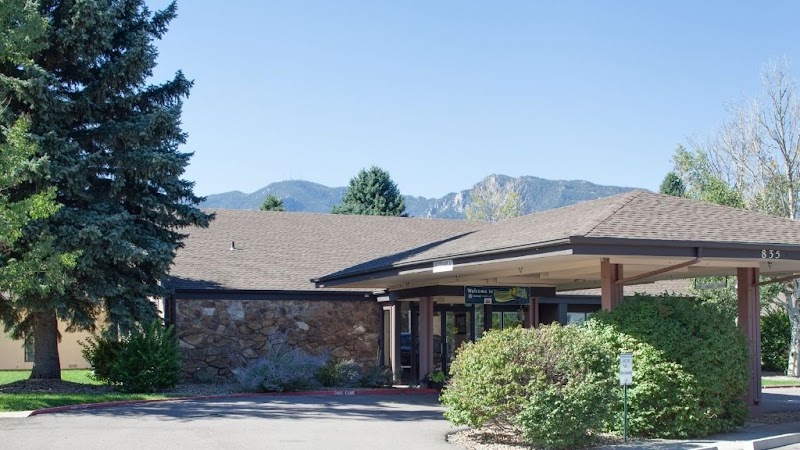
MOUNTAIN VIEW POST ACUTE

835 TENDERFOOT HILL RD, COLORADO SPRINGS, CO 80906 (719) 576-8380
For profit - Limited Liability company 159 Beds PACS GROUP Data: November 2025 1 Immediate Jeopardy citation
Trust Grade
13/100
#158 of 208 in CO
Last Inspection: November 2023

Within standard 12-15 month inspection cycle. Federal law requires annual inspections.

Overview

Mountain View Post Acute has received a Trust Grade of F, which indicates significant concerns regarding the quality of care provided. Ranked #158 out of 208 facilities in Colorado, they fall within the bottom half of nursing homes, and they are ranked #15 out of 20 in El Paso County, meaning only five local options are worse. While the facility is improving overall, reducing issues from five in 2024 to three in 2025, it still has a concerning history with 65 total deficiencies found, including serious issues like failures in treating pressure ulcers that resulted in severe complications for residents. Staffing ratings are average with a turnover rate of 57%, and while RN coverage is also average, the facility has imposed fines totaling $38,535, which raises concerns about ongoing compliance issues. Specific incidents include a resident developing a serious pressure wound due to inadequate care and medical equipment being improperly plugged into non-medical power strips, which poses safety risks. Families considering this facility should weigh these significant weaknesses against its potential improvements.

Trust Score
F
13/100
In Colorado
#158/208
Bottom 25%
Safety Record
High Risk
Review needed
Inspections
Getting Better
5 → 3 violations
Staff Stability
⚠ Watch
57% turnover. Above average. Higher turnover means staff may not know residents' routines.
Penalties
✓ Good
$38,535 in fines. Lower than most Colorado facilities. Relatively clean record.
Skilled Nurses
✓ Good
Each resident gets 44 minutes of Registered Nurse (RN) attention daily — more than average for Colorado. RNs are trained to catch health problems early.
Violations
⚠ Watch
65 deficiencies on record. Higher than average. Multiple issues found across inspections.
★★☆☆☆
2.0
Overall Rating
★★☆☆☆
2.0
Staff Levels
★★★★★
5.0
Care Quality
★☆☆☆☆
1.0
Inspection Score
Stable
2024: 5 issues
2025: 3 issues

The Good

  • 5-Star Quality Measures · Strong clinical quality outcomes
  • Full Sprinkler Coverage · Fire safety systems throughout facility
  • No fines on record

Facility shows strength in quality measures, fire safety.

The Bad

2-Star Overall Rating

Below Colorado average (3.1)

Below average - review inspection findings carefully

Staff Turnover: 57%

11pts above Colorado avg (46%)

Frequent staff changes - ask about care continuity

Federal Fines: $38,535

Above median ($33,413)

Moderate penalties - review what triggered them

Chain: PACS GROUP

Part of a multi-facility chain

Ask about local staffing decisions and management

Staff turnover is elevated (57%)

9 points above Colorado average of 48%

The Ugly 65 deficiencies on record

1 life-threatening 3 actual harm
Apr 2025 2 deficiencies
CONCERN (D) 📢 Someone Reported This

A family member, employee, or ombudsman was alarmed enough to file a formal complaint

Potential for Harm - no one hurt, but risky conditions existed

Deficiency F0658 (Tag F0658)

Could have caused harm · This affected 1 resident

**NOTE- TERMS IN BRACKETS HAVE BEEN EDITED TO PROTECT CONFIDENTIALITY** Based on observations, record review and interviews, the facility failed to ensure one (#6) of three residents out of seven samp...

Read full inspector narrative →
**NOTE- TERMS IN BRACKETS HAVE BEEN EDITED TO PROTECT CONFIDENTIALITY** Based on observations, record review and interviews, the facility failed to ensure one (#6) of three residents out of seven sample residents received the highest practicable treatment and care per professional standards of practice and the comprehensive person-centered care plan. Specifically, the facility failed to ensure Resident #6 received her medications in a timely manner, as prescribed. Findings include: I. Professional reference According to [NAME], P.A. and [NAME], A.G. et.al., (2021), Fundamentals of Nursing, 10 edition, pp 607-609. Medication errors can cause or lead to inappropriate medication use or patient harm. Medication errors include inaccurate prescribing, administration of the wrong medication, giving the medication using the wrong route or time interval. Administering extra doses, and/or failing to administer medications. Preventing medication errors is essential. Professional standards such as the scope of nursing and standards of practice apply to the activity of medication administration. To prevent medication errors, follow the seven rights of medication administration consistently every time you administer medication .The right medication, the right dose; the right patient; the right route; the right time; right documentation; and the right indication. Give priority to time-critical medications that must act and therefore be given at certain times. Give all routinely ordered non-time-critical medications within one hour before or after the scheduled time. According to Vallerand, A.H and Senoski, C.A. et.al., (2021), Davis's Drug Guide, 16th edition pp 605-606. When taking Gabapentin (a medication for neurological pain management), Take medication exactly as directed. Patients on three (3) times daily dosing should not exceed 12 hours between doses. According to the National Library of Medicine, Medline Plus, 2025, retrieved 4/25/25, online from https://medlineplus.gov/druginfo/meds/a682530.html Baclofen is used to treat pain and certain types of spasticity (muscle stiffness and tightness) from multiple sclerosis, spinal cord injuries, or other spinal cord diseases. Baclofen is in a class of medications called skeletal muscle relaxants. Baclofen acts on the spinal cord nerves and decreases the number and severity of muscle spasms caused by multiple sclerosis or spinal cord conditions. It also relieves pain and improves muscle movement. Baclofen is usually taken three (3) times a day at evenly spaced intervals. Follow the directions on your prescription label carefully. Do not take a double dose to make up for a missed one. According to Northwestern Medicine, Department of Pharmacy, Apixaban (Eliquis) September 2023 retrieved on line 4/25/25 from https://www.nm.org/-/media/northwestern/resources/patients-and-visitors/patient-education/medication/northwestern-medicine-apixaban-eliquis.pdf Apixaban (Eliquis) is a medication that prevents blood clots from forming in your blood. It is known as an anticoagulant or blood thinner. Apixaban does not actually thin the blood. It prevents new clots from forming and keeps existing clots from getting bigger and causing more serious problems. Apixaban does not dissolve clots that have already formed. It is used to prevent harmful clotting related to certain blood vessels, or heart and lung conditions. Take apixaban exactly as prescribed at the same time each day, in the morning and at night. If you miss a dose of apixaban, take it as soon as you remember, unless it is close to your next dose. This way, you do not take a double or extra dose. Then, go back to your regular dosing schedule. II. Facility policy and procedure The Administering Medications policy, revised April 2019, was provided by the nursing home administrator (NHA) on 4/16/25 at 3:45 p.m. It read in pertinent part, Medications are administered in a safe and timely manner, and as prescribed. Medication administration times are determined by resident need and benefit, not staff convenience. Factors that are considered include: Enhancing optimal therapeutic effect of the medication; preventing potential medication or food interactions; and honoring resident choices and preferences, consistent with his or her care plan. As required or indicated for a medication, the individual administering the medication records in the resident's medical record: -The date and time the medication was administered; -The dosage; -The route of administration; -The injection site (if applicable); -The complaints or symptoms for which the drug was administered; -Any results achieved and when those results were observed; and, -The signature and title of the person administering the drug. III. Resident #6 A. Resident status Resident #6, age greater than 65, was admitted on [DATE]. According to the April 2025 computerized physician orders (CPO), diagnoses included chronic obstructive pulmonary disease (COPD), respiratory failure, atrial flutter, heart failure, and atrioventricular block (blockage in the heart). The 4/11/25 minimum data set (MDS) assessment revealed the resident was cognitively intact with a brief interview for mental status score (BIMS) score of 15 out of 15. She was dependent on staff assistance to complete most activities of daily living (ADL). B. Resident interview Resident #6 was interviewed on 4/15/25 at 2:48 p.m. Resident #6 said she was worried she was not receiving her medication at the right time. Resident #6 was not sure if it was dangerous to take the medication late or early, but sometimes she did not get her morning medications (scheduled at 7:00 a.m.) until almost noon. She said she did not remember staff telling her that there would be changes to her medication times recently. Resident #6 said she had not had any adverse reactions to the delayed medication administration times. C. Record review Review of Resident #6's April 2025 medication administration audit report (4/1/25 to 4/15/25) revealed the following: -A total of 102 medications were given late. Eighty-seven of these late medication administration events were given by licensed practical nurse (LPN) #2. On 4/7/25, 12 medications prescribed to Resident #6 were scheduled to be given between 7:00 a.m. and 10:00 a.m. All 12 medications were given at 11:27 a.m. (one hour and 27 minutes late). This included medications ordered to be given twice or three times a day. The April 2025 CPO revealed a physician's order for Baclofen oral tablet 5 milligram (mg), give one tablet by mouth three times a day for muscle spasticity of the spinal origin, ordered on 01/08/2025. -Between 4/1/25 and 4/15/25 the Baclofen was administered over an hour past the administration window 16 times. -This medication was scheduled to be given between 7:00 a.m to 10:00 a.m each morning, scheduled for 2:00 p.m. administration and to be given between 7:00 p.m. to 10:00 p.m. each day. On 4/7/25, the resident's 2:00 p.m. scheduled Baclofen was administered at 5:19 p.m. (three hours and 19 minutes late). The scheduled evening dose of Baclofen was then administered timely at 7:16 p.m., less than two hours later. -The administration of scheduled Baclofen was problematic because the resident's first and second doses were administered late and the next dose was given timely. The doses were not evenly administered to promote a consistent level of pain and spasm management (see professional reference above). The April 2025 CPO revealed a physician's order for Eliquis oral tablet 5 mg, give one tablet by mouth twice a day for the prevention of blood clots related to the diagnosis of atrial flutter, ordered 3/26/25. Between 4/1/25 and 4/15/25 the Eliquis was administered past the scheduled administration window nine times. -This medication was scheduled to be given between 7:00 a.m to 10:00 a.m each morning and to be given between 7:00 p.m. to 10:00 p.m. each day. The April 2025 CPO revealed a physician's order for Gabapentin oral capsule 300 mg, give one tablet by mouth twice a day for the treatment of neuropathic pain, ordered 3/26/25. Between 4/1/25 and 4/15/25 gabapentin was administered past the scheduled administration window nine times. -This medication was scheduled to be given between 7:00 a.m to 10:00 a.m each morning and to be given between 7:00 p.m. to 10:00 p.m. each day. On 4/11/25, all medications scheduled between 7:00 a.m. and 10:00 a.m. (13 medications) were administered at 12:19 p.m. (two hours and 19 minutes late). This included Resident #6's morning doses of Eliquis and gabapentin. -The administration of scheduled gabapentin was problematic because the resident's first dose was administered late and the next dose was given timely. The doses were not evenly administered to promote a consistent level of pain management (see professional reference above). -The administration of scheduled Eliquis was problematic because the resident's first dose was administered late and the next dose was given timely. The doses were not evenly administered as recommended in order to maintain a therapeutic level of medication to prevent blood clots (see professional reference above). IV. Staff interviews The staff development coordinator (SDC) was interviewed on 4/16/25 at 10:03 a.m. The SDC said she was working the medication cart this morning (4/16/25) due to a call off. The SDC said she had 16 residents to pass medications to this morning, including Resident #6. The SDC said the medication cart she was passing medications for used to have four more residents to pass medications for. She said starting today (4/16/25), four of the residents were moved to another medication cart on the unit because it was too difficult for the nurse assigned to this cart to finish their assigned medications on time. She said many of the residents in the hallway required two staff to reposition or provide other care, which often interrupted the medication pass because the nurse had to assist the CNAs with care tasks. The SDC said scheduled morning medications should be given from 7:00 a.m. to 10:00 a.m. unless they were time specific, like a blood sugar reading. The unit manager (UM) was interviewed on 4/16/25 at 10:11 a.m. The UM said she was not sure if the residents, including Resident #6, were receiving their medication on time or not. The UM said the director of nursing (DON) recently started to review medication administration times. The UM said she decided to change the assignments for the medication carts on the unit after multiple nurses reported to her that they were having difficulty administering medications on time, given the acuity of the residents assigned to the cart. The assistant director of nursing (ADON) was interviewed on 4/16/25 at 1:15 p.m. The ADON said the facility recently implemented a change to the way medications were ordered in the medication administration record (MAR). The ADON said that scheduled medications that did not need to be given at the same time every day were ordered with a three-hour window. She said for example, a medication typically ordered at 7:00 a.m. was scheduled for 7:00 a.m. to 10:00 a.m. She said the resident was also involved in their care and may opt out of the new schedule or request medications at specific times. The DON was interviewed on 4/16/25 at 3:07 p.m. The DON said the new medication administration schedule was initiated to better accommodate the preferences of the residents while also trying to manage the workflow of the nurses. The DON said with the schedule of medications changed to a three-hour window in the MAR, she expected her staff to administer the medication in the window. She said the one-hour window on either side of the scheduled time was typical of professional standards for nurses, was included in the three-hour window; medications given after the three-hour window are late. The DON said she was not aware of how many late medication administration times occurred for Resident #6 until the audit was requested by the survey team. The DON said she spoke with LPN #2, the nurse involved with the majority of the late medications, about professional standards and timely medication administration after she saw the results of the audit. The DON said LPN #2 told her medications might have been administered earlier than the recorded time and charted on the computer later. The DON said recording routine medication administrations in the chart after administering was also not in line with professional nursing practice.
CONCERN (E) 📢 Someone Reported This

A family member, employee, or ombudsman was alarmed enough to file a formal complaint

Potential for Harm - no one hurt, but risky conditions existed

Deficiency F0919 (Tag F0919)

Could have caused harm · This affected multiple residents

**NOTE- TERMS IN BRACKETS HAVE BEEN EDITED TO PROTECT CONFIDENTIALITY** Based on observations, record review and interview, the facility failed to ensure the call light system was functioning properly...

Read full inspector narrative →
**NOTE- TERMS IN BRACKETS HAVE BEEN EDITED TO PROTECT CONFIDENTIALITY** Based on observations, record review and interview, the facility failed to ensure the call light system was functioning properly in its entirety. Specifically, the facility failed to ensure staff could hear the call light alerts when working in areas away from the centralized staff work area, where the call light alarm sound was heard when there were no staff in the centralized work area to hear the alarm. Findings include: I. Facility policy and procedure The Call Lights: Accessibility and Timely Response policy, revised 1/25/25, was provided by the nursing home administrator (NHA) on 4/16/25 at 3:45 p.m. It read in pertinent part: The purpose of this policy is to assure the facility is adequately equipped with a call light at each resident's bedside, toilet, and bathing facility to allow residents to call for assistance. Call lights will directly relay to a staff member or centralized location to ensure appropriate response. II. Observations On 4/15/25 at 10:56 a.m., during the walkthrough of the facility, the call light system was observed. The audible call light alarm only sounded at the nurses'station and could not be heard down the unit's hallways. A light board was located in the nurses'station with a square button for each resident room that illuminated when a resident activated the call light. Outside of the enclosed nurse's station, the activated call lights were not easily visible. There was no way to know how long the lights had been alarming or who called first. Due to the layout of the facility, the call lights were not audible down the long hallway. When standing near the nurse's station, the call lights were hard to hear due to low alarm volume Additionally, the view of the resident's overhead door call lights was obstructed from the nurses'station because the light was placed on the ceiling and the lights were obstructed by low-hanging door frames at the entrance to each hallway from the nurses station. III. Resident interviews Resident #4 was interviewed on 4/15/25 at 1:27 p.m. Resident #4 said the staff seemed to be working more than one hall at a time. She said sometimes her call light was on for up to two hours before someone can help her to the bathroom or respond when she needed pain medication. Resident #4 said she was in her room just before 3:00 p.m. when her roommate, Resident #1, began to have difficulty breathing. Resident #1 called out for help. Resident #4 said her roommate had already activated the call light and had been waiting for staff. Resident #4 said she began to blow her whistle for help just before 3:00 p.m. Resident #4 said she blew her whistle for 15 minutes before a staff member heard the whistle blowing and entered the room. Resident #4 said she knew it took an additional 15 minutes to get staff's attention because she had a clock on the wall directly across from her bed, which she watched frequently to time staff response time. Resident #5 was interviewed on 4/15/25 at 1:35 p.m. Resident #5 said she was in the facility for a short term, awaiting surgery and was frequently in pain due to her health condition. She said on several occasions she activated her call light to request pain medication and her call light was not answered timely. Resident #5 said she waited in pain for more than two hours for staff to respond to her call light. Resident #5 said she heard people in other nearby rooms calling out for help for 20 to 30 minutes at a time. Resident #2 was interviewed on 4/15/25 at 2:02 p.m. Resident #2 said she waited for 40 minutes this morning after she used her call light, waiting for staff to assist her to get cleaned up after having an incontinence episode. Resident #6 was interviewed on 4/15/25 at 2:48 p.m. until 3:42 p.m. Resident #6 said staff rarely checked on her unless she used her call light and even then, it took staff a long time to hear and answer her call light. Resident #6 expressed surprise when four staff members entered the room during the interview to check on her. Resident #6 said she could not remember exactly how long it took staff this morning to answer her call light but knew it was over an hour that she was sitting in her own urine waiting for staff to answer her call light. Resident #6 said yesterday (on 4/14/25) she was in her room eating lunch and became short of breath. When she felt her oxygen tubing she could not feel air coming out of the tubing so she pressed her call light for staff assistance. Resident #6 said staff did not respond and nobody came until she began to yell for help. IV. Record review The NHA provided documentation of the facility's internal audit of call light response times on 4/15/25 at 4:50 p.m. The facility's internal audit of call light response times that were conducted on 3/11/25 from 10:08 a.m. through 3:20 p.m. revealed a range of call light response times while staff was observed by facility administration. The times ranged from one minute at the fastest response time to one hour and 42 minutes at the slowest response time. The facility's internal audit of call light response times conducted on 3/28/25 from 8:39 a.m. through 4:36 p.m. revealed a range of call light response times while staff was observed by facility administration, ranged from one minute at the fastest response time to 25 minutes at the slowest response time. A respiratory therapist's (RT) note in Resident #1's electronic medical record (EMR), dated 2/5/25 at 3:12 p.m., documented while the RT was completing respiratory care rounds at the facility, he heard a whistling sound coming from a resident's room. No other staff were responding to the alarm and the call light was not heard. When the RT arrived to the room, Resident #1 was in need of immediate medical attention. -However, because the facility's call light system was unable to show the order in which call lights were received, and was not able to be heard in the resident hallway, there was no way for staff to respond in a timely manner and no way to know how long Resident #1 waited in distress for the staff's response. Review of resident grievance forms from 2/3/25 through 4/7/25 revealed five resident initiated grievances were filed, documenting long call light response times with staff not responding to requests for care in a timely manner. The grievances documented a resident's were waiting over 30 minutes for incontinence care on 2/4/25 and other complaints documented long call light waits occurring on the overnight shift on 3/7/25, 3/14/25 and 4/7/25. The resident council minutes, dated 1/15/25, documented the residents had complaints that nursing staff were not providing timely care and the resident council requested the facility work on call light response times. The resident council minutes from 2/19/25 revealed there were improvements in call light response times after the start of audits by facility managers. However, the minutes report call light response times remained an issue during night shift and on weekends. V. Staff interviews A frequent visitor to the facility was interviewed on 4/15/25 at 4:37 p.m. The frequent visitor said the most frequent complaint received from residents in the facility was long call light waits. The frequent visitor was aware that the NHA was working on the concern but said the complaints remain problematic and have not been fully resolved. Certified nurse aide (CNA) #3 was interviewed on 4/16/25 at 10:22 a.m. CNA #3 said she could not hear the call light alarms when she was down the hall away from the nurse''s station and some other locations on the unit. She said she took care of residents on multiple hallways throughout her shift and often had to cover for the CNA when they left their assigned units to cover the dining room during meal times to ensure resident care needs were met. CNA #3 said it was difficult to hear the call light when down the long hallways and if she was able to hear the call light it took time to investigate who was calling because you could only see the outside door call light from certain view points in the hall. CNA #3 said staff had to go from hall to hall to see which light was on or go to the nurse's station to see whose light was on. -However, there was no way for the staff to know which resident had their light on the longest. Licensed practical nurse (LPN) #1 was interviewed on 4/16/25 at 10:30 a.m. LPN #1 said despite the staff having good teamwork, it was difficult to see some of the call lights depending on where she [NAME] on the unit. LPN #1 said the call light alarm sound only had two different tones, one for the bedside and one for the bathroom. LPN #1 said she did not know if there was any way to tell which resident called first or how long the resident had been waiting for assistance by looking at the board of call lights. CNA #1 was interviewed on 4/16/25 at 10:39. CNA #1 said the resident's call lights did not have an audible sound by the resident's room and the only way to know if they were activated was to notice the hallway door light was on. CNA #1 said there was no way to know who activated their call light first and she did her best to answer call lights as they came on in a timely manner. She said it was hard to see the activated call lights due to the low door frames placed midway down the hall. To see the call lights she had to frequently duck or squat down to see if a light was activated. The nursing home administrator (NHA) was interviewed on 4/16/25 at 1:15 p.m. The NHA said that the leadership team responded to resident complaints and grievances related to call light response times by completing internal audits of different units at various times and provided staff training on the expectations of answering call lights timely. The NHA said he expected call lights to be responded to within at least 30 minutes, preferably within 15 minutes. The NHA said he also educated staff on where to look to see lights in certain halls that are partially obstructed due to the layout of the building. The NHA said he was aware the technology of the call light system could use improvement and requested funding to improve the system but did not know if funding will be approved or not.
Feb 2025 1 deficiency
CONCERN (D) 📢 Someone Reported This

A family member, employee, or ombudsman was alarmed enough to file a formal complaint

Potential for Harm - no one hurt, but risky conditions existed

Deficiency F0742 (Tag F0742)

Could have caused harm · This affected 1 resident

**NOTE- TERMS IN BRACKETS HAVE BEEN EDITED TO PROTECT CONFIDENTIALITY** Based on record review and interviews, the facility failed to ensure residents diagnosed with a mental disorder or psychosocial ...

Read full inspector narrative →
**NOTE- TERMS IN BRACKETS HAVE BEEN EDITED TO PROTECT CONFIDENTIALITY** Based on record review and interviews, the facility failed to ensure residents diagnosed with a mental disorder or psychosocial adjustment difficulty received appropriate treatment and services to attain and maintain the highest practicable mental and psychosocial wellbeing for one (#2) of three residents reviewed out of five sample residents. Specifically, the facility failed to ensure services and individualized care approaches were provided, and monitored with ongoing assessment, for Resident #2 in order to meet the emotional and psychosocial needs of the resident. Findings include: I. Resident #2 A. Resident status Resident #2, age [AGE], was admitted on [DATE] and discharged to another long-term care facility on 2/13/25. According to the February 2025 computerized physician orders (CPO), diagnoses included anxiety, head injury, dementia, depression and epilepsy. The 12/27/24 minimum data set (MDS) assessment revealed the resident had moderate cognitive impairments with a brief interview for mental status score (BIMS) of eight out of 15. He required supervision with dressing, bathing, ambulation, transfers and hygiene. The assessment indicated the resident had no behaviors. B. Record review Resident #2's psychosocial emotional trauma care plan, initiated 12/27/24, revealed the resident was at risk for psychosocial and adjustment issues related to emotional distress, ineffective coping skills, and poor impulse control with a history of traumatic events, to include the sudden and expected death of his wife and recent appointment of a guardian. Interventions included attempting non-pharmacological approaches, such as music therapy, breathing exercises, talking to the resident about his feelings, meditation, aroma therapy, offering reading materials and offering behavioral and psychological services as indicated. Review of Resident #2's February 2025 CPO revealed the following physician's orders: Trazodone 50 mg (milligrams), give one tablet by mouth for insomnia one time per day, ordered 12/20/24. Celexa 40 mg, give one tablet by mouth for depression one time per day, ordered 12/21/24 and discontinued 1/21/25. Behavior tracking for antidepressant medication-monitoring for self isolation and refusing to participate in activities. Document interventions attempted: one-on-one interaction and encouraging meditation, ordered 1/21/25. Write a behavior note every shift for discontinuation of Celexa and initiation of Zoloft, ordered 1/22/25. Zoloft 50 mg, give one tablet by mouth for depression one time per day, ordered 1/21/25 and discontinued 1/26/25. Sertraline (Zoloft) 100 mg, give one tablet by mouth for depression one time per day, ordered 1/26/25. Counseling for depression, ordered 1/26/25. Olanzapine 5 mg, give one time for aggression, ordered 2/11/25 and discontinued 2/12/25. Olanzapine 5 mg, give one tablet by mouth for aggression one time per day, ordered 2/11/25. Behavior tracking for antipsychotic medication-monitoring for verbal aggression and delusions. Document interventions attempted: redirection, removal from environment, music, and offer quiet environment, ordered 2/11/25. Review of Resident #2's electronic medical record (EMR) from 12/20/24 through 2/13/25 revealed the following progress notes: The behavior note, dated 12/20/24, revealed Resident #2 displayed visible distress shortly after admission. The resident paced and approached staff with delusions and paranoia. The resident told staff his wife was killed and his house was taken from him. He demanded from staff to tell him why he was in the facility or he would call the police. The staff encouraged the resident to express his concerns and reminded him that he was safe. The nurses requested a one-on-one staff member to sit with Resident #2 but the resident's guardian was unable to find anyone to sit with the resident. The guardian spoke with the resident over the phone and the physician ordered Trazodone to help the resident sleep. The 72-hour charting note, dated 12/22/24, revealed Resident #2 reported visual hallucinations of a dog to the staff. The nursing note, dated 12/23/24 at 5:32 a.m., revealed the resident expressed paranoia when staff requested to collect a urine sample from him to test for a possible infection. The resident told staff he believed the facility was testing him for drug use. The nursing note, dated 12/23/24 at 11:46 a.m., revealed Resident #2 told the staff he needed to leave and did not belong in the facility. The social services note, dated 12/27/24, revealed the resident was moved out of the memory support unit, which was not a locked secure unit, to the general population due to no longer showing interest in exit-seeking. The nursing note, dated 1/5/25, revealed Resident #2 became agitated when he told the nurse he was unable to reach his wife by phone. The resident said there were thugs in his home with his wife and he needed to go save her. The nurse told him the facility was now his home and his wife was not in danger. The resident continued to pace and search for an exit. The resident located an exit and threatened bodily harm to the staff if they attempted to prevent him from leaving the building. Resident #2 left the building and staff followed him until he calmed down and agreed to return. The social services note, dated 1/10/25, revealed Resident #2 told the social services staff he had heard from his son who informed him the resident's wife was deceased . The resident's guardian was contacted to provide comfort to the resident and to calm him down. The nursing note, dated 1/13/25, revealed the facility was seeking a facility with a locked secure memory care unit to move Resident #2 to. The nursing note, dated 1/17/25, revealed the pharmacy had to provide a week's supply of Celexa 40 for the resident until the prior authorization was complete. The nursing note, dated 1/21/25, revealed the physician had received the prior authorization for the Celexa but would wait to evaluate the necessity for the medication on his next visit with the resident then complete the authorization. The interdisciplinary team (IDT) note, dated 1/22/25, revealed Resident #2 missed nine doses of his antidepressant, Celexa. The Celexa was discontinued and Sertraline was started. The behavior note, dated 1/29/25, revealed Resident #2 attempted to leave the facility but was easily redirected. The social services note, dated 2/5/25, revealed the resident was accepted at another facility with a secure memory care unit. The behavior note, dated 2/6/25, revealed Resident #2 was packing his belongings and voicing he was going to leave that evening. The nurse was not able to redirect him. The social services note, dated 2/8/25, revealed the accepting facility said they could not accept the resident until 7/7/25. The behavior note, dated 2/9/25 at 2:49 a.m., revealed Resident #2 was displaying delusions and paranoia that staff had stolen items from him. He was perseverating and hyperfixating on the delusion and was not redirectable. The resident started to believe the staff were not going to help him and he began to threaten bodily harm. The resident began to beat his chest and started to chase the nurse. The police had to be contacted to defuse the situation. The change of condition note, dated 2/9/25, revealed the resident was displaying new or worsening delusions and hallucinations and was a danger to himself or others. The alert note, dated 2/10/25, revealed the facility was seeking alternative placement for the resident. The note instructed staff to approach the resident with care when he was distressed about missing clothing. The behavior note, dated 2/11/25 at 6:36 a.m., revealed Resident #2 claimed to staff that someone had entered his room and stolen his wallet. Staff were unable to redirect him and the resident began pacing and yelling. The resident began throwing items in the hallway from the nurses station and then made physical threats to the staff. The resident punched the glass at the nurses station, breaking it. The staff had to contact the resident's guardian to speak with him in order for him to calm down. The behavior note, dated 2/11/25 at 11:04 a.m., revealed the resident was perseverating on missing items and the staff spent two hours attempting to redirect the resident. The resident became angry and hit his fist into his forehead. The resident told the staff his wallet was missing and he was worried about his wife being upset if there were fraudulent charges on his cards. After staff helped the resident search his room and the laundry for missing items and the social services staff assured him they would assist with any fraud resources, the resident was redirectable and went to activities. The social services note, dated 2/13/25, revealed Resident #2 was accepted for admission at a secure unit long term care facility. The resident was discharged from the facility on 2/13/25. -Review of Resident #2's progress notes from 12/20/24 through 2/13/25 failed to reveal the social services director (SSD) followed up with the resident or the staff regarding the repeated behaviors or the interventions used to de-escalate the behaviors. -Review of Resident #2's EMR did not reveal any psychological and/or psychiatric behavior health provider notes or psychoactive drug meeting reviews regarding the resident. -A review of the resident's medication administration records (MAR) and treatment administration records (TAR) from 12/20/24 to 2/13/25 did not reveal any behaviors had been documented for Resident #2. -A review of the certified nurse assistant (CNA) task documentation records failed to reveal documentation of behaviors or interventions attempted for Resident #2. IV. Staff interviews CNA #1 was interviewed on 2/25/25 at 12:45 p.m. CNA #1 said Resident #2 displayed behaviors of delusions, hallucinations and paranoia. She said the resident could become verbally aggressive. CNA #1 said the interventions the staff were to provide for the resident were redirection and reassurance. Licensed practical nurse (LPN) #1 was interviewed on 2/25/25 at 12:50 p.m. LPN #1 said Resident #2 was agitated when he was on the memory support unit and frequently wanted to leave. She said he could display paranoia when agitated and the staff were to provide redirection. The SSD, the social services director for the memory care unit (SSDMC), and the nursing home administrator (NHA) were interviewed together on 2/26/25 at 11:41 a.m. The SSDMC said Resident #2 came to the facility over the holiday break in December 2024. She said the resident's home environment was not appropriate, as he was living alone without food, water, lights or gas. The SSDMC said the resident had a son but the son did not act as a support unit for Resident #2. She said she did not know if the resident's wife had left him or if she had died and the facility chose not to ask. She said the wife was a trigger and Resident #2 would perseverate on where she was or what was happening to her. The SSDMC said Resident #2 had behaviors of wandering and becoming more agitated as the day progressed. She said when he became more agitated in the evening, Resident #2 would become increasingly possessive of his belongings and paranoid that people were stealing from him. She said in the evening, the resident would search for his items or pack his belongings and tell the staff he was going to leave. The SSDMC said the interventions the staff would try were to help the resident search for his belongings, redirecting and contacting the resident's guardian to talk to the resident. The SSDMC said the non-pharmacological interventions for Resident #2 included redirection, calling the resident's guardian, offering music therapy, breathing exercises, meditation, aroma therapy and offering reading materials to the resident. She said the IDT determined the behavior interventions, along with input from the unit manager. She said the unit manager communicated the person-centered interventions to the floor staff. The SSDMC said the CNAs documented behaviors in the CNA tasks and the tasks were personalized by the IDT to reflect person-centered behaviors and interventions. She said the interventions the nurses used with Resident #2 came from the behavior tracking order in the resident's physician's orders. The SSD said residents taking psychoactive medications would be added to a list to be reviewed in the monthly psychoactive drug meetings, which the behavioral health providers attended. She said a new resident with a diagnosis of cognitive deficits or mental illness who was also taking psychoactive medications was reviewed within the first sixty days of admission. She said if a resident was displaying behaviors, that would warrant including the resident to be reviewed in the psychoactive drug meeting. She said the facility conducted psychoactive drug meetings every third week of the month. The SSD said Resident #2 was not reviewed in the December 2024 or January 2025 psychoactive drug meeting reviews. She said Resident #2 was taking psychoactive medications and his medications were being monitored by a primary care physician. The SSD said she did not know why Resident #2 was not scheduled to be reviewed in the psychoactive drug meetings or why Resident #2 was never scheduled to be evaluated by the psychiatrist. The SSD said it was the responsibility of the social services department to send referrals to the behavioral health provider for counseling services, but she did not know why a referral was never sent for behavioral health counseling for Resident #2. The NHA said the facility began looking for alternative long-term care placement for Resident #2 in January 2025. He said it was determined Resident #2 needed to be in a facility that specialized in aggressive behaviors. The NHA acknowledged, without providing the resident with psychiatric or psychological support or a review in the psychoactive drug meeting, the NHA could not confirm the facility was unable to meet Resident #2's behavioral needs. The NHA acknowledged Resident #2 admitted to the facility with a traumatic history, such as caregiver and spousal loss, the inability to meet his basic needs and legal intervention to appoint a guardian to take over decision making for the resident. -Despite the traumatic history of the resident, the recent displacement from his home to a care facility, and the escalating behaviors displayed after admission, the facility failed to provide Resident #2 with all available resources to remain in the facility and receive psychosocial support.
Sept 2024 4 deficiencies
CONCERN (D) 📢 Someone Reported This

A family member, employee, or ombudsman was alarmed enough to file a formal complaint

Potential for Harm - no one hurt, but risky conditions existed

ADL Care (Tag F0677)

Could have caused harm · This affected 1 resident

**NOTE- TERMS IN BRACKETS HAVE BEEN EDITED TO PROTECT CONFIDENTIALITY** Based on observation, record review and interviews the facility failed to provide the necessary services to maintain personal hy...

Read full inspector narrative →
**NOTE- TERMS IN BRACKETS HAVE BEEN EDITED TO PROTECT CONFIDENTIALITY** Based on observation, record review and interviews the facility failed to provide the necessary services to maintain personal hygiene for one (#11) of three residents reviewed for services to maintain highest practicable quality of life out of 25 sample residents. Specifically, the facility failed to provide timely incontinence care for Resident #11. Findings include: I. Facility policy and procedure The Supporting Activities of Daily Living (ADL) policy, revised March 2018, was received from the nursing home administrator (NHA) on 9/5/24 at 5:08 p.m. It revealed in pertinent part, Residents who are unable to carry out activities of daily living independently will receive the services necessary to maintain good nutrition, grooming and personal and oral hygiene. Appropriate care and services will be provided for residents who are unable to carry out ADLs independently, with the consent of the resident and in accordance with the plan of care, including appropriate support and assistance with elimination (toileting). II. Resident #11 A. Resident status Resident #11, age less than 65, was admitted on [DATE]. According to the September 2024 computerized physician orders (CPO), diagnoses included type 2 diabetes with diabetic neuropathy (nerve damage caused by diabetes), benign prostatic hyperplasia (BHP) (a noncancerous enlargement of the prostate gland) and phantom limb syndrome with pain (the perception of pain or discomfort in a limb that is no longer there). The 8/6/24 minimum data assessment (MDS) assessment revealed the resident was cognitively intact with a brief interview for mental status (BIMS) score of 15 out of 15. The resident required supervision to touching assistance with toileting hygiene and dressing. The resident was always incontinent of bowel and occasionally incontinent of bladder. B. Resident interview and observations On 9/4/24 during a continuous observation, beginning at 12:31 p.m. and ending at 3:16 pm., the following was observed: Resident #11 was interviewed on 9/4/24 at 12:31 p.m. Resident #11 said he was sitting in his own feces during the interview. Resident #11 said an unidentified certified nursing aide (CNA) had entered the room approximately five minutes before the interview and left to go get the supplies she needed to change his brief but had not yet returned. Resident #11 said it was a normal occurrence to have a CNA enter the room to turn off the call light and leave without addressing the resident's needs and that it happened more frequently on the weekends. The room had a strong fecal odor. At 1:07 p.m. several unidentified nursing staff members started passing out lunch trays for Resident #11's hallway. -The unidentified CNA that Resident #11 said had entered his room and turned off the call light did not return to provide him assistance. At 1:13 p.m. an unidentified CNA walked into Resident #11's room to deliver his lunch tray. The CNA walked out of the room promptly after delivering the tray. At 1:43 p.m. an unidentified staff member walked into Resident #11's room to retrieve his lunch tray. The staff member left the room promptly after retrieving the tray. At 2:58 p.m. Resident #11's call light was activated. At 3:00 p.m. CNA #2 entered Resident #11's room and shut the door to provide care for the resident. At 3:14 p.m. Resident #11 left his room. Resident #11 said his brief had just been changed. -Resident #11 waited two hours and 45 minutes for a staff member to assist him with his incontinence episode. Resident #11 was interviewed a second time on 9/5/24 at 10:57 a.m. Resident #11 said he had to wait a long time to have his brief changed on a daily basis and that he once had to wait for five hours. Resident #11 said he felt frustrated by this issue. D. Record review The bladder incontinence care plan, initiated 5/10/24, revealed Resident #11 was at risk for incontinence due to reduced mobility and BHP. Pertinent interventions included ensuring Resident #11 had an unobstructed path to the bathroom, monitoring intake and output per facility policy and monitoring the resident for signs and symptoms of a urinary tract infection. -The care plan did not reveal any focus areas nor interventions related to his bowel incontinence or ADLs. The 8/22/24 annual exam notes revealed Resident #11 required moderate assistance for some ADLs. The provider also indicated Resident #11 was incontinent of both bowel and bladder. E. Staff interviews CNA #2 was interviewed on 9/4/24 at 3:19 p.m. CNA #2 said she primarily did brief changes for Resident #11 and that he was independent for everything else. CNA #2 said Resident #11 was able to turn himself but she needed to perform the whole brief change and clean him, since he could not perform these activities himself. CNA #2 said Resident #11 was mostly incontinent of bowel. She said he was able to use the urinal himself. CNA #2 said Resident #11 used his call light whenever he had episodes of incontinence. CNA #2 said she checked incontinent residents every two hours to see if they needed incontinence care. CNA #2 said there was quite a lot of fecal matter and some urine in the brief that she had just changed for Resident #11. Licensed practical nurse (LPN) #1 was interviewed on 9/5/24 at 8:49 a.m. LPN #1 said residents regardless of their continence status should be checked at least three to four times each eight hour shift. LPN #1 said the length of time residents could go without having incontinence care depended on the staff that were on shift, but that wait times had improved. LPN #1 said she recently had a resident tell her a CNA came into their room, turned off their call light and left to go get supplies to provide incontinence care but never came back. LPN #1 said she immediately went to the CNA in question and had her correct this issue. LPN #1 also said she had residents tell her that they had been left for a while without having incontinence care performed. LPN #1 said she followed up with these residents to see if they spoke with their nurses and ensured their nurses were aware of the issue. CNA #1 was interviewed on 9/5/24 at 1:50 p.m. CNA #1 said incontinent residents should be checked every two hours. CNA #1 said this timeframe varied resident-to-resident and that some residents were incontinent more often than others. CNA #1 said Resident #11 needed help with incontinence care and changing his brief whenever he had bowel movements. The director of nursing (DON) was interviewed on 9/5/24 at 2:00 p.m. The DON said staff performed checks for incontinent residents. She said the care plan indicated if the resident was incontinent. The DON said the nursing staff tried to assess things like incontinence care when the resident was initially admitted and that the nursing staff and residents have their routines. The DON said the facility generally did not write their care plans to have specific timeframes on incontinence checks like saying they needed to be checked every two hours. Registered nurse (RN) #1 was interviewed on 9/5/24 at 2:06 p.m. RN #1 said Resident #11 needed help with changing his incontinence briefs and providing incontinence care. RN #1 said Resident #11 asked for help whenever he needed it, but that he waited longer than he should have when asking for help. RN #1 said incontinent residents should be checked at least every two hours.
CONCERN (D) 📢 Someone Reported This

A family member, employee, or ombudsman was alarmed enough to file a formal complaint

Potential for Harm - no one hurt, but risky conditions existed

Quality of Care (Tag F0684)

Could have caused harm · This affected 1 resident

**NOTE- TERMS IN BRACKETS HAVE BEEN EDITED TO PROTECT CONFIDENTIALITY** V. Resident #7 A. Resident status Resident #7, age less than 65, was admitted to the facility on [DATE]. According to the Septem...

Read full inspector narrative →
**NOTE- TERMS IN BRACKETS HAVE BEEN EDITED TO PROTECT CONFIDENTIALITY** V. Resident #7 A. Resident status Resident #7, age less than 65, was admitted to the facility on [DATE]. According to the September 2024 CPO, diagnoses included non-pressure chronic ulcers to the left and right lower legs with fat layers exposed, cellulitis (a bacterial infection that affects the skin's deeper layers and underlying tissue) of the right lower limb, third degree burns to multiple sites over the left and right lower limbs and long-term use of opiate analgesics (pain medications). The 8/9/24 MDS assessment revealed the resident was cognitively intact with a brief interview for mental status BIMS score of 15 out of 15. The assessment revealed the resident had chronic pain. B. Resident interview Resident #7 was interviewed on 9/5/24 at 10:03 a.m. Resident #7 said he had ongoing issues with his methadone (pain medication) being administered. Resident #7 said the pharmacy did not keep the medication in stock and there had been several instances where he ran out of the medication on a Friday and could not get it again until the following Monday. Resident #7 said he had to take Oxycodone (pain medication) more frequently when his methadone was out of stock, which led to him feeling doped up. Resident #7 said the other medications they use for his pain did not control his pain as effectively, and whenever the methadone was back in stock it took a while for his pain levels to become regulated again. C. Record review The analgesic/opioid care plan, revised on 10/23/23, revealed Resident #7 may have side effects related to his use of methadone. Pertinent interventions included administering the methadone as ordered and not having any abrupt discontinuation as it could cause withdrawal symptoms. The chronic pain care plan, initiated on 4/8/21 and revised on 11/28/23, revealed Resident #7 was at risk for alterations in comfort related to chronic wounds on both of his lower extremities and chronic pain. Pertinent interventions included administering medications as ordered. A review of Resident #7's September 2024 CPO revealed a physician's order for Methadone HCl 10 milligram (mg) oral tablets. Instructions were to give one tablet by mouth every eight hours for severe pain related to type two diabetes, ordered on 4/27/24. A review of Resident #7's MAR from June 2024 (6/1/24 to 6/30/24) revealed the following: -The 8:00 a.m. dose on 6/4/24 was marked with a nine, which indicated other/see nurses notes; -The 4:00 p.m. dose on 6/4/24 was marked with a nine, which indicated other/see nurses notes; and, -The 12:00 a.m. dose on 6/7/24 was marked with a nine, which indicated other/see nurses notes. A review of Resident #7's MAR from July 2024 (7/1/24 to 7/31/24) revealed the following: -The 8:00 a.m. dose on 7/8/24 was marked with a nine, which indicated other/see nurses notes; and, -The 4:00 p.m. dose on 7/8/24 was marked with a nine, which indicated other/see nurses notes. -Review of the progress notes from 6/1/24 to 8/30/24 did not reveal any nursing notes related to the missed doses on 6/4/24, 6/7/24 and 7/8/24. VI. Staff interviews LPN #2 was interviewed on 9/5/24 at 7:47 a.m. LPN #2 said a nine marked on the MAR usually indicated a medication was on order. LPN #2 said there would be something recorded in the notes on the MAR if a nine was marked. RN #2 was interviewed on 9/5/24 at 8:00 a.m. RN #2 said a nine marked on the MAR meant other. RN #2 said if this was marked, the nurse would put a note as to why the medication was not administered. RN #2 said this note would also appear in the progress notes. LPN #1 was interviewed on 9/5/24 at 8:49 a.m. LPN #1 said she had noticed medications had ran out of stock frequently. LPN #1 said there was not an established system of who was ordering what and when it was being ordered. LPN #1 said if a medication ran out, she needed to mark on the MAR that it was unavailable, call the pharmacy to try to get the medication in stock, and alert the DON. LPN #1 said she would alert the resident's provider if it was a medication that was dire or if the medication was not going to be in stock for an extended period of time. The DON was interviewed on 9/5/24 at 2:00 p.m. The DON said she had not heard about any delays from the pharmacy. The DON said if a medication ran out, the nursing staff should call the pharmacy to see when the medication was coming and to check the emergency medication back-up supply. The DON said her phone number was posted everywhere. The DON said with any missed doses the nursing staff needed to contact a provider. RN #1 was interviewed on 9/5/24 at 2:06 p.m. RN #1 said the process for reordering medications began with the nurse running the medication cart noticing a medication was starting to run low. RN #1 said the facility nurses were able to use their software to order the medication directly but the nurses could call the pharmacy if the medication was nearly out of stock. RN #1 said a nine in the MAR meant the medication was not administered and the nurse would have to put a note into the record indicating why the medication was not given. RN #1 said the note would be in the progress notes along with the MAR. RN #1 said she could not find any notes indicating why a nine was marked in the MAR for Resident #7's methadone. RN #1 said Resident #7's Methadone had last been refilled on 8/6/24 but none of the missed doses were around that refill date. RN #1 said Resident #7 was on the methadone for his neuropathy and his pain was very difficult to manage due to his chronic wounds. Based on record review and interviews, the facility failed to ensure residents received treatment and care in accordance with professional standards of practice for three (#2, #12 and #7) out of 25 sample residents. Specifically, the facility failed to: -Ensure the physician's orders for skin and wound care were followed for Residents #2 and #12; and, -Ensure Resident #7 received medication as ordered by the physician. Findings include: I. Facility policy and procedure The Wound Care policy, revised October 2010, was provided by the nursing home administrator (NHA) on 9/5/25 at 5:08 p.m. The policy read in pertinent part, The purpose of this procedure is to provide guidelines for the care of wounds to promote healing. The following information should be recorded in the resident's medical record: The type of wound care given, the date and time the wound care was given, the position in which the resident was placed, the name and title of the individual performing the wound care, all assessment data (wound bed color, size, drainage) obtained when inspecting the wound, how the resident tolerated the procedure, any problems or complaints made by the resident related to the procedure, if the resident refused the treatment and the reason(s) why, and the signature and title of the person recording the data. Notify the supervisor if the resident refuses the wound care. Report other information in accordance with facility policy and professional standards of practice. II. Resident #2 A. Resident status Resident #2, age less than 65, was admitted on [DATE]. According to the September 2024 computerized physician orders (CPO), the diagnoses included cerebral palsy (disorder affecting balance and posture), chronic respiratory failure, type 1 diabetes mellitus, muscle weakness, anxiety, necrotizing fasciitis (soft tissue infection) and osteomyelitis (bone infection) of the left tibia (shin bone). The 8/22/24 minimum data set (MDS) assessment revealed the resident was cognitively intact with a brief interview for mental status (BIMS) score of 15 out of 15. He required substantial assistance to move left to right/right to left, to move from sitting to lying and sitting to stand in bed, and substantial assistance for transfers and lower body dressing. He needed moderate assistance for toileting and bathing, supervision for upper body dressing and oral hygiene and set up only for eating. The MDS assessment documented the resident was at risk of developing pressure ulcers and had an unhealed pressure ulcer present upon admission to the facility. B. Record review Resident #2's skin care plan, revised on 8/7/24, documented he was at risk for skin breakdown related to anxiety, heart disease, chronic obstructive pulmonary disease (COPD), depression, existing other skin problems, impaired mobility, incontinence of bowel, incontinence of bladder, kidney disease, neuropathy, obesity, perspiration, a pressure ulcer of the right heel, surgical wounds, a history of wound infection, and diabetes. He scored as an at risk resident on the Braden Scale (pressure ulcer risk assessment) used to assess the risk of developing pressure ulcers. Pertinent interventions included to administer medications and administer treatments as ordered (initiated on 6/4/24) and elevating and off loading the right heel while in bed (initiated on 8/7/24). The 8/7/24 wound note revealed the resident was seen on 8/7/24 for an unstageable pressure ulcer to his right heel which was present upon admission. The note documented prevention interventions were in place which included staff encouragement for Resident #2 to float his heel while he was in bed. His risk factors included limited mobility, poor impulse control, poor safety awareness, a history of necrotizing fasciitis, a history of cellulitis to his right lower extremity, type two diabetes mellitus, history of below knee amputation, chronic kidney disease, and a preference to spend prolonged periods of time in a wheelchair despite education and encouragement to lay down between meals. The August 2024 CPO revealed Resident #2 had the following physician's orders: -Cleanse and apply barrier cream to the peri-area every day and night shift for skin integrity, ordered on 6/4/24; hold administration from date 8/15/24 to 8/17/24. -Elevate and off load right heel and left below knee amputation while in bed every day and night shift for pressure injury to the right heel and left surgical wound, ordered on 8/7/24; hold administration from date 8/15/24 to 8/17/24. -A review of Resident #2's August 2024 medication administration record (MAR) and progress notes revealed the treatments (above) were documented as not administered per the physician orders on the 8/23/24 day shift and on the 8/27/24 and 8/31/24 overnight shifts. III. Resident #12 A. Resident status Resident #12, age greater than65, was admitted on [DATE]. According to the September 2024 CPO, the diagnoses included heart disease, high blood pressure, anxiety, type 2 diabetes mellitus and polyneuropathy (damage to multiple nerves throughout the body). The 6/27/24 MDS assessment revealed the resident was cognitively intact with aBIMS score of 15 out of 15. She required substantial/maximum assistance with oral, personal and toileting hygiene, bathing, dressing, transfers, and moving from sitting to standing position. She needed moderate assistance with lying to sitting/sitting to lying in bed, and set up help with eating. B. Resident #12's representative interview Resident #12's representative was interviewed on 9/4/24 at 1:07 p.m. She said Resident #12's post surgical skin treatments were not being provided as ordered and the facility nurses responded they were not aware of Resident 12's physician's orders for post surgical site care. C. Record review Resident #12's skin care plan, revised on 5/31/24, documented she was at risk for skin breakdown due to impaired mobility, diabetes mellitus, cardiac disease, polyneuropathy, weakness, assistance with activities of daily living (ADL), a history of skin issues, incontinence, perspiration, shearing and friction risk, and impaired cognition. She scored as an at risk resident on the Braden Scale assessment (assessment used to assess the risk of developing pressure ulcers). Pertinent interventions, initiated on 9/5/23, included checking Resident #12's skin daily while providing care and to notify the physician of any abnormal findings. Resident #12's pressure ulcer care plan, revised on 3/27/24, documented she had potential for pressure ulcer development due to immobility, incontinence, impaired cognition, anxiety and aphasia (difficulty expressing and understanding language). Pertinent interventions, revised on 3/27/24, included following the facility policies and protocols for the prevention and treatment of skin breakdown. The August 2024 CPO revealed Resident #12 had the following physician's orders: -Treatment for surgical site to upper mid back: cleanse with warm water and soap, pat dry and pack wound with aquaphor and cover with a dry dressing twice daily two times a day for wound management, ordered on 8/19/24 and discontinued on 8/21/24. -Wound care for the surgical site to the upper mid back, cleanse with wound cleanser, pat dry, apply silver sulfadiazine cream, ag alginate to wound bed, cover with adhesive foam dressing. one time a day for wound management, ordered on 8/22/24 and discontinued on 8/26/24. -A review of Resident #2's August 2024 MAR, TAR and progress notes revealed the following treatments were documented as not administered and left blank per the physician orders on 8/20/24. IV. Staff interviews Licensed practical nurse (LPN) #1 was interviewed on 9/5/24 at 8:49 a.m. LPN #1 said most physician's orders for skin or wounds were scheduled once each shift or twice a day. LPN #1 said nursing staff never knew which orders were completed because the orders were not always marked as completed on the treatment administration record (TAR) and dressings were not always dated or initialed to indicate the dressing was changed. Registered nurse (RN) #3 was interviewed on 9/5/24 at 3:26 p.m. RN #3 reviewed the MAR and confirmed there was no documentation on 8/23/24 indicated the wound care was completed. RN #3 said she was trying to figure out if Resident #2 was out for an appointment that day. RN #3 said it was possible that a nurse was not sure how to sign off in the MAR to indicate Resident #3 was out for an appointment. RN #3 said Resident #2 must have been out for an appointment the morning of 8/23/24 as his barrier cream and heel offloading tasks in the MAR were also left blank. RN #3 said she was not sure why they were left blank if Resident #2 was out for an appointment. RN #3 confirmed there were blank spots in the MAR for the barrier cream and heel unloading tasks on 8/27/24 and 8/31/24. RN #3 said she was not sure why they were blank. -However, there was no documentation that Resident #2 was out of the facility on 8/27/24 and 8/31/24. RN #3 said wound care was not marked as complete in the MAR for Resident #12 for one day. RN #3 said whenever residents missed wound treatments due to being out of the facility, the process was to let the nurse on the next shift know the resident still needed to have their wound treatment whenever the resident returned from their appointment. RN #3 said a blank spot in the MAR could be the result of a progress note not being saved by the software. RN #3 said the facility was having issues with their software in August 2024, that had since been resolved. The regional director of clinical services (RDCS) was interviewed on 9/5/24 at 2:00 p.m. The RDCS said the nurses should have documented in the medication administration record (MAR) if the resident refused a treatment or what the circumstance was. She said it was a missed opportunity to have the correct documentation.
CONCERN (D) 📢 Someone Reported This

A family member, employee, or ombudsman was alarmed enough to file a formal complaint

Potential for Harm - no one hurt, but risky conditions existed

Infection Control (Tag F0880)

Could have caused harm · This affected 1 resident

Based on observations, record review and interviews, the facility failed to maintain an infection control program designed to provide a safe, sanitary and comfortable environment to help prevent the p...

Read full inspector narrative →
Based on observations, record review and interviews, the facility failed to maintain an infection control program designed to provide a safe, sanitary and comfortable environment to help prevent the possible development and transmission of infectious diseases. Specifically, the facility failed to ensure nursing staff followed proper infection control procedures for a resident on enhanced barrier precautions (EBP). Findings include: I. Professional reference The Centers for Disease Control and Prevention (CDC) Implementation of Personal Protective Equipment (PPE) Use in Nursing Homes to Prevent Spread of Multidrug-resistant Organisms (MDROs) (4/2/24), was retrieved on 9/9/24 from https://www.cdc.gov/long-term-care-facilities/hcp/prevent-mdro/PPE.html. It read in pertinent part, Enhanced Barrier Precautions (EBP) are an infection control intervention designed to reduce transmission of resistant organisms that employs targeted gown and glove use during high contact resident care activities. EBP may be indicated (when contact precautions do not otherwise apply) for residents with wounds or indwelling medical devices, regardless of MDRO colonization status. II. Facility policy and procedure The Enhanced Barrier Precautions policy, revised March 2024, was received from the nursing home administrator (NHA) on 9/5/24 at 5:08 p.m. It read in pertinent part, EBPs are used as an infection prevention and control intervention to reduce the transmission of MDROs to residents. EBPs employ targeted gown and glove use in addition to standard precautions during high contact resident care activities when contact precautions do not otherwise apply. Gloves and gown are applied prior to performing the high contact resident care activity. Examples of high-contact resident care activities requiring the use of gown and gloves for EBPs include changing briefs or assisting with toileting. III. Observations On 9/4/24 at 12:31 p.m. a sign indicating that Resident #25 was on EBP was posted next to his door below the room number. The sign read in pertinent part, everyone must clean their hands, including before entering and when leaving the room. Providers and staff must also wear gloves and a gown for the following high-contact resident care activities: dressing, bathing/showering, transferring, changing linens, providing hygiene, changing briefs or assisting with toileting At 3:16 p.m. certified nursing aide (CNA) #2 left a resident' s room across the hall from Resident #25 with a bag of soiled linens. CNA #2 put the soiled linens away then went into Resident #25' s room and closed the door to perform incontinence care (see interview below). -CNA #2 did not perform hand hygiene before entering the resident' s room, nor was she observed donning (putting on) the PPE necessary to perform EBP. IV. Record review The September 2024 CPO revealed Resident #25 had a physician's order for EBP due to Resident #25' s chronic wound, ordered on 5/11/24 at 6:00 a.m. V. Staff interviews CNA #2 was interviewed on 9/4/24 at 3:19 p.m. CNA #2 said she went into Resident #25' s room and interacted with that resident specifically. CNA #2 said during this interaction she checked to see if Resident #25 needed incontinence care. CNA #2 said to accomplish this she donned gloves, lifted the bed sheet and opened Resident #25' s brief to see if it was soiled. CNA #2 said Resident #25 had not been incontinent, so she wiped his peri-area with a wipe and put his brief back on. CNA #2 said she was not sure if the EBP signs meant the room itself needed EBP or if it was for a resident. CNA #2 said she did not see the EBP sign next to Resident #25' s door before she entered the room and that she did not wear any of the EBP PPE while she was in his room. Licensed practical nurse (LPN) #2 was interviewed on 9/5/24 at 7:47 a.m. LPN #2 said Resident #25 was on EBP for an open wound. LPN #2 said the EBP signs next to the resident' s door were there to let the staff know which precautions when caring for the residents. LPN #2 said the staff needed to don a gown and gloves when performing activities such as wound care, but would not need a gown for no-contact interactions such as setting a meal tray down. Registered nurse (RN) #2 was interviewed on 9/5/24 at 8:00 a.m. RN #2 said that EBP was used for residents with catheters, ports and wounds. RN #2 said any time the staff had to touch the resident or come into contact with their bodily fluids, they would need to wear PPE including a gown and gloves. RN #2 said checking or changing a brief would require EBP PPE. CNA #3 was interviewed on 9/5/24 at 1:29 p.m. CNA #3 said EBP meant the resident had a colostomy bag or a catheter. CNA #3 said this meant staff needed to wear PPE including gloves and a gown when working with those residents. CNA #1 was interviewed on 9/5/24 at 1:50 p.m. CNA #1 said EBP meant the resident had an open wound or catheter, and that the staff needed to wear a gown, mask and gloves when working with those residents. CNA #1 said she had not worn PPE while working with a resident that needed EBP the day prior, as she was moving so fast that she did not even look at the sign before she went in. The infection preventionist (IP) was interviewed on 9/5/24 at 4:42 p.m. The IP said she did rounds each morning and audits to see how well staff followed EBP when working with residents. The IP said she did training when the new EBP guidance was established and had started additional training that day (9/5/24). The IP said she had provided additional spot-trainings during her audits if she saw any staff failures to follow EBP. The IP said staff needed to wear a gown and gloves when making any sort of physical contact, including checking and changing a brief, for residents with wounds or indwelling devices. The IP said hand hygiene should be performed before entering an EBP room, if they become soiled during care, and after leaving the room.
CONCERN (E) 📢 Someone Reported This

A family member, employee, or ombudsman was alarmed enough to file a formal complaint

Potential for Harm - no one hurt, but risky conditions existed

Pharmacy Services (Tag F0755)

Could have caused harm · This affected multiple residents

Based on record review, observations and interviews, the facility failed to establish a system of records and disposition of all controlled drugs in sufficient detail to enable an accurate reconciliat...

Read full inspector narrative →
Based on record review, observations and interviews, the facility failed to establish a system of records and disposition of all controlled drugs in sufficient detail to enable an accurate reconciliation and failed to determine that drug records are in order and that an account of all controlled substances is maintained and periodically reconciled. Specifically, the facility failed to: -Maintain a system of controlled substance records for discontinued controlled substances. Findings include: I. Facility policy and procedure The Controlled Substance policy, revised November 2022, was provided by the nursing home administrator (NHA) on 9/5/24 at 10:56 a.m. The policy read in pertinent part, The facility complies with all laws, regulations, and other requirements related to handling, storage, disposal, and documentation of controlled medications. Dispensing and reconciling controlled substances: -Controlled substance inventory is monitored and reconciled to identify loss or potential diversion in a manner that minimizes the time between loss/diversion and detection/follow-up. -The system of reconciling the disposition of controlled substances includes the destruction and waste. -Waste and/or disposal of controlled medication are done in the presence of the nurse and a witness who also signs the disposition sheet. -Disposal methods are used to prevent diversion and/or accidental exposure to controlled or hazardous substances. -The consultant pharmacist or designee routinely monitors controlled substance storage records. II. Observations On 9/5/24 at 8:35 a.m., the inventory of discharged /discontinued controlled substances waiting for destruction was observed with the director of nursing (DON) and the NHA. The controlled medications were stored in a four drawer file cabinet that was secured with a padlock. The file cabinet was locked inside the DON's office. The DON unlocked and opened each file cabinet drawer. The drawers contained controlled medications and each drawer was completely full. The medications were dated March 2024 to September 2024. IV. Record review On 9/5/24 at 8:45 a.m., a request was made for the documentation that indicated a system was in place to ensure controlled drugs were periodically reconciled. The DON said there was not a system in place to document the process that medications were tracked after they were discontinued and taken into her custody for destruction (see interview below). V. Staff interviews The DON and the NHA were interviewed together on 9/5/24 at 8:45 a.m. The DON said when the medication nurses alerted her to remove controlled substance medications from the medication cart, she reviewed the controlled medication count and signed the control sheet with the nurse. She said after she took the medication into her custody, she stored the controlled medications in the locked file cabinet inside her office. The DON said the NHA and herself had keyed access to her office and she had the keys to the padlocks. The DON said the process to destroy medications included two nurses to witness every destruction and the destroyed items would be entered on a tracking log. She said she placed the discontinued medication in her office until she had the opportunity to complete destruction of the controlled substances. The DON said when she took custody of the controlled substance medication she did not have a system in place to reconcile the discontinued medications. The DON said she had not destroyed any items since took her position in February of 2024. The NHA and DON said the file cabinet drawers included medications from March 2024 to September 2024. The NHA said he was unaware of the large inventory of medications awaiting destruction. He said he would review the facility's resources and consider using a third party to assist in destroying the controlled medications. The NHA said that he contacted the facility pharmacy and said the pharmacist had not completed reconciliation monitoring of controlled substance destruction.
Feb 2024 1 deficiency
CONCERN (D) 📢 Someone Reported This

A family member, employee, or ombudsman was alarmed enough to file a formal complaint

Potential for Harm - no one hurt, but risky conditions existed

Deficiency F0658 (Tag F0658)

Could have caused harm · This affected 1 resident

**NOTE- TERMS IN BRACKETS HAVE BEEN EDITED TO PROTECT CONFIDENTIALITY** Based on observations, record review and staff interviews the facility failed to provide services according to professional stan...

Read full inspector narrative →
**NOTE- TERMS IN BRACKETS HAVE BEEN EDITED TO PROTECT CONFIDENTIALITY** Based on observations, record review and staff interviews the facility failed to provide services according to professional standards of practice for one (#1) out of three sample residents. Specifically, the facility failed to monitor Resident #1, who had a change of condition after suspected illicit drug use. Findings include: I. Facility policy and procedure The Acute Condition Changes policy, revised March 2018, was received from the nursing home administrator (NHA) on 2/5/24 at 2:59 p.m. The policy documented in pertinent part, The physician will help the staff monitor a resident with a recent acute changes of condition until the problem or condition resolved or stabilized. II. Resident #1 Resident #1, less than age [AGE], was admitted on [DATE] and readmitted on [DATE]. According to the February 2024 computerized physician order (CPO), diagnoses included diabetes mellitus, epilepsy (seizures), acute respiratory failure, bipolar disorder, anxiety and stimulant use. The 1/1/24 minimum data set (MDS) assessment revealed the resident was cognitively intact with a brief interview for mental status (BIMS) score of 15 out of 15. The resident was independent with transfers, dressing, toileting and personal hygiene. III. Record review On 2/2/24 at 6:16 a.m. the nursing notes documented a certified nurse aide had seen the resident getting out of a car the previous night around 11:00 p.m. -There were no progress notes regarding the resident getting out of a car on 2/1/24. On 2/2/24 at 7:32 a.m. the nursing notes documented the resident's blood pressure (BP) 156/126 mmHg (millimeters mercury), and 160/109 mmHg (elevated) when manually checked. Her pulse was 127 bpm (beats per minute). The resident's pupils were dilated. She denied shortness of breath and chest pain. The provider was notified. The resident's previous blood pressure and pulse were reviewed for January 2023 through November 2023. The resident's baseline pulse varied greatly from 72 bpm to 120 bpm. Her baseline blood pressure was documented as 98/65 mmHg to 137/73 mmHg. On 2/2/24 at 9:17 a.m. the provider ordered a urinalysis (UA) drug screen. The resident refused the drug screen and refused to go to the hospital. She said she wanted to go outside and smoke to calm down. On 2/2/24 at 9:30 a.m. a situation, background, assessment recommendation (SBAR) note documented the resident's blood pressure was 176/120 and her resting pulse was 131 and irregular. A UA and EKG (electrocardiogram) were ordered. On 2/2/24 at 5:17 p.m. the nursing notes documented the EKG showed sinus tachycardia (fast heartbeat) and the resident's blood pressure and pulse were still elevated. The blood pressure was now 160/109 and the pulse was 131 and irregular. The provider was texted the results of the EKG and was informed the nursing staff would monitor the resident's change of condition for the next 72 hours. On 2/2/24 at 5:26 p.m. the nursing notes documented the provider returned the nurses call and said of the resident refusal to do the UA or go to the hospital. The note documented the provider said if the resident showed signs of shortness of breath, chest pain or any other symptoms she must go to the emergency room -However, there were no further nursing notes, vital signs or assessment of the resident by the start of the survey on 2/5/24. -There was no documentation the resident refused vital signs or an assessment. IV. Staff interviews The interim director of nursing (IDON) was interviewed on 2/5/24 at 12:16 p.m. She said Resident #1 had been seen sitting in a car with a friend on 2/1/24 late at night. She said in the morning the staff called her and said the resident was acting differently. The staff said the resident was easier to get along with than she normally was, her pupils were dilated and her blood pressure and pulse were high. The IDON said the resident had a history of methamphetamine use while a resident and she refused a drug screen that day. The IDON looked at her laptop and said there was no follow up documented on the resident's status after 2/2/24. She said the staff should have assessed her for any changes for at least 72 hours. The IDON said the resident would be at risk for a heart attack or stroke with her elevated pulse and blood pressure. The IDON said she thought a nurse practitioner (NP) had come in to see the resident on 2/2/24. -However, she said there was no note from any provider. The IDON said the nursing staff should have been assessing the resident for any cardiac symptoms and checking her vital signs. She said if the resident had refused an assessment or vital signs that should be documented in the nursing notes. Licensed practical nurse (LPN) #1 was interviewed on 2/5/24 at 1:46 p.m. She said a resident should be monitored for 72 hours after a change of condition including vital signs. She said if a resident had an elevated pulse or blood pressure she would notify the provider and check the vital signs at least twice per shift. She said the licensed nurses were having difficulty tracking and following up on the changes of condition because the electronic medical record (EMR) system no longer flagged residents with a change of condition for follow up. The IDON walked up to the interview at that time. She said she would contact the third party provider of the EMR system for follow-up to correct the issue. Registered nurse (RN) #1 was interviewed on 2/5/24 at 1:56 p.m. She said if a resident's pulse was 130/110 and the pulse was high, the vital signs should be checked every 15 minutes until normal or otherwise directed by the provider. She said the resident should have been assessed for chest pain, shortness of breath, headache and diaphoresis (sweating). V. Facility follow up On 2/5/24 1:37 p.m., after the IDON was interviewed regarding the facility's failure to monitor the resident, a late entry was added to the progress notes. A late entry nurses note documented in the progress notes, on 2/4/23 at 8:26 a.m. the resident refused vital signs. The note documented the nurse did not notice any abnormal breathing or dilated pupils. -However, there were no further notes regarding the resident's health status or vital signs on 2/4/24. There were no notes regarding the resident's health status or vital signs on 2/3/24. There were no further assessments or vital signs of the resident on 2/2/24 after 5:26 p.m. On 2/6/24 at 3:53 p.m, after the survey, the NHA emailed a progress note from a nurse practitioner (NP) dated 2/5/24 at 3:53 p.m. The note documented the resident was a known illicit drug substance abuser and was witnessed being dropped off at the nursing home late at night. The note documented the resident pulse was significantly elevated otherwise her vital signs were acceptable. The note documented the resident remained asymptomatic. The NP note documented the elevated pulse was likely due to illicit drug use. -However, there was no ongoing assessment of the resident to determine if the resident was asymptomatic.
Nov 2023 21 deficiencies 2 Harm
SERIOUS (G)

Actual Harm - a resident was hurt due to facility failures

Pressure Ulcer Prevention (Tag F0686)

A resident was harmed · This affected 1 resident

**NOTE- TERMS IN BRACKETS HAVE BEEN EDITED TO PROTECT CONFIDENTIALITY** Based on observations, record review and interviews the facility failed to ensure two (#93 and #62) of three out of 51 sampled r...

Read full inspector narrative →
**NOTE- TERMS IN BRACKETS HAVE BEEN EDITED TO PROTECT CONFIDENTIALITY** Based on observations, record review and interviews the facility failed to ensure two (#93 and #62) of three out of 51 sampled residents with a pressure ulcer received the necessary treatment and services according to professional standards of practice. Specifically, the facility failed to ensure: Resident #93, who was at high risk for developing pressure wounds and an increased risk for developing infections, developed a sacral skin wound on 5/25/23 that progressed to a stage 4 sacral pressure wound. The facility failed to ensure effective and timely interventions were in place to prevent Resident #63 from the development of pressure wounds. The facility failed to assess, monitor and document skin assessments and pressure wounds. The facility failed to place timely interventions in the prevention of the development and progression of the pressure wound. -Due to facility failures, the resident experienced a stage 4 sacral pressure wound that became infected and required hospitalization and a surgical washout and debridement. Resident #62, who was on hospice and had an increased risk of developing pressure wounds experienced the the following worsening wounds: A pressure wound on the left heel started on 6/22/23 that progressed to an unstageable wound, a stage 2 pressure wound on the left buttock started on 8/28/23, and a pressure wound to the right buttock on started on 10/18/23 which progressed to a stage 3 pressure wound. The facility failed to ensure effective and timely interventions were in place to prevent Resident #62 from the development of pressure wounds. The facility failed to accurately assess and monitor and document skin assessment and pressure wounds. The facility failed to communicate and coordinate with hospice in assessing, monitoring, documenting and treating the pressure wounds. -Due to the facility failures, the resident experienced a worsening of her pressure wounds and the formation of new pressure wounds. Findings included: I. Professional reference According to the National Pressure Injury Advisory Panel, European Pressure Injury Advisory Panel and Pan Pacific Pressure Injury Alliance Prevention and Treatment of Pressure Injuries: Clinical Practice Guideline, third edition, [NAME] Haesler (Ed.), EPUAP/NPIAP/PPPIA: 2019, retrieved from https://www.internationalguideline.com/guideline on 11/29/23, Pressure ulcer classification is as follows: Category/Stage 1: Nonblanchable Erythema (discoloration of the skin that does not turn white when pressed, early sign of tissue damage) Intact skin with nonblanchable redness of a localized area usually over a bony prominence. Darkly pigmented skin may not have visible blanching; its color may differ from the surrounding area. The area may be painful, firm, soft, warmer or cooler as compared to adjacent tissue. Category/Stage 1 may be difficult to detect in individuals with dark skin tones. May indicate 'at risk' individuals (a heralding sign of risk). Category/Stage 2: Partial Thickness Skin Loss Partial thickness loss of dermis presenting as a shallow open ulcer with a red pink wound bed, without slough. May also present as an intact or open/ruptured serum filled blister. Presents as a shiny or dry shallow ulcer without slough or bruising.This Category/Stage should not be used to describe skin tears, tape burns, perineal dermatitis, maceration or excoriation. Category/Stage 3: Full Thickness Skin Loss Full thickness tissue loss. Subcutaneous fat may be visible, but bone, tendon or muscle are not exposed. Slough may be present but does not obscure the depth of tissue loss. May include undermining and tunneling. The depth of a Category/ Stage 3 pressure ulcer varies by anatomical location. The bridge of the nose, ear, occiput and malleolus do not have subcutaneous tissue and Category/ Stage 3 ulcers can be shallow. In contrast, areas of significant adiposity can develop extremely deep Category/Stage 3 pressure ulcers. Bone/tendon is not visible or directly palpable. Category/Stage 4: Full Thickness Tissue Loss Full thickness tissue loss with exposed bone, tendon or muscle. Slough or eschar may be present on some parts of the wound bed. Often include undermining and tunneling. The depth of a Category/Stage 4 pressure ulcer varies by anatomical location. The bridge of the nose, ear, occiput and malleolus do not have subcutaneous tissue and these ulcers can be shallow. Category/ Stage 4 ulcers can extend into muscle and/ or supporting structures ( fascia, tendon or joint capsule) making osteomyelitis possible. Exposed bone/tendon is visible or directly palpable Unstageable: Depth Unknown Full thickness tissue loss in which the base of the ulcer is covered by slough (yellow, tan, gray, green or brown) and/or eschar (tan, brown or black) in the wound bed. Until enough slough and/or eschar is removed to expose the base of the wound, the true depth, and therefore Category/ Stage, cannot be determined. Stable (dry, adherent, intact without erythema or fluctuance) eschar on the heels serves as 'the body's natural (biological) cover' and should not be removed. Suspected Deep Tissue Injury: Depth Unknown Purple or maroon localized area of discolored intact skin or blood-filled blister due to damage of underlying soft tissue from pressure and/or shear. The area may be preceded by tissue that is painful, firm, mushy, boggy, warmer or cooler as compared to adjacent tissue. Deep tissue injury may be difficult to detect in individuals with dark skin tones. Evolution may include a thin blister over a dark wound bed. The wound may further evolve and become covered by thin eschar. Evolution may be rapid, exposing additional layers of tissue even with optimal treatment. II. Facility policy and procedure The Prevention of Pressure Injuries policy, revised April 2020, was provided by the nursing home administrator (NHA) on 11/15/23 at 4:34 p.m., read in pertinent part, Inspect the skin on a daily basis when performing or assisting with personal care or activities of daily living (ADL). Select appropriate support surfaces based on the resident ' s risk factors, in accordance with current clinical practice. Evaluate, report and document potential changes in the skin. Review the interventions and strategies for effectiveness on an ongoing basis. The Pressure Ulcer/Skin Breakdown Clinical Protocol policy and procedure, last revised April 2018), was provided by the NHA on 11/15/23 at 4:34 p.m., read in pertinent part, The nursing staff and practitioner will assess and document an individual ' s significant risk factors for developing pressure ulcer; for example, immobility, recent weight loss, and a history of pressure ulcers. In addition the nurse shall describe and document/report the following: a. Full assessment of pressure sore including location, stage, length, width and depth, presence of exudates or necrotic tissue; Pain assessment; Resident ' s mobility status; Current treatment, including support surfaces; and All active diagnoses. III. Resident #93 A. Resident status Resident #93, age [AGE], was admitted on [DATE] and readmitted on [DATE]. According to the November 2023 computerized physician ' s orders (CPO), the diagnoses included stage 4 sacral pressure ulcer acquired during stay, chronic leukemia and dementia. The 10/2/23 minimus data set (MDS) assessment revealed the resident had moderate cognitive impairment with a brief interview for mental status (BIMS) score of 10 out of 15. He was dependent, needing staff assistance with toileting and transfers, required substantial/maximal assistance with personal hygiene and bed mobility and was independent with eating. The MDS indicated the resident had an unhealed stage 4 pressure ulcer not present upon admission and was at risk for developing pressure ulcers. B. Observations On 11/15/23 at 1:30 p.m. licensed practical nurse (LPN) #6 was observed removing the old dressing on the sacral wound. The sacral wound bed was difficult to visualize due to the depth of the wound. There was no redness or drainage noted around the wound site. Resident #93 was observed on an air mattress. C. Record review The skin breakdown care plan, initiated on 5/10/23 revised on 9/12/23, documented Resident #93 had actual skin breakdown related to decreased mobility, morbid obesity, edema and respiratory failure. It documented Resident #93 had a stage 4 pressure wound to the sacrum (triangular bone in the lower back formed from fused vertebrae and situated between the two hip bones of the pelvis) with a history of infection and debridement. Interventions included preventative skin care, assist the resident to turning and repositioning frequently, encourage fluids, observe skin condition daily with ADL care, obtain dietician consult, pressure redistribution surface to bed and chair, wound treatment, weekly skin checks, weekly wound assessment to include measurements and description of wound. A comprehensive review of the care documented that not all of the care plan interventions were in place had not been initiated on the care plan until 7/27/23 after the resident returned from the hospital from sepsis and surgical debridement of an infected sacral stage 4 pressure wound that he developed in the facility prior to going to the hospital. The documentation failed to reveal personalized interventions that were in place prior to the development of the stage 4 pressure wound. The CPO documented an order for a pressure redistribution mattress to bed, ordered 4/6/23. The 5/25/23 nursing progress notes revealed a change of condition note with an open skin wound or ulcer noted on Resident #93 ' s lower back. The wound nurse assessed the area and cleansed with wound cleanser, medihoney (a wound dressing gel or paste treatment that promotes wound healing) was applied to the wound bed and covered with bordered foam dressing. No documentation of the resident ' s physician being notified. The 5/25/23 physician order documented to cleanse sacral skin tear with wound cleanser, pat dry with gauze, apply medihoney cover with foam border once a day, ordered 5/25/23. The 5/31/23 Braden score (an assessment tool used to predict pressure ulcers) was 12 out of 23 the lower score indicated Resident #93 was at high risk for developing pressure ulcers. The CPO documented an order for resident to be followed by the facility wound specialist, ordered 6/7/23. The 6/8/23 wound care physician note revealed the resident had a stage 4 pressure ulcer on the sacrum. The wound measurements were 6.8 x 9.4 x 2.5 centimeters (cm). with 20% slough and 80% eschar. The 6/12/23 nutrition progress note revealed resident was complaining of his butt being sore with the 6/7/23 and documented that Resident #93 ' s skin and wound had moisture associated skin damage (MASD). The 6/13/23 at 7:30 p.m. the change of condition nursing progress notes documented the resident ' s pressure wound had , foul smelling drainage coming from the sacral wound, the resident ' s skin was cold and clammy, and the resident ' s labs (bloodwork) showed an elevated white blood cell count (indicating a likely infection) The resident was transferred to the hospital. On 6/14/23 hospital admission and surgical records revealed Resident #93 was admitted to the hospital with septic shock secondary to an unhealed infected stage 4 pressure wound and a urinary tract infection (UTI). On 6/16/23 hospital records revealed Resident #93 underwent a surgical washout and debridement of sacral wound with application of wound vac (vacuum) therapy (a dressing connected to a vacuum pump to pull fluid, bacteria and debris out of the wound). The 6/22/23 wound care physician note revealed the wound measurements were 9.2 x 11.5 x 4.5 cm with 80% granulation and 20% slough and was documented as improved. The CPO documented an order for an air mattress, ordered on 6/28/23 discontinued on 7/3/23 The CPO documented an order for a low air mattress, ordered on 7/5/23. -A comprehensive review of the medical record revealed an order for an air mattress on 6/28/23, after the resident had been hospitalized for sepsis and underwent surgical debridement of his stage 4 sacral pressure wound. The 7/11/23 wound care physician note revealed the wound measurements were 6 x 8.5 x 2 cm with 100% granulation and was documented as improved. The 7/18/23 wound care physician note revealed the wound measurements were 6 x 8 x 1.7 cm with 60% granulation and 40% slough. The 8/7/23 wound care physician note revealed the wound measurements were 5.9 x 4.6 x 1.5 cm with 100% granulation and was documented as improved. The 8/25/23 wound care physician note revealed the wound measurements were 5.6 x 4.2 x 1 cm with 80% granulation and 20% slough and was documented as improved. The 8/29/23 wound care physician note revealed the wound measurements were 5.6 x 3.2 x 1.2 cm and was documented as improved . The 9/12/23 wound care physician note revealed the wound measurements were 4.5 x 3.5 x 0.8 cm and was documented as improved. The 9/19/23 wound care physician note revealed the wound measurements were 4.5 x 3.5 x 0.8 cm and was documented as improved. The 9/26/23 wound care physician note revealed the wound measurements were 3.9 x 3.1 0.8 cm and was documented as improved. A comprehensive review of the medical record revealed an order for the resident to be followed by a wound care specialist until 6/7/23, 12 days after the wound was identified on 5/25/23. A comprehensive review of the wound physician notes revealed no documentation by the wound care physician before 7/11/23. D. Staff interviews LPN #6 was interviewed on 11/15/23 at 1:30 p.m. LPN #6 said the wound had improved over the last several months. He said wound care has been following the resident and is seen weekly by the wound physician. He said Resident #93 had been on a different air mattress but had switched to a pump air mattress within the last two months. LPN #4 was interviewed on 11/16/23 at 10:00 a.m. LPN #4 said when a new skin condition was identified an incident report and a change of condition needed to be completed. She said nurses do a weekly skin condition assessment and documented the findings on the skin assessment form. She said after a skin issue was identified the wound nurse, the DON and the physician were notified. The wound care nurse (WD) was interviewed on 11/16/23 at 2:15 p.m. The WD said Resident #93 ' s stage 4 pressure wound had improved and had started as a skin tear that progressed to MASD then to a stage 4 pressure wound. She said she was unable to recall the timeline. She said the previous wound nurse had indicated that the resident had refused dressing changes and repositioning. She said she did not know what interventions were in place when the pressure wound started. She said the resident eventually had to be hospitalized for the pressure wound and had returned with a wound vacuum. She said he had improved since the wound vacuum was removed. The director of nursing (DON) was interviewed on 11/16/23 at 12:12 p.m. She said when a new skin condition was identified staff would notify wound care and the DON by phone or text. She said staff would then notify the physician to obtain orders. Nursing should do weekly formal skin checks and certified nurse aides do daily skin checks with daily care. IV. Resident #62 A. Resident status Resident #62, age [AGE]. was admitted on [DATE]. According to the November 2023 CPO, the diagnoses included cerebral infarction (stroke), epilepsy and malignant breast cancer. The 8/15/23 MDS assessment revealed the resident had severe cognitive impairment with deficits in short and long term memory. She was dependent with bed mobility, toileting, personal hygiene, transfers and eating. The MDS documented that the resident was at risk of developing pressure ulcers and had no unhealed pressure ulcers. B. Observations On 11/15/23 at 3:00 p.m. LPN #6 was observed removing dressings from wounds on the left heel and over sacrum and right buttock. -Left heel had eschar noted on the medial (inside) aspect of heel. Heel boots were in place. -Right buttock was observed with an area covered in slough -Coccyx/sacral area with an abrasion and pink wound bed. Resident #62 was observed on a regular non air mattress. C. Record review The skin bruising and skin tear care plan, initiated on 7/18/18 revised 10/25/18, revealed Resident #62 was at risk for bruising and skin tears due to a seizure disorder. Interventions included observe skin daily with ADL care, provide skin tear treatment per physician order and report changes, and weekly skin assessment by licensed nursing personnel. The skin breakdown care plan, initiated 6/3/19 revised 3/23/23, documented Resident #62 was at risk for breakdown due to limited mobility and a splint to hand. Interventions included check frequently under splint, pat skin when drying, encourage resident to consume all fluids, observe skin for signs of skin breakdown, observe skin condition daily with ADL care and report abnormalities, off load/float heels while in bed, obtain dietician consult, pressure redistribution surface to bed and chair, provide supplements, weekly skin assessment by licensed nurse. The nutrition care plan, initiated on 7/31/18 revised 11/6/23, documented Resident #62 was on hospice services on 3/1/21 and hospice was following the resident for skin care. A comprehensive review of the care plan failed to document personalized interventions or coordination with hospice services for pressure ulcer monitoring, prevention or interventions. The 10/1/23 nursing weekly comprehensive skin evaluation assessment documented no new skin wounds or concerns. It documented no additional interventions were in place in the prevention of wounds. The 10/8/23 nursing weekly comprehensive skin evaluation assessment documented a pressure ulcer at left gluteal fold (crease under buttock). It did not document the appearance of the wound. It documented no interventions were in place. It documented notification was not required. The 10/15/23 nursing weekly comprehensive skin evaluation assessment documented a pressure wound on the left gluteal fold. It did not document the appearance, stage or size of the wound. It documented no additional interventions were in place. It documented no notification was required. The 10/22/23 nursing weekly comprehensive skin evaluation assessment documented a wound in the right gluteal area. It did not document the appearance, stage or size of the wound. It documented that hospice had a preventative treatment in place for sacral area for protection and that hospice was notified on 10/17/23. It documented that hospice was in to evaluate on 10/18/23. It documented dietary interventions were in place for treatment. The 10/29/23 nursing weekly comprehensive skin evaluation assessment documented an open area at sacrum and left heel. It did not document the appearance, stage or size of the wounds. It did not document additional interventions were in place. It documented no notification was required. The 11/6/23 nursing weekly comprehensive skin evaluation assessment documented a pressure wound on sacrum and left heel. It did not document the appearance, stage or size of the wounds. It did not document additional interventions were in place. It documented no notification was required. A comprehensive review of the nursing weekly comprehensive skin evaluation assessment did not consistently or accurately document the presence, location, appearance, interventions or notification of appropriate providers. The 11/8/23 Braden scale documented that Resident #62 had a score of 13 and was at a moderate risk for pressure ulcer injury. The hospice progress notes documented a left medial heel pressure wound. -On 6/22/23 it was documented as a new onset and the stage was not documented. was documented as red and the size was 4 x 3.75 centimeters (cm). -On 7/6/23 the stage and appearance was not documented and the size was 3.5 x 3.5 cm. -On 7/13/23 the stage and appearance was not documented and the size was 3.5 x 3.5 cm. -On 7/20/23 the stage and appearance was not documented and the size was 3.5 x 3.5 x 0.1 cm. -On 7/24/23 the stage, appearance and size were not documented. -On 8/2/23 the stage, appearance was not documented and the size was 3 x 3 x 0.1 cm. -On 8/7/23 the stage and size was documented and the appearance was black and necrotic. -On 8/15/23 the stage was not documented, the appearance was black and the size was 2 x 2.5 x 0.2 cm. -On 8/24/23 the stage and appearance was not documented and the size was 2 x 2 x 0.1 cm. -On 8/28/23 the stage, appearance and size was not documented. -On 9/5/23 the stage was not documented, the appearance was black and the size was 2 x 2 x 0.2 cm. -On 9/11/23 the stage and size was not documented, the appearance was black and necrotic. -On 11/3/23 the stage was not documented the wound bed was black and necrotic and the size was 3 x 3 x 3 cm. -There was no documentation of the left heel wound between 9/11/23 and 11/3/23. A comprehensive review of the residents medical record including available hospice notes failed to t reveal consistent or accurate documentation of the wound staging, appearance, measurements or response to treatments. The hospice progress notes documented a left buttock pressure wound. -On 8/28/23 it was documented as a new onset stage 2 pressure wound with the wound bed appearing pink and pale and the size was 1 x 0.75 x 0 cm. -On 8/31/23 it was documented as stage 2 with a red wound bed and 3 x 2 cm in size. -On 9/5/23 it was documented as stage 2 with a red and bloody wound bed and 4.5 x 1 x 0.2 cm in size. -On 11/3/23 the wound bed was documented as pink and healthy with a size of 1.5 x 0.75 x 0 cm. There was no further documentation of the left buttock pressure wound between 9/5/23 and 11/3/23. The hospice progress notes documented a right buttock wound. -On 10/18/23 it was documented as stage 1 and new in onset. The appearance and size was not documented. -On 10/25/23 it was documented as a stage 3 and the size was 2 x 2 cm. There was no further documentation of the right buttock pressure wound after 10/25/23. The 11/15/23 hospice wound care orders documented -Right gluteal fold (crease in buttock) twice weekly and as necessary cleanse with wound cleanser, pat dry, skin prep peri wound, apply medihoney to wound bed and cover with foam dressing. -Left medial heel apply betadine and cover with foam dressing every other day and as necessary for dislodgement. There was no documentation of wound care order for coccyx/sacral or left buttock area. The November 2023 CPO documented wound care and prevention orders -Pressure redistribution mattress, ordered 11/25/22. -Apply optifoam dressing over sacrum every other day and as needed for the prevention of skin breakdown, ordered 1/19/23. -Float heels and apply heel boots, ordered 6/24/23. -Betadine left heel for deep tissue injury every day and as necessary, ordered 6/24/23. There was no documentation of additional interventions put into place after the left heel was identified was identified as black and necrotic on 8/7/23, after a stage 2 left buttock or coccyx wound was identified on 8/28/23 and a right buttock pressure wound was identified on 10/18/23. D. Staff interviews LPN #6 was interviewed on 11/15/23 at 3:00 p.m. He said that hospice nurse had been rounding on Resident #62 for wound care and dressing changes. He said the staff changed the dressing over the sacrum every other day and also when it became dislodged. He said the staff changed the dressing change on the left heel every day. He said the resident wore heel boots at all times. He said that the resident was on a regular pressure reduction mattress. He said they had not tried any other mattress for the resident after she developed the current pressure wounds. He said that the facility nursing skin documentation should match the hospice wound documentation notes. He said hospice provider should upload their notes into the medical record for staging and measurements and should be documented on the facility skin tracking form. The hospice nurse (HN) was interviewed on 11/15/23 at 3:14 p.m. The HN said the Resident #62 ' s right buttock wound was healed on 11/3/23 and found again on 11/10/23 and was assessed and documented as unstageable. Wound care ordered medihoney and covered it with foam dressing. She said the left heel pressure wound had been present for a period of time but it was documented as improving. She said the wound care orders were to paint the left heel with betadine and cover with a foam dressing and application of heel boots. She said she was not aware of a coccyx/sacral or right buttock wound. She said that the hospice noted for the resident had to be requested by the facility. She said the resident had a history of previous pressure wounds and with the development of the current pressure wounds put the resident at a higher risk of developing pressure wounds. She said additional interventions such as an air mattress would be appropriate to help heal and prevent further formation of pressure wounds. She said she was unaware the resident was not on an air mattress. She said the resident should be on an air mattress and would order one for the resident. The WD was interviewed on 11/16/23 at 2:08 p.m. The WD said that she had not been aware of any pressure wounds for Resident #62. She said nursing staff and the hospice staff had not reported any to her. She said when any resident was identified with pressure wounds or skin issues it needed to be documented in the comprehensive skin assessment and reported to the wound care nurse and the appropriate provider. The DON was interviewed on 11/16/23 at 2:15 p.m. The DON said when a resident was on hospice with hospice doing the nursing skin assessments and wound care for a resident with pressure wounds or skin issues the facility skin assessment documentation should reflect the hospice documentation. She said that the facility and hospice should be in direct communication regarding the assessment and the care of the pressure wounds. She said that the communication between hospice and the facility about the pressure wounds was done informally with the nurses on the unit. The NHA was interviewed on 11/16/23 at 2:20 p.m. The NHA said there was not a good process between the facility and hospice regarding communication on the assessment and care of the pressure wounds for Resident #62.
SERIOUS (G)

Actual Harm - a resident was hurt due to facility failures

Deficiency F0692 (Tag F0692)

A resident was harmed · This affected 1 resident

**NOTE- TERMS IN BRACKETS HAVE BEEN EDITED TO PROTECT CONFIDENTIALITY** V. Resident #111 A. Resident status Resident #111, age [AGE], was admitted on [DATE]. According to the November 2023 CPO the dia...

Read full inspector narrative →
**NOTE- TERMS IN BRACKETS HAVE BEEN EDITED TO PROTECT CONFIDENTIALITY** V. Resident #111 A. Resident status Resident #111, age [AGE], was admitted on [DATE]. According to the November 2023 CPO the diagnoses included cerebral infarction (stroke), heart failure and moderate protein calorie malnutrition. The 9/4/23 (MDS assessment revealed the resident had severe cognitive impairment with a brief interview for mental status score of three out of 15. He was dependent on staff assistance for toileting, personal hygiene, transfers and required substantial to maximal assistance with bed mobility and eating. The MDS documented that Resident #111 had or was at risk for malnutrition. It did not indicate that he had a weight loss of 5% or more in one month or a weight loss of 10% in 6 months. B. Record review The nutrition care plan, initiated on 6/5/23 and revised on 11/7/23, indicated that Resident #111 had increased nutritional risk related to dementia and dysphagia, Interventions included fortified foods, honoring food preferences, weigh and alert the dietician and physician to any significant loss or gain, monitor for changes in nutritional status, including changes in intake and ability to feed self, monitor intake at all meals, offer alternate choices, alert dietician and physician to any decline in intake, total assistance required at meals (initiated 6/5/23), and offer alternative food choices if less than 50% consumed at mealtime. A comprehensive review of the care plan failed to reveal personalized interventions for weight loss for Resident #111 until 11/7/23 with a loss of 5.1% in one month. The resident ' s weights were documented as follows: -6/2/23 165 lbs (pounds) -7/11/23 152 lbs -8/1/23 142.7 lbs -8/4/23 142.4 lbs -9/1/23 137.7 lbs -10/6/23 136.8 lbs -11/3/23 130.1 lbs -11/13/23 131.4 lbs A comprehensive review of the resident ' s weights revealed a weight loss of 7.88% in one month (6/2/23-7/11/23) and a loss of 16.55% in three months (6/2/23-9/1/23). The November CPO indicated an order for weekly weights every Monday, ordered on 6/5/23 and reordered on 11/6/23. A comprehensive review of the CPO and the medical record failed to reveal documentation of weekly weights from 6/5/23 until 11/7/23. The November CPO indicated an order for the resident to be assisted with every meal, ordered on 8/10/23. The November CPO indicated an occupational therapy order for staff to continue to provide the resident feeding assistance for all meals, ordered on 8/11/23. The 9/1/23 quarterly nutritional risk review documented that Resident #111 had a weight loss trend and triggered significant weight loss of 16.5% in three months. A comprehensive review of the interdisciplinary team weight variance documentation did not indicate any further documentation before 9/1/23. A comprehensive review of the CPO revealed the following diet and supplementation orders: -House supplement once a day for weight loss for poor oral intake with weight loss, ordered 7/12/23 discontinued 9/1/23. -Med pass (fortified nutritional shake) twice a day for three months, ordered on 8/10/23, discontinued on 9/1/23. -Liquid protein supplement for low protein labs for two months ordered 9/1/23 -House supplement twice a day for weight loss for three months, ordered 9/2/23 -Health shake PRN (as necessary), Ensure provided by family, if resident consumes less than 50% of his meal, ordered on 9/1/23 discontinued 11/8/23. No documentation of it being given in October or November. -Two gram sodium dysphagia advanced texture diet, with large portions of protein ordered 9/26/23. The October 2023 medication and treatment administration record (MAR/TAR) indicated an order for a health shake as needed for weight loss, provided the resident consumes less than 50% of his meals. There was no documentation if a health shake was provided. The 10/6/23 interdisciplinary team weight variance assessment documented Resident #111 ' s weight of 136.8 pounds (lbs) with a previous weight of 152 lbs and indicated a weight loss of 10% in three months. The November 2023 MAR/TAR indicated an order for health shakes as needed for weight loss. There was no documentation to show if the health shake was provided. The 11/8/23 IDT (interdisciplinary team) weight variance assessment documented Resident #111 ' s weight of 130.1 lbs with a weight loss of 5.1% in one month. The 11/10/23 nutrition progress notes documented communication with the resident ' s daughter regarding updating the resident ' s food preferences and reviewing current supplementation. -There was no detail on the outcome of the communication. A comprehensive review of the nutrition progress notes did not indicate any further documentation before 11/10/23. A comprehensive review of meal intakes revealed inconsistent documentation of the resident food intake. There were several days when staff failed to record the resident's meal intake including: -On 10/17/23 no documentation of intake for breakfast -On 10/19/23 documentation of lunch refusal by resident -On 10/20/23 no documentation of intake for breakfast or lunch -On 10/25/23 no documentation of intake for breakfast or lunch -On 11/4/23 no documentation of intake for breakfast or lunch -On 11/5/23 documentation of 25% or less for breakfast, less than 50% for lunch -On 11/6/23 no documentation of intake for dinner -On 11/7/23 no documentation of intake for dinner -On 11/9/23 documentation of 25% or less for breakfast, no documentation of intake for dinner A comprehensive review of diet and supplementation orders and oral intake indicated that house supplementation was not increased to twice a day until 9/2/23 after Resident #111 had triggered a weight loss of 16.55% for three months. The medical record indicated no documentation of the health shake (Ensure) being provided or the amount when the resident refused meals or had an intake of 50% or less. It indicated that oral intake was not being consistently documented. C. Staff interviews Certified nurse assistant (CNA) #3 was interviewed on 11/16/23 at 9:50 a.m. She said residents with weight loss or significant weight loss have an order to be weighed weekly, other residents were weighed monthly. She said Resident #111 was a resident that required one to one assistance with meals. Licensed practical nurse (LPN) #4 was interviewed on 11/16/23 at 10:00 a.m. She said residents were usually weighed monthly. Residents with weight loss or significant weight loss had an order to be weighed weekly. The registered dietician (RD) was interviewed on 11/16/23 at 9:00 a.m. She said that Resident #111 was on a dysphagia advanced diet with additional portions of protein and required one to one assistance while eating. She said he had inconsistent intakes for meals. She said that he was on a house supplement twice a day, a Boost shake once a day, and his daughter brought in Ensure, which the daughter offered. She said that he had been on the Med Pass fortified shake, but was discontinued because he did not like it. She said he has had a significant weight loss of 20.4% over the past five months. She said his current supplements were started in September, with one being started in November. She said they discussed significant weight loss daily in morning meetings. She said weekly weights had not been done until they had been ordered in November. The corporate nurse consultant (CNC) was interviewed on 11/16/23 at 9:10 a.m. She said it was an expectation that all residents who triggered for significant weight loss were to be weighed weekly and the IDT was to conduct a weekly nutrition review and conduct a quarterly IDT review. Based on observations, record review and interviews the facility failed to ensure for four (#75, #79, and #111) of five residents reviewed received the care and services necessary to meet their nutrition needs and to maintain their highest level of physical well-being, out of 54 sample residents. Specifically, the facility failed to follow physician orders for significant weight loss, consistently put interventions in place and timely address Resident #75 nutritional needs. Specifically, the facility failed to follow physician orders for weight loss, consistently put interventions in place and timely address Resident #79 nutritional needs. Resident #75 experienced a significant, unplanned weight loss of 12 % in three months. Resident #79 experienced an unplanned weight loss of 5.56 % in one month. Record review and interviews revealed the facility failed to ensure supplements ordered by the physician were being provided to Resident #75 and Resident #79 and additional interventions were assessed for the resident ' s weight loss. Interviews confirmed the facility lacked a system to ensure supplements were being consistently given, change of condition for feeding assistance was being assessed, and potential swallowing difficulties were being evaluated related to significant weight loss. The facility's failure to have a system that ensured physician orders were followed, changes in resident ' s assistance needs and dietary needs were monitored contributed to Resident #75 and Resident #79's weight loss. Resident #111 who was identified as had increased nutritional risk related to dementia and dysphagia experienced a significant weight loss of 7.88% in a one months period of time; however the facility did not initiate timely interventions to prevent the resident from experiencing and additional significant weight loss o 16.55% weight loss in a three months time frame. The facility failed to ensure effective and timely interventions were in place to prevent Resident #111, initially when the resident triggered with significant weight loss. The facility failed to monitor weekly weights, failed to consistently monitor meal intakes, failed to increase a house supplement until after triggering a significant weight loss of 16.55% three months after the resident experienced a significant weight loss of 16.55%. Addidioally, the facility failed to consistently monitor the resident ' s intake of prescribed health nutritional shake supplements when intakes were mostly less than 50%; failed to monitor as necessary health shakes were provided by the nursing staff; and, failed to conduct weekly interdisciplinary (IDT) nutrition assessments. -Due to the facility failures, the resident experienced continued downward trending weight loss. Findings include: I. Facility policy and procedure The Nutrition/Unplanned Weight Loss policy and procedure, revised September 2017, was provided by the nursing home administrator (NHA) on 11/18/23 at 3:51 p.m. It revealed, in pertinent part, The physician will consider whether any assessment including additional diagnostic testing is indicated to help clarify the severity or consequences of weight loss and/or impaired nutrition. The physician will review and rule out medical causes of oral or swallowing problems before authorizing other consults or interventions to modify diet consistency. The staff and physician will identify pertinent interventions based on identified causes and overall resident condition, prognosis, and wishes II. Resident #75 A. Resident status Resident #75, age [AGE], was admitted on [DATE]. According to the November 2023 computerized physician orders (CPO), diagnoses included unspecified dementia, anorexia, and dysphagia oropharyngeal phase (difficulty initiating swallowing). The 9/27/23 minimum data set (MDS) assessment documented the resident was unable to participate in the brief interview of mental status (BIMS) because the resident rarely understood conversation and communication. Staff interview section showed the resident had short and long term memory deficits and moderately impaired decision making abilities. The assessment documented that the resident was independent with eating and did not require assistance from staff. The resident was coded for being at risk for malnutrition with no swallowing issues. B. Observation Resident #75 was observed on 11/14/23 from 12:21 p.m. to 12:59 p.m. The resident was sitting in bed in her room when certified nursing aide (CNA) #7 brought in the meal tray. The CNA adjusted the resident ' s bed to a 135 degree angle and repositioned the resident so she was in front of the meal tray on the bedside table. The resident was not able to participate in repositioning. The CNA uncovered the resident ' s food but did not cut up the meal. After the CNA exited the room, Resident #75 took one of the whole meatballs on her plate and put the entire meatball in her mouth. She accompanied the meatball with fluids and began to cough and expressed difficulty breathing. After a minute, the resident stopped coughing but still had not swallowed the meatball in her mouth. Resident #75 finished chewing the meatball at 12:40 p.m. She then picked up a cup of peaches and attempted using her knife in the position of a chopstick to eat the peaches. The resident was able to consume the entire cup of peaches in this manner. The resident attempted to cut up the remaining meatball and put pieces in her mouth while still chewing on the peaches. She took sips of fluids while still chewing peaches and meatballs. At 12:54 p.m. the resident spit the pieces of meatball she had been trying to eat into her hand. She placed the pieces onto her plate. She attempted to drink her milk, but because of the angle of the bed, she spilled the whole cup of milk onto her bed. At 12:59 p.m. the resident tried to eat more of the meatball she had cut up but began coughing while eating. The resident spit out the meatball pieces into her hand and pushed the plate away. C. Representative interview Resident #75 ' s representative was interviewed on 11/13/23 at 3:34 p.m. She stated the resident did not have family involvement and she was a longtime friend of the resident. The representative stated the resident had not been eating well and the facility asked her to prepare and bring in Korean food for the resident but she was not able to come in often enough. The facility kitchen used to make more noodles and rice and Resident #75 would eat those. D. Record review Resident #75's weight record revealed she experienced a significant, unplanned weight loss of 12 lbs (pounds) and 12 % from 9/3/23 to 11/3/23 (a two month period). The weight and vital record revealed: The resident weighed 100 lbs on 9/1/23. The resident weighed 92 lbs on 10/1/23, a loss of 8% in 30 days. The resident weighed 88 lbs on 11/3/23, a loss of 12% in 60 days. The comprehensive care plan, revised 10/01/23, revealed the resident was at nutritional risk due to dementia and varying appetite. Interventions were to honor the residents' food preferences. The resident liked Korean food and the facility was to prepare preferred Korean food as capable. Provide supplements as ordered and monitor for changes in nutritional status (changes in intake, ability to feed self, unplanned weight loss, and abnormal labs) and report to nutritionist and physician. The November 2023 CPO revealed the following physician orders: Regular diet with regular texture- ordered on 9/25/23; House supplement- two times a day for weight maintenance- ordered on 9/22/23 discontinued 11/3/23; House supplement- three times a day for weight maintenance- ordered on 11/3/23; Speech assessment with swallow study to ensure correct diet- ordered on 11/14/23 (during survey); and, Regular diet, dysphagia texture advanced texture- ordered on 11/14/23 (during survey). The September 2023 medication administration record (MAR) reviewed from 9/22/23 through 9/30/23 revealed: The resident drank 50% of the house supplement two times. The resident drank 25% of the house supplement one time. The resident drank 0% of the house supplement one time. The resident did not receive the house supplement two times. The October 2023 MAR reviewed from 10/1/23 through 10/31/23 revealed: The resident drank 50% of the house supplement two times. The resident drank 25% of the house supplement two times. The resident drank 0% of the house supplement five times. The resident did not receive the house supplement six times. The November 2023 MAR reviewed from 11/1/23 through 11/16/23 revealed: The resident drank 50% of the house supplement eight times. The resident drank 25% of the house supplement one time. The resident drank 0% of the house supplement three times. The resident did not receive the house supplement two times. A review of the progress notes dated 9/3/23 through 11/16/23 revealed: Nutrition narrative note dated 11/14/23 (during survey) at 6:20 p.m. revealed the registered dietitian (RD) spoke with speech therapy and requested resident being assessed with swallow study to ensure resident had the safest and most effective diet. Nutrition narrative note dated 11/14/23 (during survey) at 8:01 p.m. revealed the RD observed the resident during dinner with downgraded diet texture. The resident ate 75% of her meal independently with initial prompting. -There were no prior nutrition notes between 9/3/23 to 11/13/23. -According to medication administration notes reviewed from 9/3/23 through 11/16/23, the resident did not receive the house supplement nine times in September 2023 due to the supplement not being available. -The resident did not receive the house supplement six times in October 2023 due to the supplement not being available. -The resident did not receive the house supplement one time in November 2023 due to the supplement not being available. Nutritional assessments reviewed from 9/3/23 through 11/16/23 revealed: -No nutritional assessments conducted after 8/7/23. Weight variance assessment dated [DATE] documented the resident had a 8 % weight loss and was attributed by nursing to varying meal intake and dementia. The resident showed a preference to sugary food so the staff held the dessert from meals to encourage the resident to eat more of the regular meal. RD to trail Mirtazapine 7.5 milligram (mg) for thirty days to stimulate appetite. RD asked the resident ' s power of attorney (POA) to bring in Korean foods for the resident to increase intake.The Mirtazapine was discontinued after 10/31/23 without further information. Weight variance assessment dated [DATE] documented the resident had a 12% weight loss and was attributed by nursing to varying meal intake and refusing meals. The resident had increased sleeping and was refusing meals. Weight loss was determined to be due to furthering dementia. Residents POA was bringing in Korean food for the resident which the resident frequently refused. -However, record review showed the facility failed to put further interventions in place to mitigate weight loss beyond house supplement drinks which were provided inconsistently. The resident was not assessed for changes in feeding needs or changes in swallowing or chewing functioning until the survey observations were brought to staff's attention. III. Resident #79 A. Resident status Resident #79, age [AGE], was admitted on [DATE]. According to the November 2023 CPO, diagnoses included unspecified dementia. The 8/17/23 MDS assessment documented the resident was unable to participate in the BIMS because she was rarely understood. Staff interview section showed the resident had short and long term memory deficits and moderately impaired decision making abilities. She was assessed to be independent with eating and did not require assistance from staff. B. Observation On 11/14/23 at 11:40 a.m. Resident #79 was observed sitting in the memory care dining room. The resident sat at her table and did not have any drinks. Resident #79 was served her meal at 12:12 p.m. The resident did not eat or attempt to eat her meal. Resident #79 did not receive any encouragement from staff to eat. She was not offered an alternative since she was not eating her meal. At 12:39 Resident #79 still had not eaten any of her meals. At 12:51 CNA #7 came and took the resident ' s meal without offering any alternative. C. Record review Resident #79's weight record revealed she experienced an unplanned weight loss of six lbs and 5.56% from 9/1/23 to 11/3/23 (a two month period). The weight and vital record revealed: The resident weighed 108 lbs on 9/1/23. The resident weighed 102 lbs on 10/1/23, a loss of 5.56% in 30 days. The resident weighed 102 lbs on 11/3/23. The comprehensive care plan, revised 5/25/23, revealed the resident was at nutritional risk due to dementia. The resident had increased nutrient needs related to excess energy expenditure, constant wandering and pacing. Interventions were to provide nourishment as ordered, offer finger foods, staff assistance at meals to cut food into smaller pieces, supplements as ordered and monitor for changes in nutritional status (changes in intake, ability to feed self, unplanned weight loss, and abnormal labs) and report to nutritionist and physician. The November 2023 CPO revealed the following physician orders: Regular diet with regular texture- ordered on 11/3/2020; House nourishment- two times a day for weight stability. Chocolate pudding or equivalent offered by kitchen- ordered on 10/6/23; House supplement- one time a day for weight stability- ordered on 10/7/23; Speech assessment for evaluation only- ordered on 11/15/23 (during survey). The September 2023 MAR reviewed from 9/1/23 through 9/30/23 revealed: The resident did not receive house supplements or house nourishments in the month of September 2023. The October 2023 MAR reviewed from 10/7/23 through 10/31/23 revealed: The resident drank 50% of the house supplement five times. The resident drank 0% of the house supplement two times. The resident did not receive the house supplement ten times. The resident consumed 25% of the house nourishment one time. The resident consumed 0% of the house nourishment four times. The resident did not receive the house nourishment nine times. The November 2023 MAR reviewed from 11/1/23 through 11/16/23 revealed: The resident drank 0% of the house supplement three times. The resident did not receive the house supplement three times. The resident consumed 50% of the house nourishment three times. The resident consumed 0% of the house nourishment four times. The resident did not receive the house nourishment four times. A review of the progress notes dated 9/3/23 through 11/14/23 revealed: -The resident did not receive the house nourishment fourteen times in September 2023 due to the nourishment not being available. -The resident did not receive the house nourishment four times in October 2023 due to the nourishment not being available. The resident did not receive the house supplement three times in October 2023 due to the supplement not being available. -The resident did not receive the house nourishment three times in November 2023 due to the nourishment not being available. The resident did not receive the house supplement two times in November 2023 due to the supplement not being available. Assessments reviewed from 9/3/23 through 11/16/23 revealed: -No nutritional assessments conducted after 8/14/23. Weight variance assessment dated [DATE] documented the resident had a 5.6 % weight loss in one month and was attributed by nursing to varying meal intake and falling asleep during meals. When the resident was offered a peanut butter and jelly sandwich for a snack, she would consume 100 %. The resident slept through breakfast so the RD ordered peanut butter and jelly sandwiches for a snack and supplement drinks. Nutritional risk review dated 11/6/23 documented the resident would eat sandwiches offered but not the entire sandwich. The resident liked cheeseburgers and the RD would add cheeseburgers to her meals once a week and change snacks from sandwiches to pudding. The RD had reviewed the care plan for the risk review. -However, record review showed the facility failed to put further interventions in place to mitigate weight loss beyond house supplement drinks and nourishment snacks which were provided inconsistently. The facility failed to follow the care plan interventions of cutting the resident ' s food and providing finger foods. IV. Staff interviews CNA #7 was interviewed on 11/14/23 at 1:30 p.m. She stated Resident #75 ate a regular diet. Resident #75 could be selective with the food she ate but if she liked the food she would eat a lot of it. She preferred rice and noodles. CNA #7 said Resident #79 wandered the unit frequently and sometimes would not sit down for a meal. If the staff provided her food inside of a cup with a utensil and allowed her to walk with it, she would eat the food. When the resident did sit down for meals, she preferred finger foods but did not receive these often from the kitchen. Licensed practical nurse (LPN) #5 was interviewed on 11/14/23 at 1:45 p.m. She said Resident #75 and Resident #79 were prescribed house supplement drinks for weight loss but the unit often did not get the supplements from the kitchen. When the nurse requested the supplements from the kitchen, they would be told the kitchen was too short staffed to bring any over or the kitchen had run out of supplements. The dietary manager (DM) was interviewed on 11/14/23 at 1:51 p.m. She stated the kitchen sent supplements to Resident #75 and Resident #79 ' s unit three times a day. She did not know if the nursing staff passed the supplements to the residents. The DM had been receiving the drink buckets with the unopened supplements sent back from nurses and let the RD know. The director of nursing (DON) was interviewed on 11/14/23 at 2:09 p.m. The DON said Resident #75 needed staff to set up her meals, with additional encouragement and reminders to eat. The facility had not requested a speech evaluation after the resident ' s significant weight loss because the resident ' s daughter did not want an evaluation. The resident ' s code status was do not resuscitate (DNR) or withhold cardiopulmonary resuscitation if found without a pulse or heartbeat. The daughter did not want any changes to her diet preferences or diet texture due to this. -However, there was no family involvement according to the resident's representative who was trying to help the facility find food the resident liked to eat (see interview above). The DON was not aware if the resident was at risk for choking or had difficulty swallowing. The DON said Resident #79 required set up for her meals. The resident was at nutritional risk but there had not been a speech evaluation ordered for possible changes in eating assistance or eating abilities. The resident preferred finger foods but there was no order to ensure the resident received finger foods. The DON had not heard from the nurses the residents had not been receiving house supplements consistently as ordered. If a resident had significant weight loss, the RD would complete an observation of the resident when eating to see if additional interventions were needed. The RD was interviewed on 11/14/23 at 2:36 p.m. The RD said Resident #75 was receiving a regular diet with regular textures. The resident was to receive supplement shakes three times a day, hot chocolate with milk, chocolate pudding and cookies to add calories. The RD did not observe residents while eating, instead she relied on feedback about the resident eating habits and ability from the nurses. The nurses had told the RD that Resident #75 sometimes consumed her supplements and meals and sometimes she did not and attributed this to her advancing dementia. The RD had not evaluated if the resident required more eating assistance and was no longer appropriate or able to be eating independently. The RD said Resident #79 was to receive house nourishments three times a day and these consisted of pudding or snacks. The resident was to be given a supplement shake for weight management. The RD had ordered the resident a burger once a week. She did not know why the resident was not being provided more finger foods and had not observed the resident eating. The RD said she relied on the nurses for feedback and had not followed up with any additional evaluations or assessments to address her weight loss. The RD was aware there was a discrepancy between the nursing and the kitchen staff over whether or not the kitchen was failing to send supplements or if the nurses were failing to pass out the supplements. This had been going on for two months and the RD had not taken any action to resolve the discrepancy. The RD said if a resident had weight loss with snacks and supplements ordered and it was not impacting their weight loss, the RD would look into changes in swallowing or cognitive ability to eat without increased assistance. -However, there was not record of these approaches being attempted with either Resident #75 or Resident #79.
CONCERN (D)

Potential for Harm - no one hurt, but risky conditions existed

Deficiency F0558 (Tag F0558)

Could have caused harm · This affected 1 resident

**NOTE- TERMS IN BRACKETS HAVE BEEN EDITED TO PROTECT CONFIDENTIALITY** Based on observations, record review and interviews, the facility failed to assist one (#38) of two residents reviewed for prefe...

Read full inspector narrative →
**NOTE- TERMS IN BRACKETS HAVE BEEN EDITED TO PROTECT CONFIDENTIALITY** Based on observations, record review and interviews, the facility failed to assist one (#38) of two residents reviewed for preferences out of 54 sample residents. Specifically, the facility failed to: -Ensure staff provided assistance and encouragement for the resident (#38) to treat the edema in both of his lower legs; -Ensure the resident could comfortably elevate his legs while in his bed and in his room; -Ensure resident was treated with kindness, respect and dignity when he practiced self advocacy to alter his environment to meet his needs; and, -Ensure the resident ' s care plan was updated timely to reflect the Resident #38 ' s unique needs and preferences within his environment that facilitated the treatment of the edema in his legs. Findings include: I. Facility policy A. The Statement of Resident Rights, undated, included with each admission packet was received on 11/15/23 by the nursing home administrator (NHA). The document read in pertinent part: You have the right to be informed on, and participate in your treatment. You have the right to participate in the development and implementation of your person-centered plan of care, including the right to participate in the planning process, the right to participate in establishing the expected goals and outcomes of care, the type, amount, frequency and duration of care, the right to be informed, in advance, of changes to the plan of care, the right to receive services and items included in the plan of care and the right to see the plan of care. You have the right to reside and receive services in the facility with reasonable accommodation of your needs and preferences. You have the right to and the facility must promote and facilitate, your self-determination through support of resident choice, including but not limited to; -The right to make choices about aspects of your life in the facility that are significant to you, -The right to a safe, clean, comfortable and homelike environment, including but not limited to receiving treatment and support for daily living safety. -You have the right to privacy in treatment and caring for personal needs, confidentiality in the treatment. B. The Resident Rights policy, revised December 2016, was received on 11/15/23 by the NHA. The policy read in pertinent part: Employees shall treat all residents with kindness, respect, and dignity; Federal and state law guarantee certain basic rights to all residents of this facility. These rights include the resident ' s right to; -A dignified existence; -Be treated with respect, kindness, and dignity; -Self-determination; -Be informed of, and participate in his or her care planning and treatment; -Orientation and in-service training programs are conducted quarterly to assist our employees in understanding our residents ' rights. II. Resident status Resident #38, age [AGE], was admitted on [DATE]. According to the November 2023 computerized physician orders (CPO), diagnoses included hypertension, chronic kidney disease, congestive heart failure, shortness of breath, diabetes, venous insufficiency, atrial fibrillation and stroke. The 10/11/23 minimum data set (MDS) assessment revealed the resident was not cognitively impaired impairment with a brief interview for mental status (BIMS) score 15 out of 15. He was independent with all of his activities of daily living. III. Resident observation and interview On 11/14/23 at 11:12 a.m., Resident #38 was observed The resident resided in a semi-private room. His bed was positioned perpendicular to the doorway. The curtain was drawn between roommates. The resident had a chest of drawers, night stand, wheelchair and rollator walker positioned on his side of the room. Personal belongings were stored in the closet, in laundry baskets, and under the bed. The bed was unmade and bedding was rolled up against the wall. The resident ' s breakfast tray was on his bed. The room smelled musty and of body odors. There was not a stationary chair or recliner in the resident ' s living space and the head of the resident ' s bed was elevated to a sitting position and the foot of the bed was flat. Resident #38 was interviewed on 11/14/23 at 11:12 a.m. He said the care in the facility was poor. He was frustrated at the significant edema in his lower legs that was caused by his heart and kidney failure but told by staff it was because he drank too many beverages. The resident said he knew he could elevate his legs to help reduce the edema and said he would elevate his legs but his bed did not adjust to elevate the foot of the bed. He said to use the bed, he had to flip around in the bed, placing his feet at the head of the bed. He said turning in his bed was a problem because then his upper body was flat and made it more difficult to breathe because of his heart failure and high blood pressure. The resident said a recliner was available in the atrium but the facility had a COVID-19 outbreak and did not feel comfortable sitting in a common area for an extended time and using furniture not sanitized after use by others. The resident said he felt staff did not care and did only what was required to check their boxes. The resident said his bedding had not been changed in five days and the room was dirty. He said the room was not cleaned well which made it less appealing to spend time in his bed. IV. Record review On 10/25/23 the resident ' s care plan was updated and included a treatment goal to monitor for side effects, complications, or adverse reaction to diuretic medications. The resident was prescribed Bumetanide for treatment of congestive heart failure, hypertension and edema. The interventions included monitoring for medication side effects. The care plan failed to include specific treatment, goals and interventions for the resident ' s bilateral edema. However, the care plan failed to document a care focus for the resident environmental preference focused on treating his edema. On 11/8/23 Resident #38 was evaluated by the primary care physician for acute renal failure, diabetes and congestive heart failure. The physician noted the resident had edema in both of his lower legs. The physician referred the resident to see a kidney specialist which was scheduled for early December 2023. On 11/10/23 the resident was evaluated by the facility provider for chronic and acute kidney injury. The plan to help manage the resident ' s leg edema was to have the staff encourage the resident to spend time in his bed each day to elevate his lower legs. V. Staff Interviews Certified nurse aide (CNA #1) was interviewed on 11/14/23 at 11:39 a.m. CNA #1 said she was uncertain about specific needs for the resident. She said she was agency staff but had cared for the resident for three days prior. She said the resident was independent and she provided assistance with activities when he requested. Licensed practical nurse (LPN) #1 was interviewed on 11/14/23 at 11:47 a.m. LPN #1 said he did not have specific orders or information on the resident ' s care plan to help the resident with his edema. He said the resident was able to elevate his legs in a recliner available in the atrium. He said the resident could also sit in his wheelchair and use his bed to elevate his legs. The LPN said he had not specifically encouraged the resident to elevate his legs because the resident was independent. The director of nursing (DON) was interviewed on 11/16/23 at 3:35 p.m The DON said the resident was independent and had the ability to use his bed to elevate his legs. She said he had been non-compliant with his diet and he had an upcoming appointment for his edema. She said she was unaware the foot of the bed did not rise and the resident had to flip around in his bed to elevate his legs. The DON said the resident could also use a recliner in the atrium. If he did not want to sit in the atrium, a recliner could be placed in his room. However, the resident was against rearranging his furniture to make space for a recliner. She said she will follow up on how to accommodate the resident so he could comfortably elevate his legs.
CONCERN (D)

Potential for Harm - no one hurt, but risky conditions existed

Investigate Abuse (Tag F0610)

Could have caused harm · This affected 1 resident

**NOTE- TERMS IN BRACKETS HAVE BEEN EDITED TO PROTECT CONFIDENTIALITY** Based on record review, resident and staff interviews, the facility failed to investigate one allegation of resident to resident...

Read full inspector narrative →
**NOTE- TERMS IN BRACKETS HAVE BEEN EDITED TO PROTECT CONFIDENTIALITY** Based on record review, resident and staff interviews, the facility failed to investigate one allegation of resident to resident altercation physical abuse for two (#29, and #99) of five residents reviewed for abuse of 54 sample residents. Findings include: I. Facility Policy The Abuse Prevention and Reporting Guideline, dated 12/31/15, was provided by the nursing home administrator (NHA) on 11/15/23 at 3:54 p.m. It read in pertinent part: Each resident has the right to be free from verbal, sexual, physical and mental abuse, corporal punishment and involuntary seclusion. Residents will be free from verbal abuse, physical abuse, mental abuse, sexual abuse, and involuntary seclusion. Residents must not be subjected to abuse by anyone, including, but not limited to, facility staff, other resident consultants or volunteers, staff of other agencies serving the resident, family members, legal guardians, friend, or other individuals. To ensure the resident ' s rights are protected by providing a method for prevention, reporting and investigation of any type of alleged resident abuse. II. Resident #29 A. Resident status Resident #29, age [AGE], was admitted on [DATE]. According to the November 2023 computerized physician orders (CPO), diagnoses included chronic kidney disease, diabetes mellitus, acquired absence of right leg, absence of left leg above the knee, and history of falls. According to the 11/8/23 minimum data set (MDS) assessment, the resident had no cognitive impairment with a brief interview for mental status (BIMS) score of 15 out of 15. The resident had no behavioral symptoms. He required extensive assistance for bed mobility, transfers, grooming and toilet use. B. Record Review The comprehensive care plan initiated on 10/3/22 and revised on 9/27/23 identified the resident had the potential to demonstrate verbal behaviors related to a history of verbal outbursts directed toward others, use of abusive language toward staff members, and pattern of challenging/confrontational verbal behavior. Interventions include monitoring medical conditions that may contribute to verbal behaviors. Monitor medications, especially new/changed/discontinued medications, for side effects and Resident ' s response contributing to verbal behaviors. Nursing note dated 9/27/24 at 12:32 p.m. read Nurse witnessed resident in an altercation with another resident at 10:30 a.m. Initially heard this resident yelling angrily in the 1300 hall. When this writer came around the corner he witnessed both residents hitting each other. This nurse intervened with the director of nursing (DON) and residents were separated and assessed with no injuries noted III. Resident #99 A. Resident status Resident #99, age [AGE], was admitted on [DATE]. According to the November 2023 CPO, diagnoses included dementia, chronic kidney disease, senile degeneration of the brain, and diabetes mellitus. According to the 11/3/23 MDS assessment, the resident was not administered the brief interview for mental status (BIMS). The resident had severe cognitive impairment with deficits in short and long-term memory. The resident displayed physical behavioral symptoms directed towards others on two days in the seven-day assessment period which put the resident at significant risk for physical injury; interfered with the resident's care and put another resident at significant risk for physical injury. The resident had wandering behaviors. He required supervision for bed mobility, transfers, grooming and toilet use. B. Record review The comprehensive care plan, initiated on 8/4/23 and revised on 11/17/23, identified the resident had the potential to exhibit physical behaviors (hitting out) related to cognitive loss/dementia, and poor impulse control due to dementia. Interventions include evaluating the nature and circumstances (i.e., triggers) of the resident ' s physical behavior. Discuss findings with residents and family members/caregivers and adjust care delivery appropriately. Evaluate the need for psychiatric/behavioral health consult. Explain all care, including procedures (one step at a time), and the reason for performing the care before initiating. Observe for non-verbal signs of physical aggression (rigid body position, clenched fists, agitation, and pacing). Nursing note dated 9/27/24 at 12:25 p.m. read: Nurse witnessed resident in an altercation with another resident at 10:30 a.m. Initially heard this resident yelling angrily in the 1300 hall. When this writer came around the corner he witnessed both residents hitting each other. This nurse intervened with the director of nursing (DON) and residents were separated and assessed with no injuries noted On 11/15/23 at 3:10 p.m., a request was made for the facility ' s occurrence/abuse investigation for the incident on 9/27/23 between Resident #29 and Resident #99, the facility was unable to provide documentation of an investigation being conducted. D. Staff interview The corporate nurse consultant (CNC) was interviewed on 11/16/23 at 3:29 p.m. The CNC said the facility did not have an occurrence or investigation on the resident or resident physical abuse incident that occurred between Resident #99 and #29 on 9/27/23. The CNC said an investigation should have been completed and the incident should have been thoroughly investigated.
CONCERN (D)

Potential for Harm - no one hurt, but risky conditions existed

MDS Data Transmission (Tag F0640)

Could have caused harm · This affected 1 resident

**NOTE- TERMS IN BRACKETS HAVE BEEN EDITED TO PROTECT CONFIDENTIALITY** Based on record review and interviews the facility failed to complete and transmit encoded, accurate Minimum Data Set (MDS) data...

Read full inspector narrative →
**NOTE- TERMS IN BRACKETS HAVE BEEN EDITED TO PROTECT CONFIDENTIALITY** Based on record review and interviews the facility failed to complete and transmit encoded, accurate Minimum Data Set (MDS) data to the CMS (Center for Medicare and Medicaid Services) system for one (#58) of three out of 54 sample residents. Specifically, the facility failed to complete MDS Discharge assessment upon Resident #58 ' s discharge from the facility to the community. Findings included: I. Facility policy The Resident Assessment policy, revised in March 2022, was provided by the nursing home administrator (NHA) on 11/15/23 at 11:30 a.m. The policy read in pertinent part: A comprehensive assessment of every resident ' s needs is made at intervals designated by OBRA (Omnibus Budget Reconciliation Act) and PPS (prospective payment system) requirements. OBRA-Required Assessments - are federally mandated, and therefore, must be performed for all residents of Medicare and/or Medicaid certified nursing homes. The resident assessment coordinator is responsible for ensuring that the interdisciplinary team conducts timely and appropriate resident assessments and reviews according to the following requirements: -a. OBRA required assessments - conducted for all residents in the facility: (7) Discharge Assessment (return anticipated and return not anticipated). -b. PPS required assessments - conducted (in addition to the OBRA required assessments) for residents for whom the facility receives Medicare Part A SNF (skilled nursing facility) benefits: (3) Part A PPS Discharge Assessment. II. Resident #58 A.Resident Status Resident #58, age [AGE], was admitted on [DATE] and discharged to the community on 8/31/23. According to the November 2023 computerized physician ' s orders (CPO) diagnoses included hypertension, diabetes, and kidney disease. The last MDS admission assessment was conducted on 7/11/23 to meet the annual review requirement. -There was no discharge (return not anticipated) assessment for the resident completed for the resident ' s 8/31/23 discharge. B. Record review According to the Discharge summary, dated [DATE], Resident #58 transitioned to the community to a home (address documented) with the help of (provider name) care transition services. The resident ' s discharge date was documented as 8/31/23. III. Staff interviews The director of nursing (DON) was interviewed on 11/16/23 at 12:10 p.m. The DON said MDS assessments should be completed and transmitted on time per State and Federal time frames. The DON did not know why the resident ' s assessment had not been completed but said it would be completed.
CONCERN (D)

Potential for Harm - no one hurt, but risky conditions existed

Deficiency F0679 (Tag F0679)

Could have caused harm · This affected 1 resident

**NOTE- TERMS IN BRACKETS HAVE BEEN EDITED TO PROTECT CONFIDENTIALITY** Based on observations, record review and interviews the facility failed to ensure activities designed to support residents' phys...

Read full inspector narrative →
**NOTE- TERMS IN BRACKETS HAVE BEEN EDITED TO PROTECT CONFIDENTIALITY** Based on observations, record review and interviews the facility failed to ensure activities designed to support residents' physical, mental and psychosocial well-being were provided for one (#51) of four residents reviewed for meaningful activity programming activities out of 54 sample residents. Specifically, the facility failed to ensure: -Resident #51 received individualized meaningful activities to meet her social, emotional and recreational needs; -Resident #58 was consistently offered her eyeglasses so she could see fine details and possibly participate in preferred independent activities; and, -Review with Resident #58 her activity preferences and update the resident ' s changes in activity preferences on a quarterly basis. Findings include: I. Facility policy and procedure The Activities Program policy, revised August 2006, was provided by the nursing home administrator (NHA) on 11/14/23 at 3:30 p.m. The policy read in pertinent part: Our activity programs are designed to encourage maximum individual participation and are geared to the individual resident's needs. Activities are scheduled 7 (seven) days a week. Individualized and group activities are provided that: -Reflect the schedules, choices, and rights of the residents; -Are offered at hours convenient to the residents, including evenings, holidays, and weekends; -Reflect the cultural and religious interests, hobbies, life experiences, and personal preferences of the residents; and, -Appeal to men and women as well as those of various age groups residing in the facility. The Activities Evaluation policy, revised February 2023, was provided by the NHA on 11/16/23 at 3:30 p.m. The policy read in pertinent part: In order to promote the physical, mental and psychosocial well-being of residents, an activity evaluation is conducted and maintained for each resident at least quarterly and with any change of condition that could affect their participation in planned activities. An activity evaluation is conducted as part of the comprehensive assessment to help develop an activities plan that reflects the choices and interests of the resident. The completed activity evaluation is part of the resident's medical record and is updated as necessary, but at least quarterly. II. Resident #58 A. Resident status Resident #58, age [AGE], was admitted on [DATE]. According to the November 2023 computerized physician orders (CPO), diagnoses included chronic pulmonary disease, anxiety and mild dementia. The 8/22/23 minimum data set (MDS) assessment revealed the resident had severely impaired cognition with a brief interview for mental status (BIMS) score of three out of 15. The resident had clear speech, was able to express ideas and wants and was able to understand verbal content with clear comprehension. The resident had impaired vision requiring the use of corrective lenses. The 12/14/22 admission MDS assessment documented that the resident said it was very important to listen to the music she liked, be around pets, participate in her favorite activities including religious services and it was somewhat important to go outside in good weather. The resident said it was not important to keep up with the news, have books, newspapers, or magazines to read or participate in group activities. B. Resident observations Resident #58 was observed throughout the survey from 11/13/23 to 11/16/23. The resident did not leave her room and did not have any independent activities within view and/or within the resident ' s reach in her room. On 11/13/23 at 10:10 p.m., Resident #58 was lying in bed with the radio on. There were no items in the resident's reach or in view to facilitate the resident ' s participation in an independent activity while she was in isolation for coronavirus (SARS-CoV2 virus - COVID-19) illness (see below). She had no television in her room. On 11/15/23 at 3:49 p.m., Resident #58 was lying in bed staring out the window. The resident ' s room was decorated nicely with many personal items and posters. The radio was playing in the resident ' s room. She had no items to engage in any type of independent activity. The resident was not wearing her eyeglasses. C. Resident and resident representative interview Resident #58 ' s friend and power of attorney (POA) legal representative was interviewed on 11/13/23 at 1:46 p.m. The resident ' s representative said he had been a friend of the resident's since her admission as her family was not involved in her life. The representative said he was concerned that the resident was not being offered any activity programming. The representative said every time he visited, Resident #58 ' s biggest complaint was that she was not being assisted with activities and she was bored because there was nothing to do. The resident ' s representative said he had asked facility staff on numerous occasions to get her up for activities and to offer the resident opportunities to participate in meaningful activities but he did not believe staff were being responsive. The representative said since Resident #58 got sick she had not been receiving visits from the activities department. Resident #58 was interviewed on 11/15/23 at 3:49 p.m. Resident #58 said she had nothing to do and spent most of her time in bed looking at her posters. Resident #58 said she was in isolation due to a COVID-19 infection and was not able to leave the room even though she did not really feel sick. Resident #58 said no facility staff had offered her things to do in her room during her isolation. Resident #58 said prior to getting sick she had been asking staff to get her up so she could get out of her room and participate in activities but the staff did not get her up as much as she would have liked. Resident #58 said she could not see fine detail and she did not think there was much she could do from her bed. She said she had eyeglasses but did not know where they were. She said she did not have a television nor did she like to watch television. Resident #58 said though staff turned the radio on for her, she really did not like to listen to the music but did so anyway. Resident #58 expressed some interest in learning more about books on tape and said she did not know much about them and had not been offered that as an option. D. Record review Resident #58 ' s comprehensive care plan activity focus, last revised on 6/29/23, revealed that Resident #58 said it was important that she has the opportunity to engage in daily routines that are meaningful relative to her preferences. She is of the Christian faith. She can make her activity needs known. She primarily prefers to be in her room and in bed. Leisure activities listening to music, coloring, resting, relaxing, napping taking care of her personal belongings talking on the phone and visits from friends. She accepts the Daily Chronicle (newsletter), verse of the day, puzzles, weekly portable carts of latte, refreshments and snacks. With encouragement, she will participate in gardening, music and an occasional food activity. Utilizes assistance in a wheelchair to and from activities of choice. Wears eyeglasses. Care plan interventions included (last revised 6/28/23: Offer reminders of daily activities. Encourage and facilitate resident ' s activity preferences: listening to music, coloring, portable carts of refreshments, lattes, snacks, reading cart and mobile country store. Occasionally offer garden, music and food activities. - Resident enjoys listening to music and prefers religious, 50's and country western. -Resident likes to do crosswords/puzzles/games, look out the window, lay down/rest, pray, read, and think. Offer large print reading material and puzzles. Will accept verbal readings. -Declined to have a personal television in her room. -Resident #58 said she would benefit from accommodations for visual impairments by having someone to read to her and to be offered large print materials while wearing prescription eyeglasses. Declined talking book subscription but will accept verbal readings. The resident medical record revealed the resident had been diagnosed with COVID-19 on 11/10/23 and had been confined to her room in isolation for 10 days, since that date. The activities director (AD) provided the resident ' s activities participation records for October 2023 and November 2023. There was no record of the resident being offered any activity programming for November 2023. The October 2023 activity participation record documented that the resident had been independently watching television and using a tablet/computer or electronic device every day; and had audio or large print books for independent use every Monday to Friday of October 2023 -However, the resident did not have a television, tablet/computer, or smartphone in her room. -Additionally, the resident said she did not have access to books on tape or large print books and none were observed in her room during the survey days from 11/13/2 to 11/16/23 (see resident observation and care plan documentation above). III. Staff interviews Certified nurse aide (CNA) #2 was interviewed on 11/15/23 at 12:33 p.m. CNA #2 said Resident #58 usually spent her day listening to music in her room and preferred to remain in bed most days. CNA #2 said the resident was in isolation and could not leave her room. CNA #2 said she did not know Resident #58 liked to do other activities. The AD was interviewed on 11/16/23 at 10:27 a.m. The AD said he had only been working in his role for a couple of months and was still getting to know the resident The AD said he was not familiar with Resident #58 but thought she was very active in activities programming and that the resident participated in many craft programs and other group activities, went out with family, participated in daily television watching and used a personal computerized tablet independently. -This information was in contradiction to the resident ' s care plan and resident and resident representative interview. The AD said he would review the resident ' s record and speak to the resident to work with the resident to develop some creative in-room activities that the resident would enjoy.
CONCERN (D)

Potential for Harm - no one hurt, but risky conditions existed

Accident Prevention (Tag F0689)

Could have caused harm · This affected 1 resident

**NOTE- TERMS IN BRACKETS HAVE BEEN EDITED TO PROTECT CONFIDENTIALITY** Based on observation, record review and interviews, the facility failed to ensure supervision and assistive devices to prevent a...

Read full inspector narrative →
**NOTE- TERMS IN BRACKETS HAVE BEEN EDITED TO PROTECT CONFIDENTIALITY** Based on observation, record review and interviews, the facility failed to ensure supervision and assistive devices to prevent accidents for one (#186) of three residents reviewed for falls of 54 sample residents. Specifically, the facility failed to implement fall prevention care planned interventions for resident #186 who experienced several recent falls. Findings included: I. Facility policy Assessing falls and their causes, dated March 2018, was provided by the nursing home administrator (NHA) on 11/15/23 at 3:54 p.m. It read in pertinent part:The purpose of this procedure is to provide guidelines for assessing a resident after a fall to assist staff in identifying causes of the fall. II. Resident #186 A. Resident status Resident #186, age [AGE], was admitted on [DATE]. According to the November 2023 computerized physician orders (CPO), diagnoses included quadriplegia, dysphagia, anoxic brain injury, anxiety, and depression, According to the 11/6/23 minimum data set (MDS) assessment, the resident has impaired cognition and was not administered the brief interview for mental status (BIMS). The resident had [NAME] and longterm memory problems and had poor decision making skills with regard to making decisional about tasks of his daily life and had no behavioral symptoms. He required depenendt on staff to preform all activities of daily living including mobility tasks (transfering, sitting upland laying down. He did not walk. The resident ' s fall history was unknown. B. Record Review The comprehensive care plan, initiated 10/27/23, documented that the resident was at risk for falls with or without injury related to altered mental status and a diagnosis of anoxic brain damage, quadriplegia, contractures, muscle spasms, and anxiety. Interventions include anticipating and meeting the resident ' s needs. Keep the bed in a low position with the brakes locked. Monitor for changes in condition affecting risk for falls and notify physicians if observed. The November 2022 CPO included an order to keep the resident ' s bed in a low position when the resident was in bed. Start date 10/28/23. B. Observations On 11/14/23 at 1:50 p.m., Resident #186 was observed lying in his bed. The bed was in a high position with the resident legs hanging off the side of the bed. D. Interviews Registered nurse (RN) #5 was interviewed on 11/14/23 at 1:56 p.m. RN #5 said the resident was at high risk for falls. RN #5 said that, as a result, the resident required frequent monitoring. She said the resident should always be in a low position while he was in his bed. RN #5 went to the resident's room and verified the resident was lying in bed in the highest position. RN #5 immediately lowered the resident ' s bed to the lowest position and repositioned Resident #186 feet on the bed and placed him in the middle of the bed. The director of nursing (DON) was interviewed on 11/16/23 at 12:09 p.m. The DON said staff should place the resident in the middle of the bed and the bed in the lowest position. Staff should use the fall mat and keep the resident ' s call light cord within his reach. The DON said failing to provide care planned interventions could contribute to further falls for this high-risk resident.
CONCERN (D)

Potential for Harm - no one hurt, but risky conditions existed

Respiratory Care (Tag F0695)

Could have caused harm · This affected 1 resident

**NOTE- TERMS IN BRACKETS HAVE BEEN EDITED TO PROTECT CONFIDENTIALITY** Based on resident observations, record review and staff interviews, the facility failed to ensure residents received proper resp...

Read full inspector narrative →
**NOTE- TERMS IN BRACKETS HAVE BEEN EDITED TO PROTECT CONFIDENTIALITY** Based on resident observations, record review and staff interviews, the facility failed to ensure residents received proper respiratory treatment and care for two (#185, and #2) of four residents reviewed for supplemental oxygen use out of 54 sample residents. Specifically, the facility failed to administer oxygen therapy at the appropriate rate/ liter flow in accordance with the physician's order for Residents #185 and #2. Findings include: I. Facility policy The Oxygen Administration Policy revised 4/14/23, was provided on 10/25/23 at 1:55 p.m. by the nursing home administrator (NHA). It read in pertinent part, Oxygen is administered and stored to residents who need it, consistent with professional standards of practice, comprehensive person centered care plans, and the resident ' s goal and preferences. II. Resident #185 A. Resident status Resident #185, age [AGE], was admitted on [DATE]. According to the November 2023 computerized physician orders (CPO), diagnoses included end stage renal disease, diabetes mellitus, and hypoxemia, obstructive uropathy. According to the 11/7/23 minimum data set (MDS) assessment, the resident had no cognitive impairment with a brief interview for mental status (BIMS) score of 15 out of 15. The resident had no behavioral symptoms. He required supervision for bed mobility, transfers, grooming and toilet use. The resident received oxygen therapy. B. Observation On 11/13/23 at 2:31 p.m. Resident #185 was sitting in his recliner with his oxygen cannula tubing hanging over his oxygen concentrator. The resident's oxygen concentrator was set on three liters per minute (LPM). -However, the physician ' s order for oxygen therapy was for the resident to receive 2 LPM continuously (see below). On 11/14/23 at 10:03 a.m. Resident #185 was sitting in his recliner in his room not wearing his oxygen. Resident #185 was coughing and was having difficulty catching his breath. -Registered nurse (RN) was called to the resident ' s room. -At 10:06 a.m. RN #2 entered Resident #185 ' s room. Resident #185 was sitting in his recliner without his oxygen on. The RN had a pulse oximeter and placed it on the resident ' s finger. RN #2 read the pulse oximeter which read 95% oxygen saturation rate. RN #2 put Resident #185 ' s cannula on and had him take several deep breaths. The resident continued to take deep breaths and was able to catch his breath. C. Record review The comprehensive care plan initiated on 11/2/23 identified the resident required the use of oxygen continuously related to hypoxia, hospice care, and end stage renal disease (ESRD). Interventions included: Administer oxygen per order via nasal cannula. Change and label humidification and oxygen (O2) tubing as indicated. Monitor and report signs of hypoxia (cyanosis, tachypnea, dyspnea, confusion, restlessness, nasal flaring, elevated blood pressure, increased respirations, and increased pulse) to physicians. The November 2023 CPO included an order dated 11/2/23 for oxygen at 2 LPM continuously, via nasal cannula, every shift, due to diagnosis of hypoxia. -The resident ' s medical record had no documentation that the resident refused to wear his oxygen or took his oxygen off. D. Staff interviews RN #2 was interviewed on 11/14/23 at 10:09 a.m. RN #2 said she was familiar with Resident #185. She said Resident #185 did not like to wear his oxygen. She said if staff saw him not wearing his oxygen they should encourage the resident to put his oxygen on. She said oxygen was a medication and should be administered per the physician's order. The director of nursing (DON) was interviewed on 11/16/23 at 12:09 p.m. The DON said oxygen was a medication. She was told of the observation above. She said staff should be encouraging the resident to wear his oxygen and report the refusal to wear his oxygen. She said staff should report the resident ' s refusal to wear his oxygen to his physician so he can assess the resident and change the order as needed. -However, the resident's medical record did not have any documentation that the resident was refusing to wear his oxygen as ordered. The DON said a negative outcome from not being administered oxygen when ordered could be altered mental status, dizziness, falls and hypoxic events and could have put the residents in respiratory distress. III. Resident #2 A. Resident status Resident #2, age [AGE], was admitted on [DATE]. According to the November 2023 CPO, diagnoses included depression, diabetes mellitus, chronic atrial fibrillation, and chronic obstructive pulmonary disease. According to the 9/27/23 MDS assessment, the resident had no cognitive impairment with a brief interview for mental status (BIMS) score of 15 out of 15. The resident had no behavioral symptoms. She required supervision for bed mobility, transfers, grooming and toilet use. The resident received oxygen therapy. B. Observation and interview On 11/13/23 at 10:09 a.m. Resident #2 was observed sitting on the edge of her bed reading a book with her oxygen cannula on. The resident's oxygen concentrator was set on 4LPM. On 11/14/23 at 10:38 a.m. Resident #2 was observed lying down in her bed reading with her oxygen cannula on. Her oxygen concentrator was on 4 LPM. Resident #2 said she did not touch the oxygen concentrator or equipment she relied on nursing staff to set the machine and assist her with putting on and taking off the tubing. -However, there was an order for 3 LPM continuously (see below). C. Record review The care plan, initiated on 11/7/22 and revised on 10/14/23, identified the resident exhibits or was at risk for respiratory complications related to asthma and COPD. Interventions include obtaining labs as ordered and reporting to physicians as indicated. Medicate as ordered and monitor for effectiveness and observe for signs/symptoms of side effects. Report to the resident ' s physician as indicated. Provide oxygen therapy as ordered via a nasal cannula. The November 2023 CPO included an order dated 9/4/23 for oxygen at 3 LPM continuously via nasal cannula every shift due to a diagnosis of chronic obstructive pulmonary disease (COPD). D. Staff interview RN #1 was interviewed on 11/14/23 at 10:40 a.m. RN #1 said oxygen was a medication. She said the resident was supposed to be on 3 LPM continuously. RN #1 said she adjusted Resident #2's LPM to three where it should have been. She said a negative outcome could be the resident receiving too much oxygen causing hypercapnia (too much carbon dioxide in the bloodstream). The DON was interviewed on 11/16/23 at 12:09 p.m. She said oxygen was a medication. She said Resident #2's oxygen should have been administered at the rate that the provider ordered it.
CONCERN (D)

Potential for Harm - no one hurt, but risky conditions existed

Deficiency F0698 (Tag F0698)

Could have caused harm · This affected 1 resident

**NOTE- TERMS IN BRACKETS HAVE BEEN EDITED TO PROTECT CONFIDENTIALITY** Based on observations, record review and interviews, the facility failed to ensure that residents who require dialysis receive s...

Read full inspector narrative →
**NOTE- TERMS IN BRACKETS HAVE BEEN EDITED TO PROTECT CONFIDENTIALITY** Based on observations, record review and interviews, the facility failed to ensure that residents who require dialysis receive such services, consistent with professional standards of practice, the comprehensive person-centered care plan, and the residents' goals and preferences, for one (#66) of two residents ' reviewed for dialysis out of 54 sample residents. Specifically, the facility: -Failed to ensure communication between the dialysis center and the facility; -Failed to have a physician's order for dialysis treatment or orders to assess the shunt site for thrill and bruit (for blood flow); -Failed to consistently assess the shunt site for thrill/bruit and the resident post dialysis; and, -Failed to have an individualized person-centered dialysis care plan. Findings included: I. Facility policy A request was made for the facility dialysis policy on 11/16/23 at 5:40 p.m., The dialysis policy was not provided at time of exit on 11/16/23. II. Resident #66 A. Resident status Resident #66, under the age [AGE], was admitted on [DATE]. According to the November 2023 computerized physician orders (CPO), diagnoses included cerebral infarction, end stage renal disease, dependence on renal dialysis. According to the 9/14/23 minimum data set (MDS) assessment, the resident had no cognitive impairment with a brief interview for mental status (BIMS) score of 15 out of 15. The resident had no behavioral symptoms. He required supervision for bed mobility, transfers, grooming and toilet use. MDS revealed the resident received dialysis treatments. B. Resident interview Resident #66 was interviewed on 11/13/23 at 1:17 p.m. Residnet #66 said he went to dialysis three days a week. He stated he went to dialysis on Monday, Wednesday, and Friday. He said his dialysis today was cut short because he had an accident while on dialysis and the facility was unable to provide care as the facility had no one who could change the resident. He said he told the transportation driver and a nurse but did not remember the name of the nurse he told. He said the dialysis provider would no longer transfer him, because they had a Hoyer lift which did not accommodate his size and they almost dropped him when transferring him. C. Record review The comprehensive care plan, initiated 9/11/23 and revised 10/10/23, identified the resident received dialysis by an arteriovenous fistula (AV) fistula graft. Interventions include ensuring clothing is not restricted over hemodialysis access sites. Follow physician orders for dialysis dressing care. Observe access/shunt/catheter site for signs or symptoms of complication, i.e., redness, pain, bleeding, unusual bruising, pus/drainage, absent thrill/bruit over graft site, complaints of coldness/numbness of hand/arm or chest pain and report abnormal findings to physician. -The care plan failed to address assessment of thrill and bruit within the shunt for patency, failed to address the frequency of the assessment, failed to identify a communication system between the dialysis center and the facility, and failed to address the frequency of hemodialysis treatment. -The resident CPO failed to document physician's orders for the resident ' s dialysis access care, dialysis schedule, individualized dialysis prescription such as the number of treatments per week; length of treatment time, type of dialyzer, specific parameters of the dialysis delivery system (electrolyte composition of the dialysate, blood flow rate, and dialysate flow rate), anticoagulation; fluid restrictions, target weight, blood pressure monitoring), and pertinent diagnosis. Review of the resident ' s medical records did not document any early release from dialysis on 11/13/23 or issues Resident #66 had regarding the ability to complete his dialysis treatment. III. Staff interviews Registered nurse (RN) #5 was interviewed on 11/14/23 at 1:56 a.m. RN #5 said she had not heard of any issues with Resident #66 while he was at dialysis. She said she would check and report back. -However, RN #5 never follow up with her findings. The corporate nurse consultant (CNC) was interviewed on 11/16/23 at 12:09 p.m. The CNCsaid when a resident was receiving dialysis they needed a physician ' s order, to order who was providing the dialysis and what days and times the resident was to go to dialysis. There should also be an order for nursing staff to check thrill/bruit, vital signs, weight among other things. The CNCpulled up the resident CPO and said all appropriate dialysis orders had just been updated (on 11/16/23). The director of nursing (DON) was interviewed on 11/16/23 at 12:15 a.m. The DON said the facility realized after record request during the survey (11/13/23 to 11/16/23) that Resident #66 did not have full physician ' s orders for dialysis treatments. The DON was unaware that the resident did not get a full dialysis treatment due to having a bowel accident and the dialysis provider not being able to assist the resident with his toileting needs. The DON said this was the first time she heard of any problem with dialysis. The DON said her expectation would be better communication between the dialysis and facility to ensure the resident receives his full dialysis treatments. The DON said the care plan should be person centered and individualized, and include a care focus for dialysis with all appropriate interventions documented in the plan. The DON said it would update the residents' care as soon as possible.
CONCERN (D)

Potential for Harm - no one hurt, but risky conditions existed

Deficiency F0806 (Tag F0806)

Could have caused harm · This affected 1 resident

**NOTE- TERMS IN BRACKETS HAVE BEEN EDITED TO PROTECT CONFIDENTIALITY** Based on observations, record review and interviews, the facility failed to provide food that accommodated resident allergies, i...

Read full inspector narrative →
**NOTE- TERMS IN BRACKETS HAVE BEEN EDITED TO PROTECT CONFIDENTIALITY** Based on observations, record review and interviews, the facility failed to provide food that accommodated resident allergies, intolerances and preferences for three (#87, #84 and #53) of three residents out of 54 sample residents. Specifically, the facility failed to: -Ensure Resident #87 received an accommodation for a food allergy and food intolerance by receiving her preferred beverage for her morning cereal and coffee; -Ensure Resident #84 received his preferred side of brown sugar with his morning oatmeal; and, -Ensured that Resident #53 received his preferred breakfast meal. Findings include: I. Facility policy and procedure The Food Allergies and Intolerances policy, revised August 2017, was provided by the corporate nurse consultant (CNC) on 11/16/23 at 3:45 p.m. The policy read in pertinent part: Residents with food allergies and/or intolerances are identified upon admission and offered food substitutions of similar appeal and nutritional value. Steps are taken to prevent resident exposure to the allergen(s). Residents with food intolerances and allergies are offered appropriate substitutions for foods that they cannot eat. The Food and Nutrition Services policy, revised October 2017, was provided by the dietary manager (DM) on 11/15/23 at 10:30 a.m. The policy read in pertinent part: Reasonable efforts will be made to accommodate resident choices and preferences. If an incorrect meal is provided to a resident, or a meal does not appear palatable, nursing staff will report it to the Food Service Manager so that a new food tray can be issued. II. Resident #87 A. Resident status Resident #87, age [AGE], was admitted on [DATE]. According to the November 2023 computerized physician orders (CPO), diagnoses included hypertension, gastroesophageal reflux disease (GERD) and hypertrophic pyloric stenosis (swelling in the muscles between the stomach and intestines). Allergies included berries, milk and milk products. The 9/24/23 minimum data set (MDS) assessment revealed the resident was cognitively intact with a brief interview for mental status (BIMS) with a score of 15 out of 15. The resident did not need any assistance with eating and drinking. B. Interview Resident #87 was interviewed on 11/13/23 at 9:43 a.m. Resident #87 said the food was terrible and the one thing she liked to eat for breakfast she could not eat because they had not brought her apple juice again today. Resident #87 said she was allergic to berries and lactose intolerant. The only thing that tasted good on her cereal was apple juice and the staff frequently told her they ran out of it. Resident #87 said she would really like a cup of coffee but needed cream and sugar in her coffee but the kitchen did not accommodate her needs and did not ever offer lactose-free milk. Resident #87 said when she drank any milk product she had a lot of stomach and intestinal distress. Certified nurse aide (CNA) #1 was interviewed on 11/13/23 at 9:46 a.m. CNA #1 said the kitchen never sent enough drinks to serve all residents in the unit. The unit had seven wings; the CNA said she started delivering drinks on the 1100 hall and by the time she was a little more than halfway through drink delivery she ran out of coffee and most of the juices. Many residents were unable to get their preferred drinks and had only the option of water to drink with the meal. The CNA said she was agency staff and was not aware that Resident #87 had food intolerance and allergies, CNA #1 said yesterday she ran out of apple and orange juice by the time she got to Resident #87's room; so Resident #87 was not able to eat her cereal and she had no lactose free milk or coffee to provide the resident. CNA #1 said it was not unusual for the kitchen to run out of drink and food items leaving the resident to go without. Residents complaining of not getting sides, condiments, and drinks were a common occurrence. CNA #1 said she was out of drinks today as well but she had saved Resident #87 one cup of apple juice for her cereal. Resident #87 was interviewed on 11/16/23 at 11:00 a.m. Resident #87 said she had not been able to eat her cereal all week because the kitchen was still out of apple juice. Resident #87 said she found a baggie in her dresser and had been storing up her cereal for when the facility got some apple juice so she could eat the cereal. Resident #87 said if I could at least get apple juice daily for my morning cereal and lactose-free milk on occasion for a cup of coffee it would be great. C. Record review The resident's nutritional assessment, dated 6/22/23, documented that the resident was on a regular diet and had allergies to berries, strawberries, hot pepper, milk and milk products. The resident received large breakfast portions and her nutritional goal was to stop losing weight. Resident #87 food preferences assessment, dated 11/16/23, documented an extensive list of dislikes and intolerances. The resident's special requests included daily cereal for breakfast. -The assessment did not include specifications for apple juice to pour over the cereal. Additionally, there were several requested food items that contained milk products, like sherbet and pudding on the resident's list of requested items but the document did not specify that the resident needed a lactose-free version of that food item. The resident's comprehensive care plan, last reviewed on 10/23/23, did not have a care focus to address the resident's specific food allergies and intolerances. However, nutritional interventions included honoring the resident's food preferences within the meal plan and offering fluids of choice. III. Resident #53 A. Resident status Resident #53, under the age of 65, was admitted on [DATE]. According to the November 2023 CPO, diagnoses included cerebral vascular disease (impaired blood flow in the brain), aphasia (difficulty communicating) and adjustment disorder. The 9/1/23 MDS assessment revealed the resident had impaired cognition and was not able to complete the BIMS exam. The resident had short and long-term memory problems but was able to recall the seasons, location of his room, staff names and knew he was in a nursing facility. The resident needed some supervision with eating. B. Observations and interview Resident #53's breakfast tray was delivered to his room on 11/14/23 at 8:46 a.m. Resident #53 was observed on 11/14/23 at 9:08 a.m. Resident #53 was yelling out loudly and could be heard from down the hall. Several staff were observed walking past his room and not checking on the resident. The resident was sitting up in his wheelchair beside his bed. The resident's breakfast tray was on the bed beside him. Resident #53 had not started to eat his meal. Resident #53 was interviewed on 11/14/23 at 9:12 a.m. Resident #53 was pointing and waving at his food tray. Resident #53 had difficulty speaking understandable words. He had two bowls of oatmeal on his food tray and picked up one bowl of oatmeal and began waving it around before he put it down and made a circular gesture with his thumb and pointer finger and tipped his hand as if pouring something into his oatmeal. After a couple of questions, the resident was able to give a thumbs up to wanting brown sugar for his oatmeal. The resident then held up three fingers to say he wanted three sides of brown sugar. Once this was repeated back to the resident he calmed and stopped yelling. A passing CNA was alerted to the resident's need for brown sugar. Several minutes later the CNA returned with some brown sugar for the resident. The resident smiled and ate his food quietly. Resident #53 was interviewed on 11/15/23 at 10:45 a.m. The resident gestured that his breakfast was good and that he frequently did not get brown sugar with his oatmeal. CNA #13 was interviewed on 11/15/23 at 11:04 a.m. CNA #13 said Resident #53 was difficult to understand and he often yelled out when he wanted something. Licensed practical nurse (LPN) #6 was interviewed on 11/15/23 at 1:33 p.m. LPN #6 said Resident #53 often yelled when he was not happy about something or was waiting for staff to provide care. C. Record review The resident's nutritional risk review, dated 8/30/23, documented that the resident was on a regular diet with double portion sizes. Resident #53 food preferences assessment, dated 11/16/23, documented a list of dislikes and intolerances. The resident's special requests included daily oatmeal. -The assessment did not specify oatmeal toppings. The resident's comprehensive care plan, last reviewed on 9/14/23, documented a nutrition care focus; interventions included honoring the resident's food preferences within the meal plan and offering fluids of choice. IV. Resident #84 A. Resident status Resident #84, under the age of 65, was admitted on [DATE]. According to the November 2023 CPO, diagnoses included hypertension, depression and diabetes. The 8/22/23 MDS assessment revealed the resident had intact cognition with a BIMS score of 15 out of 15. He did not require assistance for eating or drinking. B. Resident interview Resident #84 was interviewed on 11/13/23 at 4:26 p.m. Resident #84 said the facility food was terrible and mostly overcooked. He had asked facility staff to provide him with a breakfast alternative besides the daily pile of scrambled eggs he was served every morning for breakfast. The resident said he had asked for ham, bacon or sausage to be served with his breakfast for added protein to facilitate better wound healing but the facility never offered anything other than eggs and cold cereal for his breakfast. Resident #84 said he did not want scrambled eggs. C. Record review The resident's nutritional risk review, dated 11/13/23, documented that the resident was on a regular diet with double protein portions. Resident #84's food preferences assessment, dated 11/16/23, documented a list of dislikes and intolerances. The list of dislikes included scrambled eggs while the special request list included scrambled eggs. The resident's comprehensive care plan, reviewed on 9/7/23, documented a nutrition care focus; interventions included honoring the resident's food preferences within the meal plan and offering fluids of choice. V. Other observations On 11/14/23 at 11:39 a.m., CNA # 1 was observed serving drinks to residents on the Columbine unit during the lunch meal. CNA #1 offered Resident #29 a beverage for his lunch. When the resident asked what beverages were available, CNA #1 told him he could choose from water, coffee or watered down lemonade. Resident #29 asked why the lemonade was watered down and CNA #1 said the lemonade pitcher was nearly empty and did not have enough for other residents. The resident declined the watered down lemonade and just asked for water. VII. Staff interviews The dietary manager (DM) was interviewed on 11/15/23 at 12:30 p.m. The DM said the reason the facility was out of some food items was because the order delivery was late. The DM said if the staff serving meals ran out of drinks they could call the kitchen for more drinks. The DM said menus were made up by the food services company, the facility recognized there was little variety in meal planning and residents were complaining so they had contracted with a new company to make changes in the facility menu and increase resident satisfaction. The nursing home administrator (NHA) and CNC were interviewed on 11/16/23 at 12:10 p.m. The CNC said each resident should be offered a choice between the main meal of the alternative meal and if the resident wanted something different from what they received staff should contact the kitchen for the meal alternative. The facility was working on educating the CNAs to deliver and offer alternative meals if the residents were not happy with the meals they received. The NHA said the facility had identified mealtime concerns and they were looking at different programs and meal services. The NHA and CNC said the CNAs could contact the kitchen for more drinks to service residents as needed and for items that were missing from the residents' meal orders.
CONCERN (D)

Potential for Harm - no one hurt, but risky conditions existed

Deficiency F0809 (Tag F0809)

Could have caused harm · This affected 1 resident

Based on observations, record review, and interviews the facility failed to ensure each resident received their meals, at regular times comparable to normal mealtimes in the community or in accordance...

Read full inspector narrative →
Based on observations, record review, and interviews the facility failed to ensure each resident received their meals, at regular times comparable to normal mealtimes in the community or in accordance with resident needs, preferences, requests, and plan of care. Specifically, the facility failed to ensure the residents did not have prolonged wait times of 30 minutes or longer for their meal to be served; and that meals were served to the residents at the regular posted meal times. Findings included: I Facility policy and procedure The Food and Preparation policy and procedure, no date, provided by the nursing home administrator (NHA) on 11/16/23 at 4:14 p.m., read in pertinent part: Food and nutrition services employees prepare, distribute and serve food in a manner that complies with safe food and handling practices. II. Posted mealtimes The posted meal times for the main dining room were scheduled to begin breakfast at 7:15 a.m., lunch at 11:15 a.m. and dinner at 4:45 p.m. III. Resident interviews Resident #29 was interviewed on 11/13/23 at 9:49 a.m. He said we still have a long wait for food. Resident #2 was interviewed on 11/13/23 at 10:07 a.m., Resident #2 said food delivery was still an issue for all meals. Resident #66 was interviewed on 11/13/23 at 1:19 p.m. Resident #66 said, the kitchen never delivered meals on time and the food was always cold. He said, I have dialysis on Monday, Wednesday, and Friday and I get back into my room after 2:00 p.m. and find my meal sitting on my bedside table and I don ' t know how long it had been there. Resident #185 was interviewed on 11/13/23 at 2:21 p.m. He said, It does take a long time to get our meals. Resident #38 was interviewed on 11/14/23 at 10:00 p.m. He said meal times have not gotten any better. Resident #31 was interviewed on 11/14/23 at 1:58 p.m. She said, Are we going to get our lunch today? She said, The kitchen is always late in getting us our food. Resident # 28 was interviewed on 11/15/23 at 3:02 p.m. She said the kitchen was always late in delivering our meals. She said supper was supposed to be at 4:45 or 5:00 p.m., but yesterday I didn ' t get my meal until 6:40 p.m. Resident #87 was interviewed on 11/15/23 at 3:25 a.m. She said she was always getting her meals late and she really didn ' t understand why because her room was so close to the dining room. IV. Observations Meal delivery was observed being delivered late on 11/15/23 -From 8:49 a.m. to 9:10 a.m., breakfast room trays were being delivered on the 1300, 1400, 1600, and 1700 hallways; over one hour and 30 minutes late. -At 11:55 a.m., the first meal cart was sent out of the kitchen with the lunch meals to the resident floors for delivery; 40 minutes late. -At 1:48 the last meal cart was sent out; over two and a half hours late. Meal delivery was observed being delivered late on 11/16/23 -At 8:58 a.m. breakfast room trays were being delivered to Hall 1400 and 1500; over 30 minutes late. V. Staff interview The dietary manager (DM) was interviewed on 11/16/23 at 8:32 a.m. The DM was told of the observation above. She said the kitchen staff delivered the meal carts to each hall and notified nursing staff that the carts were there. She said delivery of the meals to the residents depended on how busy the floor staff were and how fast the meals could be delivered to the residents. She said there still was a miscommunication between nursing staff and getting the meals served in a timely manner. The nursing home administrator (NHA) was interviewed on 11/16/23 at 12:08 p.m. He said the facility was working on a new system and is working on a new meal program. The facility hired a new consultant and was working on getting some new equipment for the kitchen which would allow better delivery of food to the residents.
CONCERN (D)

Potential for Harm - no one hurt, but risky conditions existed

Deficiency F0849 (Tag F0849)

Could have caused harm · This affected 1 resident

**NOTE- TERMS IN BRACKETS HAVE BEEN EDITED TO PROTECT CONFIDENTIALITY** Based on observations, record review and interviews, the facility failed to ensure that the hospice services provided meet profe...

Read full inspector narrative →
**NOTE- TERMS IN BRACKETS HAVE BEEN EDITED TO PROTECT CONFIDENTIALITY** Based on observations, record review and interviews, the facility failed to ensure that the hospice services provided meet professional standards and principles that applied to individuals providing services in the facility for one (#185) of three residents reviewed for hospice services out of 54 sample residents. Specifically, the facility failed to: -Have a written plan of care for Resident #185, including both the most recent hospice plan of care and a description of the services furnished by the long-term care (LTC) facility; and -Ensure that facility staff provided orientation regarding the policies and procedures of the facility, including patient rights, appropriate forms, and record keeping requirements, to hospice staff who provide resident care in the facility environment. Findings include: I. Facility policy A request was made for the hospice policy on 11/16/23 at 5:40 p.m. The policy was not provided at the time of survey exit on 11/16/23. II. Resident #185 A. Resident status Resident #185, age [AGE], was admitted on [DATE]. According to the November 2023 computerized physician orders (CPO), diagnoses included end stage renal disease, diabetes mellitus, and hypoxemia, obstructive uropathy. According to the 11/7/23 minimum data set (MDS) assessment, the resident had no cognitive impairment with a brief interview for mental status (BIMS) score of 15 out of 15. The resident had no behavioral symptoms. He required supervision for bed mobility, transfers, grooming and toilet use. The resident received oxygen therapy and hospice services. B. Record review The comprehensive care plan initiated on 11/2/23, revealed that the resident required hospice care and was at risk for rapid decline in ADL function, sudden onset or worsening skin integrity, weight loss, nausea/vomiting, pain, abnormal breathing, and impaired psychosocial well-being related to terminal illness. Interventions included coordinating residents' needs with hospice staff. Provide emotional support to the resident and family as death comes near. -The care plan failed to define the responsibilities of the facility versus what the hospice would provide in terms of services. -The facility failed to have the hospice aide/nurse notes available in the resident's file for the nursing staff ' s reference. -The facility failed to have a designated staff member with a clinical background, to coordinate care for the resident between the hospice agency and the facility. C. Interviews Certified nurse aide (CNA) #4 was interviewed on 11/14/23 at 10:49 a.m. CNA #4 said she knew Resident #185 was on hospice but she said she didn ' t know when hospice came into the facility or what care they provided for Resident #185. CNA #12 was interviewed on 11/14/23 at 1:18 p.m. CNA #12 said she was not aware the resident was receiving hospice care. The hospice nurse (HN) was interviewed on 11/14/23 at 3:47 p.m. The HN said she was the resident ' s hospice nurse. The HN said she was familiar with the facility but had not received an orientation to the facility's practices or procedures. She said her documentation about hospice care provided to the resident went to the hospice company and she gave facility staff a short verbal report if there were any issues that arose during the visit. The HN said she did not document in the facility software and she was not familiar with the facility's care plan but utilized the hospice care plan in her delivery of care to the resident. The HN said she was not aware of who the contact person was for the facility and resident care needs but relied on the floor nurse to pass relevant information along to facility leadership. The director of nursing (DON) was interviewed on 11/16/23 at 12:15 p.m. She said she was not familiar with the regulations specific to hospice care. She said she thought social services was the coordinator between all hospice providers but she was not sure. She said she would check. She said the facility had no formal orientation for hospice aides. The corporate nurse consultant (CNC) was interviewed on 11/16/23 at 12:20 p.m. She said the nursing home administrator (NHA) would now be the facility coordinator for all hospice providers.
CONCERN (D)

Potential for Harm - no one hurt, but risky conditions existed

Deficiency F0883 (Tag F0883)

Could have caused harm · This affected 1 resident

**NOTE- TERMS IN BRACKETS HAVE BEEN EDITED TO PROTECT CONFIDENTIALITY** Based on record review and staff interviews, the facility failed to implement policies and procedures related to pneumococcal im...

Read full inspector narrative →
**NOTE- TERMS IN BRACKETS HAVE BEEN EDITED TO PROTECT CONFIDENTIALITY** Based on record review and staff interviews, the facility failed to implement policies and procedures related to pneumococcal immunizations for one (#43) of five residents reviewed for immunizations out of 54 sample residents. Specifically, the facility failed to offer and provide the pneumococcal conjugate vaccine (PCV13) and or pneumococcal polysaccharide vaccine (PPSV23) to Resident #43. Findings include: I. Professional reference According to the Centers for Disease Control and Prevention (CDC) Recommended Immunization Schedule for Adults Aged 19 Years or Older, United States, 2024, retrieved on 11/15/23, from: https://www.cdc.gov/vaccines/schedules/downloads/adult/adult-combined-schedule.pdf, The document read in pertinent part: Routine vaccination - pneumococcal: -For those over the age of 65 who meet age requirement and lack documentation of vaccination, or lack evidence of past infection was: One (1) dose PCV15 followed by PPSV23 or one (1) dose PCV20. For guidance for patients who have already received a previous dose of PCV13 and/or PPSV23, see www.cdc.gov/mmwr/volumes/71/wr/mm7104a1.htm. II. Facility policy The Pneumococcal Vaccine policy, revised March 2023, was received by the nursing home administrator (NHA) on 11/13/23. It read in pertinent part; All residents are offered pneumococcal vaccines to aid in preventing pneumonia infections. Upon admission residents are assessed for eligibility to receive the pneumococcal vaccine series, and when indicated, are offered the vaccine series within 30 days of admission. III. Resident status Resident #43, over the age of 65, was admitted on [DATE]. According to the November 2023 computerized physician orders (CPO) diagnoses included heart failure, respiratory failure, hypertension, renal failure, thyroid disease, anxiety, depression, and dementia. The 9/12/23 minimum data set (MDS) assessment revealed the resident had severe cognitive impairment with a score of 3 of 15 on the brief interview for mental status (BIMS). The resident required supervision from one staff member for bed mobility and transfers, moderate assistance from one staff member for toileting, dressing, and hygiene and ate independently. The assessment documented the pneumonia vaccine had not been administered and was not offered. IV. Record review A review of the resident ' s record documented the resident ' s decision maker/legal representative signed the facility consent for the resident to receive the pneumonia vaccine on 7/15/21 and the vaccine was not administered. A second consent for the pneumonia vaccine was obtained on 11/6/23 and the vaccine again had not been administered. V. Staff interviews The infection preventionist (IP) was interviewed on 11/16/23 at 10:15 a.m. The IP said when a resident was admitted to the facility, the admitting nurse was responsible to offer vaccines to residents and then was responsible to follow up on tracking for vaccine administration. The IP said she completed a facility-wide vaccine audit in October 2023, and determined Resident #43 had not received the pneumonia vaccine. The director of nursing (DON) was interviewed on 11/16/23 at 3:20 p.m. The DON said Resident #43 did not receive the pneumonia vaccine in 2021 and the vaccine was ordered from the pharmacy today, (on 11/16/23). The DON said the pneumonia vaccine would be delivered to the facility and administered to Resident # 43 later on in the day (on 11/16/23).
CONCERN (E)

Potential for Harm - no one hurt, but risky conditions existed

Resident Rights (Tag F0550)

Could have caused harm · This affected multiple residents

**NOTE- TERMS IN BRACKETS HAVE BEEN EDITED TO PROTECT CONFIDENTIALITY** Based on observations, record review and interviews, the facility failed to ensure residents were treated with dignity for five ...

Read full inspector narrative →
**NOTE- TERMS IN BRACKETS HAVE BEEN EDITED TO PROTECT CONFIDENTIALITY** Based on observations, record review and interviews, the facility failed to ensure residents were treated with dignity for five (#29, #35, #45, 85 and #329) of six reviewed out of 54 sample residents. Specifically, the facility failed to: -Ensure residents were treated with dignity when staff failed to respond timely to call lights for Residents (#29, #35, #45, #85, #329); -Ensure staff provided a structured daily routine when possible for dementia care; and, -Ensure an adequate system was in place to provide meal services in a timely fashion to residents waiting to be served their meals. Findings include: I. Facility policies and procedures The Resident Rights policy, dated December 2016, was requested and received from the nursing home administrator (NHA) on 11/15/23 and read in pertinent part: Employees shall treat all residents with kindness, respect, and dignity. Federal and state laws guarantee certain basic rights to all residents of this facility. These rights include the resident ' s right to: -A dignified existence; -Be treated with respect, kindness, and dignity; -Self-determination; -Be supported by the facility in exercising his or her rights; -Exercise his or her rights without interference, coercion, discrimination or reprisal from the facility; -Be informed about his or her rights and responsibilities; -Voice grievances to the facility, or other agency that hears grievances, without discrimination or reprisal and without fear of discrimination or reprisal; -Have the facility respond to his or her grievances; -Privacy and confidentiality. Orientation and in-service training programs are conducted quarterly to assist our employees in understanding our residents ' rights. B. The Answering the Call Light policy, dated October 2010, was requested and received from the NHA on 11/15/23 and read in pertinent part: The purpose of this procedure is to respond to the resident ' s requests and needs. General guidelines -Be sure the call light is always plugged in; -When the resident is in bed or confined to a chair be sure the call light is within easy reach of the resident; -Some residents may not be able to use their call light. Be sure to check these residents frequently; -Report all defective call lights to the nurse supervisor promptly; -Answer the resident ' s call as soon as possible; -Be courteous in answering the resident ' s call. Steps in the procedure -Turn off the signal light; -Identify yourself and call the resident by his/her name; -Listen to the resident ' s request; -Do what the resident asks of you if permitted. If you are uncertain as to whether or not a request can be fulfilled or if you cannot fulfill the resident ' s request, ask the nurse supervisor for assistance; -If you promised the resident you will return with an item or information, do so promptly. II. Observations During a continuous observation on 11/14/23 beginning at 8:30 a.m. and ending at 10:45 a.m., the following was observed: A. Resident #329 -At 8:48 a.m., Resident #329 activated the call light. -At 9:07 a.m. CNA #1 entered the room and turned the call light off. The CNA exited the room and left the hallway. -At 10:39 CNA #1 returned to assist the resident. Resident #329 waited 111 minutes for staff assistance. Resident #329 was interviewed at 10:55 and he said that he called out for help getting out of bed. He was told he had to wait for the nurse to perform his wound dressing change and then the CNA would get a second staff to assist with getting him changed and getting out of bed B. Resident #29 -At 9:38 a.m. Resident #29, activated the call light; -At 10:03 a.m. Resident #29 self propelled his wheelchair into the hallway, towards the nurses' desk. He requested assistance from a CNA and returned to his room to wait. At 10:04 a.m The CNA entered the resident ' s room, turned off the call light, and told the resident she would return to assist him with his request. The CNA walk out of the resident ' s room and then left the unit hallway. -At 10:19 a.m. Resident # 29 self propelled his wheelchair to the hallway. The LPN asked the resident what he needed and he said that he was told the CNA would return to change his wet brief and he was still waiting for help. The LPN told him he should not be in the hallway and told him to return to his room. The resident told the nurse he would stay in his room if he was not ignored and that he did not think he should wait so long for assistance. The LPN left the hallway. -At 10:25 the LPN returned to the resident ' s room with a Hoyer lift and a CNA. They assisted the resident and changed the resident ' s brief. Resident #29 waited 47 minutes for staff assistance to have his soiled brief changed. C. Other observations During the continuous observation, on 11/14/23, staff entered the hallway without checking on residents who had their call lights on and were waiting for staff assistance. Observations revealed: -At 8:48 a.m., the call light for room [ROOM NUMBER] was activated; -At 9:14 a.m., CNA and LPN walked by room [ROOM NUMBER] without acknowledgment of the Resident ' s call light; -At 9:38 a.m., the call light for room [ROOM NUMBER] was activated; -At 9:41 a.m., A CNA and LPN walked by rooms #1303 and #1308 without acknowledgment of the residents call light; -At 9:54 a.m. the call light for room [ROOM NUMBER] was activated; There were no staff members present in the #1300 hallway. -At 10:04 a.m., a CNA entered the unit and walked by all rooms with call lights activated. She did not respond or open the doors to visualize the residents who were waiting for assistance. -At 10:22 a.m., a CNA entered the hallway with a linen cart. The CNA glanced at the call lights and left the hallway without first checking on those waiting for assistance. -At 10:25 a.m., an LPN and CNA responded to the resident in room [ROOM NUMBER] - did not check other residents with their lights on. -At 10:26 a.m. the dietician entered the 1300 hallway. She checked the supplies in the personal protective equipment drawers that were located outside the isolation rooms. She walked past every room with a call light activated, did not respond to the residents as they waited, and closed the door for room [ROOM NUMBER] without first speaking to the resident. III. Residents 1. Resident #29 A. Resident status Resident #29, age [AGE], admitted on [DATE]. According to the November 2023 computerized physician orders (CPO) the diagnoses included chronic kidney disease, diabetes, hemiplegia and hemiparesis (one-sided paralysis), right and left leg amputations, stroke, history of falling, muscle weakness, and lack of coordination. The 8/17/23 minimum data set (MDS) assessment documented the was cognitively intact with a score of 15 of 15 on the brief interview for mental status (BIMS). The resident required extensive assistance from two or more staff members for bed mobility, dressing and personal hygiene. He was totally dependent on two or more staff members for transfers and toilet use and was independent with eating. The resident was always incontinent of bowel and bladder and was not on a toileting program. B. Resident interview Resident #29 was interviewed on 11/16/23 at 8:53 a.m. Resident #29 said he was upset about the long wait times when he activated his call light. He said wait times for a response from staff varied from 30 minutes to two hours. He said the wait times were worse on the night shift and weekends. He said he needed assistance from staff to change his wet brief and waiting two hours was not acceptable to him. The resident said that on the morning of 11/16/23, a certified nurse assistant (CNA) responded to his call light by standing in his doorway and yelling at him that she would be right back without first asking why he requested help. The resident said she did not return until after breakfast and he had to eat while wearing a soiled and wet brief. The resident said the staff often raised their voice when responding to his call light and when they did he felt tense and a need to be defensive. He said he is a calm man but he sometimes had to yell out in order to have staff respond to his requests for assistance. He said that he had been told his yelling behavior was not appropriate and he was frustrated because that is what it took for a timely response from staff. 2. Resident #35 A. Resident status Resident #35, age [AGE], was admitted on [DATE]. According to the November 2023, CPO diagnoses included major depression disorder, post traumatic stress disorder (PTSD), bipolar disorder, muscle weakness, overactive bladder and cognitive communication deficit. The 9/20/23 MDS assessment documented the resident was cognitively intact with a score of 15 of 15 BIMS. On the Resident Mood Interview (PHQ-9), the severity score for depression was minimal with a score of four out of 27. The resident required extensive assistance from one or more staff members for bed mobility, dressing, and personal hygiene and was totally dependent on one or more staff members for transfers and toilet use. She was independent with eating. The resident was always incontinent of bowel and bladder. B. Resident interview Resident #35 was interviewed on 11/14/23 at 9:18 a.m. She said she had multiple concerns about the nursing care in the facility. She said she has had poor care since she was admitted . She said facility staff did not respond to her call light for hours. She said she had recently called for assistance to have her wet brief changed. After she waited for two hours, she managed to remove the wet brief herself and then used her bedsheet as a new brief until staff responded to her call. Resident #35 said while she waited she was naked, cold, and scared because no one checked on her. The resident said she called her son and asked him to contact staff on the telephone. She said he tried but the facility telephone was not answered. She said she tried using her own telephone to call the facility and no one answered her calls. The resident said she had called 911 for assistance because the staff had not responded. She said the 911 operator tried to contact staff in the facility and no one answered the telephone. Resident #35 said staff were rude, and rushed her when she needed time and felt that was inhumane. The resident said the lack of caring concerned her and had contributed to her PTSD triggers. She said she took photographs of herself when she had to use the bedsheet as a new brief, on her electronic tablet and sent the pictures to her son, her therapist, and the facility administrator. She said she did not know why staff were allowed to not respond and why staff made her feel like she was the problem when she was persistent. 3. Resident #45 A. Resident status Resident #45, age [AGE], was admitted on [DATE]. According to the November 2023 CPO, diagnoses included stroke, lung disease, hemiplegia and hemiparesis (one-sided paralysis), dementia, depression, and hypertension. The 10/24/23 MDS assessment documented the resident was moderately cognitively impaired with a score of 12 out of 15 on the BIMS. The resident had impairments with upper and lower extremity range of motion. The resident required moderate assistance from one or more staff for bed mobility, hygiene, toileting, and transfers, maximum assistance from one or more staff members for dressing, and was independent with eating. The resident was not ambulatory and used a wheelchair for mobility. The resident was frequently incontinent of bowel and bladder. B. Resident interview Resident #45 was interviewed on 11/15/23 at 10:08 a.m. He said that it took a very long time for staff to respond to call lights. He said waiting was longer on the weekends but it was never good. He said it sometimes took two hours for staff to provide him assistance to turn and reposition in his bed or to have his wet brief changed. He said he felt staff did not care about answering call lights and when they did staff were rude. He said he had become very frustrated and afraid to ask for assistance and said he hoped the care would improve. 4. Resident #329 A. Resident status Resident #329, age [AGE], was admitted on [DATE]. According to the November 2023 CPO, diagnoses included chronic respiratory failure, hypertension, pulmonary edema, congestive heart failure, kidney disease that required dialysis, presence of a cardiac pacemaker, dysphagia, pressure injury and muscle weakness. The 10/24/23 MDS assessment documented the was cognitively intact with a score of 15 of 15 on the BIMS. The resident required extensive assistance from one or more staff members for bed mobility, dressing, hygiene, toileting and was dependent on two staff members for transfers using a Hoyer lift. The resident used a manual wheelchair and required assistance for mobility. The resident had a pressure ulcer on his coccyx that was present when admitted . The resident was at risk for cardiac complications and had a cardiac pacemaker. B. Resident interview The resident and his son were interviewed together on 11/15/23 at 11:23 a.m. The resident ' s son said staff take a long time to answer call lights and when they do they say they will return but then do not return timely or not at all. He said he was concerned because his father was weak and required assistance with a lot of his care, especially changing out of his soiled brief. He said he was also concerned staff would not respond timely in the event his father had cardiac distress. The resident said he did not know how long it took for help with staff but it was a long time. He said that he was frequently left in his soiled brief all day. He said he felt ignored by staff and said his only choice was to just wait until someone helped him. 5. Resident #85 A Resident status Resident #85, age [AGE], was admitted to the facility on [DATE]. According to the November 2023 CPO, diagnoses included Alzheimer ' s disease, dementia, stroke, hypertension and dysphagia. The 8/28/23 MDS assessment revealed the resident had severe cognitive impairment with BIMS score of six out of 15. The resident required substantial assistance from one or more staff members for toileting, dressing, bed mobility and hygiene. B. Observations and interviews Resident #85 was interviewed on 11/13/23 at 1:42 p.m. The resident was in his bed, covered with bed linens and facing the hallway. The room was darkened by closed blinds and the lights were off. The resident appeared with a flat affect. When questioned about his care and routine, specifically if he wished to get out of bed, the resident said, maybe but they don ' t care. During a continuous observation on 11/14/23 beginning at 8:30 a.m. and ending at 10:45 a.m. Residnet was yelling out, staff members walked by the residents room without entering, while the resident remained in bed waiting for staff to get him up. The door to the resident ' s room left open; the following was observed: -At 9:14 and 9:41a.m. CNA #1 and LPN #2 walked by the resident ' s room and did not acknowledge or check on the resident; -At 10:04 a.m. CNA #1 and #3 walked by the resident ' s room and failed to acknowledge or check on the resident; -At 10:22 a.m. CNA #3 entered the hallway with a linen cart, placed the cart across the hallway from the resident ' s room and did not acknowledge the resident; -At 10:24 a.m., the dietician walked by the resident ' s room twice and failed to greet or acknowledge the resident; -At 10:25 a.m., LPN #2 and CNA #1 walked by the resident ' s room and did not acknowledge the resident. IV. Staff interviews Certified nurse aide (CNA) #1 was interviewed on 11/14/23 at 10:40 a.m. CNA #1 said that she was employed by an agency and contracted to work in the facility. She said she answered call lights and helped residents when they asked for help. She said it took her longer to respond to call lights when she was helping other residents or when she needed to wait for another CNA to help with resident care when the resident required the assistance of two staff members. She said she also was called away from the hallway to assist other CNAs with their residents. CNA #1 said she asked the nurse for help with transfers but the nurse was also busy. CNA #1 said she did not receive report or information about the resident ' s prior to her shift and was unaware of specific needs of the resident on the unit. CNA #3 was interviewed on 11/14/23 at 11:03 a.m. She said she worked at the facility for three years. She said she had not received training specific on how to care for a resident with dementia. She said it was her job to answer call lights as fast as possible and then she helped the resident. She said she Resident #85 did not use his call light so until he asked for help before she entered his room. LPN #2 was interviewed on 11/14/23 at 12:10 a.m. She said it was her first day working in the facility and was employed by a local staffing company. She said she did not receive orientation or training from the facility prior to the start of her shift. She said she received a nurse report prior to assuming care for the shift but the report did not include information about resident specific needs. LPN #2 said she did not know where the resident ' s care plan was located but she always treated elderly residents with respect. Licensed practical nurse (LPN) #1 was interviewed on 11/14/23 at 1:20 p.m. He said he worked for an agency. He said the CNAs tried to respond timely to call lights but they were in resident rooms for long periods of time because of isolation precautions due to a COVID-19 outbreak and some residents required assistance for several needs. He said when he saw call lights activated he checked on the resident. The director of nursing (DON) and NHA were interviewed together on 11/14/23 at 3:33 p.m. The DON said staff receive orientation and education to respond promptly and politely when call lights are activated. She said if the CNA was unable to provide care at the time, an explanation should be given to the resident. She said that any staff member who noticed that a call light was activated should check on the resident and then notify the CNA or nurse if the resident required assistance. The DON said that she will evaluate frequently incontinent residents for a toileting program which might reduce resident incontinence. The NHA said he had talked to Resident #35 regarding her complaints about her care concerns and had worked extensively with her to come up with a solution she would be satisfied with. The NHA even said he gave the resident his contact information so she could report her concerns directly to his attention for quicker resolution The NHA said the resident had specific preferences for her care and staff made attempts to anticipate her needs. The NHA and DON were unaware of the resident calling 911 for assistance.
CONCERN (E)

Potential for Harm - no one hurt, but risky conditions existed

Safe Environment (Tag F0584)

Could have caused harm · This affected multiple residents

**NOTE- TERMS IN BRACKETS HAVE BEEN EDITED TO PROTECT CONFIDENTIALITY** Based on observations and staff interviews, the facility failed to maintain a sanitary, orderly, and comfortable environment for...

Read full inspector narrative →
**NOTE- TERMS IN BRACKETS HAVE BEEN EDITED TO PROTECT CONFIDENTIALITY** Based on observations and staff interviews, the facility failed to maintain a sanitary, orderly, and comfortable environment for residents, in 22 of 105 resident rooms in six hallways. Specifically, the facility failed to -Ensure heating units in resident rooms and in common resident shared areas were in good repair; and, -Ensure that the walls, baseboards, ceilings, counters, and doors in resident rooms and common resident areas were properly maintained. Findings include: I. Observations Observations of the resident living environment were conducted on 11/15/23 at 9:11 a.m. revealed: The heater in the main hallway had an area approximately five feet long by 14 inches high with an unfinished sheetrock patch area with several large copper pipes exposed and coming out of the side of the heater. A second heater in the main hallway had the same damage and unfinished sheetrock; the copper pipes were covered. room [ROOM NUMBER]: The wall next to the resident ' s bed had deep scratches approximately seven feet long by four feet high from the bed scraping the wall as it was being lifted and lowered. room [ROOM NUMBER]: The wall behind the resident ' s recliner had deep scratches from the chair hitting the wall. room [ROOM NUMBER]: The wall heater had an area on top approximately 14 inches long by two inches wide with the outside visible through a hole. The entrance door had large chips, wood splinters and missing wood approximately seven inches high by three inches wide. There were several screws sticking out of the wall next to the resident bed. The sheetrock had peeling and damaged sheetrock. room [ROOM NUMBER]: The wall next to the bed had deep scratches approximately four feet long by two feet high from the bed being lifted and lowered. The corner next to the sink and area was approximately 12 inches high by two inches wide with chipped and peeling plaster with the metal corner piece being exposed. The laminate below the sink was missing a section approximately 36 inches long by five inches wide. The wood door frame had splintering and chipped wood approximately 24 inches high by four inches wide. room [ROOM NUMBER]: The wood door frame into the restroom had an area approximately two feet high by four inches wide with chipped and splintering wood from the frame being hit by the wheelchair. The wall behind the recliner had deep scratches and gouges from the recliner hitting the wall. There were several wood screws sticking out of the wall next to the resident bed. room [ROOM NUMBER]: The light above the bathroom sink was not working. The bathroom door had areas of unpainted and matching paint. The wall behind the recliner was damaged from the recliner hitting the wall. The wall in the memory care unit had a wall approximately 12 feet long by four feet high with damaged sheetrock. The door that leads into the kitchen area had a damaged corner and the corner wall had chipped and peeling sheetrock with the metal joints being visible. room [ROOM NUMBER]: the wall behind the resident ' s bed had deep scratches from the bed scraping the wall as it was being lifted and lowered. The wall outlet in the middle of the room was missing. room [ROOM NUMBER]: The wall behind the resident's bed had deep scratches from the bed scraping the wall as it was being lifted and lowered. The resident oxygen concentrator was plugged into a non medical grade power strip. room [ROOM NUMBER]: The wall next to the sink had chipped and missing sheetrock with the metal exposed. The wall next to the bed had deep scratches from the bed scraping the wall as it was being lifted and lowered. room [ROOM NUMBER]: The wall next to the resident ' s entrance had peeling and missing sheetrock approximately four inches long by three inches wide. The wall next to the resident ' s bed had exposed peeling pipes sticking out of the walls. The corner next to the sink had damaged sheetrock with the metal corner piece exposed. room [ROOM NUMBER]: The heater next to the resident's bed had been removed with the outline approximately five feet long by four feet high with water damage on the floor and the wall. The heater vents in the facility chapel, library and all residents ' rooms had a thick layer of black dirt and dust buildup on the external and removable internal filter. The wall outside of room [ROOM NUMBER] had four nickel-sized [NAME]. room [ROOM NUMBER]: The heater cover was falling off the wall. The wall next to the resident ' s bed had four quarter-sized holes. The wall next to the resident ' s bed was damaged from the bed being lifted and lowered. There was an area approximately eight inches long by seven inches wide with missing sheetrock room [ROOM NUMBER]: The wall behind the resident ' s recliner had deep scratches and gouges approximately 36 inches wide by four feet high. The wall next to the heater had several pipes exposed. room [ROOM NUMBER]: The entrance door had an area of peeling paint approximately 14 inches high by three inches wide. The wall behind the resident's bed was damaged from the bed being lifted and lowered. room [ROOM NUMBER]: The wall next to the resident ' s bed, had several quarter sized holes from a television bracket being removed. The wall behind the bed was damaged from the bed being lowered and lifted. The baseboard cove had an area approximately 14 inches long by four inches wide. The corner wall next to the restroom had damaged and peeling sheetrock with the internal metal corner piece exposed. The corner molding next to the entrance door was missing a section approximately four feet by four inches The shower room on the 1400 hall had a large hole next to the tube which was approximately eight inches long by seven inches wide. room [ROOM NUMBER]: The wall next to the resident ' s bed was damaged from the bed scraping the wall as it was being lifted and lowered. The wall next to the door had an area approximately seven inches long by five inches wide. The ceiling at the end of 1500 hall had water damage approximately seven feet long by six feet wide. room [ROOM NUMBER]: The resident ' s headboard was unattached from the bed and was leaning against the wall. There was a larger white spot approximately 35 inches in circumference next to the resident ' s bed. The wall next to the bed had deep scratches from the bed scraping the wall as it was being lifted and lowered. Room # 1604: The heater had been removed with the outline of the old heater visible with five pipes exposed and sticking out of the wall. room [ROOM NUMBER]: The heating vents were dirty and had a thick layer of dark grey dust build-up. room [ROOM NUMBER]: The room was cold with the resident utilizing towels on the window sill to keep the cold out. II. Environmental tour and staff interview The environmental tour was conducted with the maintenance director (MTD) and environment consultant on 11/16/23 at 9:25 a.m. The above detailed observations were reviewed. The MTD documented the environmental concerns. The MTD said the facility utilized work orders as well as a computer system to identify environmental issues. The MTD said he did not have work orders for the damage identified during the environmental tour. The MTD said the above-mentioned damage and other areas of concern should have been repaired and addressed in a timely manner.
CONCERN (E)

Potential for Harm - no one hurt, but risky conditions existed

Free from Abuse/Neglect (Tag F0600)

Could have caused harm · This affected multiple residents

**NOTE- TERMS IN BRACKETS HAVE BEEN EDITED TO PROTECT CONFIDENTIALITY** Based on observation, record review and interviews, the facility failed to ensure that all residents were free from abuse, negle...

Read full inspector narrative →
**NOTE- TERMS IN BRACKETS HAVE BEEN EDITED TO PROTECT CONFIDENTIALITY** Based on observation, record review and interviews, the facility failed to ensure that all residents were free from abuse, neglect, and exploitation, for seven out of nine incidents of abuse involving 11 residents (#99, #27, #19 #230, #98, #61, #4, #78, #24, #79 and #60) out of 54 sample residents. Specifically, the facility failed to: -Ensure that Resident #27, Resident #19 and Resident #230 on the Columbine unit were not subject to physically abusive behavior by Resident #99; -Ensure Resident #99, who had a history of dementia and physical aggression towards other residents, received adequate supervision and implementation of effective personalized interventions to prevent the resident from abuse other vulnerable residents; -Ensure abuse prevention and protection interventions for Resident #27 and #19 were assessed, documented and implemented: and, -Ensure that Resident #99 ' s care plan focus for physically aggressive behaviors and interventions to protect other residents from being victimized and abused was reassessed and up to date Findings include: I. Facility policy and procedure The Abuse Prevention policy procedure last reviewed on 12/31/15 and provided by the nursing home administrator (NHA) on 11/14/23 at 9:20 a.m. It revealed in pertinent part, Each resident has the right to be free from verbal, sexual, physical, and mental abuse, corporal punishment and involuntary seclusion. Residents must not be subjected to abuse by anyone, including, but not limited to, facility staff, other residents, consultants or volunteers, staff of other agencies serving the resident, family members or legal guardian, friend, or other individuals. The facility shall make reasonable efforts to determine the cause of the alleged violation and take corrective action consistent with the investigation findings and to eliminate any ongoing dangers to the resident. The Director of Nursing Services, or designee, shall initiate a care plan, where appropriate, to reflect the resident ' s condition and measures taken to prevent reoccurrence. II. Columbine unit incidents 1. 8/10/23 - resident to resident physical abuse from Resident #99 to Resident #230 Incident description The facility investigation dated 8/14/23 documented that a resident-to-resident physical altercation occurred on 8/10/23 at 11:54 p.m. Resident #230 told staff was on his side of the room in the bathroom he shared with Resident #99. Resident #99 was moving towards the bathroom when Resident #230 waved him away so he could exit the bathroom. Resident #99 responded by swinging at Resident #230 hitting Resident #230 in the back of the head with an open hand. There was no witness to this incident. Resident # 230 reported the incident to the facility staff. Staff assessed Resident #230 for injury and found no signs and symptoms of injury and Resident #230 denied pain. Resident #230 was interviewed immediately after reporting the incident. Resident #230 said he was attempting to have Resident #99 move back to his side of the room. He felt like Resident #99 was just standing there, hovering, which was making him uncomfortable. Resident #230 wanted Resident #99 to go back to his side. Resident #230 said he waved his arms at Resident #99 in a gesture to move and told Resident #99 to go back to his side. When he did this Resident #99 swung his arms back at him and hit him in the back of the head. Resident #230 said Resident #99 never said anything when he did this, but then Resident #99 never really said anything. Resident #230 said he immediately called for the nurse. The nursing staff walked with Resident #99 out of the room and down the hall. Resident #99 was interviewed immediately after the incident. Resident #99 said he thought Resident #230 was trying to hit him and he felt the need to defend himself. When management attempted to interview the resident the next day, he was unable to recall the incident or answer any questions about the incident. Interventions included separating the residents, providing a room change, and providing increased checks of residents when they were in close proximity to each other. Specific interventions for Resident #99 included completing a medication review, social and psychiatric review, and providing one-to-one supervision for increased adjustment needs to a new environment. 2. 8/31/23 - Resident to resident physical abuse from Resident #99 towards Resident #19 Incident description The facility investigation dated 9/5/23 documented that a resident-to-resident physical altercation occurred on 8/31/23 at 5:45 a.m. Staff witnessed Resident #99 swinging his hand towards Resident #19 hitting her on the left upper arm. Resident #19 was interviewed after the incident and said that Resident #99 bumped into her wheelchair and she told him to watch what he was doing, in response he pulled her hair and hit her on the arm. Resident #19 denied being hurt or being afraid of Resident #99. Resident #99 was interviewed after the incident and he denied hitting Resident #19 and later said he could not remember any incident between him and Resident #19. The staff witness was interviewed after the incident and said she did not see what precipitated the incident, but as she entered the common area she observed Resident #99 hit Resident #19 on the arm but from the distance and angle of her view of the event the staff was unable to tell how and how hard Resident #19 was hit on the arm. Interventions: Staff immediately responded and separated the two residents and implemented visual checks of both residents while they were in common areas. Later the facility conducted a medication review for Resident #99 and held a care conference with his family. No other interventions were implemented at the time of the incident. 3. 9/7/23 - Resident to resident physical abuse from Resident #99 towards Resident #230 Incident description The facility investigation dated 9/12/23 documented that a resident-to-resident physical altercation occurred on 9/7/23 at 3:45 p.m. Staff observed Resident #99 grabbing Resident #230 ' s hat off the dining room table. Resident #230 attempted to grab the hat back from Resident #99 and they struggled for possession of the hat. Resident #99 hit Resident #230 in the shoulder and the top of his head, during the struggle for the hat. Resident #230 was assessed for injury and had sustained an abrasion on his right hand that did not require treatment. Resident #230 was interviewed immediately after the incident. Resident #230 said Resident #99 tried to take my hat so I grabbed the hat from him and Resident #99 hit me. Resident #99 was interviewed immediately after the incident. Resident #99 had a flat affect and was not able to give the interviewer any details of the incident. The nurse witnessing the incident was interviewed immediately after the incident and said he overheard Resident #230 saying, I don't want him sitting here. Then Resident #230 placed his hat on the table and when Resident #99 grabbed the hat Resident #230 grabbed it back. Resident #99 then hit Resident #230 on the right shoulder and the top of the head. The nurse said he immediately responded and redirected Resident #99 to his room reported the altercation. Interventions included separating the residents, Specific interventions for Resident #99 included providing one-to-one supervision and rearranging the dining seating so that Resident #99 no longer sat at Resident #230 ' s table. Additionally, the facility sent out referrals to find Resident #99 a more appropriate placement. 4. 10/20/23 - Resident to resident physical abuse from Resident #99 towards Resident #19 and, Resident #27 Incident description The facility investigation dated 10/27/23 documented that a resident-to-resident physical altercation occurred on 10/20/23 at 10:15 p.m. Resident #99, Resident #19 and Resident #27 were sitting in the atrium in the long-term care hallway watching television with other residents. Multiple residents began to leave the atrium and Resident #99 stood up and walked toward Residents #19 and Resident #27. Resident #19 was in a wheelchair so Resident #27 stood up in front of Resident #19 to protect her from being injured. Resident #99 raised his arm, in response Resident #27 raised her arm to avoid contact and Resident #99 struck her on the right arm. No staff witnessed the incident. Resident #27 was interviewed immediately following the incident and said she was sitting in the atrium when Resident #99 got up out of his chair and walked toward her. Resident #99 raised his hand as if he was going to hit me so I put my right arm up in the air to avoid being hit; however, Resident #99 hit her on her right forearm. Resident #27 said she pushed Resident #99 away and yelled at him. Resident #27 denied being hurt or being afraid of Resident #99. Resident #19 was interviewed at a later time. Resident #19 was present during the incident but could not accurately recall the incident. Interventions: The resident was separated Resident #99 moved away from Residents #27 and #19 and was placed on one-to-one supervision with facility staff indefinitely. Resident #99 ' s psychotropic medication was reviewed and adjusted The 10/20/23 abuse investigation conclusion documented on the physical abuse was substantiated. It indicated that Resident #27 was struck on the arm by Resident #99. III. Resident ' s 1. Resident #99 A. Resident status Resident #99, age [AGE], was admitted on [DATE]. According to the November 2023 computerized physician orders (CPO), diagnoses included dementia, hypertensive chronic kidney disease and diabetes mellitus. The 8/10/23 minimum data set (MDS) assessment revealed the resident had severe cognitive impairment with deficits in short and long-term memory. The resident displayed physical behavioral symptoms directed towards others on two days in the seven day assessment period which put the resident at significant risk for physical injury; interfered with the resident's care and put another resident at significant risk for physical injury. B. Observation and interview Resident #99 was observed on 11/13/23 at 11:30 a.m. Resident #99 was sound asleep in his bed while being monitored by certified nurse aide (CNA) #2 who was also sleeping. Resident #99 was interviewed on 11/15/23 at 1:02 p.m. Resident #99 said things were terrible and then walked away. Resident #99 was being escorted by CNA #2 while in the common area. CNA #2 was interviewed on 11/15/23 at 1:10 p.m. CNA #2 said she was scheduled to spend her shift with Resident #99. All he liked to do was walk and sleep. She said her job was to make sure the resident did not get into altercations with other residents. C. Record review The comprehensive care plan had a documented care focus for physically aggressive behaviors last revised 9/6/23. The care focus read in part: Resident #99 exhibits, or has the potential to exhibit physical behaviors (hitting out). The goal Resident #99 will not harm others. Interventions included: Observe the resident for pain. Administer pain medication as ordered and document effectiveness/side effects. Evaluate the nature and circumstances (i.e., triggers) of the physical behavior with the resident. Discuss findings with resident and family members/caregivers and adjust care delivery appropriately. Evaluate the need for psychiatric or behavioral health consult. Explain all care, including procedures (one step at a time), and the reason for performing the care before initiating tasks with the resident. Observe for non-verbal signs of physical aggression, e.g., rigid body position, clenched fists, agitation, and pacing. Provide consistent, trusted caregiver and structured daily routine, when possible. If a resident becomes combative or resistive, postpone care/activity and allow time for care. -It did not include updated effective personalized behavior interventions after the 9/7/23 and 10/20/23 incidents. 2. Resident #27 A. Resident status Resident #27, age [AGE], was admitted on [DATE]. According to the November 2023 CPO, diagnoses included intervertebral disc displacement, diabetes mellitus and hypertension. The 8/18/23 MDS assessment revealed the resident was cognitively intact with a brief interview for mental status score of 15 out of 15. She was independent with completing activities of daily living (ADL). B. Resident interview Resident #27 was interviewed on 11/13/23 at 3:37 p.m. Resident #27 said that Resident #99 had a history of hitting women (female residents) at the facility. She said Resident #99 had approached Resident #19 while she was sitting in the atrium with her, and she raised her arm to prevent Resident #99 from hitting Resident #19 and then Resident #99 hit her on the arm. Resident #27 said she was not afraid of Resident #99, but she was afraid that he would hit Resident #19 and had tried to prevent it. C. Record review Both the comprehensive care plan and the visual bedside kardex report for resident care needs failed to document an abuse care focus or personalized interventions to address preventive measures to protect the resident from being victimized by an aggressive resident. 3. Resident #19 A. Resident status Resident #19, age [AGE], was admitted on [DATE]. According to the November 2023 CPO, diagnoses included diabetes mellitus, morbid obesity and chronic obstructive pulmonary disease (COPD). The 9/28/23 MDS assessment revealed the resident had moderate cognitive impairment with a BIMS score of 12 out of 15. She required substantial/maximal assistance with bed mobility, toileting, transfers and personal hygiene. B. Resident interview Resident #19 was interviewed on 11/14/23 at 1:36 p.m. Resident #19 said that Resident #99 had approached her on at least three occasions and had tried to punch or kick her. She said she was unable to remember the incident from 10/20/23 clearly and was unable to remember details from previous incidents. Resident #19 said that when Resident #99 tried to hit her in the past and staff have to redirect Resident #99. She said staff were sometimes able to take Resident #99 back to his room for a while and then let him roam around again. Resident #19 said whenever she sees Resident #99 in the hall she tried to move away from the area to prevent anything from happening. C. Record review Both the comprehensive care plan and the visual bedside kardex report for resident care needs failed to document an abuse prevention care focus or personalized interventions to address preventative measures to protect the resident from being victimized by aggressive residents. The resident medical record failed to document either incident of abuse which occurred on 8/31/23 and on 10/20/23. 4. Resident #230 A. Resident status Resident #230, age [AGE], was admitted on [DATE] and discharged on 10/5/23. According to the October 2023 CPO, diagnoses included Alzheimer's disease, respiratory failure, and visual disturbance. The 9/20/23 MDS assessment revealed the resident had intact cognition with a BIMS score of 15 out of 15. He had no behavioral aggressions and required oversight, encouragement and cueing assistance to complete ADLs. B. Resident interview Resident #230 was no longer in the facility and was not available for an interview. C. Record review The comprehensive review of the care plan failed to document an abuse prevention care focus or personalized interventions to address preventative measures to protect the resident from being victimized by aggressive residents. IV. Staff interviews CNA #3 was interviewed on 11/16/23 at 9:50 a.m. CNA #3 said that Resident #99 had been involved in multiple physical altercations. She said the staff had previously tried redirecting Resident #99 from the situation when he had been physically aggressive towards others but that was not always successful in preventing a resident-to-resident altercation. Resident #99 was placed on one-to-one monitoring. CNA #3 said that one-to-one monitoring was the most effective intervention to prevent Resident #99 from getting into physical altercations with other residents. Licensed practical nurse (LPN) #4 was interviewed on 11/16/23 at 10:15 a.m. LPN #4 said that when incidents of resident-to-resident physical abuse occurred the residents should be redirected from the situation, all residents should be assessed for injuries, and the incident should be documented for a change of condition and reported to management She said that interventions to prevent abuse should be documented in the care plan. The director of nursing (DON) on 11/16/23 at 12:58 p.m. The DON said after any resident-to-resident physical altercation the first priority was safety. She said interventions to ensure safety included resident separation and redirection and whatever was calming for that particular resident. She said staff would know from that chart, kardexes and care plan triggers for behavior and interventions that were tried. She said that after any incident of resident-to-resident physical aggression a team discussion regarding the effectiveness of past interventions and current interventions. She said non-pharmacological interventions would be tried first, including activities, family and one-to-one observation before pharmacological approaches would be tried. The DON said that the resident ' s comprehensive care plan should be updated for the assailant and the victim to prevent further behaviors and protect the victim. She said the visual bedside kardex accessible to the CNAs should also include interventions to keep residents safe from abuse if they had been either an assailant or a victim in a resident-to-resident altercation. The DON said none of the resident care plans Resident #99, #27 or #19 had been updated after resident-to-resident incidents, which made it more difficult for staff to intervene appropriately. The DON said the leadership team was aware of the 10/20/23 incident between Resident #99, Resident #27 and Resident #19 and was aware of a prior incident between Resident #99 and Resident #19. She said the only intervention the facility had tried that had been effective in preventing physical aggression was one-to-one monitoring. V. Memory support unit incidents 1. Incident 8/22/23 at 7:11 p.m. resident to resident physical altercation between Residents #79 and #61. Facility investigation The incident between Resident #79 and Resident #61 occurred in the common area of the memory support unit where both residents resided. Staff heard yelling and found Resident #61 grabbing the wrists of Resident #79 and then observed Resident #61 slapping Resident #79in the face before the residents could be separated. Resident #79 had bruises to the right and left forearms. Both residents were put on 15 minute checks for 72 hours. X-rays were taken of Resident #79 ' s wrists and arms and concluded the resident had no fractures. Resident #61 was interviewable immediately after the incident and told staff she slapped Resident #79 because the resident would not move out of her way. Resident #79 was not interviewable due to cognitive impairment. The facility failed to substantiate the abuse citing Resident #61 did not intend harm to Resident #79 due to cognitive impairment. -However, the abuse should have been substantiated due to Resident #61 grabbing and slapping Resident #79, causing bruises to Resident #79 ' s arms and wrists. A. Residents 1. Resident #79 (victim) a. Resident status Resident #79, age [AGE], was admitted on [DATE]. According to the November 2023 computerized physician ' s orders (CPO), diagnoses included unspecified dementia. The 8/17/23 minimum data set (MDS) assessment documented the resident was unable to participate in the brief interview for mental status (BIMS) because she was rarely understood. The staff interview section revealed the resident had short and long-term memory deficits and moderately impaired decision making abilities. She was able to ambulate independently. She had no behaviors. b. Record review The comprehensive care plan, revised 3/4/21, revealed the resident had the potential to display physical behaviors including destruction of inanimate objects and a history of wandering into other resident ' s rooms. Staff were to redirect the resident, observe for non-verbal signs of agitation and provide structured routines and activities. -The care plan did not reflect the incident. 2. Resident #61 (assailant) a. Resident status Resident #61, age [AGE], was admitted on [DATE] According to the November 2023 CPO, diagnoses included dementia with agitation. The 10/10/23 MDS assessment documented the resident had moderate cognitive impairment with a BIMS score of 11 out of 15. She was unable to walk and used a manual wheelchair for mobility. She had behaviors of inattention and becoming easily distracted. b. Resident interview Resident #61 was approached on 11/15/23 at 2:15 p.m. and refused to be interviewed. c. Record review The comprehensive care plan, revised 8/12/22, identified the resident had behaviors of distress and depression related to loss of independence and placement. Staff were to encourage the resident to communicate with her pastor and family and provide activities of preference. -The care plan did not document a care focus or interventions for aggressive behaviors or physical aggression and did not document that the resident was involved in resident-to-resident altercations. -The medication administration records (MAR) and treatment administration records (TAR) reviewed for August, September, October, and November 2023 failed to reveal the resident had behavior monitoring established for physical aggression toward other residents. 2. Incident 8/23/23 at 7:10 p.m., 7:15 p.m. and at 7:30 p.m., Resident-to-resident physical altercation between Resident #24, Resident #78, Resident #60 and Resident #98. Facility investigation The incident between Resident #24 and Resident #98 occurred in the doorway of the room the two residents shared in the memory support unit. Resident #98 tried to enter the room but Resident #24 was in the doorway and did not move so Resident #98 could enter the room. Staff heard yelling and witnessed Resident #98 trying to pull Resident #24 out of the doorway and then slapping her in the face. Resident #98 was removed from the area. Resident #24 had no injuries. Neither resident was interviewable due to cognitive impairment. The facility failed to substantiate the abuse citing Resident #98 did not intend harm to Resident #24 due to cognitive impairment. -However, the abuse should have been substantiated due to Resident #98 pulling on Resident #24 and slapping her in the face. A second incident occurred on 8/23/23 at 7:15 p.m., between Resident #78 and Resident #98. The incident occurred in the common area of the memory support unit where both residents resided. Resident #98 tried to pull a blanket off the lap of Resident #78. When Resident #78 resisted, Resident #98 slapped Resident #78 in the face. Resident #98 was removed from the area and neither resident was injured. Neither resident was interviewable due to cognitive impairment. The facility failed to substantiate the abuse citing Resident #98 did not intend harm to Resident #78 due to cognitive impairment. -However, the abuse should have been substantiated due to Resident #98 slapping Resident #78 in the face. A third incident occurred on 8/23/23 at 7:30 p.m., between Resident #60 and Resident #98. The incident occurred in the common area of the memory support unit where both residents resided. Resident #98 was sitting by the nurses' cart when Resident #60 passed by. Resident #98 grabbed the glasses from Resident #60 ' s face and broke them. The nurse took Resident #98 to the nurses ' station at which time, Resident #98 grabbed a stapler and threw it at Resident #60 hitting her in the lip. Resident #60 received a swollen lip and required an ice pack and pain relievers. Neither resident was interviewable due to cognitive impairment. The facility failed to substantiate the abuse citing Resident #98 did not intend harm to Resident #60 due to cognitive impairment. -However, the abuse should have been substantiated due to Resident #98 grabbing Resident #60 ' s glasses from her face and throwing a stapler hitting her in the face causing Resident #60 ' s lip to swell. A. Residents 1. Resident #24 (victim) a. Resident status Resident #24, age [AGE], was admitted on [DATE]. According to the November 2023 CPO, diagnoses included dementia without behavioral disturbances. The 10/12/23 MDS assessment documented the resident had severe cognitive impairment with a BIMS score of one out of 15. She was unable to walk and used a manual wheelchair for mobility. She did not have any behaviors. b. Record review The comprehensive care plan, revised 7/25/21, revealed the resident had anxiety and staff were to address the cause of the anxiety, reassure the resident and provide a different environment. -The care plan did not document the resident was a victim of a resident-to-resident altercation. 2. Resident #78 (victim) a. Resident status Resident #78, age [AGE], was admitted on [DATE]. According to the November 2023 CPO, diagnoses included aphasia and vascular dementia. The 9/23/23 MDS assessment documented the resident was unable to participate in the BIMS. Staff assessment of the resident ' s cognition revealed that the resident had short and long-term memory deficits, moderately impaired decision making abilities, behaviors of inattention, was easily distracted, had disorganized thinking and was rarely understood by others. She was unable to walk and used a manual wheelchair for mobility. b. Record review The comprehensive care plan, revised 8/26/22, revealed the resident had impaired communication due to aphasia and dementia. Staff were to use short sentences and allow the resident to respond. -The care plan did not document the resident was involved in a resident-to-resident altercation. 3. Resident #60 (victim) a. Resident status Resident #60, age [AGE], was admitted on [DATE]. According to the November 2023 CPO, diagnoses included dementia with agitation. The 8/7/23 MDS assessment documented the resident had severe cognitive impairment with a BIMS score of seven out of 15. She was unable to walk and used a manual wheelchair for mobility. She did not have any behaviors. b. Record review The comprehensive care plan, revised 8/26/21, documented that the resident had behaviors of distress and depression related to loss of independence and placement. Staff were to offer person centered diversional activities and emotional support. -The care plan did not document the resident was involved in a resident-to-resident altercation. 4. Resident #98 (assailant) a. Resident status Resident #98, age [AGE], was admitted on [DATE]. According to the November 2023 CPO, diagnoses included dementia with behavioral disturbances. The 9/19/23 MDS assessment documented the resident had been unable to complete the BIMS due to cognitive impairment. She was unable to walk and used a manual wheelchair for mobility. Staff assessment for cognition revealed the resident had short and long-term memory deficits and moderately impaired decision making abilities. She had no behaviors. b. Record review The comprehensive care plan, revised 5/10/23, identified the resident had behaviors of physical aggression towards staff during care. She would grab at staff when the staff passed by her and could be verbally abusive to staff and other residents. Staff were to redirect the resident, observe for non-verbal signs of agitation and provide a quiet environment. -The care plan did not document the resident was involved in a resident-to-resident altercation. The MAR and TAR reviewed for November 2023 revealed the resident had behavior monitoring established for physical and verbal aggression towards other residents. No behaviors were documented. 3. Incident 10/9/23 at 9:40 p.m. and 10/9/23 at 9:59 p.m., Resident-to-resident physical altercation between Residents #79, #4 and #61. Facility investigation The incident between Resident #79 and Resident #4 occurred in the activity room of the memory support unit where both residents resided. Staff heard yelling and when staff arrived they found Resident #4 grabbing the wrists of Resident #79 and observed Resident #4 pulling on Resident #79. Resident #79 had no visible injuries; however, bruises on the right and left wrists were discovered the following day. The residents were separated upon the staff discovering the incident. Neither resident was interviewable due to cognitive impairment. The facility failed to substantiate the abuse citing Resident #4 did not intend harm to Resident #79 due to cognitive impairment. -However, the abuse should have been substantiated due to Resident #4 grabbing Resident #79, and causing bruises on Resident #4 ' s arms. A second incident occurred on 10/9/23 at 9:59 p.m. The incident between Resident #79 and Resident #61 occurred in Resident #79 ' s room. Staff heard yelling and when staff arrived, found Resident #61 had grabbed the wrists of Resident #79 and was pushing her down onto the recliner while yelling at her. Resident #79 had no visible injuries however, bruises to the right and left wrists were observed the following day. The residents were separated. The staff did not interview Resident #61. Resident #79 was not interviewable due to cognitive impairments. The facility failed to substantiate the abuse citing Resident #61 did not intend harm to Resident #79 due to cognitive impairment. -However, the abuse should have been substantiated due to Resident #61 grabbing Resident #79, and causing bruises to Resident #79 ' s wrists. 1. Resident #79 (victim) (see resident information above) 2. Resident #61 (assailant) (see resident information above) 3. Resident #4 (assailant) a. Resident status Resident #4, age [AGE], was admitted on [DATE]. According to the November 2023 CPO, diagnoses included unspecified dementia without behavioral disturbances. The 9/28/23 MDS assessment documented the resident had severe cognitive impairment with a BIMS score of seven out of 15. She was unable to walk and used a manual wheelchair for mobility. She had behaviors of inattention and becoming easily distracted. b. Record review The comprehensive care plan, revised 8/12/22, identified the resident had behaviors of verbal and physical aggression towards staff. Staff were to allow the resident to express her feelings and provide her time to compose herself before resuming activity/care. -The care plan did not reflect behaviors of physical aggression towards other residents and did not document the resident was involved in a resident-to-resident altercation. The MAR and TAR reviewed for November 2023 failed to reveal the resident had behavior monitoring established for physical aggression or verbal aggression. VI. Staff interviews Licensed practical nurse (LPN) #5 was interviewed on 11/15/23 at 1:15 p.m. She worked on the memory support unit and stated the resident care plans were not updated after an incident of a resident-to-resident altercation. If a new staff member came to work on the unit, the nurse on duty had to tell the staff member which residents needed to be supervised when near each other and who had prior incidents with each other. The nursing home administrator (NHA) was interviewed with the director[TRUNCATED]
CONCERN (E)

Potential for Harm - no one hurt, but risky conditions existed

Deficiency F0744 (Tag F0744)

Could have caused harm · This affected multiple residents

**NOTE- TERMS IN BRACKETS HAVE BEEN EDITED TO PROTECT CONFIDENTIALITY** Based on record review and interviews, the facility failed to ensure a resident who displayed or was diagnosed with dementia, re...

Read full inspector narrative →
**NOTE- TERMS IN BRACKETS HAVE BEEN EDITED TO PROTECT CONFIDENTIALITY** Based on record review and interviews, the facility failed to ensure a resident who displayed or was diagnosed with dementia, received the appropriate treatment and services to attain or maintain his or her highest practicable physical, mental, and psychosocial well-being for five (#90, #83, #42, #79, and #85) of 6 out of 51 sampled residents. Specifically, the facility failed to consistently provide person-centered approaches to Residents #90, #83, #42, and #79, who had diagnoses of dementia, involved in resident to resident altercations on the secured unit (cross-reference F600 for abuse). Findings include: I. Memory support unit activities programming The memory support unit activities calendar for 11/13/23 through 11/14/23 revealed the scheduled activities for those days included: 11/13/23 Activities programming schedule 8:45 a.m. daily chronicles 9:00 a.m. verse of the day 11/14/23 Activities programming schedule 1:00 p.m. bowling 1:00 group manicures -However, none of the scheduled activities occurred. Music played in the background II. Resident #90 A. Resident status Resident #90, age [AGE], was admitted on [DATE]. According to the November 2023 computerized physician ' s orders (CPO), diagnoses included dementia with mood disturbance. The 8/24/23 minimum data set (MDS) assessment documented the resident was unable to participate in the BIMS due to she was rarely understood. She was unable to walk and used a manual wheelchair for mobility. The staff interview section showed the resident had short and long-term memory deficits and moderately impaired decision making abilities. She had behaviors of inattention and becoming easily distracted. B. Observations Resident #90 was observed on 11/13/23 at 8:38 a.m. to 10:58 a.m. propelling herself through the memory support unit hallways; Resident #90 was tearful. Staff did not stop to provide her reassurance or provide redirection or alternative activities. No recreational or therapeutic activities were provided to the resident. Resident #90 was observed on 11/14/23 at 1:20 p.m. propelling herself through the memory support unit hallway asking staff where she was supposed to be. Staff did not stop to provide her reassurance. No recreational or therapeutic activities were provided to the resident. C. Record review The November 2023 CPO revealed the following physician orders: -Behavior monitoring for yelling and striking out related to dementia with behaviors and excessive tearfulness- ordered on 4/27/23; -Behavior monitoring for depression as evidenced by tearfulness, quiet, and withdrawal- ordered on 9/26/23. The comprehensive care plan was initiated on 6/26/23, documenting it was important for the resident to engage in meaningful activities such as going outdoors, socializing, coloring, spiritual groups, reminiscing, and manicures. Interventions included providing the resident with daily reminders of activities. The resident is at risk for elopement and resides in a memory support unit. Interventions included offering the resident activities of preference and allowing her time to express her emotions. She had behaviors of yelling out at others and interventions included speaking gently to the resident and providing reassurance. Activity participation notes or an activities assessment were not located in the resident ' s records. III. Resident #83 A. Resident status Resident #83, age [AGE], was admitted on [DATE]. According to the November 2023 CPO, diagnoses included unspecified dementia with agitation. The 10/12/23 MDS assessment documented the resident was unable to participate in the BIMS due to he was rarely understood. He ambulated independently. Staff interview section showed the resident had short and long-term memory deficits and moderately impaired decision making abilities. He had behaviors of inattention. B. Observations Resident #83 was observed from 11/13/23 at 8:38 a.m. to 10:58 a.m. sleeping on the sofa in the common area No recreational or therapeutic activities were provided to the resident. Resident #83 was observed on 11/14/23 from 8:45 a.m. to 10:28 a.m. sleeping on the sofa in the common area No recreational or therapeutic activities were offered to the resident. C. Record review The November 2023 CPO revealed the following physician orders: -Behavior monitoring for anger, agitation, anxiety, and yelling at other residents. - ordered on 3/29/22. The comprehensive care plan was initiated on 5/3/23, documenting it was important to the resident to engage in meaningful activities such as hand massages, reminiscing, religious activities of preference, snack cart, and the daily chronicles. Interventions included encouraging the resident ' s activity preferences and providing daily chronicles and other reading materials. The resident was at risk for elopement and resides in a memory support unit. Interventions included offering the resident activities of preference and allowing him time to express his emotions. Activity assessment dated [DATE] revealed it was important to the resident to have snacks, be part of religious services, be around animals, and get fresh air outside. Activity participation notes were not located in the resident ' s records. IV. Resident #42 A. Resident status Resident #42, age [AGE], was admitted on [DATE]. According to the November 2023 CPO, diagnoses included unspecified dementia. The 10/5/23 MDS assessment documented the resident was unable to participate in the BIMS due to she was rarely understood. She was unable to walk and used a manual wheelchair for mobility. The staff interview section showed the resident had short and long-term memory deficits and moderately impaired decision making abilities. She had no behaviors. B. Observations Resident #42 was observed on 11/13/23 from 12:30 p.m. to 3:10 p.m.Redidnet #42 was in the dining room sitting in her wheelchair She remained just sitting in the dining room until 2:20 p.m. when she propelled herself into the hallway and then fell asleep in her wheelchair and remained asleep until observations ended at 3:10 p.m. Staff did not interact with the resident and no recreational or therapeutic activities were provided to the resident. Certified nurse aide (CNA) # 9 was observed at 1:43 p.m. on 11/13/23 entering the dining room but failed to acknowledge the resident. Licensed practical nurse (LPN) #5 was observed at 1:57 p.m. on 11/13/23 entering the dining room but failed to acknowledge the resident. CNA #10 was observed at 2:19 p.m. on 11/13/23 entering the dining room and asking the resident, in English, if she needed anything. An unidentified housekeeper (HSK) was observed at 2:22 p.m. on 11/13/23 entering the dining room/ The HSK asked the resident, in English, if the resident was doing alright. Resident #42 was observed sitting in her wheelchair in the hallway on 11/14/23 at 9:30 a.m. Staff were not interacting with the resident. She remained in the hallway until falling asleep in her wheelchair at 11:23 a.m. No recreational or therapeutic activities were provided to the resident C. Resident interview Resident #42 was interviewed on 11/14/23 at 9:48 a.m. The resident could not understand English; however, when provided with basic questions written in Korean, she was able to read and answer the questions. She was able to provide her name and age and said she was bored. D. Record review The comprehensive care plan was initiated on 5/3/23, documented it was important for the resident to engage in meaningful activities such as hand massages, exercise, arts and crafts, snack cart, reading magazines, and music. Interventions included encouraging the resident ' s activity preferences and providing reading material in Korean (the resident ' s first language). The resident used hand gestures and body language to express her needs. The resident had impaired communication abilities related to dementia and a language barrier. Interventions included educating the staff on using an interpreter line, picture books, and hand gestures. The resident is at risk of experiencing adjustment issues due to communication barriers. Interventions included monitoring conditions contributing to social isolation and encouraging participation in activities of preference. Activity assessment dated [DATE] revealed it was important to the resident to have snacks and be part of group activities. Activity participation notes were not located in the resident ' s records. IV. Resident #79 A. Resident #79, age [AGE], was admitted on [DATE]. According to the November 2023 CPO, diagnoses included unspecified dementia. The 8/17/23 MDS assessment documented the resident was unable to participate in the BIMS due to she was rarely understood. The staff interview section showed the resident had short and long-term memory deficits and moderately impaired decision making abilities. She was able to ambulate independently. She had no behaviors indicated. B. Observations Resident #79 was observed on 11/13/23 from 8:33 a.m. through 9:45 a.m. sleeping on a sofa in the common area. She then was taken to the dining room to eat her breakfast. At 10:25 a.m. the resident was asleep in the dining room. No recreational or therapeutic activities were provided to the resident. Resident #79 was observed on 11/14/23 from 8:45 a.m. to 10:19 a.m. wandering the hallways of the memory support unit without staff interaction. No recreational or therapeutic activities were provided to the resident. C. Record review The comprehensive care plan, revised 3/4/21, documented that it was important to the resident to engage in meaningful activities such as walking, listening to music, hand massages, snack carts, and pet visits. Interventions included encouraging the resident to listen to music, watch videos on the tablet, walk outside, and have staff read to her. encouraging the resident ' s activity. The resident was at risk for elopement and resides in a memory support unit. Interventions included offering the resident activities of preference and allowing him time to express her emotions. The resident had the potential to display physical behaviors including the destruction of inanimate objects. She also had a history of wandering into other resident ' s rooms. Staff were to redirect the resident, observe for nonverbal signs of agitation, and provide structured routines and activities. Activity assessment dated [DATE] revealed it was important to the resident to have choices, snacks, be around animals, be part of group activities, be involved in activities of preference, and get fresh air outside. Activity participation notes were not located in the resident ' s records. V. Other resident interview Resident #279 was interviewed on 11/14/23 at 9:51 a.m. The resident said he was staying in the memory support unit because he had been quarantined for COVID-19 before moving to his permanent room. He had been on the unit for three days. He said he was concerned about the other residents on the unit because he only ever saw them sitting in the common area staring off and not speaking to anyone. Resident #279 said he never saw any activities or any staff doing any activities with the residents on the unit. VI. Staff interviews LPN #5 was interviewed on 11/15/23 at 10:08 a.m. She said there have not been activities on the memory support unit since the summer of 2023. LPN #5 said the CNAs and nurses tried to do activities with the residents when possible, but with all the care needs of the residents, there was little opportunity to provide activities programming, and the activities department did not leave any activity supplies. LPN #5 said the incidents or resident-to-resident altercations increased when the frequency of activities programming decreased due to a lack of activities. When they had activities on the unit the resident altercations decreased. LPN #5 said this was the daily music playing in the background on the stero in the common area of the unit was considered the activity for the residents. CNA #7 was interviewed on 11/15/23 at 10:10 a.m. She said activities staff do not come to the memory support unit to provide activities. Activities director (AD) was interviewed via phone call on 11/15/23 at 2:00 p.m. with NHA present. The AD said he and his two assistants were out of the facility due to contracting COVID-19, but he was all due back later in the week. Activities had been canceled during their absence. The AD said had just started working at the facility at the end of August 2023 and was still unfamiliar with some of the resident ' s. The assistant hired to work with the memory unit residents had just started the second week of October 2023. She was to have started the resident one-on-one activities in the last three weeks. The AD was aware when he was hired at the facility the memory support unit needed improvements to the activity program. The AD said typical memory support activities included exercise, arts and crafts, and the coffee/hot chocolate cart, among other things. The AD said activities programming maintained the residents' cognition and morale and without activities, the residents could experience increased depression, altercations, and increased negative behaviors. The memory support unit was intended for residents who required lower stimulation due to cognitive deficits. He said he was surprised the staff on the unit said there were no activities being provided. The NHA said the facility did not have an established plan for how activities would continue in the event that the AD and both activities assistants were out of the facility. Going forward, the plan would be to attempt to borrow activity staff from the sister facility that was approximately thirty minutes away or from the next-door independent living community (also a part of the corporation). The corporate nurse consultant (CNC) was interviewed on 11/16/2023 at 10:04 a.m. The CNC said the memory support unit was intended for residents who needed an environment with decreased stimulation. The facility management team needed to work on increasing activities on the unit and revising the plan for when activities staff were out of the building. The CNC said she would talk to the NHA to come up with a plan to train the CNAs on the memory support unit to assist with activities going forward. The AD was interviewed with NHA on 11/16/23 at 10:30 a.m. AD was aware there were very few activities scheduled on the memory support unit after 1:00 p.m. when residents would have increased behaviors due to sundowning (a state of increased confusion later in the day and evening attributed to forms of dementia). The AD said he had just started working with a new staff member to provide activities in the evening. The AD said most group activities that the facility provided occurred off of the memory support unit so the activity staff would take a few of the residents off of the unit to go to those group activities. Unfortunately, all group activities had been canceled since the facility was in outbreak status from a COVID-19 facility-wide outbreak (starting 11/4/23). The AD said he had been working on developing a one-on-one activity program for the last three weeks. This would be intended for residents who are not able to participate in group or independent activities and needed one-on-one activities with one of the activity staff members. The AD said the activities department provided the memory support unit with independent activities items that they could offer to residents on the memory support unit; such as copies of coloring materials, magazines, and books. The AD said the supplies were stored in an activities closet located in a sitting room on the memory support unit accessible to the unit nurses and CNA to offer the residents. The AD attempted to show what independent items were in the closet, but the closet was locked and he did not have a key to unlock it. LPN #5, the unit nurse, was asked if she had a key and she said the staff on the unit did not have a key to open the closet. The closet remained locked. VII. Training records A request was made to the CNC for dementia training records for the staff working on the memory support unit including LPN #5, CNA #7, CNA #8, CNA #9, CNA #10, the director of nursing (DON), AD, and the two activity assistants (AA). The CNC was interviewed on 11/16/23 at 11:40 a.m. The CNC said the facility did not have proof of dementia training for any of the staff records requested. VII. Facility follow up AD provided activity participation records on 11/16/23 at 10:30 a.m. The records included participation records for Residents #90, Resident #83, Resident #42, and Resident #79. The records documented the residents participated in some activities programming for September 2023 and October 2023, but there were no records of any of the residents (#90, #83, #42, or #79) receiving any activity programming in the month of November 2023. September 2023 Resident #90 participated in independent activities such as watching television, socializing, arts/crafts, listening to music, exercising, and using electronics daily from 9/1/23 through 9/19/23. The resident participated in group activities such as music daily from 9/1/23 through 9/19/23. The resident was offered one-on-one room visits fifteen times and refused to participate. No activities were offered from 9/19/23 through 9/30/23. October 2023 Resident #90 participated in independent activities such as watching television, socializing, arts/crafts, listening to music, exercising, and using electronics daily from 10/1/23 through 10/31/23 with the exception of one day. The resident participated in group activities such as music daily from 10/1/23 through 10/15/23. She participated in one group activity on 10/19/23 but no other groups for the rest of the month. The resident was active in one-on-one room visits everyday with the exception of two days. September 2023 Resident #83 participated in independent activities such as watching television, socializing, reading, exercising, and resting daily from 9/1/23 through 9/19/23. The resident participated in group activities such as music daily from 9/1/23 through 9/19/23. The resident was active in one-on-one room visits everyday from 9/1/23 through 9/19/23 with the exception of three days. No activities were offered from 9/19/23 through 9/30/23. October 2023 Resident #83 participated in independent activities such as watching television, socializing, reading, exercising, and resting daily from 10/1/23 through 10/31/23 with the exception of two days. The resident did not participate in group activities for the month of October. The resident was active in one-on-one room visits everyday from 10/1/23 through 10/31/23. September 2023 Resident #42 participated in independent activities such reading, exercising, and resting daily from 9/1/23 through 9/19/23. The resident participated in group activities such as music daily from 9/1/23 through 9/19/23. The resident was active in one-on-one room visits everyday from 9/1/23 through 9/19/23 with the exception of three days. No activities were offered from 9/19/23 through 9/30/23. October 2023 Resident #42 participated in independent activities such reading, exercising, and resting daily from 10/1/23 through 10/31/23 with the exception of two days. The resident only participated in bingo for a group activity thirteen times for the month of October. The resident was active in one-on-one room visits everyday from 10/1/23 through 10/31/23 with the exception of one day. September 2023 Resident #79 participated in independent activities such exercising and resting daily from 9/1/23 through 9/19/23. The resident participated in group activities such as music daily from 9/1/23 through 9/19/23. The resident was active in one-on-one room visits one time in the month. No activities were offered from 9/19/23 through 9/30/23. October 2023 Resident #79 participated in independent activities such exercising and resting daily from 10/1/23 through 10/31/23 with the exception of two days. The resident only participated in bingo for a group activity five times for the month of October. The resident was active in one-on-one room visits everyday from 10/1/23 through 10/31/23 with the exception of two days.
CONCERN (F)

Potential for Harm - no one hurt, but risky conditions existed

Deficiency F0804 (Tag F0804)

Could have caused harm · This affected most or all residents

Based on interviews, observations and record review, ensure residents consistently receive food prepared by methods that conserved nutritive value, palatable in taste, texture, appearance and temperat...

Read full inspector narrative →
Based on interviews, observations and record review, ensure residents consistently receive food prepared by methods that conserved nutritive value, palatable in taste, texture, appearance and temperature. Specifically, the facility failed to: -Ensure resident food was palatable in taste, temperature, texture and appearance; and, -Address resident food complaints. I. Facility policy and procedure The Food and Nutritional Services policy, revised September 2017, was provided by the nursing home administrator on 11/16/23 at 4:34 p.m. It revealed in pertinent part, Each resident is provided with a nourishing, palatable, well-balanced diet that meets his or her daily nutritional and special dietary needs, taking into consideration the preferences of each resident. II. Resident and resident representative interviews All residents were identified by facility and assessment as interviewable. Resident #29 was interviewed on 11/13/23 at 9:49 a.m. He said we still had a long wait for food and it was cold when I get it. Resident #2 was interviewed on 11/13/23 at 10:07 a.m., Resident #2 said, not only were mealtimes a problem, so was the kitchen taking our orders. She said I asked for two fried eggs but got scrambled instead and the toast was as hard as a rock. She said another issue was the food selection because all we have are scrambled eggs for breakfast and the kitchen was always running out of food. Resident #111's representative was interviewed on 11/13/23 at 12:20 p.m. The representative said she visited often and observed that Resident #111 did not particularly like the facility and did not seem to eat well, so she stocked Resident #111 room with Ensure drinks that he likes (strawberry and vanilla). She states at least he drank one ensure a day. The representative said that the resident really enjoyed meat and potatoes. Resident #66 was interviewed on 11/13/23 at 1:19 p.m. Resident #66 said, I have dialysis on Monday, Wednesday and Friday and I get back into my room after 2:00 p.m. and my meal was on my bedside table and I don ' t know how long it had been there. He said the food was always dry and tough. Resident #35 was interviewed on 11/13/23 at 3:50 p.m. She said the food was awful and always cold. She said she ate a spoonful of cauliflower and one spoonful of broccoli and a stale piece of cake and could not eat anymore. Resident #84 was interviewed on 11/13/23 at 4:26 p.m. She said the food was always overcooked and the kitchen served too many scrambled eggs. They have no variety in the food selection Resident #6 was interviewed on 11/13/23 at 4:33 p.m. She said the food was terrible. Resident #38 was interviewed on 11/14/23 at 10:00 p.m. He said meal times have not gotten any better. He said meals were always late and the food was always cold. Resident #31 was interviewed on 11/14/23 at 1:58 p.m. She said, Are we going to get our lunch today? She said they are always late in getting us our food. Resident # 28 was interviewed on 11/15/23 at 3:02 p.m. She said the kitchen was always late in delivering our meals. She said, I don ' t have a choice in what I get to eat because I get what they deliver and if I don ' t like it that is too bad. Resident #87 was interviewed on 11/15/23 at 3:25 a.m. She said, I am always asking for apple juice for my cereal because I cannot drink milk and the kitchen was always out of it and other things. III. Observations A test tray for a regular diet, puree, and mechanically altered meal was evaluated immediately after the last resident had been served their room tray for lunch on 11/16/23 at 1:39 p.m. The CK and dietary staff were observed plating the last resident hall meal trays starting at 1:33 p.m. At the end of the service, a request was made for a test tray. The CK marked three plates with a black warmer lid to identify the test trays that were requested. The test trays of meals were placed on a large plastic open cart with four shelves. The meal cart was not heated. DA #1 was followed to the resident unit, with the resident meal trays and the test trays, where the DA delivered the resident's meal trays. DA #1 left the meal cart will all meal trays including the test tray on the unit next to the nursing station. CNA #11 started delivering meals along with two other unknown CNAs. CNA #11 delivered the last resident meal tray at 1:39 p.m., and the test tray meals were taken to the conference room for temperature and taste testing. The test trays were assessed promptly at 1:40 p.m. A test tray of the main meal for a regular diet, puree and mechanically altered meal was evaluated immediately after the last resident had been served their room tray for lunch on 11/16/23 at 1:40 p.m. -The kitchen ran out of alternate meals. The test tray consisted of an open-faced roast pork sandwich, mashed potatoes, herbed green beans, and lemon cake with lemon icing. The alternative menu consisted of marinated chicken breast, buttered noodles, Brussel sprouts, and dinner roll/bread. -The open-faced pork roast sandwich was dry and tough. The temperature was 123 degrees F. -The green beans had no flavor and were bland. The temperature was 112 degrees F. -The mashed potatoes were bland with no taste. The gravy had no flavor or seasoning. The temperature was 123 degrees F. -The lemon cake was very dry and had burnt edges. -The puree open-faced sandwich had no seasoning and was grainy in taste. The temperature was 111 degrees F. -The green beans had no flavor and were bland. The temperature was 110 degrees F. -The pureed bread was gummy and pasty and was stale. -The mashed potatoes were bland with no taste. The gravy had no flavor or seasoning. The temperature was 115 degrees F. -No pureed lemon cake was provided -The mechanically altered open-faced sandwich had no seasoning and was dry. The temperature was 110 degrees F. -The green beans had no flavor and were bland. The temperature was 106 degrees F. -The mashed potatoes were bland with no taste. The gravy had no flavor or seasoning. The temperature was 109 degrees F. IV. Staff Interview Certified nurse aide (CNA) #1 was interviewed on 11/14/23 at 9:47 a.m. The CNA was picking up residents ' breakfast trays. She showed five meal trays where the residents did not even eat their food. She said the residents told her that the food tasted so bad that they could not eat any of it. The resident also told her that they were tired of getting the same thing over and over again. She said the kitchen does not even give these residents a choice of what they want to eat, they are served the main meal and if they do not eat it they do not offer the resident an alternative meal. The dietary manager (DM) was interviewed on 11/16/23 at 8:32 a.m. The DM was told of the observation above. She said the main issue was the lack of communication between the kitchen and the nursing staff; the kitchen sent out the meals and the nursing staff were not delivering the meals timely, which was affecting the temperature which then affected the flavor of the food. The DM said there was also a lack of communication between the kitchen staff and the staff who were taking resident orders, which affected food choices and resident satisfaction with the meals they were served. The nursing home administrator (NHA) was interviewed on 11/16/23 at 12:08 p.m. He was told of the observations above. He said the facility was working on a performance improvement plan and a new system with a new meal program. The facility hired a new consultant and was working on getting some new equipment for the kitchen which would allow better delivery of food to the residents.
CONCERN (F)

Potential for Harm - no one hurt, but risky conditions existed

Food Safety (Tag F0812)

Could have caused harm · This affected most or all residents

Based on observations, record review and staff interviews, the facility failed to ensure food was stored, prepared, and served under sanitary conditions in one kitchen. Specifically, the facility fail...

Read full inspector narrative →
Based on observations, record review and staff interviews, the facility failed to ensure food was stored, prepared, and served under sanitary conditions in one kitchen. Specifically, the facility failed to ensure: -Foods of modified consistency were reheated to safe temperatures following the use of a multi-step preparation process; -Cutting boards were free from deep scratches and stains; -Follow accepted hand hygiene practices during meal preparation; and, -Kitchen and food service areas were kept clean Findings include: Facility policy The Food Preparation and Service policy, revised November 2022, was provided by the corporate numse consultant (CNC)on 11/16/23 at 3:45 p.m. It read in pertinent part: Food and nutrition services employees prepare, distribute and serve food in a manner that complies with safe food handling practices. I. Food temperatures A. Professional reference According to the United States Public Health Service Food and Drug Administration (FDA) 2022 Food Code, current as of 11/7/23 retrieved 11/22/23 from https://www.fda.gov/food/fda-food-code/food-code-2022 Time/Temperature Control for Safety Food (TCS) that is cooked, cooled, and reheated for hot holding shall be reheated so that all parts of the food reach a temperature of at least 74 degrees C (165 degrees F) for 15 seconds. Bacterial growth and/or toxin production can occur if time/temperature control for safety food remains in the temperature danger zone (41 degrees to 135 degrees F) too long. B. Observations and staff interview On 11/15/23 at 10:26 a.m., [NAME] (CK) had prepared the roasted pork for the lunch menu. The CK placed several pieces of roasted pork into the food processor and proceeded to puree the pork. The CK poured broth into the roasted pork until the puree reached the right consistency. The CK placed the pureed pork into a metal pan and proceeded to wrap it with aluminum foil. The CK was asked what the temperature of the pureed pork was. The CK stated the temperature of the pureed pork was 119 degrees F. She then wrapped the metal container and placed it into the warming oven. The CK proceeded to complete the same process for the minced meat mechanical soft roasted pork. She then placed approximately 24 pieces of the roasted pork into the blender and proceeded to finish the minced meat mechanical soft pork. After getting it to the correct consistency she grabbed another metal pan and poured the pork into the pan. She placed it on the counter and took the temperature, which was 118 degrees F. She wrapped it with aluminum foil and placed it into the oven. The CK pureed the green beans in the same process, with the temperature of the green beans being 121 degrees F. She then wrapped the metal container and placed it into the warming oven. The CK placed several pieces of chicken breast into the food processor and proceeded to puree the chicken. The CK poured the broth into the chicken breasts until the puree reached the right consistency. The CK placed the pureed chicken into a metal pan and took the temperature, which was 117 degrees F. She then wrapped the metal container and placed it into the warming oven. The CK was asked if he checked the temperature of the minced moist foods and pureed food after pureeing them. The CK said, No, I do not, but I would take the temperatures before serving them and they should be at 160 degrees F. On11/15/23 at 11:44 a.m., the dietary manager (DM) again took the temperature of all items listed above. The roasted pork minced meat mechanical soft was at 163 degrees F, the pureed roasted pork was at 162 degrees F, and the pureed green beans were at 163 degrees F. C. Additional interview The DM was interviewed on 11/16/23 at 8:32 a.m. She said she spoke with the CK and the CK stated she took the temperatures of the food before she placed it in the warming oven. She said she was aware that the temperatures of the modified food dropped at times. She said, I thought that the food was okay as long as it reached 165 degrees F before serving. She said dietary staff would be educated immediately to ensure the modified consistency of food reached proper temperatures and time frames. II. Cutting Boards A. Professional reference According to the State Board of Health Colorado Retail Food Establishment Rules and Regulations (updated 1/1/19), page 132, retrieved 11/23/23 from https://cdphe.colorado.gov/environment/food-regulations Cutting surfaces that are scratched and scored must be resurfaced so as to be easily cleaned, or be discarded when these surfaces can no longer be effectively cleaned and sanitized. B. Observation The initial kitchen tour conducted on 11/13/23 at 8:41 n a.m. revealed eight large cutting boards. There was one green, one blue, two red, two white, three yellow, and one brown cutting board. All cutting boards were heavily scored and stained. On 11/15/23 at 11:34 a.m., dietary aide (DA) #3 was cutting hot dogs on the white cutting board that was observed to be heavily scored and stained (see above). -At 11:58 a.m., the DM was observed cutting tomatoes, cucumber, and ham on the green cutting board observed to be heavily scored and stained (see above). C. Staff Interview The DM was interviewed on 11/16/23 at 8:32 a.m. The DM was told of the observations of the cutting boards in the kitchen. She acknowledged the cutting boards were visibly stained and showed wear. She said he would replace them immediately. She said the deep scratches could be a potential for bacteria to grow. III. Improper hand hygiene A. Professional references According to the Colorado Retail Food Establishment Rules and Regulations (effective 1/1/19) pg.46-47, retrieved 8/23/23 from https://cdphe.colorado.gov/environment/food-regulations Food employees shall clean their hands and exposed portions of their arms immediately before engaging in food preparation including working with exposed food, clean equipment and utensils, and unwrapped single-service items and: -Before handling or putting on single use gloves for working with food, and between removing soiled gloves and putting on clean gloves. Food employees shall clean their hands and exposed portions of their arms including surrogate prosthetic devices for hands or arms with soap and water for at least 20 seconds and shall use the following cleaning procedure: 1. Vigorous friction on the surfaces of the lathered fingers, fingertips, and areas between the fingers, hands, and arms for at least 15 seconds, followed by; 2. Thorough rinsing under clean, running warm water; and 3. Immediately follow the cleaning procedure with thorough drying of cleaned hands and arms with disposable or single use towels or a mechanical hand-drying device. B. Observations Observation of meal service was conducted on 11/15/23 at 10:30 a.m. Dietary aide (DA) #1 placed the pan of lemon cake on the end of the counter, removed the plastic wrap, and proceeded to throw the plastic wrap into the trash can. DA #1 moved the trash can lid with his hand and pushed the plastic wrap into the trash can. DA #1 returned to the counter without performing hand hygiene DA#1 put on a pair of gloves and started cutting the cake using the metal spatula as a measuring device. DA #1 picked up each piece of cake with his gloved hand placed it into a desert dish and then covered it with plastic wrap. DA #1 would place the plastic dessert cups on a large metal tray and then place them on a metal rack. DA #1 picked up his pants with his gloved hands and returned to plating the deserts. DA #1 did not perform hand hygiene during this process. DA #4 was observed doing dishes. DA #4 would grab the dirty dishes from the outside corner of the dishwashing room, rinse the dirty dishes, and then place them into the dishwasher. DA #4 then remove the clean dishes and place them on a metal rack. DA #4 would then return and rinse the dirty dishes. This process was done three more times. DA #4 did not perform hand hygiene during this process. DA #1 was asked to get the bread for the opened faced sandwiches. DA #1 walked back to the storage area and returned with four loaves of bread. He grabbed a large metal container and proceeded to open the bags of bread. DA #1 picked up his pants and proceeded without performing hand hygiene to put on a pair of plastic gloves. DA #1 opened the bread, grabbed five slices of bread at a time, and placed the bread in the metal container until the bag was empty. He did this until he used all of the four loaves of bread. He then walked over to the trash can, lifted the lid with his gloved hand, placed the plastic bag into the trash can, and then returned to the counter with the bread. DA #1 would be adjusting his mask with his gloved hand. DA#1 then returned to the storage area, grabbed three more loaves of bread, and proceeded to open the bread and place the bread into the metal container. DA #1 did not perform hand hygiene during this process. DA #2 was outside of the kitchen helping load the meal carts with the resident food trays. DA #2 was asked to come into the kitchen and assist on the serving line. DA #2 came into the kitchen and without performing hand hygiene proceeded to get the meal plates and place them on the tray as well as the service ware. DA #2 grabbed the plates and plate warmers and placed them onto the trays. DA #2 then grabbed a piece of green garnish with his bare unwashed hands hand and placed a piece on each resident's meal plate. While DA #2 was waiting for the cook to serve the meals he would wait with his bare hand pressing on the plate. DA #2 did this process through the whole meal process. DA #2s chef ' s coat was large and overhung on his wrist. The coat was dirty and particularly so on the sleeve and would hang touching the resident's meal plates. DA #2 would adjust his mask with his hands throughout the meal service. DA #2 did not perform hand hygiene during this process. The DM was preparing chef salads for two meal orders. The DM entered the walk-in refrigerator and returned with a bag of cheese, tomatoes, cucumber, and a plastic container of ham. After touching the door handles and several other surfaces on the way to and from the walk-in refrigerator the DM without performing hand hygiene put on a pair of gloves and proceeded to open the bag of lettuce, grabbing several handfuls of lettuce and placing it on the plate. Some leaves of lettuce fell off the plate and the DM picked them up and placed them onto the plate. The DM then proceeded to go over to the counter and cut the tomatoes on the green cutting board. The DM did not perform hand hygiene during this process. The DM then grabbed the cut tomato slices and placed them on the salad plate. The DM returned to the counter, removed the plastic wrap from the cucumber, and proceeded to cut the cucumber with the same knife. The DM grabbed several slices of the cucumber and placed them on the plate. The DM then opened the plastic container with her gloved hand reached in and grabbed two slices of ham. She proceeded to cut the ham with the same knife and placed the cut ham onto the salad plates. She wiped her hand on the side of her pants and continued to reach into the bag of cheese and pulled out a handful of chess and placed it onto the salad pressing down on the salad. She wrapped the chef's salads with plastic wrap and placed them onto a tray of ice. The DM did not perform hand hygiene during this process. DA #1 was preparing several hot dogs for special meal orders. While he was warming the hotdogs he was asked to prepare two chefs salads. DA #1 placed the hotdogs into a metal container and placed them on the top shelf of the counter. Without performing hand hygiene he then grabbed two large handfuls of lettuce and placed them onto the plates. He then proceeded to walk over to the counter where he had placed the green cutting board (see cutting board section above) and cut tomato slices. He then grabbed the sliced tomatoes and placed them on the plates. He wiped his hands on the side of his pants. He then returned to the counter and cut cucumber slices and then placed them on the two plates. He grabbed four slices of ham and proceeded to cut them with the same knife used for the other vegetables. He held the ham in his cupped hands and placed them onto the two salads. He then would push down on the salad of the plates. He reached into the bag of cheese, grabbed two handfuls of cheese, and placed them on the salads. He picked up his pants with his gloved hands. He proceeded to wrap the salads with plastic wrap and then placed them onto the tray of ice. DA #1 did not perform hand hygiene during this process. C. Staff Interview The dietary manager (DM) was interviewed on 11/16/23 at 8:32 a.m. She said all kitchen staff needed to wash their hands when their hands became contaminated. She said all staff must wash their hands before handling or serving food. Staff should also wash their hands when they leave the kitchen and dining area. The DM said staff should wash their hands and change gloves before and after touching ready to eat foods. The DM said it was her expectation all dietary staff would wash their hands between tasks to avoid cross contamination IV. Kitchen and Food Service Areas Professional Reference Colorado Retail Food Establishment Rules and Regulations, effective 1/19/19, section 6-602-603 Nonfood-Contact Surfaces retrieved 11/23/23 from https://cdphe.colorado.gov/environment/food-regulations read, Nonfood-contact surfaces of equipment, including transport vehicles, shall be cleaned as often as necessary to keep the equipment free from the accumulation of dust, dirt, food particles, and other debris. Section 6-401 Cleaning Physical Facilities read, Floors, mats, duckboards, walls, ceilings, and attachments (e.g., light fixtures, vent covers, wall and ceiling mounted fans, and similar equipment), and decorative materials (e.g., signs and advertising materials), shall be kept clean. 2. Observations A tour of the kitchen was completed on 11/13/23 at 8:41 a.m. and revealed the following: -The walls above the hand washing sink and three-compartment sinks had peeling and damaged sheetrock. -The refrigerator/freezer and other appliances were soiled with food debris on the handles, front, and sides of the units. -Countertops and backsplash/walls were soiled with food debris. -The oven and steamer doors including the front and sides of the stove contained an accumulation of dry food spills and grease -Floors throughout the kitchen, storage room, and under appliances contained food crumbs and debris. -The dishwasher had hard water deposits on the face and top of the dishwasher. The dishwasher had a buildup of rust and other water damage on top. There was a build-up of dried food and crumbs around the dishware. The wall around the dishwasher had food debris and rust. The caulking around the rinse sink was peeling with food debris. A second observation of the kitchen was conducted on 11/14/23 from 8:40 a.m. to 8:53 a.m., during a daily kitchen tour and observations revealed the same concerns identified above during the initial tour of the kitchen. A third observation of the kitchen was conducted on 11/15/23 from 110:30 a.m. to 1:28 p.m., during meal preparation when the mechanical and puree meals were being prepared for the residents' dinner, observations revealed the same concerns identified during the initial tour on 11/13/23. A fourth observation of the kitchen was conducted on 11/16/23 at 8:25 a.m., in the presence of the DM observations identified the same concerns as identified on 11/13/23 during the initial tour. 3. Staff interviews. The DM was interviewed on 11/16/23 at 8:32 a.m. The DM said the kitchen cleaning schedule included cleaning counters, backsplashes, and cabinets. The stove was to be cleaned daily. The floors were swept and mopped daily, and staff were supposed to clean up spills as they occurred or when noticed. DM said the staff completed a deep cleaning weekly. The DM said she would provide a copy of the cleaning schedule and completed tasks; however, that documentation was not provided by the time of the survey ' s exit on 11/16/23. The DM said the kitchen should be cleaned routinely to prevent illness to the residents.
CONCERN (F)

Potential for Harm - no one hurt, but risky conditions existed

Infection Control (Tag F0880)

Could have caused harm · This affected most or all residents

**NOTE- TERMS IN BRACKETS HAVE BEEN EDITED TO PROTECT CONFIDENTIALITY** III. Water testing failure A. Professional reference According to CDC, Legionella (Legionnaires 'Disease and Pontiac fever), la...

Read full inspector narrative →
**NOTE- TERMS IN BRACKETS HAVE BEEN EDITED TO PROTECT CONFIDENTIALITY** III. Water testing failure A. Professional reference According to CDC, Legionella (Legionnaires 'Disease and Pontiac fever), last reviewed 3/25/21, retrieved from on 11/28/23: https://www.cdc.gov/legionella/wmp/toolkit/index.html?CDC_AA_refVal=https%3A%2F%2Fwww.cdc.gov%2Flegionella%2Fmaintenance%2Fwmp-toolkit.html and https://www.cdc.gov/legionella/wmp/overview.html. It read in pertinent part, Many buildings need a water management program to reduce the risk for Legionella growing and spreading within their water system and devices. Legionella bacteria are typically found naturally in [NAME] environments, but can become a health concern when they grow and spread in human-made water systems. Legionella can cause a serious type of pneumonia (lung infection) known as Legionnaires ' disease. Some water systems in buildings have a higher risk for Legionella growth and spread than others. Legionella water management programs are now an industry standard for many buildings in the United States. Legionella bacteria can cause a serious type of pneumonia (lung infection) called Legionnaires' disease. Legionella bacteria can also cause a less serious illness called Pontiac fever. The key to preventing Legionnaires' disease is to reduce the risk of Legionella growth and spread. Building owners and managers can do this by maintaining building water systems and implementing controls for Legionella. Water management programs identify hazardous conditions and take steps to minimize the growth and transmission of Legionella and other waterborne pathogens in building water systems. Developing and maintaining a water management program is a multi-step process that requires continuous review. Seven key elements of a Legionella water management program are to: -Establish a water management program team -Describe the building water systems using text and flow diagrams -Identify areas where Legionella could grow and spread -Decide where control measures should be applied and how to monitor them -Establish ways to intervene when control limits are not met -Make sure the program is running as designed (verification) and is effective (validation) -Document and communicate all the activities. Principles: In general, the principles of effective water management include: -Maintaining water temperatures outside the ideal range for Legionella growth - Preventing water stagnation -Ensuring adequate disinfection -Maintaining devices to prevent sediment, scale, corrosion, and biofilm, all of which provide a habitat and nutrients for Legionella. Once established, water management programs require regular monitoring of key areas for potentially hazardous conditions and the use of predetermined responses to respond when control measures are not met. A consultant with Legionella-specific environmental expertise may sometimes be helpful in implementing and operating water management programs. B. Facility policy The Water Management Program Plan, undated, was received by the maintenance director (MTD) on 11/16/23 and read in pertinent part: According to OSHA (2017), water conditions that tend to promote the growth of Legionella include: Stagnation; Temperature between 68 and 122 degrees Fahrenheit; Optimal growth temperature range between 95 and 115 degrees Fahrenheit; pH between 5.0 and 8.5; Sediment that tends to promote growth of associated microflora; and, Other microorganisms that supply nutrients. Building water sources that frequently provide optimal conditions for the growth of Legionella include: -Domestic hot water systems with water heaters that operate below 140 degrees Fahrenheit and deliver water to taps below 122 degrees Fahrenheit, components of these may include: Hot and cold water storage tanks; Water filters; Faucets; Showerheads; Aerators; Pipes; Valves; Plumbing fittings; Eyewash stations; and, Other sources of water. Disease may occur through inhalation of an aerosol of water contaminated with organisms. Water heating and storage at insufficient temperature may provide favorable growth conditions for Legionella and other bacteria. It is recommended that water be heated and stored above 140 degrees Fahrenheit. It is the practice of the facility to heat and store water at a minimum temperature of 158 degrees Fahrenheit to minimize the potential for insufficient heating due to tank sediment accumulation. High-temperature hot water, greater than 140 degrees Fahrenheit, is mixed with cold water to reduce temperature to a range of 105-120 degrees Fahrenheit to prevent potential scalding of users. Most adult water temperatures of 100 degrees Fahrenheit will minimize the risk of scalding. Tempered hot water, 105 - 120 degrees Fahrenheit, is circulated through a loop system to provide hot water at the end point of use within a reasonable time of demand. Hot water circulation should be maintained above the Legionella growth range at a temperature of 124 degrees Fahrenheit. The facility has evaluated this temperature recommendation and finds that it conflicts with the state regulation regarding temperature at the point of use and that it may pose an unacceptable risk of scalding. The circulation loop temperature of 105 to 120 degrees Fahrenheit reduces the potential for hot water injury, however, it increases the risk of potential bacterial growth as it is within the Legionella growth range. Control measures The following control measures and control limits are established for water heating, storage, and hot water distribution: check each location as listed; -Hot water heater: check temperature weekly for a range of 155 to 160 degrees Fahrenheit; -Hot water storage tank: check temperature weekly for a range of 155 to 160 degrees Fahrenheit; - Unused shower fixtures in resident rooms and central showers: flow the water twice per week, run water until the hot faucet runs hot and the cold faucet runs cold. Monitoring and corrective action: Ongoing monitoring and documentation of control measures will be accomplished by the maintenance director. The results of the monitoring will be documented on logs contained in attachment four under the water management documentation tab. Corrective action will be taken for control measures that are outside of control limits. The Legionella Water Management Program policy, dated September 2022, was received by the NHA on 11/16/23 and read in pertinent part: Our facility is committed to the prevention, detection, and control of water-borne contamination, including Legionella. As part of the infection prevention and control program, our facility has a water management program, which is overseen by the water management team. The purpose of the water management program is to identify areas in the water system where Legionella bacteria can grow and spread and to reduce the risk of Legionnaires' disease. The water management program used by our facility is based on the Centers for Disease Control and Prevention for developing a Legionella water management program. The identification of areas in the water system that could encourage the growth and spread of Legionella or other waterborne bacteria, including the following: Storage tanks; water heaters; filters; aerators; showerheads and hoses; misters, atomizers, air washers, and humidifiers; and medical devices. Specific measures used to control the introduction and/or spread of Legionella. C. Record review The Water Treatment Program Agreement, dated 9/26/23, was received by the NHA on 11/16/23 and read in pertinent part: The Chem-Aqua Water Treatment Program is an important step in achieving efficient operation and extending the useful life of valuable cooling and heating equipment. Chem-Aqua's treatment of biological growth is for the purpose of reducing the risk of that growth causing damage to the equipment, or otherwise interfering with the operation of the system, and is not meant to protect against the risks from exposure to biological growth. This contract does not include Legionella risk assessments or a Legionella risk management program. Chem-Aqua is providing services described in this agreement only, and no services relating to Legionella Risk Management beyond normal minimization of biological fouling. On 11/16/23, the maintenance director (MTD) provided the water temperature testing documentation from the direct supply electronic logbook. The logbook contained the following documentation: 1. Documentation of water temperature checks within the facility: The form documented that on 11/11/23, the water temperatures were tested in fifteen locations. The locations were faucets on each unit and two unit showers. The temperatures of the flowing water ranged from 106 to 109 degrees Fahrenheit. -The temperature range of flowing water is effective in reducing hot temperature scalding but would increase the risk for legionella. 2. The Legionella Water Management Control Measure log sheet, dated 2023, revealed the hot water storage tank was flushed and drained in October 2023 (no day of the month date), and the unoccupied areas (not specified) were flushed monthly and before occupancy. -The facility failed to follow up with additional monitoring for Legionella when the circulating water temperature was not hot enough to prevent the growth of Legionella. D. Staff interviews The MTD was interviewed on 11/16//23 at 11:37 a.m. He said the facility had a contract with a water treatment company to monitor and treat the facility's water. He said the water treatment company tested water temperatures and the pH level of the water to monitor for potential Legionella growth. He said he also monitored water temperatures in the facility and flushed lines of unoccupied rooms every month. The MTD said he was unaware the water temperatures entered on his logbook were in a range that increased the risk for the growth of Legionella. He said that he did not have additional water temperatures from the boiler or storage tanks. The MTD said he was unaware the water treatment company contract did not include testing or treatments to prevent the growth of Legionella. The NHA was interviewed on 11/16/23 at 3: 30 p.m. He said the water management program was multidisciplinary and included himself, the director of nursing, the medical director, and the MTD. The NHA said he was unfamiliar with specific water monitoring requirements or water temperature ranges and what areas of the facility required monitoring because he was recently hired. He said the water management program was reviewed monthly and was unaware of concerns with Legionella within the facility. The NHA said he would review the water management program, the contract with the water treatment company, and the MTD. II. Standard precautions for resident glucometers A. Professional reference Institute for Safe Medical Practices. (July 2021). Infection transmission risk with shared glucometers, fingerstick devices, and insulin pens. https://www.ismp.org/resources/infection-transmission-risk-shared-glucometers-fingerstick-devices-and-insulin-pens retrieved on 11/7/23. Whenever possible, blood glucometers should not be shared. If they must be shared, each device should be cleaned and disinfected after every use, per the manufacturer's instructions. According to the Centers for Disease Control (CDC), Chemical Disinfectants Guideline for Disinfection and Sterilization in Healthcare Facilities, reviewed September 2016, retrieved on 11/28/23 from https://www.cdc.gov/infectioncontrol/guidelines/disinfection/disinfection-methods/chemical.html In the healthcare setting, alcohol refers to two water-soluble chemical compounds-ethyl alcohol and isopropyl alcohol-that have generally underrated germicidal characteristics. The FDA (Food and Drug Administration) has not cleared any liquid chemical sterilant or high-level disinfectant with alcohol as the main active ingredient. These alcohols are rapidly bactericidal rather than bacteriostatic against vegetative forms of bacteria; they also are tuberculocidal, fungicidal, and virucidal but do not destroy bacterial spores. B. Manufacturer guidelines Evencare G3 meter manufacturer cleaning and disinfecting procedure guidelines, provided by the nursing home administrator (NHA) on 11/1/23 at 1:50 p.m, included the following guidelines, The Evencare G3 meter should be cleaned and disinfected between each patient. CaviWipes germicidal wipes manufacturer guidelines (2023), https://www.metrex.com/en-us/caviwipes1v retrieved on 11/22/23, included the following guidelines, One minute contact time for virucidal, bactericidal (including tuberculosis) activity. Medline Micro Kill germicidal bleach wipes manufacturer guidelines (2022), https://www.medline.com/media/catalog/Docs/MKT/LIT998_CAT_Healthcare%20Disinfectant%20W.pdf, retrieved on 11/22/23, included the following guidelines, Thirty (30) second contact time for human immunodeficiency virus, hepatitis A, B and C, with a contact time of one minute for Candida albicans, two minutes for Candida auris and three minutes for Clostridium difficile. C. Observations On 11/15/23 at 7:15 a.m. registered nurse (RN) #7 removed and unlabeled glucometer from the medication cart. The glucometer used to check blood glucose levels was not labeled for a particular resident. RN #7 proceeded to check Resident #34's morning glucose level. After pricking the resident's finger to obtain a blood sample and applied the sample to a test strip which was then put into the glucometer. Once the procedure was completed the nurse returned the glucometer to the medication cart and removed the test strip from the device for disposal then she wiped down the glucometer with a small two-inch alcohol wipe. Micro Kill Bleach wipes were observed sitting on hallway isolation carts throughout the facility. D. Staff interviews RN #7 was interviewed on 11/15/23 at 7:20 a.m. She said she only had one glucometer for seven residents on her unit that required blood glucose. She said that blood glucometers needed to be wiped down with Clorox wipes. She said that the facility had run out of bleach wipes and she had used just an alcohol wipe. She said there may be bleach wipes stored in the central storage room. She said the dwell time for the bleach wipes was three minutes. Licensed practical nurse (LPN) #1 was interviewed on 11/15/23 at 7:30 a.m. He said that his medication cart had designated individual glucometers for residents. He said he used CaviWipes and that the disinfectant contact time was 15-30 seconds. LPN #3 was interviewed on 11/15/23 at 7:35 a.m. She said her medication cart had designated individual glucometers for residents. She said bleach germicidal wipes were used to clean the Wipes had a contact disinfectant time of 15-20 seconds. The director of nursing (DON) was interviewed on 11/15/23 at 8:29 a.m. She said residents should have their individual labeled glucometers. The glucometers should be cleaned after each using the CaviWipes or the Bleach wipes. She said the manufacturer's directions should be followed for the contact disinfectant time for the glucometers. Based on observations, record review and interviews the facility failed to ensure infection control practices were established and maintained to provide a safe, sanitary and comfortable environment and to help prevent the possible development and transmission of Coronavirus (COVID-19) and other communicable diseases, and infections. Observations and record review revealed the facility was in outbreak status as of 10/29/23 when a resident presented with symptoms of and then tested positive for COVID-19. On 11/13/23, at the start of the survey, the facility had 26 residents present with COVID-19 like symptoms, 25 tested positive with the rapid antigen test, and one tested positive with polymerase chain reaction (PCR) testing. There were 18 staff, most of whom had symptoms and some who did not, who tested positive for COVID-19. Staff who tested positive for COVID-19 were placed on sick leave for 10 days and residents who tested positive were placed on isolation for 10 days. Some residents who were in isolation were observed out of their rooms wandering the halls without a mask covering their mouths or noses and/or sitting in their doorway facing the hallway without masks on. Staff were not encouraging the residents to remain in isolation and they were not encouraging the residents spending time in common areas to wear any type of face covering. Staff were observed entering resident rooms where one or both residents were in isolation without putting on full protective personal equipment (PPE), including a procedure gown, gloves and eye protection. Staff were observed entering resident isolation rooms to collect resident meal trays without putting on PPE and placing the used meal trays back into the kitchen delivery cart. Those carts were observed in use and in transport throughout the survey (11/13/23 to 11/16/23) the carts were only cleaned on the outside and with no internal disinfection between meal service despite potentially contaminated trays with dirty dishes being placed back on the carts after use by residents diagnosed with COVID-19. On 11/15/23, daily rapid tests revealed an additional 21 new cases of residents testing positive for COVID-19. Observations, record review and staff interviews from 11/13/23 to 11/16/23 revealed multiple and repeated failures in the facility's infection control program, creating a situation for the likely transmission of COVID-19. Specifically, the facility failed to: -Ensure staff encouraged and assisted residents to remain in isolation for the determined amount of time after testing positive for COVID-19; -Ensure staff properly wore personal protective equipment (PPE) throughout the facility, and when caring for residents in isolation and quarantine; -Ensure staff encouraged residents to wear masks when in common areas and to socially distance to prevent the spread of illness; -Ensure shared equipment was properly disinfected between use (particularly with the food delivery carts and the shared mechanical lift); -Ensure the staff followed proper hand hygiene procedures when moving from task to task; -Ensure a shared glucometer (device used to test blood sugar levels) was properly sanitized between resident use; and, -Ensure the facility monitored the water system for the growth of Legionella. Findings include: I. Professional references According to the Centers for Disease Control (CDC) Interim Infection Prevention and Control Recommendations for Healthcare Personnel During the Coronavirus Disease 2019 (COVID-19), updated 5/8/23, retrieved on 11/29/23, from https://www.cdc.gov/coronavirus/2019-ncov/hcp/infection-control-recommendations.html# Recommended infection prevention and control (IPC) practices when caring for a patient with suspected or confirmed SARS-CoV-2 infection. -In general, asymptomatic patients do not require empiric use of Transmission-Based Precautions while being evaluated for SARS-CoV-2 following close contact with someone with SARS-CoV-2 infection. These patients should still wear source control. -Place a patient with suspected or confirmed SARS-CoV-2 infection in a single-person room. The door should be kept closed (if safe to do so). Ideally, the patient should have a dedicated bathroom. -If cohorting, only patients with the same respiratory pathogen should be housed in the same room. -Limit transport and movement of the patient outside of the room to medically essential purposes. HCPs (health care professionals) who enter the room of a patient with suspected or confirmed SARS-CoV-2 infection should adhere to Standard Precautions and use a NIOSH Approved particulate respirator with N95 filters or higher, gown, gloves, and eye protection (goggles or a face shield that covers the front and sides of the face). In general, patients should continue to wear source control until symptoms resolve or, for those who never developed symptoms, until they meet the criteria to end isolation below. Then they should revert to the usual facility source control policies for patients. -Patients with mild to moderate illness who are not moderately to severely immunocompromised: At least 10 days have passed since symptoms first appeared and At least 24 hours have passed since last fever without the use of fever-reducing medications and Symptoms (e.g., cough, shortness of breath) have improved -Patients who were asymptomatic throughout their infection and are not moderately to severely immunocompromised. At least 10 days have passed since the date of their first positive viral test. As SARS-CoV-2 transmission in the community increases, the potential for encountering asymptomatic or pre-symptomatic patients with SARS-CoV-2 infection also likely increases. In these circumstances, healthcare facilities should consider implementing broader use of respirators and eye protection by HCP during patient care encounters as described below. NIOSH Approved particulate respirators with N95 filters or higher used for: -All aerosol-generating procedures. -NIOSH-approved particulate respirators with N95 filters or higher can also be used by HCP working in other situations where additional risk factors for transmission are present, such as when the patient is unable to use source control and the area is poorly ventilated. They may also be considered if healthcare-associated SARS-CoV-2 transmission is identified and universal respirator use by HCP working in affected areas is not already in place. -To simplify implementation, facilities in counties with higher levels of SARS-CoV-2 transmission may consider implementing universal use of NIOSH Approved particulate respirators with N95 filters or higher for HCP during all patient care encounters or in specific units or areas of the facility at higher risk for SARS-CoV-2 transmission. -Eye protection (i.e., goggles or a face shield that covers the front and sides of the face) worn during all patient care encounters. In the event of ongoing transmission within a facility that is not controlled with initial interventions, strong consideration should be given to use of Empiric use of Transmission-Based Precautions for residents and work restriction of HCP with higher-risk exposures. II. Facility policy The Infection Control policy, revised October 2018, was received on 11/13/23 from the nursing home administrator (NHA) and read in pertinent part: The facility's infection control policies and practices are intended to facilitate maintaining a safe, sanitary and comfortable environment to help prevent and manage the transmission of diseases and infection. The facility's infection control policies and practices apply equally to all personnel, residents, visitors and the general public. The objectives of our infection control policies and practices are to: -Prevent, detect, investigate and control infections in the facility; -Maintain a safe, sanitary and comfortable environment for personnel, residents, visitors, and the general public; -Establish guidelines for implementing Isolation Precautions including Standard and Transmission-Based Precautions; -Establish guidelines for the availability and accessibility of supplies and equipment necessary for Standard and Transmission-Based Precautions; -Maintain records of incidents and corrective actions related to infection; and, -Provide guidelines for the safe cleaning and reprocessing of reusable resident-care equipment. The Handwashing/Hand Hygiene policy, dated April 2019, was received on 11/13/23 from the NHA and read in pertinent part: The facility considers hand hygiene the primary means to prevent the spread of infections. All personnel shall be trained and regularly in-serviced on the importance of hand hygiene in the prevention of the transmission of healthcare-associated infections. All personnel shall follow the handwashing/hand hygiene procedures to help prevent the spread of infections to other personnel, residents, and visitors. Wash hands with soap and water for the following situations: When hands are visibly soiled; and, after contact with a resident with infectious diarrhea including, but not limited to infections caused by norovirus, salmonella, shigella and C. difficile. Use an alcohol-based hand rub containing at least 62% alcohol or soap and water for the following situations: -Before and after coming on duty; -Before and after direct contact with residents; -Before donning sterile gloves; -Before moving from a contaminated body site to a clean body site during resident care; -After contact with a resident's intact skin; -After contact with blood or bodily fluids; -After handling use dressing, contaminated equipment, etc,; -After contact with objects (medical equipment) in the immediate vicinity of the resident; -After removing gloves; -Before and after entering isolation isolation precaution settings; -Before and after eating or handling food; -Before and after assisting a resident with meals; and, -After personal use of the toilet or conducting your personal hygiene. Hand hygiene is the final step after removing and disposing of personal protective equipment. The use of gloves does not replace hand washing/hand hygiene. Integration of glove use along with routine hand hygiene as the best practice for preventing healthcare-associated infections. Single-use disposable gloves should be used: Before aseptic procedures; When anticipating contact with blood or bodily fluids; and, When in contact with a resident, or the equipment or environment of a resident, who is on contact precautions. The Personal Protective Equipment policy, dated October 2018, was received on 11/15/23 from the NHA and read in pertinent part: Personal protective equipment appropriate to specific task requirements is available at all times. PPE provided to our personnel includes but is not necessarily limited to: Gowns/aprons/lab coats; gloves; masks; and eyewear. A supply of protective clothing and equipment is maintained at each nurses' station. PPE required for transmission-based precautions is maintained outside and inside the resident's room, as needed. The Isolation-Initiating Transmission-Based Precautions policy, dated August 2019, was received from the NHA on 11/15/23 and read in pertinent part: Transmission-based precautions are initiated when a resident develops signs and symptoms of a transmissible infection; arrives for admission with symptoms of an infection; or has a laboratory-confirmed infection; and is at risk of transmitting the infection to other residents. Transmission-based precautions may include contact precautions, droplet precautions, or airborne precautions. Transmission-based precautions remain in effect until the physician or infection preventionist discontinues them, which occurs after criteria for discontinuation are met. III. Observations and resident interviews The facility was observed on 11/13/23 from 8:30 a.m. to 11:33 a.m. The following observations were made: Residents were observed in the hallways throughout the resident units without any masks or face coverings. Some residents had masks hanging on the armrest or back push handles of their wheelchairs. The staff did not encourage any of the residents to put on a mask for their protection. Residents in the memory support unit were mingling in the common area without staff's assistance in wearing masks or social distancing. Staff through the hallways of the Columbine unit were observed delivering and picking up meal trays and entering resident rooms that had signage indicating that resident(s) in the room were on isolation with droplet precautions in place and not putting on any additional PPE including procedure gloves, a procedure gown, or eye protection. Once the COVID-19 positive resident's meal tray was removed from the resident's room, the staff placed the tray on the meal cart and proceeded to gather the next resident's meal tray. Staff were not only observed not wearing full PPE when entering the room of a COVID-19 positive resident, staff were observed removing several room trays without performing hand hygiene in between entering resident rooms and handling resident trays. Certified nurse aide (CNA) #1 was observed in the 1500 hallway collecting room trays from COVID-19 positive and non-COVID-19 positive resident rooms without full PPE and without performing hand hygiene in between each encounter with each resident. CNA #6 was observed in the 1300 hallway collecting room trays from COVID-19 positive and non-COVID-19 positive resident rooms without full PPE and without performing hand hygiene in between each encounter with each resident. CNA #3 was observed entering Resident #1701's room to deliver milk to the resident who was on isolation for COVID-19 without putting on any additional PPE or performing hand hygiene upon exiting the resident's room. Resident #122 was interviewed at 9:51 a.m. Resident #122 said he had recently tested positive for COVID-19. His roommate (Resident #117) tested positive for COVID-19 days ago. Resident #122 said the staff never moved him from the room after his roommate tested positive. Resident #122 said he was compliant with the isolation restriction except for keeping his door closed because the bed was long and extended past the door frame. Resident #122 said his roommate was not compliant with the isolation restriction and was in and out of the room several times a day and he did not wear a mask. At 11:33 a.m., CNA #1 was observed removing meal trays from a COVID-19 positive isolation room and placing the used tray on the hallway cart where the staff's unused PPE was stored. At 11:49 a.m. a housekeeper (HSK) was observed cleaning a resident's room where the resident was on isolation due to a COVID-19 infection. The HSK did not put on protective eyewear while cleaning the resident's room. Resident #117, who was COVID-19 positive and was still supposed to be on in-room isolation was observed in the hallway sitting in his wheelchair without a mask on. Resident #117 looked unwell and said he was not good. Resident #29 was interviewed at 11:35 a.m. Resident #29 said the facility did not enforce COVID-19 restrictions with resident isolation. Resident #29 said residents who were supposed to be in isolation were allowed out of their rooms and not made to wear masks and other residents without COVID-19 were allowed to visit residents who were in isolation and did not have to wear a mask. Resident #29 said this concerned him because he did not want to get COVID-19. At 12:32 p.m., CNA #14 delivered lunch trays to both residents in room [ROOM NUMBER] (both residents were COVID-19 positive). The residents' room had an isolation cart just outside the door but there was no signage to indicate that the two residents inside were on isolation or any type of transmission-based precautions. The CNA did not put on gloves or a gown to enter the residents' room. At 12:32 p.m., an unidentified CNA was observed entering resident room [ROOM NUMBER] where the resident in the room was in isolation due to a diagnosis of COVID-19. The CNA did not put on the additional PPE (gloved, gown, or eye protection) that was supplied just outside of the resident's door in the isolation cart. The CNA assisted the resident with repositioning and then exited the resi[TRUNCATED]
CONCERN (F)

Potential for Harm - no one hurt, but risky conditions existed

Safe Environment (Tag F0921)

Could have caused harm · This affected most or all residents

**NOTE- TERMS IN BRACKETS HAVE BEEN EDITED TO PROTECT CONFIDENTIALITY** Based on observation and staff interview, the facility failed to provide a safe, functional and comfortable environment for resi...

Read full inspector narrative →
**NOTE- TERMS IN BRACKETS HAVE BEEN EDITED TO PROTECT CONFIDENTIALITY** Based on observation and staff interview, the facility failed to provide a safe, functional and comfortable environment for residents, staff and the public. Specifically, the facility failed to ensure a backflow prevention device was installed on the hand held shower hose in room [ROOM NUMBER], #1308 and the shower room on 1400 hall, increasing the risk of contamination to the facility's main water supply. Findings include: I. Backflow prevention devices A. Professional references According to the Environmental Protection Agency's Distribution System Water Quality Protecting Water Quality through Cross-Connection Control and Backflow Prevention, October 2021 rerieved on line 11/22/23 from: https://www.epa.gov/system/files/documents/2021-12/ds-toolbox-fact-sheets_ccc.pdf, it read in pertinent part, Cross-connections are actual or potential connections between a potable water supply and non-potable water plumbing. Backflow is the unintended reversal of water flow through a cross-connection, which can result in a potentially serious public health hazard. A cross-connection control and backflow prevention program helps prevent contaminants from entering a drinking water distribution system. This fact sheet is part of EPA's (Environmental Protection Agency) Distribution System Toolbox developed to summarize best management practices that public water systems (PWSs), particularly small systems, can use to maintain distribution system water quality and protect public health. B. Observation Observations of the resident living environment conducted on 11/15/23 at 3:30 p.m. revealed: The hand held shower head on the 1400 hall shower room, showers in resident room [ROOM NUMBER], and #1308 did not have a backflow prevention valve on them. The hand held shower head was long enough to sit on the side on the floor next to the drain. There was visible standing water at the base of the shower pans. II. Staff Interview The maintenance director (MTD) was interviewed on 11/16/23 at 10:13 a.m. He acknowledged he was not familiar with the backflow valve protocol. The MTD was given a description of what the backflow prevention valve was and its purpose. The MTD said the hose on the 1400 hall shower and the hand held showers in resident room [ROOM NUMBER], and #1308 should have had a backflow prevention valve. He said he would check to see where he could get one.
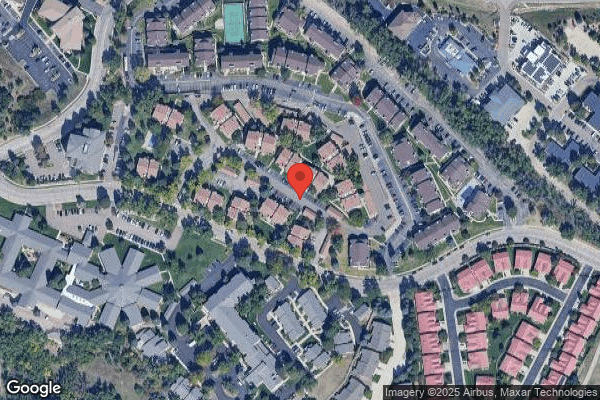
Sept 2023 9 deficiencies
CONCERN (D) 📢 Someone Reported This

A family member, employee, or ombudsman was alarmed enough to file a formal complaint

Potential for Harm - no one hurt, but risky conditions existed

Pressure Ulcer Prevention (Tag F0686)

Could have caused harm · This affected 1 resident

**NOTE- TERMS IN BRACKETS HAVE BEEN EDITED TO PROTECT CONFIDENTIALITY** Based on observations, record review and interviews, the facility failed to ensure one (#4) of three residents reviewed for pres...

Read full inspector narrative →
**NOTE- TERMS IN BRACKETS HAVE BEEN EDITED TO PROTECT CONFIDENTIALITY** Based on observations, record review and interviews, the facility failed to ensure one (#4) of three residents reviewed for pressure injuries received care consistent with professional standards of practice to prevent pressure injuries out of 30 sample residents. Specifically, the facility failed to implement interventions to prevent pressure injuries for Resident #4, who was at risk for pressure injuries. Findings include: I. Professional Reference According to the National Pressure Injury Advisory Panel, Pressure Injury Prevention Points, April 2016, retrieved from: http://www.npuap.org/wp-content/uploads/2023/06/Pressure-Injury-Prevention-Points-2023.pdf, the following recommendations were identified: -Cleanse the skin promptly after episodes of incontinence. -Reposition weak or immobile individuals in chairs hourly. -Ensure the heels are free from the bed. -Use heel offloading devices or polyurethane foam dressings on individuals at high-risk for heel ulcers. II. Facility policy and procedure The Preventions of Pressure Ulcers policy and procedure, revised April 2020, provided by the nursing home administrator on 9/27/23 at 4:14 p.m. The policy read in part, The purpose of this procedure was to provide information regarding identification of pressure injury risk factors and interventions for specific risk factors. III. Resident #4 A. Resident status Resident #4, age [AGE], was admitted on [DATE]. According to the September 2023 computerized physician orders (CPO), diagnoses included cerebrovascular disease affecting the right dominant side, adult failure to thrive, dementia, anxiety and history of falls. According to the 7/21/23 minimum data set (MDS) assessment, the resident had no cognitive impairment with a brief interview for mental status (BIMS) score of 14 out of 15. The resident had no behavioral symptoms. She required extensive assistance for bed mobility, transfers, grooming and toilet use.The resident was at risk for pressure ulcers. B. Observations/resident interview The resident was observed continuously on 9/20/23 from 1:10 p.m. to 3:45 p.m. At 1:12 p.m. Resident #4 was sitting in her wheelchair in her room sleeping. At 1:45 p.m., Resident #4 was leaning forward in her chair sleeping. She stayed sleeping until approximately 2:23 p.m. At 2:28 p.m., Resident #4 said, the staff don't care about us because I just stay in this wheelchair and do nothing. I told the staff I want to go to bed because my butt hurts but they tell me it was too early to go to bed. At 2:45 p.m., resident was sitting in the doorway to her room At 3:45 p.m. certified nurse aide (CNA) #1 woke her up and provided incontinence care for Resident #4. -Observations revealed staff failed to implement existing care plan interventions for turning and respositing the resident. The resident was observed continuously on 9/26/23 from 10:09 a.m. to 1:45 p.m. At 10:09 a.m. the resident was sitting in her wheelchair in her room in front of her bed. She said, I am so sleepy, I just want to go to bed but nobody would help me. She said staff would always tell her she did not need to go to bed and would leave her in her wheelchair for hours. At 10:10 a.m., Resident #4's call light was on the floor. The resident was not able to grab her call light. At 10:26 a.m., CNA #3 was called into Resident #4's room to assist with call light. CNA #3 found the call light which was not within reach of Resident #4 and placed it on the Resident #4's bed and exited the resident's room. CNA #3 said the call light should be within reach of all residents in the event of a fall or requiring care. At 10:33 a.m., Resident #4 pressed the call light and requested to be put into bed. An unidentified CNA came in and turned off Resident #4's call light. The CNA did not ask what Resident #4 needed or how she could help her. At 11:09 a.m., Resident #4 was sleeping in her wheel chair leaning forward. At 11:46 a.m., Resident #4 was sleeping in her wheel chair in front of her bed. At 12:12 p.m., Resident #4 was in her wheelchair sitting in front of her bed. At 12:43 p.m., Resident #4 was sitting in her wheelchair in the doorway. At 1:03 p.m., Resident #4s meal tray was delivered. At 1:20 p.m., Resident #4 was sitting in front of her bedside table eating. At 1:40 p.m., an unknown male CNA provide incontinent care to Resident #4 -Observations revealed staff failed to implement existing care plan interventions for turning an respositiong. C. Record review The care plan, initiated 2/6/23 and revised 8/4/23, identified the resident was at risk for skin breakdown related to decreased mobility, hemiparesis, incontinence. Interventions include assisting the resident in turning and repositioning frequently. Encourage the resident to consume all fluids of choice during meals. Pressure redistribution surface to bed as per guideline. Weekly skin check by license nurse. A review of the physician orders revealed the resident had a pressure redistribution mattress to bed and a pressure redistribution cushion to her chair. No direction specified. -However, the orders did not contain any additional preventive measures. IV. Staff interviews CNA #3 was interviewed on 9/26/23 at 10:26 a.m. Said Resident #4 was an extensive assistance for all ADL and she was a two person assist for transfers. CNA #3 said residents who were at risk for pressure ulcers should be repositioned every two hours or as needed to prevent pressure ulcers. CNA #3 was not aware of any pressure relieving devices used by the resident. The director of nursing (DON) was interviewed on 9/27/23 at 10:07 a.m. She said the resident could be resistant to care at times and would refuse to be repositioned. She said the resident liked to be up in her wheelchair. The DON was told of the observations of the resident on 9/20/23 and 9/26/23. She said, Resident #4 should have been repositioned every two hours and as needed (PRN). She said staff should have checked in on the resident frequently. She said a negative outcome would be the resident could have skin break down.
CONCERN (D) 📢 Someone Reported This

A family member, employee, or ombudsman was alarmed enough to file a formal complaint

Potential for Harm - no one hurt, but risky conditions existed

Deficiency F0691 (Tag F0691)

Could have caused harm · This affected 1 resident

**NOTE- TERMS IN BRACKETS HAVE BEEN EDITED TO PROTECT CONFIDENTIALITY** Based on observations, record review and interviews, the facility failed to provide necessary ostomy care consistent with profes...

Read full inspector narrative →
**NOTE- TERMS IN BRACKETS HAVE BEEN EDITED TO PROTECT CONFIDENTIALITY** Based on observations, record review and interviews, the facility failed to provide necessary ostomy care consistent with professional standards of practice, the comprehensive person-centered care plan, and the resident's goals and preferences for one (#6) of one resident reviewed for ostomy care out of 30 sample residents. Specifically, the facility failed to provide routine monitoring of the coloostomy ensuring the coloostomy was not leaking and properly secured to Resident #6. Findings include: I. Facility policy The Colostomy/Ileostomy Care policy, revised October 2019, was provided by the nursing home administrator (NHA) on 9/27/23 at 4:14 p.m. The policy read in pertinent part: The purpose of this procedure was to provide guidelines that would aid in preventing exposure of the resident's skin to fecal matter. The policy described the procedures to take when changing an ostomy. According to the policy when changing an ostomy, staff should: Preparation 1. Review the resident's care plan to assess any special needs of the resident. 2. Assemble the equipment and supplies as needed. Equipment and Supplies The following equipment and supplies will be necessary when performing this procedure: 1. Skin cleansing preparation; 2. Clean drainage bag; 3. Soap and water; 4. Barrier creams and lotions (as indicated); and 5. Personal protective equipment (gowns, gloves, mask, etc., as needed). Steps in the Procedure 1. Place the clean equipment on the bedside stand or over bed table. Arrange the supplies so they can be easily reached. 2. Wash and dry your hands thoroughly. 3. Put on a gown if soiling of clothing with feces is likely. 4. Put on gloves. 5. Remove the drainage bag. 6. Remove gloves, wash hands, put on clean gloves. 7. Cleanse skin with appropriate skin cleansing preparation. 8. When evaluating the condition of the resident's skin, note the following: Breaks in the skin. Excoriation. Signs of infection (heat, swelling, pain, redness, purulent exudate, etc.). 9. Remove soiled items. Do not place it on the bed table. Replace with a clean drainage bag. 10. Place disposable bags into appropriate receptacles. 11. Discard disposable items into designated containers. 12. Remove and discard the gown into a designated container. 13. Remove and discard gloves into designated containers. Wash and dry your hands thoroughly. 14. Reposition the bed covers. Make the resident comfortable. 15. Place the call light within easy reach of the resident. 16. Clean the over bed table and return it to its proper position. 17. Wash and dry your hands thoroughly. 18. If the resident desires, return the door and curtains to the open position and if visitors are waiting, tell them that they may now enter the room. 19. Document the procedure in the resident's documentation form. Documentation The following information should be recorded in the resident's medical record: 1. The date and time the colostomy/ileostomy care was provided. 2. The name and title of the individual(s) who provided the colostomy/ileostomy care. 3. Any breaks in resident's skin, signs of infection (purulent discharge, pain, redness, swelling, temperature), or excoriation of skin. 4. How the resident tolerated the procedure. 5. If the resident refused the procedure, the reason(s) why and the intervention taken. 6. The signature and title of the person recording the data. Reporting 1. Notify the supervisor if the resident refuses the colostomy/ileostomy care. 2. Notify the supervisor of any abnormal findings (breaks in skin, excoriation, signs of infection.). 3. Report other information in accordance with facility policy and professional standards of practice. III. Resident #6 A. Resident status Resident #6, age [AGE], was admitted on [DATE]. According to the September 2023 computerized physician orders (CPO), diagnoses included chronic obstructive pulmonary disease, mild cognitive impairment, major depression, dementia and encounter for attention to colostomy According to the 9/6/23 minimum data set (MDS) assessment, the resident had moderate cognitive impairment with a brief interview for mental status (BIMS) score of 10 out of 15. The resident had no behavioral symptoms. She was independent for bed mobility, transfers and grooming. She was extensive assist with toileting. Resident #6 had an colostomy bag B. Resident interview/observation Resident #6 was interviewed on 9/26/23 at 3:05 p.m. She said the facility was not ordering the style of bag that she used to have. She said she did not like the new style of bag because her bag was leaking out of the side. She said the new style of bag would always leak and she had to change it a lot. She said she spoke with a nurse who said they were not making the style of bag she liked anymore. She said she did not remember the nurse name she told. She said staff have not checked her leaking bag. During interview/observation Resident #6's room had a strong odor of urine and bowel movement. C. Record review The care plan, initiated 4/7/19 and revised 9/20/23, identified the resident had a colostomy related to perforated bowel. Interventions include colostomy care per policy/procedure. Notify the medical doctor if increased abdominal cramping, increased abdominal pain, blood in stool, absence of stool. Resident was independent with colostomy care; assist as needed. The September 2023 CPO included: -Colostomy q-shift (every shift). Start date 3/22/23. -Change wafer appliances every Thursday. Start date 10/14/14. -Review of the medical chart had no documentation on colostomy every shift. -Review of the medical chart had no documentation on change of wafer appliance by staff or resident. -Review of medical chart revealed no assessment identifying Resident #6 was assessed or provided education to provide self-care of her colostomy bag or physicians notes. IV. Staff interviews Certified nurse aide (CNA) #2 was interviewed on 9/25/23 at 10:40 a.m. She said Resident #6 was independent with placement of colostomy bags but she did have a problem with them leaking. CNA #2 said there was a strong odor of urine and bowel movement always coming from resident's rooms and staff had to change her linen because of colostomy bag leakage. Registered nurse (RN) #4 was interviewed on 9/25/23 at 2:52 p.m She said she was not aware of any documentation or monitoring required for Resident #6 on colostomy placement. The DON was interviewed on 9/26/23 at approximately 3:10 p.m. She said it was the first she had heard of Resident #6's issues of her colostomy bag leaking. She said she would look into the problem with the bag. The DON was interviewed again on 9/26/23 at 3:20 p.m. The DON said she spoke with medical supply and they were working on getting the old style of bag back for Resident #6. She said the replacement style of bag that Resident #6 was not a good quality and the bags were not the right fit. She said the medical supply was aware of the issue of the leaking bags. The DON was told of the observations and strong odor coming from the resident's room. The DON said the resident should have been assessed and educated on correct placement of the bag and she should have been followed by the nursing staff to ensure the placement was secure and not leaking. The DON said the facility was utilizing the MDS assessment as their assessment tool for residents with catheters and quarterly assessments. The DON said a negative outcome from inproprer catheter care could be skin problems, major leaks, bleeding, retracted or prolapsed stoma and blockage or bowel obstruction.
CONCERN (D) 📢 Someone Reported This

A family member, employee, or ombudsman was alarmed enough to file a formal complaint

Potential for Harm - no one hurt, but risky conditions existed

Deficiency F0883 (Tag F0883)

Could have caused harm · This affected 1 resident

**NOTE- TERMS IN BRACKETS HAVE BEEN EDITED TO PROTECT CONFIDENTIALITY** Based on record review and staff interview, the facility failed to develop and implement policies and procedures related to pneu...

Read full inspector narrative →
**NOTE- TERMS IN BRACKETS HAVE BEEN EDITED TO PROTECT CONFIDENTIALITY** Based on record review and staff interview, the facility failed to develop and implement policies and procedures related to pneumococcal immunizations for two (#4 and #8) of five residents reviewed for vaccinations of 30 sample residents. Specifically, the facility failed to ensure Resident #4 was educated on refusal of pneumococcal and Resident #8 received pneumococcal immunization. Findings include: I. Professional reference According to the Center for Disease Control and Prevention (CDC), reviewed 11/21/22, retrieved on 9/27/23 from ttps://www.cdc.gov/flu/professionals/infectioncontrol/ltc-facility-guidance.htm. It read, in pertinent part, If possible, all residents should receive inactivated influenza vaccine (IIV) annually before influenza season. For persons aged 65 years (or older), the following quadrivalent influenza vaccines are recommended: high-dose IIV, adjuvanted IIV, or recombinant influenza vaccine. If not available, standard-dose IIV may be given. In the majority of seasons, influenza vaccines will become available to long-term care facilities beginning in September, and influenza vaccination should be offered by the end of October. Informed consent is required to implement a standing order for vaccination, but this does not necessarily mean a signed consent must be present. Although vaccination by the end of October is recommended, influenza vaccine administered in December or later, even if influenza activity has already begun, is likely to be beneficial in the majority of influenza seasons because the duration of the season is variable, and influenza activity might not occur in certain communities until February or March. According to the CDC Recommended Immunization Schedule for Adults Aged 19 Years or Older, United States, 2023, retrieved on 9/27/23 from https://www.cdc.gov/vaccines/schedules/downloads/adult/adult-combined-schedule.pdf. It read, in pertinent part, The pneumococcal vaccine was to be administered to immunocompetent adults aged 65 years or older one dose of 13-valent pneumococcal conjugate vaccine (PCV13), if not previously administered, followed by one dose of 23-valent pneumococcal polysaccharide vaccine (PPSV23) at least one year after PCV13; if PPSV23 was previously administered but not PCV13, administer PCV13 at least one year after PPSV 23. For special situations (see-www.cdc.gov/mmwr/preview/mmwrhtml/mm6140a4. htm): individuals aged 19-64 years with chronic medical conditions (chronic heart excluding hypertension, lung, or liver disease, diabetes), alcoholism, or cigarette smoking: give 1 dose PPSV23. III. Resident #4 Resident #4, age [AGE], was admitted on [DATE]. According to the September 2023 computerized physician orders (CPO), diagnoses included cerebrovascular disease affecting right dominant side, adult failure to thrive, dementia, anxiety and history of falls. Resident #4 had a pneumococcal consent form but it identified authorization to receive the pneumococcal shot but also had the box checked to decline. -The facility did not have evidence of education offered for refusal of the pneumococcal vaccine. IV. Resident #8 Resident #8, age [AGE], was admitted on [DATE]. According to the September 2023 computerized physician orders (CPO), diagnoses included dementia, acute kidney failure, altered mental state, anxiety and chronic obstructive pulmonary disease. -The facility did not have evidence of an offer or refusal of the pneumococcal vaccine. VI. Interview The infection control nurse (IFC) and assistant director of nursing (ADON) were interviewed on 9/27/23 at 11:40 a.m. The IFC nurse said the facility was currently conducting an audit of the residents and would be contacting the providers. She said Resident #8 would be part of the audit. She said Resident #4 had a pneumococcal consent form but it identified authorization to receive the pneumococcal shot but had the box checked to decline. She said there should have been confirmation of the resident's choice and if she refused the shot the facility should have provided education on the importance of the pneumococcal shot. She said it would be important to offer the vaccine to help prevent pneumonia.
CONCERN (E) 📢 Someone Reported This

A family member, employee, or ombudsman was alarmed enough to file a formal complaint

Potential for Harm - no one hurt, but risky conditions existed

Resident Rights (Tag F0550)

Could have caused harm · This affected multiple residents

**NOTE- TERMS IN BRACKETS HAVE BEEN EDITED TO PROTECT CONFIDENTIALITY** Based on observations and interviews, the facility failed to ensure care for residents was provided in a manner and in an enviro...

Read full inspector narrative →
**NOTE- TERMS IN BRACKETS HAVE BEEN EDITED TO PROTECT CONFIDENTIALITY** Based on observations and interviews, the facility failed to ensure care for residents was provided in a manner and in an environment that maintained or enhanced the residents' dignity and respect in full recognition of their individuality. Specifically, the facility failed to ensure an adequate system was in place to provide meal services in a timely fashion to residents waiting to be served in the dining room. Findings include: I. Facility policy and procedure The Food and Preparation policy and procedure, no date, provided by the nursing home administrator (NHA) on 9/27/23 at 4:14 p.m., it read in pertinent part: Food and nutrition services employees prepare, distribute and serve food in a manner that complies with safe food and handling practices. II. Meals served timely A. Posted mealtimes The posted meal times for the main dining room were scheduled to begin breakfast at 7:15 a.m., lunch at 11:15 a.m. and dinner at 4:45 p.m. B. Resident observations and interviews On 9/20/23 at 10:34 a.m., Resident #18 was sitting in his recliner chair in his room getting ready to go to lunch. He said there was a really big problem with the kitchen services. He said the meals were always late, no matter what time of the day. He said breakfast was supposed to start being served at 7:15 a.m. but this morning they did not get served until well after 8:40 a.m. He said something went wrong from when the food was cooked until it got to all the residents. He said all of the residents get a meal ticket but by the time staff get the orders written and to the kitchen, the meals were already late. He said staff did not even get their drinks till right before they took their orders. Resident #27 was interviewed on 9/20/23 at 12:01 p.m. Resident #27 said, Meals were always late and the food was cold by the time I got it. She said they were always serving chicken salad and chicken and the chicken was always dry. Resident #11 was interviewed on 9/20/23 at 3:19 p.m. He said the dining room was terrible because the meals were always late. He said the kitchen staff was always late with serving the residents food and we got cold. He said by the time the staff took the orders and it got to the kitchen staff the meal was going to be late. C. Additional observations 9/20/23 -At 11:10 a.m. there were three residents sitting in the dining room. Two residents were in wheelchairs and the third utilized a front wheeled walker. -At 11:22 a.m. There were nine residents sitting in the dining room. Eight residents were in wheelchairs. -At 11:39 a.m. 12 residents were observed sitting in the dining room. -At 11:45 a.m. one female resident was observed sleeping with her head on the table. -At 11:49 a.m. facility staff started passing out drinks and started taking residents' orders. -At 11:52 a.m. several residents were sleeping in their wheelchairs. -At 11:53 a.m. Resident #9 walked out of the dining room. -At 12:15 p.m. the first meal was served. -At 12:27 p.m. four female residents were sitting at their table. None of the residents were conversing. -At 12:20 p.m. 16 residents were sitting at various tables in the dining room. -At 12:34 p.m. 23 residents were in the dining room. -At 12:38 p.m. the last meal was served. -At 12:40 p.m. room trays were started. 9/25/23 -At 11:14 a.m. there were three residents in the dining room. Two in residents in wheelchairs. -At 11:19 a.m. there were eight residents sitting in the dining room. -At 11:20 a.m. one resident was assisted into the dining room and placed at the table. -At 11:25 a.m. two more residents were assisted into the dining room and their wheelchairs and placed at their table. -At 11:38 a.m. 13 residents were seated in their wheelchairs in the dining room. -At 11:40 a.m. one more resident was assisted into the dining room. -At 11:51 a.m. dining staff started taking residents' orders and providing drinks. -At 12:05 a.m. there were 20 residents in the dining room, 16 were in wheelchairs. All residents were still waiting for their meals. -At 12:26 p.m. there were 21 residents in the dining room and 16 were sitting in their wheelchairs. The fifth tray was served in the assisted dining room. -At 12:32 p.m. the first meal tray was served in the main dining room. -At 12:43 p.m. there was one resident still waiting for his meal. -At 12:45 p.m. a female resident said, I am going to be done with my meal before he even gets his. III. Staff interview The dietary manager (DM) was interviewed on 9/27/23 at 9:55 a.m. She said staff would serve the dining room first and then the room trays would be last. She said the problem with the dining room meal times was the miscommunication between the kitchen and staff assisting in the dining room. She said staff were supposed to be in the dining room at 7:15 a.m. for breakfast, 11:15 a.m. for lunch and 4:45 p.m. for dinner. She said staff were getting into the dining room [ROOM NUMBER]-30 minutes late, which then slowed down the process. She said staff should be in the dining room [ROOM NUMBER] minutes before meal time and they should start taking meal orders and providing the residents their drinks. She said most of the time it went well but if there was a problem it would delay the serving process. The nursing home administrator (NHA) was interviewed on 9/27/23 at 11:08 a.m. She was told of the observations above. She said the facility had just hired a new company for the kitchen. She said staff needed to be in the dining room [ROOM NUMBER] minutes early and start taking residents' orders and providing drinks. She said this was not happening and the facility had tried other models to make mealtimes more effective but they had not been working. She said the residents should have been served in a timely manner.
CONCERN (E) 📢 Someone Reported This

A family member, employee, or ombudsman was alarmed enough to file a formal complaint

Potential for Harm - no one hurt, but risky conditions existed

Deficiency F0658 (Tag F0658)

Could have caused harm · This affected multiple residents

**NOTE- TERMS IN BRACKETS HAVE BEEN EDITED TO PROTECT CONFIDENTIALITY** Based on observations, record review and interviews, the facility failed to meet professional standards of quality for two (#30 ...

Read full inspector narrative →
**NOTE- TERMS IN BRACKETS HAVE BEEN EDITED TO PROTECT CONFIDENTIALITY** Based on observations, record review and interviews, the facility failed to meet professional standards of quality for two (#30 and #11) of four residents reviewed of 30 sample residents. Specifically, the facility failed to ensure scheduled medications were given to Resident #9, #10, #11 and #12 in a timely manner. Findings include: I. Facility policy and procedure The Administration Medication policy, revised April 2019, provided by the nursing home administrator (NHA) on 9/27/23 at 4:14 p.m., it read in pertinent part: Medications are administered in a safe and timely manner, and as prescribed. II. Resident #9 A. Resident status Resident #9, age [AGE], was admitted on [DATE]. According to the September 2023 computerized physician orders (CPO), diagnoses included essential hypertension, delusional disorder, gastro-esophageal reflux disease, schizoaffective disorder, delusional disorder, congestive heart failure and chronic obstructive pulmonary disorder. According to the 6/25/23 minimum data set (MDS) assessment, the resident had no cognitive impairment with a brief interview for mental status (BIMS) score of 15 out of 15. The resident had no behavioral symptoms. She required supervision for bed mobility, transfers, grooming and toilet use. B. Record review The care plan, initiated 7/2/21 and revised 6/30/23, identified the resident was at risk for alterations in comfort related to fibromyalgia, neuropathy, migraine headache, chronic pain syndrome. Interventions include evaluating pain characteristics: quality, severity, location, precipitating/relieving factors. Medicate resident as ordered for pain and monitor for effectiveness and monitor for side effects, report to physician as indicated. Monitor frequency of episodes of breakthrough pain to determine the need for pain med adjustment. The September 2023 CPO included: Aspirin 81 oral tablet chewable aspirin. Give one tablet by mouth one time a day for secondary prevention. Start date 8/12/23. 7:00 a.m. Tylenol extra strength tablet 500 mg. give two tablets by mouth three times a day for pain. Start date 12/6/22. House nourishment three times a day for weight control. Labeled snack: please provide chocolate pudding and graham crackers TID (three times a day). Start date 8/4/23 Risperidone one mg. Give one tablet by mouth daily. Start date 8/10/23 at 8:00 a.m. Furosemide oral tablet 20 mg. give one tab in the morning for edema. Start date 6/22/23 at 7:00 a.m. Klor-Con 10 oral tablet extended release 10 MEQ. Give one tab by mouth in morning for supplement. Start date 6/22/23 at 7:00 a.m. Levothyroxine sodium oral tablet 50 MG MCG. Give one tablet by mouth in the morning for hypothyroidism. Start date 7/9/23 at 8:00 a.m. Oxycodone HCI tablet 10mg. Give one 10 mg tab by mouth every six hours for pain. Start date Risperdal oral tablet1 mg. Give one tablet by mouth one time a day for irritability related to schizoaffective disorder. Start date 8/10/23 at 8:00 a.m. Gabapentin capsule 400 mg. Give one capsule by mouth three times a day for neuropathy. Start date 9/18/23 at 12:00 p.m. Creon oral capsule delayed release particles 24000-78000 units. Give one capsule by mouth with meals for chronic pancreatitis. Start date 6/22/23 at 7:30 a.m. Acyclovir oral tablet 400 mg. Give one tab by mouth two times a day for herpes. Start date 6/22/23 at 9:00 a.m. Diclofenac sodium external gel 1%. Apply to painful areas topically three times a day for arthritis two gram dose. Start date 6/22/23 at 9:00 a.m. Sennosides tablet 8.6 mg. Give two tablets by mouth BID (twice) a day for constipation. Start date 9/9/21 at 9:00 p.m. The medication review audit documented: Aspirin scheduled 9/25/23 at 7:00 a.m., administration date/time 9/25/23 1:39 p.m. Tylenol scheduled 9/25/23 at 3:00 p.m., administration date/time 9/25/23 at 5:21 p.m. House nourishment scheduled 9/25/23 at 2:00 p.m., administration date/time 9/25/23 at 5:29 p.m. Furosemide scheduled 9/25/23 at 7:00 a.m., administration date/time 9/25/23 at 1:27 p.m. Klor-Con scheduled 9/25/23 at 7:00 a.m., administration date/time 1:27 p.m. Levothyroxine scheduled 9/25/23 at 8:00 a.m., administration time 11:22 a.m. Oxycodone 6/22/23 at 3:00 p.m. scheduled 9/25/23 at 3:00 p.m., administration time 5:20 p.m. Risperdal scheduled 9/25/23 at 8:00 a.m., administration date/time 11:24 a.m. Gabapentin scheduled 9/25/23 at 12:00 p.m., administration date/time 1:34 p.m. Creon oral capsule scheduled 9/25/23 at 11:30 a.m., administration date/time 1:26 p.m. Acyclovir oral tablet Scheduled 9/25/23 at 9:00 a.m., administration date/time 11:25 a.m. Diclofenac sodium external gel scheduled 9/25/23 at 1:00 p.m., administration date/time 5:46 p.m. Sennosides Scheduled 9/25/23 at 7:00 a.m., administration time 9:00 a.m. -The progress notes failed to show evidence of provider notification for the late medications administered on 9/25/23. III. Resident #10 A. Resident status Resident #10, age [AGE], was admitted on [DATE]. According to the September 2023 CPO, diagnoses included chronic obstructive pulmonary disease, hypertension, depression, anxiety and gastro-esophageal reflux disease. According to the 8/2/23 MDS assessment, the resident had no cognitive impairment with a BIMS score of 15 out of 15. The resident had no behavioral symptoms. She required extensive assistance for bed mobility, transfers, grooming and toilet use. B. Resident interview Resident #10 was interviewed on 9/27/23 at 11:00 a.m. She said her medications were always late. She said the facility was short staffed (cross-reference F725). C. Record review The care plan, initiated 5/12/22 and revised 8/15/23, identified the resident was at risk for cardiovascular symptoms or complications related to history of cerebral vascular accident, hyperlipidemia, obesity, high blood pressure, diagnosis of atrial fibrillation. Interventions include administering medications as ordered and assess for effectiveness and side effects and report abnormalities to physicians. Assess and monitor vital signs as ordered and report abnormalities to physicians. The September 2023 CPO included: Doclofenac sodium gel 1%. Apply 1 gram Transdermally TID for osteoarthritis. Start date 10/11/21 at 7:00 p.m. Magnesium oxide oral tablet 400 mg. Give one tablet BID times a day for low magnesium levels. Start date 6/30/23 at 4:00 p.m. Buspirone HCI tablet 5 mg. Give 5 mg by mouth TID for anxiety. Start date 10/12/21 at 8:00 a.m. Risperidone oral tablet 0.5 mg. Give one 1.5 tablets at bedtime. Start date 9/2/23 at 9:00 p.m. Amlodipine Besylate tablet 5 mg. Give one tablet by mouth daily for hypertension. Start date 7/16/22 at 7:00 a.m. Metformin HCI ER tablet extended. Give one tablet by mouth one time daily for diabetes. Start date 2/9/23 at 7:00 a.m. Pepcid oral tablet 20 mg. Give one tablet by mouth one time a day. Start date 5/31/23 at 7:00 a.m. Cymbalta oral capsule delayed release. Give 60 mg by mouth in the a.m. Start date 9/2/23 at 7:00 a.m. Stiolto Respimat aerosol. 2 puff inhale one time a day for COPD. Start date 3/11/22 at 7:00 a.m. Sotalol HCA tablet. Give one tablet by mouth BID for atrial fibrillation. Start date 11/27/23 at 7:00 a.m. Eliquis tablet 5 mg. Give one tablet by mouth BID for atrial fibrillation. Start date. 10/12/21 at 7:00 a.m. Lisinopril tablet 20 mg. Give 1.5 tablet by mouth one time a day for hypertension. Start date 1/6/23 at 9:00 a.m. The medication review audit documented: Diclofenac sodium gel 1%. Scheduled 9/25/23 at 7:00 p.m., administration date/time 9/26/23 at 12:24 a.m. Magnesium oxide oral tablet 400 mg. Scheduled 9/25/23 at 4:00 p.m., administration date/time 9/25/23 at 5:12 p.m. Buspirone HCI tablet 5 mg. Scheduled 9/25/23 at 8:00 a.m. Administration date/time 9/25/23 at 10:31 a.m. Risperidone oral tablet 0.5 mg. Give one 1.5 tablet at bedtime. Scheduled 9/25/23 at 9:00 p.m., administration date/time 9/25/23 at 10:32 p.m. Amlodipine Besylate tablet 5 mg. Scheduled 9/25/23 at 7:00 a.m., administration date/time 9/25/23 at 10:29 a.m. Metformin HCI ER tablet extended release. Scheduled 9/25/23 at 7:00 a.m., administration date/time 9/25/23 at 10:28 a.m. Pepcid oral tablet 20 mg. Scheduled 9/25/23 at 7:00 a.m., administration date/time 9/25/23 at 10:28 a.m. Cymbalta oral capsule delayed release. Scheduled 9/25/23 at 7:00 a.m., administration date/time 9/25/23 at 10:30 a.m. Stiolto Respimat aerosol. Scheduled 9/25/23 at 7:00 a.m., administration date/time 9/25/23 at 10:42 a.m. Sotalol HCA tablet. Scheduled 9/25/23 at 7:00 a.m., administration date/time 9/25/23 at 10:42 a.m. Eliquis tablet 5 mg. Scheduled 9/25/23 at 7:00 a.m., administration date/time 9/25/23 at 10:42 a.m. Lisinopril tablet 20 mg. Scheduled 9/25/23 at 7:00 a.m., administration date/time 9/25/23 at 10:29 a.m. -The progress notes failed to show evidence of provider notification for the late medications administered on 9/25/23. IV. Resident 11 A. Resident status Resident #11, age [AGE], was admitted on [DATE]. According to the September 2023 CPO, diagnoses included anxiety, hypertension, arthritis, anorexia, diabetes mellitus, and reduced mobility. According to the 9/7/23 MDS) assessment, the resident had no cognitive impairment with a BIMS score of 15 out of 15. The resident had no behavioral symptoms. She was independent for bed mobility, transfers, grooming and toilet use. B. Resident interview Resident #11 was interviewed on 9/25/23 at 10:00 a.m. The resident in her room was visiting with her daughter. The daughter stated that staff were always late when administering medications. C. Record review The care plan, initiated 4/21/23 and revised 9/21/23, identified the resident was at risk for cardiovascular symptoms or complications related to: diagnosis of high blood pressure, dizziness. Interventions include administering meds as ordered and assess for effectiveness and side effects and report abnormalities to physicians. Assess and monitor vital signs as ordered and report significant abnormalities to physicians. The September 2023 CPO included: Metformin HCI oral tablet 1000 mg. Give one tablet by mouth BID. Please give at 8:00 a.m. and 7:00 p.m. Start date 9/13/23 7:00 p.m. Prevastatin sodium tablet 40 mg. Give one tablet by mouth at bedtime for hyperlipidemia. Start date 9/13/23 at 7:00 p.m. Losartan potassium oral tablet 25 mg. Give one tablet by mouth for HTN. Start date 4/22/23 at 8:00 a.m. The medication review audit documented: Metformin HCI oral tablet 1000 mg. Scheduled 9/25/23 at 7:00 p.m., administration date/time 9/25/23 at 8:36 p.m. Prevastatin sodium tablet 40 mg. Scheduled 9/25/23 at 7:00 p.m., administration date/time 9/25/23 at 8.35 p.m. Losartan potassium oral tablet 25 mg. Scheduled 9/25/23 at 8:00 a.m., administration date/time 9/25/23 at 2:52 p.m. -The progress notes failed to show evidence of provider notification for the late medications administered on 9/25/23. D. Staff interview The director of nursing (DON) was interviewed on 9/27/23 at 11:26 a.m. The DON said the nurse who was administering medications was an agency nurse and was not familiar with the residents. V. Resident #12 A. Resident status Resident #12, age [AGE], was admitted on [DATE]. According to the September 2023 CPO, diagnoses included hypertensive and chronic kidney disease with heart failure, chronic kidney disease, congestive heart failure, pulmonary hypertension, cognitive communication deficit and diabetes mellitus. According to the 7/19/23 MDS assessment, the resident had no cognitive impairment with a BIMS score of 15 out of 15. The resident had no behavioral symptoms. He required supervision for bed mobility, transfers, grooming and toilet use. B. Resident interview Resident #12 was interviewed on 9/20/23 at 3:19 p.m. He said the facility was short staffed and it affected the care residents received (cross-reference F725). He said, My medication was given late most days as well as other residents. C. Record review The care plan, initiated 4/23/23 and revised 8/2/23, identified the resident was at risk for cardiovascular symptoms or complications related to diagnosis of atrial fibrillation on a scheduled anticoagulant, diagnosis of high blood pressure and congestive heart failure; on scheduled medications. Interventions include administering meds as ordered and assess for effectiveness and side effects and report abnormalities to physicians. Assess and monitor for chest pain including intensity location and duration and report to physician. Monitor apical heart rate, observe for SOB, palpitations, chest pain, heart flutter, syncope and report abnormalities to physicians. Monitor blood pressure as ordered and as needed notify the medical doctor of significant abnormal values. The September 2023 CPO included: Carvedilol tablets 3.125 mg. Give one tablet BID for congestive heart failure. Start date 9/5/23 at 4:00 p.m. Senna-Docusate sodium oral tab 8.6-50 mg. Give one tablet by mouth BID for constipation. Start date 4/10/23 at 4:00 p.m. Ammonium lactate external lotion 12%. Apply to bilateral lower extremities and feet every day. Start date 5/20/23 at 6:00 a.m. Carvedilol tablets 3.125 mg. Give one tablet BID for congestive heart failure. Start date 9/5/23 at 4:00 p.m. Miralax oral packet 17 gm. Give one packet by mouth one time daily for constipation. Start date 9/8/23 at 7:00 a.m. Spironlactone oral tablet 25 mg tablet. Give one tablet by mouth one time a day. Start date 9/14/23 at 7:00 a.m. Torsemide oral tablet 20 mg. Give on tablet by mouth one time a day for congestive heart failure/edema. Start date 6/10/23 at 7:00 a.m. Magnesium oral tablet. Give 400 mg by mouth one time a day for low magnesium levels. Start date 6/19/23 at 7:00 p.m. Isosorb dinitrate alazine oral tablet 20-37.5 mg. Give two tablets by mouth TID for high blood pressure. Start date 8/16/23 at 8:00 p.m. Bumetanide oral tablet one mg. Give one tablet by mouth BID for congestive heart failure. Start date 9/19/23 at 5:00 p.m. Potassium chloride extended release tablet 20 MEQ. Give one tablet by mouth BID for hypokalemia. Start date 5/3/23 at 8:00 a.m. Atorvastatin calcium oral 40 mg. Give one tablet by mouth one time a day for high cholesterol. Start date 4/9/23 at 8:00 a.m. Ascorbic acid tablet 500 mg. Give one tablet by mouth one time a day for supplement. Start date 4/9/23 at 8:00 a.m. Eliquis oral tablet 5mg. Give one tablet by mouth BID for blood thinner. Start date 4/8/23 at 5:00 p.m. The medication review audit documented: Carvedilol tablets 3.125 mg. Scheduled 9/25/23 at 4:00 p.m., administration date/time 9/25/23 at 8:40 p.m. Senna-Docusate sodium oral tab 8.6-50 mg. Scheduled 9/25/23 at 4:00 p.m., administration date/time 9/25/23 at 8:40 p.m. Ammonium lactate external lotion 12%. Scheduled 9/25/23 at 6:00 a.m., administration date/time 9/25/23 at 10:02 a.m. Miralax oral packet 17 gm. Scheduled 9/25/23 at 7:00 a.m., administration date/time 9/25/23 at 10:02 a.m. Spironlactone oral tablet 25 mg tablet. Scheduled 9/25/23 at 7:00 a.m., administration date/time 9/25/23 at 9:59 a.m. Torsemide oral tablet 20 mg. Scheduled 9/25/23 at 7:00 a.m., administration date/time 9/25/23 at 9:59 a.m. Magnesium oral tablet. Scheduled 9/25/23 7:00 a.m., administration date/time 9/25/23 at 10:02 a.m. Isosorb dinitrate alazine oral tablet 20-37.5 mg. Scheduled 9/25/23 8:00 a.m., administration date/time 9/25/23 at 9:58 a.m. Bumetanide oral tablet one mg. Scheduled 9/25/23 8:00 a.m., administration date/time 9/25/23 at 9:57 a.m. Potassium chloride extended release tablet 20 MEQ. Scheduled 9/25/23 8:00 a.m., administration date/time 9/25/23 at 9:59 a.m. Atorvastatin calcium oral 40 mg. Scheduled 9/25/23 8:00 a.m., administration date/time 9/25/23 at 9:57 a.m. Ascorbic acid tablet 500 mg. Scheduled 9/25/23 8:00 a.m., administration date/time 9/25/23 at 9:56 a.m. Eliquis oral tablet 5mg. Scheduled 9/25/23 8:00 a.m., administration date/time 9/25/23 at 10:02 a.m. -The progress notes failed to show evidence of provider notification for the late medications administered on 9/25/23. VI. Staff interviews Licensed practical nurse (LPN) #1 was interviewed on 9/20/23 at 2:35 p.m. She said the facility was so short staffed that it was affecting the care the residents received. She said the facility used to have four nurses but the new facility owners cut it down to three nurses, which makes it overwhelming to try and provide care to all the residents. She said, I make sure that I have to take extra time to make sure all the medication matches each residents' physician orders. She said this made her late with giving the residents' their medications. She said, Today I am an hour to an hour and a half behind on giving medications because I have three halls. LPN #5 was interviewed on 9/25/23 at 10:33 a.m. She said all staff were getting concerned the facility was short staffed. She said, I have to finish my own job and then I have to stop and go into the dining room to help, which puts me further behind. This puts my medication behind. She said the facility was using a certified nurse aide with mediation authority in the evening to assist with medication administration but they could only give out medications. LPN # 2 was interviewed on 9/25/23 at 2:58 p.m. She said, Yes we are short staffed and it was affecting the care of the residents. She said facility staff have been complaining to supervisors but the complaints were falling on deaf ears. She said the facility used to have four nurses on shift but the facility had cut it down to three nurses with four carts, which made it impossible to administer medications on time. The director of nursing (DON) was interviewed on 9/27/23 at 10:07 a.m. She said the medications were to be given an hour before or an hour after the medication was ordered. Education was being completed on the medication administration policy and the nurses were identified who were passing out the late medications. The DON said she would complete education for the medication nurses. She said there could be thousands of adverse effects from the medications being late or missed. She said it was an issue across the board throughout the facility. She said she would be completing one-on-one counseling with every nurse who had given late medications or who had missed giving residents doses of their medication.
CONCERN (E) 📢 Someone Reported This

A family member, employee, or ombudsman was alarmed enough to file a formal complaint

Potential for Harm - no one hurt, but risky conditions existed

ADL Care (Tag F0677)

Could have caused harm · This affected multiple residents

**NOTE- TERMS IN BRACKETS HAVE BEEN EDITED TO PROTECT CONFIDENTIALITY** Based on observations, record review and interviews, the facility failed to ensure a resident who was unable to carry out activi...

Read full inspector narrative →
**NOTE- TERMS IN BRACKETS HAVE BEEN EDITED TO PROTECT CONFIDENTIALITY** Based on observations, record review and interviews, the facility failed to ensure a resident who was unable to carry out activities of daily living (ADLs) receives the necessary services and assistance during showers and baths for three (#2, #8 and #3) of three residents reviewed for hygiene assistance of 30 sample residents. Specifically, the facility failed to provide scheduled showers and baths or offer an alternative for Resident #2, #8 and #3. Findings include: I. Facility policy The Activities of daily living (ADLs) policy, reviewed March 2018, was provided by the nursing home administrator (NHA) on 9/27/23 at 4:14 p.m. The policy read in part, Residents would be provided with care, treatment and services as appropriate to maintain or improve their ability to carry out activities of daily living (ADLs). Residents who are unable to carry out activities of daily living independently will receive the services necessary to maintain good nutrition, grooming and personal and oral hygiene. II. Resident #2 A. Resident status Resident #2, age [AGE], was admitted on [DATE]. According to the September 2023 computerized physician orders (CPO), diagnoses included Alzheimer's, dementia, and unilateral (primary) osteoarthritis of right hip. According to the 6/10/22 minimum data set (MDS) assessment, the resident had severe cognitive impairment with a brief interview for mental status (BIMS) score of six out of 15. The resident had no behaviors. He required extensive assistance for bed mobility, transfers, grooming, bathing and toilet use. The resident was at risk for pressure ulcers. B. Resident interview Resident #2 was interviewed on 9/25/23 at 3:42 p.m. He said he could use a shower. C. Record review The care plan, initiated 12/28/21 and revised 9/6/23, identified the resident was at risk for skin breakdown related to cognitive impairment, incontinence, and assistance with ADLS. Interventions include pat (do not rub) skin when drying. Provide preventative skin care i.e. lotions, barrier creams as ordered. Assist the resident in turning and repositioning frequently. The care plan, initiated 12/28/21 and revised 9/6/23, identified the resident requires assistance/is dependent for ADL care related to history of cerebral vascular accident. Interventions include extensive assistance of one to two with transfers and bed mobility; able to self-propel wheelchair with staff assist as needed and was non-ambulatory. Requires extensive assistance with dressing, grooming, and bathing/showers. -There was no documentation for resident shower preference in the resident's care plan The point of care (POC) response history documented showers from the last 30 days documented the resident two showers. One on 9/17/23 and on 9/27/23. III. Resident #8 A. Resident status Resident #8, age [AGE], was admitted on [DATE]. According to the September 2023 CPO, diagnoses included dementia, acute kidney failure, altered mental state, anxiety and chronic obstructive pulmonary disease. According to the 8/22/23MDS assessment, the resident had severe cognitive impairment with a BIMS score of three out of 15. The resident had no behavioral symptoms. She required extensive assistance for bed mobility, transfers, grooming and toilet use. B. Record review The care plan, initiated 12/13/22 and revised 9/4/23, identified the resident required assistance/is dependent for ADL care related to: diagnosis to include heart failure, chronic obstructive pulmonary disease, chronic kidney disease, dementia, depression, anxiety; limited mobility. Interventions include providing the resident/patient with extensive assistance for personal hygiene (grooming). Provide resident/patient with extensive assistance for bathing. -There was no documentation for resident shower preference in the resident's care plan The point of care (POC) response history documented showers from the last 30 days documented the resident two showers. One on 9/11/23 and on 9/16/23. IV. Resident #3 A. Resident status Resident #3, age [AGE], was admitted on [DATE]. According to the September 2023 CPO, diagnoses included legally blind, atherosclerosis, anxiety, chronic respiratory failure, low back pain and age related osteoporosis. According to the 8/17/23 MDS assessment, the resident had no cognitive impairment with a BIMS score of 14 out of 15. The resident had no behavioral symptoms. She required extensive assistance for bed mobility, transfers, grooming, bathing and toilet use. The resident was at risk for pressure ulcers. B. Resident interview Resident #3 was interviewed on 9/25/23 at 10:53 a.m. She said, The CNAs are supposed to give me a bed bath because the Hoyer (mechanical) lift hurts my back so bad I can't get in the shower. She said, I am supposed to get a bed bath on Tuesday and Saturdays but they don't even come in to offer anymore. The facility was so short staffed. She said, I can't even remember the last time I received a bed bath. C. Record review The care plan, initiated 7/14/19 and revised 8/31/23, identified the resident was at risk for decreased ability to perform ADL(s) related to: legally blind, seizure disorder, anxiety, and depression. Interventions include the resident required assist of 1 with bed mobility, dressing, grooming. Set up required with eating; assist as needed. The resident required total assistance with toileting cares; choosing not to get up to use the commode. Requires extensive assistance with bathing/showers. Showers are scheduled on Tues (Tuesday)/Sat (Saturday) Evenings and as needed. The point of care (POC) response history documented showers from the last 30 days documented the resident two showers. One on 9/27/23. V. Staff interviews Certified nurse aide (CNA) #3 was interviewed on 9/25/23 at 2:24 p.m. She said the facility did not have a showers aide and the CNAs would had to provide showers. She said residents were supposed to get two showers a week but with the issues with staffing they were lucky to get one (cross-reference F725). She said the POC response history was where CNAs document residents' showers. She said, If it was not documented it didn't happen. The director of nursing was interviewed on 9/27/23 at 11:26 a.m. She said the CNAs documented all showers in the POC in the resident's medical record. She said the facility was aware of the lack of showers being provided to residents and were currently working on a solution. CNA #6 was interviewed on 9/27/23 at 11:34 a.m. She said the facility did have a shower aide but the facility would take her off showers when the facility was short staffed (cross-reference F725). She then CNAs were supposed to give showers on top of providing total care for the residents. She said residents were supposed to get two showers a week but that was not happening. CNA #6 said the POC response history was where resident showers would be documented. The assistant director of nursing (ADON) was interviewed on 9/27/23 at 11:40 a.m. She said all staff were pretty much new to the facility and there were a lot of issues which required attention. She said one being resident showers, which she was currently working on. The ADON said one issue was transitioning to the new computer system which did not allow the CNAs to document any of their daily tasks. She said, I am having to start all over with the new systems and trying to fix it but it is going to take some time.
CONCERN (E) 📢 Someone Reported This

A family member, employee, or ombudsman was alarmed enough to file a formal complaint

Potential for Harm - no one hurt, but risky conditions existed

Deficiency F0725 (Tag F0725)

Could have caused harm · This affected multiple residents

**NOTE- TERMS IN BRACKETS HAVE BEEN EDITED TO PROTECT CONFIDENTIALITY** Based on observations, interviews and record review, the facility failed to provide sufficient nursing staff to ensure the resid...

Read full inspector narrative →
**NOTE- TERMS IN BRACKETS HAVE BEEN EDITED TO PROTECT CONFIDENTIALITY** Based on observations, interviews and record review, the facility failed to provide sufficient nursing staff to ensure the residents receive the care and services they required in keeping with their comprehensive plans of care, to achieve and maintain their highest practicable physical, mental and psychosocial well-being. Specifically, -Eight interviewable residents (#5, #4, #20, #22, #24, #26, #12 and #3) out of 30 sample residents and two family members said the facility failed to provide sufficient staff which resulted in delayed and/or inadequate care; -Observations made during survey from 9/14/23 to 9/27/23 revealed care and services not being provided timely; and, -Call lights not accessible to residents. Cross-reference citations: -F550 the facility failed to honor residents rights to timely meal service. -F658 the facility failed to provide medications timely. -F677 the facility failed to provide activity of daily living (ADL) for dependent residents. -F686 the facility failed to provide services to prevent pressure injuries. -F807 the facility failed to provide adequate hydration to residents. Findings include: I. Resident Census and Conditions The census and conditions of residents form, provided by the facility and dated 9/20/23, revealed 124 residents resided in the facility. Care needs of the residents were documented as follows: -Seven residents were dependent on staff for bathing and 67 residents needed the assistance of one or two staff to bath; -One resident was dependent on staff for dressing and 105 residents needed the assistance of one or two staff to dress; -15 residents were dependent on staff to transfer and 58 residents needed the assistance of one or two staff to transfer; -30 residents were dependent on staff for toilet use and 69 residents needed the assistance of one or two staff to the toilet; -Three residents were dependent on staff to eat and 46 residents needed the assistance of one or two staff to eat; -101 residents were frequently incontinent of bladder; -66 residents were frequently incontinent of bowel; -64 residents were in their wheelchairs all or most of the time; -44 residents had a diagnosis of dementia; -Three residents had current pressure injuries and 118 residents received preventive skin care; -Seven residents received hospice services; -45 residents received respiratory care; -32 residents had contractures; and, -81 residents were on a pain management program. On 9/27/23 at 2:41 p.m. a request was made for the previous 90 days of the staff working schedule. At time of exit on 9/27/23 the staff working schedule was not received. II. Resident interviews Resident #5's power of attorney was interviewed on 9/20/23 at 9:58 a.m. Resident #5's power of attorney (POA) was visiting with Resident #5. She said the facility was short staffed and Resident #5 had to wait to receive care. Resident #4 was interviewed on 9/20/23 at 10:09 a.m. She said it could take as long as 15-25 minutes to answer my call light. She said, I am blind. I cannot stand up by myself because I have fallen and I get scared because I don't want to fall and I need help getting out of my wheelchair and into bed. Resident #20 was interviewed on 9/20/23 at 11:10 a.m. She said call lights take forever to get answered. She said it could take up to an hour to get your call light answered. She said one night a male certified nurse aide (CNA) did not even show up for his shift and residents never get their call lights answered. She said the facility was under new ownership and they promised it would be getting better but it had only gotten worse. Resident #22 was interviewed on 9/20/23 at 11:20 a.m. Resident #22 was lying in her bed talking with her power of attorney (POA). Resident #22's POA said the facility was short staffed and there were a lot of other issues surrounding the care of residents. He said they did not bring water around and residents had to request water. He said staff would come into the room and turn the call light off and then staff would never return. He said he came in the morning and Resident #22 had not been changed all morning. He said there was a care planning meeting yesterday and they talked about how the facility was low staffed but the facility was trying to resolve the issues. Resident #24 was interviewed on 9/20/23 at 11:46 a.m. Resident #24 was sitting in his room next to this bed. He said staffing was a serious problem at the facility. He said a bunch of CNAs had quit because they were so short staffed. He said it took staff forever to answer call lights and get care. He said, It was difficult for me because I don't have any legs. Resident #26 was interviewed on 9/20/23 at 11:49 a.m. Resident #26 was sitting on her bed going through old letters. Resident #24 had been waiting approximately 25 minutes to have her call light answered. Resident #26 said staffing was so bad residents could wait up to an hour to get their call lights answered. She said she had to call staff to request water or get it out of the sink if she really need it. She said, I have a bad shoulder and I need my medication but with the staff problem I get my medications at least one to one and a half hours late. Resident #12 was interviewed on 9/20/23 at 3:19 p.m. Resident #12 was sitting in his wheelchair next to his bed. Resident #12 said the facility was so short staffed residents were not getting their basic needs met. He said, I don ' t even get fresh water when I want it. He said, I feel sorry for the residents who can ' t get out of their rooms because at least I can go out and get my own iced water. He said, My medication was late almost every day because of the lack of staff. He said, I have to use my urinal and it will spill over and it will make a mess. He said, I can really use someone looking in on me much more often. Resident #3 was interviewed on 9/25/23 at 10:53 a.m. Resident #3 said staffing was a really big problem. She said she had to wait over an hour to get her call light answered at times. She passed out medication was a problem due to no staff. She said, My pain medication was always late. She said staff would come in and turn off my call light and they would never return. Resident #3 said there was no continuity of care here. She said the CNAs were running around trying the provide care but they were being stretched too thin. She said the lack of staff affected all areas from dining, showers, medication administration and incontinent care. He said there are not enough staff to meet the resident needs of the facility. C. Observation On 9/20/23 at 10:02 a.m., Resident #14 was in his room lying in bed. Resident #14 was yelling from his room asking for help. CNA #3 entered the resident's room and exited the room after asking what he wanted. Resident #14 kept yelling out saying I can't get this call light to work. An unidentified nurse entered the resident's room and exited immediately, closing the resident's door. Resident #14 could be heard saying nobody wants to help me. The nurse entered the room again and Resident #14 said he needed his brief changed. At 10:13 a.m., CNA #3 entered the room again asking the resident what he needed, to which he replied some water. CNA #3 exited the resident's room, grabbed a cup from the nurse cart and filled the water in the sink. CNA #3 exited the room as the resident continued to yell. At 10:25 a.m., Resident #14 continued to yell from his bed. The director of nursing (DON) entered the resident's room and closed the door. Resident #14 was yelling nobody wants to help me. At 10:35 a.m. Resident #14 had not been provided or checked for incontinence. At 10:12 a.m., the resident in room [ROOM NUMBER] call light was on the ground out of reach of the resident. At 10:38 a.m., Residents #13 call light was under the blanket along the wall inaccessible to Resident #13. At 11:15 a.m., call lights were on in room [ROOM NUMBER] and #1602. A nurse was observed walking by both rooms and did not check to see if the residents needed help. Call lights in both rooms did not get a response for approximately 27 minutes. An unidentified CNA entered room [ROOM NUMBER] at 11:42 a.m. and the call light was turned off. At 11:44 a.m. the same CNA entered room [ROOM NUMBER] and provided incontinence care. The CNA exited the room carrying a plastic bag with dirty linen. At 11:23 a.m., call lights were turned on in room [ROOM NUMBER], room [ROOM NUMBER] and room [ROOM NUMBER]. Call lights were not answered until 11:56 a.m. At 1:55 p.m. call light was pressed for room [ROOM NUMBER], #1408 and #1410. Call lights still were on at 2:27 p.m. and not answered. On 9/25/23 at 2:40 p.m., Resident #28 was lying in his bed watching television. He did not have a call light in his room. III. Staff Interviews Licensed practical nurse (LPN) #1 was interviewed on 9/20/23 at 2:35 p.m. She said the facility was so short staffed that it was affecting the care the residents received. She said the facility used to have four nurses but the new facility owners cut it down to three nurses, which makes it overwhelming to try and provide care to all the residents. She said, I make sure that I have to take extra time to make sure all the medication matches each residents physician orders. She said this made her late with giving the residents their medications. She said, Today I am an hour to an hour and a half behind on giving medications because I have three halls. LPN #5 was interviewed on 9/25/23 at 10:33 a.m. She said all staff were getting concerned the facility was short staffed. She said, I have to finish my own job and then I have to stop and go into the dining room to help, which put me further behind. This puts my medication behind. She said the facility was using a certified nurse aide with medication authroity in the evening to assist with medication administration butthey couldonly give out medications. CNA #2 was interviewed on 9/25/23 at 1:24 p.m. She said, Yes we are short and we have more work because of being short staffed. The lack of staff had been a problem for getting residents their care, showers and their meals because they have to help in the dining room, which took away from resident care during meals. She said, The hall which I am working on has three Hoyer (mechanical) lifts which require two CNAs and then that takes away from resident care. She said the average wait for residents was 25-30 minutes. CNA #1 was interviewed on 9/25/23 at 2:12 p.m. He said the facility had a total of seven halls and all of the CNAs had to work in all halls because they were short of help. He said it was a challenge because they were rushed to provide care. He said, I am asked to work overtime at least three times a week because the facility was so short of help. LPN #2 was interviewed on 9/25/23 at 2:58 p.m. She said, Yes we are short staffed and it was affecting the care of the residents. She said facility staff have been complaining to supervisors but the complaints were falling on deaf ears. She said the facility used to have four nurses on shift but the facility had cut it down to three nurses with four carts, which made it impossible to administer medications on time. The director of nursing (DON) and assistant director of nursing (ADON) were interviewed on 9/27/23 at 11:26 a.m. They were told of the observations and interviews above. The DON said they staffed the facility based on their census, acuity and the need of their residents. She said all managers helped on the floor during the day and they worked as a team. She said if they had call-ins they tried to find coverage and they offered incentives. She said they used a lot of agency nurses and as needed (PRN) staff. The ADON and the DON said people had their own perceptions of the facility being short staffed. She said they had been trying to get rid of the bad apples by holding them accountable and they planned to replace them with good staff. She said the challenges of staffing was monitoring burnout and ensuring staff were not working too many hours. She said a negative outcome would be lack of care for all of the residents in the facility. CNA #6 was interviewed on 9/27/23 at 11:44 a.m. She said the facility did have a shower aide but the facility would take her off showers when the facility was short staffed. Then CNAs were supposed to give showers on top of providing total care for the residents. She said residents were supposed to get two showers a week but that was not happening. CNA #6 said Yes we are short staff and it was stressful.
CONCERN (E) 📢 Someone Reported This

A family member, employee, or ombudsman was alarmed enough to file a formal complaint

Potential for Harm - no one hurt, but risky conditions existed

Deficiency F0804 (Tag F0804)

Could have caused harm · This affected multiple residents

**NOTE- TERMS IN BRACKETS HAVE BEEN EDITED TO PROTECT CONFIDENTIALITY** Based on interviews, observations and record review,ensure residents consistently receive food prepared by methods that conserve...

Read full inspector narrative →
**NOTE- TERMS IN BRACKETS HAVE BEEN EDITED TO PROTECT CONFIDENTIALITY** Based on interviews, observations and record review,ensure residents consistently receive food prepared by methods that conserved nutritive value, palatable in taste, texture, appearance and temperature. Specifically, the facility failed to: -Ensure resident food was palatable in taste, temperature, texture and appearance; and, -Address resident food complaints. I. Facility policy and procedure The Food and Nutritional Services policy, revised September 2017, was provided by the nursing home administrator on 9/27/23 at 4:14 p.m. It revealed in pertinent part, Each resident is provided with a nourishing, palatable, well-balanced diet that meets his or her daily nutritional and special dietary needs, taking into consideration the preferences of each resident. II. Resident and representative interviews All residents were identified by facility and assessment as interviewable. Resident #5's power of attorney was interviewed on 9/20/23 at 9:58 a.m. Resident #5's power of attorney (POA) was visiting with Resident #5. She said she would have to bring in snacks into the facility because the kitchen was always running out of food and the food was terrible and cold. Resident #4 was interviewed on 9/20/23 at 10:09 a.m. She said the food was always served late and by the time it was delivered to her room it was cold. She said, I ask staff to warm it up but when it came back the food was always dry and didn't taste good. Resident #18 was interviewed on 9/20/23 at 10:34 a.m. He said there was a really big problem with the kitchen services. He said the meals were always late, no matter what time of the day. He said, I ordered a hamburger and the tomatoes were thicker than the meat. The hamburger and French fries were cold and tasted like cold grease. He said the kitchen was always running out of food. This morning they ran out of coffee and milk. He said the kitchen did not even have enough cereal for me to eat and the eggs were cold and small portions. He said if the kitchen staff would just go around after meals and see that residents were not eating their meals they would get a better picture. Resident #20 was interviewed on 9/20/23 at 11:10 a.m. She said he food was not good. She said they usually would serve meals at 12:30 or 1:00 p.m. and when they did deliver it was always cold. She said, I have my family bring me meals to eat when they visit. Resident #22 was interviewed on 9/20/23 at 11:20 a.m. Resident #22 was lying in her bed talking with her power of attorney (POA). Resident #22's POA said the problem with the kitchen was they did not honor Resident #22's food choices. He said Resident #22 did not like eggs but every morning they gave her eggs and food was late and cold. Resident #24 was interviewed on 9/20/23 at 11:46 a.m. Resident #24 was sitting in his room next to this bed. He said the food was terrible and had no taste. He said the kitchen would always run out of food. Resident #26 was interviewed on 9/20/23 at 11:49 a.m. Resident #26 said the food was terrible. She said they never got her order right and they did not honor her food choices. She said, I can't have pepper on my food and every day they season my food with pepper. I used to send it back but it was easier to just scrap off the pepper. She had her meal ticket documented she wanted three hard boiled eggs and toast but she got a peanut butter sandwich. She said the kitchen just gave her what they have to serve because they were always running out of food. Resident #26's meal ticket documented no pepper. Resident #12 was interviewed on 9/20/23 at 3:19 p.m. Resident #12 said the food in the facility was awful. He said the food was always cold and never had any seasoning. Half the time the kitchen was out of food, condiments and other things. He said he had to buy his own food and cereal because they were always out of cereal and he liked Cheerios. Resident #11 was interviewed on 9/25/23 at 10:00 a.m. Resident #11 was visiting with her daughter. The daughter said the food was terrible and the kitchen would always run out of food. Resident #11's daughter said she bought her mom extra food so when she did not get enough at meals. The daughter stated the kitchen was always running out of cereal and Resident #11 liked her Cheerios. Resident #11's daughter said she even had to buy Resident #11 her supplemental drinks, which she had in a small refrigerator in the room. Resident #3 was interviewed on 9/25/23 at 10:53 a.m. Resident #3 said the food was terrible. She said, I don't even get a choice of what I want to eat because I just get what they send me. She said it was terrible. Resident #28 was interviewed on 9/25/23 at 2:40 p.m. Resident #28 said the food was terrible. III. Observations On 9/25/23 at 12:01 p.m. Resident #27 was observed in the dining room for lunch. She said they serve a lot of chicken and hamburger patties and they were always dry. She said, I play it safe and I eat a lot of chef salads because you can't really mess up a salad. During a continuous observation on 9/26/23 beginning at 9:46 a.m. and ended at 1:16 p.m. the following was observed: Approximately six trays of prepared fruit cup with dairy whipped topping was stored on a metal rack. It did not appear to be on ice. Dietary aide (DA) #1 was preparing Caesar salad. DA #1 mixed the salad and added a large container of ranch dressing and mixed the salad. She placed the salad on the serving line. It did not appear to be on ice. The cook took the temperature of the [NAME] salad and it read 60F. Dietary aide (DA) #1 was preparing a grilled cheese sandwich for special orders. DA #1 asked the dietary manager (DM) if they had sliced cheese and butter. DA #1 walked into the walk-in refrigerator and pulled out a bag of shredded cheese and a handful of individual pads of butter to make the grilled cheese sandwich. DA #3 was asking if the kitchen had any more mustard dipping sauce for the chicken as the resident wanted two for his chicken. DA #3 found one and stated this was the last one. A test tray for a regular diet, puree and mechanical altered meal was evaluated immediately after the last resident had been served their room tray for lunch on 9/26/23 at 1:00 p.m. The test tray consisted of spaghetti, Caesar salad, green beans, garlic bread and fruit cup. The alternative menu consisted of honey Dijon chicken, mashed potatoes and hamburger patty. -The spaghetti noodles were not cooked and were hard. They had no flavor. -The garlic bread was a roll with no garlic flavor. -The green beans had no flavor and were bland. Temperature was 112 degrees F. -The kitchen ran out of [NAME] salad. -The kitchen ran out of honey Dijon chicken. -The mashed potatoes were bland with no taste. The gravy had no flavor or seasoning. Temperature was 109 degrees F. -The hamburger patty was dry and had no flavor. Temperature was 100 degrees F. -The fruit cup with dairy whipped topping was warm and had no flavor. Temperature 71 degrees F. -Puree and mechanical altered meals were not tested as the kitchen ran out of the food items. IV. Staff Interview The cook was interviewed on 9/26/23 at 12:01 p.m. The cook said she was new to the facility and had been at this facility for approximately two weeks. She said she was still learning how to cook for a large group of people. She said the kitchen routinely ran out of food and had to make whatever the kitchen had. DA #1 was interviewed on 9/26/23 at 12:13 p.m. She said the kitchen did run out of food and other items regularly. The dietary manager (DM) was interviewed on 9/27/23 at 9:55 a.m. The DM was told of the observations during kitchen observations and results of the test tray. She said staff were supposed to take food temperatures of the food items beginning at food service, half way through meal service and at the end to ensure all temperatures were maintained. The DM said all kitchen staff were new and they were still learning the process of what was expected of them. The DM said she would educate all kitchen staff again to appropriate procedures of the kitchen from temperatures and food palatability. The DM said there was a lack of communication between the kitchen staff and the staff who were assisting in the dining room and delivering room trays. The DM was told of the observations, resident interviews about lack of food and running out. The DM said she was familiarizing herself with the ordering process. The DM was on the phone prior to the interview making an order for the end of the week. The DM said she was aware of the residents' complaints about running out of milk. She said the evening dietary staff had left the milk out and it was at room temperature and they had to discard all of the milk. She said she was not aware of the residents having to bring in their own food. The DM said the facility should not run out of food. The dietary manager (DM) was interviewed on 9/27/23 at 9:55 a.m. The DM was told of the interviews of residents above. She said certified nurse aides (CNAs) were supposed to be taking the room trays orders. She said she was not aware they were not taking the resident orders. The DM said there was a lack of communication between the kitchen staff and the staff who were taking resident orders. The nursing home administrator (NHA) was interviewed on 9/27/23 at 11:08 a.m. She was told of the observations above. She said the facility had just hired a new company for the kitchen. She said the kitchen was currently having their challenges and the facility was working on them. She said the room tray delivery system needed to be evaluated on how the room trays were delivered and how residents' meals orders were taken. She said this was not happening and the facility had tried other models to make mealtimes more effective but they have not been working. She said the residents should have been served food which was at correct temperatures and was palatable. She said the residents' meal orders and choices should have been honored.
CONCERN (E) 📢 Someone Reported This

A family member, employee, or ombudsman was alarmed enough to file a formal complaint

Potential for Harm - no one hurt, but risky conditions existed

Deficiency F0807 (Tag F0807)

Could have caused harm · This affected multiple residents

**NOTE- TERMS IN BRACKETS HAVE BEEN EDITED TO PROTECT CONFIDENTIALITY** Based on observations, record review and interviews, the facility failed to the facility failed to ensure drinks and other fluid...

Read full inspector narrative →
**NOTE- TERMS IN BRACKETS HAVE BEEN EDITED TO PROTECT CONFIDENTIALITY** Based on observations, record review and interviews, the facility failed to the facility failed to ensure drinks and other fluids were provided and consistent with the care plan, preferences and choices. Specifically, the facility failed to consistently offer, encourage and provide fluids for residents in between meals. Findings include: I. Facility policy and procedure The Hydration Clinic Protocol policy, revised September 2017, was provided by the nursing home administrator (NHA) on 9/27/23 at 4:14 p.m. The policy read in pertinent part: Assessment and Recognition 1. The physician and staff will help define the individual's current hydration status (fluid and electrolyte balance or imbalances). a. The physician will distinguish various types of fluid and electrolyte imbalance (for example, hyponatremia, hypernatremia, pre-renal azotemia) From true dehydration (clinically significant loss of total body water). 2. The staff, with the physician's input, will identify and report to the physician individuals with signs and symptoms (for example, delirium, lethargy, increased thirst) or lab test results (for example, hypernatremia, azotemia.) that might reflect existing fluid and electrolyte imbalance. 3. The physician and staff will identify significant risk for subsequent fluid and electrolyte imbalance; for example, individuals with prolonged vomiting, diarrhea, or fever, or who are taking diuretics and/or ACE inhibitors and who are not eating or drinking well. II. Resident observations and interviews On 9/20/23 at 9:48 a.m. Resident #5 was in his room sitting in his chair. The resident did not have a water container on his bedside table or anywhere in his room. Resident #5's power of attorney (POA) was visiting with Resident #5. She said she had to ask staff to provide water when the resident requested it. She said she would bring Resident #5 bottled water so he could have fresh cold water. -At 9:59 a.m., Resident #13 was sitting in her wheelchair sleeping in front of her bed. The resident's bedside table did not have a water container and the water container could not be found in the resident's room. The resident's call light was along the wall hidden by the bed blankets. -At 10:02 a.m., Resident #14 could be heard yelling in his room. Resident #14 was yelling, I can't find my call bell. He continued to yell unit certified nurse aide (CNA) #3 entered the room. Resident #14 could be heard telling the CNA he could not find his call bell and nobody listened to him. CNA #3 said the call light was on the floor and then asked Resident #14 what he wanted and he responded with some water. CNA #3 exited Resident #14's room and grabbed a small plastic cup from the nurse cart. She walked back into the resident's room and filled the cup in the sink and gave it to Resident #14. She exited the room. -At 10:09 a.m., Resident #4 was sitting in her wheelchair in front of her bed. Her bedside table did not have a water container in her room. She said, I have to ask for water if I want to get some. The resident's roommate did not have a water container on her bedside table or anywhere in her room. -At 11:10 a.m., Resident #20 was lying in bed. She said she had to request water to be refilled as when she wanted fresh water. -At 11:20 a.m., Resident #22 was lying in her bed talking with her POA. He said they were short staffed in this facility and there were many other issues surrounding the care of residents (cross-reference F725). He said they do not bring water around and residents have to request water. -At 11:46 a.m., Resident #24 was sitting in his room next to this bed. He said staffing was a serious problem at the facility. He said a bunch of CNAs had quit because they were so short staffed (cross-reference F725). He said it [NAME] staff forever to answer call lights and get care. He said it was faster for him to get his own water then have staff get it for him. -At 11:49 a.m., Resident #26 was sitting on her bed going through old letters. Resident #26 had been waiting approximately 25 minutes to have her call light answered. Resident #26 said staffing was so bad residents could wait up to an hour to get their call lights answered. She said the residents had to call staff to request water or get it out of the sink if we really need it. -At 3:19 p.m., Resident #12 was sitting in his wheelchair next to his bed. Resident #12 said the facility was so short staffed residents were not getting their basic needs met. He said, I don't even get fresh water when I want it. He said, I feel sorry for the residents who can't get out of their rooms because at least I can go out and get my own iced water. On 9/25/23 at 10:53 a.m. Resident #3 was lying in bed. She said, we never get fresh water on a daily basis. She said we have to use our call button and request water. She said was if they would even answer the call light. She said she had a thermal tumbler which kept her water cold because she never knew when she was going to get fresh water. -At 2:40 p.m., Resident #28 was lying in his bed watching television. He said, I don't get much water around here. He said it has been a while since he had any fresh water. CNA #4 was in the resident's room. CNA #4 said Resident #28 should have had a water cup in his room. She said the kitchen was supposed to pass around the hydration cart daily. -At 2:50 p.m., the secured unit revealed no water cups in room [ROOM NUMBER], #403 and #402. Resident room [ROOM NUMBER] had a water cup on her dresser, which had seven ounces of water. On 9/26/23 at 3:45 p.m., resident rooms #405, #404, #403, and #402 were observed. The drinking cup in resident room [ROOM NUMBER] was in the same position and had seven ounces of water. CNA #6 said the water cup had seven ounces of water in the cup. CNA #6 said, The secured unit does not have a hydration cart at this time. During observations from 9/20/23-9/27/23 no hydration cart was observed in the facility. III. Interviews Licensed practical nurse (LPN) #5 was interviewed on 9/25/23 at 10:33 a.m. She said the facility used to have a hydration cart but there had not been one for a while. She said staff would give the residents water per their request. LPN # 2 was interviewed on 9/25/23 at 2:58 p.m. She said, No we do not have a hydration cart for the residents. CNA #3 was interviewed on 9/26/23 at 10:26 a.m. She said, we used to have a hydration cart but we are so short staffed we give water on request. The dietary manager (DM) was interviewed on 9/27/23 at 9:55 a.m. She said kitchen staff were not responsible for the hydration cart. The activity director was interviewed on 9/27/23 at 10:44 a.m. He said he was not in charge of the hydration cart. The AD said he passed coffee and hot chocolate once a week to residents. The director of nursing (DON) was interviewed on 9/27/23 at 10:07 a.m. The DON was told of the observations and interviews above. The DON said the AD was in charge of the hydration cart. The DON said the resident should have a drinking cup or a small drinking pitcher. The DON said all residents should have a drinking cup in their rooms and the drinking cups should be within reach. She said new and fresh water pitchers were supposed to be given out every evening to ensure fresh water for all residents. She said a negative outcome from not having sufficient fluids would be delirium, shortness of breath, low blood pressure, dizziness and increased falls.
Mar 2023 4 deficiencies 1 Harm
SERIOUS (G) 📢 Someone Reported This

A family member, employee, or ombudsman was alarmed enough to file a formal complaint

Actual Harm - a resident was hurt due to facility failures

Accident Prevention (Tag F0689)

A resident was harmed · This affected 1 resident

**NOTE- TERMS IN BRACKETS HAVE BEEN EDITED TO PROTECT CONFIDENTIALITY** Based on observations, record review and interviews, the facility failed to prevent an accident involving hot liquid which cause...

Read full inspector narrative →
**NOTE- TERMS IN BRACKETS HAVE BEEN EDITED TO PROTECT CONFIDENTIALITY** Based on observations, record review and interviews, the facility failed to prevent an accident involving hot liquid which caused a second degree burn with one (#1) of three out of 13 sample residents. On 1/21/23 at 2:45 p.m. Resident #1 was found to have a large blistered and reddened area on the right thigh. Nursing staff were unable to explain how the injury occurred. A physical assessment and investigation was initiated. Nursing staff revealed the resident was assessed to have two burn sites on the right thigh. The resident was experiencing pain at the burn site (see more information below). On 1/24/23, the resident was examined for an initial evaluation with a wound care physician. The physician diagnosed the resident with a second-degree burn to the upper right thigh. The physician measured the burn site. The total wound surface burn site with blistering, measured 3.0 centimeters (cm) by 9.3 by 0.1 cm (length by width by depth). There were two other burn site area one reddened and blistered and the other reddened and non-blistered the proximal (closer to the torso) area of redness measured 1.0 cm by 3.0 cm by 0.0 cm; the distal (furthest from the torso) area measured 2.5 cm by 2.8 cm by 0.0 cm. According to the investigative summary dated 1/29/23, documented that during incontinent care performed on 1/21/23 at approximately 2:45 p.m., Resident #1 was found with redness and blisters on the upper right thigh; staff providing care had no indication what had caused the injury. After further interviews with staff over the next couple of days, it was determined the injury was a burn caused by an unknown substance. The facility failed to provide appropriate supervision and ensure a safe environment for Resident #1 to prevent the resident from sustaining a second-degree burn with redness and blistering, to the thigh. Findings include: Record review and interviews confirmed the facility corrected the deficient practice prior to the onsite investigation from 3/1/23 to 3/2/23, resulting in the deficiency being cited as past noncompliance with a correction date of 1/27/23. I. Facility policy The Food Handling policy, revised on 6/15/18, was received from the nursing home administrator (NHA) on 3/1/23 at 1:24 p.m. It read in pertinent part: Hot beverages are to be served at a pleasing temperature, to the residents, but in a manner that reduces the risk for burns. Follow recommendations for reheating beverages in the microwave found in (Guidelines for Hot Beverages). Hot beverages such as coffee, tea and hot chocolate are held at high temperatures (160-185) degrees Fahrenheit (F). Brief exposures to liquids at these temperatures can cause significant scald burns. When serving hot liquids to residents, consider the following: -Dispense the beverage in a plastic mug; not a styrofoam cup. -Do not overfill the drinking cups. -Place the beverage away from the edge of the table and near the patient's dominant hand. -Explain to the patient that a hot liquid is being served. -Place the beverage in the patient's field of vision. -Transfer the hot beverage from the coffee urn to a serving container. II. Resident #1 A. Resident status Resident #1, under the age of 65, was admitted on [DATE]. According to the March 2023 computerized physician orders (CPO) the diagnosis included burns of unspecified degree to the right thigh, underweight, anemia, dementia, and major depressive disorder. The 2/6/23 minimum data set (MDS) revealed the resident was not able to be assessed with the brief interview for mental status (BIMS) due to short-term and long-term memory impairments. The resident had disorganized thinking and was not able to focus attention on conversations nor was the resident able to make herself understood or understand most conversations. The resident required extensive assistance with bed mobility, transfers, dressing, toilet use, hygiene, bathing, and moving back and forth on the unit. The resident was independent with eating once set up. B. Record review Burn incident investigation On 1/21/23 an internal investigation report documented Resident #1 received a second degree burn to the right upper thigh over 0.5 percent of the body. The initial proximal blistered wound measured 1.7 cm by 2.1 cm by 0.0 cm; the distal blistered wound measured 3.0 cm by 9.3 by 0.1 cm; the proximal non -listered reddened wound measures 1.0 cm by 3.0 cm by 0.0 cm; the distal non-blistered reddened wound measured 2.5 cm by 2.8 cm by 0.0 cm. The actual cause of the burn was undetermined. The burn injury was discovered on 1/21/23 at approximately 2:45 p.m., shortly after change of shift with incontinent care during first rounds. The certified nurse aide (CNA) working the prior shift denied any knowledge of how the resident could have sustained the second degree burn and denied observing any redness when the resident was last changed on the day shift (reportedly 11:00 a.m.). Initial wound care treatment included a cold compress followed by application of a non-stick bandage pending physician assessment and treatment recommendations. The investigation documented the facility was unable to determine the exact time the resident's burn was sustained. Incident note dated 1/21/23 at 7:20 p.m., documented the resident was assessed after staff observed reddened and blistering areas on the top of the resident's right thigh. During nursing assessment, the resident experienced moderate pain as evidenced by a score of 5 out of 10 (with 10 being the worst pain on the scale) on the pain assessment in advanced dementia (PAINAD) scale. Symptoms of pain included occasional moan or groan; low level of speech with a negative quality; facial grimacing; and, tense distressed pacing. Nursing note dated 1/21/23 at 7:29 p.m, documented: A change in condition reported: Evaluation are/were: Change in skin color or condition. Nursing observations, evaluation, and recommendations are: Attending nurse requested assistance with assessment of residents leg. Leg appeared reddened in areas, rounded. Several of the red areas had what appeared to be blisters. On call provider was notified; treatment orders were given. Physicians orders read Silvadene (silver sulfadiazine) external cream 1 percent. Apply to the right anterior thigh topically, two times a day for wound care. Gently cleanse the area with wound cleanser- apply silvadene-cover with a sterile bandage and kerlix. Order date 1/21/23. Physician's visit note read in part: Date of encounter: 1/24/23. Medical necessity of visit: follow up on burns. Chief complaint: Resident #1 has two different areas to her right upper leg, the distal area is second degree burn, no open or fluid filled blistering noted, the proximal burn area is a second degree burn, there was a fluid filled blister but this has opened. Staff report that they believe she poured hot coffee on her leg which caused the burn. Wound care physicians note dated 1/24/23 documented the resident was examined for initial assessment and treated for second degree burns to the upper right thigh, four days after the injury was sustained. The resident wounds were cleansed and an antimicrobial dressing was applied with a dry outer dressing. The resident experienced pain during care responding with occasional negative vocalizations, a sad frightened frown, tense body language but was consoled. The comprehensive care plan revised 1/24/23, documented Resident #1 was at risk for burns from hot beverages due to no safety awareness as evidenced by a history of wandering and grabbing cups and objects from tables and counters. The gaol was resident will have no further injuries from hot beverage spills onto lap. Interventions included: -Increase visual checks for safety during meals to aid in preventing Resident #1 from grabbing other items from the table that do not belong to her; -Seating arrangements to allow Resident #1 to sit with other residents that do not drink hot beverages; and, -Provide resident/patient with set-up and supervision with cues to extensive assist for eating. C. Observations On 3/1/23 at 5:24 p.m., Resident #1 was observed self propelling throughout the unit in a manual wheelchair reaching out to grab at staff and residents as they walked passed by. A CNA on the unit approached and assisted the resident to the dining room. The resident was seated away from others with hot liquids in front of a table tray and served the dinner meal. Resident #1 at the meal remaining in place until the meal was done. When the resident was finished eating, the CNA removed the table tray and the resident continued roaming around the unit touching every person who she passed. III. Staff interviews The dietary manager (DM) was interviewed on 3/1/23 at 1:30 p.m. The DM said the coffee was brewed in one machine in the kitchen and then transferred to a stainless steel thermos dispenser to be served to the residents. The coffee was tempted prior to being taken to the dining room and resident floors for service. The DM said the temperature of the coffee should be 160 degrees F or lower. If steam was coming off the poured coffee it was most likely too hot to serve. Staff were educated to monitor the coffee dispenser and inspect any resident attempting to operate the dispenser on their own. The DM said hot liquid at above 160 degrees had the potential to cause scalding burns. CNA #2 was interviewed on 3/2/23 at 10:20 a.m. CNA #2 said she was working from 6:00 a.m. to 2:00 p.m., on 1/21/23, the day this resident was burned. CNA #2 she had not observed the resident spilling any ot liquids and had not observed any signs that there was any hot liquid spilled around the resident; and Resident #1 never complained of pain throughout the day shift. CNA #2 said she provided incontinent care for Resident #1 just before lunch, at approximately 11:00 a.m. The resident's pants were wet around the brief but not on the resident's legs. Unit nurse manager (UNM) was interviewed on 3/2/23 at 11:10 a.m. The UNM said Resident #1 needed to be monitored because she was reaching to grab items from other residents' tables and the drink carts which caused a safety concern. The UNM said no staff knew what time the resident burn occurred on 1/21/23 or how the burn occurred, but it might be possible that the resident spilled some hot liquid on herself. The NHA was interviewed on 3/2/23 at 12:00 p.m. The NHA said Resident #1 had sustained a second degree burn to the right thigh, requiring the resident to start seeing the wound care physician to treat the burn. The wound was healing but still required ongoing wound care treatment and monitoring by nursing staff and the wound physician. Immediately following the discovery of the resident burn, the facility investigated for possible causes and preventative measures. The resident care plan was updated with new safety interventions and all staff were educated to follow the revised care plan to maintain the resident's safety. Licensed practical nurse (LPN) #4 was interviewed on 3/2/23 at 1:00 p.m. LPN #4 said Resident #1 was impulsive and was touching things all the time. LPN #4 said the resident was non-verbal so staff were unable to find out exactly how the resident was injured. CNA #3 was interviewed on 3/2/23 at 3:30 p.m. CNA #3 said she worked on 1/21/23, during the evening shift from 2:00 p.m. to 11:00 p.m. CNA #3 said she came on shift and started rounding and checking on resident needs. Resident #1's briefs were soiled upon checking in on the resident. CNA #3 provided Resident #1 incontinence care at approximately 2:45 p.m. and noticed redness and blisters on the resident's right thigh. CNA #3 reported the resident's injury to the nurse for further assessment. Because no staff on duty know how the injury occurred, CNA #3 called CNA #2, as that CNA had worked with the resident on the prior shift. CNA #3 said CNA #2 denied knowledge of Resident #1 injury and said the resident did not have any signs or symptoms of an injury or burn during the day shift. IV. Facility corrections Interview and record review during the complaint investigation revealed the facility investigated this singular event and implemented corrective actions to prevent reoccurance. The care plan was revised with interventions for staff to set Resident #1 up to be separated from other residents who drank hot liquids. Since Resident #1 did not consume hot liquids. The resident was not in jeopardy of being burned by her own drinks but was at risk from grabbing hot liquids from peers consuming such beverages. The care plan interventions included placing Resident #1 away from hot liquids at meals and monitoring the resident during the meal. Observations and interviews during the survey revealed staff were consistently following the care plan interventions and the resident had not experienced any further problems being injured by hot liquids. The facility determined all residents in the facility were at risk for being burned by hot coffee or any other hot beverage such as tea or hot chocolate, if not properly brought to a safe temperature for serving. The dietary department educated dining aides to make sure hot liquids did not exceed 160 degrees F when serving to a resident. Coffee for example was to be tempted properly, in the kitchen at each service, to make sure its temperature met the recommended 160 degrees F prior to taking it to the dining room or to the resident units for service to the residents. Additionally, staff were instructed that residents were not permitted to dispense coffee directly from the stainless dispensers. Signs were posted on the coffee and hot water dispensing containers warning residents to ask for assistance due to the risk of being burned. All nursing staff were educated to follow Resident #1's revised care plan intervention to prevent reoccurance of the resident being burned as of 1/27/23. Interviews with the NHA confirmed the corrective actions, and therefore the facility's substantial compliance, by 1/27/23, at the time of the survey conducted between 3/1//23 to 3/2/23.
CONCERN (D) 📢 Someone Reported This

A family member, employee, or ombudsman was alarmed enough to file a formal complaint

Potential for Harm - no one hurt, but risky conditions existed

Notification of Changes (Tag F0580)

Could have caused harm · This affected 1 resident

**NOTE- TERMS IN BRACKETS HAVE BEEN EDITED TO PROTECT CONFIDENTIALITY** Based on record review and interviews, the facility failed to ensure notification of change for one resident (#2) of three resid...

Read full inspector narrative →
**NOTE- TERMS IN BRACKETS HAVE BEEN EDITED TO PROTECT CONFIDENTIALITY** Based on record review and interviews, the facility failed to ensure notification of change for one resident (#2) of three residents reviewed out of 13 sample residents. Specifically, the facility failed to make a timely notify Resident #2's legal representative of a medication change, timely. Findings include: I. Resident status Resident #2, age under [AGE] years old, was admitted on [DATE]. According to March 2023 computerized physician orders (CPO), diagnoses included paranoid schizophrenia, drug induced subacute dyskinesia (involuntary movements), ischemic attack (stroke), and cognitive communication deficits. The 1/23/23 minimum data set (MDS) assessment revealed Resident #2 did not complete the brief interview for mental status (BIMS); staff instead assessed the resident's cognition. The assessment revealed staff assessed the resident to have short-term memory impairment but had no impairment with long-term memory. The resident was able to recall the seasons; location of the room and names and faces of the staff. The resident had impaired skill for daily decision making and had some difficulty in new situations. The resident had no symptoms of delirium or disorganized thinking. The resident was taking daily antipsychotic and antidepressant medications on a routine basis. II. Record review Review of the resident record and interviews revealed the resident's legal representative was not notified by facility nursing staff or by the resident prescribing physician of changes in the resident psychotropic medication or results of diagnostic testing regarding unresolved leg pain. Care plan meeting note dated 12/27/22 at 12:05 p.m. read in pertinent part: (Resident #2 was having leg pain) Nursing will request an x-ray to see if there is anything else going on with the resident's foot that may keep him from reaching rehab potential. Referring to the resident to get an x-ray to see what is going on with leg and help him get back to baseline so that he can (gain full) rehabilitation. Nursing note dated 1/6/23 at 8:57 a.m., read: Per (resident's medical power of attorney), resident was supposed to have an x-ray done on both feet and ankle following the care plan meeting back on 12/27/22. Spoke with (the resident's physician) and received routine diagnostic orders for the x-ray to be completed. The x-ray was completed on 1/6/23 with no significant findings. Neither the progress notes or physician notes document next steps or discussion with the resident or medical power of attorney (MDPOA) on next steps and goals for pain relief. Practitioner visit note dated 2/24/23, read in pertinent part: This resident was seen and evaluated yesterday. Resident was in good spirits, without evidence of psychosis, and without any known incidents. (The resident) continues having a noticeable tremor, and obvious drooling, almost certainly a result of treatment with Haldol (antipsychotic medication). (The resident) was informed that these symptoms were from Haldol, and that he is taking an excessive amount of this drug. When initially seen, he was resistant to changing any of his medication; this may have been partly due to his (legal representatives input). (The resident) asked me to inform (the legal representative) of any med (medication) changes. (Resident) was told that facility nursing staff would advise (the legal representative) of any medication changes. It was emphasized to (the resident) that any medication changes made, are to help him functionally, as it is unnecessary to take the amount of medications that he is taking. (The resident) stated that he would like Haldol 5 mg (milligrams) daily be stopped, so the medication was discontinued as this writer also agrees that this is the best place to start. (The resident) was also informed about Ipratropium Bromide 0.06% nasal spray, which can be used as a spray below the tongue for his sialorrhea (hyper salivation or excessive drooling). (The resident) agreed to a trial of this med which was ordered at a starting dosage of 1 spray under the tongue. -The resident's progress notes failed to document notification to the resident's legal representative. III. Resident representative interview The resident's legal representative/medical durable power of attorney (MDPOA) was interviewed on 3/2/23 at 2:01 p.m. The MDPOA expressed several concerns about the resident care including lack of communication about medical treatment and care. The MDPOA said neither nursing staff nor the facility social worker made any attempt to communicate the resident's recent medication change regarding discontinuing the resident's Haldol. The MDPOA said the resident was the one who had made the notification that the practitioner had made change in the medication regime but was not able to specify when the change occurred or why the change occurred. The MDPOA would have liked to have been informed so there could have been a discussion about the reasons for the medication change and the goals of psychotropic medication changes. The MDPOA said it had been difficult getting notification and return calls about Resident #2's care. The MDPOA had to go in person to discuss the resident care and some of the nurses were not able to answer questions fully without having to wait for the nurse to call the provider and get back with answers. The MDPOA would like more regular communication from the facility about treatment decisions in order to be an active partner in developing an appropriate care plan for the resident. The MDPOA also said the resident was supposed to be assessed for pain in the lower extremities but was not sure of the outcome of diagnostic treatment or next steps in treatment. The resident was still experiencing pain and still had no relief. IV. Staff interviews Licensed practical nurse (LPN) #1 was interviewed on 3/2/23 at 1:50 p.m. LPN #1 acknowledged being Resident #2's regular daytime nurse. LPN #1 said there had not been any occasion to call the resident's legal representative, so the LPN had never talked with the resident's legal representative. The LPN acknowledged the resident had recently been taken off Haldol due to developing drug induced Parkinson's-like symptoms and said the resident was doing much better. The NHA and unit nurse manager were interviewed on 3/2/23 at 3:33 p.m. The NHA was not aware the Resident #2's legal representative was requesting regular communication from the facility regarding the resident's care and treatment. The NHA said the facility recently had a care conference on 12/27/22 to discuss resident care but she did not remember if medications were discussed at that meeting. The NHA had some recollection of a discussion around the resident's leg pain but did not recall the outcome of medical assessments. The NHA said she would contact the resident legal representative and offer to set up routine calls, in person meetings, or provision of a weekly written status report at a frequency beneficial to facilitate communication with the resident's MDPOA.
CONCERN (E) 📢 Someone Reported This

A family member, employee, or ombudsman was alarmed enough to file a formal complaint

Potential for Harm - no one hurt, but risky conditions existed

Deficiency F0561 (Tag F0561)

Could have caused harm · This affected multiple residents

**NOTE- TERMS IN BRACKETS HAVE BEEN EDITED TO PROTECT CONFIDENTIALITY** Based on observations, record review and interviews, the facility failed to promote self-determination for three (#10, #4 and #1...

Read full inspector narrative →
**NOTE- TERMS IN BRACKETS HAVE BEEN EDITED TO PROTECT CONFIDENTIALITY** Based on observations, record review and interviews, the facility failed to promote self-determination for three (#10, #4 and #13) of six residents reviewed for preferences and choices of 13 sample residents. Specifically, the facility failed to assess the resident daily preferences for care routine; identify interventions to meet the daily routine/care provision preferences of each resident; communicate the resident preference to staff through a plan of care and implement care based on resident self-determined preferences. Identified resident preferences included: -Ensure residents had the opportunity to explore options; daily life choices; and participate in the development of individualized person centered interventions for having a sense of control over daily life and self-determination while living in the facility; -Provide Resident #10 the opportunity to choose and participate in activities of interest; -Ensure Resident #10, #4 and #13 was able to determine their desired bathing schedule; and, -Ensure resident care plans document specific person centered information about a resident's individualized self-determined choice for daily routines and activity preferences, for Resident #10, #4 and #13. Findings include: I. Facility policy The Self-determination policy was provided by the nursing home administrator (NHA) on 3/2/23 at 3:38 p.m. It read in pertinent part: The patient/resident (hereinafter 'patient') has the right to, and the Center must promote and accommodate, patient self-determination through support of patient choice including, but not limited to the right to: -Choose activities, schedules (including sleeping/waking times, eating, bathing), health care, and providers of health care services consistent with their interests, assessments, and plan of care; -Make choices about aspects of their life in the (facility name) that are significant to the patient; -Interact with members of the community and participate in community activities both inside and outside the Center; -Participate in other activities including social, religious, and community activities that do not interfere with the rights of other patients in the Center. Purpose: To ensure each patient has the opportunity to exercise his/her autonomy regarding those things that are important in their life. The Treatment: Considerate and Respectful policy, revised 7/1/19, was provided by the NHA on 3/2/23 at 3:38 p.m. It read in pertinent part: (Facility name) will promote respectful and dignified care for patients in a manner and in an environment that promotes maintenance or enhancement of his/her quality of life while recognizing each patient's individuality. -Dignity means that in their interactions with patients, any staff, including temporary or volunteers, carry out activities that assist the patient to maintain and enhance his/her self esteem and self-worth and incorporate the patient's needs, preferences, and choices. To provide patients the right to a quality of life that supports independent expression, decision making, and respect. Staff will show respect when communicating with, caring for, or talking about patients. Examples of promoting dignity include, but are not limited to, the following: -Grooming: Patients will be groomed as they wish to be groomed; -Activities: Assist patients to attend activities of their own choosing: II. Resident #10 A. Resident status Resident #10, age [AGE], was admitted on [DATE]. According to the March 2023 computerized physician's orders (CPO) diagnoses included legal blindness, anxiety disorder, major depressive disorder and lower back pain. According to the 1/20/23 minimum data set (MDS) assessment, the resident had intact cognition with a brief interview for mental status (BIMS) score of 15 out of 15; no delirium or behavioral symptoms were documented. The resident was unable to walk and needed extensive assistance mobility, transfers, toileting and limited and guided assistance with dressing, personal grooming and bed mobility. The resident needed substantial/maximal assistance with showering where the helper does more than half the effort. Helper lifts or holds the trunk or limbs and provides more than half the effort. Bathing however, did not occur during the assessment. The assessment documented it was very important to the resident to choose what clothes to wear; take care of personal belongings; to choose bed time; to have books, newspapers and magazines to read; and to do favorite activities. It was somewhat important to choose the way a bath was provided. B. Resident interview Resident #10 was interviewed on 3/2/23 at 11:00 a.m. Resident #10 said she had not had a shower since Thanksgiving 2022. On that day a certified nurse aide (CNA) assisted her to the shower room in a poorly fitting rolling shower chair. The chair caused her a great deal of pain due to its large size and poor fit. Resident #10 said facility staff told her another community within the corporation had a shorter small shower chair they would borrow but it never happened. The resident said she would really like a shower instead of the occasional bed bath staff provided. The shower chairs in the facility cause so much pain that the resident was unwilling to be put back into the chair until the facility gets a better fitting shower chair because she was worried about re-experiencing pain. Resident #10 said a shower would make her feel better and she would like to take a shower twice a week Resident #10 also said learning and education was very important to her, she wanted to find a way to take some college courses and earn a college degree. Resident #10 said she knew she would not be able to attend college in person, she did not have a computer or laptop and she had no idea what her options for continuing education were. Resident #10 said activities staff visited her regularly. Resident #10 said she enjoyed the visits, but activities staff had never taken her education goals seriously nor had anyone helped her explore her options. At the very least I would like to get an accessible computer to write my story but no one ever takes the time to ask what I crave or what would stimulate my mind.I still have my mind and I believe I have several more years of life left, I want to feel productive and accomplished in the time I have left. Resident #10 said she had books on tape and a roommate she enjoyed living with but that was not enough for her. Resident #10 said she would be interested in looking into some low cost or free online educational opportunities. C. Record review Resident #10's comprehensive care plan documented a care focus for daily routines. The care focus last revised 1/2/23, documented While in the facility, Resident #10 will engage in daily routines that are meaningfully relative to her preferences. She prefers to stay in her room by choice. Prefers her own leisure interests, television, family, and spirituality. She does have talking books. -Resident #10 states she is not a crowd person so she is not interested in any groups. -Resident #10 has a good relationship with her roommate. She does enjoy the Daily Chronicle and verse of the day, activity staff reads it to her as she allows. -The care plan did not document resident specific preferences for learning or a desire to pursue higher education. -Additionally, the care plan did not document the resident's preferences for showering. III. Resident #4 A. Resident status Resident #4, age [AGE], was admitted on [DATE]. According to the March 2023 CPO, diagnoses included history of stroke, osteoarthritis, kidney failure and weakness. According to the 1/19/23 MDS assessment, the resident had intact cognitive ability with a BIMS score of 15 out of 15; no behavioral symptoms were documented. The resident was unable to walk and needed extensive assistance with bed mobility, toileting, dressing, personal grooming and transfers. Bathing/showering did not occur during the assessment period so the resident bathing needs were not assessed. Resident #4's preferences revealed it was important for the resident to choose the type of bathing received. B. Resident interview Resident #4 was interviewed on 3/1/23 at 2:42 p.m. Resident #4 said she had not had regular showering assistance since admission [DATE]). Resident #4 said she really wanted to take showers three times a week. Resident #4 said she asked one of the CNAs to help her in the shower but no staff had been able to assist her to take a shower nor had any staff asked her about her showering preferences. C. Record review Resident #4's comprehensive care plan initiated 1/16/23 failed to document the resident's bathing needs or preferences. The residents' care task record documented the resident was scheduled to get showers twice a week Wednesday and Saturday evenings. The task record documented the resident had two showers in the last 30 days (2/12/23 and 2/27/23). IV. Resident #13 A. Resident status Resident #13, age of 94, was admitted on [DATE]. According to the March 2023 CPO diagnoses included legal blindness, hypertension, pain and chronic falling. According to the 2/8/23 MDS assessment, the resident had intact cognition with a BIMS score of 12 out of 15; no behavioral symptoms were documented. The resident had highly impaired vision - object identification in question, but eyes appear to follow objects. The resident was able to walk with an assistive device (walker) and was independent with activities of daily living (ADLs) once staff assisted the resident with set up. The resident needed substantial/maximal assistance with showering where the helper does more than half the effort. Helper lifts or holds the trunk or limbs and provides more than half the effort. The resident's bathing needs were not assessed and bathing did not occur during the assessment. The assessment documented it was very important to the resident to choose what clothes to wear; take care of personal belongings; to choose bed time; to have books, newspapers and magazines to read; and to do favorite activities. It was somewhat important to choose the way a bath was provided. The resident preferences were not assessed. B. Resident interview Resident #13 was interviewed on 3/2/23 at 12:52 p.m. Resident #13 said she did not remember the last time she had a shower but it had been a while. I feel cleaner when I shower. Resident #13 said staff did not provide her regular showing assistance but she would have liked to shower twice a week; instead, she was giving herself a sponge bath. C. Record review Resident #13's comprehensive care plan revised 9/8/22; read in part: While in the facility, Resident #13 states that it is important that she has the opportunity to engage in daily routines that are meaningful relative to her preferences. It is important for me to choose between a tub bath, shower, bed bath or sponge bath. The residents care task record documented the resident had two showers in the last 30 days (2/10/23 and 2/17/23). V. Staff Interviews CNA #1 was interviewed on 3/1/23 at 1:33 p.m. CNA #1 said resident showers were provided based on the care plan schedule as documented on the resident's task record. The documented schedule was to be followed. If the resident refused a shower time the CNA could ask the CNA on the next shift to offer the resident a shower during the next shift. The CNAs were to document the resident shower and response to the shower on the task record. The facility did not use any other method of documenting a resident shower being successfully given or refused. Registered nurse (RN) #1 was interviewed on 3/1/23 at 3:02 p.m. RN #1 said as far as she was aware residents were being offered showers based on the shower schedule. Shower schedules were documented in the resident's care plan and ADL task record. If a resident refused a shower the CNA was expected to report the refusal to the nurse and the nurse was expected to encourage the resident to shower. If the resident continued to refuse showers, the nurse was to document the attempts and resident's response. The CNA was to document the resident's refusal in the resident's task record. The nurse was not aware of any concerns with either Resident #4 or #13 not receiving regular showering assistance. Licensed practical nurse (LPN) #1 was interviewed on 3/1/23 at 1:50 p.m. LPN #1 said shower schedules were documented in the ADL task record. If a resident reused a shower the CNA was expected to report the refusal to the nurse and the nurse was expected to make an attempt to convince the resident to shower. If the resident refused the offered shower, the nurse was to document the attempts and resident response. The CNA would document the refusal in the resident's record and on the shift report and staff could give the resident a shower opportunity the next shift or the next day. LPN #1 had no concerns that residents were not being offered regular showering assistance. LPN #2 was interviewed on 3/1/23 at 5:02 p.m. LPN #2 said residents sometimes missed showers when the CNAs were short staffed. However, when staff were unable to assist a resident with showers staff were expected to provide the resident an alternative shower time to make up for the missed showers. All showering assistance was to be documented in the resident's record whether they accepted or refused showering assistance. Due to staff availability and resident needs, it was possible for a resident to miss a scheduled shower not due to the resident's refusal. The NHA and unit nursing manager (UNM) were interviewed on 3/2/23 at 2:00 p.m. The NHA said Resident #10 had a history of refusing showers but acknowledged she was unaware of why the resident had been refusing showers. The NHA was not aware the resident wanted showers but refused because she was fearful of being in pain from sitting in the shower chair. The NHA said the facility had several shower chair options that might work for the resident. The NHA said Resident #10 received in room visits from the activities department. The NHA was unaware of the resident desire to pursue educational opportunities. The NHA said she would ask activities to talk to the resident about her preferences. The NHA said the CNAs were expected to offer residents showering assistance based on the resident's showering schedule; if the resident refused then were to reproach later in the day. If the resident continued to refuse, the CNA was to report to the floor nurse and the nurses were to attempt to offer the resident a shower. The nurse was to document attempts to offer the resident showering assistance and the CNA was to document the resident response on offers to receive a shower. The NHA said she was not sure why Resident #13 was not getting showers but though it was likely, the resident was refusing showers when offered. The NHA and UNM reviewed Resident #13 ADL task record and acknowledged there was no documentation of the resident refusing showers. The NHA said Resident #4 had moments of confusion and thought she might be confused about not getting regular showering assistance. The NHA and UNM reviewed the resident task record and acknowledged there was no documentation of Resident #4 refusing showers. The NHA was interviewed on 3/2/23 at 4:00 p.m. The NHA said there was a glitch in the task record system for some residents where the CNAs were not able to document the resident response to showing assistance and if the shower was given or not. The UNM was currently reviewing the resident records and fixing the entry glitch so staff could accurately document the resident's response to showering assistance.
CONCERN (E) 📢 Someone Reported This

A family member, employee, or ombudsman was alarmed enough to file a formal complaint

Potential for Harm - no one hurt, but risky conditions existed

Safe Environment (Tag F0584)

Could have caused harm · This affected multiple residents

**NOTE- TERMS IN BRACKETS HAVE BEEN EDITED TO PROTECT CONFIDENTIALITY** Based on observations and interviews the facility failed to provide a clean, safe, homelike environment for the residents, on th...

Read full inspector narrative →
**NOTE- TERMS IN BRACKETS HAVE BEEN EDITED TO PROTECT CONFIDENTIALITY** Based on observations and interviews the facility failed to provide a clean, safe, homelike environment for the residents, on the east side of the building in six of eight resident units/halls and in resident common areas. Specifically the facility failed to: -Ensure the environment resident halls and common area spaces were free of offensive bathroom odors and other body odors; -Ensure the handrails in resident halls were securely fastened to the walls; -Ensure resident rooms and hallways were clean and free from debris left on the floors; -Ensure the walls in resident rooms and halls looked home like; and were maintained in good condition; -Ensure cables and power cords were not loosely hanging from the wall or laying in walkways; -Ensure the rubber wall molding in resident rooms was securely attached to the wall and not hanging off the wall into walkways; -Ensure resident space was accessible to store and display personal items; and, -Consistently provide clean linens to the residents. Findings include: I. Facility policy The Accommodation of Needs policy, revised 2/1/23, was provided by the nursing home administrator (NHA) on 2/3/23 at 6:15 p.m. It read in part: The resident/patient (hereinafter 'patient') has the right to a safe, clean, comfortable, and homelike environment including, but not limited to, receiving treatment and support for daily living safely. The (facility's name) physical environment and staff behaviors should be directed toward assisting the patient in maintaining and/or achieving independent functioning, dignity, and wellbeing to the extent possible in accordance with the patient's own needs and preferences. The (facility's name) must provide: -A safe, clean, comfortable, and homelike environment, allowing the patient to use his/her personal belongings to the extent possible. -This includes ensuring that the patient can receive care and services safely and that the physical layout of the Center maximizes patient independence and does not pose a safety risk. -Housekeeping and maintenance services necessary to maintain a sanitary, orderly, and comfortable interior. -Clean bed and bath linens that are in good condition. -Private closet space in each patient room. II. Resident interviews Resident #4 was interviewed on 3/1/23 at 2:42 p.m. Resident #4 said she had talked to the maintenance director (MTD) several times about environmental concerns of a safety and accommodation of space nature, but the requests had not yet been addressed and it had been over a month since she made the requests. Resident #8 was interviewed on 3/2/23 at 10:55 a.m. Resident #8 said lingering foul odors throughout the halls were problematic. Smells traveled into her room from the hall. Resident #8 wanted to get an electronic odor diffuser but was unable due to a potential fire hazard so the resident opted for a tabletop air freshener. The resident pointed to her dresser where there was an air freshener that was mostly dry. Resident #8 said the air freshener was not effective to eliminate odors unless it was newly opened and right next to her bed. Resident #8 did not have any towels in the room and said she only got fresh towels if she asked for them. Resident #6 was interviewed on 3/2/23 at 11:33 a.m. Resident #6 said the facility environment needed a lot of improvement. She and several other residents complained about maintenance and housekeeping jobs not being compiled timely or effectively. Resident #6 kept a log of concerns to address with the resident council. Most of the time maintenance blamed delays on being short staffed; however, there were times when the maintenance department was not short staffed and they still did not complete repairs and upkeep in a timely manner. Resident #6 pointed to the wall in her room. The resident said the paint on that wall had been gouged with exposed plaster since moving into the room more than a year ago. Resident #6 said many other resident rooms and hallway walls were in the same disrepair. Resident #6 said housekeeping was much the same way resident rooms were not cleaned daily; she was luckier than most that she could tidy up her own room in housekeeping absence. Resident #7 was interviewed on 3/2/23 at 4:20 p.m. Resident #7 said there were strong smells on her unit that lingered and bothered her. Resident #7 said she had to open her window or spray room spray in order to get fresh smelling air. III. Observations On 3/1/23 at 1:46 p.m., resident room [ROOM NUMBER] has a slight smell of sweat and body odor; the bedside table has dried spilled chocolate milk over the surface, the trash can was overflowing with trash and empty chocolate milk containers. -At 1:55 p.m., resident room [ROOM NUMBER] was observed; the bedside table still had dried chocolate milk on it in addition to a spilled clear brown liquid and there was an open soda bottle on the tabletop. -Between 2:20 pm and 3:45 p.m., units 1100, 1200, 1300, 1400, 1500, and 1600 were observed: The hallways on units 1200 and 1300 were littered with small scraps of paper on the floor and empty alcohol swab packets. Observations on hallways 1100, 1200. 1300, 1400, 1500, and 1600 revealed: -The walls were soiled underneath the grab bars with several drips of dried liquid of a light tannish in color; the liquid was translucent and was dripping down the wall in several areas up and down the hall. The same walls were streaked with black marks and scrapes; -The majority of the residents' doors on each of the resident halls were scrapped at knee level and below down several layers of wood. There were several door jams and hall entry edges were the plaster was broken off; -Several walls had gouges exposing bare plaster. Some of the gouged areas were plastered but not painted; -In hallway 1300, there was a grab bar off the wall on the left side; the area had three large plastered areas. The plaster was dry and hardened, but left unpainted; -The shower room door to the hallway in hall 1300 and resident room [ROOM NUMBER] had old white/soiled half-inch tape still stuck on the door; the tape was frayed with black stains; -The 1400 hall had a slight odor; the odor resembled body odor sweat that was permeating from resident rooms; -In 1600 hall, not far into the hall, on the left side there was a grab bar hanging down and off the wall connected only by one side. The grab bar was wobbly and pull further away from the wall when grabbed; and, -None of the resident rooms had fresh towels for resident use. Observations of individual resident rooms revealed: -Several resident rooms on each unit had chipped paint from the walls by the residents' beds; -The areas around the sinks had chipped and peeling paint exposing plaster; and, -Several rooms had loose cable cords laying on the floor inches from the wall and laying in walkways. Observation of resident room [ROOM NUMBER] revealed: -Approximately, two feet of rubber molding, in the walkway to bathroom, was peeling away from the wall in and hanging into the walkway; -The window had a long crack that had spread from one end to the other; -The bathroom had several areas of chipped paint under and around the sink and by the toilet; -There was no shower head sprayer on the shower spicket; -The walls under the heater on both sides of the room had plaster repaired walls that were not painted; -The residents' did not have any linens; -The resident had no place to store toiletries in the bathroom and had to keep toothbrushes on the windowsill that was next to the toilet, with in use toilet paper. There were shelves in the bathroom but they were placed high on the wall above the toilet where the resident in a wheelchair could not safely reach; and, -The closet space was not accessible to the resident because it was blocked by an unused television set. Other resident room observations: -room [ROOM NUMBER], the wall beside the bed closest to the door, at the location where the resident's upper body would lie had dried brown matter; and, -room [ROOM NUMBER], the wall next to the window at knee level had dried brown matter on it. On 3/2/23 at 9:45 a.m., units 1600 and 1300 had a strong lingering body and sweat odor. hall 1300 also had a strong urine odor. -At 4:00 p.m. unit 1300 and a strong odor of body and urine odor. The common area around the East side lobby connecting to the resident units had a strong linger odor of feces. III. Record review Facility work request records for September 2022 to February 2023 were reviewed, records revealed there were needed repairs for plumbing, heating air conditioner units, lighting, resident equipment, along with odd job requests from residents', in addition to: On 11/23/22, staff reported a broken handrail on the 1100 hall. The repair was listed a medium priority. Maintenance documented on entry that the repair was made on 12/11/22. IV. Staff interviews Licensed practical nurse (LPN) #1 was interviewed on 3/1/23 at 4:55 p.m. LPN #1 said the large plastered area in hall 1300 had been left up painted for a couple of weeks. LPN #1 was not sure how long the handrail in hallway 1600 had been broken and hanging off the wall. LPN #2 was interviewed on 3/1/23 at 5:02 p.m. LPN #2 said several handrails were broken throughout the facility going back to September 2022. It took several months for maintenance to remove and fix the handrails. LPN #2 said the handrail on hallway 1600 had been hanging off the wall for quite a while. The MTD was interviewed on 3/1/23 at 6:00 p.m. The MTD said the building needed a lot of repairs and he had a plan to complete the needed repairs over the next 12 months starting with safety issues first. The MTD said the system for repairs was for staff to put in a computerized repair request and then place the request on a clipboard list of need where repairs involving safety hazards got first priority. The MTD acknowledged delays in completing facility repairs was due to being understaffed. The MTD said the maintenance department was fully staffed and the first safety repair priority over the next 30 days was to secure loose cable and electrical cords in resident rooms. The MTD acknowledged there were a lot of loose and hanging cords in the resident room that needed securing, due to a potential of being a safety hazard. The MTD attributed the cause of this problem to frequent resident rooms moves and residents families desire to rearrange furniture which often left electric and cable cords in unsafe places. What made it harder to keep up was that the nursing staff did not always notify the maintenance department of repair needs and they did not have the capacity to make daily checks in each resident's rooms for areas needing repairs. The MTD said he would address the hanging handrail on 1600 immediately to get it secured to the wall; and fix the hanging cable cord and baseboard in Resident #4's room. Then NHA and unit nursing manager (UNM) were interviewed on 3/2/23 at 2:00 p.m. The NHA said the maintenance department had struggled to hire staff up until recently. The NHA said there was a priority list for repairs. The housekeeping supervisor (HSKS) was interviewed on 3/2/23 at 4:19 p.m. The HSKS said resident rooms were supposed to be cleaned daily; however, that did not always occur due to staffing shortages. The HSKS was working on retraining the housekeepers (HSKP) to make sure to move furniture and resident beds so they could thoroughly clean the entire floor in each room. The HSKP where to use peroxide while cleaning plus use an enzyme clean chemical to cut odors particularly in the bathrooms where odors linger from spills and accidents involving bodily fluids. The HSPS acknowledged the walls in the hallways were soiled and needed to be cleaned. The HSKS said she started to clean the walls in the common area this morning and would make the hall a special project. Other special projects involved floor clearing; the facility hired a floor technician and the staff's training started. The HSKS said in addition to the daily cleaning tasks, deep cleaning for the resident hallways was once a week and once a month for resident rooms. The HSKS said she looked at the wall next to the resident's bed in room [ROOM NUMBER]; it appeared the resident was spitting on the wall and no staff cleaned it. The wall was [NAME] and HSKP staff were alerted to monitor and clean the wall when cleaning the rest of the room.
Jul 2022 7 deficiencies
CONCERN (D)

Potential for Harm - no one hurt, but risky conditions existed

Deficiency F0657 (Tag F0657)

Could have caused harm · This affected 1 resident

**NOTE- TERMS IN BRACKETS HAVE BEEN EDITED TO PROTECT CONFIDENTIALITY** Based on interviews, record review, and facility policy review, it was determined that the facility failed to update person-cent...

Read full inspector narrative →
**NOTE- TERMS IN BRACKETS HAVE BEEN EDITED TO PROTECT CONFIDENTIALITY** Based on interviews, record review, and facility policy review, it was determined that the facility failed to update person-centered care plans to reflect changes in interventions for one (Resident #84) of five residents reviewed for accidents. Specifically, the facility failed to update the accident/falls care plans with additional interventions after falls occurred for Resident #84. Findings included: A review of the facility's policy titled, Person-Centered Care Plan, revised on 07/01/2019, revealed the purpose of a person-centered care plan was To eliminate or mitigate triggers that may cause re-traumatization of the patient . Further review indicated, The care plan must be customized to each individual patient's preferences and needs . A review of Resident #84's admission Record revealed the facility admitted the resident on 03/10/2022 and had a medical history to include a diagnosis of repeated falls. A review of Resident #84's care plan, initiated on 03/10/2022, indicated the resident was at risk for falls related to cognitive loss, lack of safety awareness, impaired mobility, and a history of frequent falls. The facility developed interventions that included to have the resident wear nonskid socks for safety, observe the resident for changes in mental status, provide the resident with education on how and when to use the call light and bed controls, to ensure the resident's wheelchair is within easy reach when the resident is in the bed, provide verbal cues when needed, and to organize belongings for a clutter-free environment. All interventions listed were revised on 03/28/2022. There were no interventions listed for any falls that occurred after March 2022. A review of Resident #84's quarterly Minimum Data Set (MDS), dated [DATE], revealed the resident had a Brief Interview for Mental Status (BIMS) score of 15, which indicated the resident was cognitively intact. Further review of the MDS revealed the resident was assessed as being independent in activities of daily living except for requiring supervision for walking and locomotion. According to the MDS, during this assessment period, the resident experienced one fall with injury. A record review of a Situation, Background, Assessment, Recommendation (SBAR) on 06/05/2022 at 9:30 AM indicated the resident had a fall and the recommendations were to monitor the resident for pain, monitor vital signs, monitor wound dressings to the right arm, clear clutter in the resident's room, ensure adequate lighting, make sure the resident's water pitcher and call light were within reach. There was no additional information or interventions listed regarding the details of the fall. The form was completed by Licensed Practical Nurse (LPN) #4. A record review of an SBAR on 06/06/2022 at 6:32 PM written by Registered Nurse (RN) #1, indicated Resident #84 had a fall. A certified nursing assistant (CNA) notified RN #1 that the resident was found on the floor, and it was a witnessed fall. The resident was attempting to use the bathroom, lost their balance, and fell to the floor. There was discoloration noted to the resident's left forearm. The resident's hospice provider was notified, and medication changes were completed. The SBAR did not indicate which medications were changed. During an interview on 07/25/2022 at 11:19 AM, Resident #84 stated they had a fall within the last month and had never had a fall like that before. On 07/27/2022 at 9:16 AM, the Administrator (ADM) was asked for the incident report for Resident #84 falls that occurred in June 2022. A record review of a RMS (Risk Management System) Event Summary Report revealed Resident #84 had a fall on 03/15/2022. The facility's incident reports for the last six months were requested, which revealed only one incident report was received. A review of facility's Incidents by Incident Type report was reviewed, and there were no incidents listed for June 2022 for Resident #84. During an interview on 07/27/2022 at 11:41 AM, the Director of Nursing (DON) brought in an incident report dated 06/05/2022 at 9:43 AM. The DON stated that she created the incident report today as the agency nurse, LPN #4, completed the SBAR note but did not complete an incident report on the fall. During an interview on 07/27/2022 at 1:17 PM, the DON stated that after a resident falls, the RN on duty completes an assessment and notifies the doctor, family, DON, and ADM. Then, the RN must fill out an RMS form. Once that form is completed, the electronic health record (EHR) system will trigger the writer to open a Change of Condition form. The DON stated the nurses were used to only completing a change of condition form. The RMS was used for tracking, notification, and to track those residents who had frequent falls. Interventions were put into place in the RMS. The DON stated she was on vacation during the time of the resident's falls in June 2022, and the Assistant Director of Nursing (ADON), who was no longer employed at the facility, did not follow up on the falls to see if a RMS had been completed. The DON stated by not completing the RMS, the resident may not have appropriate interventions put into place to ensure the fall did not occur again. The DON stated the RMS was important to complete because it provided the reader with more details related to the fall. The DON stated the MDS Coordinator, as well as the DON, was responsible for updating the resident's care plan. The DON stated the resident should have had new interventions put into place after each fall. During an interview on 07/27/2022 at 3:21 PM, the MDS Coordinators stated they were responsible for updating the resident's care plan, but nurses could also update the care plan as well. During an interview on 07/28/2022 at 8:13 AM, RN #1 stated the resident had a fall on 06/06/2022 and she assessed the resident. According to RN #1, the resident was found on the floor by a CNA in the resident's bedroom. The resident stated they lost their balance while trying to get something out of the closet and fell. The resident's walker was located next to the resident. An unsuccessful telephone interview was attempted with LPN #4 on 07/28/2022 at 11:44 AM. A voicemail message was left, but no return call was received. During a follow-up interview on 07/28/2022 at 11:55 AM, RN #1 stated she was not aware Resident #84 had a fall the day before, on 06/05/2022. RN #1 stated she was responsible for completing the RMS report and stated she did complete one for the resident for the fall that occurred on 06/06/2022. RN #1 was asked to show the surveyor the RMS report in the EHR. RN #1 was unable to locate the RMS and stated she did not know where it was. During an interview on 07/28/2022 at 12:18 PM, the DON stated there was only one fall in June 2022, which was 06/05/2022. At this time, the DON was shown the two separate SBAR reports noted by LPN #4 and RN #1. The DON stated she thought the second entry, on 06/06/2022, was a follow-up entry for the fall from 06/05/2022. The DON was advised RN #1 was present during the fall that occurred on 06/06/2022 and was not aware of the fall on 06/05/2022 that was documented by LPN #4. During an interview on 07/28/2022 at 4:26 PM, the ADM stated that after a fall occurred, the nurse should complete the RMS report and put an intervention in place, which then needed to be put on the resident's care plan. The interventions already in place needed to be reviewed in order to not duplicate an intervention. The ADM stated the MDS Coordinator was responsible for updating the care plan.
CONCERN (D)

Potential for Harm - no one hurt, but risky conditions existed

Deficiency F0745 (Tag F0745)

Could have caused harm · This affected 1 resident

**NOTE- TERMS IN BRACKETS HAVE BEEN EDITED TO PROTECT CONFIDENTIALITY** Based on record review, interviews, and facility policy review, the facility failed to provide medically related social services...

Read full inspector narrative →
**NOTE- TERMS IN BRACKETS HAVE BEEN EDITED TO PROTECT CONFIDENTIALITY** Based on record review, interviews, and facility policy review, the facility failed to provide medically related social services for one (Resident #55) of one sample resident reviewed for discharge planning. Specifically, the facility failed to ensure transition of care services were provided when Resident #55 requested a transfer to another facility. Findings included: The facility's policy, titled, Discharge Planning Process, revised date of 02/01/2019, indicated The Center must develop and implement an effective discharge planning process that focuses on the patient's discharge goals, preparation of patients to be active partners and effectively transition them to post-discharge care, and the reduction of factors leading to preventable re-admissions. Continued review of the policy revealed Upon admission, all patients will be asked about their discharge goals and anticipated length of stay, and assessed for discharge potential. Discharge planning will begin upon admission and be completed as part of the Person-Centered Care Plan process. A review of facility policy, titled, OPS206 Resident Rights under Federal Law, revised on 03/01/2022, revealed, The Social Worker as a resident advocate, plays a prominent role in informing and promoting 'Resident Rights'. 1.1. Review these rights with the patient/resident representative on admission and at least annually or as often as needed. 1.2. Present Resident Rights related in-services to social work employees and all other employees or a regular basis. 1.3. Help the resident/resident representative understand and exercise his or her rights as needed. 1.4 Inform the patient of his/her obligation in the care process. A review of an admission Record revealed the facility admitted Resident #55 on 05/21/2022. The resident's diagnoses included primary diagnoses of pneumonia, unspecified organism, pneumocystis, pneumonitis due to inhalation of food and vomit, acute respiratory failure with hypoxia, and amyotrophic lateral sclerosis. A review of Resident #55's admission Minimum Data Set (MDS), dated [DATE], revealed a Brief Interview for Mental Status (BIMS) score of 15 out of 15, indicating intact cognition. An interview with Resident #55 on 07/26/2022 at 11:29 AM revealed that upon admission to the facility, the resident had requested to be transferred to another facility. The resident had not heard any further updates from the facility's social worker. A review of Resident #55's progress notes, from 05/21/2022 through 07/26/2022, revealed the facility's social services had not provided any services to the resident related to the transfer request. An interview with the Social Service Director (SSD) on 07/27/2022 at 3:30 PM revealed she just started the position on 07/20/2022. Her job duties were to ensure the residents had the best possible care. When a resident was admitted to the facility, they would visit with them and start the discharge planning or whatever services the resident needed. The SSD reviewed the chart and indicated she did not see where social services started the discharge planning for Resident #55. An interview with the Director of Nursing (DON) on 07/28/2022 at 2:15 PM revealed the facility's social worker was supposed to be trying to find placement for Resident #55. The DON stated she found no notes that social services had initiated any discharge planning for Resident #55. Per the DON, she expected the social worker to start the discharge planning on admission and to document in the chart. An interview with the Administrator on 07/28/2022 at 4:05 PM revealed that for the last six weeks, they did not employ a social services worker, but the Social Services Consultant did help them until they hired someone on 07/20/2022. The Administrator stated she could find no notes in the chart that social services were provided to Resident #55. The Administrator stated the facility did not have a social worker policy.
CONCERN (D)

Potential for Harm - no one hurt, but risky conditions existed

Unnecessary Medications (Tag F0759)

Could have caused harm · This affected 1 resident

**NOTE- TERMS IN BRACKETS HAVE BEEN EDITED TO PROTECT CONFIDENTIALITY** Based on observations, record reviews, interviews, and facility policy review, the facility failed to ensure its medication erro...

Read full inspector narrative →
**NOTE- TERMS IN BRACKETS HAVE BEEN EDITED TO PROTECT CONFIDENTIALITY** Based on observations, record reviews, interviews, and facility policy review, the facility failed to ensure its medication error rate was not 5% or greater. There were five errors out of 38 opportunities observed for two (Resident #84 and Resident #86) of five residents, which resulted in a medication error rate of 13.16%. Findings included: A review of the facility's policy titled, Medication Administration: Oral, revised on 06/01/2021, revealed staff should verify the medication order on the medication administration record (MAR) with the medication label for the correct patient, drug, dose, route, and time. 1. During a medication administration observation on 07/28/2022 at 7:50 AM, Licensed Practical Nurse (LPN) #2 prepared medication for Resident #84 to administer orally. The following medications were prepared and/or crushed and given to the resident: - Omeprazole 20 milligrams (mg), one capsule - Buspar 10 mg, one tablet - Lactulose 10 grams (g)/15 milliliter (mL), 30 mL - Simethicone 125 mg chewable, one tablet - Morphine 15 mg extended release (ER), one tablet. A record review of Resident #84's Medication Administration Record and physician's orders revealed that during the 8:00 AM medication administration, the resident was to receive the following medications: - Omeprazole capsule delayed release 20 mg. Give one capsule by mouth one time a day for gastroesophageal reflux disease (GERD). - Buspirone HCI tablet 10 mg. Give one tablet by mouth three times a day for anxiety, overly anxious, agitation. - Lactulose Solution 10 gm/15mL. Give 30 mL by mouth two times a day for hepatic encephalopathy. - Simethicone tablet 125 mg. Give 125 mg by mouth three times a day for gas pain. - Morphine sulfate tablet 15 mg. Give 15 mg by mouth two times a day for pain. - Macrobid capsule 100 mg Give 100 mg by mouth one time a day for prophylactically. - Midodrine HCL tablet 5 mg. Give 1 tablet by mouth three times a day for hypotension. The record review revealed that Macrobid 100 mg capsule and Midodrine HCL 5 mg tablet was not administered to Resident #84 as ordered. During an interview on 07/28/2022 at 9:40 AM, LPN #2 stated that she did not review the medications that were due to the resident for the whole shift, and she was learning what she needed to be doing. She stated with the facility's MAR system, she had had to go back for a second pass to see if she had missed any medications. At this time, LPN #2 looked through the medication cart and found the two medication cards in the back of the cart, and they were both turned around backwards. She stated it was her fault the medications were not administered to the resident. 2. A review of Resident #86's quarterly Minimum Data Set, dated [DATE], revealed the resident scored 15 of 15 on a Brief Interview for Mental Status, which indicated the resident was cognitively intact. During a medication administration observation on 07/28/2022 at 6:59 AM, LPN #1 prepared medication for Resident #86 to administer orally. The following medications were prepared and/or crushed and given to the resident: - Amlodipine 10 mg, one tablet - Doxycycline 100 mg, one tablet - Eliquis (apixaban) 5 mg, one tablet - Furosemide 40 mg, one tablet - Gabapentin 600 mg, one capsule - Multivitamin with minerals, two tablets - Potassium Chloride 20 milliequivalent (meq), 1 tablet - Sertraline 100 mg, one-half tablet = 50 mg - Vitamin D3 50 micrograms (mcg)/2000 international unit (iu), one tablet - Miralax (Polyethylene Glycol 3350) 17 gms, mixed with six ounces of water - Tylenol 325 mg, two capsules, as needed (PRN) - Symbicort 160/4.5, two puffs - Flonase (fluticasone propionate suspension) 50 mcg, one spray in both nostrils LPN #1 administered the Sertraline last due to not having a pill cutter to cut the 100 mg tablet in half. LPN #1 stated the resident should only receive 50 mg of the medication and took the other half of the 100 mg tablet and placed it back in the bubble pill pack and placed tape over the bubble. LPN #1 was asked if the resident was to receive any medications by way of inhaler, eye drop, nasal spray, or subcutaneous. LPN #1 stated the resident did not have any eye drops but did have an inhaler and a nasal spray to administer. A record review of Resident #86's Medication Administration Record and physician's orders revealed that during the 8:00 AM medication administration, the resident was to receive the following medications: - Norvasc Tablet 10 mg (amlodipine besylate). Give one tablet by mouth one time a day for hypertension. - Doxycycline hyclate tablet 100 mg. Give one tablet by mouth two times a day for cellulitis for five days. - Apixaban tablet 5 mg. Give one tablet by mouth two times a day for clot prevention. - Furosemide tablet 40 mg. Give one tablet by mouth one time a day for a diuretic. - Gabapentin tablet 600 mg. Give one tablet by mouth three times a day for neuropathy. - Multivitamin tablet. Give two tablets by mouth in the morning for supplement. - Potassium chloride ER tablet extended release 20 meq. Give one tablet by mouth one time a day for replacement. - Zoloft tablet 50 mg (Sertraline HCl). Give one tablet by mouth one time a day for depression. - Sertraline HCl tablet 100 mg. Give one tablet by mouth one time a day for depression. - Vitamin D3 tablet. Give 2000 units by mouth one time a day for D3 deficiency. - GlycoLax powder (polyethylene glycol 3350). Give 17 grams by mouth one time a day for constipation (Mix in four to eight ounces of liquid). - Acetaminophen tablet 325 mg. Give two tablets by mouth every four hours as needed for mild pain. - Symbicort Aerosol 160-4.5 mcg/ACT (budesonide/formoterol fumarate). Two puffs, inhale orally two times a day for chronic obstructive pulmonary disease. Rinse mouth with water after use, do not swallow. - Fluticasone propionate suspension 50 mcg. One spray in each nostril one time a day for allergic rhinitis. - Celebrex capsule 200 mg (celecoxib). Give one capsule by mouth every morning and at bedtime for gout/inflammation. - Iopidine solution 0.5 % (apraclonidine HCl). Instill two drops in the left eye in the morning for ophthalmic. The record review revealed that sertraline 100 mg tablet, Celebrex 200 mg capsule, and iopidine solution 0.5% were not administered to Resident #86 as ordered. During an interview on 07/28/2022 at 9:52 AM, LPN #1 stated that the Celebrex was due between 7:00 AM and 10:00 AM and that she provided the medication to the resident about 30 minutes prior. LPN #1 stated she did not know why she had told the surveyor the resident did not have any eye drops, but she had also provided the eye drop medication to the resident about 30 minutes prior. LPN #1 stated she provided one and a half tablets of the sertraline to equal 150 mg, but the surveyor did not see her punch the extra 100 milligram tablet. LPN #1 pulled two medication cards containing sertraline and stated that the tape must have fallen off the card, because there was no half tablet in either card. LPN #1 looked in the medication cart again and found an additional card of sertraline that had the cut tablet that was covered with tape. LPN #1 again stated that she provided the resident with the correct dose. During an interview on 07/28/2022 at 10:07 AM, Resident #86 was observed lying in bed, in their room. When asked about their medications, the resident stated they had not been given their eye drops that morning. The resident stated LPN #1 did not return to the resident's room after the 6:59 AM medication pass observation except to assist the resident with their phone. The resident stated LPN #1 did not provide any more medications to the resident after the medication pass observation. During an interview on 07/28/2022 at 12:28 PM, the Director of Nursing (DON) stated her expectations of the nurses were to complete the resident rights, which included the correct order, dose, person, etcetera (etc). The DON stated if the resident had a physician's order for a medication, it should be given to the resident, unless the resident refused. During an interview on 07/28/2022 at 4:24 PM, the Administrator stated that the nurses needed to follow the provider orders.
CONCERN (E)

Potential for Harm - no one hurt, but risky conditions existed

Accident Prevention (Tag F0689)

Could have caused harm · This affected multiple residents

**NOTE- TERMS IN BRACKETS HAVE BEEN EDITED TO PROTECT CONFIDENTIALITY** Based on observations, record review, and interviews with residents and staff, the facility failed to ensure water that was acce...

Read full inspector narrative →
**NOTE- TERMS IN BRACKETS HAVE BEEN EDITED TO PROTECT CONFIDENTIALITY** Based on observations, record review, and interviews with residents and staff, the facility failed to ensure water that was accessible to residents was maintained at safe temperatures at all times in seven of 14 hallways. Findings included: A review of the facility ' s policy, titled, 2.2 Hot Water Temperatures: Inspection revised 06/01/2007, revealed, Policy Hot water temperatures will be tested weekly. Purpose To ensure temperatures are at proper levels. Process . 3. If temperature does not meet state or local regulations, adjust accordingly. A review of an undated document, titled, TELS (The Equipment Lifecycle System) Masters revealed 1. Ensure patient room water temperatures are between 105º and 115º Fahrenheit (or as specified by state requirements). In an interview on 07/25/2022 at 1:11 PM, Resident #14 stated while they didn ' t mind the hot water being hot, they knew the hot water was not at the right temperature. On 07/25/2022 from 2:30 PM to 2:51 PM, the following observations were made when the Maintenance Director checked the hot water temperature in the following rooms: - In room [ROOM NUMBER], the hot water temperature was 140ºF. - In room [ROOM NUMBER], the hot water temperature was 140ºF. - In room [ROOM NUMBER], the hot water temperature was 130ºF. - In the shower sink in rooms 1201 – 1208, the hot water temperature was 140ºF. - In room [ROOM NUMBER], the hot water temperature was 144ºF. - In room [ROOM NUMBER], the hot water temperature was 143ºF. - In room [ROOM NUMBER], the hot water temperature was 146ºF. The resident in this room stated the water was not too hot and they had never burned themselves. - In room [ROOM NUMBER], the hot water temperature was 144ºF. - In room [ROOM NUMBER], the hot water temperature was 142ºF. The resident in this room reported the water was nice and hot, but not too hot. The resident voiced never being burned. - In room [ROOM NUMBER], the hot water temperature was 142ºF. The resident in this room stated the water was not too hot, they just turned the cold water on, and they had never burned themselves. - In room [ROOM NUMBER], the hot water temperature was 145ºF. - In room [ROOM NUMBER], the hot water temperature was 145ºF. One of the residents in this room stated the water was not too hot for them and both residents voiced they had never burned themselves. - In room [ROOM NUMBER], the hot water temperature was 145ºF. The resident in this room stated the water was not too hot and they had never burned themselves. - In room [ROOM NUMBER], the hot water temperature was 142ºF. The resident in this room stated the water gets hot, but they just turned the cold water on. The resident reported they had never been burned. - In room [ROOM NUMBER], the hot water temperature was 142ºF. All the residents who reside in the above listed rooms were cognitively intact with a Brief Interview for Mental Status (BIMS) of 13 or greater except for the resident who resides in 1505 and one of the residents who reside in room [ROOM NUMBER]. According to the quarterly Minimum Data Set (MDS) dated [DATE], the resident in room [ROOM NUMBER] is moderately impaired in cognitive skills for daily decision making with a BIMS of nine and required supervision to extensive assistance with activities of daily living (ADLs). The other resident who resides in room [ROOM NUMBER] was assessed as being independent in ADLs and severely impaired in cognitive skills for daily decision making based on the quarterly MDS dated [DATE]. A review of the facility ' s occurrence report for 2022 revealed no resident had been burned as the result of hot water temperatures. A review of the Hot Water Temperatures: Weekly Inspection report indicated the hot water temperatures were last checked on 07/11/2022. During an interview on 07/25/2022 at 2:32 PM, the Maintenance Director stated the hot water temperatures should be between 115 and 120, but not exceed 120ºF. The Maintenance Director explained that he was the only person in the maintenance department since he lost his entire crew. The Maintenance Director stated he was alone trying to do everything. The Maintenance Director explained there had been a power outage over the weekend. He reported this had never happened since being in the facility for a year and a half. According to the Maintenance Director, a power outage could really mess with boiler. The Maintenance Director stated today (07/25/2022) was his first day back at work and he had not gotten around to checking the hot water temperatures. The Maintenance Director noted the residents could get burned if the water temperature was too high. On 07/25/2022 from 4:45 PM to 4:53 PM, the following observations were made when the Maintenance Director rechecked the hot water temperature in the following rooms: - In room [ROOM NUMBER], the hot water temperature was 117ºF. - In room [ROOM NUMBER], the hot water temperature was 116.2ºF. - In room [ROOM NUMBER], the hot water temperature was 116.2ºF. - In room [ROOM NUMBER], the hot water temperature was 119.7ºF. - In room [ROOM NUMBER], the hot water temperature was 118.4ºF. - In room [ROOM NUMBER], the hot water temperature was 117.6ºF. During an interview on 07/28/2022 at 10:22 AM, the Director of Nursing (DON) stated she expected the water to be the right temperature, at 120ºF. The DON indicated the risk was the residents could get burned. During an interview on 07/28/2022 at 10:25 AM, the Administrator (ADM) stated the Maintenance Director should have checked the water temperatures immediately and adjusted as necessary. According to the ADM, if the water temperatures were out of range, there was a risk the residents could be burned.
CONCERN (E)

Potential for Harm - no one hurt, but risky conditions existed

Deficiency F0804 (Tag F0804)

Could have caused harm · This affected multiple residents

**NOTE- TERMS IN BRACKETS HAVE BEEN EDITED TO PROTECT CONFIDENTIALITY** 2. A review of the admission Record revealed Resident #44 was admitted with diagnoses that included type II diabetes. A review ...

Read full inspector narrative →
**NOTE- TERMS IN BRACKETS HAVE BEEN EDITED TO PROTECT CONFIDENTIALITY** 2. A review of the admission Record revealed Resident #44 was admitted with diagnoses that included type II diabetes. A review of Resident #44's quarterly Minimum Data Set (MDS), dated [DATE], revealed a Brief Interview for Mental Status (BIMS) score of 15 out of 15, indicating intact cognition. A review of Resident #44's plan of care revealed a focus area initiated on 05/15/2019, of the resident being at risk due to a history of methamphetamine use which had the potential to affect intake. The interventions included to honor food preferences within meal plan, monitor intakes at all meals, provide diet as ordered, offer alternative choices as needed and alert the dietitian and physician to any decline in intake. An interview with Resident #44 on 07/25/2022 at 11:15 AM revealed the food was horrible, and portions were small. The resident stated they always got the same food, and the oatmeal was too thick. 3. A review of the admission Record revealed Resident #134 had diagnoses which included type II diabetes. A review of Resident #134's quarterly annual Minimum Data Set (MDS), dated [DATE], revealed a Brief Interview for Mental Status (BIMS) score of 13 out of 15, indicating intact cognition. Review of Resident #134's plan of care revealed a focus area, initiated 10/09/2014, for the resident being overweight/obesity related to diet choices, limited mobility, and potential for fluid retention. The interventions included provide diet as ordered, offer alternative choices as needed, alert dietician and physician to any decline in intake, and monitor intake at all meals. An interview with Resident #134 on 07/25/2022 at 11:20 AM revealed the food was terrible, had no taste, and was always cold. 4. A review of the admission Record revealed Resident #119 had diagnoses which included dysphagia following cerebral infarction. A review of Resident #119's annual Minimum Data Set (MDS), dated [DATE], revealed a Brief Interview for Mental Status (BIMS) score of 15 out of 15, indicating intact cognition. Review of Resident #119's care plan revealed a focus area, initiated on 09/02/2021, that the resident was obese per BMI (body mass index) standards, and desires gradual weight loss; however, during stay has lost weight at an inappropriate rate. Interventions included to monitor intake at meals, honor food preferences within meal plan, provide diet as ordered, offer alternative choices as needed, alert dietician and physician to any decline in intake. An interview with Resident #119 on 07/25/2022 at 12:34 PM revealed the food was horrible, looked terrible, had no taste, and was cold. An interview with Resident #119 on 07/27/2022 at 2:02 PM revealed food was no better that day. It did not look good, and it did not taste good, and the meals were cold. Lunch observation on 07/25/2022 at 1:15 PM revealed the food did not appear appetizing to the residents. 5. A review of the admission Record revealed Resident #55 had diagnoses which included type II diabetes, and dysphagia, oropharyngeal phase. A review of Resident #55's admission Minimum Data Set (MDS), dated [DATE], revealed a Brief Interview for Mental Status (BIMS) score of 15 out of 15, indicating intact cognition. Review of Resident #55's care plan revealed a focus area, dated initiated on 06/01/2022, that the resident was obese related to excess calorie consumption, decreased energy expenditure, sedentary lifestyle. The interventions included honor food preferences within meal plan, monitor intake at all meals, provide diet as ordered, offer alternative choices as needed, alert dietician and physician to any decline in intake. An interview with Resident #55 on 07/26/2022 at 11:29 AM revealed the resident would not eat the food served at the facility. The resident stated the food was not hot and it looked awful, so the resident did not eat lunch or supper there. The resident stated their family/friends bring them food. On 07/26/2022 at 1:15 PM, a test tray was completed. The sandwich was warm and the tater tots were warm. An interview with Certified Nursing Assistant (CNA) #3 on 07/27/2022 at 1:20 PM revealed the food was horrible. An interview with CNA #4 on 07/27/2022 at 1:46 PM revealed food was not hot and food was not seasoned. An interview with the DDM on 07/27/2022 at 3:32 PM revealed they have tough customers, and they have good cooks. The DDM stated they have been talking to residents about the issues. During an interview on 07/28/2022 at 10:33 AM, the Registered Dietitian (RD) revealed they do a test tray once a month. An interview with the Director of Nursing (DON) and Administrator (ADM) on 07/28/2022 at 2:47 PM revealed that food should taste good, and they (the DON and ADM) should be able to eat it. During an interview on 07/28/2022 5:30 PM, the Administrator stated she expects residents to be provided meals that are attractive which taste good and are served on time at the right temperature. Based on observations, interviews, record reviews, and facility policy review, the facility failed to serve palatable meals to five (Resident #84, Resident #119, Resident #134, Resident #55, and Resident #44) of five residents observed meal service. Findings included: A review of the facility's policy titled, Food: Quality and Palatability, revised on 09/2017, revealed, Food will be palatable, attractive and served at a safe and appetizing temperature. 1. A review of Resident #84's admission Record revealed the resident had diagnoses that included colostomy status, gastroesophageal reflux disease, alcohol-induced acute pancreatitis, alcoholic cirrhosis of the liver, and chronic kidney disease. A review of Resident #84's quarterly Minimum Data Set (MDS), dated [DATE], revealed the resident scored 15 of 15 on a Brief Interview for Mental Status (BIMS), which indicated the resident was cognitively intact. Resident #84 was assessed as being independent with eating. A review of Resident #84's care plan, initiated on 03/14/2022, indicated the resident was a nutritional risk due to being on hospice. The facility developed interventions which included honor food preferences, monitor intake at all meals, and to offer alternate choices as needed. A review of the Order Summary Report for Resident #84 indicated the resident was on a Regular/Liberalized diet with regular texture. A review of a Week-At-A-Glance menu for the week during the survey indicated on Monday (07/25/2022), the breakfast served to residents on a regular/liberalized diet was a half cup of oatmeal, two slices of French toast, six ounces fruit juice, eight ounces 2% milk, and six ounces of an assorted beverage. During an observation and interview on 07/25/2022 at 11:19 AM, Resident #84 was sitting on the edge of their bed, eating breakfast. Resident #84 stated the food was horrible. Resident #84 picked up their fork and jabbed at a piece of French toast on their meal tray. The fork did not penetrate the French toast due to it being too hard. There was an approximate half-dollar sized piece in the middle of the French toast that had been eaten. The resident stated that was the only piece that they could eat. Resident #84 jabbed the fork in the other piece of French toast and the fork did not penetrate the bread. Resident #84 stated they could not even eat that piece due to it being too hard. Resident #84 stated they could not eat the very runny oatmeal that was served. During an interview on 07/27/2022 at 1:17 PM, the Director of Nursing stated that hard French toast would not be palatable for the resident. The DON stated that whatever she would not eat, residents should not have to eat, either. During an interview on 07/28/2022 at 4:16 PM, the Administrator stated the resident's food should have been returned to the kitchen and a more palatable plate of French toast should be requested by staff. The Administrator stated she would not expect the resident to eat hard French toast, that it should not have been served that way, and the kitchen should have noticed it before sending the food out to the resident.
CONCERN (E)

Potential for Harm - no one hurt, but risky conditions existed

Deficiency F0809 (Tag F0809)

Could have caused harm · This affected multiple residents

**NOTE- TERMS IN BRACKETS HAVE BEEN EDITED TO PROTECT CONFIDENTIALITY** 2. A review of the facility policy, titled, Snacks revised 09/2017, revealed Snacks and beverages will be provided as identified...

Read full inspector narrative →
**NOTE- TERMS IN BRACKETS HAVE BEEN EDITED TO PROTECT CONFIDENTIALITY** 2. A review of the facility policy, titled, Snacks revised 09/2017, revealed Snacks and beverages will be provided as identified in the individual plans of care. Bedtime (a.k.a. HS) snacks will be provided for all residents. Additional snacks and beverages will be available upon request for all residents who want to eat at non-traditional times. An interview with Resident #134 (Per the Minimum Data Set (MDS), Brief Interview for Mental Status (BIMS) score of 13, indicating cognitively intact) on 07/25/2022 at 11:20 AM, revealed the facility did not offer the residents any snacks. An interview with Resident #119 (BIMS-14, cognitively intact) on 07/25/2022 at 12:34 PM revealed snacks were not offered. Interviews with residents during the Resident Council meeting on 07/26/2022 at 2:24 PM revealed 8 out of 8 residents, Resident #7 (BIMS-12, moderately cognitively impaired) Resident #22 (BIMS-12, moderately cognitively impaired), Resident #49 (BIMS-15, indicating cognitively intact), Resident #53 (BIMS-15, indicating cognitively intact), Resident #57 (BIMS-13, indicating cognitively intact) Resident #74 (BIMS-15, indicating cognitively intact), Resident #75 (BIMS-15, indicating cognitively intact), and Resident #134 (BIMS-13, indicating cognitively intact), present during the meeting said they were not offered snacks. Observation was conducted of the Dietary Manager (DM) on 07/27/2022 at 10:45 AM with a snack tray with three half sandwiches and four supplement drinks for the residents on the 1100 hall. An interview with the DM on 07/27/2022 at 10:47 AM revealed snacks were labeled with the resident's name and date they were prepared, but she was told not to bring out any extra snacks. An interview with Certified Nursing Assistant (CNA) #4 on 07/27/2022 at 1:46 PM revealed the residents received the same snacks all the time; they had no variety. In an interview on 07/27/2022 at 3:32 PM, the District Dietary Manager (DDM) stated that the kitchen staff put snacks on a tray and send it down the hall. The DDM stated they just started sending out general snacks. The DDM stated that the kitchen was open from 5:30 AM until 8:30 PM and residents came down at all times for snacks. In an interview on 07/28/2022 at 10:33 AM, the facility Registered Dietitian (RD) stated he added snacks to the meal tracker system so they would print out on labels. The RD further stated that the kitchen sent out extra snacks but was unable to state what those would be. In an interview on 07/28/2022 at 12:49 PM, Licensed Practical Nurse (LPN) #2 stated sometimes brought snacks out in the evening. In an interview on 07/28/2022 at 12:51 PM, Certified Nurse Aide #4 stated the kitchen did not always bring snacks and did not accommodate the residents. An interview with the Administrator on 07/28/2022 at 1:46 PM revealed she expected staff to provide snacks between meals and as needed to the residents. An interview with Resident #119 (Per the Minimum Data Set (MDS), Brief Interview for Mental Status (BIMS) score of 14, indicating cognitively intact) on 07/25/2022 at 12:34 PM and on 07/27/2022 at 2:02 PM revealed meals were always late. In an interview on 07/25/2022 at 3:50 PM, Resident #86, whose most recent Minimum Data Set (MDS) assessment indicated a Brief Interview for Mental Status (BIMS) score of 15, cognitively intact, stated that dinner had not been served until after 7:00 PM the evening before. In an interview on 07/26/2022 at 9:50 AM, Resident #80, whose most recent MDS assessment indicated a BIMS of 15, cognitively intact, stated that late meals had started to become a more regular occurrence. An interview with Resident #55 (BIMS 15) on 07/26/2022 at 11:29 AM revealed the meals were always late. Interviews with eight residents, Resident #7 (BIMS-12, moderately cognitively impaired) Resident #22 (BIMS-12, moderately cognitively impaired), Resident #49 (BIMS-15, indicating cognitively intact), Resident #53 (BIMS-15, indicating cognitively intact), Resident #57 (BIMS-13, indicating cognitively intact) Resident #74 (BIMS-15, indicating cognitively intact), Resident #75 (BIMS-15, indicating cognitively intact), and Resident #134 (BIMS-13, indicating cognitively intact) during the Resident Council meeting on 07/26/2022 at 2:24 PM revealed meals were always served late. Observations on 07/27/2022 at 9:18 AM revealed Dietary Aide #2 delivering breakfast tray cart to 700 Hall. Observations on 07/27/2022 9:32 AM revealed staff continuing to pass breakfast trays on the 500/700 Hall. An interview with Registered Nurse (RN) #1, on 07/27/2022 at 10:40 AM, revealed residents were always complaining about the times the meals were received and resident meals were always late. An interview with Certified Nursing Assistant (CNA) #3 on 07/27/2022 at 1:20 PM revealed meals were always late. During an interview on 07/27/2022 at 1:11 PM, the Director of Nursing (DON) stated that mealtimes had been an issue since she started a year ago. The DON stated it sometimes got better then it would get worse again. The DON stated they had been working on it for a year and she would sometimes help out with passing trays to speed up the process. In an interview on 07/27/2022 at 3:32 PM, the District Dietary Manager (DDM) stated that she felt they had gotten a lot better at mealtimes. The DDM stated that there was no written policy on mealtimes. In an interview on 07/28/2022 at 10:33 AM, the facility Registered Dietitian (RD) stated he was not sure if meals needed to be served within a specified time frame but thought that 75 minutes would be appropriate for the number of residents the facility feeds. In an interview on 07/28/2022 at 12:49 PM, Licensed Practical Nurse (LPN) #2 stated that dinner usually comes around shift change at 7:00 PM. In an interview on 07/27/2022 at 1:17 PM, the Director of Nursing (DON) was asked what time meals are served. The DON replied, breakfast was served at 7:30 AM, lunch at 11:30 AM, and dinner at 5:30 PM. When asked if 11:30 AM was an acceptable time to serve a resident breakfast, the DON replied, no. The DON stated the Administrator was aware of the issue and it sounded like there was not enough staff in the kitchen on that day (07/25/2022). During an interview on 07/28/2022 at 4:16 PM, the Administrator stated breakfast should not have been served that late, it should have come between the times of 7:30 AM and 9:00 AM. Based on observations, interviews, and review of facility documents, the facility failed to provide residents with meals at regular times consistent with posted mealtimes and resident preferences for 136 of 136 residents who receive meals from the kitchen, and failed to provide snacks for residents who wanted to eat outside of scheduled meal service times. Findings included: 1. A review of facility grievance reports revealed Resident #45 had filed a grievance on 04/20/2022 regarding breakfast trays being served late. The facility response was to educate the certified nurse aides on the importance of timely meal delivery. A review of the facility posted dining times indicated the following mealtimes: Breakfast: 7:30 AM to 9:00 AM Lunch: 11:30 AM to 1:00 PM Dinner: 5:00 PM to 6:30 PM Observation on 07/25/2022 at 9:03 AM revealed dietary staff serving breakfast trays. Staff stated they had just started breakfast service. Observation on 07/25/2022 at 10:24 AM revealed the Assistant Dietary Manager (Asst DM) delivering the breakfast tray cart to the 700 Hall. A resident was observed asking what was going on with breakfast as it was almost 10:30 AM. The Asst DM stated he did not know; he just gotten there a little while ago. Observation on 07/25/2022 at 10:29 AM revealed staff starting to deliver breakfast trays on 500/600 Hall. Observations on 07/25/2022 at 11:30 AM revealed breakfast trays were being served to the residents, on halls 1100 and 1200 and then at 1:15 PM lunch trays arrived on the floor. A review of Resident #84's admission Record revealed the facility admitted the resident with diagnoses that included, colostomy status, gastroesophageal reflux disease, alcohol induced acute pancreatitis, alcoholic cirrhosis of the liver, and chronic kidney disease. A review of Resident #84's quarterly Minimum Data Set (MDS), dated [DATE], revealed the resident scored 15 of 15 on a Brief Interview for Mental Status (BIMS), which indicated the resident was cognitively intact. Resident #84 was assessed as being independent with eating. During an observation on 07/25/2022 at 11:19 AM, Resident #84 was sitting on the edge of their bed, eating breakfast. During an observation on 07/27/2022 at 9:56 AM, Resident #84's breakfast meal tray was delivered to their room.
CONCERN (F)

Potential for Harm - no one hurt, but risky conditions existed

Food Safety (Tag F0812)

Could have caused harm · This affected most or all residents

**NOTE- TERMS IN BRACKETS HAVE BEEN EDITED TO PROTECT CONFIDENTIALITY** Based on observations, interviews, and policy review, the facility failed to store and prepare foods under sanitary conditions. ...

Read full inspector narrative →
**NOTE- TERMS IN BRACKETS HAVE BEEN EDITED TO PROTECT CONFIDENTIALITY** Based on observations, interviews, and policy review, the facility failed to store and prepare foods under sanitary conditions. Specifically, the facility failed to ensure that: 1. Dietary staff properly restrained hair in the kitchen; 2. Raw eggs were stored below ready-to-eat items; 3. Dietary staff washed their hands and used gloves properly; and 4. Items were dated and labelled in the resident nourishment refrigerators and expired items were discarded. Findings included: 1. A review of the 2017 Food and Drug Administration Food Code, section 2-402.11 regarding hair restraints indicated, Food employees shall wear hair restraints such as hats, hair coverings or nets, beard restraints, and clothing that covers body hair, that are designed and worn to effectively keep their hair from contacting exposed food. Observations in the kitchen on 07/25/2022 at 9:03 AM revealed Dietary Aide #1 with her hair in a ponytail and a baseball cap on. Hair in the ponytail was not covered. In an interview on 07/25/2022 at 9:10 AM, Dietary Aide #1 stated she had only been there a week. She stated they told her she did not need a hairnet if she wore a baseball cap. In an interview on 07/25/2022 at 9:15 AM, the Assistant Dietary Manager (Asst DM) stated they told staff they were required to wear a hairnet or hair must be pulled back and covered. When asked about Dietary Aide #1's hair, the Asst DM stated she had a lot of it, and she should probably cover it with a white hair bonnet. In an interview on 07/26/2022 at 2:24 PM, the District Dietary Manager (DDM) stated she expected staff to wear a hair net under the baseball hat. 2. A review of the facility policy, titled, Food Storage: Cold Foods, revised 04/2018, revealed, All foods will be stored wrapped or in covered containers, labeled and dated, and arranged in a manner to prevent cross contamination. Observations on 07/25/2022 at 9:03 AM revealed raw eggs stored on the top shelf of the walk-in refrigerator. A case of yogurt and two pitchers of juice were on the shelf below the raw eggs. In an interview on 07/28/2022 at 10:33 AM, the Registered Dietitian (RD) stated he did monthly sanitation rounds in the kitchen to ensure items were stored correctly. 3. Review of the undated facility policy, titled, Handwashing Procedure For Dining Service revealed, The following is a list of some situations that require hand hygiene: In between glove changes (for example, when exiting the kitchen or at the end of your shift), after handling dirty dishes or trash, when you take one step away from your workstation. Continued review of the policy revealed, The hand washing procedure is as follows: Wet hands, apply soap thoroughly. Get under nails and between fingers. If necessary, use a brush to remove resistant particles. With a rotating frictional motion, rub hands for at least 20 seconds. Wash at least 3 to 4 inches above wrist. To wash fingers and spaces between them, interlace and rub up and down. Rinse well. Dry thoroughly. Be sure not to use the paper towel to wipe down surfaces or turn water off before drying your hands. Turn water off with a paper towel. Make certain the sink is clean before exiting. Observations on 07/26/2022 at 10:57 AM revealed Dietary Aide #2 loading the dish machine with dirty dishes. Dietary Aide #2 then unloaded clean dishes without washing his hands. During observations on 07/26/2022 beginning at 11:18 AM, [NAME] #2 was wearing disposable gloves. [NAME] #2 put his gloved hands in oven mitts to remove quiche from the oven. He then removed the oven mitts, cut the quiche, and used his gloved hands to place the quiche on plates. Cook #2 was then observed opening drawers to remove serving utensils with same gloved hands. [NAME] #2 then continued to touch the cooked quiche with gloved hands. At 11:36 AM, [NAME] #2 was observed cutting sandwiches with the same gloved hands and handling ready-to-eat sandwiches. At 11:42 AM, [NAME] #2 wrote down food temperatures wearing the same gloves. At 11:55 AM, observations revealed [NAME] #2 holding the outside of oven mitts with the same gloves on to handle hot food pans. [NAME] #2 then removed tater tots from the oven and patted the top of them, rearranging cooked tater tots with the same gloved hands. [NAME] #2 was not observed to change gloves or wash hands during this observation period. Observation on 07/26/2022 at 11:45 AM and 12:52 PM revealed Dietary Aide #2 washing their hands. After washing their hands, Dietary Aide #2 used his clean hands to touch the handles and turn off the water. Dietary Aide #2 then got a paper towel to dry his hands. In an interview on 07/26/2022 at 2:24 PM, the District Dietary Manager (DDM) confirmed that she had noticed that Dietary Aide #2 went from dirty dishes to clean without washing hands and she corrected him at that time. The DDM also observed [NAME] #2 was not changing gloves between tasks. The DDM stated she expected them to change gloves between tasks. In an interview on 07/26/2022 at 4:49 PM, the Administrator and Director of Nursing (DON) stated their expectations were that dietary staff needed to follow the policy on hand washing and glove use. In an interview on 07/28/2022 at 10:33 AM, the Registered Dietitian (RD) stated he expected staff to wash hands and change gloves when they were changing tasks, entering the kitchen, and after using restrooms. 4. A review of the facility policy, titled, 4.10 Pantry/Nourishment Room Sanitation revised 06/15/2018, indicated Food and Nutrition Services staff monitors the cleanliness of the pantry/nourishment rooms including refrigerators/freezers, cabinets, equipment, and surfaces. Continued review of the policy revealed Food and beverages are maintained in a sanitary manner, are covered, labeled, and dated with use by dates, according to storage polices. All outdated, unlabeled snacks, nourishments, supplements, and foods are discarded. Observations on 07/26/2022 at 4:31 PM revealed unlabeled items in the resident nourishment refrigerator on Columbine Unit. Five undated/unlabeled items were observed. In an interview on 07/26/2022 at 4:31 PM, CNA #6 stated that cleaning out expired items from the nourishment refrigerator was the task of the night shift. Observations on 07/26/2022 at 4:37 PM revealed numerous items in the resident nourishment refrigerator on the [NAME] Unit were unlabeled/undated. Observations included roasted garlic cheddar cheese with a sell-by date of 07/01/2022, hard salami with a sell-by date of 07/15/2022, and two cooked shrimp bowls with a sell-by date of 06/15/2022. In an interview on 07/26/2022 at 4:37 PM, LPN #1 stated that housekeeping was responsible for cleaning the nourishment refrigerators. In an interview on 07/26/2022 at 4:46 PM, the Director of Nursing (DON) stated the CNAs should be cleaning out and discarding expired items in the nourishment refrigerators at night and housekeeping also helped. The DON stated the expired food could belong to a staff member. The DON stated they needed to get a system in place and get it cleaned out.
Dec 2019 16 deficiencies 1 IJ
CRITICAL (J)

Immediate Jeopardy (IJ) - the most serious Medicare violation

Accident Prevention (Tag F0689)

Someone could have died · This affected 1 resident

**NOTE- TERMS IN BRACKETS HAVE BEEN EDITED TO PROTECT CONFIDENTIALITY** X. Failed to ensure medical devices were not plugged into non-medical grade power strips. A. Environmental tour and staff interv...

Read full inspector narrative →
**NOTE- TERMS IN BRACKETS HAVE BEEN EDITED TO PROTECT CONFIDENTIALITY** X. Failed to ensure medical devices were not plugged into non-medical grade power strips. A. Environmental tour and staff interviews On 12/12/19 at 9:00 a.m. and on 12/16/19 at 2:30 p.m. the following observations were made of medical equipment being plugged into non-medical grade power strips: - Rooms #1105, #1208, #1204 and #1510 the oxygen concentrators were plugged into power strips. - room [ROOM NUMBER] the continuous positive airway pressure (CPAP) machine was plugged into a power strip. - room [ROOM NUMBER] the bed and oxygen concentrator were plugged into a power strip. - room [ROOM NUMBER] the gastric tube feeding dispensing machine was plugged into a power strip. The environmental tour was conducted with the maintenance director (MTD), his assistant the maintenance worker (MW) and the housekeeping manager (HM) on 12/16/19 at 2:30 p.m. The MTD said medical equipment could not be plugged into power strips and only plugged into the wall. He said some of the rooms needed more power outlets installed and since there were not enough outlets some of the families and residents were plugging the medical equipment in the power strips. The MTD, MW and HM were observed unplugging the medical equipment and plugging it into the walls in rooms #1105, #1208, #1204, #1402, #1509 and #1510 as they were being shown the concerns during the tour. In room [ROOM NUMBER] the MTD said he wanted to communicate with the floor nurse for a safe time when the resident was not using it to unplug the feeding tube machine. Based on observations, record review and interviews the facility failed to ensure the resident environment remained as free of accident hazards as possible, and that each resident received adequate supervision and assistive devices to prevent accidents. This failure affected one (#33) of 56 total sample residents. Specifically: Falls -The facility failed to protect Resident #33 from numerous falls which resulted in major injuries. Equipment -The facility failed to ensure space heaters were not used in resident areas. -The facility failed to ensure medical devices were not plugged into non-medical grade power strips. Findings include: I. Falls A. Immediate jeopardy 1. Situation of Immediate Jeopardy Resident #33, age [AGE], was admitted on [DATE] with a readmission date of 7/14/19. According to the December 2019 computerized physician orders (CPO) the diagnoses included, essential (primary) hypertension, type 1 diabetes mellitus with hyperglycemia, traumatic subdural hemorrhage with loss of consciousness of specified duration, muscle weakness, unspecified lack of coordination, cognitive communication deficit, fracture of unspecified part of the body left mandible, subsequent encounter fracture with routine healing, fracture of unspecified part of the body right mandible, subsequent encounter fracture with routine healing. The 9/18/19 minimum data set (MDS) assessment revealed the BIMS interview could not be conducted because the resident was rarely to never understood. He required extensive assistance from one person for bed mobility, dressing, toilet use, and personal hygiene, extensive assistance from two people for transfers, was totally dependent with eating, and was not walking (used a wheelchair). On 12/17/19 at 11:46 a.m., the nursing home administrator (NHA) was notified Resident #33 sustained 26 falls within five months with major injury, which included, numerous major injuries which included, head trauma, bone fractures, lacerations, and black eyes. Resulting in a significant cognitive and mobility decline with a recent diagnosis of traumatic brain injury (TBI). These failures created a situation of immediate jeopardy. The facilities response was as follows: Resident (#33) was placed on 1:1 for monitoring of intervention effectiveness on 12/17/19 at 11:50 a.m. 1:1 to use call light and or ask floor staff for coverage when a break is needed. These interventions were implemented on December 17, 2019. - Physician order for Hospice Consult 12/17/2019 -Restorative Nursing Plan ordered/implemented, stand pivot transfer assist to promote upright functional mobility. Assist with ambulation as tolerated using walke-6 times/week for 15 min. Restorative Nursing Program to be completed by CNA (certified nurse aide) and monitored by DON (director of nurses). -Vitamin D B-12 Level (Drawn 12/17/2019 WNL (within normal limits) -Motion Lights placed in room to improve lighting and behaviors due to impulsivity on 12/17/2019 -Binder with the following information has been presented to staff with education. The binder is kept in the residents room. Behavior Modification Techniques Likes/Dislikes pulled from care plan: -Likes: Reading the newspaper, walking, lavender oil, hip hop on his phone, going outside, watching TV, snacks, enjoys comedies and National Geographic -Dislikes: close supervision, group activities, helmet -New staff will be educated during orientation to the floor. Education initiated by the DON on 12/17/19 to include but not limited to floor staff. Training to include residents fall mitigation efforts to reduce injury. Continue to participate in Pet visits as scheduled and resident allows, at least weekly. -Knee pads, elbow pads and a variety of helmets for the resident to choose from offered and accepted. Residents requests items to be removed and they are removed when requested. Offer to resident every shift. CNA will document in POC refusal or acceptance under the Task tab. -Use a soft approach soft tone of voice, talk slowly in short simple sentences re-approach later -Monitor and track hours of sleep -Room de-cluttered, padding added to the sink and bed board. Excess furniture removed and TV hung on the wall to attempt to reduce major injury with fall. -Monitor and report changes in alertness, attention, sleep patterns, behavior, or mood to physician, DON and CED (center executive director/ nursing home administrator). -Basil plant given to resident with scheduled watering times. Interviews initiated by DON or designee with staff on the resident's unit. Questions targeted to assess the effectiveness of interventions, gain information related to residents needs for direct care staff and to implement appropriate newly suggested interventions. 1. What interventions do you feel are working to prevent falls? 2. What fall interventions are not working. 3. What suggestions do you have to prevent falls. 4. Have you received enough education related to fall interventions. -Physicians will continue to evaluate the need for additional interventions to assist in preventing falls with major injury. -On December 17, 2019 the team held an Immediate QAPI meeting to identify any root cause or trends for resident falls. Incidents reviewed to include activity during fall, staff interviews, time of day and number of falls and effectiveness of current interventions. Trend identified for two times frame, scheduled timed toileting was added at 1400, 2200, 0600. Scheduled water times for plan on Tuesday/Friday at 1600. CNA Fall Care communication tool was developed 12/17/2019. -Nurses will monitor completion of documentation, intervention appropriateness/effectiveness each shift, to be reviewed by the IDT (interdisciplinary team) . 2. Based on review of the facility's removal plan, observations and record review, the NHA was informed the Immediate Jeopardy situation was removed on 12/18/19 at 11:00 a.m. However, deficient practice remained at a G level. The NHA said the abatement plan interventions had been implemented as of 12/17/19 after the immediate jeopardy was called. B. Facility Policy The fall policy dated 3/15/16 documented in pertinent parts, .Patients will be assessed for fall risks as part of the nursing assessment process. Those determined to be at risk will receive appropriate interventions to reduce risk and minimize injury. Patients experiencing a fall will receive appropriate care and investigation of the cause Communicate patients fall risk status to caregivers, Develop individualized plan of care, Review and revise care plans regularly Conduct Interdisciplinary team meeting with 72 hours of falls The Center Executive Director (NHA) and Center Nurse Executive (director of nurses) will conduct a post fall review . II. Resident #33's- multiple falls with major injury The nurse's notes, interdisciplinary team (IDT notes) event summaries and care plan were reviewed. The medical record documented the resident had fallen at least 25 times between 7/11/19 and 12/15/19. The facility failed to protect the resident from multiple falls, and two falls resulted in major injuries, and ten with minor injuries and 13 falls with no injuries. Although an event summary report was completed on the falls, the facility failed assess and implement effective fall interventions and re-evaluate the fall interventions after a fall for effectiveness. The facility failed to investigate to identify root cause of falls to determine trends then modify the fall interventions and failed to provide adequate supervision to prevent further falls and/or further injury from frequent falls. As a result the resident sustained numerous major injuries which included, head trauma, bone fractures, lacerations, and black eyes. Resulting in a significant cognitive and mobility decline with a recent diagnosis of traumatic brain injury (TBI). Although, the 25 (no event summary completed for 8/20/19) event summary reports were completed, and had a root cause conclusion, the reports documented the events of the falls and poor safety awareness and did not have a root cause. On 9/4/2019 at 4:39 p.m. the physician progress note documented in pertinent part: . the resident was alert, with no acute distress, his jaw wired shut, and he was unable to verbalize and has a bruise over the left eye. (Traumatic brain injury) TBI without LOC of unspecified duration sequelae. Given the patient's fall history over the past year, I think he has sustained enough head trauma and accumulated enough injury to be consistent with traumatic brain injury. His personality and decision-making capacity certainly is impaired compared to 6-12 months ago. I discussed this with the NP as well as nursing and the patient's mother. I think the patient has sustained significant brain trauma that has led to at least a mild cognitive deficit . Prior to the falls with major injuries which occurred on 8/20/19 the resident experienced two falls with minor injuries, and three falls with no injury. The resident experienced six falls with minor injuries and five falls prior to the second fall with major injury on 9/19/19. The falls with major injuries were as follows: 1. Major injury fall #1 -On 8/20/19 the IDT progress note documented, social services director (SSD) received call from a nearby medical office that Resident #33 stopped in the medical office and did not feel well. The medical office said called the facility to report that Resident #33 had fainted face first to the floor, and as a result suffered a laceration to the front and back of his head and appeared to have broken teeth. The resident was sent to the emergency room. -On 8/24/19 the progress note documented the resident was readmitted to the facility after a stay in the hospital for post/trauma/accident. The resident had a fracture of mandible fracture and a subdural hematoma. His jaw was wired shut. The medical record failed to show an event summary report was completed in relation to this fall in order to identify root cause, and to evaluate interventions. 2. Major injury fall #2 On 9/19/19 at 9:26 p.m., the resident experienced a fall with the one to one sitter. The progress note documented the resident was agitated. On 9/19/19 at 7:05 p.m., the event summary report documented, the agency CNA stated that she stood up to call a facility aide to relieve her, and the resident stood up to follow her and fell forward onto the floor. The resident injured his knees and elbows bilaterally. The report documented the interventions which were in place prior to the fall were as follows: - Medications reviewed by NP and dose adjustments were made to his insulin and B/P medications. -Monitor vital signs, including orthostatic B/P as needed and report to MD as indicated. -NP reviewed medications and made adjustments with his insulin and B/P medications. -Offer/assist resident with urinal/commode as requested/needed. -Staff continue to remind him to ask for assistance. -Utilize night light in the room/bathroom. -Medication evaluation as needed. -Place call light within reach when in bed or close proximity to bed. -Resident had one on one supervision. After the fall an x-ray was ordered, as the resident was complaining of pain. The report documented, the resident refused all the imagining to be completed and he was sent to the emergency room for evaluation. 3. A summary of the falls with minor injuries were as follows: --On 7/11/19 at 1:30 p.m., the event summary report documented, the resident was in the lobby, he stated he was sitting for about 15 minutes, stood up and started walking. He got dizzy and fell to his knees. The resident's blood glucose (BG) level was 358. He was assisted back to his room. The neurological check (neuro checks) and assessment were completed. The report documented the preventative measures which were in place prior to the fall were call light and personal items were within reach, and room was clutter free. The resident experienced an abrasion to bilateral knees. The corrective action was the resident had a history of dizziness, and had been instructed not to ambulate (walk) self or go outside. The resident was impulsive. The progress note at 3:07 p.m. read in pertinent part, Orders obtained include: assist resident to his room and encourage him to use call light for assistance . -On 7/26/19 (no time indicated), the event summary report documented, the resident was noted to be walking outside the facility this shift. Resident traveled to Target shopping center where two employees discovered the resident. Resident returned to the facility via employee transportation. Resident #33 stated the scraps and cuts on his right knee and right palm of hand, came from a fall in the parking lot. -On 7/26/19 at 1:35 a.m., the event summary report documented, the resident was observed on the floor next to bed. The resident received a 3 cm laceration to the back of the resident's head and abrasion on his left elbow. Resident had regular socks on at the time of the fall. The resident was educated to use the call light when trying to go to the bathroom. Non-slip socks were placed on the resident. Preventative measures were put into place prior to the fall included, call light and personal items within resident's reach and clutter free environment. - On 9/2/19 at 1:00 p.m., the event summary report documented, the resident was found on the floor face down. The resident was assisted into a chair then assessed by the licensed nurse. The resident had hit the back of his head (soft bump noted). The report documented a meeting was to be scheduled with the family to discuss his multiple falls. -On 9/5/19 at 2:15 p.m., the event summary report documented, the primary nurse reported that the resident had a fall in his room and sustained lacerations on his forehead. The nurse practitioner ordered STAT x-ray of the c-spine and skull. Resident #33 said he was trying to pick up the TV remote and he fell. --On 9/5/19 at 4:25 p.m., the event summary report documented, NP had just finished speaking to the resident regarding increased recent falls and she was standing at nurse's cart when NP and RN heard a loud crash from the resident's room. When they entered his room they found him lying face up on the floor, unresponsive. Resident had a heartbeat with agonal breathing. Staff assisted the resident with breathing via ambu bag and called 911. Resident was responsive, breathing independently and able to answer questions when emergency medical services (EMS) arrived. Resident transported to ER for further evaluation. -On 9/11/19 at 12:28 a.m., the event summary report documented, the resident was wheeling himself around the unit, he stood up, resulting in a fall and landed on his right elbow. Resident reported pain in his elbow and it was red. He was able to move all extremities. A STAT x-ray of elbow was ordered due to pain. Resident continued to try and stand even when educated that he was too weak. The license nurse and certified nurse aide (CNA) were taking turns with 1:1 attention for the resident. -On 9/18/19 at 1:30 a.m., the event summary report documented, the resident was found on the floor of his room. He had bleeding to his upper eye from the previous fall. The resident had fallen the previous day on 9/17/19 at 9:15 a.m., by rolling out of bed. He said he wanted to get into his wheelchair. -On 9/19/19 at 6:30 p.m., the event summary report documented, the resident was transferring from his wheelchair to bed, and threw himself backwards onto the bed, striking his head on the door handle of the door. The incident was witnessed and he had a bump on the upper back of his head. -On 12/10/19 at 5:00 a.m., the event summary report documented, the resident was noted to be on the floor in his room. Resident said he hit the back of his head. The report documented, the care plan was followed. The interventions put into place was to attempt to assist the resident out of bed as early as possible when he awakes. IV. Resident fall history after 9/13/19 Abbreviated survey On 9/13/19 during an abbreviated survey, the facility was cited for F 689 at a harm level; upon exit (9/13/19) until compliance (10/7/19) Resident #33 also sustained two falls (see above). After the facility was back in compliance the resident sustained: - On 10/19/19 at 2:00 p.m., the event summary report documented, the resident was sitting in his geri-chair when he told the sitter he had to go to the bathroom. The sitter was positioned in front of the chair, she turned slightly to unplug the tube feeding (TF), he then stood and slid to the floor. He did not hit his head. - On 10/28/19 at 7:15 p.m., the event summary report documented, the sitter informed the nurse while the resident attempted to ambulate independently after sitting up in bed; the resident was unsteady and fell back onto the bed. - On 11/28/19 at 4:00 p.m., the event summary report documented, the resident had an unwitnessed fall and was found on the floor in the library room. The report documented no injury. - On 12/6/19 at 4:00 p.m., the event summary report documented, the emergency bathroom light came on in the residents room. The resident was found in the bathroom between the toilet and the wheelchair (w/c). The w/c brakes were locked. The resident was sitting on the floor facing the wall with his pull-ups and pants just above his knees. He was not able to tell the nurse what had happened. He had rapid respirations and was wide eyes as if very frightened. The resident experienced a second fall on 12/6/19 at 8:15 p.m., the resident fell while trying to stand up in the dining room. Resident #33 became agitated with staff when attempting to redirect. - On 12/10/19 at 10:50 a.m., (second fall for the day) the event summary report documented, the resident was in the hallway, and was seen holding onto the rails with buttocks on the floor, w/c behind him. A CT-Scan was ordered for his head. -On 12/15/19 at 8:40 p.m. the event summary report documented, the resident self propelled in w/c, closely monitored by nursing staff. During the end of shift reported the resident rolled around the corner to another hallway away from nurses. Residents in the atrium hollered to get the nurses attention that the resident was on the floor. Resident noted on the floor with mild twitching lasting approximately 30 seconds. Once eyes opened, they were slow to respond. Pupils sluggish and unchanged. V. The facility failed to implement effective fall interventions and re-evaluate the fall interventions after a fall for effectiveness. The director of nurses (DON) was interviewed on 12/17/19 at 9:45 a.m. The DON said that after each fall the care plan was updated. She said the care plan was updated to include, how and when the resident fell, then the interventions were listed. She said the resident had experienced so many falls, that the program had a difficult time with keeping all of the information. The care plan last updated, on 12/10/19 identified the resident was at risk for falls related to experiencing dizziness, diabetes mellitus (DM) with uncontrolled blood sugars (BS). The resident was ambulatory with poor safety awareness and impulsiveness. The care plan was updated with dates and interventions after each fall included: -Utilize night light in the room/bathroom. 7/29/19 -Medication evaluation as needed. 7/29/19 -Place call light within reach, anticipate resident's needs as he may not use the call light related to the decline in cognitive status. 7/29/19 -Maintain a clutter-free environment in the resident's room and consistent furniture arrangement. 7/29/19 -When the resident is in bed, place all necessary items within reach. 7/29/19 -Monitor for and assist with toileting needs. 7/29/19 -Encourage resident to attend all activities that maximize their full potential while meeting their need for socialization. 7/29/19 -Monitor vital signs including orthostatic blood pressure as needed and report to MD. 7/29/19 -Offer/assist the resident with the urinal/commode as requested/needed. 7/29/19 -Assess for changes in medical status, pain status, mental status and report to MD.7/29/19. -NP reviewed medications and made adjustments to his insulin and B/P medications. 8/12/19 -Medications reviewed by nurse practitioner (NP), dose adjustments made to insulin and blood pressure (B/P) medications. 8/18/19 -Resident has a history of dizziness and falling, staff continue to remind the resident to ask for assistance. The resident is impulsive and continues to transfer on his own. 9/6/19 -Resident was placed in a recliner in the atrium for closer supervision. 9/10/19 -Resident has refused therapy, will try again and see if he will participate. 10/19/19 -Soft helmet related to recent fall and impulsiveness. Therapy to address fall. 10/29/19 -The wheel chair cushion was re-evaluated with the second fall.12/10/19 The facility failed to show that the interventions were evaluated for effectiveness, and were timely. The interventions in the event summary report, had listed, he was reminded to use the call light and to wait for assistance, however, this intervention proved to not be effective as he continued to fall 23 more times since the intervention was put into place. The intervention of encourage resident to attend all activities, was added to the care plan however, according to the interview with the nursing home administer on 12/17/19 at 3:45 p.m., the resident did not like to attend group activities. Review of the activity participation records for November and December 2019 showed he did not attend activities that he preferred in room activities. The regional nurse consultant said on 12/17/19 at 3:45 p.m., he was being evaluated for pet therapy as he liked dogs. The resident was observed on 12/10/19 at 3:21 p.m. in his room with a 1:1 CNA. They were sitting in the room, not engaged in any interactions, i.e talking or other activities. The resident began moving his feet back and forth, the CNA got up and took him to the bathroom. Afterwards, they returned to where they were sitting previously. They remained in the room until 4:06 p.m. The CNA took the resident out of his room and walked around the unit. The intervention of resident refused therapy was added on 10/19/19 and that they would attempt again if he would participate. However, the facility was aware he was not wanting to participate in therapy according to the interview with the NHA on 12/17/19 at 3:45 p.m. The NHA said the resident was referred to therapy 13 times and he refused nine times and worked with therapy five times. The intervention with soft helmet was added on 10/29/19, however, he had 20 falls prior to the soft helmet addition on the interventions. The summary event reports showed he had eight unwitnessed falls, and eight falls which resulted in a head injury or report that he hit his head. The remaining four falls were witnessed and staff reported he did not hit his head. The NP was interviewed on 12/17/19 at 12:50 p.m. The NP said the resident did not like to wear the soft helmet and he would throw it across the room. The event summary reports were reviewed and none of them reported the soft helmet was on when the resident sustained falls and injuries. The NHA was interviewed on 12/17/19 at 3:45 p.m. The NHA said the resident was always walking, and enjoyed going outside to walk. She said he was difficult to keep sitting, as he always enjoyed walking. The facility failed to include the resident in a restorative walking program. The medical record showed no evidence the resident was on a restorative program which would have allowed the resident to safely engage in an activity he enjoyed. The care plan failed to include, from the event summary report on 12/10/19 showed the interventions put into place after the fall was to attempt to assist the resident out of bed as early as possible when he awakes. VI. The facility failed to ensure the certified nurse aides and the licensed nurses were aware of the plan of care Observations On 12/16/19 at 9:45 a.m., the registered nurse (RN) #3 was observed to keep the resident near the nurses cart. She was observed to pass medications to other residents. When she would leave the cart to go to another resident room, she would push the resident to the room and have him sit outside the room while she cared for the other resident. On 12/16/19 at approximately 4:00 p.m., the certified nurse aide was sitting with the resident. The CNA said he was on a one to one sitter with Resident #33. VII. Interviews RN #3 was interviewed on 12/16/19 at 9:43 a.m. she stated she was pretty much 1:1 with him. She said she wasn't sure if there was an order or not but he would get up and fall. RN #3 said she tried to keep him close. She said she had him sit at the cart while she went into other rooms so he could be close to her The director of nurses (DON) was interviewed on 12/17/19 at 9:45 a.m. The DON confirmed the resident had fallen 26 times since July 2019. She said an event summary and fall investigation should be completed after each fall. She said interventions should be implemented and added to the care plan after each fall. She said when the IDT reviews the falls then the IDT team will add more interventions as needed. She said she keeps a log of all falls, however, she does not have any information from July 2019 to September 2019. She said a unit manager was keeping the log and she could not find the information. She said she took over monitoring the falls in September 2019. She said a fall investigation should have been completed when he fell outside of the facility. The DON said Resident #33 had a sitter since September 2019, however, she said it was discontinued in early November 2019 as the criteria to use a one on one sitter was to prevent falls, however, he had three falls with the one on one sitter, and the IDT reviewed the falls and determined to remove the one on one sitter, and just keep an eye on him. She said the NP reviewed the medication on 8/14/19. She said the soft helmet was added to the care plan 10/29/19. The DON said in July 2019, he was alert and oriented, and he has now had a significant change in his cognitive status. She said it was a combination of falls and diabetes. The DON said the NP said that he had a traumatic brain injury. The DON said the logs were used to track and trend, however, she confirmed she only had the logs since September. She said most of his falls were in his room, but she was not sure of the times he fell. The medical director was interviewed on 12/17/19 at 12:50 p.m. The MD said earlier in the resident's stay at the facility he had been the primary physician. He said he was aware the resident had sustained numerous injuries, which included bone fractures and head trauma. He said Resident #33 had been discussed at the quality assurance performance improvement (QAPI) meeting and the falls were unresolvable until his condition worsened. He said the sitter was unsuccessful as the resident became angry. He said the resident had lost all muscle tone and when he stood up he fell. He said there was nothing more they could do to keep him from falling. He said if there was anything that could prevent him from falling, it would of been added a year ago. The MD said the facility could not be held accountable for keeping people safe when they made poor decisions. The primary physician (PP) was interviewed on 12/17/19 at 12:50 p.m. The primary physician heard the medical director's reasons for the falls and then replied the resident had type one diabetes and he also had a condition that his blood pressure dropped when he stood. The tachycardia could contribute to passing out. He said the resident was extremely brittle diabetic. His blood sugar was difficult to regulate. The primary physician confirmed the resident had sustained subdural hematomas as a result of hitting his head. He said the resident had poor judgement. The primary physician said the resident had fallen when he resided at an assisted living prior to moving to the facility. The PP said short of chemically restraining the resident he was not sure what else could be done. The NHA was interviewed on 12/17/19 at 3:45 p.m. The NHA said while he had the sitter, he would become agitated and did not like the sitter. She said the resident was not on a one to one sitter prior to the immediate jeopardy at 11:50 a.m. She said the staff take it upon themselves to keep him on a one to one, because they know he has had multiple falls. He liked to go outside and he wears a wander guard as he did not sign out like he should. She said the only resort they had to keep him safe was restrain him. She said the family was pleased with the care and had no suggestions. IX. Space heaters A. Observations On 12/9/19 at 12:00 p.m., residents were observed in the main dining room awaiting their meal. The dining room had three space heaters which were spread across the dining room. The space heaters were currently being used. On 12/9/19 at 2:00 p.m., room [ROOM NUMBER] had a space heater. The resident was in her room lying in bed. B. Interviews The MTD was interviewed on 12/9/19 at 4:50 p.m. The MTD said that the space heaters had been in the building since the day after Thanksgiving. He said the circle pump on the was being replaced as it was not pumping hot water through the furnace. He said the parts had been ordered, but the space heaters four in the dining room were being used and one in 801 and one in 1202. He said that the main dining room was cold and therefore the space heaters were requested to assist in warming the dining room. The MTD said the space heaters did not have breakers on them, so the nurses were responsible to turn them off and on. He said he knew the facility was prohibited from using space heaters. The nursing home administrator (NHA) was interviewed on 12/9/19 at 5:07 p.m. The NHA said she knew she could not use space heaters in the facility, however, she would rather use the space heaters, then have the resident ' s be cold or to infringe on their rights to move. She said she would rather take a citation then let the residents be cold. The NHA said she would not have the space heaters removed. C. Follow-up On 12/9/19 at approximately 7:00 p.m., theNHA had the four space heaters in the dining[TRUNCATED]
CONCERN (D)

Potential for Harm - no one hurt, but risky conditions existed

Free from Abuse/Neglect (Tag F0600)

Could have caused harm · This affected 1 resident

**NOTE- TERMS IN BRACKETS HAVE BEEN EDITED TO PROTECT CONFIDENTIALITY** Based on observations, record review and interviews, the facility failed to protect from and prevent abuse for one (#43) of eigh...

Read full inspector narrative →
**NOTE- TERMS IN BRACKETS HAVE BEEN EDITED TO PROTECT CONFIDENTIALITY** Based on observations, record review and interviews, the facility failed to protect from and prevent abuse for one (#43) of eight residents reviewed of 56 total sample residents. Specifically, the facility failed to identify, monitor, investigate, and put person-centered interventions and effectiveness to protect residents from sexual abuse from Resident #43. Cross reference F 610 (Investigate/prevent abuse) Findings include: I. Facility Policy The Abuse Prohibition policy, revised 4/4/17 read in pertinent parts, (name of facility) will prohibit abuse, mistreatment, neglect for all residents . The policy defined abuse as the willful infliction of injury, unreasonable confinement, resulting in physical harm, injury and mental anguish. The policy further reveals it included verbal abuse, sexual abuse, physical abuse, and mental abuse, willful, as used in the definition of abuse, means the individual must have acted deliberately, not the individual must have attended to inflict injury or harm. II. Resident #43 A. Resident status Resident #43, age [AGE], was readmitted on [DATE]. According to the December 2019 computerized physician orders (CPO), diagnoses included unspecific dementia with behavioral disturbance and unspecified symptoms and signs involving cognitive functioning and awareness. The 9/23/19 minimum data set (MDS) assessment revealed the resident's cognitive status was severely impaired with a brief interview for mental status (BIMS) score of 0 out of 15. The resident walked independently. The resident required a one person assist with all activities of daily living including personal hygiene and dressing. The resident resided in the memory unit. The December 2019 CPO showed an order for Risperdal .5mg (11/15/19) with the associated diagnosis of dementia with sexual behaviors. B. Observations On 12/9/19 at 11:19 a.m., Resident #43 was observed quickly pushing Resident #91, who utilized a wheelchair and was cognitively impaired and was unable to speak or stop Resident #43 from pushing her. Resident #43 pushed Resident #91 down a long hall to the last room on the hall that was unoccupied at the time. The certified nursing aides (CNA) #1 and #2 were in a room assisting another resident. When the CNA #1 came out of a resident room and saw Resident #43 pushing Resident #91 into a room. The CNA #1 was observed to run down the hall and stopped Resident #43 from shutting the door. The CNA #1 told Resident #43, you need to leave her (Resident #91) alone and go back to your room. The CNA #1 pushed Resident #91 down the main sitting area. Resident #43 walked after the CNA #1 to the main room. On 12/9/19 at 11:23 a.m., Resident #43 left the memory unit and was wandering down the connecting hallway. Resident #43 went into a female resident's room and was stopped by CNA#3. The CNA #3 was observed to tell Resident #43, you are not supposed to leave your unit and should not be in her room, the CNA #3 then prompted Resident #43 to return to the memory unit. On 12/9/19 at 11:25 a.m., CNA #3 walked Resident #43 back to his room. The Resident #43 left the room and walked behind the CNA. The CNA #3 told the registered nurse (RN) #1 that Resident #43 was out of the unit again. On 12/9/19 at 11:26 a.m. RN #1 stated, although the memory unit was not secure, the residents who resided in the memory unit were not to leave the unit and the staff were to guard the doors. RN #1 stated there were not enough staff, thus the residents would take advantage of moments when staff were busy preforming cares that required two staff members, and the residents would leave during these moments. RN #1 stated Resident #43 has left the memory unit at least three times that day, however, the other units knew to assist him back to the memory unit. On 12/9/19 at 11:28 a.m. Resident #43 was observed standing near the nursing station shaking Resident #75's wheelchair. The nursing station was located next to Resident #75 room. Resident #75 tried to push herself away from Resident #43's grip. The surveyor was standing next to the RN #1 as Resident #43 grabbed the surveyors breast. The Resident #43 said I want to make love to you and then tried to grab the surveyor again. The Resident #43 said I know you like it. RN #1 observed the behavior and responded, that he did this to everyone. RN #1 said she also been touched inappropriately by Resident #43. On 12/9/19 at 11:32 a.m. CNA #1 was bending over to adjust a wheelchair bag by the wheel. Resident #43 was observed with his hand extended reaching for CNA #1 as she bent forward. RN #1 ran to the resident and intervened and told the resident to not touch the CNA. On 12/9/19 at 12:35 p.m. Resident #43 was observed trying to enter into Resident #75 room. Resident #75, who spoke Korean, began yelling as Resident #43 tried to get past her into the room. Resident #75 who utilized a wheelchair, continued to yell and began to hit Resident #43 across the chest with the back of her hand. Resident #43 was redirected from the area by staff. Resident #75 continued to yell and point at Resident #43. Resident #75 tried to communicate with the staff about what had happened in Korean however, staff were not able to understand. Resident #75 was agitated and continued to yell while gesturing for a 5 minute time period. Staff walked away and began to work with other residents. RN #1 was interviewed on 12/9/19 at 12:36 p.m. RN #1 said Resident #43 was fast, and that he touched other residents inappropriately on the buttocks and the breasts. RN #1 stated they did not track when the resident touched other on the buttocks or breasts as it did not fit the criteria of tracking for sexual inappropriateness. On 12/9/19 at 12:39 p.m., Resident #43 was observed to wander into a crowded area in the living room and approached Resident #73 with his hand extended, Resident #43 was observed to pat the buttocks of Resident #73. Resident #73 was startled and began to speak in Spanish at Resident #43 and began to shoo him away with hand gestures. Resident #43 was redirected from the area. C. Record review The 12/9/19 care plan identified, Resident #43 had a history of exhibiting verbal, physical, and inappropriate sexual behaviors related to, cognitive loss/dementia. The care plan further documented, Resident #43 has had episodes of agitation toward other residents and exhibiting sexually inappropriate behavior towards staff and other residents with difficulty being redirected. The interventions on the care plan documented, the nature and circumstances (i.e. triggers) of the physical behavior with resident examples which included being provoked, becoming defensive, purposeful, during specific activities, involvement of others, and patterned would be evaluated. The care plan documented, the behaviors would be discussed amongst the interdisciplinary team and adjust care delivery appropriately. The care plan also called for removing the resident from the area if necessary. The physician's progress note dated 11/18/19 documented, the resident was seen for an increase in physical and verbal sexual behaviors. The behaviors increased after a decrease in Risperidone, typically in the afternoon when he was most active. D. Known history of the inappropriate touching The nurse's note dated 10/11/18, documented, Resident #43 was continually inappropriately touching the CNAs buttocks and Resident #43 would say I bet you like that. The nurse's note dated 10/25/18 documented, Resident #43 Resident #43 wandered into another resident's room. The other resident began to scream and yell loudly at him. The note proceeded to document, Resident #43 then hit the other resident. The nurse's note dated 11/9/18 documented Resident #43 kept approaching another resident, even after reminders and redirections. The physician order dated 12/11/19 showed the residents Risperdal was discontinued and the resident was started on Paxil and Zyprexa. The nurse's note dated, 1/1/19 revealed Resident #43 attempted to enter another resident's room during the night. The resident saw him at the doorway and yelled at him to stop. Resident #43 then pushed the other resident down into their wheel chair. A CNA saw the altercation and helped Resident #43 back to his room and assisted him to bed. , The nurse's note dated, 1/31/19 documented, Resident #43 was observed to grab another resident's wrist tightly, not wanting to let her go. The CNA's had to separate the two. The nurse's note dated, 2/12/19, the note reveled an increase in wandering with difficulty redirecting and sexual behaviors towards other residents. The nurse's note dated 5/28/2019, documented Resident #43 continued to wander into other resident's rooms and had the potential to become agitated at times. The nurse's note dated, 5/31/19, documented, Resident #43 came out of room a few times during the night, not fully dressed. The CNA tried to assist Resident #43, however, he was aggressive and behavioral. After, several attempts of coaching and redirection he followed staff to put clothes on and assisted him to bed. The nurse's note dated, 11/14/19 documented, Resident #43 was observed touching other residents in a sexual manner. The note documented the resident had to be redirected with little success. The note further documented, Resident #43 continuously entered other residents rooms. On 11/18/19 in interdisciplinary team note revealed the resident had no noted behavioral non-pharmacological interventions in the last 30 days. On 11/19/19 in a progress it reveals Resident #43 was repeatedly wandering the halls and making sexual gestures towards other residents and staff members. The nurse's note dated, 12/9/19 the progress note documented the Resident #43 inappropriately patted another resident on the buttocks. On 12/9/19 the progress note revealed a clarification that the resident was tapping various bodies on the unit as he ambulated past, redirection usually effective. On 12/9/19 nursing documentation note reveals the Resident #43 displayed an inappropriateness a few shifts ago. The note further documents the Resident had a 1:1. On 12/10/19 nursing documentation note reveals the Resident #43 touched the sitter's breast and buttocks The facility documents they are going to put a male sitter in place. On 12/15/19 in a progress note it was documented the resident was given a shower by a female CNA and requested sex. E. Behavior tracking The physician's order dated, 3/30/18 the resident's interventions to be used were to be tracked for November and December 2019 for inappropriate sexual behavior. Although, the behavior tracking was completed on the following days, it did not track all the incidents which occurred throughout the two months. The tracking was as follows: -11/14/19 the resident had 12 incidents of inappropriate sexual behaviors. The intervention used was other. The tracking does not describe the incidents, or the interventions. The interventions were not tracked for effectiveness. -11/27/19 the resident had eight incidents of inappropriate sexual behaviors. The interventions used were redirection, 1:1 staffing, return to room, and activity. The tracking did not describe the incident. The interventions were not tracked for effectiveness. -12/1/19 the resident had five incidents of inappropriate sexual behaviors. The interventions used were activity, return to his room, and using the toilet. The tracking did not describe the incidents. The interventions were not tracked for effectiveness. -12/3/19 the resident had one incident of inappropriate sexual behaviors. The interventions used were redirection. The tracking did not describe the incident and if the intervention was effective. -12/6/19 the resident had ten incidents of inappropriate sexual behaviors. The interventions used were to adjust the room temperature. The tracking did not describe the incident(s) and if the interventions were effective. -12/16/19 the resident had two incidents of inappropriate sexual behaviors. The interventions were to redirect. The tracking did not describe the incidents and failed to document if the interventions were effective. F. The resident was at risk for abuse Resident #43 was at risk for abuse as documented in the nurse's note dated,12/9/19 showed, Resident #43 was hit by Resident #75 when he tried to enter her room. G. Interviews RN #1 was interviewed on 12/09/19 at 12:35 p.m. RN #1 said Resident #43 required a lot of redirection and observation, as he would approach other residents and touch them on their bottom or other parts of their body inappropriately. She described the behavior as, pawing, petting and talking very crude. She said several residents would get angry at him and would attempt to hit Resident #43. RN #1said Resident #43 needed more activities and it would help him to keep busy. RN #1 said these were conversations she had, had with her unit manager and the director of nursing. RN #1 said she was unable to take breaks or her lunch, as she was worried about the CNAs being alone and not able to redirect the resident. CNA #2 was interviewed on 12/9/19 at 12:47 p.m. The CNA said stated they typically take Resident #43 with them from room to room as they perform cares on other residents and ask him to wait outside. CNA #2 said Resident #43's behavior was typical dementia behavior and she did not consider it to be sexual; including the use foul language, crude remarks, and touching others on their bottoms. CNA #2 said they would redirect him. CNA #2 said she had been touched by Resident #43 and it made her feel very uncomfortable. CNA #2 said she felt that added activities and walks could help Resident #43. CNA #2 said the sexual inappropriate touching happened about three times a week. CNA #2 said when behaviors occur, the CNAs were not responsible to track and document, they were trained to inform the licensed nurse. CNA #2 further revealed the resident's who resided on the memory unit were not capable to make safe daily decisions due to their cognitive status. The nursing home administrator (NHA) was interviewed on 12/9/19 at 1:57 p.m. The NHA reviewed her files and said there were not any investigations for sexual abuse for the last three months for Resident #43. The NHA said she was the abuse coordinator. The director of nursing (DON) was interviewed on 12/9/19 at 2:38 p.m. The DON stated the memory unit where Resident #43 resided was not a secured unit. She said the residents were able to leave the unit if they wished, however, most of the residents wore a wander guard bracelet for safety. The DON stated the residents would stay in the unit or the staff would follow as they were at risk for elopement. The DON stated that Resident #43 wore a wander guard as he was at risk for elopement. She said she was aware Resident #43 would touch other residents and staff members on the bottom and breast. The DON stated he would also wander into other resident's rooms. The staff would redirect, however, most of the time he was easy to redirect. The DON said that Resident #43 touching breasts and buttocks of others was not included in the medication administration record (MAR) for sexual behavior monitoring. The DON stated patting buttocks or female resident breasts was not considered sexual abuse and therefore not tracked on the behavior monitoring. The only behavior they track would be Resident #43 pulling down his pants and showing his penis. The DON stated when Resident #43 touched breasts and bottoms it was care planed, but not investigated or tracked. The DON said there were different levels of sexual inappropriateness. CNA was interviewed on 12/10/19 at 10:50 a.m. The CNA who was assigned as a one on one with Resident #43 said the resident was fast, and would continually attempt to grab at her breasts and buttocks. She said she had been touched inappropriately by the resident on several times during her work day. The CNA said she told the unit manager that she would not stay in the room with him alone. The CNA said the resident would use offensive terminology when describing sex. She said she suggested to the unit manger only males work with the resident. The CNA said she was concerned for any female being alone with him.
CONCERN (D)

Potential for Harm - no one hurt, but risky conditions existed

Investigate Abuse (Tag F0610)

Could have caused harm · This affected 1 resident

**NOTE- TERMS IN BRACKETS HAVE BEEN EDITED TO PROTECT CONFIDENTIALITY** Based on interview and record review, the facility failed to have evidence that allegations of potential abuse involving one (#3...

Read full inspector narrative →
**NOTE- TERMS IN BRACKETS HAVE BEEN EDITED TO PROTECT CONFIDENTIALITY** Based on interview and record review, the facility failed to have evidence that allegations of potential abuse involving one (#388) of four sampled residents were thoroughly investigated and failed to take steps to protect residents from further potential abuse. Findings include: I. Resident #388 A. Resident status Resident #388, age [AGE], was admitted to the facility on [DATE]. According to the computerized physician orders (CPOs), the diagnosis included Parkinson ' s disease. The 12/6/19 social services note revealed the resident was cognitively intact with a brief interview for mental status (BIMS) score of 15 out of 15. The 12/1/19 nursing note revealed the resident required limited assistance with activities of daily living and was independent with locomotion around the facility in a wheelchair. B. Resident interview Resident #388 was interviewed on 12/09/19 at 2:21 p.m. She said one day the speech therapist was to sit with her in the dining room. She asked the resident to meet her there. She said a group of female residents joined her at the table. She said they told her she needed to move to another table because she was in someone else's spot. She said this upset her and she cried. She said the assistant nursing home administrator (ANHA) assisted her to another table and comforted her. She said a couple of days later she was in the library. She said a different group of female residents came into the library. She said she greeted them and continued to look through the books. She said the female residents walked in rudely and told her they were going to have a meeting in the library and she needed to leave. She said she left the library upset. She said as she left the library there was a man sitting in his wheelchair who was making fun of her Parkinson's movements. She said this made her more upset and she cried when she got to her room. She said licensed practical nurse (LPN) #5 comforted her in her room after this incident. She said as a result of these incidents she keeps to herself, eats in her room and focuses on her rehabilitation therapy so she can prepare for discharge. C. Record review A review of the progress notes on 12/15/19 revealed no progress notes about either incident experienced by the resident. D. Staff interview LPN #5 was interviewed on 12/16/19 at 1:44 p.m. LPN #5 said she recalled the incident. She said she did console Resident #388 after her encounter in the library. She said the resident was in her room and looked upset. She said she asked her why she was upset and the resident told her what had happened in the library. She said she went to the library after the resident told her story. She said when she entered the library, there were no residents there so she could not verify her story. She said if she could have verified the event she would have done a progress note about the incident. She said she was not overly upset, however, she could not provide any additional information. LPN #5 said she did not report the incident to the abuse coordinator. The nursing home administrator (NHA) was interviewed on 12/16/19 at 2:00 p.m. The NHA said she had no abuse allegations reported by staff from Resident #388, therefore she had no investigations completed. The ANHA and NHA were interviewed on 12/16/19 at 5:50 p.m. The ANHA said she was the staff who comforted the resident in the dining room. She said the resident did not seem distressed or upset about being asked to move tables. She said she helped the resident to another table and left to help other residents. The NHA said she talked to the resident and LPN #5. She said the resident reported not being afraid or wary of going to areas of the facility. She said the resident was comfortable in the facility. She said the LPN #5 reported comforting the resident, and then went to the library to investigate and did not find anyone. She said since the nurse did not find anyone in the library to interview she did not write a note or tell anyone. She said the nurse comforted her and did not think any more of it. She said she felt it did not meet the regulation for verbal abuse because the male resident who was laughing was not making physical gestures towards her while laughing.
CONCERN (D)

Potential for Harm - no one hurt, but risky conditions existed

ADL Care (Tag F0677)

Could have caused harm · This affected 1 resident

**NOTE- TERMS IN BRACKETS HAVE BEEN EDITED TO PROTECT CONFIDENTIALITY** Based on observations,interviews and record review, the facility failed to ensure that one (#22) of three reviewed for assistanc...

Read full inspector narrative →
**NOTE- TERMS IN BRACKETS HAVE BEEN EDITED TO PROTECT CONFIDENTIALITY** Based on observations,interviews and record review, the facility failed to ensure that one (#22) of three reviewed for assistance with activities of daily living (ADL) received appropriate treatment and service to maintain or improve his or her abilities out of 56 sample residents. Specifically, the facility failed to provide proper nail care for Resident # 22; and meal assistance for Resident # 22. Findings include: I. Meal assistance A. Resident #22 Resident #22, age [AGE], was admitted on [DATE]. According to the December 2019 computerized physician orders (CPO), the diagnoses included advanced dysphagia (difficulty swallowing) and dementia. The 2019 minimum data set (MDS) assessment revealed the resident was severely cognitively impaired with a mental status score of 3 out of 15 for the brief interview of cognitive status. She required extensive assistance with activities of daily living (ADL) including eating assistance and grooming care. B. Observations 12/11/19 noon meal --At 11:34 a.m., Resident #22 was observed sitting in the dining room awaiting her meal. --At 11:36 a.m., Resident #22 received a180 cc cup of milk. --At 12:03 p.m., the resident received her meal which was a philly steak sandwich and tater tots. In addition there was chicken noodle soup. --At 12:04 p.m., the resident tried to pick up her sandwich, however she could not get a good grip on it because it was not cut up. --At 12:07 p.m., the resident dropped her food before it reached her mouth. She had not received assistance or encouragement with eating. --At 12:10 p.m., certified nurse aide (CNA) #15 watched the resident struggle to get tater tots on her fork, but offered no assistance. --At 12:15 p.m,, the resident took a few bites of her tater tots using her fingers. The resident ate 15% of her food. She had not received assistance or encouragement with eating. --At 12:21 p.m., CNA #15 gave the resident one bite of food. --At 12:22 p.m., the resident was struggling to get a drink from a regular cup and she did not receive any assistance. --At 5:15 p.m., Resident #22 was sitting at her table awaiting her evening meal. --At 5:20 p.m., the resident received her meal. The meal included chicken, mashed potatoes and zucchini. --At 5:22 p.m., The resident was sitting alone at her table and did not eat any of her food. She received no eating assistance. --At 5:26 p.m., An unidentified CNA sat down with Resident #22 and helped her with eating her dinner. The CNA assisted the resident for the next 15 minutes. The resident had eaten 20% of her food.The CNA left the table.The resident took some drinks of her milk but did not eat any more food. --At 5:32 p.m.,the CNA returned to the table and assisted the resident out of the dining room. The resident was not encouraged to eat her meal, and was not offered any alternatives. 12/17/19 noon meal --At 12:17 p.m., Resident #22 was observed in the dining room after she received her meal. Resident was not using her lidded cup. Her regular cup was sitting on her plate of food. The meal was grilled cheese sandwich and a bowl of tomato soup. She was observed to drink approximately 135 cc of her coffee. The resident did not receive assistance with eating. --At 12:22 p.m., Resident #22 placed the soup bowl on her plate of food and drank from the soup bowl. --At 12:26 p.m., Resident #22 looked around the dining room and was not eating. She was not offered any eating assistance. --At 12:29 p.m., Resident #22 continued to not eat, and she was not offered any assistance. --At 12:31 p.m., CNA#15 served the resident a cup of cocoa. CNA #15 pushed the resident's lunch plate away from her. The CNA did not offer the resident an alternative meal replacement. --At 12:37 p.m., the resident took a sip from her cocoa cup. --At 12:39 p.m., CNA #15 sat down at the table with the resident and offered no assistance with eating. The CNA talked to the other resident at the table. She did not talk to resident #22. --At 12:40 p.m., the CNA assisted the resident out of the dining room. She had eaten 30% of her lunch. C. The care plan last updated on 10/8/19 identified the resident required assistance in the dining room with cueing and assistance at meals. The resident required assistance with her ADLs (Activities Of daily living) due to cognitive loss and dementia. The [NAME] report dated 12/18/19 included that Resident #22 needed supervision and extensive assistance with eating.The [NAME] revealed that the resident required extensive assistance with grooming tasks at bed and sink level. The diet order and communication form dated 10/11/19 documented the resident needed assistance with dining and eating. Interviews CNA #13 was interviewed on 12/17/19 at 4:49 p.m. The CNA stated the resident was able to feed herself however, she required encouragment and cueing. II. Nail care A. Observations On 12/12/19 at 2:00 p.m., the resident was observed to have long fingernails approximately half an inch over her nail beds.There was a dark substance under her nails. On 12/16/19 at 4:42 p.m., Residents #22's fingernails remained long in length with a dark substance under her nails. Registered nurse(RN) # 5 observed the resident's nails. The RN confirmed the resident's nails needed to be cleaned and trimmed. The RN assisted the resident to her room to perform nail care. RN#5 soaked the resident's hands in warm water and then cleaned under the resident's nails. When she was finished, she trimmed the resident's nails and filed them.The resident was observed to be cooperative with nail care. B. Record review The care plan last updated on 10/8/19 identified the resident required assistance with her ADLs (Activities Of daily living) due to cognitive loss and dementia. C. Staff Interviews RN#5 was interviewed on 12/16/19 at 4:45 p.m. She said Resident # 22's nails should be cleaned during her showers and as needed. CNA #13 was interviewed on 12/17/19 at 4:49 p.m. The CNA said the resident needed assistance with all activities of daily living. The resident required extensive assistance with dressing, showers and eating assistance. The CNA said the resident was cooperative with care.
CONCERN (D)

Potential for Harm - no one hurt, but risky conditions existed

Deficiency F0679 (Tag F0679)

Could have caused harm · This affected 1 resident

**NOTE- TERMS IN BRACKETS HAVE BEEN EDITED TO PROTECT CONFIDENTIALITY** Based on observations, interviews and record review the facility failed to provide person-centered activities for one (#46) of 1...

Read full inspector narrative →
**NOTE- TERMS IN BRACKETS HAVE BEEN EDITED TO PROTECT CONFIDENTIALITY** Based on observations, interviews and record review the facility failed to provide person-centered activities for one (#46) of 11 of the 56 sampled residents. Specifically, the facility failed to provide person-centered activities for Resident #46. Findings include: Resident #46's status Resident #46, age [AGE], was admitted [DATE] and readmitted [DATE]. The December 2019 computerized physician order (CPO) diagnosis included legal blindness and colitis. The 9/24/19 minimum data set (MDS) revealed the resident was cognitively intact with a brief interview for mental status (BIMS) score of 15 out of 15. The resident required supervision and setup assistance with most activities of daily living (ADLs). The resident enjoyed listening to her books, television, and movies, spending time around animals, keeping up with the news, family visits and spending time outside during nice weather. Resident interview Resident #46 was interviewed on 12/9/19 at 11:03 a.m. She said the facility provided no activities for the blind. She said the facility did not offer her large print materials or read things to her that she had to sign. She said she went to the crossword group activity once. She said the facility staff read the crossword clue and the number of boxes for the answer. She said they did not give her enough time to answer. She said she got frustrated and stopped going. She said she only had her audiobooks for engagement. She said she missed doing crossword puzzles and watching television since her eyesight continued to deteriorate. She said she used to be able to read the daily newsletter with her magnifying glass but could not read it that way anymore. She said no one would take the time to read it to her when she asked. She said it felt like she had little input in the activities that interested her. Family interview The resident's family member was interviewed on 12/16/19 at 3:06 p.m. She said she felt her family member was not being provided enough activities to meet her needs. She said the facility told her she could not bring in outside services for her family members' blindness. She said any services brought into the facility had to be contracted with the facility. She said the facility did not offer the services and did not make efforts to obtain the services for her loved one. Record review The care plan revised on 7/22/19 revealed the resident would engage in daily routines that were meaningful relative to her preferences. The goal included the resident would plan and choose to engage in preferred activities, television, audiobooks, and accept pet visits monthly through the next review date. Interventions included activities to assist the resident with her audiobooks and offer pet visits. The resident enjoyed listening to her books, television, and movies, spending time around animals, keeping up with the news, family visits and spending time outside during nice weather. The activity participation records for September, October and November 2019 were provided by the activities director (AD) on 12/17/19. The records revealed independent engagement in listening to audiobooks, relaxing, pet visits, socializing and phone calls. The records did not document activity staff offering the resident to engage in current events group, going outside, community outings or group games or specific accommodations made for the resident's visual deficit. Staff interview The AD was interviewed on 12/17/19 at 1:03 p.m. She said that the activities offered were for sensory stimulation and accommodated visually impaired residents. She said the activity staff read out loud the crossword puzzle and had staff to assist with bingo. She said Resident #46 primarily relied on her talking books. She said even when the resident was invited to activities she refused. She said the resident refused groups saying she was blind and she would not be able to participate in them anyway. She said the resident did receive pet visits and family visits. She said the resident had not mentioned wanting the chronicle (newsletter) read to her in the morning. She said the only time the resident asked for assistance with reading materials was when she got a personal card in the mail. She said the activity staff made accommodations for visually impaired residents. She said the facility obtained bigger whiteboards and projectors for the crosswords to make them bigger. She said the only sensory activity done with the residents outside the memory unit was the fingernail group and flower arranging. She said there were residents who received one-to-one room visits. She said activities staff would go talk with residents bringing reading materials and other things the residents were interested in.
CONCERN (D)

Potential for Harm - no one hurt, but risky conditions existed

Deficiency F0688 (Tag F0688)

Could have caused harm · This affected 1 resident

**NOTE- TERMS IN BRACKETS HAVE BEEN EDITED TO PROTECT CONFIDENTIALITY** Based on observations, record review and interviews, the facility failed to ensure one (#19) of four residents who entered the f...

Read full inspector narrative →
**NOTE- TERMS IN BRACKETS HAVE BEEN EDITED TO PROTECT CONFIDENTIALITY** Based on observations, record review and interviews, the facility failed to ensure one (#19) of four residents who entered the facility with limited mobility and range of motion received appropriate services and assistance to maintain or improve mobility with the maximum practicable independence unless a reduction in mobility was demonstrated as unavoidable, out of 56 sample residents. Specifically, the facility failed to ensure: -Resident #19 received restorative services to prevent potential worsening of contractures. -Resident #19 received passive range of motion (PROM). Findings include: I. Facility policy and procedures The facility policy titled Restorative Nursing Care Delivery Process revised August 2016, Model B Integrated Restorative Nursing Program read restorative care is integrated into daily care assignments and all CNAs can carry out restorative interventions with specific training/instructions regarding the patient's program. The policy also read, patients should be evaluated for a restorative program including those who have been identified as having a decline in ADLs, decline in range of motion (ROM), recent falls, contractures, and bedfast patients. A. Resident #19's status Resident #19, age [AGE], was admitted on [DATE]. According to the December 2019 computerized physician orders (CPO) diagnoses included persistent vegetative state, contracture, quadriplegia, and type II diabetes mellitus. The most recent minimum data set (MDS) assessment dated [DATE] revealed that a Brief Interview for Mental Status (BIMS) was not conducted, nor was a staff assessment for mental status conducted. The resident was coded as total dependence with all activities of daily living. The resident was coded as having impairment for upper and lower extremity ROM on both sides with no range of motion services. 1. Observation The resident was observed on 12/9/19 at approximately 3:00 p.m. The resident was lying on his back. The resident was unresponsive when spoken too. 2. Record review The care plan last revised on 12/4/19 identified the resident was at risk for alterations in functional mobility related to contractures, muscle spasms, and a diagnosis of persistent vegetative state. Pertinent interventions included bilateral palm protectors to be worn at all times with the exception of hand hygiene and bathing; provide positioning and support of affected limb; reposition frequently and PRN (as needed). The care plan for resident #19 did not specifically address the resident's diagnosis of contractures The activities of daily (ADL) living care plan for resident #19, revised on 12/18/18 did not include a goal or interventions for restorative services or PROM. The December 2019 CPO for resident #19 did not show any orders for PROM or restorative services. One progress note for resident #19 dated 12/12/19 read external device removed and site inspected. Removable hand protectors in place. Skin intact underneath. Hands contracture bilaterally . The December 2019 MAR documented, the palm protectors were in his hands. However, it did not show evidence PROM was completed on his bilateral hands. The medical record failed to show the resident was on a restorative program and that PROM was completed on his upper and lower extremities. 3. Interviews Registered nurse (RN) #6 was interviewed on 12/17/19 at approximately 2:00 p.m. The RN said the resident was unable to move on his own. She said that he wore the palm protectors in his hands to keep his hands safe from injury. She said his hands were cleaned daily. She said the range of motion was to be completed by the certified nurse aides, but no specific program. She said he would benefit from a restorative program. The director of nursing (DON) was interviewed on 12/18/19 at 3:10 p.m. The DON said at one point in time he was on a restorative program, however, no longer. She said he was bed bound and he was unable to move any of his body on his own. She revised the medical record and confirmed there was no documentation that PROM was completed. She said the restorative program got discontinued for Resident #19 on 3/24/19. She said he would benefit from a restorative program. The DON said the restorative program which was used was the model B, where the certified nurse aides completed the range of motion. The DON said the limited range of motion should be on the care plan.
CONCERN (D)

Potential for Harm - no one hurt, but risky conditions existed

Deficiency F0697 (Tag F0697)

Could have caused harm · This affected 1 resident

**NOTE- TERMS IN BRACKETS HAVE BEEN EDITED TO PROTECT CONFIDENTIALITY** III. Resident # 66 Resident #66, age [AGE], was admitted on [DATE]. According to the December 2019 computerized physician orders...

Read full inspector narrative →
**NOTE- TERMS IN BRACKETS HAVE BEEN EDITED TO PROTECT CONFIDENTIALITY** III. Resident # 66 Resident #66, age [AGE], was admitted on [DATE]. According to the December 2019 computerized physician orders (CPO), the diagnoses included type 2- diabetes mellitus with hyperglycemia and hypertension. The 10/18/19 minimum data set (MDS) assessment revealed the resident was cognitively intact with a brief interview for mental status score of 15 out of 15.She required no assistance with bathing,dressing,eating or mobility. The MDS indicated pain assessment interview and it determined that the resident had a frequent pain level of 7.The MDS coded the resident as not having any non-medication interventions. A. Resident Interview Resident # 66 was interviewed on 12/10/19 9:41 a.m.The resident stated that the facility lowered her medication dose right after she moved into the facility. She said that a tolerable pain level was between two and three on the pain scale.The resident said her pain level could get as high as a six or seven on the pain scale.She said she had not been to a pain clinic and had not tried any non-pharmacological methods of pain relief. She preferred to take medications to relieve her pain.The resident said that her pain issues were caused by a gastric bypass surgery that she had in 2003. She said that her pain is localized in her stomach area. B. Pain Management Plan The CPO included an order for the resident's pain to be evaluated every shift starting on 1/10/18 using a pain scale of 0-10, and to document on the medication administration record (MAR). The resident's December 2019 CPO and recent physician orders revealed current orders for pain control included: -Norco Tablet: 5/325 mg give one tablet by mouth every eight hours as needed for chronic pain. -Lyrica 200mg tab. one tablet three times a day for pain. -Tylenol 325 mg Give 650 mg three times a day as needed for pain. -Biofreeze 4% Menthol topical analgesic. Apply topically every six hours as needed for shoulder pain. The medical record failed to show no non-medication interventions were used. C. Pain assessment 10/22/19 Pain numeric intensity rating had a value from 7 to 10 as indicated by the Numeric Rating Scale.The resident stated that the worst pain she had over the last five days was rated a seven and at a rate of frequently. The assessment did not document any non-pharmaceutical interventions. The medical record showed no evidence the non medication interventions were provided. The numeric rating scale had not indicated where the resident was experiencing pain. D. Staff interviews RN # 5 was interviewed on 12/18/19 at 2:20 p.m.The RN said that Resident # 66 ' s pain issues were challenging to the nurses. Resident came to the facility taking 10 mg Norco and the nurse practitioner ( NP) changed the order to 5 mg Norco. Resident was upset that the dose of the medications had been changed. The resident ' s pain level was usually at a 6 out of 10. RN #5 said that some of the non-pharmacological interventions for the resident were rest, therapy, and an increase in activity. The RN stated that the resident did not appear to be in pain most of the time. The RN stated that she was sure that the resident had pain but she did not feel that her pain was that bad. Based on observation, interviews and record review, the facility failed to manage pain in a manner consistent with professional standards of practice for two (#66, and #53) out of five sample residents out of 56 total sampled residents. Specifically the facility failed to complete a thorough pain assessment for Resident #53 and #66. Findings include: I. Facility policy and procedure The pain policy and procedure was revised on 11/1/19. It documented that patients were evaluated as part of the nursing assessment process for the presence of pain upon admission/readmission, quarterly, with change in condition in pain status, and as required by the state thereafter. The facility used pain management that was consistent with professional standards of practice,the comprehensive person-centered care plan,and the patient ' s goals and preferences was provided to patients who required such services. II. Resident #53 Resident #53, age [AGE], was admitted on [DATE]. According to the December 2019 computerized physician orders (CPO) diagnoses included, hypertension, major depression and osteoarthritis. The minimum data set (MDS) assessment dated [DATE] showed the resident was cognitively intact with a brief interview for mental status score of 15 out of 15.The resident required supervision with mobility and transfers.He was independent with locomotion, dressing and eating. The MDS coded the resident as having experienced pain in the past five days.The pain had affected his day to day activity.The pain was coded as being frequent. A. Resident interview The resident was interviewed on 12/10/19 at 10:56 a.m. The resident said he had pain in his knees and that the pain level was at 7 the majority of the time. He said he needed a knee replacement, but because of his age, it was not going to occur. The resident said that he received Tylenol, but that was not good enough. He said no non-pharmaceutical was tried. He said he wakes up at 2:00 a.m., and then he lays in bed awake. The resident was interviewed a second time on 12/17/19 at approximately 4:00 p.m. The resident said his pain tolerance level was 4 out of 10. He said that he was often at a 7 out of ten.He said he would really appreciate some non medication approaches, as he did not want to increase her narcotic usage. B. Pain management plan The CPO included an order for the resident's pain to be evaluated every shift starting on 12/11/17 using a pain scale of 0-10, and to document on the medication administration record (MAR). The resident's December 2019 CPO and recent physician telephone orders revealed current orders for pain control include: -Gabapentin Capsule 100 mg give 200 mg by mouth three times a day for osteoarthritis and neuropathy -Hydrocodone-Acetaminophen tablet 5-325 mg every eight hours as needed for pain -Tylenol 500 mg give 1000 mg three times a day for pain The medical record failed to show any non-pharmaceutical interventions were prescribed or used for the resident. C. Pain assessment The most recent pain assessment was completed 9/4/18 over a year ago and it failed to completely and accurately assess the resident's pain level. The pain assessment documented the resident was able to indicate the location and characteristics of his pain. However, the assessment did not show that the location,or the characteristics of the pain were assessed.The acceptable level of pain on the assessment was seven. However, the MAR documented the resident as having a level of four without any indication as to when the resident was assessed or reassessed after any interventions if any were given. The assessment documented the pain was in his knees, lower extremities and his back. The assessment did not document any non-pharmaceutical interventions.The medical record showed no evidence the non medication interventions were provided. The assessment concluded the resident was dissatisfied with the drug regimen and wished to have a stronger pain medication from the provider. The care plan last revised on 4/22/19 identified the resident exhibited or was at risk for alterations in comfort related to acute pain with a diagnosis of neuropathy. The care plan documented current acceptable pain level of 7/10 however it varied due to resident pain tolerance. The goal was for the resint to achieve an acceptable level of pain control. Pertinent interventions were to utilize pain scale, medicate for pain as ordered, complete pain assessment per protocol. -The care plan failed to document any interventions which were non-pharmaceutical. The physician's note dated 11/14/19 documented, the resident had generalized osteoarthritis in his back, hands, knees and shoulders. The note documented the resident received gabapentin 200 mg three times a day, hydrocodone was available as needed, and scheduled Tylenol three times a day. The progress note documented the resident felt it was not really benefiting him much but wanted to continue it for now. Pain was from both his knees and he was not a candidate for surgery. The note further documented the pain awakened him at times. Interviews The director of nurses (DON) was interviewed on 12/18/19 2:31 p.m.The DON said a complete pain assessment was to be completed on admission, quarterly and on a change of condition. She said a full assessment needed to be completed even if the resident was on a pain regimen. She said the pain scale was to ask every shift. She said it needed to be documented on the MAR. She confirmed the latest pain full assessment was done over a year ago on 9/10/18 and the resident ' s pain tolerance was marked as a 7. The licensed practical nurse (LPN) #6 was interviewed on 12/18/19 at 10:08 a.m. The LPN said the resident complained of pain in his knees and also pain from his arthritis. She said that there were no non-pharmaceutical interventions used. She said the resident ' s pain tolerance was 4 out of 10. She said he did not take the PRN hydrocodone as he did not like how it made him too sleepy. Follow up The facility submitted via email on 12/20/19 a response that the resident was assessed for pain quarterly through the MDS assessment. However, the MDS assessments completed on 9/27/19, 7/31/19, 5/6/19 and 2/11/19. However, the MDS assessments failed to assess the resident for the characteristics of the pain, additional symptoms associated with the pain, current medical condition, and the resident ' s goal for pain management.
CONCERN (D)

Potential for Harm - no one hurt, but risky conditions existed

Deficiency F0761 (Tag F0761)

Could have caused harm · This affected 1 resident

Based on record review, observations and staff interviews, the facility failed to ensure that all drugs and biologicals were in locked compartments and only authorized personnel had access to them. Sp...

Read full inspector narrative →
Based on record review, observations and staff interviews, the facility failed to ensure that all drugs and biologicals were in locked compartments and only authorized personnel had access to them. Specifically, the facility failed to ensure medications were not left out on the cart or at the nurses ' station when a nurse was not present. Findings include: Observations On 12/9/19 at 10:32 a.m. the medication cart located on the 1500 hall was observed with a medication card lying on top of it. The medication card contained Seroquel 50 milligram (mg) tabs. There was no nurse in the hallway. - At 10:33 a.m. a staff member walked past the cart. - At 10:36 a.m. registered nurse #5 returned to the medication cart and picked up the medication card and went into the medication room. On 12/12/19 at 11:36 a.m licensed practical nurse (LPN) #3 was observed at the nurses station. She was sitting at the computer and had a plastic 30 milliliter (ml) medication cup full of a thick white liquid sitting on the desk next to her. The nurse got up and went to the medication room, she left the medication cup at the nurse station, unattended. While in the medication room a staff member and a resident passed by the nurses station where the medication was set. She returned to the nurses station, looked up an order on the computer, got up again and went to the locker room across the hall. She left the medication cup on the counter at the nurses station, unattended. Staff interviews Registered nurse (RN) #4 was interviewed on 12/9/19 at 10:45 a.m. She acknowledged that she had left the medication card of Seroquel on her cart. She said it had been discontinued and she was going to put it in the medication room to be destroyed but someone had come and and asked her to help with something so she left. She said that the nurses were not supposed to leave medications unattended on the medication carts. LPN #3 was interviewed on 12/12/19 at 11:40 a.m. She acknowledged that she had left the medication cup at the nurses station, unattended. She said that medications were not supposed to be left unattended by nurses. The director of nursing (DON) was interviewed on 12/18/19 at 1:49 p.m. She confirmed that medications should not be left unattended by the nurses.
CONCERN (D)

Potential for Harm - no one hurt, but risky conditions existed

Deficiency F0865 (Tag F0865)

Could have caused harm · This affected 1 resident

Based on interviews and record review, the facility failed to ensure an effective quality assurance program to identify and address facility compliance concerns was implemented, in order to facilitate...

Read full inspector narrative →
Based on interviews and record review, the facility failed to ensure an effective quality assurance program to identify and address facility compliance concerns was implemented, in order to facilitate improvement in the lives of nursing home residents, through continuous attention to quality of care, quality of life, and resident safety. Specifically, the quality assurance performance improvement (QAPI) program committee failed to identify and address concerns related to resident safety and safe environment, abuse prevention and investigation, restorative and range of motion services, sufficient nursing staffing, meaningful activities, pain management, and palatable food. The facility's failure to identify and address quality concerns at F689 resulted in Resident #33 experiencing repeated falls with injury and functional decline. Findings include: Cross reference F689: The facility failed to ensure residents had an environment that reduced the resident risk of accident or injury, and that injuries and planned safety interventions were considered and evaluated to keep residents safe. These failures resulted in a situation of immediate jeopardy. The facility was previously cited on and abbreviated survey 9/13/19 at a G (harm) level. Cross reference F 688: The facility failed to ensure residents who enter facility with limited mobility and range of motion received appropriate services and assistance to maintain or improve mobility with the maximum practicable independence unless a reduction in mobility was demonstrated unavoidable. Cross reference F 725: The facility failed to provide sufficient nursing staff with the appropriate competencies and skills to ensure the residents receive the care and services they required as determined by resident assessments and individual plans of care. The facility was previously cited on and abbreviated survey 9/13/19 at an E level. Cross reference F 679: The facility failed to ensure an ongoing activity program based on comprehensive assessment and care plan and the preference for each resident. Cross reference F697: The facility failed to provide pain management services to ensure highest practicable resident well-being. Cross reference F 804: The facility failed to ensure residents were consistently served meals which was palatable. Interview The director of nurses (DON) was interviewed on 12/18/19 at 3:16 p.m. The DON said she attended the QAPI meetings monthly. She said the restorative program had been brought up in QAPI in previous months. She said that she understands the restorative program had changed, to model B, and that there were no specific CNAs assigned to the program. She said the program did not have any specific system to document range of motion. The DON said she had just taken over the restorative program within a few months. The nursing home administrator (NHA) was interviewed on 12/18/19 at 6:28 p.m. The NHA said the quality assurance meeting was held monthly. The entire interdisciplinary team along with the medical director, and the pharmacist attended the meeting. The meeting had an agenda which was followed. The QAPI was identified by incidents, grievances filed, resident council meetings and family. She said an action plan was determined and assigned to the appropriate member of the IDT team. She said falls had been on the agenda for the past two years. She said she thought the falls had reduced with the new admission process, when a new resident was admitted , the resident was placed on every two hour checks, non-skid socks applied. The facility had monthly regional calls and interventions were reviewed. She said Resident #33 was reviewed in the QAPI meetings. She said she can not figure out where the system failed. The NHA said F 725 was cited in September 2019. She said the complaint cleared with the plan of correction. She said the facility staffed to accuity and the case mix. She said the highest accurety was the memory care. She said the staffing ratios were reviewed and staffing patterns were changed. She said she was unable to identify where the system failed.
CONCERN (E)

Potential for Harm - no one hurt, but risky conditions existed

Deficiency F0561 (Tag F0561)

Could have caused harm · This affected multiple residents

**NOTE- TERMS IN BRACKETS HAVE BEEN EDITED TO PROTECT CONFIDENTIALITY** Based on observations, interviews and record review, the facility failed to promote and support the resident right of self-deter...

Read full inspector narrative →
**NOTE- TERMS IN BRACKETS HAVE BEEN EDITED TO PROTECT CONFIDENTIALITY** Based on observations, interviews and record review, the facility failed to promote and support the resident right of self-determination in one (#116) and six out of six residents from the group meeting of the 56 total sample residents. Specifically, the facility failed to: - Honor the resident's rights to leave the facility at will. - Ensure his rights were protected by not filing a missing persons police report when Resident #80 did not return to the facility after four hours of absence of leave pass. Findings include: I. Facility policy The policy Leave of Absence/Therapeutic Leave: Patient, revised 11/1/19, was provided by the nursing home administrator (NHA) on 12/16/19. It read in pertinent parts Patients must have a physician order for a Leave of Absence (LOA)/Therapeutic Leave. Therapeutic leave is described as absences for purposes other than required hospitalization. If the patient is leaving for a therapeutic leave that includes an overnight stay, the Center must provide to the patient and resident representative a written Bed Hold Policy Notice & Authorization form. Refer to Accounts Receivable Policies and Procedures, Bed Holds policy. Prior to leaving the Center, staff will review patient care and medication needs with the patient and/or the person accepting responsibility for the patient. A flyer posted around the facility was observed on 12/9/19 at 10:15 a.m., alerted residents to this policy. It read in pertinent parts Attention all residents: before leaving facility you MUST: -Have an order to go on pass. -Sign out with your nurse before leaving the facility to go out on pass (even if you have an order to do so). A. Resident group The resident group meeting was held on 12/12/19 at 11:31 a.m. with six alert and oriented residents selected by the facility to participate in the group. The residents revealed in the meeting that some residents were allowed to leave the facility with a pass, however, they had to tell the nurse before they left The president of the resident council said in order for residents to leave the building they had to have a physician's order and needed permission to leave the facility. Six of the six residents said this policy made them feel like they were treated as children and not respected as adults. B. Resident #116's status Resident #116, under age [AGE], was admitted [DATE]. According to the December 2019 computerized physician order (CPO), diagnosis included traumatic brain injury. The 11/1/19 minimum data set (MDS) assessment revealed the resident was cognitively intact with a brief interview for mental status (BIMS) score of 15 of15. The resident required supervision with activities of daily living (ADLs) and ambulation around the facility and required no physical assistance. 1. Resident interview Resident #116 was interviewed on 12/9/19 at 12:35 p.m. He said he can not leave the facility. He said he had to have a physician note to leave the facility. He said the physician would not give him a reason why he could not have a pass to go out of the facility. He said he feels locked up in the facility. 2. Record review The December 2019 CPOs documented the resident may go out with the activities department to attend store outings. The care plan entry dated 8/25/19 documented Resident #116 goal as the resident would go on one store outing quarterly. The interventions documented included the importance of going outside when the weather was good and an interest in attending veteran events outside the facility. A care plan meeting note dated 5/22/19 revealed the resident was no longer allowed out of the facility, with orders, in the community due to bringing in items that were not allowed in the facility. 3. Staff interview The assistant nursing home administrator (ANHA) was interviewed on 12/18/19 at 3:37 p.m. The ANHA said a physician's order was necessary for the safety of the residents. She said they need to always be aware of where the residents were and when they would be back. She said a standing order could be written if the resident was cognitively in tack and safe to leave and return to the facility. She said a physician's order could be written quickly in the event a resident had a last-minute outing they wanted to attend or had just arrived at the facility. C. Resident #80's status Resident #80, age [AGE], was admitted on [DATE] and readmitted on [DATE]. According to the December 2019 computerized physician order (CPO), diagnoses include major depressive disorder, post-traumatic stress disorder, and attention-deficit hyperactivity disorder. The 10/16/19 minimum data set (MDS) assessment revealed the resident's cognitive status was intact with a brief interview for mental status (BIMS) score of 15 out of 15. The resident was completely dependent on a wheelchair. 1. Resident observation and interview Resident #80 was interviewed on 12/18/19 at 6:00 p.m. He said on 4/19/19 he left with one of the other residents to go with his mother to a nearby hotel to attend an Easter party. After the party the three of them went to a restaurant for dinner. When he and the other resident returned to the facility he said the nurse was very upset and made him feel like he 'committed a crime.' He said the nurse called the police and reported him and the other resident as missing persons. He said she yelled at him that he needed to sign out when he leaves the facility even though he had a four hour pass to leave the facility. He said the DON and NHA 'went crazy' when he got back. 2. Record review The progress note dated 4/20/19 at 12:00 a.m. and signed by the licensed practical nurse (LPN) read in pertinent part Resident #80 returned to the facility and was educated on signing out before leaving the facility and being back to the facility before midnight. It read Resident #80 understood and received his medication. The progress note dated 4/20/19 at 12:34 a.m. and signed by LPN #7 read in pertinent part Resident #80 was out on pass with his mother and had forgotten to sign out before he left. It read he barely made it back before midnight. 3. Police contact The NHA provided the facility's missing person report on 12/18/19 at 3:00 p.m. The missing persons report read that he went out on leave with his mother on 4/19/19. 4. Staff interviews The director of nursing (DON) was interviewed on 12/18/19 at 1:43 p.m. She said residents needed a physician order to leave premises. She said it was because some of the residents made bad decisions so they needed to have a pass. The admission director (AD) was interviewed on 12/18/19 at 2:23 p.m. She said there was no facility incident report or police report. The NHA was interviewed on 12/18/19 at 3:00 p.m. She said any resident who was out of the facility past the four hour allotted pass time was considered a missing person and the police would be contacted.
CONCERN (E)

Potential for Harm - no one hurt, but risky conditions existed

Safe Environment (Tag F0584)

Could have caused harm · This affected multiple residents

**NOTE- TERMS IN BRACKETS HAVE BEEN EDITED TO PROTECT CONFIDENTIALITY** Based on observations and interviews, the facility failed to ensure that clean linens were available for resident use. Specifica...

Read full inspector narrative →
**NOTE- TERMS IN BRACKETS HAVE BEEN EDITED TO PROTECT CONFIDENTIALITY** Based on observations and interviews, the facility failed to ensure that clean linens were available for resident use. Specifically, the facility failed to ensure that staff provided clean washcloths, bath towels and hand towels were available. Findings include: I. Lack of towels A. Observations On 12/10/19 at 11:12 a.m., room [ROOM NUMBER] did not have any towels. On 12/10/19 at 12:50 p.m., room [ROOM NUMBER] had no towels. On 12/10/19 at 12:57 p.m., room [ROOM NUMBER] had a wash cloth but no hand towels. On 12/10/19 3:24 p.m., room [ROOM NUMBER] had no towels. The following resident rooms were observed begining on 12/12/19 at 12:15 p.m. -room [ROOM NUMBER] had two residents resided in the room. The room had one towel rack and one washcloth. -room [ROOM NUMBER] had two residents resided in the room. The room had one towel rack and one dirty washcloth. -room [ROOM NUMBER] had two residents resided in the room. The room had no towels. -room [ROOM NUMBER] had no towels. -room [ROOM NUMBER] had two residents resided in the room. The room had one towel rack and no towels. -room [ROOM NUMBER] had one rack and no towels. -room [ROOM NUMBER] had two residents resided in the room. The room did not have a towel rack. One dirty wash cloth hung on the support bar. -room [ROOM NUMBER] had two residents resided in the room. There was one towel rack with no towels. -room [ROOM NUMBER] had two residents resided in the room. The room had two towel racks, however one was broken. There was one dirty wash cloth which was hung on the non broken rack. -room [ROOM NUMBER] had two residents resided in the room. The room had one towel rack with no hand towels and one bath towel sitting on the sink. -room [ROOM NUMBER] had one dirty washcloth. -room [ROOM NUMBER] had no towels. B. Resident group interview A resident group interview was held on 12/12/19 at 11:00 a.m. with six alert and oriented residents selected by the facility to participate in the group. They said they had to ask for towels. Six of the six residents said they did not have towels in their rooms. The president of resident council said they were told they had to request a towel for the rooms. They said towels were not passed out daily. They said sometimes the staff could not give showers because there were no towels in the shower rooms. C. Resident interviews Resident #35 was interviewed on 12/12/19 at approximately 12:30 p.m. The resident said he was independent in his showers and there were times, he could not take a shower because there were no towels. Resident #72 was interviewed on 12/12/19 at approximately 12:45 p.m. The residents said she did not have towels in her room. She said that if she does get a towel it was a wash cloth. Resident #130 was interviewed on 12/12/19 at approximately 12:45 p.m. The resident said she does not ever have towels. She said she has to ask for towels. D. Staff interviews The laundry aide and laundry facility manager (LFM) were interviewed on 12/12/19 at 2:30 p.m. The laundry aide said the facility had a lot of towels to wash. She said the laundry was responsible for delivering the towels. She said the towels large shower towels were placed in the shower rooms and the linen closets along with wash cloths. The facilities manager said the towels were delivered to the residents but was not sure when or how often. The LFM said the facility had no hand towels only wash clothes and bath towels. He said there was no shortage of towels in the facility. The nursing home administrator (NHA) was interviewed on 12/12/19 at approximately 2:45 p.m. The NHA said the facility did not provide towels in the rooms unless requested, as there was only one towel rack in the room and it became an infection control issue. She said the residents had paper towels in the rooms. She said if the resident requested towels in the room, then it was put on the care plan. Certified nurse aide (CNA) #10 was interviewed on 12/12/19 at 3:00 p.m. She said showers before breakfast were dificult to complete, as there were not always have towels then. She said towels were stocked in the linen closet and shower rooms around 8:00 a.m. every morning by the laundry staff. She said some residents have towels included in their care plan for daily delivery, otherwise, they were delivered when requested. She said the facility had never had hand towels. She said all of the residents have paper towel dispensers at their sinks. She said some do prefer regular hand towels and provide their own. Registered nurse (RN) #5 was interviewed on 12/12/19 at 2:55 p.m. RN #5 she said the body towels were small so it could take a few to do a shower. She said some residents used a lot of towels for showers. She said some mornings there were not any towels stock so we run out them. She said the facility never had hand towels.
CONCERN (E)

Potential for Harm - no one hurt, but risky conditions existed

Deficiency F0725 (Tag F0725)

Could have caused harm · This affected multiple residents

**NOTE- TERMS IN BRACKETS HAVE BEEN EDITED TO PROTECT CONFIDENTIALITY** Based on observations, interviews and record review, the facility failed to provide sufficient nursing staff with the appropriat...

Read full inspector narrative →
**NOTE- TERMS IN BRACKETS HAVE BEEN EDITED TO PROTECT CONFIDENTIALITY** Based on observations, interviews and record review, the facility failed to provide sufficient nursing staff with the appropriate competencies and skills to ensure the residents received the care and services they required as determined by resident assessments and individual plans of care. Specifically, the facility failed to consistently provide adequate nursing staff which considered the acuity and diagnoses of the facility's resident population in accordance with the facility assessment, resident census and daily care required by the residents. As a result of inadequate staffing, the facility had delayed call light response, failed to provide assistance with activities of daily living (ADLs), prevent avoidable accidents, prevent delayed toileting assistance and insufficient amount of staff to provide meal assistance. Cross-reference F677 failure to provide assistance with activities of daily living; F688 failure to provide range of motion and positioning assistance; F689 failure to ensure resident safety and prevent falls and accidents. Findings include: I. Resident census and conditions According to the 12/9/19 Resident Census and Conditions of Residents report, the resident census was 138 and the following care needs were identified: -90 residents needed assistance of one or two staff with bathing and 34 residents were dependent. No residents were independent. -73 residents needed assistance of one or two staff members for toilet use and one resident was dependent. Two residents were independent. -104 residents needed assistance of one or two staff members for dressing and two were dependent. Two residents were independent. -79 residents needed assistance of one or two staff members and zero were dependent for transfers. One resident was independent. -84 residents needed assistance of one or two staff members with eating and two were dependent. A. Staffing requirements for each station According to the desired staffing pattern documentation provided by the staffing coordinator on 12/11/19: - Staffing schedules dated for Saturday 11/16/19 for overnight shift showed the facility had staffed nine CNAs, two LPNs, and one RN. - Staffing schedules dated Saturday 12/7/19 for overnight shift showed the facility had staffed five CNAs, two LPNs and two RNs. B. Resident group interview A resident group interview was held on 12/12/19 at 11:00 a.m. with six alert and oriented residents selected by the facility to participate. They said the certified nurse aides (CNAs) care but they did not have enough help. They said sometimes they did not have enough staff to give showers. They said the CNAs were responsible for entire hallways and sometimes two if they were short-staffed during a shift. They said they had to wait up to two hours for a call light to be answered. They said the residents often overheard staff talking about how short-staffed they were. C. Resident interviews Resident #46 was interviewed on 12/9/19 at 12:00 p.m. She said the nursing staff were very bad about answering the call light. She said their answer time can be between 40-90 minutes. She said sometimes they will come in and turn the call light off saying they will be back and then do not come back. She said they have two CNAs for four halls. Resident #107 was interviewed on 12/9/19 at 12:40 p.m. She said the CNAs are overworked and have no help when they are busy. She said they have to help in the dining room during meals and then pass room trays. She said it can take up to two hours to get help some times of the day. Resident #388 was interviewed on 12/9/19 at 2:21 p.m. She said the facility was understaffed like something else. She said she had to wait for assistance for 45 minutes to get off the toilet. Resident #16 was interviewed on 12/19/19 at 2:46 p.m. She said it was impossible to get help from the nursing staff between 7:30 a.m. and 9:30 a.m. when they got the residents up and at breakfast, between 11:00 a.m. and 1:00 p.m. when they help with lunch and between 2:00 p.m. and 3:00 p.m. during shift change. Resident #135 was interviewed on 12/11/19 at 10:05 a.m. She said staffing could be scary around the facility sometimes, especially at night. She said she had to wait for toileting help for twenty minutes sometimes. Resident #36 was interviewed on 12/10/19 at 10:31 a.m He said that sometimes after he pushes the call light he waits a long time, could be waiting 30 minutes up to two hours. He said the evenings were the worst. D. Staff interviews Certified nurse aide (CNA) #7 was interviewed on 12/12/19 at 12:18 a.m. She said the facility was not sufficiently staffed at night. She said it was typical to have only two CNAs on the four [NAME] halls at night and one registered nurse (RN). She said on a busy night two CNAs were not enough. She stated they did not hire new staff quickly and were often short-staffed. Unidentified CNA was interviewed on 12/12/19 at 12:25 a.m. The CNA said the night shift was often understaffed. The CNA said it was difficult to get all the work done without rushing around. The CNA said it had been reported to administration, however, no results. A licensed nurse was interviewed on 12/12/19 at 12:25 a.m. The licensed nurse said often times the unit was understaffed. The licensed nurse said there had been times that the unit which usually had four CNAs had only two CNAs. RN #5 was interviewed on 12/12/19 at 1:54 p.m. She said the facility had an issue with staffing. She said they were always short-staffed. She said there was no collaboration between staff and management for ideas to help the problem. She said the facility was slow to hire new staff. RN #1 was interviewed on 12/9/19 at 9:54 a.m. She said she had one nurse and two CNAs for 27 people and it was not enough. RN #1 said she could not go to the bathroom or leave the area as they required a minimum of three people to assist the residents. Unit manager #1 was interviewed on 12/11/19 at 2:34 p.m. She said they could have used 27 staff members in the unit as they had a lot of behaviors that required staff assistance. UM #1 stated most days she was on the [NAME] unit to provide additional support. UM #1 was interviewed again on 12/16/19 at 10:39 a.m. She said that the [NAME] unit had six CNAs and four nurses during the day shift. The staffing coordinator was interviewed on 12/16/19 at 5:07 p.m. She said they staffed sufficiently. The staffing coordinator had not heard complaints of being short staffed. The staffing coordinator stated they did not use licensed practical nurses (LPNs) as CNAs. The staffing coordinator stated they had a staffing phone that was available 24 hours a day and someone always had it. If needed they would call people in to work and offer bonuses for extra shifts picked up. The staffing coordinator confirmed the staff were short on 12/7/19. The nursing home administrator (NHA) was interviewed on 12/18/19 at 6:40 p.m. She said the staff never complained to her about being short staffed and she felt like they would tell their managers. She said they were working on improving retention, and staff calling out was part of having employees. She stated that when staff did call out they offered raises and incentives to work to the other employees. She confirmed the facility was appropriately staffed on 11/16/19. The NHA was interviewed during the quality assurance meeting on 12/18/19 at 6:28 p.m. She said, We (the facility) never schedule four CNAs. We usually have three CNAs on the units. She said that typically they had two nurses and two CNAs scheduled on the [NAME] unit. Two nurses on the Columbine unit. She said they had staff calling in but felt the facility had covered the shifts with other employees. She said, We have two agency nurses starting this month. We are down two nurses and the ADON (assistant director of nursing) put in her 30 days notice. She said, We pay tuition and offer tuition reimbursement to get staff. We do a lot to retain staff.
CONCERN (E)

Potential for Harm - no one hurt, but risky conditions existed

Unnecessary Medications (Tag F0759)

Could have caused harm · This affected multiple residents

**NOTE- TERMS IN BRACKETS HAVE BEEN EDITED TO PROTECT CONFIDENTIALITY** Based on observations, record review and interviews the facility failed to ensure it was free of a medication error rate of five...

Read full inspector narrative →
**NOTE- TERMS IN BRACKETS HAVE BEEN EDITED TO PROTECT CONFIDENTIALITY** Based on observations, record review and interviews the facility failed to ensure it was free of a medication error rate of five percent (%) or greater. Two errors, involving two (#59, #86) of five residents out of 36 sample residents, were observed out of 25 opportunities for error, resulting in a medication error rate of 8%. Specifically, the facility failed to: - Ensure resident #59 ' s insulin was administered as ordered. - Ensure resident #86 did not receive medication without a physician ' s order. Findings include: Professional References [NAME], [NAME], Stockert, and Hall (2017) Fundamentals of Nursing (Ninth edition), pages 624-628. It read in pertinent part, To prevent medication errors, follow the six rights of medication administration consistently every time you administer medication. Many medication errors can be linked in some way to inconsistency in adhering to these six rights: 1. The right medication 2. The right dose 3. The right patient 4. The right route 5. The right time 6. The right documentation. Right time to administer medications safely, you need to know why a medication is ordered for certain times of the day and whether you are able to alter the time schedule. Give priority to time-critical medications that must act and therefore be given at certain times. You administer time-critical medications within 30 minutes before or after their scheduled time. For example, give insulin (a time-critical medication) at a precise interval before a meal. According to the manufacturer ' s prescribing information, Humulin 70/30 insulin should be administered subcutaneously (under the skin) approximately 30 to 45 minutes before a meal. Facility Policy The facility Medication Administration: General policy, revised 11/1/19, read in pertinent part, Accepted standards of practice will be followed. The purpose read that the facility was to provide a safe, effective medication administration process. Medication error observation and record review Licensed practical nurse (LPN) #3 was observed on 12/12/19 at 9:41 a.m. obtaining a finger stick blood glucose level on Resident #59 which was an hour and 41 minutes later than scheduled administration. The December 2019 medication administration record (MAR) read finger stick blood glucose. Notify medical doctor (MD) if blood sugar was less than 70 or greater than 400. Every morning at 7:00 a.m. and at bedtime for diabetes mellitus. LPN #3 prepared and administered the resident ' s insulin which was 41 minutes later than scheduled administration. The December 2019 MAR read Humulin 70/30 suspension 100 units/milliliter (ml) inject 13 units subcutaneously two times a day for diabetic management, scheduled at 8:00 a.m. LPN #3 was observed at 11:36 a.m. applying Ammonium Lactate Cream 12% to Resident #86 ' s right ear. The December 2019 MARs did not show an order for the use of the cream. Staff interviews LPN #3 was interviewed on 12/12/19 at 9:41 a.m. She stated that she took Resident #59 ' s blood sugar after she ate because she got anxious about the results. She stated that if the resident ' s blood sugar was too low then the resident would not take her insulin. LPN #3 was interviewed at 11:36 a.m. She said, after looking for the order for the cream and not finding it, that it must have been discontinued so she would remove it from the medication cart so others did not use it. The director of nursing (DON) was interviewed on 12/18/19 at 1:49 p.m. She stated that when nurses were administering medications they should check the medication administration record (MAR) and the label on the medication to confirm the order prior to administering the medication. She said that medications should only be given when there was an order. She said that if a medication was ordered at a specific time the nurses would have an hour before and an hour after where they can give the medication.
CONCERN (E)

Potential for Harm - no one hurt, but risky conditions existed

Deficiency F0804 (Tag F0804)

Could have caused harm · This affected multiple residents

**NOTE- TERMS IN BRACKETS HAVE BEEN EDITED TO PROTECT CONFIDENTIALITY** Based on interview, observations, and record review, the facility failed to consistently serve food that was palatable and attra...

Read full inspector narrative →
**NOTE- TERMS IN BRACKETS HAVE BEEN EDITED TO PROTECT CONFIDENTIALITY** Based on interview, observations, and record review, the facility failed to consistently serve food that was palatable and attractive at the appropriate temperatures. Specifically, the facility failed to ensure that residents' food was papatable in taste, texture, appearance and temperature. Findings include: A. Food committee minutes Review of the food committee minutes from August 2019 to November 2019 revealed the following concerns about palatability of food: -Room trays can get cold -Pellet warmers were not working properly B. Resident interviews Resident #125 was interviewed on 12/9/19 at 2:46 p.m. He said the soup kitchen had better food most of the time. He said there were no options to the alternative menu. He said if he could not eat the scheduled menu item because of dietary restrictions, his only options were peanut butter and jelly. He said the food was always delivered to his room cold and did not taste good. He said he did not understand why the kitchen could not make a good tasting pizza. He said the food was not very good. Resident #9 was interviewed on 12/9/19 at 3:48 p.m. Resident #9 said he did not like the food. He said the kitchen could not make a good tasting pizza. He said the kitchen needed help. He said the food looked good but did not taste good He said by the time his food tray left the kitchen and was delivered to his bedside table it was usually cold and did not taste good. Resident #66 was interviewed on 12/10/19 9:15 a.m. The resident said the food was not palatable, she said it was served sloppy and had no flavor. She said there was no choice on alternatives. Resident #57 was interviewed on 12/10/19 at 10:08 a.m. He said he ate in the dining room and in his room. He said the food was always served cold both in the dining room and in his room. Resident #36 was interviewed 12/10/19 10:35 a.m. The resident said the food did not have enough seasoning and was very bland, no salt or pepper served with the meal, by the time they bring it is cold,. He further said there were not very many choices. Resident #388 was interviewed on 12/10/19 3:19 p.m. The resident said the meals were served lukewarm at best. Resident #46 was interviewed on 12/10/19 at 10:59 a.m. The resident said the food was not hot when served, she said it was frequently cold and needed to be reheated. She said there was limited snacks at night. Resident #53 was interviewed on 12/10/19 11:01 a.m. The resident said the food was not good. He said the was served cold and it did not get delivered very quickly to his room. Resident #50 was interviewed on 12/10/19 12:51 p.m. The resident said the food was not good. She said it did not have any season to it. Resident #35 was interviewed on 12/12/19 at approximately 12:45 p.m. The resident said the food was served cold and did not have much flavor. C. Resident group interview The resident group meeting was held on 12/12/19 at 11:31 a.m. with six alert and oriented residents selected by the facility to participate in the group. The residents revealed in the meeting the food was an issue. Six of the six residents agreed the food was often served cold, and that it was bland in taste. The residents said the meat was tough and difficult to chew. D. Observation -On 12/12/19 the lunch meal service was continuously observed from 11:45 a.m. to 1:00 p.m. -A breeze blowing from the dining area through the distribution window and across the ready to serve food line. -The temperature log dated 12/12/19 revealed the starting temperatures for the meal were within palatable serving parameters being 160 degrees F and above. Temperatures held throughout the serving process. Tray line observation for evening meal 12/16/19 -On 12/16/19 the dinner meal service was continuously observed from 4:20 p.m. to 6:05 p.m. The meal consisted of hot options of country smothered chicken, herbed orzo, sliced carrots, and pear crisp. -A breeze flowing from the dining area through the distribution window and across the ready to serve food line. -The temperature log dated 12/16/19 revealed the starting temperatures for the meal were within papatable serving parameters being 156 degrees F and above. -At 5:55 p.m. the last food tray was placed into the [NAME] food delivery cabinet and delivered by certified nurse aide CNA #1. CNA #1 parked the cabinet at the end of hallway next to the nurses station. He opened the cabinet door and left it open while he delivered the room trays. -On 12/16/19 at 6:05 p.m. the regular textured diet test tray was evaluated after the last resident was served. Test tray On 12/16/19 at 6:05 p.m., the regular diet test tray was evaluated. The meal was served on a serving tray with a dome over the plate holding the chicken, carrots, and the orzo. There was no plate warmer under the plate. --The country smothered chicken was cool to the palate at 106.8 degrees F and dry to the taste with not much flavor. The gravy was lumpy and solidified. -The herbed orzo was cool to the palate at 118.9 degrees F and was over cooked and was bland in taste. -The sliced carrots were cool to the palate at 103.8 degrees F with no taste of butter. Staff interviews The dietary manager (DM) was interviewed on 12/16/19 at 5:30 p.m. He said the food would stay warmer if the facility would provide them with better cabinets to keep the food warm. He said if the pellet warmers were working, they would help keep the food warm as well. The dietary manager (DM) and the dietary supervisor (DS) were interviewed on 12/17/19 at 12:40 p.m. The DM said residents would say the kitchen could improve on the food taste and temperatures. He said keeping the temperatures at a palatable level has been a problem for the facility. He said the draft coming from the dining room caused the cold air to pass over the serving line and was cooling the food immediately when putting it on the plate. He said the CNAs that are serving the food should be moving the food cabinet from room to room opening the door, taking the residents tray out and shutting the door as they deliver the tray to the resident. The DS said he has the pellets for the food warmer but he is waiting for someone to come out and fix the warmers. He said someone came out to fix the plate warmer and said it was fixed. The DM said when he turned it on and tried to use it he noticed it was not fixed and only one compartment slightly worked. He said that none of the plates in the warmer were getting warm enough to maintain food temperatures.
CONCERN (E)

Potential for Harm - no one hurt, but risky conditions existed

Infection Control (Tag F0880)

Could have caused harm · This affected multiple residents

**NOTE- TERMS IN BRACKETS HAVE BEEN EDITED TO PROTECT CONFIDENTIALITY** Based on observations and interviews the facility failed to ensure infection control practices were followed to prevent the spre...

Read full inspector narrative →
**NOTE- TERMS IN BRACKETS HAVE BEEN EDITED TO PROTECT CONFIDENTIALITY** Based on observations and interviews the facility failed to ensure infection control practices were followed to prevent the spread of infection. Specifically, the facility failed to ensure: - Proper care and storage of oxygen equipment, nasal cannulas. - Cleaning of call light cords and bathroom environment and equipment. Findings include: Observations and staff interviews On 12/12/19 at 9:00 a.m. and on 12/16/19 at 2:30 p.m. during the environmental tour with the maintenance director (MTD), maintenance assistant (MA) #1, housekeeping manager (HSM), and regional clinical representative who was the interim infection preventionist, and the nursing home administrator (NHA). The following observations were made: - room [ROOM NUMBER] had black substance in the caulking on the floor around the toilet. - Rooms #503, #704, #801, #802, #803, #807, #1102, #1106, #1108, #1204, #1207, #1308, #1403, #1606, #1610, and #1701 all had brown substance on call light pull cords in the residents bathrooms. - Rooms #1204, #1509, #1510, had oxygen nasal cannula lying on the floor and not stored appropriately. - room [ROOM NUMBER] had a temporary support beam next to the toilet with duct taped padding that was not a cleanable surface wrapped around it and there were deep scrapes in the toilet seat. The MTD said the pull cords were cleaned on a monthly basis. He said the pull cords could not touch the floor or be too short. He said he did not think about cleaning the pull cords before. He said he was going to buy a roll of cord to replace all of the pull cords. The MTD said for room [ROOM NUMBER] he was going to send someone in to clean the floor around the toilet and if it could not be cleaned then he would replace the tiles. The HSM said he would send someone in #501 right away. He said he did not know the pull cords should be cleaned regularly. The regional clinical representative who was the interim infection preventionist said the nasal cannula should have been stored in the plastic medical bags hanging on the oxygen concentrator. She said that in rooms #1204, #1509, and #1510 she had a certified nurses assistant (CNA) replace the nasal cannulas and place them in the bags. She said she was going to perform a staff training on how to properly store the nasal cannulas and what to do if they were found not in the storage bags. Facility follow-up The MTD was interviewed again on 12/17/19 at 9:35 a.m. He said the MA #1 and himself were working on replacing all of the pull cords in the facility. He said most of them were already replaced and finished. He said he replaced the support bar in room [ROOM NUMBER] in the restroom. He said the MA #1 was spending his day fixing the problems in the rooms and replacing bathroom call light pull cords. He said he had the HSM add bathroom call light cords to their daily cleaning log. He said the new call light pull cords had a plastic sleeve around them which made them a cleanable surface. He said he made one of them dirty then cleaned it to see if it came all the way clean with success.
MINOR (C)

Minor Issue - procedural, no safety impact

Deficiency F0574 (Tag F0574)

Minor procedural issue · This affected most or all residents

Based on observations and interviews, the facility failed to ensure the required list of names, addresses (mail and email), and telephone numbers of all pertinent state regulatory and informational ag...

Read full inspector narrative →
Based on observations and interviews, the facility failed to ensure the required list of names, addresses (mail and email), and telephone numbers of all pertinent state regulatory and informational agencies, resident advocacy groups such as the state survey agency, and the state ombudsman was posted. Specifically, the facility failed to post accurate state contact information and the state ombudsman contact information. Findings include: Observations The resident rights board was observed in the main hallway on 12/9/19 at 11:00 a.m. The Colorado state agency number was listed with no accompanying email or mailing address for filing a complaint. The number was called on 12/9/19 and led to the Colorado Department of Public Health and Environment (CDPHE) general line. The automated message went through all the departments of CDPHE, not including the nursing home complaint line or contact information. - The state ombudsman information was not updated to reflect the current ombudsman and their contact information. Resident group interviews A resident group interview was held on 12/12/19 at 11:00 a.m. with six alert and oriented residents selected by the facility to participate. They said they knew where the posted contact phone number was but no one had tried to call it. They did not know they could file a complaint with the state online or by mail. The residents reported knowing how to contact the city ombudsman but had not tried contacting the state ombudsman. Staff interview The assistant nursing home administrator (ANHA) was interviewed on 12/18/19 at 3:37 p.m. She said she did not know how often to update the posted contact information. She said she did not know what contact number was posted for the state only that one was posted. She said no residents had asked her for the information to contact the state.
Understanding Severity Codes (click to expand)
Life-Threatening (Immediate Jeopardy)
J - Isolated K - Pattern L - Widespread
Actual Harm
G - Isolated H - Pattern I - Widespread
Potential for Harm
D - Isolated E - Pattern F - Widespread
No Harm (Minor)
A - Isolated B - Pattern C - Widespread

Questions to Ask on Your Visit

  • "What changes have you made since the serious inspection findings?"
  • "Why is there high staff turnover? How do you retain staff?"
  • "Can I speak with families of current residents?"
  • "What's your RN coverage like on weekends and overnight?"

Our Honest Assessment

Strengths
  • • Licensed and certified facility. Meets minimum state requirements.
Concerns
  • • Multiple safety concerns identified: 1 life-threatening violation(s), 3 harm violation(s), $38,535 in fines. Review inspection reports carefully.
  • • 65 deficiencies on record, including 1 critical (life-threatening) violation. These warrant careful review before choosing this facility.
  • • $38,535 in fines. Higher than 94% of Colorado facilities, suggesting repeated compliance issues.
  • • Grade F (13/100). Below average facility with significant concerns.
Bottom line: Trust Score of 13/100 indicates significant concerns. Thoroughly evaluate alternatives.

About This Facility

What is Mountain View Post Acute's CMS Rating?

CMS assigns MOUNTAIN VIEW POST ACUTE an overall rating of 2 out of 5 stars, which is considered below average nationally. Within Colorado, this rating places the facility higher than 0% of the state's 100 nursing homes. A rating at this level reflects concerns identified through health inspections, staffing assessments, or quality measures that families should carefully consider.

How is Mountain View Post Acute Staffed?

CMS rates MOUNTAIN VIEW POST ACUTE's staffing level at 2 out of 5 stars, which is below average compared to other nursing homes. Staff turnover is 57%, which is 11 percentage points above the Colorado average of 46%. High turnover can affect care consistency as new staff learn residents' individual needs. RN turnover specifically is 71%, which is notably high. RNs provide skilled clinical oversight, so turnover in this role can affect medical care quality.

What Have Inspectors Found at Mountain View Post Acute?

State health inspectors documented 65 deficiencies at MOUNTAIN VIEW POST ACUTE during 2019 to 2025. These included: 1 Immediate Jeopardy (the most serious level, indicating potential for serious harm or death), 3 that caused actual resident harm, 60 with potential for harm, and 1 minor or isolated issues. Immediate Jeopardy findings are rare and represent the most serious regulatory concerns. They require immediate corrective action.

Who Owns and Operates Mountain View Post Acute?

MOUNTAIN VIEW POST ACUTE is owned by a for-profit company. For-profit facilities operate as businesses with obligations to shareholders or private owners. The facility is operated by PACS GROUP, a chain that manages multiple nursing homes. With 159 certified beds and approximately 144 residents (about 91% occupancy), it is a mid-sized facility located in COLORADO SPRINGS, Colorado.

How Does Mountain View Post Acute Compare to Other Colorado Nursing Homes?

Compared to the 100 nursing homes in Colorado, MOUNTAIN VIEW POST ACUTE's overall rating (2 stars) is below the state average of 3.1, staff turnover (57%) is significantly higher than the state average of 46%, and health inspection rating (1 stars) is much below the national benchmark.

What Should Families Ask When Visiting Mountain View Post Acute?

Based on this facility's data, families visiting should ask: "What changes have been made since the serious inspection findings, and how are you preventing similar issues?" "How do you ensure continuity of care given staff turnover, and what is your staff retention strategy?" "Can you walk me through typical staffing levels on day, evening, and night shifts?" "Can I visit during a mealtime to observe dining assistance and food quality?" These questions are particularly relevant given the facility's Immediate Jeopardy citations, the facility's high staff turnover rate, and the below-average staffing rating.

Is Mountain View Post Acute Safe?

Based on CMS inspection data, MOUNTAIN VIEW POST ACUTE has documented safety concerns. Inspectors have issued 1 Immediate Jeopardy citation (the most serious violation level indicating risk of serious injury or death). The facility has a 2-star overall rating and ranks #100 of 100 nursing homes in Colorado. Families considering this facility should ask detailed questions about what corrective actions have been taken since these incidents.

Do Nurses at Mountain View Post Acute Stick Around?

Staff turnover at MOUNTAIN VIEW POST ACUTE is high. At 57%, the facility is 11 percentage points above the Colorado average of 46%. Registered Nurse turnover is particularly concerning at 71%. RNs handle complex medical decisions and coordinate care — frequent RN changes can directly impact care quality. High turnover means new staff may not know residents' individual needs, medications, or preferences. It can also be disorienting for residents, especially those with dementia who rely on familiar faces. Families should ask: What is causing the turnover? What retention programs are in place? How do you ensure care continuity during staff transitions?

Was Mountain View Post Acute Ever Fined?

MOUNTAIN VIEW POST ACUTE has been fined $38,535 across 2 penalty actions. The Colorado average is $33,464. While any fine indicates a compliance issue, fines under $50,000 are relatively common and typically reflect isolated problems that were subsequently corrected. Families should ask what specific issues led to these fines and confirm they've been resolved.

Is Mountain View Post Acute on Any Federal Watch List?

MOUNTAIN VIEW POST ACUTE is not on any federal watch list. The most significant is the Special Focus Facility (SFF) program, which identifies the bottom 1% of nursing homes nationally based on persistent, serious quality problems. Not being on this list means the facility has avoided the pattern of deficiencies that triggers enhanced federal oversight. This is a positive indicator, though families should still review the facility's inspection history directly.