PARKVIEW CARE CENTER

3105 W ARKANSAS AVE, DENVER, CO 80219 (303) 936-3497
For profit - Corporation 73 Beds VIVAGE SENIOR LIVING Data: November 2025
Trust Grade
80/100
#38 of 208 in CO
Last Inspection: March 2024

Within standard 12-15 month inspection cycle. Federal law requires annual inspections.

Overview

Parkview Care Center has a Trust Grade of B+, indicating it is above average and recommended for families seeking care options. It ranks #38 out of 208 nursing homes in Colorado, placing it in the top half, and is the #1 facility among 21 in Denver County. The facility is improving, with issues decreasing from 10 in 2022 to just 3 in 2024. Staffing is rated at 4 out of 5 stars with a turnover rate of 37%, which is good compared to the state average of 49%, showing that staff remain long enough to build relationships with residents. While there are strengths, such as having no fines and an excellent overall star rating of 5/5, there are also notable weaknesses. Recent inspections revealed concerns about food safety practices, including improper food storage and failure to ensure sanitary food preparation, which could pose health risks. In addition, there was a lack of proper mask use among staff during the pandemic, highlighting areas that need attention. Overall, families should weigh these strengths and weaknesses when considering Parkview Care Center for their loved ones.

Trust Score
B+
80/100
In Colorado
#38/208
Top 18%
Safety Record
Low Risk
No red flags
Inspections
Getting Better
10 → 3 violations
Staff Stability
○ Average
37% turnover. Near Colorado's 48% average. Typical for the industry.
Penalties
✓ Good
No fines on record. Clean compliance history, better than most Colorado facilities.
Skilled Nurses
○ Average
Each resident gets 37 minutes of Registered Nurse (RN) attention daily — about average for Colorado. RNs are the most trained staff who monitor for health changes.
Violations
⚠ Watch
21 deficiencies on record. Higher than average. Multiple issues found across inspections.
★★★★★
5.0
Overall Rating
★★★★☆
4.0
Staff Levels
★★★★★
5.0
Care Quality
★★★★☆
4.0
Inspection Score
Stable
2022: 10 issues
2024: 3 issues

The Good

  • 4-Star Staffing Rating · Above-average nurse staffing levels
  • 5-Star Quality Measures · Strong clinical quality outcomes
  • Full Sprinkler Coverage · Fire safety systems throughout facility
  • No fines on record
  • Staff turnover below average (37%)

    11 points below Colorado average of 48%

Facility shows strength in staffing levels, quality measures, fire safety.

The Bad

Staff Turnover: 37%

Near Colorado avg (46%)

Typical for the industry

Chain: VIVAGE SENIOR LIVING

Part of a multi-facility chain

Ask about local staffing decisions and management

The Ugly 21 deficiencies on record

Mar 2024 3 deficiencies
CONCERN (E)

Potential for Harm - no one hurt, but risky conditions existed

Deficiency F0761 (Tag F0761)

Could have caused harm · This affected multiple residents

**NOTE- TERMS IN BRACKETS HAVE BEEN EDITED TO PROTECT CONFIDENTIALITY** Based on observations and interviews, the facility failed to ensure medications and biologicals were stored in accordance with a...

Read full inspector narrative →
**NOTE- TERMS IN BRACKETS HAVE BEEN EDITED TO PROTECT CONFIDENTIALITY** Based on observations and interviews, the facility failed to ensure medications and biologicals were stored in accordance with accepted professional standards for one of one medication refrigerator, one of two treatment carts and one of four medication carts. Specifically, the facility failed to: -Ensure controlled medications were in a locked storage container that was permanently secured to the refrigerator; -Ensure medications were not left on top of the medication cart when unattended; and, -Ensure the treatment cart was locked when left unattended. Findings include: I. Facility policy and procedure The Storage of Medications policy and procedure, not dated, was provided by the nursing home administrator on 3/7/24 at 8:40 a.m. It read in pertinent part, Schedule II-V controlled medications are stored in separately locked, permanently affixed compartments. Access to controlled medication is separate from access to non-controlled medications. Compartments (including, but not limited to, drawers, cabinets, rooms, refrigerators, cans, and boxes) containing drugs and biologicals are locked when not in use. Unlocked medication carts are not left unattended. II. Observations On 3/4/24 at 8:52 a.m., the medication cart was observed. There was one medication card for Xarelto (a blood thinning medication used to treat and prevent blood clots) sitting on top of the medication cart. There was not any staff in sight of the cart and the nurse was behind a closed door attending to a resident. A resident was sitting in his wheelchair near the medication cart. On 3/4/24 at 8:59 a.m., the treatment cart was observed on the Pacifico unit. The nurse had accessed the treatment cart and left it unlocked as she went into room [ROOM NUMBER] and closed the door. She was not in line of sight of the unlocked treatment cart. The treatment cart contained multiple topical medications and biologicals. There were several residents nearby and passing by the treatment cart. On 3/5/24 at 2:41 p.m., the medication refrigerator was observed with licensed practical nurse (LPN) #3. A vial of liquid Ativan (a benzodiazepine and a schedule IV controlled substance used to treat anxiety) was in a ziploc bag on the door shelf. -It was not in the permanently affixed locked compartment inside of the refrigerator. III. Staff interviews LPN #3 was interviewed on 3/5/24 at 2:46 p.m. LPN #3 said she did not know why the vial of Ativan was not in the locked box inside of the refrigerator. She said she understood that anyone with access to the refrigerator could just take the Ativan out of the refrigerator. The director of nursing (DON) and infection preventionist (IP) were interviewed together on 3/7/24 at 9:32 a.m. The DON said medications should never be left on top of the medication cart when the nurse was not in line of sight of the medication cart. She said the facility had many residents with dementia and they could take the medications. She said leaving medications out on top of an unattended medication cart could put the residents at risk of overdose or significant adverse reactions if they were to take the medication. The DON said treatment carts should not be left unlocked and unattended. She said residents with poor safety awareness could take the treatments which could result in harm to those residents. The DON said controlled medications should always be kept in secure compartments. She said when controlled medications were not secured they could be taken by unauthorized persons.
CONCERN (E)

Potential for Harm - no one hurt, but risky conditions existed

Infection Control (Tag F0880)

Could have caused harm · This affected multiple residents

Based on observations, record review and staff interviews, the facility failed to maintain an infection prevention and control program designed to provide a safe, sanitary and comfortable environment ...

Read full inspector narrative →
Based on observations, record review and staff interviews, the facility failed to maintain an infection prevention and control program designed to provide a safe, sanitary and comfortable environment and to help prevent the development and transmission of communicable diseases and infections. Specifically, the facility failed to: -Ensure proper hand hygiene was conducted during medication administration; -Follow infection control practices during enteral nutrition administration (feeding through a tube placed in the stomach or small intestine); and, -Follow infection control practices during tracheostomy care. Findings include: I. Failure to ensure hand hygiene was performed effectively during medication administration A. Professional reference According to the Centers for Disease Control and Prevention (CDC) Hand Hygiene in Healthcare Settings (1/18/21), retrieved on 2/29/24 from https://www.cdc.gov/handhygiene/providers/index.html, Cleaning your hands reduces the spread of potentially deadly germs to patients. Alcohol-based hand sanitizers are the most effective products for reducing the number of germs on the hands of healthcare providers. Alcohol-based hand sanitizers are the preferred method for cleaning your hands in most clinical situations. Wash your hands with soap and water whenever they are visibly dirty, before eating, and after using the restroom. When cleaning your hands with soap and water, wet your hands first with water, apply the amount of product recommended by the manufacturer to your hands, and rub your hands together vigorously for at least 15 seconds, covering all surfaces of the hands and fingers. Rinse your hands with water and use disposable towels to dry. Use towel to turn off the faucet. Avoid using hot water, to prevent drying of skin. B. Observations On 3/6/24 at 9:16 a.m., licensed practical nurse (LPN) #1 prepared medications for a resident. LPN #1 walked to the resident's room and administered medications to the resident. She took the empty medicine cup and water cup back from the resident and discarded them in the trash. At 9:20 a.m., LPN #1 went into the residents' bathroom and began to wash her hands. - She washed her hands with soap and water for six seconds. At 9:21 a.m., LPN #1 returned to the medication cart and began to prepare medications for the next resident. She used the mouse for her computer and unlocked the medication cart with her keys. LPN #1 carried the medication cup and a cup of water to the resident's room and knocked on the door. She opened the door, entered the room and administered the medications. After the resident took the medication, LPN #1 took the medication cup and the water back from the resident and discarded them in the trash. At 9:23 a.m. LPN #1 went into the resident's bathroom and began to wash her hands. -She washed her hands with soap and water for five seconds. C. Interviews The director of nursing (DON) and infection preventionist (IP) were interviewed together on 3/7/24 at 9:32 a.m. The DON and the IP said staff should wash their hands with soap and water for 20 seconds. The DON and IP said it was important for staff to wash their hands for 20 seconds to remove all of the germs from their hands. The DON said staff failure to wash thir hands for the full 20 seconds would lead to the spread of germs, viruses and infections from resident to resident. II. Failure to follow infection control practices during enteral nutrition administration A. Professional Reference According to the National Library of Medicine Enteral tube feeding: using good practice to prevent infection (January 12, 2017) retrieved on 3/14/24 from https://pubmed.ncbi.nlm.nih.gov/28079411/, Enteral tube feeding is the delivery of nutritionally complete feed via a tube into the gut. It is used for patients who are unable to meet their nutritional needs orally. Enteral feeding can be given through a variety of different tubes that access the gastrointestinal tract either via the stomach or the small bowel. The contamination of enteral feed can often be overlooked as a source of bacterial infection. Enteral feeds can become contaminated in a variety of different ways. Most often infections result in extended lengths of stay in hospital and patients also need additional therapies and treatments in order to resolve these infections. Healthcare-associated infections not only affect the patients who acquire them but also have an impact on the staff involved in their care. Each acute trust will have its own local policies and guidelines regarding enteral feeding and infection control and prevention. These local documents will be based on national initiatives and guidelines. It is important for nurses to refer to their local policies and guidelines before they start a patient on enteral feeding to ensure that they are doing so in the safest manner possible. Nurses' practice is key to preventing bacterial contamination in such patients. B. Observations On 3/5/24 at 4:11 p.m., LPN #2 was observed administering enteral nutrition for a resident. She removed the clear plastic cap from the tube feeding line and placed it on top of the IV pole while she primed the line. When she finished priming the line she removed the clear plastic cap from the top of the IV pole and put it back on the tube feeding line. LPN #2 continued to feed the line into the pump and then removed the clear plastic cap and inserted the feeding tube line into the resident's gastrostomy tube. -The clear plastic cap was not sanitized after being placed on the metal on the top of the IV pole. C. Interviews The DON and IP were interviewed together on 3/7/24 at 9:32 a.m. The DON said the cap for the feeding tube line should not be placed on the IV pole because the IV pole was not a clean surface. She said doing this would introduce germs to the resident and put the resident at risk of infection or illness. The IP said the process for administering enteral nutrition was a clean process and all supplies used should be clean. III. Failure to follow infection control practices during tracheostomy care A. Professional Reference According to Tracheostomy Education, Preventing Infection in Individuals with Tracheostomy (August 3, 2019), retrieved on 3/14/24 from https://tracheostomyeducation.com/infection-control-issues-in-caring-for-patients-with-tracheostomy/, Maintaining a high level of infection control is the responsibility of all health care staff working with any patient, particularly with individuals with tracheostomy and mechanical ventilation in order to ensure the safety of the patient, visitors and staff. Infection may be bacterial (gram negative organisms, Streptococcus pneumoniae, Haemophilus influenzae, Staphylococci and b Haemolytic Streptococcus Group A) or viral (respiratory synctial virus, parainfluenza) in nature. According to the National Library of Medicine Nursing Skills for Tracheostomy Suctioning (2021), retrieved on 2/29/24 from https://www.ncbi.nlm.nih.gov/books/NBK593189/, nurses should Don the sterile gloves from the kit for suctioning. B. Observations On 3/5/24 at 4:21 p.m., LPN #2 was observed during tracheostomy care and suctioning for a resident. LPN #2 opened the sterile tray for tracheostomy care and placed the sterile glove packaging on the resident's bed. -LPN #2 opened the sterile gloves and put a glove on her left hand and immediately tore the glove. She continued to put the other sterile glove on her right hand and proceeded with suction preparation. During preparation, the alarm began sounding on the tube feeding pump. LPN #2 attempted to correct the alarm by silencing the alarm and checking the line inside the pump door. Once the alarm was silenced she returned to suction preparation. The alarm continued to sound on the tube feeding pump four more times and each time she silenced the alarm and tried to correct the failure by first silencing the alarm on the pump, realigning the tubing in the pump, adjusting the line in the nutrition bag and checking the line in the resident's abdomen. During this process LPN #2 had a problem with her gown falling off of her right shoulder and she had to pull it back up on her shoulder. The gown was not tied around her neck or waist. The alarm on the feeding pump was temporarily silenced and LPN #2 removed the suction catheter and began to suction the residents tracheostomy. -LPN #2 did not replace the damaged sterile glove. -LPN #2 did not replace either of the gloves or perform hand hygiene after touching multiple surfaces before beginning suction. C. Interviews The DON and IP were interviewed together on 3/7/24 at 9:32 a.m. The DON said tracheostomy suctioning should be performed with sterile gloves. She said if the gloves were damaged at any point the glove should be changed after performing hand hygiene again. The DON said the nurse should not touch any other surfaces or items that are not directly related to suctioning during the suctioning process. The IP said failure to maintain sterile gloved hands during tracheostomy care could lead to contaminating the resident and spreading germs. She said touching other surfaces not related to suctioning could spread germs and compromise the resident's health.
CONCERN (F)

Potential for Harm - no one hurt, but risky conditions existed

Food Safety (Tag F0812)

Could have caused harm · This affected most or all residents

Based on observations, interviews and record review the facility failed to store, prepare, distribute and serve food in a sanitary manner in one of one nourishment room and the main kitchen. Specifica...

Read full inspector narrative →
Based on observations, interviews and record review the facility failed to store, prepare, distribute and serve food in a sanitary manner in one of one nourishment room and the main kitchen. Specifically, the facility failed to: -Ensure food was labeled and dated and disposed of timely in the nourishment room freezer, main dining room refrigerator/freezer, and kitchen dry storage area; -Ensure food was properly cooled; -Ensure artificial fingernails with polish were not worn by a food worker; -Ensure appropriate hand washing occurred in the main kitchen; -Ensure dishes were dried appropriately; -Ensure the nourishment room freezer was monitored to ensure it was at the correct temperature; and, -Ensure towels were stored properly. Findings include: I. Ensure food was labeled and dated and disposed of timely A. Professional reference The Colorado Department of Public Health and Environment (2019) The Colorado Retail Food Establishment Rules and Regulations, retrieved on 3/11/24 from: https://www.colorado.gov/pacific/sites/default/files/DEHS_RetailFd_6CCR10102_RFFC_EffJan2019.pdf, read in pertinent part, A date marking system that meets the criteria stated in (1) and (2) of this section may include: Using a method approved by the Department for refrigerated, ready-to eat potentially hazardous food (time/temperature control for safety food) that is frequently rewrapped, such as lunch meat or a roast, or for which date marking is impractical, such as soft serve mix or milk in a dispensing machine; Marking the date or day of preparation, with a procedure to discard the food on or before the last date or day by which the food must be consumed on the premises, sold, or discarded as specified in (a) of this section; Marking the date or day the original container is opened in a food establishment, with a procedure to discard the food on or before the last date or day by which the food must be consumed on the premises, sold, or discarded as specified in (b) of this section; or Using calendar dates, days of the week, color-coded marks, or other effective marking methods, provided that the marking system is disclosed to the Department upon request. B. Facility policy and procedure The Food from Outside Sources policy, revised 2/29/24, was provided by nursing home administrator (NHA) #2 on 3/7/24 at 4:20 p.m. It read in pertinent part, If food is not consumed upon arrival, it may be stored in a suitable container and labeled with date, resident name and item description if needed. Resident's food stored under refrigeration shall have name, date, and expiration date on the label. Perishable food is discarded within three days from any resident refrigerator source unless the food item is safe until a printed expiration date. C. Observations During a continuous observation of the kitchen on 3/6/24, beginning at 11:16 a.m. and ending at 12:50 p.m., the following was observed: -In the dry storage area there was a container of sweet and sour sauce that was opened on 10/19 and three containers of teriyaki sauce that were opened on 7/6. -The teriyaki sauce and the sweet and sour sauce containers said to refrigerate after opening. On 3/6/24 at approximately 2:00 p.m. the following was observed in the Pacifico unit resident freezer: -A bag of unidentifiable brown substance with no label or date; -A milkshake from an outside source with no label or date; -An ice cream sandwich with no date; -A breakfast sandwich with no label or date; -A frozen meal that expired on 1/18/23; and, -Another frozen meal that expired on 12/22/22. On 3/6/24 at approximately 2:10 p.m. the following was observed in the refrigerator and freezer in the main dining room: In the refrigerator there was: -A bag of spaghetti labeled 2/2; and, -A container of chinese food that did not have a label or date. In the freezer, there was: -A bag of tamales with no label or date; -A half gallon of frozen milk that expired on 2/28/24; and, -A bag of frozen zucchini labeled 8/22. D. Staff interviews Licensed practical nurse (LPN) #1 was interviewed on 3/6/24 at approximately 2:00 p.m. LPN #1 said she was unsure who was responsible for maintaining the refrigerator and freezer that were on the Pacifico unit. LPN #1 said the unidentifiable brown substance, milkshake, ice cream sandwich, breakfast sandwich and the frozen meals needed to be thrown out. The nutrition services director (NSD) and NHA #2 were interviewed together on 3/6/24 at 2:22 p.m. NHA #2 said the refrigerator and freezer in the main dining room needed to be locked. The NSD said all foods needed to be labeled and dated. The NSD was interviewed again on 3/7/24 at 1:24 p.m. The NSD said all foods should be labeled and dated. The NSD said foods should be disposed of three days after the date written on the item. The NSD said the housekeeping department was responsible for maintaining the refrigerator and freezer on the Pacifico unit. The NSD said the frozen meals and anything without a date needed to be disposed of. The housekeeping supervisor (HSKS) was interviewed on 3/7/24 at 1:37 p.m. The HSKS said the housekeepers cleaned the refrigerator and freezer on the Pacifico unit. The HSKS said the nursing staff was responsible for labeling and dating the food items in the refrigerator and freezer. The DON was interviewed on 3/7/24 at 1:51 p.m. She said she had not heard that the nursing staff was responsible for labeling and dating the foods that were in the refrigerator and freezer on the Pacifico unit. The DON said she would look into it. II. Ensure foods were cooled properly A. Professional reference The Colorado Department of Public Health and Environment (2019) The Colorado Retail Food Establishment Rules and Regulations, retrieved on 3/11/24 from https://www.colorado.gov/pacific/sites/default/files/DEHS_RetailFd_6CCR10102_RFFC_EffJan2019.pdf, read in pertinent part, Maintain the records required to confirm that cooling and cold holding refrigeration time/temperature parameters are required as part of the HACCP (hazard analysis critical control point) plan. B. Facility policy and procedure The Food Wholesomeness: Procurement, Storage, Preparation and Service Sanitary Conditions policy, revised January 2024, was provided by NHA #2 on 3/7/24 at 4:23 p.m. It read in pertinent part, Leftover foods and chilled with HACCP (Hazard Analysis Critical Control Points) guidelines if product is acceptable. C. Observations During the initial kitchen tour on 3/4/24 at 8:56 a.m., the following was observed in the walk-in refrigerator: -A container of chicken gravy that was hot to the touch, a container of cooked ground sausage, two breakfast meal trays, a container of cooked sausage patties and a container of cooked sausage. During a continuous observation on 3/6/24 beginning at 11:16 a.m. and ending at 12:50 p.m.: the following was observed: -In the walk-in refrigerator, there was a leftover breakfast meal tray, a container of cooked sweet potatoes with condensation in the container, a container of cooked beans, a container of gravy and a container of sausage. D. Record review -A request was made for the documented cooling monitor system on 3/7/24. The NSD said the facility did not have a documented cooling monitor system in place (see interview below). E. Staff interviews Cook #2 was interviewed on 3/6/24 at 12:44 p.m. She said after lunch was over she pulled the containers of food from the steam table and put them in ice or on the preparation table. [NAME] #2 said she would leave the food there until right before she left at 1:30 p.m. [NAME] #2 said they did not utilize a log to monitor the temperature of food as it cooled. The NSD was interviewed on 3/7/24 at 1:24 p.m. The NSD said food needed to be cooled properly to prevent bacteria growth. The NSD said foods should not be hot to the touch when they were put into the walk-in refrigerator. III. Ensure artificial fingernails were not worn by a food service worker A. Professional reference The Colorado Department of Public Health and Environment (2019) The Colorado Retail Food Establishment Rules and Regulations, retrieved on 3/11/24 from https://www.colorado.gov/pacific/sites/default/files/DEHS_RetailFd_6CCR10102_RFFC_EffJan2019.pdf, read in pertinent part, Unless wearing intact gloves in good repair,a food employee may not wear fingernail polish or artificial fingernails when working with exposed food. B. Facility policy and procedure The Food Wholesomeness: Procurement, Storage, Preparation and Service Sanitary Conditions policy, revised January 2024, was provided by NHA #2 on 3/7/24 at 4:23 p.m. It read in pertinent part, Nail polish, gel polish or nails are not allowed by any persons working in the department and handling food. C. Observations During a continuous observation on 3/6/24 beginning at 11:16 a.m. and ending at 12:50 p.m.: the following was observed: -At 11:32 a.m. the NSD put on oven mitts and took hot plates out of the microwave. -At 11:30 a.m. the NSD put her hands on the cutting board attached to the steam table with her finger tips pointed down where the underside of her nails were touching the cutting board. The NSD had painted artificial nails that were approximately one inch long. D. Staff interviews The NSD was interviewed on 3/7/24 at 1:24 p.m. The NSD said artificial nails and painted nails were not allowed in the kitchen and she would remove them. IV. Ensure appropriate hand washing occurred in the main kitchen while doing dishes and properly dried dishes A. Professional reference The Colorado Department of Public Health and Environment (2019) The Colorado Retail Food Establishment Rules and Regulations, retrieved on 3/11/24 from https://www.colorado.gov/pacific/sites/default/files/DEHS_RetailFd_6CCR10102_RFFC_EffJan2019.pdf, read in pertinent part, Food employees shall clean their hands and exposed portions of their arms immediately before engaging in food preparation including working with exposed food, clean equipment and utensils, and unwrapped singled service and single-use articles and: after touching bare human body parts other than clean hands and clean, exposed portions of arms; after using the toilet room; after caring for or handing service animals or aquatic animals, after coughing, sneezing, using a handkerchief or disposable tissue, using tobacco, eating or drinking; after handling soiled equipment or utensils; during food preparation, as often as necessary to remove soil and contamination and to prevent cross contamination when changing tasks; when switching between working with raw food and working with ready-to-eat food; before dining gloves to initiate a task that involves working with food; and, after engaging in other activities that contaminate the hands. Food employees shall clean their hands in a handwashing sink or approved automatic handwashing facility and may not clean their hands in a sink used for food preparation or warwashing or in a service sink or a curbed cleaning facility used for the disposal of mop water and similar liquid waste. The Colorado Department of Public Health and Environment (2019) The Colorado Retail Food Establishment Rules and Regulations, retrieved on 3/11/24 from https://www.colorado.gov/pacific/sites/default/files/DEHS_RetailFd_6CCR10102_RFFC_EffJan2019.pdf, read in pertinent part, Unless used immediately after sanitization, all equipment and utensils shall be air-dried. B. Facility policy and procedure The Food Wholesomeness: Procurement, Storage, Preparation and Service Sanitary Conditions policy, revised January 2024, was provided by NHA #2 on 3/7/24 at 4:23 p.m. It read in pertinent part, Food is handled properly with frequent handwashing and proper handwashing and proper sanitation guidelines per local, state and federal guidelines and codes. Handwashing is done regularly after using the restroom, after breaks and after handling raw foods. C. Observations During a continuous observation on 3/6/24 beginning at 11:16 a.m. and ending at 12:50 p.m.: the following was observed: -At approximately 12:52p.m. [NAME] #1 was rinsing and sorting dirty dishes into a tray and pushed the tray into the dishwasher. While the dishwasher was running she stood in the dish pit with her hand on her hip. When the dishwasher was finished she pulled the dishes out of the dishwasher and pushed another tray of dirty dishes into the dishwasher. -Cook #1 began putting away clean dishes without performing hand hygiene. [NAME] #1 put more dirty dishes in the dishwasher and then went back to putting clean dishes away. -Cook #1 left the dish room and put on a pair of gloves. She did not perform hand hygiene prior to putting on gloves. -She got a plastic bag and used her gloved hands to put potato chips into the bag. [NAME] #1 gave the chips to a resident in the dining room. -Cook #1 took the gloves off and washed her hands. -At 12:19 p.m. [NAME] #1 was putting away clean dishes. [NAME] #1 put on gloves and started handling dirty dishes. [NAME] #1 continued touching dirty dishes. -At 12:26 p.m. [NAME] #1 removed the gloves. She touched dirty dishes with her bare hands and rinsed her hands under water. -Cook #1 dried her hands on her shirt and put on a new pair of gloves. -Cook #1 began using a towel to dry off the wet dishes in the dish room and put them away. -Cook #1 took clean dishes out of the dishwasher and continued to dry them with a towel. -At 12:33 p.m. [NAME] #1 took off her gloves and began putting away more clean dishes without performing hand hygiene. , -At 12:40 p.m. [NAME] #1 put dirty dishes into the dishwasher and then went back to putting away clean dishes without performing hand hygiene. On 3/7/24 at 12:19 p.m. an unidentified dietary staff member was handling dirty dishes in the dish room. Without performing hand hygiene, she began picking up clean trays and putting them away. D. Staff interviews The NSD was interviewed on 3/7/24 at 1:24 p.m. The NSD said hand hygiene should be performed frequently in the kitchen. The NSD said hand hygiene should be performed before and after gloves usage. The NSD said hand hygiene should be performed after handling dirty dishes and before handling clean dishes. The NSD said all dishes should be air dried. The NSD said [NAME] #1 was new. V. Ensure the nourishment the nourishment room freezer was monitored to ensure it was the correct temperature A. Professional reference The Colorado Department of Public Health and Environment (2019) The Colorado Retail Food Establishment Rules and Regulations, retrieved on 3/11/24 from https://www.colorado.gov/pacific/sites/default/files/DEHS_RetailFd_6CCR10102_RFFC_EffJan2019.pdf, read in pertinent part; Each mechanically refrigerated food storage unit storing potentially hazardous food (time/temperature control for safety food) shall be provided with a numerically scaled indicating temperature measuring device. The Colorado Department of Public Health and Environment (2019) The Colorado Retail Food Establishment Rules and Regulations, retrieved on 3/11/24 from https://www.colorado.gov/pacific/sites/default/files/DEHS_RetailFd_6CCR10102_RFFC_EffJan2019.pdf, read in pertinent part; Time/temperature control for safety of food prepared and held in a food establishment for more than 24 hours shall be clearly marked to indicate the date or day by which the food shall be consumed on the premises, sold, or discarded when held at a temperature of 41º (degrees) F (Farenheit) or less for a maximum of 7 days. The day of preparation shall be counted as Day 1. The day or date marked by the food establishment may not exceed a manufacturer's use-by date if the manufacturer determined the use-by date based on food safety. In a mechanically refrigerated storage unit, the sensor of a temperature measuring device shall be located to measure the air temperature or a simulated product temperature in the warmest part of a mechanically refrigerated unit. B. Observations On 3/6/24 at approximately 2:00 p.m. the refrigerator on the Pacifico unit was 60 degrees fahrenheit (F). -The freezer did not have a thermometer inside of it to monitor the temperature. There was a breakfast sandwich that was soft and an ice cream sandwich that was squishy inside the freezer. C. Record review -A request was made for the monitoring of the freezer on the Pacifico unit on 3/6/24. The maintenance director (MTD) said the facility did not have a documented monitoring log for the freezer on the Pacifico unit (see interview below). D. Staff interviews LPN #1 was interviewed on 3/6/24 at approximately 2:00 p.m. LPN #1 said there were items in the freezer that were not fully frozen. LPN #1 said the refrigerator was 60 degrees fahrenheit. NHA #1 was interviewed on 3/6/24 at approximately 2:15 p.m. NHA #1 said the refrigerator on the Pacifico unit was 60 degrees fahrenheit. NHA #1 said when the refrigerator was opened it hit the electrical plug, which caused the refrigerator to become unplugged. NHA #1 said he would take the refrigerator and freezer out of order until a solution was found to ensure the refrigerator and freezer stayed plugged in. The MTD was interviewed on 3/6/24 at 2:22 p.m. The MTD said he had never been asked to monitor the temperature of the Pacifico unit freezer. The MTD said the staff touched the food regularly to ensure it was frozen. VI. Ensure towels were stored properly A. Professional reference The Colorado Department of Public Health and Environment (2019) The Colorado Retail Food Establishment Rules and Regulations, retrieved on 3/11/24 from https://www.colorado.gov/pacific/sites/default/files/DEHS_RetailFd_6CCR10102_RFFC_EffJan2019.pdf, read in pertinent part, Cloths in-use for wiping food spills from tableware and carry-out containers that occur as food is being served shall be: maintained dry and used for no other purpose. Cloths in-use for wiping counters and other equipment surfaces shall be: held between uses in a chemical sanitizer solution at a concentration specified under 4-501.114 and laundered daily. Dry wiping cloths and the chemical sanitizing solutions specified in subparagraph (B)(1) of this section in which wet wiping cloths are held between uses shall be free of food debris and visible soil. B. Observations During a continuous observation on 3/6/24 beginning at 11:16 a.m. and ending at 12:50 p.m.: the following was observed: -At 11:34 a.m. [NAME] #1 placed wet towels on the cutting board that was attached to the steam table. The wet towels covered the entire cutting board surface. The towels were close to the food that was in the steam table. -During the meal service [NAME] #1 and [NAME] #2 placed plates and clamshells onto the wet towels that were on the cutting board surface. C. Staff interviews Cook #2 was interviewed on 3/6/24 at 12:32 p.m. She said she put the wet towels on the steam table to prevent the plates from falling off the steam table. [NAME] #2 said the cutting board attached to the steam table was slanted slightly towards the ground which caused the plates to fall. The NSD was interviewed on 3/7/24 at 1:24 p.m. The NSD said she would notify maintenance to look at the steam table. The NSD said towels should be stored in sanitizer or in use.
Nov 2022 10 deficiencies
CONCERN (D)

Potential for Harm - no one hurt, but risky conditions existed

Resident Rights (Tag F0550)

Could have caused harm · This affected 1 resident

**NOTE- TERMS IN BRACKETS HAVE BEEN EDITED TO PROTECT CONFIDENTIALITY** Based on observations, record review and interviews, the facility failed to provide resident care in a dignified and respectful ...

Read full inspector narrative →
**NOTE- TERMS IN BRACKETS HAVE BEEN EDITED TO PROTECT CONFIDENTIALITY** Based on observations, record review and interviews, the facility failed to provide resident care in a dignified and respectful manner for two (#53 and #36) of three residents reviewed for dignity out of 35 sample residents. Specifically, the facility failed to ensure two residents (#53 and #36) were provided with clothes to wear. Both residents daily wore hospital gowns in their rooms as well as in other areas in the facility. Findings include: I. Facility policy The Dignity policy, revised February 2021, was provided by the nursing home administrator (NHA) via email on 11/17/22 at 3:50 p.m. It revealed in pertinent part, Each resident shall be cared for in a manner that promotes and enhances his or her sense of well-being, level of satisfaction with life, and feelings of self-worth and self-esteem. Individual needs and preferences of the resident are identified through the assessment process. When assisting with care, residents are supported in exercising their rights. For example, residents are: encouraged to dress in clothing that they prefer. II. Resident #53 A. Resident status Resident #53, age [AGE], was admitted on [DATE] and readmitted on [DATE]. According to the November 2022 computerized physician orders (CPO), the diagnoses included, traumatic brain injury, epilepsy, unspecified convulsions, persistent vegetative state, tracheostomy (a tube in the windpipe to help a person breathe), and a gastrostomy (a tube inserted through the belly that brings nutrition directly to the stomach). The 11/14/22 minimum data set (MDS) revealed the resident was unable to conduct a brief interview for mental status score. He had total dependence on staff for bed mobility, transfers, locomotion on and off the unit, dressing, eating, toilet use, personal hygiene, and bathing. III. Resident #36 A. Resident status Resident #36, age under 70, admitted on [DATE]. According to the November 2022 computerized physician orders (CPO), the diagnoses included a stage four pressure ulcer, type two diabetes mellitus, cognitive communication deficit, multiple sclerosis, hypertension (high blood pressure), contracture of the left hand and wrist, contracture of the right and left shoulder, contracture of the left and right knee, transient ischemic attack (TIA, temporary symptoms similar to a stroke), gastrostomy (a tube inserted through the belly that brings nutrition directly to the stomach), anxiety disorder, and depression. The 10/11/22 minimum data set (MDS) assessment revealed the resident was unable to conduct a brief interview for mental status score. She required extensive assistance with bed mobility, transfers, locomotion on and off the unit, dressing, eating, toilet use, and personal hygiene. It was very important for the resident to choose what clothes to wear. IV. Observations Resident #53 and Resident #36 were observed only wearing hospital gowns all day 11/14/22 at 9:00 a.m. through 11/17/22 at 9:00 a.m. Resident #53 was observed in his room and in the main foyer entrance area. Resident #53 was in his hospital gown in his wheelchair during activities in the main entrance area. He was in the entrance area across from the receptionist desk by the main entrance doors in his hospital gown. Resident #36 only wore a hospital gown from 11/14/22 through 11/17/22 at 9:00 a.m. while she was in her bed. V. Staff interviews Certified nurse aides (CNA) #1 and #2 were interviewed on 11/16/22 at 9:18 a.m. CNA #1 said Resident #53 did not have any clothing to wear and he wore hospital gowns in his room and throughout the building. CNA #1 said Resident #36 did not have any clothes to wear. CNA #2 looked in the closets of Resident #53 and Resident #36. CNA #2 said there were no clothes in either resident's closet. CNA #2 said in the laundry room there were extra clothes for the residents that the staff could take for residents that needed clothing. Both CNA #1 and CNA #2 said they did not know why these individuals did not have any clothes to wear. CNA #3 was interviewed on 11/17/22 at 8:55 a.m. She said the director of nursing (DON) told the staff today to provide clothes for Resident #53 and Resident #36. CNA #3 said she did not know where the clothing came from today but she would dress the residents in clothes and not in hospital gowns today. Licensed practical nurse (LPN) #3 was interviewed on 11/17/22 at 9:04 a.m. She said both Resident #53 and #36 would be in regular clothing today and not hospital gowns. She said she called Resident #53's family and asked them to provide clothes for him but they never did. The social service director (SSD) was interviewed on 11/17/22 at 11:15 a.m. She said she told the previous activity director several months ago to order clothes for Resident #53 because he had no clothes. She said the AD had a corporate card to pay for items that could be ordered online for the residents. She said she would get an email corresponding with the AD. -However, no email proof was provided before exit on 11/17/22. She said Resident #36 did not have any clothing because she came into the facility without any money. She said Resident #36 did not have any clothes to wear. She said she did not know why staff did not get either of the residents' clothing from the laundry where there may be extra clothing. She said the DON was working on getting both residents clothes today. She said the facility was a small community and getting clothes should not fall on one staff person to get clothing for individuals. She said she knew Resident #53 did not have any clothes a few months ago. She said no staff told her that Resident #36 did not have any clothing to wear. The DON was interviewed on 11/17/22 at 3:22 p.m. She said she did not know where the staff got clothing today for Resident #53 and Resident #36. She said typically the social services and activities department worked together to order clothing. She said typically a staff member would fill out an inventory sheet for each resident that had all items each resident admitted with. She said the situation would be fixed and both residents would be provided clothing today.
CONCERN (D)

Potential for Harm - no one hurt, but risky conditions existed

Deficiency F0558 (Tag F0558)

Could have caused harm · This affected 1 resident

**NOTE- TERMS IN BRACKETS HAVE BEEN EDITED TO PROTECT CONFIDENTIALITY** Based on observations, record review and interviews, the facility failed to ensure the resident's right to receive services in t...

Read full inspector narrative →
**NOTE- TERMS IN BRACKETS HAVE BEEN EDITED TO PROTECT CONFIDENTIALITY** Based on observations, record review and interviews, the facility failed to ensure the resident's right to receive services in the facility with reasonable accommodation of the resident needs and preferences for two (#53 and #36) of four residents reviewed for reasonable accommodations out of 35 sample residents. Specifically, the facility failed to: -Ensure Resident #53 a dependent resident could watch his television in his room. His television was positioned behind his bed where he was unable to see it; and, -Ensure Resident #36 was provided a wheelchair so that she could get out of her bed. She had been bed bound daily for about six weeks. Findings include: I. Facility policy The Accommodation of Needs policy, revised March 2021, was provided by the nursing home administrator (NHA) on 11/17/22 at 3:50 p.m. It revealed in pertinent part, Our facility's environment and staff behaviors are directed toward assisting the resident in maintaining and/or achieving safe independent functioning, dignity and well-being. The resident's individual needs and preferences are accommodated to the extent possible, except when the health and safety of the individual or other residents would be endangered. The resident's individual needs and preferences, including the need for adaptive devices and modifications to the physical environment, are evaluated upon admission and reviewed on an ongoing basis. In order to accommodate individual needs and preferences, adaptations may be made to the physical environment, including the resident's bedroom and bathroom, as well as the common areas in the facility. II. Resident #53 A. Resident status Resident #53, age [AGE], was admitted on [DATE] and readmitted on [DATE]. According to the November 2022 computerized physician orders (CPO), the diagnoses included, traumatic brain injury, epilepsy, unspecified convulsions, persistent vegetative state, tracheostomy (a tube in the windpipe to help a person breathe), and a gastrostomy (a tube inserted through the belly that brings nutrition directly to the stomach). The 11/14/22 minimum data set (MDS) revealed the resident was unable to conduct a brief interview for mental status score. He had total dependence on staff for bed mobility, transfers, locomotion on and off the unit, dressing, eating, toilet use, personal hygiene, and bathing. The activity assessment was not completed for the resident by himself or a family member. B. Observations and interview On 11/14/22 at 9:03 a.m. and at 11:42 a.m. Resident #53 was in his room seated in a high back wheelchair. His television was located behind his head hanging where the ceiling and wall met. His television was on and he was staring out the window. He was unable to view his television and he was unable to turn his wheelchair around to see the television. Aat 9:04 p.m. Resident #53 was asked why he could not see his television. He responded by slightly raising his right forearm and he used his right thumb to point behind him at the television. He made groaning sounds as he pointed to the television which was on the wall behind him. At 3:04 p.m. Resident #53 was in bed with the head elevated to a 30 degree angle. He was staring straight ahead of him and also stared out the window. His bed was positioned where his television was behind his head hanging where the ceiling and the wall met. His television was turned off. III. Resident #36 A. Resident status Resident #36, age under 70, admitted on [DATE]. According to the November computerized physician orders (CPO), the diagnoses included a stage four pressure ulcer, type two diabetes mellitus, cognitive communication deficit, multiple sclerosis, hypertension (high blood pressure), contracture of the left hand and wrist, contracture of the right and left shoulder, contracture of the left and right knee, transient ischemic attack (TIA, temporary symptoms similar to a stroke), gastrostomy (a tube inserted through the belly that brings nutrition directly to the stomach), anxiety disorder, and depression. The 10/11/22 minimum data set (MDS) assessment revealed the resident was unable to conduct a brief interview for mental status score. She required extensive assistance with bed mobility, transfers, locomotion on and off the unit, dressing, eating, toilet use, and personal hygiene. She normally used a manual wheelchair and was dependent on staff to propel the wheelchair. It was very important for her to go outside when the weather was good. It was somewhat important for her to do things with groups of people. B. Observations On 11/15/22 from approximately 10:15 a.m. through 2:15 p.m. Resident #36 was in her bed on her back. The facility staff did not go into her room and reposition her during the four hour observation (cross-reference F677 for activities of daily living). At 2:10 p.m. two staff members carrying sheets quickly walked in and out of Resident #36's room but did not reposition her. C. Record review The comprehensive care plan 10/7/22 revealed an intervention to ensure appropriate positioning in (the)wheelchair. Provide assistance with repositioning as indicated. IV. Staff interviews The activity director (AD) was interviewed on 11/16/22 at 5:00 p.m. She said Resident #36 was visited by the activity staff when she was in bed. She said she did not take the resident out of her room or outside. Certified nurse aide (CNA) #3 was interviewed on 11/17/22 at 8:55 a.m. She said she did not know why Resident #53's television was positioned behind his bed. She said he seemed to enjoy watching the television but he could not see it in his room because it was on the wrong wall where he could not see it. She said Resident #36 had a wheelchair when she came into the facility but she did not know where it went. She said Resident #36 had stayed in bed all day every day for over a month since she arrived at the facility. She said if she had a wheelchair or a recliner the staff would get her up to change positions because she had wounds on her tailbone. Licensed practical nurse (LPN) #3 was interviewed on 11/17/22 at 9:04 a.m. She said Resident #53 could in his own way communicate things he wanted. She said she did not know why his television was placed where he could not see it. She said over two weeks ago she had requested to the staff management that the facility get a wheelchair for Resident #36 but it had not happened yet. The social service director (SSD) was interviewed on 11/17/22 at 11:15 a.m. She said no staff noticed Resident #53 could not see his television from his bed or his wheelchair while he was in his room. She said she had spoken to him while he was in his room but she had not noticed the placement of the television. She said no staff told the maintenance director that the television needed to be rearranged where the resident could see it. She said the resident could not move himself to see the television. She said, All I can say about the television is that this will be an educational moment for all of us. The director of nursing (DON) was interviewed on 11/17/22 at 3:22 p.m. She said the facility was working on getting a wheelchair for Resident #36. She said she did not know the MDS assessment documented she had a wheelchair. She said she was aware that the resident had been in bed and not been out of bed for about six weeks. She said the resident had a wound on her coccyx and it was very important that she changed positions throughout the day so that the wound could heal. She said therapy evaluated what wheelchair was appropriate for each resident. She said she would have therapy evaluate Resident #36 for a wheelchair and order an appropriate wheelchair right away. V. Facility follow-up The environmental service director (ESD) was interviewed on 11/17/22 at 10:03 a.m. He said that the facility staff had a meeting yesterday and the nursing home administrator (NHA) told him to move Resident #53's television so that he could see it from his bed. He said he would move the television to a different wall today.
CONCERN (D)

Potential for Harm - no one hurt, but risky conditions existed

Report Alleged Abuse (Tag F0609)

Could have caused harm · This affected 1 resident

**NOTE- TERMS IN BRACKETS HAVE BEEN EDITED TO PROTECT CONFIDENTIALITY** Based on record review and interviews, the facility failed to report an alleged violation of abuse to the State Survey and Certi...

Read full inspector narrative →
**NOTE- TERMS IN BRACKETS HAVE BEEN EDITED TO PROTECT CONFIDENTIALITY** Based on record review and interviews, the facility failed to report an alleged violation of abuse to the State Survey and Certification Agency for one (#2) out of one resident reviewed for abuse out of 35 sample residents. Specifically, the facility's director of nursing (DON) knew of a resident's allegation of a staff member's verbal and physical abuse. The facility failed to report the resident's alleged violation to the State Survey Agency. Cross-reference F610, Failure to investigate/prevent/correct alleged violation. Findings include: I. Facility policy The Abuse policy, revised 10/26/22, was emailed by the nursing home administrator (NHA) on 11/17/22 at 3:50 p.m. It revealed in pertinent part: Residents have the right to be free from abuse, neglect, misappropriation of resident property and exploitation. This includes but is not limited to freedom from corporal punishment, involuntary seclusion, verbal, mental, sexual or physical abuse, and physical or chemical restraint not required to treat the resident's symptoms. Verbal abuse is defined as the use of oral, written, or gestured language that includes disparaging or derogatory terms to residents or their families, or within their hearing distance, regardless of their ability to comprehend, or disability. Examples of verbal abuse include, but are not limited to: threats of harm; saying things to frighten a resident, such as telling a resident that he/she will never be able to see his/her family again. Physical abuse is defined as abuse that results in bodily harm with intent. It includes hitting, slapping, pinching, kicking, and controlling behavior through corporal punishment and willful neglect of the resident's basic needs. Reporting abuse: If resident abuse, neglect, exploitation, misappropriation of resident property or injury of unknown source is suspected, the suspicion must be reported immediately to the administrator and to other officials according to state law. Reporting can be completed verbally or in writing. 'Immediately' is defined as: within two hours of an allegation involving abuse or result in serious bodily injury; or within 24 hours of an allegation that does not involve abuse or result in serious bodily injury. Notification is also made to the following persons and agencies within the time frames defined by regulation or statute: -The state licensing/certification agency responsible for surveying/licensing the facility; -The local/state ombudsman; -The resident's representative; -Adult protective services (where state law provides jurisdiction in long-term care); -Law enforcement officials (for all abuse allegations); -The resident's attending physician; -The Medical Director (when necessary), and -Board of Nursing. II. Resident #2 status Resident #2, age under 70, was admitted on [DATE]. According to the November 2022 computerized physician orders (CPO), the diagnoses included, dementia without behavioral disturbances, epilepsy, quadriplegia, obesity, hypertension (high blood pressure), contractures of both the right and left elbow and hand, and contractures of both the right and left feet. The 11/8/22 minimum data set (MDS) assessment revealed the resident had moderate cognitive impairment with a brief interview for mental status score of nine out of 15. She required extensive assistance with bed mobility, dressing, eating, toilet use, and personal hygiene. She had total dependence on staff for transfers, locomotion on and off the unit, and bathing. She did not reject care from staff. III. Record review The progress note on 8/17/22 revealed, the certified nurse aides (CNAs) said a bad word to Resident #2 in Spanish, pulled her hair, and the director of nursing (DON) said she would look into it. IV. Staff interviews The DON was interviewed on 11/17/22 at 2:10 p.m. She said she remembered when the incident of physical and verbal abuse involving Resident #2 was reported to her. She said, I did not document the incident and I did not follow through to report this as I should have to the State. I educated the CNAs but I did not document that I educated them. She said she spoke to the CNAs about cursing in Spanish. She said she believed the hair pulling was not done deliberately while caring for the resident's hair. She said she did not know who the staff member was in that situation. She said normally the management would have reported this incident to the State Agency. She said no staff from the facility reported the allegation to the State Agency. The nursing home administrator (NHA) was interviewed on 11/17/22 at 2:15 p.m. He said, I did not know about this allegation of abuse that happened back in August. I will report it to the State Agency today and begin our investigation that we should have done. V. Facility follow-up On 11/17/22 at 2:52 p.m. the nursing home administrator (NHA) reported the 8/17/22 alleged physical abuse to the State Agency. The initial report revealed: Describe the event: Resident reported that a staff member pulled her hair and called her (a) name. Immediate safety measures put in place: A follow up interview was conducted with the resident who reports no current concerns with care. Resident able to recall event in question and believed the staff member (unable to identify or describe) pulled her hair unintentionally and was 'just moving too fast with my hair.' Routine monitoring to continue. The NHA's documentation to the State Agency revealed, Unfortunately the dates are correct. (The reporting in November 2022 of an August 2022 incident.) We are doing education with all staff and vendors on our abuse policies and regulations on reporting. -However, the initial report did not report the alleged verbal abuse.
CONCERN (D)

Potential for Harm - no one hurt, but risky conditions existed

Investigate Abuse (Tag F0610)

Could have caused harm · This affected 1 resident

**NOTE- TERMS IN BRACKETS HAVE BEEN EDITED TO PROTECT CONFIDENTIALITY** Based on record review and interviews, the facility failed to have evidence that all alleged violations of abuse, neglect, explo...

Read full inspector narrative →
**NOTE- TERMS IN BRACKETS HAVE BEEN EDITED TO PROTECT CONFIDENTIALITY** Based on record review and interviews, the facility failed to have evidence that all alleged violations of abuse, neglect, exploitation, or mistreatment were thoroughly investigated for one (#2) of one resident reviewed for investigations out of 35 sample residents. Specifically, the facility failed to investigate a resident's allegation of verbal abuse that a staff member called her a bad word in Spanish. The facility failed to investigate the resident's allegation of physical abuse that a staff member pulled her hair. The facility began their investigation on 11/17/22, during the survey, although the allegation had happened on 8/17/22. Cross-reference F609, Failure to report alleged violation. Findings include: I. Facility policy The Abuse policy, revised 10/26/22, was emailed by the nursing home administrator (NHA) on 11/17/22 at 3:50 p.m. It revealed in pertinent part: Residents have the right to be free from abuse, neglect, misappropriation of resident property and exploitation. This includes but is not limited to freedom from corporal punishment, involuntary seclusion, verbal, mental, sexual or physical abuse, and physical or chemical restraint not required to treat the resident's symptoms. Verbal abuse is defined as the use of oral, written, or gestured language that includes disparaging or derogatory terms to residents or their families, or within their hearing distance, regardless of their ability to comprehend, or disability. Examples of verbal abuse include, but are not limited to: threats of harm; saying things to frighten a resident, such as telling a resident that he/she will never be able to see his/her family again. Physical abuse is defined as abuse that results in bodily harm with intent. It includes hitting, slapping, pinching, kicking, and controlling behavior through corporal punishment and willful neglect of the resident's basic needs. In addition to an investigation by the Police Department, the facility conducts an internal investigation. While the investigation is ongoing, the alleged assailant has interventions implemented to help ensure the safety of the alleged victim as well as other residents. The investigation includes interviewing any staff members, residents, or family members who may have knowledge of the incident. Report the results of all investigations to the administrator or his or her designated representative and to other officials in accordance with State law, including to the State Survey Agency, within 5 working days of the incident, and if the alleged violation is verified appropriate corrective action must be taken. When an employee of the facility abuses or is suspected of abuse of a resident, the employee is placed on immediate suspension while the matter is under investigation. When the investigation shows that abuse did not occur, the employee is reinstated. A report of those findings will be available to any persons or agencies notified of the allegations as required. When the investigation shows violation of facility policy other than abuse, the employee will be subject to disciplinary action appropriate to the violation. In the event the investigation concludes that abuse did occur, appropriate disciplinary action will be carried out. Where nursing personnel are involved, the facility may file a report with the Board of Nursing. II. Resident #2 status Resident #2, age under 70, was admitted on [DATE]. According to the November 2022 computerized physician orders (CPO), the diagnoses included dementia without behavioral disturbances, epilepsy, quadriplegia, obesity, hypertension (high blood pressure), contractures of both the right and left elbow and hand, and contractures of both the right and left feet. The 11/8/22 minimum data set (MDS) assessment revealed the resident had moderate cognitive impairment with a brief interview for mental status score of nine out of 15. She required extensive assistance with bed mobility, dressing, eating, toilet use, and personal hygiene. She had total dependence on staff for transfers, locomotion on and off the unit, and bathing. She did not reject care from staff. III. Record review The progress note on 8/17/22 revealed the certified nurse aides (CNAs) said a bad word to Resident #2 in Spanish, pulled her hair, and the director of nursing (DON) said she would look into it. IV. Staff interviews The DON was interviewed on 11/17/22 at 2:10 p.m. She said she remembered when the incident of physical and verbal abuse about Resident #2 was reported to her. She said, I did not document and I did not follow through to report this as I should have. I educated the CNAs but I did not document that I educated them. She said she spoke to the CNAs about cursing in Spanish. She said she believed the hair pulling was not done deliberately while caring for the resident's hair. She said she did not know who the staff member was in that situation. She said normally the management would have reported this incident to the State Agency (cross-reference F609). She said no staff from the facility reported the allegation to the State Agency. She said the facility did not do an investigation into the matter. The nursing home administrator (NHA) was interviewed on 11/17/22 at 2:15 p.m. He said, I did not know about this allegation of abuse that happened back in August. I will report it to the state agency today and begin our investigation that we did not do. V. Facility follow-up On 11/17/22 at 2:52 p.m. the nursing home administrator (NHA) reported the 8/17/22 alleged physical abuse to the State Agency. The initial report revealed: Describe the event: Resident reported that a staff member pulled her hair and called her (a) name. Immediate safety measures put in place: A follow up interview was conducted with the resident who reports no current concerns with care. Resident able to recall event in question and believed the staff member (unable to identify or describe) pulled her hair unintentionally and was 'just moving too fast with my hair.' Routine monitoring to continue. The NHA's documentation to the State Agency revealed, Unfortunately the dates are correct. (The reporting in November 2022 of an August 2022 incident.) We are doing education with all staff and vendors on our abuse policies and regulations on reporting.
CONCERN (D)

Potential for Harm - no one hurt, but risky conditions existed

ADL Care (Tag F0677)

Could have caused harm · This affected 1 resident

**NOTE- TERMS IN BRACKETS HAVE BEEN EDITED TO PROTECT CONFIDENTIALITY** Based on observations, record review and interviews the facility failed to ensure that activities of daily living (ADL) for depe...

Read full inspector narrative →
**NOTE- TERMS IN BRACKETS HAVE BEEN EDITED TO PROTECT CONFIDENTIALITY** Based on observations, record review and interviews the facility failed to ensure that activities of daily living (ADL) for dependent residents were provided for two (#30 and #36) of three sample residents out of 35 sample residents. Specifically, the facility failed to ensure that Resident #30 and #36, who were at risk for skin breakdown, were repositioned timely. Findings include: I. Professional reference According to A. [NAME], T.V. et al. Review of the Current Management of Pressure Ulcers. Advances Wound Care. 2018 [DATE]; 7(2): 57-67. https://www.ncbi.nlm.nih.gov/pmc/articles/PMC5792240/ retrieved on 11/23/22. Nursing home patients have a pressure ulcer prevalence of 11% (percent) and are most likely to develop pressure ulcer over the sacrum or heels. Nursing home patients were also found to have contractures at a prevalence of 55%. Contractures are caused by decreased elasticity of the tissue surrounding major joints, and the resulting lack of full mobility in the affected extremities significantly the risk of pressure ulcer formation. According to Pechlivanoglou, P. et al. Turning high risk patients: An economic evaluation of repositioning frequency in long term care. Journal of the American Geriatrics Society. 2018 July; 66(7): 1409-1414. https://www.ncbi.nlm.nih.gov/pmc/articles/PMC6097929/ retrieved on 11/22/22. According to current US (United States) practice guidelines, nursing home residents should be repositioned as frequently as required by their condition. Practice guidelines in Canada and the US recommend that patients at high risk of pressure ulcers be repositioned every two hours. II. Resident #30 A. Resident status Resident #30, age [AGE], was admitted on [DATE]. According to the November 2022 computerized physician orders (CPO), the diagnoses included traumatic brain injury, cerebral infarction (stroke), chronic respiratory failure, contractures and persistent vegitative state. The 8/15/22 MDS assessment revealed the resident had severe cognitive impairment with severe impairment in making decisions regarding tasks of daily life. She required total assistance of two people for bed mobility, transfers, personal hygiene and totally dependent and total assistance of one person for dressing and toileting. B. Observations On 11/15/22 at 12:50 p.m. Resident #30 was observed lying in bed and on her back. An unidentified licensed practical nurse (LPN) entered the room. She checked the water in the humidifier and the resident's tracheostomy tubing and left the room. She did not reposition the resident. -At 3:50 p.m. Resident #30 was observed still lying in bed on her back. The resident had not been repositioned in over three hours. During a continuous observation on 11/16/22 beginning at 9:50 a.m. and ended at 4:00 p.m. Resident #30 was observed lying in bed on her back. -At 1:25 p.m. an unidentified nurse was observed entering the resident's room. She checked the resident's tracheostomy and then left. She did not provide repositioning to the resident. -At 2:10 p.m. two unidentified CNAs were observed entering the resident's room. The CNAs provided Resident #30 incontinence care, with a strong bowel movement odor. The CNAs positioned Resident #30 on her right side with a pillow propped under her left shoulder and side. -This was the first time the resident had been repositioned in four hours. C. Record review The activities of daily living (ADL) self-care deficit care plan, initiated on 8/10/18 and revised on 9/10/21, documented the resident required assistance with all ADLs due to a traumatic brain injury and a chronic vegitative state. It indicated the resident required total assistance with bed mobility, bathing and dressing. The resident required the use of a mechanical lift for transfers. The interventions included ensuring the resident was up in her geri chair for morning activities for up to two hours or as tolerated. The pressure and skin injury care plan, initiated on 8/10/18 and revised on 1/5/21, documented the resident was at risk for skin breakdown due to immobility and the resident's diagnosis of persistent vegitative state. The interventions included educating the resident/family/caregivers as to causes of skin breakdown and frequent repositioning. D. Staff interviews Certified nurse assistant (CNA) #5 was interviewed on 11/16//22 at 2:10 p.m. She said the resident should be repositioned every one to two hours. The director of nursing (DON) was interviewed on 11/17/22 at 3:25 p.m. She said that Resident #30 was completely dependent upon staff for her activities of daily living and was unable to make her needs known. She said it was the facility's policy that dependent residents were turned and repositioned every two hours. III. Resident #36 A. Resident status Resident #36, age under 70, admitted on [DATE]. According to the November computerized physician orders (CPO), the diagnoses included a stage four pressure ulcer, type two diabetes mellitus, cognitive communication deficit, multiple sclerosis, hypertension (high blood pressure), contracture of the left hand and wrist, contracture of the right and left shoulder, contracture of the left and right knee, transient ischemic attack (TIA, temporary symptoms similar to a stroke), gastrostomy (a tube inserted through the belly that brings nutrition directly to the stomach), anxiety disorder, and depression. The 10/11/22 minimum data set (MDS) assessment revealed the resident was unable to conduct a brief interview for mental status score. She required extensive assistance with bed mobility, transfers, locomotion on and off the unit, dressing, eating, toilet use, and personal hygiene. She normally used a manual wheelchair and was dependent on staff to propel the wheelchair. B. Record review The comprehensive care plan 10/7/22 revealed the following: -Focus: The resident has a stage four pressure injury. Sacrum or potential for pressure injury with development for immobility. -Interventions: Educate the resident/family/caregivers as to the causes of skin breakdown; including: transfer/positioning requirements; importance of taking care during ambulating/mobility, good nutrition and frequent repositioning. Encourage (the) resident to reposition (her) self throughout (the) shift and assist as needed. Utilize pressure relieving devices/adaptive equipment when appropriate to potential pressure areas. C. Observations On 11/15/22 from approximately 10:15 a.m. through 2:15 p.m. Resident #36 was in her bed on her back. The facility staff did not go into her room and reposition her during the four hour observation. At 2:10 p.m. two staff members carrying sheets quickly walked in and out of Resident #36's room but did not reposition her. The resident did not have a wheelchair in her room (cross-reference F558 for accommodation of needs). D. Staff interviews Certified nurse aide (CNA) #3 was interviewed on 11/17/22 at 8:55 a.m. She said Resident #36 had a wheelchair when she came into the facility but she did not know where it went. She said Resident #36 had stayed in bed all day every day for over a month since she arrived at the facility. She said if she had a wheelchair or a recliner the staff would get her up to change positions because she has wounds on her tailbone. She said Resident #36 should be repositioned about every two hours. Licensed practical nurse (LPN) #3 was interviewed on 11/17/22 at 9:04 a.m. She said over two weeks ago she had requested to the staff management that they get a wheelchair for Resident #36 but it had not happened yet. She said staff should reposition her every two hours. She said the resident had been in bed since she arrived over a month ago. The director of nursing (DON) was interviewed on 11/17/22 at 3:22 p.m. She said the facility was working on getting a wheelchair for Resident #36. She said she did not know the MDS assessment documented she had a wheelchair. She said she was aware that the resident had been in bed and not been out of bed for about six weeks. She said the resident had a wound on her coccyx and it was very important that she changed positions throughout the day so that the wound could heal. She said therapy evaluated what wheelchair was appropriate for each resident. She said the resident had medically complex conditions. She said she did not know where her being repositioned and getting up in a chair got missed but she would fix it today. She said would have therapy evaluate Resident #36 for a wheelchair and order an appropriate wheelchair right away. She said staff were expected to reposition her about every two hours. She said she was unaware she was not being turned or repositioned by staff. She said she would educate staff again about repositioning.
CONCERN (D)

Potential for Harm - no one hurt, but risky conditions existed

Deficiency F0679 (Tag F0679)

Could have caused harm · This affected 1 resident

**NOTE- TERMS IN BRACKETS HAVE BEEN EDITED TO PROTECT CONFIDENTIALITY** Based on observations, record review and interviews, the facility failed to ensure activities designed to support residents' phy...

Read full inspector narrative →
**NOTE- TERMS IN BRACKETS HAVE BEEN EDITED TO PROTECT CONFIDENTIALITY** Based on observations, record review and interviews, the facility failed to ensure activities designed to support residents' physical, mental, and psychosocial well-being were provided for one (#22) of two residents reviewed for activities out of 35 sample residents. Specifically, the facility failed to ensure Resident #22 was invited to group activities, which was her preference, and developed a comprehensive care plan which addressed the resident's socialization and activity needs. Findings include: I. Facility policy and procedure The Activities Program policy and procedure, revised November 2022, was provided by the nursing home administrator (NHA) on 11/17/22 at 5:00 p.m. It revealed, in pertinent part, The community will provide daily activities that not only meet the requirements of state and federal guidelines, but also the interests, preferences, hobbies and the culture of the participants and community. Activities will be designed to meet and support the participants physical, mental, intellectual and psycho-social well-being. II. Resident #22 status Resident #22, age [AGE], was admitted on [DATE]. According to the November 2022 computerized physician orders (CPO), the diagnoses included persistent vegetative state and the use of a tracheostomy. The 11/9/22 minimum data set (MDS) assessment revealed the resident was unable to be cognitively assessed due to her persistent vegitative state. She required extensive assistance of two people with bed mobility, dressing, toileting and personal hygiene. A. Observations On 11/16/22 beginning at 10:20 a.m. and ended at 10:50 a.m. Resident #22 was observed sitting in her geri chair in her room, facing the door. She was not taken to the music therapy group activity in the dining hall. Other residents with similar abilities and limitations were brought to the group music therapy activity. The television or radio were turned on. -On 11/17/22 beginning at 8:50 a.m. and ended at 9:20 a.m. Resident #22 was observed sitting in her geri chair, in her room, facing the door. She was not taken to the 9:00 a.m. morning gathering group activity. The activity had other residents with similar abilities and limitations to Resident #22 gathered and listened to the music. The television or radio were turned on. -At 9:30 a.m. the music therapy group activity began. Resident #22 was not taken to the music therapy activity. B. Record review The activity care plan, revised on 7/25/21, documented the resident was in a vegetative state and required assistance with transfers and all care. It indicated the resident enjoyed watching movies, being read to and listening to music, especially jazz and rhythm and blues (R&B). The interventions included inviting the resident to structured activities that may be of interest; positioning the resident in the common areas to spend time around peers and provide exposure to external stimulation; interacting with resident during group activities, as possible, to engage resident actively in the group; and ensuring that the resident's TV (television)/radio is on during waking hours. A review of the resident's medical record on 11/17/22 at 11:00 a.m. revealed documentation of a comprehensive care plan that was developed to identify and address the socialization and activity needs of the resident including a record of structured activity and one-to-one participation/response to establish a baseline and monitor for any change. -However, during the survey process, Resident #22 had no documented one-to-one progress notes showing group participation from June 2022 to November 2022. III. Staff interviews Certified nurse aide (CNA) #3 was interviewed on 11/17/22 at 10:00 a.m. She said that the resident attended group activities from time to time but she had not seen the resident attend any activities in months. She said when the resident did attend group activities she had a smile on her face and seemed to enjoy them. The activities Director (AD) was interviewed on 11/17/22 at 1:30 p.m. She said that morning meetings were when the facility staff tried to get everyone up but it had been hard getting the residents who used a tracheostomy to attend. She said it was very labor intensive for the certified nurse aides to get everyone up in time. She said that she was working with the director of nursing (DON) to have care staff be more involved in getting the residents to activities. She said she only started as the AD in August 2022. The DON was interviewed on 11/17/22 at 2:30 p.m. She said it was difficult for the staff to get residents up in time for activities. She said she would like to improve the process with the new AD. She said Resident #22 would benefit from spending time with her peers outside of her room.
CONCERN (D)

Potential for Harm - no one hurt, but risky conditions existed

Deficiency F0692 (Tag F0692)

Could have caused harm · This affected 1 resident

**NOTE- TERMS IN BRACKETS HAVE BEEN EDITED TO PROTECT CONFIDENTIALITY** Based on observations, record review and interviews the facility failed to ensure for one (#4) of three residents reviewed recei...

Read full inspector narrative →
**NOTE- TERMS IN BRACKETS HAVE BEEN EDITED TO PROTECT CONFIDENTIALITY** Based on observations, record review and interviews the facility failed to ensure for one (#4) of three residents reviewed received the care and services necessary to meet their nutrition needs and to maintain their highest level of physical well-being, out of 35 sample residents. Specifically, the facility failed to provide a plan of care specific and personalized to the resident to address an unexpected 8.65% (percent) weight loss in six months. Findings include: I. Facility policy and procedure The Food and Nutrition Services policy and procedure, revised October 2017, was provided by the nursing home administrator (NHA) on 11/21/22 at 2:00 p.m. It showed in pertinent part, The staff will assess each resident's nutritional needs, food likes, dislikes and eating habits, as well as physical, functional, and psychosocial factors that affect eating and nutritional intake and utilization. A resident-centered diet and nutrition plan will be based on this assessment. Reasonable efforts will be made to accommodate resident choices and preferences. II. Resident #4's status Resident #4, age [AGE], was admitted on [DATE]. According to the November 2022 computerized physician orders (CPO), the diagnoses included end stage renal disease and type 2 diabetes. The 9/27/22 minimum data set (MDS) assessment revealed the resident was cognitively intact with a brief interview for a mental status score of 14 out of 15. She required minimal assistance with bed mobility, dressing, toileting and personal hygiene. It indicated the resident had not experienced a significant weight loss. A. Resident interview and observations Resident #4 was interviewed on 11/17/22 at 2:30 p.m. She said that she did not eat the food at the facility because she did not like it. She said the facility did not provide any alternates that she wanted to eat. She said the facility only provided what was on the always available menu. She said she liked it when her family brought food from home but that only happened a couple times per week. She said if she told the facility a certain food item she liked, she would end up getting it every day and would not receive a variety. She said she did not want to eat the same thing every day. On 11/16/22 at 5:00 p.m. Resident #4 was observed eating dinner in her room. The resident was served a sandwich, a bowl of soup, sweet potato fries, food her family had brought to the facility, a soda and apple juice to drink. She picked at her food only choosing to eat the food from her family (six small sopas) and had a few bites of fries. She also finished her soda. She said this was about how much she ate at every meal. B. Record review The nutrition care plan, initiated on 6/11/14 and revised on 10/10/22, documented the resident had unplanned weight loss. It indicated the resident received dialysis three times per week for approximately 12 years and had type two diabetes with insulin. It indicated the resident's family brought her preferred foods into the facility The interventions included observing for signs and symptoms of dehydration (initiated on 6/19/14); offering alternatives at meals to include the resident's preference of food brought in by her family (initiated on 11/1/21); providing liquid protein (initiated on 2/7/22); and providing the resident's preference of Atole (a drink made with cornmeal and milk) instead of milk (initiated on 8/29/22). A review of the comprehensive care plan did not reveal documentation that additional interventions had been added to the resident's comprehensive plan of care since the addition of the resident's preferred beverage of Atole. According to the November CPO, the resident received the following: -Regular diet, regular texture, thin consistency-ordered 9/27/21; -Nepro supplement-ordered 2/7/22; -Magic cup supplement every evening-ordered 4/25/22; and -Liquid protein supplement two times per day-ordered 4/25/22. -The facility did add or make any changes to the nutritional supplements since 4/25/22. On 5/15/22 her weight was recorded as 136.4 lbs (pounds) and on 11/17/22 her weight was recorded as 124.6 lbs, a 8.65% lbs weight loss in six months. The 6/23/22 nutrition progress notes documented the resident had experienced a weight loss. It indicated the resident had accepted the Nepro at night (put in place on 2/7/22), the Magic Cup nutritional supplement (put in place on 4/25/22), the liquid protein supplement (put in place on 4/25/22), and continued to have meals brought in by her family. -It did not include any additional or new interventions to address the resident's weight loss. The 8/29/22 nutrition progress note documented the physician recommending the resident be encouraged to drink milk with all meals. The resident preferred the beverage, Atole and that was updated on the plan of care to be offered with all meals. The 9/29/22 nutrition progress note documented the resident had experienced continued weight fluctuations, but her meal intakes had not changed. It indicated the registered dietitian (RD) would contact the dialysis dietitian to coordinate the resident's care, however it did not include any further interventions to address the resident's weight loss. The 10/10/22 nutrition progress note documented the RD discussed Resident #4's weight loss with the dialysis dietitian, who believed it was related to the resident's disease process, as she had been on dialysis for over 12 years. It indicated the RD requested an appetite stimulant. The new interventions included liberalizing the resident's diet (however the resident had been on a regular diet since 9/27/21) and encouraging increased caloric intake. The 11/3/22 nutrition progress note documented the resident continued to experience weight loss. The resident now weighed 126 lbs (down 8.6 % in six months). The RD indicated to continue current supplements and encourage the resident to consume meals brought in by her family. A review of the resident's medical record did not show documentation the RD or other dietary staff had met with the resident to determine a person-centered meal program or interventions that would provide the resident food items she would consume, to encourage increased meal intake and address the resident's weight loss. The facility continued the same plan of care, other than liberalizing the resident's diet and adding the beverage Atole. From 10/18/22 to 11/16/22 (30 days), the facility documented the resident consuming 26% to 50% on 13 occasions, 51% to 75% of her meal on 50 occasions, and 76% to 100% of her meal on 15 occasions. III. Staff interviews Certified nurse aide (CNA) #3 was interviewed on 11/16/22 at 5:30 p.m. She said that the resident did not eat more than 50% of her meals. She said that the resident really enjoyed the food her family brought into the facility, but she only got food from them a couple times per week. She said that she encouraged the resident to eat her food but the resident did not like it. The RD was interviewed on 11/17/22 at 2:00 p.m. She said that she had been working with the dialysis RD for a plan to mitigate the resident's weight loss. She said she had put a liquid protein supplement and a Magic cup supplement in place in April 2022 but no changes had been made since then. She said that the facility physician declined placing the resident on an appetite stimulant. She said in September 2022 the dialysis RD had recommended liberalizing the resident's diet. She said, there had not been any other interventions put in place since then. She said she felt the resident's weight loss was attributed to the resident not liking the food at the facility. She said Resident #4's family would bring in meals a couple times per week, but they did not have enough to feed the resident homemade food every meal. She said she had not met with the resident to set up a person-centered nutrition plan to address that the resident did not like the facility's food. She confirmed the resident did not like the food that was offered on the always available menu. The DON (director of nursing) was interviewed on 11/17/22 3:10 p.m. She said the facility conducted an at risk meeting for any resident that triggered a significant weight loss. She said the interdisciplinary team, that included the dietitian, determined different approaches to address weight loss during the at risk meeting. She said that Resident #4 loved the food the family brought in but since it was only a few times a week, the resident could not rely on those meals for her only nutrition. She said that the order for a Magic cup and liquid protein nutritional supplements had been put into place in April 2022 but no changes had been made since that time. She said that in October 2022 the resident's dialysis provider recommended an appetite stimulant for the resident but the facility physician declined the recommendation due to the resident's history of obesity. She said the facility had not involved the resident's family in determining a person-centered plan to address the resident's continued weight loss.
CONCERN (D)

Potential for Harm - no one hurt, but risky conditions existed

Respiratory Care (Tag F0695)

Could have caused harm · This affected 1 resident

**NOTE- TERMS IN BRACKETS HAVE BEEN EDITED TO PROTECT CONFIDENTIALITY** Based on interviews, observations and record review, the facility failed to ensure two (#265 and #30) of three out of 35 sample ...

Read full inspector narrative →
**NOTE- TERMS IN BRACKETS HAVE BEEN EDITED TO PROTECT CONFIDENTIALITY** Based on interviews, observations and record review, the facility failed to ensure two (#265 and #30) of three out of 35 sample residents who required respiratory care were provided such care consistent with professional standards of practice. Specifically, the facility failed to: -Ensure a sterile technique was used within accepted standards of practice for tracheostomy care suctioning for Resident #265 and #30; and, -Ensure physician's orders were followed for Resident #265's tracheostomy care. Findings include: I. Professional reference A. [NAME], T. C. et al. American Association for Respiratory Care Clinical Practice Guidelines: Artificial Airway Suctioning. Respiratory Care. 2022 February 67(2): 258-271. https://www.aarc.org/wp-content/uploads/2022/10/cpg-artificial-airway-suctioning.pdf retrieved on 11/21/22 at 12:20 p.m. Therefore, based on committee experience, it is recommended that the clinician use a sterile procedure, when possible, for open suctioning events to protect the patient from potential cross-contamination. II. Facility policy and procedure The Tracheotomy Care policy and procedure, revised August 2013, was provided by the nursing home administrator (NHA) on 11/17/22 at 3:50 p.m. It revealed, in pertinent part, Aseptic technique must be used during cleaning and sterilization of reusable tracheostomy tubes, during all dressing changes until the tracheostomy wound has granulated (healed), and during tracheostomy tube changes, either reusable or disposable. The Suctioning the Upper Airway policy and procedure, revised October 2010, was provided by the NHA on 11/17/22 at 3:50 p.m. It reads in pertinent part, Put on sterile gloves. The dominant hand will remain sterile. Pick up the catheter with sterile hand and attach to the suction tubing (held in non-sterile hand). Disconnect the catheter from the tubing, Wrap the catheter around the gloved hand. Pull the glove off and over the catheter. Discard in designated receptacle. III. Resident #265 A. Observations and interviews On 11/16/22, Resident #265 was observed from 11:45 a.m. to 12:46 p.m. No suctioning was observed as ordered every four hours, however the physician's order was signed off in medication administration record (MAR) as having been completed by licenced practical nurse (LPN) #2. LPN #2 was not observed entering Resident #265's room. On 11/16/22 Resident #265 was observed from 2:50 p.m. to 3:46 p.m. No suctioning was completed but the order was signed off in MAR that the order had been completed by LPN #4. LPN #4 said she did suction the resident when she tested his blood glucose at 3:41 p.m. Continuous observation showed that Resident #265 was never suctioned in that time period. On 11/17/22 at 11:22 a.m. LPN #5 was observed providing suctioning to Resident #265. LPN #5 performed hand hygiene before setting up the procedure and opened a sterile suction kit and placed it on a clean table. LPN #5 removed the sterile gloves from the kit and donned the gloves using a sterile technique. She then opened a non-sterile bottle of saline with both sterile gloved hands, which contaminated them. LPN #5 then turned on the bedside suction, with the contaminated gloves, and then attached the sterile suction catheter to the suction tubing. She then proceeded to suction Resident #265's tracheostomy. She said that the resident's oxygen concentration was set to 4.5 liters per minute, however according to the discharge orders from the hospital, the resident should have been on humidified high flow oxygen at 10 liters per minute. LPN #5, during the tracheostomy suctioning, touched sterile supplies with a non-sterile gloved hand, therefore potentially introducing bacteria into the respiratory tract. B. Resident status Resident #265, age under 65, was admitted on [DATE]. According to the November computerized physician orders (CPO), the diagnoses included cerebral palsy, pneumonia and a tracheostomy. The 11/4/22 minimum data set (MDS) assessment revealed the resident had short-term and long-term memory impairment with moderate impairment in making decisions about tasks of daily life. He required extensive assistance of one person with bed mobility, dressing, toileting and personal hygiene. It indicated the resident required oxygen therapy, suctioning and tracheostomy care. C. Record review The tracheostomy care plan, initiated on 10/6/22, documented the resident required the use of a tracheostomy. The interventions included ensuing the tracheostomy ties were secured at all times; monitoring and documenting for restlessness, agitation, confusion and increased heart rate; monitoring and documenting the resident's level of consciousness, mental status and lethargy; providing good oral care daily and as needed; and providing suctioning as necessary. The November 2022 CPO revealed the following physician orders: -The resident will be checked every four hours and will be suctioned if clinically indicated-ordered on 11/14/22. -Humidified high flow oxygen via the tracheostomy-ordered on 10/6/22. The 10/25/22 nursing progress note documented Resident #265 mouthed to the nurse that he did not feel good at 5:19 p.m. It indicated the resident had yellow secretions. The physician was notified and ordered a chest x-ray. The 10/27/22 at 9:39 p.m. nursing progress note documented the chest x-ray result indicating the resident had left lower lobe infiltrate. The physician ordered Vancomycin/Sodium Chloride 250 mg (milligrams) every 12 hours. The 11/3/22 nursing progress note documented Resident #265 had an oxygen saturation between 75% (percent) and 90%. It indicated the nurse suctioned the resident but his oxygen saturation did not improve. On 11/4/22, the nursing progress note documented the resident was sent to the hospital due to oxygen desaturation. The 11/4/22 hospital intensive care unit (ICU) doctor update documented the resident arrived at the hospital with an oxygen saturation in the 60% range. The resident had coarse breath sounds in both lungs as well as a severe infection (sepsis). It indicated the lungs being the source of the infection. The 11/4/22 hospital chest x-ray result documented the resident had a pleural effusion (diffuse fluid in the lungs) caused by bacterial pneumonia. The 11/4/22 hospital CTA (computerized tomography angiogram) documented the resident had multifocal (more than one spot) pneumonia and small left pleural effusion. D. Staff interviews LPN #4 was interviewed on 11/16/22 at 3:46 p.m. She said Resident #265 should be suctioned every fours and as needed. She said the suction times were scheduled at 12:00 a.m., 4:00 a.m., 8:00 a.m., 12:00 p.m., 4:00 p.m. 8:00 p.m. She said the resident should also be suctioned when staff heard gurgling from the resident, whenever the resident gestured that it needed to be done or when his oxygen saturation dropped below 80%. She confirmed she signed off the MAR that the suctioning was completed as ordered by the physician at approximately 3:45 p.m. She said she entered the room and performed the suctioning right before she signed off the MAR, however based on observations LPN #4 did not enter the resident's room and did not provide suctioning as was ordered by the physician. The director of nursing (DON) was interviewed on 11/17/22 at 11:40 a.m. She said that sterile supplies should be used during the suctioning procedure of a tracheostomy. She said sterile gloves should be donned before touching sterile supplies. She said one sterile gloved hand was designated as a clean hand. She said the clean hand should be the hand that only touched sterile supplies. She said one sterile gloved hand was designated as the dirty hand. She said the dirty hand should only touch the non sterile supplies or equipment. She said that a break in sterile technique, during suctioning, would increase the resident's risk of infection by introducing bacteria into the respiratory tract. She said Resident #265 had recently had two pneumonia infections. She confirmed five residents at the facility, who required tracheostomy care, had been diagnosed with pneumonia in the past six months. She said out of the five residents, two residents had been diagnosed with pneumonia twice. She said training was completed on 10/12/22 and 11/9/22 to review the tracheostomy care policy and procedure through handouts and resources in a binder located at the nurses station. She said return demonstrations were not done with the nursing staff. She provided in-service sign off sheets for 10/12/22 and 11/9/22 training. LPN #5 was not listed as having attended the training on these dates. IV. Resident #30 A. Observations On 11/17/22 at 8:55 a.m. LPN #1 was observed performing tracheostomy suctioning for Resident #30. LPN #1 opened, in a sterile fashion, the sterile suction catheter, inner cannula, sterile gauze dressing and sterile gloves and then poured sterile saline into the sterile catheter tray. LPN #1 was observed picking up the non-sterile suction tubing with her sterile gloved right hand while her sterile gloved left hand picked up the sterile suction catheter and connected it to the non-sterile tubing. LPN #1's now non-sterile right hand let go of the non-sterile tubing and picked up the sterile suction catheter and manipulated it into the tracheostomy while the sterile gloved left hand touched the non-sterile suction tubing and controlled the suction at the distal (away from the point of attachment) end of the suction catheter. LPN #1 did not remove or replace his gloves at any time during the suctioning the tracheostomy. LPN #1 gathered up the suction tubing and suction catheter with both gloved hands and disposed of them in the trash. He picked up the sterile tracheostomy inner cannula with the right gloved (now non-sterile) hand and placed it into Resident #30's tracheostomy. LPN #1 picked up the sterile tracheostomy dressing with his non-sterile gloved hands and placed it around the tracheostomy stoma. With the same gloved hands, LPN #1 gathered the supplies, replaced the tracheostomy mask and adjusted the resident's pillow. LPN #1, during the tracheostomy suctioning, touched sterile supplies with a non-sterile gloved hand, therefore potentially introducing bacteria into the respiratory tract. B. Resident status Resident #30, age younger than 65, was admitted on [DATE]. According to the November 2022 computerized physician orders (CPO), the diagnoses included traumatic brain injury, cerebral infarction, chronic respiratory failure and contractures. The 8/15/22 MDS assessment revealed the resident had severe cognitive impairment with severe impairment in making decisions regarding tasks of daily life. She required total assistance of two people for bed mobility, transfers, personal hygiene and totally dependent and total assistance of one person for dressing and toileting. C. Record review The tracheostomy care plan (initiated on 8/10/18) documented the resident required the use of a tracheostomy due to impaired breathing mechanics. The interventions included ensuring the tracheostomy ties were secure; monitoring the resident's heart rate, restlessness, agitation, confusion, lethargy, respiratory rate, depth and quality; and maintaining the oxygen settings at three liters per minute via tracheostomy collar and suctioning as necessary. On 5/3/21 the physician orders revealed tracheal suctioning was to be done using a #14 French suction catheter with suction pressure of 80-120 millimeters of mercury (mmHg) every four hours for patency and as necessary for increased secretions. D. Staff interviews LPN #1 was interviewed on 11/17/22 at 9:20 a.m. He said Resident #30 needed to be suctioned every four hours and as needed to maintain the patency of the tracheostomy. He said when suctioning Resident #30's tracheostomy the nurse should complete hand hygiene first, put on clean gloves and remove the inner cannula. He said the gloves should be removed, perform hand hygiene and set up sterile supplies. He said the nurse should use one hand to manage the tracheostomy catheter and left hand to manage the suction. He did not describe a designated sterile hand for touching the sterile supplies and a contaminated hand for touching non sterile supplies or equipment.
CONCERN (D)

Potential for Harm - no one hurt, but risky conditions existed

Deficiency F0760 (Tag F0760)

Could have caused harm · This affected 1 resident

**NOTE- TERMS IN BRACKETS HAVE BEEN EDITED TO PROTECT CONFIDENTIALITY** Based on observation, record review and interviews, the facility failed to ensure that residents were free from significant medi...

Read full inspector narrative →
**NOTE- TERMS IN BRACKETS HAVE BEEN EDITED TO PROTECT CONFIDENTIALITY** Based on observation, record review and interviews, the facility failed to ensure that residents were free from significant medication errors for one (#10) of nine residents reviewed for medication errors of 35 sample residents. Specifically, the facility failed to ensure that Resident #10 was administered the correct dose of insulin by properly priming the insulin pen before insulin administration. Findings include: I. Professional reference According to the Humalog Kwikpen manufacturer guidelines, last updated March 2020, retrieved from https://uspl.lilly.com/humalog/humalog.html#ug1 retrieved on 11/21/22 included the following recommendations, Priming your pen means removing the air from the Needle and Cartridge that may collect during normal use and ensures that the Pen is working correctly. If you do not prime before each injection, you may get too much or too little insulin. To prime your Pen, turn the Dose Knob to select 2 units. Hold your Pen with the Needle pointing up. Tap the Cartridge Holder gently to collect air bubbles at the top. Continue holding your Pen with Needle in until it stops, and 0 is seen in the Dose Window. Hold the Dose Knob in and count to 5 slowly. You should see insulin at the tip of the Needle. II. Resident #10 A. Resident status Resident #10, age younger than 65, was admitted on [DATE]. According to the November 2022 computerized physician orders (CPO), the diagnoses included schizophrenia and type two diabetes mellitus. The 9/6/22 minimum data set (MDS) assessment revealed the resident had moderate cognitive impairment with a brief interview for mental status score of 11 out of 15. He required the supervision of one person with bed mobility and eating, was independent with transfers and required extensive assistance of one person with dressing, toileting and personal hygiene. B. Observations On 11/15/22 at 4:30 p.m. licensed practical nurse (LPN) #2 checked Resident #10's insulin order of Humalog 4 units to be administered at the evening meal. She obtained his labeled Humalog insulin pen. She then placed the disposable needle onto the Kwikpen and dialed four units into the Humalog Kwikpen. She then entered Resident #10's room and pushed insulin through the pen before she administered it to the resident. She administered insulin into the back of Resident #10's left arm. She then placed the needle from the Kwikpen into the sharps container. C. Record review The 6/6/22 CPO revealed Humalog Solution Cartridge 100 units/ml to inject four units subcutaneously once a day with the evening meal for diabetes mellitus. D. Staff interviews LPN #2 was interviewed on 11/15/22 at 4:45 p.m. She said prior to administering insulin in a Kwikpen, she dialed in the units of insulin that were ordered by the physician to be administered. She said she then pushed the insulin through the pen to prime it and then administered the insulin to the resident. The director of nursing (DON) was interviewed on 11/16/22 at 11:40 a.m. She said insulin pens should be primed by pushing one to two units through the pen prior to administering the ordered dose of insulin. She said this needed to be done to ensure air was eliminated in the pen and ensure the resident received the correct dosage of insulin. She confirmed that by not priming the insulin pen properly, the resident could receive a misdose of insulin.
CONCERN (E)

Potential for Harm - no one hurt, but risky conditions existed

Deficiency F0688 (Tag F0688)

Could have caused harm · This affected multiple residents

**NOTE- TERMS IN BRACKETS HAVE BEEN EDITED TO PROTECT CONFIDENTIALITY** Based on observations, record review and interviews the facility failed to ensure for five (#21, #22, #2, #36 and #30) of six re...

Read full inspector narrative →
**NOTE- TERMS IN BRACKETS HAVE BEEN EDITED TO PROTECT CONFIDENTIALITY** Based on observations, record review and interviews the facility failed to ensure for five (#21, #22, #2, #36 and #30) of six residents reviewed were provided with services or treatments to prevent the reduction in range of motion, out of 35 sample residents. Specifically, the facility failed to ensure Residents #21, #22, #2, #36 and #30 were provided preventative measures to help minimize the worsening of contractures. Findings include: I. Resident #21 A. Resident status Resident #21, age [AGE], was admitted on [DATE]. According to the November 2022 computerized physician orders (CPO), the diagnoses included encephalopathy and anoxic brain damage. The 8/9/22 minimum data set (MDS) assessment revealed the resident had severe cognitive impairment with a brief interview for a mental status score of five out of 15. He required extensive assistance of two people with bed mobility, dressing, toileting and personal hygiene. B. Observations On 11/15/22 at 9:30 a.m. Resident #21 was observed in the common area with no splints on his hands and no protection to his palm. His hands were contracted. The left hand was balled up with his fingers touching his palm. The right hand fingers were stuck in the flexed position with the thumb pressed to his palm. On 11/16/22 at 10:00 a.m. the resident was observed sitting in his geri chair in the common area. He did not have any splints or preventative measures in place. On 11/16/22 at 1:30 p.m. the resident was observed lying in his bed watching television. His hands were laying on his chest with no preventative measures in place. C. Record review The mobility care plan, initiated on 7/17/19 and revised on 11/10/22, documented that the resident had limited physical mobility, was bed ridden, and required total assistance. This put him at risk for contractures, thrombus formation and skin-breakdown. The intervention included physical therapy and occupational therapy referrals as needed. -The resident's comprehensive care plan did not address the resident's bilatera hand contractures or any interventions and preventative measures to be put into place to prevent the worsening of the contractures. II. Resident #22 A. Resident status Resident #22, age [AGE], was admitted on [DATE]. According to the November 2022 computerized physician orders (CPO), the diagnoses included persistent vegetative state and tracheostomy. The 11/9/22 MDS assessment revealed the resident had short-term and long-term memory impairment and required assistance in making decisions about tasks of daily life. She required extensive assistance of two people with bed mobility, dressing, toileting and personal hygiene. B. Observations On 11/16/22 at 10:00 a.m. Resident #22 was observed being transferred to her geri chair from her bed using a mechanical lift. The resident's right hand was balled up with her fingers touching her palm and the left hand was contracted at a 90 degree angle. The resident did not have any splints or preventative measures in place for her bilateral hand contractures. On 11/16/22 at 10:30 a.m. the resident was visited by an unidentified restorative nurse aide (RNA) for passive range of motion exercises to the resident's upper extremities that lasted for 10 minutes. The RNA did not provide any preventative measures or don splints to the resident's bilateral hand contractures. The unidentified RNA said he moved her arms around and gave her a massage. On 11/17/22 at 9:16 a.m. Resident #22 was observed sitting in her geri chair in her room. There were no splints or preventative measures in place for her bilateral hand contractures. C. Record review The mobility care plan, initiated on 4/9/21 and revised on 4/20/21, documented that the resident had chronic pain from contractures. The interventions included administering analgesia as per orders; monitoring any sign or symptoms of non-verbal pain; and notifying the physician if the interventions are unsuccessful or if the resident's current complaint of pain was a significant change from residents past experience of pain. III. Staff interviews Certified nurse aide (CNA) #1 was interviewed on 11/16/22 at 1:30 p.m. She said Resident #21 had contractures to both hands. She said that when she tried to put his splints on she was unsuccessful because he was experiencing too much pain. She said she had been directed by the director of nursing (DON) that the restorative team would be responsible for splints and preventative measures. She said she did not provide any preventative measures to the resident's contractures. RNA #1 was interviewed on 11/17/22 at 2:00 p.m. She said that she received the plan of care for residents needing restorative services from the director of rehabilitation (DOR). She said that both Resident #21 and #22 did not tolerate splints for their contractures because the splints caused them too much pain. She said she did not know if this was documented in their medical records. She said she was not aware of any other preventative measures for both Resident #21 and Resident #22. The DOR was interviewed on 11/17/22 at 3:20 p.m. She said that she was responsible for creating the plan of care for the residents who required restorative services. She said she sent the plan of care to the restorative team and DON to execute the plan. She said any changes to the plan of care were determined by the DON. She said both Resident #21 and Resident #22 did not have splints in place because they caused pain. She said that should be documented on the resident's care plan. She said she did not know if any other preventative measures were in place for either resident. The DON was interviewed on 11/17/22 at 3:30 p.m. She said that the therapy department evaluated resident's every quarter and determined if the resident continued on or was placed on a restorative nursing program. She said the plan of care should indicate if the resident required preventative measures. She said she was unsure if Resident #21 and #22 had any preventative measures in place for their contractures. VII. Resident #30 A. Resident status Resident #30, age younger than 65, was admitted on [DATE]. According to the November 2022 CPO, the diagnoses included traumatic brain injury, cerebral infarction (stroke), chronic respiratory failure, persistent vegetative state and contractures. The 8/15/22 MDS assessment revealed the resident had severe cognitive impairment with severe impairment in making decisions regarding tasks of daily life. She required total assistance of two people for bed mobility, transfers, personal hygiene and totally dependent and total assistance of one person for dressing and toileting. B. Observations On 11/14/22 at 9:30 a.m. Resident #30 was observed lying in bed with bilateral hand contractures. The resident's fingers on her bilateral hands were curled inward touching the palm There were no preventative measures in place for the contractures to the resident's bilateral hands. -At 1:40 p.m. Resident #30 was observed sitting in the geri-chair. The resident was leaving toward the left side of the wheelchair. The resident's fingers were observed contracted toward her palms. There were no preventative measures in place. On 11/15/22 from 9:10 a.m. Resident #30 was observed lying in bed on her back. There were no preventative measures in place for the resident's bilateral hand contractures. -At 10:30 a.m. certified nurse aide (CNA) #6 was observed entering the room and leaving eight minutes later. The resident remained lying in the same position with no preventative measures in place for her bilateral hand contractures. -At 3:50 p.m. Resident #30 was observed lying in the same position with no preventative measures in place. During a continuous observation on 11/16/22 beginning at 9:50 a.m. and ended at 4:00 p.m. Resident #30 was observed lying in bed, on her back, with no preventative measures in place for her bilateral hand contractures. During the continuous observation, the facility staff were not observed entering the resident's room and attempting passive range of motion or applying any preventative measures to the resident's bilateral hand contractures. On 11/17/22 at 8:55 a.m. deflated carrots (preventative measure) were observed in the resident's room. They were sitting on the bottom of a bookshelf, were deflated, and appeared newer and unused. B. Record review The activities of daily living (ADL) care plan, initiated 8/10/18 and revised 9/30/22, documented the resident required total assistance with all ADLs. The interventions included physical therapy and occupational therapy evaluation and treatment as per physician orders, providing a restorative passive range of motion (ROM) program, ensuring the restorative staff work on the resident's on bilateral lower extremities and bilateral upper extremities as tolerated for 15 minutes or more per day for six days per week (initiated 4/24/21 and revised 8/31/22) and ensuring bilateral hand carrots were placed for four hours per day, six days per week. The August 2022 occupational therapy (OT) discharge summary note recommended compensatory pain management techniques before light passive stretching techniques to help improve the resident's tolerance and decreased pain response. It indicated that the resident had an excellent prognosis with consistent staff support and the restorative nurse program. The splint and orthotic recommendations included a restorative nurse program for passive range of motion and application of bilateral upper extremity carrots to be donned throughout the day for eight hours. The restorative nursing notes on 10/26/22 and 11/10/22 revealed that restorative staff had not been able to proceed with Resident #30's passive ROM and splints because resident was showing signs of refusal by making unpleasant sounds when measures were attempted in bilateral hands. Pain medication was tried before the restorative measures but it was unsuccessful. The recommendation was documented to continue with the resident's current plan of care. The restorative nursing task flow sheets from 9/15/22 to 11/16/22 were signed off daily as Resident #30 refused passive range of motion and carrot application to bilateral hands, however based on observations conducted throughout the survey process, the bilateral carrots and passive range of motion was not offered to the resident. C. Staff interviews CNA #4 was interviewed on 11/17/22 at 9:00 a.m. She said Resident #30 had boots for her bilateral feet and a pillow for between her knees. She said that the resident had carrots for both of her bilateral hand contractures. She said the carrots were kept on a shelf in the resident's room. She said the restorative nursing aide (RNA) worked with the resident every day for her contractures. She said they were responsible to apply the carrots for the resident. RNA #1 was interviewed on 11/17/22 at 2:04 p.m. She said they had been trying to work with Resident #30 every day Monday through Saturday. She said the resident had refused treatment and preventative measures that week, however according to the observations during the survey process, the resident was never provided or offered any preventative measures. IV. Resident #2 A. Resident status Resident #2, age under 70, was admitted on [DATE]. According to the November 2022 computerized physician orders (CPO), the diagnoses included, dementia without behavioral disturbances, epilepsy, quadriplegia (paralysis of all limbs), obesity, hypertension (high blood pressure), contractures of both the right and left elbow and hand, and contractures of both the right and left feet. The 11/8/22 minimum data set (MDS) assessment revealed the resident had moderate cognitive impairment with a brief interview for mental status score of nine out of 15. She required extensive assistance with bed mobility, dressing, eating, toilet use, and personal hygiene. She had total dependence on staff for transfers, locomotion on and off the unit, and bathing. She did not reject care from staff. B. Observations Observations during the day on 11/14/22 at 9:30 a.m. to 3:00 p.m, 11/15/22 at 9:00 a.m. to 4:00 p.m., 11/16/22 at 9:00 a.m. to 4:00 p.m., and 11/17/22 at 9:00 a.m. to 4:00 p.m. revealed the resident was observed not wearing hand splints or boots for contractures. C. Resident interview Resident #2 was interviewed on 11/14/22 at 10:06 p.m. She said she did not wear splints in her hands because the material was too hard for her and she said she did not like wearing them. She said she was unaware there were items she could wear in her hands that were a soft material. She said she wore slippers every day and she said she did not wear anything on her legs or feet for her contractures. She said she did not receive restorative care. D. Record review The comprehensive care plan 9/7/22 revealed in pertinent part, Interventions: Resident will work with restorative staff with assisted active range of motion for 15 minutes or more six days per week. Restorative staff will apply right hand splints/ (brand name) boots to bilateral legs to be work(ed) for two hours or more as tolerated . at least six days a week. The 11/14/22 MDS assessment for restorative seven day look back revealed, -zero days for passive range of motion. -six days for active range of motion. -six days for splint or brace assistance. -The facility did not provide documentation of these six visits that were documented in the 11/14/22 MDS assessment before exit on 11/17/22. The 11/17/22 [NAME] (certified nurse aide CNA daily tasks), Splint/brace program restorative staff will apply right hand splints and boots to bilateral legs to be worn for two hours or more as tolerated at least six days a week. On 11/18/22 at 7:21 a.m. the nursing home administrator (NHA) emailed the documentation of restorative nursing visits. The resident was to have restorative visits six days per week. The resident had documented visits from restorative nursing on only two days, 10/18/22 and 10/18/22. There were no refusals to wear hand splints or boots to the bilateral legs from the resident documented. V. Resident #36 A. Resident status Resident #36, age under 70, admitted on [DATE]. According to the November computerized physician orders (CPO), the diagnoses included a stage four pressure ulcer, type two diabetes mellitus, cognitive communication deficit, multiple sclerosis, hypertension (high blood pressure), contracture of the left hand and wrist, contracture of the right and left shoulder, contracture of the left and right knee, transient ischemic attack (TIA, temporary symptoms similar to a stroke), gastrostomy (a tube inserted through the belly that brings nutrition directly to the stomach), anxiety disorder, and depression. The 10/11/22 minimum data set (MDS) assessment revealed the resident was unable to conduct a brief interview for mental status score. She required extensive assistance with bed mobility, transfers, locomotion on and off the unit, dressing, eating, toilet use, and personal hygiene. She normally used a manual wheelchair and was dependent on staff to propel the wheelchair. B. Observations On 11/14/22 through 11/17/22 Resident #36 was observed in her bed not wearing splints on her left hand. C. Record review The 10/20/22 MDS assessment seven day look back revealed, -The resident had therapy for only one day for 30 minutes. -The resident had zero minutes with restorative therapy which included splint or brace assistance. The comprehensive care plan 10/18/22 revealed, -The resident would receive restorative nursing six days per week for her left side hand splint for one hour, and bilateral knee splints for two hours. On 11/18/21 at 7:21 a.m. the NHA emailed the documentation of restorative nursing visits which revealed the resident received restorative nursing on 11/10/22. There were no other dates of restorative nursing visits provided. There was no documentation of resident refusals to wear a splint or brace. VI. Staff interview Certified nurse aide (CNA) # 1 was interviewed on 11/16/22 at 9:27 a.m. She said when she worked with Resident #36 she repositioned her but she did not put any braces on her because that was restorative nursing's job. The director of nursing (DON) was interviewed on 11/17/22 at 2:46 p.m. She said the director of the restorative program was out of town for the week. She said she would email the visits provided to Resident #2 and #36 by the restorative staff. She said there was a big caseload of residents in the facility who received restorative nursing care. She said Resident #36 was looked at upon admission by physical therapy and occupational therapy (the NHA emailed the documented visits, see above). The DON said she would look into the residents receiving restorative nursing services if they were missed.
Aug 2021 8 deficiencies
CONCERN (D)

Potential for Harm - no one hurt, but risky conditions existed

ADL Care (Tag F0677)

Could have caused harm · This affected 1 resident

**NOTE- TERMS IN BRACKETS HAVE BEEN EDITED TO PROTECT CONFIDENTIALITY** Based on record review, interviews, and observations, the facility failed to provide person centered care for one (#59) of three...

Read full inspector narrative →
**NOTE- TERMS IN BRACKETS HAVE BEEN EDITED TO PROTECT CONFIDENTIALITY** Based on record review, interviews, and observations, the facility failed to provide person centered care for one (#59) of three residents reviewed out of 27 sample residents. The facility failed to ensure treatment and care in accordance with professional standards of practice. The resident did not receive quality of care for appropriate treatment and services to maintain or improve his abilities. Specifically, the facility failed to: -Ensure Resident #59 received timely meal assistance; and, -Ensure Resident #59 had adaptive equipment (sippy cup with lid) during meals. Findings include: I. Resident status Resident #59, age [AGE], was admitted on [DATE] and readmitted on [DATE]. According to the August 2021 computerized physician orders (CPO), diagnoses included paranoid schizophrenia, schizoaffective disorder, vascular dementia with behavioral disturbance, and encephalopathy. The 7/6/21 minimum data set (MDS) assessment revealed the resident had moderate cognitive impairment with a brief interview for mental status (BIMS) score of nine out of 15. He required extensive assistance and one person physical assistance for eating. II. Observations On 7/28/21 at 11:58 a.m. Resident #59 was seated in his room with his food tray and two glasses of liquid in front of him. One cup had a sippy lid and the other cup did not have a lid. The resident's food was uncovered and a fork was on the plate. The resident drank from the cup with the sippy lid throughout the meal time. He did not touch his food and no staff provided eating assistance or cueing from 11:58 a.m. until 12:35 p.m. A staff member entered his room at 12:35 p.m. and asked him if he was still working on lunch or if he was done. The resident said he did not like the food. The staff member did not offer him a substitution or alternate meal. The staff member took the tray out of the room. On 7/29/21 at 12:11 p.m. the resident was delivered his lunch tray in his room. There were two glasses of liquid on his lunch tray but neither had a sippy lid. The resident drank from one of the glasses without a lid. He took several small sips, though his hands were observed to shake as he held the cup. He was observed feeding himself independently during the meal. On 8/2/21 at 12:26 p.m. the resident was in his room with his food tray and two glasses of liquid on his tray in front of him. There were no sippy lids on either glass. The food plate was covered and the resident was watching television. He was not observed to eat or drink and there were no staff in the room to set-up/assist the resident with eating his meal. III. Record review The 3/10/21 hospital inpatient speech-language pathology dysphagia evaluation note revealed that the resident presented with known pharyngeal dysphagia (throat problems that impact swallowing) and that the resident was likely to eat/drink quickly and impulsively if not fully supervised. Recommendations included: -Minced and moist diet, -Thin liquids by small teaspoon only, -One-to-one feeding assistance and strict adherence to aspiration precautions (resident seated fully upright during and for 30 minutes after all oral intakes, small teaspoon presentation only for food and liquids, cue resident to use chin tuck, cue patient to clear through and swallow again if voice sounds wet, and no straws or cup drinking), -Speech therapy to follow for dysphagia treatment and diet upgrade one to five times per week. The 3/10/21 diet order communication slip revealed the resident's re-admission orders were for a regular diet, mechanical soft, and nectar thick liquids. The resident was to receive assistance with meals. The resident was to use a spoon for all liquids. The 3/12/21 diet order communication slip revealed the resident was to have a regular diet, mechanical soft and pureed texture, and spoon-fed thin liquids. The resident was to receive assistance with meals. The 3/16/21 diet order communication slip revealed the resident was to have a regular diet, pureed texture, and nectar-thick liquids. The resident was to receive set up help and monitoring with meals. The resident's adaptive equipment needs were a sippy cup with a lid. The August 2021 CPO included: -Sippy cup with lid, regular diet, pureed texture, nectar consistency, upright 90 degrees at all meals, medication crushed, and encourage fortified hot cereal at breakfast (started 3/16/21). The 7/5/21 dietary nutrition re-assessment revealed the diet orders were regular diet, pureed texture, nectar consistency, and sippy cup with lid. It revealed the resident required varied levels of assistance with eating, however, it did not indicate what level of assistance the resident needed for eating. It revealed the resident appeared to be nutritionally stable. The nutrition section of the comprehensive care plan, last revised 7/26/21, revealed the resident was at risk for nutrition related problems due to type two diabetes, diagnosis of dementia with behavioral disturbances, history of weight fluctuations, diagnosis of hyponatremia (low sodium levels), dysphagia, and history of diet waivers to upgrade to mechanical soft. One of the care plan goals was for the resident to tolerate the least restrictive diet texture without signs or symptoms of aspiration or choking and following safe swallow techniques. Pertinent interventions included: -Monitor/document/report as needed any signs of dysphagia: pocketing, choking, coughing, drooling, holding food in mouth, several attempts at swallowing, refusing to eat, appearing concerned during meals (initiated 2/13/18); -Offer food alternates of equal nutritional value (initiated 2/13/18); -Provide and serve diet as ordered. Monitor intake and record every meal (revised 7/5/21); and, -Registered dietitian to evaluate and make diet change recommendations as needed (initiated 2/13/18). -However, the care plan failed to document the dietary order for a sippy cup lid. The activities of daily living (ADL) section of the care plan, last revised 4/23/21, revealed the resident required set up/partial assistance by staff to eat (initiated 3/25/21). -However, the 7/6/21 MDS documented that the resident required extensive assistance and one person physical assistance for eating (see above), and the 3/16/21 dietary communication order revealed the resident was to receive set-up help and monitoring for eating (see above). The facility documentation revealed multiple inconsistencies regarding what level of assistance Resident #59 required for eating (see observations above). IV. Interviews The registered dietitian (RD), dietary manager (DM), and corporate consultant (CC) were interviewed on 8/2/21 at 2:00 p.m. The RD said that she was not sure who was in charge of assessing residents for adaptive eating equipment, but she thought it may be the occupational therapy department. The RD said she was not familiar with the sippy lid order. The RD said the kitchen staff would be responsible for ensuring sippy lids were provided at meals. The RD said she believed the resident needed set-up help or cueing for meals but as far as she knew he was physically capable of feeding himself. The DM said provided the resident's dietary meal ticket which revealed the order for nectar thick liquids and sippy cups. The DM said he had just spoken to the dietary staff and they said that they put the sippy cup lids on the cups. The CC said she would be asking either occupational therapy or speech therapy to reassess the resident's dietary and adaptive equipment needs. The director of rehabilitation services (DOR) was interviewed on 8/3/21 at 10:10 a.m. The DOR said she had spoken with the speech therapist the day before regarding Resident #59's sippy lid order. The DOR said the speech therapist had ordered the sippy lids to minimize the aspiration risk for the resident. The DOR said when a dietary change or adaptive equipment was ordered for a resident, a dietary communication sheet would be filled out and given directly to the dietary staff to indicate the new orders. The DOR said the speech therapist would be coming to the facility today to reevaluate Resident #59.
CONCERN (D)

Potential for Harm - no one hurt, but risky conditions existed

Quality of Care (Tag F0684)

Could have caused harm · This affected 1 resident

**NOTE- TERMS IN BRACKETS HAVE BEEN EDITED TO PROTECT CONFIDENTIALITY** Based on observations, interviews and record review record, the facility failed to ensure for one (#34) of two residents reviewe...

Read full inspector narrative →
**NOTE- TERMS IN BRACKETS HAVE BEEN EDITED TO PROTECT CONFIDENTIALITY** Based on observations, interviews and record review record, the facility failed to ensure for one (#34) of two residents reviewed out of 27 sample residents received treatment and care in accordance with professional standards of practice, the comprehensive person-centered care plan, and the residents' choices. Specifically, the facility failed to assess and treat timely moisture associated skin damage (MASD) to the buttocks of Resident #34. Findings include: I. Facility policy and procedure The facility policy and procedure for skin and wounds was requested from the director of nursing (DON) on 8/3/21 at 11:16 a.m. and was not received by the end of the survey on 8/3/21. II. Resident #34 A. Resident status Resident #34, age [AGE], was admitted on [DATE]. According to the July 2021 computerized physician orders (CPO), the diagnoses included paraplegia, and intracranial injury. The 6/15/21 minimum data set (MDS) assessment revealed the resident had severe cognitive impairment and was unable to complete a brief interview for mental status (BIMS). He required extensive two person assistance with bed mobility, transfers, and toileting. He required extensive one person assistance with dressing and personal hygiene. He was always incontinent of bowel and bladder, and at risk for skin breakdown. B. Observation and interviews On 8/2/21 at 1:35 p.m., Resident #34 was lying in bed with a brief on. Registered nurse (RN) #1 was present in the room and Certified nurse aide (CNA) #3. CNA #3 removed the residents brief. She said he had just been changed.The brief was dry, and there was no barrier cream on his buttocks. Resident #34's butoocks along the center on both sides from top to bottom was bright red with peeling skin. The reddeness extended down the entire length of the buttocks and outward approximately two inches.There were smeared areas of blood noted in his brief from front to back. The left buttock cheek had an open abraded area approximately 1cm (centimeter) round in diameter with no depth. The resident grimaced when the barrier cream was applied to the area and he was moved in bed. RN #1 said the skin did not look good. On 8/3/21 at 11:16 a.m. The resident was again lying in his bed. His buttocks were observed with the director of nursing (DON). She said she did not see any blood in his brief or redness to his buttocks. She then wiped off the barrier cream and said the buttocks were red but the skin was blanchable. She said the 1cm open area to the left buttock cheek did not blanch. The DON said the skin breakdown was due to MASD. She said the RN#1 who saw it yesterday should have documented the information in the medical record and notified the physician. The DON said Resident #34 would be out in rounds to be seen by the wound physician weekly. The DON said the process for wounds identified by a nurse was to document in the medical record a description of the skin, notify the physician and responsible party and then refer the resident to the wound physician to assess weekly. She said if it was recurring skin damage and had healed and then reopened, the nurse should have done the same thing and documented the skin in the nurses notes, and notified the physician and responsible party. The DON said the nurse who observed the skin damage on 8/2/21 was from an agency, and may not have known what the process was. RN #1 was interviewed on 8/3/21 at 12:16 p.m. She confirmed the resident's buttocks were bright red with an open area on 8/2/21. She said, the buttocks were very raw and there was bloody drainage in his brief. She said he did not have barrier cream on, and that was why she had the CNA put barrier cream on him at that time on 8/2/21. The RN said she had not documented the skin breakdown from 8/2/21, or notified the physician. C. Record review The progress notes were reviewed. There was no documentation of the skin damage or open area from RN #1 on 8/2/21. The wound physicians note dated 7/20/21, documented the bilateral buttocks is moisture associated skin damage (MASD) and has received an outcome of resolved. The periwound skin texture is normal. The duration of the MASD was from 7/7/21. The August 2021 physicians orders were reviewed. Resident #34 had an order with start date of 7/21/21, excoriation to bilateral buttocks from MASD, apply barrier cream twice daily and as needed. However, Resident #34 had no barrier cream on his buttocks on 8/2/21 when observed with MASD. The Bladder Incontinence care plan, initiated 6/11/21, was reviewed. The care plan documented in pertinent part, the resident has bladder incontinence related to paraplegia, TBI (traumatic brain injury). The resident's risk for skin breakdown due to incontinence and brief. Notify nursing if incontinent during activities.The resident uses disposable briefs. Check and change and prn. Clean peri-area with each incontinence episode.Routine check and change: Assist resident before and after meal, at HS (hour of sleep) and prn. Routine skin checks. Report concerns to nurse. Skin evaluation at least weekly by nurse. There was no documentation of applying barrier cream despite the known risk of skin breakdown due to his incontinence and immobility. The skin assessment dated [DATE] was reviewed. The skin assessment documented the resident's skin was pink, warm and dry. His heels and coccyx were intact. There was no documentation of the buttocks where the resident had the MASD, in the past. D. Facility follow up On 8/3/21 at 11:00 a.m., the nurses notes documented, Residents sacrum, coccyx buttocks assessed- MASD noted to intergluteal cleft & non blanchable area, 1cm x1cm to left buttock, to be assessed by wound NP (nurse practitioner). The MD and MDPOA (medical durable power of attorney) were notified. Barrier cream was to be applied twice daily and as needed.
CONCERN (D)

Potential for Harm - no one hurt, but risky conditions existed

Deficiency F0688 (Tag F0688)

Could have caused harm · This affected 1 resident

**NOTE- TERMS IN BRACKETS HAVE BEEN EDITED TO PROTECT CONFIDENTIALITY** Based on observations, record review and interviews, the facility failed to ensure for one (#4) of four residents with limited m...

Read full inspector narrative →
**NOTE- TERMS IN BRACKETS HAVE BEEN EDITED TO PROTECT CONFIDENTIALITY** Based on observations, record review and interviews, the facility failed to ensure for one (#4) of four residents with limited mobility received appropriate services, equipment and assistance to improve, maintain and/or to prevent further decrease in range of motion (ROM), out of 27 sample residents. Specifically, the facility failed to ensure Resident #4 received restorative nursing services and splinting assistance (palm guards and elbow splints) per therapy recommendations, to improve, maintain, or prevent worsening of contractures, and protect skin integrity. Findings include: I. Facility policy and procedure The Restorative Nursing Services policy dated 7/2017, was received from the administrator in training (AIT) on 8/2/21 at 3:46 p.m. The policy documented on pertinent part, Residents will receive restorative nursing care as needed to help promote optimal safety and independence .restorative goals and objectives are individualized and resident centered, and are outlined in the residents care plan. II.Resident #4 A. Resident status Resident #4, age [AGE], was initially admitted on [DATE], and readmitted on [DATE]. According to the July 2021 computerized physician orders (CPO), the diagnoses included Anoxic brain injury, tracheostomy, and contractures of both wrists, right hip, right knee, both hands and both elbows. The 7/15/21 minimum data set (MDS) assessment revealed the resident had severe cognitive impairment and was unable to complete a brief interview for mental status (BIMS). Her cognitive status was documented as, memory problem, severely impaired. She required extensive two person assistance with bed mobility, transfers, and toileting. She required extensive one person assistance with dressing and personal hygiene. Resident #4 had limited ROM to both of her upper and lower extremities, and was on a restorative nursing program for passive range of motion (PROM) exercises, and splinting or brace assistance. B. Observations and interviews On 7/29/21 at 4:02 p.m., Resident #4 was in her room, seated in her wheelchair. Both of her arms were bent at the elbow and rested on her chest, both of her wrists were bent, and both her hands were flexed with the fingers pressed firmly against both palms. She had no braces, splints or guards in place. On 8/2/21 at 1:00 p.m., Resident #4 had a white palm guard in the left hand only. -At1:10 p.m., Resident #4 was with the MDS and restorative coordinator (MDS/RC). She said he did not know why the resident had a palm guard in the left hand only. The MDS/RC said the resident was only on a restorative program for passive range of motion (PROM) to all major joints and that she was to wear carrots in her hands, four hours per day, with restorative nursing. The MDS/RC said she was not aware the resident was to wear the white palm guards. She was unclear if the resident was supposed to wear the white palm guards or the carrots or alternate. She said she would check with the director of therapy (DOR). On 8/2/21 at 1:26 p.m Resident #4 was in her room with a white palm guard to the left hand only. The DOR and restorative nurse aide (RNA) #1 were present in the room. The DOR said the resident should have the white palm guard in both hands. She said she had educated the nursing staff to put them in place. The DOR said she did not know which staff had been educated, she said whoever was on duty when we discharged her from physical therapy onto the restorative program. She said the right hand was completely closed tight, and there was no reason to have one in the left hand only. RNA #1 was present, he looked around the room and found the palm guard for the right hand on a shelf across the room. He said the palm guards were not part of the restorative program and he did not apply them. RNA #1 said he thought maybe the certified nurse aides (CNAs) were supposed to have applied them during the day. CNA #2 was interviewed on 8/2/21 at 2:01 p.m. she said she was assigned to Resident #4. She said the resident did not wear any kind of splints or palm guards, and did not apply any for Resident #4. The MDS/RC was interviewed again on 8/2/21 at 2:05 p.m. She said she had not been given any information or education on a restorative program for palm guards for Resident #4. The MDS/RC said she would contact the DOR. She said the process would be, when the resident was discharged from therapy, a plan would be written for the restorative nursing program if appropriate. She said the therapist should have educated the restorative or floor nursing staff on the program and provided documentation of the plan. She said if the resident is on a restorative program, there would not be a physician's order for the program, but it should be in the resident's care plan. She said if the floor staff were doing a maintenance program and it was not considered restorative, there should have been a physician's order, and it should also be in the care plan. The DOR and MDS/RC were interviewed together on 8/2/21 at 2:19 p.m. The DOR said she would be providing education today to the nursing staff regarding the palm guards. She again said the staff would have been educated on 7/21/21, when she was discharged from OT. However, she did not know who had been educated. The MDS/RC said she had not been educated or given any documentation for a restorative program with the palm guards. The DOR said she would be educating the therapist on the process for discharging to a restorative program. The MDS/RC said there was no care plan, physicians orders, or implementation of the palm guards due to a lack of communication. The director of nursing (DON) was interviewed on 8/3/21 at 10:04 a.m. She said she was not familiar with the restorative nursing program. She thought that therapy worked with a resident and then referred them to the restorative program. She said they should collaborate on a care plan, but there would not be a physician's order. C.Record review and interviews The DOR provided a document titled, Occupational Therapy (OT) Discharge summary, dated [DATE], on 8/2/21 at 1:59 p.m. The discharge summary documented in pertinent part, discharge recommendations, functional maintenance program and restorative nursing program for bilateral upper extremity PROM exercises followed by application of bilateral palm guard on the right and left hand and bilateral elbow extension splints four to six hours to patients tolerance. Instructed patient and primary caregivers in proper body mechanics, splinting/orthotic schedule, safety precautions and self care/skin checks in order to facilitate improved functional abilities and increase safety and decrease need for assistance with 100% carryover demonstrated by primary caregivers. However, the restorative staff and floor staff were not aware of the recommendations based on interviews and observations. The DOR said there was a gap in the communication. Additionally, the resident would not have been able to comprehend the documented education provided to her by the OT as she was severely cognitively impaired, or provide any self care as documented in the discharge summary. On 8/2/21 at 2:30 p.m. The MDS/RC provided a document titled, Restorative Nursing Program Referral, dated 7/23/21. She said she had received the form today, 8/2/21. The MDS/RC said the form recommended elbow splints, but not palm guards. She said she was not aware of the restorative recommendation for elbow splints or palm guards, and had not been providing them. The MDS/RC said there were no orders or care plan for palm guards or elbow splints. The form documented in pertinent part, increased elbow and hand contractures, goal, increase movement in extremities and skin integrity, PROM of bilateral upper extremities 15 minutes, donning bilateral hand carrots, donning bilateral elbow splints. -There was no documentation of the palm guards on the form. The care plan titled, Activities of Daily Living (ADL's), revised 12/29/2020 was reviewed. It documented in pertinent part, Nursing rehab/Restorative program: Passive ROM program: Restorative staff will work with resident on PROM to all major joints with focus on elbow extension, digit extension, 10 reps of slow stretch for 15 min or more a day, six days a week. Splint/Brace Program, Bilateral carrot placement on both hands four hours daily, six days a week, as tolerated. -There was no care plan for elbow splints, or palm guards after PROM as documented in the OT discharge summary on 7/21/21. It was unclear who was to apply the palm guards, or if they were to be worn when the carrots were not used. Additionally, there was no care plan for elbow splints.
CONCERN (D)

Potential for Harm - no one hurt, but risky conditions existed

Medication Errors (Tag F0758)

Could have caused harm · This affected 1 resident

**NOTE- TERMS IN BRACKETS HAVE BEEN EDITED TO PROTECT CONFIDENTIALITY** Based on observations, record review and interviews, the facility failed to ensure one (#59) of five residents reviewed for unne...

Read full inspector narrative →
**NOTE- TERMS IN BRACKETS HAVE BEEN EDITED TO PROTECT CONFIDENTIALITY** Based on observations, record review and interviews, the facility failed to ensure one (#59) of five residents reviewed for unnecessary medications out of 27 sample residents was able to attain and maintain the highest practicable well-being in an environment while on psychotropic medication. Specifically, the facility failed to consistently monitor the side effects of an antipsychotic medication for Resident #59. Findings include: I. Facility policy and procedure The Psychopharmacological policy, last revised 1/10/19, was provided by the regional director of operations (ROD) on 8/2/21 at 3:47 p.m. It read in pertinent part, -The primary physician, psychiatrist, and/or consultant pharmacist will monitor residents who are prescribed psychopharmacological drugs at least quarterly to assure these drugs are utilized according to State and Federal regulations and for the appropriate treatment of resident diagnosis. -The interdisciplinary team which may consist of, but is not limited to, Nurse Managers, SS (social services), dietary manager, activity professional, CNA (certified nurse aide), and mental health professional/case manager will review residents on psychopharmacological drugs at least quarter. This meeting will include a review of the following: -Other resident monitoring tools (i.e. sleep assessment, AIMs (Abnormal Involuntary Movement Scale), depression assessment). II. Resident status Resident #59, age [AGE], was admitted on [DATE] and readmitted on [DATE]. According to the August 2021 computerized physician orders (CPO), diagnoses included paranoid schizophrenia, schizoaffective disorder, vascular dementia with behavioral disturbance, and encephalopathy (brain malfunction). The 7/6/21 minimum data set (MDS) assessment revealed the resident had moderate cognitive impairment with a brief interview for mental status (BIMS) score of nine out of 15. He required extensive assistance and two person physical assistance for bed mobility, transfers, dressing, and toileting. He required extensive assistance and one person physical assistance for walking in his room/corridor, locomotion on/off the unit, eating, and personal hygiene. No behaviors were identified during the assessment period and antipsychotic medication was received on a routine basis only. III. Observations On 7/28/21 at 11:58 a.m. Resident #59 was seated in his wheelchair in his room with his lunch on the bedside table in front of him. The resident was watching television and not eating lunch. The resident was observed with repetitive right hand tremors and lip smacking. The resident was noted to drink from his sippy cup at 12:11 p.m., 12:12 p.m., 12:19 p.m., and 12:26 p.m. During each observation, he picked up the cup with both hands and both hands were noted to shake while he held the cup. On 7/29/21 at 12:11 p.m. the resident was seated in his wheelchair in his room with his lunch on the bedside table in front of him. He was observed feeding himself. His right hand was slightly shaking each time he picked up his fork to feed himself. At 12:27 p.m. the resident was still in his room in his wheelchair. He had finished lunch and was watching television. He was observed with right hand tremors and lip smacking. At 2:55 p.m. the resident was still in his room in his wheelchair. He was again observed with right hand tremors and lip smacking. On 8/2/21 at 9:03 a.m. the resident was in his wheelchair in the hallway just outside of his room. He was holding his mask in his left hand. His right hand was shaking. IV. Record review The August 2021 CPO included the following order: -Paliperidone Palmitate (antipsychotic) (extended-release) ER Suspension Prefilled Syringe 234 miligram (mg)/1.5 milliliter (ml) injection. Inject 1.5ml intramuscularly one time a day every 30 days related to paranoid schizophrenia (start date 6/13/21). The resident was originally started on this medication/dosage on 7/21/2020. He had previously been on oral antipsychotic medication. The resident's comprehensive care plan, last reviewed 7/21/21, revealed the resident used antipsychotic medication for the symptoms/behaviors associated with the diagnosis of paranoid schizophrenia. The goal was for the resident's risk for psychotropic drug related complications, including movement disorder, discomfort, hypotension, gait disturbance, constipation/impaction or cognitive/behavioral impairment to be minimized through the review date. Pertinent interventions included: -Administer psychotropic medications as ordered by the physician. Monitor for side effects and effectiveness every shift (initiated 2/11/19); -AIMS assessment quarterly or as needed (initiated 2/11/19); -Behavior monitoring for antipsychotic medication (initiated 3/10/21); -Consult with pharmacy and physician to consider dosage reduction when clinically appropriate at least quarterly (initiated 2/11/19); -Educate the resident/family/caregivers about risks, benefits and the side effects and/or toxic symptoms of psychotropic medication drugs being given (initiated 2/11/19); -Medication reductions and/or risk benefit assessments as indicated (initiated 2/11/29); and, -Monitor/document/report as needed any adverse reactions of psychotropic medications: unsteady gait, tardive dyskinesia, extrapyramidal symptoms (EPS) (shuffling gait, rigid muscles, shaking), frequent falls, refusal to eat, sedation, difficulty swallowing, dry mouth, depression, weight gain, edema, suicidal ideations, social isolation, blurred vision, diarrhea, fatigue, insomnia, loss of appetite, weight loss, muscle cramps, nausea, vomiting, behavior symptoms not usual to the person (initiated 2/11/19). The 12/4/2020 abnormal involuntary movement scale (AIMS) assessment revealed the following: -The examination procedure section of the assessment was not completed; -The resident had no abnormal facial or oral movements; -The resident had no abnormal extremity movements; -The resident had no abnormal trunk movements; -The resident had no severity of abnormal movements, no incapacitation due to abnormal movements, and no awareness of abnormal movements. No AIMS assessment was conducted from 12/4/2020 until 8/2/21 after being brought to the facility's attention during survey, although it was noted in the resident's care plan that AIMS assessments were to be conducted quarterly or as needed (see above). The 8/2/21 AIMS assessment revealed the following: -The resident was observed to have abnormal movement in his jaws and both hands when asked to sit in a chair with hands on knees, legs slightly apart, and feet flat on the floor during the examination procedure; -The resident was observed to have abnormal movement to his bilateral hands when asked to sit with his hands hanging unsupported between his legs during the examination procedure; -The resident was observed to have jaw movement when asked to tap thumb with each finger as rapidly as possible for 10-15 seconds during the examination procedure; -The resident was observed to have jaw movement when asked to extend both arms outstretched in front with palms down during the examination procedure; -The resident was identified to have moderate abnormal jaw movements; -The resident was identified to have moderate upper extremity abnormal movements; -The resident was identified to have moderate severity of abnormal movements, no incapacitation due to abnormal movements, and awareness but no distress of abnormal movements. Review of the physician/medical provider progress notes revealed the resident was observed with tremors on 12/1/2020, 2/4/21, 3/5/21, 3/29/21, 4/26/21 and 5/14/21. These notes also documented that the physician would report the observation of tremors to the resident's psychiatric medical provider. -No further documentation was found or provided to indicate that the resident's tremors were reported to or discussed by the facility or psychopharmacological medication management team. V. Interviews The social services director (SSD) was interviewed on 8/2/21 at 9:44 a.m. The SSD said Resident #59 had been on psychotropic medication since his admission and he had not successfully handled gradual dose reductions of the medications. She said the facility had switched from oral to injectable psychotropic medications due to his refusals and subsequent behaviors which caused him to be sent to the hospital in 2019. She said after his hospitalization he was put on injectable psychotropic medications which were administered once every thirty days. She said nursing staff were responsible for monitoring psychotropic medication side effects and completing the AIMS assessments. She said the latest risk/benefit statement regarding the resident's need for psychotropic medication was completed on 5/4/21. The nursing home administrator (NHA), director of nursing (DON), and regional director of operations (ROD) were interviewed on 8/3/21 at 12:48 p.m. The DON said that residents who were prescribed psychotropic medications were reviewed in the facility's psychopharmacologic monthly meetings. The DON said she, the NHA, mental health providers, the SSD, pharmacist, and medical providers were involved in the psychopharmacologic meetings. The DON said they discussed resident behaviors, gradual dose reductions, and reviewed medication side effects during the meeting. The DON said these discussions would be documented in the progress notes associated with the psychopharmacologic meetings. The DON said the AIMS assessments should be completed quarterly and she did not know why Resident #59 had not received quarterly AIMS assessments.
CONCERN (D)

Potential for Harm - no one hurt, but risky conditions existed

Deficiency F0761 (Tag F0761)

Could have caused harm · This affected 1 resident

**NOTE- TERMS IN BRACKETS HAVE BEEN EDITED TO PROTECT CONFIDENTIALITY** Based on observations, record review, and interviews the facility failed to ensure all drugs and biologicals were properly label...

Read full inspector narrative →
**NOTE- TERMS IN BRACKETS HAVE BEEN EDITED TO PROTECT CONFIDENTIALITY** Based on observations, record review, and interviews the facility failed to ensure all drugs and biologicals were properly labeled, dated, stored/removed in two of three medication carts. Specifically, the facility failed to ensure expired gel medication, inhalers, cough drops, and tablets were removed timely as well as ensuring loose capsules were stored properly in two of three medication carts. Findings include: I. Facility policy The Storage of Medications policy, dated 2001, revised November 2020, provided by the administrator in training (AIT) on 8/2/21 at 3:46 p.m., read in pertinent part: -The facility is to store all drugs and biologicals in a safe, secure, and orderly manner. -Drugs and biologicals are stored in the packaging, containers or other dispensing systems in which they are received. -Discontinued, outdated, or deteriorated drugs or biologicals are returned to the dispensing pharmacy or destroyed. II. Observations and interviews On 8/2/21 at 9:45 a.m., review of the medication cart on Pacifico hall with licensed practical nurse (LPN) #2 revealed the following expired medications: -One Albuterol Sulfate (bronchodilator) inhaler 90 microgram (mcg)/actuation (ACT) that expired April 2021; -Fifteen Loperamide (anti-diarrheal) hydrochloride (HCL) 2 milligram (mg) tablets that expired April 2021; -One package containing eight cough drops that expired 9/18/2020; and, -Four tubes of Insta Glucose (carbohydrate) 1.09 ounce each that expired October 2020. LPN #2 said she was an agency nurse and had not worked at the facility for two to three weeks and she was usually on the other end of the hall. She said she was unaware of who was responsible for reviewing the medication carts for expired medications and removing them. She said the Albuterol inhaler had been ordered for the resident in April of 2020. She said it was documented he had received only one dose of the medication in April of 2020 and had not received any other doses. She said the order should be discontinued. She said the expired Insta Glucose medication would be ineffective in an emergency if needed for a diabetic resident with a low blood sugar. On 8/2/21 at 10:10 a.m. review of the medication cart on Santa [NAME] hall with LPN #3 revealed the following: -Three loose Diphenhydramine (antihistamine) 25 mg capsules not contained in their original box. -At 10:20 a.m. LPN #2 said she had worked at the facility for 12 years and as far as she knew there was no one designated to review the medication carts for expired medications. She said she would go through her cart when she worked to make sure there were no expired medications. She said the facility had been using a lot of agency staff lately and those nurses were probably not reviewing the carts for any expired medications. The director of nursing (DON) was interviewed on 8/2/21 at 3:04 p.m. She said she and the nurses were responsible for reviewing the medication carts to remove any expired medications. She said she did not have a routine schedule for reviewing the medication carts but expected the nurses to review expiration dates on medications they administer. She said the Albuterol inhaler order should be discontinued since that resident had not used it in over a year and expired medications lose their effectiveness. She said the pharmacist did not come into the facility to review the carts. She said on Santa [NAME] hall LPN #3 worked Monday through Friday and did a good job keeping her medication cart clean and in order. She said on Pacifico hall the facility has had to use so much agency staff so there had not been consistency on that hall and the agency nurses likely did not review the carts as they should.
CONCERN (E)

Potential for Harm - no one hurt, but risky conditions existed

Respiratory Care (Tag F0695)

Could have caused harm · This affected multiple residents

**NOTE- TERMS IN BRACKETS HAVE BEEN EDITED TO PROTECT CONFIDENTIALITY** IV. Resident #54 A. Resident status Resident #54, age [AGE], was admitted on [DATE].According to the July 2021 computerized phys...

Read full inspector narrative →
**NOTE- TERMS IN BRACKETS HAVE BEEN EDITED TO PROTECT CONFIDENTIALITY** IV. Resident #54 A. Resident status Resident #54, age [AGE], was admitted on [DATE].According to the July 2021 computerized physician orders (CPO), the diagnoses included, persistent vegitative state, chronic respiratory failure, and traumatic subdural hemorrhage (blood in the brain). The 1/5/21 minimum data set (MDS) assessment revealed the resident's cognitive status was not assessed and he was unable to complete a brief interview for mental status (BIMS). His cognition care plan, dated 3/14/19, documented he was unable to make his needs known and to contact his proxy for all decisions. He was totally dependent on two staff members for bed mobility, and transfers. He was totally dependent on one staff member for dressing, toileting, and personal hygiene. Resident #4 was on oxygen therapy, she required suctioning and tracheostomy care. B. Observations and interviews On 7/28/21 at 1:53 p.m., Resident #54 was observed in his room,in a wheelchair with a tracheostomy, humidifier, and supplemental oxygen via an oxygen concentrator at seven liters per minute. The oxygen tubing, corrugated tubing going to his tracheostomy, and humidifier were dated 7/15/21. The suction canister was three fourths full with white and clear mucus and was dated 7/3/21. On 7/29/21 at 2:45 p.m., Resident #54 was observed in bed with licensed practical nurse (LPN) #4. He had a tracheostomy collar with mask, a humidifier, corrugated tubing and supplemental oxygen via oxygen concentrator at seven liters per minute. The suction canister was almost full and continued to be dated 7/3/21. LPN #4 said the suction canister was almost full and should have been changed. She said the equipment needed to be changed weekly to reduce the risk of infection, especially since it had dragged on the floor at times. LPN #4 said she would change the tracheostomy, oxygen and suctioning equipment immediately for Resident #54. C. Record review The July 2021 physician's orders were reviewed. The order dated 9/5/2019 documented change oxygen/nebulizer tubing every week. Additionally, there was a conflicting order dated 7/18/19 that documented, Change oxygen tubing from concentration to bleed to trach, and date every night shift every 14 days. There was no order regarding changing the suctioning equipment. V. Resident #4 A. Resident status Resident #4, age [AGE] , was initially admitted on [DATE], and readmitted on [DATE]. According to the July 2021 computerized physician orders (CPO), the diagnoses included anoxic brain injury (the brain is deprived of oxygen), chronic respiratory failure, supplemental oxygen dependence and tracheostomy. The 7/15/21 minimum data set (MDS) assessment revealed the resident had severe cognitive impairment and was unable to complete a brief interview for mental status (BIMS). Her cognitive status was documented as, memory problem, severely impaired. She required extensive two person assistance with bed mobility, transfers, and toileting. She required extensive one person assistance with dressing and personal hygiene. Resident #4 was on oxygen therapy, she required suctioning and tracheostomy care. B.Observations and interview On 7/29/21 at 1:03 p.m., Resident #4 was observed up in her wheelchair in her room. She had a tracheostomy with a trach collar and mask, humidifier, corrugated tubing with oxygen via an oxygen concentrator at four liters per minute. Her oxygen tubing had no date on it. On 7/29/21 at 3:05 p.m., Resident #4 was observed with registered nurse (RN) #2. She observed the oxygen tubing with no date, and said all of the oxygen equipment for Resident #4 needed to be dated and changed weekly. RN #2 said she did not know when the tubing had been changed last, and she would change it. C. Record review The July 2021 physician's orders were reviewed. The order dated 8/17/19, documented Change Oxygen/Nebulizer tubing every week, every night shift on Saturday. Additionally, there was an order dated 10/13/19 that documented Nursing staff to change out aerosol trach collar nebulizer/drain bag/aerosol tubing/trach mask, date and initial new supply set-up one time a day every Sunday. -However, the oxygen tubing was not dated, and it was unknown when it had been changed. VI. Additional interviews LPN #1 was interviewed on 7/29/21 at 2:55 p.m. He acknowledged the oxygen humidification bottle and the suction canister for Resident #45 should have been changed a week ago. He said he noticed the humidification bottle had not been changed since 7/16/21 and the suction canister was dated 7/17/21. He said, all of the tubings for the tracheostomy that included the blue tubing attached to the oxygen mask, the oxygen tubing connected to the concentrator, the humidification bottle, the suction canister and all of its tubings were to be changed every week on Thursday night shift. He said the order to change all the equipment was on the TAR and should not be missed by the nurse. He said the facility had been using agency staff at night and that may be the problem. The DON and the corporate consultant (CC) were interviewed on 7/29/21 at 3:40 p.m. They said the facility was contracted with a respiratory company that was to change the trach and oxygen tubings and all the suction equipment every two weeks and the facility nurses were responsible for changing the equipment on the week the respiratory company was not there. The DON said they had been using agency staff a lot lately but there should be no reason the nurses would miss the order on the TAR to change the equipment. They acknowledged all the tracheostomy and suction equipment for Residents #45 and #51 had not been changed as ordered. -Documentation from the respiratory company for the month of July 2021 was requested but was not provided by the facility by exit on 8/3/21. Based on observations, record review, and interviews, the facility failed to ensure four (#4, #45, #51, and #54) of six residents, is provided such care, consistent with professional standards of practice and the comprehensive person-centered care plan, out of 27 sample residents reviewed for respiratory care. Specifically, the facility failed to ensure respiratory/tracheostomy equipment was changed timely for Residents #4, #45, #51, and #54. Findings include: I. Facility policy and procedure The Oxygen Tubing, Suctioning, and Tracheostomy Care policy and procedure, dated 11/26/19, provided by the director of nursing (DON) on 7/29/21 at 3:51 p.m., read in pertinent part: -The purpose of this policy is to store and clean the equipment to reduce infections and maintain properly functioning equipment and to help prevent nosocomial (health-care-acquired) infections associated with suctioning and to prevent transmission of such infections to residents and staff. -Oxygen tubing should be changed weekly and dated. -Suction machines must be at the bedside of all tracheostomy residents. -The suction collection canister should be emptied and cleaned daily and changed or decontaminated as necessary. II. Resident #45 A. Resident status Resident #45, age [AGE], was admitted [DATE] and readmitted [DATE]. According to the July 2021 computerized physician orders (CPO) diagnoses included traumatic brain injury, chronic respiratory failure with hypoxia (low oxygen), tracheostomy status, persistent vegatative state, dependence on supplemental oxygen. The 6/22/21 minimum data set (MDS) assessment indicated Resident #45 had severe cognitive impairment related to a persistent vegetative state. She was dependent on staff for all activities of daily living (ADLs). She required a tracheostomy (trach), oxygen use, and suctioning. B. Observations On 7/28/21 at 10:23 a.m., Resident #45 was seen lying in her bed. She had a trach with oxygen and humidification. The humidification bottle attached to the oxygen equipment was dated 7/16/21. The suction canister contained light colored liquid and the equipment was not dated. On 7/29/21 at 8:42 a.m., the oxygen humidification bottle was again dated 7/16/21. The suction equipment canister was dated 7/17/21. -None of the other equipment (the oxygen tubing from the concentrator, the tubing from the oxygen source to the trach, or the suction tubings and canister) were dated on either observation. After licensed practical nurse (LPN) #1 was made aware of the above observations, it was noted on 8/2/21 that all oxygen and trach equipment had been changed and dated. According to the scheduled days the equipment was to be changed and the dates on the oxygen humidification bottle and the suction canister, the facility failed to change all the oxygen/trach equipment on 7/22 and 7/29/21. C. Record review The July 2021 CPO included the following orders: -Portex (trach brand) #6, uncuffed, trach present for airway patency,secretion management, and oxygenation. -Staff to change oxygen and aerosol tubing, drain bag, large volume nebulizer, and trach mask weekly. Initial and date new set-up one time a day every Thursday. Staff to initial and date new aerosol set-up. -Oxygen at 3 liters per minute (LPM) via bleed (flow) into aerosol tracheostomy collar. -Tracheal suctioning: Use (#14 french) suction catheter with suction pressure of 80-120 millimetres of mercury (mmHg) or eight to12 centimeters of mercury (cmHg); Trach suction every four hours for patency and as needed for increased secretions. The 7/30/21 care plan revealed Resident #45 had a tracheostomy related to impaired breathing mechanics and she required oxygen therapy related to respiratory failure. Interventions included: -Change resident's position often to facilitate lung secretion movement and drainage. -Give medications as ordered by physician. Monitor/document side effects and effectiveness. -Monitor for signs and symptoms of respiratory distress and report to physician as needed: respirations, pulse oximetry, increased heart rate (tachycardia), restlessness, diaphoresis (sweating), headaches, lethargy (lack of energy), confusion, atelectasis (collapse of lung), hemoptysis (bloody sputum), cough, pleuritic (chest) pain, accessory muscle usage, skin color. -Oxygen (O2) settings: O2 via trach collar at three liters (L). Review of the July 2021 treatment administration record (TAR) revealed nursing staff had documented on 7/1, 7/8, 7/15, 7/22, and 7/29/21 that all the trach/oxygen/suction equipment had been changed. III. Resident # 51 A. Resident status Resident #51, age [AGE], was admitted [DATE] and readmitted [DATE]. According to the July 2021 CPO diagnoses included history of traumatic brain injury, persistent vegetative state, acute and chronic respiratory failure, tracheostomy status, and dependence on supplemental oxygen. The 6/29/21 MDS indicated Resident #51 had severe cognitive impairment as he was in a persistent vegetative state. He was dependent on two staff members for ADLs. He had a tracheostomy, and required oxygen and suctioning. B. Observations and interviews On 7/28/21 at 9:34 a.m., Resident #51 was seen lying in his bed. He had a trach with oxygen and humidification. The humidification bottle was dated 7/16/21 and there was no date on the oxygen tubing or the suction equipment. The suction canister was a third full of light colored liquid. On 7/29/21 at 1:50 p.m., the oxygen humidification bottle was still dated 7/16/21 and there was no date on the oxygen tubing or the suction equipment. The suction canister was half full of light colored liquid. LPN #4 was interviewed on 7/29/21 at 2:45 p.m. She was made aware of the above observation for Resident #51 with the oxygen humidification bottle dated 7/16/21. She said she had changed all the tubings for the trach, oxygen, and suction equipment today when she arrived for her shift but had not noticed the date on the humidification bottle. She acknowledged all of the equipment should have been changed a week ago. She said she would change it now. She said all of the tracheostomy equipment was to be changed weekly on the night shift. She said the facility had been using a lot of agency staff on the night shift lately. She said all tubings and canisters were to be changed in order to minimize the infection rate. She said, the order for changing the equipment was on the TAR so nurses should not miss the treatment when it shows up on the computer to be completed. C. Record review The July 2021 CPO included the following orders: -Bivona (trach brand) #7, uncuffed, trach present for airway patency/oxygenation/secretion management. -Oxygen at four LPM via trach. -Change aerosol trach collar setup weekly including: tubing/drain bag/humidifier bottle/trach mask. Please date and initial new supplies at time of change out every night shift, every Saturday. -Tracheal suctioning: suction catheter with suction pressure of 80-120 mmHg or 8-12 cmHg as needed and every four hours. The 6/29/21 care plan revealed Resident #51 had a tracheostomy related to impaired breathing mechanics. Interventions included: -Ensure that trach ties are secured at all times. -Monitor/document for restlessness, agitation, confusion, increased heart rate (tachycardia), and bradycardia (slow heart rate). -Monitor/document level of consciousness, mental status, and lethargy. -Monitor/document respiratory rate, depth and quality. Check and document every shift/as ordered. -Oxygen settings: O2 via trach at four LPM. -Provide good oral care daily and as needed. -Suction trach every four hours and as needed. The resident has oxygen therapy related to respiratory failure. Interventions included: -Change resident's position often to facilitate lung secretion movement and drainage. -Give medications as ordered by physician. Monitor/document side effects and effectiveness. -Monitor for signs/symptoms of respiratory distress and report to physician as needed: respirations, pulse oximetry, increased heart rate, restlessness, diaphoresis, headaches, lethargy, confusion, atelectasis, hemoptysis, cough, pleuritic pain, accessory muscle usage, and skin color. Review of the July 2021 TAR revealed nursing staff had documented on 7/3, 7/10, 7/17 and 7/24/21 that all the trach/oxygen/suction equipment had been changed. According to the scheduled days the equipment was to be changed and the date on the oxygen humidification bottle, the facility failed to change all the oxygen/trach equipment on 7/17 and 7/22/21.
CONCERN (F)

Potential for Harm - no one hurt, but risky conditions existed

Food Safety (Tag F0812)

Could have caused harm · This affected most or all residents

Based on observation, interview, and record review, the facility failed to store, prepare, distribute, and serve food to residents and staff with a facility census of 61 in accordance with professiona...

Read full inspector narrative →
Based on observation, interview, and record review, the facility failed to store, prepare, distribute, and serve food to residents and staff with a facility census of 61 in accordance with professional standards for food service safety. Specifically, the facility failed to: -Ensure food temperatures of cold food items were held at the proper temperature to reduce the risk of food borne illness. -Ensure storage of food in the nourishment freezer was held at proper temperature and also not store ice packs for residents in the same freezer. -Ensure staff prepared food in a sanitary and hygienic manner. These failures had the potential to cause foodborne illness among residents and staff who eat food prepared in the facility's kitchen. Findings include: I. Facility policy and procedure The Food Wholesomeness policy, dated 1/12/16, was provided by the regional director of operations (RDO) on 8/3/21 at 9:48 a.m. It read in pertinent part, Store, prepare, distribute, and serve food under sanitary conditions. Food is handled properly with frequent handwashing and proper sanitation guidelines. Food temperatures are taken for serving at every meal and at the point when a resident is served a meal on a regular basis. If food temperatures are not within standard, then correction is made immediately. Cold foods are kept between 34-41 degrees prior to serving and frozen foods are kept at 0 degrees or below. The Hand Hygiene in the Kitchen policy, not dated, was provided by the RDO on 8/3/21 at 9:48 a.m. It read in pertinent part, The food code states that employees are to wash their hands and exposed arms immediately before working in food preparation where exposed food, clean equipment and utensils or unwrapped single-service or single-use articles are present. After handling soiled equipment or utensils. During food preparation to prevent cross-contamination when changing tasks. When switching from working with raw to ready-to-eat food. Before donning gloves for working with food. After any activity that contaminates the hands. II. Walk-in refrigerator in the kitchen A. Observations and staff interviews The cook/dietary worker (DW) was interviewed on 7/28/21 at 1:39 p.m. she said the walk-in kitchen refrigerator temperature was higher now because of lunch service (at 11:30 a.m.) and clean up. The refrigerator temperature was 53 degrees Fahrenheit (F) per facility thermometer and surveyor thermometer. The DW said when she came in the morning (5-6 a.m.) the refrigerator temp was at 36 degrees. The Refrigerator temperature was retested and at 53 F (using two thermometers), at 2:30 p.m. The DW witnessed and acknowledged the temperature. The DW states the refrigerator should be 41 degrees or cooler. -At 2:33 p.m. food in the refrigerator was tested for internal temperatures to ensure safe and sanitary storage of potentially hazardous foods. The cheese sliced in a block was 42 degrees F. The whole head of cabbage was 41 degrees F. The first whole head of iceberg lettuce was 47.1 degrees F. The second whole head of iceberg lettuce was 46.2 degrees F. The cooked beef, stored in a plastic container and dated as cooked 7/24/2, was 44.9 degrees F. The cooked and sliced turkey, stored in a container and dated as cooked 7/25/21, was 42.8 degrees F. The DW witnessed and acknowledged the improper food temperatures. -At 4:45 p.m. the walk-in refrigerator was retested with a temperature at 52.8 degrees F. The dietary manager (DM) was interviewed on 7/29/21 at 10:07 a.m. The walk-in refrigerator temperature was tested with a thermometer and was at 50 degrees F. The DM witnessed and acknowledged all improper temperatures. A glass of milk was temperature tested at 10:10 a.m. The glasses of milk were on a tray in the walk-in refrigerator, covered and dated 7/29/21. Temperature was 47.3 degrees F. Rechecked another glass of milk at 11:47 a.m. the temperature was 43.5 degrees F. The DM said food needs to be at safe temperatures due to the potential of getting sick and should be 40 degrees F or less. The dietary staff put the tray of milk and juice in the freezer and then placed the cups in a pan of ice to serve. They tested the temperature prior to serving at lunch, 37 degrees F. -The DM said he would call the refrigerator company and ask them to come out. He said they last came out about one month ago. The DM said he was unable to adjust the refrigerator temperature himself because it's locked. The company thermostat says it's locked at 40 degrees however the thermometer readings were not matching. The DM was interviewed on 7/29/21 at 2:19 p.m. He said that the refrigerator company was able to come out today and do normal service, check over, and adjusted the temperature down,the refrigerator company representative told the DM that the temperature was now 40.3 degrees F. B. Record review The walk-in Refrigerator/Freezer temperature logs were provided by the DM on 7/29/21 at 11:47 a.m. -The 7/27/21 refrigerator temperature in the morning was 37 degrees F, the evening refrigerator temperature was blank without documentation. -The 7/28/21 refrigerator temperature in the morning was 36 degrees F, the evening refrigerator temperature was blank without documentation. -The 7/29/21 refrigerator temperature in the morning was 40 degrees F, the evening refrigerator temperature was blank and had not yet been recorded for the day. The refrigerator company service documentation was provided by the DM on 7/29/21 at 4:29 p.m. -The 6/17/21 service report revealed that the walk-in freezer was warm and not working. The invoice revealed that it was repaired. -The 7/29/21 invoice revealed miscellaneous parts and labor charges, however, the service report was not provided by the facility. III. Nourishment freezer in pacifico nurse station A. Observation and staff interview The director of nursing (DON/Infection preventionist) was interviewed on 7/29/21 at 1:38 p.m. The nourishment freezer in the pacifico nurses station was observed with the DON. The freezer temperature read 30 degrees F, and a second thermometer read 25 degrees F. The freezer contained an ice cream container which was used for residents, and multiple ice packs used for residents. The DON observed and acknowledged the improper temperature and threw away the ice cream and took out the ice packs. She said the ice packs should not be in there with food because it was a potential source of contamination. She said the freezer temperature should be 0 degrees F. IV. Touching ready to eat food items A. Professional reference The Colorado Department of Public Health and Environment (2019) The Colorado Retail Food Establishment Rules and Regulations, viewed 8/5/21 at 2:22 p.m., https://drive.google.com/file/d/18-uo0wlxj9xvOoT6Ai4x6ZMYIiuu2v1G/view It read in pertinent part, If used, single-use gloves shall be used for only one task, such as working with ready-to-eat food. Single-use gloves shall be used for no other purpose, and discarded when damaged, when interruptions occur in the operation, or when the task is completed. Food employees shall clean their hands and exposed portions of their arms immediately before engaging in food preparation including working with exposed food, clean equipment and utensils, and unwrapped single-service and single-use articles and before handling or putting on single-use gloves for working with food, and between removing soiled gloves and putting on clean gloves. B. Observations and staff interviews Observation of the lunch meal 7/29/21 at 12:00 p.m. revealed the following breaks in infection control in the kitchen. An unknown dietary staff member was seen in the kitchen preparing a salad. She donned a pair of gloves and placed a tomato on a cutting board. She held the tomato down with one gloved hand and used a knife to cut it into pieces. She used both hands to place the tomato pieces onto lettuce on a plate. A piece of tomato fell onto the counter and she picked it up and placed it onto the lettuce. She then obtained a carrot that she peeled with a knife. She then walked to the sink, used her right gloved hand to turn the faucet handle on, and rinsed the carrot touching it with both gloved hands. She returned to the cutting board, sliced the carrot, and placed the slices onto the salad with her same contaminated gloved hands then removed the gloves.The salad was then served to a resident. The DM was interviewed on 8/2/21 at 2:17 p.m. He said he had completed education with the kitchen staff regarding their glove use and he would expect them to wear gloves only when touching ready to eat foods or raw foods such as meat. He said it was unacceptable to touch multiple surfaces with gloves on and then touch food items. C. Record review The inservice training records were provided by the DM on 8/2/21 at 3:10 p.m. -Handwashing training inservice 2/19/21 conducted by DM with signatures of five dietary workers attending. -Proper glove use training inservice 3/15/21 conducted by DM with signatures of five dietary workers attending. -Mask usage/eating in dining room safety training 6/17/21 conducted by DM with signatures of four dietary workers attending.
CONCERN (F)

Potential for Harm - no one hurt, but risky conditions existed

Infection Control (Tag F0880)

Could have caused harm · This affected most or all residents

**NOTE- TERMS IN BRACKETS HAVE BEEN EDITED TO PROTECT CONFIDENTIALITY** III. Resident and staff mask use A. Professional references The CDC Interim Infection Prevention and Control Recommendations for...

Read full inspector narrative →
**NOTE- TERMS IN BRACKETS HAVE BEEN EDITED TO PROTECT CONFIDENTIALITY** III. Resident and staff mask use A. Professional references The CDC Interim Infection Prevention and Control Recommendations for Healthcare Personnel During the Coronavirus Disease 2019 (COVID-19) Pandemic (updated 2/23/21), retrieved 8/4/21 from https://www.cdc.gov/coronavirus/2019-ncov/hcp/infection-control-recommendations.html, read in pertinent part, Source control is the use of well-fitting cloth masks, facemasks, or respirators to cover a person's mouth and nose to prevent spread of respiratory secretions when they are breathing, talking, sneezing, or coughing. If patients cannot tolerate a facemask or cloth mask or one is not available, they should use tissues to cover their mouth and nose while out of their room. Healthcare professionals (HCP) should continue to adhere to Standard and Transmission-Based Precautions, including use of eye protection and/or an N95 or equivalent or higher-level respirator based on anticipated exposures and suspected or confirmed diagnoses. Universal use of a facemask for source control is recommended for HCP. According to the CDC guidance, Use Personal Protective Equipment (PPE) When Caring for Patients with Confirmed or Suspected COVID-19 retrieved 8/4/2021 online from https://www.cdc.gov/coronavirus/2019-ncov/downloads/A_FS_HCP_COVID19_PPE.pdf: -PPE must be donned correctly before entering the patient area. - PPE must remain in place and be worn correctly for the duration of work in potentially contaminated areas. PPE should not be adjusted. - Respirator/facemask should be extended under (the) chin. - Both your mouth and nose should be protected. - Do not wear respirator/facemask under your chin . B. Facility policy and procedure The Personal Protective Equipment (PPE) policy, last revised 4/7/21, was provided by the regional director of operations (RDO) on 8/3/21 at 9:48 a.m. It read in pertinent part, Personal protective equipment provides a barrier between the employee and the resident and his environment, and between residents. Follow Standard Precautions when in contact with residents and their environment. Follow Isolation Guidelines specific to the type of isolation necessary when a resident has an infection, and use personal protective equipment relating to the type of isolation. C. Observations On 7/28/21 at 9:44 a.m., two unknown male residents were seen seated in the common area near the Pacifico hall. One resident had his mask below his nose. A nursing staff member passed him, spoke to him, and did not encourage him to raise the mask above his nose. On 7/28/21 from 11:50 a.m. to 12:20 p.m., observation of the lunch meal in the main dining room revealed the following breaks in infection control: -At 11:55 a.m. an unknown female resident entered the dining room with her mask below her nose. -At 11:58 a.m. an unknown male resident was escorted by a staff member into the dining room in his wheelchair with his mask below his nose. -At 12:05 p.m. another unknown male resident entered the dining room in his wheelchair with his mask below his nose. On 7/28/21 at 12:10 p.m. the central supply staff entered resident room [ROOM NUMBER] to deliver supplies. The central supply staff had her mask under her nose. -At 1:13 p.m. the central supply staff was again observed walking through the hallway with her mask under her nose. -At 1:56 p.m. three nursing staff were seated in the resident television area near the medication cart, a resident care area. The staff had their masks below their chins and were eating popsicles. They were not socially distanced, at least six feet from each other. -At 2:00 p.m., an unknown resident was seen in the common area near Pacifico hall with his mask under his chin. A staff member was seated at a computer near him and did not encourage him to wear the mask correctly. An unknown resident was seen seated in the front entrance area near the dining room wall. He was facing the entrance doors and his mask below his nose. The receptionist was seated behind the front desk and another staff member was distributing drinks and snacks to residents, and his mask was also below his nose. They did not encourage the resident to wear his mask correctly. On 7/29/21 at 8:28 a.m. an unknown female resident was seen walking from Santa [NAME] hall toward the dining room. She was not wearing a mask, it was hanging on the handle of her walker. A staff member passed her and did not encourage her to apply her mask. On 7/29/21 at 11:50 a.m., observation of the lunch meal in the main dining room revealed the following breaks in infection control: -Three residents were seated at tables and had their masks below their noses. A staff member escorted an unknown female resident into the dining room. She was not wearing a mask and the staff member did not encourage her to apply one. -At 12:18 p.m., an unknown resident walked into the dining room not wearing a mask, went to a table in the middle of the dining room and sat down. On 7/29/21 at 11:54 a.m. the receptionist at the front desk was talking to another female staff member with her mask below her chin. A resident was seated in the hallway across from her. -At 11:56 a.m. a staff member was seated on the table in the resident television area. She was speaking with another staff member and had her mask pulled down below her chin. She pulled the mask up to cover her nose when the surveyor approached. -At 1:45 p.m. the dietary manager (DM) walked through the resident hallway with his mask pulled down below his nose. On 8/2/21 at 8:32 a.m., an unknown kitchen staff member was seen reentering the dining room from outside with her mask below her chin. She raised it as surveyor approached. -At 8:39 a.m., two staff members were seen escorting two residents from the dining room to their rooms on Santa [NAME] hall and neither resident was wearing a mask and the staff members did not encourage them to wear one. -At 9:12 a.m., an unknown male resident was seen seated in a wheelchair at the end of the Santa [NAME] hall, not wearing a mask. Several staff members passed by him and did not encourage him to apply a mask. -At 10:05 a.m., an unknown male resident was seen in the entryway seated in a wheelchair with his mask below his nose. There were several staff members present in the open entry area and none encouraged him to apply the mask correctly. -At 10:26 a.m. certified nurse aide (CNA) #1 was observed talking to a visitor on the Santa [NAME] hallway with her mask below her chin. On 8/3/21 at 1:01 p.m., an unknown female resident was seen ambulating on Pacifico hall with her mask under her chin. She approached the desk at the front of the facility and talked to the receptionist. The receptionist did not encourage the resident to raise the mask to cover her mouth and nose. D. Interviews The nursing home administrator (NHA) and director of nursing/infection preventionist (DON/IP) were interviewed on 8/2/21 at 11:30 a.m. The DON/IP said there was no excuse for staff not wearing their masks properly. She said masks should be worn over the nose and not under the chin. She said they would need to provide reeducation to the staff. The NHA said it had been difficult getting residents to wear masks throughout the facility, but staff should have reminded residents to wear masks and assisted them with applying masks when they were out of their rooms. The NHA said there was signage throughout the building to remind staff and residents about mask use. The DON/IP said staff should not be eating in common areas where residents may be present. She said she would need to reeducate staff regarding appropriate areas to eat. IV. Failure to ensure proper disposal of PPE A. Professional reference According to the Centers for Disease Control (CDC) website, Preparing for COVID-19: Long-term Care Facilities, Nursing Homes (updated 3/29/21) retrieved 8/4/21 from https://www.cdc.gov/coronavirus/2019-ncov/hcp/long-term-care.html: .enter the room of a patient with known or suspected COVID-19 should adhere to standard precautions and use of respirator, gown, gloves and eye protection. When available, respirators should be prioritized for situations where respiratory protection is most important and the care of patients with pathogens requiring airborne precautions. -The PPE recommended when caring for a patient with known or suspected COVID-19 includes: respirator or facemask, eye protection, gloves, and gowns. -Position a trash can near the exit inside the resident room to make it easy for staff to discard PPE prior to exiting the room or before providing care for another resident in the same room. B. Facility policy and procedure The COVID-19 Prevention, Response and Testing policy, last revised 7/28/21, was provided by the RDO on 8/3/21 at 9:48 a.m. It read in pertinent part, Interventions to prevent the spread of respiratory germs within the facility: -Position a waste container near the exit inside any resident room to make it easy to discard PPE. C. Observations On 7/28/21 at 2:34 p.m. there was a gray bin placed next to the isolation cart outside of room [ROOM NUMBER], a room for a resident on transmission based precautions (TBP). A staff member was observed exiting the resident room with the isolation gown in her hands. She rolled up the gown in her hands and then placed the gown in the gray bin in the hallway. She closed the lid of the gray bin and then performed hand hygiene. On 8/3/21 at 10:50 a.m. the gray bin for disposal of gowns was again in the hallway outside of the TBP resident rooms. The tub was overflowing with gowns, some gown strings were touching the floor, and the lid of the tub was not secure. D. Interviews The nursing home administrator (NHA) and director of nursing/infection preventionist (DON/IP) were interviewed on 8/2/21 at 11:30 a.m. The DON/IP said she did not know why the bin for disposal of gowns was in the hallway. She said staff were supposed to don all appropriate PPE prior to entering a TBP room and doff all PPE inside of the room prior to exiting. The DON/IP said she thought housekeeping may have moved it into the hallway, but the bin should have been inside of the resident's room to reduce the possibility of cross contamination. She said she would reeducate staff on ensuring PPE was all doffed inside the resident's room. V. Facility COVID-19 status The administrator in training (AIT) reported on 7/28/21 at 8:42 a.m. The facility was currently reporting zero total residents positive for COVID-19, zero presumptive positive resident cases of COVID-19, and zero staff positive for COVID-19. Based on observations, record review and interviews, the facility failed to establish and maintain an infection prevention and control program designed to provide a safe, sanitary and comfortable environment and to help prevent the development and transmission of communicable diseases and infections in two of two units. Specifically, the facility failed to: -Clean and disinfect resident room [ROOM NUMBER] in clean and sanitary manner; -Ensure residents were offered hand hygiene before meals and staff performed hand hygiene appropriately; -Ensure staff wore masks appropriately while in resident care area; -Ensure residents were encouraged to wear masks when outside of their rooms; and, -Doff PPE before exiting a resident room on quarantine for unknown COVID-19 status. Findings include: I. Failure to clean resident room [ROOM NUMBER] in clean and sanitary manner A. Professional reference The Centers for Disease Control (CDC) Hand Hygiene updated 5/17/2020, retrieved on 8/5/21 from: https://www.cdc.gov/coronavirus/2019-ncov/hcp/hand-hygiene.html, revealed in part, Hand hygiene is an important part of the U.S. response to the international emergence of COVID-19. Practicing hand hygiene, which includes the use of alcohol-based hand rub (ABHR) or handwashing, is a simple yet effective way to prevent the spread of pathogens and infections in healthcare settings. CDC recommendations reflect this important role. The exact contribution of hand hygiene to the reduction of direct and indirect spread of coronaviruses between people is currently unknown. However, hand washing mechanically removes pathogens, and laboratory data demonstrate that ABHR formulations in the range of alcohol concentrations recommended by CDC, inactivate SARS-CoV-2. ABHR effectively reduces the number of pathogens that may be present on the hands of healthcare providers after brief interactions with patients or the care environment. The CDC recommends using ABHR with greater than 60% ethanol or 70% isopropanol in healthcare settings. Unless hands are visibly soiled, an alcohol-based hand rub is preferred over soap and water in most clinical situations due to evidence of better compliance compared to soap and water. Hand rubs are generally less irritating to hands and are effective in the absence of a sink. B. Facility policy and procedure The Cleaning and Disinfecting Resident Rooms policy, revised August 2013, was received from the regional vice president of operations on 8/2/21 at 10:11 a.m. The policy documented in pertinent part, Perform hand hygiene after removing gloves .change cleaning clothes when they become soiled. C. Observations On 8/2/21 at 9:02 a.m., housekeeper (HSK) #1 was observed as she cleaned room [ROOM NUMBER]. The room had two residents in it who were lying in their beds. She went directly to the bathroom and sprayed the toilet with a disinfectant solution and placed a Clorox wipe in the sink. She then wiped the sink with the Clorox wipe and placed the dirty wipe in her handheld storage caddy. She then brushed the toilet and placed the toilet brush in her handheld storage caddy. HSK #1 then took a new Clorox wipe and wiped the toilet seat. She grabbed another wipe and cleaned the hand rails. She did not perform hand hygiene or change her gloves after cleaning the toilet seat. She then went to her cart in the hallway and removed her gloves, used hand sanitizer, and put on new gloves. She then reached in her pockets with her new gloves, took the keys out and opened her cart and took out Clorox wipes. She entered the room with the same gloves and went back to the bathroom. She took a Clorox wipe and cleaned dried yellow, brown matter off the wall on the heat register next to the toilet. She then cleaned the base of the toilet base with the same wipe, and then the door knob to the bathroom. She then disposed of the wipe in the trash, and went to her cart and got the mop. She mopped the bathroom, around the toilet and out into the room directly outside the bathroom. She then rinsed her mop and mopped around the bed by the window and then the bed by the door. She then went to her cart and got Clorox wipes and wiped the bedside table by the window. She went out into the hall with her gloves and applied hand sanitizer to her gloves from the hand sanitizer on the wall and re-entered the room with the same gloves. She then cleaned the bedside table by the door with a new wipe. She then went back into the hall, removed her gloves, went in her pocket for her keys, opened her cart, and used a small bottle of hand sanitizer in her cart. D. Interviews The maintenance worker (MW) was interviewed on 8/2/21 at 10:00 a.m. He said the housekeeping supervisor was on vacation and he was covering the housekeeping department. The MW said the housekeeping process for cleaning a resident room was to start in the bathroom and spray the bathroom to disinfect it and then empty the trash cans. He said after that the housekeeper should clean the resident bathroom and resident room and then mop last. He said gloves should be changed and hand hygiene performed after cleaning the bathroom and between chemical use. He said hand sanitizer should not be placed on dirty gloves and then used to clean another area of the residents room. The MW said the HSK should have removed her gloves and performed hand hygiene after cleaning the wall next to the toilet, and toilet base and before cleaning the door knob. He said hand hygiene should have been done after removing her gloves at the cart and before going into her pockets for the keys. Additionally, he said she should have performed hand hygiene and changed her gloves when she cleaned the toilet seat and then the hand rails. The MW said he would have the resident room [ROOM NUMBER] cleaned and disinfected again. The director of nursing (DON) was interviewed on 8/2/21 at 11:59 a.m. She said she was the infection preventionist (IP) for the facility. She said hand sanitizer should not be applied to dirty gloves to sanitize them. She said the housekeeper should not be reaching in her pockets for items without sanitizing her hands first. Additionally, she said hand hygiene should have been performed after cleaning the toilet and before cleaning the handrails. She said the door knob should not have been cleaned with the same wipe as the base of the toilet. The DON/IP said she did not audit the housekeepers for appropriate cleaning techniques of resident rooms, she did not know who performed audits. II. Hand hygiene during meals A. Facility policy The Handwashing/Hand Hygiene policy and procedure, dated 2001, revised August 2019, provided by the administrator in training (AIT) on 8/2/21 at 3:46 p.m., read in pertinent part: -This facility considers hand hygiene the primary means to prevent the spread of infections -All personnel shall follow the handwashing/hand hygiene procedures to help prevent the spread of infections to other personnel, residents, and visitors. -Hand hygiene products and supplies shall be readily accessible and convenient for staff use to encourage compliance with hand hygiene policies. -Wash hands with soap (antimicrobial or non-antimicrobial) and water when hands are visibly soiled. -Use an alcohol-based hand rub (ABHR) containing at least 62% alcohol: Before and after direct contact with residents; After contact with a resident's intact skin; Before and after eating or handling food, and; Before and after assisting a resident with meals. -Using alcohol-based hand rubs: Apply generous amount of product to palm of hand and rub hands together, and; Cover all surfaces of hands and fingers until hands are dry. B. Observations On 7/28/21 from 11:50 a.m. to 12:26 p.m. Observation of the lunch meal in the main dining room revealed the following breaks in infection control related to hand hygiene: -As meals were served to residents, no hand hygiene was offered to them prior to eating and no sanitizing hand wipe was on the tray when the meal was delivered. All residents had a roll on their plates to be eaten with their hands. -At 12:11 p.m. an unknown female staff member served a resident and did not offer hand hygiene. -At 12:12 p.m. an unknown male staff member served a resident and did not offer them hand hygiene. -At 12:13 and 12:14 p.m. an unknown male staff member served four residents and did not offer them hand hygiene. On 7/29/21 from 11:50 a.m. to 12:33 p.m. Observation of the lunch meal in the main dining room again revealed breaks in infection control related to hand hygiene: -At 12:20 p.m. an unknown dietary staff member exited the kitchen with a cart that had glasses of milk and juice in a tray with ice. She approached a resident seated at a table in the back of the dining room. She used ABHR, wiped her hands together for five seconds and with the ABHR dripping from her hands, she moved the drink cart closer to the table, picked up the glass of juice the resident requested and placed it on the table in front of him. She did not let the ABHR dry after applying it. -At 12:21 p.m. the director of nursing (DON) was assisting in the dining room during the meal. She obtained wet nap hand wipes from a box, opened the packages, and with her bare hands she held three different residents' hands and cleaned them with the wipes, not allowing the residents to do it themselves. She did not perform hand hygiene after she touched multiple residents ' hands. -At 12:25 p.m. the DON was seen cleaning a resident's hands with a wet wipe using her bare hands. She did not perform hand hygiene and approached the serving window and obtained a resident's meal, touching the napkin wrapped silverware, the plate of food, and a bowl of gelatin. She then placed the meal in front of the resident. She delivered multiple trays to residents in the dining room with no hand hygiene performed in between. -At 12:26 p.m. the DON was seen standing at the serving window. She used ABHR for seven to eight seconds then wiped her hands on her dress. She was observed to use ABHR twice between 12:28 p.m. and 12:33 p.m., rubbing her hands together for nine seconds and then 18 seconds. She did not let the ABHR dry on her hands for these observations. No residents were offered hand hygiene after the meals. C. DON interview The DON/IP was interviewed on 8/2/21 at 11:30 a.m. She said residents were to be offered hand hygiene before and after meals, after using the restroom, when requested, and when visibly soiled. Staff were to wash their hands when visibly soiled and use ABHR when entering and exiting a resident room, as well as before and after touching/assisting a resident, and between delivering meal trays. She said she had provided education on hand hygiene in the past but did not elaborate.
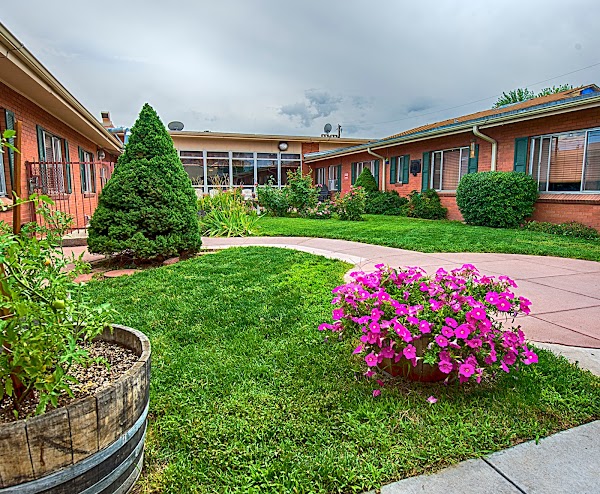
Understanding Severity Codes (click to expand)
Life-Threatening (Immediate Jeopardy)
J - Isolated K - Pattern L - Widespread
Actual Harm
G - Isolated H - Pattern I - Widespread
Potential for Harm
D - Isolated E - Pattern F - Widespread
No Harm (Minor)
A - Isolated B - Pattern C - Widespread

Questions to Ask on Your Visit

  • "Can I speak with families of current residents?"
  • "What's your RN coverage like on weekends and overnight?"

Our Honest Assessment

Strengths
  • • Grade B+ (80/100). Above average facility, better than most options in Colorado.
  • • No major safety red flags. No abuse findings, life-threatening violations, or SFF status.
  • • No fines on record. Clean compliance history, better than most Colorado facilities.
  • • 37% turnover. Below Colorado's 48% average. Good staff retention means consistent care.
Concerns
  • • 21 deficiencies on record. Higher than average. Multiple issues found across inspections.
Bottom line: Generally positive indicators. Standard due diligence and a personal visit recommended.

About This Facility

What is Parkview's CMS Rating?

CMS assigns PARKVIEW CARE CENTER an overall rating of 5 out of 5 stars, which is considered much above average nationally. Within Colorado, this rating places the facility higher than 99% of the state's 100 nursing homes. This rating reflects solid performance across the metrics CMS uses to evaluate nursing home quality.

How is Parkview Staffed?

CMS rates PARKVIEW CARE CENTER's staffing level at 4 out of 5 stars, which is above average compared to other nursing homes. Staff turnover is 37%, compared to the Colorado average of 46%. This relatively stable workforce can support continuity of care. RN turnover specifically is 57%, which is notably high. RNs provide skilled clinical oversight, so turnover in this role can affect medical care quality.

What Have Inspectors Found at Parkview?

State health inspectors documented 21 deficiencies at PARKVIEW CARE CENTER during 2021 to 2024. These included: 21 with potential for harm.

Who Owns and Operates Parkview?

PARKVIEW CARE CENTER is owned by a for-profit company. For-profit facilities operate as businesses with obligations to shareholders or private owners. The facility is operated by VIVAGE SENIOR LIVING, a chain that manages multiple nursing homes. With 73 certified beds and approximately 63 residents (about 86% occupancy), it is a smaller facility located in DENVER, Colorado.

How Does Parkview Compare to Other Colorado Nursing Homes?

Compared to the 100 nursing homes in Colorado, PARKVIEW CARE CENTER's overall rating (5 stars) is above the state average of 3.2, staff turnover (37%) is near the state average of 46%, and health inspection rating (4 stars) is above the national benchmark.

What Should Families Ask When Visiting Parkview?

Based on this facility's data, families visiting should ask: "Can I visit during a mealtime to observe dining assistance and food quality?" "How do you handle medical emergencies, and what is your hospital transfer rate?" "Can I speak with family members of current residents about their experience?"

Is Parkview Safe?

Based on CMS inspection data, PARKVIEW CARE CENTER has a clean safety record: no substantiated abuse findings (meaning no confirmed cases of resident harm), no Immediate Jeopardy citations (the most serious violation level indicating risk of serious injury or death), and is not on the Special Focus Facility watch list (a federal program monitoring the lowest-performing 1% of nursing homes). The facility has a 5-star overall rating and ranks #1 of 100 nursing homes in Colorado. While no facility is perfect, families should still ask about staff-to-resident ratios and recent inspection results during their visit.

Do Nurses at Parkview Stick Around?

PARKVIEW CARE CENTER has a staff turnover rate of 37%, which is about average for Colorado nursing homes (state average: 46%). Moderate turnover is common in nursing homes, but families should still ask about staff tenure and how the facility maintains care continuity when employees leave.

Was Parkview Ever Fined?

PARKVIEW CARE CENTER has no federal fines on record. CMS issues fines when nursing homes fail to meet care standards or don't correct problems found during inspections. The absence of fines suggests the facility has either maintained compliance or corrected any issues before penalties were assessed. This is a positive indicator, though families should still review recent inspection reports for the full picture.

Is Parkview on Any Federal Watch List?

PARKVIEW CARE CENTER is not on any federal watch list. The most significant is the Special Focus Facility (SFF) program, which identifies the bottom 1% of nursing homes nationally based on persistent, serious quality problems. Not being on this list means the facility has avoided the pattern of deficiencies that triggers enhanced federal oversight. This is a positive indicator, though families should still review the facility's inspection history directly.