HORIZONS CARE CENTER

11411 HIGHWAY 65, ECKERT, CO 81418 (970) 835-2600
Non profit - Corporation 45 Beds VOLUNTEERS OF AMERICA SENIOR LIVING Data: November 2025
Trust Grade
40/100
#107 of 208 in CO
Last Inspection: November 2024

Within standard 12-15 month inspection cycle. Federal law requires annual inspections.

Overview

Horizons Care Center has a Trust Grade of D, which means it is below average and raises some concerns about care quality. It ranks #107 out of 208 facilities in Colorado, placing it in the bottom half, but is the top option out of three nursing homes in Delta County. Unfortunately, the facility is worsening, with issues increasing from 9 in 2023 to 10 in 2024. Staffing is a concern, rated at 2 out of 5 stars, with a high turnover rate of 67%, which is well above the state average of 49%. Additionally, the facility has accumulated $34,174 in fines, which is higher than 89% of Colorado facilities, indicating potential compliance issues. While RN coverage is average, the facility has faced serious incidents, including a resident who fell and sustained a serious head injury due to inadequate supervision and another resident who suffered burns from a hot beverage that was not properly managed. Overall, while there are some strengths, like average quality measures, the significant problems with staffing and safety raise red flags for potential residents and their families.

Trust Score
D
40/100
In Colorado
#107/208
Bottom 49%
Safety Record
Moderate
Needs review
Inspections
Getting Worse
9 → 10 violations
Staff Stability
⚠ Watch
67% turnover. Above average. Higher turnover means staff may not know residents' routines.
Penalties
✓ Good
$34,174 in fines. Lower than most Colorado facilities. Relatively clean record.
Skilled Nurses
✓ Good
Each resident gets 45 minutes of Registered Nurse (RN) attention daily — more than average for Colorado. RNs are trained to catch health problems early.
Violations
⚠ Watch
25 deficiencies on record. Higher than average. Multiple issues found across inspections.
★★★☆☆
3.0
Overall Rating
★★☆☆☆
2.0
Staff Levels
★★★★☆
4.0
Care Quality
★★★☆☆
3.0
Inspection Score
Stable
2023: 9 issues
2024: 10 issues

The Good

  • 4-Star Quality Measures · Strong clinical quality outcomes
  • Full Sprinkler Coverage · Fire safety systems throughout facility
  • No fines on record

Facility shows strength in quality measures, fire safety.

The Bad

3-Star Overall Rating

Near Colorado average (3.1)

Meets federal standards, typical of most facilities

Staff Turnover: 67%

20pts above Colorado avg (46%)

Frequent staff changes - ask about care continuity

Federal Fines: $34,174

Above median ($33,413)

Moderate penalties - review what triggered them

Chain: VOLUNTEERS OF AMERICA SENIOR LIVING

Part of a multi-facility chain

Ask about local staffing decisions and management

Staff turnover is elevated (67%)

19 points above Colorado average of 48%

The Ugly 25 deficiencies on record

2 actual harm
Nov 2024 10 deficiencies
CONCERN (D)

Potential for Harm - no one hurt, but risky conditions existed

Deficiency F0554 (Tag F0554)

Could have caused harm · This affected 1 resident

**NOTE- TERMS IN BRACKETS HAVE BEEN EDITED TO PROTECT CONFIDENTIALITY** Based on observations, interviews and record review, the facility failed to ensure the self-administration of medications was cl...

Read full inspector narrative →
**NOTE- TERMS IN BRACKETS HAVE BEEN EDITED TO PROTECT CONFIDENTIALITY** Based on observations, interviews and record review, the facility failed to ensure the self-administration of medications was clinically appropriate for one (#9) of one out of 20 sample residents. Specifically, the facility failed to appropriately assess Resident #9 for self-administration of medications. Findings include: I. Professional reference According to [NAME], P.A., [NAME], A.G., et.al., Fundamentals of Nursing, 10 ed. (2020), E.[NAME], St. Louis Missouri, pp. 2016, was retrieved on 11/12/24, Do not leave medications at the bedside. If you leave the medication on the bedside table, how do you know they took the medication? Someone else could come in and take or discard the medication. II. Facility policy and procedure The General Dose Preparation and Medication Administration policy, undated, was provided by the nursing home administrator (NHA) on 11/7/24 at 1:47 p.m. It documented in pertinent part, Facility staff should not leave medications or chemicals unattended. III. Resident #9 A. Resident status Resident #9, age greater than age [AGE], was admitted on [DATE]. According to the November 2024 computerized physician orders (CPO), diagnoses included gastroesophageal reflux disease with esophagitis without bleeding, acquired absence of other specified parts of digestive tract, personal history of transient ischemic attack (TIA), cerebral infarction with without residual deficits, personal history of malignant neoplasm of other organs and systems, dysphagia oropharyngeal phase (difficulty swallowing), muscle weakness and reduced mobility. The 10/15/24 minimum data set (MDS) assessment revealed the resident was cognitively intact with a brief interview for mental status (BIMS) score of 15 out of 15. The resident did not have limited range in motion with his upper or lower extremities. According to the assessment, the resident had rejection of care behavioral symptoms. B. Observation and interview On 11/6/24 at 1:27 p.m. a single white tablet in a medication administration cup was observed next to the resident's meal tray. The resident said the medication was for his stomach. He said the nurse would usually leave his Zofran on his table so he could take it when he was ready. C. Record review The sleep care plan, revised 3/12/24, identified Resident #9 was at risk for altered sleep. According to the care plan, the resident slept less than normal requirements. The resident's goal was to have a restful sleep. -The care plan did not identify that the resident did not want to be woken up for medication administration. -The care plan did not direct staff what to do if the resident was asleep during his medication pass. The fall care plan related safety, revised on 11/7/24, documented Resident #9 desired to have medication left at his bedside for the resident to self administer. According to the careplan, the IDT felt it was unsafe for his medication to be left at bedside. The 11/7/24 care plan investigation directed staff not to leave medication at the resident's bedside. -Review of the comprehensive care plan did not indicate the resident was able to self-administer medications. A review of Resident #9's November 2024 CPO revealed a physician's order for Zofran, directed staff to administer four milligrams (mg) of Zofran in oral tablet form before meals and at bedtime for nausea and vomiting, ordered on 8/13/24. -The review of the CPO did not identify Resident #9 had a physician's order to self administer his medication. The November 2024 medication administration record (MAR) documented Resident #9 received Zofran four times a day. According to the MAR, the resident received the Zofran daily at 7:00 a.m., 11:00 a.m., 4:00 p.m. and 8:00 p.m. An on the spot training for medications was provided on 11/7/24 by the corporate consultant (CC). The training was conducted on 11/7/24 (see interviews below) during the survey period. The training read, Medication should not be left for the resident to take without supervision. If a resident voiced the desire to do self-administration, the IDT (interdisciplinary) team must meet to see if it is safe. If this is the route then the IDT team will get physicians to allow the resident to self-administer the medication. Do not leave medications on the bedside table. A 11/7/24 self-administeration of medications assessment was provided by the facility on 11/7/24 at approximately 5:45 p.m. The assessment was conducted during the survey period (see interviews below). The assessment identified Resident #9 wished to self administer medications or have them kept at bedside. According to the assessment, the resident sleeping patterns and timeliness of medication administration could be at a risk. The resident was deemed unsafe to self administer his medications. -The review of Resident #9's electronic medical record (EMR) did not reveal the resident had a self-administration assessment prior to 11/7/24. A 11/7/24 progress note documented the interdisciplinary team (IDT) met and discussed self-administration of medication for Resident #9. According to the note, the IDT felt the resident would not be safe for self medicating due to often falling asleep and not taking his medication timely. The note revealed it would be a risk for staff to leave the resident's medication at his bedside. D. Staff interview Registered nurse (RN) #2 was interviewed on 11/6/24 at 1:36 p.m. RN #2 said she tried to wake up residents if they were asleep when she was administering their medications. She said Resident #9 did not want to be woken up before meals to take his Zofran and would get upset. She said sometimes she would drop off the Zofran in his room if he was asleep. She said she left the Zofran tablet in his room at 12:30 p.m. so he could take it when he woke up. She said Resident #9 did not have a medication self administration order from the physician. RN #2 was interviewed again on 11/7/24 at 10:10 a.m. RN #2 said all physician's orders should be followed. She said she had not reached out to the physician to determine if Resident #9 would be appropriate for a medication self administered order. She said this morning (11/7/24) she made sure Resident #9 was awake before she gave him his Zofran and made sure he took it. She said residents should have a self administration order if they were not supervised for medication administration. RN #2 said Resident #9 would probably not be appropriate for a medication self administration order because he was sometimes confused and tired and may not administer the medication timely. She said Resident #9 liked to do things on his own time. The director of nursing (DON) was interviewed on 11/7/24 at 11:45 a.m. The DON said all medications should be stored in the medication cart until the nurse administers the medication. The DON said medication administration should be supervised by the nurse unless the resident had an order to self administer. She said Resident #9 did not have an order to self administer his medication and RN #2 should not have left Zofran alone in his room for him to take when he woke up. She said there were currently no residents that would wander in his room and take the medication but it was still a risk if left out. She said Resident #9 could be evaluated for self administration but it would be questionable if he would be appropriate. The DON said RN #2 would be re-education on medication administration on 11/7/24. She said would discuss a plan with Resident #9 and the physician so Resident #9 could receive his medication supervised and timely.
CONCERN (D)

Potential for Harm - no one hurt, but risky conditions existed

Deficiency F0561 (Tag F0561)

Could have caused harm · This affected 1 resident

**NOTE- TERMS IN BRACKETS HAVE BEEN EDITED TO PROTECT CONFIDENTIALITY** Based on record review and interviews, the facility failed to ensure resident choices for one (#18) of five residents reviewed f...

Read full inspector narrative →
**NOTE- TERMS IN BRACKETS HAVE BEEN EDITED TO PROTECT CONFIDENTIALITY** Based on record review and interviews, the facility failed to ensure resident choices for one (#18) of five residents reviewed for activities of daily living (ADL) out of 20 sample residents. Specifically, the facility failed to provide bathing assistance for Resident #18 per his preference. Findings include: I. Facility policy and procedure The Showers, Bed Bath and Tub Bath policy, revised March 2012, was received from the corporate consultant (CC) on 11/7/24 at 1:11 p.m. It documented in pertinent part, The facility must provide the necessary care and services to ensure that a resident's abilities in activities of daily living do not diminish unless circumstances of the individual's clinical condition demonstrate that such diminution was unavoidable. This includes ensuring that the facility provides care and services for the following activities of daily living: hygiene - bathing. II. Resident #18 A. Resident status Resident #18, over the age of 65, was admitted on [DATE]. According to the November 2024 computerized physician order (CPO), diagnoses included neoplasm of the brain (cancer of the brain), chronic respiratory failure and unspecified dementia. According to the 9/20/24 minimum data set (MDS) assessment Resident #18 was intact with a brief interview for mental status (BIMS) score of 14 out of 15. The MDS assessment documented Resident #18 required moderate assistance with tub/shower transfers. The assessment documented the resident had no rejections of care. B. Resident interview Resident #18 was interviewed on 11/4/24 at 3:14 p.m. Resident #18 said he wanted to receive two showers per week, but that often did not happen. Resident #18 said he typically received one shower per week. He said he had gone a week of time without being offered a shower. Resident #18 said he felt ignored when the nursing staff did not offer him showers regularly. III. Record review The ADL plan of care, initiated on 6/24/24 and revised on 7/12/24, revealed Resident #18 required one person assistance with bathing. The Bathing/shower preference documentation, dated 6/24/24, documented Resident #18 requested two baths per week in the mid-morning. The facility point of care bathing documentation was reviewed for 30 days (10/6/24 and 11/6/24). In the 30 day review period, Resident #18 was documented to have received three baths out of eight opportunities for bathing. It revealed Resident #18 had refused two baths and was not available for one bath offered in the review period. -However, a review of the electronic medical record (EMR) did not document a reason for bathing refusals by Resident #18. Resident #18's EMR did not include documentation of bathing being re-offered to the resident after the resident refused bathing. IV. Staff interviews Certified nurse aide (CNA) #1 was interviewed on 11/6/24 at 4:11 p.m. CNA #1 said the residents typically received two baths per week unless they requested a different schedule. CNA #1 said if a resident refused a bath, the nurse should be notified and the bath should be re-offered that week. CNA #1 said the staffing at the facility had been much better recently since the facility census had been less than in recent months. CNA #1 said baths were documented electronically in the electronic medical record (EMR). Registered nurse (RN) #1 was interviewed on 11/7/24 at 10:24 a.m. RN #1 said the residents received two baths per week on specific days unless the resident had a more specific preference. RN #1 said baths should be re-offered to residents the same day if the resident refused. The director of nursing (DON) was interviewed on 11/7/24 at 3:42 p.m. The DON said she reviewed Resident #18's bathing documentation between 10/6/24 and 11/6/24. The DON said Resident #18 did not receive enough baths. The DON said the residents should receive two baths per week or by their stated preference. The DON said the nursing staff should investigate the reason why a resident would refuse their bath. The DON said the refused bath should be re-offered to the resident when they would prefer to have it. The DON said the facility documented all bathing offered electronically.
CONCERN (D)

Potential for Harm - no one hurt, but risky conditions existed

Safe Environment (Tag F0584)

Could have caused harm · This affected 1 resident

**NOTE- TERMS IN BRACKETS HAVE BEEN EDITED TO PROTECT CONFIDENTIALITY** Based on observations and interviews, the facility failed to maintain a comfortable homelike environment for residents on one of...

Read full inspector narrative →
**NOTE- TERMS IN BRACKETS HAVE BEEN EDITED TO PROTECT CONFIDENTIALITY** Based on observations and interviews, the facility failed to maintain a comfortable homelike environment for residents on one of four units. Specifically, the facility failed to ensure the 400 hallway maintained a temperature of 71 degrees fahrenheit (F) to 81 degrees F. Findings include: I. Facility policy and procedure The Safe Physical Environment policy, revised May 2023, was received from the director of nursing (DON) on 11/7/24 at 1:43 p.m. The policy documented that safe and comfortable temperatures were maintained in the facility. II. Resident interviews One of the residents who resided in room [ROOM NUMBER], who was cognitively intact, was interviewed on 11/4/24 at 3:11 p.m. The resident said his room felt very cold in the morning. He said he had to turn up the thermostat in his room to 78 degrees and close the door to make his room temperature comfortable. The second resident who resided in room [ROOM NUMBER], who was cognitively intact, was interviewed on 11/4/24 at 3:14 p.m. The resident said his room was very cold throughout the day, but mostly in the mornings. He said there was a cold draft outside of his room that he had to consider when choosing clothing or setting the room temperature. He said he felt frustrated that he had to change the temperature of his room several times throughout the day. III. Observations On 11/5/24 at 9:08 a.m., a cold draft was noted in the hallway outside of room [ROOM NUMBER]. The temperature outside room [ROOM NUMBER] read 56.8 degrees F. On 11/6/24 at 8:52 a.m., a cold draft was noted in the hallway outside of room [ROOM NUMBER] a second time. The temperature outside room [ROOM NUMBER] read 58.1 degrees F. On 11/7/24, there was not a cold draft noted in the hallway outside of room [ROOM NUMBER]. However, when a temperature reading of the area in the hallway outside of room [ROOM NUMBER] was obtained, the temperature read 70.2 degrees F. -The temperature reading in the hallway outside of room [ROOM NUMBER] on three consecutive days was below the comfortable and safe temperature level of 71 degrees F to 81 degrees F. IV. Staff interviews Housekeeper (HSKP) #1 was interviewed on 11/5/24 at 9:14 a.m. HSKP #1 said the cold draft on the 400 hall occurred because the facility had not placed covers over the vents in the ceiling outside of room [ROOM NUMBER]. HSKP #1 said the maintenance department was supposed to cover the ceiling vents in the wintertime. HSKP #1 said she did not know why the vents had not been covered yet since the outside temperatures had already dropped below freezing recently. The maintenance director (MTD) was interviewed on 11/7/24 at 10:02 a.m. The MTD said the ceiling vent on the 400 hall had not been covered from 11/4/24 to 11/6/24, when the temperature readings were obtained outside of room [ROOM NUMBER]. The MTD said the vent was covered by the maintenance assistant on the morning of 11/7/24 (during the survey). The MTD said he did not know what the appropriate temperature should be for the 400 hallway. The MTD said 56 degrees F was not an appropriate temperature for residents on a hallway because it was too cold. The DON was interviewed on 11/7/24 at 3:42 p.m. The DON said she was not aware a ceiling vent was open on the 400 hallway and was blowing cold air. The DON said she did not know what temperature was appropriate for the facility to maintain, but the temperature should be comfortable for residents. The DON said 56 degrees F was not acceptable for a hallway temperature and was too cold.
CONCERN (D)

Potential for Harm - no one hurt, but risky conditions existed

Deficiency F0659 (Tag F0659)

Could have caused harm · This affected 1 resident

**NOTE- TERMS IN BRACKETS HAVE BEEN EDITED TO PROTECT CONFIDENTIALITY** Based on record review and interviews, the facility failed to provide services by qualified persons for two (#14 and #30) of thr...

Read full inspector narrative →
**NOTE- TERMS IN BRACKETS HAVE BEEN EDITED TO PROTECT CONFIDENTIALITY** Based on record review and interviews, the facility failed to provide services by qualified persons for two (#14 and #30) of three residents reviewed for falls out of 20 sample residents. Specifically, the facility failed to ensure Resident #14 and Resident #30 were assessed by a registered nurse (RN) after sustaining unwitnessed falls. Findings include: I. Facility policy and procedure The Fall Management Program policy, undated, was provided by the nursing home administrator (NHA) on 11/7/24 at 3:41 p.m. It documented in pertinent part, All staff are trained on falls. If you are not a nurse and discover a resident has fallen - immediately have someone get a nurse to help assess/collect data while you stay with the resident. II. Resident #14 A. Resident status Resident #14, age greater than 65, was admitted on [DATE]. According to the November 2024 computerized physician orders (CPO), diagnoses included blindness, right and left leg amputations and generalized muscle weakness. The 9/25/24 minimum data set (MDS) assessment revealed the resident was cognitively intact with a brief interview for mental status (BIMS) score of 15 out of 15. The resident required moderate assistance with showering and dressing, was dependent on nursing care for shower transferring, and required set-up or cleanup assistance with eating and oral hygiene. B. Record review A Morse Fall Scale assessment, dated 1/12/24, documented Resident #14 was a low risk for falls. A neurological check assessment flow sheet for Resident #14 was provided by the nursing home administrator (NHA) on 11/6/24 at 11:14 a.m. It documented Resident #14 received neurological assessments starting at 7:15 a.m. on 1/13/24 through the evening shift of 1/15/24. -All documented assessments were completed by a licensed practical nurse (LPN) instead of a RN. Post-incident review documentation, dated 1/13/24, was provided by the NHA on 11/6/24 at 11:14 a.m. The documentation revealed that Resident #14 had an unwitnessed fall on 1/13/24 and was found laying on the floor between the bed and the wall with blood present on the back of his head. The documentation indicated Resident #14 fell because he was legally blind and did not have an assistive device attached to his bed as he did at home to assist in orienting the resident to where the bed was in relation to the room. The facility documented Resident #14 was offered to be evaluated in the emergency room which Resident #14 declined. -The documentation was signed by LPNs and did not contain a signature from a RN to indicate a RN had assessed Resident #14 following his fall. A nursing note dated 1/14/24 documented that Resident #14 denied pain on the back of his head after his fall. The note documented that Resident #14 had a bruise and skin tear on the back of his head. A nursing progress note dated 1/20/24 documented Resident #14 complained of additional pain to the back of his head and neck. The nursing note documented Resident #14 said this headache had existed for a few days and was getting progressively worse. The note documented the nurse informed the physician who recommended Resident #14 be evaluated in the emergency room. A final post-incident review, dated 1/22/24, documented Resident #14 developed additional neck pain on 1/20/24 which was not resolved by his ordered as-needed pain medication. The review documented that Resident #14 was sent to the emergency room on 1/20/24. The review documented Resident #14 was diagnosed with a T-2 compression fracture and was returned to the facility on 1/20/24 with an additional prescription for pain medication. III. Resident #30 A. Resident status Resident #30, age greater than age [AGE], was admitted on [DATE] and passed away at the facility on 8/28/24. According to the August 2024 CPO, diagnoses included morbid obesity due to excess calories, chronic diastolic (congestive heart failure), pulmonary hypertension, hypertensive heart disease with heart failure and paroxysmal atrial fibrillation. The 8/15/24 MDS assessment revealed the resident was cognitively intact with a brief interview for mental status (BIMS) score of 15 out of 15. The resident did not have inattention or disoriented thinking. The resident required minimal assistance with her activities of daily living (ADL). According to the MDS assessment, the resident had not had a fall since admission. The assessment did not identify if the resident had a history of falls prior to admission. B. Record review The 8/9/24 fall risk summary note indicated Resident #30 had a Morse Fall Scale assessment completed. According to the note, the resident had a moderate risk for falling. The 8/28/24 post-incident note revealed Resident #30 had an unwitnessed fall at 6:00 a.m. According to the note, the resident was evaluated for injuries, the physician was notified and the appropriate staff was notified. The 8/28/24 neurological check assessment flow sheet was provided by the director of nursing (DON) on 11/7/24 at 2:04 p.m. The neurological check assessment flow sheet identified the resident was checked as scheduled. She was alert, with normal motor and sensory function. Her pupils were reactive to the light with brisk movement. The resident had pulse and blood pressure fluctuations. The assessment was completed at 6:20 a.m., 6:35 a.m., 7:35 a.m., 8:35 a.m. and 10:35 a.m. -The neurological check assessment flow sheet was signed by LPN #2 instead of a RN. The 8/28/24 at 6:20 a.m. post-incident review assessment was provided by the DON on 11/7/24 at 2:04 p.m. -The post-incident review assessment was completed and signed by LPN #2 instead of a RN. According to the assessment, the resident was found on the floor in her room. Resident #30 said was trying to walk to the bathroom. The resident did not have injuries as a result of the fall. The post-incident review documented the NHA and the DON were notified of the resident's fall at 7:00 a.m. -The DON, who was a RN, was not notified until an hour after Resident #30's fall. An 8/28/24 at 10:47 a.m. nursing note documented a RN assessed the resident after her fall on the morning of 8/28/24 and educated the resident on the need to be evaluated by her physician or the emergency room at the hospital. -However, according to the documentation provided by the facility (see above), LPN #2 initially performed the assessment on Resident #30 at the time of the fall on 8/28/24 at 6:00 a.m. The nursing note which indicated a RN assessed the resident was not documented until 10:47 a.m. on 8/28/24, over four hours after the resident's fall. IV. Staff interviews LPN #2 was interviewed on 11/5/24 at 9:09 a.m. LPN #2 said LPNs were not allowed to perform assessments on residents after a fall. LPN #2 said a RN must perform a post-fall assessment after a resident fell. Certified nursing aide (CNA) #1 was interviewed on 11/6/24 at 4:11 p.m. CNA #1 said if a resident fell, she would get a nurse right away to make sure the resident was okay. CNA #1 said she thought a RN had to perform a resident assessment after a fall because LPNs were not allowed to. RN #1 was interviewed on 11/7/24 at 10:24 a.m. RN #1 said a RN must perform all assessments on residents after a fall. RN #1 said LPNs were not able to perform assessments because it was outside of their scope of practice. The DON was interviewed on 11/7/24 at 12:34 p.m. The DON said she got a call by the night shift nurse that Resident #30 had an unwitnessed fall when she walked with her walker to the bathroom and her legs became weak. The DON said she was informed the resident was last seen approximately 15 to 30 minutes before she fell. The DON said the resident was able to ambulate with her walker independently but had not felt well and had emesis (vomiting) the night before. The DON said the resident informed the staff she did not hit her head, but because the fall was unwitnessed, a neurological assessment was conducted. The DON was interviewed a second time on 11/7/24 at 3:42 p.m. The DON said post-fall assessments must be completed by RNs because assessing residents was not in a LPNs scope of practice. The DON said she had reviewed post-fall documentation for Resident #14 on 1/12/24. The DON said the assessment documentation for Resident #14's fall was completed by LPNs. The DON said LPNs were allowed to gather information for RNs to interpret for an assessment, however, she said there was no documentation of a RN completing an assessment for Resident #14. The DON and the nursing home administrator (NHA) were interviewed together on 11/7/24 at 4:18 p.m. The DON said a LPN could gather data after a fall but a RN needed to be the one to assess the resident. The DON said LPNs did not have the scope of practice to assess a resident after a fall, but the facility did not have a RN on duty at the facility 24 hours a day. She said a resident should be immediately assessed after a fall. The DON said there was no documentation identifying a RN assessed Resident #14 after he fell in January 2024. She said if a resident fell at night, a resident would not be assessed by a RN. She said if staff had questions, they could call her and she could come in. The DON said she lived five minutes from the facility but she was not available to come in when Resident #14 fell. The NHA said a RN had to assess a resident after a fall. She said a LPN could call the RN and review all the information with the RN. The NHA said it was the facility's policy to contact the NHA, the DON or the assistant director of nursing (ADON) after a fall. The DON said she did not document she was notified right after Resident #30 fell. She said she did not think her documentation would matter. The DON said a RN assessment after a fall would include assessing the resident's grasp, pupils, vital signs, skin, range of motion, pain, mobility, change in speech and cognition. The DON said LPN #2 was the nurse who assessed Resident #30 after she was found on the floor at 6:00 a.m. The DON said LPN #2 put eyes on the resident after she fell and thought that was enough. The DON said she looked at all of the staff documentation related to the resident's fall and was able to piece together what happened. She said Resident #30 was not injured after the fall but she had a severe cardiac history. She said the physician was notified the resident was not feeling well and she was encouraged to go to the hospital after the fall. The DON said the resident declined going to the hospital and said she was just tired.
CONCERN (D)

Potential for Harm - no one hurt, but risky conditions existed

ADL Care (Tag F0677)

Could have caused harm · This affected 1 resident

**NOTE- TERMS IN BRACKETS HAVE BEEN EDITED TO PROTECT CONFIDENTIALITY** Based on observations, record review and interviews, the facility failed to ensure two (#11 and#18) of five residents reviewed f...

Read full inspector narrative →
**NOTE- TERMS IN BRACKETS HAVE BEEN EDITED TO PROTECT CONFIDENTIALITY** Based on observations, record review and interviews, the facility failed to ensure two (#11 and#18) of five residents reviewed for activities of daily living (ADLs) received appropriate treatment and services to maintain or improve his or her abilities out of 20 sample residents. Specifically, the facility failed to provide the necessary assistance and equipment for Resident #11 and Resident #18, who required assistance and encouragement with eating. Findings include: I. Facility policy and procedure The Long-term care feeding policy, revised 12/11/23, was obtained from the corporate consultant (CC) on 11/7/24 at 3:41 p.m. It documented in pertinent part, Various disabilities and conditions may prevent a resident from self-feeding, including cognitive deficits, neuromuscular disease, cancer, obstructive lung disease, and traumatic injury. A resident who cannot self-feed is susceptible to malnutrition. The resident may also experience pain, nausea, depression, and anorexia as a result of the condition or its associated treatment. Meeting such a resident's nutritional needs requires determining food preferences; feeding the resident in a friendly, unhurried manner; encouraging self-feeding to promote independence and dignity; and documenting intake and output. Allow the resident control over mealtime, such as by letting the resident set the pace of the meal or decide the order in which to eat various foods because many adults consider being fed demeaning. Introduce adaptive feeding devices before mealtime, with the resident seated in a natural position. Explain and reinforce the purpose of the device, show the resident how to use it, and encourage practice. Encourage the resident to indicate readiness for another mouthful. Pause between courses and whenever the resident wants to rest. The Dining Experience: Staff Responsibilities policy, revised 2023, was provided by the CC on 11/7/24 at 4:31 p.m. It read in pertinent part, Staff will treat each individual with dignity and respect and strive to meet their personal needs. During meals staff will socialize with, listen, pay attention and converse with each individual. Staff should offer as many choices as possible when it comes to meal times: choices of what to eat, when to eat and who to eat with. Support staff work under the supervision of the registered dietitian. Staff will offer assistance as needed in order to maintain, improve and/or prevent a decline in eating ability. The Person-Centered Dining Approach policy, revised 2023, was provided by the CC on 11/7/24 at 4:31 p.m. It documented in pertinent part, Food and beverage preferences and special dietary needs should be met based on individual choice and/or physician's order. Individuals will be provided with the proper assistive devices and utensils identified by the care plan. Staff will provide support with assistive devices as needed. Staff will provide cueing, prompting or assistance as needed in order to maintain, improve and prevent decline in eating ability. II. Resident #11 A. Resident status Resident #11, age greater than 65, was admitted on [DATE]. According to the November 2024 computerized physician orders (CPO), diagnoses included unspecified severe dementia with psychological disturbance, dysphagia (difficulty swallowing) and Alzheimer's disease. The 10/8/24 minimum data set (MDS) assessment revealed the resident was rarely or never understood and could not complete the brief interview for mental status (BIMS) assessment. He was dependent on nursing staff for all cares and activities of daily living (ADL). The assessment documented Resident #11 was severely cognitively impaired and rarely or never made daily decisions. The assessment documented Resident #11 continuously presented with inattention, disorganized thinking, and an altered level of consciousness. The assessment documented Resident #11 had no rejections of care. B. Observations During a continuous observation in the dining room on 11/4/24, beginning at 11:27 a.m. and ending at 12:42 p.m., the following was observed: At 11:47 a.m. Resident #11 was assisted to the dining room at 11:47 a.m. Resident #11 was assisted with his meal from 11:53 a.m. to 12:09 p.m. by certified nurse aide (CNA) #3. At 12:09 p.m. CNA #3 stopped assisting Resident #11 and began assisting an unidentified resident who was sitting across the table from Resident #11. Resident #11 was without assistance in the dining hall between 12:09 p.m and 12:21 p.m. At 12:21 p.m. CNA #3 was observed to tell CNA #1 that Resident #11 was done eating and was ready to return to his room. At 12:22, CNA #1 was observed to remove Resident #11's clothing protector and assisted the resident out of the dining hall. Resident #11 was observed to eat less than 25% of this meal. -CNA #1 and CNA #3 did not offer Resident #11 extra time for meal assistance as identified in his nutritional plan of care (see below). -CNA #1 and CNA #3 did not offer Resident #11 an alternative meal option after he consumed less than 25% of the meal. During a continuous observation in the dining room on 11/6/24, beginning at 11:22 a.m. and ending at 12:57 p.m., the following was observed: At 11:48 a.m. the director of nursing (DON) was observed to sit by Resident #11 and assist him to drink fluids. At 11:49 a.m., the DON was observed to leave Resident #11 and go into the kitchen. At 12:01 p.m. CNA #3 was observed to place gloves on the dining table in front of Resident #11 but did not offer assistance consuming his beverage. At 12:18 p.m., CNA #3 was observed to sit next to Resident #11 and offer meal assistance to consume his beverage. At 12:19, CNA #3 was observed to leave Resident #11 alone and assist other residents in the dining hall. Resident #11 was without meal assistance between 12:19 p.m. and 12:24 p.m. At 12:24 p.m. CNA #1 was observed to sit next to Resident #11 and offer meal assistance drinking his beverage which Resident #11 accepted. CNA #1 was not observed to offer meal assistance to Resident #11 between 12:24 p.m. and 12:36 p.m. At 12:36 p.m. CNA #1 offered Resident #11 meal assistance drinking his beverage. At 12:37 p.m. CNA #1 was then observed to leave Resident #11 alone in the dining hall and assist other residents in the dining hall. Resident #11 was without meal assistance between 12:37 p.m. and 12:48 p.m. Resident #11's food was delivered to him at 12:48 p.m. At 12:49 p.m. CNA #1 returned to sit next to Resident #11 and offered food assistance. At 12:51 p.m. Resident #11's representative arrived in the dining hall for a visit. At 12:54 p.m., CNA #1 was observed to leave Resident #11 at the table with Resident #11's representative. At 12:57 p.m., CNA #1 offered for Resident #11 and Resident #11's representative to leave the dining hall to have a visit instead of eating which was accepted by the resident representative. At 12:58 p.m., Resident #11 was assisted out of the dining hall by CNA #1. Resident #11 was observed to eat less than 25% of the lunch meal and less than 25% of his beverage. -The facility served Resident #11's lunch meal was delivered more than one hour after he was assisted to the dining hall. -The facility did not provide extra time for Resident #11 to eat the lunch meal as identified in his nutritional plan of care (see documentation and interviews below) -The facility failed to offer a food alternative when Resident #11 was observed to eat less than 25% of the lunch meal. C. Resident representative interview Resident #11's representative was interviewed on 11/6/24 at 1:05 p.m. Resident #11's representative said Resident #11 had been actively declining while receiving hospice services recently. Resident #11's representative said there was a meeting today to discuss whether or not interventions should be changed further to reflect where Resident #11 was in his end of life care journey. Resident #11's representative said Resident #11 should be offered food alternatives if he ate very little at the meal. Resident #11's representative said Resident #11 required extra time to eat and drink because his intake pace had slowed in recent months. Resident #11's representative said Resident #11 should not have to wait more than an hour to receive his food after he was assisted to the dining hall. Resident #11's representative said he did not know how long Resident #11 had been eating in the dining room for lunch on 11/6/24 when he was offered to have a visit with Resident #11 instead of continuing to provide Resident #11 with meal service assistance. Resident #11's representative said the family did not provide assistance at meals. D. Record review The nutrition care plan, initiated on 2/9/23 and revised 10/28/24, revealed Resident #11 had the potential for unintentional weight loss and was initiated on hospice care. The interventions included providing assistance at meals as needed and as the resident allows, allowing ample time to consume food and fluids, monitoring the resident's intake, positioning the resident upright at meals as close to 90 degrees as possible while maintaining resident comfort and not to feed the resident if he appeared lethargic. A review of Resident #11's EMR revealed the following physician's orders: -Sit upright to eat and 30 minutes after, try to complete oral care after each meal, use a swab with mouthwash to clear residue on teeth, cheeks and tongue, ordered on 5/25/23. -Slow feeding, nectar thickened fluids. If the resident coughs hard or chokes during feeding, stop feeding for adequate time for the resident to recover, resume feeding and if coughs hard or chokes a second time stop feeding for that meal, ordered on 8/3/24. The Quick training documentation, dated 8/12/24, was provided by the director of nursing (DON) on 11/7/24 at 3:41 p.m. It documented that 12 bedside nursing staff members were educated Be sure to allow [Resident #11] to rest if he starts to cough. Then attempt to assist after adequate resting. If coughing continues, stop assisting with meal and notify the nurse. The 10/7/24 dietary data collection documented Resident #11 was normally eating 25-50% of all meals. The dietary data collection documented that Resident #11 had experienced weight loss in the last six months because of his declining condition. The dietary data collection documented that this was expected weight loss because Resident #11 was receiving hospice care services. The dietary data collection documented that Resident #11 required total assistance with meals. The dietary data collection documented that Resident #11 was accepting thickened liquids. -However, Resident #11 was not observed to receive consistent meal assistance on 11/4/24 and 11/6/24. The hospice visit note, dated 10/9/24, documented that Resident #11 required assistance with all ADL's. The hospice visit note documented Resident #11 required assistance with all meals including meal preparation, meals being fed to Resident #11, and that Resident #11 coughed with food and fluids. The hospice note documented Resident #11 had difficulty swallowing. The hospice visit note documented that Resident #11 was unable to communicate his needs. III. Resident #18 A. Resident status Resident #18, age greater than 65, was admitted on [DATE]. According to the November 2024 computerized physician orders (CPO), diagnoses included chronic obstructive pulmonary disease (COPD), Alzheimer's disease, and severe dementia without behavioral disturbance. The 10/7/24 minimum data set (MDS) assessment revealed the resident was severely cognitively impaired with a brief interview for mental status (BIMS) score of six out of 15. The assessment documented Resident #18 required substantial or maximum assistance with eating and oral hygiene, and was dependent on nursing staff for all other cares and activities of daily living (ADL). The assessment documented Resident #18 continuously presented with inattention and disorganized thinking. The assessment documented Resident #18 had no rejections of care. B. Observations During a continuous observation in the dining room on on 11/4/24, beginning at 11:27 a.m. and ending at 12:42 p.m., Resident #18 was eating vegetable lasagna from a regular plate. Resident #18 ate less than 25% of this lunch meal. -Resident #18 was not offered a lipped plate as identified in his nutritional plan of care (see record review below). -Resident #18 was not offered an alternative food option after consuming less than 25% of the meal. C. Record Review The nutrition care plan, initiated on 2/9/23 and revised on 10/28/24, revealed Resident #18 had the potential for unintentional weight loss because of his COPD diagnosis, history of weight loss, diagnosis of essential tremors affecting intake and general decline. The care plan documented his goal was to slow and minimize weight decline. The interventions included providing a lipped plate, handled cups, and may use weighted utensils if requested, encouraging the resident to sit in the dining room for meals, having food available when the resident was hungry, offering the resident assistance at meals as needed, providing a lidded cup for soups and milkshakes due to tremors, allow ample time to consume food and fluids, and to monitor the resident's intake. The 10/7/24 dietary data collection documented Resident #18 normally ate 50-75% of all meals. The dietary data collection documented Resident #18 required adaptive equipment to eat including a lipped plate and a cup with both a lid and handles. Resident #18's weight decline was expected and was related to an overall decline in Resident #18's condition. -However, Resident #18 did not receive a lipped plate during meal observations on 11/4/24. On the Spot Training documentation was received from the nursing home administrator (NHA) on 11/7/24 at 3:26 p.m. (during the survey) The training documented While assisting residents with meals once we start we should not be getting up and down. Our focus should be focusing on maximum nutrition. If the resident is refusing to eat, offer a different option. If the resident is eating less than 50% of their meal, offer another option. III. Staff interviews CNA #1 was interviewed on 11/6/24 at 1:21 p.m. CNA #1 said if a resident ate less than 25% of their meal, an alternative meal option should be offered and the nurse should be notified. CNA #1 said that when staff members assist residents with eating one on one they should stay with the resident for the duration of the meal unless there is an emergency. CNA #1 said that residents should always receive the adaptive equipment needed to safely eat. -However, CNA #1 was observed to leave Resident #11 to assist other residents in the dining hall on 11/4/24 and 11/6/24 dining observations. The registered dietitian (RD) was interviewed on 11/6/24 at 1:41 p.m. The RD said that Resident #11 and Resident #18 required end of life care services. The RD said that residents requiring extra time to eat their meal should be given what time they need to eat what they want to eat. The RD said offering food to Resident #11 for less than 30 minutes was not appropriate because Resident #11 needed more time to eat. The RD said it was inappropriate for residents to be served their meal more than one hour after they are assisted to the dining hall. The RD said that if a resident eats less than 25% of their meal, a meal alternative should be offered. The RD said nursing staff should follow identified interventions in the nutritional plan of care. The RD said it was expected for Resident #11 and Resident #18 to have weight loss because they are both receiving end of life care services. CNA #3 was interviewed on 11/6/24 at 4:22 p.m. CNA #3 said residents should always be provided with the appropriate adaptive equipment. CNA #3 said that residents should be offered a meal alternative if they eat less than 25% of their meal. CNA #3 said CNA's at the facility try to stay with a resident, but that did not always happen. Registered nurse (RN) #1 was interviewed on 11/7/24 at 10:24 a.m. RN #1 said that if a resident ate less than 25% of a meal, then an alternative meal option should be offered. RN #1 said that it was important to make sure residents have the appropriate adaptive equipment so they have the ability to eat independently. The director of nursing (DON) was interviewed on 11/7/24 at 3:42 p.m. The DON said Resident #11 and Resident #18 required end of life care services and weight loss was expected in both residents. The DON said she did not know why Resident #11's meal service was significantly delayed at lunch on 11/6/24. The DON said she expected staff members to stay with residents requiring meal assistance throughout the meal unless an emergency occurred. The DON said facility staff should not be leaving residents alone without assistance during the meal service. The DON said that Resident #11 should have been offered fluids more frequently on lunch meal services that took place on 11/4/24 and 11/6/24. The DON said that residents should always be offered a meal alternative if they eat less than 25% of their meal. The DON said residents should be offered adaptive equipment identified in the nutritional plan of care. The DON said that if a resident required extra time to eat their meal then staff should offer assistance as long as the resident needs. The DON said that Resident #11 did not receive extra time to eat his meal on lunch observations that took place on 11/4/24 and 11/6/24. The DON said she was not aware Resident #18 did not receive a lipped plate for the vegetable lasagna served for lunch on 11/4/24.
CONCERN (D)

Potential for Harm - no one hurt, but risky conditions existed

Pressure Ulcer Prevention (Tag F0686)

Could have caused harm · This affected 1 resident

**NOTE- TERMS IN BRACKETS HAVE BEEN EDITED TO PROTECT CONFIDENTIALITY** Based on observations, record review and interviews, the facility failed to ensure one (#10) of two residents reviewed for press...

Read full inspector narrative →
**NOTE- TERMS IN BRACKETS HAVE BEEN EDITED TO PROTECT CONFIDENTIALITY** Based on observations, record review and interviews, the facility failed to ensure one (#10) of two residents reviewed for pressure injuries out of 20 sample residents received care and services necessary to prevent the development of pressure injuries. Specifically, the facility failed to ensure staff consistently followed the care planned wound prevention interventions for Resident #10, who had a facility-acquired pressure ulcer. Findings include: I. Professional reference According to the National Pressure Injury Advisory Panel, European Pressure Injury Advisory Panel and Pan Pacific Pressure Injury Alliance Prevention and Treatment of Pressure Injuries: Clinical Practice Guideline, third edition, [NAME] Haesler (Ed.), EPUAP/NPIAP/PPPIA: 2019, retrieved from https://www.internationalguideline.com/guideline on 10/8/24, Category/Stage 1: Nonblanchable Erythema (discoloration of the skin that does not turn white when pressed, early sign of tissue damage) Intact skin with non blanchable redness of a localized area usually over a bony prominence. Darkly pigmented skin may not have visible blanching; its color may differ from the surrounding area. The area may be painful, firm, soft, warmer or cooler as compared to adjacent tissue. Category/Stage 1 may be difficult to detect in individual with dark skin tones. May indicate 'at risk' individuals (a heralding sign of risk). Category/Stage 2: Partial Thickness Skin Loss. Partial thickness loss of dermis presenting as a shallow open ulcer with a red pink wound bed, without slough. May also present as an intact or open/ruptured serum filled blister. Presents as a shiny or dry shallow ulcer without slough or bruising. The Category/Stage should not be used to describe skin tears, tape burns, perineal dermatitis, maceration or excoriation. Category/Stage 3: Full Thickness Skin Loss. Full thickness tissue loss. Subcutaneous fat may be visible, but bone, tendon or muscle are not exposed. Slough may be present but does not obscure the depth of tissue loss. May include undermining and tunneling. The depth of a Category/Stage3 pressure ulcer varies by anatomical location. The bridge of the nose, ear, occiput and malleolus do not have subcutaneous tissue and Category/Stage 3 ulcers can be shallow. In contrast, areas of significant adiposity can develop extremely deep Category/Stage 3 pressure ulcers. Bone/tendon is not visible or directly palpable. Category/Stage 4: Full Thickness Tissue Loss. Full thickness tissue loss with exposed bone, tendon or muscle. Slough or eschar may be present on some parts of the wound bed. Often include undermining and tunneling. The depth of a Category/Stage 4 pressure ulcer varies by anatomical location. The bridge of the nose, ear, occiput and malleolus do not have subcutaneous tissue and these ulcers can be shallow. Category/Stage 4 ulcer can extend into muscle and/or supporting structures (fascia, tendon or joint capsule) making osteomyelitis possible. Exposed bone/tendon is visible or directly palpable. Unstageable: Depth Unknown. Full thickness tissue loss in which the base of the ulcer is covered by slough (yellow, tan, gray, green or brown) and/or eschar tan, brown or black) on the wound bed. Until enough slough and/or eschar is removed to expose the base of the wound, the true depth,and therefore Category/Stage, cannot be determined. Stable (dry, adherent, intact without erythema or fluctuance) eschar on the heels serves as the body's natural (biological) cover and should not be removed. Suspected Deep Tissue Injury: Depth Unknown. Purple or maroon localized area of discolored intact skin or blood-filled blister due to damage of underlying soft tissue from pressure and/or shear. The area may be preceded by tissue that is painful, firm, mushy, boggy, warmer or cooler as compared to adjacent tissue. Deep tissue injury may be difficult to detect in individuals with dark skin tones. Evolution may include a thin blister over a dark wound bed. The wound may further evolve and become covered by thin eschar. Evolution may be rapid, exposing additional layers of tissue even with optimal treatment. II. Facility policy and procedure The Prevention and Treatment of Pressure Ulcers/Pressure Injuries policy, dated 11/22/22, was provided by the director of nursing (DON) on 11/7/24 at 5:49 p.m. It read in pertinent part, It is the policy of the facility to properly identify and assess residents whose clinical conditions increase the risk of impaired skin integrity, and pressure room, preventive measures and to provide appropriate treatment modalities for wounds according to professional standards of care. III. Resident #10 A. Resident status Resident #10, age greater than age [AGE], was admitted on [DATE]. According to the November 2024 computerized physician orders (CPO), diagnoses included chronic systolic (congestive) heart failure, atherotherosclerolic heart disease of the native coronary artery without angina pectoris (hardening of the arteries from plaque build impacting blood flow), type two diabetes mellitus without complications, weakness, and audio and visual hallucinations. The 8/9/24 minimum data set (MDS) assessment revealed the resident was cognitively intact with a brief interview for mental status (BIMS) score of 13 out of 15. Resident #10 exhibited inattention or disoriented thinking. According to the MDS assessment, the resident was at risk for developing pressure ulcers and received hospice care. B. Resident interview Resident #10 was interviewed on 11/5/24 at 4:18 p.m. Resident #10 was not able to say if he had wounds on his feet or if he was comfortable with his heel protective boots and heel offloading device in place. The resident said he was not in pain. C. Observations On 11/4/24 at 11:58 p.m. Resident #10 was sleeping in his bed. His heel offloading device was sitting on the floor next to the wall, between his bed and his closet. Resident #10 did not have a heel offloading device under his legs to offload the pressure on his heels. At 3:34 p.m. Resident #10 was sleeping in his bed. His heel offloading device remained off the bed and in the same location. The heel offloading device was not in place to offload the pressure on the resident's heels as he laid in bed. On 11/5/24 at 12:58 p.m. wound care for Resident #10 was provided by licensed practical nurse (LPN) #2, registered nurse (RN) # and the DON. After completing the wound care, the DON placed a bolster wedge upright between the resident's footboard and Resident #10's heel protective boots. There was no visible space between the wedge and the Podus boot. The bottom of the resident's heel protective boots were slightly compressed against the surface of the bolster wedge, which did not allow the resident's heels to be appropriately offloaded. At 4:10 p.m. Resident #10 was sitting in the lobby in a wheelchair. The resident was wearing slippers on his feet. The foot pedals of his wheelchair were folded up against each side of the wheelchair and not in use. Resident #10 requested the activity assistant (AA) take him to the living room to watch television as he waited for dinner. The AA proceeded to assist Resident #10 in his wheelchair down the hall towards the living room. Resident #10's slippered feet skimmed the surface of the floor as he was pushed in his wheelchair. -The AA did not unfold the resident's wheelchair foot pedals and place his feet on the foot pedals before he was transported down the hall. On 11/6/24 at 4:10 p.m. Resident #10 was awake in bed. He did not have his heel protective boots on his feet. The heel offloading device device was not in place and his heels were not offloaded off of the bed. The bolster wedge was at the head of the resident's bed. On 11/7/24 at 9:27 a.m. Resident #10 was assisted to bed by certified nurse aide (CNA) #4 and another staff member. At 9:35 a.m. Resident #10 was in bed after CNA #4 and the other staff member assisted him to bed. The resident's heel offloading device was up against the wall and not placed under the resident's legs to float his heels and offload the pressure from his heels. At 9:57 a.m. Resident #10 was sleeping in bed. His heel offloading device remained up against the wall on the floor. D. Record review The skin care plan, revised 11/4/24, documented Resident #10 was at risk for skin breakdown on his heels from poor nutrition, impaired mobility and his preference to stay in bed. According to the care plan, heel protectors were in use. According to the care plan, the resident occasionally declined to float his heels. Interventions included offering the resident repositioning assistance if needed when he laid bed (initiated 2/15/24), providing heel protective boots to the resident while he was in bed to prevent skin breakdown to his heels and ankles related to his preference to frequently stay in bed (revised 10/22/24), providing verbal cues to the resident during transfers to assure safety and decrease risk of injury (initiated 10/21/24) and providing the resident a heel offloading device, if the resident allowed, to reduce pressure to his heels. The resident was re-educated on the need to use the heel protective boots and the heel offloading device (revised 9/25/24). The 8/6/24 Braden Scale for Predicting Pressure Sore Risk assessment documented Resident #10 was at moderate risk for developing a pressure sore. According to the assessment, the resident had very limited sensory perception, had very limited mobility, requiring moderate to maximum assistance in moving and had the potential for inadequate nutrition. The 10/22/24 Braden Scale assessment for Resident #10 documented he remained at a moderate risk for pressure injury. Review of the November 2024 CPO revealed the following physician's orders: Resident #10 was admitted to hospice related to congestive heart failure, ordered 8/12/24. Offload heels at all times, especially his left heel, twice a day for his wound, ordered 9/25/24. Wound care left heel: Cleanse with a wound cleanser, apply Santyl (wound treatment used to remove damaged tissue from wounds) to the slough (yellow/white dead tissue) in wound bed, apply Calcium Alginate (wound treatment) to wound bed and cover the wound with a foam dressing that extends out from the wound. Changed every five days and PRN (as needed), ordered 10/29/24. The 9/25/24 eInteract situation background assessment recommendation (SBAR) post incident review documented Resident #10 had a stage two pressure wound to his left heel. The 9/29/24 IDT post incident note documented Resident #10 raised the head of his bed independently and lowered his feet independently, which removed the heel offloading device, pushed his feet against the footboard and frequently slid down in bed. The resident's legs would extend over the footboard. The resident had potential risk of injury to his feet and toes related to self propelling his wheelchair or kicking his legs over the side of the bed. According to the IDT note, Resident #10 was provided a heel offloading device, heel protective boots and wound care as ordered by the physician. The 10/30/24 IDT review note documented Resident #10 received continued education for floating his heels and using heel offloading devices for his bilateral lower extremities. According to the note, Resident #10 verbalized and demonstrated positive results for reinforcement of the education. The 11/3/24 skin/wound evaluation indicated Resident #10 was educated to keep his heels floated. According to the care plan, the resident would kick the heel protectors off the bed. Review of Resident #10's progress noted between September 2024 and November 2024 did not identify the resident refused heel offloading interventions (see interviews below). A 11/7/24 On the Spot staff training with the AA was provided by the corporate consultant (CC) on 11/7/24 at 2:53 p.m. The training documented the AA was provided training (during the survey) not to push residents in their wheelchairs without their feet on the foot pedals to prevent friction on the residents' feet. A 11/7/24 On the Spot staff training for foot pedals was provided by the CC on 11/7/24 at 2:53 p.m. Eight staff members received the training on 11/7/24 (during the survey). The training informed staff to make sure a resident's feet were not dragging when a resident was transported with a wheelchair. According to the training, staff should use foot pedals to ensure the resident's feet did not touch the floor because it increased the risk for skin breakdown. A 11/7/24 On the Spot staff training was provided by the CC on 11/7/24 at 2:53 p.m. The training documented twelve staff members received training on 11/7/24 (during the survey) regarding bolster wedges. According to the training, bolsters should be placed at the top of the bed to prevent added pressure to the foot of the bed. IV. Staff interviews LPN #2 was interviewed on 11/6/24 at 4:41 p.m. LPN #2 said Resident #10 had a pressure wound on his foot. She said hospice had determined it to be unavoidable as of the morning of 11/6/24 but she had not added the order to his electronic medical record (EMR) yet. LPN #2 said she believed the pressure ulcer on his foot was from his footboard on his bed. She said Resident #10 would use his bed controller to raise the head of his bed up and then he would slide to the foot of his bed. She said he would prop up his feet on his footboard. She said protective interventions had been put in place to reduce the pressure of his heels and decrease the risk of his pressure reducing mattress moving and sliding down, touching the foot board with heels. LPN #2 said Resident #10 had soft heel protective boots, a heel offloading device under his lower legs as he laid in bed and a bolster wedge to help keep the mattress in place so it would not slide down when he lifted the head of the bed and to reduce the risk for pressure to the resident's feet. LPN #2 said the bolster wedge should be positioned at the head of the bed and not the foot of the bed to keep the mattress in place. LPN #2 said Resident #10 should wear his heel protective boots when he was in bed to offload his heels and reduce pressure. LPN #2 said Resident #10 was at risk for pressure ulcers because he had poor circulation, refused nutritional interventions and self propelled his wheelchair. She said staff needed to ensure interventions were in place to help decrease Resident #10's pressure ulcers from worsening and help prevent new pressure ulcers from developing. LPN #2 said staff needed to help reposition him every two hours during the day and every four hours at night, put on his heel protective boots and place his heel offloading device under his lower legs so his heels could float. She said he should have his heel offloading device in place every time he was in bed. LPN #2 said the CNAs and the nurses should do visual checks on the resident. LPN #2 said the foot pedals on Resident #10's wheelchair should be used when staff propelled his wheelchair to prevent injury and reduce friction between his feet and the floor. She said Resident #10 could only hold his feet up for short distances. LPN #2 said staff should reapproach and encourage the use of his pressure reducing and prevention interventions and document the resident's refusals to offload his heels. CNA #4 was interviewed on 11/7/24 at 10:07 a.m. CNA #4 said Resident #10 should be repositioned every two hours, his heel protective boots should be on and his heel offloading device should be in place when he was in bed CNA #4 said the resident would take his heel protective boots off when he wanted to get up and out of bed but she said otherwise, Resident #10 was compliant with wearing the heel protective boots if he was given a reminder on why he needed to wear them. The DON and the CC were interviewed on 11/7/24 at 12:10 p.m. The DON said Resident #10 had been on hospice services since 8/6/24 but because of his declining circulation, the physician determined the development of pressure ulcers were unavoidable. She said the 11/6/24 order had not yet been uploaded to his EMR. The CC said failure to follow wound interventions could increase the risk for worsening of the pressure ulcer and would be considered an avoidable development. She said all wound prevention interventions should be consistently followed. The CC and the DON said the heel offloading device should be in place when Resident #10 was in bed. The DON said staff should not push his wheelchair when his feet were not on his foot pedals due to the risk of injury. The DON said there was some confusion on where the bolster wedge should be placed on Resident #10's bed. She said the staff was placing the wedge at the foot of the bed as a buffer between his feet and the footboard. She said it was determined the wedge should be at the head of the bed to help reduce the risk of the air mattress sliding down and decreasing the risk of his feet touching surfaces that could contribute to pressure. The DON said she would be providing staff education related to the placement of the bolster wedge.
CONCERN (D)

Potential for Harm - no one hurt, but risky conditions existed

Respiratory Care (Tag F0695)

Could have caused harm · This affected 1 resident

**NOTE- TERMS IN BRACKETS HAVE BEEN EDITED TO PROTECT CONFIDENTIALITY** Based on observations, record review and interviews, the facility failed to provide respiratory care services for one (#8) of tw...

Read full inspector narrative →
**NOTE- TERMS IN BRACKETS HAVE BEEN EDITED TO PROTECT CONFIDENTIALITY** Based on observations, record review and interviews, the facility failed to provide respiratory care services for one (#8) of two residents reviewed for respiratory care services out of 20 sample residents. Specifically, the facility failed to ensure oxygen was administered as ordered by the physician for Resident #33. Findings include: I. Facility policy and procedure The Oxygen Administration, Long Term Care, [NAME] policy and procedures, revised 12/11/23, was provided by the director of nursing (DON). According to the procedures, oxygen administration supplies the body with enough oxygen to meet its cellular needs. The implementation of oxygen administration required verifying the practitioner's (physician) orders, assisting in the placement of the prescribed oxygen delivery device on the resident, making sure that the oxygen device fit properly and adjusting the oxygen flow rate as ordered. Staff should not administer oxygen nasal cannula at more than 2 (two) liters per minute (lpm) to a resident with chronic lung disease, unless there was a specific order to do so. The Lippincott procedures for oxygen identified a nasal cannula as an oxygen administration system. The plastic cannula (tubing) delivered oxygen into the resident's nostrils. According to the procedures, the cannula could become easily dislodged. II. Resident #8 A. Resident status Resident #8, age greater than age [AGE], was admitted on [DATE] and readmitted on [DATE]. According to the November 2024 computerized physician orders (CPO), the diagnoses included chronic respiratory failure with hypoxia (lungs unable to adequately exchange oxygen, leading to low oxygen levels), dependence on supplemental oxygen, hypertensive heart and chronic kidney disease with heart failure and stage 1 through stage 4 chronic kidney disease, hallucinations and reduced mobility. The 8/19/24 minimum data set (MDS) assessment revealed the resident was cognitively intact with a brief interview for mental status score (BIMS) of 15 out of 15. She did not exhibit inattention or disoriented thinking. She was dependent on staff for most of her activities of daily living (ADLs). According to the MDS assessment, the resident had shortness of breath or trouble breathing with exertion and when laying flat. The assessment identified the resident required continuous oxygen therapy. The resident did not have behaviors or rejections of care. B. Observations and resident interview On 11/4/24 at 1:20 p.m. Resident #8 was lying in bed. Resident #8's eyes were closed and her mouth was open as she took shallow breaths. Her oxygen concentrator was turned on and set at 3 liters per minute of oxygen (LPM). Her nasal cannula, attached to the oxygen concentrator, was not in her nostrils and was laying on her chest. Resident #8 kept her eyes closed as she lifted up the nasal cannula, brought it up near her and then placed it back down on her chest. The resident roused when her name was called. The resident said she was not feeling well and had some shortness of breath (SOB). Resident #8 placed her nasal cannula in her nostrils and turned on her call light. The nurse entered the room. Resident #8 was interviewed on 11/5/24 at 10:50 a.m. Her oxygen concentrator was set at 2 LPM. She said her nasal cannula would often come off when she was sleeping. She said she would place it back in her nostrils when she woke up. Resident #8 said she would become short of breath when she was not not wearing her nasal cannula. She said she also had difficulty breathing if the water container attached to the oxygen contractor was low. She said the water container would sometimes run out of water or the water level would run low which made it harder for her to breathe. She said she tried to watch the water level from her bed and make sure there was enough water in the container. Resident #8 said she had to remind the staff to fill the water container. On 11/6/24 at 1:32 p.m. Resident #8 was in her room. Her oxygen concentrator was set at 3 LPM and the water container was less than half full. The resident said the oxygen should be set at 2 LPM and she did not know why it was set at 3 LPM. The resident said the water in her oxygen concentrator was less than half full and said she wanted it filled because she was nervous it might run out of water. Resident #8 requested for a nurse to look at her oxygen LPM setting and the water level in the water container. At 1:40 p.m. registered nurse (RN) #2 entered Resident #8's room and observed the resident's oxygen concentrator set at 3 LPM. RN #2 told the resident her oxygen was set too high and turned it down to 2 LPM. RN #2 checked Resident #8's oxygen saturation levels. RN #2 asked the resident to take in some deep breaths. The resident, confused by the directions, held her breath. RN #2 reminded Resident #8 to breathe normally and her saturation levels rose to 92%. RN #2 observed the water level in the container attached to the resident's oxygen concentrator. RN #2 told the resident the water level was less than half full and it should be over half full. RN #2 filled the water container. C. Record review A 6/6/24 nursing agenda was provided by the DON on 11/7/24 at 4:57 p.m The agenda identified oxygen was reviewed with the nurses. -The agenda did not identify what was reviewed with the nurses regarding oxygen. Review of Resident #8's November 2024 CPO revealed the following physician's orders: Continuous oxygen set at 2 LPM via nasal cannula every shift for cough, congestion related to chronic respiratory failure with hypoxia and heart failure, ordered 8/13/24. Document if the resident had shortness of breath every shift related to heart failure with the following codes: -(1) no SOB; -(2) SOB at rest; -(3) SOB with exertion; and, -(4) SOB while lying flat, ordered 8/13/24. Interview resident, family members, and/or staff for any noted shortness of breath when the resident attempts to lie flat, or avoids lying flat because of shortness of breath. Observe the resident during various activities, sitting at rest, and when in bed and document in progress notes, ordered 8/13/24. Check and clean or change oxygen supplies every Saturday during the night shift, ordered 8/13/24. The oxygen care plan, revised 10/21/24, documented Resident #8 required oxygen at 2 LPM via nasal cannula related to a diagnosis of heart failure. The care plan directed staff to change her oxygen tubing weekly and PRN (as needed), monitor and document level of consciousness, mental status, and lethargy PRN and notify the nurse if oxygen saturation levels dropped under 90% (percent). A 10/21/24 oxygen audit was provided by the DON at 4:35 p.m. The audit documented 12 residents with supplemental oxygen who were reviewed for oxygen care plans and physician orders in place. According to the audit, Resident #8 had physician orders for oxygen at 2 LPM and her care plan was in place. The November 2024 oxygen saturation log, between 11/2/24 and 11/5/24, documented the resident's oxygen saturation levels were checked two to three times a day and ranged between 91% and 96%. The November 2024 medication administration and treatment record (MAR/TAR), reviewed from 11/1/24 through 11/5/24, documented Resident #8 had experienced SOB daily with exertion and when laying flat. The oxygen care plan, revised 11/7/24 (during the survey), revealed Resident #8 expressed concerns over the concentrator water level being below the minimum fill line. The resident felt she was able to breathe better with the water at a higher level. The care plan directed staff to check the resident's water bottle on the concentrator to ensure that it was filled at the maximum water level and ensure the resident had her oxygen tubing placed on her face. An On The Spot training sheet was provided by the corporate consultant (CC) on 11/7/24 at 3:37 p.m. The training was conducted on 11/7/24 (during the survey). The training sheet identified that 13 staff members were told the nurses were the only ones that could touch residents' oxygen settings. According to the training, if a resident was requesting more oxygen, staff should notify their nurse so that the correct procedures could be followed with obtaining a physician's order. Staff should ensure the oxygen tubing was in the nasal canal and not laying on the resident's face. Staff were also reminded to make sure the water was filled to the proper level on the oxygen concentrator D. Staff interviews RN #2 was interviewed on 11/6/24 at 1:36 p.m. RN #2 said she thought Resident #8's oxygen setting should be 3 LPM but would need to confirm it. RN #2 reviewed Resident #8's oxygen order and said the resident's oxygen concentrator should be set at 2 LPM per the physician's order. She said only nurses were allowed to adjust the oxygen settings on the concentrator. She said she had been Resident #8's nurse all day and she had not adjusted the resident's oxygen setting. RN #2 said the only reason for the increase in LPM would be if the resident was desaturating, but she said the last documented oxygen saturation level (amount of oxygen in the blood) was 98% on 11/5/24. She said a certified nurse aide (CNA) should not adjust the oxygen setting and the resident was not physically able to adjust the oxygen setting herself. RN #2 was interviewed a second time on 11/6/24 at 1:49 p.m. RN #2 said she would fax the physician and ask if there should be any changes to her oxygen orders and confirm what LPM her oxygen concentrator should be set at. CNA #1 was interviewed on 11/6/24 at 1:51 p.m. CNA #1 said the water level in the water container on the oxygen concentrator should be maintained above the minimal line. She said the oxygen concentrator should be set according to the nurse's directive. She said CNAs were never allowed to adjust the oxygen settings on residents' oxygen concentrators. CNA #3 was interviewed on 11/7/24 at 9:30 a.m. CNA #3 said Resident #8's nasal cannula frequently fell off her face at night and sometimes during the day when the resident slept. She said the resident did not take it off on purpose and it was very important to Resident #8 that she had it in her nose. CNA #3 said the resident was receptive to having staff assist her with wearing her nasal cannula and would not resist or decline the oxygen use. CNA #3 said Resident #8 would get short of breath if she was not wearing her nasal cannula, if the tubing had a kink in it which would limit the oxygen flow and if the water level in the water container on the oxygen concentrator was low. She said she tried to keep the water level in the container more than half full. She said Resident #8 told her that the water levels impacted her breathing and she would watch the water level. CNA #3 said Resident #8's oxygen concentrator was usually set between 2 LPM and 3 LPM. She said she could adjust the oxygen setting if she confirmed the setting with the nurse. RN #2 was interviewed a third time on 11/7/24 at 9:16 a.m. RN #2 said there was not a change in Resident #8's oxygen flow rate since the 11/6/24 observation. She said the resident's oxygen order remained at 2 LPM and she did not have a physician's order to titrate (adjust oxygen flow rate) the resident's oxygen to a different flow rate. RN #2 said she had spoken to the night shift nurse who said the resident would sometimes insist on having her oxygen setting increased. RN #2 said the physician's orders should be followed. She said an oxygen saturation level of 98% was pretty high for the resident. She said the resident's usual oxygen saturation levels were around 95% and did not usually drop under 90%. The DON was interviewed on 11/7/24 at 11:53 a.m. The DON said it was not appropriate for physician's orders not to be followed. She said only nurses were allowed to set the LPM on the residents' oxygen concentrators. She said the nurse should only adjust the setting based on the physician's order for oxygen. The DON said if Resident #8's oxygen setting was increased then there should have been a documented rationale and the physician should have been contacted. The DON said the water level in the water container on the oxygen concentrator should be monitored every shift and be between the minimum and the maximum level lines. She said Resident #8 worried about the water level and had a fear of running low on the water level. The DON said the resident wanted the water level to be maintained at the maximum water line to ease her worry. She said the resident's preference on the water container level on the oxygen concentrator was not care planned but it should have been. She said staff should check her water levels each time they went into her room. The DON said Resident #8 did not take off her own nasal cannula. She said staff checked on Resident #8 every two hours during rounds. The DON said she would update the CNA task sheet and the resident's MAR to include more frequent observations with Resident #8 because the nasal cannula would fall off when the resident was sleeping. The quality assurance and improvement coordinator (QAIC) was interviewed on 11/7/24 at 5:18 p.m. The QAIC said oxygen was reviewed in the facility's quality assurance and improvement committee but oxygen had not been identified as a recent concern. She said audits were conducted and there were no concerns found. She said the staff were doing what they were supposed to be doing. She said it had been a while since staff had received education related to oxygen.
CONCERN (D)

Potential for Harm - no one hurt, but risky conditions existed

Medical Records (Tag F0842)

Could have caused harm · This affected 1 resident

**NOTE- TERMS IN BRACKETS HAVE BEEN EDITED TO PROTECT CONFIDENTIALITY** Based on record review and interviews, the facility failed to ensure that the medical record was complete and accurate in keepin...

Read full inspector narrative →
**NOTE- TERMS IN BRACKETS HAVE BEEN EDITED TO PROTECT CONFIDENTIALITY** Based on record review and interviews, the facility failed to ensure that the medical record was complete and accurate in keeping with accepted standards of practice for one (#9) of two residents reviewed for skin breakdown out of 20 sample residents. Specifically, the facility failed to conduct an accurate and thorough assessment of a resident's skin. Findings include: I. Resident #9 A. Resident status Resident #9, age greater than age [AGE], was admitted on [DATE]. According to the November 2024 computerized physician orders (CPO), diagnoses included gastroesophageal reflux disease with esophagitis without bleeding, acquired absence of other specified parts of digestive tract, personal history of transient ischemic attack (TIA), cerebral infarction with without residual deficits, Personal history of malignant neoplasm of other organs and systems, dysphagia, oropharyngeal phase, muscle weakness and reduced mobility. The 10/15/24 minimum data set (MDS) assessment revealed the resident was cognitively intact with a brief interview for mental status (BIMS) score of 15 out of 15. The resident did not have limited range in motion with his upper or lower extremities. B. Resident observation and interview Resident #9 was interviewed on 11/4/24 at 2:19 p.m. Resident #9 had a large maroon colored bruise on his left forearm. The resident said bruises on his arms were common for him because he bumped into things. C. Record review The skin care plan, revised 9/4/24, identified Resident #9 had a high risk for skin breakdown due to having malnutrition and weakness. According to the care plan, the resident was able to reposition himself with the use of a positioning bar. The 10/30/24 nursing weekly skin check did not identify a bruise to the resident's arm. The 11/5/24 nursing weekly skin check did not identify a bruise to the resident's arm. The review of the October 2024 and the November 2024 progress notes did not identify a bruise on his arm. -However, Resident #9 had a large bruise visible on his left forearm on 11/4/24 (see observation above). II. Staff interview The director of nursing (DON) was interviewed on 11/7/24 at 4:27 p.m. The DON said any bruises or breaks in residents' skin or changes in the color of the skin should be documented on a skin assessment. The DON said she observed Resident #9's left forearm bruise on 11/7/24 and the resident said he bumped it on the bedside table on 11/6/24. -However, Resident #9 had a large bruise visible on his left forearm on 11/4/24 (see observation above). The DON was informed the bruise was visible on 11/4/24. The DON said she would conduct an education with the nurses who worked with Resident #9 between 11/4/24 and 11/7/24. She said the nurses did not document they were aware of or assessed the bruise even though the bruise was in a visible location and should have been documented. She said Resident #9's skin was very fragile and the facility would look at padding his bedside table and positioning bar.
CONCERN (E)

Potential for Harm - no one hurt, but risky conditions existed

Food Safety (Tag F0812)

Could have caused harm · This affected multiple residents

Based on observations, record review and interviews, the facility failed to store, prepare, distribute and serve food in a sanitary manner in the main kitchen. Specifically, the facility failed to: -...

Read full inspector narrative →
Based on observations, record review and interviews, the facility failed to store, prepare, distribute and serve food in a sanitary manner in the main kitchen. Specifically, the facility failed to: -Ensure hand hygiene was conducted appropriately; and, -Santitize potentially contaminated surfaces of a food preparation counter. Findings include: I. Professional reference The Colorado Retail Food Establishment Regulations, (3/16/24), were retrieved on 10/22/24 from https://cdphe.colorado.gov/environment/food-regulations. It revealed in pertinent part, Food employees may not contact exposed, ready-to-eat food with their bare hands and shall use suitable utensils such as deli tissue, spatulas, tongs, single-use gloves, or dispensing equipment. If used, single-use gloves shall be used for only one task such as working with ready-to-eat food or with raw animal food, used for no other purpose, and discarded when damaged or soiled, or when interruptions occur in the operation. The Center for Disease Control and Prevention (CDC) About Hand Hygiene For Patients in Healthcare Settings (2/27/24), retrieved on 10/22/24 from https://www.cdc.gov/clean-hands/about/hand-hygiene-for-healthcare.html, read in pertinent part, Patients in healthcare settings are at risk of getting infections while receiving treatment for other conditions. Cleaning your hands can prevent the spread of germs, including those that are resistant to antibiotics, and protects healthcare personnel and patients. According to the CDC, hand washing should occur before preparing or eating food, before touching the eyes, nose or mouth, and after touching potential contaminated surfaces. II. Facility policy and procedure The Hand Hygiene policy, dated 8/19/24, was provided on 11/7/24 by the facility. The policy read in pertinent part, The hands are the conduits for almost every transfer of potential pathogens from one patient to another, from a contaminated object to a patient, and from a staff member to a patient. Because of this, hand hygiene is a single most important procedure to prevent infection to protect patients from Healthcare Associated infection, hand hygiene must be performed routinely and thoroughly. B. Observations During a continuous observation of the lunch meal service in the main kitchen and dining room on 11/6/24, beginning at 11:10 a.m and ending at p.m., the following was observed: At 11:27 a.m. cook (CK) #1 proceeded to take the temperature of the lunch meal items with a food thermometer and then placed them in the steam table for service. At 11:33 a.m. CK #1 dropped the thermometer onto the kitchen floor, the casing around the indicator head loosened from the drop. She quickly picked up the thermometer, snapped the loosened parts back together and placed the thermometer on the food preparation counter. CK #1 picked up the thermometer and wiped it down with an alcohol wipe and placed it back down on the food prep counter. CK #1 did not perform hand hygiene after she picked up the thermometer off of the floor. CK #1 did not sanitize the food preparation counter after setting the contaminated thermometer on it. -CK #1 continued to prepare for the upcoming meal service without ensuring her hands were clean after the contact with an item that fell on the floor between 11:35 a.m. and 11:45 a.m. At 11:35 a.m. CK #1 retrieved a pan from the pan rack. She left the main kitchen and filled the pan with ice at the drink station behind the service line window. She returned to the kitchen and placed the thermometer probe into the ice. CK #1 did not perform hand hygiene after she returned to the kitchen and after she touched high touch surfaces such as the ice scoop and the lid of the ice machine. She retrieved a large serving spoon and placed it on the unsanitized food prep counter. At 11:39 a.m. CK #1 left the kitchen and retrieved hot water from the drink station, touching high touch surfaces such as the handle of the hot water container. She returned to the kitchen and proceeded to puree Italian crusted fish. She placed the puree fish on the steam table. At 11:45 a.m. CK #1 washed her hands. This was the first time CK #1 washed her hands, after she picked up the food thermometer off the floor. At 11:50 a.m. certified nurse aide (CNA) #1 waited at the backside of the meal service window in the drink station area for the meal service to begin. CNA #1 touched her face under her eye and the side of her nose. She did not perform hand hygiene after touching her face. At 11:53 a.m. without performing hand hygiene after touching her face, CNA #1 filled a resident's drink container with milk and gave it to the resident. She removed the paper for a straw and placed it in the beverage. She returned to the drink station and performed hand hygiene. At 11:57 a.m. CNA #1 she touched both sides of her face as she waited for the meal service to begin. She did not perform hand hygiene after touching her face. At 11:59 p.m. meal service began. Without performing hand hygiene after touching her face, CNA #1 retrieved a plate from the service window, served a resident in the dining room and used the resident's utensils to help cut up the resident's food. CNA #1 returned to the drink station and performed hand hygiene. At 12:10 p.m. CNA #1 touched both sides of nose and placed her hands in her pockets as she waited to serve the next resident. She did not perform hand hygiene after touching her face. At 12:53 p.m. without performing hand hygiene after touching her face, CNA #1 sat between two residents who needed meal assistance. CNA #1 provided a bite size piece of food to a resident to her right using her right hand to pick up the utensil. The resident cleared his throat after swallowing the food. CNA #1 did not use hand hygiene after assisting the resident. At 12:54 CNA #1 provided a bite size piece of food to the resident to her left, using her right hand. CNA #1 did not perform hand hygiene before assisting the resident. CNA #1 did not use hand hygiene after assisting the resident. C. Record review A September 2024 All Staff Agenda was provided by the nursing home administrator (NHA) on 11/7/24 at 3:26 p.m. The agenda indicated staff were reminded to use hand hygiene during meals with residents. Employee sanitation practice training was provided by the NHA on 11/7/24 at 3:26 p.m. The training was conducted on 11/7/24 (during the survey). According to the training employees should wash their hands just before they start to work in the kitchen after smoking, sneezing, using the restroom, handling poisonous compounds, dirty dishes, touching of the face, hair, other people /or surfaces or items with potential for contamination. D. Staff interviews CNA #1 was interviewed on 11/06/24 at 1:51 p.m. CNA #1 said hand hygiene should have been conducted before serving residents their meals, when assisting a resident to eat, after touching body or clothes surfaces or any time the staff touch a potentially contaminated surface. The dietary manager (DM) was interviewed on 11/6/24 at 1:59 p.m. The DM said staff should perform hand hygiene anytime the hands were soiled, entered the kitchen, when changing gloves, and/or touch potentially contamination surfaces to prevent cross contamination of the food or food surfaces. The DM said hand washing should have been conducted if a staff member picked up an item from the floor. She said the staff serving the meals should perform hand hygiene throughout the meal service and after touching a potentially contaminated surface. The DM said body parts, hair nets and clothing were considered a potentially contaminated surface and staff should perform hand hygiene if they touch potentially contaminated surfaces when serving food and/or food related items. She said all food related surfaces should be kept clean. The DM said staff received routine hand hygiene training through the facility's online training program and as needed when corrections needed to be addressed.
CONCERN (F)

Potential for Harm - no one hurt, but risky conditions existed

Infection Control (Tag F0880)

Could have caused harm · This affected most or all residents

**NOTE- TERMS IN BRACKETS HAVE BEEN EDITED TO PROTECT CONFIDENTIALITY** Based on observations, record review, and interviews, the facility failed to maintain an infection control program designed to p...

Read full inspector narrative →
**NOTE- TERMS IN BRACKETS HAVE BEEN EDITED TO PROTECT CONFIDENTIALITY** Based on observations, record review, and interviews, the facility failed to maintain an infection control program designed to provide a safe, sanitary and comfortable environment to help prevent the possible development and transmission of infectious diseases. Specifically, the facility failed to: -Implement an effective water management plan; -Appropriately discard Resident #8's medication that was dropped; and, -Provide proper infection control practices while maintaining an indwelling catheter. Findings include: I. Failure to have an effective water plan A. Professional reference According to Center for Disease Control (CDC), Legionella (Legionnaires Disease and Pontiac fever), last reviewed 3/25/21, was retrieved on 11/12/24 from https://www.cdc.gov/legionella/wmp/toolkit/index.html?CDC_AA_refVal=https%3A%2F%2Fwww.cdc.gov%2Flegionella%2Fmaintenance%2Fwmp-toolkit.html and https://www.cdc.gov/legionella/wmp/overview.html. It read in pertinent part, Many buildings need a water management program to reduce the risk for Legionella growing and spreading within their water system and devices. Legionella bacteria are typically found naturally in [NAME] environments, but can become a health concern when they grow and spread in human-made water systems. Legionella can cause a serious type of pneumonia (lung infection) known as Legionnaires disease. Some water systems in buildings have a higher risk for Legionella growth and spread than others. Legionella water management programs are now an industry standard for many buildings in the United States. Legionella bacteria can cause a serious type of pneumonia (lung infection) called Legionnaires disease. Legionella bacteria can also cause a less serious illness called Pontiac fever. The key to preventing Legionnaires disease is to reduce the risk of Legionella growth and spread. Building owners and managers can do this by maintaining building water systems and implementing controls for Legionella. Water management programs identify hazardous conditions and take steps to minimize the growth and transmission of Legionella and other waterborne pathogens in building water systems. Developing and maintaining a water management program is a multi-step process that requires continuous review. Seven key elements of a Legionella water management program are to: -Establish a water management program team -Describe the building water systems using text and flow diagrams -Identify areas where Legionella could grow and spread -Decide where control measures should be applied and how to monitor them -Establish ways to intervene when control limits are not met -Make sure the program is running as designed (verification) and is effective (validation) -Document and communicate all the activities. Principles: In general, the principles of effective water management include: -Maintaining water temperatures outside the ideal range for Legionella growth - Preventing water stagnation -Ensuring adequate disinfection -Maintaining devices to prevent sediment, scale, corrosion, and biofilm, all of which provide a habitat and nutrients for Legionella. Once established, water management programs require regular monitoring of key areas for potentially hazardous conditions and the use of predetermined responses to respond when control measures are not met. A consultant with Legionella-specific environmental expertise may sometimes be helpful in implementing and operating water management programs. According to Center for Disease Control (CDC), Controlling Legionella in Potable Water Systems, reviewed 2/3/21, retrieved from on 4/1/24: Store hot water at temperatures above 140? and ensure hot water in circulation does not fall below 120?. Recirculate hot water continuously, if possible. Store and circulate cold water at temperatures below the favorable range for Legionella (77-113?); Legionella may grow at temperatures as low at 68?. B. Facility policy and procedure The Legionella Water Management Program policy was provided by the maintenance director (MTD) on 11/6/24 at 10:54 a.m. It documented in pertinent part, The purpose of the water management program is to identify areas in the water system where legionella bacteria can grow and spread, and to reduce the risk of legionnaire's disease. Identify where potentially hazardous conditions could occur in the building water systems. Examples include areas where water temperature could promote Legionella growth or where water flow might be low. Establish control measures and limits for each hazardous condition. Control measures are actions taken in the building water systems to limit growth and spread of Legionella. They can include adding disinfectant, cleaning, and heating. C. Record review The facility's water management plan was provided from the MTD on 11/6/24 at 10:54 a.m. -The facility water management plan failed to document how resident rooms that were empty for seven contiguous days or more were safely protected from the potential growth of Legionella. The facility log, dated 11/6/24 at 2:11 p.m. (during the survey), documented the MTD had appropriately flushed all empty rooms in the facility to ensure Legionella had not grown in the facility. -However, the facility did not have documentation indicating empty rooms were appropriately were appropriately flushed to prevent potential Legionella bacteria growth prior to 11/6/24 (see interview below) The resident occupancy history data was provided by the nursing home administrator (NHA) on 11/6/24 at 2:43 p.m. It documented that in the last 60 days, the facility documented 12 rooms that were empty for seven contiguous days or more in resident care areas that were available for resident use. D. Staff interviews The MTD and the NHA were interviewed together on 11/6/24 at 1:31 p.m. The MTD said the facility used a system of hot water flushing and visual inspection of the water systems to ensure waterborne bacteria such as Legionella did not grow in the facility. The MTD said the facility's water systems had been upgraded many times over the years and he did not know where all the water pipes in the facility were. The MTD said it was possible there were old pipes with stagnant water in the facility that he did not know about. The MTD said that he flushed empty resident rooms on a rotating basis but did not document when he completed this task. The MTD said the normal process was to pick a few rooms on each hall each week and flush them appropriately. The MTD said he could not verify that all rooms that had been empty for seven contiguous days or more were appropriately flushed to prevent the potential growth of waterborne pathogens. The NHA said there was a potential risk of Legionella bacteria growth if water were to sit for seven contiguous days or longer. The MTD said he would immediately flush all empty rooms in the facility and change his documentation process starting on 11/6/24 to verify all empty rooms in the building had been flushed every week to prevent the potential growth of waterborne pathogens such as Legionella. II. Failure to administer medications appropriately A. Facility policy and procedure The General Dose Preparation and Medication Administration policy, dated 2021, was provided by the nursing home administrator (NHA) on 11/7/24 at 1:47 p.m. It documented in pertinent part: If a medication which is not in a protective container is dropped, facility staff should discard it according to facility policy. B. Observations and interviews On 11/6/24 at 8:50 a.m., medication administration was observed for Resident #8 with licensed practical nurse (LPN) #2. While removing the resident's Zyrtec (allergy medication) from the container, one Zyrtec pill fell onto the green top surface of the medication cart. LPN #2 then used two empty medication cups to pick up the medication without touching it and attempted to add the medication to the medication cup filled with clean medications already prepared for Resident #8. LPN #2 dropped the medication a second time on the green top surface of the medication cart. LPN #2 used the two spare medication cups again to scoop up the Zyrtec medication a second time and added it to the clean cup of prepared medications for Resident #8. LPN #2 then administered the entire cup of medications including the twice dropped Zyrtec to Resident #8. C. Staff interviews LPN #2 was interviewed on 11/6/24 at 9:09 a.m. LPN #2 said she did not sanitize or clean the green top of the medication cart before preparing medications for Resident #8. LPN #2 said if a medication was dropped on the floor it must be discarded, but if a medication was dropped onto the green medication cart top surface then it was acceptable to recover the medication and administer the medication to residents. Registered nurse (RN) #1 was interviewed on 11/7/24 at 10:24 a.m. RN #1 said if a nurse dropped a medication on the green top surface of the medication cart it must be discarded. RN #1 said it was important to ensure medications were not contaminated prior to administration. The director of nursing (DON) was interviewed on 11/7/24 at 3:42 p.m. The DON said medications that were dropped on the green top surface of the medication cart must be discarded. The DON said it was not appropriate for LPN #2 to attempt to recover the Zyrtec medication by using two empty medication cups in a scooping motion. The DON said LPN #2 should have discarded the dropped Zyrtec and obtained another clean Zyrtec from the medication bottle.III. Failure to provide proper infection control practices while maintaining an indwelling catheter A. Facility policy and procedure The Indwelling Urinary Catheter (Foley) care and Management policy, revised 12/11/24, was provided by the NHA on 11/8/24 at 3:04 p.m. The policy read in pertinent part, Keep the drainage bag below the level of the patient's bladder to prevent backflow of urine into the bladder, which increases the risk of CAUTI (catheter-associated urinary tract infection). However, do not place the drainage bag on the floor to reduce the risk of contamination and subsequent CAUTI. B. Observations Resident #10 was sleeping in his bed on 11/04/24 at 1:58 p.m. An indwelling catheter bag was attached to the side of his bed without a bag cover. The bottom of the resident's indwelling catheter bag touched the floor. At 3:34 p.m. Resident #10 was still asleep in his bed and his catheter bag continued to touch the floor. On 11/5/24 at 12:58 p.m. Resident #10's catheter bag was on the floor during the duration of a wound dressing change with LPN #2 and the DON. The catheter bag, without a cover, was under the bed and folded in half by the trash can in front of the bed. At 1:33 p.m. LPN #2 picked the catheter bag off the floor and hung the bag off the side of the bed. On 11/6/24 at 4:11 p.m. Resident #10's catheter bag was uncovered and was attached to the side of his bed. The bag hung approximately two to three inches above the floor. Certified nurse aide (CNA) #1 entered the room, stood up against his bed as spoke to Resident #10. CNA #1's shoes were observed directly under the catheter bag. The bottom of the bag touched the top of her shoes. C. Record review The 7/16/24 physician's order documented Resident #10 had a suprapubic catheter related to his diagnosis of a flaccid neuropathic bladder. According to the computerized physician's orders CPO, staff should check the catheter tubing every shift for proper positioning and catheter care. The 2/15/24 catheter care plan read Resident #10 had a device that required continued monitoring and treatment. The care plan directed staff to monitor output every shift and provide adequate fluids to reduce infection potential. According to the care plan, the resident required assistance with care. -The care plan did not direct staff to ensure the resident's catheter bag was covered, off the floor and away from surfaces that could potentially contaminate the bag. D. Staff interview The DON was interviewed on 1/7/24 at 6:00 p.m. The DON said Resident #10's catheter bag should have been covered and off the floor to help ensure proper sanitation and keep germs and bacteria off the bag. She said contaminants could potentially get into the bag and use the tubing to travel up to the resident's bladder, causing an infection. She said the catheter bag on the floor was an infection control concern and she would re-educate the staff. She said the staff needed to be trained to keep his catheter bag covered and off the floor.
Sept 2023 1 deficiency 1 Harm
SERIOUS (G) 📢 Someone Reported This

A family member, employee, or ombudsman was alarmed enough to file a formal complaint

Actual Harm - a resident was hurt due to facility failures

Accident Prevention (Tag F0689)

A resident was harmed · This affected 1 resident

**NOTE- TERMS IN BRACKETS HAVE BEEN EDITED TO PROTECT CONFIDENTIALITY** Based record review and interviews, the facility failed to ensure adequate supervision and provide assistance devices to prevent...

Read full inspector narrative →
**NOTE- TERMS IN BRACKETS HAVE BEEN EDITED TO PROTECT CONFIDENTIALITY** Based record review and interviews, the facility failed to ensure adequate supervision and provide assistance devices to prevent falls for one (#1) of three residents reviewed for falls out of three sample residents. Specifically, the facility failed to ensure Resident #1, who was at high risk for falls, had adequate supervision at night. Resident #1 was left alone on 7/7/23 late at night in the living room without a call light available so she could call for help. As a result, Resident #1 sustained a fall on 7/7/23 and had to be airlifted to the hospital for treatment, where she was diagnosed with a subdural hematoma (a collection of blood that forms on the surface of the brain). Findings include: I. Facility policy The Fall Management Program policy, revised 10/24/22, was provided by the health information manager (HIM) on 9/5/23 at 5:38 p.m. and read in pertinent: All residents are assessed to identify risk for falls and individualized fall precautions will be developed in their care plan. Falls Program: 1. All staff will be responsible for fall prevention and monitoring; 4. All staff are trained on falls. II. Resident status Resident #1, age [AGE], was admitted on [DATE] and was readmitted to the facility on [DATE]. According to the September 2023 computerized physician orders (CPO) diagnoses included insomnia, hydrocephalus (abnormal build-up of fluid deep in the brain), epilepsy, difficulty walking (used a wheelchair), dysarthria (difficulty speaking because the muscles used for speech are weak) and anarthria (complete loss of speech), moderate dementia, traumatic subdural hemorrhage without loss of consciousness (bleeding between the skull and the brain) and unspecified altered mental status. The 6/5/23 minimum data set (MDS) assessment showed a severe cognitive impairment with a brief interview for mental status (BIMS) score of three out of 15. Resident #1 used a wheelchair and required extensive assistance from staff for all activities of daily living (ADLs) and she usually required two staff members to assist her. She had one fall without a major injury. III. Record review A. Care plan and fall risk assessments Resident #1 had four fall risk assessments completed for 2023 as follows: On 2/27/23 she scored a 55 which indicated she was a high risk for falls. On 6/29/23 she scored a 55 which indicated she was a high risk for falls. On 7/13/23 she scored a 75 which indicated she was a high risk for falls. On 7/19/23 she scored a 75 which indicated she was a high risk for falls. Resident #1's care plan, revised 7/21/23, had falls documented as a focus area. Initial fall interventions upon admission, 8/24/22, were listed as follows: Anticipate and meet needs, Be sure the call light is within reach and encourage the resident to use it for assistance as needed. Prompt response to all requests for assistance, Keep needed items in reach, Make sure personal needs are met. On 1/26/23 Resident #1's care plan had the following fall interventions added: Doctor notification (for falls), Neuro check per policy. On 3/21/23 Resident #1's care plan had the following fall interventions added: Monitor for the 5 P's (personal items, positioning, pain, personal needs, and proper sleep), Bed at the appropriate height, Toileting program- offer toileting before and after each meal and every two hours if she is awake. On 7/7/23 (the day of Resident #1's fall) Resident #1's care plan had the following fall interventions added: Be sure the call light is within reach and encourage the resident to use it for assistance as needed. Prompt response to all requests for assistance, Keep needed items in each, Doctor notification (for falls), Neuro check per policy, Review information on past falls and attempt to determine the cause of falls. Record possible root causes. Remove any potential causes if possible. Educate as to causes. On 7/18/23 Resident #1's care plan had the following fall interventions added: Administer medications per the doctor's orders, observe for side effects and effectiveness, Analyze previous falls to determine whether a pattern or trend can be addressed, Be sure the call light is within reach and encourage the resident to use it for assistance as needed. Prompt response to all requests for assistance, Family notification if falls occur, Follow facility fall protocol, Investigate causal factors, Keep needed items in reach, Make sure personal needs are met, Monitor for the 5 P's (personal items, positioning, pain, personal needs, and proper sleep), Neuro checks per policy, Review information on past falls and attempt to determine the cause of falls. Record possible root causes. Remove any potential causes if possible. Educate as to causes, Staff to anticipate and meet needs as necessary, Advise family to ask for assistance with transfers. On 7/21/23 Resident #1's care plan had the following fall intervention added: Staff should observe me (Resident #1) when I am sitting in the living room at night. -However, many of the interventions entered into Resident #1's care plan had previously developed as interventions. The facility failed to ensure Resident #1 had a way to call for help while in the living room since a call light was not within reach as her care plan had said it needed to be. B. Facility investigative report An incident report provided by the social service director (SSD) on 9/5/23 at 1:45 p.m. documented in pertinent part: On 7/7/23 at 2:02 a.m. Resident #1 had an unwitnessed fall that led to a subdural hematoma (brain injury). Resident #1 was refusing to stay in her room and wanted to watch television (TV) in the TV room. Staff reported they heard a loud noise and when the staff checked on her she was on the floor and bleeding from her head. Staff provided first aid and sent her to the hospital by ambulance. While Resident #1 was at the emergency room she was airlifted to another hospital after being diagnosed with a subdural hematoma to the frontal lobe. The facility documented if and when the resident returns to the facility the resident's care plan would be updated with new safety interventions put in place. The facility said they ensured that residents always have a way to call for help from staff in order to prevent this from happening again. Staff statements from incident: A certified nurse aide (CNA), who worked the night of the fall, provided the facility with her statement as follows: At 12:35 a.m. resident was in TV room. I asked resident if she was ready for bed. Resident stated no. I then stated let's go to your room and use the restroom. Resident was wet and I changed her. I asked again if she was ready for bed. Resident stated again she was not tired. I then said do you want to watch TV in your room. Resident stated she wanted to go back to the TV room. I then took her back to the TV room. At 1:40 a.m. I went back to the TV room and asked resident if she was ready for bed. Resident again said no. I then went to lunch at 1:45 a.m. I then came back from my lunch and saw the lights on in the TV room and resident was on the floor. I then observed resident sitting up against the piano on the floor, she had a cut on her forehead and one above her right eye. I saw her wheelchair by her side with brakes on and she had slippers on her feet. A licensed practical nurse (LPN), who worked the night of the fall, provided the facility with her statement as follows: At 1:58 a.m. this nurse was in rehab dock room when a loud noise was heard. This nurse rounded on all her patients and the other residents, all persons were observed safely in bed. This nurse entered TV room and observed Resident #1 to be sitting on the floor with her back leaned against the leg of the piano, legs extended out in front of her with bleeding from the top of her head, blood noted on the ground to her right and her glasses were noted to be broken on the floor next to her as well. This nurse alerted another LPN, he and a CNA responded. CNA was directed to bring vitals tower (machine to take vital signs) while this nurse and fellow nurse assessed resident. Vitals were unremarkable and found to be within normal limits. Upon assessment, an open contusion was noted to the front, upper portion of resident's forehead. Pressure was applied to active bleeding with gauze and was well controlled under mild pressure. Swelling to right eye with bloody runoff entering the waterline was noted. Palpation (feeling with fingers) of facial structure and upper c-spine was negative for step-offs and crepitus (fractured bones). Resident did report pain during palpation. Upper, mid, and lower spine negative for step-offs and resident denied pain. Palpation of bilateral upper extremities (both arms) with offset pressure of bilateral lower extremities (both legs) were negative but swollen, tender hematomas (bad bruises) were noted to bilateral hands on various digits (fingers). Palpation and offset pressure of bilateral lower extremities was negative and resident denied pain. Resident does not take anticoagulants, but tools for further evaluation to rule out more serious injuries are limited within facility; emergency medical services (EMS) was notified for transport at 2:07 a.m. While waiting for EMS to arrive, resident's wounds were dressed and blood was cleaned from resident's face. It is also noted that resident was wearing appropriate footwear at the time of the incident and her wheelchair was in a locked position. EMS arrived by 2:20 a.m., a thorough report was given as well as resident's face sheet, current orders, and medical orders for scope of treatment (MOST) form. Another LPN, who worked the night of the fall, provided his statement to the facility as follows: Called to dining room by the second nurse to find the resident sitting on her buttocks with legs stretched out, contusion noted to resident's forehead and suspected injury to right eye, hematomas to bilateral hands. Resident's vitals were taken and within normal limits, grip weak to left hand normal in right, wound cleansed and eye covered and dry dressing to contusion and right eye, EMS called for transport. Doctor notified and received order to transport to emergency department called and message left to call back, social services called and message left to call back, director of nursing (DON) called and message left to call back, power of attorney (POA) called and informed of transport. The fourth staff, who worked the night of the fall, did not provide a statement for the incident and no longer worked for the facility. C. Hospital summary Resident #1 was admitted to the hospital on [DATE] and discharged back to the facility on 7/13/23. The hospital records said she was treated for subdural bleeding. Radiology completed multiple images while Resident #1 was at the hospital. A CAT scan (imaging) of her brain was completed on 7/7/23. The radiologist documented a right-sided subdural hematoma that involves the anterior (inside), middle, and posterior (outside) fossas (depression in the base of the skull) that measured up to four millimeters in thickness. III. Family interview Resident #1's family/power of attorney (POA) was interviewed on 9/5/23 at 1:18 p.m. The POA said, Resident #1 was left in the TV room until 2:00 a.m. At that point in time she could get out of her chair and walk across the room. I have seen her get up and try to walk and almost fall. I reported it to the facility but they never told me anything. The POA said Resident #1 was not herself anymore mentally. She had a decrease in communication since the fall and it was barely coming back. I do not think she should have been left in the TV room because there was no call light. She does not really refuse anything if you just tell her what is best for her and she will respond. The POA said Resident #1 was able to use her call light before the fall but now not so much. She would only attempt to walk if she had to use the bathroom and falls are not regular at all for her. IV. Staff interviews The director of nursing (DON) was interviewed on 9/5/23 and 2:04 p.m. He said he received a phone call when a fall happened and he would ask for details on what happened, where and when. He said he tried to see if the nurse working knew why it happened. The DON said, I will do a scene investigation and see if they are incontinent, what kind of footwear they have on, the position of the bed or the wheelchair. I asked the pharmacist to do a medication review to see if the medications could have contributed to the fall. He said the staff notified the resident's doctor, social services director (SSD), nursing home administrator (NHA), the resident's POA/family, and himself. If a major injury occurred the risk management team at the corporate office would get involved as well. Interventions were discussed to see what the facility could do to keep residents safe and current interventions were reviewed with the interdisciplinary team (IDT) to see if it was appropriate for the resident. If a second fall occurred then the interventions were not working. The DON said after Resident #1's fall, training was provided to the staff, regular and agency, regarding fall prevention and seizures since the resident had a history of epilepsy. The training was due to be completed by all staff on 7/17/23. The DON was not aware the training was not completed by all staff but should have been. Review of facility training records revealed out of 36 regular staff, 11 staff had not completed the fall training as of the day of the survey on 9/5/23. Out of 36 regular staff, 30 staff had not completed the seizure triggers training as of 9/5/23. -However, the facility did not update the care plan (noted above) with many new interventions to prevent falls. Several of the interventions were already added to the care plan on a previous date. CNA #1 was interviewed on 9/5/23 at 5:07 p.m. She said she was extra cautious with Resident #1 since her fall. Resident #1 had her call light in place, she was frequently toileted, repositioned, and monitored by all staff working. CNA #1 said she had training regarding falls and if a resident had a fall the staff completed a fall huddle to try and determine what had happened. She was not able to recall if the team figured out the cause of Resident #1's fall in July 2023. The DON was interviewed again on 9/5/23 at 5:51 p.m. He said a lot of the interventions in place for residents were attached to the [NAME] (CNA care plan) so the staff had quick access to it. Resident #1's hours of sleep were monitored since her fall on 7/7/23. It was discussed at a care conference when her POA said she was concerned that Resident #1 was up late. Resident #1 had a diagnosis of insomnia. The DON said there were no interventions in place for the resident and he did not feel she needed interventions because she was always in bed. The DON had not received any recent reports of Resident #1 staying up late since her fall. The DON said a nurse and he observed staff for spot checks starting 8/7/23. He said these spot checks were observations and training on the spot if needed. These trainings were provided every two to three days. The DON and nurse provided observations and training for peri-care, feeding, transfers, hygiene and wound care. -However, falls and fall prevention observations were not completed on the spot check tracking form.
Apr 2023 8 deficiencies 1 Harm
SERIOUS (G)

Actual Harm - a resident was hurt due to facility failures

Accident Prevention (Tag F0689)

A resident was harmed · This affected 1 resident

**NOTE- TERMS IN BRACKETS HAVE BEEN EDITED TO PROTECT CONFIDENTIALITY** Based on observations, record review and interviews, the facility failed to ensure that the residents environment was free from ...

Read full inspector narrative →
**NOTE- TERMS IN BRACKETS HAVE BEEN EDITED TO PROTECT CONFIDENTIALITY** Based on observations, record review and interviews, the facility failed to ensure that the residents environment was free from accident hazards and received supervision and assistance to prevent accidents and hazards for two (#9 and #13) of six sample residents out of 26 sample residents. The facility failed to ensure a hot beverage was a safe temperature before it was served to Resident #9. Due to the facility failures, the resident experienced a burn that caused her pain after a hot beverage spilled onto her right lower leg. In addition, Resident #13 was kept free from an accident in a malfunctioning wheelchair. Findings include: I. Professional reference According to the U.S. Consumer Product Safety Commission (CPSC) regarding Tap Water Scalds. Document #5098, retrieved from https://www.cpsc.gov on 4/19/23. Most adults will suffer third degree burns if exposed to 150 degree water for two seconds. Burns will also occur with a six second exposure to 140 degree water or with a thirty second exposure to 130 degree water. Even if the temperature is 120 degrees; a five minute exposure could result in third degree burns. II. Facility policy and procedure The Safe Water Temperatures policy and procedure, reviewed March 2021, was provided by the registered dietitian (RD) on 4/13/23 at 12:35 p.m. It revealed in pertinent part, Water temperatures will be monitored and logged in all food and dining areas accessible to employees, patients/residents, and guests as part of routine facility maintenance. Hot beverages and food temperatures will be monitored on a regular basis to assure appropriate temperatures at the point of service. The Safe Physical Environment/Right to have Personal Property policy and procedure, reviewed September 2019, was provided by the director of nursing (DON) on 4/13/23 at 3:37 p.m. It revealed in pertinent part, Resident preferences and choice, along with diagnosis and care needs are to be integrated into the physical environment to minimize risk and to assist the resident in attaining or maintaining the highest practicable level of function and independence. III. Resident #9 A. Resident status Resident #9, age [AGE], was admitted on [DATE]. According to the April 2023 computerized physician orders (CPO), the diagnoses included fibromyalgia (disorder causes pain), complex regional pain syndrome of bilateral lower extremities, monoplegia (weakness) of lower limb and heart failure. The 2/11/23 minimum data set (MDS) assessment revealed the resident was cognitively intact with a brief interview for mental status score (BIMS) of 15 out of 15. She required extensive assistance of two persons with transfers, extensive assistance of one person for dressing, toileting, limited assistance of one person for bed mobility, personal hygiene, and was independent with set up assistance only for eating. B. Resident interview and observation Resident #9 was interviewed on 4/10/23 at 3:16 p.m. Resident #9 said she was eating lunch in bed with the bedside tray pulled across the bed. A cup of tea spilled with the hot fluid landing on her right lower leg. Resident #9 said she did not know how the cup tipped over or if the cup had a lid. She said the area on her right shin hurt a lot but the pain was improving. The resident had a dark red area, approximately 2.5 inches in length and 2.0 inches in width, was observed on Resident #9's right shin. Blisters were not observed in the reddened area. C. Record review The activities of daily living care plan (ADL) care plan, initiated on 2/10/22 and revised on 1/31/23, documented the resident had a generalized weakness related to a diagnosis of muscle weakness. It indicated that the resident preferred to eat in her room in bed. Interventions included staff to assist with helping resident sit up in bed and setting up the food tray. The nutrition care plan, initiated on 8/17/20 revised on 2/13/23, indicated that the resident preferred to eat meals in bed and staff to set up meals at bedside. On 4/10/23 the care plan indicated that the resident requested hot beverages be served piping hot and the resident would like hot beverages to be served in a mug designated for her or in a styrofoam cup only. The 4/10/23 nursing progress notes revealed a post-incident note of a change in skin condition that occurred on 4/9/23 at 1:50 p.m. The resident was assessed for injuries. The physician, family and appropriate nursing staff were notified. The 4/11/23 nursing progress notes revealed the resident was complaining of pain and tenderness to the red area on her right lower leg. She was given Tylenol, triple antibiotic cream and a dressing was applied to the wound. She verbalized relief from the pain. The 4/10/23 physician orders revealed monitor right lower extremity for blistering until resolved. If blistering was noted, notify the physician. IV. Hot temperatures in the building A. Resident group interview A resident group interview was conducted on 4/11/23 at 3:08 p.m. with six residents present. Resident #5 said sometimes the coffee was too hot to drink so she had to let it cool. Resident #18 said he sometimes helped himself to the coffee machine to pour himself a cup of coffee located in a carafe in front of the coffee brewing station outside of the kitchen. Resident #18 agreed that the coffee was often hot and he would have to let it cool before he drank it. Resident #18 and Resident #5 said they were never burned with the hot water or the coffee. B. Observations and staff interview On 4/10/23 at 6:17 p.m. the temperature of the hot water was obtained directly from the hot water spout. It was 174 degrees Fahrenheit. Dietary aide (DA) #2 was interviewed on 4/10/23 at 6:17 p.m. She said she served hot water to residents directly out of the hot water spout. She said she had not been instructed to take the temperature of hot beverages prior to service. The DON with a DA was observed on 4/11/23 at 7:17 a.m. taking the temperature of the coffee from the drink station across from the kitchen and attached to the resident dining room. The DON said she was making sure the coffee was at a temperature of 150 degrees F or less. The DON was interviewed on 4/11/23 at 7:27 a.m. She said the facility was instructing all staff that all hot beverages needed to be temped at 150 degrees F before they were served to the residents. The DON said the residents did not serve themselves from the beverage station but she would double check on that. She said she did not know what the hot water temperature out of the coffee machine spout was, but all hot beverages were to be served out of a carafe or pot and the temperature checked before it was served. Between 7:44 a.m. and 8:08 a.m. the DON was observed monitoring the dining room and the drink station. At approximately 9:00 a.m. the hot water from the spout of the coffee brewing machine had a temperature of 158.4 degrees Fahrenheit. The dietary manager (DM) was interviewed on 4/11/23 at 3:05 p.m. She said the facility did not take the temperature of hot water beverages prior to serving them to residents. She said the registered dietitian (RD) was creating a new template to document the temperatures of hot beverages prior to service. The DM was interviewed again on 4/11/23 at 4:09 p.m. She said the hot water spout was not turned off at night. At 4:21 p.m. DA #2 was observed filling coffee carafes and a pot of hot water from the coffee brewing machine. The DA said she was preparing the hot beverages for dinner. She said she would not serve the beverages until just before the meal service and after the hot water and coffee reached 150 degrees Fahrenheit or less. The interim nursing home administrator (INHA) was interviewed on 4/11/23 at approximately 6:00 p.m. She said she learned two ambulatory residents (Resident #18 and Resident #5) who were independent with eating, occasionally poured themselves a cup of coffee from the coffee carafe at the drink station outside the kitchen. The INHA said the facility would no longer have the coffee brewing station in use at the drink station and hot beverages would be brewed and prepared from the kitchen. She said the facility would meet with the two residents to determine how to better meet their hot beverage needs while ensuring residents' safety, now that the coffee carafe would not be accessible outside the kitchen. The drink station was observed with the DON on 4/12/23 at 7:05 a.m. The coffee brewing machine was turned off with a yellow lockout tag on its cord. The DON said all hot beverages would be brewed and the temperature obtained from the kitchen and not from the drink station. At 12:14 p.m. the dietary manager (DM) took two bowls of tomato soup out of the microwave. The first bowl of soup was 161 degrees Fahrenheit. The DM poured the bowl of soup into a handled mug and gave it to an unidentified dietary aide (DA) for service. -The tomato soup was served 11 degrees above the correct temperature guidelines after the staff education had been completed (see below). The INHA was interviewed on 4/13/23 at 6:16 p.m. She said the coffee brewing machine at the drink station was tagged out and no longer operational or available for direct resident use. The INHA said the facility would be purchasing a new system for hot water and coffee brewing that would be placed in the kitchen. The new system would allow staff to better control the hot beverage temperature. The INHA was informed food temperatures were observed to be served over 150 degrees Fahrenheit. She said they would continue to inservice staff and monitor temperatures. C. Record review The DON provided a hot beverage and food inservice on 4/11/23 at 9:55 a.m. The inservices were conducted on 4/10/23 and 4/11/23 with the facility staff. The inservice read: Hot beverages could cause a burn for our residents if they were to spill/splash on them. Due to this-hot water and brewed coffee will set in carafe to cool until it reaches 150 degrees. Hot beverages will not be served if it is over this temperature to a resident. Residents will be encouraged to use mug and not styrofoam for these beverages, The inservice for hot food items such as hot cereal, soup, sauces and gravy read: These items will be temped before serving to a resident and the temperature would not exceed 150 degrees Fahrenheit. Nursing will not reheat these items in the microwave. If the resident is dissatisfied with this ,please notify the nurse manager or dietary manager to follow up. The 4/13/23 staff inservice agenda was provided by the facility on 4/13/23. The inservice identified a microwave and hot drinks presentation was conducted during the all staff inservice on 4/13/23 at 2:00 p.m.; the certified nurse aide (CNA) meeting on 4/13/23 at 1:00 p.m and 5:00 p.m.; and, the nurse meeting on 4/13/23 at 2:00 p.m. and 6:00 p.m. V. Staff interviews The DON and INHA were interviewed on 4/10/23 at 6:25 p.m. The DON confirmed Resident #9 was burned when hot tea in a styrofoam cup tipped over and spilled on her leg. The DON said the resident was assessed and there was a small pink area to the resident's leg with no blistering. She said an incident report was created. The INHA said she was not sure what range of temperature the coffee machine with hot water access was kept at. The registered dietitian (RD) joined the interview. The RD said she was informed that Resident #9 was burned when her tea spilled on her. The RD said Resident #9 preferred to drink her hot tea out of a styrofoam cup. The RD said she met with the resident and requested the resident use a plastic mug with a handle and wider bottom base to help prevent future spills. The RD said the resident agreed as long as the cup could have her name on it. The RD said she took the temperature of the hot water after the incident and it was at 180 degrees Fahrenheit. She said the resident usually was served her meals and drinks in her room. The RD said she determined from staff interviews it took about 10 minutes from the time the tea would have been poured and then served. She said she took the temperature of the hot water in a cup after 10 minutes and the hot water dropped down to 159 degrees Fahrenheit. The RD said the residents in the past have complained the hot beverages were not hot enough. She said to meet residents' preferences, the brewing machine temperature was set between 160 and 180 degrees Fahrenheit and served out of the carafes. The nurse manager (NM) was interviewed on 4/13/23 at 12:15 p.m She said temperatures for hot beverages served to residents should be checked before serving. She said safe temperatures should be reached prior to serving. She said hot beverages should be served in cups with lids. The DON was interviewed on 4/13/23 at 4:15 p.m. She said hot water for beverages should have the temperature taken prior to being served and should be served at 150 degrees Fahrenheit or below. Residents evaluated at a high risk of spilling would be served hot beverages in a cup with a lid. VII. Resident #13 A. Resident status Resident #13, age [AGE], was admitted on [DATE]. According to the April 2023 CPOs, the diagnoses included early onset Alzheimer's disease and generalized anxiety disorder. The 2/13/23 minimum data set (MDS) assessment revealed the resident had severe cognitive impairment with deficits in long and short term memory. She required extensive assistance of two people with bed mobility, transfers, dressing, toileting, personal hygiene and extensive assistance of one person for eating. B. Observations On 4/10/23 at 3:35 p.m. Resident #13 was observed sitting in a tilt in space wheelchair next to the birdcage. Resident #13 was actively moving self down in the chair. Unidentified CNAs were observed readjusting the resident's position in the wheelchair and applying heel boots. At 5:05 p.m. Resident #13 was observed in the dining area and actively moving self down in the wheelchair. Two unidentified CNAs were observed adjusting the resident up in the wheelchair and returned the resident to the table. At 5:30 p.m. Resident #13 was observed to be actively moving him/herself down in the wheelchair. The resident was assisted by an unidentified CNA to the resident's room and observed to be assisting the resident with eating in the room. On 4/11/23 at 9:00 a.m. the resident was observed to be lying in bed. On 4/12/23 at 9:00 a.m. and at 10:30 a.m. the resident was observed lying in bed. On 4/13/23 at 9:00 a.m. the resident was observed lying in bed. -No observation on 4/11/23, 4/12/23 and 4/13/23 was made of Resident #13 being up in a wheelchair due to her moving herself in the chair on 4/10/23. C. Record review The activities of daily living (ADL) care plan, initiated on 11/20/19 revised on 3/9/23, indicated required extensive two assist with hoyer lift for transfers. The falls and safety care plan, initiated on 3/23/23 revealed that resident was at high risk for falls related to a diagnosis of dementia and psychosis with a history of falls. Interventions included making sure personal needs were met (personal items,pain, hunger, positioning, toileting and sleep). Person centered interventions were not identified for Resident #13's tilt in space wheelchair in the safety/falls or ADLs care plan. The 4/9/23 nursing progress notes documented Resident #13 had an other incident at 8:10 a.m. Resident was evaluated for injuries and physician, family and appropriate staff were notified. The 4/12/23 interdisciplinary/fall team progress note reviewed the investigation into the root cause of Resident #13 incident was sitting in a tilt in space wheelchair when it collapsed underneath her. The root cause analysis documented the chair was taken out of service, tagged and locked out. The hospice provider was notified and had delivered a new tilt in space wheelchair. D. Staff interview The DON was interviewed on 4/13/23 at 2:30 p.m. She said she was present when Resident #13's tilt in space wheelchair collapsed under her. She said the wheelchair did not go down very far and the resident was not injured. She said the chair was immediately removed from service and the hospice provider had picked it up for repair. A new wheelchair was delivered by hospice and Resident #13 was using on it 4/10/23. She said Resident #13 was uncomfortable in the new wheelchair and was constantly moving around in it. The staff had put the resident back to bed because of concerns of Resident #13 falling out of the wheelchair. She said they were anticipating the return of the resident's wheelchair on 4/13/23. She acknowledged that staff training on the safe operation of the wheelchairs had not been discussed. The hospice registered nurse (RN) was interviewed on 4/13/23 at 3:15 p.m. He said the tilt in space wheelchair was a donated wheelchair that Resident #13 had for approximately three months. He said the chair was removed from service after staff reported the chair collapsing and picked up for repair by the hospice provider. He said while the chair was being repaired they were unable to replicate how it collapsed. He said the cables on the chair were replaced proactively. He said there was a bolt missing on the brake mechanism on the wheels which was replaced. The plan was to return the wheelchair to the resident on 4/13/23. The interim nursing home administrator (INHA) was interviewed on 4/13/23 at 5:00 p.m. She said a root cause analysis was done to identify and address the problem and notify all pertinent parties. She said training staff on the safe use and operation of the wheelchairs had not been discussed but was an important part of addressing the issue. She acknowledged the ultimate goal was to keep it from happening again.
CONCERN (D)

Potential for Harm - no one hurt, but risky conditions existed

Deficiency F0658 (Tag F0658)

Could have caused harm · This affected 1 resident

**NOTE- TERMS IN BRACKETS HAVE BEEN EDITED TO PROTECT CONFIDENTIALITY** Based on observations, record review and staff interviews the facility failed to provide services three (#23, #27 and #21) out o...

Read full inspector narrative →
**NOTE- TERMS IN BRACKETS HAVE BEEN EDITED TO PROTECT CONFIDENTIALITY** Based on observations, record review and staff interviews the facility failed to provide services three (#23, #27 and #21) out of seven residents reviewed out of 26 sample residents according to professional standards of practice. Specifically, the facility failed to ensure: -Resident #23 and #27's blood pressure was monitored prior to the administration of a blood pressure medication; and, -Resident #21 skin assessment was performed underneath bilateral lower extremity fracture walking boots. Findings include: I. Blood pressure parameters A. Professional reference According to Khashayar, F., [NAME], J. (2022). Beta Blockers. Stat Pearls. National Library of Medicine, retrieved from: https://www.ncbi.nlm.nih.gov/books/NBK532906 on 4/17/23. Beta receptors are found all over the body and induce a broad range of physiologic effects. The blockage of these receptors with beta-blocker medications can lead to many adverse effects. Bradycarida (low heart rate) and hypotension (low blood pressure) are two adverse effects that may commonly occur. The patient's heart rate and blood pressure require monitoring while using beta-blockers. According to Kizior, R. J., [NAME], K. J. (2023). Metoprolol. [NAME] Nursing Drug Handbook. Elsevier, p. 770. Assess B/P (blood pressure), heart rate immediately before drug administration. If pulse is 60 beats per minute or less or systolic B/P is less than 90 mmHg (millimeters of mercury) withhold medication and contact physician. B. Resident #23 1. Resident status Resident #23, age [AGE], was admitted on [DATE]. According to the April 2023 computerized physician orders (CPO), the diagnoses included myocardial infarction , atrial flutter and hypertension. The 3/7/23 minimum data set (MDS) assessment revealed the resident was cognitively intact with a brief interview for mental status score of 14 out of 15. He required extensive assistance of one person with bed mobility, transfers, dressing, toileting, personal hygiene and was independent with setup for eating. 2. Observations On 4/12/23 at 7:00 a.m. licensed practical nurse (LPN) #1 was observed dispensing and administering Metoprolol 12.5 milligrams (mg), a blood pressure medication, to Resident #23. LPN #1 did not assess the resident vital signs including the resident's blood pressure; check the order for blood pressure parameters; or review the resident's most recent vital signs prior to administering the Metoprolol medication to Resident #23. 3. Record review The April 2023 CPO documented a physician order of Metoprolol 25 mg tablet, give 12.5 mg twice a day. -The CPO did not document any vital signs parameters for when to hold the Metoprolol medication or when to notify the physician of irregular vital sign results. The April 2023 medication and treatment administration record (MAR/TAR) did not document how often the resident's vital signs should be checked. The April 2023 vital signs summary revealed Resident #23's blood pressure was only assessed once a day on 4/1/23, 4/2/23, 4/3/23, 4/4/23, 4/5/23, 4/8/23, 4/9/23, 4/10/23, 4/11/23, 4/12/23 and 4/13/23 and the resident was not administered the blood pressure medication when the blood pressures were obtained. 4. Staff interviews LPN #1 was interviewed on 4/12/23 at 7:15 a.m. She reviewed the Metoprolol physician's order and said there were no parameters orders. She acknowledged Resident #23's blood pressures were not available prior to the administration of Metoprolol. LPN #3 was interviewed on 4/13/23 at 10:10 a.m. She said residents that were on a blood pressure medication should have a blood pressure taken prior to administration. She said the resident's medical record was reviewed for physician ordered parameters. If there were no parameters ordered, the blood pressure medication was held if the systolic blood pressure was less than 100 and the pulse was less than 60. She said holding the blood pressure medication was documented in the resident's medical record and the physician was notified. The director of nursing (DON) was interviewed on 4/13/23 at 4:15 p.m. She said blood pressure medication administration parameters were dependent on physician ordered parameters and each individual resident. She said nursing clinical judgment was used to monitor for signs and symptoms of low blood pressure and a blood pressure was obtained as part of that assessment. C. Resident #27 1. Resident status Resident #27, age [AGE], was admitted on [DATE]. According to the April 2023 CPO, the diagnoses included history of falling, weakness, hypertension (high blood pressure), hyperlipidemia (high cholesterol) and anemia (low red blood cell count). The 1/25/23 MDS assessment revealed the resident had moderate cognitive impairment with a BIMS with a score of 12 out of 15. He required extensive assistance of two people for bed mobility. He required extensive assistance of one person for transfers, locomotion on and off the unit, dressing and toileting. He required limited assistance of one person for personal hygiene. 2. Resident interview Resident #27 was interviewed on 4/10/23 at 3:09 p.m. He said the nursing staff did not take his blood pressure regularly. He said he took a blood pressure medication as he has a history of high blood pressure. Resident #27 said he thought his blood pressure should be taken prior to receiving his blood pressure medication. 3. Record review The April 2023 CPO documented a physician order of Metoprolol Tartrate Oral tablet 75 MG (Metoprolol Tartrate), give 75 MG by mouth two times a day for hypertension, ordered on 1/26/23. -The CPO did not document any vital signs parameters for when to hold the Metoprolol medication or when to notify the physician of irregular vital sign results. The April 2023 MAR/TAR did not document how often the resident's vital signs should be checked. The February 2023, March 2023 and April 2023 vital signs summary revealed Resident #27's blood pressure and pulse were only assessed on 2/2/23 and 4/8/23 and not daily at the time the resident was administered blood pressure medication. 4. Staff interviews LPN #2 was interviewed on 4/12/23 at 5:25 p.m. She said medications such as Metoprolol should have parameters. She said if blood pressure medication was given to someone without checking their blood pressure, it could cause their blood pressure to drop and the resident could pass out. The DON was interviewed on 4/13/23 at 10:29 a.m. She said vitals were taken for residents who were actively on therapy caseload. She said all other residents should have orders for monthly vital signs. The DON was interviewed again on 4/13/23 at 6:16 p.m. She said Resident #27 did not have an order to obtain vital signs. 5. Facility follow-up On 4/17/23 at 1:49 p.m. the facility provided a copy of the fax note that was sent to the physician on 4/14/23 (after the survey process). It revealed the facility asked the physician if he would like the nursing staff to obtain blood pressures prior to administration and if they licensed nursing staff should follow parameters for administering the Metoprolol. II. Failure to obtain physician orders for parameters for bilateral lower extremity braces. A. Professional reference According to the Journal of Wound care website, Device-Related Pressure Ulcers: Secure Prevention, https://www.magonlinelibrary.com/doi/full/10.12968/jowc.2020.29.Sup2a.S1 (Retrieved 4/18/23). DRPU (device-related pressure ulcers) develop faster than non-DRPU because of the vulnerability of the patient and body sites affected. They are most likely to be facility-acquired. Specific factors include: devices often do not fit patients properly due to their generic designs and limited range of size, device materials are often very stiffend do not conform to tissue shape, causing localized skin distortions when they interact with skin and underlying soft tissue, inadequate guidance is provided on devise application by both commercial suppliers and clinical educators, many individuals have comorbidities that limit their tolerance to mechanical loads on vulnerable skin and soft tissue sits and/or lead to uncontrolled oedema and hostile local tissue microclimate, lack of clinician awareness of the important of repositioning, offloading, rotating devices or correctly fitting or securing them. Examples of devices associated with DRPU include: continuous positive airway pressure (CPAP) masks, endotracheal tubes, orthopedic devices, bed frames and spectacles. B. Resident #21 1. Resident status Resident #21, age [AGE], was admitted on [DATE] and readmitted on [DATE]. According to the April CPO the diagnoses included chronic obstructive pulmonary disease (COPD), acute and chronic respiratory failure with hypoxia (low blood oxygen), nondisplaced fracture of medial malleolus of right tibia (right ankle fracture, nondisplaced fracture of lateral malleolus of left fibula (left ankle fracture), anxiety disorder, heart disease, depression, dementia and peripheral vascular disease (reduced blood flow to the limbs). The 4/1/23 MDS assessment revealed the resident had moderate cognitive impairment with a BIMS with a score of 12 out of 15. He required extensive assistance of one person for personal hygiene. He required extensive assistance of two people for bed mobility, transfers, dressing and toileting. He required total assistance of one person for walking in the corridor and locomotion on and off the unit. He required supervision with set-up assistance for eating. 2. Resident interview and observation Resident #21 was interviewed on 4/10/23 at 4:22 p.m. He said he fractured both of his ankles. He said he wore boots to his lower extremities at all times. He said staff did not offer to remove the boots at any time. He said when he was provided showers, the staff would cover the boots with plastic bags to prevent them from getting wet. At this time, Resident #21 was sitting in a reclining chair with orthopedic boots to bilateral lower extremities. On 4/12/23 at 1:09 p.m. Resident #21 was sitting in a reclining chair with orthopedic boots to bilateral lower extremities. At 4:19 p.m. a skin check was performed by LPN #2. She removed the orthopedic boots that Resident #21 was wearing on his bilateral lower extremities. LPN #2 confirmed Resident #21 had a half dollar sized circumscribed dark red/brown area to his right lateral heel that was not opened and a quarter sized circumscribed dark red/brown area to his left medical heel that was not opened. LPN #2 touched the area on Resident #21's right heel and Resident #21 reported pain to the area. -LPN #2 did not report her findings to the physician (see interview below). On 4/13/23 at 12:25 p.m. another skin check was completed for Resident #21. LPN #1 said the resident did not have any pressure injuries to his lower extremities. She said she cleaned his feet, because he had a build-up of betadine on his feet that needed to be washed off. -Resident #21 did not have a physician's order to apply betadine to his feet. On 4/13/23 at 3:17 p.m. Resident #21 was sitting in a reclining chair with orthopedic boots to bilateral lower extremities. 3. Record review The activities of daily living (ADL) care plan, initiated on 2/22/23 and revised on 2/24/23, revealed Resident #21 got short of breath with exertion and had a fall that resulted in bilateral fractured ankles with orthopedic boots and non weight bearing to one side. The interventions included: non-weight bearing to the right side, partial-weight bearing to the left side, providing one staff member for bed mobility, providing extensive assistance for transfers, providing staff assistance for ambulation and locomotion, providing assistance with the bedpan or urinal, providing assistance of two staff members for toileting, providing one person assistance for locomotion, providing extensive assistance for personal hygiene and grooming, providing hands-on assistance for dressing, providing one person assistance for bathing, providing physical help for bathing, providing set-up assistance and supervision for dressing/grooming/hygiene, providing extensive assistance to help the resident in getting dressed. The skin care plan, initiated on 2/22/23 and revised on 2/24/23, revealed Resident #21 was at risk for skin breakdown related to cardiac and respiratory conditions which impacted his endurance. Resident #21 had long term use of steroids for breathing. Resident #21 required assistance to get in and out of bed. The interventions included: inspecting the resident skin daily with care and to report any concerns to the nurse, offering assistance to reposition when sitting or lying as needed, involving and educating the resident on his skin conditions, keeping the residents bed linen dry and wrinkle free, moisturizing the residents dry skin as needed, bathing the resident with mild soap, notifying nursing if the resident had pain in either or both heels, notifying nursing/physician of any dark spots or discoloration on heels of the resident, providing a pressure reducing device for bed, providing a pressure reducing device for chair and completing weekly skin assessments by licensed nurses. The 2/23/23 nursing weekly skin assessment documented the resident had bruising to his right ankle and left toes. The 3/8/23 orthopedic physician's note documented the resident was to continue with non-weight bearing status with either a use of a walker or wheelchair. The physician documented to continue with ice and elevation and it was ok to take the fracture boot off for bathing and to let skin air out. The 4/3/23 nursing weekly skin assessment documented the resident had a right and left lower leg fracture. The 4/11/23 nursing weekly skin assessment documented the resident had a right lower leg fracture. The 4/4/23 Braden scale assessment documented the resident was at risk for developing pressure injuries. The 4/13/23 nurses progress note documented there was a noted brownish/rustic color to the resident bilateral heels and plantar aspects of the feet. The note documented upon washing the with soap and water the discoloration was resolved. The skin was intact and pink. No discoloration or redness to bilateral plantar aspect of feet or heels. The resident's feet were lotioned. A review of the April 2023 CPO did not reveal an order for the resident to wear the orthopedic boots to his lower extremities. 4. Staff interviews LPN #2 was interviewed on 4/12/23 at 5:25 p.m. She said she started working at the facility on 4/7/23. She said she removed Resident #21's boots to his bilateral lower extremities on Friday (4/7/23) and noticed a reddened area on both heels. She said she did not notify the doctor, as she thought the facility was already aware of the skin issue. LPN #2 said she did not document her findings in the resident's electronic medical record. LPN #2 said she removed Resident #21's boots a couple days ago and washed his feet and left his lower extremities open to air to help prevent any further skin issues from forming. Certified nurse aide (CNA) #4 was interviewed on 4/13/23 at 3:16 p.m. She said she assisted Resident #21 with his showers. She said when she helped the resident shower she did not remove the bilateral orthotic boots. She said she placed plastic over the boots to prevent them from getting wet. The DON was interviewed on 4/13/23 at 10:29 a.m. She acknowledged the resident did not have any current physician orders to wear or take off the bilateral orthopedic boots. The DON said the resident was recently hospitalized and the physician orders must have been discontinued when he was transferred to the hospital. The DON said Resident #21 was to wear the orthopedic boots around the clock. She said CNAs should take the boots off for showers. The DON was interviewed again on 4/13/23 at 4:22 p.m. She said the boots should be removed to ensure the resident's skin was intact regularly. 5. Facility follow-up On 4/17/23 at 1:49 p.m. the facility provided a copy of the rehab splint or brace assist program guidelines for the recommendations for restorative nursing program that was completed on 4/14/23 (after the survey process) for Resident #21. It revealed the resident was to receive cleaning and lotioning to his lower extremities twice a day. On 4/17/23 at 1:49 p.m. the facility provided a copy of the telephone order completed by the physician on 4/14/23 (after the survey process) on 4/17/23 at 1:49 p.m. It read, continue cam boots - may remove twice a day, each shift, to check pulses and skin integrity. On 4/17/23 at 1:49 p.m. the facility provided a copy of Resident #21's update care plan. The restorative plan of care, revised on 4/14/23, revealed the resident had right and left fracture boots. The resident had actual impaired functional range of motion of the right and left lower extremities. The interventions included: monitoring and reporting and issues of pain related to splint application, monitoring skin conditions under splint upon splint remove and report an areas of concern to nursing, notifying the nurse if resident declines to participate and providing a restorative splinting program by removing fracture boots in the morning and evening, cleaning right and left legs and feet, applying lotion in the morning and the evening.
CONCERN (D)

Potential for Harm - no one hurt, but risky conditions existed

ADL Care (Tag F0677)

Could have caused harm · This affected 1 resident

**NOTE- TERMS IN BRACKETS HAVE BEEN EDITED TO PROTECT CONFIDENTIALITY** Based on observations, interviews and record review, the facility failed to ensure residents who were unable to carry out activi...

Read full inspector narrative →
**NOTE- TERMS IN BRACKETS HAVE BEEN EDITED TO PROTECT CONFIDENTIALITY** Based on observations, interviews and record review, the facility failed to ensure residents who were unable to carry out activities of daily living (ADL) received the necessary services to maintain good grooming and personal hygiene for three (#3, #27 and #21) of four residents reviewed out of 26 sample residents. Specifically, the failed failed to: -Ensure Resident #3 received care to prevent a mat from forming in her hair; and, -Ensure Resident #3, Resident #27 and Resident #21 received bathing according to their preference and plan of care. Findings include: I. Facility policy and procedure The Activities of Daily Living (ADL) policy, revised October 2021, was provided by the nursing home administrator (NHA) on 4/13/23 at 12:52 p.m. It revealed in pertinent part, Purpose: to assist resident in achieving maximum functional ability with dignity and self-esteem, to provide assistance to residents as necessary, to supervise and assess resident function in order to plan care to maintain optimum ADL function as long as possible, and to teach resident use of assistive devices to maintain optimum ADL function as long as possible. Facility ensures a resident who is unable to carry out activities of daily living receives the necessary services to maintain good nutrition, grooming, and personal and oral hygiene. Procedures: when the facility has recognized and assessed an inability to perform ADLs, or a risk for decline in ability they have to perform ADLSs; facility will: develop and implement interventions in accordance with the resident's assessed needs, goals for care, preferences, and recognized standards of practice that address the identified limitations in ability to perform ALDs; monitor and evaluate the resident's response to care plan interventions and treatment; and, revise the approaches as appropriate. II. Resident #3 A. Resident status Resident #3, age [AGE], was admitted on [DATE]. According to the April 2023 computerized physician orders (CPO), the diagnoses included pathological fracture in other disease right femur subsequent encounter for fracture with routine healing (right leg fracture), pathological fracture in other disease left femur subsequent encounter for fracture with routine healing (left leg fracture), lateral subluxation of left patella subsequent encounter (knee cap that moved out of place), morbid obesity, chronic respiratory failure, acquired abscess of uterus, anxiety, hemoperitoneum (bleeding in the abdominal cavity), edema and depression. The 3/15/23 minimum data set (MDS) assessment revealed the resident was cognitively intact with a brief interview for mental status score of 14 out of 15. She required extensive assistance of two people for bed mobility, transfers, dressing and personal hygiene. She required set-up assistance for eating and total dependence of two people for toileting. The MDS assessment documented bathing did not occur in the review period. The MDS assessment documented the resident had an indwelling catheter and was always incontinent of bowel. B. Observation and resident interview Resident #3 was interviewed on 4/10/23 at 3:51 p.m. She said she often got sweaty and preferred to shower frequently. She said her hair has been matted and she wanted it brushed out. She said the staff had tried to brush her hair a little bit, but had not made any progress. Resident #3 was lying in bed. She had mid-length hair. Her hair was matted on the back of her head and the mat extended to the bottom tips of her hair. Resident #3 said she wanted the matting removed from her hair as it bothered her. Resident #3 was interviewed again on 4/12/23 at 1:13 p.m. Her hair continued to be matted. Resident #3 said unfortunately she thought her hair was going to have to be cut. C. Record review The activities of daily living (ADL) care plan, initiated on 3/9/23 revealed Resident #3 had preferences related to her ADLs. The interventions included: providing a mechanical lift with assist of two for transfers, providing assistance with ambulation and locomotion, providing assistance with toileting. The interventions documented the resident was independent with bed mobility, bathing, dressing and grooming. -However, according to the MDS assessment and interviews Resident #3 needed assistance with all ADLs. The point of care task documentation revealed the resident preferred to have showers on Mondays and Thursdays. The March 2023 shower documentation from 3/9/23 through 3/30/23 revealed Resident #3 received bathing on 3/27/23 and 3/30/23. -It indicated Resident #3 received bathing on two out of six opportunities. -It indicated Resident #3 did not receive a bath for 17 days from her admission date on 3/9/23 through 3/26/23. -Review of the resident's medical record revealed there were no progress notes to indicate if Resident #3 admitted to the facility with matted hair or steps the facility had taken to help remove the matted hair. D. Staff interviews Certified nurse aide (CNA) #1 was interviewed on 4/11/23 at 4:50 p.m. She said Resident #3 received bed baths on Mondays and Thursdays. She said she had brushed Resident #3's hair, but was unsuccessful in removing the matted hair. Licensed practical nurse (LPN) #3 was interviewed on 4/12/23 at 5:20 p.m. She said Resident #3 had bilateral broken legs and was unable to get out of bed. She said nursing staff provided Resident #3 with bed baths. LPN #3 said Resident #3 refused showers. LPN #3 said Resident #3 had matted hair. She said staff had attempted to put detangler in her hair to help improve the matting and were unsuccessful. LPN #3 said they attempted to make an appointment with the beauty salon on 4/12/23 to help with the matting (during the survey process). The director of nursing (DON) was interviewed on 4/12/23 at 4:03 p.m. She said she was aware of Resident #3's matted hair. She said Resident #3 was in pain upon admission and that was why she was not showered for a few days. The DON said there was no documentation in Resident #3's medical record that indicated the resident admitted to the facility with matted hair. III. Resident #27 A. Resident status Resident #27, age [AGE], was admitted on [DATE]. According to the April 2023 CPO, the diagnoses included history of falling, weakness, hypertension (high blood pressure), hyperlipidemia (high cholesterol) and anemia (low red blood cell count). The 1/25/23 MDS assessment revealed the resident had moderate cognitive impairment with a BIMS with a score of 12 out of 15. He required extensive assistance of two people for bed mobility. He required extensive assistance of one person for transfers, locomotion on and off the unit, dressing and toileting. He required limited assistance of one person for personal hygiene. The MDS assessment indicated bathing did not occur during the review period. B. Observation and resident interview Resident #27 was interviewed on 4/10/23 at 2:51 p.m. He was wearing a long sleeved gray shirt with three buttons. Resident #27 was observed walking down the hallway the morning of 4/11/23. He was wearing the same long sleeved gray shirt with three buttons. Resident #27 was interviewed on 4/12/23 at 1:29 p.m. Resident #27 said he preferred to have a couple showers a week. He was wearing the same long sleeved gray shirt with three buttons. On 4/13/23 at 9:50 a.m. Resident #27 was observed in the same long sleeved gray shirt with buttons. -Resident #27 was observed wearing the same shirt on 4/10/23, 4/11/23, 4/12/23 and 4/13/23. C. Record review The ADL care plan, initiated on 10/19/22 and revised on 12/28/22, revealed Resident #27 had preferences regarding his ADLs. Resident #27 was working with therapy and was encouraged to be out of bed as much as possible and Resident #27 was to use his call light for assistance. The interventions included: encouraging the resident to sit up in his wheelchair or recliner for meals, encouraging Resident #27 to shower on Wednesdays evenings, but he often decline, setting up shower a shower schedule for three times a week, providing two person assist for bed mobility, providing assistance for transfers and ambulation, encouraging Resident #27 to use a front wheel walker for ambulation, providing extensive assistance with personal hygiene and grooming, providing one person assistance for dressing and hygiene, providing two person assistance for bathing, providing extensive assistance of staff to dress and checking to ensure clothing and footwear was clean and appropriate. The incontinence care plan, initiated on 10/19/23 and revised on 11/9/22, revealed Resident #27 had incontinence or altered elimination. Resident #27 required treatment, monitoring and cares due to his condition. The interventions included: assisting the resident to and from the toilet, changing incontinent briefs as needed, keeping a urinal next to the resident on his bedside table, asking if the resident was able to use the toilet, responding timely when the residents call light was on, providing frequent checks and checking and changing the resident as he was always incontinent of bowel. The point of care task documentation revealed the resident preferred to have showers on Wednesday evenings. The February 2023 shower documentation revealed Resident #3 did not receive a bath during the month. -It indicated Resident #27 did not receive a shower out of four opportunities. The March 2023 shower documentation revealed Resident #3 did not receive a bath during the month. -It indicated Resident #27 did not receive a shower out of five opportunities. The April 2023 shower documentation from 4/1/23 through 4/11/23 revealed Resident #27 did not receive a bath during the month. -It indicated Resident #27 did not receive a shower out of one opportunity. -Review of the shower documentation for February, March and April 2023 revealed Resident #27 had not had a documented shower in 69 days. -Review of the resident's medical record revealed there were no progress notes to indicate why the resident refused showers on multiple dates and the staff had attempted to try at another time to complete the shower when he refused. D. Staff interviews CNA #1 was interviewed on 4/11/23 at 4:50 p.m. She said Resident #27 received showers on Wednesday evenings. The DON was interviewed on 4/12/23 at 4:03 p.m. She said she was unable to verify the last time Resident #27 received a shower due to the lack of documentation. The DON said Resident #27 often refused his showers and preferred to give himself a spit bath in the sink. The DON said she had noticed issues with ADL documentation recently and needed to educate the staff on documenting appropriately. CNA #6 was interviewed on 4/12/23 at 6:26 p.m. She said Resident #27 received showers on Wednesday evenings. She said Resident #27 often refused his showers. She said she did not document in the point of care system when Resident #27 refused his showers. CNA #6 said she should document when the resident refused showers. CNA #6 said when Resident #27 refused his showers, she did not notify the charge nurse. CNA #6 said she should notify the charge nurse to help intervene. IV. Resident #21 A. Resident status Resident #21, age [AGE], was admitted on [DATE] and readmitted on [DATE]. According to the April 2023 CPO the diagnoses included chronic obstructive pulmonary disease (COPD), acute and chronic respiratory failure with hypoxia, nondisplaced fracture of medial malleolus of right tibia (right ankle fracture, nondisplaced fracture of lateral malleolus of left fibula (left ankle fracture), anxiety disorder, heart disease, depression, dementia and peripheral vascular disease (reduced blood flow to the limbs). The 4/1/23 MDS revealed the resident had moderate cognitive impairment with a BIMS with a score of 12 out of 15. He required extensive assistance of one person for personal hygiene. He required extensive assistance of two people for bed mobility, transfers, dressing and toileting. He required total assistance of one person for walking in the corridor and locomotion on and off the unit. He required supervision with set-up assistance for eating. The MDS assessment documented bathing did not occur during the review period. B. Record review The activities of daily living (ADL) care plan, initiated on 2/22/23 and revised on 2/24/23, revealed Resident #21 got short of breath with exertion and had a fall that resulted in bilateral fractured ankles with orthopedic boots and non weight bearing to one side. The interventions included: non-weight bearing to the right side, partial-weight bearing to the left side, providing one staff member for bed mobility, providing extensive assistance for transfers, providing staff assistance for ambulation and locomotion, providing assistance with the bedpan or urinal, providing assistance of two staff members for toileting, providing one person assistance for locomotion, providing extensive assistance for personal hygiene and grooming, providing hands-on assistance for dressing, providing one person assistance for bathing, providing physical help for bathing, providing set-up assistance and supervision for dressing/grooming/hygiene, providing extensive assistance to help the resident in getting dressed. The point of care task documentation revealed the resident preferred to have showers on Wednesdays and Thursdays. The January 2023 shower documentation from 1/13/23 through 1/31/23 revealed Resident #21 did not receive a bath during this period. -It indicated Resident #21 did not receive a shower out of five opportunities. Resident #21 did receive a shower on 1/26/23 the day after his shower was not offered on 1/25/23. The February 2023 shower documentation from 2/1/23 through 2/16/23 and from 2/23/23 through 2/28/23 revealed Resident #21 refused a shower on 2/11/23. Resident #21 was in the hospital from [DATE] through 2/22/23. -It indicated Resident #21 did not receive a bath out of six opportunities. -It indicated Resident #21 had not received a bath in 21 days from 1/26/23 through 2/16/23. He was sent to the hospital on 2/17/23. The March 2023 shower documentation revealed Resident #21 received a shower on 3/4/23 and 3/25/23. -It indicated Resident #21 received a bath on two out of nine opportunities. -It indicated Resident #21 had not received a bath in 20 days from 3/5/23 through 3/24/23. The April 2023 shower documentation from 4/4/23 through 4/12/23 revealed Resident #21 did not receive a shower in this period. Resident #21 was in the hospital from [DATE] through 4/3/23. -It indicated Resident #21 did not receive a bath out of three opportunities. -It indicated Resident #21 had not received a bath in nine days since returning from the hospital on 4/3/23. D. Staff interviews CNA #4 was interviewed on 4/13/23 at 3:16 p.m. She said she gave Resident #21 his showers. She said she placed plastic over the residents bilateral lower extremity orthopedic boots and did not wash underneath the boots.
CONCERN (D)

Potential for Harm - no one hurt, but risky conditions existed

Pressure Ulcer Prevention (Tag F0686)

Could have caused harm · This affected 1 resident

**NOTE- TERMS IN BRACKETS HAVE BEEN EDITED TO PROTECT CONFIDENTIALITY** Based on observations, record review, and interviews, the facility failed to ensure one (#1) of one sample residents received ca...

Read full inspector narrative →
**NOTE- TERMS IN BRACKETS HAVE BEEN EDITED TO PROTECT CONFIDENTIALITY** Based on observations, record review, and interviews, the facility failed to ensure one (#1) of one sample residents received care, consistent with professional standards of practice, to prevent pressure injuries and did not develop pressure injuries unless the individual's clinical condition demonstrated they were unavoidable; and to promote healing, prevent infection and prevent new ulcers from developing. Specifically the facility failed to ensure appropriate interventions were in place and followed related to Resident 16's pressure ulcer. Findings include: I. Facility policy and procedures The Prevention and Treatment of Pressure Ulcers/Pressure Injury policy, last revised 11/22/22, was provided by the interim nursing home administrator (INHA) on 4/13/23 at 12:52 p.m. The policy documented the following pertinent information: It is the policy of (the facility) to properly identify and assess residents whose clinical conditions increase the risk for impaired skin integrity, and pressure ulcers; to implement preventive measures and provide appropriate treatment modalities for wounds according to professional standards of care. II. Resident status Resident #16, age [AGE], was admitted on [DATE]. According to the April 2023 computerized physician orders (CPO), the diagnoses included Alzheimer's disease, Parkinson's, localized edema, anxiety disorder, obesity, type 2 diabetes mellitus, dementia and other diseases classified elsewhere, moderate, with agitation, and insomnia. The 4/2/23 minimum data set (MDS) assessment indicated Resident #16 cognition was severely impaired with a staff assessment for mental status. The staff assessment identified the resident had short and long term memory with inattention and an altered level of consciousness. Resident #16 required total dependence from two or more persons with almost all of her activities of daily living (ADLs), including bed mobility and transferring. The resident had a stage 1 or greater unhealed pressure ulcer and was at risk for developing pressure ulcers. According to the MDS assessment, the resident had an unstageable pressure ulcer due to coverage of the wound bed by slough and/or eschar. The MDS assessment indicated the resident had a pressure reducing device on her wheelchair, a pressure reducing device for her bed, was on a turning/repositioning program and received pressure ulcer care. III. Observation On 4/10/23 at 11:42 a.m. Resident #16 was observed in the lobby in front of the bird aviary with her eyes closed. She was leaning slightly on her left hip. She sat on a thick wheelchair cushion and a cloth with handles. Her reclining high back wheelchair was tilted slightly back. -At 11:44 a.m. she opened her eyes as certified nurse aide (CNA) #3 took her vitals. The CNA did not attempt to reposition the resident off her left hip. -At 3:37 p.m. Resident #16 was observed again in the lobby with her eyes closed. She was leaning slightly on her left hip sitting on the thick wheelchair cushion and a cloth with handles. Her reclining high back wheelchair was tilted slightly back. On 4/12/23 at 7:15 a.m. Resident #16 was observed laying flat on her back in bed and sleeping. Her feet were raised off the bed with a heel flotation device. She did not have pillows or positioning wedges to help prop her off her back and on to her side. The resident was on an air mattress. On 4/12/23 between 8:25 a.m. and 8:28 a.m. Resident #16 was awake, laying flat on her back with a pillow under her head as she called out for help. -At 8:28 a.m. CNA #3 entered the resident's room and asked the resident what she needed. The resident did not respond, the CNA washed the resident's face, collected the room trash, and exited the room. The CNA did not turn the resident on her side or attempt to reposition the resident. CNA #3 said the resident's calling out was part of her behavior (care planned). -At 8:34 a.m. Resident #16 proceeded to call out for help, CNA #3 entered the room and asked the resident if she was ok. The resident said yes. The CNA asked the resident if she was in pain, the resident said no. The CNA asked the resident if she slept well, the resident said yes. CNA #3 exited the room. The CNA did not attempt to reposition the resident of her back or turn her to her side. -At 9:54 a.m. Resident #16 yelled out for help as she laid flat on her back in bed. The resident was asked what she needed help with. She said she did not know. -At 9:57 a.m. CNA #3 entered the resident's room. She asked the resident if she wanted to get up and out of bed. A second CNA entered the room and closed the door. -At 10:47 a.m. Resident #16 was observed sitting in her room in her reclined wheelchair calling out. -At 11:17 a.m. Resident #16 was in the lobby in front of the bird aviary. She was grimacing. Her feet were lower than her wheelchair footrest. Her head was significantly below the top of the back of her wheelchair. Her shirt was rolled up at her stomach. The resident was attempting to lean forward and up in the chair unsuccessfully. An identified staff member observed the resident and pulled her shirt down. The resident leaned her back to the back of the chair. The staff member did not reposition the resident. -At 11:22 a.m. the nurse manager (NM) provided Resident #16 a supplement to drink. As the resident drank the supplement she repeatedly said please help. The resident was able to tell the NM she liked the supplement. -At 11:31 a.m. CNA #3 and CNA #2 reposition Resident #16 in her wheelchair. The CNAs stood on the left and right side of the resident and scooted up in the chair by sliding her back up against the back of the wheelchair by use of the sheet straps. The CNAs did not recline the wheelchair or lift the resident's back side off the surface of the wheelchair as they repositioned the resident higher in her wheelchair. The resident said ouch loudly when she was slid up the chair. CNA #2 asked the resident if she said ouch because she was hurting or because moving her scared her. The resident did not answer. -At 1:30 p.m. licensed practical nurse (LPN) #1, identified as the facility wound nurse, was observed providing wound care to Resident #16. The LPN cleaned off the bedside table with germicidal wipes. She placed a clean pad over the table and placed clean supplies onto the clean pad. The LPN performed hand hygiene and placed on gloves. The adhesive edges on the dressing were rolled up at the bottom. The LPN removed old dressing over the coccyx and disposed of it in trash. A small amount of serosanguineous (blood, serum) drainage was observed from the wound. She removed her gloves, performed hand hygiene and donned clean gloves. The LPN opened sterile gauze and applied dermal wound cleanser. The LPN measured the wound at 0.8 centimeters (cm) x 0.3 cm with superficial depth. She applied skin prep around the wound edges. She applied Tegaderm foam dressing and marked the date and time. The LPN removed gloves and performed hand hygiene. The LPN stated the wound/pressure ulcer was unstageable due to slough on the wound bed. The wound bed was difficult to see and the wound edges appeared pink. On 4/13/23 at 10:12 a.m. Resident #16 laid in bed on her right side as she slept. Her head was propped up by pillows and the head of the bed was raised at a 45 degree angle. -At 10:30 a.m. CNA #5 entered the doorway of Resident #16, observed the resident sleeping and exited the room. -At 10:47 a.m. CNA #5 entered Resident #16 room and identified the resident needed her brief changed. The CNA radioed for staff assistance. -At 3:40 p.m. Resident #16 was observed in bed asleep. She layed on her back with a thin pillow placed partially under the resident's left shoulder, slightly lifting the shoulder. The head of the bed was at a 45 degree angle. -At 5:25 p.m. Resident 16's air mattress (Invacare MicroAir MA 600) was observed to be set at a comfort setting of seven (P7) and a therapy mode of Static. IV. Record review The CPO identified Resident #16 was admitted to hospice on 12/28/22. The order read the resident was admitted to hospice with a diagnosis of Alzheimer's disease. According to the order, the resident had a limited life expectancy of six months or less if the terminal illness ran its normal course. The skin care plan, initiated on 2/14/22 and last revised on 4/10/23, identified Resident #16 was at risk for skin breakdown related diabetes, antidepressant use, frequent incontinence and decreased mobility. The care plan dated 3/30/23 identified the resident had an unstageable pressure ulcer to her coccyx. Interventions in pertinent part included: -Turn and reposition every two hours during the day and every 4 hours at night and PRN (as needed). Initiated 3/3/22, revision on 1/30/23. -Lift do not slide resident/use assistive devices to decrease skin friction. Initiated 1/30/23. -Pressure reducing device for bed Invacare air mattress provided by hospice. Initiated on 1/26/23, revision on 2/3/23. -Pressure reducing device for chair. Span America Equalizer placed on bed which is for maximum redistribution of pressure under the thighs, greater trochanters, ischial (sit bone) and coccyx for those at moderate to high risk. Revision on 2/24/23. The care plan identified the resident should have been turned every two hours during the day and staff should not slide the resident when repositioning the resident (as observed on 4/12/23.) The care plan did not identify what the pressure level the reducing air mattress should be set at. The 3/9/23 interdisciplinary team (IDT) note read Resident #16 received hospice care. The Braden scale identified the resident was at high risk for skin breakdown with a score of nine. The resident was on a turning and repositioning and check and change program. Additional interventions included a Invacare air mattress provided by hospice and a Span America Equalizer cushion on her wheelchair. The 3/16/23 hospice progress note read the hospice CNA identified skin break down and reported it to the nurse. The 3/16/23 weekly skin measurement note read Resident #16 had an unstageable pressure ulcer on her coccyx measuring 1.3 cm in length, 0.03 cm in width. The depth was undetermined. According to the weekly skin note, the pressure ulcer had 100% slough in the wound bed with periwound blanchable erythema. There was no drainage observed. The note identified the resident would be treated with a foam dressing. The dressing would be changed every three days and PRN (as needed.) The note read the resident had an air mattress in place and was on a turning schedule. The 3/17/23 Braden skin and risk summary read a Braden scale was completed on 3/17/23. The resident scored an eight indicating the resident was at very high risk for skin breakdown. The CPO, start date 3/19/23, read: Wound care to coccyx/sacral (for) unstageable wound: Cleanse with wound cleanser then apply foam dressing (and) change every three days and PRN (as need.) The physician's orders did not include an air mattress or setting the mattress should be at as part of the treatment plan. The 3/20/23 IDT note read the interdisciplinary (team) reviewed the resident's new skin condition. According to the note, the skin condition (pressure ulcer) root cause was the resident had a general decline and was on hospice services. The note read the resident was not eating well and preventative measures were in place. The 3/22/23 provider note read Resident #16's sacral pressure site was being addressed by staff and not improving but not worsening by report. The 3/23/23 weekly skin measure note identified Resident #16's unstageable pressure ulcer on her coccyx measuring 0.8 cm in length, and 0.4 cm in width. The pressure ulcer remained at 100% slough in the wound bed with periwound blanchable erythema. The 3/29/23 medicare note read IDT review of unstageable (pressure ulcer) to coccyx area was stable. According to the note, the resident continued on interventions of alternating pressure mattress, wheelchair cushion, with repositioning and supplements. The 3/29/23 Braden skin and risk summary read the Braden scale was completed on 3/29/23 with a score of 8.0 putting the resident at very high risk for skin breakdown. The 3/30/23 weekly skin measure note read Resident #16's unstageable pressure ulcer on her coccyx measuring 0.5 cm in length, and 0.3 cm in width. The pressure ulcer remained at 100% slough in the wound bed with periwound blanchable erythema. According to the note the resident has some denuded tissue on her bilateral buttocks. The note directed staff to encourage the resident to stay off her bottom (coccyx/sacrum) as much as possible while in bed. The April 2023 treatment administration record (TAR) for Resident #16 did not include the resident's air mattress or what pressure the air mattress should be set at specifically for the resident's skin needs. The 4/3/23 weekly skin measure note read weekly skin measure note read Resident #16's unstageable pressure ulcer on her coccyx measuring 0.4 cm in length, and 0.3 cm in width. The 4/5/23 IDT note read the resident's coccyx area was stable over last week. The 4/10/23 weekly skin measure note read Resident #16's unstageable pressure ulcer on her coccyx measuring 0.4 cm in length, and 0.3 cm in width. The pressure ulcer remained at 100% slough in the wound bed with periwound blanchable erythema. According to the note the resident has some denuded tissue on her bilateral buttocks The 4/12/23 IDT note read the resident had wound was unstageable to her coccyx. The resident's pain level ranged between zero and seven by use of the PAINAD (pain assessment in advanced dementia) scale. According to the note, the resident no longer verbalized pain much. According to the note, was on hospice end of life with an expected decline. The 4/13/23 nurses weekly wound documentation assessment read the resident's skin condition was first identified on 3/16/23. The wound documentation identified the wound was not healed and was in house (facility) acquired. The unstageable pressure ulcer to the resident's coccyx measured 0.8 cm x 0.3 cm with superficial depth. The wound bed had 5% slough with 95% granulated tissue. According to the documentation, the wound was moist. The wound was intact with erythema. The wound documentation read the plan for the resident was to change the foam dressing every three days and PRN. The resident had an air mattress in place and a turning schedule. The plan directed staff to turn the resident side to side and encourage the resident to stay off her bottom (coccyx/sacrum) as much as possible when in bed. V. Family interview Resident #16's family member was interviewed on 4/13/23 at 1:40 p.m. She said she was informed that the resident had a small laceration but that it was normal related to the resident's condition. Resident #16's family member was interviewed again on 4/13/23 at 4:00 p.m. She said the resident was not able to use her arms and was not able to reposition herself. She said she visits almost daily and had to ask the staff to reposition Resident #16. VI. Staff interview LPN #1 was interviewed on 4/13/23 at 2:09 p.m. She said she was the wound nurse but was still working on becoming certified. The LPN said she made weekly wound rounds based on residents with identified concerns through risk management incident reports or staff or the director of nursing notified her of skin/wound concerns. She said the floor nurses were conducting weekly skin checks looking for any new skin issues and making sure the dressings were intacted. LPN #1 said the CNAs were looking at the residents' skin daily during ADLs and would notify nursing if they identified a concern. LPN #1 said staff were directed to reposition the resident in bed by turning from side to side every two hours in the day and every four hours at night to prevent wound/pressure ulcer from worsening and progressing. The LPN said the unstageable pressure last measured 0.8 cm x 0.3 cm. with a decrease in slough. On her gluteal cleft (the area/groove between the buttocks that extends from just below the sacrum to the perineum). LPN #1 said the resident had a pressure relief cushion needed to have limited time up in her wheelchair. The LPN said when the resident was in her wheelchair and needed to be repositioned, staff should recline the chair all the way back and lift the resident off of the surface of the wheelchair. She said it was possible to manually lift the resident up with two staff members when the resident was reclined fully back in her chair. LPN #1 said sliding the resident up the wheelchair could cause shearing. The LPN said the resident preferred to sleep on her back and staff should be watching for that and reposition her. Pillows could be used to help maintain the resident's side to side position. She has not done formal training with the staff but has shown them and verbalized to them, how the position/reposition the resident. She said the repositioning of the resident was in her care plan. She said staff should inform the nurse when the dressing was observed not in place. The LPN said during the resident's dressing change on 4/12/23, the LPN identified the dressing was dislodged on the edge and soiled. The hospice nurse was interviewed on 4/13 at 3:16 p.m. He said that he and the hospice CNA were at the facility once a week and as needed to see Resident #16. He said Resident #16 had a change in condition a few months ago with a decrease in food and fluid intake. She had a dental issue and was taken to the dentist. The dentist did not recommend further dental procedures related to the resident's health, and comfort care was recommended. The resident's dental issues affected her eating ability so the resident has been downgraded to a puree which has helped some and she received assistance with feeding. The hospice RN said he routinely reviewed the resident's pressure ulcer with nursing. He said the resident treatment was a foam dressing covering the coccyx. He said he and hospice CNAs were aware that the resident was to be turned from side to side when in bed to alleviate pressure off of the wound/pressure ulcer. The hospice RN said the wound was progressing and not healing related to lower nutritional intake and not moving much. He said when hospice was at the facility they continued to reposition her and offer her bathing. CNA #5 was interviewed on 4/13/23 at 3:47 p.m. She said staff used a body pillow to help position Resident #16 on her side. The resident was observed with the CNA and the body pillow was located at the top of the bed above the resident's other pillows. She said the body pillow was mainly used at night. The resident had a flat pillow under her shoulder up as the resident layed on her back (see above observation.) She said the resident sometimes did not stay on her side. CNA #5 said the resident could not bend much at her trunk. She said when she repositioned her, they reclined the wheelchair almost flat so she was not working against gravity and tried not to hurt her wound/pressure ulcer. CNA #5 said she would have and another CNA lift the resident by use of the sling straps. Two CNAs would lift the resident, one on each side of her. CNA #5 said she felt strong and able to fully lift the resident on her side but some of the CNAs were not as strong as her, so when she lifted up the resident from her side, they would have to slide the resident up on their side. The director of nursing (DON) was interviewed on 4/13/23 at 5:27 p.m. The DON said Resident #16 had an alternating pressure reducing air mattress on her bed related to skin breakdown risk and current pressure ulcer. Observations of the pressure relieving air mattress at a setting of seven (P7) and static were shared with the DON. The DON said she did not know what the air mattress should be set at based on the resident's weight and the setting level was not care planned or documented in the resident's medical record. The DON said she would get together with the hospice provider and IDT to determine the appropriate setting the air mattress should be set out based on the resident's comfort level and tolerance. She said there were not physicians orders for the air mattress for her high risk of skin break down and current pressure ulcer. She said it depended on the facility's corporation if the physician orders were needed for the air mattress. The DON confirmed the resident had an pressure ulcer that was unstageable related to the presence on sloth and the pressure ulcer was facility acquired. She said the resident had hospice care. The DON said staff should alternate the resident from side to side when she was in bed. She said staff should position the resident on her side at at least a 30 degree angle. The staff could use pillows or positioning wedges to help maintain her position. The DON said the resident had a good pressure reducing wheelchair cushion from Span America, that was implemented in February 2023, but staff should lay the resident down between meals. The DON said when the resident was in her wheelchair and needed to be repositioned, the resident should be reclined back in her wheelchair depending on how much the resident had slid down, how stiff she was and how much the staff had to move the resident back in position.The resident should be picked up by two staff members, lifting on each side by use of a draw sheet. The DON said staff should pick up the resident and not pull her up to help prevent shearing of her skin. She said repositioning was planned. The DON said staff received training on positioning from their online training program. The DON said management conducted spot checks and rounding and would train on the spot if they saw a concern. The DON was informed of the above observations. She said she would work with the hospice provider to help on looking at the resident's wheelchair, ensuring it was the right fit for her and how to help prevent the resident from sliding down when in the wheelchair because the resident was so rigid. The DON said she would do an inservice with the staff on positioning, update the resident's care plan and provide increased monitoring. VII. Facility follow up The 4/13/23 nurse meeting agenda was provided by the facility on 4/13/23. The nurse meeting was held on 4/13/23 at 2:00 p.m. and 6:00 p.m. During the meeting the facility reviewed changes of condition for skin prevention and treatment. The agenda items for skin included residents for low risk (of skin breakdown) received a basic cushion on their wheelchair and residents with moderate to high risk were fitted with a Span America cushion. According to the agenda, for new skin issues, nurses should update the care plans, look at turning and repositioning and toileting plans and determine if changes were needed. The agenda also instructed the nurses to notify the physician and get wound orders. Verbal physician orders for the Invacare air mattress, dated 4/14/23, was provided by the regional nurse consultant (RNC) on 4/14/23 via email. According to the orders the settings on the air mattress should be checked three times a day with a current setting at P2. The order is read if the resident was uncomfortable the nurse could adjust the setting to assist in comfort. The order directed staff to the care plan any changes made to the adjustments. Updates to Resident #16's care plan was provided by the RNC on 4/14/23 via email. The updated care plan included the P2 setting on the air mattress and directed staff to inform the nurse if the resident was uncomfortable. Invacare Microair MA600 Alternating Pressure Low Air Mattress System was provided by RNC on 4/14/23 via email. According to the user manual, the Invacare air mattress was Recommended for use in the prevention and treatment of pressure ulcers stage one, to three (medium risk). The [NAME] read for higher risk patients, please contact Invacare for additional product offerings to address the higher risk patient. The suggested weight guidelines according to the user manual identified a P2 setting for a weight of 121 lbs to 184 lbs. The manual identified P7 (as observed above) was for a weight of 397 lbs to 441 lbs. The user manual included a handwritten notation signed by the RNC. The notation read Resident #16 weighed 141 lbs on 4/11/23. On 4/14/23 the facility set the air mattress at P2. If the resident was uncomfortable per Invacare, it could be adjusted for comfort.
CONCERN (D)

Potential for Harm - no one hurt, but risky conditions existed

Incontinence Care (Tag F0690)

Could have caused harm · This affected 1 resident

**NOTE- TERMS IN BRACKETS HAVE BEEN EDITED TO PROTECT CONFIDENTIALITY** Based on record review and interviews, the facility failed to identify the use of the indwelling catheter in the medical record ...

Read full inspector narrative →
**NOTE- TERMS IN BRACKETS HAVE BEEN EDITED TO PROTECT CONFIDENTIALITY** Based on record review and interviews, the facility failed to identify the use of the indwelling catheter in the medical record for one resident (#3) of one resident reviewed for catheter use out of 26 sample residents. Specifically, the facility failed to ensure an assessment of the indwelling catheter that included a comprehensive, interdisciplinary review identifying the underlying factors which support the clinical indication for the initiation and continued need for catheter use, the development of a plan for removal, consideration of complications resulting from the use of an indwelling catheter, insertion, ongoing care that adhered to professional standards of practice and infection prevention and control procedures; and ongoing monitoring for changes related to potential catheter associated urinary tract infections (CAUTIs). Findings include: I. Facility policy and procedure The Indwelling Urinary Catheter (foley) Care and Management policy, dated 11/28/22, was provided by the nursing home administrator (NHA) on 4/13/23 at 12:52 p.m. It revealed in pertinent part, Catheter insertion for inappropriate indications is common. Appropriate indications for catheter use include: perioperative use for selected surgical procedure, such as urologic surgery or surgery on contiguous structures of the genitourinary tract, prolonged surgery (with removal of catheters inserted for this purpose in the postanesthesia care unit), surgery requiring large-volume infusions or diuretic use, continuous bladder irrigation for clot retention or intravesical drug infusion, administration of drugs directly into the bladder, such as chemotherapy, intraoperative urine output monitoring, prolonged immobilization, such as for an unstable thoracic or lumbar spine or multiple [NAME] injuries, including pelvic fractures, need for accurate hourly urine output measurement in critically ill patients, acute urinary retention or urinary obstruction, assistance in the healing of open pressure injuries or skin grafts in selected patients with urinary incontinence and improved comfort during end-of-life care. Inappropriate or unnecessary use of an indwelling urinary catheter can result in catheter-associated urinary tract infection (CAUTI). II. Resident #3 A. Resident status Resident #3, age [AGE], was admitted on [DATE]. According to the April 2023 computerized physician orders (CPO), the diagnoses included pathological fracture in other disease right femur subsequent encounter for fracture with routine healing (right leg fracture), pathological fracture in other disease left femur subsequent encounter for fracture with routine healing (left leg fracture), lateral subluxation of left patella subsequent encounter (knee cap that moved out of place), morbid obesity, chronic respiratory failure, acquired abscess of uterus, anxiety, hemoperitoneum (bleeding in the abdominal cavity), edema and depression. The 3/15/23 minimum data set (MDS) assessment revealed the resident was cognitively intact with a brief interview for mental status score of 14 out of 15. She required extensive assistance of two people for bed mobility, transfers, dressing and personal hygiene. She required set-up assistance for eating and total dependence of two people for toileting. The MDS assessment documented the resident had an indwelling catheter. It documented a trial of a toileting program had not been attempted on admission or since urinary incontinence was noted in the facility. It documented the resident was always incontinent of bowel. B. Resident interview Resident #3 was interviewed on 4/10/23 at 4:01 p.m. She said she was not aware of why she had a catheter. C. Record review The activities of daily living (ADL) care plan, initiated on 3/9/23 revealed Resident #3 had preferences related to her ADLs. The interventions included: providing a mechanical lift with assist of two for transfers, providing assistance with ambulation and locomotion, providing assistance with toileting. The interventions documented the resident was independent with bed mobility, bathing, dressing and grooming. -However, according to the MDS assessment and interviews Resident #3 needed assistance with all ADLs. The catheter care plan, initiated on 3/10/23, revealed Resident #3 had a foley catheter placed due to her immobility, obesity, skin condition and assist with pain management. Resident #3 was unable to get out of bed and had a diagnosis of an acquired absence of uterus, hydronephrosis (a condition where the kidneys become stretched) and hemoperitoneum (internal bleeding of the abdomen). The interventions included: keeping the catheter tubing free of kinks, keeping the drainage bag below bladder level, maintaining a closed catheter drainage system, monitoring and recording output every shit, monitoring for change in amount, color, consistency or odor and providing adequate fluids to reduce infection potential. The obesity care plan, revised on 3/10/23, revealed Resident #3 was immobile and unable to get out of bed. It documented all cares were provided in bed. The interventions included: educating the resident on disease process and making comfortable decisions, encouraging small frequent feedings instead of large meals, encouraging good fluid intake, providing medications as ordered, monitoring the residents food and fluid intake, offering emotional support, encouraging the resident to vent feelings, praising the resident ' s efforts in simple daily tasks and obtaining arm measurements. Review of the April 2023 CPO on 4/12/23 revealed the attending practitioner ' s orders failed to contain a valid clinical indication to support the use of an indwelling catheter. The April 2023 CPO revealed the following physician orders for the resident ' s catheter and mobility: foley catheter: -Every shift every monday related to pathological fracture in other disease right femur subsequent encounter for fracture with routine healing and pathological fracture in other disease left femur subsequent encounter for fracture with routine healing, changedown drain bag weekly. Date and initial on change and at bedtime every 30 days use size 16 (french) inflation 10 mL (milliliters) and every shift check tubing for proper positioning and catheter care and as needed flush catheter with 30 mL of NS (normal saline) every shift PRN (as needed) and repeat as necessary and every shift for intake and output monitoring intake and output amounts, ordered on 4/10/23 -Weight bearing as tolerated, ordered 3/10/23. The 3/12/23 bowel and bladder data collection assessment documented the resident was always continent of bladder. It documented the resident ' s incontinence was being managed by a foley catheter. The assessment documented the resident was always incontinent of bowel. The assmented documented the residents bowel incontinence was not a direct result from this illness or injury. The resident ' s bowel incontinence was being managed by incontinence products. The resident had an indwelling catheter. The assessment documented the diagnosis for use of the catheter was broken legs and unable to get up or move easily. The assessment documented the size of the catheter was 16/10 and the balloon inflation was 16/10. The discontinuation plan for the catheter was after the resident healed and was able to move easier without so much pain. The assessment documented there had not been attempts to discontinue the catheter. The 4/6/23 nursing weekly skin check documented the resident had no new skin issues. The resident had dry skin to bilateral lower extremities and lotion was applied as the resident would allow. The resident had mild redness noted under bilateral breasts and pannus. The 4/8/23 change in condition evaluation documented the resident complained of pain in the vaginal area where her foley was inserted. The assessment documented anxiety and pain medications made the condition or symptoms unchanged. The physician ordered to flush the foley and if the foley was still not draining urine to change the foley and call the physician back. The 4/8/23 nursing progress note documented Resident #3 complain of abdominal pain. It was received in report that the residents output was 350 cc (cubic centimeter) for the day. The exiting nurse obtained an order to change the resident ' s catheter and to notify the doctor if there was no or minimal output. The note documented two nurses removed and replaced the resident ' s foley catheter using universal precautions and sterile technique. A 16 french and a 5 cc bulb was inserted and 600 cc of yellow fluid was in the closed drainage system. The note documented the resident tolerated the procedure well and verbalized immediate relief upon liquid flow. The physician communication note on 4/12/23 (during the survey process) documented it was requested for physical and occupational therapy to work with the resident on increased bed mobility and work on bedpan use. The goal was to be able to discontinue the foley catheter if resident can tolerate using a bed pan. -Upon review of the resident ' s medical record on 4/13/23 there was no assessment of the indwelling catheter that was a comprehensive, interdisciplinary review that included identifying the underlying factors which support the clinical indication for the initiation and continuing need for catheter use, determination of which factors could be modified or revered and the development of a plan of removal. -A request was made for documentation revealing the interdisciplinary team discussed Resident #3 ' s continued use of the indwelling catheter on 4/13/23 at 4:22 p.m. The facility did not provide documentation revealing a comprehensive, interdisciplinary review. III. Staff interviews The physician (MD) was interviewed on 4/11/23 at 3:32 p.m. He said Resident #3 had a catheter because she was bed bound. He said a voiding trial had not been completed. The infection control preventionist (ICP) and the regional nurse consultant (RNC) were interviewed on 4/12/23 at 12:08 p.m. The RNC said Resident #3 had broken legs and ankles and was bed bound. The RNC said Resident #3 had incredible amounts of pain and it took three to four people to help move Resident #3. The RNC said the facility looked at Resident #3 ' s catheter and did not think it could be removed as they did not think the resident would be able to utilize a bedpan. The RNC said the facility was concerned about Resident #3 ' s lack of movement. She said a bladder and bowel assessment was completed upon admission. The ICP said keeping a catheter in place significantly raised the risks of urinary tract infections (UTI). Licensed practical nurse (LPN) #2 was interviewed on 4/12/23 at 5:15 p.m. She said Resident #3 was non-weight bearing to her lower extremities due to bilateral leg fractures. LPN #3 said Resident #3 had brittle bones. LPN #3 said the MD told her today that they could remove the left leg immobilizer as the leg was healing well. LPN #3 said they were unable to use a mechanical lift for Resident #3 due to her leg fractures. -However, according to the April 2023 CPO Resident #3 was weight bearing as tolerated. LPN #3 said on Saturday (4/8/23) Resident #3 ' s catheter became clogged and she tried to irrigate it, but was unsuccessful. LPN #3 said Resident #3 complained of abdomen and vaginal pain. She said she obtained physician orders to replaced Resident #3 ' s catheter. The regional operations director (ROD) and the director of rehabilitation (DOR) were interviewed on 4/13/23 at 9:04 a.m. The ROD said all residents should be evaluated by physical, occupational and speech therapy upon admission. The ROD said Resident #3 had not been seen by physical or occupational therapy since she was admitted to the facility. The director of nursing (DON) was interviewed on 4/13/23 at 10:29 a.m. She said Resident #3 had a catheter due to pain and immobility. She said Resident #3 required three to four people to turn her related to pain and anxiety. The DON said Resident #3 had become more trusting and had started to become more mobile. The DON said the MD ordered for staff to remove the left leg immobilizer as the resident ' s left leg was healing. The DON was interviewed again on 4/13/23 at 4:22 p.m. She said the interdisciplinary team had talked about Resident #3 ' s catheter She said the resident was having increased pain and at risk for skin breakdown so the facility decided to leave the catheter in place. IV. Facility follow-up On 4/17/23 at 1:49 p.m. the facility provided a physician order for Resident #3. It read: discontinue foley catheter one time only for one day, ordered on 4/17/23. On 4/17/23 at 1:49 p.m. the facility provided an updated incontinence plan of care, it revealed the resident had triggered for incontinence or altered elimination. Resident #3 needed treatment, monitoring and cares due to this condition. Resident #3 had pain related to bilateral leg fractures, was immobile and had incontinence. She was unable to get herself to the toilet. The interventions included: assisting the resident with perineal hygiene after toileting, checking and changing the resident due to functional incontinence every two hours during the day and every four hours at night, evaluating bladder control and pattern, assisting the resident with toileting as she was functionally disable, providing a bedpan for the residents use, monitoring for urinary retention and notifying nursing and physician if necessary and monitor for urinary retention as the resident had a foley catheter removed on 4/17/23.
CONCERN (D)

Potential for Harm - no one hurt, but risky conditions existed

Respiratory Care (Tag F0695)

Could have caused harm · This affected 1 resident

**NOTE- TERMS IN BRACKETS HAVE BEEN EDITED TO PROTECT CONFIDENTIALITY** Based on observations, record review and interviews, the facility failed to ensure each resident received necessary respiratory ...

Read full inspector narrative →
**NOTE- TERMS IN BRACKETS HAVE BEEN EDITED TO PROTECT CONFIDENTIALITY** Based on observations, record review and interviews, the facility failed to ensure each resident received necessary respiratory care and services that is in accordance with professional standards of practice and the resident's care plan for one (#21) of three residents reviewed for oxygen therapy out of 26 sample residents. Specifically, the facility failed to ensure Resident #21 received oxygen therapy in accordance with the physician's order. Findings include: I. Professional reference [NAME]/[NAME]/[NAME]/[NAME]/[NAME], Lewis's Medical-Surgical Nursing Assessment and Management of Clinical Problems, eleventh edition, 2019, page 566. Oxygen Therapy is often used in the treatment of COPD (chronic obstructive pulmonary disease) and other problems associated with hypoxemia (low levels of oxygen in the blood). Used clinically, it is considered a prescribed medication. II. Facility policy The Oxygen Administration, Long-Term Care policy, revised 11/28/22, was provided by the nursing home administrator (NHA) on 4/13/23 at 12:52 p.m. It revealed in pertinent part, Implementation: verify the practitioner's order for oxygen therapy. Prolonged high concentrations of oxygen can cause lung injury. III. Resident #21 A. Resident status Resident #21, age [AGE], was admitted on [DATE] and readmitted on [DATE]. According to the April 2023 computerized physician orders (CPO) the diagnoses included chronic obstructive pulmonary disease (COPD), acute and chronic respiratory failure with hypoxia, nondisplaced fracture of medial malleolus of right tibia (right ankle fracture, nondisplaced fracture of lateral malleolus of left fibula (left ankle fracture), anxiety disorder, heart disease, depression, dementia and peripheral vascular disease (reduced blood flow to the limbs). The 4/1/23 minimum data set (MDS) assessment revealed the resident had moderate cognitive impairment with a brief interview for mental status score with a score of 12 out of 15. He required extensive assistance of one person for personal hygiene. He required extensive assistance of two people for bed mobility, transfers, dressing and toileting. He required total assistance of one person for walking in the corridor and locomotion on and off the unit. He required supervision with set-up assistance for eating. The 2/28/23 MDS assessment revealed the resident received oxygen therapy. B. Observation and resident interview Resident #21 was interviewed on 4/10/23 at 4:35 p.m. He said he had worn oxygen for a long time. Resident #21's oxygen concentrator was set to 5 liters per minute (LPM). Resident #21 said he was non-weight bearing and unable to walk without staff assistance. Resident #21 was sitting in a recliner and his oxygen concentrator was approximately four feet from him. Resident #21 was interviewed on 4/12/23 at 1:09 p.m. His oxygen concentrator was set at 4 LPM. The director of nursing (DON) entered the resident's room and acknowledged the resident's oxygen concentrator was set at 4 LPM (see interview below). C. Record review The oxygen care plan, initiated on 2/24/23, revealed Resident #21 used oxygen with an oxymizer for COPD and acute and chronic respiratory failure. The interventions included: keeping the resident's call bell within reach, monitoring and documenting for signs of restlessness, agitation, confusion, increased heart rate or bradycardia, monitoring and documenting level of consciousness, mental status and lethargy as needed, notifying the nurse if the residents oxygen saturation was below 90% (percent), changing the oxymizer monthly and the oxygen tubing weekly, providing oxygen and providing good oral care daily and as needed. The respiratory care plan, initiated on 2/22/23 and revised on 2/24/23, revealed Resident #21 had a respiratory diagnosis, abnormal lung sounds and shortness of breath. Resident #21 had a history of carbon dioxide (CO2) retention and required an oxymizer medallion along with his oxygen therapy at all times. Resident #21 had a history of pneumonia, sepsis and use of steroids. Resident #21 got short of breath when lying flat. The interventions included: administering medications as ordered, assisting the resident with activities that cause shortness of breath, demonstrating effecting coughing and deep breathing techniques, encouraging fluid intake unless contraindicated, encouraging rest periods throughout the day, giving nebulizer treatments and oxygen therapy as ordered, notifying the physician if increased coughing occurs, observing for signs and symptoms of infection and elevating the residents head of the bed as he got short of breath when lying flat. The April 2023 CPO revealed the following oxygen order: -Oxygen at 2 L/M (liters per minute) nc (nasal cannula) every shift related to chronic obstructive pulmonary disorder (COPD), ordered 4/3/23. The 1/4/23 grievance form filed by Resident #21 revealed the resident desired to have increased oxygen flow and longer oxygen tubing, so he could reach the bathroom with the oxygen tubing. Resident #21 had a history of desaturation of oxygen levels with short tubing and was frustrated. The form documented the concern was discussed with the practitioner. The practitioner did not agree with increased oxygen flow. A bedside commode was put into place. The summary statement of the grievance form documented the concern was discussed with the resident and the impact the short oxygen tubing could have on his oxygen levels. The form documented the resident continued to voice concerns. The summary of the findings section of the form documented due to Resident #21's medical status, history of desaturation with short oxygen tubing and risk of CO2 retention with increased oxygen flow the residents request was unable to be met. IV. Staff interviews The DON was interviewed on 4/12/23 at 1:18 p.m. She acknowledged Resident #21's oxygen was set at 4 LPM. The DON said she turned Resident #21's oxygen concentrator down to 2 LPM and was going to verify the physician's order. Licensed practical nurse (LPN) #3 was interviewed on 4/12/23 at 5:20 p.m. She said the DON notified her that Resident #21's oxygen was set at 4 LPM. LPN #3 said Resident #21 had a physician's order for oxygen at 2 LPM. LPN #3 said it could be dangerous for a resident to receive too much oxygen. The DON was interviewed again on 4/13/23 at 10:29 a.m. She said Resident #21 used to have a physician order for oxygen to be on at 4 or 5 LPM. The DON said the resident was at high risk no matter what oxygen saturation level he was at. The DON said the resident had a history of asking for staff members to turn his oxygen up. The DON said they had provided education to the resident to keep his oxygen at the physician ordered level. V. Facility follow-up The DON provided a copy of the in-service regarding oxygen settings that was given on 4/12/23 (during the survey process). It revealed staff were to check oxygen settings to ensure they were set at the same rate as ordered, if a resident or family requests for oxygen to be changed from what was ordered, notify the charge nurse so they can educate and request change from physician and the charge nurse should check oxygen settings and adjust as needed.
CONCERN (D)

Potential for Harm - no one hurt, but risky conditions existed

Deficiency F0697 (Tag F0697)

Could have caused harm · This affected 1 resident

**NOTE- TERMS IN BRACKETS HAVE BEEN EDITED TO PROTECT CONFIDENTIALITY** Based on observations, interviews and record review, the facility failed to manage pain in a manner consistent with professional...

Read full inspector narrative →
**NOTE- TERMS IN BRACKETS HAVE BEEN EDITED TO PROTECT CONFIDENTIALITY** Based on observations, interviews and record review, the facility failed to manage pain in a manner consistent with professional standards of practice, the comprehensive person-centered care plan, and the residents goals and preferences for two (#21 and #3) out of 26 sample residents. Specifically, the facility failed to: -Offer non-pharmacological pain interventions for Resident #21; -Determine an acceptable pain level for Resident #21 and #3; and, -Administer pain medications per physician's order for Resident #3. Findings include: I. Resident #21 A. Resident status Resident #21, age [AGE], was admitted on [DATE] and readmitted on [DATE]. According to the April 2023 computerized physician orders (CPO) the diagnoses included chronic obstructive pulmonary disease (COPD), acute and chronic respiratory failure with hypoxia, nondisplaced fracture of medial malleolus of right tibia (right ankle fracture, nondisplaced fracture of lateral malleolus of left fibula (left ankle fracture), anxiety disorder, heart disease, depression, dementia and peripheral vascular disease (reduced blood flow to the limbs). The 4/1/23 minimum data set (MDS) assessment revealed the resident had moderate cognitive impairment with a brief interview for mental status score (BIMS) with a score of 12 out of 15. He required extensive assistance of one person for personal hygiene. He required extensive assistance of two people for bed mobility, transfers, dressing and toileting. He required total assistance of one person for walking in the corridor and locomotion on and off the unit. He required supervision with set-up assistance for eating. The 2/28/23 MDS assessment documented Resident #21 had pain almost constantly. Pain made it difficult for him to sleep at night and limited his day-to-day activities. The MDS assessment documented Resident #21 had moderate pain. B. Resident interview Resident #21 was interviewed on 4/10/23 at 4:15 p.m. He said he was in constant pain due to his bilateral ankle fractures. He said he had requested ice packs to help with the pain, but nursing staff did not provide them. Resident #21 said staff did not offer him other pain interventions besides medications. C. Record review The 4/6/23 pain data collection documented the resident was not on a scheduled pain medication regimen, received as needed pain medications or pain medications were offered and declined and received non-medication intervention for pain. The assessment documented the resident reported he had almost constant pain, which made it difficult for him to sleep at night and limited his day-to-day activities. Resident #21 reported his pain was moderate. The summary of the assessment documented Resident #21's pain had significantly less complaints of pain then he did a month ago. Resident #21's pain was managed by as needed Tramadol (pain medication). The pain plan of care, initiated on 4/3/23, revealed Resident #21 had a history of falls with right and left ankle fractures. Resident #21 had chronic obstructive pulmonary disease (COPD), a recent acute episode of respiratory failure and a history of chronic respiratory failure. Resident #21 was able to verbalize his pain, but if his oxygen saturation dropped he became confused. The interventions included: administering medication per physician orders for pain management, administering medication per physician order for breakthrough pain, assisting the resident to meet his needs and maintain safety, by keeping his call light within reach, keeping personal items within reach and reminding the resident to avoid sudden position changes that may increase pain, explaining procedures and interventions to motivate the resident's cooperation, monitor of facial gestures of pain., keeping the resident as active as possible, monitoring for constipation, monitoring for pain characteristics, monitoring tolerance of activity and report changes to physician and family, providing resident with frequent rest periods, reporting increased pain to physician, -An additional intervention was in place that said other pain interventions, but was left blank and not personalized to the resident. -The care plan did not include personalized non-pharmacological pain interventions. The April 2023 CPO revealed the following physician's orders for pain: -Tramadol HCL Tablet 50 MG, give 50 MG by mouth every six hours as needed for pain 0-10 not to exceed 300 MG in 24 h ours., ordered 4/3/23. A request for the residents' documented acceptable pain level was made on 4/13/23 at 10:29 a.m. The facility did not provide documentation revealing the residents' acceptable pain level was documented in Resident #21's medical record. D. Staff interviews Licensed practical nurse (LPN) #3 was interviewed on 4/12/23 at 5:20 p.m. She said she removed Resident #21's orthopedic boots for bilateral ankle fractures on Friday 4/7/23 to help alleviate some pain. Certified nurse aide (CNA) #6 was interviewed on 4/13/23 at 10:03 p.m. She said Resident #21 occasionally reported pain to her. CNA #6 said she would report the resident's pain to the charge nurse. CNA #6 said she was not aware of any non medication pain interventions to provide to the resident. The director of nursing (DON) was interviewed on 4/13/23 at 1:51 p.m. She said Resident #21 had an order for as needed ice packs. She said Resident #21 recently was sent to the hospital and the order was not restarted upon readmission. She said she was not aware of Resident #21 asking for ice. The DON said she would call the physician and request a new order. She said other non-pharmacological pain intervention the staff provided was entering the residents room with a smile and positive attitude. The DON said non-pharmacological pain interventions were documented on the resident's care plan. -However, Resident #21's care plan did not have personalized non-pharmacological pain interventions. II. Resident #3 A. Resident status Resident #3, age [AGE], was admitted on [DATE]. According to the April 2023 CPO, the diagnoses included pathological fracture in other disease right femur subsequent encounter for fracture with routine healing (right leg fracture), pathological fracture in other disease left femur subsequent encounter for fracture with routine healing (left leg fracture), lateral subluxation of left patella subsequent encounter (knee cap that moved out of place), morbid obesity, chronic respiratory failure, acquired abscess of uterus, anxiety, hemoperitoneum (bleeding in the abdominal cavity), edema and depression The 3/15/23 MDS assessment revealed the resident was cognitively intact with a BIMS with a score of 14 out of 15. She required extensive assistance of two people for bed mobility, transfers, dressing and personal hygiene. She required set-up assistance for eating and total dependence of two people for toileting. The MDS assessment documented the resident was on a scheduled pain medication regimen, received as needed pain medications and received non-medication interventions for pain. The MDS assessment documented the resident had frequent moderate pain. B. Resident interview Resident #3 was interviewed on 4/11/23 at 10:05 a.m. She said she had recently broken both of her legs and was unable to get out of bed. She said she was frequently in pain. C. Record review The 3/12/23 pain data collection documented Resident #3 received scheduled pain medications. Resident #3 did not receive as needed pain medications and received non-medications interventions for pain. Resident #3 reported frequent moderate pain in the last five days. Resident #3's pain did not make it hard for her to sleep at night or affect her day-to-day activities. The summary of the assessment documented Resident #3 received routine pain medications with positive effects for bilateral broken legs and repositioning frequently. The April 2023 CPO revealed the following physician's orders for pain: -Fentanyl transdermal patch 72 hours 25 MCG/HR (microgram per hour) apply 25 MCG/HR transdermally one time a day every three days related to pathological fracture in other disease right femur subsequent encounter for fracture with routine healing and pathological fracture in other disease left femur subsequent encounter for fracture with routine healing and remove per schedule, ordered 3/9/23. -Ibuprofen oral tablet 600 MG, give 600 MG by mouth with meals related to pathological fracture in other disease right femur subsequent encounter for fracture with routine healing and pathological fracture in other disease left femur subsequent encounter for fracture with routine healing, ordered 3/9/23. -Acetaminophen oral tablet 325 MG, give 650 MG by mouth every four hours as needed for pain 1-6 (on a scale with 10 being the worst pain), do not exceed 3 grams in 24 hours, ordered 3/14/23. -Hydromorphone HCL oral tablet 2 MG (Hydromorphone HCL), give 2 MG by mouth every four hours as needed for moderate-severe pain 7-10, ordered 3/14/23. A review of Resident #3's medication administration record (MAR) from 3/14/23 through 3/31/23 revealed the following: -Resident #3 received 650 MG Acetaminophen on 3/18/23 and 3/19/23 when she reported her pain level at an 8 out of 10. -Resident #3 received Hydromorphone 2 MG the following days with the reported pain levels: -On 3/22/23 Resident #3 reported her pain level was 0. -On 3/23/23 Resident #3 reported her pain level was 5. -On 3/25/23 Resident #3 reported her pain level was 5. -On 3/36/23 Resident #3 reported her pain level was 3. -On 3/29/23 Resident #3 reported her pain level was 4. -On 3/31/23 Resident #3 reported her pain level was 3. A review of Resident #3's April 2023 MAR from 4/1/23 through 4/13/23 revealed the following: -Resident #3 received one tablet of Tramadol 50 MG on 2/11/23 when she reported her pain level was a 6, received one tablet of Tramadol 50 MG on 2/15/23 in the morning when she reported her pain level as a 6, received two tablets of Tramadol 50 MG on 2/15/23 in the evening when she reported her pain level as a 3, one tablet of Tramadol 50 MG on 2/24/23 when she reported her pain level was a 6 and one tablet of Tramadol 50 MG on 2/26/23 when she reported her pain level as a 6. -Resident #3 received 650 MG Acetaminophen on 4/3/23 when she reported her pain was 7. -Resident #3 received Hydromorphone 2 MG the following days with reported pain levels: -On 4/1/23 she received Hydromorphone 2 MG twice when she reported her pain was a 4. -On 4/3/23 Resident #3 reported her pain was 4. -On 4/6/23 Resident #3 reported her pain was 0. -However, the CPO indicated to give Acetaminophen 650MG for a pain level of 1 to 6 and Hydromorphone 2 MG for a pain level of 7-10. A request for the residents' documented acceptable pain level was made on 4/13/23 at 10:29 a.m. The facility did not provide documentation revealing the residents' acceptable pain level was documented in Resident #3's medical record. D. Staff interviews LPN #3 was interviewed on 4/12/23 at 5:20 p.m. She said Resident #3 had bilateral broken legs. LPN #3 said Resident #3 had Acetaminophen as needed for a pain level of 1 to 6 and Hydromorphone as needed for pain seven to ten. LPN #3 said the physician's order should be followed when administering pain medication. LPN #3 said she had not administered the Hydromorphone to Resident #3. LPN #3 said staff attempted to reposition Resident #3 frequently. Certified nurse aide (CNA) #6 was interviewed on 4/13/23 at 10:03 a.m. She said Resident #3 reported pain to her occasionally. CNA #6 said when Resident #3 reported pain, she would report it to the nurse. The DON was interviewed on 4/13/23 at 10:29 a.m. The DON said Resident #3 admitted with a lot of pain related to her bilateral leg fractures. The DON said Resident #3 often changed her mind. The DON said she thought the resident might have reported a pain level and then changed her mind, which was why the physician's order was not always followed correctly. The DON said a progress note or documentation should have been completed if this was the case.
CONCERN (F)

Potential for Harm - no one hurt, but risky conditions existed

Infection Control (Tag F0880)

Could have caused harm · This affected most or all residents

**NOTE- TERMS IN BRACKETS HAVE BEEN EDITED TO PROTECT CONFIDENTIALITY** VI. Standard precautions for resident equipment A. Professional reference Centers for Disease Control and Prevention. (2019). Pa...

Read full inspector narrative →
**NOTE- TERMS IN BRACKETS HAVE BEEN EDITED TO PROTECT CONFIDENTIALITY** VI. Standard precautions for resident equipment A. Professional reference Centers for Disease Control and Prevention. (2019). Part III: Precautions to Prevent Transmission of Infectious Agents. https://www.cdc.gov/handhygiene/providers/guideline.html retrieved on 4/19/23. Standard Precautions combine the major features of Universal Precautions (UP) and Body Substance Isolation (BSI) and are based on the principle that all blood, body fluids, secretions, excretions, except sweat, non intact skin and mucous membranes may contain transmissible infectious agents. These include: hand hygiene, use of gloves, gown, mask, eye protection, or face shield, depending on the anticipated exposure; and safe injection practices. Also, equipment or items in the patient environment likely to have been contaminated with infectious body fluid must be handled in a manner to prevent transmission of infectious agents (wear gloves for direct contact, contain heavily soiled equipment, properly clean and disinfect or sterilize reusable equipment before use on another patient). B. Manufacturer recommendations [NAME] Smart Meter Glucometer Cleaning and Disinfecting Manufacturer Guidelines (2018). https://nurserosie.com/wp-content/uploads/2019/05/RosieSmart-Meter-User-Manual.pdf, retrieved on 4/18/23, included the following recommendations, Cleaning Procedure: 1. Place the device and wipes on a smooth surface. Be sure there is enough light. 2. Wash hands with soap and warm water and pat dry. 3. Put on a protective glove. 4. Take a piece of germicidal wipe out of the canister. 5. Wipe the entire device until visibly clean. 6. Throw away the used wipe. Please do not reuse the wipe. Disinfecting procedure: 1. Prepare wipes and meter. 2. Take a germicidal wipe out of the canister. 3. Put the moistened wipe on a smooth surface. 4. LCD (liquid crystal display) side up. Wipe the device from left to right 3 times slowly. All other sides and surfaces should be wiped in this way. 5. Make sure the meter stays wet for 1 minute. Please do not get disinfectant liquid into the tet strip slot. 6. Throw away the used wipes. 7. After disinfection, the user's gloves should be discarded properly and hands should be thoroughly washed with soap and water before proceeding to the next patient. Super Sani-Cloth Germicidal Disposable Wipe Manufacturer Guidelines (2023). https://pdihc.com/products/environment-of-care/super-sani-cloth-germicidal-disposable-wipe/ retrieved on 4/18/23, included the following recommendations, May be used on hard nonporous surfaces of: bed railing, blood glucose meters (glucometers), cabines, carts, chairs, counters, dental unit instrument trays, exam tables, gurneys, isolettes, IV (intravenous) poles, stethoscopes, stretchers, tables, telephones, toilet seats, diagnostic equipment, patient monitoring equipment, patient support and delivery equipment. Overall contact time is 2 minutes. C. Observations On 4/12/23 at 7:00 a.m. licensed practical nurse (LPN) #1 was observed obtaining a blood glucose on Resident #25. LPN #1 performed hand hygiene with alcohol based sanitizer and put on clean procedure gloves and obtained Resident #25's dedicated glucometer. LPN #1 placed a test strip into the glucometer, swabbed the resident's finger with an alcohol prep pad and using a sterile disposable lancet poked finger and placed a drop of blood onto the test strip. LPN #1 removed gloves and disposed of the test strip into trash, performed hand hygiene and placed lancet into sharps container and performed hand hygiene. LPN #1 placed glucometer into case without cleaning or disinfecting. LPN #1 cleaned off the case with an alcohol prep pad and placed the case back into the medication cart. D. Staff interviews LPN #1 was interviewed on 4/12/23 at 7:15 a.m. She said the night staff did glucometer checks at night and were cleaned during the glucometer checks. The infection preventionist (IP) was interviewed on 4/12/23 at 2:15 p.m. He said that residents that required glucose monitoring had their own dedicated glucometer. He said that glucometers should be cleaned according to the manufacturer recommendations or with the PDI Sani cloth germicidal wipes for the recommended surface disinfectant times. The nurse manager (NM) was interviewed on 4/13/23 at 12:15 p.m. She said that residents have their own designated glucometers and should be cleaned with the designated germicidal wipes after every use and at least once a shift. The director of nursing (DON) was interviewed on 4/13/23 at 4:10 p.m. She said that glucometers were wiped down with germicidal wipes and kept wrapped and kept wet per recommended manufacturer surface disinfectant times. She said that this was done after every use. V. Record review The ESD provided housekeeping training materials for infection control and specific staff training on 4/13/23 at 1:48 p.m. The ESD provided the staff attendance during an infection control training on 3/22/23 and 3/23/23. The training reviewed handwashing and glove use for all staff and peri care for clinical staff. The March 2023 infection control inservice identified staff who attended, including HK #1, DA #2. The ESD provided HK #1 competency training logs conducted in 2022 and 2023. HK #1 last housekeeping training related to housekeeping procedures in residential care settings was completed on 2/2/23. Specific infection control staff training materials were provided by the ICP on 4/13/23 at 1:54 p.m. The training material included a brochure outlining the Break the Chain of Infection. The brocher read in pertinent part: There are many different germs infections inside and outside of the healthcare setting. Despite the variety of viruses and bacteria, germs spread from person to person through a common series of events. Therefore, to prevent germs from infecting more people, we must break the chain of infection. No matter the germ, there are six points of which the chain can be broken and a germ can be stopped from infecting another person. The six links include: the infectious agent, reservoir, portal of exit, mode of transmission, portal of entry, and susceptible host. The way to stop the germs from spreading is by interrupting this chain at any length. break the chain by cleaning your hands frequently, staying up to date on your vaccines, Covering coughs and sneezes and staying home when sick, following the rules for standard and contact isolation, using PPE the right way, cleaning and disinfecting the environment, sterilizing medical instruments and equipment, following safe injection practices and using antibiotics wisely to prevent antibiotic resistance. The ICP also provided a 9/14/22 PPE education for HK #1 identified she was training for hand hygiene and PPE use. The education was conducted by the ICP. The 4/13/23 staff inservice agenda was provided by the facility on 4/13/23. The inservice identified infection control was reviewed during the all staff inservice on 4/13/23 at 2:00 p.m.; the certified nurse aide (CNA) meeting on 4/13/23 at 1:00 p.m. and 5:00 p.m.; and, the nurse meeting on 4/13/23 at 2:00 p.m. and 6:00 p.m. The infection control review included hand hygiene, donning and doffing of PPE, enhanced barrier precautions and clean surfaces in relation to the dining room and in room meal trays. The review included hand wipes available for meal trays. During the nurse meetings on 4/13/23, the facility reviewed the glucometer cleaning process and reminded staff that each resident needed to have their own individual glucometers. Based on observations, record review and staff interviews, the facility failed to maintain an infection prevention and control program designed to provide a safe, sanitary and comfortable environment and to help prevent the development and transmission of communicable diseases and infections on three of four units and one of two dining rooms. Specifically, the facility failed to: -Ensure appropriate hand hygiene practices during meals and doffing personal protective equipment (PPE); -Ensure appropriate use of PPE such as masks; -Ensure medical equipment was disinfected after use; and, -Ensure high touch surfaces were disinfected after potentially contaminated items were placed on top of the surfaces. Findings include: I. Facility policy and procedure The Hand Hygiene policy, reviewed 8/19/22, was provided by the director of nursing (DON) on 4/11/23 at 10:12 a.m. The policy read in pertinent part: The hands are conduits for almost every transfer of potential pathogens from one patient to another, from a contaminated object to a patient, and from the staff member to a patient. Therefore, hand hygiene is the single most important procedure in preventing infection. To protect a patient from healthcare-associated infection, hand hygiene must be performed routinely and thoroughly. The Personal Protective Equipment (PPE) policy, reviewed 8/19/22, was provided by the DON on 4/11/23 at 10:12 a.m. The policy read in pertinent part: Standard and transmission-based precautions help prevent the spread of infection from patient to patient, from patient to healthcare worker, and from healthcare worker to patient. They also reduce the risk of infection in immunocompromised patients. The PPE policy identified how to properly wear face masks. According to the policy, staff should: Place the mask snugly over your nose and mouth and below your chin. secure the ear loops around your ears and or tie the strings at the middle of the back of your head and neck so the mask won't slip off. If the mask has a metal nose strip, squeeze it to fit your nose firmly but comfortably. The policy read staff should: Put on a face mask to avoid exposure to infectious agents and potentially infectious blood or body fluids. II. Observations On 4/10/23 at 3:00 p.m. dietary aide (DA) #2 was observed on the 400 hall pushing a hydration cart. Her face mask was below her nose and over her mouth. The DA touched the outside of the face mask to pull it up over her nose but the mask fell below her nose a second time. The DA secured the face mask in place and exited the hall with the hydration cart. DA #2 did not perform hand hygiene after touching and adjusting the outer surface of her face mask. -At 3:25 p.m. DA #2 was observed crossing the lobby with her hydration cart. She passed by two residents sitting in the lobby. The DA's face mask was again below her nose. On 4/10/23 at 5:20 p.m. certified nurse aide (CNA) #3 was observed outside the kitchen service window, preparing to service a meal tray. The CNA dropped a clipboard with attached sheets of paper onto the floor. She picked up the clipboard and papers from the floor with her hands and set the clipboard on the wastebin cover positioned below and to the side of the kitchen service window. The CNA attached the papers on the clipboard and then set the clipboard on the top surface of the kitchen service window counter where trays were placed for meal delivery. The clipboard was not disinfected before it was placed on the counter for meal service and after it was on the floor and on top of a waste bin. The kitchen window counter, used for meal service, was not disinfected after the potentially containment clipboard was set on the top of its surface. CNA #3 then stood the clipboard up on the counter resting up against the wall and performed hand hygiene before serving a meal tray from the kitchen service counter. Room tray meal delivery was observed on the 200 hall on 4/10/23 between 5:46 p.m. and 5:48 p.m. -CNA #3 delivered a meal tray to room [ROOM NUMBER]. She did not perform hand hygiene before serving the meal tray and entering the resident's room. She did not perform hand hygiene after delivering the meal tray and on exit or after exit of the resident's room. DA #2 delivered a meal tray to room [ROOM NUMBER]. She did not perform hand hygiene before serving the meal tray and entering the resident's room. She did not perform hand hygiene after delivering the meal tray and on exit or after exit of the resident's room. On 4/13/23 at 10:27 a.m. CNA #4 was observed entering room [ROOM NUMBER] with her face mask below her nose and over her mouth. Housekeeper (HK) #1 was observed cleaning room [ROOM NUMBER] on 4/13/23 between 10:55 a.m. and 11:15 a.m. -At 11:02 a.m. she dropped a packet of the resident's wipes and a magazine off a small dresser and onto the floor. The HK picked the items off the floor with her gloved hands and placed the items onto the cushion of the resident's chair. She did not change her gloved hands and perform hand hygiene after she picked up the packet and the magazine. The HK wiped down the top surface of the small dresser with her potentially contaminated right gloved hand, while resting her potentially contaminated left gloved hand on the top surface of the dresser. She then returned the potentially contaminated packet of wipes and magazine to the top surface of the dresser. She did not disinfect the items after they fell on the floor and before she returned them to the dresser for resident use. On 4/13/23 at 11:08 a.m. CNA #4 was observed entering room [ROOM NUMBER] to provide resident care. Her face mask was below her nose and over her mouth. -At 6:15 p.m. CNA #4 was observed entering the dining room with her face mask below her nose. The CNA said the face mask should have been over her nose and mouth. The CNA pulled up the face mask over her nose and performed hand hygiene. III. Staff interview The infection control preventionist (ICP) and the regional nurse consultant (RNC) was interviewed on 4/12/23 at 1:05 p.m. According to the IPC, staff were trained on infection control during their new hire orientation/onboarding, annual training, and all staff in-services. The training included the chain of infection, PPE use and hand hygiene. The RNC said infection control and prevention practices would be reviewed at the next staff in-service on 4/13/23. The ICP said the facility was constantly reviewing hand hygiene and conducted on the spot training when concerns were identified. The IPC and RNC said the facility recently increased hand hygiene supplies. They said alcohol-based hand rub (ABHR) dispensers were added to the resident rooms in addition to the ABHR dispensers out of each room in the hallway. The ICP said hand hygiene should be conducted with residents before they eat and after toileting. Staff should perform hand hygiene before and after room trays and resident activity of living (ADL) care. He said staff should also perform hand hygiene before entering and exiting resident rooms. The IPC said staff should also perform hand hygiene before donning gloves and after doffing the gloves. The ICP said face masks were currently in place in the facility because there was at a moderately higher level of COVID in the community. He said face mask use was a form of source control and was designed to decrease the spread of transmission based infection and limit potential exposure. He said the face mask needed to be secured over the nose and mouth for proper use. The RNC said earlier this week the facility had to conduct a corrective action with a staff member for improper mask use but had seen an improvement with that staff member's mask use after the corrective action. The staff must use proper face mask practices in residents' areas in the facility. The ICP staff PPE training was part of staff training reviewed when staff were hired, annually, periodically when infections were present in the facility. He said the PPE training sometimes also included demonstrations of proper PPE use. He said there was currently a sign near the front entrance of the facility informing staff and visitors of the need for facemasks in the facility. The RNC said staff should conduct hand hygiene after touching their face mask. She said the facility had plenty of PPE available and staff should regularly change the mask if it was moist and or dirty. The IPC said staff participated in a skills fair last Fall 2022, review skill competency including infection control. He said individual departments such as dietary and housekeeping received additional infection control training specific to their department. He said the dietary director and environment service director (ESD) provided additional training to their staff. The ESD was interviewed on 4/13/23 at 11:22 a.m. The ESD said housekeeping staff were trained to clean the cleanest areas of the room and work towards the dirtiest parts of the room. He said the floor was one of the last areas to be cleaned. The ESD said staff use a peroxide based disinfectant with a three to five minute surface disinfectant time. He said staff should ensure high touch surfaces were properly cleaned as part of the room cleaning process. The ESD said gloves should be changed and hand hygiene should be conducted between tasks and after touching potentially contaminated surfaces. The above housekeeping observations were shared with the ESD. The ESD said the HK should have not returned items to a clean surface after falling on the floor. He said the HK should have also changed her gloves and performed hand hygiene after picking the residents items off the floor and the fallen items should have been disinfected or replaced. He said he reviews infection control procedures with his staff and will review infection control observed concerns with HK #1. The ESD said the housekeepers were responsible for ensuring resident room and common area sanitation and played an important role in facility infection control and prevention. The ICP was interviewed again on 4/13/23 at 1:54 p.m. He said staff needed to be aware of what they were touching to prevent potential cross-contamination. He said the last infection control training prior to todays (4/13/23) in-services was on 3/22/23 and during the fall skills training. The interim nursing home administrator (INHA) was interviewed on 4/13/23 6:16 p.m. She said infection control was discussed during interdisciplinary team (IDT) meetings and with staff during training and when there was an increase in antibiotics and infections in the facility. She said the IDT has also reviewed proper cleaning of medical equipment but has not identified a recent concern.
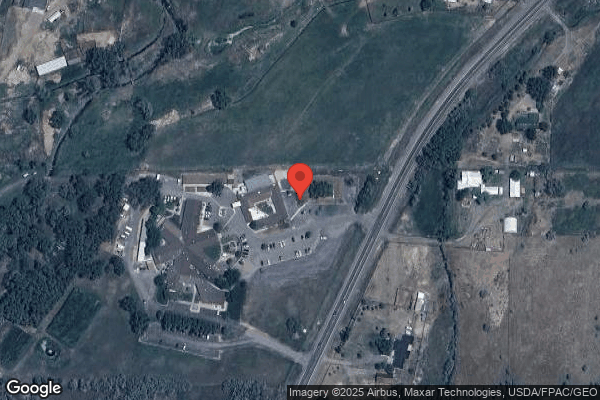
Jan 2022 6 deficiencies
CONCERN (D)

Potential for Harm - no one hurt, but risky conditions existed

Report Alleged Abuse (Tag F0609)

Could have caused harm · This affected 1 resident

Based on record review and interviews, the facility failed to identify and report abuse incidents involving two (#37 and #31) of six out of 24 sample residents reviewed to the State Survey and Certifi...

Read full inspector narrative →
Based on record review and interviews, the facility failed to identify and report abuse incidents involving two (#37 and #31) of six out of 24 sample residents reviewed to the State Survey and Certification Agency. Specifically, the facility failed to identify as abuse and report: -Resident #37's ongoing incidents of verbal abuse and threatening behavior directed toward other facility residents; and, -Resident #5's physical abuse by Resident #31. Cross-reference F600 failure to ensure residents were free from abuse, and F742 mental health and behavioral services. Findings include: I. Facility policy The Freedom from Abuse, Neglect and Misappropriation Policy and Procedure, revised November 2016, was provided by the director of nursing (DON) on the morning of 1/16/22. The reporting portion of the policy documented in pertinent part: Employees must always report alleged abuse/neglect immediately to the supervisor. The executive director must be contacted immediately by the supervisor or reporter regarding all allegations of abuse/neglect. If there is suspicion that abuse occurred, it will be reported to the state reporting agency in accordance with state law. II. Verbal abuse and threatening behavior by Resident #37 directed toward other facility residents A. Record review Review of Resident #37's IDT progress notes revealed 23 instances of verbal abuse and threatening behavior directed towards other residents, or in their presence so they could hear, since his 3/15/21 admission to the facility. These incidents had not been reported to the authorities or investigated by the facility. (Cross-reference F742 for details) B. Staff interview The nursing home administrator (NHA) and social services director (SSD) were interviewed on 1/18/22 at 4:32 p.m. They said they were not aware that Resident #37's verbal aggression had been an ongoing problem until they reviewed his medication administration record and as-needed medications. They acknowledged that resident-to-resident name calling and threatening was verbally abusive and that residents had the right to be free from abuse. They acknowledged they had not reported the multiple incidents involving Resident #37 to the State Agency. III. Physical abuse by Resident #31 toward Resident #5 A. Record review Review of an 11/24/21 facility sexual abuse investigation revealed a resident reported to the DON that a male resident (#5) had grabbed a female resident's (#31's) breast during the word search activity. The DON interviewed Resident #31 on 11/24/21 and she confirmed she had been touched. She stated that she did not want the cops called or for Resident #5 to be in trouble. She said she took care of it herself. I slapped him. I don't want him in any trouble. B. Staff interview The NHA and SSD were interviewed on 1/18/22 at 4:32 p.m. The SSD said they should have investigated and reported physical abuse when Resident #31 said she had slapped Resident #5. The NHA and SSD acknowledged the physical abuse/slapping had not been reported to the State Agency.
CONCERN (D)

Potential for Harm - no one hurt, but risky conditions existed

Deficiency F0645 (Tag F0645)

Could have caused harm · This affected 1 resident

**NOTE- TERMS IN BRACKETS HAVE BEEN EDITED TO PROTECT CONFIDENTIALITY** Based on interviews and record review, the facility failed to ensure residents identified with a mental disorder (MD) or intelle...

Read full inspector narrative →
**NOTE- TERMS IN BRACKETS HAVE BEEN EDITED TO PROTECT CONFIDENTIALITY** Based on interviews and record review, the facility failed to ensure residents identified with a mental disorder (MD) or intellectual disorder (ID) were evaluated and received care and services in the most integrated setting appropriate to their needs for one (#18) of one resident reviewed for pre admission screening and resident review (PASRR) of 24 sample residents. Specifically, the facility failed to ensure Resident #18 had a follow up PASRR after initial evaluation, dated 4/9/21, determined revaluation was needed within 30 days. Findings include: I. Facility policy and procedure A Pre-admission Screening Process policy, last revised March 2011, was provided by the social services director (SSD) on 1/19/22. The policy read: All potential admissions are screened prior to admission to ensure the facility care can provide the necessary care to the individual prior to admission. -The SSD said that this was the most up to date policy the facility had, however she followed the Colorado Department of Public Health and Environment (CDPHE) guidelines on PASRR rather than the policy (see interview below). II. Resident status Resident #18, age [AGE], was admitted on [DATE]. According to the January 2022 computerized physician orders (CPO), diagnoses included Parkinson's disease, major depressive disorder, and dysthymic disorder (chronic depression). The 11/18/21 minimum data set (MDS) assessment revealed the resident had severe cognitive impairment with a brief interview for mental status (BIMS) score of six out of 15. Resident #18's mood evaluation documented that he had little interest or pleasure in doing things, felt down, depressed or hopeless, felt tired or had little energy, felt bad about himself or that he was a failure or had let himself or his family down. The resident had a mood interview score of nine out of 27, indicating mild depression. The PASRR section of the MDS was left blank. The 4/15/21 MDS assessment revealed that Resident #18 had a BIMS score of 11 out of 15 indicating moderate cognitive impairment at the time the PASRR resubmittal was due. The PASRR section of the MDS documented that the resident had not been evaluated by level II PASRR. It documented that Resident #18 did not have any level II PASRR conditions, such as serious mental illness or mental retardation. III. Resident interview Resident #18 was interviewed on 1/16/22 at 10:20 a.m. He was tearful and sobbing throughout the interview. He kept bringing up a case and stating that the decision was made and I can ' t change it now. The resident was able to tell me that he was a judge and had a hard time with some of the cases he had. IV. Record review The resident's comprehensive care plan, initiated 4/13/21 and revised 12/7/21, that read in pertinent part: Resident #18 was at risk for cognitive loss evidenced by fluctuations in cognition. His BIMS score fluctuated between severely impaired and intact cognition. He was able to make his basic and immediate needs known, but had memory problems, impaird decision making abilities, and confusion. Staff was to observe and report changes in cognitive status and offer simple choices that would not be overwhelming to the resident, and to validate feelings and issues when appropriate. A PASRR level one screening form dated 4/9/21 read in pertinent part: Resident #18 received a determination of provisional admission, which stated that the facility was responsible for submitting a new level one PASRR screen if the resident was anticipated to reside in the facility beyond the approved provisional admission timeline of 30 days . -However, there was not a PASRR level one screen submitted within the approved provisional timeline of 30 days. The SSD provided a PASRR level one screening authorization request on 1/17/22 (during the survey) at 11:30 a.m. The document confirmed that it was submitted to Teligen (the company that manages the PASRR process) on 1/17/22 by the SSD. -The level one screen was submitted during the survey after the facility became aware (see SSD interview below). On 1/19/22 at 4:37 p.m. the SSD provided the PASRR review determination, dated 1/19/22, documenting that the resident did not require a level II PASRR due to impaired cognition and inability to participate in the interview with his current BIMS of six. V. Staff interviews The SSD was interviewed on 1/17/22 at 9:21 a.m. She said that she did not believe an updated PASRR had been done for Resident #18 since the one submitted in April 2021. She said that she was in charge of PASRR, however the resident was admitted to the facility before she started working at the facility and if something was not followed up on before she started that she would not have known about it. She said that she would check the resident's electronic medical record (EMR) to make sure that no other PASRR was done for Resident #18. The SSD was interviewed for a second interview on 1/17/22 at 10:37 a.m. She said that she was not able to find any follow up that had been done for Resident #18 and she would complete one that day. A final interview with SSD was performed on 1/19/22 at 4:37 p.m. She said that she had submitted the PASRR request to Teligen and received a response that the resident did not require a level II PASRR due to his low cognition score. She did not say whether Resident #18 would have qualified for a level II PASRR if it had been submitted when he had a higher BIMS score of 11.
CONCERN (D)

Potential for Harm - no one hurt, but risky conditions existed

Deficiency F0742 (Tag F0742)

Could have caused harm · This affected 1 resident

**NOTE- TERMS IN BRACKETS HAVE BEEN EDITED TO PROTECT CONFIDENTIALITY** Based on record review and interviews, the facility failed to provide mental health care and services for one (#37) of two resid...

Read full inspector narrative →
**NOTE- TERMS IN BRACKETS HAVE BEEN EDITED TO PROTECT CONFIDENTIALITY** Based on record review and interviews, the facility failed to provide mental health care and services for one (#37) of two residents reviewed out of 24 sample residents. Specifically, the facility failed to identify and provide for Resident #37's mental health needs. Resident #37 exhibited anxiety, adjustment difficulty and distress, and exhibited verbally abusive behaviors toward other residents. Resident #37 resided in the memory care neighborhood with 10 other vulnerable residents. Cross-reference F600, failure to protect residents from abuse. Findings include: I. Facility policy The Behavioral and Mental Health Services policy, dated December 2016, was provided by the nursing home administrator (NHA) via email on 1/20/22. The policy documented: The facility must provide medically related social services to attain or maintain the highest practicable physical, mental, and psychosocial wellbeing of each resident. Procedure: 1. Based on assessment, the facility must ensure that a resident who displays or is diagnosed with a mental disorder or psychosocial adjustment difficulty, or who has a history of trauma and/or post-traumatic stress disorder, receives appropriate treatment and services to correct the assessed problem or to attain the highest practicable mental and psychosocial well-being. 2. Residents whose assessment did not reveal or who does not have a diagnosis of mental or psychosocial adjustment difficulty or a documented history of trauma and /or post-traumatic stress disorder does not apply a pattern of decreased social interaction and/or increased withdrawn, angry, or depressive behaviors, unless the residents clinical condition demonstrates that development of such pattern was unavoidable. 3.The facility must provide medically related social services to attain or maintain the highest practicable physical, mental, and psychosocial wellbeing of each resident. This includes related field including human services or related field and gerontology. 4. Assessments may include but are not limited to BIMS (brief interview for mental status), PHQ9 (patient health questionnaire), therapy assessments, and self-harm interview. 5. Behavioral and mental health will be care planned, and updated as needed, including PASARR (preadmission-screening and resident review) evaluation recommendations. Interventions to be utilized with resident will be identified, including non-pharmacological interventions. 6. On-going documentation will be included in EHR (electronic health record). 7. If rehab services for mental illness, and intellectual disabilities are required the facility must provide the required services, including specialized rehab, obtain the required services from an outside resource from a Medicare/Medicaid provider of specialized services, and provide medically related social services. 8. Facility staff will arrange for mental health care and treatment services with outside professional counseling agencies for resident of the facilities. This includes but is not limited to Clinical Social Worker, Psychologist, Psychiatrist, Mental Health Telemedicine, etc. 9. The Director of Social Services or designee will coordinate provider's schedule, coordinate referrals, visits, authorization and physician order. 10. Per request and contract training and in-services will be provided. 11. The facility must have sufficient direct care staff with appropriate skills to provide related services. Training is provided to appropriate staff regarding mental and psychosocial wellbeing of residents. II. Resident status Resident #37, age [AGE], was admitted on [DATE]. According to the January 2022 computerized physician orders (CPO), diagnoses included unspecified alcohol-induced persisting amnestic disorder, anxiety disorder, and unspecified psychosis. According to the 12/14/21 minimum data set (MDS) assessment, he was cognitively intact with a brief interview for mental status (BIMS) score of 13 out of 15. He had delirium symptoms including inattention and disorganized thinking, which fluctuated and changed in severity throughout the day. He had mood symptoms including feeling down, depressed, hopeless; trouble sleeping or sleeping too much; feeling tired, little energy; feeling bad about himself; and trouble concentrating. He had behaviors including psychosis with hallucinations and delusions, verbal behaviors directed toward others, and other behaviors not directed toward others. How this affected the resident and others was not documented. Resident #37 was independent for most activities of daily living (ADLs), needed supervision/oversight for ambulation and eating, and limited physical assistance with personal hygiene and bathing. III. Observations The memory care neighborhood was observed periodically throughout the days of survey, from 10:00 a.m. to 5:00 p.m. on 1/16, 1/17, 1/18 and 1/19/22. Resident #37 was observed spending most of his time in his room with his door closed. A plastic traffic-type cone which read, Shhhh, activity in progress was positioned in the hallway at Resident #37's entry door. When Resident #37 was in the common/dining area, he sat at a table away from the other residents, facing outside, and interacted with staff but not residents. Resident #9 was observed spending most of her time walking throughout the memory care neighborhood common/dining area and hallways, sometimes carrying a baby doll, and occasionally standing next to another resident, sometimes placing her hand on another resident's shoulder. Staff were observed walking with Resident #9 to a different area if she approached Resident #37, and engaging her in an activity or handing her a baby doll or offering her a snack. On the afternoon of 1/17/22, the PD was observed visiting with Resident #37 at a table by the window, and asking other staff to redirect Resident #9 to a different area when she approached them several times. The CNA redirected Resident #9 to other activities. The PD started a rock documentary on the common area television and sat next to Resident #37 as he watched with several other residents. He watched almost all of the show, then got up, said he wanted to go back to his room, walked down the hall into his room, and closed the door. IV. Record review Resident #37's care plan, dated 1/16/22 (during the survey), identified he had a level II PASRR for major mental illness of depression and psychosis. The goal was PASRR recommendations will be initiated. The interventions were: -Coordinate PASRR Level II recommendations -No PASRR recommendations. His care plan, initiated 5/25/21 and revised on 1/17/22 (during the survey) identified Escalation with a goal to decrease escalation of behaviors without harm to Resident #37 or other residents residing in memory care. (Resident #37) will become upset and yell and throw his hands up in the air if a resident is intrusive or is just walking down the hallway or in his vicinity. He will yell profanities and use abusive speech when staff answers his call light. He has history of yelling 'I hate this place' and yelling at residents to 'go to hell' and call staff 'bastards' and will self-isolate in his dark room refusing to open the blinds or turn on the light. He will mutter profanities. He will state he wants to die and wishes he was dead. He will state he wants to eat in his room when staff invite him to meals. Triggers: Residents talking loudly or yelling Intrusive residents Touching Noise in the hallway Females, residents and staff If staff do not bring him coffee or snacks fast enough. Interventions and dates: Decrease escalation of behaviors without harm to (Resident #37) or other residents residing in memory care. (5/25/21) -Offer for (Resident #37) to go outside for fresh air. (5/25/21) -Offer music to (Resident #37). (5/25/21) -Redirect (Resident #37) to a quiet area. (5/25/21) -When (Resident #37) is threatening, send to ER (emergency room) for further assessment. (12/21/21) According to the January 2022 CPO, Resident #37 received the following pertinent medications: -Clonazepam (a benzodiazepine which treats seizures, panic disorder and anxiety) tablet 0.5 mg every eight hours as needed for agitation, ordered 12/6/21. -Quetiapine Fumarate (antipsychotic) tablet, 200 mg once daily for anxiety disorder and psychosis, ordered 12/21/21. -Quetiapine Fumarate tablet, 300 mg once daily for anxiety disorder and psychosis, ordered 12/21/21. -Trazodone HCI (antidepressant) tablet 50 mg at bedtime for insomnia, ordered 3/17/21. The 12/19/21 investigative report documented the facility received a grievance form from Resident #9's family member #1 regarding verbal abuse incidents by Resident #37. The date of the incident was documented as 12-15-21, 12-19-21 ++ (more dates then those indicated). The grievance read as follows: (Family member #1) stated '(Resident #37) is angry and threatened to kill the ladies the other night.' She wants to know how to help her mom. 'Mom is scared of him. Third time (family member #2) heard (Resident #37) go out of his mind and be aggressive. Last Wednesday afternoon (family member #2) reported (Resident #9 and three other female residents) standing by counter and (Resident #37) yelled 'I hate this place, I'm going to kill all you b----es! Everyone was uncomfortable - ladies had heads down, cowering. (Family member) ushered Mom into her room. (Family member #2) hated to leave because he was scared. (Resident #37) is really aggressive. Afraid Mom will enter (Resident #37's) room by mistake and can't predict what he will do. She doesn't have the verbal skills to protect herself - not to mention his size - he's a big man. He's an angry soul. Talk to (licensed practical nurse, LPN, #1) - she was there when he was in his room screaming. This is not isolated - this is something much bigger. The grievance form was completed by the memory care program director (PD) via telephone with Resident #9's family member #1 on 12/20/21. Interdisciplinary team (IDT) progress notes since Resident #37's admission revealed his hallucinations, delusions and distressed, anxious and verbally abusive behaviors had been ongoing, as follows, in pertinent part: -3/27/21 at 12:14 a.m., resident yelling and cursing in room for no apparent reason, disturbing roommate. All redirection attempts ineffective, resident just gets angrier. -3/28/21 at 11:20 p.m., resident is continuously having hallucinations and talking to himself. Sometimes he yells and curses at someone that is not there. Last night he was screaming for someone to get out of his room when no one was there. -3/30/21 at 7:52 a.m., resident was up all night on his call light continuously wanting tea and snacks. He frequently hallucinates, talking to himself yelling and cursing. -3/31/21 at 4:20 p.m., the resident was moved to the memory care neighborhood (MCN). Another resident tried to take his cheeseburger during lunch. He yelled at her very loudly telling her that was rude then a third resident yelled at Resident #37 telling him she doesn't understand, then he yelled back at her that he was going to call in the Hell's Angels. The memory care program director (PD) intervened and the situation de-escalated. -4/2/21 at 3:53 p.m., threats to harm self summary: this morning resident received a box from WalMart with 2 sacks of underwear and socks which seemed to be a trigger for his anger. Staff reported he was verbally aggressive about getting a big box with only a couple things in it. Staff was able to calm him down, gave him a snack and he sat drawing at the table for most of the afternoon. Then resident suddenly escalated. Staff did not know the reason or what triggered him. Social worker explained what the No Harm Contract entailed to resident. He signed it and agreed to contact staff if he felt like harming himself in any way. Staff will do 30 minute checks to assess resident and make sure he is safe. -4/3/21 at 6:04 p.m., resident got upset today when another resident would not stop following him. He started yelling. This nurse assisted other resident to her room and activities staff assisted Resident #37 outside for some alone time. This intervention worked well to calm him. -4/4/21 at 3:00 p.m., yelling, cussing, being verbally aggressive to other residents, and saying he should have died in the park. Verbally redirected each incident. 2-3 minutes immediately at each occurrence. Resident redirects but repeats behavior. Continues to display above behaviors during shift. -4/4/21 at 5:58 p.m., resident has multiple occurrences of negative vocalizations including stating that he doesn't know why they didn't let me die, someone forged my name to get me in here, it's my time to die, I could kill someone if I wanted to, I know how to kill people. Resident is redirected but returns to negative vocalizations frequently. -4/6/21 care conference summary: Resident is adjusting well to memory support at this time. He was moved across the hall to a different room due to conflict with his roommate and sleep schedules. He will get upset and yell if residents get too close to him without an invitation to do so but he is easily redirected at this time. Staff to continue to monitor him when around others for safety as he adjusts to his new environment. -4/7/21 at 3:43 a.m. Resident woke up at 2:00 a.m. very angry and delusional. He was hollering and cursing, waking up other residents and throwing things around his room. Resident finally calmed down and came out of his room and was pleasantly visiting with other resident for approximately an hour. He then went back into his room and started hollering, cursing and throwing things around in his room again. -4/7/21 at 10:25 a.m., a nurse practitioner (NP) documented nursing relayed Resident #37 is showing more signs of psychoses with delusions, hallucinations, poor concentration, suspiciousness. He tells the nurse I'm like Jekyll and [NAME], have different sides. He had very poor sleep last night, awakening and yelling out which of course awoke and upset other residents. Resident with a history of homelessness and substance abuse. He did not come to us with a diagnosis of schizophrenia or schizoaffective disorder, however my guess is he struggles from one or the other, and/or some possible bipolar disorder. Resident denies pain today, admits to waking up last night, he denied nightmares. Further review of systems impossible due to his inability to concentrate, dementia. Per staff, at times he can be a little threatening, particularly if his personal space is being entered. Staff working on separating residents, keeping others out of his room, etc. However with increased psychoses, will increase Quetiapine to 25mg po (orally) QAM (every morning) and 50 mg po QPM (every evening). Insomnia: He is on Melatonin 6mg po QHS (at bedtime), and Trazodone 50mg po QHS. If continues after quetiapine increase, would consider increasing Trazodone. -4/7/21 at 12:32 p.m., the PD documented, I heard yelling, ran out of my office to see this resident yelling at (another resident) to stay away from him. CNA (certified nurse aide) had intervened and I redirected this resident to the TV area. He then yelled something to the effect of 'Do I have to do something wrong to get sent back to the state pen.' Residents remain separated. -4/8 and 4/9/21, social services staff documented contacting seven other mental health and nursing facilities to request admission referrals for Resident #37, without success. -4/9/21 at 5:30 p.m., Resident #37 was yelling, cussing, waving his arms and approaching a female resident in a threatening manner after she told him to shut up and knock it off. Staff redirected him to his room where he quit yelling but remained agitated. -4/10/21 at 5:16 p.m., yelling, cussing, calling female residents and staff f---ing b----es, yelling when female residents are next to him. Staff redirecting him to his room. Nurse went into room to answer call light and he yelled at her and saidstay out of my room you f---ing b---- and slammed door. Then came out of room and yelled at another resident for setting her stuff down at the table beside him and told her why do you need to put your stuff by me, get out of here! while waving his arms at her. Another staff member went to pick up his empty plate while cleaning the table and he yelled at her leave my s--- alone, do not touch my stuff you f---ing b----! Was talked to by male aide and told it is not ok to talk to women that way or yell at them. He agreed he should not have done and apologized to male but not the females. -4/11/21 at 5:22 p.m., yelling, threatening females, waving arms in the air. Male aide said it is not ok to threaten anyone or yell at them and redirected him to his room. Female resident was walking near him and he yelled at her to go away! You come any closer and I'm going to deck you in the nose! Was talked to and redirected to room. Stopped yelling. Came out of room and sat in living area. -4/12/21 at 6:07 p.m., resident had a good day, talks about the voices in his head talking to him. He has asked that we keep another resident out of his face. She irritates him. Staff has attempted all day to keep her away from him. -4/13/21 at 11:53 a.m., resident was yelling and threatening another resident. It started with this resident saying to CNA tell that b---- to stop looking at me. CNA turned the other resident's chair so she was not able to stare at him. Female resident then stood up and walked towards him and he started yelling about punching her in the face and calling Hell's Angels. Resident was asked to leave table and went to room. Female resident was taken away from Resident #37, who was able to calm down in his room. -4/13/21 at 3:57 p.m., physician progress note: resident has had increasingly bizarre and disorganized behaviors. Occasionally overly intrusive and mildly aggressive toward females. Now in the memory care unit. At a recent outpatient visit he gave me a more detailed history of long standing homelessness and exhibited behaviors more consistent with an underlying mood disorder complicated by alcoholism. Mood disorder with psychosis, probably long standing, started Depakote and increased his Seroquel over the weekend. He tolerated that without evident side effects. Will increase Seroquel on monitor. -4/18/21 at 5:22 a.m., resident approached this nurse for a cup of hot tea. After informing resident that we were out, resident stated Whatever. Maybe you should learn how to do your f---ing job. Stupid b----, then went to his room and slammed his bedroom door. He then began to yell and curse in his room while throwing objects around. After initial agitation, resident came out of room multiple times, cursing and yelling as he was walking the halls. Attempts to console and offering of alternative fluids proved ineffective. -4/24/21 at 3:12 p.m., CNA reported female resident walking down hall and he was walking up the hall and she looked at him and he started yelling at her and cussing at her and started going after her. CNA had to step in front of female resident to prevent physical harm. -4/25/21 at 9:33 a.m., female resident was across the room, resident saw her and starting yelling and cussing at her Stay away from me you! No one is here now so I can punch you in the face! This nurse walked out and said I am here, that is not ok to talk to her that way and you will not punch her. Resident #37 then continued on If she is r-----ed she belongs in a mental institution. I was in one before and I punched a woman in there too, I will do it again! I removed female from room and asked Resident #37 to go to his room. He did go, cussing and yelling the whole way, and slammed the door. -4/28/21, social services documented calling Resident #37's guardian to suggest moving him to the open unit, and called two assisted living facilities regarding possible placement. Calls were also placed to nursing care facilities and a geriatric psychiatric facility which responded they would accept residents with mental health issues if they were seen at the ER (emergency room), with a psychiatric evaluation completed showing they needed in patient for stabilization. -There was no documentation of follow-up on a psychiatric evaluation. -5/9/21 at 5:22 p.m., the assistant director of nursing (ADON) notified this nurse that resident was picked up by other nurse near the highway trying to elope, he was safe and brought back to the facility. -5/11/21 at 11:33 a.m., resident wanting to go outside to walk, notified later by walkie talkie he was in the parking lot. -5/11/21 at 3:13 p.m., physician progress note: mood, agitation, and bizarre behaviors much better since medication addition and adjustment. Has attempted elopement to go buy cigarettes. Mood disorder with psychosis, probably long standing. Improved on current dose Seroquel and Depakote. Will start weaning clonazepam. -5/12/21 at 9:30 a.m., resident was moved to memory care support for his safety, called guardian to obtain consent for placement. -6/15/21 at 2:30 p.m., physician progress note: behaviors have improved. Had one episode of agitation this morning, this afternoon he is calm and cooperative, has no complaints. Improved on current dose of Seroquel and Depakote. Continue current regimen and low dose clonazepam. -6/21/21 at 4:43 p.m., NP progress note: Staff relayed resident was trying to leave facility. He relays his thoughts are really going crazy right now, and he is all mixed up. Appears anxious. Does admit to increased uncontrolled thoughts. He takes 200mg quetiapine BID (twice daily) will give an additional 100mg now x1 dose, monitor. -713/21 at 2:59 a.m., resident has been agitated with his neighbor all night, hollering that he better shut up or he is going to hit him because he has been moaning and making lots of noise. -8/9/21 at 3:37 p.m., resident yelled at a female resident to go to hell you f---ing b---- and glared at her while she was rolling away from him in her wheelchair. She did not provoke him and she did not hear his words to her. A few minutes later, resident yelled at a different female resident telling her to go to hell and I couldn't understand the rest of his words. Female resident was redirected away from him. Reported to floor nurse and NP. -8/10/21 at 4:19 p.m., physician progress note: Mood has recently been more labile. Staff reports verbal aggression against some of the other residents, primarily female residents. Had improved on current dose Seroquel and Depakote, but now demonstrating an increase in agitation, will increase Depakote and follow level. I would like to eventually utilize Depakote as a single agent if possible. -8/25/21 at 2:11 p.m., NP note: I was asked to check on this resident by nursing staff saying he did not feel well. He can't tell me anything specific. Says he feels worthless. Does appear weak, slowed, speaking slowed as if psychomotor retardation. Depakote level pending. -8/27/21 at 11:30 a.m. Noted on 8/25 resident unsteady and appears heavily medicated, droopy eyes, slurred speech, unsteady/unbalanced gait. Noted recent increase in Depakote 500mg BID to 750 mg BID approximately 3-1/2 weeks ago. -Between 8/27 and 9/18/21 the resident had three falls without injuries. On 9/18/21 the physician ordered bloodwork and a urinalysis (UA), and to hold Depakote until further notice. He continued to be drowsy and unsteady and refused the UA. On 9/19/21, the physician documented no further aggressive behaviors but suspected the root cause of his gait abnormalities to be increased dose of Depakote, which was on hold. -9/21/21 at 9:17 a.m., the resident was drowsy with unsteady gait, tripped and fell while trying to stand up from his chair, lost his balance and fell in the dining room. No injuries were documented except a small abrasion on the back of his left hand. -10/4/21 at 10:15 a.m., care conference notes: resident was doing well since discontinuation of Depakote. Gait more steady, speech less slurred. -10/9/21 at 6:07 p.m., resident yelling at other resident for yelling and screaming, stating I want to break her jaw, she needs to shut the hell up! -11/9/21 at 3:35 p.m., physician progress note: For the last few weeks he has done very well with little anxiety, improved gait, no falls and improved mood. His improvement came about directly after stopping Depakote. He now remains on routine low dose clonazepam and quetiapine. He tells me he is doing fine. Will continue same. -12/6/21 at 9:21 a.m., resident was yelling in the hallways at other residents, telling them to go to hell and stop following him. The other residents were not following him, they were just walking in the hallway. This nurse redirected resident to his bedroom. Resident was yelling about not wanting to stay here and told the nurse to f--- off. This is the first time this nurse has witnessed this behavior in several months. -12/7/21 at 5:58 p.m., resident frequently using call light, refusing to eat food but asks for snacks and coffee all day. He was not as agitated today. He had a couple episodes where he was yelling and cussing but they did not last long. -12/8/21 at 11:37 a.m., self harm summary: resident spoke of being too old to work, hating most people, wanting to leave, wanting to kill himself with no plan, spoke of hating drug addicts and many, many negative comments regarding his mom. Sitting in dark room with hoodie low on his forehead, will not let staff open blinds or turn on lights. Refusing planned meals but eating 10 plus snacks a day. Turns on call light every 5-15 minutes requesting snacks, coffee, tea, etc. When staff returns with said items, he yells at them stating it is not what he wanted. He did walk down to the TV area but then got mad for no apparent reason then returned to his room. -12/8/21 at 6:44 p.m., resident was turning call light on all day, he did not need help most of the time. He did ask for coffee and snacks frequently but refused to eat meals because he is trying to lose weight. Resident started yelling at staff and threatening other residents. He did punch the wall in his room with his right hand. No bruise or injury noted. -12/9/21 at 12:58 p.m., resident verbally aggressive towards staff and other residents without obvious cause. He will just start yelling at a resident when they walk/wheel past him, telling them to Die already and go to hell. Redirection is not effective with resident. -See the above 12/19/21 facility investigation based on a family member's grievance about Resident #37's aggressive behaviors and threats toward female residents. The details were not documented in nursing notes as relayed in the grievance. -12/20/21 at 9:19 a.m., resident guardian notified via email of resident's behaviors and requested assistance from her for expedited placement to another facility specializing in psychiatric treatment vs a memory unit. Thirty day notice to be given. -12/21/21, two psychiatric facilities were contacted regarding potential admission for Resident #37. -12/21/21 at 2:49 p.m., physician progress note: recent increase in agitation and verbal aggression including some very threatening statements to female co-residents. His general behavior was more erratic and bizarre. In response to his change, I increased his quetiapine to 200mg po bid. Staff reports his behaviors continue although are less intense. Had improved on increase in Seroquel. Would like to increase dose again to a more therapeutic range, will increase his dose to 300mg, continue 200mg QAM. Continue routine clonazepam. -12/27/21 at 2:06 p.m., care conference summary: resident continues with increased behaviors, yelling and threatening staff and other residents. Have not heard back from geriatric psychiatric facility after several attempts for assistance with medication management. Medicaid case worker also assisting contacting other facilities for medication management and/or appropriate placement but without success. Does not participate in group activities at this time, spends most of the day in his room watching TV and will use call light excessively. When staff answer call light he states he wants coffee, snack or didn't realize he had call light on. He will yell at staff when they answer his call light and will yell at residents when they walk by his room or accidentally open his door. Guardian is going to assist with placement elsewhere and/or medication management. She stated it would probably be next week. -12/29/21 at 4:16 a.m., resident was yelling and cussing other residents when residents got too close to him. -12/31/21 at 5:47 p.m., resident had one outburst this morning when another resident was entering his room. He yelled to the resident get out before I knock you out of that wheelchair and disable you for real. He spoke of the people he has killed several times today. He also spoke of war many times. The 23 incidents above involving other residents, with the exception of 12/19/21, were not reported or investigated. (Cross-reference F609 and F610) -Although Resident #37 exhibited psychosocial adjustment difficulties, anxiety, depression, and was open to speaking with staff about past traumatic experiences, the facility failed to seek and provide mental health support for the resident, other than discharge and psychotropic/antipsychotic medications. V. Staff interviews The nursing home administrator (NHA) and social services director (SSD) were interviewed on 1/18/22 at 4:32 p.m. The NHA said she was unaware of the extent of Resident #37's distress, yelling, name calling and threats to other residents until recently. She said there was only so much they could do to stop Resident #37 from yelling curse words. The NHA and SSD said they had not gotten a psychiatric evaluation for Resident #37 because there were no mental health professionals, psychologists or psychiatrists who would come to the facility and he refused to go to the mental health center. They acknowledged they had not reached out in attempts to find a mental health professional to visit Resident #37 at the facility. The director of nursing (DON), assistant DON and corporate nurse were interviewed on 1/19/22 at 3:15 p.m. They said they were trying to re-implement mental health services at the facility. In a follow-up email on 1/20/22, the NHA said they were arranging for a mental health professional to come out to their facility to help address the mental health services needs of their residents.
CONCERN (E)

Potential for Harm - no one hurt, but risky conditions existed

Deficiency F0561 (Tag F0561)

Could have caused harm · This affected multiple residents

**NOTE- TERMS IN BRACKETS HAVE BEEN EDITED TO PROTECT CONFIDENTIALITY** Based on record review and interviews, the facility failed to allow residents the right to make choices about aspects of his or ...

Read full inspector narrative →
**NOTE- TERMS IN BRACKETS HAVE BEEN EDITED TO PROTECT CONFIDENTIALITY** Based on record review and interviews, the facility failed to allow residents the right to make choices about aspects of his or her life in the facility that were significant to the resident for three (#11, #21 and #40) of five residents reviewed for bathing preferences out of 24 sample residents. Specifically, the facility failed to provide routine bathing consistent with the residents' preferences for Resident #11, #21 and #40. Findings include: I. Facility policy The [NAME] of Rights for Nursing Home Patients, dated March 2014, was provided by the nursing home administrator (NHA) on 1/19/22 via email. According to the bill, residents have the right to know that choices are available to them and they have the right to make independent personal decisions. The Tub Bath/Showers and Bed Baths policy, revised November 2021, was provided by the nursing home administrator (NHA) on 1/19/22 via email. The policy read in part: Based on the comprehensive assessment of a resident and consistent with the resident's needs and choices, the facility must provide the necessary care and service to ensure that a resident's abilities in activities in daily living do not diminish unless circumstances of the individual's clinical condition demonstrate that such diminution was unavoidable. This includes ensuring that the facility provides care and services for the following activities of daily living: Hygiene - Bathing . II. Failure to provide bathing according to preferences 1. Resident #40 Resident #40, age [AGE], with an initial admission on [DATE] and was readmitted [DATE]. According to the January 2022 computerized physician orders (CPO), diagnoses included osteoarthritis, cardiac murmurs, history of repeated falls, and other specified depressive episodes. The 12/27/21 minimum data set (MDS) assessment revealed the resident's cognition was intact, with a brief interview for mental status (BIMS) score of 13 out of 15. According to the MDS, the resident was identified as needing a total dependence on one person's physical assistance for bathing. A. Resident interview Resident #40 was interviewed on 1/16/22 at 2:53 p.m. She said when she was home, she would bathe two to three times a week. Resident #40 said she would understand if the facility could not provide her baths three times a week but would like to have at least two baths a week. The resident said she would often get only one shower a week, and sometimes would not get one shower in a week's time. She said it was very frustrating to her. She said it would be her bath day but no one would offer her one or tell her when the next time she would get a bath. The resident said she did not know why she did not get a bath/shower sometimes as scheduled. B. Record review The ADL care plan for preferences and needs identified the bathing interventions, last revised on 10/5/21. The care plan directed staff to provide hands-on assistance in bathing and bath/showers twice a week. The ADL task for the bathing preference sheet for Resident #40, revised 10/5/21, was provided by certified nurse aide (CNA) #2 on 1/19/22 at 10:29 p.m. The preference sheet identified Resident #21 preferred to be showered twice a week. According to the sheet, the resident requested showers on Mondays and Thursdays before lunch. The bath schedule, last revised 1/5/22, was provided by CNA #2 on 1/19/21 at 1:40 p.m. The bath schedule identified Resident #40 were scheduled for showers/baths every Monday and Thursday. The shower/bath records were reviewed between November 2021, December 2021 and January 2022 for Resident #40 The bath/shower records included a Bath Sheet'' and an ADL task log. According to the records, the resident's bathing preferences were not met (indicated below). The November 2021 bathing records identified Resident #40 did not have a bath/shower for seven days between 11/25/21 and 12/2/21. The resident was not identified to have refused showers in November 2021. The December 2021 bathing records identified Resident #40 received six bath/showers in a month on 12/2/21, 12/6/21, 12/9/21, 12/20/21, 12/21/21 and 12/28/21. Between 12/9/21 and 12/20/21, Resident #40 did not receive a bath/shower for 11 days. Between 12/21/21 and 12/28/21 Resident #40 had to wait seven days before she received a bath/shower. The resident was not identified to have refused showers in December 2021. On 12/14/21 the resident was identified as unavailable for her bath/shower. The records did not show the resident was offered a bath/shower on the following day. The January 2022 bathing records between 1/1/22 and 1/18/22 identified Resident #40 received four showers total. The resident received a bath/shower on 1/4/22, 1/6/22, 1/11/22 and 1/17/22. The bath/showers record indicated Resident #40 did not receive showers twice a week as identified. The ADL task log identified on 1/3/22, a bath/shower was not applicable (NA). 2. Resident #11 Resident #11, age [AGE] , was admitted on [DATE]. According to the January 2022 computerized physician orders (CPO), diagnoses included alcohol dependence with alcohol-induced persisting dementia, cervical disc disorder with myelopathy, polyneuropathy unspecified, and chronic obstructive pulmonary disease (COPD). The 10/21/21 minimum data set (MDS) assessment revealed the resident's cognition was intact, with a brief interview for mental status (BIMS) score of 14 out of 15. The resident required physical help in part for bathing with one person's physical assistance. A. Resident interview Resident #11 was interviewed on 1/16/22 at 10:40 a.m. He said he did not want to go to any other facility so he often did not complain. The resident said he has tried to address his concerns in the resident council but It went nowhere. The resident did not want to expand on his concerns during the interview. He said he could fill out a grievance form if wanted to. Resident #11 was interviewed on 1/19/22 at 12:22 p.m. Resident #11 said it was important to him to have routine bathing. He said he had a nice bath recently by an identified female aide. He said it was very important to him who gave him his shower/bath. He absolutely did not want a male aide bathing him. Resident #11 said it was against his religion to be bathed by a man. B. Record review The bath schedule, last revised 1/5/22, was provided by CNA #2 on 1/19/22 at 1:40 p.m. The bath schedule identified Resident #11 was scheduled for showers/baths on every Tuesday and Friday. The 1/13/22 resident council meeting minutes identified Resident #11 said he has not received a shower in a month. The 1/16/22 grievance/concern form was provided by the social service director (SSD). The the grievance form read Resident #11 had a concern about the frequency of his showers. According to the form, his preferences were updated. The activity of daily living (ADLs) care plan, revised on 10/6/21, identified the resident had preferences in bathing. According to the care plan, the resident preferred showers twice a week on Tuesdays and Friday. The care plan read the resident needed one person assistance with male caregivers which was not a preference to the resident (see above interview.) The care plan did not include that he had occasional refusals specifically for bathing. The care plan did not include interventions to combat the refusals, why he would occasionally refuse showers, or direct staff to re-approach on the following day. The November 2021 provided bathing/shower records identified Resident #11 received a shower on 11/5/21, 11/6/21, 11/9/21 and 11/16/21. The bathing records indicated the resident's last shower of the month was on 11/16/21.The records indicated the resident refused a shower on 11/19/21. The records did not identify the resident was offered a shower on the following day. The review of the resident's record did not identify why the resident refused the shower. The record logged NA on 11/12/21. The record did not identify what NA meant in relation to receipt or refusal of his shower. The December 2021 provided bathing/shower records identified Resident #11 received his first shower of December on 12/17/21. The resident received a total of three showers in December, on 12/17/21, 12/21/21, and 12/31/21. The November and December bath records identified the resident did not receive a shower between 11/16/21 and 12/17/21. According to the bathing records, the resident refused a shower on 12/7/21. He was not offered a shower on 12/8/21 after he refused on the previous day. He was not offered another shower for 10 days (12/17/21) after the refusal. The resident was marked NA on 12/3/21 and 12/24/21. The January 2022 provided bathing/shower records identified Resident #11 received a shower on 1/8/22 and 1/14/22. He refused a shower on 1/5/22 and 1/7/22. There was no follow up documentation to identify why the resident refused. The review of progress identified limited follow up documentation on why the resident was not routinely offer showers or explanation of why he refused bathing on a particular day. Two notes were identified after the resident refused a shower: The 4/17/21 behaviors and mood note identified the resident's preference for bathing as a behavior. The behavior note read (Resident #11) refused a shower today (4/17/21), the CNA asked him if he was ready, he asked who was giving it she said one of the men, (Resident #11) responded it is against my religion to get naked in front of a man. Intervention: CNA said she would try again tomorrow. The 11/19/21 nurses note read CNA reports resident refused his bath/shower today (11/19/21), he promised this CNA he would tomorrow. The review of the bathing records did not identify the resident was offered a shower the following day. (See above.) C. Facility follow-up The ADL task for the bathing preference sheet for Resident #11, revised 1/18/22, was provided by CNA #1 on 1/19/22 at 10:29 p.m. The preference sheet identified Resident #11 preferred to be showered on Fridays with an identified female certified nursing aide. 3. Resident #21 Resident #21, age [AGE], was admitted on [DATE]. According to the January 2022 computerized physician orders (CPO), diagnoses included Alzheimer's disease, type II diabetes mellitus (DMII), chronic obstructive pulmonary disease (COPD), and unspecified systolic (congestive) heart failure. The 11/26/21 minimum data set (MDS) assessment revealed the resident's cognition was moderately impaired, with a brief interview for mental status (BIMS) score of 12 out of 15. The resident required supervision for bathing. A. Resident interview Resident #21 was interviewed on 1/19/22 at 2:24 p.m. She said she did not always get a shower every week. She said she would like to have a shower at least twice a week. B. Record review The ADL task for the bathing preference sheet for Resident #21, revised 1/5/22, was provided by CNA #2 on 1/19/22 at 10:29 p.m. The preference sheet identified Resident #21 preferred to be showered twice a week. According to the sheet, the resident requested showers on Sundays and Thursdays after dinner. The bath schedule, last revised 1/5/22, was provided by CNA #2 on 1/19/22 at 1:40 p.m. The bath schedule identified Resident #21 was scheduled for showers/baths on every Tuesday and Sunday. The November 2021 bathing records between 10/27/21 and 11/30/21, identified Resident #21 had a shower on 11/3/21, 11/4/21, 11/7/21, 11/11/21, 11/15/21, 11/17/21, 11/18/21, 11/22/21 and 11/25/21. According to the records, the resident was not identified to have refused showers in November 2021. The resident did not have a shower between 10/27/21 and 11/3/21 indicating at least six days until the resident received a shower. The resident did not have a shower between 11/25/21 and 12/2/21, indicating seven days until the resident received a shower. The record indicated the resident received showers on back to back days on Wednesday, 11/17/21 and Thursday, 11/18/21. The resident did not have her shower on her preferred shower schedule. NA was marked on 11/9/21 and 11/21/21. The December 2021 bathing records identified Resident #21 received baths/showers on 12/2/21, 12/9/21, 12/12/21, 12/15/21, 12/19/21, 12/26/21 and 12/29/21. Between 12/2/21 and 12/9/21 Resident #21 had to wait seven days before she received a bath/shower. The resident was not identified to have refused showers in December 2021. NA was marked on 12/16/21. The January 2022 bathing records between 1/1/22 and 1/19/22 identified Resident #21 received a bath/shower on 1/2/22, 1/5/22, 1/6/22, 1/16/22 and 1/19/22. The bath/showers record identified the resident did not receive a bath/shower for 10 days between 1/6/22 and 1/16/22. The did not indicated Resident #21 refused any of her offered showers. According to the record, the resident received showers on back to back days on Wednesday, 1/5/22 and Thursday, 1/6/22. The resident did not receive a shower based on her preferred shower schedule of twice a week on Sunday, and Thursday. III. Group interview The group interview was conducted 1/18/22 at 3:00 p.m. with four residents (Resident #21, #28, #38, and #40 who were identified by assessment and facility as interviewable. According to the group, the facility needed to hire more help to assist with baths/showers. Resident #21 and Resident #40 identified that they did not always get showers as scheduled and when they do, they often feel rushed. Resident #21 said during bathing she Sometimes feels pushed a little more to hurry up lately. Resident #40 said Staff just run you through the water and then it was time to go. Both residents said they preferred showers/baths twice a week but have had weeks that they only received a shower once a week, or not at all. IV. Staff interview CNA #1 was interviewed on 1/18/22 at 9:01 a.m. The CNA reviewed the bathing documentation process. She said the CNA records the residents' shower/bath on bath sheets were located in the shower room. CNA #1 said the bath sheets were submitted to the nurse and they documented the receipt of the shower on the computer. The director of nursing (DON) was interviewed on 1/19/22 at 1:15 p.m. with the corporate clinical consultant (CCC) and CNA #2. The DON said resident bathing preferences were identified on admission. She said in September/October (2021), all residents had their bathing preferences updated with preferred frequency and time of day. She said some residents wanted a male or a female to conduct the showers. CNA #2 said the bath schedules were updated on 1/5/22 with the residents' preferences. The DON identified a need to improve bathing communication. She said that the facility did not have set bath aides or consistent staff that provide bathing and it has been difficult to continue to ask a resident if they wanted a shower if they refused on their scheduled day. She said the CNAs were responsible for documenting the task on the computer. If the CNA marked the resident refused, the task was complete and it would not prompt staff to offer bathing on the following day. The DON said she was still working on a plan to address the issue. She said she would be educating staff not to use the bath sheets and to chart directly in the computer whether the resident received the shower or not. She said if staff were consistently logging bathing in the same location and in the same way, it would be easier to track the frequency of each residents' bath/showers. The DON said the use of NA was not clear in meaning and has been used in multiple fashions. She was not sure it would be used as a replacement for refusal. She said sometimes it had be used when a resident already received a shower from the hospice aide but Resident #11, #21, and #40 were not provided hospice care. She said on occasion, staff would chart refusals in progress notes but that was also inconsistent. The DON said she would incorporate bathing in the treatment administration record (TAR) to help improve tracking the bath/showers. The DON said she would use the residents' care plans to identify their updated bathing preferences. She said the care plans would also include interventions if the resident refused a bath/shower. The CCC said the facility was conducting a weekly audit on bathing since the fall after it was originally identified as a concern. The CCC acknowledged the audits would have also identified the inconsistent bathing for Resident #11, Resident #21, and Resident #40. The DON said the facility should have been meeting residents' preferences with bathing and offer bathing routinely. She said she was not aware of Resident #11's concern until he addressed it in resident council and a grievance for bathing was submitted. The DON said staffing has been a concern and has had an impact on bathing. She said staffing was getting better but was still an issue. She said they were trying to get as many staff as they could. The DON said the facility was looking for a bath aide. The DON said the facility was currently using all resources available including a light duty aide to help with bathing after other staff helped the resident transfer. She said the facility was using a travel agency to help fill in staffing holes. She said she would continue to incorporate licensed/certified management staff to assist with resident care to continue to try to meet residents' care needs and preferences.
CONCERN (E)

Potential for Harm - no one hurt, but risky conditions existed

Free from Abuse/Neglect (Tag F0600)

Could have caused harm · This affected multiple residents

**NOTE- TERMS IN BRACKETS HAVE BEEN EDITED TO PROTECT CONFIDENTIALITY** Based on record review, observations and interviews, the facility failed to ensure three (#9, #31 and #5) of five residents revi...

Read full inspector narrative →
**NOTE- TERMS IN BRACKETS HAVE BEEN EDITED TO PROTECT CONFIDENTIALITY** Based on record review, observations and interviews, the facility failed to ensure three (#9, #31 and #5) of five residents reviewed out of 24 sample residents were free from abuse by Residents #37, #5, #11 and #31. Specifically, the facility failed to ensure: -Resident #9 was free from verbal abuse by Resident #37; -Resident #31 was free from sexual abuse by Residents #5 and #11; and, -Resident #5 was free from physical abuse by Resident #31. Cross-reference F609 failure to report abuse, F610 failure to thoroughly investigate abuse and F742 mental health and behavioral services. Findings include: I. Facility policy The Freedom from Abuse, Neglect and Misappropriation Policy and Procedure, revised November 2016, provided by the director of nursing (DON) on the morning of 1/16/22, documented in pertinent part: Each individual has the right to be free from verbal, sexual, physical and mental abuse, including but not limited to, staff and other residents. The facility's population presents the following factors which could result in maltreatment of residents: -Needs and behaviors which might lead to conflict or neglect, such as residents with a history of cognitive deficits, aggressive behaviors such as entering other residents' rooms, wandering behaviors, socially inappropriate behaviors, verbal outbursts, communication disorders, those who are nonverbal and those that require heavy care and/or are totally dependent on staff. II. Verbal abuse by Resident #37 toward Resident #9 A. Residents' status 1. Resident #37 Resident #37, age [AGE], was admitted on [DATE]. According to the January 2022 computerized physician orders (CPO), diagnoses included unspecified alcohol-induced persisting amnestic disorder, anxiety disorder, and unspecified psychosis. According to the 12/14/21 minimum data set (MDS) assessment, he was cognitively intact with a brief interview for mental status (BIMS) score of 13 out of 15. He had delirium symptoms including inattention and disorganized thinking, which fluctuated and changed in severity throughout the day. He had mood symptoms including feeling down, depressed, hopeless; trouble sleeping or sleeping too much; feeling tired, little energy; feeling bad about himself; and trouble concentrating. He had behaviors including psychosis with hallucinations and delusions, verbal behaviors directed toward others, and other behaviors not directed toward others. How this affected the resident and others was not documented. Resident #37 was independent for most activities of daily living (ADLs), needed supervision/oversight for ambulation and eating, and limited physical assistance with personal hygiene and bathing. 2. Resident #9 Resident #9, age [AGE], was admitted on [DATE]. According to the January 2022 CPO, diagnoses included Alzheimer's disease, dementia with behavioral disturbance, wandering, anxiety disorder, and depressive disorder. According to the 11/6/21 MDS assessment, a BIMS could not be completed, and she had short term and long term memory problems. Delirium symptoms included inattention and disorganized thinking which fluctuated and changed in severity. Mood symptoms included little or no pleasure in doing things, trouble sleeping, poor appetite, trouble concentrating, and feeling short tempered and easily annoyed. Behaviors included delusions, physical and verbal behaviors directed toward others, inappropriate behaviors not directed toward others, care rejection, and wandering. How this affected her and others was not documented. She needed extensive assistance with dressing, toilet use, personal hygiene and bathing. Both residents resided in the memory care neighborhood. B. Record review Resident #37's care plan, initiated 5/25/21 and revised on 1/17/22 (during the survey) identified Escalation with a goal to decrease escalation of behaviors without harm to Resident #37 or other residents residing in memory care. (Resident #37) will become upset and yell and throw his hands up in the air if a resident is intrusive or is just walking down the hallway or in his vicinity. He will yell profanities and use abusive speech when staff answers his call light. He has history of yelling 'I hate this place' and yelling at residents to 'go to hell' and call staff 'bastards' and will self-isolate in his dark room refusing to open the blinds or turn on the light. He will mutter profanities. He will state he wants to die and wishes he was dead. He will state he wants to eat in his room when staff invite him to meals. Triggers: Residents talking loudly or yelling, Intrusive residents, Touching, Noise in the hallway, Females, residents and staff, If staff do not bring him coffee or snacks fast enough. Interventions and dates: Decrease escalation of behaviors without harm to (Resident #37) or other residents residing in memory care. (5/25/21) -Offer for (Resident #37) to go outside for fresh air. (5/25/21) -Offer music to (Resident #37). (5/25/21) -Redirect (Resident #37) to a quiet area. (5/25/21) -When (Resident #37) is threatening, send to ER (emergency room) for further assessment. (12/21/21) The facility's 12/19/21 investigative report documented the facility received a grievance form from Resident #9's family member #1 regarding verbal abuse incidents by Resident #37. The date of the incident was documented as 12-15-21, 12-19-21 ++ (more dates then those indicated). The grievance read as follows: (Family member #1) stated '(Resident #37) is angry and threatened to kill the ladies the other night.' She wants to know how to help her mom. 'Mom is scared of him. Third time (family member #2) heard (Resident #37) go out of his mind and be aggressive. Last Wednesday afternoon (family member #2) reported (Resident #9 and three other female residents) standing by counter and (Resident #37) yelled 'I hate this place, I'm going to kill all you b----es! Everyone was uncomfortable - ladies had heads down, cowering. (Family member) ushered Mom into her room. (Family member #2) hated to leave because he was scared. (Resident #37) is really aggressive. Afraid Mom will enter (Resident #37's) room by mistake and can't predict what he will do. She doesn't have the verbal skills to protect herself - not to mention his size - he's a big man. He's an angry soul. Talk to (licensed practical nurse, LPN, #1) - she was there when he was in his room screaming. This is not isolated - this is something much bigger. The grievance form was completed by the memory care program director (PD) via telephone with Resident #9's family member #1 on 12/20/21. The facility documented the investigation started on 12/20/21 and the interdisciplinary team (IDT) met and came up with a plan to keep residents safe. Resident #37 was seen by the nurse practitioner (NP) for physical causes of behaviors, the nurses' medication cart was moved out into the open more for better visualization. Resident #37's guardian and facility were seeking alternative placement for him, either temporary or permanent. They spoke with the PD and floor nurse, who reported behaviors had been increasing over the past week with medication changes. Resident #37 had a full set of labs, urinalysis and provider visit to determine any possible physical cause for behaviors. Resident #37 had medication changes per primary care physician (PCP) visit. No changes were made to either resident's care plan. It was unknown whether Resident #37 had been involved in any other incidents in the past 12 months. Although the facility substantiated the allegation of verbal abuse and documented Resident #37's behaviors were worsening, there was no documentation other staff, residents or family members were interviewed to determine if, and how, other residents were affected by Resident #37's verbal abuse. (Cross-reference F610) -Review of Resident #37's IDT progress notes revealed 23 instances of verbal abuse and threatening behavior directed towards other residents, or in their presence so they could hear, since his admission to the facility that occured since his admission on [DATE]. These incidents had not been reported to the authorities or investigated by the facility. (Cross-reference F609, F610 and F742) C. Observations The memory care neighborhood was observed periodically throughout the days of survey, from 10:00 a.m. to 5:00 p.m. on 1/16, 1/17, 1/18 and 1/19/22. Resident #37 was observed spending most of his time in his room with his door closed. A plastic traffic-type cone which read, Shhhh, activity in progress was positioned in the hallway at Resident #37's entry door. When Resident #37 was in the common/dining area, he sat at a table away from the other residents, facing outside, and interacted with staff but not residents. Resident #9 was observed spending most of her time walking throughout the memory care neighborhood common/dining area and hallways, sometimes carrying a baby doll, and occasionally standing next to another resident, sometimes placing her hand on another resident's shoulder. Staff were observed walking with Resident #9 to a different area if she approached Resident #37, and engaging her in an activity or handing her a baby doll or offering her a snack. On the afternoon of 1/17/22, the PD was observed visiting with Resident #37 at a table by the window, and asking other staff to redirect Resident #9 to a different area when she approached them several times. The CNA redirected Resident #9 to other activities. The PD started a rock documentary on the common area television and sat next to Resident #37 as he watched with several other residents. He watched almost all of the show, then got up, said he wanted to go back to his room, walked down the hall into his room, and closed the door. D. Staff interviews The nursing home administrator (NHA) and social services director (SSD) were interviewed on 1/18/22 at 4:32 p.m. They said they were not aware that Resident #37's verbal aggression had been an ongoing problem until they reviewed his medication administration record and as-needed medications. They acknowledged residents have a right to be free from verbal abuse. They said they had not conducted further interviews with residents, families or staff during their investigation into Resident #37's verbal abuse incidents. (Cross-reference F610) The program director (PD) was interviewed on 1/17/22 at 10:54 a.m. She said Resident #37 needed a psychiatric unit not a memory care unit. She said they kept other residents free from verbal abuse by redirecting other residents and watching Resident #37 when he left his room and walked down the hall and into the common areas. A lot of times he takes himself out of the situation. She said if Resident #9 wandered into his room, she thought he would yell and that would alert staff. LPN #1 was interviewed on 1/19/22 at 10:16 a.m. She said they tried to make sure residents did not touch Resident #37 and his food. If he started getting agitated they talked him into going to his room so he would not yell in the common area. They made sure if he was in the common area a staff person was also there. She said his bark was bigger than his bite, as he would yell at staff and then apologize. She said she had never seen physical aggression from Resident #37 towards other residents. The NHA was interviewed a second time on 1/19/22 at 2:31 p.m. She said to keep residents safe on the memory care neighborhood (MCN), they moved the medication cart so nurses could observe the common area, all staff had walkie talkies so they could call for assist at any time, at least two staff were in the MCN at all times including nights, the PD office was moved to the charting area so she could see the common area and hallway through the windows, they added the traffic cone in front of Resident #37's door, they were finding alternative placement for Resident #37, and his guardian was trying to get him some psychiatric help or admit him to a geriatric psychiatric facility. (Cross-reference F742) III. Sexual abuse toward Resident #31 A. Residents' status 1. Resident #5 Resident #5, age [AGE], was admitted on [DATE] and readmitted on [DATE]. According to the January 2022 CPO, diagnoses included Alzheimer's disease and dementia without behavioral disturbance. According to the 10/31/21 MDS assessment, he had severe cognitive impairment with a BIMS score of six out of 15. He felt tired and had little energy, and had no behavioral symptoms. He needed limited assistance with ADLs and used a walker for ambulation. He resided in the MCN since an elopement attempt on 12/2/21. 2. Resident #31 Resident #31, age [AGE], was admitted on [DATE] and readmitted on [DATE]. According to the January 2022 CPO, diagnoses included Alzheimer's disease. According to the 11/17/21 MDS assessment, she had moderate cognitive impairment with a BIMS score of nine out of 15, and no mood or behavioral symptoms. She needed supervision and limited assistance with ADLs, and used a walker for ambulation. She resided in the open unit. 3. Resident #11 Resident #11, age [AGE], was admitted on [DATE]. According to his 11/11/21 MDS assessment, he was cognitively intact with a BIMS score of 14 out of 15. His diagnoses included non-traumatic brain dysfunction and dementia. He had occasional verbal behavioral symptoms directed toward others. He used a wheelchair for ambulation and needed supervision and oversight for most ADLs. B. Record review 1. Incident with Residents #31 and #11 on 10/18/21 Resident #31 had been involved in an allegation of sexual abuse on 10/18/21 with Resident #11. Review of the facility's investigation revealed Resident #31, another female resident and Resident #11 were sword fighting with pool noodles during a balloon toss activity. Activity staff reported that Resident #11 was hitting the female residents in the breasts, Resident #31 took his pool noodle away and told him he could not do that. The facility documented the sexual abuse allegation was unsubstantiated because they were unable to prove intent. Resident #11 indicated he had not touched any females, and did not have a history of touching other residents inappropriately, and the female residents did not remember the incident. The investigative report, however, documented that the activity assistant upon interview thought the incident was intentional on Resident #11's part. 2. Incident with Residents #31 and #5 on 11/24/21 Review of an 11/24/21 facility sexual abuse investigation revealed a resident reported to the DON that a male resident (#5) had grabbed a female resident's (#31's) breast during the word search activity. The report documented Resident #31 was able to make her basic and immediate needs known but had memory loss and confusion. She had a behavioral care plan to encourage her to sit away from men during meals and activities, remind her that more intimate relationships were not always welcomed, approach her in a calm manner, document behaviors and resident response to interventions, encourage her to verbalize during one-on-one interactions, if reasonable discuss behavior and explain why behavior is inappropriate, provide emotional support when needed. Resident #5 had severely impaired cognition, memory loss and confusion. His behaviors included yelling at others and becoming angry with redirection. He enjoyed female attention and would pursue more intimate relationships such as hugging and holding hands. His care plan interventions were similar to Resident #31's. He had not been involved in any other incidents within the past 12 months. In response to the allegation, residents and staff were interviewed, Resident #5 was placed on 15-minute checks and was redirected away from Resident #31 during activities. Resident #31 was physically assessed and no markings were found on her body. She was at baseline for mood and behaviors and denied being afraid. The DON interviewed the resident and she confirmed she had been touched. She stated that she did not want the cops called or for Resident #5 to be in trouble. She stated that she took care of it by slapping him away. Resident #5 did not remember the incident. The activity director confirmed the timeline on the allegation did not align. The resident who reported it initially stated it happened during word search which took place on 11/23/21 and the victim stated it happened during bingo, which took place on 11/24/21. The staff member that ran both of those activities stated he did not witness the alleged assailant grab the victim, nor did he witness the victim slapping the assailant away. He confirmed he did not hear any commotion during the activities. The conclusion of the investigation was that the allegation could not be substantiated. All residents involved have impaired cognition/memory, the timeline of the allegation could not be confirmed and the resident is unharmed. The resident's care plan was updated to reflect her new behaviors related to encouraging/seeking male attention (see above). The assailant was placed on 15 minute checks to monitor for behaviors. Staff were encouraging the residents not to sit near each other during activities. Supporting interviews in the investigative report revealed the following: -The resident who reported the incident to the DON on 11/24/21 said, (Resident #5) grabbed (Resident #31's) breasts during word search and she doesn't deserve to be treated like that. The resident who reported the incident had moderate cognitive impairment with a BIMS score of nine out of 15. -Resident #31 was interviewed on 11/24/21. She said Resident #5 had touched her inappropriately today during bingo. She said she took care of it herself. I slapped him. I don't want him in any trouble. -The activities assistant was interviewed and confirmed he ran the volleyball activity that day. Residents #5 and #31 sat next to each other. He did not see Resident #5 touch Resident #31 inappropriately and he did not see Resident #31 slap Resident #5. No additional residents, families or staff members were interviewed to determine if other residents had been affected by inappropriate touching or slapping by either Resident #5 or #31. Resident #5's interview was not included with the investigation. Although two residents including Resident #31 said the incident occurred, the facility unsubstantiated the allegation without a thorough investigation. (Cross-reference F610) C. Observations Observations of Resident #5 periodically throughout the days of survey, conducted 1/16 through 1/19/22, revealed he spent most of his time sitting quietly in a recliner in the common area of the memory care neighborhood, watching television or napping. No behavioral symptoms were observed. IV. Physical abuse by Resident #31 toward Resident #5 Review of the facility's investigation of the 11/24/21 incident between Residents #31 and #5 revealed there was no report to the authorities or investigation regarding Resident #31's statement that she slapped Resident #5. There was no evidence of a physical assessment for injury to Resident #5. The facility failed to identify abuse. V. Staff interviews The NHA and SSD were interviewed on 1/18/22 at 4:32 p.m. They said they had not conducted further interviews with residents, families or staff during their investigation into the incident between Residents #5 and #31. The SSD said they should have investigated physical abuse when Resident #31 said she had slapped Resident #5. (Cross-reference F610) They said neither residents had exhibited similar behaviors since the above 11/24/21 incident. The NHA and SSD acknowledged that they had not substantiated abuse because the residents both had dementia and did not intend to cause harm, and they did not consider that both acts involved intentional harm. They said the previous sexual abuse allegation involved Resident #31 and a different male resident. Even though the incident was witnessed and reported by a staff member, they did not substantiate abuse because they were unable to prove that the resident assailant intended to sexually abuse the female residents. They said no similar incidents had occurred since the activity incidents documented above. The facility failed to differentiate intent from willful abusive behavior, and failed to ensure residents were free from verbal, sexual and physical abuse.
CONCERN (E)

Potential for Harm - no one hurt, but risky conditions existed

Investigate Abuse (Tag F0610)

Could have caused harm · This affected multiple residents

Based on record review and interviews, the facility failed to thoroughly investigate abuse allegations involving five (#9, #37, #31, #5 and #11) of six out of 24 sample residents reviewed. Specifical...

Read full inspector narrative →
Based on record review and interviews, the facility failed to thoroughly investigate abuse allegations involving five (#9, #37, #31, #5 and #11) of six out of 24 sample residents reviewed. Specifically, the facility failed to thoroughly investigate: -Resident #9's verbal abuse by Resident #37; -Resident #31's sexual abuse by Residents #5 and #11; and -Resident #5's physical abuse by Resident #31. Cross-reference F600 failure to ensure residents were free from abuse, F609 failure to report abuse, and F742 mental health and behavioral services. Findings include: I. Facility policy The Freedom from Abuse, Neglect and Misappropriation Policy and Procedure, revised November 2016, was provided by the director of nursing (DON) on the morning of 1/16/22. The investigation portion of the policy documented in pertinent part: The investigation is the process used to try to identify what happened. The nurse begins the investigation immediately. The information gathered is given to administration. The investigation will include: -Who was involved -Residents' statements -Involved staff and witness statements of events -A description of the resident's behavior and environment at the time of the incident -Injuries present -Observation of resident and staff behaviors during the investigation All staff must cooperate during the investigation to assure the resident is fully protected. II. Verbal abuse by Resident #37 toward Resident #9 A. Record review The facility's 12/19/21 investigative report documented the facility received a grievance form from Resident #9's family member #1 regarding verbal abuse incidents by Resident #37. The date of the incident was documented as 12-15-21, 12-19-21 ++ (more dates then those indicated). The grievance read as follows: (Family member #1) stated '(Resident #37) is angry and threatened to kill the ladies the other night.' She wants to know how to help her mom. 'Mom is scared of him. Third time (family member #2) heard (Resident #37) go out of his mind and be aggressive. Last Wednesday afternoon (family member #2) reported (Resident #9 and three other female residents) standing by counter and (Resident #37) yelled 'I hate this place, I'm going to kill all you b----es! Everyone was uncomfortable - ladies had heads down, cowering. (Family member) ushered Mom into her room. (Family member #2) hated to leave because he was scared. (Resident #37) is really aggressive. Afraid Mom will enter (Resident #37's) room by mistake and can't predict what he will do. She doesn't have the verbal skills to protect herself - not to mention his size - he's a big man. He's an angry soul. Talk to (licensed practical nurse, LPN, #1) - she was there when he was in his room screaming. This is not isolated - this is something much bigger. The grievance form was completed by the memory care program director (PD) via telephone with Resident #9's family member #1 on 12/20/21. The facility documented the investigation started on 12/20/21 and the interdisciplinary team (IDT) met and came up with a plan to keep residents safe. Resident #37 was seen by the nurse practitioner (NP) for physical causes of behaviors, the nurses' medication cart was moved out into the open more for better visualization. Resident #37's guardian and facility were seeking alternative placement for him, either temporary or permanent. They spoke with the PD and floor nurse, who reported behaviors had been increasing over the past week with medication changes. Resident #37 had a full set of labs, urinalysis and provider visit to determine any possible physical cause for behaviors. Resident #37 had medication changes per primary care physician (PCP) visit. No changes were made to either resident's care plan. It was unknown whether Resident #37 had been involved in any other incidents in the past 12 months. Although the facility substantiated the allegation of verbal abuse and documented Resident #37's behaviors were worsening, there was no documentation other staff, residents or family members were interviewed to determine if, and how, other residents were affected by Resident #37's verbal abuse. There was no evidence that family member #2, who witnessed the incident, was interviewed. Review of Resident #37's IDT progress notes revealed 23 instances of verbal abuse and threatening behavior directed towards other residents, or in their presence so they could hear, since his admission to the facility 3/15/21. These incidents had not been reported to the authorities or investigated by the facility. (Cross-reference F609 and F742) B. Staff interviews The nursing home administrator (NHA) and social services director (SSD) were interviewed on 1/18/22 at 4:32 p.m. They said they were not aware that Resident #37's verbal aggression had been an ongoing problem until they reviewed his medication administration record and as-needed medications. They acknowledged residents have a right to be free from verbal abuse. They said they had not conducted further interviews with residents, families or staff during their investigation into Resident #37's verbal abuse incidents. III. Sexual abuse by Residents #11 and #5 toward Resident #31 A. Record review 1. Incident with Residents #31 and #11 on 10/18/21 Resident #31 was subjected to an alleged sexual abuse on 10/18/21 by Resident #11. Review of the facility's investigation revealed Resident #31, another female resident and Resident #11 were sword fighting with pool noodles during a balloon toss activity. Activity staff reported that Resident #11 was hitting the female residents in the breasts, Resident #31 took his pool noodle away and told him he could not do that. The facility documented the sexual abuse allegation was unsubstantiated because they were unable to prove intent. Resident #11 indicated he had not touched any females, and did not have a history of touching other residents inappropriately, and the female residents did not remember the incident. The investigative report, however, documented that the activity assistant upon interview thought the incident was intentional on Resident #11's part. -There was no evidence of interviews with other residents, families or staff members. There was no investigation to determine whether other residents were affected by Resident #11's behavior. 2. Incident with Residents #31 and #5 on 11/24/21 Review of an 11/24/21 facility sexual abuse investigation revealed a resident reported to the DON that a male resident (#5) had grabbed a female resident's (#31's) breast during the word search activity. The report documented Resident #31 was able to make her basic and immediate needs known but had memory loss and confusion. She had a behavioral care plan to encourage her to sit away from men during meals and activities, remind her that more intimate relationships were not always welcomed, approach her in a calm manner, document behaviors and resident response to interventions, encourage her to verbalize during one-on-one interactions, if reasonable discuss behavior and explain why behavior is inappropriate, provide emotional support when needed. Resident #5 had severely impaired cognition, memory loss and confusion. His behaviors included yelling at others and becoming angry with redirection. He enjoyed female attention and would pursue more intimate relationships such as hugging and holding hands. His care plan interventions were similar to Resident #31's. He had not been involved in any other incidents within the past 12 months. In response to the allegation, residents and staff were interviewed, Resident #5 was placed on 15-minute checks and was redirected away from Resident #31 during activities. Resident #31 was physically assessed and no markings were found on her body. She was at baseline for mood and behaviors and denied being afraid. The DON interviewed the resident and she confirmed she had been touched. She stated that she did not want the cops called or for Resident #5 to be in trouble. She stated that she took care of it by slapping him away. Resident #5 did not remember the incident. The activity director confirmed the timeline on the allegation did not align. The resident who reported it initially stated it happened during word search which took place on 11/23/21 and the victim stated it happened during bingo, which took place on 11/24/21. The staff member that ran both of those activities stated he did not witness the alleged assailant grab the victim, nor did he witness the victim slapping the assailant away. He confirmed he did not hear any commotion during the activities. The conclusion of the investigation was that the allegation could not be substantiated. All residents involved have impaired cognition/memory, the timeline of the allegation could not be confirmed and the resident was unharmed. The resident's care plan was updated to reflect her new behaviors related to encouraging/seeking male attention (see above). The assailant was placed on 15 minute checks to monitor for behaviors. Staff were encouraging the residents not to sit near each other during activities. Supporting interviews in the investigative report revealed the following: -The resident who reported the incident to the DON on 11/24/21 said, (Resident #5) grabbed (Resident #31's) breasts during word search and she doesn't deserve to be treated like that. The resident who reported the incident had moderate cognitive impairment with a BIMS score of nine out of 15. -Resident #31 was interviewed on 11/24/21. She said Resident #5 had touched her inappropriately today during bingo. She said she took care of it herself. I slapped him. I don't want him in any trouble. -The activities assistant was interviewed and confirmed he ran the volleyball activity that day. Residents #5 and #31 sat next to each other. He did not see Resident #5 touch Resident #31 inappropriately and he did not see Resident #31 slap Resident #5. No additional residents, families or staff members were interviewed to determine if other residents had been affected by inappropriate touching or slapping by Residents #5 or #31. Resident #5's interview was not included with the investigation. Although two residents including Resident #31 said the incident occurred, the facility unsubstantiated the allegation without a thorough investigation. V. Staff interviews The NHA and SSD were interviewed on 1/18/22 at 4:32 p.m. They said they had not conducted further interviews with residents, families or staff during their investigation into either of the incidents involving Residents #5, #11 and #31. The SSD said they should have investigated physical abuse when Resident #31 said she had slapped Resident #5. The facility failed to conduct thorough investigations to determine what occurred, to ensure additional residents were not affected, and to ensure residents were safe from abuse.
Understanding Severity Codes (click to expand)
Life-Threatening (Immediate Jeopardy)
J - Isolated K - Pattern L - Widespread
Actual Harm
G - Isolated H - Pattern I - Widespread
Potential for Harm
D - Isolated E - Pattern F - Widespread
No Harm (Minor)
A - Isolated B - Pattern C - Widespread

Questions to Ask on Your Visit

  • "Why is there high staff turnover? How do you retain staff?"
  • "Can I speak with families of current residents?"
  • "What's your RN coverage like on weekends and overnight?"

Our Honest Assessment

Strengths
  • • Licensed and certified facility. Meets minimum state requirements.
Concerns
  • • Multiple safety concerns identified: 2 harm violation(s), $34,174 in fines, Payment denial on record. Review inspection reports carefully.
  • • 25 deficiencies on record, including 2 serious (caused harm) violations. Ask about corrective actions taken.
  • • $34,174 in fines. Higher than 94% of Colorado facilities, suggesting repeated compliance issues.
  • • Grade D (40/100). Below average facility with significant concerns.
Bottom line: Trust Score of 40/100 indicates significant concerns. Thoroughly evaluate alternatives.

About This Facility

What is Horizons's CMS Rating?

CMS assigns HORIZONS CARE CENTER an overall rating of 3 out of 5 stars, which is considered average nationally. Within Colorado, this rating places the facility higher than 0% of the state's 100 nursing homes. This mid-range rating indicates the facility meets federal standards but may have areas for improvement.

How is Horizons Staffed?

CMS rates HORIZONS CARE CENTER's staffing level at 2 out of 5 stars, which is below average compared to other nursing homes. Staff turnover is 67%, which is 20 percentage points above the Colorado average of 46%. High turnover can affect care consistency as new staff learn residents' individual needs. RN turnover specifically is 73%, which is notably high. RNs provide skilled clinical oversight, so turnover in this role can affect medical care quality.

What Have Inspectors Found at Horizons?

State health inspectors documented 25 deficiencies at HORIZONS CARE CENTER during 2022 to 2024. These included: 2 that caused actual resident harm and 23 with potential for harm. Deficiencies causing actual harm indicate documented cases where residents experienced negative health consequences.

Who Owns and Operates Horizons?

HORIZONS CARE CENTER is owned by a non-profit organization. Non-profit facilities reinvest revenue into operations rather than distributing to shareholders. The facility is operated by VOLUNTEERS OF AMERICA SENIOR LIVING, a chain that manages multiple nursing homes. With 45 certified beds and approximately 35 residents (about 78% occupancy), it is a smaller facility located in ECKERT, Colorado.

How Does Horizons Compare to Other Colorado Nursing Homes?

Compared to the 100 nursing homes in Colorado, HORIZONS CARE CENTER's overall rating (3 stars) is below the state average of 3.1, staff turnover (67%) is significantly higher than the state average of 46%, and health inspection rating (3 stars) is at the national benchmark.

What Should Families Ask When Visiting Horizons?

Based on this facility's data, families visiting should ask: "How do you ensure continuity of care given staff turnover, and what is your staff retention strategy?" "Can you walk me through typical staffing levels on day, evening, and night shifts?" "Can I visit during a mealtime to observe dining assistance and food quality?" "How do you handle medical emergencies, and what is your hospital transfer rate?" These questions are particularly relevant given the facility's high staff turnover rate and the below-average staffing rating.

Is Horizons Safe?

Based on CMS inspection data, HORIZONS CARE CENTER has a clean safety record: no substantiated abuse findings (meaning no confirmed cases of resident harm), no Immediate Jeopardy citations (the most serious violation level indicating risk of serious injury or death), and is not on the Special Focus Facility watch list (a federal program monitoring the lowest-performing 1% of nursing homes). The facility has a 3-star overall rating and ranks #100 of 100 nursing homes in Colorado. While no facility is perfect, families should still ask about staff-to-resident ratios and recent inspection results during their visit.

Do Nurses at Horizons Stick Around?

Staff turnover at HORIZONS CARE CENTER is high. At 67%, the facility is 20 percentage points above the Colorado average of 46%. Registered Nurse turnover is particularly concerning at 73%. RNs handle complex medical decisions and coordinate care — frequent RN changes can directly impact care quality. High turnover means new staff may not know residents' individual needs, medications, or preferences. It can also be disorienting for residents, especially those with dementia who rely on familiar faces. Families should ask: What is causing the turnover? What retention programs are in place? How do you ensure care continuity during staff transitions?

Was Horizons Ever Fined?

HORIZONS CARE CENTER has been fined $34,174 across 2 penalty actions. The Colorado average is $33,421. While any fine indicates a compliance issue, fines under $50,000 are relatively common and typically reflect isolated problems that were subsequently corrected. Families should ask what specific issues led to these fines and confirm they've been resolved.

Is Horizons on Any Federal Watch List?

HORIZONS CARE CENTER is not on any federal watch list. The most significant is the Special Focus Facility (SFF) program, which identifies the bottom 1% of nursing homes nationally based on persistent, serious quality problems. Not being on this list means the facility has avoided the pattern of deficiencies that triggers enhanced federal oversight. This is a positive indicator, though families should still review the facility's inspection history directly.