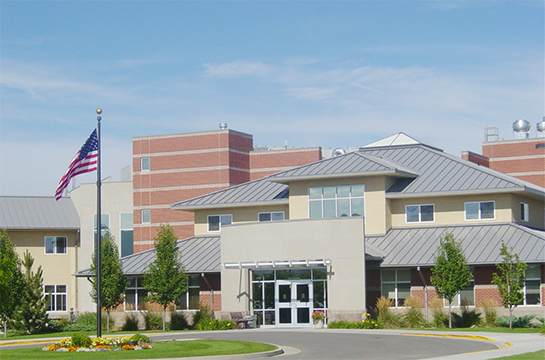
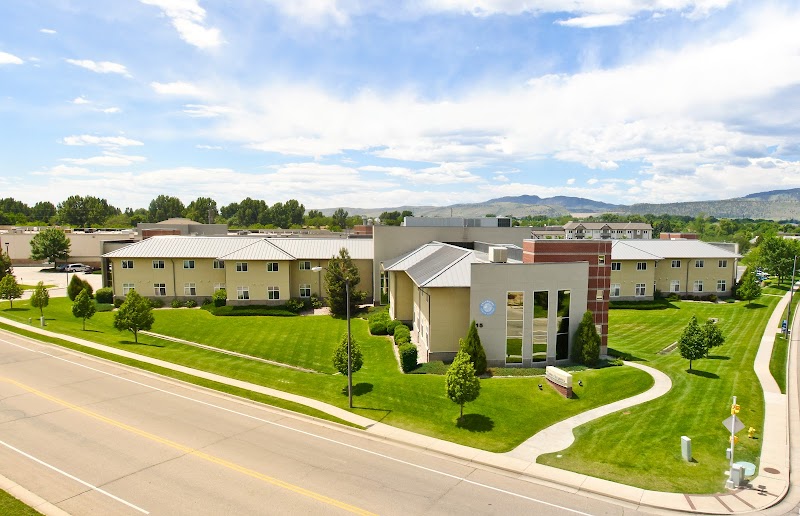
CENTRE AVE HEALTH & REHAB

815 CENTRE AVE, FORT COLLINS, CO 80526 (970) 494-2140
For profit - Limited Liability company 90 Beds COLUMBINE HEALTH SYSTEMS Data: November 2025
Trust Grade
73/100
#16 of 208 in CO
Last Inspection: October 2024

Within standard 12-15 month inspection cycle. Federal law requires annual inspections.

Overview

Centre Ave Health & Rehab in Fort Collins, Colorado has a Trust Grade of B, indicating it is a good choice for families looking for nursing home care. It ranks #16 out of 208 facilities in Colorado, placing it in the top half, and #2 out of 13 in Larimer County, suggesting that it stands out among local options. The facility is improving, as it reduced its issues from three in 2023 to zero in 2024. Staffing is rated at 4 out of 5 stars, with a turnover rate of 56%, which is average for Colorado, and the nursing home has more registered nurse coverage than 98% of facilities in the state, ensuring better oversight of resident care. However, there have been some serious incidents, including a failure to implement timely interventions to prevent pressure injuries for residents at risk and a lack of communication regarding changes in residents' conditions, which raises concerns about the consistency of care. Overall, while there are strengths in staffing and recent improvements, families should consider the facility's recent compliance issues.

Trust Score
B
73/100
In Colorado
#16/208
Top 7%
Safety Record
Moderate
Needs review
Inspections
Getting Better
3 → 0 violations
Staff Stability
⚠ Watch
56% turnover. Above average. Higher turnover means staff may not know residents' routines.
Penalties
○ Average
$8,044 in fines. Higher than 75% of Colorado facilities. Some compliance issues.
Skilled Nurses
✓ Good
Each resident gets 95 minutes of Registered Nurse (RN) attention daily — more than 97% of Colorado nursing homes. RNs are the most trained staff who catch health problems before they become serious.
Violations
✓ Good
Only 5 deficiencies on record. Cleaner than most facilities. Minor issues only.
★★★★★
5.0
Overall Rating
★★★★☆
4.0
Staff Levels
★★★★★
5.0
Care Quality
★★★★★
5.0
Inspection Score
Stable
2023: 3 issues
2024: 0 issues

The Good

  • 4-Star Staffing Rating · Above-average nurse staffing levels
  • 5-Star Quality Measures · Strong clinical quality outcomes
  • Full Sprinkler Coverage · Fire safety systems throughout facility
  • No fines on record

Facility shows strength in staffing levels, quality measures, fire safety.

The Bad

Staff Turnover: 56%

10pts above Colorado avg (46%)

Frequent staff changes - ask about care continuity

Federal Fines: $8,044

Below median ($33,413)

Minor penalties assessed

Chain: COLUMBINE HEALTH SYSTEMS

Part of a multi-facility chain

Ask about local staffing decisions and management

Staff turnover is elevated (56%)

8 points above Colorado average of 48%

The Ugly 5 deficiencies on record

2 actual harm
Apr 2023 3 deficiencies 1 Harm
SERIOUS (G)

Actual Harm - a resident was hurt due to facility failures

Accident Prevention (Tag F0689)

A resident was harmed · This affected 1 resident

**NOTE- TERMS IN BRACKETS HAVE BEEN EDITED TO PROTECT CONFIDENTIALITY** II. Resident #16 A. Resident status Resident #16, age [AGE], was admitted on [DATE] and discharged on 3/28/23 to the hospital. ...

Read full inspector narrative →
**NOTE- TERMS IN BRACKETS HAVE BEEN EDITED TO PROTECT CONFIDENTIALITY** II. Resident #16 A. Resident status Resident #16, age [AGE], was admitted on [DATE] and discharged on 3/28/23 to the hospital. According to the March 2023 CPO, the diagnoses include displaced fracture of left femur, subsequent closed fracture, unsteadiness on feet, pain in left hip and left knee, history of falling, end stage renal disease, dependence on renal dialysis, kidney transplant, history of infections of the central nervous system-cryptococcal meningitis, history of sepsis (infection) and bacteremia (bacteria in bloodstream), pseudomonas (infection), type two diabetes and encephalopathy (altered mental status). The 3/17/23 minimum data set (MDS) assessment revealed the resident was cognitively intact with a brief interview for mental status score of 14 out of 15. He required one person assistance with transfer, dressing, toileting and personal hygiene. He used a walker and a wheelchair. It indicated that he had a fracture related to a fall within the last six months. B. Record review The fall risk care plan, revised on 3/28/23, documented the resident was at risk for falling related to history of falls, decreased mobility, decreased balance and a hip fracture. The interventions included assure resident is wearing eyeglasses, assure eyeglasses are clean and in good repair, assure the floor is free of glare, liquids and foreign objects, encourage resident to use environmental devices such as hand grips, hand rails,etc, keep call light and personal items within reach, occupy resident with meaningful distractions, provide assistance as needed for ADLs and mobility, provide toileting assistance/toileting plan. The initial social services progress note on 3/13/23 at 5:07 p.m. indicated that the resident was independent with all ADLs with no need of mobility. -There was no intervention in his fall risk care plan related to residents identified to be at greater risk. The activities of daily living (ADL) function status/rehabilitation potential care plan, initiated on 3/12/23, documented the resident will attain and maintain the highest practicable functional level and complications will be minimized. The interventions included providing an occupational and physical therapy evaluation, enforce weight bearing restrictions as ordered, instruct in use of assistive device and monitor for correct use, provide assistance for ADL's and mobility as needed, and teach safety measures and monitor resident's safety. The 3/13/23 fall assessment documented at 9:08 p.m. the resident told the nurse he tried to roll in the bed and fell down on the floor. The nurse's progress note on 3/13/23 at 10:11 p.m. documented the CNA informed the nurse that they came in the patient's room to help him to bed. Patient told the CNA he can't sleep and he needs his wife or someone (sic) to sleep with (sic) him in the room. The nurse told the resident that no one can be (sic) in his room during the night. Later the resident pressed the call light many times and asked the CNA if she can stay with him. There was no documentation that the staff asked the resident if they should call his wife nor did they attempt to reach the resident's wife at nightime. The facility attempted to reach the wife on 3/14/23 at 8:55 a.m. to inform the wife of the fall at night. They were unsuccessful in reaching the wife. They notified the son about the fall and he said he would visit the morning of 3/14/23. -There were no additional interventions added to the actual fall care plan related to the resident's need for increased supervision. The nurse's progress note on 3/21/23 at 12:09 p.m. documented the resident was asking for percocet for his pain. He has confusion at times. The 3/21/23 fall assessment documented at 8:08 p.m. the resident told the nurse that he slid out of his wheelchair and was lying on the floor at the end of the hall in front of the wheelchair. The care plan revealed the following intervention was added: encourage resident to become more involved in facility activities. The 3/22/23 fall assessment documented at 5:45 p.m. the resident told the nurse that he was trying to go to the bathroom. The CNA found the resident in between the toilet and the wall. The care plan revealed the following intervention was added: continue with PT/OT, social work to speak with family about changing room closer to nurse's station and explore post dialysis activities during peak time of confusion. The nurse's progress note on 3/22/23 at 5:30 p.m. documented the resident told the CNA that he saw a woman with a dog and was going after the dog. When asked by the nurse, resident said he was trying to go up a three to four run ladder. The nurse's progress note on 3/22/23 at 11:59 p.m. documented the resident complained of pain to whole body. The interventions used were low bed, appropriate footwear or grippy socks. The nurse's note on 3/23/23 at 2:03 p.m. documented the night shift night nurse reported that resident complained of right lower extremity pain overnight after his fall. The nurse's progress note on 3/23/23 at 2:46 a.m. documented the interventions used were purposeful rounding, appropriate footwear or grippy socks and toileting programs. The resident was educated to not stand up by himself. Resident was upset with nurse stating he was not in a concentration camp. The nurse reminded the resident that he was in rehabilitation for his broken hip and the facility has safety regulations. The nurse reminded him about his falls. The 3/27/23 fall assessment documented at 8:56 p.m. documented the resident told the nurse he was trying to get to the wheelchair from his bed. He was found on his knees in his room. The nurse's progress note on 3/27/23 at 9:55 p.m. documented the resident sustained a skin tear to the left outer forearm. The nurse's progress note on 3/28/23 at 7:00 a.m. documented the resident was very confused throughout the night. He was alert and oriented to self only. Resident had three falls since 8:00 p.m. last evening. The resident vacillated from very agitated and lethargic. When awake and restless (sic) and agitated, he continues to take off his clothes and attempting to grab staff and get up. Temperature started at 99.8 degrees F and went up to 100.2 degrees F. Tylenol was provided. Resident assisted to chair and back to bed but has remained unsafe and closely monitory. Heart rate was tachycardia but regular. Provider was notified after first fall and again this morning with orders to send to emergency room to evaluate and treat. The nurse's progress note on 3/28/23 at 9:54 a.m. documented called hospital emergency room for resident's disposition. Resident is being admitted for altered mental status, generalized abdominal pain, urinary retention, blood in urine, urinary tract infection, elevated white blood cells, elevated potassium of 7. -The care plan revealed the following interventions were added: sent to ER for evaluation on 3/28/23, room rearranged related to falls and purposeful rounding. -The facility failed to put effective interventions into place to prevent Resident #16 from continued falls. C. Staff interviews Licensed practical nurse (LPN) #1 was interviewed on 4/17/23 at 11:53 a.m. He said purposeful rounding was to go to the resident's door say hello and seeing if the resident needed anything. The nurse would see if the resident was in distress or pain. LPN #1 was unable to answer how often purposeful rounding should be completed. CNA #3 was interviewed on 4/17/23 at 11:48 a.m. She said purposeful rounding was to check on all residents every 60-90 minutes. She said she did not know what purposeful rounding was if a resident had an intervention. She stated the toileting program was to check on the resident every two hours to see if they needed incontinence assistance. A copy of the facility's purposeful rounding policy was requested on 4/17/23. The clinical services manager (CSM) #1 did not have a policy. She provided a presentation on purposeful rounding. -The presentation did not state what the frequency of rounding should be when ordered. admission coordinator (AC) #1 was interviewed on 4/18/23 at 11:58 a.m. She said she notified the nurse and therapists when a new resident was a high fall risk. She stated new residents identified as a fall risk should have maximum assistance, have a sling in the room and be close to the nurse's station. The fall risk was communicated through email to all disciplines and the admission coordinator would give a report in person. Based on interviews and record review, the facility failed to ensure three (#53, #16 and #33) of eight residents reviewed for accidents out of 32 sample residents received adequate supervision to prevent an accident/hazard. Resident #53 was known to be at risk for falls on admission as he had fallen at home. The facility failed to implement effective interventions. The resident fell two times on 2/17/23, with the first fall resulting in a head wound with active bleeding where the resident was sent to the emergency department for treatment and the head wound was glued. Observations revealed fall interventions were not implemented. In addition, the facility failed to: -Implement effective fall interventions for Resident #16; and, -Implement interventions when Resident #33 obtained a skin tear during a transfer to prevent it from occurring again. Findings include: I. Resident #53 A. Facility policy and procedure The Skilled Nursing Facility Fall Management policy and procedure, revised on 2/8/23, was received from the nursing home administrator (NHA) on 4/13/23 at 4:52 p.m. It read in pertinent part: Residents have a right to a safe environment, while maximizing their independence. Fall prevention seeks to balance resident's safety from falls while respecting individual rights and preservation of dignity. It is the facility's goal to reduce falls and injury related falls. Admitting Nurse will complete the Fall Risk Observation upon admission. Individualized interventions will be implemented to minimize potential fall occurrence dependent upon the resident's risk. Additional interventions for residents identified to be at greater risk: anticipate needs by observing normal routines and times of increased risk, obtain consults as appropriate, encourage adequate rest periods to prevent over tiring, and increase staff observation and avoid self isolation. Encourage inclusion in activities and social interaction. The Fall Prevention Philosophy, dated 2/1/23, was received by the clinical nurse consultant on 4/18/23 at 11:00 a.m. It read in pertinent part: Call lights: We strive to meet each resident's needs prior to them having to use their call light. If a call light is used, it will be answered promptly and courteously by the first available staff person. Purposeful rounding is rounding routinely to meet the resident's needs before they ask, is proactive rather than reactive, prevents falls and other injuries, takes less time than answering call lights, and is done by all nursing department staff. With each round offer toileting/check incontinence products, reposition for comfort, offer, encourage, and assist with fluids, ask about pain or discomfort, ask if there are any personal items they need or an activity they would like to participate in. Look at the environment: ensure call lights are in reach, ensure water is available and in reach, and ensure the room is free of clutter and a neat appearance. B. Resident status Resident #53, age [AGE], was admitted on [DATE]. According to the April 2023 computerized physician order (CPO), the diagnoses included atrial fibrillation, muscle weakness, repeated falls, unspecified dementia, traumatic subdural hemorrhage (bleeding inside the skull) with loss of consciousness, attention and concentration deficit, cognitive communication deficit and frontal lobe and executive function deficit. The 4/3/23 minimum data set (MDS) assessment revealed the resident's cognition was severely impaired with a brief interview for mental status score (BIMS) of three out of 15. He required extensive assistance of two persons for dressing and toileting, extensive assistance of two persons with bed mobility and transfers, and extensive assistance of one for personal hygiene and the supervision of one person for eating. The resident was also identified to be at high risk for falls. C. Resident representative interview The resident was not interviewable due to his cognitive communication deficit. The resident's spouse was interviewed on 4/12/23 at 11:34 a.m. She said she was with the resident all the time because she was responsible for all choices/decisions regarding the resident's care. She stated the resident had problems understanding things. She said he fell at home in the bathroom and hit his head that caused his brain to bleed. She said after she was admitted to the facility. She said the resident had been different ever since the fall, he had a poor memory and could not carry a conversation. She said she encouraged the resident to press the call light but he did not remember and the call light was always within his reach when he was sitting in the wheelchair. She said she had concerns the resident had fallen out of his wheelchair during the night. She said the staff were not consistent with rounding, it depended who was working and varied everyday. D. Observations On 4/12/23 at 2:49 p.m. the resident was in his wheelchair in his room without the call light within reach. The resident was not wearing his prescribed glasses. The resident had heel protectors on his feet that were resting on foot rests with no non-skid footwear. On 4/13/23 at approximately 9:00 a.m. to 10:05 a.m. the resident was observed in his room sitting in a wheelchair, he was dozing and abruptly woke up and cried out for his wife to take him home. No staff member entered the resident's room during that time period. The resident was not wearing his prescribed glasses, or non-skid footwear on both feet. The call light was hanging over the right armrest of the wheelchair resting on the floor. On 4/18/23 at 8:22 a.m. to 8:32 a.m. the resident was not wearing his prescribed glasses. At 9:29 a.m. the resident was yelling for help. A certified nurse assistant (CNA) arrived and attempted to calm the resident. The resident was not wearing his prescribed glasses.The call light was on his bed and the CNA tucked the call light between the gel seat cushion and left side of the wheelchair before exiting the room. At 12:42 p.m. the resident was sitting in the wheelchair in his room without a call light within reach. -The resident was not able to consistently use the call light (see family interview) and it was not placed properly for use, did not have his glasses on and often did not wear non-skid footwear. E. Record review The resident was admitted to the hospital from [DATE] to 10/3/22 status post fall at home resulting in subdural hemorrhage (bleeding in the brain), an 8th left rib fracture, increase in impaired mobility and generalized weakness. Care plan The care plan, revised on 1/5/23, read in pertinent part: the resident was at risk for falls related to a history of falls, decreased mobility, decreased balance, advanced age, and weakness. Interventions start date 10/8/22 date included PT, OT consults, strength training, toning, positioning, transfer training, gait training, and mobility devices. The resident was not a candidate for rehabilitation service due to presenting symptoms and the resident's spouse opted for hospice care. The care plan dated 1/5/23 continued with: keep call light and personal items and frequently used items in reach. Provide the resident with an environment free of clutter. Orient resident when there has been new furniture placement or other changes in environment. If falls occur, analyze resident's falls to determine pattern/trend. Give resident verbal reminders not to ambulate/transfer without assistance, provide resident with proper well-maintained footwear. Encourage the resident to use environmental devices such as hand grips, handrails. Assure the floor is free of glare, liquids, and foreign objects. Assure the resident was wearing glasses and they were clean. Toileting program, 12/28/22, read as follows: assure the resident is sitting upright in his wheelchair. Interdisciplinary team to review medication regimen, padding to gap in bed and bed extenders, and included offer distraction measures updated on 1/31/23. Interdisciplinary team: ensure resident has proper footwear over heel protectors when up in wheelchair updated 2/21/23. Care plan after 2/21/23 included the interdisciplinary team (IDT) to complete root cause(s) of fall events and establish and recommend interventions. Falls Two fall events occurred on 2/17/23 at 7:15 p.m. and at 11:53 p.m. The fall at 7:15 p.m. was unwitnessed and occurred in the hallway as the resident stood upright from his unlocked wheelchair and fell backward hitting his posterior head against the floor. The resident reported he was trying to find his wife. The resident was last toileted at 5:30 p.m. and was incontinent of urine at the time of the fall. Neurological checks were completed on 2/17/23 from 7:15 p.m. through 9:00 p.m. The spouse and medical provider were notified of the fall. At approximately 9:55 p.m. the resident's head wound started to actively bleed and the provider ordered an emergency room evaluation and computed tomography (CT) scan which was negative. The head wound was glued closed and the resident was returned to the facility. The investigation of the fall revealed the resident was not wearing non-skid footwear. Purposeful rounding stopped at 6:45 p.m. (30 minutes before the first fall). Root cause per interdisciplinary team (IDT): Urine incontinence. Interventions: proper footwear, educate the resident on importance of using call light, rearrange room. -There was no documentation the second fall on 2/17/23 at 11:53 p.m. was investigated. A third unwitnessed fall occurred on 3/20/23 at 1:35 a.m. The resident was found on the floor at his bedside, stating he wanted to go out. No injury noted. Neurological checks were completed immediately after the fall through 3/22/23 on the evening shift (time not documented). The resident was incontinent of urine at the time of the fall. Last toileting/brief changed at 12:30 a.m. The spouse, hospice, and the medical provider were notified. Root cause per IDT: No root cause documented. Interventions: Staff implemented fall protocol, rearrange room, place bed against wall. A fourth unwitnessed fall occurred on 4/2/23 at 8:45 p.m. The resident was found on the floor leaning against his wheelchair facing the television. No injury noted. Neurological checks were completed immediately after fall through 4/5/23 on the evening shift (time not documented). The resident was not incontinent of urine at the time of the fall. Last toileting brief change at 5:45 p.m. Wife and medical provider were notified. Root cause per IDT: Believed to be agitation. Interventions: Post Void Residual Volume (no progress note related to post void residual volume output). An assisted fall occurred on 4/4/23 at 7:00 a.m. as a certified nurse assistant (CNA) was assisting the resident with a transfer from bed to wheelchair and the resident's knees buckled. The CNA lowered the resident to the floor. No injury noted. The resident was not incontinent at the time of the assisted fall. Last toileting/brief change at 5:30 a.m. Root cause per IDT: increased weakness. Interventions: Collaborate with hospice to request physical therapy for strengthening related to comfort/fall prevention (no progress note to support collaborative practice with hospice/physical therapy). F. Staff interviews CNA #2 was interviewed on 4/13/23 at 2:10 p.m. He said the toileting program was knowing the resident's bowel and bladder habits and taking the resident to the toilet before they were incontinent. He said he used the [NAME] (an abbreviated directive) to make sure he knew when to toilet residents but said it was way too much when he was the only CNA on the unit. CNA #1 was interviewed on 4/18/23 at 9:46 a.m. She said purposeful rounding was checking on residents every two hours to make sure they were okay and respond to their needs in a timely manner. She further explained, she was assigned to 15 residents and many were dependent on her for transfers but if she could not find help then she could not always round. The NHA was interviewed on 4/18/23 at 10:15 a.m. The NHA said the toileting program was located on the [NAME]. The [NAME] was generated every morning/evening (if needed) for the CNAs to offer toileting to residents because continence was a priority. The clinical nurse consultant (CNC) was interviewed on 4/18/23 at 11:20 a.m. The CNC said purposeful rounding was focused on answering call lights. The CNC stated there was no mechanism in place to assure purposeful rounding was consistently done, and no documentation to support purposeful rounding was completed. The CNC said all nursing staff were educated on fall prevention and purposeful rounding on hire and annually. III. Resident #33 A. Resident observations On 4/12/23 at 1:24 p.m., the resident sat in a wheelchair in her room. She had a bandage on her left lower extremity (shin). The bandage was dated 4/12/23. B. Family interview An interview was conducted with the resident's daughter on 4/12/23 at 1:24 p.m. She said on 4/2/23, the resident hit her left shin on a metal part of her wheelchair while she was in the bathroom with a staff member. The resident received a skin tear to her left shin. C. Resident status Resident #33, age [AGE], was admitted on [DATE]. According to the April 2023 computerized physician orders (CPO), diagnoses included need for assistance with personal care, muscle weakness, history of falling, lack of coordination, chronic kidney disease stage 3, malignant neoplasm (cancer) of the breast, history of sepsis, chronic obstructive pulmonary disease, lack of coordination, cognitive communication deficit, lack of coordination, frontal lobe and executive function deficit. The 1/23/23 minimum data set (MDS) assessment, revealed the resident was cognitively intact with a brief interview for mental status (BIMS) score of 13 out of 15 with no behaviors. The resident required extensive staff assistance for bed mobility, transfers (two plus staff physical assist), dressing, eating, toileting (two plus staff physical assist), and personal hygiene. The resident had functional limitations in range of motion impairment on both sides of her lower extremities (hip, knee, ankle, or foot). The resident had occasional moderate pain that did limit her day to day activities. D. Record review Care plan for a skin tear was started on 2/23/23. The pertinent interventions included for staff to apply dressings according to physician and wound care team orders. Staff were to consult with the facility wound care team to follow and guide the resident's treatment. Staff were to report signs of cellulitis (localized pain, redness/swelling/tenderness/drainage, fever); sepsis (fever/malaise/change in mental status, tachycardia/hypotension, nausea/vomiting); osteomyelitis (pain/redness/swelling, muscle spasms, fever). Wound care would be managed by a hospital wound clinic, facility wound care team and the resident's family. Event report by licensed practical nurse (LPN) #1 dated 2/20/23 at 8:45 a.m., revealed to monitor a skin tear to the resident's left lower extremity (shin) related to contact with her wheelchair footplates upon transferring. The skin tear was vertical measuring 2 centimeters (cm) on the left lower shin. There was no pain associated with the skin tear and no signs or symptoms of infection. Staff were to monitor the skin tear daily for any change in condition. -The resident's physician and family representative were not notified (cross-reference F580). Wound note dated 2/23/23 at 8:30 a.m., by a registered nurse (RN) revealed skin tear/laceration to the left shin. The wound bed had granulated and epithelial tissue with heavy sanguineous (blood) exudate. The surrounding skin was bruised. Resident reported no pain to the area. Resident was at baseline for movement, strength, sensation, temperature and edema (water retention) for the extremity wound. Physician order dated 2/23/23 revealed a skin tear to the left middle shin. Wound care team to cleanse with saline or wound cleanser, pat dry, apply xeroform (cut to fit) followed by foam dressing every other day and as needed. -After the resident obtained the skin tear on 2/20/23, there was no subsequent education with staff or preventative measures put in place to prevent recurrence. E. Staff interviews The assistant director or nursing (ADON) was interviewed on 4/18/23 at 8:40 a.m. He said the resident's lower extremity wound occurred when her left was bumped on her wheelchair during a transfer by staff. The wound nurse (WN) was interviewed on 4/18/23 at 12:10 p.m. She said on 2/20/23 from a skin tear that occurred during a transfer with staff. She said a staff member was transferring the resident and her shin came into contact with the wheelchair pedals that were folded up and to the sides of the wheelchair. She said she felt this was an accident and the transfer was completed according to facility policy. She acknowledged that there was no evidence the resident's family nor her physician were notified of the incident on 2/20/23 and they should have been notified. LPN #1 was interviewed on 4/18/23 at 2:46 p.m. He said he was told by a certified nurse aide (CNA) that the resident had hit her shin on the wheelchair foot pedals. He said the food pedals were flipped up and she nicked her shin on the metal. He said it was a small skin tear and she did have some edema at the time. He said it was bleeding a little at the time. He said he could not remember if he notified the resident's family or physician. He said for changes of condition, falls, head injuries and unwitnessed falls the family and physician should be notified.
CONCERN (E)

Potential for Harm - no one hurt, but risky conditions existed

Notification of Changes (Tag F0580)

Could have caused harm · This affected multiple residents

**NOTE- TERMS IN BRACKETS HAVE BEEN EDITED TO PROTECT CONFIDENTIALITY** Based on record review and interviews, the facility failed to immediately inform the resident, consult with the resident's physi...

Read full inspector narrative →
**NOTE- TERMS IN BRACKETS HAVE BEEN EDITED TO PROTECT CONFIDENTIALITY** Based on record review and interviews, the facility failed to immediately inform the resident, consult with the resident's physician and notify, consistent with his/her authority, the resident's representative when there was a change of condition for three (#33, #59 and #64) of eight residents out of 32 sample residents. Specifically, the facility failed to notify the resident's physician and/or the resident's legal representative related to: -Resident #33's skin tear to the left lower extremity; -Resident #59's falls on 1/26/23 and 2/27/23; and, -Resident #64's falls on 2/20/23 and 3/9/23. Findings include: I. Facility policy and procedures The Change of Condition with Resident policy, revised on 7/7/22, was provided by the clinical services manager (CSM) #1 on 4/18/23 at 12:42 p.m. The policy revealed a change of condition with a resident was a multi-disciplinary approach and might be observed by any member of the team. The interdisciplinary team (IDT) reviewed residents routinely and might identify a change of condition. The IDT should monitor residents on-going, for a change of condition/change in status. Upon identification of a change of condition, an event will be opened in (charting program) and interventions implemented immediately. The registered nurse (RN) or the licensed practical nurse (LPN) was responsible for notifying the provider and the resident's power of attorney (POA) of a significant change of condition. Documentation of notification should be made in the medical record. Except in a medical emergency, a resident should not be transferred or discharged , or his/her treatment radically altered without consultation with the resident/POA and the provider. II. Resident #64 A. Resident status Resident #64, age [AGE], was admitted on [DATE]. According to the April 2023 computerized physician orders (CPO), diagnoses included metabolic encephalopathy (altered mental status), cognitive communication deficit, history of falling, permanent atrial fibrillation, muscle weakness, presence of cardiac pacemaker, frontal lobe and executive function deficit. The 4/1/23 minimum data set (MDS) assessment, revealed the resident had severe cognitive impairment with a brief interview for mental status (BIMS) score of four out of 15 with no behaviors. The resident required extensive staff assistance for bed mobility and dressing. The resident required limited staff assistance for transfers, toileting and personal hygiene. B. Record review Care plan for falls related to the resident's history of falls, decreased mobility, decreased balance and lack of understanding of surroundings was initiated on 1/31/23. The pertinent interventions were staff to provide ongoing education to use call light for assistance prior to getting out of bed or off the toilet. Ensure the resident was wearing eyeglasses. Ensure the floor was free of glare, liquids, and foreign objects. Encourage the resident to use environmental devices such as hand grips and hand rails. Provide the resident verbal reminders not to ambulate/transfer without assistance and encourage the resident to assume a standing position slowly. Provide the resident with proper and well-maintained footwear. If falls occur, analyze the resident's falls to determine the pattern/trend. Ensure the call light, personal items and frequently used items were within reach. Provide the resident an environment free of clutter. Staff were to orient the resident when there has been new furniture placement or other changes in environment. Staff were to provide the resident with assistance as needed for activities of daily living and mobility. Staff were to provide toileting assistance. C. Fall on 2/20/23 Event report revealed an unwitnessed fall on 2/20/23 at 6:00 p.m., in his room. The resident did not exhibit or complain of pain related to the fall. There were no signs of injury. The resident was able to perform ranges of motion on all extremities without limitations or pain. There was no observed rotation, deformity or shortening of extremities. The resident was alert and oriented at times two. The resident had a history of falls, movement problems or unsteady gait and an orthopedic condition. -The resident's physician and legal representative were not notified. The post fall investigation revealed the resident had a fall on 2/20/23 at 6:00 p.m. The resident was found lying on the floor in front of his recliner and said he was trying to go to bed. There were no observed injuries. The wound nurse (WN) was interviewed on 4/18/23 at 10:40 a.m. She acknowledged the resident's family nor physician were notified of the resident's fall on 2/20/23. She said they both should have been notified about the fall. E. Fall on 3/9/23 The family interview was conducted on 4/12/23 at 2:23 p.m. The daughter of the resident said the resident fell while going to the bathroom during the night of 3/9/23 and the facility staff did not notify them. She said she learned about the fall from the resident's physician the next day on 3/10/23 at 9:30 a.m. She said the resident fell and hit his head on the corner of the in room sink. She said the resident had a contusion to the back of his head, a bruise on his forehead, a bruise on the back of his neck and his left knee was hurting. She said he was sent to the hospital emergency department according to their request. Event report dated 3/9/23 at 11:15 p.m., revealed the resident had an unwitnessed fall at 9:55 p.m., in his room. The resident did not exhibit or complain of pain related to the fall. The resident's ranges of motion for all extremities were without any limitations or pain. There was no rotation, deformity or shortening of the extremities. The resident was alert and oriented at times one. The resident had a history of falling. The safety measures at the time of the fall were to ensure the call light (paddle) was in reach, bed in lowest position, walker, wheelchair and non-slip socks. -The resident's physician and legal representative were not notified. Fall investigation revealed on 3/9/23 at 9:55 p.m., the resident had an unwitnessed fall. A certified nurse aide (CNA) heard the resident fall and found him on the floor in his room. The resident wore regular socks. The resident said he was leaving. The resident had a hematoma to the base of the skull, minor injury of a skin tear or major bruise depending on the hospital's evaluation. The resident was educated on the use of the all light. Nurse note dated 3/10/23 at 10:24 a.m., by a RN revealed the resident's physician was notified the resident had a fall overnight. The resident was unable to bear weight on his left knee and was walking yesterday. The resident had a hematoma to the base of his skull and was going to the hospital for evaluation. Hospital note dated 3/10/23 at 11:12 a.m., revealed no acute osseous abnormality or intracranial processes. There was ecchymosis (contusion or bruise) to the occiput. There was no discomfort elicited upon the range of motion of the left knee or hip. The resident reported tenderness on palpation to the proximal aspect of the left femur and the lateral aspect of the proximal portion of left tibia/fibula. The WN was interviewed on 4/18/23 at 10:40 a.m. She acknowledged the resident's family was not notified of the resident's fall on 3/9/23. She said the resident's family should have been notified immediately due to his head injury and subsequent delayed transportation to the hospital emergency department. She acknowledged the resident's physician was not notified until 3/10/23 at 10:24 a.m. She acknowledged the resident's physician should have been notified immediately due to the resident's head injury. III. Resident #33 A. Resident status Resident #33, age [AGE], was admitted on [DATE]. According to the April 2023 CPO, diagnoses included need for assistance with personal care, muscle weakness, history of falling, lack of coordination, chronic kidney disease stage 3, malignant neoplasm of the breast, history of sepsis (infection), chronic obstructive pulmonary disease, lack of coordination, cognitive communication deficit, lack of coordination, frontal lobe and executive function deficit. The 1/23/23 minimum data set (MDS) assessment, revealed the resident was cognitively intact with a brief interview for mental status (BIMS) score of 13 out of 15 with no behaviors. The resident required extensive staff assistance for bed mobility, transfers (two plus staff physical assist), dressing, eating, toileting (two plus staff physical assist), and personal hygiene. The resident had functional limitations in range of motion impairment on both sides of her lower extremities (hip, knee, ankle, or foot). The resident had occasional moderate pain that did limit her day to day activities. B. Record review Event report by licensed practical nurse (LPN) #1 dated 2/20/23 at 8:45 a.m., revealed to monitor a skin tear to the resident's left lower extremity (shin) related to contact with her wheelchair footplates upon transferring. The skin tear was vertical measuring 2 centimeters (cm) on the left lower shin. There was no pain associated with the skin tear and no signs or symptoms of infection. Staff were to monitor the skin tear daily for any change in condition. -The resident's physician and family representative were not notified. Care plan for a skin tear was started on 2/23/23. The pertinent interventions included for staff to apply dressings according to physician and wound care team orders. Staff were to consult with the facility wound care team to follow and guide the resident's treatment. Staff were to report signs of cellulitis (localized pain, redness/swelling/tenderness/drainage, fever); sepsis (fever/malaise/change in mental status, tachycardia/hypotension, nausea/vomiting); osteomyelitis (pain/redness/swelling, muscle spasms, fever). Wound care would be managed by a hospital wound clinic, facility wound care team and the resident's family. C. Staff interview The WN was interviewed on 4/18/23 at 12:15 p.m. She acknowledged the resident's family nor physician were notified of the skin tear to the resident's left lower extremity on 2/20/23. She said they both should have been notified about the skin tear. IV. Resident #59 A. Resident status Resident #59, age [AGE], was admitted on [DATE]. According to the April 2023 CPO, diagnoses included dementia, depression, lack of coordination, attention/concentration deficit, symbolic dysfunctions, history of falling, muscle weakness, frontal lobe and executive function deficit. The 2/16/23 minimum data set (MDS) assessment, revealed the resident had severe cognitive impairment with a brief interview for mental status (BIMS) score of seven out of 15 with no behaviors. The resident required extensive staff assistance for bed mobility, transfers, dressing, toileting, and personal hygiene. B. Record review Care Plan for falls related to the resident's history of falls, decreased mobility, decreased balance and poor decision making was revised on 2/20/23. The pertinent interventions were to ensure the resident wore the proper anti-slip footwear, educate the resident to call staff prior to getting up independently and for the maintenance staff to assess for anti-roll back mechanism on the wheel chair. Ensure the resident's bathroom was free of clutter, and the light in the bathroom was tested and worked appropriately. Keep the resident's bed in the lowest position. Ensure the resident was wearing glasses. Ensure the floor was free of glare, liquids, and foreign objects. Encourage the resident to use environmental devices such as hand grips, and handrails. Provide the resident with verbal reminders not to ambulate/transfer without assistance and encourage the resident to assume a standing position slowly. If falls occurred, analyze the resident's falls to determine pattern/trend. Ensure the call light, personal items and frequently used items were within reach. Staff were to provide the resident an environment free of clutter. Staff were to orient the resident when there has been new furniture placement or other changes in environment. Staff were to provide assistance as needed for activities of daily living and mobility. Staff were to provide toileting assistance. C. Fall on 1/6/23 Event report revealed on 1/6/23 at 6:45 p.m., the resident had a witnessed fall in their room. The resident said I fell backwards cause my legs got wobbly. The resident was being transferred with staff assistance. The resident was able to move all extremities without pain. There was no observed rotation, deformity of the extremities. The safety measures that were in use at time of fall were the resident's bed was in the lowest position, paddle call light in reach, gait belt, shoes, and wheelchair. -The resident's physician and family representative were not notified of the fall. The post fall investigation for the fall on 1/6/23 at 6:45 p.m., revealed the resident was assisted to the bathroom, the resident's legs became weak and gave out from under her. The fall was witnessed and the resident hit the back of her head during the fall. The resident had slight pain to the area, and no other injuries were noted. The WN was interviewed on 4/18/23 at 10:05 a.m. She acknowledged the resident's family nor physician were notified of the resident's fall on 1/6/23. She said they both should have been notified about the fall. D. Fall on 2/27/23 Event report revealed on 2/27/23 at 5:40 p.m., the resident had an unwitnessed fall with no injuries in the resident's room. The resident said I was trying to get in the wheelchair and slipped. Prior to fall, the resident was sleeping in bed. The resident did not exhibit or complain of pain related to the fall. The resident was able to move all extremities without pain. There was no observed rotation or deformity of the extremities. The resident had a history of falls. The safety measures that were in use at time of fall were the resident's bed was in the lowest position, paddle call light in reach, cane, gait belt, low bed, shoes, walker and wheelchair. -The resident's physician and family representative were not notified of the fall. The WN was interviewed on 4/18/23 at 10:05 a.m. She acknowledged the resident's family nor physician were notified of the resident's fall on 2/27/23. She said they both should have been notified about the fall. V. Administrative interview CSM #1 was interviewed on 4/18/23 at 12:40 p.m. She said a resident's family and physician should be notified if a resident experienced a change of condition, falls or pressure ulcers.
CONCERN (E)

Potential for Harm - no one hurt, but risky conditions existed

Quality of Care (Tag F0684)

Could have caused harm · This affected multiple residents

**NOTE- TERMS IN BRACKETS HAVE BEEN EDITED TO PROTECT CONFIDENTIALITY** Based on record review and interviews, the facility failed to ensure two (#18 and #16) residents out of 32 sample residents rece...

Read full inspector narrative →
**NOTE- TERMS IN BRACKETS HAVE BEEN EDITED TO PROTECT CONFIDENTIALITY** Based on record review and interviews, the facility failed to ensure two (#18 and #16) residents out of 32 sample residents received treatment and care in accordance with professional standards of practice, and the comprehensive person-centered care plan. Specifically, the facility failed to ensure Resident #18 and Resident #16 were administered medications according to the physician's orders. Findings include: I. Facility policy The Medication and Treatment policy, revised 6/23/22, was provided by the clinical nurse consultant (CNC) #1 on 4/18/23 at 11:55 a.m. It revealed in pertinent part, all medications and treatments will be administered with a provider order in a timely manner. If an order cannot be followed, the provider will be notified and the situation will be documented in the resident order. Timely administration of medications/treatments means the medication/treatment is administered as close to the scheduled time as possible. One hour before or after the schedule time or range is acceptable. Ideally, medications are administered at the time scheduled; if unable, reasoning will be documented. Residents have the right to refuse medications/treatments. If a resident refuses a medication/treatment, the following will occur. After the nurse's assessment of refusal, if it is determined that the medication/treatment being refused has the ability to cause a significant adverse event, the provider will be notified by midnight of the next calendar day. If there is a pattern of refusal (three consecutive refusals) the provider and the responsible party shall be notified. The type and purpose of the medication/treatment shall be taken into consideration and nursing judgment shall be used. II. Resident #18 A. Resident status Resident #18, age [AGE], was admitted on [DATE]. According to the April 2023 computerized physician order (CPO), the diagnoses include Alzheimer's, type two diabetes, hypertensive chronic kidney disease with stage 5 chronic kidney disease, dependence on renal dialysis, congestive heart failure and syncope. The 1023/223 minimum data set (MDS) assessment revealed the resident had moderate cognitive impairment with a brief interview for mental status score of 10 out of 15. She required two person assistance with transfer, dressing, toileting and personal hygiene. B. Record review The April 2023 CPO physician orders revealed: - Cinacalcet 30mg (milgrams) once a day for hyperparathyroidism (parathyroid gland overactive) secondary to chronic renal failure with dialysis, start on 1/25/23. The November 2022 medication administration record (MAR) showed the following medications were not administered per physician orders: On 11/12/22 Cincalcet 30mg was not administered as resident refused. The December 2022 MAR showed the following medications were not administered per physician orders: On 12/17/22, 12/23/22 and 12/29/22, Cincalcet 30mg was not administered as resident refused. The January 2023 MAR showed the following medications were not administered per physician orders: On 1/2/23, 1/4/23, 1/6/23, 1/13/23 and 1/16/23, Cincalcet 30mg was not administered as resident refused. The February 2023 MAR showed the following medications were not administered per physician orders: On 2/1/23, 2/2/23, 2/8/23, 2/12/23, 2/20/23, 2/22/23 and 2/28/23 Cincalcet 30mg was not administered as resident refused. The March 2023 MAR showed the following medications were not administered per physician orders: On 3/8/23, 3/14/23, 3/15/23, 3/21/23, 3/24/23 and 3/31/23 Cincalcet 30mg was not administered as resident refused. The April 2023 MAR showed the following medications were not administered per physician orders: On 4/7/23, 4/8/23, 4/9/23 and 4/10/23 Cincalcet 30mg was not administered as resident refused. The progress notes revealed that on 4/7/23 the dialysis center notified the facility that there was a concern for intact parathyroid hormone levels. The resident's level was 2,819 with a goal range of 160 to 720. It documented the resident was on cinacalcet 30 mg. -The Cinacalcet medication was used to produce less parathyroid hormone. There was an event created on 4/11/23 to monitor for medication refusals, document interventions and effectiveness. There was no documentation under the notification section of the event that the provider was notified. III. Resident #16 A. Resident status Resident #16, age [AGE], was admitted on [DATE] and discharged on 3/28/23. According to the March 2023 CPO, the diagnoses include end stage renal disease, dependence on renal dialysis, kidney transplant, history of infections of the central nervous system-cryptococcal meningitis, history of sepsis (infection) and bacteremia (bacteria in bloodstream), pseudomonas (infection), type two diabetes and encephalopathy (altered mental status). The 3/17/23 minimum data set (MDS) assessment revealed the resident was cognitively intact with a brief interview for mental status score of 14 out of 15. He required one person assistance with transfer, dressing, toileting and personal hygiene. B. Record review The March 2023 CPO physician orders: -Eliquis 5mg twice a day for deep vein thrombosis, start on 3/11/23. -Insulin glargine solution 100 unit/mL 10 units twice a day for type two diabetes, start on 3/11/23. -Prednisone 5mg once a day in the morning for kidney failure, start on 3/11/23. -Vancomycin 125 mg twice a day for c-difficile prophylaxis, start on 3/14/23. The March 2023 MAR showed the following medications were not administered per physician orders: -3/15/23 Eliquis 5mg was not administered as resident was unavailable. The progress note documented the resident was at dialysis. -3/17/23 Eliquis 5mg was not administered as resident was unavailable. The progress note documented the resident was at dialysis. -3/15/23 Insulin glargine solution 100 unit/mL was not administered as resident was unavailable. The progress note documented the resident was at dialysis. -3/17/23 Insulin glargine solution 100 unit/mL was not administered as resident was unavailable. The progress note documented the resident was at dialysis. -3/15/23 Prednisone 5mg was not administered as resident was unavailable. The progress note did not give any additional information. -3/17/23 Prednisone 5mg was not administered as resident was unavailable. The progress note documented the resident was at dialysis. - 3/15/23 Vancomycin 125mg was not administered as resident was unavailable. The progress note documented the resident was at dialysis. - 3/17/23 Vancomycin 125mg was not administered as resident was unavailable. The progress note did not give any additional information. -3/20/23 Vancomycin 125mg was not administered as resident was unavailable. The progress note did not give any additional information. -3/22/23 Vancomycin 125mg was not administered as resident was unavailable. the progress note documented the resident was at dialysis. -3/24/23 Vancomycin 125mg was not administered as resident was unavailable. The progress note did not give any additional information. -There was no documentation in the resident's medical record that indicates the physician was notified when the prescribed medications were not administered. IV. Interviews Licensed practical nurse (LPN) #1 for Resident #16 and #18 was interviewed on 4/18/223 at 10:35 a.m. He said that if a resident did not receive medication, the doctor should be notified. The charge nurse (CN) #2 was interviewed on 4/18/23 at 10:40 a.m. She stated that if a resident has dialysis, the time should be readjusted so the resident receives the medication before or after dialysis. If a resident refused, it was the resident's right to refuse. She would educate the resident and call the family. For Resident #18, she stated they would call the husband to help encourage the resident to take the medication and the charge nurse would review. The assistant director of nursing (ADON) was interviewed on 4/18/23 at 10:51 a.m. He said that if a medication was not administered, it should be noted in the chart and the charge nurse should be notified. If the resident was at dialysis, the timing should be readjusted so the resident gets the medication before leaving for dialysis. If the resident refused and there was a pattern, an event should be opened. When an event was opened, that would trigger notifying the provider.
Feb 2022 2 deficiencies 1 Harm
SERIOUS (G)

Actual Harm - a resident was hurt due to facility failures

Pressure Ulcer Prevention (Tag F0686)

A resident was harmed · This affected 1 resident

**NOTE- TERMS IN BRACKETS HAVE BEEN EDITED TO PROTECT CONFIDENTIALITY** Based on resident observation, record review and interviews, the facility failed to ensure residents received care consistent wi...

Read full inspector narrative →
**NOTE- TERMS IN BRACKETS HAVE BEEN EDITED TO PROTECT CONFIDENTIALITY** Based on resident observation, record review and interviews, the facility failed to ensure residents received care consistent with professional standards of practice to prevent pressure injuries for two (#16 and #18) of five residents out of 28 sample residents. The facility failed to identify and implement pressure relieving interventions in a timely manner for Resident #16 to prevent the development of two unstageable pressure injuries. The resident was known to be at risk for skin impairment, had recently experienced a significant decline in her overall health status, and was known to be non-accepting of interventions such as heel protector booties and offloading her heels with a pillow. The resident required extensive two person assistance from staff for bed mobility. The facility provided the resident with the standard pressure reducing mattress (rated to a stage 3 per the wound care nurse, see below) which was provided for all residents. The facility implemented blue heel protector booties for the resident, and the staff was to offload the resident's heels on a pillow if she declined to wear the heel protector booties. However, when Resident #16 also declined to offload her heels on a pillow, the facility failed to put a pressure relieving low air loss mattress in place as an intervention to avoid the development of pressure ulcers. When the resident experienced a decline in her overall health status on 1/13/22, she stopped eating and declined the offloading interventions more frequently than she previously had. The facility again failed to provide a low air loss mattress and the resident developed a stage 2 pressure ulcer to her right heel on 1/16/22. Despite the development of the right heel pressure ulcer and the continued decline of offloading interventions, a low air loss mattress was still not implemented by the facility. Resident #16 developed an unstageable pressure ulcer to her left heel on 1/25/22. In addition, the resident's right heel ulcer worsened and was reclassified as an unstageable pressure ulcer on 1/25/22. On 1/25/22, Resident #16's family chose to initiate hospice services for the resident. The family was informed by the facility that hospice would provide a low air loss mattress for the resident. Resident #16 was admitted on hospice care and services on 1/29/22. Despite her admission to hospice care and services, the low air loss mattress was not put into place as a wound intervention until 2/8/22, which was 10 days after the resident went on hospice. Due to the facility's failure to provide timely interventions in place prior to the development of her pressure ulcers and after she developed a Stage 2 pressure ulcer on 1/16/22, she developed avoidable unstageable pressure ulcers to her right and left heels. Resident #18 was identified as being high risk for developing pressure ulcers and required extensive staff assistance for bed mobility. The facility documentation of the resident's pressure ulcer to the sacral region was inconsistently documented when the pressure ulcer developed and to its specific location sacrum, coccyx, gluteal fold left buttock, right buttock or bilateral butticks. In addition, many of the treatments did not have physician orders to correspond with the nurse notes regarding dressing changes. The resident was readmitted on [DATE] from the hospital.The nursing assessment on 11/18/21 documented the resident had moist yellow slough with moderate slowly blanching discoloration to the coccyx and a moist open area to the sacrum. The wound care nurse documented subsequently that the resident had friction wounds to his buttocks with no consistent measurements or staging. Resident #18 had friction wounds to the buttock region at admission and was not seen by a wound physician for an initial wound evaluation until 12/17/21. The wound physician assessment documented a sacral wound full thickness measuring 5.0 centimeters (cm) by 4.7 cm by 0.2 cm with a surface area of 23.50 cm squared that had developed from moisture associated skin damage, friction and shearing with definite pressure component that had developed over the sacral area with some necrosis and slough in the wound bed. Subsequently, the resident was seen by a hospital wound clinic after the inhouse wound physician assessment. The hospital wound clinic assessed on 12/22/21 the sacral wound as concerning since the wound was close to bone and only covered with devitalized connective tissue. On 1/5/22, the hospital wound clinic measured and described the wound as a stage 4 pressure wound to the buttock. The wound care nurse in the facility described the wound to the buttocks as friction since his readmission from the hospital 11/18/21, due to inconsistent treatments, timely monitoring by the wound physician (or outside wound clinic), the sacral pressure wound worsened and developed into a Stage 4. Findings include: I. Professional reference According to the National Pressure Ulcer Advisory Panel, European Pressure Ulcer Advisory Panel and Pan Pacific Pressure Injury Alliance Prevention and Treatment of Pressure Ulcers: Clinical Practice Guideline, [NAME] Haesler (Ed.), Cambridge Media: [NAME] Park, Western Australia; 2014, retrieved from https://www.ehob.com/media/2018/04/prevention-and-treatment-of-pressure-ulcers-clinical-practice-guidline.pdf on 2/10/22, Pressure ulcer classification is as follows: Category/Stage 1: Nonblanchable Erythema Intact skin with non-blanchable redness of a localized area usually over a bony prominence. Darkly pigmented skin may not have visible blanching; its color may differ from the surrounding area. The area may be painful, firm, soft, warmer or cooler as compared to adjacent tissue. Category/Stage I may be difficult to detect in individuals with dark skin tones. May indicate at risk individuals (a heralding sign of risk). Category/Stage 2: Partial Thickness Skin Loss Partial thickness loss of dermis presenting as a shallow open ulcer with a red pink wound bed, without slough. May also present as an intact or open/ruptured serum-filled blister. Presents as a shiny or dry shallow ulcer without slough or bruising.* This Category/Stage should not be used to describe skin tears, tape burns, perineal dermatitis, maceration or excoriation. *Bruising indicates suspected deep tissue injury. Category/Stage 3: Full Thickness Skin Loss Full thickness tissue loss. Subcutaneous fat may be visible but bone, tendon or muscle are not exposed. Slough may be present but does not obscure the depth of tissue loss. May include undermining and tunneling. The depth of a Category/Stage 3 pressure ulcer varies by anatomical location. The bridge of the nose, ear, occiput and malleolus do not have subcutaneous tissue and Category/Stage 3 ulcers can be shallow. In contrast, areas of significant adiposity can develop extremely deep Category/Stage 3 pressure ulcers. Bone/tendon is not visible or directly palpable. Category/Stage 4: Full Thickness Tissue Loss Full thickness tissue loss with exposed bone, tendon or muscle. Slough or eschar may be present on some parts of the wound bed. Often include undermining and tunneling. The depth of a Category/Stage 4 pressure ulcer varies by anatomical location. The bridge of the nose, ear, occiput and malleolus do not have subcutaneous tissue and these ulcers can be shallow. Category/Stage 4 ulcers can extend into muscle and/or supporting structures (e.g., fascia, tendon or joint capsule) making osteomyelitis possible. Exposed bone/tendon is visible or directly palpable. Unstageable: Depth Unknown Full thickness tissue loss in which the base of the ulcer is covered by slough (yellow, tan, gray, green or brown) and/or eschar (tan, brown or black) in the wound bed. Until enough slough and/or eschar is removed to expose the base of the wound, the true depth, and therefore Category/Stage, cannot be determined. Stable (dry, adherent, intact without erythema or fluctuance) eschar on the heels serves as 'the body's natural (biological) cover' and should not be removed. Suspected Deep Tissue Injury: Depth Unknown Purple or maroon localized area of discolored intact skin or blood-filled blister due to damage of underlying soft tissue from pressure and/or shear. The area may be preceded by tissue that is painful, firm, mushy, boggy, warmer or cooler as compared to adjacent tissue. Deep tissue injury may be difficult to detect in individuals with dark skin tones. Evolution may include a thin blister over a dark wound bed. The wound may further evolve and become covered by thin eschar. Evolution may be rapid, exposing additional layers of tissue even with optimal treatment. According to the National Pressure Ulcer Advisory Panel, European Pressure Ulcer Advisory Panel and Pan Pacific Pressure Injury Alliance Prevention and Treatment of Pressure Ulcers: Clinical Practice Guideline, [NAME] Haesler (Ed.), Cambridge Media: [NAME] Park, Western Australia; 2014, from https://www.ehob.com/media/2018/04/prevention-and-treatment-of-pressure-ulcers-clinical-practice-guidline.pdf (2/10/22), Interventions for Prevention and Treatment of Pressure Ulcers: Five sections of the guideline present interventions that are used for both prevention and treatment of pressure ulcers. Nutrition, repositioning and early mobilization, addressing heel pressure, support surfaces and medical device management are all areas of care that are implemented both as a preventive measure, and to promote healing of existing pressure ulcers. Nutrition for Pressure Ulcer Prevention and Treatment Multivariable analyses of epidemiological data indicate that a poor nutritional status, indicated by low body weight or poor dietary intake among other signs, is a factor that impacts upon pressure ulcer risk. All individuals at risk of pressure ulcers should have their nutritional status screened. A comprehensive assessment should be conducted where risk of malnutrition is identified, and in individuals with existing pressure ulcers. Repositioning and Early Mobilization Repositioning involves a change of position in the lying or seated individual, with the purpose of relieving or redistributing pressure and enhancing comfort. Repositioning and its frequency should be considered in all at risk individuals and must take into consideration the condition of the individual and the support surface in use. Repositioning should maintain the individual's comfort, dignity and functional ability. Repositioning to Prevent and Treat Heel Pressure Ulcers Heel pressure ulcers are a challenge to prevent and manage. The small surface area of the heel is covered by a small volume of subcutaneous tissue that can be exposed to high mechanical load in individuals on bedrest. It is important to conduct regular inspection and correct positioning in order to relieve heel pressure while avoiding potential complications such as Achilles tendon damage, foot drop and deep vein thrombosis (DVT). Support Surfaces Support surfaces are specialized devices for pressure redistribution and management of tissue load and microclimate. The importance of using a high specification pressure redistribution support surface in all individuals at risk of pressure ulcers or with existing pressure ulcers is highlighted. Medical Device Related Pressure Ulcers Individuals with a medical device in situ are at a high risk of pressure ulcers related to the device. These pressure ulcers often conform to the pattern or shape of the device and develop due to prolonged, unrelieved pressure on the skin, often contributed to by associated moisture around the device, impaired sensation or perfusion and/or local edema, as well as systemic factors. Assessment of skin that is placed at risk due to a medical device is highlighted. II. Facility policy and procedure The Skin Protection and Wound Prevention policy, last revised 12/9/21, was provided by the director of nursing (DON) on 2/9/22 at 10:47 a.m. It read in pertinent part, Most residents admitted to the facility are considered at risk for developing wounds, although the level of risk may vary. Interventions to prevent wounds and promote healing include use of pressure-relieving devices when a resident has a pressure injury or is at high risk for pressure injuries. Care of residents with decreased mobility shall include: off-loading heels with a pillow if the resident is unable to reposition their lower extremities, use of an off-loading device (as recommended by the therapist and/or facility wound care team) if the resident has an ulcer on the heel or the use of a pillow is ineffective in maintaining proper off-loading, turning/repositioning at least every two hours or more frequently if every two hours is determined to be ineffective. III. Resident #16 A. Resident status Resident #16, age greater than 90, was admitted on [DATE]. According to the February 2022 computerized physician orders, diagnoses included unspecified dementia without behavioral disturbance, cognitive communication deficit, chronic diastolic (congestive) heart, pressure ulcer of right heel, stage 2, and muscle weakness (generalized). The 1/29/22 minimum data set (MDS) assessment revealed that the resident's cognitive skills for daily decision making were severely impaired. She required two-person extensive assistance with bed mobility, dressing, toilet use, and personal hygiene. She was totally dependent on staff for transfers using a mechanical lift. She was at risk of developing pressure ulcers/injuries, and had two unstageable pressure ulcers. The resident was on hospice. B. Resident observations On 2/3/22 at 12:30 p.m., Resident #16 was sitting in her wheelchair in her room. A pair of blue heel protector booties were lying on the floor between the dresser and the closet. The mattress on the resident's bed was the facility's standard mattress, not a specialty low air loss mattress. On 2/7/22 at 8:39 a.m., the resident was lying in bed. She was not wearing the blue heel protector booties and her heels were resting directly on the mattress. There was a pillow under the covers on the left side of her legs, however her heels were not being offloaded by the pillow. The blue heel protector booties were on the floor between the dresser and the closet. On 2/7/22 at 11:54 a.m., Resident #16 was lying in bed with the head of the bed elevated. She had slid down in the bed toward the foot of the bed. Her heels were on the mattress and she kept bending her right leg so the heel of her right foot was rubbing back and forth on the mattress. She was not wearing the blue heel protector booties. The pair of booties remained on the floor between the dresser and the closet. The pillow continued to be under the covers and on the left side of the resident's legs. Her heels were not offloaded on the pillow. On 2/7/22 at 12:03 p.m., certified nurse aide (CNA) #1 and CNA #2 entered Resident #16's room and shut the door. On 2/7/22 at 12:08 p.m., CNA #1 opened the door to the resident's room. The resident was sitting up better in the bed after the two CNAs repositioned her higher in the bed so she was no longer slouched down. The pillow remained under the covers on the left side of the resident and was not under the resident's heels. The blue heel protector booties were still on the floor between the dresser and the closet. Resident #16's heels were resting directly on the mattress. C. Wound observation and interview On 2/8/22 at 8:23 a.m., Resident #16's right and left heel unstageable pressure ulcers were observed during the wound dressing changes performed by the wound care nurse (WCN). The staff development coordinator (SDC) was also present during the dressing change to assist the WCN with positioning the resident and dressing supplies. Resident #16 was lying on her back with a pillow positioned under her ankles, however her heels were resting directly on the bed. The WCN said the resident's heels should be offloaded by the pillow so her heels were not touching the mattress. The WCN said the resident was not very compliant with wearing the blue heel protector boots or letting staff offload her heels with a pillow. The WCN said she told the staff to do the best they could with offloading the resident's heels. She said the facility's standard mattresses, which all residents were provided, were rated for pressure reduction up to a stage 3 wound. She said she wanted to implement a low air loss mattress when Resident #16 sustained the skin break down on her left heel on 1/25/22. She said when she discussed the mattress with the family, the family was not willing to pay for the mattress rental (however, if the specialty mattress was necessary for the care of her pressure ulcer, the facility should have provided it, see additional interviews below). She said the family did not want aggressive wound treatment, but instead wanted the resident to receive hospice services and be comfortable with minimal wound treatment. The WCN said because the resident was receiving hospice services effective 1/29/22, the hospice company would pay for a low air loss mattress and the facility was working with them to obtain the mattress. She said they had been working on getting the mattress for a few days and she planned to follow up with them after she completed the resident's wound dressings to see where they were in the process. -However, it had been 10 days since the resident was admitted to hospice and the mattress was still not provided during the wound observation. The WCN proceeded to wash her hands with soap and water prior to beginning Resident #16's wound care. She donned a pair of gloves and then removed the resident's socks. The SDC assisted by positioning the resident's legs so the WCN could perform the wound care on each heel. The WCN removed the old dressings dated 2/7/22 from both of the resident's heels. After cutting off the old dressings, the WCN removed her gloves, sanitized her hands with alcohol based hand rub (ABHR) and put on a new pair of gloves. She proceeded to perform the wound care on the resident's right heel first. The WCN said the right heel wound was a large blister initially and was classified as a stage 2 pressure wound on 1/17/22. She said the wound then appeared infected and had worsened on 1/25/22, so it was reclassified as an unstageable pressure wound. The back of Resident #16's right heel had a silver dollar size dark purple/black area of eschar (dead tissue). The wound was not open and the depth of the wound was not discernible. The surrounding skin was intact with flaky skin on the edges of the wound. There was no redness present to the surrounding skin. The WCN cleansed the area with wound cleanser and proceeded to remove her gloves. She sanitized her hands with ABHR and reapplied gloves. The WCN applied crushed Flagyl (an antibiotic medication) to the wound before covering it with an abdominal (ABD) pad (a highly absorbent dressing that provides padding and protection for wounds). She secured the ABD pad with a gauze wrap, dated the dressing and removed her gloves. The WCN sanitized her hands with ABHR before putting on a new pair of gloves and proceeding to the wound care for the resident's left heel. The back of Resident #16's left heel also had a silver dollar size purple/black area of eschar. The wound was not open and the depth of the wound was not discernible. The surrounding skin was flaky and intact with no visible redness. There is no visible depth. The surrounding skin is flaky and intact, no redness. The WCN cleansed the area with wound cleanser and proceeded to remove her gloves. She sanitized her hands with ABHR and reapplied gloves. She applied betadine to the left heel, let it dry, covered the heel with a ABD pad, and then wrapped the heel with a gauze wrap. The WCN dated the dressing, removed her gloves and washed her hands with soap and water prior to cleaning up her wound dressing supplies and leaving the room. D. Record review The 1/27/21 Braden Skin Risk assessment (a guide utilized for assistance with predicting pressure ulcer risk) documented Resident #16 was at risk for developing pressure ulcers based on a score of 15 out of 23 (a lower score indicates higher risk of developing pressure ulcers). The assessment documented the resident had slightly limited sensory perception, her skin was occasionally moist, she was chairfast, had slightly limited mobility, her food intake was probably inadequate, and her potential for friction (the force of rubbing two surfaces against one another) and shear (gravity force pushing down on the resident's body with resistance between the resident and the chair or bed) was a problem. The resident had additional risk factors of advanced age, was taking drugs that impair wound healing, and refused some aspects of care and treatment. These additional risk factors gave the resident a final moderate risk level for the development of pressure ulcers. Review of Resident #16's comprehensive care plan, initiated 10/24/2020 and last revised 2/7/22 (during the survey), revealed the resident was at risk for skin breakdown, refused offloading/repositioning/turning often, and refused to offload heels with offloading boots intermittently. Pertinent interventions included providing education to the resident as tolerated on turning/repositioning and offloading, assessing and monitoring the resident for the presence of risk factors, treating, reducing, and eliminating risk factors to the extent possible, instructing and encouraging the resident to reposition herself when in bed or to offload her weight when sitting in a chair, encouraging adequate nutrition and fluids. Ensure availability of food and fluids of choice, using a pressure reduction mattress when the resident was in bed, and using pillows or other offloading devices to relieve pressure on heels. -The care plan did not include an intervention for a pressure relieving low air loss mattress. Further review of the comprehensive care plan revealed Resident #16 had unstageable pressure injuries to bilateral (both) heels. The resident had a noted recent decline in status and increased refusals for care such as offloading, turning and repositioning (added 1/7/22). The resident was unable to retain education related to her cognition and was on hospice services. Pertinent interventions included applying dressings per the physician and wound care team orders, assessing for pain related to pressure ulcers or treatment, assessing the pressure ulcers for stage, size (length, width, and depth), presence/absence of granulation (healthy) tissue and epithelialization (the process of covering denuded (loss of the outer layer of skin caused by prolonged moisture and/or friction) epithelium, which is the layers of cells that make up the outer surface of the body), and condition of surrounding skin. ensuring consistent implementation of skin protection/wound prevention protocol, considering additional, more aggressive interventions, such as pressure relieving mattress/wheelchair pad, and using pillows or heel bridges to relieve pressure on the heels. Review of the February 2022 CPO revealed the following physician orders: -Cleanse right heel wound gently. Pat dry. Crush 500 milligrams (mg) flagyl and apply to the wound bed. Cover with an ABD pad and secure with kerlix(gauze wrap). Change daily and as needed (PRN). The order had a start date of 2/7/22. -Left heel cleanse and pat dry. Apply betadine to the wound bed, cover with an ABD pad and secure with kerlix. Change every other day and PRN. The order had a start date of 2/2/22. -Off loading boots to bilateral feet. Patient to wear off loading boots at all times when in bed. The order had a start date of 11/8/21. Resident #16's treatment administration record (TAR) was reviewed from 1/10/22 through the day shift documentation of 2/8/22. The TAR revealed the resident refused her off loading boots six times out of 91 opportunities. -The TAR documented the resident had her offloading booties on during the day shifts on 2/3/22, 2/7/22, and 2/8/22, however, observations made during the survey revealed the offloading boots were on the floor in the resident's room and not on the resident's feet (see observations above). Further review of the TAR between the dates of 1/10/22 through the day shift documentation of 2/8/22 revealed the following discrepancies between the TAR documentation and the documentation in the progress notes: 1/21/22: The TAR documented the resident's offloading boots were on during the night shift, however the night shift nurse documented a progress note on 1/22/22 at 6:37 a.m. indicating the resident refused the offloading boots (see progress notes below). 1/24/22: The TAR documented the resident's offloading boots were on during the night shift, however the night shift nurse documented a progress note on 1/25/22 at 6:40 a.m. indicating the resident refused the offloading boots (see progress notes below). 1/25/22: The TAR documented the resident's offloading boots were on during the day shift, however WCN documented a progress note on 1/25/22 at 12:09 p.m. indicating the resident refused the offloading boots (see progress notes below). 1/26/22: The TAR documented the resident's offloading boots were on during the night shift, however the night shift nurse documented a progress note on 1/27/22 at 6:49 a.m. indicating the resident refused the offloading boots (see progress notes below). 1/30/22: The TAR documented the resident's offloading boots were on during the night shift, however the night shift nurse documented a progress note on 1/31/22 at 3:43 a.m. indicating the resident refused the offloading boots (see progress notes below). A copy of an email correspondence dated 2/3/22 from the registered dietitian (RD) to the dietary manager (DM) was provided by the RD on 2/8/22 at 2:42 p.m. The email instructed the DM to add a nutritional supplement with all meals three times per day. -The RD said she overlooked adding the order into Resident #16's physician orders on 2/3/22. She said she added the order to the resident's record on 2/8/22 (see interview below). Review of Resident #16's electronic medication record (EMAR) for the dates of 1/10/22 through 2/7/22 revealed nursing staff documented the resident refused the off loading boots Review of Resident #16's electronic medical record (EMR) revealed the following progress notes: 11/8/21: Evaluated patient at this time. Resident shoes fit appropriately, resident has chronic redness to toes. Skin prep order in place to sites of redness and to heels. Resident noted with frequent refusals for repositioning/offloading. Will order resident offloading boots in attempts to float heels. Barrier cream ordered for buttocks. Staff to cluster care at bedtime and provide offloading/repositioning as tolerated. 12/14/21: Wound orders reviewed and care plan for wound/refusals/skin. Resident intermittently refuses offloading, turning and repositioning. She also intermittently refuses her offloading boots. Treatments remain in place and appropriate. Care plan in place. 1/11/22: Wound care plan remains in place. Resident continues to have intermittent refusals for cares such as turning, offloading, repositioning and offloading heels. Will continue with the current plan at this time. 1/13/22: Weekly skin assessment performed, no new skin issues noted at this time. 1/16/22: Certified nurse aide (CNA) reported drainage to resident's right sock, Nursing staff investigated and noted skin tear to right heel, wound care provided per facility protocol. Charge nurse notified. Resident has no complaints of pain to right heel at this time. No obvious signs of distress or discomfort noted. 1/17/22: New wound noted to right heel. stage 2. Resident denies pain. See observation for details. Care plan updated. Orders written. Left voicemail for family and sent email securely. Notified providers. Will follow up weekly. Reviewed medications/dietary interventions and appear appropriate at this time. 1/17/22: Weights reviewed with weight loss of 4.7% in 32 days. Patient with recent weight loss of 7 pounds in two days. Updated weight vital taken 1/17/22: 154.1# pounds; body mass index (BMI): 27.29. Weight trends stable times four days. Patient continues to receive a regular diet with a regular food snack at 3:00 p.m. Intake at meals reviewed and appears excellent. Patient with new wound noted (stage 2 right heel). Updating orders to offer Juven two times daily for increased protein exposure related to wound healing and skin integrity. With adequate oral intake, will not open a nutrition concern event at this time. Will continue to monitor weight trends and revisit as appropriate. 1/18/22: Resident refused juven and morning meds. No obvious signs of distress or discomfort noted. dressing intact to the right heel. 1/20/22: Weekly skin assessment performed, scattered bruising to right shin and right forearm, redness to toes continues, dry red area to left heel, pressure injury continues to right heel. Mild redness to buttocks. 1/21/22: Dressing to right heel intact. Patient refused offloading boots but did allow pillow to be placed under bilateral lower extremities (BLE) to offload pressure to heels. 1/22/22: Dressing to right heel intact. Patient refused offloading boots and refused to allow heels to be floated. 1/24/22: Left heel with dark firm tissue on wound bed and mild redness on peri wound, skin prep applied. Right heel with open area, noted maceration and redness on peri wound, wound bed moist and red. Patient reports some discomfort with touch. Patient medicated with Tylenol and Tramadol for pain as scheduled. Dressing applied as ordered, patient refused juven supplement for wound healing, appetite poor. 1/25/22: Dressing intact to right heel. Patient refusing to wear waffle boots but allowed a pillow to be placed under BLE to off load pressure. 1/25/22: Hospice referral sent to [name of hospice provider]. Social services will continue to follow. 1/25/22: Staff report resident refuses to remove shoes. With encouragement the resident did allow me to remove her shoes. Noted new wound to left lower extremity (LLE) and worsening to the right lower extremity (RLE) - see wound observations for details. Resident has recently been removing offloading boots in bed. The resident complained of moderate pain to both heels. RLE heel appears infected. Cleaned sites and dressing applied to RLE. Resident did allow for me to place socks on versus shoes. Will write order to reflect this. Resident refusing medications, care and has had increased weakness. Now sling for transfers. Noted 10 pound weight loss in 30 days and poor intake. Resident refused breakfast and snacks this morning. Notified family and discussed options treatments versus comfort. Family would like hospice to consult and make the patient comfortable. Provider order obtained and social services notified. 1/25/22: Comfort the goal, not healing of wounds. Will update orders on this date and refer to wound observations for wound measurements and observations. Attempted boot placement three times today and the resident refused. 1/26/22: Dressing to right heel noted to be soiled with moderate amount of serosanguinous (fluid) drainage and was changed per PRN order. Patient with tenderness noted during care. She refused to allow off loading boots to be placed on and started yelling 'no, no' in a repetitive manner. She did allow heels to be off loaded using a pillow. 1/27/22: Dressings covered with kerlix intact to RLE. Patient refused waffle boots but allowed pillow under heels to off load pressure. 1/29/22: No obvious signs of distress or discomfort noted. Wound care completed to right heel, left heel, and right[TRUNCATED]
CONCERN (D)

Potential for Harm - no one hurt, but risky conditions existed

Deficiency F0676 (Tag F0676)

Could have caused harm · This affected 1 resident

**NOTE- TERMS IN BRACKETS HAVE BEEN EDITED TO PROTECT CONFIDENTIALITY** Based on observations, record review and interviews, the facility failed to provide assistance with activities of daily living (...

Read full inspector narrative →
**NOTE- TERMS IN BRACKETS HAVE BEEN EDITED TO PROTECT CONFIDENTIALITY** Based on observations, record review and interviews, the facility failed to provide assistance with activities of daily living (ADLs) to ensure the highest practicable quality of life and care, for one (#16) of three residents out of 28 sample residents. Specifically, the facility failed to provide the necessary assistance for Resident #16 who required physical assistance and encouragement with eating. Findings include: I. Facility policy and procedure The Activities of Daily Living policy, revised 2/9/22 (during the survey), was provided by the director of nursing (DON) on 2/9/22 at 1:57 p.m. It read in pertinent part, The facility will provide necessary care and services for residents based upon the comprehensive assessment of each resident and consistent with each resident's needs and choices to ensure that abilities in activities of daily living (ADLs) do not diminish unless the clinical condition demonstrates that a decline was unavoidable. Each resident is given the appropriate treatment and services to maintain or improve his or her ability to carry out ADLs, including: bathing, dressing, grooming, oral care, transfer, ambulation, elimination, dining, and communication. A resident who is unable to carry out ADLs will receive the necessary services to maintain good nutrition, grooming, and personal and oral hygiene. An unavoidable decline in ADL ability is justified if a resident's clinical picture reflects normal progression of a disease or condition. The facility will implement interventions to assist the resident immediately when a decline is observed. II. Resident status Resident #16, age greater than 90, was admitted on [DATE]. According to the February 2022 computerized physician orders, diagnoses included unspecified dementia without behavioral disturbance, cognitive communication deficit, chronic diastolic (congestive) heart, pressure ulcer of right heel, stage 2, and muscle weakness (generalized). The 1/29/22 minimum data set (MDS) assessment revealed that the resident's cognitive skills for daily decision making were severely impaired. She required two-person extensive assistance with bed mobility, dressing, toilet use, and personal hygiene. She was totally dependent on staff for transfers using a mechanical lift. She required one-person physical assistance and supervision with eating. The resident was on hospice. III. Observations A continuous observation of Resident #16 was conducted on 2/3/22 from 11:59 a.m. until 12:30 p.m. The following observations were made: -At 11:59 a.m., dietary aide (DA) #1 delivered a room tray to Resident #16 for lunch. DA #1 uncovered the resident's tray and placed it on the bedside table. She had her head down sitting in her wheelchair and said she did not want the food. DA #1 told the resident lunch was good and she should try it. When she shook her head again, DA #1 asked the resident if she wanted him to make her a grilled cheese sandwich. The resident did not respond and DA #1 left the room. Resident #16 continued to sit with her head down and did not attempt to eat her meal. -At 12:30 p.m., there had been no staff members in Resident #16's room since DA #1 delivered the resident's meal tray, 31 minutes prior. The resident did not receive physical assistance or encouragement to eat her meal, and she had not attempted to eat her meal herself. On 2/7/22 at 8:39 a.m., Resident #16 was sitting in bed with her breakfast in front of her on the bedside table. There was no staff in the room to assist her. She had not taken any bites of her meal and her silverware was still on the tray beside her plate. A continuous observation of Resident #16 was conducted on 2/7/22 from 11:54 a.m. until 12:36 p.m. The following observations were made: -At 11:54 a.m., an unknown dietary aide delivered the resident's lunch tray to her room. The resident was lying in bed with the head of the bed elevated and she had slid down in the bed toward the foot of the bed. The dietary aide uncovered the resident's room tray and told her what was on the plate. The resident did not acknowledge what was told to her. The dietary aide left the room. The meal consisted of broccoli, chicken with gravy, rice, and ice cream. The resident did not make an attempt to feed herself. -At 12:03 p.m., 11 minutes after the resident's meal tray was delivered to her room, certified nurse aide (CNA) #1 entered the resident's room with CNA #2 and shut the door. -At 12:08 p.m., CNA #1 opened the door to the resident's room. The resident was sitting up better in the bed after the two CNAs repositioned her higher in the bed so she was no longer slouched down. CNA #2 left the room. CNA #1 put the resident's ice cream in a plastic tumbler with a lid and straw and added Coke to make a Coke float for the resident. CNA #1 told the resident to drink all of her float and left the room. She did not attempt to physically assist the resident with eating. -At 12:10 p.m., the resident picked up her spoon which was lying on her plate. The spoon had a little gravy on it. She licked the spoon and then set it back on the plate. She picked up the coke float and took a drink of it before setting it back down on her table. -At 12:15 p.m., the resident took another sip of the Coke float, but she did not attempt to eat any food from her plate. -At 12:21 p.m., CNA #1 returned to the room and gave the resident a bite of chicken, which she accepted, chewed and swallowed. CNA #1 then told the resident to eat up and left the room again. The resident took another drink from her float and set it back down. She did not attempt to eat another bite of food from her plate. -At 12:36 p.m., Resident #16 had finished her Coke float, however she had not taken any more bites of her lunch. No staff members had returned to the room to attempt to physically assist the resident or encourage her with eating. A continuous observation was conducted on 2/9/22 from 8:15 a.m. until 8:44 a.m. The following observations were made: -At 8:15 a.m., Resident #16 was sitting in the dining room. She had a plate full of waffles and bacon. Her silverware was still wrapped and resting on the left side of her plate. No staff were physically assisting or encouraging her to eat her breakfast. -At 8:25 a.m., registered nurse (RN) #1 walked into the dining room to pass medications to another resident. After she gave the other resident his medications, RN #1 stopped at Resident #16's table to say hello. RN #1 did not attempt to offer the resident any bites of food or encourage her to take a bite on her own. After greeting the resident briefly, RN #1 returned to her medication cart down the hall. -At 8:37 a.m., dietary aide (DA) #2 stopped at Resident #16's table because the resident gestured her over to the table. The resident asked DA #2 to take her back to her room. DA #2 told her someone would take her back in a little bit. DA #2 did not encourage the resident to take a bite of her breakfast. -At 8:44 a.m., there still had been no nursing staff member make an attempt to physically assist or encourage Resident #16 with eating. IV. Record review Review of Resident #16's assist to dine care plan, initiated 2/7/22 revealed the resident was on the program related to decline. Staff was to offer assistance as tolerated, and if the resident became agitated they were to re-approach. Pertinent interventions included monitoring the dining program for safety and progress, and monitoring for adequate fluid intake with meals, and offering and encouraging fluids between meals unless contraindicated. Review of the resident's nutrition care plan, initiated 10/26/2020 and revised 2/3/22, revealed the resident had a potential for nutrition concerns related to contributing diagnoses including trauma with fall and fractures and dementia with advanced age. Pertinent interventions included providing adequate assistance with meals, monitoring nutrition parameters, including intake, weight variance, skin and labs, encouraging food/fluid intake during interactions, offering regular diet as ordered and adding very small portions effective 2/3/22, and adding Boost and ice cream with meals three times per day. -Despite the care plan documenting the resident was to receive adequate assistance with meals and the MDS assessment documenting she required one staff physical assistance with meals, observations conducted during the survey did not show that staff was providing consistent physical assistance or encouragement with eating for the resident (see observations above). Review of Resident #16's electronic medical record revealed the following progress notes: 1/23/22: No obvious signs of distress or discomfort noted. Dressing intact to the right heel. Resident required more assistance with transfers. Resident refused breakfast and lunch, stated she didn't know what it was and did not want it. Encouraging snacks and fluids. -The progress note did not document that staff made attempts to physically assist or encourage the resident with eating during her meals. 1/26/22: No obvious signs of distress or discomfort noted. Dressing intact to the right heel. Resident required more assistance with transfers, sling for transfers. Resident not eating, refusing snacks, refused morning medications, took afternoon medications. Continuing to encourage snacks and fluids. -The progress note did not document that staff made attempts to physically assist or encourage the resident with eating during her meals. 1/27/22: Poor food intake noted, patient refused breakfast, accepted 25% of lunch and one ice Cream. Fluids provided and encouraged throughout the shift. -The progress note did not document that staff made attempts to physically assist or encourage the resident with eating during her meals. 1/28/22: Up in wheelchair during shift. Accepted all medications, but had poor oral intake, not eating much for breakfast and lunch. Fluids offered throughout shift and available at bedside. -The progress note did not document that staff made attempts to physically assist or encourage the resident with eating during her meals. 1/29/22: No obvious signs of distress or discomfort noted. Wound care completed to right heel, left heel, and right shin per order. Resident sling for transfers. Resident not eating well, took one bite from lunch tray, refused snacks. Continuing to encourage snacks and fluids. Resident evaluated for hospice, accepted into hospice. -The progress note did not document that staff made attempts to physically assist or encourage the resident with eating during her meals. 2/2/22: Up in wheelchair, but mostly sleeping, is more confused and not really eating anything. Snacks offered. Took medications crushed for breakfast. Refused to eat lunch and refused noon medications. -The progress note did not document that staff made attempts to physically assist or encourage the resident with eating during her meals. 2/3/22: Patient up in wheelchair throughout shift, increased confusion noted, accepted all medications, poor food intake, patient accepted only a couple small bites for lunch and breakfast, accepted 75% of shake, fluids provided and encouraged throughout shift. -The progress note did not document that staff made attempts to physically assist or encourage the resident with eating during her meals. A progress note dated 2/4/22 was the only progress noted which documented physical assistance with eating was attempted with the resident. It read in pertinent part: Patient up in wheelchair throughout shift, refused medications whole, accepted medications crushed with pudding, continues with poor food intake, assistance with meals provided, patient accepted 25% of breakfast and 25% of lunch, and 100% of ice cream, fluids provided and encouraged throughout the shift. V. Interviews DA #2 was interviewed on 2/8/22 at 8:37 a.m. DA #2 said Resident #16 had just started on an assist to dine program on 2/7/22. She said the resident had not been eating well in her room, so the facility wanted to bring her to the dining room to see if providing her with more assistance would encourage her to eat. DA #2 said when residents were on an assist to dine program it meant that CNAs were supposed to help them to eat if possible. The wound care nurse (WCN) was interviewed on 2/8/22 at 11:29 a.m. The WCN said Resident #16 had a decline in eating around 1/6/22 and had been started on an assist to dine program on 2/7/22. She said CNAs received a list of residents who were on an assist to dine program and the amount of assistance each resident needed for eating. The WCN said Resident #16 did not often allow staff to physically assist her with eating, however she said staff were to encourage her with eating even if she did not allow them to physically assist her. She said if the resident became agitated during their attempts to assist or encourage her with eating, the CNA should return periodically throughout the meal and continue to attempt to assist the resident. The WCN said CNAs were instructed to attempt to assist residents at least two to three times during a meal. She said she encouraged staff to wait about 10 or 15 minutes and then re-approach the resident and attempt to assist her with eating again. She said Resident #16 did not accept physical eating assistance, however she would drink some fluids with encouragement and cueing from staff. -Although, the WCN said the resident did not accept physical eating assistance, the observations conducted during the survey showed that staff did not consistently make attempts to physically assist the resident with eating her meals. (see observations above). The RD was interviewed on 2/8/22 at 2:06 p.m. The RD said Resident #16 was maintaining a stable weight until her recent decline in January 2022. She said beginning about 1/16/22, the resident stopped eating much. The RD said the resident was placed on an assist to dine program on 2/7/22. She said the resident's program was set up for staff to provide her encouragement for eating or maximum physical assistance for eating if the resident would accept the physical assistance from the staff. -The RD indicated the resident had stopped eating much around 1/16/22, but the facility did not recommend the assist to dine program until 2/7/22, almost three weeks later. The DON was interviewed on 2/9/22 at 10:21 a.m. The DON said Resident #16 had not been eating well and had been started on an assist to dine program on 2/7/22. She said the program for the resident was probably still new to the staff. She said assist to dine meant that staff were to assist residents with eating. The DON said the level of assistance varied with each resident. She said some residents required extensive physical assistance while others required only cueing and encouragement. She said Resident #16 did not often accept physical assistance with eating, however staff should attempt to physically assist her. The DON said if the resident declined physical assistance with eating, staff should continue to check on the resident and offer encouragement several times throughout a meal. She said staff should not just check on the resident one time and then not check back to see if she was eating.
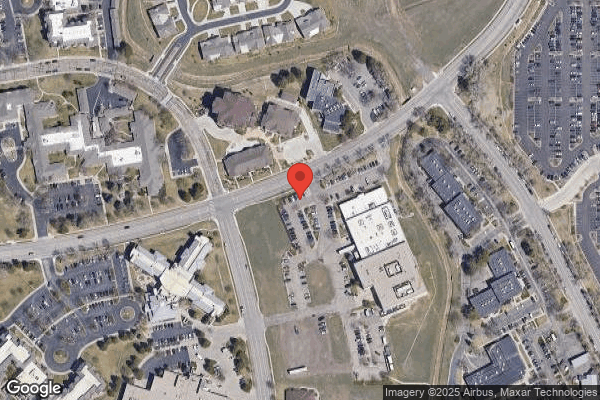
Understanding Severity Codes (click to expand)
Life-Threatening (Immediate Jeopardy)
J - Isolated K - Pattern L - Widespread
Actual Harm
G - Isolated H - Pattern I - Widespread
Potential for Harm
D - Isolated E - Pattern F - Widespread
No Harm (Minor)
A - Isolated B - Pattern C - Widespread

Questions to Ask on Your Visit

  • "Why is there high staff turnover? How do you retain staff?"
  • "Can I speak with families of current residents?"
  • "What's your RN coverage like on weekends and overnight?"

Our Honest Assessment

Strengths
  • • Licensed and certified facility. Meets minimum state requirements.
Concerns
  • • 5 deficiencies on record, including 2 serious (caused harm) violations. Ask about corrective actions taken.
  • • 56% turnover. Above average. Higher turnover means staff may not know residents' routines.
Bottom line: Mixed indicators with Trust Score of 73/100. Visit in person and ask pointed questions.

About This Facility

What is Centre Ave Health & Rehab's CMS Rating?

CMS assigns CENTRE AVE HEALTH & REHAB an overall rating of 5 out of 5 stars, which is considered much above average nationally. Within Colorado, this rating places the facility higher than 99% of the state's 100 nursing homes. This rating reflects solid performance across the metrics CMS uses to evaluate nursing home quality.

How is Centre Ave Health & Rehab Staffed?

CMS rates CENTRE AVE HEALTH & REHAB's staffing level at 4 out of 5 stars, which is above average compared to other nursing homes. Staff turnover is 56%, which is 10 percentage points above the Colorado average of 46%. High turnover can affect care consistency as new staff learn residents' individual needs.

What Have Inspectors Found at Centre Ave Health & Rehab?

State health inspectors documented 5 deficiencies at CENTRE AVE HEALTH & REHAB during 2022 to 2023. These included: 2 that caused actual resident harm and 3 with potential for harm. Deficiencies causing actual harm indicate documented cases where residents experienced negative health consequences.

Who Owns and Operates Centre Ave Health & Rehab?

CENTRE AVE HEALTH & REHAB is owned by a for-profit company. For-profit facilities operate as businesses with obligations to shareholders or private owners. The facility is operated by COLUMBINE HEALTH SYSTEMS, a chain that manages multiple nursing homes. With 90 certified beds and approximately 81 residents (about 90% occupancy), it is a smaller facility located in FORT COLLINS, Colorado.

How Does Centre Ave Health & Rehab Compare to Other Colorado Nursing Homes?

Compared to the 100 nursing homes in Colorado, CENTRE AVE HEALTH & REHAB's overall rating (5 stars) is above the state average of 3.2, staff turnover (56%) is significantly higher than the state average of 46%, and health inspection rating (5 stars) is much above the national benchmark.

What Should Families Ask When Visiting Centre Ave Health & Rehab?

Based on this facility's data, families visiting should ask: "How do you ensure continuity of care given staff turnover, and what is your staff retention strategy?" "Can I visit during a mealtime to observe dining assistance and food quality?" "How do you handle medical emergencies, and what is your hospital transfer rate?" "Can I speak with family members of current residents about their experience?" These questions are particularly relevant given the facility's high staff turnover rate.

Is Centre Ave Health & Rehab Safe?

Based on CMS inspection data, CENTRE AVE HEALTH & REHAB has a clean safety record: no substantiated abuse findings (meaning no confirmed cases of resident harm), no Immediate Jeopardy citations (the most serious violation level indicating risk of serious injury or death), and is not on the Special Focus Facility watch list (a federal program monitoring the lowest-performing 1% of nursing homes). The facility has a 5-star overall rating and ranks #1 of 100 nursing homes in Colorado. While no facility is perfect, families should still ask about staff-to-resident ratios and recent inspection results during their visit.

Do Nurses at Centre Ave Health & Rehab Stick Around?

Staff turnover at CENTRE AVE HEALTH & REHAB is high. At 56%, the facility is 10 percentage points above the Colorado average of 46%. High turnover means new staff may not know residents' individual needs, medications, or preferences. It can also be disorienting for residents, especially those with dementia who rely on familiar faces. Families should ask: What is causing the turnover? What retention programs are in place? How do you ensure care continuity during staff transitions?

Was Centre Ave Health & Rehab Ever Fined?

CENTRE AVE HEALTH & REHAB has been fined $8,044 across 1 penalty action. This is below the Colorado average of $33,159. While any fine indicates a compliance issue, fines under $50,000 are relatively common and typically reflect isolated problems that were subsequently corrected. Families should ask what specific issues led to these fines and confirm they've been resolved.

Is Centre Ave Health & Rehab on Any Federal Watch List?

CENTRE AVE HEALTH & REHAB is not on any federal watch list. The most significant is the Special Focus Facility (SFF) program, which identifies the bottom 1% of nursing homes nationally based on persistent, serious quality problems. Not being on this list means the facility has avoided the pattern of deficiencies that triggers enhanced federal oversight. This is a positive indicator, though families should still review the facility's inspection history directly.