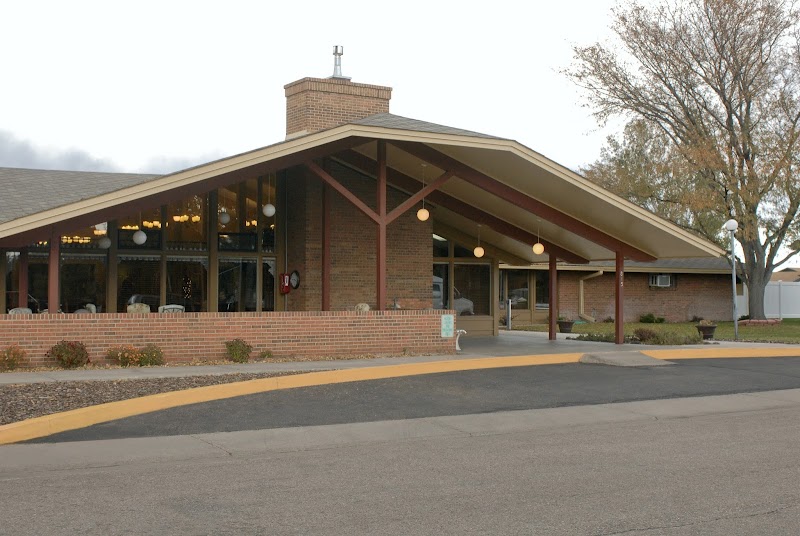
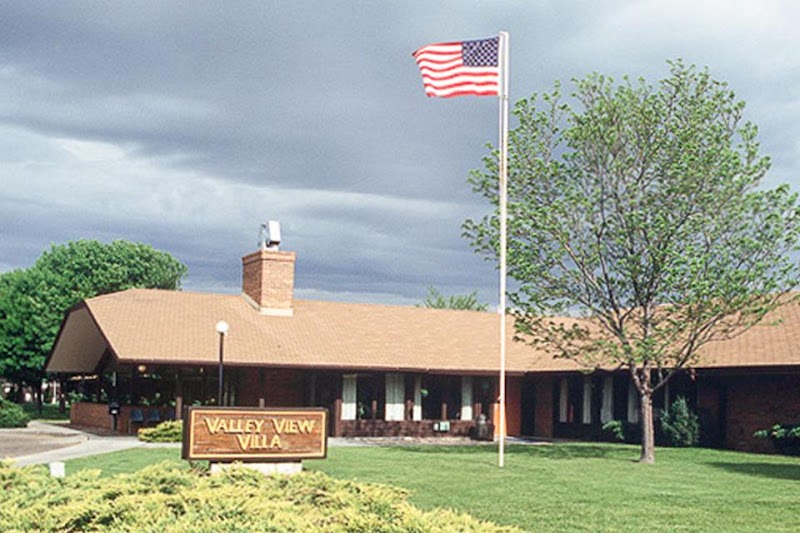
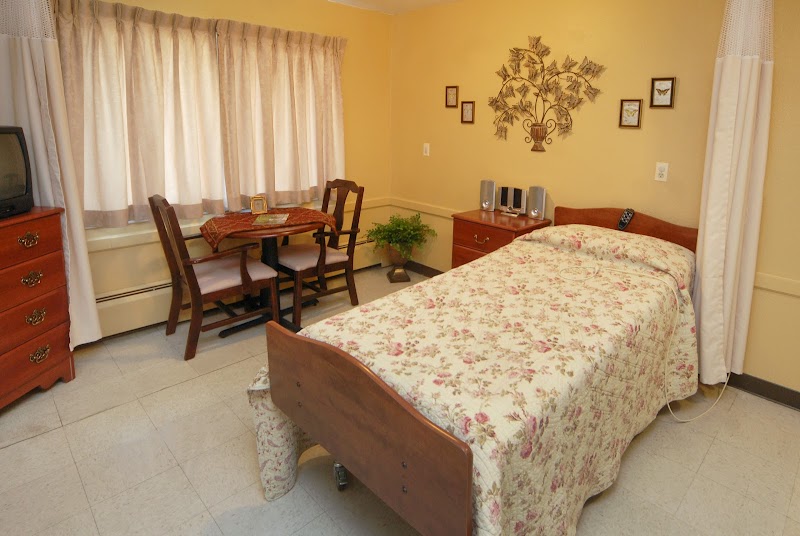
VALLEY VIEW VILLA

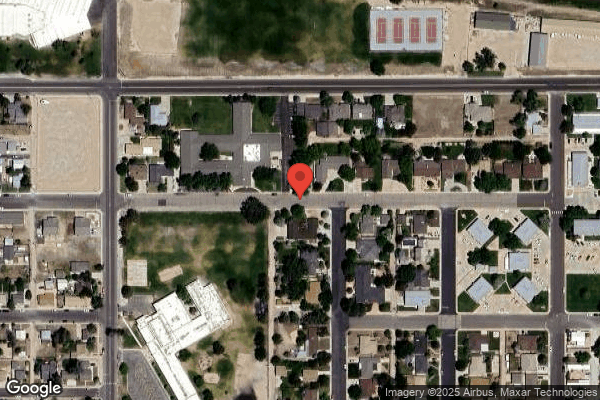
815 FREMONT AVE, FORT MORGAN, CO 80701 (970) 867-8261
For profit - Corporation 120 Beds LIFE CARE CENTERS OF AMERICA Data: November 2025
Trust Grade
83/100
#49 of 208 in CO
Last Inspection: December 2024

Within standard 12-15 month inspection cycle. Federal law requires annual inspections.

Overview

Valley View Villa in Fort Morgan, Colorado, has a Trust Grade of B+, indicating it is above average and recommended for families seeking care. Ranking #49 out of 208 facilities in Colorado places it in the top half, while being #1 of 3 in Morgan County shows it is the best local option. The facility's performance has remained stable, with only one issue reported in both 2023 and 2024. Staffing is a strong point, earning 5 out of 5 stars with a turnover rate of 34%, well below the state average of 49%, which means staff are experienced and familiar with residents. However, there have been some concerns, including a serious incident where a resident was injured after being left unsupervised following a fire drill, and ongoing issues with infection control practices that have been noted in multiple inspections. Overall, while Valley View Villa has many strengths, families should weigh these concerns when considering care.

Trust Score
B+
83/100
In Colorado
#49/208
Top 23%
Safety Record
Moderate
Needs review
Inspections
Holding Steady
1 → 1 violations
Staff Stability
○ Average
34% turnover. Near Colorado's 48% average. Typical for the industry.
Penalties
✓ Good
$7,443 in fines. Lower than most Colorado facilities. Relatively clean record.
Skilled Nurses
✓ Good
Each resident gets 94 minutes of Registered Nurse (RN) attention daily — more than 97% of Colorado nursing homes. RNs are the most trained staff who catch health problems before they become serious.
Violations
✓ Good
Only 4 deficiencies on record. Cleaner than most facilities. Minor issues only.
★★★★★
5.0
Overall Rating
★★★★★
5.0
Staff Levels
★★★★★
5.0
Care Quality
★★★★★
5.0
Inspection Score
Stable
2023: 1 issues
2024: 1 issues

The Good

  • 5-Star Staffing Rating · Excellent nurse staffing levels
  • 5-Star Quality Measures · Strong clinical quality outcomes
  • Full Sprinkler Coverage · Fire safety systems throughout facility
  • No fines on record
  • Staff turnover below average (34%)

    14 points below Colorado average of 48%

Facility shows strength in staffing levels, quality measures, fire safety.

The Bad

Staff Turnover: 34%

12pts below Colorado avg (46%)

Typical for the industry

Federal Fines: $7,443

Below median ($33,413)

Minor penalties assessed

Chain: LIFE CARE CENTERS OF AMERICA

Part of a multi-facility chain

Ask about local staffing decisions and management

The Ugly 4 deficiencies on record

1 actual harm
Dec 2024 1 deficiency
CONCERN (D)

Potential for Harm - no one hurt, but risky conditions existed

Infection Control (Tag F0880)

Could have caused harm · This affected 1 resident

**NOTE- TERMS IN BRACKETS HAVE BEEN EDITED TO PROTECT CONFIDENTIALITY** Based on observations and interviews, the facility failed to maintain an infection prevention and control program designed to pr...

Read full inspector narrative →
**NOTE- TERMS IN BRACKETS HAVE BEEN EDITED TO PROTECT CONFIDENTIALITY** Based on observations and interviews, the facility failed to maintain an infection prevention and control program designed to provide a safe, sanitary and comfortable environment and to help prevent the development and transmission of communicable diseases and infections. Specifically, the facility failed to ensure housekeeping staff followed appropriate cleaning practices by treating each side of the room as a separate patient zone, cleaning all high touch surfaces and cleaning items in the rooms from cleanest to dirtiest. Findings include: I. Professional reference According to The Centers for Disease Control and Prevention (CDC) Environment Cleaning Procedures (3/19/24), retrieved on 12/23/24 from https://www.cdc.gov/healthcare-associated-infections/hcp/cleaning-global/procedures.html, Proceed from cleaner to dirtier areas to avoid spreading dirt and microorganisms. Change cleaning cloths between each patient zone (use a new cleaning cloth for each patient bed), High-Touch Surfaces: The identification of high-touch surfaces and items in each patient care area is a necessary prerequisite to the development of cleaning procedures, as these will often differ by room, ward and facility. Common high-touch surfaces include: bedrails; IV (intravenous) poles; sink handles; bedside tables; counters; edges of privacy curtains; patient monitoring equipment (keyboards, control panels); call bells; and, door knobs. II. Facility policy and procedure The Housekeeping Service policy, dated 6/4/24, was provided by the nursing home administrator (NHA) on 12/19/24 at 10:47 a.m. It read in pertinent part, Clean high-touch surfaces and equipment at least once per day. Proceed from cleaner to dirtier areas to avoid spreading dirt and microorganisms. Change cleaning cloths between each patient zone. III. Observations During a continuous observation on 12/18/24, beginning at 8:05 a.m. and ending at 8:31 a.m., the following was observed: Housekeeper (HSKP) #1 was cleaning room [ROOM NUMBER], a double occupancy room, which was currently occupied by two residents. HSKP #1 knocked and announced herself, washed her hands with soap and water and donned (put on) gloves. HSKP #1 gathered her supplies and cleaned the mirror and shared sink. HSKP #1 went to the toilet room, squirted the toilet bowl cleaner into the toilet and cleaned the toilet with a brush. HSKP #1 took her supplies back to the cart, removed her gloves, performed hand hygiene and donned clean gloves. HSKP #1 gathered five clean cloths, wetted them in the diluted bleach water on her cart and set them around the room. HSKP #1 set one cloth on the door handle, one on side A of the room, one on the sink and two in the toilet room. HSKP #1 began cleaning the A side dresser and night stand, then moved to the B side and wiped the dresser and night stand with the same cloth and gloved hands. HSKP #1 continued cleaning the B side, wiping the over bed table and walker. She did not clean the call light, television remote or bed controls. HSKP #1 went back to A side of the room and wiped the over bed table with the same cloth. -HSKP #1 cleaned the toilet before other areas in the room. HSKP #1 did not use a separate cleaning cloth for each resident area. HSKP #1 did not clean the call bells, remotes or bed controls. HSKP #1 did not change gloves between cleaning side A and side B of the room. HSKP #1 said she should have changed cloths between side A and B. HSKP #1 said she forgot to clean the high touch surfaces of call lights and bed controls. HSKP #1 said she was not sure if she should clean the cleanest to dirtiest or dirtiest to cleanest surfaces. HSKP #1 said she did not know the toilet should be cleaned last. During a continuous observation on 12/19/24, beginning at 10:46 a.m. and ending at 11:10 a.m., the following was observed: HSKP #1 was cleaning room [ROOM NUMBER], a double occupancy room, which was occupied by two residents. HSKP #1 knocked, entered the room and asked permission to clean the room. HSKP #1 washed her hands with soap and water and donned gloves. HSKP #1 gathered her supplies and began cleaning the mirror and sink. HSKP #1 squirted the toilet bowl cleaner into the toilet and returned to her cart. HSKP #1 removed her gloves, performed hand hygiene and donned clean gloves. HSKP #1 gathered four cloths wetted with bleach water. HSKP #1 sat the wet cloths around the room, one by the sink, one on the door handle and one on each side of the room. HSKP #1 wiped the sink and counter. HSKP #1 took a clean cloth and wiped side B of the room, including the call bell and television remote. -HSKP #1 did not clean the bed remote. HSKP #1 picked up a clean cloth and wiped side A of the room, including the call bell. -HSKP #1 did not clean the bed control and did not change gloves between A side and B side of the room. HSKP #1 took three mop heads from her bucket of mopping solution and sat them on the floor. HSKP #1 mopped the toilet room and removed the mop head with a gloved hand. HSKP #1 did not change gloves. HSKP #1 got another mop head and mopped B side. HSKP #1 changed the mop head and mopped B side. HSKP #1 moved the over bed table, touching the top of the table with the dirty glove that she had touched the dirty mop head with. HSKP #1 said she should have changed her gloves between side A and side B of the room. HSKP #1 said she should have changed her gloves after touching the dirty mop head and would go back and disinfect the over bed table. IV. Staff interviews The housekeeping supervisor (HSKS) was interviewed on 12/18/24 at 9:02 a.m. The HSKS said when cleaning a double room, gloves and cleaning cloths should be changed between side A and side B. The HSKS said surfaces should be cleaned from cleanest to dirtiest and the toilet should be cleaned last. The HSKS said high touch surfaces should be cleaned daily and include dressers, sinks, faucets, over bed tables, call bells and cords, bed controls, remotes and door handles. The infection preventionist (IP) was interviewed on 12/18/24 at 11:36 a.m. The IP said when cleaning a resident room the bathroom should be cleaned last. The IP said a different cleaning cloth and mop head should be used for each resident area in a double occupancy room. The IP said each resident area should be cleaned separately and gloves should be changed between sides of the room. The NHA was interviewed on 12/19/24 at 10:30 a.m. The NHA said the dirtiest surfaces should be cleaned last. The NHA said for double occupancy rooms each side should be treated as a separate area and cleaning cloths should be changed between sides of the room.
Aug 2023 1 deficiency 1 Harm
SERIOUS (G)

Actual Harm - a resident was hurt due to facility failures

Accident Prevention (Tag F0689)

A resident was harmed · This affected 1 resident

**NOTE- TERMS IN BRACKETS HAVE BEEN EDITED TO PROTECT CONFIDENTIALITY** Based on record review, observations and interviews, the facility failed to ensure one (#9) of six residents received adequate s...

Read full inspector narrative →
**NOTE- TERMS IN BRACKETS HAVE BEEN EDITED TO PROTECT CONFIDENTIALITY** Based on record review, observations and interviews, the facility failed to ensure one (#9) of six residents received adequate supervision to prevent accidents out of 18 sample residents reviewed. Specifically, the facility failed to ensure Resident #9, who had been assessed as having a risk for falls upon admission, received the care and services to prevent a fall. The facility failed to ensure the resident was supervised after a fire drill. Record review and interviews showed after a fire drill on 5/31/23 staff failed to ensure resident safety when residents were left without adequate supervision when behind closed fire doors. After a fire drill, Resident #9 was hit by an interior fire door and sustained multiple injuries including a dislocated shoulder, fracture of the right shoulder and multiple fractures of the pubis rami (the inferior and superior pelvic bones). Findings include: Record review and interviews confirmed the facility corrected the deficient practice prior to the onsite investigation on 8/15/23 to 8/17/23, resulting in the deficiency being cited as past noncompliance with a correction date of 6/1/23. I. Facility policies and procedures 1. The Fall Management policy, dated 6/4/2020, was requested and received from the nursing home administrator (NHA) on 8/16/23. It revealed in pertinent part, Purpose: to promote patient safety and reduce falls by proactively identifying, care planning, and monitoring of patients' fall indicators. Policy: the facility will assess the resident . with any fall event for any fall risks and will identify appropriate interventions to minimize the risk of injury related to falls. Accident: refers to any unexpected or unintentional incident, which results or may result in injury or illness to a resident. Avoidable accident: means that an accident occurred because the facility failed to: -Identify environmental hazard and/or assess individual risk of an accident, including the need for supervision and/or assistive devices; Evaluate/analyze the hazards and risks and eliminate the, if possible, or, if not possible, identify and implement measures to reduce the hazards/risks as much as possible; -Implement interventions, including adequate supervision and assistive devices, consistent with a resident's needs, goals, care plan and current professional standards of practice in order to eliminate the risk, if possible, and, if not, reduce the risk of an accident; Supervision/adequate supervision: facilities are obligated to provide adequate supervision to prevent accidents. Adequate supervision is determined by assessing the appropriate level and number of staff required. This determination is based on the individual residents' assessed needs and identified hazards in the resident environment. Hazards: refer to the elements of the resident environment that have the potential to cause injury or illness. Hazards over which the facility has control - are those hazards in the resident environment where reasonable efforts by the facility could influence the risk for resulting injury or illness. Accurate and thorough assessment of the patient is fundamental in determining indicators for potential falls. Patient conditions may vary throughout the day, week, month, or other time period and the identification of patient fall indicators is an ongoing, interdisciplinary assessment process. 2. The Fire policy, dated 9/9/22, was requested and received from the (NHA) on 8/16/23. The policy documented in pertinent part,The facility will ensure that associates are trained and prepared to respond in the event of a fire within the facility, in accordance with current national fire protection association guidelines. Employees are periodically instructed and kept informed with their duties under the plan. The plan addresses the basic response required of staff. -Fire drills include the transmission of a fire alarm signal and simulation of emergency fire conditions. Response to alarms -Clear hallways of persons and equipment, in the event a large-scale evacuation is needed; -Remove only those residents in immediate danger from fire and smoke; -Assist resident and visitors to safe areas of the facility, preferably behind a fire door or compartment Educational elements -Associates should be aware of their assigned work stations and duties when the fire alarm sound -All personnel should stand by their departments or work areas for directions after making their own department safe Actions based on job role at the facility -Administrator/incident commander -Once the fire alarm has been activated, determine the location of the activation. -Assess the situation -Supervise emergency operations Nursing staff -Report the location of the alarm activation and assess the situation -Mark doors and rooms as they are cleared of people -Perform a head count of staff and residents -Coordinate with the incident commander and other members of incident command Maintenance -Immediately respond to the area of the fire alarm activation -Coordinate with the incident commander. II. Resident #9 A. Resident status Resident #9, age [AGE], admitted on [DATE] and readmitted to on 6/6/23 from the hospital. According to the August 2023 computerized physician orders (CPO) the diagnoses included fracture of the pubis, fracture of the right ilium, fracture of upper end of right humerus (right shoulder), dislocation of right shoulder joint, Alzheimer's disease and dementia. The 3/21/23 minimum data set (MDS) assessment was cognitively intact with a score of 13 of 15 on the brief interview for mental status (BIMS). The resident required extensive assistance from one staff member for dressing and toilet use. She required supervision from one staff member for bed mobility, transfers, locomotion on and off the unit and personal hygiene. She walked independently in her room and in the hallways. The resident was independent with eating after setup assistance from one staff member. Section J indicated the resident had no falls six months before her admission or falls after her admission to the facility. B. Observation On 8/16/23 at 11:07 a.m., Resident #9 was observed ambulating with a walker and a staff member provided stand by assist. The resident had a steady gait and appeared to tolerate the activity well. C. Record review The fall risk care plan initiated on dated 6/16/22 documented the resident was at risk for falls. The interventions included, in pertinent part, call light within reach encouraging the resident to use the call light when she needed assistance, physical and occupational therapy as ordered. -The care plan failed to identify risks for injury that could arise from environmental hazards. 1. Fall incident on 5/31/23 The 5/31/23 at 2:10 p.m. incident report documented, After facility fire drill staff was opening fire door, resident was standing behind door and fell when door was opened. Staff states resident was noted hitting head when falling. Resident lying on back when nursed assessed. Range of motion to extremities equal and strong. Right arm strong. Resident grabs left arm when assessed but denies pain when asked. Range of motion strong. Resident assisted by two staff members and gait belt into standing position and then sat in chair. Orthopedic assessments were initiated. No injuries noted. New intervention: Staff education on opening doors after fire drills. The report documented immediate action taken was education to all staff on opening fire doors after fire drills. Signs were placed on doors to remind staff to open doors slowly and for residents to ask for assistance. On 5/31/23 at 3:45 p.m. The nurse note read, After fall resident did ambulate down to the sun room for an activity, used walker and stand by assistance of staff member, no complaints of pain at this time. After activity resident was unable to get self out of the chair. Staff assistance was needed. Gait belt placed and she was unable to take any steps. She was placed in a wheelchair and taken to her room Physician was called, a verbal order was received to send the resident to hospital for treatment and evaluation. Call placed to husband, no answer and unable to leave voice mailbox full. Vital signs: temperature 98.7 (sic) 130/62. The nurses note dated 5/31/23 at 4:12 p.m. documented, the resident was transported to the hospital for evaluation and treatment related to the fall. The fall risk care plan was updated upon the residents return to the facility on 6/7/23. The care plan documented, the resident was at risk for falls with injury related to weakness and limited mobility secondary to a recent fall with diagnoses of right arm fracture and right superior and inferior pubic rami (pelvis) fractures. She currently requires staff assistance of two to complete her activities of daily living (ADL) and transfers. Resident uses a wheelchair as her primary mode of locomotion. The interventions included, in pertinent parts, encourage and assist with repositioning as tolerated,. encourage not to sit on edge of bed as tolerated, required an assist of two with ADLs and transfers. Physical and occupational therapy as ordered. 2. Hospital records The resident required six nights in the hospital from [DATE] to 6/6/23 for evaluation and treatment. Hospital records revealed the resident sustained multiple injuries, dislocation of right shoulder with proximal humerus and glenoid fracture (shoulder) and multiple closed fracture of the right pubic rami (pelvis). III. Facility response to incident A record review revealed the facility completed a root cause analysis of the incident on 6/1/23. The analysis revealed a need to educate all staff members to open the fire doors very carefully, and to check behind the doors for people on the other side. New signs were ordered and placed on every fire to remind everyone to be careful when opening the doors. The root cause analysis read, Fire drill was held and after the fire drill staff was huddled by the nurse's station. After the huddle, the doors to the Resident's doors (sic) were still shut. Staff member pushed open the door and hit the resident as she was trying to come thru the doors. The root cause analysis documented the resident ambulated independently with a walker prior to the incident. Facility staff were educated on 5/31/23 and 6/1/23 to open the fire doors carefully. The education included instruction the fire doors can close during fire or tornado drills. The Quality Assurance and Process Improvement (QAPI) plan included Fire Door Safety. On 5/31/23 the facility identified action items to improve and monitor included: -All staff was educated on the fire doors and opening slowly. -Fire doors were labeled with signs to remind staff to open doors slowly. Follow up fire drills were held on 6/29/23 at 11:00 p.m. and 7/31/23 at 12:00 p.m. The notes documented for each drill the fire doors were reset and the doors were held open prior to staff post-drill huddle meetings. IV. Staff interviews Certified nurse aide (CNA) #1 was interviewed on 8/16/23 at 4:03 p.m. CNA #1 said he was familiar with Resident #9. He said prior to the fall the resident ambulated independently, however after the fall, she needed increased assistance from staff because of her fractures. He said the since the fall, the resident had shown improvement and was now able to transfer and ambulate with her walker requiring only stand by assistance of one staff member. The CNA said when he was hired he participated in training during orientation for fire drills. He said his duties during a fire drill were to assist residents to a safe area away from the fire and to clear the hallways. He would then respond as told and said that might be to find a fire extinguisher or monitor residents if an evacuation was necessary. The CNA said he received training to open the fire doors slowly and carefully after the resident fell but did not remember specific training before then. The director of nursing (DON) was interviewed on 8/17/23 at 10:23 a.m The DON said she had scheduled a fire drill on 5/31/23. The DON said during a fire drill a staff member was to always remain on each hallway to help residents to their rooms, close door, clear hallways and monitor for additional necessary responses. The DON said that when the fire alarm sounded, the fire doors closed automatically. After the fire alarm was deactivated, the fire door controls must be manually reset before the doors would remain open. She said on 5/31/23 the fire drill was finished and staff from the hallway attended the staff huddle (staff meeting) at the nurses desk. The fire doors had not been reset and closed behind staff as they proceeded to the nurses desk. When staff gathered at the huddle, Resident #9 was in her room, which was behind the closed fire doors. The resident left her room and ambulated towards the nurses desk. The DON said when the huddle ended, a staff member pushed the fire door open and hit the resident which caused the resident to fall to the floor. The corporate vice president (CVP) was interviewed on 8/17/23 at 10:35 p.m. She said the injury was an accident. The staff member was unable to see anyone behind the fire doors.
Aug 2019 2 deficiencies
CONCERN (D)

Potential for Harm - no one hurt, but risky conditions existed

Medication Errors (Tag F0758)

Could have caused harm · This affected 1 resident

**NOTE- TERMS IN BRACKETS HAVE BEEN EDITED TO PROTECT CONFIDENTIALITY** Based on observations, record review, and interviews, the facility failed to ensure one (#19) of seven residents reviewed for ps...

Read full inspector narrative →
**NOTE- TERMS IN BRACKETS HAVE BEEN EDITED TO PROTECT CONFIDENTIALITY** Based on observations, record review, and interviews, the facility failed to ensure one (#19) of seven residents reviewed for psychotropic medications of 29 sample residents was free from unnecessary medications. Specifically, the facility failed to: -Appropriately and thoroughly assess the resident's reported appearance of physical or emotional discomfort and rule out any medical reason for the change in behavior, specifically a urinary tract infection (UTI); -Document the rationale for the increased dosage of Ativan (an anti-anxiety medication); -Document the rationale for the increased dosage of Mirtazapine (an anti-depressant medication); -Assure the psychotropic medication consent form and the medical durable power of attorney (MDPOA) were signed by a cognitively competent individual; and -Monitor and track specific behaviors on the behavior monitoring form. Findings include: I. Professional references According to Sollitto, M. (2019) UTIs in the Elderly: Signs, Symptoms, and Treatments, retrieved from: https://www.agingcare.com/Articles/urinary-tract-infections-elderly-146026.htm (8/2019) .Older individuals with UTIs may exhibit signs of confusion or delirium, agitation, hallucinations, unusual behavioral changes .acute behavioral and/or functional changes are often the only symptoms present in the elderly . According to Marshall, K. & Hale D. (2017) Urinary Tract Infections. Home Healthcare Now. 35(8), pp. 448-449. Retrieved from: https://www.nursingcenter.com/journalarticle?Article_ID=4308616 *8/2019) .Patients with cognitive impairment may show a change in mental status such as increased confusion and disorientation, withdrawal, increased falls related to functional decline, agitation, and behavioral changes .Changes in functional ability and mental status in the cognitively impaired person can easily be considered a normal progression of dementia and are often overlooked as artifacts of the disease . Kizior, R. & [NAME], K., (2020) [NAME] Nursing Drug Book 2020, pp. 784-785; Mirtazapine is an antidepressant used to treat major depressive disorder and should be used with caution in elderly patients taking Ativan (Lorazepam), as it may increase impairment of cognition. The Black Box warning was attached to the medication (a black box warning appears on the label of a prescription medication to alert consumers and healthcare providers about safety concerns, such as serious adverse effects or life-threatening risks. A black box warning is the most serious medication warning required by the U.S. Food and Drug Administration (FDA)). Kizior, R. & [NAME], K., (2020) [NAME] Nursing Drug Book 2020, pp. 718-719; Ativan (Lorazepam) is an anti-anxiety medication used for the management of anxiety disorders. Elderly population may be more susceptible to cognitive impairment and delirium. II. Facility policy The Psychopharmacological Medication Management policy, revised on 8/23/17, was provided by the nursing home administrator (NHA) on 8/6/19 at approximately 1:00 p.m. It read, in pertinent part: .to support effective utilization of psychopharmacological medications in the appropriate treatment of behavior indicators .each resident receives only those psychopharmacological medications, in doses and for the duration clinically indicated to treat the resident ' s assessed condition(s) and appropriate diagnosis .Accurate and thorough assessment of the resident ' s indicators and medication side effects are fundamental in determining the appropriate utilization of psychopharmacological medications . III. Failure to properly assess Resident #19 for a change in behavior related to a medical reason A. Resident status Resident #19, age [AGE], was admitted on [DATE]. According to the August 2019 computerized physician orders (CPO), diagnoses included dementia without behavioral disturbance, diabetes mellitus, and single episode of major depressive disorder. The 6/6/19 minimum data set (MDS) assessment revealed the resident was severely cognitively impaired with a brief interview for mental status (BIMS) score of two out of 15. She required extensive two-person assistance for bed mobility, transfers, dressing, toilet use and personal hygiene, and extensive one-person assistance with eating. The MDS showed the resident did not report feeling down, depressed, or hopeless, however documented behaviors of delusions. B. Observation The resident was observed on 8/5/19 at 9:24 a.m. She sat in her room and held a purple stuffed bear. She talked to herself, as there was no one else in the room and made loud indecipherable noises. The resident intermittently yelled get out of here. Licensed practical nurse (LPN) #1 entered the resident ' s room and escorted her to the activities director (AD) for a one on one activity. The resident was observed on 8/6/19 at 11:13 a.m. She sat in her room while music played in the background. She talked to herself, as there was no one else in the room and made loud indecipherable noises. The resident intermittently yelled get out of here. Staff did not enter the residents room during this observation. C. Record review The July 2019 medication administration record (MAR) revealed an order dated 7/26/19 for Bactrim DS (antibiotic) 800 tablet 160 mg two times a day for seven days to treat a UTI. IV. Failure to document the rationale for adding an anti-anxiety medication and increasing the dosage of an anti-depressant medication A. Record review The July 2019 medication administration record (MAR) revealed: --On 7/23/19, in the absence of the facility physician, the on-call physician prescribed for the resident an antianxiety medication Ativan (Lorazepam) 0.5 mg two times a day for generalized anxiety. Despite the fact that the resident was being treated for urinary tract infection, Ativan was increased to 1 mg two times a day on 7/30/19. The physician's and nursing progress notes failed to document associated behaviors or rationale for the dosage increase and continued use of Ativan. --On 7/25/19, the physician's order for an antidepressant Mirtazapine, increased dose from 15 mg to 30 mg by mouth at bedtime, related to major depressive disorder, single episode. The physician's and nursing progress notes failed to document associated behaviors or rationale for the dosage increase. The physician's progress note dated 7/25/19 revealed staff had reported a change in the residents character. The physician reported the resident seemed to be in physical and emotional discomfort; more agitated, angry, and appeared uncomfortable. The order for Mirtazapine was increased to 30 mg at bedtime. The facility physician progress note failed to show measures taken to relieve the resident's physical discomfort. A review of the Resident #19's medical record revealed the diagnosis of anxiety was not included. B. Staff interview The licensed practical nurse (LPN) #1 was interviewed on 8/5/19 at 10:35 a.m. She was unable to verbalize the residents behaviors associated with each medication. The social service director (SW) was interviewed on 8/5/19 at 1:18 p.m. She said the physician had recently increased the residents prescription of Mirtazapine from 15 mg to 30 mg, but she had not seen much of a change in the resident's behaviors. She was not certain how long the physician wanted to wait to see if the increase was effective. The facility physician (MD) was interviewed on 8/6/19 at 10:54 a.m., in the presence of the nursing home administrator (NHA) and the administrator in training (AIT). The physician said he relied on the facility to document Resident #19's behaviors. The physician said staff had reported the resident continued to exhibit behaviors of anxiety, hollering and yelling, and she did not seem happy but rather uncomfortable. He said the on-call physician started the resident on Ativan 0.5 mg, which was increased to 1 mg on 7/30/19. The antidepressant Mirtazapine dose was increased from 15 mg to 30 mg a day, despite the fact that the resident was started on Bactrim (an antibiotic) to treat the infection (UTI), a treatable underlying condition. The MD said UTI could exhibit the same symptoms as what was being observed and documented; hollering, yelling, agitation, and confusion. He said it was the art of medicine, depended on the situation and knowing your patient as to the effectiveness of the medication. The MD was unable to provide a direct response if it was more appropriate to resolve the infection before the psychotropic and antidepressant medications were prescribed and dose increased. V. Failure to have the psychoactive medication informed consent forms signed by a competent individual A. Record review The medical durable power of attorney (MDPOA) dated 11/16/17, were signed by the resident and the resident's daughter, who was the appointed authorized agent for Resident #19. The medical order for scope of treatment (MOST) form dated 11/15/18, was signed by both the resident and resident's daughter. The psychoactive medication informed consent forms, dated 12/2/16, 11/20/17, 1/17/18, 3/13/18, and 7/23/19 were provided by the director of nursing (DON) on 8/6/19 at approximately 2:00 p.m. Each one of the five consent forms were signed by Resident #19. B. Staff interview The SW was interviewed on 8/6/19 at approximately 1:00 p.m. She said the resident's daughter was the MDPOA. She said the resident's cognition was severely impaired. The SW said she was told the resident could sign her own forms, but did not elaborate on who told her the resident was able to sign the forms. The SW said she believed the resident understood that she was going to be given a new medication, but could not cognitively understand the risk. The SW said numerous attempts were made to call the residents daughter. VI. Failure to monitor and track specific behaviors on the behavior monitoring form A. Record review The behavior monitoring form provided by the director of nursing (DON) on 8/6/19 at approximately 2:00 p.m., failed to document the resident had displayed any of the targeted behaviors of delusions, hallucinations, crying, or disruptive behaviors (yelling and hollering.) B. Staff interview The restorative nursing aide (RCNA) was interviewed on 8/5/19 at 10:10 a.m. She said the resident was kind and gentle and not aggressive. She liked to sing and conversed about the past. She may have had hallucinations of going to a concert, but could be easily redirected to the present. The certified nursing aide (CNA) #1 was interviewed on 8/5/19 at 10:29 a.m. She said the resident used to sing, but with the progression of her dementia, she may have forgotten the words and now only yelled out. She said the resident was not aggressive and had not observed the resident having delusions or hallucinations. The LPN #1 was interviewed on 8/5/19 at 10:35 a.m. She said the resident was not aggressive. The targeted behaviors were disruptive behaviors that consisted of yelling, singing and negative remarks like get out of here. The resident may have been delusional at one time, but she was not now, nor has the LPN observed the resident having hallucinations. The LPN said the resident was easily redirected by conversation or a change in scenery. The social service director (SW) was interviewed on 8/5/19 at 1:18 p.m. She said at one time the residents targeted behaviors were verbal and physical aggression toward staff, but now it was just the disruptive behavior of yelling and hollering loudly. More recently, the resident had a grimacing look on her face, that at times, scared the other residents. The activities director (AD) was interviewed on 8/6/19 at 10:22 a.m. She said the resident was confused, but she was not aggressive. The AD said she had never seen the resident sad, crying or depressed. She said the resident called out and yelled repetitively. The resident liked to listen to old country music, color, and talk about her horses. The NHA was interviewed on 8/6/19 at 10:50 a.m. She said Resident #19's behaviors were documented by exception; meaning, behaviors were only documented if they were displayed by the resident and observed by staff.
CONCERN (F)

Potential for Harm - no one hurt, but risky conditions existed

Infection Control (Tag F0880)

Could have caused harm · This affected most or all residents

**NOTE- TERMS IN BRACKETS HAVE BEEN EDITED TO PROTECT CONFIDENTIALITY** Based on observations, record review and interviews, the facility failed to establish and maintain an infection prevention and c...

Read full inspector narrative →
**NOTE- TERMS IN BRACKETS HAVE BEEN EDITED TO PROTECT CONFIDENTIALITY** Based on observations, record review and interviews, the facility failed to establish and maintain an infection prevention and control program designed to provide a safe, sanitary and comfortable environment and to help prevent the development and transmission of communicable diseases and infections. Specifically, the facility failed to appropriately disinfect seven blood glucose meters on four medication carts shared by 19 residents who required blood glucose testing. Findings include: I. Professional reference According to the Centers for Disease Control and Prevention (CDC) Injection Safety, Infection Prevention during Blood Glucose Monitoring and Insulin Administration, retrieved from https://www.cdc.gov/injectionsafety/blood-glucose-monitoring.html (6/2019): The CDC has become increasingly concerned about the risks for transmitting hepatitis B virus (HBV) and other infectious diseases during assisted blood glucose monitoring and insulin administration. CDC is alerting all persons who assist others with blood glucose monitoring and/or insulin administration of the following infection control requirements. Whenever possible, blood glucose meters should not be shared. If they must be shared, the device should be cleaned and disinfected after every use, per manufacturer's instructions. If the manufacturer does not specify how the device should be cleaned and disinfected then it should not be shared. Meters requiring preloading of the test strip may come in direct or close contact with the resident's finger stick wound. Subsequent residents can be exposed when the meter is used on them. Staff hands can become contaminated with blood that is transferred to the meter when they obtain the reading. Blood remaining on the meter can be transferred to subsequent residents through staff hands when they perform the next procedure. People living with type 1 or type 2 diabetes mellitus have higher rates of hepatitis B than the general population. People living with diabetes are at increased risk for hepatitis B if they share blood glucose meters, finger stick devices or other diabetes-care equipment. According to the Federal Drug Administration (FDA) retrieved from http://www.fda.gov/MedicalDevices/ProductsandMedicalProcedures/InVitroDiagnostics/ucm227935.htm on 8/7/19. A high rate of blood contamination of glucose meters raises the risk of blood-borne pathogen transmission. Sharing of blood glucose meters should be avoided, if possible. If shared, the device must be cleaned and disinfected after every use according to manufacturer ' s instructions. If there are no manufacturer ' s instructions, the device must not be shared. Selection of appropriate products and use of recommended procedures for cleaning and disinfection of point of care devices is critical to reduce risk of infectious cross-contamination. The use of 70% alcohol wipes is inadequate for disinfection. According to the FDA: The disinfection solvent you choose should be effective against HIV, Hepatitis C, and Hepatitis B viruses . Please note that 70% ethanol solutions are not effective against viral blood borne pathogens and the use of 10% bleach solutions may lead to physical degradation of your device. II. Facility Policy and procedure The policy, dated 4/15/19, was received from the nursing home administrator (NHA) on 8/1/19 at 11:20 a.m. The policy documented in pertinent part, disinfect the blood glucose meter with a Super Sani-cloth wipe or an equivalent product that kills hepatitis B and blood Borne pathogens. Follow the manufacturer's guidelines for wet time (time the blood glucose meter must remain wet with the disinfectant product to be effective) when applying disinfectant. III. Manufacturer ' s instructions Sani-Cloth Wipes The Sani-cloth Bleach germicidal wipe by PDI, manufacturer ' s instructions, documented the product is effective against 50 microorganisms in four minutes including blood borne pathogens such as hepatitis and HIV. The manufacturer instructions documented the product has a contact time (time the blood glucose meter must remain wet with the disinfectant product to be effective) of four minutes to disinfect microorganisms including Hepatitis B, Hepatitis C, and HIV. The Sani-cloth Bleach germicidal wipe container was observed on 7/31/19 at 3:00 p.m. The container documented on the front of the label that the product disinfects in four minutes. Optium EZ blood glucose meter The Optium EZ blood glucose meter by [NAME] manufacturer ' s instructions for healthcare professions documented acceptable cleaning solutions were 10% bleach, 70% alcohol, or 10% ammonia. IV. Observations On 7/31/19 at 3:01 p.m. registered nurse (RN) #1 was observed checking the blood glucose levels of a resident. The RN was observed at the mediation cart as she placed the blood glucose meter in a disposable plastic cup with cotton balls, alcohol wipes, lancets, and test strips. She proceeded to the resident ' s room. RN #1 put gloves on, placed a strip in the blood glucose meter, lanced the left ring finger to draw blood, held the meter to the resident ' s finger to catch the blood and waited for the reading. She placed the blood glucose meter back into the cup with the clean supplies and proceeded back to the medication cart. The blood glucose meter was not disinfected prior to or after obtaining the blood glucose level. At 3:23 p.m. the RN took the same blood glucose meter to a second resident ' s room. The unit manager (UM) began observing the RN completing her blood glucose checks. She reminded the RN at that time to clean the blood glucose meter. RN #1 cleaned the front and back of the blood glucose meter with a Super Sani wipe and placed it on a paper towel to dry. The time resting on the paper towel was from 3:42 p.m. to 3:43 p.m. (one minute). She did not wait for the four minute disinfection time, and the UM did not instruct her to wait and ensure the meter was in contact with the product for four minutes. She then picked up the blood glucose meter and placed a strip in the blood glucose meter, lanced the middle ring finger to draw blood, held the meter to the resident's finger to catch the blood and waited for the reading. On 8/1/19 at 10:44 a.m. RN #3 was observed as she checked the blood glucose level of a resident. The unit manager observed her at the medication cart as she prepared her supplies. The RN wiped the blood glucose meter, front and back with a Sani cloth wipe. The UM then walked away. The RN wrapped the blood glucose meter in a tissue and took it to the resident's room. The UM did not follow. In the room, the RN lanced the resident's finger to draw blood, brought the blood glucose meter to the resident ' s finger to obtain blood and got a reading. She then wiped the meter with a Sani cloth and wrapped it in a paper towel and carried it out of the room. The towel would have absorbed the disinfectant product and the disinfectant product did not remain on the machine for four minutes. The manufacturer's instructions failed to accompany the blood glucose meters. V. Interviews The nursing home administrator (NHA) was interviewed on 8/1/19 at approximately 4:00 p.m. She stated she believed the disinfectant product only had to be in contact with the meter for one minute, not four minutes. She further said the licensed nursing staff were being educated on the disinfection of the blood glucose meters beginning last night. She said they did not have anyone with hepatitis that they were aware of. She further said she didn ' t feel the residents needed their own blood glucose meters, and said that was just a recommendation from the CDC. On 8/1/19 at 11:07 a.m., RN #2 was interviewed. He said he cleaned the blood glucose meter with the orange top Sani cloth wipes. He said he left the disinfectant product on for five minutes or whatever the package says. The infection control preventionist (ICP) was interviewed on 8/5/19 at 4:20 p.m. She said she had started to in service the licensed nurses on 6/5/19 regarding proper cleaning of blood glucose meters. VI. Record review The in-service records from 6/5/19 were reviewed. There were only six of 24 licensed nurses who signed the in- service in regards to cleaning the blood glucose meter. The in service record documented in pertinent part, glucometers (blood glucose meters) must be cleaned with Sani-cloth wipes and allowed to dry for four minutes after each use. The in service did not instruct the nurses to keep the blood glucose meter wet with the product for four minutes as the product dries quickly and may need to be reapplied. VII. Facility Follow up On 8/1/19 at approximately 4:00 p.m. the regional nurse consultant (RNC) provided a copy of a list of nurse signatures on a form titled Glucometer Cleaning Education 1:1 with skills competency. There were 18 of the 24 licensed nurses who signed the form from 7/31/19 to 8/1/19. There was no individual competency checklists for each nurse indicating the steps reviewed with each nurse. The NC said the competency check was based on the policy and provided another copy of the policy. The policy included disinfecting the blood glucose meter with a Super Sani-cloth wipe or an equivalent product that kills hepatitis B and blood Borne pathogens. Follow the manufacturer's guidelines for wet time (time the blood glucose meter must remain wet with the disinfectant product to be effective) when applying disinfectant and allowing the meter to dry per manufacturer ' s instructions. Licensed practical nurse (LPN) #1 was interviewed on 8/5/19 at 11:15 a.m. She said the facility in serviced her on how to clean the blood glucose meter on 7/31/19 or 8/1/19. She said she was instructed to keep the Sani Cloth product on the blood glucose machine and visibly wet for four minutes and the facility had now given them a timer on their cart to time it. LPN #2 was observed checking a blood glucose level on 8/5/19 at 4:40 p.m. She said the director of nursing (DON) trained her on Sunday 8/4/19 and had in-serviced her on how to clean the blood glucose meter. She said she was instructed to keep the meter wet with the product for four minutes. The LPN checked the resident ' s blood glucose level and then cleaned the front and back of the meter with a Sani Cloth wipe. She continued to check the meter for four minutes to ensure it was still wet with the product.
Understanding Severity Codes (click to expand)
Life-Threatening (Immediate Jeopardy)
J - Isolated K - Pattern L - Widespread
Actual Harm
G - Isolated H - Pattern I - Widespread
Potential for Harm
D - Isolated E - Pattern F - Widespread
No Harm (Minor)
A - Isolated B - Pattern C - Widespread

Questions to Ask on Your Visit

  • "Can I speak with families of current residents?"
  • "What's your RN coverage like on weekends and overnight?"

Our Honest Assessment

Strengths
  • • Grade B+ (83/100). Above average facility, better than most options in Colorado.
  • • 34% turnover. Below Colorado's 48% average. Good staff retention means consistent care.
Concerns
  • • 4 deficiencies on record, including 1 serious (caused harm) violation. Ask about corrective actions taken.
Bottom line: Generally positive indicators. Standard due diligence and a personal visit recommended.

About This Facility

What is Valley View Villa's CMS Rating?

CMS assigns VALLEY VIEW VILLA an overall rating of 5 out of 5 stars, which is considered much above average nationally. Within Colorado, this rating places the facility higher than 99% of the state's 100 nursing homes. This rating reflects solid performance across the metrics CMS uses to evaluate nursing home quality.

How is Valley View Villa Staffed?

CMS rates VALLEY VIEW VILLA's staffing level at 5 out of 5 stars, which is much above average compared to other nursing homes. Staff turnover is 34%, compared to the Colorado average of 46%. This relatively stable workforce can support continuity of care.

What Have Inspectors Found at Valley View Villa?

State health inspectors documented 4 deficiencies at VALLEY VIEW VILLA during 2019 to 2024. These included: 1 that caused actual resident harm and 3 with potential for harm. Deficiencies causing actual harm indicate documented cases where residents experienced negative health consequences.

Who Owns and Operates Valley View Villa?

VALLEY VIEW VILLA is owned by a for-profit company. For-profit facilities operate as businesses with obligations to shareholders or private owners. The facility is operated by LIFE CARE CENTERS OF AMERICA, a chain that manages multiple nursing homes. With 120 certified beds and approximately 35 residents (about 29% occupancy), it is a mid-sized facility located in FORT MORGAN, Colorado.

How Does Valley View Villa Compare to Other Colorado Nursing Homes?

Compared to the 100 nursing homes in Colorado, VALLEY VIEW VILLA's overall rating (5 stars) is above the state average of 3.2, staff turnover (34%) is significantly lower than the state average of 46%, and health inspection rating (5 stars) is much above the national benchmark.

What Should Families Ask When Visiting Valley View Villa?

Based on this facility's data, families visiting should ask: "Can I visit during a mealtime to observe dining assistance and food quality?" "How do you handle medical emergencies, and what is your hospital transfer rate?" "Can I speak with family members of current residents about their experience?"

Is Valley View Villa Safe?

Based on CMS inspection data, VALLEY VIEW VILLA has a clean safety record: no substantiated abuse findings (meaning no confirmed cases of resident harm), no Immediate Jeopardy citations (the most serious violation level indicating risk of serious injury or death), and is not on the Special Focus Facility watch list (a federal program monitoring the lowest-performing 1% of nursing homes). The facility has a 5-star overall rating and ranks #1 of 100 nursing homes in Colorado. While no facility is perfect, families should still ask about staff-to-resident ratios and recent inspection results during their visit.

Do Nurses at Valley View Villa Stick Around?

VALLEY VIEW VILLA has a staff turnover rate of 34%, which is about average for Colorado nursing homes (state average: 46%). Moderate turnover is common in nursing homes, but families should still ask about staff tenure and how the facility maintains care continuity when employees leave.

Was Valley View Villa Ever Fined?

VALLEY VIEW VILLA has been fined $7,443 across 1 penalty action. This is below the Colorado average of $33,153. While any fine indicates a compliance issue, fines under $50,000 are relatively common and typically reflect isolated problems that were subsequently corrected. Families should ask what specific issues led to these fines and confirm they've been resolved.

Is Valley View Villa on Any Federal Watch List?

VALLEY VIEW VILLA is not on any federal watch list. The most significant is the Special Focus Facility (SFF) program, which identifies the bottom 1% of nursing homes nationally based on persistent, serious quality problems. Not being on this list means the facility has avoided the pattern of deficiencies that triggers enhanced federal oversight. This is a positive indicator, though families should still review the facility's inspection history directly.