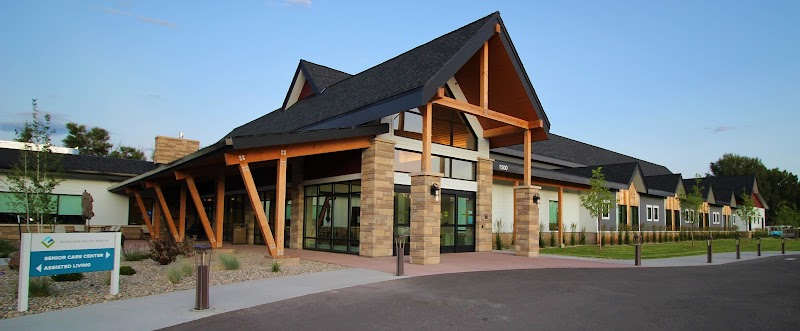
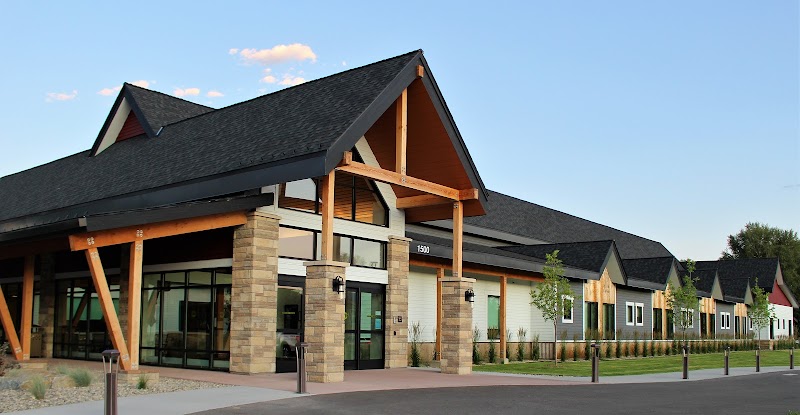
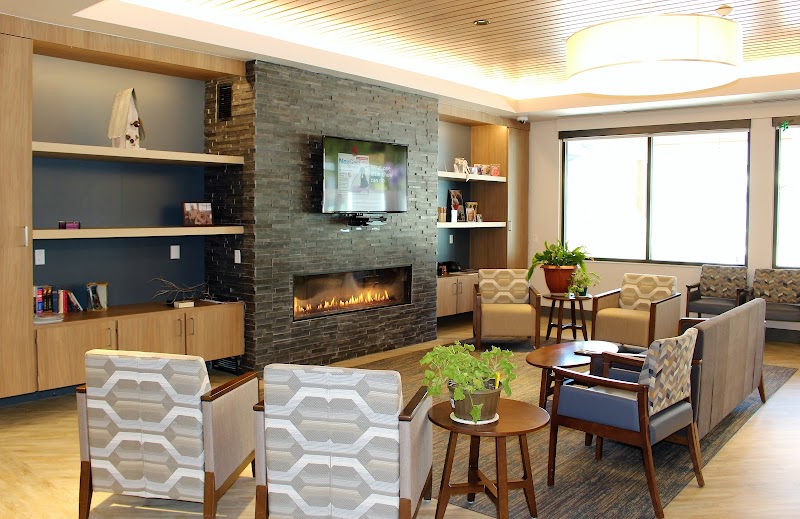
GUNNISON VALLEY HEALTH SENIOR CARE CENTER

1500 W TOMICHI AVE, GUNNISON, CO 81230 (970) 641-0704
Government - County 50 Beds Independent Data: November 2025
Trust Grade
73/100
#29 of 208 in CO
Last Inspection: April 2024

Within standard 12-15 month inspection cycle. Federal law requires annual inspections.

Overview

Gunnison Valley Health Senior Care Center has a Trust Grade of B, indicating it is a good option for families seeking care, though it is not without its issues. It ranks #29 out of 208 facilities in Colorado, placing it in the top half, and is the only nursing home in Gunnison County. The facility has shown improvement over time, reducing its issues from four in 2020 to two in 2024. Staffing is rated at 4 out of 5 stars, but the turnover rate is concerning at 60%, which is higher than the state average. There have been significant fines totaling $14,866, which raises questions about compliance, but the RN coverage is average, indicating that there is adequate nursing oversight. Specific incidents highlighted by inspectors include a failure to protect a resident from sexual abuse and a lack of proper care that led to the development of a serious pressure ulcer. These incidents reflect serious concerns about resident safety and care practices, but the facility also has strong health inspection ratings and a solid overall star rating. Families should weigh these strengths against the weaknesses when considering this facility for their loved ones.

Trust Score
B
73/100
In Colorado
#29/208
Top 13%
Safety Record
Moderate
Needs review
Inspections
Getting Better
4 → 2 violations
Staff Stability
⚠ Watch
60% turnover. Above average. Higher turnover means staff may not know residents' routines.
Penalties
✓ Good
$14,866 in fines. Lower than most Colorado facilities. Relatively clean record.
Skilled Nurses
✓ Good
Each resident gets 62 minutes of Registered Nurse (RN) attention daily — more than 97% of Colorado nursing homes. RNs are the most trained staff who catch health problems before they become serious.
Violations
○ Average
9 deficiencies on record. Average for a facility this size. Mostly minor or procedural issues.
★★★★★
5.0
Overall Rating
★★★★☆
4.0
Staff Levels
★★★☆☆
3.0
Care Quality
★★★★★
5.0
Inspection Score
Stable
2020: 4 issues
2024: 2 issues

The Good

  • 4-Star Staffing Rating · Above-average nurse staffing levels
  • Full Sprinkler Coverage · Fire safety systems throughout facility
  • No fines on record

Facility shows strength in staffing levels, fire safety.

The Bad

Staff Turnover: 60%

14pts above Colorado avg (46%)

Frequent staff changes - ask about care continuity

Federal Fines: $14,866

Below median ($33,413)

Minor penalties assessed

Staff turnover is elevated (60%)

12 points above Colorado average of 48%

The Ugly 9 deficiencies on record

2 actual harm
Apr 2024 1 deficiency
CONCERN (E)

Potential for Harm - no one hurt, but risky conditions existed

Deficiency F0727 (Tag F0727)

Could have caused harm · This affected multiple residents

Based on record review and interviews, the facility failed to have a registered nurse (RN) scheduled eight hours consecutively every day for seven days a week. Specifically, the facility failed to hav...

Read full inspector narrative →
Based on record review and interviews, the facility failed to have a registered nurse (RN) scheduled eight hours consecutively every day for seven days a week. Specifically, the facility failed to have an RN on duty for eight consecutive hours consistently from 10/1/23 to 4/24/24. Findings include: I. Record review Review of the nursing schedule from 10/1/23 to 4/24/24 revealed the following: -In October 2023, the facility did not have an RN on duty for eight consecutive hours on three days during the month; -In November 2023, the facility did not have an RN on duty for eight consecutive hours on thirteen days during the month; -In December 2023, the facility did not have an RN on duty for eight consecutive hours on three days during the month; and, -In March 2024, the facility did not have an RN on duty for eight consecutive hours for twelve days. II. Staff interviews The nursing home administrator (NHA) was interviewed on 4/24/24 at 8:25 a.m. The NHA said the facility relied heavily on licensed practical nurses (LPN) to provide nursing care/ She said the facility' s location in the rural mountains made recruiting and retaining RNs was difficult. The director of nursing (DON) was interviewed on 4/24/24 at 10:26 a.m. The DON said the facility had a state waiver for the RN staffing requirement in place. She said she was unaware the state waiver did not apply to the federal staffing requirements. She said she would do her best to meet the federal requirement for the safety of the residents.
Apr 2024 1 deficiency 1 Harm
SERIOUS (G) 📢 Someone Reported This

A family member, employee, or ombudsman was alarmed enough to file a formal complaint

Actual Harm - a resident was hurt due to facility failures

Free from Abuse/Neglect (Tag F0600)

A resident was harmed · This affected 1 resident

**NOTE- TERMS IN BRACKETS HAVE BEEN EDITED TO PROTECT CONFIDENTIALITY** Based on interviews and record review, the facility failed to ensure one (#1) out of three sample residents were kept free from ...

Read full inspector narrative →
**NOTE- TERMS IN BRACKETS HAVE BEEN EDITED TO PROTECT CONFIDENTIALITY** Based on interviews and record review, the facility failed to ensure one (#1) out of three sample residents were kept free from abuse. The facility failed to provide increased oversight and monitoring to ensure Resident #1, who had severe cognitive impairment and was unable to consent to sexual contact of any type, was protected from sexual abuse by Resident #2, who was cognitively intact. On 2/13/24, Resident #2 was observed watching television in Resident #1's room by two different staff members. At 9:23 p.m., over an hour after the last known observation of the two residents, certified nurse aide (CNA) #1 entered Resident #1's room while doing routine rounds. Resident #1's door had been closed and when CNA #1 entered Resident #1's room, he observed Resident #2, who was nude, lying on top of Resident #1, who was also nude, and having sexual intercourse with her. A nurse was alerted and Resident #2 was removed from Resident #1's room and placed on one-to-one supervision. However, due to the facility's failures to provide increased oversight and monitoring of the residents once Resident #2 was observed in Resident #1's room, Resident #1 sustained sexual abuse by Resident #2. Findings include: Record review and interviews confirmed the facility corrected the deficient practice prior to the onsite investigation on 4/1/24-4/2/24, resulting in the deficiency being cited as past noncompliance with a correction date of 2/15/24. I. Incident of sexual abuse A. Sexual abuse investigation The 2/13/24 sexual abuse incident investigation documented the following: The nurse was alerted by CNA #1 while he was doing his rounds, he found Resident #1 (female), nude, supine (lying flat on her back) on her bed with Resident #2 (male), nude, lying on top of her having intercourse. The nurse removed Resident #2 from Resident #1's room. This incident occurred at approximately 9:30 p.m. The nurse and CNA #1 assessed Resident #1 for marks and bruising and placed a clean brief onto the resident. They placed the resident in bed, under the covers and left the lights on in the room. The physician, the NHA (nursing home administrator), the DON (director of nursing) and both residents' power of attorneys (POA) were notified. Upon arrival to the facility by the NHA, Resident #1 had no recollection of the incident. Resident #1 was transferred to the hospital, within one hour of the incident. At the hospital, a SANE (sexual assault nurse examiner) exam was completed and the police were notified. Resident #2 was placed on one-to-one supervision immediately following the incident and then transferred to a secured room, with a security guard, at the hospital. Staff were notified of the event, monitoring was put in place for Resident #1. B. Resident #2 interview Resident #2 was interviewed by the NHA and assistant director of nursing (ADON) in the hospital. Resident #2 said he and Resident #1 were having fun, laughing, chatting and watching television in the common area together. He said they went to her room. Once they were in the room, he said Resident #1 started getting flirty and I accepted it. She was being touchy feely, putting her hands on my neck and touching my hair and rubbing my leg. Resident #2 said he then got out of his wheelchair and sat on the edge of her bed. The female resident then got out of her wheelchair (he said he had to help her) and sat next to him on the bed. He said she continued to act interested by fondling him. He said they both helped each other take off their clothes, got onto the bed and began to get intimate. When asked if he asked the female for consent to take her clothes off, he said he did not. When asked if he had any knowledge or understanding about the female resident's cognitive ability to consent to sexual acts, he said it had never crossed his mind. C. Timeline of events based on the camera footage On 2/13/24, the facility determined a timeline of events based on camera footage: -At 5:53 p.m. Resident #2 entered Resident #1's room. Resident #1 was not in her room. -At 5:54 p.m. Resident #2 exited Resident #1's room with her rabbit. He went down the hallway where Resident #1 was and gave her the rabbit. She smiled and hugged the rabbit. -At 5:55 p.m. Resident #1 went into her room alone and came back out at 6:51 p.m. -At 6:54 p.m. Resident #2 went to her room and grabbed her rabbit again and gave it to Resident #1 in the common area. -At 7:14 p.m. both residents started down the hallway toward Resident #1's room. -At 7:14 p.m. and 52 seconds, Resident #2 entered Resident #1's room. Resident #1 stayed out in the hallway. -At 7:18 p.m. CNA #1 spoke with Resident #1 in the hallway. -At 7:19 p.m. Resident #1 entered her room. Resident #2 was still in the room. -At 8:08 p.m. CNA #1 checked on Resident #1 and Resident #2. He reported both residents were sitting in their wheelchairs watching television. -At 8:19 p.m. the nurse entered the room to administer medications. She reported that both residents were sitting in their wheelchairs watching television and talking to one another. -At 9:23 p.m. (over an hour later), CNA #1 entered the room (the door was closed) and then immediately exited the room to get the nurse. Both CNA #1 and the nurse then re-entered the room and removed Resident #2 from the room. II. Facility correction A. Immediate action The NHA, police department, adult protective services, each resident's POA and physicians were notified appropriately. Upon arrival at the facility, the NHA noted that the victim did not have any recollection of the incident and was confused about why she was going to the hospital. Resident #1 was transferred within one hour to the hospital for assessment and a SANE exam. The NHA accompanied Resident #1 to the hospital until the POA arrived. No further interventions were required during the hospital visit. Resident #2 was placed in his room with one-to-one supervision. This continued but was unsustainable at the facility long term. He was considered a risk to other residents' safety and well-being. The POA was notified of the incident. He was transferred to the hospital with one-to-one care within a few hours of the incident. An immediate discharge notice was delivered in person on 2/14/24, which was signed by the resident and POA. Administrative staff at the facility worked with the case management at the hospital to find an appropriate placement for Resident #2. The Risk Management Team from the health system was brought in for guidance. The team included the CEO (chief executive officer), the chief medical officer, the NHA, the assistant NHA, risk management, the quality director, the DON, the ADON and the physician. The incident, including the interventions, were presented at the Quality and Outcomes committee. All interviewees were cooperative with the investigators. Staff interviewed who witnessed the incident. Resident #1 was not able to recall the incident. Resident #2 was interviewed on 2/14/24. Resident #1 returned to the facility within 24 hours of the incident. Staff were notified of events, monitoring to be conducted and new protocols put in place within 36 hours of the incident. B. Interventions put into place A risk management module in the electronic medical record (EMR) was utilized effectively for documentation of communications around the incident. Fifteen minute checks were implemented upon Resident #1's return. This was in an effort to monitor for signs of trauma or psychosocial behaviors that may be attributed to trauma. Repeated assessments of well-being displayed no signs of trauma or behaviors. After five days, the 15 minute checks were discontinued. The care plan for Resident #1 was updated to address behavioral health needs, trauma informed care and potential triggers. Effective immediately new protocol: Residents are allowed to be in each other's rooms, as long as both residents consent. The door must remain open at all times and staff will round on them frequently. If residents do not have the ability to consent, they will not have other residents in their rooms. Notify the NHA for further assessment if questions arise. The administrative team compiled a list of vulnerable residents who may have increased risk for abuse. After a thorough review of this list, it was decided to have all residents have a complete skin assessment to look for possible injury of unknown origin, particularly in the peri-area (private area). This was decided to make sure nothing was missed or overlooked. This was operationalized with the next bath for each resident. Staff were made aware of the situation, what to be watching for in regards to other potential victims and Resident #1's potential behaviors. The NHA had conversations with other senior care agencies and advocates to help with suggestions around protocols or policies that should be considered. Assessments of other residents were completed and abuse training for all staff and training for all residents at resident council: how to feel safe, is the facility addressing safety and facility response to safety timely. Added resident to resident interactions to the weekly risk meeting agenda with the interdisciplinary team (IDT). C. Resident #1 adjustments to the comprehensive care plan The trauma informed care plan, initiated on 10/16/23 and revised on 3/5/24, documented the resident had a history of trauma related to a previous marriage. It indicated the resident had potentially been the victim of a sexual assault, which had potential to cause psychosocial harm. The interventions included being sensitive when providing personal care and contacting behavioral health services and the physician if the resident showed signs and symptoms of distress. -It indicated that the facility had reached out to a therapist about doing a mental health evaluation for the resident following the potential sexual assault incident. The therapist advised against labeling trauma for the resident and that a mental health consult should only be done if the resident expressed fear, grief, regret or trauma about the incident. At this time, the resident did not remember the sexual assault incident, did not speak about the sexual assault incident and had not expressed any of the above emotions. III. Resident #1 A. Resident status Resident #1, age [AGE], was readmitted on [DATE]. According to the April 2024 computerized physician orders (CPO), diagnoses included dementia without behavioral disturbance, psychotic disturbance, mood disturbance, anxiety and major depressive disorder. The 2/20/24 minimum data set (MDS) assessment revealed the resident had severe cognitive impairment with a brief interview for mental status (BIMS) score of three out of 15. She was dependent with upper and lower body dressing, personal hygiene and substantial assistance with walking. She required partial to moderate assistance with lying to sitting on the side of the bed, sit to stand, chair to bed transfer and toilet transfer. The resident did not exhibit any behavioral symptoms during the assessment period. B. Record review The activities of daily living (ADL) care plan, initiated on 9/28/23 and revised on 10/5/23, documented the resident had self-care needs. It indicated she required partial assistance from staff to turn and reposition in bed and transfers and maximal assistance by staff to dress and for personal hygiene. The communication care plan, initiated on 9/28/23 and revised on 10/5/23, documented the resident had communication impairment related to dementia and had difficulty in word finding. The interventions included anticipating and meeting the resident's needs; asking yes or no questions; encouraging the resident to continue stating thoughts even if the resident was having difficulty focusing on a word or phrase that made sense; gaining attention before talking; and observing facial expressions and body language and attempt to interpret. The cognitive impairment care plan, initiated on 10/16/23, documented the resident had cognitive impairment and impaired thought processes related to dementia. It indicated the resident participated in a cognitive assessment and scored a three out of 15, which indicated severe cognitive impairment. The interventions included asking the resident yes or no questions; cueing, reorienting and supervising as needed; providing the resident with a homelike environment; and reminiscing by using photos of family and friends. IV. Resident #2 A. Resident status Resident #2, age younger than 65, was admitted on [DATE] and discharged to the hospital on 2/13/24. According to the February 2024 CPO, diagnoses included Parkinson's disease with dyskinesia (movement disorder that often appears as uncontrolled shakes, tics or tremors) and major depressive disorder. The 1/22/24 MDS assessment revealed the resident was cognitively intact with a BIMS score of 13 out of 15. He was independent with all ADLs. It indicated the resident did not exhibit any behaviors during the assessment period. B. Record review The cognitive care plan, initiated on 10/27/23, documented the resident participated in a cognitive assessment where he scored 13/15, which indicated he was cognitively intact. The behavioral care plan, initiated on 10/27/23 and revised on 2/19/24, documented the resident had impulsivity issues, had been known to wander, reject care and take items that did not belong to him. He had a reported history of gambling. It indicated the resident's impulsivity was heightened when he felt he was not getting enough attention. The interventions included assisting the resident to develop more appropriate methods of coping and interacting; encouraging him to express his feelings appropriately; providing opportunity for positive interaction, attention; stopping and talking to the resident as you passed by; intervening as necessary to protect the rights and safety of others; approaching and speaking in a calm manner; diverting attention; removing the resident from the situation and taking to an alternate location as needed; praising any indication of the resident's progress/improvement in behavior; and providing a program of activities that was of interest and accommodates the resident's status. The adjustment care plan, initiated on 11/2/23, documented the resident was having difficulty adjusting to his admission affecting his psychosocial well-being. He reported having a hard time accepting the fact that he lived in a nursing home at his young age and he felt lonely. The interventions included encouraging the resident to participate in activities of choice; encouraging the resident to participate in conversations with staff and other residents daily; encouraging ongoing family involvement by inviting the resident's family to attend special events, activities and meals; and introducing the resident to other residents with similar backgrounds, interests and facilitating interactions. V. Staff interviews The NHA, the ADON and the DON were interviewed on 4/1/24 at 5:15 p.m. The DON said Resident #1 and Resident #2 were friendly but not necessarily friends. She said they were more like acquaintances. She said they both participated in group activities and spent a lot of time in the common area. The DON said Resident #2 had sat with Resident #1 and her husband in the common area. The NHA said CNA #1 was aware Resident #1 and Resident #2 were in Resident #1's room. CNA #1 had reported the door must have closed at some point when he was assisting other residents. The NHA said the residents had not been checked on for over an hour. The NHA said CNA #1 entered the room to put Resident #1 to bed and saw both residents nude with Resident #2 on top of Resident #1. She said CNA #1 did not immediately ensure Resident #1's safety but instead went and got the nurse. She said CNA #1 was in shock and apologized for leaving to get the nurse. The NHA said she accompanied Resident #1 to the hospital. She said Resident #1 had no recollection of the incident and was unsure as to why she was going to the hospital. She said Resident #1's POA came and that was when consent was obtained for the SANE exam. The ADON said Resident #1 had not experienced any trauma from the incident. She said Resident #1 had not exhibited any changes in behavior. She said when they referred the resident for a mental health evaluation, the mental health practitioner said she would not complete the evaluation if the resident did not remember nor spoke anything about the incident. She said she would not want to re-traumatize the resident. The ADON said the facility monitored Resident #1 every day with no negative results observed. The NHA and the DON said Resident #1 and Resident #2 should not have been left alone in the room with the door closed for an hour. They said someone should have seen that the door had been closed and checked on both residents. The NHA said Resident #2 was placed under one-to-one supervision and immediately transferred to a room at the hospital with a security guard monitoring. She said Resident #2 was presented with an immediate discharge notice from the facility. She said the facility worked with the hospital discharge planners to find an appropriate facility. The NHA said the facility implemented a policy that any resident who had cognitive impairment was not able to be in a room with a cognitively intact resident with the door closed. She said meetings would be held with the residents' responsible parties to determine if residents could be left alone. The social services director (SSD) and the activity director (AD) were interviewed on 4/2/24 at 9:16 a.m. The AD said Resident #2 was a well-known member of the community. She said he was very outgoing and very social. She said he usually exhibited behaviors after a negative interaction with his spouse. The AD said Resident #2 saw a therapist regularly and had peer support. She said he attended group activities and loved games such as BINGO, cards and baking. The SSD said Resident #1 and Resident #2 ate in the dining room but did not remember seeing them eating at the same table. She said she did not remember them ever really interacting together privately. The SSD said Resident #1's husband would come to the facility every day. She said he would sit in Resident #1's room and watch television. She said they did this almost daily. She said Resident #1 and her husband would hold hands.
Mar 2020 4 deficiencies 1 Harm
SERIOUS (G)

Actual Harm - a resident was hurt due to facility failures

Pressure Ulcer Prevention (Tag F0686)

A resident was harmed · This affected 1 resident

**NOTE- TERMS IN BRACKETS HAVE BEEN EDITED TO PROTECT CONFIDENTIALITY** Based on observations, record review and interviews, the facility failed to prevent pressure injuries for one (#25) of two resid...

Read full inspector narrative →
**NOTE- TERMS IN BRACKETS HAVE BEEN EDITED TO PROTECT CONFIDENTIALITY** Based on observations, record review and interviews, the facility failed to prevent pressure injuries for one (#25) of two residents reviewed for pressure injuries out of 25 sample residents. The facility failed to assess and implement interventions for a newly placed medical device (knee brace). The facility further failed to regularly assess Resident #25's skin integrity underneath the knee brace after she was deemed to be high risk for pressure ulcer development. These failures led to the development of an unstageable pressure ulcer to the resident's right lower extremity caused by the leg brace. The pressure ulcer caused the resident to experience pain in the wound area as well as to endure painful dressing changes. Findings include: I. Facility policy and procedure The Pressure Injury Prevention-Long Term Care policy, reviewed 6/14/2019, provided by the director of nursing on 3/11/2020 at 4:23 p.m. read, review the residents medical record, including previous medical history, comorbid conditions, medications, and skin conditions, to identify intrinsic and extrinsic risk factors for pressure injuries. Regularly assess and inspect the residents skin, including skin color, temperature, texture or turgor, integrity, and moisture status. Focus on such high risk areas such as bony prominences, areas of erythema, and areas under medical devices. II. Resident #25 status Resident #25, age over 70, was admitted on [DATE]. According to the March 2020 computerized physician orders, diagnoses included pathological fracture of right tibia and fibula dated 1/3/2020, muscle weakness, and need for assistance with personal care. According to the most recent minimum data set (MDS) assessment completed 1/7/2020, the resident scored a seven out of 15 on the brief interview for mental status (BIMS) exam, indicating severe cognitive impairment. The resident required extensive physical assistance of two-plus staff for bed mobility, and was totally dependent on staff for transfers. Based on a formal and clinical assessment the resident was at risk for the development of pressure ulcers, but did not have any current or non healing pressure injuries of any stage. III. Record review Progress notes prior to wound development A nursing progress note, dated 1/1/2020 at 8:47 p.m., showed the resident was complaining of right knee pain all day shift per the nurse aide. The resident stated her knee felt better after a cold pack was placed on her knee for 10 minutes and Tylenol was administered. The nurse notified the resident's daughter of the pain. A nursing note on 1/2/2020 at 11:13 a.m. showed the resident was complaining of severe pain that morning. The physician was called and notified, and they increased the resident's Tylenol to 1000 mg three times a day. The daughter was called and requested that something more be done for the resident's pain. A physician progress note dated 1/2/2020 showed Resident #25 was complaining of pain in the right ankle joint, and they were unsure of the etiology. There was no rash or evidence of infection or specific evidence of fracture. An orthopedic referral was made and the physician noted to send the resident to the emergency room if the signs or symptoms worsened, returned, changed, or any new symptoms developed. On 1/3/2020 at 11:09 a.m. a nursing progress note showed a licensed practical nurse (LPN) requested the registered nurse (RN) assess the resident as she was not doing well. Upon assessment it was noted the resident complained of pain when the RN moved the resident's right lower leg. The right lower leg was noted to be hot to touch with bruising behind the right knee and old bruising to the right shin. The right leg was slightly larger than the left leg. The RN notified the physician and the power of attorney and the decision was made to transport the resident to the emergency room for evaluation. A nursing progress noted on 1/3/2020 at 9:42 p.m. showed the resident returned to the facility from the ER. The report from the hospital documented the resident had a fracture of the right tibia and fibula around the old hardware (past surgery) in the knee. A skin assessment was performed with no new areas except for bruising on the right knee. The resident exhibited increased pain and was given PRN oxycodone. A physician progress note dated 1/8/2020 showed the resident had a fracture of the tibia and fibula, and it was unclear how the fracture was sustained. The physician had consulted with the orthopedic physician who recommended it was ok to weight bear if able, but not if causing pain; and ok to pivot transfer but not if causing pain; and a brace for comfort, otherwise not necessary. B. Braden scale The resident's quarterly Braden Scale for predicting pressure sore risk, completed 1/2/2020, scored the resident an 11, at high risk for the development of pressure injuries related to very limited sensory perception, occasionally moist, chairfast, completely immobile, probably inadequate nutrition, and a problem with friction and shearing. C. Wound documentation 1. Weekly wound observation assessments A weekly wound observation assessment, dated 1/31/2020, showed the first documentation of the wound acquired in the facility on the posterior right calf. The wound was specified as a device related pressure injury. The measurements were noted to be 34 mm x 15 mm x 0 mm with 25% slough and/or necrotic tissue present. There was no odor, but a moderate amount of serous drainage was noted. A comment on the observation assessment documented the resident was in a brace status post fracture. The brace was not to be removed. However, upon removal, a small abrasion was noted. (The order from the physician was for comfort, otherside not needed. There was no order to not remove the brace.) The wound observation note read the wound was new and to request wound care orders and to cover until orders were received (wound care orders were not placed until 2/11/2020, 11 days later). The next weekly wound observation assessment, dated 2/14/2020 (no wound observation for the previous week), documented the wound was still with 25% slough and necrotic tissue with measurements of 32mm x 12 mm x 0 mm. There was moderate serosanguinous drainage and no odors. The weekly wound assessment, dated 2/21/2020, showed the wound was with slough and granulation tissue and no odor. Measurements were 32 mm x 12 mm with 25% necrosis or slough and moderate serosanguinous drainage. The weekly wound assessment, dated 2/28/2020, showed the wound measurements as 37 mm x 2 mm x 0 mm. The wound bed was 75% slough or necrosis with no odor and moderate serous drainage. The weekly wound assessment, dated 3/6/2020, showed the wound was 45mm x 20mm x 2 mm with 75% slough and moderate serous drainage and no odor (see dressing change observation below). 2. Skin observation tool noting areas of concern The skin observation tool to be completed by a licensed nurse showed the following: -12/30/2019: skin clean, dry, and intact, (old) left shin wounds freshly dressed. No other concerns at this time. -1/4/2020: skin in good condition, no bruising or skin tears noted. -1/27/2020: skin dry and intact, bruising noted to left shin and left lower extremity, red area to back of lower left leg. (There were no documented skin observations between 1/4/2020 and 1/27/2020 provided.) -2/3/2020: right heel breaking down with 1 cm in diameter; scab above right heel 2x4 cm. -2/10/2020: scab above back of right ankle, 1 cm x 2 cm -3/2/2020: right heel is dry and pink, purplish red area to side of right foot just below the 5th toe, wound to right calf, redness under left breast. -3/9/2020: skin clean, dry, and intact; redness beneath left breast, will apply as-needed nystatin. D. Care plan Resident #25's care plan, initiated 6/13/2015 and most recently revised on 3/6/2020, documented the resident was at risk for impaired skin integrity, skin tears, and pressure ulcers related to fragile skin, limited mobility, incontinence, and the resident enjoyed lying in bed for long periods of time. Interventions on the care plan included: -2/11/2020: wound nurse to evaluate right leg injury as ordered; -3/6/2020: treatment as ordered to the right posterior calf. There were no interventions noted on the care plan related to the knee brace. The resident's actual skin breakdown and skin condition were not documented in the care plan. The care plan did not address pain management related to the resident's wound. E. Physician's orders The physician ordered on 1/8/2020 for the resident to wear a brace for comfort, otherwise not necessary. There were no orders not to remove the brace, or to remove the brace regularly to assess the resident's skin condition. Wound orders dated 2/11/2020 documented, Right posterior calf wound; cleanse with dermal wound cleanser or saline and apply therahoney to wound base. Cover with optimfoam and change on bath days or three times a week (there were no wound orders prior to 2/11/2020). Pain medication ordered for the resident was noted to be oxycodone 5 mg, give 0.5 tablet every 8 hours for pain as needed. The resident was also receiving acetaminophen 1000 mg three times a day for pain, regularly scheduled. F. Wound care nurse consult notes and physician note The wound nurse consult note, dated 2/11/2020, showed the resident had a 3.5 cm x 2 cm area of black, dry, adherent eschar to the posterior calf. There was slight periwound erythema and slight induration of about 0.1 cm around the wound. There was no branching erythema, odor or drainage noted. From the history it could be determined that this was a medical device related unstageable pressure injury from the knee brace. This was the only documented visit from the consulted wound care nurse; no other visits were noted. A physician progress note, dated 3/4/2020, showed a diagnosis of a pressure ulcer of other site, unstageable. The physician noted the pressure ulcer was to the right calf. A physician progress note, dated 3/13/2020, provided after survey exit, noted the physician was considering vascular causes for the poor healing of the wound as well as the other area of concern around the distal aspect of the foot near the 5th toe. No new orders were placed. The physician's note referenced the poor healing of the existing wound; it did not say the wound was caused due to poor vascular status. The wound nurse (on 2/11/20) and physician (on 3/4/20) both documented (see above) that the resident's wound was an unstageable pressure injury. IV. Wound observation/resident interview A dressing change was observed with RN #1 and the DON on 3/11/2020 at 11:15 a.m. RN #1 said she attempted to premedicate Resident #25 prior to the dressing change but she had refused (this was not documented in the medication administration record or nursing progress notes). The resident was wincing in pain just from having the heel protector boots removed, and the resident was voicing that it hurts. RN #1 removed the old dressing from over her wound, and as she removed the dressing, green slough was pulled with the dressing. The resident was complaining of pain and jumping as RN #1 removed the dressing. The wound was over the resident's right Achilles tendon area and leading up to the lower aspect of the posterior calf. RN #1 went to cleanse the wound with a 4x4 gauze soaked in wound cleanser, and the resident was jumping in bed yelling no! repeatedly. RN #1 then applied medihoney and the new dressing, and the resident was yelling please don't! and kicking and jumping in the bed. RN #1 did not offer pain medication in response to the resident's pain, during or after the dressing change. Resident #25 was interviewed on 3/9/2020 at 2:59 p.m., before the observed dressing change above. She said she had a wound on her right foot that caused her really bad pain, and they gave her Tylenol for the pain. She said the Tylenol helped thank god, cause I wouldn't know what to do without it. Resident #25 was interviewed again on 3/11/2020 at 5:23 p.m., several hours after the dressing change observation. She said the pain was in her right heel and the back of her leg, and the pain was terrible. She said it hurt at a level of 8 or 9 (out of 10) and the Tylenol they gave her helped bring it down to two or three. V. Staff interviews RN #1 was interviewed on 3/11/2020 at 11:25 a.m. She said Resident #25 would complain of pain in the mornings and she would usually take her pain medication. She said the resident would say her heel hurts her but she would touch her heel and the resident would not complain of pain. She said the resident's pain was in the wound area, not the heel. She said the resident complained of pain during dressing changes as well. She said the wound looks pretty yucky but she guessed it was getting better (although per documentation it was larger and deeper). She said the resident had a fracture and then a knee brace which was rubbing and then some necrotic tissue followed. She said the brace was for comfort but was always on when she worked. She said she thought they took it off at night and for her baths and skin assessments. She reiterated the brace was just for comfort. RN #2 was interviewed on 3/10/2020 at 2:48 p.m. She said she thought the wound was from the brace she was wearing after her injury as it was resting on the back of her leg. She said they were doing repositionoing and floating her leg and feet, but they should have been doing skin assessments under the brace. She said she had not been doing those when she worked because she had to cover both hallways when there were only two nurses working and it was not manageable to do all that. She said she did not have the time to do the skin assessments on the resident. She said the brace was always on when she worked and she was unsure if they took it off at night. She said the brace had been discontinued when the wound was discovered. Life enriching care aide/certified nurse aide (LEC) #3 was interviewed on 3/11/2020 at 2:19 p.m. She said they had put a huge brace on Resident #25 after her fracture and it was just rubbing on her leg. She said it had gotten to a point where there was ooze from the wound on the brace. She said the brace was on all the time, and they would only remove it when they got her dressed. She said they would put the brace over her clothes as well. She said the brace would even rub when the resident was in the wheelchair, and they should have been assessing the skin but she was not sure if they were. The physical therapist (PT) was interviewed on 3/12/2020 at 9:19 a.m. She said the resident was in a hinged knee brace that was monitored by nursing, which she believed they threw away after it was soiled. She said she was the staff member who first identified the wound when they were looking at her toes, and she saw the necrotic area. She said it started as friction from the device (knee brace). She said it was acquired in the facility and may have initially started as a deep tissue injury but was currently a decub (decubitus ulcer). She also said she thought it should be stageable at this point. The DON was interviewed on 3/12/2020 at 9:59 a.m. She said Resident #25 had a fracture and initially afterwards was wearing a leg brace at all times (there was no documentation to support the brace to be worn at all times), but the order was later changed for comfort. She said they performed a skin assessment after removing the brace and there was an abrasion; however, the wound care and physician notes reflect differently. She said they needed to keep the brace off at that point. She said the resident was at risk for developing pressure injuries due to her self limiting behaviors. She said Resident #25 suffered from chronic pain and hallucinations, and the resident had apparently eaten oxy (oxycodone) like it was candy prior to her coming to the facility. She said the resident's skin was assessed weekly routinely, with the brace on as well. She said there were no additional assessments for when the brace was put on. She said the wound was just a surface layer friction area that was reddened, similar to a rug burn. She said it was the device (the knee brace) that caused the resident's wound and the wound nurse had concurred. She said no new assessments or interventions were put in place for the knee brace other than the weekly skin checks and ensuring circulation. She said the charge nurse was responsible for assessing residents' skin and on a weekly basis. She said the resident had requested to keep the knee brace on at times. The DON said Resident #25 did complain of pain at the wound site during dressing changes, and that's when she was notified. She said they were treating the resident's pain with oxycodone and it typically was effective. She said the resident had spit out her meds the day of the wound observation.
CONCERN (D)

Potential for Harm - no one hurt, but risky conditions existed

Medication Errors (Tag F0758)

Could have caused harm · This affected 1 resident

**NOTE- TERMS IN BRACKETS HAVE BEEN EDITED TO PROTECT CONFIDENTIALITY** Based on record review and interviews, the facility failed to ensure one (#20) of five residents reviewed for unnecessary medica...

Read full inspector narrative →
**NOTE- TERMS IN BRACKETS HAVE BEEN EDITED TO PROTECT CONFIDENTIALITY** Based on record review and interviews, the facility failed to ensure one (#20) of five residents reviewed for unnecessary medications out of 25 sample residents was free from unnecessary drugs. Specifically, the facility failed to ensure psychotropic medications included evidence that informed consent was provided for and by the resident; which included evidence of education, targeted behaviors, potential side effects and correct dosage. Findings include: I. Facility policy and procedures The Initiation of a Psychotropic Drug policy, reviewed January 2020, provided by the nursing home administrator (NHA) on 3/12/2020 at 11:00 a.m., documented that the resident's family was to be notified and a consent from the resident's power of attorney (POA) or responsible party must be completed. The consent should be obtained prior to the initiation of the new medication. II. Facility census and conditions The facility's resident census and conditions form, dated 3/10/20 and provided by the NHA, documented 19 residents in the facility were being prescribed antidepressant medications. III. Resident status Resident #20, age [AGE], was admitted on [DATE]. According to the March 2020 computerized physician orders (CPO), diagnoses included unspecified dementia with behavioral disturbance, anxiety disorder and other specified depressive episodes. The 1/2/2020 minimum data set (MDS) assessment revealed no brief interview for mental status (BIMS) score, but documented the resident had both short-term and long-term memory deficits. Per staff assessment, the MDS documented the resident showed little interest or pleasure in doing things, felt depressed and hopeless, displayed both appetite and sleep disturbances, had little energy, said she felt bad about herself, had trouble concentrating and was restless nearly every day during the 14-day lookback period. It documented the resident felt life was not worth living on most days of the lookback period. The resident scored 26/30 on the total severity mood scale. The MDS documented the resident was not having hallucinations or delusions. It revealed the resident was having daily behavioral symptoms not directed towards others, such as itching and picking at her skin. The resident wandered on four to six days during the seven day lookback period. The resident received an anti-depressant medication on three days during the seven day lookback period. IV. Record review A. Care plans The care plan dated 1/3/2020 documented due to Resident #20's poor short term memory, the resident could become anxious, nervous, tearful and tended to wander throughout the Blue Mesa memory care community. An intervention was to administer medications as ordered. Although the facility developed a specific care plan in relation to the use of anti-anxiety medications, the facility failed to create a specific care plan in relation to the use of antidepressant medications. B. March 2020 CPO The CPO included the following pertinent medication orders: -Trazodone (an antidepressant medication), 12.5 mg every day for anxiety disorder. This medication was ordered on 3/6/2020. -Lorazepam (Ativan, an antianxiety medication), 0.5 mg every 10 hours for anxiety. This medication was ordered on 2/3/2020. (However, see below, an incomplete consent form was documented several months earlier on 10/29/19.) C. Consents for psychotropic medications The consent for Trazodone was signed by the resident's responsible party on 3/11/2020. The possible side effects listed on the form included drowsiness, dry mouth and fatigue. No specific target behaviors related to anxiety (per physician order) were included on the form. The incorrect dosage of 50 mg one time day was documented on the form, although the resident was currently prescribed 12.5 mg per day (see CPO above). The consent for Ativan, 0.5 mg Q 12 (every) hours PRN (as needed) for agitation and insomnia was signed by the resident's responsible party on 10/29/19. No potential side effects were listed on this form. No specific target behaviors related to anxiety (per physician order) were included on the form. D. Interdisciplinary progress notes The pharmacy note documented by the director of nursing (DON) on 1/24/2020 documented Resident #20 was receiving Trazodone, 25 mg for insomnia. E. Staff interviews The NHA was interviewed on 3/11/2020 at 10:04 a.m. and said she did not think the facility has been requiring consents for the use of antidepressants. She said the facility had been monitoring behaviors for the use of those drugs, but she did not think they were asking for the consents. The traveling minimum data set (MDS) coordinator was interviewed on 3/11/2020 at 10:59 a.m. and said it was usually the responsibility of the social services director (SSD) or the MDS coordinator to obtain consents for psychotropic medications. She was asked if the facility had a consent for the use of Trazodone for Resident #20 before the resident began receiving the medication. She said the facility only requested the consent earlier that morning. She said the facility should have been requesting a consent for any psychotropic medication in use, regardless of the class of medications. She said antidepressant medications should have informed consents completed for every drug prescribed. The social services director (SSD) was interviewed on 3/11/2020 at 11:14 a.m. She said the nursing staff completed the informed consent forms for psychotropic medications. She said there should have been a consent completed for this resident for the use of Trazodone. The NHA was interviewed on 3/11/2020 at 11:17 a.m. She said the facility completed a consent from Resident #20's son that morning. She said she had spoken with various nurses earlier that morning and learned that the facility nurses were aware that they should be completing the informed consent form for the use of antidepressant medications. The NHA was interviewed a final time on 3/12/2020 at 10:06 a.m. She said the facility did have an action plan in place related to informed consents for psychotropic medications, but the plan was possibly lost in the background with the addition of the new DON a few months prior. She said the ongoing plan to ensure the completion of consents for medications would be a triple check on the electronic computer dashboard. She said she or the DON needed to begin monitoring the charts for new prescriptions on a daily basis. She said the second checks would be for the MDS coordinator to check when completing the admission MDS and the SSD to check when completing the PASRR (pre-admission screen/resident review) information. She said the third check would be when the facility met with their pharmacist on a monthly basis to review residents' medications.
CONCERN (D)

Potential for Harm - no one hurt, but risky conditions existed

Deficiency F0883 (Tag F0883)

Could have caused harm · This affected 1 resident

**NOTE- TERMS IN BRACKETS HAVE BEEN EDITED TO PROTECT CONFIDENTIALITY** Based on record review and interviews, the facility failed to implement policies and procedures related to pneumococcal immuniza...

Read full inspector narrative →
**NOTE- TERMS IN BRACKETS HAVE BEEN EDITED TO PROTECT CONFIDENTIALITY** Based on record review and interviews, the facility failed to implement policies and procedures related to pneumococcal immunizations for two (#26 and #19) of five residents reviewed for immunizations out of 25 sample residents. Specifically, the facility failed to offer and provide the pneumococcal 23-valent polysaccharide vaccine (PPSV23) to the residents. Findings include: I. Professional standard According to the Centers for Disease Control and Prevention (CDC) Recommended Immunization Schedule for Adults Aged 19 Years or Older, United States, 2020, retrieved from https://www.cdc.gov/vaccines/schedules/downloads/adult/adult-combined-schedule.pdf (3/2020), the routine pneumococcal vaccination for adults aged 65 years or older and were immunocompetent, one dose of PPSV23 should be administered. II. Record review A. Resident #26 Resident #26, age [AGE], was admitted [DATE] and readmitted [DATE]. According to the March 2020 computerized physician orders (CPO), diagnoses included Parkinson's disease, dementia with Lewy Bodies, and hypoxemia. The medical record for Resident #26 showed he received the pneumococcal conjugate vaccine (PCV13) on 10/11/18, but had not been offered or given the PPSV23. The 1/1/2020 minimum data set (MDS) assessment documented the resident's pneumococcal vaccine was up to date. B. Resident #19 Resident #19, age [AGE], was admitted on 813/13. According to the March 2020 CPO, diagnoses included chronic obstructive pulmonary disease (COPD), asthma, and emphysema. The medical record for Resident #19 showed he refused the PCV13 on 3/13/18. There was no documentation to show the resident was offered, given, or refused the PPSV23. The 12/30/19 MDS assessment documented the resident's pneumococcal vaccination was not up to date because the pneumococcal vaccination was offered and he declined. However, he was not offered the PPSV23. III. Staff interviews The minimum data set coordinator (MDSC) was interviewed on 3/12/2020 at 11:11 a.m. She said the 1/1/20 MDS assessment for Resident #26 showed his pneumococcal vaccinations were up to date and confirmed he had received the PCV13 in the past. However, she was unable to find documentation he had been offered or given the PPSV23. She said she would have to refer to the MDS requirements for the documentation and could modify and fix it if needed. The MDSC confirmed the 12/30/19 MDS for Resident #19 documented his pneumococcal vaccinations were not up to date, and had no documentation that he had been offered, given, or refused the PPSV23. The director of nurses (DON) was interviewed on 3/12/2020 at 10:32 a.m. She said residents or their representatives were asked about their immunization histories upon admission, and if they were unsure about them, the facility would ask local physicians to provide the records. She said they provided the residents with the latest vaccine information, had them sign a consent to receive them, and then provided them with the vaccine unless it was contraindicated. She said the facility had a computerized tracking sheet for the residents for the pneumococcal vaccinations and confirmed they followed the CDC's Recommended Immunization Schedule for Adults Aged 19 Years or Older, United States, 2020. The DON said she did not have acceptance or declination information for Resident #26's PPSV23, and confirmed he would have been eligible to receive it in November 2019. She said she became the facility's DON in mid-October 2019 and the responsibility for the pneumococcal vaccines became her responsibility when the previous MDSC left. She said it was her understanding that the PPSV23 and PCV13 needed to be administered five years apart. The DON said she did not have any documentation that Resident #19 was offered, administered, or refused the PPSV23.
CONCERN (E)

Potential for Harm - no one hurt, but risky conditions existed

Infection Control (Tag F0880)

Could have caused harm · This affected multiple residents

**NOTE- TERMS IN BRACKETS HAVE BEEN EDITED TO PROTECT CONFIDENTIALITY** Based on observations, interviews and record review, the facility failed to maintain an infection control program designed to pr...

Read full inspector narrative →
**NOTE- TERMS IN BRACKETS HAVE BEEN EDITED TO PROTECT CONFIDENTIALITY** Based on observations, interviews and record review, the facility failed to maintain an infection control program designed to prevent the spread of infection in one of three neighborhoods. Specifically, the facility failed to: -Implement appropriate hand hygiene practices and glove use while providing activities of daily (ADL) care to Resident #26; and -Implement appropriate hand hygiene practices during housekeeping cleaning tasks on the [NAME] Park neighborhood. Findings include: I. Professional standard According to the Centers for Disease Control and Prevention's Hand Hygiene in Healthcare Settings, retrieved from https://www.cdc.gov/handhygiene/providers/guideline.html, on 3/16/2020 and dated 1/30/2020, the guidance included the following recommendations: Healthcare personnel should use an alcohol-based hand rub or wash with soap and water for the following clinical indications: ·Immediately before touching a patient ·Before performing an aseptic task (e.g., placing an indwelling device) or handling invasive medical devices ·Before moving from work on a soiled body site to a clean body site on the same patient ·After touching a patient or the patient's immediate environment ·After contact with blood, body fluids, or contaminated surfaces ·Immediately after glove removal When using alcohol-based hand sanitizer (ABHS): -Put product on hands and rub hands together -Cover all surfaces until hands feel dry -This should take around 20 seconds When cleaning with soap and water: -When cleaning your hands with soap and water, wet your hands first with water, apply the amount of product recommended by the manufacturer to your hands, and rub your hands together vigorously for at least 15 seconds, covering all surfaces of the hands and fingers. -Rinse your hands with water and use disposable towels to dry. Use towel to turn off the faucet. -Avoid using hot water, to prevent drying of skin. -Other entities have recommended that cleaning your hands with soap and water should take around 20 seconds. -Either time is acceptable. The focus should be on cleaning your hands at the right times. II. Hand hygiene during ADL care A. Observations On 3/9/2020 at 3:52 p.m., ADL care was observed for Resident #26. Life enriching care/certified nurse aides (LECs) #8 and #7 entered the room, sanitized their hands and donned disposable gloves. They turned the resident onto his left side and he had been incontinent of stool. LEC #8 removed his adult incontinence brief, provided peri care, and then doffed her soiled gloves and placed them in the trash. At 3:55 p.m., LEC #8 reached into her scrub top pocket, retrieved a clean pair of gloves, and without washing or sanitizing her hands, donned the clean pair. She applied barrier cream to the resident's bottom and then placed a clean incontinence brief underneath him. They turned the resident onto his back and provided peri care again, from the front. LEC #8 touched the bed control with her gloved left hand and lowered the head of the bed. The LECs pulled the resident up in bed and then LEC #8 touched the bed control again and raised the head of the bed. LEC #8 placed a pillow under the resident's knees and they positioned him onto his left side, placing a pillow behind his back. Without washing or sanitizing her hands, LEC #8 touched the bed control again with her soiled gloves and raised the resident's head of the bed further. At 3:58 p.m., LEC #8 doffed her gloves and threw them in the trash. The phone in her pocket rang and she silenced it without washing or sanitizing her hands first. She removed the trash liner from the trashcan and carried it into the bathroom. She opened a cupboard to check the supplies and then she left the room without washing her hands. B. Staff interviews LEC #2 was interviewed on 3/12/2020 at 10:26 a.m., and he confirmed he routinely worked with Resident #26. He said when ADL care was provided for residents, staff should remove their gloves after they were dirty, wash or sanitize their hands, and then don clean gloves. He said cross contamination could occur if hands were not washed after soiled gloves were removed and before donning a clean pair. He said he had not received any additional hand hygiene training related to the COVID-19 pandemic other than the basic reminders for handwashing. The director of nurses (DON), who was also the infection control preventionist, was interviewed on 3/12/2020 at 10:32 a.m. She clarified the facility had implemented a new screening process related to the COVID-19 pandemic for all vendors and families who entered the building, and had handwashing stations set up at the front and back doors. She explained staff who simply entered the community had to wash their hands upon entrance now and she had started a tracking log for ill staff's absences. The DON said education on hand washing was typically provided to LECs upon hire, annually, and more frequently if she saw a need. She said a family member had shared a concern recently that a staff member had not washed their hands during peri care or in between changing gloves. She said she provided additional handwashing training on 3/6/2020 that required a return demonstration from staff. She said when staff washed their hands with soap and water they should scrub their hands for a minimum of 20 seconds. The DON said she had worked with LECs in the past regarding Resident #26's peri care, and explained the staff might be kept in the resident's room for long periods of time because he had frequent bowel movements. She explained they would provide peri care and then he might immediately have another bowel movement that would require care. She said LECs should wash or sanitize their hands before donning clean gloves. III. Hand hygiene during housekeeping cleaning procedures A. Observations On 3/11/2020 at 10:03 a.m., environmental services technician (EVST) #1 was observed cleaning the dining room, kitchenette and nurses' station of the [NAME] Park neighborhood. She was wearing gloves and wiped off a dining table. She opened a compartment on top of her housekeeping cart with a dirty gloved hand and touched the clean glove box. Before removing a new glove, she removed her soiled gloves and threw them away, then donned a clean pair of gloves without washing or sanitizing her hands. She began talking to a resident and withdrew a new cleaning wipe from a dispenser. She wiped down the bar eating surfaces, picked up placemats and wiped underneath them, then returned to her cart and threw the cleaning wipe away. At 10:08 a.m., she withdrew a new cleaning wipe and wiped down the surface of a four-top table, as well as the arms and seats of chairs. At 10:09 a.m., she doffed the soiled gloves, pushed her hair away from her face, then donned a new pair of gloves without washing or sanitizing her hands. She pushed the housekeeping cart towards the nurses' station, retrieved another cleaning cloth, and wiped down the counter surfaces. At 10:11 a.m., she returned to the cart and placed the soiled wipe in the trash, and walked to the kitchen sink and washed her hands briefly, for 10 seconds. She returned to the cart and donned clean gloves. At 10:13 a.m., she removed a broom and swept up the floor of the dining area. At 10:16 a.m., she returned to the housekeeping cart and doffed her gloves. She donned a clean pair of gloves without washing or sanitizing her hands, and then wiped down the kitchen counter and nurses' station surfaces. At 10:19 a.m., she returned to her cart, doffed the dirty gloves, and donned clean gloves without washing or sanitizing her hands. She withdrew a clean cleansing wipe and continued wiping off the kitchen counter surfaces. At 10:24 a.m., she returned to her cart, doffed the dirty gloves and donned clean gloves without washing or sanitizing her hands. She withdrew a clean cleansing wipe and wiped down the bar eating surface. At 10:26 a.m., she doffed the dirty gloves, then went back to the kitchen and opened all of the drawers and cupboards underneath and around the sink without washing or sanitizing her hands. She walked to the clean utility room, retrieved a new package of clean paper towels and restocked the towel dispenser with them without washing or sanitizing her hands. At 10:27 a.m., she returned to her housekeeping cart, donned a clean glove on her right hand and kept her left hand bare. She withdrew a clean wipe and wiped down the surface of the kitchen bar, again using her right hand. She threw the dirty glove in the trash and then pushed her housekeeping cart down to the end of the hallway without washing or sanitizing her hands. B. Staff interviews EVST #1 was interviewed on 3/11/2020 at 10:30 a.m. She said she was the floor tech (technician) for the facility that day and she was responsible for cleaning the common areas, hallways, and public restrooms. She said the facility did not always have a floor tech who worked, but there was one at least two or three times each week. She said the environmental services manager (EVSM) required them to wash their hands frequently and change their gloves often. She said each time she removed her gloves she was supposed to wash her hands. She said she did not carry ABHS on her housekeeping cart or on her person because there were so many dispensers located throughout the building. The EVSM was interviewed on the morning of 3/12/2020. She said she had seven years of hotel and hospitality experience in environmental services and had been the facility's director for approximately one year. She said the EVSTs should use hand sanitizer or wash their hands every time they removed a pair of gloves. She clarified if they had touched anything with body fluids or stool, that might require a physical handwashing with soap. Otherwise, they could just use the ABHS and put on a clean pair of gloves. She said she did most of the hand hygiene training with the EVSTs, which included telling them to use the ABHS for 30 seconds or wash their hands with soap and water for 30 seconds. She said she had received an email from CMS (Centers for Medicare and Medicaid Services) the day before that addressed measures they should take related to COVID-19, which she shared with the environmental services staff. It focused on ensuring the high touch surfaces were cleaned and she said she was happy to know it was the same things that they were already doing.

Feb 2019 3 deficiencies
CONCERN (D)

Potential for Harm - no one hurt, but risky conditions existed

Quality of Care (Tag F0684)

Could have caused harm · This affected 1 resident

**NOTE- TERMS IN BRACKETS HAVE BEEN EDITED TO PROTECT CONFIDENTIALITY** Based on observations, record review, and interviews, the facility failed to ensure one (#37) of one resident reviewed for posit...

Read full inspector narrative →
**NOTE- TERMS IN BRACKETS HAVE BEEN EDITED TO PROTECT CONFIDENTIALITY** Based on observations, record review, and interviews, the facility failed to ensure one (#37) of one resident reviewed for positioning of 29 sample residents received the care and services necessary to attain or maintain their highest practicable physical, mental, and psychological well-being, in accordance with the comprehensive plan of care. Specifically, the facility failed to ensure proper wheelchair positioning and positioning at the dining table for Resident #37. Findings include: I. Professional standard According to [NAME], [NAME], and [NAME] (copyright 2014), Clinical Nursing Skills and Techniques (eighth edition), page 210: Correctly positioning patients is crucial for maintaining body alignment and comfort; preventing injury to the musculoskeletal and integumentary systems; and providing sensory, motor, and cognitive stimulation. The term body alignment refers to the condition of the joints, tendons, ligaments, and muscles in various body positions. When the body is aligned, whether standing, sitting, or lying, no excessive strain is placed on these structures. Without this balance the center of gravity is displaced, which increases the force of gravity and predisposes a person to falls and injuries. II. Resident #37 status Resident #37, age [AGE], was admitted [DATE]. According to the February 2019 computerized physician orders (CPO), diagnoses included osteoarthritis, gastro-esophageal reflux disease (GERD), abnormal posture, and generalized muscle weakness. The 1/15/19 minimum data set (MDS) assessment revealed the resident had severe cognitive impairment with a brief interview for mental status score of three out of 15. She required extensive assistance with bed mobility, transfers, dressing, eating, toilet use, and personal hygiene, had no delirium, psychosis, or rejection of care. She had a weight loss of five percent or more in the last month or a loss of 10 percent or more in the last six months that was not physician prescribed. Her nutritional approaches included a mechanically altered and therapeutic diet. A. Observations On 2/4/19 at 12:18 p.m., Resident #37 was sitting in her wheelchair at a table in the dining room, leaning and slouched over to the right side with her right shoulder and cheek touching the bolster of the wheelchair. Her lunch was served to her at 12:30 p.m., and she lifted a cup with a straw independently and took a drink, while she remained slouched over. The resident was offered bites of food from staff seated at the table, but refused to eat and continued to drink the beverage. -At 12:55 p.m., licensed practical nurse (LPN) #2, sat down next to the resident and encouraged her to eat her lunch. The LPN did not attempt to reposition Resident #37 into an upright position and fed her bites of meat loaf while she was leaning over and slumped down to the right. On 2/6/19 at 12:39 p.m., Resident #37 was sitting in her wheelchair at a table in the dining room, reclined backwards slightly and leaning to the right side with her right cheek touching the bolster of the wheelchair. Her lunch had not been served yet, and she was holding a beverage in her hands, taking sips from the straw independently. -At 12:49 p.m., Resident #37 was served her meal and LPN #1 administered her medications and assisted her to eat while she remained in the reclined and leaning position. She ate approximately 25 percent of her lunch. On 2/7/19 at 12:48 p.m., Resident #37 was sitting in her wheelchair at a table in the dining room eating her lunch independently. She was leaning significantly to the right side of her chair and was slouched forward. Certified nurse aide (CNA) #7 was seated on the opposite side of the table between two other residents, assisting them with their meals. Resident #37 was not encouraged or assisted to sit upright in her wheelchair for the meal. B. Record review The care plan, initiated 12/11/15 and revised 1/2/19, identified an activities of daily living (ADL) self-care performance deficit related to poor eyesight, activity intolerance, weakness, and cognitive impairment. Approaches included providing extensive assistance with meals and she rarely ate independently. She was to sit at the table for assistive dining, enjoyed sweets, and was able to make her preferences known. The care plans were reviewed in their entirety and did not include an intervention or approach that addressed her wheelchair positioning. The Multidisciplinary Care Conference note dated 1/21/19, documented the resident required extensive assistance with eating and personal hygiene. Her appetite was fair, she received a pureed diet. She had a recent weight loss of 12 percent in the past 30 days, which was being addressed with the use of protein shakes and oral nutritional supplements in addition to her meals. The most recent quarterly therapy screening, dated 1/9/19, identified the resident was at her baseline level of function and no skilled therapy needs were identified at that time. The sections on the form titled, Wheelchair Mobility and Positioning were void of documentation. C. Staff interviews LPN # 1 was interviewed on 2/7/19 at 12:19 p.m., and she confirmed she routinely worked with Resident #37. She said when residents were seated at a dining table for meals, They should definitely be upright and close enough to the table to reach their food items. She said Resident #37 was so hard to keep upright, and said she did not know why. She said the resident was unable to feed herself and needed assistance with meals. CNAs #7 and #8 were interviewed on 2/7/19 at 1:50 p.m., and both confirmed they routinely worked with Resident #37 and knew her well. They said all residents should be seated upright at the dining tables for meals. CNA #8 said Resident #37 tended to lean to the right and her wheelchair had pillows built into each side of it to hold her upright and stated, And if that didn't work well enough, we can put pillows behind her back and on her sides. On 2/7/19 at 12:25 p.m., a request was made to speak to the facility's occupational therapist. The nursing home administrator (NHA) said the physical therapist (PT) who was routinely in the building five days each week, was currently out on vacation, but a PT from the local hospital was covering for her. The PT was interviewed via phone call on 2/7/19 at 2:56 p.m., and she confirmed residents should be sitting as upright as possible in their chairs at mealtimes, optimally at a 90-degree angle. She said she would be able to go to the facility to evaluate Resident #37 for positioning, and did not recall a positioning issue with her in the past. The PT was at the facility at 3:15 p.m., and Resident #37 was in the therapy gym with a restorative aide who was getting ready to work with her. They had positioned the resident in an upright position with good alignment in the wheelchair. The director of nurses (DON) was interviewed on 2/7/19 at 3:30 p.m. She said residents should be upright in their wheelchairs for meals, and close enough to the table so their food was within reach. She said Resident #37 had problems with leaning and had received therapy screens in the past, but staff should ensure she was in an upright position during meals.
CONCERN (D)

Potential for Harm - no one hurt, but risky conditions existed

Unnecessary Medications (Tag F0759)

Could have caused harm · This affected 1 resident

**NOTE- TERMS IN BRACKETS HAVE BEEN EDITED TO PROTECT CONFIDENTIALITY** Based on observations, record review and interviews, the facility failed to ensure it was free of medication error rates of five...

Read full inspector narrative →
**NOTE- TERMS IN BRACKETS HAVE BEEN EDITED TO PROTECT CONFIDENTIALITY** Based on observations, record review and interviews, the facility failed to ensure it was free of medication error rates of five percent or greater. Specifically, the medication pass observation error rate was 6.45%, or two errors out of 31 opportunities for error. The findings include I. Professional standard According to Clinical Nursing Skills & Techniques, by [NAME], [NAME] & [NAME], 8th Edition (copyright 2014), page 480-489: Safe Medication Administration: To prevent medication errors follow the six rights of medication administration consistently every time you administer medications. Many medication errors are linked in some way to an inconsistency in adhering to the six rights: 1. The right medication 2. The right dose 3. The right patient 4. The right route 5. The right time 6. The right documentation -Medication errors often harm patients because of inappropriate medication use. Errors include inaccurate prescribing; administering the wrong medication, by the wrong route, and in the wrong time interval; and administering extra doses or failing to administer a medication . -Follow agency policies and protocols during medication administration: do not take shortcuts. II. Facility policy and procedure The Medication Administration and General Guidelines policy, no date of inception noted, was provided by the nursing home administrator (NHA) on 2/05/19 at 10:00 a.m., and included if it was safe to do so, medication tablets may be crushed or capsules emptied out when a resident has difficulty swallowing or is tube fed using the following guidelines: -Long-acting or enteric coated dosage forms should generally not be crushed. Refer to the manufacturer guidelines. III. Medication errors A. Licensed practical nurse (LPN) #1 was observed preparing and administering medications to Resident #242 on 2/6/19 at 8:30 a.m. The resident ' s order was for Mucinex Extended Release 12 hour tablet, give 600 mg by mouth two times a day for excess mucus production. The manufacturer guidelines for Mucinex extended release 600 mg tablets was provided by the NHA on 2/7/19 at 10:00 a.m., and included the directions do not crush, chew, or break tablet LPN #1 was observed crushing the Mucinex extended release tablet then administering the medication to the resident along with his other medications. The LPN was unsure if extended release mucinex was a crushable medication and she had to look it up on her portable device. The LPN then said that the medication was not supposed to be crushed and she should not have crushed the medication prior to administration. B. LPN #2 was observed preparing and administering medications to Resident #15 on 2/6/19 at 3:45 p.m. The resident ' s order stated to apply Triamcinolone Acetonide cream 0.5% to the resident ' s head and left ankle topically two times a day for a rash. The LPN was observed to read out loud the order for the cream and confirm the locations prior to administration. The LPN removed the resident ' sock and applied the cream to the resident ' s right ankle, then replaced the sock back onto the foot. After the medication was administered, the LPN confirmed the order again and stated that she had applied the cream to the wrong ankle and it should have been applied to the resident ' s left ankle. IV. Interviews Registered nurse (RN) # 2 was interviewed on 2/7/19 at 8:26 a.m. during medication pass. The RN said extended release or enteric coated medications should never be crushed. The director of nursing (DON) and NHA were interviewed on 2/7/19 at 10:45 a.m. The DON said to ensure medications were given as ordered, she hoped the nurses were reading the electronic medical record (EMR) and comparing it to the medications while following the Rights of Medication Administration. The DON said Mucinex extended release should not be crushed prior to administration, and she also said applying a topical cream to the wrong site is a true medication error.
CONCERN (F)

Potential for Harm - no one hurt, but risky conditions existed

Food Safety (Tag F0812)

Could have caused harm · This affected most or all residents

Based on observations and staff interviews, the facility failed to ensure the dietary department followed safe practices to prevent the potential contamination of food and the spread of food-borne ill...

Read full inspector narrative →
Based on observations and staff interviews, the facility failed to ensure the dietary department followed safe practices to prevent the potential contamination of food and the spread of food-borne illness. The following sanitation concerns were found in two of three kitchens: -Hand washing was not performed appropriately; -Maintain the appropriate sanitation levels for kitchen cleaning solutions; -Ensure dishware was stored in a sanitary manner after washed; -Maintain cleanliness in the kitchen; and, -ensured spoiled food was disposed of timely. Findings include: I. Hand washing A. Professional standards According to the State Board of Health Colorado Retail Food Establishment Rules and Regulations (last amended November 15 2017, effective January 1, 2019) page 47, Food employees shall clean their hands and exposed portions of their arms as specified under § 2-301.12 immediately before engaging in food preparation including working with exposed food, clean equipment and utensils, and unwrapped single service and single-use articles and: After touching bare human body parts other than clean hands and clean, exposed portions of arms. B. Observations On 2/6/19 at 11:50 a.m., [NAME] #3 was observed while making pureed food. She touched her neck with her right gloved pinky finger and returned to making the puree without removing her gloves and performing hand washing. [NAME] #3 then touched above her left eye with her right gloved hand. She removed the soiled gloves and donned clean gloves without washing or sanitizing her hands. At 12:48 on 2/6/19, [NAME] #3 was observed leaving the steam table pantry while removing her gloves and donning new gloves without hand washing. Then she opened the freezer and touched shelves inside and removed a container of ice cream. She then served that ice cream to a resident. On 2/6/19 at 12:15 p.m., Certified nurse aide (CNA) #5 was observed assisting with serving lunch meals to residents. The CNA washed her hands in the steam table room sink then donned a hairnet while touching her hair and face. The CNA did not wash her hands after donning the hairnet and continued to serve lunch meals to residents. The CNA changed gloves at 12:27 p.m. without washing or sanitizing her hands. II. Dish storage A. Professional standard According to the State Board of Health Colorado Retail Food Establishment Rules and Regulations (last amended November 15 2017, effective January 1, 2019) pages 148-49 (A) Except as specified in (D) of this section, cleaned equipment and utensils, laundered linens, and single-service and single use articles shall be stored: (1) In a clean, dry location; (2) Where they are not exposed to splash, dust, or other contamination; and After cleaning and SANITIZING, EQUIPMENT and UTENSILS: (A) Shall be air-dried or used after adequate draining as specified in the first paragraph of 40 CFR 180.940 B. Observations On 2/4/19 at 11:30 a.m., six rows of six high stacked plastic cups used to serve resident ' s water were observed to be stored on a clean utensil rack with visible moisture condensation in between the cups. On 2/6/19 at 5:20 p.m., three stacks of six high stacked cups were on the clean utensil storage rack. One row of the six was observed to have wet condensation inside the cups. On 2/7/19 at 5:20 p.m., two stacks of cups stacked six high used to serve resident ' s water were observed on the clean utensil rack. One of the two stacks were observed to be holding wet condensation on the inside of the cups. III. Spoiled foods According to the State Board of Health Colorado Retail Food Establishment Rules and Regulations (last amended November 15 2017, effective January 1, 2019) page 53 food shall be safe, unadulterated, and, as specified under § 3-601.12, honestly presented. A. Observations -On 2/4/19 at 11:28 a.m. approximately 10 spoiled limes were observed in a box on a shelf inside the walk in refrigerator. The limes were browning with fuzzy growth on them. Also observed was a box with two butternut squash that were withered and had mold growing on them. IV. Cleanliness A. Professional standard According to the State Board of Health Colorado Retail Food Establishment Rules and Regulations (last amended November 15 2017, effective January 1, 2019) page 139 . (A) Equipment food-contact surfaces and utensils shall be clean to sight and touch. (B) The food-contact surfaces of cooking equipment and pans shall be kept free of encrusted grease deposits and other soil accumulations. (C) Non food-contact surfaces of equipment shall be kept free of an accumulation of dust, dirt, food residue, and other debris. B. Observations 1. An initial kitchen tour was conducted on 2/4/19 at 11:30 a.m. and the following was observed: -Visible debris was noted on top of the dishwashing/sanitizing machine. -Dust was observed on top of the coffee machine. -A white dried substance was crusted and caked on top of the mixer. -Two large unopened cans of chocolate pudding were on the floor being utilized as door stops to keep the dry pantry door open. -Grease runoff was observed below the stove on the floor. 2. A follow up kitchen tour was conducted on 2/6/19 at 5:20 p.m. and the following was observed: -Visible debris was noted on top of the dishwashing/sanitizing machine. -Dust was observed on top of the coffee machine. -A white dried substance was crusted and caked on top of the mixer. -A 20 liter bucket was stored on the clean dish rack with visible debris and dust in the bottom. V. Inadequate sanitizing A. Professional standard 1. According to the Colorado Retail Food Establishment Rules and Regulations, effective January 1, 2019, p. 73; food contact and non-food contact surfaces shall be clean to sight and touch and kept free of dust, dirt, food residue and other debris. In addition, details for cleaning and sanitizing specific to equipment and chemicals used by the facility included the following (pp. 135-143): -Effective cleaning of equipment and utensils shall utilize manual or mechanical means with the use of appropriate detergents and wetting agents. -Quaternary ammonium compound (QAC) chemicals used for sanitizing shall be at a minimum temperature of 75 degrees F and be used in accordance with the manufacturer ' s instructions and the concentration of the sanitizing solution shall be accurately determined by using a test kit or other device. 2. According to the product information sheet for Oasis 146 multi-quat sanitizer, retrieved from https://www.ecolab.com on 1/26/19, the recommended dilution levels for a solution in a sanitizer pail was 150-400 parts per million (ppm). B. Observations Upon the initial kitchen tour on 2/4/19 at 11:30 a.m., the red sanitizer bucket was checked by [NAME] #4. The dilution level read 100 ppm, and the cook said the levels should have been between 50 to 100 ppm. -At 5:25 p.m. on 2/4/19, the sanitizer bucket was checked by the dietary manager (DM) and the level was observed to be 50 ppm. The DM said that the level should be close to 50 ppm. On 2/6/19 at 11:22 a.m., the sanitizer solution was checked by [NAME] #6 which read between 100 and 200 ppm. The [NAME] was unsure of the proper sanitizer concentration and said she had never been asked to check it before. On 2/6/19 at 5:20 p.m., the DM said the sanitizer bucket was cold and had been sitting for quite awhile and nobody would use it if it were cold. She poured a fresh bucket of sanitizer solution and tested the solution which read 150 ppm. The DM was unaware of the proper dilution level but thought it should be around 50 ppm. VI. Dietary manager interview The DM was interviewed on 2/7/19 at 12:54 p.m. The DM stated the sanitizer bucket was used to sanitize table tops and other kitchen items after they had been cleaned. She said she was unsure of the proper dilution level of the sanitizer used in the bucket. She stated she thought it was between 50 to 100 ppm, but the night prior she checked the manufacturer's instructions and found it to be 150 to 400. She said when it came out of the dispenser and was hot it is safe to use and would expect it to be at the correct level. The DM stated that the staff required training due to the dilution level being observed several times below the recommended levels. The DM said after dishes and cups were removed from the dish washing machine they should be placed and stored in an area that would allow them to be air dried. Cups would go through the dish machine in single layers and wouldn ' t be stacked until they were dry. The DM said that staff would need training to ensure cups were not being stored with wet condensation still in them. The DM said that food was labeled and dated anytime anything was opened. She acknowledge that spoiled limes were in the walk in fridge and said that they had been disposed. The DM was unaware of the spoiled squash in the refrigerator, but said that anytime spoiled food was found it should have been disposed of. The DM said that she did walk throughs to ensure that the kitchen was being cleaned and sanitized appropriately. She also said they currently did not have a cleaning schedule she was aware of, and that she would be working on creating one in the coming weeks. The DM said she would be putting together a plan and having a meeting with kitchen staff to figure out which cleaning tasks or area should be assigned to staff and when they should be completed. The DM stated the meeting and interim audits should help to ensure things like the top of the washer and the mixer were being cleaned appropriately. The DM said kitchen staff should be washing hands upon entering the kitchen. Any time something different was done that contaminated gloves, staff should take off their gloves, wash hands, and put on new gloves. The DM said that most of the staff were trained prior to her acquiring her interim dietary manager position, but that she believed staff required new or more training on hand washing. The DM said the facility had a deficit on facility specific policies and procedures for hand washing and kitchen sanitation. A hand washing policy was provided; however, the policy was for the hospital and clinically based and not specific to meal preparation or kitchen sanitation. The DM stated that the facility needed to revamp their kitchen policies due to them being very old.
Understanding Severity Codes (click to expand)
Life-Threatening (Immediate Jeopardy)
J - Isolated K - Pattern L - Widespread
Actual Harm
G - Isolated H - Pattern I - Widespread
Potential for Harm
D - Isolated E - Pattern F - Widespread
No Harm (Minor)
A - Isolated B - Pattern C - Widespread

Questions to Ask on Your Visit

  • "Why is there high staff turnover? How do you retain staff?"
  • "Can I speak with families of current residents?"
  • "What's your RN coverage like on weekends and overnight?"

Our Honest Assessment

Strengths
  • • Licensed and certified facility. Meets minimum state requirements.
Concerns
  • • 9 deficiencies on record, including 2 serious (caused harm) violations. Ask about corrective actions taken.
  • • $14,866 in fines. Above average for Colorado. Some compliance problems on record.
  • • 60% turnover. Above average. Higher turnover means staff may not know residents' routines.
Bottom line: Mixed indicators with Trust Score of 73/100. Visit in person and ask pointed questions.

About This Facility

What is Gunnison Valley Health Senior's CMS Rating?

CMS assigns GUNNISON VALLEY HEALTH SENIOR CARE CENTER an overall rating of 5 out of 5 stars, which is considered much above average nationally. Within Colorado, this rating places the facility higher than 99% of the state's 100 nursing homes. This rating reflects solid performance across the metrics CMS uses to evaluate nursing home quality.

How is Gunnison Valley Health Senior Staffed?

CMS rates GUNNISON VALLEY HEALTH SENIOR CARE CENTER's staffing level at 4 out of 5 stars, which is above average compared to other nursing homes. Staff turnover is 60%, which is 14 percentage points above the Colorado average of 46%. High turnover can affect care consistency as new staff learn residents' individual needs. RN turnover specifically is 75%, which is notably high. RNs provide skilled clinical oversight, so turnover in this role can affect medical care quality.

What Have Inspectors Found at Gunnison Valley Health Senior?

State health inspectors documented 9 deficiencies at GUNNISON VALLEY HEALTH SENIOR CARE CENTER during 2019 to 2024. These included: 2 that caused actual resident harm and 7 with potential for harm. Deficiencies causing actual harm indicate documented cases where residents experienced negative health consequences.

Who Owns and Operates Gunnison Valley Health Senior?

GUNNISON VALLEY HEALTH SENIOR CARE CENTER is owned by a government entity. Government-operated facilities are typically run by state, county, or municipal agencies. The facility operates independently rather than as part of a larger chain. With 50 certified beds and approximately 33 residents (about 66% occupancy), it is a smaller facility located in GUNNISON, Colorado.

How Does Gunnison Valley Health Senior Compare to Other Colorado Nursing Homes?

Compared to the 100 nursing homes in Colorado, GUNNISON VALLEY HEALTH SENIOR CARE CENTER's overall rating (5 stars) is above the state average of 3.2, staff turnover (60%) is significantly higher than the state average of 46%, and health inspection rating (5 stars) is much above the national benchmark.

What Should Families Ask When Visiting Gunnison Valley Health Senior?

Based on this facility's data, families visiting should ask: "How do you ensure continuity of care given staff turnover, and what is your staff retention strategy?" "Can I visit during a mealtime to observe dining assistance and food quality?" "How do you handle medical emergencies, and what is your hospital transfer rate?" "Can I speak with family members of current residents about their experience?" These questions are particularly relevant given the facility's high staff turnover rate.

Is Gunnison Valley Health Senior Safe?

Based on CMS inspection data, GUNNISON VALLEY HEALTH SENIOR CARE CENTER has a clean safety record: no substantiated abuse findings (meaning no confirmed cases of resident harm), no Immediate Jeopardy citations (the most serious violation level indicating risk of serious injury or death), and is not on the Special Focus Facility watch list (a federal program monitoring the lowest-performing 1% of nursing homes). The facility has a 5-star overall rating and ranks #1 of 100 nursing homes in Colorado. While no facility is perfect, families should still ask about staff-to-resident ratios and recent inspection results during their visit.

Do Nurses at Gunnison Valley Health Senior Stick Around?

Staff turnover at GUNNISON VALLEY HEALTH SENIOR CARE CENTER is high. At 60%, the facility is 14 percentage points above the Colorado average of 46%. Registered Nurse turnover is particularly concerning at 75%. RNs handle complex medical decisions and coordinate care — frequent RN changes can directly impact care quality. High turnover means new staff may not know residents' individual needs, medications, or preferences. It can also be disorienting for residents, especially those with dementia who rely on familiar faces. Families should ask: What is causing the turnover? What retention programs are in place? How do you ensure care continuity during staff transitions?

Was Gunnison Valley Health Senior Ever Fined?

GUNNISON VALLEY HEALTH SENIOR CARE CENTER has been fined $14,866 across 3 penalty actions. This is below the Colorado average of $33,228. While any fine indicates a compliance issue, fines under $50,000 are relatively common and typically reflect isolated problems that were subsequently corrected. Families should ask what specific issues led to these fines and confirm they've been resolved.

Is Gunnison Valley Health Senior on Any Federal Watch List?

GUNNISON VALLEY HEALTH SENIOR CARE CENTER is not on any federal watch list. The most significant is the Special Focus Facility (SFF) program, which identifies the bottom 1% of nursing homes nationally based on persistent, serious quality problems. Not being on this list means the facility has avoided the pattern of deficiencies that triggers enhanced federal oversight. This is a positive indicator, though families should still review the facility's inspection history directly.