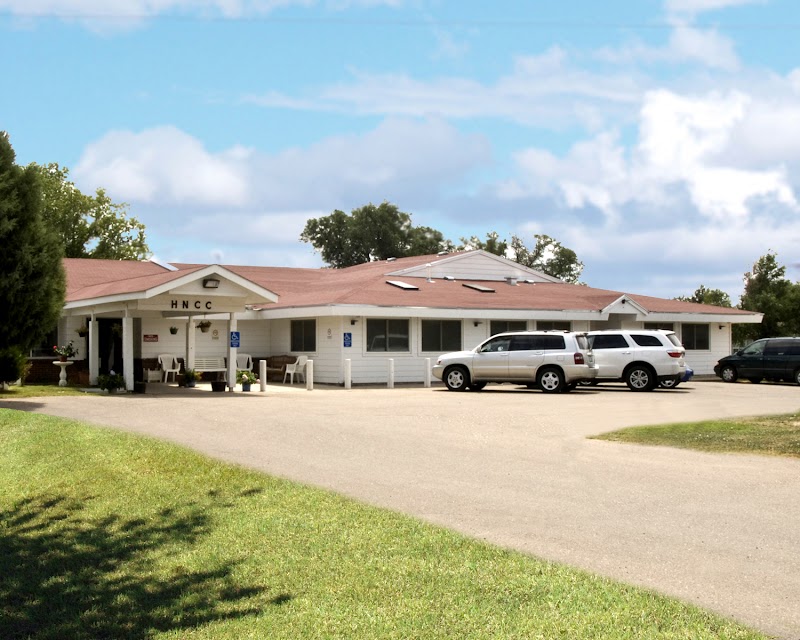
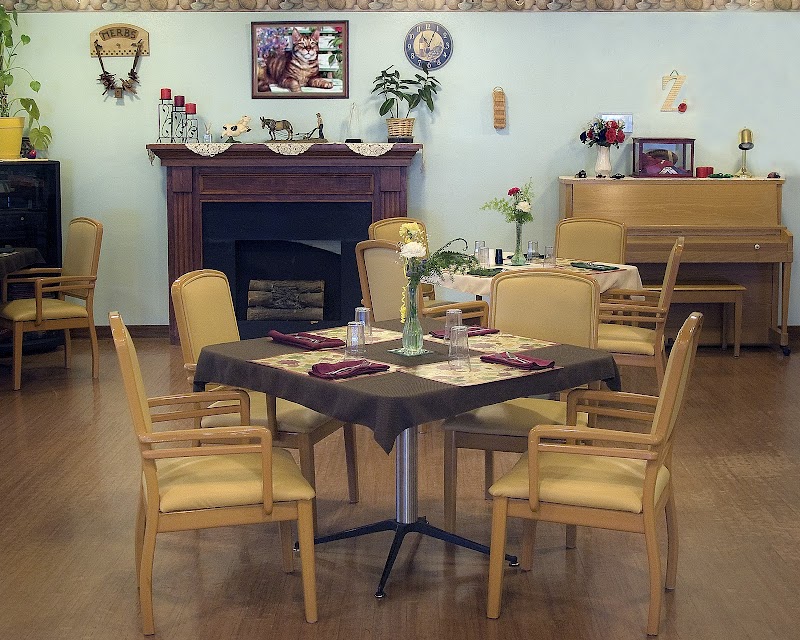
HOLLY CARE CENTER

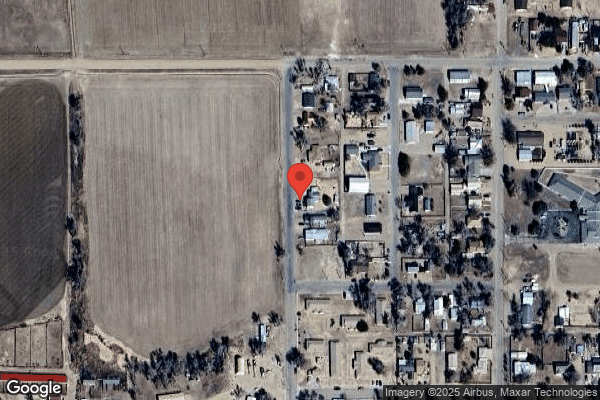
320 N 8TH ST, HOLLY, CO 81047 (719) 537-6555
For profit - Limited Liability company 45 Beds VIVAGE SENIOR LIVING Data: November 2025
Trust Grade
90/100
#30 of 208 in CO
Last Inspection: August 2024

Within standard 12-15 month inspection cycle. Federal law requires annual inspections.

Overview

Holly Care Center has received an impressive Trust Grade of A, indicating it is highly recommended and considered excellent. Ranking #30 out of 208 facilities in Colorado places it in the top half, and it is ranked #1 out of 2 in Prowers County, meaning it is the best local option. The facility is improving, with the number of issues decreasing from 5 in 2023 to 3 in 2024. Staffing is also a strength, with a good rating of 4 out of 5 stars and a turnover rate of 38%, which is well below the state average of 49%. However, there were some concerns identified, such as improper hand hygiene in food service and failure to ensure sanitation in resident rooms, which need attention for the safety and well-being of residents. Overall, while there are areas for improvement, Holly Care Center demonstrates strong quality and care standards.

Trust Score
A
90/100
In Colorado
#30/208
Top 14%
Safety Record
Low Risk
No red flags
Inspections
Getting Better
5 → 3 violations
Staff Stability
○ Average
38% turnover. Near Colorado's 48% average. Typical for the industry.
Penalties
✓ Good
No fines on record. Clean compliance history, better than most Colorado facilities.
Skilled Nurses
✓ Good
Each resident gets 50 minutes of Registered Nurse (RN) attention daily — more than average for Colorado. RNs are trained to catch health problems early.
Violations
○ Average
10 deficiencies on record. Average for a facility this size. Mostly minor or procedural issues.
★★★★★
5.0
Overall Rating
★★★★☆
4.0
Staff Levels
★★★★★
5.0
Care Quality
★★★★☆
4.0
Inspection Score
Stable
2023: 5 issues
2024: 3 issues

The Good

  • 4-Star Staffing Rating · Above-average nurse staffing levels
  • 5-Star Quality Measures · Strong clinical quality outcomes
  • Full Sprinkler Coverage · Fire safety systems throughout facility
  • No fines on record
  • Staff turnover below average (38%)

    10 points below Colorado average of 48%

Facility shows strength in staffing levels, quality measures, fire safety.

The Bad

Staff Turnover: 38%

Near Colorado avg (46%)

Typical for the industry

Chain: VIVAGE SENIOR LIVING

Part of a multi-facility chain

Ask about local staffing decisions and management

The Ugly 10 deficiencies on record

Aug 2024 3 deficiencies
CONCERN (D)

Potential for Harm - no one hurt, but risky conditions existed

Comprehensive Care Plan (Tag F0656)

Could have caused harm · This affected 1 resident

**NOTE- TERMS IN BRACKETS HAVE BEEN EDITED TO PROTECT CONFIDENTIALITY** Based on observations, record review and interviews, the facility failed to develop and implement a comprehensive centered care ...

Read full inspector narrative →
**NOTE- TERMS IN BRACKETS HAVE BEEN EDITED TO PROTECT CONFIDENTIALITY** Based on observations, record review and interviews, the facility failed to develop and implement a comprehensive centered care plan that included measurable objectives and timeframes to meet a resident's medical, nursing, mental and psychosocial needs for two (#23 and #25) of six residents out of 16 sample residents. Specifically, the facility to: -Ensure a care plan and interventions were developed for Resident #23's use of a hypertensive medication; and, -Ensure a care plan and interventions were developed for Resident #25's use of insulin, an anticoagulant medication and for dialysis treatments. Findings include: I. Facility policy and procedure The Comprehensive Care Plans policy, revised on 2/28/24, was provided by the quality mentor (QM) on 8/28/24 at 12:27 p.m. The policy revealed this facility would develop and implement a comprehensive person-centered care plan for each resident, consistent with the resident rights, which included measurable objectives, timeframes to meet a resident's medical, nursing, mental and psychosocial needs that were identified in the resident's comprehensive assessment. Person-centered care meant the facility would focus on the resident as the locus (specific position) of control, support the resident in making their own choices and having control over their daily lives. The care planning process would include an assessment of the resident's strengths and needs and would incorporate the resident's personal and cultural preferences in developing goals of care. Services provided or arranged by the facility, as outlined by the comprehensive care plan, would be culturally competent and trauma-informed. The comprehensive care plan would be developed within seven days after the completion of the comprehensive minimum data set (MDS) assessment. All care assessment areas (CAAs) triggered by the MDS assessment would be considered in developing the plan of care. Other factors identified by the interdisciplinary team (IDT), or in accordance with the resident's preferences, would also be addressed in the plan of care. The facility's rationale for deciding whether to proceed with care planning would be evidenced in the clinical record. The comprehensive care plan would be prepared by the IDT. The comprehensive care plan would include measurable objectives and timeframes to meet the resident's needs as identified in the resident's comprehensive assessment. The objectives would be utilized to monitor the resident's progress. Alternative interventions would be documented, as needed. II. Resident #25 A. Resident status Resident #25, age [AGE], was admitted on [DATE] and readmitted on [DATE]. According to the August 2024 computerized physician orders (CPO), diagnoses included type 2 diabetes mellitus, end stage renal disease, dependence on renal dialysis and multiple fractures of the ribs on the resident's right side with an initial encounter for closed fractures. The 8/13/24 minimum data set (MDS) assessment revealed the resident had moderate cognitive impairments with a brief interview of mental status (BIMS) score of 10 out of 15. For the seven-day assessment period, the resident received injections everyday. The resident also received insulin injections all seven days. The resident was taking antiplatelet and hypoglycemic (including insulin) medications. The MDS assessment did not reveal the resident was on dialysis. B. Record review A physician's order, dated 2/5/24 at 1:18 p.m., revealed routine dialysis once a day every Monday, Wednesday and Friday. Staff were to check the graft site (access site for dialysis) for bleeding after the resident returned from dialysis. If bleeding occurred, staff were to apply direct pressure until the bleeding was controlled. Staff were to notify the medical provider if the bleeding lasted longer than 30 minutes or was severe. The June 2024, July 2024 and August 2024 medication administration records (MAR) revealed the resident went to dialysis as the physician ordered. -The resident's electronic medical record (EMR) did not contain a care plan for dialysis. -The facility developed a care plan for dialysis during the survey, on 8/27/24. A physician's order, dated 2/5/24 at 4:07 p.m., revealed Resident #25 was to be administered Eliquis (an anticoagulant medication) tablet 2.5 milligrams (mg) orally once a day for the use of a fistula (surgical connection between an artery and a vein in the arm that was used to access a resident's blood flow for hemodialysis treatments. The June 2024, July 2024 and August 2024 MARs revealed the resident was administered the Eliquis tablet 2.5 mg per the physician's ordered. -The resident's EMR did not contain a care plan for the use of the anticoagulant medication. -The facility developed a care plan for anticoagulant use during the survey, on 8/27/24. A physician's order, dated 6/15/24 at 10:21 p.m., revealed Resident #25 was to receive an injection of Basaglar KwikPen Subcutaneous Solution 100 units/milliliter (Insulin Glargine); 12 units subcutaneously twice a day and hold if the resident's blood sugar was less than 60 milligrams per deciliter (mg/dl). Staff were to call his physician if the resident's blood sugar level was above 500 mg/dl. The June 2024, July 2024 and August 2024 MARs revealed the resident was administered the Basaglar KwikPen Subcutaneous Solution per the physician's order. -The resident's EMR did not contain a care plan for the use of insulin. -The facility developed a care plan for insulin use during the survey, on 8/27/24. C. Staff interviews The nursing home administrator (NHA), the director of nursing (DON) and the QM were interviewed together on 8/28/24 at 1:30 p.m. The NHA, the DON and the QM said that Resident #25's EMR did not contain care plans for dialysis, the use of insulin nor the use of an anticoagulant medication. They agreed that care plans should have been developed for these three areas, according to the facility's policy. They agreed care plans for insulin, an anticoagulant and dialysis were developed during the survey. The DON said the IDT developed the resident's comprehensive care plans. She said the MDS coordinator and the IDT reviewed their disciplines' specific sections for accuracy or the need for further development. The DON said during the seven-day MDS assessment period, the coordinator should have developed care plans for these three areas. The DON said the care plans provided direction for the plans of care for a resident. She said the care plans listed the problem/concerns, goals and interventions to address the issues with the resident. She said the care plans were fluid and could be developed or updated as the resident changed. III. Resident #23 A. Resident status Resident #23, age [AGE], was admitted on [DATE] and readmitted on [DATE]. According to the August 2024 CPO, diagnoses included essential hypertension, hemiplegia, vascular dementia, anxiety and depression. The 7/17/24 minimum data set (MDS) assessment revealed the resident had severe cognitive impairments with a brief interview of mental status (BIMS) score of four out of 15. For the seven-day assessment period, the resident received an antipsychotic, antidepressant and opioid medications. B. Record review The physician's order, dated 12/1/24 at 8:31 p.m., revealed to administer a hydrochlorothiazide 25 mg tablet orally once a day for hypertension. The physician's order, dated 12/1/23 at 8:34 p.m., revealed to administer two losartan potassium 25 mg tablets orally once a day for hypertension. The June 2024, July 2024 and August 2024 MARs revealed the resident was administered the hydrochlorothiazide 25 mg tablet and the two losartan potassium 25 mg tablets for hypertension as physician ordered. -The resident's EMR did not contain a care plan for hypertension. -The facility developed a care plan for hypertension during the survey, on 8/27/24. C. Staff interviews The NHA, the DON and the QM were interviewed together on 8/28/24 at 1:30 p.m. They said that Resident #23's EMR did not contain a care plan for hypertension. They agreed that a care plan should have been developed for hypertension, according to the facility's policy. They agreed the care plan for hypertension had been developed during the survey. Registered nurse (RN) #2 was interviewed on 8/28/24 at 2:14 p.m. RN #2 said the care plans were developed to ensure staff provided the appropriate and consistent care for the residents' concerns/issues.
CONCERN (D)

Potential for Harm - no one hurt, but risky conditions existed

Dental Services (Tag F0791)

Could have caused harm · This affected 1 resident

**NOTE- TERMS IN BRACKETS HAVE BEEN EDITED TO PROTECT CONFIDENTIALITY** Based on observations, record review and interviews, the facility failed to ensure one (#3) of two residents reviewed for ancill...

Read full inspector narrative →
**NOTE- TERMS IN BRACKETS HAVE BEEN EDITED TO PROTECT CONFIDENTIALITY** Based on observations, record review and interviews, the facility failed to ensure one (#3) of two residents reviewed for ancillary services out of 16 sample residents received routine dental care and 24-hour emergency dental care. Specifically, the facility failed to ensure Resident #3 was provided dental services for timely replacement of her upper denture. Findings include: I. Facility policy and procedure The Ancillary Services policy, revised February 2024, was provided by the director of nursing (DON) on 8/28/24 at 2:20 p.m. It read in pertinent part, Any resident needing or requesting ancillary services such as dental, vision, audiology and podiatry will have their needs met timely. Social services/Designee will be responsible for ensuring residents needing ancillary services receive needed/requested services in a timely manner. II. Resident #3 A. Resident status Resident #3, age less than 65, was admitted on [DATE]. According to the August 2024 computerized physician orders (CPO), diagnoses included intracranial shunt (surgical procedure to place a tube in the brain), bipolar disorder (mental illness that causes extreme behavior swings), severe obesity and chronic pain. The 5/16/24 minimum data set (MDS) assessment revealed the resident had moderate cognitive impairments with a brief interview for mental status (BIMS) score of 12 out of 15. Resident #3 was independent with oral hygiene, eating, dressing and transferring self and required set-up assistance with showering. The MDS assessment revealed the resident had no dental issues. -However, Resident #3 did not have any upper teeth (see resident observation and interview below). B. Resident interview and observation Resident #3 was interviewed on 8/25/24 at 6:02 p.m. Resident #3 said her top set of dentures was left in a transportation vehicle. She said she was not sure how long ago the incident occurred, but thought it was at least a year ago. Resident #3 said she told the facility when the top denture was lost. Resident #3 said the former social worker did not assist her with obtaining new upper dentures and Resident #3 did not know if the current social worker was aware the upper denture was needed. Resident #3 said she was limited in her ability to eat because she did not have her upper denture. During the interview, Resident #3 did not have any upper teeth or dentures in place. Resident #3 was interviewed again on 8/28/24 at 9:53 a.m. Resident #3 said she could not eat hamburger or bacon, lettuce and tomato sandwiches without her top denture. She said it was difficult to chew without her top denture. She said a social worker told her she could only have replacement dentures once every three years. C. Record review The dental care plan, revised 7/11/24, revealed the resident had upper dentures. The interventions included coordinating arrangements for dental care and providing transportation as needed. -A review of the resident's care plan did not indicate the resident's upper dentures were missing. A facility consultation sheet was provided by the DON on 8/28/24 at 2:53 p.m. The consultation sheet revealed Resident #3 was at a dental clinic on 3/11/24 to get upper dentures and the dentist documented they provided Resident #3 with the price of new dentures. A progress note, written by the previous social services director (SSD) on 3/12/24 at 11:51 a.m., revealed Resident #3 was seen by the dentist on 3/11/24 for top denture replacement. The progress note documented the resident's insurance would not cover dentures for seven years and the resident was not able to financially cover the cost of dentures herself. The progress note indicated the SSD was researching other options. A progress note, written by the current SSD on 3/13/24 at 10:15 a.m., revealed the SSD reviewed with Resident #3 that insurance would not cover dentures and one alternate payor would not cover it. The note documented Resident #3 said she did not have the means to pay privately or set up a payment plan fo the dentures. -A review of the resident's electronic medical record (EMR) did not reveal any additional documentation indicating the facility had assisted the resident in finding her dentures or replacing them. A progress note, written by the DON on 8/28/24 at 1:26 p.m. (during the survey), revealed a dental appointment had been scheduled for Resident #3 in September 2024 (exact date to be determined) for x-rays and impressions for the denture to be replaced. The DON indicated the bill for services would be sent to the facility and the facility would pay for the denture if an alternate payor was not possible. D. Staff interviews Certified nurse aide (CNA) #5 was interviewed on 8/27/24 at 1:09 p.m. CNA #5 said Resident #3 had dentures at one time, but did not know if Resident #3 still had them. CNA #8 was interviewed on 8/27/24 at 1:20 p.m. CNA #8 said Resident #3 had told her in the past that her dentures did not fit. CNA #8 said she was not aware the resident had lost her upper denture. Licensed practical nurse (LPN) #1 was interviewed on 8/27/24 at 1:15 p.m. LPN #1 said she was not aware Resident #3 had lost her top dentures. The DON, the SSD and the nursing home administrator (NHA) were interviewed together on 8/28/24 at 11:28 a.m. The SSD said she knew the process for assisting residents with the replacement of dentures. The DON said Resident #3 had a dental appointment to replace her top dentures on 3/11/24. The DON said the denture had not been replaced as of 8/28/24. The DON said she would have expected the SSD to work with the business office and the NHA to arrange funds to obtain the upper denture replacement. The DON was interviewed again on 8/28/24 at 3:02 p.m. The DON said it was the facility's responsibility to ensure timely replacement of dentures for a resident. The DON said the current SSD was not aware when she documented her 3/13/23 progress note that she had alternative means for obtaining new dentures for residents.
CONCERN (E)

Potential for Harm - no one hurt, but risky conditions existed

Infection Control (Tag F0880)

Could have caused harm · This affected multiple residents

**NOTE- TERMS IN BRACKETS HAVE BEEN EDITED TO PROTECT CONFIDENTIALITY** Based on observations, record review and interviews, the facility failed to provide a safe, functional, sanitary and comfortable...

Read full inspector narrative →
**NOTE- TERMS IN BRACKETS HAVE BEEN EDITED TO PROTECT CONFIDENTIALITY** Based on observations, record review and interviews, the facility failed to provide a safe, functional, sanitary and comfortable environment for residents, staff and the public. Specifically, the facility failed to: -Ensure housekeeping staff followed appropriate infection control practices when cleaning resident rooms; -Ensure nursing staff followed appropriate infection control practices when providing wound care; and, -Ensure clean items, such as medications and body soap, were stored in a sanitary manner. Findings include: I. Failure to ensure housekeeping staff followed appropriate infection control practices when cleaning resident rooms A. Facility policy and procedure The Cleaning and Disinfecting Residents' Rooms policy, revised August 2013, was provided by the quality mentor (QM) on 8/27/24 at 2:43 p.m. It read in pertinent part, Use heavy duty gloves and other personal protective equipment (PPE) as indicated for housekeeping tasks. Perform hand hygiene after removing gloves. B. Observations On 8/27/24 at 9:06 a.m. housekeeper (HSK) #2 was cleaning room [ROOM NUMBER]. HSK #2 was not wearing gloves when she discarded the dirty mop pad. After handling the dirty mop pad, and without performing hand hygiene, HSK #2 obtained a clean mop and squeezed the end of the mop with her ungloved hands. HSK #2 finished mopping the resident's floor, then proceeded to use her ungloved hands to pull off the dirty mop pad. -HSK #2 did not perform hand hygiene after touching the soiled mop pad. On 8/27/24 at 9:15 a.m. HSK #2 entered room [ROOM NUMBER], she cleaned the high touch surfaces with disinfectant and then took out the trash without wearing gloves. HSK #2 did not perform hand hygiene after removing trash. C. Staff interviews The housekeeping supervisor (HSKS) was interviewed on 8/27/24 at 10:04 a.m. The HSKS said the housekeepers should wear gloves if they were removing trash or handling a soiled mop pad. HSK #2 was interviewed on 8/27/24 at 10:10 a.m. HSK #2 said she should have worn gloves when she was handling the soiled mop pad. She said she should use hand sanitizer and wear gloves when she removed trash from a resident's room. The infection preventionist (IP) was interviewed on 8/27/24 at 1:39 p.m. The IP said HSK #2 should have worn gloves and sanitized her hands while handling dirty and clean mop pads. The IP said HSK #2 should wear gloves and use hand sanitizer to prevent the spread of infection and germs. II. Failure to ensure nursing staff followed appropriate infection control practices when providing wound care A. Facility policy and procedure The Wound Care policy, undated, was provided by the director of nursing (DON) on 8/28/24 at 2:20 p.m. It read in pertinent part, Steps in procedure: -Place disposable cloth next to the resident (under the wound) to serve as a barrier and to protect bed linen; -Put on exam gloves. Loosen tape and remove dressing; and, -Pull glove over dressing and discard into appropriate receptacle. Wash and dry your hands thoroughly. B. Observation On 8/27/24 at 9:25 a.m., registered nurse (RN) #2 was changing Resident #5's wound dressing. RN #2 removed the soiled dressing and placed it on the clean disposable cloth that was less than six inches from the resident's uncovered wound. RN #2 then washed his hands for 10 seconds, donned (put on) new gloves, cleaned the wound and performed the remainder of the dressing change. -RN #2 did not discard the soiled dressing (which remained less than six inches from the wound on the clean field) prior to applying the new dressing. C. Staff interviews RN #2 was interviewed on 8/27/24 at 10:00 a.m. RN #2 said his hands needed to be washed for at least 20 seconds. RN #2 said he should have discarded the soiled dressing into the trash can immediately after removing it. The IP was interviewed on 8/27/24 at 1:39 p.m. The IP said the staff should wash hands for at least 20 to 30 seconds to ensure germs were removed effectively. III. Failure to ensure clean items, such as medications and body soap, were stored in a sanitary manner A. Facility policy and procedure The Medication Storage policy, revised February 2024, was provided by the DON on 8/28/24 at 2:20 p.m. It read in pertinent part, It is the policy of this facility to ensure all medications housed on our premises will be stored in the pharmacy and/or medication room according to manufacturer recommendations and sufficient to ensure proper sanitation, temperature, light, ventilation, moisture control, segregation and security. B. Observations and staff interview On 8/26/24 at 1:56 p.m licensed practical nurse (LPN) #1 was observed during medication administration. LPN #1 used a key to unlock the medication storage room. She walked through a bathroom, which was located inside the medication storage room, to get to a second medication storage area contained in the room. The following items were observed in the bathroom less than two feet from the toilet: -An emergency medication kit which contained 35 medications; and, -An emergency intravenous (IV) kit which contained 18 medications. LPN #1 said the toilet in the bathroom located inside the medication storage room was sometimes used by nurses, who were the only staff members who had a key to the medication storage room. LPN #1 said the emergency medication kits should not be stored in the bathroom. LPN #1 moved the emergency medication and IV kits from the bathroom to the outer storage area of the medication room. On 8/27/24 at 10:40 a.m., the two shower rooms were observed with the HSKS. There was an opened one gallon container of body soap on the floor in each of the shower rooms. C. Additional staff interviews The IP was interviewed on 8/26/24 at 2:05 pm. The IP said the emergency medication and IV kits should not be stored in the bathroom in the medication storage room. The IP said it was an infection control risk to store them in the bathroom. The IP was interviewed again on 8/27/24 at 2:04 p.m. The IP said the body soap should not be stored on the floor of the shower rooms as it could spread infection.
Mar 2023 5 deficiencies
CONCERN (D)

Potential for Harm - no one hurt, but risky conditions existed

Accident Prevention (Tag F0689)

Could have caused harm · This affected 1 resident

**NOTE- TERMS IN BRACKETS HAVE BEEN EDITED TO PROTECT CONFIDENTIALITY** II. Resident #26 A. Resident status Resident #26, age under [AGE] years old, was admitted on [DATE]. According to the March 2023...

Read full inspector narrative →
**NOTE- TERMS IN BRACKETS HAVE BEEN EDITED TO PROTECT CONFIDENTIALITY** II. Resident #26 A. Resident status Resident #26, age under [AGE] years old, was admitted on [DATE]. According to the March 2023 computerized physician orders (CPO), diagnoses included cirrhosis (severe scarring) of liver, alcohol dependence, fracture of left patella (knee cap), adjustment disorder with mixed anxiety, and post-traumatic stress disorder. According to the 3/7/23 minimum data set (MDS) assessment, the resident was not administered the brief interview for mental status (BIMS). The resident had disorganized thinking and had difficulty focusing attention. She required limited assistance for bed mobility, transfers, grooming and toilet use. The MDS assessment revealed the resident had a fall prior to admission. The MDS asssessment revealed no wander guard. B. Observation and interview On 3/27/23 at 9:13 a.m. the resident was observed lying flat in bed sleeping and the bed was left in a high position. The resident did not have a fall mat next to her bed. The resident's call light was wrapped around the repositioning bar. LPN #1 was interviewed on 3/27/23 at 9:20 a.m. LPN #1 said she was familiar with the resident's care plan. LPN #1 observed the resident while she was sleeping. LPN #1 said the bed was supposed to be in a low position and she should have had a fall mat next to her bed per her care plan. LPN #1 said the negative outcome of care plan not being followed would be the resident could have another fall or a major injury. C. Record review Fall risk evaluation dated 3/13/23 identified the resident as being at a high risk for falls. The care plan, initiated 3/1/23, identified the resident was at risk for falls. Interventions include: The resident needs a safe environment such as the bed in low position at night, personal items within reach, fall mats next to bed while the resident is in bed. The resident needs prompt response to all requests for assistance. The resident has a fluctuating ability to utilize call light. Provide consistent rounding and offer redirection as indicated. D. Interview The director of nursing (DON) was interviewed on 3/29/23 at 1:18 p.m. The DON was told of the observation above. She said it would be her expectation the care plan should have been followed and the bed would have been at the lowest position and the fall mat would be next to the bed. The DON said when staff assist the resident to bed they should place the bed in the lowest position. Staff should use the fall mat and keep her call light cord within reach. The DON said failing to provide care planned interventions could contribute to further falls for this high-risk resident. III. Failed to ensure oxygen concentrator was plugged into a medical grade power surge protector On 3/27/23 at 11:18 a.m., room [ROOM NUMBER]B had an oxygen concentrator, which was plugged into a regular power strip. It was not a medical grade power surge. The environmental tour was conducted with the maintenance supervisor (MS) and nursing home administrator (NHA) on 3/30/23 at 9:15 a.m. The above detailed observations were reviewed. The NHA said the oxygen concentrators should not have been plugged into the power strips. She said the oxygen concentrator was plugged directly into the room outlet after the environmental tour. Based on observations, record review and interviews, the facility failed to ensure the resident environment remained as free of accident hazards as possible; and each resident received adequate supervision and assistance devices to prevent accidents for two (#1 and #26) of three residents reviewed for accidents/hazards out of 15 sample residents. Specifically, the facility: -Failed to ensure a medication in Resident #1's room had a current order and was not kept at bedside; -Failed to ensure Resident #26 had fall interventions in place; and, -Failed to ensure an oxygen concentrator was plugged into an appropriate electrical supply. Findings include: I. Resident #1 A. Resident status Resident #1, age [AGE], was admitted on [DATE]. According to the March 2023 computerized physicians orders (CPO), diagnoses included intracranial injury (brain injury), bipolar disorder, and acute kidney failure. The 3/6/23 minimum data set (MDS) assessment did not assess the brief interview for mental status. No behaviors were noted. B. Observation and interview Resident #1 was interviewed on 3/27/23 at 10:00 a.m. During the interview the resident stated he was discouraged that the nursing staff did not apply the medicine I need for my legs. The resident was keeping a tube of Diclofenac gel in the nightstand. He said he had to apply the cream when he needed it. C. Record review The resident did not have a care plan for self-administration of medications. The resident did not have an order for Diclofenac gel. The resident did not have a self-medication evaluation completed for Diclofenac gel. D. Interviews Licensed practical nurse (LPN) #1 was interviewed on 3/27/23 at 10:53 a.m. She said for a resident to have their own medications, the resident must complete an evaluation to ensure they were safe to administer the medication on their own. She said Resident #1 did not have an evaluation for self-administration for any medications. She said she could not locate a current order for Diclofenac gel. She said it was important to make sure the resident could administer the medication safely. The director of nursing (DON) was interviewed on 3/29/23 at 1:18 p.m. She said after LPN #1 notified her of the Diclofenac gel, the facility began an investigation to find out where the Diclofenac gel came from. She said the facility reached out to the physician about the Diclofenac gel. The provider wrote an order for Diclofenac gel, and the DON and nursing home administrator (NHA) completed a self-administration evaluation. She said it was important to ensure all medications residents took had a current order and residents who wanted to self-administer medications had an evaluation completed for safety. She said the pharmacy would send a new tube of Diclofenac gel.
CONCERN (D)

Potential for Harm - no one hurt, but risky conditions existed

Deficiency F0726 (Tag F0726)

Could have caused harm · This affected 1 resident

Based on record review and interviews, the facility failed to ensure licensed nurses were able to demonstrate competencies in skills and techniques necessary to care for residents' needs, as identifie...

Read full inspector narrative →
Based on record review and interviews, the facility failed to ensure licensed nurses were able to demonstrate competencies in skills and techniques necessary to care for residents' needs, as identified through resident assessments, and described in the plan of care. Specifically, the facility failed to ensure nursing staff had completed competencies in the past 12 months prior to providing skilled services as described in the plan of care for two out of two registered nurses (RN) and one out of one licensed practical nurses (LPN) reviewed for competencies. Findings include: I. Resident census and conditions According to the resident census and conditions provided by the nursing home administrator (NHA) on 3/27/23, the facility had: -Two residents with an indwelling catheter; and, -One resident with a pressure ulcer. II. Record review RN #1, RN #2, and LPN #2 did not have competencies completed for identified conditions in the facility specifically catheter care and wound care. III. Interviews The director of nursing (DON) was interviewed on 3/29/23 at 1:18 p.m. She said nursing competencies were important to ensure the residents were not put at risk and skills were performed safely. She said she had observed some of the skills performed by the nurses from standing afar, but did not have a formal return demonstration recorded.
CONCERN (E)

Potential for Harm - no one hurt, but risky conditions existed

Safe Environment (Tag F0584)

Could have caused harm · This affected multiple residents

**NOTE- TERMS IN BRACKETS HAVE BEEN EDITED TO PROTECT CONFIDENTIALITY** Based on observations and staff interviews, the facility failed to maintain a sanitary, orderly, and comfortable environment for...

Read full inspector narrative →
**NOTE- TERMS IN BRACKETS HAVE BEEN EDITED TO PROTECT CONFIDENTIALITY** Based on observations and staff interviews, the facility failed to maintain a sanitary, orderly, and comfortable environment for residents in 14 of 25 resident rooms in two hallways. Specifically, the facility failed to ensure walls, halls, ceilings, floors, and doors were repaired, painted and properly maintained. Findings include: I. Initial observations Observations of the resident living environment was conducted on 3/29/23 at 8:47 a.m. revealed: room [ROOM NUMBER]A: There were four nickel sized holes underneath the resident's shelf next to his bed. The wall next to the resident's bed had an area 24 inches by 24 inches which had not been painted. The outlet box did not have a cover on it with the cable wire exposed. The lament in front of the sink had an area approximately eight inches long by two inches wide which was lifted. room [ROOM NUMBER]B: The resident's call light was wrapped around the grab bar in the restroom which made it inaccessible. room [ROOM NUMBER]B: There was a large chip of sheet rock approximately four inches in circumference next to the resident's door. room [ROOM NUMBER]B: The wall in the restroom had a section of peeling sheetrock approximately seven inches long by three inches wide. room [ROOM NUMBER]B: The restroom wall had four nickel sized holes from the wall mount toilet paper holder, which had been moved. The restroom door had a hole approximately seven inches long by three inches wide. There was a metal bracket where the television brackets had been removed. The wall behind the door had damage from the door knob hitting the wall which was approximately five inches long by four inches deep. room [ROOM NUMBER]B: The wall next to the sink had peeling and chipped sheetrock approximately six inches long by three inches wide. The wood frame next to the sink had three areas where the wood had peeling and splintering scraps. The wall above the bed had a section approximately eight inches by four inches where a light fixture had been removed. The wall had pea-sized holes. The restroom's call light was wrapped around the grab bar which made it inaccessible. room [ROOM NUMBER]B: The wall above the resident's headboard had three areas of unpainted patch work approximately 10 inches by six inches, five inches by four inches, and four inches by four inches. room [ROOM NUMBER]B: The ceiling had water damage approximately five feet by five feet and another area approximately four feet by four feet. The restroom did not have a call light. room [ROOM NUMBER]A: The wall at the end of the resident's bed had damaged sheetrock approximately six inches in circumference. room [ROOM NUMBER]B: The corner piece next to the sink had an area approximately three feet high by three inches wide of chipped and damaged sheetrock. The metal corner bracket was exposed. The wall in the restroom had peeling and damaged sheetrock approximately 12 inches long by three inches wide. The fire doors next to room [ROOM NUMBER]A had chipped and splintering wood approximately four feet high by three inches wide on the corner. room [ROOM NUMBER]B had a metal piece approximately 24 inches by 24 inches where the old air conditioner had been replaced. There was an air gap on the right side of the metal piece. room [ROOM NUMBER]A: The wall in the restroom was damaged from the wheelchair hitting the wall. The wall behind the commode had a hole approximately nine inches long by five inches wide. The bathroom door had the bottom lament peeling away from the bottom of the door. The wood frame next to the sink was chipped and splintering from the wheelchair hitting the corner. The entrance door had chipped and splintering wood approximately three feet high by three inches wide. The wall next to the air conditioner had a metal piece approximately 24 inches by 24 inches where the old air conditioner had been replaced. There was an air gap on the right side of the metal piece. room [ROOM NUMBER]B: The wood frame next to the entrance had chipped and splintered wood from the wheelchair hitting the wood frame. The laminate on the sink had an area approximately three inches in circumference. There was a metal bracket from a missing towel rack next to the sink. The shower room on the north east end of the hall had 16 dime sized holes in bottom of the wall close to the shower surround. The caulking around the base of the shower was black and peeling. II. Environmental tour and staff interview The environmental tour was conducted with the maintenance supervisor (MS) and nursing home administrator (NHA) on 3/30/23 at 9:15 a.m. The above detailed observations were reviewed. The NHA documented the environmental concerns. The MS said the facility utilized a computer system to identify environmental issues. The MS said he did not have any repair requisition requests for the above-mentioned items. The MS said he missed these repairs and the above-mentioned damage should have been repaired and addressed in a timely manner.
CONCERN (F)

Potential for Harm - no one hurt, but risky conditions existed

Food Safety (Tag F0812)

Could have caused harm · This affected most or all residents

Based on observations, record review and staff interviews, the facility failed to ensure food was stored, prepared, and served under sanitary conditions in one kitchen. Specifically, the facility fail...

Read full inspector narrative →
Based on observations, record review and staff interviews, the facility failed to ensure food was stored, prepared, and served under sanitary conditions in one kitchen. Specifically, the facility failed to ensure: -Appropriate hand hygiene by food service staff; and, -Food was stored and labeled properly Findings include: I. Improper hand hygiene A. Professional references According to the Colorado Retail Food Establishment Rules and Regulations (effective 1/1/19) pg. 46-47, in part, Food employees shall clean their hands and exposed portions of their arms immediately before engaging in food preparation including working with exposed food, clean equipment and utensils, and unwrapped single-service items and: Before handling or putting on single use gloves for working with food, and between removing soiled gloves and putting on clean gloves. Food employees shall clean their hands and exposed portions of their arms including surrogate prosthetic devices for hands or arms with soap and water for at least 20 seconds and shall use the following cleaning procedure: 1. Vigorous friction on the surfaces of the lathered fingers, fingertips, areas between the fingers, hands and arms for at least 15 seconds, followed by; 2. Thorough rinsing under clean, running warm water; and 3. Immediately follow the cleaning procedure with thorough drying of cleaned hands and arms with disposable or single use towels or a mechanical hand-drying device. B. Observations Observation of meal service was conducted on 3/29/23 at 10:45 a.m. Dietary aide (DA) #1 was observed preparing hamburger meals for lunch. DA #1 put on a pair of gloves and walked into the walk-in freezer and removed a box of frozen hamburger patties and placed them next to the stove. She retrieved a large pan and placed it on the oven and turned on the gas burner. She opened the box with her gloved hand and removed five frozen hamburger patties with her gloved hand and placed them into the pan. She proceeded to seal up the box of hamburger patties and returned to the walk-in freezer. She opened the freezer door with her gloved hand and walked into the freezer placing the box into the freezer. She returned to the stove to check the hamburger patties. She then walked over to the walk-in refrigerator and opened the door with her gloved hand. She placed three plastic containers of tomatoes, onions and lettuce on the counter top in front of the walk-in refrigerator. She then returned into the walking refrigerator grabbing the door handle with her gloved hand. She exited the walking refrigerator with a jar of mayonnaise and placed it in the preparation area next to the stove. She checked the hamburger patties on the stove and proceeded to grab four plates. She then grabbed a bag of buns from the top counter. She reached in with her gloved hand and removed the hamburger buns placing them on the plate. She wiped her hands on the side of her pants as she reached up to get a pair of tongs. She took two plates with the hamburger buns over to the counter in front of the walk-in refrigerator and proceeded to grab a slice of tomatoes, a handful of lettuce and onion and place them onto the hamburger bun. She returned to the preparation area with the plates and put them on the counter. She walked over to the small refrigerator, opened the door with her gloved hands and retrieved a package of cheese. She opened the package of cheese and grabbed two slices with her gloved hand and placed them on the hamburger buns. She grabbed the tongs and grabbed two hamburger patties placing them onto the buns. She then opened the bag of chips and proceeded to use the same tongs she used to grab the hamburger patties and grabbed potato chips from the bag placing them on the plate. She then walked over to the serving line and placed plastic wrap over the plate of hamburger and chips. She leaned forward over the plate which allowed her badge to rest on the hamburger patty. The cutter on the box of plastic wrap was broken so she grabbed a pair of scissors and cut the plastic wrap with the scissors. She then placed the hamburgers on to the top of the serving line. She grabbed two more plates and proceeded the same process of preparing the other hamburgers. This time she used the same tongs to place the tomatoes, lettuce and onions onto the hamburger buns. She replaced the lids on the plastic containers and placed the tomatoes, lettuce and onions back into the walk-in refrigerator. She exited the walk-in refrigerator and proceeded to take the plates over to the preparation area. She again grabbed two slices of cheese and placed them on the bun. She then took the tongs and placed the hamburger patties onto the buns. She used the tongs again and removed chips from the bag, placing them onto the plate with the hamburger. She followed the same procedure of wrapping the plate with the plastic wrap and placing it onto the serving line. She then grabbed the tongs and other utensils and took them to the dishwashing area and placed them onto the dirty dishes side. She returned to the preparation area removing and discarding her used gloves and putting one new glove on without performing hand hygiene. She then proceeded to prepare peanut butter and jelly sandwiches. She grabbed four slices of bread with her one gloved hand and a plate and proceeded to spread the peanut butter onto the bread while holding the bread with her ungloved hand. She did this for two slices of bread. She walked over to the small refrigerator and removed a jar of jelly. She opened it with her gloved hand and proceeded to spread the jelly onto the bread holding one side of the bread with her ungloved hand. She placed the peanut butter and jelly sandwich on the cutting board and cut the sandwich in half. She grabbed the sandwich with her gloved hand and placed it on to the plate and placed it on the top of the serving line. She repeated the same process for one more sandwich of peanut butter and jelly. DA #1 did not perform hand hygiene during this process. The cook was observed serving meals on the service line. She would constantly grasp her hand together while she was waiting for the next meal order. She left the serving line and proceeded to go to the dirty dish side of the dish room. She proceeded to rinse some utensils and returned to the serving line. She was observed grabbing several slices of bread to put on the plate. She did this twice and then proceeded to use tongs to grab the bread. The cook grabbed four assistive devices for bowls for a resident order. She had her thumbs inside the bowl while she was serving the pureed meals. The cook did not perform hand hygiene during this process. C. Staff Interview The dietary manager (DM) was interviewed on 3/29/23 at 2:05 p.m. She said all kitchen staff needed to wash their hands when their hands become contaminated. She said all staff must wash their hands before handling or serving food. She said staff should never touch ready to eat foods with their bare hands. She said they should use serving tongs even if they have gloves on. Staff should also wash their hands when they leave the kitchen and dining area. The DM said all dietary staff should wash their hands between tasks to avoid cross contamination. II. Labeling food A. Professional reference According to the State Board of Health Colorado Retail Food Establishment Rules and Regulations (effective 1/1/19) 3-602.11, 4 a-d. pg. 103, 4 a-d. in part, A date marking system that meets the criteria stated .using a method approved by the Department for refrigerated, ready-to-eat, potentially hazardous food (time/temperature control for safety food) that is frequently re-wrapped, such as lunch meat or a roast. Marking the date or day of preparation with a procedure to discard the food on or before the last date or day by which the food must be consumed on the premises. Marking the date or day the original container is opened in a food establishment with a procedure to discard the food on or before the last date or day by which the food must be consumed on the premises. Using calendar dates, days of the week, color coded marks or other effective marking methods. B. Observation On 3/27/23 at 7:30 a.m. during the initial tour of the kitchen items stored in the walk in freezer that were not labeled included: one box of hamburger patties, a bag of ravioli, box of fish filets, box of green peas, chicken breasts in a clear plastic bag, hotdogs in a clear plastic bag. On 3/29/23 at 11:00 a.m. items stored in the walk in freezer that were not labeled included: one box of hamburger patties, a bag of ravioli, box of fish filets, box of green peas, chicken breasts in a clear plastic bag, hotdogs in a clear plastic bag. C. Staff interview The DM was interviewed on 3/29/23 at 2:05 p.m. She said all food should have been labeled to include the item and date. She said by doing so, it identified the product, so staff knew what they were grabbing and it was the correct product. She said it was important to date the items so the staff knew when to discard them. She said the proper time frame was seven days from the day the item was prepared, opened or pulled out of the freezer to thaw. She said the potential risk of not labeling was serving an incorrect food item and serving food past seven days from the day the item was prepared, opened or pulled out of the freezer to thaw.
CONCERN (F)

Potential for Harm - no one hurt, but risky conditions existed

Safe Environment (Tag F0921)

Could have caused harm · This affected most or all residents

Based on observation and staff interview, the facility failed to provide a safe, functional and comfortable environment for residents, staff and the public. Specifically, the facility failed to ensure...

Read full inspector narrative →
Based on observation and staff interview, the facility failed to provide a safe, functional and comfortable environment for residents, staff and the public. Specifically, the facility failed to ensure a backflow prevention device was installed on a hose in the kitchen maintenance closet and on the hand held shower on the west hall shower, increasing the risk of contamination to the facility's main water supply. Findings include: I. Backflow prevention devices A. Professional references According to the Environmental Protection Agency's Cross-Connection Control, updated on 11/2/22, retrieved on 3/29/23 from: https://www.epa.gov/system/files/documents/2021-12/ds-toolbox-fact-sheets_ccc.pdf, it read in pertinent part, Cross-connections are actual or potential connections between a potable water supply and non-potable water plumbing. Backflow is the unintended reversal of water flow through a cross-connection, which can result in a potentially serious public health hazard. A cross-connection control and backflow prevention program helps prevent contaminants from entering a drinking water distribution system. This fact sheet is part of EPA's (Environmental Protection Agency) Distribution System Toolbox developed to summarize best management practices that public water systems (PWSs), particularly small systems, can use to maintain distribution system water quality and protect public health. B. Observation Observations of the resident living environment conducted on 3/29/23 at 8:47 a.m. revealed: The kitchen maintenance closet had a hose which was utilized to fill the mop bucket. The hose in the kitchen maintenance closet did not have a backflow prevention valve on it. The sink was approximately 20 inches long by 20 inches wide and six inches deep. The sink was set on the floor with a long hose approximately 48 inches long sitting at the bottom of the yellow mop bucket. The mop bucket had visible water on the bottom. The hand held shower in the west shower room was positioned on the floor of the shower pan and was constantly running. The backflow prevention valve was nonfunctional as it was leaking. The hand held shower was long enough to sit on the side on the floor next to the drain. There was visible standing water at the base of the shower pan and the hand held shower had a continuous flow of water coming out of the end of it. II. Staff Interview The maintenance supervisor (MS) was interviewed on 3/30/23 at 9:15 a.m. He acknowledged he was familiar with the backflow valve protocol. The MS observed the hand held shower in the west shower room and the kitchen maintenance closet. The MS stated the hose in the kitchen maintenance closet was used to fill the mop bucket, and it should have had a backflow prevention valve on it. He said the hand held shower hose on the west shower room should have had a functioning backflow prevention valve as it was visibly leaking. He said he would have to investigate why the water was constantly running. He said the west shower room did not have a functioning backflow preventer valve on the hand held shower head, and the hose in the kitchen maintenance closet should have had a backflow prevention valve on it. He said she would place the backflow valves on them immediately.
Dec 2021 2 deficiencies
CONCERN (D)

Potential for Harm - no one hurt, but risky conditions existed

Respiratory Care (Tag F0695)

Could have caused harm · This affected 1 resident

**NOTE- TERMS IN BRACKETS HAVE BEEN EDITED TO PROTECT CONFIDENTIALITY** Based on observations, record review and interviews, the facility failed to ensure residents who needed respiratory care were pr...

Read full inspector narrative →
**NOTE- TERMS IN BRACKETS HAVE BEEN EDITED TO PROTECT CONFIDENTIALITY** Based on observations, record review and interviews, the facility failed to ensure residents who needed respiratory care were provided such care, consistent with professional standards of practice for two (#23 and #15) of three residents reviewed for oxygen therapy out of 16 sample residents. Specifically, the facility failed to ensure oxygen was administered according to physician orders for Residents #23 and #15. Findings include: I. Professional reference According to [NAME]/[NAME], Fundamentals of Nursing, ninth edition, Elsevier, Canada, 2017, p 900, Oxygen is a therapeutic gas and must be prescribed and adjusted only with a health care provider's order. II. Facility policy The Medication Administration policy, revised 11/26/19, provided by the director of nursing (DON) on 12/14/21 at 9:49 a.m. included, Medications are administered in accordance with written orders of the attending physician or physician extender. III. Resident #23 A. Resident status Resident #23, age [AGE], was admitted on [DATE] and readmitted on [DATE]. According to the December 2021 computerized physician orders (CPO), diagnoses included hypertension (HTN) and anxiety. The 10/6/21 minimum data set (MDS) assessment revealed the resident had no impairment with a brief interview for mental status (BIMS) score of 14 out of 15. He had no behaviors or rejections of care. He was identified as using oxygen. B. Record review The care plan, initiated on 8/24/21 and revised on 10/26/21, identified altered respiratory status and difficulty breathing related to shortness of breath with exertion. Interventions included oxygen settings at 4 liters (L) via nasal cannula (NC) continuous use and to administer medications as ordered. The care plan, initiated 8/24/21 and revised on 10/16/21, identified the resident receiving oxygen therapy. The intervention was oxygen via nasal cannula at 4L continuous use. The November 2021 electronic medication administration record (eMAR) included an order for continuous oxygen at 4L via NC. The eMAR documented that he received 4L on six days, 3L four days, and room air on seven days. The remaining days not indicated above, the documentation was not clear on the liter flow. The December 2021 eMAR (from 12/1-12/13/21) failed to document 4L via NC. Review of the progress notes revealed that the resident refused on several occasions to wear the ordered oxygen. The progress notes failed to reveal communication with the physician notifying the provider about the resident refusing to wear the physician ordered oxygen. Review of the recorded oxygen levels revealed the resident maintained a safe oxygen level on room air (between 90% and 98%) without supplemental oxygen. C. Observation and interview Resident #23 was interviewed on 12/13/21 at 11:34 a.m. He had a concentrator in his room. He said he stopped wearing oxygen a couple of months ago. He said he did not need oxygen. D. Interviews Certified nurse aide (CNA) #1 was interviewed on 12/14/21 at 2:55 p.m. She said he would only wear his oxygen when he was low. She said he did not wear his oxygen all the time. Licensed practical nurse (LPN) #1 was interviewed on 12/14/21 at 3:03 p.m. said oxygen was a medication and could only be given by physician order. She said the order for 4L of oxygen had been discontinued that day. She said prior to 12/14/21, he had an order for 4L. She said if a resident refused to wear prescribed oxygen, the provider should be notified. She said the nurse should encourage the resident to wear the oxygen and document the refusal. Registered nurse (RN) #1 was interviewed on 12/14/21 at 3:13 p.m. She said oxygen was considered a medication and required a provider's order. She said the resident had been refusing to wear the oxygen. She said he had told staff he did not like the noise the concentrator made. She said the provider had not been notified. She said she had notified the provider today (12/14/21) and had the order discontinued. She said he consistently refused to wear his oxygen for her. She said the provider should have been notified of the refusals. The DON was interviewed on 12/14/21 at 4:13 p.m. She said oxygen was considered a medication and an order was needed for administration. She said he would wear his oxygen when he felt like he needed it. She said the facility reported the refusals on 12/14/21 to the provider. She said the provider should have been notified of the continuous refusals (prior to 12/14/21, during the survey). She agreed the oxygen saturation levels were within normal limits. IV. Resident #15 A. Resident status Resident #15, age [AGE], was admitted on [DATE] and readmitted on [DATE]. According to the December 2021 computerized physician orders (CPO), diagnoses included chronic obstructive pulmonary disease (COPD) and hypertension (HTN). The 11/16/21 minimum data set (MDS) assessment revealed the resident had no impairment with a brief interview for mental status (BIMS) score of 15 out of 15. He had no behaviors or rejections of care. He was identified as using oxygen. B. Record review The care plan, initiated 3/15/16 and revised 11/16/21, identified oxygen therapy related to ineffective gas exchange. Interventions included: -Oxygen at 2L via NC continuously. -Give medications as ordered by physician. C. Observation and interview On 12/14/21 at 11:09 a.m. licensed practical nurse (LPN) #1 identified the room concentrator was set at almost 4L. She checked Resident #15's order for oxygen and said his order was for 2L. She adjusted the concentrator to the correct setting at 2L. She said oxygen was considered a medication and required an order to administer. She said she would continue to monitor him and notify the provider of the incorrect dosage administered. Resident #15 was asked by LPN #1 if he adjusted the concentrator and he said he did not adjust it. The DON was interviewed on 12/14/21 at 11:16 a.m. She said oxygen was a medication ordered to specific liter flows for specific resident's needs. She said education would be provided to the residents regarding only allowing nursing staff to adjust the concentrator. She said she would provide education to the staff to ensure the concentrators were set to the correct settings when the staff were providing care in the resident's rooms.
CONCERN (D)

Potential for Harm - no one hurt, but risky conditions existed

Medication Errors (Tag F0758)

Could have caused harm · This affected 1 resident

**NOTE- TERMS IN BRACKETS HAVE BEEN EDITED TO PROTECT CONFIDENTIALITY** Based on observations, record review and interviews, the facility failed to ensure as needed (PRN) orders for psychotropic drugs...

Read full inspector narrative →
**NOTE- TERMS IN BRACKETS HAVE BEEN EDITED TO PROTECT CONFIDENTIALITY** Based on observations, record review and interviews, the facility failed to ensure as needed (PRN) orders for psychotropic drugs were evaluated by a physician within 14 days for use and duration for one (#8) of five residents reviewed for unnecessary medication use out of 16 sample residents. Specifically, the facility: -Failed to re-evaluate the use of PRN psychotropic medication by a physician within 14 days; and, -Failed to have individualized person centered interventions to utilize prior to the administration of PRN psychotropic medication. I. Facility policy The Psychopharmacological policy, revised 1/10/19, was provided by the director of nursing (DON) on 12/14/21 at 3:35 p.m. included, The licensed nurse or Social Services Director will initiate behavior monitoring within the first twenty-four hours of admission. Behavior monitoring is mandatory for residents who take psychotropic medications. The plan of care must include behavior interventions and medication monitoring/dosage reduction if appropriate. Consideration should be given to potential underlying causes of the behavior symptoms to assure appropriate treatment. II. Resident #8 A. Resident status Resident #8, age [AGE], was admitted on [DATE]. According to the December 2021 computerized physician orders (CPO), diagnoses included adult failure to thrive and generalized anxiety disorder. The 11/24/21 minimum data set (MDS) assessment revealed the resident had moderate impairment with a brief interview for mental status (BIMS) score of 12 out of 15. He had no behaviors or rejections of care. He was not identified utilizing an anti-anxiety medication. B. Record review The care plan, initiated 12/9/21, identified the use of a psychotropic medication for anxiety. Interventions included behavior monitoring for the target behaviors of feeling anxious, agitated, and irritable. -The care plan did not include person-centered individualized non-pharmacological interventions to attempt prior to the use of the PRN medication. -The resident did not have any behaviors documented on the behavior monitoring forms for the past 30 days with use of anxiety medication (see order below). The December 2021 CPO listed the order for Clonazepam tablet 0.5 milligrams (mg), give 0.5 mg by mouth every six hours as needed for anxiety ordered on 11/12/21. The November 2021 (11/12/21-11/30/21) electronic medication administration record (eMAR) documented that Clonazepam was given on three occasions. The behavior monitoring form did not identify behaviors. The December 2021 (12/1/21 - 12/11/21) eMAR documented that Clonazepam was given on nine occasions. The behavior monitoring form did not identify behaviors. -The facility did not utilize non-pharmacological interventions prior to the administration of the PRN Clonazepam in November and December 2021. -The facility failed to ensure the PRN psychotropic medication was evaluated by the physician for use and duration within 14 days. C. Interviews Certified nurse aide (CNA) #2 was interviewed on 12/15/21 at 8:30 a.m. She said Resident #8 yelled out several times a day. She said when he yelled out she would report it to the nurse. She said she had not received resident specific training on his behaviors. Licensed practical nurse (LPN) #2 was interviewed on 12/15/21 at 8:51 a.m. She said she had never administered the medication. She looked up the order and said the original order date was 11/12/21. She said she did not know PRN psychotropic medication needed to be evaluated by a physician for use and duration in 14 days for continued use. She said Resident #8 yelled out several times a day. She said she had not seen him display the identified target behaviors in the care plan. She said she had not received training on non-pharmacological interventions when he displayed the targeted behaviors. The DON was interviewed on 12/15/21 at 9:15 a.m. She said the resident would sometimes display anxiety. She said she would want her staff to redirect him, offer activities, offer to call his brother, talk to him about his life, and with weather permitting take him outside. She said the person-centered individualized interventions should have been in the care plan and communicated with the floor staff. She said the interventions should be attempted prior to the administration of the PRN psychotropic medication. She said the order should have been discontinued and the provider re-evaluate for the continued need for the medication. She said going forward she would monitor the order dates for PRN psychotropic medications more closely.
Understanding Severity Codes (click to expand)
Life-Threatening (Immediate Jeopardy)
J - Isolated K - Pattern L - Widespread
Actual Harm
G - Isolated H - Pattern I - Widespread
Potential for Harm
D - Isolated E - Pattern F - Widespread
No Harm (Minor)
A - Isolated B - Pattern C - Widespread

Questions to Ask on Your Visit

  • "Can I speak with families of current residents?"
  • "What's your RN coverage like on weekends and overnight?"

Our Honest Assessment

Strengths
  • • Grade A (90/100). Above average facility, better than most options in Colorado.
  • • No major safety red flags. No abuse findings, life-threatening violations, or SFF status.
  • • No fines on record. Clean compliance history, better than most Colorado facilities.
  • • 38% turnover. Below Colorado's 48% average. Good staff retention means consistent care.
Concerns
  • • No significant concerns identified. This facility shows no red flags across CMS ratings, staff turnover, or federal penalties.
Bottom line: Generally positive indicators. Standard due diligence and a personal visit recommended.

About This Facility

What is Holly's CMS Rating?

CMS assigns HOLLY CARE CENTER an overall rating of 5 out of 5 stars, which is considered much above average nationally. Within Colorado, this rating places the facility higher than 99% of the state's 100 nursing homes. This rating reflects solid performance across the metrics CMS uses to evaluate nursing home quality.

How is Holly Staffed?

CMS rates HOLLY CARE CENTER's staffing level at 4 out of 5 stars, which is above average compared to other nursing homes. Staff turnover is 38%, compared to the Colorado average of 46%. This relatively stable workforce can support continuity of care.

What Have Inspectors Found at Holly?

State health inspectors documented 10 deficiencies at HOLLY CARE CENTER during 2021 to 2024. These included: 10 with potential for harm.

Who Owns and Operates Holly?

HOLLY CARE CENTER is owned by a for-profit company. For-profit facilities operate as businesses with obligations to shareholders or private owners. The facility is operated by VIVAGE SENIOR LIVING, a chain that manages multiple nursing homes. With 45 certified beds and approximately 27 residents (about 60% occupancy), it is a smaller facility located in HOLLY, Colorado.

How Does Holly Compare to Other Colorado Nursing Homes?

Compared to the 100 nursing homes in Colorado, HOLLY CARE CENTER's overall rating (5 stars) is above the state average of 3.2, staff turnover (38%) is near the state average of 46%, and health inspection rating (4 stars) is above the national benchmark.

What Should Families Ask When Visiting Holly?

Based on this facility's data, families visiting should ask: "Can I visit during a mealtime to observe dining assistance and food quality?" "How do you handle medical emergencies, and what is your hospital transfer rate?" "Can I speak with family members of current residents about their experience?"

Is Holly Safe?

Based on CMS inspection data, HOLLY CARE CENTER has a clean safety record: no substantiated abuse findings (meaning no confirmed cases of resident harm), no Immediate Jeopardy citations (the most serious violation level indicating risk of serious injury or death), and is not on the Special Focus Facility watch list (a federal program monitoring the lowest-performing 1% of nursing homes). The facility has a 5-star overall rating and ranks #1 of 100 nursing homes in Colorado. While no facility is perfect, families should still ask about staff-to-resident ratios and recent inspection results during their visit.

Do Nurses at Holly Stick Around?

HOLLY CARE CENTER has a staff turnover rate of 38%, which is about average for Colorado nursing homes (state average: 46%). Moderate turnover is common in nursing homes, but families should still ask about staff tenure and how the facility maintains care continuity when employees leave.

Was Holly Ever Fined?

HOLLY CARE CENTER has no federal fines on record. CMS issues fines when nursing homes fail to meet care standards or don't correct problems found during inspections. The absence of fines suggests the facility has either maintained compliance or corrected any issues before penalties were assessed. This is a positive indicator, though families should still review recent inspection reports for the full picture.

Is Holly on Any Federal Watch List?

HOLLY CARE CENTER is not on any federal watch list. The most significant is the Special Focus Facility (SFF) program, which identifies the bottom 1% of nursing homes nationally based on persistent, serious quality problems. Not being on this list means the facility has avoided the pattern of deficiencies that triggers enhanced federal oversight. This is a positive indicator, though families should still review the facility's inspection history directly.