GREEN HOUSE HOMES AT MIRASOL, THE
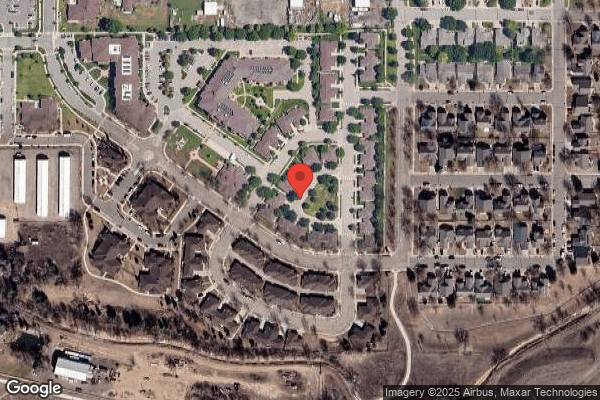
490 MIRASOL DR, LOVELAND, CO 80537 (970) 342-2400
For profit - Limited Liability company 90 Beds Independent Data: November 2025
Trust Grade
58/100
#66 of 208 in CO
Last Inspection: March 2025

Within standard 12-15 month inspection cycle. Federal law requires annual inspections.

Overview

Green House Homes at Mirasol has a Trust Grade of C, which means it is average compared to other nursing homes. It ranks #66 out of 208 facilities in Colorado, placing it in the top half, and #6 of 13 in Larimer County, indicating that only five local options are better. The facility is improving, with the number of issues decreasing from 15 in 2023 to 5 in 2025. Staffing is concerning, with a rating of 4 out of 5 stars, but a high turnover rate of 71%, which is above the state average of 49%. There are also some notable incidents, such as insufficient staff to ensure residents received showers and palatable meals, and a lack of response to resident grievances regarding bed-making and meal services, which raises questions about overall care quality. On a positive note, the facility has excellent quality measures, but the lower RN coverage, being less than 93% of state facilities, is a significant weakness that families should consider.

Trust Score
C
58/100
In Colorado
#66/208
Top 31%
Safety Record
Low Risk
No red flags
Inspections
Getting Better
15 → 5 violations
Staff Stability
⚠ Watch
71% turnover. Very high, 23 points above average. Constant new faces learning your loved one's needs.
Penalties
⚠ Watch
$7,544 in fines. Higher than 89% of Colorado facilities, suggesting repeated compliance issues.
Skilled Nurses
✓ Good
Each resident gets 44 minutes of Registered Nurse (RN) attention daily — more than average for Colorado. RNs are trained to catch health problems early.
Violations
⚠ Watch
24 deficiencies on record. Higher than average. Multiple issues found across inspections.
★★★★☆
4.0
Overall Rating
★★★★☆
4.0
Staff Levels
★★★★★
5.0
Care Quality
★★★☆☆
3.0
Inspection Score
Stable
2023: 15 issues
2025: 5 issues

The Good

  • 4-Star Staffing Rating · Above-average nurse staffing levels
  • 5-Star Quality Measures · Strong clinical quality outcomes
  • Full Sprinkler Coverage · Fire safety systems throughout facility
  • No fines on record

Facility shows strength in staffing levels, quality measures, fire safety.

The Bad

Staff Turnover: 71%

25pts above Colorado avg (46%)

Frequent staff changes - ask about care continuity

Federal Fines: $7,544

Below median ($33,413)

Minor penalties assessed

Staff turnover is very high (71%)

23 points above Colorado average of 48%

The Ugly 24 deficiencies on record

Mar 2025 5 deficiencies
CONCERN (D)

Potential for Harm - no one hurt, but risky conditions existed

Quality of Care (Tag F0684)

Could have caused harm · This affected 1 resident

**NOTE- TERMS IN BRACKETS HAVE BEEN EDITED TO PROTECT CONFIDENTIALITY** I. Failed to ensure staff followed up with the physician regarding high blood levels of iron and the continued use of an iron su...

Read full inspector narrative →
**NOTE- TERMS IN BRACKETS HAVE BEEN EDITED TO PROTECT CONFIDENTIALITY** I. Failed to ensure staff followed up with the physician regarding high blood levels of iron and the continued use of an iron supplement for Resident #40 A. Professional reference According to the Mayo Clinic's article on ferritin tests (12/29/23), retrieved from https://www.mayoclinic.org/tests-procedures/ferritin-test/about/pac-20384928 on 3/17/25, A ferritin test measures the amount of ferritin in the blood. This test can be used to find out how much iron the body stores. The typical range for blood ferritin in women is 11 to 307 micrograms per liter (mcg/L). If you have a high ferritin level, your health care professional might need to look at the results of other tests to figure out next steps. According to the Cleveland Clinic's article on ferritin tests (5/17/22), retrieved from https://my.clevelandclinic.org/health/diagnostics/17820-ferritin-test on 3/17/25, Symptoms of having too much ferritin or iron include painful joints, heart issues, unexplained weight loss, abdominal pain, and fatigue or loss of energy. B. Resident status Resident #40, age greater than 65, was admitted on [DATE]. According to the March 2025 CPO, diagnoses included diverticulitis of the intestine, part unspecified, without perforation or abscess without bleeding, unspecified congestive (diastolic) heart failure, rheumatoid arthritis (RA) with rheumatoid factor, unspecified, and restless legs syndrome (RLS). The 1/14/25 MDS assessment revealed the resident was cognitively intact with a BIMS score of 15 out of 15. She was mostly independent in activities of daily living (ADL), transferring and mobility with her walker but required supervised assistance with showering. C. Resident observations and interviews Between 3/9/25 and 3/12/25 Resident #40 was observed during multiple different times of the morning and afternoons. She spent most of her time resting in her recliner with her legs elevated, either sleeping or watching television. Resident #40 was interviewed on 3/9/25 at 1:55 p.m. Resident #40 said she did not participate in activities or get around much in the day due to her cancer, arthritis, stomach pain and general fatigue. She said she had not left her room in weeks and was getting weaker and requiring increased assistance with care. Resident #40 said facility staff and physicians were not always good about informing her when her medications were discontinued, needed to be held or when doses changed so when she had problems she would notify management directly. D. Record review The medication regimen reviews (MRR) conducted by the pharmacist for September 2024 and October 2024 were provided by the nursing home administrator (NHA) on 3/11/25 at 1:10 p.m. Review of the September 2024 and October 2024 MMRs revealed the pharmacist had made recommendations to the facility to decrease Resident #40's iron supplement administration from every day to every other day, as this would allow for better absorption while potentially causing fewer troublesome side effects for the resident. -Review of Resident #40's medication administration records (MAR) for September 2024 and October 2024 revealed that she continued to receive an iron oral tablet 325 milligrams (mg) daily, despite the pharmacist's recommendation to change the dosage to every other day. Review of Resident #40's November 2024 and December 2024 MARs revealed that Resident #40's order for the iron supplement was changed to every other day on 11/19/24 (two months after the pharmacist made the initial recommendation). The iron supplement order resumed back to daily on 12/6/24 and was discontinued completely on 12/17/24. The order for iron supplements was resumed daily again on 12/29/24. Resident #40's care plan was updated on 12/9/24 to address her alteration in gastrointestinal (GI) status due to diverticulitis of the intestines. Interventions included discussing with the resident, family and caregivers any concerns, fears or issues related to GI distress, encouraging Resident #40 to avoid foods or beverages that tended to irritate her esophageal lining, such as alcohol, chocolate, caffeine, acidic or spicy foods, fried or fatty foods and to give medications as ordered, monitoring and documenting side effects and effectiveness. -Further review of the resident's electronic medical record (EMR) revealed there were no progress notes which documented why Resident #40's iron supplement was resumed on a daily basis on 12/29/24. -There was no documentation in Resident #40's EMR to indicate the facility had provided the resident with education related to the risks of taking her iron supplement. The MARs for January 2025, February 2025 and March of 2025 revealed that Resident #40 had been receiving her 325 mg iron oral supplement daily since 12/29/24. Laboratory (lab) results, reported to the facility on 1/15/25 from a blood draw performed on 12/30/24, revealed Resident #40 had a ferritin level of 497.7 mcg/L with a recommended range of 13 to 150 mcg/L. A nursing progress note, dated 1/15/25 at 11:40 p.m. documented the lab results were posted in the resident's EMR for review and the hospice nurse practitioner (HNP) was notified via message. A nursing note, dated 1/15/25 at 5:48 p.m., documented Resident #40 was lethargic, sleeping more than normal and eating less. Resident #40 told the nurse she felt the increase of her scheduled Morphine was causing her to feel this way. A nursing note, dated 1/15/25 at 6:04 p.m., documented that the hospice physician changed her Morphine dose back to BID (twice a day). A 1/16/25 hospice progress note documented that it was the hospice nurse's responsibility to assess Resident #40's medication responses and to instruct on scheduling, action, purpose, side effects, compliance and need to report side effects to the hospice staff. The hospice physician signed an attestment in the 1/16/25 progress note which read I attest that I have reviewed the medication profile for effectiveness of drug therapy, drug side effects, actual or potential drug interactions, duplicate drug therapy, and drug therapy currently associated with laboratory monitoring. -The hospice documentation failed to address Resident #40's elevated ferritin level. A nursing note, dated 1/16/25 at 10:45 p.m., documented Resident #40 was found to be alert but drowsy with difficulty keeping her eyes open and slurred speech. Her oxygen saturation was at 66%. The nurse obtained an order to administer oxygen 2L via nasal cannula from the hospice physician. The nurse indicated that this intervention was effective as her oxygen increased to 93% and was then placed on change of condition charting and frequent monitoring. A nursing note, dated 1/19/25 at 12:25 p.m., documented Resident #40 was verbalizing the wish to die because she felt very nauseated and sick and that she had been sleeping more often than normal and not eating or drinking. The note indicated that the hospice nurse was notified and said someone would come to evaluate her. An alert note, dated 1/20/25 at 12:01 p.m., documented Resident #40 was complaining of an upset stomach and requested pain medication. The writer of the note indicated Resident #40 was educated on the negative effects pain medication had on the GI system but she wanted the medication regardless, as well as Zofran for nausea. The resident was instructed to increase oral fluids as tolerated. Resident #40 reported feeling weaker than normal and requiring assistance with ambulation to the bathroom. A pain evaluation note, dated 1/21/25 at 11:02 p.m., documented Resident #40 said she felt like she was dying. A physician progress note dated 2/25/25 at 2:51 p.m. revealed Resident #40 was to begin taking folic acid oral tablet 1 mg while on Methotrexate for rheumatoid arthritis (RA) to decrease the side effects of this medication. (Pertinent side effects included loss of appetite, feeling or being sick, stomach pain or indigestion, and feeling tired or drowsy.) -However, review of Resident #40's progress notes from 1/15/25 through 3/12/25 failed to reveal that the resident's high ferritin level or her continued order for the daily iron supplement were addressed by the facility. A nursing note, dated 3/12/25 at 2:26 p.m. (during the survey), revealed that Resident's #40's high ferritin level from 12/30/24 was reported to the PCP's triage team at 2:02 p.m. and a physician's order to draw another ferritin level was requested. -Review of Resident #40's progress notes and care plan did not reveal documentation that the resident insisted upon taking her iron supplement despite the associated risks (see interviews below). E. Staff interviews Licensed practical nurse (LPN) #1 was interviewed on 3/12/25 at 1:30 p.m. LPN #1 said when the physician discontinued Resident #40's iron supplement in December 2024 due to frequent loose, tarry stools, the resident was very angry and demanded that it be resumed. She said the resident said she had been taking it all her life and was adamant that she needed it for her RLS and she was tired of people messing around with her medications. LPN #1 said the resident's supplement was resumed because Resident #40 insisted that her iron supplement not be removed from her medication regimen. -However, there was no documentation in the resident's EMR to indicate the resident was insistent about taking the medication or that she had been educated regarding the risks of continuing to take it (see record review above). LPN #1 said she always notified the physician immediately about abnormal lab results. She said if she had to leave a voice message, she would review the resident's EMR to ensure that abnormal lab results were reviewed by the physician. She said she was not certain as to whether or not Resident #40 had been educated on the risks and benefits of taking her iron supplement, however, she said after being alerted to the lack of notes indicating if the elevated ferritin levels had been addressed, she planned to notify the resident's PCP because she worried at this point that the resident's ferritin level could be at a critical level. The pharmacy consultant (PC) was interviewed on 3/12/25 at 3:10 p.m. The PC said if ferritin levels were high, she would recommend holding the iron and rechecking the serum ferritin level as well as iron. She said because Resident #40's ferritin level was not critical, gastrointestinal (GI) upset would likely be the most distressing symptom for the resident. The PC said excess ferritin levels would be the result of excess iron being carried within the blood stream so if there was free iron in the blood or the iron was not being absorbed or excreted, it could indicate high levels. She said it would be recommended to hold the supplement and re-evaluate if ferritin levels were high. The PC said high iron levels could also indicate liver damage. She said high ferritin levels alone were not directly correlated with high iron levels. The PC said her colleague (who reviewed Resident #40's record) made the recommendations in September 2024 and October 2024 to change the iron supplement from daily to every other day. She said she was uncertain as to why no recommendations regarding the iron supplement were made in January 2025. The director of nursing (DON) was interviewed on 3/12/25 at 4:50 p.m. The DON said if the facility received an abnormal lab result for a resident, the facility would continue monitoring the labs and reassess with the provider. She said if a resident were receiving a supplement and levels came back high, the facility would discontinue or decrease the amount of supplement given. However, she said if the resident had a preference to continue the supplement as is, the facility would honor that preference and educate the resident on the risks involved with continuing the supplement and care plan the resident's preference appropriately. -However, Resident #40's care plan did not reflect that it was the resident's preference to continue the iron supplement and no documentation was found to indicate that the resident's physician was contacted to discuss the iron levels and resident's preferences (see record review above). The DON said the facility tried to discontinue Resident #40's iron supplement and have it given on alternate days, per the pharmacist's recommendations but the resident insisted that she needed it for her RLS. She said the hospice nurse practitioner (HNP) educated the resident on the risks some time in December 2024 and a note was documented around the same time the lab was drawn regarding the education. -However, the elevated ferritin result from the lab draw on 12/30/24 did not get reported to the facility until 1/15/25 and the follow-up hospice note on 1/16/25 failed to address education provided to Resident #4 regarding her iron supplement. Based on observations, record review and interviews, the facility failed to provide needed care and services that are resident centered, in accordance with the resident's preferences, goals for care and professional standards of practice that will meet each resident's physical, mental, and psychosocial needs for two (#10 and #40) of two residents out of 37 sample residents. Specifically, the facility failed to: -Ensure staff provided edema care per physician's order for Resident #10; and, -Ensure staff followed up with the physician regarding high blood levels of iron and the continued use of an iron supplement for Resident #40. Findings include: I. Failed to ensure staff provided edema care per physician's order for Resident #10 A. Resident status Resident #10, age [AGE], was admitted on [DATE]. According to the March 2025 computerized physician orders (CPO), diagnoses include edema, oxygen use and skin cancer. The 2/28/25 minimum data set (MDS) assessment revealed the resident was cognitively intact with a brief interview for mental status (BIMS) score of 15 out of 15. The resident required set up assistance with chair to chair transfers and toileting. B. Observations and resident interview On 3/9/25 at 3:08 p.m. Resident #10 was sitting in her recliner in her room. Both of the resident's feet and legs were very swollen and she was not wearing any compression devices on her legs or feet. Resident #10 said the staff was supposed to help put on her leg wraps every day in the morning, however, she said the staff was sometimes too busy to put them on and she felt bad for asking them to do it. On 3/10/25 at 2:00 p.m. Resident #10 was sitting in her recliner in her room. Both of the resident's feet and legs continued to be very swollen and she was not wearing any compression devices on her legs or feet. On 03/12/25 at 1:30 p.m. Resident #10 was sitting in her room. She had black stockings on her legs. -However, the physician's order was for the resident to have ace wraps applied to her legs, not black stockings (see physician's orders below). C. Record review Review of Resident #10's comprehensive care plan revealed that the resident had a diagnosis of edema (a medical term for swelling caused by fluid building up in body tissues) in her legs and feet. -However, there was no intervention listed in her care plan to treat her edema. Review of the March 2025 CPO revealed that Resident #10 had a physician's order for ace wraps with kerlix gauze to be applied on both legs and feet for swelling in the morning and removed at night everyday. -However, observations of Resident #10 on 3/9/25 and 3/10/25 revealed the resident did not have compression wraps on her legs (see observations above). Review of the March 2025 treatment administration record (TAR) revealed nurses documented that the resident's ace wraps and kerlix gauze were applied on 3/9/25 and 3/10/25. -However, Resident #10 was observed without compression wraps on her legs on 3/9/25 and 3/10/25 and black stockings on her legs on 3/12/25 (see observations above). D. Staff interviews Certified nurse aide (CNA) #2 was interviewed on 3/12/25 at 1:46 p.m. CNA #2 said staff put Resident #10's black stockings on in the morning and took them off at night. CNA #2 said if the resident refused to wear them, staff would document that. -However, review of Resident #10's electronic medical record (EMR) revealed no documentation to indicate the resident refused to wear her compression wraps. Registered nurse (RN) #1 was interviewed on 3/12/25 at 1:53 p.m. RN #1 said it was the responsibility of the nurses or CNAs to apply compression devices to Resident #10's legs if there was a physician's order. She said staff put Resident #10's black stockings on in the morning. RN #1 said she did not notice that the resident had an order for ace wraps with kerlix to be applied in the morning and removed at night everyday, instead of black stockings. She said it was her responsibility to check the physician's orders to make sure the correct treatments were being given to residents. The director of nursing (DON) and the nursing home administrator (NHA) were interviewed together on 3/12/25 at 4:39 p.m. The DON said the nursing staff was to follow the physician's order for the use of compression stockings for Resident #10. The DON said the use of compression stockings should be updated on the resident's care plan.
CONCERN (D)

Potential for Harm - no one hurt, but risky conditions existed

Infection Control (Tag F0880)

Could have caused harm · This affected 1 resident

Based on observations, interviews and record review, the facility failed to ensure infection control practices were established and maintained to provide a safe, sanitary and comfortable environment t...

Read full inspector narrative →
Based on observations, interviews and record review, the facility failed to ensure infection control practices were established and maintained to provide a safe, sanitary and comfortable environment to help prevent the development and transmission of communicable diseases and infections. Specifically, the facility failed to: -Ensure staff donned (put on) the appropriate personal protective equipment (PPE) while providing direct care for Resident #46 and Resident #57, who were on enhanced barrier precautions (EBP); and, -Implement an effective water management plan to monitor for Legionella. Findings include: I. Failed to ensure staff donned appropriate PPE while providing direct care to residents on EBP A. Professional reference According to the Centers for Disease Control and Prevention (CDC) Enhanced Barrier Precautions (EBP) in Nursing Homes, last reviewed on 4/2/24, was retrieved on 3/17/25 from https://www.cdc.gov/long-term-care-facilities/hcp/prevent-mdro/PPE.html, EBP is an infection control intervention designed to reduce transmission of resistant organisms, such as multi-drug resistant organisms (MDRO), that employs targeted gown and glove use during high contact resident care activities. Effective implementation of EBP requires staff training on the proper use of PPE and the availability of PPE and hand hygiene supplies at the point of care. Examples of high-contact resident care activities requiring gown and glove use for EBP include dressing, bathing/showering, transferring, providing hygiene, changing linens, changing briefs or assisting with toileting, device care or use (central line, urinary catheter, feeding tube, tracheostomy/ventilator), and wound care (any skin opening requiring a dressing). B. Facility policy and procedure The Infection Prevention and Control policy, undated, was received from the nursing home administrator (NHA) on 3/10/25. It read in pertinent part, The nursing facility has established and maintains an infection prevention and control program designed to provide a safe, sanitary, and comfortable environment and to help prevent the development and transmission of communicable diseases and infections. All persons shall adhere to the infection prevention and control program by referencing said resources. This program is designed to help prevent development and transmission of disease and infection. Infections are investigated, controlled and prevented through implementation of the infection control program. Specific isolation procedures are included in the infection control manual. The infection control program determines when a resident needs isolation to prevent the spread of infection. C. Resident and resident representative interviews Resident #57, who had a stage 3 pressure wound to his lower spine, and his representative were interviewed together on 3/9/25 at 2:14 p.m. Resident #57 said sometimes staff put on gowns whenever they did his wound care but they always wore gloves. Resident #57's representative, who spent most of her days visiting with the resident, said she could not recall a time when she saw any staff member come into the resident's room wearing a gown except maybe once or twice. Resident #46, who had an indwelling urinary catheter and a chronic wound with a MDRO of her left prosthetic knee, was interviewed on 3/9/25 at 2:53 p.m. Her representative was also present in the room. Resident #46 said some staff did not wear gowns when they were doing her catheter care or her wound care. She said one licensed practical nurse (LPN) always wore a gown and mask when doing direct care with her. D. Observations An initial observation of unit #7 was conducted on 3/9/25, between 10:40 a.m. to 11:15 a.m. A sign for EBP was posted on Resident #46's door and a PPE bin with gowns, gloves and masks was outside the resident's door. An initial observation of unit #8 was conducted on 3/9/25, between the hours of 11:18 a.m. to 11:40 a.m. A sign for EBP was posted on Resident #57's door and a PPE bin with gowns, gloves and masks was outside the resident's door. On 3/11/25, from 10:45 a.m. to 11:00 a.m., the assistant director of nursing (ADON) was observed doing wound care for Resident #57. The following was observed: The ADON knocked on Resident #57's door and entered after being told to come in. As the ADON performed hand hygiene with an alcohol-based hand rub (ABHR), he explained to Resident #57 that he was going to clean and dress the wound on his lower back. The ADON donned gloves and placed a clean disposable cloth over Resident #57's table beside the recliner he was sitting in. He also placed a pack of sterile gauze and a 4-inch by 4-inch adhesive bordered dressing on top of the cloth. The ADON performed wound care on Resident #57 while he leaned forward in his recliner. The wound was intact with nonblanchable redness under a thin layer of skin with a small opening that was bleeding slightly. After finishing the wound care, the ADON signed and dated the dressing, removed his gloves, sanitized his hands and thanked the resident before leaving the resident's room. -The ADON failed to don a gown when doing wound care for Resident #57. E. Staff interviews Certified nurse aide (CNA) #1 was interviewed on 3/9/25 at 11:32 a.m. He said he did not know why Resident #57 was on EBP because he did not have an active infection, but he knew he was recently treated for pneumonia. CNA #1 said he was never told he was required to wear any PPE besides gloves when doing direct care for Resident #57. He said he only knew sometimes it was utilized during wound care. The ADON was interviewed on 3/11/25, after finishing wound care on Resident #57. He said that the PPE bin was outside of the resident's room because he was on EBP. He said the PPE was to be utilized for direct patient care. -However, the ADON did not apply a gown when performing wound care on Resident #57 (see observation above). The ADON was interviewed a second time on 3/12/25 at 12:09 a.m. The ADON said he should have applied a gown and a mask when he did wound care on Resident #57. The director of nursing (DON) was interviewed on 3/12/25 at 12:02 p.m. The DON said it was the infection preventionist's (IP) job to ensure there was enough PPE available for all staff to utilize. She said EBP were initiated for all residents who had any MDROs, catheters, open wounds or peripherally inserted central catheters (PICCs - an intravenous line inserted into the upper arm and threaded into a larger vein near the heart).II. Failed to implement an effective water management plan to monitor for Legionella A. Professional reference According to Center for Disease Control (CDC), Controlling Legionella in Potable Water Systems, last reviewed 1/3/25, retrieved on 3/19/25 from https://www.cdc.gov/control-legionella/php/toolkit/potable-water-systems-module.html, Operation, maintenance, and control limits guidance: Monitor temperature, disinfectant residuals, and pH frequently based on Legionella performance indicators for control. Adjust measurement frequency according to the stability of performance indicator values. For example, increase the measurement frequency if there's a high degree of measurement variability. Hot water: Store hot water at temperatures above 140 degrees F ( fahrenheit) or 60 degrees C (celsius). Ensure hot water in circulation does not fall below 120 degrees F (49 degrees C). Recirculate hot water continuously, if possible. Cold water: Store and circulate cold water at temperatures below the favorable range for Legionella (77-113 degrees F, 25-45 degrees C). Legionella may grow at temperatures as low as 68 degrees F (20 degrees C). Flushing: Flush low-flow piping runs and dead legs at least weekly. Flush infrequently used fixtures (eye wash stations, emergency showers) regularly as needed to maintain water quality parameters within control limits. Ensure disinfectant residual is detectable throughout the potable water system. Clean and maintain water system components, such as thermostatic mixing valves, aerators, showerheads, hoses, filters, and storage tanks, regularly. Consider testing for Legionella in accordance with the routine testing module of this toolkit. B. Facility policy and procedure The Legionella Water Management Program policy and procedure, dated 5/1/22, was provided by the maintenance director (MTD) on 3/12/25 at 2:03 p.m. It documented in pertinent part, Primary prevention strategies: -Cooling towers and potable water systems shall be routinely maintained; -At-risk medical equipment shall be cleaned and maintained in accordance with manufacturer recommendations; -Non-potable water systems shall be routinely cleaned and disinfected; -Cold water shall be stored and distributed below 68 degrees F; and, -Hot water shall be stored above 140 degrees F and circulated at a minimum return temperature of 124 degrees F. C. Record review Review of the facility's water management plan revealed the following: -There was no documentation to indicate the facility had obtained water temperature readings in the building on a weekly basis. -There was no documentation to verify that dead legs and low flow piping runs had been flushed in the last calendar year. -However, the CDC recommended that all dead legs and low flow piping runs should be flushed at least weekly to prevent the growth and spread of legionella (see professional reference above). -The water management plan failed to document when empty resident rooms had low flow piping runs and lead legs flushed. -There was no documentation to indicate staff had been provided with training on the monitoring and prevention of Legionella. D. Staff interviews The MTD was interviewed on 3/12/25 at 12:27 p.m. The MTD said he did not have a plan for the facility to prevent Legionella. He said the water management plan binder that had been provided during survey was created by an outside company who had been responsible for the facility's water management plan, however, he said the company no longer contracted with the facility The MTD said he made sure there was no standing water in the residents' rooms by signing off on what the other staff members did when a resident discharged . The MTD said the facility had a check-list when a resident was admitted to the facility and discharged from the facility, and he signed off on what was done in the resident's room. The MTD said he was not sure what needed to be documented for the monitoring of Legionella or what education had been done for staff regarding Legionella. The nursing home administrator (NHA) was interviewed on 3/12/25 at 2:20 p.m. The NHA said her expectation was to test the water chlorine levels and do additional testing if she saw lower levels of chlorine. The NHA said the facility did not have documentation of any of the facility's testing for Legionella. The NHA said the MTD should be involved in the testing and water management planning for Legionella.
CONCERN (E)

Potential for Harm - no one hurt, but risky conditions existed

Deficiency F0565 (Tag F0565)

Could have caused harm · This affected multiple residents

Based on record review and interviews, the facility failed to ensure a response, action, and rationale to residents involved in group grievances. Specifically, the facility failed to provide a respon...

Read full inspector narrative →
Based on record review and interviews, the facility failed to ensure a response, action, and rationale to residents involved in group grievances. Specifically, the facility failed to provide a response, action, and rationale for resident concerns brought up in the resident council meetings, related to staff not making the residents' beds, the type of mattresses provided by the facility and the type of napkins provided during mealtime. Findings include: I. Facility policy and procedure The Complaints and Grievances policy and procedure, undated, was received from the nursing home administrator (NHA) on 3/12/25 at 5:15 p.m. It read in pertinent part, The administrator shall ensure all written grievances decisions include the date the grievance was received, a summary statement of the resident's grievance, the steps taken to investigate the grievance, a summary of the pertinent findings or conclusions regarding the resident's concern, a statement as to whether the grievance was confirmed or not confirmed, any corrective action taken or to be taken by the facility as a result of the grievance and the date the written decision was issued. II. Resident group interview A resident group interview was conducted on 3/11/25 at 2:00 p.m. with five residents (#2, #21, #24, #27 and #81), who were identified as alert and oriented through the facility and assessment. All residents in the group interview said the certified nurse aides (CNA) were responsible for making their beds and the CNAs did not make their beds the way they liked. The residents said the CNAs would not fold the sheet at the head of the bed and the CNAs did not tuck in their sheets on the sides of their beds. The residents said they wished the CNAs knew how to make their bed the way they liked because the facility was their home and their bed was the only furniture they had to show visitors. The residents said they had visitors come to their rooms and the residents said if the bed was made right, they made a good impression to their visitors. The residents said staff knew their beds were not made to their preferences but nothing was done about correcting the problem. Resident #21 said the type of napkins the facility used at mealtimes were slick and not absorbent. Resident #24 said she agreed with Resident #21. Resident #24 said she was unable to leave her napkin on her lap because the napkin fell on the ground. The residents said staff knew the residents did not like the napkins. The residents said they had talked about the concern in resident council meetings. However, the residents said the staff members who attended the resident council meetings wrote down their concerns and their concerns were lost after the resident council meetings. The residents said staff did not follow up with a resolution to their concerns. Resident #81 said the type of mattress he had for his bed was too soft. He said he complained to the CNAs and the CNAs said there was nothing they could do to help him. III. Resident council meeting notes The November 2024 resident council meeting notes were reviewed. The notes revealed Resident #81 wanted to talk to someone about different mattress options. A notation under the dietary section read napkins!!!! -A request for records to reveal Resident #81's request for different mattress options was made on 3/12/25, however, the facility was unable to provide documentation to indicate Resident #81's concern had been addressed. -There was no additional documentation regarding the concerns about the napkins The December 2024 resident council meeting notes were reviewed. The notes revealed, in the old business section, that residents requested cotton napkins or paper napkins because the current napkins were not absorbent and slid off the residents' laps. -There was no documentation in the December 2024 resident council meeting notes that the concerns the residents brought up in the November 2024 resident council meeting about different mattresses were reviewed or approved by the residents. The January 2025 resident council meeting notes were reviewed. -There was no documentation in the January 2025 resident council meeting notes that the concerns the resident brought up in the December 2024 resident council meeting regarding the napkins were reviewed or approved by the residents. The February 2025 resident council meeting notes were reviewed. The notes revealed, in the old business section, that residents requested cotton napkins or paper napkins. The notes revealed the residents still needed new napkins. Additionally, the February 2025 resident council meeting notes revealed Resident #27 said her bed was not made properly. Review of a complaint and concern report, which was undated, revealed the residents wanted cotton or paper napkins. The response and action taken at the time of report section revealed the residents were told they could ask for paper towels. The follow-up action section revealed to ensure paper napkins and paper towels were available per preference. The complaint resolved to satisfaction box was checked as yes. -The recommendation from the resident council committee was left blank. There was no date when the report was initiated. There was no identification of which resident was satisfied with the follow-up action. -Additionally, the resident group interview revealed the concern regarding the napkins had not been resolved (see resident group interview above). Review of a second complaint and concern report, which was undated, revealed the residents said their beds were not getting made. The response and action taken at the time of the report section revealed the CNAs were asked to make beds. The follow-up action section revealed follow-up with the CNA peer mentor to ensure beds were made after the residents were up for the day. -The recommendation from the resident council committee was left blank. The complaint resolved to satisfaction was left blank. There was no date when the report was initiated. There was no identification of which resident was satisfied with the follow-up action. -Additionally, the resident group interview revealed the concern regarding the napkins had not been resolved (see resident group interview above). IV. Staff interviews The life enrichment director (LED) was interviewed on 3/12/25 at 12:36 p.m. The LED said she was new to the position and started in mid-November 2024. The LED said she was responsible for coordinating the resident council meetings. The LED said when a resident brought up a concern at the resident council, she went over the concern in the next day's morning meeting with the department heads. She said the department head was responsible for resolving the concerns. The LED said she did not go over the department's response in the next resident council meeting and she did not ask the resident council if they approved of the response from the facility to resolve the concern. The LED said the bed-making, napkins, and mattress concerns were not resolved. The NHA was interviewed on 3/12/25 at 2:51 p.m. The NHA said the LED was new to the position. The NHA said the LED was responsible for coordinating the resident council meetings. She said the resident council meeting concerns were reviewed in the morning meeting the day after the resident council meeting was held. The NHA said she was not aware of the mattress concern raised in the November 2024 meeting. She said she would follow up. The NHA said she was aware napkins were a resident council concern. She said the facility would find a better solution to satisfy the residents' concern with the facility's napkins.
CONCERN (E)

Potential for Harm - no one hurt, but risky conditions existed

Deficiency F0680 (Tag F0680)

Could have caused harm · This affected multiple residents

Based on interviews and record review, the facility failed to ensure the activities program was directed by a qualified professional. Specifically, the facility failed to employ a qualified activities...

Read full inspector narrative →
Based on interviews and record review, the facility failed to ensure the activities program was directed by a qualified professional. Specifically, the facility failed to employ a qualified activities director in order to provide a program of activities for residents requiring activity and recreational support. Findings include: I. Professional reference According to the National Certification Council of Activity Professionals (NCCAP) (2023), retrieved on 3/17/25 from www.nccap.org, an activity director must meet specific qualifications in education, certification and/or experience. The qualifications read in pertinent part, The activities program must be directed by a qualified professional who is a qualified therapeutic recreation specialist; or an activities professional who is licensed or registered, if applicable, by the State in which practicing; and -Eligible for certification as a therapeutic recreation specialist or as an activities professional by a recognized accrediting body; or -Has two (2) years of experience in a social or recreational program within the last five years, one of which was full-time in a therapeutic activities program; or -Is a qualified occupational therapist or occupational therapy assistant; or -Has completed a training course approved by the State. An activity director is responsible for directing the development, implementation, supervision and ongoing evaluation of the activities program. This includes completion of the activities component of the comprehensive assessment; contribution to the comprehensive care plan goals and approaches that are individualized to match the skills, abilities, and interests/preferences of each resident. II. Record review A copy of the life enrichment director's (LED) resume was provided by the nursing home administrator (NHA) on 3/12/25 at 4:12 p.m. The resume revealed the LED was the activities director at the facility from November 2024 to the present and was a certified nurse aide (CNA) at the facility from April 2023 to November 2024. From April 2020 to April 2023, the LED was a ward clerk (administrative help in a hospital). -The resume revealed the LED was not a qualified therapeutic recreation specialist or an activities professional, did not have two years of experience in a social or recreational program within the last five years, was not a qualified occupational therapist or occupational therapy assistant and had not completed a training course approved by the state. III. Staff interviews The LED was interviewed on 3/12/25 at 12:36 p.m. The LED said she was new to the position. She said she was a CNA at the facility for two to three years and became the LED in mid-November 2024. She said prior to working at the facility, she was a CNA at other skilled nursing facilities for over 15 years. She said she started to take an activities director course in November 2024 and had not completed the class. She said the NHA was her mentor. The NHA was interviewed on 3/12/25 at 2:51 p.m. The NHA said the LED did not complete an activities director course and she was not sure if the LED had two years of experience in a social or recreational program. The NHA said she needed to check the LED's prior experience at other nursing facilities. The NHA was interviewed again on 3/12/25 at 3:26 p.m. The NHA said she confirmed with the LED that she did not have the qualifications to be an activities director. The NHA said the LED was taking a break from working as a CNA and the last time she had social or recreational program experience was more than five years ago.
CONCERN (E)

Potential for Harm - no one hurt, but risky conditions existed

Antibiotic Stewardship (Tag F0881)

Could have caused harm · This affected multiple residents

**NOTE- TERMS IN BRACKETS HAVE BEEN EDITED TO PROTECT CONFIDENTIALITY** Based on observations, record review and interviews, the facility failed to develop an antibiotic stewardship program that promo...

Read full inspector narrative →
**NOTE- TERMS IN BRACKETS HAVE BEEN EDITED TO PROTECT CONFIDENTIALITY** Based on observations, record review and interviews, the facility failed to develop an antibiotic stewardship program that promotes the appropriate use of antibiotics and includes a system of monitoring to improve resident outcomes and reduce antibiotic resistance for three (#80, #46 and #2) of three residents out of 37 sample residents. Specifically, the facility failed to: -Ensure clinical signs and symptoms of an infection were identified and/or culture results were obtained prior to the administration of antibiotics for Resident #80; and, -Ensure staff effectively tracked and monitored the use of long-term antibiotics for Resident #46 and Resident #2. Findings include: I. Professional reference The Centers for Disease Control and Prevention (CDC) Antibiotic Prescribing and Usage in Hospitals and Long-term Care, dated 2019, was retrieved on 3/19/25 from https://www.cdc.gov/antibiotic-use/hcp/core-elements/hospital.html. It read in pertinent part, Implement policies that apply in all situations to support antibiotic prescribing to include specifying the dose, duration and indication for all courses of antibiotics so that they are readily identifiable. Implement facility specific treatment recommendations, based upon the national guidelines and local susceptibilities and formulary options that optimizes antibiotic selections, duration, and common indications for the usage of community acquired pneumonia, urinary tract infections, skin and soft tissue infections. II. Facility policy and procedure The Antibiotic Stewardship policy and procedure, undated, was provided by the nursing home administrator (NHA) on 3/11/25 at 3:00 p.m. It read in pertinent part, The purpose of this Antibiotic Stewardship Program (ASP) is to measure and promote the appropriate use of antimicrobials by selecting the appropriate agent, dose, duration and route of administration in order to improve resident outcomes, while minimizing toxicity and the emergence of antimicrobial resistance. Antimicrobial stewardship has been shown to be essential in the control of clostridium difficile (C-diff) infections and the emergence of multidrug resistant organisms. The goal of the ASP is to ensure that residents get optimal antibiotic therapy and it is a useful service in optimizing antibiotics in the facility. By instituting the ASP, utilization of antimicrobial agents will be optimized by improving the following aspects of antimicrobial management: The facility shall support and promote antibiotic use protocols which include: assessment of residents for infection using standardized tools and criteria, therapeutic decisions regarding antibiotic prescriptions based on evidence that is appropriate for the care of residents, specifying a dose, duration and indication on all antibiotic prescriptions, reassessment of empiric antibiotics after 2-3 (two to three) days for appropriateness and necessity, factoring in results of diagnostic tests, laboratory reports and/or changes in the clinical status of the resident and, whenever possible, choosing narrow-spectrum antibiotics that are appropriate for the condition being treated. Develop and maintain a system to monitor antibiotic use, which includes: review antibiotics prescribed to residents upon their admission or transfer to the facility and those during the course of evaluation by a prescribing practitioner who is not part of the facility's staff, periodically (quarterly) review a subset of antibiotic prescriptions for inclusion of dose, duration and indication (or for length of therapy, documentation of an antibiotic time-out, appropriateness based on antibiotic use protocols and written documentation of clinical justification for antibiotic use that does not comply with the facility antibiotic use protocols), periodically review rates of prescriptions for any antibiotics or conditions identified by the committee as being of special interest and, at least annually, review antibiotic use data by the facility and by individual providers to determine if there is excessive use of specific antimicrobial agents. The assessment will measure antibiotic starts (antibiotic days of therapy, defined). Ensure the clinical and microbiologic efficacy of antimicrobials, including: choice of antimicrobial agent is supported by guidelines, laboratory results, or empiricism, potency of the antimicrobial agent is enhanced by dose or combination therapy, as appropriate, promote pharmacist involvement in antibiotic selection, dosing, and monitoring for antimicrobial agents, implement protocols, guidelines, or clinical pathways for infectious diseases or antimicrobials based on best practice (sepsis, pneumonia, urinary tract infections, and skin and soft tissue infection guidelines) and educate staff involved in antimicrobial ordering, dispensing, administration, and monitoring about antimicrobial resistance and antimicrobial stewardship practices. Decrease the emergence of resistance. Study antibiotic susceptibility trends through the use of an anti-program, select most narrow spectrum antibiotic regimens based upon culture and susceptibility results, select most narrow spectrum antibiotics for empiric therapy against epidemiologically-proven common etiologic agents (community- and nosocomial-acquired), promote the use of antibiotics according to guidelines in order to avoid the emergence of resistance and promote the use of specific drug-drug combinations to delay or prevent the emergence of resistant strains based on data, guide appropriate duration of therapy. Decrease the potential for adverse drug reactions and predisposition to secondary infections. Adjust dosages according to renal and hepatic function, prevent thrombophlebitis, prevent superinfection and colonization (C. diff infection), prevent facility-acquired infections and promote safe transition from intravenous to oral antibiotics. Improve overall resident well-being by shortening length of stay and ensuring positive resident outcomes. Improve resident outcomes and shorten length of stay through utilization of optimal antibiotic therapy, identify and convert intravenous to oral antibiotics, educate prescribers on the advantage of sequential oral therapy and educate residents and family members as needed regarding appropriate use of antimicrobial medications. III. Resident #80 A. Resident status Resident #80, age [AGE], was admitted on [DATE]. According to the March 2025 computerized physician orders (CPO), diagnoses include retention of urine, chronic kidney disease and benign prostate hyperplasia. The 10/18/24 minimum data set (MDS) assessment revealed the resident was cognitively intact with a brief interview for mental status (BIMS) score of 13 out of 15. The resident required set up assistance with chair to chair transfers and toileting. B. Record review The March 2025 CPO documented the following physician's order: Ciprofloxacin HCl (antibiotic) oral tablet 500 mg (milligrams), one tablet by mouth two times a day for a urinary tract infection (UTI) for seven days, ordered 3/8/25. The 3/1/25 nursing progress notes documented Resident #80 was having symptoms of a UTI, including abnormal urine color and strong smell and a urinalysis was ordered. -However, there was no documentation in the resident's electronic medical record (EMR) to indicate a culture and sensitivity (C&S - a laboratory test which identifies bacteria type and what antibiotics are best used to effectively treat the infection) was completed. IV. Resident #46 A. Resident status Resident #46, age greater than 65, was admitted on [DATE]. According to the March 2025 CPO, diagnoses include chronic congestive heart failure, presence of left artificial knee joint and infection and inflammatory reaction to internal left knee prosthesis. The 12/6/24 MDS assessment revealed the resident was cognitively intact with a BIMS score of 15 out of 15. The resident required supervision or touching assistance with chair to chair transfers and toileting. B. Record review The March 2025 CPO documented the following physician's order: Cefadroxil (antibiotic) oral tablet 500 mg, one tablet by mouth two times a day as a prophylactic (action taken to prevent infection) for infected hardware, ordered 12/3/24. The 12/3/24 nursing progress notes documented Resident #46 had a new physician's order to start antibiotics for prophylactic infection of her knee hardware. -However, there was no documentation in the resident's EMR to indicate a risk benefit assessment was completed by the facility's physician to determine the risks versus the benefits of taking the antibiotic on a prophylactic basis . -Review of Resident #46's comprehensive care plan revealed the facility failed to document a care plan focus to address the need for long-term use of an antibiotic. V. Resident #2 A. Resident status Resident #2, age [AGE], was admitted on [DATE]. According to the March 2025 CPO, diagnoses include chronic obstructive pulmonary disease (COPD), chronic respiratory failure and dependence on supplemental oxygen. The 1/14/25 MDS assessment revealed the resident was cognitively intact with a BIMS score of 15 out of 15. The resident required supervision or touching assistance with chair to chair transfers and toileting. B. Record review The March 2025 CPO documented the following physician's order: Azithromycin (antibiotic) oral tablet 250 mg, one tablet by mouth two times a day prophylactic for chronic COPD, ordered 10/8/24. Review of Resident #2's comprehensive care plan revealed the facility failed to document a care plan focus area with an intervention for continuous antibiotic use for the resident's COPD diagnosis. VI. Staff interviews Registered nurse (RN) #1 was interviewed on 3/9/25 at 1:20 p.m. RN #1 said there was no type of specific monitoring that was needed for residents who were on antibiotics unless there was a physician's order to do so. The assistant director of nursing (ADON), who was also one of the facility's infection preventionists (IP), and the nursing home administrator NHA were interviewed together on 3/12/25 at 11:00 a.m. The ADON said the facility used the McGeer's criteria, which included assessing vital signs, obtaining a urinalysis and a culture and sensitivity (C & S) test, if indicated, when determining if a resident required antibiotics. The ADON said the benefits of using the McGeer's criteria was to optimize antibiotic use, reduce the risk of antibiotic resistance, improve resident outcomes and lower healthcare costs. The ADON said, according to the criteria that was used in the facility, Resident #80 did not meet the criteria to be placed on the antibiotic. The ADON said he should have consulted with the physician to get an order for a C & S test before starting Resident #80 on an antibiotic treatment. -However, there was no documentation in Resident #80's EMR to indicate a urine C & S test was done. The ADON said part of his role as the IP was to do a time-out assessment 48 hours after the start of an antibiotic to monitor for adverse reactions. He said the nurses were responsible for the change of condition documentation, including progress notes and vital signs. The ADON said there should have been a monthly assessment for residents who were on long-term antibiotics to determine the appropriateness of the continued use of the antibiotic, with a focus on the risks versus benefits of continuous use of the medication. -However, there was no documentation in Resident #46 or Resident #2's EMRs to indicate the residents had received monthly assessments of the prophylactic antibiotic or a 48 hour time-out assessment while on the antibiotics. -Additionally, there was no documentation from a physician to justify the long-term use of the antibiotics for Resident #46 and Resident #2. The pharmacy consultant (PC) was interviewed on 3/12/25 at 4:06 p.m. The PC said Resident #46 required no antibiotic monitoring from the pharmacy and monitoring was referred back to the physician because of the resident's history of MSSA (methicillin-sensitive staphylococcus aureus, a type of bacteria that is susceptible to treatment with antibiotics). The PC said the facility should use the antibiotic as per the recommendations of the physician with a focus on the risks versus benefits of using the antibiotic. -However, there was no documentation from the physician to determine risks versus benefits in order to justify the use of a long-term antibiotic for Resident #46. The PC said Resident #2 required no antibiotic monitoring from the pharmacy but it was standard practice for that particular antibiotic to be monitored by the physician. The PC said the facility should use the antibiotic as per the recommendations of the physician with a focus on the risks versus benefits of using the antibiotic. -However, there was no documentation from the physician to determine risks versus benefits in order to justify the use of a long-term antibiotic for Resident #2.
Aug 2023 7 deficiencies
CONCERN (D)

Potential for Harm - no one hurt, but risky conditions existed

Deficiency F0679 (Tag F0679)

Could have caused harm · This affected 1 resident

**NOTE- TERMS IN BRACKETS HAVE BEEN EDITED TO PROTECT CONFIDENTIALITY** Based on observations, interviews and record review, the facility failed to ensure two (#24 and #19) of 10 residents reviewed fo...

Read full inspector narrative →
**NOTE- TERMS IN BRACKETS HAVE BEEN EDITED TO PROTECT CONFIDENTIALITY** Based on observations, interviews and record review, the facility failed to ensure two (#24 and #19) of 10 residents reviewed for activities out of 33 sample residents received an ongoing program of activities designed to meet needs and interests, and promote physical, medical and psychosocial well-being. Specifically, Residents #24 and #19 were not provided opportunities to partcipate in their preferred activities. The findings included: I. Facility policy The Activity Schedule Policy revised on 3/14/23 was provided by the nursing home administrator (NHA) on 8/31/23 at 1:55 p.m. It revealed in pertinent part: Purpose: The importance of activities touches not only the participants' lives, but the lives of family members, care partners and organizations as a whole. Activities provide meaning, purpose and independence, all of which are necessary to maintain a positive quality of life. Policy: The community will provide daily activities that not only meet the requirements of state and federal guidelines, but also the interests, preferences, hobbies and the culture of the participants and community. Daily activities include community sponsored group and individualized activities, in addition to assistance with independent daily activities. Procedure: activities will be designed to meet and support the participants, physical, mental, intellectual, and psychosocial well-being. Activities will create opportunities for each participant to have a meaningful life by supporting their domains of wellness. Activities will be designed to meet participants, best ability to function, incorporating their strengths and abilities. activities will encourage both independence and community interaction, including the use and support/interaction of volunteers where appropriate. On a weekly basis, a minimum of one evening after dinner activity will be offered. If participants desire more after evening activities, the activities department, and IDT will take into consideration the communities ability to meet this need, and will keep participants up-to-date on their efforts to meet this desire. On a weekly basis, a minimum of one outing/trip will be offered, if participants desire more weekly outings than what is currently being offered the activities department, and IDT will take into consideration the communities ability to meet this need, and will keep participants up-to-date on their efforts to meet the desire. On the monthly basis, activities shall include at least one of the following categories: social/recreational, intellectual, physical, spiritual, and creative activities offerings in addition to spiritual services. Events shall be provided on the weekends. Participants will have advanced notice of when activities take place, including the location they are taking place. The schedule/calendar will be posted for participants before the first structured activity takes place, on the first day of the month or before the first structured activity. The activity department will provide schedule notifications to accommodate the individual need/preference of each participant. The activity department will have a system in place for signing up participants on outings. The activity department will support the participants' independent leisure participation, by providing supplies and assistance with independent leisure as the participant needs. The activity schedule is subject to change based on participant's choice, inclement weather and public guidance from federal, state and local health authorities. II. Resident #24 A. Resident status Resident #24, age [AGE], was admitted on [DATE]. According to the August 2023 computerized physician orders (CPOs), the diagnoses included spastic hemiplegia (a type of cerebral palsy) and depression. According to the 5/23/23 minimum data set (MDS) assessment, the resident had intact cognition with a brief interview for mental status (BIMS) score of 13 out of 15. She required total dependence of two staff for transfers. She required extensive assistance of two people with toileting and bed mobility. The resident required extensive assistance of one person with personal hygiene, dressing, and locomotion. The resident required set up help with eating. There was no documentation of preferences with activities. B. Resident interview and observations Resident #24 was interviewed on 8/28/23 at 11:00 a.m. The resident said that she did not receive activities. The resident said they did not bring her activities to her room. The resident said the staff did not get her out of bed for activities. The resident wanted to participate in group activities and crafting activities. Observations on 8/29/23 revealed: -At 10:50 p.m. the resident was in her room with the door shut. -At 11:53 a.m. the resident continued to be in her room. No one had entered the resident's room. -At 12:00 p.m. an unknown staff member brought her lunch into her room. -At 12:29 p.m. the resident continued to remain in her room. No one had been in the resident's room. -At 1:00 p.m. an unknown certified nurse aide (CNA) asked the resident if they wanted to shower and no activities were offered. On 8/30/23 from 12:00 p.m. until 2:00 p.m. the resident remained in her room. No one offered her an activity. C. Record review According to the activities care plan revised 6/3/23 the resident enjoys reading and listening to music. The resident also enjoys being around animals, keeping up with the news, watching shows, spending time outside, spending time with others, and participating in group activities including house meetings, bible study, exercise group, crafts and special events. Interventions included: The resident's first language is Spanish; staff should communicate with her using Spanish if the staff can. The resident should have her eyeglasses while participating in activities. Staff would provide assistance with getting the resident to activities. Staff would introduce Resident #24 to other residents. The staff would provide Resident #24 with materials for individual activities as desired. Staff would remind the resident of upcoming activities to give the resident enough time to get ready. According to the 2/3/19 activity assessment the resident liked to keep busy. The resident liked cooking, reading, music and gardening. The resident would like a newspaper to read. The resident would like to be taken outside in her wheelchair. The resident would like to participate in group and individual activities. The resident would like to go on outings. The resident would like one on one activities. The resident would like individual activities. The resident does not like bingo. The resident's first language is Spanish but is completely fluent in English. The August 2023 activities calendar revealed that each individual house had their own activities. Resident #24 resided in House #1. On 8/1/23 they had a resident council meeting. On 8/2/23 house #1 had strength and balance. On 8/9/23 they had a wii (video game console) tournament and bocca ball in the event center. On 8/13/23 they had music therapy in House #1. On 8/14/23 there was a bible study at the event center. On 8/16/23 they had dancing spirits at House #1. On 8/23/23 they had a trip to Kohl's. On 8/28/23 there was a bible study at the event center. According to activities documentation provided by the activity director (AD) for 8/16/23 through 8/30/23, Resident #24 participated in 12 leisure and sensory activities. She participated in a snack activity four times. The resident had one resident interaction. The resident participated in therapeutic activities 36 times. The resident participated zero times in cognitive, creative, outings, physical group, social group, spiritual, and outdoor activities. D. Staff interviews Certified nurse aide (CNA ) #9 was interviewed on 8/30/23 at 12:56 p.m. CNA 9 said the activities director posted a monthly calendar in each house. CNA #9 said they were not responsible for activity calendars. CNA #9 said she did not know what Resident #24 preferred to do for activities. The activities director (AD) was interviewed on 8/30/23 at 1:48 p.m. The AD said they had one calendar for all nine of the houses. The AD said that the same calendar was posted in each house. The AD said they did not have an activity for every house every day on the calendar. The AD said that residents can go to the other houses for an activity. The AD said they asked during house meetings what activities the residents wanted to do and asked the residents if they wanted to join the activity at the other house. The AD said the CNAs would be responsible for asking the resident what activities they wanted to do and if they wanted to join another house. The AD said they did not have individual calendars for each house but were working on individual calendars for each house. The AD said CNAs were making these calendars. The AD said the CNAs were responsible for providing activities twice a day. The AD said they would provide materials for activities if the CNAs requested these materials. The AD said Resident #24 liked to keep up with the news, group activities and liked one on one interactions. The AD said Resident #24 needed assistance with getting out of bed. The AD said the resident did not get out of bed often. III. Resident #19 A. Resident status Resident #19, age [AGE], was admitted on [DATE]. According to the August 2023 computerized physician orders (CPOs), the diagnoses included atherosclerotic heart disease, polyneuropathy (malfunction of the nerves) and legal blindness. According to the 7/25/23 minimum data set (MDS) assessment, the resident had intact cognition with a brief interview for mental status (BIMS) score of 15 out of 15. He required supervision of one person for transfers, toileting, bed mobility, personal hygiene, dressing, locomotion and eating. There was no documentation of preferences with activities. B. Observations and resident interview Resident #19 was interviewed on 8/28/23 at 12:00 p.m. The resident said that he did not receive activities. The resident said he would like to go into the community. The resident said he would like to participate in bingo. The resident said they had bingo once a month most of the time. The resident said they did not bring him to other houses to participate in activities. Observations on 8/30/23 revealed: -At 11:30 a.m. the resident was in their room and no one had entered his room. -At 12:03 p.m. the resident went into the common area and ate lunch. The staff did not communicate with him. -At 12:50 p.m. the resident went into their room and no activities were offered. -At 1:26 p.m. there were two CNAs in the common area and no residents in the main area. The resident remained in his room and staff did not go into his room. -At 1:48 p.m. the AD came into the house but did not talk to any of the residents. -At 2:35 p.m. the CNAs asked residents that were in the common area to watch a movie and eat ice cream. They did not ask Resident #19 to participate in an activity. CNAs only asked residents that were out of their rooms. -At 2:38 p.m. an unknown CNA went into the resident's room to take vitals; they did not offer the resident an activity. -At 2:50 p.m. bingo was being played at another house at 3:00 p.m. No staff went into the resident's room or asked him if he wanted to play bingo. -At 3:01 p.m. an unknown staff came to the main door with a dog. She peeked in the house but she did not enter. -At 3:15 p.m. no one had entered the resident's room or asked if they wanted to participate in activities. C. Record review According to the activities care plan revised 5/8/23 the resident enjoys attending church, likes to participate in activities frequently and is willing to try new things and he enjoys the outdoors. The resident enjoys doing independent activities like watching television, reading and strolls. He also enjoys group activities such as wii games, bingo, outings and special events. Interventions included: encouraging outside visitors to come and visit with the resident. Encourage the resident to wear his glasses when participating in activities. Provide the resident with an activity calendar. Provide the resident with tools to stream online church services. According to the 2/8/23 activity assessment it was very important for the resident to participate in preferred activities. It revealed having access to reading materials was not important to him. Having music, pets, keeping up with the news, participating in group activities, going outside and participating in religious services were very important to Resident #19. The August 2023 activities calendar revealed that each individual house had their own activities. Resident #24 resided in House #1. On 8/3/23 they had a resident council. On 8/4/23 house #2 had music. On 8/7/23 bible study at the event center. On 8/9/23 they had a wii tournament and bocca ball in the event center. On 8/14/23 there was a bible study at the event center. On 8/3/23 they had a trip to Kohl's. On 8/28/23 there was a bible study at the event center. On 8/26/23 they watched sports at house 2. According to activities documentation provided by the activity director (AD) for 8/16/23 through 8/30/23, Resident #19 participated in zero snacks, leisure, sensory activities, cognitive, creative, outings, physical group, social group, spiritual and outdoor activities. The resident participated in therapeutic activities 36 times. D. Staff interviews CNA #8 was interviewed on 8/30/23 at 1:13 p.m. CNA #8 said there was an activities calendar that showed all of the houses' activities and they did not have activities for every house every day. CNA #8 said Resident#19 preferred bingo and watching movies. CNA #8 said staff did not bring residents from one house to another to participate in activities. CNA #8 said they did not always take them out into the community even if it was on the calendar. The activities director (AD) was interviewed on 8/30/23 at 1:48 p.m. The AD said Resident #19 preferred bingo, group activities and liked to go on community outings. The AD said they expected the CNAs to provide activities. The AD said CNAs should pay attention to activities in other houses and offer Resident #19 to participate in activities in other houses. The director of nursing (DON was interviewed on 9/7/23 at 3: .m. The DON said the CNAs were required to cook, clean and provide care for residents. The DON said they had two CNAs in each house with10 rooms. The DON said if the AD wanted CNAs to provide activities and calendars then the CNAs should provide activities and calendars. The DON said CNAs would see activity preferences in the residents' care plans.
CONCERN (D)

Potential for Harm - no one hurt, but risky conditions existed

Accident Prevention (Tag F0689)

Could have caused harm · This affected 1 resident

**NOTE- TERMS IN BRACKETS HAVE BEEN EDITED TO PROTECT CONFIDENTIALITY** Based on record review and interviews, the facility failed to ensure one (#27) of six residents reviewed for accidents out of 28...

Read full inspector narrative →
**NOTE- TERMS IN BRACKETS HAVE BEEN EDITED TO PROTECT CONFIDENTIALITY** Based on record review and interviews, the facility failed to ensure one (#27) of six residents reviewed for accidents out of 28 sample residents remained as free from accident hazards as possible. Specifically, the facility failed to provide adequate supervision, assistance and assistive devices; and failed to assess and implement new interventions after each fall. The resident sustained six falls in the period of three months. Findings include: I. Facility policies and procedures The Fall Management policy, revised 11/1/19, was provided by the nursing home administrator (NHA) on 8/31/23 at 10:56 a.m. It read in pertinent part: Each resident will be reevaluated quarterly, annually and when significant changes occur. Individualized care plan interventions will be implemented for those residents found to be at high risk for falls. Resident and resident representatives will be invited to all care plan meetings. Please note interventions are to be re-evaluated when a resident falls. II. Resident #27 A. Resident status Resident #27, age [AGE], was admitted on [DATE]. According to the August 2023 computerized physician orders (CPO), diagnoses included dementia, chronic kidney disease, anxiety, edema and depression. According to the 6/10/23 minimum data set (MDS) assessment, the resident was cognitively intact with a brief interview for mental status score of 15 out of 15. She required extensive assistance of two people with toileting, bed mobility, dressing, transferring, locomotion and personal hygiene. The resident had falls two to six months prior to admission. The resident had one fall without injury since admission. B. Resident interview and observations Resident #27 was interviewed on 8/28/23 at 11:45 a.m. Resident #27 said she had had frequent falls. Resident #27 said she needed two person assist while she walked including when she went to the bathroom. Resident #27 said when she used the call light staff might come but they turned off the call light and left. Resident #27 said she had no choice but to go on her own so she would not develop a UTI (urinary tract infection). Resident #27 was interviewed a second time on 8/31/23 at 1:00 p.m. Resident #27 said they had begun to implement a toileting schedule that day. The resident was wearing shoes with Velcro closures. Observation on 8/28/23 at 12:30 p.m. revealed the resident came out of her room without shoes and wearing regular socks (not non-skid socks, per the care plan below); the resident was using her walker. The resident asked the staff where her food was. The staff told the resident to go into her room and they would bring her the food. They did not offer to assist the resident into her room. There were no visible signs on the resident's walker reminding her to lock her brakes per her care plan (see below). Continuous observations on 8/30/23 revealed: -At 9:15 a.m. the resident was in their room with the door shut. Two unknown certified nurse aides (CNAs) were in the kitchen. There were no visual aids regarding falls in the resident's room per her care plan. The resident's room was cluttered. -At 9:43 a.m. the resident remained in their room with the door shut. An unknown CNA walked past the resident's room and did not enter the room. -At 10:00 a.m. an unknown CNA went into the resident's room and asked the resident what she wanted for lunch. The CNA did not ask the resident if they needed to use the restroom. The resident did not have the call light in reach and the call light that should have been on her lapel was on a table in her room. -At 11:00 a.m. the resident remained in their room. -At 11:30 a.m. the resident remained in their room with the door shut. The CNAs were preparing food for lunch. C. Record review According to the fall risk care plan revised 6/26/23 the resident was at risk for falling. The resident had the following interventions: the facility should provide the resident with a new recliner, declutter the resident's room, the resident was to wear non-skid socks, request the resident's family to provide new slip-on shoes. The resident should have signage on their walker. Staff should make sure the resident's call light was within reach and encourage the resident to use it for assistance as needed. The resident needed prompt response to all requests for assistance. The resident should be educated on uses of the call light pendant. Staff should encourage rest periods when signs of fatigue were noted. The staff should encourage the resident to participate in activities that promoted exercise, physical activity for strengthening and improved mobility. The staff should ensure adequate lighting and visual aids were in place on admission and assess for communication needs as indicated. Staff should ensure that the resident was wearing appropriate footwear when ambulating or mobilizing in a wheelchair. The resident should have frequent checks. -The care plan did not identify a person-centered toileting assistance program or define how often at a minimum staff should check on the resident to anticipate and provide for her needs. The care plan further did not identify the resident was hesitant to use her call light to call for assistance (see interviews below). 1. Fall on 6/10/23 at 3:26 a.m. The fall investigation for a fall on 6/10/23 documented the resident had an unwitnessed fall. The resident was attempting to get out of their bed to use the restroom. Staff could not get the resident off of the floor. Staff called EMTs to assist the resident off of the floor. The resident had a sprained right hand and a strained left wrist. The predisposing environmental factors were the rugs and carpeting. The situational factor was the resident was on their way to the bathroom while using her walker. The added intervention was Signage on walker to lock brakes,initiated 6/12/23. 2. Fall on 6/13/23 at 6:24 a.m. The fall investigation for a fall on 6/13/23 documented the resident had an unwitnessed fall. The staff responded to a call light and Resident #27 was on the floor. The resident did not have gripper socks on and was barefoot. EMS was called to assist the resident off of the floor. The resident had to go to the bathroom and could not wait for assistance. There was not an injury. The predisposed physiological factors were gait imbalance, the resident had a fall in the past 30 days, weakness or fainting and poor safety awareness. The predisposed situation factors were the resident was ambulating without assistance, the call light was on, the resident was on their way to the bathroom and was using their walker. According to the 8/28/23 care plan the following interventions were put into place (during the survey): educate the resident on using the call light pendant. Encourage the resident to participate in activities that promoted exercise, physical activity for strengthening and improved mobility. Ensure that the resident was wearing appropriate footwear when ambulating or mobilizing in a wheelchair. 3. Fall on 7/23/23 at 11:00 a.m. The fall investigation for a fall on 7/23/23 documented the resident had an unwitnessed fall. The resident was found on the ground next to the recliner. The resident did not have gripper socks on. The resident was on their way to the bathroom and did not alert staff of needing assistance. Predisposing environmental factors were clutter, poor lighting and furniture. Predisposing physiological factors were the resident was at high fall risk and had falls in the past 30 days. Predisposing situational factors were ambulating without assistance. The resident was on their way to the bathroom using a walker and the resident had improper footwear on. According to the fall care plan the facility initiated on 7/24/23 to recommend to declutter belongings to enable proper seating. 4. Fall on 7/25/23 at 11:45 a.m. The fall investigation for a fall on 7/25/23 documented the resident had an unwitnessed fall. The resident had fallen out of her recliner. The call light was not activated and the resident was wearing regular socks not gripper socks. Predisposing environmental factors were the resident's furniture. Predisposing physiological factors were the resident was at high fall risk and had falls in the past 30 days, poor impulse control and safety awareness. According to the fall care plan initiated on 7/26/23, the facility would get the resident a recliner that fit the resident better. 5. Fall on 8/3/23 at 8:45 p.m. The fall investigation for a fall on 8/3/23 documented the resident had an unwitnessed fall. The CNA documented the resident was in her bathroom alone and the CNA was waiting for the call light so she could assist the resident with her CPAP (continuous positive airway pressure machine that uses mild air pressure to keep breathing airways open while asleep). The resident put her call light on, the CNA returned and found the resident on the floor. She had fallen off of her bed after getting dizzy. Predisposing physiological factors were the resident had impaired memory and poor safety awareness. According to the fall care plan initiated on 8/4/23 the facility initiated non-skid socks. 6. Fall on 8/8/23 at 4:59 p.m. The fall investigation for a fall on 8/8/23 documented the resident had an unwitnessed fall. The resident was on the floor in the restroom. The resident had shoes on but the Velcro straps were open and no longer on her feet properly. Predisposing physiological factors were the resident had impaired memory, poor safety awareness, incontinent, identified as high fall risk, had a fall in the past 30 days. Predisposing situational factors were: the resident had improper footwear and fell during a transfer. According to the fall care plan on 8/9/23 the facility requested the resident's family to provide the resident with new slip on shoes. The resident was observed on 8/31/23 wearing the Velcro shoes (see above). A progress note on 8/26/23 documented the resident had not been using the call light and was hesitant to ask staff for help. -However, this was not added to the resident's care plan. D. Staff interviews Certified nurse aide (CNA) #13 was interviewed on 8/31/23 at 10:10 a.m. CNA #13 said the resident was at risk of falling. CNA #13 said the resident had frequent falls. CNA #13 said the resident fell because she wanted to go to the bathroom and did not use the call light. CNA #13 said the resident did not have a toileting plan in the past. CNA #13 said the facility just initiated a toileting plan on the day of the interview. Registered nurse (RN) #2 was interviewed on 8/31/23 at 12:05 p.m. RN #2 said the resident was at risk for falls. RN #2 said interventions could be found in the resident's care plan. RN #2 said the resident did not have good balance. RN #2 said the staff should check on the resident when they can. RN #2 said they did not have a scheduled plan to check on the resident. The director of nursing (DON) was interviewed on 8/31/23 at 2:43 p.m. The DON said that interventions should be put into place after each fall. The DON said they should evaluate the interventions after they were put into place to determine if the interventions were effective. The DON said the resident was at risk for falls. The DON said Resident #27 had many falls since she had come to the facility. The DON said the facility recently initiated a toileting program to ensure staff was asking the resident if they needed to use the bathroom. -However, the toileting program was not initiated until after the resident's sixth fall and was not personalized to the resident's needs. Six out of seven of the resident's falls involved getting to or from the bathroom. There was no documentation in the care plan or evidence of staff training indicating how often staff should check on the resident to anticipate her needs and provide assistance to help prevent further falls.
CONCERN (D) 📢 Someone Reported This

A family member, employee, or ombudsman was alarmed enough to file a formal complaint

Potential for Harm - no one hurt, but risky conditions existed

Deficiency F0692 (Tag F0692)

Could have caused harm · This affected 1 resident

**NOTE- TERMS IN BRACKETS HAVE BEEN EDITED TO PROTECT CONFIDENTIALITY** Based on record review and interviews, the facility failed to ensure one (#31) of six residents reviewed for nutritional status ...

Read full inspector narrative →
**NOTE- TERMS IN BRACKETS HAVE BEEN EDITED TO PROTECT CONFIDENTIALITY** Based on record review and interviews, the facility failed to ensure one (#31) of six residents reviewed for nutritional status of 33 sample residents maintained acceptable parameters of nutritional status. Specifically, the facility failed to assess, identify and implement effective nutritional measures to prevent severe weight loss for Resident #31. Record review, observations and interviews revealed the facility failed to ensure the resident was offered and provided food other than dietary supplements; and failed to assess, identify and encourage the resident to eat her favorite foods for meals and snacks. The resident experienced a severe weight loss of 8.8% in one month, and 7.4 % (6.2 lbs) within eight days. The facility further failed to accurately document the resident's nutritional intake. Findings include: I. Facility policy The Nutritional Needs policy, revised May 2021, was provided by the nursing home administrator (NHA) on 8/31/23. It revealed in pertinent part, Each resident receives and facility provides food prepared in a form designed to meet individual needs. Resident refusal is care planned and needs to meet the nutritional needs of the residents is documented including presentation, alternate foods and waivers for specific refusal of care and possible consequences. II. Resident #31 status Resident #31, age [AGE], was admitted on [DATE]. According to the August 2023 computerized physician orders (CPOs), the diagnoses included dementia with behavioral disturbances, chronic kidney disease and dysphagia (difficulty swallowing). According to the 6/26/23 minimum data set (MDS) assessment, the resident had severe cognitive impairment and was unable to complete a brief interview for mental status. She required extensive assistance of one person with toileting, bed mobility, dressing, transferring, locomotion and personal hygiene. The resident is unable to make her need known most of the time. The resident required set up help and encouragement and cueing while eating. It did not indicate the resident had weight loss or swallowing issues. A. Observations A continuous observations on 8/29/23, beginning at 10:49 a.m. and ended at 1:30 p.m., revealed: -At 10:49 a.m. Resident #31 was observed sleeping in her bed. -At 11:01 a.m. certified nurse aide (CNA)#4 entered the resident's room, got her up and brought her to the common area. CNA#4 offered the resident some lemonade, but did not offer her food. -At 11:30 a.m. the resident was propelling in her wheelchair through the common area. An unidentified staff member asked the resident if she was hungry. The resident did not respond as she was unable to make her needs known most of the time. The staff member did not offer the resident any food or a supplement. -At 12:28 p.m. lunch was served to the other residents; they did not serve Resident #31. They set a Boost (nutritional supplement) down at the table but the resident continued to propel throughout the common area. The facility staff did not redirect the resident or encourage the resident to drink the nutritional supplement. -At 1:30 p.m. the resident was not offered lunch or any solid food. The staff did not redirect her or assist her with drinking the Boost. She did not have any of the Boost and they put it back in the fridge. An unidentified CNA#4 told an unidentified nurse that Resident #31 no longer ate solid food and they did not offer food to the resident because the resident threw the food. Observations conducted on 8/30/23 revealed: -At 11:30 a.m. the resident was asleep in her bed. -At 12:10 p.m. lunch was being served on the unit. The resident was observed still sleeping. Staff did not bring food into her room or ask her if she wanted to eat. -At 12:47 p.m. after the other residents finished their lunch an unidentified staff member woke up Resident #31. The staff member asked if she wanted to eat something, however the resident did not respond. The staff member did not give her lunch or have food on the table for her. The resident propelled through the common area and the staff put a Boost on the table. The staff did not put any food on the table or offer her any lunch. -At 1:00 p.m. the resident continued to propel around and was not offered any food. -At 4:19 p.m. the resident was asleep in her room. -At 4:59 p.m. the staff started serving dinner and the resident remained in her room sleeping. -At 5:14 p.m. the staff were delivering trays of food; they did not bring a tray into her room. -At 5:20 p.m. the staff had a Boost and went into the resident's room, looked at her and walked out with the Boost and put it into the fridge. She was never offered any food for dinner. -Staff were not observed offering the resident her favorite foods including chocolate and ice cream. Staff were not observed to provide set-up, supervision, encouragement and cueing with meals per the MDS (see above). B. Record review According to physician's order dated 11/25/2020 the resident was on a regular diet of regular textures and thin liquids. Staff would cue and encourage intake. According to physician's order dated 11/9/22 the resident would receive a Boost Plus two times a day equivalent to eight ounces daily. According to a dietary and nutritional assessment on 6/20/23, the resident was on a regular diet with regular texture and thin liquids. The resident received supplements of eight ounces' Instant Breakfast with a Magic Cup and eight ounces of Boost twice a day. The resident liked chocolate and ice cream. The resident ate all major food groups and ate about 0-25% of their meals. The resident was independent with meals and required set up assistance only. Risks of altered nutritional needs were: the resident was currently underweight and had malnutrition. The resident had dementia, diabetes, GERD (gastroesophageal reflux disease) and was on hospice. Estimated nutritional needs based on an individual that was 110 pounds was the following: calories 1350-1600, protein 50-60 grams and fluid 1350-1600 ml. Nutrition interventions and recommendations were: the resident should continue on a regular diet, she had been eating poorly. The resident received nutritional supplements and took these as she desired. She continued hospice and weight had been stable at one month and six months. Dementia impacted her ability to maintain adequate nutrient intakes. Staff encouraged her to accept foods and fluid as able and willing to accept. Her ability to maintain weight was impaired due to diagnosis potential for further weight loss due to suboptimal intakes. -There was no documentation Resident #31's food and drink preferences, likes and dislikes were assessed and care planned other than chocolate and ice cream. According to the nutrition plan revised 6/26/23, the resident had inadequate protein and calorie intake and decreased appetite as evidenced by frequent meal refusals. Interventions included encouraging the resident to eat a meal three times a day; providing liquid protein supplements as ordered; providing Magic Cup mixed with an Instant Breakfast three times a day and Boost Plus; monitoring the resident's weight; obtaining food preferences and offering as able; and providing, serving the diet as ordered of regular texture and providing cueing with meals. It indicated that the resident liked most foods, especially chocolate and ice cream. -The resident's food preferences were not documented as obtained or offered. Resident's weight record: 7/3/23- 83.2 lbs (pounds) 7/10/23- 85.4 7/17/23- 82.2 7/24/23- 83.4 7/31/23- 84 8/8/23- 84.1 8/14/23- 83.2 8/20/23- 82.8 8/28/23- 76.6 8/31/23- 78 - the facility re-weighed the resident to ensure the scale was correct Review of the resident's weights revealed on 7/31/23 her weight was 84 lbs, and on 8/28/23 her weight was 76.6 pounds. This was a 7.4 lbs (8.81%) weight loss, which was considered severe. According to the resident's meal intake documentation, reviewed for the last 30 days, the staff documented the resident ate 0-25% nine times. The resident ate 76%-100% one time and refused 44 times. -However, the staff documented on 8/29/23 at lunch the resident ate 0-25%. According to observation (see above) she was not offered lunch. III. Staff interviews CNA #4 was interviewed on 8/30/23 at 12:56 p.m. CNA #4 said the resident was at risk for weight loss. CNA #4 said the resident did not eat solid food. CNA #4 said the resident had supplements and that was the only thing they offered her because the resident refused to eat. CNA #4 said the eating protocol would be in the resident/s care plan. -The care plan did not document the resident refused to eat and/or that food should not be offered to her. CNA #5 was interviewed on 8/30/23 at 5:20 p.m. CNA #5 said Resident #31 only ate Instant Breakfast shakes and Boosts. CNA #5 said they no longer offered the resident solid food because the resident would refuse to eat. Registered nurse (RN) #1 was interviewed on 8/30/23 at 10:20 a.m. RN #1 said Resident #31 had weight loss issues and the resident was on supplements to help her gain weight. RN #1 said the resident did refuse to eat at times. RN #1 said the staff should still offer the resident breakfast, lunch and dinner. RN #1 said Resident #31 had an order to eat regular meals. RN #1 said Resident #31 was in hospice due to her weight loss. The registered dietician (RD) was interviewed on 8/31/23 at 12:21 p.m. The RD said she did assessments when there was a weight change or other changes of the resident. The RD said the last assessment of Resident #31 was 6/20/23. The RD said Resident #31 was at risk of weight loss. The RD said there were supplements put into place to prevent further weight loss. The RD said the supplements for Resident #31 were meant to be on top of regular meals and those meals should be offered to the resident. The RD said CNAs should offer food to the resident despite refusals. The RD said any changes to the resident's eating patterns would be in the resident's care plan and the CNAs should follow the care plan. The RD said Resident #31 often refused meals and the CNAs documented those refusals. The RD was not aware of the current weight loss and asked for Resident #31 to be weighed again. -The RD did not offer further nutritional solutions for Resident #31. The director of nursing (DON) was interviewed on 8/31/23 at 2:43 p.m. The DON said Resident #31 was at risk of weight loss and the resident was put on hospice because of her weight loss. The DON said they put interventions in place to prevent further weight loss. The DON said the resident received Boost twice a day and Instant Breakfast three times a day with Magic Cup on top of her regular meals. The DON said CNAs should offer residents their meals as ordered. The DON said residents could refuse and it was the resident's preference. The DON said that preferences and interventions would be found in the resident's care plan.
CONCERN (D) 📢 Someone Reported This

A family member, employee, or ombudsman was alarmed enough to file a formal complaint

Potential for Harm - no one hurt, but risky conditions existed

Deficiency F0808 (Tag F0808)

Could have caused harm · This affected 1 resident

**NOTE- TERMS IN BRACKETS HAVE BEEN EDITED TO PROTECT CONFIDENTIALITY** III. Resident #65 A. Resident status Resident #65, age [AGE], was admitted on [DATE]. According to the August 2023 CPO, diagnose...

Read full inspector narrative →
**NOTE- TERMS IN BRACKETS HAVE BEEN EDITED TO PROTECT CONFIDENTIALITY** III. Resident #65 A. Resident status Resident #65, age [AGE], was admitted on [DATE]. According to the August 2023 CPO, diagnoses included congestive heart failure, hypertension, and other cardiomyopathies. The 7/27/23 MDS assessment showed the resident had no cognitive impairment with a BIMS score of 15 out of 15. The resident required supervised assistance with toileting and and set up help with meals. B. Observations On 8/30/23 at 4:59 p.m. Resident #65 was at the dining table eating soup, salad, an egg salad sandwich, and banana bread. There were no modifications to her meal from the regular menu. On 8/31/23 at 11:00 a.m. Resident #65 was at the dining table eating potato chips before lunch time. C. Resident interview Resident #65 was interviewed on 8/29/23 at 11:00 a.m. The resident said she was on a low sodium diet that was ordered by her cardiologist. She did not think her food was being served with less salt than other residents. She said she tried to have low sodium snacks to eat between meals. Resident #65 said she was never shown a special diet. D. Record Review The CPO revealed the resident had an order for 2 gram sodium daily diet signed by her physician in May 2023. The care plan, last updated 4/18/23, identified the resident had a potential nutritional problem related to congestive heart failure, diabetes, and hypertension. Interventions included: provide and serve diet as ordered; monitor intake and record every meal. -However, the care plan did not document the resident's specific physician order (above) for the 2 gram sodium diet. The resident had intakes documented for the month of August 2023, resulting in no meals that were less than 50% finished. E. Interviews CNA #12 was interviewed on 8/31/23 at 10:02 a.m. She said all resident diet orders were kept in a diet binder but said Resident #65 did not have any diet orders. She said the resident had made her reduced sodium intake known to most staff but it did not include the resident receiving special diet menus. LPN #1 was interviewed on 8/31/23 at 10:09 a.m. She said the CNAs were responsible for all food preparation but was aware that some residents had special diets. She said Resident #65 was supposed to be on a low sodium diet according to the resident but there were no orders for a 2 gram sodium diet. She said with the resident's condition a low sodium diet was important to minimize medications while still minimizing risks. She said a few CNAs would set aside the resident's portion before adding salt to the recipes but no specific or specialized diets were being offered to the resident. She said there was often a lapse in communication from leadership staff when new orders were placed or care plans were updated. The RD was interviewed on 8/31/23 at 12:25 p.m. She said she was onsite in the facility once a week. She said she tried to observe meal times but was mainly onsite to touch base with the residents who had diet orders. She said she was aware of Resident #65's diet. She said the menus were generally 4-5g of sodium per day which would not follow the resident's 2g sodium order. She said the facility had a hard time following an order with such low sodium due to it being so restrictive so the facility had the resident liberalize their diet to their preferences. She said that the resident was at risk to have decreased heart function if her sodium levels were too high. Based on observations, staff interview and record review, the facility failed to ensure two (#32 and #65) of six out of 33 sample residents received and consumed foods in the appropriate form as prescribed by a physician and/or assessed by the interdisciplinary team to support the treatment and plan of care. Specifically, the facility failed to: -Follow the physician diet order and offer a mechanically soft diet for Resident #32; and -Follow the physician diet order and offer low sodium (2g/day) for Resident #65. Findings include: I. Facility policy The Meeting Resident Nutritional Needs policy, dated 1/12/16 and revised 2021 was provided by the nursing home administrator (NHA) on 8/31/23 at 11:00 a.m. It read in pertinent part, Each resident receives and the facility provides food prepared in a form designed to meet individual needs. Residents with texture alternations ordered have a menu extension for the diet. Kitchen and nursing staff are aware of the diet and extensions. The resident tray care/slip states the diet and it matches the MD order. An altered texture requires physician's order and must be followed. The puree and mechanical soft diets are prepared as commonly seen in the community. Mechanical soft is fine pieces of food no larger than the end of a pencil eraser or green pea and has a moist texture. Altered textures are necessary and not overused for ease of assisting residents. Regularly check the service of diets to be sure what is served on the menu matches the meal on the tray. Textured altered food is tasted before service. Observe staff reading the menu extension to proper compliance. Maintain a list of residents on texture orders with dislikes noted for proper production of needs. Regular audits are done for the proper counts of diets. Resident refusal is care planned and means to meet the needs of the residents is documented including presentation, alternate foods and waivers for specific refusal of care and possible consequences. II. Resident #32 A. Resident status Resident #32, age [AGE], was admitted on [DATE]. According to the August 2023 computerized physician orders (CPO) diagnoses, included dementia, Alzheimer's disease, high blood pressure, diabetes mellitus type two, chronic kidney disease and gastroesophageal reflux disease (GERD). According to the 8/9/23 minimum data set (MDS) assessment, the staff did do a brief interview for mental status (BIMS) but the resident was unable to complete the interview. She was moderately impaired, and cues and supervision were required. She required the extensive assistance of one person for transfers, dressing, toilet use and personal hygiene. She needed limited assistance from one person for bed mobility, walking in her room and between units. She required supervision and set up at meal time. The MDS assessment documented the resident was on a mechanically altered diet. B. Record review Resident #32's August 2023 CPO documented an order for a regular diet, mechanical soft texture with a start date of 3/29/22. The care plan, initiated 9/8/21 and revised on 7/17/23, identified the resident had a nutritional problem or potential nutrition problem due to her diagnoses of dementia, diabetes, high blood pressure, GERD, depression, and difficulty swallowing. Pertinent interventions included to provide and serve the diet as ordered, regular diet with the mechanical soft texture per physician order, initiated 9/8/21 and revised 5/16/23. -There was no care plan or intervention for Resident #32 that included her refusals of a mechanical soft diet or mechanically altered foods, or education provided to the resident on risks of consuming foods not served as part of the mechanically altered diet. C. Observations On 8/29/23 certified nurse aide (CNA) #11 prepared arroz con [NAME] (rice with chicken) and black bean and corn salad for lunch. The arroz con [NAME] was made with pulled chicken approximately one-half inch in size. The arroz con [NAME] recipe and black bean and corn salad recipes in the recipe binder did not include any modifications printed in the recipe. There were no menu diet extensions present in the recipe binder or other alternate menu items made for modified texture diet orders. On 8/29/23 at approximately 12:17 p.m. CNA #6 offered Resident #32 a plate with arroz con [NAME] and black bean and corn salad on the side. The resident refused the plate offered by staff. -Menu diet extensions were provided by the NHA on 8/30/23 at 9:36 a.m. The extensions documented the mechanically altered diet extension for arroz con [NAME] and black bean and corn salad was ground chicken with noodles and a vegetable of the day. Resident #32 was offered a regular texture plate instead of the mechanically altered options of the ground chicken and noodles and vegetable of the day. On Wednesday 8/30/23 at 12:25 p.m. Resident #32 was offered a lunch plate with sliced roast beef and sliced potatoes with baby carrots. Dietary manager (DM) #1 and the consulting registered dietitian (CRD) were altered Resident #2 was offered a regular texture plate of food. An unidentified staff member asked Resident #32 if she would like her food cut, and Resident #32 nodded yes and the unidentified staff member cut the roast beef into one inch square pieces. The CRD and DM #1 confirmed Resident #32's diet order was mechanical soft. The CRD dietitian spoke to the unidentified staff member who then offered to cut Resident #32's food a second time into smaller pieces. Resident #32 refused and began eating the one inch pieces of roast beef. -The menu extensions provided by the NHA on 8/30/23 at 9:36 a.m listed the entree served as pork roast, and the mechanically altered and advanced dysphagia diet extensions were both ground pork roast on 8/30/23. The roast beef was not listed on the menu extension as an entree offering for the lunch meal on 8/30/23. The CRD was interviewed on 8/20/23 at 1:00 p.m. The CRD said an unidentified nurse reported Resident #32's family brought in food items such as whole shrimp the resident ate without difficulty. The CRD said the resident was not pocketing food and did not observe difficulty chewing and recommended Resident #32's diet texture be upgraded. D. Staff interviews DM #1 was interviewed on 8/30/23 at approximately 1:15 p.m. DM #1 said the menu extensions were added to the recipe binder during the survey. CNA #1 was interviewed on 8/30/23 at 4:07 p.m. CNA #1 said she worked at the facility for a year and had not received training on diets or how to produce modified texture diets. She said she modified the textures while cooking using the knowledge she had from previous jobs. She said not following a correct texture modification could lead to an increased risk of a resident choking. She said the menu extensions were added to the recipe binders during the survey and she had not seen them before, but was told to look at the menu extensions after they were added. She said she did not know a facility protocol to follow if a resident refused a menu offering as part of their diet but a resident had the right to refuse a menu item and was offered a different menu item instead. She said she reported it to a nurse if a resident was non compliant with their diet. The consulting registered dietitian (CRD) was interviewed on 8/31/23 at 10:30 a.m. The CRD said the menu extensions were present in the recipe books but how much people looked at the extensions and followed the recipes was a continual challenge. The CRD said some recipes were revised as the former dietary manager wanted the recipes to look different. That may have been the case for that particular day on 8/29/23. The CRD said texture modifications were on the recipes provided to each house or the menu extension. The CRD said diet orders were written on diet communication forms sent to the dietary office and the facility did not use diet cards for each resident. The CRD said every house had a diet sheet updated regularly every Wednesday. The CRD said the facility staff should follow the advanced dysphagia (difficulty swallowing) menu extension instead of the mechanical menu extension although the diet order documented mechanical soft. DM #1 said the facility staff should know to use the advanced dysphagia column menu extensions instead of the mechanical soft extensions. DM #1 said if a diet communication slip was provided to the dietary office with a diet not offered by the facility, DM #1 asked the director of nursing (DON) to clarify the diet to one the facility offered. The DON was interviewed on 8/31/23 2:41 p.m. The DON said diet communication forms were filled out then sent to the dietary department. She said diet orders were clarified if a provider ordered a diet the facility did not offer. She said the facility offered a mechanical and puree diet but she was unsure if the diet was mechanical soft or dysphagia advanced. She said there was not a written reference list or crosswalk for facility offered diets and she did not think the outside providers knew or understood the diets offered by the facility. She said if a resident was non compliant with their diet order the nurse could tell the DON and the DON could make a speech therapy recommendation for the resident. The registered dietitian (RD) was interviewed on 8/31/23 at 1:25 p.m. The RD said the last two nutrition assessments completed on 7/5/23 and 8/9/23 did not document Resident #23 was not accepting her mechanical soft diet. She said she would get an email or phone call then reach out to a speech therapist. The RD said normally a speech therapist would evaluate a resident for a possible diet or texture upgrade if they were refusing their physician ordered diet. -A speech therapy evaluation, diet education and documentation of Resident #32's refusals of a modified texture diet were requested and not provided. E. Facility follow up The CRD was interviewed on 8/31/23 at 10:30 a.m. and said Resident #32's diet was upgraded to regular texture on 8/31/23 at 3:30 p.m during survey.
CONCERN (D)

Potential for Harm - no one hurt, but risky conditions existed

Infection Control (Tag F0880)

Could have caused harm · This affected 1 resident

Based on observations, interviews and record review, the facility failed to maintain an infection control program designed to provide a safe, sanitary and comfortable environment to prevent the develo...

Read full inspector narrative →
Based on observations, interviews and record review, the facility failed to maintain an infection control program designed to provide a safe, sanitary and comfortable environment to prevent the development and transmission of disease and infection in one out of eight homes. Specifically, the facility failed to: -Ensure residents were offered hand hygiene before meals; and, -Ensure that oxygen tubing and nasal cannulas were stored off the floor, in a clean bag and replaced when contaminated. Findings include: I. Hand Hygiene A. Facility policy and procedure The Infection Control policy and procedure, revised August 2023, was provided by the nursing home administrator (NHA) on 8/28/23 at 12:40 p.m. It read in pertinent part, Prevention of infection, important facets of infection prevention included: educating staff and ensuring that they adhere to proper techniques and procedures; communicating the importance of standard precautions and cough etiquette to visitors and family members. B. Observations On 8/29/23 at 12:10 p.m. the residents in house four were set up at the dining table and served lunch. No residents were offered hand hygiene. On 8/30/23 at 12:00 p.m. the residents in house four were set up at the dining table and served lunch. No residents were offered hand hygiene. Some of the residents were observed to be outside and petting a dog before lunch and then brought straight to the table by staff for lunch. II. Oxygen tubing A. Facility policy and procedure The Infection Control policy and procedure, revised April 2023, was provided by the nursing home administrator on 8/31/23 at 11:56 p.m. It read in pertinent part, Infection control measures include: Change oxygen tubing and mask/cannula weekly and as needed if it becomes soiled or contaminated. B. Observations On 8/30/23 at 12:00 p.m. a resident was observed to be walking from one end of the house to the other and went outside. During that time she was observed dragging her oxygen tubing on the ground. She had an oxygen concentrator on her walker where the tubing was plugged into. There were two certified nurse aides (CNAs) making lunch that observed the resident walking by but neither made an attempt to assist the resident. The resident came back inside and had her oxygen tubing in her nose, but the staff did not offer to replace or clean her tubing. C. Staff interviews CNA #12 was interviewed on 8/31/23 at 10:02 a.m. She said all residents should have been offered hand hygiene before meals. She said there were disposable hand wipes they could offer the residents but said they were not out during the observed meal times so the residents did not receive any. She said when any resident had their oxygen tubing on the ground it should be disposed of and replaced with a new oxygen tubing set up. She said it was difficult to monitor the residents around meal times because the CNAs were responsible for preparing and serving the meals. Licensed practical nurse (LPN) #1 was interviewed 8/31/23 at 10:09 a.m. She said residents should always be offered hand hygiene before every meal or after touching visiting animals. She said she offered residents hand hygiene in the past but was not present for most meals due to her nursing duties so it was not something being completed regularly. She said any resident observed with their oxygen tubing on the ground should have it replaced by a staff member. She said the facility changed out tubing every week on night shift per facility protocol. The infection preventionist (IP) was interviewed on 8/31/23 at 1:49 p.m. She said oxygen equipment and tubing should be kept off the floor. The reason was to keep the respiratory equipment sanitary and help prevent the spread of infection. She said the facility staff were expected to change the oxygen tubing every week on night shift and the tubing should have been labeled with the time and date of the change.
CONCERN (E) 📢 Someone Reported This

A family member, employee, or ombudsman was alarmed enough to file a formal complaint

Potential for Harm - no one hurt, but risky conditions existed

Deficiency F0804 (Tag F0804)

Could have caused harm · This affected multiple residents

Based on interviews, observations and record review, the facility failed to consistently serve food that was palatable and at a safe and appetizing temperature. Specifically, the facility failed to e...

Read full inspector narrative →
Based on interviews, observations and record review, the facility failed to consistently serve food that was palatable and at a safe and appetizing temperature. Specifically, the facility failed to ensure resident food was palatable in taste, texture and temperature. Findings include: I. Facility policy and procedure The Food Wholesomeness policy, revised December 2020 and last reviewed 2021, was provided by the nursing home administrator (NHA) on 8/31/23 at 11:00 a.m. It read in pertinent part, Food temperatures are taken for serving at every meal and at the point when a resident is served a meal on a regular basis. If food temperatures are not within standard, then correction is made immediately. Rules and Regulations for Retail food Establishments and USDA Food Code are used as reference for food service operations. Service temperatures are acceptable above 125 degrees fahrenheit for hot food. Temperature results are reported to the administration and quality assurance committees regularly. II. Resident interviews Resident #44 was interviewed on 8/28/23 at 11:56 a.m. Resident #44 said food quality, food temperature and menu choices were an issue and unacceptable. She said the staff cooked stew meat for hours and the meat was still tough. Resident #233 was interviewed on 8/28/23 at 3:06 p.m. Resident #233 said the facility's food was cold and his dinner was undercooked the previous night. He said he thought the staff did not care and could not cook correctly. Resident #18 was interviewed on 8/28/23 at 4:35 p.m. Resident #18 said his family brought him food so he would not have to eat food prepared at the facility, the facility meals were often served at room temperature and he did not like the facility menu choices. He said the food was sometimes so tough he was unable to eat it, and it was not worth the fight to ask the facility staff to reheat his food. A frequent visitor to the facility was interviewed by phone on 8/29/23 at 1:30 p.m. She said there were concerns with food temperatures at times, food was undercooked, meats were tough to chew or undercooked and potatoes were undercooked. She said contracted staff were not informed they had to prepare meals for residents at the facility. III. Observations A test tray for a regular diet was evaluated by one surveyor immediately after the last resident had been served their room tray for lunch in house nine on 8/30/23/23 at 12:35 p.m. The test tray served consisted of sliced roast beef, sliced potatoes and baby carrots and a dinner roll. Temperatures of the sliced roast beef, sliced potatoes and baby carrots were taken immediately upon receipt of the test tray. The sliced roast beef, sliced potatoes and baby carrots were all served too cold. The sliced potatoes on the test tray tasted raw in the center and had a crisp, starchy texture. The temperature of the sliced roast beef on the test tray was 88 degrees fahrenheit. The temperature of the sliced potatoes and baby carrots on the test tray were 98 degrees fahrenheit. -There were no before service or after service food temperatures recorded in the food temperature log for breakfast or lunch on 8/30/23 in house nine. The roast beef served for lunch on 8/30/23 was sliced per plate for each resident's lunch on 8/30/23 which can extend the length of meal service. The temperatures of the roast beef, sliced potatoes and baby carrots were below acceptable palatability temperatures of 120 degrees fahrenheit. IV. Record review Food temperature logs from house nine were reviewed for July 2023 and August 2023. Each food temperature log documented, Hot foods should be at least 135 degrees fahrenheit. Cold foods should be below 40 degrees fahrenheit. Each day of the temperature logs had columns to record food temperatures before service and after service for breakfast, lunch and dinner meals. -Food temperatures were not recorded for breakfast, lunch or dinner for 48 of 93 meals in July 2023. -Twenty seven of 93 resident meals served in July 2023 documented before service food temperatures, and only four of those documented both before and after service food temperatures. -Food temperatures were not recorded for breakfast, lunch or dinner for 57 meals in August 2023. -Twenty-one of 90 resident meals served in August 2023 documented before service food temperatures, and only six of those documented both before and after food service temperatures. -Food temperature logs for July and August 2023 failed to consistently document acceptable before service and after service food temperatures. V. Staff interviews The consulting registered dietitian (CRD) was interviewed on 8/30/23 at 12:50 p.m. The CRD said she spoke to the certified nurse aide (CNA) that prepared the lunch meal on 8/30/23. The CRD said the CNA stated she read the recipe that documented to place potatoes in the oven at 9:45 a.m. and the CNA thought that time was too early to add the potatoes so the CNA added potatoes to the oven later. Dietary manager (DM) #2 was interviewed on 8/30/23 at 12:55 p.m. DM #2 said he went to the facility at 6:00 a.m. that morning to remind the staff to start cooking their roasts for lunch so the meat was tender. Certified nurse aide (CNA) #1 was interviewed on 8/30/23 at 4:07 p.m. CNA #1 said the meal recipes were sometimes wrong, such as the time needed to cook something was incorrect, or the amount of an ingredient to add was wrong. CNA #1 said sometimes she did not have ingredients she needed to prepare a meal. DM #1, DM #2 and the CRD were interviewed on 8/31/23 at 10:30 a.m. DM #1 said if she noticed a staff member was new at the facility, she would talk to them and ensure the staff member knew what tasks to do in the kitchen. DM #1 said the tasks included making sure food was the correct temperature, staff wore a hairnet and washed their hands appropriately. DM #1 said the facility consistently had agency staff and some agency staff worked at the facility long term. DM #1 said the CNA who served lunch on 8/30/23 was an agency staff member, new to the facility and the CNA said she thought some of the potatoes might not be done. DM #1 said said in the recent months she and DM #2 tasted the meals, took meal temperatures and ensured the meals were appropriate temperatures. DM #1 said she was not aware there were multiple meals missing recorded temperatures on the food temperature log. DM #1 said she spoke to facility staff a few weeks ago and reminded the staff to take and record food temperatures. The CRD said the CNA who served lunch on 8/30/23 sliced the roast beef as she served it and the roast beef would lose temperature. The CRD said instead the facility could probably plan for a roast to be sliced and ready to serve in the future to maintain the temperature of the food.
CONCERN (E) 📢 Someone Reported This

A family member, employee, or ombudsman was alarmed enough to file a formal complaint

Potential for Harm - no one hurt, but risky conditions existed

Food Safety (Tag F0812)

Could have caused harm · This affected multiple residents

Based on observations and interviews, the facility failed to prepare and serve food in a sanitary manner. Specifically, the facility failed to: -Ensure a system was in place to monitor the internal te...

Read full inspector narrative →
Based on observations and interviews, the facility failed to prepare and serve food in a sanitary manner. Specifically, the facility failed to: -Ensure a system was in place to monitor the internal temperature of the dish machine and ensure proper functioning in one of nine houses; and -Ensure staff washed and dried hands appropriately while plating and serving resident meals in house eight and nine. Findings include: I. Dish machine temperatures A. Professional reference The 2022 Food and Drug Administration (FDA) Food Code was accessed on 9/5/23 from https://www.fda.gov/media/164194/download?attachment and read in pertinent part, Water temperature is critical to sanitization in warewashing operations. This is particularly true if the sanitizer being used is hot water. A temperature measuring device is essential to monitor manual warewashing and ensure sanitization. Effective mechanical hot water sanitization occurs when the surface temperatures of utensils passing through the warewashing machine meet or exceed the required 160 degrees fahrenheit. Parameters such as water temperature, rinse pressure, and time determine whether the appropriate surface temperature is achieved. Although the Food Code requires integral temperature measuring devices and a pressure gauge for hot water mechanical warewashers, the measurements displayed by these devices may not always be sufficient to determine that the surface temperatures of utensils are reaching 160 degrees fahrenheit. The regular use of irreversible registering temperature indicators provides a simple method to verify that the hot water mechanical sanitizing operation is effective in achieving a utensil surface temperature of 160 degrees fahrenheit. B. Observations On 8/29/23 at 9:42 a.m. in house seven, certified nurse aide (CNA) #2 started the dish machine and washed a rack of dishes. The digital dish machine display read 168 degrees fahrenheit and then increased to 191 for at least 10 seconds. C. Record review Dish machine logs for house seven were reviewed on 8/29/23 at 9:44 a.m. House seven ' s August 2023 dish machine log revealed from 8/1/23 to 8/17/23, on 8/19/23, 8/27/23 and 8/28/23 temperatures recorded in the day shift column documented a rinse temperature of 170 degrees fahrenheit. Dish machine temperatures were not recorded on the log from 8/21/23 to 8/26/23. The evening shift for house seven documented five days in August when dish machine temperatures were recorded. Two of the five days the rinse temperatures were listed at 173 degrees fahrenheit and 170 degrees fahrenheit. There were no additional temperatures recorded in the evening shift column for house seven. Dish machine logs for house seven were reviewed again on 8/31/23 at 12:00 p.m. The house seven dish machine log also revealed from 8/29/23 through 8/31/23 in the day shift column, recorded operating temperatures documented a wash temperature of 150 degrees fahrenheit and rinse temperature of 170 degrees fahrenheit, and these temperatures were crossed out with an x. -The operating specification label on the front of the dish machine documented a required dishwasher rinse temperature of 180 degrees fahrenheit for a minimum of 10 seconds. There were 26 days in August without a documented rinse temperature of at least 180 degrees fahrenheit. The facility was unable to provide documentation that the internal temperature of the dishwasher was being monitored to ensure functionality. D. Staff interviews Certified nurse aide (CNA) #2 was interviewed on 8/29/23 at 9:45 a.m. in house seven. She said she was PRN (as needed) staff and did not know why the recorded dish machine temperatures were listed as 170 degrees fahrenheit for the rinse temperature. CNA #3 and CNA #10 were interviewed on 8/29/23 at 12:48 p.m. in house eight. CNA #3 and CNA #10 said they were not taught the correct operating dish machine temperatures and how to recognize the temperatures on the digital dish machine gauge. CNA #3 and CNA #10 said they did not have any training that included operating the dish machine. CNA #3 said she just wrote the temperatures she saw displayed on the dish machine ' s digital screen. CNA #3 and CNA #10. CNA #3 said a written inservice training was provided on 8/29/23 about the dish machine, and the staff were told to read and sign the inservice, but the inservice was not reviewed with the CNAs in person, and the inservice did not include the correct operating temperatures of the dish machine, only to record the dish machine temperatures. CNA #3 and CNA #10 said they did not receive training to recognize incorrect temperatures on the dish machine or what corrective action to take if the dish machine temperatures appeared out of range. -The written inservice was observed on 8/29/23 at 12:55 on a countertop near the serving area. The inservice documented staff were to record dish machine temperatures, but did not document for reference the correct operating temperatures of the dish machine. The consulting registered dietitian (CRD) and dietary manager (DM) #1 were interviewed on 8/31/23 at 10:30 a.m. DM #1 said she tried to monitor the kitchen temperature logs weekly, and sometimes checked the logs two to three times a week. DM #1 said the facility did provide dining service education a few months back, and she provided verbal reminders with the facility staff during huddles. DM #1 said huddles occurred during the week off and on and she talked with facility staff at that time. The CRD said she referred to the temperatures range listed on the manufacturing instruction label on the dish machine. She said she would look into buying temperature indicator strips for internal monitoring of the dish machine temperatures. II. Proper handwashing A. Professional reference The Colorado Retail Food Regulations, effective 1/1/2019, were retrieved 9/6/23 from https://cdphe.colorado.gov/environment/food-regulations. It read in pertinent part, Food employees shall keep their hands and exposed portions of their arms clean. Food employees shall clean their hands and exposed portions of their arms, including surrogate prosthetic devices for hands or arms for at least 20 seconds, using a cleaning compound in a handwashing sink. Food employees shall use the following cleaning procedure in the order stated to clean their hands and exposed portions of their arms, including surrogate prosthetic devices for hands and arms: rinse under clean, running warm water; apply an amount of cleaning compound recommended by the cleaning compound manufacturer; rub together vigorously for at least 10 to 15 seconds while paying particular attention to removing soil from underneath the fingernails during the cleaning procedure, and creating friction on the surfaces of the hands and arms or surrogate prosthetic devices for hands and arms, finger tips, and areas between the fingers; thoroughly rinse under clean, running warm water; and immediately follow the cleaning procedure with thorough drying method. Each handwashing sink or group of adjacent handwashing sinks shall be provided with individual, disposable towels; a continuous towel system that supplies the user with a clean towel; a heated-air hand drying device; a hand drying device that employs an air-knife system that delivers high velocity, pressurized air at ambient temperatures. Food employees shall clean their hands and exposed portions of their arms as specified under immediately before engaging in food preparation including working with exposed food, clean equipment and utensils, and unwrapped single service and single-use articles and: after touching bare human body parts other than clean hands and clean, exposed portions of arms; after using the toilet room; after coughing, sneezing, using a handkerchief or disposable tissue, using tobacco, eating, or drinking; after handling soiled equipment or utensils; during food preparation, as often as necessary to remove soil and contamination and to prevent cross contamination when changing tasks; when switching between working with raw food and working with ready-to-eat food; before donning gloves to initiate a task that involves working with food; after engaging in other activities that contaminate the hands. The FDA (Food and Drug Administration) food code reviewed 3/27/23 and retrieved 9/6/23 from https://www.fda.gov/food/fda-food-code/food-code-2022 read in pertinent part, Provisions must be provided for hand drying so that employees will not dry their hands on their clothing or other unclean materials. It is known that wet hands transfer bacteria more readily than dry hands. The residual moisture found on the hands after washing allows for bacterial and viral transfer to food or solid surfaces by touch. B. Facility policy The Food Wholesomeness policy, revised December 2020 and last reviewed 2021, was provided by the nursing home administrator (NHA) on 8/31/23 at 11:00 a.m. It read in pertinent part, Food is handled properly with frequent handwashing and proper sanitation guidelines. Handwashing is done regularly after using the restroom, after breaks, and after handling raw foods. Bare hands do not touch ready to eat foods. Handwashing signs are posted above handwashing sinks and employees have handwashing techniques reviewed regularly and at orientation. -A handwashing policy was requested but not provided. C. Record review The infection preventionist (IP) provided a hand washing inservice document on 8/31/23 at 9:30 a.m. The in-service read in pertinent part, Vigorously lather hands with soap and rub them together, creating friction to all surfaces for a minimum of 20 seconds (or longer) under a moderate stream of running water. Dry hands thoroughly with paper towns and then turn off faucets with a clean dry towel. When to wash hands: when hands are visibly soiled; after contact with a resident with infectious diarrhea including, but not limited to infections caused by norovirus, salmonella, shigella, and C.difficile. D. Observations On 8/29/23 at 12:22 p.m. in house nine, CNA #6 entered the kitchen after delivering a meal tray. She turned on the water lever to the hand sink and applied hand soap to her hands while the water ran. She washed her hands together for seven seconds, then rinsed her hands and turned off the water lever to the hand sink. She then touched the top of the vertical paper towel holder with one hand and water dripped on the paper towel roll, and with the other hand grabbed a paper towel from the paper towel roll. She threw the paper towel in the trash can. -CNA #6 did not wash her hands for 10 to 15 seconds. The roll of paper towels CNA #6 used was observed to have multiple water spots on the top of the roll as well as on the next available paper towels. Other facility staff used the paper towels to dry their hands after handwashing. On 8/29/23 at 12:27 p.m. in house eight an unidentified CNA washed her hands in the kitchen hand sink. After washing her hands, she then touched the top of the vertical paper towel holder with one hand and water dripped on the paper towel roll, and with the other hand grabbed a paper towel from the paper towel roll. The top of the paper towel rolls had visible water spots and the paper towel roll was visibly wet. -The roll of paper towels the unidentified CNA used was observed to have multiple water spots on the top of the roll as well as on the next available paper towels. Facility staff used the paper towels to dry their hands after handwashing. On 8/30/23 at 10:18 a.m in house nine CNA #6 washed her hands in the kitchen hand sink. She rinsed her hands and turned off the water lever to the hand sink. She then touched the top of the standing paper towel holder with one hand and water dripped on the paper towel roll, and with the other hand grabbed a paper towel from the paper towel roll. She threw the paper towel in the trash can. -The roll of paper towels CNA #6 used was observed to have multiple water spots on the top of the roll as well as on the next available paper towels. Facility staff used the paper towels to dry their hands after handwashing. On 8/30/23 from 11:04 a.m. to 11:49 a.m. observations were made in house nine. -At 11:04 a.m. an unidentified CNA entered the kitchen and went to the hand sink. She turned on the water lever to the hand sink and applied hand soap to her hands while the water ran. She washed her hands together for seven seconds and rinsed her hands. She then touched the top of the standing paper towel holder with one hand and water dripped on the paper towel roll, and with the other hand grabbed a paper towel from the paper towel roll. She used the paper towel to dry her hands and threw the paper towel in the trash can. She then grabbed another paper towel and turned off the water lever to the hand sink. -At 11:07 a.m. the unidentified CNA left the kitchen and went to a resident care area. -At 11:17 a.m. the same unidentified CNA entered the kitchen and opened a drawer, and then put on single use gloves. The CNA opened another drawer in the serving area and closed it, then used the microwave. At 11:20 a.m. the unidentified CNA opened the refrigerator to remove a refrigerated item with the same pair of gloves. The CNA did not wash her hands before donning the single use gloves. -At 11:26 a.m. the unidentified CNA removed the single use gloves from her hands, and donned a new pair of single use gloves. She did not wash her hands or before donning the new pair of gloves. -At 11:35 a.m. the unidentified CNA was observed saying to CNA #6 she was taking a break. At 11:49 a.m. the same unidentified CNA entered house nine through the outside patio door. She walked to the kitchen, opened a drawer, grabbed a hairnet and put it on her head. The unidentified CNA then went to the kitchen hand sink, turned on the water lever to the hand sink and applied hand soap to her hands while the water ran. She washed her hands together for seven seconds, then rinsed her hands and turned off the water lever to the hand sink. She then touched the top of the standing paper towel holder with one hand and water dripped on the paper towel roll, and with the other hand grabbed a paper towel from the paper towel roll. She threw the paper towel in the trash can. -The unidentified CNA did not wash her hands for 10 to 15 seconds. The roll of paper towels the CNA used was observed to have multiple water spots on the top of the roll as well as on the next available paper towels. Other facility staff used the paper towels to dry their hands after handwashing. The unidentified CNA then began serving lunch to residents in house nine. E. Staff interviews The IP was interviewed on 8/31/23 at 9:30 a.m. The IP said she did hold facility hand washing in-services and the last inservice she had was 4/25/23. She said demonstration of knowledge was required by the entire staff to complete the handwashing inservice successfully. She said the dietary department should also perform handwashing in-services as it related to dietary. Dietary manager (DM) #1 was interviewed on 8/31/23 at 10:30 a.m. DM #1 said she held handwashing in-services and she spoke to facility staff directly when the staff were hired. DM #1 said if she noticed a staff member was new at the facility, she would talk to them and ensure the staff member knew what tasks to do in the kitchen. DM #1 said the tasks included making sure staff wore a hairnet and washed their hands appropriately. The NHA was interviewed on 8/31/23 at 10:00 a.m. The NHA said the IP did handwashing in-services and the inservice were global education for the staff. CNA #6 and CNA #7 were interviewed on Thursday 8/31/23 at 12:39 p.m. CNA #7 said she completed hand washing training when she was hired. CNA #6 said she did not have hand washing training when she was hired but she already knew the process and did not feel she needed the hand washing training. CNA #6 and CNA #7 both said you should wash your hands for 20 seconds or sing happy birthday twice while washing your hands. The CNAs said they did not notice the paper towels were wet when the towels were used to dry their hands.
Jan 2023 8 deficiencies
CONCERN (D) 📢 Someone Reported This

A family member, employee, or ombudsman was alarmed enough to file a formal complaint

Potential for Harm - no one hurt, but risky conditions existed

Deficiency F0561 (Tag F0561)

Could have caused harm · This affected 1 resident

**NOTE- TERMS IN BRACKETS HAVE BEEN EDITED TO PROTECT CONFIDENTIALITY** Based on interviews and record review the facility failed to honor resident choices for two (#7 and #9) of five reviewed for sel...

Read full inspector narrative →
**NOTE- TERMS IN BRACKETS HAVE BEEN EDITED TO PROTECT CONFIDENTIALITY** Based on interviews and record review the facility failed to honor resident choices for two (#7 and #9) of five reviewed for self-determination out of 16 sample residents. Specifically, the facility failed to ensure Resident #7 and Resident #9 received showers consistently according to their choice of frequency. Findings include: I. Facility policy and procedure The Activities of Daily Living policy, revised March 2018, was provided by the director of nursing (DON) on 1/11/23 at 5:47 p.m. It revealed, in pertinent part, Residents will be provided with care, treatment and services as appropriate to maintain or improve their ability to carry out activities of daily living (ADLs). II. Resident #7 A. Resident status Resident #7, age [AGE], was admitted on [DATE] and readmitted on [DATE]. According to the January 2023 computerized physician orders (CPO), diagnoses included chronic obstructive pulmonary disease (COPD), low back pain, difficulty walking and weakness. The 10/19/22 minimum data set (MDS) revealed the resident was cognitively intact with a brief interview for mental status (BIMS) score of 15 out of 15. She was independent with her ADLs. She required one person physical assistance with showers. The 5/10/22 MDS assessment documented choosing to shower was very important. B. Resident interview Resident #7 was interviewed on 1/10/23 at 7:10 a.m. She said a couple weeks ago she went nine days without a shower. She said she preferred to have a shower twice a week on Monday and Thursday mornings. She said oftentimes she only received one shower a week and sometimes not even that. A group interview was conducted on 1/10/23 at 1:00 p.m. Resident #7 and her representative were present. Resident #7 said she did not receive showers per her preference of two times a week. Resident #7 said she called her daughter to come into the facility to help her get a shower. Resident #7's representative said she had to demand for Resident #7 to receive a shower. Resident #7 said she did not refuse showers when they were offered to her. C. Record review The ADL care plan, initiated on 6/2/21 and revised on 6/15/21 revealed Resident #7 required limited assistance of one-person with bathing. The 6/2/21 nursing data collection revealed the resident preferred to shower in the morning after breakfast and she preferred to shower two to three times per week. Review of the ADL flow record revealed under the assigned bathing task Resident #1 was to receive her shower every Monday and Thursday. A 60-day look back revealed the resident did not receive her scheduled shower five times on 11/28/22, 12/1/22, 12/26/22, 12/29/22 and 1/9/23. On 11/28/22 at 12/29/22 were documented as not applicable. On 12/1/22 and 12/26/22 there was no documentation regarding showers on those days. On 1/2/23 and 1/5/23 it was documented that the resident had refused showers (see interview above). III. Resident #9 A. Resident status Resident #9, age [AGE], was admitted on [DATE]. According to the January 2023 CPO the diagnoses included Alzheimer's disease, dementia, legal blindness, macular degeneration (vision loss), depression and gastro esophageal reflux disease (GERD). The 10/18/22 MDS assessment revealed the resident was cognitively intact with a BIMS score of 15 out of 15. She required supervision assistance with transfers, walking in the corridor and eating. She required physical assistance of one person for showers. The 4/29/22 MDS assessment documented choosing to shower was very important. B. Resident interview A group interview was conducted on 1/10/23 at 1:00 p.m. Resident #9 was in attendance. She said she did not receive her showers twice a week per her preference. She said she had been told that there was not enough staff available. Cross-reference F725 for sufficient nursing staff. C. Record review The ADL care plan, initiated on 8/24/15 and revised on 10/14/19 revealed Resident #9 required limited assistance of one-person with bathing. The certified nurse aide (CNA) task sheet in the resident's medical record documented the resident was scheduled to receive showers on Wednesdays and Saturdays. A 60-day look back revealed the resident did not receive her scheduled shower five times on 10/10/22, 12/17/22, 12/24/22, 12/31/22 and 1/7/23. On 12/10/22 it was documented as not applicable. On 1/7/23 there was no documentation regarding showers on that day. On 12/17/22, 12/24/22 and 12/31/22 it was documented that the resident had refused showers (see interview above). V. Staff interviews CNA #7 was interviewed on 1/10/23 at 9:58 a.m. She said she was frequently in charge of caring for the residents in the house, cooking, cleaning and doing the laundry for the residents. She said at times she had to skip residents showers to ensure they had food at each meal. CNA #7 said she was unable to complete resident showers yesterday. She said she was alone in the house for the majority of the day. She said the floating CNA spent the majority of the day in the other house. CNA #6 and CNA #11 were interviewed on 1/11/23 at 5:42 p.m. They said they often had a difficult time getting all of their work done. They said they often had to skip resident showers, because they were unable to get all of their work done. CNA #9 was interviewed on 1/12/23 at 2:58 p.m. She said there was a list in a binder in each house that documented the shower days and times for each resident. CNA #9 said she was not aware of Resident #7 or Resident #9 refusing showers. She said both of those residents had reported to her that they had missed showers previously. The nursing home administrator (NHA) was interviewed on 1/12/23 at 10:11 a.m. She said when residents were admitted to the facility their shower preferences were obtained and documented in the nursing data collection assessment. The NHA, DON and the clinical nurse consultant (CNC) were interviewed on 1/12/23 at 3:30 p.m. The DON said the residents should receive showers per their preference. The DON said she was aware some of the residents had missed showers.
CONCERN (D) 📢 Someone Reported This

A family member, employee, or ombudsman was alarmed enough to file a formal complaint

Potential for Harm - no one hurt, but risky conditions existed

Report Alleged Abuse (Tag F0609)

Could have caused harm · This affected 1 resident

**NOTE- TERMS IN BRACKETS HAVE BEEN EDITED TO PROTECT CONFIDENTIALITY** Based on record review and interviews, the facility failed to report an alleged violation of abuse to the State Survey and Certi...

Read full inspector narrative →
**NOTE- TERMS IN BRACKETS HAVE BEEN EDITED TO PROTECT CONFIDENTIALITY** Based on record review and interviews, the facility failed to report an alleged violation of abuse to the State Survey and Certification Agency in accordance with State law for one (#14) of five residents reviewed for abuse out of 16 sample residents. Specifically, the facility failed to report allegations of physical and/or emotional abuse to the State Agency timely. Cross-reference F610 failure to thoroughly investigate an allegation of abuse timely. Findings include: I. Facility policy The Abuse policy, revised on 10/26/22, was provided by the director of nursing (DON) on 1/11/23 at 5:47 p.m. It documented in pertinent part, Residents have the right to be free from abuse, neglect, misappropriation of resident property and exploitation. This includes but is not limited to freedom from corporal punishment, involuntary seclusion, verbal, mental, sexual or physician abuse, and physical or chemical restraint not required to treat the resident's symptoms. Providing a safe environment for the resident is one of the most basic and essential duties of our facility. Employees have a unique position of trust with vulnerable residents. This facility promotes an atmosphere of sharing with residents and staff without fear of retribution. Residents must not be subjected to abuse by anyone, including but not limited to facility staff, other residents, consultants, volunteers, staff or other agencies serving the residents, family members or legal guardians, friends, or other individuals. Identification of abuse shall be the responsibility of every employee. Staff is encouraged to talk with supervisors, department heads, social services, or the administrator about residents or situations they find difficult to manage, stressful, or frustrating. Facility will take action when identifying events such as suspicious bruising or skin tears. Occurrences, patterns and trends that may constitute abuse will be identified and appropriate action taken. If resident abuse, neglect, exploitation, misappropriation of resident property or injury of unknown source is suspected, the suspicion must be reported immediately to the administrator and to other officials according to state law. Reporting can be completed verbally or in writing. II. Resident status Resident #14, age [AGE], was admitted on [DATE] and readmitted on [DATE]. According to the January 2023 computerized physician orders (CPO), diagnoses included cerebrovascular disease (lack of blood flow to the brain), dementia without behavioral disturbance, pulmonary hypertension, atrial fibrillation and anxiety. The 1/3/23 minimum data set (MDS) assessment revealed Resident #14 was cognitively impaired with a brief interview for mental status (BIMS) score of six out of 15. She required extensive one-person assistance with all activities of daily living (ADLs). It was documented the resident did not exhibit any behavior symptoms. III. Staff interview Certified nurse aide (CNA) #3 was interviewed on 1/11/23 at 12:00 p.m. She said she worked for agency day shift from 6:00 a.m. to 6:00 p.m. She said she had concerns the nursing home administrator (NHA) was not reporting or investigating abuse concerns that she had relayed to her. She said she told the NHA she had concerns regarding the night CNA #1. She said in December 2022 and January 2023 that she reported concerns related to Resident's #14. She said Resident #14 claimed a black person threw a wet towel in her face in December 2022 and then recently on or about 1/3/23 she said CNA #1 told her in report that Resident #14 was being racist and yelling racial slurs at her, stating don't put your black hands on me, so CNA #1 waved her hands in front of the resident's face (taunting her) stating she was going to rub her black hands on her face and chest. She said she did not believe the NHA reported or investigated the concern because the NHA said she would come back to follow-up with her, but never returned to get her statement. She said Resident #14 was agitated the rest of the day. IV. Record review The 1/3/23 at 12:10 p.m. psychosocial progress note revealed the resident was confused secondary to dementia, she had a flat affect and at times refused care and yelled out for help. The 1/3/23 at 6:19 p.m. weekly nursing note revealed the resident was alert and oriented x 1 (one), her memory was poor, but she was able to make some of her needs known, the resident yells out repeatedly for assistance, staff should anticipate needs. Review of Resident #14's clinical record revealed no documentation of alleged allegation on 1/3/23. The facility investigation was requested. However, the NHA stated they had not reported or investigated the allegation (see interviews below). V. Additional interviews CNA #10 was interviewed on 1/12/23 at 10:30 a.m. She said she worked for the facility day shift from 6:00 a.m. to 6:00 p.m. She said she worked the same schedule as CNA #3 and was working the day CNA #1 said Resident #14 was being racist toward her. She said CNA #1 said she taunted the resident by waving her hands in front of her face stating she was going to put her black hands on the resident. She said CNA #3 reported the concern to the NHA that day. The NHA and the clinical nurse consultant (CNC) were interviewed on 1/11/23 at 1:15 p.m. The NHA said she was not aware of the incident of a night CNA #1, rubbing her hands in a resident's face and chest to taunt the resident. She said when the incident was reported it was not reported in that manner (as alleged abuse). She said her understanding was that CNA #1 had been waving her hands in front of her face to get the resident's attention. She said the facility decided to terminate CNA #1 for a situation which was unrelated to the allegation of abuse. She said CNA #1's last day of employment was on 1/2/23 (night shift, from 1/2/23-1/3/23) and she did not work after 1/3/23. She said the incident that occurred in December 2022 was reported and investigated and unsubstantiated. They acknowledged CNA #3 reported a new allegation on 1/3/233 and agreed it could be viewed/determined as taunting and considered abuse since CNA #3 reported the resident was agitated the rest of the day. The NHA said she was starting an investigation into the incident and would report it to the State Agency today 1/11/23. -The allegation of abuse was not reported timely to the State Agency.
CONCERN (D) 📢 Someone Reported This

A family member, employee, or ombudsman was alarmed enough to file a formal complaint

Potential for Harm - no one hurt, but risky conditions existed

Investigate Abuse (Tag F0610)

Could have caused harm · This affected 1 resident

**NOTE- TERMS IN BRACKETS HAVE BEEN EDITED TO PROTECT CONFIDENTIALITY** Based on record review and staff interviews, the facility failed to thoroughly investigate an allegation of physical abuse invol...

Read full inspector narrative →
**NOTE- TERMS IN BRACKETS HAVE BEEN EDITED TO PROTECT CONFIDENTIALITY** Based on record review and staff interviews, the facility failed to thoroughly investigate an allegation of physical abuse involving one (#14) of one of five residents reviewed for abuse out of 16 sample residents. Specifically, the facility failed to investigate allegations of physical and/or emotional abuse reported by staff to administration. Cross-reference F609 failure to report an allegation of abuse to the State Agency timely. Findings include: I. Facility policy The Abuse policy, revised on 10/26/22, was provided by the director of nursing (DON) on 1/11/23 at 5:47 p.m. It documented in pertinent part, Residents have the right to be free from abuse, neglect, misappropriation of resident property and exploitation. This includes but is not limited to freedom from corporal punishment, involuntary seclusion, verbal, mental, sexual or physician abuse, and physical or chemical restraint not required to treat the resident's symptoms. Providing a safe environment for the resident is one of the most basic and essential duties of our facility. Employees have a unique position of trust with vulnerable residents. This facility promotes an atmosphere of sharing with residents and staff without fear of retribution. Residents must not be subjected to abuse by anyone, including but not limited to facility staff, other residents, consultants, volunteers, staff or other agencies serving the residents, family members or legal guardians, friends, or other individuals. Identification of abuse shall be the responsibility of every employee. Staff is encouraged to talk with supervisors, department heads, social services, or the administrator about residents or situations they find difficult to manage, stressful, or frustrating. Facility will take action when identifying events such as suspicious bruising or skin tears. Occurrences, patterns and trends that may constitute abuse will be identified and appropriate action taken. In addition to an investigation by the Police Department, the facility conducts an internal investigation. While the investigation is ongoing, the alleged assailant has interventions implemented to help ensure the safety of the alleged victim as well as other residents. The investigation includes interviewing any staff members, residents, or family members who may have knowledge of the incident. Report results of all investigations to the administrator or his or her designated representative and to other officials in accordance with State law, including to the State Survey Agency, within 5 (five) working days of the incident, and if the alleged violation is verified appropriate corrective action must be taken. II. Resident status Resident #14, age [AGE], was admitted on [DATE] and readmitted on [DATE]. According to the January 2023 computerized physician orders (CPO), diagnoses included cerebrovascular disease (lack of blood flow to the brain), dementia without behavioral disturbance, pulmonary hypertension, atrial fibrillation and anxiety. The 1/3/23 minimum data set (MDS) assessment revealed Resident #14 was cognitively impaired with a brief interview for mental status (BIMS) score of six out of 15. She required extensive one-person assistance with all activities of daily living (ADLs). It was documented the resident did not exhibit any behavior symptoms. III. Staff interview Certified nurse aide (CNA) #3 was interviewed on 1/11/23 at 12:00 p.m. She said she worked for agency day shift from 6:00 a.m. to 6:00 p.m. She said she had concerns the nursing home administrator (NHA) was not reporting or investigating abuse concerns that she had relayed to her. She said she told the NHA she had concerns regarding the night CNA #1. She said in December 2022 and January 2023 that she reported concerns related to Resident #14. She said Resident #14 claimed a black person threw a wet towel in her face in December 2022 and then recently on or about 1/3/23 she said CNA #1 told her in report that Resident #14 was being racist and yelling racial slurs at her, stating don't put your black hands on me, so CNA #1 waved her hands in front of the resident's face (taunting her) stating she was going to rub her black hands on her face and chest. She said she did not believe the NHA reported or investigated the concern because the NHA said she would come back to follow-up with her, but never returned to get her statement. She said Resident #14 was agitated the rest of the day. IV. Record review Review of Resident #14's clinical record revealed no documentation of the alleged allegation or any investigation of the alleged allegation reported in January 2023. The facility investigation was requested. However, the NHA stated they had not reported or investigated the allegation (see interviews below). V. Additional interviews The NHA and the clinical nurse consultant (CNC) were interviewed on 1/11/23 at 1:15 p.m. The NHA said she was not aware of the incident of a night CNA #1, rubbing her hands in a resident's face and chest to taunt the resident. She said when the incident was reported it was not reported in that manner (as alleged abuse). She said her understanding was that CNA #1 had been waving her hands in front of her face to get the resident's attention. She said the allegation of Resident #14 being hit with a wet towel in her face was reported and investigated. She said the resident said a black neighbor (name provided) did it, they interviewed staff and alert and oriented residents in the home who denied any concerns with CNA #1 so they were unable to substantiate that allegation. She said the facility decided to terminate CNA #1 for a situation which was unrelated to the allegation of abuse. She said CNA #1's last day of employment was on 1/2/23 (night shift, from 1/2/23-1/3/23) and she did not work on 1/3/23. They acknowledged CNA #3's reported a new allegation 1/3/23 and agreed it could be viewed/determined as taunting and considered abuse since CNA #3 reported the resident was agitated the rest of the day. The NHA said she would start an investigation today 1/11/23. -The NHA did not provide the investigation before exit on 1/12/23.
CONCERN (E) 📢 Someone Reported This

A family member, employee, or ombudsman was alarmed enough to file a formal complaint

Potential for Harm - no one hurt, but risky conditions existed

Deficiency F0565 (Tag F0565)

Could have caused harm · This affected multiple residents

Based on record review and interviews; the facility failed to act promptly and resolve the concerns of resident groups' grievances and recommendations concerning issues of resident care and life in th...

Read full inspector narrative →
Based on record review and interviews; the facility failed to act promptly and resolve the concerns of resident groups' grievances and recommendations concerning issues of resident care and life in the facility of seven out of 15 sample residents. Specifically, the facility failed to ensure resident group/family concerns and grievances related to staffing, food and resident room cleaning concerns were resolved in a timely manner. Findings include: I. Facility policy The Grievance policy, revised on 7/25/16, was provided by the director of nursing on 1/11/23 at 5:47 p.m. It documented in pertinent part, The administrator may assign the responsibility of investigating grievances and complaints to the appropriate department. Upon the receipt of a Grievance and Complaint Report or Complaint Concern form, the Social Services Director of designee will begin an exploration into the allegations/concerns. The appropriate department director will be notified of the nature of the complaint and that follow up is necessary. The investigation and report will include, as each may apply: a. The date and time the incident took place; b. The circumstances surrounding the incident; c. Where the incident took place; d. The names of any witnesses and their account of the incident; e. The resident's account of the incident; f. The employee's account of the incident; g. Accounts of any other individuals involved (employee's, supervisors); and, h. Recommendations for corrective action if not already remedied. The Grievance and Complaint Investigation Report must be filed with the administrator within 5 (five) working days of the receipt of the grievance or complaint form. The resident, or person acting on behalf of the resident, will be informed of the findings of the investigation, as well as any corrective actions recommended, within ten (10) working days of the filing of the grievance or complaint. II. Resident group interview The group interview was held on 1/10/23 at 1:00 p.m. with residents who were interviewable as identified by assessment and facility. Three residents and one family member attended the meeting. They stated they felt there was not enough staffing. They said the staff did not routinely clean their rooms. Resident #10 said she had to use bleach wipes to wipe down her own toilet. Resident #7 and #9 said they were supposed to have two showers per week. Resident #7 said it had been nine days since she received a shower and if her daughter was visiting on 1/9/23 and demanded it get done otherwise she would not have it. Resident #9 said she just decided not to ask for a shower on Saturdays because she knew there would not be enough staff to provide her one on the weekend. Additionally, the homemakers and CNAs did not know how to cook the food, it had no taste and was often served cold. They said they notified the activity director of their concerns when she met with them individually the previous month. Resident #7's family member said she called and said she would give her mother a shower and staff told her she was not allowed. She came to the facility and stood until someone provided her mother with a shower. She said in addition to her mother's complaints about the awful cold food she decided to bring soup, crackers and peanut butter and jelly so that her mother did not have to go without having a meal. They said they notified management of their concerns. Resident #9 said the nursing home administrator (NHA) would apologize and say I'm sorry this happened to you and would try to give her a hug. Resident #9 said she did not need a hug, she wanted action taken. III. Resident interviews Resident #4 was interviewed 1/9/23 at 3:55 p.m. She said the facility was short staffed at times there was only one certified nurse aide (CNA) scheduled, her room had not been cleaned and at times meals were delayed. She said staff were supposed to help her file for Medicaid services and she received a $70.00 bill from a private insurance for colostomy supplies. She said she felt she should be reimbursed because no staff had helped her with her filing for Medicaid services. She said she reported her concerns but no staff would follow-up with her. She had a copy of a grievance form dated 12/5/22 at 10:30 a.m. with several concerns, there was no follow-up on the form. Resident #5 was interviewed on 1/10/23 at 9:07 a.m. He said he woke early in the morning and preferred breakfast around 7:00 a.m., however there would be times he did not eat until after 8:00 a.m. He said the food that was prepared was awful. He said he lived at the facility for one year and his bathroom had only been cleaned twice. He said he preferred his son come in every Thursday to help him shower because he did not trust the staff to be available to help him and he was afraid of falling. He said he did not report his concerns because staff would not respond and he succumbed to the care he received. Resident #3 was interviewed on 1/10/23 at 10:15 a.m. She said the facility did not have enough help. She said she always had to ask someone to clean her room, they never volunteer to do it. She said several days ago she spilt something and asked them to clean it up, but they still had not done it. The resident's carpet was full of debris and she had a white substance spilt on her desk chair floor mat. She said she stopped complaining because the staff would not do anything about it. Cross-reference F725 the facility failed to provide sufficient nursing staff to ensure the residents received the care and services they required in maintaining their comprehensive plans of care, to achieve and maintain their highest practicable physical, mental and psychosocial well-being. IV. Resident council minutes Review of the group resident council minutes for house six (Husker) on 12/21/22 revealed four residents in attendance. It revealed three residents complained about the food quality being purchased (lots of frozen or same type of menu items). They would like a homemaker or culinary training for flavor and food safety (temperatures). They also said they were concerned the let's talk food meeting was not being held (it had been months) and staff were not ordering enough food such as bread. Four residents complained they were not getting their showers per their preference and sometimes not even once a week. Grievance forms for all concerns were completed by the activity director and turned in to social services on 12/12/22. V. Grievance request Grievances for Residents #3, #4, #5, #7 and #10 were requested for the past 60 days on 1/10/23 at 11:20 a.m. The NHA provided one grievance dated 10/10/22 for Resident #5 related to food concerns in which he stated the food was better. There were no other grievances provided. VI. Staff interviews The nursing home administrator (NHA) was interviewed on 1/11/23 at 1:15 p.m. She said they found four resident concerns that were locked away in the social services director's desk so no staff had followed up with them. She said she provided training that day and the interdisciplinary team (IDT) started an action plan. The social worker (SW) and the clinical reimbursement coordinator (CRC) were interviewed on 1/12/23 at 11:35 a.m. The social worker said the social services director (SSD) had been on maternity leave for a month. He said he had been working for the facility since September 2022. He said the process for filing grievances was each home had grievance forms usually located in the living area on shelves. He said any staff including the Shahbaz (CNA) could assist residents with filling out the form and the form was delivered to social services. After a concern the form came to the social services department, he or the SSD would give it to the appropriate department for follow-up. The CRC said she found four grievances on the SSD's desk that were not given out to the proper department for follow-up. The SW said an action plan related to resident concerns was started. He said he had a couple conversations with Resident #4 regarding a bill and he reached out to the business office to follow-up. He provided Resident #4 with the phone number to the business office as well. The business office manager (BOM) was interviewed on 1/12/23 at 11:55 a.m. She said she talked with Resident #4's daughter last about setting up direct billing, because the resident did not want to have to keep sending in a check for room and board. She said she was not aware Resident #4 was billed $70.00 for colostomy supplies, but would follow-up with the resident about her account concerns. VII. Facility follow-up The action plan for grievances dated 1/9/23 identified grievances were not being tracked fully, resolutions were incomplete and tracking logs had not been used in the facility. The grievance plan documented the following: -Grievance (Complaint, Concern, Complaint) forms will be printed on brightly colored paper to allow for greater visibility to both staff and residents and minimize delays in prompt resolution 1/10/23; -Grievance tracking log will be updated daily by social services in morning meeting, ongoing; -Grievances will be entered into the grievance log as soon as they are received so that IDT (interdisciplinary team) can see the date they were received and which department is responsible, ongoing; -Within 3 (three) days of the date of a submitted grievance, an update of progress must be made on the grievance form and every 3 days thereafter until resolution, ongoing; -Resolutions to grievances will be reviewed as an IDT in morning meeting prior to being signed off by the resident to ensure the resolution is realistic, appropriately related to the identified issue, and resident centric, ongoing; -Resident signature will be obtained after resolution is approved by IDT and after the resident agrees with the resolution, ongoing; and, -The NHA will sign after the resident in the following morning meeting and the social worker will update the grievance log and file in binder, ongoing. Although the facility reported an action plan was started, residents reported ongoing concerns for several weeks prior to survey on 1/9/23 to 1/12/23 (see record review and interviews above).
CONCERN (E) 📢 Someone Reported This

A family member, employee, or ombudsman was alarmed enough to file a formal complaint

Potential for Harm - no one hurt, but risky conditions existed

Safe Environment (Tag F0584)

Could have caused harm · This affected multiple residents

Based on observations, record review and interviews, the facility failed to provide a safe, functional, sanitary, and comfortable environment for residents in three out of nine homes. Specifically, th...

Read full inspector narrative →
Based on observations, record review and interviews, the facility failed to provide a safe, functional, sanitary, and comfortable environment for residents in three out of nine homes. Specifically, the facility failed to ensure resident's rooms, carpets, bedside tables, bathrooms, floors and toilets were cleaned of food debris and brown matter. Cross-reference F725 failure to provide sufficient nursing staff ensure the residents received the care and services they required in maintaining their comprehensive plans of care, to achieve and maintain their highest practicable physical, mental and psychosocial well-being. Findings include: I. Facility policy The Cleaning and Disinfecting Residents' Rooms, revised August 2013, was provided by the nursing home administrator (NHA) on 1/9/23 at 3:17 p.m. It documented in pertinent part, The purpose of this procedure is to provide guidelines for cleaning and disinfecting residents' rooms. Housekeeping surfaces (floors, tabletops) will be cleaned on a regular basis, when spills occur, and when these surfaces are visibly soiled. Environmental surfaces will be disinfected (or cleaned) on a regular basis (daily, three times per week) and when surfaces are visibly soiled. II. Resident room observations and interviews 1. Resident #4 A. Observation and resident interview Resident #4 was interviewed on 1/9/23 at 3:55 p.m. She was observed awake, dressed and sitting in her recliner. There was a small trash can that was full of trash and a colostomy bag. The carpet was full of crumbs, cough drop wrappers and two empty medicine cups. She said it had been a long time since anyone had cleaned her room, her bathroom was filthy with bowel movement on the toilet seat. The resident's bathroom floor was visibly soiled with brown colored spots in the grout, there were dirty towels on the floor, and the toilet bowl had a brown water ring, with brown matter on the toilet seat. B. Staff interviews Certified nurse aide (CNA) #2 and #12 were interviewed on 1/9/23 at 4:30 p.m. They said when they worked short they were not able to complete daily tasks such as resident room cleaning. CNA #12 said he would try to clean the resident's room after supper. They acknowledged the resident's room needed to be cleaned. C. Observation and resident interview On 1/10/23 at 8:55 a.m. Resident #4's room was observed a second time. The resident's room still had not been cleaned. The food crumbs, cough drop wrappers and medicine cups were still on the floor and the resident's bathroom floor was still visibly soiled. The resident said the CNA #12 cleaned her toilet, but nothing else. 2. Resident #7 Resident #7 was interviewed on 1/10/23 at 7:10 a.m. She was observed awake, dressed, sitting up in her recliner. She said she liked to be up early. She said staff did not routinely clean her room or bathroom. She said it had been five days since staff had cleaned her bathroom and when they did they did not mop her floor and they had not vacuumed her carpet, there was food debris on the carpet. 3. Resident #5 Resident #5 was interviewed on 1/10/23 at 9:07 a.m. He said he had lived at the facility since March 2022 and his room and bathroom had only been cleaned twice. The carpet was full of debris, he said his son would ask the staff for the vacuum and vacuum it himself. The resident's bedside table and dresser was full of crumbs, the resident's bathroom floor had brown spots in the grout and the toilet bowl had a brown water ring. 4. Resident #3 Resident #3 was interviewed on 1/10/23 at 10:15 a.m. She said she always had to ask staff to clean her room, they never volunteer to do it, Several days ago she spilt something and asked the staff to clean it up, but they still had not done it. The resident's carpet was full of debris and she had a white substance spilt on her desk chair floor mat. III. Group interview The group interview was held on 1/10/23 at 1:00 p.m. Three residents (#7, #9 and # 10) and one family member attended the meeting. The residents stated staff did not routinely clean their rooms. One resident stated she had to wipe down her toilet with bleach wipes. IV. Staffing expectations The Agency Staffing Expectations procedure, undated, was provided by the DON on 1/11/23 at 11:40 p.m. It documented in pertinent part, Room cleaning, make the bed, change linen and wash as needed, dust furniture, picture frames, windows/window sill and blinds, vacuum, put away clean laundry and pull dirty laundry if needed, clean the bathroom floor, toilet, sink and keep clear of clutter. V. Staff interviews CNA #5 was interviewed on 1/10/23 at 9:45 a.m. She said it was difficult to get all her work done such as resident room cleaning. Housekeeper (HSK) #1 was interviewed on 1/10/23 at 11:45 a.m. She said she worked daily Tuesday through Friday. She said she did not have a schedule for cleaning resident rooms. She said she was aware that all resident's rooms had not been cleaned. She said she was not able to clean every resident's room weekly. She said the reason resident rooms were not cleaned was because CNAs could not get touch up cleaning (vacuuming, wiping down high touch areas) completed and there was a delay in her getting to all the residents rooms if she had to complete a deep clean after a discharge. She said routinely at the end of week if she had only made her way to house seven (Frontier) when she came in the following week on Tuesday she would start where she left off. CNA #6 and #11 were interviewed on 1/11/23 at 5:42 p.m. They said when they worked alone they would not get all the laundry, room cleaning and showers completed. VI. Administrative interviews The nursing home administrator (NHA) was interviewed on 1/12/23 at 1:55 p.m. She said the housekeeping supervisor was not available for an interview. She said the campus only had one housekeeper who worked Tuesday through Friday or Saturday. She said if the housekeeper could not get all the residents' rooms cleaned that maintenance usually helped the housekeeper clean them. She acknowledged resident rooms should be cleaned routinely, but did not state how often. The infection preventionist (IP) was interviewed on 1/12/23 at 2:00 p.m. He said the facility had an alert which notified them of a discharge for room cleaning and the housekeeper did not have to immediately deep clean the room when a resident discharged , but the communication tool was used to let everyone know when a room needed to be cleaned and when the room was ready for an admission. He said the housekeeper could always notify other maintenance staff (there were two of them) for help she just needed to communicate it.
CONCERN (E) 📢 Someone Reported This

A family member, employee, or ombudsman was alarmed enough to file a formal complaint

Potential for Harm - no one hurt, but risky conditions existed

Deficiency F0804 (Tag F0804)

Could have caused harm · This affected multiple residents

Based on interviews, observations and record review, the facility failed to consistently serve food that was palatable and attartice at the appropriate temperatures. Specifically, the facility failed...

Read full inspector narrative →
Based on interviews, observations and record review, the facility failed to consistently serve food that was palatable and attartice at the appropriate temperatures. Specifically, the facility failed to ensure resident food was palatable in taste, texture, appearance and was the appropriate serving size. Findings include: I. Facility policy and procedure The Food Wholesomeness policy, revised 1/12/16, was provided by the clinical nurse consultant (CNC) on 1/12/23 at 3:30 p.m. It revealed, in pertinent part, Food temperatures are taken for serving at every meal and at the point when a resident is served a meal on a regular basis. Hot foods are cooked to above 165 degrees or per USDA (United States Department of Agriculture) Food Code and held at least 140 degrees until service. II. Group interview A group interview was conducted on 1/10/23 at 1:00 p.m. with three alert and oriented residents (Resident #7, #9 and #10 ) per the facility and assessment and one resident representative. All the residents in the group interview said the food was not palatable at most meals. Some of the comments were as follows: -The food was always cold; and, -The food was often tasteless. III. Resident and resident representative interviews Resident #7 was interviewed on 1/10/23 at 7:10 a.m. She said her meals were always served cold. She said the facility often ran out of food, such as bread, milk and sugar often. She said none of the staff knew how to cook and often made substitutions to the recipes that were not good. She said the food was either overcooked or undercooked. Resident #5 was interviewed on 1/10/23 at 9:07 a.m. He said all of his meals were not good. He said the components of the meals did not go well together. He said the facility had an alternative menu, but the items to prepare the alternative menu items were often not available. He said he often requested his family to bring meals to him from outside sources. Resident #3 was interviewed on 1/10/23 at 10:15 a.m. She said her meals were not good. She said the menu was very repetitive. She said the facility often ran out of food items that were used to prepare the alternative menu, which made those menu items unavailable. Resident #2 and his representative were interviewed on 1/11/23 at 3:43 p.m. Resident #2 said the food was always served cold. He said dinner was the worst meal of the day. He said he had received French fries and other menu items that were not cooked all of the way. Resident #2's representative said Resident #2 often received incomplete meals, such as a small cup of soup and a scoop of coleslaw. IV. Resident council minutes The October 2022 resident council meeting minutes for house two revealed the residents requested more variety for the menu. They said they were tired of chicken and hamburger. The residents requested less casseroles. The resident requested a let's talk about food meeting to occur. The October 2022 resident council meeting minutes for house four revealed the resident voiced concerns regarding the temperature of the food. They said it was often cold. The October 2022 resident council meeting minutes for house nine revealed the residents voiced concerns regarding the temperature of the food. They said the food was often overcooked or undercooked. They said breakfast menu items were often not available. They said the portion sizes there were served were not sufficient. V. Observations During a continuous observation on 1/11/23 beginning at 10:39 a.m. and ending at 12:35 p.m. the following was observed: -At 10:48 a.m. homemaker #1 put frozen broccoli into a pan and placed it on the stove. -At 11:20 a.m. homemaker #1 put a chunk of butter into the broccoli. -At 11:36 a.m. homemaker #1 checked the salisbury steak. It was at 45 degrees fahrenheit (°F) -At 12:08 p.m. homemaker #1 checked the salisbury steak. It measured at 140 °F in one spot, 138 °F in another spot, 150 °F in one spot and 155 °F in the fourth spot. She said the Salisbury steak was done and placed it on the stove for service. -At 12:10 p.m. homemaker #1 said she typically did not take the temperature of the side dishes. She took the temperature of the mashed potatoes, which measured at 125 °F. She put the mashed potatoes in the microwave for one minute. -At 12:14 p.m. homemaker #1 removed the mashed potatoes from the oven and they were 135.3 °F. -Homemaker #1 never took the temperature of the broccoli prior to service. -At 12:17 a.m. homemaker #1 began serving lunch. She used tongs for the salisbury steak, a metal cooking spoon for the mashed potatoes and a metal cooking spoon for the broccoli. She did not use a measuring device to measure the food served to the residents. A test tray for a regular diet was evaluated by two surveyors immediately after the last resident had been served their room tray for lunch on 1/11/23 at 12:35 p.m. The test tray was not served palatable and consisted of salisbury steak, mashed potatoes and broccoli. -The salisbury steak was bland and dry. -The mashed potatoes were gritty and bland. -The broccoli was overcooked, had no texture, did not require chewing and bland. During a continuous observation on 1/12/23 beginning at 11:14 a.m. and ending at 1:32 p.m. the following was observed: -At 11:14 a.m. certified nurse aide (CNA) #13 was cooking lunch. She said there was not a homemaker staff in house for that day, so she was responsible to cook the meals. -At 11:58 a.m. CNA #13 took the temperature of the chicken, it was 140 °F. She said the chicken was not done. She took the temperature of the rice and it was 201 °F. She took the temperature of the green beans and they were 198 °F. -At 12:08 p.m. CNA #13 took the temperature of the chicken, it was 169 °F. -At 12:18 p.m. CNA #13 began serving lunch to the residents. She used tongs to serve one chicken breast and a metal cooking spoon for the fried rice and green beans. She did not use a measuring device to measure the portion sizes. -At 12:39 p.m. CNA #18 asked a resident in the dining room if he enjoyed his lunch. The resident responded that the chicken was dry. -At 12:32 p.m. CNA #18 asked another resident in the dining room if she enjoyed her lunch. The resident responded that the chicken was dry and she did not like it. VI. Facility education and process improvement plan (PIP) A copy of the employee huddle/coaching, dated 10/11/22 was provided by the nursing home administrator (NHA) on 1/11/23 at 1:15 p.m. It revealed 19 staff members received training regarding missing menu items. The training read, in pertinent part, Plates need to be palatable and presented well. Meals should look appetizing. Meals at the (facility name) are something that the elders look forward to. Taste your food. See meal preparation policy. A copy of the PIP for the dietary department was provided by the NHA on 11/11/23 at 1:45 p.m. The PIP was put into place on 1/10/23 (during the survey process). The PIP identified the concert that concerns voiced in resident council were not being addressed and the food quality had declined. The plan was to complete visual audits of the homes to address supply needs, obtain additional food as needed, hiring a new dietary manager and providing education to staff. VII. Staff interviews Registered nurse (RN) #5, CNA #2 and CNA #12 were interviewed on 1/9/23 at 4:30 p.m. CNA #12 said the houses were often not stocked with the food required to make the main meal or the alternative meal. CNA #13 was interviewed on 1/12/23 at 1:32 p.m. She said when she was hired she received minimal cooking training. She said she often heard residents complain of cold, tasteless food. She said she had observed a homemaker serve undercooked chicken to a resident. CNA #13 said she did not use a measuring device to measure the food served to the residents for lunch. She said the kitchen was not stocked with scoops to measure the food. She said according to the recipe each resident should have received half of a cup of green beans and a half of a cup of fried rice. CNA #13 said she had not received education on how to measure food when serving resident meals. The regional registered dietitian (RRD) was interviewed on 1/12/23 at 3:11 p.m. She said the facility did not have the traditional measuring scoops to serve resident meals. She said the facility had ordered a different type of measuring spoon to serve the meals. The RRD said she probably needed to order more to ensure all of the houses had adequate serving supplies. The RRD said she would provide education to the staff regarding serving temperatures and portion sizes.
CONCERN (E) 📢 Someone Reported This

A family member, employee, or ombudsman was alarmed enough to file a formal complaint

Potential for Harm - no one hurt, but risky conditions existed

Deficiency F0919 (Tag F0919)

Could have caused harm · This affected multiple residents

Based on observation and interviews the facility failed to ensure the facility's resident call light system was functioning in three of nine houses. Specifically the facility failed to ensure the sil...

Read full inspector narrative →
Based on observation and interviews the facility failed to ensure the facility's resident call light system was functioning in three of nine houses. Specifically the facility failed to ensure the silent call light system was functioning properly in house seven, house eight and house nine. Findings include: I. Facility policy The Answering the Call Light policy, revised September 2022, was provided by the director of nursing (DON) on 1/11/23 at 5:47 p m. It read in pertinent part, The purpose of this procedure is to ensure timely responses to the resident's requests and needs. Report all defective call lights to the nurse supervisor promptly. II. Facility layout The facility had nine homes with ten rooms in each house. The silent call system alerted staff by a device that staff carried with them at all times. III. Observations and resident interviews Residents were identified as interviewable according to facility and assessment. Resident #4 who resided in house nine was interviewed on 1/9/23 at 3:55 p.m. She said the call light system had not worked for a long time. She said the staff had provided her with a hand held bell to call for assistance. On 1/9/23 at 4:30 p.m. certified nurse aide (CNA) #12 initiated Resident #4's call light and demonstrated that it did not ring to the staff pagers. Resident #5 who resided in house nine was interviewed on 1/10/23 at 9:07 a.m. He said the call light system did not work. He said he would initiate his call light and no staff would answer. On 1/11/23 at 12:30 p.m. house eight had 15 minute check sheets on the outside of each door. Resident #3 who resided in house seven was yelling out for help on 1/11/23 at 3:40 p.m. She said that she had pressed her call light several times and no staff had come to assist her. She said the call light often did not work. Resident #2 who resided in house seven and his representative were interviewed on 1/11/23 at 3:43 p.m. Resident #2's representative said the call light system had not functioned properly for approximately eight months. Resident #2 said he had often waited over an hour to receive help after initiating his call light. Resident #16 who resided in house eight was interviewed on 1/12/23 at 11:00 a.m. He said his call light often did not work. He said the facility gave him a hand held bell that he could ring if he needed help. He was observed with a bell on his bedside table. V. Staff interviews Registered nurse (RN) #5, CNA #2 and CNA# 12 were interviewed on 1/9/23 at 4:30 p.m. They said the call light system had not worked in a very long time in house nine. They said the maintenance department would often come to fix it, but it was never fixed. CNA #12 said six rooms in house nine never worked, so he frequently checked on those residents. He said all of the residents in house nine had hand held bells. CNA #16 and CNA #17 were interviewed on 1/12/22 at 11:01 a.m. They were working in house eight. They said the call light system worked intermittently. The nursing home administrator (NHA) was interviewed on 1/11/23 at 1:43 p.m. She said she was aware the call lights were not working in house nine. She said the call light system in house seven, eight, and nine occasionally did not work if there was any weather such as wind. The NHA and the regional nurse consultant (RNC) were interviewed on 1/12/23 at 3:30 p.m. The NHA said there was one transponder for all nine houses. She said the transponder worked well for houses one through six, but did not work well for houses seven, eight and nine. The NHA said she was in the process of getting an approval to purchase a new call light system that would ensure the call light system functioned properly in houses seven, eight and nine. She said she was unsure when the new system would be approved and installed.
CONCERN (F) 📢 Someone Reported This

A family member, employee, or ombudsman was alarmed enough to file a formal complaint

Potential for Harm - no one hurt, but risky conditions existed

Deficiency F0725 (Tag F0725)

Could have caused harm · This affected most or all residents

**NOTE- TERMS IN BRACKETS HAVE BEEN EDITED TO PROTECT CONFIDENTIALITY** Based on observation, interviews and record review, the facility failed to provide sufficient nursing staff to ensure the reside...

Read full inspector narrative →
**NOTE- TERMS IN BRACKETS HAVE BEEN EDITED TO PROTECT CONFIDENTIALITY** Based on observation, interviews and record review, the facility failed to provide sufficient nursing staff to ensure the residents received the care and services they required in maintaining their comprehensive plans of care, to achieve and maintain their highest practicable physical, mental and psychosocial well-being. Specifically, the facility failed to: -Provide adequate staff to ensure residents received showers per their choice; -Provide adequate staff to ensure residents received palatable warm meals; and, -Provide adequate staff to ensure residents' rooms were cleaned routinely. Cross-reference citations: -F561 failure to honor resident choices regarding showering; -F584 failure to maintain clean resident rooms; -F565 failure to follow-up on grievances of a group; and, -F804 failure to ensure palatable food with the correct portion sizes. Findings include: I. Facility policy The Staffing, Sufficient and Competent Nursing policy, revised August 2022, was received by the director of nursing (DON) on 1/11/23 at 5:47 p.m. It documented, in pertinent part, Licensed nurses and certified nursing assistants are available 24 hours a day, seven (7) days a week to provide competent resident care services including: -Assuring resident safety; -Attaining or maintaining the highest practicable physical, mental and psychosocial well-being of each resident; -Assessing, evaluating, planning and implementing resident care plans; and, -Responding to resident needs. Staffing numbers and the skill requirements of direct care staff are determined by the needs of the residents based on each resident's plan of care, the resident assessments and the facility assessments. Factors considered in determining appropriate staffing ratios and skills include an evaluation of the diseases, conditions, physical or cognitive limitations of the resident population, and acuity. Inquiries or concerns relative to our facility's staffing should be directed to the director of nursing services (DNS) or his/her designee. II. Facility layout The facility consisted of nine homes which housed eight to 10 residents in each home on 1/9/23. III. Record review A. Resident Census and Conditions The Census and Conditions of Residents' form was provided by the facility on 1/9/23 and signed by the DON, revealed 82 residents resided in the facility. Care needs of the residents were documented as follows: -31 residents were dependent on staff for bathing, 49 residents needed the assistance of one or two staff to bathe and two residents were independent with bathing; -Three residents were dependent on staff for dressing, 72 residents needed the assistance of one or two staff to dress and seven were independent with dressing; -10 residents were dependent on staff for transferring, 64 residents needed the assistance of one or two staff to transfer and eight residents were independent with transfers; -Five residents were dependent on staff for toileting, 69 residents needed the assistance of one or two staff to toilet and eight residents were independent with toileting; -Zero residents were dependent on staff for eating, 63 residents needed the assistance of one or two staff to provide eating assistance and 19 residents were independent with eating; -65 residents were occasionally or frequently incontinent of bladder; -29 residents were occasionally or frequently incontinent of bowel; -56 residents were in a chair all or most of the time; -18 residents had contractures; -28 residents had a diagnosis of dementia; -Eight residents had behavioral healthcare needs; -Two residents had current pressure injuries and 76 residents received preventative skin care; -23 residents received respiratory treatment; and, -56 residents were on a pain management program. B. List of Resident who required two-person assistance and/or Hoyer (mechanical) lift for transfers The list of residents who required two-person assistance and/or Hoyer lift for transfers was provided by the DON on 1/11/23 at 9:45 a.m. The list documented the following: -Pioneer house (#1) had three residents who required two-person assistance and two of the three required a mechanical lift; -Harmony house (#2) had four residents who required two-person assistance and four of the four required a mechanical lift; -Serenity house (#3) had three residents who required two-person assistance and three of the three required a mechanical lift; -Tranquility house (#4) had one residents who required two-person assistance and he/she required a mechanical lift; -Homestead house (#5) had five residents who required two-person assistance and two of the five required a mechanical lift; -Husker house (#6) had three residents who required two-person assistance and two of the three required a mechanical lift; -Frontier house (#7) had five residents who required two-person assistance and three of the five required a mechanical lift; -Phoenix house (#8) had four residents who required two-person assistance and one of the four required a mechanical lift; and, -[NAME] house (#9) had three residents who required two-person assistance and one of the three required a mechanical lift. C. Grievances Resident #4 was interviewed 1/9/23 at 3:55 p.m. She said the facility was short staffed at times there was only one certified nurse aide (CNA) scheduled, her room had not been cleaned and at times meals were delayed. She said she reported her concerns but no staff would follow-up with her. Resident #5 was interviewed on 1/10/23 at 9:07 a.m. He said he woke early in the morning and preferred breakfast around 7:00 a.m., however there would be times he did not eat until after 8:00 a.m. He said the food that was prepared was awful. He said he lived at the facility for one year and his bathroom had only been cleaned twice. He said he preferred his son come in every Thursday to help him shower because he did not trust the staff to be available to help him and he was afraid of falling. He said he did not report his concerns because staff would not respond and succumbed to the care he received. Resident #3 was interviewed on 1/10/23 at 10:15 a.m. She said the facility did not have enough help. She said she always had to ask someone to clean her room, they never volunteer to do it. She said several days ago she spilt something and asked the staff to clean it up, but they still had not done it. The resident's carpet was full of debris and she had a white substance spilt on her desk chair floor mat. She said she stopped complaining because the staff would not do anything about it. D. Staffing expectations The Agency Staffing Expectations procedure, undated, was provided by the DON on 1/11/23 at 11:40 p.m. It documented in pertinent part, Help elders (residents) up and ready for the day, showers/baths please see the communication binder for each elder's preference and routine information, assist with providing the elders with breakfast/meals and serving, and obtain vitals for day and evening shift, weights needed to be done every Tuesday. Room cleaning, make the bed, change linen and wash as needed, dust furniture, picture frames, windows/window sill and blinds, vacuum, put away clean laundry and pull dirty laundry if needed, clean the bathroom floor, toilet, sink and keep clear of clutter. Walking rounds should be done at shift change with every elder and room to ensure the elder is safe, has been changed/toileted and room picked up and trash taken out. When you are giving a report to the oncoming shift please communicate what showers/baths have been done and who refused. Also what rooms or areas around the house have been cleaned (deep cleaned, vacuumed, dusted, swept, and moped, etc. Please make sure to fill out the communication binder with that information as well. E. Staffing schedule Review of the staffing schedule for the month of December 2022 through 1/9/23 revealed at times some of the nine homes were staffed with only one certified nurse aide (CNA) on the day or evening shift and float CNA and/or the nurse would have to help with transfers and care (see interviews below). IV. Group interview The group interview was held on 1/10/23 at 1:00 p.m. with residents who were interviewable as identified by assessment and facility. Three residents (#7, #9 and #10) and one family member attended the meeting. They all stated they felt there was not enough staffing. They all said the staff did not routinely clean their rooms. Resident #10 said she had to use bleach wipes to wipe down her own toilet. Resident #7 and #9 said they were supposed to have two showers per week. Resident #7 said it had been nine days since she received a shower and if her daughter was not visiting on 1/9/23 and demanded it get done it would not have. Resident #9 said she just decided not to ask for a shower on Saturdays because she knew there would not be enough staff to provide her one on the weekend. Additionally, the residents said the homemakers and CNAs did not know how to cook the food, it had no taste and was often served cold. V. Observations The facility tour on 1/9/23 revealed the following: -At 1:15 p.m. at Pioneer house there were eight residents in the house with one CNA and float CNA between Pioneer house and Harmony house. -At 1:25 p.m. at Harmony house there were 10 residents in the house with one CNA and float CNA between Pioneer house and Harmony house. -At 1:30 p.m. at Serenity house there were 10 residents in the house with two CNAs. -At 1:40 p.m. at [NAME] house there were eight residents in the house with two CNAs. -At 1:50 p.m. at Phoenix house there were eight residents in the house with two CNAs. -At 2:00 p.m. at Frontier house there were nine residents in the house with two CNAs. -At 2:10 p.m. at Husker house there were nine residents in the house with one CNA. -At 2:15 p.m. at Homestead house there were 10 residents in the house with two CNAs. -At 2:20 p.m. at Tranquility house there were nine residents with two CNAs. VI. Staff interviews CNAs #2 and #12 were interviewed on 1/9/23 at 4:30 p.m. CNA #12 said he would pick up multiple shifts. He said oftentimes they were scheduled alone and/or there was not a homemaker (cook) scheduled in the house. He said this made it difficult to get all his daily tasks done such as showers and cleaning resident rooms. CNA #2 said it was difficult to get her daily tasks completed such as showers, cleaning and laundry because she was often pulled to float between houses. She said that night starting at 6:00 p.m. she would have to float between [NAME] and Frontier house. CNAs #3 and #10 were interviewed on 1/10/23 at 9:10 a.m. They said they worked a 12-hour day shift from 6:00 a.m. to 6:00 p.m. They said they were usually able to get their assigned tasks completed, but often would not take a lunch break. CNAs #4 and #8 were interviewed on 1/10/23 at 9:20 a.m. They said they worked 12-hour day shift from 6:00 a.m. to 6:00 p.m. They said they had a good routine and were able to complete all of their tasks but often they would stay late to help assist residents to bed because on the evening shift from 6:00 p.m. to 10:00 p.m. there was only one CNA scheduled. CNA #5 was interviewed on 1/10/23 at 9:45 a.m. She said it was difficult to get all her work done such as showers, cleaning resident rooms and laundry when she was the only CNA working in the house. She said she worked alone last Thursday (1/5/23). CNA #7 was interviewed on 1/10/23 at 9:58 a.m. She said she worked a 12-hour shift from 6:00 a.m. to 6:00 p.m. She said she had asked management for staffing help multiple times and no one would ever come. She said it was difficult to work alone, just the day before (1/9/23) while working in Harmony house she did not get any of her showers done. CNAs #6 and #11 were interviewed on 1/11/23 at 5:42 p.m. They said staffing was a concern and they were unable to complete daily tasks. They said it was difficult to get help with transfers when working alone; the resident would have to wait until someone else came. They said when they worked alone they would not get all the laundry, room cleaning and showers completed. The scheduler/admissions coordinator and DON were interviewed on 1/2/23 at 10:55 a.m. The scheduler said she had worked for the facility for five years and helped with the schedule off and on and more routinely for the past six months. She said for the past two weeks she also had to help schedule a homemaker for the homes since the dietary manager had not started (he/she was scheduled to start 1/16/23). She said the typical house model was to have a Shahbaz (CNA) scheduled eight hours, but there were some CNA staff who worked 12-hour shifts and each house was self-managed and did it their own way. She said the facility's set up was homelike/not a typical facility model and it was hard to state how many staff were needed in each home. The DON said they scheduled staff based on the house's acuity. She said the staff were expected to provide care as listed above on the Staffing Expectation procedure. She said the facility had to be creative with schedule, she said they had to schedule agency which was only a temporary fix to the problem. She said sometimes the facility would get great CNAs other times the agency CNA would not do a great job (for example, find the CNA on his/her phone all day) so then the facility had to contact the agency to let them know the facility did not want that CNA back in the home. She said typically in the first cluster of homes there were always two CNAs due to acuity, but not in every house. They acknowledged their staffing concerns as residents reported they were not receiving showers, getting their rooms cleaned and their food was often cold. They said that was why the facility started an action plan. The scheduler said initially they had staffed a float CNA in between houses when there was only one CNA in the house, but that was not working and they (the facility) now realized they need two CNAs and a homemaker in each house. This was the plan moving forward through the action plan. VII. Facility action plan The facility action plan was provided by the nursing home administrator on 1/11/23 at 1:15 p.m. It documented in pertinent part, -The (name of facility) plan for elimination of Agency date identified 12/23/22; -It was identified that agency use had increased and the new staffing pattern was unsuccessful. Staffing pattern was altered to attempt to get the agency out. -Plan, HR (human resource) to check (name of website) daily for new applicants, completion date was 12/12/22, NHA to assist with changes with the action plan. -Plan, Recognition for current employees (birthdays and anniversaries), completion date 1/2/23, IDT (interdisciplinary team) and department heads to assist. The remainder of the plan was ongoing which consisted of the following approaches: -Agency use: all houses will have two Shahbaz (CNAs) and ensure all houses have at least one homemaker. -Ensure that full time staff are working every other weekend and a minimum of 32-hours per week. -Review in QAPI (quality assurance performance improvement) until substantial compliance was achieved. -Two hiring events in planning stages on campus at Corporate (TBD). Although the facility reported identifying the facility's staffing concerns, residents had been voicing care concerns for several weeks prior (see interviews above).
Sept 2019 4 deficiencies
CONCERN (D)

Potential for Harm - no one hurt, but risky conditions existed

Resident Rights (Tag F0550)

Could have caused harm · This affected 1 resident

**NOTE- TERMS IN BRACKETS HAVE BEEN EDITED TO PROTECT CONFIDENTIALITY** Based on observations and interviews, the facility failed to ensure care for residents was provided in a manner and in an enviro...

Read full inspector narrative →
**NOTE- TERMS IN BRACKETS HAVE BEEN EDITED TO PROTECT CONFIDENTIALITY** Based on observations and interviews, the facility failed to ensure care for residents was provided in a manner and in an environment that maintained or enhanced the residents' dignity and respect in full recognition of their individuality for one (#2) of two residents reviewed for dignity out of 28 sample residents. Specifically, the facility failed to assist Resident #2 with dignity and respect during meals in the dining room. I. Resident status Resident #2, age [AGE], was admitted on [DATE]. According to the September 2019 computerized physician orders (CPO), pertinent diagnoses included Parkinson's disease, dementia and psychotic disorder with delusions. The 6/26/19 minimum data set (MDS) assessment revealed the resident had severe cognitive impairment; his brief interview for mental status (BIMS) score was not conducted. The resident required extensive assistance for eating. II. Observations 9/9/19 The lunch meal was observed beginning at 11:58 a.m. in the main dining room. At 11:58 a.m., Resident #2 was seated in his wheelchair at the dining room table. Residents were served butterfly shrimp, orange beets and biscuits for lunch, and coconut pie for dessert. Resident #2 was the last resident who received his meal at 12:25 p.m. He received four shrimps with tartar sauce, no beets and no biscuit. The kitchen ran out of orange beets, but had a full basket of biscuits available. 9/10/19 The lunch meal was observed beginning at 11:53 a.m. in the main dining room. Resident #2 was seated at the dining room table. He was served his meal after all other residents received their meals. Certified nurse aide (CNA) #1 was helping the resident with the meal. She was wearing blue gloves on the hand that she was helping the resident with. Resident #2 was observed to attempt to pick up his silverware to begin feeding himself. CNA #1 moved the plate with food and drinks away from the resident. The resident continued to reach towards the plate of food in front of him. At 12:25 p.m. the resident's daughter came to the table and said she would assist her dad with his meal. She moved the food closer to her dad and allowed him occasionally to hold his fork. Resident #2 was able to feed himself with a few bites of brat and cucumber salad. With his daughter's assistance he was able to hold a glass of soft drink and drink from it. The resident consumed 100 percent of his lunch. 9/11/19 The lunch meal was observed beginning at 11:32 a.m. in the main dining room. At 12:04 p.m. all residents except for Resident #2 were seated at the dining room table. Resident #2 was seated away from the main table next to a small wooden table. Under the table was observed a colorful toy (beans and beads on wire) and a large plastic colorful keychain. Resident #2 was brought to the table at 12:08 p.m. CNA #1 was holding both his hands with her right hand, pulled him forward and asked the resident to pull his feet up. Resident #2 did not lift his feet and resisted the movement. CNA #1 lifted the resident's feet with her right leg and pulled the resident forward by his arms. She continued in that manner until she reached the table. At 12:18 p.m. the resident was served his meal; he was the last resident to be served at the table. His meal was positioned away from him. Resident #2 was observed moving his hands forward and reaching for things. CNA #1 was sitting next to the resident and assisting another resident on her other side. Resident #2 was assisted with his meal at 12:23 p.m. CNA #1 donned a blue glove and started assisting the resident. After a couple of bites she removed the blue glove from her hand, put on a new one and started assisting the resident on her left side. She continued to switch between two residents every four to five minutes. She changed several gloves and piled them next to the centerpiece on the table. Resident #2 was not allowed to hold his fork or drink. By the end of the meal he consumed approximately 10 percent of his meal (turkey salad and cottage cheese with pineapples) and took three sips of water. At 12:55 p.m the resident was taken away from the table. He was not offered any other food. III. Staff interviews CNA #1 was interviewed on 9/11/19 at 1:05 p.m. She said she was wearing gloves because she did not want to contaminate things. She said by things she meant food and her hands. She said to her knowledge she was allowed to wear gloves. She said she piled used gloves on the table because there were no trash close by. CNA #2 was interviewed on 9/11/19 at 1:14 p.m. She said she usually did not use gloves during meal times unless she had to help residents with food such as potato chips or bread. She said she did know any other way of help with foods that were naturally held by hand. CNA #3 was interviewed on 9/11/19 at 3:04 p.m. She said she was working evenings and was often assisting resident with dinner. She said Resident #2 required maximum assistance with all meals. She said occasionally he was able to hold his utensils or small pieces of food and feed himself. She said some days he was able to hold a drink and drink with assistance. She said the resident was usually served last because he required assistance. The dietary manager (DM) was interviewed on 9/11/19 at 2:45 p.m. The DM said all staff had been trained on dignity in the dining room. The above observations were discussed with the DM. The DM said CNAs were advised on not using gloves while assisting residents with meals. She said they would provide education to all CNAs on proper food handling. She said bread or potato chips could be handled with a tissue. The director of nursing (DON) was interviewed on 9/11/19 at 3:09 p.m. The above observations were shared with the DON. The DON said it was unacceptable and undignified for staff to treat residents in that way. She said that would not count as treating residents with respect and dignity. The DON said all staff would be re-educated on proper glove use and treating residents with dignity in the dining room.
CONCERN (D)

Potential for Harm - no one hurt, but risky conditions existed

Transfer Requirements (Tag F0622)

Could have caused harm · This affected 1 resident

**NOTE- TERMS IN BRACKETS HAVE BEEN EDITED TO PROTECT CONFIDENTIALITY** Based on record review and interviews, the facility failed to provide notice before transfer/discharge for one (#56) of 28 sampl...

Read full inspector narrative →
**NOTE- TERMS IN BRACKETS HAVE BEEN EDITED TO PROTECT CONFIDENTIALITY** Based on record review and interviews, the facility failed to provide notice before transfer/discharge for one (#56) of 28 sample residents. Specifically, the facility failed to: -Obtain a physician order for transfer/discharge; -Provide notice of transfer/discharge; and -Document the reason for the transfer/discharge. Findings include: I. Resident status Resident #56, age [AGE], was admitted on [DATE] and discharged on 8/18/19. According to the September 2019 computerized physician orders (CPO), diagnoses included major depressive disorder with psychotic symptoms and repeated falls. According to the 6/18/19 minimum data set (MDS) assessment, the resident had no cognitive impairment with a brief interview for mental status (BIMS) score of 15 out of 15. Resident #56 required limited assistance of one person with all activities of daily living, and she was ambulating with the assistance of a walker. II. Record review The resident's care plan, initiated 11/01/16 and revised 8/20/19, identified the resident planned to stay at the facility long term and had no plans for discharge. According to the nurses' progress notes, on 8/18/19 the resident lost her balance and sustained a witnessed fall. The resident was assessed after the fall and sent to the local acute care hospital due to left hip deformity and intense pain. There were no further notes for this resident, except a note on 8/19/19 revealing that the resident's grandson came to the facility and picked a few personal items to deliver to the resident who was in the hospital. Physician orders for August 2019 revealed the resident had no order to be discharged from the facility. The discharge summary for the resident was requested from the director of nursing (DON) on 9/11/19. The discharge summary was not provided by the end of the survey. III. Staff interviews The DON was interviewed in the presence of nursing home administrator on 9/11/19 at 2:52 p.m. She said the discharge process for this resident should have been done differently. She said the resident was admitted to the hospital for a hip fracture and, to her knowledge, the resident declined surgery, elected to enroll in hospice care and later passed away. She said the discharge summary should have been completed for the resident, and a discharge order obtained from the physician. She did not know why this process was not completed. The social services director was interviewed on 8/1/19 at 2:58 p.m. She said she was in contact with the resident's son after the resident was transferred to the hospital. She said the son reported to her that the resident did not plan to return to the facility, as she declined hip surgery and wanted to receive inpatient hospice care in the hospital. She said she usually documented all conversations with families, however she did not have any notes regarding this resident's discharge.
CONCERN (D)

Potential for Harm - no one hurt, but risky conditions existed

Accident Prevention (Tag F0689)

Could have caused harm · This affected 1 resident

**NOTE- TERMS IN BRACKETS HAVE BEEN EDITED TO PROTECT CONFIDENTIALITY** Based on record review and staff interviews, the facility failed to ensure the environment remained as free of accident hazards ...

Read full inspector narrative →
**NOTE- TERMS IN BRACKETS HAVE BEEN EDITED TO PROTECT CONFIDENTIALITY** Based on record review and staff interviews, the facility failed to ensure the environment remained as free of accident hazards as possible for one (#41) of two residents reviewed out of 28 sample residents. Specifically, the facility failed to act timely when Resident #41's motorized wheelchair malfunctioned. Findings include: I. Facility policy and procedure The regional clinical consultant (RCC) was interviewed on 9/11/19 at 10:00 a.m. She said the facility did not have any policies regarding the use of motorized wheelchairs or equipment malfunction, but used the State of Colorado Occurrence Reporting Manual. II. Resident #41 status Resident #41, age [AGE], was admitted on [DATE]. According to the September 2019 computerized physician orders (CPO), pertinent diagnoses included Parkinson's disease, heart failure and cerebral infarction. The 8/28/19 minimum data set (MDS) assessment revealed the resident had moderate cognitive impairment with a brief interview for mental status (BIMS) score of nine out of 15. The resident required extensive assistance of two staff for activities of daily living (ADLs) of bed mobility, transfers and toileting; and required extensive assistance with one staff for locomotion. She used a wheelchair for mobility. III. Record review The 6/25/19 physical therapy (PT) discharge summary documented the resident had worked with PT for safe use of her motorized wheelchair and upon discharge from PT services, was assessed as safe to use her motorized wheelchair without cues needed. The 7/22/19 nursing progress note documented Resident #41's power wheelchair button or control got stuck into position while she was pulling up to the dining table for lunch, and her wheelchair became difficult to control. Resident #41 bumped into another seated resident and received two skin tears as she hit the table. A referral was made to therapy on 7/22/19 for poor positioning/body alignment related to meal set-up, difficulty parking and reaching for items on the dining table, and POV (power operated vehicle) driving assessment. - There was no incident report or investigation related to the 7/22/19 incident, no evidence provided the motorized wheelchair had been evaluated for function, and no documentation the wheelchair was removed from the resident's use or that staff were to control the motorized wheelchair (see interview below). The 7/23/19 nursing progress note documented Resident #41 was seated on her bed, the certified nurse aide (CNA) was steering the motorized wheelchair closer to the resident, and the wheelchair hit the resident's leg causing a skin tear. The resident contacted the motorized wheelchair company, who assessed the wheelchair and confirmed there was an issue with the joystick for driving control. The note documented a new wheelchair part was ordered and the resident was given a manual wheelchair to use. Over the next approximately five hours, the area on her leg developed into a large hematoma and formed a hard mass, which later popped causing her to lose at least a pint of blood. She was evaluated by her physician, and transferred to the emergency room for further evaluation to determine if elder (Resident #41) had viable circulation to all parts of leg/foot. - Resident #41 was evaluated by occupational therapy on 7/23/19 after this second incident had occurred and prior to her being sent out to the hospital. The occupational therapy note documented the resident had 10 out of 10 pain at rest and with movement as response to hematoma bursting. The note documented recently power wc (wheelchair) demonstrated a malfunction in joystick when staff member attempted to operate power wc resulting in patient injury. There was no incident report or investigation related to the 7/23/19 incident. The 7/29/19 nurse practitioner note documented Resident #41 was sent out to the hospital on 7/23/19 after the wheelchair was activated by staff and rammed into her leg, resulting in a large hematoma and significant pain. The note documented Resident #41 returned to the facility on 7/26/19 after surgical evacuation of the hematoma and placement of a wound vac (negative pressure wound therapy). Review of the resident's medical record revealed by September 2019, the resident continued to use a manual wheelchair and had a surgical debridement wound to her leg that was healing and no longer required a wound vac. V. Staff interviews Registered nurse (RN) #1 was interviewed on 9/10/19 at 12:20 p.m. RN #1 said they were familiar with the resident and worked with the resident closely. RN #1 said the resident was admitted with a motorized wheelchair. RN #1 said the wheelchair had a broken joystick and the resident was given a manual wheelchair as the family did not want to repair the wheelchair. RN #1 said there was an incident where the wheelchair hit her leg and caused a large hematoma. RN #1 said they did not recall further information about the wheelchair malfunction. RN #1 said motorized wheelchairs were assessed by the therapy department. RN #2 was interviewed on 9/11/19 at 9:15 a.m. RN #2 said the resident's motorized wheelchair's joystick had a fault which caused the resident to lose control and run into the dining table. RN #2 said Resident #41 was not given a new wheelchair the same day as this incident but did receive a manual wheelchair within 24 hours. RN #2 said the family contacted the motorized wheelchair company and did not want to have the wheelchair fixed so the resident continued to use the manual wheelchair. RN #2 said therapy assessed the wheelchair for safety and function prior to use. The therapy services director (TSD) was interviewed on 9/11/19 at 10:30 a.m., in the presence of the RCC, director of nursing (DON), nursing home administrator (NHA) and MDS coordinator (MDSC). The TSD said the therapy department screened the resident's motorized wheelchair use in June 2019 and the resident was assessed to be safe with wheelchair use and the wheelchair had been functioning properly. The TSD said the resident was evaluated again on 7/23/19 after the second wheelchair incident but no motorized wheelchair driving assessment had been conducted as she had not been feeling well. The TSD said the resident later went to the hospital for an unrelated issue. The TSD said the electric wheelchair was pulled immediately after the incident on 7/23/19, however the family did not want to repair it, so the resident now used a manual wheelchair. The DON, NHA, and CC were interviewed together on 9/11/19 at 1:00 p.m. The DON said maintenance staff did not complete regular checks or monitoring for motorized wheelchairs unless an issue was identified. The DON said the resident was assessed by therapy for safety of use of wheelchair in June 2019 and the wheelchair was in working condition at that time. The DON said regarding the 7/22/19 incident, the resident was unable to stop the chair from running into the table, and they were unsure if this was a malfunction with the chair or that the resident did not know how to use the chair (see nursing progress note above which stated the wheelchair control was stuck). The DON said after this incident, staff were operating the chair for the resident for the rest of the evening. The DON said this should have been documented in the resident's medical record. The NHA said a therapy referral was put in on 7/22/19 to see if the resident could be reassessed for safe use of the motorized wheelchair. The DON said there had been no incident report or investigation completed to determine the root cause of the 7/22/19 incident and to refer to the nursing and therapy progress notes. The DON said on 7/23/19, staff were assisting the resident with morning care, and when trying to move the wheelchair closer to the bed, the button stuck and the wheelchair ran into the resident's leg. The DON said the resident developed a large horseshoe-shaped injury that increased in size and pain over the next couple of hours. The DON said the medical director was in the facility that day and assessed the resident and sent the resident out to the hospital. The DON said the resident received surgical debridement of the hematoma. The NHA said the resident was seen by therapy after the second incident and the motorized wheelchair was removed at that time and a manual wheelchair was provided. The NHA and DON said the resident's family had contacted the motorized wheelchair company to communicate the malfunction. The NHA said the equipment malfunction had not been reported to the State as an occurrence though it did meet occurrence reporting criteria, nor had it been reported to the manufacturer by the facility as specified under the Safe Medical Devices Act. The DON said there was no incident report or investigation completed related to the 7/23/19 accident. The NHA said no further action, such as audits of other residents' motorized wheelchairs for safety, had been completed. The DON said motorized wheelchairs were only assessed for function when issues arose or if requested by the family. VI. Professional reference According to the U.S. Food & Drug Administration (FDA) (7/8/19) Medical Device Reporting, retrieved from: https://www.fda.gov/medical-devices/medical-device-safety/medical-device-reporting-mdr-how-report-medical-device-problems, in pertinent part: A 'device user facility' is a hospital, ambulatory surgical facility, nursing home, outpatient diagnostic facility, or outpatient treatment facility. User facilities must report a medical device-related serious injury to the manufacturer.
CONCERN (E)

Potential for Harm - no one hurt, but risky conditions existed

Food Safety (Tag F0812)

Could have caused harm · This affected multiple residents

Based on observations, record review and interviews, the facility failed to store, prepare, distribute and serve food under sanitary conditions in four of six kitchens. Specifically, the facility fail...

Read full inspector narrative →
Based on observations, record review and interviews, the facility failed to store, prepare, distribute and serve food under sanitary conditions in four of six kitchens. Specifically, the facility failed to follow accepted food service industry standards to minimize the risk of foodborne illness in a highly susceptible population in the following practices: -Hold ready-to-eat foods at proper hot and cold holding temperatures; and -Ensure proper glove use and hand hygiene. Findings include: I. Hot and cold holding temperatures A. Professional reference The Colorado Food Code, effective, January 2019, read in pertinent part, Food shall have a temperature of 41 degrees F (Fahrenheit) or less when removed from cold holding temperature control, or 135 degrees F or greater when removed from hot holding temperature control. B. Record review and observations 9/9/19 The lunch meal was observed in House #5 at 12:01 p.m. The meal for the day was butterfly shrimp, orange beets, a dinner roll, and coconut pie for dessert. The meal temperature for the orange beets at the start of the meal was 135 degrees F. The beets were kept in a bowl on the counter throughout the meal. At 12:16 p.m. (the end of the meal), the temperature of the orange beets was 122 degrees F. The lunch meal was observed in House #2 at 11:53 a.m. The temperature of the shrimp was 178 degrees F at the start of service. The shrimp was kept on a tray on the counter throughout the meal. At 12:24 p.m., the temperature of the shrimp was 107 degrees F. The staff heated the shrimp in the microwave to 193 degrees F and served it to a resident after the shrimp cooled to 169 degrees F. 9/10/19 The lunch meal was observed on House #6 at 11:55 a.m. The meal for the day was hot dogs or bratwursts on a bun, creamy cucumber salad, and orange sherbet for dessert. At 11:55 a.m., the temperature of the hot dogs and bratwursts was within normal limits at 170.5 degrees F and the cucumber salad was 40.5 degrees F. The items were held directly on the counter of the serving area in serving bowls. At 12:24 p.m., a staff member asked residents if they wanted a second helping of the meal. At 12:25 p.m., the meal temperature of the hot dogs and bratwursts was 120.5 degrees F and the creamy cucumber salad was 48.5 degrees F. The lunch meal was observed in House #4 at 11:59 a.m. The meal temperatures at the start of the meal for the creamy cucumber salad was 42 degrees F. The creamy cucumber salad was in a bowl on the counter. At 12:16 p.m. (the end of the meal), the temperature of the creamy cucumber salad was 58 degrees F. The lunch meal was observed in House #2 at 11:53 a.m. The meal temperatures for the creamy cucumber salad was 41 degrees F at 11:53 a.m. and 175 degrees for the hot dogs and bratwursts at 11:56 a.m. The creamy cucumber salad and hot dogs/bratwursts were placed on the countertop. At 12:19 p.m. (the end of the meal), the creamy cucumber salad temperature was 44.5 degrees F. The temperature of the hot dogs was 115 degrees F and the bratwursts was 122 degrees F. 9/11/19 The lunch meal was observed in House #6 at 12:04 p.m. The lunch meal was turkey salad, roll, cottage cheese, pineapple and cookies. At the start of the meal, the meal temperature was 37 degrees F and the cottage cheese was 42 degrees F. The items were kept on the counter throughout the meal. At the end of the meal at 12:25 p.m., the temperature for the turkey salad was 43.1 degrees F and the cottage cheese was 51 degrees F. The lunch meal was observed in House #4 at 12:00 p.m. At the start of the meal, the turkey salad was 42 degrees and the cottage cheese was 42 degrees F. The items were kept on the counter. At 12:17 p.m., the turkey salad temperature was 48 degrees F and the cottage cheese was 55 degrees F. The lunch meal was observed in House #2 at 12:01 p.m. At the start of the meal, the turkey salad was 34 degrees F. The turkey salad was kept on the counter during the meal. The turkey salad was 42.5 degrees F at the end of the meal (12:17 p.m.). The quality assurance and performance improvement (QAPI) plan for dietary services was provided by the clinical nutrition consultant (CNC) on 9/11/19 at 3:45 p.m. The plan, dated 7/17/19, revealed staff had been trained on competencies for kitchen sanitation completed on 8/30/19. Review of the competencies revealed staff had been trained on hot and cold holding temperatures. C. Staff interviews Homemaker (HM) #1 was interviewed on 9/9/19 at 12:16 p.m. HM #1 said she worked in the kitchen and served the food. She said the hot holding temperature should be at least 135 degrees F and the cold-holding temperature should be 41 degrees F or lower at the start of service. She said food was typically left on the counter during service and they did not check the temperatures at the end of the meal. Certified nurse aide (CNA) #5 was interviewed on 9/10/19 at 12:22 p.m. CNA #5 said CNAs helped with preparing and serving the meals when there were no homemakers working. She said the hot holding temperatures of the hot dogs should be between 150 degrees and 180 degrees F and otherwise the serving temperatures depended on the type of food being served. She said cold items should be served at 40 degrees F or below. CNA #4 was interviewed on 9/11/19 at 12:24 p.m. CNA #4 said the hot holding temperature for hot items was 140 to 180 degrees F and the cold holding temperature was around 41 degrees. CNA #4 said she was trained on hot and cold holding temperatures during her CNA orientation. The clinical nutrition consultant (CNC) was interviewed on 9/11/19 at 2:00 p.m. The CNC said her expectation was that the meal should be served within ten minutes and should stay at the appropriate temperature when served. The CNC said hot and cold hold temperatures should be followed according to the Colorado Food Code. She said due to the home-like model of the facility (having six individual homes with kitchens rather than one main kitchen) and the expectation of having the meal completed in 10 minutes they did not utilize hot or cold holding equipment or measures. She said there was no written policy stating the meal had to be served within 10 minutes but the standard staff should follow was one tray per minute. The CNC said she would work with staff to improve dining service times so that food stayed within temperature range. The CNC said they were in the process of revamping their dining services and would re-educate staff. II. Glove use A. Professional reference The Colorado Food Code, effective January 2019, read in pertinent part, Food employees may not contact exposed, ready-to-eat food with their bare hands and shall use suitable utensils such as deli tissue, spatulas, tongs, single-use gloves, or dispensing equipment. Food employees shall clean their hands and exposed portions of their arms immediately before engaging in food preparation including working with exposed food, clean equipment and utensils, and unwrapped single-service items and: -Before donning gloves to initiate a task that involves working with food; -After handling soiled equipment or utensils. B. Record review and observations 9/9/19 The lunch meal service was observed on 9/9/19 at 12:01 p.m. in House #5. A homemaker was observed to use the same gloves to take food temperatures, touch serving tongs and utensils, and hold dinner rolls to butter them. She then used the same gloved hands to open the refrigerator to remove an item. She changed her gloves but did not wash her hands between glove changes. She then continued to serve the meal touching the serving utensils and tongs, and handling the dinner rolls to butter them. The meal service ended at 12:16 p.m. 9/10/19 The lunch meal service was observed on 9/10/19 at 12:01 p.m. in House #2. A homemaker was observed to use gloved hands to touch the serving utensils and tongs, and then handle the hot dog buns with the same gloved hands. She used the same gloves until the end of the meal service at 12:19 p.m. The quality assurance and performance improvement (QAPI) plan for dietary services was provided by the clinical nutrition consultant (CNC) on 9/11/19 at 3:45 p.m. The plan, dated 7/17/19, revealed staff had been trained on competencies for kitchen sanitation completed on 8/30/19. Review of the competencies revealed staff had been trained on handwashing. C. Staff interview The clinical nutrition consultant (CNC) was interviewed on 9/11/19 at 2:00 p.m. The CNC said gloves were single-use and gloves should be changed before handling ready-to-eat foods if the gloves were used to touch other items such as serving utensils. She said they did not have a facility policy regarding glove use and to refer to the Colorado Food Code.
Understanding Severity Codes (click to expand)
Life-Threatening (Immediate Jeopardy)
J - Isolated K - Pattern L - Widespread
Actual Harm
G - Isolated H - Pattern I - Widespread
Potential for Harm
D - Isolated E - Pattern F - Widespread
No Harm (Minor)
A - Isolated B - Pattern C - Widespread

Questions to Ask on Your Visit

  • "Why is there high staff turnover? How do you retain staff?"
  • "Can I speak with families of current residents?"
  • "What's your RN coverage like on weekends and overnight?"

Our Honest Assessment

Strengths
  • • No major safety red flags. No abuse findings, life-threatening violations, or SFF status.
Concerns
  • • 24 deficiencies on record. Higher than average. Multiple issues found across inspections.
  • • Grade C (58/100). Below average facility with significant concerns.
  • • 71% turnover. Very high, 23 points above average. Constant new faces learning your loved one's needs.
Bottom line: Mixed indicators with Trust Score of 58/100. Visit in person and ask pointed questions.

About This Facility

What is Green House Homes At Mirasol, The's CMS Rating?

CMS assigns GREEN HOUSE HOMES AT MIRASOL, THE an overall rating of 4 out of 5 stars, which is considered above average nationally. Within Colorado, this rating places the facility higher than 99% of the state's 100 nursing homes. This rating reflects solid performance across the metrics CMS uses to evaluate nursing home quality.
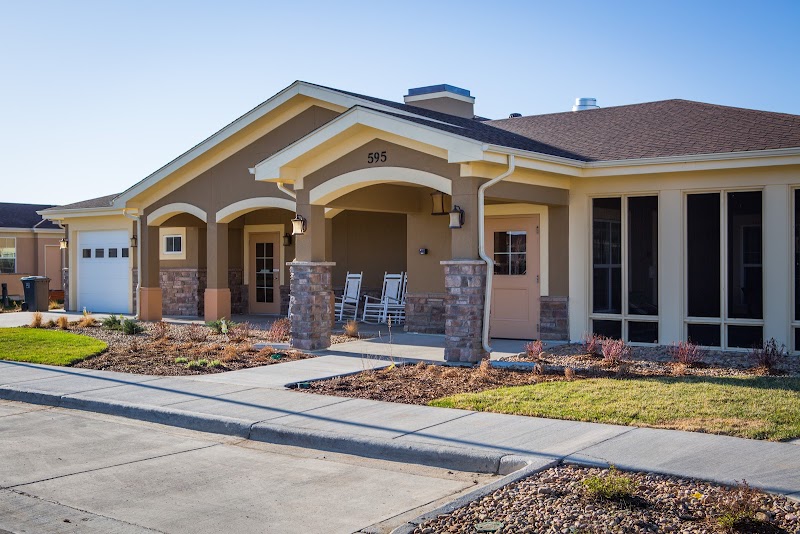
How is Green House Homes At Mirasol, The Staffed?

CMS rates GREEN HOUSE HOMES AT MIRASOL, THE's staffing level at 4 out of 5 stars, which is above average compared to other nursing homes. Staff turnover is 71%, which is 25 percentage points above the Colorado average of 46%. High turnover can affect care consistency as new staff learn residents' individual needs. RN turnover specifically is 75%, which is notably high. RNs provide skilled clinical oversight, so turnover in this role can affect medical care quality.

What Have Inspectors Found at Green House Homes At Mirasol, The?

State health inspectors documented 24 deficiencies at GREEN HOUSE HOMES AT MIRASOL, THE during 2019 to 2025. These included: 24 with potential for harm.
Who Owns and Operates Green House Homes At Mirasol, The?

GREEN HOUSE HOMES AT MIRASOL, THE is owned by a for-profit company. For-profit facilities operate as businesses with obligations to shareholders or private owners. The facility operates independently rather than as part of a larger chain. With 90 certified beds and approximately 87 residents (about 97% occupancy), it is a smaller facility located in LOVELAND, Colorado.
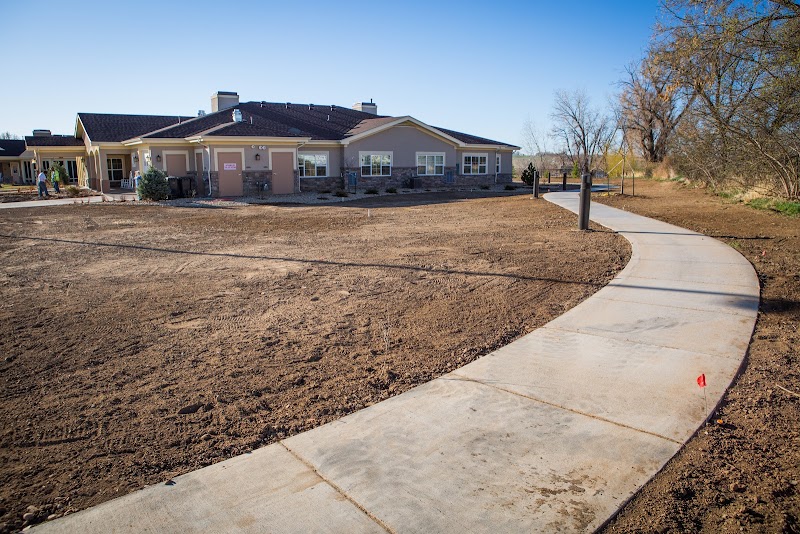
How Does Green House Homes At Mirasol, The Compare to Other Colorado Nursing Homes?

Compared to the 100 nursing homes in Colorado, GREEN HOUSE HOMES AT MIRASOL, THE's overall rating (4 stars) is above the state average of 3.1, staff turnover (71%) is significantly higher than the state average of 46%, and health inspection rating (3 stars) is at the national benchmark.

What Should Families Ask When Visiting Green House Homes At Mirasol, The?

Based on this facility's data, families visiting should ask: "How do you ensure continuity of care given staff turnover, and what is your staff retention strategy?" "Can I visit during a mealtime to observe dining assistance and food quality?" "How do you handle medical emergencies, and what is your hospital transfer rate?" "Can I speak with family members of current residents about their experience?" These questions are particularly relevant given the facility's high staff turnover rate.

Is Green House Homes At Mirasol, The Safe?

Based on CMS inspection data, GREEN HOUSE HOMES AT MIRASOL, THE has a clean safety record: no substantiated abuse findings (meaning no confirmed cases of resident harm), no Immediate Jeopardy citations (the most serious violation level indicating risk of serious injury or death), and is not on the Special Focus Facility watch list (a federal program monitoring the lowest-performing 1% of nursing homes). The facility has a 4-star overall rating and ranks #1 of 100 nursing homes in Colorado. While no facility is perfect, families should still ask about staff-to-resident ratios and recent inspection results during their visit.

Do Nurses at Green House Homes At Mirasol, The Stick Around?

Staff turnover at GREEN HOUSE HOMES AT MIRASOL, THE is high. At 71%, the facility is 25 percentage points above the Colorado average of 46%. Registered Nurse turnover is particularly concerning at 75%. RNs handle complex medical decisions and coordinate care — frequent RN changes can directly impact care quality. High turnover means new staff may not know residents' individual needs, medications, or preferences. It can also be disorienting for residents, especially those with dementia who rely on familiar faces. Families should ask: What is causing the turnover? What retention programs are in place? How do you ensure care continuity during staff transitions?

Was Green House Homes At Mirasol, The Ever Fined?

GREEN HOUSE HOMES AT MIRASOL, THE has been fined $7,544 across 3 penalty actions. This is below the Colorado average of $33,154. While any fine indicates a compliance issue, fines under $50,000 are relatively common and typically reflect isolated problems that were subsequently corrected. Families should ask what specific issues led to these fines and confirm they've been resolved.

Is Green House Homes At Mirasol, The on Any Federal Watch List?

GREEN HOUSE HOMES AT MIRASOL, THE is not on any federal watch list. The most significant is the Special Focus Facility (SFF) program, which identifies the bottom 1% of nursing homes nationally based on persistent, serious quality problems. Not being on this list means the facility has avoided the pattern of deficiencies that triggers enhanced federal oversight. This is a positive indicator, though families should still review the facility's inspection history directly.