VALLEY REHABILITATION AND HEALTHCARE CENTER, THE
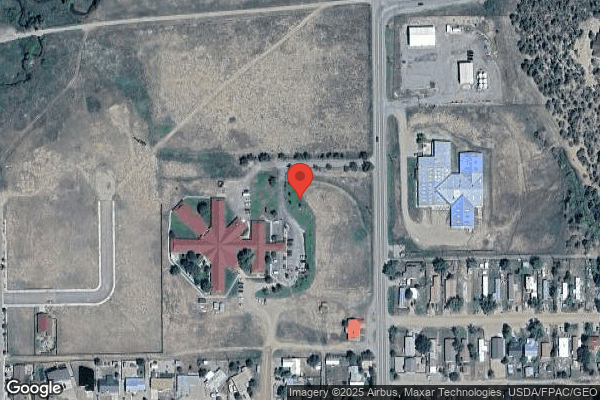
211 E 3RD AVE, MANCOS, CO 81328 (970) 533-9031
For profit - Corporation 110 Beds CENTENNIAL HEALTHCARE Data: November 2025
Trust Grade
85/100
#48 of 208 in CO
Last Inspection: June 2024

Within standard 12-15 month inspection cycle. Federal law requires annual inspections.

Overview

Valley Rehabilitation and Healthcare Center in Mancos, Colorado, has received a Trust Grade of B+, indicating it is above average and recommended for families seeking care. Ranked #48 out of 208 facilities in Colorado, it is in the top half, and it holds the top position in Montezuma County. The facility is improving, with issues decreasing from three in 2024 to two in 2025. While staffing is rated below average at 2 out of 5 stars, the turnover rate is at 54%, which is close to the state average. The facility has no fines, indicating a good compliance record, and it offers more registered nurse coverage than many other facilities, which is beneficial for resident care. However, there have been some concerning findings. One serious issue involved a resident with dementia who did not receive appropriate care, which led to disruptive behavior affecting others. Additionally, there were concerns about food safety practices, including improper handling and inadequate sanitization in the kitchen, which could pose health risks. Overall, while there are notable strengths in quality measures and an absence of fines, families should be aware of the staffing challenges and specific incidents that need addressing.

Trust Score
B+
85/100
In Colorado
#48/208
Top 23%
Safety Record
Moderate
Needs review
Inspections
Getting Better
3 → 2 violations
Staff Stability
⚠ Watch
54% turnover. Above average. Higher turnover means staff may not know residents' routines.
Penalties
✓ Good
No fines on record. Clean compliance history, better than most Colorado facilities.
Skilled Nurses
○ Average
Each resident gets 41 minutes of Registered Nurse (RN) attention daily — about average for Colorado. RNs are the most trained staff who monitor for health changes.
Violations
⚠ Watch
12 deficiencies on record. Higher than average. Multiple issues found across inspections.
★★★★★
5.0
Overall Rating
★★☆☆☆
2.0
Staff Levels
★★★★★
5.0
Care Quality
★★★★☆
4.0
Inspection Score
Stable
2024: 3 issues
2025: 2 issues

The Good

  • 5-Star Quality Measures · Strong clinical quality outcomes
  • Full Sprinkler Coverage · Fire safety systems throughout facility
  • No fines on record

Facility shows strength in quality measures, fire safety.

The Bad

Staff Turnover: 54%

Near Colorado avg (46%)

Higher turnover may affect care consistency

Chain: CENTENNIAL HEALTHCARE

Part of a multi-facility chain

Ask about local staffing decisions and management

The Ugly 12 deficiencies on record

1 actual harm
Sept 2025 2 deficiencies
CONCERN (D) 📢 Someone Reported This

A family member, employee, or ombudsman was alarmed enough to file a formal complaint

Potential for Harm - no one hurt, but risky conditions existed

Deficiency F0573 (Tag F0573)

Could have caused harm · This affected 1 resident

Based on record review and interviews, the facility failed to ensure a copy of medical records were provided timely for one (#1) of two residents out of seven sample residents.Specifically, the facili...

Read full inspector narrative →
Based on record review and interviews, the facility failed to ensure a copy of medical records were provided timely for one (#1) of two residents out of seven sample residents.Specifically, the facility failed to ensure medical records were provided timely upon request to Resident #1's representative.Findings include:I. Facility policy and procedure The Release of Information policy, revised November 2009, was provided by the clinical regional director on 9/10/25 at 3:21 p.m. The policy read in pertinent part, The resident may initiate a request to release such information contained in his or her records and charts to anyone he or she wishes. Such requests will be honored only upon the receipt of a written, signed, and dated request from the resident or representative. A resident may obtain photocopies of his or her records by providing the facility with at least a 48 hour advance notice of such request. II. Resident representative interviewResident #1's representative was interviewed on 9/10/25 at 2:09 p.m. The representative said she requested Resident #1's medical records from the facility but had never received them after multiple requests. She said she signed the authorization for release form on 7/11/25 and provided the form to the nursing home administrator (NHA). She said she later received a call from the social service director (SSD) that Resident #1's medical records were ready, but the file was very large and she needed to know how the representative wanted it to be sent to her. The resident's representative said she called the facility and spoke to the business office manager (BOM). She said she asked for Resident #1's last two months of physician's orders and labs to be emailed to her. The resident's representative said she called the facility again on 8/5/25 and told the SSD that she still had not received the records and wanted them emailed to her. III. Record reviewThe authorization for release of protected health information (PHI) form for Resident #1 was provided by the medical records director on 9/10/25 at 1:20 p.m. The PHI authorization release form for Resident #1 identified that a request for the resident's medical records was signed on 7/11/25. The form did not identify when the representative received the medical records or when the medical records were sent to the representative. -Review of Resident #1's electronic medical record (EMR) identified that the spelling of the resident representative's name in her email address was spelled incorrectly on the contact list. IV. Staff interviewsThe medical records director was interviewed on 9/10/25 at 12:20 p.m. The medical records director said when a resident or their representative requested medical records, they needed to submit an authorization for release form for the medical records. The medical records director said the facility had 30 days to gather the medical records and send them to the requester. She said Resident #1's medical records were requested by his representative on 7/11/25. The medical records director said she had the resident's medical records ready on 7/17/25. The medical records director said she did not know in what format the representative wanted the files to be sent to her so the SSD followed up with Resident #1's representative. The SSD was interviewed on 9/10/25 at 2:51 p.m. The SSD said she emailed the requested medical records to Resident #1's representative on 7/21/25. She said she used the email address on the resident's EMR contact list.-However, the resident representative's name was misspelled in the email address listed on the resident's EMR contact list (see record review above). The NHA and the BOM were interviewed together on 9/10/25 at 3:05 p.m. The NHA compared the email address she had for Resident #1's representative with the email address on the resident's EMR contact list and said the representative's email address was documented incorrectly on the contact list. She said it was facility's error and she would make sure Resident #1's received all requested medical records to the appropriate email address. The BOM said she would update Resident #1's EMR contact list with the representative's correct email address. The NHA said she would make sure that any new resident/resident representative contact information would be provided to the facility in writing and then added to the resident's EMR. The NHA was interviewed again on 9/10/25 at 3:25 p.m. The NHA said the facility tried to send medical record requests within 48 hours, excluding holidays and weekends, but believed the facility had 30 days to send the medical records. The NHA reviewed the medical record policy and said the facility should have provided the medical records to Resident #1's representative within 48 hours. She said to help with the timeliness of medical records requests, she would educate the medical records director on the appropriate timeline. She said the facility would conduct an audit of all of the residents' EMR contacts to ensure the facility had accurate records for the contact information for residents' representatives. The medical records director was interviewed again on 9/11/25 at 10:34 p.m. The medical records director said the NHA informed her that the facility's policy stated the facility should provide medical record requests to the resident's representative within 48 hours after the receipt of the PHI authorization release form. The medical records director said a medical record assistant was recently hired. She said the additional staff member would ensure someone from medical records was at the facility five days a week and provide timeliness of record requests. V. Facility follow upThe NHA was interviewed a third time on 9/10/25 at 3:09 p.m. She said she sent Resident #1's representative the requested medical records to the correct email address on 9/10/25. Review of the email sent by the NHA identified that the email was sent to the resident's representative on 9/10/25 at 3:07 p.m.
CONCERN (D) 📢 Someone Reported This

A family member, employee, or ombudsman was alarmed enough to file a formal complaint

Potential for Harm - no one hurt, but risky conditions existed

Deficiency F0657 (Tag F0657)

Could have caused harm · This affected 1 resident

**NOTE- TERMS IN BRACKETS HAVE BEEN EDITED TO PROTECT CONFIDENTIALITY** Based on record review and interviews, the facility failed to ensure care plans were revised and appropriate for three (#1 and #...

Read full inspector narrative →
**NOTE- TERMS IN BRACKETS HAVE BEEN EDITED TO PROTECT CONFIDENTIALITY** Based on record review and interviews, the facility failed to ensure care plans were revised and appropriate for three (#1 and #3) of four residents reviewed for comprehensive care plans out of seven sample residents.Specifically, the facility failed to:-Ensure Resident #1's fall care plan was revised to include new interventions if needed to assist in the prevention of falls for 11 out the resident's 13 falls between 1/17/25 and 6/27/25; and,-Ensure Resident #3's care plan was revised to include new interventions if needed after the resident fell on 7/27/25.Findings include:I. Facility policy and procedure The Falls-Clinical Protocol policy, revised March 2018, was provided by the nursing home administrator (NHA) on 9/10/25 at 8:01 p.m. via email. According to the fall policy, the staff and the physician would identify pertinent interventions to try to prevent falls and to address the risks of clinical significant consequences of the falls. The policy identified the staff would try various relevant interventions based on the assessment of the nature of the fall until the falls were reduced, stopped or a reason for the fall continuation. The policy documented the staff would continue to monitor and document the individual's response to the interventions intended to reduce the falls or the consequence of falls.The Care Plans, Comprehensive Person-Centered policy, revised March 2022, was provided by the NHA on 9/11/25 at 3:21 p.m. The policy read in pertinent part, A comprehensive, person-centered care plan that includes measurable objectives and timetables to meet the resident's physical, psychosocial and functional needs is developed and implemented for each resident. The interdisciplinary team (IDT), in conjunction with the resident and his/her family or legal representative, develops and implements a comprehensive person-centered care plan for each resident. The care plan interventions are derived from a thorough analysis of the information gathered as part of the comprehensive assessment. When possible, interventions address the underlying sources of the problem areas, not just symptoms or triggers. Assessments of residents are ongoing and care plans are revised as information about the resident and the resident's condition changes. The IDT reviews and updates the care plan when there has been a significant change in the resident's condition; when the desired outcome is not met; when the resident has been re-admitted facility from a hospital stay; and, at least quarterly in conjunction with required quarterly minimum data set (MDS) assessments.II. Resident #1A. Resident statusResident #1, age greater than 65, was admitted on [DATE] and discharged to the hospital on 6/27/25. According to the June 2025 computerized physician orders (CPO), diagnoses included adult failure to thrive, unspecified dementia, severe with mood disturbance, generalized muscle weakness, difficulty in walking, unsteadiness on feet, other abnormalities of gait and mobility, need for assistance with personal care, repeated falls, and reduced mobility.The 6/15/25 MDS assessment documented the resident had severe cognitive impairment with a brief interview for mental status (BIMS) score of three out of 15. The MDS assessment documented Resident #1 used a wheelchair for mobility, required substantial staff assistance to sit to stand and partial to moderate staff assistance to transfer to and from a bed/chair/wheelchair. The MDS assessment revealed the resident had had two or more falls that included injury since his admission. According to the MDS assessment, the resident had a history of wandering but his wandering did not put him at risk to be in a dangerous place. B. Resident representative interviewResident #1's representative was interviewed on 9/10/25 at 2:08 p.m. The representative said that Resident #1 had multiple falls at the facility and was sent to the hospital after his last fall on 6/27/25. C. Record reviewThe fall care plan, initiated 7/26/23, revised 7/3/25 (after the resident transferred to hospital on 6/27/25 and discharged from the facility) identified Resident #1 was at risk for falls related to cognition, dementia, poor safety awareness and weakness. The intervention, initiated 3/21/25, directed staff to place bed cane to my bed to assist with self positioning and independence. The intervention, initiated 3/27/25, directed staff to place grip tape on the bathroom floor. The Kardex report (a tool utilized to provide staff with instructions for resident care) documented the resident had had falls with injury. -The Kardex did not include interventions to help prevent additional falls. A nursing falls documentation form, dated 1/17/25, documented that Resident #1 experienced an unwitnessed fall at 4:15 p.m. The form documented Resident #1 fell out of his wheelchair on his way to the dining room on 1/17/25. The resident sustained small abrasions/scratches to both of his knees. The 1/7/25 wound evaluation note documented Resident #1 had scattered abrasions on his knees and above his right eyebrow. A nursing falls documentation form, dated 1/17/25, documented that Resident #1 experienced an unwitnessed fall at 7:00 p.m. The form documented Resident #1 wandered into another resident's room, became confused and fell to the floor. According to the form, the resident stated he was looking for his room when he fell. The resident sustained an abrasion to his left palm.-The facility failed to update or revise the fall plan of care with new interventions as needed after Resident #1 experienced the resident's two unwitnessed falls on 1/17/25 (see care plan above).A nursing falls documentation form, dated 2/12/25, documented that Resident #1 experienced an unwitnessed fall at 4:38 p.m. The form documented Resident #1 was heard yelling from his room. He was discovered on the floor after attempting to self-transfer from his wheelchair to his bed without injury. -The facility failed to update or revise the fall plan of care with new interventions as needed after Resident #1 experienced the unwitnessed fall on 2/12/25 (see care plan above).A nursing falls documentation form, dated 2/17/25, documented that Resident #1 experienced an unwitnessed fall at 11:15 a.m. The form documented Resident #1 was discovered sitting on the floor besides his wheel chair on 2/17/25. The resident sustained a small skin tear on his resident's right elbow.-The facility failed to update or revise the fall plan of care with new interventions as needed after Resident #1 experienced the unwitnessed fall on 2/17/25 (see care plan above).A nursing falls documentation form, dated 3/15/25, documented that Resident #1 experienced an unwitnessed fall at 11:30 a.m. The form documented Resident #1 was discovered on the floor in the dining room with his dining table chair in front of him and his wheelchair behind him. The resident did not sustain an injury related to the fall. According to the form, the nurse educated the resident to notify staff when he wanted to be transferred.-The facility failed to update or revise the fall plan of care with new interventions as needed after Resident #1 experienced an witnessed fall on 3/15/25 (see care plan above).A nursing falls documentation form, dated 3/21/25, documented that Resident #1 experienced an unwitnessed fall. The form documented Resident #1 fell when he attempted to transfer himself to a chair near the nurses' station without injury.The 3/21/25 fall occurrence note documented the fall occurred on 3/21/25 at 5:30 p.m. The facility updated the resident's care plan with a new intervention (see care plan above).A nursing falls documentation form, dated 3/25/25, documented that Resident #1 experienced a staff assisted fall at 7:25 p.m. The form documented Resident #1 fell during a staff assisted transfer from the toilet to his wheelchair. The resident sustained an abrasion on his right forearm measuring 2 centimeters (cm) by 1.5 cm. The facility updated the resident's care plan with a new intervention on 3/27/25 (see care plan above).A nursing falls documentation form, dated 4/16/25, documented that Resident #1 experienced an unwitnessed fall at 6:00 p.m. The form documented staff was looking for Resident #1 who was discovered outside on the ground after wandering outside to the patio. The resident sustained a bruise to his right knee. According to the form, the resident wanted to wander most of the time and would attempt to stand by himself resulting in a loss in balance.-The facility failed to update or revise the fall plan of care with new interventions as needed after Resident #1 experienced an unwitnessed fall on 4/16/25 (see care plan above).A nursing falls documentation form, dated 4/22/25, documented that Resident #1 experienced a witnessed fall at 3:15 p.m. The form documented Resident #1 was attempting to stand up from the edge of a recliner. A certified nurse aide (CNA) assisted the resident to the floor. The resident sustained a scratch/abrasion to his back.-The facility failed to update or revise the fall plan of care with new interventions as needed after Resident #1 experienced the witnessed fall on 4/22/25 (see care plan above).A nursing falls documentation form, dated 4/22/25, documented that Resident #1 experienced a second fall, unwitnessed, on 4/22/25 at 6:00 p.m. The form revealed Resident #1 was discovered on the floor in another resident's room after the staff was looking for him during the start of the shift. The form identified he sustained a skin tear on his right wrist measuring 5 cm by 1.5 cm.-The facility failed to update or revise the fall plan of care with new interventions as needed after Resident #1 experienced an unwitnessed fall (his second fall on that date) on 4/22/25 (see care plan above).A nursing falls documentation form, dated 5/6/25, documented that Resident #1 experienced an unwitnessed fall at 8:30 a.m. The form documented Resident #1 was discovered on the floor of the hallway, gripping the chair railing with his left arm while his wheelchair was positioned behind him. He did not sustain an injury as a result of the fall. -The facility failed to update or revise the fall plan of care with new interventions as needed after Resident #1 experienced an unwitnessed fall on 5/6/25 (see care plan above).A nursing falls documentation form, dated 5/30/25, documented that Resident #1 experienced an unwitnessed fall at 12:40 p.m. The form documented Resident #1's fall was recorded on the facility's security camera. According to the form, the resident was in the dining room when he stood up from his wheelchair and moved the dining chair closer to him. He attempted to sit down but missed the dining chair and fell backwards against the table without injury. -The facility failed to update or revise the fall plan of care with new interventions as needed after Resident #1 experienced the unwitnessed fall on 5/30/25 (see care plan above).A 5/31/25 fall occurrence note documented that Resident #1 experienced a witnessed fall at 11:00 p.m. The note documented Resident #1 fell when staff was attempting to transfer the resident from his wheelchair to the toilet when he became weak and fell on his coccyx with his back against the wall. He did not sustain injuries as a result of his fall.-The facility failed to update or revise the fall plan of care with new interventions as needed after Resident #1 experienced a staff assisted fall on 5/31/25 (see care plan above).A nursing falls documentation form, dated 6/27/25, documented that Resident #1 experienced an unwitnessed fall at 5:30 p.m. The form revealed he was discovered on the floor at the end of the bed, in another resident's room, after attempting to transfer himself to the bed. The form documented there was blood observed in the bathroom and on the door of the bathroom. He had a small open area to the back of his head and skin tears to both of his elbows. The form identified Resident #1 was transferred to the hospital for evaluation and treatment. III. Resident #3A. Resident statusResident #3, age greater than 65, was admitted on [DATE] and readmitted on [DATE]. According to the September 2025 CPO, diagnoses included a history of falling, adult failure to thrive, generalized muscle weakness, difficulty with walking, unsteadiness on feet, other abnormalities of the gait and mobility, need for assistance with personal care, unspecified dementia mild with other behavioral disturbance and displaced fracture of upper end of left humerus, subsequent encounter for fracture with routine healing. The 6/19/25 MDS assessment documented the resident had severe cognitive impairment with a BIMS score of three out of 15. The MDS assessment indicated Resident #3 had inattention and disoriented thinking. The MDS assessment identified she used a wheelchair for mobility and required substantial staff assistance transfer from surface to surface.According to the MDS assessment, the resident had a history of falls.B. Record reviewThe fall care plan, initiated 2/15/23, identified Resident #3 was at risk for falls related to bladder and/or bowel incontinence, decreased strength and endurance and need for assistance with her activities of daily living (ADL). Interventions, dated 2/15/23, directed staff to place her bed against the wall in the lowest position, keep her food/fluids/call light and other needed items within reach and educate the resident how to use her call light and reminders of use. The intervention dated 11/12/24 documented Resident #3's room was moved closer to the nurses' station.The intervention, dated 3/8/25, directed staff to provide the resident with non-skid footwear. The intervention, dated 3/21/25, identified Resident #3 had a bed cane (assistive device) to help her with independence and self positioning. The interventions, dated 6/18/25, directed staff to make sure her oxygen tank had oxygen in the tank and that the oxygen tank was turned on and offer her ice water. -The facility failed to update or revise the fall plan of care with new interventions as needed after Resident #1 experienced an unwitnessed fall on 7/27/25 (see progress note below).The 7/27/25 fall occurrence note documented Resident #3 was found on the floor on 7/27/25 at 8:45 a.m. in front of her wheelchair, in the doorway of her room.The 7/27/25 health status note documented there were no injuries related to the 7/27/25 fall.The 7/28/25 IDT meeting note documented Resident #3 was working with therapies on safety awareness, education for the need to ask for assistance and visual cues to call for assistance. IV. Staff interviewsThe NHA and the director of nursing (DON) were interviewed together on 9/10/25 at 5:36 p.m. The NHA said after a resident fell, the fall was discussed in the next morning meeting and in the at-risk meeting. The NHA said the facility conducted a fall investigation, to include checking if the room was safe, looking for any potential fall hazards and making any needed changes. The DON said the IDT reviewed the resident's past fall history and looked for any trends and patterns. She said the only pattern that was identified for Resident #1 was that he usually fell because he was self transferring himself. The NHA and the DON reviewed Resident #1's falls and fall care plan and said many of the resident's fall recommendations were not added to the care plan or the Kardex. The NHA said the care plan was a staff directive and the Kardex was a communication guide for the CNAs. CNA #1 was interviewed on 9/11/25 at 9:11 a.m. CNA #1 said she would find out from other staff members what a resident's fall interventions were.CNA #2 was interviewed on 9/11/25 at 9:14 a.m. She said she would ask the nurse what the residents' fall precautions were. Licensed practical nurse (LPN) #1 was interviewed on 9/11/25 at 9:25 p.m. LPN #1 said she was newer to the facility and would read the residents' care plans to let her CNAs know what the residents' fall interventions were. The NHA was interviewed a second time, along with the clinical regional director on 9/11/25 at 9:53 a.m. The clinical regional director said there were no care planned interventions added to the care plan after Resident #3 fell on 7/27/25. The NHA said there was a sign in the resident's room reminding her to ask for assistance, but the intervention should have been to the care plan.The social services director (SSD) was interviewed on 9/11/25 at 10:19 p.m. The SSD said she was a CNA and would frequently pick up shifts as a CNA. She said she would look at a resident's care plan to know what the resident's fall interventions were. The clinical regional director was interviewed a second time on 9/11/25 at 10:25 p.m. The clinical regional director said CNAs had access to a resident's Kardex. She said the Kardex would include a resident's fall interventions but the interventions would be generated from the fall care plan. The minimum data set (MDS) coordinator was interviewed on 9/11/25 at 9:40 a.m. The MDS coordinator said she was new to her position but was currently taking on the role of updating residents' care plans. She said when she initially created care plans, she would figure out what the residents' needs and preferences were. She said the care plan was updated quarterly, upon changes of condition or any time the resident's needs would change. She said she was continuing to try to learn the facility's care plan process and trying to personalize each resident's care plan. She said care plans should be updated to continue to meet the resident's needs. The MDS coordinator said she had started a facility-wide care plan audit to make sure that residents' care plans were updated and included all appropriate interventions. She said she had not had the opportunity to complete the audit and make the needed changes/interventions. She said the IDT reviewed the residents' falls during the morning meeting and her goal was to then add new fall prevention interventions to the care plans right away if the interventions could be immediately implemented. The MDS coordinator said it was important to make sure interventions were on the care plan so the personal-centered interventions could be transferred to the Kardex. She said the care plan was a form of communication so staff knew the personalized steps to take care of each resident. The NHA and the DON were interviewed again together on 9/11/25 at 11:25 a.m. The NHA said moving forward, she would make sure the IDT would stay in the at-risk meeting until all the newly identified fall interventions were updated on the care plans. The DON said if some of the interventions required permission from the residents' representatives, they would update the care plan with the interventions as soon as the facility obtained the needed permission. The NHA said the facility had started a Kardex training today (9/11/25) to ensure all the CNAs were familiar with how to access the residents' Kardex and identify the fall prevention interventions for residents at risk for falling.
Jun 2024 3 deficiencies
CONCERN (E) 📢 Someone Reported This

A family member, employee, or ombudsman was alarmed enough to file a formal complaint

Potential for Harm - no one hurt, but risky conditions existed

Deficiency F0761 (Tag F0761)

Could have caused harm · This affected multiple residents

Based on observations and interviews, the facility failed to ensure all drugs and biologicals used in the facility were properly stored and labeled on three of five units. Specifically, the facility f...

Read full inspector narrative →
Based on observations and interviews, the facility failed to ensure all drugs and biologicals used in the facility were properly stored and labeled on three of five units. Specifically, the facility failed to ensure residents' topical medications were stored and locked in appropriate medication carts or medication storage rooms that were accessed only by authorized licensed personnel. Findings include: I. Facility policy and procedure The Medication Labeling and Storage policy and procedure, reviewed February 2023, was provided by the nursing home administrator (NHA) on 6/26/24 at 2:20 p.m. It read in pertinent part, Compartments (including, but not limited to drawers, cabinets, rooms, refrigerators, carts and boxes) containing medications and biologicals are locked when not in use, and trays or carts used to transport such items are not left unattended if open or otherwise available to others. Medications are stored in an orderly manner in cabinets, drawers, carts or automatic dispensing systems. Each resident's medications are assigned to an individual cubicle, drawer or other holding area to prevent the possibility of mixing medications of several residents. II. Observations On 6/24/24 at 9:15 a.m. the E hallway shower room contained a cart with Triamcinolone cream 0.1% labeled for Resident #26 and an over the counter (OTC) antifungal powder spray, which was not labeled with a specific resident's name, sitting on it. On 6/24/24 at 11:02 a.m. a bottle of Nystatin (an antifungal) 100,000 units per one gram topical powder and an OTC antifungal powder spray, both labeled for Resident #164, were observed on the chest of drawers in Resident #164's room. On 6/25/24 at 10:25 a.m. a bottle of Nystatin 100,000 units per one gram topical powder and an OTC antifungal powder spray, both labeled for Resident #164, were observed on the chest of drawers in Resident #164's room. On 6/26/24 at 11:00 a.m. the E hallway shower room contained a cart with an OTC antifungal powder spray, which was not labeled with a specific resident's name, sitting on it. On 6/26/25 at 11:03 a.m. the D hallway shower room contained a cart with an OTC antifungal powder spray, which was not labeled with a specific resident's name, sitting on it. On 6/26/25 at 11:06 a.m. the A hallway shower room contained a cart with an OTC antifungal powder spray, which was not labeled with a specific resident's name, sitting on it. III. Staff interviews Registered nurse (RN) #1 was interviewed on 6/26/24 at 11:00 a.m. RN #1 said all medications, which included OTC medications, should be stored in a medication cart or in the medication storage room. She said medications should not be stored unsecured in shower rooms or in residents' rooms. RN #1 said unlicensed personnel could not administer medications. She said it was a hazard if other residents obtained unsecured medications and self administered them. The director of nursing (DON) and the infection preventionist (IP) were interviewed together on 6/26/24 at 11:30 a.m. The IP said medications needed to be secured in a medication cart or a medication storage room so unlicensed personnel could not administer them. The IP said medications should be properly secured to ensure other residents could not access the medications and self administer them.
CONCERN (E) 📢 Someone Reported This

A family member, employee, or ombudsman was alarmed enough to file a formal complaint

Potential for Harm - no one hurt, but risky conditions existed

Infection Control (Tag F0880)

Could have caused harm · This affected multiple residents

Based on observations, interviews and record review, the facility failed to maintain an infection control program designed to provide a safe, sanitary and comfortable environment to help prevent the d...

Read full inspector narrative →
Based on observations, interviews and record review, the facility failed to maintain an infection control program designed to provide a safe, sanitary and comfortable environment to help prevent the development and transmission of disease and infection on four of five units. Specifically, the facility failed to: -Ensure residents' rooms were cleaned in a sanitary manner; -Ensure residents' personal care items were labeled and stored in a sanitary manner; and, -Ensure a urinary catheter was maintained in a sanitary manner. Findings include: I. Housekeeping failures A. Professional reference The Centers for Disease Control and Prevention (CDC), Environment Cleaning Procedures (5/4/23), was retrieved on 7/1/24 from https://www.cdc.gov/healthcare-associated-infections/hcp/cleaning-global/procedures.html. It read in pertinent part, Proceed from cleaner to dirtier areas to avoid spreading dirt and microorganisms. Clean patient areas (patient zones) before patient toilets. B. Manufacturer's recommendations According to the Lysol Power and Fresh Multi-Surface Cleaner guidelines, undated, retrieved on 7/1/24 from https://www.lysol.com/products/multi-purpose-cleaners/lysol-power-and-fresh-multi-surface-cleaner, To sanitize leave for one minute before wiping, to disinfect leave for six minutes before wiping. C. Facility policy and procedure The Cleaning Residents Rooms policy and procedure, undated, was provided by the nursing home administrator (NHA) on 6/27/24 at 10:09 a.m. It read in pertinent part, Protective gloves must be worn and changed with a sanitization between each change of the gloves throughout the entire cleaning process. Clean from clean to dirty meaning the bathroom will always be last and clean from top to bottom. Always follow chemical specific instructions and dwell times for each individual chemical. D. Observations On 6/27/24 at 9:30 a.m. housekeeper (HSK) #1 was observed cleaning room #I-06 HSK #1 put on gloves. She obtained the toilet brush from the housekeeping cart and scrubbed the inside of the toilet bowl with Comet cleaner. She proceeded to scrub under the toilet seat with the toilet brush and placed the toilet brush handle between the toilet seat and toilet bowl with the toilet brush hanging into the toilet bowl. -HSK #1 failed to ensure that she did not proceed to a cleaner area after cleaning the inside of the toilet bowl. -HSK #1 failed to ensure the handle of the toilet brush was kept sanitary by not propping the handle of the toilet brush on top of the toilet bowl underneath the toilet seat lid. HSK #1 wiped the outside of the sink with a rag that was soaking in Lysol Power Fresh Multi-Surface disinfectant solution. She wiped the towel dispenser on the bathroom wall, along the bathroom railing and the top of the toilet tank. She used the same rag and wiped the top of the toilet lid, the top of the toilet bowl, down the sides of the toilet bowl and back to the top of the bowl. -HSK #1 failed to ensure the surfaces remained visibly wet for the six minute disinfectant time specified by the manufacturer's guidelines (see guidelines above). -HSK #1 failed to clean from higher surface areas before proceeding to lower surface areas. -HSK #1 failed to change her gloves, perform hand hygiene and use a new rag before moving to a higher or cleaner area. HSK #1 placed her used rag into the used rag container. She removed and replaced her gloves. -HSK #1 failed to perform hand hygiene after her gloves were removed before putting on a new pair of gloves. HSK #1 obtained a new rag from the disinfectant solution and wiped the light switch, top of the chest of drawers, door handles, top of the table, closet handles, window sill and remote control. -HSK #1 failed to ensure surfaces remained visibly wet for the six minute disinfectant time specified by the manufacturer's guidelines (see guidelines above). -HSK #1 failed to clean the resident's room before cleaning the bathroom. On 6/27/24 at 9:45 a.m. HSK #1 was observed cleaning room #I-05. HSK #1 donned new gloves and obtained a new rag from the disinfectant solution. She wiped the door handles, light switches, bathroom door handles, bedside table window sill and top of chairs. She disposed of the rag in the used rag container and donned new gloves. -HSK #1 failed to ensure surfaces remained visibly wet for the six minute disinfectant time specified by the manufacturer's guidelines (see guidelines above). -HSK #1 failed to perform hand hygiene before donning gloves to clean the room. HSK #1 obtained an uncovered toilet scrub brush lying on top of used rags. She used Comet cleaner on the inside of the toilet bowl and scrubbed the inside of the toilet bowl, top of the bowl and inside of the bowl. She proceeded to scrub under the toilet seat with the toilet brush and placed the toilet brush handle between the toilet seat and toilet bowl with the toilet brush hanging into the toilet bowl. -HSK #1 failed to ensure that she did not proceed to a cleaner area after cleaning the inside of the toilet bowl. -HSK #1 failed to ensure the handle of the toilet brush was kept sanitary by not propping the handle of the toilet brush on top of the toilet bowl underneath the toilet seat lid. HSK #1 placed the toilet brush on the used rags. She obtained a new rag from the disinfectant solution on the housekeeping cart. She wiped the bathroom handrails, soap dispenser, towel dispenser, top of the toilet tank, the raised commode seat, top of the toilet seat lid, the toilet tank, the top of the toilet seat lid, the top of the toilet bowl and down the side of the toilet bowl. -HSK #1 failed to ensure hand hygiene was performed and new gloves were donned before touching clean rags in the disinfectant solution. -HSK #1 failed to ensure surfaces remained visibly wet for the six minute disinfectant time specified by the manufacturer's guidelines (see guidelines above). -HSK #1 failed to clean from higher surface areas before proceeding to lower surface areas. -HSK #1 failed to change her gloves, perform hand hygiene and use a new rag before moving from a dirty area to a clean area. E. Staff interviews HSK #1 was interviewed on 6/27/25 at 10:00 a.m. HSK #1 said she should start with the residents' room first before she cleaned the bathroom. She said when she cleaned the bathroom she would first sanitize with the rag soaked in the disinfectant solution. She said she did not know what disinfectant was used and she said she was not sure how long the solution should stay wet on the surfaces. HSK #1 said when she cleaned the toilet, she cleaned with the toilet brush first and would prop the handle of the toilet brush under the toilet seat lid to let the toilet brush drain into the toilet bowl. She said she would use the toilet brush to scrub the toilet seat lid if it was dirty with fecal material. She said after a dirty area was cleaned, a new rag was used after hand hygiene was performed and new gloves were donned. She said after the bathroom was cleaned, hand hygiene was performed and new gloves were donned before touching clean items on the housekeeping cart. -However, HSK #1 failed to perform hand hygiene or change her gloves appropriately while cleaning the residents' rooms (see observations above) HSK #1 said, after she used the toilet brush, she placed it on the bottom of the housekeeping cart next to the used rags. She said she was not aware of any procedure to clean or disinfect toilet brushes after they were used. The housekeeping manager (HLM) was interviewed on 6/27/24 at 10:30 a.m. The HLM said Lysol Multi Surface Cleaner was used for resident rooms and had a ten minute disinfectant time according to the label instructions. She said resident rooms should be cleaned from clean to dirty and clean areas should not be cleaned after dirty areas unless a new rag was used, hand hygiene was performed and new gloves were donned. She said resident rooms should be cleaned first before cleaning resident bathrooms. The HLM said high areas should be cleaned first before lower areas. She said, after bathrooms were cleaned, gloves should be removed and hand hygiene performed before touching clean supplies on the housekeeping cart. She said the toilet brush handle should not be propped under the toilet lid to drain because the handle should be kept as sanitary as possible. She said she was not sure of the process of disinfecting toilet brushes but they should be kept in a bag on the bottom of the cart so it did not touch anything else on the cart. She said the toilet brush should be disinfected once a day. The plant and facility operations director (PFOD) was interviewed on 6/27/24 at 10:40 a.m. The PFOD said he contacted the chemical vendor to find a cleaning solution that did not require such a long disinfectant time. He said this was to ensure that areas were cleaned in a sanitary manner and housekeepers were able to keep surface areas wet for the required disinfectant time. II. Personal items failures A. Observations On 6/24/25 at 9:15 a.m. the E hallway shower room had a cart with a Eucerin cream, lotions, shampoo, conditioners and deodorant sitting on it. -None of the personal items on the cart were labeled with a specific resident's name. On 6/26/24 at 11:00 a.m. the E hallway shower room cart had a Eucerin cream, lotions, shampoos, conditioners and personal deodorant sitting on it. -None of the personal items on the cart were labeled with a specific resident's name. On 6/26/24 at 11:05 a.m. the D hallway shower room cart had a Eucerin cream sitting on it. -The Eucerin cream was not labeled with a specific resident's name. On 6/26/24 at 11:08 a.m. the A hallway shower room cart had personal deodorant, lotions and shampoo sitting on it. -None of the personal items on the cart were labeled with a specific resident's name. B. Staff interviews Registered nurse (RN) #1 was interviewed on 6/26/24 at 11:00 a.m. RN #1 said all residents' personal care items should be labeled and stored so that the items were not used on multiple residents. She said if personal items were used on multiple residents it was not a sanitary practice. She said any unlabeled used personal items in the shower room should be discarded. Certified nurse aide (CNA) #1 was interviewed on 6/26/24 at 12:00 p.m. CNA #1 said she would use only personal care items that were labeled for specific residents. She said unlabeled personal care items in the shower room should not be used and stored in the shower room. The infection preventionist (IP) was interviewed on 6/26/24 at 2:35 p.m. The IP said CNAs should label and place personal care items in an individual emesis basin if a resident shared a room with another resident. She said unlabeled personal items should not be stored in the shower rooms as this could cause personal items to be used on multiple residents. The IP said any unlabeled personal care items in the shower rooms should be discarded. III. Urinary catheter failure A. Observations On 6/24/24 at 11:03 a.m. Resident #164's urinary catheter drainage bag was observed hanging on the edge of the trash can. On 6/25/24 at 10:24 a.m. Resident #164's urinary catheter drainage bag was observed on the floor. On 6/26/25 at 10:54 a.m. Resident #164's urinary catheter drainage bag was observed on the floor. B. Staff interviews RN #1 was interviewed on 6/26/25 at 10:55 a.m. RN #1 said urinary catheter drainage bags should be kept off the floor to keep them from being contaminated by microorganisms on the floor. She said the hook on Resident #164's urinary catheter drainage bag was broken and that was why the bag was on the floor. She said the resident's urinary catheter drainage bag should be changed out with a new bag. The director of nursing (DON) was interviewed on 6/27/24 at 10:00 a.m. The DON said urinary catheter drainage bags should be kept off the floor because of the potential for contamination from microorganisms from the floor. She said urinary catheter drainage bags that were kept on the floor should be changed out with a new bag.
CONCERN (F) 📢 Someone Reported This

A family member, employee, or ombudsman was alarmed enough to file a formal complaint

Potential for Harm - no one hurt, but risky conditions existed

Food Safety (Tag F0812)

Could have caused harm · This affected most or all residents

Based on observations, record review and interviews, the facility failed to ensure food was prepared, distributed and served under sanitary conditions in the kitchen. Specifically, the facility failed...

Read full inspector narrative →
Based on observations, record review and interviews, the facility failed to ensure food was prepared, distributed and served under sanitary conditions in the kitchen. Specifically, the facility failed to: -Ensure kitchen staff handled ready-to-eat foods in an appropriate sanitary manner to prevent cross contamination; and, -Ensure safe holding temperatures for food items were maintained. Findings include: I. Inappropriate handling of ready-to-eat foods A. Professional reference The Colorado Retail Food Establishment Regulations, effective 3/16/24, were retrieved on 7/1/24 from https://cdphe.colorado.gov/environment/food-regulations. It revealed in pertinent part, Food employees may not contact exposed, ready-to-eat food with their bare hands and shall use suitable utensils such as deli tissue, spatulas, tongs, single-use gloves, or dispensing equipment. B. Facility policy The Preventing Foodborne Illness - Employee Hygiene and Sanitary Practices policy, revised 11/2022, was provided by the nursing home administrator (NHA) on 6/26/24 at 2:20 p.m. It read in pertinent part, Gloves are considered single-use items and must be discarded after completing the task for which they are used. Gloves are removed, hands are washed and gloves are replaced between handling soiled and clean dishes. Food service employees are trained in the proper use of utensils such as tongs, gloves, deli paper, and spatulas as tools to prevent foodborne illness. C. Observations On 6/25/24 the lunch meal service was observed during a continuous observation, beginning at 10:00 a.m. and ending at 1:10 p.m. At 10:24 a.m. cook (CK) #1 began preparing hamburger buns for lunch service. CK #1 donned a pair of gloves and opened the plastic packaging for the buns. CK #1 pulled a sheet of hamburger buns out of the packaging and separated them using the same pair of gloves before placing them into a steam table bin. CK #1 opened the plastic packaging of the next set of hamburger buns and started separating the buns using the same pair of gloves. From 11:30 a.m. to 11:42 a.m., CK #1 used the same pair of gloves to grab hamburger buns out of the steam table bin and separate the top and bottom buns and put them onto plates. CK #1 held the top of the sandwich while cutting it in half for several residents' meals before grabbing the sandwich slices and putting them onto plates. -CK #1 was handling tray cards and serving utensils between each resident's hamburger bun without changing gloves or washing hands. At 11:42 a.m. CK #1 began using tongs to take hamburger buns out of the bin and separate them. -At several points during the lunch service, CK #2 touched several hamburger buns while wearing gloves to stabilize the buns while scooping chicken onto them. -CK #2 was observed touching the bottom of the plates and serving utensils with the same pair of gloves. D. Staff interview The dietary director (DD) was interviewed on 6/26/24 at 9:31 a.m. The DD said ready-to-eat foods should be handled with tongs and kitchen staff should not cross-contaminate food by touching handles before touching ready-to-eat foods. The DD said she had re-educated the kitchen staff on the subject many times. The DD said gloves should only be worn when touching raw food or during meal preparation and kitchen staff needed to wash their hands in between glove changes. II. Maintain safe holding temperatures for food items A. Professional reference The Colorado Retail Food Establishment Regulations, effective 3/16/24, were retrieved on 7/1/24 from https://cdphe.colorado.gov/environment/food-regulations. It revealed in pertinent part, Time/temperature control for safe food cold holding shall be maintained at 5 (five) degrees Celsius (C) (41 degrees Fahrenheit) or less. Time/temperature control for safety food that is cooked to a temperature and for a time specified under §§ 3-401.11 - 3-401.13 and received hot shall be at a temperature of 57 degrees C (135 degrees Fahrenheit) or above. According to the product guidelines for MedPass Fortified Nutritional Shake, retrieved on 7/1/24 from https://www.hormelhealthlabs.com/resources/for-healthcare-professionals/product-protocols/med-pass-fortified-nutritional-shake-medication-pass-program/, MedPass products can safely remain on a medication cart as long as it is kept at refrigerated temperature range 34 to 40 degrees Fahrenheit (F). Cover, label and refrigerate opened containers of MedPass products and discard after four days as long as the product has been kept at the proper refrigerated temperature range. B. Facility policy The How to Monitor and Record in Temperature and PPM (parts per million) Logbooks document, undated, was provided by the DD on 6/26/24 at 1:43 p.m. It read in pertinent part, To record a hot or cold hold temperature, insert a thermometer in food or dish on the service line and record it in the log. This should be done at least 30 to 45 minutes after to ensure that steam tables or ice baths are holding food at appropriate ranges. If hot hold temperature is out of range (below 135 degrees F) notify the dietary director and/or maintenance director directly. If cold hold temperature is out of range, food product was not placed in an adequate ice bath, more ice should be added, or the container should be submerged deeper in the ice bath. Adjust as needed. C. Observations On 6/25/24 at 12:48 p.m. final temperatures were taken of food items that were served to residents during lunch service. A batch of french fries measured 125 degrees fahrenheit (F). At 12:53 p.m. CK #1 served french fries to a resident from this batch without reheating it. -The temperature of this hot food item was below the safe temperature parameter for hot foods of 135 degrees F or above. On 6/25/24 temperatures of food items kept at the nurses' medication carts were obtained. Each medication cart had a small plastic bin with no lid and side walls approximately four inches high. At 1:03 p.m., on the D and E hall medication carts, the MedPass nutritional supplement measured 58 degrees F. The bin holding the MedPass supplement was filled with fresh ice that reached approximately halfway up the MedPass carton. -The temperature of this nutritional supplement was above the safe temperature parameter for cold foods of 41 degrees F or less. At 1:07 p.m. on the I hall medication cart, the MedPass nutritional supplement measured 62 degrees F. The bin holding the MedPass supplement did not contain any ice. -The temperature of the nutritional supplement was above the safe temperature parameter for cold foods of 41 degrees F or less. D. Record review The kitchen temperature log book was reviewed on 6/25/24 at 1:10 p.m. -The temperatures from lunch service on 6/24/24 through lunch service on 6/25/24 had not been recorded. E. Staff interviews CK #1 was interviewed on 6/25/24 at 12:48 p.m. CK #1 said 30 to 39 degrees F were safe holding temperatures for cold items and 160 to 170 degrees F for hot items. CK #1 said he would reheat hot foods that had fallen below the safe holding temperature prior to serving them to residents. CK #1 said he had not yet filled out the temperature logs from lunch nor breakfast that day (6/25/24). -However, CK #1 was observed serving a resident french fries that had fallen below 135 degrees F without reheating them following the interview above. The dietary director (DD) was interviewed on 6/26/24 at 9:31 a.m. The DD said she had to consistently remind the kitchen staff about time and temperature control and it was an ongoing issue. The DD said she had held weekly meetings with the kitchen staff to try to correct the issue. The DD was interviewed a second time on 6/26/24 at 12:57 p.m. The DD said safe holding temperatures for hot foods were from 150 to 165 degrees F and 40 degrees F or below for cold foods. The DD said it was not okay to serve hot foods that had fallen below safe holding temperatures and the food would need to be reheated prior to serving. The DD said she did not know the kitchen was to be involved with supplement storage on medication carts. The Dd said she did not know what temperature the nutritional supplements needed to be stored at. The DD said she assumed the supplements needed to be cold. III. Additional Information The kitchen staff disciplinary and educational records were provided by the DD on 6/27/24 at 10:01 a.m. The records revealed the following: On 4/10/24 CK #2 received education on food temperatures, cleanliness, safety, and maintaining temperature logs each shift. On 4/15/24 CK #1 received education on handwashing, food temperatures, and sanitation. On 5/20/24 CK #1 received education on safety, cleanliness, and maintaining temperature logs. On 5/20/24 all kitchen staff were educated on safety, cleanliness, cross-contamination, food temperatures, and handwashing. -However, despite the education above being provided to dietary staff on several occasions, observations during the survey revealed staff were not adhering to appropriate food handling and safe food temperature guidelines (see observations above).
Feb 2020 3 deficiencies 1 Harm
SERIOUS (G)

Actual Harm - a resident was hurt due to facility failures

Deficiency F0744 (Tag F0744)

A resident was harmed · This affected 1 resident

**NOTE- TERMS IN BRACKETS HAVE BEEN EDITED TO PROTECT CONFIDENTIALITY** Based on observations, record review and interviews, the facility failed to ensure residents with dementia received the appropri...

Read full inspector narrative →
**NOTE- TERMS IN BRACKETS HAVE BEEN EDITED TO PROTECT CONFIDENTIALITY** Based on observations, record review and interviews, the facility failed to ensure residents with dementia received the appropriate treatment and services to attain or maintain the highest practicable physical, mental and psychosocial well-being for one (#41) of five residents reviewed for dementia care of 26 sample residents. The facility was aware that Resident #41 had diagnoses of dementia with behavioral disturbance and insomnia. Since her admission on [DATE] she had wandered throughout the facility, particularly on the hall where she resided, and sometimes disturbed other residents by opening their bedroom doors at night without knocking and looking in on them. However, facility staff failed to intervene in a timely and appropriate manner to provide meaningful activities and person-centered redirection and engagement methods to identify root causes and address Resident #41's behavioral symptoms. Instead of providing closer supervision and implementing methods to engage the resident, and before attempting less restrictive measures, the facility abruptly moved Resident #41 to the secure unit (SCU), although the resident had not previously demonstrated exit-seeking behaviors. These facility failures resulted in psychosocial harm to the resident, who immediately after her SCU admission, and for two days during her SCU stay, anxiously paced the SCU hallway, peered out the window and tried to leave the SCU, saying she did not belong there, it was wrong of them to place her there, she felt like she was in hell, exhibited increased anxiety and feelings of hopelessness, and ultimately expressed suicidal thoughts. Findings include: I. Facility policy and procedure The facility's dementia care policy was requested from the nursing home administrator (NHA) on 2/27/2020 at approximately 1:00 p.m. The NHA stated the facility did not have a policy on dementia care. The undated Alzheimer's Unit policy was provided by the NHA on 2/28/2020 at 3:29 p.m. It documented the Alzheimer's unit provided each resident with a safe and structured environment that met physical, emotional, social and spiritual needs throughout each resident's disease progression. The unit reduced feelings of anxiety and confusion through environmental and communicative support systems. It documented the unit provided each resident with opportunities to succeed that built self-esteem, dignity and hope. A pre-admission assessment, which included medical status, stage of illness, psychosocial circumstances and family understanding of the disease process was completed prior to admission to the Alzheimer's unit. Criteria for admission to the unit were that less restrictive alternatives had been unsuccessful in preventing harm to self or others. It documented management, treatment and rehabilitation of residents with Alzheimer's disease were directed toward providing the greatest amount of personal freedom in the least restrictive environment consistent with functional limitations of a resident. The undated Specialized Secure Unit Therapeutic Milieu policy was provided by the NHA on 2/28/2020 at 3:29 p.m. It documented the unit offered a therapeutic milieu to residents who had a mental disorder or the need for continuous evaluation and whose needs could not be met elsewhere. II. Resident status Resident #41, age [AGE], was admitted to the facility on [DATE]. According to the February 2020 computerized physician orders (CPO), diagnoses included unspecified dementia with behavioral disturbance and insomnia. The 1/6/2020 minimum data set (MDS) assessment revealed the resident was severely cognitively impaired with a brief interview for mental status (BIMS) score of two out of 15. No mood disorders or delusions were documented. The resident wandered and rejected care on a daily basis. The MDS did not document the resident's wandering behaviors placed her at risk, or that her behaviors affected others. III. Record review A. Care plans The care plan, dated 6/29/19 and revised on 2/2/2020, documented the resident had periods of insomnia. Interventions included monitoring the resident and documenting hours slept every shift, as well as providing environmental changes to facilitate sleep. The care plan dated 2/3/2020 documented the resident was paranoid and sometimes stated someone was trying to poison her. It further documented she once found scissors and cut up her clothes. (No evidence of this last incident was found in interdisciplinary notes, and the date of the incident was not documented in the care plan.) The care plan dated 2/25/2020, during the survey, documented the resident had a diagnosis of dementia with behaviors and required the secure unit. Interventions included monitoring and documenting target behaviors every shift, monitoring for changes in condition that may warrant increased supervision or assistance, redirecting the resident if she became insistent on leaving the facility, providing one on one staff, offering snacks/fluids, providing verbal cues and reminders to the resident not to leave the facility unsupervised and monitoring for the continued appropriateness of the secure unit. The care plan documented on 2/27/2020 (after the resident had been moved to the secure unit) increased anxiety and sadness related to move. If deemed by interdisciplinary team and decided to trial (resident's name) out in general population, she will be placed in (a room on the main unit), which is located close to the nurse's station so staff is able to have increased supervision of (resident) while she is out of her room to monitor and redirect wandering behaviors as needed. The care plan dated 2/27/2020 (after SCU placement) documented the resident exhibited signs and symptoms of depression. The interventions were to monitor and document target behaviors and mood, as well as using one on one visits to sit with the resident, showing her that someone cared. The facility provided Resident #41's comprehensive care plan on 2/28/2020 at approximately 3:30 p.m., which did not include any type of care plan related to the use of a wander guard. B. Computerized physician orders (CPO) - resident medications The February 2020 CPO documented Resident #41 was ordered melatonin (an herbal supplement to treat insomnia), 3 mg every night, on 9/7/19. The order dated 9/16/19 documented Seroquel (an anti-psychotic medication) was being ordered at 12.5 mg QHS (every hour of sleep) for paranoid statements and features. The order also documented that the resident's diagnosis should be changed to dementia with behaviors. Persecutory delusions was also added to this order. The order dated 12/2/19 documented the resident's Seroquel was increased to 25 mg twice a day with verbal aggression added. The order dated 12/16/19 documented a tapering of the Seroquel to 25 mg every day for three days, then 12.5 mg for three days, then to discontinue the medication. The order dated 2/25/2020 documented Resident #41's behaviors were becoming secure unit appropriate, and the resident was to move from her room on the open unit to a room on the secure unit. The family was contacted and they approved the room change. There was also an order this date to discontinue the resident's wander guard. The order dated 2/27/2020 documented the wander guard was to be placed again (it had been removed on 2/25/2020 when the resident was placed on the secure unit) to the resident's right ankle at all times related to elopement attempts. This was ordered after the resident was returned to the main unit. C. Behavior monitoring The December 2019 behavior monitoring flow sheet documented the facility was tracking insomnia, paranoid statements and exit seeking while Resident #41 was still receiving Seroquel. The medication did not change the resident's behaviors. The January 2020 medication administration record (MAR) documented the facility was monitoring hours of sleep each shift. The resident did not sleep during the evening shift on 20 of 31 nights that month. The facility was tracking exit seeking behaviors every shift since 1/21/2020. This MAR documented no exit seeking behaviors for the month. The February 2020 MAR documented the resident did not sleep during the evening shift on 26 of 29 nights that month. It revealed no exit seeking behaviors except for three instances of exit seeking behavior on 2/28/2020 (the night following transfer off the secure unit). The MAR documentation did not specify exactly how the resident was exit seeking, where she was attempting to go, or if this was a new behavior for the resident or not. D. Interdisciplinary progress notes and care conference documentation The interdisciplinary progress notes and documentation of Resident #41's care conferences were reviewed from the resident's admission on [DATE] through 2/27/2020. They documented, in pertinent part: -On 4/9/19: The resident was alert but confused and having difficulty adjusting to nursing home placement. The resident's mood was pleasant and family and friends came to visit her, which perked the resident up. -The care conference documentation dated 4/16/19 revealed the resident had been wandering into other residents' rooms. -The care conference documentation dated 7/16/19 revealed the Resident does wander around the facility and has wandered into other residents' rooms. (Resident's) wandering is stable and easily re-directed . tends to wander 24/7 and occasionally wanders into other rooms, we will continue to monitor. -9/4/19: A male resident reported to nursing staff Resident #41 had been entering his room multiple times during the early morning hours. Resident #41 was easily re-directed out of the male resident's room at the time. Both the family and NHA were notified of this behavior. (However, the resident's care plan was not revised until 2/25/2020 - see above - and never included the behavior of entering other residents' rooms at night or otherwise.) -9/15/19: Resident #41 had been pacing around the facility most of the day. She was tearful and distraught, thinking she had lost her son and would never see him again. The interventions were multiple instances of staff redirection. The resident was voicing concern over wearing her wander guard. (No documentation of staff interventions or care plan updates.) -9/18/19: Resident #41 had been asking for her son all morning and staff reminded the resident multiple times that her son visited her earlier that morning, but had to go to work. (No evidence of interventions or response such as engagement in meaningful activities.) -9/19/19: The note documented the resident had been asking about her son, her clothes and her wander guard. The staff redirected her multiple times, but the resident continued to pace around the facility, asking multiple staff members repetitive questions. -The care conference documentation dated 10/8/19 revealed the resident continued to wander the facility. The resident likes to help people, walk around, visit with others, pet visits, socials, music activities, happy hour, family visits, bingo, kid visits and morning stretch. We will continue to encourage participation in activities. (Resident) has adjusted well to (facility). She tends to wander 24/7 and occasionally wanders into other rooms, we will continue to monitor. Due to her confusion, we have a wander guard on her. (The resident's care plan was not updated accordingly.) -11/27/19: The resident told the social services director (SSD) someone was trying to poison her. The resident was reassured by the SSD the facility would not allow anyone to poison her. When re-approached by the SSD later in the day, the resident could not recall her prior feelings of being poisoned. (Not care planned until 2/3/2020 - see above.) -12/16/19: The family had concerns of Seroquel increasing the resident's agitation and wanted the medication discontinued. The medical director (MD) was notified and an order to taper the medication to be discontinued was started. (Not care planned - see above.) -The care conference documentation dated 1/4/2020 revealed the resident was placed on Seroquel for some behaviors the previous quarter, but the medication was ineffective and discontinued. The resident had experienced an increase in behaviors during the current quarter, with wandering, crying and agitation increasing. She had been observed eating off other resident's plates in the dining room. The plan was to continue to monitor and redirect the resident as needed. This was the first written documentation found regarding speaking with the family about the possibility of placing the resident on the secure unit if her behaviors could not be redirected and/or infringed on the rights of other residents. (These behaviors were not care planned along with specific interventions, and the new behaviors associated with the antipsychotic were not included in the care plan.) -1/7/2020: A care plan meeting was held and the resident's increasing behaviors were discussed as well as the possibility of secure unit placement being beneficial to the resident due to overstimulation in the general population. (There was no evidence of a discussion or care planning regarding less restrictive measures.) -1/11/2020: The resident only stopped pacing that morning once in approximately 20 minutes, when she sat down briefly to eat breakfast. The resident was not engaged in any exit-seeking behaviors. -2/24/2020 at 9:48 a.m. The SSD spoke with Resident #41's family about increasing appropriateness for secure unit placement due to recent behaviors. The family wanted to discuss it amongst themselves that evening and would call the SSD in the morning. -2/24/2020 at 3:19 p.m. (The first day of the survey) the SSD documented earlier that morning, around 8:00 a.m., a male resident complained that Resident #41 went into his room around 2:00 a.m. that morning. The intervention was for staff to monitor Resident #41's wandering. (No specific care planning or evidence of IDT discussion of interventions.) There were no additional or coinciding nursing or social services notes to demonstrate how staff intervened and responded to the above documented concerns. There were no further interdisciplinary team notes to show how staff assessed for root causes and person-centered interventions. There were no IDT notes documenting the resident's response to her secure unit placement. Despite the documentation above regarding the resident's behavioral symptoms, there was very little evidence of staff interventions or responses such as engagement in meaningful person-centered activities and/or staff presence to provide reassurance and assistance to Resident #41 and other facility residents. E. Complaint forms filed by residents against Resident #41 The following complaint/grievance reports were requested and provided by the social services director (SSD) on 2/27/2020 at 11:27 a.m. These reports revealed the following: On 2/3/2020, Resident #7 filed a complaint that Resident #41 told him a staff member, who was also a family member of Resident #41, that someone was poisoning the food in the facility. The facility intervention was one-on-one reassurance with Resident #41. It was documented Resident #41 was very upset, as she felt there was truth to the delusion that someone was poisoning the food. On 2/10/2020, Resident #6 filed a complaint about Resident #41 opening the bedroom door without knocking and looking at him. The intervention was for staff re-direction with activities and one on one conversation with the social services director (SSD) to monitor the residents' behavior. It documented the resident was having increased anxiety and self-persecution over thoughts that she had done something wrong. As of 2/13/2020, there were no further reports of Resident #41 entering other residents' rooms. On 2/20/2020, a female resident filed a complaint about Resident #41 opening the bedroom door without knocking and staring at her. The intervention was to redirect Resident #41 to afternoon activities and for closer supervision as the resident would allow. On 2/24/2020, Resident #43 filed a complaint about Resident #41 opening his door at 2:00 a.m. The intervention was SSD involvement by notifying the family about the possibility of a secure unit placement. F. Secure unit placement evaluation The resident's Alzheimer's Secure Unit - Placement Evaluation dated 2/25/20 documented the resident was not a danger to self or others. She wandered the facility and had a wander guard. She had significant behavior problems that disrupted the rights of other residents, which included wandering into other residents' rooms and knocking on their doors during the night. The wander guard in the general population and redirection had been unsuccessful with the resident's behaviors. A smaller area for calming the resident would be beneficial. (Although the resident did not exhibit exit-seeking behaviors.) G. MDS mood assessments After the resident voiced suicidal thoughts and the NHA was notified, the facility began assessing the resident for depression with mood assessment tools as follows. The mood assessment dated [DATE] (the day after transfer to the secure unit) was left incomplete by the SSD. It documented the resident was very confused, doesn't seem to comprehend questions. The mood assessment, done the morning of 2/27/2020, was completed by the SSD with the resident on the secure unit. The SSD did not score the assessment, but documented the resident felt down, depressed and hopeless the last several days. It documented the resident felt tired or had little energy nearly every day. There were no mood assessments provided which had been conducted just prior to transferring Resident #41 to the secure unit. IV. Resident observations and interview Resident #41 was initially observed in the main unit on 2/24/2020 at 5:10 p.m. Although the resident introduced herself and communicated appropriately, she was confused and wandering around the facility aimlessly. She ambulated independently with no assistive device. -At 5:18 p.m., Resident #41 was observed wandering around the dining room, with no redirection from staff. She was observed to sit down with a group of residents at this time. -At 5:22 p.m., the resident was observed coming out of the dining room bathroom. She began walking around the dining room with no staff response or redirection. On 2/25/2020 at 9:20 a.m., Resident #41 was sitting with a large group of residents participating in a physical exercise activity. She was calm, actively engaged and performed the exercises independently. The resident was still residing on the main unit at this time. During this observation and above observations, the resident was pleasant and calm as she walked throughout the facility. On 2/25/2020 at 5:02 p.m., after her transfer to the SCU, Resident #41 was standing alone in the main hallway of the memory care unit. Her brow was furrowed and she was frowning. She walked independently to the doors at the entrance of the unit and stood there for a few minutes. There were no activities in progress and no staff or other residents engaged her in conversation. This time and this was the first observation of the resident on the unit. -At 5:08 p.m., Resident #41 was visibly upset, as evidenced by a furrowed brow, frowning face and shaking of her head. She cursed the facility, saying the place was horrible. She said she went down to the end of the secure unit hallway towards the exit doors. There was a mural of library shelves with books painted on the inside of the secure unit exit doors and the resident said she was upset the library was not real when she went down the hall to look at the books. Numerous observations of Resident #41 were completed the afternoon of 2/25/20 and the majority of 2/26/20 on the secure unit, in which the resident was frequently pacing with a distressed look and frown upon her face, was tearful on occasion and constantly stating she did not want to be there. On 2/26/20 at 8:30 a.m., the activity assistant (AA) was beginning to play Connect 4 with Resident #41. -At approximately 1:00 p.m., the resident was observed ambulating down the hallway of the main unit. She had no one ambulating with her, but she was following a staff member who was approximately 30-40 feet in front of her. Staff later said Resident #41 was off the SCU, as she was being transported to a dental appointment. Resident #41 was interviewed on 2/26/20 at approximately 11:30 a.m. She was wandering the halls of the secure unit, unengaged with either staff or other residents. She said she did not want to be in the facility because they had locked her up, would not let her out and that was wrong. The resident stated, Living like this would make anyone suicidal. The resident then stated she felt like she was in hell. The resident's statements were immediately reported to the NHA, who said she would have the SSD speak to the resident and assess for suicidality. On 2/27/2020 at 10:00 a.m. the SSD was observed entering the SCU. She said she was there to assess the resident because of the suicidal comments she had made the day before (almost 24 hours before), and pointed to a form she was holding in her hand. The SSD was observed approaching the resident, who was sleeping, sitting up in a dining room chair at a table across from another resident. The SSD touched the resident's shoulder, awakened her, and asked her to move to a more private location so they could talk. They were observed talking while sitting at a table near the SCU dining room. After the SSD interviewed the resident, she said the resident denied suicidal thoughts. She said she would instruct staff on the SCU to keep the resident within their line of sight, and she went to meet with them. On 2/27/2020 at 1:20 p.m., Resident #41 was observed seated on the couch in the common area of the main unit. She was seated with male resident she called a friend and the two were holding hands. She had a huge smile on her face with a brighter affect and was speaking to everyone in a calm manner. The resident had been moved back to the general population unit at this time. V. Staff interviews The AA was interviewed on 2/27/2020 at 1:00 p.m. He said he started working in this position in October 2019 and the only training he received related to dementia care was minimal hands-on training in the facility. He said he had no formal training prior to starting working in the activity department and was primarily dedicated to providing activities on the secure unit. He said he would love to have some dementia care training to enhance his effectiveness and it would not have been a bad idea for that training to have occurred before he started working on the secure unit. He said he was not the best at redirecting residents' behaviors and he would like specific training in that area. He said, I see some of the CNAs redirecting residents and I had no idea how they did it. He said, Whenever I am back here and the CNAs are busy giving care, I am supposed to be watching the residents in the recliners and I cannot do it all . I would be more effective with that training. Certified nurse aide (CNA) #3 was interviewed on 2/25/2020 at 5:15 p.m. She said Resident #41 was not happy about being moved to the secure unit and she did not appear to understand why, as she kept asking what she had done wrong. CNA #4 was interviewed on 2/26/20 at 11:45 a.m. She said the resident was upset about placement on the secure unit. She did not mention any increased signs of exit seeking or self-harm for the resident. The NHA was interviewed on 2/27/2020 at approximately 10:15 a.m. She said the decision to place the resident on the SCU had been pending for a while, because the resident's behaviors had been escalating and she felt she could no longer allow the behaviors to continue because she was upsetting other residents. She said the facility tried to redirect the resident and the medical director (MD) tried Seroquel for the resident, which did not work. She said she had been getting more complaints about Resident #41 from other residents and it was time the facility did something about her intrusive behaviors. The nurse practitioner (NP) was interviewed with the NHA on 2/27/2020 at 10:20 a.m. She said Resident #41 had dementia and wandered a lot, and had been tearful when living in the general population. She said the resident was admitted to the facility about a year ago and did okay while living on the open unit. She said the resident had episodes of intrusiveness, but was redirectable until a few weeks ago. She said the resident had been entering other residents' rooms at night and had started to eat off other resident's plates. However, see notes above, this was not new behavior.) The NP said the facility decided to trial Resident #41 on the secure unit, which had a smaller population. She said the general population was over-stimulating for Resident #41 and she had been setting off her wander guard while she was residing on the open unit. The NP and the NHA stated Resident #41 was moved to the secure unit sometime on 2/25/2020. They said the resident's family was notified of the decision and agreed. They said the resident's son was her power of attorney, but he gave permission for his wife (who was an employee of the facility) to also be fully involved as the facility's contact person. She said when she heard about the resident's suicidal verbalization, she assessed her and did not think she was suicidal. The social services director (SSD) joined the interview on 2/27/2020 at 10:31 a.m. She said secure unit placement for Resident #41 had been a possibility since the resident was first admitted . She said the resident had been a constant wanderer at home prior to admission to the facility. She said, while still at home, the resident went for a walk one day and it took the family hours to find her. She said the resident had succeeded in the general population for close to a year. She said, in many ways, placement on the secure unit was not suddenly considered because the facility had been discussing the resident's behaviors and staff had been telling the resident not to knock on other resident rooms or enter their rooms without permission. She said discussing and reminding the resident of these issues did help from time to time. She said when she heard about the resident's suicidal verbalization, she assessed her and did not think she was suicidal. The SSD said the facility became concerned when the resident recently began walking through the main dining room, hovering over other residents and eating their food. She said this was very disruptive for the other residents' mealtimes. She said two male residents were upset the weekend prior because Resident #41 had knocked on their doors during the night and had woken them up. She said staff had to constantly redirect Resident #41 back to her own table during meals. She said Resident #41 was always walking and she ambulated independently, without an ambulatory device. The SSD said Resident #41 would continue to approach other residents after being redirected and tended to target one individual to follow on any given day. She said the resident tended to perseverate about finding her son. She said Resident #41 was a night owl and did not sleep a lot during the nights. She said the facility was aware the resident was up most of the night. She said she knew the resident wandered the hallways and was very fond of walking down I hall, but rarely wandered down the other resident halls. She was unaware of what training the nursing staff had received about redirecting this resident's behaviors, or where staff were when these behaviors occurred. The above facility staff said Resident #41's room on the main unit was the farthest room from the nurses' station. They said no other room had been available on the main unit until a resident moved out on 2/27/2020, which was after the resident had already been moved to the secure unit. The SSD said the facility had looked into a closer room to the nurses' station for increased supervision prior, but the resident halls were like small community pods and the other residents were not willing to change rooms to accommodate Resident #41. They said when the facility tried Resident #41 on Seroquel around the first of December 2019, the resident was wandering, but not exit seeking. They said, due to the resident's increase in tearfulness and concern about being over-stimulated on the main unit, they chose to try Resident #41 on the secure unit. They said, after seeing the resident was increasingly distraught and even more tearful during the trial on the secure unit, the recommendation to the family would be moving the resident back to the main unit in a room closer to the nurses' station for more frequent staff observation and monitoring. They said they would orient the resident to her new hallway so she did not continue to wander down to I hall. They said they would engage her with more activities, friendly conversation and one on one time with staff. They said the resident liked to sit in the common areas by the nurses' station. They said they had not tried the Velcro-stop signs on certain resident doors to attempt to minimize Resident #41's occasional intrusiveness towards others. None of the staff interviewed at this time were able to state where staff were when Resident #41's intrusive behaviors were occurring. They were unable to state how staff had been trained in implementing individualized dementia care specifically for Resident #41 prior to moving the resident to the secure unit. The medical director (MD) was interviewed on 2/27/2020 at 11:43 a.m. She said she spoke with Resident #41 earlier that morning and the resident agreed not to bother other residents in their rooms or to eat off other resident's plates. She said Resident #41 told her she wanted to come off the secure unit, but she wanted to talk to her son first before moving back to the main unit. She said the plan was to have the resident's son more involved with his mother's care rather than the daughter-in-law who worked in the facility. She said the resident had a history of saying she did not want to be in the facility, either in the main unit or on the secure unit. In relation to the facility moving the resident to the secure unit, the MD said, I think she's bummed about being back on the unit. The MD said she felt it was totally appropriate to try the resident in a room closer to nursing supervision on the open unit. She said the family did not want medication interventions used and she discontinued the resident's Seroquel sometime around December 2019. She said she was not aware of the resident's severity of her increased behaviors until just recently. She said she felt the resident was just quirky. She said when she heard about the resident's suicidal verbalization, she assessed her and did not think she was suicidal. VI. Facility follow-up The NHA was interviewed a final time on 2/27/2020 at 11:16 a.m. She said she planned to move Resident #41 back to the main unit in a room closer to the nurses' station for enhanced supervision and redirection. She said they would place the wander guard back on Resident #41 to alert staff if the resident tried to leave the facility. She did not mention line of sight supervision. The NHA stated staff would receive additional training on person-centered dementia care specifically for Resident #41. She said the SSD would continue to assess the resident for suicidal ideations and statements, with direction and guidance from the corporate consultant social worker. She also talked about helping to educate residents who may bully or be insensitive to residents living with dementia or displaying other types of behavioral issues. She said s[TRUNCATED]
CONCERN (D)

Potential for Harm - no one hurt, but risky conditions existed

ADL Care (Tag F0677)

Could have caused harm · This affected 1 resident

**NOTE- TERMS IN BRACKETS HAVE BEEN EDITED TO PROTECT CONFIDENTIALITY** Based on observations, record review, and interviews, the facility failed to ensure one (#24) of three residents reviewed for ba...

Read full inspector narrative →
**NOTE- TERMS IN BRACKETS HAVE BEEN EDITED TO PROTECT CONFIDENTIALITY** Based on observations, record review, and interviews, the facility failed to ensure one (#24) of three residents reviewed for bathing and grooming received the necessary assistance with activities of daily living (ADLs) of 26 sample residents. Specifically, the facility failed to ensure Resident #24 received timely assistance with eye and facial cleanliness, adequate fingernail and oral care, and ensure his clothing was clean. Findings include: I. Facility policy and procedure The Activities of Daily Living policy and procedure, undated, was provided by the nursing home administrator on 2/27/2020 at 2:00 p.m. It documented a program of ADLs was provided to residents to prevent disability and return residents to a maximum level of independence. During hygiene care, residents' self-image was maintained, equipment and instructions for mouth care, shaving, and hair care were provided, and frequent showers or baths were scheduled and assistance was provided when required. II. Resident #24 status Resident #24, age [AGE], was admitted [DATE]. According to the February 2020 computerized physician orders (CPO), diagnoses included heart failure, insomnia, and gastro-esophageal reflux disease. The 12/3/19 minimum data set (MDS) assessment revealed the resident was cognitively intact with a brief interview for mental status (BIMS) score of 15 out of 15. He required extensive assistance with bed mobility, transfers, dressing, toilet use and personal hygiene. He required physical help of one person with bathing activities and had no behavioral symptoms or rejection of care. He was not currently on a toileting program and was occasionally incontinent of bowel and urine. III. Observations and resident interviews On 2/24/2020 at 1:16 p.m., Resident #24 was sitting in his wheelchair in his room watching TV. His eyelashes were crusted with tan dried debris on the top and bottom bilaterally. He was wearing a black sweatshirt with crusted debris soiled on the sleeve cuffs, and blue sweatpants with white crusty stains on the thigh areas bilaterally. His lower teeth had white caked-on food in between the teeth. His fingernails were long and extended beyond the end of his fingers, and there was a dark substance underneath them. The room had an odor of urine. Resident #24 said his baths were scheduled to be given every Monday and Thursday. He said he preferred to keep his fingernails shorter and stated, I usually keep them down next to nothing. He said he was going to tell the nurse they were too long and would like them cut shorter. He said he was able to shave himself, but needed assistance with toileting, bathing, and changing his clothes. On 2/25/2020 at 9:46 a.m., Resident #24 was sitting in his wheelchair in his room eating a donut. His fingernails remained long and his left eyelashes on top and bottom had tan, crusted debris on them. His hair was messy and uncombed. On 2/26/2020 at 11:55 a.m., Resident #24 was sitting in his wheelchair in his room. His blue sweatpants had white crusted debris stained on the right thigh area and an odor of urine was present. His hair was messy and uncombed. He complained his hearing aides were not working very well that morning and when he pushed the left one into his ear farther, he said he could hear better. There was long, bushy hair growing inside of his ears. His fingernails had been trimmed. On 2/26/2020 at 3:45 p.m., Resident #24 was sitting in his wheelchair in his room watching TV. His hair was messy and uncombed, and there was an odor of urine in the room. On 2/27/2020 at 9:05 a.m., Resident #24 was sitting in his wheelchair in his room and had an odor of urine. He had brown food stains around the corners of his mouth and his hair was messy and uncombed. IV. Record review The care plan, initiated 8/28/19 and not revised since, identified an ADL self-care performance deficit and need for assistance with bathing, dressing, grooming, oral care and personal hygiene related to frequent falls. The approaches included to allow him to choose his clothing for the day, assist him with showers two times a week and as needed, his fingernails were trimmed, he received assistance with oral care at least twice daily and included soaking his partials overnight, provide incontinent care with soap and water as needed, and to ensure his clothing was clean and dry after each episode of incontinence. He was to be assisted with personal hygiene as needed on a daily basis and preferred showers. The bathing records were reviewed from 1/1/2020 through 2/26/2020 and documented the resident received a shower every two to three days on average. There was no documentation he ever refused. He did not receive any oral care on 1/23, 2/5, 2/6, 2/10, 2/11, 2/15, 2/16, 2/19, 2/24, and 2/25. There was no documentation that he resisted oral care or refused. He received hand/nail care on 2/26/2020 and had previously received it on 2/23/2020. V. Staff interviews Certified nurse aide (CNA) #2 was interviewed on 2/27/2020 at 12:35 p.m., and he confirmed he routinely worked with Resident #24. He said residents received routine fingernail care on their shower days, which was every two to three days. He explained if they were long the nurses could clip them, and clarified CNAs did not provide any fingernail care. He said Resident #24 was able to brush his own teeth, but required assistance with toileting and changing his adult incontinence brief, changing his clothes, and getting in and out of bed. The CNA said Resident #24 did not resist or refuse care very often and received his showers on the night shift. He said he had noticed his hair in his ear longer and it made him want to go buy a hair trimmer for him. He clarified the CNAs could trim residents' ear hair if needed. He said he had never noticed a smell of urine on the resident but did notice his fingernails were long and dirty at times. He said the resident's clothing would be a little wet in the evenings due to his incontinence brief leaking. Registered nurse (RN) #1 was interviewed on 2/27/2020 at 12:29 p.m., and she confirmed she routinely worked with Resident #24. She said baths and showers were provided by the CNAs who were working on each hallway and they had a Bath List that included when each resident was scheduled to be bathed. She said Resident #24 had never refused care and required the assistance of one staff member with his showers. She said he was able to shave himself but needed help getting in and out of bed. She said the beautician usually trimmed long ear hair but clarified the CNAs or nurses could trim it also. The director of nurses (DON) was interviewed on 2/27/2020 at 1:10 p.m. She said the routine ADL care residents were provided on a daily basis included combing hair, brushing teeth, getting ready for meals, letting them choose their own clothing, and washing their hands and face. She said fingernails should be monitored on every bath day and the CNAs could provide fingernail care, but were not allowed to provide toenail care. She said oral care should be provided at least twice a day or after each meal, based on the resident's preference, and if their clothing was soiled, the staff should offer to change it for them. The DON said she had not noticed Resident #24's urine odor, soiled clothing, dirty eyelashes or fingernails, and he did not refuse care. She said ADL care did not upset him but he liked to be more independent and thought he was more independent than what he really was.
CONCERN (E)

Potential for Harm - no one hurt, but risky conditions existed

Deficiency F0761 (Tag F0761)

Could have caused harm · This affected multiple residents

Based on observations, record review, and interviews the facility failed to ensure all drugs and biologicals were properly stored in one of one medication storage refrigerators. Specifically, the faci...

Read full inspector narrative →
Based on observations, record review, and interviews the facility failed to ensure all drugs and biologicals were properly stored in one of one medication storage refrigerators. Specifically, the facility failed to ensure proper storage temperatures for medications and vaccines. Findings include: I. Facility policy and procedure The Medication policy, no date of inception or revision, provided by the corporate nurse (CN) on 2/26/2020 at 5:17 p.m. read, medications requiring refrigeration shall be stored in the medication room refrigerator. The refrigerator would be maintained according to the requirements of the Colorado Board of Pharmacy. II. Observations The facility medication storage refrigerator was inspected with the medication administration aide (MAA) on 2/26/2020 at 3:45 p.m. The internal temperature of the refrigerator was observed to be 32 degrees fahrenheit, which was confirmed with the staff member. She was unaware of the correct storage temperatures and said she would have to find out. She said the night shift staff were responsible for checking storage temperatures. Inside the refrigerator several medications and vaccines including Lantus, Novolog, Ativan solution, Levemir, Novolin N, Prolia, Latanoprost, tuberculin solution, influenza vaccine, Prevnar-13, and Pneumovax 23 were observed. The refrigerator temperature was inspected again with licensed practical nurse (LPN) #2 on 2/26/2020 at 5:33 p.m. The internal temperature of the refrigerator was observed to be 34 degrees and confirmed with the LPN. III. Record review A. Manufacturers storage instructions The manufacturer's instructions for safe medication storage was provided by the facility for the following medications and read: -Prevnar13: store refrigerated at 36 to 46 degrees and do not freeze. -Pneumovax 23: store at 36 to 46 degrees. -Influenza vaccine: store in the refrigerator at 35 to 46 degrees and never expose the vaccine to freezing temperatures. -Tuberculin: store at 35 to 36 degrees, do not freeze and discard product if exposed to freezing. -Levemir: must be stored in the refrigerator at 36 to 46 degrees. -Lantus: keep unused bottles, cartridges, and pens of insulin in the refrigerator between 36 and 46 degrees. -Novolog: unopened pens and vials that have been refrigerated at 36 to 46 degrees can be kept until expiration date. -Ativan solution: store at cold temperature-refrigerated at 36 to 46 degrees. -Novolin N: store in the refrigerator between 36 to 46 degrees, Do not use it if has been frozen. -Prolia: Keep Prolia in the refrigerator at 36 to 46 degrees, Do not freeze. -Latanoprost: Store unopened bottles under refrigeration at 36 to 46 degrees. B. Medication refrigerator temperature logs The medication storage refrigerator temperature logs for January and February of 2020 were provided by the facility. The temperature logs read, Refrigerator temp safety zone is 34-39 degrees (34 degreses outside of safe storage temperatures). If it hits 40 or above and 33 or below please notify maintenance. Unsafe Storage temps identified on the log: -1/12/2020: 34 degrees; -2/2/2020: 34 degrees; and -2/4/2020: 34 degrees. IV. Staff interviews The MAA was interviewed on 2/27/2020 at 8:40 a.m. She said they were monitoring the medication storage refrigerator temperatures because it was fluctuating and over night the temp went as low as 25 degrees. (It was observed at the time of interview a new medication storage refrigerator was being installed) The director of nursing was interviewed on 2/26/2020 at 3:51 p.m. She said storage temperatures were below 40 degrees, but she thought it was 32-40 degrees. She confirmed vaccines were being stored in the refrigerator. She was reinterviewed on 2/26/2020 at 4:38 p.m. and said 32 and 34 degrees was too cold to be storing medications and vaccines.
Jan 2019 4 deficiencies
CONCERN (E)

Potential for Harm - no one hurt, but risky conditions existed

Deficiency F0679 (Tag F0679)

Could have caused harm · This affected multiple residents

**NOTE- TERMS IN BRACKETS HAVE BEEN EDITED TO PROTECT CONFIDENTIALITY** VI. Resident #12 A. Resident status Resident #12, age [AGE], was admitted on [DATE]. According to the 10/24/18 MDS assessment, d...

Read full inspector narrative →
**NOTE- TERMS IN BRACKETS HAVE BEEN EDITED TO PROTECT CONFIDENTIALITY** VI. Resident #12 A. Resident status Resident #12, age [AGE], was admitted on [DATE]. According to the 10/24/18 MDS assessment, diagnoses included Alzheimer's disease, psychotic disorder other than schizophrenia, dementia with behavioral disturbance, and unspecified psychosis. The 10/24/18 MDS assessment revealed the resident had short- and long-term memory problems with severely impaired cognitive skills for daily decision making. She had adequate hearing, vision, and unclear speech, and no psychosis behavioral symptoms or rejection of care. She was totally dependent on staff for bed mobility, transfers, dressing, eating, toileting, and personal hygiene. The 7/25/18 comprehensive MDS assessment revealed the staff completed her activity preferences, which included listening to music and being around animals such as pets. B. Observations 1/07/19 -At 2:44 p.m. the resident was observed alone in her room in bed. A bingo activity was in progress and she did not attend. -At 5:04 p.m. the resident was observed in her wheelchair in the activities room. There was no organized group activity, no staff around, and the radio was playing music. She was not engaged in any meaningful activity. 1/08/19 -At 10:50 a.m., the resident was observed alone in her room in bed with no meaningful activity or stimulation. At this time there was a meeting of the resident council in the Mesa Verde activity room and she did not attend. -At 1:52 p.m. the resident was alone in her room in bed with the TV on, but she was not engaged in the program. There was no organized activity in progress at that time. 1/9/19 -At 8:28 a.m., the resident was observed sitting in her wheelchair in the activities room. The resident was sitting alone on the other side of the room away from the other residents. There were no organized activities, music playing, or the TV on at that time. -At 8:38 a.m., the resident was returned to her room by a staff member and placed in front of her TV with it on and call light within reach. There were no organized activities in progress at that time. -At 11:11 a.m., the resident was again observed in the same position alone in her room with the TV on and no other interaction. There were no organized activities in progress at that time. -At 11:51 a.m., the resident was still in same position watching TV alone in her room. -At 1:11 p.m., the resident was propelled to the activities room via staff after lunch. She was sitting in the activity room in her wheelchair with other residents. There was no music playing nor the TV on, and no group activity was in progress. The residents were sitting alone in the room quietly. -At 3:13 p.m., the resident was lying in bed facing the wall with her back away from the TV, which was on at the time. She was awake and fidgeting with her fingers. There was no organized activity in progress at that time. 1/10/19 -At 8:48 a.m., the resident was lying in her bed, awake, and fidgeting with her fingers. The TV was on and she was leaning towards the left away from the screen, and was not engaged in the program. -At 10:23 a.m., the resident was lying in her bed, awake, with the TV on. There was a music activity currently in progress but she did not attend. C. Record review The 8/31/13 care plan, no revision date provided, identified activity participation as an area of focus and included the goal that Resident #12 would participate in some form of activity three-to-four times per week, whether formal or informal. The care plan interventions listed were to give the resident an activity calendar, invite her to the resident council meeting, assist her to music activities, and to encourage family support. The resident's annual activity assessment, dated 7/23/18, was not completed in full as the resident was listed as rarely or never understood without family or significant other available. The activity participation logs for group and individual activities for Resident #12 were reviewed from 11/1/18 through 1/9/19 and revealed the following: November 2018 -Group music activities were offered 11 times and she participated zero times. -Resident council was offered once and she did not participate. December 2018 -Group or individual music activities were offered nine times and she participated three times. -Resident council was not included on the activity log, so Resident #12 did not participate in resident council. January 2019 (1/01/19-1/09/19) -Group or individual music activities were offered 7 times and the resident participated 3 times. -Resident council was offered once and the resident did not attend. D. Staff interviews The activities director (AD), director of nursing (DON), nursing home administrator (NHA), and the corporate nurse/activities consultant (CN/AC) were interviewed on 1/9/19 at 5:18 p.m. The AD stated she had been on staff and working in the role as activities director for a year and a half. The AD stated that the activity assessment for Resident #12 was not completed because of the resident's severely impaired cognitive status as well as the resident having no family support or family visitation. The AD said she ascertained what activities Resident #12 preferred from asking the nurses and CNAs what things they found the resident had positive reactions from, and these things included lower functioning activities such as lotion therapy, getting her nails done, and music activities. The NHA stated that the resident was not able to read an activities calendar or participate in resident council, which were both listed as care plan interventions under the activities care plan for the resident. The NHA stated that these were regular interventions that were put in place for all residents. The NHA stated that Resident #12, since admission in 2013, had steadily declined in cognitive status and functioning, and that she would expect a resident's care plan to be updated regularly to list appropriate interventions for the current status of the resident. The CN reviewed the care plan and stated that the care plan could be improved on as well. Regarding the facility's activities program, the AD said she was the sole activities staff person and she was responsible for inviting and assisting all residents to activities. She said it was difficult to have additional activities, schedule one to one activities, and create individualized activities with her current responsibilities. They said activities could not be scheduled concurrently in the memory unit and other hallways due to limited activities staff. They said weekend activities were the responsibility of the manager on duty. They said there was an activities cart that could be utilized for evening and weekend activities. They said in the event of an outing or other scheduled activity the activity cart could be utilized upon resident request for the residents who did not attend the outing. The AD said she would spend time speaking with residents on an individual basis, but she did not have a schedule for one to one activities. She said these would be 15-20 minutes in length and resident specific. They said planned and individualized one to one activities would benefit many residents. V. Resident #18 A. Resident status Resident #18, younger than [AGE] years old, was admitted on [DATE]. According to the January 2019 CPO, diagnoses included spastic quadriplegic cerebral palsy, intracranial injury, and obesity. The 11/7/18 MDS assessment revealed the resident had short- and long-term memory problems with moderately impaired cognitive skills for daily decision-making. He had adequate hearing, vision, and unclear speech, and no psychosis behaviors or rejection of care. He was totally dependent for bed mobility, transfers, toilet use, and personal hygiene, and required extensive assistance with dressing and eating. The activities preference section was not filled out. The 5/9/18 annual MDS assessment revealed the resident's preferences included the following activities that were very important to him: to listen to music he liked, be around animals such as pets, do things with groups of people, and participate in religious services or practices. B. Observations On 1/7/19 at 3:40 p.m., a Kathy and Peach pet therapy activity was in progress, but Resident #18 did not attend this activity. He was sitting in his wheelchair in his dark room alone, in front of a cartoon that was playing on TV. He was reaching out to people with his hands as they entered or passed by his room. 1/8/19 at 8:20 a.m., Resident #18 was sitting alone in the common area of the D Hall after he finished eating breakfast and there was no organized group activity in progress. The first organized activity was scheduled to begin at 9:15 a.m. He was not engaged in any meaningful activity and he was reaching out to people when they passed by. On 1/9/19 at 10:50 a.m., Resident #18 was sitting in his wheelchair in the Mesa Verde room in front of the TV. There were no organized activities scheduled or in progress at that time. On 1/9/19 at 12:52 p.m., Resident #18 was sitting in the dining room eating his lunch. A fingernail care activity was scheduled for 12:30 p.m., and he did not attend this activity because he was still eating. At 1:17 p.m., he was sitting in the common area of the D Hall and was not engaged in any meaningful activity. The nail care activity was still in progress but he did not attend, and was reaching out to people when they passed by. On 1/10/19 at 9:43 a.m., Resident #18 was sitting in front of a TV alone in the Mesa Verde room and there were no formal activities currently in progress. C. Record review The care plan, initiated 5/7/01 and revised 11/8/18, identified activity participation as an area of focus and included the goal that Resident #18 would participate in some form of activity of his choice three-to-four times per week. The approaches included providing the resident with an activities calendar, invite him to socials, music activities and the resident council meetings, and encourage family support. The care plan identified the staff member whose role this was to provide these approaches were the activities staff, and no other staff members or disciplines were listed. The most recent activity assessment was completed by the AD on 5/11/18. The information was provided by the resident himself and the documentation revealed Resident #18 preferred to participate in activities in the mornings, afternoons, and evenings, either in his room, in the day/activity room, or inside the facility. The assessment identified the following activities were very important to him: -Listen to music, preferred rock and roll. -Enjoyed being around animals/pets. The question on the form, What kind of pets do you like? was void of documentation. -Do things with groups of people. -Do favorite activities. The question on the form, What are your favorite activities? was void of documentation -Participate in religious practices. The question on the form, What is your religious preference? was void of documentation. -Independent activities, which included spend time away from the nursing. -Exercise and sports. The activity calendar for the main unit was reviewed for November 2018 through January 2019 and offered a total of three separate activities each day, with a few exceptions where four activities were offered. The scheduled activities ended after the final activity was offered each day at either 2:00 p.m. or 3:15 p.m., with the exception of one day per week when Movie Night began at 6:00 p.m. The activity participation logs for group and individual activities for Resident #18 were reviewed from 10/1/18 through 1/9/19 and revealed the following: November 2018: -Pet therapy was offered four times and he participated once -Music activities were not included on the schedule, so Resident #18 did not attend any music activities as a group or one-on-one. -Religious activities were offered nine times and he participated zero times -There were no activities documented on 11/3, 11/4, 11/17, 11/21, 11/22, 11/23, 11/24, 11/25, 11/28, 11/29, and 11/30/18. December 2018: -Pet therapy was offered four times and he participated once -Music activities were offered five times and he participated four times -Religious activities were offered eight times and he participated zero times -There were no activities documented on 12/1, 12/2, 12/3, 12/4, 12/7, 12/8, 12/9, 12/13, 12/14, 12/15, 12/17, 12/24, 12/25, 12/29, and 12/30/18. January 1-9, 2019: -Pet therapy was offered once and he did not participate -Music activities were offered once and he refused to participate -Religious activities were offered twice and he did not participate -There were no activities documented on 1/1/19. D. Staff interviews Nursing assistant (NA) #1 was interviewed on 1/10/19 at 9:30 a.m., and she confirmed she routinely worked with Resident #18. She said he required the assistance of two people for dressing and toileting, and he was not able to propel himself in his wheelchair. She said he liked to go to the morning group activities that were offered and she would take him if he were not already there. She said he liked to watch football on Sundays, birthday parties, and play bingo when they had extra help on the floor and the staff could go to the activity and help. The AD, director of nurses (DON), and nursing home administrator (NHA) were interviewed on 1/9/19 at 5:17 p.m. The AD said Resident #18 enjoyed reminiscing as an individual one-on-one activity that included talking about fishing, football, and his mom. She said he liked to go to the stretching exercises in the mornings where he actively participated and explained there were activities available for cognitively impaired residents that included sensory stimulation, lotion massage, music groups, and pet therapy. The AD confirmed she was the only employee in the activities department and said she personally went around to all 56 residents prior to each activity and invited them to participate. She said there were only three activities scheduled for each day and only four evening activities scheduled each month on the main unit because, I'm only one person, and I have to invite every person to activities. She said if she asked the certified nurse aides (CNAs) to help her, they would. The NHA said each of the managers had their assigned halls and could help as well. Based on observations, interviews and record review, the facility failed to provide person-centered, individualized recreational activities to meet the psychosocial needs of four (#56, #10, #18 and #12) of seven residents reviewed for activities of 29 sample residents. Specifically, the facility failed to: -Ensure a variety of meaningful activities were offered to the residents living on the Columbine Street memory care unit, with enough frequency and encouragement to fully participate according to their level of cognitive functioning and desires; -Ensure each resident was thoroughly assessed in relation to their past hobbies and current activity interests; -Ensure activity care plans were person-centered, individualized and appropriate for each resident's cognitive level of functioning; and -Thoroughly document residents' participation in their activity logs. Findings include: I. Facility policy and procedure The Activities in Nursing Home policy, undated, was provided by the activities director (AD) on 1/9/19 at 1:30 p.m. It included, Because absence of meaningful and/or enjoyable activity can lead to mental and physical deterioration in residents, the Activities Department will work as a member of the interdisciplinary team to keep resident functioning at the highest level possible in all dimensions of life, physical, mental, social, emotional and spiritual, encourage independence and pre-institutional interests, a sense of community and self-esteem. -Activities will be offered daily and these activities will be suited to resident needs, abilities and interests. -Activities will be offered in the following scope of care: a. Empowerment - activities that promote increased self-respect by providing opportunities for self-expression, responsibility and choice; b. Maintenance - activities that promote physical, cognitive, social and emotional health; and c. Supportive - activities that provide stimulation or solace to resident who cannot generally benefit from either maintenance or empowerment activities. II. Columbine Street (memory care unit) activity calendars and general activity observations A. Activity calendars The Columbine Street activity calendars were reviewed from November 2018 through January 2019. There were three group activities scheduled for the memory care unit daily, occurring at 9:30 a.m., 11:00 a.m. and 2:00 or 3:00 p.m. The calendars documented that the only days that activities were scheduled after 3:00 p.m. were on Mondays when there was a sensory video group activity scheduled for 7:00 p.m. on a weekly basis. The following activities were listed from 1/7 through 1/10/19: 1/7/19: 9:30 am. Play Ball 11:00 a.m. Color art 3:00 p.m. Peach (visiting dog) 7:00 Sensory video 1/8/19: 9:30 am. Music 10:00 a.m. Resident council social 2:00 p.m. Reminisce 1/9/19: 9:30 a.m. Crafts 11:00 a.m. Rehab fun 2:00 p.m. Manicures 1/10/19: 9:30 a.m. Music 11:00 a.m. Sensory 2:00 p.m. Short stories B. Activity observations On 1/7/19 at 2:17 p.m., eight out of 13 residents living on Columbine Street were either wandering the secure unit halls or watching I Love Lucy on television. No staff was engaged with any of the residents at the time. On 1/9/19: -At 8:49 a.m., certified nurse aide (CNA) #2 was observed handing out magazines, picture books and word search puzzles to residents on Columbine Street. She then went to the nurse's desk to do some paperwork and was not observed interacting with or providing verbal encouragement to the residents. -At 9:14 a.m., CNA #2 began interacting with some residents who were coloring decorations for their room doors by asking the residents which of the two snowflake patterns they preferred. This activity continued with the residents through 10:07 a.m. - At 10:49 a.m., observed a ball being tossed with a few residents. -At 12:06 p.m., there were no observations of activities since 11 a.m. CNA #2 said this was the residents' down time until lunch arrived. However, Rehab Fun was listed on the calendar for 11 a.m. -At 12:50 p.m., the residents were finishing lunch. -At 1:27 p.m., there were no activities observed. Some residents were slowly finishing their lunch, while others were being assisted with ADLs. The television was always on the common area and music was always playing simultaneously in the kitchen area. -At 2:02 p.m., provided nail care to a few residents. CNA #2 was observed seated behind the nurse's desk doing paperwork and not interacting with residents. Continuous observation of the memory care unit occurred on 1/9/19 from 2:30 p.m. through 3:55 p.m. The following was observed: -At 2:53 p.m., 10 residents were sitting around the common area with CNA #2 as the only staff present. There were no group or individual activities were occurring. CNAs #1 and #2 were assisting residents with ADLs and no activities staff were present. -At 3:16 and 3:45 p.m., there were no individual or group activities occurring. CNAs #1 and #2 were at the nurses' desk, not engaged with the residents, and no activities staff were present. Two family members were visiting with one resident. The other 12 residents were unengaged. On 1/10/19 at 8:48 a.m., the television was on in the common area and eight residents were observed seated in various places around the unit with no staff interaction. The only staff observed on the unit at this time was CNA #2. Two residents were ambulating down the hallway. Three residents were in their rooms. At 8:49 a.m., CNA #3 entered the unit and CNA #2 was observed going down the hall to redirect another resident from the unit entrance. III. Resident #56 A. Resident status Resident #56, age [AGE], was admitted on [DATE] and re-admitted on [DATE]. According to the computerized physician orders (CPO), diagnoses included dementia with behavioral disturbance, unspecified psychosis, insomnia and fractured neck of left femur. The resident resided on the memory care unit. The 12/31/18 minimum data set (MDS) assessment revealed the resident did not have a brief interview for mental status (BIMS) cognition assessment completed, but documented the resident had both short-term and long-term memory deficits and was moderately impaired with daily decision making. The preferences section, completed by facility staff, documented the resident enjoyed listening to music, doing things with groups of people and participating in her favorite activities. B. Resident observations Resident #56 was initially observed on Columbine Street (memory care unit) on 1/7/19 at 2:15 p.m. She was seated in her wheelchair, independently propelling herself around the unit, while holding a stuffed animal. She was not engaged with any staff or resident on the unit. She was not engaged in any self-initiated activity. According to the unit's activity calendar, no activity with the residents was scheduled until 3:00 p.m. On 1/8/19: -At 8:20 a.m., Resident #56 was observed seated with two other residents at the dining room table after breakfast. She was not observed interacting with the residents at her table or with any staff. -At 8:55 a.m., the resident was observed resting in a common area recliner with a stuffed dog in her hands. She was not occupied or engaged with anyone. -At 10:45 a.m., the resident was seated at a table in the common area dining room with a coloring project in front of her. No staff were engaged with her or encouraging her to complete her project. She kept propelling herself away from the table in her wheelchair. -At 11:30 a.m., the resident was trying to build something with small balls and pegs. No staff were present to encourage the residents in their independent activities. -At 5:23 p.m., the resident was seated at the dining room table with two other residents, eating her meal independently. On 1/9/19: -At 8:20 a.m., Resident #56 was observed propelling herself around the memory care unit, unengaged with anyone. -At 1:30 p.m., the resident was observed seated at a dining room table with another female resident. She was not interacting with the other resident nor were staff interacting with her. Shortly after this observation, the resident was observed propelling herself in her wheelchair around the memory care unit. -At 2:06 p.m., the activity director (AD) was observed giving the resident a hand massage with lotion and was preparing to paint her nails. -At 3:45 p.m., the environmental services director (ED) was observed bringing Resident #56 a stuffed robotic cat to pet and brush. -At 5:00 p.m., Resident #56 was observed seated at a dining room table by herself, drinking a beverage. On 1/10/19 at 8:49 a.m., Resident #56 was self-propelling her wheelchair around the unit independently, not engaged with an activity. C. Record review 1. Care plan The care plan initiated 5/17/16 and revised 12/24/18 read the resident's activities of interest were visiting, pets and being outside. Interventions included giving the resident an activities calendar, inviting her to pet visits, encouraging her to use the courtyard and inviting the resident to the resident council meeting. 2. Activity attendance logs Resident #56's activity attendance logs were reviewed from 10/1/18 through 1/10/19. The logs showed some group activity participation, but did not specify what groups in which the resident participated. The logs combined both group and individual activities. Resident #56 was not documented to participate in any activities on 10/5/18, 10/15/18, 10/17/18, 11/2/18, 11/3/18, 11/4/18, 11/13/18, 11/27/18, 11/28/18, 12/1/18, 12/5/18, 12/6/18, 12/8/18, 12/12/18, 12/20/18, 12/21/18, 12/22/18, 12/23/18, 12/24/18, 1/2/19, 1/3/19 and 1/8/19. The resident participated in only one activity per day on 10/7/18, 10/11/18, 10/12/18, 10/26/18, 11/9/18, 11/23/18, 12/9/18 and 1/4/19. 3. Activity assessments The annual activity assessment for Resident #56 dated 5/21/18 contained incomplete documentation as the resident is rarely/never understood and family/significant other not available. The staff assessment portion documented the resident enjoyed reading, listening to music, being around animals and participating in her favorite activities. This form was completed by the AD. The most recent activity assessment for Resident #56, dated 12/31/18, also contained incomplete documentation, but read the resident enjoyed listening to music, doing things with groups and participating in her favorite activities. The resident's favorite activities, other than listening to music, were not documented. D. Staff interview The AD was interviewed on 1/10/19 at 8:34 a.m. She said she was very grateful that Resident #56 was now propelling her wheelchair independently following her fractured femur because the resident had just been sitting in her wheelchair recently. She said Resident #56's activity interests were dancing with music, working on puzzles and having a hand massage with lotion. IV. Resident #10 A. Resident status Resident #10, age [AGE], was admitted on [DATE]. According to the January 2019 CPO, diagnoses included Alzheimer's disease, anxiety disorder and macular degeneration. The resident resided on the memory care unit. The 10/24/18 MDS assessment revealed the resident did not have a BIMS score, but had both short-term and long-term memory deficits and was moderately impaired with daily decision making. The preferences section was incomplete. B. Resident observations Resident #10 was initially observed on the Columbine Street unit on 1/7/19 at 2:28 p.m. seated in his wheelchair, independently propelling himself around the unit. He was not engaged with any resident or staff member, or any independent activity. On 1/7/19: -At 2:36 p.m., CNA #3 stopped by Resident #10 briefly to encourage him to color a picture of a squirrel. The CNA did not stay to encourage the resident further; she just spoke to him in passing. -At 4:46 p.m., the resident was resting with his eyes closed in front of the common area television before the evening meal was served. On 1/8/19: -At 8:20 a.m., the resident had just left the bath house after his morning shower and was being escorted down to the common area by a CNA. -At 8:55 a.m., the resident was resting in a recliner in the common area and was not engaged with anyone. -At 11:04 and 11:32 a.m., the resident's feet were elevated in the recliner and he was watching The Price is Right on television in the common area. On 1/9/19: -At 8:20 a.m., Resident #10 was observed resting at a dining room table by himself, with his eyes closed. He was not engaged with anyone. -At 1:29 p.m., the resident was seated at a dining room table by himself. Housekeeping staff approached and CNA #1 was overheard asking Resident #10 to move so housekeeping could clean. The CNA did not engage the resident in an activity or visit with him. -At 2:02 p.m., nine residents were present in the common area. The AD was providing nail care to a few of these residents. Resident #10 was observed propelling his wheelchair towards a visitor on the unit to hold their hand. -At 5:00 p.m., Resident #10 was seated at a table in the secure unit dining room, unengaged with anyone. On 1/10/19 at 8:49 a.m., Resident #56 was self-propelling her wheelchair around the unit independently and got her wheelchair tangled with Resident #10's wheelchair, who was seated in front of the nurse's station. Neither resident was engaged with staff. C. Record review 1. Care plan The care plan initiated 12/12/13 and revised 10/24/18 read Resident #10's activities of interest were pets, going outside, visiting, music, watching television and his pictures. Interventions included giving the resident an activities calendar, inviting him to pet visits, encouraging him to use the courtyard and inviting him to the resident council meeting. 2. Activity attendance logs Resident #10's activity attendance logs were reviewed from 10/1/18 through 1/10/19. The logs showed some group activity participation, but did not specify what groups the resident participated in. The logs combined both group and individual activities. There were several days in which Resident #10 was documented as participating in no activity at all: 10/5/18, 10/15/18, 10/17/18, 11/2/18, 11/3/18, 11/4/18, 11/13/18, 11/27/18, 11/28/18, 12/1/18, 12/5/18, 12/6/18, 12/12/18, 12/20/18, 12/24/18, 1/2/19, 1/3/19 and 1/8/19. There were days documented in which the resident only participated in one activity per day: 10/7/18, 10/11/18, 10/26/18, 11/5/18, 11/9/18, 11/23/18, 12/7/18 and 1/4/19. 3. Activity assessment The annual activity assessment for Resident #10 dated 1/25/18 contained incomplete documentation as the resident is rarely/never understood and family/significant other not available. The staff assessment portion of the form was completed and documented the resident enjoyed reading books/newspapers/magazines, listening to music, being around animals/pets, doing things with groups, participating in favorite activities, spending time outdoors and participating in religious activities, This form was completed by the AD. E. Staff interviews The AD was interviewed on 1/10/19 at 8:34 a.m. She said Resident #10 occasionally did not want to participate in activities, but the staff could occasionally get him to play ball and color pictures. She said she would have to research the resident's past hobbies. She said if a resident on the unit refused to participate in any activity, they would try to utilize another staff to encourage the resident to participate. During an interview on 1/9/19 at 10:58 a.m., the AD said she had been in her position for a year and a half, and she was the only activity staff person. She said it was her job to ensure the memory care unit had all the supplies they needed each day to conduct activities. She said the residents who lived on that unit had their own major celebrations, like holidays and birthday parties, and usually did not come out to the main unit for any activities. She said one of their favorite activities was looking at magazines. She said right now the residents were not really interested in activities. She named three of the 13 residents living on the unit as being interested in activities and said it was really just hit and miss for the other 10 residents. She said the corporate nurse/activity consultant (CN/AC) sent her an informative magazine every month activities ideas. She said the cognitively lower-functioning residents liked individual touch activities, like working with Thera-putty. She said a volunteer sometimes brought her therapy dog to visit. She said in the summer they took residents out to the secured courtyard, but she had not seen any residents being taken outside recently. CNA #1 was interviewed on 1/9/19 at 3:38 p.m. She said she did not feel, with only two staff working the unit, there was not enough time to provide quality activities for the residents. She said the staff would encourage residents to do something in passing while they were providing ADLs and ensuring safety. She said it would be very helpful if the memory care unit had a [TRUNCATED]
CONCERN (E)

Potential for Harm - no one hurt, but risky conditions existed

Deficiency F0761 (Tag F0761)

Could have caused harm · This affected multiple residents

**NOTE- TERMS IN BRACKETS HAVE BEEN EDITED TO PROTECT CONFIDENTIALITY** Based on observations, record review, and staff interviews, the facility failed to ensure all drugs and biologicals were properl...

Read full inspector narrative →
**NOTE- TERMS IN BRACKETS HAVE BEEN EDITED TO PROTECT CONFIDENTIALITY** Based on observations, record review, and staff interviews, the facility failed to ensure all drugs and biologicals were properly stored in one of one medication storage refrigerator. Specifically, the facility failed to ensure vaccines were stored according to practice standards and manufacturer guidelines. Findings include: I. Professional standards According to the Centers for Disease Control and Prevention (CDC) Vaccine Storage and Handling Toolkit ([DATE]), pages 8 - 15, retrieved from https://www.cdc.gov/vaccines/hcp/admin/storage/toolkit/storage-handling-toolkit.pdf on [DATE], included in pertinent part: Failure to store and handle vaccines properly can reduce vaccine potency, resulting in inadequate immune responses in patients and poor protection against disease. Do not store any vaccine in a dormitory style or bar-style combined refrigerator/freezer unit under any circumstances. These units have a single exterior door and an evaporator plate/cooling coil, usually located in an ice maker/freezer compartment. These units have been shown to pose a significant risk of freezing vaccines, even when used for temporary storage. Place vaccines in the center of the unit, two to three inches away from walls, ceiling, floor, and door. Avoid storing vaccines in any part of the unit that may not provide stable temperatures or sufficient airflow, such as directly under cooling vents, in drawers, or in shelves on the door. The instability of temperatures and airflow in these areas may expose them to inappropriate storage temperatures. According to [NAME], [NAME] & [NAME] (copyright 2014), Clinical Nursing Skills & Techniques (eighth edition), page 544: A multi-dose vial contains several doses of a medication and thus can be used several times. When using a multi-dose vial, write the date that the vial is opened on the vial label. Verify with the agency how long an opened multi-dose vial may be used. Properly discard a multi-dose vial when the allowed time for being open has expired. II. Observations On [DATE] at 8:51 a.m., the medication room was inspected with licensed practical nurse (LPN) #1. The refrigerator was a dormitory style refrigerator/freezer combination unit with the freezer compartment located in the upper right corner. The following items were found stored on the upper shelf of the door of the refrigerator, directly below the freezer compartment: -An opened vial of Afluria influenza vaccine had the date [DATE] marked on the box. There was no date on the vial to indicate when it had been opened and first used. If [DATE] was the date the vial was opened, the vail would have been open for 70 days. The LPN confirmed the date should be written on the vial itself, rather than the box, and returned the vaccine to the refrigerator. -An opened vial of tuberculin purified protein derivative (PPD) vaccine had the date [DATE] marked on the box. There was no date on the vial to indicate when it had been opened and first used. If [DATE] was the date the vial was opened, the vial had been open for 32 days. LPN #1 returned the vaccine to the refrigerator. III. Record review According to the manufacturer package insert for Afluria Quadrivalent influenza vaccine, dated [DATE], and accessed at https://www.fda.gov/downloads/BiologicsBloodVaccines/Vaccines/ApprovedProducts/UCM518295.pdf on [DATE], the vaccine should be stored in the refrigerator at 36 to 46 degrees Fahrenheit (F) and should not be frozen. Discard if the product has been frozen. Once the stopper of the multi-dose vial has been pierced, the vial must be discarded within 28 days. According to the manufacturer package insert for Tuberculin Purified Protein Derivative Tubersol, dated 9/2015, and accessed at https://www.fda.gov/downloads/biologicsbloodvaccines/vaccines/approvedproducts/ucm114924.pdf on [DATE], the vaccine should be stored between 35 to 46 degrees F and should be discarded if exposed to freezing. A vial of Tubersol which has been entered and in use for 30 days should be discarded. The Medication policy, undated, was provided by the nursing home administrator (NHA) on [DATE] at 2:34 p.m., it documented no outdated medications would be used, and drugs and biologicals used in the facility must be labeled in accordance with currently accepted professional principles, and include the appropriate accessory and cautionary instructions, and the expiration date when applicable. IV. Interviews The director of nurses (DON) and NHA were interviewed on [DATE] at 1:42 p.m. The DON said the refrigerator in the medication storage room was used to store their vaccines and any medication that needed to be refrigerated. She said the temperatures were checked once each 24-hour period, by the night shift nurse, and the proper temperature range was kept posted on the log sheet. Neither the DON nor the NHA were aware of the 2018 CDC recommendations not to store vaccines in a dormitory style refrigerator/freezer combination unit. The DON confirmed multi-dose vials should be dated on the bottle itself when they were first opened.
CONCERN (F)

Potential for Harm - no one hurt, but risky conditions existed

Food Safety (Tag F0812)

Could have caused harm · This affected most or all residents

Based on observations, record review and staff interviews, the facility failed to minimize the risk for foodborne illness in a highly susceptible population in one of one kitchen. Specifically, the f...

Read full inspector narrative →
Based on observations, record review and staff interviews, the facility failed to minimize the risk for foodborne illness in a highly susceptible population in one of one kitchen. Specifically, the facility failed to follow industry standards for proper cleaning and sanitizing of kitchen equipment and utensils and to properly date mark and discard expired foods. Findings include: I. Inadequate sanitizing of equipment of utensils A. Professional references 1. According to the Colorado Retail Food Establishment Rules and Regulations, effective January 1, 2019, p. 73; food contact and non-food contact surfaces shall be clean to sight and touch and kept free of dust, dirt, food residue and other debris. In addition, details for cleaning and sanitizing specific to equipment and chemicals used by the facility included the following: a. Effective cleaning of equipment and utensils shall utilize manual or mechanical means with the use of appropriate detergents and wetting agents (p. 143). b. Equipment food-contact surfaces and utensils should be cleaned and sanitized at the following times (pp. 139-142): -Each time there is a change from working with raw foods to ready-to-eat-foods; -Before uses with raw fruits and vegetables; and, -Any time during the operation when contamination may have occurred. c. The temperature of the wash solution in a stationary rack, dual temperature dish washing machine shall not be less than 155 degrees Fahrenheit (F) and the rinse temperature for machines utilizing heat to sanitize shall not be less than 180 degrees F (p. 135). d. Quaternary ammonium compound (QAC) chemicals used for sanitizing shall be at a minimum temperature of 75 degrees F and be used in accordance with the manufacturer ' s instructions and the concentration of the sanitizing solution shall be accurately determined by using a test kit or other device (pp. 136-137). 2. According to the product information sheet for oasis 146 multi-quat sanitizer, retrieved from https://www.ecolab.com on 1/9/19, the recommended dilution levels for a three-compartment sink was 250 parts per million (ppm) and a recommended dilution level of 350 ppm for the solution in a sanitizer pail. Further instructions included: -Always follow instructions and temperature guidelines printed on the test strip dispenser - i.e. solution temp between 65 and 75 degrees. -Replace sanitizing solutions when they become visibly soiled or solution strength falls below minimum ppm requirement. B. Facility policy and procedures 1. The Sanitary Condition of Dietary Department policy and procedure, undated, provided by the dietary director (DD) on 1/9/19 at 3:15 p.m, read in pertinent part: Effective procedures for cleaning all equipment are well developed and followed consistently. All surfaces used for the preparation of food were to be sanitized at the beginning of preparation, between uses with raw foods, and after preparation was completed. 2. The Dishwashing policy and procedure, undated, provided by the DD on 1/9/19 at 3:15 p.m., revealed the washing of pots and pans by hand was done in the three-compartment sink. The instructions for the sanitizing sink read: The third compartment holds sanitizing solution of the proper strength. The policy did not identify the sanitizing agent, water temperature requirements, or appropriate sanitizer concentration. C. Record review Kitchen sanitation audit sheets, provided by the registered dietitian on 1/8/19 at approximately 3:00 p.m., for September, November, and December 2018, revealed incomplete dish machine temperature logs for each month. D. Observations The initial tour of the kitchen was conducted on 1/7/19 from 2:00 p.m. through 2:45 p.m. In the dishwashing room there was a single compartment hot-water sanitizing dish machine and a three compartment sink. Above the third sink was a wall mounted sanitizer dispenser. There was a temperature and sanitizer log sheet on the wall to the left of the three compartment sink and a zip lock bag with five plastic containers of test strips. Four of the vials were quaternary ammonium compound (QAC) test strips and one container was hypochlorite (bleach) concentration strips. On the wall opposite the dish machine there was a plastic sheet protector with dish machine temperature log sheets for November and December 2018. There was no temperature log sheet for January 2019. -The bleach concentration strips had a manufacturer's expiration date of 9/2017 -The QAC strips had manufacturer ' s expiration dates of December 2009, April 2010, January 2017 and April 2018. -The covered and stored slicer was observed to have dried meat on the catch plate and in and around the slicer blade. -The table mounted can opener had red-colored, hard, caked-on food debris around the puncture blade and turning gear. The channel of the opener was heavily soiled with a black colored grime that was also visible on the shaft. -On a rolling bread rack there were four cutting boards stacked on top of each other. They were wet and stored horizontally. Dietary server (DS) #1 was interviewed on 1/7/19 at approximately 2:20 p.m. He said the dish machine was connected to chemicals for sanitizing and he did not know what temperature was required for sanitizing. He said he did not test the concentration of the sanitizer in the third sink. Cook #3 was interviewed on 1/7/19 at approximately 2:25 p.m. She said the temperatures for the dish machine were recorded on the log sheets on the wall. She said she did not know where the January log sheet was and she had not recorded any temperatures that day. She said the sanitizer dispenser above the three compartment sink was used for pots and pans. She said she used test strips in the zip lock bag hanging on the wall next to the pot and pan temperature log sheets. She said she was not aware of expiration dates for test strips. Cook #2 was interviewed on 1/7/19 at approximately 3:30 p.m. She said she had looked for the temperature log sheet but it was not found. She said she took the temperature of the sanitizer solution in the third sink with her thermometer. She said she did not use sanitizer solution test strips. Dietary kitchen aide (DKA) #3 was interviewed on 1/8/19 at approximately 9:00 a.m. She said she cleaned and sanitized the dining room tables with water from the sanitizer dispenser. She said the water was too hot to check the concentration and she sometimes added cold water. The dietary director was interviewed on 1/7/19 at 3:40 p.m. He said the dish machine used chemicals to sanitize and clean. He said the water had to be hot enough for the soap to work right. He said the sanitizer water in the third sink had to sit about 45 minutes to be at the right temperature to test the concentration of sanitizer. He said he was not aware of the expired test strips. The dietary director (DD) was interviewed in the presence of the nursing home administrator (NHA) and the director of nursing (DON) on 1/8/19 at approximately 11:09 a.m. He said the dish machine cleaned and sanitized with the dish detergent. He said the stainless steel polish was used to clean and sanitize. The NHA said she would contact the DD of a sister facility to arrange training immediately for all kitchen staff. II. Improper date marking A. Professional reference According to the Colorado Retail Food Establishment Rules and Regulations, effective January 1, 2019, pp. 91-94, a date marking system must include the following: -The date a food product was opened with a procedure to use or discard by a defined date; and/or, -The date of preparation with a procedure to discard the food on or before the determined last day. B. Facility policy and procedure The Purchase and Rotation of Food policy and procedure, undated, provided by the DD on 1/9/19 at 3:15 p.m. read in pertinent part: Food supplies are rotated, the oldest being used first, and all foods are used prior to the expiration date. C. Observations On the bread rack in the production area of the kitchen on 1/7/19 at approximately 4:30 p.m. there was zip-lock bag with an opened bag of corn tortillas in the original manufacturer's bag marked use by 12/13/18. The zip-lock bag was dated 10/18 and 12/31. The edges of the tortillas were dried and turned upward. On the shelf below was an opened bag of multi-grain bread with a use by date of 12/13. The bread had brownish-green spots on the outer crust. When opened the bag smelled of mold. On 1/8/19 at approximately 10:00 a.m. in the reach in refrigerator the following were observed: -An unlabeled and undated zip-lock bag of sliced turkey; -Undated and only partially wrapped sliced ham; and -A small pan of diced tomatoes with no label or date marked. D. Staff interviews Cook #3 was interviewed on 1/7/19 at approximately 4:45 p.m. She said all food should be marked with the date it was received. She said once opened, food should be thrown out by three days. She said the multi-grain bread and corn tortillas were expired and she threw them away. DS #1 was interviewed on 1/8/19 at 4:30 p.m. He said food was dated when received. He said he had not been trained on how long foods could be kept once opened. Cook #1 was interviewed on 1/9/19 at approximately 3:30 p.m. He said all food should be dated when received. He said there was a chart which indicated when foods should be discarded. He said he was not able to locate the chart but would check with the dietary director. The DD was interviewed on 1/9/19 at approximately 4:15 p.m. He said foods should be dated when they are received. He said some foods could be kept longer than the use by date as long as they were frozen. He said all food should be thrown away three days after it was opened unless frozen. The registered dietitian (RD) was interviewed on 1/8/19 at approximately 3:00 p.m. She said she did kitchen sanitation audits most months. She said she had identified concerns with temperature records, labeling and dating of food, kitchen cleanliness and staff knowledge for the past three to four months. She said the kitchen was closed on 11/16/18 for thorough cleaning upon her recommendation. The NHA was interviewed on 1/10/19 at approximately 8:45 a.m. She said the dietary director from a sister facility had inserviced all staff on proper cleaning and sanitizing procedures on 1/8/19. She said the kitchen was closed after the breakfast meal on 11/16/18 and all department heads and dietary staff cleaned the kitchen due to cleanliness concerns. She said she would continue to utilize corporate resources to ensure ongoing kitchen staff development.
MINOR (C)

Minor Issue - procedural, no safety impact

Deficiency F0620 (Tag F0620)

Minor procedural issue · This affected most or all residents

Based on record review and interviews, the facility failed to ensure they did not require residents to waive potential facility liability for loss of personal property for all residents. Specifically,...

Read full inspector narrative →
Based on record review and interviews, the facility failed to ensure they did not require residents to waive potential facility liability for loss of personal property for all residents. Specifically, the facility failed to ensure that the language in the admission Agreement document did not release the facility from liability for the loss of residents' personal items. Findings include: I. Facility policy The facility Admission/readmission policy, undated, provided by the nursing home administrator (NHA) on 1/8/19 at 3:00 p.m., read persons admitted to the facility were assisted by all nursing personnel and social services in a concerned and respectful manner. Residents were helped to retain as much control of their life as possible and to adjust to the losses incurred on entering a communal environment. II. Record review The admission Packet, revised 1/1/2019, under the section titled, Responsibilities for Personal Items documented the following: The undersigned understands that the facility provides safekeeping services for money and valuables of small size and agrees that the facility shall not be liable for the loss or damage to any money, jewelry, glasses, dentures, hearing aids, documents or other articles of value unless deposited into custody of the facility for placement in its care; and further that the facility shall not be liable for damage to any other items of personal property unless deposited into the facility specifically for safe keeping. III. Staff interviews The social services director (SSD) was interviewed on 1/10/19 at 11:44 am. The SSD stated that the regular routine to review the admission packet with newly admitted residents took two hours. If the resident and/or resident representative was unable to read the admission packet the SSD stated she would read the packet from start to finish for the resident. The SSD said that after the admission packet was reviewed the resident or the resident representative would have to sign the admission packet agreement. The SSD stated that the agreement had to be signed and that any new resident could not be admitted if the admission packet was not signed. The NHA was interviewed on 1/10/19 at 9:16 a.m. The NHA stated the process was for social services to review the admission packet with the resident and if they could not read the agreement then social services staff would read it to them. The NHA stated this agreement was a release of liability for the facility unless the items were kept in the facility safe and safeguarded by the facility. The NHA also stated that items safeguarded by the facility were considered to be readily accessible to the resident.
Understanding Severity Codes (click to expand)
Life-Threatening (Immediate Jeopardy)
J - Isolated K - Pattern L - Widespread
Actual Harm
G - Isolated H - Pattern I - Widespread
Potential for Harm
D - Isolated E - Pattern F - Widespread
No Harm (Minor)
A - Isolated B - Pattern C - Widespread

Questions to Ask on Your Visit

  • "Can I speak with families of current residents?"
  • "What's your RN coverage like on weekends and overnight?"

Our Honest Assessment

Strengths
  • • Grade B+ (85/100). Above average facility, better than most options in Colorado.
  • • No fines on record. Clean compliance history, better than most Colorado facilities.
Concerns
  • • 12 deficiencies on record, including 1 serious (caused harm) violation. Ask about corrective actions taken.
Bottom line: Generally positive indicators. Standard due diligence and a personal visit recommended.

About This Facility

What is Valley Rehabilitation And Healthcare Center, The's CMS Rating?

CMS assigns VALLEY REHABILITATION AND HEALTHCARE CENTER, THE an overall rating of 5 out of 5 stars, which is considered much above average nationally. Within Colorado, this rating places the facility higher than 99% of the state's 100 nursing homes. This rating reflects solid performance across the metrics CMS uses to evaluate nursing home quality.

How is Valley Rehabilitation And Healthcare Center, The Staffed?

CMS rates VALLEY REHABILITATION AND HEALTHCARE CENTER, THE's staffing level at 2 out of 5 stars, which is below average compared to other nursing homes. Staff turnover is 54%, compared to the Colorado average of 46%.

What Have Inspectors Found at Valley Rehabilitation And Healthcare Center, The?

State health inspectors documented 12 deficiencies at VALLEY REHABILITATION AND HEALTHCARE CENTER, THE during 2019 to 2025. These included: 1 that caused actual resident harm, 10 with potential for harm, and 1 minor or isolated issues. Deficiencies causing actual harm indicate documented cases where residents experienced negative health consequences.

Who Owns and Operates Valley Rehabilitation And Healthcare Center, The?

VALLEY REHABILITATION AND HEALTHCARE CENTER, THE is owned by a for-profit company. For-profit facilities operate as businesses with obligations to shareholders or private owners. The facility is operated by CENTENNIAL HEALTHCARE, a chain that manages multiple nursing homes. With 110 certified beds and approximately 54 residents (about 49% occupancy), it is a mid-sized facility located in MANCOS, Colorado.

How Does Valley Rehabilitation And Healthcare Center, The Compare to Other Colorado Nursing Homes?

Compared to the 100 nursing homes in Colorado, VALLEY REHABILITATION AND HEALTHCARE CENTER, THE's overall rating (5 stars) is above the state average of 3.2, staff turnover (54%) is near the state average of 46%, and health inspection rating (4 stars) is above the national benchmark.

What Should Families Ask When Visiting Valley Rehabilitation And Healthcare Center, The?

Based on this facility's data, families visiting should ask: "Can you walk me through typical staffing levels on day, evening, and night shifts?" "Can I visit during a mealtime to observe dining assistance and food quality?" "How do you handle medical emergencies, and what is your hospital transfer rate?" "Can I speak with family members of current residents about their experience?" These questions are particularly relevant given the below-average staffing rating.

Is Valley Rehabilitation And Healthcare Center, The Safe?

Based on CMS inspection data, VALLEY REHABILITATION AND HEALTHCARE CENTER, THE has a clean safety record: no substantiated abuse findings (meaning no confirmed cases of resident harm), no Immediate Jeopardy citations (the most serious violation level indicating risk of serious injury or death), and is not on the Special Focus Facility watch list (a federal program monitoring the lowest-performing 1% of nursing homes). The facility has a 5-star overall rating and ranks #1 of 100 nursing homes in Colorado. While no facility is perfect, families should still ask about staff-to-resident ratios and recent inspection results during their visit.

Do Nurses at Valley Rehabilitation And Healthcare Center, The Stick Around?

VALLEY REHABILITATION AND HEALTHCARE CENTER, THE has a staff turnover rate of 54%, which is 7 percentage points above the Colorado average of 46%. Moderate turnover is common in nursing homes, but families should still ask about staff tenure and how the facility maintains care continuity when employees leave.

Was Valley Rehabilitation And Healthcare Center, The Ever Fined?

VALLEY REHABILITATION AND HEALTHCARE CENTER, THE has no federal fines on record. CMS issues fines when nursing homes fail to meet care standards or don't correct problems found during inspections. The absence of fines suggests the facility has either maintained compliance or corrected any issues before penalties were assessed. This is a positive indicator, though families should still review recent inspection reports for the full picture.

Is Valley Rehabilitation And Healthcare Center, The on Any Federal Watch List?

VALLEY REHABILITATION AND HEALTHCARE CENTER, THE is not on any federal watch list. The most significant is the Special Focus Facility (SFF) program, which identifies the bottom 1% of nursing homes nationally based on persistent, serious quality problems. Not being on this list means the facility has avoided the pattern of deficiencies that triggers enhanced federal oversight. This is a positive indicator, though families should still review the facility's inspection history directly.