COLUMBINE MANOR CARE CENTER
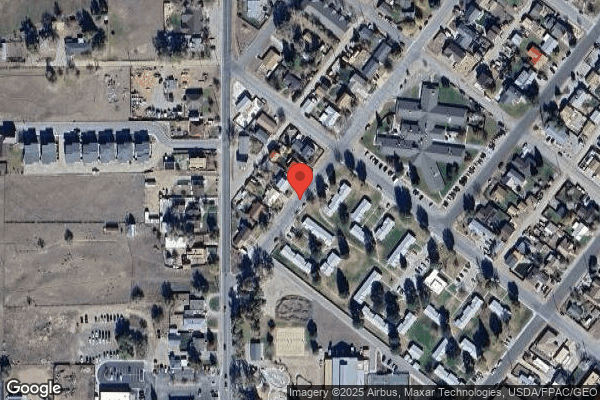
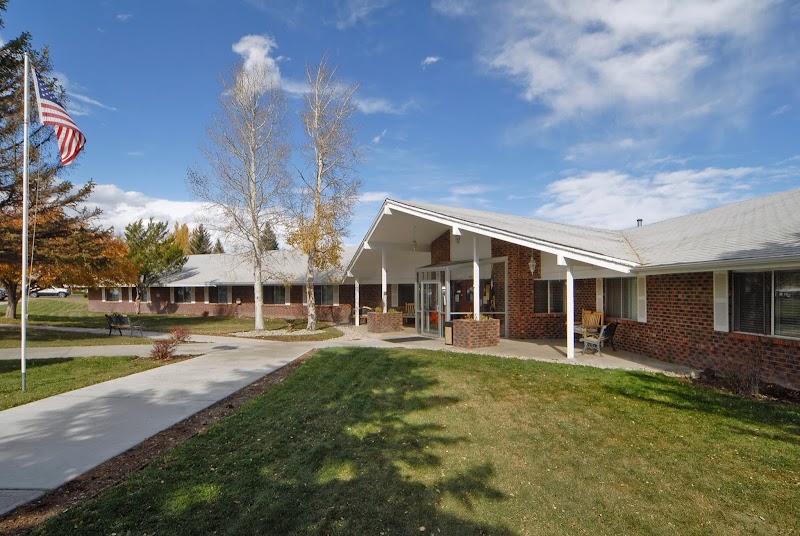
530 W 16TH ST, SALIDA, CO 81201 (719) 539-6112
For profit - Corporation 112 Beds LIFE CARE CENTERS OF AMERICA Data: November 2025
Trust Grade
65/100
#61 of 208 in CO
Last Inspection: October 2023

Over 2 years since last inspection. Current conditions may differ from available data.

Overview

Coulmbine Manor Care Center has a Trust Grade of C+, indicating that it is slightly above average but not without its issues. It ranks #61 out of 208 facilities in Colorado, placing it in the top half, and is the only nursing home in Chaffee County, making it the best local option. The facility is improving, with reported issues decreasing from eight in 2022 to six in 2023. Staffing has room for improvement, with a 3/5 star rating and a concerning 73% turnover rate, which is significantly higher than the state average. Although there have been no fines, some critical concerns were noted, including improper food safety practices and failures in the infection control program during a COVID-19 outbreak, which led to multiple residents testing positive. Overall, while there are strengths in its ranking and good RN coverage, families should weigh these against the noted deficiencies in care and staffing levels.

Trust Score
C+
65/100
In Colorado
#61/208
Top 29%
Safety Record
Low Risk
No red flags
Inspections
Getting Better
8 → 6 violations
Staff Stability
⚠ Watch
73% turnover. Very high, 25 points above average. Constant new faces learning your loved one's needs.
Penalties
✓ Good
No fines on record. Clean compliance history, better than most Colorado facilities.
Skilled Nurses
✓ Good
Each resident gets 64 minutes of Registered Nurse (RN) attention daily — more than 97% of Colorado nursing homes. RNs are the most trained staff who catch health problems before they become serious.
Violations
⚠ Watch
15 deficiencies on record. Higher than average. Multiple issues found across inspections.
★★★★☆
4.0
Overall Rating
★★★☆☆
3.0
Staff Levels
★★★★★
5.0
Care Quality
★★★☆☆
3.0
Inspection Score
Stable
2022: 8 issues
2023: 6 issues

The Good

  • 5-Star Quality Measures · Strong clinical quality outcomes
  • Full Sprinkler Coverage · Fire safety systems throughout facility
  • No fines on record

Facility shows strength in quality measures, fire safety.

The Bad

Staff Turnover: 73%

26pts above Colorado avg (46%)

Frequent staff changes - ask about care continuity

Chain: LIFE CARE CENTERS OF AMERICA

Part of a multi-facility chain

Ask about local staffing decisions and management

Staff turnover is very high (73%)

25 points above Colorado average of 48%

The Ugly 15 deficiencies on record

Oct 2023 6 deficiencies
CONCERN (D)

Potential for Harm - no one hurt, but risky conditions existed

Deficiency F0659 (Tag F0659)

Could have caused harm · This affected 1 resident

**NOTE- TERMS IN BRACKETS HAVE BEEN EDITED TO PROTECT CONFIDENTIALITY** Based on observations, interviews and record review, the facility failed to provide services by qualified persons for one (#105)...

Read full inspector narrative →
**NOTE- TERMS IN BRACKETS HAVE BEEN EDITED TO PROTECT CONFIDENTIALITY** Based on observations, interviews and record review, the facility failed to provide services by qualified persons for one (#105) out of 10 residents reviewed for falls out of 28 sample residents. Specifically, the facility failed to ensure Resident #105 was assessed by a registered nurse (RN) after a fall. Findings include: I. Resident status Resident #105, age above 65, was admitted on [DATE] and discharged [DATE]. According to the April 2023 computerized physician orders (CPO), the diagnoses included vascular dementia, weakness, unsteadiness on feet, difficulty in walking, non-traumatic acute subdural hemorrhage (brain bleed), lack of coordination and muscle weakness. The 4/14/23 minimum data set (MDS) assessment revealed, the resident had severe cognitive impairment with a brief interview for mental status score (BIMS) of one out of 15. He had physical and verbal behavioral symptoms directed towards others as well as other behavioral symptoms not directed at others, which put the resident at significant risk for physical illness or injury. He wandered daily. He had a worsening in his behavior. He required extensive assistance with bed mobility, transfers and locomotion on and off the unit, dressing, eating, toilet use and personal hygiene. He used a wheelchair. The resident had two or more falls since admission with injury and one with major injury. II. Record review The fall care plan, initiated 11/23/22 and revised 5/1/23, documented the resident was at risk for falls related to a history of falls and dementia. The goal was for the resident not to sustain serious injury requiring hospitalization. According to a progress note dated 3/9/23 at 1:30 p.m. the housekeeping staff witnessed Resident #105 fall in his room and get himself up off of the floor. The note was written by a licensed practical nurse (LPN). According to a progress note dated 3/16/23 at 12:47 p.m. Resident #105 was found on the floor by ancillary staff near his bed. The resident's head and neck areas were intact. His grip strength was equal to both sides and his range of motion was within normal limits. The note was written by a LPN. According to a progress note dated 3/25/23 at 11:34 a.m. a certified nurse aide (CNA) witnessed Resident #105 fall in his room next to his bed. The resident's head and neck areas were assessed and intact. His grip strength was equal to both sides and his range of motion was within normal limits. The note was written by a LPN. According to a progress note dated 4/7/23 at 1:11 p.m. Resident #105's roommate witnessed him fall out of bed while trying to ambulate on his own. The note was written by a LPN. -The note did not include an assessment for injuries. According to a progress note dated 4/16/23 at 12:24 a.m. the nurse was called to Resident #105's room and found him lying on the right side of the floor in the doorway to his room. The resident was noted to have a skin tear to his right forehead above his eyebrow, skin tear to his right hand second knuckle, and a skin tear to his right elbow. Neurological checks were initiated and upper and lower extremity strength were equal. The note was written by a LPN. According to a progress note dated 4/17/23 at 9:15 p.m. Resident #105 passed out and fell out of his wheelchair onto the lobby floor. Blood was noted in his catheter and vomit coming from his mouth. He had a skin tear to his left elbow. The note was written by a LPN. -A full review of the residents medical record was conducted on 10/11/23. The medical record did not reveal documentation of the resident being assessed by a RN after each of the above falls. III. Staff Interviews Certified nurse aide (CNA) #1 was interviewed on 10/12/23 at 10:01 a.m. She said if a resident had a fall, the CNA would report it to the nurse and start neurological checks on the resident. She said Resident #105 had many falls and was impulsive. RN #1 was interviewed on 10/12/23 at 10:08 a.m. She said an RN should assess a resident, no later than two hours, after a fall. She said after each fall, a resident should have interventions in place to prevent further falls. She said Resident #105 had many falls and interventions were put into place after every fall. She said she was not sure why an RN did not assess him for injury after each fall. The director of nursing (DON) was interviewed on 10/12/23 at 2:06 p.m. She said licensed practical nurses could not assess residents after a fall, because it was not in their scope of practice. She said a RN was required to assess a resident for injuries after a fall.
CONCERN (D)

Potential for Harm - no one hurt, but risky conditions existed

Respiratory Care (Tag F0695)

Could have caused harm · This affected 1 resident

**NOTE- TERMS IN BRACKETS HAVE BEEN EDITED TO PROTECT CONFIDENTIALITY** Based on observations, record review and interviews, the facility failed to ensure two (#17 and #47) of 10 residents who require...

Read full inspector narrative →
**NOTE- TERMS IN BRACKETS HAVE BEEN EDITED TO PROTECT CONFIDENTIALITY** Based on observations, record review and interviews, the facility failed to ensure two (#17 and #47) of 10 residents who required respiratory care received the care consistent with professional standards of practice out of 28 sample residents. Specifically, the facility failed to: -Ensure a physician's order was in place for the use of oxygen for Resident #17; and, -Ensure Resident #17 and Resident #47 received oxygen therapy as ordered. Findings include: I. Facility policy The Oxygen Administration policy, last revised 8/2/21, was provided by the nursing home administrator (NHA) on 10/11/23 at 2:31 p.m. It read in pertinent part: Oxygen will be administered in accordance with physician orders and current standards of practice. All facility staff will be educated on oxygen administration, safety, and storage upon hire, annually, and as indicated thereafter. Oxygen administration helps relieve hypoxemia (low oxygen levels)and maintains adequate oxygenation of tissues and vital organs. Verify the practitioner's order for oxygen therapy because oxygen is considered a medication or therapy and requires a prescription. II. Resident #17 A. Resident status Resident #17, age above 65, was admitted on [DATE] and readmitted on [DATE]. According to the October 2023 computerized physician orders (CPO), the diagnoses included chronic obstructive pulmonary disease (COPD), chronic atrial fibrillation (irregular heart beat), congestive heart failure, essential hypertension (high blood pressure) and dependence on supplemental oxygen. The 7/14/23 minimum data set (MDS) assessment revealed the resident had moderate cognitive impairment with a brief interview for mental status score (BIMS) of 11 out of 15. He had no behaviors and did not reject. He required limited assistance with bed mobility, dressing, toilet use, and personal hygiene. Supervision with transfer and eating. He used oxygen. B. Observations Resident #17 was observed on 10/9/23 at 11:21 a.m. laying in bed wearing an oxygen nasal cannula. The oxygen concentrator flow rate was set at 3.5LPM (liters per minute). Resident #17 was observed on 10/10/23 at 9:34 a.m. asleep in his wheelchair at the end of the hall. The portable oxygen flow rate was set at 4 LPM. Resident #17 was observed on 10/11/23 at 2:02 p.m. sleeping in bed. The oxygen concentrator flow rate was set at 3.5 LPM. Resident #17 was observed on 10/12/23 at 8:56 a.m. in the dining room eating breakfast.The portable oxygen flow rate was set at 4 LPM. C. Record review The resident's CPO was reviewed on 10/9/23 at 11:21 a.m. and revealed the resident did not have a physician's order for oxygen therapy. -A physician's order was obtained for the oxygen on 10/9/23 at 5:15 p.m. The order was for oxygen at 3 LPM continuously via nasal cannula. The Emphysema/COPD care plan initiated on 7/15/23 included oxygen as ordered. -The care plan failed to include the amount of oxygen to administer and the route (nasal cannula/mask. III. Resident #47 A. Resident status Resident #47, age above 65, was admitted on [DATE]. According to the October 2023 CPO, the diagnoses included COPD, tobacco use, chronic respiratory failure with hypoxia and dependence on supplemental oxygen. The 7/12/23 MDS assessment revealed, the resident was cognitively intact with a BIMS of 15 out of 15. She had no behaviors and did not reject care. All her activities of daily living only occurred once or twice. She used oxygen. B. Observations Resident #47 was observed on 10/9/23 at 9:35 a.m. laying in bed wearing an oxygen nasal cannula. The oxygen concentrator flow rate was set at 3.5 LPM. Resident #47 was observed on 10/10/23 at 9:29 a.m. sleeping in bed. The oxygen concentrator flow rate was set at 3.5 LPM. Resident #47 was observed on 10/12/23 at 8:55 a.m. sleeping in bed. The oxygen concentrator flow rate was set at 3.5 LPM. C. Record review A physician's order dated 8/29/23 revealed the resident was ordered oxygen at 2 LPM continuously per nasal cannula. The Emphysema/COPD care plan was initiated on 7/15/23. The interventions included oxygen as ordered. -The care plan failed to include the amount of oxygen to administer and the route (nasal cannual/mask). D. Staff interviews Certified nurse aide (CNA) #1 was interviewed on 10/12/23 at 10:01 a.m. The CNA said the nurses let the CNAs know how many liters of oxygen a resident was on. Registered nurse (RN) #1 was interviewed on 10/12/23 at 10:08 a.m. She said the nurse received oxygen orders from the physician to include the amount of oxygen to administer and the route. She said a physicians order should have been in place before Resident #17 was placed on oxygen on 7/15/23. She said the resident should have been at 4 LPM at all times. She said she was not sure why he was at 3.5 LPM. -However, the resident's oxygen order required 3LPM (see order above). She said Resident #47's oxygen should have been set at 2 LPM. She said she was not sure why it was set at 3.5LPM. She said too much oxygen was not good for residents with COPD since it could lead to oxygen toxicity very quickly. The director of nursing (DON) was interviewed on 10/12/23 at 2:06 p.m. She said a physician's order should be in place before administering oxygen to a resident since it was considered a medication. She said the nurse should have followed the physician's orders for the amount of oxygen to be administered. She said a resident with COPD could have negative effects on the brain and respiratory distress if given too much oxygen.
CONCERN (E)

Potential for Harm - no one hurt, but risky conditions existed

Deficiency F0658 (Tag F0658)

Could have caused harm · This affected multiple residents

**NOTE- TERMS IN BRACKETS HAVE BEEN EDITED TO PROTECT CONFIDENTIALITY** Based on record review and staff interviews, the facility failed to ensure four (#44, #103, #203 and #47) of seven out of 28 sam...

Read full inspector narrative →
**NOTE- TERMS IN BRACKETS HAVE BEEN EDITED TO PROTECT CONFIDENTIALITY** Based on record review and staff interviews, the facility failed to ensure four (#44, #103, #203 and #47) of seven out of 28 sample residents were provided services that meet professional standards of quality. Specifically, the facility failed to: -Clarify physician's orders and obtain dose information prior to administration of topical skin medication for Residents #44, #103 and #203; -Hold Digoxin (to treat heart failure) when Resident #47's heart rate was below 60; and, -Ensure consents and black box warnings were in place for the use of antidepressants before administration for Resident #47. Findings include: I. Topical skin medication orders A. Professional reference The Voltaren (Diclofenac) gel drug information was accessed on 10/11/23 on the Physicians Drug Reference website at https://www.pdr.net/drug-summary/Voltaren-XR-diclofenac-sodium-2033. Diclofenac is a nonsteroidal anti-inflammatory (NSAID) medication that could be prescribed in intravenous, oral, topical, and ophthalmic formulations. The use of analgesic and antipyretic properties increases the risk of serious gastro-intestinal events and may increase serious cardiovascular events; use the lowest dose of the shortest time. The topical dosage of diclofenac gel is prescribed as four grams (four and one half inches) topically four times a daily, with a maximum of 16 grams a day per lower extremity joint) and/or two grams (two and one fourth inches) topically four times daily per upper extremity joint. Do not exceed a total dose of 32 grams over all affected joints. B. Facility policy The Medication Administration policy, dated 8/24/23, was received by the nursing home administrator (NHA) on 10/16/23. The policy stated in pertinent part: Staff who are responsible for medication administration will adhere to the Rights of Medication Administration; Right dose. Check the medication administration record and the doctor's order before medication. Use standard measuring devices such as syringes, graduated cups, or scaled droppers. If there is any doubt about the dose on the medication administration, required considerations including the purpose, diagnosis or indication for use is required for administration of medication. A physician order that includes dosage, route, frequency, duration, and other record or if there is a question on the drug, stop and verify all information before administering. C. Record review Resident #44 had a physician order Voltaren gel one percent. The order directed the medication to be applied every 12 hours as needed for pain and failed to include a dose. The resident received the medication on 10/9/23 and 10/10/23. Resident #103 had a physician order for Diclofenac gel one percent. The order directed the medication to be applied every eight hours as needed for pain and failed to include a dose. The resident received the medication on 10/1/23, 10/2/23 and 10/3/23. Resident #203 had a physician order for Voltaren gel one percent. The order directed the medication to be applied every 12 hours as needed for pain and failed to include a dose. The resident received the medication on 10/10/23. D. Interviews Registered nurse (RN) #1 was interviewed on 10/11/23 at 3:03 p.m. She said she was aware Voltaren gel was a medication that required a measured dose. She said if a medication order was missing a dose the nurse should contact the physician to clarify the order. The RN said Voltaren gel was received packaged from the manufacturer with a dose guide for accurate measurement. The director of nursing (DON) was interviewed on 10/11/23 at 3:20 p.m. She said every medication order was expected to include a dose as prescribed by the physician. The DON said if a medication dose was missing the nurse was to contact the physician and clarify the medication order prior to medication administration. The DON said was she was unaware the three medication orders for Resident #44, #103 and #203 were missing dose information. E. Facility follow-up On 10/11/23 at 3:55 p.m., the DON completed a record audit of physician's orders for Voltaren gel. She clarified physician's orders and obtained dose information for Volaren gel for Residents #44, #103 and #203.II. Resident #47 A. Resident status Resident #47, age above 65, was admitted on [DATE]. According to the October 2023 CPO, the diagnoses included chronic atrial fibrillation and anxiety disorders. The 7/12/23 minimum data set (MDS) assessment revealed, the resident was cognitively intact with a brief interview for mental status score (BIMS) of 15 out of 15. She had no behaviors and did not reject care. All her activities of daily living only occurred once or twice. She used oxygen and received antidepressants daily. B. Record review The October 2023 CPO documented Resident #47 was ordered: -Lexapro (antidepressant) 15 mg (milligrams) by mouth one time a day for depression; -Cymbalta (antidepressant) 60 mg by mouth at bedtime for depression: and -Digoxin 125 mcg (micrograms) one time a day on Monday, Tuesday, Wednesday, Friday, Saturday, and Sunday. The digoxin was administered on 9/23/23. Her heart rate was 58. The digoxin was administered a second time on 9/27/23. Her heart rate was 57. There were no consents and black box warnings for the two antidepressants administered daily. Care Plans The antidepressant medication care plan, initiated 7/15/23. It documented the resident used the antidepressant medication for depression. The interventions included educating resident/family/caregivers about risks, benefits and the side effects and /or toxic symptoms. There was no care plan in place related to the use of digoxin. C. Staff interviews Registered nurse (RN) #1 was interviewed on 10/12/23 at 10:08 a.m. She said consents should be signed for antidepressants before administration of the medication. She said the consent consisted of potential side effects and special attention for a resident with heart disease. She said it was important for the consents to be signed so the resident/family would be aware of the risks of taking the medication. She said Digoxin should never be given if the resident's heart rate was below 60. She said it could cause low heart rate and Digoxin toxicity. The director of nursing (DON) was interviewed on 10/12/23 at 2:06 p.m. She said consents should be signed before administering an antidepressant. She said the resident/family should be aware of possible side effects and adverse reactions. She said Digoxin should not be given if a resident's heart rate was below 60. She said parameters should have been put into place to always check the resident's heart rate before administering Digoxin. She said if the heart rate was below 60 and the resident was given the medication, it could drop the heart rate even lower and cause an adverse event. The regional director of clinical services (RDCS) was interviewed on 10/12/23 at 3:59 p.m. She said the social worker was not aware that she was responsible for getting consents signed. She said the facility had completed an audit to make sure all consents for psychotropic medications were in place.
CONCERN (F)

Potential for Harm - no one hurt, but risky conditions existed

Food Safety (Tag F0812)

Could have caused harm · This affected most or all residents

Based on observations, record review and interviews, the facility failed to store, prepare and serve food in a sanitary manner. Specifically, the facility failed to: -Ensure potentially hazardous food...

Read full inspector narrative →
Based on observations, record review and interviews, the facility failed to store, prepare and serve food in a sanitary manner. Specifically, the facility failed to: -Ensure potentially hazardous foods were monitored, held and cooled at appropriate temperatures; and, -Ensure dish room sanitation was maintained and dish room walls were a smooth cleanable surface. Findings include: I. Potentially hazardous foods monitored, held and cooled at appropriate temperatures A. Professional reference The Colorado Retail Food Regulations, effective 1/1/19, were retrieved 10/16/23 from https://cdphe.colorado.gov/environment/food-regulations. It revealed in pertinent part, The person in charge shall ensure that: Employees are properly maintaining the temperatures of time and temperature control for safety foods during hot and cold holding through daily oversight of the employees' routine monitoring of food temperatures; employees are using proper methods to rapidly cool time/temperature control for safety foods that are not held hot or are not for consumption within four hours, through daily oversight of the employees' routine monitoring of food temperatures during cooling. Cooked time and temperature control for safety food shall be cooled within two hours from 135 degrees fahrenheit to 70 degrees fahrenheit and within a total of six hours from 135 degrees fahrenheit to 41 degrees fahrenheit or less. Except during preparation, cooking, or cooling, time and temperature control for safety food shall be maintained at 135 degrees fahrenheit or above, or at 41 degrees fahrenheit or less. Time and temperature control for safety food includes cut leafy greens. B. Facility policy and procedure The Keeping Hot Food Hot and Cold Food Cold inservice, undated, was provided by the nursing home administrator (NHA) on 10/12/23 at 10:28 a.m. It revealed in pertinent part, Not only is it important for us to keep food safe during delivery, storage and preparation but we must also ensure that standard practices are followed during the holding of hot and cold food items. Bacteria grow at a much higher rate at room temperature. Therefore, we should keep hot food hot and cold food cold. Ensure that cold items placed in the dining rooms but not immediately served to the residents are held at 40 degrees fahrenheit or lower. C. Observations and record review On 10/11/23 at 11:02 a.m. the following items were observed in the walk-in refrigerator: -A full size two inch deep steam table pan on the bottom shelf of the walk in refrigerator. The pan was covered with aluminum foil and written on the foil in black marker was pot roast for lunch 10/10/23. -A six inch deep third size steam table pan with cooked sausage patties in liquid and covered with clear plastic wrap. The date 10/11/23 was written with black marker on the plastic wrap covering the pan. -A six inch deep sixth size steam table pan was observed with cooked, ground sausage and covered with clear plastic wrap. The date 10/11/23 was written with black marker on the plastic wrap covering the pan. On 10/11/23 at the following observations were made during lunch service in the dining room: -At 11:44 a.m. three full size baking sheet pans containing individually sliced and plated lemon meringue pies were on a baking rack in the dining room. Throughout service, the individually sliced pie pieces were held at room temperature and served to residents in the dining room or covered with foil and placed on resident room trays to be delivered. -At 11:45 a.m. battered fish was placed in the hot food holding steam table. [NAME] (CK) #1 took the internal temperature of the battered fish and the temperature was 162 degrees fahrenheit. -At 12:35 p.m. CK #1 lifted the top lid on half size deli refrigerator, reached into the pan of sliced lettuce and placed the sliced lettuce on a hamburger. The hamburger was then served to a resident. -At 12:38 p.m. a full size baking sheet pan of individually sliced and plated lemon meringue pies was still on the baking rack in the dining room. Room tray carts for two resident halls remained in the dining room with a total of 13 room trays not yet assembled including dessert. -At 12:46 p.m. eight pieces of battered fish were still in the hot holding steam table. A digital food thermometer was inserted into two different pieces of the battered fish and the internal temperature of the fish was 124 and 127 degrees fahrenheit. CK #1 said she would put a lid on top of the battered fish, and placed a metal lid over the pan that contained the battered fish. CK #1 then continued to serve resident meals. -At 12:57 p.m. a slice of lemon meringue pie was removed from the baking rack. A digital food thermometer was inserted into the piece of lemon meringue pie and the temperature was 50.6 degrees fahrenheit. The pie was placed on a test tray, and at 1:07 p.m. the temperature of the same piece of pie was 54 degrees fahrenheit. On 10/11/23 at 2:29 p.m. the box of lemon meringue pie revealed the lemon meringue pie was made with egg white, a time and temperature controlled for safety ingredient. The label on the lemon meringue pie container revealed the pie was to be stored frozen, served chilled, and not held at room temperature. -The lemon meringue pie served at lunch on 10/11/23 was held at room temperature for the duration of lunch service, the temperature of the pie was not monitored during service and the pie served reached a temperature above 40 degrees fahrenheit. -The temperature of the cut lettuce served at lunch was not monitored before or after lunch service. The temperature of the fish dropped below 135 degrees fahrenheit, the temperature of the fish was not monitored or held at the appropriate hot temperature. D. Record review Food temperature logs dated 8/28/23 to 10/12/23 were reviewed on 10/12/23. The food temperature log documented, Cold foods should be at 40 degrees fahrenheit or below and hot foods should be at 140 to 170 degrees fahrenheit. Temperatures are recorded before food is served. If food temperatures are not within these ranges, corrective action must be taken before food is served to residents. Record the temperature of all hot and cold foods. -Food temperature cooling logs were requested but were not provided. Cooling temperature logs were not used to monitor and record cooling temperatures and times for the roast beef, sausage patties and ground sausage in the walk in refrigerator. -The initial temperature of the lemon meringue pie and sliced lettuce served on 10/11/23 was not recorded on the temperature log. The temperature log did not have a column for recording temperatures of food at the end of the meal to verify foods were held correctly. E. Staff interviews CK #1 was interviewed on 10/11/23 at 12:05 p.m. CK #1 said she had not taken the temperature of the lemon meringue pie. She said the dietary staff removed the cold food out of the walk in refrigerator and took the temperature of foods served at the end of meal service but did not write the temperatures down. CK #1 was interviewed on 10/11/23 at 1:00 p.m. CK #1 said if the hot holding temperatures were too cold on food held in the steam table she would ask for more food to be cooked in the kitchen and brought to her. She would then serve the hot food instead of the food that was below the correct temperature. CK #1 said she did not know the temperature of the sliced lettuce had to be monitored. CK #1 and CK #2 were interviewed on 10/11/12 at 2:20 p.m. CK #1 and CK #2 said to cool the cooked food, the food was set on the table in the kitchen while other tasks were completed. CK #1 and CK #2 said the time and temperature of the leftover cooked foods was not monitored or recorded on a log before putting the leftover food in the walk in refrigerator. CK #1 and CK #2 said they did not know the temperatures of potentially hazardous cooked foods had to be monitored. CK #1 said she used the leftover sausage from breakfast to make ground sausage for the next breakfast meal for residents on mechanical soft diets. The nutrition services manager (NSD) was interviewed on 10/12/23 at 10:00 a.m. The NSD said the dietary staff have to monitor food holding temperatures. He said staff made him aware if food in the steam table was not at the correct holding temperature during meal service and the dietary staff made new food quickly. The NSD said he did not think the dietary staff took a beginning and end food temperature at every meal and he did not think the staff knew monitoring holding temperatures was required. The NSD said the dietary department did not reuse and reheat a lot of food leftover food. -However, the facility did have leftovers (see observations above). II. Dish room cleanliness and maintenance A. Professional reference The Colorado Retail Food Regulations, effective 1/1/19, were retrieved 10/16/23 from https://cdphe.colorado.gov/environment/food-regulations. It revealed in pertinent part, Nonfood-contact surfaces of equipment that are exposed to splash, spillage, or other food soiling or that require frequent cleaning shall be constructed of a corrosion-resistant, nonabsorbent, and smooth material. Materials for indoor floor, wall, and ceiling surfaces under conditions of normal use shall be: smooth, durable, and easily cleanable for areas where food establishment operations are conducted and nonabsorbent for areas subject to moisture such as food preparation areas, walk-in refrigerators, warewashing areas, toilet rooms, mobile food establishment servicing areas, and areas subject to flushing or spray cleaning methods. Floors, floor coverings, walls, wall coverings, and ceilings shall be designed, constructed, and installed so they are smooth and easily cleanable. Walls and ceilings that are of smooth construction, nonabsorbent, and in good repair can be easily and effectively cleaned. Nonfood-contact surfaces of equipment shall be kept free of an accumulation of dust, dirt, food residue, and other debris. Nonfood-contact surfaces of equipment shall be cleaned at a frequency necessary to preclude (prevent) accumulation of soil residues. B. Observations On 10/9/23 at 9:25 a.m. the dish room was observed. Multiple dried food spots and debris were on the wall tile under the dish machine table. Dried food splatters were on the ledge of the dish machine table. The corner of the floor in the dish room had sticky black build up. The dish room entrance and walls inside the dish room consisted of ceramic tile, with multiple tiles missing from the wall inside the dish room and at the entrance to the dish room. Four coving (curved tile at the wall and floor juncture) tiles were missing under the dish machine table. A piece of fiberglass reinforced polymer wall section was placed in front of a section of wall tile under the dish machine. The fiberglass reinforced polymer wall section was not flush with the tile, but covered some of the tiles and the bottom and side edges of the fiberglass reinforced polymer wall section were not sealed. On 10/11/23 at 11:11 a.m. the dish room was observed. Multiple dried food spots and debris were on the wall tile under the dish machine table. Dried food splatters were on the ledge of the dish machine table. The corner of the floor in the dish room had sticky black build up. Four tiles were missing from the wall inside the dish room next to the dish machine leaving the wall underneath exposed that was porous with small holes. Eight tiles were missing from the wall to the dish room entrance leaving the material behind the tiles exposed with what appeared to be dried glue or adhesive. Four coving (curved tile at the wall and floor juncture) tiles were missing under the dish machine table. One piece of coving tile was leaning against another coving tile instead of being sealed to the wall. A piece of fiberglass reinforced polymer wall section was placed in front of a section of wall tile under the dish machine. The fiberglass reinforced polymer wall section was not flush with the tile, but covered some of the tiles and the bottom and side edges of the fiberglass reinforced polymer wall section were not sealed. The bottom of the fiberglass reinforced polymer wall section was in front of the coving tile instead of flush with the top edge the coving tile and sealed. C. Record review The Daily Nutrition Services Cleaning Schedule was provided by the NSD on 10/12/23 at 10:30 a.m. The cleaning scheduled included to wipe down dish room counters but did not include to wipe down the dish room walls. D. Staff interviews The registered dietitian (RD) was interviewed on 10/11/23 at 11:15 a.m. She said the dish room was going to be remodeled. The environmental services director (ES) was interviewed on 10/11/23 at 1:15 p.m. The ES said he had reached out locally to get some vendors to fix the dish room tile and floor and possibly fix the grout in the dish room floor but had difficulty getting a return call from the vendors. He said he did not have any quotes yet for the items that needed repair in the dish room. The NSD was interviewed on 10/12/23 at 10:00 a.m. He said the corporate vice president (CVP) called a vendor who was scheduled to come the following week to the facility and fix the tiles in the dish room. The NSD said the cleaning task for the dish room was on the evening dishwashing position task sheet and/or the staff working the position knew what they should be doing. The NSD said he was unsure why the dish room cleaning was not being completed.
CONCERN (F)

Potential for Harm - no one hurt, but risky conditions existed

Infection Control (Tag F0880)

Could have caused harm · This affected most or all residents

**NOTE- TERMS IN BRACKETS HAVE BEEN EDITED TO PROTECT CONFIDENTIALITY** Based on observations and interviews, the facility failed to maintain an infection control program designed to provide a safe, s...

Read full inspector narrative →
**NOTE- TERMS IN BRACKETS HAVE BEEN EDITED TO PROTECT CONFIDENTIALITY** Based on observations and interviews, the facility failed to maintain an infection control program designed to provide a safe, sanitary and comfortable environment to help prevent the development and transmission of diseases. Specifically, the facility failed to: -Ensure the facility had a way to test water for the growth of Legionella by using expired Legionella test kits; -Ensure staff properly disposed of personal protective equipment (PPE) when the facility had an outbreak of COVID-19; and, -Ensure staff properly maintained respiratory supplies by failing to change oxygen cannulas weekly for two residents when the facility had an outbreak of COVID-19. Cross-reference F882 infection preventionist qualifications Findings include: I. Facility policy The Infection Prevention and Control program and plan, dated [DATE], was received [DATE] by the infection preventionist (IP) and read in pertinent part, The facility has an ongoing infection prevention and control program to prevent, recognize, and control the onset and spread of infection to the extent possible. The facility has systems for the prevention, identification, reporting, investigation and control of infections and communicable diseases of residents, staff, and visitors. This system includes an ongoing system of surveillance designed to identify possible communicable diseases and infections before they can spread to other persons in the facility and procedures for reporting possible incidents of communicable disease or infections. General procedures. Assign one or more individuals with training in infection control to provide on-site management of the infection control program. The facility administration and infection preventionist should ensure that current infections control standards of practice are based on recognized guidelines and facility assessment. The facility has established/implemented a surveillance plan, based on a facility assessment, for identifying, tracking, monitoring, and/or reporting of infections, communicable disease and outbreaks. The program includes early detections, management of a potentially infections, symptomatic resident that requires laboratory testing and/or the implementation of appropriate personal protective equipment (PPE). Ensure staff follow the infection control plan standards, policies, and procedures (appropriate use of PPE). II. Water testing failure A. Manufacturer package insert information The manufacture website for Lovibond water testing kits was accessed on [DATE] at https://www.lovibond.com/usa-en/water-testing/support-service/download-center. The manufacture package insert read, test kits expired 18 months from the date of manufacture and all test kits were marked with a printed expiry date. B. Facility plan The Water Management Plan, dated [DATE], was received on [DATE] by the nursing home administrator (NHA). -The plan failed to include a schedule to test the facility water for Legionella. C. Record review On [DATE] the environmental services director (ESD) provided copies of Legionella testing he completed on [DATE], [DATE] and [DATE], which showed the facility water was negative for Legionella. -However, the test kits used were Lovibond rapid test for Legionella pneumonia and were marked with expiration date of [DATE]. C. Staff interviews The ESD was interviewed on [DATE] at 12:10 p.m. He said the Legionella test kits had expired on [DATE]. He said he was unaware he used an expired test kit and an expired test kit could lead to an inaccurate test result. The ESD was unable to locate an unexpired test kit on [DATE] to complete an immediate water test for Legionella. The NHA was interviewed on [DATE] at 12:25. He said he was unaware water testing was completed with expired test kits. He said testing for Legionella in the facility water supply was necessary so that the facility could intervene to prevent illness. D. Facility follow-up On [DATE] at 3:15 p.m., the ESD said he ordered new testing kits for Legionella and will complete testing when the kits were delivered. II. PPE disposal failure A. Professional reference The Center for Disease Control (CDC) Interim Infection Prevention and Control Recommendations for Healthcare Personnel During the Coronavirus Disease 2019 (COVID-19) Pandemic updated [DATE], retrieved on [DATE] from https://www.cdc.gov/coronavirus/2019-ncov/hcp/infection-control-recommendations.html#r2 read in pertinent part, HCP (health care provider) who enter the room of a patient with suspected or confirmed SARS-CoV-2 infection should adhere to standard precautions and use a National Institute for Occupational Safety and Health (NIOSH) approved N95 or equivalent or higher-level respirator, gown, gloves, and eye protection (goggles or a face shield that covers the front and sides of the face). Facilities should provide instruction, before visitors enter the patient's room, on hand hygiene, limiting surfaces touched, and use of PPE according to current facility policy. B. Observation On [DATE] at 11:45 a.m. a lunch tray for the resident in the room was placed on the top of the PPE set of drawers and the top drawer with clean PPE supplies was left opened. A used PPE gown was draped across the top of the set of drawers and had direct contact with the resident's lunch tray, items on the tray, the top surfaces of the drawers and the clean PPE items inside the opened top drawer. C. Staff interviews The director of nurses (DON) was interviewed on [DATE] at 11:49 a.m. She observed the used PPE gown draped across the clean surfaces and said the used PPE should be placed in a trash bin designated for used PPE and not placed on top of the clean PPE distribution area. Certified nurse aide (CNA) #3 was interviewed on [DATE] at 11:57 a.m. She said she had the PPE gown on and was prepared to enter the resident's room but was interrupted. She said she removed the gown and placed it on the PPE set of drawers. She said since she had not entered the resident's room, the gown was clean. The CNA said that she had worked on the hallway and had provided care for other residents and said her dirty clothing contaminated the PPE gown. The CNA said she had received education and training from the infectionist preventionist (IP) but had not seen the IP for several weeks. III. Respiratory equipment A. Facility policy The Oxygen Administration/Safety/Storage/Maintenance policy, dated [DATE], was received by the NHA on [DATE]. The policy read in pertinent part, Infection Control: change oxygen supplies weekly and when visibly soiled. Equipment should be dated when setup or changed out. B. Observation On [DATE] at 11:27 a.m., the nasal cannula oxygen tubing for two residents (#40 and # 8) was observed labeled [DATE]. Both oxygen concentrators had a plastic zip lock bag taped to the concentrator to hold the cannula when not in use. Each bag was labeled [DATE]. C. Staff interviews CNA #2 was interviewed on [DATE] at 11:39 a.m. He said the facility policy was for the CNA to change oxygen cannulas and tubing every Sunday. He said a new oxygen tubing should be labeled with the date the equipment was provided to the resident. The CNA said the date was used to verify equipment was changed. The NHA was interviewed on [DATE] at 12:35 p.m. He said CNAs were assigned the task to change the oxygen tubing and equipment weekly and he was unaware the oxygen cannulas had not been replaced weekly as required. He said the staff member that attached the new zip lock plastic bag to the oxygen concentrator failed to provide the resident with a clean oxygen cannula and tubing. The NHA acknowledged using old respiratory tubing could contribute to respiratory illness. D. Facility follow-up On [DATE] at 3:22 p.m., the DON said Resident #40 and #8 were provided clean oxygen supplies.
CONCERN (F)

Potential for Harm - no one hurt, but risky conditions existed

Deficiency F0882 (Tag F0882)

Could have caused harm · This affected most or all residents

Based on record review and interview, the facility failed to designate an interim infection preventionist (IP) that completed specialized training in infection prevention and control. Specifically, th...

Read full inspector narrative →
Based on record review and interview, the facility failed to designate an interim infection preventionist (IP) that completed specialized training in infection prevention and control. Specifically, the full-time IP was on leave from the facility from 9/13/23 to 9/29/23 and 10/4/23 to 10/9/23. On 9/13/23 a resident tested positive for COVID-19, which led to a facility outbreak of COVID-19. From 9/13/23 to 10/2/23, twenty residents tested positive for COVID-19. The interim IP had not completed the education and training requirement prior to assuming the duties of the position. Findings include: I. Facility policy The Infection Prevention policy, dated 5/19/23, was received by the IP on 10/11/23 at 10:23 a.m. The policy documented in pertinent part, Our facility has an infection prevention and control program to prevent, recognize, and control the onset and spread of infection to the extent possible. The facility has systems for the prevention, identification, reporting, investigation and control of infection and communicable diseases of residents, staff, and visitors. The system includes an ongoing system of surveillance designed to identify possible communicable diseases and infections before they can spread to other persons in the facility and procedures for reporting possible incidents of communicable disease or infections. General procedures. Assign one or more individuals with training in infection control to provide on-site management of the infection control program. The individual designated will meet the qualification requirements outlined in F882. II. Record review On 10/11/23 the full-time IP provided documentation she completed specialized training for infection prevention on 3/19/23 and she was hired 2/23 as the facility ' s IP. -However, the IP was on 9/13/23 to 9/29/23 and 10/4/23 to 10/9/23 during the time there was a COVID-19 outbreak. The director of nursing (DON), who was interim infection preventionist, was unable to provide documentation she completed specialized training for infection prevention. Cross-reference F880 for failures with infection control. III. Interviews The IP and DON were interviewed together on 10/11/23 at 10:23 a.m. The IP said she received her IP certificate for completed training on 3/19/23 and was a registered nurse. She said she worked full-time in the facility except for the dates of her leave. The IP said requirements for IP included primary professional training in nursing, work at least part-time for the facility and have completed specialized training in infection prevention and control. The DON said when the full-time IP was on leave, she was assigned to work as the interim IP. The DON had completed some classes on infection prevention but had not met requirements to obtain an IP certificate.
Oct 2022 8 deficiencies
CONCERN (D)

Potential for Harm - no one hurt, but risky conditions existed

Deficiency F0679 (Tag F0679)

Could have caused harm · This affected 1 resident

**NOTE- TERMS IN BRACKETS HAVE BEEN EDITED TO PROTECT CONFIDENTIALITY** Based on observations, record review and staff interviews, the facility failed to provide an ongoing program to support resident...

Read full inspector narrative →
**NOTE- TERMS IN BRACKETS HAVE BEEN EDITED TO PROTECT CONFIDENTIALITY** Based on observations, record review and staff interviews, the facility failed to provide an ongoing program to support residents in their choice of activities, designed to meet the interests of and support the physical, mental, and psychosocial well-being of each resident, encouraging both independence and interaction in the community for one (#34) of two residents reviewed for activities out of 17 sample residents. Specifically, the facility failed to ensure Resident #34 was invited and encouraged to attend activities of her preference. Findings include: I. Facility policy and procedures The Therapeutic Activities Program policy and procedure, revised 11/2/21, was provided on 10/20/22 at 3:36 p.m., by the clinical consultant (CC). It read in pertinent part, The facility activities program will be directed by a qualified activities director. The director is responsible for directing the development, implementation, supervision and ongoing evaluation of the activities program. This includes the completion and/or directing/delegating the completion of the activity ' s component of the comprehensive assessment. II. Resident #34 A. Resident status Resident #34, age [AGE], was admitted on [DATE]. According to the October 2022 computerized physician orders (CPO), diagnoses included chronic kidney disease, macular degeneration, muscle weakness and history of falls. According to the 9/17/22 minimum data set (MDS) assessment, the resident had severe cognitive impairment with a brief interview for mental status (BIMS) with a score of three out of 15. The resident had no behaviors. She required supervision assistance for bed mobility, transfers, grooming and toilet use. The resident ' s assessment of daily and activity preferences revealed it was somewhat important to be around animals, and to do things in groups of people. B. Record review The care plan, initiated 9/30/21 and revised 9/23/22, identified the resident as independent for meeting emotional, intellectual, physical, religious, and social needs. Interventions include resident needs 1:1 (one-to-one) bedside/in-room visits and activities if unable to attend out of room events. Provide a program of activities that is of interest and empowers the resident by encouraging/allowing choice, self-expression and responsibility. Provide activities that are compatible with physical and mental capabilities, and compatible with known interests and preferences. Adapted as needed (such as large print, holders if resident lacks hand strength, task segmentation), Compatible with individual needs and abilities; and age appropriate. The activity calendar for 10/18/22 listed the following: -9:00 a.m. greetings -10:00 a.m. trivia -11:30 a.m. one to one -1:00 p.m. food committee -2:00 p.m. Dominos The activity calendar for 10/19/22 listed the following: -8:00 a.m. greetings -9:00 a.m. balloon toss -10:00 a.m. crossword -11:30 a.m. one to one C. Observations Observations on 10/18/22 revealed the resident did not have any meaningful activity. The resident was sitting in her recliner at the following times: 8:45 a.m., 9:35 a.m., 10:45 a.m., 10:24 a.m., 11:18 a.m., 12:45 p.m., 2:28 p.m. and 2:37 p.m. -At 8:45 a.m., Resident #34 was sitting in her recliner with the blanket over her head sleeping. -At 9:35 a.m., certified nurse aide (CNA) #6 provided care for Resident #34. -At 9:46 a.m., Resident #34 was sitting in her recliner next to her bed. -At 10:45 a.m., Resident #34 was still in her recliner next to her bed. The resident was sleeping in her recliner bed from 12:50 p.m.-2:22 p.m. During the observation, staff, other residents and/or volunteers did not interact with the resident. Additionally, the resident was not provided with sensory activities and was not invited to attend any of the scheduled activities. Observations on 10/19/22 revealed the resident did not have any meaningful activity. The resident was sitting in her recliner at the following times: 8:20 a.m., 9:38 a.m., 10:00 a.m., and 11:32 a.m. -At 8:20 a.m., Resident # 34 was sitting in her recliner with the blanket over her head sleeping. -At 9:40 a.m., certified nurse aide (CNA) #5 provided care for Resident #34. -At 9:46 a.m., CNA #5 reentered resident #34 ' s room with a cup of tea. -At 10:00 a.m., Resident #34 was sitting in her recliner sleeping. -At 10:55 a.m., activity director walked past Resident #34 ' s room. She did not enter the resident's room or interact with Resident #34. -At 11:32 a.m., Resident #34 was sitting in her recliner sleeping. During the observation, staff, other residents and/or volunteers did not interact with the resident. Additionally, the resident was not provided with sensory activities and was not invited to attend any of the scheduled activities. D. Interviews The activity director (AD) was interviewed on 10/19/22 at 1:54 p.m. The AD was informed of the observations above. She said all residents' should be encouraged and invited to all activities. She said, I need to do better on inviting all residents to activities and encouraging them to participate. She said the negative outcome for residents not participating in activities could be boredom, isolation, depression and negative behaviors and wandering.
CONCERN (D)

Potential for Harm - no one hurt, but risky conditions existed

Quality of Care (Tag F0684)

Could have caused harm · This affected 1 resident

**NOTE- TERMS IN BRACKETS HAVE BEEN EDITED TO PROTECT CONFIDENTIALITY** Based on observations, record review and interviews, the facility failed to ensure one (#35) of five residents reviewed for qual...

Read full inspector narrative →
**NOTE- TERMS IN BRACKETS HAVE BEEN EDITED TO PROTECT CONFIDENTIALITY** Based on observations, record review and interviews, the facility failed to ensure one (#35) of five residents reviewed for quality of care out of 17 sample residents received the highest practicable treatment and care in accordance with professional standards of practice and the comprehensive person-centered care plan. Specifically, the facility failed to ensure ted hose (stockings to help prevent blood clots) were placed on Resident #35 in the morning and taken off in the evening as prescribed by the provider. Findings include: I. Resident #35 A. Resident status Resident #35, age [AGE], was admitted on [DATE]. According to the October 2022 computerized physicians orders (CPO), diagnoses included dementia, depression, and localized edema. The 9/26/22 minimum data set (MDS) assessment revealed the resident's cognitive status was severely impaired with a brief interview for mental status (BIMS) score of three out of 15. She had no identified behaviors. B. Record review The care plan, initiated 3/10/22, identified the resident had an ADL self-care performance deficit. Interventions included she requires supervision by one staff for dressing. The October 2022 medication administration record included: -Ted hose on every morning, and off every evening for swollen legs. The order date was 8/23/22. The October 2022 MAR documented Resident #35 had ted hose on every morning and off every evening. C. Observations Resident #35 was in the dining room on 10/17/22 at 12:17 p.m. She was not wearing ted hose. Resident #35 was in her room on 10/18/22 at 1:00 p.m. She was not wearing ted hose. D. Interviews Certified nurse aide (CNA) #1 and licensed practical nurse (LPN) #1 were interviewed on 10/18/22 at 1:15 p.m. CNA #1 said she did not know Resident #35 had an order for ted hose daily. LPN #1 said he was not aware of the order, but said Resident #35 was very independent and would not be cooperative with the order. -However, no refusals or rejection of care were documented. The director of nursing (DON) was interviewed on 10/18/22 at 1:45 p.m. He said if Resident #35 had an order for ted hose, the resident should have been wearing the ted hose. He said he would contact the provider to get clarification on the order to see if it was still needed.
CONCERN (D)

Potential for Harm - no one hurt, but risky conditions existed

Respiratory Care (Tag F0695)

Could have caused harm · This affected 1 resident

**NOTE- TERMS IN BRACKETS HAVE BEEN EDITED TO PROTECT CONFIDENTIALITY** Based on observations, record review and interviews, the facility failed to ensure residents who needed respiratory care were pr...

Read full inspector narrative →
**NOTE- TERMS IN BRACKETS HAVE BEEN EDITED TO PROTECT CONFIDENTIALITY** Based on observations, record review and interviews, the facility failed to ensure residents who needed respiratory care were provided such care, consistent with professional standards of practice for one (#15) of three residents reviewed for the use of supplemental oxygen of 17 sample residents. Specifically, the facility failed to ensure oxygen was administered according to physician orders for Resident #15. Findings include: I. Professional reference According to [NAME]/[NAME], Fundamentals of Nursing, ninth edition, Elsevier, Canada, 2017, p 900, Oxygen is a therapeutic gas and must be prescribed and adjusted only with a health care provider's order. II. Resident #15 A. Resident status Resident #15, age [AGE], was admitted on [DATE] and readmitted on [DATE]. According to the October 2022 computerized physicians orders (CPO), diagnoses included congestive heart failure, chronic respiratory failure, and chronic obstructive pulmonary disease. The 8/11/22 minimum data set (MDS) assessment revealed the resident's cognitive status was moderately impaired with a brief interview for mental status (BIMS) score of eight out of 15. She had no identified behaviors or rejections of care during the assessment period. She was identified using oxygen. B. Record review The care plan, initiated 4/26/21, identified Resident #15 had congestive heart failure and coronary artery disease. Interventions included oxygen (O2) at three liters per minute (lpm). The care plan, initiated 5/2/22, identified Resident #15 had altered cardiovascular status. Interventions included O2 at three liters continuous. The care plan, initiated 4/10/19 and revised 7/19/21, identified Resident #15 had oxygen therapy. Interventions included O2 via nasal prongs at three liters continuous. The October 2022 CPO included: -Oxygen at three liters per minute continuously. Ordered on 12/2/18. C. Observations and interview Resident #15 was in her room on 10/17/22 at 11:56 a.m. She said her oxygen was to be set at three liters. The concentrator was set at five liters. Resident #15 was in her room on 10/18/22 at 9:32 a.m. Her concentrator was set at five liters. Licensed practical nurse (LPN) #1 was interviewed on 10/18/22 at 9:35 a.m. He said her order was for three liters. He said certified nurse aides (CNAs) were not allowed to alter the oxygen flow by adjusting the concentrator. He said he did not know how the concentrator had been adjusted to a higher oxygen level. He adjusted the concentrator to the ordered liter flow of three. He said oxygen was a medication and should only be administered with a provider order. He said he would let the director of nursing (DON) know of the wrong liter flow setting on the concentrator. D. Administrative interview The DON was interviewed on 10/18/22 at 1:45 p.m. He said the concentrator should have been set to the prescribed liter flow. He said oxygen was an ordered treatment and needed to be administered as ordered. He said education would be provided to the nursing staff.
CONCERN (D)

Potential for Harm - no one hurt, but risky conditions existed

Deficiency F0883 (Tag F0883)

Could have caused harm · This affected 1 resident

**NOTE- TERMS IN BRACKETS HAVE BEEN EDITED TO PROTECT CONFIDENTIALITY** Based on record review and interviews, the facility failed to ensure a proper pneumococcal immunization program for two (#30 and...

Read full inspector narrative →
**NOTE- TERMS IN BRACKETS HAVE BEEN EDITED TO PROTECT CONFIDENTIALITY** Based on record review and interviews, the facility failed to ensure a proper pneumococcal immunization program for two (#30 and #39) of five residents reviewed for pneumococcal vaccine administration out of 17 sample residents. Specifically, the facility failed to offer and provide the pneumococcal vaccine to Resident #30 and Resident #39. Findings include: I. Professional reference According to the Centers for Disease Control and Prevention (CDC) Pneumococcal Vaccine Recommendations (updated 1/22/22), retrieved from https://www.cdc.gov/vaccines/vpd/pneumo/hcp/recommendations.html, accessed on 10/15/22, CDC recommends routine administration of pneumococcal conjugate vaccine (PPSV23) for all adults 65 years or older. In addition, CDC recommends PCV13 based on shared clinical decision-making for adults 65 years or older who do not have an immunocompromising condition, cerebrospinal fluid leak, or cochlear implant and have never received a dose of PCV13. Anyone who received any doses of PPSV23 before age [AGE] should receive 1 final dose of the vaccine at age [AGE] or older. Administer this last dose at least 5 years after the prior PPSV23 dose. For adults 65 years or older, administer 1 dose of PCV13 first then give 1 dose of PPSV23 at least 1 year later. If the patient already received PPSV23, give the dose of PCV13 at least 1 year after they received the most recent dose of PPSV23. Anyone who received any doses of PPSV23 before age [AGE] should receive 1 final dose of the vaccine at age [AGE] or older. Administer this last dose at least 5 years after the prior PPSV23 dose. II. Facility policy and procedure The Influenza and Pneumococcal Vaccine policy, revised 8/22/22, was provided by the nursing home administrator (NHA) via email on 10/19/22 at 10:16 a.m. It read in pertinent part: Each resident is offered a pneumococcal immunization. On admission the facility should determine the vaccination history of the resident and if the resident had previously been vaccinated with one or both of the Pneumococcal vaccines. Education was provided to the resident and/or the representative regarding benefits and side effects or risks and a consent form was signed. The resident and/or responsible party was provided with the vaccine. III. Resident #30 A. Resident status Resident#30, age greater than 65, was admitted on [DATE]. According to the October 2022 computerized orders (CPO), the diagnoses included Parkinson's, respiratory disorders, and dependence on supplemental oxygen. The 9/7/22 minimum data set (MDS) assessment revealed, the resident had severe cognitive impairment with a brief interview for mental status score (BIMS) of four out of 15. It documented the resident's pneumococcal vaccine was offered but declined. Resident #30's immunization record revealed the informed consent for the pneumococcal vaccine had been signed on 10/29/2020 and consent was given for the resident to receive the vaccination. -However, the vaccination was not administered. The interim director of nursing (IDON) was interviewed on 10/19/22 at 2:03 p.m. The IDON verified that Resident #30 did consent for the pneumococcal vaccination 10/29/2020. He said he was not sure why the resident did not receive the vaccination. He said he would immediately get the vaccination ordered for the resident. IV. Resident #39 Resident #39, age greater than 65, was admitted on [DATE] and readmitted on [DATE]. According to the October 2022 CPO, the diagnoses included paraplegia (paralysis of the lower body), dependence on supplemental oxygen, pulmonary embolism (blood clot in an artery in the lung), and other specified respiratory disorders. The 9/21/22 MDS assessment revealed, the resident was cognitively intact with a BIMS of 15 out of 15. It documented the resident's pneumococcal vaccine was up to date. Resident #39's immunization record revealed the pneumococcal vaccination (dose one) had been given on 10/9/17 and the informed consent for the pneumococcal vaccine (dose two) had been refused. -The IDON was unable to provide the refused consent. There was no documentation in the resident ' s electronic medical record to show the resident was offered, given, or refused the pneumococcal vaccination. The IDON was interviewed on 10/19/22 at 2:03 p.m. The IDON verified that there was no consent for the pneumococcal vaccination (dose two) or documentation that it had been offered. He said he was not sure why the vaccination was not offered. V. Staff interviews The IDON was interviewed again on 10/19/22 at 2:51 p.m. He said he offered Resident #39 the second dose of the pneumococcal vaccination and he gave consent to receive the vaccination. He said the wound nurse started a facility audit of vaccination consent forms. He said the infection preventionist (IP) was responsible for tracking resident vaccination, but the facility did not have a designated IP at the time of survey. The NHA was interviewed on 10/20/22 at 10:13 a.m. She said when a resident was admitted the facility would ask the resident their vaccination history and offer vaccinations needed. She said after the consent and education were provided, the nurse would get an order for the vaccination and administer the vaccination. She said the IP was responsible for tracking immunizations but since the facility did not have a designated IP at that time, it was the DON's responsibility. She said they would audit all the residents' medical records to verify all residents were offered up to date vaccinations.
CONCERN (E)

Potential for Harm - no one hurt, but risky conditions existed

Safe Environment (Tag F0584)

Could have caused harm · This affected multiple residents

Based on observations and staff interviews, the facility failed to maintain a sanitary, orderly, and comfortable environment for residents in 12 of 22 resident rooms, three of three hallways. Specific...

Read full inspector narrative →
Based on observations and staff interviews, the facility failed to maintain a sanitary, orderly, and comfortable environment for residents in 12 of 22 resident rooms, three of three hallways. Specifically, the facility: -Failed to ensure walls, floors, and walls were repaired, painted and properly maintained and resident rooms were clean; and, -Failed to ensure oxygen concentrators were plugged into electrical outlets instead of a power strip. Findings include: I. Ensure walls, floors, and walls were repaired, painted and properly maintained and resident rooms were cleaned A. Initial observations Observations of the resident living environment conducted on 10/19/22 at 9:33 a.m. revealed: Room D-14: The floor underneath the resident's bed was dirty with trash and papers. The floor in the restroom had dried urine stains and dark stains around the base of the commode. Room D-11: The wall in the restroom had four pea size holes from the grab bar being removed and not replaced. The wall in the closet had a section approximately 12 inches and five inches wide, which had peeling and chipped paint. The floors were dirty with trash and papers. Room D-9: The wall next to the sink had damaged sheetrock approximately seven inches high by four inches wide. The floors were dirty with trash and papers. The commode had feces and tissue on the toilet riser. Room D-10: The floors were dirty with trash and papers throughout the room. Room D-7: The floors were dirty with trash and papers. There were dirty clothes and other personal belongings underneath the resident's bed. Room D-3: The floors were dirty with trash and papers. The bathroom floor had urine stains. Room C-1: The bathroom floor was dirty with urine stains and tissue. Room C-6: The wall in the bathroom had chipped and peeling sheetrock approximately eight inches by eight inches. The carpet had trash and paper throughout the room. Room C-5: The carpet next to the sink had a large area which had a water stain approximately 24 inches wide by 24 inches wide. The wall next to the sink had peeling and chipped sheetrock approximately 12 inches high by four inches wide. The wall next to the resident's bed had deep scratches from the bed being lifted and lowered. Room C-8: The wall next to the resident's bed had peeling and fading paint. The toilet had feces on the seat riser. The toilet had a water leak with standing water. Room A-1. The wall next to the sink had peeling and chipped sheetrock approximately 10 inches high by four inches wide. The wall in the restroom had damaged sheetrock from the wheelchair hitting the wall approximately three feet high by four feet wide. The bed side table had the laminate trim missing approximately two inches wide by 24 inches long. Room A-6: The floors were dirty with trash, papers and clutter. B. Environmental tour and staff interview The environmental tour was conducted with the maintenance supervisor (MS) and housekeeping supervisor (HSK) on 10/20/2022 at 10:30 a.m. The above detailed observations were reviewed. The MS documented the environmental concerns. The HSK said she has been short staffed and she was working on her own trying to keep all rooms clean but it had been difficult. The MS said he did not have any repair requisition requests for the above-mentioned items from staff. The MS said the above-mentioned damage should have been repaired and addressed in a timely manner. II. Ensure oxygen concentrators were plugged into electrical outlets instead of a power strip. A. Observation On 10/19/22 at 9:33 a.m., Room C-6, C-9, A-5, A-1, and A-6 had the residents' oxygen concentrators plugged into a regular power strip. It was not a medical grade power surge. On 10/20/22 at approximately 10:00 a.m., all oxygen concentrators continued to be plugged into the non-medical power surge. B. Staff interview The maintenance supervisor (MS) was interviewed on 10/20/22 at 10:30 a.m. The MS said all staff know that all oxygen concentrators should be plugged into the wall outlets. He said it was to ensure the environment was safe. -At 11:00 a.m. the MS stated all oxygen concentrators had been plugged into the wall and staff were educated again on oxygen concentrators and outlet placement.
CONCERN (E)

Potential for Harm - no one hurt, but risky conditions existed

Deficiency F0761 (Tag F0761)

Could have caused harm · This affected multiple residents

Based on observations, interviews and record review, the facility failed to ensure drugs and biologicals were labeled and stored in accordance with accepted professional standards, in one of two medic...

Read full inspector narrative →
Based on observations, interviews and record review, the facility failed to ensure drugs and biologicals were labeled and stored in accordance with accepted professional standards, in one of two medication carts. Specifically, the facility: -Failed to discard an expired bottle of nitroglycerin tablets; -Failed to date a Novolog flex pen when opened; and, -Failed to date a Breo inhaler when opened. Findings include: I. Professional references According to the Breo Ellipta inhaler website, retrieved 10/19/22 from: https://gskpro.com/content/dam/global/hcpportal/en_US/Prescribing_Information/Breo_Ellipta/pdf/BREO-ELLIPTA-PI-PIL-IFU.PDF, Safely throw away BREO ELLIPTA in the trash 6 weeks after you open the tray or when the counter reads '0', whichever comes first. Write the date you open the tray on the label on the inhaler. According to the Novolog Flexpen website, retrieved 10/19/22 from: https://www.novo-pi.com/novolog.pdf, The NovoLog Flexpen you are using should be thrown away after 28 days, even if it still has insulin left in it. II. Observations and interview The medication cart for hall C was reviewed on 10/17/22 at 10:00 a.m. The cart contained a Breo inhaler with no open date, a Novolog flexpen with no open date, and a bottle of nitroglycerin tabs with an expiration date of March 2022. Licensed practical nurse (LPN) #1 said the Breo should have been dated when opened. He said the Novolog flexpen should have been dated when it was opened. He said he did not check the expiration date on the nitroglycerin tablets, but did identify the expiration date was March 2022. He said he would discard the medications. III. Administrative interview The director of nursing (DON) was interviewed on 10/18/22 at 1:45 p.m. He said medications that were expired should be discarded, and medications needed to be dated when opened. He said the facility would provide more education to the staff. He said it could be unsafe to administer expired medications.
CONCERN (E)

Potential for Harm - no one hurt, but risky conditions existed

Deficiency F0888 (Tag F0888)

Could have caused harm · This affected multiple residents

Based on record review and interviews, the facility failed to develop and implement a COVID-19 staff vaccination process to address all facility staff, including unvaccinated staff who provided care, ...

Read full inspector narrative →
Based on record review and interviews, the facility failed to develop and implement a COVID-19 staff vaccination process to address all facility staff, including unvaccinated staff who provided care, treatment and other services to the facility and/or residents. Specifically, the facility failed to have a process for tracking and securely documenting the COVID-19 vaccination status of all staff and agency staff. Findings include: I. Facility policy and procedure The COVID-19 Vaccination Program for Associates policy and procedure, revised 9/6/22, was provided by the nursing home administrator (NHA) via email on 10/19/22 at 10:16 a.m. It read in pertinent part: The facility will ensure that individuals who provided any care, treatment or other services for the facility and/or its residents will be fully vaccinated against COVID-19, unless otherwise exempted by a medical or religious exemption. This included individuals under contract with the facility. The facility should track the following for elements related to associate vaccinations: -each staff member's vaccination status (this should include the specific vaccine received, and the dates of each dose received, or the date of the next scheduled dose for a multi-dose vaccine); -any staff member who has obtained any boosters (this should include the specific vaccine booster received and the date of the administration of the booster); -any staff who have been granted an exemption from vaccination (this should include the type of exemption and supporting documentation); -staff for whom COVID-19 vaccination must be temporarily delayed. For temporary delays, facilities should track when the identified staff can safely resume their vaccination. Additionally, facilities' tracking mechanisms should clearly identify each staff's role, assigned work area, and how they interact with residents. This includes staff who are contracted, volunteers, or students. The facility should ensure those staff who are not yet fully vaccinated, or who have a pending or been granted an exemption, or who have a temporary delay as recommended by the CDC (Centers for Disease Control), adhere to additional precautions that are intended to mitigate the spread of COVID-19. There are a variety of actions or job modifications a facility can implement to potentially reduce the risk of COVID-19 transmission. II. Record review The vaccination matrix, provided by the NHA on 10/19/22 at 9:35 a.m., documented a list of facility staff members. It indicated each staff member's vaccination status, including if any exemptions had been approved. It included 50 skilled staff in the nursing, laundry, housekeeping, dietary, therapy, activities, and administration departments. -The vaccination matrix did not include all providers, such as six agency staff, hospice staff, medical director, housekeeping, two dietary staff, speech therapist, eight facility certified nurse aides (CNA), one facility registered nurse (RN), and one facility licensed practical nurse (LPN). III. Staff interviews The interim director of nursing (IDON) was interviewed on 10/19/22 at 2:03 p.m. He said he had only been the IDON since September 2022 and did not know who was responsible for tracking staff COVID-19 vaccinations. The clinical consultant (CC) was interviewed on 10/19/22 at 2:34 p.m. She said the payroll department entered the new staff into the computer with their vaccination status and she checked them daily Monday through Friday. She said the matrix should include physicians, nurse practitioners, agency and hospice staff. She said the infection preventionist (IP) was responsible for tracking new staff vaccination status' and she reviewed the matrix daily. She said the NHA or DON were responsible for updating it. She said she did not know why so many staff members were not on the matrix but she would immediately make sure all staff were on the matrix and enter them manually. The NHA was interviewed on 10/20/22 at 10:45 a.m. She said the prior DON was responsible for reviewing vaccination cards and tracking staff vaccinations. She said when the prior DON left her position, no one took over her role. She said the corporation of the facility implemented a new tracking program and it just did not integrate well. She said going forward the payroll department would be responsible for making sure all staff was on the matrix and vaccinations were being tracked.
CONCERN (F)

Potential for Harm - no one hurt, but risky conditions existed

Food Safety (Tag F0812)

Could have caused harm · This affected most or all residents

Based on observations, record review and staff interviews, the facility failed to ensure the dietary department followed safe practices to prevent the potential contamination of food and the spread of...

Read full inspector narrative →
Based on observations, record review and staff interviews, the facility failed to ensure the dietary department followed safe practices to prevent the potential contamination of food and the spread of foodborne illness, in one of one kitchens Specifically the facility failed: -To ensure the food was stored and labeled properly, and to discard leftover food after the use by date; -To ensure jewelry was not worn during food serving; -To ensure appropriate hand hygiene by food service staff; and, -To ensure the dishwasher maintained sufficient levels of sanitizing solution. Findings include: I. Labeling food A. Professional reference According to the State Board of Health Colorado Retail Food Establishment Rules and Regulations (effective 1/1/19) 3-701, 4 a-d. pg. 104, 4 a-d. It read in part, A date marking system that meets the criteria using a method approved by the Department for refrigerated, ready-to-eat, potentially hazardous food (time/temperature control for safety food) that is frequently re-wrapped, such as lunch meat or a roast. Marking the date or day of preparation with a procedure to discard the food on or before the last date or day by which the food must be consumed on the premises . Marking the date or day the original container is opened in a food establishment with a procedure to discard the food on or before the last date or day by which the food must be consumed on the premises. Using calendar dates, days of the week, color coded marks or other effective marking methods. B. Observations and interviews On 10/17/22 at 8:44 a.m. during the initial tour of the kitchen items stored in the walk-in refrigerator that were not labeled included: one metal container of sweet potatoes, one metal container of chili, and one metal container containing something brown in color. On 10/17/22, items stored in the walk in refrigerator that were dated 10/14/22 included: one metal container of green chili, metal container of mashed potatoes, and a metal container of green beans. On 10/18/22 at 7:41 a.m. items stored in the walk-in refrigerator that were not labeled included: one metal container of sweet potatoes, one metal container of chili, and one metal container containing something brown in color. On 10/18/22, items stored in the walk in refrigerator that were dated 10/14/22 included: one metal container of green chili, metal container of mashed potatoes, and a metal container of green beans. On 10/19/22 at 11:00 a.m., items stored in the walk in refrigerator that were dated 10/14/22 included: one metal container of green chili, metal container of mashed potatoes, and a metal container of green beans. On 10/19/22, items stored in the walk in refrigerator that were dated 10/14/22 included: one metal container of green chili, metal container of mashed potatoes, and a metal container of green beans. Dietary staff (DS) #3 said the staff knew what the items were by looking at it and she did not think they needed to be labeled because they were served daily. She said the food in the walk in refrigerator should have been dated. C. Record review The use by dates-refrigerator items checklist read in pertinent part, All foods must be dated/labeled when opened. You must toss any items past their use by date. All items opened should be sealed in a secured container with lid or in a zip lock bag. Leftover prepared food has a 3 day shelf life. D. Staff interview The dietary manager (DM) was interviewed on 10/19/22 at 11:43 a.m. She said all food should have been labeled to include the item and date. She said by doing so, it identified the product, so staff knew what they were grabbing and it was the correct product. She said it was important to date the items so the staff knew when to discard them. She said the proper time frame was no more than three days on leftovers. She said the potential risk of not labeling was serving an incorrect food item and serving food past three days from the day the item was prepared, opened or pulled out of the freezer to thaw. II. Jewelry A. Professional reference According to the State Board of Health Colorado Retail Food Establishment Rules and Regulations (effective 1/1/19) 2-303-11, pg. 50, read in part, Except for a plain ring such as a wedding band, while preparing food, food employees may not wear jewelry including medical information jewelry on their arms and hands. B. Observation On 10/17/22 at 12:02 p.m. dietary aide (DA) #1 was observed serving the residents meals. DA #1 had several pieces of gold jewelry on her wrists as well as four rings on her fingers. DA #1 was observed touching the jewelry on her wrist while serving residents ' meals. C. Staff interview The dietary manager (DM) was interviewed on 10/19/22 at 11:43 a.m. She said she was not aware of staff not being able to wear jewelry while performing food service tasks. She said she would have staff members remove jewelry prior to food services. III. Improper hand hygiene A. Professional references According to the Colorado Retail Food Establishment Rules and Regulations (effective 1/1/19) pg.47, Food employees shall clean their hands and exposed portions of their arms immediately before engaging in food preparation including working with exposed food, clean equipment and utensils, and unwrapped single-service items and: -Before handling or putting on single use gloves for working with food, and between removing soiled gloves and putting on clean gloves. The Colorado Retail Food Establishment Rules and Regulations (effective 1/1/19) pg.46, details for appropriate hand cleaning procedure included: Food employees shall clean their hands and exposed portions of their arms including surrogate prosthetic devices for hands or arms with soap and water for at least 20 seconds and shall use the following cleaning procedure: 1. Vigorous friction on the surfaces of the lathered fingers, fingertips, areas between the fingers, hands and arms for at least 15 seconds, followed by; 2. Thorough rinsing under clean, running warm water; and 3. Immediately follow the cleaning procedure with thorough drying of cleaned hands and arms with disposable or single use towels or a mechanical hand-drying device. B. Observations Observation of meal service was conducted on 10/17/22 at 12:02 p.m. Observations in the primary dining room included: DA #1 was observed preparing resident meals. She was observed grabbing the resident order slip with her ungloved hand. She placed the meal slip on the tray and touched the side of her hair placing the pieces of hair behind her ear. DA #1 was observed touching her hair several times and touching her hat. DA #1 continued to plate the residents ' meals. DA #1 was observed reaching into the cabinet above the sink and removing a glass of liquid and drank from it. She replaced the glass in the cabinet and returned to serving meals. DA #1 was observed serving meals and handing the plated meals to the serving staff. DA #1 was observed placing her fingers into her mouth and resumed serving the resident's meals. DA #1 was observed wiping her hands on the side of her pants. DA #1 proceeded to prepare the lunch meal. DA #1 did not wash his hands or change gloves during this process. Observation of meal service was conducted on 10/18/22 at 12:05 p.m. Observations in the primary dining room included: DA #2 was observed entering the dining room. She did not wash her hands. DA #1 was observed preparing a plate of meatball sandwiches. DA #2 was observed opening the bun with her bare hand and proceeded to plate the meal. DA#2 was observed touching the bun with her hands two more times. DA #2 was observed taking the temperatures of the meals. DA #2 proceeded to grab a food thermometer with her bare hand. She placed the end of the thermometer into the food and took the temperature. She placed the thermometer on the counter and grabbed a sanitized wipe and proceeded to wipe the end of the thermometer. She wiped her hand on the side of his pants. She checked the temperature of another food item with the food thermometer. She grabbed another sanitizing wipe and wiped the end of the thermometer. DA #2 repeated the same process on the second food item. DA #2 did not sanitize or wash her hands during this process. C. Staff Interview The dietary manager (DM) was interviewed on 10/19/22 at 11:43 a.m. She said all kitchen staff needed to wash their hands when their hands become contaminated. She said all staff must wash their hands before handling or serving food. Staff washed their hands when they were completing a different task. The DM said it was her expectation all dietary staff would have been washing their hands between tasks to avoid cross contamination. IV. Chemical Sanitization A. Professional Reference According to the State Board of Health Colorado Retail Food Establishment Rules and Regulations (effective 1/1/19) pg. 132-137, read in part, Cleaning and sanitizing may be done by spray-type, immersion ware washing, or by any other type of machine or device if it is demonstrated that it thoroughly cleans and sanitizes equipment and utensils. Chemical sanitizing ware washing machines (single-tank, stationary-tank, door-type machines and spray-type glass washers) may be used provided that: 1) The temperature of the wash water shall not be less than 120°F (49°C); 2) The wash water shall be kept clean; and 3) Chemicals added for sanitization purposes shall be automatically dispensed; and 4) Utensils and equipment shall be exposed to the final chemical sanitizing rinse in accordance with the manufacturer's specifications for time and concentration; and 5) The chemical sanitizing rinse water temperature shall not be less than 75°F (24°C) nor less than the temperature specified by the machine's manufacturer. B. Observation and interviews On 10/19/22 at 3:30 p.m., DA #3 started to wash the dishes from the afternoon meal. She said the water temperature of the dishwasher was supposed to be above 120 degrees Fahrenheit (F). DA #3 said the chemical solution was tested three times a day and the results were written daily. DA #3 said it was supposed to be between 50 and 100 parts per million (PPM). DA #3 took a reading of the sanitation level of the dishwasher. DA #3 ran a wash cycle, took a test strip from the container, and placed the strip into the dishwasher machine. DA #3 read the strip and it was zero. DA #3 then repeated the process three more times with the same result of zero PPM. DA#3 checked all of the sanitizing solutions and found the large container of sanitizing solution was empty. She removed the empty container and replaced it with a full container. She then ran another load of dishes with the same result of zero PPM. At 3:40 p.m. the DM told DA #3 that she had to prime the dishwasher after replacing the sanitizer. The DM had DA #3 ran another load of dishes and had her test sanitation level. It read zero PPM. The DM had DA #3 ran another cycle and had her prime the system again. The DA #3 continued to prime the sanitizing solution and ran two more loads with the level being zero. She again primed the dishwasher and then ran another load which showed a level of over 100 PPM. The DM stated all dishes would be washed again, which staff proceeded to do immediately. The DM was interviewed on 10/19/22 at 3:50 p.m. The DM said the dishwasher was checked three times a day for water temperature and sanitization levels. She said it was her expectation that the water temperature would be over 120 degrees F and the sanitizing solution (chlorine) would be at 50-100 PPM. She said the importance of proper sanitization was to keep from spreading food borne illness and protect the residents. She said sanitization was the first line of defense.
Aug 2021 1 deficiency
CONCERN (D)

Potential for Harm - no one hurt, but risky conditions existed

Deficiency F0761 (Tag F0761)

Could have caused harm · This affected 1 resident

Based on observations and interviews, the facility failed to ensure medications were secured properly in one out of one medication storage room. Specifically, the facility failed to ensure the medicat...

Read full inspector narrative →
Based on observations and interviews, the facility failed to ensure medications were secured properly in one out of one medication storage room. Specifically, the facility failed to ensure the medication room was locked in a secured manner on two occasions. II. Facility policy The Storage and Expiration Dating of Medications, Biologicals, Syringes and Needles, revised 10/28/19, was provided by the nursing home administrator (NHA) on 8/5/21 at 11:30 a.m. via email. The policy was read and revealed in pertinent part: Facility should ensure that all medications and biologicals, including treatment items, are securely stored in a locked cabinet/cart or locked medication room that is inaccessible by residents and visitors. III. Observations On 8/2/21 at 7:15 p.m. the facility medication storage room door was visibly slightly opened, ajar. The door was not pulled shut to lock the door. The door had two locks. One lock was in the door knob and another lock was at the top of the door on the right side. The door remained unlocked from 7:15 p.m. until 7:30 p.m. -At 7:25 p.m. Resident #24 approached the medication storage room door and reached for the door knob. Certified nurse aide (CNA) #1 saw Resident #24 reached for the door knob and offered him a cookie. CNA #1 assisted the resident in his wheelchair and escorted him away from the door knob to a common area for the residents. CNA #1 did not pull the door shut to lock it and it remained slightly opened. -At 7:30 p.m. licensed practical nurse (LPN) #1 walked to the medication room door. LPN #1 lifted her keys in her right hand to unlock the top lock. She did not put the key in the lock when she realized the door was slightly opened. She pushed the door open with her opened right hand and entered the medication storage room. She closed and locked the door after she entered the medication room. LPN #1 was interviewed on 8/2/21 at 7:30 p.m. She said the door was supposed to always be locked. She said anyone who entered the room was instructed to make sure the door was securely locked at all times. She said the nurses were the only staff members with keys that evening to the medication storage room. She said if anyone saw it open and walked by the door it should have been pulled shut. She said there were medications including narcotics in the room which needed to be secured behind a locked door. She said the door to the medication storage room was left open and she would lock the door immediately. -At 7:38 p.m. LPN #1 left the medication room and pulled the door behind her and checked that the door was locked as she left. RN #1 was interviewed on 8/2/21 at 7:40 p.m. She said the facility's medication room was always locked. She said the room contained medications including narcotics. She said only the nurses had keys to the medication storage room. -At 7:42 p.m. registered nurse (RN) #1 unlocked the door to the medication room with a key after LPN #1 had locked the door. At 7:44 p.m. RN #1 walked out of the medication room and did not pull the door to lock it. The door was slightly opened, visibly ajar, and unlocked until 7:49 p.m. -At 7:49 p.m. RN #1 was interviewed again. She said after she grabbed medication for a resident from the medication room she thought she had locked the medication storage room door when she left the room. She said she did not lock the door. She said the door should always remain locked. RN #1 was seated in the nurses room for charting that was across the hallway from the medication storage room. She stood up and walked to the medication storage room and pulled the door closed to the locked position. IV Administrative interview The director of nursing (DON) was interviewed on 8/5/21 at 11:00 a.m. She said the facility had only one medication room which contained many drugs which required the room to be locked. She said the door should always remain locked. She said the nursing staff had been taught to lock the door and that the staff should know it was a regulation that medication storage rooms were to be kept locked. She said if the door was open, staff, residents or visitors would be able to walk right in the secured area.
Understanding Severity Codes (click to expand)
Life-Threatening (Immediate Jeopardy)
J - Isolated K - Pattern L - Widespread
Actual Harm
G - Isolated H - Pattern I - Widespread
Potential for Harm
D - Isolated E - Pattern F - Widespread
No Harm (Minor)
A - Isolated B - Pattern C - Widespread

Questions to Ask on Your Visit

  • "Why is there high staff turnover? How do you retain staff?"
  • "Can I speak with families of current residents?"
  • "What's your RN coverage like on weekends and overnight?"

Our Honest Assessment

Strengths
  • • No major safety red flags. No abuse findings, life-threatening violations, or SFF status.
  • • No fines on record. Clean compliance history, better than most Colorado facilities.
Concerns
  • • 15 deficiencies on record. Higher than average. Multiple issues found across inspections.
  • • 73% turnover. Very high, 25 points above average. Constant new faces learning your loved one's needs.
Bottom line: Mixed indicators with Trust Score of 65/100. Visit in person and ask pointed questions.

About This Facility

What is Columbine Manor's CMS Rating?

CMS assigns COLUMBINE MANOR CARE CENTER an overall rating of 4 out of 5 stars, which is considered above average nationally. Within Colorado, this rating places the facility higher than 99% of the state's 100 nursing homes. This rating reflects solid performance across the metrics CMS uses to evaluate nursing home quality.
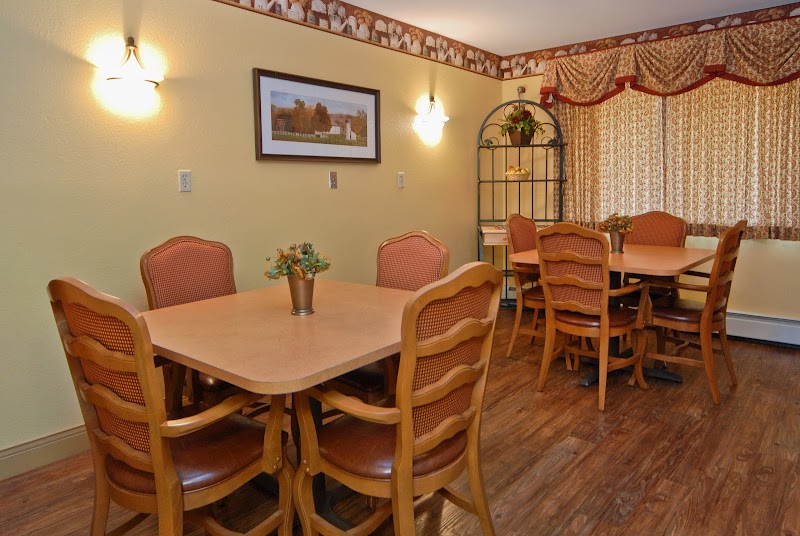
How is Columbine Manor Staffed?

CMS rates COLUMBINE MANOR CARE CENTER's staffing level at 3 out of 5 stars, which is average compared to other nursing homes. Staff turnover is 73%, which is 26 percentage points above the Colorado average of 46%. High turnover can affect care consistency as new staff learn residents' individual needs. RN turnover specifically is 61%, which is notably high. RNs provide skilled clinical oversight, so turnover in this role can affect medical care quality.

What Have Inspectors Found at Columbine Manor?

State health inspectors documented 15 deficiencies at COLUMBINE MANOR CARE CENTER during 2021 to 2023. These included: 15 with potential for harm.
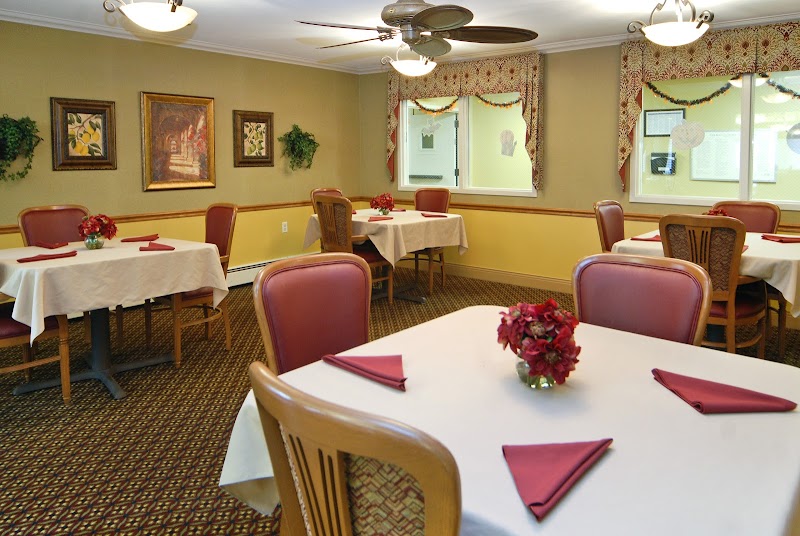
Who Owns and Operates Columbine Manor?

COLUMBINE MANOR CARE CENTER is owned by a for-profit company. For-profit facilities operate as businesses with obligations to shareholders or private owners. The facility is operated by LIFE CARE CENTERS OF AMERICA, a chain that manages multiple nursing homes. With 112 certified beds and approximately 48 residents (about 43% occupancy), it is a mid-sized facility located in SALIDA, Colorado.
How Does Columbine Manor Compare to Other Colorado Nursing Homes?

Compared to the 100 nursing homes in Colorado, COLUMBINE MANOR CARE CENTER's overall rating (4 stars) is above the state average of 3.1, staff turnover (73%) is significantly higher than the state average of 46%, and health inspection rating (3 stars) is at the national benchmark.

What Should Families Ask When Visiting Columbine Manor?

Based on this facility's data, families visiting should ask: "How do you ensure continuity of care given staff turnover, and what is your staff retention strategy?" "Can I visit during a mealtime to observe dining assistance and food quality?" "How do you handle medical emergencies, and what is your hospital transfer rate?" "Can I speak with family members of current residents about their experience?" These questions are particularly relevant given the facility's high staff turnover rate.

Is Columbine Manor Safe?

Based on CMS inspection data, COLUMBINE MANOR CARE CENTER has a clean safety record: no substantiated abuse findings (meaning no confirmed cases of resident harm), no Immediate Jeopardy citations (the most serious violation level indicating risk of serious injury or death), and is not on the Special Focus Facility watch list (a federal program monitoring the lowest-performing 1% of nursing homes). The facility has a 4-star overall rating and ranks #1 of 100 nursing homes in Colorado. While no facility is perfect, families should still ask about staff-to-resident ratios and recent inspection results during their visit.

Do Nurses at Columbine Manor Stick Around?

Staff turnover at COLUMBINE MANOR CARE CENTER is high. At 73%, the facility is 26 percentage points above the Colorado average of 46%. Registered Nurse turnover is particularly concerning at 61%. RNs handle complex medical decisions and coordinate care — frequent RN changes can directly impact care quality. High turnover means new staff may not know residents' individual needs, medications, or preferences. It can also be disorienting for residents, especially those with dementia who rely on familiar faces. Families should ask: What is causing the turnover? What retention programs are in place? How do you ensure care continuity during staff transitions?

Was Columbine Manor Ever Fined?

COLUMBINE MANOR CARE CENTER has no federal fines on record. CMS issues fines when nursing homes fail to meet care standards or don't correct problems found during inspections. The absence of fines suggests the facility has either maintained compliance or corrected any issues before penalties were assessed. This is a positive indicator, though families should still review recent inspection reports for the full picture.

Is Columbine Manor on Any Federal Watch List?

COLUMBINE MANOR CARE CENTER is not on any federal watch list. The most significant is the Special Focus Facility (SFF) program, which identifies the bottom 1% of nursing homes nationally based on persistent, serious quality problems. Not being on this list means the facility has avoided the pattern of deficiencies that triggers enhanced federal oversight. This is a positive indicator, though families should still review the facility's inspection history directly.