SOUTHEAST COLORADO HOSPITAL LTC

373 E 10TH AVE, SPRINGFIELD, CO 81073 (719) 523-4501
Non profit - Corporation 56 Beds Independent Data: November 2025
Trust Grade
70/100
#81 of 208 in CO
Last Inspection: November 2024

Within standard 12-15 month inspection cycle. Federal law requires annual inspections.

Overview

Southeast Colorado Hospital LTC has a Trust Grade of B, which means it is a good facility and a solid choice for care. It ranks #81 out of 208 nursing homes in Colorado, placing it in the top half, and is the best option among two facilities in Baca County. The facility is improving, with a reduction in issues from five in 2024 to one in 2025. Staffing is a concern, with a turnover rate of 62%, which is higher than the state average, but the facility has not incurred any fines, indicating compliance with regulations. However, there have been specific incidents such as food hygiene violations, such as staff not performing hand hygiene before food preparation, and failures in maintaining sanitary conditions in resident rooms, highlighting areas that need attention despite the overall good rating.

Trust Score
B
70/100
In Colorado
#81/208
Top 38%
Safety Record
Low Risk
No red flags
Inspections
Getting Better
5 → 1 violations
Staff Stability
⚠ Watch
62% turnover. Above average. Higher turnover means staff may not know residents' routines.
Penalties
✓ Good
No fines on record. Clean compliance history, better than most Colorado facilities.
Skilled Nurses
✓ Good
Each resident gets 62 minutes of Registered Nurse (RN) attention daily — more than 97% of Colorado nursing homes. RNs are the most trained staff who catch health problems before they become serious.
Violations
⚠ Watch
14 deficiencies on record. Higher than average. Multiple issues found across inspections.
★★★★☆
4.0
Overall Rating
★★★★☆
4.0
Staff Levels
★★☆☆☆
2.0
Care Quality
★★★★☆
4.0
Inspection Score
Stable
2024: 5 issues
2025: 1 issues

The Good

  • 4-Star Staffing Rating · Above-average nurse staffing levels
  • Full Sprinkler Coverage · Fire safety systems throughout facility
  • No fines on record

Facility shows strength in staffing levels, fire safety.

The Bad

Staff Turnover: 62%

16pts above Colorado avg (46%)

Frequent staff changes - ask about care continuity

Staff turnover is elevated (62%)

14 points above Colorado average of 48%

The Ugly 14 deficiencies on record

Apr 2025 1 deficiency
CONCERN (D) 📢 Someone Reported This

A family member, employee, or ombudsman was alarmed enough to file a formal complaint

Potential for Harm - no one hurt, but risky conditions existed

Accident Prevention (Tag F0689)

Could have caused harm · This affected 1 resident

**NOTE- TERMS IN BRACKETS HAVE BEEN EDITED TO PROTECT CONFIDENTIALITY** Based on record review and interviews, the facility failed to ensure residents received adequate supervision to prevent accident...

Read full inspector narrative →
**NOTE- TERMS IN BRACKETS HAVE BEEN EDITED TO PROTECT CONFIDENTIALITY** Based on record review and interviews, the facility failed to ensure residents received adequate supervision to prevent accidents for one (#1) of three residents reviewed for accidents out of three sample residents. Specifically, the facility failed to: -Ensure Resident #1 had an individualized care plan with person-centered interventions to prevent elopement; and, -Ensure Resident #1 was provided with the supervision necessary to prevent an elopement. Findings include: I. Facility policy and procedure The Elopement and Wandering policy and procedure, revised June 2019, was provided by the nursing home administrator (NHA) on 4/22/25 at 3:05 p.m. It read in pertinent part, The facility will strive to prevent unsafe wandering while maintaining the least restrictive environment for residents who are at risk for elopement. Procedure: -Staff will identify residents who are risk for harm because of unsafe wandering; -Staff will assess at-risk residents for potentially correctable risk factors related to unsafe wandering; -The resident's care plan will indicate the resident is at risk for elopement; -Interventions to maintain safety will be included in residents' care plans; -Staff will document circumstances related to unsafe actions, including wandering by a resident; -Staff will institute a monitoring plan, as indicated for residents who are assessed to have a high risk of elopement or other unsafe behavior; -A Potential Elopement Risk Assessment will be completed for the resident; -If a resident residing in the long-term care side of the building is at risk of leaving the facility the resident will be taken to the Alzheimer's unit for safety; and, -Staff will notify the administrator and director of nursing (DON) immediately and will institute appropriate measures for any resident who is discovered to be missing from the unit or facility. II. Resident #1 A. Resident status Resident #1, age greater than 65, was admitted on [DATE]. According to the April 2025 computerized physician orders (CPO), diagnoses included traumatic brain injury, post-traumatic headache, diabetes and hypertension. The 10/15/24 minimum data set (MDS) assessment revealed the resident had moderate cognitive impairment with a brief interview for mental status (BIMS) score of nine out of 15. He was independent with activities of daily living (ADL) but required supervision/touching assistance from staff for ambulation and he used a walker. According to the assessment, Resident #1 had no history of wandering. B. Record review Review of Resident #1's electronic medical record (EMR) revealed the following progress notes: The 1/15/25 at 2:07 a.m. nurse progress note revealed Resident #1 was up all night wandering the facility. The 1/15/25 at 1:25 p.m. nurse progress note revealed Resident #1 was increasingly restless at night and wandered from room to room, to the solarium and back to bed. This was routine for him throughout the night. The 1/16/25 at 3:10 p.m. nurse progress note revealed Resident #1 was increasingly restless at night and wandered from room to room, to the solarium and back to bed. This was routine for him throughout the night. The 1/19/25 3:24 a.m. nurse progress note revealed Resident #1 was increasingly restless at night and wandered from room to room, to the solarium and back to bed. This was routine for him throughout the night. The 1/20/25 7:03 a.m. nurse progress note revealed Resident #1 was increasingly restless at night and wandered from room to room, to the solarium and back to bed. This was routine for him throughout the night. The 3/30/25 nurse progress note revealed Resident #1 was found outside of the facility, several blocks away, by a woman who called the facility at 4:50 p.m. and stated Resident #1 was observed near a residential home in town. A staff member left the facility to pick up Resident #1. Upon return to the facility, Resident #1 reported he did not remember where he was going. When Resident #1 returned to the facility the staff placed Resident #1 on 15-minute safety checks. -However, the facility failed to initiate a care plan focus and person-centered interventions for wandering or elopement to prevent further elopements for Resident #1 (see care plan below). -Review of Resident #1's EMR failed to reveal the facility conducted an elopement risk assessment when Resident #1 returned to the facility on 3/30/25. The 3/31/25 at 6:40 a.m. nurse progress note revealed Resident #1 had been wandering the unit all night and trying to go outside using any of the exit doors. Staff redirected Resident #1 to his room. The 3/31/25 at 2:59 p.m. nurse progress note revealed Resident #1 wandered around the unit and was caught at 11:50 a.m. by the nurse as he exited the front doors. The 3/31/25 at 4:50 p.m. social services director's (SSD) progress note revealed Resident #1 was found on 3/30/25 at a random house in the community and was seated with the people that lived in the house. The note documented the resident did not remember where he was going. The SSD note documented that maybe the resident left the facility because it was nice outside and the social worker had no concerns that he wanted to elope. -However, the facility again failed to initiate a care plan focus and person-centered interventions for wandering or elopement to prevent further elopements for Resident #1 after he continued to wander and attempt to get outside through the exit doors on 3/31/25 (see care plan below). The 3/31/25 at 5:44 p.m. nurse progress note revealed Resident #1 continued to wander around the facility looking for his ride and looking to leave. The resident was overwhelmed from the constant wandering and was placed in the locked care secure unit. An elopement risk care plan was initiated on 4/1/25 by the director of nursing (DON). Interventions included ensuring the resident was in a safe and comfortable environment, structuring the residents' day to monitor activities and safety, providing regular hydration, snacks, toileting and pain management, performing frequent location checks if the resident was exhibiting exit seeking behavior, moving the resident to a controlled access unit (dementia unit), assessing the resident for any emotions that would trigger the resident wanting to leave and encouraging life engagement activities that the resident enjoyed. -Despite Resident #1 exhibiting wandering behaviors and the potential for elopement, the facility failed to initiate a care plan focus for the resident's wandering behaviors and elopement risk until 4/1/25, two days after the resident eloped from the facility and was found at a home in the community several blocks away from the facility on 3/30/25. III. Staff interviews The DON was interviewed on 4/22/25 at 1:47 p.m. The DON said residents were screened for wandering behaviors and elopement risk prior to admission. The DON said if a resident was at high risk for elopement, the resident was assigned to a room on the locked secure unit for safety. The DON said Resident #1 had no history of wandering or elopement attempts prior to 3/30/25. -However, progress notes in January 2025 documented the resident was wandering at night throughout the facility (see record review above). The DON said the SSD was responsible for completing the elopement risk assessment on residents after admission to the facility. The DON said the facility's exit doors were unsecured and not always monitored by staff. She said residents in the facility were able to enter and exit without staff assistance. The DON said when Resident #1 returned to the facility on 3/30/25, the nurse assessed the resident but did not notify the NHA, the DON or the physician of the resident's elopement from the facility. The SSD was interviewed on 4/22/25 at 3:15 p.m. The SSD said she completed an elopement risk assessment on residents when she was notified by staff to complete the assessment. She said she was notified by staff on 3/31/25 about Resident #1's elopement on 3/30/25, which prompted her to complete an elopement risk assessment. After reviewing the nurse progress notes, dated 1/15/25, 1/16/25, 1/19/25 and 1/20/25, the SSD said she was unaware Resident #1 had wandering behaviors before 3/30/25. She said wandering from room to room was not concerning because Resident #1 was walking around inside the facility during the night and it was not exit-seeking behavior. The SSD said the wandering behavior to the exit doors was a sudden change for the resident. She said Resident #1 wanted to be outdoors with the nice weather changes. The SSD said Resident #1 was reassigned and moved to a room in the locked secure unit on 4/1/25. She said Resident #1 had had no additional elopement attempts. Licensed practical nurse (LPN) #1 was interviewed on 4/22/25 at 4:10 p.m. LPN #1 said she was familiar with Resident #1 and said he had wandering behaviors during the night. She said the unit where Resident #1 resided before he eloped was not a secure unit. LPN #1 said when residents wandered, staff watched the residents to anticipate their needs and ensure their safety. LPN #1 said the exit doors were not monitored and Resident #1 was able to exit the facility when he was unsupervised by staff before he was moved to the locked secure unit on 4/1/25. The NHA was interviewed on 4/3/25 at 5:15 p.m. The NHA said she was unaware of Resident #1's wandering behaviors before he eloped on 3/30/25. The NHA said the facility would review the facility's wandering and elopement risk assessment process and ensure residents were screened at the time of admission and as needed if a resident had wandering behavior.
Nov 2024 5 deficiencies
CONCERN (D)

Potential for Harm - no one hurt, but risky conditions existed

Deficiency F0558 (Tag F0558)

Could have caused harm · This affected 1 resident

**NOTE- TERMS IN BRACKETS HAVE BEEN EDITED TO PROTECT CONFIDENTIALITY** Based on observations, record review and interviews, the facility failed to ensure the resident's right to receive services in t...

Read full inspector narrative →
**NOTE- TERMS IN BRACKETS HAVE BEEN EDITED TO PROTECT CONFIDENTIALITY** Based on observations, record review and interviews, the facility failed to ensure the resident's right to receive services in the facility with reasonable accommodation of the resident's needs and preferences for two (#20 and #13) of five residents reviewed for accommodation of needs out of 22 sample residents. Specifically, the facility failed to ensure Resident #20 and Resident #13 were able to self-adjust the water coming out of the faucets in their room sinks to a safe and comfortable temperature for their personal use when completing activities of daily living (ADL), including hand hygiene and grooming tasks. Findings include: I. Professional reference According to the National Institute of Health (NIH) Examining the Impact of Familiarity On Faucet Usability For Older Adults With Dementia, retrieved on 12/2/24 from https://pmc.ncbi.nlm.nih.gov/articles/PMC3716871/, A person's ability to complete ADLs is not only necessary for physical well-being, but is central to one's independence, pride, and dignity. A person who is unable to use products cannot autonomously complete associated activities, resulting in increased dependence on a caregiver and potential move to assisted living facilities. Better product usability could, in turn, potentially support independence and autonomy. More familiar faucets correlate with lower levels of assistance from a caregiver, fewer operational errors, and greater levels of operator satisfaction. Aspects such as the ability to control water temperature and flow, as well as pleasing aesthetics, appears to positively impact participants' acceptance of a faucet. The dual lever design achieved the best overall usability. II. Facility policy and procedure A policy for reasonable accommodations was requested on 11/21/24 at 4:59 p.m., however, the facility did not provide the requested policy. III. Resident #20 A. Resident status Resident #20, age less than 65, was admitted on [DATE]. According to the November 2024 computerized physician orders (CPO), diagnoses included history of stroke, hypertension and anemia. The 10/7/24 minimum data set (MDS) assessment revealed the resident was cognitively intact with a brief interview for mental status (BIMS) score of 15 out of 15. The resident was independent with self-care tasks, such as personal hygiene, oral hygiene, toileting and dressing. B. Resident interview Resident #20 was interviewed on 11/19/24 at 10:30 a.m. Resident #20 said she did not like the automatic faucet in her room because she could never get the temperature right when she was washing up. Resident #20 said it was particularly problematic when washing her hands, her face, or brushing her teeth. Resident #20 said the faucet had no adjustment knobs. She said the faucet was an auto-censored faucet so when she first put her hands under the faucet, the water came out too cold and then it got too hot for her tolerance. Resident #20 said she worried about getting burned by the faucet water. Resident #20 said the faucet made it difficult for her to wash her hands and face or brush her teeth properly. Resident #20 said the concern about the auto-censored faucets was brought up at the resident council meeting a couple of months ago and a grievance was filed but the problem continued. C. Record review A resident filed grievance dated 9/13/24 revealed that Resident #20 filed a grievance that the newly installed automatic faucet was installed without prior notice. The grievance read Resident #20 said this was her home. The resident reported since the new faucet was installed, the water got too hot and there was no way to adjust the water temperature. Resident #20 wanted her old faucet back. -The grievance form had no documentation of a resolution. IV. Resident #13 A. Resident status Resident #13, age less than 89, was admitted on [DATE]. According to the November 2024 CPO, diagnoses included facial skin cancer, anxiety and asthma. The 8/29/24 MDS assessment revealed the resident was cognitively intact with a BIMS score of 15 out of 15. The resident was independent with self-care tasks such as personal hygiene, oral hygiene, toileting and dressing. B. Resident interview Resident #13 was interviewed on 11/19/24 at 10:32 a.m. Resident #13 said she did not like the new faucet because it was too hard to get a comfortable water temperature. She said the water was either too cold or too hot which made it hard to wash her face properly. Resident #13 said she told nursing staff about her concern but nothing had been done to correct the problem. V. Staff interviews The maintenance director (MTD) was interviewed on 11/21/24 at 11:00 a.m. The MTD said all of the residents' faucets were converted from a traditional faucet, with hot and cold adjustment knobs, to automatic faucets. The MTD said the facility made the change in an effort to provide an additional measure of infection control by preventing cross contamination of residents and staff associated with having to touch potentially contaminated faucets during use. The MTD said the faucets were rated as compliant with the Americans with Disability Act (ADA), however, after the installation of the automatic faucets, the facility changed a couple of the residents' faucets back to manual control faucets due to the resident's inability to manage the automatic faucet. The MTD said the facility had not identified issues with the automatic faucets for any other residents. The director of nursing (DON) was interviewed on 11/21/24 at 5:36 p.m. The DON said the decision to convert the faucets was solely a maintenance decision. The DON said the facility had not conducted an accessibility assessment for each resident before the faucets were changed to automatic faucets and, as a result, the facility had replaced a few of the automatic faucets back to manual faucets with the hot and cold faucet adjustments.
CONCERN (D)

Potential for Harm - no one hurt, but risky conditions existed

Free from Abuse/Neglect (Tag F0600)

Could have caused harm · This affected 1 resident

**NOTE- TERMS IN BRACKETS HAVE BEEN EDITED TO PROTECT CONFIDENTIALITY** Based on interviews and record review, the facility failed to ensure one (#18) of one resident out of 22 sample residents was ke...

Read full inspector narrative →
**NOTE- TERMS IN BRACKETS HAVE BEEN EDITED TO PROTECT CONFIDENTIALITY** Based on interviews and record review, the facility failed to ensure one (#18) of one resident out of 22 sample residents was kept free from abuse. Specifically, the facility failed to identify a pattern of concerns regarding the care provided by certified nurse aide (CNA) #1 in order to prevent an incident of verbal abuse by CNA #1 toward Resident #18. Findings include: I. Facility policy and procedure The Alleged or Suspected Violations of Patient or Resident Rights policy and procedure, dated September 2022, was provided by the director of nursing (DON) on 11/21/24 at 6:32 p.m. It read in pertinent part, All procedures will follow the elements of the Elder Justice Act which describes the responsibilities for long term care providers, caregivers - paid or volunteer, home health providers or any facility staff who provide direct care to an at-risk elder. Abuse is the willful infliction of injury, unreasonable confinement, intimidation or punishment with resulting physical harm, pain or mental anguish, or deprivation of an individual, including a caretaker of goods or services that are necessary to attain or maintain physical, mental and psychosocial well-being. Verbal abuse is any use of oral, written or gestured language that willfully includes disparaging and derogatory terms to residents, patients or their families within hearing distance, regardless of their age, ability to comprehend or disability. Neglect is failure to provide goods or services necessary to avoid physical harm, mental anguish or mental illness. Neglect occurs on an individual basis when a patient or resident has a lack of care in one or more areas. Procedure: When an alleged violation is reported to any employee by a resident, visitor or employee, or is observed or suspected by any employee it will be reported to the immediate supervisor, charge nurse or department head. The department head will immediately notify the administrator. The incident must be reported to the state within 24 hours after the incident occurs except incidents with serious bodily injury and suspected or known criminal activity. Reportable violations include verbal, mental, sexual or physical abuse, corporal punishment, involuntary seclusion, neglect or misappropriation of property. The alleged violation will be thoroughly investigated by the department head or designee. This investigation will begin promptly after the report of the problem. If a specific employee is named in the alleged violation, that person will be subject to immediate suspension, pending investigation. II. Resident #18 A. Resident status Resident #18, age less than 65, was admitted on [DATE]. According to the November 2024 computerized physician orders (CPO), diagnoses included hemiplegia (paralysis on one side of the body) and hemiparesis (weakness on one side of the body) following cerebral infarction (stroke) affecting the right dominant side, cerebral vascular disease (causes damage to blood vessels in the brain), dysphagia (difficulty swallowing), expressive aphasia (difficulty speaking) and major depressive disorder. The 11/4/24 minimum data set (MDS) assessment revealed Resident #18 was cognitively intact with a brief interview for mental status (BIMS) score of 15 out of 15. Resident #18 was dependent on staff for bed mobility, transfers, toileting and personal hygiene. She used a wheelchair for mobility and was propelled by staff. She was always continent of bowel and bladder. B. Resident and resident's representative interviews Resident #18 was interviewed on 11/18/24 at 2:00 p.m. Resident #18 was able to answer yes or no questions by shaking her head. Resident #18 shook her head yes when she was asked if she had any concerns about care being given by facility staff. She shook her head yes when asked if it was a specific person and shook her head no when asked if that individual still worked at the facility. Resident #18's representative was interviewed on 11/18/24 at 5:17 p.m. The representative said Resident #18 was happy now, but had been treated poorly in the past by a former staff member. She said the former staff member, who was mean to the resident, no longer worked at the facility. C. Record review The comprehensive care plan, updated 10/25/24, revealed Resident #18 was dependent on two staff members to transfer from bed to chair and for getting on and off the toilet. The interventions included keeping the call bell within reach and reminding her to call when she needed to use the toilet. III. CNA #1 history The following information indicated CNA #1 had prior allegations of resident care concerns and the facility failed to take action to prevent the incident of abuse toward Resident #18 on 6/21/24. The 12/5/23 Progressive Discipline and Corrective Action form, provided by the DON on 11/21/24 at 3:00 p.m., documented CNA #1 was disciplined for neglecting to provide care for a dependent resident and not leaving the call light within reach of the resident. CNA #1 was counseled by the DON and provided education on how often a resident should be checked on. CNA #1 was allowed to return to work. There was no additional documentation or further investigation regarding the complaint. The 4/23/24 handwritten counseling form, provided by the DON on 11/21/24 at 3:00 p.m., documented a resident complained about the way CNA #1 treated and spoke to her. The DON noted she spoke with CNA #1 about how to speak to residents, to always enter the resident's room with a smile and provide the care that was requested. The DON documented she told CNA #1 to slow down and give the residents time with care. There was no additional documentation, further investigation or disciplinary action regarding the complaint. IV. Incident of abuse with Resident #18 on 6/21/24 The abuse investigation, dated 6/21/24, documented the assistant director of nursing (ADON) received a handwritten note from an unidentified staff member, which stated the following: CNA #1 was very rude to Resident #18 and other residents. Resident #18 got upset when she saw CNA #1. CNA #1 would not take Resident #18 out to smoke. The investigation revealed student nurse aide (SNA) #1, who witnessed the incident, said she and CNA #1 entered Resident #18's room. Resident #18 requested toileting assistance and CNA #1 responded she did not have time for this (expletive) today and walked out of the room without providing Resident #18 toileting assistance. Resident #18 said she was fearful of CNA #1. The physician, family, police, resident advocate, adult protective services and the board of nursing were notified. The 6/21/24 social service progress note documented the social service director (SSD) interviewed Resident #18 on 6/21/24 at 11:22 a.m. Resident #18 said she did not always inform the nurse if something was bothering her because she was afraid she would not be provided toileting assistance or be taken outside to smoke. The SSD reassured Resident #18 that she had the right to smoke whenever she liked and she should not be made to feel like an inconvenience to staff. Resident #18 said she was relieved the staff member who was mean to her no longer worked at the facility. A letter written by the facility's human resource director (HRD), dated 6/21/24, was provided by the DON on 11/21/24 at 3:00 p.m. The letter read in pertinent part, Other employees had spoken with the DON many times about the way CNA #1 acted with residents. The DON spoke with CNA #1 each time but reported there was nothing inappropriate that occurred. The HRD asked the DON if she was investigating and speaking with other employees and the DON replied CNA #1 had worked here many years and her decision would stand. The HRD spoke with the ADON on 6/21/24. The ADON said the DON did not want to suspend or terminate CNA #1. The ADON reviewed the abuse guidance with the DON and she then agreed to send CNA #1 home and suspend her from work. The employees said that CNA #1 was rough and swore at the residents. CNA #1 would be easily upset with residents if they needed help. Resident #18 was interviewed by the ADON and the DON and confirmed that CNA #1 was verbally abusive and swore at her many times. Resident #18 was fearful of CNA #1. CNA #1 was terminated for verbal abuse of a resident. V. Staff interviews The DON was interviewed on 11/21/24 at 3:00 p.m. The DON said upon finding the note left for the ADON, she immediately interviewed Resident #18 who expressed she was fearful of CNA #1. She said CNA #1 was suspended pending the investigation for the incident with Resident #18. She said the facility conducted an investigation and, following the investigation, CNA #1 was terminated and no longer worked at the facility. She said all staff were provided re-education regarding the Elder Justice Act and resident rights following the incident. The DON said because Resident #18 was fearful of CNA #1, the facility substantiated CNA #1 had verbally abused Resident #18.
CONCERN (D)

Potential for Harm - no one hurt, but risky conditions existed

ADL Care (Tag F0677)

Could have caused harm · This affected 1 resident

**NOTE- TERMS IN BRACKETS HAVE BEEN EDITED TO PROTECT CONFIDENTIALITY** IV. Resident #21 A. Resident status Resident #21, age [AGE], was admitted on [DATE]. According to the CPO, diagnoses included he...

Read full inspector narrative →
**NOTE- TERMS IN BRACKETS HAVE BEEN EDITED TO PROTECT CONFIDENTIALITY** IV. Resident #21 A. Resident status Resident #21, age [AGE], was admitted on [DATE]. According to the CPO, diagnoses included hemiplegia (paralysis on one side of the body) and hemiparesis (weakness on one side of the body) following cerebral infarction (stroke) affecting left non-dominant side, type 2 diabetes mellitus with diabetic neuropathy (nerve condition causing pain) and polyarthritis (arthritis affecting at least five different joints). The 11/4/24 MDS revealed Resident #21 was cognitively intact with a brief interview for mental status (BIMS) score of 14 out of 15. Resident #21 was dependent on staff for bed mobility, transfers, toileting and personal hygiene. The MDS assessment documented Resident #21 was frequently incontinent of urine. B. Resident interview and observations Resident #21 was interviewed on 11/18/24 at 11:00 a.m. Resident #21 said she required assistance of two CNAs and a mechanical lift to transfer. She said she would like to get out of her wheelchair more and lie down in her bed during the day. Resident #21 said if she did not get out of her wheelchair, she did not get her incontinent brief changed. Resident #21 said she had been up in her wheelchair today since before breakfast at about 7:30 a.m. Resident #21 said when she was in her room the call light was not always within reach and her roommate would push her call light to get staff assistance. Resident #21 said last weekend she was left in her wheelchair in the solarium (the sitting room in the center of the facility with many windows) from after breakfast until late in the afternoon. She said she was soaked with urine and the staff had to give her a shower. Resident #21 said she knew the staff were busy that day, but while she was in the solarium she did not have a call light to call for staff or have anything to drink. Resident #21 said she told the DON about this after it happened. On 11/18/24 at 11:00 a.m. Resident #21 was sitting in her wheelchair beside her bed. Her call light was behind her on the bed. Resident #21 was unable to reach the call light. On 11/18/24 at 12:10 p.m. Resident #21 was sitting in her wheelchair in the dining room. She said she had asked staff if someone could take her back to her room. On 11/18/24 at 2:12 p.m. Resident #21 was lying in her bed. She said the staff brought her back to her room after lunch, laid her down and changed her brief. -Resident #21 said she had not been repositioned or changed for approximately five hours (7:30 a.m. to 12:30 p.m.). C. Record review The comprehensive care plan, documented Resident #21 was dependent on staff for transfers, toileting and toileting hygiene. Interventions included using a Hoyer lift (a mechanical lifting device for persons unable to stand or bear weight) for transfers, monitoring for incontinence, changing the resident's brief as needed, providing hygiene after voiding, offering a bedside commode for bowel movements or bladder elimination and assisting to use the bathroom to empty her bladder upon arising, before and after meals, at bedtime, before and after activities and as needed. D. Staff interviews CNA #2 was interviewed on 11/21/24 at 9:06 a.m. CNA #2 said residents who were incontinent or needed staff assistance to use the bathroom should be checked on about every one to one and a half hours. CNA #2 said if the resident did not need to be changed or needed the bathroom, the staff should reposition the resident. CNA #2 said Resident #21 used the bedside commode at times or they laid her down to change her brief. CNA #2 said if Resident #21 did not want to lay down because she wanted to go to an activity or something, they would offer to lay her down just long enough to change her brief and then put her back in her wheelchair. The DON was interviewed on 11/20/24 at 3:57 p.m. The DON said this past Sunday, 11/17/24, Resident #21 was left in the solarium from the time she was assisted out of bed (about 10:30 a.m.) until about 3:00 p.m. The DON said during this time, Resident #21 was not assisted to the bathroom or checked for incontinence. The DON said Resident #21 was soaked with urine and needed a shower when staff assisted her from the solarium. The DON said the staff should have checked on Resident #21 every one to two hours and offered her assistance with toileting. The DON said she spoke with the staff who were working and re-educated them on the importance of checking on residents who are dependent for care and assuring they receive the appropriate care. Based on observations, record review and interviews, the facility failed to ensure residents who were unable to carry out activities of daily living (ADL) received the necessary services to maintain proper nutrition and personal hygiene for three (#4 and #21) of three residents reviewed out of 22 sample residents. Specifically, the facility failed to: -Provide Resident #4, a resident assessed to need supervision, cueing, encouragement and occasional physical assistance with meals the necessary assistance to eat and maintain proper nutrition; and, -Provide Resident #21 with timely incontinence care. Findings included: I. Professional reference According to the Alzheimer's Association, Food and Eating, 2024, retrieved on 12/2/24, from https://www.alz.org/help-support/caregiving/daily-care/food-eating Proper nutrition is important to keep the body strong and healthy. For a person with Alzheimer's or dementia, poor nutrition may increase behavioral symptoms and cause weight loss. Possible causes of poor appetite could include not recognizing food put on his or her plate. Make meal time calm and comfortable. distractions, too many choices, and changes in perception, taste and smell can make eating more difficult. The following tips can help: Behavior such as pouring a glass of juice into a bowl of soup or other foods are signs that a person with dementia is having difficulty during meal time. Limit distractions. Serve meals in quiet surroundings, away from the television and other distractions. Keep the table setting simple. Provide only the utensils needed for the meal to avoid confusion. Distinguish food from the plate. Changes in visual and spatial abilities may make it tough for someone with dementia to distinguish food from the plate or the plate from the table. Check the food temperature. Offer one food item at a time. The person may be unable to decide among the foods on his or her plate. Serve only one or two items at a time. For example, serve mashed potatoes followed by the main entree. Be flexible with food preferences. The person may suddenly develop certain food preferences or reject foods he or she may have liked in the past. Allow plenty of time to eat. Keep in mind that it can take an hour or more for the person to finish. Eat together so that the person with dementia can follow your lead. Keeping mealtimes social can encourage the person to eat. Make the most of the person's abilities. Adapt serving dishes and utensils to make eating easier. You might serve food in a bowl instead of on a plate, or try using a plate with rims or protective edges. A spoon with a large handle may be less difficult to handle than a fork, or even let the person use his or her hands if it's easier. Serve finger foods. Try bite-sized foods that are easy to pick up. Try hand-over-hand feeding. Demonstrate eating behavior by putting a utensil in the person's hand, placing your hand around theirs and lifting both of your hands to the person's mouth for a bite. Address a decreased appetite. If the person has a decreased appetite, try preparing some of his or her favorite foods. You may also consider increasing the person's physical activity or plan for several small meals rather than three large meals. II. Facility policy and procedure The Activities of Daily Living/Care provided for a Dependent Resident, revised June 2023, policy provided by the director of nursing (DON) on 11/22/24 at 5:57 p.m. It read in pertinent part, Policy: A resident who is unable to carry out activities of daily living receives the necessary services to maintain good nutrition, grooming and personal oral hygiene. Procedures: All residents will receive the care and services that they need if he/she is unable to do their own ADL care independently. Residents who need extensive assistance with toileting and incontinent care will have assistance from staff: a. Upon rising, before breakfast. b. After breakfast, before AM Activity. c. After AM activity, before lunch. d. After lunch, before PM activity. e. After PM activity, before supper. f. After supper, before bedtime. g. From bedtime to rising, check and change or toilet, every two hours when repositioning and as needed. The facility will ensure that all resident's care plans and diet sheets will be updated as needed with the information from physician orders and therapy and staff will be educated with the information and documented with an education sign sheet. Information will also be shared during daily huddles. Residents will be taken or checked on at least every two (2) hours for repositioning and toileting to help prevent skin breakdowns. Residents will be assisted per orders from therapy with eating/drinking. The residents that need cueing will have staff sit with them and cue them on taking small bites and swallowing food/ drink before taking another bite/drink. III. Resident #4 A. Resident status Resident #4, age [AGE], was admitted on [DATE]. According to the November 2024 computerized physician orders (CPO) diagnoses included severe vascular dementia with behavioral disturbance, diabetes and nutritional deficiency. The 10/30/24 minimum data set (MDS) assessment revealed the resident had long-term memory deficits, was unable to recall the current season; the location of her room; staff's names or faces; and did not know she was in a long-term care facility. The resident had severely impaired cognitive skills for daily decision making; was unable to focus attention; had disorganized thinking and had an altered level of consciousness. The resident did not display aggressive behaviors and did not reject care assistance. The resident was dependent on staff to complete all ADL tasks including eating. B. Observations During a continuous observation of the lunch meal in the main dining room on 11/18/24, beginning at 11:24 a.m. and ending at 1:35 p.m., the following was observed: At 12:05 p.m., an unidentified certified nurse aide (CNA) served Resident #4 her meal. The CNA removed the covers from the resident's food and set the meal and utensils on the table in front of the resident and walked away. Resident #4 proceeded to attempt to scoop up the food off her plate with a spoon but was unable to get any food onto the spoon and to her mouth. The food fell off the plate with each attempted scoop onto the table onto her lap. This went on for the entire meal. The resident was not provided with any adaptive eating equipment and no staff attempted to assist the resident eat her meal. The resident was only able to consume 25 percent of the meal. The rest of the meal was on the table, on her lap on the floor. At the end of the meal service, an unidentified CNA approached the resident and cleared off the resident's lap. The unidentified CNA transported her away from the table without asking the resident if she felt full or if she wanted more food. During a continuous observation of the evening meal in the main dining room on 11/18/24, beginning at 4:11 p.m. and ending at 5:45 p.m., the following was observed: Resident #4 was served her meal at 5:07 p.m. An unidentified CNA delivered the meal to the resident, then uncovered the food and handed the resident a fork. The resident tried to scoop up food off of her plate but was unsuccessful. The resident put down the fork and after a few minutes picked up a spoon and scooped up some fruit from a small bowl. The resident took a long time to chew and swallow the fruit pieces. In the process of eating the fruit, the resident spilled some juice from the fruit cup on the table. After finishing the fruit from the cup the resident tried diligently to scrape the spilled juice off the table. After some attempts to get the juice off the table, the resident began banging the spoon on the side of the fruit cup for a few minutes. Next, the resident poured a bowl of gravity into the fruit bowl. The resident ate only one bite of chicken from her plate and then proceeded to scrape the chicken from the plate and smash it onto the table. Resident #4 was provided with one four ounce (oz) cup of water, which she drank quickly at the beginning of the meal. At 5:23 p.m. Resident #4 was still chewing on the piece of chicken and began scraping food from her plate onto the floor. CNA #4 removed the empty fruit bowl from the table and brought Resident #4 an eight-ounce cup of juice. The resident ate one more piece of chicken and continued to smash the rest of her food around her table. -Resident #4 only ate her fruit cup and two pieces of chicken. Other than CNA #4 bringing the resident a second cup of juice, no staff offered the resident assistance or encouragement to eat her meal. -Additionally, Resident #4 did not get her prescribed Ensure Pro Max supplement that was to be provided with each meal (see nutrition note below). During a continuous observation of the lunch meal in the main dining room on 11/19/24, beginning at 11:28 a.m. and ending at 12:48 p.m., the following was observed: Resident #4 had already been served her meal. She had a plate of ground beef, sweet potato fries, a piece of chocolate cream pie and a four oz cup that she had already drank. Resident #4 did not have any silverware and she was scooping pieces of pie from the styrofoam plate it was served on. The resident was licking every last piece off of her fingers. After approximately 32 minutes of eating the pie with her fingers, a staff member handed her a spoon and walked away. Resident #4 finished the pie and licked all her fingers and then spent the next 36 minutes scraping the styrofoam plate and the table with her spoon to get every bit of pie from the plate and smeared on the pie from the table. As the resident was trying to find more pie no staff approached to off the resident seconds or the see if they could assist or encourage her to eat her meat and potatoes. Resident #4 did pick up a couple of pieces of ground beef in her fingers and put them in her mouth but did not attempt to eat any more of the beef and she ate none of the potatoes. At 12:50 p.m. an unidentified staff member walked by the resident's table and picked up the empty pie plate up did not communicate with Resident #4. Resident #4 then proceeded to mash the sweet potato fries in her fingers but did not attempt to eat any of them. C. Record review The resident's comprehensive care plan had a care focus on nutrition with a current status and a goal date of 10/15/24. The care focus read: the resident had the potential for inadequate food and fluid intake due to dementia. Resident #4 was unaware of her own needs and needed verbal and at times physical cues to engage in food and fluid intake. The goal was for Resident #4 to enjoy her preferences in foods and beverages and to consume an acceptable percentage of her meals. Interventions included: -Resident #4 eats in the main dining room; -Resident #4 cannot make her menu choices with assistance from nursing staff; -Resident #4 was unable to express and recall food and beverage preferences, a current list is kept for the staffs reference to assist in ensuring that she gets their food and fluid preferences; -Resident #4 could drink fluids with setup assistance. Staff would offer the resident fluids of her preference throughout the day to help promote adequate hydration; and, -Resident #4 did not have any difficulty feeding herself or holding silverware, cups, or glasses with tray set up. -However, this intervention was inaccurate. Based on observations (see above) Resident #4 had difficulty scooping food and consuming an acceptable amount of her meal. The 11/6/24 care conference note documented the resident's medical durable power of attorney (MDPOA) was not available at that time. The assistant director of nursing (ADON) would visit with the family on 11/7/24. The resident's body weight was 125 pounds (lbs) on 10/22/24, a significant change due to weight loss. The resident needed full assistance with meals. The resident had been ill. The diet consistency was mechanical solids cut foods in small pieces and nectar thick liquids Provide extra gravy or broth on the side and 120 cubic centimeters (cc) of Ensure Pro Max, three times a day with meals. Meals supplemented with five ounces (oz) of fruit cup at 3:00 p.m.; 120 cc of Mighty Shake at 3:00 p.m. and 120 cc of apple juice at bedtime, for weight loss. The resident was observed and consumed approximately 48 percent of the offered meals and consumed approximately 53 percent of the daily recommended fluids this past week. There were no dietary issues at this time. The 11/6/24 interdisciplinary team (IDT) met for a care plan review. The MDPOA was unable to attend but was updated today. Resident # 4 was unable to feed herself due to severe dementia and she no longer engaged in placing food in her mouth, she would bang her spoon and stir food. Resident #4 depended on the staff to perform all ADL tasks and had a significant change due to weight loss. D. Staff interviews Certified nurse aide (CNA) #3 was interviewed on 11/20/24 at 3:30 p.m. CNA #3 said Resident #4 was known to not be a good eater and did not like staff assistance. CNA #3 said Resident #4 only needed set-up assistance and she was able to eat her meal on her own but staff should offer her assistance if she was not eating or having trouble eating. The DON was interviewed on 11/21/24 at 4:45 p.m. The DON said that as far as she was aware Resident #4 was getting better and was now feeding herself. The DON said she was in the dining room on 11/19/24 during lunch but she had not noticed that Resident #4 was scraping pie off of the table. The DON said the staff should assist any resident with eating if they were struggling with the meal.
CONCERN (D)

Potential for Harm - no one hurt, but risky conditions existed

Deficiency F0761 (Tag F0761)

Could have caused harm · This affected 1 resident

Based on observations and interviews, the facility failed to ensure medications and biologicals were properly stored and labeled in accordance with professional standards in one of two medication cart...

Read full inspector narrative →
Based on observations and interviews, the facility failed to ensure medications and biologicals were properly stored and labeled in accordance with professional standards in one of two medication carts and two of two medication storage rooms. Specifically, the facility failed to: -Ensure expired medications were removed from the medication carts and medication storage rooms; and, -Ensure the temperature of the medication storage refrigerator and the vaccine storage refrigerator were checked and recorded daily. Findings include: I. Professional reference The United States Food and Drug Administration (USFDA) (2/8/21) Don't Be Tempted to Use Expired Medicines, was retrieved on 11/25/24 from https://www.fda.gov/drugs/special-features/dont-be-tempted-use-expired-medicines. It read in pertinent part, Expired medical products can be less effective or risky due to a change in chemical composition or a decrease in strength. Certain expired medications are at risk of bacterial growth and sub-potent antibiotics can fail to treat infections, leading to more serious illnesses and antibiotic resistance. Once the expiration date has passed there is no guarantee that the medicine will be safe and effective. If your medicine has expired, do not use it. The Center for Disease Control (CDC) Vaccine Storage and Handling Toolkit (3/29/24) was retrieved on 11/25/24 from https://www.cdc.gov/vaccines/hcp/downloads/storage-handling-toolkit.pdf. It read in pertinent part, Refrigerators should maintain temperatures between 36° F (degrees Fahrenheit) and 46° F. Temperatures should be checked and recorded at start of each workday. Staff should review and analyze temperature data at least weekly for any shifts in temperature trends. II. Manufacturer's guidelines According to the manufacturer's guidelines for Semglee insulin pen, retrieved on 11/25/24 from https://www.accessdata.fda.gov/drugsatfda_docs/label/2017/020563s172,205747s008lbl.pdf, Keep your Semglee in cool storage at 36°F to 46°F until first use. Do not allow it to freeze. Once you take your Semglee out of cool storage, for use or as a spare, you can use it for up to 28 days. According to the manufacturer's guidelines for Basaglar insulin pen, retrieved on 11/25/24 from https://www.accessdata.fda.gov/drugsatfda_docs/label/2018/205692s019lbl.pdf, Throw away the pen you are using after 28 days, even if it still has insulin left in it. Store unused pens in the refrigerator at 36°F to 46°F. III. Observations On 11/20/24 at 3:00 p.m. the medication storage room on the Cottage secured hall was observed with registered nurse (RN) #1. The following item was found: -One bottle of Systane Balance eye drops (lubricating eye drops) 10 milliliter (ml) bottle with an expiration date of October 2024. On 11/20/24 at 3:15 p.m. the medication cart on the long term care hall was observed with licensed practical nurse (LPN) #1. The following items were found: -One bottle of calcium 500 milligram (mg) chewable with an expiration date of January 2024; -One Semglee insulin glargine pen opened 10/22/24 (29 days prior); -One Basaglar insulin pen opened 10/22/24 (29 days prior); -One bottle of Oysco (calcium with vitamin D) 500 mg with an expiration date of October 2024; and, -One bottle of antacid (calcium carbonate) 500 mg with an expiration date of October 2024. On 11/20/24 at 3:25 p.m. the medication storage room on the long term care hall was observed with LPN #1. The refrigerator where insulin and vaccines were stored did not have a temperature recorded on 14 out of 31 days in October 2024. IV. Staff interviews LPN #1 was interviewed on 11/20/24 at 3:25 p.m. LPN #1 said medications should be removed from the medication cart when they expire. LPN #1 said it was important to check the temperature of the refrigerator where insulin and vaccines were stored because they have to be kept at a certain temperature range to maintain their effectiveness. The director of nursing (DON) was interviewed on 11/20/24 at 3:57 p.m. The DON said the medication storage refrigerator temperatures should be checked and recorded every day. The DON said the night shift nurses were responsible for checking and recording the temperatures. The DON said all nurses were responsible for checking the expiration dates on medications and removing expired medication from the medication carts and storage rooms. The DON said the nurses should check the expiration date before they take a new medication from storage.
CONCERN (E)

Potential for Harm - no one hurt, but risky conditions existed

Infection Control (Tag F0880)

Could have caused harm · This affected multiple residents

**NOTE- TERMS IN BRACKETS HAVE BEEN EDITED TO PROTECT CONFIDENTIALITY** Based on observations and interviews, the facility failed to maintain an infection prevention and control program designed to pr...

Read full inspector narrative →
**NOTE- TERMS IN BRACKETS HAVE BEEN EDITED TO PROTECT CONFIDENTIALITY** Based on observations and interviews, the facility failed to maintain an infection prevention and control program designed to provide a safe, sanitary and comfortable environment and to help prevent the development and transmission of communicable diseases and infection. Specifically, the facility failed to: -Ensure residents were offered hand hygiene prior to eating; -Ensure hand hygiene was performed appropriately while serving meals and assisting residents with eating; -Ensure housekeeping staff disinfected high touch surfaces (call lights, bed controls, hand rails and light switches) in resident rooms; -Ensure gloves were changed and hand hygiene was performed appropriately when needed during the cleaning of residents' rooms. Findings include: I. Failure to ensure residents were offered hand hygiene prior to eating A. Observations During a continuous observation on 11/18/24, beginning at 11:24 a.m. and ending at 12:15 p.m., the following was observed: A hand sanitizing wipe dispenser was located inside the door of the dining room. There were hand wipes sticking out of the top of the station that were dried out and a trash receptacle at the bottom. Resident #21 was pushed into the dining room by an unknown staff member. Resident #21 wiped debris off of the table with her hand. An unidentified certified nurse aide (CNA) brought a disinfectant wipe to Resident #21's and cleaned the table. -The CNA did not offer hand hygiene to Resident #21 after watching the resident wipe the dirty table with her hand. Resident #5 wheeled himself into the dining room in his wheelchair using his hands to propel the wheelchair. -Resident #5 was greeted by staff and provided drinks but was not offered hand hygiene after his hands had been touching the dirty wheels of his wheelchair. Resident #25 wheeled himself into the dining room in his wheelchair using his hands to propel the wheelchair. -Resident #25 was not offered hand hygiene after his hands had been touching the dirty wheels of his wheelchair. Resident #36 walked into the dining room pushing his walker. He was assisted to sit at the table. -Resident #36 was not offered hand hygiene after having his hands on his walker handles. On 11/20/24 at 11:24 a.m. Resident #25 wheeled himself into the dining room in his wheelchair using his hands to propel the wheelchair. Resident #25 was not offered hand hygiene after his hands had been touching the dirty wheels of his wheelchair. B. Staff interviews CNA #5 was interviewed on11/20/24 at 11:32 a.m. CNA #5 said the residents washed their hands in their room before they brought them to the dining room. She said if a resident wheeled themselves down in their wheelchair they would offer hand sanitizer to them before they came into the dining room or take them to the sink in the dining room to wash their hands. CNA #5 did not know what the hand wipe station was for or if there were wipes in it. The infection preventionist (IP) was interviewed on 11/21/24 at 10:00 a.m. The IP said residents should be offered hand hygiene prior to meals. The IP said residents could wash their hands in their room before they came to the dining room, but if they wheeled themselves in a wheelchair or used a walker they should be offered hand hygiene when they got to the table. She said staff should provide a hand sanitizing wipe when the resident entered the dining room. She said she was not aware that the wipes in the dispenser were dried out. II. Failure to ensure staff hand hygiene was performed appropriately while serving meals and assisting residents with eating A. Facility policy and procedure The Handwashing policy, revised June 2023, was provided by the director of nursing (DON) on 11/21/24 at 2:06 p.m. It read in pertinent part, Purpose: to reduce the risk of infection by the transmission of recognized or unrecognized sources of infection. Hand hygiene should be performed after touching a resident or a resident's immediate environment. B. Observations During a continuous observation of the dining room on the secured unit on 11/18/24, beginning at 11:03 a.m. and ending at 1:30 p.m., the following was observed: Two residents were observed in the common room/dining room wandering around the room touching several items in the room. As lunchtime arrived the two residents were encouraged to sit at their dining table. -The two residents were not offered hand hygiene after touching multiple items before they ate their meals. One resident was observed eating part of his meal with his hands. A dining staff member plated the resident's meals and the certified nurse aides (CNA) picked up the residents' trays and delivered them to the residents, setting up the meal for each resident and assisting other residents get seated at their tables. Staff were observed touching residents and table surfaces and not performing hand hygiene in between picking up and delivering each resident's meal tray. CNA #6 sat between two residents who were dependent upon staff to eat their meals. CNA #6 provided total eating assistance to both residents, intermittently alternating assistance between the two residents. CNA #6 handled each resident's silverware, cups and straws, as well as the resident's napkins to assist them with eating. CNA #6 did not perform hand hygiene at any time as she assisted the two residents to eat. During a continuous observation of the main dining room on 11/18/24, beginning at 11:24 a.m. and ending at 12:25 p.m., the following was observed: A hand sanitizer dispenser was located in the dining room near the kitchen door, easily accessible to staff. A handwashing sink was located on the other side of the dining room and was accessible to staff. CNA #3 was serving lunch in the main dining room. She took a pen from her pocket and wrote down the lunch order for Resident #21 on a meal ticket. CNA #3 took the ticket to the kitchen tray line, returned to the dining room with a lunch tray for another resident and placed the plates on the table. -CNA #3 did not perform hand hygiene after using the pen from her pocket and serving lunch to the resident. -CNA #3 proceeded to get another lunch tray from the kitchen and served a second resident without performing hand hygiene. CNA #3 assisted the second resident with putting her napkin on her lap and cutting up her meat. -CNA #3 did not perform hygiene after assisting the second resident and proceeded to serve drinks and lunch to a third resident. CNA #3 assisted the third resident with unrolling the napkin from her silverware and uncovering her bowls. CNA #3 washed her hands with soap and water after assisting the third resident. After washing her hands, CNA #3 served drinks to a male resident, touching the table and the resident's walker. CNA #3 then touched the back of another resident's chair, pulled the pen from her pocket and wrote the other resident's order on a meal ticket. CNA #3 proceeded to the kitchen and brought a lunch tray to Resident #21, unrolling and touching her silverware and then putting the napkin on her lap. -CNA #3 did not perform hand hygiene after touching the other resident's chair and using the pen in her pocket before serving Resident #21 her meal and touching the resident's silverware with her hands. During a continuous observation of the main dining room on 11/18/24, beginning at 4:43 p.m. and ending at 5:17 p.m., the following was observed: CNA #4 served dinner to a resident and walked into the kitchen rubbing the back of his head and neck with his right hand. CNA #4 then sat down to assist a resident with eating his dinner. -CNA #4 did not perform hand hygiene after rubbing the back of his head and neck before assisting the resident to eat. CNA #4 got up from the table where he was assisting the resident, performed hand hygiene and served dinner to another resident. CNA #4 took a pen from his pocket and wrote an order on a tray ticket. CNA #4 touched his mask and his neck, put his hand in his pocket and took the meal ticket to the kitchen. -CNA #4 returned to assisting the first resident with eating his dinner without performing hand hygiene. C. Staff interviews The IP was interviewed on 11/21/24 at 10:00 a.m. The IP said staff should perform hand hygiene when serving meals after they touched anything other than the tray and the plate they were serving. III. Failure to ensure housekeeping staff disinfected high touch surfaces, changed gloves and performed hand hygiene appropriately during the cleaning of residents' rooms. A. Professional reference According to The Centers for Disease Control (CDC) Environment Cleaning Procedures (3/19/24), retrieved on 11/26/24 from https://www.cdc.gov/healthcare-associated-infections/hcp/cleaning-global/procedures.html?CDC_AAref_Val=https://www.cdc.gov/hai/prevent/resource-limited/cleaning-procedures.html#, High-Touch Surfaces: The identification of high-touch surfaces and items in each patient care area is a necessary prerequisite to the development of cleaning procedures, as these will often differ by room, ward and facility. Common high-touch surfaces include: -bedrails; -IV (intravenous) poles; -sink handles; -bedside tables; -counters; -edges of privacy curtains; -patient monitoring equipment (keyboards, control panels); -call bells; and, -door knobs. B. Facility policy and procedure The Housekeeping policy, revised September 2023, was provided by the DON on 11/21/24 at 2:06 p.m. It read in pertinent part, Occupied resident room cleaning procedure: Follow standard wet dusting procedure. Use a systematic process dusting from top to bottom, obtain a clean water solution and change gloves for each resident area in the room at the divider curtain. The Handwashing policy, revised September 2023, was provided by the DON on 11/21/24 at 2:06 p.m. It read in pertinent part, Perform hand hygiene immediately after removing gloves. C. Observations During a continuous observation on 11/20/24, beginning at 9:48 a.m. and ending at 10:14 a.m., the following was observed: Housekeeper (HSKP) #1 was cleaning room [ROOM NUMBER], a double occupancy room. HSKP #1 gathered supplies, entered the room and donned (put on) gloves. HSKP #1 prepared his cleaning solution with two rags. He took one wet rag from the container and began wet mopping side two of the room. He wiped down the windowsill, closet door and handles, tables and side two of the sink area. -HSKP #1 did not wipe the resident's call light or bed control. HSKP #1 took the second rag from the container of cleaning solution and began wet mopping side one of the room. He wiped side one's closet doors and handles, the bathroom and room door handles and side one of the shared sink area. -HSKP #1 did not change gloves and perform hand hygiene in between cleaning side two and side one of the room. -HSKP #1 did not wipe the resident's call light, bed control or light switch on side one of the residents' room. HSKP #1 proceeded to clean the inside of the toilet with a toilet brush and wiped the toilet base and the toilet seat with one of the rags previously used in the residents' room. -HSKP #1 did not change gloves or perform hand hygiene after cleaning the inside of the toilet bowl before cleaning the base of the toilet and the toilet seat. -HSKP #1 did not clean the hand rails in the bathroom or the portable commode used by the resident on side one of the room. HSKP #1 returned his cleaning supplies to his cart and removed his gloves. He swept and mopped the room. -HSKP #1 did not perform hand hygiene after removing his gloves. D. Staff interviews HSKP #1 was interviewed on 11/20/24 at 10:14 a.m. HSKP #1 said he did not know he should have changed gloves when he changed rags and moved to the second side of the residents' room. HSKP #1 said he performed hand hygiene when he was finished with the room and before he began cleaning another room. The housekeeping supervisor (HSKS) was interviewed on 11/21/24 at 11:12 a.m. The HSKS said housekeepers should change their rags and gloves when moving from one side of the room to the other. The HSKS said staff should clean the high touch surfaces daily, including hand rails in the bathroom. The IP was interviewed on 11/21/24 at 10:00 a.m. The IP said housekeepers should clean high touch surfaces in residents' rooms daily. The IP said portable commodes in resident rooms should be cleaned and disinfected. The IP said gloves should be changed between sides of the room in double occupancy rooms and hand hygiene performed when removing soiled gloves to prevent cross contamination.
Jun 2023 6 deficiencies
CONCERN (D)

Potential for Harm - no one hurt, but risky conditions existed

PASARR Coordination (Tag F0644)

Could have caused harm · This affected 1 resident

**NOTE- TERMS IN BRACKETS HAVE BEEN EDITED TO PROTECT CONFIDENTIALITY** Based on record review and interviews, the facility failed to coordinate assessments with the preadmission screening resident re...

Read full inspector narrative →
**NOTE- TERMS IN BRACKETS HAVE BEEN EDITED TO PROTECT CONFIDENTIALITY** Based on record review and interviews, the facility failed to coordinate assessments with the preadmission screening resident review (PASRR) program for one (#38) of five reviewed for PASRR out of 21 sample residents. Specifically, the facility failed to: -Take steps to ensure services were provided as recommended in the resident's PASRR level II for Resident #38; and, -Notify the State Mental Health Agency that recommendations could not be met for Resident #38. Findings include: I. Resident status Resident #38, age [AGE], was admitted on [DATE]. According to the March 2023 computerized physician orders (CPO), diagnoses included schizophrenia and tobacco use. The 5/29/23 minimum data set (MDS) assessment showed the resident was cognitively intact with a brief interview for mental status (BIMS) score of 14 out of 15. The resident was independent with activities of daily living. There were no behaviors noted in the MDS. II. Record review Resident #38's preadmission screening and resident review (PASRR) dated 2/6/23 revealed the resident had a diagnosis of schizophrenia with an onset date of 1977. Resident #38's psychotropic medications included Invega sustenna, lithium carbonate, olanzapine and risperidone. Resident #38 received behavioral health and support services on an outpatient basis. The PASRR revealed Resident #38 did not require inpatient psychiatric services. It noted his symptoms were well controlled with medications and he was well maintained in a community setting for most of his adulthood. Resident #38 had received outpatient psychiatric medication management from a mental health center for 20 years and had not experienced any acute exacerbation of symptoms. It was recommended to continue receiving services for psychiatric medication management. The PASRR letter of determination dated 2/8/23 revealed the level of care was a nursing facility with a specialized services recommendation of psychiatric case consultation. III. Staff interviews The social services director (SSD) was interviewed on 6/15/23 at 10:00 a.m. The SSD said upon admission a resident's PASRR was reviewed. The facility would determine what psychotropic medication the resident was being administered and what behaviors were associated with them. The SSD said if the PASRR recommended a psychiatric consultation then the facility would ensure the resident was assessed. However, if the resident declined the psychiatric consultation they would still be offered psychiatric services every quarter. The SSD said the facility would notify the PASRR office of the resident's refusal of psychiatric services. The SSD said she did not document her communication in the record with the PASRR office in her notes but kept the email communications with them. -However, the SSD did not provide the documentation of any refusals for Resident #38 to the PASRR office. The DON was interviewed on 6/15/23 at 10:45 a.m. The DON said Resident #38 had not seen a psychiatrist after admission to the facility and Resident #38 did not have a psychiatrist for medication management. His physician was monitoring his psychotropic medications. -The record did not include a psychiatric consultation nor communication with the PASRR office regarding not following through with the recommendations from the PASRR.
CONCERN (D)

Potential for Harm - no one hurt, but risky conditions existed

Comprehensive Care Plan (Tag F0656)

Could have caused harm · This affected 1 resident

**NOTE- TERMS IN BRACKETS HAVE BEEN EDITED TO PROTECT CONFIDENTIALITY** Based on record review and interviews, the facility failed to develop and implement a comprehensive person-centered care plan, c...

Read full inspector narrative →
**NOTE- TERMS IN BRACKETS HAVE BEEN EDITED TO PROTECT CONFIDENTIALITY** Based on record review and interviews, the facility failed to develop and implement a comprehensive person-centered care plan, consistent resident rights, that included measurable objectives and timeframes to meet medical, nursing, mental and psychosocial needs for one (#27) of five residents reviewed for comprehensive care plans of 21 sample residents. Specifically, the facility failed to have a person-centered, resident-specific, vision care plan for Resident #27. Findings include: I. Resident status Resident #27, age [AGE], was admitted on [DATE]. According to the June 2023 computerized physician orders (CPO), diagnoses included headaches, dizziness and giddiness. The 4/17/23 minimum data set (MDS) assessment revealed the resident had mild cognitive impairment with a brief interview for mental status (BIMS) score of 11 out of 15. The MDS assessment identified the resident needed corrective lenses. II. Resident interview Resident #27 was interviewed on 6/13/23 at 9:25 a.m. She said she had glasses on her bed side table. She said she did not like to wear them. III. Record review The resident did not have a care plan for the use of corrective lenses. IV. Staff interviews Certified nurse aide (CNA) #2 was interviewed on 6/13/23 at 10:27 a.m. She said Resident #27 did have glasses in her room, but would refuse to wear them. She said she was not sure if there was a care plan. She said she was not sure when the resident needed to wear her glasses. Licensed practical nurse (LPN) #1 was interviewed on 6/13/23 at 10:32 a.m. She said Resident #27 used her glasses for reading. She said the resident kept them in her room. She said she did not know there was not a care plan for her glasses. She said she was not aware she would refuse to wear them. The social services director (SSD) was interviewed on 6/13/23 at 10:41 a.m. She said Resident #27 used her glasses for ambulating long distances. She said the resident would sometimes refuse to wear the glasses and the staff to encourage and educate the importance of wearing glasses. She said there should have been a care plan for the use of corrective lenses that included interventions and the need for the glasses. The director of nursing (DON) was interviewed on 6/13/23 at 10:45 a.m. She said Resident #27 had glasses and she would often refuse to wear them. She said the glasses were used for reading. She said there should have been a care plan for the use of corrective lenses to include when she should wear them and interventions so staff know when she needed to wear them.
CONCERN (D)

Potential for Harm - no one hurt, but risky conditions existed

ADL Care (Tag F0677)

Could have caused harm · This affected 1 resident

**NOTE- TERMS IN BRACKETS HAVE BEEN EDITED TO PROTECT CONFIDENTIALITY** Based on observations, record review and interviews, the facility failed to ensure dependant residents received services necessa...

Read full inspector narrative →
**NOTE- TERMS IN BRACKETS HAVE BEEN EDITED TO PROTECT CONFIDENTIALITY** Based on observations, record review and interviews, the facility failed to ensure dependant residents received services necessary to maintain or improve the ability to perform activities of daily living (ADLs) for one (#3) of four residents reviewed for ADLs out of 21 sample residents. Specifically, the facility failed to provide treatment and services for toileting, eating and repositioning consistent with needs and plan of care for Resident #3. Findings include: I. Resident status Resident #3, age of 90, was admitted on [DATE]. According to the June 2023 computerized physician orders (CPO) diagnoses included acute kidney failure, diabetes, dysphagia (difficulty swallowing), aspiration pneumonia (inflammation of the lungs due to food or liquid being breathed into the airways), history of pressure ulcer (stage 3) to sacral region (tailbone), urinary incontinence, stroke and traumatic brain injury. The 4/25/23 minimum data set (MDS) quarterly assessment revealed the resident had severe cognitive impairment with a brief interview for mental status (BIMS) score of three out of 15. The resident required extensive assistance with bed mobility, transfers, toilet use, bathing and personal hygiene. The resident required supervision, prompting and cueing with eating. He was continent of bladder and frequently incontinent of bowel. He was not coded for any swallowing problems and was not receiving speech therapy. He was at risk for developing pressure ulcers and the treatment was pressure relieving devices for his chair. II. Observations Continuous observations of the resident in a recliner in the television (TV) room were conducted from 1:56 p.m. through 3:20 p.m. on 6/12/23. At 3:03 p.m. the resident was provided with a nutritional supplement shake. During observation, no staff came in and offered to toilet or reposition the resident for over an hour. -The resident was supposed to be repositioned every one to two hours due to development of moisture associated skin damage 6/10/23 (see record review below). In addition, the resident had a history of a stage 3 pressure injury to his sacrum and was at high risk for developing pressure injuries. Continuous observations of the resident in a recliner in the TV room from 8:30 a.m. through 10:45 a.m. 6/13/23. An unidentified certified nurse aide (CNA) checked on the resident's oxygen at 9:47 a.m. CNA #2 came in and checked on his oxygen at 10:12 a.m. and the resident attempted to speak to her but his language was repetitive and non-sensical. The CNA left without providing any care to the resident. None of the staff that checked on the resident offered to toilet or reposition him for 2 hours and 15 minutes. Continuous observations from 11:48 a.m. through 2:40 p.m. were conducted on 6/13/23. The resident was seated at a table in the dining room. At 11:53 a.m. the resident was drinking juice with no staff present in the dining room. At 12:29 p.m. the resident was served a ground hamburger in a regular bun, with a side of whole sliced pineapples, regular French fries and a side salad with a whole slice of tomato and a large chunk of onion on the top. At 12:29 p.m. CNA #2 was seated at the table assisting another resident seated between the CNA and Resident #3. Resident #3 ate his burger quickly and did not swallow the bites in his mouth before taking another bite of food. He did not take sips of liquids in between bites. CNA #2 did not provide cueing, prompting or encouragement to him during the meal. CNA #2 got up from the table and left Resident #3 alone from 12:32 p.m. to 12:34 p.m., from 12:35 p.m. to 12:37 p.m. and then again from 12:40 p.m. to 12:42 p.m. -Per record review (see below), he was supposed to be provided one-to-one assistance at meals due to his swallowing difficulties and for him to take a bite and sip fluids. At 12:52 p.m. the resident propelled himself from the dining room to the TV room with no foot rests present on his wheelchair. He passed a nurse's station and no staff asked him if he needed to use the toilet. He was assisted by two staff into a recliner in the TV room at 12:53 p.m. He remained in the recliner chair without repositioning or toileting offered until 2:40 p.m., which was approximately over three hours. The resident was observed at 3:05 p.m. on 6/13/23 in the dining room for an activity. Activity staff provided him with a donut and left him to serve other residents. At 3:20 p.m. when he finished eating his donut, he coughed and activity staff provided him with thickened water and then left him again to help other residents. Resident was observed at 8:01 a.m. on 6/14/23 propelling himself from the dining room without foot pedals. -The resident was supposed to have foot pedals to prevent heel wounds (see record review). III. Record review The comprehensive care plan, last evaluated 4/25/23, revealed the resident had the potential for impaired skin integrity and pressure ulcers due to incontinence, history of skin breakdown, and history of deep tissue injury. Interventions were to ensure when self-propelling in a wheelchair, the resident had foot pedals. Pillows, pads, or wedges were to be used to reduce pressure on heels and pressure points, and the resident was to be turned and repositioned when in a chair or bed. Staff were to communicate by using short, simple questions that could be answered with a yes or no due to communication deficits. The resident was usually incontinent of bowel and bladder requiring limited assistance with toileting and reminders to call for assistance before using the toilet. The resident required supervision with eating for cueing, encouragement, and assistance. He was on an individual feeding program with line of sight supervision when eating. The resident was evaluated and treated by speech therapy for elderly feeding issues and swallowing dysfunction. A clarification in care plan on 6/9/23 by speech therapy documented staff to encourage the resident to take bites and then sip fluids. Diet of nectar thick liquids, ground meats and soft foods. Progress notes reviewed from 2/11/23 through 6/12/23 revealed: Nursing note dated 2/11/23 revealed the resident had a choking episode in the dining room while drinking coffee. Nursing note dated 2/12/23 revealed the resident had increased respirations. The resident had been sent to the emergency room and admitted with aspiration pneumonia. Nursing note dated 2/14/23 revealed the resident had a choking episode after taking a few sips of a nutritional supplement. The resident was to have nectar thick liquids and full supervision with all oral intakes. Nursing note dated 4/5/23 revealed the resident had a choking episode in the dining room while drinking coffee. To clear the resident's airway, staff had performed the Heimlich maneuver on the resident. Nursing note dated 4/6/23 documented an order for speech therapy had been placed to evaluate and treat the resident related to choking. Nursing note dated 4/7/23 revealed speech therapy clarified treatment twice weekly for 90 days for oropharyngeal dysphagia (swallowing problems occurring in mouth or throat), elderly feeding issues and swallowing dysfunction. Mechanical ground meats, other foods soft, nectar thick liquids and one-on-one supervision with eating ordered. Nursing note dated 4/8/23 documented a speech therapy screen was completed. The resident had been changed from line of sight supervision to one-on-one supervision. Staff were to cue the resident to take small bites, swish with liquid and staff sweep mouth to clear residual foods. Nursing note dated 4/10/23 revealed a request was sent to the doctor for an order to crush medications related to choking. Nursing note dated 4/12/23 revealed an order to crush medications was received. Care conference note dated 4/26/23 revealed foot pedals were added to the resident's wheelchair to relieve pressure to feet related to history of pressure sores when he propelled himself. Nursing note dated 5/23/23 revealed the resident had several vomiting episodes. He was transferred to the emergency room and admitted with diagnosis of aspiration pneumonia. Nursing note dated 5/26/23 revealed the resident had a skin assessment after returning from the hospital. It revealed redness to his buttocks and documented that foam dressing was ordered for protection. Nursing note dated 6/10/23 revealed the resident had moisture associated with skin damage to his buttocks. Treatment was to clean the area with wound cleaner, pat dry, apply collagen powder and cover with dressing. The resident was to be turned and repositioned every one to two hours. The June 2023 CPO revealed no orders for the moisture associated with skin damage to his buttocks. IV. Staff interviews Certified nursing assistant (CNA) #2 was interviewed at 12:41 p.m. on 6/13/23. She stated the resident was to receive line of sight supervision when he had food or drinks in front of him. Line of sight supervision was for staff to be in the dining room watching him to prevent choking. She said the staff looked at the interventions in the resident's care plan for eating and feeding interventions. The director of nursing (DON) was interviewed at 1:34 p.m. on 6/13/23. She said if a resident required supervision or feeding assistance, a staff member should remain at the table with the resident. If the resident required encouragement or biting and sipping reminders, the staff should not leave the table and leave the resident unattended. She stated Resident #3 was a choking risk and required one-on-one supervision not line of sight supervision. The DON stated she would have a huddle with the staff immediately to clarify before the resident's next meal. CNA #1 was interviewed at 9:51 a.m. on 6/14/23. She stated staff looked at the resident's care plan for interventions for toileting needs, eating needs and pressure ulcer prevention needs. She revealed Resident #3 could not toilet independently and needed extensive assistance of one to two people. He had been line of sight supervision for eating but now was one-on-one supervision. The resident's tomato and onion in his salad the prior day (6/13/23) should have been cut up for him. He required repositioning every 15 minutes if in his wheelchair and repositioning every hour if in a chair or bed to prevent skin breakdown. He needed toileting every two hours. The speech therapist (ST) was interviewed on 6/14/23 at 10:15 a.m. She said he was to receive one-on-one supervision with eating as of 4/8/23. One-on-one supervision was for the staff to sit with him whenever he ate or drank. He required encouragement to sip liquids in between bites due to choking risks. The DON was interviewed at 10:54 a.m. on 6/14/23. She stated the staff looked at residents' care plans for interventions regarding care needs. The care plan was updated every quarter by social services, nursing, activities and dietary departments. Resident #3 needed repositioning every hour when in the TV room. She was unaware of the progress notes regarding redness to his buttocks. She was unable to locate any communication to the doctor regarding redness or treatments. The skin assessments were done on paper and put into a binder. His last two skin assessments on 5/22/23 and 6/5/23 revealed no skin issues had been documented. Based on reading the progress notes on 5/26/23 and 6/10/23, the DON said there had been changes to his buttocks and nursing staff should have reached out to the doctor. She stated she would look into the status of his buttocks and where the communication to the doctor was. Documentation regarding Resident #3's moisture associated skin damage to his buttocks was requested at 10:54 a.m. on 6/14/23. -The facility had not provided additional documentation by time of survey exit on 6/15/23 or 24 hours after the exit.
CONCERN (E)

Potential for Harm - no one hurt, but risky conditions existed

Safe Environment (Tag F0584)

Could have caused harm · This affected multiple residents

**NOTE- TERMS IN BRACKETS HAVE BEEN EDITED TO PROTECT CONFIDENTIALITY** Based on observations and staff interviews, the facility failed to maintain a sanitary, orderly, and comfortable environment for...

Read full inspector narrative →
**NOTE- TERMS IN BRACKETS HAVE BEEN EDITED TO PROTECT CONFIDENTIALITY** Based on observations and staff interviews, the facility failed to maintain a sanitary, orderly, and comfortable environment for residents in eight of 35 resident rooms in two hallways. Specifically, the facility failed to ensure walls and doors were properly maintained. Findings include: I. Initial observations Observations of the resident living environment was conducted on 6/14/23 at 2:00 p.m. revealed: room [ROOM NUMBER]: The wall behind the resident's headboard had deep scratches and gouges approximately 12 inches long by one inch wide from the bed being lifted and lowered. room [ROOM NUMBER]: The wall behind the resident's headboard had deep scratches and gouges approximately 11 inches long by one inch wide from the bed being lifted and lowered. room [ROOM NUMBER]: The wall behind the resident's headboard had deep scratches and gouges approximately 12 inches long by one inch wide from the bed being lifted and lowered. The lament in front of the sink was chipped and missing a section approximately four inches long by three inches wide. Room # 22: The wall above the resident bed had an area approximately 12 inches by five inches wide sheetrock damaged and the bed being lifted and lowered. The resident chair had rough areas with wood splinters due to wear approximately six inches long by three inches wide. The roommate's bed had damage from the bed being lifted and lowered. room [ROOM NUMBER]: The door had large chipped pieces approximately six inches long by three inches wide. The corner next to the restroom had sheetrock damage approximately 14 inches long by two inch wide with the metal strip exposed. room [ROOM NUMBER]: The wall next to the mirror had an outline of the soap dispenser which was removed. The outline was approximately eight inches long by four inches wide with two dime sized holes in the middle. The entrance door had chipped and splintering wood on the bottom approximately six inches long by four inches wide. room [ROOM NUMBER]: The wall behind the resident's chair had chipped and peeling paint approximately three inches wide and six inches long from the chair hitting the wall. The sheetrock next to the soap dispenser was peeling that was approximately six inches long by five inches wide. The corner piece next to the restroom had chipped and peeling sheetrock approximately 12 inches long by one inch wide with the metal exposed. The restroom had two types of paint. room [ROOM NUMBER]: The sheetrock next to the resident shelf had four quarter sized marks from plastic hooks, which had been removed. The wall behind the resident's headboard had deep scratches and gouges approximately 11 inches long by one inch wide from the bed being lifted and lowered. The lament below the sink was cracked with sharp edges. The north wall in the Solarium behind the recliners had an area approximately seven feet long by three inches, which was damaged from the recliners hitting the wall. The wall next to the nurses' station in the secured unit had an outline of the soap dispenser which was removed. The outline was approximately eight inches long by four inches wide with two dime sized holes in the middle. II. Environmental tour and staff interview The environmental tour was conducted with the maintenance supervisor (MS) on 6/15/23 at 10:40 a.m. The above detailed observations were reviewed. The MS documented the environmental concerns. The MS said the facility utilized a computer system to identify environmental issues. The MS said he did have work orders for some work and he would provide. The MS said he was not aware that the new beds that had metal bars that were recently purchased by the facility were causing wall damage.The MS said the above-mentioned damage should have been repaired and addressed in a timely manner. The MS provided work orders which documented in part: Work order dated 1/10/23 identified repair and paint north wall behind recliners. -However, it had not been addressed (see observation above). The other work orders provided did not identify issues identified above.
CONCERN (E)

Potential for Harm - no one hurt, but risky conditions existed

Medication Errors (Tag F0758)

Could have caused harm · This affected multiple residents

**NOTE- TERMS IN BRACKETS HAVE BEEN EDITED TO PROTECT CONFIDENTIALITY** Based on observations, record review and interviews, the facility failed to ensure that residents were free of unnecessary psych...

Read full inspector narrative →
**NOTE- TERMS IN BRACKETS HAVE BEEN EDITED TO PROTECT CONFIDENTIALITY** Based on observations, record review and interviews, the facility failed to ensure that residents were free of unnecessary psychotropic medications for two (#32 and #29) of five residents out of 21 sample residents. Specifically, the facility failed to: -Evaluate the use of an as needed PRN antipsychotic medication by a physician within 14 days for Resident #38; -Provide non-pharmacological interventions for Resident #38 prior to administration of a PRN antipsychotic medication; -Identify and track behaviors for the use of psychotropic medications for Resident #38 and #29; -Monitor side effects of psychotropic medications for Resident #38 and #29; -Evaluate the use of an as needed PRN psychotropic medication by a physician within 14 days for Resident #29; and, -Provide non-pharmacological interventions for Resident #29 prior to administration of a PRN psychotropic medication. Findings include: I. Facility policy and procedure The Unnecessary Psychotropic Medication policy, revised May 2022, was provided on 6/14/23 at 9:37 a.m. from the director of nursing (DON) and read in pertinent part, Each Resident's drug/medication regimen was managed and monitored to promote or maintain the resident's highest practicable mental, physical, and psychosocial wellbeing. Residents who use psychotropic drugs receive gradual dose reductions, and behavioral interventions, unless clinically contraindicated, in an effort to discontinue these drugs. Residents do not receive psychotropic drugs with an 'as needed' (PRN) order unless that medication was necessary to treat a diagnosed condition that was documented in the clinical record. Residents' PRN orders for psychotropic drugs were limited to 14 days. If the attending physician or prescribing practitioner believes that it was appropriate for the PRN order to be extended beyond 14 days, he or she should document their rationale in the resident's medical record and indicate the duration for the PRN order. -The policy did not distinguish between PRN orders for psychotropic medications and antipsychotic medications. II. Resident #38 A. Resident status Resident #38, age [AGE], was admitted on [DATE]. According to the March 2023 computerized physician orders (CPO), diagnoses included schizophrenia and tobacco use. The 5/29/23 minimum data set (MDS) assessment showed the resident was cognitively intact with a brief interview for mental status (BIMS) score of 14 out of 15. The resident was independent with activities of daily living.There were no behaviors indicated. B. Record review Resident #38's June 2023 CPO revealed that he was admitted on [DATE] with and was currently administered five psychotropic medications which included: -Mirtazapine 7.5 milligram (mg) tablet, take one tab one time daily for depression. -Olanzapine 5 mg tablet, take one tab one time daily for schizophrenia. -Lithium carbonate 300 mg, take 2 capsules (600mg) two times daily for schizophrenia -Invega sustenna 234 mg/1.5 ml intramuscular syringe, one injection every four weeks schizophrenia. -Risperidone 3 mg tablet, take one tablet as needed two times daily for 14 days starting on 6/14/23. The CPO revealed the Risperidone (an antipsychotic medication) PRN was ordered for 14 days on 2/22/23, 3/29/23, 4/20/23, 5/4/23, 5/18/23, 6/1/23 and 6/14/23. Resident #38's antidepressant and antipsychotic care plans initiated on 2/20/23 revealed the staff were to monitor and complete the following: -To record behaviors on behavior tracking form and monitor his patterns of behavior (time of day, precipitating factors, specific staff or situations). The care plan identifies non-pharmaceutical interventions. -Monitor increased symptoms of schizophrenia. -Monitor for side effects of risperidone, olanzapine, invega sustenna, mirtazapine and risperidone. -Review of the resident's record revealed behavior tracking and side effect monitoring were not found in the record for Mirtazapine, Lithium carbonate, Olanzapine, Invega Sustenna and Risperidone. Resident #38 had routine visits with his primary care physician on 3/27/23 and 4/27/23. -However, the record did not show a physician's evaluation of Resident #38 for the continuation of the PRN Risperdal on 4/20/23, 5/4/23, 5/18/23, 6/1/23 and 6/14/23. There was no documentation to indicate the physician had assessed the resident's use of the medication in person since the nurses notify the provider for a new order through the electronic medical record (see registered nurse #2 interview). The 5/31/23 care conference note revealed Resident #38 was administered as needed risperidone due to a fire alarm on 4/3/23. Resident #38 said he was aware of when he needed it, which was when he was overwhelmed and unable to calm himself. The physician reviewed and renewed risperidone 3mg tablet order every 14 days. -There was no documentation in the record that non-pharmaceutical interventions were attempted prior to medication administration. The 4/3/23 nursing note documented Resident #38 requested risperidone for agitation. Resident #38 was 3 mg by mouth. A follow up by the nurse revealed the resident reported cessation of agitation. C. Staff interviews Certified nurse aide (CNA) # 2 was interviewed on 6/14/23 at 9:51 a.m. CNA #2 said had not observed any behaviors from Resident #38 although he could get irritated if he was woken up. CNA #2 said he slept a lot after his meals. She said there were no behavior tracking sheets for him in the electronic record and if he had a behavior it would be put in the electronic notes. Registered nurse (RN) #2 was interviewed on 6/14/23 at 3:20 p.m. RN #2 said when Resident #38 needed a PRN refill for Risperdal he would send an electronic note to the medical provider and they would send a new order through the electronic system. RN #2 said the Risperdal needed to be refilled every 14 days. The physician did not visit with the resident when a refill was needed. The physician did a follow up visit about every 60 days. RN #2 said Resident #38 did not have behavior tracking or documentation of side effects tracked daily. If there was a behavior or side effect concern the nurse would document in the electronic nursing notes. The social services director (SSD) was interviewed on 6/15/23 at 10:00 a.m. The SSD said behaviors were documented on the behavior sheets and/or it was to be documented in the nursing notes. A resident's behavior was monitored by the nursing department. If the nurse noted the resident had an increase in behaviors, the SSD would talk with the resident, review the care plan interventions and update them if needed. The SSD said upon the facility would determine what psychotropic medication the resident was being administered and what behaviors were associated with them. The SSD said medication side effect monitoring was completed by nursing and was documented in the care plan. The nursing department would document in the nursing notes if they observed any possible medication side effects for the resident. The SSD said it was important to track a resident's behavior because it was a way to determine the precursors to the behavior and to understand the reason for the behavior. The SSD said Resident #38 did not have behavior tracking sheets prior to identification on the survey. The DON was interviewed on 6/15/23 at 10:45 a.m. The DON said the physician reviewed a resident's psychotropic PRN medication every 14 days. If a resident had not used a PRN psychotropic medication as needed for a month, then a note would be sent to the physician to discontinue the PRN. The DON said Resident #38's physician did not want to discontinue his Risperdal because the physician had a concern it would destabilize him if he needed it. -However, the resident was only administered the PRN Risperdal once on 4/3/23. The DON said Resident #38's Risperdal was reviewed every 14 days and an electronic patient note was sent to the physician. The physician would notify the facility if she wanted the PRN Risperdal to continue and would then send over a new order. The DON said the physician saw the resident during routine visits and did not assess the resident in person each time the PRN Risperdal was ordered. The DON said Resident #38 did not have behavior tracking sheets but if he did have a behavior it would be documented in the nurses notes. The DON said Resident #38's physician was monitoring his psychotropic medications. The DON said the facility did not have side effect monitoring for psychotropic medications.IV. Resident #29 A. Resident status Resident #29, age [AGE], was admitted on [DATE]. According to the June 2023 CPO, diagnoses included restlessness and agitation, history of falling, anxiety and depression. According to the 5/28/23 MDS assessment, the resident had severe cognitive impairment with a BIMS score of three out of 15. The resident had verbal behaviors directed toward others. He required extensive assistance for bed mobility, transfers, grooming and toilet use. B. Record review The care plan, initiated 10/19/21 and revised 3/13/23, identified the resident was receiving antianxiety drugs on a regular and short term basis when ordered by physician. Lorazepam started on 10/22/21 for agitation, discharged on 9/13/22. Buspirone started for generalized anxiety disorder4/11/23, Lorazepam oral concentration as needed (PRN) times 14 days for diagnosis of generalized anxiety disorder . Interventions include Behavior warranting use of Lorazepam: agitation, yelling at others, pacing, and elopement risk looking for the way out, aggression, not easily consoled. Going outside if warm enough, listening to music, talking with others, medication PRN, and watching airplane videos, one-on-one. Record behavior on behavior tracking form. Observe episodes of anxiety. The June 2023 computerized physician order included: Lorazepam 2 mg/mL oral concentrate (0.5 mL) as needed (PRN) every six hours for 14 days Starting 6/2/23 for generalized anxiety disorder. -There was no stop date indicated on the PRN order. The June 2023 medication administration record (MAR) identified PRN Lorazepam as ordered on 6/2/23. The MAR documented the PRN Lorazepam was not utilized for the month of June 2023. -However, according to the resident's progress notes (see below) he was administered PRN Lorazepam on several occasions. Nurse note dated 6/2/23 at 6:48 p.m. documented in part: Resident rested later this AM (morning). The resident was weak and unsteady. Extra assistance needed when standing, ambulating and transferring due to decreased use of the right arm. The resident sat at the table to eat breakfast, shortly after the resident began crying loudly stating 'If I ever see that man again, I will kill him. He threw me on the floor.' The resident was difficult to console. Shortly after, the consoling resident began crying loudly again. 0.5 mL of Ativan administered. Nurse note dated 6/3/23 at 2:41 p.m., documented in part: resident slept until 0900 this AM, staff assisted resident to restroom with extensive assistance. The residents gait was unsteady and had difficulty balancing. The resident refused the walker stating he did not need it and reports the resident stated some guy pulled his arm. The resident became agitated and overwhelmed. This nurse administered PRN Lorazepam. The resident came out to the common area for breakfast. The resident sat in a recliner and watched TV. Nurse note dated 6/4/23 at 5:49 p.m., documented in part: PRN Ativan administered 4:55 p.m., resident unable to console. Resident kept stating 'I need to go see the doctor for my arm, and I have to find the men who did this to me. They pulled on my arm and now it hurts'. The resident became agitated and overwhelmed trying to get to the doctor and find the men. The resident is resting comfortably in bed at this time. Will continue to monitor. Nurse note dated 6/5/23 at 2:55 p.m., documented in part: resident reported pain in left arm, sling and PRN Tramadol (pain medication) given at noon and PM. Dressing on the forehead remains intact with no s/s (signs and symptoms) of infection noted. Dressing change order discontinued related to agitation. PRN Ativan given at noon related to upset after insulin admin. He declined lunch but ate well during breakfast and supper. Resident was content during supper time and took all the meds with no problem. Will continue to monitor. Nurse note follow-up dated 6/5/23 at 3:21 p.m., documented in part: Ativan was reordered with a lowered dose PRN x 14 days from 1 mg BID to 0.5 mg BID he has received 6/2, 6/3, 6/4, 6/5 for restlessness with anger and agitation to promote safety for resident for self. Nurse note follow-up dated 6/6/23 at 4:08 p.m., documented in part: resident was resting upon arrival and got up around (6:30 a.m.). He was assisted to the tub room by caregivers. Resident was upset while walking to the tub room. After taking a bath, PRN Ativan was administered along with other AM (morning) medications. He took all AM meds with no complications. Nurse note dated 6/6/23 at 1:52 p.m., documented in part: resident continues Augmentin without any adverse effect. Resident was trying to hit the staff. Resident was yelling. Redirect the resident by offering to take him to the bathroom. Resident has no complaints related to fall. No notes issued. Resident was alert and oriented. No sign and symptoms of infection on resident forehead. Call light within reach. Bed in a low position. Will continue to monitor. Nurse note dated 6/8/23 at 5:31 p.m., documented in part: resident resting comfortably in the recliner at this time. Will continue to monitor. Resident refused PM (evening) medications, stating he does not need any medication. This nurse took medication back to the cart to try again at a later time. A little while later the resident became restless, and agitated. Stating he needed to go see a doctor now for his arm and that he hopes the man is in jail who pulled on his arm. Resident continued to repeat this for about 10 minutes. Staff was unable to console and redirect residents. This nurse administered PRN Ativan. About 30 minutes later this nurse attempted to administer PM medication, and the resident was cooperative with medication administration. Resident awake and interacting with game shows on TV at this time, engaged well in food and fluids at dinner and is no longer mentioning above concerns. Resident calm and content sitting in Nurse note dated 6/11/23 at 5:20 p.m., documented in part: resident was pleasant in the morning and afternoon. After lunch, the resident became upset. PRN Ativan was given at 5:00 p.m This nurse explained suture removal and procedure. Resident became upset and demanded to see a doctor. After giving resident time, he agreed to get stitches out. Incision healed well, no pain verbalized while removal. No drainage or odor noted. Resident is eating supper at this time. -There were no documented attempts of non-pharmacological interventions before administering PRN Ativan indicated on the care plan of going outside if warm enough, listening to music, talking with others and/or watching airplane videos. -Request was made for all physician notes for review and continuation of PRN lorazepam. -No physician notes were provided at time of exit on 6/15/23. The behavior monitoring forms documented: April 2023 identified one behavior on 4/13/23. May 2023 identified zero behaviors. June 2023 identified zero behaviors. -The behavior monitoring did not match the behaviors being documented in progress notes (see above). C. Staff nterviews Certified nurse aide (CNA) #3 was interviewed on 6/14/23 at 12:40 p.m. She said the Resident #29 had behaviors on a daily basis. She said Resident #29 was always wanting to go home and he would say his daughter was coming to pick him up. She said he would refuse to get out of bed and told her to get out. He would become so agitated he becomes verbally aggressive. She had seen him so agitated he had broken down crying. She said she did not document behaviors but would tell the nurse about his behaviors. She said he had daily behaviors. Registered nurse (RN) #3 was interviewed on 6/14/23 at 12:51 p.m. She said Resident #29 got very anxious at times and he started having paranoid thoughts. She when Resident #29 got agitated and it was very hard to try and redirect him. She said Resident #29 behaviors become worse in the evening. She said Resident #29 would refuse his medication and he would refuse care daily. She said when he refused care staff would try to come back at a later time and provide care. She said staff document behaviors in the behavior tracking book, which was located in the nursing station. She Resident #29 had behaviors on a daily basis CNA #4 was interviewed on 6/14/23 at 1:46 p.m. She said the resident did not like change and when he had to work with new staff, he got agitated. She said the resident slept in his recliner and would stay in front of the television the majority of the day. She said she had noticed the resident was worrying and stressed lately and would start to cry. She said Resident #29 had behaviors every day. She said she would report any behaviors to the charge nurse. The social services director (SSD) was interviewed on 6/15/23 at 9:45 a.m. She said when a resident was on a PRN medication for behaviors they were reviewed during medication review to ensure the medication was working for behaviors identified. She said the behaviors should be monitored by staff especially if the residents' behaviors were worse or better. The behavior tracking would document if the PRN medication was working or not. The director of nursing was interviewed on 6/15/23 at 1:00 p.m. She said when a resident was on any psychotropic medication that all documentation should match. She said the nurse's notes document the behavior and then the behavior tracking should match what behaviors the resident was displaying. The DON said when a PRN medication was being administered it should be documented on the MAR and it should document the non-pharmacological interventions prior to the administration of the medication. The DON was told of the nursing notes and the dates of the administration of the PRN medication for Resident #29. She said all documentation should match showing the continued need for the PRN medication or the need to make the medication a schedule.
CONCERN (F)

Potential for Harm - no one hurt, but risky conditions existed

Food Safety (Tag F0812)

Could have caused harm · This affected most or all residents

Based on observations, record review, and staff interviews, the facility failed to ensure food was stored, prepared and served under sanitary conditions in one kitchen. Specifically, the facility fail...

Read full inspector narrative →
Based on observations, record review, and staff interviews, the facility failed to ensure food was stored, prepared and served under sanitary conditions in one kitchen. Specifically, the facility failed to ensure: -Appropriate hand hygiene by food service staff; and, -Cutting boards were free from deep scratches and stains. Findings include: I. Improper hand hygiene A. Professional references According to the Colorado Retail Food Establishment Rules and Regulations (effective 1/1/19) pg. 46-47, Food employees shall clean their hands and exposed portions of their arms immediately before engaging in food preparation including working with exposed food, clean equipment and utensils, and unwrapped single-service items and: Before handling or putting on single use gloves for working with food, and between removing soiled gloves and putting on clean gloves. Food employees shall clean their hands and exposed portions of their arms including surrogate prosthetic devices for hands or arms with soap and water for at least 20 seconds and shall use the following cleaning procedure: 1. Vigorous friction on the surfaces of the lathered fingers, fingertips, areas between the fingers, hands and arms for at least 15 seconds, followed by; 2. Thorough rinsing under clean, running warm water; and 3. Immediately follow the cleaning procedure with thorough drying of cleaned hands and arms with disposable or single use towels or a mechanical hand-drying device. B. Observations Observation of the meal service was conducted on 6/14/23 at 9:45 a.m. Dietary aide (DA) #1 was observed preparing lunch meals. He exited the serving line and proceeded to retrieve a box of bacon from the walk-in freezer. He returned to the serving line with the box of bacon and proceeded to open the box with his bare hands. He grabbed a metal spatula and grabbed a sheet of bacon encased in parchment paper from the box. He placed the sheet of bacon on to the grill and separated it with the metal spatula. He grabbed the parchment paper that was on the bacon and threw it into the trash can. He pressed the trash down with his hand and grabbed another sheet of bacon and he placed it onto the grill and again threw the parchment paper into the trash. He pulled the lid of the trash can forward and turned around and checked the bacon. He grabbed the spatula and started flipping the bacon. He then grabbed a loaf of bread and opened it and grabbed several slices of bread with his bare hand and placed it on a plate. He proceeded to flip the bacon and placed the cooked bacon onto the slices of bread. He then used the spatula to scrap the excess grease into the base of the grill. He then reached into the sink and grabbed a rag and wiped the spatula with the rag and proceeded to flip the rest of the bacon. He cleaned the grill two more times following the same process. He completed cooking the bacon and proceeded to close the box of bacon and returned it to the walk-in. He wiped his hands on the side of his pants. He returned to the serving line and proceeded to place three bags of buns into the microwave to warm the bread. During this time, he walked over to the small refrigerator and grabbed a large package of sliced cheese. He opened the package of sliced cheese with his bare hand and proceeded to remove slices of cheese and place the individual slices onto a plate with his hand. He threw the plastic away into the trash can touching the side of the trash can and returned the unused cheese into the small refrigerator. He returned to the microwave and proceeded to remove the bread from the microwave. DA #1 did not perform hand hygiene during this process. DA #3 was preparing a chef salad. She walked into the walk-in refrigerator and grabbed large plastic containers of various salad ingredients. She placed them in the service preparation area. She grabbed a plate and proceeded to grab a handful of lettuce and placed it onto the plate. She then grabbed several pieces of tomatoes with her hand and placed them onto the salad. Then she grabbed a handful of onions and other salad ingredients. She then grabbed a handful of cheese and spread it onto the salad. She walked to the walk-in freezer and returned with a box of breaded chicken. She opened the box of chicken with her bare hand and walked over to the oven and removed the deep fryer basket. She grabbed a couple of frozen chicken strips with her bare hands and dropped them into the deep fryer. She wiped her hands on the side of her pants and dropped the basket into the grease. She was preparing to make a chef salad. She walked over to the deep fryer and removed the breaded chicken. She dumped the chicken onto a green cutting board to let them cool down. After the chicken cooled down, she proceeded to grab them with his bare hand and cut the chicken into small pieces. She scooped them into her bare hand and proceeded to place them onto the plate of salad. She wiped her hands on the side of her pants/apron. She wrapped the salad to be served to a resident. DA #3 did not perform hand hygiene during this process. DA# 2 was preparing pureed deserts. She grabbed several desert dishes with her hand and proceeded to get the pie and place it into the blender. DA #2 was observed touching her hat and her ear while preparing the pureed deserts. She crossed her arms while waiting for the puree blender to finish. She walked over and grabbed a spoon and proceeded to scoop out the deserts into the dish. She wiped her hand on the side of her pants. She then reached into her back pocket as her phone rang and turned it off, placing the phone back into her back pocket. She finished scooping out the deserts into the dishes and then wiping her hands on the side of her pants. She wrapped the desert dishes with saran wrap and placed the desserts on a tray placed then into the walk-in cooler. She returned to the preparation area and proceeded to lay out Styrofoam containers for the lunch meals. DA #3 did not perform hand hygiene during this process. C. Staff interview The dietary manager (DM) was interviewed on 6/14/23 at 3:50 p.m. She said all kitchen staff needed to wash their hands when their hands become contaminated. She said all staff must wash their hands before handling or serving food. She said staff should never touch ready to eat foods with their bare hands. She said they should use serving tongs even if they have gloves on. Staff should wash their hands when they leave the kitchen and dining area. The DM said all dietary staff should wash their hands between tasks to avoid cross contamination. II. Cutting Boards A. Professional reference According to the State Board of Health Colorado Retail Food Establishment Rules and Regulations (updated 1/1/19), page 132, and Cutting surfaces that are scratched and scored must be resurfaced so as to be easily cleaned, or be discarded when these surfaces can no longer be effectively cleaned and sanitized. B. Observation The initial kitchen tour conducted on 6/12/23 at 8:45 a.m. revealed six large cutting boards. There were blue, green, brown, white, yellow and two red cutting boards; all cutting boards were heavily scored and stained. On 6/14/23 at 10:00 a.m., DA #1 was cutting raw chicken on a large blue cutting board that was heavily scored and stained. At 10:40 a.m. DA #3 was observed cutting vegetables and cooked chicken on the green cutting board that was heavily scored and stained. C. Staff Interview The DM was interviewed on 6/15/23 at 3:50 p.m. The DM said the cutting boards were visibly stained and showed wear that were used by the dietary staff. She said she would replace them immediately. She said the deep scratches could be a potential for bacteria to grow.
Apr 2022 2 deficiencies
CONCERN (D)

Potential for Harm - no one hurt, but risky conditions existed

Pressure Ulcer Prevention (Tag F0686)

Could have caused harm · This affected 1 resident

**NOTE- TERMS IN BRACKETS HAVE BEEN EDITED TO PROTECT CONFIDENTIALITY** Based on observations, record review and interviews, the facility failed to ensure resident care consistent with professional st...

Read full inspector narrative →
**NOTE- TERMS IN BRACKETS HAVE BEEN EDITED TO PROTECT CONFIDENTIALITY** Based on observations, record review and interviews, the facility failed to ensure resident care consistent with professional standards of practice, to prevent avoidable pressure ulcers for one (#30) of three residents reviewed out of 20 sample residents. Specifically, the facility failed to ensure the resident did not develop avoidable deep tissue injuries to his bilateral great toes by: -Ensuring the removal of the resident's socks while in bed, to prevent irritation/pressure to the bilateral great toes; -Ensuring the implementation of interventions to keep the resident's bed covers from touching the tips of the resident's bilateral great toes; and, -Updating the resident's care plan to include interventions for the resident's right great toe deep tissue injury. These failures contributed to the resident developing deep tissue injuries to both of his great toes, which increased in size. Additionally, these failures contributed to delayed wound healing. Findings include: I. Professional reference According to the National Pressure Ulcer Advisory Panel, European Pressure Ulcer Advisory Panel and Pan Pacific Pressure Injury Alliance Prevention and Treatment of Pressure Ulcers: Clinical Practice Guideline, [NAME] Haesler (Ed.), Cambridge Media: [NAME] Park, Western Australia; 2014, retrieved from https://www.ehob.com/media/2018/04/prevention-and-treatment-of-pressure-ulcers-clinical-practice-guideline.pdf on 4/18/22. Pressure ulcer classification is as follows: Category/Stage 1: Non- blanchable Erythema Intact skin with non-blanchable redness of a localized area usually over a bony prominence. Darkly pigmented skin may not have visible blanching; its color may differ from the surrounding area. The area may be painful, firm, soft, warmer or cooler as compared to adjacent tissue. Category/Stage I may be difficult to detect in individuals with dark skin tones. May indicate at risk individuals (a heralding sign of risk). Category/Stage 2: Partial Thickness Skin Loss Partial thickness loss of dermis presenting as a shallow open ulcer with a red pink wound bed, without slough. May also present as an intact or open/ruptured serum-filled blister. Presents as a shiny or dry shallow ulcer without slough or bruising. This Category/Stage should not be used to describe skin tears, tape burns, perineal dermatitis, maceration or excoriation. Bruising indicates suspected deep tissue injury. Category/Stage 3: Full Thickness Skin Loss Full thickness tissue loss. Subcutaneous fat may be visible but bone, tendon or muscle are not exposed. Slough may be present but does not obscure the depth of tissue loss. May include undermining and tunneling. The depth of a Category/Stage 3 pressure ulcer varies by anatomical location. The bridge of the nose, ear, occiput and malleolus do not have subcutaneous tissue and Category/Stage 3 ulcers can be shallow. In contrast, areas of significant adiposity can develop extremely deep Category/Stage 3 pressure ulcers. Bone/tendon is not visible or directly palpable. Category/Stage 4: Full Thickness Tissue Loss Full thickness tissue loss with exposed bone, tendon or muscle. Slough or eschar may be present on some parts of the wound bed. Often include undermining and tunneling. The depth of a Category/Stage 4 pressure ulcer varies by anatomical location. The bridge of the nose, ear, occiput and malleolus do not have subcutaneous tissue and these ulcers can be shallow. Category/Stage 4 ulcers can extend into muscle and/or supporting structures (e.g., fascia, tendon or joint capsule) making osteomyelitis possible. Exposed bone/tendon is visible or directly palpable. Unstageable: Depth Unknown Full thickness tissue loss in which the base of the ulcer is covered by slough (yellow, tan, gray, green or brown) and/or eschar (tan, brown or black) in the wound bed. Until enough slough and/or eschar is removed to expose the base of the wound, the true depth, and therefore Category/Stage, cannot be determined. Stable (dry, adherent, intact without erythema or fluctuance) eschar on the heels serves as ' the body's natural (biological) cover ' and should not be removed. Suspected Deep Tissue Injury: Depth Unknown Purple or maroon localized area of discolored intact skin or blood-filled blister due to damage of underlying soft tissue from pressure and/or shear. The area may be preceded by tissue that is painful, firm, mushy, boggy, warmer or cooler as compared to adjacent tissue. Deep tissue injury may be difficult to detect in individuals with dark skin tones. Evolution may include a thin blister over a dark wound bed. The wound may further evolve and become covered by thin eschar. Evolution may be rapid, exposing additional layers of tissue even with optimal treatment. II. Facility policies and procedures The Wound Care policy, revised September 2015, was provided by the director of nursing (DON) on 4/11/22 at 9:36 a.m. The policy revealed a wound was a type of injury in which the skin was torn, cut or punctured and/or a surgical incision. Resident wounds would be assessed, classified, staged, planned, implemented, documented and evaluated. A charge nurse would assess a wound at the time of the injury, before initiation of treatment, during treatment and after therapy. During the assessment, wounds were to be inspected for appearance, presence of exudates, condition of under-lying tissue in an open wound, also noting skin discoloration, i.e. bruising or signs or symptoms of infection. The would be assessed for the character of the wound drainage by noting amount, color, odor, and consistency. Drainage classifications types included: 1. Serous: clear, watery plasma, 2. Sanguineous: fresh bleeding, 3. Serosanguineous: pale, waterier, a combination of plasma and red blood cells, and 4. Purulent: thick, yellow, green, or brown, indicating the presence of dead or living organisms and white blood cells. The classification of a wound focused on the status of the skin integrity, the cause of the wound, the severity of the tissue injury, the cleanliness of the wound, and/or descriptive qualities of the wound. The staging of pressure ulcers would be according to the Pressure Ulcers: Prevention and Management Program Policy and Procedure. A nurse would establish a plan of care that reflected the resident's health care needs after the appropriate identification of the wound. The type of wound care administered depends on the type of wound, size, location and any complications. The nurse would establish the expected outcome based on the goals of the care. Nursing interventions were dependent and independent. Dependent interventions resulted from physician's specific wound care orders. Implementation depended on the type, size, and location of the wound. Surgical wounds and pressure ulcers usually required dressing changes under specific orders from a physician. Wounds associated with secretions and/or excretions involved skin protectants and supplies aimed at keeping a resident dry. All wound care should be documented daily after treatments were completed, with all the subjective and objective information obtained. A nurse was to evaluate the progress of the wound care related to its ongoing progress, or lack of, which would initiate a new plan of care being implemented. The nurse will evaluate the wound weekly for progress, report and document accordingly. The Pressure-Ulcer Prevention and Management Program, revised October 2017, was provided by the ward clerk (WC) on 4/19/22 at 11:13 a.m. The policy revealed the policy was to provide a framework for identifying system components essential to the program for the prevention and management of pressure ulcers. A comprehensive written pressure ulcer prevention and management program would provide guidance, structure, continuity and care within the parameters of accepted standards of practice. The admitting registered nurse (RN) or licensed practical nurse (LPN) would be responsible for identifying risk factors upon admission with the nursing history and physical (NHP) and the initial skin assessment. The charge nurse (CN) would perform weekly skin assessments, during one of the weekly scheduled baths. If the CN reported on a new pressure ulcer, they would fill out the pressure ulcer record sheet (PURS), record all information onto this sheet and start the new pressure ulcer checklist sheet (NPUCS). In addition to these sheets, the CN would send a doctor's communication on wounds (DCW) to the resident's physician. The CN would also report to the minimum data set coordinator (MDSC) of any new skin problems. The MDSC would use a Braden Scale assessment to evaluate the resident's skin on a quarterly basis or more frequently with significant changes. All residents would receive preventive care when indicated. Residents with a history of pressure ulcer(s) would receive preventive care regardless of the Braden Scale score calculation. Identify and promptly institute risk reduction strategies in accordance with protocol and other preventive actions as indicated. III. Resident observations On 4/12/22 at 10:13 a.m., the resident was seated in his wheelchair in the common area television room. There was a seat cushion on his wheelchair. The resident wore socks and bedroom shoes on both feet. His feet rested/positioned on the foot pedals of his wheelchair. On 4/12/22 at 12:02 p.m., the resident was in the main dining room seated in his wheelchair. The resident was able to self-propel his wheelchair with his hands and feet. The resident wore socks and fleece booties on both feet. The resident said he got the fleece booties this morning and previously he wore shoes. On 4/12/22 at 3:23 p.m.,. The resident was assisted by a staff member to propel the resident's wheelchair down the hallway. The resident wore socks and fleece booties on both feet. The resident's booties were sliding on the floor as he was being propelled down the hallway. -At 3:40 p.m., the resident propelled himself down the hallway in his wheelchair. He was using both of his feet to propel himself. The resident wore socks and fleece booties on both feet. On 4/13/22 at approximately 1:53 p.m., the resident propelled himself down the hallway in his wheelchair, using his hands and feet. The resident wore socks and fleece booties on both feet. On 4/14/22 at 9:33 a.m., the resident propelled himself down the hallway in his wheelchair, using his hands and feet. The resident wore socks and fleece booties on both feet. On 4/14/22 at 10:11 a.m., the resident was seated in his wheelchair in the common area television room. The resident wore socks and fleece booties on both feet. IV. Wound observations The resident's wounds were observed on 4/12/22 at 1:43 p.m., by registered nurse (RN #1) and the state surveyor RN. The resident was in his recliner. The resident did not have on any socks. The resident wore sheep fleece booties on both feet. RN #1 said the resident had his booties for a while, but she would have to check the exact date they put the intervention into place. RN #1 said the resident's left great toe and right great toe concerns started about the same time. She said both concerns started as deep tissue injuries and were still deep tissue injuries. RN #1 said the resident's physician assessed the resident's left great toe and decided the toenail needed to be removed. She said when the resident was in bed at night, the staff untuck the sheets and blankets and drape them over the footboard to keep the pressure off of his toes. She said the facility tried to limit the number of blankets he had on his feet. The resident's right great toe had a dark purple area at the tip of the toe that measured 1.2 centimeters (cm) by 0.8 cm with no depth. The left great toe had a small linear dark purple wound on the tip of his toe that measured 0.9 cm by 0.6 cm with no depth. There was one area that was open, with no drainage. -No stage documented for the open area that was no longer a DTI. V. Resident status Resident #30, age [AGE], was admitted on [DATE]. According to the April 2022 computerized physician orders (CPO), diagnoses included diabetes mellitus without complications, chronic kidney disease stage III, anemia, and pressure induced deep tissue damage of the left great toe. The 3/4/22 minimum data set (MDS) assessment revealed the resident had severe impairment in cognition with a score of five out of 15 with no behaviors. The resident required limited staff assistance for bed mobility, transfers, dressing, toileting and personal hygiene. The resident was at risk for the development of pressure ulcers. The resident had one stage II pressure ulcer. The resident utilized a pressure reducing cushion for his chair and received pressure ulcer/injury care VI. Record review A Braden Scale dated 11/30/21 at 1:30 p.m., noted a score of 13: moderate risk. The resident was very limited in his sensory perception (ability to respond meaningfully to pressure-related discomfort). The resident was very moist (degrees the skin is exposed to moisture). The resident occasionally walked (degree of physical activity). The resident was slightly limited in mobility (ability to change and control body position). The resident had probably inadequate nutrition (usual food intake pattern). The resident had a problem with friction and shear (friction was the mechanical force exerted on skin that was dragged across any surface and shearing was the interaction of both gravity and friction against the surface of the skin). A nursing admission note dated 11/30/21 at 1:55 p.m., revealed this was the resident's third stay at the facility and the family thought this might be his permanent residence. The resident had an air bladder cushion for his wheelchair. -The note did not reveal the resident had any injuries to his bilateral great toes. A physician's order dated 11/30/21 noted to utilize heel protectors to the resident's bilateral feet along with floating his heels off of his mattress, related to the potential for skin breakdown. A care plan for potential impaired skin integrity/pressure ulcer related to renal failure, history of skin breakdown, diabetes mellitus, incontinence and the removal of the resident's left great toenail on 3/10/22 (no start date). Some of the interventions included to apply an air bladder cushion to the resident's wheelchair as a skin breakdown preventative. Staff were to assess the resident for redness, skin tears, swelling or pressure areas and report any signs of skin breakdown. Staff were not to massage the resident's skin over pressure areas. Staff were to apply heel protectors to the resident's bilateral feet along with floating the resident's feet off of his mattress related to the potential for skin breakdown. Staff were to use pillows, pads and/or wedges to reduce pressure on heels and pressure points. The staff were to turn and reposition the resident. A nurse general note dated 12/6/21 at 4:45 p.m., by a LPN revealed to administer Prostat 30 cubic centimeters (cc) orally twice a day for wound care healing. A wound note (ID:02973) dated 1/7/22 at 11:36 a.m., revealed to apply skin prep daily to the resident's left great toe and allow it to dry before putting on a sock. A care plan for a deep tissue injury to the resident's left toe was started on 1/7/22. The interventions included for staff to assess and record the size (Length by Width by Depth) of skin discoloration, edema, and pain status. Staff were to perform a complete skin assessment and record. Staff were to perform nutritional screening and adjust the resident's diet/supplements as indicated to reduce the risk of skin breakdown. Staff were to apply skin prep to the resident's left great toe daily and allow it to dry, before placing a sock on the foot. An administration note dated 1/11/22 at 5:00 a.m., by RN #2 revealed the resident had no redness, but a purple spot remained on the very tip of the (left) toe. The resident denied any pain in his toe. A Braden Scale dated 3/7/22 at 11:02 a.m., noted a score of 15: at risk. The resident was very limited in his sensory perception (ability to respond meaningfully to pressure-related discomfort). The resident was occasionally moist (degrees the skin is exposed to moisture). The resident occasionally walked (degree of physical activity). The resident was slightly limited in mobility (ability to change and control body position). The resident had adequate nutrition (usual food intake pattern). The resident had a problem with friction and shear (friction was the mechanical force exerted on skin that was dragged across any surface and shearing was the interaction of both gravity and friction against the surface of the skin). A nursing general follow-up note dated 3/10/22 at 6:17 p.m., revealed the resident had his left great toenail removed. The resident complaint of pain and as needed Tylenol was administered at 4:30 p.m. A care plan for an infected toenail with removal of the left great toenail was initiated on 3/10/22. Some of the interventions were for staff to administer medications as ordered. Staff were to obtain any cultures as needed. Staff were to follow standard precautions. Staff were to cleanse the left toe with a wound cleanser, apply triple antibiotic, and cover with bandage once daily for a diagnosis of toenail removal. A nursing general follow-up note dated 3/10/22 at 6:17 p.m., revealed this was a follow-up on the resident's left great toenail removal. The nail appearance was pink with no redness or swelling. The resident had less grimacing and verbal expressions of pain. The resident was administered as needed Tylenol twice this shift. The resident was ambulating in his wheelchair with fleece booties on his feet. A nursing general follow-up note dated 3/12/22 at 1:31 p.m., revealed the dressing to the resident's toenail remained dry and intact at this time. No pain or discomfort was voiced by the resident at this time. A nursing general follow-up note dated 3/12/22 at 5:38 p.m., revealed the dressing to his toenail was changed by the treatment nurse. The resident did not complain of severe pain related to the toenail removal. There were no observed signs or symptoms of infection. A nursing general follow-up note dated 3/13/22 at 6:12 p.m., revealed there were no observed signs or symptoms of infection to the toe wound. The dressing was changed by the treatment nurse. A nursing general/new order dated 3/14/22 at 2:40 p.m., by RN #1 revealed discontinue the previous wound care to the resident's left great toe and initiate new wound care to the left great toe. Staff were to cleanse with wound cleanser, apply triple antibiotic and cover with a bandage once per day for toenail removal. A wound order (ID: 93812) dated 4/4/22 at 3:47 p.m., revealed the dressing to the resident's left toe, was to cleanse with a wound cleanser, apply skin prep and then cover with a bandage once daily and as needed. A wound order (ID:93814) dated 4/4/22 at 00:00 p.m., revealed to provide wound care to the resident's right great toe, cleanse with a wound cleanser, apply skin prep and then cover with a bandage once a day and as needed for a deep tissue injury. A nursing general/new order dated 4/4/22 at 5:16 p.m., by RN #1 revealed to discontinue (the current) wound care to the resident's left great toe and to initiate (a new) wound care to the left great toe. Staff were to cleanse with wound cleanser, apply skin prep and then cover with a bandage once daily and as needed for a removed toenail. Staff were to initiate wound care to the resident's right great toe; cleanse with wound cleaner, apply skin prep, then cover with a bandage once daily and as needed for a deep tissue injury. A physician order dated 4/8/22 revealed to apply heel protectors continuously bilaterally to prevent further and future skin breakdown to feet. Wound Documentation Notebook revealed the following information for the months of January to April 2022: A. Left great toe documentation (start date of 1/7/22) -1/7/22 deep tissue injury with a black wound color. Treatment was to apply skin prep. -1/18/22 deep tissue injury. Treatment was to apply skin prep. -1/27/22 deep tissue injury with a red/black wound color. Treatment was to apply skin prep. -2/28/22 stage II. The scab came off and the blackened area was removed. Treatment was to apply skin prep. -3/7/22 stage II measuring 1.0 cm by 0.5 cm with a pink wound bed. Treatment was to apply skin prep. 3/11/22 stage II measuring 0.8 cm by 0.8 cm. The toenail was removed related to infection and dressing was applied by the provider at this time. Treatment was to apply skin prep. -3/14/22 stage II measuring 0.8 cm by 0.8 cm. Treatment was to cleanse with a wound cleaner, apply triple antibiotic and cover with a bandage, once a day for toenail removal. -3/21/22 stage II (no measurements) with a wound bed that was pink/yellow in color. Treatment was to cleanse with a wound cleaner, apply triple antibiotic and cover with a bandage, once a day for toenail removal. -3/29/22 stage II measuring 1.4 cm by 0.9 cm with a wound bed that was pink/yellow in color. Treatment was to cleanse with a wound cleaner, apply triple antibiotic and cover with a bandage, once a day for toenail removal. -4/4/22 stage II measuring 1.4 cm by 0.9 cm with a wound bed that was pink/white in color. The treatment was to cleanse with a wound cleaner, apply skin prep and then cover with a bandage. -4/12/22 stage II measuring 1.2 cm by 0.8 cm with a wound bed that was dark pink in color. The wound appeared open and a communication would be sent to the resident's provider to start hydrogel on the wound bed. The treatment was to cleanse with a wound cleaner, apply skin prep and cover with a bandage. B. Right great toe documentation (start date of 3/21/22) -3/21/22 deep tissue injury measuring 0.2 cm by 0.2 cm. The wound started as a deep tissue injury due to pressure induction from socks getting too tight, related to the way the resident self-propelled in his wheelchair. Treatment was to apply skin prep. -3/29/22 deep tissue injury measuring 1.2 cm by 1.7 cm with a wound bed that was brown in color. Treatment was to apply skin prep. -4/4/22 deep tissue injury measuring 1.2 cm by 1.7 cm with a wound bed that was brown in color. Treatment was to cleanse with a wound cleaner, apply skin prep and cover with a bandage, once daily or as needed. -4/12/22 deep tissue injury measuring 1.2 cm by 0.8 cm. Treatment was to cleanse with a wound cleaner, apply skin prep and cover with a bandage, once daily or as needed. On 4/14/22 at approximately 11:00 a.m., a review of the resident's April 2022 treatment administration record (TAR) revealed, wound dressings for the resident's bilateral great toes were completed as ordered. VII. Staff interviews RN #1 and RN #2 were interviewed on 4/14/22 at 2:10 p.m. They both said that they did not have wound care certifications. They said the facility did not use a wound clinic, however a physician from the hospital came to the facility and wrote orders in the resident's clinical record. They acknowledged that both of them had assessed the resident's wounds and initiated treatment. RN #1 said she did most of the daily treatments. RN #1 said most of the time the resident did not have any pain during the assessments and if he did complain of any pain, she would premedicate the resident before the treatment. RN #1 said wound rounds were done weekly with measurements and treatments were done daily or as needed. RN #2 said they kept in contact with the resident's physician and the physician would sign off on their recommendations. RN #2 said the resident's bilateral fleece booties were started as part of his admission orders. RN #2 said the resident wore the fleece booties all the time and he did not refuse to wear them. RN #2 said the resident's bilateral great toe pressure ulcers were facility acquired. They both reviewed the left great toe pressure ulcer documentation that was provided by the facility. They both acknowledged the wound started on 1/7/22 as a deep tissue injury and was facility acquired. RN #2 said this wound started due to the resident wearing regular socks. They both said they told the certified nurse aides (CNAs) not to pull the resident's socks upward, so that the socks would not put pressure on his toes. RN #2 said the great left toe was now a stage II pressure ulcer. RN #2 said on 4/17/22 they sent pictures of his toes to his physician and the physician wanted to leave the left great toe open to air, to see if it would dry out. RN #2 said the resident did sleep with his socks on and now they might try to have him sleep without his socks. They both acknowledged that staff untucked his bed sheets and blankets so they would be loose on his toes. They both acknowledged the resident did not have interventions, such as a bed cradle, to keep the resident's sheets and blankets off of his toes. They both acknowledged that a bed cradle might be tried as an intervention at this time. They both reviewed the right great toe pressure ulcer documentation that was provided by the facility. They both acknowledged the wound started on 3/21/22 as a deep tissue injury and was facility acquired. RN #2 said the deep tissue injury resembled a bruise with a purple color. RN #2 said the wound was on the tip of this toe and it started due to wearing regular socks. The DON was interviewed on 4/14/22 at 2:46 p.m. She said she was a wound certified nurse and she reviewed the assessments and measurements provided by either RN #1 and RN #2. She said the resident wore regular socks and did sleep with his socks on. She said when the resident was in his wheelchair he wore regular socks and fleece booties. She said the resident did not utilize a bed cradle at this time.
CONCERN (D)

Potential for Harm - no one hurt, but risky conditions existed

Medication Errors (Tag F0758)

Could have caused harm · This affected 1 resident

**NOTE- TERMS IN BRACKETS HAVE BEEN EDITED TO PROTECT CONFIDENTIALITY** Based on observations, record review and interviews, the facility failed to ensure residents were as free from unnecessary psych...

Read full inspector narrative →
**NOTE- TERMS IN BRACKETS HAVE BEEN EDITED TO PROTECT CONFIDENTIALITY** Based on observations, record review and interviews, the facility failed to ensure residents were as free from unnecessary psychotropic drugs as possible for two (#28, and #33) of five residents out of 20 total sample residents. Specifically, the facility failed to: -Ensure consent was obtained and residents and/or their responsible parties were informed of psychotropic medications with black box warnings (the Food and Drug Administration ' s strictest and most serious type of warning which describes a medication ' s serious or life-threatening side effects or risks) prior to the administration of the medication for Resident #28; -Consistently track behaviors to justify the use of an antipsychotic medication for a resident with dementia for Resident #28 and Resident #33; and, -Attempt a gradual dose reduction (GDR) of an antipsychotic medication for a resident with dementia for Resident #28. Findings include: I. Facility policy and procedures The Unnecessary Drugs policy, last revised 9/2013, was provided by the assistant director of nursing (ADON) on 4/13/22 at 3:38 p.m. It read in pertinent part: Philosophy: This facility believes that all resident behavior has meaning. It is the philosophy of this facility to work to identify the cause and meaning of behaviors that are distressing, and impact negatively on the resident's quality of life. We will work diligently to minimize the use of psychoactive medications in our resident population. Policy: To prevent the use of psychopharmacological drugs when the ' behavioral symptom ' is caused by conditions such as (1) environmental stressors (e.g. excessive heat, noise, overcrowding, etc); (2) physiological stressors (e.g. abuse, taunting, not following a resident's customary daily routine); or (3) treatable medical conditions (e.g. heart disease, diabetes, chronic obstructive pulmonary disease, constipation, pain, etc). Behavioral symptoms resulting from these causes should not be ' covered up ' with sedating drugs. Procedure: The interdisciplinary team (IDT) will ensure the resident or their surrogate will be apprised of the risks and benefits of the medication being considered, and will provide informed consent before the medication is administered. This informed consent will be in writing and documented in the resident's medical record.Gradual Dose Reduction (GDR) is defined as ' the stepwise tapering of a dose to determine if symptoms, conditions, or risks can be managed by a lower dose or if the dose or medication can be discontinued. ' Goals of GDR are to achieve the lowest effective dose; to discontinue the medications that no longer benefit the resident; and to minimize exposure to increased risk of adverse consequences. GDR is indicated when the resident's clinical condition has improved or stabilized or the underlying causes of symptoms have resolved and the type of medication requires gradual reduction of the dosage in order to avoid adverse consequences that could occur if the medication is stopped abruptly. Guidelines for GDR: During the first year if receiving an antipsychotic or other psychopharmacologic medication, at least one attempt at GDR or dose tapering. A second attempt, in a subsequent quarter the same year (12 month period) unless the first attempt demonstrated that GDR or tapering was clinically contraindicated. The attempts should be at least a month apart. After the first year, GDR or tapering should be attempted once a year. GDR or tapering may be considered clinically contraindicated if the resident's targeted symptoms worsened or returned during the reduction. If this occurs, the physician must document the clinical rationale why further GDR attempts should not be done (further attempts may cause impairment of resident function, increase distressed behavior(s), cause psychiatric instability by exacerbating an underlying medical or psychiatric disorder. II. Resident #28 A. Resident status Resident #28, age younger than 70, was admitted on [DATE]. According to the April 2022 computerized physician orders (CPO), diagnoses included unspecified dementia with behavioral disturbance, wandering, restlessness and agitation, anxiety disorder, and post-traumatic stress disorder. The 2/28/22 minimum data set (MDS) assessment revealed that the brief interview for mental status (BIMS) was not conducted. According to the staff assessment for mental status, the resident ' s cognitive skills for daily decision making were severely impaired. He required one-person limited assistance for bed mobility. He required one-person extensive assistance for dressing, toilet use, and personal hygiene. He required supervision for transfers. The resident did not exhibit any potential indicators of psychosis such as delusions or hallucinations. He exhibited physical behavioral symptoms directed toward others (e.g., hitting, kicking, pushing, scratching, grabbing, abusing others sexually) on one to three days during the seven day MDS assessment look-back period. He did not exhibit any other behaviors. He received an antipsychotic medication daily. B. Observations On 4/11/22 at 11:11 a.m., Resident #28 stood by the dining room table and was falling asleep. Certified nurse aide (CNA) #2 noticed the resident and asked him if he wanted to go sit in a recliner. He said yes and allowed himself to be led by CNA #2, while CNA#2 held his hand as they walked to a recliner where he sat down. CNA #2 tried to get Resident #28 to scoot back in the recliner as he was sitting on the edge of it. He started to get angry and cursed a couple of times. CNA #2 remained calm and again encouraged him to scoot back in the recliner. Resident #28 stood up and CNA #2 let him walk away from the recliner. Resident #28 walked back over to the dining room table and did not exhibit any further verbal behaviors. On 4/11/22 at 2:13 p.m., Resident #28 was standing next to the dining room table with a glass of juice in his hand. There was an iPad sitting in the middle of the room with music from the 1950's playing on it. The resident was smiling and dancing to the music while he drank his juice. On 4/12/22 at 9:29 a.m., Resident #28 was seated in a recliner in the common area. He was sleeping, along with four other residents who were resting in chairs. There was soft music playing in the room. On 4/13/22 at 8:30 a.m., Resident #28 was standing next to a recliner in the common area. CNA #2 was standing in front of him and he was holding her hands. He was smiling and dancing to the music that was playing on the television in the common area. C. Record review Review of the April 2022 CPO for Resident #28 revealed a physician ' s order for Olanzapine 2.5 milligrams (mg) by mouth two times daily for post-traumatic stress disorder. The order had a start date of 8/4/21. Review of Resident #28 ' s comprehensive care plan, initiated 1/7/19 and last revised 3/2/22, revealed the resident received Olanzapine, an antipsychotic medication, on a regular basis for post-traumatic stress disorder. The medication was started on 8/4/21. Pertinent interventions included providing distraction and redirection, evaluating the resident for pain/discomfort, monitoring behaviors of becoming agitated with verbal aggression, monitoring for potential physical aggression, monitoring for environmental stressors (loud noises, becoming stressed with children visiting, shooting), IDT team to review medication use quarterly and with significant changes, monitoring the resident ' s whereabouts due to he did not always like other residents in his personal space, did not like unwanted touch and may cause harm to self and/or others, administering medication as prescribed, connecting with the resident one on one, listening to music, offering food, redirecting others away from his personal space, talking about hunting or the mountains, and monitoring for side effects of the medication. Further review of the resident ' s antipsychotic medication care plan revealed the behaviors warranting the use of Olanzapine included aggression, the resident was unaware of others safety needs, and the resident was unable to recognize others. -Review of Resident #28 ' s electronic medical record (EMR) failed to show documentation that the resident's responsible party was provided education of the risks and benefits (including the black box warning) of the prescribed antipsychotic medication for the specific identified symptoms the medication was prescribed to treat, or that consent was given for the medication, prior to the resident starting on the medication. Resident #28 ' s behavior tracking sheets, which were documented by the CNAs, were reviewed for 1/1/22 through 4/12/22. The behavior tracking sheets revealed the following: -The resident exhibited physical behaviors (e.g., hitting, kicking, pushing, scratching, grabbing, abusing others sexually) on 1/15, 2/1, 2/2, and 2/23/22; -The resident exhibited verbal behaviors (e.g., threatening others, screaming at others, cursing at others) on 2/1 and 2/2/22; -The resident exhibited wandering behaviors on 1/15, 2/1, and 2/2/22, and, -All other dates from 1/1/22 through 4/13/22 were documented as no behaviors were shown. Review of Resident #28 ' s progress notes from 1/1/22 through 4/12/22 revealed there were no behaviors documented for the resident. -Despite the CNA behavior tracking sheets documenting the resident exhibited behaviors on 1/15/22, 2/1/22, 2/2/22, and 2/23/22, nurses failed to document in the progress notes what behaviors Resident #28 exhibited on those dates and what interventions were taken. Review of the psychoactive medication quarterly evaluation conducted on 2/28/22 revealed Resident #28 had behavior episodes less than weekly. Review of Resident #28 ' s EMR revealed the following physician ' s notes, documented in pertinent part: 8/3/21: Resident #28 was seen for a routine visit. Nursing staff reports that he seems to be increasingly more aggressive. Yesterday, he punched a CNA while he was in the bathroom and punched a bath aide earlier this morning. He was noted to have increased aggression when he was started on fentanyl (pain) patch some years ago. On my visit, the resident did not answer most of my questions. He did reply ' yes ' when asked whether he has a lot of pain in his knees, but did not elaborate otherwise. Dementia with behavioral disturbance: Resident has had an increasing incidence of aggression with staff and other residents. He is currently on risperidone (a different antipsychotic medication), which initially helped but seems to be less effective more recently. It is possible that he has been dealing with an increase in his chronic pain, or else other medications have been causing him some stomach upset. There is also a challenge in administering medications, as he dislikes taking pills and has trouble even with changing patches. Medications have to be crushed to be administered to him. Addendum 8/4/21: Medication list has been reviewed, with discussion with the pharmacist. Will make the following changes: Risperidone will be discontinued and changed to Olanzapine 2.5 mg two times daily, which can be crushed. 11/30/21: Resident was seen for a routine visit. Nursing staff reports that he continues to be intermittently aggressive. The layout of the common room continues to be rearranged to minimize aggression from the resident. His pain seems to be under fairly good control. On my visit, the resident was sleeping in a chair; he stirred during my exam but did not wake up fully. Dementia with behavioral disturbance: Appears to be at baseline mentation. Continue on Risperidone to alleviate some of his aggression. -The note documented Resident #28 was on Risperidone which had been discontinued on 8/4/21. The note did not mention the Olanzapine which had been started on 8/4/21. 1/25/22: Resident was seen for a routine visit. He was noted to be sleeping on my visit but easily awakened. He only responded to one question ( ' yes ' when asked if he was okay; he did not answer when asked about pain or any other symptoms). Nursing staff deny any recent concerns. Dementia with behavioral disturbance: Appears to be at baseline mentation. Off Risperidone. -Despite the physician documenting nursing staff had no recent concerns, the note did not mention the resident was taking Olanzapine for behaviors and there were no attempts made to lower the resident ' s dosage of the medication. 3/15/22: Resident was seen for a routine visit. Resident was sleeping and only stirred when I addressed him. Nursing staff did not report recent concerns. -Despite the physician documenting nursing staff had no recent concerns, the note did not mention the resident was taking Olanzapine for behaviors and there were no attempts made to lower the resident ' s dosage of the medication. Review of Resident #28 ' s physician order history revealed the resident had previously been receiving Risperidone, a different antipsychotic medication. The Risperidone was discontinued on 8/4/21 when the Olanzapine was started. Review of Resident #28 ' s EMR revealed the following requests for a gradual dose reduction (GDR) of the antipsychotic medication (as is required two times within the first year of the medication being started unless clinically contraindicated): 11/24/21: Physician declined a GDR and documented the resident ' s symptoms were stable on the current medication regimen. -The physician did not document a clinical rationale for why any attempted dose reduction at that time would be likely to impair the resident ' s function or exacerbate an underlying medical or psychiatric disorder. -The resident ' s EMR did not reveal a Risk versus Benefits form signed by the family and the physician for the continued use of the medication. 2/23/22: Physician declined a GDR and documented the resident ' s symptoms were stable on the current medication regimen. -The physician did not document a clinical rationale for why any attempted dose reduction at that time would be likely to impair the resident ' s function or exacerbate an underlying medical or psychiatric disorder. -The resident ' s EMR did not reveal a Risk versus Benefits form signed by the family and the physician for the continued use of the medication. -Despite the lack of documentation that Resident #28 exhibited behaviors which justifed the continued administration of the antipsychotic medication (see above behavior and progress note documentation), there were no attempts made since the medication was started (eight months prior) to lower the dose of the medication the resident was receiving. D. Interviews CNA #2 was interviewed on 4/13/22 at 8:35 a.m. CNA #2 said Resident #28 usually did not have any behaviors unless staff was trying to take him to the bathroom. She said he could get agitated during the toileting routine. She said he would make fists, but had never hit staff or residents that she was aware of. She said he would usually just cuss when he was agitated. CNA #2 said the resident would usually calm down if the staff talked softly to him and explained everything they were doing. She said if the resident did not calm down, which was rare, she would make sure he was safe and re-approach him in a few minutes. Licensed practical nurse (LPN) #2 was interviewed on 4/13/22 at 8:43 a.m. LPN #2 said staff had to be patient with Resident #28. She said if the resident was holding something like an empty cup and the staff tried to replace the empty cup with a full cup, the resident could get upset and acted like he might hit the staff. LPN #2 said if he was spoken to calmly and things were explained to him, he would usually calm down. She said he calmed down and could be easily redirected if staff was patient with him. She said playing music for the resident was usually a good way to redirect any behaviors he might have. The ADON was interviewed on 4/14/22 at 12:12 p.m. The ADON said Resident #28 was started on Olanzapine on 8/4/21. She said he received his first dose of the medication on 8/4/21. She said she was unable to find a consent for the medication in the resident ' s EMR. She said she did not see any documentation indicating the resident ' s representative had been notified of the order for the medication or the risks/benefits of the medication prior to the medication being administered to the resident. The ADON said whenever a nurse received an order for a new medication, they were to notify the family. She said if the medication was a psychotropic medication, the nurse would review the risks/benefits of the medication with the resident ' s representative and obtain consent from the representative for the medication to be administered. She said the conversation with the representative should be documented in the resident ' s progress notes. The ADON said Resident #28 had a diagnosis of post-traumatic stress disorder and could become defensive. She said if he perceived someone as a threat he might strike out at that person. She said he was territorial and protective of his things, so the staff monitored him closely. She said the behavior tracking sheets were documented daily by the CNAs. The ADON said if a resident had a behavior, the CNA would document which type of behavior it was and notify the nurse of the behavior. She said the nurse would then document a more specific description of the behavior in the resident ' s progress notes. The ADON confirmed there were only a few behaviors documented on the CNA tracking sheets from 1/1/22 through 4/12/22. She confirmed that there were no behaviors documented in Resident #28 ' s progress notes on the dates that the CNAs documented the resident had a behavior. She confirmed there were no other behaviors documented in the resident ' s progress notes from 1/1/22 through 4/12/22. The ADON said Resident #28 did not exhibit as many behaviors as he used to. She said the facility had requested a GDR on 11/24/21 and 2/23/22, however the physician felt that the resident was stable on his medications and did not want to reduce them. She agreed that, since the facility had not tried to reduce Resident #28 ' s antipsychotic medication in the eight months the resident had been receiving the medication, there was no way to know if the resident would continue to exhibit fewer behaviors on a lower dose of the medication. II. Resident #33 A. Resident status Resident #33, age [AGE], was admitted on [DATE]. According to the April 2022 CPO, diagnoses included Alzheimer ' s disease, anxiety disorder, delusional disorders, and narcissistic personality disorder. The 3/21/22 MDS assessment revealed that the resident had severe cognitive impairment with a BIMS of six out of 15. She required two-person total assistance for bed mobility, transfers, and toilet use. She required two-person extensive assistance for dressing and personal hygiene. The resident did not exhibit any potential indicators of psychosis such as delusions or hallucinations. There were no behaviors coded on the MDS assessment. She received an antipsychotic medication daily. B. Observations On 4/11/22 at 10:07 a.m., Resident #33 was lying in bed on her back with the head of the bed elevated. She was pleasant but said she did not like to be bothered. On 4/12/22 at 9:44 a.m., Resident #33 was seated in her recliner by the door of her room. She said she had been sitting in the chair for a long time. She said the staff just left her there because they do not care. On 4/13/22 at 9:08 a.m., Resident #33 was tearful while staff was performing a wound care treatment. She was lying in bed while registered nurse (RN) #1 changed her wound dressing and CNA #3 helped position the resident during the dressing change. She told RN #1 and CNA #3 that they did not care about her and did not care what they did to her. RN #1 reassured the resident that they did care for her and would be finished with the dressing change shortly. Resident #33 calmed down and then became tearful again. RN #1 and CNA #3 reassured the resident several times. After the dressing change was completed, RN #1 and CNA #3 transferred the resident to her recliner using a mechanical lift. Resident #33 voiced that she was not comfortable and that the staff did not care about her. RN #1 again reassured the resident and worked with CNA #3 to ensure the resident was comfortable. Once the resident was positioned in a comfortable position, she calmed down. RN #1 and CNA #3 then exited the room. C. Record review Review of the April 2022 CPO for Resident #33 revealed the following physician ' s orders: -Quetiapine 50 mg by mouth two times daily for delusional disorders. The order had a start date of 3/17/22; and, -Quetiapine 25 mg by mouth one time daily for delusional disorders. The order had a start date of 3/17/22. Review of the physician order history of Quetiapine for Resident #33 revealed the following: -4/1/21: Resident was admitted on Quetiapine 25 mg by mouth two times daily for paranoia and delusions; -4/30/21: Quetiapine was increased to 50 mg by mouth two times daily for delusional disorder, paranoia, and delusions; and, -3/17/22: Quetiapine was increased to 50 mg by mouth every morning and 75 mg at bedtime for delusional disorders. Review of Resident #33 ' s comprehensive care plan, initiated 4/1/21 and last revised 3/23/22, revealed the resident received Quetiapine, an antipsychotic medication, on a regular basis. The resident was admitted on [DATE] with a physician ' s order for the medication for paranoia and delusions. Pertinent interventions included administering medication as prescribed, recording behaviors on behavior tracking form, monitoring patterns of behavior (time of day, precipitating factors, specific staff or situations), reminding the resident that behavior is not appropriate, removing the resident from the situation and allowing her time to calm down,staff to monitor and report aggressive behaviors or agitation, listening to resident ' s concerns, providing distraction and redirection, evaluating the resident for pain/discomfort, IDT team to review medication use quarterly and with significant changes, monitoring for side effects of the medication, visiting with family and upper management/staff, writing conversations down, and visiting with the restorative CNAs. Further review of the resident ' s antipsychotic medication care plan revealed the behaviors warranting the use of Quetiapine included believing that staff was not taking care of her, that she had not seen her provider, and the resident was very resistant with care/medications. Resident #33 ' s behavior tracking sheets, which were documented by the CNAs, were reviewed for 1/1/22 through 4/12/22. The behavior tracking sheets revealed the following: -The resident exhibited mood behaviors (tearfulness, self-isolation, comments of wanting to die) on 1/6, 1/9 (tearful), 2/25 (tearful), and 3/8/22 (tearful); -The resident exhibited rejection of care behaviors on 1/6 and 3/8/22; -The resident exhibited verbal behaviors (e.g., threatening others, screaming at others, cursing at others) on 1/6 and 1/7/22 and, -All other dates from 1/1/22 through 4/12/22 were documented as no behaviors were shown. Review of Resident #33 ' s progress notes from 1/1/22 through 4/12/22 revealed there were no behaviors related to delusions or paranoia documented for the resident. -Despite the CNA behavior tracking sheets documenting the resident exhibited behaviors on 1/6, 1/7, 1/9, and 2/25/22, nurses failed to document in the progress notes what behaviors Resident #33 exhibited on those dates. -Despite the CNA behavior tracking sheets documenting the resident exhibited two behaviors on 3/8/22, the nurse documented only one behavior exhibited by the resident on that date. D. Interviews RN #1 was interviewed on 4/13/22 at 9:29 a.m. RN #1 said Resident #33 was often tearful during wound dressing changes but would calm down once she had finished performing the treatment. She said the resident did not have a lot of behaviors, but the resident would accuse the staff of not caring about her and not doing anything for her RN #1 said she usually just remained calm with the resident and tried to reassure her whenever they were providing care for her. The ADON was interviewed on 4/14/22 at 12:12 p.m. The ADON said Resident #33 was admitted on [DATE] with an order for Quetiapine. She said the medication had been increased a couple of times since her admission because of her increased behaviors. The ADON said Resident #33 would often refuse care from the staff, make notes about her interactions with the staff and then not believe she was the one who wrote the notes, and the resident believed she knew what was best for her regarding all her cares such as repositioning and wound care. The ADON confirmed there were only a few behaviors documented on the CNA tracking sheets from 1/1/22 through 4/12/22 for Resident #33. She confirmed that there was a progress note on 3/8/22 regarding the resident ' s rejection of care, however the note did not document the resident ' s tearfulness. The ADON confirmed there were no behaviors documented in Resident #33 ' s progress notes on the other dates that the CNAs documented the resident had a behavior. The ADON confirmed there were no behaviors related to Resident #33 exhibiting paranoia or delusional behaviors documented in the resident ' s progress notes.
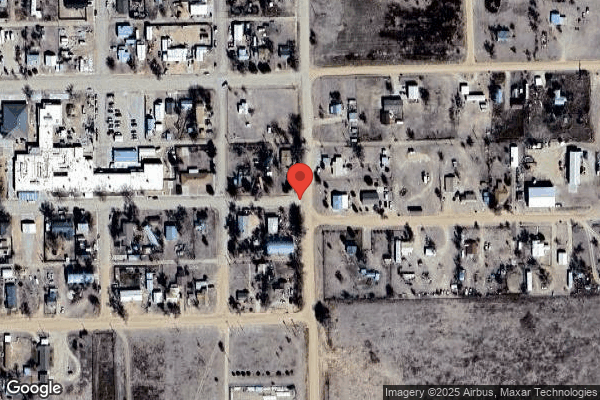
Understanding Severity Codes (click to expand)
Life-Threatening (Immediate Jeopardy)
J - Isolated K - Pattern L - Widespread
Actual Harm
G - Isolated H - Pattern I - Widespread
Potential for Harm
D - Isolated E - Pattern F - Widespread
No Harm (Minor)
A - Isolated B - Pattern C - Widespread

Questions to Ask on Your Visit

  • "Why is there high staff turnover? How do you retain staff?"
  • "Can I speak with families of current residents?"
  • "What's your RN coverage like on weekends and overnight?"

Our Honest Assessment

Strengths
  • • No major safety red flags. No abuse findings, life-threatening violations, or SFF status.
  • • No fines on record. Clean compliance history, better than most Colorado facilities.
Concerns
  • • 14 deficiencies on record. Higher than average. Multiple issues found across inspections.
  • • 62% turnover. Above average. Higher turnover means staff may not know residents' routines.
Bottom line: Mixed indicators with Trust Score of 70/100. Visit in person and ask pointed questions.

About This Facility

What is Southeast Colorado Hospital Ltc's CMS Rating?

CMS assigns SOUTHEAST COLORADO HOSPITAL LTC an overall rating of 4 out of 5 stars, which is considered above average nationally. Within Colorado, this rating places the facility higher than 99% of the state's 100 nursing homes. This rating reflects solid performance across the metrics CMS uses to evaluate nursing home quality.

How is Southeast Colorado Hospital Ltc Staffed?

CMS rates SOUTHEAST COLORADO HOSPITAL LTC's staffing level at 4 out of 5 stars, which is above average compared to other nursing homes. Staff turnover is 62%, which is 16 percentage points above the Colorado average of 46%. High turnover can affect care consistency as new staff learn residents' individual needs. RN turnover specifically is 56%, which is notably high. RNs provide skilled clinical oversight, so turnover in this role can affect medical care quality.

What Have Inspectors Found at Southeast Colorado Hospital Ltc?

State health inspectors documented 14 deficiencies at SOUTHEAST COLORADO HOSPITAL LTC during 2022 to 2025. These included: 14 with potential for harm.

Who Owns and Operates Southeast Colorado Hospital Ltc?

SOUTHEAST COLORADO HOSPITAL LTC is owned by a non-profit organization. Non-profit facilities reinvest revenue into operations rather than distributing to shareholders. The facility operates independently rather than as part of a larger chain. With 56 certified beds and approximately 37 residents (about 66% occupancy), it is a smaller facility located in SPRINGFIELD, Colorado.

How Does Southeast Colorado Hospital Ltc Compare to Other Colorado Nursing Homes?

Compared to the 100 nursing homes in Colorado, SOUTHEAST COLORADO HOSPITAL LTC's overall rating (4 stars) is above the state average of 3.1, staff turnover (62%) is significantly higher than the state average of 46%, and health inspection rating (4 stars) is above the national benchmark.

What Should Families Ask When Visiting Southeast Colorado Hospital Ltc?

Based on this facility's data, families visiting should ask: "How do you ensure continuity of care given staff turnover, and what is your staff retention strategy?" "Can I visit during a mealtime to observe dining assistance and food quality?" "How do you handle medical emergencies, and what is your hospital transfer rate?" "Can I speak with family members of current residents about their experience?" These questions are particularly relevant given the facility's high staff turnover rate.

Is Southeast Colorado Hospital Ltc Safe?

Based on CMS inspection data, SOUTHEAST COLORADO HOSPITAL LTC has a clean safety record: no substantiated abuse findings (meaning no confirmed cases of resident harm), no Immediate Jeopardy citations (the most serious violation level indicating risk of serious injury or death), and is not on the Special Focus Facility watch list (a federal program monitoring the lowest-performing 1% of nursing homes). The facility has a 4-star overall rating and ranks #1 of 100 nursing homes in Colorado. While no facility is perfect, families should still ask about staff-to-resident ratios and recent inspection results during their visit.

Do Nurses at Southeast Colorado Hospital Ltc Stick Around?

Staff turnover at SOUTHEAST COLORADO HOSPITAL LTC is high. At 62%, the facility is 16 percentage points above the Colorado average of 46%. Registered Nurse turnover is particularly concerning at 56%. RNs handle complex medical decisions and coordinate care — frequent RN changes can directly impact care quality. High turnover means new staff may not know residents' individual needs, medications, or preferences. It can also be disorienting for residents, especially those with dementia who rely on familiar faces. Families should ask: What is causing the turnover? What retention programs are in place? How do you ensure care continuity during staff transitions?

Was Southeast Colorado Hospital Ltc Ever Fined?

SOUTHEAST COLORADO HOSPITAL LTC has no federal fines on record. CMS issues fines when nursing homes fail to meet care standards or don't correct problems found during inspections. The absence of fines suggests the facility has either maintained compliance or corrected any issues before penalties were assessed. This is a positive indicator, though families should still review recent inspection reports for the full picture.

Is Southeast Colorado Hospital Ltc on Any Federal Watch List?

SOUTHEAST COLORADO HOSPITAL LTC is not on any federal watch list. The most significant is the Special Focus Facility (SFF) program, which identifies the bottom 1% of nursing homes nationally based on persistent, serious quality problems. Not being on this list means the facility has avoided the pattern of deficiencies that triggers enhanced federal oversight. This is a positive indicator, though families should still review the facility's inspection history directly.