WALSH HEALTHCARE CENTER
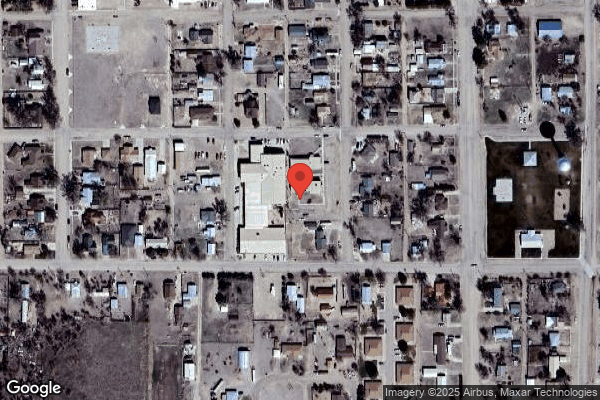
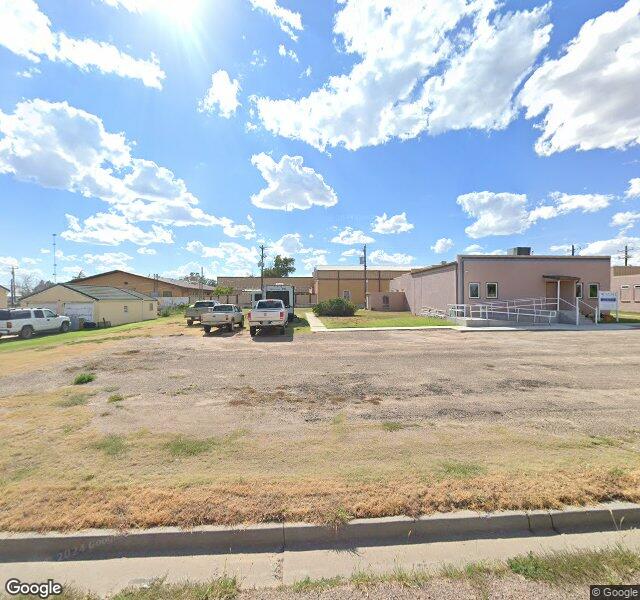
150 N NEVADA ST, WALSH, CO 81090 (719) 324-5262
Government - Hospital district 30 Beds Independent Data: November 2025
Trust Grade
65/100
#128 of 208 in CO
Last Inspection: January 2024

Within standard 12-15 month inspection cycle. Federal law requires annual inspections.

Overview

Walsh Healthcare Center has a Trust Grade of C+, indicating it is slightly above average but not exceptional. It ranks #128 out of 208 facilities in Colorado, placing it in the bottom half, and is the second best option out of two in Baca County. The facility is improving, with issues declining from seven in 2022 to four in 2024. Staffing is a significant area of concern, rated just 1 out of 5 stars, but it has a low turnover rate of 0%, meaning staff tend to stay long-term. There have been no fines reported, which is a positive sign. However, residents have reported issues with food quality, stating it is often cold and lacks proper taste and texture. Additionally, the facility has not consistently provided required performance reviews and in-service education for its certified nurse aides, which could impact care quality.

Trust Score
C+
65/100
In Colorado
#128/208
Bottom 39%
Safety Record
Low Risk
No red flags
Inspections
Getting Better
7 → 4 violations
Staff Stability
○ Average
Turnover data not reported for this facility.
Penalties
✓ Good
No fines on record. Clean compliance history, better than most Colorado facilities.
Skilled Nurses
○ Average
RN staffing data not reported for this facility.
Violations
⚠ Watch
13 deficiencies on record. Higher than average. Multiple issues found across inspections.
★★★☆☆
3.0
Overall Rating
★☆☆☆☆
1.0
Staff Levels
★★★★☆
4.0
Care Quality
★★★★☆
4.0
Inspection Score
Stable
2022: 7 issues
2024: 4 issues

The Good

  • 4-Star Quality Measures · Strong clinical quality outcomes
  • Full Sprinkler Coverage · Fire safety systems throughout facility
  • No fines on record

Facility shows strength in quality measures, fire safety.

The Bad

3-Star Overall Rating

Near Colorado average (3.1)

Meets federal standards, typical of most facilities

The Ugly 13 deficiencies on record

Jan 2024 4 deficiencies
CONCERN (D)

Potential for Harm - no one hurt, but risky conditions existed

Medication Errors (Tag F0758)

Could have caused harm · This affected 1 resident

**NOTE- TERMS IN BRACKETS HAVE BEEN EDITED TO PROTECT CONFIDENTIALITY** III. Resident #5 A. Resident status Resident #5, age [AGE], was admitted on [DATE]. According to the January 2024 CPO, diagnoses...

Read full inspector narrative →
**NOTE- TERMS IN BRACKETS HAVE BEEN EDITED TO PROTECT CONFIDENTIALITY** III. Resident #5 A. Resident status Resident #5, age [AGE], was admitted on [DATE]. According to the January 2024 CPO, diagnoses included depressive disorder and panic disorder. The 11/6/23 MDS assessment documented the resident was cognitively intact with a BIMS score of 15 out of 15. No behaviors were indicated. B. Record review The comprehensive care plan, revised 8/16/23, revealed the resident was prescribed psychotropic medications related to a mood disorder, panic disorder, and depressive episodes. The resident had behaviors of picking at her skin when anxious or nervous. Interventions included providing a quarterly review of the resident's behaviors, providing one-on-one visits as needed, keeping the bathroom light off when no one was in the bathroom and developing and maintaining a daily routine for the resident. The January 2024 CPO revealed the following physician orders: Hydroxyzine (antihistamine) 25 milligram (MG)- give one time a day for anxiety-ordered on 4/7/21. Mirtazapine (antidepressant) 15 MG- give one time a day for depression-ordered on 4/7/21. Lithium (antipsychotic) 150 MG- give one time a day for mood disorder-ordered on 4/8/21. Document behaviors noted during shift. If noted, notify physician, medical director/nursing communication, director of nursing, and family twice a shift- ordered on 5/23/23. Duloxetine (antidepressant) 60 MG- give one time a day for depression-ordered on 12/1/23. A review of the resident's medication administration records (MAR) and treatment administration records (TAR) from 11/1/23 through 1/23/24 revealed one behavior had been indicated on 11/18/23. A review of the resident's progress notes from 11/1/23 to 1/23/24 revealed: Activities progress note dated 11/7/23 revealed the resident had a care conference and shared when she was experiencing anger, trauma or post traumatic stress she would isolate or play her music. Due to her history of trauma, she expressed she needed calming background noise on at all times and preferred her television remain on. -These behaviors and non-pharmacological interventions were not added to her behavior tracking or care plan. Medication administration note dated 11/18/23 revealed the resident had a documented behavior of telling another resident to quiet down. Psychotropic quarterly medication review assessment dated [DATE] revealed the resident was taking Lithium for a history of self harming behaviors. -The behaviors were not indicated on the behavior tracking or the care plan. A review of psychotropic medication consent forms revealed the consent for Lithium had been signed by the resident -However, it was undated and the resident had not marked she consented or did not consent to the medication. C. Staff interviews LPN #1 was interviewed on 1/23/24 at 11:06 a.m. LPN #1 said if a resident had behaviors, the nurse documented on the TAR and made a progress note. The progress note should have the resident behaviors, interventions, and outcomes. LPN #1 said Resident #5 had behaviors of becoming anxious. The resident took Lithium for anxiety and depression. LPN #1 did not know resident specific signs of depression or anxiety other than the resident picking at her skin. LPN #1 did not know the resident's specific non-pharmacological interventions. CNA #3 was interviewed on 1/23/24 at 11:34 a.m. She said she reported resident behaviors to the nurse to document. She said Resident #5 had no behaviors toward staff or other residents. She had no behaviors of self-harm. CNA #3 was not aware of specific behaviors in the resident's care plan to monitor or individualized interventions for the resident. The social services director (SSD) was interviewed on 1/24/24 at 10:43 a.m. She said behaviors were tracked on the MAR by the nurse. CNAs documented behaviors in the CNA task charting from the [NAME] (abbreviated care plan). -However, the task list had generic behaviors and every resident had the same list of behaviors. She said she was not involved in psychotropic drug meetings or gradual dose reductions. The SSD said the facility did not have an effective system for monitoring behaviors to determine efficacy of psychoactive medications. The SSD had been requesting changes to the way behaviors were tracked but the system had not been changed. The SSD said Resident #5 had behaviors of picking at her skin and a history of trauma. However, Resident #5 did not have a behavior of picking at her skin listed in the task behavior charting. The resident took Lithium for a mood disorder but the SSD did not know what specific behaviors were associated with the medication. The resident had a history of attempting suicide and suicidal ideations should be tracked and care planned. Resident #5 did not have a behavior of suicidal ideations listed in the task behavior charting. The DON was interviewed on 1/24/24 at 2:24 p.m. She said residents taking psychoactive medications have behavior tracking orders on the MAR. The order should include the resident's behaviors and non-pharmacological interventions. If a resident displayed new behaviors or worsening symptoms, a behavior tracker needed to be started on the MAR. A consent form was obtained from the resident or responsible party before the medication was started. If a resident expresses suicidal ideations or a history of suicidal ideations/attempts the behavior should be tracked and in the resident's care plan. The DON said the behaviors indicated on the trackers are generic and the same for all the residents. The CNA behavior trackers are also not resident specific. The DON did not know how the trackers could be customized for each resident and would have to look into the facility's system for tracking. Behaviors should be tracked in order to determine the appropriateness and efficacy for psychoactive medications. The DON said Resident #5 had behaviors of picking at her skin when she was anxious. The DON did not know why the resident took Lithium. She was not aware the resident was taking lithium for a history of self harm. She reviewed the consent for the resident's lithium and said if a resident or responsible party did not mark either boxes, if consent was given or was not given, the facility would proceed as consent was given. DON said Resident #5 was aware of the reason she was prescribed lithium so the consent was implied even though it was not marked by the resident on her consent form. IV. Resident #14 A. Resident status Resident #14, age [AGE], was admitted on [DATE]. According to the January 2024 CPO, diagnoses included depressive disorder and dementia without behavioral disturbances. The 12/18/23 MDS assessment documented the resident was cognitively impaired with a BIMS score of three out of 15. No behaviors were indicated. B. Record review The comprehensive care plan, revised 12/19/23, revealed the resident was prescribed psychotropic medications related to a depressive disorder. The resident had behaviors of picking at her scalp, rejecting care, episodes of tearfulness, removing and playing with her partial denture, and increased sleeping. Interventions included approaching in a calm manner, maintaining a daily routine for the resident, offering snack and drink if she is restless at night, re approach if uncooperative, and monitor and report to the physician as needed per facility behavior monitoring. Staff were to rule out the resident's need if increased behaviors were noted such as toileting, drink, hunger, pain, or change of position. The January 2024 CPO revealed the following physician orders: Fluoxetine (antidepressant) 20 MG- give one time a day for depression-ordered on 10/07/21. Mirtazapine 15 MG- give one a day for depression- ordered on 12/6/23. -A review of the resident's MAR and TAR from 11/1/23 through 1/23/24 failed to reveal behavior tracking. A review of the resident's progress notes from 11/1/23 to 1/23/24 revealed: Daily progress note dated 11/18/23 revealed the resident had displayed disruptive behaviors during a group activity causing the staff to turn the television off in the room and remove the resident. Daily progress note dated 12/1/23 revealed the resident had expressed feelings of sadness and depression. The resident verbalized feeling down about herself and wanting to hurt herself. The resident was distracted with activities. Shift administration note dated 12/2/23 revealed the resident was in her bed yelling out. She expressed she believed someone to be in the room who was not there. The staff were unable to redirect the resident from her visual hallucinations and she continued to yell out. Daily progress note dated 12/31/23 revealed the resident was found wandering the facility in her wheelchair. She had been taking herself to the front of the facility. The resident was having increased difficulty sleeping and waking up very early in the morning. The resident believed she had cooked a meal and wanted to share the meal with staff. The resident was unable to return to sleep and then expressed paranoia about what the staff were doing. Daily progress note written by the medical director on 1/3/24 revealed the resident's medications were reviewed but there was no mention of the resident's increased behaviors. Daily progress note dated 1/11/24 revealed the resident woke up very early in the morning and when staff toileted her, the resident expressed delusions about the toilet leaking and wanting to go to another one. Psychotropic quarterly medication review assessment dated [DATE] revealed the resident was taking Fluoxetine for statements of suicidal ideations. -The behavior was not tracked or indicated in the care plan. -A review of psychotropic medication consents failed to reveal consent had been obtained for Mirtazapine or Fluoxetine. C. Staff interviews LPN #1 was interviewed on 1/23/24 at 11:06 a.m. LPN #1 said Resident #14 had behaviors of confusion, removing her partial dentures, and refusing care. Resident #14 was taking antidepressants for depression. LPN #1 did not know resident's specific signs of depression. LPN #1 did not know the resident's specific non-pharmacological interventions. CNA #3 was interviewed on 1/23/24 at 11:34 a.m. CNA # 3 said Resident #14 had behaviors of tearfulness and refusing care. She was easily redirected. The resident did not express thoughts of self harm. CNA #3 was not aware of specific behaviors in the resident's care plan to monitor or individualized interventions for the resident. The SSD was interviewed on 1/24/24 at 10:43 a.m. The SSD said Resident #14 had behaviors of tearfulness and refusing care. The SSD said these were reactions to living in a facility. She did not know the resident did not have behavior tracking on the MAR. The DON was interviewed on 1/24/24 at 2:24 p.m. She said Resident #14 had behaviors of becoming tearful and being hard to redirect. The DON said behaviors of hallucinations and delusions were not typical behaviors for the resident and should have been reported to the DON. She was not aware the resident did not have consents in the medical record for the Mirtazapine or the Fluoxetine. D. Facility follow up On 1/25/24 after survey exit, the DON provided consents for Resident #14 for Mirtazapine and Fluoxetine. The consent forms were signed 1/24/24. Behavior tracking from the CNA tasks for Resident #14 were provided. The tracking revealed the resident had episodes of tearfulness three times in December 2023 and 13 times in January 2024. -There were no behaviors on the tracker for wandering, hallucinations, delusions, or expressions of suicidal ideations. Based on record review and interviews, the facility failed to ensure three (#12, #5 and #9) of six residents reviewed for unnecessary medications out of 11 sample residents were free from unnecessary drugs. Specifically, the facility failed to: -Have an effective method to track behaviors for efficacy of psychotropic medications for Residents #12, #5 and #9; and, -Obtain consent for psychotropic medications prior to administration for Residents #5 and #9. Findings include: I. Facility policy The Use of Psychotropic Medication policy, reviewed 10/4/23, was provided by the nursing home administrator (NHA) on 1/24/24. It read in pertinent part, Residents are not given psychotropic drugs unless the medication is necessary to treat a specific condition, as diagnosed and documented in the clinical record, and the medication is beneficial to the resident, as demonstrated by monitoring and documentation of the resident's response to the medication. For psychotropic drugs that are initiated after admission to the facility, documentation shall include the specific condition as diagnosed by the physician. Psychotropic medications shall be initiated only after medical, physical, functional,psychosocial, and environmental causes have been identified and addressed. Non-pharmacological interventions that have been attempted, and the target symptoms for monitoring shall be included in the documentation. Residents who use psychotropic drugs shall also receive non-pharmacological interventions to facilitate reduction or discontinuation of the psychotropic drugs. II. Resident #12 A. Resident status Resident #12, age over 65, was admitted on [DATE]. According to the January 2024 computerized physicians orders (CPO), diagnoses included vascular dementia, bipolar disorder and anxiety. The 12/4/23 minimum data set (MDS) assessment revealed the resident had moderate cognition with a brief interview for mental status (BIMS) score of 11 out of 15. The assessment did not identify the resident had any behaviors during the assessment period. The assessment identified the resident was taking antipsychotic and antidepressant medications. B. Record review The care plan, initiated on 1/21/24 identified a mood problem related to the disease process of bipolar disorder and documented Resident #12 received antidepressant and antipsychotic medications. Interventions included: Monitor/record/report to medical doctor (MD) as needed (PRN) acute episode of feelings of sadness, loss of pleasure and interest in activities, feelings of worthlessness or guilt, change in appetite/eating habits, change in sleep patterns, diminished ability to concentrate and change in psychomotor skills. Observe for signs and symptoms of mania or hypomania, racing thoughts or euphoria, increased irritability, frequent mood changes, pressured speech, flight of ideas, marked change in need for sleep and agitation or hyperactivity. The January 2024 CPO revealed the following physician orders for psychotropic medications: -Risperidone 0.5 milligrams (mg) and 0.25 mg for bipolar disorder; -Fluoxetine 10 mg for depression; -Duloxetine 20 mg for depression; and, -Depakote 250 mg for bipolar disorder. -The CPO did not have an order for the nursing staff to monitor behaviors. The certified nurse aide (CNA) documentation for behaviors from 11/1/23 to 1/23/24 identified one episode of rejection of care on 1/8/24. The intervention for the identified behavior was to approach the resident in a positive manner. Further review of the CNA behavior documentation from 11/1/23 to 1/23/24 revealed the intervention to approach the resident in a positive manner was documented 13 times in November 2023, 19 times in December 23 and 12 times in January 2024 between 1/1/24 and 1/23/24. -The intervention was documented multiple times, however, there were no identified behaviors documented for the intervention on any of the occasions, aside from 1/8/24, when the intervention was documented. -The facility failed to have an effective behavior tracking system for the use of an antipsychotic medication and other psychotropic medications. C. Staff interviews Licensed practical nurse (LPN) #1 was interviewed on 1/23/24 at 2:10 p.m. She said Resident #12 did not have any behaviors. She pulled up the January 2024 CPO and could not identify any physician ordered behavior tracking. She said if Resident #12 displayed any behaviors she would write a progress note. She said CNAs documented in their own behavior tracking program. Certified nurse aide (CNA) #5 was interviewed on 1/24/24 at 9:15 a.m. She said Resident #12 never displayed behaviors. She said if she ever saw a behavior she would document it in the behavior tracking program for CNAs. The social services director (SSD) was interviewed on 1/24/24 at 10:58 a.m. She said Resident #12 only had behaviors at certain times of the year. She said it should have been communicated with the staff. She said the behavior tracking was a work in progress. The director of nursing (DON) was interviewed on 1/24/24 at 2:27 p.m. She said the behavior tracking the CNAs completed were for general behaviors and not resident specific. She said Resident #12 had not displayed a behavior for a while. She said there should be behavior tracking for the nursing staff. She said she would work with the staff to develop a more person centered individualized behavior tracking for Resident #12.
CONCERN (E)

Potential for Harm - no one hurt, but risky conditions existed

Deficiency F0730 (Tag F0730)

Could have caused harm · This affected multiple residents

Based on record review and interviews, the facility failed to complete a performance review of every nurse aide at least once every 12 months and must provide regular in-service education based on the...

Read full inspector narrative →
Based on record review and interviews, the facility failed to complete a performance review of every nurse aide at least once every 12 months and must provide regular in-service education based on the outcome of these reviews for four of four certified nurse aides (CNAs) reviewed. Specifically, the facility did not provide inservice education based on the outcome of the performance reviews for CNA #1, #2, #3 and #4. Findings include: I. Record review CNA #1 (hired 5/4/11) had a performance review on 5/31/23. CNA #2 (hired 2/4/16) had a performance review on 3/15/23 CNA #3 (hired 6/1/2020) had a performance review on 1/16/24. CNA #4 (hired 9/20/21) had a performance review on 10/1/23. -The CNAs did not have an inservice education plans based on the outcome of the reviews. II. Interview The director of nursing (DON) was interviewed on 1/23/24 at 3:10 p.m. She said the identified aides had completed annual training, however, she did not know the aides needed to have inservice education plans developed from the annual performance review. She said she would ensure going forward the aides had a plan in place to ensure safe care was provided to the residents.
CONCERN (E)

Potential for Harm - no one hurt, but risky conditions existed

Deficiency F0804 (Tag F0804)

Could have caused harm · This affected multiple residents

Based on interviews and observations, the facility failed to ensure residents consistently receive food prepared by methods that conserved nutritive value, palatable in taste, texture, appearance and ...

Read full inspector narrative →
Based on interviews and observations, the facility failed to ensure residents consistently receive food prepared by methods that conserved nutritive value, palatable in taste, texture, appearance and temperature. Specifically, the facility failed to ensure resident food was palatable in taste, temperature, texture and appearance. Findings include: I. Resident interviews All residents were identified by facility and assessment as interviewable. Resident #8 was interviewed on 1/22/24 at 9:15 a.m. He said the food at the facility was alright but it was not very good. Resident #14 was interviewed on 1/22/24 at 9:21 a.m. She said the texture of the food was too hard for her and the food was often cold. Sometimes the food looked appealing and sometimes it did not. Resident #13 was interviewed on 1/22/24 at 9:40 a.m. He said the food was not very good but he ate it. There is no point in complaining about it. Resident #5 was interviewed on 1/23/24 at 10:02 a.m. She said the food did not taste appealing and was frequently cold. The food was either too mushy or too hard. II. Observations A test tray for a regular diet meal was evaluated immediately after the last resident had been served a tray for lunch on 1/23/24 at 1:45 p.m. At the end of the service, a request was made for a test tray. The cook (CK) plated the test tray and covered it with a warmer lid and walked it to the meeting room for temperature and taste testing. The test tray was assessed by two evaluators promptly at 1:55 p.m. The test tray consisted of a German meat stuffed roll, penne pasta, broccoli and carrots in pepper sauce and a slice of apple pie. -The German meat stuffed roll was dry and tough. The bottom of the roll was black and appeared burnt. The temperature was 155 degrees Fahrenheit (F). -The penne pasta had no flavor and was bland. There was a strong taste of olive oil only. The temperature was 92 degrees F. -The broccoli and carrots in pepper sauce had no flavor and had an after taste of vinegar. The temperature was 118 degrees F. -The slice of apple pie was not at a consistent temperature. The edges were 80 degrees F. while the center was 60 degrees F. III. Staff interview The dietary manager (DM) was interviewed on 1/23/24 at 2:15 p.m. She said she conducted a dining committee meeting after the resident council once a month to go over menus and concerns with the residents. If residents brought up concerns regarding the food such as taste or palatability, she addressed the concerns with the residents during the meeting. She did not have meeting minutes or completed grievance forms for the dining committee meetings. The DM was told of the results of the test tray and shown the German meat stuffed roll. She said the rolls were burnt at the bottom during the baking process. The rolls were stuffed by hand and then the dough was baked. She said she did not know how to stop the bottoms from burning. The vegetables were frozen and she did not know why there was vinegar after taste. The penne pasta should have had a flavor of seasoning in addition to olive oil. The apple pie was frozen and baked in the kitchen. The pie should not have been still cold in the center and should have been a consistent temperature throughout.
CONCERN (F)

Potential for Harm - no one hurt, but risky conditions existed

Food Safety (Tag F0812)

Could have caused harm · This affected most or all residents

Based on observations and interviews, the facility failed to ensure food was stored, prepared and served under sanitary conditions in the kitchen. Specifically, the facility failed to ensure: -Perisha...

Read full inspector narrative →
Based on observations and interviews, the facility failed to ensure food was stored, prepared and served under sanitary conditions in the kitchen. Specifically, the facility failed to ensure: -Perishable foods were discarded after the date of expiration; and, -Perishable foods were labeled and dated. Findings include: I. Professional reference According to the State Board of Health Colorado Retail Food Establishment Rules and Regulations (effective 1/1/19) retrieved 1/29/24 from https://cdphe.colorado.gov/environment/food-regulations it read in part, A date marking system that meets the criteria using a method approved by the Department for refrigerated, ready-to-eat, potentially hazardous food (time/temperature control for safety food) that is frequently re-wrapped, such as lunch meat or a roast. Marking the date or day of preparation with a procedure to discard the food on or before the last date or day by which the food must be consumed on the premises. Marking the date or day the original container is opened in a food establishment with a procedure to discard the food on or before the last date or day by which the food must be consumed on the premises. Using calendar dates, days of the week, color coded marks or other effective marking methods. II. Observation The initial kitchen tour conducted on 1/22/24 at 8:30 a.m. revealed in the walk in refrigerator five containers of spinach with an expiration date of 1/10/24 on the package, three gallons of milk with an expiration date of 1/10/24 and a gallon of milk with an expiration date of 1/18/24. There was an unmarked zip lock bag on the shelf contained a salad mix which showed liquid residue in the bag and had changed color. Three bags of grapes were on another shelf which had started to show a white film on the exterior of most of the grapes. Items of produce such as lettuce, tomatoes, broccoli, onions, apples and bell peppers had been located which showed bruising and black spotting. Additional items of produce partially cut up were located on a shelf, each wrapped in plastic wrap, unmarked. Another tour of the walk-in refrigerator was conducted on 1/23/24 at 8:15 a.m. No expired or spoiled food had been removed. III. Staff interview The cook (CK) was interviewed on 1/22/24 at 9:00 a.m. He said the DM was responsible for cleaning out the walk-in refrigerator. When items such as produce were cut and partially used, the remaining portion should be wrapped and dated. The DM was interviewed on 1/23/24 at 8:36 a.m. The DM was shown the items in the walk-in refrigerator. She said food that had reached the expiration date on the package should be removed the same day or by the following day. She said the observed expired and spoiled food items should have been removed and items in plastic wrap should be dated and labeled. The DM was interviewed again on 1/23/24 at 2:15 p.m. She said she had cleaned the walk-in refrigerator earlier the same day (after being identified during the survey). -However, observation revealed two containers of spinach with an expiration date of 1/10/24 remained and two bags of grapes with white fuzziness remained. The DM removed the items.
Sept 2022 7 deficiencies
CONCERN (D)

Potential for Harm - no one hurt, but risky conditions existed

Quality of Care (Tag F0684)

Could have caused harm · This affected 1 resident

**NOTE- TERMS IN BRACKETS HAVE BEEN EDITED TO PROTECT CONFIDENTIALITY** Based on observations, record review and interviews, the facility failed to ensure one (#12) of 18 sample residents received the...

Read full inspector narrative →
**NOTE- TERMS IN BRACKETS HAVE BEEN EDITED TO PROTECT CONFIDENTIALITY** Based on observations, record review and interviews, the facility failed to ensure one (#12) of 18 sample residents received the highest practicable treatment and care in accordance with professional standards of practice and the comprehensive person-centered care plan. Specifically, the facility failed to elevate Resident #12's right leg as ordered by the provider Findings include: I. Resident #12 A. Resident status Resident #12, under [AGE] years old, was admitted on [DATE]. According to the September 2022 computerized physician order (CPO), diagnoses included demyelinating disease of the central nervous system (damage to nerve fibers in the brain), atherosclerosis of native arteries of extremities to bilateral legs, and edema. The 8/24/22 minimum data set (MDS) assessment revealed the resident had severe cognitive impairment with a brief interview for mental status (BIMS) score of five out of 15. No behaviors or refusal of care noted. She needed extensive assistance with transfers, toilet use, and personal hygiene. B. Record review The care plan, created on 10/11/17 and revised on 8/23/22, identified the resident had a potential for skin breakdown due to spending most of the time in bed or the chair. Interventions included, keep her right leg elevated while sitting up, keep her leg on the wheelchair, may put her leg down for meals. Lay down one time a day with leg up. Do not leave legs dependent for longer than two hours at a time. The September 2022 CPO included: -Keep right leg elevated while sitting up- keep leg on wheelchair, may put down for meals. Lay down one time a day with leg up. Do not leave legs dependent for no more than two hours at a time. Ordered on 8/5/2020. C. Observations Resident #12 was observed in her wheelchair: -On 9/26/22 at 2:09 p.m. she was in the entry lobby without her right foot elevated. -At 3:11 p.m. she was in activities with her right foot down on her foot rest. -On 9/27/22 at 10:24 a.m. she was in the activities room with her right foot down on the foot rest. -At 2:38 p.m. she was in the entry lobby without her right foot elevated. -On 9/28/22 at 10:15 a.m. she was in the activities room without the right food elevated. D. Interviews Certified nurse aide (CNA) #1 was interviewed on 9/28/22 at 10:45 a.m. She said Resident #1 did not have any special positioning needs for her legs. Licensed practical nurse (LPN) #2 was interviewed on 9/28/22 at 11:00 a.m. She said Resident #12 had at one point had a small area on her right foot, but it had resolved. She said Resident #12 could have leg spasms, and her leg would fall off the elevated leg rest.She said the current order stated to elevate the right leg. She said she did not see Resident #12 with her right leg elevated. The director of nursing (DON) was interviewed on 9/28/22 at 11:10 a.m. She said at one point Resident #12 had a small wound on her right foot, however the area had resolved. She said the order was old, and had been written in 2020. She said according to the current order, Resident #12 should have the right leg elevated when not eating. She said she would follow up with the provider to see if the order could be discontinued.
CONCERN (D)

Potential for Harm - no one hurt, but risky conditions existed

Deficiency F0685 (Tag F0685)

Could have caused harm · This affected 1 resident

**NOTE- TERMS IN BRACKETS HAVE BEEN EDITED TO PROTECT CONFIDENTIALITY** Based on observations, record review and interviews the facility failed to provide hearing assistive devices to a resident daily...

Read full inspector narrative →
**NOTE- TERMS IN BRACKETS HAVE BEEN EDITED TO PROTECT CONFIDENTIALITY** Based on observations, record review and interviews the facility failed to provide hearing assistive devices to a resident daily for one (#2) out of 18 sample residents. Specifically, the facility for Resident #2: -Failed to ensure hearing aids were applied daily; and, -Failed to care plan the use of hearing aids. Findings include: I. Resident status A. Resident #2 Resident #2, age [AGE], was admitted on [DATE]. According to the September 2022 computerized physician orders (CPO), the diagnoses included vascular dementia, delusional disorders, and macular degeneration. The 7/21/22 minimum data set (MDS) assessment revealed the resident had a moderate cognitive impairment with a brief interview for a mental status score of 12 out of 15. No behaviors or refusal of care noted. She was identified as having minimal difficulty hearing. B. Record review The care plan, created on 7/20/22 and revised on 7/21/22, identified a communication problem related to minimal difficulty with hearing. Interventions included, -The resident has hearing aids. Staff to assist residents with the care of the aids, putting the aids in a.m. and taking aids out at bedtime. The case is labeled and in the resident's room for storage in between use. Spare batteries kept in the med (medication) room at nurses station. -The care plan intervention regarding the hearing aids was added after the interview was completed with the director of nurses (DON), see below. C. Observations Resident #2's hearing aids were in their case in her room on her dresser on 9/26/22 at 10:33 a.m. Resident #2's hearing aids were in their case in her room on her dresser on 9/27/22 at 2:38 p.m. Resident #2's hearing aids were in their case in her room on her dresser on 9/28/22 at 10:23 a.m. D. Interviews Certified nurse aide (CNA) #1 was interviewed on 9/28/22 at 10:35 a.m. She said she helped Resident #2 with her adaptive devices to include glasses and hearing aids when she gets ready in the morning. Licensed practical nurse (LPN) #2 was interviewed on 9/28/22 at 11:00 a.m. She said Resident #2 had glasses and hearing aids. She said Resident #2 would pull out the hearing aid from her right ear at times. She said Resident #2 should have her hearing aids placed every morning to help her hear. The DON was interviewed on 9/28/22 at 11:10 a.m. She said Resident #2 had received her hearing aids last week. She said the hearing aids were to be placed in the resident's ear/s in the morning, and to be out in the evening. She said there should have been a care plan in place. She said the hearing aids should be worn to assist the resident with hearing better and improve her interactions with others.
CONCERN (D)

Potential for Harm - no one hurt, but risky conditions existed

Accident Prevention (Tag F0689)

Could have caused harm · This affected 1 resident

**NOTE- TERMS IN BRACKETS HAVE BEEN EDITED TO PROTECT CONFIDENTIALITY** Based on observations, record review and interviews, the facility failed to ensure the resident environment remained as free of ...

Read full inspector narrative →
**NOTE- TERMS IN BRACKETS HAVE BEEN EDITED TO PROTECT CONFIDENTIALITY** Based on observations, record review and interviews, the facility failed to ensure the resident environment remained as free of accident hazards as possible, and adequate supervision and assistance devices to prevent accidents were provided, for one (#16) of one resident reviewed for smoking out of 18 sample residents. Specifically, the facility failed to provide qualified supervision during smoking for a resident who required supervision. Findings include I. Facility policy The Smoking Policy, no revision date, provided by the director of nursing (DON) on 9/29/22 at 10:30 a.m. Designated smoking areas are located outside of the facility with ash trays available. To protect all residents, staff and others, it is important to ensure that residents leave all oxygen equipment inside the building prior to going out into any designated smoking area. Any oxygen equipment, even when turned off, is not to be near any resident who is smoking. Residents are not to smoke with oxygen on. Residents with oxygen are not to be near a resident who is smoking. Residents that are smokers upon admission or who become smokers while living at our facilities will require a safe smoking assessment that will be updated every three months and as needed. II. Resident status Resident #16, age under 65, was admitted on [DATE]. According to the September 2022 computerized physician orders (CPO), diagnoses included paraplegia (paralysis of lower body), chronic nasopharyngitis (chronic tonsillitis), and low back pain. According to the 8/29/22 minimum data set (MDS) assessment, the resident had no cognitive impairment with a brief interview for mental status (BIMS) score of 15 out of 15. The resident had no behavioral symptoms. He required extensive assistance for bed mobility, transfers, grooming and toilet use. T B. Record review The care plan, initiated 10/17/19 and revised 9/12/22, identified the resident smoked cigarettes and has a history of smoking cannabis. The resident had limited cigarettes and funds. The resident has a limitation to right arm and has been found with burn holes in his clothing. The resident has a history of smoking in his room. Interventions include the resident must wear a smoking apron when smoking. Remind the resident to wear an apron while smoking for his safety. Keep a smoking apron on the back of the wheelchair. Place a smoking apron on the resident when getting him in the wheelchair. Smoking will be supervised. The smoking evaluation, dated 8/29/22, identified the resident needed supervision for smoking due to his needing adaptive equipment such as smoking apron and supervision. C. Observations and interview On 9/27/22 at 11:33 a.m. Resident #16 was observed outside smoking. No staff were noted to be with him. He said he can smoke by himself because he was assessed as an independent smoker. He was not wearing a smoking apron and was not 15 feet from the exit door. At 1:19 p.m. Resident #16 was observed smoking outside. No staff were noted to be with him. He did not have a smoking apron on and he was not 15 feet away from the door. On 9/28/22 at 10:03 a.m. Resident #16 was observed outside smoking. Resident #16 did not have a smoking apron on and was not 15 feet away from the door. Licensed practical nurse (LPN) #2 exited the door to administer Resident #16 his medication. She returned back into the common area and retrieved a smoking apron and placed it on the resident. LPN #2 then returned back into the facility after administering his medication. D. Interviews LPN #2 was interviewed on 9/28/22 at 10:07 a.m. LPN #2 said she was familiar with Resident #16. She said he was an independent smoker. She said she noticed he was not wearing a smoking apron so she placed one on him. LPN #2 reviewed Resident #16's smoking assessment. She said, Oh, I thought he was an independent smoker. She said we would need to inform staff that he was not an independent smoker. The director of nursing (DON was interviewed on 9/28/22 at 11:34 a.m. The DON said the resident was an independent smoker and was required to wear a smoking apron. She said the resident had a history of having burned holes in his clothes. The DON was told of the observations above. The DON reviewed Resident #16's care plan and smoking assessment. She said according to the assessments, he should be a supervised smoker. She said she would pass the information along to all staff to ensure he was being supervised.
CONCERN (E)

Potential for Harm - no one hurt, but risky conditions existed

Notification of Changes (Tag F0580)

Could have caused harm · This affected multiple residents

**NOTE- TERMS IN BRACKETS HAVE BEEN EDITED TO PROTECT CONFIDENTIALITY** Based on record review and interviews, the facility failed to provide notification of a change in condition for three (#4, #5 an...

Read full inspector narrative →
**NOTE- TERMS IN BRACKETS HAVE BEEN EDITED TO PROTECT CONFIDENTIALITY** Based on record review and interviews, the facility failed to provide notification of a change in condition for three (#4, #5 and #14) out of 18 sample residents. Specifically, the facility failed to: -Notify the provider of elevated blood sugars for Resident #4; and, -Notify the provider of missed medications for Resident #5 and #14. Findings include: I. Resident #4 A. Resident status Resident #4, age [AGE], was admitted on [DATE]. According to the September 2022 computerized physician orders (CPO), diagnoses included diabetes mellitus, metabolic encephalopathy (brain disease), cardiac murmur, retention of urine, and disorder of bladder. According to the 6/15/22 minimum data set (MDS) assessment, the resident had moderate cognitive impairment with a brief interview for mental status (BIMS) score of 12 out of 15. The resident had no behavioral symptoms. He required extensive assistance for bed mobility, transfers, grooming and toilet use. B. Record review The care plan, initiated 7/6/21 and revised 7/14/22, identified the resident has a diagnosis of diabetes mellitus, and received insulin injections. Interventions include alternate insulin injection sites. Diabetes medication as ordered by the doctor. Monitor/document for side effects and effectiveness. Monitor/document/report to medical doctor as needed for signs and symptoms of hyperglycemia: increased thirst and appetite, frequent urination, weight loss, fatigue, dry skin, poor wound healing, muscle cramps, abdominal pain, and kussmaul breathing, acetone breath (smells fruity). The September 2022 CPO included: -Accucheck three times a day before meals and at bedtime. If blood sugars are over 250, give Humalog 10 units subcutaneously. Order date 7/28/22. The August 2022 medication administration record (MAR) revealed 10 units of Humalog given on: 8/1/22 the resident's blood sugar was 275; 8/2/22 the resident's blood sugar was 352; 8/3/22 the resident's blood sugar was 337; 8/7/22 the resident's blood sugar was 258; 8/8/22 the resident's blood sugar was 272; 8/10/22 the resident's blood sugar was 340; 8/12/22 the resident's blood sugar was 324; 8/14/22 the resident's blood sugar was 342; 8/15/22 the resident's blood sugar was 311; 8/16/22 the resident's blood sugar was 285; 8/17/22 the resident's blood sugar was 252; and, 8/19/22 the resident's blood sugar was 311. The September 2022 medication administration record (MAR) revealed 10 units of Humalog given on for elevated blood sugar: 9/1/22 the resident's blood sugar was 344; 9/2/22 the resident's blood sugar was 280; 9/3/22 the resident's blood sugar was 270; 9/4/22 the resident's blood sugar was 369; 9/5/22 the resident's blood sugar was 312; 9/6/22 the resident's blood sugar was 359; 9/7/22 the resident's blood sugar was 403; 9/8/22 the resident's blood sugar was 265; 9/11/22 the resident's blood sugar was 373; 9/13/22 the resident's blood sugar was 342; 9/19/22 the resident's blood sugar was 284; 9/20/22 the resident's blood sugar was 364; 9/23/22 the resident's blood sugar was 312; and, 9/26/22 the resident's blood sugar was 316. -Review of the resident's medical record reviewed no progress notes documenting the physician was notified of the elevated blood sugar levels. C. Staff interviews Licensed practical nurse (LPN) #2 was interviewed on 9/28/22 at 2:21 p.m. She said whenever a resident had elevated blood sugars, nursing staff were supposed to monitor the resident, recheck their blood sugar, report the information to the provider and document the blood sugar in the nursing progress notes. LPN #2 reviewed the dates and blood sugars (indicated above) on the September and August 2022 resident's MAR. She said the provider should have been contacted and a nurse progress note documenting the interventions used. The director of nursing was interviewed on 9/28/22 at 2:43 p.m. She said when a resident's blood sugars were elevated the nurse needed to monitor the resident for any side effects and recheck the blood sugar. She said the provider should be contacted so they could provide guidance on what interventions or follow up was required. The DON said a negative outcome for too high of blood sugars could be heart disease, kidney disease, vision problems and a stroke.II. Resident #5 A. Resident status Resident #5, over the age of 65, was admitted on [DATE]. According to the September 2022 computerized physician order (CPO), diagnoses included anemia, aphasia (loss of ability to understand to express speech), hypocalcemia (low blood calcium), dementia, heart failure, hypokalemia (low blood potassium), and hypothyroidism (underactive thyroid). The 9/14/22 minimum data set (MDS) assessment revealed the resident had severe cognitive impairment with a brief interview for mental status (BIMS) score of three out of 15. No behaviors or refusal of care noted. B. Observation and interview The medication cart had a small cup of pre poured medications for Resident #5 on 9/28/22 at 12:11 p.m. the cup contained: -Iron tablet 325 milligrams (mg); -Levothyroxine 100 microgram (mcg); -Liothyronine 5 mcg; -Miralax powder 8.5 grams (gm); -Senna Plus tablet 8.6/50 mg; -Spironolactone 25 mg; -Torsemide tablet 20 mg; -Vitamin D3 capsule 50 mcg; and, -Tylenol 650 mg. Licensed practical nurse (LPN) #2 was interviewed on 9/28/22 at 12:11 p.m. She said Resident #5 was still asleep when the morning medications were set up and she placed them in the medication cart and had forgotten to re approach when she was awake. She said she would not administer the medications and discard them. She said she would have to mark the medication administration record (MAR) as held. III. Resident #14 A Resident status Resident #14, age [AGE], was admitted on [DATE]. According to the September 2022 computerized physician order (CPO), diagnoses included mental disorders due to known physiological conditions, malnutrition, vascular dementia, vitamin deficiency, anxiety, and nutritional deficiency. The 9/14/22 minimum data set (MDS) assessment revealed the resident had severe cognitive impairment with a brief interview for mental status (BIMS) score of three out of 15. Verbal behavioral symptoms were noted in the previous four to six days. No rejections of care. B. Observation and interview The medication cart had a small cup of pre poured medications for Resident #14 on 9/28/22 at 12:11 p.m. the cup contained: -Aspirin 81 mg; -Calcium 600 mg/ Vit D3 600/800 mg; -Chlorthalidone 25mg half a tablet; -Lisinopril 20 mg; -Miralax powder 25.5 gm; -Pantoprazole 40 mg; -Plavix 75 mg; -Senokot S 8.6/50 mg; -Sertraline 100 mg; -Solifenacin Succinate 10 mg; -Seroquel 25mg; -Systane Gel 0.4-0.3% one drop in both eyes; and, -Tylenol 650 mg. Licensed practical nurse (LPN) #2 was interviewed on 9/28/22 at 12:11 p.m. She said Resident #14 was still asleep when the morning medications were set up and she placed them in the medication cart and had forgotten to re approach when she was awake. She said she would not administer the medications and discard them. She said she would have to mark the medication administration record (MAR) as held. IV. Interview The director of nursing (DON) was interviewed on 9/29/22 at 11:51 a.m. She said the provider should have been notified. The review of the progress notes did not have the nurse notifying the provider of the missed medications the day the medications were not administered. She said the nurse would have notified the provider when the medications were discovered they had not been administered. She said she would provide education on the importance of notifying the provider.
CONCERN (E)

Potential for Harm - no one hurt, but risky conditions existed

Deficiency F0761 (Tag F0761)

Could have caused harm · This affected multiple residents

**NOTE- TERMS IN BRACKETS HAVE BEEN EDITED TO PROTECT CONFIDENTIALITY** Based on observations, interviews and record review, the facility failed to ensure drugs and biologicals were labeled and stored...

Read full inspector narrative →
**NOTE- TERMS IN BRACKETS HAVE BEEN EDITED TO PROTECT CONFIDENTIALITY** Based on observations, interviews and record review, the facility failed to ensure drugs and biologicals were labeled and stored in accordance with accepted professional standards, in one of one medication carts and one of one medication storage rooms. Specifically, the facility: -Failed to date Tresiba insulin when opened; -Failed to discard tuberculin when expired; and, -Failed to discard an expired Advair inhaler. Findings include: I. Professional references According to the Tubersol package insert, retrieved [DATE] from: https://www.fda.gov/media/74866/download, A vial of TUBERSOL which has been entered and in use for 30 days should be discarded. Prescribing information for Advair diskus, retrieved [DATE] from https://gskpro.com/content/dam/global/hcpportal/en_US/Prescribing_Information/Advair_Diskus/pdf/ADVAIR-DISKUS-PI-PIL-IFU.PDF ADVAIR DISKUS should be stored inside the unopened moisture-protective foil pouch and only removed from the pouch immediately before initial use. Discard ADVAIR DISKUS 1 month after opening the foil pouch or when the counter reads '0'. According to the prescribing information for Tresiba, retrieved [DATE] from https://www.novo-pi.com/tresiba.pdf, The TRESIBA vial you are using should be thrown away after 56 days, even if it still has insulin left in it and the expiration date has not passed. II. Observation and interview On [DATE] at 12:11 p.m. the medication cart contained a Tresiba insulin pen with no open date and an expired Advair inhaler. The medication room refrigerator had an open vial of tuberculin with an illegible open date. Licensed practical nurse (LPN) #2 was interviewed on [DATE] at 12:11 p.m. She said she had failed to date the Tresiba pen when she opened it that morning and did not know the Advair inhaler had expired. She said she could not read the open date on the tuberculin vial and said it was best practice to discard it to ensure the safety of the medication going forward. III. Administrative interview The director of nurses (DON) was interviewed on [DATE] at 11:L51 a.m. She said the insulin pen should have been dated when opened and the Advair inhaler should have been discarded when expired. She said the tuberculin vial should have been discarded if the open date could not be read. She said going forward she would educate staff to check the dates of the medications and verify when the medication was opened for the safety of the residents and the efficacy of the medications.
CONCERN (E)

Potential for Harm - no one hurt, but risky conditions existed

Food Safety (Tag F0812)

Could have caused harm · This affected multiple residents

Based on observations, record review and staff interviews, the facility failed to ensure food was stored, prepared, and served under sanitary conditions in one kitchen. Specifically, the facility fail...

Read full inspector narrative →
Based on observations, record review and staff interviews, the facility failed to ensure food was stored, prepared, and served under sanitary conditions in one kitchen. Specifically, the facility failed to ensure: -Appropriate hand hygiene by food service staff; -Cutting boards were free from deep scratches and stains; and, -Dishwasher maintained sufficient levels of sanitizing solution. Findings include: I. Improper hand hygiene A. Professional references According to the Colorado Retail Food Establishment Rules and Regulations (effective 1/1/19) pg.47, Food employees shall clean their hands and exposed portions of their arms immediately before engaging in food preparation including working with exposed food, clean equipment and utensils, and unwrapped single-service items and: -Before handling or putting on single use gloves for working with food, and between removing soiled gloves and putting on clean gloves. The Colorado Retail Food Establishment Rules and Regulations (effective 1/1/19) pg.46, details for appropriate hand cleaning procedure included: Food employees shall clean their hands and exposed portions of their arms including surrogate prosthetic devices for hands or arms with soap and water for at least 20 seconds and shall use the following cleaning procedure: 1. Vigorous friction on the surfaces of the lathered fingers, fingertips, areas between the fingers, hands and arms for at least 15 seconds, followed by; 2. Thorough rinsing under clean, running warm water; and 3. Immediately follow the cleaning procedure with thorough drying of cleaned hands and arms with disposable or single use towels or a mechanical hand-drying device. B. Observations Observation of meal service was conducted on 9/27/22 at 12:59 p.m. Observations in the primary dining room included: Dietary aide (DA) #2 was observed pushing the food heating cart into the main dining room. He was wearing a pair of blue gloves. DA #2 proceeded to prepare the lunch meal. DA #2 started to tear apart the baked rolls with his gloved hands and place them back into the metal container. DA #2 left the dining room and proceeded to the kitchen. DA #2 returned to the dining room with baked potatoes in his hand. He placed the potatoes on the heating cart. He proceeded to start plating residents ' meals. He grabbed a baked roll with his gloved hand and placed it on the plate and then completed the meal order. DA #2 then exited the dining area again and returned moments later. He proceeded to serve the residents ' meals. DA #2 did not wash his hands or change gloves during this process. Observation of meal service was conducted on 9/28/22 at 1:07 p.m. Observations in the primary dining room included: DA #1 was observed entering the dining room. He put on a pair of gloves and did not wash his hands. DA #1 was observed preparing two plates of mechanically altered meals. He was observed removing the plastic wrap off of the plate and throwing the plastic in the trash can touching the lid with his gloved hand. DA #1 then proceeded to grab a food thermometer with his gloved hand. He placed the end of the thermometer into the mechanical altered food and took the temperature. He placed the thermometer on the counter and wrapped the plate with plastic wrap. He grabbed the plate and placed it into the microwave and reheated the plate. He then grabbed a sanitized wipe and proceeded to wipe the end of the thermometer. He wiped his gloved hand on the side of his pants. He then removed the plate from the microwave, placed the plate on the counter and removed the plastic wrap. He threw the plastic wrap into the trash again touching the end of the trash can. He rechecked the temperature of the meal and then covered the meal with plastic wrap. He grabbed another sanitizing wipe and wiped the end of the thermometer. DA #1 repeated the same process on the second plate of mechanical altered food. DA #1 did not wash his hand or change his gloves during this process. C. Staff Interview The dietary manager (DM) was interviewed on 9/28/22 at 11:29 a.m. She said all kitchen staff needed to wash their hands when their hands become contaminated. She said all staff must wash their hands before handling or serving food. Staff should also wash their hands when they leave the kitchen and dining area. The DM said it was her expectation all dietary staff would have been washing their hands between tasks to avoid cross contamination. II. Cutting Boards A. Professional reference According to the State Board of Health Colorado Retail Food Establishment Rules and Regulations (updated 1/1/19), page 132, it read in part, Cutting surfaces that are scratched and scored must be resurfaced so as to be easily cleaned, or be discarded when these surfaces can no longer be effectively cleaned and sanitized. B. Observation The initial kitchen tour conducted on 10/27/22 at 10:40 a.m. revealed two large white cutting boards, one small white cutting board; all cutting boards were heavily scored and stained. On 9/27/22 at 11:00 a.m. during kitchen observations the DM was observed cutting lettuce, tomatoes, cucumbers and apples on the white cutting board. C. Staff Interview The DM was interviewed on 9/29/22 at 11:13 a.m. The DM was told of the observations of the cutting boards in the kitchen. She confirmed the cutting boards were visibly stained and showed wear. She said she would replace them immediately. She said the deep scratches could be a potential for bacteria to grow. III. Chemical Sanitization 1. Professional Reference According to the State Board of Health Colorado Retail Food Establishment Rules and Regulations (effective 1/1/19) pg. 132-137, read in part, Cleaning and sanitizing may be done by spray-type, immersion ware washing, or by any other type of machine or device if it is demonstrated that it thoroughly cleans and sanitizes equipment and utensils. Chemical sanitizing ware washing machines (single-tank, stationary-tank, door-type machines and spray-type glass washers) may be used provided that: 1) The temperature of the wash water shall not be less than 120°F (49°C); 2) The wash water shall be kept clean; and 3) Chemicals added for sanitization purposes shall be automatically dispensed; and 4) Utensils and equipment shall be exposed to the final chemical sanitizing rinse in accordance with the manufacturer's specifications for time and concentration; and 5) The chemical sanitizing rinse water temperature shall not be less than 75°F (24°C) nor less than the temperature specified by the machine's manufacturer. 2. Failures A. Observation and Interviews At the beginning of kitchen observation on 9/28/22 at 11:00 a.m., the DA #1 started to wash the dishes from the morning meal. He said the water temperature of the dishwasher was supposed to be above 120 degrees F. DA #1 said the chemical solution was tested three times a day, but he had not tested it this morning. He said it was supposed to be between 50 and 100 parts per million (PPM). DA #1 took a reading of the sanitation level of the dishwasher. DA #1 ran a wash cycle, took a test strip from the container, and placed the strip into the dishwasher machine. DA #1 read the strip and stated zero. DA #1 then repeated the process three more times with the same result of zero PPM. DA#1 checked all of the sanitizing solutions and found the large container of sanitizing solution was empty. He removed the empty container and replaced it with a full container. He then ran another load of dishes with the same result of zero PPM. At 11:14 a.m. the dietary manager was told of the issues with the dishwasher. She had DA #1 run another load of dishes and have him test sanitation level. It read zero PPM. The DM asked DA #1 if he had primed the dishwasher to which he replied no. The DM continued to prime the sanitizing solution and ran two more loads with the level being zero. She again primed the dishwasher and then ran another load which showed a level of over 100 PPM. She instructed DA #1 that he had to prime the system to get the sanitization solution into the machine. DA#1 said, I was not aware of that. The DM stated all dishes would be washed again, which staff proceeded to do immediately. The DM was interviewed on 9/29/22 at 11:13 a.m. The DM said the dishwasher was checked three times a day for water temperature and sanitization levels. She said the machine was new and so were some of the staff, which was why DA #1 was not too familiar with the machine. She said it was her expectation that the water temperature would be over 120 degrees Fahrenheit and the sanitizing solution would be at 50-100 PPM. She said the importance of proper sanitization was to keep from spreading food borne illness and protect the residents. She said sanitization was the first line of defense.
CONCERN (E)

Potential for Harm - no one hurt, but risky conditions existed

Garbage Disposal (Tag F0814)

Could have caused harm · This affected multiple residents

Based on observations and staff interviews, the facility failed to ensure garbage and refuse was properly disposed of and the dumpster lid was closed to prevent harborage to pests and insects. Specifi...

Read full inspector narrative →
Based on observations and staff interviews, the facility failed to ensure garbage and refuse was properly disposed of and the dumpster lid was closed to prevent harborage to pests and insects. Specifically, the facility failed to ensure trash in the kitchen lids were closed and not overflowing. Findings include: I. Professional reference The Colorado Department of Public Health and Environment (2019) the Colorado Retail Food Establishment Rules and Regulations, https://www.colorado.gov/pacific/sites/default/files/DEHS_RetailFd_6CCR10102_RFFC_EffJan2019.pdf. It read in pertinent part; - Receptacles and waste handling units for refuse, recyclables, and returnable used with materials containing food residue and used outside the food establishment shall be designed and constructed to have tight-fitting lids, doors, or covers. - Cardboard or other packaging material that does not contain food residues and that is awaiting regularly scheduled delivery to a recycling or disposal site may be stored outside without being in a covered receptacle if it is stored so that it does not create a rodent harborage problem. II. Observations On 9/26/22 at 10:00 a.m. the trash can in the kitchen was overflowing with trash. There were cardboard boxes, metal cans, and plastic wrap in the trash can. There were blue gloves on the floor as well as used paper towels. The lid to the trash can was against the wall behind the oven. On 9/27/22 at 9:54 a.m. the trash can in the kitchen was overflowing with trash. There was trash on the floor. The trash can lid was leaning against the wall behind the oven. On 9/28/22 at 11:00 a.m. the trash can was overflowing with trash. The trash had boxes, metal cans, plastic wrap, and used paper towels. There was food residue on the boxes. The lid was leaning against the wall behind the oven. III. Staff interview The dietary manager (DM) was interviewed on 9/29/22 at 11:13 a.m. The dietary manager was told of the observations above. She said all kitchen staff should be emptying the trash can every time they see it is full. She said she verbally educated staff that the trash can lids needed to be placed on the trash can. She said the trash can should be emptied and lid on to prevent insects such as flies and other pests.
Jun 2021 2 deficiencies
CONCERN (D)

Potential for Harm - no one hurt, but risky conditions existed

Quality of Care (Tag F0684)

Could have caused harm · This affected 1 resident

**NOTE- TERMS IN BRACKETS HAVE BEEN EDITED TO PROTECT CONFIDENTIALITY** Based on observations, record review, and interviews, the facility failed to ensure for one (#9) of three residents receive trea...

Read full inspector narrative →
**NOTE- TERMS IN BRACKETS HAVE BEEN EDITED TO PROTECT CONFIDENTIALITY** Based on observations, record review, and interviews, the facility failed to ensure for one (#9) of three residents receive treatment and care in accordance with professional standards of practice, the comprehensive person-centered care plan out of 16 sample residents reviewed for skin alteration. Specifically, the facility failed to identify, assess, and monitor a bruise for Resident #9. Findings include: I. Resident #9 A. Resident status Resident #9, age [AGE], was admitted [DATE]. According to the computerized physician orders (CPO) diagnoses included unspecified dementia with behavioral disturbance, delusional disorders, and hallucinations. The 4/27/21 minimum data set (MDS) assessment indicated the resident had severe cognitive impairment with a brief interview for mental status (BIMS) score of zero out of 15. She had mood and behavior symptoms and required limited assistance of one staff member for activities of daily living (ADLs). No skin issues were documented. B. Observation On 6/13/21 at 3:16 p.m. Resident #9 was seen lying on her bed. A reddish purple bruise was observed on the top of her left hand near her thumb, extending to just below the joints of the index and middle fingers. She was unable to explain how she obtained the bruise. C. Record review The 10/30/2020 CPO included an order for weekly nursing skin observation, document skin condition, and measure sites as indicated. Review of the weekly nursing skin observation documentation for June 2021 revealed she did not receive a skin observation on 6/3/21 and none were documented after that date. Review of the certified nurse aide (CNA) skin observation documentation revealed bruising noted on 6/2, 6/7, 6/8, 6/9, and 6/14/21. -The documentation did not indicate where the bruising was located and it was documented that the areas were not new. Review of the 11/10/2020 care plan revealed Resident #9 had potential for alteration in skin integrity with interventions that included skin observation weekly, and report any skin issues or other areas of concern to the physician. II. Interviews Licensed practical nurse (LPN) #1 was interviewed on 6/14/21 at 4:16 p.m. She said she was unaware of the bruise to Resident #9 ' s left hand (she had been the resident ' s nurse the day before as well). She said she was not sure how she missed it. She said if a new area was identified they were to measure it, document it in the nursing progress notes, and monitor it for changes. At 4:21 p.m. LPN #1 said she checked with other staff who said they did not notice the bruise prior to now when it was brought to their attention. LPN #1 said she would measure the area and get it documented at this time, and notify the director of nursing (DON). LPN #2 was interviewed on 6/15/21 at 9:20 a.m. She said when a new bruise was identified, the area was to be measured, documented in the progress notes, and monitored until it was healed. She said, there was not normally an order put in to monitor the area but the DON said she was in the process of doing that. The certified nurse aide (CNA) was interviewed on 6/15/21 at 9:30 a.m. She said when a new skin issue was identified during showers or daily care, they were to notify the nurse so they could measure it and document it. She said the CNAs did not have a way to document descriptions of skin issues on shower days so they had to notify the nurse. The DON was interviewed on 6/15/21 at 10:56 a.m. She said when a new bruise was identified it was to be measured, documented, and monitored weekly during weekly skin checks on shower days. She said they usually did not put in an order to monitor the area on the medication administration record (MAR) or the treatment administration record (TAR) but she would do that from now on so the nurse would be the one monitoring it and documenting it. She said any skin issues the CNAs would find during care or showers were documented in the point of care area and it would send an alert to the nurse so they could address it. III. Facility follow up On 6/14/21 at 8:51 p.m. a daily progress note documented by LPN #1 read in part: Was reported to this charge nurse that this resident had a bruise on her L (left) upper hand that is dark reddish/ purplish. Bruise is 4.5 cm x 3.2 cm, and unknown cause of bruise. On 6/15/21 at 4:00 p.m. the DON said she had started documentation regarding the cause of Resident #9 ' s bruise and determining interventions that needed to be put in place. She did not provide a policy or procedure related to alterations in skin integrity. She said it was in a binder that she could not find.
CONCERN (D)

Potential for Harm - no one hurt, but risky conditions existed

Medication Errors (Tag F0758)

Could have caused harm · This affected 1 resident

**NOTE- TERMS IN BRACKETS HAVE BEEN EDITED TO PROTECT CONFIDENTIALITY** Based on record review and interviews, the facility failed to ensure residents with as needed (PRN) orders for psychotropic medi...

Read full inspector narrative →
**NOTE- TERMS IN BRACKETS HAVE BEEN EDITED TO PROTECT CONFIDENTIALITY** Based on record review and interviews, the facility failed to ensure residents with as needed (PRN) orders for psychotropic medications are only used when the medication is necessary and PRN use is limited for one (#7) of five residents investigated for unnecessary medication usage out of 16 sample residents. Specifically, the facility failed to ensure PRN psychotropic medications were ordered for a designated time limit and evaluated every 14 days for appropriate usage for Resident #7. Findings include: I. Facility policy and procedure Review of the Use of Psychotropic Drugs policy provided by the director of nurses (DON) on 6/15/21 at 3:20 p.m , revised 11/1/2020, revealed in part PRN orders for all psychotropic drugs shall be used only when the medication is necessary to treat a diagnosed specific condition that is documented in the clinical record, and for a limited duration (i.e. 14 days). II. Resident status Resident #7, age [AGE], was admitted on [DATE]. According to the June 2021 computerized physician orders (CPO), diagnoses included depression and anxiety. The 5/9/21 minimum data set (MDS) assessment revealed the resident had intact cognition with a brief interview for mental status (BIMS) score of 15 out of 15. No behaviors exhibited. The resident received antipsychotics, antianxiety, antidepressant medications over the previous seven day look back period. III. Record review Review of the care plan, initiated 5/10/21, revealed in part Resident uses psychotropic medication related to dysthymia disorder. Diagnosis: other specified depressive episodes. Feeling down daily, feeling tired daily, having trouble concentrating on things daily, little interest in doing things she gets sidetracked easily, diagnosis: mood disorder. Diagnosis: panic disorder .Interventions included: try following interventions prior to PRN use of alprazolam 1. Remove from the source. 2. Quiet setting. 3. Phone, 4. Other. Review of the April 2021 medication administration record (MAR) revealed: -Xanax tablet 0.25mg (Alprazolam) Give one tablet by mouth every 12 hours as needed for panic related to anxiety disorder. Start date 4/7/21. The medication was given on 4/13/21 and 4/14/21. -According to the DON interview this order with a start date of 4/7/21 was supposed to be a one time order. No stop date was given. The medication was also given in May 2021 and remained on the orders through survey. Review of the May 2021 medication administration record (MAR) revealed -Xanax tablet 0.25mg (Alprazolam) Give one tablet by mouth every 12 hours as needed for panic related to anxiety disorder. Start date 4/7/21. The medication was given on 5/28/21. Review of the June 2021 medication administration record (MAR) revealed -Xanax tablet 0.25mg (Alprazolam) Give one tablet by mouth every 12 hours as needed for panic related to anxiety disorder. Start date 4/7/21. The medication was not given. Review of the June CPO revealed the following: -Xanax tablet 0.25 milligrams (mg). Give one tablet by mouth every 12 hours as needed for panic related to anxiety disorder. Start date: 4/7/21. Review of the physician progress notes revealed the following: -8/7/19: Uses xanax only once weekly; when she has panic attacks she really needs it. -6/3/2020: Minimal panic attacks since not being able to go out- because of COVID. Will maintain xanax prn until we see how she does after COVID lockdown ends. -8/5/2020: Last xanax 7-23 .still needs . -10/7/2020: Still needs xanax prn panic attacks. -2/3/21: Meds reviewed. Doing quite well with only ordered xanax when she goes out. -4/7/21: Meds reviewed- still needs alprazolam- rarely uses it. No further progress notes to indicate continued assessed use for Xanax order for May and June 2021. The DON was interviewed on 6/14/21 at 3:09 p.m. She said she was aware of the PRN medications and said the physician wrote notes on the prn usage. She said they used a table as a guide for the usage. The DON was interviewed again on 6/15/21 at 10:36 a.m. She said they reviewed the medications with the physician every other month. She said they completed a monthly medication review without the physician. She said she thought they had at least two residents currently on PRN psychotropic medications. She said they were not reviewing the PRN medications every 14 days. She said this resident ' s most recent order was meant to be a one time order, but they received more than they wanted. She said this resident had not used it in a while. The NHA was interviewed on 6/15/21 at 2:20 p.m. She said she was not involved in the medication decision making process.
Understanding Severity Codes (click to expand)
Life-Threatening (Immediate Jeopardy)
J - Isolated K - Pattern L - Widespread
Actual Harm
G - Isolated H - Pattern I - Widespread
Potential for Harm
D - Isolated E - Pattern F - Widespread
No Harm (Minor)
A - Isolated B - Pattern C - Widespread

Questions to Ask on Your Visit

  • "Can I speak with families of current residents?"
  • "What's your RN coverage like on weekends and overnight?"

Our Honest Assessment

Strengths
  • • No major safety red flags. No abuse findings, life-threatening violations, or SFF status.
  • • No fines on record. Clean compliance history, better than most Colorado facilities.
Concerns
  • • 13 deficiencies on record. Higher than average. Multiple issues found across inspections.
Bottom line: Mixed indicators with Trust Score of 65/100. Visit in person and ask pointed questions.

About This Facility

What is Walsh Healthcare Center's CMS Rating?

CMS assigns WALSH HEALTHCARE CENTER an overall rating of 3 out of 5 stars, which is considered average nationally. Within Colorado, this rating places the facility higher than 0% of the state's 100 nursing homes. This mid-range rating indicates the facility meets federal standards but may have areas for improvement.

How is Walsh Healthcare Center Staffed?

CMS rates WALSH HEALTHCARE CENTER's staffing level at 1 out of 5 stars, which is much below average compared to other nursing homes.

What Have Inspectors Found at Walsh Healthcare Center?

State health inspectors documented 13 deficiencies at WALSH HEALTHCARE CENTER during 2021 to 2024. These included: 13 with potential for harm.

Who Owns and Operates Walsh Healthcare Center?

WALSH HEALTHCARE CENTER is owned by a government entity. Government-operated facilities are typically run by state, county, or municipal agencies. The facility operates independently rather than as part of a larger chain. With 30 certified beds and approximately 20 residents (about 67% occupancy), it is a smaller facility located in WALSH, Colorado.

How Does Walsh Healthcare Center Compare to Other Colorado Nursing Homes?

Compared to the 100 nursing homes in Colorado, WALSH HEALTHCARE CENTER's overall rating (3 stars) is below the state average of 3.1 and health inspection rating (4 stars) is above the national benchmark.

What Should Families Ask When Visiting Walsh Healthcare Center?

Based on this facility's data, families visiting should ask: "Can you walk me through typical staffing levels on day, evening, and night shifts?" "Can I visit during a mealtime to observe dining assistance and food quality?" "How do you handle medical emergencies, and what is your hospital transfer rate?" "Can I speak with family members of current residents about their experience?" These questions are particularly relevant given the below-average staffing rating.

Is Walsh Healthcare Center Safe?

Based on CMS inspection data, WALSH HEALTHCARE CENTER has a clean safety record: no substantiated abuse findings (meaning no confirmed cases of resident harm), no Immediate Jeopardy citations (the most serious violation level indicating risk of serious injury or death), and is not on the Special Focus Facility watch list (a federal program monitoring the lowest-performing 1% of nursing homes). The facility has a 3-star overall rating and ranks #100 of 100 nursing homes in Colorado. While no facility is perfect, families should still ask about staff-to-resident ratios and recent inspection results during their visit.

Do Nurses at Walsh Healthcare Center Stick Around?

WALSH HEALTHCARE CENTER has not reported staff turnover data to CMS. Staff turnover matters because consistent caregivers learn residents' individual needs, medications, and preferences. When staff frequently change, this institutional knowledge is lost. Families should ask the facility directly about their staff retention rates and average employee tenure.

Was Walsh Healthcare Center Ever Fined?

WALSH HEALTHCARE CENTER has no federal fines on record. CMS issues fines when nursing homes fail to meet care standards or don't correct problems found during inspections. The absence of fines suggests the facility has either maintained compliance or corrected any issues before penalties were assessed. This is a positive indicator, though families should still review recent inspection reports for the full picture.

Is Walsh Healthcare Center on Any Federal Watch List?

WALSH HEALTHCARE CENTER is not on any federal watch list. The most significant is the Special Focus Facility (SFF) program, which identifies the bottom 1% of nursing homes nationally based on persistent, serious quality problems. Not being on this list means the facility has avoided the pattern of deficiencies that triggers enhanced federal oversight. This is a positive indicator, though families should still review the facility's inspection history directly.