LIFE CARE CENTER OF WESTMINSTER
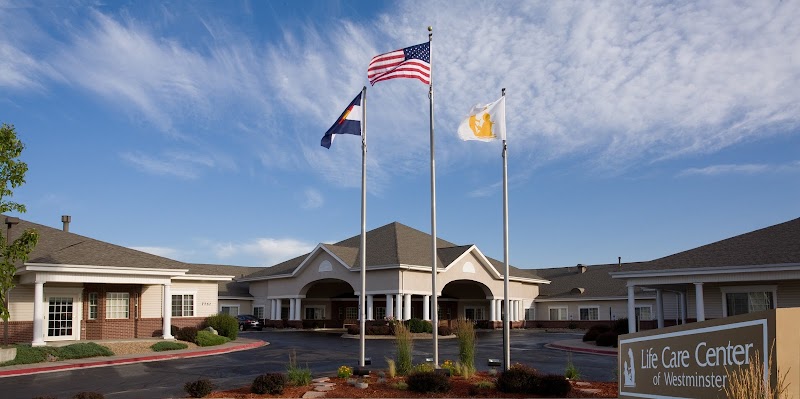
7751 ZENOBIA CT, WESTMINSTER, CO 80030 (303) 412-9121
For profit - Corporation 120 Beds LIFE CARE CENTERS OF AMERICA Data: November 2025
Trust Grade
35/100
#113 of 208 in CO
Last Inspection: May 2025

Inspected within the last 6 months. Data reflects current conditions.

Overview

Life Care Center of Westminster has received a Trust Grade of F, indicating significant concerns about the facility's operations and care standards. It ranks #113 out of 208 nursing homes in Colorado, placing it in the bottom half of facilities in the state, and #6 out of 14 in Adams County, meaning only five local options are better. The situation appears to be worsening, with issues increasing from 3 in 2024 to 10 in 2025. Staffing is a weakness, with a low rating of 2 out of 5 stars and a 70% turnover rate, significantly higher than the state average. On the positive side, the facility has excellent quality measures, scoring 5 out of 5, and has average RN coverage, which is beneficial as RNs can identify issues that CNAs might miss. However, there are serious concerns, including a failure to prevent pressure injuries for a resident at risk and a neglect incident where a resident requiring a mechanical lift was transferred by a single staff member, leading to a fall risk. Additionally, pain management was not adequately addressed for a resident with significant pain, highlighting ongoing issues with care standards.

Trust Score
F
35/100
In Colorado
#113/208
Bottom 46%
Safety Record
High Risk
Review needed
Inspections
Getting Worse
3 → 10 violations
Staff Stability
⚠ Watch
70% turnover. Above average. Higher turnover means staff may not know residents' routines.
Penalties
○ Average
$41,684 in fines. Higher than 70% of Colorado facilities. Some compliance issues.
Skilled Nurses
○ Average
Each resident gets 41 minutes of Registered Nurse (RN) attention daily — about average for Colorado. RNs are the most trained staff who monitor for health changes.
Violations
⚠ Watch
29 deficiencies on record. Higher than average. Multiple issues found across inspections.
★★★☆☆
3.0
Overall Rating
★★☆☆☆
2.0
Staff Levels
★★★★★
5.0
Care Quality
★★☆☆☆
2.0
Inspection Score
Stable
2024: 3 issues
2025: 10 issues

The Good

  • 5-Star Quality Measures · Strong clinical quality outcomes
  • Full Sprinkler Coverage · Fire safety systems throughout facility
  • No fines on record

Facility shows strength in quality measures, fire safety.

The Bad

3-Star Overall Rating

Near Colorado average (3.1)

Meets federal standards, typical of most facilities

Staff Turnover: 70%

23pts above Colorado avg (46%)

Frequent staff changes - ask about care continuity

Federal Fines: $41,684

Above median ($33,413)

Moderate penalties - review what triggered them

Chain: LIFE CARE CENTERS OF AMERICA

Part of a multi-facility chain

Ask about local staffing decisions and management

Staff turnover is elevated (70%)

22 points above Colorado average of 48%

The Ugly 29 deficiencies on record

3 actual harm
May 2025 10 deficiencies 1 Harm
SERIOUS (G)

Actual Harm - a resident was hurt due to facility failures

Pressure Ulcer Prevention (Tag F0686)

A resident was harmed · This affected 1 resident

**NOTE- TERMS IN BRACKETS HAVE BEEN EDITED TO PROTECT CONFIDENTIALITY** Based on observations, record review and interviews, the facility failed to ensure one (#41) of five residents reviewed for pres...

Read full inspector narrative →
**NOTE- TERMS IN BRACKETS HAVE BEEN EDITED TO PROTECT CONFIDENTIALITY** Based on observations, record review and interviews, the facility failed to ensure one (#41) of five residents reviewed for pressure injuries out of 33 sample residents received care consistent with professional standards of practice to prevent pressure ulcers from developing. Resident #41 was admitted on [DATE] for long term care. At the time of his admission, the resident was identified as being at risk for developing pressure injuries and he did not have any pressure injuries upon admission. On 12/2/24 the facility documented Resident #41 had a new wound with an open area on his left inner heel measuring 3.0 centimeters (cm) by 0.9 cm. The facility failed to implement preventative measures to protect the resident's heels after the development of the left heel wound on 12/2/24. On 12/4/24 a nurse progress note indicated Resident #41 had an unstageable pressure wound to his left heel. On 12/10/24 the resident was seen by a wound care physician (WCP) who classified the resident's left heel wound as an unstageable pressure ulcer. Due to the facility's failure to implement personalized effective pressure injury interventions to offload and protect the resident's heels in a timely manner, Resident #41 developed a facility-acquired unstageable pressure injury to his left heel. Findings include: I. Professional reference According to the National Pressure Injury Advisory Panel, European Pressure Injury Advisory Panel and Pan Pacific Pressure Injury Alliance Prevention and Treatment of Pressure Injuries: Clinical Practice Guideline, third edition, [NAME] Haesler (Ed.), EPUAP/NPIAP/PPPIA (2019) retrieved on 5/2/25 from https://www.internationalguideline.com/guideline, Pressure ulcer classification is as follows: Category/Stage 1: Nonblanchable Erythema (discoloration of the skin that does not turn white when pressed, early sign of tissue damage) Intact skin with nonblanchable redness of a localized area usually over a bony prominence. Darkly pigmented skin may not have visible blanching; its color may differ from the surrounding area. The area may be painful, firm, soft, warmer or cooler as compared to adjacent tissue. Category/Stage 1 may be difficult to detect in individuals with dark skin tones. May indicate 'at risk' individuals (a heralding sign of risk). Category/Stage 2: Partial Thickness Skin Loss Partial thickness loss of dermis presenting as a shallow open ulcer with a red pink wound bed, without slough. May also present as an intact or open/ruptured serum filled blister. Presents as a shiny or dry shallow ulcer without slough or bruising.This Category/Stage should not be used to describe skin tears, tape burns, perineal dermatitis, maceration or excoriation. Category/Stage 3: Full Thickness Skin Loss Full thickness tissue loss. Subcutaneous fat may be visible, but bone, tendon or muscle are not exposed. Slough may be present but does not obscure the depth of tissue loss. May include undermining and tunneling. The depth of a Category/ Stage 3 pressure ulcer varies by anatomical location. The bridge of the nose, ear, occiput and malleolus do not have subcutaneous tissue and Category/ Stage 3 ulcers can be shallow. In contrast, areas of significant adiposity can develop extremely deep Category/Stage 3 pressure ulcers. Bone/tendon is not visible or directly palpable. Category/Stage 4: Full Thickness Tissue Loss Full thickness tissue loss with exposed bone, tendon or muscle. Slough or eschar may be present on some parts of the wound bed. Often include undermining and tunneling. The depth of a Category/Stage 4 pressure ulcer varies by anatomical location. The bridge of the nose, ear, occiput and malleolus do not have subcutaneous tissue and these ulcers can be shallow. Category/ Stage 4 ulcers can extend into muscle and/ or supporting structures (fascia, tendon or joint capsule) making osteomyelitis possible. Exposed bone/tendon is visible or directly palpable Unstageable: Depth Unknown Full thickness tissue loss in which the base of the ulcer is covered by slough (yellow, tan, gray, green or brown) and/or eschar (tan, brown or black) in the wound bed. Until enough slough and/or eschar is removed to expose the base of the wound, the true depth, and therefore Category/ Stage, cannot be determined. Stable (dry, adherent, intact without erythema or fluctuance) eschar on the heels serves as 'the body's natural (biological) cover' and should not be removed. Suspected Deep Tissue Injury: Depth Unknown Purple or maroon localized area of discolored intact skin or blood-filled blister due to damage of underlying soft tissue from pressure and/or shear. The area may be preceded by tissue that is painful, firm, mushy, boggy, warmer or cooler as compared to adjacent tissue. Deep tissue injury may be difficult to detect in individuals with dark skin tones. Evolution may include a thin blister over a dark wound bed. The wound may further evolve and become covered by thin eschar. Evolution may be rapid, exposing additional layers of tissue even with optimal treatment. II. Facility policy and procedure The Skin Integrity and Pressure Ulcer/Injury Prevention and Management policy and procedure, revised 7/9/24, was provided by the nursing home administrator (NHA) on 5/1/24 at 5:50 p.m. It read in pertinent part, A comprehensive skin inspection/assessment is completed on admission and readmission to the facility. A skin assessment/inspection should be performed weekly by a licensed nurse. Measures to maintain and improve the resident's tissue tolerance to pressure are implemented in the plan of care. All residents upon admission are considered to be at risk for pressure injury development due to medical issues requiring nursing care related to disease process and illness or need for rehabilitation services. Measures to protect the resident against the adverse effects of external mechanical forces, such as pressure, friction, and shear are implemented in the plan of care. III. Resident #41 A. Resident status Resident #41, age greater than 65, was admitted on [DATE]. According to the April 2025 computerized physician orders (CPO), diagnoses included diabetes mellitus (high blood sugar), muscle weakness, difficulty walking and prostate abscess with urinary tract infection. According to the 4/8/25 minimum data set (MDS) assessment, Resident #41 was cognitively impaired with a brief interview for mental status (BIMS) score of four out of 15. He required substantial/maximal assistance of two staff for showering/bathing, dressing and transferring. The MDS assessment documented he was impaired on both sides of his upper extremities (shoulder, elbow, wrist and hand) and lower extremities (hip, knee, ankle and foot). The MDS assessment documented that the resident was at risk of developing pressure ulcers and had one Stage 3 pressure ulcer that was not present upon admission or reentry. -However, the WCP documented the resident's left heel wound was an unstageable wound (see record review below). The MDS assessment indicated the resident had pressure reducing devices for his bed and chair and was receiving pressure ulcer care. B. Observations On 4/29/25 at 12:00 p.m. Resident #41 was eating his lunch meal in bed with his clothes and socks on. The resident was lying on an air mattress, however, did not have heel protection devices on either of his feet. -However, the resident's care plan was not updated to indicate the resident had an air mattress (see care plan below). On 4/30/25 at 10:03 a.m. Resident #41 was sitting in his wheelchair with socks on. There were no heel protection devices on either foot. Both heels were resting directly on the metal wheelchair foot rests. On 4/30/25 at 10:29 a.m. registered nurse (RN) #1 was performing wound care on Resident #41's left heel wound with the assistance of certified nurse aide (CNA) #1. Resident #41's heel was noted to have black necrotic tissue (dead tissue) with yellow slough (yellow/white non-viable tissue) covering the length and width of his left heel with a foul odor. While RN #1 was performing the resident's wound dressing change, the resident was observed to have facial grimacing and he said Oh my god that hurts. -RN #1 and CNA #1 did not provide the resident with heel protection devices or offload the resident's heels after completing the wound care. C. Record review A skin assessment, dated 5/28/24, documented Resident #41 was admitted without any pressure injuries and no current wounds were noted. A progress note, dated 10/3/24 at 1:39 p.m., revealed a new physician's order was obtained which instructed staff to apply skin prep (a skin protectant) to Resident #41's left inner heel which had a slightly darkened 0.5 cm round area. -Review of Resident #41's electronic medical record (EMR) between 10/3/24 and 12/2/24 revealed there was no further documentation to indicate the facility was monitoring the slightly darkened round area that was noted to the resident's left inner heel on 10/3/24. Resident #41's skin integrity care plan, initiated on 10/22/24, revealed the resident was at risk for pressure injury related to ADL/functional/mobility impairment, pain, psychotropic medications, end of life and incontinence. Interventions included cleaning and drying the resident's skin after each incontinence episode, providing treatment as ordered and conducting weekly skin checks. -The care plan failed to include interventions for protection of the resident's heels. A nurse progress note, dated 12/2/24 documented Resident #41 had a new wound with an open area on his left inner heel measuring 3.0 cm by 0.9 cm. The actions taken included cleaning the left heel with normal saline and a border dressing was applied. The note did not indicate a wound stage. -However, the facility failed to implement interventions to protect the resident's heel from further injury while the resident was in his wheelchair after the discovery of the wound. A nurse progress note, dated 12/4/24, documented Resident #41 had an unstageable pressure ulcer on his left heel. -However, Resident #41's care plan was not updated with any new interventions to protect the resident's heels while he was in his wheelchair after the wound was discovered. An initial wound care physician (WCP) report, dated 12/10/24, revealed the wound to Resident #41's left heel was classified as an unstageable ulcer by the WCP. Review of Resident #41's April 2025 CPO revealed the following physician's orders related to the resident's left heel wound: Wound care for left heel: Clean with wound cleanser, hydrofera blue, border foam, change daily and PRN (as needed), ordered 12/10/24. Apply crushed Flagyl (antibiotic) for odor, ordered 3/25/25. -Review of Resident #41's electronic medical record (EMR) revealed there were no physician's orders for a pressure relieving mattress or heel protection'offloading devices prior to or after the resident developed the unstageable pressure wound to his left heel. IV. Staff interviews Licensed practical nurse (LPN) #3 was interviewed on 4/29/25 at 11:50 a.m. LPN #3 said Resident #41 had a wound on his left foot but it was getting better because of the topical antibiotic he was receiving. LPN #3 said she was not sure how the wound started, but she said she had noticed Resident #41 becoming very weak over the past few months. LPN #3 said the resident was not able to get up independently from a sitting position and was transferred by staff with a mechanical hoyer lift. CNA #1 was interviewed on 4/30/25 at 10:45 a.m. CNA #1 said she did not know a lot about Resident #41's wound, but she said she knew that he could not stand up by himself and it required two staff members to transfer him into bed. RN #1 was interviewed on 4/30/25 at 3:00 p.m. RN #1 said the nursing staff were offloading Resident #41's left foot. RN #1 said the resident's physician's orders and care plan instructed staff to offload the resident's foot. RN #1 said it was important to have heel offloading interventions in the care plan so the nursing staff was aware of how to manage the resident's needs. -However, review of the physician's orders and care plan did not identify heel protection offloading devices and observations revealed the resident's heels were not offloaded (see record review and observations above). RN #1 said she thought Resident #41's left heel wound was because the resident was not moving in bed due to his medical decline. RN #1 said Resident #41 had an offloading boot, but it was sent to the laundry and she did not know how long it had been missing. She said the boot was not used when the resident was in the chair because the boot did not have a gripping surface. RN #1 said options for padding the surface of the foot rests of the resident's wheelchair were not considered and when the resident was in the chair he was only wearing socks. The WCP was interviewed on 4/30/25 at 4:36 p.m. The WCP said the wound on Resident #41's left heel could have been caused by constant pressure on the heel area. The WCP said it could have been prevented with interventions, such as offloading the heel with foam booties or repositioning the resident. Primary care physician (PCP) #1 was interviewed on 5/1/25 at 10:13 a.m. PCP #1 said Resident #41 was taking Flagyl to treat the foul odor coming from his left heel wound. She said the resident was on hospice care services and the Flagyl was implemented for his dignity to keep the wound from smelling so bad. The director of nursing (DON) was interviewed on 5/1/25 at 3:53 p.m. The DON said offloading and using soft pressure relieving devices on bony areas for residents, including Resident ##41, who were at high risk for skin breakdown should be used. She said interventions would include the use of a pillow to offload the heels and repositioning. The DON said the nursing staff were to monitor residents for any redness to their skin and do weekly skin assessments.
CONCERN (D)

Potential for Harm - no one hurt, but risky conditions existed

Deficiency F0561 (Tag F0561)

Could have caused harm · This affected 1 resident

**NOTE- TERMS IN BRACKETS HAVE BEEN EDITED TO PROTECT CONFIDENTIALITY** Based on record review and interviews, the facility failed to honor resident choices for two (#53 and #26) of four residents rev...

Read full inspector narrative →
**NOTE- TERMS IN BRACKETS HAVE BEEN EDITED TO PROTECT CONFIDENTIALITY** Based on record review and interviews, the facility failed to honor resident choices for two (#53 and #26) of four residents reviewed out of 33 sample residents. Specifically, the facility failed to ensure Resident #53 and Resident #26's recevied showers consistently according to the resident's choices and plan of care. Findings include: I. Facility policy and procedure The Resident Rights policy, undated, was provided by the nursing home administrator (NHA) on 5/1/25 at 5:47 p.m. It read in pertinent part, A resident is afforded certain rights while residing in a long-term care facility. The facility and its associates have the responsibility for ensuring these rights are always upheld by the resident in their care. The facility must provide equal access to quality care regardless of diagnosis, severity of condition or payment source. II. Resident #53 A. Resident status Resident #53, age [AGE], was admitted on [DATE]. According to the May 2025 computerized physician orders (CPO), diagnoses included inflammatory and immune myopathies (inflammation and damage to muscles due to abnormal immune response), arthrodesis status (surgical procedure to manage severe joint pain) and myopathy (disease that affects movement). The 4/1/25 minimum data set (MDS) revealed the resident was cognitively intact with a brief interview for mental status (BIMS) score of 15 out of 15. He was independent with his activities of daily living (ADLs). He required supervision with showers. B. Resident interview Resident #53 was interviewed 4/30/25 at 1:00 p.m. Resident #53 said that he had requested showers on Saturdays and Wednesday mornings, since his admission. He said he continued to receive showers on Mondays and Thursdays. He said his family visited on Saturdays and he liked to be cleaned up and not smell for the visit. He said one Thursday a month he had a standing appointment and could not take a shower on that day so he would only receive one shower that week. He said he had asked for showers on different days during his appointment week, but did not receive one. Resident #53 was interviewed 5/1/25 at 2:10 p.m. Resident #53 said he had been waiting for a shower that day. He said he had been waiting all day to receive a shower and had not received it. C. Record review The ADL care plan, initiated 7/24/24 and revised 9/16/24 revealed the resident had an ADL self care performance deficit related to immune myopathy, decreased mobility and muscle weakness. Pertinent interventions included Resident #53 preferred to shower every Monday and Wednesday in the evening. Resident #53's May 2025 point of care (POC) response history for the bathing task revealed Resident #53 preferred to shower on Monday and Thursday, day shift after breakfast. Resident #53's POC bathing task documentation from 4/3/25 through 5/1/25 revealed the resident did not consistently receive showers on his preferred days of Wednesday and Saturdays. Review of Resident #53's POC bathing documentation from 4/3/25 to 5/1/25 revealed the resident received a shower on 4/3/25, 4/12/25, 4/14/25, 4/17/25, 4/21/25, 4/28/25 and 4/29/25. The resident received seven showers out of 11 opportunities. The POC bathing documentation indicated the resident received a shower on 5/1/25. However, certified nurse aide (CNA) #2 said she did not provide Resident #53 a shower on 5/1/25 (see interviews below). -However, Resident #53 preferred to shower on Saturday and Wednesday mornings (see resident interview above). III. Resident #26 A. Resident #26, age [AGE], was admitted on [DATE]. According to the May 2025 CPO, diagnoses included multiple sclerosis (MS), spinal stenosis and chronic obstructive pulmonary disease (COPD - breathing difficulties). The 4/9/25 MDS assessment revealed the resident was cognitively intact with a BIMS score of 15 out of 15. She was incontinent of bowel and bladder and was dependent on staff for all of her ADLs. B. Resident interview Resident #26 was interviewed 4/30/25 at 1:00 p.m. Resident #26 said she was scheduled for one shower a week because she required a long time. She said sometimes it took up to two hours for her to shower because of her physical condition. She said she first agreed to receiving showers on Sundays, however if her shower was missed on a Sunday she would not receive another shower until the following Sunday, which she did not like. C. Record review The ADL care plan, initiated 11/11/20 and revised on 7/26/24, Resident #26 had an ADL self-care deficit with end-stage MS and quadriplegia (no movement of the limbs). Interventions included providing showers on Sundays and as needed. The care plan indicated Resident #26 was totally dependent on one to two staff members to provide showering. The progress note, dated 4/20/25, documented Resident #26 was scheduled for her shower, however the shower chair that she preferred could not be located. She was offered other chairs or a bed bath which she declined. She was told that she could not have a shower since she declined all other options. The POC bathing task documented that Resident #26 did not receive a shower on 4/20/25 or on 4/27/25. IV. Staff interviews CNA #2 was interviewed 5/1/25 at 2:30 p.m. She said Resident #53 was not given a shower on 5/1/24. CNA #3 said Resident #53 was on her list but she missed him and the POC response history was marked wrong. -However, the POC response history indicated that Resident #53 had been given a shower on 5/1/25 (see record review above). The director of nursing (DON) was interviewed 5/1/25 at 3:44 p.m. She said the facility tried to honor the residents' requested days for showers. She said the facility could provide a shower as needed, if there were enough staff to fill the request. The DON said Resident #53 changed his shower day preference often but was able to tell staff when he wanted a shower. She said she was not aware that he requested Saturday showers for family visits and he could not take showers one Thursday a month. The DON said Resident #26 could take up to two hours and she had agreed to Sunday showers. She had not been aware of the two missed showers in April 2025.
CONCERN (D)

Potential for Harm - no one hurt, but risky conditions existed

Grievances (Tag F0585)

Could have caused harm · This affected 1 resident

**NOTE- TERMS IN BRACKETS HAVE BEEN EDITED TO PROTECT CONFIDENTIALITY** Based on observations, record review, and interviews, the facility failed to ensure one (#28) of five residents reviewed for gri...

Read full inspector narrative →
**NOTE- TERMS IN BRACKETS HAVE BEEN EDITED TO PROTECT CONFIDENTIALITY** Based on observations, record review, and interviews, the facility failed to ensure one (#28) of five residents reviewed for grievances out of 33 sample residents was provided prompt efforts by the facility to resolve grievances. Specifically, the facility failed to promptly resolve Resident #28's grievance regarding care provided by certified nurse aide (CNA) #3. Findings include: I. Facility policy and procedure The Grievances policy and procedure, reviewed June 2022, was provided by the nursing home administrator (NHA) on 5/1/25 at 4:00 p.m. It revealed in pertinent part, Residents and their families have the right to file a complaint without fear of reprisal. Upon request, the facility must give a copy of the grievance policy to the resident. Residents' rights should be protected when voicing complaints to maximize the quality of life for each individual and to promote customer satisfaction with facility care and services. The resident has the right to voice grievances to the facility or other agency or entity that hears grievances without discrimination or reprisal and without fear of discrimination or reprisal. Such grievances include those with respect to care and treatment that has been furnished as well as that which has not been furnished, the behavior of staff and of other residents, and other concerns regarding their long term care facility stay. The resident has the right to, and the facility must make prompt efforts by the facility to resolve grievances the resident may have, in accordance with this paragraph. The facility must establish a grievance policy to ensure the prompt resolution of all grievances regarding the residents' rights contained in this paragraph: -Upon request, the provider must give a copy of the grievance policy to the resident; -Resolve the concern, if possible; and, -If resolution is not possible at that time, explain to the individual that another staff member will be assigned to investigate the concern and will contact them in a timely manner; and, -Immediately report all alleged violations involving neglect and abuse, including injuries of unknown source and misappropriation of resident property, by anyone furnishing services on behalf of the provider to the executive director, and as required by state law. The executive director is responsible for ensuring that all grievances and concerns have been reviewed and addressed in a timely and appropriate manner and that concerned individuals feel that some resolution has been communicated, achieved, and maintained, and taking appropriate corrective action in accordance with state law if the facility confirms the alleged violation of the resident's rights, or if an outside entity having jurisdiction, such as the state survey agency, quality improvement organization, or local law enforcement agency confirms a violation for any of these residents' rights within its area of responsibility. II. Resident #28 A. Resident status Resident #28, age [AGE], was admitted on [DATE] and readmitted on [DATE]. According to the April 2025 computerized physician orders (CPO), diagnoses included chronic obstructive pulmonary disease with exacerbation, morbid obesity, asthma, paroxysmal atrial fibrillation, congestive heart failure, anxiety disorder, depression, chronic kidney disease, insomnia and obstructive sleep apnea. The 2/11/25 minimum data set (MDS) assessment revealed the resident was cognitively intact with a brief interview for mental status (BIMS) score of 15 out of 15. She required maximum assistance of two staff members with repositioning and dressing and one person assistance with personal hygiene. B. Resident interview Resident #28 was interviewed on 4/28/25 at 11:28 a.m. Resident #28 said she had concerns about the care provided to her by CNA #3. She said CNA #3 only changed her twice every eight-hour shift and did not talk to her. She said she requested in January 2025 that CNA #3 no longer provide care to her, but she said CNA #3 continued to provide her care. She said CNA #3 did not have enough time for her so she had to wait until 10 p.m. so someone else could help her prepare for bed. Resident #28 said she reported her concerns about CNA #3 to multiple people. She said licensed practical nurse (LPN) #2, who was the unit manager, was aware of her concern. She said she had left a message on the NHA's phone, but she said he had not provided her with feedback or a resolution on her concern. C. Observations On 4/29/25 at 2:05 p.m. CNA #3 was observed checking Resident #28. CNA #3 asked the resident if she needed something since CNA #3 was designated for her care. Resident #28 said she did not need any assistance. On 4/29/25 at 3:10 p.m. Resident #28 was toileted by CNA #3 and another staff member. D. Record review The 4/7/25 Concern and Comments form submitted by Resident #28 revealed the resident had concerns regarding the care that CNA #3 provided to her. The grievance documented that Resident #28 had concerns with CNA #3 is taking too long to change her or CNA #3 was not changing her at all. Resident #28 indicated CNA #3 was rude and did not speak to the resident when she came in to assist the resident. The grievance indicated the concern was reported to LPN #2 on the same date (4/7/25). The concern form did not indicate what actions were taken to resolve Resident #28'sconcerns regarding CNA #3. On 4/29/25 at 10:15 a.m. the NHA provided notes that was completed by CNA #3. The documentation, dated 4/7/25 to 4/23/25, revealed CNA #3 changed the resident an average of two times during each eight-hour shift and she changed the resident three times during two shifts during the documented period. III. Staff interviews CNA #3 was interviewed on 4/29/25 at 2:29 p.m. CNA #3 said she provided personal care for Resident #28, including toileting, hygiene, bringing meal trays and opening the window. CNA #3 said she changed the resident two to three times per shift. LPN #2 was interviewed on 4/29/25 at 4:13 p.m. LPN #2 said the facility staff did not follow up with the resident about her concerns until today, 4/29/25. She said Resident #28 asked her to remove CNA #3 from providing care for her. LPN #2 said CNA #3 was removed from the resident'scare team today (4/29/25). -However, Resident #28 had brought her concern to other staff members in January 2025 (see resident interview above and RN #1's interview below). Registered nurse (RN) #1 was interviewed on 4/29/25 at 4:40 p.m. RN #1 said she was aware of the Resident #28'sconcerns regarding the care provided to her by CNA #3. RN #1 said she remembered hearing about the resident'sconcern two or three months prior. She said she did not know what actions were taken or what the resolution of the concern was. The NHA was interviewed on 4/29/25 at 4:05 p.m. The NHA said he had talked to Resident #28 several times, but he said she did not express any concerns regarding CNA #3. He said that yesterday (4/28/25), he had heard about the resident'sconcern for the first time since he started his position in March 2025. He said he gave cell his phone number to most, if not all, of the residents in the facility and he had not received calls or messages from Resident #28 or from any of the other residents in the facility. -However, a Concern and Comment form was completed for Resident #28 on 4/7/25 (see record review above).
CONCERN (D)

Potential for Harm - no one hurt, but risky conditions existed

Quality of Care (Tag F0684)

Could have caused harm · This affected 1 resident

**NOTE- TERMS IN BRACKETS HAVE BEEN EDITED TO PROTECT CONFIDENTIALITY** Based on record review and interviews, the facility failed to provide services in accordance with currently accepted professiona...

Read full inspector narrative →
**NOTE- TERMS IN BRACKETS HAVE BEEN EDITED TO PROTECT CONFIDENTIALITY** Based on record review and interviews, the facility failed to provide services in accordance with currently accepted professional principles for one (#28) of five residents reviewed for medication management out of 33 sample residents. Specifically, the facility failed to ensure Resident #28 was administered medications per physician's orders in April 2025. Findings include: I. Resident #28 A. Resident status Resident #28, age [AGE], was admitted on [DATE]. According to the May 2025 computerized physician orders (CPO), diagnoses included chronic obstructive pulmonary disease with exacerbations, morbid obesity, asthma, paroxysmal atrial fibrillation (abnormal heart rate), congestive heart failure, anxiety disorder, depression, chronic kidney disease, insomnia and obstructive sleep apnea. The 2/11/25 minimum data set (MDS) assessment revealed the resident was cognitively intact with a brief interview for mental status (BIMS) score of 15 out of 15. II. Resident interview Resident #28 was interviewed on 4/28/25 at 11:28 a.m. She said the staff did not administer multiple of her medications this month. She said the staff constantly ran out of prescription and over the counter medications. She said her antidepressant, pain medication and inhalers were not available on several occasions in April 2025. III. Record review Review of the April 2025 CPO revealed the following physician's orders: Cetirizine HCL oral tablet 210 milligrams (mg), give 10 mg by mouth in the evening for allergies, ordered 2/19/25; Biofrreeze Cool The Pain external gel 4% (menthol - topical pain medication), apply to bilateral knees topically every morning and at bedtime for pain, ordered 2/18/25; D-Mannose oral powder (supplement), give 599 mg by mouth two times a day for urinary health, ordered 2/19/25; Flovent HFA Inhalation Aerosol 220 micrograms (mcg), ACT (Fluticasone Propriante HFA) (medication used to help with breathing), one puff inhale orally every morning and at betime for chronic obstructive pulmonary disease (COPD), ordered 2/18/25; Potassium Citrate ER (extended release) oral tablet 5 milliequivalents (meq) (540 mg) (Potassium Citrate (Alkalinizer), give two tablet by mouth three times a day for supplement take with meals, ordered 2/18/25; and, Norco Oral Tablet 5-325 mg (Hydrocodone-Acetaminophen), give one tablet by mouth every morning and at bedtime for chronic pain, ordered 2/18/25. Review of the April 2025 (4/1/25 to 4/30/25) medication administration record (EMR) revealed the following: Cetrizine HCL oral tablet was not administered on 4/15/25, 4/20/25, 4/21/25 and 4/23/25. Biofreeze external gel was not administered on 4/10/25, 4/11/25, 4/12/25 and 4/13/25. D-Mannose oral powder was not administered on 4/25/25, 4/29/25 and 4/30/25. Lovent HFA inhalation aerosol was not administered on 4/27/25, 4/28/25, 4/29/25 and 4/30/25. Potassium citrate was not administered on 4/13/25 and 4/14/25. Norco oral tablet was not administered on 4/25/25. Review of the April 2025 (4/1/25 to 4/30/25) progress notes revealed documentation that indicated the above medications were not available and were not administered. The 4/28/25 nursing note documented the on call physician was notified that the Flovent medication was not available and the resident had to pay $155 per the pharmacy. -Review of Resident #28's electronic medical record (EMR) did not reveal further documentation regarding why Resident #28 was not consistently administered her medications in April 2025 or documentation indicating the physician was notified. IV. Staff interviews The pharmacy consultant (PC) was interviewed on 5/1/25 at 12:04 p.m. The PC said she would not comment on potential side effects or consequences of not administering Resident #28's medications as scheduled. The central supply coordinator (CSC) was interviewed on 5/11/25 12:27 p.m. The CSC said the nurses and the unit managers would tell her when over the counter medications were not available. She said when she was notified she would run to the store and get them. The CSC said she did not know what system was in place to ensure there was no lapse in available medications. Licensed practical nurse (LPN) #2, who was the unit manager, was interviewed on 5/1/25 12:31 p.m. LPN #2 said there was no formal way to track over the counter medications to ensure medications were available consistently. She said once the medication was missing she would get notified and order from central supply. The pharmacy manager (PM) was interviewed on 5/1/25 at 1:30 p.m. The PM said he reviewed the records for Resident #28's medications. He said all medications were refilled as ordered and it was unclear why some of the medications were not available at the facility. He said Flovent was delivered on time and he did not see any associated cost for the medication or delay in delivery. The director of nursing (DON) was interviewed on 5/1/25 at 3:22 p.m. She said she relied on the unit managers, the central supply coordinator and the floor nurses to maintain communication to ensure the medications were available without interruptions. She said she was not aware of any formal system of tracking availability of over the counter medications. She said when medication was not administered the physician should be notified. Primary care physician (PCP) #1 was interviewed on 5/1/25 at 4:15 p.m. She said it was reported to her that some medications were not available and the resident was in communication with the pharmacy regarding the co-payment for some inhalers. She said she was not aware that the resident was not consistently administered potassium in April 2025. She said perhaps other on call providers were notified. She said not administering the medications as ordered would not result in a significant outcome for the resident.
CONCERN (D)

Potential for Harm - no one hurt, but risky conditions existed

Drug Regimen Review (Tag F0756)

Could have caused harm · This affected 1 resident

**NOTE- TERMS IN BRACKETS HAVE BEEN EDITED TO PROTECT CONFIDENTIALITY** Based on record review and interviews, the facility failed to act upon recommendations by the pharmacist in a timely manner for ...

Read full inspector narrative →
**NOTE- TERMS IN BRACKETS HAVE BEEN EDITED TO PROTECT CONFIDENTIALITY** Based on record review and interviews, the facility failed to act upon recommendations by the pharmacist in a timely manner for one (#15) of five residents out of 33 sample residents. Specifically, the facility failed to ensure the physician documented that he or she reviewed the pharmacist's identified monthly drug regimen review irregularities and documented the actions taken or not taken to address the irregularities for Resident #15. Findings include: I. Resident #15 A. Resident status Resident #15, age [AGE], was admitted on [DATE]. According to the May 2025 CPO, diagnoses included altered mental status and depression. The 3/5/25 minimum data set (MDS) assessment revealed the resident had moderate cognitive impairment with a brief interview for mental status (BIMS) score of 12 out of 15. She required set-up assistance for oral hygiene and upper body dressing. She required supervision for lower body dressing. The MDS assessment revealed the resident had mild depression with a score of six out of 27. The MDS assessment revealed the resident received antidepressant and antipsychotic medications. B. Record review Review of Resident #15's May 2025 CPO revealed the following physician's order: Quetiapine (antipsychotic medication) 25 mg. Give one tablet by mouth at bedtime for depression, ordered 10/14/24. Resident #15's antipsychotic medication care plan, initiated 11/21/24 and revised 4/28/25 (during the survey process), documented Resident #15 used antipsychotic medication related to depression. The interventions included observing for adverse reactions including unsteady gait, tardive dyskinesia (involuntary, repetitive movements), frequent falls, fatigue, insomnia, insomnia, loss of appetite, behavior symptoms not usual to the person, depression observing for occurrence of target behavior symptoms included wandering, disrobing, pacing and inappropriate response to verbal communication. The 1/12/25 pharmacy consultation report revealed Resident #15 received an antipsychotic medication without documentation of diagnosis and adequate indication for use in the electronic medical record (EMR). Recommendations included updating the EMR to the specific diagnosis/indication requiring treatment, a list of symptoms or target behaviors, including their impact on the resident and documentation that other causes and medications had been considered, that individualized non-pharmacological interventions were in place and that ongoing monitoring had been ordered. -There was no physician's signature on the pharmacist's recommendations and no documentation to indicate the physician had reviewed the recommendations and what actions were taken regarding the pharmacist's recommendations. The 2/4/25 pharmacy consultation report revealed Resident #15 received an antipsychotic medication without documentation of diagnosis and adequate indication for use in the EMR. Recommendations included updating the EMR to the specific diagnosis/indication requiring treatment, a list of symptoms or target behaviors including their impact on the resident and documentation that other causes and medications had been considered, that individualized non-pharmacological interventions were in place and that ongoing monitoring had been ordered. -There was no physician's signature on the pharmacist's recommendations and no documentation to indicate the physician had reviewed the recommendations and what actions were taken regarding the pharmacist's recommendations. The 3/4/25 pharmacy consultation report revealed Resident #15 received an antipsychotic medication without documentation of diagnosis and adequate indication for use in the EMR. Recommendations included updating the EMR to the specific diagnosis/indication requiring treatment, a list of symptoms or target behaviors including their impact on the resident and documentation that other causes and medications had been considered, that individualized non-pharmacological interventions were in place and that ongoing monitoring had been ordered. -There was no physician's signature on the pharmacist's recommendations and no documentation to indicate the physician had reviewed the recommendations and what actions were taken regarding the pharmacist's recommendations. The 4/21/25 pharmacy consultation report revealed Resident #15 received an antipsychotic medication without documentation of diagnosis and adequate indication for use in the EMR Recommendations included updating the EMR to the specific diagnosis/indication requiring treatment, a list of symptoms or target behaviors including their impact on the resident and documentation that other causes and medications had been considered, that individualized non-pharmacological interventions were in place and that ongoing monitoring had been ordered. -There was no physician's signature on the pharmacist's recommendations and no documentation to indicate the physician had reviewed the recommendations and what actions were taken regarding the pharmacist's recommendations. II. Staff interviews The director of nursing (DON) was interviewed on 5/30/25 at 6:00 p.m. The DON said she received the pharmacist's recommendations monthly and then distributed the recommendations to the physicians for review. She said the recommendations were reviewed at the monthly pharmacological meetings. She said the physicians took the recommendations for review and would make the appropriate changes and sign the recommendations. She said the recommendations were then scanned into the residents' EMRs. The DON said she had received the January 2025, February 2025, March 2025 and April 2025 pharmacist's recommendations for Resident #15, however, she said she had not distributed them to the physicians to review for the past four months due to being behind on other tasks.
CONCERN (D)

Potential for Harm - no one hurt, but risky conditions existed

Antibiotic Stewardship (Tag F0881)

Could have caused harm · This affected 1 resident

**NOTE- TERMS IN BRACKETS HAVE BEEN EDITED TO PROTECT CONFIDENTIALITY** Based on observations, record review and interviews, the facility failed to develop an antibiotic stewardship program that promo...

Read full inspector narrative →
**NOTE- TERMS IN BRACKETS HAVE BEEN EDITED TO PROTECT CONFIDENTIALITY** Based on observations, record review and interviews, the facility failed to develop an antibiotic stewardship program that promotes the appropriate use of antibiotics and includes a system of monitoring to improve resident outcomes and reduce antibiotic resistance for two (#41 and #35) of five residents out of 33 sample residents. Specifically, the facility failed to ensure a physician's rationale for the use of long-term antibiotics was provided for Resident #41 and Resident #35. Findings include: I. Professional reference The Centers for Disease Control and Prevention (CDC) Antibiotic Prescribing and Usage in Hospitals and Long-term Care, dated 2019, was retrieved on 5/2/25 from https://www.cdc.gov/antibiotic-use/hcp/core-elements/hospital.html. It read in pertinent part, Implement policies that apply in all situations to support antibiotic prescribing to include specifying the dose, duration and indication for all courses of antibiotics so that they are readily identifiable. Implement facility specific treatment recommendations, based upon the national guidelines and local susceptibilities and formulary options that optimizes antibiotic selections, duration, and common indications for the usage of community acquired pneumonia, urinary tract infections, skin and soft tissue infections. II. Facility policy and procedure The Antibiotic Stewardship policy and procedure, reviewed on 5/16/24, was provided by the nursing home administrator (NHA) on 5/1/25 at 5:50 p.m. It read in pertinent part, The antibiotic stewardship program promotes the appropriate use of antibiotics and includes a system of monitoring to improve resident outcomes and reduce antibiotic resistance. This means that the antibiotic is prescribed for the correct indication, dose, and duration to appropriately treat the resident while also attempting to reduce the development of antibiotic-resistant organisms and/or other adverse events. The program will be managed and overseen by the infection preventionist (IP). Leadership commitment and accountability: The IP, director of nursing (DON), pharmacy consultant and medical director (MD) are the facility leads responsible for promoting and overseeing antibiotic stewardship activities. The above members of the AST (Antibiotic Stewardship Team) will demonstrate support and commitment to safe and appropriate antibiotic use. Annually, the facility leadership will complete a Written Statement of Support to improve antibiotic use. Consultant pharmacists facilitate antibiotic stewardship interventions through antibiotic drug regimen reviews and participation in QAPI (quality assurance and performance improvement) meetings. Action taken includes prescription record keeping. Dose, duration, and indication of each antibiotic prescription will be documented in the medical record for each resident. Assessment of residents suspected of having an infection. The facility will utilize the McGeer Criteria when considering initiation of antibiotics. At 72 hours after antibiotic initiation or first dose in the facility, each resident should be reassessed for consideration of antibiotic need. At this time, laboratory testing results, response to therapy and resident condition will be considered. Interventions for syndrome-specific antibiotic use and antibiotic prophylaxis: The AST will identify actions to directly impact inappropriate antibiotic use for specific syndromes and for prophylactic indications. The tracking process measures for tracking antibiotic stewardship and tracks how and why antibiotics are prescribed. Process measures include review of clinical documentation during clinical meetings and ongoing reviews of the completeness of prescribing documentation to include dose, route, duration and indication for use. III. Resident #41 A. Resident status Resident #41, age greater than 65, was admitted on [DATE]. According to the April 2025 computerized physician orders (CPO), diagnoses included diabetes mellitus, muscle weakness, difficulty walking and prostate abscess with urinary tract infection (UTI). According to the 4/8/25 minimum data set (MDS) assessment, Resident #41 was cognitively impaired with a brief interview for mental status (BIMS) score of four out of 15. He required substantial/maximal assistance of two staff for showering/bathing, dressing and transferring. The assessment documented he was impaired on both sides of his upper extremity (shoulder, elbow, wrist, hand) and lower extremity (hip, knee, ankle, foot). The MDS assessment revealed the resident was receiving an antibiotic medication. B. Record review Review of Resident #41's April 2025 CPO revealed the following physician's order: Macrobid (antibiotic) oral tablet 100 milligrams (mg). Give one tablet by mouth once a day as a prophylactic (action taken to prevent infection) for chronic UTIs, ordered 10/18/24. The 10/18/24 nursing progress notes documented Resident #41 had a new physician's order to start antibiotics for prophylactic chronic UTIs. -The physician's order for the Macrobid failed to indicate the duration for the use of the antibiotic. -There was no documentation in the resident's electronic medical record (EMR) to indicate the physician's rationale for the long-term use of the prophylactic antibiotic. -There was no documentation in the resident's EMR to indicate the facility was monitoring the long-term use of the antibiotic and reassessing the appropriateness of the continued use of the antibiotic. -Review of Resident #41's comprehensive care plan revealed the facility failed to document a care plan focus to address the need for the long-term use of an antibiotic. IV. Resident #35 A. Resident status Resident #35, age [AGE], was admitted on [DATE]. According to the April 2025 CPO, diagnoses include respiratory failure, congestive heart failure and infection and inflammatory reaction to internal right knee prosthesis The 2/27/25 MDS assessment revealed the resident was cognitively intact with a BIMS score of 15 out of 15. The resident required supervision or touching assistance with oral hygiene but was dependent on the assistance of two or more helpers for chair to bed transfers. The MDS assessment revealed the resident was receiving an antibiotic medication. B. Record review Review of Resident #35's April 2025 CPO revealed the following physician's order: Doxycycline (antibiotic) oral tablet 100 mg. Give one tablet by mouth two times a day prophylactic for right knee prosthesis, ordered 3/25/25. -The physician's order for the doxycycline failed to indicate the duration for the use of the antibiotic. -There was no documentation in the resident's EMR to indicate the physician's rationale for the long-term use of the prophylactic antibiotic. -There was no documentation in the resident's EMR to indicate the facility was monitoring the long-term use of the antibiotic and reassessing the appropriateness of the continued use of the antibiotic. -Review of Resident #35's comprehensive care plan revealed the facility failed to document a care plan focus area to address the need for the long-term use of an antibiotic. V. Staff interviews Licensed practical nurse (LPN) #3 was interviewed on 4/29/25 11:50 a.m. LPN #3 said there was no specific monitoring or documentation that needed to be done for residents on long-term antibiotics. The DON, who was also the facility's IP, was interviewed on 5/1/25 at 2:53 p.m. The DON said she used the McGeer's criteria when assessing residents who may need antibiotics. The DON said she monitored residents who started antibiotics for the first three days and then for 10 days after completion of the antibiotic. The DON said she reviewed residents on antibiotics monthly with the interdisciplinary team (IDT) and made sure she had an updated list of residents on antibiotics. The DON said she noticed some residents were on long-term antibiotics when she started working at the facility. She said she contacted the medical director (MD) and was advised to get a note from the original prescriber which indicated that the residents should be on the antibiotics indefinitely. The DON said the facility did not really monitor the use of antibiotics after the completion of the antibiotic for 10 days, but only if they started showing symptoms of an infection, such as a fever, redness and pain. The DON said residents who were on antibiotics should have a care plan for long-term antibiotic use and documentation of the rationale for the antibiotic. -However, there was no documentation in Resident #41 or Resident #35's EMRs to indicate the residents had received monthly assessments of their prophylactic antibiotic or a 72-hour monitoring assessment after the start of the antibiotics (see record review above). -Additionally, there was no documentation from a physician to justify the long-term use of the antibiotics for Resident #41 and Resident #35 (see record review above). The MD was interviewed on 5/1/25 at 4:56 p.m. The MD said all residents who were taking antibiotics for long-term or chronic issues should have an indication for use and diagnosis with continued monitoring from the facility. The MD said the prescribing physician should review chronic antibiotics at a minimum every month to determine the appropriateness of the continued use of the antibiotic.
CONCERN (E)

Potential for Harm - no one hurt, but risky conditions existed

Deficiency F0565 (Tag F0565)

Could have caused harm · This affected multiple residents

Based on record review and interviews, the facility failed to ensure prompt action was taken to resolve grievances from a group. Specifically, the facility failed to resolve residents' concerns regar...

Read full inspector narrative →
Based on record review and interviews, the facility failed to ensure prompt action was taken to resolve grievances from a group. Specifically, the facility failed to resolve residents' concerns regarding not enough floor staff to provide care such as showers, call light wait times and no hot water for showers. Findings include: I. Facility policy and procedure The Grievance Program (Concern and Comment) policy, reviewed 9/25/23, was provided by the nursing home administrator (NHA) on 5/1/25 at 5:47 p.m. It read in pertinent part, Residents and their families have the right to file a complaint without fear of reprisal. Upon request, the facility must give a copy of the grievance policy to the resident. Resident's rights should be protected when voicing complaints to maximize the quality of life for each individual and to promote customer satisfaction with facility care and services. The Concern and Comment Program is utilized to address the concerns of the residents, family members and visitors. Ensure that residents and families receive upon admission information on the facility grievance procedure, including their right to file a complaint orally or in writing without fear of reprisal. Facilitate meetings and/or conversations with residents and families who have repeated concerns to better meet their needs. Follow up with the resident and family to communicate resolution or explanation and ensure that the issue was handled to the resident and family's satisfaction. The Resident Council policy, reviewed 9/26/24, was provided by the NHA on 5/1/25 at 5:47 p.m. It read in pertinent part, The group is defined as resident members that meet regularly to discuss and offer suggestions about facility policies and procedures affecting residents' care, treatment and quality of life. II. Resident group interview Six residents (#1, #71, #17, #5, #53 and #26), who were identified as interviewable by the facility and assessment, were interviewed on 4/30/25 at 1:00 p.m. Resident #1 said she attended resident council meetings. She said the unit used to have four certified nurses aides (CNA), but they were cut to three CNAs and if one CNA did not show up, there were only two CNAs to provide care. She said CNA call offs happened a lot for the evening and weekend shifts. Resident #1 said the facility needed more floor staff on the units because she sometimes had to wait for 30 minutes to one hour for assistance. She said there were still a lot of agency staff working on the units and they did not know how to care for the residents. Resident #1 said staff did not check on residents who were more independent with their activities of daily living (ADL). She said the water in the shower room was still cold, even though the concern had been brought up at resident council meetings. Resident #1 said the facility did not feel like a home anymore. Resident #71 said she attended resident council meetings. She said she had to wait a very long time for pain medication and she had to get out of bed to find a nurse on occasion. She said she felt like staff did not check on her because she was more independent than other residents. Resident #71 said the water in the shower room continued to be cold. Resident #17, who was the facility's resident council president, said she attended resident council meetings. She said the facility was always short staffed. She said she and her husband did not get enough assistance with transfers and ADLs and they sometimes had to wait a long time when they used the call light. Resident #5, who was the facility's resident council vice president, said she attended resident council meetings. Resident #5 said the water was still cold when she took showers. She said the concern had been brought up several times during resident council meetings. She said there were not enough CNAs on the unit to assist residents. Resident #5 said she was a resident who required CNA assistance and she had to wait a long time for the light to be answered. She said there were a lot of agency staff that did not know the residents. Resident #5 said the facility did not feel like a home. Resident #53 said he attended resident council meetings. He said the weekends seemed to be short staffed. He said he did not feel like there was enough nursing staff to provide the needed care for residents. Resident #53 said he felt like a lot of the permanent facility staff had quit. Resident #53 said he believed the corporation cut the budget, to include CNA hours and food and the residents felt that. He said the water took a long time to warm up for showers and showers were not given on schedules. Resident #53 said the facility did not feel like the residents' home. Resident #26 said that she attended resident council meetings. She said she did not feel like there were enough staff members to care for her and the other residents. Resident #26 said she took a lot of time because of her physical limitations and she did not feel like the CNAs were able to take the time she needed for her care, especially the agency staff who did not know her. She said water temperature for showers had not improved. Resident #26 said the facility did not feel like a home. III. Resident council meeting minutes The following resident council meeting minutes were provided by the NHA on 4/29/25 at 3:00 p.m: The 9/18/24 resident council meeting minutes documented the residents were not happy about the shower schedule. The director of nursing (DON) informed the residents that they could change their shower days and could ask for an additional shower. However, the DON informed the residents that if they changed a shower day, there was no guarantee that the resident would get a shower that day because of scheduling. The 10/17/24 resident council meeting minutes documented the facility continued to have staff openings and had now received permission to bring on agency staff. The 11/18/24 resident council meeting minutes documented the residents were not getting their scheduled showers and the shower room water was cold. The residents were concerned that weekends were short staffed. The NHA informed the residents there were going to be changes on how the call lights were handled. The DON informed the residents the shower schedule was updated regularly and instructed the residents to communicate with the DON or the NHA if they had not received a shower. She said the shower water was to be turned on ahead of time so it would be warm. The 12/18/24 resident council meeting minutes documented the residents were not getting their scheduled showers. Residents said there was not enough nursing staff to cover all the units. The DON informed the residents the facility was continuing to hire permanent staff and agency staff was being utilized. -The minutes did not indicate how the facility would address the current problem of ensuring residents received their scheduled showers. The 1/15/25 resident council meeting minutes documented the NHA had resigned and the regional vice president would be the interim executive director (ED). The minutes documented the residents were concerned about the lack of CNA coverage, especially during the weekends and showers were not getting done. The interim ED informed the residents the facility continued to work on hiring CNAs. The DON informed the residents the facility was working with CNAs to give showers as scheduled. The 2/18/25 resident council meeting minutes documented the residents were concerned about call lights not being answered timely in the mornings and on weekends. Residents reported call lights had taken up to two hours to be answered. Residents were concerned the weekend CNAs did not seem to be trained on how to take care of the residents. Residents reported the showers did not have hot water. The interim ED informed the residents that the corporate office was aware of the water situation and was working on getting the boilers replaced. The DON informed the residents that she had instructed staff to fill bowls with hot water to mix in to make the shower water warm. The DON informed the residents she would be meeting with the CNAs to provide education on call lights and review resident care. The 3/19/25 resident council meeting minutes documented the introduction of the new NHA. A resident reported they waited over two hours for staff assistance and there was no hot water for showers. The DON informed the residents she was having a staff meeting to address these issues. -However, the DON had informed the residents in the 2/18/25 resident council meeting (one month prior) that she would be meeting with the CNAs to provide education regarding call lights and resident care (see above). -Maintenance director (MTD) #1 informed the residents the facility was working on the hot water issue and there was one more section to fix. The 4/16/26 resident council meeting minutes documented residents' concern about the lack of hot water during showers, CNAs being seen on their phones and not answering call lights, CNAs reluctance to assist on halls they were not assigned to and the tardiness of staff. The NHA acknowledged the hot water issue and said it was actively being addressed. The DON informed the residents a skills day would be implemented to re-educate staff on expectations emphasizing teamwork and accountability across all units. IV. Call light observation logs The facility's call light observation logs were provided by the NHA on 4/30/25 at 1:20 p.m. The call light logs indicated call light observations were to be performed three to five times per week for 90 days, to include different shifts and hallways. The call light logs revealed the following: The December 2024 call light log documented 11 call light observations on eight different days for the month. There were no call lights observed for weekend days and only two night shifts were observed. The call light wait times documented were between seven and 20 minutes. The 2/26/25 call light log documented call light wait times were between one minute to 51 minutes. The call light observations took place between 1:58 p.m. and 3:10 p.m. Evening and night shift call lights were not observed. The 2/27/25 call light log documented call light wait times were between one minute to 33 minutes. The observations were completed between 2:04 p.m. and 3:19 p.m. Evening and night shift call lights were not observed. The 3/5/25 call light log documented call light wait times were between one minute to 16 minutes. The observations were completed between 2:22 p.m. and 3:57 p.m. Evening and night shift call lights were not observed. -The call light logs were not completed over evening, night or weekend shifts. -There were no further call light logs provided by the NHA to indicate the facility had conducted call light observations three to five times for 90 days, as was indicated on the call light log V. Staff interviews Registered nurse (RN) #2 was interviewed on 4/30/25 at 2:50 p.m. RN #2 said many residents on the unit required two-person assistance. She said sometimes only two CNAs were assigned to the unit and when they were providing care in a resident's room, the call lights for other residents went unanswered. She said call light response times and showers were the main concerns that she received from residents. She said with more staff, call light response times would improve and residents could get extra showers if they asked for one. The MTD #2 and the maintenance assistant (MTA) were interviewed together on 5/1/25 at 11:05 a.m. The MTD said he had just started at the facility two weeks prior, but he said he was told of the hot water situation on 4/25/25 and was looking into the situation. -However the residents had voiced their concerns of having no hot water since November 2024 (see resident council meeting minutes above). The DON was interviewed on 5/1/25 at 3:23 p.m. The DON said the facility had a lot of agency nurses in January 2025, February 2025 and March 2025. She said the facility had to use agency staff because of short staffing with facility staff. She said the facility did not have enough nurses and she had to ask for agency staff approval because it was harmful to the residents without continuity of care. The DON said she had brought this concern up with their corporate office. The NHA was interviewed on 5/1/25 at 5:54 p.m. The NHA said even during the short time he had been working at the facility, the DON and the nurse managers had to work the medication carts due to the facility being short staffed. He said the staffing situation was not ideal. The NHA said he was working on a plan to hire more permanent nursing staff.
CONCERN (E)

Potential for Harm - no one hurt, but risky conditions existed

Deficiency F0605 (Tag F0605)

Could have caused harm · This affected multiple residents

**NOTE- TERMS IN BRACKETS HAVE BEEN EDITED TO PROTECT CONFIDENTIALITY** V. Resident #28 A. Resident status Resident #28, age [AGE], was admitted on [DATE] and readmitted on [DATE]. According to the Ap...

Read full inspector narrative →
**NOTE- TERMS IN BRACKETS HAVE BEEN EDITED TO PROTECT CONFIDENTIALITY** V. Resident #28 A. Resident status Resident #28, age [AGE], was admitted on [DATE] and readmitted on [DATE]. According to the April 2025 CPO, diagnoses included chronic obstructive pulmonary disease with exacerbation, anxiety disorder, depression, insomnia and obstructive sleep apnea. The 2/11/25 MDS assessment revealed the resident was cognitively intact with a BIMS score of 15 out of 15. She required maximum assistance of two staff members with repositioning and dressing and one person assistance with personal hygiene. The MDS assessment revealed the resident was receiving antidepressant medications. B. Record review Review of Resident #28's April 2025 CPO revealed the following physician's orders: Duloxetine (an antidepressant medication) 60 mg by mouth one time a day for depression, ordered 2/18/25. Sertraline (an antidepressant medication) 25 mg by mouth one time per day for anxiety and panic, ordered 2/18/25. Trazodone (an antidepressant medication) 100 mg at bedtime for insomnia, ordered 2/18/25. Resident #28's April 2025 medication administration record (MAR) revealed drowsiness was a side effect of the duloxetine, sertraline and trazodone. Review of Resident #28's April 2025 TAR revealed that the resident slept a minimum of eight hours and a maximum of sixteen hours per day. -Review of Resident #28's electronic medical record (EMR) revealed there was no documented rationale from the resident's physician to justify why the resident was on three antidepressant medications. -Additionally, the EMR did not document a physician's rationale for the continued use of trazodone when the resident slept more than eight hours per day. C. Staff interviews LPN #2 was interviewed on 5/1/25 at 4:14 p.m. LPN #2 said she could not recall the reason why Resident #28 was currently taking three antidepressant medications. Primary care physician (PCP) #1 was interviewed by phone on 5/1/25 at 10:15 a.m. PCP #1 said Resident #28 was on duloxetine for neuropathic pain, sertraline for panic attacks and trazodone for insomnia. She said the resident wanted to keep taking trazodone. PCP #1 said she would talk to Resident #28 regarding her sleeping up to 16 hours per day. She said she could not recall if she documented the rationale for the use of two or more antidepressant medications for the resident. The medical director (MD) was interviewed over the phone on 5/1/25 at 5:15 p.m. The MD said all residents on psychotropic medications should be reviewed quarterly to ensure the continued use of psychotropic medications was justified. He said he participated in the facility's psychotropic review meeting but he could not recall the details about Resident #28's medications. He said it was the responsibility of the resident's PCP to document details to justify the use of multiple psychotropic medications or a gradual dose reduction should be attempted. Based on record review and interviews, the facility failed to ensure three (#61, #15 and #28) of five residents reviewed for psychotropic medications out of 33 sample residents were as free from unnecessary medication as possible. Specifically, the facility failed to: -Ensure Resident #15 and Resident #61 had appropriate mood and behavior monitoring in place for their psychotropic medication in order to justify and determine effectiveness of the medications; -Ensure Resident #15 had the proper diagnoses for the use of an antipsychotic (a class of drugs used to treat psychosis, particularly in conditions like schizophrenia and bipolar disorder) medication; -Provide a physician's clinical rationale to justify the use of two antidepressant medications for Resident #28; and, -Ensure Resident #28, who slept eight to 16 hours per day, was appropriately monitored and reassessed by the physician to provide a justification for the ongoing use of trazodone (an antidepressant medication often used for insomnia) together with two other antidepressant medications which had sleepiness as a side effect of the medications. Findings include: I. Facility policy and procedure The Unnecessary Medication policy, revised 4/22/25, was provided by the nursing home administrator (NHA) on 5/1/25 at 5:28 p.m. It read in pertinent part, The facility will ensure only medications required to treat the resident's assessed condition are being used, reducing the need for and maximizing the effectiveness of medications. The facility will assess the resident's underlying condition, current signs, symptoms and expressions, and preferences and goals for treatment. This will assist the facility in determining if there are any indications for initiating, withdrawing, or withholding medication(s), as well as the use of non-pharmacological approaches. The facility's medication management process will support and promote: Monitoring of medications for efficacy and adverse consequences. The resident's medical record should show documentation of adequate indications for a medication's use and the diagnosed condition for which a medication is prescribed. The facility will ensure proper monitoring and accurate documentation to a medication in order to evaluate the ongoing benefits as well as risks of various medications. II. Resident #61 A. Resident status Resident #61, age [AGE], was admitted on [DATE]. According to the May 2025 computerized physician orders (CPO), diagnoses included schizophrenia (mental health disorder), bipolar disorder (mental health disorder) and unspecified depression. The 4/19/25 minimum data set (MDS) assessment revealed the resident was cognitively intact with a brief interview for mental status (BIMS) score of 15 out of 15. He was dependent on staff for dressing, toilet hygiene and bathing. The MDS assessment revealed the resident had mild depression with a score of six out of 27. The MDS assessment revealed the resident received antidepressant and antipsychotic medications. B. Record review Review of Resident #61's May 2025 CPO revealed the following physician's orders: Lexapro (antidepressant medication) 10 milligrams (mg). Give one tablet by mouth one time a day for depression, ordered 10/23/24. Abilify (antipsychotic medication) 15 mg. Give one tablet by mouth one time a day for bipolar disorder, ordered 10/23/24. Resident #61's antidepressant medication care plan, initiated 2/20/24 and revised 3/31/25 (during the survey process), documented the resident used antidepressant medication related to depression. The interventions included administering antidepressant medication as ordered by the physician, observing for side effects and effectiveness, observing for and reporting PRN (as needed) adverse reactions to antidepressant therapy to include changes in mood/behavior/cognition, hallucinations or delusions, suicidal thoughts, decline in activities of daily living (ADL) ability, constipation, diarrhea, muscle cramps, gait changes, dizziness/vertigo, insomnia and tremors. -The care plan failed to document specific target behaviors to monitor for the resident to justify the use of the medication. Resident #61's antipsychotic medication care plan, initiated 4/29/25 (during the survey process), documented the resident used antipsychotic medication, Abilify, related to behavior management. The interventions included administering antipsychotic medications as ordered by physician, observing for side effects and effectiveness, observing for any adverse reactions to antipsychotic medication to include rigid muscles, dry mouth, depression, blurred vision, muscle cramps, refusal to eat, difficulty swallowing and behavior symptoms not usual to the person. -The care plan failed to document specific target behaviors to monitor for the resident to justify the use of the medication. -Review of Resident 61's May 2025 treatment administration record (TAR) revealed there was no mood or behavior tracking documented related to the diagnoses of bipolar disorder, schizophrenia or depression. III. Resident #15 A. Resident status Resident #15, age [AGE], was admitted on [DATE]. According to the May 2025 CPO, diagnoses included altered mental status and depression. The 3/5/25 MDS assessment revealed the resident had moderate cognitive impairment with a BIMS score of 12 out of 15. She required set-up assistance for oral hygiene and upper body dressing. She required supervision for lower body dressing. The MDS assessment revealed the resident had mild depression with a score of six out of 27. The MDS assessment revealed the resident received antidepressant and antipsychotic medications. B. Record review Review of Resident #15's May 2025 CPO revealed the following physician's orders: Fluoxetine (antidepressant medication) 10 mg. Give one capsule by mouth one time a day for depression, ordered 11/14/24. Quetiapine (antipsychotic medication) 25 mg. Give one tablet by mouth at bedtime for depression, ordered 11/14/24. Resident #15's antidepressant medication care plan, initiated 10/30/24 and revised 4/28/25 (during the survey process), documented Resident #15 was taking fluoxetine related to depression. The interventions included observing and reporting adverse reactions to antidepressant therapy including change in behavior/mood/cognition, suicidal thoughts, continence, constipation, gait changes, hallucinations/delusions, social isolation, withdrawal, decline in ADL function, falls, insomnia, tremors and muscle cramps. Resident #15's antipsychotic medication care plan, initiated 11/21/24 and revised 4/28/25 (during the survey process), documented Resident #15 used antipsychotic medication related to depression. The interventions included observing for adverse reactions including unsteady gait, tardive dyskinesia (involuntary, repetitive movements), frequent falls, fatigue, insomnia, insomnia, loss of appetite, behavior symptoms not usual to the person, depression observing for occurrence of target behavior symptoms included wandering, disrobing, pacing and inappropriate response to verbal communication. -The care plan failed to document specific target behaviors to monitor for the resident to justify the use of the medication. -Review of Resident #15's May 2025 TAR revealed there was no mood or behavior tracking documented related to the depression diagnosis. The pharmacy consultation reports for January 2025, February 2025, March 2025 and April 2025 revealed Resident #15 received an antipsychotic without documentation of diagnosis and adequate indication for use in the medical record. IV. Staff interviews The social services assistant (SSA) was interviewed on 4/30/25 at 4:56 p.m. The SSA said there should be mood and behavior care plans and tracking that were specific to the residents' diagnoses related to the psychotropic (primarily used to treat mental health conditions and related symptoms) medication for Resident #61 and Resident #15. She said the psychotropic medication side effects should additionally be tracked. She said that mood and behavior tracking should be on the TARs in order to track if the medications were effective. The SSA said the behavior and side effect information was used at monthly psychotropic pharmacological medication meetings where physicians could review if the psychotropic medications were effective. The SSA said that social services, the director of nursing (DON), the NHA, physicians and pharmacists attended the monthly meetings. The pharmacy consultant (PC) was interviewed on 5/1/25 at 12:05 p.m. The PC said she would expect to see mood and behavior tracking related to the specific diagnoses of bipolar, schizophrenia and depression on a resident's care plan and TAR, separate from the medication's potential side effects care plan and TAR. She said she would expect to see the mood and behavior tracking at the monthly pharmacological meetings in order to be reviewed by the interdisciplinary team (IDT) when monitoring the effectiveness of a medication. Licensed practical nurse (LPN) #1 was interviewed on 5/1/25 at 1:36 p.m. LPN #1 said she monitored for psychotropic medication side effects because the MAR prompted her to document side effects. She said there was no prompt specifically for daily tracking of residents' mood or behaviors. LPN #1 said she wrote a progress note if she witnessed a change in a resident's mood or behavior. The director of nursing (DON) was interviewed on 5/1/25 at 3:44 p.m. The DON said the facility did not have mood or behavior tracking for specific psychotropic medication diagnoses. She said the facility only had medication side effects tracking. She said she would expect specific mood and behavior care plans and tracking related to the residents' diagnoses, as these would have different symptoms related to the diagnoses than the psychotropic medication tracking.
CONCERN (E) 📢 Someone Reported This

A family member, employee, or ombudsman was alarmed enough to file a formal complaint

Potential for Harm - no one hurt, but risky conditions existed

Unnecessary Medications (Tag F0759)

Could have caused harm · This affected multiple residents

**NOTE- TERMS IN BRACKETS HAVE BEEN EDITED TO PROTECT CONFIDENTIALITY** Based on observations, record review and interviews, the facility failed to ensure the medication error rate was less than five ...

Read full inspector narrative →
**NOTE- TERMS IN BRACKETS HAVE BEEN EDITED TO PROTECT CONFIDENTIALITY** Based on observations, record review and interviews, the facility failed to ensure the medication error rate was less than five percent (%). Specifically, the facility's medication error rate was 13%, which was four errors out of 29 opportunities for error. Findings include: I. Professional reference According to [NAME], P.A., [NAME], A.G., et.al., Fundamentals of Nursing, 10 ed. (2020), E.[NAME], St. Louis Missouri, page 606-607, retrieved on 4/16/24, Take appropriate actions to ensure the patient receives medication as prescribed and within the times prescribed and in the appropriate environment. Professional Standards such as nursing scope and standards of practice apply to the activity of medication administration. To prevent medication errors, follow the seven rights of medication administration consistently every time you administer medications. Many medication errors can be linked in some way to an inconsistency in adhering to these seven rights: the right medication, the right dose, the right patient, the right route, the right time, the right documentation and the right indication. II. Observations and interviews On 4/29/25 at 9:30 a m. licensed practical nurse (LPN) #3 was administering medications to Resident #126. The physician's order read: -Vitamin A oral tablet 2400 micrograms (mcg) once a day for deficiency. LPN #3 said she was not able to locate the medication in the medication cart. She did not administer the medication. She did not notify the physician. At 9:39 a.m. LPN #3 was administering medications to Resident #34. The physician's order read: -Cranberry tablet 250 milligram (mg) once a day for urinary tract health. LPN #3 said she was not able to locate the medication in the medication cart. She did not administer the medication. She did not notify the physician. On 4/30/25 at 9:45 LPN #1 was administering medications to Resident #15. The physician's orders read: -Amlodipine 10 mg once a day for hypertension (high blood pressure). -Sodium bicarbonate (baking soda) 650 mg, two tables for upset stomach. LPN #1 said she was not able to locate the amlodipine in the medication cart. She did not administer the medication. LPN #1 pulled a bottle of Simethicone (over the counter medication used to treat bloating and gas) 80 mg tablets out of the medication cart and put two tablets in the medication cup to administer to the resident. When asked about the Simethicone LPN #1 said she made a mistake and she thought it was sodium bicarbonate. III. Staff interviews LPN #3 was interviewed on 4/29/25 at 11:30 a.m. She said both over the counter medications (cranberry and Vitamin A) and she checked the medication room and was not able to locate any additional supplies. LPN #1 was interviewed on 4/30/25 at 11:30 a.m. She said the amlodipine was not available and she did not know why. She said she called the physician and notified him that it was not available. The director of nursing (DON) was interviewed on 5/1/25 at 3:22 p.m. She said she relied on the unit managers, central supply person and the floor nurses to maintain communication to ensure all medications were available without interruptions. She said she was not aware of any formal system of tracking availability of over the counter medications. She said when a medication was not administered the physician should be notified.
CONCERN (E)

Potential for Harm - no one hurt, but risky conditions existed

Deficiency F0943 (Tag F0943)

Could have caused harm · This affected multiple residents

Based on record review and interviews, the facility failed to provide training to their staff that at a minimum educates staff on activities that constitute abuse, neglect, exploitation and misappropr...

Read full inspector narrative →
Based on record review and interviews, the facility failed to provide training to their staff that at a minimum educates staff on activities that constitute abuse, neglect, exploitation and misappropriation of resident property as set forth, procedures for reporting incidents of abuse, neglect, exploitation or misappropriation of resident property and resident abuse prevention for five of five staff members reviewed. Specifically, the facility failed to ensure certified nurse aide (CNA) #1, CNA #2, CNA #3, registered nurse (RN) #1 and licensed practical nurse (LPN) #1 received annual abuse identification, prevention and reporting training in the past 12 calendar months. Findings include: I. Facility policy and procedure The Abuse Prevention policy, last reviewed on 6/17/24, was provided by the nursing home administrator (NHA) on 4/28/25 at 4:06 p.m. It revealed in pertinent part, All employees will receive orientation and ongoing training on abuse prevention and reporting. Orientation program will include a review of facility's policy on what constitutes abuse, neglect, misappropriation of resident property, how to recognize abuse, appropriate interventions to deal with aggressive and/or catastrophic reactions of residents, assure that residents are free from neglect by having the structures and processes to provide needed care and services to all residents, which includes, but is not limited to, the provision of a facility assessment to determine what resources are necessary to care for its residents competently. All employees/caregivers will be oriented to their role in abuse prevention as mandated reporters and that abuse will not be tolerated in this facility. Bi-annual and as necessary in-service training will be provided for review of facility's r's policy on abuse prevention and mandated reporting. II. Record review A request was made for CNA #1, CNA #2, CNA #3, RN #1 and LPN #1's abuse training records on 4/30/25. The NHA said the facility did not have documentation that indicated CNA #1, CNA #2, CNA #3, RN #1 and LPN #1 had completed annual abuse training. III. Staff interviews The NHA was interviewed on 4/30/25 at 4:04 p.m. The NHA said abuse in-service training was completed on the staff's first day working at the facility The NHA said he began working at the facility three months ago. He said he was unable to locate the abuse in-service training for CNA #1, CNA #2, CA #3, RN #1 and LPN #1 The director of nursing (DON) was interviewed on 5/1/25 at 2:54 p.m. The DON said she began working at the facility in August 2024. The DON said she and the NHA were responsible for completing abuse in-service education for the staff. The DON said she assumed the training was done by the previous staffing coordinator. The DON said the previous staffing coordinator resigned in February 2025 and the DON has taken on that role since then.
Nov 2024 2 deficiencies
CONCERN (D) 📢 Someone Reported This

A family member, employee, or ombudsman was alarmed enough to file a formal complaint

Potential for Harm - no one hurt, but risky conditions existed

Resident Rights (Tag F0550)

Could have caused harm · This affected 1 resident

**NOTE- TERMS IN BRACKETS HAVE BEEN EDITED TO PROTECT CONFIDENTIALITY** Based on interviews and record reviews, the facility failed to ensure residents had the right to a dignified existence for two (...

Read full inspector narrative →
**NOTE- TERMS IN BRACKETS HAVE BEEN EDITED TO PROTECT CONFIDENTIALITY** Based on interviews and record reviews, the facility failed to ensure residents had the right to a dignified existence for two (#1 and #3) of three residents out of three sample residents Specifically, the facility failed to ensure residents' call lights were answered in a timely manner. Findings include: I. Facility policy The Resident Rights policy and procedure, revised on 9/10/24, was received from the nursing home administrator (NHA) on 11/11/24 at 11:54 a.m. It revealed in pertinent part At the time of admission and periodically throughout their stay, the facility will inform each resident, orally and in writing, of their rights. The resident has a right to a dignified existence, self-determination, and communication with and access to persons and services inside and outside the facility. A facility must treat each resident with respect and dignity and care for each resident in a manner and in an environment that promotes maintenance or enhancement of his or her quality of life, recognizing each resident's individuality. The facility must protect and promote the rights of the resident. The resident has the right to reside and receive services in the facility with reasonable accommodations of resident preferences except when to do so would endanger the realty and safety of the resident or other residents. The resident has the right to make choices about aspects of his or her life in the facility that are significant to the resident. II. Resident interviews Resident #1 was interviewed on 11/12/24 at 1:00 p.m. Resident #1 said the NHA and the director of nursing (DON) had never responded to her call light. She said she had to wait a long time for help when she pushed her call light button for assistance. She said when staff took a long time to respond to her call light, it made her feel neglected and like no one cared. Resident #3 was interviewed on 11/13/24 at 8:58 a.m. Resident #3 said she had waited 30 minutes to three hours for someone to answer her call light recently. She said she had never had the NHA or the DON respond to her call light. Resident #3 said it made her feel neglected when she could not get the help she needed in a reasonable amount of time. III. Call light observations Resident call light observations were conducted on 11/12/24 The following was observed: At 10:44 a.m. the call light for room [ROOM NUMBER] was activated. At 10:54 a.m. the NHA entered room [ROOM NUMBER] and deactivated the light. At 12:56 a.m. the call light for room [ROOM NUMBER] was activated. At 1:01 p.m. an unidentified male staff member walked past the room. At 1:02 p.m. an unidentified female staff member walked past the room. At 1:03 p.m. the same unidentified female staff member walked past the room again. At 1:06 p.m. a second unidentified female staff member walked past the room. At 1:07 p.m. the call light for room [ROOM NUMBER] was deactivated when a third unidentified female staff member entered the room. -Three different unidentified staff members walked past the activated call light for room [ROOM NUMBER] on four separate occasions before a fourth unidentified staff member answered the call light, 11 minutes after it was activated. At 1:08 p.m. the call light for room [ROOM NUMBER] was activated. A family member entered the hallway looking for assistance. An unidentified housekeeper walked past the room twice. At 1:12 p.m. the call light for room [ROOM NUMBER] was deactivated when a nurse entered the room. -Despite a family member attempting to get assistance for the resident who resided in room [ROOM NUMBER], an unidentified housekeeper walked past the activated call light for room [ROOM NUMBER] without attempting to answer the call light or see what the resident needed. At 1:47 p.m. the call light for room [ROOM NUMBER] was activated. There were four staff members standing at the nurses station, including the DON. None of the staff members answered the call light. At 1:52 p.m. there were two nurses and two certified nurse aides (CNA) standing at the desk. None of the staff members answered the call light in room [ROOM NUMBER]. At 1:57 p.m. one of the nurses walked down the hallway towards room [ROOM NUMBER] but did not answer the call light. At 2:01 p.m. a CNA entered room [ROOM NUMBER] and deactivated the call light. -The resident's call light in room [ROOM NUMBER] was not answered until 14 minutes after it was answered, despite several staff members, including the DON, being present at the nurses station. -One nurse walked past the activated call light in room [ROOM NUMBER], 10 minutes after the call light was activated, however, the nurse did not attempt to answer the resident's call light. At 2:03 p.m. the call light for room [ROOM NUMBER] and room [ROOM NUMBER] were activated. Four staff members walked past the rooms without answering the call lights. At 2:06 p.m. the NHA entered room [ROOM NUMBER] and deactivated the call light. At 2:43 p.m. the call lights for room [ROOM NUMBER] and room [ROOM NUMBER] were activated. There were three staff members standing at the nurses station. At 2:46 p.m. the NHA entered room [ROOM NUMBER] and deactivated the call light. At 2:47 p.m. the NHA entered room [ROOM NUMBER] and deactivated the call light. IV. Staff interviews CNA #1 was interviewed on 11/12/24 at 2:49 p.m. CNA #1 said she had been working in the facility since September 2024. She said one night, toward the end of September 2024, she was the only CNA on the entire unit. She said staffing had gotten better but she did not think the facility had enough staff scheduled to meet residents' needs in a timely manner. The NHA was interviewed on 11/13/24 at 10:20 a.m. The NHA said he expected staff to respond to call lights within 15 minutes. He said all staff were expected to respond to and answer call lights, however, he said not all staff may be able to assist the resident depending on their needs. The NHA said if he saw staff walking past a call light without stopping in to check on residents, the staff members would get a verbal warning for not answering call lights.
CONCERN (E) 📢 Someone Reported This

A family member, employee, or ombudsman was alarmed enough to file a formal complaint

Potential for Harm - no one hurt, but risky conditions existed

Deficiency F0561 (Tag F0561)

Could have caused harm · This affected multiple residents

Deficiency Text Not Available

Read full inspector narrative →
Deficiency Text Not Available
Jun 2024 1 deficiency 1 Harm
SERIOUS (G) 📢 Someone Reported This

A family member, employee, or ombudsman was alarmed enough to file a formal complaint

Actual Harm - a resident was hurt due to facility failures

Free from Abuse/Neglect (Tag F0600)

A resident was harmed · This affected 1 resident

**NOTE- TERMS IN BRACKETS HAVE BEEN EDITED TO PROTECT CONFIDENTIALITY** Based on record review and interviews, the facility failed to ensure one (#1) of three residents out of three sample residents w...

Read full inspector narrative →
**NOTE- TERMS IN BRACKETS HAVE BEEN EDITED TO PROTECT CONFIDENTIALITY** Based on record review and interviews, the facility failed to ensure one (#1) of three residents out of three sample residents was kept free from neglect. Resident #1, who had a known history of falls and was dependent on staff for transfers, had a documented plan of care which required the assistance of two staff members for transfers with a mechanical lift. The resident was unable to perform a stand and pivot transfer related to her diagnosis of cerebral palsy (affects the body movement, muscle control, reflexes, posture and balance). On 1/26/24 a facility certified nurse aide (CNA) requested assistance from an agency CNA to help transfer Resident #1 from a shower chair to the resident's wheelchair with a mechanical lift. Despite Resident #1 and the facility CNA informing the agency staff that the resident was a mechanical lift transfer, the agency CNA proceeded to transfer Resident #1 by herself by standing the resident up and pivoting her to the wheelchair. Per Resident #1, when the agency CNA transferred her without the use of the mechanical lift, her left leg bent under the wheelchair and she heard some pops. Resident #1 reported to the facility staff that she hit her left knee and it hurt. The facility obtained an x-ray of the left knee on 1/27/24 which did not reveal any fractures and a physical therapy evaluation was ordered for a knee splint. On 1/29/24 a physician's order was obtained for an emergency computed tomography (CT) scan of Resident #1's left knee. The resident was transferred to the hospital for the CT scan, which revealed Resident #1 had sustained an acute fracture of her left femur (thigh bone). Due to the facility's failure to ensure the agency CNA transferred Resident #1 using the appropriate transfer method, Resident #1 sustained a fracture to her left femur. Findings include: I. Facility policy and procedure The Abuse and Neglect policy, revised 5/15/2020, was provided by the director of nursing (DON) on 6/17/24 at 12:12 p.m. It revealed in pertinent part, Neglect means the failure of the facility, its employees or service providers, to provide goods and services to a resident that are necessary to avoid physical harm, pain, mental anguish or emotional distress. Neglect may be the result of a pattern of failures or may be the result of one or more failures involving one resident and one staff person. Residents must not be subjected to abuse by anyone. This includes, but is not limited to, staff, other residents, consultants, volunteers, staff from other agencies serving our residents, family members, the resident's representative, friends or any other individuals. It is the policy and practice of this facility that all residents will be protected from all types of abuse, neglect, misappropriation of resident property and exploitation. It is the policy of this facility to prevent and prohibit all types of abuse, neglect and misappropriation of resident property and exploitation. The Mechanical Lift policy, revised 5/17/22, was provided by the DON on 6/17/24 at 12:12 p.m. It revealed in pertinent part, The procedure of the facility upon admission will be to assess the resident to determine transfer status. The transfer information will be captured in the medical record and communicated through the care plan. The facility will provide education upon hire and annually to staff members on the proper use of lifts in accordance with the manufacturer guidelines. The education will include the need to have two staff members present during the transfer. II. Facility investigation of the incident on 1/26/24 The 1/26/24 facility investigation revealed the facility reported an allegation of neglect to the State agency occurrence site. It revealed an agency CNA transferred Resident #1 from the shower chair to her wheelchair via a stand and pivot transfer. The CNA did not utilize the mechanical lift required for all transfers of Resident #1. The facility substantiated the allegation and indicated the agency CNA was not to return to the facility. III. Resident #1 A. Resident status Resident #1, age greater than 65, was admitted on [DATE] and readmitted on [DATE]. According to the June 2024 computerized physician orders (CPO), diagnoses included cerebral palsy, difficulty in walking, muscle weakness, history of falling, abnormal posture and fracture of the left femur. The 5/3/24 minimum data set (MDS) assessment revealed the resident was cognitively intact with a brief interview for mental status (BIMS) score of 15 out of 15. She had impairment to both sides of her lower and upper extremities. She used a wheelchair and was dependent on staff for transfers. She received scheduled and as needed pain medications as well as non-medication interventions for pain. She received opioid medication. B. Resident interview Resident #1 was interviewed on 6/17/24 at 12:43 p.m. Resident #1 said she was supposed to be a mechanical lift transfer. She said a facility CNA asked an agency CNA to help her transfer her from the shower chair to the wheelchair since the mechanical lift required two staff members when in use. Resident #1 said the agency CNA mumbled something to the facility CNA, who told her the resident was always a mechanical lift. Resident #1 said she and the facility CNA explained to the agency CNA that she was a hoyer lift three times. She said the agency CNA said it would be faster to just pick her up and place her in the wheelchair. She said the agency staff took it upon herself to lift her up manually and place her in the wheelchair. Resident #1 said her right leg went out straight in front of her and her left leg folded under her wheelchair and she heard some pops. She said she told the agency CNA that she broke her leg. She said she did not receive an opioid medication prior to the incident, but currently took it to control the pain in her left leg following her femur fracture. C. Record Review Resident #1's fall care plan, initiated 11/1/21, documented the resident was at risk for falls related to a history of falls. The goal was for the resident to not sustain a serious injury requiring hospitalization. The interventions included a mechanical lift for transfers with two staff members for assistance. The pain care plan, revised 6/14/24, documented the resident expressed pain due to a recent femur fracture. The goal was to express pain relief through the review date. The interventions included observing the resident and reporting to the nurse the residents complaints of pain or requests for pain treatment. The 1/26/24 event note documented the nurse was informed by the CNA on duty that Resident #1 was injured during a transfer. An agency CNA was assisting with the transfer and did not utilize the mechanical lift as care planned. Resident #1 said she hit her left knee during the transfer. There was no visible bruising, redness or edema present. Per Resident #1, the CNA helping to transfer her from the shower chair to her wheelchair picked her up and placed her in the wheelchair without using the mechanical lift. She said she hit her knee on something hard and it really hurt. Her pain was 7 out of 10 on a 1-10 numerical pain scale. The DON, the executive director, the unit manager and the resident's family were notified. The physician was called and an order for a two view x-ray of the left knee was obtained. A health status note, dated 1/27/24, documented the x-ray results, with no identified fracture, were called to the physician. New orders were received to get a physical therapy evaluation and treatment for a knee splint, ice to the left knee every four hours as tolerated and to call if pain could not be managed. Tylenol and Advil would be staggered to control pain. A health status note, dated 1/29/24, documented a new order for an emergency (stat) computed tomography (CT) scan of the left knee. Resident #1 was transferred to the hospital for the scan. An order note, dated 2/7/24, documented the resident reported to the nurse pain from her left femur fracture and that the medication only helped for a little bit. The as needed pain medication could only be given every eight hours. A new order was received for a pain patch and the physician would evaluate her pain in the morning. The radiology results from the hospital CT scan, dated 1/29/24, revealed the resident had a CT of her lower left extremity and an acute fracture of the left femur was found with slight fracture fragments up to 3-4 (three to four) mm (millimeters). IV. Staff interviews CNA #1 was interviewed on 6/7/24 at 12:49 p.m. CNA #1 said Resident #1 was transferred via a mechanical lift at all times. She said all lifts, including sit to stand lifts, required two staff members when in use. She said if she was unable to find another CNA for a transfer with a mechanical lift, she would ask a nurse or management to assist. CNA #2, who was also responsible for scheduling staff in the facility, was interviewed on 6/7/24 at 12:51 p.m. CNA #2 said the facility CNA involved with the incident no longer worked for the facility. She said the CNA who actually transferred the resident was an agency CNA and did not work for the facility, but a third party. CNA #2 said Resident #1 was a two-person assist with a mechanical lift. She said Resident #1 was not able to stand and pivot related to her diagnosis. She said all agency staff had a background check, a license check and abuse and dementia training before working the floor. She said the agency CNA involved in the transfer was reported to the agency and the state board of nursing and was not allowed back into the facility. Licensed practical nurse (LPN) #1 was interviewed on 6/7/24 at 12:54 p.m. LPN #1 said Resident #1 was a two-person assist with a mechanical lift due to her lack of mobility. She said an agency CNA transferred Resident #1 from a shower chair to a wheelchair without using the mechanical lift. She said the failure of the agency CNA to transfer Resident #1 as care planned resulted in a fractured femur for the resident. The DON was interviewed on 6/7/24 at 1:08 p.m. The DON said the facility CNA was assigned to care for Resident #1 and asked the agency CNA to help transfer the resident from the shower chair to her wheelchair because the mechanical lift required two staff members when in use. She said the agency CNA was in a hurry and it was faster just to stand and pivot transfer Resident #1 back to her wheelchair. Resident #1 screamed out in pain and heard a loud pop. She said the facility no longer utilized agency staff.
Aug 2023 8 deficiencies
CONCERN (D)

Potential for Harm - no one hurt, but risky conditions existed

Resident Rights (Tag F0550)

Could have caused harm · This affected 1 resident

**NOTE- TERMS IN BRACKETS HAVE BEEN EDITED TO PROTECT CONFIDENTIALITY** Based on interviews and record review, the facility failed to promote care for residents in a manner and in an environment that ...

Read full inspector narrative →
**NOTE- TERMS IN BRACKETS HAVE BEEN EDITED TO PROTECT CONFIDENTIALITY** Based on interviews and record review, the facility failed to promote care for residents in a manner and in an environment that maintained or enhanced their dignity and respect for one (#33) of six residents reviewed for dignity out of 29 sample residents. Specifically, the facility failed to ensure Resident #33 ' s care needs were discussed with the resident in an appropriate and dignified manner. Findings include: I. Facility policy and procedure The Dignity policy, revised 9/30/22, was provided by the nursing home administrator (NHA) on 8/17/23 at 6:11 p.m. It read in pertinent part, Each resident has the right to be treated with dignity and respect. Interactions and activities with residents by staff, temporary agency staff, or volunteers must focus on maintaining and enhancing the resident's self-esteem, self-worth, and incorporating the resident's goals, preferences, and choices. Staff must respect the resident's individuality as well as, honor and value their input. All residents will be treated with dignity and respect. Examples of treating residents with dignity and respect include, but are not limited to: considering the resident's lifestyle and personal choices identified through their assessment processes to respect and accommodate his or her individual needs and preferences and staff and volunteers must interact with residents in a manner that takes into account the physical limitations of the resident, assures communication, and maintains respect. II. Resident status Resident #33, age younger than 65, was admitted on [DATE] and readmitted on [DATE]. According to the August 2023 computerized physician orders (CPO), diagnoses included multiple sclerosis, generalized muscle weakness and abnormal posture. The 5/15/23 minimum data set (MDS) assessment revealed that the resident was cognitively intact with a brief interview for mental status (BIMS) score of 15 out of 15. She was totally dependent on two-person assistance for bed mobility, transfers, dressing, toilet use and personal hygiene. She was totally dependent on one-person assistance for eating. She had upper extremity and lower extremity impairment on both sides. III. Resident interview Resident #33 was interviewed on 8/14/23 at 10:20 a.m. Resident #33 said she did not have the use of her legs or arms and required two-person assistance for most of her care needs such as toileting, transfers and dressing. She said she had scheduled times when her care needs were to be performed by the certified nurse aides (CNA). She said she was supposed to be toileted, dressed, and gotten out of bed at 7:30 a.m., toileted on the commode at 11:30 a.m. and 4:30 p.m. and toileted and put to bed at 9:00 p.m. She said her care needs required extra staff time due to her inability to perform any of the care herself. Resident #33 said scheduling her major essential care needs four times per day was supposed to allow staff the ability to manage their time so two CNAs were available to assist her at the specified times. She said she required one person to assist her with eating her meals three times per day. Resident #33 said other than her scheduled care times and eating assistance she did not generally require staff to come answer her call light frequently unless she needed basic things such as putting on chapstick or repositioning the long straw in her water pitcher so she could reach it without straining her neck. Resident #33 said when she initially admitted to the facility she was able to do more for herself and her care needs did not require as much of the staff ' s time. She said as her disease process had progressed, she had become more and more dependent on staff which required more staff time. She said she was very particular about how her care was completed. She said she was so specific about how staff should position her and her personal items, such as her water pitcher and straw, to ensure that she did not need to call them back frequently to her room for more assistance. She said she preferred to have staff assist her who knew her routines and had been trained properly because it benefitted her and the staff in regards to how long her care took to complete. Resident #33 said she could get frustrated with staff when she had to tell them multiple times how to do things. She said after the third time of telling staff how to do something nicely and still not having the request performed adequately she did have a tendency to become frustrated and upset with the staff member. Resident #33 said the facility told her in late June 2023 that a care conference was required to discuss her increased care needs and behavioral concerns. She said she asked the facility to provide her with a typed list of their concerns. She said the care conference was held on 7/5/23 and the facility gave her a list of concerns which documented that her care was taking too much time from the staff and staff did not want to work with her because of that and the way she treated them. She said the list blamed her for staff quitting and other residents not being provided with appropriate assistance because she required too much staff time for her care. Resident #33 said the facility said they were not equipped to provide the care she now required as her multiple sclerosis had progressed. She said the facility talked about another care facility that was better equipped to care for residents with multiple sclerosis during the 7/5/23 care conference and she had the impression the facility was going to discharge her. She said she had not heard anything more about discharge since the care conference. She said another care conference was held on 8/11/23 and the previous concerns were not mentioned at that care conference. Resident #33 was interviewed again on 8/16/23 at 12:14 p.m. Resident #33 said she initially felt guilty when she read the facility ' s concerns regarding how much care she required and that she was responsible for staff quitting and other residents not receiving adequate care. She said she did not feel guilty anymore because she realized the amount of care she required was not her fault because multiple sclerosis was a progressive disease which the facility should have been aware of when they accepted her initially. Resident #33 said she should not feel guilty because it was not her responsibility to ensure residents were provided with appropriate staffing to meet all care needs regardless of how much care any single resident may need. IV. Record review On 8/15/23 at 1:07 p.m., the NHA provided a copy of the typed care and behavior concerns given to Resident #33 on 7/5/23. The typed documentation included the following care concerns regarding Resident #33 and read in pertinent part: Requires a lot of assistance with daily activities, movement, activities of daily living (ADLs) and personal requests. Requires three hour showers, 45 minutes to an hour for toileting, 45 minutes to an hour for meals and personal requests up to three hours per day. This results in six to eight hours per day of care which leaves other residents on the unit without time for cares, ADLs and meals. This results in hurried or neglected care. At this time, (name of Resident #33) requires a one to one caregiver which this facility is not set up for. The typed documentation included the following behavioral concerns regarding Resident #33 and read in pertinent part: (Name of Resident #33) will not allow orientees to touch her or work with her which results in pulling other CNAs from other units. She often ' fires staff ' which results in limited staff to provide the increased care for her. She curses and yells at staff often which resulted in four staff quitting their positions which left the resident and other residents without staff for cares. She has also made staff cry and not want to work with her. V. Staff interviews CNA #3 was interviewed on 8/16/23 at 12:44 p.m. CNA #3 said Resident #33 ' s daily care required the assistance of two CNAs and took extra time. She said the resident was very particular about how her care was completed, however, she said if staff provided the things she needed in the way she wanted them, such as ensuring the straw to her water pitcher was close enough to her mouth and putting chapstick on her lips the resident was easy to get along with. CNA #3 said Resident #33 ' s care took extra time and it could be difficult at times to get the care completed for other residents, however, she said Resident #33 had scheduled care times which enabled staff to manage their time better and provide care for the other residents in between Resident #33 ' s scheduled care times. Licensed practical nurse (LPN) #3 was interviewed on 8/16/23 at 1:10 p.m. LPN #3 said Resident #33 required extra time and two staff members to complete her daily care. She said some CNAs had quit several months ago because of the care the resident required, however, she said if someone quit because of the care a resident required that person should not have been working with residents in the first place. LPN #3 said Resident #33 ' s care needs were difficult and time consuming, however, she felt the facility should be able to provide the care needs a person may require as their disease progresses. The unit manager (UM) was interviewed on 8/17/23 at 9:37 a.m. The UM said she was not aware of any staff members who refused to work with Resident #33. She said the resident would not allow care from certain CNAs because she was very particular about her care and did not feel that all CNAs completed it the way she liked it done. The UM said Resident #33 would get upset if CNAs did not offer to complete certain tasks such as putting on her chapstick before they left the room. She said the facility had discussed at a care conference in July 2023 creating a checklist with the resident which listed everything she needed completed before the CNA left the room. The UM was not aware if the checklist had been created yet. The NHA and the director of nursing (DON) were interviewed together on 8/17/23 at 4:20 p.m. The NHA said the facility felt that Resident #33 was cursing and yelling at staff more frequently and thought she might be more happy with her care at a facility that was better equipped specifically for taking care of residents with multiple sclerosis. She said that was the basis for having the care conference on 7/5/23. She said the facility had no intentions of discharging Resident #33, however, she said the staff felt she would be happier at the other facility. The NHA said the situation could have been handled in a more dignified manner. She said the previous DON was the one who had pushed for the care conference. She said the resident should not have been made to feel as though she was responsible for staff quitting and other residents not being provided adequate care because of the extra care Resident #33 required. The NHA said the facility was able to accommodate Resident #33 ' s needs. The current DON said Resident #33 was very particular with how she wanted her care completed which took extra time and staff could get frustrated due to the amount of time that was required for her care. She said she was not at the facility when the care conference took place on 7/5/23, however, she said the resident should not have been made to feel as though she was responsible for other residents not receiving the care they needed because of how long her care took to complete. She said she understood why Resident #33 was so particular about how her care was completed because she said it would be hard to lose so much independence. The DON said staff should be educated on the progression of multiple sclerosis to help them understand why care took so much time with the resident. She said the facility should be able to meet the needs of Resident #33.
CONCERN (D)

Potential for Harm - no one hurt, but risky conditions existed

Grievances (Tag F0585)

Could have caused harm · This affected 1 resident

**NOTE- TERMS IN BRACKETS HAVE BEEN EDITED TO PROTECT CONFIDENTIALITY** Based on interviews and record review, the facility failed to ensure residents were provided prompt efforts by the facility to r...

Read full inspector narrative →
**NOTE- TERMS IN BRACKETS HAVE BEEN EDITED TO PROTECT CONFIDENTIALITY** Based on interviews and record review, the facility failed to ensure residents were provided prompt efforts by the facility to resolve grievances for one (#33) of six residents reviewed for grievances out of 29 sample residents. Specifically, the facility failed to ensure Resident #33's concerns regarding certified nurse aide (CNA) #6 consistently being unavailable to assist with the resident's transfers was resolved timely by the facility. Findings include: I. Facility policy and procedure The Grievance Program policy, revised 6/15/22, was provided by the nursing home administrator (NHA) on 8/17/23 at 6:11 p.m. It read in pertinent part, Residents and their families have the right to file a complaint without fear of reprisal. Residents' rights should be protected when voicing complaints to maximize the quality of life for each individual and to promote customer satisfaction with facility care and services. Prompt efforts to resolve refers to a facility acknowledgment of a complaint/grievance and actively working toward resolution of that complaint/grievance. Facilitate meetings and/or conversations with residents and families who have repeated concerns to better meet their needs. Follow up with the resident and family to communicate resolution or explanation and ensure that the issue was handled to the resident and family's satisfaction. II. Resident status Resident #33, age younger than 65, was admitted on [DATE] and readmitted on [DATE]. According to the August 2023 computerized physician orders (CPO), diagnoses included multiple sclerosis, generalized muscle weakness and abnormal posture. The 5/15/23 minimum data set (MDS) assessment revealed that the resident was cognitively intact with a brief interview for mental status (BIMS) score of 15 out of 15. She was totally dependent on two-person assistance for bed mobility, transfers, dressing, toilet use and personal hygiene. She was totally dependent on one-person assistance for eating. She had upper extremity and lower extremity impairment on both sides. III. Resident interview Resident #33 was interviewed on 8/14/23 at 10:20 a.m. Resident #33 said she did not have the use of her legs or arms and required two-person assistance for most of her care needs such as toileting, transfers and dressing. She said she had scheduled times when her care needs were to be performed by the CNAs. She said she was supposed to be toileted, dressed and gotten out of bed at 7:30 a.m., toileted on the commode at 11:30 a.m. and 4:30 p.m. and toileted and put to bed at 9:00 p.m. She said her care needs required extra staff time due to her inability to perform any of the care herself. Resident #33 said scheduling her major essential care needs four times per day was supposed to allow staff the ability to manage their time so two CNAs were available to assist her at the specified times. She said she required one person to assist her with eating her meals three times per day. Resident #33 said other than her scheduled care times and eating assistance she did not generally require staff to come answer her call light frequently unless she needed basic things such as putting on chapstick or repositioning the long straw in her water pitcher so she could reach it without straining her neck. Resident #33 said staff was often at least half an hour late to assist her for most of her scheduled care need times. She said it could be frustrating to have to wait that long to go to the bathroom, especially at the 7:30 a.m. scheduled time. She said some of the CNAs were good about being on time, however, she said CNA #6 made it obvious she did not want to assist her and was often not available at the scheduled times. Resident #33 was interviewed again on 8/16/23 at 12:14 p.m. Resident #33 said other staff had told her they often could not locate CNA #6 at the agreed upon care need times. She said CNA #6 would go to lunch and not tell the other CNAs or she would be in another resident's room at the time her care needs were scheduled. Resident #33 said she had brought the concern to the attention of the facility's management team, however, she said the issue of CNA #6 not being available at the scheduled times continued to be a problem any time she was scheduled on the unit. IV. Grievance form On 8/15/23 at 1:07 p.m., the NHA provided a grievance form dated 7/26/23. The form had been filled out by licensed practical nurse (LPN) #3 on behalf of Resident #33. The concern section of the form read in pertinent part, (Name of CNA #6) is never very available to assist with my transfers which makes my getting up from bed and my transfers late. I have heard other CNA's comment on how she avoids my room. (Name of LPN #3) has witnessed this also. The facility investigation and response section of the form documented the facility's infection preventionist nurse (IP) was designated to investigate and follow up with Resident #33's concern. The IP documented he initially contacted Resident #33 about her concern on 7/27/23 at 10:30 a.m. The investigation steps section of the form read in pertinent part, Spoke with resident regarding concerns. The investigation findings section of the form read in pertinent part, Resident believes CNA is never very available to assist with her care. Resident believes (name of CNA #6) is not a good team player and does not help answer call lights. The actions taken to resolve/respond to concern section of the form read in pertinent part, Explained to resident regarding acuity and CNA was preparing to feed another resident before the registered nurse (RN) on the floor helped with feeding. -The concerned party's response to the action plan/outcome section was blank except for the signature of the facility's previous director of nursing (DON). -Despite the form not documenting if Resident #33 was satisfied with the outcome of the facility's follow up of her concern, the NHA signed the grievance form on 7/27/23. -There was no documentation on the grievance form to indicate that the facility provided any ongoing monitoring to ensure that CNA #6 was available to assist with Resident #33's care at the scheduled care times. V. Staff interviews CNA #3 was interviewed on 8/16/23 at 12:44 p.m. CNA #3 said Resident #33 required two CNAs to assist her with toileting, transfers and dressing. She said care with the resident could take at least an hour with two CNAs assisting her, however, she said the resident had scheduled times for getting up, toileting and going to bed. She said the scheduled times allowed staff to manage their time with the care of the other residents to ensure they were available to assist Resident #33 at the scheduled times. CNA #3 said CNA #6 did not like to assist with the care of Resident #33 and was frequently unable to be found at the scheduled care times for the resident. She said staff was aware of the scheduled care times for Resident #33 and it was frustrating when CNA #6 was not available to assist. CNA #3 said she had brought the concern to the attention of the unit manager (UM) and the staffing coordinator (SC), however, she said CNA #6 frequently continued to be unavailable at the scheduled times. LPN #3 was interviewed on 8/16/23 at 1:10 p.m. LPN #3 said Resident #33's get up process and toileting process required the assistance of two CNAs for a significant amount of time. She said the resident had requested that CNA #6 not be allowed to be her primary caregiver, however, she said the resident would allow CNA #6 to be the second person to assist with transfers and toileting. LPN #3 said Resident #33's concern regarding CNA #6 not being available to assist at her scheduled care times had been brought to the attention of the facility's management team. The UM was interviewed on 8/17/23 at 9:37 a.m. The UM said CNA #6 was not allowed to be Resident #33's primary caregiver per the resident's request, however, she said the resident did allow the CNA to assist another CNA with her care. She said Resident #33's concern regarding CNA #6 not being available at the resident's scheduled care times had been brought to her attention. The UM said the resident's care times were generalized times and not set in stone, however, she said the resident liked to get up in the morning and toilet at around certain times of the day and she had discussed that with CNA #6 when the concern was brought up. She said she educated CNA #6 about the perceptions of other staff and Resident #33 that she was unavailable at the resident's care times. She said CNA #6 was instructed to manage her time appropriately so that she was available when she was needed at the resident's care times. The UM said the discussion with CNA #6 was verbal and she did not document it. She said she monitored CNA #6 for a couple of weeks after the discussion to ensure she was where she was needed at the scheduled times, however, she said she did not document the monitoring. The UM said she had heard there were still some concerns regarding CNA #6 not being available after her discussion with her, however, she said she thought upper management was addressing the concern. The SC was interviewed on 8/17/23 at 10:13 a.m. The SC said CNA #6 was only allowed to be the second person when assisting with Resident #33's care. She said the resident had requested that CNA #6 not be scheduled as her primary caregiver. The SC said she was not aware that other staff had concerns regarding CNA #6 not being available to assist with Resident #33's care at the scheduled care times. The IP was interviewed on 8/17/23 at 1:25 p.m. The IP said he was assigned to follow up on Resident #33's grievance by the previous DON. He said he spoke with CNA #6 about the concern and she had told him she was in another room helping a different resident and was unable to assist with the care of Resident #33 at the time. He said he was not aware if Resident #33 had scheduled times for her care. He said he thought the staff just knew her routines and how she liked things. He said he had not heard that other staff had concerns regarding CNA #6 not being available to assist with Resident #33's care. He said he was not aware of any monitoring of CNA #6 to ensure she was assisting with the resident's care when she was needed. The IP said after his discussion with CNA #6 regarding Resident #33's concern he did not follow up again with the resident to see if she was satisfied with the resolution of her concern. He said the grievance was the one of the first grievances he was assigned to investigate and so he presented the information of his conversation with CNA #6 to the previous DON. The IP said the previous DON took the grievance form from him and signed off on it. He said she did not ask him to follow up on it further with the resident to see if she was satisfied with the outcome. The NHA was interviewed on 8/17/23 at 4:20 p.m. The NHA said she initially received the grievance form for Resident #33's concern regarding CNA #6 not being available to assist with the resident's care at the scheduled times. She said she gave the form to the previous DON and the IP to follow up on the concern. She said she did not think the grievance was thoroughly followed up on. The NHA said there should have been further follow up to see if Resident #33 was satisfied with the resolution of the grievance.
CONCERN (D)

Potential for Harm - no one hurt, but risky conditions existed

Deficiency F0661 (Tag F0661)

Could have caused harm · This affected 1 resident

**NOTE- TERMS IN BRACKETS HAVE BEEN EDITED TO PROTECT CONFIDENTIALITY** Based on record review and interviews, the facility failed to ensure a discharge summary was in place for one (#75) of three res...

Read full inspector narrative →
**NOTE- TERMS IN BRACKETS HAVE BEEN EDITED TO PROTECT CONFIDENTIALITY** Based on record review and interviews, the facility failed to ensure a discharge summary was in place for one (#75) of three residents reviewed for discharge out of 29 sample residents. Specifically, the facility failed to ensure discharge summaries included a recapitulation of the resident's stay and/or a final summary of the resident's status was completed for Resident #75. Findings include: I. Facility policy and procedure The Transfers and Discharges policy, revised on 5/12/23, was provided by the nursing home administrator (NHA) on 8/16/23 at 8:17 p.m. The policy revealed the facility would follow the limited conditions under which Centers for Medicare and Medicare Services (CMS) had outlined how the facility might initiate transfer or discharge of a resident. The documentation that must be included in the medical record, and who was responsible for making the documentation. Additionally, the facility would ensure the information that must be conveyed to the receiving provider for residents being transferred or discharged to another healthcare setting was provided in accordance with federal guidance. When the facility transferred or discharged a resident . the facility must ensure that the transfer or discharge was documented in the resident's medical record and appropriate information was communicated to the receiving health care institution or provider. The information provided to the receiving provider must include a copy of the resident's discharge summary. II. Resident status Resident #75, age [AGE], was admitted on [DATE] and discharged home on 7/22/23. According to the July 2023 computerized physician orders (CPO), diagnoses included lumbar spinal stenosis (narrowing of the spinal canal in the lower back that may cause pain or numbness in the legs), low back pain, type 2 diabetes mellitus, muscle weakness and difficulty walking. The 7/22/23 minimum data set (MDS) assessment revealed that the resident had moderate cognitive impairment with a brief interview for mental status (BIMS) score of 12 out of 15. He required supervision for bed mobility, transfers and personal hygiene. He required one-person limited assistance for dressing and toilet use. The discharge plan and referral sections were documented as not assessed. III. Record review Review of Resident #75's electronic medical record (EMR) revealed the following progress note dated 7/22/23: Resident discharged from facility today at 9:45 a.m. Family member here to transport resident home via private car. All personal belongings collected. Medications reviewed and understood. Discharge summary signed and filed in chart. Review of the Discharge Summary Information assessment dated [DATE] revealed the discharge summary was not thoroughly completed. -The Recapitulation of Stay section of the discharge summary was entirely blank. There was no discharge summary documentation from dietary, social services, activities, nursing or therapy and there was no documentation of pertinent labs and results, radiology tests and results or consultations and recommendations. -The Discharge Summary Information assessment documented Resident #75 was to follow up with his primary care provider (PCP), however, the PCP's name and contact information was not documented and the assessment did not give instructions on how soon after discharge the resident should follow up. -The Discharge Summary information assessment further documented home health services would be set up for the resident, however, the home health agency's name and contact information was not provided and it did not specify what services would be provided by the home health agency. IV. Interview The director of nursing (DON) and the nursing home administrator (NHA) were interviewed together on 8/17/23 at 5:00 p.m. The DON said she was unable to find documentation that a recapitulation of stay had been completed for Resident #75. She said the Recapitulation of Stay section on the Discharge Summary Information assessment should have been completed by all disciplines of the interdisciplinary team. The DON said the PCP's follow up information should have been provided on the assessment and the resident should have been given instructions to follow up with his PCP within seven days after his discharge. The DON said the home health agency information, including the services Resident #75 would be provided should have been documented on the Discharge Summary Information assessment.
CONCERN (D)

Potential for Harm - no one hurt, but risky conditions existed

Deficiency F0688 (Tag F0688)

Could have caused harm · This affected 1 resident

**NOTE- TERMS IN BRACKETS HAVE BEEN EDITED TO PROTECT CONFIDENTIALITY** Based on observation, record review and interviews, the facility failed to ensure each resident with limited range of motion rec...

Read full inspector narrative →
**NOTE- TERMS IN BRACKETS HAVE BEEN EDITED TO PROTECT CONFIDENTIALITY** Based on observation, record review and interviews, the facility failed to ensure each resident with limited range of motion received appropriate treatment and services to increase range of motion and/or to prevent further decrease in range of motion for one (#6) of four residents reviewed for restorative services for 29 sample residents. Specifically, the facility failed to ensure Resident #6's right hand splint was applied for contracture management per physician's orders. Findings include: I. Facility policy The Restorative Nursing policy, effective 5/16/19, was provided by the nursing home administrator (NHA) on 8/17/23. The policy read in part: The facility is responsible for providing maintenance and restorative programs as indicated by the resident's comprehensive assessment to achieve and maintain the highest practical outcome. To promote the resident's optimal function, a restorative program may be developed by proactively identifying, care planning and monitoring of a resident's assessments and indicators. Nursing assistants must be trained in techniques that promote resident involvement in restorative activities. Restorative programs may be initiated by nursing and or therapy. The policy identified splint or brace assistance was part of the restorative nursing functions. II. Resident status Resident #6, age [AGE], was admitted on [DATE] and readmitted on [DATE]. According to the August 2023 computerized physician orders (CPO), diagnoses included hemiplegia (severe or complete loss of strength or paralysis on one side of the body) and hemiparesis (mild or partial weakness or loss in strength on one side of the body) following unspecified cerebrovascular disease (a group of conditions affecting the blood vessels and blood flow to the brain) affecting the right side, aphasia (a disorder affecting communication) following cerebrovascular disease, unspecified dementia and muscle spasms. The 7/24/23 minimum data set (MDS) assessment identified the resident had severe cognitive impairment with short and long term memory problems. She did not exhibit disoriented thinking or inattention. The resident had no speech but usually understood others. Resident #6 required two person physical assistance with bed mobility and transfers. She required one person's physical assistance with dressing and personal hygiene. The resident had functional limitation of upper and lower extremities. According to the MDS assessment, Resident #6 had no behaviors of resisting or refusing care. The MDS assessment did not identify the resident was on a restorative plan for splint/brace assistance. III. Observation and interview Resident #6 was observed on 8/14/23 between 9:30 a.m. and 11:24 p.m. The resident was observed in the hallway outside of her room and in her room. The resident's hand was in a tight fist with her fingers curled into the palm of her hand. She had nothing to support or place between hand and fingers. She did not wear a splint or a brace on her right hand. Resident #6 was observed on 8/15/23 at 8:45 a.m. and again between 10:12 a.m. and 3:05 p.m. She did not wear a splint on her hand. On 8/16/23, morning observations on 8/16/23 did not identify the resident wore a splint on her right hand. -At 1:02 p.m. Resident #6 was observed in her room. The resident gave a thumbs up when asked if she knew where her splint was. The resident opened her top dresser drawer and pulled out her splint. She was asked if her splint was uncomfortable for her to wear. She gave a thumbs down. The resident was asked if she wanted to wear the splint in the mornings as ordered by her physician. The resident gave a thumbs up. The resident was asked if she needed staff assistance putting on her splint. Resident #6 gave a thumbs up. -At 1:16 p.m. the resident sat in the hallway in front of her door with her splint on her lap. On 8/17/23 at 8:50 a.m. Resident #6 did not have a splint on her right hand. -At 10:14 a.m. Resident #6 was observed with the unit manager (UM). Resident #6 did not have a splint on her right hand. The unit manager said the resident should have had her splint on and she would have it placed on her hand. Resident #6 put her thumb up. The unit manager was informed that Resident #6 had not been observed to have her splint on during the week of the survey. IV. Record review The activities of daily living (ADL) care plan, initiated 10/22/18, read Resident #6 self-care performance deficit r/t (related to) cerebrovascular accident (stroke) with hemiplegia, impaired balance, limited mobility, limited range of motion (ROM). The intervention, dated 8/14/23 (first day of survey), read the resident had a contracture to her right hand. The splint was worn as tolerated and on during the AM (morning) and off during PM (after mid-day). -The care plan did not identify if the resident refused the splint or interventions to encourage the resident to wear the splint in the morning hours. The communication care plan, initiated 11/19/18, read Resident #6 had communication problems related to aphasia history of CVA (stroke) with right hemiplegia and diagnosis of dementia. According to the care plan, she was able to communicate needs with yes and no questions and thumbs up and down. The restorative nursing program for Resident #6 was provided by the NHA on 8/22/23 via email. The restorative program identified the resident was to receive the restorative program five days a week. The restorative program, under instructions for the program read, staff were to apply the right hand splint after range or motion as tolerated. According to the restorative program, the goal for the resident was to maintain mobility and range of motion. The CPO, initiated 3/3/23, read Resident #6 had an order for a right hand splint to be worn as tolerated during AM (morning) and off during PM (after mid-day) one time a day for maintaining current range of motion and at bedtime for maintaining current range of motion. The certified nurse aide (CNA) resident rooster indicated the care tasks Resident #6 needed. The roster identified Resident #6 was on a restorative plan. -The roster did not identify that she used a splint in the morning hours. The August 2023 treatment administration record (TAR), for splint use was reviewed with the unit manager (UM). The unit manager confirmed the TAR was marked to indicate the resident had her splint off in PM and/or at bedtime between 8/1/23 and 8/16/23 and on during the morning between 8/1/23 and 8/12/23 and again between 8/14/23 and 8/17/23. -The TAR was left blank on 8/13/23 for morning use. The TAR did not identify if the resident refused her splint in the mornings between 8/1/23 and 8/12/23 and between 8/14/23 and 8/17/23. V. Staff interviews CNA #4 was interviewed on 8/16/23 at 1:13 p.m. She said Resident #6 was supposed to wear her right hand splint in the morning and throughout the day but she refused or would take it off herself. CNA #5 was interviewed on 8/16/23 at 1:33 p.m. He said she communicated well with the use of the thumbs up and down gestures. He said when he worked with her, she would want to wear the splint and she would hand it to him to place it on her. The UM was interviewed on 8/17/23 at 9:56 a.m. The UM identified herself as the restorative program supervisor who oversaw the restorative program. She said residents were placed on a restorative plan after therapy discharged , if the resident has had a slight decline or a restorative need had been identified. She said the restorative program was in place so residents did not lose a skill learned in therapy or help maintain current mobility and range of motion. The UM said Resident #6 was in a restorative program for passive range of motion to her right upper and lower extremities and splint management. The unit manager said if the nurse marked on on the TAR, the resident had the splint on. If the nurse marked a 1 or 2 the resident refused the splint. The unit manager said Resident #6 usually would wear her splint in the morning and was receptive to it and had not refused it for a while. The unit manager reviewed the August 2023 TAR, identifying no refusals and worn during the morning. The TAR identified the resident was wearing the splint on the morning of the interview on 8/17/23. The unit manager identified the resident was not wearing the splint as documented (see above observation). She said the restorative aide who worked with Resident #6 and made sure the splint was in place, was on vacation and would not return to the facility until 8/23/23. The unit manager said she had a back up staff member she trained to cover the restorative program while the restorative aide was gone but that staff member no longer worked at the facility. She said all the CNAs should know how to put the splint on and should be encouraging its use. VI. Facility follow up A 8/18/23 CNA and nurse education was provided by the NHA on 8/18/23 via email. The education read Please be sure to don and doff (Resident 6's) splint per the MD (physician) order. Right hand splint to be worn as tolerated on during a.m. and off during p.m. Please document refusal in the progress note, POC (electronic record) and report to the DON (director of nursing).
CONCERN (D)

Potential for Harm - no one hurt, but risky conditions existed

Accident Prevention (Tag F0689)

Could have caused harm · This affected 1 resident

**NOTE- TERMS IN BRACKETS HAVE BEEN EDITED TO PROTECT CONFIDENTIALITY** Based on observations, record review and interviews the facility failed to ensure the residents environment remained as free of ...

Read full inspector narrative →
**NOTE- TERMS IN BRACKETS HAVE BEEN EDITED TO PROTECT CONFIDENTIALITY** Based on observations, record review and interviews the facility failed to ensure the residents environment remained as free of accident hazards as possible and ensured residents received adequate supervision and assistance to prevent accidents for two (#55 and #63) of three residents out of 29 sample residents. Specifically, the facility failed to ensure: -Appropriate supervision was in place to prevent potential safety hazards for Resident #55; and, -A thorough fall investigation was conducted with corresponding fall interventions with timely implementation to prevent future and similar falls for Resident #63. Finding include: I. Facility policy The Areas of Focus: Incident and Reportable Event Management policy, reviewed 11/30/22, was provided by the nursing home administrator (NHA) on 8/17/23. The policy defined an incident as any unexpected or unintentional incident, which resulted in or may result in injury or illness to a resident. According to the policy, the facility must ensure the resident environment remained as free of accident hazards as possible with each resident receiving adequate supervision and assistance devices to prevent accidents. The policy read in part: The facility to the best of its ability strives to provide an environment that's free of accident hazards over which the facility has control and provide supervision and assistive devices to each resident to prevent avoidable accidents. This includes: -Identifying hazards and risks. -Evaluating and analyzing hazards and risks. -Implementing interventions to reduce hazards and risks when necessary. -Monitoring for effectiveness and modifying interventions when necessary. To help reduce the risk of an event, all residents receive assistance and supervision as addressed in their care plan. The Fall Management policy, reviewed 9/29/22, was provided by the NHA on 8/17/23. According to the policy, the facility would assess any fall event for any fall risks and would identify appropriate interventions to minimize the risk of injury related to falls. The interdisciplinary team (IDT) reviewed any additional fall risk indicators and revised the resident's care plan as indicated. Residents and/or family members would receive education on the fall management care and be provided an opportunity for feedback. The fall policy read in part: Accurate and thorough assessment of the (residents) is fundamental in determining indicators for potential falls. Fall indicators may be identified by multiple disciplines, utilizing various assessments and including but not limited to review of; physicians orders, progress notes, environmental factors, and caregiver conversations. (Resident) conditions may vary throughout the day, week, month or other time period and the identification of (Resident) fall indicators is an ongoing, interdisciplinary assessment process. II. Resident #55 A. Resident status Resident #55, age [AGE], was admitted on [DATE]. According to the August 2023 computerized physician orders (CPO), the diagnoses included acute respiratory failure with hypoxia (low oxygen blood levels), chronic obstructive pulmonary disease (COPD), dependence on supplemental oxygen and unspecified dementia. The 6/16/23 minimum data set (MDS) assessment indicated the resident had inattention and disoriented thinking. She did not have behaviors of rejection with care. The resident required one person extensive physical assistance by one person for bed mobility, transferring, dressing, toileting and personal hygiene. The MDS assessment identified Resident #55 required supervision with one person physical assistance at meals. B. Resident observation and interview Resident #55 was observed in the assisted dining room on 8/15/23 at 12:55 p.m. The resident had a slight cough, her face was red and she was blowing her nose. The resident said she had choked during lunch. She said she had to bang on the table to let someone know. On 8/15/23 during dinner, observations identified a certified nurse aide (CNA) was sitting in the neighborhood dining room with the residents. C. Witness interview A resident family member was interviewed on 8/16/23 at 11:51 p.m. She said was in the neighborhood dining room with her family member who resided at the facility. She said she was the only person in the dining room other than the residents eating the dining room. She said she heard a banging at another dining table. She turned and saw Resident #55 banging on the table. She said the resident was choking on her food. Her face was red and she had tears in her eyes and the resident was not able to talk. She said she ran over to the resident. The resident was able to clear her food and was able to start to cough and talk. Resident #55 grabbed her hands and said she was scared and not to leave her. The family member said she then told the register nurse (RN) #2 and licensed practical nurse (LPN) #4 at the nursing station, what had happened. The family member said she was often in the dining room but sometimes staff were not in the dining room. She said staff would sit with the residents then get up and leave and come back a little later. She said that was why she came in and sat with her family member at meals. D. Staff interviews CNA #6 was interviewed in the assisted dining room on 8/15/23 at 12:57 p.m. She said she was not in the dining room earlier and just was filling in. She said she did not know what happened to Resident #55. She said CNA #8 was in charge of the dining room during lunch. CNA #9 was interviewed on 8/16/23 at 12:52 p.m. The CNA said the neighborhood dining room had several residents who required assistance during meals. She said a staff member should always be in the dining room when the residents were eating to help provide the needed assistance and prevent possible choking or a resident to resident altercation. She said having a staff member in the dining room was not a new rule, it was always in place. CNA #7 was interviewed on 8/16/23 at 1:48 p.m. CNA #7 said someone needed to be in the dining room at all times because of the potential safety hazards such as a fall or choking. The NHA and the interim director of nursing (IDON) were interviewed on 8/16/28 at 2:28 p.m. The NHA and the DON said they were not aware of any incident with Resident #55 and they would check with the staff. The staffing coordinator (SC) was interviewed on 8/16/23 at 2:35 p.m. She said she was informed that Resident #55 had a choking incident in the dining room. She said there was not a staff member in the dining room at the time of the incident. The SC said she had assigned CNA #6 to the dining room during lunch on 8/15/23. She said CNA #6 left the dining room and asked CNA #8 to watch the dining room. CNA #8 then left the dining room during the meal. The SC said a CNA should have stayed in the dining room. She said she began education with the CNAs reminding them that they needed to have a CNA in the dining room and they could not leave the dining room when the residents were in there because of potential hazards such as choking. The SC was interviewed again on 8/16/23 at 3:18 p.m. She said she was not directly told when the incident occurred. She said on 8/15/23 she overheard nurse aide (NA) #1 talking about the coughing incident of Resident #55. She said nothing else was reported to her until 8/16/23, when another resident's family member first told another staff member that Resident #55 was choking in the dining room. The SC said she questioned CNA #6 and other CNAs on what occurred and then made sure the dining room was supervised. The IDON was interviewed on 8/16/23 at 3:07 p.m. The IDON said when incidents occur staff should report them immediately so a determination could be made on what happened, assess the resident for potential injuries, put a plan in place to prevent any further incidents and incorporate monitoring. The IDON was interviewed again on 8/16/23 at 3:55 p.m. The IDON said she was still gathering information on the dining room incident with Resident #55. She said the facility was currently educating staff on supervision and reporting. The IDON said she would contact the resident's physician, the residents family, request a speech evaluation, start an investigation and interview the family member who witnessed the incident. She said she needed to make sure the resident had what she needed during meals. The unit manager (UM) was interviewed on 8/17/23 at 10:30 a.m. She said she was originally told Resident #55 had a coughing incident but now is proceeding with a choking incident. She said one person, either a CNA or a nurse must stay in the neighborhood dining room during meals for supervision. She said dining supervision was not a new intervention, it should have always occurred. She said nurse management should make sure a staff member was in the dining room. She said education was initiated as soon as she became aware of the lack of supervision on 8/15/23 to make sure staff knows the importance of staying with the residents. E. Record review The 3/23/23 CPO read the regular diet with easy to chew texture and thin consistency drinks. The August 2023 care plan for nutrition read Resident #55 had nutritional problems or potential nutritional problems related to potential for chewing/swallowing difficulty due to upper edentulism. Interventions included: Easy to chew meat textures. Provide diet as ordered. Observe and report as needed any signs and symptoms of dysphagia such as pocketing food, choking, coughing, drooling, holding food in her mouth, multiple attempts at swallowing, refusing to eat, or appearing to be concerned during meals. -The review of the nutrition care plan did not include supervision at meals as identified in the MDS assessment above. -The review of Resident #55 progress notes and/or assessments on 8/15/23, did not identify a coughing or choking incident occurred in the dining room. F. Facility follow up A staff education was conducted with the facility CNAs and nurses on 8/16/23, 8/17/23, and 8/19/23 was provided by the NHA on 8/18/23 via email. The education read: CNAs to be present in the neighborhood dining room for meal service breakfast, lunch and dinner. Notify the nurse immediately of any issues. Nurses report any swallowing issues immediately to the DON/NHA. A 8/16/23 speech therapy evaluation for Resident #55 was provided by the NHA on 8/18/23 via email. According to the evaluation, the resident was evaluated for oral and pharyngeal swallow function. The evaluation recommended current diet and continued supervision at meals to set up small bolus (swallowing mass portion) and adequate rate of intake. The event note on 8/16/23 at 10:03 p.m. read Resident #55 had a choking/coughing episode while eating in the dining room on 8/16/23 (however it was on 8/15/23). The incident was reported to the physician assistant and speech therapy was requested to evaluate the resident. The event note on 8/16/23 at 10:11p.m. read Resident #55 son was informed of the incident and the speech evaluation. The 8/17/23 nutrition/dietary note read Resident #55's recent choking incident was discussed in the resident at risk (RAR) meeting with the interdisciplinary team (IDT). The resident usually tolerated a regular diet with easy to chew texture. Speech therapy evaluated the resident and the easy to chew diet remained appropriate and recommended supervision at all meals. According to the nutrition note, the resident was interviewed and she was unsure what she choked on and did not remember the episode. The note indicated the resident was a poor historian with advancing dementia. She was able to clear food during the incident, so staff was not sure of what food items she had difficulties with. She was edentulous (without teeth) with lower bottom dentures and had no recent episodes of coughing, choking or dysphagia. Prior to the incident, the resident ate in her room. The resident was then moved to the dining room so she would be sitting up to eat and monitored closer. Speech therapy would continue to monitor and make further recommendations. The note read the resident will be monitored at meals, her care plan had been updated and staff had been educated. The nutrition care plan, revised 8/17/23, read to: Monitor Resident #55 at meals; encourage her to go to the dining room; provide verbal cues with redirection as needed; and, cut foods. III. Resident #63 A. Resident status Resident #63, age [AGE], was admitted on [DATE]. According to the August 2023 CPO, the diagnoses included end stage renal failure, contusion of the left thigh, subsequent encounter, generalized muscle weakness, difficulty walking and in the left hip. The 1/4/23 CPO, identified the Resident #63 had an order for dialysis three days a week for renal failure. The 5/16/23 MDS assessment indicated Resident #63 had moderate cognitive impairment with a BIMS) score of nine out 15. The resident did not exhibit inattention or disoriented thinking. He did not have behaviors of rejection with care. The resident required supervision with oversight, encouragement or cueing with bed mobility, transferring, dressing, toileting and walking in the corridor. He required supervision with set up for personal hygiene. According to the MDS assessment, the resident was independent with walking in his room and on and off the unit. The MDS assessment identified the resident had a history of falls without injury and used a wheelchair for mobility. He had occasional urinary incontinence and was frequently incontinent of bowel. The MDS assessment identified the resident used an antidepressant medication. B. Resident interview Resident #63 was interviewed on 8/15 at 3:33 p.m. with his wife who was his roommate. His wife said he had fallen three times in a week. She said the resident had dialysis on 8/9/23 before he fell. Resident #63 said he was tired after dialysis sometimes. The resident said his last fall in his room (8/15/23) was when tried to get out of bed and change his clothes. He said lost his traction when he attempted to grab his wheelchair. The wheelchair wheels rolled and he fell. Resident #63's wife was interviewed again on 8/16/23 at approximately 6:40 p.m. She said she was laying back in bed when Resident #63 fell on 8/9/23. She said she was watching television while he was sitting up in bed. She said she could see him leaning forward but did not see a concern till she heard him fall. She said from her position in bed with the room curtain and her furniture, she could not see what happened. During the 8/16/23 interview, Resident #63's wife said she was not aware of a night light in their room. She said the room was usually pretty dark at night (as indicated for an interventions for one of Resident #63's falls, see below). C. Fall 8/9/23 1. Record review The 8/9/23 at 5:23 p.m. event note read the registered nurse (RN) assessed Resident #63 for injury before assisting the resident off of the floor. The RN reported there was no injury and would continue to monitor. The 8/9/23 at 9:48 p.m. event note read the resident was found sitting up on the floor in front of his bed. The resident's wife (roommate) said he slid down. The unit manager from the other unit was contacted because his unit manager was not available. Vitals were taken. According to the note, the unit manager from the other unit said they did not have to do a neurological check for a witnessed fall. The unit manager was informed the witness to the fall was his wife. The review of the assessments for Resident #63 identified a neurological assessment was opened for an unwitnessed fall but it was not completed. The unwitnessed fall incident report was provided by the facility on 8/16/23 at 3:15 p.m. The report read the fall occurred on 8/9/23 at approximately 3:00 p.m. There were no injuries and he did not have complaints of pain or discomfort. The resident's wife said she saw him slide down. Resident #63 said he was trying to get his shoe on and slid down. The report did not identify if the resident hit his head or not. The report indicated the resident was ambulatory without assistance. According to the report, the predisposing situation factor was the bed was too high. -The report did not identify what height the bed should be at so it was not too high. -The report did not identify if staff reviewed if the resident needed more assistance getting his shoes on. The 8/10/23 health status note read the resident continued to have no complaints of pain or injury. He was able to ambulate with a front wheel walker. He gait slow, but steady. The 8/11/23 event note read the interdisciplinary team (IDT) members discussed the fall event. The resident was in a sitting position when he slid from his bed. The note read family, the director of nursing and the physician were notified of the fall. According to the note, a head to toe assessment, pain and skin assessment were completed, and resident at baseline neurologically. -The event note did not identify new interventions to prevent future falls of a similar nature or interventions they would implement to prevent the resident's bed from being too high, as identified as a predisposing situation factor in the fall incident report. The fall care plan, initiated 11/18/2022, read Resident #63 was at risk for falls. Interventions initiated or revised prior to 8/15/23 included: The resident received acetaminophen and Zofran (anti-nausea medication) for a recent bout of illness, initiated 3/16/23. Assist the resident with activities of daily living (ADLs) as needed, initiated 11/18/22. Ensure the call light was within reach, initiated 11/18/22. Complete fall risk assessment, initiated 11/18/22. Have staff fold up the wheelchair in room and educate the resident to use walker as therapy has taught him instead of pushing the wheelchair from behind to ambulate, as resident allowed, initiated 4/17/23, revised on 8/1/23. Resident #63 was educated to alert staff when the floor needed to be cleaned, initiated 12/29/22. Orient the resident to his room, initiated 11/18/22. -The review of the fall care plan did not identify new interventions to prevent future falls of a similar nature of the 8/9/23 fall or inventions they would implement to prevent the resident's bed from being too high. The dialysis care plan, initiated on 8/14/23, read the resident went to dialysis on Monday, Wednesday and Friday. -The dialysis care plan or the above fall care plan did not identify a potential increase in risk in falls related to possible increase in weakness, balance or fatigue after dialysis. D. Fall 8/15/23 at 1:20 a.m. 1. Record review The 8/15/23 at 7:14 a.m. event note read Resident #55 had an unwitnessed fall at 1:25 a.m. According to the note, the resident said he got up from his bed, lost his balance and sat on the floor. The RN assessed the resident. The resident denied pain or head trauma. The staff initiated neurological checks and vitals. The nurse practitioner, the family and the unit manager were notified. The 8/15/23 at 11:33 a.m. event note read the IDT team met and discussed the resident's second unwitnessed fall. According to the note, the resident was self ambulating to the bathroom. He did not activate his call light. The resident felt weak and sat on the floor. The RN assessed the resident and assisted him to his wheelchair. The staff initiated neurological checks and vitals. The note identified the IDT reviewed the fall with physical therapy to determine if the resident had an increase in weakness. The physical therapist told the IDT the resident was participating in therapy twice a week and making progress. According to the 8/15/23, the IDT team determined (after his second fall in his room) staff should leave bed at transfer height for ease in his transition from bed to standing. The IDT's new intervention was to turn on the night light every night. The 8/15/23 at 1:20 a.m. unwitnessed fall incident report read there were no predispositioning situational factors to the fall. -The report did not identify if the room was too dark for the resident causing his balance loss. -The incident report nor IDT discussion identified what he was wearing or not wearing on his feet at the time of the fall that contributed to his fall. The report nor the event IDT discussion note identified if the resident's bed was too high, too low or at transfer height when the resident transitioned out of bed to self ambulate. The report nor IDT discussion identified if the resident used or did not use his walker or wheelchair to attempt to steady himself before he lost his balance. The report nor IDT discussion note identified if the resident needed more assistance at night to walk to the restroom. -The 5/16/23 MDS assessment (above) read the resident occasionally had urinary incontinence and frequently incontinent of bowel. The incident report nor the event IDT discussion note did not identified if the resident was continent or incontinent at the time he fell walking to the restroom, if was usual restroom routine for the resident to get up a late at night to use the restroom and if additional precautions should be in place or then the night light. The fall care plan interventions initiated and/or revised after the 8/15/23 at 1:20 a.m. fall in the residents room read: Orient the resident to his room, initiated 11/18/22, revised 8/15/23. Re-educate the resident to use the call light for assistance to get things from the floor at all times, initiated 5/4/23, revised on 8/15/23. -The fall care plan did not include turning on the night light every night as the IDT discussed in the above event note. The fall care plan did not identify interventions to address the resident's loss of balance when walking the restroom late at night/early morning hours. The 8/15/23 at 12:33 p.m. post status event fall risk evaluation after the resident lost his balance read the resident ambulated without a problem and with devices. His balance was unsteady but able to rebalance without physical support. According to the evaluation, the resident had physical or health factors increasing his risk for falls and had medications that could increase his fall risk in the last seven days. 2. Observations The resident's room was observed on 8/16/23 at approximately 6:45 with LPN #2. The LPN said the resident had a night light. The LPN turned on a switch by the resident's room door. There was no visible light after he turned on the switch. The LPN said the night light, identified as a fall intervention, was covered by the coats. A panel light in the wall was behind the coats hung from four coat hooks mounted on the wall. The LPN did not move the coat from in front of the night light. The resident's room was observed on 8/17/23 12:08 p.m. with the unit manager (UM). The night light was on but the light was not visible. The hung coats remained in front of the identified night light. The UM moved the coats to the mounted hooks not directly in front of the night light. The UM said she would request the hooks in front of the night light to be moved. The UM said it was one thing to have a plan in place, it was another thing to have the plan implemented. E. Fall 8/15/23 at lunch in the dining room 1. Record review The 8/15/23 at 12:30 p.m. event note read the IDT met to discuss Resident #63s third fall. According to the event note the fall was witnessed by the dietary staff and his resident lunch table mates. The resident was seated in the dining room in a two arm rest chair. He leaned over to pick up a spilled drink and tipped over. He denied hitting his head. The note read the dietary staff staff said he did not hit his head. The RN assessed the resident and no injuries were identified. The resident was educated not to attempt not to reach for things out of his reach and to call for assistance when needing help reaching and before transferring. The 8/15/23 at 1:45 p.m. event note read the resident was leaning sideways in his chair to try and pick up a spilled cup off the floor and his chair tipped sideways and the resident fell on his right side out of the chair. A witness interviewed stated he did not hit his head and it was a slow fall sideways. The resident was assessed and assisted back into his chair. The resident was able to stand with a two person assistance. He denied pain or concerns after the fall. The IDT met and discussed interventions related to his three falls in a short period of time. The indicated the resident did not have safety awareness and was working with physical therapy. According to the second event note after the fall at lunch, the resident was instructed to ask for assistance to pick items outside of his reach and call for assistance when he needed to transfer or ambulate. -The event note did not identify a medication review would be requested after the multiple falls within a week (as indicated by the IDON's interview, see below). The 8/15/23 at 12:30 p.m. witnessed fall incident report read the resident was interviewed and said he was trying to be a gentleman when he reached over to pick up another resident's spilled drink and tipped over. According to the incident report, the resident was ambulatory with assistance. The fall care plan, initiated 8/15/23, read Resident #63 was educated not to reach beyond his reach for items on the floor or outside his reach and always call for help from staff. The 8/15/23 at 12:33 p.m. post status event fall risk evaluation read the resident ambulates without a problem and with devices. His balance required partial physical support or stands but did not follow directions. The fall risk evaluation after the resident's second fall, under continence, read he eliminated with assistance. According to the evaluation, the resident had no physical or health factors increasing his risk for falls and he did not have any increased risk medications in the last seven days. F. Staff interview The IDON was interviewed on 8/16/23 at 6:03 p.m. The IDON said after the fall and RN assessment of the resident for injury, the staff needed to investigate what happened to cause the fall, what the resident was doing prior to the fall and any other contributing factors. The IDON said neurological checks needed to be conducted if there was any chance the resident hit their head during the fall to see if there were any changes from the resident's baseline and rule out head trauma and bleeding. The IDON reviewed Resident #63's medical record and confirmed the resident did not have neurological checks completed on 8/9/23 after his fall but should have. The IDON said a thorough investigation needed to be completed after the fall so appropriate interventions could be put in place. The interventions after each fall were reviewed with the IDON. She said the report was not clear why staff felt the bed was too high and how it contributed to his fall on 8/9/23. The IDON confirmed there was no intervention related to a too high bed or a determination of what height the bed was at the time. The IDON said the resident would need to be evaluated to determine what height to bed should be positioned at to decrease his fall risk and provide safe transfers. The 8/15/23 at 1:20 a.m. fall was reviewed with IDON. The IDON said the report did not predisposing environmental or physiological factors that could have contributed to the resident's loss of balance including use of walker or wheelchair and if the resident was wearing non-skid socks or shoes. The IDON confirmed the night light had not been added to the care plan and there was no evidence that the use of the night light was communicated to staff after the fall. The IDON was interviewed again on 8/16/23 at 7:09 p.m. She said she was concerned the resident had three falls within a short period of time and would reach out to the physician and pharmacy tonight (8/16/23) to review his current medications and provide possible medication recommendations. The IDON said she would conduct an education with staff regarding fall interventions, investigations and appropriate completion of assessments such as neurological after a fall. The UM was interviewed on 8/17/23 at 12:08 p.m. She said the current appropriate height for the Resident #63 was wheelchair seat height so he could transfer easily. The UM said the resident sometimes liked the bed low to the floor and sometimes he liked the bed higher. She said the current appropriate height for the Resident #63 was wheelchair seat level so he could transfer easily. She said she was educating him to keep his bed at wheelchair level but he forgets. She said she could place high visual tape on the wall to identify to staff and the resident what height to keep the bed at for fall safety. The night light was observed covered by coats with the UM and the 8/16/23 night light observation was shared with the UM (see observation above). The UM said it was one thing to have a plan in place, it was another thing to have the plan implemented. The UM was interviewed again on 8/17/23 at 3:28 p.m. She said she applied blue tape to the wall next to the bed in Resident #63's room. She said she educated staff on the purpose of the tape and the appropriate transfer height to keep his bed at. G. Facility follow up A staff 8/17/23 fall education was provided by the NHA of 8/17/23. The staff educated on the following: -Help prevent falls by making sure items were within reach of the resident. -Make sure residents have shoes or non-slip socks on their feet when up in a chair or walking. -If there was a fall, don't move the resident until the RN has assessed the resident. -RN will then chart the assessment in detail. A 8/17/23 health status note for Resident #63 read the nurse practitioner was contacted related to 8/16/23 pharmacy recommendations. According to the note, the NP reviewed the pharmacy recommendations and was waiting on a call back from the nephrologist (a physician specializing in kidneys) and then would make medication recommendations for Resident #63. The 8/18/23 event note for Resident #63 read the IDT met to review Resident #63's fall status and interventions. According to the note, an environmental check of the room was done on 8/17/23 for fall interventions. Tape was placed to ensure proper bed height and adjustments were made for the night light to ensure the night light was not obstructed. Interventions were reviewed with the resident and he voiced understanding. Physical therapy was initiated on 8/11/23 and reinforced safety during the therapy sessions. Physical therapy would apply a reacher to his walker so fallen items could easily be reached. A sign was placed on his walker to remind him to keep the walker within reach for use and lock his breaks. Additional interventions included staff to encourage use of the wheelchair, when going to dialysis and he had decreased endurance. According to the note, the resident recognized that he had decreased endurance at times. The resident would be evaluated for speech therapy and reviewed in the next psychotropic pharmacy review meeting. The note identified Resident #63 would be reviewed again the following week with IDT. The 8/16/23 pharmacy consultation report read a request was made to re-evaluate and possibly decrease sertraline (antidepressant). The pharmacy recommendation read if the therapy (antidepressant use) was to continue, the prescriber would need to document an assessment of risk versus benefits, indicating that the medication was not to believe to be contributing to falls in this individual and the facility's IDT ensures ongoing monitoring and effectiveness and potential adverse consequences. The fall care plan, revised 8/18/23, read the resident was at risk for fall related to medication, poor safety aware[TRUNCATED]
CONCERN (D)

Potential for Harm - no one hurt, but risky conditions existed

Respiratory Care (Tag F0695)

Could have caused harm · This affected 1 resident

**NOTE- TERMS IN BRACKETS HAVE BEEN EDITED TO PROTECT CONFIDENTIALITY** Based on observations, record review and interviews, the facility failed to provide respiratory care and services in accordance ...

Read full inspector narrative →
**NOTE- TERMS IN BRACKETS HAVE BEEN EDITED TO PROTECT CONFIDENTIALITY** Based on observations, record review and interviews, the facility failed to provide respiratory care and services in accordance with professional standards of practice for one resident (#55) of four residents reviewed for oxygen use out of 29 sample residents. Specifically, the facility failed to ensure: -Resident #55 had oxygen in place as ordered and with appropriate monitoring; -Resident #55 was placed on correct order setting for oxygen via nasal cannula; -Certified nurse aides (CNAs) did not administer medication, specifically oxygen; -Staff care directives such as the care plan, where accurate; and, -Accurate recording and/or completion of the oxygen administration on the medication administration record (MAR). Findings include: I. Facility policy The Oxygen Administration/Safety/Storage/Maintenance policy, reviewed 10/7/22, was provided by the nursing home administrator (NHA). The policy read in part: Oxygen will be administered in accordance with physician orders and current standards of practice. II. Resident status Resident #55, age [AGE], was admitted on [DATE]. According to the August 2023 computerized physician orders (CPO), the diagnoses included acute respiratory failure with hypoxia (low oxygen blood levels), chronic obstructive pulmonary disease (COPD), dependence on supplemental oxygen and unspecified dementia. The 6/16/23 minimum data set (MDS) assessment indicated the resident had inattention and disoriented thinking. She did not have behaviors of rejection with care. The resident required one person extensive physical assistance by one person for bed mobility, transferring, dressing, toileting and personal hygiene. The MDS assessment identified the resident had respiratory failure and was on oxygen therapy. III. Observations Resident #55 was observed on 8/14/23 at 11:35 a.m. in her room. Her oxygen concentrator was turned on to two liters per minute (lpm) but the nasal cannula was draped on the concentrator and not in her nares. Resident #55 was observed in the hallway in her wheelchair at 3:51 p.m. She was anxious and breathing heavily. She wore a nasal cannula in her nares and her portable oxygen tank was attached to the back of her wheelchair. The portable oxygen tank was not turned on. The resident said she felt hot and out of breath. An unidentified nurse was notified. He said her oxygen should have been turned on. On 8/15/23 at 4:02 p.m. the resident was in her wheelchair in her room. She was not wearing her nasal cannula. The oxygen concentrator was turned on to two lpm. The nasal cannula was on the bed. On 8/16/23 in bed 8:40 a.m. in bed asleep with her oxygen cannula resting on her upper lip and not in her nares. The concentrator was set at two lpm. On 8/16/23 at 12:40 p.m. the resident was in the dining room. Her portable oxygen tank was set at three lpm. -At 1:35 p.m. the resident was in her room in her wheelchair with her nasal cannula attached to her portable oxygen tank. The oxygen setting remained at three lpm. IV. Record review The 3/20/23 CPO for Resident #55 read the resident had an order for Oxygen at 2 lpm per nasal cannula on every shift related to COPD. -According to the CPO, the resident had an order for continuous oxygen. The oxygen care plan, last revised 12/27/22 , identified the resident had oxygen therapy related to COPD and should not have signs and symptoms of poor oxygen absorption. Interventions included: Encourage or assist with ambulation as indicated; give medications as ordered by physician; observe for respiratory distress and report to MD PRN (physician as needed): Respirations, pulse oximetry, increased heart rate (tachycardia), restlessness, diaphoresis, headaches, lethargy, confusion, atelectasis, hemoptysis, cough, pleuritic pain, accessory muscle usage and skin color; oxygen setting: O2 via nasal prongs at 1L (lpm) continuous; position resident to facilitate ventilation/perfusion matching: use upright, high Fowlers position whenever possible to allow for optimal diaphragm, when on side, the good side should be down (damaged lung should be up); provide reassurance and allay anxiety: Have an agreed-on method for the resident to call for assistance (call light, bell); and, stay with the resident during episodes of respiratory distress. -The care plan for the resident ' s oxygen did not match her current physician's orders. The orders identified the resident should have continuous oxygen at two lpm and the care plan read the resident should be at one lpm. The resident roster/CNA assignment sheet read Resident #6 should be at set one lpm. The August 2023 medication administration record (MAR) identified Resident #55 ' s oxygen situations levels range from 90 to 98% (normal range) on two lpm. On 8/16/23, two lpm was marked for the resident ' s oxygen level on each shift. -The MARs did not indicate the resident was placed on three lpm during two observations or why it was increased. The review of the August 2023 MAR identified the resident was marked NA on the afternoon of 8/9/23, the night shift of 8/10/23, 8/12/23, 8/13/23 and the morning shift of 8/17/23. V. Interviews The interim director of nursing (IDON) was interviewed on 8/16/23 at 7:22 p.m. She said oxygen flow rates would usually only be adjusted if the nurses were conducting room air trails or possibly ween the resident from oxygen. She said the nurses would check and document the resident's oxygen saturation levels during the process to identify if the resident was maintaining the saturation levels. The IDON reviewed Resident #55 ' s medical record and did not identify why the resident would have her liter flow rate setting different then what was ordered by the physician. Certified nurse aide (CNA) #5 was interviewed on 8/17/23 at 9:22 a.m. He said the CNAs or the nurse could turn on and set residents' oxygen. He said they could look at the resident roster/CNA assignment sheet. The sheet was reviewed with the CNA. The sheet read the resident ' s oxygen setting was one lpm. CNA #5 was interviewed on 8/17/23 at 9:28 a.m. She said CNAs could turn on and set the oxygen, but needed to ask the nurse what the oxygen order was. The unit manager (UM) was interviewed on 8/17/23 at 10:35 a.m. She said the nurses should be the ones to turn on the oxygen to adjust the settings. The CNAs should not turn the oxygen on or change the liter flow rate. The UM said when an order was for oxygen every shift, the resident should have continuous oxygen. She said residents had the right to refuse but they should be encouraged to wear it and monitored closely. The UM said residents with dementia may become confused and take it off themselves but they should be supervised when wearing oxygen so staff could help place the oxygen back on. The August 2023 MAR records of NA was reviewed for Resident #55 with the UM. The UM said the NA means not applicable. The UM said the resident was on continuous oxygen so the nurses should not have marked NA on the MAR under oxygen administration and monitoring unless the resident was at the hospital or out of the facility. She said the resident was not out of the facility or at the hospital when the NA was marked. She said she was not sure if the nurse did not mark or check the resident ' s oxygen flow rate. The UM said she would ask the nurse who marked NA on the morning of 8/17/23. Registered nurse (RN) #2 was interviewed on 8/17/23 at 12:20 p.m. The RN said she marked NA on accident. She said she marked 2 lpm on the next shift column after she identified her error. She said she was not the nurse for the other NA recording on the resident's MAR. The IDON was interviewed on 8/17/23 at 3:20 p.m. She said she said CNAs could not turn on and adjust the oxygen setting because it was outside their scope of practice. She said the oxygen needed to be turned on by only the nurse. IV. Facility follow-up The 8/17/23 nurse and CNA education on resident oxygen was provided on 8/17/23 by the NHA. According to the 8/17/23 education, the Oxygen policy was reviewed with the facility nurses and CNAs and were directed to: -Make sure the oxygen concentrator and/or portable oxygen liter flow match the order. -Check residents to make sure the oxygen prongs (cannula) were placed in the nares of the resident and monitor throughout the shift. -The CNA may not make changes to oxygen liter flow rate because it was considered a medication. -The CNA was to check with the nurse to ensure accurate flow rate.
CONCERN (E)

Potential for Harm - no one hurt, but risky conditions existed

Deficiency F0565 (Tag F0565)

Could have caused harm · This affected multiple residents

Based on resident and staff interviews and record review, the facility failed to address and/or act promptly upon the grievances and recommendations of resident council concerning issues of resident c...

Read full inspector narrative →
Based on resident and staff interviews and record review, the facility failed to address and/or act promptly upon the grievances and recommendations of resident council concerning issues of resident care and life in the facility that were important to the residents. Specifically, the facility failed to effectively address, resolve and demonstrate the facility's response to ongoing concerns brought up during the resident council meetings. The failure resulted in residents' concerns unaddressed and feelings of not being heard for a pattern of facility residents. Findings include: I. Facility standards The Resident Council policy, revised 10/6/22, was provided by the nursing home administrator (NHA) on 8/17/23. The policy read in part: The facility will assist residents or their families whenever they wish to organize. The facility will provide space, privacy for meetings, and staff support. The resident or family group may meet without staff present. the group should determine how frequently they meet. The facility must provide a designated staff member who is approved by the president or family group and the facility who is responsible for providing assistance and responding to written requests that result from group meetings. The facility must consider the views of a resident or family group and act promptly upon the grievances and recommendations of such groups concerning issues of resident care and life in the facility. According to the policy, the facility would facilitate follow-up on all complaints, suggestions and ideas presented at the resident council meeting and would report results at the next meeting for the residents' information. This information would be included in the minutes. The department directors would be responsible for filling out a comment and concern form, prior to the next meeting to provide his or her input. The Area of Focus: Resident Rights policy, reviewed 11/21/22, was provided by the NHA on 8/17/23. The policy read in part: The resident has the right to a dignified existence, self-determination, and communication with and access to persons and services inside and outside the facility. The facility must treat each resident with respect and dignity and care for each resident in a manner and in an environment that promotes maintenance or enhancement of his or her quality of life, recognizing each resident's individuality. The facility must protect and promote the rights of the resident. II. Resident council president Resident #2 was interviewed on 8/14/23 at 9:48 a.m. She identified herself as the resident council president. Resident #2 said the facility was not following up on concerns addressed by the resident council with the group or individually. Resident #2 was interviewed on 8/17/23 at 12:21 p.m. She said the minutes have been incomplete since the first of the year. She said they have not been approving the minutes because there had been several months they did not get the minutes in time to review before the next meeting and the minutes were never right. She said she would like to see the meeting minutes shortly after the meeting to make sure all the concerns were included on it. II. Resident group interview The resident group interview was conducted on 3/9/22 at 10:00 a.m. with six residents (#2, #10, #20, #33, #41 and #52). The residents were identified by facility assessment as interviewable. The resident interviewed in the group said many concerns were not followed up timely when addressed in resident council. The group gave examples of concerns they have not seen timely and effective follow up for resolution and were still a ongoing concern: The resident in the group interview said call lights response time had been brought up in every council meeting but not always put in the minutes and was still not resolved. The group said the call light response times had been only better the last couple of days because of the current state survey. The residents said the response to the call lights would be slower again after the survey was over. Three of the six residents said the staff would either not quickly answer the call light or would come and turn off the call light and say they would come back later, would tell another staff member the resident needs assistance or say it was not their hall. The residents said some staff would walk past the room and never answer the light. One resident said when staff turn her light off without helping her, she would turn her light back on. She said staff would then complain that she was turning on her call light too much. Two of the six residents said staff continued to be on their phone instead of paying attention to the residents and their call lights. The shower temperatures were identified as a concern for three out of the six residents. Comments were made such as: -The water temperature and pressure constantly fluctuate in the afternoon during her shower. -The water temperature in the shower was usually cold in the mornings when she took her shower. -The water temperature was okay as long as the staff let the water run about thirty minutes before she got in. -The water temperature was not warm enough mid morning during her shower. One resident said the resident council addressed concerns about Spanish speaking staff speaking in Spanish in resident rooms. She said the director or nursing (DON) and NHA said they would come in on the weekends to check on the staff but nothing had changed. She said staff still talked to each other in Spanish around the residents. Five of the six residents said there had been ongoing issues with staff attitudes towards the residents. The concern has been brought by residents in the resident council but some of the staff continue to have an attitude. The residents said they were told staff would go through sensitivity training. The residents said they did not know if the training occurred because they still see staff attitudes. According to the residents, examples of staff attitudes included: -Certified nurse aides (CNAs) provided activity of living (ADL) care the way staff wanted to and were not receptive to what the resident wanted or was asking for. -Staff would walk out of the room when a resident was talking to them or asking for something. -Staff showed frustration and/or annoyance in tone when asking for assistance. -Staff were defensive when the resident said there was a problem or something was not taking care of. -Have been told the resident was not the only resident at the facility and they did not have the time for the resident. -Felt the staff attitudes were personally directed to the residents. The residents felt they had voiced their concerns but the facility had limited follow up to their concerns. Comments were made such as: -In general, staff do not follow up with many of the concerns expressed by residents in the resident council and individually. The resident said they had a meeting with the corporate regional vice president discussing grievance follow up but have not seen much improvement with council concern followed up by staff. -There was no oversight by management or staff team work. The NHA and the DON were hardly on the floor to monitor the staff. The unit manager (UM) had too many jobs to do and would say she would follow up on the concerns but would not. The guardian angel program was not effective for addressing resident concerns. -No longer feels comfortable with filling out concern/blue cards because no staff follows up. -Felt it was easier to have residents upset instead of management upsetting the staff with resident concerns because it was hard to hire and retain staff. -Worried that residents who could not express concerns were not having their needs addressed. -The resident council minutes were not passed out soon enough before the upcoming monthly meeting for residents to have enough time to review. -The minutes look as if the council meeting was very productive but the issues discussed were not on the minutes and there was no follow up on the concerns. -The council meeting minutes read what staff say but not what the residents say or all the concerns that were brought up. -Staff only wrote in the minutes what they wanted the minutes to include. -Staff did not review what concerns were brought up in the prior month meeting or how staff was correcting the problem. When concerns were brought up month after month in council the resident felt they were just a broken record. The residents in the group said the resident council meeting was not a functional meeting and many residents stopped going. The group said residents were tired of staff just telling them they would look into the concern but would not actually do it. The group said they brought up concerns but the concerns went nowhere. The staff were unresponsive. The lack of response made them feel frustrated, angry and like giving up saying anything. The residents said they felt they did not have a voice at the table. The group said the council minutes for resident council did not reflect a lot of the residents' concerns. The group said they felt that the residents had to work on trying to keep track of everything (concerns) themselves and make sure the staff followed up but it was hard to remember everything discussed. The group said they were the ones who usually expressed concerns in the resident council and felt they were thought of as the problem children. The group said they felt staff did not treat them with respect and dignity when they did not address or follow up on their concerns timely. III. Resident Council Minutes The Resident Council Minutes were reviewed between February 2023 and July 2023. The council minutes identified the meeting was usually attended by 10 to 14 residents. The Resident Council Minutes did not always identify the residents approved the minutes in reference to the above resident interviews: The February 2023 Resident Council Minutes identified resident council was conducted on Wednesday, 2/15/23. The February 2023 council minutes read residents were given copies of the previous month's minutes on Monday, (2/13/23). The motion to approve the minutes identified the minutes were accepted as read. The March 2023 Resident Council Minutes identified resident council was conducted on Wednesday, 3/15/23. The March 2023 resident council minutes read residents were given copies of the previous month's minutes on Monday (3/13/23). The motion to approve the minutes identified the minutes were accepted as read. The April 2023 Resident Council Minutes identified resident council was conducted on Wednesday, 4/19/23. The April 2023 resident council minutes read residents were given copies on Monday, (4/17/23). According to the minutes, the wrong report was printed out so the correct report was provided to the residents. -The minutes did not identify the residents' approved minutes from the previous meeting. The May 2023 Resident Council Minutes identified resident council was conducted on Wednesday, 5/17/23. The May 2023 resident council minutes read residents were given a copy of the minutes from the previous meeting on Monday (5/15/23). -The minutes did not identify the residents' approved minutes from the previous meeting. The June 2023 Resident Council Minutes identified resident council was conducted on Wednesday, 6/21/23. The June 2023 resident council minutes read residents were given a copy of the minutes from the previous meeting on Monday (5/15/23). -The minutes did not identify the residents' approved minutes from the previous meeting. The July 2023 Resident Council Minutes identified resident council was conducted on Monday 7/17/23 read the minutes were passed out the week of 7/17/23 and it looked like things were moving along. The following concerns were addressed by residents in the group interview (see above) as examples of a lack of timely follow up to concerns addressed in resident council: 1. Call lights The March 2023 Resident Council Minutes read under resident council comments: Residents have concerns about the call light response times. Residents would like to have better communication when events in the building are occurring. Residents would like management to remember they (residents) have a voice that also needs to be heard. The minutes under the executive director read: We will work on auditing and improving call light response times. The April 2023 Resident Council Minutes regarding call lights read under resident comments: Call light response times. -The review of the minutes did not identify follow up to the call light concern in March 2023 or again in April 2023. The May 2023 Resident Council Minutes regarding call lights read: Call light response times need to be addressed. We are waiting upwards to three to five minutes. -The May 2023 minutes did not address call light response follow up for resolution. The June 2023 Resident Council Minutes read: (The DON) is working on a process of call lights. The minutes under infection control read: He (infection preventionist) was auditing call lights. -The Resident Council Minutes did not identify the findings of the audits or if the residents had seen an improvement. The minutes did not identify how or when the call light response times would be addressed. The July 2023 council minutes read: We have revamped the Guardian Angel program and we gave each administrative team member a binder so they can staff organized. I (DON) requested team members bring a copy of their rounds every Friday to review on Monday. Call light audits were added to the guardian angel audit as well. 2. Staff attitudes The April 2023 Resident Council Minutes under the director of nursing read: Attitudes are not okay here. I have no relations to anyone here, as I (DON) am from out of town. Please be rest assured, things are going to change. Our nurses are doing pretty alright, but I am working on empowering them on owning the floor. I have already started working on blue cards (grievance forms) and will be sure to bring them back to you. -The May 2023, June and July 2023 council minutes did not identify the resident concern of staff attitudes were followed up on for resolution. 3. Phone use The April 2023 Resident Council Minutes under resident comments read: Concerns about phones on the floor-nurse may have phones, however we should not be using phones in resident rooms. -The April 2023 minutes did not identify how staff would address the phone concern. -The May 2023, June 2023 and July 2023 meeting minutes did not identify a follow up for resolution to address if residents continued to have concerns with staff on their phones in resident rooms. 4. Spanish in front of English speaking residents The February 2023 resident council minutes under the resident comments, the minutes read: Residents would like Spanish speaking (staff) addressed for the current CNAs. Residents asked for a class for the dominantly Spanish speaking staff. Residents are able to use the Spanish-English translator on the phone to communicate better. Staff will need to be asked to speak in the resident's primary language. The February 2023 resident council minutes under the director of nursing portion on the minutes read: Spanish speaking staff should come to the unit manager and the interim director of nursing (IDON) if unable to find a word. We will make sure they know what the expectation is. This should not be in the resident mind if they are talking about the resident in Spanish. -The March 2023 resident council minutes did indicate staff addressed or identified the follow up for resolution regarding the staff speaking Spanish to residents. The April 2023 resident council minutes under the director of nursing portion of the minutes read: In regards to the Spanish-speaking guidelines, we will be rolling out the in-service this upcoming Friday (4/21/23). Please reach out to me (DON) if you have any concerns. -The May 2023, June and July 2023 council minutes did not identify the resident concern of staff speaking Spanish in resident areas were followed up on for resolution. 5. Water temperatures in the showers a. Resident Council Minutes The Resident Council Minutes between February 2023 and July 2023 did not identify concerns of shower temperatures. However, during the group interview (see above), the residents said they have been bringing up the cooler temperatures in the showers in the last few months. The interview with the UM identified the UM was aware the residents were identifying concerns with the shower temperatures (see interview below). b. Shower temperature observations Observations of the shower room were conducted on 8/15/23, 8/16/23 and 8/17/23. The temperatures identified were the water temperature fluctuated from day to day. On 8/15/23 at 3:20 p.m. the water temperature in the shower room on unit one was 97.3 degrees after four minutes of run time. -At 3:28 p.m. a shower room on unit two read the water temperature was 97.3 degrees after four minutes of run time. On 8/16/23, the water temperature observations were conducted with the maintenance supervisor (MS). -At 4:00 p.m. the water temperature in the shower room on unit one was 111 degrees after four minutes of run time. -At 4:05 p.m. the water temperature in the shower room on unit two was 114 degrees after four minutes of run time. On 8/17/23 at 4:34 p.m. the water temperature in the shower room on unit two was 98.9 degrees after four minutes of run time. -At 4:45 p.m. the water temperature in the shower room on unit two was 100.4 degrees after four minutes of run time. V. Staff interview The activity director (AD) was interviewed on 8/15/23 at 1:31 p.m. The AD said the resident council meeting was once a month and all residents were invited and all the department heads would attend. She said the council minutes would be passed just before the meeting. The AD said residents should come to the meeting with questions and concerns. She said the questions and concerns were then reviewed in the meeting. She said an action plan or blue card (grievance form) were not generated after the meeting, identifying the concern and the plan to correct the concern. The AD said if a resident brought up a concern in a monthly meeting, it would then be the responsibility of the specific department addressed in the concern to correct the problem and then tell the council how the concern was corrected in the following meeting. The MS was interviewed on 8/16/23 at 4:00 p.m. He said he took water temperatures in various areas of the facility including the shower rooms each week. He said he usually saw temperatures about 110 degrees in the shower room. The UM was interviewed on 8/17/23 at 10:50 a.m. She said she had taken the minutes for the resident council for the last handful of months. The UM said for the most part, the written minutes were a reflection of what was said in the council meeting. She said the concerns from the prior month were not always reviewed in the monthly meeting. The UM said the concerns were possibly reviewed in a resident council pre meeting conducted by the resident council president. The UM said during the council meeting, the residents do the pledge of allegiance, vote if staff could be present, vote to approve last month's minutes, review a resident right and the current council funds and the department heads make department announcements and answer questions. She said there was not a set structure or recapitulation in meeting minutes to show follow up to concerns addressed in the meeting the month prior to determine if the concerns had been resolved. The UM said it would be beneficial to have an action plan/grievance form completed to show how the staff would correct the problem for resolution. She said the action plans could be part of the minutes and reviewed with the residents in resident council to determine if the concern was corrected. She said if the concerns and action for resolution was not documented, then it was difficult to show how the concern was addressed. The UM said staff wanted the residents to know they cared about them and were working on the concerns. She said staff wanted the residents to feel heard when they brought up their concerns. The UM was interviewed on 8/17/23 at 4:32 p.m. The UM said call light audits were started last month. She said if the call light was over seven to 10 minutes, she would talk to the CNA. The UM said staff should not be on their phones in resident care areas. She said appropriate phone use was reviewed with the staff a couple of months ago. The UM said residents have complained about staff attitudes in the resident council. She said she was not sure if or when staff had sensitivity training on resident perspective and how to interact with them. She said when a resident complained about the attitude or treatment of a staff member, management would talk to that staff member. She said she was not sure if the follow up was addressed in resident council but she had spoke to Resident #41 about one of her concerns regarding a staff member. The UM said Spanish speaking staff signed an education a few months ago to not speak Spanish in front of English speaking residents. The UM said she was aware of resident concerns with fluctuating water temperatures. She said she has tested the temps herself and the temperatures were usually over 100 degrees Fahrenheit. VI. Record review The following records pertaining to the above resident group concerns were provided by the NHA on 8/17/23: -The language guideline policy and procedure was signed by 33 staff between 4/21/23 and 4/27/23 and signed by three additional staff members on 8/16/23. The policy identified staff needed to communicate to a resident in a language they understood. -A plan of action was created on 7/12/23 for resident call lights not answered timely based on resident complaints. According to the policy, audits would be done throughout the facility to determine response time. -Call light audits between 7/14/23 and 8/11/23 identified call light response times were between one and 20 minutes with multiple call light response times over ten minutes. No other call light audits were provided prior to 7/14/23. -A respect training acknowledgement was conducted on 8/16/23 for three staff members. Resident sensitivity related training was provided. -The cell phone use policy was reviewed and signed by four staff members on 8/16/23. -A maintenance tracking form between February 2023 and July 2023 for water temperature identified water temperature checks were a routine part of the facility's preventive maintenance. The temperature tracking form identified water temperatures ranged from 89.6 degrees and 114 degrees with an average temperature over 100 degrees.
CONCERN (E)

Potential for Harm - no one hurt, but risky conditions existed

Deficiency F0761 (Tag F0761)

Could have caused harm · This affected multiple residents

**NOTE- TERMS IN BRACKETS HAVE BEEN EDITED TO PROTECT CONFIDENTIALITY** Based on observations and staff interviews the facility failed to ensure all drugs and biologicals were properly stored, secured...

Read full inspector narrative →
**NOTE- TERMS IN BRACKETS HAVE BEEN EDITED TO PROTECT CONFIDENTIALITY** Based on observations and staff interviews the facility failed to ensure all drugs and biologicals were properly stored, secured, and labeled in accordance with accepted professional standards for two of five medication carts and three of three medication storage refrigerators. Specifically the facility failed to: -Remove expired medications from medication carts and medication storage refrigerators to prevent the use of expired medications; -Date medications and liquid protein supplements when opened; and, -Ensure the medication storage refrigerator temperatures were monitored and documented consistently. Findings include: I. Professional references The United States Food and Drug Administration (USFDA) (2/8/21) Don't Be Tempted to Use Expired Medicines, retrieved on 8/22/23 from https://www.fda.gov/drugs/special-features/dont-be-tempted-use-expired-medicines, read in pertinent part, Expired medical products can be less effective or risky due to a change in chemical composition or a decrease in strength. Certain expired medications are at risk of bacterial growth and sub-potent antibiotics can fail to treat infections, leading to more serious illnesses and antibiotic resistance. Once the expiration date has passed there is no guarantee that the medicine will be safe and effective. If your medicine has expired, do not use it. II. Facility policy and procedures The Storage and Expiration Dating of Medications policy, last revised on 7/21/22, was provided by the nursing home administrator (NHA) on 8/17/23 at 6:11 p.m. It read in pertinent part, Once any medication is opened the facility should follow the manufacturer/supplier guidelines with respect to expiration dates for opened medications. The facility should record the date opened on the primary medication container (vial, bottle, inhaler) when the medication has a shortened expiration date once opened. If a multi-dose vial of an injectable medication has been opened, the vial should be dated and discarded within 28 days unless the manufacturer specifies a different (shorter or longer) date for that opened vial. The facility should destroy and reorder medications with soiled, illegible, worn, damaged or missing labels. The facility should ensure that medications are stored in their appropriate temperatures according to the United States Pharmacopeia guidelines for temperature ranges. Refrigerated medications should be stored between 36 degrees fahrenheit and 46 degrees fahrenheit. The facility should monitor the temperature of medication storage areas at least once a day. III. Medication carts A. Aspen unit medication cart #2 Medication cart #2 on the Aspen unit was observed with licensed practical nurse (LPN) #1 on 8/15/23 at 1:34 p.m. The following item was found: An open stock bottle of Vitamin B12 500 microgram (mcg) tablets had an expiration date of March 2023. LPN #1 said the medication should have been removed from the medication cart when it expired. She removed the bottle from the cart for disposal. B. Silverton unit medication cart The medication cart on the Silverton unit was observed with registered nurse (RN) #2 on 8/15/23 at 3:15 p.m. The following items were found: A stock bottle of ProSource Plus 15 grams/100 calories liquid protein was open, however there was no date on the bottle that indicated when the supplement had been opened. Additionally, the manufacturer ' s printed expiration date on the lid of the supplement bottle was partially rubbed off and illegible. RN #2 said the supplement should be discarded as there was no way to know when the supplement had been opened or what the manufacturer ' s expiration date was. She removed the bottle from the cart for disposal. -According to the manufacturer ' s instructions on the side of the supplement bottle, the supplement should be discarded three months after opening. A bottle of prednisolone acetate 1% eye drops had an expiration date of 7/12/23. RN #2 said the eye drops would need to be discarded and reordered as expired medications should not be used. She removed the eye drops from the medication cart for disposal. IV. Aspen medication storage room The Aspen unit medication storage room was observed with LPN #1 at 8/15/23 at 1:47 p.m. There were two medication refrigerators in the medication storage room. The right side medication storage refrigerator contained a multi-dose vial of Aplisol (tuberculin purified protein derivative) 5 tuberculin units (tu)/0.1 milliliter (ml). The vial was open, however there was no date on the vial to indicate when it had been opened. LPN #1 said the vial should be discarded 28 days after opening. She removed the vial from the refrigerator for disposal. -According to the package insert instructions for Aplisol PPD 5 tu/0.1 ml, vials in use for more than 30 days should be discarded. V. Medication storage refrigerator temperature logs A. Aspen unit medication refrigerators The Aspen unit medication storage refrigerators were observed with LPN #1 at 8/15/23 at 1:47 p.m. Review of the right side medication storage refrigerator temperature log from 8/1/23 to 8/14/23 revealed the refrigerator temperature was not being monitored and/or documented on a consistent daily basis. -There was no recorded temperature for 8/1/23, 8/8/23, 8/10/23 and 8/14/23. Review of the left side medication storage refrigerator temperature log from 8/1/23 to 8/14/23 revealed the refrigerator temperature was not being monitored and/or documented on a consistent daily basis. -There was no recorded temperature for 8/1/23, 8/8/23, 8/10/23 and 8/14/23. B. [NAME] unit medication refrigerator The [NAME] unit medication storage refrigerator was observed with LPN #2 on 8/15/23 at 3:41 p.m. Review of the medication storage refrigerator temperature log from 8/1/23 to 8/14/23 revealed the refrigerator temperature was not being monitored and/or documented on a consistent daily basis. -There was no recorded temperature for 8/3/23, 8/5/23, 8/6/23, 8/12/23 and 8/13/23. VI. Interviews LPN #1 was interviewed on 8/15/23 at 1:47 p.m. LPN #1 said monitoring and documenting the medication storage refrigerator temperatures was a duty the night shift nurses completed. She said the temperature of the refrigerators should be monitored daily to ensure the temperature was within the acceptable parameters for safe refrigerated medication storage. LPN #2 was interviewed on 8/15/23 at 3:41 p.m. LPN #2 said the temperature of the medication storage refrigerator should be monitored daily and documented on the temperature log. He said the night shift nurses were responsible for monitoring and documenting the refrigerator temperatures. The director of nursing (DON) was interviewed on 8/17/23 at 3:49 p.m. The DON said monitoring the temperature of the medication storage refrigerators was the responsibility of the night shift nurses. She said the night shift nurses were to check the temperature every night and document the temperature on the medication storage refrigerator logs to ensure the medications were being stored at a safe temperature range. The DON said the vial of Aplisol medication was good for 28 days after opening. She said the vial should have been dated when it was opened. She said the vial would need to be disposed of because it was not labeled appropriately and there was no way to ensure it was not being used beyond the date recommended for disposal . The DON said the bottle of ProSource liquid protein would need to be disposed of because it had not been dated when opened and there was no way to determine when it had been opened. The DON said medications should be disposed of when they expired. She said it was important to ensure medications were removed from the medication carts and medication storage refrigerators when they expired because there was no way to ensure the safety and efficacy (ability to produce a desired or intended result) of the medication beyond the expiration date.
May 2022 8 deficiencies 1 Harm
SERIOUS (G)

Actual Harm - a resident was hurt due to facility failures

Deficiency F0697 (Tag F0697)

A resident was harmed · This affected 1 resident

**NOTE- TERMS IN BRACKETS HAVE BEEN EDITED TO PROTECT CONFIDENTIALITY** Based on observations, interviews, and record review, the facility failed to ensure pain management was provided to residents wh...

Read full inspector narrative →
**NOTE- TERMS IN BRACKETS HAVE BEEN EDITED TO PROTECT CONFIDENTIALITY** Based on observations, interviews, and record review, the facility failed to ensure pain management was provided to residents who require such services, consistent with professional standards of practice, the comprehensive person-centered care plan, and the residents' goals and preferences for one (#163) of one resident reviewed out of 32 sample residents. Resident #163 admitted to the facility on [DATE] with diagnoses of open wound to right and left foot, infections of skin and subcutaneous tissue (deepest layer of the skin mostly made of fat and connective tissue), osteomyelitis (infection in bone), and diabetes mellitus. The 4/21/22 pain assessment revealed the resident had pain to her right and left heel. Her most recent pain level was a 7 out of 10 (with 10 being the worst pain on a scale), and her acceptable pain level was a 3 out of 10. The assessment documented movement and dressing changes made the pain worse, and rest made the pain better. It further documented the pain affected her sleep and rest, physical activity and mobility. The resident readmitted to the facility after vascular surgery to her lower extremities on 5/6/22. The resident had orders for as needed pain medication with no parameters on when to administer it. Observations and staff interviews revealed on 5/9/22 the facility failed to provide Resident #163 with timely pain medication in which the resident waited over an hour and 12 minutes after she requested pain medication. Due to the failure to administer pain medication timely, the resident was grimacing and rocking with uncontrolled pain due to right and left foot wounds. The resident reported that her pain level had risen well above a 10 on a pain scale. Additionally, the facility failed to develop a care plan for the Resident #163's pain that was caused by right and left foot wounds and had a pain regimen for when she had wound dressings, which caused her pain to be worse according to the resident interview and pain assessment. Findings include: I. Facility procedure The Pain Assessment and Management policy, revised 7/17/21, was received from the director of nursing (DON) on 5/12/22 at 11:45 a.m. The policy documented in pertinent part, Purpose: To help residents attain or maintain their highest practicable level of well-being by proactively identifying, care planning, monitoring and managing the residents' pain indicators. Policy: Based on the comprehensive assessment of a resident, this facility must ensure that residents receive the treatment and care in accordance with professional standards of practice, the comprehensive care plan, and the resident's choices related to pain management. All residents will be assessed for pain indicators upon admission/readmission, quarterly and with any change in condition. An individualized pain management care plan will be developed and initiated when pain indicators are identified. The care plan will be reviewed and revised by the interdisciplinary team upon completion of each . assessment and as needed. II. Resident #163 A. Resident status Resident #163, age [AGE], admitted on [DATE], discharged for surgery on 5/6/22 and readmitted on [DATE]. According to the May 2022 computerized physician orders (CPO), diagnoses included open wound to right and left foot, infections of skin and subcutaneous tissue, osteomyelitis (infection in bone), and diabetes mellitus. The 4/28/22 admission minimum data set (MDS) assessment was not completed by the end of the survey on 5/12/22. The 4/21/22, nursing admission assessment documented Resident #163 was alert and oriented to person, place, time and situation. The resident's pain level upon admission was 7 out of 10 made worse by movement and dressing changes. The resident acceptable pain level was 3 out of 10. Quality of life areas affected by the resident pain included sleep, rest, physical activity and mobility. The resident was prescribed oxycodone for pain with no prescribed non pharmaceutical methods of alleviating pain. She required supervision with bed mobility, transfers, dressing and personal hygiene. She required limited assistance with toileting. The assessment further documented he had open wounds and pain to the right and left heel. B. Observations and interviews On 5/9/22 at 11:04 a.m., Resident #163 was observed in her room sitting up in her wheelchair. She had bandages to both feet, and padded boots on both feet. She was grimacing, opening and closing her eyes, and rocking back and forth in her wheelchair. The resident said she was in pain from her back to her feet. She said she had surgery on her foot wounds a couple of days ago. Resident #163 said the worst her pain got was over a 10 out of 10. The best it was, was a 4 out of 10, after pain medication. She said currently her pain was over a 10. She shuffled in her chair and grimaced during the interview. She was asked if she could continue the interview, and she agreed. The resident said she had asked certified nurse aide (CNA) #3 to tell the nurse she needed pain medication about 45 minutes to an hour ago. Resident #163 said she had not seen CNA #3 or the nurse since that time. CNA #3 was interviewed on 5/9/22 at 11:17 a.m. CNA #3 said Resident #163 told her she was in pain this morning, and needed pain medication. CNA #3 said she told the nurse Resident #163 needed pain medication about an hour ago. Licensed practical nurse (LPN) #1 was interviewed at 11:20 a.m. She said she was not aware the resident needed pain medication. She said she would get her pain medications. Resident #163 was interviewed again on 5/10/22 at 1:20 p.m. She said today, I asked for pain medication around 9:30 a.m, about forty minutes before I got out of bed around 10:00 a.m. She said she did not receive the pain medication before she got up around 10:00 a.m. She said her pain was at an ' 8 out of 10 ' at that time. Additionally, Resident #163 said to tell the nurse she was going to need pain medication about 40 minutes before the nurse did her wound dressing. LPN #2 was interviewed on 5/10/22 at 1:45 p.m. She said she had given resident pain medication this morning, but not until 10:42 a.m. She said she did not recall if the CNA had told her about the pain earlier. LPN #2 said she had not done Resident #163's wound care yet, and did not know the resident needed to have pain medication before the dressing changes. She said she would make sure she was given pain medication before the dressing change. CNA #2 was interviewed on 5/10/22 at 1:57 p.m. She said she was caring for Resident #163 today. She said the resident was in pain this morning, and she had told the nurse around 9:30 a.m. that the resident needed pain medication. Record review below documented the resident did not receive pain medication until 10:42 a.m., on 5/10/22. This was over an hour, again, after the pain medication had been requested. The DON was interviewed on 5/12/22 at 9:29 a.m. She said the facility's pain program involved assessing pain every shift and developing a care plan with resident goals for pain. She said pain interventions included daily assessments, quarterly pain evaluations, administering pain medication and non pharmacological pain interventions such as cold beverages, lighting and music. The DON said she was familiar with Resident #163 and the resident did have pain in her feet. The DON said the resident was admitted to the facility at the end of April with diabetic foot wounds. She said the resident had vascular surgery on 5/6/22. She said during the wound care dressing to her feet, she grimaces, but it is tolerable. She was asked how she knew it was tolerable, and she said, she doesn't ask us to stop. The DON said if a resident told a CNA or licensed nurse they were in pain and needed pain medication, the licensed nurse should come back with the medication in no more than 15 to 20 minutes. She said it was unacceptable that Resident #163 had to wait that long (an hour or more) for the nurse to address her pain. She said this affects the residents quality of life, and mobility. The DON reviewed the resident's May 2022 medication administration record (MAR), on her laptop. She said she was not on any scheduled pain medication, and the DON said that she would expect to see her on something scheduled for pain, due to her foot wounds. She said the resident had been receiving Roxicodone pain medication and Tylenol PRN (as needed), up to five times per day. She said the frequent use of the Roxicodone should have been reported to the DON and the physician, so the resident could be on a scheduled pain regime to control her pain. She said before she had surgery on 5/6/22, she was on scheduled Tylenol and Oxycodone PRN. The DON reviewed the medication orders on her laptop further and said the orders should have parameters for when to give the PRN Tylenol versus when to give the Roxicodone, but they did not. Additionally, after she was told the resident was requesting pain medication at least 40 minutes before her wound dressing changes, she said we just increased her dressing changes, I will see if we can get pain medication ordered before her dressing changes. The DON reviewed Resident #163's care plan. She said there was no care plan for the resident's pain. Additionally, she said the [NAME] (summary of care needed) should have information about the residents' pain needs for the CNA staff's knowledge. She said the [NAME] plan of care did not address pain either. The DON said she would be providing additional education to her licensed nursing staff and CNAs on pain assessments and timeliness of pain medication. C. Record review The resident's comprehensive care plan was reviewed. There was no care plan specific to managing the resident's pain with non pharmacological and pharmacological interventions. There was an activities of daily living (ADL) care plan, initiated 5/8/22, that documented the following, The resident has an ADL self-care performance deficit related to impaired balance, and pain in bilateral lower extremities, the resident will maintain current level of function in ADLs through the review date. Encourage the resident to use bell to call for assistance. Observe and report PRN any changes, any potential for improvement, reasons for self-care deficit, expected course, declines in function. -There were no interventions for the resident's pain management. The baseline care plan dated 4/22/22 documented a care focus for pain. The care focus read: Pain focus: Resident #163 expresses pain/discomfort to back, hip and foot related to recent hospitalization for spinal fusion. Has surgical incision to the back. Goal: The resident will express pain relief. Interventions: Evaluate the effectiveness of pain interventions; administer pain meds as ordered. The admission nursing assessment dated [DATE] was reviewed. The assessment documented the resident had pain to her right and left heel. Her most recent pain level was a 7 out of 10, and her acceptable pain level was a 3 out of 10. The assessment documented movement and dressing changes made the pain worse, and rest made the pain better. It further documented the pain affected her sleep and rest, physical activity and mobility. -Per the resident interview (see above) her pain had never gotten better than a 4 out of 10 even with the PRN oxycodone. The May 2022 MAR was reviewed, and revealed the following; Prior to vascular surgery to the resident's lower extremities on 5/6/22, the resident had orders for: -Acetaminophen (Tylenol) Tablet 325 mg (milligrams), give two tablets by mouth three times per day for heel wound. This medication was scheduled routinely; -Acetaminophen Tablet 325 mg, give two tablets by mouth every four hours as needed for headache or temperature above 100.4 degrees fahrenheit, per day, for heel wound; -Oxycodone HCL Tablet 5 mg, give one tablet by mouth at bedtime for pain management. This medication was scheduled routinely; -Oxycodone HCL Tablet 5 mg, give one tablet by mouth every four hours as needed for pain level of four to six, out of ten; and, -Oxycodone HCL Tablet 5 mg, give two tablets by mouth every four hours as needed, for pain level of seven to ten, out of ten. After she returned to the facility on 5/8/22 orders included; -Acetaminophen Tablet, give 650 mg by mouth every six hours as needed for pain. -Roxicodone Tablet 5 mg (oxycodone HCL), give every four hours as needed for pain. The May 2022 MAR was reviewed on 5/10/22. The resident received the Roxicodone 5mg seven times in the last two days, since she had returned from the hospital on 5/8/22. Additionally, she had received acetaminophen four times. On 5/10/22 at 10:42 a.m., Roxicodone 5 mg by mouth was administered to the resident for pain level of 8 out of 10. This was an hour and 12 minutes after the resident requested the medication according to the MAR documentation, resident and CNA interviews. The resident waited over an hour for pain medication on 5/9/22 and 5/10/22. -Additionally, there were no orders for pain medication prior to dressing changes despite the pain assessment on 4/21/22 documenting that dressing changes made the pain worse, and the DON interview that the resident grimaced during the dressing changes.
CONCERN (D)

Potential for Harm - no one hurt, but risky conditions existed

Deficiency F0558 (Tag F0558)

Could have caused harm · This affected 1 resident

**NOTE- TERMS IN BRACKETS HAVE BEEN EDITED TO PROTECT CONFIDENTIALITY** Based on observations, record review, and interviews the facility failed to maintain and/or achieve independent functioning, dig...

Read full inspector narrative →
**NOTE- TERMS IN BRACKETS HAVE BEEN EDITED TO PROTECT CONFIDENTIALITY** Based on observations, record review, and interviews the facility failed to maintain and/or achieve independent functioning, dignity, and well-being to the extent possible by accommodating the needs and preferences of one (#18) of four out of 32 sample residents. Specifically, the facility failed to ensure Resident #18's call light was within reach when in their room. Findings include: I. Facility policy The Resident Call System policy, revised 2/22/22, was provided by the director of nursing on 5/12/22 at 11:45 p.m. It revealed in pertinent part: The call light should be positioned within reach of the resident. Return demonstration must be used when educating the resident about call light use. II. Resident #18 A. Resident status Resident #18, over age [AGE], was admitted on [DATE] and readmitted on [DATE]. According to the March 2022 computerized physician orders (CPO), the diagnoses included a history of falling, muscle weakness, unspecified dementia without behavioral disturbances, difficulty in walking, fracture of the right femur (thigh bone), pain in right hip, fracture of the left forearm, chronic kidney disease, cerebral infarction (stroke), type 2 mellitus diabetes, acute kidney failure, and hypertension (high blood pressure). The 2/12/22 significant change in status minimum data set (MDS) assessment revealed the resident had moderate cognitive impairment with a brief interview for mental status score of 11 out of 15. She required extensive assistance with bed mobility, transfers, dressing, eating, toilet use, and personal hygiene. The resident had total dependence on staff for bathing. The resident was only able to stabilize with staff assistance when moving from bed to chair or wheelchair, seated to standing position, walking, turning around, and moving on and off the toilet. The resident had frequent urinary incontinence. The resident did not reject care from the staff. III. Observations Resident #18 was observed on the following days either in her bed, or in her wheelchair watching television. The resident's padded call light was not within the resident's reach. A padded call light operates as a mechanical pad for residents who had difficulty using a standard call light. The pad had a large sensitive surface area, about the size of a hand. The pad can be activated from any point on the pad's surface. A clip attached to the pad's cord was to be attached to the resident's bedding. The resident did not utilize a hand bell in place of the call light. On 5/9/22 at 10:15 a.m. and 2:14 p.m. Resident #18 was in her wheelchair watching television. She was seated in her wheelchair, on the right side of her bed, between her bed and the bathroom. The call light was clipped to the room's privacy curtain that separated the roommates areas. The curtain was pulled back half way. The call light was clipped to the privacy curtain, close to the wall at the head of the bed, approximately seven feet off the floor on the left side of the resident's bed. The space between the two beds was approximately three inches. On 5/10/22 at 9:27 a.m. 1:53 p.m., and 3:57 p.m. Resident #18 was in her bed with the head of the bed raised to almost a 90 degree angle. The call light was clipped to the room's privacy curtain that separated the roommates areas. The curtain was pulled back half way. The call light was clipped to the privacy curtain, close to the wall at the head of the bed, approximately seven feet off the floor on the left side of the resident's bed. The space between the two beds was approximately three inches. On 5/11/22 at 2:30 p.m. Resident #18 was seated in her wheelchair on the right side of her bed as she watched television. The call light was clipped to the blanket on the bed, on the opposite left side from the resident, in the middle of the bed. IV. Resident interview Resident #18 was interviewed on 5/9/22 at 2:14 p.m. She said she could not reach the call light. She said she did not know why the staff often clipped her call light to the top of the privacy curtain. She said she would use her call light to call for staff if she could reach it. She said she could not reach the call light that was pinned to the top of the curtain. She said she was unable to crawl across the bed or stand up on her own to reach the call light. She said she would just wait for staff to check on her to see if she needed something. Resident #18 was interviewed again on 5/10/22 at 9:30 a.m. She said she did not know why the call light was clipped where she could not reach it. She said I don ' t know why they always do that. She said if she needed incontinence care she would just wait until someone came to help her. She said she could not go to the bathroom without staff helping her. She said It feels awful getting old and not being able to do things. It's embarrassing to not be able to reach the call light but what are you going to do? Resident #18 was interviewed again on 5/11/22 at 2:30 p.m. She said she could not reach her call light that was clipped to the opposite side of the bed. She said she could not stand up without help. She said she had fallen recently and wished her call light was within her reach. She said she could yell out if she needed help. She said she usually just waited for staff to come in the room and ask her if she needed anything. V. Record review The care plan 2/2/22 revealed Resident #18 was at risk for falls as evidence by history of recent falls with injury. (The) padded call light (was to be) in reach. Activities of daily living (ADL ' s) (had a) self care deficit with dementia. Assist with mobility and ADL's as needed. The resident requires assistance by 1 staff with bathing/showering and as necessary. Encourage the resident to use bell to call for assistance-touch pad call light. Educate residents to use call light and wait for assistance before standing up. Padded call light within reach. VI. Staff interviews Certified nurse aide (CNA) #1 was interviewed on 5/12/22 at 12:00 p.m. She said the call light should be placed on the bed or close to the resident's reach. The director of nursing (DON) was interviewed on 5/12/22 at 1:25 p.m. in Resident #18's room. The DON said the call light should always be in reach so that the resident could easily get it and use it if she needed anything. She said the call light should not be pinned high up on the privacy curtain. She said the resident could not walk in between the two beds in the room. She said the resident could not turn sideways, shuffle her feet, and pin the call light to the privacy curtain on her own. She said she would educate the staff so that the call light would be placed within reach of the resident because the resident could not ambulate on her own to retrieve a call light. She said the resident had fallen a few times recently and was encouraged to use the call light for staff assistance so she (the resident) did not fall again. She said the resident was able to use the padded call light if it was placed where she could reach it. She said she would meet with staff and fix the situation immediately.
CONCERN (D)

Potential for Harm - no one hurt, but risky conditions existed

Respiratory Care (Tag F0695)

Could have caused harm · This affected 1 resident

**NOTE- TERMS IN BRACKETS HAVE BEEN EDITED TO PROTECT CONFIDENTIALITY** Based on observation, record review and interviews, the facility failed to ensure that one (#39) out of two residents reviewed f...

Read full inspector narrative →
**NOTE- TERMS IN BRACKETS HAVE BEEN EDITED TO PROTECT CONFIDENTIALITY** Based on observation, record review and interviews, the facility failed to ensure that one (#39) out of two residents reviewed for oxygen out of 32 sample residents, received necessary respiratory care and services. Specifically, the facility failed to administer oxygen according to physician orders for Resident #39. Findings include: I. Professional reference [NAME]/[NAME], Fundamentals of Nursing, ninth edition, Elsevier, Canada, 2017, p 900, Oxygen is a therapeutic gas and must be prescribed and adjusted only with a health care provider's order. II. Facility policy The Administration of Medications policy, revised 4/29/22, was provided by the director of nursing (DON) on 5/12/22 at 2:00 p.m. It revealed in pertinent part: The facility will ensure medications are administered safely and appropriately per physician order to address residents' diagnoses and signs and symptoms. Medication administration is the responsibility of those individuals who through certification and licensure are authorized in their state to administer medications in a skilled nursing facility. A physician order that includes dosage, route, frequency, duration and other required considerations including the purpose, diagnosis and indication for use is required for administration of medication. III. Resident #39 A. Resident status Resident #39, age [AGE], was admitted to the facility on [DATE] and readmitted on [DATE]. According to the May 2022 computerized physician orders (CPO), the diagnoses included cerebral infarction (stroke), dysarthria (slow speech due to muscle weakness), acute and chronic respiratory failure with hypoxia (low oxygen levels in the blood), dependence on supplemental oxygen, paroxysmal atrial fibrillation (intermittent afib), and heart failure. The 3/6/22 quarterly minimum data set (MDS) assessment on 5/1/18, revealed the resident was cognitively intact with a brief interview for mental status (BIMS) score of 15 out of 15. The resident required extensive assistance with bed mobility, transfers, dressing, toilet use, and personal hygiene. The resident received oxygen therapy. B. Resident interview Resident #39 was interviewed on 5/10/22 at 10:02 a.m. He said staff always set his portable oxygen tank and his room's oxygen concentrator at three liters. He said he did not know why it was at three (lpm) but that staff set it at three (lpm). He said he needed oxygen to breathe. He said he had problems with breathing due to his health conditions. He said he did not know what the physician ordered for his oxygen to be set at. He said it was important for him to always wear oxygen so that he could breathe. C. Observation On 5/9/22 at 9:30 a.m. and at 2:15 p.m. the resident was observed seated in his wheelchair. The resident had oxygen on, via a nasal cannula, which was attached to a concentrator. The concentrator was set to three lpm. On 5/10/22 at 10:02 a.m. the resident was observed seated in his wheelchair in a common activity area participating in a resident council meeting. The resident had oxygen on, via a nasal cannula, which was attached to a portable oxygen tank attached to the back of his wheelchair. The portable oxygen tank was set to three lpm. On 5/11/22 at 3:00 p.m. the resident was observed seated in his wheelchair in his room. The resident had oxygen on, via a nasal cannula, which was attached to a portable oxygen tank attached to the back of his wheelchair. The portable oxygen tank was set to three lpm. D. Record review The May 2022 CPO documented Oxygen at 4 liters (per minute) continuously per nasal cannula every shift started on 5/27/21. The 4/18/22 care plan revealed the resident had congestive heart failure, utilize oxygen continuously, oxygen settings: O2 at 4 LPM (liters per minute) continuously via nasal cannula. The May 2022 medication administration record (MAR) documented the resident had four liters/minute of oxygen continuously per nasal cannula. The order was signed off by the nursing staff three times per day that the resident received four lpm. -However, the oxygen tank was set at three lpm (see resident observations above). E. Interviews The director of nursing (DON) was interviewed on 5/12/22 at 1:45 p.m. She said the resident had a physician ' s order for oxygen set at four liters, not three. She said the staff had been incorrectly setting the oxygen at three lpm, not four lpm every shift for several months. She said the resident left the facility for a few weeks last year due to having COVID-19 and when he returned the physician ordered the oxygen to be set at four lpm. She said COVID-19 could affect the respiratory system and the resident may have required more oxygen. She said oxygen was considered a medication and should be administered correctly and tracked correctly on the resident's MAR. She said the physician order was written in the resident's electronic medical record as four lpm but never followed. She said the order was clearly written as four lpm, and the staff checked off daily that the resident received four lpm. She said she would follow-up by notifying the physician. She said she would get the situation handled immediately and administer the oxygen per what the physician would tell her today. She said she would notify the nursing staff to follow the physician's order and to mark the administration of the orders correctly.
CONCERN (E)

Potential for Harm - no one hurt, but risky conditions existed

Deficiency F0565 (Tag F0565)

Could have caused harm · This affected multiple residents

Based on interviews and record review, the facility failed to ensure residents were provided prompt efforts by the facility to resolve grievances. Specifically, the facility failed to: -To provide re...

Read full inspector narrative →
Based on interviews and record review, the facility failed to ensure residents were provided prompt efforts by the facility to resolve grievances. Specifically, the facility failed to: -To provide resolutions to food concerns voiced by residents in the food committee and resident council; and, -To follow-up with Resident #19 had a grievance about her roommate having the television on all night. Findings include: I. Facility policy The Areas of Focus Concern and Comment Program (not dated) was provided by the nursing home administrator (NHA) via email on 5/11/22 at 9:18 a.m. It read in pertinent part: Notify resident individually or through postings in prominent locations throughout the facility of the right to file grievances orally (meaning spoken) or in writing; the right to file grievances anonymously; the contact information. These concerns can be placed onto (a) Concern & Comment form that are sometimes referred to as ' Blue Cards. ' These cards provide a way for the person to communicate the concern or comments in a constructive way that can be easily followed up on by a Social Services or designee. These cards also provide something tangible for the facility to track to ensure that the problem is resolved appropriately and in a timely manner. The Concern and Comment Program is to be utilized anytime a concern, comment, or grievance occurs that involves a resident. By following the procedure set forth in this program, the facility can ensure proper identification of the issue, address the issues faster and comprehensively and track and trend the information to prevent recurrence. II. Resident council president interview The resident council president, Resident #6 was interviewed on 5/10/22 at 10:00 a.m. She said she and several residents felt that they fill out the grievance blue cards but nothing happened from the facility to respond to their grievances. She said the resident's grievances were not handled in a timely manner. She said the facility did not always listen to the resident's complaints by following up on a matter that was complained about. III. Resident interviews All residents were identified by the facility and assessment as interviewable. A. Food grievance Resident #55 was interviewed on 5/9/22 at 10:08 a.m. She said the food was just awful. She said it did not matter if she complained it did not get fixed. Resident #22 was interviewed on 5/9/22 at 11:40 a.m. She said she would verbally tell the administrator about a complaint and she said she filled out grievances but nothing happened. Resident #1 was interviewed on 5/9/22 at 11:45 a.m. She said the food was terrible and gross. She said the facility did not offer alternatives to eat if she did not like a meal. She said staff would take away a full plate of unwanted food and never ask if she would prefer something else. She said she had tried to complain about it but nothing changed. Resident #47 was interviewed on 5/9/22 at 11:55 a.m. She said the food at the facility was not good. She said the other night she was served noodles and chicken parmesan but the meal did not have any red spaghetti sauce on it. She said she asked why not and she said she was told by the cook that it was not on the menu so she would not put the red sauce on the dish. She said she was not offered anything else. She said the residents had not had a food committee in several months. She said she was not sure if a food committee would help change anything. She said the staff did not listen to the complaints and she said a committee may not change that. Resident #6 was interviewed again on 5/10/22 at 10:05 a.m. She said the food could be better and have better flavor. She said she had tried to speak up but it did not matter what she said about the food. She said the facility did not have a food committee anymore. Resident #39 was interviewed on 5/10/22 at 10:10 a.m. He said the asparagus was very stringy and difficult to chew. He said he felt no staff would listen to him if he did speak up about the asparagus. He said the other night tacos were served without any cheese. He said he was told they did not have any cheese. Resident #15 was interviewed on 5/10/22 at 11:30 a.m. She said the chicken fingers were mushy and the inside of the chicken fingers had the consistency of mashed potatoes. She said she called a friend of hers on the phone today and complained about the food. She said she complained to her friend because no staff would listen to her food complaints at the facility. She said when she complained the answer from administration was, well we can ' t fix the past but let ' s just move forward. She said that did not fix the problems by saying let us just move forward. B. Television grievance Resident #19 was interviewed on 5/10/22 at 1:00 p.m. She said her roommate left her television on all day and night. She said the roommate slept a lot while the television stayed on. Resident #19 said she complained and the roommate received headphones. She said the roommate will not wear the headphones. She said it irritated her that the television was left on 24 hours a day, seven days a week. She said she might ask the nurses during the second and third shift to help her and talk to the roommate about wearing headphones. She said last night about 12:30 p.m. she told the roommate to turn her television off because it was on and the roommate did not have her headphones on. She said she did not know if anyone from the social services department had ever talked to the roommate about wearing the headphones. She said she had complained but no staff came back to her to see if the headphones were being used by her roommate. Resident #41 was interviewed on 5/11/22 at 11:00 a.m. She said her niece bought her headphones. She said she did not wear the headphones. She said she liked her television on all day and all night. She said unless a staff person told her to put on the headphones she did not wear them. -There was no documented grievance form of Resident #19 ' s complaint about her roommate ' s television volume (see social services assistance interview below). IV. Record review A. Resident council minutes The resident council minutes were provided by the nursing home administrator (NHA) on 5/10/22 at 10:30 a.m. On 2/16/22 the resident council minutes revealed a resident complained that snacks were not offered in the evenings. The NHA informed residents of an upcoming meeting with dietary to ensure plans are being followed through. -No dietary meeting notes were provided. B. Food committee minutes The registered dietitian (RD) provided the food committee minutes on 5/10/22 at 4:16 p.m. January 2022 was provided as the only meeting documented for the year. The notes revealed: cold foods were not served cold, snacks were not offered at night, and a suggestion was made to have more fresh fruit. When the residents were asked how the facility could improve customer service at meal times, the response was to make sure the resident received everything ordered if possible. -There were no resident names listed under the attendee section of the form. There were no staff names or signatures on the meeting form notes. There was no follow-up to the concerns on the form either. -There were no food committee meeting notes provided for February, March, or April 2022. V. Staff interviews A. Food grievance interviews The registered dietitian (RD) was interviewed on 5/10/22 at 11:00 a.m. She said she began her position a few weeks ago as both the RD and the dietary manager (DM). She said she found one month of food committee notes for the 2022 year. She said she was unable to locate any other notes. She said on the upcoming Monday (5/16/22) she scheduled a food committee meeting for the residents. The nursing home administrator (NHA) was interviewed on 5/11/22 at 10:10 a.m. The NHA called the social service assistant (SSA) on the phone for a conference call during the interview. The NHA said he was the grievance coordinator for the facility. He said he was responsible for any resident council food complaints. He said the food committee had not happened often in the past year but now with a new RD the meetings would begin again. He said with a new RD/DM, he was hopeful complaints would be handled timely. B. Television grievance interview The NHA was interviewed on 5/11/22 at 10:10 a.m. The NHA called the social service assistant (SSA) on the phone for a conference call during the interview. The SSA said she was aware Resident #19 complained about her roommate Resident #41 who would keep the television on all day and night. The SSA said the facility contacted a family member to bring in headphones for Resident #41. The SSA thought the situation was resolved now that Resident #41 had headphones. She said she was unaware that Resident #41 was not wearing her headphones or that she refused to wear them. She said she did not follow-up on the situation. She said she assumed the situation was resolved by getting the headphones. She said she was unaware Resident #41 asked the staff to get the roommate to wear her headphones. She said she would follow-up on the matter when she returned to work. She said there was no grievance form filled out about the situation with Resident #19. The NHA said he would communicate with the nursing staff to follow up that Resident #41 would wear her headphones. He said he would communicate to the nursing staff to fill out grievance cards if the matter came up again. He said he would make sure that the resident was wearing her headphones when she watched television, and the television would be at a respectable volume if the resident was not wearing headphones. He said he would involve the family to help if it was needed to get the resident to wear her headphones. He said he would meet with staff to come up with creative solutions to help the situation. Certified nurse aide (CNA) #1 was interviewed on 5/12/22 at 12:00 p.m. She said anyone can fill out a grievance form, staff, residents, or families. She said if a resident was comfortable with her filling out a grievance form she would help. She said if a resident wanted a different staff person to fill out a grievance form she would get that staff person. She said she could also get the social worker to help fill out the form if the resident wanted. She said when she was done filling out the form she was instructed to bring the form to the front receptionist who then gave it to the NHA. She said if there was no front receptionist for some reason, she would take the filled out grievance form and put it under the NHAs door to his office.
CONCERN (E)

Potential for Harm - no one hurt, but risky conditions existed

Deficiency F0760 (Tag F0760)

Could have caused harm · This affected multiple residents

**NOTE- TERMS IN BRACKETS HAVE BEEN EDITED TO PROTECT CONFIDENTIALITY** Based on record review and interview, the facility failed to ensure two (#58 and #8) of three residents out of 32 sample reside...

Read full inspector narrative →
**NOTE- TERMS IN BRACKETS HAVE BEEN EDITED TO PROTECT CONFIDENTIALITY** Based on record review and interview, the facility failed to ensure two (#58 and #8) of three residents out of 32 sample residents did not experience a significant medication error. Specifically, the facility failed to ensure -For Resident #58, ensure the prescribed physician's order for Lorezpam was transcribed correctly into the medical record as an as needed (PRN) order and not a routinely scheduled order as not to over sedate or lead to other side effects; -For Resident #58 recognize signs and symptoms of over sedation due to the medication transcription error of Lorazepam; and, -For Resident #8 follow physician's orders to hold the resident's insulin when the resident blood glucose levels fall below a physician-determined perimeter. I. Professional reference According to [NAME] Nursing Drug Handbook 2020, Kizior, R. J. and [NAME], K.J., St. Louis Missouri 2020, revealed the following pharmaceutical information: -Page (pp). 718-720 read in part: Lorazepam, (Ativan). Classification: benzodiazepine. Clinical: antianxiety, sedative-hypnotic, skeletal muscle relaxant .Uses: management of anxiety disorder, short -term relief of symptoms of anxiety; anxiety associated with depression symptoms; Insomnia due to anxiety or transient stress.Precautions in the elderly use small initial doses with gradual increase to avoid ataxia excessive sedation or paradoxical CNS (central nervous system) restlessness (reactions including emotional lability, agitation, excessive movement, and confusion) or excitement.Patients may be more susceptible to cognitive impairments, delirium, falls, and fractures.Side effects include drowsiness and dizziness. -Pp. 614-618 read in part: Insulin including Insulin Glargine (Lantus). Classification of exogenous insulin (injected insulin). Clinical: antidiabetic.Black box warning: acute bronchospasms reported in patients with asthma.Uses: treatment of type 1 diabetes (insulin dependent) and type 2 diabetes (non-insulin dependent) to improve glycemic control.Precautions: hypersensitivity to insulin during episodes of hypoglycemia (low blood glucose in the blood). Cautions: patients are at risk for hypokalemia (low levels of potassium in the blood) , renal failure/hepatic impairment in the elderly.Adverse effects: severe hypoglycemia may occur with insulin overdose . II. Facility policy The Administration of Medications policy, revised 4/29/22, was provided by the director of nursing (DON) on 5/12/22 at 11:45 a.m. The policy read in pertinent part: The facility will ensure medications are administered safely and appropriately per physician order to address residents' diagnoses and signs and symptoms. Medication Error - means the observed or identified preparation or administration of medications or biologicals, which is not in accordance with: -The prescriber's order; .or -Accepted professional standards and principles, which apply to professionals providing services. Accepted professional standards and principles include the various practice regulations in each State, and current commonly accepted health standards established by national organizations, boards, and councils. Significant medication error - means one, which causes the resident discomfort or jeopardizes his or her health and safety. Staff who are responsible for medication administration will adhere to the 10 Rights of medication administration (including but not limited to): -Right time and frequency. -Right assessment. Note the resident's history and any perimeters around drug administration. -Right evaluation. Check for drug allergies and interactions. III. Resident #58 A. Resident status Resident #58, age [AGE], admitted on [DATE]. According to the May 2022 computerized physician orders (CPO), diagnoses included dementia without behaviors, hospice care, and depression. The 4/13/22 minimum data set (MDS) assessment revealed the resident had severe cognitive impairment with a brief interview for a mental status score of three out of 15. She required extensive two person assistance with bed mobility, transfers and toileting. Resident #58 required extensive one person assistance with dressing and personal hygiene. She had no behaviors, hallucinations or delusions. The assessment did not document the resident was on hospice. B. Observations On 5/9/22 at 12:32 p.m., a certified nurse aide (CNA) brought a meal tray into the assisted eating dining room and set it on the table. There were no residents at the table. Residents at a nearby table asked the CNA where Resident #58 was. The CNA responded that she was sleeping. At 12:56 p.m. (24 minutes later), a CNA wheeled Resident #58 into the dining room in a wheelchair. The CNA sat to assist the resident with eating. The resident's eyes were closed. She ate less than 25% of her lunch. C. Resident representative interview Resident #58's representative was interviewed on 5/9/22 at 3:11 p.m.She said the resident was very sleepy and hard to awaken today. She was unaware Resident #58 was prescribed routine Lorazepam (antianxiety medication, see orders below), and was concerned this was causing her to be sleepy. D. Record review The May 2022 CPO was reviewed with the following Lorazepam orders: The 4/26/22 order for Lorazepam Concentrate 2 mg/ml (milligrams per milliliter), give 0.5 ml by mouth four times per day, end date 5/10/22 (psychotropic, anxiety medication). The resident was receiving 1 mg (0.5ml) of Lorazepam routinely, four times per day. -However, according to the hospice RN (see interview below) the 4/26/22 order was supposed to be as needed and not scheduled; therefore it was a medication error. The 1/2/22 order for Lorazepam Concentrate 2 mg/ml, give 0.25 ml by mouth every six hours as needed. The April and May 2022 medication administration records (MAR) were reviewed. The MAR revealed the resident was getting Lorazepam 1mg (0.5ml) four times per day, every day for 14 days from 4/26/22 to 5/10/22. The MAR documented the resident had no side effects from the antianxiety medication. E. Staff interviews The DON was interviewed on 5/11/22 at 8:45 a.m. She said she did not know why the resident was on routine Lorzpam. She said there should have been a progress note or documentation in the behavior binder to support the use of the Lorazepam routinely. The DON said hospice had provided the order for the Ativan to be given routinely four times per day on 4/26/22. She said the resident was already on as needed Lorazepam. The DON said Resident #58 had a history of tearfulness and hallucinations she thought. She said the resident was difficult to arouse today, but she said some days she was sleepy and some days she was not. She said it was possible the Lorazepam was making the resident sleepy as a side effect. The hospice registered nurse (HRN) who wrote the Lorazepam order on 4/26/22 was interviewed on 5/12/22 at 10:39 a.m. She said she had known the resident for a long time, even before her admission to the facility. She said Resident #58 had never been on scheduled Lorazepam. She said she had orders for, as needed (PRN) Lorazepam, for a history of episodes of restlessness. The HRN said the Lorazepam ordered by hospice on 4/26/22, was for as needed (PRN) Lorazepam, not scheduled Lorazepam every four hours. She said she would email a copy of the original order on 4/26/22. On 5/11/22 at 11:00 a.m., a copy of the original Lorazepam order for Resident #58 was received from the HRN. The order documented, 4/26/22 at 12:34 p.m. Lorazepam 2 mg/ml concentrate 0.5 milligrams orally four times per day for 14 days for anxiety PRN anxiety. The order was consigned by a physician. The DON was interviewed again on 5/12/22 at 1:39 p.m. She provided a copy of the same original order from hospice for the Lorazepam to be given as needed not every four hours routine. She said it was a medication error. The DON said the nurse interpreted the order wrong. She said she would be inservicing the licensed nurse on medication transcription and ensuring orders or correct. She said the licensed nurse who transcribed the order should have questioned why the resident was being prescribed Lorazepam 1mg four times a day when she had no behavior changes or changes in restlessness or behaviors to support the use of the Lorazepam four times per day routinely. IV. Resident #8 A. Resident status Resident #8, under the age of 78, admitted [DATE]. According to the May 2022 computerized physician orders (CPO), diagnoses included type 2 diabetes with hyperglycemia and neuropathy, long-term dependence on insulin, chronic obstructive pulmonary disease (COPD), and paroxysmal (uncontrolled) atrial fibrillation. The 1/23/22 minimum data set (MDS) assessment revealed the resident had no communication deficits and had intact cognition with a brief interview for mental status (BIMS) score of 15 out of 15. The resident did not display any behaviors and did not reject care during the assessment. The resident needed supervision-oversight, encouragement or cueing assistance from one staff member with all activities of daily living. The resident was unable to ambulate. The resident was receiving daily insulin injections. B. Record review Physician's orders included orders for: -Accuchecks (for blood glucose (BG) levels) two times a day related to type 2 diabetes, start date 4/7/22. -Accuchecks as needed for altered mental status related to type 2 diabetes, start date 4/7/22. -Lantus (insulin Glargine) SoloStar Solution Pen-injector 100 units per milliliter (unit/ml). Inject 15 unit subcutaneously two times a day for diabetes. Call the physician for BG levels less than 60 or greater than 400. Hold Lantus HOLD FOR GLUCOSE EVES LESS THAN 150 OR AMS UNDER 100. Start date 4/17/22. The DON was interviewed on 5/10/22 at 11:27 a.m. The DON reviewed the order and provided clarification to the hold portion of the Lantus order. The DON said the order was confusing and should be revised. EVES referred to the evening dose of Lantus and BG level results. AMS referred to the morning dose of Lantus and BG level results. The nurse should have held the resident Lantus in the morning when the resident's morning BG level tested less than 100 and held the evening dose of Lantus when the resident's evening BG level tested less than 150. The April 2022 medication administration record (MAR) revealed the nurse failed to hold the Lantus four times based on the physicians ordered parameters. -On 4/18/22 the resident's morning BG level was 95; the Lantus injection was not held. -On 4/18/22 the resident's evening BG level was 117; the Lantus injection was not held. -On 4/19/22 the resident's morning BG level was 85; the Lantus injection was not held. -On 4/20/22 the resident's morning BG level was 95; the Lantus injection was not held. The May 2022 medication administration record (MAR) revealed the nurse failed to hold the Lantus four times based on the physicians ordered parameters. -On 5/2/22 the resident's morning BG level was 86; the Lantus injection was not held. -On 5/6/22 the resident's evening BG level was 134; the Lantus injection was not held. -On 5/7/22 the resident's evening BG level was 120; the Lantus injection was not held. -On 5/8/22 the resident's evening BG level was 120; the Lantus injection was not held. -On 5/10/22 the resident's morning BG level was 97; the Lantus injection was not held. Progress notes documented the change in Lantus insulin orders. Health status note dated 4/16/22 at 9:34 p.m. read: Resident remains on contact droplet isolation for nausea, vomiting and diarrhea. Resident is having painful cramping to the abdomen. New orders received when informed insurance medical on call of KUB (kidney, urethra, bladder x-ray) results. KUB shows a mild ileus (a temporary arrest of intestinal peristalsis). Residents now to have 1000 ml per day or may need IVF (intravenous fluids). Resident educated about this. She is now on a clear liquid diet with specific orders when diet can be increased. Lantus insulin will be held if HS (evening) (BG) glucose is below 150. Glucose tonight was 105. Glucose in am (morning) must be above 100 to have Lantus insulin . Health status note dated 5/10/22 (during the survey) at 12:21 p.m., read: Call placed to NP (nurse practitioner with the resident's physician with (provider name) earlier today to clarify her insulin order- order clarified. -The note did not document if the nurse reported the medication error to the physician provider. C. Interviews Licensed practical nurse (LPN) #6 was interviewed on 5/10/22 at 11:15 a.m. LPN #6 review Resident #8's Lantus insulin order and said she was unclear what EVES and AMS referred to. LPN #6 said she was unsure based on the way the order read of when to hold the resident Lantus injection. LPN #6 acknowledged she had administered insulin to Resident #6 on numerous occasions and had never read the entire order past the parameter to notify the physician if the resident BG level was above 400 or under 60. She said she did not pay attention to the hold instruction in the resident's Lantus order. LPN #6 said she would call the resident physician to have the order clarified and rewrite the order based on the physician's clarification. The DON was interviewed on 5/10/22 at 11:27 a.m. The DON said the nurses should have been holding Resident #8's Lantus when the resident's morning BG levels were below 100 and when the evening BG levels were under 150; and when this order was not followed, it was a medication error. The DON said she would be notifying the resident physician to notify the physician of the error to see if the physician wanted to provide further direction or new orders based on resident results. The DON said she would speak to the nurses about expectations to follow physician orders and to call the prescribing physician if the orders were confusing or unclear.
CONCERN (E)

Potential for Harm - no one hurt, but risky conditions existed

Deficiency F0888 (Tag F0888)

Could have caused harm · This affected multiple residents

Based on observations, record review and interviews, the facility failed to develop and implement a COVID-19 staff vaccination process to address all facility staff, including unvaccinated staff who p...

Read full inspector narrative →
Based on observations, record review and interviews, the facility failed to develop and implement a COVID-19 staff vaccination process to address all facility staff, including unvaccinated staff who provided care, treatment and other services to facility and/or residents. Specifically, the facility failed to: -Monitor and maintain documentation of COVID-19 vaccination history and status for each facility hired and contracted staff member (licensed practitioners, students, trainees, and individuals who provide care, treatment or other services for the facility and or its residents under contract or by other arrangement) working with residents throughout the facility to ensure proper advanced personal protective equipment (PPE) strategies (as indicated in the facility's policy and procedure) were used to prevent the spread of COVID-19; and, -Implement facility policy requirement for unvaccinated staff to follow the facility's policy/mitigation and contingency plan to wear N95 masks in patient care areas to decrease the potential spread of COVID-19 respiratory infections. Findings include: I. Facility policy The COVID-19 (SARS-CoV-2) Vaccination Program Policy for Associates, revised 4/6/22, was provided by the nursing home administrator (NHA) on 5/9/22 at 9:32 a.m. The policy read in pertinent part: The facility will ensure that associates as defined below, will be fully vaccinated against COVID-19, unless otherwise exempted by a medical or religious exemption. -Staff: refers to individuals who provide any care, treatment, or other services for the facility and/or its residents, including employees; licensed practitioners; adult students, trainees, and volunteers; and individuals who provide care, treatment, or other services for the facility and/or its residents, under contract or by other arrangements. This also includes individuals under contract or by arrangement with the facility, including hospice and dialysis staff, physical therapists, occupational therapists, mental health professionals, licensed practitioners, or adult students, trainees, or volunteers. -Staff / associate vaccination proof-Acceptable proof of vaccination status is: 1. The record of immunization from a healthcare provider or pharmacy; 2. A copy of the COVID-19 Vaccination Record Card; 3. A copy of medical records documenting the vaccination; 4. A copy of immunization records from a public health, state, or tribal immunization information system; or 5. A copy of any other official documentation that contains the type of vaccine administered, date(s) of administration, and the name of the healthcare professional(s) or clinic site(s) administering the vaccine(s). -The facility should also track and maintain documentation on any staff who have obtained any booster doses as recommended by the Centers for Disease Control (CDC). -Vaccination Tracking Requirements: The facility should track the following for elements related to associate vaccinations: -Each staff member's vaccination status (this should include the specific vaccine received, and the dates of each dose received, or the date of the next scheduled dose for a multi-dose vaccine); -Any staff member who has obtained any booster doses (this should include the specific vaccine booster received and the date of the administration of the booster); -Any staff who have been granted an exemption from vaccination (this should include the type of exemption and supporting documentation); -Staff for whom COVID-19 vaccination must be temporarily delayed. For temporary delays, facilities should track when the identified staff can safely resume their vaccination. -Additionally, facilities ' tracking mechanisms should clearly identify each staff's role, assigned work area, and how they interact with residents. This includes staff who are contracted, volunteers, or students. .The facility should ensure those staff who are not yet fully vaccinated, or who have a pending or been granted an exemption, or who have a temporary delay as recommended by the CDC, adhere to additional precautions that are intended to mitigate the spread of COVID-19. There are a variety of actions or job modifications a facility can implement to potentially reduce the risk of COVID-19 transmission including, examples include but are not limited to: -Reassigning staff who have not completed their primary vaccination series to non-patient care areas, or to duties, which limit exposure to those most at risk (e.g., assigning to residents who are not immunocompromised, unvaccinated). -Requiring staff who have not completed their primary vaccination series to use a NIOSH approved N95 or equivalent or higher-level respirator for source control, regardless of whether they are providing direct care to or otherwise interacting with patients. -Requiring staff who have not completed their primary vaccination series to follow additional CDC-recommended precautions, such as adhering to universal source control, use of eye protection, and physical distancing measures in areas that are restricted from patient access (e.g., staff meeting rooms, kitchen), even if the facility or service site is located in a county with low to moderate community transmission. .In crisis capacity, the temporary utilization of unvaccinated staff (e.g., non-exempted agency or other available staffing options (e.g., strike teams)) may be facilitated until sufficient vaccinated staff are identified to meet resident needs. However, these individuals will be required to meet the additional mitigation strategies identified above. II. Failure to maintain and track COVID-19 vaccination history and status of all staff/associates and contract employees On 5/9/22 at 9:00 a.m., a request was made for a spreadsheet reflecting the nursing facility's tracking records of COVID-19 vaccine history and status for all facility hired staff, licensed practitioners, students, trainees, and individuals who provide care, treatment or other services for residents within the facility with record of the staff's COVID-19 vaccination status. The facility provided a spreadsheet with a list of facility hired staff only and their COVID-19 vaccination history and status. The initial spreadsheet did not include a list of other staff (licensed practitioners, students, trainees, and individuals who provide care, treatment or other services for the facility and or its residents under contract or by other arrangement) working within the facility. A second request was made for a spreadsheet of the other staff in the facility to include licensed practitioners, students, trainees, and individuals who provide care, treatment or other services for the facility and or its residents under contract or by other arrangement. The facility provided a handwritten list of physicians and nurse practitioners working within the facility but did not include other contracted workers. The list did not include any information about the provider's COVID-19 vaccination status. On 5/11/22 at 9:10 a.m., the receptionist was observed screening a provider entering to see a facility resident. The receptionist screened the provider for potential COVID-19 symptoms and verbally confirmed the provider was vaccinated for COVID-19 but did not confirm they had documentation of the provider's COVID-19 vaccinations on file. On 5/11/22 at 11:12 a.m., a request was made for COVID-19 vaccination records of a randomly selected sample of six facility-hired staff and two medical practitioners. The NHA provided the records they had on file, but was unable to provide COVID-19 vaccination documentation of the vaccination history of certified nurse aide (CNA) #5 and licensed practical nurse (LPN) #3's initial COVID-19 vaccination series record. The NHA said he would contact the staff members and request they bring in copies of their COVID-19 vaccination records. The NHA was interviewed on 5/11/22 at 1:45 p.m. The NHA said they had a list of associates and physicians who were not up to date with COVID-19 vaccinations kept at the receptionist desk. When screened upon entry to the facility, the receptionist was to request proof of a vaccine status. The receptionist was to make a copy of the provider's vaccination record to keep on file. Agency staff were to send a copy of their vaccination record electronically prior to working their first shift within the facility. On 5/12/22 at 12:30 p.m., a request was made for a full list of all contract staff (licensed practitioners, students, trainees, and individuals who provide care, treatment or other services for the facility and or its residents under contract or by other arrangement) with their COVID-19 vaccination history and status. The infection preventionist (IP) said the documentation would be provided. The IP was interviewed on 5/12/22 at 2:16 p.m. The IP said the facility could not provide the requested COVID-19 vaccination records as requested (see above) because the facility did not have copies of all contracted staff (hospice staff, physician ' s, nurse practitioners, physicians assistants and student nurse) COVID-19 vaccinations on file. The IP said going forward the facility planned to obtain COVID-19 vaccination records from all providers entering the facility to work with residents upon their next visit to the facility and keep copies on file. III. Failure to implement mitigation/contingency protocol for unvaccinated staff Facility records revealed there were four facility hired staff who were unvaccinated and had religious exemptions from being vaccinated against COVID-19. The facility's active unvaccinated staff included LPN #4, LPN #5, CNA #6 and CNA #7 (LPN #5 was not scheduled to work during the survey). Observations on 5/9/22 to 5/12/22 revealed: Unvaccinated staff did not follow the facility mitigation contingency policy of wearing an N95 mask while providing resident care. -LPN #4 and CNA #7 were observed working 5/9/22 wearing only a surgical mask. -LPN #4 was observed working 5/10/22 wearing only a surgical mask. -LPN #4 and CNA #7 were observed working 5/11/22 wearing only a surgical mask. -LPN #4, was observed working 5/12/22 wearing only a surgical mask. LPN #4 was interviewed on 5/12/22 at 11:42 a.m. LPN #4 said she was instructed to wear a surgical mask while working in the facility and she only needed to wear a N95 mask if she were entering a resident room where the resident(s) were on transmission-based droplet precautions. The IP and regional director of clinical services (RDCS) were interviewed on 5/12/22 at 2:15 p.m. The IP and RDCS said the were following the State guidance mitigation guide for there enforcement of contingency/mitigation practices. Despite the facility policy guiding unvaccinated facility staff to wear N95 masks while working in the facility they had instructed, all staff to wear a surgical mask while working, even the unvaccinated staff. The RDCS said this decision was based on the State issued mitigation guidance. After reviewing the referenced State mitigation guidance and discussing the facility policy documentation, the IP and RDCS acknowledged the unvaccinated staff should be instructed to wear an N95 mask to reduce the risk of potentially spreading COVID-19. The RDCS said the unvaccianted staff would be educated to this change in practice for PPE use while working in the facility. V. Facility COVID-19 status The NHA was interviewed on 5/9/22 at 9:10 a.m. The NHA said the facility had two staff testing positive for COVID-19, but no resident had tested positive for the COVID-19 virus. The facility had started outbreak testing procedures on 5/8/22 and were awaiting results of the first round of testing for the State lab. The NHA was interviewed on 5/12/22 at 2:59 p.m. The NHA said they received the resident COVID-19 lab test result back and no resident had tested positive. They had received most of the staff lab test results back and no additional staff had tested positive for COVID-19.
CONCERN (F)

Potential for Harm - no one hurt, but risky conditions existed

Food Safety (Tag F0812)

Could have caused harm · This affected most or all residents

**NOTE- TERMS IN BRACKETS HAVE BEEN EDITED TO PROTECT CONFIDENTIALITY** Based on observations, record review and interviews, the facility failed to ensure food was stored under safe and sanitary condi...

Read full inspector narrative →
**NOTE- TERMS IN BRACKETS HAVE BEEN EDITED TO PROTECT CONFIDENTIALITY** Based on observations, record review and interviews, the facility failed to ensure food was stored under safe and sanitary conditions in three of three facility refrigerators. Specifically, the facility failed to ensure foods stored unlabeled and undated in the nourishment room refrigerators on each of the three units designated for the residents. Findings include: I. Professional references The Colorado Department of Public Health and Environment (2019) The Colorado Retail Food Establishment Rules and Regulations, https://www.colorado.gov/pacific/sites/default/files/DEHS_RetailFd_6CCR10102_RFFC_EffJan2019.pdf, page 129. It read in pertinent part; Marking the date or day of preparation, with a procedure to discard the food on or before the last date or day by which the food must be consumed on the premises, sold, or discarded; Marking the date or day the original container is opened in a food establishment, with a procedure to discard the food on or before the last date or day by which the food must be consumed on the premises, sold, or discarded; or Using calendar dates, days of the week, color-coded marks, or other effective marking methods. II. Facility policy The Food From Outside Sources policy, 3/16/22, was provided by the nursing home administrator (NHA) via email on 5/11/22 at 9:18 a.m. The policy revealed in pertinent part: The policy of this facility is to meet or exceed the safety and sanitation requirements for the residents, as set forth by the facility, local, state, and federal regulations when food consumed by the residents was not procured or prepared by the facility. The established guidelines are set forth to reduce the risk of foodborne illness in the presence of a virus that results in isolation precautions or during a pandemic. All residents, family members and other visitors should be informed of the policy and provided the specific guidelines regarding safe food handling during such time period. Food stored in refrigerator should be labeled with the resident ' s name and room number. Adhere to expiration date on prepackaged food items; Items should be discarded if past expiration date. Any food items brought into the facility for resident consumption should beportioned for individual consumption. Any potentially hazardous foods (i.e.meats, meat salads, casseroles, puddings, etc.) should be discarded if not eaten within four hours. The Education for Handling and Storing Foods brought in by family, visitors, or guests (not dated) was provided by the registered dietitian (RD) on 5/10/22 at 4:16 p.m. It revealed in pertinent part: When you bring in food which requires the facility to store: Food is stored, prepared and distributed in accordance with professional standards for food safety. The following is required prior to putting any food in the refrigerator/freezer. Ask nursing for assistance as needed. -Stored in a secure container or (brand name) plastic bag -Name of the food item -Resident name -The date it was brought into the facility -Note: all leftover foods will be tossed 72 hours from the date the foods was brought in the facility -Other items will be disposed of based on expiration date and/or facility guidelines for food safety. III. Refrigerators A. Observations The facility had three units: Silverton, [NAME] and Aspen. Each unit had its own nutrition room. Each nutrition room had a standard kitchen refrigerator with a freezer on the top and a refrigerator section below the freezer. (sometimes called a top mount refrigerator) Each refrigerator in the nutrition rooms had a white piece of paper with black printed words taped to the side or front door of the refrigerator which was read and revealed, All items that personally belong to the residents must be labeled and dated. Food items not used within 3 days of the date on food items will be discarded by the food service department. On 5/10/21 from 2:00 until 2:20 p.m. each nutrition refrigerator revealed: The Silverton unit nutrition room refrigerator contained: four containers of soup in the freezer and written on the container with black marker revealed chicken soup and with a resident's name with no expiration dates on the containers. The refrigerator contained a plate of food with a ham and cheese sandwich on white bread, a slice of lettuce, and two slices of tomatoes. The plate was covered with plastic wrap and was not labeled with a name or date. In addition, there were three opened plastic bottles of chocolate sauce with no expiration dates. The [NAME] unit nutrition room refrigerator contained: The freezer contained five cups of chocolate ice cream that appeared melted and refrozen. The refrigerator contained a half gallon of two percent milk, the plastic bottle of milk was half empty, and the expiration date was 3/7/22 (over two months past the expiration date), a gallon of half and half dated March 2022, and a jar of opened pickles dated 4/16/22. In addition, there were three opened plastic bottles of chocolate sauce with no expiration dates. The Aspen unit nutrition room refrigerator contained three opened bottles of chocolate sauces with no expiration dates on the bottles, and a gallon bottle of cranberry juice dated 5/7/22. IV. Staff interviews Dietary aide (DA) #2 was interviewed on 5/10/21 at 2:30 p.m. She said the kitchen staff delivered snacks to the nutrition room refrigerators shortly after lunch. She said the kitchen staff delivered the food, plates, and the certified nurse aides (CNA) were to date the foods, and the kitchen staff were to toss the food when it expired. She said she was unaware the [NAME] nutrition room had milk and half and half still in the refrigerator from a few months ago. She said she would throw those items away today. She said sometimes she did not know what to throw away. She said for example, there was juice in the Aspen fridge marked 5/7/22 and today was 5/10/22. She said she did not write on the bottle 5/7/22 and she did not know who wrote it or if it was okay to throw away. The RD was interviewed on 5/11/22 at 9:29 a.m. She said dietary went through all three nutrition room refrigerators and did several sweeps during the survey to find any items that were expired and throw the food away. She said any staff can throw expired food away, dietary staff or nursing staff. She said whatever food was in the three refrigerators should be dated with expiration dates. The containers should contain the dates the food should be thrown away. She said she was not aware of expired milk in the refrigerator on the [NAME] unit. She said she was unaware about frozen homemade containers of chicken soup in the refrigerator on Silverton. She said she thought the soup could be left in the freezer for one year but she would need to check. She said there were labels that staff should use to put on the food items that were to indicate when the food was put in the nourishment room refrigerators and its expiration date. Certified nurse aide (CNA) #1 was interviewed on 5/12/22 at 12:00 p.m. She said when a resident's family brought in food for the resident the nursing staff used labels to label the item before it was placed in the nourishment room refrigerator. She said she labeled the food with the expiration date that it was to be thrown away. She said when families brought in food to be put in the nourishment room refrigerators for the resident, the food was good for three days only. She said nursing or dietary staff would toss the expired item into the trash. She said nursing staff did not put personal frozen items such as home made soups in the freezer ever. She said food items in the freezer would be difficult to keep track of. V. Additional observations and interview On 5/11/22 at 2:00 p.m. the nutrition rooms refrigerators contained the following items; The Silverton nutrition room freezer still had the undated four containers of chicken soups that belonged to a resident. The refrigerator contained a plate of food with a ham and cheese sandwich on white bread, lettuce and two slices of tomatoes. The plate was covered with plastic wrap with no name or date. The plate was not dated to reveal if it was the same plate from the previous day or a brand new undated sandwich plate. The Aspen nutrition room refrigerator still had the three opened chocolate syrups that were not dated. The RD was interviewed on 5/12/22 at 10:00 a.m. She said she was unaware the nutrition room refrigerators and freezers were not fully cleaned out when she thought they were cleaned out. She said she would handle the situation today and remove any expired items that remained.
CONCERN (F)

Potential for Harm - no one hurt, but risky conditions existed

Deficiency F0886 (Tag F0886)

Could have caused harm · This affected most or all residents

**NOTE- TERMS IN BRACKETS HAVE BEEN EDITED TO PROTECT CONFIDENTIALITY** Based on observations and interviews, the facility failed to follow proper testing procedures and infection control measures to ...

Read full inspector narrative →
**NOTE- TERMS IN BRACKETS HAVE BEEN EDITED TO PROTECT CONFIDENTIALITY** Based on observations and interviews, the facility failed to follow proper testing procedures and infection control measures to prevent potential cross-contamination and spread of SARS-CoV-2 COVID-19, during testing procedures on staff and residents. Specifically, the facility failed to: -Ensure COVID-19 rapid (antigen) testing of staff was conducted in a location, which provided other individuals (resident, staff and visitors) protection from aerosolized particles that may be discharged during the testing procedure; -Ensure properly disinfection of the testing area and testing supplies between staff self-tests; -Ensure the entire testing and all items in the testing area (within six feet of the testing) were properly disinfected every hour during the testing period; and, -Ensure dietary aide (DA) #3 was properly trained to perform the [NAME] BinaxNOW COVID-19 Ag Card rapid self-test to obtain valid results. Findings include: I. Professional reference According to the Centers for Disease Control (CDC) guidance, Guidance for SARS-CoV-2 Point-of-Care and Rapid Testing, updated 4/4/22, available from: https://www.cdc.gov/coronavirus/2019-ncov/lab/point-of-care-testing.html#print, accessed on 5/17/22, read in pertinent part, Rapid point-of-care tests provide results within minutes (depending on the test) tests can be used to diagnose current or detect past SARS-CoV-2 infections in various point-of-care settings, including but not limited to: Long-term care facilities and nursing homes. Specimen Collection & Handling of Point-of-Care and Rapid Tests - Proper specimen collection and handling are critical for all COVID-19 testing, including those tests performed in point-of-care settings. A specimen that is not collected or handled correctly can lead to an inaccurate or unreliable test result. During the Test: Follow all the manufacturer's instructions for performing the test in the exact order specified. Perform regular quality control .If quality control or calibration fails, identify and correct issues before proceeding with patient testing. Disinfect surfaces within 6 feet of the specimen collection and handling area at these times: Before testing begins each day Between each specimen collection At least hourly during testing When visibly soiled In the event of a specimen spill or splash At the end of every testing day. The CDC guidance, Interim Infection Prevention and Control Recommendations for Healthcare Personnel During the Coronavirus Disease 2019 (COVID-19) Pandemic, updated 2/2/22, available from: https://www.cdc.gov/coronavirus/2019-ncov/hcp/infection-control-recommendations.html, accessed on 5/17/22. It read in pertinent part: This guidance is applicable to all U.S. settings where healthcare is delivered. Employers should be aware that other local, state, and federal requirements may apply, including those promulgated by OSHA. Ensure everyone is aware of recommended IPC practices in the facility. Optimize the Use of Engineering Controls and Indoor Air Quality -Optimize the use of engineering controls to reduce or eliminate exposures by shielding health care professionals (HCP) and other patients from infected individuals (e.g., physical barriers at reception / triage locations and dedicated pathways to guide symptomatic patients through waiting rooms and triage areas). Aerosol Generating Procedures (AGPs) -Procedures that could generate infectious aerosols should be performed cautiously and avoided if appropriate alternatives exist. -AGPs should take place in an airborne infection isolation room (AIIR), if possible. -The number of HCP present during the procedure should be limited to only those essential for patient care and procedure support. Visitors should not be present for the procedure. Environmental Infection Control -Routine cleaning and disinfection procedures (e.g., using cleaners and water to pre-clean surfaces prior to applying an EPA-registered, hospital-grade disinfectant to frequently touched surfaces or objects for appropriate contact times as indicated on the product's label) are appropriate for SARS-CoV-2 in healthcare settings, including those patient-care areas in which aerosol generating procedures are performed. The [NAME] BinaxNOW COVID-19 Ag Card materials product instruction (product insert) dated April 2021, available from https://www.globalpointofcare.[NAME]/en/support/product-installation-training/navica-brand/navica-binaxnow-ag-training.html, accessed on 5/17/22, read in pertinent part: The BinaxNOW COVID-19 Ag Card is a lateral flow immunoassay intended for the qualitative detection of nucleocapsid protein antigen from SARS-CoV-2 in direct anterior nasal (nares) swabs from individuals suspected of COVID-19 by their healthcare provider within the first seven days of symptom onset. Result interpretation: -Note: In an untested BinaxNOW COVID-19 Ag card there will be a blue line present at the control line position. In a valid, tested device, the blue line washes away and a pink/purple line appears, confirming that the sample has flowed through the test strip and the reagents are working. If the blue line is not present at the control line position prior to running the test, do not use and discard the test card . Invalid tests: If no lines are seen, if just the sample line is seen, or the blue control line remains blue, the assay is invalid. Invalid tests should be repeated. II. Facility policy The Area of Focus: Infection Surveillance policy, undated was provided by the nursing home administrator (NHA) on 5/9/22 at 9:23 a.m., it read in pertinent part: Infection surveillance refers to the ongoing, systematic collection, analysis, interpretation, and dissemination of data to identify infections and infection risks, to try to reduce morbidity and mortality and to improve resident health status. III. Observations and interviews The nursing home administrator (NHA) was interviewed on 5/9/22 at 9:32 a.m. The NHA said the facility was in outbreak status and had started outbreak testing 5/5/22 for all staff and residents. The NHA said the four unvaccinated exempt staff and the 19 staff who were not up to date with the recommended booster vaccination (most of whom were per-diem staff and worked infrequently) had to perform a daily rapid antigen test using the [NAME] BinaxNOW COVID-19 Ag Card nasal swab tests prior to each shift, as a result of not being fully up to date with all COVID-19 vaccinations. As a result of the daily rapid tests, one staff tested positive for COVID-19. The first staff to test positive was a staff whose position was in purchasing and did not have much contact with residents who had been vaccinated but was not up to date with the recommended booster vaccine had tested positive by rapid antigen PCR testing. As a result, of this staff's positive result all staff were required to perform a COVID lab (PCR COVID-19) test prior to their next working shift. On 5/9/22 a second staff tested came back for the lab indicating a positive COVID-19 result. The second staff to test positive was a nurse who worked exclusively on the Silverton unit. Outbreak lab testing would continue until the facility had three consecutive rounds of negative tests from all staff and residents. The NHA said the facility set up a COVID testing room in the unoccupied portion of the facility where staff could participate in outbreak testing twice a week. Staff were set up to perform self-tests and package their lab sample. The room was set up with gloves, hand sanitizer, and disinfecting wipes for the table. Completed tests were sent to the state lab after each day of testing. The testing location where unvaccinated and un boosted staff were set up to perform their daily rapid antigen testing remained in the front lobby alcove a small area just off the main lobby next to where resident, staff and visitors enter and exit the building. On 5/10/22 at 11:40 a.m., the front lobby testing area was observed. Their testing supplies were set up on a small desk in the waiting area alcove just off the front lobby. There was no divider or barrier to protect passersby for potentially contaminated aerosolized particles for the staff person completing a nasal swab COVID-19 test. The testing location had several items décor, couch, stuffed chairs and books all within an approximate six-foot radius of the testing desk. There were no cleaning supplies, disinfectant, gloves, or antibacterial hand rub in the immediate testing area. On 5/10/22 at 11:40 a.m., the NHA and infection preventionist were interviewed. The NHA said unvaccinated and un boosted staff performed self-testing in the front lobby alcove, and placed their completed tests in a biohazard bag labeled with their name. After testing, staff were to perform hand hygiene with the hand sanitizer located in the main lobby. The hand sanitizer was approximately eight to 10 feet away from the testing desk. The NHA acknowledged there was no cleaning/disinfecting supplies in the testing area to disinfect the area and testing equipment (pen and testing solution bottle) after each test. The NHA was unaware of how the testing area was disinfected. The NHA said once the staff's rapid test had developed and showed a negative result the staff could proceed to their assigned location for work. The NHA said the front desk receptionist reviewed the completed rapid COVID-19 tests upon her arrival to confirm that all staff required to perform daily rapid tests had completed their rapid COVID-19 tests each shift. The receptionist was expected to report any failures to test and any positive test as a back up to make sure the staff reported positive tests as required. On 5/10/22 at 11:45 a.m., the completed tests were observed. A test labeled for dietary aide (DA) #3 revealed an invalid test. DA #3's test showed one blue line at the control line. Indicating the test failed or was not completed properly. The front desk receptionist (FDR) was interviewed on 5/10/22 at 11:46 a.m. The FDR said she checked the rapid test upon arrival to work but had not yet checked today's tests. The FDR was responsible to make sure all staff who were required to perform a daily rapid test had completed the test prior to starting work. The FDR was to record the names of the staff who performed a rapid test and to confirm the test was a valid negative resulting test. If any test was positive or invalid, the FDR was to report the results to the NHA and or the DON. Any staff whose test showed to be invalid had to be repeated with the DON. Any staff with a positive test result had to leave the facility and contact the DON for further instructions. The FDR said a blank test or a test where the control line had not turned pink was not a valid test, a test with two pink line strips was positive and the staff should not be at work. DA #3 was interviewed on 5/10/22 at 11:59 a.m. DA #3 said he was required to perform a rapid test prior to each shift and was to make sure that only one line appeared on the test strip. DA #3 said today's test (5/10/22) showed one line so he proceeded to work. DA #3 was not sure what color the line was supposed to be and was unable to explain the difference between a blue and pink control line. DA #3 said if the test showed two lines it met a positive COVID-19 result; when the test was positive staff were not able to work. The NHA was interviewed on 5/10/22 at 12:02 p.m. The NHA was alerted of the findings on DA #3's rapid test. The NHA said DA #3 should have repeated the test because a blue line indicated an invalid test result. The NHA said they would have DA #3 retest immediately. The NHA was interviewed on 5/10/22 at 12:30 p.m. The NHA said DA #3 retested and the result was negative. DA #3 was provided additional education on how to perform a rapid COVID-19 nasal swab and would be tested prior to each shift with a nurse until he was assessed to be competent with the rapid nasal swab test. Additionally, they were looking for different locations for the rapid testing where proper infection control measures could be performed. The NHA was interviewed on 5/11/22 at 8:30 a.m. The NHA said they moved the rapid COVID-19 testing site to a room with a door close to the front entrance where unvaccinated and staff without a booster vaccine could test one at a time in a closed space. The director of maintenance (DMT) was educated on the disinfection needs for the testing space and the DMT was setting up procedures for disinfection and educating staff on disinfection procedures. The room was equipped with disinfecting wipes to clean the table and pens, antibacterial hand rub and instruction on how to conduct and read the rapid COVID-19 test results. The facility planned to offer staff and residents a booster clinic in the next couple of weeks. The NHA was interviewed on 5/12/22 at 9:30 a.m. The NHA said this week's COVID-19 lab tests had all been negative. They were still waiting for a couple of staff tests to come back. On 5/12/22 at 12:13 p.m., staff testing was observed. DA #3 was observed performing a COVID-19 nasal swab test for lab testing. DA #3 did not use gloves to perform the test or handle supplies including the pen used to label the biohazard bag. DA #3 performed hand hygiene after self-testing with hand sanitizer but did not disinfect the testing table or pen used to label the biohazard bag. The DMT was interviewed on 5/12/22 at 2:10 p.m. The DMT said he gathered appropriate disinfectant supplies for staff and the housekeeping staff were educated on the expectation to disinfect the staff COVID-19 testing room hourly on testing days and during routine testing hours. The IP was interviewed on 5/12/22 at 2:15 p.m. During the interview, the IP was alerted that a staff member was observed self administering a COVID-10 test without gloves; the staff handled a commonly used glove and other items in the testing area without disinfecting the testing area and supplies after use. The IP said she would speak with the staff subject of the observation and make sure the staff member and all other staff were aware of the expectation to disinfect the testing area and supplies after each time they self tested. IV. Facility COVID-19 status The NHA was interviewed on 5/9/22 at 9:10 a.m. The NHA said the facility had two staff testing positive for COVID-19, but no resident had tested positive for the COVID-19 virus. The facility had started outbreak testing procedures on 5/5/22 and were awaiting results of the first round of testing for the state lab. The NHA was interviewed on 5/12/22 at 2:59 p.m. The NHA said they received the resident COVID-19 lab test result back and no resident had tested positive. They had received most of the staff lab test results back and no additional staff had tested positive for COVID-19.
Understanding Severity Codes (click to expand)
Life-Threatening (Immediate Jeopardy)
J - Isolated K - Pattern L - Widespread
Actual Harm
G - Isolated H - Pattern I - Widespread
Potential for Harm
D - Isolated E - Pattern F - Widespread
No Harm (Minor)
A - Isolated B - Pattern C - Widespread

Questions to Ask on Your Visit

  • "Why is there high staff turnover? How do you retain staff?"
  • "Can I speak with families of current residents?"
  • "What's your RN coverage like on weekends and overnight?"

Our Honest Assessment

Strengths
  • • Licensed and certified facility. Meets minimum state requirements.
Concerns
  • • Multiple safety concerns identified: 3 harm violation(s), $41,684 in fines. Review inspection reports carefully.
  • • 29 deficiencies on record, including 3 serious (caused harm) violations. Ask about corrective actions taken.
  • • $41,684 in fines. Higher than 94% of Colorado facilities, suggesting repeated compliance issues.
  • • Grade F (35/100). Below average facility with significant concerns.
Bottom line: Trust Score of 35/100 indicates significant concerns. Thoroughly evaluate alternatives.

About This Facility

What is Life Of Westminster's CMS Rating?

CMS assigns LIFE CARE CENTER OF WESTMINSTER an overall rating of 3 out of 5 stars, which is considered average nationally. Within Colorado, this rating places the facility higher than 0% of the state's 100 nursing homes. This mid-range rating indicates the facility meets federal standards but may have areas for improvement.
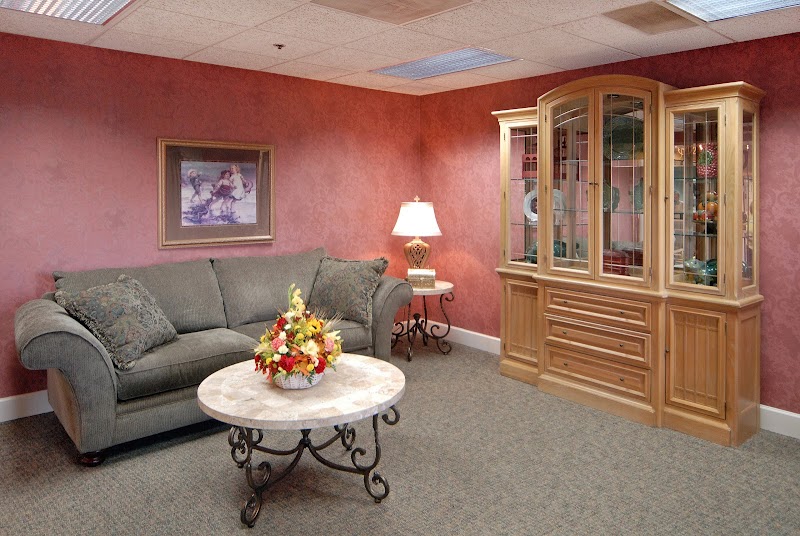
How is Life Of Westminster Staffed?

CMS rates LIFE CARE CENTER OF WESTMINSTER's staffing level at 2 out of 5 stars, which is below average compared to other nursing homes. Staff turnover is 70%, which is 23 percentage points above the Colorado average of 46%. High turnover can affect care consistency as new staff learn residents' individual needs. RN turnover specifically is 70%, which is notably high. RNs provide skilled clinical oversight, so turnover in this role can affect medical care quality.

What Have Inspectors Found at Life Of Westminster?

State health inspectors documented 29 deficiencies at LIFE CARE CENTER OF WESTMINSTER during 2022 to 2025. These included: 3 that caused actual resident harm and 26 with potential for harm. Deficiencies causing actual harm indicate documented cases where residents experienced negative health consequences.
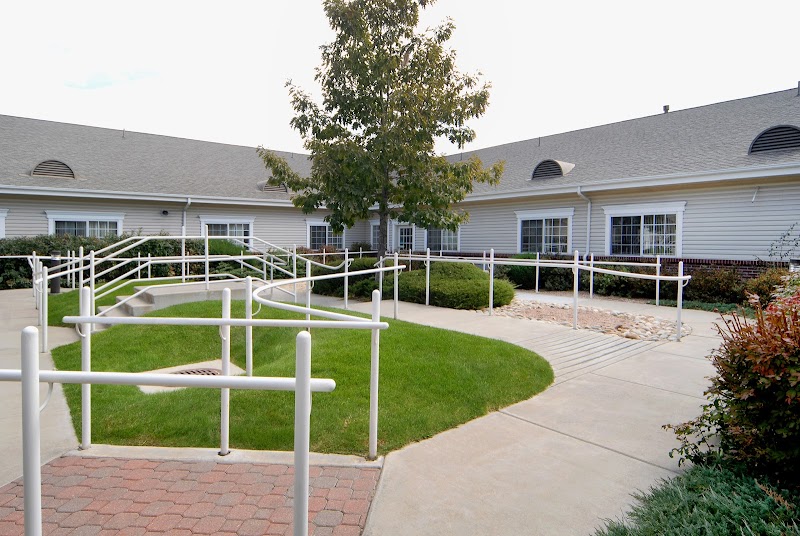
Who Owns and Operates Life Of Westminster?

LIFE CARE CENTER OF WESTMINSTER is owned by a for-profit company. For-profit facilities operate as businesses with obligations to shareholders or private owners. The facility is operated by LIFE CARE CENTERS OF AMERICA, a chain that manages multiple nursing homes. With 120 certified beds and approximately 79 residents (about 66% occupancy), it is a mid-sized facility located in WESTMINSTER, Colorado.
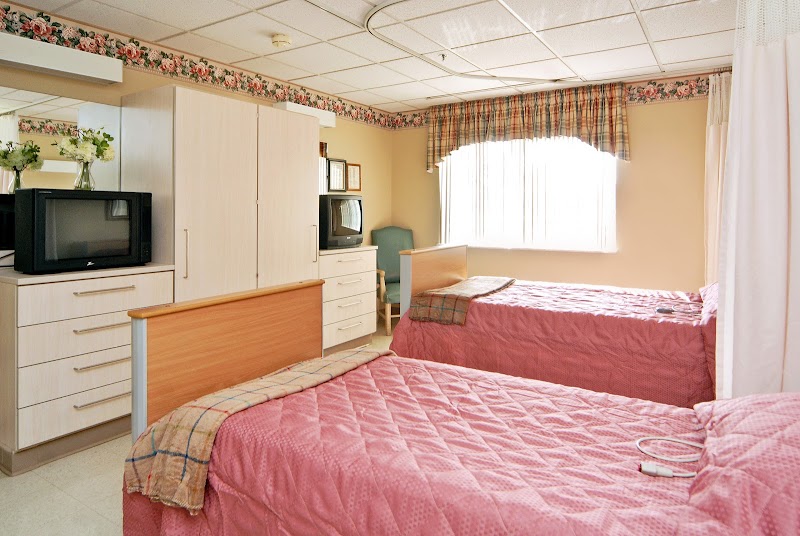
How Does Life Of Westminster Compare to Other Colorado Nursing Homes?

Compared to the 100 nursing homes in Colorado, LIFE CARE CENTER OF WESTMINSTER's overall rating (3 stars) is below the state average of 3.1, staff turnover (70%) is significantly higher than the state average of 46%, and health inspection rating (2 stars) is below the national benchmark.

What Should Families Ask When Visiting Life Of Westminster?

Based on this facility's data, families visiting should ask: "How do you ensure continuity of care given staff turnover, and what is your staff retention strategy?" "Can you walk me through typical staffing levels on day, evening, and night shifts?" "Can I visit during a mealtime to observe dining assistance and food quality?" "How do you handle medical emergencies, and what is your hospital transfer rate?" These questions are particularly relevant given the facility's high staff turnover rate and the below-average staffing rating.

Is Life Of Westminster Safe?

Based on CMS inspection data, LIFE CARE CENTER OF WESTMINSTER has a clean safety record: no substantiated abuse findings (meaning no confirmed cases of resident harm), no Immediate Jeopardy citations (the most serious violation level indicating risk of serious injury or death), and is not on the Special Focus Facility watch list (a federal program monitoring the lowest-performing 1% of nursing homes). The facility has a 3-star overall rating and ranks #100 of 100 nursing homes in Colorado. While no facility is perfect, families should still ask about staff-to-resident ratios and recent inspection results during their visit.

Do Nurses at Life Of Westminster Stick Around?

Staff turnover at LIFE CARE CENTER OF WESTMINSTER is high. At 70%, the facility is 23 percentage points above the Colorado average of 46%. Registered Nurse turnover is particularly concerning at 70%. RNs handle complex medical decisions and coordinate care — frequent RN changes can directly impact care quality. High turnover means new staff may not know residents' individual needs, medications, or preferences. It can also be disorienting for residents, especially those with dementia who rely on familiar faces. Families should ask: What is causing the turnover? What retention programs are in place? How do you ensure care continuity during staff transitions?

Was Life Of Westminster Ever Fined?

LIFE CARE CENTER OF WESTMINSTER has been fined $41,684 across 2 penalty actions. The Colorado average is $33,496. While any fine indicates a compliance issue, fines under $50,000 are relatively common and typically reflect isolated problems that were subsequently corrected. Families should ask what specific issues led to these fines and confirm they've been resolved.

Is Life Of Westminster on Any Federal Watch List?

LIFE CARE CENTER OF WESTMINSTER is not on any federal watch list. The most significant is the Special Focus Facility (SFF) program, which identifies the bottom 1% of nursing homes nationally based on persistent, serious quality problems. Not being on this list means the facility has avoided the pattern of deficiencies that triggers enhanced federal oversight. This is a positive indicator, though families should still review the facility's inspection history directly.