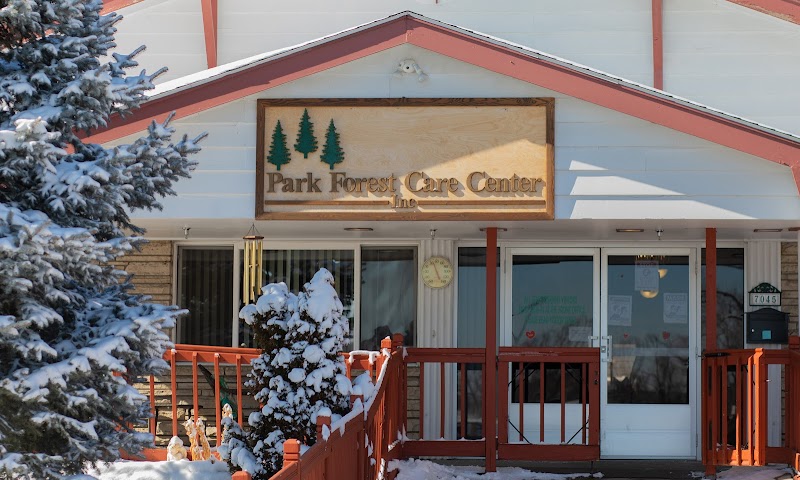
PARK FOREST CARE CENTER, INC.

7045 STUART ST, WESTMINSTER, CO 80030 (303) 427-7045
For profit - Corporation 103 Beds Independent Data: November 2025 1 Immediate Jeopardy citation
Trust Grade
0/100
#193 of 208 in CO
Last Inspection: June 2025

Inspected within the last 6 months. Data reflects current conditions.

Overview

Park Forest Care Center, Inc. has received a Trust Grade of F, indicating significant concerns about the facility's quality and care, placing it in the bottom tier of nursing homes. It ranks #193 out of 208 facilities in Colorado, which means it is in the bottom half, and #12 out of 14 in Adams County, suggesting few local options are better. The trend is worsening, with issues increasing from 3 in 2024 to 7 in 2025, which is troubling for prospective residents. Staffing is a relative strength with a 4 out of 5 rating, although the 54% turnover is average; however, the RN coverage is concerning, being less than 84% of other facilities in the state. While there have been no fines, there are serious incidents reported, including a critical failure to protect residents from abuse and a resident developing a stage 3 pressure injury due to inadequate care. Overall, while there are some staffing strengths, the facility's serious deficiencies and poor overall ratings raise significant red flags for families considering care options.

Trust Score
F
0/100
In Colorado
#193/208
Bottom 8%
Safety Record
High Risk
Review needed
Inspections
Getting Worse
3 → 7 violations
Staff Stability
⚠ Watch
54% turnover. Above average. Higher turnover means staff may not know residents' routines.
Penalties
✓ Good
No fines on record. Clean compliance history, better than most Colorado facilities.
Skilled Nurses
○ Average
Each resident gets 32 minutes of Registered Nurse (RN) attention daily — about average for Colorado. RNs are the most trained staff who monitor for health changes.
Violations
⚠ Watch
28 deficiencies on record. Higher than average. Multiple issues found across inspections.
★☆☆☆☆
1.0
Overall Rating
★★★★☆
4.0
Staff Levels
★★★☆☆
3.0
Care Quality
★☆☆☆☆
1.0
Inspection Score
Stable
2024: 3 issues
2025: 7 issues

The Good

  • 4-Star Staffing Rating · Above-average nurse staffing levels
  • Full Sprinkler Coverage · Fire safety systems throughout facility
  • No fines on record

Facility shows strength in staffing levels, fire safety.

The Bad

1-Star Overall Rating

Below Colorado average (3.1)

Significant quality concerns identified by CMS

Staff Turnover: 54%

Near Colorado avg (46%)

Higher turnover may affect care consistency

The Ugly 28 deficiencies on record

1 life-threatening 1 actual harm
Jun 2025 7 deficiencies
CONCERN (D)

Potential for Harm - no one hurt, but risky conditions existed

PASARR Coordination (Tag F0644)

Could have caused harm · This affected 1 resident

**NOTE- TERMS IN BRACKETS HAVE BEEN EDITED TO PROTECT CONFIDENTIALITY** Based on interviews and record review, the facility failed to coordinate changes to the preadmission screening and resident revi...

Read full inspector narrative →
**NOTE- TERMS IN BRACKETS HAVE BEEN EDITED TO PROTECT CONFIDENTIALITY** Based on interviews and record review, the facility failed to coordinate changes to the preadmission screening and resident review (PASRR) Level II determination and evaluation report promptly with the State Mental Health Agency in the case of residents with serious mental illness or a related condition for one (#38) of two residents reviewed for PASRR out of 35 sample residents. Specifically, the facility failed to notify the State Mental Health Agency when a resident received a new diagnosis (bipolar disorder) of a serious mental disorder for a PASRR Level II evaluation. Findings include: I. Facility policy and procedure The PASRR Evaluation and Screening policy, reviewed 1/29/25, was provided by the nursing home administrator (NHA) on 6/3/25 at 6:51 a.m. It read in pertinent part, Re-screening is required for; a new or changed psychiatric diagnoses, addition or change in psychotropic medication, or worsening behavioral or cognitive symptoms. II. Resident status Resident #38, age [AGE], was admitted on [DATE]. According to the May 2025 computerized physician orders (CPO), diagnoses included unspecified dementia with behavioral disturbances (dated 1/14/22) and bipolar disorder (dated 7/18/24). The 4/17/25 minimum data set (MDS) assessment revealed the resident had moderate cognitive impairments with a brief interview for mental status (BIMS) score of 11 out of 15. The MDS condition list indicated the resident did not have a PASRR Level II diagnosis of major mental illness. III. Resident interview Resident #38 was interviewed on 5/28/25 at 10:35 a.m. She said she was unaware she had been diagnosed with bipolar disorder. IV. Record review The mood care plan, revised 1/23/25, revealed the resident used psychotropic medications related to dementia with behaviors. Interventions, dated 11/14/24, included administering medication as ordered, providing education to the resident on risks and benefits of the medication, and monitoring behaviors and interventions. The May 2025 CPO revealed the following physician orders: -Olanzapine (an antipsychotic medication) 10 milligrams (mg). Give one tablet by mouth at bedtime for dementia with behaviors, ordered on 3/27/25. A nurse practitioner visit note, dated 12/8/23, revealed a new diagnosis of unspecified bipolar disorder. The NP visited the resident at the residents request related to a urinary tract infection (UTI). -Review of Resident #38's electronic medical record (EMR) did not reveal documentation for the basis of the new diagnosis V. Staff interviews The social services director (SSD) was interviewed on 6/2/25 at 3:15 p.m. The SSD said she had not been able to find supportive documentation for the physician's diagnosis of bipolar disorder on 12/8/23 or the addition of bipolar disorder to Resident #38's EMR on 7/18/24. The SSD said when she reviewed the care plans for each resident quarterly, she also reviewed the diagnosis list. She said Resident #28's care plan was reviewed on 8/4/24, 10/28/24, 1/28/25, 2/4/25 and 4/30/25, however she said she had not identified the resident's new diagnosis during those reviews or completed an updated PASRR screening. VI. Facility follow up The NHA provided documentation pertaining to Resident #38's bipolar disorder diagnosis on 6/2/25 at 5:12 p.m. (during the survey). The documentation provided included the following: -An authorization to clarify diagnosis, dated 5/30/25 (during the survey), signed by the physician striking out bipolar disorder from Resident #38's EMR due to lack of history; A submission of a new PASRR screening, dated 5/30/25 (during the survey); and, -An automated notice of determination response to the PASRR screening, dated 5/30/25 (during the survey), revealing she did not trigger for a major mental illness or Level II condition.
CONCERN (D)

Potential for Harm - no one hurt, but risky conditions existed

Accident Prevention (Tag F0689)

Could have caused harm · This affected 1 resident

**NOTE- TERMS IN BRACKETS HAVE BEEN EDITED TO PROTECT CONFIDENTIALITY** IV. Resident #133 A. Resident status Resident #133, age [AGE], was admitted on [DATE]. According to the May 2025 computerized ph...

Read full inspector narrative →
**NOTE- TERMS IN BRACKETS HAVE BEEN EDITED TO PROTECT CONFIDENTIALITY** IV. Resident #133 A. Resident status Resident #133, age [AGE], was admitted on [DATE]. According to the May 2025 computerized physician orders (CPO), diagnoses included dementia with behavioral disturbances and attention-deficit hyperactivity disorder. The 5/22/25 minimum data set (MDS) assessment revealed that Resident #133 was severely cognitively impaired and unable to participate in the brief interview for mental status (BIMS) assessment. According to the staff assessment for mental status, Resident #133 had short term and long term memory deficits, severely impaired decision making skills and continuous disorganized thinking. Resident #133 was not cognitively orientated to staff names and faces, where his room was or what type of facility he was in. He was independent in his activities of daily living (ADL) and ambulated independently. The MDS assessment indicated Resident #133 had not displayed any wandering behaviors within the seven day assessment look back period. -However, Resident #133 eloped from the facility on 5/19/25 (see record review and interviews below). B. Resident interview and observation Several attempts were made to interview Resident #133 on 5/29/25, however the resident became frustrated when questioned and was only able to answer questions related to how his day was going. He was ambulatory and wandering the hallways aimlessly. On 6/2/25 at approximately 4:30 p.m. Resident #133 was in his room. He was not wearing a wanderguard on either of his wrists or on his ankles. The resident did not understand what the wanderguard was and could not say where his wanderguard had gone. C. Record review The cognition care plan, dated 5/29/25 (during the survey), revealed Resident #133 was at high risk for exploitation, neglect or harm related to an inability to advocate for himself. Resident #133 was highly vulnerable due to significant cognitive impairments. He had difficulty understanding or responding to social cues, making him more vulnerable to inappropriate behavior by others. Interventions, dated 5/29/25 (during the survey), included to ensure the room and common areas were arranged to promote safety, assign consistent caregivers as much as possible, and ensure the resident had a clear way to report concerns. The elopement care plan, revised 5/29/25 (during the survey), revealed Resident #133 was an elopement/wanderer risk due to being disorientated to place and a decreased safety awareness. Interventions, revised 5/19/25, included assessing the resident for falls, providing distraction by offering pleasant distractions, and applying a wander alert (wanderguard) to the resident's right hand. Review of Resident #133's May 2025 CPO revealed the following physician orders: Wanderguard to the right hand. Monitor for functioning and placement two times a day for wandering, ordered 5/15/25 and discontinued 6/3/25 (during the survey). A narrative progress note, dated 6/3/25 (during the survey), revealed Resident #133 had a wanderguard device on 6/2/25 and removed it. The device was replaced at 6:00 p.m. (on 6/2/25). At 7:00 a.m. on 6/3/25, it was discovered that Resident #133 had cut his wanderguard device off a second time. The wanderguard was discontinued and 15-minute checks were started, per the resident's preference. -There was no documentation to indicate the resident had gone to an exit door, requiring him to be redirected from attempting to leave by staff, after removing his wanderguard device on 6/2/25 (see RN) #2 interview below). -Additionally, the progress note failed to identify how the 15-minute checks would be effective in keeping the resident safe. An exit seeking/elopement assessment, dated 5/19/25, revealed Resident #133 had requested to take a walk and then stated he was leaving the facility. An unidentified staff member followed him outside and was able to converse with him about general topics. The staff member was unable to redirect Resident #133 back to the facility, and he began walking towards the main road. The staff member walked with him and was finally able to redirect Resident #133 to a nearby store and then back to the facility. The social services director (SSD) reached out to Resident #133's sister to discuss filing for guardianship and completing a health care proxy (a document giving health care decisions to a designated individual after a physician determines the individual to lack capacity to make decisions). The 5/19/25 exit seeking/elopement assessment scored Resident #133 as a low risk for elopement. -However, the resident physically eloped from the facility on 5/19/25. -Review of Resident #133's EMR failed to reveal any additional exit seeking/elopement assessments, despite the fact that the resident removed his wanderguard device twice, once on 6/2/25 and again on 6/3/25, and declined to allow staff to replace the device on 6/3/25 (see above). Review of the CNA behavior charting for Resident #133, from 5/14/25 to 6/3/25, failed to reveal documentation of the resident wandering on 5/19/25 or 6/2/25. -However, Resident #133 actually exited the facility on 5/19/25 and was redirected away from an exit door by facility staff on 6/2/25 (see record review above and RN #2 interview below). D. Staff interviews RN #2 was interviewed on 6/2/25 at 9:45 a.m. RN #2 said Resident #133 had behaviors of wandering aimlessly. She said he would go to the exit doors but the sound of the wanderguard alarm deterred him from trying to leave. She said Resident #133 would stand by the door daily and could be redirected momentarily but would return to the door and was confused as to why he was living in the facility. RN #2 said the nurses checked his wanderguard device twice a shift to ensure it was functional and in place. CNA #3 was interviewed on 6/2/25 at 11:31 a.m. CNA #3 said Resident #133 had behaviors of wandering aimlessly but was pleasant and redirectable. The SSD was interviewed on 6/2/25 at 3:15 p.m. The SSD said Resident #133 had behaviors of exit seeking and attempting to go out of the front door so he had a wanderguard device. The SSD said Resident #133 wandered aimlessly and had severely impaired cognition. RN #2 was interviewed again on 6/3/25 at 11:22 a.m. RN #2 said Resident #133 had removed his wanderguard the previous day (6/2/25) and had gone to one of the exit doors where staff had to redirect him from attempting to leave. RN #2 said he did not want the wanderguard back on so he was placed on 15-minute checks. She said she did not know if a new exit seeking/elopement assessment should be completed because she was new to the facility. The DON was interviewed on 6/3/25 at 3:00 p.m. The DON said Resident #133 had a wanderguard placed on him initially when he was admitted on [DATE] because the hospital had advised the facility that he might have difficulty adjusting to placement, he had been living at home alone after his spouse passed away and then was evicted. She said he was only cognitively orientated to himself and could not tell the facility very much information. The DON said if Resident #133 were to leave the facility, he would be at high risk of becoming lost due to his cognitive impairment. The DON said 6/2/25 was the first time Resident #133 had removed his wanderguard but the facility was not sure how that occurred. The DON said she thought he might have figured out how to cut it off when he was out of the facility with the activities staff on a shopping trip. She said she did not know what the long term interventions were going to be for Resident #133's wandering. She said the immediate intervention was 15-minute checks but she said the facility had not assessed him for alternative interventions. The DON and the NHA were interviewed together on 6/3/25 at 6:30 p.m. The DON said Resident #133 would become overstimulated and confused at times. She said Resident #133 had gone out to the store with the activities staff and found a way to cut off his wanderguard while at the store. The DON said Resident #133 wandered the facility aimlessly and if he continued to show exit seeking behaviors, the facility would have to discharge him to a secure long term care facility. The NHA said Resident #133 had initially perseverated on leaving the facility when he first admitted , but recently had told staff the facility was his home. She said Resident #133 let the facility place a wanderguard on his wrist again on 6/2/25 after removing it, but then he took it off again. The NHA said Resident #133 told her, on 6/3/25, that he would not wear his wanderguard. She said she did not know how he was able to remove his wanderguard the second time. The NHA said the facility did not complete a new exit seeking/elopement assessment after the resident's removal of his wanderguard or his attempt to leave on 6/2/25 because they initiated 15-minute checks. The NHA could not explain how the 15-minute checks were effective or why the facility initiated 15-minute checks instead of completing a new assessment to determine what effective supervision would work best for Resident #133 in order to keep the resident safe from further elopements. III. Resident #9 A. Resident status Resident #9, age greater than 65, was admitted on [DATE]. According to the June 2025 computerized physician orders (CPO), diagnoses included multiple sclerosis (MS), obstructive sleep apnea, seizures, major depressive disorder, dementia, age related osteoporosis and contracture of muscle. The 2/25/25 minimum data set (MDS) assessment revealed the resident had a memory problem, moderately impaired-decisions poor and required cues/supervision. The resident was dependent on staff for all activities of daily living (ADL). B. Resident representative interview The resident's representative was interviewed on 5/29/25 at 9:13 a.m. The representative said Resident #9 was a fall risk and that she needed lifting and transfer assistance. C. Observations During a continuous observation on 5/29/25 beginning at 12:37 p.m. and ending at 2:05 p.m., the following observations were made: Resident #9 was in bed without the fall mat beside her bed throughout the entire continuous observation. -Several unidentified staff members entered Resident #9's room on five separate occasions throughout the observation and failed to ensure Resident #9's fall mat was in place on the floor next to her bed. -Three unidentified staff members walked by Resident #9's room while the door was open and failed to ensure Resident #9's fall mat was in place on the floor next to her bed. During a continuous observation on 6/2/25, beginning at 3:15 p.m. and ending at 4:00 p.m. Resident #9 was in her bed and the fall mat was not in place on the floor next to her bed. D. Record review Resident #9's fall care plan, revised 8/9/23, documented she was at moderate risk for falls and injury secondary to progressive MS with mobility and positioning deficits and seizure disorder. A Broda chair was used for positioning the resident and as her primary mode of mobility. Pertinent interventions included a fall mat (initiated 5/31/22). Resident #9's seizure care plan, revised 5/31/22, documented she had a seizure disorder and potential for injury. Pertinent interventions included a high low bed and a fall mat (initiated 5/31/22). Resident #9's 5/8/25 fall assessment documented the resident was disoriented, at moderate risk for falls due to progressive multiple sclerosis with mobility and positioning deficits with seizure disorder and had three or more diagnoses that could contribute to falls. The assessment documented the resident had had one to two falls in the last 90 days. E. Staff interviews Licensed practical nurse (LPN) #1 and LPN #2 were interviewed together on 6/3/25 at 11:08 a.m. LPN #1 and LPN #2 said it was the responsibility of the CNAs to place the fall mat on the floor if they put Resident #9 back in bed. LPN #1 said the fall mat intervention was not in the resident's treatment administration record (TAR) and she was not sure if the facility still used the fall mat as an intervention for Resident #9. CNA #7 was interviewed on 6/3/25 at 11:15 a.m. CNA #7 said she looked at residents' care plans to see fall interventions. CNA #7 said she did not remember if Resident #9 used a fall mat but would check the care plan for interventions. The DON was interviewed on 6/3/25 at 6:00 p.m. The DON said Resident #9 could move slightly but she did not have purposeful movements. The DON said the fall mat intervention was more appropriate as a seizure activity intervention versus a fall intervention. The DON said if the fall mat was on the care plan as an intervention then the fall mat should have been used.Based on observations, record review and interviews, the facility failed to ensure three (#63, #9 and #133) of seven residents reviewed for accidents out of 35 sample residents received adequate supervision to decrease and/or prevent risk for accident hazards. Specifically, the facility failed to: -Ensure fall interventions were consistently implemented and reviewed for effectiveness for Resident #63 who sustained 14 falls in less than six months; -Ensure care planned fall and seizure activity interventions, specifically a fall mat, were implemented consistently for Resident #9; -Accurately assess Resident #133's initial elopement risk following the resident's elopement on 5/19/25; and, -Reassess Resident #133's elopement risk in order to identify appropriate and effective interventions to ensure the resident would be kept safe from elopement after he removed his wanderguard device on 6/2/25 and on 6/3/25 and refused to allow staff to put the device back on. Findings include: I. Facility policy and procedure The Neurological Assessments and Fall Follow-Up Documentation policy, reviewed 5/13/25, was provided by the nursing home administrator (NHA) on 6/3/25 at 5:20 p.m. It read in pertinent part, It is the policy of this facility that all residents who experience a fall with head involvement or a head injury without a fall receive a 72-hour neurological assessment and documented fall follow-up order to ensure proper monitoring and early detection of complications. All fall-related injuries must be assessed and addressed immediately, and fall interventions must be implemented immediately to reduce the risk of recurrence. Licensed nurses are responsible for conducting, documenting, and following up on all fall-related neurological assessments, interventions and pain monitoring. CNAs (certified nurse aide) and caregivers must report any resident changes, assist in implementing interventions, and monitor pain levels. II. Resident #63 A. Resident status Resident #63, age [AGE], was admitted on [DATE]. According to the May 2025 computerized physician orders (CPO), diagnoses included history of falling, pain in his right hip and dementia. The 4/19/25 minimum data set (MDS) assessment revealed the resident had mild cognitive impairment with a brief interview for mental status (BIMS) score of 11 out of 15. He required supervision assistance with transferring, toileting and personal hygiene. The MDS assessment indicated the resident had a history of two or more falls prior to admission B. Observations on 5/28/25 at 3:50 p.m. Resident #63 was in his room lying in his bed watching television. The resident's call light was on the resident's wheelchair at the foot of the resident's bed. Resident #63 was unable to reach his call light. The resident had socks on both of his feet that did not have anti-slip material on the bottom of them. No floor mat was noted next to his bed and his bed was not in the lowest position close to the floor. C. Resident interview Resident #63 was interviewed on 5/29/25 at 9:39 a.m. Resident #63 said he had fallen at the facility. Resident #63 said he did not think he needed help from the nursing staff. D. Record review Review of Resident #63's fall care plan, created on 6/17/24 and revised 1/29/25, revealed the resident was at risk for falls related to muscle weakness and dementia. Interventions included ensuring the resident's call light was within reach and encouraging the resident to use it for assistance as needed (initiated 6/17/24), promptly responding to all requests for assistance (initiated 6/17/24), anticipating and meeting the resident's needs (initiated 6/17/24), ensuring that the resident was wearing appropriate footwear (sneakers) when ambulating with a four-wheel walker (initiated 8/22/24), moving the resident to a room closer to the nurse's station to help prevent falls/injuries (initiated 12/30/24) providing staff education that the resident could not be left alone on the toilet (initiated 1/2/25) and providing the resident with standby assist to get to bed (initiated 1/2/25). -However, the care plan was not updated after each fall to reflect that the care planned fall interventions were reviewed for effectiveness or when a new intervention was put into place (see falls below). Review of Resident #63's electronic medical record (EMR) revealed the resident sustained the following falls from 12/10/24 to 5/13/25: 1. Fall incident on 12/10/24 - unwitnessed A nurse's note, dated 12/10/24 documented nursing staff heard the loud noise of residents screaming at each other and went to the activity area to check on them. Resident #63 was sitting on the floor. There was a slight redness to the skin on the back of the resident's neck without any open injuries. The residents were separated and the other resident was placed on one-to-one supervision. The other resident reported Resident #63 pushed the other resident's walker first and the other resident responded by pushing Resident #63 to the floor because he was not able to cope with Resident #63 touching his walker with anger first. The interdisciplinary team (IDT) review note, dated 12/16/24, revealed the IDT met and discussed the resident's 12/10/24 fall. The note indicated the new intervention for the resident was to have a referral to behavioral health services (BHS) for evaluation and treatment of the resident's angry outbursts. -However, the IDT's review of the fall was not completed until six days after the fall and after Resident #63 had sustained another fall on 12/14/24 (see below). 2. Fall incident on 12/14/24 - witnessed A nurse's note, dated 12/14/24 documented that the activities assistant called the facility and reported Resident #63 fell while on a facility shopping outing after feeling weak and wobbly in the knees. Resident #63 fell on his right hip and elbow. The resident stated he was in severe pain and the activities assistant did not feel comfortable helping him up. An ambulance was called and the resident was taken to the hospital for further assessment. The fall resulted in a right hip fracture for Resident #63. A nurse's note, dated 12/19/24, documented Resident #63 was readmitted to the facility from the hospital. The resident was reoriented to his room and his call light. The resident's bed was in the lowest position and all of his personal belongings were within reach. His vital signs were stable and he was reporting pain of 6 out of 10 on a 1-10 pain scale in his right hip. The resident was unable to bear any weight to bilateral lower extremities. -However, there was no documentation to indicate additional fall interventions were put into place due to the resident's new inability to bear weight on his lower extremities. -Additionally, there was no documentation in Resident #63's EMR to indicate the IDT had reviewed the resident's 12/14/24 fall to determine the effectiveness of the resident's care planned fall interventions or to determine if there was a need for additional interventions. 3. Fall incident on 12/19/24 - unwitnessed A nurse's note, dated 12/19/24, documented that at approximately 9:20 p.m. staff were notified by Resident #63's roommate that the resident was on the floor. The nurses found Resident #63 lying in a supine position (lying face upward) on the floor, parallel to his bed. The resident reported he was trying to get into his recliner and was unable to stand up and fell to the floor. Neurological assessments were initiated per protocol and were within normal limits. Three staff members used a mechanical lift to assist the resident back to bed and he was assisted with raising the head of his bed to sit up in bed rather than being in his recliner, as he was attempting to do when he fell. The resident was satisfied with the option. Fluids, call light and personal items were all placed at the resident's bedside within reach. Resident #63 denied new/worsening pain. The physician and the resident's representative were notified. An IDT note, dated 12/20/24, documented the IDT met and discussed the 12/19/24fall. The root cause of the fall was determined to be Resident #63's new impulsivity and not using his call light for help. Interventions included moving the resident to a room closer to the nurses' station. 4. Fall incident on 12/20/24 - unwitnessed A nurse's note, dated 12/20/24, documented Resident #63 was observed lying on the floor next to his bed. There was bruising from his previous fall noted to his right thigh. The resident was assisted to bed with three staff members and a mechanical lift. He was moaning with pain to his right hip. There were no new skin injuries noted. -There was no documentation in Resident #63's EMR to indicate the IDT had reviewed the resident's 12/20/24 fall to determine the effectiveness of the resident's care planned fall interventions or to determine if there was a need for additional interventions. 5. Fall incident on 12/25/24 - unwitnessed A nurse's note, dated 12/25/24 documented Resident #63 had an unwitnessed fall at around 10:00 a.m. A certified nurse aide (CNA) reported Resident #63 was found lying on his back on the floor. The resident said he was trying to grab his walker to go to the bathroom but he slid off the bed. The resident was assessed and no new injuries were noted. The resident denied hitting/bumping his head during the fall. Resident #63 was helped to his bed with assistance from two staff members and education was provided to always call using his call light for assistance. The resident was reminded to utilize his urinal that was present at his bedside. The resident's bed was placed in the lowest position and a floor mat was in-place. Frequent checks were maintained to ensure the resident's needs were met due to some mild confusion noted. Neurological assessments and vital signs were initiated and the physician and the resident's representative were notified. -There was no documentation in Resident #63's EMR to indicate the IDT had reviewed the resident's 12/25/24 fall to determine the effectiveness of the resident's care planned fall interventions or to determine if there was a need for additional interventions. 6. Fall incident on 12/27/24 - unwitnessed A nurse's note, dated 12/27/24, documented nursing staff was alerted to come to Resident #63's bathroom as he had an unwitnessed fall. The resident had attempted to stand up from the toilet without calling for assistance. The resident was sitting next to the toilet when the nurse arrived, his range of motion (ROM) was at baseline, he denied hitting his head, there were no red marks or bumps on his head and no abrasions or redness to his back.The resident had bruises that were fading from his previous falls and he had weakness from not walking because of his previous falls. Resident #63 was assisted to a standing position with assistance from a CNA, put back in bed, neurological checks were initiated and the physician was notified. An IDT note, dated 12/30/24 documented the IDT met and discussed the 12/27/24 fall. The new intervention was to educate staff that the resident could not be left on the toilet alone because he would attempt to walk back to bed without assistance and he was unable to walk alone at that time. -However, the intervention to not leave the resident unattended on the toilet was not updated on the care plan to alert staff of the new intervention. 7. Fall incident on 1/17/25 - unwitnessed A nurse's note, dated 1/17/25, documented Resident #63 was sitting on the floor on his fall mat. There was no skin injury noted and the resident was able to move all of his extremities without pain or change in ROM. He was confused and when asked how he got to the floor, he did not respond. The resident's bed was placed in the lowest position at this time. The physician and the nurse on-call were notified of the fall. -There was no documentation in Resident #63's EMR to indicate the IDT had reviewed the resident's 1/17/25 fall to determine the effectiveness of the resident's care planned fall interventions or to determine if there was a need for additional interventions. 8. Three fall incidents on 1/20/25 (eighth, ninth and tenth falls) - unwitnessed A nurse's note, dated 1/20/25 at 9:11 a.m., documented Resident #63 had three unwitnessed falls that morning at 6:40 am and 8:30 am. The note documented a CNA found the resident sitting on his floor mat. This nurse went to the resident's room and found him in a sitting position with both of his legs folded and a smile on his face. The resident was confused and unable to say how he fell. The resident's bed was in the lowest position and his call light was within reach during the incident. The nurse assessed the resident for any injuries and no injuries were noted. The resident was educated to call for help or press the call light. The physician, the resident's representative and the director of nursing (DON) were notified. -The progress note referenced three falls, however the progress note only documented the times for two of the falls and there were no additional progress notes documented for the 6:40 a.m. fall or the 8:30 a.m. fall referenced in the note. A progress note, dated 1/20/25, documented Resident #63 was to be sent to the hospital for increased falls/confusion and agitation. The resident had appeared confused for a few days and he appeared to be more aggressive and agitated with confusion. He had a fall times three today (1/20/25). The physician was aware and provided an order to send him to the hospital for further evaluation. A pharmacy medication review note, dated 1/23/25, documented medications that may have contributed to Resident #63's fall on 1/20/25 or may increase risk of future falls included methocarbamol (muscle relaxant) , oxycodone (pain medication). Other medications included the resident's antihypertensive medications and antidiabetic medication, however the pharmacist indicated those medications did not seem likely considering the circumstances of the resident's fall. The pharmacist's recommendations, based upon the resident's increased frequency of falls and description of the resident being confused, were to reduce the dose of the resident's oxycodone and/or the methocarbamol to reduce confusion, especially if the resident's pain was controlled. A nurse's note, dated 1/24/25, documented Resident #63 was readmitted to the facility from the hospital with a diagnosis of a urinary tract infection(UTI). The resident's mental status was super confused. -However, there was no documentation to indicate additional fall interventions were put into place due to the resident's new diagnosis of a UTI and his increased confusion. -Additionally, there was no documentation in Resident #63's EMR to indicate the IDT had reviewed the resident's three falls on 1/20/25 to determine the effectiveness of the resident's care planned fall interventions or to determine if there was a need for additional interventions. 9. Fall incident on 1/29/25 - unwitnessed A nurse's note, dated 1/29/25, documented nursing staff heard a loud thump from Resident #63's room. Staff rushed into the resident's room and found the resident lying on the floor on his right side. The resident was reporting pain to his left hip. The resident was assisted off the floor and back into his recliner chair. His neurological status was at baseline and the physician, the resident's representative and the DON were notified. The physician gave an order to obtain a pelvic Xray. A therapy note, dated 1/30/25, documented Resident #63 fell while attempting to sit in his wheelchair without locking the brakes first. Therapy would be installing an anti-rollback device this date in order to decrease the resident's fall risk and the resident would continue with therapy services. An IDT note, dated 1/30/25 documented the IDT had reviewed #63's 1/29/25 fall. The IDT implemented a new intervention to apply anti-rollback devices to the resident's wheelchair. -However, the intervention for the anti-rollback devices was not updated on the care plan to alert staff of the new intervention. 10. Fall incident on 3/12/25 - unwitnessed A nurse's note, dated 3/12/25, documented nursing staff found Resident #63 on the floor in his bathroom sitting upright. He was not a good historian and was unable to give an account of how he got on the floor. A head to toe assessment was completed and the resident had no noted physical injury. Resident #63 was helped back to his feet and back to bed. The physician, the resident's representative and the on-call nurse were notified. A therapy note, dated 3/12/25, documented Resident #63 was participating in physical therapy (PT) for fall prevention, functional strength training and to return the resident to his prior level of functioning. The resident was actively participating and making progress towards the established therapy goals. The resident was currently on a toileting program every two hours from 8:00 a.m. to 8:00 p.m., as was recommended by occupational therapy (OT). The note indicated the IDT had added a toileting schedule for the middle of the night in order to decrease the resident's risk for falling in the bathroom again. -However, the intervention for the toileting program was not updated on the care plan to alert staff of the new intervention. -Additionally, there was no documentation in the resident's EMR to indicate staff was following the toileting program schedule for Resident #63. 11. Fall incident on 4/30/25 - unwitnessed A nurse's note, dated 4/30/25, documented Resident #63 had a small amount of blood on the top of his head. The resident said he did not fall, but he bumped his head on the dresser. The area to the right side top of his head was cleansed with wound cleanser and left open to air. Neurological checks were started. The resident had no complaints of pain/discomfort. The physician, the resident's representative, the DON and the on-call nurse were notified. An IDT note, dated 5/1/25, documented the IDT had reviewed Resident #63's 4/30/25 fall. The resident was offered padding for his dresser, however, he declined to allow staff to put any padding on his furniture. The resident said he would be more careful when putting clothes away in his room. 12. Fall incident on 5/13/25 - unwitnessed A nurse's note, dated 5/13/25, documented Resident #63 had an unwitnessed fall. Resident #63 reported he was getting in his chair and the dresser moved. An assessment was completed and there was no injury noted. Neurological checks and ROM were within normal limits for the resident. The resident had no complaints of pain/discomfort. The physician and the resident's representative were notified. Staff offered to move the furniture in the room but the resident declined. The resident's dresser was being secured to the floor to prevent it from moving when the resident transferred. -There was no documentation in Resident #63's [TRUNCATED]
CONCERN (D)

Potential for Harm - no one hurt, but risky conditions existed

Respiratory Care (Tag F0695)

Could have caused harm · This affected 1 resident

**NOTE- TERMS IN BRACKETS HAVE BEEN EDITED TO PROTECT CONFIDENTIALITY** Based on observations, record review and interviews, the facility failed to ensure one (#184) of two residents who required resp...

Read full inspector narrative →
**NOTE- TERMS IN BRACKETS HAVE BEEN EDITED TO PROTECT CONFIDENTIALITY** Based on observations, record review and interviews, the facility failed to ensure one (#184) of two residents who required respiratory care received care consistent with professional standards of practice out of 35 sample residents. Specifically, the facility failed to ensure oxygen was administered as ordered by the physician for Resident #184. Findings include: I. Facility policy and procedure The Respiratory Care and Oxygen Administration policy and procedure, revised 5/13/25, was provided by the nursing home administrator (NHA) on 6/3/25 at 5:22 p.m. It read in pertinent part, The facility provides respiratory care, including the administration of oxygen, in accordance with medical orders and based on residents' clinical needs. Care shall be safe and evidence-based. Procedures, including respiratory care, must be ordered by a physician, nurse practitioner, or physician's assistant. Nursing staff will assess residents for signs of respiratory distress upon admission and routinely thereafter. Respiratory orders must specify oxygen flow rate, delivery method and frequency. Verify the physician's order prior to administration. Observe respiratory rate, oxygen saturation, breath sounds, and effort at least every shift. II. Resident #184 A. Resident status Resident #184, age less than 65, was admitted on [DATE] and readmitted on [DATE]. According to the May 2025 computerized physician orders (CPO), diagnoses included cardiac arrest (when the heart stops beating suddenly), acute respiratory failure with hypoxia, anoxic brain damage (when the brain is deprived of oxygen for a period, leading to damage or death of brain cells), cerebrovascular disease, dependence on supplementary oxygen and seizures. The 4/15/25 minimum data set (MDS) assessment revealed the resident was unable to complete a brief interview for mental status (BIMS) assessment. According to the staff assessment for mental status, the resident had short-term and long-term memory deficits, severely impaired decision making and continuous disorganized thinking. Resident #184 was not cognitively oriented to staff names and faces. He was dependent on staff for all of his activities of daily living (ADLs). According to the MDS assessment, the resident had a debilitating cardiorespiratory condition and respiratory failure. The MDS assessment identified the resident required oxygen therapy, suctioning and tracheostomy care. B. Observations On 5/28/25 at 2:14 p.m. Resident #184 was lying in bed. Resident #184 had a tracheostomy inserted through the center of his throat, with oxygen running through the tracheostomy. His oxygen concentrator was turned on and set at approximately 4.8 liters per minute (LPM) of oxygen. Resident #184 was partially awake and was taking deep breaths. The resident would open his eyes momentarily, take a deep breath, and close his eyes. On 5/29/25 at approximately 9:44 a.m. Resident #184 was in bed, lying flat with his face pointed up toward the ceiling. His tracheostomy was attached to his trachea with an oxygen tube connected to the tracheostomy. His oxygen concentrator was set at 4.8 LPM of oxygen. On 6/2/25 at approximately 11:40 a.m. registered nurse (RN) #1 entered Resident #184's room to set up a formula for the resident's tube feeding. RN #1 donned (put on) a protective gown and gloves. RN #1 performed tracheostomy care, administered medications via the resident's gastrostomy tube, checked the resident's pulse oximetry and then left the resident's room after disposing of the gown and gloves. -RN #1 failed to check the liter flow of oxygen for Resident #184 or identify that the resident was receiving 4.8 LPM of oxygen instead of the continuous 4 LPM of oxygen that was specified by the resident's physician's order for oxygen (see physician's order below). C. Record review A review of Resident #184's May 2025 CPO revealed the following physician's order: Resident on 4 LPM of oxygen via trach (tracheostomy) every shift for shortness of breath (SOB), ordered 3/6/25. Further review of the resident's physician order history revealed Resident #184 had a physician's order for 6 LPM of oxygen via tracheostomy that was discontinued on 3/6/25. The oxygen care plan, revised 1/29/25, revealed Resident #184 received oxygen therapy related to respiratory failure with hypoxia. -The care plan did not include that Resident #184 required oxygen at 4 LPM via tracheostomy. The May 2025 oxygen saturation log, between 5/1/25 and 5/31/25, documented Resident #184's oxygen saturation levels (level of oxygen in the blood) were checked two to three times a day and ranged between 91 percent (%) and 97%. D. Staff interviews RN #1 was interviewed on 6/2/25 at 11:46 a.m. RN #1 said Resident #184 had a physician's order for 4 LPM of oxygen via tracheostomy. RN #1 confirmed the resident was receiving 4.8 LPM of oxygen instead of 4 LPM. RN #1 said she did not know why the resident' oxygen concentrator was set to 4.8 LPM. RN #1 said she did not check the resident's oxygen settings at the start of her shift and she was not aware that Resident #184 was receiving more oxygen than the physician's order specified he should receive. She said only nurses were allowed to adjust oxygen settings on the concentrators. RN #1 said there was no titration order (order that includes a target oxygen saturation level and instructions for gradually adjusting the oxygen flow rate to maintain that oxygen saturation level target) with the resident's order and the concentrator should be left at 4 LPM. RN #1 said Resident #184 was not physically able to adjust the oxygen setting himself. Licensed practical nurse (LPN) #3 was interviewed on 6/2/25 at 2:05 p.m. LPN #3 said Resident #184 had a physician's order for 4 LPM of oxygen via tracheostomy with no titration order. LPN #3 said oxygen was a medication and required a physician's order to initiate oxygen therapy. LPN #3 said a physician's order for the use of oxygen should be followed to avoid complications associated with high levels of oxygen in the blood. The director of nursing (DON) and the NHA were interviewed together on 6/3/25 at 12:45 p.m. The DON said all nursing staff were responsible for ensuring that oxygen was administered according to the physician's orders. The DON said only nurses were permitted to set, titrate and initiate oxygen therapy. The DON said nurses should check the settings of each residents' oxygen concentrator at least once every shift. The NHA said a physician's order for oxygen should include the diagnosis explaining the reason oxygen was needed, the flow rate for the oxygen, duration of use and the delivery method for the oxygen. The NHA said nursing staff would be re-educated immediately on the need to ensure oxygen orders were followed. E. Facility follow-up On 6/4/25 at 2:15 p.m., following the survey exit, the NHA provided the following information via email: The NHA's email revealed the facility's respiratory therapist (RT) was consulted to reassess the appropriateness of Resident #184's existing oxygen order. According to the NHA, the facility's RT concluded that, based on Resident #184's chronic tracheostomy and fluctuating respiratory status, a titrated oxygen range order was more clinically appropriate for the resident than a continuous fixed flow rate of oxygen. The information submitted by the NHA revealed Resident #184's physician's order for 4 liters LPM of oxygen was discontinued on 6/4/25 at 1:15 p.m. and the following physician's order was obtained: -Oxygen delivery via tracheostomy cannula: administer oxygen via a humidified tracheostomy. Flow rate range: 4 LPM to 10 LPM, maintain oxygen saturation between 88% and 100% every shift for altered respiratory status. If SpO2 (oxygen saturation level) falls below 88%, increase flow by 1 LPM every 5 (five) minutes up to a maximum of 10 LPM. Notify the physician if oxygen requirement exceeds 10 LPM or if signs of respiratory distress are observed.
CONCERN (D)

Potential for Harm - no one hurt, but risky conditions existed

Deficiency F0760 (Tag F0760)

Could have caused harm · This affected 1 resident

**NOTE- TERMS IN BRACKETS HAVE BEEN EDITED TO PROTECT CONFIDENTIALITY** Based on record review and interviews, the facility failed to ensure residents were free from significant medication errors for ...

Read full inspector narrative →
**NOTE- TERMS IN BRACKETS HAVE BEEN EDITED TO PROTECT CONFIDENTIALITY** Based on record review and interviews, the facility failed to ensure residents were free from significant medication errors for one (#55) of six residents reviewed for medications errors out of 35 sample residents. Specifically the facility failed to ensure Resident #55 was administered Percocet (pain medication) per physician's orders. Findings include: I. Professional reference According to [NAME], P.A., [NAME], A.G., et.al., Fundamentals of Nursing, 10 ed. (2022), E.[NAME], St. Louis Missouri, pp. 606-607. Take appropriate actions to ensure the patient receives medication as prescribed and within the times prescribed and in the appropriate environment. Professional Standards such as nursing scope and standards of practice apply to the activity of medication administration. To prevent medication errors, follow the seven rights of medication administration consistently every time you administer medications. Many medication errors can be linked in some way to an inconsistency in adhering to these seven rights: 1. The right medication 2. The right dose 3. The right patient 4. The right route 5. The right time 6. The right documentation 7. The right indication. II. Resident #55 A. Resident status Resident #55, age greater than 65, was admitted on [DATE]. According to the May 2025 computerized physician orders (CPO), diagnoses included acute myocardial infarction (heart attack), chronic obstructive pulmonary disease (lung disease), acute and chronic respiratory failure, fractured thoracic vertebra (12 bones of the vertebrae), heart failure and chronic respiratory failure. The 4/22/25 minimum data set assessment (MDS) revealed the resident was cognitively intact with a brief interview for mental status (BIMS) score of 14 out of 15. She required substantial assistance bathing, moderate assistance with dressing and hygiene, and set-up assistance for meals. The assessment documented the resident was on a scheduled pain medication regimen, received as needed pain medication and received non-medication intervention for pain. The assessment revealed the resident frequently had pain that frequently affected her sleep and day-to-day activities and pain intensity was seven out of 10. B. Resident interview Resident #55 was interviewed on 5/28/25 at 11:00 a.m. Resident #55 said she did not feel like the facility effectively managed her pain and her pain medication needed to be adjusted. III. Record review Resident #55's pain care plan, revised 12/18/24, documented she was at risk for pain due to diagnoses of heart failure, history of myocardial infarction, chronic obstructive pulmonary disease,and a history of fractured thoracic vertebra, muscle spasms, and chronic kidney disease. Pertinent interventions, initiated 10/2/24, included to anticipate the resident's need for pain relief and respond immediately to any complaint of pain, to identify and record previous pain history and management of that pain and impact on function, to monitor/document for probable cause of each pain episode and remove/limit causes where possible and to notify the physician if interventions are unsuccessful or if current complaint was a significant change from residents past experience of pain. The resident's pain medication care plan, revised 8/17/24, documented the resident was on pain medication therapy due to back pain. Pertinent interventions included to administer analgesic medications as ordered by the physician and monitor and document the side effects every shift, asking the physician to review medication if the side effects persist and assessing whether the pain intensity was acceptable to the resident The resident's care plan documented she had a history of fracture to her thoracic vertebrae and diagnosis. She was at risk for pain, fracture, and falls, and generalized weakness, revised 10/10/24. Pertinent interventions included to give pain and anti-inflammatory medications as ordered and monitor the side effects and handle gently when moving or positioning. A review of Resident #55's May 2025 CPO revealed the resident had physician's orders for the following medications: -Oxycodone 5 milligrams (mg) by mouth, one tablet by mouth every 12 hours as needed for pain management, ordered 5/13/25. -Percocet 325 milligrams (mg) by mouth three times a day for chronic pain, ordered 5/13/25. Resident #55's May 2025 Medication administration record (MAR) revealed the resident did not receive her percocet as ordered for two of two opportunities on 5/15/25. A 5/15/25 nurses progress note documented at 1:47 a.m. the resident was being monitored for a decrease in oxycodone and added Percocet. The resident stated that the change in medication was not helping and that she wanted it switched back. A 5/15/25 administration note documented at 12:15 the Percocet was on order and not administered to the resident. A 5/15/25 administration note documented at 12:16 p.m. Resident #55 requested oxycodone for pain level of 8 out of 10. A 5/15/25 administration note documented at 4:45 p.m. the Percocet was on order and not administered to the resident. A 5/15/25 administration note documented at 4:52 p.m. the oxycodone pain administration was ineffective and the follow-up pain scale was an 8 out of 10. A 5/15/25 administration note documented at 6:15 p.m. revealed the resident was on follow-up monitoring for a decrease in dosage of oxycodone and addition of Percocet. The resident reported she was never notified of the change in dosage and addition of percocet. -However, there were no progress note documented to indicate the resident's physician had been notified Resident #55's pain medication was not available and not administered to the resident, and the resident's medication was ineffective in treating her pain. IV. Staff interviews The director of nursing (DON) was interviewed on 6/3/25 at 1:10 p.m. The DON said Resident #55 was previously on scheduled oxycodone that had been changed to as needed on 5/13/25 and scheduled Percocet was added. The DON said on 5/15/25 the Percocet was prescribed and nothing else was given to the resident except the as needed oxycodone. The DON said the nurse should notify the physician if a medication was not available to administer. The DON said the pharmacy could tell the facility when a medication was being delivered to the facility. The DON said the Percocet was an added prescription and not a change in the order. The DON said if the facility did not have the Percocet the nurses could pull something from the ekit (a medical supply kit). The DON said the nurse should have called and notified the physician the medication was not available
CONCERN (E)

Potential for Harm - no one hurt, but risky conditions existed

Deficiency F0565 (Tag F0565)

Could have caused harm · This affected multiple residents

Based on record review and interviews, the facility failed to ensure prompt action was taken upon the filing of a grievance of a group. Specifically, the facility failed to make prompt efforts to reso...

Read full inspector narrative →
Based on record review and interviews, the facility failed to ensure prompt action was taken upon the filing of a grievance of a group. Specifically, the facility failed to make prompt efforts to resolve resident grievances brought up by the resident council. Findings include: I. Facility policy and procedure The Grievance policy, reviewed 5/13/25, was provided by the nursing home administrator (NHA) on 6/3/25 at 6:51 a.m. It read in pertinent part, All grievances are forwarded to the grievance official and a written acknowledgment is provided to the complainant within three calendar days of receipt. The grievance official conducts a prompt investigation. Written resolution is provided within 14 calendar days. If more time is needed, interim updates are provided, with justification for delay. II. Resident group interview Five alert and oriented residents (#65, #33, #18, #76 and #39) who regularly attended the resident council meetings were interviewed on 6/2/25 at 1:00 p.m. The residents were identified as alert and oriented through facility and assessment. The group of residents said the facility did not follow up on grievances brought up in the resident council meetings. Resident #76 said when a grievance came up in the resident council meeting the department head tried to address it during the meeting but the manager did not complete a grievance form. Resident #65 said if it was an individual grievance, the department head would follow-up with the individual resident. Resident #65 said if it was a group grievance a resolution was not consistently brought back to the next resident council meeting by the facility. III. Record review A review of the resident council meeting minutes, dated 3/6/25, revealed the residents brought up concerns regarding the men's section of the building needing increased heat, an individual resident needing a call light, short staffing, lazy night staff and requests for increased activities. -Review of the March 2025 resident council minutes did not reveal documentation indicating the facility had addressed the residents' concern. A review of the resident council meeting minutes, dated 4/3/25, revealed the residents brought up concerns regarding long call light times, cold shower water, short nursing staff, adding more vegetarian options for meals, limited snack options, increased lighting outside of the building, an individual resident's complaint of low toilets and an individual residents complaint regarding problems with wheelchair wheels. -Review of the April 2025 resident council minutes did not reveal documentation indicating the facility had addressed the residents' concerns. A review of the resident council meeting minutes, dated 5/1/25, revealed the residents brought up concerns regarding the need for improvements in taking resident's food orders, ensuring personal items, like newspapers, were not thrown away by housekeeping, requests for maintenance to install locks on drawers for individual residents, and and an individual residents complaint regarding problems with wheelchair wheels. -Review of the May 2025 resident council minutes did not reveal documentation indicating the facility had addressed the residents' concern. IV. Staff interviews The social services director (SSD) was interviewed on 6/2/25 at 3:15 p.m. The SSD said she facilitated the resident council meetings and the facility had a process for addressing individual resident grievances but there was not a process for following up on group grievances generated during resident council. She said the manager present at the meeting whose department would be responsible for the grievance, would talk about how they planned to resolve it in the meeting. The SSD said if the concern involved a maintenance issue, the maintenance director would initiate a work order to resolve the concern. V. Facility follow up The NHA sent an email on 6/3/25 at 10:03 a.m. with evidence of work orders as follows; A work order, dated 3/6/25, for the individual resident who needed a call light and had complaints regarding a low toilet. A work order, dated 4/3/25, for the individual resident with wheelchair wheel complaints. A work order, dated 5/2/25, for lock installation on drawers for the residents who requested the locks and housekeeping education regarding disposing of resident items like newspapers. -No grievances or evidence of resolution was provided for any other resident council grievances.
CONCERN (E)

Potential for Harm - no one hurt, but risky conditions existed

Infection Control (Tag F0880)

Could have caused harm · This affected multiple residents

**NOTE- TERMS IN BRACKETS HAVE BEEN EDITED TO PROTECT CONFIDENTIALITY** Based on observations and interviews, the facility failed to maintain an infection control program designed to provide a safe, s...

Read full inspector narrative →
**NOTE- TERMS IN BRACKETS HAVE BEEN EDITED TO PROTECT CONFIDENTIALITY** Based on observations and interviews, the facility failed to maintain an infection control program designed to provide a safe, sanitary and comfortable environment to help prevent the possible development and transmission of infectious diseases. Specifically, the facility failed to: -Ensure housekeeping staff followed appropriate infection control guidelines when cleaning residents' bathrooms; -Ensure housekeeping staff applied alcohol-based hand sanitizer per guidelines when cleaning residents' rooms; -Ensure staff donned appropriate personal protective equipment (PPE) when providing direct care for Resident #45, who was on enhanced barrier precautions (EBP); and, -Ensure staff donned appropriate PPE when providing wound care for Resident #16, who was on EBP. Findings include: I. Housekeeping failures A. Professional reference The Centers for Disease Control and Prevention's (CDC) Environment Cleaning Procedures, (revised 3/19/24) was retrieved on 6/5/25 from https://www.cdc.gov/healthcare-associated- infections/hcp/cleaning-global/procedures.html?CDC_AAref_Val=https://www.cdc.gov/hai/pre ent/resource-limited/cleaning-procedures.html#cdc_generic_section_2-4-1-general-environmental-cleaning-techniques. It read in pertinent part, Proceed from cleaner to dirtier areas to avoid spreading dirt and microorganisms. Examples include: during terminal cleaning, clean low-touch surfaces before high-touch surfaces, clean patient areas (patient zones) before patient toilets, within a specified patient room, terminal cleaning should start with shared equipment and common surfaces, then proceed to surfaces and items touched during patient care that are outside of the patient zone, and finally to surfaces and items directly touched by the patient inside the patient zone. In other words, high-touch surfaces outside the patient zone should be cleaned before the high-touch surfaces inside the patient zone and clean general patient areas not under transmission-based precautions before those areas under transmission-based precautions. According to the CDC's Hand Sanitizer Guidelines and Recommendations (3/12/24), retrieved from https://www.cdc.gov/clean-hands/about/hand-sanitizer.html#:~:text=Apply%20the%20gel%20product%20to,should%20take%20around%2020%20seconds., on 6/10/25, Cleaning hands at key times with soap and water or hand sanitizer that contains at least 60% alcohol is one of the most important steps you can take to avoid getting sick and spreading germs to those around you. Apply the gel product to the palm of one hand; Cover all surfaces of hands; and, Rub your hands and fingers together until they are dry. This should take around 20 seconds. Don't rinse or wipe off the hand sanitizer before it's dry; it may not work well against germs. B. Facility policy and procedure The Housekeeping and Environmental Cleanliness policy, revised 11/13/24, was provided by the nursing home administrator (NHA) on 5/29/25 at 10:33 a.m. It read in pertinent part, To ensure that the facility is maintained in a clean, sanitary, and orderly condition to promote resident safety and comfort. Resident rooms are cleaned daily and as needed, and bathrooms disinfected with approved products. All housekeeping staff are trained upon hire and annually in infection control practices, safe chemical handling and proper cleaning techniques. C. Observations During a continuous observation on 6/3/25 at 8:50 a.m., housekeeper (HK) #1 was observed cleaning room [ROOM NUMBER] and room [ROOM NUMBER]. HK #1 pushed the cleaning cart to the entrance of room [ROOM NUMBER]. She opened the cart and donned (put on gloves), entered the room and emptied two trash cans. She returned to the cart, removed her gloves, applied alcohol-based hand sanitizer and immediately donned a pair of gloves. She struggled to put on the gloves due to her hands being visibly wet with the alcohol-based hand sanitizer. HK #1 entered room [ROOM NUMBER] again and cleaned the high-touch areas, including the door knobs, bed controller, call light, and bedside table. She returned to her cart, removed a blue rag and disinfectant solution from the cart and entered the resident's bathroom. HK #1 sprayed a blue disinfectant solution onto the bathroom sink and cleaned the bathroom mirror. She used the blue rag to clean the mirror and the sink. HK #1 returned to the cleaning cart and placed the disinfectant solution on the cart. She removed her gloves, applied alcohol-based hand sanitizer and immediately applied clean gloves without allowing her hands to dry. HK #1 returned to room [ROOM NUMBER]'s bathroom with the blue disinfectant solution and a scrubbing brush. She sprayed the toilet with the disinfectant solution and allowed it to sit for approximately one minute. She used the blue rag to wipe the seat of the toilet, the rim of the toilet and around the toilet bowl. She wiped the side of the toilet again,the side of the toilet tank, the front of the toilet tank and the top of the toilet tank with the same blue rag. She sprayed the grab bar on the right side of the toilet wall with the disinfectant solution and wiped it with the same blue rag. HK #1 swept and mopped the floor in room [ROOM NUMBER] before pushing the cleaning cart to the entrance of room [ROOM NUMBER]. -HK #1 did not rub her hands with the hand sanitizer until they were dry before applying gloves. -HK #1 failed to clean the bathroom from a cleaner area to a dirtier area HK #1 used hand sanitizer, immediately donned gloves without allowing the hand sanitizer to dry and entered room [ROOM NUMBER]. She emptied two trash cans and proceeded to the cleaning cart to discard the trash from the resident's room. She took off her gloves, applied hand sanitizer, and immediately donned new gloves, again without rubbing her hands until the hand sanitizer was dry. She removed the container of disinfectant solution and a blue rag from her cart and washed the inside of the sink, the mirror and the surface of the sink in the resident's bathroom. She returned the container to the cart. HK #1 removed a toilet brush, a new blue rag and the disinfectant solution spray from the cleaning cart and proceeded to room [ROOM NUMBER]'s bathroom. The toilet seat had splashes of urine on the surface. She sprayed the disinfectant solution onto the surface of the toilet seat and the inside of the toilet bowl and scrubbed it with the toilet brush. She placed the toilet brush into the brush holder, which she placed on the dirty floor beside the toilet bowl. HK #1 picked up the scrubbing brush holder from the floor and placed it on the cleaned surface of the bathroom sink. HK #1 then sprayed the toilet with the disinfectant solution spray bottle and used the blue rag to wipe the toilet seat, the rim of the toilet, the back of the toilet, both sides of the toilet, the top of the toilet tank, around the toilet tank and finished by wiping the toilet seat again. -HK #1 failed to clean the bathroom from cleaner to dirtier areas to avoid spreading dirt and microorganisms. -HK #1 failed to avoid contaminating clean surfaces by placing a dirty toilet brush container on the cleaned sink surface. -HK #1 did not rub her hands with hand sanitizer until they were dry before applying gloves. D. Staff interviews HK #1 was interviewed on 6/3/25 at 9:22 a.m. HK #1 said she found it difficult to don gloves because her hands were wet with the hand sanitizer. She said it would have been easier to apply gloves if she had allowed her hands to dry before applying gloves. She said hand sanitizers were less effective if not used properly. She said she should not have placed the scrubbing brush from the toilet on the cleaned surface of the sink in the bathroom to prevent cross-contamination of microorganisms. She said the residents' toilets should have been cleaned from top to bottom. She said she forgot not to use the same cleaning rag for the toilet and the grab bar in the room [ROOM NUMBER]'s bathroom. The housekeeping supervisor (HKS) was interviewed on 6/3/25 at 9:30 a.m. The HKS said the toilet brush should never be placed on any clean surface after using it to clean the toilet. She said the toilet should be cleaned with a clean rag from top to bottom. She said HK #1 should not have used the same rag to clean the toilet and the grab bar in room [ROOM NUMBER]'s bathroom. The HKS said HK #1 should have allowed her hands to dry before applying gloves for the hand sanitizer to be effective She said she would immediately re-educate HK #1 and all housekeeping staff on proper cleaning procedures. II. EBP failures A. Professional reference According to The Centers for Disease Control and Prevention's (CDC) Implementation of Personal Protective Equipment (PPE) Use in Nursing Homes to Prevent Spread of Multidrug-Resistant Organisms (MDROs) (4/2/24), retrieved on 6/4/25 from https://www.cdc.gov/long-term-care-facilities/hcp/prevent-mdro/PPE.html, EBP are an infection control intervention, designed to reduce transmission of resistant organisms, that employ targeted gown and glove use during high contact resident care activities. Nursing home residents with wounds and indwelling medical devices are at especially high risk of both acquisition of and colonization with MDROs. The use of gown and gloves for high-contact resident care activities is indicated, when contact precautions do not otherwise apply, for nursing home residents with wounds and/or indwelling medical devices regardless of MDRO colonization, as well as for residents with MDRO infection or colonization. Examples of high-contact resident care activities requiring gown and glove use for enhanced barrier precautions include dressing, bathing/showering, transferring, providing hygiene, changing linens, changing briefs or assisting with toileting, device care or use (central line, urinary catheter, feeding tube, tracheostomy/ventilator) and wound care, any skin opening requiring a dressing. B. Facility policy and procedure The Infection Control policy, revised 11/13/24, was provided by the NHA on 5/29/25 at 10:33 a.m. It read in pertinent part, Enhanced barrier precautions are used for residents with wounds, indwelling devices such as catheters, tracheostomies or those at high risk of multidrug-resistant organisms (MDROs) colonization, even if they are not known to be infected. Used for residents in high-risk categories in nursing homes, especially during MDRO outbreaks or colonization events, requirements include gloves and gowns during high-contact resident care activities such as dressing, bathing, toileting and device care. Enhanced signage and personal protective equipment (PPE) in the resident care area, staff education and competency validation on all isolation practices, monitoring and auditing compliance through direct observation. All staff are trained and regularly audited to ensure adherence to these guidelines and to protect the health and safety of all individuals in the facility. C. Resident #45 1. Observations On 5/29/25 at 1:40 p.m. Resident #45 was lying in bed. He turned his call light on and certified nurse aide (CNA) #2 responded to the resident's call light. CNA #2 entered the resident's room and asked the resident what she could do to assist him. Resident #45 asked to be repositioned in bed. CNA #2 removed both of the resident's feet from his pressure injury boots (bunny boots) and held the resident's legs and feet to adjust them. Resident #45 had a diabetic wound on his right second toe, a diabetic foot ulcer with wounds to his left heel and wounds on his sacrum (buttocks). CNA #2 held Resident #45's feet without gloves, applied the bunny boots to the resident's feet and repositioned the resident using a wedge cushion. -CNA #2 failed to put on gloves or a gown before assisting Resident #45, who had wounds which required the use of EBP, to reposition. On 6/2/25 at 11:25 a.m., a restorative nurse aide (RNA) #6 arrived at Resident #45's bedroom to provide range of motion (ROM) exercises in the resident's bed. RNA #6 applied gloves but did not don a protective gown. He touched the resident's right hand and aligned it with his hands to provide ROM. RNA #6 removed the bunny boots from the resident's feet and held the resident's feet from below the heel area with his left hand. RNA #6 began providing ROM to Resident #45's feet. RNA #6 held the resident's feet close to the area of his diabetic wounds while providing ROM. -RNA #6 failed to put on a protective gown before providing ROM to Resident #45. On 6/2/25 at approximately 1:15 p.m. CNA #1 responded to Resident #45's call light and the resident requested to be changed. CNA #45 applied gloves, lifted the resident's bed and removed the resident's bed linens and started changing the resident. -CNA #1 failed to don a protective gown while changing Resident #45. D. Resident #16 1. Observations On 5/29/25 at 11:22 a.m. a sign on Resident #16's door indicated the resident was on EBP. The sign on the resident's door indicated gloves and a gown must be worn for resident care activities, including dressing, bathing/showering, transferring, linen changes, providing hygiene, changing briefs or assisting with toileting and device care or use, such as central lines, urinary catheters, feeding tubes, tracheostomies and wound care. Gloves and blue gowns were observed in Resident #16's room in clear plastic bins. On 5/29/25 at 11:24 a.m. licensed practical nurse (LPN) #1 was completing wound care with a dressing change for Resident #16, who had a pressure wound on her sacral area. The wound was observed in the sacral area with clear, yellow tinged drainage. LPN #1 had gloves on. -However, LPN #1 failed to put on a gown prior to performing wound care with the resident. 2. Resident interview Resident #16 was interviewed on 5/29/25 at 11:30 a.m.Resident #16 said when the nurses were changing her wound dressing, the nurses would put on gloves but they never wore a gown. E. Staff interviews LPN #1 was interviewed on 5/29/25 11:38 a.m. LPN #1 said Resident #16 was on EBP because the resident had an indwelling foley catheter foley and colostomy. LPN #1 said she never wore a gown for Resident #16 when she completed her wound dressing changes. LPN #1 said she was now aware of the requirement to wear a gown with wound dressing changes. LPN #1 said now that she knew the correct PPE to don, she would make sure she always wore a gown and gloves with wound care in the future. CNA #6 was interviewed on 5/29/25 at 12:35 p.m. CNA #6 said when she was providing care for any resident on EBP, she would don gloves and a gown. CNA #6 said if she was going to assist the resident with transfers, using the bathroom or helping the nurse with colostomy care, she would put on a gown and gloves to ensure the resident would not get an infection. CNA #6 said she was provided education and instruction on PPE by the facility. RN #3 was interviewed on 6/2/25 at 11:22 a.m. RN #3 said whenever she provided Resident #16 with wound care, cleaning or emptying her foley catheter or changing the resident's colostomy bag, she would wear gloves and a gown because that was the facility's protocol. RN #3 said the EBP was in place to prevent Resident #16 from getting an infection. She said all nursing staff should wear gloves and a gown with high contact care such as transfers, providing incontinence care and wound care. CNA #2 was interviewed on 6/2/25 at 1:45 p.m. CNA #2 said she did not know she had to put on a protective gown when providing care for Resident #45. CNA #2 said the only time that she applied PPE was when there was an isolation cart in front of the resident's room. She said she had received training on all isolation precautions, but she did not know to wear gloves and a protective gown before repositioning Resident #45. She said the sign posted in front of Resident #45's room should have reminded her to follow the procedure for EBP. Registered nurse (RN) #1 was interviewed on 6/2/25 at 1:55 p.m. RN #1 said there were signs posted at the entrance of each resident's room who was on EBP. She said PPE should be worn when performing personal care as indicated on the resident's care plan. The director of nursing (DON) was interviewed on 6/3/25 at 12:45 p.m. The DON said residents on EBP had signage posted at the entrance of their rooms and also indicated on their care plans. She said EBP required the use of gloves, a protective gown and in some cases a face shield, depending on the task being performed. The DON said all nursing staff were trained on isolation precautions and should know to put on the proper PPE before performing any personal care to avoid the spread of infections. The DON said she did not know why the staff failed to follow the proper infection control procedures. She said she would ensure all nursing staff were re-educated on isolation procedures, including EBP. The NHA and the DON were interviewed together on 6/3/25 at 4:02 p.m. The NHA said the facility nursing staff were provided education and training on correct EBP policy and procedure from the DON. The DON said she provided education to staff upon hire and annually thereafter, on how and when to properly use PPE when a resident was on EBP. The DON said EBP was used for high-contact interaction between staff and residents. The DON said a resident would be placed on EBP if they had an ostomy (surgical incision in the abdomen), wounds or a foley catheter. The DON said the staff should wear PPE, including a gown and gloves, when assisting residents who were on EBP with activities of daily living (ADL). The NHA said she would have the DON provide re-education to staff on proper EBP protocol.
CONCERN (E)

Potential for Harm - no one hurt, but risky conditions existed

Deficiency F0923 (Tag F0923)

Could have caused harm · This affected multiple residents

**NOTE- TERMS IN BRACKETS HAVE BEEN EDITED TO PROTECT CONFIDENTIALITY** Based on observations and interviews, the facility failed to provide adequate outside ventilation by means of windows and/or mec...

Read full inspector narrative →
**NOTE- TERMS IN BRACKETS HAVE BEEN EDITED TO PROTECT CONFIDENTIALITY** Based on observations and interviews, the facility failed to provide adequate outside ventilation by means of windows and/or mechanical ventilation for one of two shower rooms and nine of 16 resident bathrooms. Specifically, the facility failed to ensure the exhaust fans in the north shower room and nine resident rooms were working properly. Findings include: I. Facility policy and procedure The Ventilation and Environmental Condition policy, revised 11/13/24, was provided by the nursing home administrator (NHA) on 6/3/25 at 5:22 p.m. It read in pertinent part, This facility shall maintain ventilation, lighting, and indoor environmental conditions that are safe, functional, and comfortable for residents, staff, and visitors. This policy applies to all maintenance and environmental services personnel responsible for managing heating, ventilation and air conditioning (HVAC), lighting and general facility comfort. Ventilation system requirements include operating HVAC systems in accordance with manufacturer instructions and American Society of Heating, Refrigerating and Air-Conditioning Engineers (ASHRAE) standards, ensuring that airflow does not compromise infection control and maintaining adequate natural and mechanical ventilation in all resident-use areas. II. Observations An observation of the residents' environment was completed with the maintenance director (MTD) on 6/3/25 at 10:40 a.m. There were exhaust fans installed in the ceiling of each resident's bathroom and the two main shower rooms (north and south shower rooms). The exhaust fan in the north shower room was not working and it was dirty with lint hanging from the surface of the vent. The exhaust fans in the bathrooms of room [ROOM NUMBER], room [ROOM NUMBER], room [ROOM NUMBER], room [ROOM NUMBER], room [ROOM NUMBER], room [ROOM NUMBER] and room [ROOM NUMBER] did not generate air movement with the switch turned on. As a measure of checking the function of each exhaust fan, a small square of single-ply toilet paper was placed against the vent. The exhaust fans were unable to hold the toilet tissue in place, which indicated the fans were not functioning at that moment. The vents in the bathrooms of room [ROOM NUMBER], room [ROOM NUMBER], room [ROOM NUMBER] and room [ROOM NUMBER] had large holes around the vents, exposing the electrical wires. The bathroom exhaust fans of room [ROOM NUMBER] and room [ROOM NUMBER] were missing. III. Staff interviews The maintenance director (MTD) was interviewed on 6/3/25 at 11:40 a.m. The MTD said the exhaust fan vents in the facility were old and needed to be replaced. He said monitoring was completed once a month for all the facility's exhaust fans. He said he repaired the fans that were broken but he said he had not come across the missing exhaust fans in room [ROOM NUMBER] and room [ROOM NUMBER] during his monitoring. The MTD said he did not know how and why the exhaust fans were missing from some of the bathrooms. He said the dirty vents would be cleaned immediately and new exhaust fans would be ordered to replace the missing ones. The NHA was interviewed on 6/3/25 at 1:08 p.m. The NHA said the proper functioning of the exhaust fan vents in the facility was important to promote air quality in the building. She said the maintenance monitoring form should be updated to include more specific checks of the ventilation system. She said orders had been placed for new vents and they would be installed as soon as they arrived. The NHA said she would reeducate the MTD and the maintenance staff on the importance of the ventilation system.
Dec 2024 3 deficiencies 1 IJ (1 facility-wide)
CRITICAL (L) 📢 Someone Reported This

A family member, employee, or ombudsman was alarmed enough to file a formal complaint

Immediate Jeopardy (IJ) - the most serious Medicare violation

Free from Abuse/Neglect (Tag F0600)

Someone could have died · This affected most or all residents

⚠️ Facility-wide issue

**NOTE- TERMS IN BRACKETS HAVE BEEN EDITED TO PROTECT CONFIDENTIALITY** Based on record review, observation, and interviews, the facility failed to create an environment that protected the right of ei...

Read full inspector narrative →
**NOTE- TERMS IN BRACKETS HAVE BEEN EDITED TO PROTECT CONFIDENTIALITY** Based on record review, observation, and interviews, the facility failed to create an environment that protected the right of eight (#1, #2 #3, #4, #5, #6, #7, #8) of eight residents reviewed for abuse out of eight sample residents to be free from abuse. The facility's failure contributed to repeated incidents of abuse and actual harm. Record review and interview revealed Resident #1, under age [AGE], was blind, nonverbal, non-interviewable, severely cognitively impaired, and dependent on care. On 10/14/24 at 9:39 a.m., a housekeeper observed Resident #2 sexually abusing Resident #1 in her bed. Resident #1 had blood in her incontinence brief and was actively bleeding. A review of the facility's investigation of the 10/14/24 incident revealed Resident #2 had previously engaged in inappropriate sexual behavior toward other male and female residents in the facility. Resident #2 grabbed male Resident #4's breast/chest and torso about a year ago and grabbed male Resident #3's buttocks around a month ago. In addition, Resident #2, known to wander into residents' rooms, entered the room of Resident #5, a female with a history of physical and emotional trauma, on 10/14/24 around midnight (before the incident involving Resident #1), making her feel uncomfortable and leaving when she yelled at him. The facility failed to protect Resident #1 from sexual abuse by Resident #2, protect Resident #3 and #4 from unwanted sexual contact by Resident #2, and protect Resident #5 from Resident #2 entering her room in the middle of the night. The facility conducted training regarding the prevention and detection of sexual assault on 10/16/24 following the incident with Resident #1 and implemented a number of measures to promote resident safety. However, record review and resident interviews revealed abusive incidents continued in the facility after 10/14/24. On 10/23/24, Resident #7 threatened and hit Resident #6 and on 12/10/24, Resident #7 pushed Resident #8 to the ground. Measures taken by the facility after 10/14/24 failed to create an environment that protected residents' right to be free from abuse. This failure created a situation of immediate jeopardy with actual, serious harm for Resident #1 and the likelihood of serious harm for other facility residents if the failure was not immediately corrected. Cross-reference F727 - failure to have a director of nursing (DON) serve on a full-time (40 hrs +) basis when the facility had an average daily occupancy of over 60 residents. Cross-reference F867 - failure to ensure an effective quality assurance program to identify and address facility compliance concerns. Findings include: I. Immediate jeopardy A. Findings of immediate jeopardy The facility failed to develop and implement effective interventions to prevent resident-to-resident abuse. Resident #2, with moderate cognitive impairment, had a history of exhibiting inappropriate sexual behavior towards other residents. On 10/14/24 at 9:39 a.m., a housekeeper observed Resident #2 sexually abusing Resident #1, who was blind, nonverbal, non-interviewable, severely cognitively impaired, and dependent on care. A review of the facility's investigation of the 10/14/24 incident revealed Resident #2 had previously engaged in unwanted sexual behavior toward other male and female residents in the facility. Resident #2 grabbed male Resident #4's breast/chest and torso about a year ago and grabbed male Resident #3's buttocks around a month ago. In addition, Resident #2, known to wander into residents' rooms, entered the room of female Resident #5, who had a history of physical and emotional trauma, on 10/14/24 around midnight (before the incident with Resident #1), making her feel uncomfortable and leaving when she yelled at him. The facility conducted training regarding the prevention and detection of sexual assault on 10/16/24 following the incident with Resident #1 and implemented a number of measures to promote resident safety. However, record review and resident interviews revealed abusive incidents continued in the facility after 10/14/24. On 10/23/24, Resident #7 threatened and hit Resident #6, and on 12/10/24, Resident #7 pushed Resident #8 to the ground. Measures taken by the facility after 10/14/24 failed to create an environment that protected residents' right to be free from all types of abuse. This failure created a situation of immediate jeopardy with actual, serious harm for Resident #1 and the likelihood of serious harm for facility residents if the failure was not immediately corrected. On 12/30/24 at 6:35 p.m., the nursing home administrator (NHA) was notified the facility's failure created an immediate jeopardy situation. B. Facility plan to remove immediate jeopardy On 12/31/24 at 2:48 p.m., the facility submitted a plan to remove the immediate jeopardy. The plan read: Immediate Action: All facility employees were immediately re-educated on abuse training. Training was initiated on 12/30/24 at approximately 7:30 p.m. and would continue until complete on or before 12/31/24. Any facility staff unable to complete the training due to pre-approved leave would complete training prior to their next scheduled shift. Abuse training with all residents and their responsible parties would be completed with residents currently in the facility. Training was initiated on 12/30/24 and completed on 12/31/24. Any resident not at the facility would receive abuse training on the same day of their return. The facility temporarily increased resident monitoring. Monitoring was implemented on 12/30/24 and completed on 12/31/24. Increased signage instructing staff how to identify abuse and who/how to report potential signs of abuse were hung throughout the facility. Increased signage was initiated on 12/31/24. The facility's abuse coordinators would complete additional training on occurrence reporting guidelines and investigations. This training was completed on 12/31/24. The facility created and distributed personalized reminder cards to staff that contained the definitions of abuse when to report abuse, who a mandated reporter is, resident rights, and abuse coordinators. This was completed on 12/31/24. C. Removal of immediate jeopardy On 12/31/24 at 2:48 p.m., the NHA was notified that the facility's plan to remove the immediate jeopardy was accepted based on the facility's plan and evidence of implementation of the measures outlined in the plan. However, the deficient practice remained at a G level, isolated, actual harm. II. Facility policy The facility's Abuse policy, revised April 2021, was received from the nursing home administrator (NHA) on 12/30/24 at 5:15 p.m. It read in pertinent part: All reports of resident abuse (including injuries of unknown origin), neglect, exploitation, or theft/misappropriation of resident property are reported to local, state, and federal agencies (as required by current regulations) and thoroughly investigated by facility management. Findings of all investigations are documented and reported. Interpretation and implementation: If resident abuse, neglect, exploitation, misappropriation of resident property or injury of unknown source is suspected, the suspicion must be reported immediately to the administrator and to other officials according to state law. Immediately is defined as: -Within two hours of an allegation involving abuse or result in serious bodily injury; or, -Within 24 hours of an allegation that does not involve abuse or result in serious bodily injury. All allegations are thoroughly investigated. The administrator initiates the investigation. Investigations may be assigned to an individual trained in reviewing, investigation, and reporting such allegations. The individual conducting the investigation as a minimum: -Reviews the documentation and evidence; -Reviews the resident's medical record to determine the resident's physical and cognitive status at the time of the incident and since the incident; -Observes the alleged victim, including his or her interactions with staff and other residents; -Interviews the person(s) reporting the incident; -Interviews any witnesses to the incident; -Interviews the resident (as medically appropriate) or the resident's representative; -Interviews the resident's attending physician as needed to determine the resident's condition; -Interviews staff members (on all shifts) who have had contact with the resident during the period of the alleged incident; -Interviews the resident's roommate, family members, and visitors; -Interviews other residents to whom the accused employee provides care or services; -Reviews all events leading up to the alleged incident; and, -Documents the investigation completely and thoroughly. The administrator, or his/her designee, provide the appropriate agencies or individuals listed above with a written report of the findings of the investigation within five (5) working days of the occurrence of the incident. The resident and/or representative are notified of the outcome immediately upon conclusion of the investigation. III. Sexual abuse of Resident #1 by Resident #2 A. Facility investigation of the 10/14/24 sexual abuse of Resident #1 by Resident #2 The social services director (SSD) provided the facility's investigation of the 10/14/24 incident of sexual abuse on 12/30/24 at 11:50 a.m. The abuse investigation, dated 10/14/24, documented the sexual abuse occurred on 10/14/24. It read that registered nurse (RN) #1 was called into Resident #1's room by housekeeping staff, where she found Resident #2 on top of Resident #1 with his pants down by his knees, not wearing underwear, and penetrating Resident #1's vagina with his penis. It was documented that RN #1 immediately separated both residents and took Resident #2 out of the room so she could assess Resident #1. 1. Timeline of events on 10/14/24 -At 9:39 a.m., Resident #2 was seen entering Resident #1's room (per security camera review). -At 9:44 a.m., housekeeping staff went into Resident #1's room to take out trash and found Resident #2 on top of Resident #1. -At 9:45 a.m., RN #1 removed Resident #2 from being on top of Resident #1. -At 9:45 a.m. Resident #2 was placed on one-to-one supervision. -At 9:50 a.m., RN #1 brought Resident #2 to the NHA, the director of nursing (DON), assistant director of nursing (ADON), and the facility's psychiatric nurse practitioner (NP), who were meeting, and informed them she found Resident #2 on top of Resident #1 having sexual relations. -At 10:00 a.m., the investigation was opened and police were notified. -At 10:05 a.m., the facility called emergency medical services (EMS) to take Resident #1 to the hospital for a sexual assault nurse examiner (SANE) examination. -At 10:11 a.m., EMS arrived to take Resident #1 to the hospital. -At 10:23 a.m., the police department arrived to begin an investigation. The police took over supervision of Resident #2 in the facility upon their arrival, at 10:23 a.m. Resident #2 was not left without a police escort, and EMS required the police department to follow them to the hospital. -At 10:38 a.m., police officers took Resident #2 into the facility's conference room for questioning. -At 10:48 a.m., the police left the room and stated Resident #2 was unable to talk to the police, therefore, they could not arrest him. -At 10:54 a.m., the facility's psychiatric NP provided her clinical presentation of Resident #2 to the police and stated Resident #2 knew what he was doing, and that he knew right from wrong. She also contacted the overseeing psychiatrist who agreed that Resident #2 could identify if he had done something wrong. -At approximately 11:30 a.m., police officers informed the facility's staff that they were not going to arrest Resident #2 and that the NHA and the DON were responsible for changing the safety plan to protect the residents. -At (time undocumented) the psychiatric NP ordered an M1 (mental health) hold for Resident #2. -At (time undocumented) EMS arrived at the facility to transport Resident #2 to the hospital for an M1 hold. A formal interview on 10/14/24 at 2:00 p.m. with RN #1 revealed that RN #1 observed Resident #2's penis was in Resident #1's vagina. The facility investigation documented the facility's social services director (SSD) was unable to interview Resident #1 on 10/14/24, time undocumented, due to Resident #1 being cognitively impaired and non-verbal. The investigation documented the facility's SSD was unable to interview Resident #2 on 10/14/24 due to Resident #2 declining to answer questions. 2. Interviews The facility conducted interviews with other residents in the facility during the abuse investigation, starting on 10/14/24, and found an additional three residents (#3, #4, and #5) who reported being subjected to inappropriate/non-consensual encounters perpetrated by Resident #2. -The investigation documented an interview with Resident #3 on 10/14/24. The interview revealed Resident #3 said he was touched on his butt, one month ago by Resident #2, and that he had to tell Resident #2 to stop touching him. The facility's SSD followed up with Resident #3 who said he did feel safe in the facility. Resident #3 did not report the incident to staff when it first occurred but said he would tell staff if something happened in the future. The investigation documented an interview with Resident #4 on 10/14/24. The interview revealed Resident #4 said that one year ago, Resident #2 told him he wanted to have sex with him. Resident #4 said he reported the incident to staff when it occurred but staff did not do anything. Resident #4 told the interviewer that he did not trust Resident #2, however, he did feel safe in the facility. The investigation documented an interview with Resident #5 on 10/15/24. The interview revealed Resident #2 had entered Resident #5's room in the middle of the night on 10/14/24 and she felt uncomfortable. No documentation was found that Resident #5 reported the incident to staff before she was interviewed on 10/15/24. 3. Facility response The investigation concluded the allegation that Resident #1 was sexually abused by Resident #2 was substantiated, and documented the following follow-up actions were put into place: -The assailant was immediately discharged from the facility; -The facility's medical director/ primary care provider (PCP) was replaced on 10/16/24 (see staff interview below; one person was filling the roles of medical director and PCP in the facility); -The facility conducted room moves to separate male and female residents on separate hallways and the shower rooms were separated and divided by gender; -Vulnerability and risk of aggression screening tools were created on 10/16/24, and assessments were conducted on all residents on 10/17/24; -15-minute checks were initiated on residents deemed vulnerable using the new screening tool. -All residents had a standardized safety plan added to their care plans addressing both vulnerability and risk of aggression scenarios; -All residents, and/or their responsible parties, were notified of the incident and safety measures were put into place to help minimize the risk of occurrence; -The facility requested authorization to run background checks on all residents, as a recommendation from the police department; -Staff training was provided on 10/16/24 that covered signs of sexual assault and abuse; and -The facility's policies were updated to reflect new male and female cohorting and a standardized safety policy. 4. Failures in facility response a. The facility's investigation failed to reveal evidence the facility attempted to investigate or address the additional allegations of Resident #2's inappropriate behavior reported during the investigation of the sexual abuse perpetrated on Resident #1 to identify gaps in the facility's ability to protect residents from abuse and to develop effective abuse prevention interventions. -Resident #4, legally blind, said in an interview on 12/30/24 at 1:58 p.m., that there were a lot of aggressive behaviors between residents in the facility. And, when he notified staff of his incident with Resident #2, staff told him only that the two residents should stay away from each other. (See Resident #4's interview below.) -Cross-reference F867; QAPI (quality assurance and performance improvement). The NHA was interviewed on 12/31/24 at 4:33 p.m. The NHA said the QAPI committee had not previously identified concerns related to abuse and the topic of abuse would be a new addition to QAPI meetings moving forward. She said abuse had been cited on the prior recertification survey on 11/30/23 but the action plan was completed and discussed with QAPI. The NHA said the facility finished its plan of correction monitoring for the previously cited abuse citation in January 2024. She said abuse had not been identified by the facility as a concern since that time. b. The facility's investigation documented Resident #2 was experiencing an increase in inappropriate behaviors before and at the time he sexually abused Resident #1. The investigation read the increase in inappropriate behaviors aligned with a prescribed gradual dose reduction (GDR) of his psychotropic medications, first initiated in January 2024. See the interviews below. An interview with the NHA, the DON, and the SSD on 12/30/24 at 4:13 p.m. revealed that Resident #2 had been acting weird for months and that he had six or seven medication changes over the previous six months. The DON said the PCP would review behavior changes with the psychiatry team and continued to make medication changes without the addition of other interventions. The NHA, DON, and SSD agreed that when Resident #2 started exhibiting more behaviors, the GDR was not stopped. A review of Resident #2's record revealed there had been no additional interventions initiated to address the resident's known increase in inappropriate behaviors. B. Resident #2 - perpetrator of sexual abuse involving Resident #1, unwanted sexual contact involving Resident #3, and #4, and entry into Resident #5's room in the middle of the night. 1. Resident status Resident #2, age under 65, was re-admitted on [DATE] and discharged on 10/14/24. According to the October 2024 computerized physician orders CPO, the resident's diagnoses included unspecified personality disorder, other impulse disorders, inhalant use with inhalant-induced persisting dementia, and generalized anxiety disorder. The 9/12/24 minimum data set (MDS) assessment revealed the resident was moderately cognitively impaired with a brief interview for mental status (BIMS) score of 10 out of 15. He was independent with eating, toileting and toileting hygiene, dressing, bed mobility, and transfers. He required moderate assistance with oral and personal hygiene. No coded behaviors were documented. The resident's behavior care plan, initiated on 8/9/22, documented Resident #2 had a behavior of inappropriately touching staff and other residents in the community related to a diagnosis of impulse disorder. It documented Resident #2 had the potential to be physically aggressive and his triggers were delusions secondary to water intoxication, poor sleep patterns, and peers, and aggression could occur impulsively without warning. -Pertinent interventions included anticipating and meeting Resident #2's needs (initiated 8/9/22), intervening as necessary to protect the rights and safety of others by: approaching/speaking in a calm manner, diverting attention, removing resident from the situation and taking him to an alternate location as needed (initiated 8/9/22), and monitoring Resident #2's location frequently (initiated 8/9/22). The care plan documented staff was to ensure the safety of person(s) who have or have the potential to receive unwanted/unasked-for inappropriate touch, and when the situation warrants, to separate resident(s) and ensure safety with 15-minute checks (initiated 9/30/22). It also documented to report incidents to the authorities/police if, and when, warranted (initiated 10/6/22). The behavior care plan was not updated to include the resident's weird behavior, increase in behaviors, or GDR. The resident's elopement care plan, initiated on 9/8/22, documented Resident #2 was an elopement risk/wanderer related to impaired safety awareness. It documented Resident #2 wanders into others' rooms to look for soda, money, or cigarettes. -Pertinent interventions included distracting the resident from wandering by offering pleasant diversions, structured activities, food, conversation, television, or books (initiated 9/8/22), and by by utilizing 15-minute tracking to provide increased monitoring (initiated 9/8/22) Resident #2 also had a behavior care plan initiated on 2/21/18 that was documented as resolved on 9/9/22. This care plan documented Resident #2 could be socially inappropriate at times, could be sexual in nature and he could be seen hugging or kissing other female residents or staff. -Pertinent interventions documented were to provide one-to-one supervision as needed to educate Resident #2 on appropriate behaviors with staff and other female residents and to place him on 15-minute tracking for safety if concerns of unsafe sex practices were observed. 2. Documentation on 10/14/24 A nurse's note, dated 10/14/24 at 1:49 a.m., documented Resident #2 was being monitored for a medication change from Depakote (anti-convulsant medication) to Valproic acid (anti-convulsant medication). It documented Resident #2 took his scheduled medications yet refused his blood sugar check and insulin. It read that Resident #2 had some difficulty falling and staying asleep again that night. The note did not document Resident #2 had entered Resident #5's room around midnight, leaving when yelled at by Resident #5, or document 15-minute checks were initiated because of the inappropriate encounter. A nurse's note, dated 10/14/24 at 12:59 p.m., documented the nurse was called into Resident #1's room by housekeeping where she found Resident #2 on top of Resident #1 with his pants down toward his knees and not wearing underwear. It documented Resident #1's incontinence brief was open. It read the nurse separated both residents and Resident #2 was placed on one-to-one supervision. A psychiatry follow-up note, dated 10/14/24 at 5:15 p.m., documented Resident #2 had a diagnosed psychotic disorder with hallucinations, and he had been non-compliant with his prescribed psychiatric medications. It documented that since the incident on 10/14/24, Resident #2 continued to exhibit episodes of irritability and agitation, making him a continued risk to other residents in the facility. Due to the risk of immediate safety to other residents, an M1 mental health hold was initiated on Resident #2. C. Resident #1 - victim of sexual abuse 1. Resident status Resident #1, under age [AGE], was admitted on [DATE] and re-admitted on [DATE]. According to the December 2024 CPO, the resident's diagnoses included neuronal ceroid lipofuscinosis (nerve cell disorder), autistic disorder, legal blindness, aphasia (the loss of understanding/expressing speech), and major depressive disorder. The 11/7/24 MDS assessment revealed the resident was severely cognitively impaired with a BIMS score of zero out of 15. She was dependent on staff for all activities of daily living (ADLs). She had adequate hearing but was unable to speak, rarely able to express her needs and wants (both verbally and non-verbally), and had severely impaired vision. She was sometimes able to understand verbal content. The resident's activities of daily living (ADL) care plan, initiated on 8/31/2020 and revised on 8/25/23, revealed Resident #1 had an ADL self-care performance deficit related to neurological deficits. -Pertinent interventions revealed that Resident #1 was totally dependent on two staff to perform all ADL care. The resident's vulnerability care plan, developed after the 10/14/24 incident, was initiated on 10/17/24 and revised on 11/25/24. It read Resident #1 was at high risk of vulnerability due to significant cognitive impairment, physical disability, and dependence on staff for most or all personal care. It documented that Resident #1 had difficulty understanding or responding to social cues, making Resident #1 more vulnerable to inappropriate behavior by others, with a greater risk for exploitation, neglect, or harm due to an inability to self-advocate. -Pertinent interventions included: ensuring Resident #1's room and common areas were arranged to promote safety, including reducing hazards and ensuring easy access to staff (initiated 10/17/24); checking on the resident every 30 minutes, especially during personal care or social interactions to ensure their needs were being met respectfully (initiated 10/17/24); and assigning a consistent caregiver to minimize confusion and ensure familiarity with the resident's preferences and needs (initiated 10/17/24). 2. Documentation on 10/14/24 A change in condition note, dated 10/14/24 at 10:41 a.m., documented that a housekeeper called the floor nurse to Resident #1's room after finding Resident #2 on top of Resident #1 sexually assaulting her. The nurse separated the residents. Resident #1 was then sent to the hospital emergency room for a sexual assault nurse examiner (SANE) exam and treatment for injuries and potentially sexually transmitted diseases. A nurse's note, dated 10/14/24 at 1:13 p.m., documented the nurse on duty was called into Resident #1's room by a housekeeper. It read the nurse found Resident #2 on top of Resident #1 with his pants down towards his knees and he was not wearing underwear. It documented Resident #1's incontinence brief was open. It documented the nurse separated Resident #2 from Resident #1 and took him out of the room, and Resident #1's provider, responsible party, the police, and the facility's NHA, DON, and assistant director of nursing (ADON) were notified. A late entry progress note, dated 10/14/24 at 1:39 p.m. documented Resident #2's penis penetrated Resident #1's vagina during the sexual assault. A late entry nurse's note, dated 10/14/24 at 7:50 p.m., documented Resident #1 returned from the hospital and her vital signs were stable. An orders administration note, dated 10/17/24 at 3:05 p.m., documented Resident #1 was screaming and restless, and she was given Oxycodone 5mg ordered as needed for pain. An orders administration note, dated 10/17/24 at 10:30 p.m., documented Resident #1 was given Oxycodone 5mg due to her screaming, moaning, and facial grimacing. A physician note, dated 10/23/24, documented Resident #1's primary care physician (PCP) rounded on her for follow-up after confirmed sexual abuse. It documented Resident #1 seemed uncomfortable for a few days after the assault occurred which was treated with pain medications. IV. Residents subjected to unwanted sexual contact or the unwanted presence of Resident #2 A. Resident #3 - victim of unwanted sexual contact 1. Resident status Resident #3, age under 60, was admitted on [DATE] and re-admitted on [DATE]. According to the December 2024 CPO, the resident's diagnoses included paranoid schizophrenia (mental disorder), chronic obstructive pulmonary disease (COPD, a lung disorder), and generalized anxiety disorder. The 8/22/24 MDS assessment revealed the resident was cognitively intact with a BIMS score of 15 out of 15. He was independent with most ADL tasks or needed set-up assistance No coded behaviors were documented. 2. Resident interview Resident #3 was interviewed on 12/30/24 at 1:28 p.m. Resident #3 said A few months ago, he was walking around a corner in the facility, and Resident #2 grabbed his butt. Resident #3 said he felt angry when it occurred, and I wanted to punch him in the face. He said he did not report the incident to staff when it happened because he was too angry. Resident #3 said staff asked him recently (during the facility investigation of the 10/14/24 incident) if anything happened (involving Resident #2) and he reported the incident. Resident #3 said staff did not tell him the incident would be investigated and he had not been questioned further about the incident. B. Resident #4 - victim of unwanted sexual contact 1. Resident status Resident #4, age under 70, was admitted on [DATE]. According to the December 2024 CPO, the resident's diagnoses included schizoaffective disorder (chronic mental disorder) depressive type, legal blindness, unspecified depression, and Type 2 diabetes mellitus. The 10/29/24 MDS assessment revealed the resident was cognitively intact with a BIMS score of 15 out of 15. He was independent with all ADLs. No coded behaviors were documented. 2. Resident interview Resident #4 was interviewed on 12/30/24 at 1:58 p.m. He said there were a lot of aggressive behaviors between residents in the facility and I just try and stay away. He said he had experienced issues with other residents due to his blindness; residents get mad and sometimes yell at him if he accidentally crosses into their path while walking (Resident #4 was observed ambulating with the aid of a walking stick). Resident #4 did not mention any staff intervention when this occurred. Resident #4 said two years ago, Resident #2 grabbed his chest and torso area. He said that he felt violated after it occurred. Resident #4 said he notified staff of the incident and was told by staff that he and Resident #2 should stay away from each other. Resident #4 said Resident #2's behavior was triggering because he was sexually assaulted when he was eight years old and he also protected his mother from being physically abused by his father. Resident #4 said he currently feels unsafe and uncomfortable with male caregivers. He said he would not undress or take showers if a male caregiver was present and would refuse care if a male caregiver attempted to help him dress or shower. A review of Resident #4's care plan revealed it failed to address his vulnerability until after the incident on 10/14/24. Further, Resident #4 said staff did not tell him the incident with Resident #2 would be investigated and he had not been questioned further about the incident. C. Resident #5 - victim of unwanted presence of Resident #2 1. Resident status Resident #5, age under 30, was admitted on [DATE] and discharged on 11/20/24. According to the November 2024 CPO, the resident's diagnoses included unspecified protein-calorie malnutrition, post-traumatic stress disorder, recurrent major depressive disorder, and severe hypoxic-ischemic encephalopathy (brain injury). The 11/20/24 MDS assessment revealed the resident was cognitively intact with a BIMS score of 15 out of 15. No coded behaviors were documented. The resident was independent with all ADLs. 2. Record review A trauma-informed care plan, initiated on 11/2/18, documented that Resident #5 experienced physical and emotional trauma by her father at a very young age. It read Resident #5 had a history of sexual abuse leading to mistrusting males, and that she did better with female caregivers. -Pertinent interventions included reassuring Resident #5 that she was in a safe environment (initiated 6/22/2020) and the facility would attempt to provide female caregivers when she needed assistance with care (initiated 5/5/23). The resident's vulnerability care plan, developed after the 10/14/24 incident and initiated on 10/17/24, documented that Resident #5 was generally independent but could be vulnerable due to factors such as mild cognitive declines, physical limitations, or age-related frailty. It documented Resident #5
CONCERN (F) 📢 Someone Reported This

A family member, employee, or ombudsman was alarmed enough to file a formal complaint

Potential for Harm - no one hurt, but risky conditions existed

Deficiency F0727 (Tag F0727)

Could have caused harm · This affected most or all residents

Based on record review and interviews, the facility failed to designate a registered nurse (RN) to serve as the director of nursing (DON) on a full-time basis Specifically, the facility utilized the ...

Read full inspector narrative →
Based on record review and interviews, the facility failed to designate a registered nurse (RN) to serve as the director of nursing (DON) on a full-time basis Specifically, the facility utilized the DON as a floor nurse several times a week when the facility's average daily census was over 60 residents. Findings include: I. Facility policy and procedures The Staffing policy, dated 8/1/24, was provided by the NHA on 12/31/24 at 4:28 p.m. It read in pertinent part, The facility will maintain sufficient, competent nursing staff to provide care and services 24 hours per day, seven days per week, in alignment with the resident care needs, acuity levels, and applicable state and federal requirements. II. Record review The facility assessment, reviewed 8/8/24, was provided by the NHA on 12/31/24 at 10:57 a.m. and documented the DON was planned to work as a full-time employee as the DON. The DON position description, undated, was provided by the nursing home administrator (NHA) on 12/31/24 at 4:28 p.m. It read in pertinent part, The DON is responsible for overseeing and managing all aspects of nursing care within the facility. Plays a critical role in ensuring high-quality resident care, compliance with regulations and standards, and effective leadership of the nursing staff. The primary focus is to promote resident well-being, supervise nursing operations, and collaborate with interdisciplinary teams to achieve optimal outcomes. The resident list report was provided by the NHA on 12/30/24 at 10:39 a.m. The list of residents revealed there were currently 80 residents residing in the facility. The December time sheets provided by the NHA on 12/31/24 at 7:00 p.m. documented for the pay period of 12/1/24 through 12/15/24 the DON worked 35.91 hours on the floor and 85.97 in the office. For the pay period of 12/16/24 through 12/31/24 the time sheet documented that the DON worked a total of 47.23 hours on the floor and 91.28 hours in the office. III. Staff interviews The DON was interviewed on 12/31/24 at approximately 2:00 p.m. The DON said she was the full time DON. She said that due to her working the floor she was behind on her daily DON duties. She said that she was behind on investigating and logging falls due to working the floor.
CONCERN (F) 📢 Someone Reported This

A family member, employee, or ombudsman was alarmed enough to file a formal complaint

Potential for Harm - no one hurt, but risky conditions existed

QAPI Program (Tag F0867)

Could have caused harm · This affected most or all residents

Based on interviews and record review, the facility failed to ensure an effective quality assurance program to identify and address facility compliance concerns was implemented, in order to facilitate...

Read full inspector narrative →
Based on interviews and record review, the facility failed to ensure an effective quality assurance program to identify and address facility compliance concerns was implemented, in order to facilitate improvement in the lives of nursing home residents, through continuous attention to quality of care, quality of life and resident safety. Specifically, the quality assurance performance improvement (QAPI) program committee failed to identify and address concerns related to freedom from abuse, reporting and investigating that rose to the level of immediate jeopardy and created a situation where a serious adverse outcome occurred and caused harm. Findings include: I. Facility policy The Quality Assurance and Performance Improvement Policy, reviewed 12/11/24, was provided by the nursing home administrator (NHA) on 12/31/24 at 7:00 p.m. It read in pertinent part, The purpose of this policy is to establish a systematic, data-driven approach to maintain and improve the quality of care and services provided to residents. This policy aligns with federal requirements and state guidelines to ensure high-quality, person-centered care. The facility will implement a comprehensive Quality Assurance and Performance Improvement (QAPI) program that integrates quality assurance (QA) and performance improvement (PI) principles to enhance resident outcomes, promote safety, and maintain regulatory compliance. The QAPI program will involve all staff, residents, families, and stakeholders in identifying opportunities for improvement and achieving sustainable quality improvements. The QAPI program will address all aspects of care and services, including but not limited to: clinical care, quality of life, resident safety, behavioral health services and infection control. The program will focus on both proactive improvement initiatives and responsive corrective actions. Design and Scope: The QAPI program will be resident-focused, considering resident preferences, needs, and goals. Quality assurance activities will monitor care and identify deviations from standards. Governance and Leadership: Facility leadership, including the administrator and director of nursing (DON), will champion the QAPI program. The governing body will allocate resources necessary to implement and sustain QAPI initiatives. Data-Driven Decision Making: The program will use quantitative and qualitative data, including incident reports, resident feedback, clinical performance indicators, and survey results. Systematic Analysis: Root cause analysis (RCA) will be conducted for adverse events to identify and address underlying system issues. II. Review of the facility's regulatory record revealed it failed to operate a QA program in a manner to prevent repeat deficiencies and initiate a plan to correct F600 Free from abuse and neglect During the recertification survey on 8/23/22 F600 was cited at an E scope and severity, a potential for more than minimal harm, isolated. During the recertification survey on 11/30/23 F600 was cited at a D scope and severity, a potential for more than minimal harm, isolated. III. Cross-reference citations Cross-reference F600: The facility failed to ensure residents were protected from resident to resident sexual and physical abuse. The facility's failure to protect residents from resident-to-resident sexual and physical abuse put residents in a situation where a serious outcome occurred and created an immediate jeopardy situation. IV. Staff interviews The NHA was interviewed on 12/31/24 at 4:33 p.m. The NHA said today (12/31/24) was the last day of work for the facility's current medical director (MD #1) and a new medical director (MD #2) started work at the facility tomorrow (1/1/25). The NHA said the QAPI committee met monthly on the second Wednesday of each month. The NHA said QAPI meetings included a full review of the previous month's activities. The NHA said the committee reviewed the reported data for the entire month, such as risk management, resident council and grievances. The NHA said standard items were reviewed, such as admissions, discharges, dietary, weight loss, therapy, restorative programs, falls (including where/why with root cause analysis), hospitalizations, infection control, recruitment/hiring and online continuing education. The NHA said the committee would review each department, such as environmental services, resident council, activities, outings, social services and ancillary. The NHA said the committee created at least one PIP (Performance improvement plan) annually, and as needed, and usually once every quarter to track and trend identified concerns. The NHA said the QAPI committee had not previously identified concerns related to abuse and the topic of abuse would be a new addition to QAPI meetings moving forward. She said abuse had been cited on the prior recertification survey on 11/30/23 (see above) but the action plan was completed and discussed with QAPI. The NHA said the facility finished their plan of correction monitoring for the previously cited abuse citation in January 2024. She said abuse had not been identified by the facility as a concern since that time.
Nov 2023 7 deficiencies 1 Harm
SERIOUS (G)

Actual Harm - a resident was hurt due to facility failures

Pressure Ulcer Prevention (Tag F0686)

A resident was harmed · This affected 1 resident

**NOTE- TERMS IN BRACKETS HAVE BEEN EDITED TO PROTECT CONFIDENTIALITY** Based on observation, record review, and interviews the facility failed to provide the necessary treatment and services to preve...

Read full inspector narrative →
**NOTE- TERMS IN BRACKETS HAVE BEEN EDITED TO PROTECT CONFIDENTIALITY** Based on observation, record review, and interviews the facility failed to provide the necessary treatment and services to prevent a pressure injury from occurring for one (#32) of two residents out of 36 residents. Specifically, the facility failed to implement interventions to reduce pressure injury risk factors for Resident #32 who was identified by the facility as high risk for developing pressure injuries. The resident required extensive assistance for activities of daily living (ADL) and was dependent upon facility staff for bed mobility and transfers. The facility failed to ensure preventative interventions were implemented which resulted in the development of a facility acquired stage 3 pressure injury to the sacrum (base of lower back). Findings include: I. Professional reference According to the National Pressure Injury Advisory Panel, European Pressure Injury Advisory Panel and Pan Pacific Pressure Injury Alliance Prevention and Treatment of Pressure Injuries: Clinical Practice Guideline, third edition, [NAME] Haesler (Ed.), EPUAP/NPIAP/PPPIA: 2019, retrieved from https://www.internationalguideline.com/guideline on 12/4/23, Pressure ulcer classification is as follows: Category/Stage 1: Nonblanchable Erythema (discoloration of the skin that does not turn white when pressed, early sign of tissue damage) Intact skin with nonblanchable redness of a localized area usually over a bony prominence. Darkly pigmented skin may not have visible blanching; its color may differ from the surrounding area. The area may be painful, firm, soft, warmer or cooler as compared to adjacent tissue. Category/Stage 1 may be difficult to detect in individuals with dark skin tones. May indicate 'at risk' individuals (a heralding sign of risk). Category/Stage 2: Partial Thickness Skin Loss Partial thickness loss of dermis presenting as a shallow open ulcer with a red pink wound bed, without slough. May also present as an intact or open/ruptured serum filled blister. Presents as a shiny or dry shallow ulcer without slough or bruising.This Category/Stage should not be used to describe skin tears, tape burns, perineal dermatitis, maceration or excoriation. Category/Stage 3: Full Thickness Skin Loss Full thickness tissue loss. Subcutaneous fat may be visible, but bone, tendon or muscle are not exposed. Slough may be present but does not obscure the depth of tissue loss. May include undermining and tunneling. The depth of a Category/ Stage 3 pressure ulcer varies by anatomical location. The bridge of the nose, ear, occiput and malleolus do not have subcutaneous tissue and Category/ Stage 3 ulcers can be shallow. In contrast, areas of significant adiposity can develop extremely deep Category/Stage 3 pressure ulcers. Bone/tendon is not visible or directly palpable. Category/Stage 4: Full Thickness Tissue Loss Full thickness tissue loss with exposed bone, tendon or muscle. Slough or eschar may be present on some parts of the wound bed. Often include undermining and tunneling. The depth of a Category/Stage 4 pressure ulcer varies by anatomical location. The bridge of the nose, ear, occiput and malleolus do not have subcutaneous tissue and these ulcers can be shallow. Category/ Stage 4 ulcers can extend into muscle and/ or supporting structures ( fascia, tendon or joint capsule) making osteomyelitis possible. Exposed bone/tendon is visible or directly palpable Unstageable: Depth Unknown Full thickness tissue loss in which the base of the ulcer is covered by slough (yellow, tan, gray, green or brown) and/or eschar (tan, brown or black) in the wound bed. Until enough slough and/or eschar is removed to expose the base of the wound, the true depth, and therefore Category/ Stage, cannot be determined. Stable (dry, adherent, intact without erythema or fluctuance) eschar on the heels serves as 'the body's natural (biological) cover' and should not be removed. Suspected Deep Tissue Injury: Depth Unknown Purple or maroon localized area of discolored intact skin or blood-filled blister due to damage of underlying soft tissue from pressure and/or shear. The area may be preceded by tissue that is painful, firm, mushy, boggy, warmer or cooler as compared to adjacent tissue. Deep tissue injury may be difficult to detect in individuals with dark skin tones. Evolution may include a thin blister over a dark wound bed. The wound may further evolve and become covered by thin eschar. Evolution may be rapid, exposing additional layers of tissue even with optimal treatment. II. Facility policy and procedure The Repositioning policy, revised 9/1/23, was provided by the nursing home administrator (NHA) on 12/5/23 at 9:34 a.m. It read in pertinent part, Repositioning is a common, effective intervention for preventing skin breakdown, promoting circulation,and providing pressure relief. Repositioning is critical for a resident who is immobile or dependent upon staff for repositioning. A turning/repositioning program includes a continuous consistent program for changing the resident's position and realigning the body. A program is defined as a specific approach that is organized, planned, documented, monitored and evaluated. Residents who are in bed should be on at least an every two hour (q2 hour) repositioning schedule. If ineffective, the turning and repositioning frequency will be increased. III. Resident #32 A. Resident status Resident #32, age [AGE], was admitted on [DATE]. According to the November 2023 computerized physician orders (CPO), diagnoses included vascular dementia, diabetes, heart failure, left hand contracture, and chronic obstructive pulmonary (lung) disease. The 6/20/23 minimum data set (MDS) assessment revealed the resident had a severe cognitive impairment with a brief interview for mental status (BIMS) score of five out of 15. It documented that the resident was at risk for the development of pressure ulcers, and he required a pressure reducing device for his chair. The resident was not using a turning/repositioning program and Resident #32 was dependent on staff for repositioning in bed, transferring, bathing and eating. B. Resident representative interview Resident #32's representative was interviewed on 11/30/23 at 10:45 a.m. He said his major concern was the sore on his father's lower back which had been present for several months. He said his mother visited Resident #32 daily since he was admitted and she told him that the resident was always resting on his back in bed prior to the wound being discovered. The representative said he also visited often and he observed Resident #32 was resting on his back whenever he was in bed (prior to the development of the pressure injury). He said the wound had gotten worse before the staff started turning him. C. Observation On 11/29/23 at 10:15 a.m., registered nurse (RN) #1 changed the dressing for the pressure injury to Resident #32's sacrum. The wound bed was pink with a granular appearance. The edges of the wound were well-defined with a small amount of serous (clear pink) drainage present. RN #1 said the pressure ulcer was 4.5 cm (centimeters) long. The resident was repositioned with a wedge to his left side. D. Record review The skin integrity care plan, initiated on 12/23/21, documented the resident had the potential for additional pressure injury related to decreased tensile strength of the previous injury site and immobility. It indicated the resident required the assistance of one to two staff members with turning and repositioning. The interventions included educating the resident/family/caregivers as to the causes of skin breakdown, including transferring and positioning requirements, importance of taking care during ambulation/mobility, good nutrition and frequent repositioning, teaching the resident/family the importance of changing positions for the prevention of pressure ulcers, encouraging small frequent position changes; keeping the bed as flat as possible to reduce shear,following facility policies for the prevent of skin breakdown, informing the resident/family/caregivers of any new area of skin breakdown, monitoring the residents nutritional status and monitoring, documenting and reporting any changes in the resident's skin status. The care plan included the addition of a stage 3 pressure ulcer to the sacrum on 7/23/23. The care plan was revised after the discovery of the pressure ulcer to include the following interventions: turning and repositioning the resident every two hours and more often as needed or requested, providing Prostat (protein nutritional supplement) three times per day and Expedite nutritional supplement, providing an up/down schedule after meals and using a wedge to offload the wound. -Cleanse with wound cleanser, pat dry and apply soaked gauze, lightly pack into wound bed. Monitor pressure injury for signs/symptoms of infection. Notify MD as indicated. Reposition per facility protocol. Off load wound. The Braden Scale for predicting pressure ulcer risk on 1/5/23 revealed the resident was identified as being at a very high risk for developing a pressure ulcer. -A Braden Scale assessment on 6/20/23 documented the resident was at moderate risk for development of a pressure ulcer, however, it also revealed the resident was completely immobile, with an inability to make even slight changes in body or extremity position without assistance. The activities of daily living (ADL) care plan, revised 4/1/22, revealed the resident required extensive assistance of two staff members to turn and reposition in bed and to move between surfaces. The weekly pressure injury assessment on 5/15/23 at 3:26 p.m. revealed Resident #32 had a stage two facility acquired pressure injury to his coccyx. The injury was noted to be resolved by weekly pressure injury assessment documented 6/7/23 at 5:47 p.m. The weekly skin assessment dated [DATE] at 9:26 a.m. revealed Resident #32's skin was intact with no treatable wounds present. On 7/23/23 at 2:35 p.m., a nursing progress note described an open sore on the coccyx area (base of lower back) of a one by one cm wound, which was cleaned and barrier cream was applied. Per the note, the manager and resident representative were notified. -There were no additional interventions or nursing notes documented between 7/23/23 and 7/26/23, however there was growth from a one centimeter open sore to a stage 3 pressure ulcer during this time period (see wound medical doctor (WMD) notes below). The wound medical doctor (WMD) assessment, dated 7/26/23, documented Resident #32 had developed a stage 3 pressure injury of the superior sacrum, which was identified as full thickness. The wound size was 3.0 cm long by 1.5 cm wide by 0.1 cm deep. Light serous (thin liquid) drainage was present and there was 60% granulation tissue (reddish connective tissue that forms on the surface of a wound when the wound is healing) present. The initial treatment ordered by WMD was a hydrocolloid sheet (thin) dressing applied every two days for a period of 30 days, and recommendations included offloading of the wound and repositioning the resident per facility protocol. On 7/26/23 at 4:56 p.m., RN #2 documented a pressure injury assessment which revealed a stage 3 facility acquired pressure injury. RN #2 documented the physician was notified and education was provided to staff about repositioning the resident. -A review of the resident's medical record did not reveal documentation that indicated the resident was placed on a turning and repositioning schedule. There was no documentation to indicate that staff had been providing repositioning to the resident every two hours. E. Staff interviews Certified nurse's aide (CNA) #1 was interviewed on 11/29/23 at 12:10 p.m. She said Resident #32 was unable to reposition himself. She said he had contractures, especially to the right arm. She said he had to be repositioned by at least two staff members. RN #1 was interviewed on 11/29/23 at 12:30 p.m. He said Resident #32 could not reposition himself. He said he was not sure how long the resident had required positioning every two hours. The wound care nurse, RN #2, was interviewed on 11/30/23 at 12:46 p.m. She said Resident #32 was still at high risk for pressure injury in June 2023 (though the Braden scale documentation showed high risk in January 2023 and moderate risk in June 2023). The RN could not identify measures put in place between 7/23/23 and 7/26/23 to prevent the worsening of the pressure injury. She said the resident was completely dependent on staff for positioning/mobility. She said the resident was not placed on a formal repositioning and turning program prior to the development of the stage 3 pressure injury on 7/23/23. The director of nursing (DON) was interviewed on 11/30/23 at 1:07 p.m. She said for residents at high risk for developing pressure ulcers, interventions included a turning (repositioning) schedule, up-down schedule (getting resident up for meals/down after), and dietitian consultations. She said the turning schedule should be every two hours for someone who was at high risk for pressure ulcer development. She said Resident #32 was on an up/down schedule prior to the pressure ulcer development, but she was not sure when the turning schedule was initiated. The DON said if a resident could not reposition themselves they should to be repositioned every two hours, not waiting until the resident developed a pressure injury. The WMD was interviewed on 11/29/23 at 11:17 a.m. She said she was notified by the facility of Resident #32's sacral wound and assessed it a few days after it was identified. She said upon initial assessment she determined that Resident #32's sacral wound was a stage 3 pressure ulcer. She said the wound had been acquired at the facility. She said the wound had deteriorated since she first assessed it and progressed to a stage IV. She said she was perplexed as to why the wound continued to progress. She said she felt the facility had followed her plan of care and provided off loading once the wound developed. She said Resident #32 was cooperative with care. She said the resident was unable to reposition himself and required staff assistance. She said the resident was very agreeable with repositioning and she had not heard from staff that they had any issues. She said the resident was unable to ambulate or propel himself in the wheelchair and was dependent upon staff for all care. She said Resident #32 was a very high risk for developing pressure injuries. She said, due to Resident #32's comorbidities, wounds could easily develop if the resident was not placed on a turning schedule as a preventative measure. She said she was not able to say that Resident #32's sacral wound was unavoidable. She said it did not appear the resident was on a preventative turning schedule prior to the development of the sacral wound.
CONCERN (D)

Potential for Harm - no one hurt, but risky conditions existed

Free from Abuse/Neglect (Tag F0600)

Could have caused harm · This affected 1 resident

**NOTE- TERMS IN BRACKETS HAVE BEEN EDITED TO PROTECT CONFIDENTIALITY** Based on interviews and record review, the facility failed to ensure one (#18) of three residents reviewed for abuse out of 36 s...

Read full inspector narrative →
**NOTE- TERMS IN BRACKETS HAVE BEEN EDITED TO PROTECT CONFIDENTIALITY** Based on interviews and record review, the facility failed to ensure one (#18) of three residents reviewed for abuse out of 36 sample residents were kept free from abuse. Specifically, the facility failed to ensure Resident #18 was kept free from physical abuse by Resident #68. Findings include: I. Facility policy and procedure The Abuse, Neglect, Exploitation or Misappropriation Reporting and Investigating policy, revised April 2021, was provided by the nursing home administrator on 11/28/23 at 9:00 a.m. It read, in pertinent part: All reports of resident abuse (including injuries of unknown origin), neglect, exploitation, or theft/misappropriation of resident property are reported to local, state and federal agencies and thoroughly investigated by facility management. Findings of all investigations are documented and reported. Upon receiving any allegations of abuse, neglect, exploitation, misappropriation of resident property or injury of unknown source, the administrator is responsible for determining what actions (if any) are needed for the protection of residents. II. Incident of physical abuse by Resident #68 toward Resident #18 The abuse investigation, dated 11/27/23, documented certified nurse aide (CNA) #3 observed Resident #68 yell move at Resident #18 and then struck Resident #18 two to three times on her right arm. The residents were separated and Resident #18 was teary eyed, however denied being in pain. An assessment was conducted by the registered nurse (RN) with no bruising or injuries noted. Resident #68 continued to be agitated and was removed from the dining room area. The investigation showed Resident #18 was able to confirm that she was hit and the video footage confirmed the incident. The physical abuse was substantiated. III. Resident #68 A. Resident status Resident #68, age younger than 65, was admitted on [DATE]. According to the November 2023 computerized physician orders (CPO), diagnoses included traumatic brain injury, anoxic brain damage (lack of oxygen to the brain), autistic disorder, attention deficit hyperactivity disorder, chronic pain and depression. The 10/2/23 minimum data set (MDS) assessment revealed the resident had a moderate cognitive impairment with a brief interview for mental status score of 10 out of 15. He was dependent on staff for repositioning, transferring, hygiene, and eating. He had lower extremity range of motion (ROM) impairment, but did not have ROM impairment in his upper extremities. It indicated that the resident had verbal behavioral symptoms directed toward others which occurred daily. B. Record review The behavioral care plan, revised 8/21/23, documented the resident had a history of yelling at others. The interventions included anticipating the resident ' s needs, providing an opportunity for positive interactions, intervening as necessary to protect the rights of others and non- pharmacological interventions (speak in calm manner, divert attention, remove from situation as necessary, provide one to one interaction, offer drink, fidget toy, weighted blanket, play music and TV, program of activities). -The care plan did not address the resident ' s physically aggressive behavior. The 10/25/23 nursing progress note revealed the resident was still agitated and frequently yelled out. The 10/29/23 nursing progress note documented the Trazodone (psychotropic medication) had been increased due to increased agitations and yelling out. The 11/10/23 nursing progress note revealed Resident #68 had agitation sometimes, especially when he was alone. The 11/24/23 nursing progress note documented the resident was involved in a resident to resident altercation in the dining room. It indicated the resident had struck another resident in the arm two to three times. IV. Resident #18 A. Resident status Resident #18, age younger than 65, was admitted on [DATE]. According to the November 2023 CPO, diagnoses included traumatic brain injury, epilepsy, diabetes, dementia with agitation, anxiety disorder and fractured right lower leg. The 10/16/23 MDS assessment revealed the resident had short term and long term memory impairment with impaired ability to make decisions regarding tasks of daily life. It indicated that the resident had physical behavioral symptoms directed at others that occurred four to six days out of the week and verbal behavioral symptoms directed at others that occurred one to three days out of the week. B. Record review The behavioral care plan, revised on 8/29/23, documented the resident exhibited impulsivity. The interventions included avoiding impulsive acts on others by redirecting the resident to another area, providing praise, one to one meetings and providing 15 minute trackings of the resident. The comprehensive care plan documented that the resident could be physically aggressive (documented on 11/28/23). It indicated that the resident ' s physical aggression could be a precursor to a seizure or could be caused by pain. The interventions included moving the resident to a calm and quiet environment, adjusting the temperature and removing items that the resident could throw. The 11/24/23 nursing progress note revealed that Resident #18 ' s power of attorney (POA) was told Resident #18 was the recipient of aggression from another resident and was struck two to three times on her right arm. V. Staff interviews The director of nursing (DON) was interviewed on 11/30/23 at 3:00 p.m. She said that she did not have the details of resident to resident altercation between Resident #68 and #18, but knew Resident #68 and Resident #18 did not like each other. She said the residents triggered each other when they would yell out and there had been incidents in which these residents had yelled at each other, prior to the physical altercation. CNA #3 was interviewed on 11/30/23 at 3:59 p.m. She said she observed Resident #68 hit Resident #18 on 11/24/23 at about 5:15 p.m. She said both residents were in the dining area at the end of dinner. She said Resident #68 was moving back and forth in his chair and he was next to Resident #18. She said he was trying to pass by Resident #18. CNA #3 said Resident #68 yelled at Resident #18, made a fist with his hand and then hit Resident #18 ' s arm three times. She said Resident #18 did not react or say anything initially, however, Resident #18 then became angry. CNA #3 said she took Resident #68 away from the area and reported the incident to licensed practical nurse (LPN) #2.
CONCERN (D)

Potential for Harm - no one hurt, but risky conditions existed

Deficiency F0602 (Tag F0602)

Could have caused harm · This affected 1 resident

**NOTE- TERMS IN BRACKETS HAVE BEEN EDITED TO PROTECT CONFIDENTIALITY** Based on record review and interviews, the facility failed to ensure three (#19, #34 and #49) of three residents out of 36 sampl...

Read full inspector narrative →
**NOTE- TERMS IN BRACKETS HAVE BEEN EDITED TO PROTECT CONFIDENTIALITY** Based on record review and interviews, the facility failed to ensure three (#19, #34 and #49) of three residents out of 36 sample residents were free from misappropriation of resident property. Specifically, the facility failed to ensure Resident #19, #34 and #49 were reimbursed when the facility had identified that Resident #79 had stolen their cigarettes. Resident #19, #34 and #49 were required to keep their cigarettes in a facility lock box, which was controlled by facility staff. Resident #79 broke into the lock box and stole the cigarettes. When it was identified what Resident #79 had done, the facility failed to ensure Resident #19, #34 and #49 were reimbursed for their missing cigarettes. Findings include: I. Facility policy and procedure The Abuse, Neglect, Exploitation, Misappropriation, Reporting and Investigating policy, revised April 2021, was provided by the nursing home administrator (NHA) on 12/5/23 at 9:34 a.m. It revealed in pertinent part, If resident abuse, neglect, exploitation, misappropriation of resident property or injury of unknown source is suspected, the suspicion must be reported immediately to the administrator and to other officials according to state law. Upon receiving any allegations of abuse, neglect, exploitation, misappropriation of resident property or injury of unknown source, the administrator is responsible for determining what actions (if any) are needed for the protection of residents. All allegations are thoroughly investigated. The administrator initiates investigations. Investigations may be assigned to an individual trained in reviewing, investigating and reporting such allegations. The administrator is responsible for keeping the resident and his/her representative (sponsor) informed of the progress of the investigation. The administrator ensures that the resident and the person(s) reporting the suspected violation are protected from retaliation or reprisal by the alleged perpetrator, or by anyone associated with the facility. Upon conclusion of the investigation, the investigator records the findings of the investigation on approved documentation forms and provides the completed documentation to the administrator. The administrator, or his/her designee, provide the appropriate agencies or individuals listed above with a written report of the findings of the investigation within five (5) working days of the occurrence of the incident. The resident and/or representative are notified of the outcome immediately upon conclusion of the investigation. II. Investigation of misappropriation of property On 11/14/23, Resident #19 reported his cigarettes were missing to the activity director (AD). The AD checked the cabinet and saw that Resident #19's cigarettes were missing, along with two other residents (Resident #34 and #49) cigarettes. The AD checked the cameras and saw Resident #79 enter into the locked box and steal the cigarettes. The social services director (SSD) and activity director spoke with Resident #79 and at first Resident #79 denied taking the cigarettes. After the SSD and AD told the resident she was seen on camera taking the cigarettes, the resident walked over to her bed and removed Resident #19's cigarettes from her walker. When asked about the other two residents (Resident #34 and #49) cigarettes she had stolen, she said that she had already smoked them. The AD moved the cigarettes to the other side of the facility and changed the code on the lock box. -The investigation did not reveal documentation of what was done to replace the cigarettes of Resident #34 and #49, which were stolen and smoked by Resident #79. III. Resident information A. Resident #79 1. Resident status Resident #79, age less than 65, was admitted on [DATE] and discharged on 11/20/23. According to the November 2023 computerized physician orders (CPO), the diagnoses included malignant neoplasm (breast cancer) of unspecified site of left female breast. The 10/9/23 minimum data set (MDS) assessment revealed the resident was cognitively intact with a brief interview for mental status (BIMS) score of 14 out of 15. She was independent with all activities of daily living (ADLs). 2. Record review -A review of Resident #79's medical record did not reveal documentation of the incident on 11/14/23, when the resident stole the cigarettes of three residents. B. Resident #34 1. Resident status Resident #34, age less than 65, was admitted on [DATE]. According to the November 2023 CPO, the diagnoses included anoxic brain damage. The 8/24/23 MDS assessment revealed the resident had moderate cognitive impairment with a BIMS score of 10 out of 15. He was independent with all ADLs. 2. Resident interview Resident #34 was interviewed on 11/30/23 at 3:48 p.m. He said his cigarettes were stolen by another resident. He said he was never told that his cigarettes would be replaced. He said he would like for his cigarettes to be replaced. 3. Record review The smoking safety screen completed on 11/01/21 documented the resident was safe to smoke with supervision. -A review of the resident's medical record did not reveal documentation of his cigarettes being stolen by another resident. C. Resident #49 1. Resident status Resident #49, age less than 65, was admitted on [DATE]. According to the November 2023 CPOs, the diagnoses included frontotemporal neurocognitive disorder. The 10/12/23 MDS assessment revealed the resident had moderate cognitive impairment with a BIMS score of 10 out of 15. He was independent with all ADLs. 2. Resident interview Resident #49 was interviewed on 11/30/23 at 3:25 p.m. He said his cigarettes had been stolen by another resident. He said the facility never offered to replace his stolen cigarettes. He said he would like his cigarettes replaced. 3. Record review The smoking care plan, 5/20/23, documented Resident #49 smoked and could smoke during scheduled breaks. He had a history of smoking violations for smoking in non-smoking areas and outside of scheduled smoke breaks. -A review of the resident's medical record did not reveal documentation of his cigarettes being stolen by another resident. D. Resident #19 1. Resident status Resident #19, age [AGE], was admitted on [DATE]. According to the November 2023 CPOs, the diagnoses included dysarthria (slurred speech) and anarthria (complete loss of speech). The 9/25/23 MDS assessment revealed the resident had short term and long term memory impairment. He was impaired in making decisions regarding tasks of daily life. He required physical assistance with bed mobility, transferring, dressing, eating, toileting and personal hygiene. 2. Record review The smoking care plan documented Resident #19 was a supervised smoker. -A review of the resident's medical record did not reveal documentation of his cigarettes being stolen by another resident. IV. Staff interview The SSD was interviewed on 11/30/23 at 3:15 p.m. She said Resident #79 had stolen the cigarettes of Resident #19, #34 and #49 on 11/14/23. She said Resident #79 had originally denied stealing the cigarettes, however it was caught on camera. The SSD said she had not replaced the cigarettes for Resident #19, #34 and #49. She said she went to the store to buy cigarettes once a month and would not be going until the third of the month. She said she had not thought to replace the cigarettes for Resident #19, #34 and #49. She said the facility would reimburse their facility accounts instead of going to the store and replacing the cigarettes. She said the money had not yet been placed in the residents' accounts.
CONCERN (D)

Potential for Harm - no one hurt, but risky conditions existed

Deficiency F0658 (Tag F0658)

Could have caused harm · This affected 1 resident

**NOTE- TERMS IN BRACKETS HAVE BEEN EDITED TO PROTECT CONFIDENTIALITY** Based on observations, record review, and interviews, the facility failed to ensure three (#46, #54 and #7) out of 36 sample res...

Read full inspector narrative →
**NOTE- TERMS IN BRACKETS HAVE BEEN EDITED TO PROTECT CONFIDENTIALITY** Based on observations, record review, and interviews, the facility failed to ensure three (#46, #54 and #7) out of 36 sample residents were provided services that meet professional standards of practice. Specifically, the facility failed to: -Ensure narcotic medication was documented on the narcotic log at the time of removal from the locked narcotic drawer for Resident #46; and, -Ensure an assessment was completed by a registered nurse (RN) assessment following a fall for Resident #54 and Resident #7. Findings include: I. Failure to ensure narcotic medication was documented on the narcotic log upon removal A. Facility policy and procedure The Controlled Substances policy, revised 9/1/23, was provided by the nursing home administrator (NHA) on 11/30/23 at 5:03 p.m. It read, in pertinent part: Controlled substances are reconciled upon receipt, administration, disposition, and at the end of each shift. The director of nursing services investigates all discrepancies in controlled medication reconciliation to determine the cause and identify any responsible parties, and reports the findings to the administrator. B. Resident #46 status Resident #46, age [AGE], was admitted on [DATE]. According to the November 2023 computerized physician orders (CPO), his diagnoses included spinal stenosis (narrowing), heart disease, diabetes, and peripheral neuropathy (nerve damage). The 9/7/23 minimum data set (MDS) assessment revealed the resident was cognitively intact with a brief interview for mental status score of 15 out of 15. 1. Observations On 11/28/23 at 11:38 a.m., licensed practical nurse (LPN) #2 removed Oxycodone 10 milligrams (mg) from the locked narcotic drawer for Resident #46. He did not document the removal of Oxycodone on the resident's narcotic log. He then administered the medication to Resident #46. On 11/28/23 at 1:10 p.m., the south hallway (bobcat hallway) medication cart was reviewed with LPN #2. The narcotic log for Resident #46 showed a discrepancy of Oxycodone. The card containing Oxycodone narcotic showed 38 remaining pills, and the log revealed 39 pills remained. LPN #2 said that he had not yet documented the oxycodone he administered to Resident #46 at 11:38 a.m. 2. Record review The November 2023 CPOs included an order for Oxycodone 10 mg, every six hours with a start date of 4/26/22. C. Staff interviews LPN #2 was interviewed on 11/28/23 at 1:10 p.m. He said he should have documented the removal of the oxycodone on Resident #46's narcotic log after administering the medication. -LPN #2 proceeded to document the oxycodone dose on the narcotic log at 1:15 p.m. The director of nursing (DON) was interviewed on 11/30/23 at 1:18 p.m. She said LPN #2 should have documented the Oxycodone removal on the resident's narcotic log immediately after it was removed from the locked narcotic storage drawer on the medication cart. She said she would provide education to the nursing staff.II. Failure to ensure an assessment was conducted and documented by an RN following a fall A. Resident #54 1. Resident status Resident #54, age [AGE], was admitted on [DATE]. According to the November 2023 CPOs, the diagnoses included anxiety, vertigo, extrapyramidal (decreased fine motor skills) and movement disorder and a history of falling. The 8/31/23 MDS assessment revealed the resident had moderate cognitive impairment with a brief interview for a mental status score of 11 out of 15. She was independent for all mobility and activities of daily living. It indicated the resident had experienced falls since the prior assessment, one with a sustained injury. 2. Record review The 3/22/23 nursing progress note documented Resident #54 sustained a witnessed fall at 9:32 p.m. The nurse responded to the resident and documented performing an assessment. -The assessment was performed and documented by a licensed practical nurse (LPN). A review of the resident's medical record did not reveal an assessment completed or documented by an RN at the time of the fall B. Resident #7 1. Resident status Resident #7, age [AGE], was admitted on [DATE]. According to the November 2023 CPOs, the diagnoses included dementia, post traumatic stress disorder (PTSD), tachycardia (high heart rate) and history of repeated falls. The 11/6/23 MDS assessment revealed the resident had no cognitive impairment with a brief interview for a mental status score of 15 out of 15. He required extensive assistance of one person with bed mobility, toileting and personal hygiene. He was independent for all mobility in his wheelchair and activities of daily living. 2. Record review The 7/10/23 nursing progress note documented Resident #7 sustained an unwitnessed fall at 12:35 p.m. The resident was found on his hands and knees on the floor. Resident was reaching for his television remote. It indicated the resident was assessed by an LPN, who had discovered him on the floor. -A review of the resident's medical record did not reveal an assessment was completed or documented by an RN at the time of the fall. The 11/3/23 nursing progress note documented Resident #7 sustained an unwitnessed fall at 12:35 p.m. The resident was found on his bathroom floor out of his wheelchair. The on call provider was contacted and orders were placed including neurological assessments. An LPN documented that an RN had arrived to the resident to assess, however the RN did not document that an assessment was completed in the resident's medical record. C. Staff interviews LPN #1 was interviewed on 11/30/23 at 12:58 p.m. She said all falls require a RN to assess the resident before the resident could be moved from the ground. She said the RN assessment should be documented in the resident's medical record by the RN. The director of nursing (DON) was interviewed on 11/30/23 at 1:41 p.m She said that an RN should assess any resident that experienced a fall before they were moved from where the fall occurred. She said a RN assessment should include baseline vital signs, any injuries observed and notifying the provider. She said that the facility did not require RN assessments to be documented in the electronic medical record. She said that the facility should require the assessment to be documented to ensure the accuracy of the medical record and resident status.
CONCERN (D)

Potential for Harm - no one hurt, but risky conditions existed

Deficiency F0688 (Tag F0688)

Could have caused harm · This affected 1 resident

**NOTE- TERMS IN BRACKETS HAVE BEEN EDITED TO PROTECT CONFIDENTIALITY** Based on record review, observation, and interviews the facility failed to ensure one (#8) of two out of 36 sample residents wit...

Read full inspector narrative →
**NOTE- TERMS IN BRACKETS HAVE BEEN EDITED TO PROTECT CONFIDENTIALITY** Based on record review, observation, and interviews the facility failed to ensure one (#8) of two out of 36 sample residents with limited range of motion received the appropriate treatment and services. Specifically, the facility failed ensure interventions identified to address Resident #8's contractures were implemented. Findings include: I. Resident #8 A. Resident status Resident #8, age [AGE], was admitted on [DATE]. According to the November 2023 computerized physician orders (CPO), the diagnoses included hemiplegia and hemiparesis (weakness of one entire side of the body) following unspecified cerebrovasc ular disease (stroke) affecting the right dominant side. The 9/7/23 minimum data set (MDS) assessment revealed the resident had moderate cognitive impairment with a brief interview for mental status score of 12 out of 15. She required extensive assistance of two people with bed mobility, transferring, bathing, and toileting. She required one person's assistance with dressing, and personal hygiene. B. Observations On 11/28/23 at 11:44 a.m. Resident #8 was observed sitting in the hallway in her wheelchair with her right hand balled up towards her torso. The resident was not able to open her right hand and had difficulty with moving her right hand. She was not wearing a splint on her right hand. -At 3:29 p.m. the resident was in her wheelchair and was sitting in the activity room watching television. She was not wearing a splint on her right hand. On 11/29/23 at 9:13 a.m. the resident's wheelchair was outside of her room, and the resident was still in bed. An unidentified staff member entered the resident's room and asked the resident if she was ready to get up. The staff member left the room, got a mechanical lift and then re-entered the room. Another unidentified staff member entered the room to assist in transferring the resident with the mechanical lift. -At 9:58 a.m. the resident was wheeled out of her room. She did not have a splint to her right hand. -At 3:32 p.m. the resident was in the hallway sitting in her wheelchair without a splint on her right hand. On 11/30/23 at 9:32 a.m. the resident was up in her wheelchair in the hallway, resident has a pillow/cushion placed under her right arm and no splint on her right hand. -At 10:45 a.m. an unidentified staff member began performing range of motion to the resident's right hand. After completing the range of motion, the staff member donned a splint to the resident's right hand. C. Resident interview Resident #8 was interviewed on 11/27/23 at 10:54 a.m. She said she was not able to move her right hand. The resident was not wearing a splint on her right hand. She said she would ask the staff to put her splint on her right hand. She said oftentimes they did not listen to her and would not put the splint on her hand. On 11/30/23 at 9:35 a.m. Resident #8 said she asked for a pillow to help elevate her right hand. She said it really helps. She said she had to ask for it; it was never just provided by the facility staff. D. Record review The physical mobility care plan documented Resident #8 has limited physical mobility related to contracture to the right hand and a history of a stroke with right sided hemiparesis (weakness). The interventions included active-assisted range of motion to upper extremity and lower extremity; administering antipasticity agents as ordered; applying right elbow splint in the morning; assessing pain level monthly by completing monthly summary; pain assessment daily, track on medication administration record (MAR); assessing right hand skin before placing splint; the certified nurse aide (CNA) will provide gentle passive range of motion (PROM) of right hand daily and before putting splint on, if resident complains of pain inform nurse; hand splint; hand wash splint and allow to air dry as needed (PRN); per resident's request, she will wear right elbow splint during the day for stretching of right arm; removing right elbow splint at bedtime; nursing rehabilitation/restorative: 3-7 times a week, passing range of motion program: right wrist/digits passive range of motion in all planes within her pain tolerance. The musculoskeletal care plan documented Resident #8 has an alteration in musculoskeletal status related to weakness, hemiplegia (severe or complete loss of strength) and contracture to the right hand. -It did not address the resident's use of splinting. The restorative progress notes documented the following: -On 7/31/23, the resident participated an average of three times per week in July. -On 8/31/23, the resident participated an average of five times per week in August. -On 10/2/23, the resident participated an average of four times per week in September. -On 11/1/23, the resident participated an average of six times per week in October. -On 11/29/23, the resident participated an average of five times per week in November. E. Staff interviews Licensed practical nurse (LPN) #1 was interviewed on 11/30/23 at 11:28 a.m. She said the restorative aide worked with Resident #8 every day. She said the restorative aide was responsible to apply the splint daily to the resident's right hand. She said when the restorative aide was not available, then the certified nurse aide (CNA) was responsible for assisting the resident with her right hand splint. She said that the resident should wear her splint every day. She said she would wear the splint for however long she was able to tolerate it and then ask staff to remove it. She said the restorative aide was responsible for documenting how often the resident wore the splint. Restorative aide (RA) #1 was interviewed on 11/30/23 at 11:37 a.m. He said Resident #8 was provided with restorative therapy for range of motion every day. He said the resident should wear the splint every day. He said prior to placing the splint, he would stretch her fingers out and massage them so when the splint was applied it did not cause her pain. He said the resident had another splint which covered her elbow to her hand, but it was missing. He said the splint had been missing for a couple of days. He said he had not reported the missing splint. CNA #2 was interviewed on 11/30/23 at 11:57 a.m. She said the restorative staff provided range of motion for Resident #8. She said she would provide massages and a splint to the resident's right hand. She said the resident was supposed to wear her splint every day. She said she did not put the splint on the resident every day. She said the CNAs put the splint on the resident when the restorative aide was not there. She said when the resident's hand hurt the resident would not wear her splint, but most of the time the resident was agreeable to wear the splint. She said she did not document when the resident refused to wear the splint. She said the resident reminded staff when she did not have her splint on. The director of nursing (DON) was interviewed on 11/30/23 at 1:45 p.m. She said the resident was on a restorative program and was working with physical therapy. She said physical therapy worked with the resident weekly and depending on their schedule. She said the resident should wear the splint every day. She said there were some days that the resident would wear the splint longer and other days would refuse to wear it. She said it was recommended that the resident wear the splint for up to eight hours per day. She said all staff were responsible for ensuring the splint was donned to the residents right hand.
MINOR (C)

Minor Issue - procedural, no safety impact

Deficiency F0577 (Tag F0577)

Minor procedural issue · This affected most or all residents

Based on observations, record review and interviews, the facility failed to ensure residents, family members and legal representatives had full access to review the results of the facility's most rece...

Read full inspector narrative →
Based on observations, record review and interviews, the facility failed to ensure residents, family members and legal representatives had full access to review the results of the facility's most recent survey findings that included the survey results, certifications, complaint investigations and plans of correction in effect for the preceding three years. Specifically, the facility failed to provide three years worth of survey and investigation findings in a prominent location for public viewing. I. Group interview The group interview was conducted on 11/29/23 at 10:00 a.m., with six alert and oriented residents. The residents said they were not aware they could view the federal and state survey results. The residents said they were not aware the results of the surveys had been posted for them to be able to access and read. They said they would be interested in reading the results of previous surveys. II. Observations On 11/27/23 at 1:05 p.m. the facility's survey results binder was unable to be found and there was no notice of availability of federal survey information in any prominent location. On 11/29/23 at 11:05 a.m. the state inspection binder was located in the medical records office, up front by the entrance of the facility, behind a glass window, which was locked and closed. It was not accessible. There was no visible posting of availability of federal survey information in any prominent location. -At 11:36 a.m., Resident #76 asked an unidentified staff member where the survey results binder was kept. The unidentified staff member brought the resident to the medical records office and showed him where the binder was kept. The survey binder was chained to the wall and behind a locked glass window. The unidentified facility staff member had to unlock the window and open it up for the resident so he could access the survey results binder. IV. Staff interviews The health information manager (HIM) was interviewed on 11/29/23 at 3:30 p.m. She said the survey results binder was kept on a chain, on the wall behind the glass window, that was also kept locked. She said the window should always be open so that anyone could have access to the survey inspection binder. She confirmed the facility did not have a posting in a prominent location identifying where to locate the survey results binder. The nursing home administrator (NHA) was interviewed on 11/30/23 at 12:39 p.m. She said the survey results binder was kept in the medical records office up front and was connected to a chain behind the glass window. She said the survey results binder was not accessible to everyone. She said the reason the binder was moved from the lobby was due to it disappearing many times. She said she did not know the last time staff went over where the inspection binder was located in the resident council meetings. She said no one had ever asked to see the state inspection binder until yesterday (11/29/23).
MINOR (C)

Minor Issue - procedural, no safety impact

Staffing Information (Tag F0732)

Minor procedural issue · This affected most or all residents

Based on observations and interviews, the facility failed to display the nurse staffing date in a clear and readable format and in a prominent place readily accessible to residents and visitors. Find...

Read full inspector narrative →
Based on observations and interviews, the facility failed to display the nurse staffing date in a clear and readable format and in a prominent place readily accessible to residents and visitors. Findings include: I. Observations Observations conducted throughout the survey process (11/27/23-11/30/23) did not reveal the required staffing data posted in any visible common areas throughout the facility. II. Staff interviews The nursing home administrator (NHA) was interviewed on 11/30/23 at 12:35 p.m. She said the facility did not currently have a process in place to display nursing staffing hours but would implement the posting as soon as they had the data. The NHA confirmed the nursing staffing data should be displayed in a common area throughout the facility.
Aug 2022 11 deficiencies
CONCERN (D)

Potential for Harm - no one hurt, but risky conditions existed

PASARR Coordination (Tag F0644)

Could have caused harm · This affected 1 resident

**NOTE- TERMS IN BRACKETS HAVE BEEN EDITED TO PROTECT CONFIDENTIALITY** Based on observation, record review and interviews, the facility failed to incorporate the recommendations from the preadmission...

Read full inspector narrative →
**NOTE- TERMS IN BRACKETS HAVE BEEN EDITED TO PROTECT CONFIDENTIALITY** Based on observation, record review and interviews, the facility failed to incorporate the recommendations from the preadmission screening and resident review (PASRR) level II determination and evaluation report into the assessment, care planning and transitions of care for one (#30) of three residents reviewed for PASRR compliance out of 38 sample residents. Specifically, the facility failed to implement the communication assistive technology device that was recommended in the residents PASRR level II evaluation. Findings include: I. Facility policy and procedure The Pre-admission Screen and Resident Review (PASRR) policy and procedure, date developed 11/3/17, was provided by the nursing home administrator (NHA) on 8/26/22 at 10:49 a.m. It read in pertinent part, The purpose of this policy is to ensure compliance with Colorado state PASRR rules and requirements. PASRR level I and II (when applicable) will be kept on file in the resident's medical record and be kept accurate according to the OBRA and state regulations. The social service staff are responsible for assuring that the specialized services needed or recommended by the PASRR-Level II are reviewed, implemented, and care planned within the facility within 14 days of admission. There should be a valid and detailed written explanation in cases when the PASRR-Level II recommendations cannot be implemented and contact with OBRA (omnibus budget reconciliation act) for approval is required. If services recommended cannot be provided, then the facility is responsible for transferring/discharging the individual to a placement where such services are available. II. Resident #30 A. Resident status Resident #30, age under 65, was admitted on [DATE]. According to the August 2022 computerized physician orders (CPO), diagnoses included neuronal ceroid lipofuscinosis (disorder that affect the nervous system), aphasia (loss of ability to express speech), developmental disorder, major depressive disorder, legal blindness, and schizophrenia (a disorder that affects a person's ability to think, feel, and behave clearly). The 6/27/22 minimum data set (MDS) assessment revealed the resident was unable to complete the brief interview for mental status (BIMS). The staff assessment for mental status was conducted and revealed short term and long term memory problems. The resident was normally able to recall staff names and faces and her cognitive skills for daily decision making were severely impaired. Mental status revealed inattention and altered level of consciousness, this behavior fluctuates. The ability to hear revealed that hearing was adequate with no difficulty in normal conversation, social interaction, or listening to television. Ability to understand others revealed she sometimes understands and responds adequately to simple, direct communication only. Vision was severely impaired. No behavioral symptoms or rejection of care. She required extensive assistance with two persons for bed mobility, and total dependence with two persons for transfers, locomotion on and off unit, dressing, bathing, toilet use and personal hygiene. Total dependence with one person for eating. III. Record review and interview The PASRR II evaluation, completed 5/20/21, was reviewed. It revealed the facility social services director (SSD) was present for the evaluation. The referral source was the SSD. History of present illness revealed the client had profoundly complex medical issues. She was blind, non-verbal, and mostly immobile. The evaluator was in a virtual zoom meeting and the SSD brought the camera to the client. The client was immobile, but she could move her hands some, but she could not lift her arms or legs, per SSD. The SSD reported that the client would try to sing. She had recently tried to sing the Happy Birthday song during a birthday celebration. While the client's affect was mostly flat, this appeared to bring her joy. Need for adaptive equipment and/or assistive technology: A yes or no button device. With or without intellectual/developmental disability (I/DD) determination, the assistive technology would be beneficial to have a device that would allow the client to push a button for yes or a button for no in which the device says out loud. The staff would be able to ask if the client was experiencing pain, or needed medications. The SSD said that another resident had this type of device and felt the client would be able to use this to help communicate her needs and preferences. Identified needs for treatment resulting from the evaluation: Music therapy/recreation. The client was reported to enjoy singing and will attempt to sing despite being nonverbal. This could be beneficial to her quality of life and overall mood. The comprehensive care plan for cognition revealed the resident had a diagnosis of autistic disorder, non-communicative, and had a developmental delay. Impaired cognition, difficulty learning, impaired memory, lack of awareness. PASRR level II completed, revision date 8/23/22. Goal: Resident's needs will be met and anticipated by staff and the resident will not suffer any psychosocial distress or have any adverse effects due to diagnosis and difficulty expressing needs. Interventions related to PASRR recommendations include to offer music therapy/recreation through activities one to one and invite to activities involving music. Assistive technology-yes/no communication device (this would not be useful as she was blind and cannot read the yes/no. In its place, working with the resident and staff, using yes/no questions and encouraging yes/no responses), initiated 6/9/21, and revised 8/23/22. The resident enjoys singing and music, if the resident was agitated, play radio next to the bed/chair and use verbal reminders and cues which assist the resident in orientation, date initiated 6/9/21. -However, the facility failed to incorporate the recommendations from the PASRR level II evaluation and the resident failed to receive the assistive technology for communication. The assistive technology was an auditory device, which the device says out loud yes or no. The SSD director provided activities paper documentation 8/23/22 at 1:47 p.m. that revealed in the past 30 days from 7/25/22 to 8/19/22, the resident had one-to-one visits from activities three times per week. Out of the 12 opportunities for visits, five visits the resident was asleep/not available, four visits talked to the resident, and three visits music was played for the resident. IV. Staff interview The SSD was interviewed on 8/23/22 at 12:27 p.m. She said she believed that the facility had implemented the PASRR communication recommendations. The SSD said she would check if she had documentation of that. -At 1:47 p.m. the SSD provided activities paperwork that she said were not recorded in the electronic medical record (EMR). The SSD said the documents showed there were one-to-one visits with activities and music was played for the resident three times in the last four weeks. She said the PASRR level II recommended communication device had not been ordered. The SSD said there was no documentation by the facility to show why it had not incorporated the recommendations from the PASRR Level II determination. The SSD thought maybe it was because the resident was blind but that was not documented anywhere. -At 2:40 p.m. the SSD said she decided to try a new communication system just now with Resident #30. The SSD said she had two bells, and wrapped one with a rubber band, and told Resident#30 to ring one for yes and the other for no. The resident was able to use it appropriately. V. Facility follow up The SSD provided documentation on 8/23/22 at 1:47 p.m. that Resident #30 had been referred to speech therapy for evaluation, ordered 6/29/22. -However, the evaluation had not been completed as of 8/23/22.
CONCERN (D)

Potential for Harm - no one hurt, but risky conditions existed

Deficiency F0685 (Tag F0685)

Could have caused harm · This affected 1 resident

**NOTE- TERMS IN BRACKETS HAVE BEEN EDITED TO PROTECT CONFIDENTIALITY** Based on observations, record review and interviews, the facility failed to ensure proper treatment and assistive devices to mai...

Read full inspector narrative →
**NOTE- TERMS IN BRACKETS HAVE BEEN EDITED TO PROTECT CONFIDENTIALITY** Based on observations, record review and interviews, the facility failed to ensure proper treatment and assistive devices to maintain vision abilities for one (#8) of three residents out of 38 sample residents. Specifically, the facility failed to arrange optometry services timely after Resident #8's glasses were broken. Findings include: I. Resident #8 Resident #8, under the age of 65, was admitted on [DATE]. According to the August 2022 computerized physician orders (CPO), the diagnoses included dementia, post traumatic stress disorder (PTSD), age-related cataract, central corneal opacity (disorder of the eye), history of traumatic brain injury and anxiety. The 5/27/22 minimum data set (MDS) assessment revealed the resident was cognitively intact with a brief interview for mental status with a score of 15 out of 15. He required supervision with all activities of daily living. The MDS indicated the resident had impaired vision and needed corrective lenses. II. Resident interview and observations Resident #8 was interviewed on 8/17/22 at 3:34 p.m. Resident #8 was lying in his bed at the time of the interview. He sat up and took his glasses out of the case. He said his glasses broke about three weeks ago and one of the lenses was missing. He said he was having a difficult time seeing. He said he had reported his broken glasses to several nurses. On 8/18/22 at 2:07 p.m. Resident #8 was sitting in the dining room. He was wearing his glasses with one of the lenses missing. On 8/22/22 at 7:04 a.m. Resident #8 was sitting in the dining room. He was wearing his glasses with one of the lenses missing. -At 12:48 p.m. Resident #8 was eating lunch in the dining room wearing his glasses with one of the lenses missing. III. Record review The ancillary services care plan, initiated on 8/18/22 (during the survey process), documented Resident #8 received ancillary services in the community. The interventions included: anticipating the residents' need for ancillary services, referring the resident to ancillary services as requested and communicating with the resident on the ancillary services he desired. The vision care plan, initiated on 1/6/22 and revised on 5/31/22, documented Resident #8 had impaired visual function related to cataracts in both eyes and central corneal opacity to his right eye (disorder of the eye). Resident #8 wore glasses and frequently broke them. The interventions included: arranging consultations with the eye care practitioner as required, ensuring the resident has appropriate visual aides (glasses) available to meet his needs, monitoring for signs of acute eye difficulties and informing the resident where he placed his items. The August 2022 [NAME] (staff directive) documented to cue the resident or assist the resident with his glasses. IV. Staff interviews Registered nurse (RN) #1 was interviewed on 8/22/22 at 12:32 p.m. She said when a resident needed ancillary services, she was responsible for reporting those needs to the social services department. RN #1 said she was not aware Resident #8's glasses had been broken for several weeks. She said the resident was at a day program outside the facility and she had not seen the resident during her shift. The social services director (SSD) was interviewed on 8/22/22 at 12:38 p.m. She said the eye doctor visited the facility once a month to see residents. She said she had a running list of all of the residents who wanted or needed to see the eye doctor. She said residents often visited her in her office to notify her of their ancillary services needs. She said the nurses often notified her of the resident's annicallary service needs. The SSD said she confirmed the list of residents with the eye doctor prior to their visit. She said she provided the eye doctor with the resident's consent for treatment and their facesheet. The SSD said Resident #8 was seen in May 2022 and received new glasses in June of 2022. She said Resident #8 was recently placed on the list to see the eye doctor. The SSD said Resident #8 could have been sent out into the community to see an eye doctor to get his glasses in a timely manner. The director of nursing (DON) was interviewed on 8/23/22 at 1:41 p.m. She said she was notified that Resident #8's glasses were broken. She said she placed the broken lens in the nurses cart at the beginning of August 2022, so it would not go missing. V. Facility follow up The nursing home administrator (NHA) provided a timeline of Resident #8's optometry services on 8/24/22 at 6:19 p.m It revealed Resident #8 was seen by the eye doctor on 5/9/22 and received glasses in June 2022. The social services assistant was notified of the broken glasses on 8/3/22. The lens was placed in the nurses cart for safe keeping. On 8/14/22 the lens was reported missing from the nurses cart. On 8/17/22 the SSD confirmed the vision list. -The facility did not specify if Resident #8 was on the original vision list. The eye doctor visited the facility on 8/23/22 (during the survey process) and placed resident #8 on the vision waitlist. Resident #8 was not seen by the eye doctor on this day as they ran out of time to see him. The NHA said Resident #8 was placed on the list for the eye doctor's next visit to the facility on 9/14/22. -However, Resident #8 would wait 43 days due to his appointment being scheduled on 9/14/22 to see the eye doctor. The facility did not attempt to send the resident into the community to fix or obtain eye glasses in a timely manner.
CONCERN (D)

Potential for Harm - no one hurt, but risky conditions existed

Deficiency F0744 (Tag F0744)

Could have caused harm · This affected 1 resident

**NOTE- TERMS IN BRACKETS HAVE BEEN EDITED TO PROTECT CONFIDENTIALITY** Based on interviews, observations and record review, the facility failed to ensure one (#12) of four out of 38 sample residents ...

Read full inspector narrative →
**NOTE- TERMS IN BRACKETS HAVE BEEN EDITED TO PROTECT CONFIDENTIALITY** Based on interviews, observations and record review, the facility failed to ensure one (#12) of four out of 38 sample residents who were diagnosed with dementia, received the appropriate treatment and services to attain or maintain the highest practicable physical, mental and psychosocial well-being. Specifically, the facility failed to: -Develop a comprehensive plan of care, to include person-centered interventions of dementia care services to address the behaviors for Resident #12; and, -Provide a person-centered approach to Resident #12's dementia care services to address her physically aggressive behavior in order to prevent physical altercations with another resident. Findings include: I. Facility policy and procedure The Programming for Residents with Cognitive Impairments and Other Special Needs policy and procedure, revised June 2018, was provided by the nursing home administrator on 8/23/22 at 2:46 p.m. It revealed in pertinent part, Activity programs are provided for the maintenance and enhancement of each resident's quality of life while promoting physical, cognitive and emotional health. The facility will offer meaningful programs for residents with cognitive impairments that use reality and sensory awareness techniques. The interdisciplinary team identities each resident's physical, emotional, or metal challenges and needs during the resident assessment process. Special needs may include dietary, religious affiliation, visual/auditory/speech, language, physical impairments and aides. Residents with special needs are discussed with the interdisciplinary team during care planning. The activity department coordinates care planning with nursing and other members of the interdisciplinary team to develop an effective approach for meeting special activity needs of residents. II. Resident #12 Resident #12, under the age of 65, was admitted on [DATE]. According to the August 2022 computerized physician orders (CPO), the diagnoses included Hunnington's disease (progressive brain disorder), dementia with behavioral disturbance and depression. The 6/2/22 minimum data set (MDS) assessment revealed the resident had short-term and long-term memory impairment. The resident was moderately impaired making decisions regarding tasks of daily life. She needed limited assistance of one person for bed mobility, transfers; supervision for walking; and, extensive assistance of one person for eating, toileting and personal hygiene. It indicated the resident did not have any behaviors. The MDS documented that the resident preferred to receive a shower, have snacks between meals, stay up past 8:00 p.m. and enjoyed listening to music. The MDS documented the resident had a diagnosis of dementia. III. Observations On 8/17/22 at 2:29 p.m. Resident #12 was sitting in a chair in the common sitting area. She was speaking nonsensically and had uncontrolled movements to her upper extremities. -At 2:30 p.m. Resident #12 attempted to stand up from the chair in the common area, but was unable. -At 3:20 p.m. Resident #12 was sitting in the small dining room. She stood up and began yelling nonsensical words. An unidentified certified nurse aide (CNA) guided Resident #12 to the common sitting area and told her to sit in a chair. -At 3:25 p.m. Resident #12 stood back up and began walking around, while yelling nonsensical words. -At 3:26 p.m. an unidentified nursing staff member guided Resident #12 to sit back in the chair. -At 3:28 p.m. Resident #12 stood back up and began walking around again. On 8/22/22 at 6:45 a.m. Resident #12 was wandering around the facility. The activities director (AD) walked past the resident. -At 6:46 p.m. a CNA walked past Resident #12 who was still wandering around. IV. Record review The cognitive impairment care plan, initiated on 10/27/18 and revised on 6/9/22, documented Resident #12 had impaired cognition and impaired thought processes related to dementia and Hunnington's disease. Resident #12 had short term memory loss, poor insight, poor judgment and poor decision making ability. It indicated she had difficulty organizing, prioritizing or focusing on tasks, lack of awareness of one's own behaviors and abilities, slowness in processing thoughts or finding words, difficulty in learning new information and lack of flexibility or tendency to get stuck on a thought, behavior or action. The interventions included: administering medications as ordered, communicating with the resident and caregivers on the residents capabilities and needs, providing cueing, reorienting and supervision as needed, engaging Resident #12 in simple structured activities that avoid demanding tasks, providing encouragement in decision making, monitoring psychotropic medications and presenting one thought at a time. The psychosocial well-being care plan, initiated on 10/27/18 and revised on 1/8/22, documented Resident #12 had a psychosocial well-being problem related to her diagnosis of Schizophrenia. She liked to keep to herself in her room or sit in the television room. The interventions included: consulting with pastoral care, social services, and psychology services, initiating referrals as needed, providing opportunities for the resident and family to participate in care. The activities care plan, initiated on 10/12/18 and revised on 6/24/22, documented Resident #12 used a wheelchair to get to and from activities, she needed reminders to attend activities. She enjoyed parties and socials. She had expressed interest in ice cream, snacks, music and pets. Resident #12 was a Christian and was invited to church services. Resident #12 often did not stay for an entire activity and would usually observe for a little while, then leave. The interventions included: assisting the resident with shopping orders, explaining to the resident the importance of social interaction, encouraging the resident's participation, reminding the resident she was able to leave the activity at any time and providing assistance to and from activities. -The facility failed to identify person-centered interventions to address the resident's wandering behaviors, which ultimately led to a resident to resident altercation with Resident #20. According to staff interviews (see below), Resident #12 would sit if music was on and would benefit from less stimulating activities. -However, music was not turned on when the resident was wandering during observations and was not offered activity programming like one-to-one visits. V. Resident altercation Resident #12 was involved in a resident to resident altercation on 8/12/22 in which the resident was observed hitting Resident #20 on the shoulders with both of her hands (cross-reference F600). VI. Staff interviews CNA #7 was interviewed on 8/23/22 at 11:25 a.m. She said she received dementia training when she was hired at the facility a month ago. She said she had not received any training specific to Resident #12's behaviors. The NHA was interviewed on 8/23/22 at 11:35 a.m. She said Resident #12 had been declining over the last few months. She said Resident #12 did not attend activities. The NHA said Resident #12 stayed in the small dining room, as there was less stimulation and noise. The NHA said nursing staff were responsible for redirecting the resident away from over stimulating situations. She said Resident #12 enjoyed being active and walking around the building. The NHA said Resident #12 would sit for a while if there was music on. The NHA said Resident #12's mother said she enjoyed music and television. The NHA said the resident's mother had not visited the facility in several years. Licensed practical nurse (LPN) #1 was interviewed on 8/23/22 at 11:39 a.m. He said Resident #12 often wandered around the building and had no safety awareness. LPN #1 said he received dementia training when he was hired a couple months ago. He said he had not received any training specific to Resident #12's behaviors. The activities director (AD) was interviewed on 8/23/22 at 12:10 p.m. She said Resident #12 occasionally attended activities that had snacks. She said Resident #12 would often get up and leave early from activities. The AD said Resident #12 was unable to color. She said Resident #12 preferred to wander around the building. The AD said Resident #12 was not on a one-to-one program and was not very involved in activities. The AD said Resident #12 enjoyed the bird cage, but it was no longer in the facility.
CONCERN (D)

Potential for Harm - no one hurt, but risky conditions existed

Unnecessary Medications (Tag F0759)

Could have caused harm · This affected 1 resident

Based on observations, record review and interviews, the facility failed to ensure the medication error rate was not greater than five %. Specifically, nursing staff failed to: -Prime the insulin need...

Read full inspector narrative →
Based on observations, record review and interviews, the facility failed to ensure the medication error rate was not greater than five %. Specifically, nursing staff failed to: -Prime the insulin needle prior to administering an insulin injection to Resident #55; and, -Ensure an enteric coated medication for Resident #2 was not crushed resulting in an eight % medication error rate. Findings include: I. Facility policy and procedure The Medication Error policy, revised 11/26/19, was provided by the nursing home administrator (NHA) on 8/23/22 at 1:31 p.m. It documented, in pertinent part, At the time any medication error is discovered the nurse discovering the error will immediately notify the supervisor. A registered nurse (RN) was responsible for assessing the resident for any adverse reactions related to the error to ensure the safety of the resident (A Risk Management Report would be completed). The assessment should be documented. A supervisor was responsible for determining if a medication error was significant, if the nurse responsible for making the error needed corrective action such as re-education or suspension while an investigation was conducted. The physician, resident or resident representative and director of nursing (DON) would be notified. The resident would be placed on 72-hour monitoring. Medications would be tracked and trended by the DON. The DON would be responsible for follow-up on any recommendations made by the quality assurance (QA) committee. II. Observations of medication errors and staff interviews On 8/18/22 at 9:08 a.m., registered nurse (RN) #1 was observed preparing Resident #2's medications. RN #1 poured Amlodipine (for blood pressure) 10 mg (milligrams) 1 (one) tablet, Aspirin (prophylactic heart health) 81 mg EC (enteric coated) 1 tablet, Coreg (Beta-Blocker for the heart) 12.5 mg 1 tablet, Losartan (for blood pressure) 25 mg 1 tablet, and Olanzapine (antipsychotic) 2.5 mg 1 tablet into a medicine cup. She crushed all the medication and placed them in pudding and administered them to Resident #2. RN #1 was interviewed immediately afterwards. RN #1 said she knew she was not supposed enteric coated aspirin, but she was nervous and forgot. On 8/18/22 at 12:15 p.m. licensed practical nurse (LPN) #1 was observed preparing Resident #55's medications. LPN #1 poured Tylenol (pain reliever) 325 mg 2 (two) tablets into a medicine cup. Then he dialed Resident #55's Humulin R U-500 KwikPen (insulin pen) to 50 units. LPN #1 administered the medications to Resident #55. He did not prime the KwikPen with 5 (five) units per the manufacturer's recommendation. LPN #1 was interviewed immediately afterwards. He said he had been a nurse for over 15 years and had never been taught to prime an insulin KwikPen. He said in past facilities the pharmacist observed him for medication pass, but since he had worked for the facility he had not been observed. He said he had been working for the facility for one month. Cross-reference F760 Failure to ensure Resident #55 was free from a significant medication error. III. Staff interviews The assistant director of nursing (ADON) was interviewed on 8/18/22 at 6:06 p.m. She said nurses were educated on how to prime the FlexPen/KwikPen prior to administration to ensure the resident received all of the medication. She said RN #1 should not have crushed the enteric coated tablet. She said the nurses should not crush extended release or enteric coated medications. She said she started education with all the nurses. She said the facility had just switched to a new pharmacy in the past two months and planned to have the pharmacist complete medication observation/competency with the nurses. The DON was interviewed on 8/23/22 at 10:56 a.m. She acknowledged the medication errors and stated education was provided. She said the pharmacist started observations that day and planned to complete quarterly competencies with all the nurses. IV. Facility follow-up The NHA provided staff education on 8/23/22 at 10:00 a.m. The Do Not Crush Education dated 8/18/22 documented a list of non-crushable medications provided by the pharmacy (Common Oral Dosage Forms That Should Not Be Crushed) had been reviewed and provided to the nursing staff as well as added to the medication carts. Nine nurses signed acknowledgement of the training. The Insulin Pen Education dated 8/18/22 to 8/22/22 documented a step by step guide on using an insulin pen. It included a handout with verbal education provided. A poster of an insulin pen was placed in the medication rooms. Nine nurses signed off the training. The Competency Assessment for Administering Oral Medication dated 8/22/22 documented nine nurses received the education/training including the nurses observed above. Medication pass including hand hygiene dated 8/22/22 was initiated and signed off by by nine nurses, documented in pertinent part, Always follow the 10 rights of medication pass: -Right drug; -Right patient; -Right dose; -Right route; -Right time/frequency; -Documentation; -History and assessment; -Right to refuse; -Be aware of drug-drug interaction; and, -Education and information.
CONCERN (D)

Potential for Harm - no one hurt, but risky conditions existed

Deficiency F0760 (Tag F0760)

Could have caused harm · This affected 1 resident

**NOTE- TERMS IN BRACKETS HAVE BEEN EDITED TO PROTECT CONFIDENTIALITY** Based on observation, record review and interviews, the facility failed to ensure the residents were kept free from significant ...

Read full inspector narrative →
**NOTE- TERMS IN BRACKETS HAVE BEEN EDITED TO PROTECT CONFIDENTIALITY** Based on observation, record review and interviews, the facility failed to ensure the residents were kept free from significant medication errors for one (#55) of eight reviewed out of 38 sample residents. Specifically, the facility failed to ensure an insulin pen was primed before administered for Resident #55, to ensure the correct insulin dose was given. Cross-reference F759 failure to ensure the facility's medication error rate was not greater than five %. Findings include: I. Professional reference According to Humulin R U-500 KwikPen, Instructions for Use, retrieved on 8/24/22 from https://pi.lilly.com/us/humulin-r-u500-kwikpen-us-ifu.pdf read in pertinent part, Prime before each injection. Priming your Pen means removing the air from the Needle and Cartridge that may collect during normal use and ensures that the Pen is working correctly. If you do not prime before each injection, you may get too much or too little insulin. To prime your pen, turn the Dose Knob to select 5 (five) units. Hold your Pen with the Needle pointing up. Tap the Cartridge Holder gently to collect air bubbles at the top. Continue holding Pen with Needle pointing up. Push the Dose Knob in until it stops, and '0' is seen in the Dose Window. Hold the Dose Knob in and count to 5 slowly. You should see insulin at the tip of the Needle. If you do not see insulin, repeat priming steps 5 to 7, no more than 8 times. If you still do not see insulin, change the Needle and repeat priming steps 5 to 7. II. Resident #55 Resident #55, age less than 60, was admitted on [DATE]. According to the August 2022 computerized physician orders (CPO), diagnoses included cerebral infarction (stroke), anxiety disorder, aphasia (difficulty with communicating), dysphagia (difficulty with swallowing) and diabetes mellitus. The 7/13/22 minimum data set (MDS) assessment revealed Resident #55 was cognitively intact with a brief interview for mental status (BIMS) score of 15 out 15. She did not exhibit behaviors or reject care. III. Observation and interview On 8/18/22 at 12:15 p.m. licensed practical nurse (LPN) #1 was observed preparing Resident #55's medications. LPN #1 poured Tylenol (pain reliever) 325 mg 2 (two) tablets into a medicine cup. Then he dialed Resident #55's Humulin R U-500 KwikPen (insulin pen) to 50 units. LPN #1 administered the medications to Resident #55 he did not prime the KwikPen with 5 (five) units per the manufacturer's recommendation. LPN #1 was interviewed immediately afterwards. He said he had been a nurse for over 15 years and had never been taught to prime an insulin KwikPen. He said in past facilities the pharmacist observed him for medication pass, but since he had worked for the facility he had not been observed. He said he had been working for the facility for one month. IV. Administrative interview The assistant director of nursing (ADON) was interviewed on 8/18/22 at 6:06 p.m. She said nurses were educated on how to prime the FlexPen/KwikPen prior to administration to ensure the resident received all of the medication. The director of nursing (DON) was interviewed on 8/23/22 at 10:56 a.m. She acknowledged the medication error and stated education was provided. She said the pharmacist started observations that day and planned to complete quarterly competencies with all the nurses. V. Facility follow-up The nursing home administrator (NHA) provided staff education on 8/23/22 at 10:00 a.m. The Insulin Pen Education dated 8/18/22 to 8/22/22 documented a step by step guide on using an insulin pen. It included a handout with verbal education provided. A poster of an insulin pen was placed in the medication rooms. Nine nurses signed off the training. The Competency Assessment for Administering Oral Medication dated 8/22/22 documented nine nurses received the education/training including the nurses observed above.
CONCERN (D)

Potential for Harm - no one hurt, but risky conditions existed

Dental Services (Tag F0791)

Could have caused harm · This affected 1 resident

**NOTE- TERMS IN BRACKETS HAVE BEEN EDITED TO PROTECT CONFIDENTIALITY** Based on interviews and record review, the facility failed to assist resident in obtaining routine or emergency dental services,...

Read full inspector narrative →
**NOTE- TERMS IN BRACKETS HAVE BEEN EDITED TO PROTECT CONFIDENTIALITY** Based on interviews and record review, the facility failed to assist resident in obtaining routine or emergency dental services, as needed for one (#78) of three out of 38 sample residents. Specifically, the facility failed to ensure dental recommendations were followed up timely for Resident #78. Findings include: I. Facility policy and procedure The Dental Services policy and procedure, revised December 2016, was provided by the nursing home administrator (NHA) on 8/24/22 at 2:44 p.m. It revealed in pertinent part, Routine and emergency dental services are available to meet the resident's oral health services in accordance with the resident ' s assessment and plan of care. Routine and 24-hour emergency dental services are provided to our residents through: a contract agreement with a licensed dentist that comes to the facility monthly; referral to the resident ' s personal dentist; referral to community dentists; or referral to other healthcare organizations that provide dental services. Social services representatives will assist residents with appointments, transportation arrangements, and for reimbursement of dental services under the state plan, if eligible. If dentures are damaged or lost, residents will be referred for dental services within 3 days. If the referral is not made within 3 days, documentation will be provided regarding what is being done to ensure that the resident is able to eat and drink adequately while awaiting the dental services; and the reason for the delay. II. Resident #78 status Resident #78, under the age of 65, was admitted on [DATE]. According to the August 2022 computerized physician orders (CPO), the diagnoses included history of traumatic brain injury and protein calorie malnutrition. The 8/2/22 minimum data set (MDS) assessment revealed the resident was cognitively intact with a brief interview for mental status score 15 out of 15. He required supervision for bed mobility, transfers, locomotion, eating, toileting, personal hygiene and extensive assistance of one person for dressing. The MDS indicated the resident had no natural teeth or tooth fragments. III. Resident interview and observation Resident #78 was interviewed on 8/27/22 at 10:36 a.m. He said he only had upper dentures. He said the dentures had not been fitting well for several months and he had seen the dentist multiple times. He said it hurt for him to eat, because his dentures were loose fitting. Resident #78 said he attempted to put a lot of denture glue in his mouth to make them fit better, but it did not help. During the interview, Resident #78 ' s dentures were sitting on his bedside table covered in food debris. IV. Record review The activities care plan, initiated on 3/6/18 and revised on 8/8/22, documented Resident #78 obsessed over his dental concerns. It documented the resident frequently asked facility staff when the dentist was coming. Resident #78 had been seen by the dentist multiple times and had adjusted the resident ' s dentures and provided adhesive. The interventions included in pertinent part: redirecting the resident to the social services department, reminding the resident his dental work was in process and will take time and reminding the resident each month when the dentist will be at the facility. Another dental care plan, initiated on 4/14/22, documented Resident #78 had oral problems related to ill-fitting dentures. The interventions included: coordinating arrangements for dental care as needed, providing his diet as ordered, monitoring for signs and symptoms of oral issues and providing mouth care per his activities of daily living personal hygiene. The ancillary services care plan, initiated on 7/5/22 and revised on 7/7/22 documented the resident received ancillary services within the facility. The interventions included: communicating with the resident on his ancillary needs and anticipating the residents ancillary needs. The 6/16/22 dentist note documented Resident #78 reported his upper dentures did not stay in. The dentist requested the facility to check if the denture team had made dentures or if he qualified for new dentures. The note documented the resident needed to be referred to the denture team. The 7/21/22 dentist note documented Resident #78 was very unhappy and had been waiting for the denture team to come to the facility to re-make his dentures. The 8/21/22 dentist note documented the dentist recommended for the third time for the resident to see the denture team. V. Staff interviews The social services director (SSD) was interviewed on 8/22/22 at 12:38 p.m. She said the dentist visited the facility frequently. She said she kept a running list of residents who needed to see the dentist. The SSD said Resident #78 frequently saw the dentist. She said Resident #78 fixated on his dental concerns. She said she had been waiting on the denture team to reach out to her to schedule an appointment for Resident #78 ' s new dentures. The SSD said she contacted the denture team on 8/23/22 (during the survey process) to set up an appointment for Resident #78 to receive new dentures. She acknowledged Resident #78 had been waiting a long time to receive new dentures.
CONCERN (E)

Potential for Harm - no one hurt, but risky conditions existed

Free from Abuse/Neglect (Tag F0600)

Could have caused harm · This affected multiple residents

**NOTE- TERMS IN BRACKETS HAVE BEEN EDITED TO PROTECT CONFIDENTIALITY** VI. Incident of physical abuse between Resident #12 and Resident #20 A. Facility invesigation The 8/12/22 nursing progress note ...

Read full inspector narrative →
**NOTE- TERMS IN BRACKETS HAVE BEEN EDITED TO PROTECT CONFIDENTIALITY** VI. Incident of physical abuse between Resident #12 and Resident #20 A. Facility invesigation The 8/12/22 nursing progress note documented at 5:20 p.m. in Resident #20's medical record indicated that Resident #12 approached Resident #20 and struck Resident #20's shoulders with both hands. The residents were immediately separated and the police, physician and family were notified. A review of Resident #20's electronic medical record did not reveal a physical skin assessment had been completed following the incident of physical abuse by Resident #12. The 8/12/22 nursing progress note documented at 5:17 p.m. in Resident #12's medical record indicated Resident #12 approached Resident #20 and struck Resident #20 on the shoulders with both hands. The 8/12/22 abuse investigation documented staff witnessed Resident #12 approach Resident #20 and hit her on the shoulders. Resident #12 and Resident #20 were not able to be interviewed due to their cognitive impairments. After the investigation was conducted, the facility determined Resident #12's medications should be reviewed by the physician related to an increase in verbal and physical aggression and should be placed on a one to one during meals. The facility unsubstantiated physical abuse. -However, physical abuse occured due to Resident #12 hitting Resident #20 on the shoulders with both hands. B. Resident #20 Resident status Resident #20, over the age of 65, was admitted on [DATE]. According to the August 2022 computerized physician orders (CPO), the diagnoses included Alzhemier's disease, anxiety and depression. The 6/23/22 minimum data set (MDS) assessment revealed the resident had short-term and long-term memory impairment. The resident was severely impaired making decisions regarding tasks of daily life. She required extensive assistance of one person for bed mobility, transfers, dressing, personal hygiene; limited assistance of one person for eating; and, total dependence of one person for toileting. C. Resident #12 (cross-reference: F744 failure to provide services for dementia care) 1. Resident status Resident #12, under the age of 65, was admitted on [DATE]. According to the August 2022 computerized physician orders (CPO), the diagnoses included Huntington's disease (progressive brain disorder), dementia with behavioral disturbance and depression. The 6/2/22 minimum data set (MDS) assessment revealed the resident had short-term and long-term memory impairment. The resident was moderately impaired making decisions regarding tasks of daily life. She needed limited assistance of one person for bed mobility, transfers; supervision for walking; and, extensive assistance of one person for eating, toileting and personal hygiene. It documented the resident did not have any behaviors during the assessment period. 2. Record review The abuse care plan, initiated on 3/24/21 documented Resident #12 was at risk for abuse due to wandering and invading others' personal space. The interventions included: offering Resident #12 snacks to redirect, offering to sit in the dayroom to watch television, placing Resident #12 on 15 minute checks as needed and redirecting Resident #12 when she is wandering or invading others personal space. The behavior care plan, initiated on 6/6/22 and revised on 6/10/22 documented Resident #12 had the potential to be verbally aggressive (name-calling) related to poor impulse control with her diagnosis of Huntington's disease. The interventions included: administering medications as ordered, assessing the resident for pain, assessing the residents understanding of the situation, , monitoring behaviors and attempted interventions and analyzing key times, places, circumstances, triggers, and what de-escalates behavior and document. It indicated non pharmacological interventions included: providing one on one attention as needed, assessing Resident #12's needs, removing Resident #12 from over stimulating situations and offering her to watch television. Another behavior care plan, initiated on 8/16/22 documented Resident #12 had a potential to be physically aggressive related to Huntington's disease. The interventions included: assessing and addressing contributing sensory deficits, assessing and anticipating the resident's needs (food, thirst, toileting needs, comfort level, body positioning, and pain) and monitoring for signs and symptoms of the resident posing danger to herself or others. It indicated non pharmacological interventions included: calling out for help when removing Resident #12 from the situation, providing Resident #12 privacy in her room as allowed, assessing the residents needs and notifying the physician and NHA. The cognitive impairment care plan, initiated on 10/27/18 and revised on 6/9/22, documented Resident #12 had impaired cognition and impaired thought processes related to dementia and Hunnington's disease. Resident #12 had short term memory loss, poor insight, poor judgment and poor decision making ability. It indicated she had difficulty organizing, prioritizing or focusing on tasks, lack of awareness of one's own behaviors and abilities, slowness in processing thoughts or finding words, difficulty in learning new information and lack of flexibility or tendency to get stuck on a thought, behavior or action. The interventions included: administering medications as ordered, communicating with the resident and caregivers on the residents capabilities and needs, providing cueing, reorienting and supervision as needed, engaging Resident #12 in simple structured activities that avoid demanding tasks, providing encouragement in decision making, monitoring psychotropic medications and presenting one thought at a time. The communication care plan, initiated on 6/6/22 and revised on 6/9/22, documented Resident #12 had a communication problem related to Huntington's disease and dementia. It documented the resident was mostly non verbal, but was able to answer yes or no questions. The resident occasionally had verbal outbursts with staff and other residents. The interventions included: anticipating and meeting the residents needs, encouraging correct positioning within activities to promote proper communication with others, allowing adequate time for the resident or respond, discussing with the resident and family on concerns or feelings regarding communication, encouraging the resident to state thoughts even when having difficulties, monitoring for non verbal indicators of discomfort or distress and evaluating the resident for therapy needs. D. Staff interviews The NHA was interviewed on 8/23/22 at 11:35 a.m. She said Resident #12 hit Resident #20 on the back of her shoulders with both hands. She said the event occurred in the small dining room. The NHA said Resident #12 had a history of hitting other residents and staff members. She said Resident #12 had a progressive disease and had been declining in the last few months. The NHA said the facility offered to both of the residents' power of attorneys (POAs) to move rooms to keep the residents separated, but both parties declined. She said the facility requested the physician to review Resident #12's medications as they had noticed a recent increase in Resident #12's behaviors. The NHA said Resident #12 often became overwhelmed in loud settings. She said the staff were responsible for redirecting the resident into calmer settings. The NHA said Resident #12 enjoyed listening to music, watching television, eating snacks, and walking around the facility. Based on interviews and record review, the facility failed to take the necessary steps to ensure three (#44, #79 and #20) of six residents were free from abuse out of 38 sample residents. Specifically, the facility failed to: -Protect Resident #44 from altercations with Resident #73; -Protect Resident #79 from sexual abuse by Resident #14; and, -Protect Resident #20 from physical abuse from Resident #12. Findings include: I. Facility policy The Abuse, Neglect, Exploitation, or Misappropriation Reporting and Investigating policy and procedure, revised April 2021, was provided by the nursing home administrator (NHA) on 8/22/22 at 12:15 p.m. It read in pertinent part, If resident abuse, neglect, exploitation, misappropriation of resident property or injury of unknown source is suspected, the suspicion must be reported immediately to the administrator and to other officials according to state law. Upon receiving any allegations of abuse, neglect, exploitation, misappropriation of resident property or injury of unknown source, the administrator is responsible for determining what actions (if any) are needed for the protection of residents. II. Altercations between Resident #44 and Resident #73 A. Altercations 1. Incident report The nursing home administrator (NHA) provided the incident report on 8/22/22 at 12:00 p.m. The report revealed the following for 8/17/22: Cameras were reviewed and indicated Resident #73 slapped Resident #44 and it was unclear what provoked this. Staff immediately separated the residents. Resident #44 had redness to the left side of her neck. The report indicated Resident #44 was not fearful following the incident. It indicated Resident #73 was asked not to participate in activities when Resident #44 was present. Resident #73 was also moved to the small dining area on the south side of the building to avoid contact with Resident #44 in the main dining room. Resident #44 was also placed on 15 minute checks. The report indicated there were no witnesses. No staff were interviewed and no other residents were interviewed aside from Resident #44 and #73. 2. Record review Progress notes for Resident #44 from 8/17/22-8/23/22 revealed: On 8/17/22 a progress note was completed that described the resident-to-resident altercation. It indicated Resident #73 approached Resident #44 and slapped her on the left side of her face and neck. The residents were separated and the police, assistant director of nursing, director of nursing, and physician were notified. Redness was observed on Resident #44's neck and the area was cleaned and ice was applied. On 8/18/22 a social services progress note was completed that indicated the social services director met with Resident #44. It indicated Resident #44 was frustrated and hurt by Resident #73's behavior. It indicated Resident #44 had difficulty sleeping following the incident. It indicated referrals were sent out to different nursing facilities and Resident #44 declined being moved to a less busy area of the nursing facility. On 8/20/22 a progress note was completed that indicated an additional incident between Resident #44 and Resident #73 occured. It indicated Resident #44 was sitting in the courtyard when Resident #73 approached her and said she needed to leave while attempting to make physical contact with a closed fist. Staff were able to stop Resident #73 from making physical contact and the residents were separated. The physician, NHA, and police were notified. Resident #44 denied being scared or afraid. On 8/21/22 a progress note was completed that indicated an additional incident between Resident #44 and Resident #73 occured. It indicated Resident #44 was sitting in the main dining room and Resident #73 came in the room and hit the resident with a clothing protector. No injury was noted. The NHA, physician, and police were notified. It indicated Resident #44 was tearful while stating her report that indicated Resident #73 attacked her verbally on 8/20/22 and physically on 8/21/22. -The facility was still in the process of investigating the events on 8/20/22 and 8/21/22 so the investigations were not provided. B. Resident #44 1. Resident status Resident #44, age under 65, was admitted on [DATE]. According to the August 2022 computerized physician orders (CPO), diagnoses included anoxic brain damage (lack of oxygen to brain), depression, anxiety disorder, and post-traumatic stress disorder. The 7/6/22 minimum data set (MDS) assessment indicated the resident was cognitively intact with a brief interview for mental status score of 15 out of 15. It indicated the resident required supervision for activities of daily living. It indicated the resident did not have physical behavior symptoms but did have verbal behavior symptoms directed toward others. 2. Resident interview Resident #44 was interviewed on 8/17/22 at 12:57 p.m. Her partner was present for the interview. She said she was slapped at breakfast that morning by her old roommate. She said the police were notified after the incident. She said she had ongoing issues with the other resident (Resident #73) and staff were aware. She said she did not feel like the facility did much to prevent the incident. Resident #44 was tearful and said she felt like everyone hated her and the facility knew Resident #73 had issues with her. 3. Record review The behavior care plan, revised 8/17/22, indicated Resident #44 had the potential to be verbally aggressive and had periods of tearfulness. Interventions included administering medications as ordered, analyzing triggers, assessing coping skills, positive feedback, and desculating situations. The mental health care plan, revised 1/12/22, indicated the resident had major mental illness related to depression and post-traumatic stress disorder. Interventions included individual therapy for emotional support, encouragement to participate in activities, and psychiatric consultation. C. Resident #73 1. Resident status Resident #73, age under 65, was admitted on [DATE]. According to the August 2022 CPO, diagnoses included schizoaffective disorder, depression and anxiety disorder. The 7/28/22 MDS assessment indicated the resident was cognitively intact with a brief interview for mental status score of 15 out of 15. It indicated the resident was independent with activities of daily living. It indicated the resident did not have any behaviors. 2. Record review The behavior care plan, revised 8/1/22, indicated the resident had behaviors involving poor impulse control, wandering, and touching and taking items that were not hers. Interventions included administering medications as ordered, providing positive interactions and attention, discussing behaviors with residents, and analyzing behaviors to determine the underlying cause. The aggression care plan, revised 8/17/22, indicated the resident had potential for physical and verbal aggression due to poor impulse control and difficulty with boundaries. Interventions included monitoring resident's location, offering to sit outside, redirection to stuffed animals, and calling family. D. Observations On 8/17/22 at lunch service, Resident #73 was observed in the main dining room on the north side of the facility. The social services director (SSD) stood by the resident for the duration of the meal. Resident #44 was not present. On 8/18/22 at lunch service, Resident #73 was observed in the small south side dining room with SSD. Resident #44 was observed eating her lunch in the main dining room. On 8/18/22 at 4:52 p.m., Resident #73 was observed sitting in the business office with her stuffed animals and tablet. The business office manager was in the office and the door was closed. On 8/22/22 and 8/23/22, Resident #73 was observed with a one-to-one staff member at all times. Resident #44 was observed in group activities as well as in the courtyard during smoking times. The two residents were not observed together. E. Staff interviews The NHA, ADON, and social services assistant (SSA) were interviewed on 8/22/22 at 2:47 p.m. The NHA said Resident #44 and Resident #73 were previously roommates but had a room change due to difficulty between Resident #44's partner and Resident #73 that happened a month prior. The NHA said after the incident on 8/17/22, Resident #44 was placed on 15 minute checks. She said Resident #73 was with a staff member at all times for that day and a medication review was initiated. She said the facility was attempting a gradual dose reduction with Resident #73's antipsychotics which led to an increase in behaviors. She said after the incident on 8/21/22, Resident #73 was provided with a one-to-one staff member. She said Resident #44 did not express any fear associated with Resident #73. Certified nurse aide (CNA) #4 was interviewed on 8/23/22 at 9:39 a.m. She said Resident #73 had increased behaviors over the past week. She said the behaviors involved screaming and difficulty with another resident. She said prior to these behaviors the resident rarely had behaviors and was doing okay. She said Resident #73 had a one-to-one staff member with her. She said when the resident demonstrated behaviors, staff would try to calm her down and talk with her. She said Resident #73 was currently spending time with social services or in her room and was eating all her meals in the south dining room. Licensed practical nurse (LPN) #1 was interviewed on 8/23/22 at 9:45 a.m. He said Resident #73 was having behaviors that were not typical for her. He said these behaviors started about a week prior. He said she had been more manic and aggressive, specifically with one resident. He said the resident was also having auditory and visual hallucinations. He said the staff had been in contact with the physician to adjust medications. He said they were decreasing her antipsychotics when the behaviors started to increase. He said that the resident currently had a one-to-one staff member with her and was eating her meals in the south dining room. The director of nursing (DON) and NHA were interviewed on 8/23/22 at 11:08 a.m. She said Resident #73 started to experience an increase in behaviors over the past week. She said Resident #73 was having a gradual dose reduction of her antipsychotics and that may have led to the behaviors. She said the behaviors observed were verbal aggression and physical aggression. She said Resident #73 perseverated on Resident #44 and her partner. She said after the 8/17/22 incident, Resident #73 was kept within eye sight by staff at all times. She said following the incident on 8/21/22 Resident #73 was placed with a one-to-one staff member and was easily redirected. She said Resident #73 participated in activities and dined on the south side of the building while Resident #44 would be encouraged to participate in activities and dine on the north side of the building. She said Resident #44 was not fearful of Resident #73. The NHA said she spoke with Resident #44 and the resident did not request any additional services on top of her visits with the psychiatrist and psychologist. The NHA said 30 referrals were sent out to different facilities as Resident #44 voiced a desire to move to a different facility. III. Incident of sexual abuse between Resident #79 and Resident #14 A. Facility investigation of incident on 8/9/22. The 8/9/22 abuse investigation was provided by the nursing home administrator (NHA) on 8/22/22 at 9:00 a.m. The report indicated the following: On 8/9/22, Resident #14 reached out and touched Resident #79 in the groin area (between the legs) while passing her in a wheelchair in the hallway on the south side of the facility. Central supply staff member advised a nurse and another nurse that she witnessed the incident. The central supply staff member stated that she advised Resident #14 to stop and keep his hands to himself. Resident #14 continued to propel himself down the hallway. The nurse said that Resident #79 did not react to the incident in any way and denied taking notice that the incident occurred. The director of nursing (DON) and medical doctor (MD) were notified. Resident #79 had a diagnosis of traumatic brain injury (TBI). There was no evidence of injury. The alleged assailant and victim were separated and the alleged assailant was placed on observation to protect others. The staff manager, certified nursing aide (CNA) #3 reported the suspected abuse. Staff witnesses were interviewed, residents were attempted to be interviewed, and the security cameras were reviewed. Both residents were placed on 15 minute tracking for increased monitoring. The police were notified on 8/9/22. Victim interview summary on 8/9/22: Resident #79 was not able to be interviewed due to the resident's cognition. Care plan in place for the victim. She was mostly non-verbal due to decline in cognitive state and increase in seizure activity. Mobility with a manual wheelchair outside. Assailant interview summary on 8/9/22: Resident #14 did not recall the incident; the social worker educated the resident on touching other staff or residents inappropriately. Care plan in place for the assailant. Sexual abuse was substantiated by the facility. B. Resident #79 1. Resident status Resident #79, age under 65, was admitted on [DATE], with readmission 6/28/18. According to the August 2022 computerized physician orders (CPO), diagnoses included traumatic brain injury (TBI), anxiety disorders, and epilepsy (seizure disorder). The 5/11/22 minimum data set (MDS) assessment revealed the resident was unable to complete the interview for a brief interview for mental status (BIMS) scores. The staff assessment for mental status was conducted and revealed short term and long term memory problems. She was able to normally recall the location of her own room and staff names and faces. Cognitive skills for daily decision making were modified independent with inattention and disorganized thinking. Verbal behavioral symptoms directed toward others occurred one to three days per week. No rejection of care or wandering. She required extensive assistance with one person for dressing, toilet use, personal hygiene, and bathing. She required supervision with one person for bed mobility, transfers, and locomotion on and off the unit. 2. Resident observation On 8/23/22 at 1:50 p.m. Resident #79 was observed seated in her wheelchair and was moving about the south nurse station. 3. Record review The resident's comprehensive care plan for mood, revised 6/15/22, revealed the resident had anxiety, repetitive questions, paranoid delusions, pacing, repetitive statements, standing up out of her wheelchair, and being difficult to redirect. Behaviors such as, verbal/physical outbursts, acting inappropriately or disrobing can be precursors to seizures. Interventions included one-on-one with resident to discuss anxiety, provide reassurance, observe this resident for unsafe behaviors and provide reminders and interventions, attempt to keep this resident in your visual field when she appears to be anxious. When anxiety was observed, attempt to redirect to a less stimulated area of building, attempt one-on-one to identify pain versus pre-seizure activity and then medicate appropriately. Assess for pre-seizure activity and utilize vagus [NAME] stimulation activation. The resident's comprehensive care plan for cognition, revised 3/14/22, revealed the resident had impaired cognition, impaired memory, poor insight, poor judgment, poor decision making ability, poor safety awareness, difficulty following conversations, time of confusion, the resident requires reminders and cues, all relating to diagnosis of encephalitis and epilepsy. The resident wore a wander guard for safety due to times of confusion regarding her whereabouts and situation. Interventions included to assist and attempt to orient to daily schedule, assist with daily activities and decisions, always speak in short uncomplicated sentences to avoid confusing or overwhelming the resident. Repeat information as needed, monitor for unsafe situations and intervene immediately. Offer cues and reminders as needed, provide tracking, and anticipate residents' needs. Notify the nurse of any concerns or changes in cognition. Provide one-on-one as needed. Last revision for interventions 1/31/19. The resident's comprehensive care plan for behaviors, revised 3/14/22, revealed the resident could be impulsive. Interventions included monitoring for perseverative comments and suggestive comments, redirecting to a less stimulated area, to avoid impulsive acts on others. Inform nurse if increase in anxiety or impulsivity was observed so nurse can assess for potential seizure. Monitor daily interactions with peers in orders to intervene quickly if the resident violates personal space, or initiates sexual activity toward other male residents. Redirect the resident away from interested male residents so this resident will not be taken advantage of due to her long history of convulsions, and epilepsy. Monitor for agitated affect daily as this can trigger impulsive acts, using proactive redirection with a calming activity as tolerated. Provide praise for all compliance. Provide 15 minute tracking. Provide one to one as tolerated by the resident to discuss impulses and better ways to cope with impulses. Redirect the resident away from the main door or doorways alongside the hallways. Monitor frequently for safety and ensure the resident has safety helmet on and self release seat belt. Last intervention revision dated 2/14/22. -There were no additional updates to the resident's comprehensive care plan following the 8/9/22 incident. C. Resident #14 1. Resident status Resident #14, age under 65, was admitted on [DATE], with readmission [DATE]. According to the 6/6/22 quarterly minimum data set (MDS), diagnoses included diabetes mellitus, anxiety disorder, psychotic disorder and schizophrenia. The 6/6/22 MDS assessment revealed the resident was unable to complete the brief interview for mental status (BIMS) assessment. The staff assessment for mental status was conducted and revealed short and long term memory problems. He was able to recall the location of his room, staff names and faces, and that he was in a nursing home. His cognitive skills for daily decision making were modified independence with inattention and disorganized thinking. No verbal or physical behavioral symptoms directed toward others occurred. Other behavioral symptoms not directed toward others occurred one to three days per week. No rejection of care or wandering. He required limited assistance with one person for toilet use, and bathing. Supervision with one person for bed mobility, and dressing. Independent with transfers, walking in the room, and locomotion on and off the unit. 2. Resident observation Resident #14's room was checked multiple times on 8/17/22 at 3:20 p.m., 8/17/22 at 4:24 p.m., and 8/18/22 at 1:48 p.m. It was observed that the resident spent most of the time outside his room, moving about the hallways and outdoors. Resident #14 was observed in the outdoor smoking area 8/18/22 at 3:30 p.m. D. Staff interview The NHA and DON were interviewed on 8/23/22 at 11:05 a.m. The DON said Resident #14 had no other incidents with touching other residents, but he did have a history of reaching out to touch staff members inappropriately. The NHA said the interventions in place for each of the residents included 15 minute checks. She said the victim would remain on 15 minute tracking for the time being. The NHA said it was really difficult because both residents were hypersexual with cognitive challenges, with a history of wanting to hug and touch people. The NHA said when both residents were interviewed they both did not recall the incident. The NHA said both residents were seated in a wheelchair, rolling by each other in the hallway, when Resident #14 reached out and touched Resident #79. The NHA said she did not have any assessments for either resident related to consent for sexual activity. The NHA said both residents' BIMS scores were zero. The NHA said that staff have had abuse and dementia training and that staff have been trained to seperate, offer alternatives such as snacks, activities, redirect and de-escalate.
CONCERN (E)

Potential for Harm - no one hurt, but risky conditions existed

Deficiency F0688 (Tag F0688)

Could have caused harm · This affected multiple residents

**NOTE- TERMS IN BRACKETS HAVE BEEN EDITED TO PROTECT CONFIDENTIALITY** Based on observations, record review and interviews, the facility failed to ensure two (#10 and #38) of three residents with lim...

Read full inspector narrative →
**NOTE- TERMS IN BRACKETS HAVE BEEN EDITED TO PROTECT CONFIDENTIALITY** Based on observations, record review and interviews, the facility failed to ensure two (#10 and #38) of three residents with limited range of motion received appropriate treatment and services out of 38 sample residents. Specifically, the facility failed to: -Ensure Resident #10 received treatment to help prevent a contracture after being determine a high risk for developing contractures; and, -Ensure Resident #38's brace was in place as ordered by the physician to prevent the worsening of the resident's right hand. Findings include: I. Facility policy and procedure The Restorative Nursing Services policy and procedure, revised July 2017, was provided by the nursing home administrator (NHA) on 8/23/22 at 2:44 p.m. It revealed in pertinent part, Restorative nursing care consists of nursing interventions that may or may not be accompanied by formalized rehabilitative services (example: physical, occupational or speech therapies). Residents may be started on a restorative nursing program upon admission, during the course of stay or when discharged from rehabilitative care. Restorative goals and objectives are individualized and resident-centered, and are outlined in the resident's plan of care. II. Resident #10 A. Resident status Resident #10, under the age of 65, was admitted on [DATE]. According to the July 2022 computerized physician orders (CPO), the diagnoses include multiple sclerosis (MS), seizures, dementia and chronic pain. The 5/31/22 minimum data set (MDS) assessment revealed the resident had short-term and long-term memory impairment. The resident was severely impaired making decisions regarding tasks of daily life. She required extensive assistance of two people for bed mobility, extensive assistance of one person for eating, personal hygiene and total dependence of two people for transfers, dressing, toileting. The MDS indicated the resident had limited range of motion on both upper and lower extremities. It indicated the resident was not on a restorative program and did not have a brace to her extremities. B. Observations On 8/22/22 at 6:04 a.m. Resident #10 was sitting in the common area. Both of her hands were resting on her abdomen. Her fingers on both hands were curled towards her palms. C. Record review The activities of daily living (ADL) care plan, initiated on 2/3/18 and revised on 11/29/21 documented Resident #10 was dependent for all ADLs related to MS. The interventions included in pertinent part, monitor for pain when providing care. The limited physical mobility care plan, initiated on 5/7/18 and revised on 11/29/21, documented Resident #10 had limited physical mobility related to MS. The interventions included: assisting the resident with repositioning, providing a broda chair (specialty wheelchair) for positioning and mobility, monitoring for signs or symptoms of contractures and providing gentle range of motion as tolerated with daily care. D. Staff interviews Licensed practical nurse (LPN) #8 was interviewed on 8/23/22 at 9:18 a.m. She said the nursing staff did not provide range of motion exercises to Resident #10. LPN #8 said Resident #10 needed total assistance with all ADLs. The director of nursing (DON) was interviewed on 8/23/22 at 9:20 a.m. She said the facility did not have a restorative nursing program. She said the facility had recently hired a new staff member to help restart the restorative nursing program. The director of rehabilitation (DOR) was interviewed on 8/23/22 at 8:22 a.m. She said Resident #10 had not been on therapy services recently for prevention of contractures. The NHA and minimum data set coordinator (MDSC) were interviewed on 8/23/22 at 11:00 a.m. The NHA said Resident #10 was assessed by the DOR on 8/23/22 and she did not have contractures to her upper or lower extremities. The NHA said range of motion exercises were important to prevent contractures from developing. She said Resident #10 was at high risk for developing contractures related to her diagnoses of MS. The NHA said Resident #10's care plan documented Resident #10 received range of motion exercises with her ADLs. The NHA said the facility was unable to provide documentation of the exercises being completed. The NHA and the DON were interviewed on 8/23/22 at 2:56 p.m. The DON said she added range of motion exercises to the residents daily cares checklist and provided an in-service to the staff regarding range of motion therapies. E. Facility follow up The infection preventionist (IP) provided a copy of the range of motion in-service provided to the nursing staff on 8/23/22 at 11:24 a.m. during the survey process. III. Resident #38 A. Resident status Resident #38, age [AGE], was admitted on [DATE]. According to the August 2022 computerized physician orders (CPO), diagnoses included hemiplegia (one sided paralysis) affecting right side, contracture of hand, and muscle weakness. The 6/27/22 minimum data set (MDS) assessment indicated the resident was cognitively intact with a brief interview for mental status score of 13 out of 15. It indicated the resident did not reject care and required extensive assistance for activities of daily living. It indicated the resident had functional limitations in range of motion for upper and lower extremities on one side. The resident utilized a wheelchair for mobility. It indicated one day of a restorative nursing program involving passive range of motion over the past 15 days. B. Resident interview Resident #38 was interviewed on 8/17/22 at 3:27 p.m. She said she was supposed to have exercises but no staff completed them with her. She said she had a splint for her right hand but no staff put it on for her. She was not wearing a splint at the time of the interview. C. Observations On 8/17/22, Resident #38 was observed at lunch and afternoon activities and was not wearing a splint on her hand. On 8/18/22, Resident #38 was observed at lunch and afternoon activities and was not wearing a splint on her hand. On 8/23/22 at 12:04 p.m., Resident #38 was observed at lunch and had a splint on her right hand. D. Record review The mobility care plan, revised 12/10/21, indicated Resident #38 had a contracture to her right hand and right sided paralysis. Interventions included passive range of motion to right hand daily prior to putting on splint, assessing right hand and monitoring pain and discomfort, and restorative nursing three to four times a week for right wrist and digits for 15 minutes. The August 2022 CPO revealed the following: -Right hand splint on in the morning off in the evening two times a day. Ordered 3/29/22. E. Staff interviews Registered nurse (RN) #4 was interviewed on 8/23/22 at 9:30 a.m. She said Resident #38 had a hand contracture. She said the resident had a splint but would refuse it sometimes. The director of rehabilitation (DOR) was interviewed on 8/23/22 at 11:57 a.m. She said Resident #38 had a right ankle contracture and a right hand contracture. She said the facility did not currently have a restorative nursing program so therapists trained the certified nurse aides (CNA) on range of motion exercises. She said she had not seen Resident #38 wearing her hand splint as much as she should be. CNA #6 was interviewed on 8/23/22 at 1:14 p.m. She said Resident #38 was probably not wearing her splint last week because agency staff may not have put it on. She said the splint was put on in the morning and taken off at night. She said CNAs performed range of motion exercises with the resident though that was dependent on the resident's mood and staffing. The director of nursing (DON) and nursing home administrator (NHA) were interviewed on 8/23/22 at 3:13 p.m. The DON said Resident #38 had a right hand contracture and was unsure if she had a contracture to her ankle. She said range of motion exercises should be completed with daily care but there was no documentation indicating this. She said Resident #38 should wear her hand splint daily. She said if the resident refused the splint staff should document the refusal but there was no documentation of this in the resident's progress notes.
CONCERN (E)

Potential for Harm - no one hurt, but risky conditions existed

Accident Prevention (Tag F0689)

Could have caused harm · This affected multiple residents

**NOTE- TERMS IN BRACKETS HAVE BEEN EDITED TO PROTECT CONFIDENTIALITY** III. Resident #61 A. Resident status Resident #61, age less than 60, was admitted on [DATE]. According to August 2022 computeriz...

Read full inspector narrative →
**NOTE- TERMS IN BRACKETS HAVE BEEN EDITED TO PROTECT CONFIDENTIALITY** III. Resident #61 A. Resident status Resident #61, age less than 60, was admitted on [DATE]. According to August 2022 computerized physician's orders (CPO), diagnoses included encephalopathy (damage or disease that affect the brain), restlessness and agitation, anxiety disorder, specified depressive disorder, intracranial injury without loss of consciousness (brain injury), cerebellar stroke syndrome, drug induced akathisia (movement disorder), conversion disorder with seizure or convulsions, dementia without behavioral disturbances, mood disorder, personal history of traumatic brain injury and fracture of unspecified part of left clavicle (collarbone). The 7/19/22 minimum data set (MDS) assessment documented the resident was severely cognitively impaired with a brief interview for mental status (BIMS) score of three out 15. The resident required one-person assistance with supervision, oversight, encouragement, and cueing for bed mobility, transfers, walking in their room, corridor and within the unit floors. B. Facility fall investigation On 7/14/22 at 4:30 p.m., it was documented that Resident #61 was found by the director of nursing (DON) lying on her left side and was not sure what had happened to cause her to fall. The DON assessed the resident and found that her helmet was properly intact, bruises were starting to form on her left knee and on her left shoulder. Her range of motion for her left knee was at baseline but the resident was unable to move left shoulder. The DON called hospice and started a neurological assessment sheet. -The resident's care plan was not updated with interventions after this fall to prevent reoccurance. C. Record review The care plan, last updated on 8/9/22 identified the resident was at high risk for falls her interventions included anticipate and meet the residents needs and follow facility fall protocol. According to the morse fall protocol dated 6/28/22 she scored a 55 and was at high risk for falling. The morse fall protocol dated 7/19/22 she scored a 55 and is at high risk for falling. D. Observation On 8/18/22 at 1:50 p.m. observation of the resident's room showed that there was a transfer pole in her room to assist her with getting up, and she wore a helmet. E. Staff interview The nursing home administrator (NHA) was interviewed on 8/23/22 at 2:58 p.m. She said that the team reviews falls in their morning meetings and that they have specific fall care plans. The NHA said Resident #61's fall care plan was inappropriate and incomplete. She acknowledged a resident's goals and treatment should be indicated on the care plan to ensure staff followed implemented interventions for safety. IV. Resident #52 A. Resident status Resident #61, age [AGE], was readmitted on [DATE]. According to August 2022 computerized physician's orders (CPO), diagnoses included major depressive disorder, schizoaffective disorder, fibromyalgia (disorder characterized by widespread musculoskeletal pain accompanied by fatigue, sleep, memory and mood issues), neuropathy, arthropathies right shoulder (joint disease), and presence of right artificial shoulder joint. The 6/30/22 MDS assessment documented that the resident was cognitively intact with a BIMS score of 15 out of 15. The resident required one-person assistance with supervision, oversight, encouragement, and cueing for bed mobility, and locomotion throughout the unit, and a two person assist for transfers. B. Fall facility investigation On 7/4/22 at 2:30 a.m., it was documented by licensed practical nurse ( LPN) #3 that Resident #52 was found on the floor with her head down by the bathroom door. LPN #3 and an unknown staff assisted Resident #52 into her wheelchair after ensuring that the brakes were secured and educated the resident on putting her brakes on before transfers. C. Resident interview Resident #52 was interviewed on 8/17/22 at 10:30 a.m. She said she had a recent fall after she had shoulder surgery. She said that her brakes were not locked and she fell on the floor, staff came, assisted her back into her wheelchair and someone took her vitals later on that night. D. Record review Progress note written LPN #3 on 7/4/22 at 2:47 a.m. documented that she found Resident #52 on the floor and that they were going to sit in her chair and the brakes were not on and so she fell onto the ground. LPN #3 assisted the resident into her chair and then into her bed. A follow up progress note dated 7/4/22 at 3:00 a.m. documented that the DON was notified of the fall and that an RN assessed the resident indicating no injuries besides a hematoma to her right forehead -Although the RN assessed the resident after her fall, she was moved by staff prior to the RN assessing the resident after the fall. The care plan updated on 6/30/22 identified the resident as a moderate fall risk her interventions include anticipating residents needs, ensuring that the call light is within reach, educate and assist her with bedding, educate family, caregivers and residents what to do when a fall occurs, follow facility protocol and review information on past falls and attempt to determine cause of falls. Remove any potential causes if possible and educate resident, caregivers and family to ensure the residents safety. E. Staff interviews The DON was interviewed on 8/23/22 at 3:08 p.m. She said RNs needed to assess residents who had a fall. She said staff should assess the resident before assisting them off of the ground. She said an RN assessed the resident after her fall; however, acknowledged that an LPN assessed the resident while she was on the floor and then assisted the resident into a wheelchair. She said an LPN could not assess a resident after a fall. Based on observations, record review and interviews, the facility failed to ensure three (#12, #61 and #52) of four residents reviewed for accidents out of 38 sample residents received adequate supervision to prevent accidents. Specifically, the facility failed to: -Implement a person-centered care plan that identified Resident #12, #61 and #52's fall risk and put effective interventions into place to reduce falls; and, -Ensure a registered nurse (RN) consistently assessed residents prior to moving them after a fall. Findings include: I. Facility policy and procedure The Fall and Risk, Managing policy and procedure, revised March 2018, was provided by the nursing home administrator (NHA) on 8/23/22 at 2:39 p.m. It revealed in pertinent part, Based on previous evaluations and current data, the staff will identify interventions related to the resident's specific risks and causes to try to prevent the resident from falling and to try to minimize complications from falling. The staff, with the input of the attending physician, will implement a resident-centered fall prevention plan to reduce the specific factor(s) of falls for each resident at risk or with a history of falls. If falling recurs despite initial interventions, staff will implement additional or different interventions, or indicate why the current approach remains relevant. In conjunction with the attending physician, staff will identify and implement relevant interventions (example: hip padding or treatment of osteoporosis, as applicable) to try to minimize serious consequences of falling. If the resident continues to fall, staff will reevaluate the situation and whether it is appropriate to continue or change current interventions. As needed, the attending physician will help the staff reconsider possible causes that may not previously have been identified. II. Resident #12 A. Resident status Resident #12, under the age of 65, was admitted on [DATE]. According to the August 2022 computerized physician orders (CPO), the diagnoses included Hunnington's disease (progressive brain disorder), dementia with behavioral disturbance and depression. The 6/2/22 minimum data set (MDS) assessment revealed the resident had short-term and long-term memory impairment. The resident was moderately impaired making decisions regarding tasks of daily life. She needed limited assistance of one person for bed mobility, transfers, supervision for walking; and, extensive assistance of one person for eating, toileting and personal hygiene. The assessment indicated the resident did not wander within the review period. The MDS indicated the resident had two or more falls without injury within the review period. B. Observations On 8/17/22 at 2:29 p.m. Resident #12 was sitting in a chair in the common sitting area. She was speaking nonsensically and had uncontrolled movements to her upper extremities. -At 2:30 p.m. Resident #12 attempted to stand up from a sitting chair in the common area, but was unable. -At 3:20 p.m. Resident #12 was sitting in the small dining room. She stood up without an assistive device and began yelling nonsensical words. An unidentified certified nurse aide (CNA) guided Resident #12 to the common sitting area and told her to sit in a chair. -At 3:25 p.m. Resident #12 stood back up and began walking around without an assistive device, while yelling nonsensical words. -At 3:26 p.m. an unidentified nursing staff member guided Resident #12 to sit back in the chair. -At 3:28 p.m. Resident #12 stood back up and began walking around without an assistive device again. On 8/22/22 at 6:45 a.m. Resident #12 was wandering around the facility without an assistive device. The activities director (AD) walked past the resident. -At 6:46 p.m. a CNA walked past Resident #12 who continued wandering. During a continuous observation on 8/22/22 beginning at 7:29 a.m. and ended at 7:47 a.m. the following was observed: -At 7:29 a.m. Resident #12 was sitting in the small dining room. She stood up and began walking around the dining room without an assistive device. -At 7:31 a.m. an unidentified certified nurse aide (CNA) guided Resident #12 back to her dining room chair. At this time Resident #12 did not have a beverage or food in front of her. -At 7:33 a.m. Resident #12 stood back up and was standing next to the dining table. An unidentified CNA assisted Resident #12 to sit back down and provided her a beverage. -At 7:34 a.m. Resident #12 attempted to stand up. -At 7:35 a.m. Resident #12 stood up and began walking around the dining room without an assistive device. At 7:38 a.m. an unidentified CNA told the resident to sit back down. -At 7:40 a.m. an unidentified CNA assisted the resident back to her chair. -At 7:47 a.m. Resident #12 received her meal. -At 12:45 p.m. Resident #12 walked out of her room without her safety helmet on. C. Record review The fall care plan, initiated on 7/5/18 and revised on 1/8/22, documented Resident #12 had potential for falls and injury related to Huntington's disease. The interventions included: assessing the residents fall risk on admission, quarterly and when a fall occurs, assisting the resident with mobility as needed, monitoring for problems with mobility, providing assistance for activities of daily living, reporting changes to the physician, reporting falls to the physician, reporting falls or problems with ambulation to the nurse and assisting the resident with putting on hip protectors daily. Another fall risk care plan, initiated on 7/14/22 and revised on 6/9/22, documented Resident #12 was at high risk for falls related to Huntington's disease, which can cause confusion, dementia, balance problems, incontinence, poor communication and unaware of safety needs. The interventions included: educating the caregivers about safety reminders, encouraging the resident to participate in activities that promote exercise for strengthening, ensuring the resident has her safety helmet on while ambulating, ensuring Resident #12 has proper footwear on, following the facilities fall protocol, providing Resident #12 with activities that minimize the potential for falls, therapy to evaluate and treat as needed and ensuring there are non-skid feet on the chair when assisting the resident to sit down. The 6/2/22 fall risk assessment documented Resident #12 was at high risk for falls. 1. Fall incident on 4/17/22 at 8:00 a.m.- witnessed The 4/17/22 fall report was documented at 8:00 a.m. by licensed practical nurse (LPN) #4, Resident #12 had fallen in the dining room. The fall was witnessed by a CNA. Upon LPN #4's arrival to the dining room, Resident #12 was sitting on the floor with her safety helmet on. The CNA reported the resident did not hit her head when she fell. LPN #4 assisted the resident off of the floor and was assisted to a chair in the dining room. -The resident was not assessed by a RN after she sustained the fall. 2. Fall incident on 4/17/22 at 1:41 p.m.- witnessed The 4/17/22 change of condition evaluations and transfer assessment was documented at 1:41 p.m. by LPN #5, Resident #12 sustained a witnessed fall followed by a change in gait. The assessment documented the resident had increased confusion and decreased mobility at the time of the fall. The resident did not have any pain after the fall. The physician and power of attorney were notified of the fall. The physician ordered the resident to be sent to the emergency department for further evaluation after two falls in one day. The 4/17/22 nursing progress note documented by LPN #4, Resident #12 had lost her balance multiple times that day in the dining room. The resident was found sitting on the floor in her room by housekeeping staff. The resident was helped up and was assisted to the television room. The physician was notified and ordered for the resident to be sent to the emergency room. -The resident was not assessed by a RN before she was helped up. The 4/20/22 interdisciplinary team (IDT) progress note documented the IDT team met and the resident was sent to the hospital for treatment and evaluation. -Upon return from the hospital no person-centered fall interventions were implemented to prevent additional falls. 3. Fall incident on 5/3/22- winessed The 5/3/22 fall report documented by LPN #6, Resident #12 was sitting in her wheelchair in the small dining room. Resident #12 unlocked her wheelchair brakes and fell out of the wheelchair onto her buttocks. A CNA witnessed the fall and said Resident #12 did not hit her head. The report documented Resident #12 had her helmet on at the time of the fall. The physician and POA were notified. The 5/5/22 IDT progress note documented the IDT team met to review Resident #12's fall on 5/3/22. The note documented the resident had poor safety awareness. Hip protectors were ordered for the resident (see interviews below). 4. Fall incident on 6/16/22- un-witnessed The 6/16/22 fall report documented by registered nurse (RN) #2, Resident #12 was found on the floor in her room. RN #2 assessed the resident. The 6/20/22 IDT progress note documented the IDT team met to review Resident #12's fall from 6/20/22. The IDT recommended the physician to complete a medication review. 5. Fall incident on 7/3/22- unwitnessed The 7/3/22 fall report documented by LPN #7, Resident #12 had declined to eat lunch with assistance in the dining room. A CNA assisted the resident to her room and attempted to provide assistance with eating in a less stimulated environment. It documented Resident #12 continued to be agitated. Resident #12 became physically aggressive and the CNA assisted the resident to the floor. It documented a RN assessed the resident and no injuries were noted. The physician and the resident's POA were notified of the fall. The 7/7/22 IDT note documented the team requested the physician to complete a medication review. -However, a medication review was completed two weeks prior for a previous fall. A new person-centered fall intervention was not implemented. D. Staff interviews CNA #7 was interviewed on 8/23/22 at 11:25 a.m. She said when a resident had a fall she would notify the nurse on duty prior to moving the resident. She said it was her responsibility to check the residents' vitals. CNA #7 said Resident #12 was very impulsive. She said Resident #12 would often stand up and walk around the facility. CNA #7 said Resident #12 had a safety helmet on. She said she had never placed hip protectors on Resident #12 or seen them on her. CNA #7 said she was unsure where the residents' person-centered fall interventions were documented. She said she was unsure what the [NAME] (staff directive) had documented on it for Resident #12. The NHA was interviewed on 8/23/22 at 11:35 a.m. She said Resident #12 often needed redirection to prevent falls. She said Resident #12 often became stimulated in loud areas of the facility. The NHA said Resident #12 had a protective helmet in place to prevent head injuries during potential falls. She confirmed Resident #12 should have her helmet on at all times as she was very impulsive and could walk around without staff assistance. The NHA said she would update the staff task sheet to ensure Resident #12's helmet was on at all times. The NHA said Resident #12 should have hip protectors on at all times to prevent injury from potential falls. She said she would educate the nursing staff immediately regarding the resident's hip protectors. The NHA said the nursing staff should have utilized the [NAME] (staff directive) and the care plan to determine Resident #12's fall interventions. LPN #1 was interviewed on 8/23/22 at 11:39 p.m. LPN #1 said when a resident had a fall a RN must assess the resident prior to moving the resident. He said it was not within a LPN's scope of practice to assess a resident. He said Resident #12 was impulsive and had no safety awareness. He said the resident had a couple fall interventions in place including: a fall mat next to her bed, her bed in the lowest position and a safety helmet. LPN #1 said he assumed the fall interventions were on Resident #12's care plan, but he had not looked at it since starting at the facility a month ago. The director of nursing (DON) was interviewed on 8/23/22 at 1:41 p.m. She said when a resident sustains a fall, a RN must assess the resident prior to moving them. She said LPN's are unable to assess due to their scope of practice. The DON said Resident #12 often needed redirection to prevent falls. She said Resident #12 did not participate in group activities. She said Resident #12 got over stimulated when she was in loud areas. The DON and NHA were interviewed on 8/23/22 at 2:56 p.m. The NHA said the facility recently started using a different fall risk assessment. She said the fall risk assessment directly links to the care plan electronically. The NHA said they implemented this system to ensure each resident had person-centered fall interventions on their care plans. The NHA said after a resident had a fall the interdisciplinary team reviewed the fall and implemented a person centered intervention to prevent future falls.
CONCERN (E)

Potential for Harm - no one hurt, but risky conditions existed

Infection Control (Tag F0880)

Could have caused harm · This affected multiple residents

**NOTE- TERMS IN BRACKETS HAVE BEEN EDITED TO PROTECT CONFIDENTIALITY** Based on observations, record review, and interviews the facility failed to maintain an infection control program designed to pr...

Read full inspector narrative →
**NOTE- TERMS IN BRACKETS HAVE BEEN EDITED TO PROTECT CONFIDENTIALITY** Based on observations, record review, and interviews the facility failed to maintain an infection control program designed to provide a safe, sanitary and comfortable environment to help prevent the development and transmission of disease and infection in three of four units. Specifically, the facility failed to: -Ensure staff and contractors wore personal protective equipment (PPE) appropriately; and, -Ensure nurse staff performed hand hygiene during medication pass and after touching masks. Findings include: I. Professional reference The Centers for Disease and Prevention (CDC) Hand Hygiene in Healthcare Settings, last reviewed 1/30/2020, retrieved from https://www.cdc.gov/handhygiene/providers/guideline.html on 8/25/22 included the following recommendations for hand hygiene: Use an alcohol-based hand sanitizer immediately before touching a patient, before performing an aseptic task or handling invasive medical devices, before moving from work on a soiled body site to a clean body site on the same patient, after touching a patient or the patient's immediate environment, after contact with blood, body fluids or contaminated surfaces, and immediately after glove removal. The CDC Post Vaccination Considerations, updated 3/13/21, retrieved from https://www.cdc.gov/coronavirus/2019-ncov/hcp/post-vaccine-considerations-residents.html on 8/25/22. The CDC considerations read in pertinent part: Because information is currently lacking on vaccine effectiveness in the general population; the resultant reduction in disease, severity, or transmission; or the duration of protection, residents and healthcare personnel should continue to follow all current infection prevention and control recommendations to protect themselves and others from SARS-CoV-2 infection, regardless of their vaccination status. II. Facility policy and procedure The COVID-19 Prevention, Response and Testing policy and procedure, date developed 2/1/22, provided by the nursing home administrator (NHA) on 8/17/22 at 10:16 a.m. via email, it read in pertinent part, Interventions to prevent the spread of respiratory germs within the facility: Keep residents and employees informed by answering questions and explaining what they can do to protect themselves and their fellow residents (i.e. handwashing, social distancing, respiratory hygiene/cough etiquette). Support hand hygiene and respiratory/cough etiquette by residents, and employees by making sure tissues, soap, paper towels, and alcohol-based hand rubs are available. Educate staff on proper use of personal protective equipment and application of standard, contact, droplet, and airborne precautions, including eye protection. Promote easy and correct use of personal protective equipment (PPE) by: posting signs on the door or wall outside of the resident room that clearly describe the type of isolation precautions needed and required PPE. Make PPE available immediately outside of the resident's room. Ensure staff know how to request additional needs for PPE. III. County positivity rate The facility is located in [NAME] county where the level of community transmission rate was high the week of 8/19/22 to 8/25/22. IV. PPE worn appropriately A. Observations and interviews Throughout the survey from 8/17/22 to 8/23/22, staff were observed inconsistently wearing PPE, the following observation revealed: On 8/22/22 at 4:45 a.m. certified nurse aide (CNA) #5 was observed wearing two masks, a surgical mask with a N95 over with only one strap secured. CNA #5 was interviewed immediately after the observation about her masks and she said she was uncomfortable wearing the N95 with both straps and it made it hard to do her work. The facility staff were currently all wearing N95 masks due to the high county positivity rate. Registered nurse (RN) #3, who was the charge nurse on night shift, was interviewed after the observation of CNA #5's masks. RN #3 said she did not feel comfortable correcting CNA #5's personal protective equipment (PPE) since they both work for an agency and at different ones. -At 5:30 a.m. CNA #2 was observed entering the facility with no mask on. -At 5:37 a.m. CNA #2 was observed with an ill-fitting mask, the bottom strap was broken and hanging in front of her face. The mask was not observed covering her nose securely. CNA#2 was interviewed on 8/22/22 at 5:50 a.m. She said the facility was not in outbreak, and said the mask broke about 15 minutes before and she should have changed it but she did not. -At 5:56 a.m. CNA #2 continued to wear the same mask. She walked down the hallway knocked and entered the doorway of room [ROOM NUMBER]. Then she walked down the main hallway. -At 5:58 a.m. LPN #2 was observed receiving a report from the night nurse. She was observed not wearing her mask appropriately. The bottom strap of her mask was hanging in front of her face. LPN #2 said she just forgot to secure her mask appropriately. She then secured the bottom strap of her mask around her head. An unidentified night CNA was observed giving a report, on the north hallway, to the oncoming unidentified morning CNA, he was observed with only one strap of his mask around the back of his head, he did not have a strap on the bottom half of his mask. -At 6:01 a.m. CNA #2 stood in the main hallway common area with her mask still worn incorrectly. CNA #1 arrived for the morning shift, she did not have her mask securely fastened. -At 6:20 a.m. CNA #1 was observed coming out of a room, in the north hall, with her mask secured, she said she realized her mask was not secure and she fixed it. -At 6:35 a.m. the maintenance service director (MSD) was observed not wearing N95 properly with one strap off. The MSD immediately corrected when brought to his attention. -At 7:28 a.m. a phlebotomist (PBT) from a contract agency was in the facility. She was wearing an N95 mask but no face shield or goggles. The PBT was interviewed and she said it was too hard to wear eye protection with her glasses. On 8/23/22 at 9:05 a.m. a staff member was observed in the social services office with their mask off and a resident was also seated in the office with his mask off. B. Additional interviews The infection preventionist (IP) was interviewed on 8/22/22 at 6:44 a.m. The IP said she provided education on mask wearing and said this morning she started additional education with the staff. The IP said the RN on the night shift was supposed to monitor proper PPE use by staff and to correct and educate if needed. RN #1 was interviewed on 8/22/22 at 6:50 a.m. She said she would educate a CNA if they were seen wearing a mask wrong or other PPE incorrectly. RN #1 said it was important to wear PPE correctly because the staff could give the residents COVID-19. RN #2 was interviewed on 8/22/22 at 7:05 a.m. She said if a CNA was not wearing a mask or not wearing it properly, she would tell them in order to correct it. RN #2 said it was important to wear the PPE correctly to keep the residents safe from COVID-19. The IP was interviewed on 8/22/22 at 7:30 a.m. She said the phlebotomist should be wearing eye protection anytime within six feet of a resident and as she would be conducting lab draws within six feet of residents The IP said she would go and educate the phlebotomist right away. The DON was interviewed on 8/23/22 at 10:48 a.m. The DON said the facility expected staff to wear appropriate masks at all times. The DON said the staff, including those from the agency, must wear PPE appropriately. The DON said the RN on the unit should direct the correct PPE in order to avoid risk of exposure to the residents. The DON said the administration planned to provide more education to staff. The DON said the staff in office spaces should wear masks when residents enter for prevention of exposure to the residents. C. Facility follow-up The IP provided documentation of educational inservices on 8/22/22 at 7:45 a.m. 1. Subject PPE, instructors IP, and DON. Date conducted 8/22/22. Signed by 28 staff members (Day shift). Re: Infection control policies and procedures. hand hygiene-Gown, gloves, masks, goggles. If you do not know the appropriate PPE, ask the full-time staff what you should do. 2. Medication pass, instructor IP, dated 8/22/22. Signed by five RNs/licensed practical nurses (LPNs). The ten rights of drug administration. Hand hygiene must be performed before getting medication ready, before applying gloves, after removing gloves, before and after each person. Anytime you touch your face mask. Medication should never be touched with your hands. If a resident refuses medication it should be destroyed immediately. The IP provided documentation of educational inservices on 8/22/22 at 8:29 a.m. 1. Inservice on room trays, infection control, PPE, new assignments- dated 1/28/22 instructor IP and director of nursing (DON). Signed and dated by 15 certified nursing aides (CNAs). Education to staff how to wear N95 when they enter the building and goggles/face shields must be worn while in any resident areas. 2. Inservice on PPE. dated 2/16/22 by IP. Signed by 13 staff members registered nurses (RNs) and CNAs. Education-all staff need to wear either goggles or a face shield in all areas that they will be within six feet of a resident. 3. Inservice on hygiene, activities of daily living (ADL), tube feed, and conversations, dated 4/15/22. Signed by 34 staff members. Education-all staff wear N95 masks and eye protection (goggles or face shield) must be worn at all times while in resident care areas when county transmission rate was high or substantial. 4. Pericare and hand hygiene, bedpans, and urinals dated 6/2/22. Signed by 36 staff members, RNs, LPNs and CNAs. The IP provided documentation of education inservices on 8/23/22 at 10:10 a.m. 1. PPE inservice conducted 8/23/22 by IP, signed by 18 staff members (night shift). 2. PPE inservice completed on 8/23/22 by IP, signed by three CNAs (night shift). V. Failure to ensure hand hygiene during medication administration A. Observations and interviews 1. Registered nurse observation (RN) On 8/18/22 at 3:57 p.m. RN #2 was observed preparing four resident medications. She performed hand hygiene and donned gloves and poured medications into her gloved hand then into a medicine cup for the first two residents. However when she prepared the last two resident's medications she performed hand hygiene, but did not don any gloves and she continued pour the medication into her ungloved hand then the medication cup. RN #2 was interviewed immediately afterwards. She said at times she poured medications directly into the medicine cup, but preferred to pour the medication into her hand. She said routinely she performed hand hygiene then donned gloves and poured the medication into her hand then the medicine cup, but she just forgot to put on gloves. 2. Licensed practical nurse (LPN) observation On 8/22/22 at 7:13 a.m. LPN #2 was observed standing at the medication cart. She pulled down her mask, wiped her nose with a tissue, then used her mouse attached to the computer to open and review the electronic medical record (eMAR). She did not sanitize her hands. She was observed preparing Resident #46's medications. After pouring the medications in a medicine cup, she donned gloves and placed the medication in a plastic sleeve, crushed the medication and put it in vanilla pudding then she wiped down the cart with a disinfectant wipe. LPN #2 doffed her gloves, poured a cup of water and walked down the hall to administer the medications to Resident #46; however, the resident refused. LPN #2 returned to the medication cart and labeled the medicine cup and placed it in the medication cart. She walked to the inside of the nurses' station, pulled her mask down and took a drink of coffee, then asked a resident in the hallway if they wanted their medication. She grabbed a Kleenex, pulled her mask down wiped her nose, opened the cart closed the cart, then walked down the hall, walked into room [ROOM NUMBER] and immediately walked out, then knocked and went into room [ROOM NUMBER], then immediately walked out of the room and walked back down the hall to her cart. LPN #2 used the mouse to open the eMAR, closed the eMAR and then walked down the hallway (turned into a small hallway where there was a restroom). -At 7:30 a.m. LPN #2 was observed walking back to the unit away from the area where the restroom was located. She walked up to the medication cart and prepared another resident's medications because the resident walked up to the medication cart and requested them. -At 7:38 a.m. LPN #2 was interviewed. She said prior to returning to her medication cart she went down the hallway to use the restroom. She pulled Resident #46's medication from the cart and emptied it into the drug buster, she said she should have discarded them after the resident refused. She said she should have performed hand hygiene prior to preparing resident medications. She said she should have performed hand hygiene when she wiped her nose, pulled down or touched her mask and before and after donning and doffing gloves, but she forgot. B. Administrative interview The infection preventionist (IP) was interviewed on 8/22/22 at 7:55 a.m. She said staff were supposed to perform hand hygiene in between resident care, this included medication pass. She said staff were supposed to perform hand hygiene prior to administering medications, touching their masks or donning/doffing personal protective equipment (PPE). She said she planned to provide staff education by wearing their masks appropriately and performing hand hygiene in between resident care, and donning/doffing PPE. She said the pharmacist planned to observe the nurses during medication pass and provide education as needed. The director of nursing (DON) was interviewed on 8/23/22 at 10:56 a.m. She acknowledged all breaks in infection control practices that were observed. She said the facility started immediate infection control/hand hygiene training. C. Facility follow-up The nursing home administrator (NHA) provided copies of all in-service training on 8/23/22 at 10:00 a.m. Medication pass including hand hygiene dated 8/22/22 documented the following pertinent information: Hand hygiene must be performed before getting medication ready, before applying gloves, after removing gloves, before and after each person, and anytime you touch your mask. Medication is never to be touched with your hands. You should always pop/place the medication from the medication card/bottle directly into the medication cup and/or use the tops of the bottles to handle the medication. If needing to open a capsule or cutting a tablet, gloves must be put on first. If a resident refuses, the medication should be destroyed immediately. The consultant pharmacist completed a competency assessment for administering oral medication on 8/22/22 with nine staff including the nurses above.
CONCERN (F)

Potential for Harm - no one hurt, but risky conditions existed

Food Safety (Tag F0812)

Could have caused harm · This affected most or all residents

Based on observations, interviews and record review the facility failed to store, prepare, distribute and serve food in a sanitary manner in the main kitchen. Specifically, the facility failed to ens...

Read full inspector narrative →
Based on observations, interviews and record review the facility failed to store, prepare, distribute and serve food in a sanitary manner in the main kitchen. Specifically, the facility failed to ensure appropriate hand washing and glove usage in the main kitchen. Findings include: I. Professional reference The Colorado Department of Public Health and Environment (2019) The Colorado Retail Food Establishment Rules and Regulations, retrieved from: https://www.colorado.gov/pacific/sites/default/files/DEHS_RetailFd_6CCR10102_RFFC_EffJan2019.pdf. It read in pertinent part, -Ready-to-eat is considered a food without further washing, cooking, or additional preparation and that is reasonably expected to be consumed in that form. -Employees prevent bare hand contact with ready-to-eat food by properly using suitable utensils such as deli tissue, spatulas, tongs, single-use gloves, or dispensing equipment. -Single-use gloves shall be used for only one task, such as working with ready-to-eat food, or with raw animal food. Single-use gloves shall be used for no other purpose, and discarded when damaged, when interruptions occur in the operation, or when the task is completed. II. Facility policy and procedure The Glove Usage policy and procedure, undated, was provided by the dining account manager (DAM) on 8/23/22 at 10:00 a.m. It revealed in pertinent part, Gloves are not meant to be used as a replacement for handwashing. They are only effective if proper handwashing is completed. You must wear gloves when: touching any foods (raw or cooked) without utensils. The law prohibits bare hand contact with ready-to-eat foods and requires good handwashing by food service workers. How to properly put on gloves: start with properly washed and dried hands, remove gloves from the box by the cuff, while hanging onto the cuff, place your hand in the glove pushing your hand down while pulling the glove up. How to properly remove gloves: take glove by the cuff and pull up over your hand (should be turned inside-out when done), discard first gloves, remove and discard the second glove in the same manner, wash hands. When to change or remove your gloves: when they are dirty, torn, damaged, discolored or contaminated, before taking one step away from your work area, remove gloves before and replace after going to the restroom, when changing tasks, prior to leaving the kitchen. You must remember to always wash your hands in between glove changes. The Handwashing Procedure for Dining Services policy and procedure, undated, was provided by the DAM on 8/23/22 at 10:00 a.m. It revealed, in pertinent part, Gloves are not meant to be used as a replacement for handwashing, employees must wash their hands immediately after they remove gloves or other personal protective equipment, hand hygiene continues to be the primary means of preventing the transmission of infection. The following is a list of some situations that require hand hygiene: when coming on duty, when hands are visibly soiled, before and after direct resident contact, before and after eating or handling foods, before and after assisting a resident with meals, after personal use of the toilet, after blowing or wiping nose, after handling soiled or used linens, after handling soiled equipment or utensils, after removing gloves or aprons, after completing your shift, in between glove changes (for example, when changing tasks), after removing gloves (for example, when exiting the kitchen or at the end of your shift), after handling dirty dishes or trash, after smoking, eating, or drinking, after blowing your nose, coughing, sneezing, or touching your hair, face, or clothes, when you take one step away from your workstation and between tasks (for example, when switching between cutting chicken and cutting onions). The hand washing procedure is as follows: wet hands, apply soap thoroughly. Get under nails and between fingers, if necessary use a brush to remove resistant particles, with a rotating frictional motion, rub hands for at least 20 seconds. Wash at least 3 to 4 inches above the wrist, to wash fingers and spaces between them, interlace and rub up and down, rinse well, dry thoroughly. Be sure not to use the paper towel to wipe down surfaces or water off before drying your hands. Turn water off with a paper towel. Make certain the sink is clean before exiting. III. Observations During a continuous observation of the lunch meal on 8/18/22 beginning at 11:05 a.m. and ended at 1:11 p.m. the following was observed: At 12:06 p.m. dietary aide (DA) #2 was observed washing his hands. He turned on the sink, placed soap on his hands, lathered and rinsed his hands in six seconds, dried his hands with a paper towel, turned off the sink with the paper towel and disposed of the paper towel. Dietary aide (DA) #1 had gloves on. She removed the gloves, turned on the sink, put soap onto hands, washed hands for three seconds, turned off the sink with her hands, dried her hands with a paper towel and disposed of the paper towel. DA #2 touched his mask and then began serving lunch to the residents. DA #1 was wearing gloves and began preparing a resident's lunch. She opened a plastic container to get a serving utensil. She adjusted her glasses on her face. She grabbed a bowl and spoon. She opened a can of beans. She used the spoon to put the beans into the bowl. She then took two pieces of string cheese and began shredding it on top of the beans with the same gloved hands. She then placed the bowl into the microwave. DA #1 then returned to her workspace and grabbed a tortilla with the same gloved hands. She then opened the microwave, took the beans out and put the tortilla into the microwave. She then opened the door to the dining room and poured a glass of milk. She returned to the kitchen still wearing the same gloves and covered the glass with plastic wrap. She grabbed the bowl of beans and the tortilla from the microwave. She placed all of the items on a tray. She then put the rest of the beans in a bowl and covered them with plastic wrap and placed them in the fridge. At 12:15 p.m. a resident requested another tortilla. DA #1 grabbed a tortilla with the same gloved hands and put it into the microwave. She then removed her gloves and went to wash her hands. She turned the sink on and rinsed her hands under water for four seconds. She did not use soap when washing her hands. She turned the sink off with her hand and grabbed a paper towel to dry her hands. She dried her hands as she walked over to the microwave. She put the paper towel onto a preparation counter and grabbed the tortilla out of the microwave with bare hands. She placed the tortilla in a bowel and wrapped it with plastic wrap. At 12:17 p.m. DA #2 was observed washing his hands. He turned on the sink, applied soap to his hands and washed for seven seconds. He then dried his hands with a paper towel and used the paper towel to turn off the sink. Cook #1 was observed putting chicken into a bowl with gloves on. He took his gloves off and grabbed a cutting board. He grabbed a towel and wiped chicken juice off of the counter. He then dipped the towel into a sink of soapy water and placed the towel on the preparation table. He placed the cutting board on top of the towel to prevent the cutting board from slipping. (He did not sanitize the work surface). He grabbed some oranges from out of a plastic container with citrus fruit in it and placed them on the preparation table. He went back to the fruit bin and grabbed a couple more oranges. He pulled up his pants and grabbed a knife. [NAME] #1 began slicing the oranges. He went to get a canister of salt. He attempted to shake the canister of salt onto the meat, but it would not come out. He put his hand into the canister of salt and sprinkled it onto the chicken. He squeezed some of the orange slices on top of the chicken. He went to the refrigerator and grabbed a container of teriyaki sauce and soy sauce. He began pouring the sauces on top of the chicken. He placed the remainder of the oranges on top of the chicken. He put the extra oranges he did not cut back into the fruit container. He went to the spice rack and grabbed a couple spices, which he sprinkled on top of the meat. He located another spice and sprinkled it on top of the chicken. He put the sauces and spices away. He covered the chicken with plastic wrap and set it to the side of his work station. [NAME] #1 washed the cutting board and the knife he was using and placed it on the drying rack. He picked up the towel that was underneath his cutting board and dipped it into the sink of soapy water. He used the towel to wipe down his work surface. He put the towel back into the sink and pulled up his pants. [NAME] #1 had not washed his hands. [NAME] #1 adjusted his mask and his eye protection. [NAME] #1 then grabbed a new cutting board, knife and bananas. He began cutting the ready-to-eat bananas with bare hands and placing them into a container. [NAME] #1 did not wash his hands during the entire observation. At 12:40 p.m. DA #1 was observed washing her hands. She turned on the sink, applied soap to her hands, she then lathered and rinsed her hands for three seconds. She got a paper towel and dried off her hands. She used the paper towel to turn off the sink and disposed of the paper towel. IV. Staff interviews Cook #2 was interviewed on 8/22/22 at 12:52 p.m. He said dietary staff should wash their hands when they enter the kitchen, changing tasks in the kitchen, before putting on gloves, after taking off gloves and when touching their face or mask. Cook #2 said the correct way to wash their hands was to turn on the sink, wet hands, dispense soap on hands, lather hands with soap for 20 seconds, rinse hands off, dry hands using a paper towel, use a paper towel to turn off the sink and dispose of the paper towel into the trash can. The dining account manager (DAM) and the regional dining manager (RDM) were interviewed on 8/22/22 at 12:57 p.m. The DAM said the dining staff should be washing their hands when they enter or exit the kitchen, after they touch their face or mask, if they leave the service window, between job tasks, and before and after glove usage. The DAM said the dining staff were responsible for wearing gloves when handling ready-to-eat foods. She said wearing gloves when handling ready-to-eat foods prevents cross contamination. The DAM said the correct way to wash their hands was to turn on the sink, wet hands with water, apply soap to hands and lather for at least 20 seconds, rinse hands with water, grab a paper towel, dry hands, use a clean paper towel to turn off the sink and dispose of the paper towel. The DAM said cook #1 should have washed his hands after removing his gloves. The DAM said he should have washed his hands more frequently during the observation and wore gloves when handling the bananas. The DAM said she had not conducted an in-service on handwashing recently, but would prepare an in-service to educate the dining staff immediately. V. Facility follow-up The nursing home administrator (NHA) provided a copy of the handwashing in-service the DAM provided to the dining staff. All of the dining employees were educated on proper handwashing and glove usage. The in-service was conducted on 8/22/22 during the survey process.
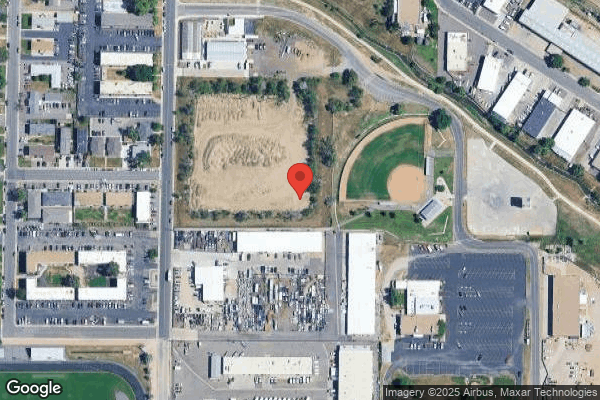
Understanding Severity Codes (click to expand)
Life-Threatening (Immediate Jeopardy)
J - Isolated K - Pattern L - Widespread
Actual Harm
G - Isolated H - Pattern I - Widespread
Potential for Harm
D - Isolated E - Pattern F - Widespread
No Harm (Minor)
A - Isolated B - Pattern C - Widespread

Questions to Ask on Your Visit

  • "What changes have you made since the serious inspection findings?"
  • "What safeguards are in place to prevent abuse and neglect?"
  • "Can I speak with families of current residents?"
  • "What's your RN coverage like on weekends and overnight?"

Our Honest Assessment

Strengths
  • • No fines on record. Clean compliance history, better than most Colorado facilities.
Concerns
  • • Multiple safety concerns identified: Federal abuse finding, 1 life-threatening violation(s), Special Focus Facility, 1 harm violation(s). Review inspection reports carefully.
  • • 28 deficiencies on record, including 1 critical (life-threatening) violation. These warrant careful review before choosing this facility.
  • • Grade F (0/100). Below average facility with significant concerns.
Bottom line: This facility has a substantiated abuse finding. Extreme caution advised. Explore alternatives.

About This Facility

What is Park Forest, Inc.'s CMS Rating?

CMS assigns PARK FOREST CARE CENTER, INC. an overall rating of 1 out of 5 stars, which is considered much below average nationally. Within Colorado, this rating places the facility higher than 0% of the state's 100 nursing homes. A rating at this level reflects concerns identified through health inspections, staffing assessments, or quality measures that families should carefully consider.

How is Park Forest, Inc. Staffed?

CMS rates PARK FOREST CARE CENTER, INC.'s staffing level at 4 out of 5 stars, which is above average compared to other nursing homes. Staff turnover is 54%, compared to the Colorado average of 46%. RN turnover specifically is 56%, which is notably high. RNs provide skilled clinical oversight, so turnover in this role can affect medical care quality.

What Have Inspectors Found at Park Forest, Inc.?

State health inspectors documented 28 deficiencies at PARK FOREST CARE CENTER, INC. during 2022 to 2025. These included: 1 Immediate Jeopardy (the most serious level, indicating potential for serious harm or death), 1 that caused actual resident harm, 24 with potential for harm, and 2 minor or isolated issues. Immediate Jeopardy findings are rare and represent the most serious regulatory concerns. They require immediate corrective action.

Who Owns and Operates Park Forest, Inc.?

PARK FOREST CARE CENTER, INC. is owned by a for-profit company. For-profit facilities operate as businesses with obligations to shareholders or private owners. The facility operates independently rather than as part of a larger chain. With 103 certified beds and approximately 82 residents (about 80% occupancy), it is a mid-sized facility located in WESTMINSTER, Colorado.

How Does Park Forest, Inc. Compare to Other Colorado Nursing Homes?

Compared to the 100 nursing homes in Colorado, PARK FOREST CARE CENTER, INC.'s overall rating (1 stars) is below the state average of 3.1, staff turnover (54%) is near the state average of 46%, and health inspection rating (1 stars) is much below the national benchmark.

What Should Families Ask When Visiting Park Forest, Inc.?

Based on this facility's data, families visiting should ask: "What changes have been made since the serious inspection findings, and how are you preventing similar issues?" "What safeguards and monitoring systems are in place to protect residents from abuse or neglect?" "Can I visit during a mealtime to observe dining assistance and food quality?" "How do you handle medical emergencies, and what is your hospital transfer rate?" These questions are particularly relevant given the facility's Immediate Jeopardy citations and the substantiated abuse finding on record.

Is Park Forest, Inc. Safe?

Based on CMS inspection data, PARK FOREST CARE CENTER, INC. has documented safety concerns. The facility has 1 substantiated abuse finding (meaning confirmed case of resident harm by staff or other residents). Inspectors have issued 1 Immediate Jeopardy citation (the most serious violation level indicating risk of serious injury or death). The facility is currently on the Special Focus Facility watch list (a federal program monitoring the lowest-performing 1% of nursing homes nationwide). The facility has a 1-star overall rating and ranks #100 of 100 nursing homes in Colorado. Families considering this facility should ask detailed questions about what corrective actions have been taken since these incidents.

Do Nurses at Park Forest, Inc. Stick Around?

PARK FOREST CARE CENTER, INC. has a staff turnover rate of 54%, which is 7 percentage points above the Colorado average of 46%. Moderate turnover is common in nursing homes, but families should still ask about staff tenure and how the facility maintains care continuity when employees leave.

Was Park Forest, Inc. Ever Fined?

PARK FOREST CARE CENTER, INC. has no federal fines on record. CMS issues fines when nursing homes fail to meet care standards or don't correct problems found during inspections. The absence of fines suggests the facility has either maintained compliance or corrected any issues before penalties were assessed. This is a positive indicator, though families should still review recent inspection reports for the full picture.

Is Park Forest, Inc. on Any Federal Watch List?

PARK FOREST CARE CENTER, INC. is currently an SFF Candidate, meaning CMS has identified it as potentially qualifying for the Special Focus Facility watch list. SFF Candidates have a history of serious deficiencies but haven't yet reached the threshold for full SFF designation. The facility is being monitored more closely — if problems continue, it may be added to the official watch list. Families should ask what the facility is doing to address the issues that led to this status.