CANDLEWOOD VALLEY HEALTH & REHABILITATION CENTER
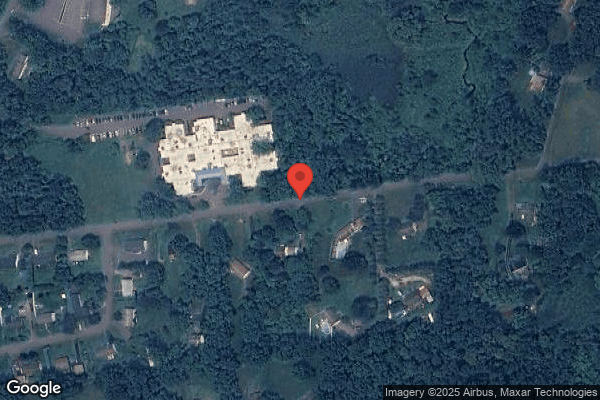
30 PARK LANE EAST, NEW MILFORD, CT 06776 (860) 355-0971
For profit - Limited Liability company 148 Beds Independent Data: November 2025
Trust Grade
60/100
#88 of 192 in CT
Last Inspection: June 2024

Within standard 12-15 month inspection cycle. Federal law requires annual inspections.

Overview

Candlewood Valley Health & Rehabilitation Center has a Trust Grade of C+, which means it is considered decent, slightly above average, but not without its issues. It ranks #88 out of 192 facilities in Connecticut, placing it in the top half, and #3 out of 9 in the local county, indicating only two nearby options are better. Unfortunately, the facility is worsening, with the number of issues increasing from 1 in 2023 to 14 in 2024. Staffing is a relative strength with a 3 out of 5 rating and a turnover rate of 37%, which is below the state average, suggesting that staff members tend to stay longer and become familiar with residents. On the downside, the facility experienced several concerns, including inadequate security in memory care areas where doors were not properly locked, improper medication storage practices, and failure to keep laundry room vents and smoke detectors clean, raising potential safety risks. Overall, while there are some strengths, families should carefully consider these weaknesses when evaluating this nursing home.

Trust Score
C+
60/100
In Connecticut
#88/192
Top 45%
Safety Record
Low Risk
No red flags
Inspections
Getting Worse
1 → 14 violations
Staff Stability
○ Average
37% turnover. Near Connecticut's 48% average. Typical for the industry.
Penalties
✓ Good
No fines on record. Clean compliance history, better than most Connecticut facilities.
Skilled Nurses
○ Average
Each resident gets 38 minutes of Registered Nurse (RN) attention daily — about average for Connecticut. RNs are the most trained staff who monitor for health changes.
Violations
⚠ Watch
28 deficiencies on record. Higher than average. Multiple issues found across inspections.
★★★☆☆
3.0
Overall Rating
★★★☆☆
3.0
Staff Levels
★★★☆☆
3.0
Care Quality
★★★☆☆
3.0
Inspection Score
Stable
2023: 1 issues
2024: 14 issues

The Good

  • Full Sprinkler Coverage · Fire safety systems throughout facility
  • No fines on record
  • Staff turnover below average (37%)

    11 points below Connecticut average of 48%

Facility shows strength in fire safety.

The Bad

3-Star Overall Rating

Near Connecticut average (3.0)

Meets federal standards, typical of most facilities

Staff Turnover: 37%

Near Connecticut avg (46%)

Typical for the industry

The Ugly 28 deficiencies on record

Jun 2024 14 deficiencies
CONCERN (D)

Potential for Harm - no one hurt, but risky conditions existed

Resident Rights (Tag F0550)

Could have caused harm · This affected 1 resident

**NOTE- TERMS IN BRACKETS HAVE BEEN EDITED TO PROTECT CONFIDENTIALITY** Based on review of the clinical records, facility documentation, facility policy and interviews for 2 of 2 residents (Residents ...

Read full inspector narrative →
**NOTE- TERMS IN BRACKETS HAVE BEEN EDITED TO PROTECT CONFIDENTIALITY** Based on review of the clinical records, facility documentation, facility policy and interviews for 2 of 2 residents (Residents #23 and #30) reviewed for Resident Rights, the facility failed to ensure residents were treated with dignity by a nurse aide. The findings include: 1. Resident #23's diagnoses included Chronic Obstructive Pulmonary Disease (COPD), emphysema, and chronic respiratory failure. The Resident Care Plan dated 5/16/24 identified the resident required supervision and assistance with Activities of Daily Living (ADL). Interventions included assisting the resident with ADL daily for optimal independence. The social services note dated 5/31/24 at 1:55 PM written by (Social Worker) SW #3, identified the resident as alert and oriented and able to make his/her needs known. Additionally, the note indicated Resident #23 did not have any roommate or behavioral issues. The quarterly Minimum Data Set (MDS) assessment dated [DATE] identified Resident #23 as cognitively intact and required partial assistance with showering, set up or clean up assistance with toileting and dressing. A physician's order dated 6/1/24 directed to assist and/or provide supervision with ADL. A Record of Grievance/Concern note dated 6/2/24 written by Registered (RN #2), (after surveyor inquiry) identified Resident #23 voiced concerns of a Nurse Aide (NA #1) tone of how she responded to her/him. In an interview with Resident #23 on 6/3/24 at 10:00 AM, NA #1 raised her voice to Resident # 23 on Sunday (6/2/24). Resident #30 had to go to the bathroom and NA #1 told her/him she/he had to wait as NA#1 was clearing trays. After about 10 minutes NA #1 did not come back to assist Resident #30, therefore Resident #23 asked NA #1 to assist Resident #30 and NA#1 raised her voice and told Resident # 23 she was busy and would help when she could. NA #1 stated she reported the incident to the nursing supervisor (RN #2). In an interview on 6/3/24 at 12:20 PM with RN #2(nursing supervisor), identified she spoke with Resident #23 who stated that s/he did not like the tone of voice NA #1 used. RN #2 stated the incident was a customer service issue. Resident #23 was given the choice to continue to allow NA #1 to provide care to Resident # 23 or to have NA #1 removed. Resident #23 stated s/he did not care either way. When asked if RN #2 documented any of the investigation, she responded no. When she was asked if she followed facility policy, RN # 2 stated she followed facility policy for complaint investigations and wrote up the incident as a grievance. RN #2 also stated she misunderstood the surveyor's original question about documenting the complaint. After the surveyor inquiry a record of grievance was given to the surveyor, there was no investigation attached and the document was not signed. 2. Resident #30's diagnosis included weakness, hemiplegia, and hemiparesis. The quarterly Minimum Data Set assessment dated [DATE] identified Resident #30 as cognitively intact and required total assistance with toileting, maximal assistance with hygiene and lower body dressing. The Resident Care Plan dated 5/30/24 identified the resident required assistance with activities of daily living and has decreased physical functioning. Interventions included assisting with activities of daily living daily for optimal independence. A physician's order dated 6/1/24 identified maximum assistance required for hygiene, toileting, and bed mobility. Resident # 30 was non ambulatory. In an interview with DNS on 6/3/24 at 12:30 PM identified her expectation would be that when a resident requires help with toileting, she would expect that would be a priority before clearing trays. The DNS further stated social services did not see the resident as she was not in the building on the day of the incident and would see the resident on 6/3/24. In an interview with Resident #30 on 06/04/24 10:00 AM identified that over the weekend, possibly Sunday (6/2/23), Resident # 30 had to go to the bathroom and asked NA #1 to take her/him. NA #1 told Resident # 30 s/he would have to wait as she was busy clearing trays. She asked a second time approximately 10 minutes later and NA #1 said s/he had to wait. Resident #23 spoke up and told NA #1 that s/he was going to report NA #1 and at that point, NA #1 assisted Resident # 30 to the bathroom. In an interview with NA #1 on 6/6/24 at 9:00 AM identified on Sunday 6/2/24 she was feeding residents and came out of the dining room to get some sugar. Resident #30 asked her for help to go to the bathroom. NA #1 stated she told Resident # 30 she would assist as soon as she was done feeding. NA #1 went back to feed, she also told Resident #30 that she could ask another nurse aide or nurse to help her/him. When she was putting the trays back on the cart Resident #23 started yelling at her. NA #1 took Resident #30 to the bathroom at that time. NA #1 stated it was about 15 minutes after the resident's initial request to take her/him to the bathroom. When asked if she told another NA or nurse to assist Resident #30, she said no because the resident could speak for him/herself, and she told Resident #30 to ask someone else. Review of the Grievance policy dated 3/15/22 notes in part, the facility will complete a prompt, thorough investigation of all grievances and/or concerns filed with the facility. Review of the Employee Code of Conduct, undated, directed in part, Employees shall: Treat all residents with care, courtesy, and respect. Based on review of the clinical records, facility documentation, facility policy and interviews for 2 of 2 residents (Residents #23 and #30) reviewed for Resident Rights, the facility failed to ensure residents were treated with dignity by a nurse aide. The findings include: 1. Resident #23's diagnoses included Chronic Obstructive Pulmonary Disease (COPD), emphysema, and chronic respiratory failure. The Resident Care Plan dated 5/16/24 identified the resident required supervision and assistance with Activities of Daily Living (ADL). Interventions included assisting the resident with ADL daily for optimal independence. The social services note dated 5/31/24 at 1:55 PM written by (Social Worker) SW #3, identified the resident as alert and oriented and able to make his/her needs known. Additionally, the note indicated Resident #23 did not have any roommate or behavioral issues. The quarterly Minimum Data Set (MDS) assessment dated [DATE] identified Resident #23 as cognitively intact and required partial assistance with showering, set up or clean up assistance with toileting and dressing. A physician's order dated 6/1/24 directed to assist and/or provide supervision with ADL. A Record of Grievance/Concern note dated 6/2/24 written by Registered (RN #2), (after surveyor inquiry) identified Resident #23 voiced concerns of a Nurse Aide (NA #1) tone of how she responded to her/him. In an interview with Resident #23 on 6/3/24 at 10:00 AM, NA #1 raised her voice to Resident # 23 on Sunday (6/2/24). Resident #30 had to go to the bathroom and NA #1 told her/him she/he had to wait as NA#1 was clearing trays. After about 10 minutes NA #1 did not come back to assist Resident #30, therefore Resident #23 asked NA #1 to assist Resident #30 and NA#1 raised her voice and told Resident # 23 she was busy and would help when she could. NA #1 stated she reported the incident to the nursing supervisor (RN #2). In an interview on 6/3/24 at 12:20 PM with RN #2(nursing supervisor), identified she spoke with Resident #23 who stated that s/he did not like the tone of voice NA #1 used. RN #2 stated the incident was a customer service issue. Resident #23 was given the choice to continue to allow NA #1 to provide care to Resident # 23 or to have NA #1 removed. Resident #23 stated s/he did not care either way. When asked if RN #2 documented any of the investigation, she responded no. When she was asked if she followed facility policy, RN # 2 stated she followed facility policy for complaint investigations and wrote up the incident as a grievance. RN #2 also stated she misunderstood the surveyor's original question about documenting the complaint. After the surveyor inquiry a record of grievance was given to the surveyor, there was no investigation attached and the document was not signed. 2. Resident #30's diagnosis included weakness, hemiplegia, and hemiparesis. The quarterly Minimum Data Set assessment dated [DATE] identified Resident #30 as cognitively intact and required total assistance with toileting, maximal assistance with hygiene and lower body dressing. The Resident Care Plan dated 5/30/24 identified the resident required assistance with activities of daily living and has decreased physical functioning. Interventions included assisting with activities of daily living daily for optimal independence. A physician's order dated 6/1/24 identified maximum assistance required for hygiene, toileting, and bed mobility. Resident # 30 was non ambulatory. In an interview with DNS on 6/3/24 at 12:30 PM identified her expectation would be that when a resident requires help with toileting, she would expect that would be a priority before clearing trays. The DNS further stated social services did not see the resident as she was not in the building on the day of the incident and would see the resident on 6/3/24. In an interview with Resident #30 on 06/04/24 10:00 AM identified that over the weekend, possibly Sunday (6/2/23), Resident # 30 had to go to the bathroom and asked NA #1 to take her/him. NA #1 told Resident # 30 s/he would have to wait as she was busy clearing trays. She asked a second time approximately 10 minutes later and NA #1 said s/he had to wait. Resident #23 spoke up and told NA #1 that s/he was going to report NA #1 and at that point, NA #1 assisted Resident # 30 to the bathroom. In an interview with NA #1 on 6/6/24 at 9:00 AM identified on Sunday 6/2/24 she was feeding residents and came out of the dining room to get some sugar. Resident #30 asked her for help to go to the bathroom. NA #1 stated she told Resident # 30 she would assist as soon as she was done feeding. NA #1 went back to feed, she also told Resident #30 that she could ask another nurse aide or nurse to help her/him. When she was putting the trays back on the cart Resident #23 started yelling at her. NA #1 took Resident #30 to the bathroom at that time. NA #1 stated it was about 15 minutes after the resident's initial request to take her/him to the bathroom. When asked if she told another NA or nurse to assist Resident #30, she said no because the resident could speak for him/herself, and she told Resident #30 to ask someone else. Review of the Grievance policy dated 3/15/22 notes in part, the facility will complete a prompt, thorough investigation of all grievances and/or concerns filed with the facility. Review of the Employee Code of Conduct, undated, directed in part, Employees shall: Treat all residents with care, courtesy, and respect.
CONCERN (D)

Potential for Harm - no one hurt, but risky conditions existed

Notification of Changes (Tag F0580)

Could have caused harm · This affected 1 resident

**NOTE- TERMS IN BRACKETS HAVE BEEN EDITED TO PROTECT CONFIDENTIALITY** Based on clinical record reviews, facility documentation, facility policy and interviews for 1 of 3 sampled residents (Resident ...

Read full inspector narrative →
**NOTE- TERMS IN BRACKETS HAVE BEEN EDITED TO PROTECT CONFIDENTIALITY** Based on clinical record reviews, facility documentation, facility policy and interviews for 1 of 3 sampled residents (Resident #427) reviewed for change of condition, the facility failed to notify the physician of a change in status for a resident exhibiting reoccurring symptoms in a timely manner. The findings include: Resident #427's diagnoses included acute kidney failure and duodenitis (inflammation of the first section of the small intestine) without bleeding. The hospital discharge documentation dated 5/30/24 identified Resident #427 was admitted and treated for acute kidney injury and duodenitis. Resident #427's abdomen was soft, non-distended, non-tender with normal bowel sounds, no documented diarrhea and noted the resident was stable for discharge to short term rehabilitation. The Nursing admission assessment dated [DATE] identified Resident #427 as alert and oriented to person, place, and time, had a distended abdomen, with no problems with digestion and no documented diarrhea. The (baseline) Resident care Plan dated 5/30/24 identified Resident #427 was less mobile which may cause irregularities in bowel movements and constipation and decreased activity of daily living functioning. Interventions directed monitor bowel activity daily and transfer using a mechanical lift. The Advanced Practice Registered Nurse, APRN communication book dated 6/1/24 identified Resident #427 was requesting Imodium (medication that treats diarrhea) and Simethicone (medication that treats abdominal gas) for loose stool. A nursing progress note dated 6/2/24 at 10:29 AM written by Licensed Practical Nurse, LPN #6 identified Resident #427 had two episodes of diarrhea previously that morning. Vital signs were stable. A review of the nursing, medical progress notes or physician orders dated 6/1/24 and 6/2/24 did not include documentation of how the change of condition was addressed. A nurse's note dated 6/3/24 at 11:00 AM (edited 6/4/24 at 8:27 AM) identified the Advanced Practice Registered Nurse ( APRN) was notified of the resident's loose stool with no new orders. An interview with Resident #427 on 6/03/24 at 12:25 PM identified s/he had eaten shrimp over the weekend for lunch and began experiencing symptoms of gastric upset and then diarrhea. Resident #427 reported to staff that no one came to see h/her. Resident #427 identified s/he had additional diarrhea earlier in the shift but no medical staff had evaluated h/her condition. An interview with Licensed Practical Nurse ( LPN #2) on 6/3/24 at 12 40 PM identified she was responsible for infection control and the tracking of resident illnesses. LPN #1 identified there had been no reports of a resident with loose stool that had been reported to her over the weekend and previous to surveyor inquiry. An interview on 6/3/24 at 12:44 PM with LPN #6 identified Resident #427 had diarrhea beginning over the weekend and someone had already place the information in the (APRN communication) book. Subsequent interviews with LPN #6 on 6/3/24 at 2:52 PM and on 6/07/24 at 9:43 AM identified she was the assigned nurse during the 7:00 AM to 3:00 PM shift on 6/2/24 when Resident #427 had episodes of diarrhea. LPN #6 further identified she did not report the change of condition to a nursing supervisor or physician because it was previously documented in the APRN communication book, and Resident #427 reported the diarrhea was due to food, so she did not feel it needed to be reported. The nursing progress note dated 6/03/2024 at 7:18 PM identified nursing staff spoke to the physician and obtained a new order for loperamide 2 Milligrams (MG) (4) times daily as needed for loose stool as per resident request. An interview with Registered Nurse, RN #2 on 6/05/24 at 2:58 PM identified she was the assigned Nursing Supervisor 7:00 AM to 3:00 PM on 6/1/24 and 6/2/24 and there were no reports that Resident #427 had loose stool. RN #2 identified the change of condition should have been. An interview with the Director of Nursing Services on 6/5/24 at 3:30PM identified she would expect nursing staff to notify the physician of any change of condition should be reported. An interview with LPN #7 on 6/6/24 at 4:23 PM identified she was the assigned nurse on 6/1/23 during the 7:00 AM -3:00 PM shift on 6/1/24 when Resident #427 had an episode of diarrhea. LPN #7 identified it was change of shift she asked the oncoming nurse, LPN #8 to notify the nursing supervisor and physician. An interview with the Medical Director on 6/07/24 at 12:02 PM identified he believed he was notified of the initial episode of diarrhea over the weekend. The Medical Director gave instructions to monitor for further loose stool at the time with no other instruction. The Medical Director further identified he was not notified of any recurrent episodes of diarrhea previous to 6/3/24. The Medical Director also indicated he would expect to be notified when Resident #427 experienced continued diarrhea. Although attempted, efforts to interview LPN #8 were unsuccessful. A review of the facility policy for Significant Change in Status no date) directed that when there is a significant change in status, the unit nurse will be notified, obtain resident data as applicable to signs and symptoms and report to the Nursing Supervisor.
CONCERN (D)

Potential for Harm - no one hurt, but risky conditions existed

Free from Abuse/Neglect (Tag F0600)

Could have caused harm · This affected 1 resident

**NOTE- TERMS IN BRACKETS HAVE BEEN EDITED TO PROTECT CONFIDENTIALITY** Based on clinical record reviews, facility documentation, review of policy and staff interviews, for 1 of 2 resident reviewed fo...

Read full inspector narrative →
**NOTE- TERMS IN BRACKETS HAVE BEEN EDITED TO PROTECT CONFIDENTIALITY** Based on clinical record reviews, facility documentation, review of policy and staff interviews, for 1 of 2 resident reviewed for abuse (Resident #48), the facility failed to keep Resident #48 free from abuse during a witnessed resident-to-resident altercation. The findings include: 1. Resident #48's diagnoses including Alzheimer' disease and insomnia. A quarterly MDS assessment dated [DATE] identified Resident #48 as severely cognitively impaired and independent with eating and ambulation. Additionally, the MDS indicated that the resident did not experience any wandering or behaviors exhibited towards self or others. 2. Resident #75's diagnosis that included Alzheimer's disease and cognitive communication deficit. The quarterly MDS assessment dated [DATE] indicated Resident #75 had severe cognitive impairment and had not exhibited behaviors directed towards self or others. A facility Incident Report dated 4/30/2022 identified Resident #48 was struck in the chest by another resident (Resident # 75). The Incident Report indicated Resident # 48 was visited by Person # 6 s/he witnessed Resident #75 hit Resident #48. Additionally, Resident #75 was heard by staff speaking profanities towards another resident. The facility Incident Report further indicated that the supervisor, physician, and police were called. A nursing progress note by LPN #4 dated 4/30/2022 identified Resident # 48 was walking in the hallway with Person # 6. When they walked past Resident #75, Resident #75 struck Resident #48, hitting him/her in the upper left chest. Additionally, Resident #75 yelled profanities at Resident #48. A nursing progress note dated 4/30/2022 indicated that Residents #48 and #75 were separated and removed from the situation. Resident #75 was placed on a 1:1 observation and sent to the hospital for evaluation. On 6/5/2024, an interview with LPN #9 at 1:14 PM indicated Resident #75 did not have previous instances of aggression towards other residents and the resident preferred to stay in his/her room, although the resident used the lounge at times. LPN #9 also indicated Resident #75 would come out of their room to pick up and drop off their meal tray. On 6/6/2024 at 8:15 AM, an interview with LPN#4 indicated she was the nurse assigned to Resident #48 at the time of the resident-to-resident altercation. LPN #4 indicated she witnessed the incident, and the altercation was unprovoked. Additionally, LPN #4 indicated there was no indication that either Resident #48 or Resident #75 were upset or agitated prior to the incident occurring. The facility policy for abuse defines resident-to-resident altercation as a physical or verbal act between two residents with or without resulting in injury. The facility policy indicated that for cognitively impaired residents, the resident must be able to possess intent to harm.
CONCERN (D)

Potential for Harm - no one hurt, but risky conditions existed

Deficiency F0658 (Tag F0658)

Could have caused harm · This affected 1 resident

**NOTE- TERMS IN BRACKETS HAVE BEEN EDITED TO PROTECT CONFIDENTIALITY** Based on clinical record review, observation and staff interviews for 1 of 1 resident reviewed for accidents (Resident #48), the...

Read full inspector narrative →
**NOTE- TERMS IN BRACKETS HAVE BEEN EDITED TO PROTECT CONFIDENTIALITY** Based on clinical record review, observation and staff interviews for 1 of 1 resident reviewed for accidents (Resident #48), the facility failed to ensure the resident was administered medications as prescribed by the physician and within accordance to professional practice . The findings include: Resident #48's diagnoses including Alzheimer' disease and insomnia. The quarterly MDS assessment dated [DATE] indicated Resident #48 had severe cognitive impairment and was independent with eating and ambulation. The resident required partial or moderate assistance with personal hygiene and dressing. Additionally, the quarterly MDS indicated Resident #48 did not have any swallowing disorders. A care plan dated 5/8/2024 indicated the resident was at risk for aspiration related to dysphagia, advanced dementia, and requiring a ground diet consistency. Interventions included reporting signs of aspiration, keeping the head of the bed elevated during meals, and speech therapy as needed. The care plan also indicated Resident #48 was on psychotropic medication for psychotic disorder, depression, obsessive-compulsive disorder, and insomnia. Interventions included giving medications as ordered and observing the resident's behaviors, mood, mental status, and sleep. The physician's orders dated 5/1/2024 through 5/31/2024 identified directed to administer Melatonin (a medication for sleep) 10 milligrams (mg) daily at bedtime, paroxetine (a medication for obsessive-compulsive disorder) 40mg daily at bedtime, donepezil (a medication for Alzheimer's disease) 20mg daily at bedtime, quetiapine (an antipsychotic medication) 100mg daily at bedtime, and memantine (a medication for Alzheimer's disease) 20mg daily at bedtime. On 6/4/2024 at 11:26 AM, an interview with Person # 6 identified s/he found pills in the bottom drawer of Resident # 48's nightstand. Person # 6 indicated s/he notified and showed the pills to the ADNS. On 6/5/2024 at 3:17 PM, an interview and record review with the ADNS identified on 5/24/2024, Person # 6 showed her five pills s/he had found in the resident's bedside drawer. The ADNS indicated the facility performed an internal investigation and found the pills were medications the resident regularly took in the evening. The ADNS indicated she was able to identify the pills by their appearance and the numbers imprinted on the pills and the medications were Melatonin, paroxetine, donepezil, quetiapine, and memantine. The ADNS also indicated there was no medication cup found in the room and that the pills were rough around the edges. The ADNS further indicated the resident may have had the pills in his/her mouth and may have spit them out. The ADNS indicated after the incident, education on oral checks was performed. The ADNS further indicated that ensuring cognitively impaired residents take their medications completely as part of the standard of practice and this has become part of Resident #48's specific care. After surveyor inquiry, the ADNS indicated she would be initiating a care plan for oral checks during medication administration for Resident #48. On 6/5/2024 at 3:36 PM, an interview with LPN #3 indicated Resident #48 had no problems swallowing pills whole. LPN#3 also indicated that the training in a memory care unit is to ensure residents swallow their medications since sometimes residents may keep the medications in their mouth even after swallowing the water. LPN#3 indicated checking if a resident swallowed their medications properly was not a new practice and she had learned the standard of practice while receiving her nursing education. On 6/6/24 at 8:15 AM, an observation of the medication pass of LPN #4 was performed on the same unit as Resident #48. Observation identified LPN #4 performed an oral check of Resident # 48 during the medication pass. An interview with LPN #4 indicated she did not participate in the oral-checks in-service held by the facility on 5/24/2024 because she was on leave at the time. Additionally, LPN #4 indicated that ensuring residents in the memory care unit swallowed their medications was a standard of practice that she learned while still receiving her nursing education. A staff development in-service attendance record dated 5/24/2024 identified eight staff members received education on oral checks for Resident #48.
CONCERN (D)

Potential for Harm - no one hurt, but risky conditions existed

Quality of Care (Tag F0684)

Could have caused harm · This affected 1 resident

**NOTE- TERMS IN BRACKETS HAVE BEEN EDITED TO PROTECT CONFIDENTIALITY** Based on clinical record reviews, observations, facility documentation, facility policy and interviews for 1 of 3 sampled reside...

Read full inspector narrative →
**NOTE- TERMS IN BRACKETS HAVE BEEN EDITED TO PROTECT CONFIDENTIALITY** Based on clinical record reviews, observations, facility documentation, facility policy and interviews for 1 of 3 sampled residents (Resident #427) reviewed for change of condition, the facility failed to ensure a nursing assessment was completed for resident with experiencing new onset of symptoms. The findings include: Resident #427's diagnoses included acute kidney failure and duodenitis (inflammation of the first section of the small intestine) without bleeding. a. The hospital discharge documentation dated 5/30/24 identified Resident #427 was admitted and treated for acute kidney injury and duodenitis. Resident #427's abdomen was soft, non-distended, non-tender with normal bowel sounds, no documented diarrhea and noted the resident was stable for discharge to short term rehabilitation. The Nursing admission assessment dated [DATE] identified Resident #427 as alert and oriented to person, place, and time, had a distended abdomen, with no problems with digestion and no documented diarrhea. The (baseline) Resident care Plan dated 5/30/24 identified Resident #427 was less mobile which may cause irregularities in bowel movements and constipation and decreased activity of daily living functioning. Interventions directed monitor bowel activity daily and transfer using a mechanical lift. The Advanced Practice Registered Nurse, APRN communication book dated 6/1/24 identified Resident #427 was requesting Imodium (medication that treats diarrhea) and Simethicone (medication that treats abdominal gas) for loose stool. A nursing progress note dated 6/2/24 at 10:29 AM written by Licensed Practical Nurse, LPN #6 identified Resident #427 had two episodes of diarrhea previously that morning. Vital signs were stable. A review of the nursing, medical progress notes or physician orders dated 6/1/24 and 6/2/24 did not include documentation of how the change of condition was addressed. A nurse's note dated 6/3/24 at 11:00 AM (edited 6/4/24 at 8:27 AM) identified the Advanced Practice Registered Nurse ( APRN) was notified of the resident's loose stool with no new orders. An interview with Resident #427 on 6/03/24 at 12:25 PM identified s/he had eaten shrimp over the weekend for lunch and began experiencing symptoms of gastric upset and then diarrhea. Resident #427 reported to staff that no one came to see h/her. Resident #427 identified s/he had additional diarrhea earlier in the shift but no medical staff had evaluated h/her condition. An interview with Licensed Practical Nurse ( LPN #2) on 6/3/24 at 12 40 PM identified she was responsible for infection control and the tracking of resident illnesses. LPN #1 identified there had been no reports of a resident with loose stool that had been reported to her over the weekend and previous to surveyor inquiry. An interview on 6/3/24 at 12:44 PM with LPN #6 identified Resident #427 had diarrhea beginning over the weekend and someone had already place the information in the (APRN communication) book. Subsequent interviews with LPN #6 on 6/3/24 at 2:52 PM and on 6/07/24 at 9:43 AM identified she was the assigned nurse during the 7:00 AM to 3:00 PM shift on 6/2/24 when Resident #427 had episodes of diarrhea. LPN #6 further identified she did not report the change of condition to a nursing supervisor or physician because it was previously documented in the APRN communication book, and Resident #427 reported the diarrhea was due to food, so she did not feel it needed to be reported. The nursing progress note dated 6/03/2024 at 7:18 PM identified nursing staff spoke to the physician and obtained a new order for loperamide 2 Milligrams (MG) (4) times daily as needed for loose stool as per resident request. An interview with Registered Nurse, RN #2 on 6/05/24 at 2:58 PM identified she was the assigned Nursing Supervisor 7:00 AM to 3:00 PM on 6/1/24 and 6/2/24 and there were no reports that Resident #427 had loose stool. RN #2 identified a nursing assessment should have been completed. An interview with the Director of Nursing on 6/5/24 at 3:30PM identified she would expect nursing staff to notify the nursing supervisor of any change of condition so an assessment can be completed. An interview with LPN #7 on 6/6/24 at 4:23 PM identified she was the assigned nurse on 6/1/23 during the 7:00 AM -3:00 PM shift on 6/1/24 when Resident #427 had an episode of diarrhea. LPN #7 identified it was change of shift she asked the oncoming nurse, LPN #8 to notify the nursing supervisor and physician. Although attempted, efforts to interview LPN #8 were unsuccessful. b. The nursing progress note dated 6/1/24 at 4:55 AM identified Resident #427 had an episode of epistaxis ( nosebleed) from the right nares. Resident # 427 was resting in bed with the call bell with in reach. The 24 Hour Shift to Shift Report dated 6/1/24 identified Resident #427 had a nosebleed that was relieved with pressure. A review of the clinical record did not identify a documented nursing assessment. An interview with the Director of Nursing Services on 6/5/24 at 3:30PM identified she would expect nursing staff to notify the nursing supervisor of any change of condition and that an assessment be completed. An interview with Licensed Practical Nurse, PN #7 on 6/6/24 at 4:23 PM identified she worked the 11:00 PM to 7: 00 AM shift on 6/1/24 when Resident #427 experienced a nosebleed. LPN #7 identified she did not notify nursing supervisor of the change of condition as it was a onetime episode. Although requested, a policy for RN assessments was not provided.
CONCERN (D)

Potential for Harm - no one hurt, but risky conditions existed

Pressure Ulcer Prevention (Tag F0686)

Could have caused harm · This affected 1 resident

**NOTE- TERMS IN BRACKETS HAVE BEEN EDITED TO PROTECT CONFIDENTIALITY** Based on clinical record review, facility documentation, facility policy review and interviews for 1 of 3 sampled residents (Res...

Read full inspector narrative →
**NOTE- TERMS IN BRACKETS HAVE BEEN EDITED TO PROTECT CONFIDENTIALITY** Based on clinical record review, facility documentation, facility policy review and interviews for 1 of 3 sampled residents (Resident #103) reviewed for pressure ulcers, the facility failed to reassess the nutritional status and needs of a resident with newly identified wound(s). The findings include: Resident #103's diagnoses that included type II diabetes mellitus, obstructive sleep apnea and malignant neoplasm of the urethra/ bladder. The readmission Minimum Data Set (MDS) assessment dated [DATE] identified Resident #103 was cognitively intact, required partial assist with bed mobility, total (2 person) assist with transfers, was at risk for the development of pressure ulcers and had one or more unhealed pressure ulcers. The Resident Care Plan dated 4/17/24 identified Resident #103 was at risk for impaired skin integrity related to impaired mobility and at nutritional risk due to malnutrition/terminal cancer. Interventions directed to implement the facility skin care protocol to include turning/positioning, incontinent care, weekly skin checks provide diet as ordered and refer to the dietitian as ordered. The nursing progress note dated 4/19/24 identified a sacral wound was noted as healed. The Wound Tracking Tool dated 4/26/24 identified a new pressure wound on the left ankle and sacrum with new orders that directed for Santyl ointment daily. A nutritional progress note dated 4/29/24 at 10:50 AM identified an unstageable pressure injuries and deep tissue injury to the (left) heel. Resident #103 receiving palliative care. Recommendations included continuing to try and encourage good intake while providing additional food tray items for added nutrition support. Food preferences were up to date. Continuing with the plan of care. Registered Dietitian following. A subsequent nutritional progress note dated 5/22/2024 at 11:12 AM identified Resident #103 was receiving comfort measures and presenting with a worsening wound. Liquid protein 30cc twice daily was added to help aid in wound healing. Facility Weekly Wound tracking dated 5/24/24 identified a newly open wound on the right hip. Subsequent Facility Weekly Wound tracking dated 5/31/24 identified a newly open wound on the right knee. However, a review of the clinical record did not identify a reassessment of Resident #103's nutritional status following the development of the new wound(s). An interview and clinical record review with the Dietitian on 6/05/24 at 12:16 PM identified wounds were discussed weekly with the interdisciplinary team and he would follow up for any new wounds to evaluate a resident's current nutritional status and determine if there were any further needs. The Dietitian could also be reached by email or text for any new issues that required attention outside of wound rounds. The Dietitian further identified he was unaware of Resident #103's new wound(s) and although he would have not likely have made any further recommendations, he would have completed an assessment of Resident #103's nutritional needs and documented any further recommendations. An interview with the Director of Nursing Services, DNS on 6/05/24 at 12:44 PM identified that wounds were discussed weekly with the interdisciplinary team including the Dietitian. The DNS identified she would expect the dietitian to evaluate a resident's nutritional needs immediately following the identification of a newly identified wound. Further interview and wound round review identified the Dietitian had signed into the meeting dated 5/29/24 as present when Resident #103's newly identified wound was discussed. A review of the facility policy for Pressure Injury Prevention and Management dated 11/1/2017 directed that residents assessed at high risk for pressure injuries or who have pressure injuries are provided interventions to prevent or treat current pressure injuries. A plan of care is developed by the interdisciplinary team (including the dietitian), based on the residents assessed need. Pressure injuries are assessed weekly, and the plan of care revised if clinically necessary.
CONCERN (D)

Potential for Harm - no one hurt, but risky conditions existed

Respiratory Care (Tag F0695)

Could have caused harm · This affected 1 resident

**NOTE- TERMS IN BRACKETS HAVE BEEN EDITED TO PROTECT CONFIDENTIALITY** Based on clinical record reviews, observations, facility policy and interviews for 2 of 3 sampled residents (Resident #71 and Re...

Read full inspector narrative →
**NOTE- TERMS IN BRACKETS HAVE BEEN EDITED TO PROTECT CONFIDENTIALITY** Based on clinical record reviews, observations, facility policy and interviews for 2 of 3 sampled residents (Resident #71 and Resident #103) reviewed for respiratory care, the facility failed to ensure respiratory equipment was stored and maintained in accordance with standards of practice. The findings include: 1. Resident #71's diagnoses included chronic obstructive pulmonary disease and essential hypertension. The quarterly Minimum Data (MDS) assessment dated [DATE] identified Resident #71 as moderately cognitively impaired and partial to moderate assist with activities of daily living. The Resident Care Plan (RCP) dated 3/21/24 identified Resident #71 had a respiratory therapy care plan with interventions that directed to administer nebulizer treatments as directed and observe for side effects. A physician's order dated 6/3/24 directed budesonide suspension for nebulizer 0.5mg/2ml via inhalation twice daily at 9:00 AM and 5:00 PM and Ipratropium-albuterol solution for nebulization 0.5mg/2.5mg base four times daily at 8:00 AM, 1:00 PM, 4:00 PM and 8:00 PM. An observation with the Director of Nursing Services, DNS on 6/04/24 at 8: 50 AM identified a nebulizing mouthpiece at Resident #71's bedside laying directly in top on the nebulizing equipment without the benefit of a cover. An interview with the DNS on 6/04/24 at 8: 50 AM identified all respiratory equipment should be stored in a bag when not in use. An interview with Registered Nurse, RN #3 on 6/4/24 8:54 AM identified all nebulizing wells should be rinsed and placed in a storage bag after use. RN #3 identified she had administered a nebulizing medication previously that morning and observed Resident #71's mouthpiece was found uncovered. RN #3 identified the mouthpiece was changed out the evening prior and should have been stored in a bag. RN #3 further identified she did not store the nebulizing mouthpiece in a bag after use as an oversight. 2. Resident #103's diagnoses that included obstructive sleep apnea. The physician's orders dated 5/6/24 directed CPAP pressure daily, place prior to sleep at 8:30 PM. Remove in the morning and oxygen as needed to maintain sats above 92%. The quarterly MDS assessment dated [DATE] identified Resident #103 was cognitively intact and required extensive assist with ADL skills. The RCP dated 5/30/24 identified Resident #103 was at risk for alteration in respiration secondary to obstructive sleep apnea. Interventions directed to use continuous positive airway pressure, Continuous Positive Airway Presssure (CPAP) a device used to prevent breathing interruptions for those with sleep apnea.) a. An observation on 6/03/24 at 11:37 AM identified Resident laying in bed with the head of bed up approximately 60-80 degrees, requesting assistance to have the call light moved closer which was adjacent to h/her approximately 4 inches from reach. The CPAP machine was observed on the bedside and approximately 2 ft behind Resident #103's right side (due to the head of bead being in a higher position, and with the CPAP mask placed on top without the benefit of a cover. An interview with Resident #103 on 6/03/24 at 11:32 AM identified s/he had been using the CPAP during the night, oxygen during the day and was requesting oxygen to be initiated. Licensed Practical Nurse, LPN #6 was notified. An interview with Nurse Aide, #5 on 6/3/24 at 11:37 AM identified aides were permitted to store respiratory equipment when not in use. NA #5 identified the mask should have been stored in a bag when not in use. An interview with the Director of Nursing, DNS on 6/04/24 at 8: 50 AM identified that all respiratory equipment should be stored in a bag when not in use. A subsequent interview with NA #5 on 6/05/24 at 10:17 AM identified at approximately 8:00 AM Resident #103 she served Resident #103 h/her breakfast, the CPAP was in use by Resident #103. NA #5 returned a short time later and observed the mask off, presumably by Resident #103. NA #5 was unable to explain why the mask was not stored at the time she observed the mask no longer in use. Although requested, a policy for the storage of CPAP equipment was not provided. b An observation on 6/03/24 at 11:32 AM identified oxygen tubing placed on top of a oxygen concentrator (oxygen delivery device), labeled 5/2/24 and without the benefit of a storage bag. An interview with Resident #103 on 6/03/24 at 11:32 AM identified s/he had been using the CPAP during the night, oxygen during the day and was requesting oxygen to be initiated. Licensed Practical Nurse, LPN #6 was notified. An observation and interview with Licensed Practical Nurse, LPN #6 on 6/03/24 at 11:37 AM identified the oxygen tubing should have had a current date within the week. An interview with the Director of Nursing Services, DNS on 6/04/24 at 2:05 PM identified that all respiratory equipment should be stored in a bag when not in use and that oxygen tubing should be changed weekly and labeled with a date. A review of the facility policy (no date) for Storage Guidelines for oxygen tubing directed that tubing shall be labeled with the date opened. When not in use, tubing should be safely secured with the nose/mouthpiece in a bag and changed weekly or sooner if visibly soiled.
CONCERN (D)

Potential for Harm - no one hurt, but risky conditions existed

Medication Errors (Tag F0758)

Could have caused harm · This affected 1 resident

**NOTE- TERMS IN BRACKETS HAVE BEEN EDITED TO PROTECT CONFIDENTIALITY** Based on review of the clinical record, review of facility policy and staff interviews for 1 of 5 resident (Resident #430) revie...

Read full inspector narrative →
**NOTE- TERMS IN BRACKETS HAVE BEEN EDITED TO PROTECT CONFIDENTIALITY** Based on review of the clinical record, review of facility policy and staff interviews for 1 of 5 resident (Resident #430) reviewed for Unnecessary Medication, the facility failed to ensure a psychotropic medication was re-evaluated for use. The findings include: Resident #430 's diagnoses included anxiety disorder, Major Depressive Disorder, and vascular dementia. The quarterly Minimum Data Set assessment dated [DATE] identified Resident #430 was (cognitive impaired) and required maximal assistance with eating and dressing and dependent with mobility. A physician's order dated [DATE] directed to give Lorazepam Intensol - Schedule IV concentrate; 2 mg/mL; amt: 0.5 mg (0.25 ml); oral Special Instructions: give every 4 hours and when needed (PRN) for restlessness/agitation Every 4 Hours - PRN PRN 1, PRN 2, PRN 3, PRN 4, PRN 5, PRN 6 End date indicates open ended Additionally notes indicates behavioral monitoring. A nurses note dated [DATE] at 11:04 AM indicated Resident #430 PRN Lorazepam and Haldol (Anti-psychotic) had expired and orders for each medication was recommended. A nurse's note dated [DATE] at 2:58PM identified Resident was grabbing at staff and mumbling during care, getting agitated, making it difficult to assist with AM care, PRN lorazepam given with effect. A revision of Medication admission Records indicated Resident #430 only received the PRN Lorazepam medication on [DATE]. The RCP dated [DATE] identified Resident has behavioral issues. Interventions included providing emotional support, removing residents from common areas if disruptive and medication as ordered and to report any adverse reaction. The physician's progress notes dated [DATE] indicated a 30-day review of medication for residents. Resident #430 Behavioral flow reviewed from [DATE]- [DATE] and [DATE]-[DATE] indicated no change in behaviors. Interview with RN 5 on [DATE] at 11:10 am indicated PRN are ordered for 14 days and should be reevaluated. Interview with LPN # 4 [DATE] 10:48 AM indicated when psychotropic medications are ordered it also notes targeted behaviors and interventions. If behaviors are present staff are expected to document how many times behavior was present, cause of onset for the behavior and interventions used. LPN #4 also indicated if a resident is given PRN medication the APRN/ Medical Doctor (MD) communicates with the nurses the stop date and staff are expected to update the medical record. Interview with DNS [DATE] at 11:02 AM indicated the facility does not usually prescribe psychotropic medication as PRN. Review of APRN notes dated [DATE] and [DATE] indicated medication list consisted of Lorazepam, however, the notes did provide a rationale for continued PRN order for psychotropic medication. Request for documentation providing rationale for Resident #430 PRN Lorazepam medication was not provided. A review of the facility policy for Psychotropic Medication did not address requirements for medication use.
CONCERN (D)

Potential for Harm - no one hurt, but risky conditions existed

Deficiency F0806 (Tag F0806)

Could have caused harm · This affected 1 resident

**NOTE- TERMS IN BRACKETS HAVE BEEN EDITED TO PROTECT CONFIDENTIALITY** Based on clinical record reviews, observations, facility documentation, facility policy and interviews for 2 of 25 sampled resid...

Read full inspector narrative →
**NOTE- TERMS IN BRACKETS HAVE BEEN EDITED TO PROTECT CONFIDENTIALITY** Based on clinical record reviews, observations, facility documentation, facility policy and interviews for 2 of 25 sampled residents (Resident #121 and Resident #52) reviewed for food preferences, the facility failed to ensure a resident preference for food choice was honored. The findings include: 1. Resident #121's diagnoses included diverticulitis, atherosclerosis, and alcohol abuse. The quarterly Minimum Data Set (MDS) assessment dated [DATE] identified Resident #121 as moderately cognitively impaired and independent with activities of daily living. The Resident Care Plan dated 4/10/24 identified Resident #121 utilized an antidepressant to manage anxiety. Interventions directed to take complaints seriously and, understand likes and dislikes. The physician's orders dated 6/2/24 directed regular low fiber diet. Resident #121's meal ticket identified Resident #121 Liked selective menus and Disliked cereal. An interview with Resident #121 on 6/3/24 at 12:04 PM identified the residents were served real eggs and hash browns once a week. Resident #121 expressed to staff (unsure who), that s/he would like it them more often. Resident #121 told the dietary staff but was told once weekly was the only time the food items were available. An interview with the Food Service Director (FSD) on 6/03/24 at 12:15 PM identified. Eggs and hash browns were served to residents once weekly. Resident #121 did say s/he wanted hash browns more often and eggs. The FSD identified she was unable to provide the eggs more often as the eggs need to be cooked and served immediately. Resident #121 was instead offered alternate choices such as a vegetable or cheese omelet which s/he was agreeable to. The FSD identified that she ensures that additional serving of hash browns was put aside for Resident #121 when prepared weekly. The FSD further identified that hash browns were served earlier that morning but would have to check with the Cook, who was responsible for the handling and storage of remaining food, if there was any leftover hash browns. An interview with the [NAME] on 6/3/24 at 12:25 PM identified all the remaining hash browns were used in a soup for another meal and was not provided any directive and was not made aware to set aside an additional serving of hash browns for any resident. An interview with the Director of Nursing Services, DNS on 6/5/24 at 12:35 PM identified she was aware Resident #121 had a lot of preferences. The DNS identified she would expect reasonable food preferences to be recognized. 2. Resident #52's diagnoses included Macular Degeneration, hypertension, and heart failure. The quarterly Minimum Data Set assessment dated [DATE] identified Resident #52 was moderately cognitively impaired and required partial assistance with personal hygiene, maximum assistance with toileting and dressing. The Resident Care Plan dated 5/2/24 identified the resident as being at risk for impaired nutrition secondary to advanced age, dementia, GERD, depression, and constipation. Interventions included providing food preferences. A Registered Dietician note dated 5/29/24 at 10:33 AM identified that there were no nutritional changes for the quarter and food preferences were up to date. A physician's order dated 6/1/24 directed to provide a regular diet with thin liquids. An interview and screening with Resident on 6/4/24 at 9:31 AM identified that he/she does not want mayonnaise on his/her sandwiches, but they keep putting it on. He/she has told dietary and writes it on the menu. Review of dietary slip with the lunch tray on 6/4/24 at 12:00 PM stated no mayonnaise. Interview with Kitchen Supervisor #1 on 6/5/24 at 1:55 PM identified she was aware that the resident has been served sandwiches with mayonnaise even though her/his meal ticket states that the resident does not like mayonnaise. Further she identified this had been a problem and this past Friday (5/31/24) the resident did get a sandwich with mayonnaise and as soon as Kitchen Supervisor #1 realized the error a new sandwich without mayonnaise was served. It was after the sandwich with mayonnaise was served to the resident that the error was identified. The Kitchen Supervisor #1 also stated they separate the sandwiches with mayonnaise from the sandwiches without but due to new staff, they get confused sometimes and the wrong sandwich goes out. Review of the Dietary Notice policy, undated, directed, in part, the dietary notice or slips are to provide effective communication of resident diet, preferences and food allergies on admission, re-admission, or when a diet change is necessary. Review of the Residents' [NAME] of Rights states that the resident has the right to make choices about aspects of your life that are significant to you. A review of the Resident [NAME] of Rights directed that a resident had the right to reasonable accommodation of individual needs, preferences, and choices about all aspects of life that are significant to that resident
CONCERN (E)

Potential for Harm - no one hurt, but risky conditions existed

Safe Environment (Tag F0584)

Could have caused harm · This affected multiple residents

Based on observations, facility documentation and facility policy and interviews, the facility failed to ensure the environment was maintained in a safe secured manner on a locked unit for residents w...

Read full inspector narrative →
Based on observations, facility documentation and facility policy and interviews, the facility failed to ensure the environment was maintained in a safe secured manner on a locked unit for residents with special needs. The findings include: An observation of the facility memory care unit with the Director of Nursing Services and Assistant Director of Nursing Services on 6/06/24 at 12:35 PM identified the following: 1. One door labeled identified as the 'Soiled Utility' was unable to be fully closed, latched, and locked. 2. One door labeled 'Supply Room' was unable to be fully closed, latched, and locked. 3. One door labeled 'Clean Utility' was unable to be fully closed, latched, and locked. 4. The door identified as 'Shower' was not locked. There were no accessible sharps or hazardous material in all the rooms and no residents in the immediate area. An interview with the Director of Nursing Services on 6/06/24 at 12:35 PM identified the doors should be remain securely locked on the memory care unit. An interview with the Director of Maintenance on 6/07/24 at 8:59 AM identified moisture would prevent the doors from fully closing and latching all the way. The Director of Maintenance further identified he was not previously aware the doors were required to be locked and had since arranged for new locks and doors for replacement beginning later that morning. Although requested, a facility policy for ensuring a safe and secure environment was not provided.
CONCERN (E)

Potential for Harm - no one hurt, but risky conditions existed

Deficiency F0761 (Tag F0761)

Could have caused harm · This affected multiple residents

**NOTE- TERMS IN BRACKETS HAVE BEEN EDITED TO PROTECT CONFIDENTIALITY** Based on observations of the facility Medication Storage, facility policy reviewed and staff interviews for (4 of 7) medication ...

Read full inspector narrative →
**NOTE- TERMS IN BRACKETS HAVE BEEN EDITED TO PROTECT CONFIDENTIALITY** Based on observations of the facility Medication Storage, facility policy reviewed and staff interviews for (4 of 7) medication carts, the facility failed to store and label medications to meet professional standards and within accordance to facility policy. The findings included: 1. Review of the medication cart on Elm Tree unit on [DATE] at 11:00 AM identified Resident #23 was prescribed Latanoprost .005% OPT SOLN (1 drop eye to be given at Bed). The directions directed that the medications be stored in the refrigerator upon opening and to discarded 6 weeks after opening (LPN) # 1 was unsure when the medication was opened). S/he also indicated the medication is stored in the top draw in the right back corner of the medication cart. The clinical record indicated the resident was last given the Latanoprost .005% optical solution on [DATE] at 7:59 PM. Interview with LPN#1 on [DATE] at 11:01AM indicated medications are expected to be stored according to directions and stated the last nurse who used the medication is responsible for placing the medications in proper storage area. 2. Review of medication cart on Apple Blossom Unit revealed Resident #80 Ventolin HFA (inhaler) 90 mcg medication was not labeled. Additionally, Resident #37 Albuterol sulfate 90 mcg 2 puff every 4 hours was not labeled with a date when the medication was opened. Interview with RN#3 on [DATE] at 11:45 AM identified s/he was unable to provide an explanation of why Resident #80 medication was not labeled. RN#3 indicated the pharmacy is responsible for ensuring that residents medications are labeled with the directions. S/he also indicated staff are expected to check orders before giving medication. RN#3 indicated medications are expected to have a date and time when medications are opened. 3. Observation of medication room on Dogwood unit revealed medication for Resident #38 medication (1.5 mg Trazadone expired on [DATE]). Interview with LPN #2 on [DATE] indicated the expectation is that medications are reviewed and discarded once expired. She also reported that the nurses are responsible for checking the dates on medications for expiration. The facility Storage of Medication policy notes all medication dispensed by the pharmacy are stored in the pharmacy container with the pharmacy label. The policy also indicated the nurse shall place a date opened sticker on the medication and record the date opened and the new date of expiration. Policy additionally directs medication requiring refrigeration to be kept in a refrigerator at appropriate temperatures.
CONCERN (E)

Potential for Harm - no one hurt, but risky conditions existed

Infection Control (Tag F0880)

Could have caused harm · This affected multiple residents

Based on observation of the environment, review of facility documentation, facility policy, and interviews, the facility failed to ensure laundry room vents and a smoke detector were free of debris. T...

Read full inspector narrative →
Based on observation of the environment, review of facility documentation, facility policy, and interviews, the facility failed to ensure laundry room vents and a smoke detector were free of debris. The findings include: 1. During a tour of the laundry area on 6/5/24 at 11:30 AM, 2 vents and a smoke detector were covered in gray debris. One vent was in the dirty laundry area and the second vent was in the clean laundry area near a folding table. The smoke detector was also located in the clean laundry area. Interview and observation with Laundry Supervisor #1 on 6/5/24 at 11:30 AM identified the vents should be cleaned monthly. He was also unsure when the last time the vents and smoke detector were cleaned. The Laundry Supervisor # 1 stated he would check the logs; he would have to get the logs because they were not in the laundry area. In an interview and observation with the Infection Preventionist (IP)/LPN #2 on 6/5/24 at 11:45 AM identified the vents should be cleaned weekly by the laundry aide and there are cleaning logs. She also stated she was unsure why the policy was not followed, and she was responsible for ensuring that policies are followed. A review of the Laundry Cleaning logs for May 2024 and June 2024 were reviewed with IP/LPN #2 on 6/6/24. As per the log the vents were cleaned 5/16/24, 5/27/24, and 5/29/24. The June log stated that the vents were cleaned today. There was no date. Logs were produced after surveyor inquiry. IP/LPN #2 could not identify the exact date the vents were cleaned in June 2024. Review of the Cleaning and Upkeep of Laundry Department Areas and Equipment dated 2 20/24, directed in part, vents were to be cleaned weekly by the laundry aide.
MINOR (B) 📢 Someone Reported This

A family member, employee, or ombudsman was alarmed enough to file a formal complaint

Minor Issue - procedural, no safety impact

Deficiency F0573 (Tag F0573)

Minor procedural issue · This affected multiple residents

**NOTE- TERMS IN BRACKETS HAVE BEEN EDITED TO PROTECT CONFIDENTIALITY** Based on clinical record review, review of facility policy and staff interviews for 1 of 3 sampled residents (Resident #432) rev...

Read full inspector narrative →
**NOTE- TERMS IN BRACKETS HAVE BEEN EDITED TO PROTECT CONFIDENTIALITY** Based on clinical record review, review of facility policy and staff interviews for 1 of 3 sampled residents (Resident #432) reviewed for abuse, the facility failed to provide copies of the resident's medical record within 48 hours. The findings include: Resident #432 was admitted to the facility on [DATE]. The resident's diagnoses included metabolic encephalopathy, essential hypertension, muscle weakness, hypothyroidism, and dysphagia. A Minimum Data Set (MDS) assessment dated [DATE] identified Resident 432 as cognitively impaired and required substantial/maximal assistance with toileting, bathing, lower body dressing, and bed to chair transfer. The Resident Care Plan (RCP) dated 11/29/23 identified Resident #432 had cognitive loss/dementia, resident has decreased physical functioning and requires assistance with activities of daily living (ADL). Interventions include assisting with Activities of Daily Living (ADL) for optimal independence, and resident will ensure the resident makes daily choice or preference regarding his/her life. The clinical record review identified the resident's family member (Person # 5) was Resident #432 emergency contact. The social worker progress note 11/27/2023 identified Person # 5 wanted a copy of Resident #432 discharge paperwork and the Social Worker (SW) told Person # 5 that they could not provide the paperwork and Person # 5 would need to go to the discharge acute care facility to get a release of the discharge paperwork. Interview with Social Worker (SW) #1 on 6/7/24 at 12:58 PM identified Resident #432 emergency contact (Person # 5) wanted a copy of the medical record from discharge acute care facility and not the discharge paperwork from the facility and that the statement was written in error in her note. SW #1 also indicated the policy of the facility directs that any medical records outside the facility the family or resident would have to go to outside facility to obtain the records. SW #1 further stated that discharge paperwork from the acute care facility but be in the resident's medical record but would not be part of the medical record. Interview with Person #2 on 6/7/24 at 1:31 PM from medical records identified she could not remember if she receives a request from anyone asking to make copies of Resident #432's medical record and could not find any email or documentation asking her to make copies. Review of facility policy for Access to Medical Records identified the resident or legal representative has the right upon written or oral request to access all records pertaining to themselves. The resident/ legal representative also has the right to purchase copies of his or her records and the facility has up to two working days after the initial request to provide these photocopies.
MINOR (B) 📢 Someone Reported This

A family member, employee, or ombudsman was alarmed enough to file a formal complaint

Minor Issue - procedural, no safety impact

Deficiency F0836 (Tag F0836)

Minor procedural issue · This affected multiple residents

**NOTE- TERMS IN BRACKETS HAVE BEEN EDITED TO PROTECT CONFIDENTIALITY** Based on clinical record review, review of facility policy and staff interview for 1 of 3 sampled residents (Resident #432) revi...

Read full inspector narrative →
**NOTE- TERMS IN BRACKETS HAVE BEEN EDITED TO PROTECT CONFIDENTIALITY** Based on clinical record review, review of facility policy and staff interview for 1 of 3 sampled residents (Resident #432) reviewed for abuse, the facility failed to charge the appropriate amount for copies of Resident #432 medical records. The findings include: Resident #432 was admitted to the facility on [DATE]. The resident's diagnoses included metabolic encephalopathy, essential hypertension, muscle weakness, hypothyroidism, and dysphagia. A Minimum Data Set (MDS) assessment dated [DATE] identified Resident 432 as cognitively impaired and required substantial/maximal assistance with toileting, bathing, lower body dressing, and bed to chair transfer. The Resident Care Plan (RCP) dated 11/29/23 identified Resident #432 had cognitive loss/dementia, resident has decreased physical functioning and requires assistance with activities of daily living (ADL). Interventions include assisting with Activities of Daily Living (ADL) for optimal independence, and resident will ensure the resident makes daily choice or preference regarding his/her life. The clinical record review identified the resident's family member (Person # 5) was Resident #432 emergency contact. Review of the medical record invoice sheet identified Resident #432 paid by check and was charged 75 cents per page and charged 30 dollars for document retrieval for Resident # 432's medical record. Interview from Person #1 identified that it could take up to 10 days to process a request of medical records and that the facility charges 50 cents per page. Interview with Person #2 identified that they charge 60 cents per page for making copies of medical records but does not know the Connecticut general state statue on charging for copies of medical records. Interview with the Administrator identified residents or family should not be charged no more then 65 cents per page for copies of medical records and s/he did not know why Resident #432 was charged 75 cents per page and did not know why Resident #432 was charged 30 dollars for document retrieval. Review of facility policy for Access to Medical Records identified the resident/ legal representative also has the right to purchase copies of his/her records at a cost no greater than prevailing community rates.
Sept 2023 1 deficiency
CONCERN (E) 📢 Someone Reported This

A family member, employee, or ombudsman was alarmed enough to file a formal complaint

Potential for Harm - no one hurt, but risky conditions existed

Incontinence Care (Tag F0690)

Could have caused harm · This affected multiple residents

**NOTE- TERMS IN BRACKETS HAVE BEEN EDITED TO PROTECT CONFIDENTIALITY** Based on clinical record reviews, facility documentation, facility policy and interviews for one of three sampled residents (Res...

Read full inspector narrative →
**NOTE- TERMS IN BRACKETS HAVE BEEN EDITED TO PROTECT CONFIDENTIALITY** Based on clinical record reviews, facility documentation, facility policy and interviews for one of three sampled residents (Resident #2) who required bladder scans after the discontinuation of an indwelling urinary catheter, the facility failed to ensure the non-functioning bladder scanner (a non-invasive, portable ultrasound device that provides a virtual 3D image of the bladder and the volume of urine retained within the bladder) was repaired or replaced to conduct every shift bladder scans in accordance with the physician's order. The findings include: Resident #2's diagnoses included hydroureter, hydronephrosis with renal and ureteral calculous obstruction, urinary tract infections (UTI), tubule-interstitial nephritis, obstructive and reflux uropathy, megaloureter, calculus or ureter and congenital megaureter. The quarterly Minimum Data Set assessment dated [DATE] identified Resident #2 rarely or never made decisions regarding tasks of daily life, was totally dependent on two (2) staff for turning and repositioning while in bed, dressing, and personal hygiene and extensive two (2) person assistance with toileting and was always incontinent of bowel and bladder. The Resident Care Plan dated 4/27/23 identified Resident #2 at risk for Urinary Tract Infections (UTI) secondary to a history of recurrent UTI, megaureter and hydronephrosis with stents. Interventions directed to administer antibiotics if ordered, labs as ordered, report abnormal results to the physician and follow up as indicated, monitor intake and output as indicated, observe for changes in mental status, observe for signs and symptoms of dehydration, observe for signs and symptoms of UTI, observe standard precautions, observe urine for color, cloudiness, odor, sediments and amount, obtain vital signs as indicated, offer fluids, provide and assist with proper peri-care. Review of the clinical record identified Resident #2 was transferred to the hospital on 6/20/23 and re-admitted to the facility on [DATE]. A physician's order dated 7/1/23 directed to discontinue the foley catheter on 7/1/23 at 9:00 AM, perform a bladder scan every shift for urine residual and call the urologist if the urine residual was greater than 300 cubic centimeters (cc). The nurse's note dated 7/1/23 at 3:47 PM identified was incontinent of a moderate amount of urine once this shift, unable to bladder scan and a call was placed to the urologist regarding the inability to perform the bladder scan. The nurse's note dated 7/3/23 at 1:47 PM identified a message had been left with the urologist's office regarding the inability to check the post void residual (PVR) via bladder scan on Resident #2. The nurse's note dated 7/10/23 at 4:47 PM identified a follow up was made with the urologist regarding the inability to perform the bladder scan on Resident #2 post voiding. The note identified the urologist directed to straight catheterize Resident #2 after the next void and if the PVR was greater than 350 cc notify the physician. The nurse's note dated 7/11/23 at 12:23 AM identified Resident #2 had a straight catheterization which indicated the PVR was 150 cc. Review of the nurse's notes from 7/11/23 through 8/24/23 identified there were no further bladder scans or straight catheterize conducted or physician's order to discontinue the procedures. The nurse's note dated 8/24/23 at 10:33 AM identified Resident #2 presented with lethargy, decreased alertness and responsiveness and decreased intake that morning, was hypotensive (low blood pressure) and bradycardic (low pulse rate) with diminished breath sounds. The note further identified Resident #2's urine had a foul odor and dark appearance. The note identified the physician was contacted and directed to send Resident #2 to the emergency department (ED) for evaluation. The nurse's note dated 8/28/23 at 11:23 PM identified Resident #2 had been readmitted from the hospital with recommendations to perform a bladder scan every six (6) hours and perform straight catheterization if Resident #2 was retaining greater than 350 cc of urine. The note identified the physician had been made aware Resident #2 would not be able to have the bladder scan performed due to there not being an available bladder scanner at the time. The nurse's note dated 8/30/23 at 2:54 PM identified Resident #2 had a bladder scan performed (61 days after the initial order dated 7/1/23) which indicated post void residual of 130 cc of urine. Review of the facility medication administration record (MAR) dated July 2023 identified documentation which indicated the bladder scan was unable to be performed due to scanner not available/not working. Interview with the 3-11PM Nursing Supervisor, Registered Nurse (RN) #1, on 9/25/23 at 1:49 PM identified on 8/29/23 there was no functioning bladder scanner in the facility and the physician was aware. RN #1 identified a functioning bladder scanner was in the facility a couple of days later at which time Resident #2's bladder scan orders were carried out. Interview with the Director of Nursing (DON) and the Regional Clinical Director of Nursing Services, RN #2, on 9/25/23 at 2:05 PM identified that although there was a physician's order which directed Resident #2 have a post void residual bladder scan every shift dated 7/1/23, a functioning bladder scan machine was not obtained until 8/30/23 (61 days after initial order). The DON and RN #2 indicated they had a scanner in the facility, but a part was not functioning, and the facility was waiting for the part to be obtained. The DON and RN #2 identified the facility policy regarding broken equipment or lack of equipment that a resident required was that the equipment be sent out for repairs. The DON identified the nurses on the unit were responsible to report a malfunctioning piece of equipment to the maintenance department who would check the equipment and order what parts may be needed. The DON identified she was unsure if the bladder scanner malfunction was reported to the maintenance department, but the nurses knew it was not working. The DON indicated it was her belief that the Assistant Director of Nursing (ADON) had called the company regarding the not functioning bladder scanner and the Administrator followed up with them as well. Interview with the ADON on 9/25/23 at 3:12 PM identified she called the company for the bladder scanner a while ago, probably a couple months but could not give a specific date. The ADON identified she called the company that manufactured the bladder scanner. The ADON identified the manufacturer stated it might be the software needed to be updated and sent a flash drive at which time she attempted to update the software without correcting the problem and the Administrator took over. Review of an email sent to the company the bladder scanner was ordered from the Administrator on 7/3/23 at 12:11 PM identified the company received the facility's request for new equipment. Although requested, the facility could not provide any further documentation regarding follow-up. Review of the facility policy titled Bladder Scanner, last revised 4/2023 directed, in part, the bladder scanner equipment would be serviced regularly per manufacturer's guidelines and schedule.
Oct 2021 10 deficiencies
CONCERN (D)

Potential for Harm - no one hurt, but risky conditions existed

Notification of Changes (Tag F0580)

Could have caused harm · This affected 1 resident

**NOTE- TERMS IN BRACKETS HAVE BEEN EDITED TO PROTECT CONFIDENTIALITY** Based on review of the clinical record, facility documentation and interviews for 1 of 3 residents (Resident #41) reviewed for n...

Read full inspector narrative →
**NOTE- TERMS IN BRACKETS HAVE BEEN EDITED TO PROTECT CONFIDENTIALITY** Based on review of the clinical record, facility documentation and interviews for 1 of 3 residents (Resident #41) reviewed for nutrition, the facility failed to ensure the physician was notified of a significant weight loss. The findings include: Resident #41's diagnoses included end stage renal disease and cognitive communication deficit. The admission MDS dated [DATE] identified Resident #41 had moderately impaired cognition, required extensive assistance of two staff for transfers, required only set up for eating, weighed 251 pounds, and was receiving a specialized treatment for his/her diagnoses. The care plan dated 8/25/21 identified Resident #41 had a problem/concern of nutrition risk related to therapeutic diet, anemia, end stage renal disease and variable oral intake. Interventions included dietary consult as needed and notify physician of changes. Physician's order dated 8/17/21 directed diet: No concentrated sweets, low potassium, low phosphorus, regular consistency, thin liquids, and fluid restriction 1500 cc/day. Review of nurse's notes dated 8/9/21 to 10/12/21 failed to reflect a documented weight. Review of a weight record dated 8/13/21 identified the resident weighed 251.3 lbs. The post treatment report dated 8/31/21 identified the resident weighed 247.6 lbs. Nutrition progress note dated 9/8/21, written by RD #1, identified: Resident's chart was reviewed for nutritional consult due to decreased albumin, currently 2.6. Overall intake continues to fluctuate despite encouragement from staff as resident reported he/she is unable to taste that much of food. Resident did not like GC Boost and will attempt Nepro 240 CC twice a day for nutritional support, as supplement is more suitable for end stage renal disease. The resident does have skin breakdown on buttocks. Food preferences will continue to be updated by kitchen staff. RD at specialized treatment clinic provides the resident with Nepro supplement three times a week as well. The resident is at risk for weight loss if intake continues to fluctuate. RD to monitor weight/intake/skin closely. Continue plan of care. Review of a weight record dated 9/22/21 identified the resident weighed 238.2lbs. The post treatment report dated 10/9/21 identified the resident weighed 223.8 lbs., a 27.5 lb. weight loss in 60 days. Interview with RD #1 on 10/13/21 at 12:09 PM identified he/she is new to the facility and had completed evaluations with only the electronic record weights for review, and so did not identify the resident's significant weight loss. RD #1 identified he/she was not notified of any weight loss and identified nursing should have notified the RD and MD of any significant weight loss. RD #1 identified the resident did have a significant weight loss. Interview with the ADNS on 10/13/21 at 12:24 PM identified nurses should have obtained a reweight for any significant weight loss, and then following reweight, if needed, the nurse is responsible for notifying the team, to include the physician and dietician. The ADNS identified the post-treatment weights provided by the clinic are weights that should be reviewed and recorded in the clinical record. The ADNS did not know why this did not occur. Interview with MD #1 on 10/13/21 at 1:09 PM identified he/she had not been notified of the resident's weight loss and would expect to be notified of any significant weight loss. MD #1 identified in this case MD #1 would not have made any changes to the plan of care related to the weight loss for this resident. The facility policy for Evaluation and Management of Resident's Weight identified; Residents will be weighed upon admission and weekly for four weeks. Re-weights are completed timely. The facility will arrange to be made aware of weights from any dialysis site for identified residents on a regular basis. Residents with a significant weight change will be reweighed under the supervision of a licensed nurse. A significant weight change is identified as 5% in one month. Monthly and weekly weights are evaluated by nursing staff and dietician to determine significant changes.
CONCERN (D)

Potential for Harm - no one hurt, but risky conditions existed

Safe Environment (Tag F0584)

Could have caused harm · This affected 1 resident

Based on observation, review of the clinical record, facility documentation and interviews for 3 residents (Resident #3, 39 and 98) on one unit, the facility failed to ensure rooms were maintained in ...

Read full inspector narrative →
Based on observation, review of the clinical record, facility documentation and interviews for 3 residents (Resident #3, 39 and 98) on one unit, the facility failed to ensure rooms were maintained in a clean, homelike manner and in good repair. The findings included: Observation on 10/7/21 between 10:00 AM to 10:27 AM during a tour of the Apple Blossom unit the following observations were identified: a. In Resident #3's room, the edges of the squared-shaped louvers, of the ceiling vent, over the resident's bed were soiled with rust. The borders of the suspension grid for the ceiling tiles, to the right of the resident's bed and in the areas over the window, were soiled with a rust-colored like substance. A ceiling tile over the roommate's bed was identified as having a circular-shaped rust stain. The base board heater in the bathroom was identified as being soiled with specks of rust on its surface. The lower area of the door frame of the bathroom was identified as being marred and scarred with black smudges and linear markings. b. In Resident #39's room, the baseboard heater in the bathroom was identified as having a linear crack at the top partially separating the unit from the wall as well as specks or circular markings which were rust-colored in appearance. A wall just above the grab bar in the bathroom was identified as having missing areas of paint. The lower area of a wall to the left of the closet was identified as being marred and scarred with black smudges and linear markings. c. In Resident #98's room, the top edge of a wooden nightstand at the bedside was identified as being worn and the finish or lacquer to the area was no longer visible. The baseboard heater in the bathroom was identified as being discolored with heavy amounts of speckled or spotted areas of rust. On 10/15/21 at 1:30 PM a review of the facility documentation, photographs, and observations of the disrepair in rooms occupied by Resident #3, 39, and 98 with the Director of Maintenance failed to reflect that the areas of disrepair noted in the resident's rooms had been identified by staff and documented. An interview with the Director of Maintenance at the time indicated that the maintenance staff would round each unit of the facility on a daily basis as well as review the maintenance log for concerns. The Director of Maintenance further indicated that the expectation would be for staff to document any areas of disrepair or concerns in the maintenance log to be reviewed and addressed by the maintenance staff for repairs. Subsequent to surveyor's observations and interviews with the Director of Maintenance, repairs to the areas identified were started immediately.
CONCERN (D)

Potential for Harm - no one hurt, but risky conditions existed

Deficiency F0604 (Tag F0604)

Could have caused harm · This affected 1 resident

**NOTE- TERMS IN BRACKETS HAVE BEEN EDITED TO PROTECT CONFIDENTIALITY** Based on clinical record reviews, review of facility documentation, facility policies, and interviews for one of three sampled r...

Read full inspector narrative →
**NOTE- TERMS IN BRACKETS HAVE BEEN EDITED TO PROTECT CONFIDENTIALITY** Based on clinical record reviews, review of facility documentation, facility policies, and interviews for one of three sampled residents (Resident#130) who ambulated independently with limited supervision, the facility failed to ensure the resident was free from being restrained in a chair. The findings include: Resident #130's diagnoses include vascular dementia with behavioral disturbances, anxiety and depression. The quarterly Minimum Data Set assessment dated [DATE] identified Resident #130 rarely or never made decisions regarding tasks of daily life, required limited assistance of one (1) person with repositioning while in the bed, getting in and out of the bed and chair, ambulating on the unit, utilized a walker when ambulating and a restraint was not utilized. The resident care plan dated 2/12/20 identified Resident #130 is unable to be independent with self-care secondary to inability to sequence or initiate tasks related to dementia. Interventions included to provide assistance with activities of daily living, provide simple one (1) step commands and task segmentation to encourage independence, allow adequate time to complete task, cue as needed to use rolling walker, and report changes in mental status. The nurse's note dated 4/22/20 at 9:30 AM identified an allegation of mistreatment was reported to the Director of Nursing and all parties were notified. The Facility Reported Incident dated 4/22/20 indicated that on the 3-11 shift, at approximately 5:30 PM and 7:30 PM, Resident #130 was observed by two (2) nurse aides, Nurse Aide (NA) #2 and NA #3, seated in a chair with a gait belt around Resident #130's waist. The facility's investigation concluded Resident #130 was unable to understand to socially distance due to the coronavirus instructions and after attempts to redirect Resident #130 to stay in his/her room, NA #1 placed a gait belt loosely around the waist and chair and then covered Resident #130 with the resident's robe and blanket. NA #1 identified the belt kept Resident #130 busy as he/she played with the clasp, and she felt Resident #130 was able to remove the belt. The report indicated Resident #130 was observed in the hall after removing the belt, was redirected to his/her room and although the gait belt was reapplied, Resident #130 once again removed the gait belt. The investigation identified NA #2 and NA #3 did not report the observations at the time they had witnessed the gait belt around Resident #130. The investigation identified NA #2 did report the [NAME] belt observations to the charge nurse, Licensed Practical Nurse (LPN) #1, at approximately 1:00 AM on 4/22/21, approximately seven (7) hours after the first observation by NA #2 and NA #3. The facility plan of correction identified NA #1 was terminated for utilizing the gait belt as a restraint and NA #2 and NA #3 were terminated for witnessing the gait belt more than once, not intervening and not reporting it immediately. Review of the clinical record from 4/22/20 through 4/27/20 identified Resident #130 had no ill effects from the 4/21/20 incident in which Resident #130 was restrained in a chair. Although attempted, an interview with NA #1, NA #2 and NA #3 were unsuccessful. Review of the restraint utilization policy indicates the facility will ensure that each resident attain and maintain his/her highest practicable well-being in an environment that prohibits the use of restraints for discipline or convenience and limits restraint use to circumstances in which the resident has medical symptoms that warrant the use of restraints. The restraint utilization procedure includes determining the presence of a specific medical symptom that would require the use of restraints and how restraints would treat the medical symptoms, a physician's order must be obtained, and responsibly party consent is required and obtained.
CONCERN (D)

Potential for Harm - no one hurt, but risky conditions existed

Abuse Prevention Policies (Tag F0607)

Could have caused harm · This affected 1 resident

**NOTE- TERMS IN BRACKETS HAVE BEEN EDITED TO PROTECT CONFIDENTIALITY** Based on review of the clinical record, facility documentation, facility policy, and interviews for one of three residents (Resi...

Read full inspector narrative →
**NOTE- TERMS IN BRACKETS HAVE BEEN EDITED TO PROTECT CONFIDENTIALITY** Based on review of the clinical record, facility documentation, facility policy, and interviews for one of three residents (Resident#130) who ambulated independently with limited supervision and was witnessed by staff to be restrained in a chair on two (2) separate occasions during one (1) shift, the facility failed to report the first incident to the licensed staff to prevent a second incident. The findings include: Resident #130's diagnoses include vascular dementia with behavioral disturbances, anxiety and depression. The quarterly Minimum Data Set assessment dated [DATE] identified Resident #130 rarely or never made decisions regarding tasks of daily life, required limited assistance of one (1) person with repositioning while in the bed, getting in and out of the bed and chair, ambulating on the unit, utilized a walker when ambulating and a restraint was not utilized. The resident care plan dated 2/12/20 identified Resident #130 is unable to be independent with self-care secondary to inability to sequence or initiate tasks related to dementia. Interventions included to provide assistance with activities of daily living, provide simple one (1) step commands and task segmentation to encourage independence, allow adequate time to complete task, cue as needed to use rolling walker, and report changes in mental status. The nurse's note dated 4/22/20 at 9:30 AM identified an allegation of mistreatment was reported to the Director of Nursing and all parties were notified. The Facility Reported Incident dated 4/22/20 indicated that on the 3-11 shift, at approximately 5:30 PM and 7:30 PM, Resident #130 was observed by two (2) nurse aides, Nurse Aide (NA) #2 and NA #3, seated in a chair with a gait belt around Resident #130's waist. The facility's investigation concluded Resident #130 was unable to understand to socially distance due to the coronavirus instructions and after attempts to redirect Resident #130 to stay in his/her room, NA #1 placed a gait belt loosely around the waist and chair and then covered Resident #130 with the resident's robe and blanket. NA #1 identified the belt kept Resident #130 busy as he/she played with the clasp, and she felt Resident #130 was able to remove the belt. The report indicated Resident #130 was observed in the hall after removing the belt, was redirected to his/her room and although the gait belt was reapplied, Resident #130 once again removed the gait belt. The investigation identified NA #2 and NA #3 did not report the observations at the time they had witnessed the gait belt around Resident #130. The facility's investigation identified although NA #2 and NA #3 both observed the gait belt around Resident #130's waist and the chair, they did not report it at the time and NA #2 indicated since she was going to work a double shift, the 3-11PM and 11PM-7AM, she would report the observations at 7:00 AM, on 4/22/20. The investigation identified NA #2 did report the gait belt observations to the charge nurse, Licensed Practical Nurse (LPN) #1, at approximately 1:00 AM on 4/22/21, approximately seven (7) hours after the first observation by NA #2 and NA #3. The facility plan of correction identified NA #1 was terminated for utilizing the gait belt as a restraint and NA #2 and NA #3 were terminated for witnessing the gait belt around Resident #130's waist on more than one occasion, not intervening and not reporting the observations immediately. Review of the clinical record from 4/22/20 through 4/27/20 identified Resident #130 had no ill effects from the 4/21/20 incident in which Resident #130 was restrained in a chair. Although attempted, an interview with NA #1, NA #2 and NA #3 were unsuccessful. Review of the abuse policy last revised 1/2019 directs that all employees are informed that they are obligated to report alleged instances of resident abuse, mistreatment, neglect, exploitation, or misappropriation of resident property. The Abuse policy and procedure highlights dated 5/10/17 includes staff with knowledge of abuse are obligated to report it immediately and without delay to a supervisor, the Director of Nursing, or the Administrator.
CONCERN (D)

Potential for Harm - no one hurt, but risky conditions existed

Deficiency F0692 (Tag F0692)

Could have caused harm · This affected 1 resident

**NOTE- TERMS IN BRACKETS HAVE BEEN EDITED TO PROTECT CONFIDENTIALITY** Based on review of the clinical record, facility documentation and interviews for 1 of 3 residents (Resident #41) reviewed for n...

Read full inspector narrative →
**NOTE- TERMS IN BRACKETS HAVE BEEN EDITED TO PROTECT CONFIDENTIALITY** Based on review of the clinical record, facility documentation and interviews for 1 of 3 residents (Resident #41) reviewed for nutrition, the facility failed to ensure weights were monitored and failed to ensure weight loss was reported to physician and dietician. The findings include: Resident #41's diagnoses included end stage renal disease and cognitive communication deficit. The admission MDS dated [DATE] identified Resident #41 had moderately impaired cognition, required extensive assistance of two staff for transfers, required only set up for eating, weighed 251 pounds, and was receiving a specialized treatment for his/her diagnoses. The care plan dated 8/25/21 identified Resident #41 had a problem/concern of nutrition risk related to therapeutic diet, anemia, end stage renal disease and variable oral intake. Interventions included dietary consult as needed and notify physician of changes. Physician's order dated 8/17/21 directed diet: No concentrated sweets, low potassium, low phosphorus, regular consistency, thin liquids, and fluid restriction 1500 cc/day. Review of nurse's notes dated 8/9/21 to 10/12/21 failed to reflect a documented weight. Review of a weight record dated 8/13/21 identified the resident weighed 251.3 lbs. The post treatment report dated 8/31/21 identified the resident weighed 247.6 lbs. Nutrition progress note dated 9/8/21, written by RD #1, identified: Resident's chart was reviewed for nutritional consult due to decreased albumin, currently 2.6. Overall intake continues to fluctuate despite encouragement from staff as resident reported he/she is unable to taste that much of food. Resident did not like GC Boost and will attempt Nepro 240 CC twice a day for nutritional support, as supplement is more suitable for end stage renal disease. The resident does have skin breakdown on buttocks. Food preferences will continue to be updated by kitchen staff. RD at specialized treatment clinic provides the resident with Nepro supplement three times a week as well. The resident is at risk for weight loss if intake continues to fluctuate. RD to monitor weight/intake/skin closely. Continue plan of care. Review of a weight record dated 9/22/21 identified the resident weighed 238.2lbs. The post treatment report dated 10/9/21 identified the resident weighed 223.8 lbs., a 27.5 lb. weight loss in 60 days. Interview with RD #1 on 10/13/21 at 12:09 PM identified he/she is new to the facility and had completed evaluations with only the electronic record weights for review, and so did not identify the resident's significant weight loss. RD #1 identified he/she was not notified of any weight loss and identified nursing should have notified the RD and MD of any significant weight loss. RD #1 identified the resident did have a significant weight loss. Interview with the ADNS on 10/13/21 at 12:24 PM identified nurses should have obtained a reweight for any significant weight loss, and then following reweight, if needed, the nurse is responsible for notifying the team, to include the physician and dietician. The ADNS identified the post-treatment weights provided by the clinic are weights that should be reviewed and recorded in the clinical record. The ADNS did not know why this did not occur. Interview with MD #1 on 10/13/21 at 1:09 PM identified he/she had not been notified of the resident's weight loss and would expect to be notified of any significant weight loss. MD #1 identified in this case MD #1 would not have made any changes to the plan of care related to the weight loss for this resident. The facility policy for Evaluation and Management of Resident's Weight identified; Residents will be weighed upon admission and weekly for four weeks. Re-weights are completed timely. The facility will arrange to be made aware of weights from any dialysis site for identified residents on a regular basis. Residents with a significant weight change will be reweighed under the supervision of a licensed nurse. A significant weight change is identified as 5% in one month. Monthly and weekly weights are evaluated by nursing staff and dietician to determine significant changes.
CONCERN (D)

Potential for Harm - no one hurt, but risky conditions existed

Respiratory Care (Tag F0695)

Could have caused harm · This affected 1 resident

**NOTE- TERMS IN BRACKETS HAVE BEEN EDITED TO PROTECT CONFIDENTIALITY** Based on clinical record review, review of facility documentation, facility policies, and interviews for one of three sampled re...

Read full inspector narrative →
**NOTE- TERMS IN BRACKETS HAVE BEEN EDITED TO PROTECT CONFIDENTIALITY** Based on clinical record review, review of facility documentation, facility policies, and interviews for one of three sampled residents (Resident #127) who had a change of condition and required Cardio-Pulmonary Resuscitation (CPR), the facility failed to ensure staff were educated on the requirement of oxygen with an Ambu bag. The findings include: Resident #127's diagnoses included dementia, carotid artery stenosis and diverticulitis. The admission Minimum Data Set assessment dated [DATE] identified Resident #127 rarely or never made decisions regarding tasks of daily life and required extensive assistance of one (1) or two (2) staff with activities of daily living. A physician's order dated [DATE] directed a Full Code for the Advanced Directives. A physician's order dated [DATE] directed to obtain a chest x-ray to rule out pneumonia and as needed oxygen via nasal cannula titrate to maintain oxygen saturation level of 92%. The nurse's note dated [DATE] at 11:26 PM Resident #127 continued on antibiotics for a respiratory infection, nebulizer treatments are on-going, oxygen via nasal cannula to titrate at two (2) liters, and the lung sound assessment identified rhonchi and wheezes bilaterally. The nurse's note written by the Nursing Supervisor dated [DATE] at 6:19 AM identified at 5:40 AM she was informed by the charge nurse of a decrease in Resident #127's level of consciousness. The note identified on arrival to the unit at 5:43 AM the charge nurse was observed performing CPR, other units were informed a code was in progress, at 5:44 AM 911 was called and at 5:46 AM the code cart was brought to the unit by a nurse aide who then retrieved the Automated External Defibrillator (AED). The note indicated CPR was continued until the paramedics arrived 5:48 AM and took charge of the CPR. The note identified Resident #127 was transferred to the hospital at 6:02 AM. The nurse's note dated [DATE] at 6:35 AM identified Resident #127 had expired at the hospital. Interview with the 11PM-7AM Nursing Supervisor, Registered Nurse (RN) #6, on [DATE] at 10:10 AM indicated when arriving to the room the charge nurse was beginning CPR, 911 was called and a nurse aide was sent to get the crash cart, after getting the crash cart, the nurse aide went to get the AED, but the AED was not used because the paramedics had arrived at the same time and took over. RN #6 identified the Ambu bag was utilized during the code, but oxygen would not be utilized with the bag unless the resident was already on oxygen and to her recollection, Resident #127 did not utilize oxygen. Interview and review of bag-mask device guidance provided by the Staff Development Nurse, RN #8, on [DATE] at 11:50 AM identified the guidance did not include the use of oxygen with a bag-mask device. Interview with the Staff Development Coordinator, Licensed Practical Nurse (LPN) #1, on [DATE] at 11:50 AM indicated the expectation would be for the nurse to connect the oxygen from the oxygen tank on the code cart to the Ambu bag before use and set the oxygen tank on high.
CONCERN (D)

Potential for Harm - no one hurt, but risky conditions existed

Deficiency F0698 (Tag F0698)

Could have caused harm · This affected 1 resident

**NOTE- TERMS IN BRACKETS HAVE BEEN EDITED TO PROTECT CONFIDENTIALITY** Based on review of the clinical record, facility documentation and interviews for 1 resident (Resident #41) receiving a speciali...

Read full inspector narrative →
**NOTE- TERMS IN BRACKETS HAVE BEEN EDITED TO PROTECT CONFIDENTIALITY** Based on review of the clinical record, facility documentation and interviews for 1 resident (Resident #41) receiving a specialized treatment, the facility failed to ensure the resident did not receive a medication that was contraindicated for his/her diagnosis. The findings include: Resident #41's diagnoses included end stage renal disease. The admission MDS dated [DATE] identified the resident had moderately impaired cognition, required extensive assistance of two staff for toileting, and was receiving a specialized treatment for his/her diagnosis. The care plan dated 8/25/21 identified the resident had end stage renal disease with interventions that included to educate the resident if necessary. A physician's order dated 8/9/21 directed to administer Bisacodyl (OTC) suppository 10 mg, per rectal administration as needed once a day for constipation, use second, on 8/15/21, without effect. Additionally, the order directed to administer a disposable enema, (sodium phosphates) (OTC) 19-7 grams/118 ml, one enema rectally as needed once a day for constipation, use third. A physician's order dated 8/9/21 directed a specialized treatment Monday, Wednesday and Friday. The admission MDS dated [DATE] identified the resident had moderately impaired cognition, required extensive assistance of two staff for transfers, required only set up for eating, and weighed 251 lbs. The care plan dated 8/25/21 identified the resident had a problem/concern of nutrition risk related to therapeutic diet, anemia, end stage renal disease and variable oral intake. Interventions included dietary consult as needed and notify physician of changes. A physician's order dated 8/26/21 director dialysis Tuesday, Thursday, and Saturday. A nurse's note, written by RN #4, dated 8/15/21 identified: Resident complained of feeling constipated. Refused Miralax and instead requested a suppository. As needed suppository was administered at 1:30 AM. Abdomen soft, non-tender and non-distended. Active bowel sounds all four quadrants. Resident had a small bowel movement yesterday afternoon. Resident denied abdominal pain, only mild discomfort. At approximately 3:00 AM the resident requested another suppository. The writer explained to the resident that only one suppository can be administered per day. Resident expressed understanding and agreed with taking 120 cc of prune juice, with no results. As needed enema was administered at 4:00 AM as per resident's request. Medium bowel movement was observed. The August 2021 MAR identified administration of Bisacodyl (OTC) suppository 10 mg, per rectal administration, on 8/15/21, without effect and administration of disposable enema, (sodium phosphates) (OTC) 19-7 grams/118 ml, on 8/15/21, with positive effect. Interview with RN #2 on 10/13/21 at 8:31AM identified he/she would not administer a sodium phosphate enema to a resident with a diagnosis of end stage renal disease and receiving a specialized treatment. Interview with LPN #2 on 10/13/21 at 8:32 AM identified he/she would not administer a sodium phosphates enema to a resident with end stage renal disease and receiving a specialized treatment. Interview with RN #1 on 10/13/21 at 8:33 AM identified a sodium phosphate enema should not be ordered for a resident with end stage renal disease and receiving a specialized treatment. Interview with RN #2 on 10/13/21 at 8:36 AM identified MD #1 was present at the facility, was notified of the order, and discontinued the enema order. Interview and record review with RN #2 on 10/13/21 at 8:50 AM identified the resident did receive the sodium phosphate enema once since admission, on 8/15/21, per the resident's request. Interview with RN #3 on 10/13/21 at 9:30 AM identified RN #3 did complete the admission for the resident and had prepared the admission orders for the physician. RN #3 identified that residents who receive a specialized treatment due to their diagnoses do not receive Milk of Magnesia, or sodium phosphate enema. RN #3 identified that it is the responsibility of the admitting nurse to revise the admission order set, which includes ensuring Milk of Magnesia and sodium phosphate enema are not included in the orders. RN #3 identified he/she had not removed the enema order from the order set, this was something he/she meant to do but missed it. RN #3 identified that the third shift nursing staff are to do another check, the 24-hour check, and this was also missed on the 24-hour check. Interview with RN #4 on 10/13/21 at 9:39 AM identified RN #4 did think it was unusual for this enema to be ordered for a resident with this diagnosis. RN # 4 identified he/she did administer the enema to the resident, but only after the resident was insistent on receiving the enema, and then RN #4 continued to monitor the resident, who showed no negative changes following the enema. Interview with MD #1 on 10/13/21 at 1:09 PM identified a sodium phosphate enema should not have been included in the resident's orders, this was missed by nursing and the admitting physician. MD #1 identified the administration of one sodium phosphate enema would be unlikely to harm this resident. The facility policy directed that staff review medication with the physician to ensure there is no conflict prohibited medications. Review of sodium phosphate enema contraindications identified the medication is contraindicated for those with acute renal failure or chronic kidney disease.
CONCERN (D)

Potential for Harm - no one hurt, but risky conditions existed

Drug Regimen Review (Tag F0756)

Could have caused harm · This affected 1 resident

**NOTE- TERMS IN BRACKETS HAVE BEEN EDITED TO PROTECT CONFIDENTIALITY** Based on review of the clinical record, facility documentation and interviews for 1 resident (Resident #41) receiving a speciali...

Read full inspector narrative →
**NOTE- TERMS IN BRACKETS HAVE BEEN EDITED TO PROTECT CONFIDENTIALITY** Based on review of the clinical record, facility documentation and interviews for 1 resident (Resident #41) receiving a specialized treatment, the pharmacist failed to identify and report an irregularity. The findings include: Based on review of the clinical record, interviews and review of facility policy, for one of one resident reviewed for Dialysis, Resident # 41, the facility pharmacist failed to identify and report an irregularity in medication orders for a resident receiving dialysis. The findings include: Resident #41's diagnoses included end stage renal disease. The admission MDS dated [DATE] identified the resident had moderately impaired cognition, required extensive assistance of two staff for toileting, and was receiving a specialized treatment for his/her diagnosis. The care plan dated 8/25/21 identified the resident had end stage renal disease with interventions that included to educate the resident if necessary. A physician's order dated 8/9/21 directed to administer Bisacodyl (OTC) suppository 10 mg, per rectal administration as needed once a day for constipation, use second, on 8/15/21, without effect. Additionally, the order directed to administer a disposable enema, (sodium phosphates) (OTC) 19-7 grams/118 ml, one enema rectally as needed once a day for constipation, use third. A physician's order dated 8/9/21 directed a specialized treatment Monday, Wednesday and Friday. The admission MDS dated [DATE] identified the resident had moderately impaired cognition, required extensive assistance of two staff for transfers, required only set up for eating, and weighed 251 lbs. The care plan dated 8/25/21 identified the resident had a problem/concern of nutrition risk related to therapeutic diet, anemia, end stage renal disease and variable oral intake. Interventions included dietary consult as needed and notify physician of changes. A physician's order dated 8/26/21 director dialysis Tuesday, Thursday, and Saturday. A nurse's note, written by RN #4, dated 8/15/21 identified: Resident complained of feeling constipated. Refused Miralax and instead requested a suppository. As needed suppository was administered at 1:30 AM. Abdomen soft, non-tender and non-distended. Active bowel sounds all four quadrants. Resident had a small bowel movement yesterday afternoon. Resident denied abdominal pain, only mild discomfort. At approximately 3:00 AM the resident requested another suppository. The writer explained to the resident that only one suppository can be administered per day. Resident expressed understanding and agreed with taking 120 cc of prune juice, with no results. As needed enema was administered at 4:00 AM as per resident's request. Medium bowel movement was observed. The August 2021 MAR identified administration of Bisacodyl (OTC) suppository 10 mg, per rectal administration, on 8/15/21, without effect and administration of disposable enema, (sodium phosphates) (OTC) 19-7 grams/118 ml, on 8/15/21, with positive effect. Interview with RN #2 on 10/13/21 at 8:31AM identified he/she would not administer a sodium phosphate enema to a resident with a diagnosis of end stage renal disease and receiving a specialized treatment. Interview with LPN #2 on 10/13/21 at 8:32 AM identified he/she would not administer a sodium phosphates enema to a resident with end stage renal disease and receiving a specialized treatment. Interview with RN #1 on 10/13/21 at 8:33 AM identified a sodium phosphate enema should not be ordered for a resident with end stage renal disease and receiving a specialized treatment. Interview with RN #2 on 10/13/21 at 8:36 AM identified MD #1 was present at the facility, was notified of the order, and discontinued the enema order. Interview and record review with RN #2 on 10/13/21 at 8:50 AM identified the resident did receive the sodium phosphate enema once since admission, on 8/15/21, per the resident's request. Interview with RN #3 on 10/13/21 at 9:30 AM identified RN #3 did complete the admission for the resident and had prepared the admission orders for the physician. RN #3 identified that residents who receive a specialized treatment due to their diagnoses do not receive Milk of Magnesia, or sodium phosphate enema. RN #3 identified that it is the responsibility of the admitting nurse to revise the admission order set, which includes ensuring Milk of Magnesia and sodium phosphate enema are not included in the orders. RN #3 identified he/she had not removed the enema order from the order set, this was something he/she meant to do but missed it. RN #3 identified that the third shift nursing staff are to do another check, the 24-hour check, and this was also missed on the 24-hour check. Interview with RN #4 on 10/13/21 at 9:39 AM identified RN #4 did think it was unusual for this enema to be ordered for a resident with this diagnosis. RN # 4 identified he/she did administer the enema to the resident, but only after the resident was insistent on receiving the enema, and then RN #4 continued to monitor the resident, who showed no negative changes following the enema. Interview with MD #1 on 10/13/21 at 1:09 PM identified a sodium phosphate enema should not have been included in the resident's orders, this was missed by nursing and the admitting physician. MD #1 identified the administration of one sodium phosphate enema would be unlikely to harm this resident. The facility policy directed that staff review medication with the physician to ensure there is no conflict prohibited medications. Review of sodium phosphate enema contraindications identified the medication is contraindicated for those with acute renal failure or chronic kidney disease. Interview with Pharmacist #1 on 10/13/21 at 10:49 AM identified the pharmacist had not identified and reported the enema order as an irregularity because he/she saw in the record that it had been administered per resident request. Pharmacist #1 identified he/she would not expect this order to be present on admission orders because in general it is not recommended for use with conditions of renal disease. Pharmacist #1 identified a centralized pharmacist had conducted a review of admission orders and had not recommended review of the order. Pharmacist #1 identified this was being looked into by the pharmacy. Pharmacist #1 identified this type of enema is not generally used in conditions related to decreased renal function because it can tax the kidneys. The facility policy for Consultant Pharmacist Reports identified the consultant pharmacist documents actual or potential medication related problems, irregularities, and other medication regimen review findings appropriate for prescriber and/or nursing review. Review of sodium phosphate enema contraindications identified the medication is contraindicated for those with acute renal failure or chronic kidney disease.
CONCERN (D)

Potential for Harm - no one hurt, but risky conditions existed

Medical Records (Tag F0842)

Could have caused harm · This affected 1 resident

**NOTE- TERMS IN BRACKETS HAVE BEEN EDITED TO PROTECT CONFIDENTIALITY** Based on review of the clinical record, facility documentation, facility policy and interview for 1 of 3 residents reviewed (Res...

Read full inspector narrative →
**NOTE- TERMS IN BRACKETS HAVE BEEN EDITED TO PROTECT CONFIDENTIALITY** Based on review of the clinical record, facility documentation, facility policy and interview for 1 of 3 residents reviewed (Resident #131) the facility failed to ensure that the resident's record was complete. The finding included: Resident #131's diagnosis included left femoral neck fracture with surgical repair. An admission assessment dated [DATE] identified that the resident was admitted to the facility at 3:45 PM and was alert and nonverbal and appeared to understand simple questions and tasks and the resident was cooperative with care. The admission assessment further identified that the resident required extensive assistance for ADLs and ambulation, was partially incontinent of bowel and had a Foley (indwelling) catheter that was patent and draining clear yellow urine. The assessment failed to identify the amount of urine output. Review of a care plan dated 5/28/21 identified that the resident had a Foley catheter with interventions that included to provide catheter care per facility protocol, empty catheter drainage bag as directed and record the urine output. Review of the resident's vital sign sheet dated 5/28/21 at 9:44 PM identified that the resident had a large bowel movement however the record failed to identify if the resident was incontinent or used a commode or toilet. Review of a nurses note dated 5/29/21 at 4:45 AM identified that the resident's vital signs were stable, and resident was resting in naps and was easily arousable throughout the night. The note identified that the resident was nonverbal and was cooperative with care. The note identified that the resident had no apparent discomfort and the dressing to the left hip surgical site was clean, dry and intact and hip precautions were maintained. The note identified that the resident was turned and repositioned every two hours and bilateral lower extremities were elevated as tolerated and heels were offloaded. The note further identified that the resident's Foley catheter was intact at the time of the note (4:45 AM) and the resident was resting quietly with call light in reach. Review of the vital sign record dated 5/29/21 at 6:00 AM identified that the resident's Foley catheter drainage bag was emptied of 325 ml's of urine. Review of the resident's clinical record for the period of 5/28/21 at 11:00 PM to 5/29/21 at 7:00 AM failed to identify documentation of the care provided to the resident, including Foley catheter care, toileting or incontinent care and personal hygiene. Review of the resident's clinical record dated 5/29/21 identified that the resident's next of kin/responsible party came to the facility and requested to take the resident home against medical advice (AMA). The record failed to identify that the resident's physician was notified and declined to provide a discharge order. The record identified that the resident's responsible party was educated on the resident's medication and follow up with medical care and the signs and symptoms of infection and the RP verbalized understanding and stated that the resident would be receiving home care and the RP signed the appropriate AMA paperwork. The record identified that the resident's foley catheter was patent and draining clear yellow urine and that the resident left the facility at 8:30 AM. Although the record identified that the resident's Foley catheter was patent and draining, it failed to identify the amount of urine output. Interview with NA # 9 on 10/19/21 at 10:25 AM identified that she recalled that when she arrived on the unit on 5/29/21 at approximately 7:00 AM, one of the other NA's asked her to help care for Resident #131. NA #9 stated that she recalled that the resident was incontinent of stool and that she saw blood at his/her private area that she thought was from the catheter. NA #9 stated that she and the other aide (NA #10) provided incontinent care and assisted the resident with personal hygiene and dressing. NA #9 stated that she recalled that she reported the condition of the resident, including that she observed blood on the resident, however, was unable to recall which nurse she told. Interview with LPN #4 on 10/19/21 at 10:00 AM identified that on 5/29/21 at approximately 7:00 AM, Resident #131's Responsible Party reported that the resident was soiled, covered in stool and blood and informed LPN #4 that he/she wanted to take the resident home. LPN #4 identified that when the responsible party reported the incident, she and LPN #5 went to the resident's room and checked the resident. LPN #4 stated that the resident was being provided personal care and at the time and when she checked the resident there was no indication of blood or complications at his/her Foley catheter insertion. Although LPN #4 identified that she was informed that the resident had blood around his/her catheter site, the record failed to identify that blood had been observed at the catheter or that LPN #4 inspected the resident's catheter insertion site. Interview with RN #5 on 10/19/21 at 9:50 AM identified that she was the supervisor on 5/29/21 from 7:00 AM to 3:00 PM and early that morning she was informed that Resident #131's Responsible Party was going to take the resident home against medical advice. RN #5 stated that she made many attempts to educate the responsible person however was unsuccessful. RN #5 stated that the resident was prepared for discharge, AMA paperwork was signed, and the resident left the facility with the Responsible Party at 8:30 AM. RN #5 stated that she was sure the resident's physician was notified however was unable to recall if she or LPN #4 notified him. Interview with MD #1 on 10/21/21 at 2:05 PM identified that he recalled being informed that Resident #131's family wanted to take him/her home before he/she completed his/her treatment and the resident left against medical advice. Review of the facility policy and interview with the Director of Nurses on 10/18/21 at 11:50 PM identified that all shifts are responsible for completing the ADL flow sheets that includes the care provided for toileting, incontinent care and personal hygiene. Review of the facility's Documentation Guidelines directed to document the resident's intake and output that documentation by exception is done when exceptions to norms of care are observed. The guidelines further directed to document the date, time and name of the physician notified. Review of the facility's AMA policy directed to inform the physician when a resident wants to leave the facility before treatment is complete and ask the physician for the potential risks to leaving against medical advice.
CONCERN (D)

Potential for Harm - no one hurt, but risky conditions existed

Room Equipment (Tag F0908)

Could have caused harm · This affected 1 resident

Based on observation, review of facility documentation and interviews, the facility failed to ensure the walk-in freezer and walk-in refrigerator was maintain in safe operating condition. The findings...

Read full inspector narrative →
Based on observation, review of facility documentation and interviews, the facility failed to ensure the walk-in freezer and walk-in refrigerator was maintain in safe operating condition. The findings included: On 10/7/21 at 9:30 AM to 9:55 AM during tour of the Kitchen with the Food Service Director (FSD) observations of the following concerns were identified: a. The walk-in freezer had four large patches of ice on the floor in an opened space in front of a storage rack where frozen foods are stored and retrieved by staff. It was further noted that the ceiling area of the walk-in freezer was covered with several frozen droplets of ice. An interview with the FSD at the time, indicated that she hadn't seen the patches of ice or frozen droplets prior to the inspection and had no explanation as to how the ice had formed or why it was there, but would ensure that the patches and droplets of ice would be removed. b. The walk-in refrigerator was noted as having a large puddle of water on the floor to the right of the door. An interview with the FSD at the time indicated she wasn't aware of the puddle, didn't know why it was there and could offer no further information concerning it. On 10/13/21 at 9:45 AM an interview and review of facility documentation with the Administrator indicated that the facility recognized the problem with the refrigerator on 10/6/21 one day prior to survey and that the repair service recommended a replacement door closer and hinges. The Administrator further indicated that although the facility was waiting on the parts to come in for the walk-in refrigerator door, he could offer no explanations for the puddle of water remaining on the floor at the time of the surveyor's inspection.
May 2019 3 deficiencies
CONCERN (D)

Potential for Harm - no one hurt, but risky conditions existed

Tube Feeding (Tag F0693)

Could have caused harm · This affected 1 resident

**NOTE- TERMS IN BRACKETS HAVE BEEN EDITED TO PROTECT CONFIDENTIALITY** Based on clinical record review, review of facility policy and interviews for one sampled resident (Resident # 95), reviewed for...

Read full inspector narrative →
**NOTE- TERMS IN BRACKETS HAVE BEEN EDITED TO PROTECT CONFIDENTIALITY** Based on clinical record review, review of facility policy and interviews for one sampled resident (Resident # 95), reviewed for feeding through a Gastrostomy Tube ( G tube), the facility failed to ensure the resident was out bed and positioned in accordance to physician's order and /or speech therapist recommendations. The findings include: Resident # 95 was admitted [DATE] (re-admitted [DATE]) with a diagnoses that included pneumonitis due to inhalation of food and vomit, aspiration pneumonia, and unspecified dementia. A Speech Evaluation Treatment Plan dated 4/11/19 identified Resident # 95 was referred for an evaluation following return from an overnight hospitalization from 4/5/19 through 4/9/19 with a discharge diagnosis of aspiration pneumonia. At the time of re-admission, Resident # 95 was strictly NPO receiving feeding through a gastrostomy tube (G-tube). Skilled services were provided to improve oral motor and laryngeal function, restore oral/pharyngeal function in order to improve Resident # 95's chances of returning to oral feeding for pleasure. The significant change Minimum Data Set ( MDS) assessment dated [DATE] identified Resident # 95 had moderate cognitive impairment and required extensive one person assist with personal care. The care plan dated 4/25/19 identified Resident # 95 had a nutritional problem secondary to dysphagia, was fed via tube feed and was at risk for aspiration secondary to recent history of aspiration pneumonia. Interventions included to monitor the resident for signs and symptoms of aspiration as per goal, if noted document in the progress note. The physician's orders dated 5/5/19 directed Jevity 1.2 calorie at 65 Cubic Centimeter (CC) an hour for a total of 520 CC administration per shift. A Physician's Clarification Order for Skilled Therapy dated 5/9/19 noted Resident # 95 was allowed one meal daily at breakfast or lunch (puree with nectar liquids), to be out of bed for meals and directed to remain upright for 60 minutes following meals. The physician's orders dated 5/10/19 directed one meal daily at breakfast (puree with nectar liquids. Resident # 95 to be out of bed for meals and remain upright for 60 minutes following meal. The Nurse's Aide Care Plan last updated 5/20/19 directed Resident #95 to get out of bed and up after breakfast and to be placed in bed before lunch. An observation on 5/20/19 at 9:05 A.M. identified Resident # 95 was seated in a wheelchair near the nurse's station with the speech therapist seated beside him/her providing meal assistance. A subsequent observation on 5/20/19 at 10:02 A.M. identified Resident # 95 lying in bed, with the head of bed elevated approximately 30 degrees. An interview on 5/20/19 at 10:12 A.M. with Nurse Aide (NA #1) identified she/he was assigned to Resident #95 today. Resident #95 was placed in his/her wheelchair at 8:00 A.M. for breakfast which was completed at 9:30 A.M. by the Speech Therapist and indicated the resident was placed back to bed at 10:00 A.M. following completion of his/her meal. NA #1 further indicated she/he follows information provided on the Nurse's Aide Care Plan for direction for Resident #95's needs. An interview and clinical record review dated 5/20/19 at 11:49 A.M. with the ADNS identified according to the care plan, Resident #95 was permitted to return to bed before lunch as the ordered enteral feeding may be administered while in bed. Any changes made by therapy are communicated to nursing who then obtains an order. According to the ADNS, the therapist making the recommendation would also amend the care plan accordingly. The ADNS further indicated while the recommendation to remain upright for 60 minutes following a meal was not included as part of the plan of care at the time of clinical record review, the speech therapist likely did not make the change to the care plan while waiting for the recommendation to be reviewed. An interview and record review on 5/20/19 at 12:33 P.M. with Speech Therapist #1 (SLP) identified Resident #95 was admitted to the facility with a feeding tube in place secondary to swallowing difficulties sustained following a Cardiovascular Accident (CVA). Resident #95 was evaluated on admission on [DATE] as she/he wanted to determine if the resident could be a candidate for therapeutic trials for oral intake or pleasure feeding. While Resident #95 was determined not to be a candidate at the time of the evaluation, he/she underwent diagnostic testing dated 3/21/19 which identified moderate to severe oral dysphagia with increased risk of aspiration. Recommendations were made to advanced diet to one puree meal with nectar thick liquids for one meal daily. SLP # 1 indicated the order went into effect 3/25/19 and indicated any recommendations she/he made was provided to the primary nurse who obtained the order, then adds the information in the care plan. SLP #1 verbalized while she/he recommended Resident #95 get up for the morning meal, remain upright for rehabilitation services, she did not document her recommendations during that time and indicated nursing was responsible for managing how to incorporate recommendations into the resident's schedule. The SLP re-evaluated Resident #95 on 4/11/19 following his/her return from the hospital where he/she was ordered to remain nothing by mouth or NPO. The SLP recommended another instrumental screen which identified it was safe to resume one puree meal daily. The SLP implemented the new order on 5/9/19 which directed positioning whether out of bed for meals or, if placed in bed after meals as close to 90 degrees as possible An interview on 5/22/19 at 1:15 P.M. with Licensed Practical Nurse ( LPN #2) identified that while she/he does include training for aspiration precautions during employee orientation, this training is not included in the annual training and indicated she/he would include going forward. An interview on 5/22/19 at 1:31 P.M. with the Director of Nursing Services (DNS) identified her/ his expectation would be that staff follow the SLP recommendations. The policy for Aspiration Precautions directed residents at risk for aspiration should be placed in an upright position while eating and at least 30degrees for 45 minutes after eating.
CONCERN (D)

Potential for Harm - no one hurt, but risky conditions existed

Medication Errors (Tag F0758)

Could have caused harm · This affected 1 resident

**NOTE- TERMS IN BRACKETS HAVE BEEN EDITED TO PROTECT CONFIDENTIALITY** Based on observation, review of the clinical record, facility documentation, facility policy, and interviews for one of five res...

Read full inspector narrative →
**NOTE- TERMS IN BRACKETS HAVE BEEN EDITED TO PROTECT CONFIDENTIALITY** Based on observation, review of the clinical record, facility documentation, facility policy, and interviews for one of five resident (Resident # 82) reviewed for unnecessary medications, the facility failed to initiate orthostatic blood pressures for a resident started on a psychotropic medication in accordance to facility policy. The findings include: Resident #82 was admitted on [DATE] with diagnoses that included delusional disorders, dementia and generalized anxiety disorder. The annual MDS assessment dated [DATE] identified Resident #82 had severe cognitive impairment and required extensive one person assist with personal care. The care plan dated 5/23/18 identified Resident #82 had concerns related to behaviors and at risk for psychotropic medication side effects. Interventions included to administer medications as ordered, to report adverse side effects, to provide psychiatric consultation and follow up as needed. The physician's orders dated 7/11/19 directed Seroquel 25 Milligrams (MG) twice daily. The physician's order did not include orthostatic blood pressures weekly for one month with the initiation of Seroquel. An interview and record review on 5/21/19 at 3:18 P.M. with the ADNS identified orthostatic blood pressures were not being monitored at the time Resident # 82's Seroquel was initiated. An interview on 5/22/19 at 8:06 A.M. with the facility Pharmacy Consultant #1 identified she/he would recommend orthostatic blood pressures weekly for one month when Seroquel is initiated or when there is a dose increase. Pharmacy Consultant #1 also indicated that while she/he was in the facility the day the order was written she/he may have missed that there were no orthostatic blood pressure due to the timing of her/his visit. The facility policy for Antipsychotic Medication Use directed staff to conduct and /or monitor orthostatic blood pressures weekly for one month when an antipsychotic medication is initiated and or increased and to monitor monthly thereafter.
CONCERN (D)

Potential for Harm - no one hurt, but risky conditions existed

Infection Control (Tag F0880)

Could have caused harm · This affected 1 resident

**NOTE- TERMS IN BRACKETS HAVE BEEN EDITED TO PROTECT CONFIDENTIALITY** Based on observations, clinical record review, review of facility documentation, review of facility policy, and interviews for o...

Read full inspector narrative →
**NOTE- TERMS IN BRACKETS HAVE BEEN EDITED TO PROTECT CONFIDENTIALITY** Based on observations, clinical record review, review of facility documentation, review of facility policy, and interviews for one of two sampled residents (Resident #20) reviewed for infections, the facility failed to follow infection control measures while performing wound treatment to prevent the development and transmission of communicable diseases and infections. The findings include: Resident #20 was admitted to the facility on [DATE] with diagnoses that included left upper arm abscess, Methicillin Resistant Staphylococcus Aureus (MRSA) infection as the cause of disease in left upper arm, chronic pain, and hypertension. The quarterly MDS assessment dated [DATE] identified Resident #20 was without cognitive impairment, required extensive assistance with transfer and personal hygiene and indicated the resident had a wound infection. The quarterly MDS assessment also noted Resident #20 received antibiotics daily over the last 7 days. The Resident Care Plan (RCP) dated 3/14/19 identified Resident #20 has an actual MRSA infection to the open area on the Left upper extremity. Interventions directed to monitor for signs and symptoms, to update physician as needed, medication as ordered, follow up with infectious disease as indicated, and contact isolation. The infectious disease consultation report dated 4/24/19 indicated a wound culture was obtained from Resident # 20's left arm abscess. A physician's order dated 4/24/19 directed to administer Bactrim (antibiotic) DS 800-160 MG twice per day. A wound culture report of the left upper arm dated 4/26/19 identified an abundant species of Corynebacterium. The infectious disease consultation report dated 5/13/19 directed Resident #20 to follow up in 3 months, continue Bactrim but change to once per day, start Penicillin V potassium, and obtain monthly laboratory blood work as ordered. A physician's order dated 5/13/19 directed to administer Bactrim DS 800-160 MG once per day and Penicillin V potassium 500 MG every 12 hours. A physician's order dated 5/16/19 directed to cleanse the left upper arm with soap and water, dry well, pack loosely with Iodoform packing strip followed by small optifoam, over top of optifoam place two 4x4's folded in half and to wrap with gauze twice per day. An observation on 5/22/19 at 10:45 A.M. with RN# 1 performing wound treatment to Resident # 20 identified the resident sitting in his/her wheelchair. LPN# 1 had placed a container of packing, opened sleeve of 4x4's, scissors, and tweezers on Resident #20's bed side table without the benefit of a barrier. LPN #1 placed a plastic bin with other wound supplies on Resident# 20's bed. LPN # 1 donned gloves removed the soiled dressing from the left upper arm then proceed to place the soiled dressing in the resident's garbage can, removed his/her gloves, washed hands using hand sanitizer. LPN #1 donned a pair of clean gloves entered the plastic bin on the bed to retrieve more 4x4's and cleansed the wound. LPN # 1 removed the soiled gloves and washed hands with hand sanitizer. LPN #1 then asked RN # 1 to obtain more gloves as LPN # 1 did not have any more in the resident's room. RN # 1 stepped outside the room to obtain more gloves. LPN# 1 donned a pair of gloves went into the plastic bin to obtain a Q-tip he/she then opened the package measured the depth of Resident #20's left upper arm wound. LPN #1 then reached for the garbage pail and pulled it closer to him/her disposing of the Q-tip. LPN # 1 then reached back into the plastic bin on the bed to obtain a wound measuring device. LPN# 1 measured Resident #20's wound for length and width disposing of the measuring device. LPN # 1 then opened the container of Iodoform packing using the tweezers to obtain the strip of packing cutting the length with scissors to what was needed then placed the dirty scissors and tweezers on the bed side table, obtained a Q-tip placing the packing strip inside of the wound followed by two pieces of 4x4 gauze pads. LPN # 1 removed the 4x4 gauze pads from the wound and placed two 4x4 gauze pads on the bare bed side table then went into the plastic bin to obtain a piece of Optifoam. LPN #1 then placed the Optifoam onto the wound. LPN # 1 removed gloves, washed hands with hand sanitizer, and donned a pair of clean gloves. LPN #1 then picked up the two 4x4 gauze pads from the bed side table and placed them onto the optifoam then reached into the plastic bin to obtain paper tape and gauze wrap. LPN # 1 removed soiled gloves, washed hands with hand sanitizer, donned a pair of clean gloves and finished wrapping the wound with the gauze wrap he/she then removed the soiled glove on the right hand obtained a pen from his/her pocket to date and initialed the dressing on Resident # 20's left upper arm. LPN # 1 then asked RN # 2 to obtain more alcohol pads. LPN #1 then picked up the plastic bin with the left hand that still was gloved to place in closet with his/her right hand reached in his/her pocket to obtain the keys to unlock the closet then placed the plastic bin into the closet. LPN # 1 then used a wet paper towel to wipe Resident # 20's bed side table off. RN # 2 returned with alcohol pads and a container of bleach micro kill wipes. LPN # 1 then cleansed the scissors and tweezers off with the alcohol pad placed the items inside the plastic bin in the closet. LPN # 1 then took a micro kill bleach wipe cleansed the bed side table asking RN # 2 if they should leave the wipes in the resident's room. LPN # 1 then removed the glove from the left hand and washed his/her hands in the bathroom. The nurse's note dated 5/22/19 at 11:59 AM identified that wound tracking was done with the charge nurse wound/dressing compromised. Resident/MD aware treatment changed, new orders obtained vital signs every shift for three days. An interview with RN # 2 on 5/22/19 at 11:00 A.M. identified he/she would expect gloves to be changed as necessary when needed. RN # 2 indicated he/she had a few concerns regarding LPN # 1's infection control practices. Further interview identified RN # 2 establishes a clean field by wiping down the bed side table prior to placing supplies on it and does not require a barrier to be placed down on the surface. An interview with the DNS on 5/22/19 at 11:35 A.M. identified Resident # 20's wound supplies were going to be discarded and new supplies obtained. In addition the wound treatment would be done again. Further interview with the DNS indicated he/she would have expected RN # 2 to intervene when LPN # 1 was not maintaining infection control measures and the DNS' identified a clean field is established by cleansing the hard surface prior to placing anything down and potentially putting a barrier in place. Review of facility Infection control -wound care policy and procedures for Clean Dressing technique instructed if packing of the wound is required, use sterile gloved hand to handle the packing. The procedure directed to gather and set up supplies in the resident area -establish a clean field (can be unsterile plastic field, clean linen, etc.), open supplies onto clean field, including several clean gloves. Remove dressing and place in bag for soiled dressings (do not discard in the resident's room, remove to appropriate barrel in the utility room) remove gloves, wash hands (hand sanitizer may be used), apply clean gloves. Cleanse the wound as ordered, observe the wound, remove gloves, wash hands, and apply clean gloves In addition the facility policy titled Contact Precautions identified in contact isolation rooms, gloves are worn for resident and/or environmental contact.
Understanding Severity Codes (click to expand)
Life-Threatening (Immediate Jeopardy)
J - Isolated K - Pattern L - Widespread
Actual Harm
G - Isolated H - Pattern I - Widespread
Potential for Harm
D - Isolated E - Pattern F - Widespread
No Harm (Minor)
A - Isolated B - Pattern C - Widespread

Questions to Ask on Your Visit

  • "Can I speak with families of current residents?"
  • "What's your RN coverage like on weekends and overnight?"

Our Honest Assessment

Strengths
  • • No major safety red flags. No abuse findings, life-threatening violations, or SFF status.
  • • No fines on record. Clean compliance history, better than most Connecticut facilities.
  • • 37% turnover. Below Connecticut's 48% average. Good staff retention means consistent care.
Concerns
  • • 28 deficiencies on record. Higher than average. Multiple issues found across inspections.
Bottom line: Mixed indicators with Trust Score of 60/100. Visit in person and ask pointed questions.

About This Facility

What is Candlewood Valley Health & Rehabilitation Center's CMS Rating?

CMS assigns CANDLEWOOD VALLEY HEALTH & REHABILITATION CENTER an overall rating of 3 out of 5 stars, which is considered average nationally. Within Connecticut, this rating places the facility higher than 0% of the state's 100 nursing homes. This mid-range rating indicates the facility meets federal standards but may have areas for improvement.

How is Candlewood Valley Health & Rehabilitation Center Staffed?

CMS rates CANDLEWOOD VALLEY HEALTH & REHABILITATION CENTER's staffing level at 3 out of 5 stars, which is average compared to other nursing homes. Staff turnover is 37%, compared to the Connecticut average of 46%. This relatively stable workforce can support continuity of care.

What Have Inspectors Found at Candlewood Valley Health & Rehabilitation Center?

State health inspectors documented 28 deficiencies at CANDLEWOOD VALLEY HEALTH & REHABILITATION CENTER during 2019 to 2024. These included: 26 with potential for harm and 2 minor or isolated issues.

Who Owns and Operates Candlewood Valley Health & Rehabilitation Center?

CANDLEWOOD VALLEY HEALTH & REHABILITATION CENTER is owned by a for-profit company. For-profit facilities operate as businesses with obligations to shareholders or private owners. The facility operates independently rather than as part of a larger chain. With 148 certified beds and approximately 134 residents (about 91% occupancy), it is a mid-sized facility located in NEW MILFORD, Connecticut.

How Does Candlewood Valley Health & Rehabilitation Center Compare to Other Connecticut Nursing Homes?

Compared to the 100 nursing homes in Connecticut, CANDLEWOOD VALLEY HEALTH & REHABILITATION CENTER's overall rating (3 stars) is below the state average of 3.0, staff turnover (37%) is near the state average of 46%, and health inspection rating (3 stars) is at the national benchmark.

What Should Families Ask When Visiting Candlewood Valley Health & Rehabilitation Center?

Based on this facility's data, families visiting should ask: "Can I visit during a mealtime to observe dining assistance and food quality?" "How do you handle medical emergencies, and what is your hospital transfer rate?" "Can I speak with family members of current residents about their experience?"

Is Candlewood Valley Health & Rehabilitation Center Safe?

Based on CMS inspection data, CANDLEWOOD VALLEY HEALTH & REHABILITATION CENTER has a clean safety record: no substantiated abuse findings (meaning no confirmed cases of resident harm), no Immediate Jeopardy citations (the most serious violation level indicating risk of serious injury or death), and is not on the Special Focus Facility watch list (a federal program monitoring the lowest-performing 1% of nursing homes). The facility has a 3-star overall rating and ranks #100 of 100 nursing homes in Connecticut. While no facility is perfect, families should still ask about staff-to-resident ratios and recent inspection results during their visit.

Do Nurses at Candlewood Valley Health & Rehabilitation Center Stick Around?

CANDLEWOOD VALLEY HEALTH & REHABILITATION CENTER has a staff turnover rate of 37%, which is about average for Connecticut nursing homes (state average: 46%). Moderate turnover is common in nursing homes, but families should still ask about staff tenure and how the facility maintains care continuity when employees leave.

Was Candlewood Valley Health & Rehabilitation Center Ever Fined?

CANDLEWOOD VALLEY HEALTH & REHABILITATION CENTER has no federal fines on record. CMS issues fines when nursing homes fail to meet care standards or don't correct problems found during inspections. The absence of fines suggests the facility has either maintained compliance or corrected any issues before penalties were assessed. This is a positive indicator, though families should still review recent inspection reports for the full picture.

Is Candlewood Valley Health & Rehabilitation Center on Any Federal Watch List?

CANDLEWOOD VALLEY HEALTH & REHABILITATION CENTER is not on any federal watch list. The most significant is the Special Focus Facility (SFF) program, which identifies the bottom 1% of nursing homes nationally based on persistent, serious quality problems. Not being on this list means the facility has avoided the pattern of deficiencies that triggers enhanced federal oversight. This is a positive indicator, though families should still review the facility's inspection history directly.