VILLA AT STAMFORD, THE
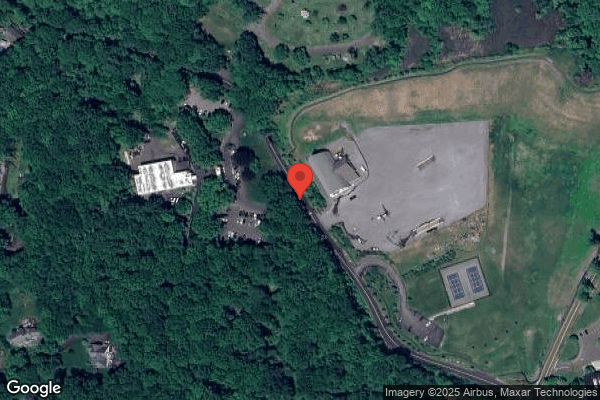
88 ROCKRIMMON ROAD, STAMFORD, CT 06903 (203) 322-3428
For profit - Limited Liability company 128 Beds CENTER MANAGEMENT GROUP Data: November 2025
Trust Grade
73/100
#45 of 192 in CT
Last Inspection: July 2024

Within standard 12-15 month inspection cycle. Federal law requires annual inspections.

Overview

Villa at Stamford has a Trust Grade of B, which indicates it is a good option for families seeking care, as it is solidly above average. The facility ranks #45 out of 192 nursing homes in Connecticut, placing it in the top half, and #4 out of 20 in Western Connecticut County, meaning only three local options are better. While the facility is improving, having dropped from 9 issues in 2024 to just 1 in 2025, it still faces staffing challenges, earning a 2/5 star rating, with a turnover rate of 35%, which is better than the state average. However, there are some concerning aspects, including fines of $9,160, which are average but indicate some compliance issues. The facility has less RN coverage than 83% of Connecticut facilities, which could mean less direct oversight for residents. Specific incidents include a failure to develop a care plan for a resident at risk of burns from a radiator and not following dental orders for tooth extraction, as well as issues with maintaining clean medication carts, which raises concerns about overall care and hygiene. Overall, Villa at Stamford has strengths in its ranking and improving trend, but families should be aware of staffing and compliance issues.

Trust Score
B
73/100
In Connecticut
#45/192
Top 23%
Safety Record
Moderate
Needs review
Inspections
Getting Better
9 → 1 violations
Staff Stability
○ Average
35% turnover. Near Connecticut's 48% average. Typical for the industry.
Penalties
✓ Good
$9,160 in fines. Lower than most Connecticut facilities. Relatively clean record.
Skilled Nurses
⚠ Watch
Each resident gets only 27 minutes of Registered Nurse (RN) attention daily — below average for Connecticut. Fewer RN minutes means fewer trained eyes watching for problems.
Violations
⚠ Watch
21 deficiencies on record. Higher than average. Multiple issues found across inspections.
★★★★★
5.0
Overall Rating
★★☆☆☆
2.0
Staff Levels
★★★★★
5.0
Care Quality
★★★★☆
4.0
Inspection Score
Stable
2024: 9 issues
2025: 1 issues

The Good

  • 5-Star Quality Measures · Strong clinical quality outcomes
  • Full Sprinkler Coverage · Fire safety systems throughout facility
  • No fines on record
  • Staff turnover below average (35%)

    13 points below Connecticut average of 48%

Facility shows strength in quality measures, fire safety.

The Bad

Staff Turnover: 35%

11pts below Connecticut avg (46%)

Typical for the industry

Federal Fines: $9,160

Below median ($33,413)

Minor penalties assessed

Chain: CENTER MANAGEMENT GROUP

Part of a multi-facility chain

Ask about local staffing decisions and management

The Ugly 21 deficiencies on record

1 actual harm
Jun 2025 1 deficiency
CONCERN (D) 📢 Someone Reported This

A family member, employee, or ombudsman was alarmed enough to file a formal complaint

Potential for Harm - no one hurt, but risky conditions existed

Medical Records (Tag F0842)

Could have caused harm · This affected 1 resident

**NOTE- TERMS IN BRACKETS HAVE BEEN EDITED TO PROTECT CONFIDENTIALITY** Based on clinical record review, facility documentation review, facility policy review, and interviews for one sampled resident ...

Read full inspector narrative →
**NOTE- TERMS IN BRACKETS HAVE BEEN EDITED TO PROTECT CONFIDENTIALITY** Based on clinical record review, facility documentation review, facility policy review, and interviews for one sampled resident (Resident #1) reviewed for weight loss, the facility failed to ensure the clinical record was complete and accurate to include timely meal intake documentation. The findings include: Resident #1 had diagnoses that included Alzheimer's disease and anxiety. The Annual Minimum Data Set (MDS) assessment dated [DATE] identified Resident #1 was unable to complete the Brief Interview for Mental Status (BIMS), indicative of being severely cognitively impaired and required maximum assistance for eating. The Resident Care Plan (RCP) dated 6/23/25 identified Resident #1 had an ADL deficit related to Alzheimer's disease and tardive dyskinesia. Interventions directed to feed resident meals. Review of meal intake documentation for Resident #1 identified from 5/25 through 6/23/2025 the meal intakes identified the following: • Resident #1's breakfast was not documented on: 5/27, 5/31, 6/1, 6/10, 6/13, and 6/14/25. • Resident #1's lunch was not documented on: 5/27, 5/31, 6/1, 6/10, 6/13, and 6/14/25. • Resident #1's dinner was not documented on: 5/25, 5/30, 5/31, 6/1, 6/2, 6/5, 6/7, 6/10, 6/11, 6/13, 6/15, 6/19, and 6/21/25. Interview with Dietician #1 on 6/23/25 at 10:25 AM identified Resident #1 was at risk for weight loss, and her observations and reviews had identified Resident #1 was a good eater. Further, the Dietician #1 indicated the staff should document meal intakes accurately after each meal. Interview and record review with the DON (Director of Nursing) on 6/23/25 at 1:20 PM identified it was her expectation that the nursing staff document each meal intake in the electronic medical records to ensure accurate representation of each meal for a resident. interview failed to identify why the meal intakes were not documented. Review of the Electronic Medical Records Policy dated 2/2021 identified the facility will ensure each record will be accurate, based on knowledge of resident information. Interview and record review with the DON (Director of Nursing) on 6/23/25 at 1:20 PM identified it was her expectation that the nursing staff document each meal intake in the electronic medical records to ensure accurate representation of each meal for a resident. interview failed to identify why the meal intakes were not documented. Review of the Electronic Medical Records Policy dated 2/2021 identified the facility will ensure each record will be accurate, based on knowledge of resident information.
Jul 2024 8 deficiencies
CONCERN (D)

Potential for Harm - no one hurt, but risky conditions existed

Notification of Changes (Tag F0580)

Could have caused harm · This affected 1 resident

**NOTE- TERMS IN BRACKETS HAVE BEEN EDITED TO PROTECT CONFIDENTIALITY** Based on clinical record review, review of facility policy, and interviews for one sampled resident (Resident #23) reviewed for ...

Read full inspector narrative →
**NOTE- TERMS IN BRACKETS HAVE BEEN EDITED TO PROTECT CONFIDENTIALITY** Based on clinical record review, review of facility policy, and interviews for one sampled resident (Resident #23) reviewed for accidents, the facility failed to notify the resident's responsible party when the resident had an incident of smoking in their room. The findings include: Resident #23's diagnoses include chronic obstructive pulmonary disease, dementia, and psychotic disorder with delusions. The quarterly MDS assessment dated [DATE] identified Resident #23 had intact cognition, utilized a walker and wheelchair for mobility, was independent for eating, utilized set up or clean up assistance with oral hygiene and toileting, and required supervision for dressing and personal care. Resident #23's care plan dated 5/20/24 identified an ADL (activities of daily living) self-care performance deficit with interventions that included: limited assistance with a rolling walker on the unit, assistance with bathing/showering, personal hygiene and oral care. The care plan further noted Resident #23 was an elopement risk/wanderer related to impaired safety awareness with an intervention to redirect negative behaviors. The nursing note dated 7/20/24 at 2:53 PM written by RN #2 (Nursing Supervisor) identified Resident #23 was found smoking in his/her room with his/her spouse in the room. The resident was educated on the smoking policy and the danger of smoking in the room, a room search was conducted with no cigarettes and lighting materials found. The note further identified that the resident's spouse was instructed to not bring smoking supplies into the facility. Additionally, the APRN was contacted, and a new order was obtained for a Nicotine patch. The reportable event report dated 7/22/24 identified the resident was found smoking in his/her room. The report did not identify that the resident's responsible party was notified of the incident. Attempts to interview RN#2 concerning the incident with Resident #23 were made on 7/24/24 at 1:01 PM and on 7/25/24 at 9:18 AM. A message was left on both occasions. All attempts were unsuccessful. Interview with Person #1(Responsible Party) on 7/29/24 at 1:08 PM identified she was not notified of the smoking incident until 7/25/24, when she was sent an email from Social Worker #1. Interview with Social Worker #1 on 7/30/24 at 11:25 AM identified that she notified the conservator via email of the smoking incident on 7/25/24 but believes the conservator should have been notified sooner following the incident. She further noted that she would have expected the nurse on the unit to notify the resident's responsible party at the time of the incident. Interview with the DNS on 7/30/24 at 9:33 AM identified that resident responsible parties/conservators should be notified at the time of the incident. She would have expected the conservator to be notified sooner than 7/25/24 for the incident occurring on 7/20/24. The DNS further identified that she had not completed the reportable event report until 7/22/24 because she was busy when she was notified of the incident. Review of the facility Reportable Events Investigating and Reporting policy identified all accidents or incidents involving residents, employees, visitors, vendors, etc. occurring on our premises shall be investigated and reported to the Administrator. The Nurse Supervisor/Charge nurse and/or the department director of supervisor shall promptly initiate and document investigation of the accident or incident. The Nurse Supervisor/Charge nurse and/or the department director or supervisor shall complete a Reportable Event form and submit the original to the Director of Nursing Services within 24 hours of the incident or accident. The date/time the family is notified should be documented on the Reportable Event form.
CONCERN (D)

Potential for Harm - no one hurt, but risky conditions existed

Deficiency F0645 (Tag F0645)

Could have caused harm · This affected 1 resident

**NOTE- TERMS IN BRACKETS HAVE BEEN EDITED TO PROTECT CONFIDENTIALITY** Based on clinical record review, review of facility policy, and interviews for one of five sampled residents (Resident #100) rev...

Read full inspector narrative →
**NOTE- TERMS IN BRACKETS HAVE BEEN EDITED TO PROTECT CONFIDENTIALITY** Based on clinical record review, review of facility policy, and interviews for one of five sampled residents (Resident #100) reviewed for Preadmission Screening and Resident Review (PASRR), the facility failed to complete a screening for a resident who required one following short-term approval. The findings include: Resident #100's diagnoses include paranoid personality disorder, delusional disorder, post-traumatic stress disorder and major depressive disorder, The quarterly MDS assessment dated [DATE] identified Resident #100 had intact cognition, utilized a wheelchair for mobility, was dependent for all activities of daily living (ADL's.) The assessment further noted the resident's diagnoses were depression, psychotic disorder, and post-traumatic stress disorder. Resident #100's care plan dated [DATE] identified the potential for behavioral problems related to paranoia, delusional, accusatory, towards staff makes fallacious statements. Interventions directed to administer medications as ordered, allow time to deescalate and reapproach if agitated, explain procedures prior to the initiation of a task. Review of PASRR screenings for Resident #100 identified a Level I screen was completed on [DATE], with an outcome to Refer for Level II onsite. The PASRR level I identified short term approval without specialized services with an end date of [DATE]. Review of the clinical record identified that a level II screen was completed on [DATE] (seven months later than the approved time for the resident to be in the facility). Interview with Social Worker #1 on [DATE] at 11:24 AM identified she should have submitted Resident #100 for a screening following the short-term approval ending on [DATE]. Social Worker #1 realized that she should have submitted Resident #100 for a Level II screen at the time of Resident #100's approval to reside in the nursing facility expired. Review of facility policy titled Pre-admission Screen Annual Resident Review updated 4/2024 directed PASARR to be completed by a Social Worker if not completed prior to admission. If the resident is admitted with a short term PASARR or time sensitive PASARR social worker will complete a new level screen and level of care if necessary. For each patient/resident requiring a Level II assessment a completed PASARR and mental illness intake form must be completed.
CONCERN (D)

Potential for Harm - no one hurt, but risky conditions existed

Comprehensive Care Plan (Tag F0656)

Could have caused harm · This affected 1 resident

**NOTE- TERMS IN BRACKETS HAVE BEEN EDITED TO PROTECT CONFIDENTIALITY** Based on observations, review of clinical records, review of facility policy, and interviews for two of two sampled residents (R...

Read full inspector narrative →
**NOTE- TERMS IN BRACKETS HAVE BEEN EDITED TO PROTECT CONFIDENTIALITY** Based on observations, review of clinical records, review of facility policy, and interviews for two of two sampled residents (Resident #23 & #45) reviewed for accidents and splints/medical equipment, the facility failed to develop and implement a comprehensive care plan following an incident of unauthorized smoking in the facility and for the use of an Aspen neck collar (a neck brace that limits movement of the neck) and an implanted loop recorder ( a small device that monitor heart's electrical activity that is inserted under the chest skin). The findings include: 1. Resident #23's diagnoses include chronic obstructive pulmonary disease, dementia, and psychotic disorder with delusions. The quarterly MDS assessment dated [DATE] identified Resident #23 had intact cognition, utilized a walker and wheelchair for mobility, was independent for eating, utilized set up or clean up assistance with oral hygiene and toileting, and required supervision for dressing and personal care. Resident #23's care plan dated 5/20/24 identified an ADL (activities of daily living) self-care performance deficit and utilized limited assistance with a rolling walker on the unit, requires assistance for bathing/showering, personal hygiene and oral care. The nursing note dated 7/20/24 at 2:53 PM written by RN #2 (Nursing Supervisor) identified Resident #23 was found smoking in his/her room with his/her spouse in the room. The resident was educated on the smoking policy and the danger of smoking in the room, a room search was conducted with no cigarettes and lighting materials found. The note further identified that the resident's spouse was instructed to not bring smoking supplies into the facility. Additionally, the APRN was contacted, and a new order was obtained for a Nicotine patch. Review of Resident #23's care plan dated 5/20/24 failed to reflect that it was updated and/or revised following the incident of unauthorized smoking in the facility. Interview with RN#2 was attempted on 7/24/24 at 1:01 PM and on 7/25/24 at 9:18 AM, message left both times with no return call received. Interview with NA #5 on 7/25/24 at 9:46 AM identified she smelled smoke near Resident #23's room and knew that the next-door neighbor was on Oxygen, so she went into Resident #23's room and found Resident #23 in the bathroom flushing what she believed to be a cigarette down the toilet. The smell of the cigarette was stronger in the bathroom. NA #5 asked Resident #23 where he/she obtained the cigarette from and was told his/her spouse. At that time Resident 23's spouse was not in the room, however had been previously prior to the incident. NA#5 further identified that she notified the charge nurse on the unit, who in turn notified the nursing supervisor. Interview on 7/25/24 at 11:22 AM with the Director of Nursing (DON) identified the care plan had not been updated following the incident on 7/20/24 and she had not had time to update the care plan regarding this incident. Interview with Social Worker #1 on 7/25/24 at 11:40 AM identified that the care plan had not been updated but Social Worker #1 identified it probably should have and that she could go in and update it. Social Worker #1 identified that she, the Nurse Supervisor, or DON could update the care plan, however she had been so busy she hadn't done it yet. APRN #2's (psychiatric aprn) psychosocial note dated 7/22/24 indicated Resident #23 was childlike in presentation and once he/she had a drag he/she could not stop. APRN #2 identified Resident #23 had little to no executive decision-making capabilities and does not or is unable to focus on the consequences of his/her actions. Review of the Care Planning policy reviewed April 2024, directed the facilities Care Planning/Interdisciplinary team responsible for the development of an individualized comprehensive care plan for each resident. 2. Resident #45 's diagnoses included fracture of sixth cervical vertebrae, type 2 diabetes mellitus, dementia, chronic kidney disease, and syncope and collapse. The physician's progress note dated 5/29/24 at 2:20 PM identified Resident #45 was admitted to the facility for short term rehabilitation on 5/28/24 related to a unwitnessed fall with loss of consciousness. The note further identified Resident #45 had a fracture to the 6th cervical vertebrae requiring the use of an Aspen hard neck collar. The admission MDS assessment dated [DATE] identified Resident #45 had a moderate cognitive impairment and required extensive assistance for bed mobility, hygiene, toileting, transfer, non-ambulatory and utilized a wheelchair for mobility. The Resident Care Plan (RCP) dated 6/17/24 failed to identify interventions related to the use of the Aspen neck collar. The physician's consultation notes dated 6/21/24 identified Resident #45 went for follow-up consultation related to the placement of a cardiac loop recorder for syncope. The consult identified Resident #45's incision site was clean and steri-strips (a thin sicky bandage that is used to help small cuts and wounds close) was applied. Further, the notes instructed to not remove the steri-strips and allow them to fall off on their own. Additionally, the note directed to not submerge the incision site, allow showers, monitor for signs and symptoms of infection including but not limited to redness, bleeding, exudate, escalating pain and fever, and to place an abdominal binder for orthostatic hypotension. Review of the RCP dated 6/10/24 failed to reflect the implementation of interventions to direct the care that was necessary for the surgical chest incision. Review of nursing notes from 6/21/24 to 7/24/24 failed to reflect that the left chest surgical incision was monitored for signs and symptoms of infection. Observation on 7/23/24 at 9:43 AM identified Resident #45 in his/her room, sitting in a wheelchair with a hard collar to his/her neck. Interview with LPN #3 on 7/25/24 at 11:00 AM identified Resident #45 was using an Aspen neck collar related to his/her cervical fracture and had an implantable loop recorder to the left chest because of cardiac problems. She also identified there would be a care plan related to the use of the Aspen neck collar and for the monitoring of the surgical incision to the left chest for the loop recorder. She further identified Resident #45 had gone to the cardiologist for a follow-up visit on 6/21/24 related to the implanted loop recorder and returned with instructions to monitor and for care of the left chest incision. Additionally, LPN #3 identified the charge nurses are responsible for ensuring that orders from a consultation are added to the RCP; however, she could not identify why the RCP did not address the use of the Aspen neck collar and the monitoring/care of the surgical incision. She further noted that she thought there was a physician's order related to the Aspen neck collar and monitoring of the surgical incision for the implant loop recorder. Interview and review of the physician's consultation with the DNS on 7/25/24 at 11:30 AM identified that it is an interdisciplinary approach between all departments to ensure that individualized comprehensive care plans are developed for each resident. She identified Resident #45 utilized an Aspen neck collar related to his/her cervical fracture and she would expect the RCP to address the use of the Aspen neck collar. She identified that the cardiologist had specific information on how to monitor the surgical chest incision that should have been added to the RCP. Although, she could not state a reason for why the RCP was not developed, she expected to have a care plan created for the use of Aspen neck collar and the implanted loop recorder. The Care Planning Interdisciplinary Team policy identified that the interdisciplinary team is responsible for the development of an individualized comprehensive care plan for each resident.
CONCERN (D)

Potential for Harm - no one hurt, but risky conditions existed

Deficiency F0688 (Tag F0688)

Could have caused harm · This affected 1 resident

**NOTE- TERMS IN BRACKETS HAVE BEEN EDITED TO PROTECT CONFIDENTIALITY** Based on observations, review of the clinical record, review of facility policy and interviews for one sampled resident (Residen...

Read full inspector narrative →
**NOTE- TERMS IN BRACKETS HAVE BEEN EDITED TO PROTECT CONFIDENTIALITY** Based on observations, review of the clinical record, review of facility policy and interviews for one sampled resident (Resident #1) or who utilized splints, the facility failed to ensure the resident had splints in place daily as outlined in the physician's orders. The findings include: Resident #1's diagnoses included hemiplegia and hemiparesis following cerebral infarction affecting left non-dominant side, legal blindness, rheumatoid arthritis, and vascular dementia. The Occupational Therapy Evaluation dated 4/1/2024 identified the upper extremity assessment was not tested due to contracture. The evaluation did not contain a rating that identified the degree/severity of the contracture. The MD/APRN progress note dated 6/19/2024 identified Resident #1 was evaluated by Occupational Therapy and identified physical exam findings of right hand in splint due to spasticity, Left hand with carrot. Strength was documented for bilateral upper extremities. The quarterly MDS assessment dated [DATE] identified Resident #1 had moderately impaired cognition, an upper and lower extremity impairment on one side, was dependent for all position changes, oral hygiene, toile [NAME], showering, dressing and personal hygiene. The care plan dated 6/27/2024 identified Resident #1 required assistance with ADL task performance related to left hemiplegia with interventions that included: soft collar on when out of bed, left resting hand orthotic on in the AM and off in the PM, right resting hand orthotic and left elbow extension orthotic on in the PM and off in the AM, perform skin checks when donning/doffing (putting on/taking off) the splints, wear as tolerated. Additionally, the care plan identified Resident #1 refuses to wear the soft collar at times. The Physician's orders for June and July 2024 identified Resident #1 had orders for a left elbow splint, right resting hand splint, left carrot, cervical collar on with AM care off with PM care as tolerated. Check skin and report breakdown or irritation with donning/doffing. Observation on 7/23/24 at 11:42 AM identified Resident #1 seated in a custom wheelchair in his/her room with a soft collar in place to the resident's neck. The left arm/hand appeared contracted and did not have a splint in place. The right arm/hand also appeared contracted and did not have a splint in place. Interview with Resident #1 at the time of the observation indicated there were splints that were not in place, and due to a visual deficit, the resident was not able to identify where in the room they might be. Resident #1 identified both hand splints and the elbow splint were not placed with morning care for a while and was unable to identify why they were not placed. Further, Resident #1 noted that he/she had not asked for the splints to be placed but had not refused to wear the splints. Observation and interview on 7/24/24 at 10:40 AM identified Resident #1 seated in a custom wheelchair with the soft collar in place. The left arm/hand appeared contracted, and the resident lifts the arm intermittently to an upright position (like raising the hand) with the hand toward the ear, and the elbow contracted. The right hand/arm is also contracted and was resting in the resident's lap. There are no splints in place on either of the upper extremities. The resident indicated the splints were not placed with AM care, and he/she identified that he/she had not asked for the splints to be placed. Observation on 7/25/24 at 9:31 AM identified Resident #1 being transferred out of bed and into the wheelchair. Subsequent observation on 7/25/24 at 11:00 AM identified Resident #1 in the custom wheelchair with the soft collar in place on the neck and a hand splint in place on the right hand. There was no elbow splint on the left elbow and there was not a hand splint on the left hand. Interview with the resident identified he/she had not had the splints in place for a while and that the right-hand splint was placed today, and the resident was not sure why it was the only one on. Resident #1 identified that if the neck splint was forgotten, he/she would complain about not having that due to the neck pain if the collar is not in place. Resident #1 also identified the left hand does hurt at times and indicated the fingernail pushed into the skin at times. Observation of the left hand identified there are no areas of redness or skin breakdown noted. Interview with LPN#1 on 7/25/24 at 11:09 AM identified NA#1 got the resident cleaned and out of bed this am, and she would expect the splints were placed at that time. However, both nursing and NAs are responsible for ensuring the splints are placed. Observation of the resident's room with LPN #1 identified she was not able to locate the elbow splint nor the left-hand splint (carrot). Interview with the Therapy Director on 7/25/24 at 11:41 AM identified resident therapy assessments are done quarterly for residents who required splinting or were on therapy service. He identified the expectation for the staff (nurses and NAs) are to do what they are supposed to do as outlined by orders or the plan of care. Interview with NA #1 on 7/25/24 at 12:07 PM identified that she sometimes places the hand splint on but sometimes none of the splints. When asked why the splints weren't placed, NA #1 shrugged. Subsequent to surveyor inquiry NA #1 went into the room, located the elbow splint, and placed the elbow splint on the resident. Interview with the DNS on 7/25/24 at 11:33 AM identified the splinting was on the task list for all the residents and that there should be a splint device task in the electronic health record (EHR). There is a plan of care that is printed and kept in the resident's room that outlines the splinting required for that particular resident. Observation and interview with Resident #1 on 7/29/24 at 10:29 AM identified resident in room seated in custom wheelchair, clean and dressed with soft neck collar, left elbow splint, right hand splint, and left-hand carrot splint in place. Resident #1 identified I'm trying to get used to these splints and laughed. Resident denied pain but stated her left arm and hand were a little sore. This Surveyor requested OT reevaluate as splints haven't been used in a while to assess worsening contracture. The Occupational Therapy Evaluation dated 7/29/2024 identified the upper extremity flexion and extension measured in degrees. Although requested, the facility did not provide a comparable assessment where degrees of contracture could be compared to identify worsened or improved conditions. Interview with OT #1 on 7/30/24 at 11:03 AM identified Resident #1 was re-evaluated the previous day and identified there was a 10 degree change in the elbow splint positioning indicating it was not a change in contracture but a change to the resident's comfort level of the splint. The OT identified the contractures were measured in three different positions and the splints were placed based on the passive range of motion. Review of the facility policy for Use of Orthotics for Contracture Management identified general guidelines that splints should be removed every two hours, the skin inspected and then the splint re-applied per wearing schedule. Wearing schedules were identified as individualized with the wearing tolerance determined by patient/skin tolerance, noted to be as short as one hour to as long as eight hours. The policy indicated that staff notify rehab if any splints were lost or missing to reduce the risk of further contractures.
CONCERN (D)

Potential for Harm - no one hurt, but risky conditions existed

Accident Prevention (Tag F0689)

Could have caused harm · This affected 1 resident

**NOTE- TERMS IN BRACKETS HAVE BEEN EDITED TO PROTECT CONFIDENTIALITY** Based on clinical record review, review of facility documents, review of facility policy, and interviews for one sampled residen...

Read full inspector narrative →
**NOTE- TERMS IN BRACKETS HAVE BEEN EDITED TO PROTECT CONFIDENTIALITY** Based on clinical record review, review of facility documents, review of facility policy, and interviews for one sampled resident (Resident #23) reviewed for accidents, the facility failed to provide adequate supervision to prevent the resident from smoking in his/her room. The findings include: Resident #23's diagnoses include chronic obstructive pulmonary disease, Dementia without behavioral disturbances and psychotic disorder with delusions. The quarterly MDS assessment dated [DATE] identified Resident #23 had intact cognition, utilized a walker and wheelchair for mobility, was independent for eating, utilized set up or clean up assistance with oral hygiene and toileting, and needed supervision for dressing and personal care. Resident #23's care plan dated 5/20/24 identified the resident had an ADL self-care performance deficit and utilized limited assistance with a rolling walker on the unit, the resident requires assistance by staff for bathing/showering and requires assistance by staff with personal hygiene and oral care. The Nursing Supervisor's (RN #2) note dated 7/20/24 at 2:53 PM identified Resident #23 was found smoking in his/her room, spouse at bedside, and was educated on the smoking policy and danger of smoking in room, room was searched and no supplies were found, supplies were previously given back to spouse. Request given to spouse to not bring smoking supplies to resident. APRN contacted and new order for nicotine patch obtained. Interview with NA #5 on 7/25/24 at 9:46 AM identified she smelled smoke near Resident #23's room and knew that the next-door neighbor was on Oxygen, so she went into Resident #23's room and found Resident #23 in the bathroom flushing what she believed to be a cigarette down the toilet. The smell of the cigarette was stronger in the bathroom. NA #5 asked Resident #23 where he/she obtained the cigarette from and was told his/her spouse. At this time Resident 23's spouse was not in the room, however had been previously prior to the incident there for lunch. NA#5 indicated Resident #23 was a previous smoker. Interview with the Admission's Director on 7/25/24 at 10:10 AM identified upon admission residents are notified of their policies to include the no smoking policy during the admissions agreement process, however, could not locate the signed agreement for Resident #23 who was conserved. The Admissions Director indicated that she was originally admitted in 2020 and the agreement would have been signed at that time. Even though a discharge occurred on 3/11/21 return not anticipated, and the resident returned on 6/26/23 a new agreement would not have been signed because she knew Resident#23 was a previous resident and should have had those documents signed already. The admissions director indicated that she would only sign these documents with new admissions who have never been at the facility before. Interview with Medical Records on 7/29/24 at 10:40 AM indicated that medical records are kept for ten years for all patients and that years ago medical records were sent out to a central location, however now they keep them and that she has been working there since 2019 and since then they are kept in the building. She had already pulled Resident #23's information and looked for the signed admission paperwork from the facility and could not locate it and was not sure why it could not be located. Interview on 7/25/24 at 11:22 AM with the Director of Nursing (DON) identified that residents out of the facility for greater than 30 days would typically be new admissions into the facility, and she believed should have new facility admission paperwork signed. A resident such as Resident #23 who had been out of the facility discharged return not anticipated and gone for the two-year period would be a new admission. The DON also identified that she was still working on the Accident and Incident (A&I) report for the incident that occurred on 7/20/24 as she had been too busy to complete it, and although her and the social worker had just talked about what could be done nothing formally had been implemented. The DON had not had time to update the care plan either for this resident regarding this incident. Interview with Social Worker #1 on 7/25/24 at 11:40 AM identified that she and the DON spoke that morning about potential plans for the visit, however had not implemented anything formally. She said she had met with Resident #23 and their spouse separately about the dangers of the situation of smoking both medically and physically in the building. When asked to produce documentation of these conversations Social Worker #1 could not provide any documentation regarding these conversations. Social Worker #1 indicated that she must have not documented it and it must down on scratch paper. When a request for the scratch paper was requested documenting these conversations none could be located by Social Worker #1. Social Worker #1 identified that she told the spouse that he/she should see her first before visiting to ensure no smoking materials were brought to the resident however realized she was not always there when the spouse came. The care plan had not been updated but Social Worker #1 identified it probably should have and that she could go in and update it. Review of the A&I report on 7/25/24 provided by the DON dated 7/22/24 failed to include family notification or whether there was an investigation initiated into the incident. Disposition/comments included new order for nicotine patch, attached to the incident report was the nurses note from RN#1 from the original 7/20/24 incident. Review of Psychosocial note dated 7/22/24 from APRN #2 indicated Resident #23 was childlike in presentation and indicated once he/she had a drag he/she could not stop. Psych APRN #2 identified Resident #23 has little to no executive decision-making capabilities. Does not or is unable to focus on the consequences of his/her actions. On 7/25/24 at 2:04 PM a meeting was conducted with the DON and Regional Director of nursing from the facility in conjunction with DPH surveyors as well as DPH Supervisor to request a written plan be put into place to ensure the residents of the facilities safety. On 7/25/24 at 3:37 PM a written plan was received/approved by DPH supervisor. Interview with Resident #23 on 7/29/24 at 9:10 AM identified he/she was caught smoking in the bathroom and that he/she obtained the cigarettes and lighter from his/her spouses jacket pocket. Resident #23 identified the aide smelled the smoke and came in and that he/she had a craving for it and that he/she used to smoke but hadn't smoked in a long time. Interview with Person #2 on 7/29/24 at 9:28 AM identified he/she did not see Resident #23 take the smoking materials but that they were located in his/her coat pocket. Person #1 was upset with Resident #23 for doing this because he/she did not want to jeopardize their visits or Resident #23's ability to live in the facility. Review of the facility Reportable Events Investigating and Reporting policy reviewed April 2024, identified all accidents or incidents involving residents, employees, visitors, vendors, etc. occurring on our premises shall be investigated and reported to the Administrator. The Nurse Supervisor/Charge nurse and/or the department director of supervisor shall promptly initiate and document investigation of the accident or incident. The Nurse Supervisor/Charge nurse and/or the department director or supervisor shall complete a Reportable Event form and submit the original to the Director of Nursing Services within 24 hours of the incident or accident. Review of the facility Smoking Policy- Residents reviewed April 2024, identified prior to, or upon admission, residents shall be informed that we are a smoke free policy. Smoking restrictions shall be strictly enforced. Staff/residents are not allowed to smoke within the facility or on the grounds. Review of the facility Location and Storage of Medical Records reviewed April 2024 identified the facility shall protect and safeguard its medical records. Closed and or thinned medical records will be stored in a locked room and protected from fire, water damage, insects and theft. Medical records may be scanned into Point Click Care (PCC) for long term retention. Records will be maintained for a minimum of 10 years.
CONCERN (D)

Potential for Harm - no one hurt, but risky conditions existed

Infection Control (Tag F0880)

Could have caused harm · This affected 1 resident

**NOTE- TERMS IN BRACKETS HAVE BEEN EDITED TO PROTECT CONFIDENTIALITY** Based on review of the clinical record, review of facility documentation, review of facility policies/procedures and interviews ...

Read full inspector narrative →
**NOTE- TERMS IN BRACKETS HAVE BEEN EDITED TO PROTECT CONFIDENTIALITY** Based on review of the clinical record, review of facility documentation, review of facility policies/procedures and interviews for one of three sampled residents (Resident #32), reviewed for transmission-based precaution (TBP) the facility failed to implement the appropriate transmission-based precaution for a resident actively infected with a multi-drug resistant organism (MDRO). The findings include: Resident #32's diagnoses included lymphedema, sepsis, Methicillin Resistant Staphylococcus Aureus (MRSA) infection and schizoaffective disorder. The quarterly MDS assessment dated [DATE] identified Resident #32 had intact cognition, required moderate assistance with transfers and toileting, independent with bed mobility and personal hygiene, ambulatory with the utilization of a walker and a wheelchair. The assessment further identified Resident #32 active diagnoses in the last 7 days included MDRO, and wound infection. The care plan dated 2/20/24 identified Resident #32 had enhanced barrier precaution related to left extremity wound with interventions that included to utilize gloves, and gown following proper donning and doffing when providing high contact activities. The care plan further identified Resident #32 was resistive and non-compliant with care related to refusing dressing changes and wound treatment with interventions that included accept resident's right to refuse, leave and return 5 to 10 minutes later to try again. Review of Resident #32's clinical records identified laboratory testing of a wound culture collected on 4/5/24 with a reported result dated 4/9/24 identified heavy growth of pseudomonas aeruginous, and moderate growth of MRSA. The physician's order dated 4/10/24 directed Vancomycin 1 gram every 12 hours intravenous for left leg wound infection and Cefepime 2 gram every 8 hours intravenous for left leg wound. The physician's order for the month of April 2024 also directed enhance barrier precautions (EBP) due to lower extremity wound and cleans both lower extremity wounds with normal saline, apply Medihoney (wound healing and debridement) to wound bed followed by non-adhesive dressing abdominal pad wrap with a kerlix from foot to knee daily and as needed related to MRSA. The physician's orders for the month of April 2024 failed to identify that Resident #32 was directed to be placed on contact precautions. Review of the facility's infection control active MDRO tracking sheet for the month of April 2024 identified Resident #32 had signs and symptoms of wound drainage, site of infection was a wound, positive culture for MRSA dated 4/9/24, treated with intravenous antibiotics, and isolation type for Resident #32 identified enhanced barrier precautions. According to the Centers for Disease Control and Prevention (CDC) Appendix A which provides the type and duration of precautions recommended for selected infections and conditions recommendations for MDRO such as MRSA required contact and standard precautions. CDC further recommends that contact precautions should be used for all residents infected or colonized with a MDRO in situations such as the presence of acute diarrhea, draining wounds or other sites of secretions or excretions that are unable to be covered or contained, and gloves and gown are required to be don and worn before entering the resident's room. In addition, CDC recommends the utilization of Enhanced Barrier Precautions when infection or colonization with an MDRO when contact precautions do not otherwise apply, and gown and gloves are to be don and worn prior to high contact care activities such as dressing, providing hygiene, transferring, bathing/showering, wound care and toileting hygiene. Review of the facility weekly wound tracking documentation sheet dated 4/9/24 identified left medial calf and left lateral calf had heavy blue/green serous drainage. Also, the left inferior ankle had heavy blue/green drainage. The nurse's note dated 4/10/24 at 10:32 AM written by the ADNS (RN #4) identified the treatment nurse reported increase drainage from the left leg wounds and a call place to APRN to update. The nurse's note dated 4/11/24 at 3:01 PM written by Charge Nurse (LPN #5) identified that Resident #32 dressing changed to left lower leg wound had copious amount of greenish drainage noted and resident was encouraged to elevate leg. The Nurse's note dated 4/23/24 at 12:36 PM written by RN #4 identified heavy serious drainage noted on old dressing. Wound progress note dated 4/23/24 written by Wound Physician MD #2 identified that Resident #32 continues to be aggressive during treatments, actively slapping examiner hands and putting his/her own hands into the wound beds. Interview with the Infection Preventionist (RN #3) on 7/25/24 at 10:57 AM identified that Resident #32 was positive for MRSA in the month of April 2024 where the resident was treated with intravenous antibiotic. RN #3 added that during this period active infection Resident #32 remained on enhance barrier precautions and not contact precautions. RN #3 identified that she kept Resident #32 on enhance barrier precaution as the resident's wound drainage was contained and she had not received any reports from the wound nurses or the charge nurse that Resident #32's wound drainage could not be contained or was the resident having large amounts of drainage from the wound. Interview with the DNS on 7/25/24 at 1:20 PM identified that if a resident was actively being treated for MRSA, he/she should be placed on contact precautions as it changes the mindset of the staff. The DNS further identified that Resident #32 should not have remained on EBP, and it was the responsibility of the Infection Preventionist nurse to review and make the decision as to the type of transmission-based precaution a resident should be placed on. Interview with the LPN #5 on 7/25/24 at 1:55 PM identified whether Resident #32 had any infection in April 2024 in which she identified that he/she had MRSA and cellulitis and was treated with intravenous antibiotics. LPN#5 was asked if Resident #32 was placed on contact precautions in April 2024 in which she stated she had to review the records. After LPN #5 review the clinical records, she responded that she was unable to identify that the resident was ever on contact precaution but rather was on EBP precautions. LPN #5 further identified that Resident #32's dressing was required to be changed daily. LPN #5 was asked to explain her note written on 4/11/24 as it relates to copious amount of drainage in which LPN #5 identified that the old dressing removed was saturated during the dressing change and she had placed a padding underneath to protect the bed during dressing change. She further identified that if Resident #32 required extra dressing change, he/she might not had allowed the nurse to perform the treatment as often times it would depend on the resident's mood at the time. LPN #5 was asked if there was a difference between contact precautions and EBP, in which she indicated yes as contact precautions is used for active infection wherein personal protective equipment (PPE) to worn when entering the room while EBP precautions is use for residents with wounds, gastrostomy tube, and foley tubes, and required the use of PPE when providing direct care activities. Interview with NA #6 and NA#7 on 7/25/24 at 2:20 PM identified was asked if they recalled Resident #32 ever being placed on contact precaution in the month of April 2024, wherein they identified that they could not recall Resident #32 was ever on contact precautions and that he/she has only on EBP. NA #7 and NA #8 asked if there was a difference between contact precautions and EBP in which they both responded that there is a difference as contact precautions required you to put on your PPE before entering the room while EBP required donning PPE only when we are about to do care any direct care with the resident. Interview with the RN #3 on 7/29/24 at 12:40 PM identified when asked if she had reviewed the nurse's notes dated 4/11/24 would she had place Resident #32 on contact precautions and she responded absolutely. RN #3 was also asked if Resident #32 had a history of weeping legs and often refuses or was compliant with dressing changes in which she indicated that Resident #32 had weeping legs and does refuse wound treatment at times. RN #3 also indicated that she was responsible for selecting the appropriate TBP for residents. Review of the Multidrug-Resistant Organisms policy and procedure identified that appropriate precautions will be taken when caring for individuals with known or suspected infection with a MDRO. The policy further identified that infection means that the organism is present and is causing illness and colonization means the organism is present in or on the body but not causing illness. The policy adds that the infection control committee may implement or consider the following to determine if contact precautions are need when individual's ability to contain the infected or colonized body fluids or site, keeping hands away from the infected or colonized areas, draining wounds, and behaviors that may increase the risk of transmission may indicate the need for contact precautions. Review of the Contact Precautions policy identified contact precautions are intended to prevent the transmission of infectious agents, like MDRO's that are spread by direct or indirect contact with the resident or resident's environment.
CONCERN (E)

Potential for Harm - no one hurt, but risky conditions existed

Quality of Care (Tag F0684)

Could have caused harm · This affected multiple residents

**NOTE- TERMS IN BRACKETS HAVE BEEN EDITED TO PROTECT CONFIDENTIALITY** Based on clinical record reviews, facility policy review, and interviews for one sampled resident (Resident #28) reviewed for de...

Read full inspector narrative →
**NOTE- TERMS IN BRACKETS HAVE BEEN EDITED TO PROTECT CONFIDENTIALITY** Based on clinical record reviews, facility policy review, and interviews for one sampled resident (Resident #28) reviewed for dental services and for one sampled resident (Resident #45) with a surgical incision, the facility failed to follow dental orders as a prerequisite for a tooth extraction, and failed to administer the prescribed treatment to the left chest in accordance with the physician's order, The findings include: 1. Resident #28 was admitted to the facility on [DATE]. Diagnoses included dysphagia, oropharyngeal phase, cellulitis of face, unspecified protein-calorie nutrition, other psychoactive substance dependence, in remission, and other specified anxiety disorders. The speech screen dated 1/19/2021 identified the resident had a mechanically altered diet related to complaints of difficulty or pain when swallowing and the summary identified the resident had a mechanically altered diet, and a swallowing disorder. A recommendation was made for a swallow evaluation. Review of the Speech Therapy treatment encounter notes dated 1/30/2021 and 2/5/2021 identified Resident #28 was not happy with the modified diet and was able to successfully chew, swallow and had adequate oral clearance, at which time the diet was upgraded. The Dentist's note dated 2/23/24 identified Xray results indicated that root tip for tooth #21 needed to be extracted and would be done at the facility. Action required by nursing home staff identified the resident was to continue daily oral care and treatment planned for extraction at the facility with orders to administer Ativan 1mg one hour prior to procedure for anxiety and discontinue aspirin two days prior to procedure date. The procedure was scheduled for 3/22/24. Review of the Dentist's note dated 3/22/24 identified that the facility had not prepared the resident for the scheduled procedure as ordered, the aspirin had not been discontinued, and there was not an order in place for Ativan as requested for sedation. The note further identified another appointment was set for 5/1/24 The Dentist's note dated 5/30/2024 identified the extraction of root tip #21 had not been completed due to the facility not discontinuing the aspirin as previously ordered. Review of physician's orders for June and July 2024 identified an order for Aspirin 81 mg with directions to give 1 table by mouth at bedtime related to cachexia. The Physician's orders did not contain orders to hold the Aspirin and failed to identify an order for Ativan. Review of the Medication Administration Records for the months of June and July 2024 identified the resident received Aspirin 81 mg every day. Review of a signed paper pharmacy prescription dated 6/6/2024 identified an order for Ativan 1mg by mouth one hour prior to extraction on 6/17/2024, the order was signed by the provider and acknowledged by the nurse. The Annual Minimum Data Set (MDS) dated [DATE] identified Resident #28 had intact cognition, was independent with all mobility, transfers, ambulation, dressing, and hygiene, and that the resident's oral/dental status indicated the resident did not have any concerns with dental and was not edentulous. Review of the nursing progress notes dated 6/18/24 at 2:42 PM written by RN #2 (nursing supervisor) identified the facility was notified that the tooth extraction will be on June 24th and the dentist will be at the facility by 9:00 AM. Review of the nursing progress notes dated 6/24/24 at 4:18 PM identified the resident was supposed to have a tooth extraction but was unable to do so due to aspirin was not held for 3 days. The Dentist's note dated 6/24/24 identified that the extraction of tooth #21 was again not completed because the aspirin had not been held two days prior to the scheduled procedure. The note further noted that the extraction was necessary for the fabrication of dentures. The care plan dated 5/7/2024 identified Resident #28 had potential for oral health problems related to edentulous and does not wear dentures with goals to be free of infection, pain or bleeding in the oral cavity and be able to chew food without discomfort. Interventions included to monitor/document/report PRN any signs or symptoms of oral/dental problems needing attention, provide mouth care as per ADL personal hygiene and refer to dietician for adjustment in diet related to oral/dental condition but failed to identify the resident's ongoing work with the dentist in being fitted for dentures. Interview with Resident #28 on 7/22/24 at 11:48 AM identified he/she had no teeth and needed dentures. Resident #28 indicated that the dental appointments had been cancelled several times and the resident had not been fitted for dentures that the dentist indicated would happen in February 2024. Resident #28 identified there is some difficulty with foods, but the resident knows what to stay away from. Interview and chart review with LPN #2 on 7/24/24 at 11:00 AM identified that when the facility received new orders from a provider, the orders go into the 24-hour report and the medication is entered on the MAR. The nurses are able to go into the MAR and hold the medication for whatever dates it should be held. The doctors or consultants leave the paper flagged and whoever is working is responsible to take the order and follow through. Review of the dental notes (in the paper chart) dated 2/23/24 identified the dentist ordered Ativan and to stop the aspirin two days prior to the next scheduled treatment. LPN #2 identified the order did not seem like it was done and referred this writer to the nursing supervisor who handles the dental visits. Interview with the Nursing Supervisor (RN#2) on 7/24/24 at 11:25 AM identified the nurses input the medications in the computer when directed by the doctor's note. Based on her recollection, she indicated the dentist only cancelled the June appt and had to reschedule. The resident is scheduled for [DATE]th for the extraction. RN#2 stated she had surgery 1/29/24 and was out for approximately 6 weeks. She is not sure who was covering for her at the time. Interview with the DNS on 7/24/24 at 11:42 AM identified that RN #2 was out of work from 1/31/24 through 4/1/24 and noted that the other two nursing supervisors were responsible for managing the consult orders during that time. The DNS identified that all consultation correspondence goes through her, and that she is responsible for making sure the recommendations are followed through. She stated that the resident refused the dental care, however, was unable to provide documentation that the resident refused. Review of the dental notes identified the facility did not follow through on the recommendations/orders from the dentist on three different occasions. The nursing note dated 7/24/2024 at 2:29 PM identified an appointment for the tooth extraction scheduled for August 5th at 9:00 AM. Review of Physician's orders dated 7/24/24 identified an order to hold ASA 81mg 3 days before dental procedure with specific dates of 8/2/24 through 8/5/2024 and resume after procedure. Order was added by the nursing supervisor. Review of the facility dental policy identified the resident was able to be seen by the facility's consultant dentist, records of dental care provided shall be made part of the resident's medical record, and a resident needing dental services will be promptly referred to the dentist. 2. Resident #45 's diagnoses included fracture of sixth cervical vertebrae, type 2 diabetes mellitus, dementia, chronic kidney disease, and syncope and collapse. The admission MDS assessment dated [DATE] identified Resident #45 had moderate cognitive impairment and required extensive assistance for bed mobility, hygiene, toileting, and transfers, was non-ambulatory and utilized a wheelchair for mobility. The Resident Care Plan (RCP) dated 6/17/24 identified Resident #45 with syncope and collapse. Care plan interventions directed to monitor resident for side effects of medication, medications as physician's orders, provide a safe environment, and update physician and family for resident condition as needed. The physician's order dated 6/27/24 directed to cleanse a small medial blister and apply 1 percent sulfadiazine cream (topical anti-bacterial medication) to the left chest twice per day. Review of the Treatment Administration Record (TAR) from 6/27/24 to 7/24/24 failed to identify that the 1 percent sulfadiazine cream was administered as directed by the physician. Interview with LPN #3 on 7/25/24 at 11:00 AM identified that the charge nurses are responsible for ensuring physician's orders are transcribed and administered properly. Review of the physician's orders dated 6/27/24 with LPN #3 identified the treatment order directing the administering of 1 percent sulfadiazine cream to the left chest twice per day to surgical incision. Further review of the medication record and the treatment administration record from 6/27/24 to 7/24/24 failed to reflect that the order was transcribed or administered as ordered. Interview with the DNS on 7/25/24 at 11:30 AM identified that she expects all of the licensed staff to follow the physician's orders. She identified that the 1 percent sulfadiazine cream should have been administered to the resident in accordance with the physician's order. The Physician Medication Orders policy identified that all medications would be administered upon the written order of a person duly licensed and authorized to prescribe in this state.
MINOR (B)

Minor Issue - procedural, no safety impact

Deficiency F0730 (Tag F0730)

Minor procedural issue · This affected multiple residents

Based on facility documentation review and staff interviews for Three of Three Nurse Aides (NA #2 and NA #3, and NA#4), the facility failed to complete an annual performance evaluations. The findings ...

Read full inspector narrative →
Based on facility documentation review and staff interviews for Three of Three Nurse Aides (NA #2 and NA #3, and NA#4), the facility failed to complete an annual performance evaluations. The findings include: Review of NA #2 personnel file identified a hire date of 7/24/2006 and failed to identify that a yearly performance evaluation was completed for 2023. Review of NA #3 personnel file identified a hire date of 4/29/2002 and failed to identify that a yearly performance evaluation was completed for 2023. Review of NA #4 personnel file identified a hire date of 12/7/2021 and failed to identify that a yearly performance evaluation was completed for 2023. Interview with DNS on 7/30/24 at 9:35 AM identified that each employee should have a performance review completed on their anniversary date and she was responsible for ensuring that the employee annual performance reviews were completed. She further identified that there was no annual performance review completed for NA #2, NA #3, and NA #4 for 2023. Review of facility Annual Employee Evaluations policy identified all employees would be subject to a written annual review by the department supervisor on their anniversary date.
Jan 2024 1 deficiency
CONCERN (D) 📢 Someone Reported This

A family member, employee, or ombudsman was alarmed enough to file a formal complaint

Potential for Harm - no one hurt, but risky conditions existed

Report Alleged Abuse (Tag F0609)

Could have caused harm · This affected 1 resident

**NOTE- TERMS IN BRACKETS HAVE BEEN EDITED TO PROTECT CONFIDENTIALITY** Based on clinical record reviews, observations, facility documentation, facility policy and interviews for one (1) of four (4) r...

Read full inspector narrative →
**NOTE- TERMS IN BRACKETS HAVE BEEN EDITED TO PROTECT CONFIDENTIALITY** Based on clinical record reviews, observations, facility documentation, facility policy and interviews for one (1) of four (4) residents, (Resident #1 ), who was reviewed for abuse, the facility failed to The findings include: Resident # 1's diagnoses included hemiplegia and hemiparesis (weakness and paralysis) following cerebral infarction (stroke) affecting right dominant side. The quarterly Minimum Data Set assessment dated [DATE] identified Resident #1 was moderately cognitively intact and required substantial assist with bed mobility and transfers. The Resident Care Plan dated 11/21/23 identified Resident #1 had an activity of daily living (ADL) self-care performance deficit related to disease process and a history of transient ischemic attacks (TIA) or mini stroke with interventions that directed to provide two (2) staff for bed mobility and transfer with mechanical lift and give medications as ordered by the physician and monitor side effects. Physician orders dated 11/30/23 directed aspirin 81 mg and clopidogrel bisulfate 75 mg (both blood thinners) The Advanced Practice Registered Nurse (APRN) note dated 12/21/23 at 6:04 PM identified a request was made to see the resident for follow up. An assessment identified Resident #1 had two ecchymotic (bruised) areas on left arm, the resident could not recall how it happened and denied pain. A nurse's note dated 12/24/23, subsequent to the identification of the bruise on the left arm, identified a peripheral line was inserted into the right forearm for intravenous (IV) hydration. Physician orders (from an outside specialty service consult) dated 1/3/24 directed gentle handling with turning and repositioning and noted Resident #1 had prescribed aspirin, Plavix (clopidogrel bisulfate) and displayed multiple bruises from aides/ nurses. Nurse's notes dated 12/21/23 through 1/10/24 identified no additional documentation related to the bruising noted on 12/21/23 and on 1/3/24. A 'soft' note (not part of the clinical record) dated 1/4/24 completed by the Director of Nursing identified she met with Resident #1 after reviewing the neurology consult on 1/3/24. She noted fading bruises to the right forearm. Resident #1 stated two staff were talking over h/her and thought that's when (the bruising) occurred. Resident #1 stated No when asked if s/he was treated inappropriately or in a rough manner. Resident #1 was on Plavix and aspirin and would be expected to bruise more readily, the responsible party was made aware of the situation and that the physician note suggested Resident #1 was prone to bruising due to medications. A second 'soft' note completed by the DNS (no date) identified she met a representative from Elderly Protective Services who indicated a report from a (community) medical office noted bruising at the time of a medical appointment, that Resident #1 denied staff touched h/her and that it was felt the bruising was likely due to intravenous therapy. An interview with Resident #1 on 1/31/24 at 10:12 AM identified the incident happened a long time ago, unable to say exactly what time frame, when two nurse aides were providing care to h/her in bed in the evening time. Resident #1 stated she did not know the names of the staff but that they were arguing in a different language. As the argument ensued, they became rough with h/her care. Resident #1 did not report the incident to anyone. However, the following day, Nurse Aide, NA #1 had observed a bruise on Resident #1's left arm and inquired about it. Resident #1 explained to NA #1 that the aides were arguing and were rough with care. NA #1 told Resident #1 that it needed to be reported. Resident #1 also stated it was inquired about at a recent community doctor visit subsequent to NA #1 observing and reporting the bruise. Resident #1 recalled that there were staff who came in to ask about the incident but could not recall who. Resident #1 recalled a representative from protective services also came to speak with h/her about the incident. Resident #1 stated she still works with one of the staff members and it made h/her uncomfortable. An interview with Licensed Practical Nurse, LPN #1 on 1/31/24 at 10:46 AM identified she received the consult upon return from the specialty service and reported the information immediately to the Nursing Supervisor. An interview with Registered Nurse, RN #1 on 1/31/24 at 11:37 AM identified he was the assigned Nursing Supervisor on 1/31/24 when Resident #1 returned from an outside community appointment. RN #1 stated LPN #1 reported the information noted on the specialty consult. RN #1 assessed Resident #1 and noted fading bruises to the upper left which did not include impressions of fingertips so was felt not consistent with abuse. RN #1 also did not speak to Resident #1 and inquire as to how the bruising occurred. RN #1 stated it was part of his role and responsibility to report an injury of unknown origin and should have done so when first discovered but it was at the end of the day. Instead, RN #1 passed the information along in the morning report the following day. An interview with the DNS on 1/31/24 at 12:32 PM identified first became aware of the allegation during morning report the following day on 1/4/24. The DNS spoke with Resident #1 who reported the bruising may have occurred when two aides were talking over h/her however, denied rough care. The DNS stated she observed fading bruises on the right arm but did not report or initiate an investigation as she was aware of a recent IV insertion, blood work and medication as a possible underlying cause and did not feel staff inflicted harm. The DNS further stated a representative from protective services came in to speak with Resident #1 and was unable to determine at the time of the visit that abuse occurred. An interview with APRN #1 on 1/31/24 at 12:37 PM identified she observed bruising on Resident left forearm on 12/21/23 which was unexplained. APRN ordered lab work and reported the bruising to LPN #1. A subsequent interview with LPN #1 on 1/31/24 at 1:10 PM identified she was unable to recall if bruising was reported to her on 12/21/23 but would normally notify a supervisor immediately of any bruising. An interview with NA #1 on 1/31/24 at 3:20 PM identified she was working on a weekend in recent weeks on the 3:00 PM shift to 11:00 PM shift when she observed a nasty bruise on the left upper arm. NA #1 asked Resident #1 how the bruise occurred and was told the evening before, two aides were arguing while providing care and became rough with care. NA #1 reported the allegation immediately to LPN #2. An interview with LPN #2 on 1/31/24 at 3:32 PM identified NA #1 reported rough care but believed it had already been previously reported by the outside community specialty service visit. An interview with the DNS on 1/31/24 at 3:37 PM identified she initially did not feel the issue rose to the level of mistreatment, However, subsequent to surveyor inquiry, felt that she should have reported the allegation. A review of the facility policy for Reporting a Suspicion of Abuse directs the Administrator, Director of Nursing or designee report any reasonable suspicion of abuse with required time frames to the state agency.
Dec 2022 1 deficiency 1 Harm
SERIOUS (G) 📢 Someone Reported This

A family member, employee, or ombudsman was alarmed enough to file a formal complaint

Actual Harm - a resident was hurt due to facility failures

Accident Prevention (Tag F0689)

A resident was harmed · This affected 1 resident

**NOTE- TERMS IN BRACKETS HAVE BEEN EDITED TO PROTECT CONFIDENTIALITY** Based on clinical record review, facility documentation, facility policy, and interviews for one sampled resident (Resident #1) ...

Read full inspector narrative →
**NOTE- TERMS IN BRACKETS HAVE BEEN EDITED TO PROTECT CONFIDENTIALITY** Based on clinical record review, facility documentation, facility policy, and interviews for one sampled resident (Resident #1) who was reviewed for accidents, the facility failed to develop a care plan with interventions for the resident's known behavior of pushing the bed against the heating system and laying his/her head on the radiator unit to prevent an injury, a neck burn. The findings include: Resident #1's diagnoses that included dementia, metabolic encephalopathy, and psychoactive substance abuse. The quarterly Minimum Data Set assessment dated [DATE] identified Resident #1 had short and long-term memory problems, rarely or never made decisions regarding tasks of daily life and required limited assistance of one (1) person with repositioning while in bed, getting in and out of the bed and chair and extensive one (1) person assistance with ambulating. The care plan dated 11/3/22 identified the resident has impaired cognitive function and dementia with behavioral disturbances. Interventions include monitor, document, and report as needed any changes in cognitive function, specifically changes in: decision making ability, memory, recall and general awareness, difficulty expressing self, difficulty understanding others, level of consciousness and mental status. The Facility Reported Incident form dated 11/23/22 at 9:00 AM identified Resident #1 was observed by a nurse aide with his/her bed pushed against the radiator wall, lying across the bed in the wrong direction and his/her head was resting on the radiator. The report indicated Resident #1 was assisted and repositioned and assessed by the Supervisor. Resident #1 was noted to have a temperature of 102.4 degrees and a pink area with denuded skin on the back of his/her neck that measured 4 centimeters (cm) x 5cm, all parties were notified, and Resident #1 was transferred to the emergency department for an evaluation. The Hospital admission summary dated [DATE] identified Resident #1 was found by the facility staff leaning up against the radiator while lying in bed, with a burn and blister on the posterior neck. Resident #1 was noted to have a cough, fever of 102 degrees and lethargy, thus Emergency Medical Services was activated, and the resident was given a Tylenol suppository in route to the hospital. The Hospital Wound Care note dated 11/25/22 identified the posterior neck wound appeared as a third degree burn at this time, the entire effected area measured 8cm x 7cm and presented as a full thickness wound with approximately 80% pink and red tissue and 20% light tan slough, the surrounding skin had intact blisters, there was scant serous drainage. The note indicated the wound was cleansed with normal saline, Silvadene to be ordered twice a day. The nursing progress skin and wound note dated 12/08/22 at 12:27 PM identified Resident #1 was readmitted to the facility last evening after treatment for a burn on the back of the neck and the area was assessed today. The note identified the wound measured 5cm x 4cm x 0cm, the area was covered 100% with dry slough, there was no swelling or erythema noted around area and no drainage was noted. The note indicated treatments were in place for Santyl daily at 2:00 PM and Silvadene every twelve (12) hours at 9:00 AM and 9:00 PM. Review of the care plan prior to the 11/23/22 incident failed to reflect Resident#1's known behavior of pushing the bed up to the radiator and lying crooked in bed with his/her head on the radiator was addressed and interventions implemented to prevent a potential injury. Upon further review, the care plan status-post the incident on 11/23/22 identified Resident #1 had the potential for impairment to skin integrity related to a burn on the back of the neck after resting on the radiator. Interventions included a nightstand was placed between the bed and radiator, the wheels were removed from the bed, maintain the bed in a low position, the radiator surface temperatures will be monitored with adjustments made as needed by maintenance, and to apply the treatment to back of neck burn as ordered. Interview with the Maintenance Director on 12/12/22 at 11:00 AM identified the facility does not check radiator temperatures but he does check water temperatures. The Maintenance Director indicated the temperatures in the boiler room are set to 140 degrees Fahrenheit, but once the fluid goes through the mixing value, the temperatures will drop to 120 degrees Fahrenheit. The Maintenance Director identified status post this incident, the set temperature was lowered and audits after the event have shown temperature ranges between 100-115 degrees Fahrenheit. Interview with a 7AM-3PM nurse aide, Nurse Aide (NA) #1, on 12/12/22 at 11:30 AM identified NA #2 had requested if I could check on Resident #1 as Resident #1 was sleeping earlier when the breakfast tray was brought in. NA #1 indicated upon entering the room, Resident #1 was noted to be lying in bed (incorrectly positioned) with his/her head and neck area resting on the radiator. NA #1 identified she immediately notified NA #2 and the Registered Nurse (RN) #1 for assistance, and we were able to reposition Resident #1. NA #1 identified the position the bed was crooked, the end of the bed was pushed closely to the radiator, with approximately a one (1) foot clearance from the bed to radiator, and the top of the bed was in its original position but still crooked as it seemed that Resident #1 pushed the lower section closer to the radiator, and not the entire bed. NA #1 identified the wheels were in a locked position, but there was no dresser in between the bed and radiator. NA #1 identified Resident #1 had done this in the past approximately three (3) or more times and he/she usually uses a pillow on-top of the radiator. NA #1 identified she notified the nurse on the first occasion but could not recall who she contacted. NA #1 noted she did not report the other occasions in a formal manner but would notify the nurse as an update during the shift. Interview with NA #2 on 12/12/22 at 11:35 AM identified on 11/23/22, she performed rounds on Resident #1 at 7:30 AM, Resident #1 was sleeping at this time and the bed was in the correct position. NA #2 identified Resident #1's breakfast tray was delivered at 8:30 AM, but Resident #1 was still sleeping, and the bed was in the correct position. NA #2 identified after she dropped off the breakfast tray, she notified NA #1 if she could monitor Resident #1 while she attended to another resident. NA #2 identified at approximately 8:50 AM, NA #1 notified her that Resident #1 needed assistance and when she entered the room, she verified Resident #1's bed was positioned crookedly and closer to the radiator while Resident #1 was identified to be in bed (positioned incorrectly) and lying on the radiator with his/her head and neck area on the radiator. NA #2 identified Resident #1 has performed this behavior before, approximately two (2) to three (3) times, but she has never reported this because every time she came into the room and assisted Resident #1 during this observation, Resident #1 would always self-correct themselves and she did not believe it warranted further action. Interview with the Director of Nurses (DON) on 12/12/22 at 12:30 PM identified she was unaware of Resident #1's known behavior of utilizing the radiator to rest or lie on. The DON identified this was the first episode they were aware of and have implemented measures to prevent reoccurrence.
Feb 2022 7 deficiencies
CONCERN (D)

Potential for Harm - no one hurt, but risky conditions existed

Resident Rights (Tag F0550)

Could have caused harm · This affected 1 resident

**NOTE- TERMS IN BRACKETS HAVE BEEN EDITED TO PROTECT CONFIDENTIALITY** Based on observation, review of the clinical record, facility documentation, facility policy, and interview for 2 of 3 residents...

Read full inspector narrative →
**NOTE- TERMS IN BRACKETS HAVE BEEN EDITED TO PROTECT CONFIDENTIALITY** Based on observation, review of the clinical record, facility documentation, facility policy, and interview for 2 of 3 residents (Resident #43 and 94) reviewed for indwelling catheter care, the facility failed to cover the urinary drainage bags. The findings include: 1 Resident #43 was admitted to the facility with diagnoses that included major depressive disorder, prostatic hyperplasia, and chronic kidney disease. A physician's order dated 12/13/21 directed to change privacy bag as needed for soiling. The care plan dated 12/13/21 identified Resident #43 had a Foley catheter related to neurogenic bladder. Interventions included to position the catheter bag and tubing below the level of the bladder and away from the entrance door. Additionally, privacy bag as needed. The quarterly MDS dated [DATE] identified Resident #43 had intact cognition, required extensive assistance for dressing, personal hygiene and toileting. Additionally, Resident #43 had an indwelling catheter. The APRN progress note dated 12/3/21 at 8:04 PM identified preliminary urine is positive. Diagnosis of urinary tract infection and start antibiotic cipro orally every 12 hours for 7 days. A physician's order dated 1/10/22 directed to give Zosyn Intravenously every 6 hours for 7 days due to a urinary tract infection. Observation on 1/31/22 at 10:00 AM identified Resident #43 was lying in bed with a urinary device facing the doorway and almost half full of yellow urine visible from hallway attached to the bed frame. Observation and interview with LPN #1 on 1/31/22 at 10:38 AM indicated the urinary drainage bag should always be covered and should not be visible from the hallway unless covered with a privacy bag. LPN #1 indicated the urinary bag did not have a privacy bag and she emptied 400 ml of urine from the bag. After emptying the urinary drainage bag, LPN #1 placed the bag into a privacy bag. Observation on 2/1/22 at 7:50 AM identified Resident #43 lying in bed with the urinary drainage bag hanging from the bed frame visible from the doorway without a privacy bag. Observation on 2/1/22 at 10:00 AM the urinary device was in a privacy bag. Interview with the DNS on 2/2/22 at 1:54 PM identified the indwelling catheter drainage bag must be in a privacy bag especially if it is facing the door. Although requested, a facility policy for urinary drainage bag privacy was not provided. 2. Resident #94 was admitted with diagnoses that included Alzheimer's disease and urinary disfunction of the bladder. The care plan dated 9/2/21 identified Resident #94 had an indwelling Foley catheter due to neurogenic bladder with interventions that included to position the catheter bag and tubing below the level of the bladder and away from the entrance of the door. The MDS dated [DATE] identified Resident #94 had moderately impaired cognition, required assistance with toileting and had an indwelling Foley catheter. Observation on 1/31/22 at 8:55 AM identified Resident #94's Foley bag was hanging on the bedframe, uncovered, and visible to the roommate and from the hallway. Interview on 1/31/22 at 9:56 AM with LPN #3 identified the Foley bag should have been covered and that a privacy bag may not have come with the resident following a recent move from another room. Interview on 1/31/22 at 9:00 AM with RN #2 indicated Resident #94 should have a privacy bag for the Foley catheter. Subsequent to surveyor inquiry, a privacy bag was provided. The facility policy for Quality of Life - Dignity directs staff to promote dignity and assist residents as needed by helping keep a urinary catheter bag covered.
CONCERN (D)

Potential for Harm - no one hurt, but risky conditions existed

Free from Abuse/Neglect (Tag F0600)

Could have caused harm · This affected 1 resident

**NOTE- TERMS IN BRACKETS HAVE BEEN EDITED TO PROTECT CONFIDENTIALITY** Based on observation, review of the clinical record, facility documentation, facility policy, and interview for 1 of 2 residents...

Read full inspector narrative →
**NOTE- TERMS IN BRACKETS HAVE BEEN EDITED TO PROTECT CONFIDENTIALITY** Based on observation, review of the clinical record, facility documentation, facility policy, and interview for 1 of 2 residents (Resident #94) reviewed for abuse, the facility failed to ensure the resident was free from physical abuse. The findings include: Resident #59 was admitted on [DATE] with diagnoses that included vascular dementia, anxiety and major depression. The annual MDS dated [DATE] identified Resident #59 had severely impaired cognition and required assistance with personal care. The care plan dated 9/21/21 identified Resident #59 was dependent on staff for meeting emotional, intellectual, physical, and social needs related to cognitive deficits and physical limitations. Interventions included to introduce the resident to residents with similar background, interests and encourage/facilitate interaction and invite resident to scheduled activities. The care plan also identified Resident #59 had the potential to be verbally aggressive towards staff with interventions that included assess and anticipate resident's needs: food, thirst. toileting needs, comfort level and assess resident's understanding of the situation. Allow time for the resident to express self and feelings towards the situation. Resident #91 was admitted on [DATE] with diagnoses that included Alzheimer's disease, obsessive-compulsive disorder and bipolar disorder. The quarterly MDS dated [DATE] identified Resident #91 had severely impaired cognition, required supervision with ambulation in the room and exhibited verbal behavioral symptoms directed towards others (e.g., threatening others, screaming at others, cursing at others) 1-3 times within the preceding 7 days. The care plan dated 8/19/21 identified Resident #91 has bipolar disorder, anxiety and obsessive-compulsive disorder requiring a behavior management program. Interventions included approach resident in calm, caring manner, make reasonable demands and set reasonable limits, and avoid creating situations that increase frustration and provoke anger which may interfere with treatment such as giving repetitive instructions. a. A nursing progress note dated 10/18/21 at 9:30 AM identified bruises were noted under both of Resident #59 ' s eyes and a bump with a bruise on left temporal area. Resident #59 denied pain when asked what happened to his/her face and pointed to his/her roommate Resident #91's side of the room and stated Resident #91 hit him/her on the face and did not know why. The family was updated and APRN notified. The psychiatric APRN saw and examined resident #59. A reportable event form dated 10/18/21 at 10:17 AM identified Resident #59 observed by nurse aide to have bruising under both eyes and left cheek. Resident #59 stated his/her roommate (Resident #91) hit him/her. Both residents, who are roommates and have dementia were separated, with Resident #91 being monitored every 15 minutes. An investigation summary dated 10/20/21 identified Resident #91 admitted to hitting Resident #59 but did not know why. Based on the information, the allegation of abuse was substantiated. Interview on 2/1/22 at 11:32 AM with LPN #3 identified Resident #59 was observed with facial bruising and reported his/her roommate hit him/her. LPN #3 indicated Resident #59 and Resident #91 were both cognitively impaired and Resident #59 would not have been able to get up on her own if he/she experienced an unwitnessed fall and did not have a history of making accusations. Interview on 2/2/22 at 8:45 AM with the DNS identified Resident #91 admitted to hitting Resident #59 in the face likely resulting in the bruising and that abuse was substantiated. The abuse policy identified the facility is committed in ensuring a resident is free from abuse by anyone.
CONCERN (D)

Potential for Harm - no one hurt, but risky conditions existed

Pressure Ulcer Prevention (Tag F0686)

Could have caused harm · This affected 1 resident

**NOTE- TERMS IN BRACKETS HAVE BEEN EDITED TO PROTECT CONFIDENTIALITY** Based on observation, review of the clinical record, facility documentation, facility policy, and interviews for 1 of 5 resident...

Read full inspector narrative →
**NOTE- TERMS IN BRACKETS HAVE BEEN EDITED TO PROTECT CONFIDENTIALITY** Based on observation, review of the clinical record, facility documentation, facility policy, and interviews for 1 of 5 residents (Resident #20) reviewed for pressure ulcers, the facility failed to implement dietary recommendations to aid in meeting nutritional needs for the resident who had a pressure ulcer. The findings include: Resident #20 was admitted [DATE] with diagnoses that included quadriplegia, diabetes and severe protein-calorie malnutrition. A skin risk assessment dated [DATE] identified Resident #20 was at moderate risk for skin impairment. A nutritional assessment dated [DATE] identified Resident #20 had a sacral wound and a need for further supplementation to aid in meeting nutritional needs. Recommendations included to provide sugar free shakes twice daily. The admission MDS dated [DATE] identified Resident #20 had intact cognition and required extensive assistance with bed mobility, transfers and personal care. Additionally, Resident #20 had a stage 2 unhealed pressure ulcer present on admission. The care plan dated 11/10/21 identified Resident #20 had a stage 2 pressure ulcer on the sacrum and left buttock. Interventions included to monitor nutritional status, serve diet as ordered and monitor and record intake. A nutritional note dated 1/21/21 identified Resident #20 had an unplanned significant weight loss and recent hospitalization with wounds that had progressed and was being followed by a wound team. Message left in APRN book regarding weight trend and recommendations to add sugar free shakes twice daily and Zinc 220mg for 14 days. Review of physician ' s orders, medical progress notes and nursing notes dated 11/1/21 through 1/31/22, 3 months, failed to reflect that the dietician ' s recommendations for sugar free shakes and zinc to aid in meeting Resident #20 ' s nutritional needs were implemented. Review of the APRN communication book (on Resident #20 ' s unit) dated 11/1/21 through 1/31/22 failed to reflect the dietician ' s recommendations for sugar free shakes and zinc to aid in meeting Resident #20 ' s nutritional needs. Review of the APRN communication book on the East wing identified an entry dated 1/19/21 with recommendation communication for zinc 220mg for 14 days for wound healing and sugar free shakes twice daily for Resident #20. Interview on 2/1/22 at 12:28 PM with the DNS indicated the dietary recommendations would be placed in the APRN communication book and the APRN would transcribe the order. The DNS indicated she would have to investigate why the dietary recommendations were not implemented as the dietician was currently out of the building. Interview on 2/1/22 at 1:34 PM with the Dietician identified any recommendation would be placed in the APRN communication book for review. The Dietician recalled having placed the information in an alternate APRN communication book on an alternate unit for review. Interview on 2/1/22 at 1:52 PM with APRN #1 identified she had never seen the recommendations dated 11/1/21 as they were never placed in the APRN communication book for review. APRN #1 indicated it was her responsibility to ensure dietary recommendations were followed, including the recommendation dated 1/19/22 for zinc 220mg and sugar free shakes. APRN #1 indicated it was her oversight as the recommendations were written on an alternate unit so were likely missed as Resident #20's chart would not have been immediately accessible to write the order on the alternate unit. Subsequent to surveyor inquiry, dietary recommendations for the sugar free shake and zinc were implemented dated 2/1/22. The Nutritional Assessment policy directs the dietician, in conjunction with nursing staff and healthcare practitioners to identify and implement meaningful interventions for the resident at risk for or impaired nutrition.
CONCERN (D)

Potential for Harm - no one hurt, but risky conditions existed

Respiratory Care (Tag F0695)

Could have caused harm · This affected 1 resident

**NOTE- TERMS IN BRACKETS HAVE BEEN EDITED TO PROTECT CONFIDENTIALITY** Based on observation, review of the clinical record, facility documentation, facility policy, and interviews for 3 residents (Re...

Read full inspector narrative →
**NOTE- TERMS IN BRACKETS HAVE BEEN EDITED TO PROTECT CONFIDENTIALITY** Based on observation, review of the clinical record, facility documentation, facility policy, and interviews for 3 residents (Resident #57, 75, and 83) reviewed for respiratory care, the facility failed to ensure the residents oxygen tubing was labeled and changed. The findings include: 1. Resident #57 was admitted to the facility with diagnoses that included respiratory failure, shortness of breath, and pulmonary embolism. The quarterly MDS dated [DATE] identified Resident #57 had intact cognition, required limited assistance for dressing, personal hygiene, and transfers, extensive assistance for toileting and receives oxygen therapy. The care plan dated 1/4/22 identified Resident #57 had congestive heart failure and was on oxygen at 2 - 3 liters per minute as needed to maintain oxygen levels greater than 90%. Interventions included to monitor oxygen saturation as per physician order and as needed. A physician's order dated 1/31/22 directed to administer oxygen at 4 liters per minute via nasal cannula continuous to maintain oxygen saturation levels at or above 92%. Observation on 1/31/22 at 7:00 AM identified Resident #57 was lying in bed with oxygen on via nasal cannula, however, the oxygen tubing was not dated. Observation and interview with LPN #1 on 1/31/22 at 7:58 AM identified there was not a date on the oxygen tubing. LPN #1 indicated the oxygen tubing should be changed weekly and there should be a date on the tubing. LPN #1 indicated she did not know when the oxygen tubing was last changed because it was not on the MAR or TAR. LPN #1 indicated the respiratory therapist was responsible to change and date the oxygen tubing on a weekly basis. After surveyor inquiry, LPN #1 changed the oxygen tubing. 2. Resident #75 was admitted to the facility with diagnoses that included respiratory disorder and respiratory failure with hypoxia. The quarterly MDS dated [DATE] identified Resident #75 had intact cognition, required extensive two-person assistance for dressing, toileting, and personal hygiene and receives oxygen therapy. The care plan dated 1/25/22 identified Resident #75 had congestive heart failure. Interventions included to have oxygen as needed at 1 liter per minute via nasal cannula. Additionally, oxygen therapy and CPAP related to congestive heart failure, check placement of oxygen tubing and oxygen set at 1 liter per minute via nasal prongs. A physician's order dated 1/31/22 directed to give oxygen at 1 liter continuous to maintain oxygen saturation 88% - 92% for every shift. Observation on 1/31/22 at 7:20 AM identified Resident #75 lying in bed with oxygen on however, surveyor was unable to see a date on the tubing. Observation and interview with LPN #1 on 1/31/22 at 8:30 AM identified LPN #1 removed the oxygen tubing and found the date which was 12/22/21, over 5 weeks prior. LPN #1 removed the oxygen tubing and replaced it and indicated it should be changed. 3. Resident #83 was admitted to the facility with diagnoses that included heart failure. The significant change MDS dated [DATE] identified Resident #83 had moderately impaired cognition, required extensive assistance for dressing, toileting, and personal hygiene. The care plan dated 1/4/22 identified Resident #83 had congestive heart failure. Interventions included to monitor oxygen saturation as per physician order and as needed for respiratory distress and shortness of breath. Further, a care plan dated 1/19/22 identified Resident #83 has oxygen therapy related to shortness of breath. Interventions included to check proper placement of oxygen tubing make sure not to tight or too loose. A physician's order dated 1/16/22 directed to administer oxygen at 2 liters via nasal canula as needed for shortness of breath and low oxygen saturation. A physician ' s note dated 1/21/22 at 7:15 PM identified Resident #83 had complaints of shortness of breath and was on 2 liters of oxygen with oxygen saturation of 96%. Observation on 1/31/22 at 7:00 AM identified the resident was lying in bed with oxygen via nasal cannula on, however, the oxygen tubing was not dated. Observation and interview with LPN #1 on 1/31/22 at 7:50 AM identified the facility has a respiratory therapist that comes in 3 - 4 days a week. LPN #1 noted it was the responsibility of the respiratory therapist to change the oxygen tubing on a weekly basis and to make sure it was dated. LPN #1 noted if a resident was starting oxygen when the respiratory therapist was not in the facility then the nurse was responsible to make sure the oxygen tubing was dated when applied to the resident. LPN #1 noted it was not on the physician order to change the oxygen tubing weekly for the nurse or the respiratory therapist to sign off to inform people the last time it was changed. LPN #1 looked at the nasal cannula oxygen tubing and found a date of 1/13/22, over 2 weeks prior. LPN #1 removed the nasal cannula and replaced it. Interview with the ADNS on 1/31/22 at 9:00 AM indicated the respiratory therapist changes the tubing once a week and must date the tubing when applied. The ADNS indicated it was the responsibility of the respiratory therapist or the nurses to make sure the oxygen tubing was dated. Interview with the Respiratory Therapist on 2/1/22 at 11:00 AM indicated he works Tuesday - Thursday, and he was responsible to change the oxygen tubing weekly for all residents on Tuesdays. The Respiratory Therapist indicated the oxygen tubing needs to be changed weekly and dated. The Respiratory Therapist noted the nurses may change in between and not date the tubing. The Respiratory therapist indicated he has discussed this in the past with the nurses, because the nurses need to date it when they change it. The Respiratory Therapist indicated he was not aware Resident #83 was on oxygen and he had not changed the nasal cannula. Review of Oxygen Humidification policy identified all oxygen tubing are discarded and replaced every week by the respiratory therapist or the nurse. The oxygen tubing is dated and initialed when changed.
CONCERN (D)

Potential for Harm - no one hurt, but risky conditions existed

Deficiency F0698 (Tag F0698)

Could have caused harm · This affected 1 resident

**NOTE- TERMS IN BRACKETS HAVE BEEN EDITED TO PROTECT CONFIDENTIALITY** Based on observation, review of the clinical record, facility policy and interviews for 1 of 2 residents (Resident #95) reviewed...

Read full inspector narrative →
**NOTE- TERMS IN BRACKETS HAVE BEEN EDITED TO PROTECT CONFIDENTIALITY** Based on observation, review of the clinical record, facility policy and interviews for 1 of 2 residents (Resident #95) reviewed for specialized treatment, the facility failed to provide care according to professional standards for a resident with an arteriovenous fistula (AVF - a connection between an artery and vein used for hemodialysis). The findings include: Resident #95's diagnoses included end stage renal disease, diabetes, hypertension and cerebral infarction. The care plan dated/revised 12/27/21 identified the resident was dependent on hemodialysis related to end stage renal disease and had a left upper arm AVF. Interventions included to check and change dressing daily at access site and document, do not draw blood or take blood pressure in arm with graft, monitor labs and report to doctor as needed. monitor/document/report any signs and symptoms of infection to access site: redness, swelling, warmth or drainage and monitor/document/report for signs and symptoms of bleeding, hemorrhage, bacteremia or septic shock. The physician ' s order dated 12/27/21 directed to go to the dialysis center (at outside provider) on Tuesday, Thursday and Saturday at 2:15 PM. The admission MDS dated [DATE] identified the resident had severely impaired cognition, required extensive assistance with Activity of Daily Living (ADL's) and was receiving dialysis. a. Observation on 1/31/22 at 11:27 AM identified Resident #95 lying in bed with two undated gauze dressings that were dry and intact taped to the left upper arm. Observation with the DNS on 2/1/22 at 8:10 AM identified Resident #95 lying in bed and NA #3 was assisting the resident with morning care. Further observation identified two band-aids with visible red stains taped to left upper arm. The DNS identified that both band-aids were saturated with dry blood and they will be changed at the dialysis center. NA #3 identified that she removed two gauze dressings covering both band-aids because they were falling off during morning care. Review of Resident #95 clinical record failed to reflect the dressings, which had been applied at dialysis on Sunday 1/30/22, were removed by the charge nurse post dialysis as directed by the resident's care plan and facility policy. b. Review of the clinical record dated 12/27/21 through 1/31/22, 1 month, failed to reflect that staff had been monitoring the bruit and thrill (a swishing sound heard with a stethoscope over an AVF and the palpable vibration) except on 3 occasions. Further review of the clinical record failed to reflect that the AVF access site was consistently assessed for bleeding and infection. c. Although requested, staff were unable to provide a dialysis communication binder for Resident #95. Interview with the DNS on 2/1/22 at 8:20 AM identified that she thought that only dialysis staff may remove and change the dressings covering the AVF access site which are applied at the dialysis center, unless there was bleeding, or the dressing came off. The DNS further identified that the AVF access site monitoring, care and assessment should have been included in the physician's orders and documentation in the eTAR post dialysis and every shift. The DNS identified that she cannot say if the staff were monitoring and assessing the resident's AVF for bruit and thrill, infection and bleeding during their shifts because there was a lack of documentation. The resident had a physician ' s order to monitor and assess AVF access site prior to a hospitalization, but the order was not renewed when the resident returned. The DNS would have expected the licensed staff to adhere to the facility's policy and care plan for monitoring and care of the AVF access site. Additionally, the DNS stated the resident had a dialysis communication binder that was used to communicate information, any issues and concerns between the facility and dialysis, for every pre and post dialysis treatment, but the binder was missing. Interview with dialysis staff member Person #1 on 2/1/22 at 8:40 AM identified the gauze dressing and band-aid, which were applied at dialysis center, should have been removed by the charge nurse after about 4 hours post dialysis but no longer than 12 hours and the access should air dry, scab and staff should assessed for bleeding and infection. Moist environments could cause infection and the resident should never go back to the dialysis center with the same AVF dressing that was applied post dialysis. Person #1 further identified that the dialysis fistula site should have been checked for bruit and thrill per facility policy to make sure that the fistula is functioning, and the physician and dialysis center should be notified with any issues and changes. Lack of a bruit at the AVF site may indicate a blood clot requiring quick intervention. Person #1 further identified that the resident had no communication binder provided by the facility and the center had been calling the facility or the facility called the dialysis center with questions and directives. The facility Hemodialysis policy identified AV Fistula bandages should be removed the following day and bathing is then allowed, any scabs should be left intact. The policy and procedure further directed to document each shift observation of graft site and surrounding area, assess and document each shift the presence or absence of a thrill and bruit, if no thrill auscultated or bruit palpable notify the physician, any signs or symptoms of infection report to physician and uncontrolled or large amount of bleeding apply pressure to the site and transfer to emergency room, notify the physician and family. Additionally, the policy and procedure directed while using the dialysis form, information will be sent to dialysis location related medications, vital signs, weight, pain. The form can also be utilized to send for questioning, concerns, request lab work drawn at dialysis. Each resident going to dialysis has a binder with the completed form, medication list and face sheet.
CONCERN (D)

Potential for Harm - no one hurt, but risky conditions existed

Drug Regimen Review (Tag F0756)

Could have caused harm · This affected 1 resident

**NOTE- TERMS IN BRACKETS HAVE BEEN EDITED TO PROTECT CONFIDENTIALITY** Based on review of the clinical record, facility documentation, facility policy, and interviews for 1 of 5 residents (Resident #...

Read full inspector narrative →
**NOTE- TERMS IN BRACKETS HAVE BEEN EDITED TO PROTECT CONFIDENTIALITY** Based on review of the clinical record, facility documentation, facility policy, and interviews for 1 of 5 residents (Resident #74) reviewed for unnecessary medications, the facility failed to ensure the pharmacy recommendations were followed up timely. The findings include: Resident #74 was admitted to the facility with diagnoses that included diabetes, migraines, and pain. The significant change MDS dated [DATE] identified Resident #74 had intact cognition, and required extensive assistance for dressing, toileting, personal hygiene, and transfers. Physician's orders for October 2021, dated 10/13/21 directed to apply a Lidoderm patch, 1 patch topically daily, administer Midodrine 2.5mg three times a day, and Insulin Aspart sliding scale twice daily. The care plan dated 10/19/21 identified Resident #74 had a room change related to diabetes. Interventions included to check the residents blood sugar per physician order. Additionally, the care plan identified Resident #73 had orthostatic hypotension and with interventions to give medications as ordered. Furthermore, Resident #74 had the potential for pain with interventions to notify the physician if interventions are unsuccessful or if current complaint was significant change from residents past experience with pain. The Pharmacy Medication Regimen Review dated 10/23/21 identified a recommendation by the pharmacist indicating Resident #74 currently receiving a Lidoderm patch apply daily. Per manufacturer the patch must be removed after 12 hours to avoid tachyphylaxis. Please clarify the order to apply once daily for 12 hours and remove for 12 hours. Additionally, Resident #74 currently receiving Midodrine for hypotension without a hold order. Please consider adding order to hold if systolic blood pressure is below 130, if appropriate. Review of the MAR dated 11/1/21 - 11/30/21 identified if blood sugar is below 200, no coverage was needed. The MAR indicated during the month of November 2021, Resident #74 did not receive any sliding scale insulin coverage. Physician's orders for November 2021, dated 11/10/21 directed to apply Lidoderm patch, 1 patch topically once daily, administer Midodrine 2.5mg three times a day, and Insulin Aspart sliding scale twice daily. The Pharmacy Medication Regimen Review dated 11/20/21 identified a recommendation by the pharmacist indicating Resident #74 currently has active orders for sliding scale insulin coverage which has not been used recently. Please evaluate current need. Consider discontinuation of insulin coverage and taper fingerstick order to 2 times a week once in morning, and once in evening, notify the physician if blood sugar below 70 or above 250. The Pharmacy Medication Regimen Review dated 11/20/21 was signed by APRN #1 on 11/23/21 who directed to do finger sticks daily. The Pharmacy Medication Regimen Review dated 11/20/21 signed by APRN #1 on 12/28/21 directed who indicated the physician wants to continue current order. Review of the MAR dated 12/1/21 - 12/31/21 identified if blood sugar was below 200 no coverage was needed. During the month of December 2021, Resident #74 received coverage 5 out of 62 opportunities, and there was only 1 blood sugar over 250. Physician's orders for December 2021, dated 12/10/21 directed to apply Lidoderm patch, 1 patch topically once daily, administer Midodrine 2.5mg three times a day, and Insulin Aspart sliding scale twice daily. Review of the January 2022 MAR identified if blood sugar was below 200 no coverage was needed. During the month January 2022, Resident #74 received coverage 2 times out of 62 opportunities. The Pharmacy Medication Regimen Review dated 1/18/22 identified a recommendation by the pharmacist indicating Resident #74 currently receiving a Lidoderm patch apply daily. Per manufacturer, the patch must be removed after 12 hours to avoid tachyphylaxis. Please clarify the order to apply the patch once a daily for 12 hours and remove for 12 hours. Additionally, Resident #74 currently receiving Midodrine for hypotension without a hold order. Please consider adding order to hold if systolic blood pressure is below 130, if appropriate. A physician's interim order dated 1/20/22 directed to discontinue the Lidoderm patch and add hold midodrine if systolic blood pressure was less than 130. Physician's monthly orders dated 1/31/22 directed to apply Lidoderm patch, 1 patch topically one time daily, administer Midodrine 2.5mg three times a day, and Insulin Aspart sliding scale twice a day daily. Interview with the DNS on 2/1/22 at 9:05 AM indicated the 11/20/21 and 12/14/21 Resident #74 was seen and had no pharmacy recommendations but there was a pharmacy recommendation for 1/18/22. The DNS reviewed the 1/18/22 recommendation and indicated it was the same as the 10/23/21 pharmacy recommendation. The DNS reviewed the medical record and the APRN book indicated the pharmacy recommendations from October and November 2021were not followed up on by the APRN. The DNS noted the October 2021 recommendation was not followed up on and on 1/18/22 the pharmacy made the same recommendation that was completed on 1/20/22. The DNS noted the pharmacy recommendation for November 2021 was not in the chart or the APRN book on first or second floor and the DNS did not know where it was located. The DNS re printed from the pharmacy's November monthly report in the DNS office a new November recommendation for Resident #74. Interview and review of the clinical record with APRN #1 on 2/1/22 at 1:15 PM identified she did not see the pharmacy recommendation for October 2021, and that was why it was not followed up. APRN #1 indicated she thought she had addressed the November 2021 pharmacy recommendation. APRN #1 indicated Resident #74 resides on the second floor and review of the pharmacy reconciliation book for the 10/23/21 and the 11/20/21 pharmacy recommendation forms but they were not in the book or in the residents' clinical record, so the APRN indicated the recommendations may be in the first-floor pharmacy reconciliation book. The APRN reviewed the first-floor pharmacy reconciliation book and found 2 signed recommendation forms for the 11/20/21 pharmacy recommendations with different dates signed by APRN #1. APRN #1 noted one signed and dated on 11/23/21 and on 12/28/21. APRN #1 noted the nursing staff were responsible to file the pharmacy recommendations forms in the charts once she had reviewed and signed them with or without recommendations. The APRN states that she would write the new order if there were any changes and for Resident #74, she had forgotten to write the changes. Interview with the Pharmacist Consultant on 2/2/22 at 11:25 AM indicated the expectation was that the pharmacy recommendations are responded to with an agree or disagree before the pharmacist comes in the next month for a visit. The Pharmacist Consult #1 indicated if the physician didn't respond she would not rewrite it the next month we would wait and then make the same recommendation sometimes the next month or two but in this case for Resident #74 the October 2021 recommendation was not addressed and it was appropriate to wait and readdress it in January 2022. Interview with the DNS on 2/2/22 at 1:50 PM indicated there was a system problem with the pharmacy recommendations and she did speak with the pharmacy to make sure she documents every visit in the progress notes and that the APRN was responsible to write the 11/23/21 and the 12/28/21 orders and make a note regarding the changes. The facility failed to follow up on an 10/23/21 pharmacy recommendation until 1/20/22, 3 months. Additionally, staff did not put in place the APRN order for the 11/20/21 recommendation. Review of Medication Therapy Policy identified the consultant pharmacist shall review each resident's medication regimen monthly, as requested by the staff or practitioner, or when a clinically significant adverse consequence was confirmed or suspected. The DNS and consultant pharmacist shall collaborate to address issues of medication prescribing and monitoring with the practitioners and staff. Although requested, a facility policy for Pharmacy Recommendations, one was not provided.
CONCERN (E)

Potential for Harm - no one hurt, but risky conditions existed

Deficiency F0761 (Tag F0761)

Could have caused harm · This affected multiple residents

Based on observations, review of facility policy, and interviews, for 6 medication carts, the facility failed to maintain medication carts in a clean and sanitary manner. The findings include: 1. Obse...

Read full inspector narrative →
Based on observations, review of facility policy, and interviews, for 6 medication carts, the facility failed to maintain medication carts in a clean and sanitary manner. The findings include: 1. Observation of the East 1 - B unit medication cart on 2/1/22 at 8:15 AM with the ADNS and LPN #2 identified a moderate amount of loose pills of assorted sizes and colors and blister pack back covers located at the bottom of the first and second drawer. Interview on 2/1/22 at 8:15 AM with LPN #2 on the East 1 - B unit identified she was not aware of the loose pills and blister pack back covers located at the bottom of the first and second drawer. LPN #2 indicated it is every nurse responsibility to clean the medication cart and after themselves. 2. Observation of the East 1 - A unit medication cart on 2/1/22 at 8:19 AM with the ADNS and LPN #3 identified a moderate amount of loose pills of assorted sizes and colors and blister pack back covers located at the bottom of the first and spilled liquids at bottom of second drawer. Interview on 2/1/22 at 8:19 AM with LPN #3 on the East 1 - A unit identified she was not aware of the loose pills and blister pack back covers located at the bottom of the first and spillage in the second drawer. LPN #3 indicated it is every nurse responsibility to clean the medication cart at the end of each shift. 3. Observation of the [NAME] 1 unit medication cart on 2/1/22 at 8:24 AM with the ADNS and LPN #4 identified an accumulation amount of loose pills of assorted sizes and colors and blister pack back covers located at the bottom of the first and second drawer. Interview on 2/1/22 at 8:24 AM with LPN #4 on the [NAME] 1 unit identified she was not aware of the loose pills and blister pack back covers located at the bottom of the first and second drawer. LPN #4 indicated it is every nurse responsibility to clean the medication cart. 4. Observation of the [NAME] 2 unit medication cart on 2/1/22 at 8:35 AM with the ADNS and LPN #5 identified a moderate amount of dry spilled liquids in the second drawer. Interview on 2/1/22 at 8:35 AM with LPN #5 on the [NAME] 2 unit identified she was not aware of the spilled liquids in the second drawer and that is why she is attempting to clean the spillages. LPN #5 indicated it is every nurse responsibility to clean the medication cart and after themselves. 5. Observation of the East 2 - 2 medication cart on 2/1/22 at 8:38 AM with the ADNS and RN #1 identified a moderate amount of loose pills of assorted sizes and colors and blister pack back covers located at the bottom of the first and second drawer. Interview on 2/1/22 at 8:38 AM with RN #1 on the East 2 - 2 unit identified she was not aware of the loose pills and blister pack back covers located at the bottom of the first and second drawer. RN #1 indicated it is every nurse responsibility to clean the medication cart. 6. Observation of the East 2 - 1 medication cart on 2/1/22 at 8:41 AM with the ADNS and RN #1 identified a moderate amount of loose pills of assorted sizes and colors and blister pack back covers located at the bottom of the first drawer. Interview on 2/1/22 at 8:41 AM with RN #1 on the East 2 - 1 unit identified she was not aware of the loose pills and blister pack back covers located at the bottom of the first drawer. RN #1 indicated it is every nurse responsibility to clean the medication cart. Interview on 2/1/22 at 8:45 AM with the ADNS identified she was not aware of the medication carts were not cleaned. She indicated the expectation of the facility is that all nurses clean the medication carts at the end of their shift and as needed. The ADNS indicated the medication carts are to be clean at all times. Review of the facility storage of medications policy identified the facility shall store all drugs and biologicals in a safe, secure, and orderly manner. The nursing staff shall be responsible for maintaining medication storage and preparation areas in a clean, safe, and sanitary manner.
Aug 2019 3 deficiencies
CONCERN (D)

Potential for Harm - no one hurt, but risky conditions existed

Resident Rights (Tag F0550)

Could have caused harm · This affected 1 resident

**NOTE- TERMS IN BRACKETS HAVE BEEN EDITED TO PROTECT CONFIDENTIALITY** Based on a review of clinical records, review of facility documentation, review of facility policies and procedures, and intervi...

Read full inspector narrative →
**NOTE- TERMS IN BRACKETS HAVE BEEN EDITED TO PROTECT CONFIDENTIALITY** Based on a review of clinical records, review of facility documentation, review of facility policies and procedures, and interviews for one of three residents (R #63) reviewed for abuse, the facility failed to ensure the resident was free from verbal abuse. The finding includes: R #63's diagnoses included dementia, hard of hearing, and depression. The quarterly Minimum Data Set (MDS) assessment dated [DATE] identified that R #63 had severely impaired cognitive skills, had no verbal behaviors, rejected care four to six days but not daily, and required total assistance of two staff for dressing and personal hygiene. The Resident Care Plan (RCP) dated 7/11/19 identified R #63 resists care. Interventions directed to redirect negative behaviors, and to allow time to de-escalate and re-approach if agitated. Review of a facility incident report dated 6/17/19 at 10:20 AM identified RN #1, NA #3, and NA #4 witnessed NA #2 tell R #63 to keep screaming louder, and when the State comes, the State will hear you. The facility investigation concluded that verbal abuse was substantiated and NA #2's employment was terminated. On 6/17/19 at 12:22 PM (two hours after the incident was witnessed) RN #1 sent the Director of Nurses, Administrator, and the Staff Development nurse an email that she was disturbed when she witnessed NA #2's response to the resident when s/he was screaming during care and was seeking direction following this observation. Review of RN #1's nurse's note dated 6/17/19 at 3 PM identified R #63 was yelling out loudly during turning and positioning, and an inappropriate remark was said to the resident. RN #1 failed to immediately remove NA #2 from her assignment to ensure the safety of other residents until an investigation was initiated. Interview and review of facility documentation with NA #2 on 8/13/19 at 10:55 AM confirmed she told R #63 to go ahead yell, yell louder, and to yell loud when the State is in the building so they will know what is going on. NA #2 identified that she felt the facility was under staffed and had ten (10) residents on her assignment that day. NA #2 further stated that after the incident occurred she continued to provide care to other residents until she left the unit at approximately 2 PM to speak with the Administrator and DON to discuss this incident. Review of the clinical record, facility documentation, and interview with RN #1 on 8/12/19 at 1:35 PM stated on 6/17/19 at 10:20 AM, during care, R #63 was screaming out and NA #2 responded by telling the resident, go ahead and scream, scream louder, and when the State comes in, scream some more so they can see what is going on. RN #1 stated NA #2 then left the room and RN #1 assisted NA #3 and NA #4 (on orientation) with the care of the resident. RN #1 stated two hours after she witnessed the incident, she went back to her office and composed an e-mail to the DON, Administrator, and the Staff Development nurse informing them that she was distressed by the statement NA #2 made to R #63. RN #1 stated after she sent the email, she spoke with the Administrator and the DON about the incident and although she considered this abuse, she failed to notify the Administrator and/or the DON immediately about the allegation of verbal abuse. Interview and review of clinical record with the Administrator, the DON, and Owner #1 on 8/13/19 at 7:55 AM identified the allegation of verbal abuse was substantiated by the facility. Review of facility Abuse Prevention Program Policy directed in part, residents have the right to be free from abuse and neglect. Additional review identified verbal abuse included any use of oral, written, or gestured language that includes disparaging and derogatory terms to a resident, their family, or within their hearing distance.
CONCERN (D)

Potential for Harm - no one hurt, but risky conditions existed

Free from Abuse/Neglect (Tag F0600)

Could have caused harm · This affected 1 resident

**NOTE- TERMS IN BRACKETS HAVE BEEN EDITED TO PROTECT CONFIDENTIALITY** Based on a review of clinical records, review of facility documentation, review of facility policies and procedures, and intervi...

Read full inspector narrative →
**NOTE- TERMS IN BRACKETS HAVE BEEN EDITED TO PROTECT CONFIDENTIALITY** Based on a review of clinical records, review of facility documentation, review of facility policies and procedures, and interviews for one of three residents (R #63) reviewed for abuse, the facility failed to ensure the resident was free from verbal abuse. The finding includes: R #63's diagnoses included dementia, hard of hearing, and depression. The quarterly Minimum Data Set (MDS) assessment dated [DATE] identified that R #63 had severely impaired cognitive skills, had no verbal behaviors, rejected care four to six days but not daily, and required total assistance of two staff for dressing and personal hygiene. The Resident Care Plan (RCP) dated 7/11/19 identified R #63 resists care. Interventions directed to redirect negative behaviors, and to allow time to de-escalate and re-approach if agitated. Review of a facility incident report dated 6/17/19 at 10:20 AM identified RN #1, NA #3, and NA #4 witnessed NA #2 tell R #63 to keep screaming louder, and when the State comes, the State will hear you. The facility investigation concluded that verbal abuse was substantiated and NA #2's employment was terminated. On 6/17/19 at 12:22 PM (two hours after the incident was witnessed) RN #1 sent the Director of Nurses, Administrator, and the Staff Development nurse an email that she was disturbed when she witnessed NA #2's response to the resident when s/he was screaming during care and was seeking direction following this observation. Review of RN #1's nurse's note dated 6/17/19 at 3 PM identified R #63 was yelling out loudly during turning and positioning, and an inappropriate remark was said to the resident. RN #1 failed to immediately remove NA #2 from her assignment to ensure the safety of other residents until an investigation was initiated. Interview and review of facility documentation with NA #2 on 8/13/19 at 10:55 AM confirmed she told R #63 to go ahead yell, yell louder, and to yell loud when the State is in the building so they will know what is going on. NA #2 identified that she felt the facility was under staffed and had ten (10) residents on her assignment that day. NA #2 further stated that after the incident occurred she continued to provide care to other residents until she left the unit at approximately 2 PM to speak with the Administrator and DON to discuss this incident. Review of the clinical record, facility documentation, and interview with RN #1 on 8/12/19 at 1:35 PM stated on 6/17/19 at 10:20 AM, during care, R #63 was screaming out and NA #2 responded by telling the resident, go ahead and scream, scream louder, and when the State comes in, scream some more so they can see what is going on. RN #1 stated NA #2 then left the room and RN #1 assisted NA #3 and NA #4 (on orientation) with the care of the resident. RN #1 stated two hours after she witnessed the incident, she went back to her office and composed an e-mail to the DON, Administrator, and the Staff Development nurse informing them that she was distressed by the statement NA #2 made to R #63. RN #1 stated after she sent the email, she spoke with the Administrator and the DON about the incident and although she considered this abuse, she failed to notify the Administrator and/or the DON immediately about the allegation of verbal abuse. Interview and review of clinical record with the Administrator, the DON, and Owner #1 on 8/13/19 at 7:55 AM identified the allegation of verbal abuse was substantiated by the facility. Review of facility Abuse Prevention Program Policy directed in part, residents have the right to be free from abuse and neglect. Additional review identified verbal abuse included any use of oral, written, or gestured language that includes disparaging and derogatory terms to a resident, their family, or within their hearing distance.
CONCERN (D)

Potential for Harm - no one hurt, but risky conditions existed

Pharmacy Services (Tag F0755)

Could have caused harm · This affected 1 resident

**NOTE- TERMS IN BRACKETS HAVE BEEN EDITED TO PROTECT CONFIDENTIALITY** Based on review of the clinical record, facility documentation, facility policy and staff interview for 1 resident (Resident #13...

Read full inspector narrative →
**NOTE- TERMS IN BRACKETS HAVE BEEN EDITED TO PROTECT CONFIDENTIALITY** Based on review of the clinical record, facility documentation, facility policy and staff interview for 1 resident (Resident #133) reviewed for death, the facility failed to order medications in a timely manner for a newly admitted resident to ensure availability for administration according to physician's orders. The findings include: Resident #133 was admitted to the facility on [DATE] with diagnoses that included acute respiratory failure with hypoxia, acute kidney failure, atrial fibrillation, heart failure, and diabetes mellitus. The nursing admission assessment dated [DATE] at 5:15 PM indicated Resident #133 was alert and oriented, verbally responsive, and had a cough. The admission care plan dated 7/10/19 identified Resident #133 had problems with cardiac output, respiratory, and anticoagulant therapy. Interventions included to administer medications as ordered. Physician's orders dated 7/10/19 directed to administer the following medications; Lipitor (medication to treat high cholesterol) 20 mg via gastrostomy tube (GT) at 5:00 PM. Zinc Sulfate 220 mg via GT at 5:00 PM. Senna 17.2 mg via GT tube at 5:00 PM. Vitamin C 1000 mg via GT at 9:00 AM and 5:00 PM. Lovenox (anticoagulant medication) 40 mg/0.4 ml subcutaneously at 9:00 AM and 9:00 PM. Lopressor (medication to treat high blood pressure) 25 mg via GT at 9:00 AM and 9:00 PM. Symbicort (medication to treat asthma and COPD) 80/4.5, 2 puffs at 9:00 AM and 9:00 PM. The MAR dated 7/10/19 at 5:00 PM failed to reflect that Lipitor 20 mg, Zinc sulfate 220 mg, Senna 17.2 mg, and Vitamin C 1000 mg had been administered. Additionally, the MAR dated 7/10/19 at 9:00 PM failed to reflect that Lovenox 40 mg/0.4 ml subcutaneously, Lopressor 25 mg, or the Symbicort 80/4.5 2 puffs had been administered. Interview with APRN #1 on 8/13/19 at 9:25 AM indicated she was in the building when Resident #133 was admitted on [DATE], and was aware that the resident would not be receiving his/her evening medications. Although APRN #1 indicated she was not ok with this, the pharmacy would not be able to deliver the medications timely for administration, and the facility could not borrow medications from other residents. Interview with the Pharmacy Director on 8/13/19 at 9:49 AM identified the pharmacy deliveries are scheduled at 8:30 PM every day, and although the pharmacy requests that facility staff fax medication orders by 5:00 PM daily, if the facility has a new admission, or new medication orders, they can call the pharmacy, and the medications will be added to the 8:30 PM delivery. Interview with RN #4 on 8/13/19 at 11:37 AM identified she completed the admission for Resident #133 on 7/10/19, and by time the admission process was complete, it was 9:00 PM when she faxed the medication orders to the pharmacy. RN #4 indicated because the medications were not delivered on 7/10/19, Resident #133 did not receive his/her evening medications. RN #4 indicated most of the new admissions come in during the 3:00 PM - 11:00 PM shift, and it was not unusual for residents to not receive their evening medications. RN #4 further indicated she does not call the pharmacy to order medications, she only faxes the admission medication orders to the pharmacy. Interview with the DNS on 8/13/19 at 11:40 AM indicated Resident #133's admission medication order to the pharmacy was delayed. The late order resulted in Resident #133 not receiving his/her 5:00 PM and 9:00 PM medications on the day of admission, 7/10/19. The DNS indicated the system of ordering medications for new admissions during the 3:00 PM - 11:00 PM shift would need to be reviewed and revised. The policy on daily order and delivery schedule, undated and incomplete, identified the pharmacy is open weekdays from ___ until ___, on Saturdays from ___ until ___, and on Sundays from ___ to ___. Necessary additions or changes to any order may be made by calling the pharmacy at any time prior to the departure of the delivery vehicle to the facility, approximately one hour before delivery time. The facility failed to order medications for a newly admitted resident in a timely manner and/or have adequate policies/procedures in place to ensure newly admitted residents received ordered medications timely from the pharmacy. As a result, on 7/10/19, the day of Resident #133's admission, the resident missed 7 medications, including medications for high cholesterol, anticoagulation, high blood pressure and asthma/COPD.
Understanding Severity Codes (click to expand)
Life-Threatening (Immediate Jeopardy)
J - Isolated K - Pattern L - Widespread
Actual Harm
G - Isolated H - Pattern I - Widespread
Potential for Harm
D - Isolated E - Pattern F - Widespread
No Harm (Minor)
A - Isolated B - Pattern C - Widespread

Questions to Ask on Your Visit

  • "Can I speak with families of current residents?"
  • "What's your RN coverage like on weekends and overnight?"

Our Honest Assessment

Strengths
  • • 35% turnover. Below Connecticut's 48% average. Good staff retention means consistent care.
Concerns
  • • 21 deficiencies on record, including 1 serious (caused harm) violation. Ask about corrective actions taken.
Bottom line: Mixed indicators with Trust Score of 73/100. Visit in person and ask pointed questions.

About This Facility

What is Villa At Stamford, The's CMS Rating?

CMS assigns VILLA AT STAMFORD, THE an overall rating of 5 out of 5 stars, which is considered much above average nationally. Within Connecticut, this rating places the facility higher than 99% of the state's 100 nursing homes. This rating reflects solid performance across the metrics CMS uses to evaluate nursing home quality.

How is Villa At Stamford, The Staffed?

CMS rates VILLA AT STAMFORD, THE's staffing level at 2 out of 5 stars, which is below average compared to other nursing homes. Staff turnover is 35%, compared to the Connecticut average of 46%. This relatively stable workforce can support continuity of care.

What Have Inspectors Found at Villa At Stamford, The?

State health inspectors documented 21 deficiencies at VILLA AT STAMFORD, THE during 2019 to 2025. These included: 1 that caused actual resident harm, 19 with potential for harm, and 1 minor or isolated issues. Deficiencies causing actual harm indicate documented cases where residents experienced negative health consequences.

Who Owns and Operates Villa At Stamford, The?

VILLA AT STAMFORD, THE is owned by a for-profit company. For-profit facilities operate as businesses with obligations to shareholders or private owners. The facility is operated by CENTER MANAGEMENT GROUP, a chain that manages multiple nursing homes. With 128 certified beds and approximately 119 residents (about 93% occupancy), it is a mid-sized facility located in STAMFORD, Connecticut.

How Does Villa At Stamford, The Compare to Other Connecticut Nursing Homes?

Compared to the 100 nursing homes in Connecticut, VILLA AT STAMFORD, THE's overall rating (5 stars) is above the state average of 3.1, staff turnover (35%) is significantly lower than the state average of 46%, and health inspection rating (4 stars) is above the national benchmark.

What Should Families Ask When Visiting Villa At Stamford, The?

Based on this facility's data, families visiting should ask: "Can you walk me through typical staffing levels on day, evening, and night shifts?" "Can I visit during a mealtime to observe dining assistance and food quality?" "How do you handle medical emergencies, and what is your hospital transfer rate?" "Can I speak with family members of current residents about their experience?" These questions are particularly relevant given the below-average staffing rating.

Is Villa At Stamford, The Safe?

Based on CMS inspection data, VILLA AT STAMFORD, THE has a clean safety record: no substantiated abuse findings (meaning no confirmed cases of resident harm), no Immediate Jeopardy citations (the most serious violation level indicating risk of serious injury or death), and is not on the Special Focus Facility watch list (a federal program monitoring the lowest-performing 1% of nursing homes). The facility has a 5-star overall rating and ranks #1 of 100 nursing homes in Connecticut. While no facility is perfect, families should still ask about staff-to-resident ratios and recent inspection results during their visit.

Do Nurses at Villa At Stamford, The Stick Around?

VILLA AT STAMFORD, THE has a staff turnover rate of 35%, which is about average for Connecticut nursing homes (state average: 46%). Moderate turnover is common in nursing homes, but families should still ask about staff tenure and how the facility maintains care continuity when employees leave.

Was Villa At Stamford, The Ever Fined?

VILLA AT STAMFORD, THE has been fined $9,160 across 1 penalty action. This is below the Connecticut average of $33,170. While any fine indicates a compliance issue, fines under $50,000 are relatively common and typically reflect isolated problems that were subsequently corrected. Families should ask what specific issues led to these fines and confirm they've been resolved.

Is Villa At Stamford, The on Any Federal Watch List?

VILLA AT STAMFORD, THE is not on any federal watch list. The most significant is the Special Focus Facility (SFF) program, which identifies the bottom 1% of nursing homes nationally based on persistent, serious quality problems. Not being on this list means the facility has avoided the pattern of deficiencies that triggers enhanced federal oversight. This is a positive indicator, though families should still review the facility's inspection history directly.