HAVENCARE AT LITCHFIELD WOODS
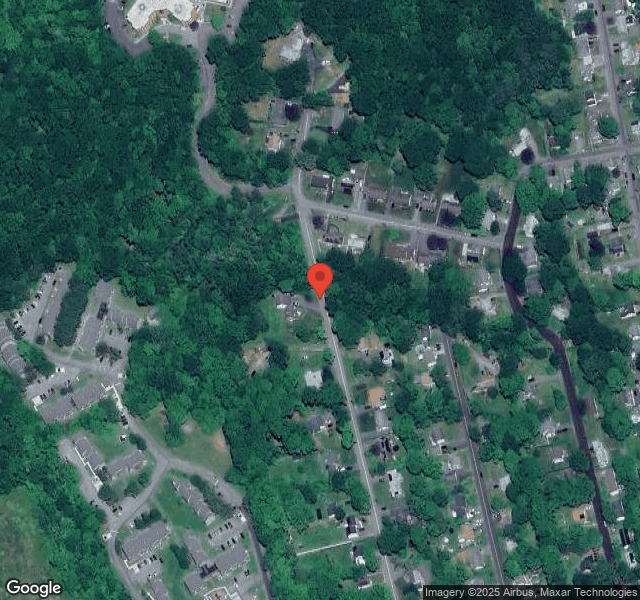
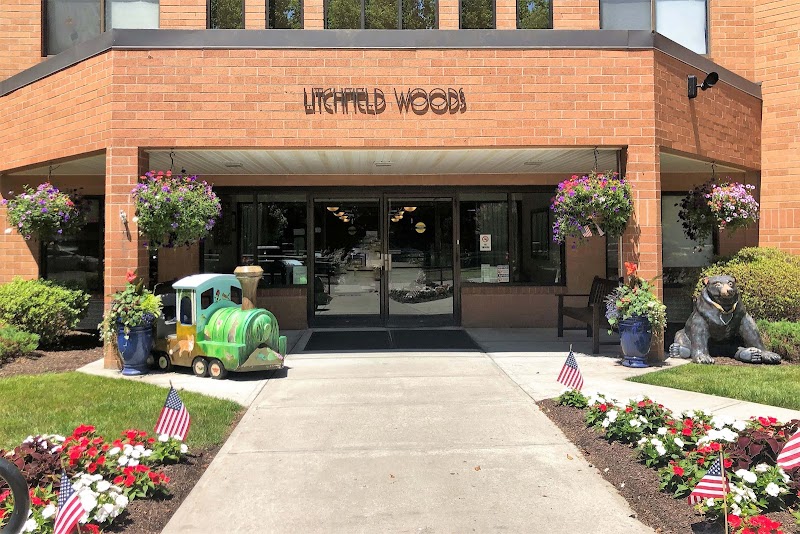
255 ROBERTS ST, TORRINGTON, CT 06790 (860) 489-5801
For profit - Limited Liability company 160 Beds ATHENA HEALTHCARE SYSTEMS Data: November 2025
Trust Grade
33/100
#130 of 192 in CT
Last Inspection: November 2023

Within standard 12-15 month inspection cycle. Federal law requires annual inspections.

Overview

Havencare at Litchfield Woods has received a Trust Grade of F, indicating significant concerns and a poor reputation among nursing homes. It ranks #130 out of 192 facilities in Connecticut, placing it in the bottom half, and #7 out of 9 in Northwest Hills County, meaning there are only two better options nearby. The facility is showing signs of improvement, as the number of issues has decreased from 19 in 2024 to just 3 in 2025. Staffing is rated average with a turnover rate of 38%, which is on par with the state average. However, the facility has been noted for serious concerns, including failing to ensure timely reporting of allegations of misappropriation and issues with medication administration documentation, which raises red flags about the quality of care provided.

Trust Score
F
33/100
In Connecticut
#130/192
Bottom 33%
Safety Record
High Risk
Review needed
Inspections
Getting Better
19 → 3 violations
Staff Stability
○ Average
38% turnover. Near Connecticut's 48% average. Typical for the industry.
Penalties
○ Average
$7,901 in fines. Higher than 52% of Connecticut facilities. Some compliance issues.
Skilled Nurses
○ Average
Each resident gets 36 minutes of Registered Nurse (RN) attention daily — about average for Connecticut. RNs are the most trained staff who monitor for health changes.
Violations
⚠ Watch
48 deficiencies on record. Higher than average. Multiple issues found across inspections.
★★☆☆☆
2.0
Overall Rating
★★★☆☆
3.0
Staff Levels
★★☆☆☆
2.0
Care Quality
★★☆☆☆
2.0
Inspection Score
Stable
2024: 19 issues
2025: 3 issues

The Good

  • Full Sprinkler Coverage · Fire safety systems throughout facility
  • No fines on record
  • Staff turnover below average (38%)

    10 points below Connecticut average of 48%

Facility shows strength in fire safety.

The Bad

2-Star Overall Rating

Below Connecticut average (3.0)

Below average - review inspection findings carefully

Staff Turnover: 38%

Near Connecticut avg (46%)

Typical for the industry

Federal Fines: $7,901

Below median ($33,413)

Minor penalties assessed

Chain: ATHENA HEALTHCARE SYSTEMS

Part of a multi-facility chain

Ask about local staffing decisions and management

The Ugly 48 deficiencies on record

Jan 2025 3 deficiencies
CONCERN (E) 📢 Someone Reported This

A family member, employee, or ombudsman was alarmed enough to file a formal complaint

Potential for Harm - no one hurt, but risky conditions existed

Deficiency F0602 (Tag F0602)

Could have caused harm · This affected multiple residents

**NOTE- TERMS IN BRACKETS HAVE BEEN EDITED TO PROTECT CONFIDENTIALITY** Based on clinical record review, facility documentation review, facility policy review, and interviews for six of six residents ...

Read full inspector narrative →
**NOTE- TERMS IN BRACKETS HAVE BEEN EDITED TO PROTECT CONFIDENTIALITY** Based on clinical record review, facility documentation review, facility policy review, and interviews for six of six residents (Resident #1, 2, 3, 4, 5, and 6) reviewed for abuse, the facility failed to ensure the residents were free from misappropriation. The findings include: 1. Resident #1's diagnoses included osteomyelitis, diabetes mellitus, peripheral vascular disease. Physician orders dated 10/11/2024 directed to administer Oxycodone 20 milligrams (mg), every four hours, as needed, for pain. The quarterly Minimum Data Set (MDS) assessment dated [DATE] identified Resident #1 had a Brief Interview for Mental Status (BIMS) score of fifteen out of fifteen (15/15), indicative of being cognitively intact. Resident #1 was identified to be receiving opioids. The Resident Care Plan (RCP) dated 10/28/2024 identified Resident #1 exhibited pain/has potential for pain related to osteomyelitis infection, neuropathy and wounds. Interventions directed to administer pain medications as ordered. The Facility Reported Incident form dated 10/28/2024 at 12:00 PM identified during a narcotic audit, it was noted that the count for Resident #1's Oxycodone 20 mg was incorrect, and one (1) Oxycodone 20 mg dose was missing. LPN #1 was interviewed by LPN #2 and stated that she had just administered the medication to Resident #1. LPN #2 reviewed the MAR (medication administration record), and noted that the medication was administered too soon (prior dose was administered at 9:01 AM - then next dose was not available to be administered until 1 PM in accordance with physician orders). LPN #2 interviewed Resident #1 immediately, and upon interview with the resident, he/she had a pain level of 8, and Resident #1 stated he/she did not receive the 9:00 AM dose of Oxycodone 20 mg. All information was brought to the DON and the DON interviewed Resident #1. Resident #1 signed a statement that he/she did not receive the 9:00 AM dose. Drug control and the Department of Consumer Protection were notified. 2. Resident #2's diagnoses included dementia and osteoarthritis. The quarterly Minimum Data Set (MDS) assessment dated [DATE] identified Resident #2 had a Brief Interview for Mental Status (BIMS) score of six out of fifteen (6/15), indicative of being severely cognitively impaired and received opioids. The Resident Care Plan (RCP) dated 06/24/2024 identified Resident #2 had potential for pain related to osteoarthritis, back pain, and impaired mobility. Interventions directed to administer pain medications as ordered. Physician order dated 7/1/2024 directed to administer Oxycodone 5 milligrams (mg), every four hours, as needed, for pain. Review of the facilities internal narcotic diversion investigation identified the following occurrences for Resident #2: • Pharmacy had delivered Oxycodone 5 mg to the facility on 8/9/2024, a day after the last house audit was completed (with no issues noted). The next house audit was completed on 8/27/2024 and the medication blister pack and the white narcotic proof of use documentation sheet was missing. A quantity of 30 tablets were unrecovered. • On 9/30/2024, a narcotic audit was conducted that identified that twenty-nine (29) Oxycodone 5 mg tablets remaining and the white narcotic proof of use documentation sheet were identified to be missing and unrecovered. Review of Resident #2's white narcotic proof of use documentation sheet for the month of August, September, and October 2024 identified Resident #2 received Oxycodone 5mg by LPN #1 on the following dates: a. 8/26/2024 at 10:50 AM b. 8/31/2024 at 9:00 AM and 2:30 PM c. 9/6/2024 at 7:45 AM d. 9/9/2024 at 8:00 AM and 1:00 PM e. 10/7/2024 at 8:30 AM f. 10/12/2024 at 8:00 AM and 2:00 PM g. 10/13/2024 at 7:30 AM, 11:00 AM, and 3:00 PM h. 10/17/2024 at 9:00 AM and 1:40 PM Review of Resident #2's MAR for the month of August, September, and October 2024 identified LPN #1 failed to document the administration of Oxycodone 5 mg on the following: a. 8/26/2024 and 08/31/2024 (all administrations) b. 9/6/2024 and 09/9/2024 at 1:00 PM. c. 10/7, 10/12 (for the 8:00 AM administration), 10/13, and 10/17/2024 (for the 1:40 AM administration). Interview with Resident #2 on 01/30/2025 at 12:50 PM identified he/she doesn't normally take any pain medication, occasionally Tylenol or Advil, but would not take Oxycodone or another type of narcotic. Interview with ADON on 01/30/2025 at 11:50 AM identified the Oxycodone 5 mg tablets provided by the pharmacy were round white pills. The ADON stated she interviewed Resident #2 regarding the administration of Oxycodone, and he/she indicated the nurse gave him/her a round yellow pill. The ADNS stated she thought the resident was administered an Aspirin tablet instead of the Oxycodone. 3. Resident #3's diagnoses included chronic back pain. The quarterly Minimum Data Set (MDS) assessment dated [DATE] identified Resident #3 had a Brief Interview for Mental Status (BIMS) score of fourteen out of fifteen (14/15), indicative of being cognitively intact and was identified to be receiving opioids. Physician orders dated 7/15/2024 directed to administer Oxycodone 5 mg, every eight hours, as needed, for pain. The Resident Care Plan (RCP) dated 7/26/2024 identified Resident #3 had pain/had potential for pain related to spinal stenosis of lumbar region. Interventions directed to administer pain medications as ordered. Physician orders dated 8/2/2024 directed to discontinue Oxycodone 5 mg, every eight hours, as needed, for pain. Review of the facility internal narcotic diversion investigation identified the following occurrences for Resident #3: • A facility narcotic audit was last conducted on 8/8/2024, with Resident #3's Oxycodone blister pack was identified to have 19 remaining tablets out of 30. • On 8/27/2024, the facility was unable to locate the Oxycodone medication blister pack or the white narcotic proof of use documentation sheet. Review identified, the order was discontinued on 8/2/2024 and the medication blister pack was never returned to the nursing supervisors office. Further, no notification was given to nursing management that the medication was discontinued. The medication was not recovered and a quality of 19 tablets remained missing. Interview with the ADON on 1/30/2025 at 11:50 AM identified LPN #1 was only nurse that worked on this resident's unit during the time investigated. 4. Resident #4's diagnoses included bronchitis with respiratory syncytial virus, and anxiety disorder. The admission Minimum Data Set (MDS) assessment dated [DATE] identified Resident #4 had a Brief Interview for Mental Status (BIMS) score of thirteen out of fifteen (13/15), indicative of being cognitively intact and was identified to be receiving opioids. The Resident Care Plan (RCP) dated 8/1/2024 identified Resident #4 exhibits pain/has the potential for pain. Interventions directed to administer pain medications as ordered. Physician orders dated 8/7/2024 directed to administer Oxycodone 5 mg, every three hours, as needed, for severe pain. Review of the facility internal narcotic diversion investigation identified the following occurrences for Resident #4: • A facility narcotic audit was last conducted on 9/16/2024 and all medications were accounted for. Resident #4 had twelve (12) Oxycodone tablets remaining. • A facility narcotic audit conducted on 9/23/2024 identified Resident #4's Oxycodone 5 mg medication blister pack was missing, including the white narcotic proof of use documentation sheet. 5. Resident #5's diagnoses included chronic congestive heart failure and vascular dementia. The annual Minimum Data Set (MDS) assessment dated [DATE] identified Resident #5 had a Brief Interview for Mental Status (BIMS) score of eleven out of fifteen (11/15), indicative of being mildly impaired cognition and was identified to be receiving opioids. The Resident Care Plan (RCP) dated 9/21/2024 identified Resident #5 has pain/has the potential for pain related to impaired mobility. Interventions directed to administer pain medications as ordered. Physician orders dated 10/3/2024 directed to administer Percocet (Oxycodone with Acetaminophen) 5-325 mg, every six hours, as needed, for pain. Review of Resident #5's white narcotic proof of use documentation sheet for the month of October 2024 identified Resident #5 received Percocet 5-325 mg by LPN #1 on the following dates: a. 10/3/2024 at 8:00 AM and 2:00 PM b. 10/12/2024 at 8:00 AM and 2:00 PM c. 10/13/2024 at 7:45 AM and 2:30 PM d. 10/17/2024 at 10:00 AM Additional review identified no other nurse administered Percocet to Resident #5 during the month of October 2024. Review of Resident #5's MAR for the month of October 2024 identified LPN #1 failed to document the administration of Percocet 5-325mg on the following dates: a. On 10/3/2024 (all administrations). b. On 10/12/2024 at 8:00 AM. c. On 10/13/2024 (all administrations). d. On 10/17/2024 (all administrations). Review of Resident #5's pain scale for the month of October 2024 identified he/she had a rating of zero (0) every day in the month of October. Interview with ADON on 1/30/2025 at 11:50 AM identified the Percocet 5-325 mg provided by the pharmacy was one white tablet. The ADON stated when she interviewed Resident #5 regarding the Percocet administration, Resident #5 stated he/she was given two (2) white pills. Interview with Resident #5 on 01/30/2025 at 12:30 PM identified he/she had not taken Percocet or any other narcotic in the recent months. Resident #5 identified if he/she has pain, Tylenol or Aspirin would be sufficient his/her needs. 6. Resident #6's diagnoses included chronic pain syndrome and diabetic neuropathy. The quarterly Minimum Data Set (MDS) assessment dated [DATE] identified Resident #6 had a Brief Interview for Mental Status (BIMS) score of fifteen out of fifteen (15/15), indicative of being cognitively intact, and was identified to be receiving opioids. The Resident Care Plan (RCP) dated 9/3/2024 identified Resident #6 exhibited pain/has potential for pain related to gout and chronic pain. Interventions directed to administer pain medications as ordered. Physician orders dated 9/4/2024 directed to administer Oxycodone 10 mg, every six hours, as needed, for pain. Review of the facilities internal narcotic diversion investigation identified on 10/10/2024, during routine audits on Resident #6's unit at 10:45 AM, LPN #2 noted Resident #6 had received Oxycodone from LPN #1 at 10:00 AM. LPN #2 interviewed Resident #6 and asked the level of pain and Resident #6 replied it was a level 9 out of 10, and described it as pretty bad right now. LPN #2 asked if Resident #6 had received a pain pill and Resident #6 stated the last pain medication was administered at 5 AM. LPN #2 indicated a discussion with LPN #1, and LPN #1 stated she had already administered Resident #6 his/her pain medication, during the morning medication administration. Interview with Resident #6 on 01/30/2025 at 10:45 AM identified he/she had no issues regarding pain control and was able to recall the event in October. Interview with ADON on 1/29/2025 at 12:05 PM identified the process for receiving controlled medications begins with an order in the electronic charting system. Once the order is placed the pharmacy will deliver the medication to the facility. The pharmacy delivery team will give the medications to the RN Supervisor only, and paperwork must be signed for receipt of the medication. This includes a white and yellow narcotic proof of use documentation sheet signed by the RN Supervisor. Next, the RN Supervisor will take the medication and deliver it to the resident's unit; the RN Supervisor will review the medication with the charge nurse on the unit, and both will verify the medication/order. Afterwards, the RN Supervisor will take the yellow narcotic proof of use documentation sheet, and file it in a binder located in the ADON's office. The floor nurse will maintain the white narcotic proof of use documentation sheet and place it in the narcotic book for the nurse to document the administration of the medication. The ADON further stated medication diversion first became an issue at the facility in August 2024. The facility immediately reported the concerns to the DEA (Drug Enforcement Administration) and began their own investigation. The ADON indicated the conclusion of the investigation determined LPN #1 was consistently identified to be involved with the missing medications and LPN #1 was subsequently terminated from her position. Review of the facility Abuse, Neglect, and Exploitation Policy dated 2/2023 directed in part, to prevent misappropriation of resident property. Misappropriation of Resident Property is defined as the means of deliberate misplacement, exploitation, or wrongful, temporary or permanent, use of a resident's belongings or money without the resident's consent.
CONCERN (E) 📢 Someone Reported This

A family member, employee, or ombudsman was alarmed enough to file a formal complaint

Potential for Harm - no one hurt, but risky conditions existed

Report Alleged Abuse (Tag F0609)

Could have caused harm · This affected multiple residents

**NOTE- TERMS IN BRACKETS HAVE BEEN EDITED TO PROTECT CONFIDENTIALITY** Based on clinical record review, facility documentation review, facility policy review, and interviews for four of six residents...

Read full inspector narrative →
**NOTE- TERMS IN BRACKETS HAVE BEEN EDITED TO PROTECT CONFIDENTIALITY** Based on clinical record review, facility documentation review, facility policy review, and interviews for four of six residents (Resident #2, 3, 4, and 6) reviewed for abuse, the facility failed to report an allegation of misappropriation to the State Agency in a timely manner. The findings include: 1. Resident #2's diagnoses included dementia and osteoarthritis. The quarterly Minimum Data Set (MDS) assessment dated [DATE] identified Resident #2 had a Brief Interview for Mental Status (BIMS) score of six out of fifteen (6/15), indicative of being severely cognitively impaired and received opioids. The Resident Care Plan (RCP) dated 06/24/2024 identified Resident #2 had potential for pain related to osteoarthritis, back pain, and impaired mobility. Interventions directed to administer pain medications as ordered. Physician order dated 7/1/2024 directed to administer Oxycodone 5 milligrams (mg), every four hours, as needed, for pain. Review of the facilities internal narcotic diversion investigation identified the following occurrences for Resident #2: • Pharmacy had delivered Oxycodone 5 mg to the facility on 8/9/2024, a day after the last house audit was completed (with no issues noted). The next house audit was completed on 8/27/2024 and the medication blister pack and the white narcotic proof of use documentation sheet was missing. A quantity of 30 tablets were unrecovered. • On 9/30/2024, a narcotic audit was conducted that identified that twenty-nine (29) Oxycodone 5 mg tablets remaining and the white narcotic proof of use documentation sheet were identified to be missing and unrecovered. 2. Resident #3's diagnoses included chronic back pain. The quarterly Minimum Data Set (MDS) assessment dated [DATE] identified Resident #3 had a Brief Interview for Mental Status (BIMS) score of fourteen out of fifteen (14/15), indicative of being cognitively intact and was identified to be receiving opioids. Physician orders dated 7/15/2024 directed to administer Oxycodone 5 mg, every eight hours, as needed, for pain. The Resident Care Plan (RCP) dated 7/26/2024 identified Resident #3 had pain/had potential for pain related to spinal stenosis of lumbar region. Interventions directed to administer pain medications as ordered. Review of the facility internal narcotic diversion investigation identified the following occurrences for Resident #3: • A facility narcotic audit was last conducted on 8/8/2024, with Resident #3's Oxycodone blister pack was identified to have 19 remaining tablets out of 30. • On 8/27/2024, the facility was unable to locate the Oxycodone medication blister pack or the white narcotic proof of use documentation sheet. Review identified, the order was discontinued on 8/2/2024 and the medication blister pack was never returned to the nursing supervisors office. Further, no notification was given to nursing management that the medication was discontinued. The medication was not recovered and a quality of 19 tablets remained missing. 3. Resident #4's diagnoses included bronchitis with respiratory syncytial virus, and anxiety disorder. The admission Minimum Data Set (MDS) assessment dated [DATE] identified Resident #4 had a Brief Interview for Mental Status (BIMS) score of thirteen out of fifteen (13/15), indicative of being cognitively intact and was identified to be receiving opioids. The Resident Care Plan (RCP) dated 8/1/2024 identified Resident #4 exhibits pain/has the potential for pain. Interventions directed to administer pain medications as ordered. Physician orders dated 8/7/2024 directed to administer Oxycodone 5 mg, every three hours, as needed, for severe pain. Review of the facility internal narcotic diversion investigation identified the following occurrences for Resident #4: • A facility narcotic audit was last conducted on 9/16/2024 and all medications were accounted for. Resident #4 had twelve (12) Oxycodone tablets remaining. • A facility narcotic audit conducted on 9/23/2024 identified Resident #4's Oxycodone 5 mg medication blister pack was missing, including the white narcotic proof of use documentation sheet. 4. Resident #6's diagnoses included chronic pain syndrome and diabetic neuropathy. The quarterly Minimum Data Set (MDS) assessment dated [DATE] identified Resident #6 had a Brief Interview for Mental Status (BIMS) score of fifteen out of fifteen (15/15), indicative of being cognitively intact, and was identified to be receiving opioids. The Resident Care Plan (RCP) dated 9/3/2024 identified Resident #6 exhibited pain/has potential for pain related to gout and chronic pain. Interventions directed to administer pain medications as ordered. Physician orders dated 9/4/2024 directed to administer Oxycodone 10 mg, every six hours, as needed, for pain. Review of the facility internal narcotic diversion investigation identified on 10/10/2024, during routine audits on Resident #6's unit at 10:45 AM, LPN #2 noted Resident #6 had received Oxycodone from LPN #1 at 10:00 AM. LPN #2 interviewed Resident #6 and asked the level of pain and Resident #6 replied it was a level 9 out of 10, and described it as pretty bad right now. LPN #2 asked if Resident #6 had received a pain pill and Resident #6 stated the last pain medication was administered at 5 AM. LPN #2 indicated a discussion with LPN #1, and LPN #1 stated she had already administered Resident #6 his/her pain medication, during the morning medication administration. Review of the State Agency FLIS Reportable Event Tracking System identified the facility failed to notify the State Agency of the allegation of misappropriation from08/27/2024 through 10/28/2024 at 12:00 PM. Interview with ADON on 1/29/2025 at 12:05 PM identified the facility reported the narcotic diversion in August 2024 to the DEA (Drug Enforcement Administration), and the ADON stated she believed this was only requirement for this type of adverse event. The ADON further stated she was unaware if the facility reported allegation of misappropriation to the State Agency, but indicated all allegations of abuse are reported to the State Agency per Public Health Code guidelines and facility policy. Review of the facility Abuse, Neglect, and Exploitation Policy dated 2/2023 directed in part, to report all alleged violations to the Administrator, State Agency, Adult Protective Services, and to all other required agencies (e.g., law enforcement when applicable) within specified timeframes: a. Immediately, but not later than two (2) hours after the allegation is made, if the events that cause the allegation involve abuse.
CONCERN (E) 📢 Someone Reported This

A family member, employee, or ombudsman was alarmed enough to file a formal complaint

Potential for Harm - no one hurt, but risky conditions existed

Medical Records (Tag F0842)

Could have caused harm · This affected multiple residents

**NOTE- TERMS IN BRACKETS HAVE BEEN EDITED TO PROTECT CONFIDENTIALITY** Based on clinical record review, facility documentation review, facility policy review, and interviews for two of six residents ...

Read full inspector narrative →
**NOTE- TERMS IN BRACKETS HAVE BEEN EDITED TO PROTECT CONFIDENTIALITY** Based on clinical record review, facility documentation review, facility policy review, and interviews for two of six residents (Resident #2, and #5) reviewed for quality of care, the facility failed to ensure the record was complete and accurate to include accurate medication administration documentation. The findings include: 1. Resident #2's diagnoses included dementia and osteoarthritis. The quarterly Minimum Data Set (MDS) assessment dated [DATE] identified Resident #2 had a Brief Interview for Mental Status (BIMS) score of six out of fifteen (6/15), indicative of being severely cognitively impaired and received opioids. The Resident Care Plan (RCP) dated 06/24/2024 identified Resident #2 had potential for pain related to osteoarthritis, back pain, and impaired mobility. Interventions directed to administer pain medications as ordered. Physician order dated 7/1/2024 directed to administer Oxycodone 5 milligrams (mg), every four hours, as needed, for pain. Review of Resident #2's white narcotic proof of use documentation sheet for the month of August, September, and October 2024 identified Resident #2 received Oxycodone 5 mg (administered by LPN #1) on the following dates: a. On 8/26/2024 at 10:50 AM b. On 8/31/2024 at 9:00 AM and 2:30 PM c. On 9/6/2024 at 7:45 AM d. On 9/9/2024 at 8:00 AM and 1:00 PM e. On 10/7/2024 at 8:30 AM f. On 10/12/2024 at 8:00 AM and 2:00 PM g. On 10/13/2024 at 7:30 AM, 11:00 AM, and 3:00 PM h. On 10/17/2024 at 9:00 AM and 1:40 PM Review of the Medication Administration Record (MAR) for the month of August, September, and October 2024 identified the Oxycodone 5 mg was not documented as administered on the following dates: aa. On 8/26 and 8/31/2024 (all administrations) bb. On 9/6 and 9/9/2024 at 1:00 PM. cc. On 10/7, 10/12 (for the 8:00 AM administration), 10/13, and 10/17/2024 (for the 1:40 AM administration). 2. Resident #5's diagnoses included chronic congestive heart failure and vascular dementia. The annual MDS assessment dated [DATE] identified Resident #5 had a Brief Interview for Mental Status (BIMS) score of eleven out of fifteen (11/15), indicative of being mildly impaired cognition and received opioids. The Resident Care Plan (RCP) dated 9/21/2024 identified Resident #5 had the potential for pain related to impaired mobility. Interventions include administer pain medications as ordered. Physician order dated 10/3/2024 directed to administer Percocet (Oxycodone with Acetaminophen) 5-325 mg, every six hours, as needed, for pain. Review of Resident #5's white narcotic proof of use documentation sheet for the month of October 2024 identified the by LPN #1 documented Percocet 5-325 mg was administered on the following dates: a. On 10/3/2024 at 8:00 AM and 2:00 PM b. On 10/12/2024 at 8:00 AM and 2:00 PM c. On 10/13/2024 at 7:45 AM and 2:30 PM d. On 10/17/2024 at 10:00 AM Review of Resident #2's MAR for the month of October 2024 identified the Percocet 5-325 mg was not documented on the following dates: aa. On 10/3/2024 (all administrations). bb. On 10/12/2024 at 8:00 AM. cc. On 10/13/2024 (all administrations). dd. On 10/17/2024 (all administrations). Interview with the ADON on 1/30/2025 at 11:50 PM identified during a facility narcotic diversion investigation, it was noted LPN #1 failed on multiple occasions to document the administration of a narcotic in the electronic MAR. The ADON stated the nurses are to document in the electronic medical record and the white proof of use narcotic administration sheet. Review of the facility Nursing Documentation Policy dated 2/2016 identified the licensed nursing personnel document information related to the resident's condition and care provided in the resident's medical record, to include administration of medications or treatments.
Aug 2024 15 deficiencies
CONCERN (D) 📢 Someone Reported This

A family member, employee, or ombudsman was alarmed enough to file a formal complaint

Potential for Harm - no one hurt, but risky conditions existed

Deficiency F0559 (Tag F0559)

Could have caused harm · This affected 1 resident

**NOTE- TERMS IN BRACKETS HAVE BEEN EDITED TO PROTECT CONFIDENTIALITY** Based on clinical record review and interview for two of two residents (Resident's #5 & 6) that had room changes, the facility f...

Read full inspector narrative →
**NOTE- TERMS IN BRACKETS HAVE BEEN EDITED TO PROTECT CONFIDENTIALITY** Based on clinical record review and interview for two of two residents (Resident's #5 & 6) that had room changes, the facility failed to notify and obtain permission from the responsible person and conservator prior to the room changes. The findings include: a. Resident # 5 was admitted on [DATE] with diagnoses that included dementia, major depressive disorder, anxiety disorder and anemia. The MDS dated [DATE] identified that the Resident had moderate cognitive impairment (BIMS of 8) and required one person assistance with activities of daily living. Review of a progress note dated 7/6/2022 annotated by LPN #1 indicated that the Resident Care Conference (RCC) was conducted on that day and Resident #5 and Person #2 were in attendance. Further review failed to identify documentation that a room change was discussed at the RCC. Although review of the facility documentation titled Notification of a Room or Roommate Change dated 7/7/2022 identified resident consent for a room change from Room XX to Room XX and signed by the person who provided the notification, there was no documentation to indicate the resident's family member was notified. A progress noted dated 7/8/2022 and annotated by SW#1 identified that the Resident was transferred from one room to another, and Resident #5 was aware of the change. Further review failed to identify the resident's family member was given advanced notice of the room change. Interview with SW#1 on 7/11/2024 at 8:45 A.M. and 11:00 A.M. identified that there was no further documentation related to the room change for Resident #5. Review of the clinical record failed to identify documentation that a discussion was conducted with the Resident and Responsible Person about the room change prior to the room transfer which included the reason for the room transfer and that the Resident and Responsible Person were provided the opportunity to see the new location and meet the new roommate. b. Resident #6 was admitted to the facility on [DATE] with diagnoses that included dementia, Chronic Obstructed Pulmonary Disease (COPD) and delusional disorder. The MDS dated [DATE] identified that the resident had a significant cognitive impairment (BIMS of 3) and required maximum assistance with activities of daily living. Review of the facility documentation titled Notification of a Room or Roommate Change dated 7/7/2022 identified that you have consented to a room change from Room XX to Room XX and signed by the person who provided the notification. Review of a progress note dated 7/8/22 annotated by SW#2 identified that SW#2 called and spoke to the Resident's conservator to share that the Resident will be moved from Room XX to Room XX and a message was left with the Resident's family member. The Resident was brought to his/her new room and introduced him/her to the roommate and placed the Resident in common area. Interview with SW#1 on 7/11/2024 at 8:45 A.M. and 11:00 A.M. identified that there was no further documentation related to the room change for Resident #6. Review of the clinical record failed to identify documentation that a discussion was conducted with the Resident and Responsible Person about the room change prior to the room transfer which included the reason for the room transfer and that the Resident and Responsible Person were provided the opportunity to see the new location and meet the new roommate and/or how the resident and/or family were prepared for the move. According to the Room Changes Policy, reviewed 1/2015, :Should a Resident and/or family member not object to a proposed room change, the transfer may be made at any time provided that the move is not medically contraindicated and promotes the Resident's well-being. Documentation regarding contacts with the Resident, family and others involved in the decision to transfer the Resident must be maintained in the social service section medical record. The policy further directed that all room changes will be documented by social service in the medical record. The social service notes will reflect how the resident and/or family were prepared for the move and a plan to monitor the adjustment to the change.
CONCERN (D) 📢 Someone Reported This

A family member, employee, or ombudsman was alarmed enough to file a formal complaint

Potential for Harm - no one hurt, but risky conditions existed

Free from Abuse/Neglect (Tag F0600)

Could have caused harm · This affected 1 resident

**NOTE- TERMS IN BRACKETS HAVE BEEN EDITED TO PROTECT CONFIDENTIALITY** Based on review of the clinical record, facility documentation, facility policy, and interviews for one of three residents, (Res...

Read full inspector narrative →
**NOTE- TERMS IN BRACKETS HAVE BEEN EDITED TO PROTECT CONFIDENTIALITY** Based on review of the clinical record, facility documentation, facility policy, and interviews for one of three residents, (Resident #7), reviewed for an allegation of abuse, the facility failed to ensure a resident was free from verbal and physical abuse. The findings include: Resident #7's diagnoses included Alzheimer's Disease, dementia, anxiety, depression, psychotic disorder, delusional disorders and macular degeneration. Review of the clinical record identified a Psychiatric Evaluation and Consultation note dated 7/13/22 identified Resident #7 with no agitation, aggression, psychosis, or acute mania present. Further review directed staff to continue to offer non-pharmacological interventions such as supportive therapy, comfort measures, relaxation techniques, and reorientation for mood, sleep, appetite, pain, and behaviors. The quarterly MDS assessment dated [DATE] identified Resident #7 had severely impaired cognition, exhibited no behavioral symptoms, required limited assistance with transfer and supervision with locomotion on the unit. The Resident Care Plan dated 8/5/22 identified Resident #7 may have behavioral problems exhibited. Interventions directed to decrease visual and auditory stressors when over stimulated. Additional interventions included introducing self to the resident and explain what you are going to do, using a calm, gentle approach and quiet the resident in a calm, reassuring manner. Review of a facility Reportable Event Form dated 8/8/22 at 9:00 P.M. identified alleged abuse. Review of a Reportable Event Report received by the state agency from the facility on 8/9/22 at 8:53 A. M. (received eleven (11) hours and 23 minutes after the allegation of abuse was witnessed by a staff member) identified staff to resident abuse without injury. Further review identified the facility reported the date and time of the event was 8/8/22 at 9:30 PM. The report further identified RN #1 reported hearing another nurse, LPN #1 yelling at Resident #7 this is not happening tonight while dragging her/him in the wheelchair and forcefully moving the wheelchair left to right, side to side because the resident was resisting. RN #1 attempted to stop LPN #1, but LPN #1 yelled back that he should keep his residents on his side. Then LPN #1 turned the resident in her/his wheelchair back hard and started yelling who is your NA? tell your NA to put the resident to bed. Resident #7 was immediately removed from the hallway and care was provided on their unit. Further review identified LPN #1 was removed from the schedule until investigation was completed, police were called, and family was notified. In addition, abuse education was initiated for all departments. The Psychiatric Evaluation and Consultation note dated 8/9/22 identified Resident #7 was seen for an evaluation following an allegation of physical abuse. The consult indicated, it was alleged the resident was being pushed several times while sitting in wheelchair by a staff member. The consultative note further identified the resident was making fair eye contact, but speech was soft and hypo-verbal and the resident was only able to provide simple answers. When asked if anyone was mistreating her/him or making her/him sad/upset, she/he stated no!. The resident denied being depressed or anxious. Due to advanced dementia with poor short-term memory, the resident was unable to participate meaningfully in the interview. Review of a Summary Report dated 8/13/22 identified after the investigation was completed, it was determined that LPN #1's employment was terminated due to violating the resident's rights to freedom from abuse. In addition, abuse education was provided for all staff with an in-service and quiz to assess retention of education. Interview and written statement review dated 8/9/22 with NA #1 on 7/9/24 at 11:55 AM identified Resident #7 was confused and was self-propelling herself/himself in her/his wheelchair that evening. NA #1 further identified she heard LPN #1 screaming and yelling loudly at the resident, something like move out of my medication cart, somebody put this lady to sleep, she is being too much tonight, she has to go away because I am tired of it. NA #1 reported she observed LPN #1 grabbing the resident's wheelchair and moving it forward and backward very fast. Without the footrests on the wheelchair the resident's feet were moving fast, in different directions. NA #1 further identified that did not look safe. RN #1 intervened and LPN #1 was yelling at the resident and at RN #1. Further interview identified NA #1 took the resident to her/his room to provide care. Interview with LPN #1 on 7/9/24 at 12:17 P.M. identified on 8/9/22 at about 9:30 P.M., Resident #7 was by her medication cart in the hallway, and she asked RN #1 nicely to take the resident away. LPN #1 denied yelling or forcefully removing the resident from the area because that would be considered verbal and physical abuse of the resident and she would never abuse a resident. Further interview identified LPN #1 continued providing care to residents on the unit until the end of her evening shift. Interview with RN #1 on 7/11/24 at 9:50 A.M. identified he witnessed LPN #1 yelling at Resident #7 and she was moving the wheelchair forward and back very fast, forcefully, dragging hard with the resident sitting in it. Before he could intervene, the resident placed her/his hands against the wheelchair rims and was holding on to the wheels and LPN #1 was pushing the wheelchair left and right, side to side while the resident was resisting. The resident's legs were criss- cross twisted. At that time the resident's legs could have got caught underneath the wheelchair or she/he could have fallen out of the moving wheelchair and sustained injuries. Resident #7 was screaming out like she was crying. The resident did not understand what was happening and her/his facial expression seemed like she/he was scared and ready to cry. RN #1 further identified that he removed the resident and NA #1 transferred the resident to her/his room on another unit. LPN #1 continued to be confrontational and continued yelling at RN #1. When the resident was safe and away from the unit where LPN #1 was working, RN #1 immediately reported the incident to RN #2 and was asked to provide a written statement of what had occurred. RN #1 identified that when the resident was in her/his bed, he completed a body audit, and the resident was comfortable with no injuries noted. Interview and facility documentation review with RN #3 Regional Nurse on 7/10/24 at 10:10 A.M. identified although LPN #1 denied the allegation, based on the investigation, staff interviews, and statements obtained, the allegation of abuse was substantiated and LPN #1's employment was terminated effective 8/12/22 due to non-compliance with the facility policy that prohibits resident abuse. Review of the facility policy titled Abuse, Neglect and Exploitation, dated 2/2023, identified abuse means the willful infliction of injury, unreasonable confinement, intimidation, or punishment with resulting physical harm, pain or mental anguish, which can include staff to resident abuse. Abuse also includes the depravation by an individual, including a caretaker, of goods or services that are necessary to attain or maintain physical, mental, and psychosocial well-being. Instances of abuse of all residents, irrespective of any mental or physical condition, cause physical harm, pain or mental anguish. It includes verbal abuse, sexual abuse, physical abuse, and mental abuse. The policy further identified it is the facility policy to provide protections for the health, welfare and rights of each resident by developing and implementing written policies and procedures that prohibit and prevent abuse.
CONCERN (D) 📢 Someone Reported This

A family member, employee, or ombudsman was alarmed enough to file a formal complaint

Potential for Harm - no one hurt, but risky conditions existed

Report Alleged Abuse (Tag F0609)

Could have caused harm · This affected 1 resident

**NOTE- TERMS IN BRACKETS HAVE BEEN EDITED TO PROTECT CONFIDENTIALITY** Based on clinical record reviews, facility documentation, facility policy and interviews for one of three sampled residents revi...

Read full inspector narrative →
**NOTE- TERMS IN BRACKETS HAVE BEEN EDITED TO PROTECT CONFIDENTIALITY** Based on clinical record reviews, facility documentation, facility policy and interviews for one of three sampled residents reviewed for allegation of abuse (Resident #7), the facility failed to immediately report an allegation of abuse to the administrator or his/her designee and to the state agency not later than two (2) hours after an observation of abuse by staff member. The findings include: Resident #7's diagnoses included Alzheimer's Disease, dementia, anxiety, depression, psychotic disorder, delusional disorders and macular degeneration. Review of the clinical record identified a Psychiatric Evaluation and Consultation note dated 7/13/22 identified Resident #7 with no agitation, aggression, psychosis, or acute mania present. Further review directed staff to continue to offer non-pharmacological interventions such as supportive therapy, comfort measures, relaxation techniques, and reorientation for mood, sleep, appetite, pain, and behaviors. The quarterly MDS assessment dated [DATE] identified Resident #7 had severely impaired cognition, exhibited no behavioral symptoms, required limited assistance with transfer and supervision with locomotion on the unit. The Resident Care Plan dated 8/5/22 identified Resident #7 may have behavioral problems exhibited. Interventions directed to decrease visual and auditory stressors when over stimulated. Additional interventions included introducing self to the resident and explain what you are going to do, using a calm, gentle approach and quiet the resident in a calm, reassuring manner. Review of a facility Reportable Event Form dated 8/8/22 at 9:00 P.M. identified alleged abuse. Review of a Reportable Event Report received by the state agency from the facility on 8/9/22 at 8:53 A. M. (received eleven (11) hours and 23 minutes after the allegation of abuse was witnessed by a staff member) identified staff to resident abuse without injury. Further review identified the facility reported the date and time of the event was 8/8/22 at 9:30 PM. The report further identified RN #1 reported hearing another nurse, LPN #1 yelling at Resident #7 this is not happening tonight while dragging her/him in the wheelchair and forcefully moving the wheelchair left to right, side to side because the resident was resisting. RN #1 attempted to stop LPN #1, but LPN #1 yelled back that he should keep his residents on his side. Then LPN #1 turned the resident in her/his wheelchair back hard and started yelling who is your NA? tell your NA to put the resident to bed. Resident #7 was immediately removed from the hallway and care was provided on their unit. Further review identified LPN #1 was removed from the schedule until investigation was completed, police were called, and family was notified. In addition, abuse education was initiated for all departments. The Psychiatric Evaluation and Consultation note dated 8/9/22 identified Resident #7 was seen for an evaluation following an allegation of physical abuse. The consult indicated, it was alleged the resident was being pushed several times while sitting in wheelchair by a staff member. The consultative note further identified the resident was making fair eye contact, but speech was soft and hypo-verbal and the resident was only able to provide simple answers. When asked if anyone was mistreating her/him or making her/him sad/upset, she/he stated no!. The resident denied being depressed or anxious. Due to advanced dementia with poor short-term memory, the resident was unable to participate meaningfully in the interview. Review of a Summary Report dated 8/13/22 identified after the investigation was completed, it was determined that LPN #1's employment was terminated due to violating the resident's rights to freedom from abuse. In addition, abuse education was provided for all staff with an in-service and quiz to assess retention of education. Interview and written statement review dated 8/9/22 with NA #1 on 7/9/24 at 11:55 AM identified Resident #7 was confused and was self-propelling herself/himself in her/his wheelchair that evening. NA #1 further identified she heard LPN #1 screaming and yelling loudly at the resident, something like move out of my medication cart, somebody put this lady to sleep, she is being too much tonight, she has to go away because I am tired of it. NA #1 reported she observed LPN #1 grabbing the resident's wheelchair and moving it forward and backward very fast. Without the footrests on the wheelchair the resident's feet were moving fast, in different directions. NA #1 further identified that did not look safe. RN #1 intervened and LPN #1 was yelling at the resident and at RN #1. Further interview identified NA #1 took the resident to her/his room to provide care. Interview with LPN #1 on 7/9/24 at 12:17 P.M. identified on 8/9/22 at about 9:30 P.M., Resident #7 was by her medication cart in the hallway, and she asked RN #1 nicely to take the resident away. LPN #1 denied yelling or forcefully removing the resident from the area because that would be considered verbal and physical abuse of the resident and she would never abuse a resident. Further interview identified LPN #1 continued providing care to residents on the unit until the end of her evening shift. Interview with RN #1 on 7/11/24 at 9:50 A.M. identified he witnessed LPN #1 yelling at Resident #7 and she was moving the wheelchair forward and back very fast, forcefully, dragging hard with the resident sitting in it. Before he could intervene, the resident placed her/his hands against the wheelchair rims and was holding on to the wheels and LPN #1 was pushing the wheelchair left and right, side to side while the resident was resisting. The resident's legs were criss- cross twisted. At that time the resident's legs could have got caught underneath the wheelchair or she/he could have fallen out of the moving wheelchair and sustained injuries. Resident #7 was screaming out like she was crying. The resident did not understand what was happening and her/his facial expression seemed like she/he was scared and ready to cry. RN #1 further identified that he removed the resident and NA #1 transferred the resident to her/his room on another unit. LPN #1 continued to be confrontational and continued yelling at RN #1. When the resident was safe and away from the unit where LPN #1 was working, RN #1 immediately reported the incident to RN #2 and was asked to provide a written statement of what had occurred. RN #1 identified that when the resident was in her/his bed, he completed a body audit, and the resident was comfortable with no injuries noted. Review of RN #2's undated written statement identified on 8/8/22 at 9:42 PM she was approached by RN #1 regarding an incident involving Resident #7 and LPN #1. RN #1 stated that LPN #1 was yelling at Resident #7 and roughly pushing her/him in the wheelchair. RN #1 stated that the resident was safe and had no injuries. Further review identified at 9:42 P.M., RN #2 texted previous DNS #2 asking him to call her. RN #2 received a response that he could not call at that time. RN #2 texted previous DNS #2 at 9:55 P.M. abuse complaint. RN #2 further wrote that she asked RN #1 to write a statement and return to her. At 10:05 P.M. the previous DNS #2 responded via text with a question mark followed by RN #2's name. At 10:06 P.M., RN #2 sent a reply text that RN #2 was writing a statement about LPN #1 for abuse. RN #2 identified that she did not receive another response from the previous DNS #2, and the information was passed on to the oncoming supervisor. Interview and facility documentation review with RN #3 Regional Nurse on 7/10/24 at 10:10 A.M. identified although LPN #1 denied the allegation, based on the investigation, staff interviews, and statements obtained, the allegation of abuse was substantiated and LPN #1's employment was terminated effective 8/12/22 due to non-compliance with the facility policy that prohibits resident abuse. RN #3 Regional Nurse further identified that RN #2 texted the previous DNS #2 and she was aware that if she was unable to contact the DNS, she should have notified the Administrator to report the witnessed allegation of resident's abuse. The Administrator, DNS and ADNS can bring their facility laptops home and they can access the state website and report allegations of abuse within two (2) hours as directed by facility policy. Review of a facility document titled Informal Discussion Form dated 8/9/22 identified RN #2 did not follow up with their superior after texting DNS and not receiving a response regarding the abuse allegation they were reporting. Recommendations for Corrective/Improvement identified RN #2 will call members in the chain of command starting with the Administrator and/or DNS. If there is no response from them, then call the ADNS and Nursing Management. Further interview identified that on 8/9/22 previous DNS #2 received in-service training on Failure to report abuse timely within two hours. Although attempted, an interview with previous DNS #2 was not obtained. Review of the facility policy titled Abuse, Neglect and Exploitation, dated 2/2023, identified reporting of all alleged violations should be reported to the administrator, state agency, adult protective services and to all other required agencies such as law enforcement when applicable, immediately, but not later than 2 hours after the allegation is made if the events that cause the allegation involved abuse or result in serious bodily injury.
CONCERN (D) 📢 Someone Reported This

A family member, employee, or ombudsman was alarmed enough to file a formal complaint

Potential for Harm - no one hurt, but risky conditions existed

Investigate Abuse (Tag F0610)

Could have caused harm · This affected 1 resident

**NOTE- TERMS IN BRACKETS HAVE BEEN EDITED TO PROTECT CONFIDENTIALITY** Based on review of the clinical record, facility documentation, facility policy, and interviews for one sampled resident (Reside...

Read full inspector narrative →
**NOTE- TERMS IN BRACKETS HAVE BEEN EDITED TO PROTECT CONFIDENTIALITY** Based on review of the clinical record, facility documentation, facility policy, and interviews for one sampled resident (Resident #7) reviewed for an allegation of abuse, the facility failed to ensure that residents were protected from further potential abuse during the investigation. The findings include: Resident #7's diagnoses included Alzheimer's Disease, dementia, anxiety, depression, psychotic disorder, delusional disorders and macular degeneration. Review of the clinical record identified a Psychiatric Evaluation and Consultation note dated 7/13/22 identified Resident #7 with no agitation, aggression, psychosis, or acute mania present. Further review directed staff to continue to offer non-pharmacological interventions such as supportive therapy, comfort measures, relaxation techniques, and reorientation for mood, sleep, appetite, pain, and behaviors. The quarterly MDS assessment dated [DATE] identified Resident #7 had severely impaired cognition, exhibited no behavioral symptoms, required limited assistance with transfer and supervision with locomotion on the unit. The Resident Care Plan dated 8/5/22 identified Resident #7 may have behavioral problems exhibited. Interventions directed to decrease visual and auditory stressors when over stimulated. Additional interventions included introducing self to the resident and explain what you are going to do, using a calm, gentle approach and quiet the resident in a calm, reassuring manner. Review of a facility Reportable Event Form dated 8/8/22 at 9:00 P.M. identified alleged abuse. Review of a Reportable Event Report received by the state agency from the facility on 8/9/22 at 8:53 A.M. (received eleven (11) hours and 23 minutes after the allegation of abuse was witnessed by a staff member) identified staff to resident abuse without injury. Further review identified the facility reported the date and time of the event was 8/8/22 at 9:30 PM. The report further identified RN #1 reported hearing another nurse, LPN #1 yelling at Resident #7 this is not happening tonight while dragging her/him in the wheelchair and forcefully moving the wheelchair left to right, side to side because the resident was resisting. RN #1 attempted to stop LPN #1, but LPN #1 yelled back that he should keep his residents on his side. Then LPN #1 turned the resident in her/his wheelchair back hard and started yelling who is your NA? tell your NA to put the resident to bed. Resident #7 was immediately removed from the hallway and care was provided on their unit. Further review identified LPN #1 was removed from the schedule until investigation was completed, police were called, and family was notified. In addition, abuse education was initiated for all departments. The Psychiatric Evaluation and Consultation note dated 8/9/22 identified Resident #7 was seen for an evaluation following an allegation of physical abuse. The consult indicated, it was alleged the resident was being pushed several times while sitting in wheelchair by a staff member. The consultative note further identified the resident was making fair eye contact, but speech was soft and hypo-verbal and the resident was only able to provide simple answers. When asked if anyone was mistreating her/him or making her/him sad/upset, she/he stated no!. The resident denied being depressed or anxious. Due to advanced dementia with poor short-term memory, the resident was unable to participate meaningfully in the interview. Review of a Summary Report dated 8/13/22 identified after the investigation was completed, it was determined that LPN #1's employment was terminated due to violating the resident's rights to freedom from abuse. In addition, abuse education was provided for all staff with an in-service and quiz to assess retention of education. Interview and written statement review dated 8/9/22 with NA #1 on 7/9/24 at 11:55 AM identified Resident #7 was confused and was self-propelling herself/himself in her/his wheelchair that evening. NA #1 further identified she heard LPN #1 screaming and yelling loudly at the resident, something like move out of my medication cart, somebody put this lady to sleep, she is being too much tonight, she has to go away because I am tired of it. NA #1 reported she observed LPN #1 grabbing the resident's wheelchair and moving it forward and backward very fast. Without the footrests on the wheelchair the resident's feet were moving fast, in different directions. NA #1 further identified that did not look safe. RN #1 intervened and LPN #1 was yelling at the resident and at RN #1. Further interview identified NA #1 took the resident to her/his room to provide care. Interview with LPN #1 on 7/9/24 at 12:17 P.M. identified on 8/9/22 at about 9:30 P.M., Resident #7 was by her medication cart in the hallway, and she asked RN #1 nicely to take the resident away. LPN #1 denied yelling or forcefully removing the resident from the area because that would be considered verbal and physical abuse of the resident and she would never abuse a resident. Further interview identified LPN #1 continued providing care to residents on the unit until the end of her evening shift. Review of timecard documentation identified LPN #1 worked from 6:53 AM to 11:20 PM on 8/8/2022, on the same day allegation of Resident #7's abuse by LPN #1 was reported at about 9:30 PM. Further review identified that LPN #1 was permitted to work for an additional 1 hour and 50 minutes after the allegation of abuse was identified. Interview with RN #1 on 7/11/24 at 9:50 A.M. identified he witnessed LPN #1 yelling at Resident #7 and she was moving the wheelchair forward and back very fast, forcefully, dragging hard with the resident sitting in it. Before he could intervene, the resident placed her/his hands against the wheelchair rims and was holding on to the wheels and LPN #1 was pushing the wheelchair left and right, side to side while the resident was resisting. The resident's legs were criss- cross twisted. At that time the resident's legs could have got caught underneath the wheelchair or she/he could have fallen out of the moving wheelchair and sustained injuries. Resident #7 was screaming out like she was crying. The resident did not understand what was happening and her/his facial expression seemed like she/he was scared and ready to cry. RN #1 further identified that he removed the resident and NA #1 transferred the resident to her/his room on another unit. LPN #1 continued to be confrontational and continued yelling at RN #1. When the resident was safe and away from the unit where LPN #1 was working, RN #1 immediately reported the incident to RN #2 and was asked to provide a written statement of what had occurred. RN #1 identified that when the resident was in her/his bed, he completed a body audit, and the resident was comfortable with no injuries noted. Review of RN #2's undated written statement identified on 8/8/22 at 9:42 P.M. she was approached by RN #1 regarding an incident involving Resident #7 and LPN #1. RN #1 stated that LPN #1 was yelling at Resident #7 and roughly pushing her/him in the wheelchair. RN #1 stated that the resident was safe and had no injuries. Further review identified at 9:42 P.M., RN #2 texted previous DNS #2 asking him to call her. RN #2 received a response that he could not call at that time. RN #2 texted previous DNS #2 at 9:55 PM abuse complaint. RN #2 further wrote that she asked RN #1 to write a statement and return to her. At 10:05 P.M. the previous DNS #2 responded via text with a question mark followed by RN #2's name. At 10:06 P.M. RN #2 sent a reply text that RN #2 was writing a statement about LPN #1 for abuse. RN #2 identified that she did not receive another response from the previous DNS #2, and the information was passed on to the oncoming supervisor. Although attempted, an interview with previous DNS #2 was not obtained. Interview and facility documentation review with RN #3 Regional Nurse on 7/10/24 at 10:10 A.M. identified although LPN #1 denied the allegation, based on the investigation, staff interviews, and statements obtained, the allegation of abuse was substantiated and LPN #1's employment was terminated effective 8/12/22 due to non-compliance with the facility policy that prohibits resident abuse. A further interview with RN #3 Regional Nurse identified RN #2 was responsible for sending LPN #1 home immediately pending investigation into the witnessed alleged abuse of Resident #7. RN #2 failed to follow the facility policy and she did not contact the Administrator or designee for directions. RN #2 was provided abuse in-services and should have known the importance of protecting all residents and following facility policies. Review of a facility document titled Informal Discussion Form dated 8/9/22 identified RN #2 did not follow up with their superior after texting DNS and not receiving a response regarding the abuse allegation. Recommendations for Corrective/Improvement identified RN #2 will call members in the chain of command starting with the Administrator and/or DNS. If there is no response from them, then call the ADNS and Nursing Management. Review of the Abuse Prohibition policy directed in addition to the incident report, the supervisory personnel are responsible to ensure that the initial investigation regarding the incident occurs timely and appropriate interventions are put into place to ensure resident safety or protect the resident from additional harm. The Administrator and DNS should be notified as soon as possible. The protection of residents from harm requires immediate action directing, in part, to place the employee on administrative leave pending completion of the investigation.
CONCERN (D) 📢 Someone Reported This

A family member, employee, or ombudsman was alarmed enough to file a formal complaint

Potential for Harm - no one hurt, but risky conditions existed

Deficiency F0620 (Tag F0620)

Could have caused harm · This affected 1 resident

**NOTE- TERMS IN BRACKETS HAVE BEEN EDITED TO PROTECT CONFIDENTIALITY** Based on clinical record review, review of facility documentation and interview for of Residents (Resident #13) that were admitt...

Read full inspector narrative →
**NOTE- TERMS IN BRACKETS HAVE BEEN EDITED TO PROTECT CONFIDENTIALITY** Based on clinical record review, review of facility documentation and interview for of Residents (Resident #13) that were admitted to the facility, the facility failed to follow the admission policy. The findings include: Resident #13 had diagnoses that included unspecified dementia, type two diabetes mellitus and Chronic Obstructive Pulmonary Disease (COPD). Review of facility documentation dated [DATE] identified that on [DATE] Resident #13 expired and his/her belonging were placed in boxes and bags and labeled with the Resident's name and stored in front of the environmental directors office awaiting pick up. Further review identified the Director of Housekeeping acknowledged that the Resident's belongings included glassware, photos, three dresses, a TV and a mini fridge. Further review identified that on [DATE] at approximately 1:00 PM, Person #1 came to pick up Resident 13's belongings and Person #1 alleged several items were missing that included a mini fridge, a handbag with a matching wallet, a wedding band, a religious necklace and a piece of jewelry. Review of the clinical record and interview with the DNS on [DATE] at 10:20 A.M. failed to identify that an inventory log of any and all of Resident#13's belongings/personal items had been completed at admission. Further interview with the DNS at that time identified an inventory log of the resident's personal belongings should have been completed on admission. According to the admission Policy/Procedure dated 12/16: The Nurse Aide will log any and all resident's belongings/personal items. An inventory log will be completed.
CONCERN (D) 📢 Someone Reported This

A family member, employee, or ombudsman was alarmed enough to file a formal complaint

Potential for Harm - no one hurt, but risky conditions existed

Transfer Requirements (Tag F0622)

Could have caused harm · This affected 1 resident

**NOTE- TERMS IN BRACKETS HAVE BEEN EDITED TO PROTECT CONFIDENTIALITY** Based on clinical record review, facility documentation review, facility policy review, and interviews for one sampled resident ...

Read full inspector narrative →
**NOTE- TERMS IN BRACKETS HAVE BEEN EDITED TO PROTECT CONFIDENTIALITY** Based on clinical record review, facility documentation review, facility policy review, and interviews for one sampled resident (Resident #1) reviewed for discharge, the facility failed to follow the resident's plan of care and preferences when the facility initiated a resident discharge. The findings include: Resident # 1's diagnoses included major depression, post-traumatic stress disorder, malnutrition, chronic obstructive pulmonary disease, Crohn's colitis and suspected malignancy. The physician order dated 1/18/22 identified Resident #1 may go out on a leave of absence (LOA) with medications and responsible party. Review of the admission record identified Resident #1 was responsible for self. The care plan dated 1/24/22 identified Resident #1 with the potential for a discharge back home with services when appropriate. Interventions included evaluating discharge potential, home evaluation as needed, and setting goals to achieve an appropriate discharge. The MDS assessment dated [DATE] identified the resident with intact cognition, the resident required supervision with bed mobility, transfer and walking, and noted the resident had an active discharge care plan to return to the community. The nurse's note dated 3/7/22 identified at approximately 5;00 P.M. (3/6/22), the charge nurse (LPN #3) was approached by the resident, and informed that she/he was getting ready to leave the building. The resident stated that she/he was being picked up by a friend. The charge nurse told the resident that her/his friend needed to sign her/him out. The resident stated that her/his friend would be there shortly and that she/he had to meet her/him downstairs. The charge nurse again told the resident that she/he needed to be signed out to which the resident said that she/he did not understand what the problem was because she/he had been going out for several days and they did not have a problem with her/him signing herself/himself out. The resident stated, I'm out of here! and left. The charge nurse tried to reach the front desk but did not get an answer. Further review identified during the second medication pass (9:00 P.M.), the resident still had not returned to the facility and the supervisor was notified. The nurses note dated 3/7/22 identified on 3/6/22 at 9:00 P.M. charge nurse (LPN #3) notified the nursing supervisor (RN #5) that Resident #1 signed herself/himself out of the facility at 5:00 PM on 3/6/22 and still had not returned to the facility. The resident stated that she/he was going out with a friend. The charge nurse stated she advised the resident that she/he needed to be signed out at the front desk and then the resident became confrontational and stated, they told me I don't have to do that. Upon review of the resident's sign out book on the unit, it appeared that the resident had signed herself/himself out on 3/3 and 3/5/22. Several calls and messages were left to the only contact listed in the resident's record as well as discharge paperwork from the hospital. The Administrator and DNS were notified. The Administrator advised staff to document the incident and to let him know if the resident returns. Further review identified on 3/7/22 at 5:30 A.M., the resident was still out of the facility. Several calls and messages were left for the contact listed in the resident's chart. The social service note dated 3/7/22 at 10:21 A.M. identified Protective Services were notified to file a report regarding the resident eloping on 3/6/22. The social worker attempted to call the emergency contact provided by the resident and the resident's phone number, however, there was no answer at either number. The note further identified that the police were called. The social service note dated 3/7/22 at 12:11 P.M. identified the cancer center was notified in the morning that the resident was discharged from the facility Against Medical Advice (AMA) on 3/6/22. The nurse's note dated 3/7/22 identified Resident #1 returned to facility after an unspecified overnight LOA at 12:15 P.M. on 3/7/22. Further review of the clinical record identified a psychiatric evaluation dated 3/7/22, identified per nursing, Resident #1 left the facility without notice (3/6/22). The resident denied leaving the facility without notice. During the visit the resident was alert, cooperative and reported feeling upset about the situation. She/he denied any active anxiety or depression, mood stable, no anxiety, sleep and appetite intact, no evidence of mania during the visit. No medication changes at this time, and will continue to monitor. The nurse's note dated 3/7/22 further identified the resident was transported to the emergency room by ambulance at 2:45 P.M. for evaluation per facility policy. Further review identified the resident returned from the hospital at 10:00 P.M. on 3/8/22. Review of MD #2's assessment dated [DATE] identified Resident #1 went on LOA Sunday (3/6/22) and never returned to the building. The resident was reported as homeless and multiple attempts were made to locate the resident. The resident returned on Monday (3/7/22) and she/he was sent to the emergency department for evaluation. Upon evaluation she/he was found positive for an illicit substance. The resident stated that she was with a friend that she/he met on social media. The resident spent the night at her/his house and had ingested an illicit substance. The resident reported she/he did not think to call the facility and let them know that she/he would not be returning that evening. The resident did not tell facility staff of her/his plans to spend the night. The resident stated that she/he may have made a bad decision. Further review identified the resident was admitted for short-term rehabilitation, was being treated and followed for cancer and psychiatry had been following her/him as well. Review of Social Service admission Note dated 3/9/22 identified Resident #7 was re-educated on the LOA policy with regards to leaving the facility. The resident was working on a Medicaid (T-19) application and the Money Follows the Person (MFP) referral will be submitted at the resident's request. Interview with Regional Social Worker #2 on 7/15/24 at 11:30 AM identified he did not consider Resident #1's discharge as an involuntary discharge or facility-initiated discharge on [DATE] because the facility allowed the resident to return to the facility. The resident went out as LOA but did not return until the next day and the facility was unable to contact the resident, they were unusual circumstances. The facility was unable to provide Notice of Discharge to the resident, discharged the resident in good faith and the facility had all intentions to take the resident back. When the resident returned, she/he was sent to the hospital for medical clearance and readmitted back to the facility. A follow up interview identified the resident's Clinical Census information said to stop billing and the resident was discharged AMA on 3/6/22 and the MDS assessment was coded as discharge-return not anticipated. Further interview identified effective 3/3/22 the resident was private pay and was thinking of applying for Medicaid. Based on the interview, the facility did not receive private pay from the resident and the facility did not get paid until the Medicaid application was approved and payment was retroactive. Additional interview identified that the decision of AMA discharge was probably made by the facility team but there was no documentation regarding the reason for that decision. Further interview with Regional Social Worker #2 identified when the resident left AMA, the facility did not have to notify the Office of the State Ombudsman. If the discharge was initiated by the facility or involuntary discharge, the resident was expected to receive a 30-day notice and the ombudsman should have been notified the same day. The ombudsman was not notified because the resident was discharged as AMA. Interview and review of the resident's clinical record with the DNS and the Administrator on 7/16/24 at 11:30 A.M. failed to provide evidence that the physician or APRN were notified when Resident #1 left the facility with a friend on 3/6/22 and had not returned to the facility until after midnight the next day and the facility discharged the resident. In addition, the Office of the State Ombudsman was not notified when the resident was discharged on 3/6/22. The clinical record failed to identify why the resident's discharge was documented as AMA on 3/6/22, when the resident returned after unspecified overnight LOA at 12:15 P.M. on 3/7/22, the resident was transported to the Emergency Department (ED). According to the nurse's notes dated 3/7/22 at 7:41 A.M., staff anticipated the resident to return. The DNS was unable to provide evidence suggesting that the resident was leaving and not coming back. The resident was considered safe to go on an LOA independently. The DNS identified the facility discharged the resident when she/he did not return from her/his LOA by midnight and staff was unable to contact the resident. The DNS further identified since the resident's admission in January 2022, the facility was able to meet the resident's needs, the resident was safe to herself/himself and others, the resident required care that the facility was able to provide, and the social worker was assisting the resident with obtaining Medicaid. Interview with MD #1 on 7/16/24 at 1:50 P.M. identified Resident #1 was cognitively intact and was an independent decision maker. The facility could not stop the resident from going on LOA even if she/he refused to sign out, there was a physician order for LOA, and she/he was allowed to leave the facility on her/his own if she/he wanted to. MD #1 further identified that MD or APRN should have been notified when the resident left the facility and did not return and when the facility discharged the resident. Interview with Social Worker #3 on 7/16/24 at 3:39 PM identified on 3/7/22 she followed directions from somebody from management and notified Protective Services of the resident's elopement on 3/6/22. Social Worker #3 was unable to remember who gave the directions and further identified that if she was instructed to notify the ombudsman, she would have done it and documented the notification in her notes. She was unable to explain why another Social Worker called the cancer center during the same morning on 3/7/22 and notified them that the resident was discharged from the facility AMA on 3/6/22. Interview with RN #5 on 7/17/22 at 10:20 AM identified Resident #1 went on LOA with a friend on 3/6/22 at about 5:00 PM. Although the facility staff was unsure at what time the resident was planning to return, facility staff expected the resident to return to the facility. The resident left her/his belongings at the facility, had physician order for LOA, asked to go on LOA with a friend, was self-responsible, there was no AMA Form completed, an order for AMA discharge was not obtained, and the resident did not say that she/he may not return. A further interview identified the resident had a history of going on LOA and returning and she/he had no planned discharge scheduled. RN #5 was unsure if the resident was ever instructed to return before midnight, but she identified the resident needed care to be provided by the facility and was planning to return. RN #5 notified the Administrator after 9:00 PM that the resident had not returned (approximately four hours after the resident went on LOA) and was advised to document and to let him know if the resident returns. Follow up interview with Regional Social Worker #2 on 7/17/24 at 2:05 PM identified when a resident is a private pay and has an overnight hospitalization or has overnight LOA, the resident should receive Reservation of the Resident's Bed notice (the right of the resident to resume facility residency), and if the resident is Medicaid (T-19), the facility should hold the bed for 15 days. Resident #1 was a private pay effective 3/3/22 and had not applied for Medicaid at that time yet. The facility was unable to contact the resident, so when the resident returned, she/he was discharged AMA because she/he was not in the facility by midnight. The discharge assessment-return not anticipated was started on 3/7/22 with an observation end date of 3/6/22. The resident was not provided Reservation of the Resident's Bed notice. Review of Resident admission Agreement signed by the resident on 1/18/22 identified the facility will reserve the bed of a private-pay resident who has been transferred to a hospital as long as payment is available at the applicable private pay rate to reserve the bed. The resident agrees that, in the event of such a transfer, the facility shall reserve the bed and that payment will be made for reserving the bed until such time as the facility is notified by the resident or responsible party that the bed should no longer be reserved. Further interview and clinical record review with Regional Social Worker #2 failed to identify that the resident was notified that she/he may be discharged AMA if she/he would not return to the facility before midnight. Review of the facility Discharge Planning policy dated 1/2019 identified Residents will only be discharged or transferred for the following reasons: 1. The resident has requested discharge/transfer. 2. The transfer/discharge is necessary for the resident's welfare and the resident's needs cannot be met in the facility. 3. The discharge/transfer is appropriate because the resident's health has improved sufficiently so that the resident no longer requires the services provided by this nursing facility. 4. The health or safety of individuals in the facility are endangered by the residents here. 5. The nursing facility ceases to operate. 6. The resident has failed, after reasonable and appropriate notice, to pay for (or have Medicare or Medicaid pay for) your stay at this nursing facility.
CONCERN (D) 📢 Someone Reported This

A family member, employee, or ombudsman was alarmed enough to file a formal complaint

Potential for Harm - no one hurt, but risky conditions existed

Transfer Notice (Tag F0623)

Could have caused harm · This affected 1 resident

**NOTE- TERMS IN BRACKETS HAVE BEEN EDITED TO PROTECT CONFIDENTIALITY** Based on clinical record review, facility documentation review, facility policy review, and interviews for one sampled resident ...

Read full inspector narrative →
**NOTE- TERMS IN BRACKETS HAVE BEEN EDITED TO PROTECT CONFIDENTIALITY** Based on clinical record review, facility documentation review, facility policy review, and interviews for one sampled resident (Resident #1) reviewed for discharge, the facility failed to ensure the Office of the State Ombudsman received notice for the facility initiated, involuntary discharge. The findings include: Resident # 1's diagnoses included major depression, post-traumatic stress disorder, malnutrition, chronic obstructive pulmonary disease, Crohn's colitis and suspected malignancy. The physician order dated 1/18/22 identified Resident #1 may go out on leave of absence (LOA) with medications and responsible party. Review of admission records identified Resident #1 was responsible for self. The care plan dated 1/24/22 identified Resident #1 with a potential for discharge back home with services when appropriate. Interventions included evaluating discharge potential, home evaluation as needed, and setting goals to achieve an appropriate discharge. The admission MDS assessment dated [DATE] identified the resident with intact cognition, the resident required supervision with bed mobility, transfer and walking, and noted the resident had an active discharge care plan to return to the community. The nurse's note dated 3/7/22 identified at approximately 5:00 P.M. (3/6/22), the charge nurse (LPN #3) was approached by the resident, and informed that she/he was getting ready to leave the building. The resident stated that she/he was being picked up by a friend. The charge nurse told the resident that her/his friend needed to sign her/him out. The resident stated that her/his friend would be there shortly and that she/he had to meet her/him downstairs. The charge nurse again told the resident that she/he needed to be signed out to which the resident said that she/he did not understand what the problem was because she/he had been going out for several days and they did not have a problem with her/him signing herself/himself out. The resident stated, I'm out of here! and left. The charge nurse tried to reach the front desk but did not get an answer. Further review identified during second medication pass (9:00 P.M.), the resident still had not returned to the facility and the supervisor was notified. The nurses note dated 3/7/22 identified on 3/6/22 at 9:00 P.M. charge nurse (LPN #3) notified the nursing supervisor (RN #5) that Resident #1 signed herself/himself out of the facility at 5:00 P.M. on 3/6/22 and still had not returned to the facility. The resident stated that she/he was going out with a friend. The charge nurse stated she advised the resident that she/he needed to be signed out at the front desk and then the resident became confrontational and stated, they told me I don't have to do that. Upon review of the resident's signed out book on the unit, it appeared that the resident had signed herself/himself out on 3/3 and 3/5/22. Several calls and messages were left to the only contact listed in the resident's record as well as discharge paperwork from the hospital. The Administrator and DNS were notified. The Administrator advised to document incident and to let him know if the resident returns. Further review identified on 3/7/22 at 5:30 A.M., the resident was still out of the facility. Several calls and messages were left for the contact listed in the resident's chart. The social service note dated 3/7/22 at 10:21 A.M. identified Protective Services were notified to file a report regarding the resident eloping on 3/6/22. The social worker attempted to call the emergency contact provided by the resident and the resident's phone number, however, there was no answer at either number. The note further identified that the police were called. The social service note dated 3/7/22 at 12:11 P.M. identified the cancer center was notified in the morning that the resident was discharged from the facility Against Medical Advice (AMA) on 3/6/22. The nurses note dated 3/7/22 identified Resident #1 returned to facility after unspecified overnight LOA at 12:15 P.M. on 3/7/22. Review of a psychiatric evaluation dated 3/7/22 identified per nursing, Resident #1 left the facility without notice (3/6/22). The resident denied leaving the facility without notice. During the visit the resident was alert, cooperative and reported feeling upset about the situation. She/he denied any active anxiety or depression, mood stable, no anxiety, sleep and appetite intact, no evidence of mania during the visit. No medication changes at this time, and will continue to monitor. The nurse's note dated 3/7/22 further identified the resident was transported to the emergency room by ambulance at 2:45 P.M. for evaluation per facility policy. Further review identified the resident returned from the hospital at 10:00 P.M. on 3/8/22. Review of MD #2's assessment dated [DATE] identified Resident #1 went on a LOA Sunday (3/6/22) and never returned to the building. The resident was reported as homeless and multiple attempts were made to locate the resident. The resident returned on Monday (3/7/22) and she/he was sent to the emergency department for evaluation. Upon evaluation she/he was found to be positive for an illicit substance. The resident stated that she was with a friend that she/he met on social media. The resident spent the night at her/his house and had taken an illicit substancee. The resident said she/he did not think to call the facility and let them know that she/he would not be returning that evening. The resident did not tell facility staff of her/his plans to spend the night. The resident stated that she/he may have made a bad decision. Further review identified the resident was admitted for short-term rehabilitation, was being treated and followed for cancer and psychiatry had been following her/him as well. Review of a social service admission note dated 3/9/22 identified Resident #7 was re-educated on LOA policy with regards to leaving the facility. The resident was working on a Medicaid (T-19) application and the Money Follows the Person (MFP) referral will be submitted at the resident's request. Interview with Regional Social Worker #2 on 7/15/24 at 11:30 A.M. identified he did not consider Resident #1's discharge as involuntary discharge or facility-initiated discharge on [DATE] because the facility allowed the resident to return to the facility. The resident went out as LOA but did not return until the next day and the facility was unable to contact the resident, they were unusual circumstances. The facility was unable to provide Notice of Discharge to the resident, discharged the resident in good faith and the facility had all intentions to take the resident back. When the resident returned, she/he was sent to the hospital for medical clearance and readmitted back to the facility. A follow up interview identified the resident's Clinical Census information said to stop billing and the resident was discharged AMA on 3/6/22 so MDS assessment was coded as discharge-return not anticipated. Effective 3/3/22 the resident was private pay and was thinking of applying for Medicaid. Based on the interview, the facility did not receive private pay from the resident and the facility did not get pay until Medicaid application was approved and payment was retroactive. Further interview identified that the decision of AMA discharge was probably made by the facility team but there was no documentation regarding the reason for that decision. Further interview with Regional Social Worker #2 identified when the resident left AMA, the facility did not have to notify the Office of the State Ombudsman. If the discharge was initiated by the facility or involuntary discharge, the resident was expected to receive 30-day notice and the ombudsman should have been notified the same day. The ombudsman was not notified because the resident was discharged as AMA. Interview with Ombudsman #1 on 7/16/24 at 10:08 AM identified when Resident #1 was involuntarily discharged , the facility was responsible to inform the Office of the State Ombudsman. Ombudsman #1 further identified for a facility-initiated discharge, the facility must provide Notice of Discharge to the resident along with a copy of the notice to the Office of the State Ombudsman at the same time or as soon as possible. The Office of the State Ombudsman can assist the resident with the appeal process. Interview and review of the resident's clinical record with the DNS and the Administrator on 7/16/24 at 11:30 A.M. failed to provide evidence that the physician or APRN were notified when Resident #1 left the facility with a friend on 3/6/22 and had not returned to the facility until after midnight the next day and the facility discharged the resident. In addition, the Office of the State Ombudsman was not notified when the resident was discharged on 3/6/22. The clinical record failed to identify why the resident's discharge was documented as AMA on 3/6/22, when the resident returned after unspecified overnight LOA at 12:15 PM on 3/7/22, and the resident was transported to the Emergency Department (ED). According to nurse's notes dated 3/7/22 at 7:41 AM, staff anticipated the resident to return. The DNS was unable to provide evidence suggesting that the resident was leaving and not coming back. The resident was considered safe to go on LOA independently. The DNS identified the facility discharged the resident when she/he did not return from her/his LOA by midnight and staff was unable to contact the resident. The DNS further identified since the resident's admission in January 2022, the facility was able to meet the resident's needs, the resident was safe to herself/himself and others, the resident required care that the facility was able to provide, and social worker was assisting the resident with obtaining Medicaid. Interview with MD #1 on 7/16/24 at 1:50 P.M. identified Resident #1 was cognitively intact and was an independent decision maker. The facility could not stop the resident from going on LOA even if she/he refused to sign out, there was a physician order for LOA, and she/he was allowed to leave the facility on her/his own if she/he wanted to. MD #1 further identified that MD or APRN should have been notified when the resident left the facility and did not return and when the facility discharged the resident. Interview with Social Worker #3 on 7/16/24 at 3:39 P.M. identified on 3/7/22 she followed directions from somebody from management and notified Protective Services of the resident's elopement on 3/6/22. Social Worker #3 was unable to remember who gave the directions and further identified that if she was instructed to notify the ombudsman, she would have done it and documented the notification in her notes. She was unable to explain why another Social Worker called the cancer center during the same morning on 3/7/22 and notified them that the resident was discharged from the facility AMA on 3/6/22. Interview with RN #5 on 7/17/22 at 10:20 A.M. identified Resident #1 went on a LOA with a friend on 3/6/22 at about 5:00 P.M. Although the facility staff were unsure at what time the resident was planning to return, facility staff expected the resident to return to the facility. The resident left her/his belongings at the facility, had physician order for LOA, asked to go on LOA with a friend, was self-responsible, there was no AMA Form completed, an order for AMA discharge was not obtained, and the resident did not say that she/he may not return. A further interview identified the resident had a history of going on LOA and returning and she/he had no planned discharge scheduled. RN #5 was unsure if the resident was ever instructed to return before midnight, but she identified the resident needed care to be provided by the facility and was planning to return. RN #5 notified the Administrator after 9:00 P.M. that the resident had not returned (approximately four hours after the resident went on LOA) and was advised to document and to let him know if the resident returns. Follow up interview with Regional Social Worker #2 on 7/17/24 at 2:05 P.M. identified when a resident is a private pay and has an overnight hospitalization or has overnight LOA, the resident should receive Reservation of the Resident's Bed notice (the right of the resident to resume facility residency), and if the resident is Medicaid (T-19), the facility should hold the bed for 15 days. Resident #1 was a private pay effective 3/3/22 and had not applied for Medicaid at that time yet. The facility was unable to contact the resident, so when the resident returned, she/he was discharged AMA because she/he was not in the facility by midnight. The discharge assessment-return not anticipated was started on 3/7/22 with an observation end date of 3/6/22. The resident was not provided Reservation of the Resident's Bed notice. Review of Resident admission Agreement signed by the resident on 1/18/22 identified the facility will reserve the bed of a private-pay resident who has been transferred to a hospital as long as payment is available at the applicable private pay rate to reserve the bed. The resident agrees that, in the event of such a transfer, the facility shall reserve the bed and that payment will be made for reserving the bed until such time as the facility is notified by the resident or responsible party that the bed should no longer be reserved. Further interview and clinical record review with Regional Social Worker #2 failed to identify that the resident was notified that she/he may be discharged AMA if she/he would not return to the facility before midnight. Although requested, a facility policy was not provided. Review of Federal Requirements for Providing LTC Ombudsman Programs with Notice of Resident Transfer or Discharge identified for facility-initiated discharge/transfer: the facility must send notice of transfer or discharge to the representative of the Office of the State Long-Term Care (LTC) Ombudsman.
CONCERN (D) 📢 Someone Reported This

A family member, employee, or ombudsman was alarmed enough to file a formal complaint

Potential for Harm - no one hurt, but risky conditions existed

Comprehensive Care Plan (Tag F0656)

Could have caused harm · This affected 1 resident

**NOTE- TERMS IN BRACKETS HAVE BEEN EDITED TO PROTECT CONFIDENTIALITY** Based on review of clinical records, review of facility documentation, and interviews with facility staff for two of seventeen r...

Read full inspector narrative →
**NOTE- TERMS IN BRACKETS HAVE BEEN EDITED TO PROTECT CONFIDENTIALITY** Based on review of clinical records, review of facility documentation, and interviews with facility staff for two of seventeen residents (Resident #3 and #9) reviewed for individualized, comprehensive care planning, the facility failed to update the care plan after a resident-to-resident incident or when a resident demonstrated changes in behaviors. The findings include: 1. Resident #3 was admitted to the facility on [DATE] with diagnoses that included major depressive disorder and adult failure to thrive. A MDS assessment dated [DATE] indicated the resident had severe cognitive impairment (BIMS of 2) and required extensive assistance with all Activities of Daily Living (ADLS's). A Resident Care Plan (RCP dated 3/7/22 indicated the resident had a history of dementia, and behavior and mood patterns that included sadness and crying. Interventions included identifying sources of anxiety and help to resolve where appropriate and diversional activities to redirect attention away from anxiety. Review of facility documentation dated 4/7/22 identified a staff member observed another resident attempting to kiss Resident #3. Further review of facility documentation identified the resident's mood and behavior were monitored, social services provided emotional support as needed and the resident's care plan was updated and revised to meet his/her needs. A social service interim progress note, late entry, dated 4/8/22 (completed by Social Worker #2) identified a follow up visit to the incident on 4/7/22 which indicated the resident was alert, confused, and weepy, and unable to recall the incident. Further review of facility documentation dated 6/29/22 identified Resident #3 was observed sitting in the wheelchair resting when another resident was observed kissing him/her in his/her mouth. Review identified a corrective action was implemented that included transferring Resident #3 to another floor with family notification and approval. Review of the clinical record identified a social service interim progress note, annotated as a late entry and dated 6/30/22 which identified the social worker spoke to the resident regarding an incident where s/he was kissed by another resident. The note further identified the resident was unable to recall the event. Although review of facility documentation dated 4/7/22 indicated the resident's care plan was updated and revised to meet his/her needs, further review of the clinical record failed to identify the care plan was updated. During an interview with Social Worker #2 on 7/24/24, who was no longer employed by the facility, she stated she could not recall the 4/7/22 or 6/29/22 incidents. During an interview with Social Worker #1 on 7/24/24 at 3:00 P.M., she stated that she was not employed by the facility at that time of the incidents, however, she would have expected the care plan be updated to reflect the incident on 4/7/22. 2. Resident #9 had diagnoses that included schizoaffective disorder, bipolar disorder, borderline personality disorder, major depressive disorder, and alcohol, cannabis and cocaine abuse. Review of the MDS dated [DATE] identified that the Resident was cognitively intact (had a BIMS of 15) and had no exhibited behaviors. a. Review of facility documentation dated 12/17/2023 identified that Resident #9 reported that she/he gave NA#7 twenty-five dollars on five separate occasions to purchase smoking materials for him/her, Resident #9 reported to the facility that he/she never received them. The facility interview with NA#7 at that time identified that resident #9 gave her ten dollars to purchase smoking materials, however NA#7 gave Resident #9 the money back and did not purchase the smoking materials for the Resident. Review of the facilities interview with Resident #9 on 12/18/2023 identified that he/she gave NA#7 twenty five dollars on two occasions, one and a half weeks ago and a month ago. The facility documentation further identified that Resident #9 indicated he/she did not know the cost of the smoking materials but NA#7 said that she would do it for twenty five dollars. Resident #9 indicated they did not ask Recreation, because he/she knew that smoking materials were not allowed. Further review identified that in the past, Resident #9 had asked another NA to buy smoking materials for him/her. The Resident Care Plan (RCP) revised on 12/18/2023 identified that the Resident had a history of accusatory behaviors, with the interventions to educate the resident on the use of the lock box and Psych Consult as indicated, however, failed to identify the behaviors related to soliciting assistance from staff to purchase smoking materials. Interview and review of the care plan with the DNS on 8/1/2024 at 1:00 P.M. failed to identify documentation that the care plan had been revised to identify that the Resident gave staff members money to purchase items for him/her and/or had accused the staff of not buying the items and/or not returning the money to him/her. b. Review of the clinical record identified progress notes dated 12/17/2023 which identified that nurse opened the door to Resident #9's room and Resident #9 was going through her/his roommates personal bedside table drawers. The note annotated Resident #9 was redirected and agreed to leave the roommates things alone. A progress note dated 3/16/2024 identified recreation staff reported seeing Resident #9 in the elevator with another resident's food, (that was delivered by that resident's family member). The progress note identified Resident #9 was approached by the staff member and Resident #9 identified that he/she was delivering the soup to another resident. The staff took the soup and delivered the soup to the rightful owner. Interview and review of Resident #9's care plan on 7/31/2024 at 10:00 AM with the DNS failed to identify a care plan and interventions that identified Resident #9 behaviors of taking items from other residents.
CONCERN (D) 📢 Someone Reported This

A family member, employee, or ombudsman was alarmed enough to file a formal complaint

Potential for Harm - no one hurt, but risky conditions existed

Deficiency F0658 (Tag F0658)

Could have caused harm · This affected 1 resident

**NOTE- TERMS IN BRACKETS HAVE BEEN EDITED TO PROTECT CONFIDENTIALITY** Based on clinical record review, review of facility documentation, observations, and interview with facility staff for one sampl...

Read full inspector narrative →
**NOTE- TERMS IN BRACKETS HAVE BEEN EDITED TO PROTECT CONFIDENTIALITY** Based on clinical record review, review of facility documentation, observations, and interview with facility staff for one sampled resident (Resident #17) who was reviewed for medication administration, the facility failed to ensure the resident consumed her medication in the presence of a staff member. The findings include: Residents #17's diagnoses include type 2 diabetes mellitus and hypertension. Review of physician's order dated 6/9/24 directed to administer Losartan Potassium Oral Tablet 50 MG, give 1 tablet by mouth one time a day (Hypertension) and Furosemide Oral Tablet 20 mg, give 1 tablet by mouth daily (Hypertension). Review of the Self Administration of Medication assessment dated [DATE] indicated the Resident did not desire to self-administer medication. The Minimum Data Set, dated [DATE] identified the resident as alert and oriented requiring supervision for activities of daily living, meals, and toileting. Observations during a tour on 7/22/24 at 9:10 A.M., identified Resident #17's family member presenting a medication cup to the nursing station. Surveyor inquiry at that time identified the medication cup contained a green tablet and was reported by the resident's family, that the medication cup with the tablet was left at the bedside. During an interview with LPN #6 on 7/22/24 at 9:12 A.M., the nurse identified the medication was left at the bedside because the Resident stated they did not recognize the tablet and wanted the family member to confirm it was the correct medication. LPN # 6 stated that it was the resident's hypertensive (high blood pressure) medication. LPN #6 further stated at that time, the medication should not have been left the tablet at the Resident's bedside. Subsequent to surveyor inquiry LPN #6 was observed administering the medication to Resident #17. Review of the Policy and Procedure: Medication Administration-ORAL, procedure point 17, stay with the resident/patient until he/she has swallowed the medication.
CONCERN (D) 📢 Someone Reported This

A family member, employee, or ombudsman was alarmed enough to file a formal complaint

Potential for Harm - no one hurt, but risky conditions existed

Deficiency F0660 (Tag F0660)

Could have caused harm · This affected 1 resident

**NOTE- TERMS IN BRACKETS HAVE BEEN EDITED TO PROTECT CONFIDENTIALITY** Based on review of the clinical record, facility documentation, facility policy and interviews for1 of 2 residents reviewed for ...

Read full inspector narrative →
**NOTE- TERMS IN BRACKETS HAVE BEEN EDITED TO PROTECT CONFIDENTIALITY** Based on review of the clinical record, facility documentation, facility policy and interviews for1 of 2 residents reviewed for discharge planning (Resident # 8), the facility failed to notify the resident and resident representatives of the recommendation for 24-hour care at discharge. The findings include: Resident # 8 was admitted on [DATE] with diagnoses of unspecified dementia without behavioral disturbance, bradycardia (slow heart rate), and a need for assistance with personal care. The admission Minimum Data Set assessment dated [DATE] identified Resident # 8 was severely cognitively impaired, required supervision and limited assistance with mobility, toileting and set up with meals and was occasionally incontinent of bowel and bladder. The Resident Care Plan (RCP) dated 2/22/23 identified the Resident had an ADL deficit related to cognitive loss. Interventions included providing assistance with ADL's and occupational therapy as ordered. The RCP further identified impaired cognition with interventions that included engaging the resident in simple, structured activities that avoid overly demanding tasks. Additionally, the RCP dated 2/23/23 indicated the resident will be discharged to home with home care services. Interventions included evaluating discharge potential, referrals to home care agencies as appropriate and involve the family with resident's permission. Review of the clinical record identified a Resident Care Conference (RCC) dated 3/6/23 was conducted to discuss discharge planning. Review of the Interdisciplinary Care Plan Meeting attendance form identified social services, nursing, recreation, and Resident #8 attended with the resident's family member attending by telephone. Review of a social services note dated 3/7/23 identified the resident required assist of 1 for ADLs, was independent with bed mobility, and ambulated with assist of 1 with the rolling walker. Review of the clinical record identified the Resident received physical therapy (PT) and occupational therapy (OT) 5 times a week from 2/22/23-3/9/22. Review of a PT Discharge summary dated [DATE] identified Resident #8 required minimal assistance with bed mobility and transfers with discharge with recommendations that included an assistive device for functional mobility and the resident may require increased physical assistance due to medical diagnosis. The PT discharge summary also indicated the resident should have assistance with all stair negotiation. An OT Discharge summary dated [DATE] indicated the resident was independent with feeding and grooming and required minimal assistance with toileting, dressing, and moderate assistance with problem solving. OT recommendations indicated 24-hour care and OT services for safety at home. Review of the discharge plan-summary dated 3/9/23 identified Resident #8 was independent with all ADLs with a physical therapy summary indicating the resident has cognitive and visual deficits which increase his risk for falls and a recommendation for 24-hour care. Review of the clinical record including the discharge plan failed to identify the resident and/or the resident's representative had been notified of the recommendation for 24-hour care. During an interview and review of the clinical record with PT #1 on 7/10/23 at 1:50 PM, she identified she made the recommendation in writing for 24-hour care upon discharge based on the Residents cognitive and visual deficits. PT #1 was unable to identify why the recommendation was not followed up on. PT #1 stated that they also had not spoken to the family about 24 care upon discharge. The recommendation for 24-hour care should have been discussed and planned for with the physician, social worker, and discharge nurse. On 7/10/23 at 11:32 A.M. during an interview and review of the discharge summary with SW #1, (who was not employed by the facility at the time of this discharge) she identified that she would have expected PT and OT to bring the recommendation to social services and a discussion with the resident and the resident's family would have been initiated regarding the recommendation for 24-hour care. Multiple attempts were made to interview Social Worker #2 who was the SW at the time of the discharge, however, all attempts were unsuccessful.
CONCERN (D) 📢 Someone Reported This

A family member, employee, or ombudsman was alarmed enough to file a formal complaint

Potential for Harm - no one hurt, but risky conditions existed

Quality of Care (Tag F0684)

Could have caused harm · This affected 1 resident

**NOTE- TERMS IN BRACKETS HAVE BEEN EDITED TO PROTECT CONFIDENTIALITY** Based on clinical record review, review of facility policy and procedures, review of facility documentation and interviews with ...

Read full inspector narrative →
**NOTE- TERMS IN BRACKETS HAVE BEEN EDITED TO PROTECT CONFIDENTIALITY** Based on clinical record review, review of facility policy and procedures, review of facility documentation and interviews with facility staff, for one resident (Resident #2) who was placed on one-to-one monitoring (1:1) for intrusive behaviors and who had continued demonstrated behaviors, the facility failed to ensure the 1:1 monitoring was conducted and that behaviors had been monitored. The findings include: Resident #2 was admitted to the facility on [DATE] with diagnoses that included Parkinson's disease, unspecified dementia, and anxiety disorder. A psychiatric evaluation dated 4/4/22 identified the resident was seen for increased anxiety and restlessness. The evaluation further identified the resident was alert and confused with no evidence of mania. The plan included adding Trazadone 25 milligrams (mg) three times a day when necessary. a. A progress noted dated 4/7/22, 4:30 P.M. identified staff witnessed Resident #2 kissing a female resident without their consent. The resident was redirected, and education was provided to the resident regarding touching or kissing residents without their consent and the resident verbalized understanding. The note further identified the medical provider was notified and 1:1 monitoring was initiated until the resident was evaluated by the psychiatric consultant. Further review of the progress notes identified on 4/8/22, 6:50 A.M. Resident #2 was identified to have muscle twitching to the face and upper body and was unable to speak. The medical provider was notified, and the resident was transferred to the hospital. A progress note dated 4/12/22, 12:54 P.M. indicated the resident was readmitted to the facility and annotated the resident should be kept in highly populated areas. A Resident Care Plan initiated 4/7/22 identified the resident kissed another resident without permission. Interventions included monitoring the resident's interactions with other residents intervening if the resident behaves inappropriately and place the resident on 1:1 monitoring until evaluated and cleared by psychiatry. Review of a psychiatric evaluation dated 4/12/22 identified the resident was evaluated due to a recent incident in which Resident #2 was attempting to kiss another resident. The evaluation further identified the resident was restless, and demonstrating impulsive behaviors and indicated the resident was not a danger to self or others. b. Review of psychiatry evaluations dated 4/15/22. 4/27/22, 5/3/22, 5/11/22, 5/17/22 and 6/7/22 identified impulsivity, agitation, restlessness with pharmacological and non-pharmacological interventions implemented. Although the plan with each evaluation directed in part, to monitor anxiety, mood swings, confusion and agitation, review of the clinical record failed to identify any behavior monitoring except for documentation included in the medication administration record dated 4/1/22-4/30/22 which was limited to monitoring wandering behaviors. Review of progress notes dated 6/29/22, 2:31 P.M. identified Resident #2 was noted to be kissing a resident, was told to stop and the resident pulled away. A Resident Care Plan dated 6/29/22 identified a resident-to-resident interaction with interventions that included a psychiatric evaluation, 1:1 monitoring until cleared by psychiatry and monitor when in common areas with women. A psychiatric evaluation dated 6/29/22 indicated that Abilify 2.5 mg twice daily for hypersexual behaviors would be initiated and the resident was assessed as not being a danger to self or others. Review of the facility policy and procedure for 1:1 behavioral monitoring identified in part, 1:1 monitoring is indicated to prevent residents who exhibit a potential risk of injury to others. The policy further identified the licensed nurse will initiate 1:1 for any resident at risk and initiate the 1:1 monitoring tool. The certified nursing assistant completes the 1:1 monitoring tool and will report documented findings to the licensed nurse and will remain on 1:1 until no longer a risk or the resident is cleared by a psychiatric practitioner. Although requested, the facility was unable to provide a policy and procedure related to behavioral monitoring. Review of the clinical record with Social Worker #1 on 7/24/24 at 1:00 P.M. failed to identify that the 1:1 monitoring tool had been initiated from 4/7/22, 4:30 P.M. to 4/8/22, 6:50 A.M. Review of the clinical record with the DNS on 7/24/24 at 3:00 P.M. failed to identify behaviors had been monitored as part of the psychiatric evaluation plan completed on 4/15/22. 4/27/22, 5/3/22, 5/11/22, 5/17/22 and 6/7/22. .
CONCERN (D) 📢 Someone Reported This

A family member, employee, or ombudsman was alarmed enough to file a formal complaint

Potential for Harm - no one hurt, but risky conditions existed

Food Safety (Tag F0812)

Could have caused harm · This affected 1 resident

Based on observations, review of facility documentation, and interviews with facility staff, the facility failed to ensure staff were wearing hair restraints while engaged in food service activities. ...

Read full inspector narrative →
Based on observations, review of facility documentation, and interviews with facility staff, the facility failed to ensure staff were wearing hair restraints while engaged in food service activities. The findings include: Observations of the kitchen including the dish room on 7/25/24 from 7:20 A.M. to 8:00 A.M. identified Dietary Aides #1, 2 and 3 not wearing hair restraints. Dietary Aides 1, 2 and 3 were noted to be working between the kitchen and the dish room. Hair restraints were applied pursuant to [NAME] #1 directing staff at 8:00 A.M. Review of the policy and procedure, titled Uniform Policy directed all dining staff must wear hair restraints at all times. During an interview with the Dietician on 7/25/24 at 11:00 A.M., she indicated that all staff working in the kitchen must wear a hair net when in the dish area or food service areas.
CONCERN (E) 📢 Someone Reported This

A family member, employee, or ombudsman was alarmed enough to file a formal complaint

Potential for Harm - no one hurt, but risky conditions existed

Deficiency F0725 (Tag F0725)

Could have caused harm · This affected multiple residents

Based on review of facility documentation, observations, and interviews with facility staff, the facility failed to ensure sufficient staffing was provided to meet the needs of the residents. The fin...

Read full inspector narrative →
Based on review of facility documentation, observations, and interviews with facility staff, the facility failed to ensure sufficient staffing was provided to meet the needs of the residents. The findings include: Review and observation of the first-floor staffing on 7/22/24 on the 7-3 shift identified the unit census was 62 residents and a total facility census of 139. Two nurses were assigned and while 6 nursing assistants had been scheduled, two did not report, leaving 4 nursing assistants to provide care for 62 residents. Review of the nurse aide assignments identified that 3 nursing assistants were assigned to care for 16 residents and one nursing assistant had 14 residents on their assignment. Review of Nurse Aide (NA) Assignment 1 and 2 identified the following. 1. NA assignment number 1 had 14 residents, of which 5 required total care and Hoyer transfers for transfers out of bed. The remaining 10 residents required varying degrees of care which ranged from assistance of 1 staff person to extensive assistance. 2. NA assignment number 2 had 16 residents, of which 5 required total care and Hoyer transfers for transfers out of bed. The remaining 11 residents required varying degrees of care which ranged from 3 residents independent with ADLs to the remaining requiring moderate to extensive assistance with ADLs. Review of the facility schedule for 7/22/24 failed to identify that staffing met the Connecticut state staffing requirement for the Total Nursing and Nurse aide's personnel for the 7:00 A.M. to 9:00 P.M. Requirements for the Total Nursing and Nurse aide's personnel for the 7:00 A.M. to 9:00 P.M. for a facility with a census of 139 is 303.8 hours. Review of the facility staffing for this time identified the facility staffed 262 hours, with a deficit of 41.8 hours. Observations on 7/22/24 at 11:20 A.M. identified two residents were still in bed and had not received morning care, although interview with all 4 nurse aides, NA #1, 2, 3, and 4 indicated they were able to provide incontinent care for all their residents timely. During an interview with Nurse Aides (NA's) #1 and #2 on 7/22/24 at 11:30 A.M., they stated there were o4 aides to care for the 62 residents when there should be 5 or 6. They further stated that the leadership was aware, NA's 1 and 2 indicated they were working with 3 aides until around 10:00 A.M. when a NA from upstairs came down to assist. The interview identified that showers were not provided as there were not enough staffing resources. Further review identified that inadequate staffing also creates delays with dining and meal tray delivery as each nursing assistant is responsible for delivering the food trays for the residents that choose to remain in their rooms. Interview with the Administrator on 7/22/24 at 3:30 P.M. identified the scheduling coordinator attempted to fill the nurse aide vacancies. The agency they utilize uses an electronic messaging system when attempting to fill vacancies, however, was not successful. A further interview identified the facility uses a second agency, but he was not sure if they had been called.
CONCERN (E) 📢 Someone Reported This

A family member, employee, or ombudsman was alarmed enough to file a formal complaint

Potential for Harm - no one hurt, but risky conditions existed

Deficiency F0804 (Tag F0804)

Could have caused harm · This affected multiple residents

Based on observation, review of facility policy, and interviews with facility staff, the facility failed to ensure the resident meals were provided with safe internal temperatures and were appealing a...

Read full inspector narrative →
Based on observation, review of facility policy, and interviews with facility staff, the facility failed to ensure the resident meals were provided with safe internal temperatures and were appealing and appetitzing in appearance. The findings include: Review of facility documentation posted on each resident unit identified in part, steam cart delivery times for breakfast and lunch were as follows: BREAKFAST 2nd floor: 7:30 A.M. 1st floor: 7:45 A.M. Wintergreen: 7:30 A.M. LUNCH 2nd floor: 11:30 A.M. 1st floor: 11:30 Wintergreen: 12:15 P.M. 1. Observsation on the first floor (first floor census 62) on 7/22/24 at 12:45 P.M dentified the steam table for the lunch service was delivered to the unit for plating (1hour and 15 minutes late). Residents sitting in the dininng room (19 residents) were served first and five (5) residents seated in the dining room required total assistance with eating. Further observation identified that menus were not posted. Additional observations identified that there were 4 certified nursing assistants (CNA) scheduled on the unit, with each CNA individually responsible for delivering trays to the residents who chose to eat in their rooms on their assigned unit. The last tray on the unit was delivered at 1:32 P.M. Food temperatures were obtained in the presence of the Night [NAME] at that time and included the following temperatures: Potato: 109.8 degrees Vegetable: 108.0 degrees Protein (Chicken): 109.5 degrees Dessert: 82.3 degrees Interview with CNA #2 and #4 on 7/24/24 at 1:10 P.M. identified that there were only 4 nursing assistants to assist with care for 62 residents on that particular day. Included in their duties is setting up the beverages for the meal service. She further stated support to the residents eating in the dining room is provided first and then meals are served to residents who choose to eat in their rooms whch causes a delay in meal delivery to the residents who have that preference. Review of the facility Dining Services Staff Training documentation identified the following minmum safe internal cooking temperatures: Poultry, Stuffed Meats, Stuffed Pasta, Casseroles, and Field Dressed Game: 165 degrees. During an interview with the Dietician on 7/25/24 at 11:00 A.M., she stated that the temperature of the chicken was inadequate and must be at least 165 degrees. She further stated that temperatures for hot vegetables should be 135 degrees. 2. Observation of the pureed diet served at lunch on 7/22/24 and 7/24/24 identified the food to be of a very thin consistency with the food running together on both days. On both days the meal consisted of mashed potatoes, mixed vegetables, and chicken. On 7/24/24, 1:35 P.M. prior to the surveyor taste testing the pureed diet, the food temperatures of the last pureed diet served were as follows, potato: 126.9 degress, mixed vegetable: 109 degress, and chicken: 108.7 degress. The food was noted to be warm and very thin in consistency. Interview with the Food Service Director on 7/25/24 at 10:00 A.M., identified that thickening agents are used to prevent the pureed diets from being too thin in consistency and running together. She further stated that it is likely that the proper amount of thinckening agents were not used. 3. Kitchen observations on 7/25/24 from 7:20 A.M. -8:36 A.M. identified [NAME] #1 preparng breakfast and setting up the steam tables for delivery to the first floor, second floor and Wintergreen units. At 8:20 A.M., steam table one was prepared for delivery and [NAME] #1 was noted to take the temperature of each food item prior to delivery. At 8:35 A.M. steam table 2 was prepared and left the kitchen without temperatures being taken. At 8:36 A.M. steam table 3 was prepared and left the kitchen without the beneift of food temperatures being taken. During an interview with [NAME] #1 on 7/25/24 at 11:30 A.M., she stated that she was trained to take the temperature on only the first steam table as the food in the other two steam tables was prepared and cooked in the same cooking pans and the temeprature should nt vary. During an itnerview with the Dietician on 7/25/24 at 11:00 A.M. she stated that each steam table should have food temperatures taken prior to leaving the kitchen as heating elements in each steam table can vary
CONCERN (E) 📢 Someone Reported This

A family member, employee, or ombudsman was alarmed enough to file a formal complaint

Potential for Harm - no one hurt, but risky conditions existed

Deficiency F0809 (Tag F0809)

Could have caused harm · This affected multiple residents

**NOTE- TERMS IN BRACKETS HAVE BEEN EDITED TO PROTECT CONFIDENTIALITY** Based on observation, review of facility policy, and interviews with facility staff, the facility failed to ensure the resident ...

Read full inspector narrative →
**NOTE- TERMS IN BRACKETS HAVE BEEN EDITED TO PROTECT CONFIDENTIALITY** Based on observation, review of facility policy, and interviews with facility staff, the facility failed to ensure the resident meals were delivered timely. The findings include: Review of facility documentation posted on each resident unit identified in part, steam cart delivery times for breakfast and lunch were as follows: BREAKFAST 2nd floor: 7:30 A.M. 1st floor: 7:45 A.M. Wintergreen: 7:30 A.M. LUNCH 2nd floor: 11:30 A.M. 1st floor: 11:30 Wintergreen: 12:15 P.M. Observation on 7/17/24 at 9:20 A.M. identified the breakfast steam table arrived to the 2nd floor nursing unit and dietary staff began plating breakfast. Review of the facility steam cart delivery time schedule identified the steam cart should arrive to the 2nd floor nursing station at 7:30 A.M. ( 1 hour and 50 minutes late) . Observation on 7/17/24 at 12:40 P.M. noted the lunch steam table arrived on the Wintergreen unit for resident service (50 minutes late). Observation on 7/17/24 on the 1st Floor identified the lunch steam table arrived at 12:45 P.M. (scheduled time 12:15 P.M.) and at 12:15 P. M. the steam table arrived to the 2nd floor (scheduled time 11:30 A. M.). Observation on 7/22/24 at 12:55 P.M. identified the steam table arriving to the 1st floor at 12:58 P.M. (scheduled time is 12:15 PM) and at that time a resident rang the call bell asking when lunch was going to be served. An interview on 7/17/24 at 9:00 AM with Resident #10 who resided on the 2nd floor reported that he/she was still waiting for breakfast. Resident # 10 stated that late meals have been an ongoing issue and it had been brought to the attention of the Administrator and frequently the meals ordered were not what was served. An interview on 7/17/24 at 9:25 A.M. with LPN #7 identified breakfast trays frequently arrive late, as do lunch and supper. LPN # 7 indicated the kitchen has been short staffed for a long time. She further identified breakfast arrives approximately 9:15-9:30 AM, and lunch arrives approximately 1:15 P.M.-1:30 P.M. An interview on 7/17/24 at 9:35 A.M. with Menu Clerk #1, who has been employed at the facility for 10 years, identified trays have been late for nearly a year. Menu Clerk #1 indicated the kitchen is short staffed, the cook is frequently late for the shift, that staff often does not adhere to the menu as planned, and stock in the kitchen is not always available. The Menu Clerk further stated the current Dietary Manager is aware of the existing issues. An interview on 7/17/24 at 10:00 A.M. with [NAME] #1 identified steam tables go up late sometimes as beverage carts have to be delivered 15 minutes prior to the steam tables leaving the kitchen. The beverage carts arrive 15 minutes before the steam tables by dietary aides, and the CNA'S on the unit are responsible for pouring the beverages that will be served with meals. An interview on 7/17/24 at 11:35 A.M .with the Administrator identified the current director of dietary is currently responsible for food preparation and making sure meals are served timely. The Administrator identified that they were aware that the cook had issues with being [NAME] that were being addressed. The Administrator further stated that a new dietary manager and assistant dietary manager were in the process of being hired.
May 2024 2 deficiencies
CONCERN (D) 📢 Someone Reported This

A family member, employee, or ombudsman was alarmed enough to file a formal complaint

Potential for Harm - no one hurt, but risky conditions existed

Free from Abuse/Neglect (Tag F0600)

Could have caused harm · This affected 1 resident

**NOTE- TERMS IN BRACKETS HAVE BEEN EDITED TO PROTECT CONFIDENTIALITY** Based on clinical record reviews, review of facility documentation, review of facility policy, and interviews for one of three s...

Read full inspector narrative →
**NOTE- TERMS IN BRACKETS HAVE BEEN EDITED TO PROTECT CONFIDENTIALITY** Based on clinical record reviews, review of facility documentation, review of facility policy, and interviews for one of three sampled residents (Resident #4) reviewed for staff-to-resident abuse, Resident #4 was not provided the right to be free from physical abuse when Resident #4's right arm was twisted by a nurse aide during the provision of evening care. The findings include: Resident #4's diagnoses included primary osteoarthritis, generalized muscle weakness, and congestive heart failure. The admission Minimum Data Set assessment dated [DATE] identified Resident #4 made consistent and reasonable decisions regarding tasks of daily life, required supervision, or touching assistance with upper body dressing and required substantial/maximal assistance of staff with toileting hygiene and lower body dressing. The Resident Care Plan dated 3/12/24 identified Resident #4 required assistance with Activities of Daily Living (ADLs). Interventions directed to allow resident to make choices, ask and encourage resident to participate in the full extent that he/she is able, and give resident sufficient time to accomplish each task. The nurse's progress note dated 5/10/24 at 8:00 AM identified Resident #4 reported to nursing that on 5/9/24 during the 3:00 PM-11:00 PM shift a nurse aide was rough with Resident #4, twisting Resident #4's arm after Resident #4 used the bathroom, and forced Resident #4 to change their shirt when Resident #4 did not want to. The Facility Reported Incident form dated 5/10/24 identified Resident #4 reported a nurse aide was rough with Resident #4 when providing care. The investigation identified a 3-11PM nurse aide, Nurse Aide (NA) #1, assisted Resident #4 to the bathroom on 5/9/24 during the 3-11 PM shift. The report indicated when NA #1 went to change Resident #4's soiled shirt, Resident #4 did not want to change so Resident #4 held onto the grab bar. NA #1 then took Resident #4's hands away from holding onto the grab bar and removed Resident #4's shirt even though Resident #4 did not want the clothing removed. Resident #4 was noted to have a bruise to the right forearm following the incident. The investigation identified, in an interview with the Director of Nursing (DON) on 5/13/24, NA #1 admitted he changed Resident #4's soiled clothes even though Resident #4 did not want to, and he had to get Resident #4's fingers off his wrist. Interview with Resident #4 on 5/28/24 at 11:55 AM identified the nurse aide, NA #1, was responsible for providing care to him/her during the 3-11PM shift on 5/9/24. Resident #4 indicated NA #1 came in and pulled at his/her shirt to take it off. Resident #4 indicated he/she tried to get away and held on to the grab bar, but NA #1 tried to pull Resident #4 away from the bar but couldn't so instead NA #1 twisted his/her arm. Resident #4 identified it hurt and he/she obtained a bruise to the right arm because of the incident. Interview and review of the facility incident report with the DON on 5/28/24 at 1:24 PM identified upon completion of the investigation, NA #1 (who was staffed through an agency) was not permitted to return to the facility and the agency was informed of the incident. Although attempted, an interview with NA #1 was not obtained. Review of the facility Abuse policy dated 2/23 defined abuse, in part, as the willful infliction of injury with resulting physical harm, pain or mental anguish and directed that abuse was prohibited.
CONCERN (D) 📢 Someone Reported This

A family member, employee, or ombudsman was alarmed enough to file a formal complaint

Potential for Harm - no one hurt, but risky conditions existed

Report Alleged Abuse (Tag F0609)

Could have caused harm · This affected 1 resident

**NOTE- TERMS IN BRACKETS HAVE BEEN EDITED TO PROTECT CONFIDENTIALITY** Based on clinical record reviews, review of facility documentation, review of facility policy, and interviews for one of three s...

Read full inspector narrative →
**NOTE- TERMS IN BRACKETS HAVE BEEN EDITED TO PROTECT CONFIDENTIALITY** Based on clinical record reviews, review of facility documentation, review of facility policy, and interviews for one of three sampled residents (Resident #4) reviewed for staff-to-resident abuse, the facility failed to ensure an allegation of abuse was reported to the Director of Nursing at the time the event was reported to the Nursing Supervisor. The findings include: Resident #4's diagnoses included osteoarthritis, generalized muscle weakness, and congestive heart failure. The admission Minimum Data Set assessment dated [DATE] identified Resident #4 made consistent and reasonable decisions regarding tasks of daily life, required supervision, or touching assistance with upper body dressing and required substantial/maximal assistance of staff with toileting hygiene and lower body dressing. The Resident Care Plan dated 3/12/24 identified Resident #4 required assistance with Activities of Daily Living (ADLs). Interventions directed to allow resident to make choices, ask and encourage resident to participate in the full extent that he/she is able, and give resident sufficient time to accomplish each task. The nurse's progress note dated 5/10/24 at 8:00 AM identified Resident #4 reported to nursing on 5/9/24 an allegation of abuse by a nurse aide that occurred on 5/9/24 during the 3-11PM shift. The note indicated nursing informed the 3-11PM shift Nursing Supervisor, Registered Nurse (RN) #1, about the allegation of staff to resident abuse. The Facility Reported Incident form dated 5/10/24 identified Resident #4 reported a nurse aide was rough when providing care, twisting Resident #4's right arm when Resident #4 did not want to change his/her shirt and Resident #4 was noted to have a bruise on the right forearm. The investigation indicated nursing was informed of the incident on 5/9/24 by Resident #4 and that the 3-11 PM shift Nursing Supervisor, RN #1, was informed of the incident prior to leaving the facility after the end of the shift on 5/9/24. Interview and review of the facility incident report with the Director of Nursing (DON) on 5/28/24 at 1:24 PM identified she was informed of the 5/9/24 allegation of staff to resident on 5/10/24 at 7:36 AM by the 7AM-3PM Nursing Supervisor, RN #2. The DON identified it was the expectation to be notified by the Nursing Supervisor about any allegation of abuse made by residents immediately. Although attempted, an interview with RN #1 was not obtained. Review of the facility Abuse policy dated 2/23 directed that allegations of abuse were to be reported immediately, but not later than 2 hours after an allegation was made.
Apr 2024 2 deficiencies
CONCERN (D) 📢 Someone Reported This

A family member, employee, or ombudsman was alarmed enough to file a formal complaint

Potential for Harm - no one hurt, but risky conditions existed

Grievances (Tag F0585)

Could have caused harm · This affected 1 resident

**NOTE- TERMS IN BRACKETS HAVE BEEN EDITED TO PROTECT CONFIDENTIALITY** Based on clinical record reviews, facility documentation review, facility policy review, and interviews for one of three sampled...

Read full inspector narrative →
**NOTE- TERMS IN BRACKETS HAVE BEEN EDITED TO PROTECT CONFIDENTIALITY** Based on clinical record reviews, facility documentation review, facility policy review, and interviews for one of three sampled residents (Resident #1) who was dependent on staff with eating and wore dentures, the facility failed to ensure the corrective action as identified in a facility grievance was implemented and failed to maintain a complete grievance file. The findings include: Resident #1's diagnoses included Alzheimer's disease, vascular dementia, chronic obstructive pulmonary disease, and depression. The significant change Minimum Data Set assessment dated [DATE] identified Resident #1 rarely or never made decisions regarding tasks of daily living, required set-up and supervision assistance for feeding, was dependent on staff for oral and personal hygiene, had no natural teeth and experienced a recent weight loss. The Resident Care Plan dated 3/15/25 identified Resident #1 required assistance with meals. Interventions directed one to one (1:1) feeding with all meals, assistance at wheelchair level for all meals in room or dining room, ensure dentures were in place, and to provide a consistent, constant, controlled carbohydrate diet and no added salt. A physician's order dated 3/15/2024 directed regular consistency diet, open food containers, cut up meat, and 1:1 feed for all meals. A physician's order dated 3/19/2024 directed to ensure dentures were in place for all meals, attempt times three (3) and document all refusals. Review of the March and April 2024 Medication Administration Records identified that 1:1 feed with all meals was initiated on 3/15/24 and initialed as completed each shift. Review of the March and April 2024 Treatment Administration Records identified to ensure dentures are in place for all meals, attempt times three (3) and document all refusals. On 3/27/24 on the day shift, a refusal was documented and on 3/28/24, a non-applicable (NA) was documented with the remainder of the shifts initialed as completed. The facility grievance sheet dated 3/30/24 identified family had come in to visit and found Resident #1 eating alone in his/her room without the dentures in their mouth. Resident #1's dentures were in the bathroom soaking in a cup of water and Resident #1 cannot put his/her dentures in by themselves. Resident #1 was a 1:1 for his/her meals as discussed in the last care plan meeting. The complaint was received by the 3-11PM Nursing Supervisor, Registered Nurse (RN) #1. The 3/30/24 facility grievance sheet had an entry date of 4/1/24 and it identified the follow up response and plan of action included the care plan updated to trigger a sign off by the nurse aides every shift to ensure the dentures were in place prior to meals and Resident #1 had a 1:1 supervision for all meals. The grievance file included a copy of the updated care plan but lacked any other documentation that indicated an investigation was completed and the plan for the nurse aides to document was in place. Interview with RN #1 on 4/21/24 at 2:10 PM identified that she was the 3-11PM Nursing Supervisor on 3/30/24. RN #1 recalled that when she made rounds later in the shift the floor nurse provided her with a grievance sheet Resident #1's family member, Person #1, had completed, Person #1 was no longer in the facility and Resident #1 was already in bed. RN #1 stated when she questioned the floor nurse, Licensed Practical Nurse (LPN) #1, LPN #1 identified she was not aware Resident #1 was a 1:1 supervised feed, LPN #1 indicated she was aware Resident #1 was known to take out his/her dentures and staff needed to assure they were in during meals. RN #1 could not recall if she interviewed the nurse aide who had cared for Resident #1. RN #1 stated she left the form for the Manager to follow up in the morning. The facility grievance sheet dated 4/2/24 identified Resident #1 was a 1:1 assist for all meals and when family, Person #1, arrived to visit on evenings, Resident #1 was eating all alone and when asked, the staff on the unit were unaware Resident #1 was to be assisted. Person #1 had just had a conversation with the Director of Social Services (SW #1) that morning and was assured the staff were aware of Resident #1's feeding status as it had been added to the plan of care. The follow up response or plan of action was education and inservices for all staff on Resident #1's unit. The grievance file included documentation of education provided to the 7AM-3PM staff and one (1) 3-11PM staff member. The file lacked documentation of education for the remaining 3-11PM staff and any 11PM-7AM staff. Interview and review of the facility grievance files for 3/30/24 and 4/2/24 with the Director of Social Services (SW #1), the facility grievance officer, on 4/21/24 at 1:00 PM identified the 3/30/24 grievance file included the grievance form and a copy of Resident #1's updated care plan. The file lacked any interviews or other investigative documents. SW #1 identified that her role as the facility grievance officer was to review the grievance sheet and identify the department that was involved and the department head would handle the investigation, any action plan development and completion. SW #1 stated she would clip together any documents provided to her with the completed grievance sheet, the grievance sheet would be signed by the department head, herself as the grievance officer and then by the Administrator. SW #1 identified she would be responsible for notifying the party who initiated the grievance to inform them of the resolution, if there had been other documents created by the Department, she may not have them included in the grievance file. SW #1 indicated department specific documentation such as interviews, investigative documents or sign-in sheets may be in a separate department specific file that she would not have access to. Interview and review of the facility grievance files dated 3/30/24 and 4/2/24 with the Administrator on 4/18/24 at 1:20 PM identified all documents relevant to a grievance should be kept in the grievance file and the designated grievance officer was responsible to assure the file is complete, this would include any investigative documentation, action plan elements and any documentation that would support the action plan was completed. The Administrator indicated although he was aware that department heads are responsible to investigate, establish the action plan and completion of the action plan, final documentation pieces that related to those elements should be in the final grievance file. The Administrator identified the 3/30/24 grievance file appeared incomplete as it lacked investigative documentation and the 4/2/24 grievance file lacked documentation that of the education for the staff was completed as identified in the action plan. The Administrator stated he did not know why the file was incomplete and SW #1 should have let him know the files may be incomplete. The facility policy Grievances directed in part, that the grievance officer is responsible for overseeing the grievance process that included receiving and tracking grievances until their conclusion.
CONCERN (D) 📢 Someone Reported This

A family member, employee, or ombudsman was alarmed enough to file a formal complaint

Potential for Harm - no one hurt, but risky conditions existed

Comprehensive Care Plan (Tag F0656)

Could have caused harm · This affected 1 resident

**NOTE- TERMS IN BRACKETS HAVE BEEN EDITED TO PROTECT CONFIDENTIALITY** Based on clinical record reviews, facility documentation review, facility policy review, and interviews for one of three sampled...

Read full inspector narrative →
**NOTE- TERMS IN BRACKETS HAVE BEEN EDITED TO PROTECT CONFIDENTIALITY** Based on clinical record reviews, facility documentation review, facility policy review, and interviews for one of three sampled residents (Resident #1) who was dependent on staff with eating and wore dentures, the facility failed to implement the physician's orders and care plan. The findings include: Resident #1's diagnoses included Alzheimer's disease, vascular dementia, chronic obstructive pulmonary disease, and depression. The significant change Minimum Data Set assessment dated [DATE] identified Resident #1 rarely or never made decisions regarding tasks of daily living, required set-up and supervision assistance for feeding, was dependent on staff for oral and personal hygiene, had no natural teeth and experienced a recent weight loss. The Resident Care Plan dated 3/15/25 identified Resident #1 required assistance with meals. Interventions directed one to one (1:1) feeding with all meals, assistance at wheelchair level for all meals in room or dining room, ensure dentures were in place, and to provide a consistent, constant, controlled carbohydrate diet and no added salt. A physician's order dated 3/15/2024 directed regular consistency diet, open food containers, cut up meat, and 1:1 feed for all meals. A physician's order dated 3/19/2024 directed to ensure dentures were in place for all meals, if refused attempt times three (3) and document all refusals. Review of the March and April 2024 Medication Administration Records identified that 1:1 feed with all meals was initiated on 3/15/24 and initialed as completed each shift. Review of the March and April 2024 Treatment Administration Records identified to ensure dentures are in place for all meals, attempt times three (3) and document all refusals. On 3/27/24 on the day shift, a refusal was documented and on 3/28/24, a non-applicable (NA) was documented with the remainder of the shifts initialed as completed. The facility grievance sheet dated 3/30/24 identified family had come in to visit and found Resident #1 eating alone in his/her room without the dentures in their mouth. Resident #1's dentures were in the bathroom soaking in a cup of water and Resident #1 cannot put his/her dentures in by themselves. Resident #1 was a 1:1 for his/her meals as discussed in the last care plan meeting. The facility grievance sheet dated 4/2/24 identified Resident #1 was a 1:1 assist for all meals and when family, Person #1, arrived to visit on evenings, Resident #1 was eating all alone and when asked, the staff on the unit were unaware Resident #1 was to be assisted. Person #1 had just had a conversation with the Director of Social Services (SW #1) that morning and was assured the staff were aware of Resident #1's feeding status as it had been added to the plan of care. Interview with Person #1 and review of the grievances on 4/18/24 at 9:50 AM identified she/he had visited Resident #1 on 3/30/24 and 4/3/24 and on both occasions Resident #1 did not have his/her dentures in place when eating and was also unattended. [NAME] #1 stated on 3/30/24, Resident #1 had a plate of kielbasa next to him/her and the dentures were not in place. Person #1 identified Resident #1 did not have swallowing issues but could not chew the meat without his/her dentures and he/she reported the issue as a formal grievance on 3/30/24. Person #1 stated she had asked the staff if they were aware of the need for dentures and the 1:1 supervision while eating and the staff seemed to not be aware of these interventions. Person #1 continued he/she had just received the conclusion to the 3/30/24 grievance that morning on 4/2/24 from SW #1 on the phone who assured him/her that staff knew about Resident #1's needs. Person #1 stated she could not believe when she visited that evening on 4/2/24, Resident #1 was eating in his/her room alone, the staff again did not seem to know of the 1:1 supervision for feeding and was concerned that Resident #1 would not be able to eat without the dentures and since Resident #1 could remove the dentures but would not be able to put them back in, 1:1 supervision was in place. The facility policy Comprehensive Care plans directed in part, that the facility is committed to provide all necessary care and services to enable the Resident to achieve the highest quality of life.
Nov 2023 11 deficiencies
CONCERN (D)

Potential for Harm - no one hurt, but risky conditions existed

Resident Rights (Tag F0550)

Could have caused harm · This affected 1 resident

**NOTE- TERMS IN BRACKETS HAVE BEEN EDITED TO PROTECT CONFIDENTIALITY** 3.Resident #113's diagnoses included dementia, schizophrenia, epilepsy, and dysphagia (difficulty swallowing). A physician's or...

Read full inspector narrative →
**NOTE- TERMS IN BRACKETS HAVE BEEN EDITED TO PROTECT CONFIDENTIALITY** 3.Resident #113's diagnoses included dementia, schizophrenia, epilepsy, and dysphagia (difficulty swallowing). A physician's order dated 1/25/23 directed 1:1 supervision with meals, alternate solid with liquids every day and evening shift for diet. A physician's order dated 6/12/23 directs regular diet puree consistency dysphagia level 1 texture, with nectar thick liquids. A speech therapy evaluation and plan of treatment note dated 6/20/23 identified the resident was seen for dysphagia treatment, current diet is puree with nectar thick liquids, with 1:1 nursing feed. Additionally, the speech therapist indicated that while the resident was initially setup to self-feed with close supervision by speech, patient required cues to initiate eating, ate quickly, cues were ineffective, resident stopped less than half-way through meal, placed spoon down, the therapist fed the resident remainder of meal and noted improved swallow response and timing. The quarterly MDS assessment dated [DATE] identified Resident #113 was severely cognitively impaired, required extensive assistance of two for transfers, extensive assistance of one for bed mobility, dressing, toilet use, personal hygiene and for eating. A speech therapy Discharge Summary noted dated 7/12/23 indicated resident was tolerating puree consistency diet with 1:1 feed, small bites, one bite at a time, observe for swallowing and nectar thick liquids, one sip at a time, observe for swallowing prior to next sip, and sit in an upright position for all by mouth intake. A quarterly Interdisciplinary Care Plan Meeting note dated 9/14/23 indicated resident required assistance of 2 with Activities of Daily Living ( ADL), Hoyer lift with assist of 2 to get out of bed, ambulation with therapy, BIMs of 0, nutrition thin liquids, puree nectar. A Resident Care Plan dated 9/15/23 identified Resident #113 had a potential for aspiration and weight loss due to missing teeth. Interventions included dysphagia level 2 consistency diet, nectar thick liquids, educate resident to eat in an upright position, eat slowly, to chew each bite thoroughly and recommend 1:1 supervision at meals due to poor attention span with tasks and is impulsive. A nurse's aide care card dated 9/18/23 indicated 1:1 supervision for all meals and assistance as needed. An Advanced Practice Registered Nurse's (APRN) note dated 9/18/23 indicated resident had dysphagia, on strict aspiration precautions, suction equipment to be close by, nurse to feed only and to monitor. A nurse's aide care card dated 9/19/23 indicated 1:1 supervision for all meals and assistance. The November 2023 ADL flowsheet indicated from 11/1 to 11/21/23 the resident was totally dependent with assist of one for eating (3 meals per day) on 46 of 63 occasions. Observation on 11/20/23 at 1:14 PM of dining identified Resident #113 was being fed by NA #1 who was standing over the resident while assisting him to eat and was observed interacting and conversing with other staff and residents not sitting at the same table as Resident # 113. Interview with Registered Nurse ( RN) #2 on 11/20/23 at 1:27 PM identified that she observed NA #1 standing over the resident and that NAs should be feeding residents in a seated position. Interview with NA #2 on 11/20/22 at 1:31 PM identified she was standing while feeding Resident #113 because she was not aware that she should not be standing over a resident when feeding a resident and could not provide evidence of being instructed or educated on dignified dining. Facility policy dated 4/2015 and reviewed 10/23/23 titled Feeding the Resident (Dependent Eating), indicated directs to assist the resident/patient with feeding as necessary and to provide adequate nutrition. However, it failed to indicate dignity expectations when feeding residents. Based on clinical record reviews, observations, review of facility policy and staff interviews for 1 of 3 residents (Resident #76) reviewed for dignity, the facility failed to ensure that staff interaction with the resident was respectful and professional and for 2 of 2 residents ( Resident # 86 and Resident# 113 ) observed during mealtimes, the facility failed to ensure staff was not standing during feeding to promote a dignified dining experience. The findings included: 1.Resident #76s diagnoses included carcinoma of the colon and intrabdominal and pelvic swelling, mass and lump and generalized anxiety. A physician's order dated 7/12/2023 directed to provide Percocet oral tablet 10-325 MG (oxycodone with acetaminophen)2 tablets by mouth every 6 hours as needed for pain. The quarterly Minimum Data Set (MDS) dated [DATE] identified Resident #76 had pain that interfered frequently with day-to-day activities. The intensity of pain was an 8 out of 10 (0 being no pain and 10 being the worst pain one could imagine) and noted the utilization of opioid medication. The MDS further indicated cognitive status was not assessed during the lookback period. The Therapeutic Recreational quarterly progress note dated 11/4/2023 indicated Resident #76 was cooperative, independent, communicates verbally, able to make needs known and oriented to person, place, and time. The resident was also noted to have adequate vision and hearing. The care plan dated 11/16/2023 indicated Resident #76 has a behavior and mood problem related to anxiety and Post-Traumatic Stress Disorder (PTSD). Interventions included attempting to identify sources of mood, behavior persistence. On 11/20/23 at 11:35 AM interview with Resident #76 indicated he/she was having pain and was due at 9:00 AM for PRN (as needed) pain medication, had gone out to the hall to find the charge nurse who told her/him to go back to her/his room and the nurse told Resident # 76 s/he was acting like a child. Resident #76 further indicated s/he also told another nurse on the unit but did not know the of the name of the nurse. Resident #76 indicated the nurse did not come to her/his room with the medication, so s/he went to look for the nurse in the other hall. Resident # 76 indicated s/he did not receive her/his pain medication until 10:30 AM. The surveyor was unable to locate Licensed Practical Nurse (LPN #1) for interview to follow up. The Assistant Director of Nursing Services (ADNS) on 11/20/23 at 11:41 AM was updated by the surveyor regarding Resident#76's concerns. On 11/20/2023 at 1:15 PM RN # 8 (Corporate Nurse) indicated he/she was the nurse Resident #76 had spoken to earlier in the day on the unit that s/he had requested pain medication and had not received the medication. RN # 8 also indicated Resident # 76 did not mention any concern regarding being told by the charge nurse he/she was acting like a child. RN#8 further indicated s/he would follow up. A completed grievance form was provided dated 11/21/2023 to the surveyor. However, interview and review of the form with the Director of Nursing Services (DNS) at 2:10 PM indicated Resident #76 had requested PRN pain medication from the nurse and the resident felt the nurse was rude and kept putting off providing the PRN pain medication. The resident indicated s/he waited one and a half hours to receive the medication. The response and plan of action included the resident will be educated to speak to the nursing supervisor when there is a delay in obtaining medication and to call nursing staff for assistance if medication is not provided timely. A copy of the in-service sheet was provided. On 11/22/23 at 1:40 PM a review of a facility document and interview with the ADNS regarding his/her statement provided to the facility during investigation of Resident #76's allegations, identified s/he arrived at Resident #76's unit on 11/20/23 at 9:45 AM and noticed the charge nurse, LPN# 1, requested needing assistance with Resident #76. The ADNS indicated after discussion of duties currently in process by LPN #1, the ADNS took over the remainder of another resident's discharge preparation so LPN # 1 could provide the pain medication earlier to Resident #76. On 11/29/23 at 9:17 AM via telephone interview with LPN #1 at 9:21 AM indicated Resident #76 requested pain medication at 9:30 AM and indicated the resident asks for her/his medication before the medication is due to be administered. Although LPN #1 indicated Resident #76 was not due for pain medication when asked at 9:30 AM. However, review of the Medication Administration Record (MAR) indicated Resident #76 was able to receive PRN pain medication as of 9:08 AM (6 hours after the prior dose as ordered by the physician and 6 hours 22 minutes after LPN#1 indicated Resident #76 requested the PRN medication at 9:30 AM). LPN #1 further identified at the time of Resident # 76's request for pain medication s/he was in the process of preparing another resident for discharge therefore s/he told Resident #76 he/she would give the medication as soon as possible. LPN#1 indicated Resident #76 can be difficult and indicated s/he did not recall any verbal altercations with Resident #76 but recalls Resident #76 calling LPN #1 incompetent at which time LPN #1 called the nursing supervisor for assistance. LPN #1 further indicated it was a very busy morning and when Resident #76 approached LPN #1 the second time about the medication, LPN #1 indicated Resident #76 said he/she was incompetent. LPN#1 further indicated s/he told Resident #76 he/she would call the supervisor to administer the medication since he/she was incompetent. LPN #1 indicated the ADNS arrived on the unit and took over some of the discharge duties so LPN #1 could administer the pain medication to Resident #76 (10:17 AM, 1 hour 17 minutes after the resident requested the medication and 47 minutes after LPN #1 indicated Resident #76 had requested the medication). Subsequent to inquiry, an Inservice attendance sheet Labeled Customer Service, dated 11/21/2023 identified LPN #1 attendance via telephone and in person on 11/22/23 by 5 other 7-3 licensed nurses and one 11-7 nurse. The topic included being kind and patient with residents, watching one's tone and body language, communicating effectively and if service cannot be provided to request help. 2.Resident # 86 's diagnoses included vascular dementia with behavioral disturbances, high blood pressure and depression. The physician's order dated 11/1/22 indicated to provide a regular mechanically soft diet with ground texture with consistency of thin liquids and assist x 1 with feeding for all meals. The quarterly MDS dated [DATE] identified Resident #86 as severely cognitively impaired and required extensive assistance of one with eating. The MDS further identified Resident #86 required total assistance with toileting. Observation on 11/20/23 at 1:06 PM identified Resident #86 was seated at a table, sitting upright in a wheelchair in the common area dining room. Nurse Aide (NA) #3 was in a standing position, to the right side while feeding Resident # 86 their lunch meal. NA #3 was observed not at eye level while assisting Resident # 86 with feeding. Interview with NA #3 on 11/20/23 at 1:06 PM identified she was standing while feeding Resident #86 because there were no chairs available in the dining room. Observation at time with NA #3 in the common area dining room identified there was an available chair near the door to the dining area. NA #3 identified she had not seen the chair prior to surveyor identifying the available chair. Subsequent to inquiry NA #3 obtained the available chair and sat at eye level with Resident #86 during assistance with feeding. The care plan dated 11/24/23 identified Resident #86 had an activities of daily living (ADLs) deficit related to cognitive loss and dementia. Interventions included to provide assistance of one person with feeding for all meals. Review of the Feeding the Resident Policy (dependent eating) failed to direct staff to be seated at eye level when feeding a resident.
CONCERN (D)

Potential for Harm - no one hurt, but risky conditions existed

Safe Environment (Tag F0584)

Could have caused harm · This affected 1 resident

**NOTE- TERMS IN BRACKETS HAVE BEEN EDITED TO PROTECT CONFIDENTIALITY** 3. Observations conducted by surveyor on 11/20/23 at 1:12 pm and 11/21/23 at 10:28 AM, of room [ROOM NUMBER]-2 (Resident #55) id...

Read full inspector narrative →
**NOTE- TERMS IN BRACKETS HAVE BEEN EDITED TO PROTECT CONFIDENTIALITY** 3. Observations conducted by surveyor on 11/20/23 at 1:12 pm and 11/21/23 at 10:28 AM, of room [ROOM NUMBER]-2 (Resident #55) identified a line of a reddish soiled area along the bedframe facing the door of the room and a tan-brownish substance on phone and bedside table. Observation and interview on 11/21/23 at 10:32 AM with DNS indicated she would expect housekeeping staff to include the phone and bedframe as part of cleaning the resident's room. Interview and review of facility documentation on 11/28/23 at 11:38 AM with the Director of Housekeeping identified that daily cleaning of a resident's bedroom area would include wiping down surfaces including the phone on bedside table and the bed frame. He further indicated that if a mattress needed to be removed to ease access for cleaning, he would expect housekeeping staff to request nursing staff to get resident up out of bed if necessary. On 11/28/23 the Director of Housekeeping provided a Quality Control Inspection form dated 11/20/23 for room [ROOM NUMBER] that indicated that cleaning had been done to the bed/mattress (frame) and bedside table. Review of the he Daily Resident Room Routine form for the bedroom which included cleaning, wiping and disinfecting overbed tables, clean and disinfect frequently touched surfaces. Review of the Housekeeping Cleaning Schedule form which indicated cleaning of rooms included beds and overbed tables as items to be cleaned daily. Subsequent to surveyor inquiry on 11/21/23 at 1:32 PM surveyor noted bed/room [ROOM NUMBER]-2 bed frame, phone and overbed table were cleaned. Based on clinical record review, observations, facility documentation review, facility policy review, and interviews for 3 of 6 residents reviewed for activities of daily living (Resident #45, Resident #49 and Resident #55), the facility failed to maintain the resident's environment and living areas in a safe, sanitary, and homelike manner. The findings included: 1. Resident #45's diagnoses included chronic kidney disease, chronic obstructive pulmonary disease, and cerebral infarction. The Resident Care Plan dated 8/23/23 dated identified Resident #45 had fragile skin and may have skin tears and bruising. Interventions directed to encourage the resident to wear long sleeves, lotion to dry skin and to inspect skin during care. The quarterly Minimum Data Set assessment dated [DATE] identified Resident #45 had intact cognition and was independent with chair/bed-to-chair transfers and use of manual wheelchair. Observations on 11/20/23 at 12:50 PM identified several drawers in nourishment rooms on both 1st and 2nd floor at the facility were broken and would not close completely. Several of the drawers had their corners protruding and one draw on the 2nd floor nourishment room was completely missing. Both nourishment rooms were opened for the use by residents, visitors, and staff. Interview with Resident #45 on 11/20/23 at 1:10 PM identified he/she spoke about the broken cabinet drawers to Maintenance Director after the Resident Council meeting on 9/28/23. The resident identified he/she was concerned with other resident's safety because some of the broken drawer's edges that were sticking up were sharp, and he/she scratched his/her left leg while getting ice and water in the nourishment room in October 2023. The resident identified he/she was bleeding a little but did not report the injury to staff and the area healed quickly without any problems. Observation and interview with DNS on 11/20/23 at 1:03 PM identified the DNS admitted that the partially open and broken drawers in nourishment rooms on 1st and 2nd floor were potential hazards to the resident's safety and that a resident could get hurt. DNS verified that the broken drawer's sticking out ends had sharp edges. Interview and observation with NA #1 on 11/20/23 at 1:10 PM in nourishment room on the 1st floor identified that those cabinets have been broken forever, at least 6 months. NA #1 further identified that management was aware of the broken drawers. Interview and observation on 11/20/23 at 1:32 PM with NA #6 on the 2nd floor identified the drawers have been broken for a while, for sure over 2 months and maintenance knows about it. Interviews and observation with Director of Maintenance on 11/20/23 at 1:37 PM identified that the drawers in nourishment rooms were falling apart for a while, they were once in better condition, but they deteriorated with time. He told Resident #45 that he will replace them but at this time, he was unable to replace the cabinets, so on 11/15/23 he purchased a tint cabinet kit to stain some wood and cover the broken drawers, but the color did not match. On 11/21/23 the Maintenance Director readjusted all drawers on both units, so they were closed and secured with screws in place. Interview with RN #5 on 11/27/23 at 3:15 PM identified although she completed Environmental Rounds on 11/17/23, she did not identify the drawers were in disrepair at that time. RN #5 identified that she noted broken cabinets on her previous Environmental Rounds and gave the information to maintenance but was unable to locate maintenance correction sheet at this time. Review of facility Physical Environment policy revised on 10/23/23 identified for Maintenance of Equipment, Building and Grounds: the facility establishes a written preventive maintenance program to ensure that equipment is operative and that the interior and exterior of the building are clean and orderly. All essential mechanical, electrical, and patient care equipment is maintained in safe operating order. 2. Resident #49's diagnoses included diabetes, hypertension, bilateral cataract, adjustment disorder, and anxiety. The psychiatric evaluation and consultation dated 9/11/23 identified Resident #49 did not present with decompensated mood or behaviors after discarding 90% of old stuff/junk from his/her room. Not reporting recurrent mood swings or anxiety/depression. No mania or agitation. The quarterly Minimum Data Set assessment dated [DATE] identified Resident #49 had intact cognition, had no behavioral symptoms present and was independent with activities of daily living (ADL). The Resident Care Plan dated 9/28/23 identified Resident #49 may need assistance with ADL and functional mobility. Interventions directed to remind and encourage the resident as needed to change his/her clothes on a regular basis to prevent skin issues. The care plan further identified the resident can become angry when staff throw away things without asking him/her. Interventions directed to encourage the resident to throw things away he/she doesn't need, ask before throwing away anything that belongs to the resident and offer extra support as needed. Observation with NA #2 on 11/21/23 at 10:07 AM identified insulated water pitcher with significant number of dark spots on the cover identified by facility staff as dark questionable mold like substance. The water pitcher was approximately 50% full of dark liquid that appeared to be dried up on the inside walls. The resident's overbed table was covered with numerous items that included used plastic and styrofoam cups, some were clean and some unwashed multiple disposable plastic utensils, clean and visibly soiled plastic straws, stained popsicle sticks, and multiple other items mixed with packets of sugar, mayonnaise, peanut butter, and other food items. Resident #49 agreed with staff to remove covered with mold like substance water pitcher for cleaning as long as the same type: insulated water pitcher will be returned because the new pitchers that the facility started using were very thin and not insulated. Further observation on 11/21/23 at 10:21 AM with RN #2 identified the resident removed a few items from the overbed table and the visible parts of the overbed table were covered with dry dark substance spots, small food particles, dark color dried up circles and other debris. In the corner of the overbed table was one intact medication capsule next to AAA battery. The resident identified that he/she found the medication capsule on the bathroom floor after his/her roommate spit it out last week. Further observation identified radiator by the window in the resident's room with many rust spots. There were multiple items stored on the resident's floor and they seemed to be clean and organized. RN #2 was able to locate a new insulated water pitcher in the kitchen and the resident was very happy, stated it did not happen very often that my items were returned, and now I can use this, it is clean RN #2 asked the resident if she can exchange the dirty with dried up food and/or liquid, used disposable plastic cups with identical new ones and the resident stated if they are the same size that would be nice. The resident further stated that he/she did not like staff touching his/her items because they never return them, and he/she would clean it out himself/herself but would be like staff help getting a few boxes. The resident stated they can lift my stuff up and clean the table as long as they put it back down. RN #2 identified she just started working at the facility and was not aware of the condition of the resident's overbed table. RN #2 further stated that she will offer the resident assistance and support to keep the overbed table clean and free of hazards. Interview with RN #4 on 11/21/23 at 10:40 AM identified the medication capsule noted on Resident #49's overbed table belonged to another resident, Resident #78 who has a history of spitting out his/her medications and indicated the medication was Depakote Sprinkles (anticonvulsant) oral capsule. Interview with Social Worker ( SW) #2 on 11/27/23 at 12:59 PM identified Resident #49 was saving everything he/she found and there was a clutter in the room. SW #2 was unable to identify when the last time that she saw the resident's overbed table and she was not aware of the condition of the items stored on the table. SW #2 expected staff to notify her of problems like that, if aware she would help the resident like she did in the past. Review of Resident's [NAME] of Rights identified the resident have the right to receive quality care and services with reasonable accommodation of his/her individual needs and preferences, except when his/her health or safety or the health or safety of others would be endangered by such accommodation.
CONCERN (D)

Potential for Harm - no one hurt, but risky conditions existed

Deficiency F0657 (Tag F0657)

Could have caused harm · This affected 1 resident

**NOTE- TERMS IN BRACKETS HAVE BEEN EDITED TO PROTECT CONFIDENTIALITY** Based on clinical record review, observation, and interview for 1 of 1 resident reviewed for urinary catheter, the facility fail...

Read full inspector narrative →
**NOTE- TERMS IN BRACKETS HAVE BEEN EDITED TO PROTECT CONFIDENTIALITY** Based on clinical record review, observation, and interview for 1 of 1 resident reviewed for urinary catheter, the facility failed to ensure specific interventions were in place to prevent back flow of the catheter during positioning. The findings include. Resident #91's diagnosis included hemiplegia and hemiparesis and neuromuscular dysfunction of the bladder. The annual Minimum Data Set (MDS) dated [DATE] indicated Resident #91 was cognitively intact and had a catheter for urinary continence. An interview with Resident #91 on 11/20/23 at 1:19 PM identified s/he used a leg bag only when going to therapy as the urinary catheter drains better when connected to the large drainage bag. Resident # 91 indicated s/he felt the drainage bag does not always get attached correctly at night having therefore leading to her/him having to call for assistance due to bladder pain. On 11/28/23 at 9:53 AM an interview with NA# 7 identified s/ he worked the 11-7 AM shift with Resident #91 and the resident likes to have the catheter bag located on the floor, but some staff will not put it in the floor due to infection control reasons. NA # 7 also indicated the past week when s/he worked s/he provided calm redirection, reassurance and repositioning to the resident . On 11/28/2023 at 10:00 AM attempts were made to reach LPN #10 the 11-7 AM charge nurse via telephone but were unsuccessful. The care plan dated 11/24/2023 indicated Resident #91 was at risk for urinary retention related to neurogenic bladder noting a voiding trial completed but failed on 8/14/2023 and noted thee catheter had to be reinserted. The interventions included to follow-up with the urologist as needed, provide medications as ordered to prevent urinary tract infection, to monitor output as indicted and to monitor for, educate and encourage resident when to report signs of abdominal distention. Interview and clinical record review on 11/28/23 at 10:52 AM with LPN #2 indicated he/she was the resident's regular charge nurse and Resident #91 has had voiding trials in the past but was found unable to void therefore the catheter needed to be reinserted. LPN #2 further indicated the catheter occasionally kinks in the groin especially after participating in therapy. LPN #2 indicated the care card and care plan did not indicate interventions to avoid kinking of the catheter. Interview and record review on 11/28/23 at 11:05 AM with the Nursing Supervisor RN #2 indicated the care card and care plan should be updated to alert staff to monitor for kinking of the catheter to keep Resident #91 comfortable. Upon surveyor inquiry on 11/28/2023 Resident # 91's Resident Care Card and the care plan were updated to indicated to monitor the foley catheter to ensure it is free from kinks. The facility policy labeled Comprehensive Care Plans dated 10/23/2023, indicted in part each resident is an individual in which the facility identifies and meets the needs of each resident in a resident-centered environment while oriented toward preventing avoidable decline in functional levels. The policy further indicated the interdisciplinary team develops the care plan based on special medical, nursing and phycological needs and accommodation preferences revised as needed but at least quarterly.
CONCERN (D)

Potential for Harm - no one hurt, but risky conditions existed

Quality of Care (Tag F0684)

Could have caused harm · This affected 1 resident

**NOTE- TERMS IN BRACKETS HAVE BEEN EDITED TO PROTECT CONFIDENTIALITY** Based on clinical record review, facility documentation, facility policy, and interviews for 1 sampled resident reviewed for med...

Read full inspector narrative →
**NOTE- TERMS IN BRACKETS HAVE BEEN EDITED TO PROTECT CONFIDENTIALITY** Based on clinical record review, facility documentation, facility policy, and interviews for 1 sampled resident reviewed for medication error (Resident #45), the facility failed to ensure the physician orders were in place prior to administrating medications. The findings included: Resident #45's diagnoses included chronic kidney disease, cerebral infarction, adjustment disorder with mixed anxiety and depressed mood. The Psychiatric Evaluation and Consultation form dated 8/7/23 identified Resident #45 reported several stressful events in his/her life. The resident's current mood was angry, and he/she asked for medication to prevent him/her from being out of control. Psychotherapy was offered and explored interventions to avoid angry outbursts and discussed life priorities. The resident remained calm, attentive, but tearful during psychotherapy with increased depression, anxiety, anger, and frustration. The Psychotherapist recommended to start Klonopin in the morning for two weeks and reevaluate the resident's mood and behaviors. A physician's order dated 8/7/23 directed to administer Klonopin (used to treat panic disorder as well as certain types of seizure disorders) 0.5 mg by mouth one time a day for anxiety for 14 days and to follow up with psychiatrist after 14 days of treatment. The quarterly Minimum Data Set assessment dated [DATE] identified Resident # 45 had intact cognition and was independent with transfer and locomotion. Review of Medication Administration Record for August 2023 identified Resident #45 received Klonopin 0.5 mg. on 8/9/23 at 9:00 AM. The Reportable Event Form dated 8/9/23 identified on 8/9/23 at 9:00 PM Resident #45 was given an unordered dose of Klonopin at 9:00 PM in addition to 9:00 AM scheduled dose. The nurse's note dated 8/9/23 at 9:00 PM identified Resident #45 was talking about Klonopin as an order for his/her anxiety and anger. The registered Nurse (RN #9) checked orders and notified the resident that there was no Klonopin order to be administered at nighttime. The resident insisted he/she supposed to have it at night, the nurse was wrong, and he/she needed it for anxiety. The resident was alert and oriented and RN #9 administered the medication believing that there was a change in the resident's medication orders that was not posted. No physician's order was found in the clinical record, the supervisor and the resident were notified that the medication administered was not scheduled. The Resident Care Plan dated 8/10/23 identified on 8/9/23 Resident #45 was administered Klonipin 0.25 mg. without a physician's order. Interventions directed checks every 15 minutes, vital signs every 24 hours, physician notification, staff education on 5 rights of medication administration and to observe the resident for over-sedation. Interview with RN #9 on 11/28/23 at 3:16 PM identified Resident #45 insisted that in addition to scheduled dose in the morning, he/she had an order for Klonopin at nighttime in his/her medical record. RN #9 did not want the resident to become upset and thought that maybe the order was not written or was not transcribed by another nurse yet. RN #9 further stated that after he administered Klonopin 0.25 mg. to the resident he checked the resident clinical record, realized that there was no order for the medication, and he administered an extra dose of Klonopin in error at about 9:00 PM on 8/9/23. Interview and clinical record review with the DNS on 11/29/23 at 10:05 AM failed to reflect an order for Klonopin 0.25 mg. to be administered at nighttime on 8/9/23. The DNS further identified the nurse who was administering medications was responsible to ensure that there was a physician's order documented and/or for clarifying order if any concerns prior to administering medications. The DNS identified the RN #9 failed to ensure that physician orders were obtained prior to administering Klonopin to Resident #45, resulting in medication administration error. Interview with Advanced Practice Registered Nurse (APRN #1) on 11/29/23 at 11:10 AM identified Resident #45 was having a lot of anxiety and nursing staff could have just call the on-call APRN and obtained an order for Klonopin to be administered as needed. The APRN #1 further identified that although Klonopin 0.25 mg. was ordered the next day on 8/10/23, she expected nurses to call and obtain an order first, before administering any medications to ensure residents safety and to prevent medication errors. APRN #1 identified that on-call APRN was always available. Review of facility Medication Administration and Documentation policy given at the time of the survey directed to assure the 5 rights: compare the medication name, strength, route, and dosage schedule on the medication administration record against the prescription label. Always check three times prior to administration of medication.
CONCERN (D)

Potential for Harm - no one hurt, but risky conditions existed

Pressure Ulcer Prevention (Tag F0686)

Could have caused harm · This affected 1 resident

**NOTE- TERMS IN BRACKETS HAVE BEEN EDITED TO PROTECT CONFIDENTIALITY** Based on clinical record review, review of facility documentation, review of facility policy and interviews for 1 of 3 sampled r...

Read full inspector narrative →
**NOTE- TERMS IN BRACKETS HAVE BEEN EDITED TO PROTECT CONFIDENTIALITY** Based on clinical record review, review of facility documentation, review of facility policy and interviews for 1 of 3 sampled residents (Resident #34) at risk for the development of pressure ulcers, the facility failed to conduct an initial wound assessment on admission as a baseline to determine if the wound was healing or deteriorating. The findings include: Resident #34's diagnoses included end stage renal disease, nutritional deficiency, congestive heart failure, chronic obstructive pulmonary disease, epilepsy, severe obesity, hypothyroidism, hypertension, anemia, osteoarthritis, disorders of plasma-protein metabolism, chronic embolism and thrombosis, peripheral vascular disease, tinea corporis, panic disorder and anxiety. The Hospital Discharge summary dated [DATE] identified Resident #34 had stage IV pressure injury to sacrum region. The hospital Inter-Agency Patient Referral Report dated 8/12/23 identified the resident with multiple skin injuries including pressure injury stage IV to midline sacral spine. Pressure injury wound care directed to irrigate with normal saline and apply barrier film with calcium alginate. The nursing progress note dated 8/12/23 identified Resident #34 arrived via stretcher from the hospital at 1:55 PM. Further review identified the resident had dressings on right heel, left shin, left forearm and elbow, specialized treatment access on left arm, multiple dressings in abdominal folds and dressing to coccyx. The Weekly Skin Audit dated 8/12/23 identified Resident #34 with a dressing covering the sacrum. The nursing progress note, and skin audit failed to reflect documentation that a comprehensive skin assessment to include the characteristics of the pressure injury had been completed. A physician's order dated 8/12/23 directed to irrigate midline sacral spine wound with normal saline, pack with wet to dry gauze, follow up with Calcium Alginate and cover with boarder foam. Resident #34's plan of care dated 8/12/23 identified the resident with pressure ulcer wound. Interventions directed skin checks per protocol. The Recreation admission note dated 8/13/23 identified Resident #34 was admitted for short term basis with primary focus on her/his rehabilitation and verbally made her/his needs/wants known. The resident presented as alert and oriented, pleasant, and remaining receptive towards answering questions regarding self. The nursing progress note dated 8/14/23 at 8:05 AM (by RN #7, previous wound nurse) identified Resident #34 was noted to have multiple wounds on admission. Approached the resident this morning to evaluate her/his wounds/change dressings. The resident refused due to her/his upcoming specialized treatment appointment. The resident agreed to have the nurse evaluate wounds on 8/15/23 in the morning. Charge nurse made aware of the above. Further review of nursing progress notes dated 8/14/23 at 3:40 PM identified the resident returned from the specialized treatment with directions to leave Hoyer pad under the resident in her/his wheelchair. The nursing progress note dated 8/15/23 at 9:25 AM (by RN #7, previous wound nurse) identified the nurse was unable to assess the resident's wounds, the resident was currently out of the building at an appointment. Will attempt to evaluate wounds with wound APRN on 8/16/23. Charge nurse made aware. The wound care specialist APRN assessment dated [DATE] (four days after admission) identified Resident #34 with multiple skin injuries including sacral stage IV pressure injury that measured 2.5 cm x 2 cm x 1 cm. Undermining has been noted at 12:00 and ends at 12:00 with a maximum distance of 1 cm. There was a moderate amount of serosanguineous drainage noted which had no odor. Wound bed had 76-100% granulation. Plan to change treatment order to cleanse wound with normal saline, apply collagen, apply alginate, cover with bordered foam, change daily and as needed for soiling, saturation, or accidental removal. The admission MDS assessment dated [DATE] identified Resident #34 with intact cognition, at risk of developing pressure ulcers/injuries, required extensive assistance with bed mobility, transfer, dressing, toilet use and personal hygiene. The wound care specialist APRN assessment dated [DATE] identified Resident #34 with multiple skin injuries including sacral stage IV pressure injury that measured 2.5 cm x 2 cm x 1 cm. Undermining has been noted at 12:00 and ends at 12:00 with a maximum distance of 1 cm. There was a moderate amount of serosanguineous drainage noted which had no odor. Wound bed had 76-100% granulation. There was no change noted in the wound progression. The wound care specialist APRN assessment dated [DATE] identified Resident #34 had a few hospitalizations since admission to the facility. Sacral stage IV pressure injury, pressure ulcer that measured 3 cm x 2 cm x 1 cm. Undermining has been noted at 12:00 and ends at 12:00 with a maximum distance of 1 cm. There was a moderate amount of serosanguineous drainage noted which had no odor. Wound bed had 1-25% granulation and 51-75% slough. The wound is deteriorating. Treatment was changed to cleanse with Dakin's 1/4 solution, apply Santyl Alginate twice a day and as needed. Interview clinical record review with the DNS on 11/27/23 at 2:30 PM identified an initial pressure ulcer assessment should have been conducted on admission. The DNS was unable to explain why the resident's clinical record lacked documentation pertaining to pressure ulcers assessment when the resident was admitted to the facility with stage IV pressure ulcer to coccyx. The DNS further identified that she would provide training to nurses on the importance of assessing pressure ulcers on admission. Interview with wound consultant Medical Doctor (MD) #3 on 11/27/23 at 4:37 PM identified the facility should have completed an initial wound assessment immediately on admission to the facility including description and measurements of pressure ulcer to identify appropriate treatment and any changes. MD #3 further identified that wounds are very delicate especially with compromised residents like Resident #34, therefore initial assessment was very important. MD #3 identified that the wound consultant assesses wounds once a week, but the facility can always call for assistance. Review of facility policy on Prevention and Management of Pressure Injuries revised on 10/23/23 identified resident with pressure injuries and those at risk for skin breakdown are identified, assessed, and provided appropriate treatment to encourage healing and/or maintenance of skin integrity. Further review identified an RN assessment is required weekly for all wounds and upon identification of any new wounds.
CONCERN (D)

Potential for Harm - no one hurt, but risky conditions existed

Deficiency F0692 (Tag F0692)

Could have caused harm · This affected 1 resident

**NOTE- TERMS IN BRACKETS HAVE BEEN EDITED TO PROTECT CONFIDENTIALITY** Based on review of the clinical record, facility documentation, facility policy and interviews for 1 of 3 residents reviewed for...

Read full inspector narrative →
**NOTE- TERMS IN BRACKETS HAVE BEEN EDITED TO PROTECT CONFIDENTIALITY** Based on review of the clinical record, facility documentation, facility policy and interviews for 1 of 3 residents reviewed for weight loss (Resident #122), the facility failed to follow physician orders. The findings include: Resident #122's diagnoses included dementia, Moderate Protein-Calorie Malnutrition, and dysphagia Oropharyngeal Phase. The admission Minimum Data Set assessment dated [DATE] identified Resident #122 as moderately cognitively impaired and required minimal assistance with eating, two persons assist for personal hygiene and transfers. A physician's order dated 9/21/2023 directed to weigh Resident #122 on admission and for 4 consecutive weeks post admission and then reassess. The Resident Care Plan dated 9/22/23 identified Resident #122 was at risk for impaired nutrition status due to: refusing meals, mental status and required supplements, on modified therapeutic diet and history of depression, and kidney disease. Interventions included monitoring weight as needed, nutritional assessment as needed, assist with meals as needed, and refer to speech therapist for swallow evaluation as indicated. A Nutrition Evaluation dated 9/25/2023 identified Resident #122's most recent weight as 161 pounds obtained on 9/14/23. An Inter-Agency Patient Referral Report dated 10/10/23 indicated Resident #122's weight was 146 pounds( 14.4 pounds less than 9/25/23 weight). Interview with Dietician on 11/27/23 at 2:21 PM identified Resident #122's initial weight was 160 pounds on 9/14/23. The Dietician stated that she was unsure if that weight was correct. She further stated that she wasn't sure if the weight was taken at facility or the weight from the hospital discharge summary. Resident #122 was started on supplements. The resident was admitted to the hospital on [DATE] and again on 10/10/23. Resident #122 was re-admitted to the facility on [DATE] and his/her weight at that time was 140 pounds. Interview with Director of Nursing on 11/27/23 at 2:12 PM identified that she would be notified by e-mail if there were any concerns with the resident's weight. She could not find any e-mail regarding Resident #122 however, she stated she has only worked at the facility for a month. The Weights and Vitals Summary note dated 11/28/23 noted Resident #122's weight was obtained on 9/14/23 and was not obtained again until 10/20/23. Resident #122's weight on 9/14/23 was 161 pounds and on 10/20/23 was 142 pounds. Review of the Weights policy dated August 2015 directed, in part, the following residents are weighed weekly x 4: newly admitted residents/newly readmitted unless not clinically indicated, and residents with an MD order for weekly weights.
CONCERN (D)

Potential for Harm - no one hurt, but risky conditions existed

Deficiency F0697 (Tag F0697)

Could have caused harm · This affected 1 resident

**NOTE- TERMS IN BRACKETS HAVE BEEN EDITED TO PROTECT CONFIDENTIALITY** Based on clinical record review, review of facility policy and interviews for 1 of 1 resident reviewed for pain, the facility fa...

Read full inspector narrative →
**NOTE- TERMS IN BRACKETS HAVE BEEN EDITED TO PROTECT CONFIDENTIALITY** Based on clinical record review, review of facility policy and interviews for 1 of 1 resident reviewed for pain, the facility failed to ensure staff provided a resident with pain medication timely. The findings include: Resident #76s diagnoses included carcinoma of the colon and intrabdominal and pelvic swelling, mass and lump and generalized anxiety. A physician's order dated 7/12/2023 directed to provide Percocet oral tablet 10-325 MG (oxycodone with acetaminophen)2 tablets by mouth every 6 hours as needed for pain. The quarterly Minimum Data Set (MDS) dated [DATE] identified Resident #76 had pain that interfered frequently with day-to-day activities. The intensity of pain was an 8 out of 10 (0 being no pain and 10 being the worst pain one could imagine) and noted the utilization of opioid medication. The MDS further indicated cognitive status was not assessed during the lookback period. The Therapeutic Recreational quarterly progress note dated 11/4/2023 indicated Resident #76 was cooperative, independent, communicates verbally, able to make needs known and oriented to person, place, and time. The resident was also noted to have adequate vision and hearing. The care plan dated 11/16/2023 indicated Resident #76 has a behavior and mood problem related to anxiety and Post-Traumatic Stress Disorder (PTSD). Interventions included attempting to identify sources of mood, behavior persistence's. The Orders-Administration Note dated 11/20/2023 at 3:08 AM indicated 2 tablets of Percocet,10-325 MG every 6 hours as needed for pain was administered orally and no pain level was indicated at time of administration. A follow-up pain scale note dated 11/20/23 at 4:56 AM indicated the pain level was 0 out of 10 and the dose given earlier was effective in providing pain relief. On11/20/23 at 11:35 AM interview with Resident #76 indicated he/she was having pain and was due at 9:00 AM for PRN (as needed) pain medication, had gone out to the hall to find the charge nurse who told her to go back to her room and indicated the nurse told her she was acting like a child. Resident #76 further indicated he/she also told another nurse on the unit but did not know her name. Resident #76 indicated the nurse did not come to her/his room with the medication, so s/he went to look for the nurse in the other hall and did not receive the pain medication until 10:30 AM. The surveyor was unable to locate LPN #1 for interview. Interview with the ADNS on 11/20/23 at 11: 41 AM was updated by the surveyor regarding Resident#76's concerns. On 11/20/2023 at 1:15 PM the Corporate Nurse RN # 8 indicated he/she was the nurse Resident #76 had spoken earlier in the day on the unit although mentioned he/she requested pain medication and had not received the resident did not mention the concern regarding being told by the charge nurse he/she was acting like a child. RN#8 further indicated s/he would investigate both matters further. A physician's progress note dated 11/20/2023 at 1:29 PM Resident #76 had been complaining of right lower abdominal pain with tenderness without rebound or guarding. The note further indicated in part that a Computed Tomography (CT) scan and colonoscopy will be needed in anticipation of obtaining a Gastrointestinal consultation and endoscopy. Laboratory blood work to be ordered and the results of a urinalysis was pending. Interview and record review on 11/21/2023 at 10:15 AM with the DNS indicated Resident #76 was due for PRN pain medication at 9:08 AM (6 hours after the last dose was administered) and did not receive requested medication for pain until 10:17 AM (1 hour 17 minutes after Resident #78 indicated requested the medication. Although circumstances surrounding the delay in providing the pain medication would need to be takin into consideration, the DNS expected PRN pain medication to be administered as soon as possible. On 11/22/23 at 1:40 PM a review of a facility document and interview with the ADNS regarding his/her statement provided to the facility during investigation of Resident #76's accusation, indicated he/she arrived at resident #76's unit on 11/20/23 at 9:45 AM and noticed charge Nurse, LPN# 1, requested needing assistance with Resident #76. The ADNS indicated after discussion of duties currently in process by LPN #1, the ADNS took over the remainder of another resident's discharge preparation so LPN # 1 could provide the pain medication earlier for Resident #76. On 11/29/23 at 9:17 AM a telephone interview with LPN # 1 at 9:21 AM indicated Resident #76 requested pain medication at 9:30 AM and indicated the resident always asks for the medication before s/he can receive the medication and indicated the resident was not due for the medication. Although LPN #1 indicated Resident #76 was not due for pain medication when asked at 9:30 AM the Medication Administration Record (MAR) indicated Resident #76 was able to receive PRN pain medication as of 9:08 AM (6 hours after the prior dose as ordered by the physician and 6 hours 22 minutes after LPN#1 indicated Resident #76 requested the PRN medication at 9:30 AM). LPN #1 further indicated being engaged preparing another resident for discharge at the time Resident #76 requested the medication at which time s/he told Resident #76 he/she would give the medication as soon as possible. LPN#1 indicated Resident #76 can be difficult, s/he did not recall any verbal altercations with Resident #76 but recalled Resident #76 calling LPN #1 incompetent which LPN #1 stated led to him/her calling the nursing supervisor for assistance. LPN #1 further indicated it was a very busy morning and when Resident #76 approached LPN #1 the second time about the medication LPN #1 indicated Resident #76 said he/she was incompetent. LPN#1 identified s/he told Resident #76 he/she would call the supervisor to administer the medication since he/she was incompetent. LPN #1 indicated the ADNS arrived at the unit and took over some of the discharge duties so LPN #1 could administer the pain medication to resident #76 (10:17 AM, 1 hour 17 minutes after the resident indicated requesting the medication and 47 minutes after LPN #1 indicated Resident #76 had requested the medication). Subject to inquiry an Inservice attendance sheet labeled Timely Medication Administration attended by LPN#1 on 11/20/23 (no time indicted) instructed to ensure medications including requests for pain medications are given timely and if not able to administer the medication timely to inform the nursing supervisor and or the Director of Nursing (DNS). Although the facility policy for administration of PRN medications was requested it was not provided.
CONCERN (D)

Potential for Harm - no one hurt, but risky conditions existed

Menu Adequacy (Tag F0803)

Could have caused harm · This affected 1 resident

Based on observations of dining, facility documentation, reviewed of facility policy and interviews, the facility failed to follow the menu, post menu substitutions and or failed to provide appropriat...

Read full inspector narrative →
Based on observations of dining, facility documentation, reviewed of facility policy and interviews, the facility failed to follow the menu, post menu substitutions and or failed to provide appropriate substitutions. The findings included: Review of the facility Week at a Glance - Fall/Winter 2022-2023, Week 2 menu and the posted menu for 11/20/23 both indicated on 11/20/23 the lunch was meat lasagna, bread sticks, tossed salad and pudding swirl. Interview on 11/20/23 with Resident #286 identified s/ he had received green beans instead of garlic bread. Observations by several surveyors and interviews with residents on 11/20/23 identified the posted menu for 11/20/23 weekly lunch menu identified lasagna with garlic bread. However, surveyors noted that garlic bread was missing from served meals. Interview and observation with Food Services Director on 11/20/23 at 1:23 PM, indicated that the delivery of the bread sticks for the lunch menu did not come in and that she substituted it with another starch, mashed potatoes. Interview with Food Services Director on 11/27/23, during kitchen tour beginning at 9:06 AM identified that she notified nurse's aides of the substitution for garlic bread on 11/20/23, she further indicated that she failed to post the menu substitution. Interview on 11/28/23 at 9:27 AM with Registered Dietitian indicated bread and butter or roll and butter would appropriate substitutions for garlic bread, or another grain or starch that coincides with the menu. She further indicated that mashed potatoes were not an appropriate substitution for garlic bread being served with lasagna. Review of the facility policy annually reviewed 10/23/23 titled Menu Substitution Policy indicated that in the event that posted menu item or resident request is not available at time of meal service an appropriate menu item substitution will be substituted. The procedure identified that nursing and residents will be notified by the Dining Service Department in a timely manner. Substitution forms will be completed and posted in a way that all nursing and residents will be aware of any substitution.
CONCERN (D)

Potential for Harm - no one hurt, but risky conditions existed

Garbage Disposal (Tag F0814)

Could have caused harm · This affected 1 resident

Based on observations of kitchen and interviews, the facility failed to properly dispose of garbage and refuse properly. The findings include: Interview and observation on 11/20/23 during initial kitc...

Read full inspector narrative →
Based on observations of kitchen and interviews, the facility failed to properly dispose of garbage and refuse properly. The findings include: Interview and observation on 11/20/23 during initial kitchen tour at 10:15 AM with the Food Service Director identified an open uncovered, unattended large round trash can containing disposed refuse near food prep area without staff using the can. The Food Service Director indicated that she thought that the covers for the trash cans were in the closet, proceeded to move the garbage can into hallway and obtained covers for garbage can as well as 2 others located in hallway of kitchen area. On 11/27/23 subsequent to surveyor inquiry and observation, the dietary staff obtained kitchen trash cans with step-on hinged lids.
CONCERN (D)

Potential for Harm - no one hurt, but risky conditions existed

Infection Control (Tag F0880)

Could have caused harm · This affected 1 resident

Based on observations, facility policy review and interviews, the facility failed to properly wear Personal Protective Equipment (PPE) while assisting residents in the 1st floor dining room during mea...

Read full inspector narrative →
Based on observations, facility policy review and interviews, the facility failed to properly wear Personal Protective Equipment (PPE) while assisting residents in the 1st floor dining room during meal per facility policy. The findings include: Observation on 11/27/23 at 12:20 PM during lunch time in the 1st floor dining room identified 28 residents sitting by their tables eating their meals or waiting for the meal to be delivered by staff. The residents had their surgical masks off or pulled down. Further observation identified 11 staff members serving, feeding and/or assisting the residents in the dining room. During an observation on 11/27/23 at 12:20 PM NA #4 was wearing her surgical mask under her nose and did not put her mask up while assisting residents in the dining room. Interview and observation with NA #5 on 11/27/23 at 12:38 PM identified staff should have surgical masks covering mouth and nose while with residents in the dining room. The facility had COVID-19 positive residents and staff were wearing surgical masks to prevent spreading of infection and to keep residents and co-workers safe. After surveyor inquiry, NA #4 pulled her surgical mask over her nose on 11/27/23 at 12:40 PM, which was 20 minutes after she started to assist residents in the dining room. NA #4 identified that her surgical mask slid down her face when she was talking. Interview with RN Infection Control (IC) Nurse on 11/27/23 at 1:00 PM identified staff had in-services about PPE use and the masks should be up over their noses and below chin with flexible band fitting their nose bridge. The facility had some recent COVID-19 positive cases, and the facility policy was revised to wear surgical masks in the resident's care areas through March 2024. Review of facility Coronavirus (COVID-19) policy revised on 11/8/23 identified to protect the facility residents and employees from potential Novel Coronavirus (COVID-19) exposure this facility follows the professional standards and recommendations set forth by the Center of Disease Control, CMS, and state health care agencies regarding coronavirus. The policy further directed the facility requires staff, visitors, and vendors to wear a surgical mask during months of November through March, to protect facility residents and staff during this period of heightened respiratory transmission in areas where resident contact may occur as follows: Resident care units and areas off the units where residents may congregate (recreation room, rehabilitation, beauty parlor, etc.).
CONCERN (E)

Potential for Harm - no one hurt, but risky conditions existed

Food Safety (Tag F0812)

Could have caused harm · This affected multiple residents

Based on observations of the kitchen, facility documentation, policy review and interviews, the facility failed to properly label food and discard expired food. The findings included: During kitchen t...

Read full inspector narrative →
Based on observations of the kitchen, facility documentation, policy review and interviews, the facility failed to properly label food and discard expired food. The findings included: During kitchen tour with the facility's Food Service Director on 11/27/23 beginning at 9:06 AM identified the following: a. The dry kitchen stock shelving located next to the Food Service Director's office contained outdated box of Fast & Fancy mousse mix, box of instant butterscotch pudding and pie filling, 5 tomato juice bottles containing dark red-brown liquid with no expiration date and a purchase date of 9/29/22. b. The refrigerator had a container of a substance identified by the Food Service Director as liquid cheese dated 11/18, a package of partially opened unlabeled eclairs with the purchase date of 11/20/23, 1 bag of chicken tenders, 2 bags of chicken patties, each with no expiration or purchase date, an additional bag of open chicken patties with no open, expiration or purchase date and a container labeled turkey salad with a prepare date of 11/23. c.The dry stock shelving closet located in the kitchen contained a large unlabeled container identified by the Food Service Director as flour with no open date, expiration or purchase date. Review of Dining Services Staff Training form provided by the Food Service Director directed dietary staff to wrap all foods properly and store in clean covered food containers dated and labeled. d. The ice maker's internal upper storage area identified a dark black-brown substance. Interview on 11/27/23 during tour with Food Service Director identified that food items, whether in dry stock, or in the refrigerator should be labeled with a purchase date, expired items should be discarded and once opened labeled with an open date and then the item should be discarded within 3 days. Interview with the Maintenance Director on 11/27/23 at 2:10 PM indicated that the ice maker was last cleaned on 8/7/23 by the facility's food service distributor and provided an invoice of the cleaning. Interview with the Food Service Director on 11/27/23 at 2:15 PM indicated that the black-brown substance in the ice maker looked like hard water and a blackish substance and further indicated the ice maker would be emptied and cleaned. The manufacturer's maintenance specifications for the Manitowoc ice maker indicated the product is to be cleaned/sanitized a minimum of once every six months. Review of facility policy dated reviewed 10/23/23 titled Dining Services and Criteria indicated that food is labeled and dated in the refrigerator, freezing and storage area, opened items are wrapped or in an approved National Sanitation Foundation (NSF) container dated and labeled. Review of facility policy dated reviewed 10/23/23 titled Food indicated that all items stored in the refrigerator will be covered, labeled with contents and the date. All potentially hazardous food must be discarded within 3 calendar days after the date prepared.
Oct 2023 3 deficiencies
CONCERN (D) 📢 Someone Reported This

A family member, employee, or ombudsman was alarmed enough to file a formal complaint

Potential for Harm - no one hurt, but risky conditions existed

Free from Abuse/Neglect (Tag F0600)

Could have caused harm · This affected 1 resident

**NOTE- TERMS IN BRACKETS HAVE BEEN EDITED TO PROTECT CONFIDENTIALITY** Based on clinical record review, facility documentation review, facility policy review and interviews for one of six residents (...

Read full inspector narrative →
**NOTE- TERMS IN BRACKETS HAVE BEEN EDITED TO PROTECT CONFIDENTIALITY** Based on clinical record review, facility documentation review, facility policy review and interviews for one of six residents (Resident #1) reviewed for abuse, the facility failed to ensure a resident was free from verbal mistreatment. The findings include: Resident #1's diagnoses included adjustment disorder with anxiety, osteoporosis and depression. The quarterly Minimum Data Set (MDS) assessment dated [DATE] identified Resident #1 had moderate cognitive impairment, and required one person assist with bed mobility, transfers, and toileting. The Resident Care Plan (RCP) dated 9/9/2023 identified Resident #1 had impaired cognition with the ability to make need his/her known and required assistance with ADLs. Interventions directed to praise all efforts, assist with ADLs, and to use care when repositioning. Facility incident report dated 9/19/2023 at 3:37 PM identified a staff reported she heard a NA yelling at Resident #1 while providing care; staff alleged a NA yelled at Resident #1 to turn over, and loudly indicated Resident #1 was taking too long. An investigation was initiated, and the accused NA was removed from the schedule. The witness statement dated 9/19/2023 identified she heard Resident #1 and NA #1 yelling, and NA #1 said roll over, this is taking so -(expletive)- long and the witness reported the incident immediately. The nursing note dated 9/19/2023 at 5:23 PM identified NA #1 was overheard verbally abusing Resident #1. Resident #1 reported NA #1 was rough while providing incontinent care and pushed on his/her hips when moving him/her side to side. Resident #1 reported that this behavior occurred in the past from NA #1 but he/she was afraid to report it. An assessment was completed with no signs of injury. Review of the facility investigation summary dated 9/21/2023 concluded NA #1 was talking loudly while providing care and all staff were re-educated on the facility's policy and procedure regarding resident abuse. Interview with Recreational Staff #1 on 10/5/2023 at 10:25 AM identified on 9/19/2023, she heard NA #1 yelling. Recreational Staff #1 looked in Resident #1's room and saw NA #1 was providing care for Resident #1. Recreational Staff #1 heard NA #1 saying in a loud voice, J--(expletive)- ------, I am trying to -(expletive)- roll you, you are taking too -(expletive)- long. Recreational Staff #1 heard Resident #1 say NA #1 was hurting him/her and was asking NA #1 repeatedly to leave the room. Recreational Staff #1 indicated she then immediately left the unit and reported the incident to RN #1/Nursing Supervisor. Interview with RN #1 on 10/10/2023 at 9:51 AM identified Recreational Staff #1 notified her that she had heard NA #1 use foul language directed towards Resident #1 who was repeatedly telling NA #1 to stop. RN #1 indicated she then obtained a statement from NA #1 and then NA #1 was suspended pending an investigation. An interview with NA #1 on 10/10/2023 at 10:19 AM identified that although she denied the allegation, she indicated she did tell Resident #1 that he/she was going to break NA #1's back during care. An interview with Corporate Nurse Consultant #1 on 10/10/2023 at 10:03 AM identified NA #1's employment was subsequently terminated. A review of the facility Abuse Policy directed in part, that the facility provides protections for the health, welfare and rights of each resident that include prohibiting and preventing abuse such as verbal abuse defined as oral written or gestured communication or sounds that willfully includes disparaging and derogatory terms to residents or families, within hearing distance regardless of age, ability to comprehend and disability.
CONCERN (D) 📢 Someone Reported This

A family member, employee, or ombudsman was alarmed enough to file a formal complaint

Potential for Harm - no one hurt, but risky conditions existed

Accident Prevention (Tag F0689)

Could have caused harm · This affected 1 resident

**NOTE- TERMS IN BRACKETS HAVE BEEN EDITED TO PROTECT CONFIDENTIALITY** Based on clinical record reviews, facility documentation, facility policy and interviews for one of four residents (Resident #3)...

Read full inspector narrative →
**NOTE- TERMS IN BRACKETS HAVE BEEN EDITED TO PROTECT CONFIDENTIALITY** Based on clinical record reviews, facility documentation, facility policy and interviews for one of four residents (Resident #3) reviewed for nutrition, the facility failed to ensure adequate supervision was provided timely for a resident with dysphagia and a history of ingesting non-edible items, to prevent resident access to foods not in accordance with diet orders and to prevent access to non-edible items. The findings include: Resident #3 had diagnoses that included dementia, schizophrenia, and dysphagia. The quarterly Minimum Data Set, dated [DATE] identified Resident #3 had severe cognitive impairment and required one-person supervised assist with eating. The Resident Care Plan (RCP) dated 4/20/2023 identified Resident #3 had a potential for aspiration related to missing teeth and weight loss and a history of eating plastic, Styrofoam cups and napkins. Interventions directed to provide dysphagia 2 consistency diet, update the kitchen/staff regarding resident eating nonfood items, and 1:1 supervision during meals due to poor attention span to task and impulsivity. Physician orders dated 5/1/2023 directed a Dysphagia 2 diet (moist, soft-textured, and easily formed into a bolus) with liquids thickened to nectar. A Speech Therapy Progress note dated 5/4/2023 identified Resident #3 was observed in the common area at the nurse's station with a cup that contained ice and a very small amount of apple juice. A facility incident report dated 6/7/2023 identified Resident #3 took food offered by another resident and that there were no issues with chewing and swallowing. The intervention was to separate the residents at mealtimes. A review of the RCP identified on 8/1/2023 Resident #3 ate a crayon. Interventions directed to keep all non-edibles out of reach when Resident #3 was not with staff. A facility reported Event dated 8/8/2023 (classified E) identified Resident #3 ingested the wrong fluid consistency (thin liquid) and that thin liquids were not on Resident #3's diet. On 8/9/2023 staff education was conducted that directed a nurse to be in the dining area at all times to supervise residents. Interview with NA #2 on 10/11/2023 at 9:15 AM identified Resident #3 is seated with other residents in the dining room for meals. NA #2 further indicated because Resident #3 has a history of occasionally grabbing other resident's food while seated in the dining room, he/she has 1:1 supervision and should not be able to get food from other resident's meal trays. An interview with LPN #1 on 10/11/2023 at 9:25 AM identified Resident #3 has 1:1 assistance with meals. LPN #1 further indicated Resident #3 was self-mobile in his/her wheelchair and able to access items in cabinets and attempt to acquire food. LPN #1 indicated staff redirect Resident #3 when they observe the behaviors, and Resident #3 should not have independent access to food or non-edible items. An interview with the DNS #2 on 10/13/2023 at 10:16 AM identified although multiple strategies were in place (1:1 meal supervision, monitoring meal texture/thickened fluids), Resident #3 had obtained foods that were not on his/her diet, and inedible items. The DNS was unable to explain why Resident #3 was able to access the items on the dates above and indicated he/she should not have been able to access the food/items. An interview with APRN #1 on 10/13/2023 at 12:03 PM identified Resident #3 had ingested inedible items in the past (parts of a Styrofoam cup and a crayon) which was likely due to dementia, and Resident #3 had no adverse effects from the incidents. Although a policy was requested, no policy was provided for surveyor review during survey.
CONCERN (D) 📢 Someone Reported This

A family member, employee, or ombudsman was alarmed enough to file a formal complaint

Potential for Harm - no one hurt, but risky conditions existed

Deficiency F0772 (Tag F0772)

Could have caused harm · This affected 1 resident

**NOTE- TERMS IN BRACKETS HAVE BEEN EDITED TO PROTECT CONFIDENTIALITY** Based on clinical record review, and interviews for facility laboratory review, the facility failed to ensure laboratory service...

Read full inspector narrative →
**NOTE- TERMS IN BRACKETS HAVE BEEN EDITED TO PROTECT CONFIDENTIALITY** Based on clinical record review, and interviews for facility laboratory review, the facility failed to ensure laboratory services were provided to meet the needs of the residents timely. The findings include: Resident #4 had diagnoses that included hyperosmolality/hypernatremia (elevated sodium) and hydronephrosis (excess fluid accumulation in the kidney). The quarterly Minimum Data Set (MDS) assessment dated [DATE] identified Resident #4 had moderate cognitive impairment and required assistance with activities of daily living (ADL) care. The Resident Care Plan dated 8/11/2023 identified Resident #4 had a chronic kidney disease and diabetes insipidus. Interventions directed to monitor for signs of dehydration, kidney failure and monitor intake and output. A nurse's note dated 9/19/2023 identified Resident #4 was transferred to the hospital for a lab draw. Further review identified Resident #4 received potassium while at the hospital, before transfer back to the facility. An interagency referral report dated 9/19/2023 at 12:36 PM identified lab tests including a complete blood count (measures blood properties) and a comprehensive metabolic profile (measures the chemical properties in blood) were obtained for Resident #4 at the hospital on 9/19/2023. Interview with APRN #1 on 10/5/2023 1:16 PM identified she ordered Resident #4 be transferred to the hospital for laboratory work on 9/19/2023 due to the facility did not have a contracted laboratory services at that time. Interview with the Administrator on 10/5/2023 at 11:56 AM identified there was an interruption in lab services between 9/13 through 9/19/2023 due to nonpayment of services by the facility. The Administrator indicated, once payment was made, services were restored beginning on 9/20/2023. Although a policy for the provision of lab services was requested, none was provided for surveyor review during the survey.
Dec 2021 8 deficiencies
CONCERN (D)

Potential for Harm - no one hurt, but risky conditions existed

Deficiency F0578 (Tag F0578)

Could have caused harm · This affected 1 resident

**NOTE- TERMS IN BRACKETS HAVE BEEN EDITED TO PROTECT CONFIDENTIALITY** Based on review of the clinical record, facility documentation, facility policy, and interviews for of two residents (Resident #...

Read full inspector narrative →
**NOTE- TERMS IN BRACKETS HAVE BEEN EDITED TO PROTECT CONFIDENTIALITY** Based on review of the clinical record, facility documentation, facility policy, and interviews for of two residents (Resident #30, Resident 103) reviewed for advanced directives, the facility failed to ensure that the resident's wish for his/her code status was implemented in a timely manner. The findings included: 1.Resident #30 was admitted on [DATE] and readmitted to the facility on [DATE]. Resident #30 had an assigned Conservator of Person (COP). The admission Minimum Data Set (MDS) assessment identified the resident was moderately cognitively impaired and noted the resident required extensive assistance with Activities of Daily Living (ADL). A review of the clinical record identified no documented Advanced Directives upon return to the facility on [DATE]. The clinical record also identified no discussion with the resident's An interview on 12/01/21 10:03 AM with Licensed Practical Nurse (LPN #3) identified Resident #30 left the facility was transferred to an acute care facility and returned. However, review of the clinical record failed to reflect that when the resident return to the facility that the resident's advanced directive was reviewed with the resident and /or the responsible party and completed. LPN #3 indicated she was unsure why the original advanced directive could not be located or why a new advanced directive was not completed. Subsequent to surveyor inquiry, the advance directive for Resident #30 was completed. 2. Resident #103 was admitted on [DATE] and readmitted . Resident #103 had an assigned Power of Attorney for care. Resident # 103 was readmitted to the facility on [DATE] following and hospitalization. The admission MDS assessment dated [DATE] identified the resident's cognition was intact and that the resident required limited to extensive assistance with ADL. A review of the clinical record identified no documented advanced directive for Resident #103. Subsequent to surveyor inquiry, the advanced directive for Resident #103 was completed. An interview on 12/06/21 at 11:38 AM with the Assistant Director of Nursing Services (ADNS) identified the facility policy and expectation was that Advanced Directives be completed within 24 hours of admission and if a resident can make their own decision. If not, then the responsible party should be notified, and the form completed within 24 hours. The advanced directives for Resident #30 and Resident #103 should have been completed at the time of admission. The policy for Withholding or Withdrawal of Treatment for Residents directs upon admission, notice of the policy, resident rights regarding refusal of treatment and Advance Directives are offered to the resident or resident decision maker.
CONCERN (D)

Potential for Harm - no one hurt, but risky conditions existed

Free from Abuse/Neglect (Tag F0600)

Could have caused harm · This affected 1 resident

**NOTE- TERMS IN BRACKETS HAVE BEEN EDITED TO PROTECT CONFIDENTIALITY** Based on review of the clinical record, facility documentation, facility policy and interviews for one of two residents (Residen...

Read full inspector narrative →
**NOTE- TERMS IN BRACKETS HAVE BEEN EDITED TO PROTECT CONFIDENTIALITY** Based on review of the clinical record, facility documentation, facility policy and interviews for one of two residents (Resident # 71) reviewed for physical abuse, the facility failed to ensure a resident was protected from physical mistreatment. The findings include: 1a. Resident #71 was admitted with diagnoses that included, hypertension and generalized anxiety disorder. The quarterly Minimum Data Set (MDS) assessment dated [DATE] identified Resident # 71 was severely cognitively impaired and required assist with personal care. The care plan dated 7/28/21 identified Resident # 71 had cognitive impairment with interventions that included encouragement of socialization and recreation activity, identify self, speak slowly and clearly and to explain all procedures. b. Resident #139 was admitted on [DATE] with diagnoses that included Type II diabetes mellitus, schizoaffective disorder and lack of psychological development from childhood. The admission Care Plan dated 9/21/21 identified Resident #139 required assistance with Activities of Daily Living (ADL) with interventions that included allowing for choice and breaking down to simpler tasks. The admission (MDS) assessment dated [DATE] identified Resident #139 had severe cognitive impairment (BIMS 7), had no previously known behaviors and required assist with personal care. A Reportable Event Summary dated 10/10/21 identified on 10/5/21 Resident #71 was slapped on the cheek by another resident (Resident #139) in the hallway. The incident was witnessed by a Nurse Aide (NA #3). The residents were immediately separated. A Registered Nurse (RN) Assessment was completed with no bruising, redness, or skin impairments noted. The physician and responsible party were notified. Social services provided emotional support to Resident #71 who had no recollection of the incident. An interview on 12/6/21 at 2:35 PM and 12/07/21 at 9:57 AM with NA #3 identified the incident occurred at mealtime on 10/5/21. NA #3 was at the nurse's station on the phone observing Resident #71 and Resident #139 seated at a table together. NA #3 indicated she was paying close attention to the incident as she was aware of Resident #139's behaviors of previously putting hands on other residents and hitting staff. She observed Resident #139 state Please don't touch me to Resident #71 and then observed Resident #139 hit Resident #71 on the cheek. NA #3 intervened and separated the two residents and reported the incident to the nurse who then reported the incident to the supervisor. Interview on 12/7/21 at 11:58 A.M. with Licensed Practical Nurse (LPN # 4) identified that on 10/3/21 (which she believes was the date) when Resident # 71 came up to her during a medication pass and hit her dead in the center of her back. LPN # 4 indicated she reported the incident to the facility supervisor and was instructed to complete and Accident and Incident Report. She also notified her agency of the incident. An interview on 12/7/21 at 2:30 PM with the Assistant Director of Nursing Services (ADNS) and Registered Nurse (RN #1) identified Resident #139 was cognitively impaired therefore the act of slapping another resident was not willful. The facility policy for Abuse Prohibition dated 9/2020 directs the facility to ensure each resident have the right to be free from abuse.
CONCERN (D)

Potential for Harm - no one hurt, but risky conditions existed

Report Alleged Abuse (Tag F0609)

Could have caused harm · This affected 1 resident

**NOTE- TERMS IN BRACKETS HAVE BEEN EDITED TO PROTECT CONFIDENTIALITY** Based on review of the clinical record, facility documentation, facility policy and interviews for one of two residents (Residen...

Read full inspector narrative →
**NOTE- TERMS IN BRACKETS HAVE BEEN EDITED TO PROTECT CONFIDENTIALITY** Based on review of the clinical record, facility documentation, facility policy and interviews for one of two residents (Resident # 71) reviewed for physical abuse, the facility failed to ensure that a resident to staff physical altercation was reported to administration timely with in accordance with facility policy and practice. The findings include: 1a. Resident #71 was admitted with diagnoses that included, hypertension and generalized anxiety disorder. The quarterly Minimum Data Set (MDS) assessment dated [DATE] identified Resident # 71 was severely cognitively impaired and required assist with personal care. The care plan dated 7/28/21 identified Resident # 71 had cognitive impairment with interventions that included encouragement of socialization and recreation activity, identify self, speak slowly and clearly and to explain all procedures. b. Resident #139 was admitted on [DATE] with diagnoses that included Type II diabetes mellitus, schizoaffective disorder and lack of psychological development from childhood. The admission Care Plan dated 9/21/21 identified Resident #139 required assistance with Activities of Daily Living (ADL) with interventions that included allowing for choice and breaking down to simpler tasks. The admission (MDS) assessment dated [DATE] identified Resident #139 had severe cognitive impairment (BIMS 7), had no previously known behaviors and required assist with personal care. A Reportable Event Summary dated 10/10/21 identified on 10/5/21 Resident #71 was slapped on the cheek by another resident (Resident #139) in the hallway. The incident was witnessed by a Nurse Aide (NA #3). The residents were immediately separated. A Registered Nurse (RN) Assessment was completed with no bruising, redness, or skin impairments noted. The physician and responsible party were notified. Social services provided emotional support to Resident #71 who had no recollection of the incident. An interview on 12/6/21 at 2:35 PM and 12/07/21 at 9:57 AM with NA #3 identified the incident occurred at mealtime on 10/5/21. NA #3 was at the nurse's station on the phone observing Resident #71 and Resident #139 seated at a table together. NA #3 indicated she was paying close attention to the incident as she was aware of Resident #139's behaviors of previously putting hands on other residents and hitting staff. She observed Resident #139 state Please don't touch me to Resident #71 and then observed Resident #139 hit Resident #71 on the cheek. NA #3 intervened and separated the two residents and reported the incident to the nurse who then reported the incident to the supervisor. NA #3 further indicated on another occasion prior to 10/5/21, she had heard from a nurse (LPN #3) that Resident #139 had hit her in the back while giving medications which caused her to spill them and believed the incident was reported. LPN #3 also indicated she was told by another nurse aide about an incident where Resident #139 was observed by another staff member putting his/her hands down other residents' pants. NA #3 could not recall who the staff member was who observed the incident, only that they no longer worked there and if the incident was reported. Only that the incident had occurred prior to the incident on 10/5/21 and before NA #3's assignment was changed to an alternate floor. AN interview on 12/07/21 at 11:58 AM with LPN #3 identified she knew Resident #139 exhibited aggressive and combative behavior. LPN #3 indicated on 10/3/21 on the second shift, Resident #139 punched her while passing out medications, she reported the incident to the supervisor at the time of the incident and was instructed to complete a paper Accident and Incident Report, which she did. An interview on 12/7/21 at 2:30PM with the ADNS and RN #1 identified they were not aware of the alleged incidents prior to 10/5/21 involving Resident #139 but would expect staff to follow Abuse policies regarding reporting alleged incidents. The facility policy for Abuse Prohibition dated 9/2020 directs all incidents of alleged mistreatment are to be reported to the supervisor and provide any necessary interventions to ensure a resident's safety and wellbeing.
CONCERN (D)

Potential for Harm - no one hurt, but risky conditions existed

Quality of Care (Tag F0684)

Could have caused harm · This affected 1 resident

**NOTE- TERMS IN BRACKETS HAVE BEEN EDITED TO PROTECT CONFIDENTIALITY** Based on observation, review of the clinical record, facility documentation, facility policy, and interviews for one of four ...

Read full inspector narrative →
**NOTE- TERMS IN BRACKETS HAVE BEEN EDITED TO PROTECT CONFIDENTIALITY** Based on observation, review of the clinical record, facility documentation, facility policy, and interviews for one of four residents (Resident # 26) reviewed for accidents, the facility failed to ensure plan of care was followed by completing every 15-minute checks and for one of two resident's (Resident # 30) reviewed for urinary catheter, the facility failed to ensure recommendations were followed according to the resident's hospital discharge summary. The findings included: 1.Resident #26 was admitted to the facility on [DATE] with diagnoses that included malignant neoplasm of bladder, pain in left and right shoulder, heart failure and on 6/7/21 new diagnosis of fracture of the neck. The Fall assessment dated [DATE] noted Resident #26 had a fall risk assessment score of 19. The quarterly MDS assessment dated [DATE] identified Resident #26 had moderate (a BIMS of 9) impaired cognition, was occasionally incontinent of bladder and frequently incontinent of bowel and required extensive assistance for dressing, toileting, and personal care with 1 person and a limited assist of 1 person for transfers. The care plan dated 3/30/21 identified a decreased independence with self-care. Interventions directed to provide assist of 1 for toilet transfers and ambulation with a rolling walker and to provide supervision through entire toileting task (from door) to assist patient with hygiene and transfer off of the toilet, as patient is having difficulty managing pull cord at this time. Additionally, directed the use of gripper socks and directed staff to offer toileting on first rounds of the 3:00 PM through 11:00 PM shift. A physician's order dated 4/29/21 directed to provide toilet assistance of 1person with transfers and ambulation with rolling walker- to provide supervision throughout entire toileting task and to offer patient assistance with transfer off toilet. The nurse's note dated 5/26/21 at 3:45 PM by RN#3 identified that the resident's roommate was calling for help because Resident # 26 fell in the bathroom, Resident #26 was noted on the bathroom floor on his/her right side and responsive. RN #3 noted Resident #26 was in a pool of blood on the floor, with visible laceration on right forehead, and larger laceration area on top of head, pressure was applied to top of head, staff called for emergency transfer, Resident #26 indicated he/she was trying to pull up his/her brief. RN #3 noted urine in the toilet. Resident #26 was transferred at 4:10 PM. Advanced Practice Registered Nurse (APRN) was notified of incident and transfer to acute care facility and indicated the responsible party was notified. The Hospital discharge date d 5/27/21 noted Resident #26 had a diagnosis of a fall, scalp laceration, forehead laceration and a C2 cervical fracture. Follow up with orthopedics in 2-3 weeks. Cervical collar not to be removed until orthopedic appointment. The nurses note 5/29/21 at 8:04 AM noted 25 staples and 3 stitches to head no active bleeding. The nurses note dated 6/2/21 at 2:38 PM noted Resident #26 was on every 15-minute checks. The nurses note dated 6/17/21 at 2:47 PM noted Resident #26 remains on every 15-minute checks. The Treatment Administration Record (TAR) for 6/1/21 through 6/30/21 noted every 15-minute checks every shift from 6/2/21- through 7/8/21. There was an area for each shift nurse to sign off. There were 6 empty shifts without signatures. The TAR dated 7/1/21 through 7/31/21 noted every 15-minute checks every shift from 6/2/21- 7/8/21. The nurse's note dated 7/7/21 on 2:50 PM noted Resident #26 remains on every 15-minute checks. An interview with the ADNS on 11/30/21 at 3:00 PM noted she was not able to find the missing every 15-minute forms in Resident #26's medical record but would continue to look for the forms. The ADNS indicated that her expectation was that the nursing assistants fill out the form each day when they were completed on the clip board and the form would go into the medical record. Interview with RN #1 on 11/30/21 at 3:15 PM indicated she was aware the ADNS, and DNS were not able to find every 15-minute check forms for Resident #26 but would assist in finding the forms. Observations and interview with Resident #26 on 12/2/21 at 10:30 AM noted Resident #26 was dressed and sitting up on edge of bed near the entrance to the room watching television and the bathroom was in front of resident approximately 6 feet with door open and there was a metal baseboard heater directly in front of the toilet with a commode over it. Resident #26 did not recall the incident. Interview with the ADNS on 12/2/21 at 8:20 AM indicated she and the DNS were not able to find the missing every 15-minute check forms from the beginning 6/2/21 until 7/8/21 except a partially filed out form for 6/21, 6/22, and 6/26/21. The ADNS also indicated they had been looking for the last 2 days for the forms and were not able to find. The ADNS indicated her expectation was the forms are completed and placed in the medical record. An interview with ADNS on 12/2/21 at 11:35 AM noted the nurse's signs off on the TAR every shift verifying that the nurse had checked every 15-minute check form and it was completed by the nurse's aide who were responsible to complete. The ADNS expectation was the nurses are reviewing the form for completion before signing off in the TAR and the nursing assistants were checking the resident every 15 minutes and signing off on the form. An interview with the ADNS on 12/2/21 at 3:45 PM noted she was not able to find every 15-minute forms the nursing assistants were supposed to fill out for Resident #26 that was missing. The ADNS indicated she did not know where the completed forms had gone. The ADNS indicated there was not a policy for every 15-minute checks for the nurses or nurse aides. Although requested, a facility policy for every 15-minute checks was not provided. 2.Resident #30 was re-admitted on [DATE] with diagnoses that included retention of urine, hypotension and hyperkalemia. The admission minimum data MDS assessment dated [DATE] identified Resident #30 had moderate cognitive impairment and required assist with personal care. The care plan dated 9/14/21 identified Resident #30 would likely require increased assistance due to a recent hospitalization with interventions that included to provide assist of one with ADL and to allow for increased response time in response to requests. A physician's orders at the time of admission noted a Foley catheter to drainage with Foley care every shift. A nursing progress note dated 10/1/21 noted Resident #30's Foley catheter was removed, voiding intervals this shift with no complaint of pain voiced. A nursing progress note dated 10/14/2021 at 10:00 AM noted Resident #30 was transferred to an outside hospital at 9:45 AM following abnormal laboratory review decreased ability to understand simple commands, denied pain. A call was made to the responsible party voicemail left with no call back received. The resident was admitted with renal failure. A Discharge summary dated [DATE] identified Resident was treated for acute renal failure with a Foley placed upon return to the facility. Hospital discharge recommendations included a follow up appointment with Ophthalmology in one week from discharge, follow up with Urology for a specialized service, follow up with gastroenterology in one month from discharge. A review of the clinical record identified no documentation that the recommendations were followed. An interview on 12/07/21 at 11:40 AM and 12/7/21 at 12:21 PM with the ADNS identified the recommendations were not followed and she would expect the admitting nurse to review the discharge recommendations and follow up with scheduling as recommended.
CONCERN (D)

Potential for Harm - no one hurt, but risky conditions existed

Accident Prevention (Tag F0689)

Could have caused harm · This affected 1 resident

**NOTE- TERMS IN BRACKETS HAVE BEEN EDITED TO PROTECT CONFIDENTIALITY** Based on clinical record reviews, facility documentation, interviews, and facility policy, for one of four Residents (Resident #...

Read full inspector narrative →
**NOTE- TERMS IN BRACKETS HAVE BEEN EDITED TO PROTECT CONFIDENTIALITY** Based on clinical record reviews, facility documentation, interviews, and facility policy, for one of four Residents (Resident #342,) reviewed for accidents, the facility failed to ensure adequate assistance was provided during a transfer in accordance with the plan of care and for one sampled resident observed for smoking (Resident #192), the facility failed to apply a smoking apron while the resident was observed smoking. The findings included: 1. Resident #342 was admitted to the facility in March 2021 with diagnoses that included displaced fracture of left upper arm into the shoulder, rotator cuff tear, history of falls, and atrial fibrillation. The physician's order dated 3/2/21 directed to keep left arm in a sling at all times and to monitor for circulation every shift. The annual MDS assessment dated [DATE] identified Resident #342 had intact cognition, was occasionally incontinent of bowel and bladder and required assistance of one for personal hygiene and dressing. Additionally, the resident also required extensive assistance of two people for transfers. The care plan dated 3/22/21 identified a risk for falls secondary to new admission and wearing a left arm sling can affect balance. Interventions directed to not leave the resident in bathroom unattended. Review of a radiological report dated 4/8/21 identified that the resident had an angulated fracture of the humeral neck with without dislocation. A physician's order dated 4/14/21 directed to provide assist of 2 for toileting from wheelchair or to and from the commode. The nurse's note dated 4/27/21 at 3:20 AM identified that Resident #342 was assist of 2 for transfers. Review of LPN #1 ' s nurse ' s note dated 4/28/21 at 11:07 AM indicated the NA had assisted the resident with a transfer from the toilet to the wheelchair, the resident sat on the edge of the wheelchair and slid to the floor. No injuries were identified. Review of RN #2 ' s nurse's note dated 4/28/21 at 6:06 PM identified s/he assessed the resident after a witnessed fall to have no injuries, moving all extremities within baseline, left side weakness persists. The Reportable Event dated 4/28/21 at 10:45 AM indicted Resident #342 slid off the wheelchair during transfer of assist of 1. NA #1 ' s written statement dated 4/28/21 indicated she transferred Resident #342 at 10:45 AM alone without assistance. The nursing assistant care card attached with the Accident and Incident record indicated Resident #342 was assist of 2 for toileting and transfers. The Employee Written Warning Notice dated 5/26/21 indicated NA #1 failed to follow the plan of care as indicated on the care card and failed to use a gait belt during a resident transfer. The APRN progress note dated 5/3/21 indicated that she was asked to evaluate the resident for edema to the left arm and decreased movement. The assessment noted left second and third digit with bruising to left hand no warmth. The plan noted due to edema in the left arm, left humerus fracture and given decreased range of motion a new order was obtained to check x-ray of left hand/wrist, and X-ray left elbow and humerus given recent fall. The nurse's note dated 5/4/21 at 8:23 AM identified a request was made that the Rehabilitation Director to follow up with the resident due to swelling noted to the left arm and hand. Review of the radiological report dated 5/4/21 identified there appeared to be increased cortication of fracture consistent with subacute fracture when compared to the 4/8/21. The left wrist X-ray showed question of possible subtle cortical irregularity at the distal metaphysis could indicate a non-displaced fracture. The APRN note dated 5/5/21 noted Resident #342 had a fall a week ago and will follow-up with orthopedics. The left shoulder x-ray dated 5/22/21 identified there was a fracture involving the left humeral neck fracture with medical and superior displacement with early healing. An interview with ADNS on 12/2/21 at 2:30 PM identified on 4/28/21 at 10:45 AM NA #1 transferred Resident #342 with assist of 1 instead of assist with 2 people and did not use the gait belt for transfer. The ADNS indicated her expectation was that NA #1 would have read and followed the care card prior to providing care to Resident #342 and used assist of 2 and a gait belt per policy. The ADNS indicated NA #1 failed to use assist of 2 and failed to use the gait belt. Attempted interviews with LPN #1 and NA #1 were unsuccessful. Review of facility Gait Belt Use dated 4/2015 identified gait belts are used to prevent injury and/or discomfort to the resident during transfer and ambulation tasks which staff are called upon to provide physical assistance. Gait belts must be used when physically transferring or ambulating a resident. Although requested, a facility policy for nursing assistant care cards was not provided. 2. Resident #192 was admitted to the facility on [DATE] with diagnosis that included alcohol dependence with withdrawal, muscle weakness, cognitive communication deficit, bipolar disorder, and nicotine dependence. A smoking evaluation and safety screen dated 11/29/21 indicated safety measures that included to utilize a smoking apron. A nursing admission note dated 11/30/21 identified Resident #192 had tremors present. A care card identified Resident #192 was a smoker and needed a smoking apron on. Observation of Resident #192 on 12/6/21 at 9:43 A.M. identified he/she was smoking in the designated outside smoking area wearing a black winter coat, supervised by a staff member, without the benefit of wearing a smoking apron. Resident #192 had noticeable bilateral hand tremors. Observations identified Resident #192 continued smoking on 12/6/21 at 10:00 A.M. brushing off fallen ashes from his/her coat. A Resident Care Plan dated 12/7/21 identified Resident #192 was a smoker. Interventions included ensuring Resident #192 had a smoking apron on prior to smoke. An interview with RD #1 (Recreation Director) on 12/6/21 at 9:45 A.M. indicated that nursing staff verbally communicates to them if a resident requires a smoking apron on and was never made aware that Resident #192 required a smoking apron. RD #1 also identified Resident #192 had visible bilateral hand tremors and stated the fire extinguisher was right next to the area where the residents are allowed to smoke and was always there if it was needed. An interview with LPN #2 on 12/6/21 at 11:15 A.M. identified Resident #192 had visible hand tremors and needed a smoking apron applied to Resident #192 prior to smoking. LPN #2 identified that she gave a verbal report to the 7:00 AM to 3:00 PM nurse on 11/30/21 and completed the smoking assessment in the computer. LPN #2 identified although a smoking assessment was done on 11/30/21, Resident #192 did not have cigarettes upon admission and was waiting for them to be brought to him/her by a family member. LPN #2 stated that she believed there was a follow up smoking assessment that would need to be done prior to him smoking and was not sure of the policy or education of the residents who smoke was. LPN #2 stated that she was also unaware if the smoking apron needed to be put on a list. Review of the facility smoking instructions did not include Resident #192 on the list or indicate Resident #192 required a smoking apron. Review of the facility smoking policy identified residents who smoke will be evaluated for their ability to smoke safely upon admission, quarterly and as dictated by any significant change in condition, to ensure that they continue to be capable of smoking and use smoking materials without presenting a danger to themselves or others. The need for assistive and /or safety devices will be identified and noted in the residents individualized care plan.
CONCERN (D)

Potential for Harm - no one hurt, but risky conditions existed

Incontinence Care (Tag F0690)

Could have caused harm · This affected 1 resident

**NOTE- TERMS IN BRACKETS HAVE BEEN EDITED TO PROTECT CONFIDENTIALITY** Based on observation, clinical record review, review of facility documentation, review of facility policy and interview, for 2 o...

Read full inspector narrative →
**NOTE- TERMS IN BRACKETS HAVE BEEN EDITED TO PROTECT CONFIDENTIALITY** Based on observation, clinical record review, review of facility documentation, review of facility policy and interview, for 2 of 2 residents (Residents #30, Resident #45) reviewed for urinary catheter, the facility failed to ensure that a resident who entered the facility with an indwelling receive an assessment for removal of the catheter and failed to ensure a urinary collection device was remove in accordance with hospital recommendations. The findings included: 1. Resident #30 was admitted on [DATE] with diagnoses that included retention of urine, hypotension and hyperkalemia. The physician's orders dated 9/5/21 directed Foley catheter to drainage with Foley care every shift. The admission MDS assessment dated [DATE] identified Resident #30 had moderate cognitive impairment and required assistance with personal care. The care plan dated 9/14/21 identified Resident #30 would likely require increased assistance due to a recent hospitalization. Interventions included the assist of one with ADL and directed to allow for increased response time in response to requests. A nursing progress note dated 10/1/21 noted Resident #30's Foley catheter was removed, voiding intervals this shift with no complaint of pain voiced. A nursing progress note dated 10/14/2021 at 10:00 AM noted Resident #30 was transferred to an acute care hospital at 9:45 AM following abnormal laboratory review, decreased ability to understand simple commands and indicated the resident denied pain. A call was made to responsible party and a voicemail was left with no call back received. Additionally, the progress note indicated the resident was admitted with renal failure. A Discharge summary dated [DATE] identified the was treated for acute renal failure with a Foley Catheter placed upon return to the facility. The hospital discharge recommendations included to maintain the Foley Catheter for three weeks. An interview on 12/06/21 at 2:20 PM with LPN #4 identified there was no plan to remove until seen again by urology. An interview on 12/07/21 at 11:00 AM with APRN #1 identified the admission nurses review the discharge summary for recommendations. APRN #1 indicated she had recently inquired about a plan for the Foley removal with nursing staff and was told nothing was to be done until Resident #30 was seen by Urology. APRN #1 indicated it would have been her expectation that the nursing staff follow hospital discharge recommendations. An interview on 12/07/21 at 11:40 AM with the ADNS identified she would expect the admitting nurse to review the discharge recommendations and follow up with scheduling as recommended. 2. Resident #45 was admitted to the facility on [DATE]. The resident's diagnoses included dysarthria following cerebral infarct, paranoid schizophrenia, chronic obstructive pulmonary disease and Parkinson's disease. The admission MDS assessment dated [DATE] identified Resident #45 was cognitively intact, required limited 1 person assistance with toilet use and had an indwelling catheter. The care plan dated 10/14/21 identified Resident #45 had a foley catheter because of urinary retention. Interventions directed to provide catheter care every shift and as needed, to change foley bag per MD order and use leg bag when out of bed. The physician's orders dated 11/1/21, (original date 9/25/21) directed foley catheter urinary drainage bags will be changed as needed for accumulation of sediment, discoloration of the bag, odor or leakage as needed, 16Fr/5cc balloon and to irrigate foley catheter as needed with 60 ml normal saline for blockage or leakage as needed. The resident's History and Physical Examination 9/25/21 failed to identify the presence of an indwelling foley catheter or plan for removal. Interview and review of Resident #45's clinical record with APRN#1 on 12/7/21 at 10:30 AM identified that the history and physical documentation as well as APRN #1's 3 encounter progress notes failed to reflect that the resident had an indwelling foley catheter since admission on [DATE] (2 1/2 months) ago. Further review of the hospital documentation by APRN #1 identified the foley catheter was placed in the emergency room, but there was no diagnosis or indication as to why the foley was placed or if the resident was examined by urology. APRN #1 identified that had she reviewed the hospital documentation more thoroughly shortly after admission, she would have trialed Flomax, removed the catheter and attempted a voiding trial. APRN #1 identified if there was still a problem with urinary retention after the voiding trial, she would then refer the resident to a urologist. APRN #1 identified although it was her responsibility to review the clinical record, she does rely on the charge nurses and supervisors to bring problems to her attention. Additionally, that because there wasn't a problem with the foley, it got overlooked. APRN #1 identified she should have addressed the need for the foley sooner. Subsequent to surveyor inquiry, APRN #1 identified she would be trialing resident on Flomax, removing catheter and attempting a voiding trial. Although requested, a policy was not provided related to addressing and assessing for the need/use of an indwelling foley catheter.
CONCERN (D)

Potential for Harm - no one hurt, but risky conditions existed

Medical Records (Tag F0842)

Could have caused harm · This affected 1 resident

**NOTE- TERMS IN BRACKETS HAVE BEEN EDITED TO PROTECT CONFIDENTIALITY** Based on review of the clinical record, facility policy, observation and interviews for one of four residents (Resident # 26) re...

Read full inspector narrative →
**NOTE- TERMS IN BRACKETS HAVE BEEN EDITED TO PROTECT CONFIDENTIALITY** Based on review of the clinical record, facility policy, observation and interviews for one of four residents (Resident # 26) reviewed for Accidents, the facility failed to ensure the medical record was accurate and complete. The findings include: Resident #26 was admitted to the facility on [DATE] with diagnoses that included malignant neoplasm of bladder, pain in left and right shoulder and heart failure. On 6/7/21 the resident received a new diagnosis of fracture of the neck. The Fall assessment dated [DATE] noted Resident #26 had a fall risk assessment score of 19 (noting at risk for falls). The quarterly MDS assessment dated [DATE] identified Resident #26 had moderate (a BIMS of 9) impaired cognition, was occasionally incontinent of bladder and frequently incontinent of bowel and required extensive assistance for dressing. Additionally noted the resident required 1 person assist with toileting and transfers. The care plan dated 3/30/21 identified a decreased independence with self-care. Interventions directed the assist of 1 for toilet transfers and ambulation with a rolling walker and to provide supervision through the entire (capital and bald letters) toileting task (from door) to assist patient with hygiene and transfer off the toilet, as patient is having difficulty managing pull cord at this time. Additionally, directed the use of gripper socks and to offer toileting on first rounds of the 3:00 PM through 11:00 PM shift. A physician's order dated 4/29/21 directed to provide toilet assistance of 1 person with transfers and ambulation with rolling walker, to provide supervision throughout entire toileting task and to offer patient assistance with transfer off the toilet. The nurse's note dated 5/26/21 at 3:45 PM by RN#3 identified that the roommate was calling for help because his/her roommate (Resident # 26) fell in the bathroom, Resident #26 was noted on the bathroom floor on his/her right side and responsive. RN #3 noted Resident #26 was in a pool of blood on the floor, with visible laceration on right forehead, and larger laceration area on top of head, staff applied pressure to top of head and called for emergency transfer. Resident #26 indicated he/she was trying to pull up his/her brief when the incident occurred. RN #3 noted urine in the toilet. Resident #26 was transferred at 4:10 PM. The APRN and responsible party were notified of incident and transfer. The hospital Discharge summary dated [DATE] noted Resident #26 had a diagnosis of a fall, scalp laceration, forehead laceration and a C2 cervical fracture. Follow up with orthopedics in 2-3 weeks. Cervical collar not to be removed until orthopedic appointment. The nurses note 5/29/21 at 8:04 AM noted 25 staples and 3 stitches to head no active bleeding. The nurses note dated 6/2/21 at 2:38 PM noted Resident #26 was on every 15-minute checks. The nurses note dated 6/17/21 at 2:47 PM noted Resident #26 remains on every 15-minute checks. The TAR for 6/1/2 through 6/30/21 noted every 15-minute checks every shift from 6/2/21 through 7/8/21. There was an area for each shift nurse to sign off. There were 6 blank shifts without nurses' signatures. The TAR dated 7/1/21through 7/31/21 noted every 15-minute checks every shift from 6/2/21 through 7/8/21. The nurse's note dated 7/7/21 on 2:50 PM noted Resident #26 remains on every 15-minute checks. An interview with the ADNS on 11/30/21 at 3:00 PM noted she was not able to find every 15-minute forms in Resident #26's medical record but would continue to look for the forms. The ADNS noted her expectation was that nursing assistants fill out the form each day and when the forms were completed on the clip board they would go into the medical record. Interview with RN #1 on 11/30/21 at 3:15 PM indicated she was aware the ADNS, and DNS were not able to find every 15-minute check forms for Resident #26 but would assist in finding the forms. Observations and interview with Resident #26 on 12/2/21 at 10:30 AM noted the resident was dressed sitting up on edge of bed near the entrance to the room watching television and the bathroom was in front of resident approximately 6 feet with door open and there was a metal baseboard heater directly in front of the toilet with a commode over it. Resident #26 did not recall the incident. Interview with the ADNS on 12/2/21 at 8:20 AM indicated she and the DNS were not able to find every 15-minute check forms from the beginning 6/2/21 until 7/8/21 except a partially filed out form for 6/21, 6/22, and 6/26/21 and indicated they had looked for the last 2 days and were not able to find any other forms anywhere. The ADNS indicated her expectation was that forms are completed and placed in the medical record. An interview with ADNS on 12/2/21 at 11:35 AM noted the nurse signs off on the TAR every shift verifying that the nurse had checked every 15-minute check form and it was completed by the nurse's aide who were responsible to fill out. The ADNS expectation was the nurse should be looking at the form for completion before signing off in the TAR and the nursing assistants were checking the resident every 15 minutes and signing off on the form. An interview with the ADNS on 12/2/21 at 3:45 PM noted she was not able to find every 15-minute forms the nursing assistants were supposed to fill out for Resident #26. The ADNS indicated she did not know where the completed forms had gone. The ADNS indicated there was not a policy for every 15-minute checks for the nurses or nurse aides. Although requested, a facility policy for every 15-minute checks was not provided.
CONCERN (D)

Potential for Harm - no one hurt, but risky conditions existed

Infection Control (Tag F0880)

Could have caused harm · This affected 1 resident

**NOTE- TERMS IN BRACKETS HAVE BEEN EDITED TO PROTECT CONFIDENTIALITY** Based on record review, observation, staff interview, and review of facility policy for one sampled resident (Resident #69) requ...

Read full inspector narrative →
**NOTE- TERMS IN BRACKETS HAVE BEEN EDITED TO PROTECT CONFIDENTIALITY** Based on record review, observation, staff interview, and review of facility policy for one sampled resident (Resident #69) requiring a Continuous Positive Airway Pressure (CPAP) machine, the facility failed to ensure that the device was consistently cleaned within accordance with manufacturer's guidelines. The findings include: Resident #69 was admitted to the facility on [DATE] with diagnoses that included obstructive sleep apnea, chronic obstructive pulmonary disease, weakness, and anxiety. The physician's orders dated 7/7/21 directed to Apply Auto titrating CPAP with 3 liters at bedtime for sleep apnea. The admission Minimum Data Set assessment dated [DATE] identified Resident #69 had no cognitive impairment and required extensive assistance of two for personal hygiene. A nurses note dated 7/17/21 at 1:12 P.M. identified Resident #69 continued CPAP. A Treatment Administration Record dated 11/1/21 through 12/7/21 identified Resident #69 utilized treatment of CPAP 60 out of 60 days. An observation on 12/1/21 at 10:30 A.M. identified Resident #69 utilized CPAP and failed to identify any indication that the CPAP machine had been cleaned and the tubing changed. Interview with LPN #1 on 12/6/21 at 1:00 P.M. identified cleaning of the CPAP machine would be done on the 11:00 P.M. to 7:00 A.M. shift one night per week per physician's orders. LPN #1 stated that Resident #69 asked LPN #1 to clean the CPAP machine once and s/he did so but did not document the cleaning. Interview with RN #4 on 12/6/21 at 3:55 P.M. identified a physician's order was needed to clean or change the tubing of a CPAP machine and indicated the process was cleaning once weekly. RN #4 identified that she was unable to locate a physician's order for CPAP tubing to be cleaned for Resident #69. Subsequent to surveyor inquiry, RN#4 obtain a physician's order for CPAP tubing to be changed or cleaned once weekly. RN #4 identified there was no documentation for weekly cleaning or tube change was ever done for Resident #69's CPAP. RN #4 further identified when a physician order for a resident to use a CPAP machine an order for cleaning or changing the CPAP tubing and water tub should be included. The manufactures guidelines for Resident #69's CPAP machine identified the tubing and water tub should be cleaned weekly to ensure optimal therapy and to prevent the growth of germs that can adversely affect your health.
Sept 2019 4 deficiencies
CONCERN (D)

Potential for Harm - no one hurt, but risky conditions existed

Deficiency F0578 (Tag F0578)

Could have caused harm · This affected 1 resident

**NOTE- TERMS IN BRACKETS HAVE BEEN EDITED TO PROTECT CONFIDENTIALITY** Based on a review of the clinical record, a review of facility documentation, and staff interviews for one of two residents (Res...

Read full inspector narrative →
**NOTE- TERMS IN BRACKETS HAVE BEEN EDITED TO PROTECT CONFIDENTIALITY** Based on a review of the clinical record, a review of facility documentation, and staff interviews for one of two residents (Resident # 42) reviewed for advance directives, the facility failed to ensure advanced directives and physician's orders were updated in accordance with the residents wishes. The findings include: Resident #42 was admitted to the facility on [DATE] with diagnoses that included chronic obstructive pulmonary disease (COPD), heart failure, type 2 diabetes, depression, anxiety disorder and panic disorder. The Advance Directive form dated [DATE] identified Resident #42 requested full cardiopulmonary resuscitation (CPR). The Minimum Data Set (MDS) dated [DATE] identified intact cognition, independent with bed mobility, personal hygiene, dressing and eating, and required supervision with walking in his/her room, transfers and toileting. The care plan dated [DATE] identified Resident #42 had an advance directive and wished to receive CPR with interventions that directed to support Resident #42's decision for CPR. The Advance Directive form dated [DATE] change and identified a Do Not Resuscitate (DNR) code status. The care plan dated [DATE] continued to identified Resident #42 had an advance directive and wished to receive CPR. Interventions directed to support Resident #42's decision for CPR. The social services resident care conference note dated [DATE] at 11:11 AM identified the code status was DNR. A physician's order dated [DATE] directed Resident #42's code status as Full Code. The quarterly MDS dated [DATE] identified Resident # 42 had intact cognition, was independent with bed mobility, locomotion on unit, personal hygiene, dressing and eating, and required supervision with walking in room, transfers and toileting. A physician's order dated [DATE] at 7:30 PM directed Resident #42's code status as Full Code/ CPR. Interview and clinical record review with LPN #1 on [DATE] at 1:51 PM, failed to provide documentation of a Physician's DNR order and/or an updated Advance Directive form after Resident #42 returned from the hospital on [DATE]. Subsequent to the surveyors inquiry the Advance Directive form dated [DATE], identified a Do Not Resuscitate status. Subsequent to the surveyors inquiry a physician's order dated [DATE] directed a DNR order. Interview with the Director of Nursing (DON) on [DATE] at 2:35 PM, identified periodically, and when a Resident returns from a hospitalization, an Advanced Directive form should be updated. The DON indicated she would expect the Advanced Directive form to agree with the physician's order for code status. Although requested, a facility policy on Advance Directives was not provided.
CONCERN (D)

Potential for Harm - no one hurt, but risky conditions existed

Quality of Care (Tag F0684)

Could have caused harm · This affected 1 resident

**NOTE- TERMS IN BRACKETS HAVE BEEN EDITED TO PROTECT CONFIDENTIALITY** Based on a review of the clinical record, staff interviews and a review of the facility policy for one of three sampled resident...

Read full inspector narrative →
**NOTE- TERMS IN BRACKETS HAVE BEEN EDITED TO PROTECT CONFIDENTIALITY** Based on a review of the clinical record, staff interviews and a review of the facility policy for one of three sampled residents reviewed for accidents (Resident #103), the facility failed to provide services in a timely manner and for one of three Residents reviewed for hospitalization, (Resident # 123), the facility failed to ensure physician's orders were implemented for the administration of anticoagulant medication, and for one sampled resident reviewed for medication administration (Resident #298), the facility failed to follow physician's orders for the discontinuation of an antihypertensive medication. The findings included: 1. Review of the clinical record identified Resident #103 was admitted to the facility on [DATE] with diagnosis that included chronic obstructive pulmonary disease (COPD), hypertension, seizures, polyarthritis, dementia and chronic pain. The Minimum Data Set (MDS) dated [DATE] identified severe cognitive impairment, extensive assistance with bed mobility, dressing, personal hygiene and toilet use, limited assistance with transfers and ambulation in the room, supervision with ambulation in the hall and on the unit, balance was not steady during transitions and walking, with one fall since admission to the facility. The resident care plan dated 1/10/19 identified the resident was a fall risk with interventions that included to wear gripper socks, call for assistance with toileting, transfers or ambulation, report dizziness or weakness, orient to the room, keep eyeglasses within reach, and physical therapy screening. The facility documentation dated 1/21/19 at 1:50 PM identified Resident #103 was found lying in the hallway after an unwitnessed fall. Deformities, bruising, swelling, redness, outward rotation or shortening of the leg was not identified. Resident #103 denied pain. A superficial abrasion and discoloration of the third left knuckle on the resident's hand was noted. Resident #103 had difficulty with ambulation back to his/her room. Review of the nurses note dated 1/23/19 at 2:47 PM identified pain with attempts to get the resident out of bed to the chair. Resident #103 refused to get out of bed indicating his/her left hip hurt. Review of the physical therapy screening form dated 1/23/19 for a significant change in condition identified the rehabilitation department was unable to assess the resident as the staff reported Resident #103 refused to get out of bed due to pain. Imaging was conducted on 1/23/19 at approximately 7:00 PM of the left hip and pelvis. The report was read at 9:39 PM and identified an acute fracture of the proximal left femur. Interview with APRN #2 on 9/11/19 at 11:00 AM identified LPN #7 called her on 1/23/19 at 10:25 PM to verbally report the hip fracture. APRN #2 indicated she directed LPN #7 to send Resident #103 to the hospital. APRN #2 identified LPN #7 indicated when the verbal information was reported by the imaging center they identified Resident #103 had a positive chest x-ray and an alternate resident had a fractured hip. APRN #2 indicated although LPN #7 was aware Resident #103 was the resident with the hip fracture due to symptomatology, she asked if she could receive the written report and then send Resident #103 to the hospital. APRN #2 indicated she told LPN #7 she could retrieve the written report however, she assumed the facility would have the report momentarily, and transfer Resident #103 as she had ordered . APRN #2 identified she was called on 1/24/19 at 7:36 AM indicating the written report had just been received and Resident #103 was still in the facility. APRN #2 identified she ordered the transfer at approximately 10:30 PM and felt this was a delay in treatment. Interview with LPN #7 on 9/12/19 at 10:30 AM indicated although she reported Resident #103 had a fractured left hip to APRN #2 on 1/23/19 at 10:25 PM, two residents in the facility had imaging conducted at the same time, and the names that were reported did not match the body part that was imaged. LPN #7 indicated she asked APRN #2 if she could obtain the written report before sending Resident #103 to the hospital. LPN #7 identified APRN #2 said that was acceptable. LPN #7 indicated she never received the written information from the imaging center, therefore, she passed the information to the next shift charge nurse at 11:00 PM and did not transfer the resident to the hospital. Interview and review of the facilities investigative statement with RN #2 (Nursing Supervisor) on 9/12/19 at 8:30 AM indicated on 1/23/19 at the beginning of the shift (11:00 PM), it was her intention to go directly to the unit where Resident #103 resided to check the fax machine for the written report. RN #2 identified she had various interruptions and it wasn't until the end of the shift (1/24/19 at approximately 6:30 AM), that she realized she had not received a written report of the imaging for Resident #103. RN #2 asked the charge nurse on the night shift if she obtained the x-ray results or followed up with the imaging center to obtain the information, and she indicated she had not. RN #2 retrieved the written report and notified APRN #2 on 1/24/19 at 7:36 AM. RN #2 identified APRN #2 indicated she had spoken to LPN #7 on 1/23/19 at 10:30 PM regarding transferring Resident #103 to the hospital and this was a significant delay in treatment. APRN #2 directed Resident #103's immediate transfer to the hospital. Interview with the Director of Nursing (DON), on 9/12/19 at 10:40 AM indicated she would have expected LPN #7 to follow up with the imaging facility prior to the end of her shift and transfer Resident #103 to the hospital. The DON identified if Resident #103 was still in the facility on the night shift, RN #2 should have obtained the imaging and transferred the resident to the hospital as soon as possible. The hospital documentation dated 1/24/19 through 1/28/19 identified Resident #103 came to the hospital with complaints of left hip pain and an inability to bear weight since his/her fall on 1/21/19. Imaging revealed a comminuted intertrochanteric fracture of the proximal left femur. A closed reduction and treatment of the left hip intertrochanteric fracture was conducted with a cephalo-medullary device to help with pain control as well as to get the fracture healed to restore the resident to pre-injury function. 2. Resident #123 was admitted on [DATE] with diagnoses that included congestive heart failure (CHF), atrial fibrillation, chronic obstructive pulmonary disease (COPD), and stage three kidney disease. The admission Minimum Data Set (MDS) dated [DATE] identified Resident #123 with intact cognition, required extensive assistance for bed mobility, transfers, toilet use and personal hygiene, and was administered anticoagulant medication. The care plan dated 5/28/19 identified Resident #123 was at risk for skin breakdown and was on anticoagulation therapy, with interventions that directed to inspect the skin daily during care. A physician's order dated 8/8/19 directed to administer Coumadin 7.5 milligrams (mg) by mouth at bedtime. A physician's order dated 8/8/19 directed to obtain and ensure new Coumadin orders every day and evening shift until 8/9/19 at 11:59 PM. The August 2019 medication administration record (MAR) identified Coumadin 7.5 mg by mouth was administered to Resident #123 on 8/8/19 at bedtime. Further review of the MAR indicated the facility failed to administer Coumadin until 8/17/19. International Norm Ratio (INR) lab value dated 8/9/19 was 2.2 (Normal range was 2.0 to 3.0). A nurse's note dated 8/18/19 identified Resident #123 was scheduled to be on Coumadin, but recently the orders were not transcribed and Resident #123 missed Coumadin on 8 occasions from 8/9/19 to 8/16/19. The facility APRN was notified. International Norm Ratio (INR) lab value dated 8/19/19 was 1.4. Interview with the Director of Nursing (DON), on 9/11/19 at 1:42 PM identified there was a medication error, a gap in the administration of Coumadin occurred, the facility identified the cause was due to a transcription error. The DON educated the nurse responsible for this error. Interview with LPN #4 on 9/11/19 at 6:29 PM identified he/she was responsible for the medication error. LPN #4 indicated at the time he/she was a new employee and did not realize he/she was responsible to obtain and transcribe the Coumadin order. LPN #4 thought the MAR entry was a reminder and not a directive. LPN #4 identified he/she should have asked for clarification instead of assuming no action was needed. Interview and record review with APRN #1 on 9/12/19 at 10:00 AM identified the absence of Coumadin for eight days would result in sub-therapeutic levels for anti-coagulation and possible clot formation. APRN #1 identified he/she would expect nursing to follow the facility systems to ensure all orders were implemented. 3. Review of the clinical record identified Resident #298 was admitted to the facility on [DATE] with diagnosis that included hypertension, acute kidney failure, heart failure, depression and hydronephrosis. The nursing admission assessment dated [DATE] identified the resident was oriented to person and able to respond appropriately, required assistance with bed mobility, transfers, ambulation and was totally dependent with toileting and eating. Physicians orders dated 9/2/19 directed the administration of Lisinopril 10 milligrams (mg) daily, for hypertension. Physician's orders dated 9/6/19 directed to discontinue Lisinopril. Review of the facility documentation dated 9/9/19 identified Lisinopril was administered on 9/7/19, and 9/8/19 when it had been discontinued on 9/6/19. Review of Medication Administration Record (MAR) dated 9/1/19 through 9/9/19 identified Lisinopril 10 mg was administered on 9/2/19 through 9/8/19 daily. Interview with LPN #5 on 9/11/19 at 3:30 PM indicated the prescriber flagged the clinical record by lifting the order sheet from the top of the chart so it was visible to the nursing staff, indicating that an order needed to be transcribed. LPN #5 identified the chart was placed into the chart rack before the order was transcribed, therefore, the order sheet was not visible and that was how the order was missed. Interview with the DON on 9/12/19 at 9:50 AM identified physician's orders directed the discontinuation of Lisinopril 10 mg daily on 9/6/19, however the medication was administered on 9/7/19 and 9/8/19 and should not have been. The facility policy for Physician's Orders-Transcription identified written physician's orders or telephone orders must be duly noted and accurately transcribed by licensed nursing staff.
CONCERN (D)

Potential for Harm - no one hurt, but risky conditions existed

Deficiency F0688 (Tag F0688)

Could have caused harm · This affected 1 resident

**NOTE- TERMS IN BRACKETS HAVE BEEN EDITED TO PROTECT CONFIDENTIALITY** Based on an observation, review of the clinical record, a review of the facility documentation, staff interviews and a review of...

Read full inspector narrative →
**NOTE- TERMS IN BRACKETS HAVE BEEN EDITED TO PROTECT CONFIDENTIALITY** Based on an observation, review of the clinical record, a review of the facility documentation, staff interviews and a review of the facility policy, for one of two residents reviewed with limited range of motion (Resident # 62), the facility failed to ensure a hand splint was clean and in good repair. The findings include: Resident #62 diagnoses included vascular dementia with behavioral disturbance, generalized muscle weakness, hemiplegia, and hemiparesis following a non traumatic intracerebral hemorrhage affecting the left non-dominant side. The quarterly Minimum Data Set (MDS) assessment dated [DATE] identified moderate cognitive impairment, total dependence for transfers, non-ambulatory, and required extensive assist with dressing and personal hygiene. The resident care plan dated 8/7/19 identified immobility as a problem related to a risk for contractures with interventions that included to wear a right wrist brace, check skin every shift, and inspect skin for redness, irritation or breakdown during care. A physician's order dated 9/6/19 directed for the right wrist brace to be worn per patient and/or husband's request and check skin integrity every shift. Observations on 9/9/19 at 11:30 AM, 9/10/19 at 9:30 AM, 9/10/19 at 12:30 PM, and 9/11/19 at 8:50 AM noted Resident #62 was wearing a soft black brace on the right hand. The right wrist brace was tattered and torn with the plastic support bar sticking out of the material from the lateral side of the brace. The velcro strap was damaged and would not adhere to the brace. The brace was noted to be soiled with a brown and orange colored substance on the inner side of the brace and on the velcro in the palm/ thumb area. An observation of the brace and interview on 9/11/19 at 9:34 AM with NA #3 indicated resident # 62's right hand brace had been in its current condition for at least 3 to 4 weeks. Although he/she could not recall the name of the nurse, NA #3 had notified the charge nurse. An observation of the brace and interview on 9/11/19 at 9:50 AM with the Director of Rehabilitation indicated he/she was not aware of the current condition of resident # 62's brace. He/she would have expected the nursing staff to notify the rehab department as soon as there was a change with a splint and/or brace, such as becoming worn or torn, ill-fitting, dirty, and/or if there is pain and/or discomfort. He/she indicated that all splints and/or braces can be sent to the laundry to be cleaned if they get soiled and/or dirty. The Director of Rehabilitation identified the brace would need to be replaced. An observation of the brace and interview on 9/11/19 at 10:40 AM with the DNS indicated he/she would have expected the nurse aides to notify a licensed staff member and/or rehab to address the current condition of Resident # 62's brace. The DNS was not aware of who and/or how the braces should be cleaned. The DNS indicated due to the current condition of resident # 62's brace, it would have taken some time for this to occur. Review of facility policy on Splints/Orthotic's/Prosthetics directed in part that staff would monitor for skin integrity at least every shift as part of routine care. Additionally, nursing staff would apply and remove the designated splint/orthotic/prosthetic device during scheduled wear time. Nursing staff would notify the rehabilitation department of any worn, ill-fitting and/or misplaced splint or orthotic device. Cleanse the device according to manufacturer's instructions.
CONCERN (D)

Potential for Harm - no one hurt, but risky conditions existed

Food Safety (Tag F0812)

Could have caused harm · This affected 1 resident

Based on observations and staff interview the facility failed to maintain the kitchen in a clean and sanitary manner. The findings include: An observation and interview on 9/9/19 at 9:30 AM with the f...

Read full inspector narrative →
Based on observations and staff interview the facility failed to maintain the kitchen in a clean and sanitary manner. The findings include: An observation and interview on 9/9/19 at 9:30 AM with the food service supervisor during the kitchen tour noted the following: 1. Two wire racks used to store clean kitchen items were noted to have a build-up of thick grease on the shelves. 2. A garbage container without a cover, containing dirty towels, was stored near clean utensils. The top of the container was at the level of the counter where the clean utensils were stored. 3. The blower fans in the walk-in refrigerator were noted to have a build-up of dust and dirt. 4. A scoop was noted on the top of the ice machine. A scoop container was noted next to the ice machine with a scoop in the container. 5. A clean plate rack with clean plates in the rack was noted to have a build-up of dried food on the base of the rack. 6. The eye wash sink basin was noted to have a build-up of dirt and dust. 7. A tray cart, containing bowls of pudding on a tray, was noted to have a build-up of dried food along the cart tracks. 8. The thermometer in the reach-in refrigerator was noted to be broken (the needle was not functioning). The thermometer, built into the refrigerator, registered 54 degrees. An interview with the food service supervisor on 9/19/19 indicated the wire racks, clean plate rack, eye wash sink, and tray carts were cleaned as needed and were not on a routine cleaning schedule. He/she indicated a cover would be ordered for the garbage container for the dirty towels. He/she removed the thermometer from the reach-in refrigerator and replaced it with a new thermometer, indicating the built-in thermometers were unreliable. He/she identified the blower fans in the walk-in refrigerator are surfaced cleaned and would need to be removed by the maintenance department for a more thorough cleaning . He/she indicated the ice scooper should not be stored on top of the ice machine and he/she would educate the staff.
Understanding Severity Codes (click to expand)
Life-Threatening (Immediate Jeopardy)
J - Isolated K - Pattern L - Widespread
Actual Harm
G - Isolated H - Pattern I - Widespread
Potential for Harm
D - Isolated E - Pattern F - Widespread
No Harm (Minor)
A - Isolated B - Pattern C - Widespread

Questions to Ask on Your Visit

  • "What safeguards are in place to prevent abuse and neglect?"
  • "Can I speak with families of current residents?"
  • "What's your RN coverage like on weekends and overnight?"

Our Honest Assessment

Strengths
  • • 38% turnover. Below Connecticut's 48% average. Good staff retention means consistent care.
Concerns
  • • Multiple safety concerns identified: Federal abuse finding, Payment denial on record. Review inspection reports carefully.
  • • 48 deficiencies on record. Higher than average. Multiple issues found across inspections.
  • • Grade F (33/100). Below average facility with significant concerns.
Bottom line: This facility has a substantiated abuse finding. Extreme caution advised. Explore alternatives.

About This Facility

What is Havencare At Litchfield Woods's CMS Rating?

CMS assigns HAVENCARE AT LITCHFIELD WOODS an overall rating of 2 out of 5 stars, which is considered below average nationally. Within Connecticut, this rating places the facility higher than 0% of the state's 100 nursing homes. A rating at this level reflects concerns identified through health inspections, staffing assessments, or quality measures that families should carefully consider.
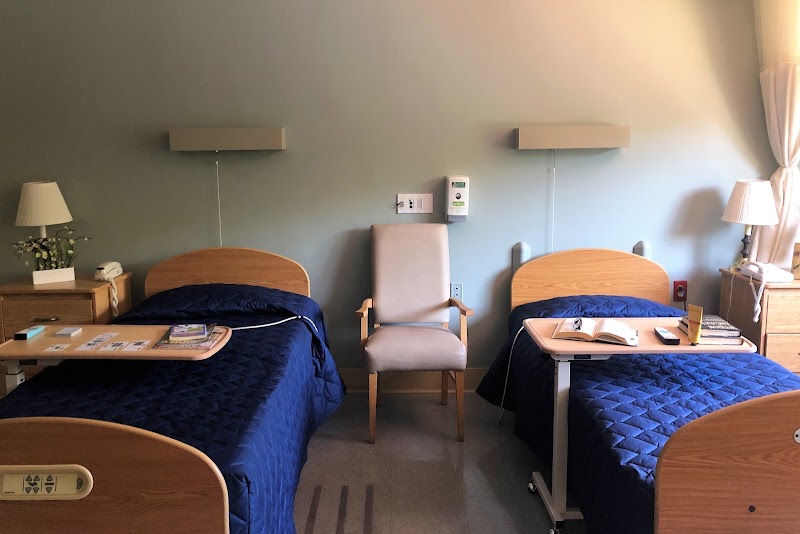
How is Havencare At Litchfield Woods Staffed?

CMS rates HAVENCARE AT LITCHFIELD WOODS's staffing level at 3 out of 5 stars, which is average compared to other nursing homes. Staff turnover is 38%, compared to the Connecticut average of 46%. This relatively stable workforce can support continuity of care.

What Have Inspectors Found at Havencare At Litchfield Woods?

State health inspectors documented 48 deficiencies at HAVENCARE AT LITCHFIELD WOODS during 2019 to 2025. These included: 48 with potential for harm.
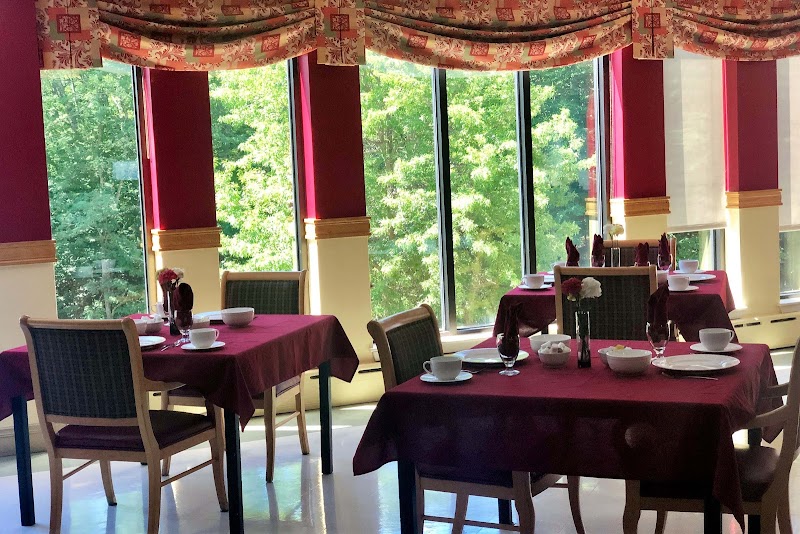
Who Owns and Operates Havencare At Litchfield Woods?

HAVENCARE AT LITCHFIELD WOODS is owned by a for-profit company. For-profit facilities operate as businesses with obligations to shareholders or private owners. The facility is operated by ATHENA HEALTHCARE SYSTEMS, a chain that manages multiple nursing homes. With 160 certified beds and approximately 147 residents (about 92% occupancy), it is a mid-sized facility located in TORRINGTON, Connecticut.
How Does Havencare At Litchfield Woods Compare to Other Connecticut Nursing Homes?

Compared to the 100 nursing homes in Connecticut, HAVENCARE AT LITCHFIELD WOODS's overall rating (2 stars) is below the state average of 3.0, staff turnover (38%) is near the state average of 46%, and health inspection rating (2 stars) is below the national benchmark.

What Should Families Ask When Visiting Havencare At Litchfield Woods?

Based on this facility's data, families visiting should ask: "What safeguards and monitoring systems are in place to protect residents from abuse or neglect?" "Can I visit during a mealtime to observe dining assistance and food quality?" "How do you handle medical emergencies, and what is your hospital transfer rate?" "Can I speak with family members of current residents about their experience?" These questions are particularly relevant given the substantiated abuse finding on record.

Is Havencare At Litchfield Woods Safe?

Based on CMS inspection data, HAVENCARE AT LITCHFIELD WOODS has documented safety concerns. The facility has 1 substantiated abuse finding (meaning confirmed case of resident harm by staff or other residents). The facility has a 2-star overall rating and ranks #100 of 100 nursing homes in Connecticut. Families considering this facility should ask detailed questions about what corrective actions have been taken since these incidents.

Do Nurses at Havencare At Litchfield Woods Stick Around?

HAVENCARE AT LITCHFIELD WOODS has a staff turnover rate of 38%, which is about average for Connecticut nursing homes (state average: 46%). Moderate turnover is common in nursing homes, but families should still ask about staff tenure and how the facility maintains care continuity when employees leave.

Was Havencare At Litchfield Woods Ever Fined?

HAVENCARE AT LITCHFIELD WOODS has been fined $7,901 across 1 penalty action. This is below the Connecticut average of $33,158. While any fine indicates a compliance issue, fines under $50,000 are relatively common and typically reflect isolated problems that were subsequently corrected. Families should ask what specific issues led to these fines and confirm they've been resolved.

Is Havencare At Litchfield Woods on Any Federal Watch List?

HAVENCARE AT LITCHFIELD WOODS is not on any federal watch list. The most significant is the Special Focus Facility (SFF) program, which identifies the bottom 1% of nursing homes nationally based on persistent, serious quality problems. Not being on this list means the facility has avoided the pattern of deficiencies that triggers enhanced federal oversight. This is a positive indicator, though families should still review the facility's inspection history directly.