HAVENCARE AT VALERIE MANOR
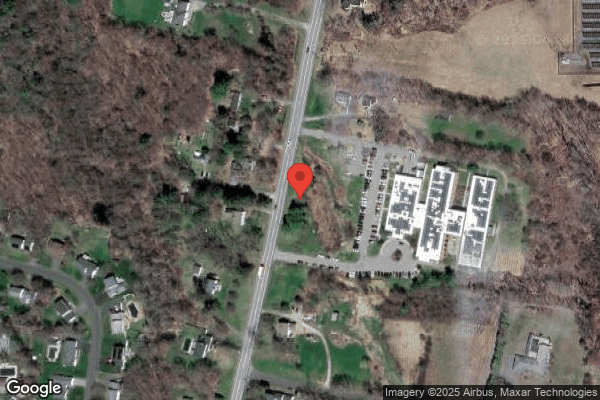

1360 TORRINGFORD ST, TORRINGTON, CT 06790 (860) 489-1008
For profit - Limited Liability company 151 Beds ATHENA HEALTHCARE SYSTEMS Data: November 2025
Trust Grade
45/100
#131 of 192 in CT
Last Inspection: April 2024

Within standard 12-15 month inspection cycle. Federal law requires annual inspections.

Overview

Havencare at Valerie Manor has a Trust Grade of D, indicating it is below average with some concerning issues. It ranks #131 out of 192 facilities in Connecticut, placing it in the bottom half, and #8 out of 9 in its county, meaning there is only one local option that is better. The facility is showing improvement, with the number of issues decreasing from 10 in 2024 to 9 in 2025. Staffing received a 3 out of 5 rating, which is average, and turnover is at 38%, aligning with the state average. However, it has concerning RN coverage, with less than 78% of Connecticut facilities, which may impact the quality of care. While there have been no fines reported, indicating a lack of serious compliance issues, there have been specific incidents of concern. For example, one resident did not receive adequate supervision during transport, which could lead to accidents. Additionally, the facility failed to use resident council funds appropriately, causing residents to feel pressured to vote for activities that should be covered by the facility. Lastly, there were lapses in background checks for new hires, raising questions about staff safety and qualifications. Overall, families should weigh these strengths and weaknesses when considering Havencare at Valerie Manor for their loved ones.

Trust Score
D
45/100
In Connecticut
#131/192
Bottom 32%
Safety Record
Moderate
Needs review
Inspections
Getting Better
10 → 9 violations
Staff Stability
○ Average
38% turnover. Near Connecticut's 48% average. Typical for the industry.
Penalties
✓ Good
No fines on record. Clean compliance history, better than most Connecticut facilities.
Skilled Nurses
⚠ Watch
Each resident gets only 25 minutes of Registered Nurse (RN) attention daily — below average for Connecticut. Fewer RN minutes means fewer trained eyes watching for problems.
Violations
⚠ Watch
31 deficiencies on record. Higher than average. Multiple issues found across inspections.
★★☆☆☆
2.0
Overall Rating
★★★☆☆
3.0
Staff Levels
★★☆☆☆
2.0
Care Quality
★★☆☆☆
2.0
Inspection Score
Stable
2024: 10 issues
2025: 9 issues

The Good

  • Full Sprinkler Coverage · Fire safety systems throughout facility
  • No fines on record
  • Staff turnover below average (38%)

    10 points below Connecticut average of 48%

Facility shows strength in fire safety.

The Bad

2-Star Overall Rating

Below Connecticut average (3.0)

Below average - review inspection findings carefully

Staff Turnover: 38%

Near Connecticut avg (46%)

Typical for the industry

Chain: ATHENA HEALTHCARE SYSTEMS

Part of a multi-facility chain

Ask about local staffing decisions and management

The Ugly 31 deficiencies on record

1 actual harm
Mar 2025 7 deficiencies
CONCERN (D) 📢 Someone Reported This

A family member, employee, or ombudsman was alarmed enough to file a formal complaint

Potential for Harm - no one hurt, but risky conditions existed

Investigate Abuse (Tag F0610)

Could have caused harm · This affected 1 resident

**NOTE- TERMS IN BRACKETS HAVE BEEN EDITED TO PROTECT CONFIDENTIALITY** Based on clinical record review, facility documentation review, facility policy review, and interviews for one sampled resident ...

Read full inspector narrative →
**NOTE- TERMS IN BRACKETS HAVE BEEN EDITED TO PROTECT CONFIDENTIALITY** Based on clinical record review, facility documentation review, facility policy review, and interviews for one sampled resident (Resident #3) who sustained an injury of the toes to the right foot, the facility failed to ensure injuries of unknown origin were thoroughly investigated. The findings include: Resident #3's diagnoses included osteoarthritis, contractures, protein-calorie malnutrition, dementia, anxiety, depression, delusional disorder and psychiatric disturbance. The quarterly MDS assessment dated [DATE] identified that Resident #3 had severely impaired cognition, had no behavioral symptoms, was always incontinent of bowel and bladder and required extensive two-person physical assist with bed mobility and toilet use, and was totally dependent with a two-person physical assist with transfers. The RCP dated 4/27/22 identified Resident #3 required assistance with activities of daily living. Interventions directed if Resident #3 refused a shower to offer a bed bath, report refusals and reapproach as needed. The physician telehealth evaluation note dated 5/30/22 at 10:46 AM identified Resident #3 with bruising to the right great toe and included bases of other toes from an unknown origin. The resident was non-ambulatory. The note further identified that an urgent X-ray of the right great toe and right foot was ordered. The X-ray impressions of the right foot dated 5/30/22 identified possible fracture of the distal 2nd metatarsal (a head of the long bone of the second toe). Further review identified a subtle (not easily seen on an X-ray); acute (occurred suddenly from a traumatic injury) fracture of the 1st proximal phalanx (toe bone that is closest to the metatarsal). There also appeared to be a fracture of the base of the 2nd proximal phalanx. The findings additionally identified osteoporotic changes. Resident #3 was transported to the emergency room for evaluation on 5/30/22. The nursing progress note dated 5/30/22 at 11:00 PM identified Resident #3 returned to the facility from the hospital with a diagnosis of a right foot fracture. A splint application was done with directions to schedule an appointment with a doctor of podiatric medicine as soon as possible. Review of a facility document, titled Facility Summary Report and dated 6/2/22 identified Resident #3 was using a mechanical lift (Hoyer lift) for transfers in to a tilt in space adapted wheelchair. Further review identified a re-enactment was performed by former ADNS #2 and the charge nurse and hypothesize that the resident's foot may have been inappropriately positioned during Hoyer transfer or perhaps caught up under hooks of air mattress compression box that routinely hangs on the footboard of the resident's bed. Further review identified the resident's care plan was reviewed and revised to reflect the changes and physical therapy evaluation during mechanical lift transfer to ensure safety and proper positioning and to support lower extremities during transfer with mechanical lift. Further interventions included to ensure hooks to air mattress compression box are always covered by a bed pillow. Review of Resident #3's electronic medical record titled Documentation Survey Report for the month of May 2022 identified last documented transferring with two-person physical assist and locomotion on unit with one-person physical assist occurred on 5/25/22 during the 7 AM to 3 PM shift (5 days prior to identification of the resident's right foot injury). Review of a physical therapy (PT) evaluation and plan of treatment dated 6/3/22 identified the reason for referral: the resident was referred to physical therapy to assess safety with transfers and wheelchair positioning following right toe fractures of unknown etiology. Further review identified the resident presented with their right lower extremity slightly off the bed and was re-positioned with the assistance of one person. The evaluation further identnfied nurse aide education was provided on re-positioning and to assess the resident periodically to ensure that the foot was in good position. Review of PT notes dated 6/7/22 identified the resident transferred safely into wheelchair with no contact between right toes and the mechanical lift, wheelchair, or any other surface. The facility was unable to produce investigative documents to provide evidence that a thorough investigation related to fracture of unknown origin of a resident's right foot was conducted. Interview and facility investigation review with the ADNS on 8/14/24 at 1:30 PM identified there should have been 72-hours going back investigation regarding Resident #3's foot injury to determine how the injury happened and to prevent possible further accidents. Although the facility investigation was initiated on 5/30/22, written staff statements failed to identify what happened on five (5) shifts during the 72-hours before identifying the bruising. Review of the facility investigation failed to provide information related to the resident's care that was provided on 5/28/22 during 7AM to 3PM and 11PM to 7AM shifts, and 5/29/22 during the 7AM to 3PM, 3PM to 11PM and 11PM to 7AM shifts. Follow up interview with ADNS identified if all staff were interviewed, then that would be considered a complete investigation. The ADNS indicated she was not employed at the facility in May 2022 and could not explain the reason a thorough investigation had not been completed. Interview with former ADNS #2 on 8/15/24 at 2:50 PM identified she was responsible to ensure that the facility investigation regarding Resident #3's foot injury was completed, and she was unable to remember if agency nursing staff was involved in the resident's care but if she was unable to contact any staff members, she would document that in the investigation. Former ADNS further stated the facility investigated the incident going back 72 hours and determined that the resident's right foot injury could potentially be caused by a mechanical lift transfer. Former ADNS was unable to recall the details of the investigation and was unable to explain why the investigation was not completed. She identified the resident had no known trauma and no recent falls documented. Former ADNS further identified that injuries of unknown origin should be investigated as an allegation of abuse. Review of the facility Abuse Prohibition policy dated September 2020 identified for protection of residents, any allegation of abuse will be thoroughly investigated. The investigative process includes but is not limited to interviewing staff witnesses or other available witnesses. The facility investigation will be conducted within 5 days of the incident.
CONCERN (D) 📢 Someone Reported This

A family member, employee, or ombudsman was alarmed enough to file a formal complaint

Potential for Harm - no one hurt, but risky conditions existed

Transfer Requirements (Tag F0622)

Could have caused harm · This affected 1 resident

**NOTE- TERMS IN BRACKETS HAVE BEEN EDITED TO PROTECT CONFIDENTIALITY** Based on review of the clinical record, facility documentation, facility policy, and interviews for one sampled resident reviewe...

Read full inspector narrative →
**NOTE- TERMS IN BRACKETS HAVE BEEN EDITED TO PROTECT CONFIDENTIALITY** Based on review of the clinical record, facility documentation, facility policy, and interviews for one sampled resident reviewed for community discharge (Resident #24), the facility failed to ensure that required discharge information was documented and communicated to Person #10 to ensure a safe and effective discharge. The findings include: Review of Resident #24's clinical record identified a hospital Discharge summary dated [DATE] which identified Resident #24 lived alone at home and was brought to the emergency room when he/she was found wandering and confused. He/she did not remember what happened. The patient was not aware of why he/she was at the hospital and admitted at that time to drinking alcohol daily. There was no clinical evidence of alcohol withdrawl and his/her CIWA (Clinical Institute Withdrawal Assessment for Alcohol scale) remained low. The primary contact person contacted by the hospital identified that the patient was usually disoriented to time and drank alcohol regularly. At discharge the patient was oriented to name and place but disoriented to time and situation and was ambulatory in the room without any assistive device. Further review identified the patient was assessed as needing 24 hour care. Resident #24 was admitted to the facility with diagnoses that included metabolic encephalopathy, alcohol dependence, brain atrophy, Wernicke's encephalopathy (acute neurological condition), brain atrophy, adjustment disorder, anxiety, depression, diabetes and hypothyroidism. The care plan dated [DATE] identified Resident #24 was admitted for short term rehabilitation with plans to discharge home after completion of therapy. Interventions directed discharge planning meetings as needed to evaluate discharge potential, involve family with the resident's permission and set goals to achieve an appropriate discharge. A psychiatric evaluation and consultation note dated [DATE] identified Resident #24 presented with random anxiety and was forgetful and confused throughout the evaluation. The resident stated that if he/she were to go home, he/she would want to drink beer. The resident minimized the severity of alcohol dependence, had random agitation associated with anxiety and remained on every 15-minute checks for three days as ordered. The resident could not recall wanting to leave the facility and was not exhibiting signs or symptoms of psychosis. The social service note dated [DATE] identified the facility reviewed the resident's history with alcohol use, offered to provide information on recovery programs, although the resident declined at that time. The resident further identified they had been to meetings and had been through it before and will let this writer know if they would like to pursue a program. The admission MDS assessment dated [DATE] identified Resident # 24 had severely impaired cognition, used a wander/elopement alarm daily, and was independent with transfer and walking at least 10 feet. The MDS further identified the resident's family and informed the facility that the resident's overall goal for discharge established during the assessment process was to discharge back to the community and active discharge planning was already occurring for the resident to return to the community. Review of a Resident admission Agreement dated [DATE], under section IV Responsible Party Duties, Responsibilities and Liabilities identified an undated handwritten note that Person #10 refused to sign and be responsible. The social service progress note dated [DATE] identified Resident #24 attempted to leave the building. The resident stated he/she wanted to go home. Social Worker #2 called Person #10 to inform him/her of the resident's behaviors and wanting to leave. Person #10 was concerned that the resident would continue drinking when he/she returns home. Social Worker #2 suggested contacting a substance abuse organization to assist the resident. Person #10 stated that the resident may be resistive to participate and did not believe that he/she will go. Further review identified Social Worker #2 informed Person #10 that the resident may not meet level of care to stay at the facility for long term placement, as he/she was independent with his/her activities of daily living. A subsequent social service progress note dated [DATE] identified Person #10 was informed that Resident #24 did not have the type of insurance that would pay for the resident to stay long term at the facility. Person #10 stated that he/she will be meeting with an attorney to start the process for conservatorship. Person #10 asked Social Worker #2 to contact a substance abuse facility for admission for substance use inpatient treatment. Person #10 stated that the resident had been in programs in the past and would say that he/she did not have a problem and did not want to be at the rehabilitation center anymore. Further review identified Social Worker #2 discussed visiting nursing services, and Person #10 stated that the resident may be resistive to allowing anyone into his/her home. Discussion also included Adult Day Center care as an option for the resident during the day, and Person #10 was not sure if the resident would agree to that. Social Worker #2 suggested hiring private caregivers to assist the resident when he/she gets home if he/she has concerns about the resident returning home alone. Person #10 was unsure if there were funds to implement this, as he/she did not have access to the resident's bank information. Social Worker #2 informed Person #10 about other community options, but to make a referral, Person #10 would need to provide the resident's monthly income and any assets. Further review identified that Notice of Medicare Non-Coverage was provided and the appeal process was explained to Person #10. Person #10 chose an option, signed the notice and stated that the resident will have to discharge home on [DATE] as he/she does not have the funds to pay privately. The social service follow-up note dated [DATE] identified Social Worker #2 spoke to a substance use facility to see if they would accept the resident. They responded that there was a two-week waiting list, but they were willing to review a referral and let the social worker know if they would be able to. Social Worker #2 faxed over the referral paperwork. Review of psychiatrist MD #5 evaluation dated [DATE] identified Resident #24 was restless and anxious, with impaired short-term and long-term memory, limited knowledge, disorganized thought process, poor attention span, poor concentration, poor judgment and poor insight. Further review identified the resident presented with Wernick's encephalopathy with related cognitive impairment and restlessness. On evaluation the resident stated he/she does not want to be anywhere other than his/her home. A change in the psychotropic medications' regime was recommended and psychiatry will continue to follow and evaluate as appropriate. A physician's order dated [DATE] directed to continue every 15-minute checks every shift for preventative. Review of Resident #24's Discharge Packet signed by Person #10 and dated [DATE] identified the resident was independent with transfers and ambulation in room and was independent with rolling walker in hallway. The Social Services section identified Person #10 had been notified that insurance had stated that they were no longer covering the resident's skilled nursing facility (SNF) stay. Person #10 stated that there was no money for the resident to use to stay at a facility therefore he/she would have to go home. Several referrals were made, and a homecare agency accepted the resident's case and would evaluate for nursing and therapy upon the residents return home. Calls were made to a facility offering outpatient and inpatient treatment (for individuals affected by substance use disorder as well as behavioral health conditions), and voicemails were left with no return call. Person #10 was made aware of the referrals, and he/she said that the resident would have to return home due to lack of money to pay for a skilled nursing facility level of care. The Resident Information section identified Person #10 was responsible for needs or indebtedness and to establish a primary care physician. Further review of the Nursing Discharge Summary failed to identify the resident's mental status, activities of daily living, who was given the discharge medication from the facility, and discharge treatments that included explanation of details of care, treatments, teaching, habits and preferences. Those areas were left blank. The therapy summary section identified Resident #24 was independent with self-care with occasional cueing for initiation and was independent with mobility without assistive device. Home occupational therapy was recommended for home management tasks and community re-entry. The social service note dated [DATE] identified Resident #24 was discharged at 11 AM and Person #10 did not take the resident's medications. Social Worker #2 left a message for Person #10. Person #10 called back at around 3:30 PM and stated that he/she will come back later to pick up the medications and the resident's belongings. Further review identified that Social Worker #2 informed Person #10 that a little after 3 PM on [DATE] the resident was seen by a facility employee walking in his/her town with a brown paper bag, which they presumed was alcohol. When the resident was seen in town, Resident #24 asked the facility employee where his/her home was. Person #10 stated I knew something like that would have happened. Social Worker #2 asked if Person #10 was able to take in the resident for a little bit, but Person #10 was unable to. The facility contacted the town non-emergency line and social worker made a referral to Adult Protective Services. Interview and clinical record review with Director of Social Services #1 on [DATE] at 9:40 AM identified Resident #24 was discharged home on [DATE] with Person #10 who was identified as the Responsible Party accompanying him/her and home care services to start usually approximately within 24 hours to 48 hours later, unless it was a weekend then it may take longer. The resident lived alone in an apartment and returned to their previous living arrangements. The resident did not have a primary care physician in the community therefore the facility called multiple doctor offices, but they were unable to accept his/her insurance, or they were not accepting new patients. APRN #3 who was following the resident while at the facility, signed home care orders for 30 days to allow time for Person #10 to find a doctor for the resident. The facility made multiple calls to substance use facilities to see if they would accept the resident as previously requested by Person #10 but as of [DATE], the resident's discharge day, the social worker was still waiting for an answer. The Director of Social Services #1 stated that although the resident lived alone, she assumed that Person #10 would provide monitoring and supervision to the resident daily. The resident was not able to care for himself/herself independently, needed reminders, supervision and encouragement. The Director of Social Services #1 stated that Person #10 signed the Discharge Packet for Resident #24, but if Person #10 would not sign the Discharge Packet completed by the facility, the facility would not ask the resident to sign it and would not discharge the resident to the community because he/she was confused and would not be safe alone in his/her home. Further interview identified Resident #24 could have stayed if he/she paid privately when services ended after [DATE] but Person #10 told the facility that the resident had no money, so he/she was taking him/her home. Further interview identified Resident #24 was taken to the hospital on [DATE], a few hours after being discharged from the facility and admitted /re-admitted back to the facility from the hospital on [DATE] because he/she was unsafe to be discharged home. The resident continued to have no payer source but, on this admission, the facility was planning to apply for conservatorship themselves and, if appropriate, Medicaid assistance. Interview and clinical record review with psychiatric APRN #1 on [DATE] at 11:49 AM identified she was not notified about Resident #24's planned discharge to the community on [DATE]. During evaluation on [DATE], the resident was confused and anxious. APRN #1 ordered to continue every 15-minute checks for his/her well-being including elopement. The resident wanted to leave the facility and was saying that he/she lived with a family member although, that family member had been deceased for many years. APRN #1 further identified if asked on [DATE], she would not have recommended discharge, it would not be a safe discharge, but APRN #1 was not sure if the resident's status improved after her evaluation and before discharge on [DATE]. Interview with MD #6 on [DATE] at 12:10 PM identified after receiving denial of payment from the insurance company, social service was trying to work with Person #10 to provide a safe discharge home for the resident. The facility relied on Person #10 to provide support and monitoring. MD #6 further identified the resident made poor choices, should not live by himself/herself, was confused and he/she should have somebody to watch him/her. Person #10 wanted to take the resident home because there was no payer source. Further interview identified if Person #10 did not stay with the resident, It does not sound like that was a safe discharge. Interview with Person #10 on [DATE] at 1:29 PM identified he/she took Resident #24 home to continue to live alone as previously. Person #10 was aware that the resident will be looking for alcohol after discharge as he/she did before, but no other choices were offered. Person #10 stated that there was no conversation between him/her and the facility that Resident #24 needed increased supervision to be provided by the family after discharge. The facility told him/her that there was no payer source for the resident, therefore he/she had to take the resident home or pay privately for the resident's stay at the facility. Person #10 identified that he/she told the social worker that if he/she leaves his/her apartment, he/she was not sure if the resident would be able to find his/her way back to the apartment. I told her that, but she still said that he/she has to go. Further interview identified that when Person #10 expressed concerns about the discharge, the facility suggested taking the resident home and then look into placement at a substance use treatment facility, that can provide support for someone who cannot live alone. Person #10 stated the resident did not have the money to pay for his/her stay at the facility and added I was basically forced to take him/her home, there were no other options available. Person #10 understood that his/her only choice was to take the resident home to his/her prior living arrangements and home care services will call to schedule home visits. Interview with SW#2 on [DATE] at 1:53 PM identified that she thought Person #10 would help the resident after discharge by providing frequent checks, at least three times a day. SW #2 further stated that she did not speak to Person #10 specifically about this, and she was not sure if the resident was staying home alone. SW #2 identified that the resident required additional services after his/her discharge to community. Interview with DNS on [DATE] at 9:05 AM identified that when a resident is discharged , the social services department initiates the discharge paperwork. Social service completes their section then gives it to nursing to complete their section, and nursing would make a copy of the discharge for the medical record. The DNS was unaware that the nursing part of Resident #24's Discharge Packet was left blank. The DNS stated the resident had diminished decision-making capacity, history of seeking alcohol, requiring frequent redirection and was living alone while in the community. The facility failed to provide evidence that facility staff attempted to provide options for the resident to remain at the facility until additional services were available, failed to ensure that assistance was available immediately after discharge to provide help to the resident who expressed desire to seek alcohol, required increased monitoring and supervision and needed to be assessed for safety in the home environment. In addition, the facility failed to inform the resident and Person #10 of the risks of leaving the facility and staying alone at the apartment without immediate support and care to ensure safety. The Facility initiated unsafe discharge which led to Resident #24's hospitalization approximately four hours after discharge. Review of facility's policy Discharge Planning dated 1/2019 identified the facility will work in conjunction with the resident and interdisciplinary team ensure that necessary education and teaching is provided to resident and/or their next of kin.
CONCERN (D) 📢 Someone Reported This

A family member, employee, or ombudsman was alarmed enough to file a formal complaint

Potential for Harm - no one hurt, but risky conditions existed

Safe Transfer (Tag F0626)

Could have caused harm · This affected 1 resident

**NOTE- TERMS IN BRACKETS HAVE BEEN EDITED TO PROTECT CONFIDENTIALITY** Based on review of the clinical record, facility documentation, hospital documentation, facility policy, and interviews for one ...

Read full inspector narrative →
**NOTE- TERMS IN BRACKETS HAVE BEEN EDITED TO PROTECT CONFIDENTIALITY** Based on review of the clinical record, facility documentation, hospital documentation, facility policy, and interviews for one sampled resident (Resident #24) reviewed for admission, the facility failed to accept the resident for a return to the facility after an inadequate discharge plan resulted in hospitalization. This resulted in the resident remaining at the hospital for an extra 8 days until the facility eventually admitted the resident back. The findings include: Resident #24's diagnoses included metabolic encephalopathy, alcohol dependence, brain atrophy, Wernicke's encephalopathy (acute neurological condition), brain atrophy, adjustment disorder, anxiety, depression, diabetes and hypothyroidism. The care plan dated 8/14/24 identified Resident #24 was admitted for short term rehabilitation with plans to discharge home after completion of therapy. Interventions directed discharge planning meetings as needed to evaluate discharge potential, involve family with the resident's permission and set goals to achieve an appropriate discharge. The admission MDS assessment dated [DATE] identified Resident # 24 had severely impaired cognition, used a wander/elopement alarm daily, was independent with transfer and walking at least 10 feet. The social service progress note dated 8/20/24 identified Resident #24 attempted to leave the building. The resident stated he/she wanted to go home. Social Worker #2 called Person #10 to inform him/her of the resident's behaviors and wanting to leave. Person #10 was concerned that the resident would continue drinking when he/she returns home. Social Worker #2 suggested contacting a substance abuse organization to assist the resident. Person #10 stated that the resident may be resistive to participating and did not believe that he/she would go. Further review identified Social Worker #2 informed Person #10 that the resident may not meet the level of care to stay at the facility for long term placement, as he/she was independent with his/her activities of daily living. A subsequent social service progress note dated 8/21/24 identified Person #10 was informed that Resident #24 did not have the type of insurance that would pay for the resident to stay long term at the facility. Person #10 stated that he/she will be meeting with an attorney to start the process for conservatorship. Person #10 asked Social Worker #2 to contact a substance abuse facility for admission for substance use inpatient treatment. Person #10 stated that the resident had been in programs in the past and would say that he/she did not have a problem and did not want to be at the rehabilitation center anymore. Further review identified Social Worker #2 discussed visiting nursing services, and Person #10 stated that the resident may be resistive to allowing anyone into his/her home. Discussion also included Adult Day Center care as an option for the resident during the day, and Person #10 was not sure if the resident would agree to that. Social Worker #2 suggested hiring private caregivers to assist the resident when he/she gets home if he/she has concerns about the resident returning home alone. Person #10 was unsure if there were funds to implement this, as he/she did not have access to the resident's bank information. Social Worker #2 informed Person #10 about other community options, but to make a referral, Person #10 would need to provide the resident's monthly income and any assets. Further review identified that Notice of Medicare Non-Coverage was provided and the appeal process was explained to Person #10. Person #10 chose an option, signed the notice and stated that the resident will have to discharge home on 8/28/24 as he/she does not have the funds to pay privately. The hospital emergency room note dated 8/30/24 identified Resident #24 was discharged from the skilled nursing facility on 8/28/24 with an unsafe plan. The resident was brought to the hospital on 8/28/24. Person #10 stated that the facility told him/her to look into a substance use facility for a placement. Further review identified the resident was discharged from the skilled nursing facility after he/she was deemed medically stable to return home despite concerns about his/her cognitive abilities. The facility attempted to discuss substance use options, but the resident refused. He/she was set up with visiting nurses. Person #10 picked the resident up. Unfortunately, the resident was found lost on the street less than 2 hours after Person #10 dropped him/her off at home and he/she was brought to the emergency room. The resident did not remember how he/she got there and was unable to contribute to history. The resident's alcohol level was 53 (normal range <11mg/dL), likely the resident drank alcohol in the couple of hours after discharge from skilled nursing facility and before coming to the emergency room. The hospital note dated 8/30/24 identified the case manager was working with the skilled nursing facility to discuss placement as they discharged the resident to an unsafe situation. Person #10 was involved however, he/she does not live close and cannot be the primary caregiver for the resident. A follow up note at 1:22 PM identified the skilled nursing facility contended that since the resident had no legal decision maker or long-term payer source, they were unable to accept him/her back into their facility. The skilled nursing facility was aware that the Long-Term Care Ombudsman (LTCO) was notified with regards to an unsafe discharge from the facility on 8/28/24. The hospital emergency room updated note dated 8/30/24 identified Resident #24 had been denied readmission to the skilled nursing facility and furthermore there will be a continued ongoing management case waiting for safe disposition to be implemented. The resident was a flight risk, had been wandering around the department. The plan moving forward was to admit under medicine service for continued social service. The hospital emergency room note dated 9/1/24 identified Resident #24 was with a one to one due to impulsiveness and wanting to go home. Awaiting safe discharge. Further review identified an expected date of discharge 9/2/24. The hospital emergency room note dated 9/2/24 identified the resident needed 24-hour care, and was unable to care for self at home and the case manager was working on a discharge disposition to a skilled nursing facility. The hospital emergency room note dated 9/4/24 identified Resident #24 was oriented to his/her name and place and was disoriented to situation. The resident had poor judgement, only wanted to go back home and was unable to understand what was going on with him/her. The note further identified that the resident was medically stable and was awaiting safe disposition. The hospital note dated 9/9/24 at 4:53 PM identified the Long-Term Care Ombudsman called and stated that the skilled nursing facility will take Resident #24 back and the facility will be applying for conservatorship for the resident. The case management team was updated and will plan for discharge on [DATE]. The facility refused to allow Resident #24 to return to the facility after his/her hospitalization that occurred approximately four hours after discharge from the facility on 9/28/24 to the community and after the resident was medically cleared by the hospital physicians to return to the facility on the same day. This resulted in Resident #24 remaining in the hospital for an extra 8 days until the facility eventually admitted the resident back. Interview with Facility Hospital Liaison #1 on 9/11/24 at 12:30 PM identified the facility would always reoffer a bed when a resident was just discharged from the facility. She further stated that unfortunately, sometimes she responded by phone call and therefore had no documentation that the facility was willing to take the resident back earlier than documented by the hospital. Further interview identified that although the hospital documentation identified that the resident's expected discharge date from the hospital was 9/2/24, she assumed that the resident was not medically stable for discharge. The Facility Hospital Liaison #1 identified that although the skilled nursing facility had appropriate beds available and staff was able to provide care and services that the resident required, the facility had to obtain corporate approval because there was no payer source to pay for the resident's admission to the facility and everything takes time. Resident #24 was admitted to the secured dementia unit on 9/10/24 and the facility was planning to apply for conservatorship for the resident. The facility admission Process policy and procedure identified that priority admission may be granted to certain categories of people that included applicants who were discharged from the facility to the community withing fifteen (15) days of the request for readmission.
CONCERN (D) 📢 Someone Reported This

A family member, employee, or ombudsman was alarmed enough to file a formal complaint

Potential for Harm - no one hurt, but risky conditions existed

Comprehensive Care Plan (Tag F0656)

Could have caused harm · This affected 1 resident

**NOTE- TERMS IN BRACKETS HAVE BEEN EDITED TO PROTECT CONFIDENTIALITY** Based on review of the clinical record, staff interview and review of facility policy and procedures for one sampled resident (R...

Read full inspector narrative →
**NOTE- TERMS IN BRACKETS HAVE BEEN EDITED TO PROTECT CONFIDENTIALITY** Based on review of the clinical record, staff interview and review of facility policy and procedures for one sampled resident (Resident #11) reviewed for pain management, the facility failed to develop a pain management care plan. The findings include: Resident #11 was admitted to the facility on [DATE] with diagnoses that included displaced fracture of the second cervical vertebra and pain in the left ankle and joints of the left foot. A Minimum Data Set (MDS) assessment dated [DATE] identified the resident had significant cognitive impairment (BIMS of 0) required extensive assistance with activities of daily living. Physician orders dated 12/22/22 directed Tramadol (pian medication) 25 milligrams every 8 hours for severe pain. Review of the medication administration record from 12/22/22 through 12/27/22 identified the resident was reporting pain daily. A subsequent physician order dated 12/27/22, directed 50 milligrams, scheduled two times a day for severe pain. A pain assessment dated [DATE] indicated the resident was not able to vocalize pain, non-verbal pain symptoms were present with facial expressions indicating the pain was increasing with a change in vitals, and the assessor should proceed to the care plan. Subsequent pain assessments dated 1/7/23 and 1/13/23 indicated the resident was vocalizing a dull aching pain, which was frequent on a pain scale of 6, on a scale of 1-10. During an interview and review of the clinical record with the Director of Nurses on 12/23/24 at 12:10PM, failed to identify a pain management care plan had been developed to address Resident #11's pain. Review of the policy and procedure for pain management, dated April 2015 directed the facility will develop and implement interventions and approaches to pain management, both pharmacological and nonpharmacological. A review of the facility policy for Comprehensive Care Plans directed that the Interdisciplinary Team was responsible for developing a comprehensive care plan for each resident that includes measurable objectives and timelines to accommodate preferences, special medical nursing, and psychosocial needs. The Care Plan is evaluated and revised as needed and quarterly.
CONCERN (D) 📢 Someone Reported This

A family member, employee, or ombudsman was alarmed enough to file a formal complaint

Potential for Harm - no one hurt, but risky conditions existed

Deficiency F0661 (Tag F0661)

Could have caused harm · This affected 1 resident

**NOTE- TERMS IN BRACKETS HAVE BEEN EDITED TO PROTECT CONFIDENTIALITY** Based on review of the clinical record, facility documentation, and interview with facility staff, the facility failed to ensure...

Read full inspector narrative →
**NOTE- TERMS IN BRACKETS HAVE BEEN EDITED TO PROTECT CONFIDENTIALITY** Based on review of the clinical record, facility documentation, and interview with facility staff, the facility failed to ensure for 1 of 2 residents reviewed for discharge (Resident #8), the resident received the correct medications upon discharge to home. The findings include: Resident #8's diagnoses included perforated gastric ulcer, peripheral vascular disease, and essential hypertension (high blood pressure). A care plan dated 12/21/21 identified the resident needed assistance with self-care, mobility, and medications for high blood pressure. Interventions included assist with personal care, ambulation, and administration of medications. The Minimum Data Set assessment dated [DATE] identified Resident #8 as cognitively intact (BIMS 14). Resident #8 required extensive assistance with dressing, toileting, showering, and setting up for meals. The assessment further identnfied the Resident was continent of both bowel and bladder function. A physician's order dated 1/4/22 at 10:15 AM indicated Resident # 8 was to be discharged home with medications and services. A nursing progress note dated 1/4/22 at 4:48 PM indicated Resident #8 was discharged home with medications and services via a private car. Review of facility documentation dated 1/4/22 identified discharge medications were reviewed but not reconciled with Person #1 and Resident #8 had been discharged home with two other resident's medications. During an interview on 8/13/24 at 1:10 PM with Social Worker #1 identified medications are to be reconciled with the medication list prior to discharge. Interview on 8/14/24 at 9:50 AM with the Director of Nurses identified medications are to be reviewed, reconciled, and education provided prior to discharge with the resident or responsible party. Interview on 8/14/24 at 10:32 AM with LPN #1 identified she was responsible to review and reconcile medications with Person #1 prior to discharge. LPN # 1 stated that she did not reconcile the medications to ensure the correct medications were given to the resident at the time of discharge.
CONCERN (D) 📢 Someone Reported This

A family member, employee, or ombudsman was alarmed enough to file a formal complaint

Potential for Harm - no one hurt, but risky conditions existed

Quality of Care (Tag F0684)

Could have caused harm · This affected 1 resident

**NOTE- TERMS IN BRACKETS HAVE BEEN EDITED TO PROTECT CONFIDENTIALITY** Based on clinical record review, review of facility documentation and interviews for 1 sampled resident (Resident #16) that requ...

Read full inspector narrative →
**NOTE- TERMS IN BRACKETS HAVE BEEN EDITED TO PROTECT CONFIDENTIALITY** Based on clinical record review, review of facility documentation and interviews for 1 sampled resident (Resident #16) that required a specialized treatment, the facility failed to provide the treatment. The findings include: Resident #16 had diagnoses of chronic obstructive pulmonary disease, malignant neoplasm of pancreas, disease of the biliary tract, fatty liver and chronic kidney disease. Review of facility documentation dated 8/17/2021identified the Resident had a diagnosis of jaundice with a biliary drain. Review of the Hospital Discharge summary dated [DATE] by Surgeon #1dentified that Resident #16 underwent a biliary stent placement on 8/23/2021 with the plan to leave the tube open to external drainage to the bag until the bilirubin is seen to plateau or decrease. The discharge summary directed flush the biliary tube with 10cc normal saline twice daily to maintain tube patency. Review of the physician's order dated 8/29/2021 directed to cleanse right flank biliary drain site with normal saline and apply split gauze protection dressing every day shift. Further review failed to identify a physician order to flush the biliary tube with 10 cc normal saline twice daily to maintain tube patency as was noted on the hospital discharge summary. Interview with the DNS on 8/20/2024 at 2:30 PM identified that that he was not here at that time and could not speak to the situation. The interview with the Medical Director on 8/22/2024 at 8:30 AM identified that the facility should have followed the hospital discharge summary physician/surgeons' orders.
CONCERN (D) 📢 Someone Reported This

A family member, employee, or ombudsman was alarmed enough to file a formal complaint

Potential for Harm - no one hurt, but risky conditions existed

Deficiency F0697 (Tag F0697)

Could have caused harm · This affected 1 resident

**NOTE- TERMS IN BRACKETS HAVE BEEN EDITED TO PROTECT CONFIDENTIALITY** Based on review of the clinical records, interviews with facility staff and review of facility documents for one resident (Resid...

Read full inspector narrative →
**NOTE- TERMS IN BRACKETS HAVE BEEN EDITED TO PROTECT CONFIDENTIALITY** Based on review of the clinical records, interviews with facility staff and review of facility documents for one resident (Resident #20), reviewed for reports of pain, the facility failed to evaluate or develop a plan of care to address pain management. The findings include: Resident #20 was admitted to the facility on [DATE] with diagnoses that included acute pulmonary edema, cellulitis of the left lower limb, pressure ulcer of the sacral region and left buttock. Physician orders dated 6/6/23 directed Acetaminophen 325 milligrams. 2 tablets every 6 hours as needed for pain. An admission Minimum Data Set (MDS) assessment dated [DATE] identified the resident had no cognitive impairment (BIMS of 13), required extensive assistance with activities of daily living, and no reports of pain. Review of the clinical record identified pain assessment dated [DATE] and 6/22/23 indicating the resident was able to vocalize pain and was currently not experiencing pain. Review of the progress notes from 7/2/23 through 7/5/23 identified the resident was reporting a headache daily with reports of pain ranging from a scale of 1 to a scale of 7, on a pain scale of 1-10. Acetaminophen 325 milligrams. 2 tablets were administered daily with varying effect with the resident reporting no effect on 7/3/23. Review of the pain management policy dated April 2015 directed when a resident reports a new onset of pain, a pain evaluation is completed, as well as a physical evaluation and notification to the physician. Identifying the etiology of pain is essential to its management. Additionally, the facility to the extent possible will develop and implement interventions, both pharmacological and nonpharmacological and modify the approaches as necessary. Interview and review of the clinical record with the Director of Nurses on 12/23/23 at 1:00PM, identified that pain evaluations had not been conducted during the period of 7/2/23 through 7/5/23 and a care plan had not been developed to address pain management.
Jan 2025 2 deficiencies
CONCERN (D) 📢 Someone Reported This

A family member, employee, or ombudsman was alarmed enough to file a formal complaint

Potential for Harm - no one hurt, but risky conditions existed

Deficiency F0604 (Tag F0604)

Could have caused harm · This affected 1 resident

**NOTE- TERMS IN BRACKETS HAVE BEEN EDITED TO PROTECT CONFIDENTIALITY** Based on clinical record review, facility documentation, and staff interviews for one of three residents (Resident #1) reviewed ...

Read full inspector narrative →
**NOTE- TERMS IN BRACKETS HAVE BEEN EDITED TO PROTECT CONFIDENTIALITY** Based on clinical record review, facility documentation, and staff interviews for one of three residents (Resident #1) reviewed for abuse, the facility failed to ensure the resident was free from physical restraints. The findings include: Resident #1 had a diagnosis of dementia and muscle weakness. An annual Minimum Data Set (MDS) dated [DATE] identified Resident #1 had a Brief Interview Mental Status (BIMS) score of two (2) indicating severely impaired cognition and used a walker and a manual wheelchair. The Resident Care Plan dated 11/15/2024 identified impaired cognition, required cueing for ambulation, and risk for falls. Interventions directed one (1) staff assist for transfers and ambulation, and speak slowly, clearly, and explain procedures. Physician order dated 9/24/2024 directed assist of one (1) for ambulation with rolling walker. Facility reportable event incident report dated 12/9/2024 at 12:21 PM identified Resident #1 was alert, confused, required assist of one (1) staff for transfers and one (1) staff for ambulation with rolling walker. The report further indicated the facility became aware on 12/9/2024 at 9 AM (3 hours and 21 minutes before the report was submitted) that it was reported that a staff member used a gait belt to restrict a resident's movement in a wheelchair on 12/5/2024 at 11:05 PM; the resident was confined to a wheelchair using the gait belt. No physical or emotional injuries were noted. After a comprehensive investigation that included interviews, and collection of statements from employees both directly and indirectly connected to the incident, it was determined that the employees' actions or lack of action did in fact demonstrate a failure to follow the facility policy or protocol on restraint use. The facility separated employment with those employees directly involved in the incident. The facility incident summary dated 12/13/2024 identified on 12/9/2024 it was reported that on 12/5/2024 at 11:05 PM during the change of shift NA #2 restricted Resident #1 from getting up from a wheelchair using a gait belt. The facility summary identified the employee's actions or lack of action demonstrated a failure to follow the facility policy on restraint use, and the facility separated employment with the employees directly involved with the incent. APRN note dated 12/10/2024 at 10:07 AM identified the resident had no recollection of the event, in his/her usual mental state, denied pain, and no signs of injury. Social Services note dated 12/11/2024 at 8:37 PM identified Resident #1 had no complaints, no behavioral issues noted, no recollection of the event, and no emotional distress. Interview with NA #1 on 1/2/2025 at 11:34 AM identified on 12/5/2024 she started her shift at 11 PM (worked 11 PM to 7 AM shift) and during her initial walking rounds with NA #2 they observed Resident #1 in his/her closet. NA #2 put Resident #1 in a wheelchair and brought him/her to the common area and placed Resident #1 at a table. NA #1 stated she witnessed NA #2 place a gait belt around the wheelchair and clip the resident in, with the clip part being within the residents reach. NA #1 stated she did not know if Resident #1 could unclip the gait belt him/herself, and she was unsure if a gait belt was supposed to be used to prevent the resident from standing. Interview with NA #2 on 1/2/2025 at 11:59 AM identified on 12/5/2024 she worked on from 3 to 11 PM and had Resident #1 on her assignment. NA #2 was doing walking rounds with NA #1 and found Resident #1 in his/her closet. Resident #1 was then placed in a wheelchair and brought to the common area and placed him/her at a table. NA #2 stated Resident #1 was agitated, LPN #1 (11 PM to 7 AM nurse) saw the resident and what was happening, and directed NA #2 to put the back of Resident #1's wheelchair against the wall and to put a gait belt around the resident in the chair. NA #2 then placed the gait belt around the wheelchair and clipped the gait belt off to the right-hand side of the resident within the residents reach. NA #2 further indicated she was not supposed to use a gait belt to prevent the resident from standing up but stated she was following LPN #1's direction. Interview with LPN #1 on 1/2/2025 at 1:26 PM identified she worked on 12/5/2024 on the 11 PM to 7 AM shift and she saw Resident #1 was brought to the common area and she asked NA #1 to sit with the resident while she was getting shift report. LPN #1 stated she did not instruct any NA to put a gait belt on the resident as a seat belt and she did not see anyone put a gait belt on the resident. Interview with LPN #2 on 1/2/2025 at 1:49 PM identified she worked from 7 to 11 PM on 12/5/2024 and during walking rounds NA #1 and NA #2 placed Resident #1 in the common area. As LPN #2 was getting her belongings together to leave she, saw Resident #1 against the wall with the table close to him/her. LPN #2 stated she heard the word gait belt as she was walking out to leave the unit after her shift had ended, but she did not know who said the word and did not know what they were going to do with the gait belt. LPN #2 stated Resident #1 required use of a gait belt for ambulation and staff saying the word gait belt was not unusual. LPN #2 further stated she did not see anyone place a gait belt on Resident #1 as a seat belt and if she had she would have reported it immediately. LPN #2 also stated the resident would not be able to unclip the gait belt if it was applied on him/her. Interview with the DNS and Administrator on 1/2/2025 at 2:07 PM identified NA#1 and NA #2 brought Resident #1 to the common area and the resident was trying to get up out of the wheelchair. NA #2 stated she was instructed by LPN #1 to put the gait belt around Resident #1 and the resident's wheelchair, and NA #2 applied the gait belt around both the resident and wheelchair and clipped it in place. NA #1 was present when NA #2 applied the gait belt around the resident and around the wheelchair and she should have reported the incident immediately. The resident had not been assessed for use of any seat belt in the wheelchair, and it was unknown if the resident would have been able to remove the clipped gait belt around him/her. The gait belt should not have been used as a seat belt to prevent Resident #1 from standing/getting out of the wheelchair. The Administrator stated LPN #2's shift had ended; LPN #2 did not hear anything about the use of the gait belt as she was either in another room to gather her belongings or leaving the unit. LPN #1 was alleged to have directed the use of the gait belt however denied the allegation. Interview identified NA #2's employment was terminated for applying a restraint, and LPN #1, LPN #2, NA #1's employment was also terminated. Review of facility Gait Belt Use policy dated April 2015 directed in part, to use gait belts to prevent injury and discomfort to the resident during transfer and ambulation tasks in which staff are called upon to provide physical assistance. Review of facility Restraint Management policy dated July 2015 directed in part, physical restraints are any manual, mechanical or physical device, material or equipment attached or adjacent to the resident's body the individual cannot remove easily, which restricts freedom of movement or normal access to ones body, and no restraint may applied unless there is a specific physician order. Review of facility Resident [NAME] of Rights policy dated July 2021 directed that residents have the right to be free from restraints administered for discipline or convenience and not required to treat medical symptoms. Facility documentation review identified the facility imitated all staff education regarding the facility abuse policy and restraint policy, and a QAPI meeting was held on 12/9/2024. Audits were initiated on 12/13/2024. Past non-compliance was identified.
CONCERN (D) 📢 Someone Reported This

A family member, employee, or ombudsman was alarmed enough to file a formal complaint

Potential for Harm - no one hurt, but risky conditions existed

Report Alleged Abuse (Tag F0609)

Could have caused harm · This affected 1 resident

**NOTE- TERMS IN BRACKETS HAVE BEEN EDITED TO PROTECT CONFIDENTIALITY** Based on clinical record review, facility documentation, and staff interviews for one of three residents (Resident #1) reviewed ...

Read full inspector narrative →
**NOTE- TERMS IN BRACKETS HAVE BEEN EDITED TO PROTECT CONFIDENTIALITY** Based on clinical record review, facility documentation, and staff interviews for one of three residents (Resident #1) reviewed for abuse, the facility failed to ensure staff reported an alleged mistreatment timely and failed to ensure the State Agency was notified timely after the facility became aware of an allegation. The findings include: Resident #1 had a diagnosis of dementia and muscle weakness. An annual Minimum Data Set (MDS) dated [DATE] identified Resident #1 had a Brief Interview Mental Status (BIMS) score of two (2) indicating severely impaired cognition and used a walker and a manual wheelchair. The Resident Care Plan dated 11/15/2024 identified impaired cognition, required cueing for ambulation, and risk for falls. Interventions directed one (1) staff assist for transfers and ambulation, and speak slowly, clearly, and explain procedures. Physician order dated 9/24/2024 directed assist of one (1) for ambulation with rolling walker. Facility reportable event incident report dated 12/9/2024 at 12:21 PM identified Resident #1 was alert, confused, required assist of one (1) staff for transfers and one (1) staff for ambulation with rolling walker. The report further indicated the facility became aware on 12/9/2024 at 9 AM (3 hours and 21 minutes before the report was submitted) that it was reported that a staff member used a gait belt to restrict a resident's movement in a wheelchair on 12/5/2024 at 11:05 PM; the resident was confined to a wheelchair using the gait belt. No physical or emotional injuries were noted. After a comprehensive investigation that included interviews, and collection of statements from employees both directly and indirectly connected to the incident, it was determined that the employees' actions or lack of action did in fact demonstrate a failure to follow the facility policy or protocol on restraint use. The facility separated employment with those employees directly involved in the incident. The facility incident summary dated 12/13/2024 identified on 12/9/2024 it was reported that on 12/5/2024 at 11:05 PM during the change of shift NA #2 restricted Resident #1 from getting up from a wheelchair using a gait belt. The facility summary identified the employee's actions or lack of action demonstrated a failure to follow the facility policy on restraint use, and the facility separated employment with the employees directly involved with the incent. Interview with NA #1 on 1/2/2025 at 11:34 AM identified on 12/5/2024 she started her shift at 11 PM (worked 11 PM to 7 AM shift) and during her initial walking rounds with NA #2 they observed Resident #1 in his/her closet. NA #2 put Resident #1 in a wheelchair and brought him/her to the common area and placed Resident #1 at a table. NA #1 stated she witnessed NA #2 place a gait belt around the wheelchair and clip the resident in, with the clip part being within the residents reach. NA #1 stated she did not know if Resident #1 could unclip the gait belt him/herself, and she was unsure if a gait belt was supposed to be used to prevent the resident from standing. Interview with NA #2 on 1/2/2025 at 11:59 AM identified on 12/5/2024 she worked on from 3 to 11 PM and had Resident #1 on her assignment. NA #2 was doing walking rounds with NA #1 and found Resident #1 in his/her closet. Resident #1 was then placed in a wheelchair and brought to the common area and placed him/her at a table. NA #2 stated Resident #1 was agitated, the 11 PM to 7 AM nurse saw the resident and what was happening and directed NA #2 to put the back of the resident's wheelchair against the wall and to put a gait belt around the resident in the chair. NA #2 then placed the gait belt around the wheelchair and clipped the gait belt off to the right-hand side of the resident within the residents reach. NA #2 further indicated she was not supposed to use a gait belt to prevent the resident from standing up but stated she was following the nurse's direction. Interview with the DNS and Administrator on 1/2/2025 at 2:07 PM identified NA #1 and NA #2 brought Resident #1 to the common area and the resident was trying to get up. NA #2 stated she was instructed by LPN #1 to put the gait belt around the resident's wheelchair. Then later in the shift, NA #1 took the resident back to his/her room and unclipped the gait belt from around the resident and wheelchair. The DNS and Administrator stated since NA #1 was present when NA #2 applied the gait belt around the resident's wheelchair, NA #1 should have reported the incident immediately but failed to do so. Further, the gait belt should not have been used as a seat belt and staff should have reported the incident prior to 12/13/2024 (8 days after the incident occurred), and they learned of the incident when a non-nursing staff reported a rumor that they had heard that a NA had used a gait belt to restrain Resident #1. Further, interview identified although the facility was aware of the allegation on 12/9/2024 at 9 AM, the facility did not notify the State Agency until 12/9/2024 at 12:21 (three hours and 21 minutes after the facility first knew of the event). Review of facility Abuse Prohibition Policy dated September 2020 directed staff to report violations of mistreatment immediately, but not later than 2 hours after the violation. Facility documentation review identified the facility imitated all staff education regarding the facility abuse policy and restraint policy, and a QAPI meeting was held on 12/9/2024. Audits were initiated on 12/13/2024. Past non-compliance was identified.
Apr 2024 10 deficiencies
CONCERN (D)

Potential for Harm - no one hurt, but risky conditions existed

Notification of Changes (Tag F0580)

Could have caused harm · This affected 1 resident

**NOTE- TERMS IN BRACKETS HAVE BEEN EDITED TO PROTECT CONFIDENTIALITY** Based on review of the clinical record, review of facility documentation, and interviews for 1 sampled resident (Resident #63) r...

Read full inspector narrative →
**NOTE- TERMS IN BRACKETS HAVE BEEN EDITED TO PROTECT CONFIDENTIALITY** Based on review of the clinical record, review of facility documentation, and interviews for 1 sampled resident (Resident #63) reviewed for insulin administration, the facility failed to notify the APRN/MD and responsible party of a blood glucose reading exceeding the ordered parameters; and for 1 of 2 residents (Resident #114) reviewed for medications, the facility failed to ensure the physician was notified of refusal of medication. The findings include: 1. Resident #63 was admitted to the facility on [DATE] with diagnoses which included type 2 diabetes mellitus, end stage renal disease, and dependence on renal dialysis. The quarterly MDS assessment dated [DATE] identified Resident #63 had intact cognition, was independent with eating, had taken a hypoglycemic medication during the last 7 days, and required dialysis while a resident at the facility. The care plan dated 1/17/24 identified Resident #63 has diabetes; therefore, blood sugars may fluctuate. Interventions included administering insulin/medications as ordered, providing lab work/diagnostic tests as indicated, and updating the physician as indicated. A physician's order dated 3/17/24 directed to check blood sugar, two times daily every Monday and Thursday; notify physician if results are less than 70 or greater than 300. The weights and vitals summary dated 3/1/24 through 4/22/24 identified blood sugars greater than 300 on the following days: 3/10/24 at 6:57 AM blood sugar reading of 378 mg/dl 3/18/24 at 5:39 AM blood sugar reading of 311 mg/dl 4/01/24 at 5:07 PM blood sugar reading of 337 mg/dl 4/11/24 at 4:50 PM blood sugar reading of 487 mg/dl A review of the nursing progress notes dated 3/10/24 through 4/22/24 failed to identify the physician/APRN was notified of the blood sugars greater than 300 mg/dl on 3/10, 3/18, 4/1, and 4/11/24. Interview with the night nursing supervisor (RN #4) on 4/22/24 at 6:50 AM identified that if the charge nurse obtains a blood sugar reading that is outside of the ordered parameters, she is expected to report it to the RN supervisor and the RN supervisor would then notify the physician/APRN. RN #4 further identified that either the charge nurse or the RN supervisor would document in the progress note that the blood sugar was reported to the physician/APRN and any new orders, if applicable. Interview with MD #1 on 4/22/24 at 11:35 AM identified that if a blood sugar parameter is part of the order, the physician/APRN should be notified if the reading falls outside of the parameter so a new treatment order can be written, if necessary. Interview and clinical record review with the DNS on 4/22/24 at 8:37 AM failed to identify that the physician/APRN was notified of the blood sugars greater than 300 mg/dl on 3/10, 3/18, 4/1, and 4/11/24. The DNS indicated that he would expect the charge nurse to notify the physician/APRN for a blood sugar reading exceeding parameters, as the provider may want to put in new orders. The DNS further indicated that he would complete an in-service educating charge nurses on reporting values that exceed ordered parameters to the physician/APRN. The facility's Significant Change policy directs professional staff to communicate with the physician, resident/patient, and family regarding changes in condition to provide timely communication of resident/patient status change which is essential to quality care management. The policy further directs that the physician, resident/patient, and/or responsible party will be notified by the nurse in the event of a change in condition, order changes given by the physician would be carried out, and the notification shall be documented in the clinical record. 2. Resident #114 was admitted to the facility on [DATE] with a diagnosis of diabetes, severe protein calorie malnutrition, mild cognitive impairment, and pain. A physician's order dated 4/5/24 directed to administer Lidocaine Viscous HCL mouth/throat suspension 2% give 5 ml by mouth before meals for mouth pain. The Medicare 5-day MDS assessment dated [DATE] identified Resident #114 had intact cognition and has pain frequently. The April 2024 care plan dated identified potential for pain. Interventions included administering pain medications as ordered and assessing resident for pain. Observation of RN #2 medication administration on 4/21/24 at 9:42 AM Resident #114 refused the Lidocaine Viscous and stated he/she does not like how it tastes and everything after it tastes horrible. RN #2 indicated that she would have to notify the physician because the physician had ordered the Lidocaine Viscous. Resident #114 indicated to RN #2 to call the physician and tell the physician that he/she was not going to take this medication anymore because it tastes horrible and makes everything else taste horrible. RN #2 indicated she would discard the Lidocaine Viscous and notify the physician. Interview with MD #1 on 4/22/24 at 11:53AM indicated that on 4/21/24 and 4/22/24 that no one had notified him Resident #114 had refused the Lidocaine Viscous. MD #1 indicated if Resident #114 had refused any medication he would want and expect to be notified about it. MD #1 indicated if the APRN or physician were notified he would expect it in a progress note. Interview with the DNS on 4/22/24 at 3:35PM indicated if a resident refused any medication that the nurse would update the APRN or physician and the resident's representative and document it in the progress notes in the medical record. Interview and clinical record review with the DNS on 4/22/24 at 4:00 PM indicated that there was not a progress note identifying that the APRN/MD was notified of the medication refusal on 4/21/24 including the reason for refusal. Although requested, a facility policy for refusal of medications was not provided.
CONCERN (D)

Potential for Harm - no one hurt, but risky conditions existed

Quality of Care (Tag F0684)

Could have caused harm · This affected 1 resident

**NOTE- TERMS IN BRACKETS HAVE BEEN EDITED TO PROTECT CONFIDENTIALITY** Based on review of the clinical record, facility policy, and interviews for the only sampled resident (Resident #63) reviewed fo...

Read full inspector narrative →
**NOTE- TERMS IN BRACKETS HAVE BEEN EDITED TO PROTECT CONFIDENTIALITY** Based on review of the clinical record, facility policy, and interviews for the only sampled resident (Resident #63) reviewed for dialysis, the facility failed to complete vital sign monitoring in accordance with the physician's order and for 1 of 1 resident (Resident #94), reviewed for abuse, the facility failed to ensure neurological monitoring was conducted in accordance with the facility policy. The findings include: 1. Resident #63 was admitted to the facility on [DATE] with diagnoses which included chronic obstructive pulmonary disease (COPD), end stage renal disease (ESRD), and congestive heart failure (CHF). The quarterly MDS assessment dated [DATE] identified Resident #63 had intact cognition and received dialysis while a resident at the facility, during the last 14 days. The care plan dated 1/17/24 identified that Resident #63 had respiratory disease related to CHF, COPD, chronic respiratory failure, obstructive sleep apnea and pneumonia. Interventions included monitoring lung sounds, oxygen saturation, vital signs, and intake and output as ordered. The care plan further identified that Resident #63 required hemodialysis secondary to end stage renal disease. Interventions included going to dialysis treatments on Tuesdays, Thursdays, and Saturdays. A physician's order dated 2/14/24 directed for vital signs and intake and output (I&Os) to be completed every shift. The weights and vital signs summary dated 3/1/24 through 4/22/24 failed to identify vital signs were taken for 91 out of 135 shifts. The nurse's note dated 3/1/24 through 4/21/24 failed to identify documentation Resident #63 refused vital sign monitoring. Interview with LPN #2 on 4/22/24 at 12:05 PM identified that she works the 7AM-3PM shift, and that she monitors Resident #63's vital signs every shift. LPN #2 further identified that she would need to review the policy for vital sign monitoring on a dialysis resident, but she was taught that dialysis residents get vital signs every day, on every shift. Interview and clinical record review with the DNS on 4/22/24 at 8:37 AM failed to identify that Resident #63's vital signs were being monitored every shift, per the physician's order. The DNS indicated that if vital signs are ordered every shift, then he would expect vital signs to be taken every shift. The DNS identified that there is inconsistency in Resident #63's vital sign monitoring, and aside from the times that he/she is out of the facility for dialysis, he would expect the charge nurse to monitor vital signs, per the physician's order. Review of the facility's Vital Sign policy directs that resident's vital signs (temperature, pulse, respirations and blood pressure) will be monitored and abnormal signs are reported to the physician and family/responsible party. 2. Resident #94 was admitted to the facility in January 2022 with diagnoses including Alzheimer's disease, dementia with behavioral disturbance, psychotic disturbance, mood disturbance, and anxiety disorder. The annual MDS assessment dated [DATE] identified Resident #94 with severely impaired cognition, no physical or verbal behavioral symptoms directed towards others, and exhibited wandering behaviors. The physician's order dated 1/1/24 directed Resident #94 was independent with transfers and ambulation with rolling walker. Review of the reportable event dated 1/15/24 at 9:00 AM identified Resident #94 was observed being struck on the back of the head by Resident #331. NA #7 immediately separated both residents. The APRN and resident representative were notified and an investigation was initiated. A statement from NA #7 dated 1/15/24 identified she was picking up dishes in the common area when Resident #331 tried to grab Resident #94's breakfast plate. Resident #94 moved the plate away and Resident #331 struck Resident #94 on the head. NA #7 indicated she separated them. The nurse's note dated 1/15/24 at 12:26 PM identified Resident #94 was sitting at the table in the common area finishing breakfast when Resident #331 tried to take Resident #94's plate. When Resident #94 said no, Resident #331 struck Resident #94 on the back of the head. Resident #94 had no recall of the incident. RN assessment was performed with no noted skin impairment, no redness, no headache, and no dizziness. Pupils were equal and reactive, hand grasps equal and strong. Resident #94 was seen by psychiatric physician and APRN with no new orders at that time. Resident representative was notified. Review of Resident #94 clinical record failed to reflect documentation that neurological monitoring was completed every fifteen (15) minutes for one (1) hour, every thirty (30) minutes for one (1) hour, every hour (1) for four (4) hours, every four (4) hours for sixteen (16) hours, every eight (8) hours for forty-eight (48) hours. The licensed staff only completed 1 out of the 20 required neurological monitoring. The APRN note dated 1/15/24 at 1:15 PM identified Resident #94 was seen today as he/she was involved in an altercation with another resident in which the other resident struck Resident #94 in the back of the head. Resident #94 had no apparent injury and denies any complaints at this time. No pain present to head on palpation, denies pain and discomfort. Interview and clinical record review with the DNS on 4/23/24 at 10:23 AM failed to provide documentation that neurological monitoring was completed. The DNS indicated he was not aware of the issue. The DNS indicated staff did not complete the neurological monitoring. The DNS indicated the expectation was the neurological monitoring would be completed after the resident was struck on the back of the head and placed in the resident's clinical record. The DNS indicated the licensed staff will be in-serviced. Although attempted, an interview with RN #7 was not obtained. Review of the facility neurological signs policy identified any resident who sustains a head injury or when a head injury is questioned or suspected will have neurological signs monitored as follows: Every fifteen (15) minutes for one (1) hour Every thirty (30) minutes for one (1) hour, Every hour (1) for four (4) hours Every four (4) hours for sixteen (16) hours Every eight (8) hours for forty eight (48) hours The findings of each evaluation is compared, analyzed and documented in the medical record. The physician is promptly notified of any abnormal findings.
CONCERN (D)

Potential for Harm - no one hurt, but risky conditions existed

Pressure Ulcer Prevention (Tag F0686)

Could have caused harm · This affected 1 resident

**NOTE- TERMS IN BRACKETS HAVE BEEN EDITED TO PROTECT CONFIDENTIALITY** Based on review of the clinical record, facility documentation, facility policy, and interviews for 1 of 3 residents (Resident #...

Read full inspector narrative →
**NOTE- TERMS IN BRACKETS HAVE BEEN EDITED TO PROTECT CONFIDENTIALITY** Based on review of the clinical record, facility documentation, facility policy, and interviews for 1 of 3 residents (Resident #36) reviewed for pressure ulcers, the facility failed to ensure the air mattress was utilized per manufacturer recommendations. The findings include: Resident #36 was admitted to the facility with diagnoses including: dementia, severe malnutrition, stage 4 pressure injury of left hip, stage 4 pressure injury of sacral region, unstageable pressure injury of right hip, stage 3 pressure injury of left buttock, and a suspected deep tissue injury of left heel. Review of the Weights Summary dated 2/27/24- 3/11/24 identified: Weight 2/27/24 was 95 lbs. Weight 3/4/24 was 91 lbs. Weight 3/9/24 was 88 lbs. Weight 3/10/24 was 81 lbs. Weight 3/11/24 was 81 bs. A physician's order dated 3/10/24 directed to apply a specialty air mattress at check setting cycle 10/105 and check function every shift. The care plan dated 3/11/24 identified Resident #36 as a risk for skin breakdown. Interventions included a low air loss mattress with setting cycle at 10/105. Check inflation and setting every shift. The Medicare 5-Day MDS assessment dated [DATE] identified Resident #36 had moderately impaired cognition and was totally dependent for toileting, dressing, and personal hygiene. Resident #36 was at risk for developing pressure injuries and identified the presence of one stage 3 pressure injury, two stage 4 pressure injuries, and one unstageable pressure injury. Review of the Weights Summary dated 3/16/24- 4/8/24 identified: Weight 3/18/24 was 86 lbs. Weight 4/1/24 was 86 lbs. Weight 4/8/24 was 89 lbs. Observations on 4/21/24 at 8:51 AM identified Resident #36 was lying on his/her left side on the air mattress in bed. The air mattress pump was set at 10/65 lbs. Observation and interview with Regional Nurse (RN #1), on 4/21/24 at 9:00 AM indicated Resident #36's pump was set at 10/65 lbs. RN #1 indicated that the setting of 105 is supposed to be the resident's weight, therefore the settings and physicians order were incorrect. RN #1 indicated if a resident experiences a weight change, the air mattress setting must be changed. Interview with the DNS on 4/21/24 at 2:10 PM indicated that the air mattress was set based on the physician orders. Nursing was responsible for monitoring functioning and pressure settings every shift. The DNS indicated the wound nurse was responsible for ensuring Resident #36's air mattress was set according to Resident #36's weight. Review of the facility Alternating Pressure Air Mattress Policy identified the rationale for use is to maintain adequate circulation, relieve pain due to pressure and aid in healing and/or prevention of pressure ulcers. Policy indicated the procedure was to verify the physicians order and settings according to manufacturer guidelines.
CONCERN (D)

Potential for Harm - no one hurt, but risky conditions existed

Deficiency F0692 (Tag F0692)

Could have caused harm · This affected 1 resident

**NOTE- TERMS IN BRACKETS HAVE BEEN EDITED TO PROTECT CONFIDENTIALITY** Based on observations, clinical record review, review of facility documentation, facility and interviews for 1 of 8 residents re...

Read full inspector narrative →
**NOTE- TERMS IN BRACKETS HAVE BEEN EDITED TO PROTECT CONFIDENTIALITY** Based on observations, clinical record review, review of facility documentation, facility and interviews for 1 of 8 residents reviewed for nutrition (Resident #60), the facility failed to ensure weight monitoring was completed and reviewed per physician's order and facility policy for a resident with a history of weight loss. The findings include: Resident # 60 was admitted to the facility on [DATE] with diagnoses which included mild protein calorie malnutrition, weakness, and dementia. The physician's orders dated 2/13/24 directed to obtain Resident #60's weight on admission and then weekly for 4 consecutive weeks every Monday on day shift. The orders also directed Resident #60 required a regular diet. Review of the clinical record identified Resident #60 had an admission weight of 112 lbs. on 2/13/24. The care plan dated 2/16/24 identified Resident #60 had a history of malnutrition related to significant weight loss and dementia. Interventions included weights per physician's order, monitor oral intake, regular diet, and suggest 8 ounces of Ensure plus (a nutritional supplement) 3 times a day. The admission MDS assessment dated [DATE] identified Resident # 60 had moderately impaired cognition, required and set up only for meals. The MDS assessment also identified Resident #60 had a history of weight loss. Review of the clinical record identified that Resident #60 had a documented weight of 112 lbs. on 2/26/24, 13 days following admission. Review of the clinical record failed to identify any other weight monitoring was completed or documented from 2/13-2/26/24. Review of the clinical record identified Resident #60 had a documented weight of 102 lbs., a 10 lb or 9.1% loss, on 3/4/24. A Dietician note dated 3/5/24 at 1:35 PM identified Resident #60's weight was 102 lbs. and had a 10 lb loss in the last week. The note further identified that Resident #60's oral intake varied between 26-100%. Interventions included continuing Ensure plus 3 times daily, add magic cup (a nutritional supplement) with lunch and dinner for increased calories, and to monitor weights weekly. Review of the clinical record identified Resident #60 had a documented weight of 102 lbs. on 3/11/24. A Dietician note dated 3/13/24 at 1:35 PM identified Resident #60's admission weight was 112 lbs. on 2/13, with weight of 112 lbs. on 2/26/24, 102 lbs. on 3/4/24 and re-weight of 102 lbs. on 3/11/24 confirming weight loss. The note further identified that Resident #60's meal intake was between 50-100% and had a weight loss. Interventions included increasing supplements to four times daily and weekly weights in place. Review of the clinical record identified the following weights documented for Resident #60: 3/28/2024 108.0 lbs., 3/28/2024 108.12 lbs., and 4/2/2024 112.0 Lbs. A Dietician note dated 4/3/24 identified Resident #60 had a weight loss previously and weekly weights were in place. The note further identified that Resident #60 had a current weight of 112 lbs. which was back to baseline from admission. The note identified that weight gain was beneficial and that all interventions should continue, including supplements and weekly weights. A weekly weight list dated 4/8/24 identified that Resident #60 was supposed to have weekly weights done on every Monday on the 3:00 PM-11:00 PM shift. Review of the clinical record identified documentation on 4/9/24 by LPN #4 for recorded weight of 108.8 lbs., 3.2 lb or 2.85% weight loss from the previous weight of 112 lbs. obtained a week prior, with a strike out correction to remove the documentation. Further review of the clinical record failed to identify any additional weights were documented for Resident #60. Interview with Resident #60 on 4/21/24 at 10:25 AM identified that he/she had a weight loss following admission to the facility due to burnt food. Resident #60 identified sometime at the beginning of March 2024, he/she received multiple meals that were delivered burnt. Resident #60 identified My appetite isn't good to start with. Burnt food completely shut it down. I didn't want to eat at all. Resident #60 reported that while he/she still gets meals that are overcooked, it had not been as frequently. Interview with LPN #4 on 4/22/24 at 11:45 AM identified Resident #60 was supposed to have weekly weights. LPN #4 identified she initially obtained and recorded the weight of 108.8 lbs. on 4/9/24 and noted that the weight was a loss from the previous weight on 4/2/24. LPN #4 identified that during report to the oncoming shift (3-11 PM) she had requested the nurse obtain a re weight to confirm if the weight LPN #4 obtained was accurate. LPN #4 identified that she could not remember who the nurse was she reported or made the re weight request to, and she did not follow up to see if the re weight was done. LPN #4 also identified she struck the weight out of the clinical record as she was awaiting the results of the re weight, however the weight of 108.8 lbs. was the weight she obtained and was accurate. LPN #4 identified she should not have struck out the 4/9/24 weight and should have followed up to ensure that the re weight was done due to Resident #60's history of weight loss. Observation of meal test trays provided to the survey team on 4/22/24 at 12:00 PM by the Dietary Director identified test trays that included 2 plates of cheese ravioli with tomato sauce, one of the main meals being served for lunch. The plates included an opaque cover over the meals that prevented observation of the meals prior to removal. The 2 test trays that included ravioli were observed to have at least 50% of the meal blackened and hardened. Observations on 4/22/24 at 12:30 PM of the meal service to the Skyview unit, where Resident #60 resided, identified the tray of cheese ravioli provided as one of the main meals for residents was charred and blackened areas of ravioli on all 4 sides of the inner portion of the tray. A tomato based sauce, used to top the ravioli underneath, was also observed to be dry, cracked, and discolored. Subsequent to surveyor inquiry, review of the clinical record identified Resident #60 had a documented weight of 112 lbs. on 4/22/24. Review of documentation and interview with the Dietician on 4/23/24 at 12:00 PM identified that Resident #60 should have continued to have weekly weights and identified that per her tracking, the last recorded weight for Resident #60 was 112 lbs. on 4/2/24. The Dietician identified that if the weights were not obtained, she would communicate the missing weights for all the residents who needed them via a communication tab in the electronic medical record to the DNS. The Dietician also identified it was the responsibility of the nursing staff to ensure that the weights were obtained as ordered. The Dietician further identified that she had not spoken to or been notified that Resident #60 had not been eating meals during the time of the weight loss from 2/26-3/4/24 due to burnt meals. The Dietician identified that regarding burnt meals being provided to residents, I have never heard of that or ever seen that happen. Review of communication documentation provided by the Dietician identified that on 4/16/24 and 4/17/24 the Dietician notified the DNS that Resident #60 had missing weekly weights that were needed. Interview with the DNS on 4/23/24 at 12:30 PM identified that it was the policy of the facility to obtain weights on admission, weekly for 4 weeks, and then at least monthly for all residents, unless the resident had an order for more frequent weight monitoring. The DNS identified that he had received communication from the Dietician regarding the need for weekly weights for residents, and that Resident #60 was included on the list. The DNS identified it was the responsibility of the nurse assigned to the resident to ensure that the weights were obtained and that the nurse was to document the weight in the clinical record. The DNS identified he was not aware that Resident #60 had a period when he/she did not eat meals provided by the facility due to the meals being burnt. The DNS identified that burnt meals being delivered to residents were unacceptable, and that going forward the facility would work on this. The DNS identified that he would reeducate the nursing staff on the importance of obtaining weekly weights as ordered. The facility policy on nutrition directed that all residents/patients would be assessed to identify those residents at risk for weight loss. The policy directed that assessment would include obtaining the resident's weight within 24 hours of admission, weekly for 4 weeks, and then monthly unless clinically indicated. The policy further directed residents with an MD order should be weighed weekly, and weights should be documented in the resident's medical record.
CONCERN (D)

Potential for Harm - no one hurt, but risky conditions existed

Deficiency F0761 (Tag F0761)

Could have caused harm · This affected 1 resident

**NOTE- TERMS IN BRACKETS HAVE BEEN EDITED TO PROTECT CONFIDENTIALITY** Based on observation, review of the clinical record, facility policy, and interviews for 1 of 6 residents (Resident #7) reviewed...

Read full inspector narrative →
**NOTE- TERMS IN BRACKETS HAVE BEEN EDITED TO PROTECT CONFIDENTIALITY** Based on observation, review of the clinical record, facility policy, and interviews for 1 of 6 residents (Resident #7) reviewed for accidents, the facility failed to ensure medications were stored appropriately. The findings include: Resident #7 was admitted to the facility on [DATE] with diagnoses which included chronic respiratory failure with hypoxia and chronic obstructive pulmonary disease. A physician's order dated 12/26/23 directed to administer 325mg of Acetaminophen, 2 tablets by mouth every 6 hours, as needed, for pain. The annual MDS assessment dated [DATE] identified Resident #7 had intact cognition, was independent with eating and ambulation, and received or was offered an as needed (PRN) pain medication within the last 5 days. The care plan dated 1/23/24 identified Resident #7 had pain or the potential for pain related to generalized weakness status post low hemoglobin and a right arm deep vein thrombosis (DVT). Interventions included administering pain medications as ordered and assessing characteristics of pain, including location and severity on a scale of 0-10. The medication administration record dated 4/14/24 at 9:04 PM identified Resident #7 was last given 325mg of Acetaminophen, 2 tablets, for a pain rating of 8/10. Observation and interview on 4/21/24 at 8:40 AM identified a medication cup containing 2 white tablets on Resident #7's bedside table. Resident #7 indicated the tablets on the bedside table were Tylenol, which was brought to him, at night, about a week ago. Observation and interview with LPN #1 on 4/21/24 at 8:44 AM identified while she was not the nurse who dispensed the medication that was left at the bedside, all 5 rights of medication administration should be honored when passing medications. LPN #1 further identified that the nurse is expected to remain at the bedside until the resident has taken the medication and then document the medication administration or a reason for refusal. Interview with the day nurse supervisor (RN #3) on 4/21/24 at 8:47 AM identified that medications are not to be left at the bedside and that it is the expectation of the facility that the nurse administering the medications remains at the bedside until the mediation is taken. RN #3 further identified that she will begin an investigation to identify the root cause of why the medications were left at the bedside and education will be provided to the nursing staff. Interview with the DNS on 4/22/24 at 8:37 AM identified that medications are not to be left at the bedside. The DNS further identified that his expectation is that the nurse administering the medication explains to the resident which medication is being administered and that the nurse remains at the bedside until the medication is taken. The DNS further identified that in-servicing for the licensed nurses will be completed regarding medications not being left at the bedside. The facility's Oral Medication Administration policy directs the licensed nurse to stay with the resident/patient until he/she has swallowed the medication. The facility's Self-Administration of Medications policy directs that residents are afforded the right to self-administer their own medications upon request and after the determination the practice is safe. If the resident elects to self-administer his/her own medications, an evaluation of their cognitive, physical, and visual ability to perform this task is conducted to ensure accurate and safe medication management. If the evaluation indicates the resident can safely perform required functions, self-administration of medications is allowed. If unable to safely perform this task, the licensed staff, or trained medications aides/technicians, as allowed by state law, will administer medications.
CONCERN (D)

Potential for Harm - no one hurt, but risky conditions existed

Deficiency F0804 (Tag F0804)

Could have caused harm · This affected 1 resident

Based on observations, review of facility documentation, and interviews for 1 of 6 nursing units, the facility failed to ensure residents were provided palatable and presentable meals. The findings in...

Read full inspector narrative →
Based on observations, review of facility documentation, and interviews for 1 of 6 nursing units, the facility failed to ensure residents were provided palatable and presentable meals. The findings include: Observation of meal test trays provided to the survey team on 4/22/24 at 12:00 PM by the Dietary Director identified test trays that included 2 plates of cheese ravioli with tomato sauce, one of the main meals being served for lunch. The plates included an opaque cover over the meals that prevented observation of the meals prior to removal The 2 test trays that included ravioli were observed to have at least 50% of the meal blackened and hardened. Continuous observation on 4/22/24 beginning at 12:30 PM of the meal service to the Skyview unit, where Resident #60 resided, identified that the steam table included a large sheet metal tray of cheese ravioli with a tomato based sauce. The tray of cheese ravioli was observed to have charred and blackened areas of ravioli on all 4 sides of the inner portion of the tray. A tomato based sauce, used to top the ravioli underneath, was also observed to be dry, cracked, and discolored. A total of 22 meals that included the ravioli observed on the steam table was observed to be delivered to residents on the unit, including a total of 6 residents observed in the unit's dining room and 16 residents throughout the Skyview unit. At the conclusion of the continuous observation at 1:10 PM, a total of 22 meals that included ravioli from the steam table tray were portioned, with 11 of those returned and exchanged for alternatives. Observation and interview with the Dietary Director on 4/22/24 at 1:15 PM identified that based on observation of the ravioli tray from the steam table used on the Skyview unit, that the ravioli had been prepared by being baked in the oven with tomato sauce and parmesan cheese and it appeared that the tray had been left in the oven too long, causing it to burn. The Dietary Director further identified that the ravioli should not have been delivered to the residents and he would speak to the dietary staff about the issue. The Dietary Director also identified that he had not looked at the test trays prior to providing them to the survey team, and had not observed the ravioli that was prepared for residents of the facility and placed on the steam table lines prior to delivery to the residents. The Dietary Director further identified he had not been made aware of any complaints by residents. Subsequent to surveyor inquiry, the facility provided in-service documentation related to re-educating dietary staff on food quality and appearance beginning 4/22/24. Topics included ensuring food was not burnt or dry, ensuring food quality was at its best at all times, ensuring food was cooked to proper temperatures, and that staff should never serve burnt or darkened food. The facility policy on nutrition directed that residents of the facility would receive nourishing, attractive meals to meet the individual and special needs of the residents, while providing a positive dining experience to enhance the resident's quality of life and respect his/her rights. The policy further directed this would be monitored by administrative staff to ensure positive outcomes. The facility policy on test trays directed that meals served to residents would be monitored 3 times weekly for proper temperatures, appearance, food quality, and timeliness of tray delivery, and the findings would be reviewed by the Dietary Director or designee. The facility policy on residents' rights directed that all residents of the facility had the right to receive quality care and services with reasonable accommodation to their individual needs and preferences. Although requested, the facility failed to provide any documentation related to test tray monitoring for review.
CONCERN (E)

Potential for Harm - no one hurt, but risky conditions existed

Deficiency F0568 (Tag F0568)

Could have caused harm · This affected multiple residents

Based on review of the facility documentation and interviews for Resident Council funds, the facility failed to ensure resident council funds were utilized appropriately. The findings include: 1. Re...

Read full inspector narrative →
Based on review of the facility documentation and interviews for Resident Council funds, the facility failed to ensure resident council funds were utilized appropriately. The findings include: 1. Resident council meeting interview with Resident #8, #38, #44, #53, and #108 on 4/22/24 at 10:00 AM indicated Resident Council pays for bingo prizes, gift cards for the volunteers in addition to entertainment and art classes. Resident #44 identified his/her understanding was in order to have music, entertainment, art/painting classes that the Resident Council had to pay for it and the facility does not provide the entertainment. Resident #8, #38, #44, #53, and #108 all indicated they were obligated to vote yes in Resident Council to the music, entertainment, and art classes in order to have these activities at the facility. A review of the Resident Council minutes for the period of January 2023 to April 2024 identified evidence of the voting for the use of the Resident Council Funds. Interview with Administrator on 4/23/24 at 2:27 PM indicated that Resident Council funds can be used for whatever the residents want like donating to charities or host special events or a party, or a juke box for the residents. The Administrator indicated that the Resident Council would have to agree and vote on what that money is used for. The Administrator indicated the facility pays for a monthly budget to the recreation department for art supplies, other supplies needed, and entertainment including music. A review of the Resident Council bank statements dated 2/1/23 - 2/29/24 identified the resident council funds were paying for music entertainment 1 to 2 times a month for $100-$200 each time. A review of the Resident Council bank statements dated 9/1/23 to 3/31/24 identified resident council paid for the art/painting class at $100 per hour for 5 times (once a month) and additionally paid $50 for art supplies. A review of the Resident Council bank statements dated 6/1/23 to 4/30/24 identified miscellaneous art supplies, gift cards for volunteers, and supplies items including candy for the gift shop. The amount totaling more than $568. Interview with Director of Recreation (TRD) on 4/23/24 at 2:45 PM indicated the facility provides $700 a month for entertainment but the residents want more music and the residents agreed to pay for the entertainment out of the resident council funds every month. The TRD indicated that the art supplies were paid for by the facility and some from the Resident Council funds because her budget was too small for all the supplies needed. The TRD indicated she did not discuss the possibility of increasing the recreation budget with the Administrator. 2. A review of the Resident Council Bank statements dated 1/1/21 to 1/2/24 identified the resident council funds paid for the annual licensure fee of $55 to the local health district for the beauty salon on 3/21/21, 1/1/22, 12/28/22, and 1/2/24. Interview with local Health Department on 4/23/24 at 1:19 PM indicated the expense of $55 a year was for one beauty salon chair to be licensed at the facility and is renewed annually. Person #1 indicated the fee was paid every year, and the last payment was 1/5/24 for $55 with check #1084 (from the Resident Council funds). Interview with Administrator on 4/23/24 at 2:40 PM indicated that the license for the facility beauty salon chair should be paid for by the facility not the Resident Council. The Administrator indicated that she was not aware that the residents were paying for the art class instructor monthly, weekly music entertainment, and for the beauty salon chair license as has not reviewed the resident council funds and how they are dispersed. Although requested, a facility policy for resident council funds was not provided.
CONCERN (E)

Potential for Harm - no one hurt, but risky conditions existed

Abuse Prevention Policies (Tag F0607)

Could have caused harm · This affected multiple residents

Based on review of the facility documentation, employee files, and interviews for 6 out of 6 (NA #2, NA #6, LPN #5, LPN #6, RN #2, and RN #6) personnel files reviewed, the facility failed to ensure th...

Read full inspector narrative →
Based on review of the facility documentation, employee files, and interviews for 6 out of 6 (NA #2, NA #6, LPN #5, LPN #6, RN #2, and RN #6) personnel files reviewed, the facility failed to ensure the required references and background checks were completed prior to hire. The findings include: Interview and review of personnel files with the Director of Human Resources (HR) on 04/23/24 at 12:11 PM indicated that she was responsible to make sure all employee files were completed at hire. HR indicated that she was responsible to do the background checks and get the 2 professional references. HR indicated that she is responsible to make sure the employee files were complete prior to the employee starting. HR once employment is offered to someone then the potential employee will come back to the facility and fill out the background form and she enters ABCMS and then ABCMS will tell if already had fingerprints or need fingerprints. HR indicated that if a potential new employee need fingerprints ABCMS will tell her immediately if they need fingerprints. HR will call the new employee to inform the new employee they need to go to state police and get fingerprinted. HR indicates that ABCMS will notify her when the fingerprints were taken and another email regarding the when the eligibility is available, then she will sign into ABCMS to see the results. HR indicated she was aware that she should print the eligibility form and place it in every employee file. Review of employee files with HR identified: 1. NA #2 date of hire was 5/30/22. HR indicated NA #2 employee file lacked a new complete background check/eligibility form and 2 professional references prior to hire/transfer and allowing NA #2 to work at the facility. 2. NA #6 date of hire was 5/1/06. HR indicated NA #6 employee file lacked the complete background check/eligibility form and allowing NA #6 to work at the facility. 3. LPN # 5 date of hire 11/17/20. HR indicated LPN #5's employee file lacked a complete background check/eligibility form and 2 reference checks prior to hire and allowing LPN #5 to work at the facility. 4. LPN #6 date of hire 3/8/22. HR indicated LPN #6's file lacked background check/eligibility form and the 2 professional references needed prior to allowing LPN #5 to work in the facility. 5. RN #2 date of hire 5/31/22. HR indicated RN #2 file lacked the background check/eligibility form and lacked the 2 professional reference checks prior to allowing RN #2 to work at the facility. 6. RN #6 date of hire 7/5/22. HR indicated RN #6 file lacked the background check/eligibility form prior to allowing RN #6 to work at the facility. The Administrator on 4/23/24 at 1:10 PM indicated she was now aware that the references and background checks were not being completed prior to hire. The facility Abuse Prohibition Policy identified screening of personnel for a history of abuse. Screening of all personnel is part of the hiring processes a criminal background check will be required. In addition, a minimum of 2 reference checks. This information will be documented and kept in a separate file in Human Resources. The Human Resources New Hire Checklist identified that pre-offer paperwork for all employee files will have completed and signed 2 references and the ABCMS completed and signed fingerprinting information form. Pre-hire If employee was a transfer from another facility must call the previous facility for a reference. Additionally, must print the ABCMS eligibility form from the Application tab.
CONCERN (E)

Potential for Harm - no one hurt, but risky conditions existed

Respiratory Care (Tag F0695)

Could have caused harm · This affected multiple residents

**NOTE- TERMS IN BRACKETS HAVE BEEN EDITED TO PROTECT CONFIDENTIALITY** Based on observation, review of the clinical record, facility policy, and interviews for 4 of 6 residents (Resident #7, #16, #20...

Read full inspector narrative →
**NOTE- TERMS IN BRACKETS HAVE BEEN EDITED TO PROTECT CONFIDENTIALITY** Based on observation, review of the clinical record, facility policy, and interviews for 4 of 6 residents (Resident #7, #16, #20 and #81) reviewed for respiratory care, the facility failed to ensure oxygen tubing was changed and dated, in accordance with the facility policy. The findings include: 1. Resident #7 was admitted to the facility on [DATE] with diagnoses which included chronic respiratory failure with hypoxia and chronic obstructive pulmonary disease (COPD). A physician's order dated 12/26/23 directed to change Resident #7's oxygen tubing every Sunday on 11:00PM- 7:00 AM shift. The annual MDS assessment dated [DATE] identified Resident #7 had intact cognition and was dependent on supplemental oxygen. The care plan dated 1/23/24 identified Resident #7 had the potential for cardiopulmonary complications related to diagnoses of chronic respiratory failure, COPD, emphysema, anemia, atrial fibrillation, hypertension, pleural effusion, and pneumonia. Interventions included administering oxygen via nasal cannula at 2 liters/minute continuous every shift, as ordered. Observation and interview with LPN #1 on 4/21/24 at 8:44 AM identified Resident #7's oxygen tubing was dated 3/31/24. LPN #1 indicated that she would have to refer to the facility's policy to identify the frequency that oxygen tubing gets changed; she further identified that it is the responsibility of the 11:00PM-7:00AM shift to complete that task. Interview with the day nurse supervisor (RN #3) on 4/21/24 at 8:47 AM identified the facility policy directs oxygen tubing to be changed weekly. RN #3 further identified that it is the responsibility of the 11:00PM-7:00AM nurse to change the oxygen tubing, every Sunday night, and it is the expectation that the tubing is labeled and dated to reflect the date and time the tubing was changed. The facility Nasal Cannula Oxygen Administration policy directs the cannula be replaced periodically and more frequently when the patient has an upper respiratory infection. 2. Resident # 16 was admitted to the facility on [DATE] with diagnoses which included acute and chronic respiratory failure, chronic obstructive pulmonary disease (COPD), and hypertension. The admission MDS dated [DATE] identified Resident # 16 had intact cognition, and required oxygen therapy The care plan dated 2/14/24 identified Resident #16 had a diagnosis of COPD. Interventions included to administer oxygen as ordered. The physician's order dated 4/3/24 directed to administer oxygen at 2 liters by nasal cannula and titrate as tolerated to maintain an oxygen saturation of greater than 90% every shift. The orders also directed to change the oxygen tubing every Sunday on the 11:00 PM-7:00 AM shift. Observation and interview with Resident #16 on 4/21/24 at 9:45 AM identified he/she required continuous oxygen therapy due to COPD. Resident #16 was observed to have nasal cannula tubing applied and oxygen delivered at 2.5 liters with a label at the end of the tubing. The label identified Resident #16's name, a date/time of 4/8/24 (Monday) 11-7 and illegible initials. Resident #16 identified he/she was unable to remember when the oxygen tubing was last changed. Review of the treatment administration record for April 2024 identified Resident #16's oxygen tubing was documented to have been changed on 4/7/24, 4/14/24, and 4/21/24. Interview with DNS on 4/21/24 at 2:18 PM indicated that the oxygen tubing must be changed every week on Sundays on the 11:00 PM - 7:00 AM shift. The DNS indicated the oxygen tubing must be labeled when changed with the nurse's initials and the date. The DNS also identified that the label on the tubing would identify the date and time the tubing was last changed. The facility policy on oxygen tubing directed that the nasal cannula and oxygen tubing should be changed weekly or when visibly soiled or damaged. 3. Resident #20 was admitted to the facility with diagnoses that included dementia, pneumonia, and heart failure. The quarterly MDS dated [DATE] identified Resident #20 had moderately impaired cognition and required maximum assistance for toileting, dressing and personal hygiene. A physician's order dated 4/4/24 directed to change oxygen tubing every Sunday on 11:00 PM -7:00 AM, provide oxygen via nasal cannula at 2 Liters per minute as needed, and check pulse ox every shift, and titrate oxygen to maintain pulse ox greater than 92%. The care plan dated 4/8/24 identified Resident #20 had cardiopulmonary complications. Interventions included administering oxygen as needed and administering medication per physician order. Observations on 4/21/24 at 7:30 AM Resident #20 was lying in bed with nasal cannula in his/her nose attached to a concentrator between the 2 beds. Observation and interview with RN #2 on 4/21/24 at 8:30 AM noted oxygen nasal cannula and tubing was laying on the floor with the concentrator on/running between the 2 beds. RN #2 indicated she did not know which resident the oxygen tubing belonged to. NA #1 indicated that Resident #20 wears oxygen every night and it was on him/her earlier. RN #2 indicated that the oxygen tubing that Resident #20 was wearing had a date written 4/8 with the initials [NAME]. RN #2 indicated that the oxygen tubing was to be changed weekly and labeled with the nurse's initials and the date it was changed. Observation of RN #2 picking up the oxygen tubing and folding it up and placed it on top of the concentrator she did not discard the tubing or place it in a bag. Interview with RN #2 on 4/21/24 at 9:00 AM indicated that when oxygen tubing was not in use it was to be placed in a bag for cleanliness. RN #2 indicated that after she had left the room, she realized she should have just thrown the oxygen tubing away. RN #2 indicated that she will discard the oxygen tubing on top of the concentrator and get new oxygen tubing and label and date it. Interview with DNS on 4/21/24 at 2:18 PM indicated that the oxygen tubing must be changed every week on Sundays on the 11:00 PM to 7:00 AM shift. The DNS indicated the oxygen tubing must be labeled when changed with the nurse's initials and the date. The DNS indicated that if the oxygen tubing was on the floor, it must be discarded and when the tubing is not being used it must be bagged. 4. Resident # 81 was admitted to the facility on [DATE] with diagnoses that included chronic obstructive pulmonary disease (COPD), asthma and dementia. The quarterly MDS dated [DATE] identified Resident #81 had moderately impaired cognition, uses a wheelchair for mobility, and had an anxiety disorder. The care plan dated 4/3/24 identified a concern with cardiopulmonary complications with interventions that included to administer medications as ordered, administer oxygen as ordered at 3/L (liters per minute) via nasal cannula continuously for diagnosis of COPD/SOB (shortness of breath) as ordered. A physician's order dated 3/14/24 directed to administer oxygen 0-3 L (liters per minute) via nasal cannula continuously for diagnosis of COPD/SOB. May titrate to maintain oxygen saturation above 90%. Observations on 4/21/23 at 9:20 AM identified the tubing associated with both the nasal cannula and the nebulizer unit were dated 4/8/24. Interview with LPN #3 identified the oxygen tubing should have been changed on the 11 PM-7AM shift on Sunday and did not know why it was overlooked. LPN #3 secured new tubing for the resident. Review of the facility Oxygen Administration Nasal Cannula Policy identified oxygen was to deliver low flow oxygen per physician's order. Replace and date cannula and tubing weekly or when visibly soiled or damaged. The nasal cannula will be stored in a plastic bag and maintained off the floor.
CONCERN (E)

Potential for Harm - no one hurt, but risky conditions existed

Deficiency F0730 (Tag F0730)

Could have caused harm · This affected multiple residents

Based on review of the facility documentation, facility employee handbook, and interviews for 5 of 5 nursing assistant (NA #2, NA #3, NA #4, NA #5, and NA #6) for staffing , the facility failed to ens...

Read full inspector narrative →
Based on review of the facility documentation, facility employee handbook, and interviews for 5 of 5 nursing assistant (NA #2, NA #3, NA #4, NA #5, and NA #6) for staffing , the facility failed to ensure the introductory period and the last annual performance reviews were conducted. The findings include: Interview with Director of Human Resources (HR) on 4/23/24 at 12:11 PM indicated it was her responsibility to make sure all employee files were complete. HR indicated that all new employees or transfer employees prior to June 2023 would have a performance evaluation at 6 months and annually. HR indicated after June 2023 all new employees will have a performance evaluation at the end of 3 months and annually from date of hire. HR indicated she keeps track of when evaluations are due to be completed and the department heads keeps track of when the 3 month and annual evaluations are due to be completed. HR indicated the department head must give her the completed evaluations to put in the employees file as soon as they are completed and are they are kept in the HR office. Review of employee files: 1. NA #2 date of hire was 5/30/22. HR indicated that NA #2 employee file lacked a completed evaluation for the 6 month and the annual due 5/30/23. 2. NA #3 date of hire was 7/28/05. HR indicated the last annual performance evaluation completed was 12/7/19. HR indicated that NA #3 employee file lacked a completed annual evaluation for 2020, 2021, 2022, and 2023. 3. NA #4 date of hire was 7/19/11. HR that NA #4 employee file lacked any completed annual evaluation since date of hire. 4. NA #5 date of hire was 2/23/99. HR indicated the last annual performance evaluation completed was 1/8/21. HR indicated that NA #5 employee file lacked a completed annual evaluation for 2022 and 2023. 5. NA #6 date of hire was 5/1/06. HR indicated the last annual performance evaluation completed was 12/19/19. HR indicated that NA #6 employee file lacked a completed annual evaluation for 2020, 2021, 2022, and 2023. HR indicated that she was aware that they are behind with the evaluations but there is a new DNS in the facility. HR indicated after surveyor inquiry of employee files, she and the Administrator had spoken today, and they have decided they will start doing the annual performance evaluations for all employees in the month of May 2024 and then those employees will be due annually moving forward every May. Interview with the Administrator on 4/23/24 at 12:59 PM indicated she was now aware that the performance evaluations were not being done and she will start a QAPI for the evaluations to be completed. The Administrator indicated that she had spoken with HR after surveyor inquiry about the employee files not being complete. Review of the employee handbook dated 6/1/23 identified that the first 90 days of employment is the introductory period. During and at the end of the introductory period your performance will be reviewed. The facility maintains complete records on all staff members. The purpose of a performance review is to assure the employee that his/her efforts are being recognized by the facility and to assure the facility the employee is properly placed in his/her current position. It is the facility's intent to review the performance of every staff member with him/her at the end of the introductory period and at least once a year thereafter.
Feb 2023 1 deficiency
CONCERN (D) 📢 Someone Reported This

A family member, employee, or ombudsman was alarmed enough to file a formal complaint

Potential for Harm - no one hurt, but risky conditions existed

Free from Abuse/Neglect (Tag F0600)

Could have caused harm · This affected 1 resident

**NOTE- TERMS IN BRACKETS HAVE BEEN EDITED TO PROTECT CONFIDENTIALITY** Based on review of the clinical record, facility documentation, facility policy and interviews for two of two residents (Residen...

Read full inspector narrative →
**NOTE- TERMS IN BRACKETS HAVE BEEN EDITED TO PROTECT CONFIDENTIALITY** Based on review of the clinical record, facility documentation, facility policy and interviews for two of two residents (Resident #1 and #2) reviewed for abuse, the facility failed to ensure staff provided supervision to protect conserved residents with dementia from an intimate encounter with another resident. The findings include: a. Resident #1s diagnoses include history of Alzheimer's disease, dementia without behavioral disturbance, physical debility, and encephalopathy. An admission Minimum Data Set (MDS) assessment dated [DATE] identified Resident #1 had moderately impaired cognition, required limited assistance of one (1) staff member for transfers, and supervision with one (1) person to walk in the room and corridor. Review of the clinical record identified Resident #1 had a court appointed Conservator of Person and Estate (Probate Court conservator appointed 12/15/2022). The Resident Care Plan (RCP) dated 12/27/2022 identified Resident #1 had impaired cognition due to dementia. Interventions directed to identify self, speak slowly and clearly using, simple direct communication and verbal cues. A physician's order dated 12/8/2022 directed staff to monitor for Resident #1 for behaviors that included racing thoughts and exit seeking behaviors, and to transfer and ambulate with a rolling walker. A physician's progress note dated 12/8/22 identified that Resident was admitted to the facility due to poor safety awareness, was not safe at home, and was admitted to the facility for safety reasons. An Advance Practice Registered Nurse (APRN) dated 1/17/2023 identified Resident #1 received psychiatry services, was restless with agitation and plan to request psychiatry to see the resident. A psychiatry note dated 1/18/2023 identified Resident #1 had a history of dementia and anxiety with increased behavioral disturbance, including agitation, combativeness and refusing medication and food, with new recommendations for Namenda (used to treat moderate to severe confusion) and Lexapro (used to treat anxiety and depression). A nursing note dated 1/20/2023 at 5:15 PM identified that a NA reported another resident was observed in Resident #1's bed around 5 PM and reported that Resident #1 was on top of the other Resident, and the residents were separated. Resident #1 did not recall the event. A psychiatric follow up evaluation note dated 1/20/2023 identified that Resident #1 was seen after a resident-to-resident incident where a resident of the opposite sex entered his/her room and requested intimacy; staff reported that the two residents were found engaged in sexual behavior. The 1/20/2023 psychiatric follow up evaluation note continued Resident #1 had no recall of the incident and denied any involvement in any sexual encounters. A social service note dated 1/23/2023 at 1:23 PM identified that Resident #1's Conservator wanted to keep both Residents apart from each other due to their diagnosis of dementia. b. Resident #2 was admitted with diagnoses that included vascular dementia with behavioral disturbance, neurocognitive disorder with Lewy body dementia, major depressive disorder, and Parkinson's disease. Review of the clinical record identified Resident #1 had a court appointed Conservator of Person and Estate (Probate Court conservator appointed 11/17/2022). A quarterly MDS assessment dated [DATE] identified Resident #1 had moderately impaired cognition and needed limited assistance of 1 staff member for bed mobility and supervision by staff with set up help for transfers, and walking. The RCP dated 11/17/2022 identified that Resident #2 had impaired cognition due to dementia, and on 1/15/2023 Resident #2 wandered into Resident #1's room. Interventions directed to use simple, direct communication, verbal cues and task segmentation, and on 1/15/2023 directed to re-direct Resident #2 out of Resident #1's room. A nursing note dated 1/20/2023 at 5:15 PM identified a NA observed Resident #2 in Resident #1's bed around 5 PM. Resident #2's underwear were at his/her ankles, and Resident #1 was on top of Resident #2; staff separated the Residents. The note indicated Resident #2 went into Resident #1's room for company and was embarrassed. Assessment of Resident #2 identified no visible trauma. The facility reportable event form dated 1/20/2023 at 5:15 PM identified Resident #2 was ambulatory and was found in Resident #1's room, in bed with his/her underwear off. Resident #1 was on top of the Resident #2, and Resident #2 indicated Resident #1 touched him/her. The report indicated although Residents #1 and #2 had a friendly relationship and Resident #2 had gone into Resident #1's room in the past, no intimate behaviors had been observed prior. Resident #2 was transferred to the hospital for evaluation, returned with no signs of trauma identified, and was placed on one-to-one (1:1) monitoring. The hospital report further indicated Resident #2 identified he/she wanted to be with Resident #1, and had been intimate in the past with Resident #1. Resident #1 was moved to another unit. Review of the facility investigation statement written by NA #1, dated 1/20/2023 with no time noted, identified that she was serving dinner at approximately 5:10 PM on 1/20/2023 when she heard Resident #1's call light ring. Upon entering the room, she noticed the bedroom curtain was pulled all the way closed encircling the bed by the door and the bed by the window. NA #1 proceeded to open the curtain and she saw Resident #2 lying on Resident #1's bed with legs in the air, underwear around the ankles and Resident #1 was on top of Resident #2 with his/her pants at his/her knees. NA #1 further indicated she alerted staff and notified the nurse, and Resident #2 got off the bed and walked back to his/her room. Record review identified the indicated on 1/20/2023 occurred five (5) days after Resident #2's care plan was updated to re-direct the resident out of Resident #1's room. Interview with NA #2 on 2/9/2023 at 11:10 AM identified Resident #2 had come to the dining room around 5 PM asking about dinner. As it had not arrived yet from the kitchen, NA #2 escorted Resident #2 back to her/his room. After returning to the dining area, approximately five (5) or ten (10) minutes later, she observed NA #1 leaving the dining area to answer Resident #1's call light. NA #2 indicated she had never seen Residents #1 and #2 interact prior to the incident on 1/20/2023. Interview with NA #1 on 2/9/2023 at 11:15 AM identified that on 1/20/2023 at around 5:15 PM and saw Resident #1's call light go on. NA #1 indicated when she entered the room the residents were intimately engaged and Resident #2 immediately jumped up and ran out of the room, Resident #1 pulled up her/his pants and sat down in the room. NA #1 identified that she had never seen Resident #1 and Resident #2 interact prior to this incident; both Residents wander the hallways but generally do not interact with other residents. Interview with RN #1 on 2/15/2023 at 1 PM identified staff called her to the unit after observing Resident #1 and #2 in Resident #1's bed. RN #1 indicated Resident #1 did not recall the incident, and Resident #2 indicated he/she wanted to visit with Resident #2 and had intimate contact. Interview the Director of Nurses (DNS) on 2/15/2023 at 2 PM identified although staff found Residents #1 and #2 together in the bed, and the residents both had dementia and were both conserved, the DNS indicated the interaction between Resident #1 and #2 on 1/20/2023 was not appropriate. Record review for Resident #1 and #2 identified both residents had dementia and cognitive impairment, and were conserved. Resident #2 was observed on 1/15/2023 (5 days prior to the incident) in Resident #1's room and Resident #2's care plan was updated to re-direct Resident #2 out of Resident #1's room. Review failed to identify the resident's conservators consented to an intimate relationship between Residents #1 and #2. The facility failed to protect conserved residents with dementia from an intimate encounter with another resident. The facility Abuse Prohibition Policy dated 9/2020, directed in part, residents had the right to be free from abuse, mistreatment, neglect, and exploitation. The Policy defined sexual abuse includes sexual harassment, sexual coercion, or sexual assault. Sexual abuse is non-consensual sexual contact of any type with a resident.
Nov 2021 5 deficiencies
CONCERN (D)

Potential for Harm - no one hurt, but risky conditions existed

Notification of Changes (Tag F0580)

Could have caused harm · This affected 1 resident

**NOTE- TERMS IN BRACKETS HAVE BEEN EDITED TO PROTECT CONFIDENTIALITY** Based on clinical record review, facility policy and interviews for one of two sampled residents (Resident #500) who was reviewe...

Read full inspector narrative →
**NOTE- TERMS IN BRACKETS HAVE BEEN EDITED TO PROTECT CONFIDENTIALITY** Based on clinical record review, facility policy and interviews for one of two sampled residents (Resident #500) who was reviewed for a death in the facility, the facility failed to ensure the resident's Responsibly Party was notified when the resident exhibited a change of condition. The findings include: Resident #500's diagnoses include dementia, chronic obstructive pulmonary disease, and hypertensive heart disease. The quarterly Minimum Data Set (MDS) assessment dated [DATE] identified Resident #500 rarely or never made decisions regarding tasks of daily life. The admission Record identified a family member was Resident #500's Responsible Party. A physician's active order dated as of [DATE] identified Resident #500's Advanced Directives were Do Not Resuscitate (DNR), Do Not Hospitalize (DNH), Comfort Measure Only (CMO) and Registered Nurse May Pronounce (RNP). The nurse's note dated [DATE] at 4:11 PM indicated Resident #500 spent the day in bed, had a poor appetite, tolerated fluids in small amounts, was confused at baseline and the resident's respiratory status was stable. Upon further review, the nurse's notes from [DATE] through [DATE] failed to reflect documentation of Resident #500's status. The nurse's note dated [DATE] at 2:13 AM indicated on the 11:00 P.M. to 7:00 AM shift at 1:35 AM, Resident #500's Responsible Party was updated about Resident #500 not doing good and was very close to death. Resident #500's Responsible Party wanted to see Resident #500, staff explained the resident's condition, Resident #500's Responsible Party was told he/she could see the resident through the door and Resident #500's Responsible Party agreed. The Pronouncement of Death note dated [DATE] at 2:18 AM indicated the time Resident #500 was pronounced deceased was at 12:50 AM and the date and time the family/responsible party was notified was [DATE] at 12:55 AM. The note identified the time of death at 12:55 AM was forty (40) minutes before the Responsible Party was notified by the 11:00 P.M to 7:00 AM charge nurse, Registered Nurse (RN) #1 of Resident #500's decline at 1:35 AM. Interview with Registered Nurse (RN #4) on [DATE] at 8:30 AM indicated Resident #500's health was slowing declining, but nothing documented in her note on [DATE]. RN #4 indicated it was new that Resident #500 stayed in bed and intermittently had a poor appetite. Interview with RN #1 on [DATE] at 9:30 AM indicated sometimes it gets busy and the documented times are off. RN #1 was unable to explain the discrepancy between the pronouncement time and the time of the call to the Responsible Party. Interview and review of the clinical record with the Director of Nursing (DON) on [DATE] at 2:00 PM failed to identify nurse's notes before the [DATE] note indicating Resident #500 had a change of condition requiring physician and responsible party notification. The DON could not explain why the pronouncement was at 12:50 AM, one (1) note identified that the Responsible Party was called at 12:55 AM, and in another note the party was called at 1:35 AM. Interview with Person #4 on [DATE] at 10:40 AM and [DATE] at 3:30 PM identified he/she spoke with the 7:00 AM to 3:00 PM charge nurse, Licensed Practical Nurse (LPN) #4, on [DATE] after Resident #500 had expired. Person #4 indicated he/she was told Resident #500 was on oxygen and appeared mottled on the 7:00AM to 3:00 PM shift on [DATE], and LPN #4 would have called Person #4 if she knew that Person #4 was not aware of the change of condition. Person #4 identified they were notified of Resident #500's decline on [DATE] at 1:30 AM, she/he believed that Resident #500 had already expired when he/she was called, and when arriving at the facility fifteen (15) minutes later Resident #500 was already wrapped. Interview with LPN #4 on [DATE] at 12:15 PM identified she could not recall anything specific about [DATE]. The Condition: Significant Change policy indicates the physician/patient and/or responsibly party will be notified by the nurse in the event of a change of condition. In addition, the policy indicates this notification will be documented in the clinical record.
CONCERN (D)

Potential for Harm - no one hurt, but risky conditions existed

Tube Feeding (Tag F0693)

Could have caused harm · This affected 1 resident

**NOTE- TERMS IN BRACKETS HAVE BEEN EDITED TO PROTECT CONFIDENTIALITY** Based on observation, review of the clinical record, facility documentation, facility policy, and interviews for one resident (R...

Read full inspector narrative →
**NOTE- TERMS IN BRACKETS HAVE BEEN EDITED TO PROTECT CONFIDENTIALITY** Based on observation, review of the clinical record, facility documentation, facility policy, and interviews for one resident (Resident #117) reviewed for tube feeding, the facility failed to ensure the resident's tube feeding was administered in accordance to practice and the plan of care. The findings include: Resident #117 's diagnoses included muscle weakness, diabetes mellitus type 2, severe protein-calorie malnutrition, rhabdomyolysis, ileostomy, gastrostomy, and dysphagia. A physician's order dated 9/29/21 directed to give enteral tube feeding starting at 5:00 PM and off at 3:00 AM and to change tube feeding system every 24 hours (bag, tubing, and syringe). The admission MDS assessment dated [DATE] identified Resident #117 had intact cognition and identified the utilization of enteral feeding tube. The care plan dated 10/6/21 identified the resident is on a therapeutic diet, receives nutrients via enteral tube feeding, and has increased nutrient needs for wound healing. Intervention directed to treat as indicated. Observations on 10/27/21 at 9:32 AM identified that a bottle of tube feeding (TF) with a used tubing was hanging from an IV pole, disconnected from resident. The bottle of tube feeding was dated 10/25/21 3-11 PM. Resident #117 identified that the same bottle of tube feeding hanging was the one used on the night shift as his/her enteral nutrition source. Another bottle of tube feeding was prepped with tubing, seal punctured sitting on windowsill. The date on the bottle was 10/26/21, 3-11 PM. An interview with LPN #1 on 10/28/21 at 1:05 PM noted that she was unaware that the physician's order to change the tube feeding system and bottle was every 24 hours. LPN #1 was not able to identify the policy and procedure for physician orders. She also indicated that leaving the tube feeding punctured and stored on the windowsill was an oversite. Review of facility policy and procedure manual entitled Enteral Feeding dated April 2015, instructed to discard and store equipment and supplies appropriately and to check the physician order.
CONCERN (E)

Potential for Harm - no one hurt, but risky conditions existed

Accident Prevention (Tag F0689)

Could have caused harm · This affected multiple residents

**NOTE- TERMS IN BRACKETS HAVE BEEN EDITED TO PROTECT CONFIDENTIALITY** Based on clinical record reviews, review of facility documentation and interviews for one of three sampled residents (Resident #...

Read full inspector narrative →
**NOTE- TERMS IN BRACKETS HAVE BEEN EDITED TO PROTECT CONFIDENTIALITY** Based on clinical record reviews, review of facility documentation and interviews for one of three sampled residents (Resident #506) who required staff assistance when ambulating and was at risk for falls, the facility failed to ensure an alarm was functioning to alert the staff when the resident stood up from the chair. The findings include: Resident #506's diagnoses included cerebral palsy and cognitive communication deficit. The admission Minimum Data Set( MDS) assessment dated [DATE] identified Resident #506 rarely or never made decisions regarding tasks of daily life, required extensive two (2) person assistance with turning and repositioning while in the bed, getting in and out of the bed and chair, totally dependent on two (2) staff with toilet use, had impairment in range of motion with both lower extremities, had a history of one (1) fall in the past two (2) to six (6) months and utilized a wheelchair for mobility. The Resident Care Plan (RCP) dated 12/16/21 identified Resident #506 was at risk for falls secondary to newly admitted to the facility, cognitive impairment, generalized weakness and a history of falls. Interventions directed to place the call light within reach, orient to surroundings, gripper socks while in bed, and physical and occupational therapy as ordered. The nurse's note dated 1/23/21 at 5:23 PM identified Resident #506 had a fall in the hallway after shift change, Resident #506 was observed rolling side to side while on the floor, there was no complaint of pain, no injury, no bruising, swelling, redness or bleeding noted, and Resident #506 was transferred back to the wheelchair with a mechanical lift. A physician's order dated 1/23/21 directed the application of a tabs alarm and to the alarm check placement every shift. The Facility Reported Incident dated 1/23/21 at 3:30 PM identified Resident #506 was observed lying on the floor in the room, the action plan at that time included to implement a tabs alarm while out of bed. The nurse's note dated 1/25/21 indicated Resident #506 had a fall at 6:15 PM, Resident #506 was observed lying in the hallway next to the wheelchair. The Facility Reported Incident dated 1/25/21 at 6:15 PM identified Resident #506 was self-propelling in the wheelchair and slid out onto the floor. The fall investigation indicated that the tabs alarm was not on at the time of the fall. The nurse's note dated 1/31/21 at 11:00 PM identified Resident #506 was observed lying on the floor in the hallway near the nurse's station, Resident #506 was awake alert and restless. The Facility Reported Incident dated 2/2/21 at 6:15 PM indicated Resident #506 slid out of wheelchair onto the floor. The investigation identified the tabs alarm was on but not functioning. Recommendation indicated to monitor placement and function of tabs alarm every shift. In an interview with the Director of Nursing (DON) on 11/2/21 at 12:35 PM she indicated that Resident #506 had multiple falls and interventions included alarm to chair while out of bed. The DON identified a bed and chair alarm were initiated on 1/23/21 after a fall and the alarm was not in place or functioning when the resident fell out of wheelchair on 1/25/21 and on 2/2/21. The DON indicated that it was the nurse aide's responsibility to ensure the alarm was on and functioning. In an interview with a 3-11 PM nurse aide, Nurse Aide (NA) # 7, on 11/2/21 at 2:25 PM he indicated that he cared for Resident #506 during the evening shift on 1/25/21 and the resident had a fall sometime after 6:00 PM. NA#7 identified the day shift staff did not put the tabs alarm on Resident #506 therefore the resident was not wearing an alarm at time of fall. NA#7 further identified he did not ensure the alarm was on and functioning at the beginning of his shift. Review of the facility fall management policy indicated that residents who are identified to be at risk on the admission fall risk evaluation will have a fall risk care plan developed with the information made available at the time of admission to implement a safety related care plan.
CONCERN (E)

Potential for Harm - no one hurt, but risky conditions existed

Incontinence Care (Tag F0690)

Could have caused harm · This affected multiple residents

**NOTE- TERMS IN BRACKETS HAVE BEEN EDITED TO PROTECT CONFIDENTIALITY** Based on clinical record reviews, review of facility documentation, facility policy and interviews for two of three sampled resi...

Read full inspector narrative →
**NOTE- TERMS IN BRACKETS HAVE BEEN EDITED TO PROTECT CONFIDENTIALITY** Based on clinical record reviews, review of facility documentation, facility policy and interviews for two of three sampled residents (Residents #501 and #504) who were dependent on staff for personal hygiene and were always incontinent of bowel, the facility failed to implement the bowel evacuation protocol when the residents were noted to be constipated. The findings included: 1. Resident #501's diagnoses include glioblastoma, chronic respiratory failure, tracheostomy due to vocal cord paralysis, and cerebral vascular accident with left-side hemiparesis. The quarterly Minimum Data Set assessment dated [DATE] identified Resident #501 had some difficulty making decisions regarding tasks of daily life, required extensive two (2) person assistance with turning and repositioning while in the bed, toilet use and personal hygiene, was non-ambulatory, and always incontinent of bowel. The Resident Care Plan initiated on 7/15/19 and currently in place identified Resident #501 was at risk for constipation related to decreased mobility and medications that may cause constipation, the goal included will have no constipation and have a bowel movement every three (3) days. Interventions directed to administer laxatives as ordered, encourage fluids, report hard stools or difficulty passing stools and record all bowel movements. A physician's order dated 3/2/20 directed to administer Milk of Magnesia (MOM) Suspension 30 milliliters (ml) as needed for constipation (use first), Bisacodyl Suppository 10 milligram (mg) (step 2 if MOM is ineffective), and Fleet enema (if Bisacodyl is ineffective) and to call the physician for further orders if Fleet enema is ineffective and Senna-S 8.6-50 MG, give two (2) tablets every twenty-four (24) hours as needed for constipation. The nurse's note dated 3/24/20 indicated around 6:30 PM the charge nurse reported Resident #501 had vomited, there was a large amount of dark brown colored vomitus noted on the bedding, around the trach area and mouth. The note identified Resident #501 had no labored breathing, with auscultation scattered rhonchi was noted, the oxygen saturation level was 68%, Resident #501 was placed on a non-rebreather mask and the oxygen level went up to 85% on fifteen (15) liters. The note indicated Resident #501's blood pressure was 100/62 (Normal Range 120/80), pulse rate was 133 (Normal Range 60-100) beats per minute, respirations 22 (Normal Range 16-20), abdomen was soft, the last bowel movement noted was on 3/19/20, the physician was notified and directed Resident #501 be transferred to the hospital for an evaluation and treatment. Review of the bowel report identified Resident #501 had been incontinent of a medium bowel movement on the 7:00AM to 3:00 PM shift on 3/19/20. Upon further review, the bowel report identified there were no bowel movements recorded on 3/20/20, 3/21/20, 3/22/20, 3/23/20, and 3/24/20 for a total of five (5) days or fifteen (15) shifts. Review of the March 2020 Medication Administration Record (MAR) failed to reflect documentation that the MOM, Bisacodyl suppository or Fleet enema were administered from 3/22/20 through 3/24/20, after nine (9) consecutive shifts of no bowel movement. The MAR identified the Senna-S was administered on 3/23/20 at 9:55 AM and on 3/24/20 at 10:00 AM 3/24/20 The hospital physical examination dated 3/25/20 at 1:34 AM identified Resident #501's abdomen was distended and firm and Resident #501 grimaced on palpation. The CT scan dated 3/25/20 identified there were dilated small bowel loops with air-fluid levels consistent with a small bowel obstruction. The hospital medicine progress note dated 3/29/20 identified during hospitalization Resident #501 developed a partial small bowel obstruction, a nasogastric tube was placed and had been removed on 3/28/20. The hospital Discharge summary dated [DATE] identified Resident #501 was treated for sepsis, acute on chronic respiratory failure and a partial bowel obstruction. Interview and review of the bowel report log and MAR with the Director of Nursing (DON) on 11/2/21 at 2:00 PM indicated she did not know why the bowel protocol was not initiated or why the Senna-S was administered instead. The Bowel Evacuation Protocol nursing policy directed the facility has the responsibility of ensuring that each resident develops regular bowel habits with or without cathartic assistance. The purpose was to prevent impaction and incontinence and to promote psychological and social well-being. The policy directs if a resident had no bowel movement for nine (9) consecutive shifts, begin the bowel protocol on the 3-11PM shift. The bowel protocol was to give Milk of Magnesia (MOM) on the 3:00PM to 11:00PM shift, if the MOM was ineffective, then the resident was to receive a Bisacodyl suppository on the 11:00 PM to 7:00AM shift, if the Bisacodyl suppository was ineffective, then the resident was to receive a Fleet enema on the 7:00 AM-3:00 PM shift and to notify the physician if the Bowel Protocol was ineffective. 2. Resident #504's diagnoses included vascular dementia without behavioral disturbance and cerebrovascular accident. The annual Minimum Data Set assessment dated [DATE] identified Resident #504 rarely or never made decisions regarding tasks of daily life, required extensive two (2) person assistance with personal hygiene and toilet use, was non-ambulatory, and always incontinent of bowel and bladder. The Resident Care Plan dated 2/18/20 identified Resident #504 was at risk for constipation related to decreased mobility and potential side effect from medication. Interventions directed to administer laxatives as ordered, record bowel movements, and follow the facility bowel management. A physician's order dated 3/3/20 directed Docusate Sodium tablet 100 milligrams (mg) give 200 mg by mouth at bedtime for constipation, Milk of Magnesia (MOM) 400 mg per five (5) milliliters (ml) by mouth as needed for constipation, Bisacodyl suppository one (1) insert rectally as needed for constipation once daily if MOM is ineffective, Fleet enema insert one (1) rectally as needed for constipation if Bisacodyl is ineffective, Bisacodyl 10 mg tablet by mouth as needed for constipation if resident refuses suppository or MOM, and call the physician for further orders if the Fleet enema is ineffective. The nurse's note dated 3/22/20 at 11:42 PM identified Resident #504 did not eat well, a nurse aide stated Resident #504 seemed more tired than usual, and although fluids, food and snacks were encouraged, Resident #504 refused. The note indicated during the medication administration Resident #504 opened his/her mouth took the medications, began breathing loudly through his/her mouth, making snorting nasal sounds and then began vomiting. The note identified Resident #504 vomited a moderate amount of purple fluid resembling the V8 black cherry drinks that Resident #504 drank frequently, Resident #504 was immediately turned towards the side, a nurse aide helped to sit Resident #504 forward to assist Resident #504 to vomit into a basin, Resident #504 dry heaved for a few minutes and then began to fall asleep. The note indicated Resident #504 was tachycardic with a heart rate of 130 beats per minute (bpm) (normal 60 to 100 bpm) and the oxygen saturation level of 85% (normal 95-100%) on two (2) liters via nasal cannula, the oxygen was titrated up to 92% on four (4) liters via nasal cannula, and there were no further episodes of vomiting noted. The nurse's note dated 3/23/20 at 1:20 AM identified Resident #504's blood pressure was 130/90, heart rate was 120 bpm at 12:50 AM fast and regular, respirations were even and unlabored, no respiratory distress was noted, and no vomiting at this time was reported. The note indicated the Advanced Practice Registered Nurse (APRN) was called and a new order was received to administer Metoprolol Succinate 25 mg now, a medication to lower Resident #504's blood pressure. The nurse's note dated 3/23/20 at 7:16 AM identified Resident #504's heart rate at 7:00 AM was still at 120 bpm, respirations even and unlabored at 24, temperature 98.8F, Resident #504 was difficult to arouse, would open eyes slightly, move head and hand and then fall back asleep, and the abdomen was soft, non-distended with faint bowel sounds. The nurse's note written by the Assistant Director of Nursing (ADON) dated 3/23/20 at 2:01 PM identified Resident #504 was assessed in the morning at approximately 8:20 AM due to reports of an elevated heart rate on the 11:00 PM-7:00AM shift and vomiting on the 3:00 P.M.to 11:00 PM shift. The note indicated Resident #504's heart rate was 120 bpm, the oxygen saturation level was 91% on four (4) liters via nasal cannula, Resident #504 was lethargic but arousable to tactile stimuli, abdomen was soft, non-distended with hypoactive bowel sounds in all four quadrants. The note identified Resident #504's last bowel movement was on 3/16/20, no further vomiting was noted, the Advanced Practice Registered Nurse (APRN) was updated, and a new order was received to transfer Resident #504 to the hospital for an evaluation. Review of bowel report from 3/16/20 through 3/23/20 identified Resident #504 had a medium size bowel movement on 3/16/20. Upon further review, the bowel report identified Resident #504 had no bowel movement for twenty (20) consecutive shifts for a total of seven (7) days. Review of the March 2020 Medication Administration Record (MAR) identified the Bisacodyl (medication to treat constipation) tablet delayed release 10 mg by mouth as needed was administered on 3/21/20 at 5:38 AM and the Bisacodyl was ineffective. Upon further review of the MAR failed to reflect documentation that the bowel regimen was implemented per the physician's order. The hospital Inter-Agency Patient Referral Report (W-10) dated 3/26/20 identified the primary admitting diagnoses were Urinary Tract Infection and aspiration pneumonia. The physical exam on admission to the emergency department indicated normal bowel sounds, the abdomen was non-tender and not distended. Interview and clinical record review with the Director of Nursing (DON) on 11/2/21 at 2:27 PM identified if Resident #504 had no bowel movement for nine (9) consecutive shifts, Resident #504 was to be given Milk of Magnesia or whatever the resident had ordered for constipation. The DON indicated Resident #504 had no bowel movement for twenty (20) consecutive shifts and on 3/20/20 a bowel regimen should have been started for Resident #504. The DON identified Bisacodyl tablet was administered on 3/21/20 however it was ineffective, so the nurse should have had administered the Fleet enema and it looks like it was not done. The Bowel evacuation protocol nursing policy directed the facility has the responsibility of ensuring that each resident develops regular bowel habits with or without cathartic assistance. The purpose was to prevent impaction and incontinence and to promote psychological and social well-being. The policy directs if a resident had no bowel movement for nine (9) consecutive shifts, begin the bowel protocol on the 3-11PM shift. The bowel protocol was to give Milk of Magnesia (MOM) on the 3:00 P to11:00 PM shift, if the MOM was ineffective, then the resident was to receive a Bisacodyl suppository on the 11:00 PM-7:00AM shift, if the Bisacodyl suppository was ineffective, then the resident was to receive a Fleet enema on the 7:00 AM to 3:00 PM shift and to notify the physician if the Bowel Protocol was ineffective.
MINOR (B)

Minor Issue - procedural, no safety impact

Transfer Notice (Tag F0623)

Minor procedural issue · This affected multiple residents

Based on clinical record review, facility documentation and interview with facility staff for 13 residents reviewed for hospitalization transfer/ discharge for (Residents # 8, #33, # 442, #443, #444, ...

Read full inspector narrative →
Based on clinical record review, facility documentation and interview with facility staff for 13 residents reviewed for hospitalization transfer/ discharge for (Residents # 8, #33, # 442, #443, #444, # 445 #446, #447, #448, #449, #450, #451, and #452), the facility failed to provide notification of the resident's hospital transfer/discharge to the state Regional Ombudsman. The findings included: During a review of facility documentation with Social Worker (SW#1) and the facility Administrator on 10/26/2021 at 1:05 PM identified that from 4/2021 through 9/2021, the facility failed to provide the state Regional Ombudsman notification of resident's transfer/discharges for Residents # 8, #33, # 442, #443, #444, # 445 #446, #447, #448, #449, #450, #451, and #452. Interview with the Administrator on 10/26/2021 at 1:12 PM he indicated that due to miscommunication between facility departments, the facility failed to provide a copy of the resident's hospitalization rationale to the state Regional Ombudsman office. Facility Acute Care Transfer/Discharge policy procedure identified in part that the Ombudsman will be provided with copies of notices / or monthly listing of individuals when transferred to the hospital.
Jun 2019 6 deficiencies 1 Harm
SERIOUS (G)

Actual Harm - a resident was hurt due to facility failures

Accident Prevention (Tag F0689)

A resident was harmed · This affected 1 resident

**NOTE- TERMS IN BRACKETS HAVE BEEN EDITED TO PROTECT CONFIDENTIALITY** Based on review of the clinical records, review of facility documentation, review of facility policies and/or procedures, and in...

Read full inspector narrative →
**NOTE- TERMS IN BRACKETS HAVE BEEN EDITED TO PROTECT CONFIDENTIALITY** Based on review of the clinical records, review of facility documentation, review of facility policies and/or procedures, and interviews for two of five residents, (Resident #144 and Resident #147), reviewed for accidents, the facility failed provide adequate supervision to prevent an accident and/or failed to provide services to prevent an accident during transport. The findings include: a. Resident #144's diagnoses included Alzheimer's disease, dementia without behavioral disturbance, repeated falls, anxiety disorder, major depressive disorder, diabetes mellitus type II, diabetic retinopathy without macular edema, history for falls, difficulty walking, and right shoulder pain. An annual assessment dated [DATE] identified Resident #144 as severely impaired for cognitive status, requiring extensive assistance from staff for most activities of daily living, had unsteady balance with standing, walking and with transfers, utilized a walker and/or wheelchair, was frequently incontinent for bladder status and always incontinent for bowels status, and as having no falls prior to previous assessment. The Resident Care Plan (RCP) updated on 4/27/19 identified a risk for falls as the focus due to cognitive impairment and previous history of falls. Interventions included, keep resident in staff's view when out of bed, place call light within reach and orient to surrounding, assist of one for transfers, and offer to sit in common area in stationary chair. A review of nursing progress notes dated 5/15/19 at 11:35 A.M. identified in part, the nurse aide saw the resident stand up, caught the resident, and assisted and/or lowered Resident #144 to his/her buttocks to the floor. Upon the writer entering the TV room, Resident #144 was noted to be sitting on the floor in the TV room/rec room with a nurse aide. The resident's skin was intact, had mobility of upper and lower extremities without difficulty, and bilateral hand grasp firm and equal. Reportable event (RE) dated 5/19/19 at 7:00 P.M. noted Resident #144 was found lying on his/her right side on the floor in the television room. The fall was unwitnessed and the resident sustained a skin tear to the right elbow and a bump to the right forehead. A description of the fall noted Resident #144 stated he/she was going to see his/her neighbor. Review of nursing progress notes dated 5/19/19 at 11:32 P.M. identified in part, that at 7:00 P.M. Resident #144 was found on the floor of the TV room in the common area in front of his/her wheelchair (w/c) which was noted to be off to the left. Resident #144 had previously been noted to be watching TV without anxiety and/or restlessness prior to fall. The resident sustained a skin tear to the right elbow (measuring) 2.7 cm x 4.5 cm and a bump to the right side of his/her forehead (measuring) 7.0 cm x 5.0 cm and complained of pain to the right shoulder. The resident demonstrated full Range of Motion (ROM) to both the upper and lower extremities without complaints of pain. Neuro checks initiated, Advanced Practice Registered Nurse (APRN) and family notified. Orders included obtaining an x-ray of the right shoulder. Subsequent to the resident's fall, Resident #144 was transferred to the emergency Department (ED) on 5/20/19 and was diagnosed with right clavicular (shoulder) fracture following the results of the x-ray obtained on 5/20/19 which also noted an acute clavicle fracture to the right shoulder. On 6/13/19 at 9:55 A.M. an interview and review of the RE and clinical record with Nurse Aide (NA) #3 indicated while on his/her way to the shower room, and/or while the other staff on the unit were at the nurse's station, he/she recalled hearing a loud noise and when NA #3 went to see the source of the noise, NA #3 saw other nurse's aides jump up to see what had happened. NA #3 further indicated he/she had arrived to the TV room first and found the resident on the floor in front of his/her w/c. The resident was quite, confused and kept touching his/her head with his/her left hand stating, It hurts while the resident's right arm was tucked beneath him/her. An interview with NA #2 on 6/13/19 at 10:15 A.M indicated he/she was assigned to provide care to Resident #144 on the evening shift (3:00 P.M.-11:00 PM.) of 5/19/19 and after dinner NA #2 placed Resident #144 next to the red chairs in the front row of the television room to watch television with other residents. The resident also had a tray table positioned to the left side of the resident to hold his/her soft drink. NA #2 indicated Resident #144 was placed in the television room with other residents who could be trusted not to stand and/or make attempts at getting out of their wheelchairs (w/c). NA #2 further noted, he/she last assisted Resident #144 with toileting needs during first rounds (between 3 P.M. and 5 P.M.) prior to dinner. Interview with Registered Nurse (RN) #6 on 6/13/19 at 1:10 P.M. indicated he/she documented his/her assessment in the nursing progress note of Resident #144's record on 5/15/19 at 11:35 A.M. He/she further noted that he/she updated the resident's plan of care and/or nursing care card to include the following interventions: Following breakfast and ambulation, offer to sit in common area in a stationary chair. On 6/13/19 at 1:20 P.M. observation of the TV/room from the nurse's station with the Director of Nurses (DNS) identified the TV room is adjacent and/or side by side and/or next to the dining room on the unit. A view from the nurse's station into the TV/room identified an enclosure and/or partial wall located to the far right of the dining room with one large window. In utilizing the large window to look into the TV room from the nurse's station it was noted that the window provided only a partial view of the television room and not a full view from the nurse's station. An interview with the DNS at the time indicated Resident #144 was not to have been left without a staff person in the television room and subsequent to the resident's falls and attempts at standing up (per progress note dated 5/15/19 at 11:35 A.M.), the facility is now requiring staff to monitor both the television room and dining room every 15 minutes to ensure that all residents are supervised as well. The facility was not able to demonstrate that the Resident was in view of the staff when he/she was in the TV room. b. Resident #147 was admitted to the facility on [DATE] with diagnoses that included hypertension, hyperlipidemia, atherosclerotic heart disease, bipolar disorder, anemia, dementia, delusional disorders, and weakness. The quarterly fall risk assessment dated [DATE] indicated Resident #147 was at risk for falls. The annual Minimum Data Set (MDS) dated [DATE] identified Resident #147 had severely impaired cognition, had limited energy, exhibited no behavioral symptoms, and required extensive assistance of two for bed mobility, transfers, personal hygiene, and toilet use. The Resident Care Plan care plan dated 7/12/18 identified Resident #147 was at risk for falls and was known to stand up unassisted at times. Interventions directed to assist with mobility per physical therapy recommendations and to use an anti-roll back device on wheelchair. The nurse's note dated 8/27/18 at 6:54 PM identified that Resident #147 had a witnessed fall and was found on the floor with a nurse aide and the charge nurse in attendance. Resident #147 was alert and awake, and noted to have a moderate amount of blood on his/her mid forehead. The Advanced Practice Registered Nurse (APRN) was updated and the resident's family was notified. Resident #147 transported by ambulance to hospital. A physician's order dated 8/27/18 at 5:47 PM directed to send Resident #147 to ER for evaluation. The nurse's note dated 8/28/18 at 1:33 AM indicated Resident #147 returned from the emergency department with 4 staples to his/her forehead. The hospital discharge note dated 8/27/18 indicated 4 cm laceration on scalp, 4 staples placed for primary closure, no loss of consciousness, no other acute injuries or changes from baseline state of health. The facility policy titled Wheelchair Use instructed when a wheelchair is used to transport any resident, the leg rests must be used. Interview and clinical record review with Physical Therapist (PT) #1 on 6/11/19 at 11:42 AM, identified he/she would expect leg rests to be used on Resident #147's wheelchair when transporting the resident. Interview with NA #1 on 6/11/19 at 3:13PM identified that NA #1 was transporting Resident #147 to the bathroom in his/her wheelchair without the leg rests on the wheelchair. NA #1 indicated Resident #147 suddenly put his/her foot down which cause Resident #147 to topple forward out of the wheelchair landing on the floor. NA #1 identified that Resident #147 was lying on the floor with bleeding noted from his/her head. NA #1 immediately went to get the floor nurse. NA #1 indicated that he/she was trained to use leg rests for all residents in a wheelchair during transport, but did not use leg rests because he/she felt the transport to the bathroom was for a short distance.
CONCERN (D)

Potential for Harm - no one hurt, but risky conditions existed

Deficiency F0657 (Tag F0657)

Could have caused harm · This affected 1 resident

**NOTE- TERMS IN BRACKETS HAVE BEEN EDITED TO PROTECT CONFIDENTIALITY** Based on observations, review of the clinical record, interviews, and review of facility documentation, for one of two residents...

Read full inspector narrative →
**NOTE- TERMS IN BRACKETS HAVE BEEN EDITED TO PROTECT CONFIDENTIALITY** Based on observations, review of the clinical record, interviews, and review of facility documentation, for one of two residents reviewed for Range of Motion, (Resident #134), the facility failed to revise the plan of care related to the use of a splinting device. The findings include: Resident #134 was admitted on [DATE] with diagnoses that included fracture of the right humerus and muscle weakness. A physician's order dated 5/20/19 directed to wear a sling at all times to the right upper extremity every shift. The admission Minimum Data Set (MDS) assessment dated [DATE] identified Resident #134 had modified independence in cognitive decision-making skills and required extensive assistance of two staff for bed mobility, transfers, and dressing. The care plan dated 6/5/19 identified a problem of Activities of Daily Living (ADL) deficits related to a right femur fracture. Interventions included an Occupational Thereapy (OT) evaluation and treatment. Observation, interview, and record review with Licensed Practical Nurse (LPN) #2 on 6/11/19 at 10:48 AM identified that Resident #134 was not wearing a right upper extremity sling and further identified that there was a current order for sling use at all times. LPN #2 further identified a nurse's note dated 6/7/19 that reflected Resident #134 had returned from an orthopedic consult with a recommendation to wean off sling over one week. LPN #2 was unable to locate the consult sheet at that time. LPN #2 further identified that the Nurse Aide (NA) care card identified right sling on at all times. Review of the clinical record failed to reflect a specific plan on how to wean the usage of the sling. Interview with NA #4 on 6/11/19 at 1:18 PM identified that he/she did provide care for Resident #134 and did not put on a sling. NA #4 further identified that on 6/9/19 NA #4 could not find the sling and notified Registered Nurse (RN) #6 who told NA #4 that they were weaning the sling, but gave no directions about putting the sling back on. NA #4 was off on 6/10/19, and this morning (6/11/19) NA #4 saw therapy staff member (did not know name) and asked about the sling. The therapy staff told NA #4 there was no longer a sling for Resident #134. Interview and record review with the Director of Nurses (DNS) on 6/13/19 at 10:57 AM identified that the record did not reflect revision to the plan of care after an orthopedic consultation on 6/7/19 and this should have been addressed by nursing, Interview with RN #6 at 6/13/19 on 11:55 AM identified he/she did see the nurse's note about the consult, but did not see a consult note. RN #6 did tell NA #4 that the sling was being weaned and gave no further directions regarding the sling. RN #6 further identified that he/she should have followed up to clarify information regarding sling weaning, and that he/she did not because it was the weekend and RN #6 did not think the orthopedic office would be open. The facility policy for consulting services identified that the charge nurse will notify the physician of findings and he/she can then order the specific treatment outlined by the consultant. The facility failed to ensure that this had occured.
CONCERN (D)

Potential for Harm - no one hurt, but risky conditions existed

Deficiency F0678 (Tag F0678)

Could have caused harm · This affected 1 resident

**NOTE- TERMS IN BRACKETS HAVE BEEN EDITED TO PROTECT CONFIDENTIALITY** Based on review of the clinical record, review of facility documentation, review of facility policy, and interviews, for 1 of 2 ...

Read full inspector narrative →
**NOTE- TERMS IN BRACKETS HAVE BEEN EDITED TO PROTECT CONFIDENTIALITY** Based on review of the clinical record, review of facility documentation, review of facility policy, and interviews, for 1 of 2 sampled residents, (Resident #131), reviewed for advanced directives, the facility failed to provide accurate advanced directive data when a resident was transferred to an acute care hospital. The findings include: Resident #131 was admitted to the facility on [DATE] with diagnoses that included chronic obstructive pulmonary disease, dysphagia, dementia without behavioral disturbance, and hypertension. A form titled Emergency Prepareness Plan Cardiopulmonary Resusitation/Do Not Resusitate (CPR/DNR) discussion dated [DATE] identified Person #1 checked the box for cardiopulmonary resuscitation (CPR) and signed as the responsible party. Resident #131's Advance directives form dated [DATE] identified Person #1 checked off Attempt Resuscitation/CPR and signed the form. The annual Minimum Data Set (MDS) assessment dated [DATE] identified Resident #131 was with severe cognitive impairment and required extensive assistance with all activities of daily living. The Care Plan dated [DATE] identified Resident #131's Advance directives were in place: Full code with interventions that directed if the resident has cardiopulmonary arrest to perform CPR. A physician's order dated [DATE] directed Resident #131 was a Full code/CPR. The nurse note dated [DATE] identified Resident #131 was sent to the Emergency Department (ED) as requested by a family member for respiratory symptoms. Review of the facility documentation identified Resident #131 was sent to the Emergency Department by ambulance on [DATE] with a Do Not Resuscitate Order signed by RN #3. Interview with Person #1 on [DATE] at 2:21PM identified he/she called 911 to have Resident #131 sent to an emergency department for respiratory symptoms and further identified he/she was the Power of Attorney for Resident #131. He/she further identified that Resident # 131 had always had a full code status documented on his/her advanced directive document. Person #1 identified he/she was informed by the acute-care hospital staff the the advanced directive document sent by the facility identified Resident #131 had a DNR status. Interview with RN #3 on [DATE] at 3:07PM identified that he/she completed a DNR transfer order form in error when it was determined Resident #131 was to be transferred to the emergency department. RN #3 identified Resident #131 always had a full code status. RN #3 further identified this error occurred because the form was in the pre-prepared transfer packet and because he/she was very busy during the time of this transfer. Interview with RN #5 on [DATE] at 6:15 AM identified he/she was aware of the incident involving the inaccurate completion of a DNR transfer-form for Resident #131 on [DATE]. RN #5 further identified DNR transfer order sheets were then removed from the transfer packets so they would not be completed routinely. In addition on [DATE] the facility conducted an in-service to educate the licensed staff on the change in DNR transfer order sheets and completed a review of facility expectations relating to communication of advanced directive data during transfer to other facilities. Review of the facility's acute-care-transfer packet and document checklist identified the packets no longer contained the blank DNR order sheets.
CONCERN (D)

Potential for Harm - no one hurt, but risky conditions existed

Quality of Care (Tag F0684)

Could have caused harm · This affected 1 resident

**NOTE- TERMS IN BRACKETS HAVE BEEN EDITED TO PROTECT CONFIDENTIALITY** Based on observation, review of the clinical record, interviews, and review of facility documentation, for one of three resident...

Read full inspector narrative →
**NOTE- TERMS IN BRACKETS HAVE BEEN EDITED TO PROTECT CONFIDENTIALITY** Based on observation, review of the clinical record, interviews, and review of facility documentation, for one of three residents reviewed for pressure ulcers, (Resident #6), the facility failed to ensure physician's orders were implemented and/or failed to ensure physician's orders for a treatment were obtained prior to a treatment being implemented. The findings include: Resident #6 was admitted on [DATE] with diagnoses that included dementia, cachexia, functional quadriplegia, hemiplegia and hemiparesis, cerebral infarction, osteoarthritis, and contractures of bilateral hands and unspecified joints. The quarterly Minimum Data Set (MDS) assessment dated [DATE] identified Resident #6 had moderately impaired cognitive skills for daily decision making. The MDS further identified Resident #6 required extensive assistance for bed mobility, required total assistance for dressing and eating, and had one stage 4 pressure ulcer. The care plan dated 3/11/19 identified a problem of risk for skin breakdown and pressure ulcer to coccyx. Interventions included to provide treatment to coccyx as ordered. A physician's order dated 6/6/19 directed to cleanse coccyx with normal saline then apply alginate with silver and cover with Optifoam twice a day and as needed. A nurse's note authored by Registered Nurse (RN) #4, dated 6/7/19, identified that the Infection Control Nurse evaluated the coccyx wound and reinstated Mesalt treatment. In addition RN #4 identified Advanced Practice Registered Nurse (APRN) #2 was aware and in agreement. A physician's order dated 6/9/19 directed treatment to the coccyx: cleanse with normal saline then apply Mesalt followed by a 6 cm x 6 cm Optifoam dressing twice a day and as needed. (This order had no telephone order documentation/signature or related nurse's note.) A physician's order dated 6/10/19 directed treatment to coccyx: cleanse with normal saline, pat dry, apply Mesalt, then calcium alginate and cover with 6 cm x 6 cm Optifoam dressing daily and as needed. (This order had no telephone order documentation/signature or related nurse's note.) Interview with APRN #1 on 6/12/19 at 9:32 AM identified that he/she ordered the treatment dated 6/6/19 and was not notified of the order change of 6/9/19 or 6/10/19, and had now reordered the treatment as ordered on 6/6/19. Interview and record review with RN #4 on 6/12/19 at 11:30 AM identified that on 6/7/19 RN #1 told him/her that Resident #6's coccyx wound was worsening and RN #4 then asked the wound/infection control nurse, RN #2, to do the dressing change with RN #1 so RN #2 could evaluate; and this was done, per report of RN #2 who later informed RN #4 that the order was being changed back to a Mesalt treatment. RN #4 further identified that RN #2 reported that information to APRN #2, in order to update, not to get an order. RN #4 identified that as RN #2 had told RN #4 that the order was changed, RN #2 would need to have gotten the order and then documented it. Interview with APRN #2 on 6/12/19 at 11:39 AM identified that he/she was told about a treatment change, but he/she did not give any orders and heard nothing further regarding this since the 6/7/19 update which was incidental as he/she was called regarding an elevated temp. APRN #2 identified that he/she would expect the wound care orders to be as per wound APRN directions unless that was not possible. APRN #2 identified that he/she was not asked for any wound care orders for Resident #6 and he/she expects orders to be given by the prescriber before the orders are written. Interview with RN #2 on 6/12/19 at 12:16 PM identified that he/she did obtain a treatment order on 6/7/19, had thought he/she had obtained one from APRN #2, but cannot recall for sure who the order was obtained from. RN #2 identified that he/she did not document the order at that time because RN #2 got busy. RN #2 identified that he/she saw on a later date that the order was not in place and then put in the order. RN #2 identified that he/she should have reported this to the physician but did not. RN #2 identified that he/she was not to obtain telephone orders from APRN #1, because APRN #1 was not an employee of the facility, but RN #2 could have obtained a recommendation from APRN #1, and then obtained orders, but RN #2 did not contact APRN #1. Interview with Physician (MD) #2 on 6/13/19 at 9:34 AM identified that he/she had not taken any calls from the facility since well before 6/7/19. Interview and record review with RN #7 on 6/13/19 at 1:03 PM identified that the record reflected that either a physician's treatment order was not documented and implemented in a timely manner or it reflected that treatments were implemented without a physician's order. RN #7 further identified it is the nurses responsibility to obtain orders prior to implementation, and to ensure compete and clear documentation. The facility policy for Treatments identified that once treatments are ordered, they are to be carried out as prescribed, that the physician is to be notified of treatments omitted and the physician is to be notified if there is a significant change in the area of treatment.
CONCERN (D)

Potential for Harm - no one hurt, but risky conditions existed

Deficiency F0761 (Tag F0761)

Could have caused harm · This affected 1 resident

**NOTE- TERMS IN BRACKETS HAVE BEEN EDITED TO PROTECT CONFIDENTIALITY** Based on observation, interviews, and review of facility documentation, the facility failed to ensure expired wound dressing pro...

Read full inspector narrative →
**NOTE- TERMS IN BRACKETS HAVE BEEN EDITED TO PROTECT CONFIDENTIALITY** Based on observation, interviews, and review of facility documentation, the facility failed to ensure expired wound dressing products were removed from current stock. The findings include: Observation of wound care with Registered Nurse (RN) #1 and RN #2 on [DATE] at 11:50 AM identified Mesalt 5cm x 5 cm wound treatment had an expiration date of 2018-08 ([DATE]). RN #1 identified he/she had gotten it from a full box in the room next to the medication room on the 2nd floor as this room had treatment supplies in it. RN #1 further identified that he/she should have checked this before bringing it into the room for the treatment. RN #1 identified that expired products should not be in the treatment storage area. The facility policy for Medication Storage Room /Medication Cart identified that licensed staff will be responsible to check expiration dates on ordered medications, house stock medications, and supplies.
MINOR (B)

Minor Issue - procedural, no safety impact

Assessment Accuracy (Tag F0641)

Minor procedural issue · This affected multiple residents

**NOTE- TERMS IN BRACKETS HAVE BEEN EDITED TO PROTECT CONFIDENTIALITY** Based on review of the clinical record, interviews, review of facility documentation, and the Resident Assessment Instrument (RA...

Read full inspector narrative →
**NOTE- TERMS IN BRACKETS HAVE BEEN EDITED TO PROTECT CONFIDENTIALITY** Based on review of the clinical record, interviews, review of facility documentation, and the Resident Assessment Instrument (RAI) manual, for three of three residents reviewed for resident assessment, (Resident #6, Resident #24, and Resident #43), the facility failed to ensure the Minimum Data Set (MDS) assessment was accurate. The findings include: a. Resident #6 was admitted on [DATE] with diagnoses that included dementia, functional quadriplegia, and cerebral infarction. Interview and record review with Social Worker #1 on 6/12/19 at 2:00 PM identified that the quarterly Minimum Data Set (MDS) assessment dated [DATE] identified Resident #6 had modified independence for cognitive skills for daily decision making. Social Worker #1 identified that the quarterly MDS dated [DATE] identified Resident #6 had moderately impaired cognitive skills for daily decision making. Social Worker #1 further identified that he/she had miscoded both of the MDS assessments and that Resident #6 has had severe cognitive deficits since admission. b. Resident #24 was admitted on [DATE] with diagnoses that included diabetes, hypertension, and depression. Interview and record review with Social Worker #2 on 6/12/19 at 2:10 PM identified that the admission MDS dated [DATE] identified that for Resident #24 a Brief interview for Mental Status (BIMS) should be completed. The assessment identified that the BIMS was not completed; a staff interview was completed which identified Resident #24 was independent in daily decision making. Social Worker #2 identified that he/she did not complete the Brief interview for Mental Status (BIMS) for Resident #24 prior to the assessment reference date (ARD) of 3/20/19, and he/she should have. Social Worker #2 identified that he/she was likely busy and missed the timeframe, and the BIMS cannot be administered after the ARD date. c. Resident #43 was admitted to the facility on [DATE] with diagnoses that included Alzheimer's Disease and dementia without behavioral disturbance. A review of a quarterly MDS assessment dated [DATE] lacked a BIMS (brief interview for mental status) assessment for Resident #43 which is an evaluation is used to detect cognitive impairment. On 6/13/19 at 9:20 A.M. an interview and review of the clinical record with MDS Coordinator (Registered Nurse (RN) #8) failed to reflect a BIMS score for the quarterly assessment dated [DATE] indicated and he/she was aware of the problem and was in the process of inservicing the social workers who are responsible for completing this section of the assessment. RN #8 believed the BIMS score was not accurately calculated due to an incorrect response by the social worker in this area of the assessment. The facility failed to ensre the MDS assessments were accurate and/or completed correctly.
Understanding Severity Codes (click to expand)
Life-Threatening (Immediate Jeopardy)
J - Isolated K - Pattern L - Widespread
Actual Harm
G - Isolated H - Pattern I - Widespread
Potential for Harm
D - Isolated E - Pattern F - Widespread
No Harm (Minor)
A - Isolated B - Pattern C - Widespread

Questions to Ask on Your Visit

  • "Can I speak with families of current residents?"
  • "What's your RN coverage like on weekends and overnight?"

Our Honest Assessment

Strengths
  • • No fines on record. Clean compliance history, better than most Connecticut facilities.
  • • 38% turnover. Below Connecticut's 48% average. Good staff retention means consistent care.
Concerns
  • • 31 deficiencies on record, including 1 serious (caused harm) violation. Ask about corrective actions taken.
  • • Grade D (45/100). Below average facility with significant concerns.
Bottom line: Trust Score of 45/100 indicates significant concerns. Thoroughly evaluate alternatives.

About This Facility

What is Havencare At Valerie Manor's CMS Rating?

CMS assigns HAVENCARE AT VALERIE MANOR an overall rating of 2 out of 5 stars, which is considered below average nationally. Within Connecticut, this rating places the facility higher than 0% of the state's 100 nursing homes. A rating at this level reflects concerns identified through health inspections, staffing assessments, or quality measures that families should carefully consider.
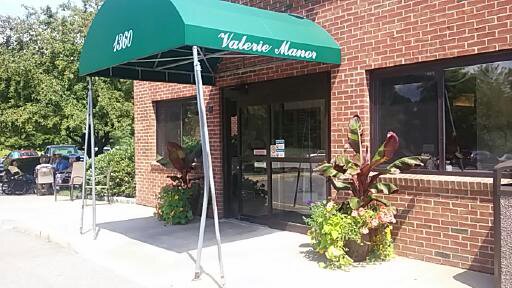
How is Havencare At Valerie Manor Staffed?

CMS rates HAVENCARE AT VALERIE MANOR's staffing level at 3 out of 5 stars, which is average compared to other nursing homes. Staff turnover is 38%, compared to the Connecticut average of 46%. This relatively stable workforce can support continuity of care.

What Have Inspectors Found at Havencare At Valerie Manor?

State health inspectors documented 31 deficiencies at HAVENCARE AT VALERIE MANOR during 2019 to 2025. These included: 1 that caused actual resident harm, 28 with potential for harm, and 2 minor or isolated issues. Deficiencies causing actual harm indicate documented cases where residents experienced negative health consequences.
Who Owns and Operates Havencare At Valerie Manor?

HAVENCARE AT VALERIE MANOR is owned by a for-profit company. For-profit facilities operate as businesses with obligations to shareholders or private owners. The facility is operated by ATHENA HEALTHCARE SYSTEMS, a chain that manages multiple nursing homes. With 151 certified beds and approximately 139 residents (about 92% occupancy), it is a mid-sized facility located in TORRINGTON, Connecticut.

How Does Havencare At Valerie Manor Compare to Other Connecticut Nursing Homes?

Compared to the 100 nursing homes in Connecticut, HAVENCARE AT VALERIE MANOR's overall rating (2 stars) is below the state average of 3.0, staff turnover (38%) is near the state average of 46%, and health inspection rating (2 stars) is below the national benchmark.

What Should Families Ask When Visiting Havencare At Valerie Manor?

Based on this facility's data, families visiting should ask: "Can I visit during a mealtime to observe dining assistance and food quality?" "How do you handle medical emergencies, and what is your hospital transfer rate?" "Can I speak with family members of current residents about their experience?"

Is Havencare At Valerie Manor Safe?

Based on CMS inspection data, HAVENCARE AT VALERIE MANOR has a clean safety record: no substantiated abuse findings (meaning no confirmed cases of resident harm), no Immediate Jeopardy citations (the most serious violation level indicating risk of serious injury or death), and is not on the Special Focus Facility watch list (a federal program monitoring the lowest-performing 1% of nursing homes). The facility has a 2-star overall rating and ranks #100 of 100 nursing homes in Connecticut. While no facility is perfect, families should still ask about staff-to-resident ratios and recent inspection results during their visit.

Do Nurses at Havencare At Valerie Manor Stick Around?

HAVENCARE AT VALERIE MANOR has a staff turnover rate of 38%, which is about average for Connecticut nursing homes (state average: 46%). Moderate turnover is common in nursing homes, but families should still ask about staff tenure and how the facility maintains care continuity when employees leave.

Was Havencare At Valerie Manor Ever Fined?

HAVENCARE AT VALERIE MANOR has no federal fines on record. CMS issues fines when nursing homes fail to meet care standards or don't correct problems found during inspections. The absence of fines suggests the facility has either maintained compliance or corrected any issues before penalties were assessed. This is a positive indicator, though families should still review recent inspection reports for the full picture.

Is Havencare At Valerie Manor on Any Federal Watch List?

HAVENCARE AT VALERIE MANOR is not on any federal watch list. The most significant is the Special Focus Facility (SFF) program, which identifies the bottom 1% of nursing homes nationally based on persistent, serious quality problems. Not being on this list means the facility has avoided the pattern of deficiencies that triggers enhanced federal oversight. This is a positive indicator, though families should still review the facility's inspection history directly.