DELMAR NURSING & REHABILITATION CENTER
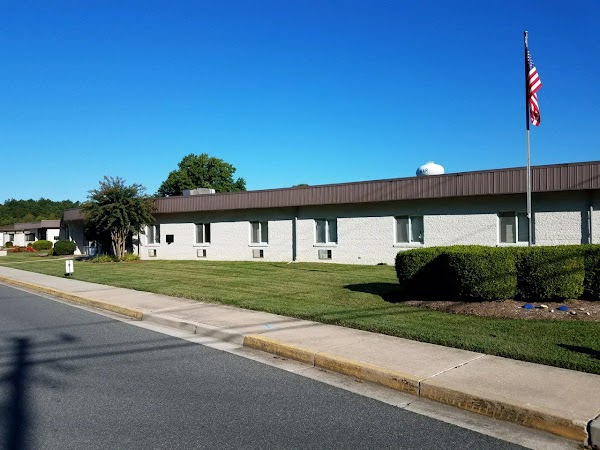
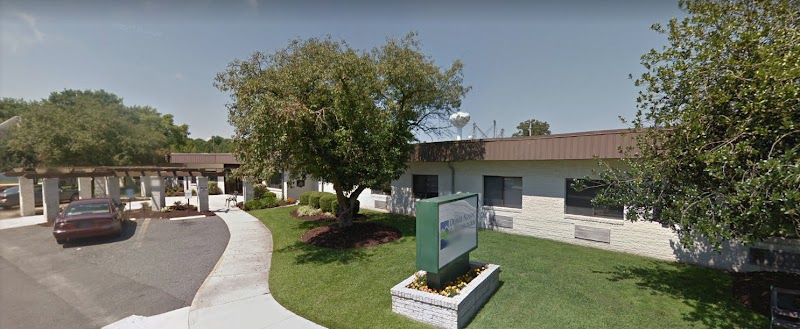
101 DELAWARE AVE., DELMAR, DE. 19940-1110, DELMAR, DE 19940 (302) 846-3077
For profit - Limited Liability company 109 Beds EDEN HEALTHCARE Data: November 2025
Trust Grade
63/100
#18 of 43 in DE
Last Inspection: September 2024

Within standard 12-15 month inspection cycle. Federal law requires annual inspections.

Overview

Delmar Nursing & Rehabilitation Center has a Trust Grade of C+, which indicates it is slightly above average but not among the best options available. It ranks #18 out of 43 facilities in Delaware, placing it in the top half, and #5 out of 11 in Sussex County, meaning only four local facilities are rated higher. The facility shows an improving trend, with issues decreasing from 10 in 2023 to just 3 in 2024. Staffing is a strength, with a 4/5 star rating and a turnover rate of 35%, which is lower than the state average of 42%. However, the center has faced some concerning issues, such as failing to provide adequate care to prevent pressure ulcers for two residents and lacking a qualified Dietary Manager, which could affect food safety for all residents. Overall, while there are strengths in staffing and an improving trend, families should consider the recent incidents and overall care quality.

Trust Score
C+
63/100
In Delaware
#18/43
Top 41%
Safety Record
Moderate
Needs review
Inspections
Getting Better
10 → 3 violations
Staff Stability
○ Average
35% turnover. Near Delaware's 48% average. Typical for the industry.
Penalties
○ Average
$23,998 in fines. Higher than 64% of Delaware facilities. Some compliance issues.
Skilled Nurses
✓ Good
Each resident gets 47 minutes of Registered Nurse (RN) attention daily — more than average for Delaware. RNs are trained to catch health problems early.
Violations
⚠ Watch
22 deficiencies on record. Higher than average. Multiple issues found across inspections.
★★★★☆
4.0
Overall Rating
★★★★☆
4.0
Staff Levels
★★★★☆
4.0
Care Quality
★★★★☆
4.0
Inspection Score
Stable
2023: 10 issues
2024: 3 issues

The Good

  • 4-Star Staffing Rating · Above-average nurse staffing levels
  • 4-Star Quality Measures · Strong clinical quality outcomes
  • Full Sprinkler Coverage · Fire safety systems throughout facility
  • No fines on record
  • Staff turnover below average (35%)

    13 points below Delaware average of 48%

Facility shows strength in staffing levels, quality measures, fire safety.

The Bad

Staff Turnover: 35%

11pts below Delaware avg (46%)

Typical for the industry

Federal Fines: $23,998

Below median ($33,413)

Minor penalties assessed

Chain: EDEN HEALTHCARE

Part of a multi-facility chain

Ask about local staffing decisions and management

The Ugly 22 deficiencies on record

1 actual harm
Sept 2024 3 deficiencies
CONCERN (D)

Potential for Harm - no one hurt, but risky conditions existed

Assessment Accuracy (Tag F0641)

Could have caused harm · This affected 1 resident

**NOTE- TERMS IN BRACKETS HAVE BEEN EDITED TO PROTECT CONFIDENTIALITY** Based on record review, interview, and review of the facility's policy, the facility failed to ensure residents' Minimum Data Se...

Read full inspector narrative →
**NOTE- TERMS IN BRACKETS HAVE BEEN EDITED TO PROTECT CONFIDENTIALITY** Based on record review, interview, and review of the facility's policy, the facility failed to ensure residents' Minimum Data Set (MDS) assessments accurately reflected the residents' status for one (Resident (R) 24) of 23 sampled residents. R24's most recent MDS indicated the resident had the serious mental illness (SMI) of bipolar disorder; however, there was not documented evidence in the resident's medical record to confirm the diagnosis. This failure placed the resident at risk for inaccurate and unmet care needs. Findings include: Review of the facility's undated policy titled, Comprehensive Interdisciplinary Assessment revealed Guidelines: Upon admission and periodically thereafter each resident shall have a comprehensive, accurate, standardized and reproducible assessment of functional capacity and needs .Procedure: I. The comprehensive assessment for each resident will describe the resident's capability to perform daily life functions and identify significant impairments in functional capacity. The Resident Assessment Instrument process with be completed on all residents per scheduling requirements listed in the Resident Assessment Instrument (RAI) Manual .V. Each discipline shall complete and electronically sign for the 'completion and accuracy of their entries' in the designated location on the MDS . Review of R24's undated Resident Face Sheet, located in the resident's electronic medical record (EMR) under the Resident tab, revealed the resident was admitted to the facility on [DATE] and most recently readmitted on [DATE] with diagnoses which included major depressive disorder and anxiety disorder. R24's Resident Face Sheet did not include the diagnosis of bipolar disorder. Review of R24's untitled Mental Health Progress notes, dated 08/14/24 and located in the resident's hard copy medical record under the PSYCH tab, revealed the following documented mental health diagnoses: major depression, anxiety disorder, and adjustment disorder with mixed anxiety and depression. Review of R24's quarterly MDS with an Assessment Reference Date (ARD) of 09/10/24 and located in the resident's EMR under the MDS tab revealed the facility assessed the resident to have a Brief Interview for Mental Status (BIMS) score of 15 out of 15 which indicated the resident was cognitively intact. The MDS also documented the resident had the active diagnosis of Bipolar Disorder. During an interview on 09/24/24 at 3:45 PM, R24 stated she had never been diagnosed with bipolar disorder. During an interview on 09/26/24 at 8:53 AM, the MDS Coordinator (MDSC) reviewed R24's quarterly MDS with an ARD of 09/10/24 and confirmed the MDS indicated R24 had the diagnosis of bipolar disorder. The MSDC stated R24's MDS was inaccurate as she double checked the resident's medical record, and the resident had not been diagnosed with bipolar disorder. The MDSC also stated she was the one who completed the resident's MDS, and she mistakenly selected bipolar disorder as one of the resident's active diagnoses. The MDSC stated it was important the MDS be correct to ensure the truest picture of the resident's status. During an interview on 09/26/24 at 9:02 AM, the Director of Nursing (DON) stated it was her expectation R24's MDS would have accurately reflected the resident's current diagnoses to ensure the appropriate care was provided. During an interview on 09/26/24 at 9:09 AM, the Administrator stated it was his expectation residents' MDS were accurate to reflect the resident's true current status.
CONCERN (F)

Potential for Harm - no one hurt, but risky conditions existed

Deficiency F0801 (Tag F0801)

Could have caused harm · This affected most or all residents

Based on personnel file review and interview, the facility failed to ensure a qualified Dietary Manager (DM) was in place with appropriate competencies and skills to carryout the functions of the food...

Read full inspector narrative →
Based on personnel file review and interview, the facility failed to ensure a qualified Dietary Manager (DM) was in place with appropriate competencies and skills to carryout the functions of the food and nutrition service with the potential to affect all 82 census residents. Findings include: Review of the personnel file on 09/23/24 at 1:00 PM revealed the DM hired in the past five weeks lacked management training for the food service director position. He had 17 years of management experience in food service. The DM had a Serve Safe certificate but lacked management training. During an interview on 09/25/24 at 12:45 PM, the DM revealed he had an associate degree in design and technology with no reference to food service management. During an interview on 09/25/24 at 3:30 PM, the Regional Corporate Consultant (RCC) verified the lack of management training and indicated that the DM would take the test as soon as possible to satisfy the management training requirements.
CONCERN (F)

Potential for Harm - no one hurt, but risky conditions existed

Food Safety (Tag F0812)

Could have caused harm · This affected most or all residents

Based on observation, interviews, and policy review, the facility failed to ensure the three-pan sink had adequate plumbing, the insulated plate dome covers were in good condition, the kitchen was mai...

Read full inspector narrative →
Based on observation, interviews, and policy review, the facility failed to ensure the three-pan sink had adequate plumbing, the insulated plate dome covers were in good condition, the kitchen was maintained in a clean manner, and the sanitizer bucket and three-pan sink had adequate sanitizer levels in accordance with professional standards for food safety. The failure has the potential to contribute to food-borne illness and cross contamination for 82 census residents. Findings include: Review of the facility's undated policy titled, Dietary Department Sanitizer Guidelines revealed the three-compartment sink, and other solutions shall be sanitized at 200-400 PPM (parts per million). 1. During observations and interview on 09/24/24 at 9:50 AM, Dietary Aide (DA) 4 was washing dishes in the three-compartment sink. Water was pouring out the plumbing beneath the sink. The plastic water line running below each sink drain ran to a pipe protruding from the floor. Water was pouring out of the pipe onto the kitchen floor near the clean dishes and food. DA4 had to mop the floor to continue working in the area. DA4 was also observed removing rags used as drain stops inside each compartment of the sink, wringing them out and re-inserting them in the drain for the next dishwashing. The facility dishwasher was broken or inoperable. The rinse water was noted to be lacking sanitizer in the third compartment sink. When questioned, the sanitizer was added to the water appropriately. Interview with the Dietary Manager (DM) at the time of the observation indicated the dishwasher was broken causing staff to use the three-compartment sink. During an interview on 09/24/24 at 10:00 AM, the Maintenance Director (MD) revealed staff reported repairs using the Tel's system in the computer. He stated the Tel's computer software produced a work order that prompted him to complete the repairs. He stated he did not have a work order for repairs of this pipe in the kitchen under the three-compartment sink. 2. During an observation and interview on 09/24/24 at 9:55 AM, six insulated dome plate covers used in the transportation of food to the units were missing the center knobs exposing the insulation from inside the plastic lid. The knob missing was the size of a Ritz cracker. The lids were stored upside down in the food service area waiting to be used for lunch. The lids with missing knobs were leaking in the upside-down position from the insulation leaving a puddle of dirty water inside of the stored lids. If the lids were used, they would have been turned over to cover the food going to the resident bedrooms, dripping the dirty water from the insulated lids into resident food. Interview with the DM at the time of the observation verified the missing knobs and threw each of the six lids in the garbage can. 3. During observations on 09/24/24 at 10:05 AM, revealed missing, peeling paint under the window opening to the dining room. In addition, a large amount of food splash was observed on the wall near the toaster too numerous to count and red in color. In addition, five overhead pipes which extended the entire length of the kitchen and food service area ceiling, were observed with large amounts of dust and dirt. During an interview on 09/25/24 at 1:30 PM, the DM, Regional Corporate Consultant, (RCC), and Administrator verified the peeling paint and splash. They confirmed there was no cleaning schedule. 4. During observation on 09/24/24 at 10:40 AM, [NAME] (C) 2 used a washcloth that moments earlier were on the wet dirty floor to wash dishes in the two-compartment sink near the stove. She washed the blender used for pureeing meatloaf, carrots, and macaroni and cheese. When finished pureeing each of the three food items, she cleaned the container, blade, and cover without sanitizing either of the items at any time and used the dirty wash rag from the floor. During an interview on 09/24/24 at 11:00 AM, C2 shrugged her shoulders as if to say ok, stating yes, I washed them. 5. During an observation and interview on 09/24/24 at 10:45 AM, a small red bucket containing a washcloth for wiping off equipment and tables in the kitchen revealed the container lacked the correct amount of sanitizing solution. The test strip used by DA2 revealed 10 PPM. She stated she put sanitizer in the bucket earlier from the sink near the three-compartment sink. 6. During an observation and interview on 09/24/24 at 11:05 AM, DA4 revealed he was washing silverware, pots and pans, insulated dome plate covers by washing, rinsing, and submerging the dishes in the sink, then with the same gloves, removing the clean dishes from the sanitizer and stacking and sorting. Interview with the DM at the time of the observation verified the findings. 7. During observations of 09/24/24 at 11:10 AM, the entrance and exit doors to the kitchen had black stains, missing paint, and a sticky substance on the inside of each door. During an interview on 09/25/24 at 1:30 PM, the DM, RCC, and Administrator verified the condition of the two doors. They confirmed there was no cleaning schedule. 8. During an observation on 09/24/24 at 11:30 AM, a large metal mouse trap was located on the floor behind the stove. The trap was coated with food debris on the top. Food debris was also located throughout the floor behind the stove in large quantities. During an interview on 09/25/24 at 1:30 PM, the DM, RCC, and Administrator verified the condition of the mouse trap and dirt behind the stove. They confirmed there was no cleaning schedule.
Oct 2023 10 deficiencies 1 Harm
SERIOUS (G)

Actual Harm - a resident was hurt due to facility failures

Pressure Ulcer Prevention (Tag F0686)

A resident was harmed · This affected 1 resident

**NOTE- TERMS IN BRACKETS HAVE BEEN EDITED TO PROTECT CONFIDENTIALITY** Based on observation, interview and record review it was determined that for two (R58 and R14) out of two residents reviewed for...

Read full inspector narrative →
**NOTE- TERMS IN BRACKETS HAVE BEEN EDITED TO PROTECT CONFIDENTIALITY** Based on observation, interview and record review it was determined that for two (R58 and R14) out of two residents reviewed for pressure ulcers, the facility failed to provide care and services to promote healing and prevent pressure ulcers. For R58 the facility failed to prevent an avoidable deep tissue injury from developing to the left heel and a stage 4 pressure ulcer to the right ankle causing harm. For R14 the facility failed to ensure that the resident was turned and repositioned to prevent pressure ulcers. Findings include: National Pressure Ulcer Advisory Panel (NPUAP), Prevention and Treatment of Pressure Ulcers: Quick Reference Guide, second edition, published 2014, stated Do not position an individual directly on a pressure ulcer .Continue to turn and reposition the individual regardless of the support surface in use .No support surface provides complete pressure relief. An undated facility policy titled Pressure Ulcer Prevention included: A determination that development of a pressure ulcer was unavoidable may be made only if routine preventative and daily care was provided. Routine preventive care means turning and proper positioning, application of pressure reduction devices Residents at risk should be turned and repositioned at least every two hours or more frequently depending on other risk factors 1. Review of R58's clinical record revealed: 4/20/22 - R58 was admitted to the facility with diagnoses of anoxic brain damage and generalized muscle weakness. 4/20/22 - A nursing admission Braden Scale documented R58 with a score of 14 (13 - 14 is considered moderate risk of skin breakdown). 5/2/22 - The electronic record documented R58's diagnoses of disorder to the skin and subcutaneous tissue and contracture of the right/left shoulder, right/left elbow and right/left hand. a. 9/1/22 - A physical therapy discharge summary written by E12 (Physical Therapist) documented: Splint / Orthotic Recommendations: BLE ankle boots recommended to prevent further contractures and heels/ankles floating to nearest possibility to prevent skin breakdown. The quarterly MDS for 10/28/22 and 1/28/23 documented that R58 was totally dependent on one staff person to turn and reposition with no pressure ulcers and was at risk of developing pressure ulcers. R58 had one lesion on the foot (trauma to the left, second toe) and one open lesion other than ulcers, rashes, cuts (abscess to the sacrum). The MDS also documented R58 had a pressure reducing device for the chair and bed; was on a turning and repositioning program; applications of nonsurgical dressings, ointments/medications, other than to the feet and application of dressings to the feet. The 1/28/23 quarterly MDS was updated to include an additional intervention to receive nutrition or hydration interventions to manage skin problems. A review of R58's care plan last revised 1/25/23 included to turn and reposition every two hours with skin checks and an air loss mattress, effective 4/25/22. The care plan did not include interventions for R58 to wear heel boots to both feet or offload the heels. 3/6/23 - A nursing Braden Scale documented R58 with a score of 14 (13 - 14 is considered moderate risk). 3/13/23 - A nursing progress note documented that R58 had two new wound areas. The first area was a wound to the left heel that is discolored and measures 1.5 cm x 3 cm. The second area was a wound located on the right outer ankle that was not there yesterday .has open area with denuded skin that measures 3 cm x 2 cm x [undetermined depth] has red/yellow slough. The progress notes also stated that a therapy referral for positioning would be made. 3/13/23 - A wound evaluation form documented a pressure wound to the right outer ankle with an undetermined depth stage and measurements of 3 cm x 2 cm x undetermined depth. A deep tissue injury wound to the left heel with measurements of 1.5 cm x 3 cm x 0 cm. The document listed multiple treatments including turn resident to back and left side only. 3/15/23 - A review of R58's care plan included to always wear boots to feet except during care, effective 3/8/23. 3/15/23 - A physical therapy evaluation was completed for R58 in order to improve ability to exhibit preserved skin integrity and relieve pressure for decreased risk of skin breakdown The facility lacked evidence that the heel boots were applied to R58 from the time it was recommended by therapy on 9/1/22 until the boots were added to the care plan updated on 3/15/23. 3/24/23 - A wound evaluation form documented the wound to the right lateral ankle as a stage 4 pressure wound. The left heel wound was documented as a deep tissue injury. 10/6/23 9:33 AM - During an interview, E12 confirmed the heel boots were recommended for continued use after therapy discharge. E12 stated we used the heel boot to prevent pressure to the heel, we wanted to offload his heels. 10/6/23 at 9:40 AM - During an interview E6 (Unit manager), confirmed the therapy discharge summary recommendations were reviewed on 9/1/22. E6 stated that the rehabilitation department gives nursing a copy of the summary and the unit manager or the nurse signs them and puts the orders or the recommendations in the treatment interventions in the electronic chart. E6 stated, we would follow the recommendations from therapy as they provide it. R58 developed two avoidable pressure ulcers to both feet. The facility lacked evidence of using the heel boots that were recommended by the therapy department on 9/1/22. Additionally the facility failed to provide any other interventions to offload pressure to the feet. The facility failed to include the heel boots as a prevention of skin breakdown until 3/15/23, over six months later resulting in harm to the resident when R58 developed two pressure ulcers to both feet. b. 3/15/23 - A review of R58's care plan included to always wear boots to feet except during care, effective 3/8/23. On the following dates and times, R58 was observed lying in bed with left foot resting directly on the mattress without the left heel boot: 10/3/23 at 9:14 AM, 10/3/23 at 10:34 AM, 10/3/23 at 12:37 PM, 10/3/23 at 1:14 PM and 10/3/23 at 2:22 PM. 10/4/23 11:00 AM - During an interview with E14 (CNA) revealed that the heel boot to right foot started one or two weeks ago. It was further revealed E14 was not aware of where boot came from for R58. There was no further information offered about the left heel boot. 10/4/23 at 12:02 PM - An interview with E6 (Unit Manager) confirmed R58 should have boots on both feet at all times. 10/5/23 1:07 PM - An interview with E15 (Nurse Practitioner) confirmed that R58's heels were to be offloaded at all times. 10/6/23 9:33 AM - During an interview with E12 (therapist) confirmed the heel boots were recommended for R58' s continued use after R58' s therapy discharge on [DATE]. E12 stated we used the heel boot to prevent pressure to the heel, we wanted to offload R58's heels. The facility failed to ensure R58 with a history of pressure ulcers had a left heel boot to his feet to prevent skin breakdown. 2. Review of R14's clinical record revealed: 6/23/21 - R14 was admitted to facility. 6/24/21 - A nursing admission Braden Scale documented R14 with a score of 15 (15 - 18 is considered mild risk of skin breakdown). 12/23/22 - The electronic record documented R14's diagnoses of stroke, generalized muscle weakness, contractures of left hip, left knee, left and right hand. A review of R14's care plan last revised 6/21/23 included to turn and reposition every two hours with skin checks, effective 3/20/23. 9/23/23 - R14's quarterly MDS documented that R14 was an extensive assist of two or more staff for turning and repositioning. The MDS also documented R14 had a pressure reducing device for the chair and bed and was on a turning and repositioning program. 10/4/23 9:10 AM - During an interview with R14, when asked if she gets turned on her side, she replied no. On the following dates and times, R14 was observed in bed laying on her back on 10/4/23: 9:10 AM, 10:30 AM, 11:20 AM, 12:36 PM and 1:11 PM. R14 was observed lying in bed on her back for four hours without any turning. 10/5/23 10:48 AM - During an interview E6 (UM) confirmed R14's was to be turned and repositioned every two hours. The facility failed to ensure that R14 was turned and repositioned every two hours. Findings were reviewed with E19 (NHA), E1 (NHA in training), E2 (DON) and E3 (Unit Manager) at the exit conference on 10/6/23, at 1:55 PM.
CONCERN (D)

Potential for Harm - no one hurt, but risky conditions existed

PASARR Coordination (Tag F0644)

Could have caused harm · This affected 1 resident

3. Review of R12's clinical record revealed: 3/2/12 - R12 was admitted to the facility. 3/2/12 - Review of R12's clinical record revealed that R12 had a PASARR Level 1 completed. 9/3/19 - Review of R1...

Read full inspector narrative →
3. Review of R12's clinical record revealed: 3/2/12 - R12 was admitted to the facility. 3/2/12 - Review of R12's clinical record revealed that R12 had a PASARR Level 1 completed. 9/3/19 - Review of R12's medical record revealed that upecified psychosis, dementia without behavioral disturbances, delusional disorder, and anxiety disorder was added to R12's diagnoses. 9/30/23 - An annual MDS assessment was completed for R12 and indicated that R12 had anxiety disorder, depression, psychotic disorder, and delustional disorder. 10/4/23 9:39 AM - During an interview E4 (Social worker) confirmed R12 had a PASARR Level I on admission and that a PASSR Level II was not requested for R12. 10/5/23 1:35 PM - In an email correspondence, S1 (PASARR State Authority) revealed that, .The facility should have submitted a status change or another resident review PASARR at that time of or timely discovery that the Level 1 (Notice Date 7/30/18) was not an accurate reflection of (R 10 and 16's) mental health status and new diagnoses. Findings were reviewed with E19 (NHA), E1 (NHA in training), E2 (DON) and E3 (Unit Manager) at the exit conference on 10/6/23 at 1:55 PM. Based on interview and record review, it was determined that for three (R10, R12 and R16) out of three residents reviewed for PASARR, for R10, R12, and R126 the facility failed to ensure that a referral for a PASARR screening was completed following a new diagnosis of psychotic disorder which was not listed on the previous PASARR. Findings include: 1. Review of R10's clinical record revealed: 3/24/14 - R10 was admitted to the facility. 3/25/14 - A review of R10's medical record revealed a PASARR level I was completed prior to admission. 7/17/18 - A review of R10's medical record revealed that R10 had a PASARR level I that indicated R10 had a documented serious mental illness (depression and anxiety) and demonstrated a full level II was not indicated at that time. 8/29/19 - A review of R10's medical record revealed that R10 had the following new diagnoses: bipolar disorder, major depressive disorder, anxiety disorder, and delusional disorder. 9/20/19 - A review of the MDS revealed diagnosis of bipolar, major depressive disorder, anxiety disorder, and delusional disorder were documented. 10/4/23 2:45 PM - An interview with E4 (social worker) confirmed that a PASARR level II was never requested for R10. 2. Review of R16's clinical record revealed: 2/27/13 - R16 was admitted to the facility. 2/25/13 - An admission PASARR level I was completed for R16. 7/30/18 - A repeat PASARR level I was completed that indicated R16 had a documented serious mental illness (Schizophrenia) and demonstrated a full level II was not indicated at that time. 2/22/19 - A review of R16's medical record revealed that persistent mood disorder was added to R10's diagnoses. 7/12/19 - A review of R16's medical record revealed that delusional disorder was added to R10's diagnoses. 8/23/19 - A review of R16's medical record revealed that bipolar disorder and mood disorder was added to R10's diagnoses. 11/13/19 - An MDS (Minimum Data Set) was completed for R16 and indicated that R16 had delusional disorder, persistent mood disorder, bipolar disorder and mood disorder. 10/4/23 2:45 PM - An interview with E4 confirmed that a PASARR level II was never requested for R16.
CONCERN (D)

Potential for Harm - no one hurt, but risky conditions existed

Comprehensive Care Plan (Tag F0656)

Could have caused harm · This affected 1 resident

3. Review of R58's clinical record revealed: 4/20/22 - R58 was admitted to the facility with diagnoses of anoxic brain damage and generalized muscle weakness. 9/1/22 - A physical therapy discharge sum...

Read full inspector narrative →
3. Review of R58's clinical record revealed: 4/20/22 - R58 was admitted to the facility with diagnoses of anoxic brain damage and generalized muscle weakness. 9/1/22 - A physical therapy discharge summary written by E12 (Physical Therapist) documented: Splint / Orthotic Recommendations: BLE ankle boots recommended to prevent further contractures and heels/ankles floating to nearest possibility to prevent skin breakdown. 3/15/23 - A review of R58's care plan included to have boots to both feet to be worn at all times except during care, effective 3/8/23. 10/4/23 11:00 AM - An interview with E14 (CNA) confirmed R58 was wearing just one heel boot and they were unaware of any interventions to offload R58's heels. When asked when the intervention to use a right heel boot began for R58, E14 stated, I think it was about one or two weeks ago, I don't know where it came from. An interview on 10/4/23 at 12:02 PM with E6 (Unit Manager) confirmed for R58 to have boots to feet at all times. The facility failed to include inteventions for bilateral heel boots to prevent further contraction and skin breakdown for R58. Findings were reviewed with E19 (NHA), E1 (NHA in training), E2 (DON) and E3 (Unit Manager) at the exit conference on 10/6/23 at 1:55 PM. 2. Review of R53's clinical record revealed: 10/3/21 - R53 was admitted to the facility. 10/16/21 through 10/5/23 - Care plans for dental status documented R53 had no natural teeth or tooth fragment(s) edentulous (lacking teeth, toothless). 10/3/23 approximately 11:00 AM - During an interview, R53 stated that he had some natural teeth on the bottom, pointed to a tooth and stated that one was cracked when he came in, but since then it had been fixed. R53 proceeded to say that he wears full upper dentures and sees the dentist on a regular basis. 10/5/23 3:35 PM - During an interview, E2 (DON) and E6 (Unit Manager) confirmed R53's care plan lacked evidence that a person-centered care plan with interventions was developed to accurately reflect R53's dental status. E2 and E3 (ADON) both confirmed that R53 had natural bottom teeth and full upper dentures. Based on observation, interview, and record review, it was determined that for three (R53, R58 and R67) out of eighteen (18) residents reviewed for care plans, the facility failed to accurately assess and document R53's dental status. For R67 and R58 the facility failed to include the use of heel boots and pxygen use. Findings include: 1. Review of R67's clinical record revealed: 8/17/23 - R67 was admitted to the facility. 8/18/23 - An initial comprehensive careplan was completed for R67. 8/29/23 - A physician's order for O2 at 2L/min via nc (nasal cannula) as needed for SOB (shortness of breath) and to maintain O2 sats above 88% was entered. 10/4/23 - A review of R67's care plan dated 8/18/23 for respiratory function failed to include evidence of oxygen use. 10/5/23 approximately 10:25 AM - E2 (DON) confirmed that R67's oxygen use was not included on the care plan.
CONCERN (D)

Potential for Harm - no one hurt, but risky conditions existed

Deficiency F0657 (Tag F0657)

Could have caused harm · This affected 1 resident

Based on interview and record review, it was determined that for two (R15 and R46) out of eighteen residents reviewed for care plans, the facility failed to update these residents' care plans to refle...

Read full inspector narrative →
Based on interview and record review, it was determined that for two (R15 and R46) out of eighteen residents reviewed for care plans, the facility failed to update these residents' care plans to reflect the use of insulin. 1. Review of R46's clinical record revealed: 2/17/20 - Resident was admitted to the facility. 3/9/21 - R46's care plan for diabetes was completed. 12/1/22 - A medication order was entered, as follows: Levemir FlexTouch U-100 Insulin 100 unit/mL (3 mL) subcutaneous pen .: inject 4 units by subcutaneous route once daily. 8/29/23 - R46's most recent care plan meeting was convened. 10/4/23 untimed - Review of R46's care plan revealed there was no reference to insulin usage. 10/5/23 at approximately 10:25 AM - During an interview with E2 (DON), she confirmed there was no care plan for R46's use of insulin. 2. Review of R15's clinical record revealed: 7/18/19 - R15 was admitted to facility. 2/16/23 - A care plan for diabetes was initiated and revealed R15 was a controlled diabetic taking oral hypoglycemics (medication to control blood sugar) and diet controlled. 7/26/23 12:52 PM - A physician's order was written for Lispro insulin three times a day with meals. Also, for Lispro sliding scale three times a day with finger sticks and written for Lantus insulin at bedtime. 7/26/23 3:52 PM - A care plan was updated but did not include insulin. 10/04/23 1:50 PM - An interview with E3 (UM) confirmed that R15's care plan did not include use of insulin to reflect R15's current needs. The facility failed to update R15's and R46's care plan to reflect the current need of insulin. Findings were reviewed with E19 (NHA), E1 (NHA in training), E2 (DON) and E3 (Unit Manager) at the exit conference on 10/6/23 at 1:55 PM.
CONCERN (D)

Potential for Harm - no one hurt, but risky conditions existed

Deficiency F0688 (Tag F0688)

Could have caused harm · This affected 1 resident

Based on observation, interview and record review, it was determined that for two (R14 and R58) of four residents reviewed for ROM/mobility, the facility failed to provide care to maintain or prevent ...

Read full inspector narrative →
Based on observation, interview and record review, it was determined that for two (R14 and R58) of four residents reviewed for ROM/mobility, the facility failed to provide care to maintain or prevent further decline in function/mobility. Findings include: An undated facility policy titled Pressure Ulcer Prevention included: Routine preventive care means turning and proper positioning, application of pressure reduction devices Residents at risk should be turned and repositioned at least every two hours or more frequently depending on other risk factors The use of soft foam devices (i.e. carrots, palm protectors, etc.) should be considered to alleviate pressure if the resident has a contracted hand after appropriate evaluation by OT for device orders and application instructions. 1. Review of R14's clinical record revealed: 6/23/21 - admission of R14 to facility. 12/23/22 - The electronic record documented R14's diagnoses of stroke, generalized muscle weakness, contractures of left hip, left knee, left hand and right hand. A review of R14's care plan last revised 6/21/23 included to always wear palm guard to right hand except during hygiene and meals, effective 8/10/21. 9/23/23 - R14's quarterly MDS documented that R14 had an impairment on both sides for the upper extremities and the lower extremities for functional range of motion. 9/29/23 10:50 AM - During an interview with E16 (CNA), when asked if R14 wears or uses any kind of devices on her hands E16 stated, she does not have any. 10/3/23 10:22 AM and 11:36 AM - R14 was observed without a palm guard on the right hand. 10/4/23 10:30 AM - R14 was observed without a palm guard on the right hand. 10/4/23 11:00 AM - During an interview, E14 (CNA) stated there was no place in the electronic record or any other place to document applying devices including splints or guards for the residents. 10/4/23 11:20 AM, 12:36 PM and 2:20 PM - R14 was observed without a palm guard on the right hand. 10/5/23 10:14 AM - During an interview, E17 (Rehab Director) confirmed R14 has an active treatment to use a right palm protector. E17 stated, we have her documented that she refuses .she is on my splint list as not compliant with it .it [right palm protector] started 8/9/21 .they [CNA's] are still supposed to attempt to try to have her wear it every day. 10/5/23 10:43 AM - E17 was observed placing a palm protector device on R14's right hand. E17 confirmed the device not being present and stated she [R14] put it on very well and we are considering bringing her back in therapy. E17 confirmed that R14 did not refuse the palm protector. 10/5/23 10:48 AM - During an interview E6 (UM) confirmed R14 is supposed to wear a palm protector and if not to document a refusal in the progress notes . if refused, it will be documented in the care plan as a refusal. The facility lacked evidence in the clinical record or the care plan that R14 refused wearing the palm guard. The facility failed to apply R14's palm guard to maintain ROM and prevent further contracture. 2. Review of R58's clinical record revealed: 4/20/22 - R58 was admitted to the facility with a diagnoses of anoxic brain damage and generalized muscle weakness. 5/2/22 - The electronic record documented R58's diagnoses of disorder to the skin and subcutaneous tissue and contracture of the right/left shoulder, right/left elbow and right/left hand. A review of R58's care plan last revised 7/19/23 included interventions for the resident to be out of bed to geri-chair for positioning and comfort, effective 4/26/22. The care plan also included an intervention for wedges to be used for positioning, which was effective 8/17/22. The care plan also included to turn and position R58 to back and left side only, every two hours and as needed with skin checks. 7/29/23 - R58's quarterly MDS documented R58 had an impairment on both sides for the upper extremities and the lower extremities for his functional range of motion. The MDS also documented R58 was totally dependent of one staff for turn and reposition and was totally dependent of two or more staff for transferring from bed to chair. 9/4/23 - An occupational therapy progress report documented R58 uses a small wedge for his right lower extremity to maintain good positioning in bed and reduce risk of skin breakdown, beginning on 5/24/23. On the following dates and times, R58 was observed in bed laying on his back without any wedges in place: 10/3/23 at 9:14 AM, 10/3/23 at 10:34 AM and 10/3/23 at 12:37 PM. 10/3/23 2:22 PM - R58 was observed in bed laying on his back without any wedges in place. 10/3/23 - R58 remained on his back from 9:14 AM to 2:22 PM without ever being repositioned with the wedges. 10/4/23 9:10 AM - R58 was observed in bed laying on his back without any wedges in place. The facility failed to reposition R58, a totally dependent resident, with a history of contracture, from back to left side every two hours using wedges to prevent further contracture. Findings were reviewed with E19 (NHA), E1 (NHA in training), E2 (DON) and E3 (Unit Manager) at the exit conference on 10/6/23 at 1:55 PM.
CONCERN (D)

Potential for Harm - no one hurt, but risky conditions existed

Respiratory Care (Tag F0695)

Could have caused harm · This affected 1 resident

Based on observation, interview and record review, it was determined that for one (R67) out of three residents reviewed for respiratory care, the facility failed to ensure that R67 oxygen tubing was c...

Read full inspector narrative →
Based on observation, interview and record review, it was determined that for one (R67) out of three residents reviewed for respiratory care, the facility failed to ensure that R67 oxygen tubing was changed. Findings include: An undated facility policy for oxygen use stated Tubing change - Oxygen cannula tubing is charted weekly and prn (as needed). Review of R67's clinical record revealed: 8/17/23 - R67 was admitted to the facility. 8/29/23 - A physician's order for O2 at 2L/min via nc (nasal cannula) as needed for SOB (shortness of breath) and to maintain O2 sats above 88%. 9/29/23 11:49 AM - An observation revaled that R67's oxygen tubing was not labeled on the following dates and time: 9/29/23 11:49 AM; 10/4/23 at 9:27 AM; and 10/5/23 at 9:30 AM. 10/5/23 approximately10:25 AM - E2 (DON) confirmed there was no order for oxygen tubing to be changed and that R67's oxygen use was not referenced on care plan. Findings were reviewed with E19 (NHA), E1 (NHA in training), E2 (DON) and E3 (Unit Manager) at the exit conference on 10/6/23 at 1:55 PM.
CONCERN (D)

Potential for Harm - no one hurt, but risky conditions existed

Deficiency F0761 (Tag F0761)

Could have caused harm · This affected 1 resident

Based on observation and interview, it was determined that one medication room out of one medication reviewed the facility failed to maintain medications narcotics under a double locks for one out of ...

Read full inspector narrative →
Based on observation and interview, it was determined that one medication room out of one medication reviewed the facility failed to maintain medications narcotics under a double locks for one out of one medication rooms. In addition, the facility failed to monitor refrigerator temperatures. Findings include: 10/5/23 10:05 AM - The following was reviewed in the med room: - The refrigerator narcotic box containing six vials of lorazepam (medication to treat seizures and anxiety) was not secured to the fridge and was unlocked. - Review of the September 2023 temperature log for the medication refrigerator revealed that four out of thirty days: 9/1/23, 9/9/23, 9/14/23 and 9/15/23 morning shifts were missing temperature and staff initials. 10/5/23 10:53 AM - During an interview, E2 (DON) and E6 (UM) confirmed that the specified dates, times and initials were not documented on the temperature log and the narcotic box was unsecured. Findings were reviewed with E19 (NHA), E1 (NHA in training), E2 (DON) and E3 (Unit Manager) at the exit conference on 10/6/23 at 1:55 PM.
CONCERN (D)

Potential for Harm - no one hurt, but risky conditions existed

Garbage Disposal (Tag F0814)

Could have caused harm · This affected 1 resident

Based on observation and interview it was determined that the facility failed to ensure sanitary disposal of garbage. Findings include: 9/29/23 10:48 AM - During a tour of the kitchen, two large tras...

Read full inspector narrative →
Based on observation and interview it was determined that the facility failed to ensure sanitary disposal of garbage. Findings include: 9/29/23 10:48 AM - During a tour of the kitchen, two large trash cans containg food waste and other kitchen debris were left uncovered with no lids available in the area. Findings were reviewed with E1 (NHA in training), E19 (NHA) on October 3, 2023 at 10:17 AM. Findings were reviewed with E19 (NHA), E1 (NHA in training), E2 (DON) and E3 (Unit Manager) at the exit conference on 10/6/23 at 1:55 PM.
CONCERN (F)

Potential for Harm - no one hurt, but risky conditions existed

Food Safety (Tag F0812)

Could have caused harm · This affected most or all residents

Based on observation and interview, it was determined that the facility failed to maintain the correct concentration of sanitizing solution required to ensure proper sanitization of food preparation s...

Read full inspector narrative →
Based on observation and interview, it was determined that the facility failed to maintain the correct concentration of sanitizing solution required to ensure proper sanitization of food preparation surfaces. Findings include: 9/29/23 10:47 AM- During a tour of the kitchen, E18 (Director of Food Services) tested the sanitizer level of the solution in a red sanitizing bucket. When E18 tested the sanitizing solution, the test strip indicated that the level of chemical concentration in the bucket was not sufficient to provide proper sanitization. Findings were reviewed with E19 (NHA), E1 (NHA in training), E2 (DON) and E3 (Unit Manager) at the exit conference on 10/6/23 at 1:55 PM.
MINOR (C)

Minor Issue - procedural, no safety impact

Drug Regimen Review (Tag F0756)

Minor procedural issue · This affected most or all residents

Based on interview and record review, it was determined that the facility failed to develop policies and procedures for the monthly MRR (Medication Regimen Reviews) that included time frames for diffe...

Read full inspector narrative →
Based on interview and record review, it was determined that the facility failed to develop policies and procedures for the monthly MRR (Medication Regimen Reviews) that included time frames for different steps in the MRR process. Findings include: 10/4/23 - A review of the undated facility's policy titled Medication regimen review and reporting lacked information of the facility's time frame to respond to the pharmacy recommendations based on identified irregularities. 10/5/23 10:01 AM - An interview with E2 (DON), who stated that the facility completes a Monthly Medication Review (MRR) for each resident. The pharmacy will submit the recommendations and the MD will review it. E2 reviewed the policy and confirmed that the policy lacked information on timeframes for the steps of the MRR process. 10/6/23 - Findings were reviewed with E19 (NHA), E1 (NHA in training), E2 (DON), E3 (Unit Manager) on 10/6/23 at 1:55 PM.
Mar 2022 9 deficiencies
CONCERN (D)

Potential for Harm - no one hurt, but risky conditions existed

Deficiency F0568 (Tag F0568)

Could have caused harm · This affected 1 resident

Based on record review and interview it was determined that the facility failed to provide quarterly statements of personal funds accounts for one (R36) out of three residents reviewed for personal fu...

Read full inspector narrative →
Based on record review and interview it was determined that the facility failed to provide quarterly statements of personal funds accounts for one (R36) out of three residents reviewed for personal funds. Findings include: Undated - The facility policy entitled Patient/Resident Trust Account Policy and Procedure included that Quarterly statements/reports must mailed/hand delivered to all residents/responsible parties. Proof that statements were sent quarterly must be kept at the facility. Review of R36's clinical record revealed the following: 1/9/15 - R36 was admitted to the facility. 10/28/21 - A quarterly MDS Assessment documented that R36 was cognitively intact. 3/9/22 9:48 AM - During an interview, R36 stated I don't get a [personal funds] statement. I never get spending money. 3/14/22 1:45 PM - During an interview, E10 (BOM) showed R36 his statements and explained that the activities staff deliver these statements to him with the morning newsletters/mail. R36 confirmed he did not remember receiving them. R36 pointed to the balance (which was greater than $3,000) and said to E10 I need to talk to you about this. When asked, R10 stated he does not know where to go to ask for spending money. E10 said she sets up hair cut appointments when she notices his hair has grown longer and bought him shorts in the past. R36 responded that he needs to buy pants. 3/16/22 2:50 PM - Findings were reviewed with E1 (NHA), E2 (DON), and E2 (ADON) during the exit conference.
CONCERN (D)

Potential for Harm - no one hurt, but risky conditions existed

Deficiency F0578 (Tag F0578)

Could have caused harm · This affected 1 resident

**NOTE- TERMS IN BRACKETS HAVE BEEN EDITED TO PROTECT CONFIDENTIALITY** Based on interview and record review it was determined that for two (R23 and R30) out of three residents reviewed for advance di...

Read full inspector narrative →
**NOTE- TERMS IN BRACKETS HAVE BEEN EDITED TO PROTECT CONFIDENTIALITY** Based on interview and record review it was determined that for two (R23 and R30) out of three residents reviewed for advance directives the facility failed to ensure residents were offered the choice to formulate an advance directive. Findings include: Undated - The facility policy for Advance Directives included Prior to or upon admission to our facility, the Social Services Director, admission Director or designee will provide written information to the resident concerning his/her right to make decisions concerning medical care, including right to accept or refuse medical or surgical treatment, and the right to formulate advance directives .The Interdisciplinary team will review annually with the resident his or her advance directives to ensure that such directives are still the wishes of the resident. 1. Review of R23's clinical record revealed: [DATE] - R23 was admitted to the facility. [DATE] - A Physician order revealed: Full code (CPR). [DATE] 10:43 AM - During an interview, E7 (SW) confirmed the facility failed to provide information to R23 to make an informed decision to formulate an advance directive. During an interview on [DATE] around 1:15 PM, R23 confirmed that the facility failed to provide information in order for R23 to make an informed decision to formulate an advance directive. 2. Review of R30's clinical record revealed: [DATE] - R30 was admitted to the facility. [DATE] - A Physician order revealed: Do Not Resuscitate (DNR). [DATE] 10:43 AM - During an interview, E7 (SW) confirmed the facility failed to provide information to R23 to make an informed decision to formulate advance directives. During an interview on [DATE] around 1:00 PM, R30 confirmed that the facility failed to provide information in order for R30 to make an informed decision to formulate an advance directive. [DATE] 2:50 PM - During an interview, E5 (MD) confirmed that he does not discuss advance directives with residents. [DATE] 2:50 PM - Findings were reviewed with E1 (NHA), E2 (DON), and E3 (ADON) during the exit conference.
CONCERN (D)

Potential for Harm - no one hurt, but risky conditions existed

Safe Environment (Tag F0584)

Could have caused harm · This affected 1 resident

**NOTE- TERMS IN BRACKETS HAVE BEEN EDITED TO PROTECT CONFIDENTIALITY** Based on observation and interview it was determined that for one out of 14 resident rooms reviewed for environment, the facilit...

Read full inspector narrative →
**NOTE- TERMS IN BRACKETS HAVE BEEN EDITED TO PROTECT CONFIDENTIALITY** Based on observation and interview it was determined that for one out of 14 resident rooms reviewed for environment, the facility failed to provide a safe, clean, comfortable, and homelike environment. Finding include: 3/9/22 8:29 AM - During an observation and interview of the bathroom in room [ROOM NUMBER], it was noted that to the right side of the toilet that the wall had a large deep hole in the plaster and paint approximately 6 inches in length by 10 inches in width and 2 inches deep. 3/9/22 8:35 AM - During an observation and interview, E14 (Laundry Services) confirmed the large gaping hole in the bathroom wall. 3/11/22 9:30 AM - During an interview, E9 (Environmental Manager) verbally confirmed the large hole was in the wall. 3/16/22 2:50 PM - Findings were reviewed with E10 (NHA), E2 (DON), and E2 (ADON) during the exit conference.
CONCERN (D)

Potential for Harm - no one hurt, but risky conditions existed

Deficiency F0655 (Tag F0655)

Could have caused harm · This affected 1 resident

Based on record review and interview, it was determined that for one (R317) out of one newly admitted resident reviewed, the facility failed to ensure that the baseline care plan was developed within ...

Read full inspector narrative →
Based on record review and interview, it was determined that for one (R317) out of one newly admitted resident reviewed, the facility failed to ensure that the baseline care plan was developed within 48 hours of the resident's admission that included initial goals, services, treatments, resident's medications and dietary instructions. Findings include: Record review for R317 revealed: 3/3/22 - R317 was admitted to the facility for rehabilitation. 3/4/22 - A baseline care plan was initiated for R317; however, no goals were established for: 1. Safety even though it was documented that he had a history of falling and was at risk of falls. 2. Therapy services even though it was documented that he will receive physical and occupational therapy at the facility. 3/15/22 12:50 PM - During an interview, E4 (UM, LPN) confirmed he completed R317's baseline care plan and that it did not contain initial goals for safety or therapy. 3/16/22 2:50 PM - Findings were reviewed with E1 (NHA), E2 (DON), and E2 (ADON) during the exit conference.
CONCERN (D)

Potential for Harm - no one hurt, but risky conditions existed

Deficiency F0657 (Tag F0657)

Could have caused harm · This affected 1 resident

Based on interview and record review, it was determined that for one (R28) out of 26 residents reviewed for care plans, the facility failed to have the required members of the interdisciplinary care t...

Read full inspector narrative →
Based on interview and record review, it was determined that for one (R28) out of 26 residents reviewed for care plans, the facility failed to have the required members of the interdisciplinary care team included in developing the comprehensive care plan. Findings include: The facility Care Planning Policy (undated) included Comprehensive care plan's will be completed by all members of the interdisciplinary team. 1. Review of R28's clinical record revealed: 12/2/21 - R28 was admitted to the facility. 12/15/21 - An MDS admission assessment documented R28's BIMS (Brief Interview for Mental Status) score was 10 (Moderately Impaired). 12/17/21 - A Social Work note completed by E7 (SW) revealed that R28's POA was contacted regarding R28's adjustment to the facility, there was no evidence that a care plan meeting took place with R28's POA. 3/15/22 3:30 PM - A review of facility documentation lacked evidence that an interdisciplinary team met to complete R28's comprehensive care plan. A binder with care plan meeting attendance information provided by E7 did not include any documentation that any meetings had taken place for R28. 3/16/22 7:46 AM - In an interview, E7 (SW) revealed that the resident is due for a care plan meeting this month. When asked if R28 had the required care plan meeting on admission, she reviewed documentation and could not confirm that a comprehensive care plan meeting with members from the required disciplines had taken place. 3/16/22 8:12 AM - In an interview, E4 (NM) stated that the intial care plan meeting is usually done within 14 days of admission, when the admission MDS is complete. He also stated that R28 had been moved several times within the facility since entering because of behavior/health issues and confirmed a comprehensive care plan meeting for R28 may have been missed. 3/16/22 2:50 PM - Findings were reviewed with E1 (NHA), E2 (DON), and E2 (ADON) during the exit conference.
CONCERN (D)

Potential for Harm - no one hurt, but risky conditions existed

Pressure Ulcer Prevention (Tag F0686)

Could have caused harm · This affected 1 resident

Based on observation, interview and record review it was determined that for one (R4) out of two residents reviewed for pressure ulcers the facility failed to ensure that a resident with a pressure ul...

Read full inspector narrative →
Based on observation, interview and record review it was determined that for one (R4) out of two residents reviewed for pressure ulcers the facility failed to ensure that a resident with a pressure ulcer received the care and services necessary to promote healing and prevent no sores from developing. Findings include: Review of R4's clinical record revealed: 9/6/18 - R4 was admitted to the facility. R4's care plan for skin included the following approaches: 9/6/18 - R4 was dependant for all ADL's and all care with two person assist. PT and or OT screening for change in position and mobility status. - Transfer using Hoyer lift with two person assist. - Turn and position every two hours with skin checks. Avoid pressure over bony prominences. - 1/2/19 - Float heels. - 12/2/21 - Updated to float heels using pillows. 1/15/20 - R4's Braden scale (tool used to determine risk for development of pressure ulcers) score was eleven (10-12 is high risk). 12/2/21 - An annual MDS documented R28 has pressure ulcers and is totally dependent on two staff for bed mobility and transfer. 12/2/21 - 3/15/22 - Review of CNA documentation lacked evidence that the task of floating heels was added to alert CNAs of this new intervention. At the following dates and times, R4 was observed with the heels on the mattress and not floated: 3/11/22 10:53 AM; 3/14/22 8:29 AM, 10:35 AM, and 1:25 PM; 3/15/22 8:35 AM, 10:45 AM, 1:24 PM, and 4:05 PM; 3/16/22 8:02 AM and 12:25 PM. 2/28/22 - A wound assessment form documented a pressure ulcer to the left heel. 3/14/22 10:35 AM - During a dressing change with the facility contracted wound care nurse and E4 (LPN) it was observed that R4's heels were laying on the mattress. When dressing change was completed R4's heels were again laying on the mattress and not elevated. 3/15/22 4:08 PM - During an interview, E16 (CNA) stated R4 was a two person assist and totally dependant for all care. E16 also stated that if she had any questions or concerns about R4 she would ask the nurse. 3/15/22 4:12 PM - During an interview, E17 (CNA) stated R4 was total care, re-position every two hours and she had a sore on her heel I put a pillow or something under her feet. When asked where she documented that she replied there's nowhere in our charting for that. 3/15/22 4:18 PM - During an interview, E15 (LPN) reported the unit manager is responsible for entering CNA tasks into the EMR so that they have a place to sign off resident care. [This is how CNA's would become aware and know to provide the care of floating the heels.] 3/16/22 8:05 AM - During an interview, E18 (CNA) stated R4 was a two person assist. We turn her, check her skin, put a wedge to support her back and a pillow to elevate her heels. When asked where she documents, elevating the heels she did not know. 3/16/22 12:40 PM - During an interview and observation, E19 (CNA) was asked by this Surveyor to demonstrate how R4's heels are elevated. She placed a pillow under R4's lower legs but her heels were still laying on the mattress. E19 confirmed this and stated it's difficult to keep her feet off the mattress because she's so contracted. 3/16/22 1:22 PM - During an interview, E3 (ADON) and E2 (DON) confirmed there was a lack of evidence that the CNAs were made aware of the approach to elevate R4's heels. The facility failed to implement and monitor the intervention of floating heels for a resident with pressure ulcers. 3/16/22 2:50 PM - Findings were reviewed with E1 (NHA), E2 (DON), and E3 (ADON) during the exit conference.
CONCERN (D)

Potential for Harm - no one hurt, but risky conditions existed

Deficiency F0697 (Tag F0697)

Could have caused harm · This affected 1 resident

Based on record review, interview, and review of other facility documents, it was determined that for one (R33) out of two residents sampled for pain management the facility failed to provide pain man...

Read full inspector narrative →
Based on record review, interview, and review of other facility documents, it was determined that for one (R33) out of two residents sampled for pain management the facility failed to provide pain management in accordance with standards of practice by not assessing pain intensity (severity) before and after PRN (as needed) pain medication. Findings include: 2002 - Pain management standards by the American Geriatrics Society included: appropriate assessment and management of pain; assessment in a way that facilitates regular reassessment and follow-up; same quantitative pain assessment scales should be used for initial and follow up assessment; set standards for monitoring and intervention; and collect data to monitor the effectiveness and appropriateness of pain management. June 2018 (last reviewed) - The facility policy entitled Pain Management Guideline revealed .Functions of appropriate pain management include .Assessing pain and evaluating response to pain management interventions using a pain management scale based on patient / resident self-report .Documenting pain assessment and interventions prior to giving medication. Evaluation activities should be recorded in a concise manner per the plan of care. Nursing staff should utilize the electronic pain evaluation and nursing note link when it is available .Numeric Rating Scale [0-10], Verbal Descriptor Scale [no pain is 0 through worst pain possible is 10] are utilized to screen and assess pain level . Review of R33's clinical record revealed the following: 7/18/19 - R33 was admitted to the facility. 7/19/21 - A care plan for pain was initiated with a goal that R33, will maintain a pain level below [his] acceptable of 5/10 on a pain scale . 1/25/22 - A quarterly MDS Assessment documented that R33 was cognitively intact and independent with daily decision making. January 1 - March 15, 2022 - A review of the eMAR, assessments and nursing progress notes found that R33 received 17 doses of PRN pain medication: - 16 of the 17 administrations lacked an assessment of pain severity (pain scale) before the medication was given. - 16 of the 17 administrations lacked an assessment of pain severity after the medication was given. - 2 of the 17 administrations lacked any assessment of the effectiveness of the pain medication. - 12 of the 17 administrations lacked the location of the resident's pain. 3/16/22 8:30 AM - During an interview, R33's nurse (E24 LPN) demonstrated how the pain scale and location of pain should be documented in the eMAR. 3/16/22 2:50 PM - Findings were reviewed with E1 (NHA), E2, and E2 (ADON) during the exit conference.
CONCERN (E)

Potential for Harm - no one hurt, but risky conditions existed

Drug Regimen Review (Tag F0756)

Could have caused harm · This affected multiple residents

Based on interview and record review it was determined that for one (R23) out of five sampled residents, for medication regimen review the attending physician failed to act upon the irregularities rep...

Read full inspector narrative →
Based on interview and record review it was determined that for one (R23) out of five sampled residents, for medication regimen review the attending physician failed to act upon the irregularities reported by the licensed pharmacist. Findings include: September 2018 - The facility policy, Medication Regimen Review (MMR) and Reporting included that The consultant pharmacist reviews the medication regimen and medical chart of each resident at least monthly to appropriately monitor the medication regimen and ensure that the medications each resident receives are clinically indicated .Recommendations shall be acted upon within thirty calendar days. For those issues that require physician intervention, the attending physician either accepts and acts upon the report and recommendations or rejects all or some of the report and should document his or her rationale of why the recommendation is rejected in the resident's medical record. Review of R23's clinical record revealed: 5/10/21 - Consultant Pharmacist Recommendation to Physician: PRN Biofreeze topical gel. This medication has not been utilized in the past sixty days. Please discontinue this medication and decrease the possibility of outdated drugs being stored in the nursing facility. No Physician response. 6/7/21 - Consultant Pharmacist Recommendation to Physician: This resident has been taking Prilosec 40 mg QD [every day] since 6/5/20 for GERD [Gastroesophageal reflux disease - occurs when stomach acid or, occasionally, stomach content, flows back into your food pipe]. It is recommended to review the use after twelve weeks of therapy. Chronic therapy has been associated with many potential adverse side effects. If indicated can the Prilosec therapy be discontinued at this time? If therapy is still indicated maybe a decrease in dose would be of benefit? No Physician response. 10/6/21 - Consultant Pharmacist Recommendation to Physician: Current order for Flonase one spray in both nostrils twice a day since 5/11/21 for allergic rhinitis [a stuffy, runny nose]. Can the Flonase therapy be discontinued at this time? If therapy is to continue can the dose be decreased to one spray in each nostril every day, the recommended maintenance dose? No physician response. 12/9/21 - Consultant Pharmacist Recommendation to Physician: Resident is currently receiving Lactulose 60 ml three times a day and Miralax twice a day. Due to duplicate therapy can one of these medications be discontinued at this time? The Lactulose is administered for increased ammonia levels chronic viral hepatitis (the liver processes nutrients and filters blood. When the liver is inflamed or damaged it's function can be affected). Maybe the Miralax could be changed to as needed status at this time? No physician response. 3/15/22 2:25 PM - During an interview, E4 (LPN) confirmed that the irregularities reported by the pharmacist on 5/10/21, 6/7/21, 10/6/21 and 12/9/21 were not acted upon or acknowledged by the physician. 3/16/22 2:50 PM - Findings were reviewed with E1 (NHA), E2 (DON), and E3 (ADON) during the exit conference.
CONCERN (F)

Potential for Harm - no one hurt, but risky conditions existed

Food Safety (Tag F0812)

Could have caused harm · This affected most or all residents

Based on observation, and interview it was determined that the facility failed to ensure that food was stored, prepared, and served in a sanitary manner. Finding include: Facility Policy: Dietary Depa...

Read full inspector narrative →
Based on observation, and interview it was determined that the facility failed to ensure that food was stored, prepared, and served in a sanitary manner. Finding include: Facility Policy: Dietary Department Infection Control Guidelines (no date) states that staff in the kitchen are to wear hair nets or caps to ensure a healthy environment and minimize the risk of food born infections. Facility Policy : Dietary Department Sanitizer Guidelines (no date) states sanitizer solution is checked when the sanitizing bucket is refreshed and then every four hours during the shift. Audits are completed by the kitchen manager twice a week and through a sanitation audit completed by the supervisor once a week. 1. 3/9/22 8:10 AM - During the intial tour of the kitchen, the following observations were made: - Two packages of open grated cheese were noted in the walk in refridgerator were unlabeled. - Three large open bottles of ranch dressing were not labeled and one of these was not properly closed and had dressing on the lid. These observations were confirmed with E11 (cook). 2. 3/9/22 8:10 AM - E13 (Dietary Aide) was observed in the kitchen without a hairnet on. 3/9/22 1:00 PM - A random observation revealed that E13 (Dietary Aide) was not wearing a hairnet in the kitchen. 3/9/22 2:15 PM - During an interview with E12 (Dietary Manager) confirmed that E13 (Dietary Aide) was not wearing a hairnet when observed after lunch. 3/9/22 3:42 PM - During an interview E12 confirmed that he would re-educate kitchen staff on the wearing of hair restraints in the kitchen. 3. 3/9/22 8:40 AM - During the kitchen tour, E13 (Dietary Aide) performed a test on the sanitizer bucket to determine strength of the sanitizer solution, she and the surveyor both saw the test strip read zero ppm (meaning the bucket did not have any sanitizer). A retest was performed with the same result. E13 then dumped the bucket and refilled it and retested the solution, which again read zero ppm. The surveyor observed that the tubing coming from the sanitizer liquid was not filled with sanitizer liquid. E13 stated she usually tests the solution when she starts work and then at least one more time during the shift. 3/9/22 9:00 AM - In an interview E12 (Dietary Manager) confirmed that the sanitizer was not flowing into the line. He stated that this system was working on 3/8/22. E12 then called E9 (Environmental Manager) to look at the system and repair it. 3/9/22 10:10 AM - In an interview E12 (Dietary Manager) stated the staff will use spray sanitizing solution until the sanitizer system is repaired. 3/9/22 12:45 PM - A random observation confirmed that the sanitizing solution was now flowing into the tubing and delivered into the bucket as designed. 3/9/22 3:42 PM - In an interview E12 (Dietary Manager) provided auditing process policy of sanitizing solution concentrations. E12 provided logs for the past two months (January and February) which confirmed audits were completed. E12 also confirmed that staff tested the sanitizing solution anytime the bucket is refreshed and every four hours. 3/16/22 2:50 PM - Findings were reviewed with E1 (NHA), E2 (DON), and E2 (ADON) during the exit conference.
Understanding Severity Codes (click to expand)
Life-Threatening (Immediate Jeopardy)
J - Isolated K - Pattern L - Widespread
Actual Harm
G - Isolated H - Pattern I - Widespread
Potential for Harm
D - Isolated E - Pattern F - Widespread
No Harm (Minor)
A - Isolated B - Pattern C - Widespread

Questions to Ask on Your Visit

  • "Can I speak with families of current residents?"
  • "What's your RN coverage like on weekends and overnight?"

Our Honest Assessment

Strengths
  • • 35% turnover. Below Delaware's 48% average. Good staff retention means consistent care.
Concerns
  • • 22 deficiencies on record, including 1 serious (caused harm) violation. Ask about corrective actions taken.
  • • $23,998 in fines. Higher than 94% of Delaware facilities, suggesting repeated compliance issues.
Bottom line: Mixed indicators with Trust Score of 63/100. Visit in person and ask pointed questions.

About This Facility

What is Delmar Nursing & Rehabilitation Center's CMS Rating?

CMS assigns DELMAR NURSING & REHABILITATION CENTER an overall rating of 4 out of 5 stars, which is considered above average nationally. Within Delaware, this rating places the facility higher than 99% of the state's 100 nursing homes. This rating reflects solid performance across the metrics CMS uses to evaluate nursing home quality.
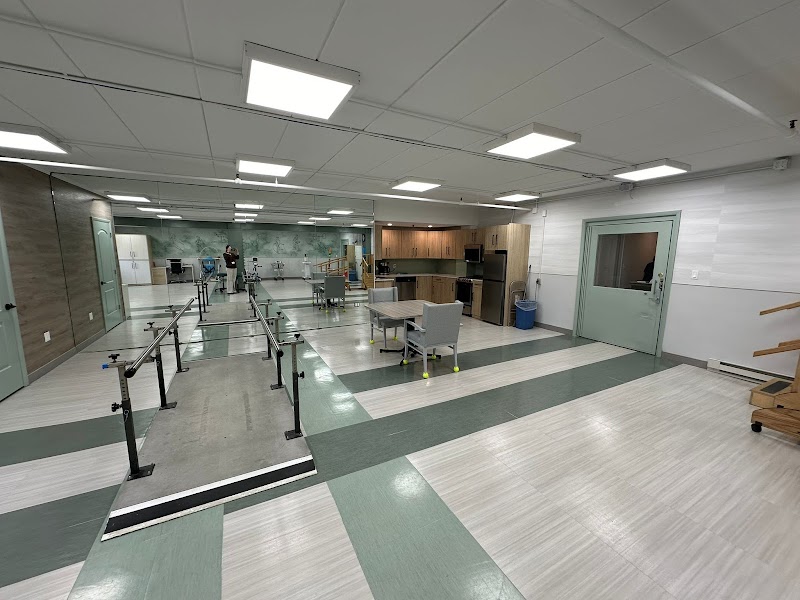
How is Delmar Nursing & Rehabilitation Center Staffed?

CMS rates DELMAR NURSING & REHABILITATION CENTER's staffing level at 4 out of 5 stars, which is above average compared to other nursing homes. Staff turnover is 35%, compared to the Delaware average of 46%. This relatively stable workforce can support continuity of care.

What Have Inspectors Found at Delmar Nursing & Rehabilitation Center?

State health inspectors documented 22 deficiencies at DELMAR NURSING & REHABILITATION CENTER during 2022 to 2024. These included: 1 that caused actual resident harm, 20 with potential for harm, and 1 minor or isolated issues. Deficiencies causing actual harm indicate documented cases where residents experienced negative health consequences.
Who Owns and Operates Delmar Nursing & Rehabilitation Center?

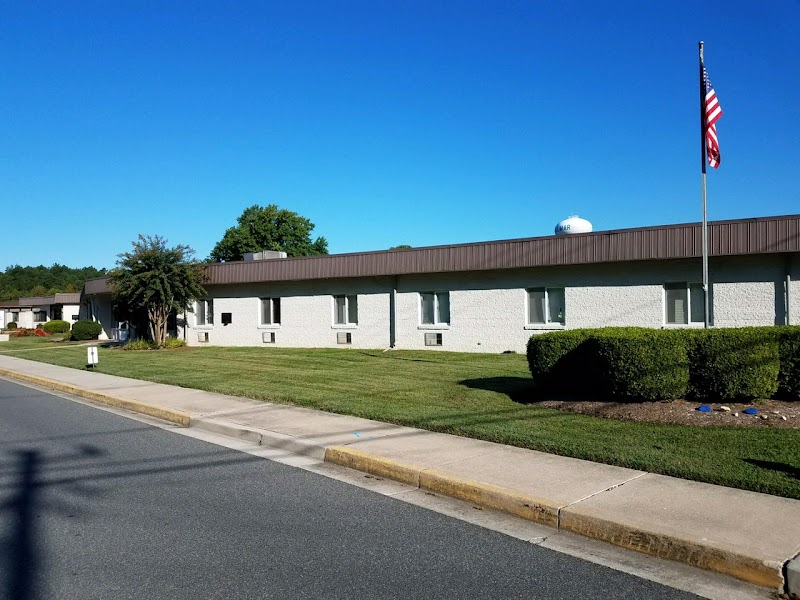
DELMAR NURSING & REHABILITATION CENTER is owned by a for-profit company. For-profit facilities operate as businesses with obligations to shareholders or private owners. The facility is operated by EDEN HEALTHCARE, a chain that manages multiple nursing homes. With 109 certified beds and approximately 83 residents (about 76% occupancy), it is a mid-sized facility located in DELMAR, Delaware.
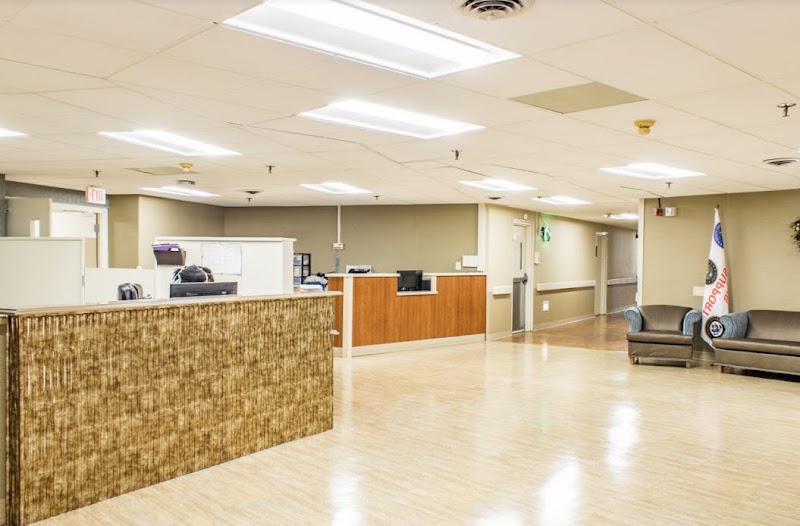
How Does Delmar Nursing & Rehabilitation Center Compare to Other Delaware Nursing Homes?

Compared to the 100 nursing homes in Delaware, DELMAR NURSING & REHABILITATION CENTER's overall rating (4 stars) is above the state average of 3.3, staff turnover (35%) is significantly lower than the state average of 46%, and health inspection rating (4 stars) is above the national benchmark.

What Should Families Ask When Visiting Delmar Nursing & Rehabilitation Center?

Based on this facility's data, families visiting should ask: "Can I visit during a mealtime to observe dining assistance and food quality?" "How do you handle medical emergencies, and what is your hospital transfer rate?" "Can I speak with family members of current residents about their experience?"

Is Delmar Nursing & Rehabilitation Center Safe?

Based on CMS inspection data, DELMAR NURSING & REHABILITATION CENTER has a clean safety record: no substantiated abuse findings (meaning no confirmed cases of resident harm), no Immediate Jeopardy citations (the most serious violation level indicating risk of serious injury or death), and is not on the Special Focus Facility watch list (a federal program monitoring the lowest-performing 1% of nursing homes). The facility has a 4-star overall rating and ranks #1 of 100 nursing homes in Delaware. While no facility is perfect, families should still ask about staff-to-resident ratios and recent inspection results during their visit.

Do Nurses at Delmar Nursing & Rehabilitation Center Stick Around?

DELMAR NURSING & REHABILITATION CENTER has a staff turnover rate of 35%, which is about average for Delaware nursing homes (state average: 46%). Moderate turnover is common in nursing homes, but families should still ask about staff tenure and how the facility maintains care continuity when employees leave.

Was Delmar Nursing & Rehabilitation Center Ever Fined?

DELMAR NURSING & REHABILITATION CENTER has been fined $23,998 across 1 penalty action. This is below the Delaware average of $33,319. While any fine indicates a compliance issue, fines under $50,000 are relatively common and typically reflect isolated problems that were subsequently corrected. Families should ask what specific issues led to these fines and confirm they've been resolved.

Is Delmar Nursing & Rehabilitation Center on Any Federal Watch List?

DELMAR NURSING & REHABILITATION CENTER is not on any federal watch list. The most significant is the Special Focus Facility (SFF) program, which identifies the bottom 1% of nursing homes nationally based on persistent, serious quality problems. Not being on this list means the facility has avoided the pattern of deficiencies that triggers enhanced federal oversight. This is a positive indicator, though families should still review the facility's inspection history directly.