DELAWARE BAY REHABILITATION AND HEALTHCARE CENTER
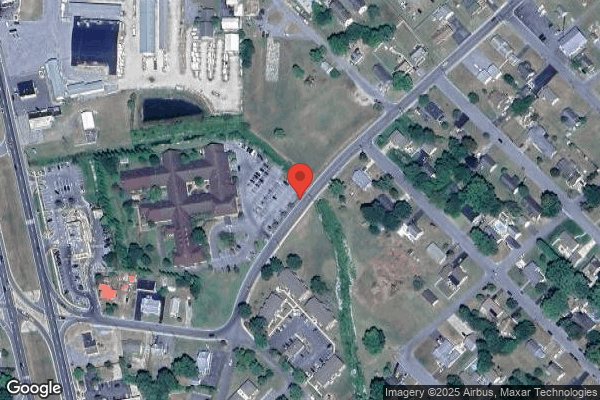
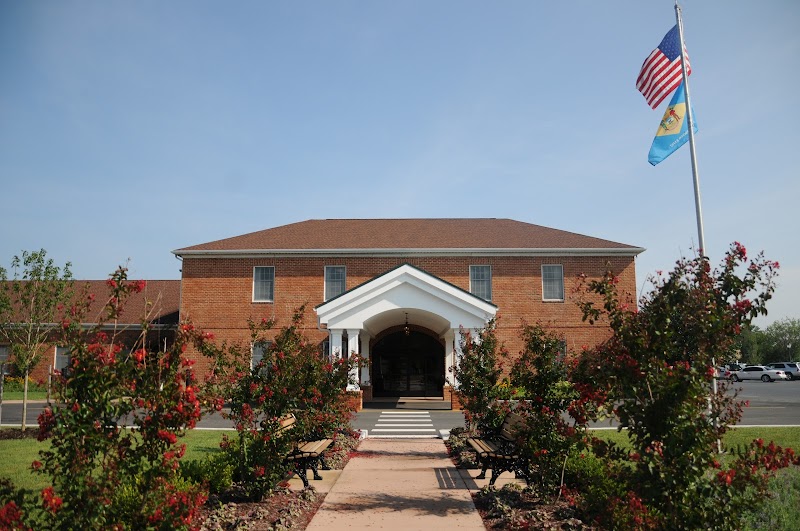
110 W. NORTH STREET, GEORGETOWN, DE 19947 (302) 856-4574
For profit - Individual 139 Beds VENZA CARE MANAGEMENT Data: November 2025 1 Immediate Jeopardy citation
Trust Grade
18/100
#31 of 43 in DE
Last Inspection: August 2024

Within standard 12-15 month inspection cycle. Federal law requires annual inspections.

Overview

Delaware Bay Rehabilitation and Healthcare Center received a Trust Grade of F, indicating poor performance with significant concerns. It ranks #31 out of 43 nursing homes in Delaware, placing it in the bottom half of facilities in the state, and #8 out of 11 in Sussex County, meaning there are only a few local options that are better. While the facility is improving, going from 19 issues in 2024 to just 1 in 2025, it still has a troubling history. Staffing is average with a 3/5 star rating and a turnover rate of 45%, which is comparable to the state average. However, it has accumulated $106,376 in fines, which is higher than 77% of other Delaware facilities, suggesting ongoing compliance issues. Recent inspections revealed serious incidents, including a critical failure to administer insulin to several residents, risking dangerous blood sugar levels, and a serious incident where a resident suffered multiple falls due to inadequate supervision, resulting in hospitalization for significant injuries. Despite some strengths, such as average RN coverage, the facility's overall performance raises serious concerns for families considering care for their loved ones.

Trust Score
F
18/100
In Delaware
#31/43
Bottom 28%
Safety Record
High Risk
Review needed
Inspections
Getting Better
19 → 1 violations
Staff Stability
○ Average
45% turnover. Near Delaware's 48% average. Typical for the industry.
Penalties
✓ Good
$106,376 in fines. Lower than most Delaware facilities. Relatively clean record.
Skilled Nurses
○ Average
Each resident gets 40 minutes of Registered Nurse (RN) attention daily — about average for Delaware. RNs are the most trained staff who monitor for health changes.
Violations
⚠ Watch
42 deficiencies on record. Higher than average. Multiple issues found across inspections.
★★☆☆☆
2.0
Overall Rating
★★★☆☆
3.0
Staff Levels
★★☆☆☆
2.0
Care Quality
★★☆☆☆
2.0
Inspection Score
Stable
2024: 19 issues
2025: 1 issues

The Good

  • Full Sprinkler Coverage · Fire safety systems throughout facility
  • No fines on record
  • Staff turnover below average (45%)

    3 points below Delaware average of 48%

Facility shows strength in fire safety.

The Bad

2-Star Overall Rating

Below Delaware average (3.3)

Below average - review inspection findings carefully

Staff Turnover: 45%

Near Delaware avg (46%)

Typical for the industry

Federal Fines: $106,376

Well above median ($33,413)

Significant penalties indicating serious issues

Chain: VENZA CARE MANAGEMENT

Part of a multi-facility chain

Ask about local staffing decisions and management

The Ugly 42 deficiencies on record

1 life-threatening 1 actual harm
Jul 2025 1 deficiency
CONCERN (D) 📢 Someone Reported This

A family member, employee, or ombudsman was alarmed enough to file a formal complaint

Potential for Harm - no one hurt, but risky conditions existed

Infection Control (Tag F0880)

Could have caused harm · This affected 1 resident

Based on observation and interview it was determined that for two (R109 and R97) out of twenty eight residents reviewed the facility failed to ensure practices to prevent infection were followed. Find...

Read full inspector narrative →
Based on observation and interview it was determined that for two (R109 and R97) out of twenty eight residents reviewed the facility failed to ensure practices to prevent infection were followed. Findings include:Review of the CDC's Clinical Safety: Hand Hygiene for Healthcare Workers indicated, Protect yourself and your patients from deadly germs by cleaning your hands. https://www.cdc.gov/clean-hands/hcp/clinical-safety. Review of the Nursing Skills checklist for oral medication administration indicated, Multi-dose containers: When removing tablets or capsules from a multi-dose bottle, pour the necessary number into the bottle cap and then place the tablets or capsules in a medication cup. Cut scored tablets, if necessary, to obtain the proper dosage. If it is necessary to touch the tablets, wear gloves. https://wtcs.pressbooks.pub/nursingskills/chapter/15-4-checklist-for-oral-medication-administration. 1. 7/22/25 9:06 AM - During an observation of medication administration E18 (LPN) was observed giving medications to R111, then exiting the room without performing hand hygiene. 7/22/25 9:10 AM - E18 (LPN) was observed preparing medications to administer to R109. E18 grabbed a bottle of Tylenol and poured a tablet into the palm of her bare hand, then tilted her hand until the tablet landed in a medicine cup. Next, E18 grabbed a bottle of supplements and poured two capsules into the palm of her bare hand, then tilted her hand until the tablet landed into the medicine cup containing the Tylenol. E18 then turned to the medications in the cup to R109. Upon surveyor intervention E18 immediately confirmed that medications should not be touched with bare hands to prevent infection and that hand hygiene should have been performed between medication administrations. 2. Review of R97's clinical record revealed: 6/11/25 - R97 was admitted to the facility. 6/11/25 7:00 PM - A physician's order for R97 documented to flush PICC line (IV line) with 10 mL normal saline before and after each use. 6/12/25 6:00 AM - A physician's order for R97 documented to administer cefazolin sodium (antibiotic) every eight hours for left groin seroma. 7/21/2025 2:12 PM - During an interview, R97 stated that staff does not wear a gown when administering antibiotics through the PICC line or when flushing the tubing. 7/21/2025 2:20 PM - During an observation, E19 (Agency LPN) disconnected R97's tubing from antibiotic administration. E19 did not have on a gown while accessing R97's PICC line. 7/21/2025 2:23 PM - During an observation, E19 administered a saline flush to R97's PICC line and did not have a gown on. 7/21/2025 2:25 PM - During an interview, E19 confirmed that she did not have a gown on and did not follow transmission based precautions while accessing R97's PICC line. 7/30/25 3:00 PM - Findings were reviewed with E1 (NHA), E2 (DON), and E3 (ADON) during the exit conference.
Aug 2024 19 deficiencies 1 IJ
CRITICAL (J) 📢 Someone Reported This

A family member, employee, or ombudsman was alarmed enough to file a formal complaint

Immediate Jeopardy (IJ) - the most serious Medicare violation

Deficiency F0760 (Tag F0760)

Someone could have died · This affected 1 resident

Based on record review and interview, the facility failed to ensure for four (R13, R88, R108 and R165) residents of seven reviewed were free from a significant medication error when staff failed to ad...

Read full inspector narrative →
Based on record review and interview, the facility failed to ensure for four (R13, R88, R108 and R165) residents of seven reviewed were free from a significant medication error when staff failed to administer insulin. Additionally, staff failed to conduct finger stick blood sugar monitoring, some of which included sliding scale insulin coverage based on the results. The facility's failure placed the residents at risk for a serious adverse outcome, hypogycemia and hyperglycemia. Due to this failure an Immedicate Jeopardy (IJ) was called on 8/2/24 at 1:40 PM. The IJ waws abated on 8/6/24 at 3:05 PM. Findings include: The manufacturer's instructions documented that Basaglar is a long-acting insulin used to control high blood sugar in adults with Type 1 or Type 2 diabetes. The manufacturer's instructions documented that Insulin Lispro Injection are fast-acting insulins used to control high blood sugar in adults . with diabetes. The manufacturer's instructions documented that NovoLog® is a man-made insulin used to control high blood sugar in adults and children with diabetes mellitus. 1. Review of R13's July 2024 MAR revealed the following orders: 7/2024 - Basaglar Subcutaneous Solution Pen-injector 32 100 Unit/ml (Insulin Glargine) inject 32 units subcutaneous one time a day related to Type 2 Diabetes Mellitus without complications. 7/2024 - Insulin Lispro Subcutaneous Solution Cartridge 100 unit/ml (Insulin Lispro) inject 12 units subcutaneously before meals related to Type 2 Diabetes Mellitus without complications. 7/2024 - A glucose meter check before meals and at bedtime. 7/6/24 - No evening or night blood sugar checks were completed. Insulin Lispro was not administered at 4:00 PM. 7/7/24 - No morning, pre-lunch, evening or night blood sugar checks were obtained. Basaglar insulin was not administered at 8:00 AM. Insulin Lispro was not administered at 8:00 AM, 11:00 AM and 4:00 PM. 2. Review of R88's July 2024 MAR revealed the following orders: 7/2024 - Insulin Glargine Subcutaneous Solution Pen-injector 100 unit/ml (Insulin Glargine) inject 10 units subcutaneously one time a day for diabetes. 7/2024 - Novolog FlexPen Solution Pen-injector 100 unit/ml (Insulin Aspart) Inject as per sliding scale as follows: if 0 - 140 = 0 . 141 - 180 = 6u; 181 - 220 = 8u; 221 - 260 = 10u 261 - 300 = 12u; 301 - 350 = 14u; 351 - 399 - 16u . . subcutaneously before meals and at bedtime for Diabetes Mellitus. 7/6/24 - No afternoon or evening blood sugar check was completed. The MAR reflected that the sliding scale injection of Novolog Flex Pen insulin was not administered at 4:30 PM and 8:00 PM. 7/7/24 - No morning, pre-lunch or evening blood sugar check was obtained. Insulin Glargine was not administered at 12:00 PM. The sliding scale injection of Novolog Flex Pen insulin was not administered at 7:30 AM, 11:30 AM, 4:30 PM and 8:00 PM. 3. Review of R108's July 2024 MAR revealed the following orders: 7/2024 - Lantus SoloStar Subcutaneous Solution Pen-injector 100 unit/ml (Insulin Glargine) Inject 8 units subcutaneously at bedtime for Diabetes Mellitus. The MAR also had a space labeled BS (blood sugar) where the blood sugar result should be referenced. 7/2024 - Insulin Lispro with Transport Subcutaneous Solution Pen-injector 100 unit/ml (Insulin Lispro) Inject 4 units subcutaneously before meals for Diabetes Mellitus. The MAR also had a space labeled BS (blood sugar) where the blood sugar result should be referenced. 7/6/24 - No evening or night blood sugar checks were obtained. Lantus was not administered at 9:00 PM. Insulin Lispro was not administered ad 4:00 PM. 7/7/24 - No evening or night blood sugar checks were obtained. Lantus was not administered at 9:00 PM. 4. Review of R165's July 2024 MAR revealed the following orders: 7/2024 - Lantus SoloStar Subcutaneous Solution Pen-injector 100 unit/ml (Insulin Glargine) Inject 14 units subcutaneously at bedtime for Diabetes Mellitus. MAR also had a space labeled BS (blood sugar) where the blood sugar result should be referenced. 7/2024 - Novolog FlexPen Solution Pen-injector 100 unit/ml (Insulin Aspart) Inject as per sliding scale . if 151 - 200 - 0u 201 - 250 = 2u; 251 - 300 = 4u; 301 - 350 = 6u; 351 - 400 = 8u; 401 - 450 = 10u . .subcutaneously before meals and at bedtime for Diabetes Mellitus. 7/6/24 - No evening or night blood sugar checks were obtained. Insulin Aspart was not administered at 6:00 PM. Lantus was not administered at 9:00 PM. 7/7/24 - No pre-lunch, evening or night blood sugar checks were obtained. Insulin Aspart was not administered at 11:00 AM or 4:00 PM. Lantus was not administered at 9:00 PM. 8/1/24 approximately 2:04 PM - In an Interview, E2 (DON) and E3 (ADON) stated when they were alerted that several residents stated their medications were not administered, they conducted an immediate investigation and notified family members. The nurse involved, E18, was terminated and was also reported to the State. A review of the MAR's show that E18 gave all the oral medications, but did not give any insulin or check blood sugars. They stated that they cannot prove whether the oral medications were given, although they were signed off as being given. None of the residents had any adverse outcome. 8/2/24 1:40 PM - Based on interviews and review of the facility documentation and other sources, an Immediate Jeopardy was called and reviewed with the facility leadership including E1 (NHA), E2 (DON) and E3 (ADON). 8/2/24 3:25 PM - E1 (NHA), E2 (DON), and E3 (ADON) submitted evidence of an acceptable completed Abatement Plan signed, dated and timed. 8/6/24 3:05 PM - The facility's Immediate Jeopardy was abated at this time. The acceptable abatement plan included documentation of an updated Policy for Reviewing Medication Administration Records (MAR), Drug Administration Records (DAR), and Treatment Administration Records (TAR) at Shift Change; Sign Off Sheet to be completed at shift change; education presented to staff entitled Mandatory Completion of Medication Administration and Treatments for All Staff; and sign in sheet for the aforementioned training. All current licensed nursing staff were educated beginning on August 2, 2024 and finishing on August 5, 2025. Review of training records, sign in sheets and interview with DON revealed that the above abatement plan was completed. 8/9/24 11:33 AM - Findings were reviewed with E1 (NHA), E2 (ADON), E3 (QA RN) and E4 (MDS LPN) during the exit conference.
CONCERN (D) 📢 Someone Reported This

A family member, employee, or ombudsman was alarmed enough to file a formal complaint

Potential for Harm - no one hurt, but risky conditions existed

Resident Rights (Tag F0550)

Could have caused harm · This affected 1 resident

Based on observation, interview and record review, it was determined that for one (R27) out of twenty-eight (28) residents reviewed for dignity, the facility failed to promote dignity. Based on a revi...

Read full inspector narrative →
Based on observation, interview and record review, it was determined that for one (R27) out of twenty-eight (28) residents reviewed for dignity, the facility failed to promote dignity. Based on a review of the facility's evidence to correct the non-compliance and the facility's substantial compliance at the time of the current survey, the deficiency was determined to be past non-compliance as of 12/14/23. Findings include: The facility policy titled Resident Dignity, last updated 10/2020, indicated that . Residents shall always be treated with dignity and respect . means the resident will be assisted in maintaining and enhancing his or her self-esteem and self-worth . Staff shall promote, maintain, and protect resident privacy . The facility policy titled Cell Phones, last updated 4/2020, indicated that . At no time is it considered courteous or professional to use your cell phone while you are in the department providing care and/or services to the residents in the facility . A review of R27's clinical record revealed: 7/4/15 - R27 was admitted to the facility with diagnoses including, but not limited to, Alzheimer's disease. 9/27/23 - A quarterly MDS for R27 documented a BIMS score of 2, which showed severe cognitive impairment. 12/8/23 - A complaint was submitted by the facility to the State Agency that alleged an agency nurse posted a video to a social media website showing the agency nurse with a resident. Review of facility documentation related to the above complaint revealed the video was posted on the social media website for about 20 minutes, received 45 likes and 4 comments to the video. 8/7/24 9:14 AM - A review of the video that was posted to the social media website revealed E10 (RN, former employee) sitting next to R27 in the common area. R27 was leaned her head towards E10's right side of head, placing her forehead against the right side of E10's head. The video is about 4 seconds long and is repeated on a loop 4 times. There is music playing in the background of the video. There is a caption that stated, When the lazy nurse complains about having to answer your [favorite] resident call bell at night. 8/7/24 10:05 AM - An interview with E2 (ADON) confirmed the findings and stated staff are not supposed to have their cell phones on the floor and E10 was terminated from the facility. All employees were educated on topics such as HIPAA (Health Insurance Portability and Accountability Act), Cell Phones and Rules for Use of Technology, Treatment of Residents/Resident Rights and Abuse Prevention. The facility had audited all employees to make sure education was completed on the previous topics. Based on the review of the facility's thorough investigation, documented response, completion of in-service training and audits, staff interviews and no further incidents related to the dignity of residents, R27's incident was determined to be past non-compliance. The plan of correction was initiated on 12/8/23 and completed on 12/14/23. 8/9/24 11:33 AM - Findings were reviewed with E1 (NHA), E2 (ADON), E3 (QA RN) and E4 (MDS LPN) during the exit conference.
CONCERN (D) 📢 Someone Reported This

A family member, employee, or ombudsman was alarmed enough to file a formal complaint

Potential for Harm - no one hurt, but risky conditions existed

Report Alleged Abuse (Tag F0609)

Could have caused harm · This affected 1 resident

Based on record review and interview, it was determined that for one (R90) out of fourteen (14) sampled residents reviewed for abuse, it was determined that the facility failed to immediately report a...

Read full inspector narrative →
Based on record review and interview, it was determined that for one (R90) out of fourteen (14) sampled residents reviewed for abuse, it was determined that the facility failed to immediately report an injury of unknown source. Findings include: A review of R90's clinical record revealed: 3/8/23 - R90 was admitted to the facility with diagnoses including but not limited to Alzheimer's disease. 6/8/24 11:57 AM - A nursing note documented by E17 (LPN) stated that R90 had a large bruise on the left inner bicep with measurements of 8.5 cm x 6.4 cm, resident is complaining of pain from the area. The note documented the supervisor was notified and the bruise documented in the doctor's book. 6/8/24 10:55 PM - A nursing note documented by E18 (RN former employee) stated that around 7:45 PM the area on R90's left bicep was larger and tight and R90 was guarding her arm. R90 was sent to the emergency room around 8:15 PM. Around 10:40 PM, the emergency room reported R90 had a broken right upper arm. The nursing note documented that a report was given to the DON and the oncoming supervisor. 6/9/24 2:41 PM - A facility reported incident was submitted by the facility to the State Agency that alleged R90 was sent to the emergency room for an evaluation. R90 was observed guarding her left arm. The report stated there was no bruising initially but developed throughout the day and R90 exhibited signs and symptoms of pain. 8/6/24 11:40 AM - An interview with E17 revealed that on 6/8/24 around 7:30 AM, R90 had a discolored area on left upper arm that was not bruised. E17 stated around 10:30 AM, the area on the left upper arm was turning purple in color but not swollen. At approximately 6:30 PM, the area was spreading and remained purple in color. At 8:00 PM, the area was purple in color and spread from the upper arm down to the elbow. 8/7/24 10:05 AM - An interview, E2 (ADON) confirmed that a bruise of unknown origin was a reportable event and she was not sure why there was a delay. E2 stated the DON was on-call that weekend and it should have been reported. 8/0/24 11:33 AM - Findings were reviewed with E1 (NHA), E2 (ADON), E3 (QA RN) and E4 (MDS LPN) during the exit conference.
CONCERN (D)

Potential for Harm - no one hurt, but risky conditions existed

PASARR Coordination (Tag F0644)

Could have caused harm · This affected 1 resident

Based on interview and record review, it was determined that for two (R37 and R47) out of four residents reviewed for PASARR, the facility failed to ensure that a referral for a PASARR screening was c...

Read full inspector narrative →
Based on interview and record review, it was determined that for two (R37 and R47) out of four residents reviewed for PASARR, the facility failed to ensure that a referral for a PASARR screening was completed. Findings include: 1. Review of R37's clinical record revealed: 2/24/17 - A PASARR level I was completed for R37 and determined that no further evaluation was needed. 3/1/17 - R37 was admitted to the facility. 7/30/18 - R37 was diagnosed with the following diagnoses: delusional disorder, bipolar disorder, and hallucinations. 3/23/23 - R37 was diagnosed with the following diagnoses: generalized anxiety disorder and dementia with psychotic disturbance. 5/8/24 - An annual MDS assessment revealed that R37 had the following diagnoses: anxiety disorder, depression, manic depression, and psychotic disorder. 8/05/24 12:39 PM - An interview with E8 (SW) revealed that that there was no evidence a level II was submitted when there was evidence of a serious mental disorder. 2. Review of R47's clinical record revealed: 5/16/18 - A PASARR level 1.5 was completed for R47 and indicated R47 has a serious mental illness but did not require a level II at this time. 6/19/18 - R47 was admitted to the facility with the following diagnosis: anxiety disorder. 3/31/20 - A PASARR level I was completed for R47 and indicated R47 has a serious mental illness but did not require a level II at this time. 4/21/24 - R47 was diagnosed with the following diagnoses: schizoaffective disorder, major depressive disorder, and dementia. 5/1/24 - A quarterly MDS assessment revealed that R47 had the following diagnoses: anxiety disorder, depression, manic depression, schizophrenia, and psychotic disorder. 8/05/24 12:39 PM - An interview with E8 (SW) revealed that there was no evidence a level II was submitted when there was evidence of a serious mental disorder. The facility lacked evidence of any updates submitted to the State PASARR authority for R37 or R47. 8/9/24 11:33 AM - Findings were reviewed with E1 (NHA), E2 (ADON), E3 (QA RN) and E4 (MDS LPN) during the exit conference.
CONCERN (D)

Potential for Harm - no one hurt, but risky conditions existed

Deficiency F0645 (Tag F0645)

Could have caused harm · This affected 1 resident

**NOTE- TERMS IN BRACKETS HAVE BEEN EDITED TO PROTECT CONFIDENTIALITY** Based on record review and interview, it was determined that for two (R104 and R366) of four sampled residents reviewed for Prea...

Read full inspector narrative →
**NOTE- TERMS IN BRACKETS HAVE BEEN EDITED TO PROTECT CONFIDENTIALITY** Based on record review and interview, it was determined that for two (R104 and R366) of four sampled residents reviewed for Preadmission Screening and Resident Review (PASARR) Level I, the facility failed to have a currently dated PASARR Screening. Findings include: 1. Review of R104's clinical record revealed: [DATE] - A level I convalescence categorical admission was submitted for R104 and approved for sixty days. [DATE] - R104 was admitted to the facility with the following diagnoses: paranoid schizophrenia and intellectual disability. [DATE] - A review of a level I PASARR submitted to the state PASARR authority lacked evidence of R104's current diagnoses and services provided. [DATE] - R104's concalescence categorical admission PASARR expired. [DATE] 1:07 PM - An interview with E8 (SW) confirmed that the PASARR I submitted did not reflect R104's current condition. E8 confirmed that it lacked current diagnoses and services provided. 2. Review of R366's clinical record revealed: Cross refer to F758. [DATE] - Notice of PASARR Level I Screen documented, .there are no known mental health symptoms affecting the individual's ability to think through or complete tasks which she/he should be physically capable of completing . Mental Health Medications - no medications . [DATE] - R366 underwent a psychiatry consult while hospitalized that documented R366 as having hallucinations and behaviors such as pulling out IV's and EKG leads. E29 (psychiatrist) documented, XXX[AGE] year old male with formal psychiatric history . developed hospital delirium. He was seen to adjust his medications because of more confusion and restlessness at night suggestive of sundowning . Level of care: Pharmacological: We can increase Seroquel to 50 mg at 6:00 PM to prevent sundowning, we can gradually increase the dose if the 50 mg is not working. Patient psychotic? No . [DATE] - R366's discharge summary from [hospital] documented, . Hospital Course: .He [R366] also required a sitter due to sundowning episodes . Prescription Medications: Seroquel (Quetiapine) 25 mg oral tablet, 50 mg = 2 tabs . [DATE] - R366's hospital discharge instructions documented, . Updates to Your Medications . Quetiapine (Seroquel) 25 mg (milligrams) 2 tabs by mouth every 24 hours for delirium . [DATE] - R366 was admitted to the facility. [DATE] 5:40 PM - E12 (MD) ordered in R366's EMR, Quetiapine 50 mg - give 1 tablet by mouth one time a day for delirium. [DATE] - R366's admission MDS documented in Section N Medications that antipsychotics were received on a routine basis only. [DATE] 9:47 PM - E13 (PA) documented in R366's progress note, . History of present illness: . Post-op course was complicated . he was also noted to have sundowning episodes . I spoke with patient son (sic) who stated at home he is AO X 3 (alert and oriented to person, place and time) but became very confused while hospitalized . He also stated that the confusion comes and goes . Diagnosis, Assessment and Plan: . Delirium 2/2 prolonged hospitalization - continue Seroquel 50 mg daily . [DATE] 8:50 PM - E12 (MD) documented in R366's History and Physical progress note, . Diagnosis, Assessment and Plan: . Delirium - Quetiapine. [DATE] 8:38 AM - Email correspondence with C1 (State PASRR supervisor), C1 stated, . He [R366] should have had a resident review submitted when the facility became aware that the PASARR was not an actual reflection of his current condition The PASARR evaluation would determine if further PASARR evaluation or a full level II would be required or not. It is the receiving facility's responsibility to ensure that the PASARR is an accurate reflection of the individual's current condition so they should be reviewing it prior to admitting the individual to their facility. If the PASARR is not accurate, then they should not be admitting the individual and asking the hospital to resubmit. If they do admit, then they must submit the resident review as soon as they are aware of the omissions . In this case, the Level I was not an accurate reflection of his current status at the time of admission. [DATE] 11:33 AM - Findings were reviewed with E1 (NHA), E2 (ADON), E3 (QA RN) and E4 (MDS LPN) during the exit conference.
CONCERN (D)

Potential for Harm - no one hurt, but risky conditions existed

Deficiency F0661 (Tag F0661)

Could have caused harm · This affected 1 resident

Based on record review and interview, it was determined that for one (R113) out of one resident reviewed for discharge, the facility failed to ensure that R113 had a discharge summary that included a ...

Read full inspector narrative →
Based on record review and interview, it was determined that for one (R113) out of one resident reviewed for discharge, the facility failed to ensure that R113 had a discharge summary that included a reaccounting of her stay and a review of her pre-discharge medications. Findings include: 4/14/24 - R113 was admitted to the facility with diagnosis, including but not limited to, broken left arm. 4/26/24 10:12 AM - R113's discharge conference note documented it was attended by E8 (SW), R113 and her two sons. 5/2/24 10:39 AM - E21 (LPN) completed R113's nursing discharge plan of care instructions. 5/2/24 - R113 was discharged from the facility in the company of her son. 8/1/24 12:11 PM - A review of R113's clinical record revealed two progress notes from the providers dated 4/15/24 and 4/16/24. The surveyor was not able to find evidence of R113's discharge summary in the EMR (electronic medical record). It should be noted that the two provider notes dated 4/15/24 and 4/16/24 (within the first week of R113's admission) are the only provider notes in R113's EMR for her 19 day stay at the facility. 8/5/24 4:06 PM - During a telephone interview, E12 (MD) stated, Sometimes, the [medical practice] notes don't make it to the chart. I will look for her [R113] discharge summary and send to the facility. 8/6/24 1:36 PM - The surveyor received a copy of R113's discharge summary. The date of service on the discharge summary was 5/2/24. The date the discharge summary document was e-signed in the EMR was 8/5/24 at 5:47 PM. E-signing a note in the EMR marks the time stamp for when a progress note was finalized and made available in the resident's record. Since R113's discharge summary was e-signed on 8/5/24 at 5:47 PM, this discharge summary was not available in the EMR on 5/2/24, the day R113 was discharged from the facility. The discharge summary contains necessary medical information that the facility must furnish at the time the resident leaves the facility. 8/9/24 11:33 AM - Findings were reviewed with E1 (NHA), E2 (ADON), E3 (QA RN) and E4 (MDS LPN) during the exit conference.
CONCERN (D)

Potential for Harm - no one hurt, but risky conditions existed

ADL Care (Tag F0677)

Could have caused harm · This affected 1 resident

Based on observation, interview and record review, it was determined that for one (R37) out of five residents reviewed for ADL's, the facility failed to ensure that residents who are unable to carry o...

Read full inspector narrative →
Based on observation, interview and record review, it was determined that for one (R37) out of five residents reviewed for ADL's, the facility failed to ensure that residents who are unable to carry out ADL's received the necessary services to maintain good grooming. Findings include: Review of R37's clinical record revealed: 3/1/17 - R37 was admitted to the facility. 5/8/24 - A review of an annual MDS assessment revealed that R37 is dependent for showering and bathing self. June 2024 - A review of the CNA task flow sheet revealed that R37 received thirty two bed baths out of sixty opportunities. July 2024 - A review of the CNA task flow sheet revealed that R37 received twenty nine bed baths out of sixty opportunities. 7/30/24 9:55 AM - An observation revealed that R37 had long nails and a black debris noted underneath. 8/1/24 10:34 AM - An observation revealed that R37 had long nails and a black debris noted underneath. 8/2/24 11:36 AM - An observation revealed that R37 had long nails and a black debris noted underneath. 8/7/24 11:55 AM - An interview, E11 (CNA) confirmed that nail care is expected to be completed daily by staff unless physician's orders indicate otherwise or resident refuses. E11 confirmed that R37's nails were long and a black debris noted underneath. 8/9/24 11:33 AM - Findings were reviewed with E1 (NHA), E2 (ADON), E3 (QA RN) and E4 (MDS LPN) during the exit conference.
CONCERN (D)

Potential for Harm - no one hurt, but risky conditions existed

Deficiency F0692 (Tag F0692)

Could have caused harm · This affected 1 resident

**NOTE- TERMS IN BRACKETS HAVE BEEN EDITED TO PROTECT CONFIDENTIALITY** Based on record review and interview, it was determined that for one (R366) out of nine residents reviewed for nutrition, the fa...

Read full inspector narrative →
**NOTE- TERMS IN BRACKETS HAVE BEEN EDITED TO PROTECT CONFIDENTIALITY** Based on record review and interview, it was determined that for one (R366) out of nine residents reviewed for nutrition, the facility failed to recognize and address R366's significant weight loss. Findings include: Cross refer to F711. 7/12/24 - R366 was admitted to the facility with diagnoses including, but not limited to, enterocolitis due to c-diff infection and protein-calorie malnutrition. 7/12/24 10:43 PM - R366's weight was documented in the EMR as 182.5 pounds. 7/12/24 - E12 (MD) ordered in R366's EMR, Regular diet, mechanical soft with ground meats texture. 7/12/24 - E12 ordered in R366's EMR, Weight - daily one time a day. 7/15/24 9:47 PM - E13 (PA) documented in R366's progress notes, . Vital signs: weight 181.2 lbs (pounds) . Patient also does receive TPN (total parental nutrition) due to poor nutritional intake. Diagnosis, Assessment and Plan: Unspecified severe protein-calorie malnutrition - present on admission, Nutrition consult . 7/15/24 - E13 (PA) ordered in R366's EMR, Boost one time a day for PCM (protein-calorie malnutrition) risk. Offer 240 ml Boost q day - prefers chocolate. 7/15/24 11:35 AM - R366's lab work documented an albumin level of 2.9 g/dl, with a normal albumin range as 3.5 to 5.0 g/dl, and a total protein level of 6.3g/dl, with a normal total protein level of 6.3 to 8.2 g/dl. 7/15/24 2:06 PM - E7 (Dietician) documented in R366's progress notes that R366 was seen to review nutrition interventions and collect food/fluid preferences. 7/15/24 4:37 PM - E7 documented in R366's Nutrition admission assessment, . Res (resident) is at nutritional risk r/t (related to) use of TPN during hospitalization for hydration and nutritional needs; use of mechanically altered texture diet; physical s/s (signs and symptoms) of malnutrition visible- fat loss + muscle wasting; recent Sx + c-diff infection w/increased metabolic stress/increased needs; advanced age . Res w/noted varied % po intakes since admit . No significant weight changes known from hospital wt 6/18 187 lbs to admit weight to facility . Recent labs 7/15/24 . Alb 2.9 .Total pro (protein) 6.3 . Plan: . Goal is for stable weights despite BMI in elevated range given PCM risk . Macronutritient supplementation for therapeutic diet for PCM risk/ skin integrity/increased needs . Monitor PRN and quarterly during LOS. Update interventions and care plan as needed w/ changes. These two nutritional notes were the only nutritional notes in R366's EMR until the surveyor notified the facility of R366's significant weight loss. 7/16/24 - E7 initiated a nutritional risk focus on R366's care plan with interventions that included: Monitor/record/report to MD PRN s/sx of malnutrition: emaciation (cachexia), muscle wasting, significant weight loss: 3 lbs in 1 week, >5% in 1 month, > 7.5 % in 3 months, >10% in 6 months. The weight difference from the admission weight on 7/12/24 of 182 pounds to the 7/22/24 weight of 167.4 pounds was a 14.6 pounds weight loss, which represented 8.1 % loss calculated. 7/24/24 1:02 PM - R366's weight was documented in the EMR by E24 (LPN) as 167.0 pounds. 7/30/24 9:35 AM- R366's weight was documented in the EMR by E24 (LPN) as 167.7 pounds. 8/2/24 3:10 PM - During a telephone interview, the surveyor notified E7(Dietician) of R366's 17 pound weight loss. After signing into R366's EMR and looking at the documented weights, E7 confirmed that R366 had a significant weight loss of 17 pounds in 3 weeks. Prior to this conversation, E7 was unaware of R366's weight loss. E7 clarified that PCM in the notes stands for protein-calorie malnutrition. E7 stated, He [R366] does have some dietary interventions that show on his diet ticket. He gets ice cream for lunch daily. E7 confirmed that R366's albumin level on 7/15/24 was 2.9 and that R366 would benefit from protein supplementation. E7 stated. He should have other supplements so I will get with the doctor about it. E7 confirmed that there were only two nutrition notes; both on 7/15/24, which was 3 days after R366's admission. 8/2/24 - E12 ordered in R366's EMR. Boost three times a day for PCM risk; varied % PO intakes, wt loss. Offer 240 ml Boost TID - prefers chocolate. 8/2/24 - E13 (PA) ordered in R366's EMR, Liquid protein one time a day for increased needs for wound healing. Offer 30 ml q/day of [NAME] 20 liquid protein supplement. 8/5/24 4:06 PM - During a telephone interview, E12 stated, We go over the residents with weight changes at the IDT meeting on Tuesdays. Normally I address it in my notes. 8/9/24 11:33 AM - Findings were reviewed with E1 (NHA), E2 (ADON), E3 (QA RN) and E4 (MDS LPN) during the exit conference.
CONCERN (D)

Potential for Harm - no one hurt, but risky conditions existed

Deficiency F0711 (Tag F0711)

Could have caused harm · This affected 1 resident

Based on record review and interview, it was determined that for one (R366) out of twenty-three residents reviewed for physician visits, the facility failed to ensure the physician visits included eva...

Read full inspector narrative →
Based on record review and interview, it was determined that for one (R366) out of twenty-three residents reviewed for physician visits, the facility failed to ensure the physician visits included evaluation of R366's condition and total program of care to address R366's significant weight loss. Findings include: Cross refer to F692. 7/12/24 - R366 was admitted to the facility with diagnoses including, but not limited to, enterocolitis due to c-diff infection, S/P abdominal surgery with wound vac (wound management system) in place on his abdominal incision wound and protein-calorie malnutrition. 7/12/24 10:43 PM - R366's weight was documented in the EMR by E20 (LPN) as 182.5 pounds. 7/15/24 9:47 PM - E13 (PA) documented in R366's progress notes, . Vital signs: weight 181.2 lbs . Patient also does receive TPN (total parental nutrition) due to poor nutritional intake. Diagnosis, Assessment and Plan: Unspecified severe protein-calorie malnutrition - present on admission, Nutrition consult . 7/15/24 11:35 AM - R366's lab work documented an albumin level of 2.9 g/dl, with a normal albumin range as 3.5 to 5.0 g/dl, and a total protein level of 6.3g/dl, with a normal total protein level of 6.3 to 8.2 g/dl. 7/15/24 - E13 ordered in R366's EMR, Boost one time a day for PCM risk. Offer 240 ml Boost q day - prefers chocolate. 7/16/24 - E12 (MD) documented in R366's admission History and Physical note, . Vital signs: weight 180.9 lbs 7/16/24 10:17 AM . The physician note dated 7/16/24 failed to provide evidence of interventions with regard to R366's nutritional status. 7/23/24 7:16 PM - E12 documented in R366's progress notes, . Vital signs: weight 167.4 lbs (Warnings : -5% change, False. -7/5% change, False) 7/22/2024 1:11 PM) . Labs: All Labs, images, reports and previous notes reviewed . The provider note dated 7/23/24 did not address the documented 13.5 pound weight loss or document any treatments intiated to intervene regarding the weight loss. 7/24/24 1:02 PM - R366's weight was documented in the EMR by E24 (LPN) as 167.0 pounds. 7/30/24 9:35 AM- R366's weight was documented in the EMR by E24 (LPN) as 167.7 pounds. 7/30/24 7:38 PM - E12 documented in R366's progress notes, . Vital signs: weight 167.7 lbs (Warnings : -5% change, False. -7/5% change, False) 7/30/2024 9:35 AM) . Labs: All Labs, images, reports and previous notes reviewed . The provider note dated 7/23/24 did not address R366's weight loss or document any treatments regarding this weight loss. 8/2/24 3:10 PM - During a telephone interview, E7 (Dietician) confirmed that R366 had a significant weight loss of 17 pounds in 3 weeks. E7 stated, He [R366] does have some dietary interventions that show on his diet ticket. He gets ice cream for lunch daily. E7 confirmed that R366's albumin level on 7/15/24 was 2.9 and that R366 would benefit from protein supplementation. E7 stated. He should have other supplements so I will get with the doctor about it. 8/5/24 4:06 PM - During a telephone interview, E12 (MD) stated, We go over the residents with weight changes at the IDT meeting on Tuesdays. Normally I address it in my notes. The physician failed to identify and address R366's weight loss/nutritional status in the weekly progress notes dated 7/16/24, 7/23/24 and 7/30/24. Upon reviewing the 7/15,24 lab results, the physician failed to order additional nutritional supplementation for R366, who in addition to his c-diff infection, had a gaping abdominal incision. Both of these health issues would increase R366's caloric needs. 8/9/24 11:33 AM - Findings were reviewed with E1 (NHA), E2 (ADON), E3 (QA RN) and E4 (MDS LPN) during the exit conference.
CONCERN (D) 📢 Someone Reported This

A family member, employee, or ombudsman was alarmed enough to file a formal complaint

Potential for Harm - no one hurt, but risky conditions existed

Deficiency F0740 (Tag F0740)

Could have caused harm · This affected 1 resident

Based on observation, interview, and record review, it was determined, for one (R3) out of two sampled residents, with mood and behavioral issues, the facility failed to provide the necessary behavior...

Read full inspector narrative →
Based on observation, interview, and record review, it was determined, for one (R3) out of two sampled residents, with mood and behavioral issues, the facility failed to provide the necessary behavioral health services to attain the highest practicable mental and psychological well-being. Findings include: Review of R170's clinical record revealed: 4/3/24 - R170 was admitted to the facility. 4/10/24 - An incident report was submitted to the state agency regarding an allegation of sexual abuse by R170. 4/10/24 1:00 PM - R170 was placed on fifteen minute checks by staff. 4/10/24 5:22 PM - A review of the physician's orders revealed that R170 was placed on alert charting to monitor for inappropriate touching of others to start at 11:00 PM. 8/8/24 9:19 AM - An interview with E19 (CNA) confirmed that E19 wrote a witness statement that stated she had witnessed R170 inappropriately touching staff on 4/7/24. E19 confirmed that the behaviors were reported to a supervisor. Facility documentation lacked evidence of R170's inappropriate behavior's were reported to the facility. 8/8/24 9:22 AM - An interview with E22 (LPN) confirmed that behavior monitoring was started on 4/10/24 for R107's inappropriately touching of others. 8/8/24 10:25 AM - An interview with E12 (MD) confirmed that behavior monitoring and interventions can be initiated by nursing. E12 confirmed that R170's inappropriate behavior's were not reported before 4/10/24 (date in incident) and confirmed that E12 would have expected staff to notify the on call provider of sexually inappropriate behaviors. The facility lacked evidence of initiating behaviorial monitoring for R107 when staff witnessed R107 exhibiting inappropriate sexual behaviors towards staff. 8/9/24 11:33 AM - Findings were reviewed with E1 (NHA), E2 (ADON), E3 (QA RN) and E4 (MDS LPN) during the exit conference.
CONCERN (D)

Potential for Harm - no one hurt, but risky conditions existed

Deficiency F0757 (Tag F0757)

Could have caused harm · This affected 1 resident

Based on observation, interview and record review, it was determined that for two (R102 and R366) out of five residents sampled for medication review, the facility failed to ensure that the residents ...

Read full inspector narrative →
Based on observation, interview and record review, it was determined that for two (R102 and R366) out of five residents sampled for medication review, the facility failed to ensure that the residents were free from unnecessary meds. Findings include: 1. Review of R102's clinical record revealed: 2/22/24 - R102 was admitted to the facility under hospice care. 5/13/24 - A review of the physician's orders for R102 revealed an order for Haldol (antipsychotic medication) 2mg give one tablet two times a day for nausea and vomitting, hospice. The order was entered by E13 (PA) and approved by E12 (MD). 6/21/24 - A review of the physician's orders for R102 revealed an order for Haldol (antipsychotic medication) 5mg give one tablet at bedtime for agitation. 7/30/24 10:35 AM - An interview with FM1 (Son) revealed that R102 was always sleeping when FM1 comes to the facility to visit. FM1 stated he had spoken to the Unit Manager to express his concerns regarding R102's change in status. 8/1/24 12:00 PM - An interview with E26 (CNA) confirmed that R102 was sleeping more often in the dayroom and E26 noticed R102 was missing meals due to sleeping. 8/1/24 12:15 PM - An interview with C2 (RN Hospice) revealed the agency received a call from FM1 about R102's excessive daytime sleeping and C2 was at the facility to assess R102's medications. 8/1/24 12:26 PM - An interview with E25 (UM) revealed that R102 was sleeping more during the day and that E25 shared this information with E13, but is unable to recall when the conversation occurred. 8/1/24 12:30 PM - An interview with C2 confirmed that R102's medication was reduced per C2's recommendation. 8/8/24 10:33 AM Interview with E12 (MD) confirmed that he was not informed of R102's excessive daytime sleepiness. The facility lacked evidence of staff reporting to the providers of R102 increased lethargy and daytime sleepiness.
CONCERN (D)

Potential for Harm - no one hurt, but risky conditions existed

Food Safety (Tag F0812)

Could have caused harm · This affected 1 resident

**NOTE- TERMS IN BRACKETS HAVE BEEN EDITED TO PROTECT CONFIDENTIALITY** Based on observation and interview, it was determined that the facility failed to ensure food was stored, prepared, and served i...

Read full inspector narrative →
**NOTE- TERMS IN BRACKETS HAVE BEEN EDITED TO PROTECT CONFIDENTIALITY** Based on observation and interview, it was determined that the facility failed to ensure food was stored, prepared, and served in a manner that prevents food borne illness to the residents. Findings include: 7/30/24 8:58 AM - During the initial tour of the kitchen, there was food and other small bits of debris on the floor near the walk-in refrigerator and adjacent to the back of the tray line. 7/30/24 9:34 AM - During a tour of the kitchen, frozen hot dogs in a pan were being thawed in a sink under warm running water. Acceptable methods for thawing frozen food under running water require the water to be cold. 7/30/24 10:05 AM - During a tour of the kitchen, several food items including, cake slices, leftover cooked meat, and corn kernels in the walk-in refrigerator were missing the date label. 7/30/24 10:58 AM - Observation of the walk-in refrigerator revealed the storage shelves were rusted in numerous areas. 7/30/24 11:05 AM - During a tour of the kitchen, the surveyor observed E6 (Dietary Director) test the sanitizer level of the solution in two red sanitizing buckets. When E6 tested the sanitizing solution, the test strips from each of the two buckets indicated that the level of chemical concentration in the buckets was not at a sufficient level to provide proper sanitization. Further testing of the chemical sanitizer at the three-compartment sink by E6 revealed the sanitizer level at the sink was not at a sufficient level to provide proper sanitization. 7/30/24 1:57 PM - Observation of nourishment refrigerator in the [NAME] hallway revealed two (2) cartons of nutritional shake that were undated. The instructions on the carton indicate that once opened, any remaining product should be discarded after four (4) days. 7/30/24 2:13 PM - Observation of nourishment refrigerator adjacent to the Sussex hallway nurse's station revealed a take-out container labeled with a resident's name, but no date to indicate when the item should be discarded. 8/9/24 11:33 AM - Findings were reviewed with E1 (NHA), E2 (ADON), E3 (QA RN) and E4 (MDS LPN) during the exit conference.
CONCERN (D)

Potential for Harm - no one hurt, but risky conditions existed

Room Equipment (Tag F0908)

Could have caused harm · This affected 1 resident

Based on observation and interview it was determined that the facility failed to ensure that essential kitchen equipment is maintained in safe operating condition. Findings include: 7/30/24 11:11 AM -...

Read full inspector narrative →
Based on observation and interview it was determined that the facility failed to ensure that essential kitchen equipment is maintained in safe operating condition. Findings include: 7/30/24 11:11 AM - An observation of the walk-in freezer revealed significant ice build-up on a damaged protective grate covering the freezer fans. 8/9/24 11:33 AM - Findings were reviewed with E1 (NHA), E2 (ADON), E3 (QA RN) and E4 (MDS LPN) during the exit conference.
CONCERN (E) 📢 Someone Reported This

A family member, employee, or ombudsman was alarmed enough to file a formal complaint

Potential for Harm - no one hurt, but risky conditions existed

Deficiency F0658 (Tag F0658)

Could have caused harm · This affected multiple residents

6. Review of R98's clinical record revealed: 9/26/23 - R98 was admitted to the facility. 9/26/23 - E31 (LPN) completed the Prestige Admit/Readmit Screener, Fall Risk, Dehydration Risk, Wander Elopemen...

Read full inspector narrative →
6. Review of R98's clinical record revealed: 9/26/23 - R98 was admitted to the facility. 9/26/23 - E31 (LPN) completed the Prestige Admit/Readmit Screener, Fall Risk, Dehydration Risk, Wander Elopement screener, Assistive Device & Bed Safety Evaluation, and Respiratory Infection screener. 7. Review of R14's clinical record revealed: 7/9/24 - R14 was admitted to the facility. 7/10/24 - E20 (LPN) completed the Prestige Admit/Readmit Screener, Fall Risk, Dehydration Risk, Wander Elopement screener, Assistive Device & Bed Safety Evaluation, Pain Evaluation, Functional Abilities Assessment and Respiratory Infection screener. An LPN, not an RN, as required by the Delaware State regulation for Board of Nursing Scope of practice, completed the admission assessments for R14. 8/1/24 9:55 AM - During an interview, E23 (DON) stated, The admission paperwork is done by the nurse assigned to the room. Sometimes, the supervisor or charge nurse helps out. Usually they (supervisor/charge nurse) put the orders in. The admission assessments in the Admit/Readmit screener include: demographics/orientation, ALDs, oral/nutrition, neuro, respiratory, cardiovascular, GI (gastrointestinal), reproductive, bladder/bowel, sleep, pain, mobility/safety, dehydration and sensory evaluations. The nurse also does an admission progress note. 8/9/24 11:33 AM - Findings were reviewed with E1 (NHA), E2 (ADON), E3 (QA RN) and E4 (MDS LPN) during the exit conference. Based on record review and interview, it was determined that for eight (R3, R71, R99, R106, R366, R98, R14 and R47) out of twenty-three residents reviewed for assessments, the facility failed to provide services that meet professional standards of quality by having Licensed Practical Nurses (LPN) complete admission assessments and admission progress notes. Findings include: Delaware State Board of Nursing - RN, LPN and NA/UAP Duties 2024 . admission Assessments * - RN .* = Once a care plan is established, the LPN may do assessments . 1. Review of R3's clinical record revealed: 1/5/24 - R3 was admitted to the facility. A review of R3's clinical record revealed the following 1/6/24 facility admission forms generated by E14 (LPN): Demographics/Orientation to facility, ADLs, Skin Integrity, Oral/Nutrition, Neurological, Respiratory, Cardiovascular, Gastrointestinal, Reproductive, Bladder/Bowel, Sleep, Pain, Mobility/Safety, and Sensory evaluations. 7/1/24 - R3 was re-admitted to the facility after a hospitalization. A review of R3's clinical record revealed the following 7/1/24 facility admission forms generated by E15 (LPN): Demographics/Orientation to facility, ADLs, Skin Integrity, Oral/Nutrition, Neurological, Respiratory, Cardiovascular, Gastrointestinal, Reproductive, Bladder/Bowel, Sleep, Pain, Mobility/Safety, and Sensory evaluations. 2. Review of R71's clinical record revealed: 11/1/23 - R71 was admitted to the facility. A review of R71's clinical record revealed the following 11/2/23 facility admission forms generated by E16 (LPN): Demographics/Orientation to facility, ADLs, Skin Integrity, Oral/Nutrition, Neurological, Respiratory, Cardiovascular, Gastrointestinal, Reproductive, Bladder/Bowel, Sleep, Pain, Mobility/Safety, and Sensory evaluations. 3. Review of R99's clinical record revealed: 2/4/24 - R99 was admitted to the facility. A review of R99's clinical record revealed the following 2/4/24 facility admission forms generated by E16 (LPN): Demographics/Orientation to facility, ADLs, Skin Integrity, Oral/Nutrition, Neurological, Respiratory, Cardiovascular, Gastrointestinal, Reproductive, Bladder/Bowel, Sleep, Pain, Mobility/Safety, and Sensory evaluations. 4. Review of R106's clinical record revealed: 2/27/24 - R106 was admitted to the facility. A review of R106's clinical record revealed the following 2/27/24 facility admission forms generated by E21 (LPN): Demographics/Orientation to facility, ADLs, Skin Integrity, Oral/Nutrition, Neurological, Respiratory, Cardiovascular, Gastrointestinal, Reproductive, Bladder/Bowel, Sleep, Pain, Mobility/Safety, and Sensory evaluations. 5. Review of R366's clinical record revealed: 7/12/24 - R366 was admitted to the facility. A review of R366's clinical record revealed the following 7/12/24 facility admission forms generated by E20 (LPN): Demographics/Orientation to facility, ADLs, Skin Integrity, Oral/Nutrition, Neurological, Respiratory, Cardiovascular, Gastrointestinal, Reproductive, Bladder/Bowel, Sleep, Pain, Mobility/Safety, and Sensory evaluations.
CONCERN (E)

Potential for Harm - no one hurt, but risky conditions existed

Incontinence Care (Tag F0690)

Could have caused harm · This affected multiple residents

Based on observation, interview and record review it was determined that for four (R47, R55, R61 and R100) out of five residents reviewed for bowel and bladder, the facility failed to provide services...

Read full inspector narrative →
Based on observation, interview and record review it was determined that for four (R47, R55, R61 and R100) out of five residents reviewed for bowel and bladder, the facility failed to provide services to restore bladder continence. Findings include: 1. Review of R47's clinical record revealed: 6/19/18 - R47 was admitted to the facility. 2/6/24 - A review of a quarterly MDS assessment revealed that R47 is always incontinent of bladder and frequently incontinent of bowel. No toileting program was indicated. 2/2024 - A review of the February CNA task flow sheet revealed that R47 was incontinent of bowel nine out of ninety opportunities. 3/2024 - A review of the March CNA task flow sheet revealed that R47 was incontinent of bowel two out of ninety opportunities. 4/2024 - A review of the March CNA task flow sheet revealed that R47 was incontinent of bowel seven out of ninety opportunities. 5/1/24 - A review of a quarterly MDS assessment revealed that R47 was always incontient of bladder and always incontinent of bowel. No toileting program was indicated. 8/6/24 12:16 PM - An interview with E4 (MDS LPN) revealed that the MDS coordinators are responsible for monitoring residents bowel and bladder continence and establishing toileting programs for the residents who need it. E4 confirmed that R47 was not on a toileting program at this time. 8/7/24 10:50 AM - An interview with E11 (CNA) confirmed that R47 was continent prior to last admission to the hospital and was able to use a bed pain prior. E11 confirmed that R47 is now more incontinent and does not request the bed pan. 2. Review of R55's clinical record revealed: 4/13/22 - R55 was admitted to the facility. 2/28/24 - A review of the annual MDS assessment revealed that R55 was occasionally incontinent of bladder and was always continent of bowel. No toileting program was indicated. 2/2024 - A review of the February CNA task flow sheet revealed that R55 was incontinent of bladder ten out of ninety opportunities. 3/2024 - A review of the March CNA task flow sheet revealed that R55 was incontinent of bladder twenty-seven out of ninety opportunities. 4/2024 - A review of the April CNA task flow sheet revealed that R55 was incontinent of bladder twenty-four out of ninety opportunities. 5/2024 - A review of the May CNA task flow sheet revealed that R55 was incontinent of bladder thirty-three out of ninety opportunities. 5/29/24 - A review of a quaterly MDS assessment revealed that R55 was frequently incontinent of bladder and occasionally incontinent of bowel. No toileting program was indicated. 8/6/24 12:16 PM - An interview with E4 (MDS LPN) revealed that the MDS coordinators are responsible for monitoring residents bowel and bladder continence and establishing toileting programs for the residents who need it. E4 confirmed that R55 was not on a toileting program at this time. 3. Review of R61's clinical record revealed: 3/12/21 - R61 was admitted to the facility. 12/21/23 - A review of a quarterly MDS assessment revealed that R61 was always incontinent of bladder and frequently incontinent of bowel. No toileting program was indicated. 12/2023 - A review of the December CNA task flow sheet revealed that R61 was incontinent of bowel thirty-nine out of ninety opportunities. 1/2024 - A review of the January CNA task flow sheet revealed that R61 was incontinent of bowel twenty-four out of ninety opportunities. 2/2024 - A review of the February CNA task flow sheet revealed that R61 was incontinent of bowel twelve out of ninety opportunities. 3/2024 - A review of the March CNA task flow sheet revealed that R61 was incontinent of bowel twenty out of ninety opportunities. 3/19/24 - A review of an annual MDS assessment revealed that R61 was always incontient of bladder and always incontinent of bowel. 8/6/24 12:16 PM - An interview with E4 (MDS LPN) revealed that the MDS coordinators are responsible for monitoring residents bowel and bladder continence and establishing toileting programs for the residents who need it. E4 confirmed that R55 was not on a toileting program at this time. 8/7/24 11:04 AM - An interview with E28 (CNA) confirmed that R61 was dependent on staff for toileting and no toileting program was in place. E28 confirmed that R61 was toileted every two hours. 4. Review of R100's clinical record revealed: 10/16/23 - R100 was admitted to the facility. 4/9/24 - A review of a quarterly MDS assessment revealed that R100 was always continent of bladder and always continent of bowel. No toileting program was indicated. 5/2024 - A review of the May CNA task flow sheet revealed that R100 was incontinent of bladder five out of ninety opportunities. 6/2024 - A review of the June CNA task flow sheet revealed that R100 was incontinent of bladder four out of ninety opportunities. 7/2/24 - A review of a quaterly MDS assessment revealed that R100 was occasionally incontinent of bladder and always continent of bowel. No toileting program is indicated at this time. 7/2024 - A review of the July CNA task flow sheet revealed that R100 was incontinent of bladder eight out of ninety opportunities. 8/6/24 12:16 PM - An interview with E4 (MDS LPN) revealed that the MDS coordinators are responsible for monitoring residents bowel and bladder continence and establishing toileting programs for the residents who need it. E4 confirmed that R55 was not on a toileting program at this time. 8/7/24 10:50 AM - An interview with E19 (CNA) confirmed that R100 was not on a toileting program. E19 stated R100 was always continent and does not require staff assistance for toileting. The facility lacked evidence of responding to decreased continence and failed to provide evidence of services to restore continence for R47, R55, R61, and R100. 8/9/24 11:33 AM - Findings were reviewed with E1 (NHA), E2 (ADON), E3 (QA RN) and E4 (MDS LPN) during the exit conference.
CONCERN (E)

Potential for Harm - no one hurt, but risky conditions existed

Medication Errors (Tag F0758)

Could have caused harm · This affected multiple residents

Based on clinical record review and interview, it was determined that for four (R14, R90, R100, R47 and R366) out of five residents reviewed for unnecessary psychotropic medications, for R14, the phys...

Read full inspector narrative →
Based on clinical record review and interview, it was determined that for four (R14, R90, R100, R47 and R366) out of five residents reviewed for unnecessary psychotropic medications, for R14, the physician failed to ensure that that an appropriate diagnosis was reflected in the resident's chart while antipsychotic medications were being administered. For two residents (R90 and R100), the facility failed to limit an as needed (PRN) psychotropic medication to 14 days. For R366, the facility failed to ensure adequate monitoring (AIMS assessments) and adequate indication for quetiapine (Cross refer to 645). Findings include: 1. Review of R14's clinical record reevealed: 7/9/24 - R14 was admitted to the facility. 7/8/24 - A Preadmission screening and Resident Review (PASARR) Level 1 was completed and revealed that R14 has a diagnosis of generalized anxiety disorder for which Seroquel (Quetiapine Fumarate) is prescribed. 7/9/24 - Discharge Instructions from R14's previous rehabilitation center revealed that R14 was prescribed Seroquel for generalized anxiety disorder. 7/9/24 - An order for Quetiapine Fumarate Oral Tablet 50 MG . Give 1 tablet by mouth in the evening for generalized anxiety was added to R14's MAR. 8/8/24 10:18 AM - In an interview, E12 (MD) stated that the absence of generalized anxiety disorder from R14's list of diagnoses was an oversight and needed to be fixed. E12 stated that the diagnoses at least need to match those from the previous facility. 3. Review of R100's clinical record revealed: 10/16/23 - R100 was admitted to the facility with the following diagnoses: generalized anxiety disorder, major depressive disorder, and adjustment disorder with depressed mood. 2/20/24 - A review of R102's physician's orders revealed an order for Alprazolam (anti-anxiety medication) 0.25 mg give one tablet every eight hours as needed for anxiety/tearfulness for 180 days. 8/8/24 10:27 AM - An interview with E12 (MD) confirmed that PRN (as needed) medications are prescribed initially with a 14 day stop date and change to 180 day stop date. E12 confirmed that R102's alprazolam order did not have a rationale for continued use and will update the order. 4. Review of R47's clinical record revealed: 6/19/18 - R47 was admitted to the facility. 9/29/18 - A review of R47's medical diagnoses revealed R47 has insomnia. 5/24/24 - A review of the physician's orders revealed an order for Trazadone 100 mg at bed time for restlessness. 8/8/24 10:29 AM - An interview with E12 (MD) revealed that restlessness is not a common diagnosis for the use of trazadone and most likely was provided by an outside provider. E12 agreed that the provider using sleeplessness is a more appropriate diagnosis. 8/9/24 11:33 AM - Findings were reviewed with E1 (NHA), E2 (ADON), E3 (QA RN) and E4 (MDS LPN) during the exit conference. 2. Review of R90's clinical record revealed: 3/8/23 - R90 was admitted to the facility with diagnoses including but not limited to Alzheimer's disease. 6/14/23 - A new diagnosis of Generalized anxiety disorder for R90. 5/7/24 - R90 had a Physician's order for xanax 0.5 mg, give 1 tablet by mouth every 6 hours as needed for restlessness/agitation, please renew every 14 days while in use. The aforementioned order did not have an end date. 8/6/24 10:19 AM - During an interview E12 (MD) stated that they begin a resident for 14 days and then the order will renew every 180 days. After reading the order to E12 with the order saying to renew every 14 days, E12 stated, We need to take a look at that. There was a lack of documentation by the facility for the rationale in the medical record to extend the order beyond 14 days and no evidence of an evaluation. 5. Review of R366's clinical record revealed: Facility's Policy for Utilization of Psychotropic Medications in Skilled Nursing Facility - .1. Assessment and Indication - Clear Indication: Psychotropic medications should only be prescribed for specific, documented indications such as major psychiatric disorders, severe behavioral symptoms, or significant distress where non-pharmacological interventions have been insufficient . 3. Monitoring and Evaluation: Regular Monitoring: Monitor the resident regularly for effectiveness and side effects, including changes in behavior, cognitive function and overall well-being . 7/12/24 - R366's discharge summary from [hospital] documented, . Hospital Course: .He [R366] also required a sitter due to sundowning episodes . Prescription Medications: Seroquel (Quetiapine) 25 mg oral tablet, 50 mg = 2 tabs . 7/12/24 - R366 was admitted to the facility. 7/12/24 5:40 PM - E12 (MD) ordered in R366's EMR, Quetiapine 50 mg - give 1 tablet by mouth one time a day for delirium. 7/14/24 - R366's admission MDS documented in Section N Medications that antipsychotics were received on a routine basis only. 7/18/24 - E27 (Consultant pharmacist) documented in R366's July Medication Regimen Review (MRR), . 2. Current Order: High Risk Medication Monitoring: Antipsychotic Medication (Quetiapine): Routine Antipsychotic use must be evaluated by MD on admission for potential dose reduction or discontinuation; Perform AIMS (a tool to assess involuntary movements caused by antipsychotic medicine) test within 30 days of admission & every 6 months. Please provide rationale for use with diagnosis of delirium. 7/31/14 - E12 documented on the July MRR that he agreed with recommendation #2 but did not order AIMS test or provide a rationale for the use of quetiapine with the diagnosis of delirium. 8/5/24 4:06 PM - During a telephone interview, E12 confirmed that he did not order the AIMS test in R366's EMR and he did not document a rationale for the usage of quetiapine in the setting of delirium in R366's EMR. 8/5/24 - E13 (PA) ordered in R366's EMR, AIMS test every 6 months .for anti-psychotic usage. 8/9/24 11:33 AM - Findings were reviewed with E1 (NHA), E2 (ADON), E3 (QA RN) and E4 (MDS LPN) during the exit conference.
CONCERN (E) 📢 Someone Reported This

A family member, employee, or ombudsman was alarmed enough to file a formal complaint

Potential for Harm - no one hurt, but risky conditions existed

Menu Adequacy (Tag F0803)

Could have caused harm · This affected multiple residents

Based on observations and interview, it was determined that the facility failed to ensure the dietician approved menus are followed to meet the nutritional needs of the residents and for two (R49 and ...

Read full inspector narrative →
Based on observations and interview, it was determined that the facility failed to ensure the dietician approved menus are followed to meet the nutritional needs of the residents and for two (R49 and R97) out of ten sampled residents, the facility failed to ensure that residents received the selected food from the menu. Findings include: 7/30/24 11:20 AM - During a tour of the kitchen, the posted menu indicated that the lunch option for that Tuesday was ravioli, green beans, and mashed potatoes with gravy. Review of the facility submitted menu for the week of July 28th through August 3rd indicated that the planned lunch for July 30 was baked beef patty, green beans, mashed potatoes and gravy. An interview with E6 (Dietary Director) revealed that the ravioli was a substitution for the baked beef patty listed on the original menu. 8/7/24 10:23 AM - An interview with E7 (Dietician) revealed the substitution of ravioli on July 30, 2024 was not brought to the attention of the dietician for approval as an adequate substitute as part of that meal. 3. 8/7/24 1:38 PM - A random observation of R97's lunch tray revealed that chocolate ice cream and iced tea were missing from the tray. A review of the printed lunch ticket confirmed chocolate ice cream and iced tea were on R97's menu order for lunch. 8/7/24 1:42 PM - An interview with E11 (CNA) confirmed that the chocolate ice cream and iced tea were missing from the tray. E11 called down to the kitchen to have the missing items sent to the unit. E11 confirmed that items are consistently missing on trays during meal time. 8/8/24 1:04 PM - A random observation of R97's lunch tray revealed that six ounces of beef and barley soup, four ounces of carrot raisin salad, one cookie, and one carton of milk was missing off the tray. A review of the printed lunch ticket confirmed that the soup, salad, cookie, and milk were on R97's menu order for lunch. 8/8/24 2:00 PM - An interview with E11 (CNA) confirmed the above mentioned items were not delivered on the tray. E11 stated that R97's visitor had provided food that he brought for R97. 8/9/24 11:33 AM - Findings were reviewed with E1 (NHA), E2 (ADON), E3 (QA RN) and E4 (MDS LPN) during the exit conference. 2. 7/31/24 9:18 AM - A random observation of R49's breakfast tray revealed missing almond milk and cranberry juice. R49 stated he doesn't get what is on the meal ticket and that he receives fruit punch instead of cranberry juice. The meal ticket showed R49 was supposed to have the almond milk and cranberry juice. 8/1/24 9:13 AM - A random observation of R49's breakfast tray revealed missing breakfast ham, cranberry juice and almond milk. There were no substitutions on the tray form the missing breakfast ham or the almond milk. Instead of cranberry juice there was apple juice on the tray. 8/1/24 9:16 AM - An observation of R49 telling E9 (CNA) that he did not receive what he wanted, E9 apologized and stated she would call the kitchen. 8/1/24 9:23 AM - An interview with E9 revealed that she called the kitchen and they did not have cranberry juice. 8/1/24 12:54 AM - A random observation of R49's lunch tray revealed missing creamed corn and mechanical soft refried beans. The meal ticket showed R49 was supposed to have the creamed corn and mechanical soft refried beans and there were no substitutions provided. 8/2/24 11:14 AM - A interview with E7 (Dietician) revealed that what is printed on the meal ticket should be on the resident's tray. E7 stated that they did not have creamed corn in the kitchen and the facility just recently stopped carrying almond milk, which confirmed there was none in the facility. E7 stated since the kitchen did not have any refried beans they were supposed to substitute mashed potatoes.
CONCERN (E)

Potential for Harm - no one hurt, but risky conditions existed

Infection Control (Tag F0880)

Could have caused harm · This affected multiple residents

7. 7/30/24 1:29 PM - E5 (Laundry Aide) was observed placing soiled laundry into the washing machine using ungloved hands. An interview revealed that E5 was not aware of safe handling practices for gen...

Read full inspector narrative →
7. 7/30/24 1:29 PM - E5 (Laundry Aide) was observed placing soiled laundry into the washing machine using ungloved hands. An interview revealed that E5 was not aware of safe handling practices for general soiled laundry or for laundry belonging to residents who were on various types of precautions due to illness. During the interview, E5 stated that since being transferred to the laundry several months ago, no training regarding the safe handling of soiled laundry, including the proper use of PPE when processing the soiled laundry has been provided. 8/9/24 11:33 AM - Findings were reveiwed with E1 (NHA), E2 (ADON), E3 (QA RN) and E4 (MDS LPN) during the exit conference. Based on observation and interviews, the facility failed to establish and maintain an infection prevention and control program designed to provide a safe and sanitary environment. It was determined that for two (R101, R165) out of twenty-one residents for infection control, the facility failed to initiate enhanced barrier precautions on residents with MDRO colonization. The facility 's IPCP surveillance program failed to meet national standards and was lacking in process surveillance of staff practices. Findings include: Cross refer F881 and F842. Facility's Infection Surveillance Policy . Procedure: . 2. Identify individual cases and trends of significant infections to intervene and prevent the spread to other residents and staff 5. When infection or colonization with epidemiologically important organisms is suspected, culture may be sent, if appropriate, to a laboratory for identification or confirmation . 9. The Attending physician will determine the treatment plan for the resident . 10. If transmission-based precautions or other preventative measures are implemented to slow or stop the spread of infection, the Infection Preventionist will ensure staff are educated and interventions are in place . 12. The Infection Preventionist or designated infection control personnel is responsible for gathering and interpreting surveillance data . The data may include: a. lab reports, including culture and sensitivities . d. vital signs, especially temperature . 13. All multidrug- resistant reports require immediate attention . Facility's Enhanced Barrier Precautions (EBP) Policy . Procedures: 1. EBP will be used in addition to standard precautions and when: a. A resident has an infection or colonized CDC-targeted MDRO and Contact Precautions do not otherwise apply or; b. A resident has a chronic wound or indwelling medical device even if the resident is not known to be infected or colonized with a CDC-targeted MDRO . Per the CDC document, Implementation of Personal Protective Equipment (PPE) Use in Nursing Homes to Prevent the Spread of Multidrug- esistant Organisms (updated July 12, 2022), focusing only on residents with active infections fails to address the continued risk of transmission from residents with MDRO colonization, who, by definition, have no symptoms of illness. MDRO colonization may persist for long periods of time (e.g months) which contributes to the silent spread of MDROs. McGeer Criteria for Infection Surveillance: Syndrome- UTI without indwelling catheter Criteria- Must fulfill both 1 and 2. 1. At least one of the following sign or symptom: -Acute dysuria (pain on urination) or pain, swelling or tenderness of testes, epididymis or prostate -Fever or leukocytosis (elevated white blood cell count), and greater than 1 of the following: --acute costovertebral angle pain or tenderness --suprapubic pain --gross hematuria --new or marked increased in incontinence --new or marked increase in urgency --new or marked increase in frequency -If no fever or leukocytosis, then greater than 2 of the following: --suprapubic pain --gross hematuria --new or marked increased in incontinence --new or marked increase in urgency --new or marked increase in frequency 2. At least one of the following microbiologic criteria -greater than 10 to the fifth CFU/ml of no more than 2 species of organisms in a voided urine sample -greater than 10 to the second CFU/ml of any organism(s) in a specimen collected by an in-and-out catheter. 1. Review of R21's clinical record revealed: 8/8/24 10:27 AM - Review of the IP (Infection Prevention) Weekly Antibiotic Report dated 4/9/24, which the facility provided as part of their infection line listing, R21 was documented . with infection ESBL no location of this infection was noted on Macrobid 100 mg BID thru (sic) 4/14. This line listing did not specify the name of the pathogen, its location or describe R21's signs and symptoms of infection. The line listing did not document the infection as healthcare-associated infection (HAI) or community-acquired. The line listing also did not document that R21 was on contact precautions. 2. Review of R71's clinical record revealed: 11/1/23 - R71 was admitted to the facility with diagnoses including, but not limited to, dementia and congestive heart failure. 4/7/24 - E33 documented in R71's progress note, Resident noted to have difficulty holding a lucid conversation today. Husband thinks there is a change. Incontinent of urine. Urine in brief was odorous with red tinge. Will obtain a UA specimen for testing. Afebrile. 98.5. 4/8/24 - E12 (MD) ordered in R71's EMR, STAT UA (urinalysis) . CBC (complete blood count) and BMP (basic metabolic panel) r/t (related to) change in mental status . 4/10/24 - R71's microbiology urine culture final report documented. Final ESBL- producing organism . >100,000 CFU/ml. Attention: ESBL producing organism, contact isolation required . 1. Klebsiella oxytoca ESBL. The report then listed that the pathogen was resistant to eight antibiotics. Based on McGeer's UTI without indwelling catheter criteria, this progress note along with the microbiology culture results provided documentation that met criteria for a UTI due to hematuria and new incontinence in the setting of no fever. 4/10/24 - E13 (PA) ordered in R71's EMR, Contact precautions for ESBL (extended-spectrum beta-lactamases) in urine until end of abt therapy . 8/7/24 2:16 PM - During a telephone interview regarding R71's urinary tract infection, E12 (MD) stated, Yes, we knew it was an MDRO. When asked about differentiating an infection from a colonization, E12 stated that pathogen had growth of greater than 100,000 CFU/ml is universally considered an infection. 8/8/24 10:27 AM - Review of the IP (Infection Prevention) Weekly Antibiotic Report dated 4/9/24, which the facility provided as part of their infection line listing, R71 was documented . with infection UTI on Augmentin 500-125 BID thru (sic) 4/17. This line listing did not specify the name of the pathogen or describe R71's signs and symptoms of infection. The line listing did not document the infection as healthcare- associated infection (HAI), which it was since R71 had not left the facility since being re-admitted after a hospitalization on 2/14/24. 3. Review of R95's clinical record revealed: 3/5/24 - R95 was admitted to the facility. 5/11/24 3:52 PM - R95's EMR in the Results tab documented, Collection date 5/9/24 7AM, Received date: 5/9/24 12:03 PM, Reported date: 5/11/24 3:52 PM Urine cath - 1 Organism growth final status. This lab result report was documented as Reviewed by E13 (PA) on 6/24/24 at 8:46 AM. The surveyor was not able to find any documentation in R95's EMR of the specific pathogen that grew from this sample. The only documentation of a pathogen was 1 organism growth' in the Results tab of R95's EMR. Upon request for the final microbiology culture with sensitivities, the surveyor was provided the document below. 5/11/24 - R95's microbiology urine culture final report documented. Final: .>100,000 CFU/ml. Attention: Multi drug resistant organism, contact isolation required .1. Methicillin Resistant Staphylococcus aureus. The report then listed that the pathogen was resistant to two antibiotics. The microbiology urine culture final report revealed that R95 's urine was infected with MRSA. Of note, both the lab report in the Results tab of R95's EMR and R95's microbiology urine culture final report are dated 5/11/24. It is unclear why the final microbiology culture report was not uploaded into R95's EMR under the Results tab. 8/8/24 10:27 AM - Review of the IP (Infection Prevention) Weekly Antibiotic Reports dated 5/14/24, 5/21/24, and 5/28/24, which the facility provided as part of their infection line listings, R95 was documented . with infection UTI on Macrobid 100 mg BID (twice a day) thru (sic) 5/29. This line listing did not specify the name of the pathogen or describe R95's signs and symptoms of infection. The line listings did not document whether R95 was on the required contact precautions. The line listing did not document whether the infection was healthcare-associated infection (HAI) or community-acquired. 4. Review of R101's clinical record revealed: 11/29/23 - R101 was admitted to the facility with diagnoses including, but not limited to, dementia. 4/19/24 - E13 (PA) documented in R101's progress note, . Chief complaint: Behaviors/increased confusion . Diagnosis, Assessment and Plan: . Mood disorder- increased confusion, rule out UTI. UA, C&S requested . 4/19/24 - E13 (PA) ordered in R101's EMR, UA C&S one time. 4/21/24 4:48 AM - E35 (LPN) documented in R101's progress notes, Resident had no complaints of discomfort with urination . 4/22/24 12:21 PM - E36 (LPN) documented in R101's alert charting, . No s/s (signs and symptoms) of UTI. Afebrile . 4/24/24 - R101's microbiology urine culture final report documented. Final ESBL- producing organism .Isolate 1:>50,000 CFU/ml. Attention: ESBL producing organism, contact isolation required .1. Klebsiella pneumoniae ESBL. The report then listed that the pathogen was resistant to six antibiotics. The microbiology urine culture final report revealed that R101 was colonized for Klebsiella pneumoniae ESBL. 4/24/24 - E13 (PA) ordered in R101's EMR, Ciprofloxacin HCL Oral tablet 500 mg - give 1 tablet by mouth two times a day for UTI for 7 days. 4/24/24 - E13 (PA) ordered in R101's EMR, Contact precautions for ESBL in urine. D/C (discontinue) when ABT is completed . The end date for contact precautions documented in R101's EMR was 5/5/24. Based on McGeer's Criteria for Infection Surveillance, R101 did not meet the criteria for an infection and should not have been treated with antibiotics and contact precautions. R101 met criteria for colonization with an ESBL pathogen and therefore required ongoing enhanced barrier precautions. 8/7/24 2:16 PM During a telephone interview, E12 (MD) stated, The pathogen with growth of greater than 100,000 CFU/ml is universally considered an infection. Infections are treated with antibiotics; colonizations are not. 8/8/24- E13 (PA) ordered in R101's EMR, Enhanced barrier precautions for high contact care activities including gown and gloves every shift for transmission precautions for ESBL in urine. There were 94 days (from 5/6 to 8/7/24) that R101 with a known ESBL colonization received direct care in the facility without the appropriate EBP precautions. 8/8/24 10:27 AM - Review of the IP (Infection Prevention) Weekly Antibiotic Report dated 4/23/24 and 4/30/24, which the facility provided as part of their infection line listing, R101 was documented . with infection UTI on Cipro (Ciprofloxacin) 500 mg BID thru (sic) 5/1. This line listing did not specify the name of the pathogen. The line listing did not document whether the infection was healthcare-associated infection (HAI), which it was since R101 had not left the facility. 5. Review of R165's clinical record revealed: 4/11/24 - R165 was admitted to the facility with diagnoses, including but not limited to, osteomyelitis of the right ankle and diabetes. 4/11/24 - E12 (MD) ordered in R165's EMR, Piperacillin-Tazobactam in Dex (dextrose) intravenous solution 2-0.25 gm/50 ml. use 50 ml intravenously every 6 hours for osteomyelitis. This order had a documented end date of 5/2/24. 4/11/24 - E12 (MD) ordered in R165's EMR, Contact and droplet precautions x 10 days. Resident to remain in room every shift for ESBL. This order ended on 4/16/24. 4/16/24 - E12 (MD) ordered in R165's EMR, Contact precautions for ESBL in urine every shift. This order ended on 7/16/24. Of note, R165 had an indwelling medical device, a PICC line so R165 required enhanced barrier precautions while this central line was present. Review of the provided facility line listings for April, May and June 2024 revealed no documentation of the ESBL pathogen in R165's urine. The antibiotic ordered on 4/11/24 has an indication of osteomyelitis so it was unclear if this antibiotic also treated the ESBL pathogen in R165's urine. 5/2/24 - E12 (MD) ordered in R165's EMR, Invanz injection solution (Ertapenem Sodium) Use 500 mg intravenously one time a day for wound care until 5/16/24. The only time that R165 was not receiving IV antibiotics was from 5/16 to 7/16/24. 7/10/24 - E13 (PA) ordered in R165's EMR, Biopsy RLE (right lower extremity) Send to ER (emergency room) [hospital]. 7/10/24 to 7/16/24 - R165 was hospitalized for further management of her right ankle osteomyelitis. R165's discharge summary from the 7/10 to7/16/24 hospitalization documented, . Brief Hospital Course - . status post bone biopsy on 7/12. Patient continues to remain asymptomatic. Normal WBC. Biopsy specimen grew MRSA (methicillin resistant staphylococcus aureus) and gram-negative staph therefore started on Vancomycin by infectious disease during the weekend . Home medications: . Vancomycin 750 mg in 150 ml 5% dextrose IVPB (intravenous piggyback) daily for 5 days. 7/16/24 - E13 ordered in R165's EMR, Contact precautions: MRSA to wound bed RLE every shift . There were 90 days (from 4/16/ to 7/15/24) that R165 with an indwelling medical device received direct care in the facility without the appropriate EBP precautions. 7/17/24 - E12 ordered in R165's EMR, Vancomycin HCL intravenous solution 750 mg/150 ml. Use 750 mg intravenously one time a day for wound for 42 days. Infuse over 60 minutes. This order has an end date of 9/12/24. 8/8/24 10:27 AM - Review of the IP (Infection Prevention) Weekly Antibiotic Report dated 4/16/24, which the facility provided as part of their infection line listing, R165 was documented as housed in room K03, with infection osteomyelitis on Piperacillin-Tazobactam (antibiotic) 2-0.25 q (every) 6 hrs (hours) with no end date. The 4/23/24, 4/30/24 line listing documented the Piperacillin-Tazobatam ended on 5/12/24. The 5/7/24, 5/14/24, and 5/21/24 line listings documented the antibiotic was changed to Invanz 500mg IVPB with an end date of 5/16/24. This line listing did not specify the name of the pathogen or describe R165's signs and symptoms of infection. There were some lab results listed on the 4/16/24 line listing. The line listing did not document whether the infection was healthcare-associated infection (HAI) or community-acquired. None of the line listings documented whether R165 was on any precautions. The facility failed to update the line listing to reflect that R165 was diagnosed by biopsy on 7/12/24 with MRSA infection and again failed to document on the line listing that R165 required contact precautions. The facility failed to include documentation of R165's ESBL pathogen in her urine on their line listings. 6. Review of R367's clinical record revealed: 5/8/24 - R367 was admitted to the facility with diagnoses including, but not limited to, heart failure. 5/14/24 - E12 (MD) ordered in R367's EMR, Urinalysis C&S r/t UTI one time for burning, urgency, frequency. 5/18/24 - R367's microbiology urine culture final report documented. Final ESBL- producing organism .Isolate 1:>100,000 CFU/ml. Attention: ESBL producing organism, contact isolation required .1. Klebsiella pneumoniae ESBL. The report then listed that the pathogen was resistant to six antibiotics. The microbiology urine culture final report revealed that R367's urine was infected with Klebsiella pneumoniae ESBL. Based on McGeer's UTI criteria, the documentation met the criteria for a UTI with increased urgency and frequency. 5/19/24 - E12 ordered in R367's EMR, Macrobid oral capsule 100 mg (nitrofurantoin) give 1 capsule by mouth two times a day for UTI/ESBL. This order had an end date of 5/28/24. 5/19/24 - E12 ordered in R367's EMR, Contact precautions + ESBL in urine every shift. 8/8/24 10:27 AM - Review of the IP (Infection Prevention) Weekly Antibiotic Report dated 5/21/24, which the facility provided as part of their infection line listing, R367 was documented as housed in room K01d, with infection UTI/ESBL on Macrobid 100 mg BID thru. There was no end date documented. This line listing did not specify the name of the pathogen or describe R1367's signs and symptoms of infection, which included burning, urgency and frequency. The line listing did not document whether the infection was healthcare-associated infection (HAI) or community-acquired. The line listing did not documented whether R165 was on any precautions; R367 was ordered contact precautions on 5/19/24. 8/7/24 1:58 PM - During an interview, E31 (IP) stated, Ultimately, it is up to the provider to determine if the resident is colonized. I suspect that it would be noted in the chart if the resident is colonized. Then the facility would put the resident on EBP precautions if it is an MDRO. 8/8/24 10:27 AM - Review of the facility's ongoing infection prevention program system of surveillance (infection line listing) revealed the data collection tool lacked multiple significant data points. The data collection tool provided was a weekly document that failed to capture the specific name of the pathogen that was causing the infection, the infection site, the signs and symptoms of the infection such as temperature and elevated white blood cell (WBC) count, the start and stop date of any antibiotics prescribed, precautions (if any) that were implemented, invasive procedure/risk factors, and whether the infection was community-acquired or healthcare-associated infections (HAIs). It should be noted that the document that the facility provided as the facility's infection line listing was titled IP (infection Prevent) Weekly Antibiotic Report. The surveillance documents provided by the facility for April, May and June 2024 failed to have the necessary monthly summary, analysis and interpretation of the data. These documents did not identify any infection trends or patterns. The facility infection surveillance policy lists tools called Facility-Wide Monthly Infection Report by Pathogen, Facility-Wide 12-Month Pathogen Trends and Facility-Wide 12-Month Infection Site Trends. The facility was not able to provide these documents for review. The surveillance documents that were provided did not include any documentation of any follow-up activities such as staff education or random observations on all shifts of the staff appropriately implementing enhanced barrier or contact precautions on residents who were ordered those precautions. 8/9/24 9AM - In an email correspondence, E31 (Infection Preventionist) stated the facility utilizes McGeer's Criteria for Infection Surveillance. E31 also stated, It is the provider who ultimately makes the diagnosis. Our lab provider interfaces with PCC (facility's EMR). They also email results of which our providers are part of the email thread. Regarding final culture reports, E31 stated, We are aware they are having technical problems with their interfacing. They are working on a resolution. It is also why they email the results. It's my understanding that they are moving and when they get set up in their new spot theses (sic) issues should resolve. The paper copies we receive are placed in the paper chart. 8/9/24 9:32 AM - During a telephone interview, E12 (MD) stated, No, the providers do not have access to the [laboratory provider]'s website to look up results when the physician is out of the facility. the providers are not given the final culture report. Regarding colonization, E12 clarified, Anything less than 100,000 CFU/ml is considered colonized unless the resident is symptomatic. The facility uses McGeer's criteria to determine if it is an infection with regard to symptoms. 8/9/24 10:05 AM - In an email correspondence, E2 (ADON) stated the status date on the [lab] report is what day they are in in (sic) the culture series for whatever they are growing. The date we receive is when they email us. The providers are on the email blast, and E13 (PA) is in the facility 5 days a week. The supervisor is responsible for calling the provider with any updates and confirming they received the reports if they are not on site at that time and if it has not yet been addressed.
CONCERN (E)

Potential for Harm - no one hurt, but risky conditions existed

Antibiotic Stewardship (Tag F0881)

Could have caused harm · This affected multiple residents

Based on record review and interview, it was determined that for four (R71, R101, R165, R368) out of twenty-one residents reviewed for infection control, the facility failed to implement an antibiotic...

Read full inspector narrative →
Based on record review and interview, it was determined that for four (R71, R101, R165, R368) out of twenty-one residents reviewed for infection control, the facility failed to implement an antibiotic stewardship program that monitored the final result of cultures to ensure antibiotics were utilized for the correct indication and duration. Findings include: McGeer Criteria for Infection Surveillance: Syndrome - UTI without indwelling catheter Criteria- Must fulfill both 1 and 2. 1. At least one of the following sign or symptom: -Acute dysuria (pain on urination) or pain, swelling or tenderness of testes, epididymis or prostate -Fever or leukocytosis (elevated white blood cell count), and greater than 1 of the following: --acute costovertebral angle pain or tenderness --suprapubic pain --gross hematuria --new or marked increased in incontinence --new or marked increase in urgency --new or marked increase in frequency -If no fever or leukocytosis, then greater than 2 of the following: --suprapubic pain --gross hematuria --new or marked increased in incontinence --new or marked increase in urgency --new or marked increase in frequency 2. At least one of the following microbiologic criteria -greater than 10 to the fifth CFU/ml of no more than 2 species of organisms in a voided urine sample -greater than 10 to the second CFU/ml of any organism(s) in a specimen collected by an in-and-out catheter. 1. Review of R71's clinical record revealed: 11/1/23 - R71 was admitted to the facility with diagnoses including, but not limited to, dementia and congestive heart failure. R71 was documented as having allergies to: hydrocortisone, Bactrim, Iodinated contrast media, sulfa antibiotics, seafood, shellfish in the EMR. 4/7/24 - E33 documented in R71's progress note, Resident noted to have difficulty holding a lucid conversation today. Husband thinks there is a change. Incontinent of urine. Urine in brief was odorous with red tinge. Will obtain a UA specimen for testing. Afebrile. 98.5. Based on McGeer's UTI without indwelling catheter criteria, this progress note provided documentation that met criteria for a UTI, hematuria and new incontinence in the setting of no fever. 4/10/24 - R71's microbiology urine culture final report documented. Final ESBL-producing organism .>100,000 CFU/ml. Attention: ESBL producing organism, contact isolation required .1. Klebsiella oxytoca ESBL. The report then listed that the pathogen was resistant to eight antibiotics. 4/10/24 - E12 ordered in R71's EMR, Augmentin oral tablet 500-125 mg (Amoxicillin & pot Clavulanate) - give 1 tablet by mouth two times a day for UTI (urinary tract infection) for 7 days. Of note, Augmentin was not a drug that the final microbiology report tested for sensitivity. Levaquin, a fluroquinolone antibiotic, was the only drug listed on the microbiology sensitivities that came in an oral form and did not contain sulfa, which R71 was allergic to. It was unclear why the physician chose to use Augmentin rather than Levaquin, which was documented as an effective antibiotic for this pathogen. 4/11/24 10:05 AM - E34 (LPN) documented in R71's progress note, Resident has continued to decline physically and mentally, recently diagnosed with UTI 1st dose of antibiotic administered. MD assessed and advised to send resident to ER for further evaluation r/t (related to) tachycardia and low-grade fever. Resident will be transported via ambulance to [hospital]. POA (power of attorney) advised. R71 was hospitalized for UTI and encephalopathy from 4/11/24 to 4/15/24. 2. Review of R101's clinical record revealed: 11/29/23 - R101 was admitted to the facility with diagnoses including, but not limited to, dementia. 4/19/24 - E13 (PA) documented in R101's progress note, . Chief complaint: Behaviors/increased confusion . Diagnosis, Assessment and Plan: . Mood disorder - increased confusion, rule out UTI. UA, C&S requested . 4/19/24 - E13 ordered in R101's EMR, UA C&S one time. Review of R101's documented temperatures from 4/21/24 to 4/30/24 revealed R101 to have no documented fevers during this time span. Review of R101's orders during April 2024 revealed that no CBC lab work was ordered so the provider was not able to confirm any elevation in WBCs. 4/21/24 4:48 AM - E35 (LPN) documented in R101's progress notes, Resident had no complaints of discomfort with urination . 4/22/24 12:21 PM - E36 (LPN) documented in R101's alert charting, .No s/s of UTI. Afebrile . Based on McGeer's UTI without indwelling catheter criteria, the documentation in R101's EMR does not meet criteria for UTI without indwelling catheter. 4/24/24 - R101's microbiology urine culture final report documented. Final ESBL-producing organism . >50,000 CFU/ml. Attention: ESBL-producing organism, contact isolation required .1. Klebsiella pneumoniae ESBL. The report then listed that the pathogen was resistant to six antibiotics. The microbiology urine culture final report revealed that R101 was colonized for Klebsiella pneumoniae ESBL. 4/24/24 - E13 ordered in R101's EMR, Ciprofloxacin HCL Oral tablet 500 mg - give 1 tablet by mouth two times a day for UTI for 7 days. Based on McGeer's Criteria for Infection Surveillance, R101 did not meet the criteria for an infection and should not have been treated with antibiotics. R101 met criteria for colonization with an ESBL pathogen. 8/7/24 2:16 PM - During a telephone interview, E12 (MD) stated, The pathogen with growth of greater than 100,000 CFU/ml is universally considered an infection. Infections are treated with antibiotics; colonizations are not. 3. Review of R165's clinical record revealed: 4/11/24 - R165 was admitted to the facility with diagnoses, including but not limited to, osteomyelitis of the right ankle and diabetes. 4/11/24 - E12 (MD) ordered in R165's EMR, Piperacillin-Tazobactam in Dex (dextrose) intravenous solution 2-0.25 gm (grams)/50 ml. use 50 ml intravenously every 6 hours for osteomyelitis. This order had a documented end date of 5/2/24. 4/11/24 - E12 ordered in R165's EMR, Contact and droplet precautions x 10 days. Resident to remain in room every shift for ESBL. This order ended on 4/16/24. 4/16/24 - E12 ordered in R165's EMR, Contact precautions for ESBL in urine every shift. This order ended on 7/16/24. Review of the provided facility line listings for April, May and June 2024 revealed no documentation of the ESBL pathogen in R165's urine. The antibiotic ordered on 4/11/24 has an indication of osteomyelitis so it was unclear if this antibiotic also treated the ESBL pathogen in R165's urine. The facility line listing failed to document the ESBL pathogen in R165's urine and therefore also failed to monitor if the antibiotic prescribed for the osteomyelitis would also treat the ESBL UTI. 4. Review of R368's clinical record revealed: 3/4/24 - R368 was admitted to the facility. 3/5/24 - E12 (MD) ordered in R368's EMR, Foley catheter care every shift. This order was discontinued on 4/1/24. 3/28/24 - E13 (PA) ordered in R368's EMR, Remove foley catheter for trial void. 3/28/24 - E24 (LPN) documented in R368's progress notes, [foley] removed for trial void, 400 ml noted in collection bag and Pt (patient) urinated immediately after removal. 3/29/24 11:58 AM - E37 (LPN) documented in R368's progress notes, . resident verbally requested to go to the restroom to urinate . urinated in toilet . Resident denies any pain/discomfort. 3/30/24 10:42 PM - E38 (LPN) documented in R368's progress notes, . voided large amount yellow urine, denies urinary pain or discomfort. 3/31/24 3:01 AM - E39 (RN) documented in R368's progress notes, . Resident voiding large amounts without difficulty, no pain . 4/3/24 - E12 ordered in R368's EMR, UA, C&S d/t (due to) decline in ADLs . 4/4/24 9:48 PM - R368's lab results report documented a WBC of 5.5 with a normal range of 3.7 to 8.9. R368 had a normal white blood cell count. 4/5/24 12:22 AM- E33 (LPN) documented in R368's progress notes, . No complaints of pain with urination . Review of R368's progress notes from 3/28/24 to 4/12/24 revealed no documentation noting any fevers, increased incontinence, frequency or urgency. 4/6/24 - R368's Microbiology urine culture final report documented. Final - >25,000 CFU/ml .1. Proteus mirabilis. The report then listed that the pathogen was resistant to two antibiotics. This pathogen was sensitive to Ciprofloxacin. 4/6/24 - Cipro oral tablet 250 mg (Ciprofloxacin) (antibiotic) - give 250 mg by mouth two times a day for UTI for 5 days entered in R368's EMR as a verbal order from E12 (MD). 4/6/24 6:46 PM - E22 (LPN) documented in R368's progress notes, . Report received positive UTI on call notified with N.O. (new order) for Cipro 250 mg BID x 5 days . 4/8/24 - E13 documented in R368's progress notes, .Vital signs: . T 97.6 . History of present illness: . daughter noticed increased confusion so UA culture was sent on 4/5/24. Culture result positive, Cipro started . This provider note did not document the pathogen or the isolate count. 4/9/24 - E12 documented in R368's progress notes, .Vital signs: . T 97.7 . Chief complaint: COPD . All labs, images, reports and previous notes reviewed . E12's 4/9/24 progress note failed to mention R368's UTI, lab results or course of antibiotics. Based on McGeer's Criteria for Infection Surveillance, R368 did not meet the criteria for an infection and should not have been treated with antibiotics. 8/9/24 11:33 AM - Findings were reviewed with E1 (NHA), E2 (ADON), E3 (QA RN) and E4 (MDS LPN) during the exit conference.
Jun 2023 11 deficiencies
CONCERN (D) 📢 Someone Reported This

A family member, employee, or ombudsman was alarmed enough to file a formal complaint

Potential for Harm - no one hurt, but risky conditions existed

Resident Rights (Tag F0550)

Could have caused harm · This affected 1 resident

Based on observation, interview and record review, it was determined that for two (R51 and R455) out of three residents reviewed for dignity, the facility failed to promote dignity. Findings include: ...

Read full inspector narrative →
Based on observation, interview and record review, it was determined that for two (R51 and R455) out of three residents reviewed for dignity, the facility failed to promote dignity. Findings include: The facility policy on dignity, last updated 10/2020, indicated that staff shall speak respectfully to residents at all times . Staff shall promote dignity and assist residents as needed by: helping the resident to keep urinary catheter bags covered. 1. 3/16/22 - R455 was admitted to the facility with multiple diagnoses including dementia, anxiety and psychotic disturbance. R455's care plan for behavior problems related to agitation, last updated 10/14/22, included the intervention for staff to avoid a power struggle, avoid arguing with resident, as it will worsen agitation, always avoid confrontation. Do not attempt reason or logic. 12/12/22 - A complaint was submitted by the facility to the State Agency, that alleged Day-shift nurse was verbally inappropriate with resident. Review of facility documentation related to the above complaint revealed a written statement dated 12/12/22 written by E18 (LPN) that documented R455 was, Randomly yelling different things as he walked by the nursing desk. I asked the resident how old he was. After answering, I asked R455 why he was acting like a two year old. During an interview on 6/5/23 at 12:13 PM, E1 (NHA) confirmed the finding. 2. The following was reviewed in R51's record: R51's care plan related to the urinary catheter, last updated 6/2/23, included the intervention for staff to ensure the privacy bag was in place. R51 was observed the following times in common areas without a privacy bag covering the urinary catheter bag: 5/31/23 at 10:41 AM - In the activity room playing bingo. 6/1/23 at 11:27 AM - In the activity room doing chair exercises. 6/5/23 at 10:20 AM - In the hallway waiting for assistance to go to the activity room. During an interview on 6/1/23 at 11:50 AM, E17 (LPN) confirmed that R51's urinary catheter bag did not have a privacy covering. E17 stated, residents are Supposed to have a dignity bag, but I'm not sure where they keep them. Findings were reviewed during the exit conference on 6/6/23 at 1:30 PM with E1 (NHA) and E2 (DON).
CONCERN (D) 📢 Someone Reported This

A family member, employee, or ombudsman was alarmed enough to file a formal complaint

Potential for Harm - no one hurt, but risky conditions existed

Report Alleged Abuse (Tag F0609)

Could have caused harm · This affected 1 resident

Based on interview and record review, it was determined that for one (R455) out of two residents reviewed for abuse, staff failed to immediately report an allegation of abuse to the Administrator and ...

Read full inspector narrative →
Based on interview and record review, it was determined that for one (R455) out of two residents reviewed for abuse, staff failed to immediately report an allegation of abuse to the Administrator and the State Agency. Findings include: The facility policy on abuse, undated, indicated, The facility ensures that all alleged violations involving mistreatment, neglect, or abuse including injuries of unknown source and misappropriation of resident property is reported immediately. 11/15/22 - E19 (CNA) received abuse training that included content on reporting. 1/8/23 - A report was submitted to the State Agency by the facility that alleged resident abuse and stated, This NHA arrived at the facility at 12:15 PM to the office and found a statement under the door dated 1/5/23 at 8:20 PM. CNA statement alleged allegation of verbal abuse . Review of facility documentation related to the above complaint revealed a statement written by E19 (CNA), dated 1/5/23, with an incident date of the same. The written statement contained contents of alleged verbal abuse in the form of profanity from an employee to R455. During an interview on 6/5/23 at 11:54 AM, E19 (CNA) confirmed receiving abuse identification and training When I first started. E19 then confirmed placing a written statement of an allegation of abuse underneath E1 (NHA)'s door. E19 confirmed that she did not report the allegations to any other staff. During an interview on 6/5/23 at 12:13 PM, E1(NHA) confirmed the finding and stated, E19 (CNA) should have notified us, I was the manager on duty that Sunday and that's how I found it. Findings were reviewed during the exit conference on 6/6/23 at 1:30 PM with E1 (NHA) and E2 (DON).
CONCERN (D) 📢 Someone Reported This

A family member, employee, or ombudsman was alarmed enough to file a formal complaint

Potential for Harm - no one hurt, but risky conditions existed

Transfer Notice (Tag F0623)

Could have caused harm · This affected 1 resident

Based on record review and interview, it was determined that for two (R3 and R81) out of two sampled residents reviewed for hospitalization, the facility failed to provide written notice to the reside...

Read full inspector narrative →
Based on record review and interview, it was determined that for two (R3 and R81) out of two sampled residents reviewed for hospitalization, the facility failed to provide written notice to the resident and/or the resident's representative of the resident's transfer. Findings include: 1. Review of R3's clinical record revealed: 12/8/21 - R3 was admitted to the facility. 12/31/22 - R3 was transferred emergently to the hospital. The facility lacked evidence that written notice was given to the resident or resident representative for R3. 6/5/23 12:17 PM - During an interview, E1 (NHA) confirmed that written notice was not provided. 2. Review of R81's clinical record revealed: 6/14/22 - R81 was admitted to the facility. 5/20/23 - R81 was transferred emergently to the hospital. The facility lacked evidence to indicate that a written notice was given to the resident or resident representative for R81. 6/1/23 2:32 PM - During an interview, E1 and E16 (Clinical Liaison) confirmed the written notice was not provided. 6/6/23 1:30 PM - Findings were reviewed with E1 and E2 (DON) during the exit conference.
CONCERN (D)

Potential for Harm - no one hurt, but risky conditions existed

Comprehensive Care Plan (Tag F0656)

Could have caused harm · This affected 1 resident

Based on interview and record review, it was determined that for one (R5) out of twenty residents reviewed for care plans, the facility failed to update or revise R5's care plan to include refusal of ...

Read full inspector narrative →
Based on interview and record review, it was determined that for one (R5) out of twenty residents reviewed for care plans, the facility failed to update or revise R5's care plan to include refusal of care. Findings include: Review of R5's clinical record revealed: Cross Refer to F677 9/4/10 - R5 was admitted to the facility. 4/13/23 - A review of R5's MDS assessments lacked evidence of refusals of care. Review of R5's TAR revealed that nail trim was signed off that it was completed every month on the 12th day on the 7:00 PM to 7:00 AM shift. An observation of R5's toenails on 5/30/23 and 6/1/23 revealed that nails were unkept. 6/02/23 10:09 AM - During an interview, E12 (CNA) and E13 (CNA) confirmed that R5 frequently refused care and only certain staff can complete care based on her refusals. E12 and E13 were unable to vocalize interventions related to R5's care plan. 6/2/23 10:20 AM - An interview with E22 (LPN) confirmed that R5 refuses care and her care plan does not reflect interventions personalized to refusals. 6/6/23 1:30 PM - These findings were reviewed during the exit conference with E1 (NHA) and E2 (DON).
CONCERN (D)

Potential for Harm - no one hurt, but risky conditions existed

ADL Care (Tag F0677)

Could have caused harm · This affected 1 resident

Based on record review and interview, it was determined that for one (R5) out of seven residents reviewed for ADL's, the facility failed to provide nail care for dependent residents. Findings include:...

Read full inspector narrative →
Based on record review and interview, it was determined that for one (R5) out of seven residents reviewed for ADL's, the facility failed to provide nail care for dependent residents. Findings include: Review of R5's clinical record revealed: Cross Refer to F656 9/4/10 - R5 was admitted to the facility. 4/13/23 - A review of R5's MDS assessment revealed that R5 was an extensive assist for ADLs. 5/30/23 10:46 AM - An observation of R5's toenails revealed nails were yellow in color, thick and nails were protruding over the tips of the toes. 6/1/23 10:00 AM - An observation of R5's toenails remained the same from above. A review of R5's TAR revealed that nail care was signed off that it was completed every month on the 12th day on the 7:00 PM to 7:00 AM shift. A review of R5's nursing notes revealed no evidence of refusals related to nail care. 6/2/23 10:09 AM - During an interview, E12 (CNA) and E13 (CNA) confirmed that R5 frequently refused care and only certain staff can complete care based on her refusals. E13 stated she will try to cut R5's toenails today and also revealed that R5 will not see the Podiatrist when offered. 6/2/23 10:20 AM - An interview with E22 (LPN) confirmed that R5 refuses care and will not see the Podiatrist when offered. 6/6/23 1:30 PM - These findings were reviewed during the exit conference with E1 (NHA) and E2 (DON).
CONCERN (D) 📢 Someone Reported This

A family member, employee, or ombudsman was alarmed enough to file a formal complaint

Potential for Harm - no one hurt, but risky conditions existed

Quality of Care (Tag F0684)

Could have caused harm · This affected 1 resident

**NOTE- TERMS IN BRACKETS HAVE BEEN EDITED TO PROTECT CONFIDENTIALITY** Based on interview and record review, it was determined that for one (R355) of three residents reviewed for ADL care for depende...

Read full inspector narrative →
**NOTE- TERMS IN BRACKETS HAVE BEEN EDITED TO PROTECT CONFIDENTIALITY** Based on interview and record review, it was determined that for one (R355) of three residents reviewed for ADL care for dependent residents, the facility failed to consistently apply the lymphedema pumps, as prescribed for R355. Findings include: Review of R355's clinical record revealed: R355 was admitted to the facility on [DATE]. 2/8/23 - A quarterly MDS assessment reflected that R355 required extensive assistance with personal hygiene and was dependent on staff for it. Review of R355's TAR for March 2023 revealed an order to apply lymphedema pumps to bilateral legs BID . There were 17 missed opportunities out of 62 possible opportunities for the pumps to be applied. 6/6/23 10:29 AM - During an interview with E3 (ADON) regarding the missed opportunities for application of R355's lymphedema pumps, E3 confirmed that if there was no corresponding nurse's note under progress notes, which there were not, and the treatment was not signed off by a Nurse, the activity was not completed. She acknowledged that this resident declined care, and was care planned for this behavior, but there was no documentation of R355's refusals on the TAR or in the progress notes. 6/6/23 1:30 PM - Findings were reviewed with E1 (NHA) and E2 (DON) during the exit conference.
CONCERN (D)

Potential for Harm - no one hurt, but risky conditions existed

Respiratory Care (Tag F0695)

Could have caused harm · This affected 1 resident

Based on observation and interview, it was determined that for two (R33 and R66) out of three residents reviewed for respiratory care, the facility failed to ensure the oxygen humidifier bottle and tu...

Read full inspector narrative →
Based on observation and interview, it was determined that for two (R33 and R66) out of three residents reviewed for respiratory care, the facility failed to ensure the oxygen humidifier bottle and tubing were changed weekly. In addition, for R66, the tubing and nasal cannula were not placed in a zip lock bag when not in use. Findings include: 1. Review of R33's clinical record revealed: 2/5/17 - R33 was admitted to the facility with several diagnoses including heart failure and lung disease. 12/16/22- A Physicians order was written for R33's oxygen cannula, O2 tubing and zip lock bag to be changed weekly on Fridays on the 11:00 PM-7:00 AM shift. 1/19/23 - The Physicians order for weekly changing of R33's oxygen cannula, tubing, and mask was incorrectly discontinued. During an interview on 6/2/23 at 11:11 AM, E21 (LPN) stated that R33's order for weekly changing of oxygen equipment must have accidentally fallen off and was discontinued. R33 was observed the following times in bed wearing oxygen: -6/5/23 12:16 PM - Oxygen tubing was undated and the humidifier bottle was dated 5/27. -6/6/23 10:46 AM -Oxygen tubing was undated and the humidifier bottle was dated 5/27. 6/6/23 10:49 AM - E21 (LPN) accompanied the Surveyor to R33's bedside and confirmed that the oxygen tubing remained undated and the humidifier bottle was still dated 5/27. Weekly changing would have been completed on 6/4/23. These findings were reviewed during the exit conference on 6/6/23 at 1:30 PM with E1 (NHA) and E2 (DON). 2. Review of R66's clinical record revealed: 4/26/23 - R66 was admitted to the facility with a diagnosis of Chronic Obstructive Pulmonary Disease (a chronic inflammatory lung disease that causes obstructed airflow from the lungs. Symptoms include breathing difficulty, cough, sputum production and wheezing). 4/26/23 - Physician orders included: - Change oxygen humidification bottle weekly and as needed. Change every Friday on 11-7 shift. Label bottle with date and initials. - Place oxygen tubing, nasal cannula or facemask in zip lock bag when not in use every shift. - Oxygen cannula/ mask, O2 tubing and zip lock bag to be changed weekly on Fridays 11-7 shift every night shift every Fri Label cannula/ mask, tubing and zip lock bag with date and initials. 5/31/23 through 6/2/23 - Random observations of R66's oxygen concentrator, tubing and humidifier revealed: - Oxygen tubing was labeled 5/13/23 and placed on top of the concentrator uncovered. - Humidifier bottle was labeled 7/26. - No zip lock bag in R66's room. Review of the Treatment Administration Record indicated that the oxygen tubing, humidifier bottle and zip lock bag were changed on 5/13/23. 6/2/23 9:32 AM - During a joint observation and interview, E20 (LPN) confirmed the oxygen tubing was labeled 5/13/23 and the humidifier bottle was labeled 7/26 and no zip lock bag was present in R66's room. E20 immediately replaced the outdated equipment. 6/6/23 1:30 PM - Findings were reviewed with E1 (NHA) and E2 (DON) during the exit conference.
CONCERN (D)

Potential for Harm - no one hurt, but risky conditions existed

Deficiency F0730 (Tag F0730)

Could have caused harm · This affected 1 resident

Based on interview and record review, it was determined that for one (E15) out of five CNA's reviewed for annual performance evaluations, the facility lacked evidence that a performance review was com...

Read full inspector narrative →
Based on interview and record review, it was determined that for one (E15) out of five CNA's reviewed for annual performance evaluations, the facility lacked evidence that a performance review was completed at least every twelve months. Findings include: Review of E15's (CNA) personnel records revealed: 4/26/22 - The first day of employment at the facility for E15. 6/1/23 12:15 PM - An interview with E1 (NHA) confirmed the facility did not have the required review completed for E15 by 4/26/23. 6/6/23 1:30 PM - Findings were reviewed with E1 (NHA) and E2 (DON) during the exit conference.
CONCERN (D)

Potential for Harm - no one hurt, but risky conditions existed

Deficiency F0868 (Tag F0868)

Could have caused harm · This affected 1 resident

Based on interview and review of facility documentation, it was determined that the facility failed to ensure the attendance of required members at two out of three quarterly meetings reviewed. Findin...

Read full inspector narrative →
Based on interview and review of facility documentation, it was determined that the facility failed to ensure the attendance of required members at two out of three quarterly meetings reviewed. Findings include: The facility QAPI plan, last updated 3/1/22, indicated, .Meeting at a minimum on a quarterly basis . (E11) Medical Director. 6/2/23 11:52 AM - A review of the QA/QAPI meeting sign in sheets revealed that the Medical Director was not present at the meetings on 9/26/22 and 1/25/23. 6/6/23 10:35 AM - An interview with E1 (NHA) confirmed that the Medical Director was not present on 9/26/22 or 1/25/23 at the quarterly QA/QAPI meetings. 6/6/23 1:30 PM - Findings were reviewed with E1 and E2 (DON) during the exit conference.
CONCERN (D)

Potential for Harm - no one hurt, but risky conditions existed

Deficiency F0943 (Tag F0943)

Could have caused harm · This affected 1 resident

Based on interview and review of facility documentation, it was determined that the facility failed to ensure that the required trainings on abuse, neglect, exploitation and dementia management were c...

Read full inspector narrative →
Based on interview and review of facility documentation, it was determined that the facility failed to ensure that the required trainings on abuse, neglect, exploitation and dementia management were completed as required for three (E8, E10, E14) out of sixteen randomly sampled staff members. Findings include: 1. Review of E8's (LPN) personnel records revealed: 2/25/23 - E8, an agency Nurse, was hired to work in the facility. 6/5/23 10:33 AM - A review of facility records revealed that the facility lacked evidence that E8 received the required Dementia training. 2. Review of E10's (LPN) personnel records revealed: 3/13/23 - E10, an agency Licensed Practical Nurse, was hired to work in the facility. 6/5/23 10:33 AM - A review of facility records revealed that the facility lacked evidence that E10 received the required Abuse, Neglect, Exploitation, and Dementia training. 3. Review of E14's (RN) personnel records revealed: 3/7/23 - E14 was hired to work in the facility. 6/5/23 10:33 AM - A review of facility records revealed that the facility lacked evidence that E14 received the required Dementia training. 6/5/23 11:25 AM - During an interview, E1 (NHA) confirmed the findings. 6/6/23 1:30 PM - Findings were reviewed with E1 and E2 (DON) during the exit conference.
CONCERN (E)

Potential for Harm - no one hurt, but risky conditions existed

Food Safety (Tag F0812)

Could have caused harm · This affected multiple residents

Based on observation and interview, it was determined that the facility failed to ensure safe sanitary storage of food, protect the quality of food, and maintain consistent food temperature logs. Find...

Read full inspector narrative →
Based on observation and interview, it was determined that the facility failed to ensure safe sanitary storage of food, protect the quality of food, and maintain consistent food temperature logs. Findings include: 5/30/23 9:16 AM - During the initial tour of the kitchen a sticky residue was observed on the floors in the kitchen and the dry storage room. Crumbs and other food debris were observed on the floors in the dry storage room and the walk-in refrigerator. 5/30/23 9:18 AM - During a review of the food temperature logs, the Surveyor observed the facility kitchen records had no food temperatures recorded for five-hundred forty six (546) meals out of five-hundred forty six (546) meals sampled. Temperatures of cooked foods and cold ready to eat foods were not being consistently recorded prior to being served. Fish, meat, and poultry must be heated to an appropriate specific temperature depending on the type of food and the method used to prepare it. Vegetables must be heated to one hundred thirty-five (135) degrees Fahrenheit (F) and cold ready to eat foods must be held below forty-one (41) degrees (F) to maintain food safety. 5/30/23 9:27 AM - In the beverage refrigerator, opened bottles of cranberry juice, tomato juice, and an opened carton of thickened juice were not marked with a discard by date. 5/30/23 9:40 AM - In a salad/sandwich prep table numerous ready to serve salads were undated, numerous other foods were observed to be uncovered, such as tuna salad, egg salad, canned peaches, and other leftovers. Twenty-three (23) ready to eat sandwiches of several different varieties located on the top of the prep table were undated or misdated. When the sandwiches were removed, a significant amount of a clear gel-like substance was observed. 5/30/23 9:42 AM - Two large wall tiles adjacent to the walk-in refrigerator were buckled and bowed away from the wall, and a loose screw was hanging from one of the tiles. 5/30/23 10:15 AM - All findings were confirmed by E4 (Dining Services Director). 6/6/23 1:30 PM - Findings were reviewed with E1 (NHA) and E2 (DON) during the exit conference.
Nov 2022 3 deficiencies 1 Harm
SERIOUS (G) 📢 Someone Reported This

A family member, employee, or ombudsman was alarmed enough to file a formal complaint

Actual Harm - a resident was hurt due to facility failures

Accident Prevention (Tag F0689)

A resident was harmed · This affected 1 resident

**NOTE- TERMS IN BRACKETS HAVE BEEN EDITED TO PROTECT CONFIDENTIALITY** Based on record review and interview, it was determined that for one (R8) out of three residents reviewed for accidents, the fac...

Read full inspector narrative →
**NOTE- TERMS IN BRACKETS HAVE BEEN EDITED TO PROTECT CONFIDENTIALITY** Based on record review and interview, it was determined that for one (R8) out of three residents reviewed for accidents, the facility failed to adequately supervise, accurately evaluate and identify R8's risk for falling, analyze R8's recurrent falls, do complete neurological (neuro) checks and implement new interventions after R8 sustained multiple recurrent unwitnessed falls, including four within a 12- hour span. For two of the falls, R8 sustained harm and was hospitalized . One fall resulted in a left side brain bleed and in another he sustained a finger fracture. An additional fall with injury occurred when R8 sustained a hematoma to the right side of his forehead which resulted in a transfer to the Emergency Department. Findings include: Cross refer F690 A facility policy (last revised 4/2006) entitled Urinary Continence and Incontinence - Assessment and Management included: - The staff and practitioner will appropriately screen for, and manage, individuals with urinary incontinence. - As appropriate, based on assessing the category and causes of incontinence, the staff will provide scheduled toileting, prompted voiding, or other interventions to try to manage incontinence. - Toileting programs will start with a 3-5 day toileting assistance trial. - Incontinence care should be individualized at night in order to maintain comfort and skin integrity and minimize sleep disruption. A facility policy (last revised 9/26/17) entitled Fall Management Policy and Procedure included: Neurological checks will be completed as follows: -every 15 minutes x (times) 4. -every 30 minutes x 2. -every 1 hour x 2. -every 4 hours x 5. -When a resident is sent to an acute care setting post fall for an evaluation, upon return to the facility neurological checks will begin at hourly intervals. A facility policy (last revised 3/2018) entitled Falls and Fall Risk, Managing included: Resident conditions that may contribute to the risk of falls include: - delirium and other cognitive impairment. - incontinence. Resident-Centered Approaches to Managing Falls and Fall Risk: - If underlying causes cannot be readily identified or corrected, staff will try various interventions, based on assessment of the nature or category of falling, until falling is reduced or stopped, or until the reason for the continuation of the falling is identified as unavoidable. A facility policy entitled Neurological Policy and Procedure (last revised 3/1/22) included: Neurological assessments are indicated: -Following an unwitnessed fall. Review of R8's clinical record revealed: 5/27/22 - R8 was admitted to the facility with dementia, psychosis, orthostatic hypotension, and a history of prostate cancer. 5/27/22 - R8's incontinence care plan included: -Bowel and Bladder assessment on admission, significant changes and prn (as needed). -Toileting plan as ordered. Monitor for effectiveness and revise as needed. -Three day trial bowel and bladder diary schedule. Offer toileting every two hours. -Complete voiding diary on admission and as needed for changes in condition. -Check and change pads/briefs as appropriate. 5/27/22 - R8's impaired mobility care plan included: -Walk in room with one staff assistance with rolling walker. 5/27/22 - R8's fall care plan included: -Attempt to engage resident in meaningful activities such as music, companionship, crafts, 1 on 1 interactions, etc. -Encourage non-skid footwear/non-skid socks. -Reinforce the need to call for assistance. -Provide a well lit, clutter free environment as able. -Provide and encourage resident to use handrails or assistive devices properly as ordered. 5/27/22 4:28 PM - R8's fall risk assessment documented a score of 15 which indicated that R8 was at moderate risk for falls. R8 sustained multiple falls prior to admission to the facility. 5/27/22 - Review of R8's clinical record revealed that the facility had evidence of a three day voiding diary on admission, but the facility lacked evidence that a bowel and bladder assessment was completed at that time. In addition, after R8's voiding diary was completed, the facility lacked evidence that the voiding trial diary was analyzed and that an individualized toileting plan was developed and implemented for R8. 5/31/22 - R8's admission MDS assessment documented that R8 was severely cognitively impaired, he required extensive assistance of two staff members for bed mobility and transfers, assistance of one staff member for walking, extensive assistance of one staff member for toileting, he was not steady for transfers and ambulation and was only able to stabilize with staff assistance. R8 was also frequently incontinent of bowel and bladder. 6/1/22 9:56 AM - An interdisciplinary progress note documented: Review of event: (R8 had an) unwitnessed fall 6/1/22 at 2:00 AM from bed attempting to get up, no injuries noted. Current interventions included: -gripper socks; -bed/chair pad alarm; -diagnosis of orthostatic hypotension with medications. Follow-up action: -education provided to call for assistance (R8 is cognitively impaired and has memory problems); -ensure call bell within reach (R8 is cognitively impaired and has memory problems); -hipsters (impact-absorbing pads worn under clothes to minimize potential damage that can occur from a fall); -keep bed at appropriate height for transfers; -provided reacher (R8 is cognitively impaired and has memory problems); -currently on PT (Physical Therapy) caseload; -neuros initiated (neurological checks); -s/p (status post) fall assessment in place; -Ortho (orthostatic) BPs (blood pressures) for three days. Although interventions were put into place, some were not appropriate due to R8's dementia. 6/1/22 - Review of R8's clinical record revealed that the facility lacked evidence that R8 was toileted for many hours and he sustained a fall at 2:00 AM. 8/10/22 and 8/13/22 - R8 was assessed to be at high risk for falls with scores of 23 and 21 consecutively. 8/10/22 12:40 AM - A facility incident review note documented that R8 sustained an unwitnessed fall attempting to toilet himself. R8 was hospitalized after the fall and found to have a subdural hematoma (brain bleed). The facility lacked evidence that R8 was toileted on the 11-7 shift and he sustained harm at the time of the fall. Although baseline vital signs (temperature, pulse, blood pressure and respirations) were obtained at the time of the fall, the clinical record lacked evidence of an initial neurological assessment (neurocheck). 8/12/22 - A new approach was added to R8's careplan although R8 remained in the hospital after his 8/10/22 fall. 8/13/22 8:30 PM - R8 returned from the hospital. In response to R8's 8/10/22 fall, his care plan was revised to include the following new interventions: - Bed at appropriate height when resident in bed; - Encourage use of soft helmet for safety; - Bed/chair pad alarm (different from a clip alarm). 8/15/22 - A facility Bowel and Bladder screening assessment revealed that R8 was a candidate for scheduled toileting. This was the first bowel and bladder assessment that was completed for R8 since admission. 8/17/22 - R8's care plan was revised to include: Safety hazard to self as evidenced by attempting to get out of bed/transfer/ambulate without assistance. 8/17/22 - A therapy screen was sent for OT (Occupational Therapy) to focus on toileting. The facility failed to identify that R8's fall on 8/10/22 occurred while there was not a toileting plan in place. 8/22/22 12:42 PM - A Physician's progress note documented: Patient still requires staff assistance with adl's (activities of daily living). 8/23/22 - A Physician's order included: monthly bowel and bladder program and offer toileting last rounds 11-7 shift, before lunch, after lunch, before dinner and at bedtime. The intervention was added to R8's care plan. This was the first time since 5/27/22 when R8 was admitted to the facility that an individualized toileting plan was implemented. 8/24/22 - A quarterly MDS assessment documented that R8 was moderately cognitively impaired, required assistance of one for activities of daily living (including toileting) and was occasionally incontinent of urine. 9/6/22 7:37 PM - An incident report to the State Agency documented that R8 sustained an unwitnessed fall on the floor face downward and was documented as stating that he slipped on his floor (in his room). R8 required the assistance of one staff for transfers (although R8's initial MDS assessment, dated 5/31/22, listed that he required extensive assistance of two staff for transfers) and for ambulation (walking). R8 sustained a mouth injury and was bleeding from his nose. R8 was hospitalized and returned to the facility on 9/9/22. The hospital assessment notes documented that R8 had a small laceration to the inside surface of his upper lip and some blood in his right nostril. Although baseline vital signs were obtained at the time of the fall, R8's clinical record lacked evidence of an initial neurocheck despite obvious facial trauma. 9/7/22 12:18 AM - R8 was admitted to the first hospital and found to have a subacute left subdural hematoma (comparable to 28 milliliters of liquid) that had increased in size. R8 was transferred to another hospital for further evaluation. 9/7/22 4:24 AM - A hospital Physician's note documented: Patient is an [AGE] year-old male .who is presenting to the Emergency Department as a transfer from another hospital for a subdural hematoma following a fall. Physical exam is significant for a fourth right digit (finger) ecchymosis (bruising) and limited range of motion, concern for fracture. 9/7/22 5:26 AM - A hospital Physician's assessment included: x-ray right hand. Disposition: Admit to inpatient status Subdural hematoma. Plan: admit for observation. Chronic subdural hematoma. 9/7/22 7:15 AM - A hospital Physician's note documented: Hand x-ray showing evidence of fourth digit fracture. 9/9/22 - Review of R8's fall risk reassessment revealed that his high risk medications weren't listed and consequently, R8 had a low and inaccurate fall risk score of 15 which indicated that R8 was only at moderate risk for falling, although he was at high risk on 8/10/22 and 8/13/22 with scores of 23 and 21 consecutively a month ago. 9/12/22 4:27 PM - A Physician's progress note documented: .ambulatory dysfunction due to recent hip surgery. 9/13/22 - A five day MDS assessment documented that R8 was occasionally incontinent of urine. Although R8's incontinence improved, the facility failed to identify that the resident continued to fall during the night with further falls occurring on 9/28/22 and 9/29/22 related to attempting to toilet himself unassisted. The facility failed to review and revise his care plan for nighttime toileting after continuation of R8's attempts with unassisted toileting at night. 9/22/22 1:49 AM - A nursing progress note documented: Resident was witnessed getting OOB (out of bed) and standing at bedside using the urinal then sitting back down. Resident redirected and assisted for toileting. The facility failed to recognize the need for R8 to have a nighttime toileting schedule. 9/28/22 3:06 AM - R8 sustained an unwitnessed fall. R8 was documented as stating, I rolled out of bed trying to go pee. R8 was noted to have a hematoma to the right side of his forehead. R8 was transferred to the ER and returned the same morning at 7:00 AM with a diagnosis of a large right scalp hematoma. The facility lacked evidence that R8 was toileted from 9/27/22 at 8:06 PM until 9/28/22 at 3:06 AM (at the time of the fall 7 hours later) and they failed to identify the need for R8 to have a nighttime toileting schedule. Although neurochecks were not ordered by the Physician, the facility failed to reinitiate hourly neurochecks per facility policy upon R8's return from the hospital. 9/29/22 11:04 PM - R8 sustained an unwitnessed fall without injury. R8 was documented as stating that He was standing up to use the urinal and drink water. 9/29/22 1:04 AM, 2:04 AM and 3:04 AM - The facility lacked evidence that R8's neurochecks were completed; sleeping was documented. 9/30/22 1:20 PM - A physician's progress note documented: Patient with noted recurrent falls, noted with left orbital eye black/blue bruises from a previous fall when seen and examined today. Patient is very impulsive, fixated on going to the bathroom frequently per nursing staff. 9/30/22 5:14 PM: A Physician's order included: Orthostatic blood pressures for 3 days. 10/3/22 2:17 - A facility Physician progress note documented: Patient of this facility who presented (name of second hospital) as a transfer from (name of first hospital) after sustaining an unwitnessed fall here at the nursing facility, found to have a left sided subdural hematoma measuring 5-6 mm in thickness without midline shift or herniation. CT was repeated on arrival and was stable .Hospital stay was complicated by left hip pain: Incidental finding of lucency (an area on an x-ray where the bone is less dense) of hip prosthesis in CAT (CT) scan .left hip suspicious of loosening. 10/7/22 1:39 PM - A nursing progress note documented: Resident found by nurse supervisor on the floor (in his room) while responding to bed alarm and hearing resident call out for help. Unwitnessed (fall), resident states he did not hit his head. Upon inspection, no bruising/skin tears present, c/o (complained of) pain to buttock and back. R8 was documented as stating that he was walking from the door. Review of R8's toileting records revealed that the resident had not been toileted prior to or after lunch per his Physician's ordered toileting schedule on 8/23/22. 10/7/22 2:00 PM - A facility Fall Scene Investigation Report documented that R8's fall on 10/7/22 at 1:39 PM was due to R8's behavior. 10/15/22 4:57 PM - A nursing progress note documented that R8 sustained an unwitnessed fall in his room next to his bed and was noted to have a skin tear on his left elbow. 10/18/22 12:17 AM - A nursing progress note documented that R8 sustained an unwitnessed fall in his room without noted injury and stated he was Trying to get up but was unaware of where he was going. 10/18/22 5:10 AM (approximately five hours since last fall) - A nursing progress note documented that R8 sustained an unwitnessed fall in his room without injury and stated, He was going to the sofa. R8 did not have a couch in his room. The facility lacked evidence that R8 was toileted on the 11-7 shift. 10/18/22 7:15 AM (approximately two hours since last fall) - A nursing progress note documented that R8 sustained an unwitnessed fall without injury attempting to Transfer from bed to couch. 10/18/22 11:30 AM (this was the 4th fall in less than 12 hours) - A nursing progress note documented that R8 sustained an unwitnessed fall and was transferred to the ER. R8 stated that He was trying to go to the park. The facility survey started on 10/17/22 so Surveyors were onsite for some of the 10/18/22 falls. 10/18/22 11:50 AM - During an interview, E2 (RNAC) confirmed that R8 had not had his toileting program re-evaluated since 8/23/22. 10/18/22 2:35 PM - During an interview, E2 (RNAC) confirmed missing entries, not applicable entries, and long intervals of missed toileting in R8's toileting documentation. 10/18/22 4:59 PM - A Physician's order included: Location checks every fifteen minutes. The facility lacked evidence of increased supervision despite multiple falls, some requiring hospitalization, until this order was obtained. 10/18/22 8:30 PM - R8 returned from the hospital. R8 sustained 11 falls, all of which were unwitnessed, from 6/1/22 through 10/18/22. Four of the falls occurred on 10/18/22 in less than 12 hours. Three of R8's falls were related to attempting to toilet himself unassisted. R8 was transferred three times to the hospital due to significant injury. There was lack of evidence that the facility not only failed to provide adequate supervision, but they also failed to analyze and implement interventions accordingly to prevent falls. 10/21/22 10:05 AM - During an interview, E1 (NHA) confirmed the neurochecks were not completed, were incomplete or were not reinitiated upon return from the hospital as per facility policy. 11/29/22 8:50 AM- During an interview, E3 (DON) confirmed that although R8 had a three day voiding diary completed on admission, the facility lacked evidence of R8 having a bowel and bladder assessment completed on admission. 11/29/22 11:00 AM - During an interview, E3 confirmed R8's clinical record lacked evidence of consistent toileting as per the Physician's order. Additionally, E3 confirmed that on 10/7/22 the resident record lacked evidence of toileting at 11:00 AM and 1:30 PM and that R8 sustained a fall at approximately 1:30 PM. 11/29/2022 12:55 - During an interview, E3 (DON) confirmed the correlation of the falls and the lack of toileting. 11/29/22 approximately 4:00 PM - Findings were reviewed with E1 (NHA) and E3 during the exit conference.
CONCERN (D) 📢 Someone Reported This

A family member, employee, or ombudsman was alarmed enough to file a formal complaint

Potential for Harm - no one hurt, but risky conditions existed

Report Alleged Abuse (Tag F0609)

Could have caused harm · This affected 1 resident

Based on interview, record review and review of other facility documentation, it was determined that for one (R2) out of three sampled residents reviewed for accidents, the facility failed to report a...

Read full inspector narrative →
Based on interview, record review and review of other facility documentation, it was determined that for one (R2) out of three sampled residents reviewed for accidents, the facility failed to report a bruise to the head of unknown origin. Findings include: Review of R2's clinical record revealed: 11/29/21 3:21 PM - A facility incident report documented that R2 had a bruise to the right side of the forehead measuring 3 cm (centimeter) x 3 cm. Due to impaired cognition, R2 was unable to explain the source of the bruise. 11/29/21 3:35 PM - A nursing progress note documented that R2 was observed with a 3 cm x 3 cm bruise to the right side of the forehead of unknown origin. 10/21/22 11:55 AM - During an interview, E1 (NHA) confirmed the injury to the forehead was reportable and the facility failed to report the incident to the State Agency. 10/21/22 1:15 PM - Findings were reviewed with E1 and E2 (RNAC) during the exit conference.
CONCERN (D) 📢 Someone Reported This

A family member, employee, or ombudsman was alarmed enough to file a formal complaint

Potential for Harm - no one hurt, but risky conditions existed

Incontinence Care (Tag F0690)

Could have caused harm · This affected 1 resident

**NOTE- TERMS IN BRACKETS HAVE BEEN EDITED TO PROTECT CONFIDENTIALITY** Based on interview and record review it was determined that for one (R8) out of one resident reviewed for incontinence, the faci...

Read full inspector narrative →
**NOTE- TERMS IN BRACKETS HAVE BEEN EDITED TO PROTECT CONFIDENTIALITY** Based on interview and record review it was determined that for one (R8) out of one resident reviewed for incontinence, the facility failed to assess and initiate new interventions for R8 who required assistance to the bathroom to maintain bladder function. Findings include: Cross refer F689 A facility policy (last revised 4/2006) entitled Urinary Continence and Incontinence - Assessment and Management included: - The staff and practitioner will appropriately screen for, and manage, individuals with urinary incontinence. - As appropriate, based on assessing the category and causes of incontinence, the staff will provide scheduled toileting, prompted voiding, or other interventions to try to manage incontinence. - Toileting programs will start with a 3-5 day toileting assistance trial. - Incontinence care should be individualized at night in order to maintain comfort and skin integrity and minimize sleep disruption. Review of R8's clinical record revealed: 5/27/22 - R8 was admitted to the facility with dementia and psychosis. 5/27/22 - R8's care plan included: - Potential for incontinence: - Bowel and bladder assessment on admission, significant change and as needed. - Complete voiding diary on admission, and as needed for a change in condition (R8 had an initial assessment). - Toileting plan as ordered. Monitor for effectiveness and revise as needed. - Three day trial bowel and bladder schedule. Offer toileting every 2 hours. - Check and change briefs/pads as appropriate. 5/31/22 - An admission MDS assessment documented that R8 was cognitively impaired, required extensive assistance for toileting, was frequently incontinent of bowel and bladder and that a toileting program was initiated. 8/10/22 12:40 AM - R8 sustained a fall attempting to toilet himself without staff assistance. 8/10/22 - A discharge return anticipated MDS assessment documented that R8 was cognitively impaired, independent with toileting and always continent of bowel and bladder. 8/23/22 - A bowel and bladder assessment included: 3 (three) day bowel and bladder schedule (a voiding diary for three days). Offer toileting every two hours. Review of R8's bladder incontinence documentation lacked evidence of an every two hour voiding diary. 8/23/22 - Although the facility lacked evidence of a voiding diary to evaluate the data for a toileting plan, a Physician's order included: Monthly bowel and bladder program. Offer toileting last rounds 11-7 shift, before lunch, after lunch, before dinner and at bedtime. This intervention was included in the care plan. 8/23/22 - R8's care plan was revised to include the above Physician's order. 8/24/22 - A quarterly MDS assessment documented R8 was moderately cognitively impaired, required assistance of one for activities of daily living (including toileting), and was occasionally incontinent of urine. 9/6/22 10:19 PM - R8 sustained an unwitnessed fall on the floor face downward and was documented as stating that he slipped on the floor (in his room). 9/6/22 - A discharge return anticipated MDS assessment documented that R8 was moderately cognitively impaired, required assistance to go to the bathroom and was always continent of bowel and bladder (as documented in his CNA bladder documentation) 9/28/22 3:00 AM - R8 sustained a fall attempting to toilet himself without staff assistance. 9/29/22 11:04 PM - R8 sustained a fall attempting to toilet himself without staff assistance. There was no evidence that the facility re-evaluated R8's toileting program. 10/7/22 at 6:00 AM through 10/8/22 at 5:27 AM - Review of R8's CNA documentation revealed that the facility lacked evidence of R8 being toileted or was marked as NA (not applicable). R8 fell on [DATE] at 1:30 PM. 10/18/22 11:50 AM - During an interview, E2 (RNAC) confirmed R8 had not had his toileting program re-evaluated since 8/23/22. 10/18/22 2:35 PM - During an interview, E2 (RNAC) confirmed missing entries, not applicable entries, and long intervals of missed toileting in R8's toileting program documentation. 10/21/22 11:10 AM - During an interview, E1 NHA confirmed the inconsistent documentation in R8's toileting schedule, that R8 had falls related to unassisted toileting and that R8's toileting schedule had not been reevaluated to revise R8's plan of care for unassisted toileting at night to prevent falls. R8's patterns of toileting were not analyzed, reevaluated and interventions initiated to maintain urinary continence and prevent falls. Although R8 had a toileting plan initiated 8/23/22 after his first fall on 8/10/22 attempting to toilet himself, R8's needs for toileting were not being met at night. R8 continued to have a pattern of falling at night attempting to toilet himself unassisted. 10/24/22 1:15 PM - Findings were reviewed with E1 (NHA) and E2 (RNAC) during the exit conference.
Apr 2021 8 deficiencies
CONCERN (D)

Potential for Harm - no one hurt, but risky conditions existed

Deficiency F0561 (Tag F0561)

Could have caused harm · This affected 1 resident

**NOTE- TERMS IN BRACKETS HAVE BEEN EDITED TO PROTECT CONFIDENTIALITY** Based on interview and record review, it was determined that for one (R38) out of two residents reviewed for choices, the facili...

Read full inspector narrative →
**NOTE- TERMS IN BRACKETS HAVE BEEN EDITED TO PROTECT CONFIDENTIALITY** Based on interview and record review, it was determined that for one (R38) out of two residents reviewed for choices, the facility failed to ensure that the resident had the right to choose a schedule for medication administration, consistent with the resident's interest. Findings include: Review of R38's clinical revealed the following: 3/1/21- An admission MDS assessment documented R38 as being able to make decisions independently. During an interview on 4/13/21 at 9:34 AM, R38 was asked, Are you able to make choices in your daily life that are important to you such as being able to choose when you receive your medications? R38 responded, I would love to sleep in, but it doesn't fit their schedule of when they have their workload and when they give the pills. I like to get up when I get up like 10:00 AM. R38 was then asked whether the facility asked what time R38 prefers to be awakened to receive medications and R38 stated, No. 4/14/21 - Review of R38's medication administration record revealed the following medications scheduled to be administered at 6:00 AM: an iron supplement, thyroid (gland in neck) medication and a medication for heartburn. 4/14/21 - Review of R38's [NAME] (document that guides residents care) documented that for R38 Activities that are important to me are: resting in bed as needed . During an interview on 4/20/21 at 9:26 AM with E22 (RN), it was confirmed that the facility did not have a system to ensure residents choices were honored regarding preferences for waking up to receive medications. E22 stated No, we base our medication [administration] timing on the rooms, where they are located in the building, for instance, our main medication administration time is 8:00 AM or 8:00 at night. We don't do it per their [residents] request because then we would be all over the place. E22 was then asked if R38's 6:00 AM medications had to be given at that time, and E22 stated, I can talk to the Nurse Practitioner and if they agree we can change the times. 4/21/21 3:00 PM - Findings were reviewed with E1 (NHA), E2 (DON), E3 (ADON), and E6 (MD) during the exit conference.
CONCERN (D)

Potential for Harm - no one hurt, but risky conditions existed

Assessment Accuracy (Tag F0641)

Could have caused harm · This affected 1 resident

Based on observation, record review, and interview, it was determined that the facility failed to have MDS assessments that accurately reflected the residents' status for two (R59 and R75) out of 46 s...

Read full inspector narrative →
Based on observation, record review, and interview, it was determined that the facility failed to have MDS assessments that accurately reflected the residents' status for two (R59 and R75) out of 46 sampled residents for stage two investigations. Findings include: 1. The following was reviewed in R59's clinical record: 4/10/20 - R59 was admitted to the facility with full upper and lower dentures. 9/23/20 - The Quarterly MDS Assessment stated that R59 had broken or loose fitting dentures. 4/15/21 1:12 PM - An interview with E9 (RNAC) revealed that the 9/23/20 MDS assessment incorrectly documented R59 as having broken or loosely fitting dentures. E9 recalled interviewing R59 about his dentures and did not recall any problems. 4/19/21 10:35 AM - A subsequent interview with E9 (RNAC) was conducted regarding the 9/23/20 MDS assessment. E9 was asked while conducting the oral health assessment, whether E9 had seen R59's dentures. E9 replied for a cognitively intact resident such as R59, she would ask the resident if the dentures were broken or were loose and would not visually examine the dentures. The facility failed to ensure that the 9/23/20 MDS assessment accurately reflected the status of R59's dentures. 2. R75's clinical record revealed the following: 3/31/21 - R75 was admitted to the facility while continuing to receive hospice services. 4/4/21- An admission MDS assessment documented R75 as receiving hospice care and the poor prognosis segment documented no. During an interview on 4/15/21 at 1:40 PM, E24 (RN MDS coordinator) confirmed the error to R75's admission MDS assessment regarding a no response to the prognosis segment for a hospice resident. 4/21/21 3:00 PM - Findings were reviewed with E1 (NHA), E2 (DON), E3 (ADON), and E6 (MD) during the exit conference.
CONCERN (D)

Potential for Harm - no one hurt, but risky conditions existed

Deficiency F0657 (Tag F0657)

Could have caused harm · This affected 1 resident

Based on record review and interview, it was determined that for one (R37) out of 46 residents sampled for stage two investigations, the facility failed to review and revise R37's care plan to reflect...

Read full inspector narrative →
Based on record review and interview, it was determined that for one (R37) out of 46 residents sampled for stage two investigations, the facility failed to review and revise R37's care plan to reflect current physician's orders for aspiration precautions. Findings include: Review of R37's clinical record revealed: 3/5/14 - R37 was admitted to the facility. 12/19/20 - R37's revised ADL care plan documented independence with eating after set up. 6/17/20 - R37's plan of care included risk for aspiration related to difficulty swallowing with an intervention of assistance with all meals. 3/7/21 - R37's physician's orders included aspiration precautions with (one to one) staff supervision with all intake by mouth. R37's care plan was not reviewed and revised to include the increased level of supervision with eating. 4/21/21 Approximately 2:00 PM - During an interview, E2 (DON) confirmed that R37's plan of care included contradictory interventions that did not reflect the physician's most recent order for aspiration precautions for one to one staff supervision with all oral intake. 4/21/21 3:00 PM - Findings were reviewed with E1 (NHA), E2 (DON), E3 (ADON), and E6 (MD) during the exit conference.
CONCERN (D)

Potential for Harm - no one hurt, but risky conditions existed

ADL Care (Tag F0677)

Could have caused harm · This affected 1 resident

**NOTE- TERMS IN BRACKETS HAVE BEEN EDITED TO PROTECT CONFIDENTIALITY** Based on observation and interview it was determined that for one (R85) out of three residents reviewed for personal hygiene, th...

Read full inspector narrative →
**NOTE- TERMS IN BRACKETS HAVE BEEN EDITED TO PROTECT CONFIDENTIALITY** Based on observation and interview it was determined that for one (R85) out of three residents reviewed for personal hygiene, the facility failed to provide personal hygiene for a dependent resident. Findings include: Review of R85's clinical record revealed: 3/27/21 - An admission MDS assessment documented R85 as requiring extensive assistance of one person for completion of personal hygiene, including shaving. 3/24/21 - A care plan for ADL performance documented that R85 required staff participation with personal hygiene. An additional care plan was created for R85 being resistive to care related to refusing care, medications,and treatment with interventions that indicated if resident resists ADLs, reassure resident, leave and return 5-10 minutes later and try again. During an interview on 4/13/21 at 12:30 PM, R85 stated to surveyor I'd like to get a shave. I don't have a razor. A significant amount of facial hair was observed. 4/13/21 - Review of the CNA [NAME] (guide to resident care) revealed that R85 required staff participation with personal hygiene. The [NAME] documented, if possible, negotiate a time for ADLs so that the resident participates in the decision making process. Return at the agreed upon time. If resident resists with ADLs, reassure resident, leave and return 5-10 minutes later and try again. 4/13/21- 4/15/21- Review of the CNA documentation for behavior monitoring of rejection of care provided no documented refusals of personal hygiene care by R85. 4/14/21 8:48 AM - R85 was observed in a wheelchair in his room eating breakfast unshaven with a significant amount of facial hair. When the surveyor asked if R85 still wanted to be shaved, R85 answered Yes. 4/15/21 12:09 PM - R85 was observed in bed unshaven. During an interview on 4/15/21 at 11:30 AM, E23 (CNA) confirmed R85 had not received a shave during completion of personal hygiene. 4/21/21 3:00 PM - Findings were reviewed with E1 (NHA), E2 (DON), E3 (ADON), and E6 (MD) during the exit conference.
CONCERN (D)

Potential for Harm - no one hurt, but risky conditions existed

Quality of Care (Tag F0684)

Could have caused harm · This affected 1 resident

Based on observation, interview, record review and review of other facility documentation it was determined that for one (R37) out of 46 sampled residents reviewed in stage two investigation, the faci...

Read full inspector narrative →
Based on observation, interview, record review and review of other facility documentation it was determined that for one (R37) out of 46 sampled residents reviewed in stage two investigation, the facility failed to follow the prescribed plan of care for meal supervision. Findings include: A facility policy entitled Aspiration Precautions (last revised October 2020) included: Residents who are at risk for aspiration will be identified and provided with necessary care and services to decrease their risk for aspiration. Residents will be monitored during meals to ensure safety and proper interventions are in place. Review of R37's clinical record revealed: 3/5/14 - R37 was admitted to the facility. 6/17/20 - R37's plan of care included risk for aspiration related to difficulty swallowing with an approach of supervised dining with all meals. 2/27/21 - A 5-day MDS documented that R37 had a diagnosis of difficulty swallowing. 3/7/21 - R37 had a physicians's order for aspiration precautions that included one to one supervision with all intake by mouth. 4/15/21 - 11:55 AM, 12:05 PM, 12:34 PM and 12:58 PM - R37 was observed in his room, sitting in his wheelchair, unsupervised with a cup of liquid (drink) on his table within his reach. 4/16/21 12:20 PM - R37 was observed in his room, in his wheelchair, with his lunch tray in front of him, eating large bites of food unsupervised. 4/16/21 12:25 PM - During an interview with E10 (CNA), when asked if R37 needed assistance with his meals, she stated that No, he feeds himself. 4/16/21 12:30 PM - During an interview with E12 (RN) it was revealed that she did not know if R37 required supervision with his meals, but stated she would check. E12 confirmed that the resident was not being supervised with his meal. Upon returning to the nurse's station, E12 asked E13 (LPN) whether R37 required supervision or had aspiration precautions with his meals. E13 (R37's nurse) stated that she would Have to look. E13 looked at a sheet of paper and confirmed that R37 required aspiration precautions and was to be supervised with all meals. E13 commented that she would Go right down. 4/16/21 12:45 PM - During an interview, E11 (RD) confirmed R37's physician's order for aspiration precautions. 4/16/21 3:05 PM - During an interview, E2 (DON) confirmed R37's physician's order included aspiration precautions and to be supervised by a staff member at all times when eating or drinking. E2 also confirmed that the CNA's could identify R37's dining needs/status in the computerized CNA care documentation and in the quick care reference sheets. 4/21/21 3:00 PM - Findings were reviewed with E1 (NHA), E2 (DON), E3 (ADON), and E6 (MD) during the exit conference.
CONCERN (D)

Potential for Harm - no one hurt, but risky conditions existed

Drug Regimen Review (Tag F0756)

Could have caused harm · This affected 1 resident

Based on record review and interview it was determined that the facility failed to ensure that the physician documented in the resident's medical record the rationale for rejecting the irregularity id...

Read full inspector narrative →
Based on record review and interview it was determined that the facility failed to ensure that the physician documented in the resident's medical record the rationale for rejecting the irregularity identified by the pharmacist for one (R49) out of six sampled residents for medication review. Findings include: 7/1/19 (last revised) - The facility policy entitled Pharmacy Service: Medication Regimen Review (MMR) included that: .Recommendations are acted upon and documented by the facility staff and or the prescriber within 21 days. Physician accepts and acts upon suggestion or rejects and provides an explanation for disagreeing. If there is potential for serious harm and the attending physician does not concur, or the attending physician refuses to document an explanation for disagreeing, the director of nursing will contact the consultant pharmacist and the medical director on or before midnight of the next day . The following was reviewed in R49's clinical record: 11/6/20 - The Consultant Pharmacist Report of the monthly MRR documented for R49 Can [name of a nasal spray] ordered daily long term be made PRN [as needed] or discontinued to eliminate risk of nasal passage ulcerations and nasal septal perforations . The form contained boxes to check agree, disagree or other which were all blank. E28 (attending physician) wrote cont [continue] as ordered, but no rationale was documented. 04/20/21 1:32 PM - During an interview, E2 (DON) confirmed the facility could not provide any documentation by E28 (attending physician) why the pharmacist's recommendation was not followed. 4/21/21 3:00 PM - Findings were reviewed with E1 (NHA), E2 (DON), E3 (ADON), and E6 (MD) during the exit conference.
CONCERN (F)

Potential for Harm - no one hurt, but risky conditions existed

Food Safety (Tag F0812)

Could have caused harm · This affected most or all residents

Based on observation and interview it was determined that the facility failed to monitor food temperatures in accordance with professional standards for food safety for cooking/reheating food items, m...

Read full inspector narrative →
Based on observation and interview it was determined that the facility failed to monitor food temperatures in accordance with professional standards for food safety for cooking/reheating food items, maintaining consistent temperature logs, ensuring appropriate strength of sanitizing solution, and storing cookware in a manner that prevents contamination. Findings include: 1. 4/13/21- 9:35 AM - During a tour of the kitchen, the sanitizing solution in a red sanitizer bucket was tested for chemical concentration by E26 (Cook). The chemical concentration level was too low and did not register at a sanitizing level on the test strip. 4/13/21 - 9:40 AM - The ineffective level of sanitizer in the bucket was confirmed by E17 (Food Service Director) 2. 4/13/21 - 9:47 AM - During a review of the food temperature logs, the surveyor observed ninety-four (94) meals out of three hundred-six meals (306) reviewed for temperatures had no temperatures recorded. Temperatures of cooked foods and cold ready to eat foods were not being consistently recorded prior to being served. Fish, meat, and poultry must be heated to an appropriate specific temperature depending on the type of food and the method used to prepare it. Vegetables must be heated to one hundred thirty-five (135) degrees Fahrenheit (F), and cold ready to eat foods must be held below forty-one (41) degrees (F) to maintain food safety. 4/13/21- 10:10 AM - E17 (Food Service Director) confirmed the missing food temperatures. 3. 4/13/21 - 10:47 AM - During a tour of the kitchen, the surveyor observed two large pans and a stack of smaller pans being stored upright exposing the food contact surface to dust and other contamination. 4/14/21 - 12:42 PM - E17 (Food Service Director) confirmed the incorrectly stored cookware. 4/21/21 3:00 PM - Findings were reviewed with E1 (NHA), E2 (DON), E3 (ADON), and E6 (MD) during the exit conference.
CONCERN (F)

Potential for Harm - no one hurt, but risky conditions existed

Infection Control (Tag F0880)

Could have caused harm · This affected most or all residents

Based on observations, record reviews, interviews and review of facility policies and other documentation as indicated, it was determined that the facility failed to maintain an infection prevention a...

Read full inspector narrative →
Based on observations, record reviews, interviews and review of facility policies and other documentation as indicated, it was determined that the facility failed to maintain an infection prevention and control program that included ongoing review of surveillance data, analysis of surveillance data, and documentation of follow up activity in response to collected surveillance data. The facility failed to ensure that monthly tracking and surveillance data of non-COVID-19 infections were reviewed, analyzed and acted upon if indicated, for the months of May, June, July, August, September, and October of 2020, as well as January and February of 2021. Additionally, observations of facility staff revealed deficient practice in the area of disinfection of reusable vital sign equipment between resident use for four randomly observed residents (R17, R22, R57, and R81). Findings include: 1. The facility's Infection Surveillance policy, dated October 2020, stated, Purpose - The Infection Preventionist will conduct ongoing surveillance for Healthcare-Associated infections and other significant infections that have potential to affect resident outcome and that may require transmission-based precautions and other preventative interventions .The Infection Preventionist or designated infection control personnel is responsible for gathering and interpreting surveillance data. The Infection Control Committee and/or QAPI [Quality Assurance Process Improvement] Committee may be involved in interpretation of the data . 4/20/21 9:40 AM - E7 (RN, ICP) provided the facility's 2020 Infection Control Surveillance notebook and packets for January, February, and March 2021 data collected. E7 stated the facility has not completed analysis of any surveillance data for 2021 yet. 4/20/21 4:26 PM - During an interview, when asked about missing data and analysis in the 2020 Infection Control Surveillance notebook for six months (May through October), E2 (DON) stated that after she and E7 (RN, ICP) began work at the facility in the fall of 2020, they have tried to keep up with the data surveillance and confirmed the 2021 data has not been analyzed yet. E2 stated that she will try to locate any missing 2020 data from E3 (ADON) and E23 (RN, previous Staff Educator). 4/21/21 8:37 AM - During an interview, E2 (DON) stated the facility could not provide any analysis of non-COVID-19 infections for May - October 2020, but provided some notes of data collected by staff during this time. E2 (DON) stated the facility was focused on COVID-19, but she thought regional consultants from corporate were putting data in the EMR on antibiotic use. Review of print outs from the EMR lacked sensitivity results correlated to antibiotic use or any actions taken by the facility. 4/21/21 2:00 PM - During an interview, E1 (NHA) stated the facility could not provide documentation that non-COVID-19 infection surveillance or analysis was discussed in the QAPI meetings. 2. The facility's Cleaning and Disinfection of Resident Care Items/Medical Equipment policy, dated 10/2020, stated, Purpose - Resident care equipment, including reusable items and durable medical equipment will be cleaned and disinfected to prevent the spread of infection .Multi-resident reusable items that do not come in contact with mucous membranes (e.g. blood pressure cuffs, stethoscopes, sit-to-stand lifts, etc.) can be disinfected where they are being used between residents . 4/19/21 from 8:45 AM to 9:30 AM - The following was observed during a medication pass observation with E27 (RN): 8:45 AM - E27 was observed leaving R57's room after taking her blood pressure with the rolling vital sign machine. E27 placed the vital sign machine next to the medication cart without disinfecting it. 8:55 AM - E27 was observed entering R81's room, removing a pulse oximeter from her scrub uniform pocket and placing it on R81's finger. After registering the oxygen saturation and heart rate, E27 placed the pulse oximeter into her scrub pocket without disinfecting it. 9:10 AM - E27 was observed entering R22's room with the unclean rolling vital sign machine and took R22's blood pressure twice. E27 removed a pulse oximeter from her scrub uniform pocket and placed it on R22's finger. After registering the oxygen saturation and heart rate, E27 placed the pulse oximeter into her scrub pocket without disinfecting it. E27 left the room and placed the vital sign machine next to the medication cart without disinfecting it. 9:30 AM - E27 was observed entering R17's room, removing a pulse oximeter from her scrub uniform pocket and placing it on R17's finger. After registering the oxygen saturation and heart rate, E27 placed the pulse oximeter into her scrub pocket without disinfecting it. 4/19/21 12:25 PM - During an interview, E3 (ADON) confirmed that the facility's expectation is for staff to disinfect reusable resident equipment, such as blood pressure cuffs and pulse oximeters, with wipes between resident uses. E3 stated that both nursing stations and medication carts are stocked with disinfectant wipes for this purpose. 4/19/21 2:25 PM - During an interview, E27 (RN) confirmed that she did not disinfect the blood pressure cuff or pulse oximeter she used this morning on multiple residents between uses. She was shown the policy that E3 (ADON) provided and said she was not aware of the need to disinfect the equipment between uses, but said she will begin doing this now. During medication pass observation, contaminated medical equipment was not cleaned after use. 4/21/21 3:00 PM - Findings were reviewed with E1 (NHA), E2 (DON), E3 (ADON), and E6 (MD) during the exit conference.
Understanding Severity Codes (click to expand)
Life-Threatening (Immediate Jeopardy)
J - Isolated K - Pattern L - Widespread
Actual Harm
G - Isolated H - Pattern I - Widespread
Potential for Harm
D - Isolated E - Pattern F - Widespread
No Harm (Minor)
A - Isolated B - Pattern C - Widespread

Questions to Ask on Your Visit

  • "What changes have you made since the serious inspection findings?"
  • "Can I speak with families of current residents?"
  • "What's your RN coverage like on weekends and overnight?"

Our Honest Assessment

Strengths
  • • 45% turnover. Below Delaware's 48% average. Good staff retention means consistent care.
Concerns
  • • Multiple safety concerns identified: 1 life-threatening violation(s), 1 harm violation(s), $106,376 in fines. Review inspection reports carefully.
  • • 42 deficiencies on record, including 1 critical (life-threatening) violation. These warrant careful review before choosing this facility.
  • • $106,376 in fines. Extremely high, among the most fined facilities in Delaware. Major compliance failures.
  • • Grade F (18/100). Below average facility with significant concerns.
Bottom line: Trust Score of 18/100 indicates significant concerns. Thoroughly evaluate alternatives.

About This Facility

What is Delaware Bay Rehabilitation And Healthcare Center's CMS Rating?

CMS assigns DELAWARE BAY REHABILITATION AND HEALTHCARE CENTER an overall rating of 2 out of 5 stars, which is considered below average nationally. Within Delaware, this rating places the facility higher than 0% of the state's 100 nursing homes. A rating at this level reflects concerns identified through health inspections, staffing assessments, or quality measures that families should carefully consider.
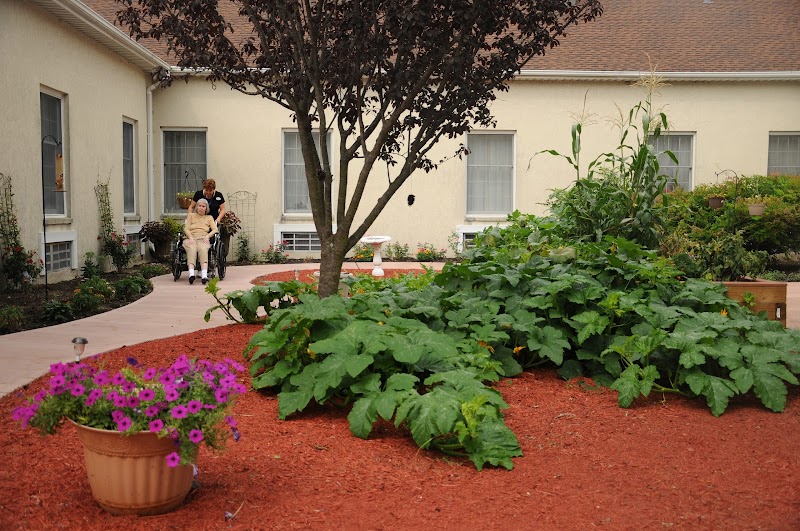
How is Delaware Bay Rehabilitation And Healthcare Center Staffed?

CMS rates DELAWARE BAY REHABILITATION AND HEALTHCARE CENTER's staffing level at 3 out of 5 stars, which is average compared to other nursing homes. Staff turnover is 45%, compared to the Delaware average of 46%. This relatively stable workforce can support continuity of care. RN turnover specifically is 59%, which is notably high. RNs provide skilled clinical oversight, so turnover in this role can affect medical care quality.

What Have Inspectors Found at Delaware Bay Rehabilitation And Healthcare Center?

State health inspectors documented 42 deficiencies at DELAWARE BAY REHABILITATION AND HEALTHCARE CENTER during 2021 to 2025. These included: 1 Immediate Jeopardy (the most serious level, indicating potential for serious harm or death), 1 that caused actual resident harm, and 40 with potential for harm. Immediate Jeopardy findings are rare and represent the most serious regulatory concerns. They require immediate corrective action.
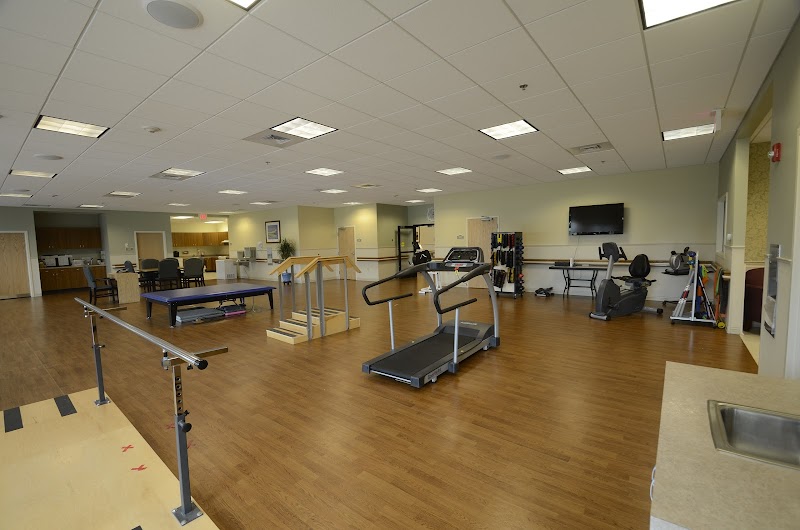
Who Owns and Operates Delaware Bay Rehabilitation And Healthcare Center?

DELAWARE BAY REHABILITATION AND HEALTHCARE CENTER is owned by a for-profit company. For-profit facilities operate as businesses with obligations to shareholders or private owners. The facility is operated by VENZA CARE MANAGEMENT, a chain that manages multiple nursing homes. With 139 certified beds and approximately 109 residents (about 78% occupancy), it is a mid-sized facility located in GEORGETOWN, Delaware.
How Does Delaware Bay Rehabilitation And Healthcare Center Compare to Other Delaware Nursing Homes?

Compared to the 100 nursing homes in Delaware, DELAWARE BAY REHABILITATION AND HEALTHCARE CENTER's overall rating (2 stars) is below the state average of 3.3, staff turnover (45%) is near the state average of 46%, and health inspection rating (2 stars) is below the national benchmark.

What Should Families Ask When Visiting Delaware Bay Rehabilitation And Healthcare Center?

Based on this facility's data, families visiting should ask: "What changes have been made since the serious inspection findings, and how are you preventing similar issues?" "Can I visit during a mealtime to observe dining assistance and food quality?" "How do you handle medical emergencies, and what is your hospital transfer rate?" "Can I speak with family members of current residents about their experience?" These questions are particularly relevant given the facility's Immediate Jeopardy citations.

Is Delaware Bay Rehabilitation And Healthcare Center Safe?

Based on CMS inspection data, DELAWARE BAY REHABILITATION AND HEALTHCARE CENTER has documented safety concerns. Inspectors have issued 1 Immediate Jeopardy citation (the most serious violation level indicating risk of serious injury or death). The facility has a 2-star overall rating and ranks #100 of 100 nursing homes in Delaware. Families considering this facility should ask detailed questions about what corrective actions have been taken since these incidents.

Do Nurses at Delaware Bay Rehabilitation And Healthcare Center Stick Around?

DELAWARE BAY REHABILITATION AND HEALTHCARE CENTER has a staff turnover rate of 45%, which is about average for Delaware nursing homes (state average: 46%). Moderate turnover is common in nursing homes, but families should still ask about staff tenure and how the facility maintains care continuity when employees leave.

Was Delaware Bay Rehabilitation And Healthcare Center Ever Fined?

DELAWARE BAY REHABILITATION AND HEALTHCARE CENTER has been fined $106,376 across 2 penalty actions. This is 3.1x the Delaware average of $34,143. Fines at this level are uncommon and typically indicate a pattern of serious deficiencies, repeated violations, or failure to correct problems promptly. CMS reserves penalties of this magnitude for facilities that pose significant, documented risk to resident health or safety. Families should request specific documentation of what issues led to these fines and what systemic changes have been implemented.

Is Delaware Bay Rehabilitation And Healthcare Center on Any Federal Watch List?

DELAWARE BAY REHABILITATION AND HEALTHCARE CENTER is not on any federal watch list. The most significant is the Special Focus Facility (SFF) program, which identifies the bottom 1% of nursing homes nationally based on persistent, serious quality problems. Not being on this list means the facility has avoided the pattern of deficiencies that triggers enhanced federal oversight. This is a positive indicator, though families should still review the facility's inspection history directly.