EXCELCARE AT LEWES LLC


301 OCEAN VIEW BLVD, LEWES, DE 19958 (302) 645-4664
For profit - Limited Liability company 179 Beds EXCELCARE Data: November 2025
Trust Grade
73/100
#4 of 43 in DE
Last Inspection: February 2025

Within standard 12-15 month inspection cycle. Federal law requires annual inspections.

Overview

Excelcare at Lewes LLC has a Trust Grade of B, which means it is considered a good choice for nursing care but not the highest rated. It ranks #4 out of 43 facilities in Delaware, placing it in the top half, and #2 out of 11 in Sussex County, indicating that only one local option is better. Unfortunately, the facility is worsening, with issues increasing from 10 in 2024 to 12 in 2025. Staffing is rated 4 out of 5 stars, which is a strength, but the turnover rate is average at 43%, similar to the state average of 42%. However, the facility has less RN coverage than 88% of Delaware facilities, which is concerning since RNs play a critical role in monitoring residents' health. Recent inspections have highlighted both strengths and weaknesses. For instance, one serious issue involved a resident who did not receive pain medication for about six hours, leading to unrelieved pain. Additionally, a resident was not provided a dignified dining experience despite being cognitively intact, which indicates a lack of attention to personalized care. Overall, while Excelcare at Lewes has some strong points, families should be aware of these concerning incidents and the current trend of worsening conditions.

Trust Score
B
73/100
In Delaware
#4/43
Top 9%
Safety Record
Moderate
Needs review
Inspections
Getting Worse
10 → 12 violations
Staff Stability
○ Average
43% turnover. Near Delaware's 48% average. Typical for the industry.
Penalties
○ Average
$16,180 in fines. Higher than 52% of Delaware facilities. Some compliance issues.
Skilled Nurses
○ Average
Each resident gets 33 minutes of Registered Nurse (RN) attention daily — about average for Delaware. RNs are the most trained staff who monitor for health changes.
Violations
⚠ Watch
33 deficiencies on record. Higher than average. Multiple issues found across inspections.
★★★★★
5.0
Overall Rating
★★★★☆
4.0
Staff Levels
★★★★★
5.0
Care Quality
★★★★☆
4.0
Inspection Score
Stable
2024: 10 issues
2025: 12 issues

The Good

  • 4-Star Staffing Rating · Above-average nurse staffing levels
  • 5-Star Quality Measures · Strong clinical quality outcomes
  • Full Sprinkler Coverage · Fire safety systems throughout facility
  • No fines on record
  • Staff turnover below average (43%)

    5 points below Delaware average of 48%

Facility shows strength in staffing levels, quality measures, fire safety.

The Bad

Staff Turnover: 43%

Near Delaware avg (46%)

Typical for the industry

Federal Fines: $16,180

Below median ($33,413)

Minor penalties assessed

Chain: EXCELCARE

Part of a multi-facility chain

Ask about local staffing decisions and management

The Ugly 33 deficiencies on record

1 actual harm
Feb 2025 12 deficiencies
CONCERN (D) 📢 Someone Reported This

A family member, employee, or ombudsman was alarmed enough to file a formal complaint

Potential for Harm - no one hurt, but risky conditions existed

Resident Rights (Tag F0550)

Could have caused harm · This affected 1 resident

**NOTE- TERMS IN BRACKETS HAVE BEEN EDITED TO PROTECT CONFIDENTIALITY** Based on observation, interviews, and record review, the facility failed to ensure that one residents (Resident (R)79) in the sa...

Read full inspector narrative →
**NOTE- TERMS IN BRACKETS HAVE BEEN EDITED TO PROTECT CONFIDENTIALITY** Based on observation, interviews, and record review, the facility failed to ensure that one residents (Resident (R)79) in the sample of 46 received care and services in a manner and environment that maintained dignified dining experience. Findings include: Review of R79's admission Record located under the Profile tab in the Electronic Medical Record (EMR) revealed R79 was admitted on [DATE] with diagnoses that included generalized osteoarthritis and chronic obstructive pulmonary disease. Review of the quarterly Minimum Data Set (MDS) located under the MDS tab with an Assessment Reference Date (ARD) of 11/04/24 revealed a Brief Interview for Mental Status (BIMS) score of 15 out of 15 which indicated R79 was cognitively intact. Review of the Care Plan located under the Care Plan tab dated 11/13/24 revealed R79 was to have assistance with activities of daily living (ADL) as needed due to identified self-care deficit. Observation and interview on 02/11/25 at 08:38 AM, R79 was seated in his wheelchair at the foot of his bed. The resident's bed linens were soiled with a large brown stain visible to anyone entering the room and the room was very odorous. The resident's covered breakfast tray was on the overbed table next to the bed. R79 stated, I just want to lay down and look at my bed. They expect me to eat breakfast, and my bed is like that. They said they would change my bed, but they haven't been back. Interview on 02/11/25 at 8:43 AM, Registered Nurse (RN3) stated he would have someone change R79's bed linens. A second request was made at 8:57 AM before the bed was changed. When asked, at 9:15 AM, why the bed was not changed for 14 minutes, RN3 stated, they were passing trays, didn't want them to be sitting. Interview on 02/13/25 at 4:47 PM, the Director of Nurses (DON) and Assistant Director of Nurses (ADON) said the bed linens should have been changed before providing R79 his breakfast.
CONCERN (D) 📢 Someone Reported This

A family member, employee, or ombudsman was alarmed enough to file a formal complaint

Potential for Harm - no one hurt, but risky conditions existed

Free from Abuse/Neglect (Tag F0600)

Could have caused harm · This affected 1 resident

Based on record review, interviews, and review of facility policy, the facility failed to ensure one of three residents (Resident (R) 21) reviewed for abuse was free from abuse in the sample of 46 res...

Read full inspector narrative →
Based on record review, interviews, and review of facility policy, the facility failed to ensure one of three residents (Resident (R) 21) reviewed for abuse was free from abuse in the sample of 46 residents. This failure had the potential for psychosocial impairment from being verbally abused by a staff member. Findings include: A review of the facility reported incident revealed that on 11/26/24 at approximately 9:00 AM, the Social worker witnessed the involved staff (medical records clerk) having a verbal exchange with the resident in an argumentative tone and when the involved staff was advised to walk away from the altercation, the staff member turned around and confronted the R21 and used profanity. Review of R21's annual Minimum Data Set (MDS) with an Assessment Reference Date (ARD) of 11/26/24 revealed an admission date of 05/17/17 and a Brief Interview for Mental Status (BIMS)score of 15 out of 15 indicating R21 was cognitively intact. On 02/13/25 at 12:10 PM during an interview R21 stated that he had already talked with someone from the state about this incident. Interview on 02/12/25 at 01:04 PM, the Assistant Director of Nurses (ADON) stated that she only remembered the incident occurring. On 02/13/25 at 1:44 PM during an interview the Social Service Director (SSD) stated that she did not actually witness the event but heard raised voices and the accused resident used profanity towards staff. Does not recall if the accused staff used profanity towards the resident. Interview on 02/13/25 at 2:00 PM, the Administrator stated that when the incident happened the medical records staff was immediately removed from the situation, escorted out of the building, and terminated. Review of the facility's policy titled, Freedom from Abuse, Neglect and Reporting of Alleged Violations, reviewed 06/15/2024, indicated, The facility will not use verbal .Verbal/Written Abuse is defined as the use of oral .that willfully includes disparaging and derogatory terms to residents or their families, or within their hearing distance, regardless of their age, ability to comprehend, or disability .The facility will develop and operationalize policies and procedures for screening and training employees. protection of residents and for the prevention, identification, investigation, and reporting of abuse .The purpose is to assure that the facility is doing all that is within its control to prevent occurrences.
CONCERN (D) 📢 Someone Reported This

A family member, employee, or ombudsman was alarmed enough to file a formal complaint

Potential for Harm - no one hurt, but risky conditions existed

Deficiency F0602 (Tag F0602)

Could have caused harm · This affected 1 resident

**NOTE- TERMS IN BRACKETS HAVE BEEN EDITED TO PROTECT CONFIDENTIALITY** Based on document review, record review, interview, and policy review, the facility failed to ensure residents were free from mi...

Read full inspector narrative →
**NOTE- TERMS IN BRACKETS HAVE BEEN EDITED TO PROTECT CONFIDENTIALITY** Based on document review, record review, interview, and policy review, the facility failed to ensure residents were free from misappropriation for one of one resident (Resident (R) 177) reviewed for misappropriation. Specifically, Licensed Practical Nurse (LPN) 3 took Resident (R)177's Percocet (pain medication) from the medication cart. The facility's failure to safeguard medication placed all residents at risk for their medications to be misappropriated. Findings include: Review of the facility's investigation summary revealed, On 12/4/24, [Licensed Practical Nurse (LPN)5's name] received 2 blister packs of Percocet packs from the pharmacy around 5AM. [LPN5] then handed the 2 packs of Percocet off to [Registered Nurse (RN)5's name] who was responsible for two carts on the unit (referred to as the odd and even carts). Both cards were mistakenly placed on the even cart, causing a discrepancy, the even cart had three cards of Percocet and the odd cart had two cards of Percocet. An adjustment was made and both carts had 2 cards of Percocet. On 12/4/24 at 7PM [LPN3's name] arrived for her shift and the narcotics were counted and recorded as correct. On 12/5/24 at 7AM [LPN3] signed over the even cart to [LPN12's name] with 2 cards of Percocet. The odd cart was signed over to [LPN13] and [LPN3] left the building. [LPN 13] discovered [R177's] blister pack on the odd cart had two tablets remaining. She contacted the pharmacy and confirmed 60 tablets of Percocet were delivered on 12/04/24. The investigation began, one of R177's blister pack of Percocet was found containing 30 tabs and the other was missing. [LPN3] left the building and did not return calls or return to the facility. She was unable to be reached by the facility. The Director of Nursing (DON) notified Regional about the incident and started an investigation. The police department was notified, and the incident was reported to the state. [LPN3] did not respond to the facility calls or the police who went to her house to inquire about the missing medications. Review of R177's undated Face Sheet located in the resident's electronic medical record (EMR) under the Face Sheet tab indicated that R177's was admitted to the facility on [DATE] and was discharged on 12/09/24. Review of R177's physician's orders revealed orders for Percocet two tablets 10/325 milligram (mg) every six hours for pain. During an interview on 02/12/25 at 9:51 AM, the Assistant Director of Nursing (ADON) stated the facility's investigation determined LPN3 was responsible for taking R177's Percocet pain medication. The ADON said all nursing staff were interviewed and drug tested. The ADON stated that R177 did not miss any doses of his medication due to the drug diversion. During an interview with the Administrator on 0212/25 at 1:48 PM, she stated LPN3 was arrested for the misappropriation of R177's medications. The Administrator provided an email from the detective investigating the incident indicating that LPN3 was arrested. Interview on 02/12/25 at 10:52 AM, the DON was asked if there was any document the nurses sign that they are to not take residents' medications. The DON stated the nurses sign the facility's Abuse policy. Review of the facility's policy titled, Patient Protection and Response Policy for Allegations/lncidents of Abuse, Neglect, Misappropriation of Property and Exploitation dated 02/01/23 indicated, .Definitions .Misappropriation of Patient Property: the deliberate misplacement, exploitation, or wrongful, temporary, or permanent use of a patient's belongings or money without the patient's consent.
CONCERN (D) 📢 Someone Reported This

A family member, employee, or ombudsman was alarmed enough to file a formal complaint

Potential for Harm - no one hurt, but risky conditions existed

Report Alleged Abuse (Tag F0609)

Could have caused harm · This affected 1 resident

**NOTE- TERMS IN BRACKETS HAVE BEEN EDITED TO PROTECT CONFIDENTIALITY** Based on interviews, record reviews, and policy review, the facility failed to implement policies and procedures for the reporti...

Read full inspector narrative →
**NOTE- TERMS IN BRACKETS HAVE BEEN EDITED TO PROTECT CONFIDENTIALITY** Based on interviews, record reviews, and policy review, the facility failed to implement policies and procedures for the reporting of abuse to the State Survey Agency (SSA) for one of five residents (Resident (R) 77) reviewed for abuse out of a total sample of 46 residents. These failures had the potential to contribute to continued abuse in the facility for this resident and other residents. Findings include: Review of the facility's policy titled, Reporting of Reasonable Suspicion of a Crime & Alleged Violations provided by the facility and dated 06/15/24 indicated, The facility will develop and operationalize policies and procedures for .reporting of abuse, neglect, mistreatment, and misappropriation of property .Ensure that all alleged violations involving abuse, neglect, exploitation or mistreatment .are reported immediately, but not later than 2 hours after the allegation is made, if the events that cause the allegation involve abuse or result in serious bodily injury, or not later than 24 hours if the events that cause the allegation do not involve abuse and do not result in serious bodily injury, to the administrator of the facility and to other officials, including to the State Survey Agency . Review of R77's admission Record located in the Electronic Medical Record (EMR) under the Profile tab indicated she was admitted to the facility on [DATE]. Review of R77's admission Minimum Data Set (MDS) assessment under the MDS tab in the EMR with an Assessment Reference Date (ARD) of 01/17/25 included a Brief Interview for Mental Status (BIMS) score of 11 out of 15 which indicated she was moderately cognitively impaired. Review of R322's admission Record located in the EMR under the Profile tab indicated she was admitted to the facility on [DATE]. Review of R322's admission MDS assessment under the MDS tab in the EMR was in progress and incomplete. Review of a facility's investigation dated 02/07/25 of R322's incident indicated R77 reported to the Assistant Director of Nurses (ADON) that she was afraid of a female staff member with a hairband and long, black hair. During an interview on 02/10/25 at 2:38 PM, R77 stated that sometimes staff are rude, but she was not afraid of any staff, and she had no concerns about abuse or neglect. During an interview on 02/13/25 at 5:19 PM, the Director of Nurses (DON), was asked about a witness statement dated 02/07/25 written by the ADON regarding R77's statement about being afraid of a staff with long black hair wearing a headband. The DON stated that R77 was confused, and the allegation was not reported to the SSA or investigated. Additionally, the DON stated that the facility was still working on the five-day report and felt that R77's statement would be investigated during the five-day investigation time period. During an interview on 02/13/25 at 6:10 PM, the ADON provided a revised statement from her interview with R77 which indicated the resident was confused, not consistent with her description of staff members or the time of day/shifts that staff worked. The statement indicated, .Resident recently changed room to move closer to nursing station for closer observation and stated did not feel safe 'because moved here yesterday'. [sic] Revisited resident later at the day [sic], resident did not recall conversation from earlier, no statements of being unsafe. The document was initially unsigned and undated. The ADON then provided documentation indicating that her interview with R77 was on 02/07/25 between 4:00 PM and 5:00 PM. The ADON confirmed that she had not reported the allegation to the Abuse Coordinator due to the resident being confused. During an interview on 02/13/25 at 7:00 PM, the Administrator confirmed that R77's allegation of being fearful of a staff member on 02/07/25 had not been reported to her but should have been. The Administrator confirmed that any resident, regardless of cognition status reporting fear of a staff member should always be reported to the Abuse Coordinator/Administrator to be investigated and reported to the SSA.
CONCERN (D) 📢 Someone Reported This

A family member, employee, or ombudsman was alarmed enough to file a formal complaint

Potential for Harm - no one hurt, but risky conditions existed

Investigate Abuse (Tag F0610)

Could have caused harm · This affected 1 resident

**NOTE- TERMS IN BRACKETS HAVE BEEN EDITED TO PROTECT CONFIDENTIALITY** Based on interviews, record reviews, and policy review, the facility failed to complete a thorough investigation into an allegat...

Read full inspector narrative →
**NOTE- TERMS IN BRACKETS HAVE BEEN EDITED TO PROTECT CONFIDENTIALITY** Based on interviews, record reviews, and policy review, the facility failed to complete a thorough investigation into an allegation of staff to resident abuse for one of five residents (Resident (R) 77) reviewed for an allegation of abuse out of a total sample of 46 residents. The failure to conduct a thorough investigation had the potential to place other residents at risk for abuse. Findings include: Review of the facility's policy titled, Reporting of Reasonable Suspicion of a Crime & Alleged Violations revised 06/15/24 revealed, .In response to allegations of abuse .or mistreatment, the facility will: a. Have evidence that all alleged violations are thoroughly investigated .c. Report the results of all investigations to the administrator or his or her designated representative and to other officials in accordance with State law .The administrator, Director of Nursing (DON) or Designee will be responsible for obtaining all statements/forms from staff member and will also be responsible for the investigation and documentation of final findings . Review of R77's admission Record located in the Electronic Medical Record (EMR) under the Profile tab indicated she was admitted to the facility on [DATE]. Review of R77's admission Minimum Data Set (MDS) assessment under the MDS tab in the EMR with an Assessment Reference Date (ARD) of 01/17/25 included a Brief Interview for Mental Status (BIMS) score of 11 out of 15 which indicated she was moderately cognitively impaired. Review of R322's admission Record located in the EMR under the Profile tab indicated she was admitted to the facility on [DATE]. Review of R322's admission MDS assessment under the MDS tab in the EMR was in progress and incomplete. Review of a facility's investigation into R322's allegation of abuse revealed that on 02/07/25, R77 reported to the Assistant Director of Nurses (ADON) that she was afraid of a female staff member with a hairband and long, black hair. During an interview on 02/10/25 at 2:38 PM, R77 stated that sometimes staff are rude, but she was not afraid of any staff, and she had no concerns about abuse or neglect. During an interview on 02/13/25 at 5:19 PM, the DON was asked about R77's statement on 02/07/25 to the ADON related to R77 being afraid of a staff with long black hair wearing a headband. The DON stated that R77 was confused, and the allegation was not reported or investigated. Additionally, the DON stated that the facility was still working on the five-day report regarding the other resident in the facility and felt that R77's statement would be investigated during the five-day investigation time period. During an interview on 02/13/25 at 6:10 PM, the ADON confirmed that she had not investigated the allegation due to the resident being confused. The ADON did not confirm or deny that she should have investigated the allegation. During an interview on 02/13/25 at 7:00 PM, the Administrator confirmed that R77's allegation of being fearful of a staff member that she reported to the ADON on 02/07/25 had not been reported to her but should have been. The Administrator confirmed that any resident, regardless of cognition status reporting fear of a staff member should always be reported to her/Abuse Coordinator and that a thorough investigation should have been conducted.
CONCERN (D) 📢 Someone Reported This

A family member, employee, or ombudsman was alarmed enough to file a formal complaint

Potential for Harm - no one hurt, but risky conditions existed

Quality of Care (Tag F0684)

Could have caused harm · This affected 1 resident

**NOTE- TERMS IN BRACKETS HAVE BEEN EDITED TO PROTECT CONFIDENTIALITY** Based on observation, interviews, and record review, the facility failed to provide treatment to a wound in accordance with the ...

Read full inspector narrative →
**NOTE- TERMS IN BRACKETS HAVE BEEN EDITED TO PROTECT CONFIDENTIALITY** Based on observation, interviews, and record review, the facility failed to provide treatment to a wound in accordance with the physician's order and revise the care plan to reflect the change of wound treatment for one of six residents reviewed for quality of care (Resident (R) 17) in the sample of 46 residents. The failure created the potential to cause a negative outcome to the healing of R17's wound. Findings include: Review of the admission Record located in R17's electronic medical record (EMR) under the Profile tab indicated the resident was admitted on [DATE] with diagnoses including acquired absence of right and left legs above the knees, peripheral vascular disease, and type 2 diabetes mellitus with diabetic neuropathy. Review of the quarterly Minimum Data Set (MDS) located in the EMR under the MDS tab with an Assessment Reference Date (ARD) of 11/20/24 revealed a Brief Interview for Mental Status (BIMS) score of 13 out of 15 which indicated the resident was cognitively intact. During an observation and interview on 02/10/25 at 10:53 AM, R17 stated, I have this spot on my stump that I think was caused by the table [overbed table] hitting it. Now I think it's infected. It's supposed to be changed every other day. R17 uncovered his left stump which revealed a bandage dated 2/7 with a B next to the date. R17 stated Yeah, they came in on Friday and changed it, but not over the weekend. During an interview on 02/10/25 at 11:02 AM, Licensed Practical Nurse (LPN9) confirmed that the date on the bandage was 2/7 with a B next to the date. LPN9 reviewed R17's physician orders and stated, It should have been changed yesterday, 02/09/25. It's supposed to be changed every other day. It was changed by the wound care team on Friday. Review of the Physician Orders located under the Orders tab in the EMR revealed the following physician orders: 02/07/25, Clean L [left] AKA [above knee amputation] with NSS [normal saline solution], apply Silvasorb Alginate every other day. Review of the Treatment Administration record (TAR) located in the EMR under the Orders tab revealed the treatment was provided on 02/07/25 and not on 02/09/25 as ordered. Review of the Progress Notes, located under the Clinical tab in the EMR revealed a scab on his left stump was identified on 1/28/25. R17 was added to wound rounds. On 01/29/25, the Nurse Practitioner (NP) assessed the new wound/scab on left stump . It is inflamed around the scab with scant amount of drainage noted. Wound care team consulted. R17 was seen by the Wound care team on 01/31/25 with new orders for doxycycline with treatment as bacitracin and dry dressing daily. A Progress Note on 02/07/25 indicated, the Wound Care Physician (WCP) changed the treatment to NSS (normal saline solution), Silvasorb Alginate every other day. Review of R17's Care Plan dated 12/02/24 located in the EMR under the Care Plan tab noted, Potential for further complications from PVD (peripheral vascular disease): has L (left) AKA (above knee amputation) (right) AKA. The approaches did not include the change of treatment dated 02/07/25. During an interview on 02/13/25 at 4:44 PM, both the Director of Nurses (DON) and Assistant Director of Nurses (ADON) confirmed the physician ordered treatment should have been completed on 02/09/25 and that the care plan should have reflected the current treatment intervention.
CONCERN (D) 📢 Someone Reported This

A family member, employee, or ombudsman was alarmed enough to file a formal complaint

Potential for Harm - no one hurt, but risky conditions existed

Pressure Ulcer Prevention (Tag F0686)

Could have caused harm · This affected 1 resident

**NOTE- TERMS IN BRACKETS HAVE BEEN EDITED TO PROTECT CONFIDENTIALITY** Based on observations, record review and interviews, the facility failed to ensure one (Resident (R) R46) of two residents revie...

Read full inspector narrative →
**NOTE- TERMS IN BRACKETS HAVE BEEN EDITED TO PROTECT CONFIDENTIALITY** Based on observations, record review and interviews, the facility failed to ensure one (Resident (R) R46) of two residents reviewed for pressure sores in the sample of 46 residents was provided with all planned interventions related to an existing pressure sore. This failure created the potential for the resident to experience further unnecessary skin breakdown. Findings include: Review of R46's undated admission Record dated 02/13/25 in the Electronic Medical Record (EMR) under the Summary tab indicated admitted to the facility on [DATE] with diagnoses including dementia and type 2 diabetes. Review of R46's significant change Minimum Data Set (MDS) with an Assessment Reference Date (ARD) of 12/13/24 in the EMR under the MDS tab revealed a Brief Interview for Mental Status (BIMS) score of nine out of 15, which indicated the resident was moderately cognitively impaired. The assessment indicated the resident was at risk for developing pressure ulcers but did not have any current pressure ulcers at the time of the assessment. The assessment indicated a pressure reducing mattress was being used on the resident's bed. Review of R46's comprehensive physicians orders dated 02/13/25 in the EMR under the Orders tab indicated orders, order dated 02/08/25 that indicated, cleanse left heel wound with normal saline solution. Apply calcium alginate and bordered gauze daily. An order dated 02/08/25, that indicated the resident was to receive the following treatment: cleanse left buttock with normal saline solution, apply zinc, cover with bordered gauze, change daily and as needed. The order did not indicate the application of a low air loss mattress to the resident's bed. Review of R46's Skin Integrity Care Plan, dated 02/07/25 in the EMR under the Care Plan tab revealed the resident had a stage 2 pressure sore to her left buttock and a deep tissue injury to her right heel. The care plan indicated the resident was at risk for further skin breakdown and indicated preventative skin measures, including a pressure reducing mattress on the resident's bed, were to be implement as ordered. The care plan did not indicate the application of a low air loss mattress to the resident's bed. Review of R46's Health Status Note dated 02/074/25 in the EMR under the Notes tab revealed, Resident seen by [Facility's Wound Care Physician (WCP)] for wound rounds . Air Mattress order placed in TELLS (the facility's maintenance request system). Observations of R46 lying in bed in her room on 02/10/25 at 4:34 PM, on 02/11/25 at 9:01 AM 1:09 PM, 3:10 PM, and 3:46 PM, and on 02/12/25 at 8:30 AM and 9:45 AM revealed no low air loss mattress applied to the resident's bed. R46 was lying on a regular pressure reducing mattress. During an observation of the resident along with Unit Manager (UM1) on 02/12/25 at 1:16 PM, UM1 confirmed a low air loss mattress was not applied to R46's bed. UM1 stated the WCP had ordered a low air loss mattress for the resident during wound rounds conducted the previous week to prevent potential worsening of the resident's wounds and stated she had placed the order for the mattress into the facility's TELS system that day (02/07/25). During an interview with the Director of Nursing (DON) and the Assistant Director of Nursing (ADON) on 02/13/25 at 4:30 PM, the ADON confirmed the resident's low air loss mattress was expected to have been ordered timely and would typically have been expected to have been placed on the resident's bed on the same day.
CONCERN (D) 📢 Someone Reported This

A family member, employee, or ombudsman was alarmed enough to file a formal complaint

Potential for Harm - no one hurt, but risky conditions existed

Accident Prevention (Tag F0689)

Could have caused harm · This affected 1 resident

**NOTE- TERMS IN BRACKETS HAVE BEEN EDITED TO PROTECT CONFIDENTIALITY** Based on interviews and record reviews, the facility failed to prevent an injury during incontinence care for two of eight resid...

Read full inspector narrative →
**NOTE- TERMS IN BRACKETS HAVE BEEN EDITED TO PROTECT CONFIDENTIALITY** Based on interviews and record reviews, the facility failed to prevent an injury during incontinence care for two of eight residents (Resident (R) 171 and R170) reviewed for accidents out of a total sample of 46 residents. Specifically, the facility failed to utilize a mechanical lift for assistance out of bed for R170 and failed to properly assist R171 with bed mobility during incontinence care which according to the care plan required the assistance of two staff members. This failure resultedR171 sustaining a laceration to her forehead when she rolled off the bed during incontinence care. Additionally, R170 sustained a skin tear to the abdomen during incontinence care related to improper transfer. Findings include: 1. Review of R171's admission Record located in the Electronic Medical Record (EMR) under the Resident tab indicated she was admitted to the facility on [DATE] with diagnosis of cerebral infarction. Review of R171's Care Plan located in the EMR under the Care Plan tab initiated 09/01/20 included two-person assistance with bed mobility and was incontinent of bowel and bladder. Review of R171's quarterly Minimum Data Set (MDS) located in the EMR under the MDS tab did not include a Brief Interview for Mental Status (BIMS) score due to the resident not being able to participate. R171 was noted to have impairment to all extremities and was dependent with all activities of daily living (ADL) including incontinent care and bed mobility. Review of R171'sfall investigation provided by the facility revealed the resident sustained a fall on 06/06/24 at 9:40 PM while being provided incontinence care by Certified Nursing Assistant (CNA1). The resident was noted to have rolled off the bed and sustained a laceration to the left forehead with active bleeding. R171 was transported to the Emergency Department (ED) for evaluation and treatment. No sutures were required. A computed tomography (CT) scan was performed of the head and was negative. The resident returned to the facility on [DATE] with no new orders. The facility investigation confirmed that CNA1 was immediately suspended pending investigation and was terminated on 06/07/24 for failing to follow the resident's plan of care which indicated that two staff were to be present during bed mobility. Review of CNA1's Witness Statement dated 06/06/24 and provided by the facility indicated, I walked into the room with [CNA2], [R171] had a bm [bowel movement] and was very sweaty. [CNA2] left to get a sheet. I continued to clean R171, her feet rolled out of the bed and her head followed. I tried my best to hold her up. She fell, I stepped into the hall and called for CNA2 because she was the only person I seen (sic). When she came to the room I asked her to get [Licensed Practical Nurse (LPN)1]. Review of CNA2's Witness Statement dated 06/06/24 and provided by the facility stated, I [CNA2] was @ [at] the nurse station talking to [LPN1] when [CNA1] called my name to come to room .when I walked in I saw [R171]on the floor bleeding from the left side of her face. I [CNA2] immediately called [LPN1]to come fast and that [R171]was on the floor Review of LPN1's Witness Statement provided by the facility stated, This writer was sitting at the desk when [CNA1] rushed out of [R171's room] and asked to call [CNA2] the other aid. Writer did so. [CNA2] went to rm [room] and came out calling for writer. As writer came to rm, [R171] was observed lying down on the floor, face down, bleeding from the side of the left side of the head. During an interview on 02/13/25 at 2:25 PM, LPN1 stated that CNA1 came out of R171's room and called for CNA2 to come to the room to assist her. CNA2 then saw R171 on the floor bleeding from the head and called for LPN1. LPN1 immediately assessed R171, notified her supervisor and called 911 (Emergency Services). R171 was to have two-person assistance with all ADL care due to contractures. R171 went to the ED and returned with a bandage wrapped around her head. LPN1 confirmed that R171 should have had two CNAs providing care to her and she did not know why CNA1 gave care by herself. During an interview on 02/13/25 at 10:18 AM, the Assistant Director of Nurses (ADON) confirmed that R171 was dependent on staff for all ADL care. It was determined that CNA1 didn't follow the protocol for two-person assistance and should have. 2. Review of R170's admission Record, dated 02/13/25 in the EMR under the Admissions tab, indicated the resident was admitted to the facility on [DATE] with diagnoses including schizophrenia, morbid obesity, and congestive heart failure. Review of R170's significant change MDS with an ARD of 08/29/24 in the EMR under the MDS tab revealed a BIMS score of 15 out of 15, which indicated the resident was cognitively intact. The assessment indicated the resident did not transfer/move from a sitting to standing position from her bed or any other surface due to her medical condition or safety concerns. The assessment indicated the resident was totally dependent on staff to transfer in and out of her bed to a wheelchair and required extensive assistance from staff to move about in her bed. Review of R170's comprehensive care plan dated 09/17/24 in the EMR under the Care Plan tab indicated the resident's mobility status as assistance of two staff with use of Hoyer lift for transfers to and from bed and assistance of two staff for movement within bed. The care plan indicated the resident was non-ambulatory. Review of R170's Fall Risk Evaluation dated 09/24/24 and found under the Assessment tab in the EMR, revealed a score of 18, which indicated the resident was at risk for falls. The assessment indicated the resident's ambulation/elimination status as bedbound/incontinent. The assessment indicated the resident's gait/balance as Not able to perform function. Review of R170's Health Status Note dated 09/25/24 in the EMR under the Notes tab revealed, Resident was lowered to the floor during transfer from her bed, acquired small skin tear to the L [left] lateral abdomen, was assisted back to bed via Hoyer lift and x [time[ 4 staff assist, resident recently readmitted to facility and therapy to evaluate and confirm transfer status. Review of the facility's investigation related to R170's 09/25/25 fall revealed R170 was lowered to the floor when she became weak and was unable to stand while Certified Nursing Assistant (CNA6) and CNA7 assisted the resident to stand next to her bed to provide ADL/Peri-care. The investigation revealed four unidentified staff members, and the use of a Hoyer lift were required to transfer the resident back to her bed and indicated the resident received a skin tear to her abdomen during the incident. Interview with the Director of Nursing (DON) on 02/13/25 at 4:33 PM, she stated her expectation was the resident's plan of care was to be followed by staff related to any resident care.
CONCERN (D) 📢 Someone Reported This

A family member, employee, or ombudsman was alarmed enough to file a formal complaint

Potential for Harm - no one hurt, but risky conditions existed

Incontinence Care (Tag F0690)

Could have caused harm · This affected 1 resident

**NOTE- TERMS IN BRACKETS HAVE BEEN EDITED TO PROTECT CONFIDENTIALITY** 2. Review of the admission Record located under the Profile tab in the EMR revealed R28 was admitted on [DATE] with diagnoses ac...

Read full inspector narrative →
**NOTE- TERMS IN BRACKETS HAVE BEEN EDITED TO PROTECT CONFIDENTIALITY** 2. Review of the admission Record located under the Profile tab in the EMR revealed R28 was admitted on [DATE] with diagnoses acute kidney failure, and neuromuscular dysfunction of bladder. Review of the quarterly MDS located under the MDS tab in the with an ARD of 01/07/25 revealed a BIMS score of 15 out of 15 which indicated R28 was cognitively intact. During an interview on 02/11/25 at 8:44 AM, R28 stated, They're overdue by a month, at least, for changing my catheter. Probably six weeks. Review of the December 2024, January 2025, and February 2025 Physician Orders located under the Orders tab in the EMR revealed an order for Urinary Catheter - 18F30 cc bulb dated 11/28/24. There were no orders for catheter care. Review of the December 2024, January 2025, and February 2025 MAR and TAR revealed no orders for catheter care. During an interview on 02/12/25 at 4:43 PM, the ADON stated, I'll have to check on the catheter care, why it's not on the orders. During an interview on 02/12/25 at 5:39 PM, the ADON stated, (R28's) catheter was last changed 11/24 when sent to the hospital for a UTI (urinary tract infection). We (facility) have a policy that it (catheter) is not to be changed every month, only when symptomatic. The orders didn't transfer over from 11/24, I don't know why. Based on record review and interviews, the facility failed to ensure two Residents (R) R28 and R65) out of three residents reviewed for urinary function/catheters had appropriate orders in place related to the use of their indwelling urinary catheters in the sample of 46 residents. This failure created the potential for the residents to go without appropriate catheter related care. Findings include: Review of R65's admission Record, dated 02/13/25 in the Electronic Medical Record (EMR) under the Admissions tab indicated the resident was admitted to the facility on [DATE] with diagnoses included quadriplegia following a spinal cord injury and urinary retention. Review of R65's admission Minimum Data Set (MDS) Assessment with an Assessment Reference Date (ARD) of 11/05/24 and in the EMR under the MDS tab, revealed a Brief Interview for Mental Status (BIMS) score of 15 out of 15, which indicated the resident was cognitively intact. The assessment indicated the resident had an indwelling urinary catheter in place in his bladder. Review of R65's Order Summary Report, dated 02/13/25 in the EMR under the Orders tab indicated no orders for the resident's use of his urinary catheter or related to routine care of the catheter. Review of R65's Medication Administration Record (MAR) and Treatment Administration Record (TAR) dated 02/01/25 through 02/13/25 and found in the EMR under the Orders Tab, indicated nothing to show the provision of routine catheter related care had been provided for the resident during that time period. Review of R65's comprehensive care plan, most recently dated 01/10/25 and found in the EMR under the Care Plan Tab, indicated the resident had a suprapubic catheter in place in his bladder and indicated the catheter was to be changed every four weeks at the resident's urology office. During an interview with the Director of Nursing (DON) and the Assistant DON (ADON) on 02/13/25 at 4:27 PM, both stated their expectation was there would be physician's orders for the use and routine care of any resident's indwelling urinary catheter. 2. Review of the admission Record located under the Profile tab in the EMR revealed R28 was admitted on [DATE] with diagnoses acute kidney failure, and neuromuscular dysfunction of bladder. Review of the quarterly MDS located under the MDS tab in the with an ARD of 01/07/25 revealed a BIMS score of 15 out of 15 which indicated R28 was cognitively intact. During an interview on 02/11/25 at 8:44 AM, R28 stated, They're overdue by a month, at least, for changing my catheter. Probably six weeks. Review of the December 2024, January 2025, and February 2025 Physician Orders located under the Orders tab in the EMR revealed an order for Urinary Catheter - 18F30 cc bulb dated 11/28/24. There were no orders for catheter care. Review of the December 2024, January 2025, and February 2025 MAR and TAR revealed no orders for catheter care. During an interview on 02/12/25 at 4:43 PM, the ADON stated, I'll have to check on the catheter care, why it's not on the orders. During an interview on 02/12/25 at 5:39 PM, the ADON stated, (R28's) catheter was last changed 11/24 when sent to the hospital for a UTI (urinary tract infection). We (facility) have a policy that it (catheter) is not to be changed every month, only when symptomatic. The orders didn't transfer over from 11/24, I don't know why.
CONCERN (D) 📢 Someone Reported This

A family member, employee, or ombudsman was alarmed enough to file a formal complaint

Potential for Harm - no one hurt, but risky conditions existed

Deficiency F0700 (Tag F0700)

Could have caused harm · This affected 1 resident

**NOTE- TERMS IN BRACKETS HAVE BEEN EDITED TO PROTECT CONFIDENTIALITY** Based on policy review, record review, observation, and interviews, the facility failed to ensure one (Resident (R) R65) out of ...

Read full inspector narrative →
**NOTE- TERMS IN BRACKETS HAVE BEEN EDITED TO PROTECT CONFIDENTIALITY** Based on policy review, record review, observation, and interviews, the facility failed to ensure one (Resident (R) R65) out of seven residents reviewed for accidents in the sample of 46 resident was appropriate for the use of side rails on his bed. This failure created the potential for the resident to be injured related to potentially unnecessary side rails installed and in use on his beds. Findings include: Review of the facility's policy titled, Bed Rails/Grab Rails dated 05/03/24 indicated, The facility will attempt to use appropriate alternatives prior to installing a side or bed rail .The use of side rails will require a physicians order; .The use of bed rails will be included in the residents' plan of care .The nursing department will evaluate the resident for the use of bed/side rails upon admission, readmission, quarterly and as needed. Review of R65's admission Record, dated 02/13/25 and found in the Electronic Medical Record (EMR) under the Admissions tab, indicated the resident was admitted to the facility on [DATE] with diagnoses including quadriplegia following a spinal cord injury. Review of R65's admission Minimum Data Set (MDS) with an Assessment Reference Date (ARD) of 11/05/24 in the EMR under the MDS tab revealed a Brief Interview for Mental Status (BIMS) score of 15 out of 15, which indicated the resident was cognitively intact. The assessment indicated that the resident was totally dependent upon staff to move about in his bed and to transfer in and out of his bed. The assessment did not indicate side rails were in use for R65. Review of R65's Order Summary Report dated 02/13/25 in the EMR under the Orders tab, indicated no orders for the resident's use of side rails on his bed. Review of R65's comprehensive care plan, most recently dated 11/06/24 in the EMR under the Care Plan tab indicated the resident was quadriplegic and was unable to move any of his extremities independently. The care plan indicated the resident was completely dependent upon staff to complete all of his Activities of Daily Living (ADLs), including moving about in his bed. The care plan revealed nothing to indicate the resident's use of side rails. Review of R65's Device/Restraint Assessment and Consent Form dated 01/29/25 in the EMR under the Assessment tab, indicated, ¼ side rails to the resident's bed, however there was nothing on the assessment to indicate the rationale for the use of side rails, what alternatives were attempted prior to the implementation of the side rails, or that risks related to the use of the rails had been addressed with the resident prior to implementation of the side rails. R65 was observed laying in his bed with ¼ side rails raised on both sides of his bed on 02/10/25 at 3:30 PM, on 02/11/25 at 10:06 AM, 1:15 PM, 3:07 PM, and 3:48 PM, and on 02/12/25 at 8:32 AM, 9:52 AM, and 11:53 AM. R 65 was not able to move anything below his neck independently. During an interview on 02/12/25 at 11:55 AM, R65 confirmed he was not able to move independently and was not able to use the rails on his bed. During an observation of R65 along with the Assistant Director of Nursing (ADON) on 02/12/25 at 2:46 PM, the ADON confirmed the resident's side rails were raised on both sides of his bed and confirmed the resident was not able to use the side rails at all due to his quadriplegia. She stated the side rails should not have been on the resident's bed. During an interview with the Director of Nursing (DON) and the ADON on 02/13/25 at 4:27 PM, both stated their expectation was that side rails were to be used only when necessary and physician's orders, a care plan, and a thorough assessment were required related to the use of rails prior to use.
CONCERN (D) 📢 Someone Reported This

A family member, employee, or ombudsman was alarmed enough to file a formal complaint

Potential for Harm - no one hurt, but risky conditions existed

Deficiency F0760 (Tag F0760)

Could have caused harm · This affected 1 resident

**NOTE- TERMS IN BRACKETS HAVE BEEN EDITED TO PROTECT CONFIDENTIALITY** Based on interview, record review, and policy review, the facility failed to ensure one of six sampled residents (Resident (R) 1...

Read full inspector narrative →
**NOTE- TERMS IN BRACKETS HAVE BEEN EDITED TO PROTECT CONFIDENTIALITY** Based on interview, record review, and policy review, the facility failed to ensure one of six sampled residents (Resident (R) 176) whose medications were reviewed was free from significant medication error in the sample of 46 residents. Specifically, R176 was administered Ativan, an anxiolytic medication, and morphine, a narcotic pain medication, without a physician order for the medications. This medication error had the potential to cause the resident to become over sedated and experience respiratory depression. Findings include: Review of the summary provided by the facility revealed on 07/26/24 at approximately 9:35 PM, Registered Nurse (RN)4 started the medication pass for the hall she was assigned to on the evening shift. She took out medications for a hospice resident including 0.5 milligrams (mg) of Ativan and 15 mg of Morphine and proceeded to the room. RN4 did not check R176's armband or ask her name before administering the medications. After R176 swallowed the medication she realized she had given the medication to the wrong resident. She immediately called the supervisor and Director of Nursing (DON) and reported the medication error. RN4 was instructed to stay with R176 and administer Narcan and take vital signs every ten minutes. R176 did not have any adverse effects from the medication error. RN4 was counseled immediately and completed a medication pass competency. She was then allowed to administer medications. Review of R176's undated admission Record located in the electronic medical record (EMR) under the Profile tab, revealed the resident was admitted to the facility on [DATE] with diagnoses which included heart failure, anemia, and chronic obstructive pulmonary disease (COPD). Review of R176's Medication Administration Record (MAR) dated 07/2024revealed R176 did not have orders for Ativan or Morphine. Review of RN4's personnel file revealed RN4 received counseling on 07/26/24 regarding the medication error. She received education on the five rights of medication administration. During an interview on 02/12/25 at 4:32 PM the Assistant Director of Nursing (ADON) stated R176 was given the wrong medications and the physician was notified immediately. The ADON stated the physician ordered Narcan which was given, and there were no adverse reactions. During an interview on 02/13/25 at 1:49 PM, the Director of Nursing (DON) stated RN4 called her immediately after she realized she gave the wrong medication to the wrong resident. The DON stated she went to the facility and counseled RN4. She ensured R176 was not having any adverse effects from the medications. Review of the facility's policy titled, Geriatric Pharmacy LLC, Policy and Procedure [NAME], revised March 2022, revealed, . Prepare the medications for one customer at a time only . Confirm the medication and dose are correct . Verify each medication preparation to ensure the medication is the right drug at the right dose, the right route at the right time, for the right customer . Verify the Medication Administration (MAR) reflects the most recent medication order. Facility staff observe the resident for possible medication-related adverse consequences . when the following conditions occur . Medication error . In the event of a significant medication-related error or adverse consequence, immediate action is taken, as necessary, to protect the resident's safety and welfare. Significant is defined as . Life threatening . The physician's orders are implemented, and the resident is monitored closely for 24 to 72 hours or as directed .
CONCERN (D) 📢 Someone Reported This

A family member, employee, or ombudsman was alarmed enough to file a formal complaint

Potential for Harm - no one hurt, but risky conditions existed

Infection Control (Tag F0880)

Could have caused harm · This affected 1 resident

**NOTE- TERMS IN BRACKETS HAVE BEEN EDITED TO PROTECT CONFIDENTIALITY** Based on observation, interview, record review, and policy review, the facility failed to implement an effective infection contr...

Read full inspector narrative →
**NOTE- TERMS IN BRACKETS HAVE BEEN EDITED TO PROTECT CONFIDENTIALITY** Based on observation, interview, record review, and policy review, the facility failed to implement an effective infection control program to ensure personal protective equipment (PPE) was used for one resident of one resident (Resident (R) 320) who was on contact isolation, and failed to identify COVID from the weekend to weekday for R80 who was not placed on contact isolation in a timely manner to prevent the potential spread of an infection. Findings include: Review of the facility's policy titled, Enteral Feeding Medication Administration dated 05/01/24 and provided by the facility stated, .Universal precautions and clean technique will be utilized when stopping, starting, flushing, and giving medications through the feeding tube. PPE [personal protective equipment] will be used as needed .The personal protective equipment worn will vary by task being performed and likelihood of exposure to body fluid .Enhanced Barrier Precautions will be used in the facility as extra level of protection for some residents in order to prevent the transmission of MDROs [multidrug resistant organisms] infections. Enhanced barrier precautions will be used when providing direct contact or during high-contact care with certain residents .Resident with feeding tubes . Review of the facility's policy titled, Enhanced Barrier Precautions Policy dated 05/01/24 stated, .Enhanced Barrier Precautions expand the use of PPE and refer to the use of gown and gloves during high-contact resident care activities that provide opportunities for transfer of MDROs .Examples of high-contact resident care activities requiring gown and glove use for Enhanced Barrier Precautions include: .device care or use: . feeding tube . 1.Review of R320's admission Record located in the EMR under the Profile tab indicated an original admission date of 02/09/25 with diagnosis of dysphagia following cerebral infarction. Review of R320's Baseline Care Plan located in the EMR under the Care Plan and dated 02/11/25 indicated, NPO (nothing by mouth) intake status and PEG tube (percutaneous endoscopic gastrostomy- a tube inserted through the wall of the abdomen directly into the stomach). Review of R320's Order Summary Report located in the EMR under the Orders tab included amlodipine (anti-hypertensive medication) via PEG tube, chewable aspirin (medication used to stop blood clots) via PEG tube, apixaban via PEG tube and metoprolol via PEG tube. Review of R320's Review of R320's Order Summary Report located in the EMR under the Orders tab included Enhanced Barrier Precautions r/t [related to] Peg tube every shift for Enhanced Barrier Precaution, don gloves and gown before high contact resident care. Remove gown and gloves and handwash/sanitize hands, before exiting the room or before providing care to another resident in the room starting 02/10/25. Review of R320's Progress Notes located in the EMR under the Progress Notes tab indicated R320 had episodes of emesis and loose stool on 02/11/25. Observation on 02/12/25 at 9:36 AM, R320 had a sign on her door indicating that she was on Contact Precautions to include, cleaning hands before entering the room and when leaving the room, put on gloves before room entry, discard gloves before room exit, and put on gown before room entry. Discard gown before room exit. During an observation and interview on 02/12/25 at 9:36 AM Licensed Practical Nurse (LPN)2 performed hand sanitizing, donned gloves, and a surgical mask, then prepared and administered medications via PEG tube. LPN2 did not don a gown prior to administering medications via R320's PEG tube. LPN2 was asked what the facility's policy regarding what PPE to wear when administering medications via PEG tube. LPN2 said that she only needed to wear a mask and gloves. Review of the signage on the door and the orders in the EMR for Enhanced Barrier Precautions LPN2stated that it was her understanding that only the nurse aides needed to wear a gown during close contact activities. LPN2 stated that she did not consider PEG tube medication administration a close contact activity. Additionally, LPN2 confirmed that R320 had three loose stools on 02/11/25 during the 3:00 PM -11:00 PM shift along with intermittent emesis. During an interview on 02/12/25 at 1:50 PM, the Director of Nursing (DON) confirmed that it was her expectation for nurses to wear a gown, mask, gloves, and eye protection during PEG tube medication administration. 2. Review of the admission Record found in R80's electronic medical record (EMR) under the Profile tab noted the resident was admitted on [DATE] with diagnoses that included rheumatoid arthritis, chronic pain syndrome, and idiopathic peripheral autonomic neuropathy. Review of the quarterly Minimum Data Set (MDS) located under the MDS tab in the EMR with an assessment reference date (ARD) of 12/09/24 revealed a Brief Interview for Mental Status (BIMS) score of 14 out of 15 which indicated R80 was cognitively intact. During an observation and interview on 02/10/25 at 11:17 AM, R80 stated, I'm not feeling well. I was very sick yesterday. I vomited so many times they had to change my entire bed three times. R80 denied having the flu, norovirus, or COVID. There was no signage on the outside of the resident's room to indicate she was in isolation of any kind or proper trash receptacles in the room if on isolation. During an interview on 02/10/25 at 11:46 AM, the Director of Nurses (DON) and Assistant Director of Nurses (ADON) said they were not informed of R80's vomiting on 02/09/25. The DON stated, We need to know what happened, why that was not communicated. During an interview on 02/10/25 at 1:07 PM, Certified Nursing Assistant (CNA5) stated, They (nurses) knew she was sick. She was sick like seven times. Her whole bed and everything changed so many times. No signs went up until you started asking about it. Review of the Progress Notes located in the EMR under the Clinical tab revealed on 02/08/25, R80 was noted to have received medication for a cough. There was no documentation on 02/09/25 that R80 was vomiting. On 02/10/25, the Progress Note identified R80 received medication for loose stool. Review of the Clinical Physician Orders located in the EMR under the Orders tab, dated 02/10/25, revealed R80 was placed on contact isolation precaution for 10 days, tested positive for COVID.
Mar 2024 10 deficiencies
CONCERN (D)

Potential for Harm - no one hurt, but risky conditions existed

Safe Environment (Tag F0584)

Could have caused harm · This affected 1 resident

**NOTE- TERMS IN BRACKETS HAVE BEEN EDITED TO PROTECT CONFIDENTIALITY** Based on observation and interview, it was determined that for one room out of five rooms reviewed for environmental concerns th...

Read full inspector narrative →
**NOTE- TERMS IN BRACKETS HAVE BEEN EDITED TO PROTECT CONFIDENTIALITY** Based on observation and interview, it was determined that for one room out of five rooms reviewed for environmental concerns the facility failed to provide a clean and homelike environment. Findings include: Random observations of room [ROOM NUMBER] revealed: 3/11/24 10:37 AM - An observation of room [ROOM NUMBER] revealed the following: -A substantial amount of dirt and food crumbs scattered throughout the bedroom. -The bathroom revealed a substantial amount of small, circular black debris scattered throughout the floor. Also, next to the toilet had a circular area, brown in color approximately 12 inches by 6 inches in size. -There was approximately 3 feet of baseboard peeling off the wall and onto the floor. During this observation, an interview with the resident stated that (baseboard) has been that way for a year. The resident stated he told maintenance about it. 3/12/24 10:58 AM - An observation of room [ROOM NUMBER] revealed that there continued to be dirt and food crumbs scattered throughout the bedroom floor and the bathroom continued to have the same black debris and circular area on the floor. While in room [ROOM NUMBER], an interview with the resident stated that no one ever came in the room and cleaned it yesterday (3/11/23). 3/12/24 11:10 AM - During an observation and interview, E24 (Floor Tech) confirmed that room [ROOM NUMBER] was unclean and proceeded to clean the room. After the bathroom was cleaned, the circular black debris and the circular area by the toilet were removed from the floor. E24 stated the resident's rooms are to be cleaned every day including sweeping and wet moping the floor. 3/12/24 11:13 AM - An interview with E24 confirmed the baseboard in room [ROOM NUMBER] and that it had been that way for about one year. E24 stated he notified E26 (Director of Maintenance) about a year ago. 3/14/24 1:39 PM - An interview with E26 confirmed the baseboard peeling off the wall and laying on the floor of room [ROOM NUMBER]. E26 stated an employee of the facility may have verbally told him but the issue did not get put into their maintenance system to be followed. E26 stated he will get the baseboard fixed. 3/18/24 1:54 PM - An observation of room [ROOM NUMBER] revealed the baseboard was appropriately attached to the wall of the room and was no longer peeling off. 3/18/24 1:54 PM - An interview with E25 (Director of Environmental Services) revealed that resident rooms are to be cleaned every day including sweeping and wet moping the floor and cleaning the bathroom. E25 confirmed there are four housekeepers that clean the resident rooms; however, they use E24 to clean room [ROOM NUMBER] because resident prefers him. The resident stated he does prefer E24 to clean his room but is acceptable to having two of the four housekeepers clean his room. 3/20/2/24 2:40 PM - Findings reviewed with E1 (NHA), E2 (DON) and E3 (ADON) and E4 (Corporate) during the exit conference.Based on observation and interview, it was determined that for one room out of five rooms reviewed for environmental concerns the facility failed to provide a clean and homelike environment. Findings include:
CONCERN (D) 📢 Someone Reported This

A family member, employee, or ombudsman was alarmed enough to file a formal complaint

Potential for Harm - no one hurt, but risky conditions existed

Report Alleged Abuse (Tag F0609)

Could have caused harm · This affected 1 resident

Based on record review and interview, it was determined that for one (R255) out of three residents reviewed for abuse, the facility failed to report a bruise of unknown origin. Findings include: 9/26/...

Read full inspector narrative →
Based on record review and interview, it was determined that for one (R255) out of three residents reviewed for abuse, the facility failed to report a bruise of unknown origin. Findings include: 9/26/23 - An admission MDS assessment documented R255 had a BIMS score of 3 (severe cognitive impairment). 10/10/23 6:20 AM - A skin and wound note documented, resident noted with left upper arm bruise of unknown origin while care was being provided. 10/10/23 - A facility incident report documented that R255 had a bruise to the left upper arm. No measurements or description was documented in R255's clinical record. R255 was unable to explain what happened. 10/11/23 12:10 AM - An order note documented, monitor left upper arm bruise until resolved every shift. 10/12/24 2:07 AM - An order note documented, monitor right upper arm and chest bruise until resolved every shift for monitoring. The facility lacked evidence that a bruise of unknown origin was reported to the state agency within the required eight-hour time frame. 3/20/24 12:34 PM - During an interview, E2 (DON) confirmed that the family was not notified. Additionally, E12 confirmed that the incident was not reported to the State Agency. 3/20/2/24 2:40 PM - Findings reviewed with E1 (NHA), E2 (DON) and E3 (ADON) and E4 (Corporate) during the exit conference.
CONCERN (D) 📢 Someone Reported This

A family member, employee, or ombudsman was alarmed enough to file a formal complaint

Potential for Harm - no one hurt, but risky conditions existed

Deficiency F0635 (Tag F0635)

Could have caused harm · This affected 1 resident

**NOTE- TERMS IN BRACKETS HAVE BEEN EDITED TO PROTECT CONFIDENTIALITY** Based on interviews and review of the clinical record, it was determined that for one (R309) out of two residents reviewed for a...

Read full inspector narrative →
**NOTE- TERMS IN BRACKETS HAVE BEEN EDITED TO PROTECT CONFIDENTIALITY** Based on interviews and review of the clinical record, it was determined that for one (R309) out of two residents reviewed for admission, the facility failed to ensure that R309 had physician orders for the resident's immediate care. Findings include: 1 a. Review of R309's clinical record revealed: 3/6/24 - R309 was admitted to the facility. 3/6/24 6:30 PM - An admission assessment was completed for R309 indicating an indwelling urinary catheter in place. 3/6/24 - A care plan was initiated for indwelling urinary catheter. 3/9/24 - An admission MDS indicated R309 had an indwelling urinary catheter. 3/11/24 11:02 AM - An observation of R309 revealed an indwelling catheter in place and bag in a privacy bag. An interview with R309 confirmed use of indwelling urinary catheter related to neurogenic bladder (retention of urine). 3/12/24 9:32 AM - A physician's order revealed R309 use of indwelling urinary catheter related to neurogenic bladder. 3/13/24 2:22 PM - An interview with E19 (CNA) confirmed R309 was admitted with an indwelling urinary catheter and care was being completed. 3/14/24 1:08 PM - An interview with E15 (UM) confirmed the admission process is completed by the admitting nurse. The admitting nurse is responsible for admission assessments and inputting of physician orders. 3/14/24 1:30 PM - An interview with E18 (RN) confirmed that R309 was admitted on [DATE] and E18 completed the admission assessments and orders. E18 stated R309 was admitted with an indwelling urinary catheter, and she forgot to obtain the batch orders (set of orders) related to the catheter from the provider. b. Review of R309's clinical record revealed: 3/6/24 - A care plan was initiated for diabetes management for R309. 3/6/24 6:30 PM - An admission assessment was completed for R309 and did not indicate that R309 was diabetic. 3/6/24 7:00 PM - A physician's order was written for Levemir (Insulin) and glipizide (oral diabetic) medications. 3/12/24 1:05 PM - A physician's order for R309 was written for blood glucose monitoring before meals and at bedtime. Additionally, an order was written for sliding scale insulin coverage with blood glucose results. 3/14/24 1:08 PM - An interview with E15 (UM) confirmed the admission process is completed by the admitting nurse. The admitting nurse is responsible for admission assessments and inputting physician orders. 3/14/24 1:30 PM - An interview with E18 (RN) confirmed that R309 was admitted on [DATE] and E18 completed the admission assessments and orders. E18 stated R309 was diabetic, and she forgot to obtain the batch orders (set of orders) related to the diabetic management from the provider. The facility failed to ensure physician's orders needed for immediate care were present on admission. 3/20/2/24 2:40 PM - Findings reviewed with E1 (NHA), E2 (DON) and E3 (ADON) and E4 (Corporate) during the exit conference.
CONCERN (D) 📢 Someone Reported This

A family member, employee, or ombudsman was alarmed enough to file a formal complaint

Potential for Harm - no one hurt, but risky conditions existed

Quality of Care (Tag F0684)

Could have caused harm · This affected 1 resident

Based on interview and record review it was determined that for one (R313) out of one residents reviewed for bowel and bladder incontinence care, the facility failed to ensure that R313 received treat...

Read full inspector narrative →
Based on interview and record review it was determined that for one (R313) out of one residents reviewed for bowel and bladder incontinence care, the facility failed to ensure that R313 received treatment and care in accordance with professional standards of practice and physician orders. Findings include: 1. Review of R313's clinical record revealed: 6/19/23 - The EMR diagnosis page documented that R313 was admitted to the facility with a diagnosis of chronic idiopathic constipation. 6/19/23 Review of the physician's orders included medications for constipation: - Milk of magnesia (MOM)- give 30 ml by mouth every 24 hours as needed for constipation If no BM x 9 shifts. -Bisacodyl suppository- insert 1 suppository rectally every 24 hours as needed for constipation. Administer if MOM is ineffective or NO bowel movement x 10 shifts. -Bisacodyl oral tablets- give 10 mg by mouth every 24 hours as needed for Constipation. -Senna s tablets- give 2 tablets by mouth in the evening every other day for constipation. -Miralax powder- give 17 grams by mouth one time a day every other day for constipation Administer with 8 oz of fluids. 7/1/23 through 9/30/23 - The CNA documentation of R313's BM activity revealed that the facility failed to ensure that physician's orders were implemented when R313 failed to have bowel movements for nine (9) shifts on the following dates: -Ending on evening shift 7/14/23 - total 20 shifts -Ending on evening shift 9/2/23 - total 22 shifts -Ending on night shift 9/7/23 - total 15 shifts 7/1/23 through 9/30/23 - A review of the MAR's for R313 revealed that the facility lacked evidence of monitoring and initiating bowel protocol for any of the above dates. 7/1/23 through 9/30/23 - A review of the progress notes for R313 lacked evidence that the facility monitored or completed bowel assessments related to above dates. 3/20/24 9:19 AM - An interview with E16 (RN) confirmed the bowel protocol occurs after no bowel movement for nine shifts and the nurse would administer MOM. Nurses should be completing a bowel assessment and monitor for bowel movements. If one does not occur, then the next step of bisacodyl oral or suppository is administered. E16 confirmed that R313 did not receive the bowel protocol during the above dates. 3/20/2/24 2:40 PM - Findings reviewed with E1 (NHA), E2 (DON) and E3 (ADON) and E4 (Corporate) during the exit conference.
CONCERN (D)

Potential for Harm - no one hurt, but risky conditions existed

Deficiency F0711 (Tag F0711)

Could have caused harm · This affected 1 resident

Based on observation, record review and interview, it was determined for one (R309) out of one resident reviewed for physician visits, the facility failed to ensure the physician reviewed the total pr...

Read full inspector narrative →
Based on observation, record review and interview, it was determined for one (R309) out of one resident reviewed for physician visits, the facility failed to ensure the physician reviewed the total program of care, including medications and treatments. Findings include: Review of R309 clinical record revealed: 3/6/24 - R309 was admitted to the facility. 3/6/24 6:30 PM - An admission assessment was completed for R309 indicating an indwelling urinary catheter was in place. 3/9/24 - An admission MDS indicated R309 had an indwelling urinary catheter. 3/9/24 0:00 AM - A physician's progress note revealed a history and physical completed for R309. The progress note assessed the genitourinary system and lacked evidence of an indwelling urinary catheter in place. 3/11/24 11:02 AM - An observation of R309 revealed an indwelling catheter in place and a bag in a privacy bag. An interview, R309 confirmed use of an indwelling urinary catheter related to neurogenic bladder (retention of urine). 3/12/24 9:32 AM - A physician's order revealed R309's use of an indwelling urinary catheter related to neurogenic bladder. 3/19/24 1:39 PM - An interview with E5 (NP) confirmed that the provider did not mention the use of an indwelling catheter, or an assessment related to it's use. E5 confirmed that R309 was admitted with the catheter in place and does not recall initiating physician's orders related to the catheter. This resulted in six days without indwelling urinary catheter orders. 3/20/2/24 2:40 PM - Findings reviewed with E1 (NHA), E2 (DON) and E3 (ADON) and E4 (Corporate) during the exit conference.
CONCERN (D)

Potential for Harm - no one hurt, but risky conditions existed

Deficiency F0802 (Tag F0802)

Could have caused harm · This affected 1 resident

Based on observation, document review and interview it was determined that the facility failed to ensure that a qualified person in charge was present in the kitchen during all hours of food service o...

Read full inspector narrative →
Based on observation, document review and interview it was determined that the facility failed to ensure that a qualified person in charge was present in the kitchen during all hours of food service operation. Findings include: 3/11/24 10:24 AM - During interview, E27 (Dietary Aide), disclosed that only one (1) staff member in the food service department possessed a valid Food Protection Manager certificate from an Accredited Food Safety Program. 3/20/24 2:40 PM - Findings reviewed with E1 (NHA), E2 (DON) and E3 (ADON) and E4 (Corporate) during the exit conference.
CONCERN (D) 📢 Someone Reported This

A family member, employee, or ombudsman was alarmed enough to file a formal complaint

Potential for Harm - no one hurt, but risky conditions existed

Deficiency F0805 (Tag F0805)

Could have caused harm · This affected 1 resident

Based on observation and interview it was determined that for one (R14) out of one residents reviewed for food the facility failed to prepare food in a form designed to meet the individuals needs. Fin...

Read full inspector narrative →
Based on observation and interview it was determined that for one (R14) out of one residents reviewed for food the facility failed to prepare food in a form designed to meet the individuals needs. Findings include: Review of R14's clinical record revealed: 6/19/18 - R14 was admitted to the facility. 2/28/24 - A physician's order stated that R14 was on a regular diet with ground meats/mechanical soft texture, regular/thin consistency liquids. (mechanical soft texture are foods that are moist, soft texture, and easily swallowed. Meats are ground or finely cut to equal size no bigger than 1/4 inch). 3/8/24 - A swallow study completed by an outside provider revealed R14 required ground solids and regular liquids. 3/11/24 approximately 12:30 PM - An observation of lunch with R14 revealed whole cauliflower florets. R14's meal ticket stated, 1/2 cup - Ground Parslied Cauliflower. R14 attempted to eat the cauliflower and spit out the stem and stated, I can't eat this, it's too hard. R14 does not use his dentures and has no other natural teeth. 3/11/24 1:10 PM - During an interview, E16 (RN) confirmed that R14 had whole cauliflower florets and the meal ticket stated it was ground cauliflower. 3/14/24 12:19 PM - During an interview, E22 (Food Service Director) was shown the picture of R14's lunch from 3/11/24 and confirmed the cauliflower was not ground. E22 stated that if the vegetable is soft enough, it is acceptable to be given to residents. E22 was informed R14 was unable to consume the cauliflower due to the texture being too hard. E22 stated it was tough to determine which consistency to use (meaning ground or mechanically soft). 3/14/24 12:30 PM - An interview with E23 (Dietician) confirmed that R14 was on a ground diet and he failed his swallow study. E23 confirmed the cauliflower on 3/11/24 was not ground. 3/20/2/24 2:40 PM - Findings reviewed with E1 (NHA), E2 (DON) and E3 (ADON) and E4 (Corporate) during the exit conference.
CONCERN (D)

Potential for Harm - no one hurt, but risky conditions existed

Food Safety (Tag F0812)

Could have caused harm · This affected 1 resident

Based on observation and interview it was determined that the facility failed to ensure food was stored, prepared, and served in a manner that prevents food borne illness to the residents. Findings in...

Read full inspector narrative →
Based on observation and interview it was determined that the facility failed to ensure food was stored, prepared, and served in a manner that prevents food borne illness to the residents. Findings include: 3/11/24 10:34 AM - During the initial tour of the kitchen, there was a partially uncovered container of stuffed peppers in the walk-in refrigerator with the plastic cling film peeled back exposing the food to dirt, debris, and other contaminants. 3/11/24 10:38 AM - During a tour of the kitchen, the reach-in refrigerator contained a plate of unlabeled undated liverwurst. 3/11/24 11:07 AM - An observation of the nourishment refrigerator in the Henlopen hallway revealed a carton of Nutritional Shake that was undated. The instructions on the carton indicate that once opened, any remaining product should be discarded after four (4) days. 3/11/24 11:55 AM - During a tour of the kitchen, the surveyor observed E27 (Dietary Aide) test the sanitizer level of the solution in two red sanitizing buckets. When E27 tested the sanitizing solution, the test strips from each of the two buckets indicated that the level of chemical concentration in the buckets was not at a sufficient level to provide proper sanitization. 3/11/24 1:23 PM - An observation of the nourishment refrigerator in the Sussex hallway revealed a carton of Nutritional Shake that was dated 3/5/24. The instructions on the carton indicate that once opened, any remaining product should be discarded after four (4) days. 3/15/24 11:43 AM - Findings were confirmed with E1 (NHA). 3/20/24 2:40 PM - Findings reviewed with E1 (NHA), E2 (DON) and E3 (ADON) and E4 (Corporate) during the exit conference.
CONCERN (D)

Potential for Harm - no one hurt, but risky conditions existed

Deficiency F0919 (Tag F0919)

Could have caused harm · This affected 1 resident

**NOTE- TERMS IN BRACKETS HAVE BEEN EDITED TO PROTECT CONFIDENTIALITY** Based on a random observation and interview, it was determined that the facility failed to ensure that two call bells (room [ROO...

Read full inspector narrative →
**NOTE- TERMS IN BRACKETS HAVE BEEN EDITED TO PROTECT CONFIDENTIALITY** Based on a random observation and interview, it was determined that the facility failed to ensure that two call bells (room [ROOM NUMBER]) in the facility was functioning properly. Findings include: 3/11/24 approximately 10:15 AM - During a random observation of room [ROOM NUMBER] the call bell box on the wall was taken apart and the wires were exposed. Both A and B bed call bells were unable to be plugged in thus were not functioning. Further observation revealed there wasn't any alternate equipment for the residents to call for help. 3/11/24 10:25 AM - During an interview E7 RN confirmed the call bell box was taken apart, the wires were exposed therefore the call bells were unable to be plugged in and there wasn't a bell or any kind of alternate means for the two residents to call for help. E7 was then asked if she knew how long the call bells were not functional? E7 stated she thought last week but wasn't sure. 3/11/24 10:42 AM - During an interview E1 (NHA) and E2 (DON) were asked if they were aware that the call bells in room [ROOM NUMBER] were not functioning and the residents did not have a means to call for help. E1 stated I'll take care of it. 3/11/24 11:00 AM - E1 and E2 were observed carrying two cow bells to room [ROOM NUMBER]. 3/11/24 12:41 AM - During an observation, the call bell box was put back together and both call bells were plugged in. This surveyor and E7 tested both and they were functioning properly. 3/15/24 1:50 PM - During an interview, E8 (Maintenance Director) stated that a work order for the broken call bells in room [ROOM NUMBER] had been submitted electronically on 3/7/24 at 4:57 AM. When asked why it took so long to repair? E8 stated that I couldn't get to it sooner. and was able to provide this surveyor with a copy of the work order which documented the priority was critical but was not repaired until 3/11/24 four days later. 3/20/2/24 2:40 PM - Findings reviewed with E1 (NHA), E2 (DON) and E3 (ADON) and E4 (Corporate) during the exit conference.
CONCERN (E)

Potential for Harm - no one hurt, but risky conditions existed

PASARR Coordination (Tag F0644)

Could have caused harm · This affected multiple residents

6. Review of R90's clinical record revealed: 6/25/23 - R90 had a PASARR Level I pre-admission screening with the indication of no level II needed and no suspected or confirmed PASARR conditions. 8/1/2...

Read full inspector narrative →
6. Review of R90's clinical record revealed: 6/25/23 - R90 had a PASARR Level I pre-admission screening with the indication of no level II needed and no suspected or confirmed PASARR conditions. 8/1/23 - R90 was admitted to the facility with a diagnoses of major depressive disorder,anxiety disorder unspecified, Alzheimer's disease unspecified,dementia unspecified severity, with behavioral disturbance, psychotic disorder with delusions,and unspecified psychosis. 2/1/2024 - R90 had a trauma care assessment for PTSD. 8/10/23 - R90 had a psychiatry consult and follow up visits on 8/17/23, 10/5/23, 10/13/23, 11/2/23, 11/16/23, 11/30/23, 1/4/24, 1/11/24, 1/22/24, 1/25/24, 2/1/24, and 2/15/24. 2/12/24 - A significant change MDS assessment revealed a change in mood state, staff assessment indicated the total severity score was greater than the prior assessment, and delirium. Symptoms of delirium are indicated by the presence of an acute mental status change. 3/14/24 11:40 AM - An interview with E6 confirmed that the facility did not submit a request for a level II PASARR for R90 after a change in condition. 3/13/24 12:36 PM - An email correspondence with S1 (State PASARR Authority) confirmed that for R90 the facility should have submitted a review for a level II PASARR for the admission diagnoses and the change in condition. 3/20/2/24 2:40 PM - Findings reviewed with E1 (NHA), E2 (DON) and E3 (ADON) and E4 (Corporate) during the exit conference. Based on interview and record review, it was determined that for five (R41, R309, R14, R65, R5 and R90) out of eight residents reviewed for PASARR, the facility failed to ensure that a referral for a PASARR screening was completed. Findings include: 1. Review of R41's clinical record revealed: 12/6/23 - R41 had a PASARR I completed at the hospital with the indication of no level II needed and no suspected or confirmed PASARR conditions. 12/19/23 - R41 had a PASARR completed at a different facility with indication of level I negative and no suspected or confirmed PASARR conditions. 12/22/23 - R41 was admitted to the facility with diagnosis of persistent mood affective disorder, unspecified. 12/29/23 - R41 had an initial psychology visit for admission. 1/4/24 - R41 had the following follow up visits with psychology: 1/4/24, 1/11/24, 1/25/24, and 2/8/24. 1/27/24 - R41 had a change in condition that required R41 to be sent to the hospital. R41 was diagnosed with psychosis and the facility failed to add the new diagnosis to the medical record. 3/14/24 11:41 AM - An interview with E6 (SW) confirmed that R41 did not have a PASARR level II or a submission for review to the State PASARR authority. 3/14/24 12:36 PM - An email correspondence with S1 (State PASARR Authority) confirmed that the facility should have submitted a resident review PASARR for R41 for the diagnosis of psychosis, which is a qualifying diagnosis. The resident review PASARR may not have resulted in a full level II but another PASARR evaluation should have occurred in this instance. 2. Review of R309's clinical record revealed: 3/4/24 - The hospital completed a PASARR I for R309 that did not indicate a level was II needed and no suspected or confirmed PASARR conditions. The PASARR I lacked R309's diagnoses of anxiety disorder, adjustment disorder with depressed mood, and insomnia. 3/6/24 - R309 was admitted to the facility with the following diagnoses: anxiety disorder, adjustment disorder with depressed mood, and insomnia. The facility failed to review the PASARR I completed from the hospital and verify accuracy related to R309's admitting diagnoses. 3/14/24 11:41 AM - An interview with E6 (SW) confirmed that R41 did not have a PASARR level II or a submission for review to the state PASARR. 3/14/24 12:36 PM - An email correspondence with S1 (State PASARR Authority) confirmed that R41 The facility should have submitted a resident review PASARR at least for the diagnoses of anxiety and adjustment disorder with depressed mood. The resident review PASARR may not have resulted in a full level II but another PASARR evaluation should have occurred in this instance. 3. Review of R14's clinical record revealed: 6/18/18 - A PASARR Level 1.5 evaluation was completed for R14 with an outcome stating no Level II evaluation required. 6/19/18 - R14 was admitted to the facility. 6/22/23 - A psychiatry consult note by E 20 (Psychiatry NP) stated that R14 had an increase in behaviors. 7/11/23 - A medication order for Abilify 2 mg tablet, give 2 mg by mouth two times a day for bipolar disorder. The aforementioned medication order was increased from once a day to twice a day. 9/7/23 - A medication order for Abilify 5 mg tablet, give 5 mg by mouth at bedtime for bipolar disorder. The aforementioned medication order was increased from 4 mg a day to 5 mg a day. 12/14/23 - A progress note by E21 (SW) stated that the facility physician informed her that R14 mentioned .wanting to harm himself . psych NP visited with resident then . 12/14/23 - A psychiatry consult note by E17 (Psychiatry NP) stated that R14 was overheard by a provider that he made passive suicidal ideation remarks. E17 increased R14's sertraline medication from 50 mg a day to 75 mg a day. 12/29/23 - A new medication order of buspirone 7.5 mg tablets, give 1 tablet by mouth two times a day for anxiety disorder was added to R14. 3/14/24 11:40 AM - An interview with E6 confirmed that the facility did not submit a request for a new PASARR for R14 after a change in his behaviors and psychoactive medications were added and altered. 4. Review of R14's clinical record revealed: 1/12/23 - A PASARR Level I evaluation was completed for R65 with an outcome stating no Level II evaluation required. 1/13/23 - R65 was admitted to the facility. 6/15/23 - A new diagnosis of unspecified psychosis not due to a substance or known physiological condition was identified. 7/11/23 - A physician progress note for R65 stated, . atypical psychosis due to dementia/Hallucinations continue with (Psych contractor) psychiatric nurse practitioner. Currently on ativan, trazodone and seroquel. 11/29/23 - A psychiatry consult note by E17 stated that the visit was a follow-up for R65 resisting and combative with care. 3/14/24 11:40 AM - An interview with E6 confirmed that the facility did not submit a request for a new PASARR for R65 after the new diagnosis was added. E6 stated, He (R65) is one that should have been submitted for. Based on interview and record review, it was determined that for one (R5) out of seven residents reviewed for PASARR, the facility failed to ensure that a referral for a PASARR screening was completed. Findings include: Review of R5's clinical record revealed: 12/29/15 - R5 was admitted to the facility. 11/14/17 - A PASSAR 1.5 was completed for R5 with an outcome stating The individual does not have a serious mental illness (SMI) but further review of level of impairment, recent treatment history, or other circumstances demonstrates that a full II is not required . 1/18/22 - A new diagnoses of schizophrenia, anxiety disorder, unspecified, and major depressive disorder, recurrent, moderate were identified. 10/24/22 - A new diagnosis of unspecified dementia, unspecified severity, with other behavioral disturbance was identified. 12/16/22 - A new diagnosis of bipolar disorder, unspecified, was identified. 1/25/23 - A new diagnosis of unspecified psychosis not due to a substance or know physiological condition was identified. 3/14/24 12:40 PM - In a telephone interview, S1 (PASARR State Authority) confirmed there should have been a resident review in 2022 as the PASARR 1.5 from 2017 is not a true reflection of R5's current clinical status. 3/15/24 11:41 AM - In an interview, E6 (SW) a second level PASARR will be requested if there was an increase in behaviors or if a resident did not previously have a psychiatric diagnosis. E6 stated that she had been told in trainings that with the addition of a psychiatric diagnosis, Maximus does not want a new submission. E6 further stated that since the PASSAR 1.5, R5's behaviors have been consistent. 3/20/2/24 2:40 PM - Findings reviewed with E1 (NHA), E2 (DON) and E3 (ADON) and E4 (Corporate) during the exit conference. 5. Review of R5's clinical record revealed: 12/29/15 - R5 was admitted to the facility. 11/14/17 - A PASARR 1.5 was completed for R5 with an outcome stating The individual does not have a serious mental illness (SMI) but further review of level of impairment, recent treatment history, or other circumstances demonstrates that a full II is not required . 1/18/22 - A new diagnoses of schizophrenia, anxiety disorder unspecified, and major depressive disorder, recurrent, moderate were identified. 10/24/22 - A new diagnosis of unspecified dementia, unspecified severity, with other behavioral disturbance was identified. 12/16/22 - A new diagnosis of bipolar disorder, unspecified, was identified. 1/25/23 - A new diagnosis of unspecified psychosis not due to a substance or know physiological condition was identified. 3/14/24 12:40 PM - In a telephone interview, S1 (PASARR State Authority) confirmed there should have been a resident review in 2022 as the PASARR 1.5 from 2017 is not a true reflection of R5's current clinical status. 3/15/24 11:41 AM - In an interview, E6 (SW) a second level PASARR will be requested if there was an increase in behaviors or if a resident did not previously have a psychiatric diagnosis. E6 stated that she had been told in trainings that with the addition of a psychiatric diagnosis, Maximus does not want a new submission. E6 further stated that since the PASARR 1.5, R5's behaviors have been consistent.
Feb 2023 11 deficiencies 1 Harm
SERIOUS (G) 📢 Someone Reported This

A family member, employee, or ombudsman was alarmed enough to file a formal complaint

Actual Harm - a resident was hurt due to facility failures

Deficiency F0697 (Tag F0697)

A resident was harmed · This affected 1 resident

Based on record review and interview, it was determined that the facility failed to provide pain management according to professional standards of practice for one (R97) out of three residents sampled...

Read full inspector narrative →
Based on record review and interview, it was determined that the facility failed to provide pain management according to professional standards of practice for one (R97) out of three residents sampled for pain. R97 was not provided pain medication causing unrelieved pain for approximately six hours resulting in harm. Findings include: November 2009 - The American Academy of Pain Medicine, Pharmacological Management of Persistent Pain in Older persons, stated to refer to the previous American Geriatrics Society for specific recommendations for pain assessment in older persons that remain relevant. April 2002 - The pain management standards by the American Geriatrics Society included: appropriate assessment and management of pain; assessment in a way that facilitates regular reassessment and follow-up; same quantitative pain assessment scales should be used for initial and follow up assessment; set standards for monitoring and intervention; and collect data to monitor the effectiveness and appropriateness of pain management. Review of the facility's Policy and Procedure titled: Pain Management Program, effective date 4/1/20, stated, . Purpose: Promote recognition and intervention to manage pain at the individual's goal or tolerance level to promote the highest quality of life practible (sic) . The goal of the interdisciplinary team is to promptly identify pain and develop an effective individualized Pain Management Plan . When a resident arrives at a center, a licensed nurse completes a comprehensive assessment of the resident using the nursing assessment form. When the nurse determines the need to look further into the resident's condition related to pain a comprehensive Pain Evaluation enables the licensed nurse to gather information regarding location, onset, and duration; Pain intensity and description . Controlled Pain Management Program is a static program that has been developed and tested to meet the resident's needs, and that manages (controls) the resident's pain when implemented properly . Cross refer F656. Cross refer F842. Review of R97's clinical record revealed: 3/10/22 - R97 was admitted to the facility with a diagnosis of Spinal Stenosis (a condition that painfully compresses the nerves to the lower back and legs) 3/10/22 - A comprehensive pain assessment revealed the resident had pain in the last five days, occurring frequently, and it was affecting her sleep and day to day activities. The comprehensive pain assessment lacked the location, type of pain (acute or chronic), and non pharmacological and pharmacological interventions. 3/10/22 - A baseline care plan initiated for chronic pain related to Spinal Stenosis (lower back pain) had a goal of 0 out of 10 pain (using scale of 0 being no pain and 10 being the worst possible pain). Interventions included to evaluate for the presence/ absence of chest pain, but failed to include interventions specific to pain with spinal stenosis. 3/10/22 - A baseline care plan initiated for potential for pain related to impaired mobility with a goal of pain to be controlled to an acceptable level of 0 out of 10. Interventions included: assess for and address pain prior to, during and after treatments; administer pain medications as ordered; report and document complaints of pain and/or nonverbal signs of pain; reposition as needed for comfort. 3/15/22 - An admission MDS assessment documented that R97 was alert and oriented. Additionally, the MDS documented R97 had pain, frequently, limiting day to day activities, pain scale 8 (very severe) out of 10. The MDS triggered the CAA (Care Area Assessment) for pain and triggered to initiate a care plan. 4/4/22 - A Physicians order for Acetaminophen tablet 500 mg give 1 tablet by mouth every 6 hours as needed for pain/discomfort. Gabapentin 300 mg by mouth every 8 hours for low back pain. 4/5/22 - A review of Physician's orders revealed an order for Voltaren Gel 1% (pain relieving cream) apply to low back topically four times a day for low back pain. 4/22/22 - A Physicians order for Oxycodone (an opioid pain medication sometimes called a narcotic; used to treat moderate to severe pain) tablet 15 mg give 1 tablet by mouth every 6 hours for pain. 4/28/22 - A Physicians order revealed an acceptable pain level for R97 of 0 out of 10 every shift. 5/26/22 8:29 PM - Review of progress notes revealed a PRN (as needed) Tramadol (pain reliever) was adminsitered for a pain level 8 out of 10. 5/27/22 12:00 AM - Review of MAR (Medication Administration Record) revealed Oxycodone 15 mg was not given, a code of 7 (meaning sleeping) for reason. 5/27/22 1:12 AM - A progress note revealed PRN administration of Tramadol was effective. 5/27/22 1:50 AM - Review of the Individual Controlled Substance record for R97 revealed routine Oxycodone 15 mg was unavailable and one dose (three 5 mg tablets) was removed from the emergency box. 5/27/22 2:15 AM - A progress note documented that Oxycodone 15 mg (12 AM dose) was not administered. R97 had prn pain med earlier and is currently asleep. The MAR documented a code of 7. 5/27/22 6:00 AM - Review of the MAR revealed the 6:00 AM dose of Oxycodone 15mg was administered from the Emergency box. 5/27/22 12:15 PM - Review of the Individual Controlled Substance record for R97's routine Oxycodone 15 mg was unavailable and one dose (three 5 mg tablets) from the emergency box was removed. This left no more back up doses in the emergency box. 5/27/22 5:35 PM - Review of the MAR documented PRN Tramadol was administered with a pain score of 8 out of 10. 5/27/22 6:00 PM - Review of the MAR for Oxycodone revealed a code of 5 which signified Hold/ See progress notes. 5/27/22 6:19 PM - A progress note documented Oxycodone not administered due to waiting for delivery from the pharmacy. 5/27/22 6:30 PM - A Physician's Order was written to hold Oxycodone 5mg (incorrect dose) one dose for chronic pain. The facility failed to ensure the resident's routine Oxycodone was acquired, thus, the resident was not administered her medication at 6:00 PM. In addition, the facility failed to obtain an accurate order from E25 (MD) to hold the Oxycodone 15 mg. 5/27/22 9:32 PM - A progress note documented a post (after) pain assessment scale of 5 out of 10 from the PRN Tramadol dose at 5:35 PM. 5/27/22 10:57 PM - Acetaminophen (used to treat mild pain and fever) was administered for a pain level of 10 out of 10. 5/27/22 11:12 PM - Review of the MAR documented that PRN Tramadol was given for a pain level of 10 out of 10. 5/27/22 Untimed - Review of the MAR documented that R97 verbalized a pain level of 10 out of 10 during the night shift assessment. 5/28/22 12:00 AM - Review of the MAR for Oxycodone documented a code of 9 or Other/See Progress Notes. 5/28/22 1:12 AM - A progress note documented a post assessment pain score of 10 out of 10 after administration of Acetaminophen and Tramadol. Despite R97's pain being at 10 out of 10, the facility failed to consult the attending physician for alternative pain relief and failed to obtain Oxycodone from a pharmacy. 5/28/22 1:46 AM - A progress note documented (Oxycodone) En route from pharmacy. 5/28/22 4:45 AM - Review of the MAR documented Oxycodone 15 mg was administered ten hours and forty five minutes after the dose oxycodone. 5/28/22 6:00 AM - Review of the MAR documented that routine Oxycodone 15 mg was administered, despite being administered one hour and fifteen minutes before. 5/28/22 Untimed - Review of the MAR shift pain assessment documented that R97 verbalized a pain level of 8 out of 10. 1/30/23 10:30 AM - An interview with E5 (RN) revealed that the facility was unable to obtain Oxycodone on 5/27/22 and she was advised by the off going shift to give Oxycodone as soon as it was available. 1/30/23 11:40 AM - Review of findings with E2 (DON) confirmed that the facility ran out of the Oxycodone on 5/27/22 and should have consulted the on call provider regarding the ineffective pain medication administered in the absence of Oxycodone. At this time, E2 (DON) confirmed that the facility failed to provide medication to control R97's pain resulting in six hours of severe uncontrolled pain rated at a level of 10 out of 10. 2/1/23 - Beginning at 1:45 PM - Findings were reviewed with E1 (NHA), E2 and E4 (Corporate) during the Exit Conference.
CONCERN (D)

Potential for Harm - no one hurt, but risky conditions existed

Resident Rights (Tag F0550)

Could have caused harm · This affected 1 resident

Based on observations and interview, it was determined that for two (R6 and R41) out of four sampled residents reviewed for dignity, the facility failed to promote care in a manner and environment tha...

Read full inspector narrative →
Based on observations and interview, it was determined that for two (R6 and R41) out of four sampled residents reviewed for dignity, the facility failed to promote care in a manner and environment that maintained or enhanced their dignity and respect. Findings include: 1. Review of R6's clinical record revealed: 2/4/21 - R6 was admitted to the facility with dementia. 1/24/23 1:18 PM - R6 was observed from the opened bedroom door in bed with the covers pulled back exposing the incontinence brief and upper right thigh. The resident's roommate was also in view of the resident. At 1:25 PM, E6 (finance staff) entered the room and referred to R6 as this man. 1/26/23 12:43 PM - During a dining observation in the Henlopen dining room, E8 (CNA) referred to R6 as a feeder. 2. 1/26/23 12:44 PM - During a dining observation in the Henlopen dining room, E8 (CNA) referred to R41 as a feeder. 2/1/23 10:00 AM - Findings were discussed with E1 (NHA). 2/1/23 - Findings were reviewed with E1, E2 (DON) and E4 (Corporate) during the Exit Conference beginning at 1:45 PM.
CONCERN (D)

Potential for Harm - no one hurt, but risky conditions existed

Deficiency F0559 (Tag F0559)

Could have caused harm · This affected 1 resident

Based on observation, interview and record review, it was determined that for one (R37) out of one resident reviewed for room and roommate change notification, it was determined that the facility fail...

Read full inspector narrative →
Based on observation, interview and record review, it was determined that for one (R37) out of one resident reviewed for room and roommate change notification, it was determined that the facility failed to ensure that R37 was notified of getting a new roommate on 11/1/22. Findings include: A facility policy titled, Be Notified of Room/Roommate Change, dated 4/1/20, documented, .to allow the resident and or their legal representative the right to choose a roommate, be notified of room changes as well as roommate changes in such a manner to acknowledge and respect resident rights. Review of R37's clinical record revealed the following: 5/17/17 - R37 was admitted to the facility. 11/1/22 - A nursing progress note documented that R37 was verbally made aware about getting a new roommate. 1/24/23 1:20 PM - During an observation in the room shared by R6 and R37, R6 was observed with periods of yelling. R37 peeked through the privacy curtain between their beds and was heard saying, Hey buddy, can you please shut up because I am talking to this lady! 1/24/23 1:25 PM - During an interview, R37 revealed that, .They just brought him in that day of the move, and they did not even give me prior notice. 1/25/23 10:04 PM - A social service note documented, .resident (R37) spoke .in depth regarding roommate .resident stated this was not fair as he was never told someone would be coming into the room in the first place .writer acknowledged that resident should have been told about the new roommate. 1/30/23 2:30 PM - During an interview, E11 (SSD) confirmed that the facility did not notify R37 in advance of getting a new roommate. E11 further confirmed that the facility should have notified R37 in advance prior to moving R6 as his roommate on 11/1/22. 2/1/22 10:00 AM - Findings were discussed with E1 (NHA). 2/1/23 - Findings were reviewed with E1, E2 (DON) and E4 (Corporate) during the Exit Conference beginning at 1:45 PM.
CONCERN (D) 📢 Someone Reported This

A family member, employee, or ombudsman was alarmed enough to file a formal complaint

Potential for Harm - no one hurt, but risky conditions existed

Comprehensive Care Plan (Tag F0656)

Could have caused harm · This affected 1 resident

Based on record review and interview, it was determined that for one (R97) out of twenty nine residents sampled for care plan review, the facility failed to develop and implement a comprehensive perso...

Read full inspector narrative →
Based on record review and interview, it was determined that for one (R97) out of twenty nine residents sampled for care plan review, the facility failed to develop and implement a comprehensive person centered care plan. Findings include: Review of the facility's Policy and Procedure titled: pain management program effective date 4/1/20 stated, .The goal of the interdisciplinary team is to promptly identify pain and develop an effective individualized Pain Management Plan .When a resident arrives at a center, a licensed nurse completes a comprehensive assessment of the resident using the nursing assessment form. When the nurse determines the need to look further into the resident's condition related to pain a comprehensive Pain Evaluation enables the licensed nurse to gather information regarding location, onset, and duration . Cross refer F697. Review of R97's clinical record revealed: 3/10/22 - R97 was admitted to the facility with a diagnosis of Spinal Stenosis (a condition that painfully compresses the nerves to the lower back and legs). 3/10/22 - A pain interview (a comprehensive pain assessment) was completed and revealed that resident had pain in the last 5 days, occurring frequently, and was affecting her sleep and day to day activities. Pain interview lacked the location, type of pain (acute or chronic), and the nonpharmacological and pharmacological interventions. 3/10/22 The following baseline care plans were developed and initiated: - A baseline care plan initiated for chronic pain related to Spinal Stenosis (lower back pain) with a goal of 0 out of 10 pain. The interventions included evaluate for presence/ absence of chest pain. - A baseline care plan initiated of potential for pain related to impaired mobility, with a goal of pain controlled to an acceptable level of 0 out of 10. The interventions included: assess for and address pain prior to, during and after treatments; administer pain medications as ordered; report and document complaints of pain and/or nonverbal signs of pain; reposition as needed for comfort. The facility failed to develop an individualized care plan for chronic lower back pain to include non-pharmacological interventions. 3/15/22 - An admission MDS assessment documented that R97 was alert and oriented. Additionally, the MDS documented R97 had pain, frequently, limiting day to day activities, 8 out of 10. The MDS triggered the CAA (Care Area Assessment) for pain and triggered to initiate care plan. 2/1/23 - Beginning at 1:45 PM - Findings were reviewed with E1(NHA), E2 and E4 (Corporate) during the Exit Conference.
CONCERN (D)

Potential for Harm - no one hurt, but risky conditions existed

Deficiency F0657 (Tag F0657)

Could have caused harm · This affected 1 resident

Based on record review and interview, it was determined that for one (R35) out of one sampled residents reviewed for comprehensive care plans, the facility failed to review, revise and individualize R...

Read full inspector narrative →
Based on record review and interview, it was determined that for one (R35) out of one sampled residents reviewed for comprehensive care plans, the facility failed to review, revise and individualize R35's care plan. For R35 the facility failed to review and revise her care plan to include that excessively noisy music causes overstimulation, agitation and hollering. Findings include: Cross refer F679 and F686. 1. Review of R35's clinical record revealed: 7/22/11 - R35 was admitted to the facility with quadriplegia and was dependent on facility staff for individualized activities. 3/2/22 - R35's care plan included: Provide one on one social visits .Staff will support (R35's) environment by providing preferred in room activities of interest i.e. personal enrichment items AEB (as evidenced by) a past enjoyment with listening to music and enjoys movies as tolerated. 1/27/23 1:34 PM - During an interview, E17 (Activities Aide) reported that R35 does not get out of bed and when she is in her room music makes R35 holler out. 2/1/23 8:18 AM - During an interview, E16 (Activities Director) confirmed that R35 is easily overstimulated and that loud music makes her scream and holler out. E16 confirmed that R35's care plan was not individualized to play only soft music and relaxation tapes that she tolerates much better. 2/1/23 - Findings were reviewed with E1, E2 (DON) and E4 (Corporate) during the Exit Conference beginning at 1:45 PM.
CONCERN (D)

Potential for Harm - no one hurt, but risky conditions existed

Deficiency F0658 (Tag F0658)

Could have caused harm · This affected 1 resident

Based on observation, interview and record review, it was determined that for one (R3) out of three residents reviewed for pressure ulcer (PU), the facility failed to ensure services provided by the f...

Read full inspector narrative →
Based on observation, interview and record review, it was determined that for one (R3) out of three residents reviewed for pressure ulcer (PU), the facility failed to ensure services provided by the facility met the professional standards of quality as it relates to assessment of stage 2 PU. Findings include: 1/27/23 9:23 AM - An observation of R3's wound during wound care revealed a shallow, pea-sized open area located on the left (L) lower buttocks with scant serous (a thin, clear, light yellow watery fluid found in many body cavities) drainage and no granulation tissue present. 1/27/23 9:40 AM - During an interview, E7 (LPN) explained that R3's wound was a Stage 2 Pressure Ulcer (PU). 1/27/23 2:28 PM - A progress note documented R3's wound as, L [Left] buttocks noted with area being treated for MASD [Moisture-associated skin damage] with zinc, [was] reclassified to a stage II [2] today . 100% granulation 2/1/23 10:02 AM - During an interview, E7 (LPN), the assessment of R3's wound compared to the NPUAP (National Pressure Ulcer Advisory Panel) staging system was reviewed. The NPUAP definition of a Stage 2 Pressure Injury states, .Granulation tissue, slough and eschar are not present E7 (LPN) confirmed a stage 2 PU does not have granulation tissue and R3's wound was a stage 2 PU. E7 incorrectly identified the tissue type in R3's wound. 2/1/23 1:45 PM - Findings were reviewed with E1 (NHA), E2 (DON) and E4 (Corporate Nurse) during the exit conference.
CONCERN (D)

Potential for Harm - no one hurt, but risky conditions existed

Deficiency F0679 (Tag F0679)

Could have caused harm · This affected 1 resident

Based on observation, record review and interview, it was determined that for one (R35) out of one sampled residents reviewed for activities, the facility lacked evidence that R35 was provided an ongo...

Read full inspector narrative →
Based on observation, record review and interview, it was determined that for one (R35) out of one sampled residents reviewed for activities, the facility lacked evidence that R35 was provided an ongoing consistent program of activities to include one on one room visits per R35's plan of care. Findings include: Cross refer F657. 1. Review of R35's clinical record revealed: 7/22/11 - R35 was admitted to the facility with quadriplegia and was dependent on facility staff for individualized activities. 3/2/22 - R35's care plan included: Provide one on one social visits . During random observations on 1/24/23 at 1:47 PM, 1/25/23 at 11:35 AM, 1/26/23 at 9:21 AM and 11:58 AM, and 1/27/23 at 9:03 AM and 12:46 PM R35 was in bed with the television on and either sleeping or staring aimlessly. Review of R35's activity record revealed that the facility lacked evidence of one on one visits for all of October 2022. November of 2022 R35 was only provided one on one visits on 11/26 through 11/30. December of 2022 R35 was only provided one on one visits from 12/1 through 12/8, 12/15 and 12/22. January 2023 R35 was only provided a one on one visit on 1/31. 01/27/23 01:35 PM - During an interview, E17 (Activities Aide) confirmed that R35 had not been out of bed or provided one on one activities all week. E17 stated that there was not always activity staff to accommodate one on one room visits to residents related to staffing shortages. 2/1/23 - During an interview, E16 (Activities Director) confirmed that the facility lacked evidence of an ongoing activities program that included one on one visits except for the aforementioned dates. 2/1/23 - Findings were reviewed with E1, E2 (DON) and E4 (Corporate) during the Exit Conference beginning at 1:45 PM.
CONCERN (D)

Potential for Harm - no one hurt, but risky conditions existed

Pressure Ulcer Prevention (Tag F0686)

Could have caused harm · This affected 1 resident

Based on observation, record review and interview, it was determined that for two residents' (R29) and (R79) out of three sampled residents reviewed for pressure ulcers, the facility failed to provide...

Read full inspector narrative →
Based on observation, record review and interview, it was determined that for two residents' (R29) and (R79) out of three sampled residents reviewed for pressure ulcers, the facility failed to provide care and services to prevent avoidable pressure ulcers. Findings include: 1. Review of R29's clinical record revealed: 6/12/12 - R29 was admitted to the facility after a stroke. A facility policy and procedure undated titled: Treatment/Services to Prevent/Heal Pressure Ulcers included: 1.The facility will ensure that based on the comprehensive assessment of a resident: a. A resident receives care, consistent with professional standards of practice, to prevent pressure ulcers and does not develop pressure ulcers unless the individual's condition demonstrates that they were unavoidable. 12/19/22 - Braden scale (tool used to determine risk for development of pressure ulcers). Braden score for R29: 18 minimal risk for pressure ulcer development. 12/27/22 - R29's Quarterly MDS documented . R29 was an extensive assist of two staff for turn and reposition. A care plan last revised 1/9/23 included to check the resident's skin every two hours, report abnormalities to the nurse and turn and reposition every two hours and as needed. 1/6/23 - A physicians order included: Apply zinc barrier cream to right buttock MASD (moisture associated skin damage) every shift leave open to air, observe peri-wound (surrounding tissue) and wound observation for deterioration. 1/6 and 1/14/23 - A wound consult note indicates the presence of a lesion (injury or wound) at the sacrum (large triangular bone at base of spine), moisture associated skin damage, erythema (a diffuse redness over the skin) , excoriation (break in the skin surface) and the patient is at risk for developing a pressure injury. Continue off-loading and turn per facility policy. 1/24/23 10:00 AM - R29 was observed in bed laying on his back. 1/24/23 12:56 PM - R29 was observed in the bed the head and foot of the bed are raised heels are not offloaded. 1/25/23 10:27 AM - R29 was observed in bed laying on his back. 1/25/23 11:12 AM - During an interview, R29 he reported that he gets out of bed once a week, because he has something on is butt and he needs a patch on it. 1/25/23 3:19 PM - R29 was observed in bed and laying on his back with the head of the bed slightly raised his upper body was leaning to the left side of the bed. R29's lunch tray is sitting on his bedside table and positioned in front of him. 1/26/23 06:41 AM - A progress note composed by E22 (LPN) documented . applied zinc to sacrum for reddened skin as a barrier . No skin issues noted. 1/26/23 9:19 AM - R29 was observed in bed and laying on his back, the head and foot of his bed were both raised. 1/26/23 10:20 AM - During observation of personal care, R29 was noted to have an open area to his sacrum. 1/26/25 10:20 AM - During an interview, E19 (PA) stated yes, it is a stage 2 pressure ulcer. 1/26/23 11:28 AM - A progress note composed by E5 (RN, UM) included: he developed a stage 2 pressure ulcer. 1/30/23 9:45 AM - R29 was observed in bed laying on his back, the head of the bed was up, and his breakfast tray was on his bedside table in front of him. 1/30/23 - 11:52 AM - R29 was observed in the bed laying on his back the head of the was raised. R29 was leaning to the left side of the bed. 1/31/23 9:02 AM - R29 was observed in bed laying on his back, the head of the bed was raised. 1/31/23 1:12 PM - During an interview, R29 stated . no they are not turning me at all, they can turn me either way if it's going to help me get better, I don't mind. 1/31/23 1:12 PM - During an interview, E21 (CNA) stated he doesn't refuse care with turning and repositioning. The facility failed to show that R29, an extensive two staff person assist with a history of pressure ulcers, was turned side to side in order to prevent skin breakdown. 2/1/23 - Findings were reviewed with E1 (NHA), E2 (DON) and E4 (Corporate) during the Exit Conference beginning at 1:45 PM. 2. Review of R79's clinical record revealed: 5/14/19 - R79 was admitted to the facility with dementia. 9/28/22 - Staff training for contracture management included: for the left and right hands .R79 to wear right hand palm protector during 7-3 shift with transition to orthotic padding and left hand to use orthotic padding between all digits; palm changed one time a day for skin integrity and hygiene. 11/21/22 - Braden score for R79: 13 moderate risk for pressure ulcer development. 11/30/22 - R79's Quarterly MDS documented .is total assist for ADL's (activities of daily living). A care plan last revised 12/13/22 included: Resident is to have hand protectors removed daily to have skin inspected, resident to wear right palm protector and left-hand orthotic padding from 7:00 AM to 3:00 PM daily. 12/21/22 - A physicians order included: Patient to wear left orthotic padding daily in between digits and palm as tolerated for skin integrity and contracture management; to be changed one time a day for hygiene. 12/21/22 - A physicians order included: Patient to wear customized palm protector during 7-3 shift as tolerated with removal for skin checks and hygiene. 1/25/23 9:05 AM - R79 observed not wearing orthotic padding to the left hand and was not wearing a right palm protector to the right hand. [NAME] gauze was in the palm of the right and left hands. 1/25/23 9:22 AM - Review of documentation by E5 .Palm protector sent to laundry .Second palm protector not located. 1/30/23 8:54 AM - During an interview E20 (OT) stated that R79 had a skin integrity issue with the bilateral contractures her nails were digging into her skin, the orthotic padding for the left hand was ordered but had been difficult to place in between her fingers and her skin was very moist in between her fingers so the white gauze was used to try to help with the moisture .E20 stated . the gauze was different from the actual order. E20 stated yes the white gauze is acceptable. During an observation E20 separated the left thumb away from R79's forefinger and a pressure area was observed on the inside of R79's left thumb. E20 stated . nursing was educated on how to place the gauze in between R79's fingers. E20 stated .it is a stage 2 pressure area. 1/30/23 9:07 AM - During an interview, E2 (DON) stated . she had an order for orthotic padding back in March, I don't know if it got lost or it may be in the laundry. 1/30/23 9:22 AM - During an observation and interview, E2 (DON), E3 (ADON), and E23 (RN) confirmed R79 did not have the orthotic padding in her left hand or gauze per the physicians' orders. In addition, E2, E3, and E23 observed the open area between R79's left thumb and forefinger. 2/1/23 8:53 AM - During an interview, E24 (RN) confirmed .yes we got an education from occupational therapy on how to place the gauze between her fingers and then there was a special cream that you would work in between her fingers, oh and so when you use the orthotic padding it was like a soft palm protector that was used to keep her fingernails from digging into her skin her hand and fingers are so contracted. 2/1/23 10:50 AM - During an interview, E20 . there was skin breakdown back in March with my evaluation . E20 stated I observed a stage 2 pressure area to R29's left thumb, obviously if I had known of that area she would have been picked back up by therapy. 2/1/23 - Findings were reviewed with E1 (NHA), E2 (DON) and E4 (Corporate) during the Exit Conference beginning at 1:45 PM.
CONCERN (D)

Potential for Harm - no one hurt, but risky conditions existed

Respiratory Care (Tag F0695)

Could have caused harm · This affected 1 resident

Based on observation, interview and record review, it was determined that for one (R21) out of one sampled resident reviewed for respiratory care, the facility failed to ensure that R21 was provided r...

Read full inspector narrative →
Based on observation, interview and record review, it was determined that for one (R21) out of one sampled resident reviewed for respiratory care, the facility failed to ensure that R21 was provided respiratory care consistent with his physician orders and comprehensive person - centered care plan. Findings include: Review of R21's clinical record revealed: 12/23/22 - R21 was readmitted from the hospital with diagnoses including dementia and pneumonia. 1/5/23 - R21 had a physician's order for oxygen at 2 L (liters)/minute to keep sats (oxygen saturation) greater than 92% via nasal cannula every shift. 1/5/23 - R21 had a physician's order to obtain SPO2 (oxygen saturation) every shift. 1/6/23 - A care plan was developed for R21's oxygen therapy with the goal for R21 to have no signs and symptoms of poor oxygen absorption through the review date. R21's interventions included but not limited to administering O2 (oxygen) at 2L/minute with the use of the nasal cannula (tube placed into nostrils to deliver oxygen). 1/24/23 10:18 AM - An observation of R21 in his room revealed that R21 was receiving oxygen therapy via nasal cannula connected to the oxygen concentrator at 1 L/min. The oxygen tubing was not labeled and dated. 1/26/23 10:30 PM - During an observation, R21's portable oxygen tank was hung on the back of his wheelchair with the oxygen tubing coiled and placed in a plastic bag and hung on the back of his wheelchair. R21 was not wearing his ordered oxygen. 1/26/23 12:14 PM - During another observation, R21 was seen self propelling his wheelchair to his room from the hallway. R21's portable oxygen tank was hung on the back of the wheelchair with the oxygen tubing coiled and placed in the plastic bag and hung on the back of the wheelchair. R21 did not have his oxygen in use. 1/26/23 2:51 PM - R21 was observed sitting in his wheelchair in the front lobby. R21's portable oxygen tank was hung at the back of the wheelchair with the oxygen tubing coiled and placed in the plastic bag and hung on the back of the wheelchair. R21 did not have his oxygen in use. 1/26/23 2:55 PM - During an interview, R21 told the surveyor that E7 (LPN) told him that he did not have to use the oxygen all the time anymore. R21 further stated, The nurse (E7) told me that I will be monitored. 1/27/23 11:05 AM - Review of R21's O2 Sats Summary revealed a lack of evidence that R21's SPO2 level was monitored on 1/26/23. 1/27/23 3:16 PM - In a joint interview, E7 and E15 (LPN) both confirmed that R21 still had an active order for continuous oxygen. 2/1/23 10:00 AM - Findings were discussed with E1 (NHA). 2/1/23 - Findings were reviewed with E1, E2 (DON) and E4 (Corporate) during the Exit Conference beginning at 1:45 PM.
CONCERN (D)

Potential for Harm - no one hurt, but risky conditions existed

Deficiency F0806 (Tag F0806)

Could have caused harm · This affected 1 resident

Based on observation, interview and record review, it was determined that for one (R37) out of two residents reviewed for food preferences, the facility failed to accommodate R37's food preferences or...

Read full inspector narrative →
Based on observation, interview and record review, it was determined that for one (R37) out of two residents reviewed for food preferences, the facility failed to accommodate R37's food preferences or choices. Findings include: 5/17/17 - R37 was admitted to the facility. 1/24/23 1:22 PM - During an interview, R37 revealed that he has been keeping a stack of his January 2023 meal tickets encircling the lack of condiments which were not included when his food trays were served. The surveyor reviewed the meal tickets (varying from breakfast, lunch and dinner indicating R37 was to receive salt and pepper). R37's meal tickets suggested that his meals were missing condiments including salt, pepper and margarine. 1/26/23 10:35 AM - During a follow up interview, R37 revealed that, .The breakfast food tray did not have the usual condiments on it. 1/26/23 12:19 PM - Review of R27's lunch meal ticket revealed that R37 was to receive 1 single serve packet of salt, 2 single serve packets of sugar, 1 single serve packet of pepper and 3 single serve amounts of margarine. On that same observation, it was revealed that R37's tray was missing salt, sugar, pepper and margarine, contrary to what was indicated on his meal ticket. 1/26/23 12:21 PM - E9 (CNA) entered R37's room and handed 3 single serve amounts of margarine to R37. 1/26/23 12:21 PM - During an interview, R37 revealed that the condiments were not included in the food tray that was just served. In addition, R37 stated, I had to ask the CNA to give me the margarine. 1/26/23 1:01 PM - During an interview, E9 told the surveyor that the CNAs give out the condiments as indicated in the residents' meal tickets. When asked if the CNA included the condiments on R37's lunch tray which was served to R37 earlier, E9 stated that she did not include the condiments on R37's tray. E9 further stated, I know he has a lot of supplies of sugar, salt and pepper packets in his room, and I thought he could use them. I did not want these condiments to go to waste, so I didn't include them in R37's tray. 2/1/23 10:00 AM - Findings were discussed with E1 (NHA). 2/1/23 - Findings were reviewed with E1, E2 (DON) and E4 (Corporate) during the Exit Conference beginning at 1:45 PM.
CONCERN (D) 📢 Someone Reported This

A family member, employee, or ombudsman was alarmed enough to file a formal complaint

Potential for Harm - no one hurt, but risky conditions existed

Medical Records (Tag F0842)

Could have caused harm · This affected 1 resident

Based on interview, record review and review of other facility documentation it was determined that the facility failed to ensure, in accordance with professional standards and practices, that medical...

Read full inspector narrative →
Based on interview, record review and review of other facility documentation it was determined that the facility failed to ensure, in accordance with professional standards and practices, that medical records for one (R97) out of twenty-three sampled residents was accurate. Findings include: Review of facility's Policy and Procedure titled: Documentation and Inventory of Controlled Substances, with an effective date of September 2020 stated .Policy: Controlled drugs are inventoried and documented under proper conditions with regard to security and state/federal regulations . Separate individual narcotic records are maintained on all Schedule II drugs in the form of a declining inventory . This form includes Customer Name, Prescriber name, Prescription Number, drug name, strength, dosage form, dosage, total quantity received by the facility, date and time of administration, signature of person administering the drug . Cross Refer F697. Review of R97's clinical record revealed: 3/10/22 - R97 was admitted to the facility. 1/26/23 11:49 AM - A review of R97's Individual Patient Controlled Record form for Oxycodone lacked evidence of staff receiving the drug including date, time, and amount received. 1/30/23 10:30 AM - An interview with E5 (RN) confirmed that she was working on the night of 5/27/22 and the Oxycodone was delivered from the pharmacy on 5/28/22. E5 confirmed she received the Oxycodone. 1/30/23 10:40 AM - An interview with E2 (DON) confirmed that the facility lacked evidence of completing the Individual Patient Controlled Record for R97's Oxycodone. 2/1/23 - Beginning at 1:45 PM - Findings were reviewed with E1, E2 (DON) and E4 (Corporate) during the Exit Conference.
Understanding Severity Codes (click to expand)
Life-Threatening (Immediate Jeopardy)
J - Isolated K - Pattern L - Widespread
Actual Harm
G - Isolated H - Pattern I - Widespread
Potential for Harm
D - Isolated E - Pattern F - Widespread
No Harm (Minor)
A - Isolated B - Pattern C - Widespread

Questions to Ask on Your Visit

  • "Can I speak with families of current residents?"
  • "What's your RN coverage like on weekends and overnight?"

Our Honest Assessment

Strengths
  • • 43% turnover. Below Delaware's 48% average. Good staff retention means consistent care.
Concerns
  • • 33 deficiencies on record, including 1 serious (caused harm) violation. Ask about corrective actions taken.
  • • $16,180 in fines. Above average for Delaware. Some compliance problems on record.
Bottom line: Mixed indicators with Trust Score of 73/100. Visit in person and ask pointed questions.

About This Facility

What is Excelcare At Lewes Llc's CMS Rating?

CMS assigns EXCELCARE AT LEWES LLC an overall rating of 5 out of 5 stars, which is considered much above average nationally. Within Delaware, this rating places the facility higher than 99% of the state's 100 nursing homes. This rating reflects solid performance across the metrics CMS uses to evaluate nursing home quality.
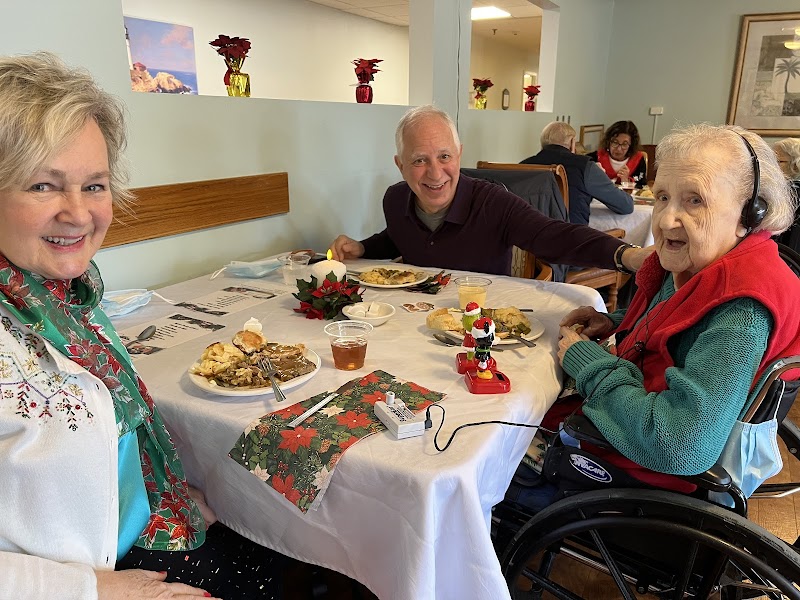
How is Excelcare At Lewes Llc Staffed?

CMS rates EXCELCARE AT LEWES LLC's staffing level at 4 out of 5 stars, which is above average compared to other nursing homes. Staff turnover is 43%, compared to the Delaware average of 46%. This relatively stable workforce can support continuity of care. RN turnover specifically is 65%, which is notably high. RNs provide skilled clinical oversight, so turnover in this role can affect medical care quality.

What Have Inspectors Found at Excelcare At Lewes Llc?

State health inspectors documented 33 deficiencies at EXCELCARE AT LEWES LLC during 2023 to 2025. These included: 1 that caused actual resident harm and 32 with potential for harm. Deficiencies causing actual harm indicate documented cases where residents experienced negative health consequences.
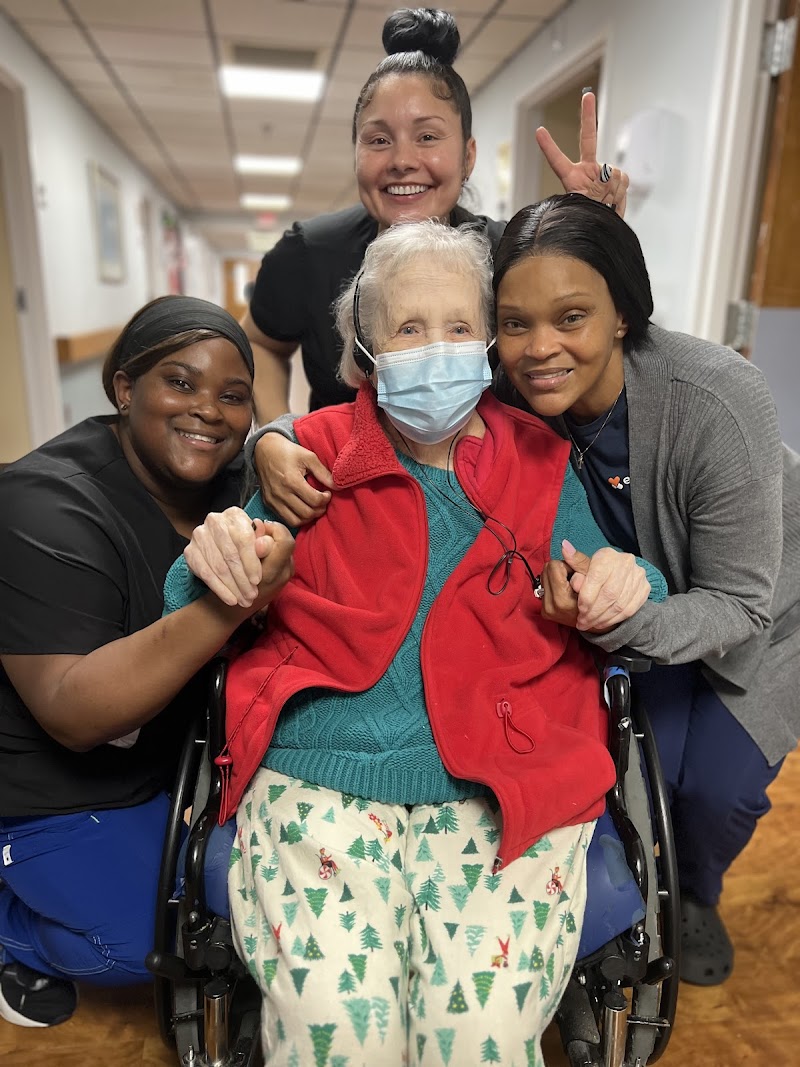
Who Owns and Operates Excelcare At Lewes Llc?

EXCELCARE AT LEWES LLC is owned by a for-profit company. For-profit facilities operate as businesses with obligations to shareholders or private owners. The facility is operated by EXCELCARE, a chain that manages multiple nursing homes. With 179 certified beds and approximately 134 residents (about 75% occupancy), it is a mid-sized facility located in LEWES, Delaware.
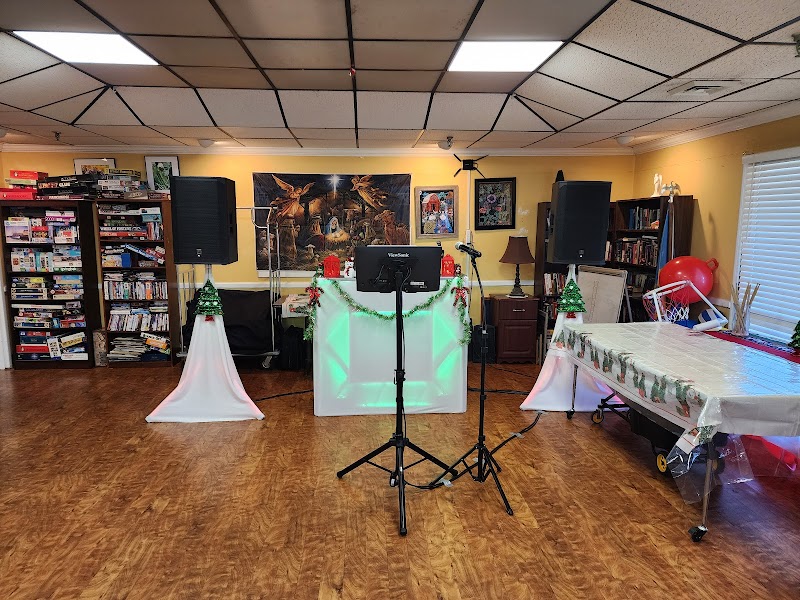
How Does Excelcare At Lewes Llc Compare to Other Delaware Nursing Homes?

Compared to the 100 nursing homes in Delaware, EXCELCARE AT LEWES LLC's overall rating (5 stars) is above the state average of 3.3, staff turnover (43%) is near the state average of 46%, and health inspection rating (4 stars) is above the national benchmark.

What Should Families Ask When Visiting Excelcare At Lewes Llc?

Based on this facility's data, families visiting should ask: "Can I visit during a mealtime to observe dining assistance and food quality?" "How do you handle medical emergencies, and what is your hospital transfer rate?" "Can I speak with family members of current residents about their experience?"

Is Excelcare At Lewes Llc Safe?

Based on CMS inspection data, EXCELCARE AT LEWES LLC has a clean safety record: no substantiated abuse findings (meaning no confirmed cases of resident harm), no Immediate Jeopardy citations (the most serious violation level indicating risk of serious injury or death), and is not on the Special Focus Facility watch list (a federal program monitoring the lowest-performing 1% of nursing homes). The facility has a 5-star overall rating and ranks #1 of 100 nursing homes in Delaware. While no facility is perfect, families should still ask about staff-to-resident ratios and recent inspection results during their visit.

Do Nurses at Excelcare At Lewes Llc Stick Around?

EXCELCARE AT LEWES LLC has a staff turnover rate of 43%, which is about average for Delaware nursing homes (state average: 46%). Moderate turnover is common in nursing homes, but families should still ask about staff tenure and how the facility maintains care continuity when employees leave.

Was Excelcare At Lewes Llc Ever Fined?

EXCELCARE AT LEWES LLC has been fined $16,180 across 1 penalty action. This is below the Delaware average of $33,241. While any fine indicates a compliance issue, fines under $50,000 are relatively common and typically reflect isolated problems that were subsequently corrected. Families should ask what specific issues led to these fines and confirm they've been resolved.

Is Excelcare At Lewes Llc on Any Federal Watch List?

EXCELCARE AT LEWES LLC is not on any federal watch list. The most significant is the Special Focus Facility (SFF) program, which identifies the bottom 1% of nursing homes nationally based on persistent, serious quality problems. Not being on this list means the facility has avoided the pattern of deficiencies that triggers enhanced federal oversight. This is a positive indicator, though families should still review the facility's inspection history directly.