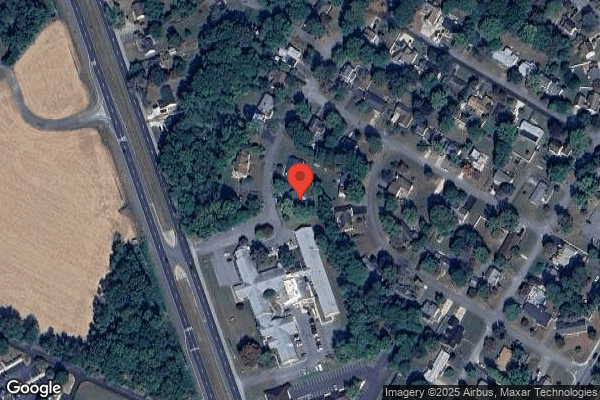
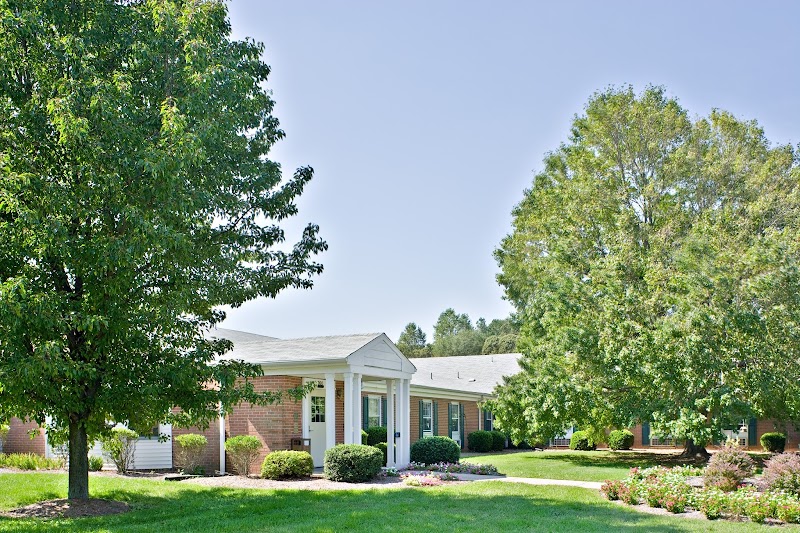
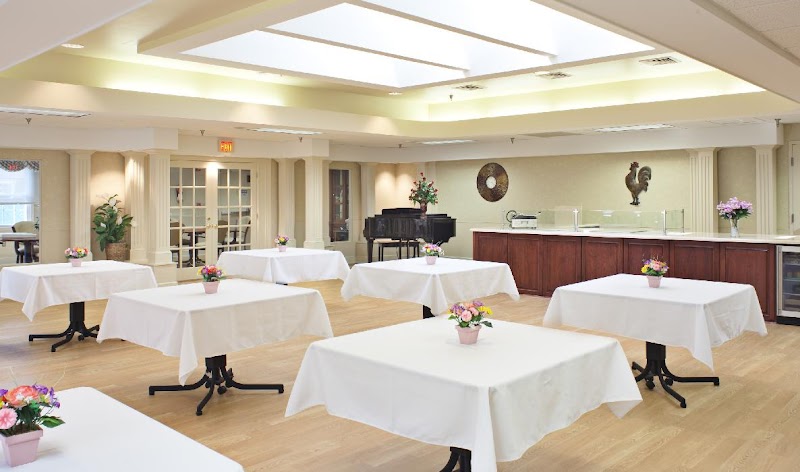
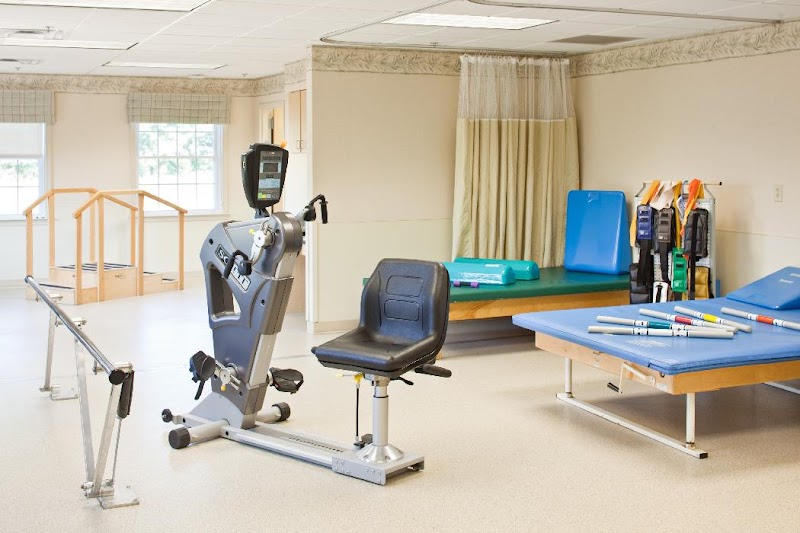
MILFORD CENTER

700 MARVEL ROAD, MILFORD, DE 19963 (302) 422-3303
For profit - Corporation 136 Beds GENESIS HEALTHCARE Data: November 2025 4 Immediate Jeopardy citations
Trust Grade
0/100
Last Inspection: November 2024

Within standard 12-15 month inspection cycle. Federal law requires annual inspections.

Overview

Milford Center currently holds an F trust grade, indicating significant concerns and poor overall performance. They rank among the lowest in Delaware and Sussex County, with no local facilities performing worse. Although the facility has shown improvement, decreasing from 54 issues in 2024 to just 1 in 2025, it still has a troubling history, including incidents where a resident was able to leave the facility unsupervised and was later found on a busy road, as well as a critical medication error that resulted in a resident requiring emergency hospitalization. Staffing is a notable weakness with a high turnover rate of 59%, much higher than the state average, and the facility has incurred $162,354 in fines, indicating compliance issues. However, the RN coverage is average, meaning there is some oversight, but the overall situation remains concerning for families considering this nursing home.

Trust Score
F
0/100
In Delaware
#112/223
Top 50%
Safety Record
High Risk
Review needed
Inspections
Getting Better
54 → 1 violations
Staff Stability
⚠ Watch
59% turnover. Above average. Higher turnover means staff may not know residents' routines.
Penalties
✓ Good
$162,354 in fines. Lower than most Delaware facilities. Relatively clean record.
Skilled Nurses
✓ Good
Each resident gets 42 minutes of Registered Nurse (RN) attention daily — more than average for Delaware. RNs are trained to catch health problems early.
Violations
⚠ Watch
75 deficiencies on record. Higher than average. Multiple issues found across inspections.
☆☆☆☆☆
0.0
Overall Rating
☆☆☆☆☆
0.0
Staff Levels
☆☆☆☆☆
0.0
Care Quality
☆☆☆☆☆
0.0
Inspection Score
Stable
2024: 54 issues
2025: 1 issues

The Good

  • Full Sprinkler Coverage · Fire safety systems throughout facility
  • No fines on record

Facility shows strength in fire safety.

The Bad

Staff Turnover: 59%

13pts above Delaware avg (46%)

Frequent staff changes - ask about care continuity

Federal Fines: $162,354

Well above median ($33,413)

Significant penalties indicating serious issues

Chain: GENESIS HEALTHCARE

Part of a multi-facility chain

Ask about local staffing decisions and management

Staff turnover is elevated (59%)

11 points above Delaware average of 48%

The Ugly 75 deficiencies on record

4 life-threatening 3 actual harm
Jun 2025 1 deficiency 1 IJ
CRITICAL (J) 📢 Someone Reported This

A family member, employee, or ombudsman was alarmed enough to file a formal complaint

Immediate Jeopardy (IJ) - the most serious Medicare violation

Accident Prevention (Tag F0689)

Someone could have died · This affected 1 resident

**NOTE- TERMS IN BRACKETS HAVE BEEN EDITED TO PROTECT CONFIDENTIALITY** Based on observation, interview, and record review and review of other facility documentation it was determined that for one (R1...

Read full inspector narrative →
**NOTE- TERMS IN BRACKETS HAVE BEEN EDITED TO PROTECT CONFIDENTIALITY** Based on observation, interview, and record review and review of other facility documentation it was determined that for one (R1) out of three residents reviewed for accidents and supervision the facility failed to provide adequate supervision and assistive devices to prevent elopement. This put R1 in immediate jeopardy and at risk of a serious adverse outcome. R1 was able to elope from the facility on 6/13/25 through an unsecured sliding door in the conference room. R1 wandered across a busy roadway approximately 0.6 miles away from the facility and was found asleep on the grass. R1 was missing for 1 hour and 23 minutes. An immediate jeopardy (IJ) was identified starting on 6/13/25. Due to the facility ' s corrective measures following the incident, this is being cited as immediate jeopardy, past non-compliance with an abatement date of 6/17/25. Findings include: A policy titled Elopement of Patient last reviewed by the facility on 6/12/25 documented Patients/Residents (hereinafter patient) will be evaluated for elopement risk upon admission, readmission, quarterly, and with a change in condition as part of the clinical assessment process. Those determined to be at risk will receive appropriate interventions to reduce the risk and minimize injury Elopement is defined as any situation in which a patient leaves the premises or a safe area without the facility ' s knowledge and supervision, if necessary Review of R1 ' s clinical record revealed: 1/2/20 - R1 was admitted to the facility with diagnoses including but not limited to paranoid schizophrenia, sick sinus syndrome, cardiac pacemaker and anxiety. 3/17/20 - Review of R1 ' s care plan documented [R1] attempts to leave the building without an escort [R1] will have 3 or less episodes weekly of attempt (sic) to leave the building without an escort Additionally, [R1 ' s] elopement care plan was revised on 4/16/25 and on the date that [R1] eloped from the facility 6/13/25 12/3/24 3:00 PM - A physicians order documented the Wander Guard/Wander Elopement Device due to poor safety awareness every shift check placement of the device and in supplemental documentation document the location 3/19/25 - A quarterly MDS revealed R1 ' s cognition was moderately impaired. 4/21/25 - Review of R1 ' s facility elopement risk assessment documented Wandering behavior, a pattern or goal - directed: Yes The facility investigation documented the following timeline for R1 ' s elopement on 6/13/25: 6/12/25 11:53 PM - E3 (LPN) checked R1 ' s wander guard. 6/13/25 3:00 AM - E4 (CNA) provided water and a snack to R1. 4:00 AM - R1 was at the nurses' station and E3 provided orange juice and a snack to the resident. R1 then self-propelled back to his room. 5:40 AM - R1 was noticed to be missing and additionally: -R1 ' s wheelchair was in front of the conference room door the sliding door in the conference room was open -R1 was not seen and the elopement protocol was initiated -A whole house room to room check determined all residents were accounted for -R1 was the only resident missing -When the search for R1 was started a face sheet of R1 was printed to provide to all staff and that R1 had a wander guard order. -R1 was searched for outside of the facility by staff as well 6:00 AM - E2 (DON) was notified by staff. 6:10 AM - DON called E1 (NHA) to notify. 6:15 AM - Police were notified. The facility continued to search for R1. 6:57 AM - E5 (CNA) driving to work saw someone resembling a resident sleeping on the grass at a home on Old Shawnee Road and [NAME] Boulevard. 7:00 AM - E5 arrived at work and was notified R1 was missing. 7:03 AM - E5 and E6 (RCA) drove back to the location where R1 was lying in the grass. R1 was asked to enter the car to travel back to the facility. R1 returned to the facility with both staff. 7:30 AM - A head to toe assessment was performed on R1 and the on-call NP was notified. Neurological checks were initiated for the next 24 hours. In addition, R1 was placed on 1:1 supervision until all the sliding doors in the conference room were secured. 7:36 AM - Staff attempted to contact emergency contact #1 left message. 8:08 AM - Staff attempted to contact emergency contact #2 left message. 8:18 AM - Staff contacted emergency contact # 3 and notified him of the elopement. A root cause analysis of the elopement revealed a contractor exited through a door but failed to relock. As a result, the door will not be used for entry or exit. The maintenance department repaired the sliding glass door in the room to open just six inches to prevent use as an exit. The contractor will receive re-education upon his return to the facility. 6/13/25 10:45 AM - The following was completed: -Elopement drills were done to validate compliance with the facility policy and procedures and education provided. -Maintenance audited all doors and windows in facility. -Residents with wander guard devices were audited for function and placement. Conference room sliding doors are checked daily and signed and dated by designated staff. -A lock and signage has been placed on the conference room door to keep door closed at all times. -Upon review the only three staff that have a key to unlock the conference room door are E1, E2 and E7 (Wound Nurse). 6/26/25 - Staff interviews with E8 (LPN), E9 (CNA), and E10 (CNA) confirmed staff education and elopement drills had been completed. Based on the review of the facility's thorough investigation, documented response, completion of in-service training and elopement drills, audits and staff interview the immediate jeopardy was determined to be past non-compliance as of 6/17/25. 6/26/25 2:45 PM - Findings were reviewed with E1 (NHA) and E2 (DON) at the exit conference.
Nov 2024 16 deficiencies 2 Harm
SERIOUS (G) 📢 Someone Reported This

A family member, employee, or ombudsman was alarmed enough to file a formal complaint

Actual Harm - a resident was hurt due to facility failures

Accident Prevention (Tag F0689)

A resident was harmed · This affected 1 resident

Based on interview and record review, it was determined that for one (R89) out of two residents reviewed for falls, the facility failed to assess for and implement interventions to reduce R89's risk f...

Read full inspector narrative →
Based on interview and record review, it was determined that for one (R89) out of two residents reviewed for falls, the facility failed to assess for and implement interventions to reduce R89's risk for falling. R89 sustained twelve falls which included two falls resulting in head trauma that required transfer to an acute care hospital. Findings include: A facility policy titled Falls Management effective 9/15/01 (last revised 3/15/24) included: Patient will be assessed for risk of falling as part of the nursing assessment process. Interventions to reduce risk and minimize injury will be implemented as appropriate. 1. All patients will be assessed for risk of falls upon admission, with reassessments (e.g. quarterly, post-fall) performed to determine ongoing need for fall prevention precautions. 2. Implement and document patient-centered interventions according to individual risk factors in the patient's plan of care. 2.1 Adjust and document individualized interventions strategies as patient condition changes. Cross refer to F690 Review of R89's clinical record revealed: 2/12/24 - R89 was admitted to the facility with dementia. 2/12/24 5:14 PM - An admission fall risk assessment documented a fall risk score of three indicating that R89 was at low risk for falls, required supervision for ambulation, that R89 had sustained one to two falls in the past three months prior to admission, and lacked evidence of a documented ambulation/elimination status. 2/12/24 5:16 PM - A clinical admission assessment documented that R89 was continent of urine. 2/19/24 - An admission MDS assessment documented that R89 was cognitively intact with a BIMS of 13, required verbal cues or touching/steadying assistance by one staff member for toileting supervision/touching assistance for ambulation, was occasionally incontinent of urine and a trialed toileting program was not attempted. Review of R89's fall and incontinence care plans lacked evidence of an individualized toileting program to reduce R89's risk for falling. 3/3/24 7:48 PM - An incident report documented that R89 was found sitting on floor next to her bed. 3/5/24 4:30 AM - An incident report documented that nursing responded to the patient's call bell. Upon entry to the room the patient was observed sitting on the floor beside her bed. She stated she had been attempting to go to the restroom when she fell. There was no evidence the facility conducted a urinary continence assessment that included voiding patterns. 3/11/24 Approx. (approximately) 2:15 AM - An incident report documented that the nurse was called to assess the patient s/p (after) falling in her room. Upon entry to the room the patient was observed sitting on the floor beside her bed. 4/9/24 1:00 AM - An incident report documented that R89 was observed sitting on the floor next to her bed. When staff responded, resident stated that she was trying to get to the bathroom. There was no evidence the facility conducted a urinary continence assessment that included voiding patterns. 5/7/24 8:30 PM - An incident report documented that R89 was lying on the floor in her bathroom. There was no evidence the facility conducted a urinary continence assessment that included voiding patterns. 5/11/24 3:30 AM - An incident report documented that the nurse heard R89 yelling from her room, Help, I am on the floor! Upon entering resident's room, R89 was noted sitting on her buttocks on the floor beside her bed. 5/12/24 - R89's fall risk score was 19 which indicated that R89 was at high risk for falling. 5/23/24 - R89's fall risk assessment score was 21 which indicated that R89 was a high risk for falling. 5/24/24 - R89's bowel and bladder assessment included that R89 had urinary incontinence and to implement pelvic floor rehabilitation. This intervention was not individualized related to R89 having severely impaired cognition. In addition, there was no evidence the facility conducted a urinary continence assessment that included voiding patterns. 5/25/24 - A 5-day MDS assessment documented R89 was cognitively impaired with a BIMS of 6, that ambulation was not attempted due to a medical condition or safety concerns and required substantial/maximal assistance with toileting. 6/13/24 10:01 AM - An incident report documented that R89 was observed lying face down on the floor in the bathroom in her room. It was documented that R89 stated, I was getting off the toilet and couldn't stand anymore. There was no evidence the facility conducted a urinary continence assessment that included voiding patterns. 6/21/24 8:37 PM - An incident report documented that R89 was found in her room next to the bed. 6/27/24 6:30 PM - An incident report documented R89 was observed scooting on the floor in the doorway of her room. 7/5/24 7:40 PM - An incident report documented that R89 reported falling from her bed after attempting to get up. 7/17/24 6:50 PM - An incident report documented that the nurse was notified that R89 had a fall in her room. Upon entry into the room R89 was observed sitting on the floor in the bathroom in front of the toilet. R89 stated that she had attempted to toilet herself but had missed and fallen. There was no evidence the facility conducted a urinary continence assessment that included voiding patterns. 7/18/24 10:55 PM - An incident report documented that the nurse heard a noise and then yelling. R89 was observed laying on the floor between the bed and wheelchair. R89's head was on the base of the bedside table. Once R89 was assisted to a seated position, a large amount of blood was on the floor. It was observed that R89 had a large laceration to the back of her head and was sent 911 to the hospital. There was no evidence the facility conducted a urinary continence assessment that included voiding patterns. 7/19/2024 3:55 PM - A wound progress noted documented that R89 had a laceration to back of her head noted with 2 staples in it. This was as a result of the 7/18/24 fall. 8/14/24 - A quarterly MDS assessment documented that R89 was not assessed for cognition, was frequently incontinent, and was partial/moderate assistance for ambulation and toileting. 8/17/24 6:35 PM - An incident report submitted to the state agency documented that R89 sustained a fall with a forehead laceration with bleeding that was not controlled. R89 required a transfer to the hospital. There was no evidence the facility conducted a urinary continence assessment that included voiding patterns. 11/19/24 9:23 AM - During an interview, E1 (NHA) and E2 (DON) confirmed that the facility was only conducting assessments for voiding patterns on admission and not on residents with repeated falls including when a residents had repeated falls attempting to go to the bathroom. E2 also confirmed that a generic toileting plan is not beneficial to reduce risk for falls if the resident was not assessed for voiding patterns. 11/19/24 9:50 AM - During an interview, E1 (NHA) confirmed that R89 was not assessed for patterns of incontinence and that R89 was not on an individualized toileting program to attempt to reduce R89's risk for falling. 11/25/24 1:00 PM - Findings were reviewed with E1 (NHA) and E2 (DON) during the exit conference.
SERIOUS (G) 📢 Someone Reported This

A family member, employee, or ombudsman was alarmed enough to file a formal complaint

Actual Harm - a resident was hurt due to facility failures

Deficiency F0692 (Tag F0692)

A resident was harmed · This affected 1 resident

Based on observation, record review and interview, it was determined that for three (R89, 411, and 412) out of three residents reviewed for hydration, the facility failed to ensure that R411 and R412 ...

Read full inspector narrative →
Based on observation, record review and interview, it was determined that for three (R89, 411, and 412) out of three residents reviewed for hydration, the facility failed to ensure that R411 and R412 were offered sufficient fluid intake to maintain proper hydration and health. R411 was emergently sent to hospital and was diagnosed with a BUN of 32, and acute kidney Injury. R412 received an order for IV (intravenous) hydration for a sodium level of 156, the facility failed to insert the IV and R412 sodium level rose to 161. R412 was emergently sent to the hospital 36 hours later with facial droop and lethargy. For R89, the facility failed to follow a physician's order and evaluate R89's weight when R89 had a significant weight loss. Findings include: A facility document titled, Nutrition and Hydration Care and Services, dated 1/1/04 and reviewed 2/1/23 included, Staff will provide nutritional and hydration care and service to each patient consistent with each patient's comprehensive assessment Monitor intake and output Diagnoses of dehydration with clinical findings At risk for dehydration R411's clinical records revealed: 6/5/24 - R411 was admitted to the facility with diagnoses including acute kidney injury, acute osteomyelitis [infection of the bone] to the right hip bone and anal/rectal cancer. 6/5/24 - R411's physician's orders included cefepime [antibiotic] 2 gram/IVBP [intravenous piggyback] 100 ml every 12 hours and vancomycin [antibiotic to treat a bacterial infection] 1gram/200 IVBP every 24 hours, .Patient will need vanco trough level [lowest concentration of vancomycin in the blood] 2 times weekly .and weekly CBC . [complete blood count] .colostomy [a surgical opening in the intestinal wall or colon to allow stool to drain into a bag] care every shift. 6/6/24 - R411's care plan documented, Resident exhibits or is at risk for dehydration as evidence by infection and vomiting, diarrhea . The interventions included, Encourage resident to consume all fluids .monitor lab work as ordered and report as indicated. 6/6/24 - R411's admission nutritional assessment documented a fluid goal of 1700 ml/24 hours. 6/10/24 - R411's clinical records documented a vancomycin peak [highest contraction of vancomycin level in the blood] of 9.8, a trough level of 9.8. Vancomycin therapeutic trough level is between 5.0 to 10.0, and the peak level is between 20.0 to 40.0. 6/11/24 - R411's admission MDS documented a BIMS score of 15, indicating a cognitively intact status. R411's MDS lacked documentation of the presence of a colostomy on the left lower abdomen. 6/12/24 3:44 PM - A nursing progress in R411's clinical records documented, Resident has new orders per [E15] NP and Infectious Disease request: Increase Vancomycin .daily until 7/14/2024. 6/13/24 - R411's clinical records documented a vancomycin peak of 12.3, trough of 12.3 and BUN [a blood test to measure kidney function] of 17, (normal range is between 7-17), and a creatine [a blood test to measure kidney function] level of 1.00 [normal range for women is between 0.6 to 1.1]. 6/17/24 - R411's clinical records documented a vancomycin peak of 12.5, a trough of 12.5, and a BUN level of 19. 6/24/24 - R411's clinical records documented a vancomycin peak of 24.2, trough of 24.2 and BUN of 19. 6/27/24 - R411's clinical records documented a BUN 18, creatine 1.40. The Cefepime was decreased to 1 gram every 12 hours and vancomycin at 1 gram every 24 hours. A review of R411's daily documented fluid intake from 6/7/24 through 6/30/24 revealed: 6/6/24 - 690 ml, 6/7/24 - 1,040 ml, 6/8/24 - 1,020 ml, 6/9/24 - 1,620 ml, 6/10/24 - 950 ml, 6/11/24 - 1,620 ml, 6/12/24 - 500 ml, 6/13/24 - 840 ml, 6/14/23 - 720 ml, 6/15/24 - 1,450 ml, 6/16/24 - 1,450 ml, 6/17/25 - 1,150 ml, 6/18/24 - 1,190 ml, 6/19/24 - 980 ml, 6/20/24 - 1,040 ml, 6/21/24 - 810 ml, 622/24 - 730 ml, 6/23/24 - 1,240 ml, 6/24/24 - 1,100 ml, 6/25/24 - 1,190 ml, 6/26/24 - 1,260 ml, 6/27/24 - 1,260 ml, 6/28/24 - 340 ml, 6/29/24 - 960 ml, 6/30/24 - 580 ml R411's did not meet the fluid goals of 1700 ml for 24 out of 24 days. 7/1/24 - R411's clinical records documented a vancomycin peak of 23.1, peak of 23.1, BUN of 32 (above the normal level) and creatine level of 2.60 (above the normal level). 7/1/24 9:17 AM - R411's clinical records documented, Pt [patient] not feeling well this am, BM from colostomy all over bathroom with a very strong odor. Pt lethargic, not answering questions with full responses. Daughter in law came in to visit, also concerned with pt change in mental status. BP [blood pressure] 96/56 .sent to the ER [emergency room] for evaluation. 7/1/24 9:51 AM - R411's clinical records documented (progress note from the NP, Pt seen today for follow up. Pt was found resting in bed, in mild distress. Pt daughter at bedside. Pt stated I don't feel well. Something is wrong. Pt c/o [complaint of] chills, diarrhea, weakness, sob [shortness of breath], BP 96/56 .noted lethargy, sob and appeared ill. Pt was sent to ER for further evaluation. 7/1/24 1:37 PM - R411's clinical records documented, Called Sussex ER for pt update. Per ER nurse-Pt still being evaluated, may be admitted due to abnormal labs . 7/1/24 6:06 PM - R411's emergency hospital records documented, Patient was found to have acute kidney injury her creatinine peaked at 4.3, now trending down to 2.5, patient was seen by nephrology .now improved to 2.5, s/p [status post] IV fluids. Labs show an acute kidney injury .Patient will require admission to medicine service for acute kidney injury likely from volume loss from C. difficile as well . final diagnoses - Acute kidney failure, dehydration. 11/21/24 10:00 AM - A review of R411's fluid intake records from 6/7/24 through 6/30/24 lacked evidence that R411 reached the fluid goals of 1700 ml/24 hours for 24 out of 24 opportunities. During an interview E15 (dietitian) provided the Surveyor with a facility document titled, Week at a glance, menu. The menu documented the fluids served with each meal. 11/22/24 8:45 AM - During an interview, E21 (CNA) stated, We give them {residents] what's on the tray, and they ask if they want anything more. 11/22/24 1:30 PM - The surveyor asked E13 (MD) during a telephone interview if the residents labs are reviewed by the facility's providers along with the infectious providers, E13 stated, Yes, they are reviewed and signed by the providers in the building as well. 11/25/24 10:00 AM - During a telephone interview C1 (MA) stated, We follow the levels for the antibiotics. The patient is in the building, and they must make sure she is drinking enough. The facility failed to monitor and ensure that R411 received sufficient fluid intake despite the diagnoses of acute kidney injury, the use of nephrotoxic (risk of damaging the kidneys) medications (which placed R411 at higher risk for diarrhea) and the presence of a colostomy. 2. R412's clinical records revealed: 7/20/22 - R412 was admitted to the facility with diagnoses including dementia, hypertension, chronic kidney disease and diabetic mellitus. 7/22/22 - R412's nutritional care plan documented, . Presents with nutritional risk r/t (related to) DM (diabetes mellitus) . CKD (chronic kidney disease). 4/19/24 - R412's quarterly MDS assessment documented a BIMS score of 2, indicating severe cognitive impairment. The MDS assessment also documented that R412 was independent with eating and needed substantial or total help from staff with all other activities of daily living. 6/26/24 9:33 AM - R412's nutritional assessment documented a fluid goal of 2,100 ml per day. 7/1/24 2:48 PM - R412's clinical records documented, .Vomit x 1 episode . 7/3/24 8:47 AM - R412's clinical records documented, Patient to increase fluids today. R412's clinical records lacked evidence of documentation of increased fluids given. 7/4/24 1:27 PM - R412's clinical records titled Interact [a document for a change in condition] documented, .15.7-pound weight loss since 4/16/23 . R412's clinical records lacked evidence of interventions for the weight loss. 7/6/24 4:37 AM - R412's clinical records documented, Nutrition note: no meals offered this shift, resident id d [did] consume a 240mL of extra fluids . 7/6/24 11:46 AM - R412's clinical records documented, Hypernatremia . [high sodium level in the blood] .Plan Give 1/2 NSS [normal saline] at 75cc/hr [hour] x1 liter. Repeat BMP [Basic Metabolic Panel] on Monday. 7/6/24 12:21 PM - R412's clinical records documented a sodium level of 156, and a BUN of 34. 7/7/24 11:49 AM - R412's clinical records documented, .Resident noted with a poor appetite for lunch. Consumed less than 25% of his lunch requiring assistance with feeding by nursing staff . 7/7/24 12:00 AM - R412's clinical records documented, .Attempts to restart iv were unsuccessful. Therefore, a phone call will b [be] made to [Name of IV Company}. R412's clinical records lacked evidence that the IV was started. 7/7/24 3:09 PM - R412's clinical records documented, .Resident has new orders to administer IV fluids sodium chloride 0.45% @ 75ml/hr [hour] X 1 liter for hypernatremia, However, previous shift unable to obtain IV access for fluid hydration. [Name of IV Company] notified by this writer confirmation # 319625. Spoke with [Name of IV Company staff's name]. Who states she doesn't have a ETA as of yet? Also states the technician has been dispatched. Oncoming nurse made aware of all the above mentioned and to follow up. R412's clinical records lacked evidence that the IV company came out to start the IV access. 7/7/24 4:15 PM: E8 (NP) documented in R412's clinical records, Seen today for IV access. Nurse attempted 2 times but unsuccessful to place PIV, Patient ordered for IVF for Hypernatremia of 156 Plan: Attempt to place PIV again, Call the IV team again and get an ETA. The clinical records lacked evidence of fluids given to R412. 7/8/24 10:35 AM - R412's clinical records documented lab results, Sodium- 161 BUN 34.0. 7/8/24 11:37 AM - E8 (NP) documented in R412's clinical records, .Sent to hospital for critical sodium level and to rule out stroke seen today for increased sodium level and right mouth drooping. Nursing reports patient had a sodium level of156 on Saturday, nursing called on-call and patient was started on sodium chloride 0.45% at 75 mL/h IV for the hypernatremia. Nursing staff unable to get IV line started and had to order from outside company to come in and place a midline. Company schedule to come out Monday morning. Sodium rechecked on 7/8/2024 and was at 161 and chloride at 126. Patient found resting in bed and unable to answer questions, patient mumbling. Patient's right lip drooping. No line placed in patient yet for IV solution. Vitals are stable. Patient's sister present and updated that patient will be sent to the hospital to address the hypernatremia and rule out stroke Lab from 7/8/2024-sodium 161 and critical. Sent to the hospital due to no IV access and sodium needing to be addressed. Patient unable to make out words, this is new for patient . 7/8/24 1:43 PM - A facility document reported to the Division documented, During clinical rounds this morning it was noted that an IV order from 7/6/24 was attempted multiple times by nursing staff unsuccessfully. The contracted IV placement specialists had not yet arrived in the facility to place the ordered midline. Investigation initiated and ongoing. 7/9/24 12:30 PM - R412's hospital records documented, Hypernatremia with sodium as high as 158-160, this is improving with D5 water. 7/10/24 2:04 PM - R412 was readmitted to the facility. R412's hospital discharge summary documented, AKI (acute kidney injury) on CKD, Resolved. 7/11/24 - R412 readmission nutrition assessment documented, Readmit s/p [status post] hosp [hospitalization] for hypernatremia .facial droop which corrected per hospital records s/p IV hydration. The assessment also documented, Is there a nutritional problem? And the answer was, No. R412's readmission care plan and nutritional assessment lacked evidence of interventions for hydration despite the recent hospitalization for increased sodium level. 7/15/24 12:40 PM - E8 (NP) documented in R412's clinical records, readmitted .was sent to emergency for evaluation secondary to elevated sodium levels and right facial droop. Facial droop improved . may have been secondary to hypernatremia Creatinine at baseline was 1.4-1.5 currently at 1.5-2.1. Patient stable and discharged back to facility for care. 7/24/24 - A facility document to the Division titled, 5 day follow up, included, While a delay in treatment occurred, there was no negative outcome for the resident the IV contracting company will be contacted for discussion related to providing timely services and notification to facility. In addition, education was completed with facility licensed nursing staff to include concerns with ability to carry out physicians' orders to follow facility protocol of notifying Director of Nursing or Assistant Director of nursing for further direction and follow up. In addition, medical providers were notified that other types of supplemental hydration can be administered in place of peripheral to include by not limited to Hypodermoclysis [a method to give fluids under the skin for patients who need hydration] therapy. The kits have been ordered to have on hand. Licensed nursing staff have also been educated on this process and procedure. 11/20/24 10:00 PM - During an interview E7 (Dietitian) stated, The residents' weights are reviewed to formulate what their fluids goals are, and that is added to their meal tickets. 11/22/24 10:30 PM - During a telephone interview the Surveyor asked E3 (NP) at what time would the plan of care have to be changed for the resident with a sodium level 156 and the IV hydration could not be started. E3 stated, That would depend on what the nurses tell me, and how long it would take for [Name of IV Company] to come to the building. I don't think it should be longer than 8 hours if the patient is not drinking though. 11/22/24 11:00 AM - During an interview E5 (LPN) stated, The patient would have to go out for treatment really soon if they can't start the IV and he is not drinking. 11/22/24 11:15 AM - During an interview E6 (LPN) stated, The patient would probably have to go out in about 4 hours if they can't get the IV started. 11/22/24 2:30 PM - During a telephone interview, the Surveyor asked E13 (MD) about the timeliness in care and treatment for a patient with a diagnoses of chronic kidney disease and a documented sodium level of 156 on 7/6/24 and a sodium level of 161 on 7/8/24. E13 stated, That depends on if the resident was drinking fluids and if he looked sick. The facility sent him out when he started having symptoms. E13 further stated that R412 did not suffer from any adverse effects from the delay in treatment despite documented of lethargy and facial droop. 11/22/24 2:45 PM - A review of R412's clinical records from 6/20/24 through 7/20/24 lacked evidence that he was monitored for adequate fluid intake. The facility failed to ensure that R411 was offered sufficient fluid intake to maintain proper hydration and health. And that R412 received care and treatment in a timely manner for increasing sodium levels. 3. Review of R89's clinical record included: 2/12/24 - R89 was admitted to the facility. 2/12/24 - R89 weighed 15.2 pounds on admission. 7/1/24 - A nutrition note documented that R89 had a weight loss of 13.2 pounds (9.1%) in three months. 8/14/24 - A quarterly MDS assessment documented that R89 was a set up assistance for eating and not on a physician prescribed weight loss regimen. 10/1/24 - A physician order included: Weigh every day shift every Thursday for four weeks. 11/7/24 - Review of R89's EHR revealed that there were only initials and a check mark and no weight recorded. The facility lacked evidence of R89s weekly weight being obtained. 11/11/24 10:53 AM - A nutrition progress note documented that R89 has had a significant unplanned, undesired weight loss of 12.6%. R89 had a 19 pound weight loss in six months. Although the facility implemented nutritional interventions, the facility failed to evaluate R89's 11/7/24 weight per physician order. 11/14/24 12:14 PM - During an interview, E28 (LPN) confirmed that the facility lacked evidence that R89's 11/7/24 weekly weight was obtained and that R89 had experienced a significant weight loss. 11/25/24 1:00 PM - Findings were reviewed with E1 (NHA) and E2 (DON) during the exit conference.
CONCERN (D)

Potential for Harm - no one hurt, but risky conditions existed

Notification of Changes (Tag F0580)

Could have caused harm · This affected 1 resident

Based on interview and record review, it was determined that for one (R38) out of two residents reviewed for dialysis, the facility failed to ensure that the provider was consulted when R38 refused di...

Read full inspector narrative →
Based on interview and record review, it was determined that for one (R38) out of two residents reviewed for dialysis, the facility failed to ensure that the provider was consulted when R38 refused dialysis services. Findings include: Review of R38's clinical record revealed: 8/23/22 - R38 was admitted to the facility. 6/1/14 - A quarterly MDS documented R38 was receiving dialysis as a special treatment. 7/8/24 11:17 AM - A progress note documented that R38 refused dialysis today and the Unit Manager (UM) was made aware. 11/15/24 2:31 PM - In an interview, E11 (RN) stated that the expectation if a resident refused dialysis would be to notify the provider and notify the family. E11 stated she would provide education to the resident and encourage them to attend dialysis. 11/15/24 2:43 PM - In an interview, E12 (UM) stated that expectation of a resident missing dialysis would be that the nurse responsible for the resident would notify the provider. E12 stated she was aware of R38 missing dialysis on 7/8/24 and that the provider was already aware of R38's behavior of refusing dialysis. 11/18/24 9:18 AM - An interview with E15 (NP) stated that if a resident has a change in condition, specifically missing dialysis, the expectation would be to notify the provider. 11/25/24 1:00 PM - Findings were reviewed with E1 (NHA) and E2 (DON) during the exit conference.
CONCERN (D) 📢 Someone Reported This

A family member, employee, or ombudsman was alarmed enough to file a formal complaint

Potential for Harm - no one hurt, but risky conditions existed

Grievances (Tag F0585)

Could have caused harm · This affected 1 resident

Based on interview, record review and review of other facility documentation, it was determined that for one (R50) out of one reviewed for grievances, the facility failed to ensure that resident conce...

Read full inspector narrative →
Based on interview, record review and review of other facility documentation, it was determined that for one (R50) out of one reviewed for grievances, the facility failed to ensure that resident concerns received by the facility included prompt efforts to resolve the resident's problems. Findings include: Review of R50's clinical record revealed: 12/19/23 - R50 was admitted to the facility. 5/2024 - A grievance/concern log revealed an entry for 5/17/24 for R50 stated a clinical concern and DON/UM were responsible to investigate. 5/17/24 - A grievance report documented that R50 had concerns that staff did not provide care during the 7:00 AM to 3:00 PM shift on 5/8/24. The report was initially accepted by E4 (SW). The follow up section of the grievance report was blank. 5/17/24 - A grievance report documented that R50 had concerns that staff did not address R50's immediate needs during the 7:00 AM to 3:00 PM shift on this date. This report was completed by E4 (SW). The follow up section was blank. 11/21/24 9:37 AM - An interview with E4 (SW) revealed that E4 was the grievance officer. E4 stated that the process starts when a resident makes a complaint and once the resident is interviewed, the results go to the DON and NHA. E4 stated that when a grievance was considered reportable the process stops. E4 confirmed the grievance forms are incomplete and unaware if the grievances were resolved. 11/21/24 10:35 AM - An interview with E1 (NHA) and E2 (DON) confirmed that the grievances written on 5/17/24 were not resolved and lacked evidence that the grievance was addressed. 11/25/24 1:00 PM - Findings were reviewed with E1 (NHA) and E2 (DON) during the exit conference.
CONCERN (D) 📢 Someone Reported This

A family member, employee, or ombudsman was alarmed enough to file a formal complaint

Potential for Harm - no one hurt, but risky conditions existed

Report Alleged Abuse (Tag F0609)

Could have caused harm · This affected 1 resident

Based on interview and record review, it was determined that for one (R261) out of four residents reviewed for allegation of neglect, the facility failed to immediately report an allegation of neglect...

Read full inspector narrative →
Based on interview and record review, it was determined that for one (R261) out of four residents reviewed for allegation of neglect, the facility failed to immediately report an allegation of neglect within the required timeframe. A five day follow-up report wasn't submitted following the allegation until fifteen days later. Findings include Review of R261's clinical record revealed: 7/30/22 - R261 was admitted to the facility. 6/9/24 - A facility incident report documented, E9 (CNA) alleged E10 (LPN) was neglectful by not responding to the needs of R261 in a timely manner and reported the allegation to E2 (DON). 6/17/24 - An incident report was submitted to the state agency for an allegation of neglect for R261, eight days after the allegation. 7/2/24 - The five day follow up report for R261 was submitted to the state agency for the allegation of neglect on day fifteen. 11/22/24 9:37 AM - During an interview, E2 (DON) confirmed the allegation of neglect was reported late, eight days after the allegation. 11/25/24 1:00 PM - Findings were reviewed with E1 (NHA) and E2 during the exit conference.
CONCERN (D)

Potential for Harm - no one hurt, but risky conditions existed

PASARR Coordination (Tag F0644)

Could have caused harm · This affected 1 resident

Based on interview and record review, it was determined that for two (R38 and R66) out of two residents reviewed for PASARR, the facility failed to ensure that a referral for PASARR screening was comp...

Read full inspector narrative →
Based on interview and record review, it was determined that for two (R38 and R66) out of two residents reviewed for PASARR, the facility failed to ensure that a referral for PASARR screening was completed. Findings include: 1. Review of R38's clinical record revealed: 8/23/22 - R38 was admitted to the facility with diagnosis including bipolar disorder. 7/2/24 - A discharge summary [hospital] revealed that R38 was admitted related to dementia with behaviors. The summary revealed that R38 was having aggressive behaviors while at the dialysis center for treatment and transferred to the emergency department for treatment. 7/15/24 - A psychology progress note revealed that R38 had a new diagnosis of unspecified mood disorder and adjustment disorder with depressed mood. The facility lacked evidence that a referral was made to the State PASARR authority. 11/18/24 10:05 AM - An interview with E4 (SW) confirmed that R38 had not had an update sent to PASARR and confirmed she would send the update now. 2. Review of R66's clinical record revealed: 6/17/21 - R66 was admitted to the facility with the diagnosis including, but not limited to, bipolar disorder, anxiety disorder, adjustment disorder with mixed anxiety and depressed mood, and major depressive disorder. 7/20/21 - A PASARR I screening was submitted for R66 to the PASARR authority and listed the following diagnoses of depression and major depressive disorder. 10/1/23 - A psychology progress note revealed that R66 had a new diagnosis of other persistent mood (affective) disorder. 11/18/24 10:05 AM - An interview with E4 (SW) confirmed that R66 had not had an update sent to PASARR and confirmed she would send the update now. The facility lacked evidence of an updated PASARR reflecting R66's accurate diagnoses. 11/18/24 - A resubmission of PASARR to the State PASARR authority revealed a result of a PASARR Level II evaluation must be conducted and that evaluation will occur as an onsite/face-to-face evaluation. 11/25/24 1:00 PM - Findings were reviewed with E1 (NHA) and E2 (DON) during the exit conference.
CONCERN (D) 📢 Someone Reported This

A family member, employee, or ombudsman was alarmed enough to file a formal complaint

Potential for Harm - no one hurt, but risky conditions existed

ADL Care (Tag F0677)

Could have caused harm · This affected 1 resident

3. Cross refer to F842 Review of R6's clinical record revealed: 3/25/22 - R6 was admitted to the facility. 7/28/24 - A quarterly MDS assessment revealed that R6 had no impairment to upper or lower ext...

Read full inspector narrative →
3. Cross refer to F842 Review of R6's clinical record revealed: 3/25/22 - R6 was admitted to the facility. 7/28/24 - A quarterly MDS assessment revealed that R6 had no impairment to upper or lower extremities and uses a wheelchair. R6 was dependent for toileting hygiene, partial or moderate assistance for personal hygiene and upper body dressing, substantial/maximal assistance for lower body dressing, dependent for footwear. R6 required supervision or touching assistance for sitting to lying and lying to sitting. R6 required partial/moderate assistance for sitting to stand, transfer from bed/chair to wheelchair and to perform a toilet transfer. 7/18/24 - A care plan revealed that R6 was incontinent of bowel with a goal that the incontinence care needs be met by staff. The care plan further revealed that R6 required assistance for ADL care in bathing, grooming, personal hygiene, dressing, bed mobility, transfer and toileting. The interventions for the ADL care revealed that R6 required extensive assist of one person for dressing, toileting and personal hygiene. 8/17/24 2:54 PM - The CNA documentation task sheet revealed E25 (CNA) inaccurately documented that R6 independently toileted, was continent of urine and was continent of bowel. The task sheet also showed that R6 was independent to transfer for a sit to stand, chair/bed to chair transfer and toileting transfer. The task sheet also documented that R6 was encouraged to independently turn and reposition and a skin check was completed every 2 hours. The aforementioned note was the only documentation of toileting for R6 on 8/17/24 during the 7:00 AM to 3:00 PM shift. 8/17/24 4:50 PM - A progress note for change in condition by E11 (RN) documented that at 3:00 PM on 8/17/24, R6 was observed sitting on the bed with clothing and bed linens visibly soiled with a noted odor. The progress note continued that R6 was, . Immediately assessed, no new skin issues noted. Buttocks slightly reddened, however, blanchable. Oncoming CNA immediately bathed and changed resident's linens. Calazinc cream applied to buttocks for protection. Transferred to wheelchair. 8/17/24 3:00 PM - A witness statement by E11 documented that R6 was observed at 9:30 AM and at 12:00 PM on 8/17/24. At 3:00 PM, E11 went into R6's room where R6 was sitting on the bed where the bed linens and clothing were soiled. R6 was immediately assessed, cleaned up by E27 (CNA), clothing and bed lines changed and transferred to the wheelchair. E11 also noted that E25 did not report any refusals of care during the 7:00 AM to 3:00 PM shift. 8/17/24 - A witness statement by E27 documented that R6 was observed on 8/17/24 at 3:00 PM with stool on her bottom and the bed sheets were soiled with stool and urine. 11/19/24 at 9:15 AM - An interview with E26 (CNA) revealed that R6 requires assistance of one for dressing, toileting, hygiene and transfers and would not be able to do it themselves. If R6 refuses, then we try to redirect or try again and ultimately will tell the nurse where it would be documented in the record as refused. 11/21/24 2:37 PM - An interview with E11 revealed that R6 was in bed during the entire 7:00 AM to 3:00 PM shift without being transferred. E11 stated she observed R6 at 3:00 PM seated on the side of the bed with brown all around her and her sheets. E11 continued to say that R6 wore a brief and the amount of stool and urine observed absorbed into the bed sheets meant R6 did not receive care in a very long time. R6 required assistance for toileting and is not independent for care. 11/22/24 2:32 PM - An interview with E2 (DON) confirmed that E25 did not provide care for the resident. E2 stated that E25 had completed the shift on 8/17/24 and would not return the facilities calls to investigate and was terminated. The facility lacked evidence of a complete root cause analysis or any action beyond terminating an employee.4. Review of R12's clinical record revealed: 9/25/20 - R12 was admitted to the facility. 9/25/20 - A care plan was initiated for R12 for risk of decreased ability to perform ADL's in bathing, grooming, personal hygiene, dressing, eating, bed mobility, transfer, locomotion, and toileting related to impaired balance and cognitive decline. Interventions included provide total assist with one for locomotion, toileting and personal hygiene. 9/3/24 - A quarterly MDS documented R12 was dependent for ADL's including toileting, dressing, and personal hygiene. 11/12/24 9:57 AM - An observation of R12 with long nails on bilateral hands with dirt and debris noted under fingernails. 11/13/24 9:45 AM - An observation of R12 with long nails on bilateral hands with dirt and debris noted under fingernails. 11/14/24 8:53 AM - An observation of R12 was OOB to geri chair with long nails on bilateral hands with dirt and debris noted under fingernails. 11/14/24 11:21 AM - An interview with E16 (CNA) stated that the expectation during a shower that the resident gets hair washed, nail care, and grooming needs met. E16 confirmed that R12 received a shower on 11/13/24 during the overnight shift and confirmed that R12's nails were long and had debris noted underneath. 11/25/24 1:00 PM - Findings were reviewed with E1 (NHA) and E2 during the exit conference. Based on observation, interview and record review it was determined that for three (R6, R12, and R34) out of twelve residents reviewed for activities of daily living (ADL's), the facility failed to provide care and services for dependent residents. Findings include: 1. Cross refer to F656 Review of R33's clinical record revealed: 8/5/22 - R33 was admitted to the facility with dementia. 8/5/22 - R33's care plan included that the resident requires assistance/dependent for ADL care. 6/4/24 - R33's care plan included being resistive to care and refusing medication. The care plan did not include refusal of nail care. 7/5/24 - A significant change MDS documented that R33 required partial/moderate assist for hygeine and bathing and had no rejection of care. Observations on 11/12/24 at 2:42 PM; 11/15/24 at 10:20 AM; 11/22/24 at 10:52 AM; and 11/22/24 at 10:56 AM revealed R33 had black debris underneath all of her nails. 11/22/24 - During an observation and interview, E30 (CNA) stated that it was the responsibility of the CNA's to provide nail care. E30 confirmed that R33 had black debris under her nails. 2. Cross refer to F656 Review of R34's clinical record revealed: 8/28/23 - R34 was admitted to the facility with dementia. 8/29/23 - R34's care plan included R34 was dependent for care. 4/30/24 - R34's care plan included that the resident was resistive to care, refuses to wear extremity protectors, refuses skin assessment, refuse to take medications, and refuses wearing BIPAP r/t (related to) cognitive loss/dementia. R34's care plan did not include refusal of nail care or washing of hair. 9/3/24 - R34's annual MDS assessment documented that R34 was cognitively impaired, required extensive assistance for bathing and hygiene and had no rejection of care. Review of R34's October 2024 and November 2024 progress notes lacked evidence of offers of refusals of nail care or washing of hair. 11/1/24 through 11/24/24 - The CNA task sheet lacked evidence of showers, nail care or having her hair washed. Per the CNA task sheet, R34 had received bed baths. Observations on 11/12/24 10:00 AM, 11/15/24 10:28 AM, 11/15/23 1:349 PM and 11/21/24 2:27 PM, R34 was noted to have long nails with visible blackish brown debris beneath them and R34's hair appeared greasy and disheveled. 11/15/24 1:36 PM - During an interview, E31 (LPN) stated that activities staff were responsible for manicures. The aides (CNA's) were responsible for keeping them (the residents' nails) clean. 11/15/24 1:40 PM - During an interview, E35 (CNA) stated that she was not sure who was responsible for nail care. 11/15/24 1:47 PM - During an interview, E32 (Activities) stated that activity staff were not responsible for nail care. They can paint nails but not cut them because she is not certified as a CNA. 11/21/24 - During an interview, E34 (CNA) confirmed that R34's nails had not been taken care of until the daughter came in yesterday (11/20/24). 11/22/24 9:30 AM - During an interview, E2 (DON) confirmed the facility lacked evidence of offering/attempting to provide nail or hair care. E2 also confirmed there was no evidence of refusal of care. 11/22/24 11:17 AM - During an interview, E33 (CNA) stated that R34 was total care for nails and hair.
CONCERN (D) 📢 Someone Reported This

A family member, employee, or ombudsman was alarmed enough to file a formal complaint

Potential for Harm - no one hurt, but risky conditions existed

Pressure Ulcer Prevention (Tag F0686)

Could have caused harm · This affected 1 resident

Based on interview and record review, it was determined that for two (R6 and R5) out of four residents reviewed for pressure ulcers, the facility failed to provided necessary treatment to promote heal...

Read full inspector narrative →
Based on interview and record review, it was determined that for two (R6 and R5) out of four residents reviewed for pressure ulcers, the facility failed to provided necessary treatment to promote healing of a current pressure ulcer. Cross refer to F842 1. Review of R6's clinical record revealed: 3/25/22 - R6 was admitted to the facility. 3/16/23 - A care plan for R6 was initiated for having skin breakdown related to decreased activity, reluctance to offload heels in bed, impaired cognition and comorbidities. Interventions included but not limited to providing preventative skin care as ordered, encouraging resident to turn and reposition and to check skin every two hours. 7/7/24 - A care plan for R6 was initiated for having a documented pressure ulcer. Interventions included to complete a mini nutritional evaluation and to educate the resident or representative on the importance of keeping skin clean and moisturized. 7/28/24 - A quarterly MDS assessment revealed that R6 required supervision or touching assistance of one person for sitting to lying and lying to sitting. R6 required partial/moderate assistance of one person for sitting to stand, transferring from bed/chair to wheelchair and to perform a toilet transfer. R6 had no range of motion impairments bilaterally to upper or lower extremities and uses a wheelchair. The MDS assessment also identified R6 was at risk for pressure ulcers/injuries and had one or more unhealed pressure ulcers. 7/3/24 - R6's physicians orders documented to cleanse right heel with wound cleanser, apply Medi-honey and cover with Optifoam every other day until healed. 7/10/24 - The treatment administration record (TAR) documented by E11 (RN) that R6 was away from the facility and the treatment to R6's right heel was not able to be completed that shift. 7/12/24 - The treatment administration record (TAR) documented that E24 (LPN) had administered the treatment to R6's right heel. 7/14/24 - The treatment administration record (TAR) documented by E24 that R6 had refused the treatment to the right heel. 7/16/24 - A facility investigative report revealed that the wound dressing to R6's right heel was dated 7/8/24, revealing that 8 days had passed without wound treatment. 7/16/24 - A witness statement by E11 documented that on 7/10/24, R6 was out of the facility for an appointment therefore wound care was not completed. E11 stated that this was relayed to the next shift during the change of shift report. 7/16/24 - A witness statement by E24 documented that on 7/12/24, the TAR was signed off prior to the treatment being completed to R6's right heel and then she forgot to go back and complete the treatment later. 11/20/24 8:32 AM - An interview with E28 (LPN) revealed that when a resident is out of the facility for a shift or refuses to have a wound treatment performed, the next shift is told this in the change of shift report and the next shift is to attempt to do the treatment. 11/20/24 9:44 AM - An interview with E2 (DON) confirmed that the wound dressing for R6 was dated 7/8/24 and did not get changed on 7/10/24, 7/12/24 and 7/14/24. E2 stated that if R6 was out for an appointment or refused during that shift, the next shift is supposed to do it. E2 stated that the nurse is to relay the information to the next shift in the change of shift report because if the treatment is signed off as refused or away and not completed, the electronic chart will not prompt the next shift that the treatment needs to be done.2. Cross refer F657 Review of R5's clinical record revealed: 4/23/14 - R5 was admitted to the facility. 7/24/20 - A CNA task documented preventative skin care: Apply multi-podus boot to left lower extremity (LLE) when pt is in bed. Perform skin checks before/after donning/doffing. Elevate right foot with pillow. 5/31/21 - A physician's order was written for adaptive equipment: multi-podus boot to left foot while in bed. 1/26/24 - A CNA task documented adaptive equipment #2: Apply multi-podus boot to LLE when pt is in bed. Apply Prevalon soft boot to RLE while in bed. Perform skin checks before/after donning/doffing. 11/12/24 2:12 PM - An observation of R5 in bed and wearing Prevalon boots to bilateral feet. 11/13/24 11:30 AM - An observation of R5 out of bed in the wheelchair wearing the multi-podus boots to bilateral feet. 11/14/24 10:40 AM - An observation of R5 out of bed in the wheelchair wearing the multi-podus boots to bilateral feet. 11/15/24 11:53 AM - An interview with E16 revealed that R5 wears the soft boots while in bed and the multi-podus boots while up in the chair. E16 stated she does not know the names of boots she just knows when to put them on for R5. 11/15/24 1:33 PM - An interview with E14 (COTA) confirmed that the multi-podus boots have a harder bottom and the Prevalon boots are soft. 11/15/24 - A CNA task documented soft heel boots to bilateral feet while in bed. 11/19/24 3:01 PM - An interview with E14 confirmed that R5 should be wearing the soft heel boots to bilateral feet when in bed and that is the current recommendation from therapy. E14 stated that R5 was ordered the Prevalon boots for prevention and protection related to previous area noted to R5's heels. 11/25/24 1:00 PM - Findings were reviewed with E1 (NHA) and E2 during the exit conference.
CONCERN (D)

Potential for Harm - no one hurt, but risky conditions existed

Medication Errors (Tag F0758)

Could have caused harm · This affected 1 resident

Based on record review and interview, it was determined that for one (R89) out of five residents reviewed for unnecessary medications, the facility lacked evidence of side effect monitoring for psycho...

Read full inspector narrative →
Based on record review and interview, it was determined that for one (R89) out of five residents reviewed for unnecessary medications, the facility lacked evidence of side effect monitoring for psychotropic medications. Findings include: Review of R89's clinical record revealed: 2/12/24 - R89 was admitted to the facility with the following diagnoses, but not limited to, including major depressive disorder, adjustment disorder with mixed anxiety and depressed moods, unspecified dementia with psychotic behaviors, and unspecified dementia with other behaviorial disturbances. 10/31/24 - A physician's order was written for Ativan 0.5 mg three times a day for anxiety. 11/2024 - A review of the November MAR lacked evidence of monitoring for side effects related to psychotropic medications. 11/15/24 2:43 PM - An interview with E12 (UM) confirmed that R89 did not have an order to monitor for side effects related to psychotropic medications. 11/25/24 1:00 PM - Findings were reviewed with E1 (NHA) and E2 during the exit conference.
CONCERN (D)

Potential for Harm - no one hurt, but risky conditions existed

Deficiency F0773 (Tag F0773)

Could have caused harm · This affected 1 resident

Based on record review and interview, it was determined, for one (R50) out of four residents sampled for laboratory services, the facility failed to promptly notify the ordering medical practitioner o...

Read full inspector narrative →
Based on record review and interview, it was determined, for one (R50) out of four residents sampled for laboratory services, the facility failed to promptly notify the ordering medical practitioner of laboratory results. Findings include: Review of R50's clinical record revealed: 12/29/23 - R50 was admitted to the facility. 10/31/24 - A provider (E18 NP) encounter note documented R50 was having malodorus urine with cloudy urine noted in foley tubing. E18 ordered a urine analysis (UA) and culture sensitivity (C & S). 11/1/24 5:06 PM - A review of lab results revealed that R50 was positive for a urinary tract infection. The culture was still pending at this time. 11/3/24 (Sunday) 4:18 PM - A review of lab results revealed the urine sample from R50 was positive for growth. 11/4/24 (Monday) 9:00 PM - A physician's order was written for Ciprofloxacin (anitibiotic) 500 mg give one tablet by mouth every twleve hours for urinary tract infection for seven days. 11/19/24 9:12 AM - An interview with E17 (RN) stated if lab results post during the weekend the nurse on duty is expected to review the results and if abnormal to notify the on call provider of the abnormal results. 11/19/24 9:40 AM - An interview with E12 (UM) stated that lab results are usually emailed to the Unit Managers on the weekend or they will be faxed to the facility. E12 confirmed that the results for R50 posted at 4:19 PM on 11/3/24. E12 confirmed the results were positive and the results were not called to the provider. 11/25/24 1:00 PM - Findings were reviewed with E1 (NHA) and E2 (DON) during the exit conference.
CONCERN (D)

Potential for Harm - no one hurt, but risky conditions existed

Dental Services (Tag F0791)

Could have caused harm · This affected 1 resident

Based on observation, interview and record review, it was determined that for one (R13) out of three residents sampled for dental services, the facility failed to assist the resident in obtaining rout...

Read full inspector narrative →
Based on observation, interview and record review, it was determined that for one (R13) out of three residents sampled for dental services, the facility failed to assist the resident in obtaining routine dental services. Findings include: Review of R13's clincal record revealed: 8/19/21 - R13 was admitted to the facility. 4/21/24 - A significant change MDS documented that R13 had no natural teeth or tooth fragments, no abnormal mouth tisssue, and no obvious broken teeth. 11/12/24 2:58 PM - An interview with R13 revealed that R13 has several missing teeth. R13 stated that she only has approximately five teeth left. R13 stated she has not seen a dentist or has been offered dental services by the facility. 11/13/24 2:45 PM - An interview with E22 (CNA) confirmed that a dentist comes to the facility and residents also can go to outside dental providers. E22 stated that residents will request to see the dentist and will get added to the list. 11/13/24 3:02 PM - An interview with E23 (Unit Clerk) confirmed that there is a list of residents for the dentist to see. E23 stated she will call and request records for R13 and provide them if available. 11/18/24 1:39 PM - An interview with E23 confirmed the denist has no record of R13 being seen. 11/25/24 1:00 PM - Findings were reviewed with E1 (NHA) and E2 (DON) during the exit conference.
CONCERN (D) 📢 Someone Reported This

A family member, employee, or ombudsman was alarmed enough to file a formal complaint

Potential for Harm - no one hurt, but risky conditions existed

Medical Records (Tag F0842)

Could have caused harm · This affected 1 resident

Based on record review and interview, it was determined that for one (R6) out of forty-six (46) residents in the investigative sample, the facility failed to ensure the clinical record contained accur...

Read full inspector narrative →
Based on record review and interview, it was determined that for one (R6) out of forty-six (46) residents in the investigative sample, the facility failed to ensure the clinical record contained accurate documentation. Findings include: 1 A. Cross refer F686. Review of R6's clinical record revealed: 3/25/22 - R6 was admitted to the facility. 7/3/24 - R6's physicians orders documented to cleanse right heel with wound cleanser, apply Medi-honey and cover with Optifoam every other day until healed. 7/12/24 - The treatment administration record (TAR) documented that E24 (LPN) had administered the treatment to R6's right heel. 7/16/24 - A facility investigative report revealed that the wound dressing to R6's right heel was dated 7/8/24, even after 8 days had passed. 7/16/24 - A statement by E24 documented that the TAR was signed off prior to the treatment being completed to R6's right heel and then forgot to go back and complete the treatment later. 11/20/24 9:44 AM - An interview with E2 (DON) confirmed that E24 signed the TAR off as completed and the treatment was not done. The facility provided education to E24 and all the staff. 1 B. Cross refer F677. Review of R6's clinical record revealed: 3/25/22 - R6 was admitted to the facility. 7/18/24 - A care plan revealed that R6 required assistance for ADL care in bathing, grooming, personal hygiene, dressing, bed mobility, transfer and toileting. The interventions for the ADL care revealed that R6 required an extensive assist of one person for dressing, toileting and personal hygiene. 8/17/24 - The CNA task documentation sheet revealed that E25 (CNA) documented R6 independently used the toilet, completed their hygiene, dressed, and transferred without assistance from a helper. 11/19/24 at 9:15 AM - An interview with E26 (CNA) revealed that R6 requires assistance of one for dressing, toileting, hygiene and transfers and would not be able to do it themself. If R6 refuses, then we try to redirect or try again and ultimately will tell the nurse where it would be documented in the record as refused. 11/22/24 at 2:32 PM - An interview with E2 confirmed that E25 documented independent as the care received when R6 was not able to perform the task without assistance. 2. Review of R43's clinical record revealed: 4/8/24 - R43 was admitted to the facility. 10/4/24 - A quarterly MDS revealed that R43 is dependent for toileting and toileting hygiene. 11/21/24 12:24 PM - An interview with E16 (CNA) stated the expectation is to document each void and elimination as it occurs in the electronic charting. E16 confirmed that multiple voids would require multiple entries into the system. E16 demonstrated how to document in the system for each void. E16 confirmed that this was not shown to staff during orientation and E16 stated she learned how to document this task by playing with the system. 11/21/24 12:39 PM - An interview with E12 (UM) confirmed the expectation is for the CNA's to document each void and elimation in the system. E12 stated she does not know how to do the documentation for the CNA's. 11/21/24 1:30 PM - An interview with E20 (CNA) stated that she documents one void per shift and did not know the expectation was to document each void. 11/21/24 1:43 PM - An interview with E21 (CNA) stated that she documents one void per shift and did not know the expectation was to document each void. 11/25/24 1:00 PM - Findings were reviewed with E1 (NHA) and E2 (DON) during the exit conference.
CONCERN (E) 📢 Someone Reported This

A family member, employee, or ombudsman was alarmed enough to file a formal complaint

Potential for Harm - no one hurt, but risky conditions existed

Investigate Abuse (Tag F0610)

Could have caused harm · This affected multiple residents

4. Review of R413's clinical record revealed: 5/10/24 - R413 was admitted to the facility with diagnoses including major mood disorder and anxiety. 5/17/24 - R413's admission BIMS documented a score...

Read full inspector narrative →
4. Review of R413's clinical record revealed: 5/10/24 - R413 was admitted to the facility with diagnoses including major mood disorder and anxiety. 5/17/24 - R413's admission BIMS documented a score of 14, indicating a fully intact cognitive status. 5/23/24 - A facility reported incident for an allegation of verbal abuse to the State Agency documented, .Resident reports that staff member was mad last night 11/22/24 10:15 AM - A review of the facility's investigative documents for this allegation revealed that the facility failed to obtain staff statements. 11/22/24 9:37 AM - An interview with E1 (NHA) and E2 (DON) confirmed that the facility lacked evidence of interviews with direct care staff. 11/22/24 9:37 AM - An interview with E1 (NHA) and E2 (DON) confirmed that the facility lacked evidence of interviews with direct care staff. 11/25/24 1:00 PM - Findings were reviewed with E1 (NHA) and E2 (DON) during the exit conference. 3. Review of R6's clinical record revealed: 3/25/22 - R6 was admitted to the facility. 7/16/24 - A facility reported incident was submitted for an allegation of neglect that documented that a wound dressing to R6's right heel was dated 7/8/24 and there was an order for a dressing change to be completed one time every other day. This revealed that eight days had passed without wound treatment. 7/2024 - A review of the treatment administration record (TAR) for July 2024 revealed that on 7/10/24, R6 was away from the facility and did not receive the wound treatment. On 7/12/24, R6 received the wound treatment to the right heel and on 7/14/24, R6 had refused the wound treatment to the right heel. 7/30/24 - The facility investigative follow-up packet included statements from E11 regarding the care from 7:00 AM to 3:00 PM on 7/10/24 and from E24 regarding the care from 7:00 AM to 3:00 PM on 7/12/24. The facility was unable to provide any additional statements from staff from the other shifts for 7/10/24 and 7/14/24 to determine the missed wound treatment to R6's right heel. Based on interview, record review, and review of other facility documentation as indicated, it was determined that for four (R12, R50, R6 and R413) out of ten residents reviewed for and allegation of abuse and neglect, the facility failed to have evidence of thorough investigation. 1. Review of R12's clinical record revealed: 9/25/20 - R12 was admitted to the facility. 6/6/24 - A quarterly MDS documented R12 was dependent for ADL's including toileting, dressing, and personal hygiene. 8/2024 - A review of the CNA task flow sheet for August 2024 lacked evidence that staff provided care on 8/25/24. 11/18/24 11:25 AM - A review of the facilities investigative documents for an allegation of neglect lacked evidence of direct care staff interviews for 8/25/24. The packet included the initial report to state agency, the five day follow up and a disciplinary report on alleged employee. 11/21/24 9:37 AM - An interview with E1 (NHA) and E2 (DON) confirmed that the facility lacked evidence of interviews with direct care staff. E1 was unable to provide staff interviews from the facility investigation. 2. Review of R50's clinical record revealed: 12/19/23 - R50 was admitted to the facility. 3/20/24 - A quarterly MDS documented that R50 was dependent for all ADL's including toileting, dressing, and personal hygiene. 11/18/24 11:45 AM - A review of the facilities investigative documents for an allegation of neglect revealed that interviews were not included in the facilities investigation. The packet included a copy of a grievance form and incident reports. 11/21/24 9:37 AM - An interview with E1 (NHA) and E2 (DON) confirmed that the facility lacked evidence of interviews with direct care staff. E1 was unable to provide staff interviews from the facility investigation.
CONCERN (E)

Potential for Harm - no one hurt, but risky conditions existed

Deficiency F0657 (Tag F0657)

Could have caused harm · This affected multiple residents

5. Review of R43's clinical record revealed: 4/8/24 - Resident was admitted to the facility. 7/15/24 - A care plan meeting progress note documented the following attendees were present social worker,...

Read full inspector narrative →
5. Review of R43's clinical record revealed: 4/8/24 - Resident was admitted to the facility. 7/15/24 - A care plan meeting progress note documented the following attendees were present social worker, unit manager, and son via telephone. 11/14/24 10:31 AM - An interview with E4 (SW) confirmed that the physician, dietary, a CNA were not present or provided input for R43's care plan meeting. 6. Cross refer F686 Review of R5's clinical record revealed: 4/23/14 - R5 was admitted to the facility with hemiplegia and hemiparesis following a stroke. 1/19/18 - A care plan was initiated for alterations in functional mobility related to contracture deformity. Interventions included passive range of motion (ROM) to left elbow, left and right ankle, and bilateral knees twice a day for fifteen minutes each time. 3/18/21 - An updated intervention was added to R5's care plan documented offloading heel to bilateral lower extremity (BLE) while in bed. 5/31/21 - A physician's order for R5 documented adaptive equipment: apply multi podus boot to left foot while in bed. 5/18/22 - A physician's order for R5 documented heel suspension device (prevalon boot): to be donned on bilateral feet while in bed and chair. 11/19/24 3:01 PM - An interview with E14 (COTA) confirmed that the soft podus boots (prevalon) were the current recommendation for R5. 11/19/21 3:33 PM - An interview with E12 (UM) confirmed the care plan for R5 was not revised to include the use of prevalon boots while in bed. 7. Cross refer to F677 Review of of R33's clinical record revealed: 8/4/22 - R33 was admitted to the facility with dementia. 8/5/22 - R33's care plan included: Resident requires assistance/dependent for ADL care. 6/4/24 - R33's care plan included: Resistive to care. Refuses medication. R34's care plan did not include refusal of nail care. Observations on 11/12/24 2:42 PM, 11/15/23 10:20 AM, 11/22/24 10:52 AM and 11/22/24 10:56 AM, R33 was noted to have black debris underneath all of her nails. 11/22/24 10:56 AM - During an observation and interview E30 (CNA) confirmed that R33 had black debris under her nails, that at times R33 refused care, and that her refusals for care were not in her care plan. The facility failed to have a comprehensive individualized care plan for R33's refusal nail care. 8. Cross refer F677 Review of R34's clinical record revealed: 8/28/23 - R34 was admitted to the facility with dementia. 8/29/23 - R34's care plan included R34 was dependent for care. 4/30/24 - R34's care plan included: Resident is resistive to care. Refuses to wear extremity protectors, refuses skin assessment, refuse to take medications, refuse wearing BIPAP r/t (related to) cognitive loss/dementia. R34's care plan did not include refusal of nail care or washing of hair. 9/3/24 - R34's annual MDS assessment documented that R34 was cognitively impaired, required extensive assistance for bathing and hygiene Observations on 11/12/24 10:00 AM, 11/15/24 10:28 AM, 11/15/23 1:349 PM and 11/21/24 2:27 PM, R34 was noted to have long nails with visible blackish brown debris beneath them and R34's hair appeared greasy and disheveled. 11/2/24 9:03 AM - During an interview, E2 (DON) confirmed that R34 did at times refuse care, and did not have a care plan for refusal of hair and nail care. The facility failed to have a comprehensive individualized care plan for R34's refusal of hair and nail care. 3. Review of R38's clinical record revealed: 7/3/24 - A care plan was initiated that R38 was at risk for impaired renal function and was at risk for complications related to hemodialysis. Interventions included to maintain smooth catheter clamps at bedside and monitor external hemodialysis catheter and site for complications. 7/8/24 - A progress note documented that R38 refused dialysis today. 11/15/24 2:31 PM - An interview with E11 (RN) revealed that R38 will refuse to go to dialysis and E11 stated she would educate the resident on the importance of dialysis. 11/15/24 02:43 PM - In an interview with E12 (UM) revealed that R38 refuses to go to dialysis frequently and the provider was aware of these behaviors. E12 confirmed that refusing dialysis is an ongoing behavior for R38 and confirmed it was not on the care plan. The facility failed to implement a care plan related to refusal of care. 11/25/24 1:00 PM - Findings were reviewed with E1 (NHA) and E2 (DON) during the exit conference. 2. Review of R61's clinical record revealed: 4/18/23 - R61 was admitted to the facility. 5/9/24 - A quarterly care plan meeting note lacked evidence of input from the physician and the CNA. 5/10/24 - A quarterly MDS was completed. 8/7/24 - An annual MDS was completed. Review of facility records lacked evidence that a care plan meeting occurred to coincide with the MDS. 11/4/24 - A quarterly MDS was completed. 11/7/24 - A quarterly care plan meeting note lacked evidence of input from the physician, CNA and dietician. 3. Review of R65's clinical record revealed: 3/13/24 - R65 was admitted to the facility. 6/12/24 - A quarterly MDS was completed. Review of facility records lacked evidence that a care plan meeting occurred to coincide with the MDS. 4. Review of R83's clinical record revealed: 7/17/23 - R83 was admitted to the facility. 1/23/24 - A quarterly MDS was completed. Review of facility records lacked evidence that a care plan meeting occurred to coincide with the MDS. 4/23/24 - A quarterly MDS was completed. Review of facility records lacked evidence that a care plan meeting occurred to coincide with the MDS. 7/23/24 - An annual MDS was completed. 7/25/24 - An annual care plan meeting note lacked evidence of input from the physician and CNA. 10/20/24 - A quarterly MDS was completed. 10/24/24 - A quarterly care plan meeting note lacked evidence of input from the physician, CNA and dietician. 5. Review of R91's clinical record revealed: 3/14/24 - R91 was admitted to the facility. 6/12/24 - A quarterly MDS was completed. Review of facility records lacked evidence that a care plan meeting occurred to coincide with the MDS. 9/10/24 - A quarterly MDS was completed. 9/12/24 - A quarterly care plan meeting note lacked evidence of input from the physician. 11/14/24 11:48 AM - In an interview, E1 (NHA) confirmed that she is aware that care plan meetings have not been occurring every three months and also that not all required participants are providing input. E1 further stated she confirmed this with E4 (SW). Based on record review and interview, it was determined that for six (R5, R61, R65, R83, R89, and R91) out of thirty-one sampled residents, the facility failed to have input from all required interdisciplinary team (IDT) members at the residents' care plan meetings and to ensure that care plan meetings occurred every three months. For R33, R34 and R38 the facility failed to revise the care plan to reflect resident's current needs. Findings include: 1. Review of R89's clinical record revealed: 2/12/24 - R89 was admitted to the facility with a BIM's of 13 which indicated that R89 was cognitively intact. 8/14/24 - R89's quarterly MDS assesment documented that her BIMs was not assessed, but R89 had disorganized thinking. 8/30/24 11:21 AM - A care plan evaluation progress note included that the social worker, medical staff and resident representative were aware of a room change. Review of the resident record revealed that the facility lacked evidence of a quarterly care plan meeting. 10/3/24 - R89's discharge MDS assessment documented that her BIMs was not assessed, but R89 had disorganized thinking. 11/4/24 10:27 AM - A care plan conference meeting progress note documented the following attendees were present: patient, social services, nurse, and UM. The facility lacked evidence that a physician, a dietician and a CNA with the responsibility for the resident had input in R89's care plan conference. In addition, the facility lacked evidence of a family representative attending related to R89's impaired cognition. 11/15/24 8:31 AM - During an interview, E4 (SW) confirmed that the facility failed to ensure that R89's August quarterly care plan was conducted, and failed to ensure that the required IDT members participated in R89's 11/4/24 care plan conference meeting.
CONCERN (E) 📢 Someone Reported This

A family member, employee, or ombudsman was alarmed enough to file a formal complaint

Potential for Harm - no one hurt, but risky conditions existed

Incontinence Care (Tag F0690)

Could have caused harm · This affected multiple residents

**NOTE- TERMS IN BRACKETS HAVE BEEN EDITED TO PROTECT CONFIDENTIALITY** 3. Review of R6's clinical record revealed: 3/25/22 - R6 was admitted to the facility. 7/24/24 - A quarterly MDS documented that...

Read full inspector narrative →
**NOTE- TERMS IN BRACKETS HAVE BEEN EDITED TO PROTECT CONFIDENTIALITY** 3. Review of R6's clinical record revealed: 3/25/22 - R6 was admitted to the facility. 7/24/24 - A quarterly MDS documented that R6 was frequently incontinent of bowel and bladder and was not on a toileting program. The MDS also documented that R6 was dependent for toileting hygiene and partial/ moderate assist for toileting transfer. 7/2024 - The CNA task flow sheet documented that R6 was incontinent of bladder sixty-one times out of ninety opportunities. 8/2024 - The CNA task flow sheet documented that R6 was incontinent of bladder sixty-seven times out of ninety opportunities. 9/2024 - The CNA task flow sheet documented that R6 was incontinent of bladder seventy-eight times out of ninety-one opportunities. 10/21/24 - A quarterly MDS documented that R6 was always incontinent of bowel and bladder and was not on a toileting program. The MDS also documented that R6 was dependent for toileting hygiene and partial/ moderate assist for toileting transfer. 10/2024 - The CNA task flow sheet documented that R6 was incontinent of bladder eighty-eight times out of nintey-three opportunities. 11/19/24 11:27 AM - An interview with E26 (CNA) stated that R6 was a one assist for toileting and was a mix of continent and incontinent. E26 stated that R6 was not on a toileting program and was assisted to the toilet every two hours. E26 confirmed that R6 can stand and pivot and able to use the toilet with staff assistance. 11/21/24 12:39 PM - An interview with E12 (UM) confirmed R6 was not on a toileting program at this time. 4. Review of R12's clinical record revealed: 9/25/20 - R12 was admitted to the facility. 6/6/24 - A quarterly MDS documented that R12 was frequently incontinent of bladder, always incontinent of bowel and was not on a toileting program. The MDS also documented that R12 was dependent for toileting hygiene and for toileting transfer. 6/2024 - The CNA task flow sheet documented that R12 was incontinent of bladder eighty-one times out of nintey opportunities. 7/2024 - The CNA task flow sheet documented that R12 was incontinent of bladder eighty-three times out of nintey-one opportunities. 8/2024 - The CNA task flow sheet documented that R12 was incontinent of bladder eighty-six times out of nintey-three opportunities. 9/3/24 - An annual MDS documented that R12 was always incontinent of bowel and bladder and was not on a toileting program. The MDS also documented that R12 was dependent for toileting hygiene and for toileting transfer. 9/2024 - The CNA task flow sheet documented that R12 was incontinent of bladder ninety times out of nintey opportunities. 11/19/24 12:42 PM - An interview with E16 (CNA) stated that R12 was dependent for toileting and confirmed R12 was not on a toileting program. E16 also stated that R12 was not utilizing a urinal or bed pan for continence. E16 confirmed that R12 does not use the toilet. 5. Review of R43's clinical record revealed: 4/8/24 - R43 was admitted to the facility. 4/9/24 - A care plan was initiated for R43 requires assistance for ADL care in bathing, grooming, person hygiene, transfer, and toileting. Interventions include provide cueing for safety and sequencing to maximize current level of functioning. 7/10/24 - A quarterly MDS documented that R43 is dependent for toileting and toileting hygiene. The MDS also documented that R43 is frequently incontinent of bowel and bladder and is not on a toileting program. 7/2024 - The CNA task flow sheet documented that R43 was incontinent of bladder eighty-one times out of ninety opportunities. 8/2024 - The CNA task flow sheet documented that R43 was incontinent of bladder eighty-three times out of ninety-one opportunities. 9/2024 - The CNA task flow sheet documented that R43 was incontinent of bladder eighty-four times out of ninety-one opportunities. 10/2024 - The CNA task flow sheet documented that R43 was incontinent of bladder eighty-seven times out of nine-three opportunities. 11/12/24 11:06 AM - An interview with R43 stated that she was continent and able to use the bed pan. R43 stated she was aware when she needs to use the bathroom and was often incontinent waiting for staff to answer the call bells. 11/19/24 11:59 AM - An interview with E26 (CNA) confirmed R43 was aware when she needs to use the bathroom. E26 confirmed that R43 was able to use the bed pan and confirmed resident was not on a toileting program. 11/25/24 1:00 PM - Findings were reviewed with E1 (NHA) and E2 during the exit conference. 2. Review of R91's clinical record: 3/14/24 - R91 was admitted to the facility. 3/15/24 - A care plan was initiated, decreased mobility to perform ADL's in bathing, grooming, personal hygiene, dressing, eating, bed mobility, locomotion and toileting. Interventions included provide queuing for safety and sequencing to maximize level of function. There were no interventions documented related to incontinence. 3/20/24 - The admission MDS documented R91 was admitted with an indwelling catheter. 3/21/24 - A nursing progress note documented Foley removed .condom cath applied, draining clear yellow urine resident is incontinent of urine . 3/22/24 - A nursing progress note documented, Condom cath removed. 3/25/24 - A nursing progress note documented, no continent episodes. 4/2024 - The CNA task flow sheet documented that R91 was incontinent of bladder seventy-seven times out of ninety opportunities. and four opportunities the facility lacked evidence of being toileted or offered. 5/2024 - The CNA task flow sheet documented that R91 was incontinent of bladder eighty-two times out of ninety- three opportunities, and three opportunities the facility lacked evidence of being toileted or offered. 6/12/24 - A quarterly MDS documented that R91 was frequently incontinent of bowel and bladder and was not on a toileting program. The MDS also documented that R91 was dependant for toileting hygiene and toileting transfer. 6/2024- The CNA task flow sheet documented that R91 was incontinent of bladder eighty- three times out of ninety opportunities. 7/2024 - The CNA task flow sheet documented that R91 was incontinent of bladder eighty-two times out of ninety-three opportunities. 8/2024 - The CNA task flow sheet documented that R91 was incontinent of bladder eighty- one times out of eighty-nine opportunities. 9/10/24 - A quarterly MDS documented that R91 was frequently incontinent of bowel and bladder and was not on a toileting program. The MDS also documented that R91 was dependant for toileting hygiene and toileting transfer. 9/2024 - The CNA task flow sheet documented that R91 was incontinent of bladder seventy-six times out of eighty-six opportunities. 11/19/24 10:12 AM - During an interview, E17 (RN) confirmed that the resident was incontinent of urine and upon admission had an indwelling catheter. R91 no longer has the catheter is incontinent of urine and wears adult briefs. E17 confirmed there was no evidence of a urinary assessment including a voiding diary. 11/19/24 10:38 AM - During an interview, E2 (DON) confirmed R91 was dependent for care and a toileting program was never initiated. In addition, E2 was unable to provide evidence of incontinence monitoring. 11/25/24 1:00 PM - Findings were reviewed with E1 (NHA) and E2 during the exit conference. Based on interview and record review it was determined that for four (R6, R43, R89 and R91) out of four residents reviewed for urinary incontinence, the facility failed to assess and provide care and services to maintain/restore bowel and bladder continence. Findings include: A facility policy titled Continence Management (effective 6/1/96 last revised 6/15/22) included: Patients will be assessed for the need for continence management as part of the nursing assessment process. A urinary incontinence assessment and or bowel incontinence assessment will be completed upon admission or re-admission and with a change in condition or change in continence status. Continence status will be reviewed quarterly as part of the care planning process. Identify patient's incontinence management by conducting a nursing assessment. Assess components include but are not limited to .voiding patterns. Cross refer to F689 1. Review of R89's clinical record revealed: 2/12/24 - R89 was admitted to the facility with dementia. 2/12/24 5:16 PM - A clinical admission assessment documented that R89 was continent of urine. 2/19/24 - An admission MDS assessment documented that R89 was cognitively intact with a BIMs of 13, required verbal cues or touching/steadying assistance by one staff member for toileting, was occasionally incontinent of urine and a trialed toileting program was not attempted. There was no evidence the facility conducted a urinary continence assessment that included voiding patterns. 2/28/24 -R89's care plan included: - Complete an incontinence assessment at intervals according to policy and procedure. - Discuss and plan voiding schedule with resident. - Resident is incontinent of urine with potential for improved control or management of urinary elimination. - Resident will demonstrate improved urinary elimination control as evidenced by experiencing less than one episode of urinary incontinence per day. - Encourage resident to use toilet upon wakening, after meals, nightly and PRN (as needed). There was no evidence of individualized approaches to maintain/restore bladder continence. February 2/12/24 through 2/29/24 - Review of R89's continence record revealed that R89 was continent of urine 46 out of 55 opportunities, incontinent six times, and three opportunities the facility lacked evidence of being toileted or offered. March 2024 - Review of R89's continence record revealed that R89 was continent of urine 81 out of 94 opportunities, incontinent seven times, one time not rated, and four opportunities the facility lacked evidence of being toileted or offered. 3/5/24 - R89's CNA tasks included: assist with toileting. 3/12/24 - R89's incontinence care plan included: Toilet upon rising, before meals, and at bedtime as needed. April 2024 - Review of R89's continence record revealed that R89 was continent of urine 74 out of 94 opportunities, incontinent ten times, one time not rated, and nine times lacked evidence of being toileted or offered. May 2024 - Review of R89's continence record revealed that R89 was continent of urine 46 times out of 95 opportunities, incontinent 22 times, and was out to the hospital from [DATE] through 5/23/24. 5/13/24 - R89's incontinence care plan included: Assist with toileting upon waking up before meals. The facility lacked evidence of an assessment to create and implement this approach. 5/13/24 - R89's incontinence CNA tasks included to assist with toileting upon waking up, before meals, after meals, and prior to bedtime. This toileting schedule was different than the nursing care plan. 5/15/24 - R89's 5-day MDS documented that R89 was cognitively impaired with a BIMs of 8, required supervision/touching assistance for toileting, partial/moderate assistance for ambulation, was always continent of urine and was not on a toileting program. 5/24/24 - R89's bowel and bladder assessment included that R89 had urinary incontinence and to implement pelvic floor rehabilitation. R89's EHR lacked evidence of this approach. A voiding diary was not a part of the assessment. June 2024 - Review of R89's continence record revealed that R89 was not continent at all out of 94 opportunities and four times lacked evidence of being toileted or offered toileting. July 2024 - Review of R89's continence record revealed that R89 was continent 44 out of 95 opportunities, incontinent 34 times and fifteen lacked evidence of being toileted or offering toileting. August 2024 - Review of R89's continence record revealed that R89 was continent 53 times out of 97 opportunities, incontinent 35 times and eight times lacked evidence of toileting or being offered toileting. 8/14/24 - R89's quarterly MDS documented that R89's BIMs was not assessed, required partial/moderate assistance for toileting, was frequently incontinent, and was not on a toileting program. September 2024 - Review of R89's continence record revealed that R89 was continent 17 times out of 90 opportunities, incontinent 64 times, one time inapplicable and eight times lacked evidence of being toileted or being offered toileting. 9/4/24 - R89's fall risk care plan included: Toilet upon rising, before meals at bedtime and when needed as per resident. October 2024 - Review of R89's continence record revealed that R89's continence was unable to be determined. 10/31/24 - R89's fecal and urinary incontinence evaluation documented that R89 had urinary incontinence and a program of prompted voiding as an intervention. The facility lacked evidence of an individualized schedule based on a comprehensive assessment. 11/1/24 - 11/21/24 - Review of R89's continence record revealed that R89 was continent one time out of 63 opportunities, incontinent 61 times and two times lacked evidence of being toileted or being offered toileting. 11/6/24 - R89's quarterly MDS documented that R89 was cognitively impaired with a BIMs of four, required substantial/maximal assist for toileting, did not ambualte, was frequently incontinent and was not on a toileting program. Review of R89's EHR revealed that R89 had become increasingly incontinent of urine during her stay, and that the facility failed to thoroughly assess and implement a comprehensive plan of care to prevent R89 from become becoming more incontinent. 11/19/24 11:25 AM - During an interview, E28 (LPN) confirmed that a 3-day voiding diary was not in the admission assessment. E28 stated that R89's continence assessments were in the CNA tasks. When the surveyor queried regarding who analyzes the CNA data to initiate a personalized plan of care for a toileting program, she could not articulate the process. During the same interview, E17 (RN) stated that she was not familiar with the process of who analyzes the incontinence data. 11/19/24 11:29 AM - During an interview, E1 (NHA) confirmed that a 3-day voiding diary was not completed upon admission and with changes in continence status. E1 also confirmed R89 had only two additional incontinence evaluations since admission on [DATE] and 10/31/24. Although R89's EHR revealed a significant change in continence since admission, the assessments were greater than five months apart. 11/22/24 3:18 - During an interview, E1, E2 (DON) and E26 (RCA) confirmed that the facility lacked evidence of a consistent individualized toileting program, and that R89 did experience an increase in urinary incontinence. E26 stated that it is the responsibility of the Unit Managers to review the CNA documentation to discern if a resident would benefit from an incontinence program. In addition, E26 confirmed R89's decline in continence and that the facility lacked evidence in the CNA tasks that R89 was consistently toileted. 11/25/24 9:50 AM - During an interview, E37 (MDS) confirmed that the clinical team and the unit managers were to review residents for toileting programs. E3 confirmed that R89 had a decline in continence since admission as evidenced by review of R89's MDS assessments. In addition, E37 confirmed that R89's toileting program was not individualized related to lack of assessment. 11/25/24 10:09 AM - During an interview, E28 confirmed R89 did not have any voiding diaries throughout her stay to assess for an individualized toileting program and had a decline in urinary incontinence. In addition, E28 confirmed that pelvic floor exercises were not an appropriate intervention related to R89's impaired cognition. E28 stated that it was the responsibility of the primary nurses and the unit managers to monitor the need for new toileting interventions when there is a change in continence status. E28 confirmed that those things are being missed due to staffing.
CONCERN (F)

Potential for Harm - no one hurt, but risky conditions existed

Food Safety (Tag F0812)

Could have caused harm · This affected most or all residents

Based on observation and interview it was determined that the facility failed to ensure food was stored, prepared, and served in a manner that prevents food borne illness to the residents. Findings in...

Read full inspector narrative →
Based on observation and interview it was determined that the facility failed to ensure food was stored, prepared, and served in a manner that prevents food borne illness to the residents. Findings include: 1. 11/12/24 8:43 AM During a tour of the kitchen, the surveyor observed E29 (Dietary Manager) test the sanitizer level of the solution in two red sanitizing buckets. When E29 tested the sanitizing solution, the test strips from each of the buckets indicated that the level of chemical concentration in the buckets was not at a sufficient level to provide proper sanitization. 2. 11/12/24 9:14 AM - Observation of the ceiling in the main kitchen area and the dry storage room adjacent to the main kitchen revealed patches of dark spotted staining, which appeared to be mold or mildew in the corners of several ceiling tiles. 3. 11/12/24 9:26 AM - The bottom of the door to the walk-in-freezer was damaged resulting in a poorly functioning seal and significant build-up of ice along the interior edge of the door. 4. 11/12/24 12:04 PM - A black substance and a significant amount of dust was observed on top of the tubes that supply the juice dispensing machine and the back of the machine. 11/25/24 1:00 PM - Findings were reviewed with E1 (NHA) and E2 (DON) during the exit conference.
May 2024 4 deficiencies
CONCERN (D) 📢 Someone Reported This

A family member, employee, or ombudsman was alarmed enough to file a formal complaint

Potential for Harm - no one hurt, but risky conditions existed

Deficiency F0565 (Tag F0565)

Could have caused harm · This affected 1 resident

Based on record review and interview, it was determined that for one (R1) out of three residents reviewed for pressure ulcers the facility failed to implement the grievance process. Findings include: ...

Read full inspector narrative →
Based on record review and interview, it was determined that for one (R1) out of three residents reviewed for pressure ulcers the facility failed to implement the grievance process. Findings include: The facility policy on grievances last updated, 1/8/24 indicated, Upon receipt of a grievance/concern the grievance form will be initiated by the staff member receiving the concern. Review of R1's clinical record revealed: 3/27/24 - R1 was admitted to the facility. 4/3/24 - An admission MDS assessment documented R1 as cognitively intact with no behaviors. During an interview on 5/17/24 at 9:33 AM, FM1 stated, On April 26th two CNA's went in [R1's] room and said his vibe was off and the woman told him we are not having any of that now. She went to change him but needed supplies and left the room. The other CNA was sitting in the chair began standing, chanting and naming Jesus Christ and The blood of Jesus. [R1] was very upset and when he asked who was the supervisor she said she didn't know. I called the nursing home. I got the names of these two staff members, E8 (CNA) and E9 (CNA), from the night supervisor and he said he had already put the names in the system as a complaint. We never heard anything again. During an interview on 5/17/24 12:18 PM, E11 (AD) provided a copy of the grievance policy and stated, If a resident has concerns, any nurse should grab a form (and) fill it out. If it's abuse, etc., walk it to the DON. If it's simple, fill out the whole form and then hand it to correct department head. During an interview on 5/20/24 at 10:01 AM, E9 (CNA) confirmed working with R1 on 4/26/24. R1 would not allow me to change him. I went and got the supervisor [E10 (RN)] and they told me not to go back into the room. E9 denied engaging in any spiritual practices in front of R1. During an interview on 5/20/24 at 10:37 AM, E8 (CNA) confirmed that R1 complained about the care she provided on 4/26/24 to [E10 (RN)]. E8 stated she was unaware why R1 refused to receive care from her and stated that when [E9 (CNA)] left the room, R1 asked asked me who was my supervisor and I said I didn't know because it was my first time at the facility. When E9 came back I told her and she got him the supervisors. E8 denied engaging in any spiritual practices in front of R1. During an interview on 5/21/24 at 9:15 AM, E5 (NP) stated, (R1) complained to me that two CNA's were dancing and praising the Lord during care, I told [E6 (RN)] about it. E6 then immediately confirmed she did not elevate the concern or file a grievance because she did not receive the concern from [R1] directly. During an interview on 5/21/24 at 9:23 AM, E10 (RN) confirmed that R1 complained about the conduct of E8 (CNA) and E9 (CNA) on 4/26/24. E10 stated, [R1] did not like the carrying on and being unprofessional. When asked whether a grievance was filed, E10 stated, I had them write statements and put it under one of the office doors. During an interview on 5/21/24 at 9:36 AM, E2 (DON) confirmed that a grievance or concern form on behalf of R1 related to the complaints expressed to E10 (RN) and E5 (NP) regarding the conduct of E8 (CNA) and E9 (CNA) during care was not intiated. Findings were reviewed during the exit conference on 5/22/24 at 2:00 PM with E1 (NHA), E2 (DON).
CONCERN (D) 📢 Someone Reported This

A family member, employee, or ombudsman was alarmed enough to file a formal complaint

Potential for Harm - no one hurt, but risky conditions existed

Assessment Accuracy (Tag F0641)

Could have caused harm · This affected 1 resident

Based on record review and interview it was determined that for one (R1) out of three residents reviewed for pressure ulcers the facility failed to accurately completed the admission MDS assessment. F...

Read full inspector narrative →
Based on record review and interview it was determined that for one (R1) out of three residents reviewed for pressure ulcers the facility failed to accurately completed the admission MDS assessment. Findings include: Cross refer F686: Review of R1's clinical record revealed: 3/27/24 - R1 was admitted to the facility. 3/27/24 3:21 PM - An admission note written by E4 (interim ADON) documented, .Other skin issue. Location: Left heel. Other skin issue description: Dry scaly; covered with pad .Other skin issue. Location: Right heel. Other skin issue description: Dry scaly; covered with pad. Pressure reducing device to bed. 4/3/24 An admission MDS assessment documented, that R1 was at risk for pressure ulcer development but had no unhealed pressure ulcers. 4/10/24 - A wound evaluation documented R1 as having an unstageable pressure ulcer to the right heel that was present on admission. During an interview on 5/22/24 at 1:50 PM E7 (RN) confirmed the findings, and stated, He came in with pressure ulcers but I didn't know that. I knew he came in with something on his heel. Findings were reviewed during the exit conference on 5/22/24 at 2:00 PM with E1 (NHA), E2 (DON).
CONCERN (D) 📢 Someone Reported This

A family member, employee, or ombudsman was alarmed enough to file a formal complaint

Potential for Harm - no one hurt, but risky conditions existed

Deficiency F0660 (Tag F0660)

Could have caused harm · This affected 1 resident

Based on interview, record review and review of other related documentation, it was determined that for one (R1) out of three residents reviewed for discharge, the facility failed to implement a disch...

Read full inspector narrative →
Based on interview, record review and review of other related documentation, it was determined that for one (R1) out of three residents reviewed for discharge, the facility failed to implement a discharge planning process that included education/training on mechanical lift transfers and pressure ulcer care to R1's caregiver because R1 was unable to perform these task independently. Findings include: The facility policy on discharge and transfer last updated, 11/15/22 indicated, The registered nurse is ultimately responsible to ensure that there is a safe and coordinated discharge and transfer plan in place for the patient .The inter-professional care team will provide sufficient preparation and orientation to the patient prior to transfer or discharge. 1. Review of R1's clinical record revealed: 3/27/24 - R1 was admitted to the facility. 3/29/24 3:16 PM - The post admission Pt/Family conference to review the baseline care plans documented, Patient's stay is expected to be short term. Expectations and goals of care related to transitioning back to the community discussed. Home Health Services are being recommended. Educational needs documented included disease management, equipment, and medications. Wound care was not identified on the form as an educational need. A care plan for discharge was not created. 4/3/24 - An admission MDS assessment documented R1 as cognitively intact. R1 was always incontinent of both bowel and bladder and dependent for toileting. R1 had an impairment on one side of the upper extremity and required moderate assistance with upper body dressing and dependent for lower body dressing, including putting on footwear. R1's functional abilities were assessed as requiring substantial maximum assistance to roll from right to left in the bed. R1's goal for discharge was to discharge to the community. The MDS assessment incorrectly identified that R1 had no pressure ulcer present on admission. 4/23/24 10:33 PM - A wound care note in R1's clinical record written by E5 (NP) documented, (R1) is being seen today as a new pt (patient) to me as well as for wound rounds. He is alert, verbal and in no acute distress. R heel with an unstageable PU .Sacrum with an unstageable PU .Educated patient on wound assessment and of plan to continue current treatment . 4/28/24 11:27 - A progress note written by E6 (RN) in R1's clinical record documented, Teaching done as to importance of continued use of offloading boots. [R1] voices understanding. Call placed to responsible party/wife [FM1] to discuss possibility of Debridement to Right heel. 5/2/24 2:48 PM - A Social Service note written by E12 (SW) in R1's clinical record documented, Met with resident and spouse at bedside to inform and discuss discharge plan. The note did not document that teaching regarding wound care and use of mechanical lift was discussed. with FM1. 5/3/24 2:31 PM - A progress note in R1's clinical record documented, [R1] and his wife [FM1], at time of meeting held at bedside with Social Services, therapist, this nurse and previous DON, voiced concerns. The note did not document that teaching regarding wound care, incontinence care and use of mechanical lift were discussed with FM1. 5/10/24 8:22 AM - The discharge plan written by E14 (RN) documented R1 would be discharged home on 5/11/24 and that home care services would start on 5/13/24. 5/10/24 9:31 AM - An OT discharge summary documented R1 was dependent for toileting, transfers, and lower body dressing including taking on and off footwear. The summary lacked evidence that R1's care give received training/education for the areas that R1 was dependent. 5/10/24 9:35 AM - A PT discharge summary documented the following discharge recommendations: hospital bed with air mattress, mechanical lift, manual wheel chair, rolling walker and home health physical therapy. 5/10/24 - A discharge summary written by E13 (NP) documented, Skin - multiple wounds right heel sacrum. I spent 35 minutes on patients discharge today, all scripts written for patient and all questions and concerns addressed. FM1 was not present in the facility. 5/11/24 11:15 - A note in R1's clinical record written by E14 (RN) documented, Patient discharged to home with transportation. [FM1] called and told her if she had any questions to please call facility. All medications and discharge orders went over with [R1]. Patient had no questions. Patient stable at discharge. Typed up a separate sheet of paper with all wound orders, went over with patient, stated understanding, sent home with wound supplies. Had no questions. Educated on wound care, turning and repositioning, patient stated understanding. Pt left facility on stretcher at 1:15 PM. During an interview on 5/16/24 at 3:41 PM, E14 (RN) confirmed providing discharge teaching on medications and dressing changes to R1 at time of discharge and that R1's caregiver, FM1, was not in attendance. E14 also stated, that R1's Daughter was here with him towards the end. But not for the teaching. I printed out a list separate because he had such extensive wounds and I gave them to him. E14 confirmed mechanical lift transfer was not reviewed. During an interview on 5/17/24 at 9:33 AM, FM1 stated, I was not involved with any education regarding his care. So basically he came home with a Hoyer lift, wheel chair and a hospital bed, I wasn't given any instruction on how to use it to get him up. I wouldn't know how to do that or change him, anything. He had no supplies for his wounds, which were ten times worse. No one instructed me on anything. During an interview on 5/17/24 at 12:54 PM, E6 (RN) stated, I made numerous telephone calls to set up a time date to come in and teach her. She would make appointments and she would not show up. E6 was unable to provide evidence of attempts to complete teaching regarding R1's pressure ulcer care to R1's caregiver, FM1. Findings were reviewed during the exit conference on 5/22/24 at 2:00 PM with E1 (NHA), E2 (DON).
CONCERN (E) 📢 Someone Reported This

A family member, employee, or ombudsman was alarmed enough to file a formal complaint

Potential for Harm - no one hurt, but risky conditions existed

Pressure Ulcer Prevention (Tag F0686)

Could have caused harm · This affected multiple residents

Based on interview and record review, it was determined that for three (R1, R3 and R5) out of three sampled residents reviewed for pressure ulcer (PU), the facility failed to ensure monitoring for the...

Read full inspector narrative →
Based on interview and record review, it was determined that for three (R1, R3 and R5) out of three sampled residents reviewed for pressure ulcer (PU), the facility failed to ensure monitoring for the development of new pressure ulcers and monitoring of existing pressure ulcers was completed. Findings include: The facility policy on skin and integrity and wound management last updated 5/1/24 directed staff to Complete comprehensive evaluation of patient upon admission/readmission. Complete risk evaluation on admission/readmission, weekly for the first month, quarterly, and with significant change in condition. Perform and document skin inspection on all newly admitted /readmitted patients, weekly thereafter and with any significant change in condition. Complete wound evaluation upon admission/readmission, new in-house acquired, weekly and with unanticipated decline in wounds. 1. Review of R1's clinical record revealed: 3/27/24 - R1 was admitted to the facility. 3/27/24 3:21 PM - An admission note written by E4 (interim ADON) documented, .Other skin issue. Location: Left heel. Other skin issue description: Dry scaly; covered with pad .Other skin issue. Location: Right heel. Other skin issue description: Dry scaly; covered with pad. Pressure reducing device to bed. 3/27/24 - A Braden Scale assessment for predicting pressure ulcer risk was completed for R1 and documented the resident as a 17, at risk for pressure ulcer development. 3/27/24 - Care plans were created for R1's wound management, and pressure ulcers to both heels. Interventions included wound care as ordered, and monitoring of ulcers for size, signs of infection and characteristics. 3/28/24 2:55 PM - A progress note documented R1's bilateral heels were dry scaly covered with pad. 3/29/24 - A care plan was created for R1's risk for skin breakdown. Interventions included a weekly skin check by licensed nurse. 4/1/24 2:01 PM - A skilled evaluation in R1's clinical record documented the condition of R1's bilateral heels with the exception of measurements and staging. R1's clinical record lacked evidence of a wound assessment/evaluation for characteristics of the wound from 3/27/24 through 4/1/24 prior to this note. This note lacked evidence of staging and measurement of the wound. 4/3/24 - An admission MDS assessment documented R1 as cognitively intact. R1 was always incontinent of both bowel and bladder and dependent for toileting. R1's had an impairment on one side of the upper extremity and his functional abilities were assessed as requiring substantial maximum assistance to roll from right to left in the bed. The MDS assessment incorrrectly documented there were no pressure ulcers. A of risk PU was assessed, and pressure ulcer reducing devices initiated for the bed and chair, and applications of ointments other than to feet. 4/5/24 - A Braden Scale assessment for predicting pressure ulcer risk was completed for R1 and documented the resident as a 18, at risk for pressure ulcer development. 4/10/24 - Wound evaluations that documented characteristics of the wounds, staging, and measurments were completed for R1 and documented pressure ulcer wounds present on admission to the resident's right ankle, right heel, and a new facility acquired pressure ulcer to the resident's sacrum. The clinical record lacked evidence of complete wound evaluations prior to this date. 4/12/24 - A Braden Scale assessment for predicting pressure ulcer risk was completed for R1 and documented the resident as a 14, at moderate risk for pressure ulcer development. 4/30/24 - A care plan was created for R1 related to being resistive to care and refusal to turn and reposition. During an interview on 5/17/24 at 9:33 AM, FM1 stated, He had a wound on his foot when he came in that was three times worse than it was when he came home. I believe it [dressing] wasn't changed and they can't have looked at it. It worsened and he developed bed sores on his butt. During an interview on 5/17/24 at 12:54 PM, E6 (RN) confirmed that R1 was admitted with a pressure ulcer to the heel. E6 stated, He did come with the wounds. It was documented that he would refuse care and teaching was done with that. He was very noncompliant with his care. I started here on the 26th I think, I can't speak on prior but once I got here I contacted the nurse practitioner to come in. During an interview on 5/21/24 at 1:48 PM, E4 (interim ADON) confirmed that she was R1's admitting nurse and that the dressings to the residents bilateral heels were not removed on admission to allow visualization of the resident's wounds. E4 provided the surveyor with the skilled assessments for R1 and confirmed that from the admission note on 3/27/24 until the skilled note 4/1/24 the record lacked evidence that R1's heel wound was visualized under the dressings. 2. Review of R3's clinical record revealed: November 2023 - Review of R3's weekly skin checks and the assessments to identify new wounds lacked evidence of weekly completion with one skin check completed on 11/23/23. There were no documented refusals for skin checks from R3 during that timeframe. 11/24/23 - R3's care plan for at risk for skin breakdown was reviewed/updated. Interventions for the care plan included weekly wound assessment to include measurements and description of wound, along with a weekly skin check by a licensed nurse. 11/27/23 - A quarterly MDS assessment documented R3 as having no cognitive impairment. R3 was also assessed as occasionally incontinent of bladder and at risk for pressure ulcers with no unhealed pressure ulcers. Pressure reducing devices, nutritional supplements and ointments were to be used for pressure ulcer prevention. 12/28/23 1:56 PM - A change of condition note in R3's clinical record documented, Skin wound or ulcer nursing observations, evaluation, and recommendations are: This nurse was doing wound care and the resident brought to my attention that her spine was hurting and she alerted another nurse a week ago. DON notified. Wound treatment placed .Resident already has pressure relieving mattress. Orders will be entered for new wound. Resident asked if she would agree to a consult she refused at this time. 12/28/23 - A wound evaluation containing details regarding size, stage, and characteristics of the wound was completed for R3's mid-back pressure ulcer. Review of R3's weekly skin checks, the assessments to identify new wounds, lacked evidence of consistent weekly completion with no documented refusals from R3 on the following dates: December 2023, there were no skin checks documented. January 2024 - one skin check documented as completed on 1/9/24. February 2024 - one skin check documented as completed on 2/29/24. March 2024 - no skin checks documented. A refusal for a skin check was documented on 3/30/24 in the progress notes. April 2024 - one skin check documented as completed on 4/24/22. A refusal for a skin check was documented on 4/22/24 in the progress notes. 1/1/24 8:00 PM - A progress note in R3's clinical record documented, Late Entry: Resident is refusing to go for a consult regarding wound/abscess on her back. Antibiotics ordered. Resident lays all day on her back in a sitting/lying position. Sleeps on her side at night. Provider is aware. 1/24/24 - Braden Scale assessment for predicting pressure ulcer risk was completed for R3 and documented the resident as a 17 at risk for pressure ulcer development. The most recent Braden scale assessment completed for R3 prior was 12/12/22. 2/29/24 2:01 PM - A progress note in R3's clinical record documented that R3 refused to allow staff to evaluate pressure ulcer wounds. Review of R3's wound evaluations for the pressure ulcer to her mid-back lacked evidence of weekly wound evaluations documenting staging, size and characteristics of the wound during from the evaluation dated 3/8/24 with the next wound evaluation dated 3/28/24, 4/4/24 then 5/10/24. There was no change in stage of the wounds between the assessments. During an interview on 5/20/24 at 12:51 PM, R3 confirmed the presence of pressure ulcers and stated, I'm thin and was prone to them before I got here. I don't like to turn, I can't see my phone that well in certain positions but I let them turn me at night. When asked if staff complete weekly skin checks or evaluations of her wounds, R3 stated, They just ask and I tell them if I have something. During an interview on 5/20/24 at 1:11 PM, E6 (RN) and interim wound care nurse at the facility confirmed the absence of consistent wound checks and wound evaluations. E6 stated, I got here [hired] around the 26th of last month and I have been trying to get everyone caught up and up to date. I do know she often refuses. During an interview on 5/20/24 at 1:53 PM, E7 (RN) and unit manager on R3's unit was asked how involved is she in ensuring that weekly skin checks and wound evaluation are completed for residents. E7 responded, I'm very involved. I didn't realize they weren't complete, they should probably be marked as refusals. During an interview on 5/21/24 at 12:10 PM E4 (Interim ADON) stated, She refuses treatments. If she refuses that, then staff assumes she is refusing everything wound-related. When asked if an evaluation or skin check is not specifically documented, how would staff know to approach resident, E4 stated, I see what your saying. 3. Review of R5's clinical record revealed: 12/19/23 - R5 was admitted to the facility with multiple diagnoses including quadriplegia and a pressure ulcers to the left shin, right middle knee, left shoulder, and buttocks. 12/19/23 - Wound evaluations of the aforementioned wounds, containing details regarding size, stage, and characteristics of the wounds present on admission were completed for R5. 12/20/23 - A care plan was created for R5 related to skin breakdown. Care plan interventions included weekly skin check by licensed nurse, turn and reposition every two hours, preventative skin care, off/load float heels, pressure redistribution devices to mattress and chair. 12/26/23 - An admission MDS documented R5 was at risk for pressure ulcers and had unhealed pressure ulcers, two Stage 2 (PU) and two Stage 4 (PU). Pressure redistribution devices were implemented. R5 was also assessed as dependent for rolling, and always incontinent of bowel. 12/27/23 - Wound evaluations for R5's pressure ulcers to the left shin, right middle knee documented the areas as resolved. 1/18/24 - E3 (LPN) documented in a progress note, Skin status evaluation: pressure ulcer/injury open area reported by CNA to this writer-open area located right outer, near the posterior knee. Primary Care Provider Feedback: Primary Care Provider responded with the following feedback A. Recommendations: cleanse area wound cleaner, bacitracin and dressing. Review of R5's clinical record lacked evidence of a wound assesment that documented size or characteristics of this wound. 1/28/24 - A change of condition note documented that R5 had a new Stage II pressure ulcer to the right outer side of the knee. 1/28/24 - A wound evaluation was completed for R5 that documented, New, in-house acquired pressure ulcer. 1/29/24 - R5's care plan for skin breakdown was updated to include a new skin breakdown to the right outer knee. Review of R5's wound evaluations for the pressure ulcers to the right knee, left shoulder and buttocks lacked evidence of weekly wound evaluations documenting staging, size and characteristics of the wound between the following dates: 3/14/24 wound evaluation completed, next evaluation completed 4/9/24. The three pressure areas did not worsen as evidenced by same staging and similar size. March 2024 - Review of R5's weekly skin check assessments lacked evidence of completion of assessments to identify new wounds with the exception of one weekly skin check completed on 3/15/24. 3/25/24 - A care plan was intiated for R5 regarding resistant to care related to difficulty adjusting to facility. 4/15/24 - A Braden Scale assessment for predicting pressure ulcer risk was completed for R5 and documented the resident as a 12, high risk for pressure ulcer development. 5/1/24, 5/10/24, and 5/13/24 - The facility conducted employee training regarding skin check frequency and accuracy. During an interview on 5/21/24 at 1:03 PM, E4 (Interim ADON) confirmed the findings. E4 stated, We identified it and are doing education. Findings were reviewed during the exit conference on 5/22/24 at 2:00 PM with E1 (NHA), E2 (DON).
Feb 2024 15 deficiencies 1 IJ
CRITICAL (J) 📢 Someone Reported This

A family member, employee, or ombudsman was alarmed enough to file a formal complaint

Immediate Jeopardy (IJ) - the most serious Medicare violation

Deficiency F0760 (Tag F0760)

Someone could have died · This affected 1 resident

Based on observation, interview, and record review, it was determined that for one (R1) out of three residents reviewed for medications, the facility failed to ensure that R1 was ordered and received ...

Read full inspector narrative →
Based on observation, interview, and record review, it was determined that for one (R1) out of three residents reviewed for medications, the facility failed to ensure that R1 was ordered and received necessary insulin for a diagnosis of insulin dependent diabetes upon her admission to the facility from 2/14/24 to 2/19/24. The facility's failure placed R1 in a severe adverse outcome, hyperglycemia, and diabetic ketoacidosis. Due to this significant medication error R1 became unresponsive and was emergently transferred to a hospital and received emergent treatment for hyperglycemia, diabetic ketoacidosis, and acute kidney injury resulting in harm to the resident. Based on interviews and review of the facility documentation and other sources, an Immediate Jeopardy (IJ) was called on 2/23/24 at 1:14 PM. The IJ was abated on 2/23/24 at 3:50 PM. Findings include: A facility nursing policy dated 12/8/14, and revised 6/1/21, titled, 24 Hour Chart Check, documented .The licensed nurse completing the 24 Hours Chart Check identifies and corrects improper orders in the medical record .the purpose is to validate the correctness of orders, proper transcription, and to prevent improper treatment or omission of treatment, medication, ancillary orders, or documentation . R1's records revealed: 2/14/24 9:11 PM - R1 was admitted to the facility with diagnoses including but not limited to insulin dependent diabetes mellitus with hyperglycemia. R1's hospital physician's discharge orders included, insulin lispro (insulin lispro 100 units/ml injectable solution) via continuous insulin pump per current pump settings. 2/15/24 - R1's baseline care plan documented, Non-insulin dependent diabetic. 2/15/24 - E5's (NP) progress notes documentation included, .Patient (R1) to continue on insulin .I reviewed external hospital notes/discharge summary . 2/15/24 - The MAR lacked evidence of an order or an administration of insulin. 2/16/24 - E5's (NP) progress notes documentation included, .Patient (R1) to continue insulin . 2/16/24 - The MAR lacked evidence of an order or an administration of insulin. 2/19/24 6:40 AM - R1's clinical records documented that R1 was observed with medical status changes including respiratory distress. R1's blood sugar was, was greater than 500, and the glucometer read HI. Normal blood sugar ranged between 70-120 (World Health Organization). 2/19/23 7:35 AM - R1's electronic emergency room records documented blood sugars of 580 and 980. 2/22/24 12:10 PM - A review of R1's MAR from 2/14/24 through 2/19/24 lacked evidence that the facility administered any insulin. 2/22/24 1:30 PM - During a telephone interview, E5 (NP) stated, I saw that the resident (R1) had an episode of low blood on 2/15/23 at 6:00 AM, and I wanted to wait to see if she needed insulin. E5 confirmed that she did not order blood sugar checks to monitor R1's blood sugar status for further evaluation. E5 also confirmed that her documentation in R1's medical records included resident (R1) continues on insulin. 2/22/24 2:00 PM - During a telephone interview, E4 (RN) stated, The hospital nurse told me that the resident (R1) was diabetic when she called report. A review of R1's medical records lacked evidence that the doctor was notified of the admission orders. E4 (RN) stated, I don't remember which doctor I spoke to. I did not know I had to write that information down. 2/23/24 10:25 AM - During a telephone interview with E6 (Consultant Pharmacist) stated, I reviewed R1's records on 2/15/24, but I missed the order for the insulin. E6 confirmed that R1's order for insulin dated 2/14/24 was missed from the hospital records. The facility failed to order and administer R1 with necessary insulin to treat her diabetes per her hospital discharge orders dated 2/14/24. R1 was sent to the hospital and was diagnosed with hyperglycemia, diabetic ketoacidosis, and acute kidney injury. 2/23/24 1:14 PM - Based on interviews and review of the facility documentation and other sources, an Immediate Jeopardy was called and reviewed with the facility leadership including E1 (NHA), E2 (DON), E3 (RRM). 2/23/24 3:50 PM - E1 (NHA) submitted an acceptable abatement plan with documentation that all current residents with diagnosis of diabetes were audited to ensure that insulin orders, blood sugar checks, labs needed, diabetes care plan and hypoglycemic protocols were in place. All current licensed nursing staff and personnel involved in the admission process including providers, and consultant pharmacist, were and will be provided with re-education on 24 hours chart checks, admission process with intense focus on reviewing the hospital records thoroughly for focus on diabetes medications, and residents admitted with insulin pumps, transcription of orders with focus on reviewing diagnosis and orders with physician and documenting the name of the provider who approved the orders. The facility's Immediate Jeopardy was abated at this time. 2/23/24 3:55 PM - Findings were reviewed with E1 (NHA), E2 (DON), and E3 (RRM).
CONCERN (D) 📢 Someone Reported This

A family member, employee, or ombudsman was alarmed enough to file a formal complaint

Potential for Harm - no one hurt, but risky conditions existed

Deficiency F0578 (Tag F0578)

Could have caused harm · This affected 1 resident

Based on interview and record review, it was determined that for three (R1, R2, and R3) out of three residents reviewed for Advance Directives, the facility failed to provide evidence that R1, R2 and ...

Read full inspector narrative →
Based on interview and record review, it was determined that for three (R1, R2, and R3) out of three residents reviewed for Advance Directives, the facility failed to provide evidence that R1, R2 and R3 were offered an opportunity to formulate an Advance Directive. Findings include: A facility policy dated 6/1/96, revised 1/8/24, and titled, Health Care Decision Making, documented, .It is the right of all patients/residents to participate in their own health care decision-making including the right to decide whether they wish to request, accept, refuse or discontinue treatment, and to formulate or not and advance directive. 1. Review of R1's clinical records revealed: 2/14/24 - R1 was admitted to the facility with diagnoses including but not limited to insulin dependent diabetes and hyperglycemia. 2/23/24 1:04 PM - A review of R1's clinical lacked evidence that R1 was offered or provided an opportunity to formulate an Advance Directive. 2/23/24 1:15 PM - During a phone interview with F1 (Family) it was stated, Advance Directive or Code Status was not discussed during the care plan meeting. 2. Review of R2's clinical records revealed: 2/15/24 - R2 was admitted to the facility with diagnoses including but not limited to diabetes. 2/16/24 2:14 PM - R2's clinical document titled, Social Services Assessment and Documentation, documented that R2 had an Advance Document in place. 2/23/24 1:30 PM - A review of R2's clinical record lacked evidence that R2 was offered an opportunity to formulate an Advance Directive. 3. Review of R3's clinical records revealed: R3 was admitted the facility on 1/22/24 with diagnoses including but not limited to Acute and Chronic Respiratory Failure. 1/30/24 - R3's clinical document titled, Social Services Assessment and Documentation, documented that R3 was not offered the opportunity to complete an Advance Directive. 2/23/24 1:30 PM - During a telephone interview, E5 (NP) stated, I did not discuss Advance Directives with this resident. 2/23/24 2:00 PM - During a telephone interview, E7 (SS) stated, I usually discuss Advance Directives, but I don't always document the conversation. 2/23/24 1:45 PM - The facility was unable to provide the Advance Directive documents when requested from E7 (SW) for R1, R2 and R3. The facility failed to offer R1, R2, and R3 the opportunity to formulate an Advance Directive.
CONCERN (D) 📢 Someone Reported This

A family member, employee, or ombudsman was alarmed enough to file a formal complaint

Potential for Harm - no one hurt, but risky conditions existed

Assessment Accuracy (Tag F0641)

Could have caused harm · This affected 1 resident

Based on record review and interview it was determined that for one (R16) out of three residents reviewed for falls, the facility failed to ensure accuracy of the MDS assessment. Findings include: Re...

Read full inspector narrative →
Based on record review and interview it was determined that for one (R16) out of three residents reviewed for falls, the facility failed to ensure accuracy of the MDS assessment. Findings include: Review of R16's clinical record revealed: 3/25/21 - R16 was admitted to the facility. 2/15/24 - A nursing progress note documented that R16 had a fall without any injury. 3/8/24 - An annual MDS assessment for R16 documented, Has the resident had any falls since admission/entry or reentry or the prior assessment (OBRA or Scheduled PPS), whichever is more recent? The facility answered No. 4/22/24 3:26 PM - During an interview E17 (MDS coordinator) confirmed that the MDS should have documented yes for the question related to any falls since admission because the resident has a history of falls and she fell on 2/15/24. E17 stated we can go in and fix that. These findings were reviewed during the exit conference on 4/22/24 at 3:40 PM with E1 (NHA), E2 (DON) and E16 (Regional Nurse Consultant).
CONCERN (D) 📢 Someone Reported This

A family member, employee, or ombudsman was alarmed enough to file a formal complaint

Potential for Harm - no one hurt, but risky conditions existed

ADL Care (Tag F0677)

Could have caused harm · This affected 1 resident

Based on observation and interview, it was determined that for one (R17) out of one resident reviewed for ADLs, the facility failed to ensure ADLs were provided to dependent residents. Findings includ...

Read full inspector narrative →
Based on observation and interview, it was determined that for one (R17) out of one resident reviewed for ADLs, the facility failed to ensure ADLs were provided to dependent residents. Findings include: Review of R17's record revealed: 3/7/24 - R17 was admitted to the facility. 3/13/24 - An admission MDS revealed that R17 is cognitively intact. R17 required substantial or maximum assist by one person for toileting, shower/bath, hygiene, and rolling side to side. The MDS revealed that R17 had an indwelling catheter in place and was always incontinent of bowel. 4/16/24 7:00 AM to 3:00 PM - A review of R17's CNA task flow sheet revealed that E15 (CNA) documented R17 as dependent response not required for bowel continence. The task sheet also revealed that R17 did not receive assistance with dressing, hygiene, or toileting. 4/16/24 - A facility incident report revealed that R17 reported he was not provided care on 4/16/24 during the day shift. 4/16/24 5:14 PM - A facility investigative packet revealed that E15 confirmed that care was not completed for R17 on 4/16/24 due to [R17] stated he was ok and gets agitated when we bother him for care. 4/16/24 5:48 PM - A facility investigative packet revealed that E18 (UM) answered the call bell approximately 1 or 1:30 pm for R17 and was informed that R17 . was waiting to be cleaned up. During the evening shift (3-11) staff reported to E18 that R17 . did not receive care and had a large bowel movement. 4/19/24 9:15 AM - An interview with R17 confirmed he did not receive care on 4/16/24 and confirmed he did not refuse care. 4/19/24 10:00 AM - An interview with E18 confirmed that E15 was told that R17 needed care on 4/16/24 and documentation lacked evidence care was completed. 4/19/24 10:36 AM - An interview with E2 (DON) confirmed that E15 did not provide care to R17 on 4/16/24. E2 confirmed that E15 was on administrative leave pending investigation. The facility failed to ensure ADLs were provided to a dependent resident. 4/19/24 2:30 PM - Findings reviewed with E1 (NHA), E2 (DON) and E13 (Corporate) during the exit conference.
CONCERN (D) 📢 Someone Reported This

A family member, employee, or ombudsman was alarmed enough to file a formal complaint

Potential for Harm - no one hurt, but risky conditions existed

Deficiency F0692 (Tag F0692)

Could have caused harm · This affected 1 resident

Based on interview and record review, it was determined that for one (R1) out of three residents reviewed for hydration, the facility failed to ensure a resident at risk for dehydration R1 was monitor...

Read full inspector narrative →
Based on interview and record review, it was determined that for one (R1) out of three residents reviewed for hydration, the facility failed to ensure a resident at risk for dehydration R1 was monitored for hydration. Findings include: A facility policy dated 1/1/04, revised 2/1/23, and titled, Nutrition/Hydration Care and Services, documented, Maintain fluid and hydration balance at risk for dehydration . Review of R1's clinical records revealed: 2/14/24 9:11 PM - R1 was admitted to the facility with diagnoses including insulin dependent diabetes mellitus with hyperglycemia, obstructive uropathy, and acute kidney injury. R1 had a urinary catheter. R1's medications included Lasix (diuretic) daily for fluid management, and Keflex (antibiotic) four times a day for seven days for sepsis. R1's clinical record documented, .is a brittle diabetic . 2/15/24 6:51 AM - R1's laboratory results in the facility revealed a potassium level of 4.7 (normal range 3.6 - 5.2), BUN level of 39 (normal level 6-24), and Creatinine level of 1 (normal level 0.7-1.3). 2/15/24 10:38 AM - R1's nutritional assessment completed by E9 (RD) documented a daily fluid needs of 1860 cc. [R1] refused admission weight, clinical records failed to show evidence of any other attempt to obtain weights or [R1's] refusal to be weighed. [R1's] baseline nutritional care plan documented, .at nutritional risk due to recent surgery, history of diabetes . 2/16/24 - R1's nutritional base line care plan failed to include needs related to diabetes and use of diuretic medication, 2/16/24 - R1's sepsis baseline care plan included, .Monitor for changes in . hydration status . 2/16/24 1:46 PM - R1' clinical record revealed a skin check assessment that documented, Mucous membranes moist, catheter patent .skin warm and dry, skin color within normal limits, and turgor normal. 2/19/24 at 6:40 AM - R1's next nursing clinical assessment was completed on for change in mental status. A review of R1's clinical records lacked evidence of monitoring of fluid intake despite the use of the diuretic and the urinary catheter. 2/23/24 2:10 PM - During an interview, E9 (RD) revealed that (R1) was assessed for fluid needs on admission. The fluid intake is not recorded but labs and weights are checked to see if they are getting adequate hydration. The facility lacked evidence of a weight on R1 at the time of admission due to refusal to be weighed. When the surveyor asked how the facility would monitor hydration on a resident that refused weights E9 replied, We check labs and weights. 2/26/24 9:45 AM - During an interview, E11 (LPN) stated, The aides give the residents their food. I don't do anything with the aides charting. 2/26/24 10:00 AM - During an interview E13 (agency CNA) stated, There is nowhere to record how much the residents drink or how much is emptied from the foley bag. The surveyor asked E13 if the nurse is informed of how much urine is emptied from the foley bag. E13 stated, No. 2/26/24 1:00 PM - During the interview E3 (Regional Resource Management RN) it was confirmed the facility lacked evidence on how they monitor residents who used medications for fluid management and are risk for dehydration. The facility failed to provide evidence that R1's hydration status was monitored. 2/27/24 3:00 PM - Findings were reviewed with E1 (NHA), E2 (DON), and E3 (RRM) during the exit conference.
CONCERN (D) 📢 Someone Reported This

A family member, employee, or ombudsman was alarmed enough to file a formal complaint

Potential for Harm - no one hurt, but risky conditions existed

Deficiency F0711 (Tag F0711)

Could have caused harm · This affected 1 resident

Based on interview and record review, it was determined that for one (R1) out of three residents reviewed for physician's services, the facility failed to ensure that R1's order for insulin was accura...

Read full inspector narrative →
Based on interview and record review, it was determined that for one (R1) out of three residents reviewed for physician's services, the facility failed to ensure that R1's order for insulin was accurately reviewed and documented to ensure that R1 received the insulin as ordered. Findings include: Cross refer F760. Review of R1's records revealed: 2/14/24 9:11 PM - R1 was admitted to the facility with diagnoses including but not limited to insulin dependent diabetes mellitus with hyperglycemia. 2/14/24 - R1's hospital physician's discharge orders included, insulin lispro (insulin lispro 100 units/ml injectable solution) via continuous insulin pump per current pump settings. 2/15/24 - E5's (NP) documentation included, .Patient (R1) to continue on insulin .I reviewed external hospital notes/discharge summary . 2/16/24 - E5's (NP) documentation included, .Patient (R1) to continue insulin . 2/19/24 6:40 AM - R1's clinical records documented that R1 was observed with medical status changes including respiratory distress. R1's blood sugar, was greater than 500, and the glucometer read HI. R1 was sent to the emergency room. 2/19/24 7:35 AM - R1's emergency room records documented blood sugars at 580 and 980. 2/22/24 12:10 PM - A review of R1's MAR (medication administration record) from 2/14/24 - 2/19/24 lacked evidence that insulin was ordered and administered. 2/22/24 1:30 PM - During a phone interview, E5 (NP) stated, I saw that the resident (R1) had an episode of low blood on 2/15/23 at 6:00 AM, and I wanted to wait to see if she needed insulin. E5 confirmed that blood sugar checks were not ordered to monitor R1's blood sugar status for further evaluation and insulin administration. E5 also confirmed that the documentation in R1's medical records included resident (R1) continues on insulin. 2/27/24 3:00 PM - Findings were reviewed with E1 (NHA), E2 (DON), and E3 (RRM) during the exit conference.
CONCERN (D) 📢 Someone Reported This

A family member, employee, or ombudsman was alarmed enough to file a formal complaint

Potential for Harm - no one hurt, but risky conditions existed

Deficiency F0730 (Tag F0730)

Could have caused harm · This affected 1 resident

Based on interview and review of facility documentation, it was determined that the facility failed to ensure that a performance review was completed at least every 12 months for five (E16, E17, E18, ...

Read full inspector narrative →
Based on interview and review of facility documentation, it was determined that the facility failed to ensure that a performance review was completed at least every 12 months for five (E16, E17, E18, E19 and E20) out of five sampled employees. Findings include: 2/27/24 9:30 AM - Review of the staff training hours documentation revealed the following: 1. E16 (CNA) had a hire date of 9/24/13. A record review revealed that the last annual performance was completed on 3/11/21. There was a lack of evidence of a performance evaluation from the past year. 2. E17 (CNA) had a hire date of 8/20/18. A record review revealed a lack of evidence of a performance evaluation from the past year. 3. E18 (CNA) had a hire dated of 9/2/20. A record review revealed a lack of evidence of a performance evaluation from the past year. 4. E19 (CNA) had a hire date of 8/19/19. A record review revealed that the last annual performance was completed on 3/5/21. There was a lack of evidence of a performance evaluation from the past year. 5. E20 (CNA) had a hire date of 9/8/21. A record review revealed a lack of evidence of a performance evaluation from the past year. 2/27/24 1:345 PM - Findings were comfirmed by E1 (NHA) in an interview. 2/27/24 3:00 PM - Findings were reviewed with E1 (NHA), E2 (DON), and E3 (RRM) during the exit conference.
CONCERN (D) 📢 Someone Reported This

A family member, employee, or ombudsman was alarmed enough to file a formal complaint

Potential for Harm - no one hurt, but risky conditions existed

Drug Regimen Review (Tag F0756)

Could have caused harm · This affected 1 resident

Based on interview and record review, it was determined that for one (R1) out of three residents reviewed for pharmacy services, the facility failed to ensure that R1's order for insulin was accuratel...

Read full inspector narrative →
Based on interview and record review, it was determined that for one (R1) out of three residents reviewed for pharmacy services, the facility failed to ensure that R1's order for insulin was accurately and comprehensively reviewed to ensure that R1 received the insulin as ordered. A facility document dated 10/1/17, revised on 2/13/18, 10/1/18, and 11/8/23, and titled, admission Medication Regimen Review, documented, The Consultant Pharmacist will conduct a comprehensive review of each patient's medication therapy .this will include but not limited to current medication regimen, medication history, admission, and discharge information . Review of R1's records revealed: 2/14/24 9:11 PM - R1 was admitted to the facility with diagnoses including insulin dependent diabetes mellitus with hyperglycemia. R1's hospital physician's discharge orders included, insulin lispro (insulin lispro 100 units/ml injectable solution) via continuous insulin pump per current pump settings. 2/16/24 9:41 AM - R1's Pharmacist Medication Regimen Review documented, No irregularities. 2/19/24 6:40 AM - R1's clinical records documented that R1 was observed with medical status changes including respiratory distress. R1's blood sugar was, was greater than 500, and the glucometer read HI. 2/19/23 7:35 AM - R1's emergency room records documented blood sugars of 580 and 980. 2/22/24 12:10 PM - A review of R1's MAR from 2/14 - 2/19/24 failed to show evidence that insulin was administered. 2/23/24 10:25 AM - During a telephone interview E6 (PC) stated, I review the resident's (R1) admission orders, but I missed the order for insulin. The facility failed to ensure that R1's medication orders were accurately reviewed and reconciled by the consultant pharmacist, and the order for insulin administration was implemented. 2/27/24 3:00 PM - Findings were reviewed with E1 (NHA), E2 (DON), and E3 (RRM) during the exit conference.
CONCERN (D) 📢 Someone Reported This

A family member, employee, or ombudsman was alarmed enough to file a formal complaint

Potential for Harm - no one hurt, but risky conditions existed

Deficiency F0941 (Tag F0941)

Could have caused harm · This affected 1 resident

Based on interview and review of facility documentation, it was determined that the facility failed to ensure that the required training on effective communications for direct care staff was completed...

Read full inspector narrative →
Based on interview and review of facility documentation, it was determined that the facility failed to ensure that the required training on effective communications for direct care staff was completed for two (E10 and E21) out of four sampled employees. Findings include: 2/27/24 10:00 AM - Review of the employee training records revealed a lack of evidence of effective communications for direct care staff training of the following staff: 4/24/23 - E10's first day in the facility assigned as Agency LPN. 9/20/21 - E23's first day in the facility hired for the RN (Registered Nurse) position. 2/27/24 2:00 - Findings were comfirmed by E1 (NHA) during an interview. 2/27/24 3:00 PM - Findings were reviewed with E1 (NHA), E2 (DON), and E3 (RRM) during the exit conference.
CONCERN (D) 📢 Someone Reported This

A family member, employee, or ombudsman was alarmed enough to file a formal complaint

Potential for Harm - no one hurt, but risky conditions existed

Deficiency F0942 (Tag F0942)

Could have caused harm · This affected 1 resident

Based on interview and review of facility documentation, it was determined that the facility failed to ensure that the required training on resident rights was completed for three (E10, E21 and E22) o...

Read full inspector narrative →
Based on interview and review of facility documentation, it was determined that the facility failed to ensure that the required training on resident rights was completed for three (E10, E21 and E22) out of four sampled employees. Findings include: 2/27/24 10:00 AM - Review of the employee training records revealed a lack of evidence of resident rights training of the following staff: 4/24/23 - E10's first day in the facility assigned as Agency LPN. 2/25/82 - E21's first day in the facility hired for the CNA (Certified Nurse Assistant) position. 9/26/23 - E22's first day in the facility assigned as Agency LPN. 2/27/24 2:00 - Findings were comfirmed by E1 (NHA) during an interview. 2/27/24 3:00 PM - Findings were reviewed with E1 (NHA), E2 (DON), and E3 (RRM) during the exit conference.
CONCERN (D) 📢 Someone Reported This

A family member, employee, or ombudsman was alarmed enough to file a formal complaint

Potential for Harm - no one hurt, but risky conditions existed

Deficiency F0943 (Tag F0943)

Could have caused harm · This affected 1 resident

Based on interview and review of facility documentation, it was determined that the facility failed to ensure that the required training on abuse, neglect and exploitation was completed for three (E10...

Read full inspector narrative →
Based on interview and review of facility documentation, it was determined that the facility failed to ensure that the required training on abuse, neglect and exploitation was completed for three (E10, E21 and E22) out of four sampled employees. Findings include: 2/27/24 10:00 AM - Review of the employee training records revealed a lack of evidence of Abuse, Neglect and Exploitation training of the following staff: 4/24/23 - E10's first day in the facility assigned as Agency LPN. 2/25/82 - E21's first day in the facility hired for the CNA (Certified Nurse Assistant) position. 9/26/23 - E22's first day in the facility assigned as Agency LPN. 2/27/24 2:00 PM - Findings were comfirmed by E1 (NHA) during an interview. 2/27/24 3:00 PM - Findings were reviewed with E1 (NHA), E2 (DON), and E3 (RRM) during the exit conference.
CONCERN (D) 📢 Someone Reported This

A family member, employee, or ombudsman was alarmed enough to file a formal complaint

Potential for Harm - no one hurt, but risky conditions existed

Deficiency F0944 (Tag F0944)

Could have caused harm · This affected 1 resident

Based on interview and review of facility documentation, it was determined that the facility failed to ensure that the required training on QAPI (quality assurance and performance improvement) was com...

Read full inspector narrative →
Based on interview and review of facility documentation, it was determined that the facility failed to ensure that the required training on QAPI (quality assurance and performance improvement) was completed for two (E10 and E23) out of four sampled employees. Findings include: 2/27/24 10:00 AM - Review of the employee training records revealed a lack of evidence of QAPI training of the following staff: 4/24/23 - E10's first day in the facility assigned as Agency LPN. 9/20/21 - E23's first day in the facility hired for the Registered Nurse (RN) position. 2/27/24 2:00 PM - Findings were comfirmed by E1 (NHA) during an interview. 2/27/24 3:00 PM - Findings were reviewed with E1 (NHA), E2 (DON), and E3 (RRM) during the exit conference.
CONCERN (D) 📢 Someone Reported This

A family member, employee, or ombudsman was alarmed enough to file a formal complaint

Potential for Harm - no one hurt, but risky conditions existed

Deficiency F0945 (Tag F0945)

Could have caused harm · This affected 1 resident

Based on interview and review of facility documentation, it was determined that the facility failed to ensure that the required training on infection control program was completed for one (E10) out of...

Read full inspector narrative →
Based on interview and review of facility documentation, it was determined that the facility failed to ensure that the required training on infection control program was completed for one (E10) out of four sampled employees. Findings include: 4/24/23 - E10's first day in the facility assigned as Agency LPN. 2/27/24 10:00 AM - Review of E10's employee training records revealed a lack of evidence of infection control program training. 2/27/24 2:00 - Findings were comfirmed by E1 (NHA) during an interview. 2/27/24 3:00 PM - Findings were reviewed with E1 (NHA), E2 (DON), and E3 (RRM) during the exit conference.
CONCERN (D) 📢 Someone Reported This

A family member, employee, or ombudsman was alarmed enough to file a formal complaint

Potential for Harm - no one hurt, but risky conditions existed

Deficiency F0946 (Tag F0946)

Could have caused harm · This affected 1 resident

Based on interview and review of facility documentation, it was determined that the facility failed to ensure that the required yearly training on compliance and ethics program was completed for three...

Read full inspector narrative →
Based on interview and review of facility documentation, it was determined that the facility failed to ensure that the required yearly training on compliance and ethics program was completed for three (E10, E21 and E22) out of four sampled employees. Findings include: 2/27/24 10:00 AM - Review of the employee training records revealed a lack of evidence of compliance and ethics program training of the following staff: 4/24/23 - E10's first day in the facility assigned as Agency LPN. 2/25/82 - E21's first day in the facility hired for the CNA (Certified Nurse Assistant) position. 9/26/23 - E22's first day in the facility assigned as Agency LPN. 2/27/24 2:00 - Findings were comfirmed by E1 (NHA) during an interview. 2/27/24 3:00 PM - Findings were reviewed with E1 (NHA), E2 (DON), and E3 (RRM) during the exit conference.
CONCERN (D) 📢 Someone Reported This

A family member, employee, or ombudsman was alarmed enough to file a formal complaint

Potential for Harm - no one hurt, but risky conditions existed

Deficiency F0947 (Tag F0947)

Could have caused harm · This affected 1 resident

Based on record review and interview, it was determined that for four (E16, E17, E18 and E20) out of five sample Certified Nursing Assistants (CNAs) reviewed, the facility failed to ensure that these ...

Read full inspector narrative →
Based on record review and interview, it was determined that for four (E16, E17, E18 and E20) out of five sample Certified Nursing Assistants (CNAs) reviewed, the facility failed to ensure that these employees had the mandatory twelve hours of annual in-service training. Findings include: 2/27/24 9:30 AM - Review of the staff training hours documentation revealed the following: E16 (CNA) with a hire date of 9/24/13 had only 8.4 hours of training; E17 (CNA) with a hire date of 8/20/18 had only 3.10 hours of training; E18 (CNA) with a hire date of 7/5/22 had only 4.5 hours of training; E20\(CNA) with a hire date of 9/8/21 had only 4.56 hours of training. The facility lacked evidence that these employees completed the mandatory twelve hours of annual in-service training. 2/27/23 1:45 PM - In an interview, E1 confirmed that the facility has no additional information regarding the training and that it was not completed by E16, E17, E18 and E20. E1 stated that those were the only training records that the facility has on file. E1 further confirmed that the facility has no other additional records of the employees' training's from anniversary date to anniversary date. 2/27/24 3:00 PM - Findings were reviewed with E1 (NHA), E2 (DON), and E3 (RRM) during the exit conference.
Jan 2024 19 deficiencies
CONCERN (D) 📢 Someone Reported This

A family member, employee, or ombudsman was alarmed enough to file a formal complaint

Potential for Harm - no one hurt, but risky conditions existed

Deficiency F0552 (Tag F0552)

Could have caused harm · This affected 1 resident

Based on record review and interviews, it was determined that for one (R107) out of five residents sampled for medication review. The facility failed to notify R107's representative of a change to R10...

Read full inspector narrative →
Based on record review and interviews, it was determined that for one (R107) out of five residents sampled for medication review. The facility failed to notify R107's representative of a change to R107's treatment plan involving medication. Findings include: Review of R107's clinical record revealed: 10/14/22 - R107 was admitted to the facility with a diagnoses of but not limited to anxiety disorder. 10/20/23 - An annual MDS documented R107 as severly cognitively impaired. 12/17/23 - A physician's order to discontinue lorazepam 1 mg one time a day for anxiety. 1/3/24 10:35 AM - During an interview with FM2, it was revealed that the facility did not notify the family regarding the change to R107's medication treatment plan. 1/5/24 1:20 PM - During an interview via telephone with E33 (Psychiatric Nurse Practitioner), it was confirmed that she had discontinued the aforementioned medication without notifying FM2. 1/5/24 2:10 PM - Findings were reviewed with E1 (NHA) and E2 (DON).
CONCERN (D)

Potential for Harm - no one hurt, but risky conditions existed

Deficiency F0558 (Tag F0558)

Could have caused harm · This affected 1 resident

Based on observation and interview it was determined that for one resident (R114) out of two residents reviewed for accommodation of needs, the facility failed to ensure that the resident had a pull c...

Read full inspector narrative →
Based on observation and interview it was determined that for one resident (R114) out of two residents reviewed for accommodation of needs, the facility failed to ensure that the resident had a pull cord for the overhead light. Findings include: A facility policy, last revised 2/1/23, titled Accommodation of Needs stated to make adaptations of the patient's bedroom . to ensure the patient can (if able): .operate room lighting. 12/12/23 3:56 PM - An observation of R114's room revealed a missing pull cord to the overhead light. The resident would have to get up in the dark, to the main doorway of the room, to turn on the main light switch to have light. Repeat observations on 12/13/23, 12/14/23 and 12/15/23 revealed the pull cord to the overhead light was still missing. 12/13/23 10:00 AM - During an observation, R114 demonstrated the ability to reach a pull cord for an overhead light using another overhead light. 12/18/23 8:20 AM - An interview with E5 (RN) confirmed R114 did not have a pull cord for the overhead light. 12/18/23 8:40 AM - An interview with E12 (Maintenance Director) confirmed R114 did not have a pull cord for the overhead light. He stated he had recently changed the switch for the overhead light, which has the pull cord attached. 12/21/23 12:00 PM - Findings were reviewed with E1 (NHA) and E2 (DON).
CONCERN (D)

Potential for Harm - no one hurt, but risky conditions existed

Deficiency F0578 (Tag F0578)

Could have caused harm · This affected 1 resident

Based on interview and record review, it was determined that for two (R16 and R379) out of six residents reviewed for advance directives, the facility failed to assist a resident to enact an advance d...

Read full inspector narrative →
Based on interview and record review, it was determined that for two (R16 and R379) out of six residents reviewed for advance directives, the facility failed to assist a resident to enact an advance directive. Findings include: 1. Review of R16's clinical record revealed: 8/1/23 - R16 was admitted to the facility. 8/29/23 - A review of the quarterly MDS revealed R16 had a BIMS (Brief Interview for Mental Status) score of 12. 12/12/23 10:25 AM - An interview with R16 revealed that an advanced directive was not on file and confirmed the want to enact one. 12/13/23 - A review of R16's clinical record lacked evidence of an advanced directive on file or evidence the resident was offered the opportunity to make an advanced directive. 12/15/23 1:31 PM - An interview with E18 (social worker) revealed that the facility requests advance directives on admission to be brought in to file in the chart. E18 confirmed that the facility does not assist or offer new admissions to enact one. 2. Review of R379's clinical record revealed: 12/8/23 - R379 was admitted to the facility. 12/12/23 9:25 AM - An interview with R379 revealed that an advanced directive was not on file and confirmed the want to enact one. 12/13/23 - A review of R379's clinical record lacked evidence of an advanced directive on file or evidence the resident was offered the opportunity to make an advanced directive. 12/15/23 1:31 PM - An interview with E18 (social worker) revealed that the facility requests advance directives on admission to be brought in to file in the chart, and E18 confirmed that the facility does not assist or offer new admissions to enact one. The facility lacked evidence that new admissions are offered to enact an advanced directive. 12/21/23 12:00 PM - Findings were reviewed with E1 (NHA) and E2 (DON).
CONCERN (D)

Potential for Harm - no one hurt, but risky conditions existed

Deficiency F0637 (Tag F0637)

Could have caused harm · This affected 1 resident

Based on record review and interview, it was determined that for one (R21) out of thirty-two residents reviewed for MDS assessments, it was determined that a significant change MDS assessment was not ...

Read full inspector narrative →
Based on record review and interview, it was determined that for one (R21) out of thirty-two residents reviewed for MDS assessments, it was determined that a significant change MDS assessment was not completed after a decline in status. Findings include: Review of R21's clinical record revealed: 12/16/22 - R21 was admitted to the facility with respiratory failure. 6/23/23 - The quarterly MDS documented R21 was moderately cognitively impaired, had a depressed mood, no behaviors, required extensive assistance of staff for ADL's and was frequently incontinent of bowel and bladder. 9/23/23 - A quarterly MDS assessment documented R21 was not assessed for cognitive status or depression, had a new onset of behaviors (one to three times per week), was dependent on staff for ADL's and was always incontinent of bowel and bladder. The change was not identified, nor was the need for a significant change MDS assessment. 12/15/23 12:03 PM - During an interview, E24 (UM) confirmed that R21 did have a significant decline in status, and that a significant change in status MDS should have been completed. 12/21/23 12:00 PM - Findings were reviewed with E1 (NHA) and E2 (DON).
CONCERN (D)

Potential for Harm - no one hurt, but risky conditions existed

Assessment Accuracy (Tag F0641)

Could have caused harm · This affected 1 resident

2. Review of R20's clinical record revealed: 12/25/18 - R20 was admitted to the facility. 5/4/23 - A dental exam performed by S3 (DDS) documented the following: upper, four roots that are dead and low...

Read full inspector narrative →
2. Review of R20's clinical record revealed: 12/25/18 - R20 was admitted to the facility. 5/4/23 - A dental exam performed by S3 (DDS) documented the following: upper, four roots that are dead and lower, two dead roots and six missing teeth. R20 denied any pain or oral problems. 7/6/23 - An annual MDS Assessment documented that R20 had her natural teeth with no problems noted. 10/6/23 - A quarterly MDS Assessment also documented that R20 had her natural teeth with no problems noted. 12/12/23 at approximately 11:10 AM - During an interview,this surveyor observed that R20 had no front teeth and asked if she had any mouth pain or trouble chewing? R20 replied no I don't. When asked if she had ever seen a dentist she couldn't remember. 12/18/23 09:54 AM - During an interview E2 (DON) confirmed that R20 did have missing and broken teeth and the annual and quarterly MDS assessments were inaccurate. 3. Review of R63's clinical record revealed: 10/14/20 - R63 was admitted to the facility. 4/21/23 - A physician order was written to admit R63 to hospice care with a diagnosis of Alzheimer's. 4/28/23 - A physician order was written to discontinue hospice care. 5/31/23 - A significant change MDS Assessment documented Hospice - Yes. 8/31/23 - A quarterly MDS Assessment documented Hospice - Yes. 12/18/23 1:35 PM - This Surveyor asked E22 (LPN) to see R63's hospice binder. E22 replied he's not on hospice anymore and confirmed that the order was listed in the active orders as well as the discontinued orders with an end date of 4/28/23. 12/19/23 9:38 AM - During an interview E2 (DON) confirmed the abovementioned findings. 12/21/23 12:00 PM - Findings were reviewed with E1 (NHA) and E2 (DON). Based on interview and record review, it was determined that for three (R20, R21 and R63) out of thirty-two sampled residents, the facility failed to ensure the MDS assessments accurately reflected the resident's status. Findings include: 1. Review of R21's clinical record revealed: 12/16/22 - R21 was admitted to the facility with respiratory failure. 9/23/23 - A quarterly MDS assessment documented R21 was not assessed for cognitive status or depression. 12/15/23 12:03 PM - During an interview, E24 (UM) stated that the facility did not have a full-time MDS coordinator or a full-time social worker at the time of the survey. E24 stated that it was the full-time social worker who assessed residents for cognition and depression. E24 confirmed that R21's cognition and depression were not assessed on her 9/23/23 quarterly MDS assessment. E24 confirmed that a resident or staff interview for cognition and depression should have been completed and should not have been documented as not assessed. 12/15/23 1:22 PM During an interview, E1 (NHA) confirmed R21's cognition and depression had not been assessed on her 9/23/23 quarterly MDS.
CONCERN (D)

Potential for Harm - no one hurt, but risky conditions existed

PASARR Coordination (Tag F0644)

Could have caused harm · This affected 1 resident

2. Review of 110's clinical record revealed: 1/10/23 - R110 was admitted to the facility. 4/28/23 - A PASARR Level 2 evaluation was completed for R110 with a short term approval period to expire on Se...

Read full inspector narrative →
2. Review of 110's clinical record revealed: 1/10/23 - R110 was admitted to the facility. 4/28/23 - A PASARR Level 2 evaluation was completed for R110 with a short term approval period to expire on September 25, 2023. The facility could not provide documentation of a current Level 2 PASARR after September 25, 2023. 12/18/23 7:26 AM - In an email correspondence, S1 (PASARR State Authority) confirmed that a PASARR Level 2 evaluation was required for R110 to be completed prior to the expiration of the previous PASARR. 12/18/23 8:10 AM - An interview with E1 (NHA) confirmed that the facility did not have any Level 2 evaluations for R110 after September 25, 2023. E1 stated, we probably should have another one for her [R110]. 12/21/23 12:00 PM - Findings were reviewed with E1 and E2 (DON). Based on interview and record review, it was determined that for two (R86 and R110) out of four residents reviewed for PASARR, the facility failed to ensure that a referral for a PASARR screening was completed. Findings include: 1. Review of R86's clinical record revealed: 7/30/22 - Resident was admitted to the facility. 7/25/2022 - A PASARR Level 1 completed, which reflected There are no known recent or current mental health symptoms. 9/6/22 - A diagnosis of schizophrenia was added to R86's list of diagnoses. 12/14/23 9:15 AM - E1 (NHA) provided a copy of the above-mentioned PASARR I in response to surveyor's request for all of R86's PASARR's. 12/18/23 9:16 AM - In an email correspondence, S1 (PASARR State Authority) confirmerd that the facility should have submitted a resident review PASARR.
CONCERN (D) 📢 Someone Reported This

A family member, employee, or ombudsman was alarmed enough to file a formal complaint

Potential for Harm - no one hurt, but risky conditions existed

Quality of Care (Tag F0684)

Could have caused harm · This affected 1 resident

Based on record review and interview, it was determined that for one (R107) out of five residents for medication review, the facility discontinued R107's routine anti-anxiety medication in error. In a...

Read full inspector narrative →
Based on record review and interview, it was determined that for one (R107) out of five residents for medication review, the facility discontinued R107's routine anti-anxiety medication in error. In addition, it was determined that for one (R114) out of two residents reviewed for Urinary Cather/UTI, the facility failed to follow the plan of care. Findings include: 1. Review of R107's clinical record revealed: 10/14/22 - R107 was admitted to the facility with a diagnosis that included but was not limited to anxiety disorder. 10/25/23 - A physician order documented lorazepam 1 mg to be given one time a day for anxiety. 11/3/23 (revision date) - A care plan documented R107 has anxiety, depression with behaviors. 12/17/23 - A physicians order documented to discontinue routine lorazepam 1mg one time a day for anxiety. 12/21/23 - A NP progress note for R107 documented agitation .spouse is requesting that he continue on his previous dose of lorazepam. 1/4/24 9:45 AM - During an interview E4 (NP) stated that R107 was experiencing increased agitation. 1/4/24 1:20 PM - During an interview via telephone, E33 (Psychiatric NP) confirmed that she discontinued the routine dose of lorazepam. As a result R107 missed once a day doses of routine lorazepam on 12/17, 12/18, 12/19 and 12/20, a total of four doses until the medication was re-started on 12/21/23. 2. Review of R114's clinical record revealed: 12/8/23 - A physician order stated a large urinary catheter bag was to be used starting at 8:00 PM and used overnight. The leg catheter bag was to be put back on R114 upon waking for the day at 6:00 AM. 12/13/23 - An interview with F1 revealed on 12/9/23 at 1:30 AM, R114 was laying in bed with the leg catheter bag attached to his leg instead of the large catheter bag. 12/14/23 8:50 AM - An interview with E20 (UM) confirmed that on 12/9/23 at 1:30 AM, R114 was wearing a leg catheter bag instead of the large catheter bag while lying in bed. 12/14/23 9:07 AM - An interview with E32 (LPN) confirmed that on the night of 12/8/23, R114 was wearing a leg catheter bag instead of the large catheter bag. E32 stated that she left the leg catheter bag on R114. 12/18/23 10:45 AM - During an interview E2 (DON), stated, if R114 were to get out of bed at night and was redirected back to bed the large catheter bag is to remain on, not the leg catheter bag. 12/21/23 12:00 PM - Findings were reviewed with E1 (NHA), E2 (DON).
CONCERN (D)

Potential for Harm - no one hurt, but risky conditions existed

Deficiency F0688 (Tag F0688)

Could have caused harm · This affected 1 resident

Based on observation and interview it was determined that for one (R14) out of three residents reviewed for range of motion, the facility failed to ensure that R14 received treatment and services to p...

Read full inspector narrative →
Based on observation and interview it was determined that for one (R14) out of three residents reviewed for range of motion, the facility failed to ensure that R14 received treatment and services to prevent further decrease in range of motion. Findings include: Review of R14's clinical record revealed: 9/25/20 - R14 was admitted to the facility with Parkinson's Disease and dementia. 6/7/22 - R14's care plan for splinting included a goal to prevent further contractures and maintain skin integrity. 9/4/23 - An annual MDS assessment documented that R14 was severely cognitively impaired and had bilateral upper and lower extremity limited range of motion. 11/1/23 7:00 AM - A physician's order included Apply resting hand splint to R (right) hand after AM (morning) care and ROM (range of motion). The following dates and times R14 was observed without a right hand splint: 12/14/23 10:23 AM, 12/15/23 11:26 AM, 12/15/23 2:46 PM,12/18/23 11:22 AM and 12/20/23 10:58 AM. 12/20/23 11:05 AM - E27 (CNA) confirmed R14 was not wearing his right hand. 12/21/23 12:00 PM - Findings were reviewed with E1 (NHA) and E2 (DON).
CONCERN (D)

Potential for Harm - no one hurt, but risky conditions existed

Accident Prevention (Tag F0689)

Could have caused harm · This affected 1 resident

**NOTE- TERMS IN BRACKETS HAVE BEEN EDITED TO PROTECT CONFIDENTIALITY** Based on observation, interview and record review, it was determined that for two (R8 and R50) out of five residents reviewed fo...

Read full inspector narrative →
**NOTE- TERMS IN BRACKETS HAVE BEEN EDITED TO PROTECT CONFIDENTIALITY** Based on observation, interview and record review, it was determined that for two (R8 and R50) out of five residents reviewed for accident hazards, the facility failed to follow the plan of care. For R8 and R50 the facility failed to accurately /implement or obtain physician's orders for their wanderguards. In addition, the facility lacked evidence that R8 and R50 were adequately assessed for elopement risk. Findings include: A facility policy effective [DATE] (last revised [DATE]) titled Elopement of a Patient included: Patients/Residents will be evaluated for elopement risk upon admission, re-admission, quarterly, and with a change in condition as part of the clinical process. Those determined to be at risk will receive appropriate interventions to reduce risk and minimize injury. Security system checks will be conducted routinely and documented to ensure the function of .trigger bracelets (wanderguards) . 1. Review of R50's clinical record revealed: [DATE] - R50 was admitted to the facility with schizoaffective disorder. [DATE] - A care plan included that R50 was at risk for elopement related to a diagnosis of paranoid schizophrenia, impulsive, hearing voices that others do not hear as evidenced by attempt to leave the building without an escort (States I'm not doing good and I want out of here). [DATE] 1:41 PM - An elopement evaluation documented that R50 had a history of actual or attempted elopement, a history of wandering that places the patient at significant risk of getting to a potentially dangerous place and has expressed the desire to leave. R50 was not assessed for elopement on admission or quarterly thereafter. [DATE] 11:00 PM - A physician' order included, Wander Guard/Wander Elopement Device due to poor safety awareness every shift for elopement check the placement of the device and in supplemental documentation document the location and every night shift for elopement until [DATE] 00:00 check function and document in supplemental documentation Expiration date: [DATE] (update the order with the new date when the bracelet is changed). [DATE] 6:35 PM - A progress note documented, I was standing in hall way around 1630 (4:30 PM), around room [ROOM NUMBER], I heard the front alarm go off and saw a person go out the door. The secretary at the front desk said she let him out not knowing that he was ours [a resident of the facility]. As I was headed outside I saw a CNA [name] in the parking lot assisting another resident, and asked for her assistance. Pt (patient) kept going towards highway, I slowly approached pt and he said he was going home. I asked him to stop and to talk to me. Pt raised his right arm as to hit me, glared at me and said he was going home and continued to walk towards highway. At that time I asked the CNA to go get help. [E29] (CNA) came out to assist, and pt started to walk faster, and became more agitated. I asked [E29] to call the cops for assistance in case he became violent or went towards the highway. Pt sat on the railing to the right of [NAME] rd (road) entrance. A male CNA [E30], came out to assist. Male CNA was able to talk pt into coming back into the facility. CNA tried to call back 911 and cancel the 1st call. Primary Nurse of pt updated with incident. Cops did show up to facility to make sure everything was ok with resident. I explained situation and thanked them for checking in on pt. Pt safely went back to room with big grin on his face. Review of R50's September, October, November and December's 2023 treatment records revealed that the wanderguard order remained the same as above. The facility lacked evidence that the wanderguard was changed or checked for function until a new physician's order (while the surveyors were onsite) to check for function dated [DATE]. [DATE] 3:15 PM - During an observation, R50's wanderguard was in place to his left ankle. [DATE] 3:17 PM - During an interview, E24 (UM) stated that the facility knows when a wanderguard is expired because they are checked routinely every week. [DATE] 3:21 PM - During an interview E24 (UM) confirmed R50's order for the wanderguard was [DATE], the expiration was [DATE], the facility failed to update the order and the facility lacked evidence that R8's wanderguard had been changed. [DATE] 3:24 PM - During an observation and interview, E31 (LPN) showed the surveyor the device to check a wandergaurd's function, and stated that nursing was supposed to check resident wanderguards for function. [DATE] 3:39 PM - During an observation and interview, E24 (UM) and E31 (LPN) utilized the testing device on R50's wanderguard and it did not read as activated. E31 was going to put a new device on R50, but the surveyor identified that the new wanderguard was also expired related to it had to be activated by [DATE] and it was now [DATE]. E31 confirmed the expired wanderguard. [DATE] 3:46 PM - E31 (LPN) returned with another wanderguard which would not expire until [DATE]. [DATE] 3:49 PM - During an observation, E31 (LPN) cut the expired wanderguard from R50's ankle, presented the expired wanderguard to the surveyor, and applied the new one (expiration date [DATE]) to R50's ankle. [DATE] 3:55 PM - During an observation and interview, E31 (LPN) accompanied the surveyor to the front door of the facility (with the [DATE] expired wanderguard), opened the door, and confirmed the alarm failed to sound. During an additional observation, E31 tested the wanderguard at the exit to the smoking area and confirmed the alarm also failed to sound when the door was opened. [DATE] 4:47 PM - An elopement evaluation was completed at the time of the survey which included R50 had a history of elopement at home and in the facility, verbally expressed the desire to go home (packed belongings to home or stayed near an exit door) and R50 wandered. [DATE] 11:11 AM - During an interview, E1 (NHA) confirmed the status of the elopement assessments for R50 and that they had not been completed as required. E1 stated that that elopement assessment should be completed at least annually, and that some (residents) had not been done. E1 confirmed R50's risk for elopement, and that their orders could allow their wanderguards to be expired and fail to function. 2. Review of R8's clinical record revealed: [DATE] - R8 was admitted to the facility with back issues and was later diagnosed with dementia. An elopement evaluation was not completed on admission. [DATE] - R8's admission MDS documented that R8 had moderate cognitive impairment. [DATE] - An elopement evaluation documented that R8 had a history of actual or attempted elopement and of wandering that placed the resident at significant risk of getting to a potentially dangerous place. [DATE] - R8's care plan included, Resident/Patient is at risk for elopement related to cognitive loss/dementia as evidenced by attempt to leave the building without an escort. Utilize and monitor security bracelet (wanderguard) per protocol. [DATE] - A physician's order included that R8 was to wear a wanderguard due to poor safety awareness and that the wanderguard expiration date was [DATE] (update the order when changed). The facility lacked evidence that the wanderguard was changed and that the order was updated to include a new expiration date. 9/2023 - The facility lacked evidence that a yearly elopement evaluation had been completed. [DATE] - R8's quarterly MDS documented that R8 was severely cognitively impaired. [DATE] 10:00 PM - A care plan evaluation note included that R8 had wandered eighteen out of thirty days. [DATE] 4:47 PM - R8's reassessment elopement evaluation was completed which indicated a risk for elopement and was not completed until the surveyor inquired. [DATE] 11:11 AM - During an interview, E1 confirmed the status of the elopement assessments for R8 and that they had not been completed as required. E1 stated that that elopement assessment should be completed at least annually, and that some (residents) had not been done. E1 confirmed R8's risk for elopement, and that their orders could allow their wanderguards to be expired and fail to function. [DATE] 12:00 PM - Findings were reviewed with E1 (NHA) and E2 (DON).
CONCERN (D)

Potential for Harm - no one hurt, but risky conditions existed

Incontinence Care (Tag F0690)

Could have caused harm · This affected 1 resident

Based on observation, interview and record review it was determined that for one (R379) out of one resident reviewed for bowel and bladder, the facility failed to ensure that appropriate assessments a...

Read full inspector narrative →
Based on observation, interview and record review it was determined that for one (R379) out of one resident reviewed for bowel and bladder, the facility failed to ensure that appropriate assessments and services were rendered to maintain bowel and bladder continence. Findings include: A policy titled Continence Management revised on 6/15/22 stated patients will be assessed for the need for continence management as part of the nuring assessment process. Identify patient's continence status and need for continence management by conducting a nursing assessment. Review of R379's clinical record revealed: 12/8/23 - R379 was admitted to the facility. R379 was alert and oriented to person, place, and time. 12/8/23 2:37 PM - A review of R379's clinical admission assessment lacked evidence that bowel and bladder continence was assessed by nursing. 12/8/23 - A review of the CNA task flow sheet revealed that R379 had two continent episodes out of two opportunities using a urinal with staff assistance. The CNA task flow sheet marked R379 as a set up for toileting and requiring max assistance from staff. 12/9/23 - A review of R379's baseline careplan lacked evidence of how to provide care to assist with toileting for R379. The baseline careplan was pre-populated text that required staff to edit to personalize per residents needs, and the baseline careplan was not personalized to reflect R379's toileting needs. 12/9/23 - A review of the CNA task flow sheet revealed that R379 had three incontinent episodes out of three opportunities. The CNA task flow sheet marked R379 as dependent and requiring max assistance from staff for toileting. 12/10/23 - A review of the CNA task flow sheet revealed that R379 had three incontinent episodes out of three opportunities. The CNA task flow sheet marked R379 as dependent and requiring max assistance from staff for toileting. 12/11/23 - A review of the CNA task flow sheet revealed that R379 had one continent using the toilet with staff assistance episode out of three opportunities. The CNA task flow sheet marked R379 as indepent, dependent and requiring max assistance from staff for toileting. 12/12/23 - A review of the CNA task flow sheet revealed that R379 had one continent episode using the toilet with staff assistance out of three opportunities. The CNA task flow sheet marked R379 as indepent, dependent and requiring max assistance from staff for toileting. 12/12/23 9:29 AM - An interview with R379 revealed that he started having problems with incontinence related to the stroke and required assistance with toileting. R379 also revealed that staff would tell him to urinate in his brief. 12/13/23 - The CNA task flow sheet revealed that R379 was marked for incontinence twenty four episodes out of twenty four opportunities from 12/13 to 12/21/23. The CNA task flow sheet marked R379 as dependent and requiring max assistance from staff for toileting. 12/20/23 8:30 AM - An interview with E16 (unit clerk) revealed that the facility does not complete voiding diaries on new admissions. 12/20/23 9:15 AM - An interview with E14 (CNA) confirmed that R379 stated he was continent and able to use a urinal upon admission. 12/20/23 9:25 AM - An interview with E15 (RN) confirmed that R379 lacked a bowel and bladder assessment upon admission. E15 stated the admitting nurse was responsible to complete this assessment with the admission assessment. The facility failed to initiate a plan to assist R379 in maintaining urinary continence. 12/21/23 12:00 PM - Findings were reviewed with E1 (NHA) and E2 (DON).
CONCERN (D)

Potential for Harm - no one hurt, but risky conditions existed

Respiratory Care (Tag F0695)

Could have caused harm · This affected 1 resident

Based on observation, interview and record review, it was determined that for one (R58) out of one sampled residents for respiratory care, the facility failed to maintain oxygen as ordered. Findings i...

Read full inspector narrative →
Based on observation, interview and record review, it was determined that for one (R58) out of one sampled residents for respiratory care, the facility failed to maintain oxygen as ordered. Findings include: Review of R58's clinical record revealed: 1/7/21 - R58 was admitted to the facility with a diagnoses of COPD and chronic respiratory failure. 1/8/21- A physician order was written to administer oxygen continuously at 3 L/min (liters per minute) using a nasal cannula to maintain O2 (oxygen) saturation above 90%, change oxygen tubing weekly and label each component with date and initials. 12/12/23 10:23 AM - Upon screening residents, this Surveyor observed R58 sitting in her wheelchair and there was a portable oxygen tank hanging on the back. The oxygen tubing was connected and the tank was set at 3L/min. There was also an oxygen concentrator in the room and neither tubing was labeled. 12/12/23 10:30 AM - During an interview, E23 ( Director of the memory care unit) confirmed that neither tubing was labeled. 12/12/23 10:46 AM - During an interview, E22 (LPN) also confirmed that the tubing connected to the oxygen tank and the concentrator was not labeled. E22 stated that the tubing is changed on Tuesday's and was due to be changed that night. 12/21/23 12:00 PM - Findings were reviewed with E1 (NHA) and E2 (DON).
CONCERN (D)

Potential for Harm - no one hurt, but risky conditions existed

Deficiency F0697 (Tag F0697)

Could have caused harm · This affected 1 resident

Based on record review and interview, it was determined that for one (R397) out of three residents sampled for pain the facility failed to provide pain management according to professional standards o...

Read full inspector narrative →
Based on record review and interview, it was determined that for one (R397) out of three residents sampled for pain the facility failed to provide pain management according to professional standards of practice . R397, a resident with chronic pain, was not assessed for pain and not scheduled timely for a pain management consult. Findings include: Review of R379's clinical record revealed: 12/8/23 - R379 was admitted to the facility with a history of chronic pain managed by a pain management specialist. 12/8/23 11:30 AM - A review of hospital discharge summary records revealed that R379 has a history of chronic pain and to defer to discretion of pain management regarding medication regimen. R379 was discharged with no active pain medication orders and recommended to follow up with pain management. 12/8/23 2:37 PM - A review of R379's clinical admission assessment lacked evidence that a pain assessment was completed. 12/10/23 - A review of R379's baseline care plan failed to include R379's acceptable pain level or a baseline pain level. 12/12/23 - An interview with R379 revealed a pain level of 8 out of 10 (pain is identified between 0 and 10, with 10 being the worst pain imaginable and 0 being no pain.) R379 received tylenol (pain medication) with post pain assessment marked as effective on MAR. The facility failed to use the same pain scale to assess pre and post pain. 12/12/23 - An interview with R379 revealed a pain level of 8 out 10 post tylenol administration. R379 confirmed the medication is not effective for his pain. 12/14/23 11:19 AM - An interview with R379 revealed a pain level of 8 out of 10. 12/14/23 11:25 AM - An interview with E17 (LPN) revealed that she was unaware of R379's pain level. The MAR lacked evidence of pain medication administration and monitoring of pain level. 12/15/23 10:07 AM - An interview with E16 (unit clerk) revealed that a physician saw R379 this morning and requested R379 to follow up with pain management for chronic pain. E16 stated a call has been placed to schedule appointment. 12/18/23 10:02 AM - An interview with E3 (UM/ADON) revealed that when a resident is admitted to the facility a pain assessment is completed and that determines the acceptable pain level. The admitting nurse and nurse responsible for chart check are responsible to update care plan and ensure all assessments are completed upon admission. E3 confirmed the initial pain scale was not completed and acceptable pain level was not updated. It was also confirmed that the resident is not being monitored every shift for pain level as that standing order was not initiated. E3 stated she is following up with pain management today for a course of action regarding pain management. 12/18/23 10:38 AM - An interview with E17 revealed that R379 had a pain management appointment scheduled for 12/19/23. 12/20/23 9:10 AM - An interview with E4 (NP) revealed that she does not review discharge paperwork until the resident arrives to the facility and she discussed scheduling R379 for pain management with E16 on 12/15/23. It is unclear based on interview why the pain management appointment was not made sooner. 12/21/23 12:00 PM - Findings were reviewed with E1(NHA) and E2 (DON).
CONCERN (D)

Potential for Harm - no one hurt, but risky conditions existed

Deficiency F0730 (Tag F0730)

Could have caused harm · This affected 1 resident

Based on record review and interview, it was determined that for five (E6, E8, E9, E10 and E11) out of five certified nursing assistants reviewed, the facility failed to complete an annual evaluation....

Read full inspector narrative →
Based on record review and interview, it was determined that for five (E6, E8, E9, E10 and E11) out of five certified nursing assistants reviewed, the facility failed to complete an annual evaluation. Findings include: 12/15/23 approximately 1:15 PM - E1 (NHA) provided documentation regarding CNA evaluations for the following employees and stated that no annual evaluations had been completed: E6 with a hire date of 8/30/22; E8 with a hire date of 11/8/22; E9 with a hire date of 10/22/22; E10 with a hire date of 8/9/22; E11 with a hire date of 7/5/22. 12/21/23 12:00 PM - Findings were reviewed with E1 and E2 (DON).
CONCERN (D)

Potential for Harm - no one hurt, but risky conditions existed

Medication Errors (Tag F0758)

Could have caused harm · This affected 1 resident

Based on record review and interview, it was determined that for two (R72 and R107) out of five residents sampled for medication review, the facility failed to re-evaluate the need for a PRN medicatio...

Read full inspector narrative →
Based on record review and interview, it was determined that for two (R72 and R107) out of five residents sampled for medication review, the facility failed to re-evaluate the need for a PRN medication for anxiety every fourteen days. Findings include: 1. Review of R72's clinical record revealed: 8/27/20 - R72 was admitted to the facility with a diagnoses of dementia with other behavioral disturbance and anxiety disorder. 10/21/22 - A physician order was written for lorazepam 0.5 mg to be given every six hours as needed for signs and symptoms of increased anxiety. 7/27/23 - A quarterly MDS assessment documented no adverse behaviors. 10/1/23 through 12/21/23 - Review of MAR revealed no adverse behaviors and no use of the above mentioned medication. 10/27/23 - An annual MDS assessment documented no adverse behaviors. Record review lacked evidence of the attending physician or prescribing practitioner's reason for the appropriate continued use of the PRN medication. 2. Review of R107's clinical record revealed: 10/14/22 - R107 was admitted to the facility with a diagnoses of dementia without behavioral disturbance and anxiety disorder. 7/20/23 - A quarterly MDS assessment documented physical behaviors directed towards others and behavioral symptoms not directed towards others occurred 4-6 days. 10/1/23 through 12/21/23 - Review of MAR revealed no adverse behaviors. 10/20/23 - An annual MDS assessment documented no adverse behaviors. 10/25/23 - A physician order was written for lorazepam 0.5 mg to be given every eight hours as needed anxiety. Record review lacked evidence of the attending physician or prescribing practitioner's reason for the appropriate continued use of the PRN medication. 12/21/23 12:00 PM - Findings were reviewed with E1 (NHA) and E2 (DON).
CONCERN (D) 📢 Someone Reported This

A family member, employee, or ombudsman was alarmed enough to file a formal complaint

Potential for Harm - no one hurt, but risky conditions existed

Deficiency F0947 (Tag F0947)

Could have caused harm · This affected 1 resident

Based on record review and interview, it was determined that for three (E8, E10 and E11) out of five Certified Nursing Assistants (CNA) reviewed, the facility failed to ensure that these employees had...

Read full inspector narrative →
Based on record review and interview, it was determined that for three (E8, E10 and E11) out of five Certified Nursing Assistants (CNA) reviewed, the facility failed to ensure that these employees had the mandatory twelve hours of annual in-service training. Findings include: 12/15/23 approximately 12:15 PM - The surveyor received documentation regarding staff training hours. Review of this documentation revealed the following: E8 (CNA) with a hire date of 11/8/22 had only 4 hours of training; E10 (CNA) with a hire date of 8/9/22 had only 2 hours of training; E11 (CNA) with a hire date of 7/5/22 had only 4.45 hours of training. The facility lacked evidence that these employees completed the mandatory twelve hours of annual in-service training. 12/19/23 approximately 12:00 PM - During an interview, E1 (NHA) and E2 (DON) stated they will review additional records to provide confirmation of training's. 12/19/23 2:41 PM - In an email correspondence, E1 confirmed that the facility has no additional information regarding the training and that it was not completed by E8, E10 and E11. 12/21/23 12:00 PM - Findings were reviewed with E1 (NHA) and E2 (DON).
CONCERN (E) 📢 Someone Reported This

A family member, employee, or ombudsman was alarmed enough to file a formal complaint

Potential for Harm - no one hurt, but risky conditions existed

Safe Environment (Tag F0584)

Could have caused harm · This affected multiple residents

Based on observation and interview, it was determined that for one unit out of three units, the facility failed to maintain a clean, comfortable, and homelike environment. The facility failed to provi...

Read full inspector narrative →
Based on observation and interview, it was determined that for one unit out of three units, the facility failed to maintain a clean, comfortable, and homelike environment. The facility failed to provide acceptable water temperatures to provide bathing. Additionally the facility failed to provide adequate lighting in a resident room. Findings include: 1. 12/12/23 9:32 AM - During an observation and interview, R379 stated that the water did not get hot. The surveyor tested the water temperature with her hands and the water was ice cold. The faucet was on for five minutes and did not warm up. 12/12/23 10:46 AM - During an interview, R12 stated that there was not any hot water this morning. 12/12/23 10:52 AM - During an interview, E12 (Maintenance Director) stated, the mixing valve was out since last night. The man is here working on it. The surveyor inquired how did the residents receive care without hot water, and he replied, there was still some warm water available this morning, (and) that it should be fixed soon. E12 stated that they were still adjusting the mixing valve. E12 stated that there was hot water available in the kitchen and that was close to the units. The CNA's could have gone to the kitchen to fill basins of water to bathe the residents. 12/12/23 11:32 AM - During an interview, E21 (CNA) confirmed the water was cold when she arrived at 8:00 AM. E21 stated, the only thing that we could do was change the residents. (the resident's incontinence briefs). E21 stated that the residents did not receive any bathing because the water was too cold. 12/13/23 10:33 AM - During an interview, E12 stated that he found out about the hot water situation at about 2 or 2:30 PM (on 12/11/23). 12/21/23 8:42 AM - During and interview, E8 (CNA), E25 (CNA) and E26 (CNA) reported that the facility management did not instruct them on what to do regarding the water being cold and that there was hot water available in other parts of the facility. 2. 12/13/23 8:52 AM - Observation revealed: - A tube of incontinence barrier cream on the floor up against the wall on the right side of the bed. - The floor was smeared with drops of unknown organic matter to the right side of the bed. - In the right corner of the room there was an approximately two-and one-half inch chunk out of the floor tile. - The wall adjacent to the foot of the bed had approximately six inches at one area and two inches at another area of cracks and dirt between the wall and the baseboard. - There was a soiled hospital gown bunched up on the beside dresser. - A Gerichair was visibly soiled with food debris. - A tray table for eating was soiled and had approximately a six by three-inch water-like spill on it. 12/13/23 9:01 AM - During an interview, E8 (CNA) confirmed the room was in disrepair and was not clean nor homelike. E8 stated housekeeping is terrible. 3. 12/12/23 11:25 AM - During an observation and interview, R65 stated her over the bed light has not worked for about a month. The Surveyor tested the light, and it did not turn on. R65 stated that the staff had to keep the privacy curtain open to get light from the bed next to her to complete her care at night. 12/12/23 11:28 AM - During an interview, E21 (CNA) confirmed that R65 did not have a working over the bed light and that there was no alternative light source in R65's area in the room. 12/13/23 10:33 AM - During an interview, E12 stated that he was aware that there were over the bed lights that were not working. E12 stated that he had tried a new lightbulb in R65's over the bed light and that every time he put a new bulb in that they blew. E12 stated that an electrician had been there, and it was the lights themselves that were not working. E12 stated that there were three rooms that the lights were not working. When asked if there was an alternative light source being provided, E12 replied that the facility cannot have lamps related to it was a fall risk, and that the facility could not have extension cords longer than six feet. When asked if any other alternative solutions for lighting were considered he stated no. E12 stated that lights were on order. 12/13/23 11:11 AM - During an interview, E24 (UM) stated that she was not aware of R65's light being out until today. E24 stated that R65 was going to be moved to the other side of the room until the new light came in. 12/13/23 11:13 AM - During an interview, E12 provided the surveyor with a work order which revealed that the new lights would not be arriving until 1/26/24. 12/15/23 9:09 AM During an interview R65 stated that the facility had not provided an alternate lighting source. 12/21/23 12:00 PM - Findings were reviewed with E1 (NHA) and E2 (DON).
CONCERN (E)

Potential for Harm - no one hurt, but risky conditions existed

Deficiency F0657 (Tag F0657)

Could have caused harm · This affected multiple residents

3. Review of R8's clinical record revealed: 3/25/22 - R8 was admitted to the facility. 12/29/22 - A care plan meeting note lacked evidence that the the attending physician, certified nursing assistan...

Read full inspector narrative →
3. Review of R8's clinical record revealed: 3/25/22 - R8 was admitted to the facility. 12/29/22 - A care plan meeting note lacked evidence that the the attending physician, certified nursing assistant and dietary participated in this meeting. 6/29/23 - A care plan meeting note lacked evidence that that the attending physician, certified nursing assistant and dietary participated in this meeting. 10/12/23 - A care plan meeting note lacked evidence that the attending physician, certified nursing assistant and dietary participated in this meeting. 12/18/23 - untimed. A review of R8's clinical record revealed the facility lacked evidence that a quarterly care plan meeting occurred in March, 2023. 4. Review of R13's clinical record revealed: 10/31/14 - R13 was admitted to the facility. 12/29/22 - A care plan meeting note lacked evidence that the attending physician, certified nursing assistant and dietary participated in this meeting. 6/29/23 - A care plan meeting note lacked evidence that the attending physician, certified nursing assistant and dietary participated in this meeting. 10/5/23 - A care plan meeting note lacked evidence that the attending physician, certified nursing assistant and dietary participated in this meeting. 12/18/23 - untimed. A review of R13's clinical record revealed the facility lacked evidence that a quarterly care plan meeting occurred in March, 2023. 5. Review of R66's clinical record revealed: 1/31/19 - R66 was admitted to the facility. 1/26/23 - A care plan meeting note lacked evidence that the attending physician, certified nursing assistant and dietary participated in this meeting. 7/27/23 - A care plan meeting note lacked evidence that the attending physician, certified nursing assistant and dietary participated in this meeting. 10/12/23 - A care plan meeting note lacked evidence that the attending physician, certified nursing assistant and dietary participated in this meeting. 12/18/23 - untimed. A review of R66's clinical record revealed the facility lacked evidence that a quarterly care plan meeting occurred between October 6, 2022 through July 13, 2023. 6. Review of R86's clinical record revealed: 7/30/22 - R86 was admitted to the facility. 1/26/23 - A care plan meeting note lacked evidence that the attending physician, certified nursing assistant and dietary participated in this meeting. 7/27/23 - A care plan meeting note lacked evidence that the attending physician, certified nursing assistant and dietary participated in this meeting. 7. Review of R109's clinical record revealed: 4/24/23 - R109 was admitted to the facility. 12/22/22 - A care plan meeting note lacked evidence that the attending physician, certified nursing assistant and dietary participated in this meeting. 10/12/23 - A care plan meeting note lacked evidence that the attending physician, certified nursing assistant and dietary participated in this meeting. 12/18/23 - untimed. A review of R109's clinical record revealed the facility lacked evidence that a quarterly care plan meeting occurred in March, 2023 and July, 2023. 8. Review R112's clinical record revealed: 7/7/23 - R112 was admitted to the facility. 12/18/23 - untimed. A review of R109's clinical record revealed the facility lacked evidence that a quarterly care plan meeting occurred in October, 2023. Additionally, R109's care plan reflected that he has a tracheostomy, but this was removed in August, 2023. 12/21/23 approximately 9:15 AM - Findings regarding care plan meetings were reviewed with E2 (DON). 12/21/23 12:00 PM - Findings were reviewed with E1 (NHA) and E2. Based on interview and record review, it was determined that for eight (R8, R13, R50, R65, R66, R86, R109 and R112) out of thirty-two sampled residents, the facility failed to ensure the required interdisciplinary team members participated at the quarterly care plan meetings. In addition, for R65, the facility lacked evidence that a quarterly care plan conference was completed in March of 2023. Findings include: 1. Review of R50's clinical record revealed: 1/2/20 - R50 was admitted to the facility with schizoaffective disorder. 12/18/23 8:54 AM - A late entry care plan note for a 10/5/23 care plan meeting lacked evidence that the attending physician, certified nursing assistant and dietary participated in this meeting. 2. Review of R65's clinical record revealed: 10/28/20 - R65 was admitted to the facility with dementia. 10/20/22 10:22 AM - A care plan meeting note lacked evidence that the attending physician, certified nursing assistant and dietary participated in this meeting. 1/19/23 12:44 PM - A care plan meeting note lacked evidence that the attending physician, certified nursing assistant and dietary participated in this meeting. 1/19/23 - 7/20/23 - The facility lacked evidence of a quarterly care plan conference. 7/20/23 4:33 PM - A care plan meeting note lacked evidence that the attending physician, certified nursing assistant and dietary participated in this meeting. 10/26/23 11:43 PM - A care plan meeting note lacked evidence that the attending physician, certified nursing assistant and dietary participated in this meeting.
CONCERN (E)

Potential for Harm - no one hurt, but risky conditions existed

Deficiency F0761 (Tag F0761)

Could have caused harm · This affected multiple residents

**NOTE- TERMS IN BRACKETS HAVE BEEN EDITED TO PROTECT CONFIDENTIALITY** Based on observation and interview, it was determined that the facility failed to ensure that medications were stored and labele...

Read full inspector narrative →
**NOTE- TERMS IN BRACKETS HAVE BEEN EDITED TO PROTECT CONFIDENTIALITY** Based on observation and interview, it was determined that the facility failed to ensure that medications were stored and labeled properly in three out of six medication carts and in two out of three medication rooms reviewed. In addition, the facility failed to monitor refrigerator temperatures in one medication fridge on the Central Unit. Findings include: [DATE] 12:30 PM - During a medication storage review of the Central unit medication room, the following was observed inside: 1. Expired on 8/23, two epinephrine (medication to treat allergic reactions) injection pens. 2. The Emergency Medication box was unsealed. [DATE] 12:35 PM - A review of the temperature log for the medication refrigerator revealed that the facility failed to monitor temperatures. [DATE] 12:50 PM - An interview with E28 (RN) confirmed medications were expired, the emergency medication box was unsealed and the temperature log had five missed log days out of 18 days documented. [DATE] 1:38 PM - During a medication storage review of the East unit medication room, the following was observed inside: 1. Expired on 11/2023 two boxes of Chewable calcium supplements. 2. Expired on [DATE] four bags of Cefazolin (antibiotic) medication. 3. Expired on [DATE] Pneumovax (vaccine against pneumonia) injection solution. 4. Multidose Tuberculin (skin test to determine tuberculosis) solution vial: opened and dated [DATE]. [DATE] 3:16 PM - An interview with E24 (UM) and E31 (LPN) confirmed medications were expired and/or undated. [DATE] 2:03 PM - During a medication storage review of the Central unit medication cart 1, the following was observed inside the medication cart: 1. Expired on 3/2023 a bottle of zinc supplement tablets with an opened date of [DATE]. 2. Expired on 11/2023 a bottle of multi-vitamin tablets with an opened date of [DATE]. 3. Two insulin Lispro (medicine for diabetes) injection pens: opened with no open date. 4. Two Advair discus metered dose inhalers: opened with no open date. 5. Anoro metered dose inhaler: opened with no open date. 6. Fluticasone propionate nasal spray: opened with no open date. 7. Deep sea nasal spray: opened with no open date. [DATE] 2:24 PM - An interview with E15 (RN) confirmed medications were expired and/or undated. [DATE] 2:36 PM - During a medication storage review of the Homestead unit medication cart 1, the following was observed inside the medication cart: 1. Expired on 10/2023 an unopened vial of olanzapine (an antipsychotic medication). 2. Advanced antacid magnesia: opened with no open date. [DATE] 2:54 PM - An interview with E3 (ADON) and E22 (LPN) confirmed medications were expired and/or undated. [DATE] 12:00 PM - Findings were reviewed with E1 (NHA) and E2 (DON).
CONCERN (E)

Potential for Harm - no one hurt, but risky conditions existed

Food Safety (Tag F0812)

Could have caused harm · This affected multiple residents

Based on observation and interview, it was determined that the facility failed to ensure that food was stored, prepared, and served in a manner that prevents foodborne illness to the residents. Findin...

Read full inspector narrative →
Based on observation and interview, it was determined that the facility failed to ensure that food was stored, prepared, and served in a manner that prevents foodborne illness to the residents. Findings include: 1. 12/12/23 8:57 AM - During the initial tour of the kitchen, the surveyor observed seven rectangular plastic food storage canisters from the refrigerator containing various food items with the following use by dates: 10/23, 11/15, 11/21, 11/21, 11/29, no date and no date, on the counter. E7 (Dietary Manager) stated that the items were on the counter to be discarded as part of the weekly food management procedure. Interview with E7 revealed that these items had been on a top shelf and were missed in previous refrigerator cleanings. 2. 12/12/23 10:39 AM - During a tour of the kitchen, there was significant ice build-up on the plastic flaps in the doorway of the walk-in freezer, and what appeared to be water damage to the ceiling area of the door frame of the walk-in freezer. 3. 12/12/23 11:03 AM - A one pound stick of butter was partially unwrapped, preventing protection from dust, debris, and other contaminants, and a rectangular plastic food storage canister containing peeled pears in juice had no date label. 4. 12/12/23 11:06 AM - Kitchen cloths used for sanitizing food prep surfaces were left on the counter more than forty-five minutes. 5. 12/12/23 1:35 PM - E13 (District Dining Manager) was observed testing the sanitizer level of the solution in two red sanitizing buckets. When E13 tested the sanitizing solution, the test strips from both buckets indicated that the level of chemical concentration in the buckets was not at a sufficient level to provide proper sanitization. 6. 12/12/23 2:43 PM - During a review of the food temperature logs, the facility kitchen records had no food temperatures recorded for one-hundred seven (107) meals out of two-hundred sixteen (216) meals sampled. Temperatures of cooked foods and cold ready to eat foods were not being consistently recorded prior to being served. Fish, meat, and poultry must be heated to an appropriate specific temperature depending on the type of food and the method used to prepare it. Vegetables must be heated to one hundred thirty-five (135) degrees Fahrenheit (F), and cold ready to eat foods must be held below forty-one (41) degrees (F) to maintain food safety. 12/12/23 2:15 PM - Findings were confirmed with E1 (NHA). 12/21/23 12:00 PM - Findings were reviewed with E1 and E2 (DON).
Aug 2023 1 deficiency
CONCERN (F) 📢 Someone Reported This

A family member, employee, or ombudsman was alarmed enough to file a formal complaint

Potential for Harm - no one hurt, but risky conditions existed

Food Safety (Tag F0812)

Could have caused harm · This affected most or all residents

Based on observation and interview, it was determined that the facility failed to prevent the occurrence of mold in high moisture areas and maintain food storage areas in a clean and safe condition. F...

Read full inspector narrative →
Based on observation and interview, it was determined that the facility failed to prevent the occurrence of mold in high moisture areas and maintain food storage areas in a clean and safe condition. Findings include: 8/30/23 9:38 AM - The surveyor observed the bottoms of all of the shelving and several of the tops of the shelving in the walk-in refrigerator were covered with numerous areas of small to medium black spots, which appeared to be mold. 8/30/23 9:52 AM - One of the seams in the metal floor if the walk-in refrigerator was not sealed tightly leaving a space for rodents and other pests to access the refrigerator and allowing debris to accumulate preventing proper sanitation of the area. The upper edge of the floor seam showed a large area of heavy rust staining indicating prolonged contact with water. 8/30/23 3:07 PM - Findings were reviewed with E1 (Corporate), E2 (Senior Market DON) and E3 (DON) during the exit conference.
Apr 2023 3 deficiencies
CONCERN (D) 📢 Someone Reported This

A family member, employee, or ombudsman was alarmed enough to file a formal complaint

Potential for Harm - no one hurt, but risky conditions existed

Report Alleged Abuse (Tag F0609)

Could have caused harm · This affected 1 resident

Based on interview and review of other facility documentation, it was determined that for one (R8) out of six residents reviewed for abuse, the facility failed to identify an allegation of physical ab...

Read full inspector narrative →
Based on interview and review of other facility documentation, it was determined that for one (R8) out of six residents reviewed for abuse, the facility failed to identify an allegation of physical abuse for a resident to resident and immediately report within two hours. Findings include: Cross refer: F610 10/14/22 - R8 was admitted to the facility. 3/14/23 10:17 AM - A progress note documented that R8 received a skin check and the following areas were identified: a bruise to the posterior left hand, a bruise to the right side of bottom lip, and an abrasion noted to tip of nose. 3/14/23 11:24 AM - An incident report was submitted to the State Agency for an allegation of resident to resident abuse. 3/14/23 1:45 PM - A progress note documented that R8 got into a physical altercation with another resident. They were separated by staff and staff would continue to monitor. 3/14/23 2:35 PM - A progress note documented that R8's family was notified of the incident with R7 and the injuries sustained. 4/26/23 11:45 AM - An interview with E12 (Dementia Program Director) revealed that she was trying to separate R7 from R8 and to encourage R7 to come out of R8's room. Additionally, E12 confirmed that R7 and R8 had a resident to resident Physical altercation on 3/13/23 and recognized that to be an allegation of resident to resident abuse. 4/26/23 3:15 PM - E2 (ADON) confirmed that the facility failed to report the incident within the two-hour time frame and stated that the facility was at fault. The facility failed to report an allegation of resident to resident abuse to the State Agency within two hours. Findings were reviewed with E1 (NHA) and E2 during the Exit Conference on 4/26/23 beginning at approximately 3:15 PM.
CONCERN (D) 📢 Someone Reported This

A family member, employee, or ombudsman was alarmed enough to file a formal complaint

Potential for Harm - no one hurt, but risky conditions existed

Investigate Abuse (Tag F0610)

Could have caused harm · This affected 1 resident

Based on interview, record review, and review of other facility documentation as indicated, it was determined that for one (R2) out of six residents reviewed for abuse, the facility failed to have evi...

Read full inspector narrative →
Based on interview, record review, and review of other facility documentation as indicated, it was determined that for one (R2) out of six residents reviewed for abuse, the facility failed to have evidence of thorough investigation. In addition, for one (R8) out of six residents reviewed for abuse, the facility failed to immediately put measures in place to prevent further potential abuse. Findings include: Review of the facility's Policy and Procedure titled OPS 300 Abuse Prohibition with a revision date of 10/24/22 stated, .7.7 Initiate an investigation within 24 hours of an allegation of abuse that focuses on: .7.7.1 whether abuse or neglect occurred and to what extent; .7.8 The investigation will be thoroughly documented .Ensure that documentation of witnessed interviews is (sic) included .9. The Administrator or designee will .9.2 Report findings of all completed investigations withine five (5) working days to the Department of Health [State Agency] . Cross refer: F609 1. Review of R8's clinical records revealed the following: 10/14/22 - R8 was admitted to the facility. 3/14/23 11:24 AM - An incident report was submitted to the State Agency for physical altercation that occurred on 3/13/23. 3/14/23 11:30 AM - A review of the clinical record revealed that R7 was placed on continuous one-on-one monitoring for behaviors. 3/14/23 1:45 PM - A progress note documented that R8 got into a physical altercation with R7. They were separated by staff and staff would continue to monitor. 4/26/23 11:45 AM - An interview with E12 (Dementia Program Director) revealed that she was trying to separate R7 from R8 and to encourage R7 to come out of R8's room. Additionally, E12 confirmed that R7 and R8 had a resident to resident Physical altercation on 3/13/23 and recognized that to be an allegation of resident to resident abuse. The facility failed to protect R8 from R7 for approximately 20.5 hours until the one on one (1:1) continuous supervision was initiated for R7. 4/26/23 1:45 PM - An interview with E1 (NHA) and E2 (ADON) confirmed that E7 was started on 1:1 continuous supervision on 3/14/23 at 11:30 AM, which was approximately 20.5 hours after the incident. 2. Review of R2's clinical records revealed the following: 1/10/23 - R2 was admitted to the facility. 4/18/23 3:00 PM - The facility reported an allegation of sexual abuse to the State Agency. 4/18/23 - Review of the facility's incident report revealed that R2 alledged that R1 touched R2 inappropriately three times since 2/14/23 and there were no staff present at the time of stated allegations. 4/24/23 - Review of the 5 day follow-up from the facility sent to the State Agency stated .Root Cause Analysis: .The resident is alleging that another resident touched her inappropriately three times in her room since February 14, 2023. No staff present in the resident room at the time of stated allegation .Result of Investigation: Upon thorough investigation which included review of the medical record, observations, record reviews, and statements from other residents, the allegation of physical abuse has been unsubstantiated related to lack of evidence and lack of witnesses . 4/24/23 - Review of the facility's incident investigation lacked evidence of statements from staff that provided care to R1 and R2 on 2/14/23. The date that R1 reported she was inappropriately touched. 4/25/23 1:00 PM - An interview with E2 (ADON), with the presence of E1 (NHA) and E4 (SA) that E2 confirmed that while investigating the above allegation, staff who were assigned to R1 and R2 on 2/14/23 were not interviewed and/or statements obtained, thus, not incorporated into the investigation despite the fact on 4/24/23 the facility reported to the State Agency that allegation was unsubstantiated. 4/25/23 3:20 PM - The Surveyor was provided three written interview statements from E1 (NHA), one dated 4/24/23 and two were dated 4/25/23. There was lack of evidence that the facility thoroughly investigated the allegation of sexual abuse verbalized by R2. Findings were reviewed with E1 (NHA), E2 (ADON), and E4 (SA) during the Exit Conference on 4/26/23 beginning at approximately 3:15 PM.
CONCERN (D) 📢 Someone Reported This

A family member, employee, or ombudsman was alarmed enough to file a formal complaint

Potential for Harm - no one hurt, but risky conditions existed

Deficiency F0868 (Tag F0868)

Could have caused harm · This affected 1 resident

Based on interview and review of facility documentation as indicated, it was determined that the facility failed to ensure attendance of required members at the Quality Assurance Performance Improveme...

Read full inspector narrative →
Based on interview and review of facility documentation as indicated, it was determined that the facility failed to ensure attendance of required members at the Quality Assurance Performance Improvement (QAPI) quarterly meetings. Findings include: The facility QAPI plan, last updated 10/24/22, indicated, .Meeting at a minimum on a quarterly basis . E1 (NHA) administrator, owner/board member other leader. 4/25/23 - Review of the facility quarterly QAPI meeting sign in sheets revealed that during the 8/25/22 meeting all required members were not present. The facility administrator, an owner or a board member was not present. 4/26/23 - 1:45 PM - An interview with E1 and E2 (ADON) confirmed that the NHA was not present and nor was another representative present on his/her behalf at the 8/25/22 quarterly QAPI meeting. Findings were reviewed with E1 and E2 during the the Exit Conference on 4/26/23 beginning at approximately 3:15 PM.
Jun 2022 16 deficiencies 2 IJ
CRITICAL (J)

Immediate Jeopardy (IJ) - the most serious Medicare violation

Deficiency F0678 (Tag F0678)

Someone could have died · This affected 1 resident

**NOTE- TERMS IN BRACKETS HAVE BEEN EDITED TO PROTECT CONFIDENTIALITY** 3. Review of R105's clinical records revealed the following: [DATE] - An order for DNR was written for R105. [DATE] at 2:45 PM...

Read full inspector narrative →
**NOTE- TERMS IN BRACKETS HAVE BEEN EDITED TO PROTECT CONFIDENTIALITY** 3. Review of R105's clinical records revealed the following: [DATE] - An order for DNR was written for R105. [DATE] at 2:45 PM - Review of R105's EMR documented the residents code status as DNR. During an interview on [DATE] at 2:52 PM, E32 (RN) stated the resident's code status was located at the front of chart and in the computer. I can also see it on the MAR, in front of the chart and on the assignment sheet too. During an interview on [DATE] at 2:54 PM, E45 (LPN) stated residents' code statuses were located In the computer, its right there on the dashboard [EMR] and then in the beginning of the chart. E45 stated she would not look at the resident assignment sheets because they may not be up to date. [DATE] 2:55 PM- Review of the East unit's resident assignment sheets for nurses documented R105 as having a code status of full code. [DATE] 3:33 PM- Review of the undated resident healthcare instructions checklist documented R105 as a DNR code status, reviewed with E43 (MD). The checklist was filed in the advance directives tab in the chart. During an interview on [DATE] at 3:36 PM, E6 (RN UM) was asked the locations of resident code status information. E6 answered Under their name and picture in the EMR, physicians orders and front of paper chart. E6 then explained under emergent conditions, E6 would look it up depending on where I was in the building, whatever was closest. E6 confirmed R105's code status as a DNR using the EMR. When asked where else staff could locate resident code status and information, E6 stated, The healthcare instruction checklist and staff can use the assignment sheets. E6 was shown the discrepancy between R105's EMR that documented the resident as a DNR and the resident assignment sheet which documented the resident as a full code. R6 stated, That has not been updated . the nurses are supposed to update them, I would have to ask them how often they update them. There is one that can be generated from the software. I don't work the cart, but this (the resident assignment sheet) is what nurses use. E6 then reported she would update the resident assignment list to reflect R105's ordered code status as well as review the rest of the residents on the assignment sheet. [DATE] 4:00 PM - E3 (RNC) and E1 (NHA) were made aware of the above findings. [DATE] at 3:20 PM - In an interview, E36 (LPN) stated that when a resident becomes unresponsive, she would check the resident's profile and code staus order in the EMR. E36 also stated that the code status is documented in the nurse shift report (referring to the staff generated shift report). In the event that the EMR is not available, E36 stated that she would go to the chart and check the advance directive tab for the signed copy of the residents code status. [DATE] at 4:00 PM - E1 (NHA) and E3 (RNC) were notified by the survey team that during the initial pool record review, it was identified that three residents (R37, R89 and R105) did not have consistent advance directives related to code status in their medical records and that nursing staff were unable to consistently state where the accurate code status could be found. [DATE] at 5:58 PM - In an interview, E1 reported that an abatement plan had been initiated and that facility - wide education related to resident emergency code status, location of code status, and protocol for determining code status was being implemented. [DATE] at 7:36 PM - E1 confirmed that an audit was completed of all residents to ensure accurate code status'. [DATE] at 10:24 AM - E1 provided the survey team with an action plan for continued training. [DATE] at 3:42 PM - E1 provided the survey team with updated policies and evidence of licensed staff education. The survey team through interview and record review confirmed: -advanced directives/code status for all residents were accurate and congruent in all facility documents. -facility nursing staff were able to articulate how to find the code status for all residents. -staff education was conducted and was ongoing for staff prior to working. Abatement of the IJ was called at 3:42 PM on [DATE]. Findings were reviewed with E1 (NHA) and E2 (DON) during the Exit Conference on [DATE], beginning at 3:15 PM. Based on record review, interview and review of other facility documentation as indicated, it was determined that for three (R37, R89 and R105) out of 25 initial pool residents reviewed for Advance Directives in relation to code status, the facility failed to ensure that code status' were accurate and congruent in all facility documents. For R37, his electronic medical records (EMR) failed to match the Resident Healthcare Instructions Checklist filed in the advance directive tab of the paper chart located in the Memory Care nursing station. For two residents (R89 and R105), their EMRs failed to match the staff generated shift report that R89's staff nurse in the Memory Care unit and R105's staff nurse in the East unit use as a reference in determining the code status. Furthermore, interviews with multiple staff revealed inconsistencies regarding where to find the back up information on each resident's code status in the event of an EMR system failure. The discrepancy put R37, R89 and R105 at immediate jeopardy (IJ) of a serious adverse outcome by not having a confirmed, accurate code status in the event of a medical emergency. The inaccuracies could result in CPR being administered to a resident requesting to not be resuscitated (DNR) or CPR not being performed on a resident requesting that all life sustaining measures be performed (Full Code). The IJ was identified on [DATE] at 4:00 PM and was abated on [DATE] at 3:42 PM. Findings include: The facility policy on Code Status Orders, dated [DATE], indicated that Code status communicates to the clinical staff whether the patient desires cardiopulmonary resuscitation (CPR) in the event of cardiopulmonary arrest. Patient identification mechanisms and information about each patient's code status (Full code vs. Do Not Resuscitate (DNR)) will be easily accessible to the clinical staff for all patients .To ensure that the patient's desired resuscitation wishes are documented in the medical record. 1. Review of R37's clinical records revealed the following: [DATE] - R37 had an active physician's order for DNR. [DATE] at 4:05 PM - Review of R37's code status was displayed in the EMR as DNR. [DATE] at 9:40 AM - During an interview, E35 (LPN) stated that the facility provides a copy of the signed advance directive with the code status to the receiving provider. E35 further stated that the documents were usually scanned into the EMR and added, .if we can't find a scanned signed copy of the code status in the (EMR), we look at the chart and print copies from the documents filed in the advance directive tab. [DATE] at 9:42 AM - Review of R37's paper chart revealed an undated Resident Healthcare Instructions Checklist filed in the advance directive tab that documented Attempt CPR. [DATE] at 9:43 AM - When asked about the discrepancy of R37's code status from the EMR physician's order for DNR compared to the record found in the paper chart documenting Attempt CPR, E35 (LPN) confirmed the code status in the paper chart was not updated. R37's code status was recorded in two different documents that did not match. 2. Review of R89's clinical records revealed the following: [DATE] - R89 had an active physician's order for DNR. [DATE] at 3:45 PM - Review of R89's electronic physician's order for code status was displayed in the EMR as DNR. [DATE] at 9:40 AM - During an interview, E35 (LPN) stated that in the event that a resident becomes unresponsive, she will first determine the code status by checking the shift report sheet. E35 stated, It has the residents' updated code status. The night nurse in the Memory Unit checks and updates the resident's code status for any status changes in the staff generated shift report. [DATE] at 2:00 PM - Review of the Memory Care Unit's shift report sheet documented R89's code status as a Full Code. R89's code status was recorded in two different documents that did not match.
CRITICAL (J)

Immediate Jeopardy (IJ) - the most serious Medicare violation

Respiratory Care (Tag F0695)

Someone could have died · This affected 1 resident

Based on observation, clinical record review, interviews, review of the facility's policies and procedures, and review of other facility documentation as indicated, it was determined that the facility...

Read full inspector narrative →
Based on observation, clinical record review, interviews, review of the facility's policies and procedures, and review of other facility documentation as indicated, it was determined that the facility failed to ensure that emergency equipment was available for potential accidental dislodgement for two (R7 and R67) out of two active residents in the facility reviewed for tracheostomy (trach) related care. The lack of available emergency equipment, in addition to the lack of competent trained staff in trach care posed an immediate jeopardy (IJ) situation to the residents with tracheostomies. The IJ was identified on 6/8/22 at 6:05 PM and was abated on 6/9/22 at 1:55 PM. Additionally the facility failed to ensure tracheostomy supplies were available for ordered treatments for R67. Lastly, during a random trach care observation of R7, the facility failed to ensure auscultation of R7's breath sounds at the conclusion of trach care. Findings include: EMERGENCY EQUIPMENT (SUPPLIES): Review of the facility's policy and procedure titled Tracheostomy Emergency Bedside Supplies, with a revision date of 6/1/21, stated the following emergency supplies will be kept at the resident's bedside and nursing is responsible for maintaining the supplies. Supplies include a spare trach tube with obturator (device that closes or blocks up an opening) of the same manufacturer brand and size currently used or one size smaller if the same size is not available, syringe for cuff inflation/deflation, manual resuscitation (Ambu) bag with any necessary connectors to fit the resident's trach tube. 1. Review of R7's clinical record revealed the following: 8/6/21- R7 was admitted to the facility with a trach. 8/6/21 - A Physician's order stated to change the trach tube monthly with a Shiley #6 XLT size and as needed. 6/8/22 beginning at 2:29 PM - A joint observation with E5 (RN UM) was done of the emergency supplies that must be at the bedside. All supplies were observed with the exception of a replacement Shiley #6 XLT cuffless trach tube. Upon confirmation of the lack of replacement trach tube at the bedside, E5 left R7's room and returned to the room at 2:42 PM, approximately 13 minutes later with a replacement trach tube with the obturator. 6/8/22 2:39 PM - During an interview with the assigned LPN (E39), the Surveyor asked if the emergency supplies at the bedside was previously checked during the day shift and E39 stated it was not done. E39 was able to locate all of the emergency supplies and confirmed the replacement trach tube and obturator were not at the bedside. E39 proceeded to leave the room and stated she will locate E5 (RN UM). 6/8/22 3:45 PM - An interview with E12 (NPE) revealed for a resident with a trach, emergency supplies that must be at the bedside for potential accidental decannulation of a trach tube included a spare trach tube with obturator or one size smaller and a syringe. 2. Review of R67's clinical record revealed the following: 7/5/18 - R67 was admitted to the facility with multiple diagnoses including persistent vegetative state, brain damage, chronic respiratory failure, and a tracheostomy. a. 8/4/21- A physician's order was written for R67 to have a tracheostomy tube and Ambu bag [manual respirator] at the bedside to be checked every shift. R67's care plan for tracheostomy, last updated 5/9/22, had a goal that the resident would have no complications developed by the trach for 90 days. Some of the interventions included in the care plan included to keep the Ambu bag and extra trach tube in the resident's room. 6/8/22 2:45 PM - During screening of R67 for the initial pool, E32 (RN) was asked to show the Surveyor the emergency supplies for R67. On R67's wall near the bedside was a bag with a replacement trach tube, however, there was no Ambu bag present. From 2:45 PM to 2:48 PM, E32 searched R67's room for an Ambu bag and after three minutes, located it on the far side of R67's room in a cardboard box. E32 then stated, There was new equipment delivered, someone must have moved it by accident. b. 2/15/22 - An order was implemented for R67's trach tube to be changed monthly and as needed. R67's care plan for tracheostomy, last updated 5/9/22, had a goal that the resident would have no complications developed by the trach for 90 days. Some of the interventions included in the care plan were as follows: tracheostomy tube changed every 30 days. R67's care plan for alteration in respiratory status related to tracheostomy, last updated 5/9/22, included the intervention that the trach tube be changed per physician order. 2/9/22 11:11 AM - A note in R67's clinical record documented, eMAR progress note: change tracheostomy tube monthly .every 1 month(s) starting on the 1st for 28 day(s). Tracheostomy tube size not available at this time. Ancillary [staff] made aware to reorder. NP made aware. Will reschedule for 2/11/2022, pending delivery. [R67's] (mother) made aware as well. No respiratory distress observed. 2/11/22 2:53 PM - A note in R67's clinical record documented, Residents tracheostomy tube changed today as per physicians orders per monthly. 5/1/22 5:26 PM - A note in R67's clinical record documented, No inner cannula (smaller tube for insertion into the trach tube) available to change. Trach care provided. 5/15/22 2:36 PM - A note in R67's clinical record documented, Tracheostomy care including inner cannula and drain sponge every day and evening shift inner cannula has been cleansed none available to replace. Drain sponge changed. 5/16/22 2:57 PM - A note in R67's clinical record documented, No inner cannula available to exchange. 5/18/22 8:57 PM - A note in R67's clinical record documented, No inner cannula available to exchange. 5/19/22 12:59 PM - A note in R67's clinical record written by E49 (RT) documented, Talked with patients RN about tracheostomy inner cannula supply issue. No current trach inner cannula's available, but we do have [other sized] inner cannula's that fit and will not cause a patient safety concern. Discussed usage with RN and I will speak with materials manager regarding current solution. Review of the May 2022 TAR revealed the changing of R67's inner cannula was incorrectly documented as completed on 5/1/22. 6/1/22 12:06 PM - A note in R67's clinical record documented trach care including inner cannula was changed by respiratory therapist. 6/13/22 at 11:35 AM - During an observation of trach care with E32 (RN), E32 was asked if the facility always has trach supplies for R67, E32 replied, No, but before Surveyor's came the respiratory therapist changed the order so we would have the supplies. During an interview on 6/14/22 at 9:52 AM, E6 (RN UM) confirmed that R67's tracheostomy supplies were not always available. During an interview on 6/14/22 at 10:11 AM with E51 (supply staff), it was confirmed that at times R67's trach supplies were unavailable. E51 stated it was due to Back order because of COVID. During an interview on 6/14/22 at 10:55 AM, E2 (DON) reported that when R67's supplies are unavailable she Will drive to our other center. Then we will call our provider and they will give us an order to change the date. E2 attributed the facility's lack of supplies for R67's trach care to back orders and one product was discontinued, we couldn't order it. 6/16/22 11:08 AM - An interview with E50 (Supervisor) for respiratory contract service it was reported that From time to time there have not been inner cannula's. COMPETENT TRAINED STAFF: 3. 6/8/22 3:45 PM - An interview with E12 (Nurse Practice Educator - NPE) revealed that all licensed nurses at the time of orientation training and validation completed trach care and documented on the facility's Clinical Competency Validation for Tracheostomy Care documentation. E12 confirmed that this document did not include the steps to take during a trach dislodgement. E12 stated the last training and competency validation for trach dislodgement was conducted by a previous Contracted Respiratory Therapist and E12 would provide this information to the Surveyor as soon as possible. 6/8/22 4:45 PM - During an interview with E12 in the presence of E1 (NHA), E12 provided evidence of inservice and competency validation conducted for trach dislodgement on 6/3/21. Review of the list revealed that three (3) RNs (E5, E31 and E32) out of 15 current RNs completed training and competency validation. E12 confirmed the facility was unable to provide evidence for the remaining 12 RNs. 6/8/22 6:05 PM - During an interview with E1 and E12 (NPE), the parties were advised that the lack of emergency equipment and lack of competent trained staff for dislodgement of a trach was an Immediate Jeopardy. Findings were confirmed with E1 and E12. E1 stated that the facility began the training and competency validation process within the past hour. 6/8/22 6:30 PM - The facility had evidence of training for a total of (7) RNs, including retraining of the three (3) previously trained RNs (E5, E31 and E32). 6/8/22 7:36 PM - The facility's abatement plan included: - Proper emergency trach supplies have been placed at both trach patients bedside as of approximately 3:15 PM on 6/8/22. - Out of 15 RN's on staff, 7 (seven) have already been educated on decannulation and emergency trach care. The remaining RNs will be educated on the topic prior to the start of their next scheduled shift. Any newly hired RN's or agency RN's will be educated upon starting employment at the center. - Orders were placed to ensure emergency trach supplies (i.e. Ambu bag and replacement trach supplies) are checked by nursing and tracked on the Medication Administration Record (MAR) each shift as of 3:45 PM on 6/8/22. - The facility will develop a policy and procedure for emergency decannulation by 6/9/22. 6/9/22 10:00 AM - Interviews were conducted with current nursing staff to determine they received training as outlined in the written plan. 6/9/22 10:00 AM - The facility provided a copy of the policy and procedure for emergency decannulation. 6/9/22 1:55 PM - The facility provided evidence that all current RNs completed their training and the IJ was abated. Review of the facility's policy and procedure titled Tracheostomy Care, with a revision date of 7/15/21, stated upon completion of trach care, .33. Evaluate patient's respiratory rate, heart rate, breath sound, pulse oximetry, and cough effort. 4. 6/13/22 beginning at 11:00 AM - During a random trach care observation, E21 (RN) performed routine trach care, including suctioning of R7. E21 evaluated R7's respiratory rate, heart rate, pulse oximetry, and cough effort, however, failed to evaluate R7's breath sounds post trach care. 6/13/22 1:45 PM - An interview with E12 (NPE) confirmed that R7's breath sounds should have been auscultated after routine trach care. 6/22/22 beginning at 3:15 PM - The above findings were reviewed during the Exit Conference with E1 (NHA) and E2 (DON).
SERIOUS (G)

Actual Harm - a resident was hurt due to facility failures

Pressure Ulcer Prevention (Tag F0686)

A resident was harmed · This affected 1 resident

Based on interview, review of the clinical record, review of the facility's guideline and review of professional clinical resources as indicated, it was determined that for one (F87) out of five (5) s...

Read full inspector narrative →
Based on interview, review of the clinical record, review of the facility's guideline and review of professional clinical resources as indicated, it was determined that for one (F87) out of five (5) sampled residents for pressure ulcer (PU) reviews, the facility failed to ensure that the resident received the necessary treatment and services, consistent with professional standards of practice, to prevent new pressure ulcers (PU's) from developing. R87 was admitted to the facility with no PU, was assessed as being at risk for the development of PU's, yet the facility failed to develop and implement preventative measures, including an individualized turning and repositioning (T&R) program that resulted in R87 acquiring an avoidable unstageable PU of the sacrum on 6/1/22. Findings include: According to the National Pressure Ulcer Advisory Panel (April 2016), the stages of pressure injuries/ulcers (categorization system used to describe the severity of PUs) included: Stage III (3) - skin develops an open, sunken hole called a crater. There is damage to the tissue below the skin. Undermining may occur. Stage IV (4) - ulcer has become so deep that there is damage to the muscle and bone and sometimes to tendons and joints. Unstageable - Tissue loss in which actual depth of the ulcer is unable to be determined due to the presence of slough (yellow, tan, gray, green or brown dead tissue) and/or eschar (dead tissue that is tan, brown or black and tissue damage is more severe than slough in the wound bed). Review of the facility's undated guidelines revealed the following: Pressure Ulcer Prevention Guidelines. Basic Prevention Interventions for all patients at risk. Perform daily observation of the skin . Apply moisturizer daily. Apply moisture barrier to high risk areas such as heels, elbows, etc . Encourage frequent repositioning/weight shifting . Utilize pressure redistributing surface . Risk Factor Impaired/Decreased mobility/function. Example of Intervention . Individualized positioning and repositioning schedule . refer to rehabilitation for seating/positioning/interventions to increase mobility and function . turning and repositioning plans are implemented regardless of bed surface . Guidelines: Turning and Repositioning . Provide turning and repositioning to individuals at risk for pressure ulcers; specifically, those who have impaired mobility and/or impaired sensation. Turning and repositioning plans are implemented regardless of bed surface. Schedules are based on individual needs, risks, tissue tolerance . Cross-refer F697 Review of R87's clinical records revealed the following: 5/17/22 3:24 PM - A Nursing Documentation Note (Progress Note) documented that R87 was admitted for pain management and therapy. The admission Nursing Skin Assessment documented the presence of three (3) small scabs on top of the right foot, however, R87 was not admitted with a PU. R87 was documented as having pain during T&R with a pain rating of 10 and at rest, a 7 (Pain Scale of zero (0) to 10 with 0 being no pain and 10 being the worst pain imaginable). 5/17/22 - The care plan stated that R87 required assistance with ADLs and interventions included one staff person to provide extensive assistance with bed mobility. 5/17/22 - The Braden Scale (completed by facility Nurse's) was completed with a score of 15 or that R87 was at mild risk for the development of PU's. There was lack of evidence that the facility developed and initiated an individualized T&R program when R87 was assessed as being at risk for the development of a PU. 5/17/22 through 5/24/22 - CNA Documentation Survey Report stated R87 required total assistance of staff on two (2) out of 17 shifts documented, required extensive assistance of staff for 13 out of 17 shifts and limited assitance of staff for two (2) out of 17 shifts. 5/24/22 - A weekly skin check documented no new skin injury/wounds. 5/24/22 - The 5 day admission MDS Assessment documented that R87 required extensive assistance of two plus staff for bed mobility and transfers, required extensive assistance of one person for toileting, was frequently incontinent of urine and bowel, had no PU's, and R87 was not on a T&R program. 5/24/22 - R87's Braden score was 16 or at mild risk for the development of PU's. 5/30/22 (initial date and revised on 6/8/22) - A care plan stated that R87 was at risk for skin breakdown related to assistance needed with bed mobility and urinary incontinence. Resident has an actual unstageable pressure ulcer (identified on 6/1/22) that included the following interventions: - Pat (do not rub) skin when drying. - Provide preventative skin care (i.e. lotions, barrier creams as ordered). - Assist resident in turning and repositioning every 2 hours (intervention was created on 6/1/22). - Observe skin condition daily with ADL care and report abnormalities. - Offload/float heels while in bed with use of pillows (created on 6/1/22). - Obtain RD consult (created on 6/1/22). - Pressure redistribution surface to bed per guideline. 5/17/22 through 5/31/22 - CNA documentation stated that the following interventions were completed for the prevention of skin breakdown: - Preventative skin care - float heels with use of pillows in bed: For 13 out of 42 shifts, there was lack of evidence that this intervention was implemented. - Preventative skin care - lotion/cream apply barrier cream to buttocks with incontinence care: For 13 out of 42 shifts, there was lack of evidence that this intervention was implemented. There was no evidence that an individualized T&R plan was developed and implemented although R87 was assessed for being at risk for the development of PU's. 5/31/22 - R87's Braden score was 15 or at mild risk for the development of PU's. 6/1/22 1:58 PM - A Wound Assessment by E24 (RN WCN) documented a sacral unstageable PU measuring 1.5 cm L x 3 cm W x 0.1 cm D with 20% granulation, 60% slough, and 20% necrotic. The wound was reported by the CNA who was providing personal care to R87. The NP was notified, care plan updated and orders updated. E24 instructed R87 on the importance of repositioning every two (2) hours to assist with wound healing and to prevent further skin breakdown and R87 verbalized understanding. 6/2/22 - CNA documentation stated that a new intervention to assist R87 to T&R and check skin every 2 hours was initiated, however, there was lack of evidence that this intervention was completed. 6/2/22 2:00 AM - A Nursing Progress Note stated, .sacral wound dressing in place .Resident refused to stay on side even after education. C/O (complaint of) anxiety not relieved by non pharmacological measures . 6/2/22 8:00 AM - A Nursing Progress Note stated, .treatment completed to sacrum (sic) wound. turned and repositioned every 2 hours side to side . 6/3/22 -6/5/22 - CNA documentation revealed that R87 was assisted to T&R and skin was checked every 2 hours as ordered. 6/8/22 12:40 PM - An interview with E24 (RN WCN) revealed that she performed weekly wound rounds and reported any updates to E2 (DON) and the Medical Practitioner. E24 stated that R87's new skin impairment was identified by the CNA providing care to R87 on 6/1/22, however, E24 did not recall the name of the CNA. 6/10/22 3:30 PM - An interview with E24 in the presence of E3 (RNC) was conducted. E24 stated that she recalled initially when R87 was admitted to the facility, R87 was able to T&R independently, however, R87 had difficulty due to pain in the lower part of her body. E3 related that according to the MDS (dated 5/24/22), R87 required assistance of staff with bed mobility. The Surveyor identified there was lack of developing and implementing an individualized T&R program for R87 and E3 related to the Surveyor to follow-up with E2 (DON). 6/13/22 2:30 PM - An interview with the assigned CNA (E25) revealed that R87 was T&R every 2 hours with skin checks during the shift and stated that R87 has not refused to be T&R every 2 hours. 6/14/22 2:45 PM - An interview with the assigned CNA (E42) revealed that R87 was T&R every 2 hours with skin checks during the shift and stated that R87 has not refused to be T&R every 2 hours. 6/14/22 1:50 PM - An interview with E2 (DON) in the presence of E1 (NHA) was conducted. E2 confirmed prior to the identification of the sacral PU on 6/1/22, R87 scored as being at mild risk for the development of a PU on the Braden Scale and R87 required assistance of staff for bed mobility as R87 was unable to perform this without staff assistance. At the conclusion of the interview, the Surveyor requested evidence of whether the facility developed and implemented an individualized T&R program. After the interview, E2 stated that T&R was documented in the resident's clinical record and the Surveyor informed E2 that the Surveyor had reviewed R87's clinical records, including Nursing progress notes and there was lack of evidence of an individualized T&R plan. 6/22/22 beginning at 3:15 PM - The above findings were reviewed during the Exit Conference with E1 and E2.
CONCERN (D)

Potential for Harm - no one hurt, but risky conditions existed

Comprehensive Care Plan (Tag F0656)

Could have caused harm · This affected 1 resident

2. Review of R81's clinical records revealed the following: 5/13/22 - R81 was readmitted to the facility from the hospital with an indwelling urinary catheter. 5/13/22 through 6/1/22 - The following ...

Read full inspector narrative →
2. Review of R81's clinical records revealed the following: 5/13/22 - R81 was readmitted to the facility from the hospital with an indwelling urinary catheter. 5/13/22 through 6/1/22 - The following Physician's orders were written: - 5/13/22 change Foley catheter when occluded or leaking as needed, empty catheter drainage bag at least once every eight hours when it becomes ½ to 2/3 full; every shift and as needed, perform Foley catheter care every day and evening shift and as needed - 6/1/22 Foley catheter 16 FR (French) with 10 cc balloon to bedside straight drainage. There was lack of evidence of development and implementation of a comprehensive care plan for the indwelling urinary catheter. 6/17/22 11:15 AM - During an interview, E3 (RNC) was advised of the lack of a care plan and E3 stated she would review. 6/17/22 12:39 PM - A comprehensive care plan created on 6/17/22 was provided to the Surveyor by E5 (RN UM). 6/22/22 beginning at 3:15 PM - The above findings were reviewed during the Exit Conference with E1 (NHA) and E2 (DON). Based on record review and interview, it was determined that, for two (R81 and R319) out of 39 residents sampled for care plan review, the facility failed to develop and implement a comprehensive person centered care plan. Findings include: 1. Review of R319's clinical record revealed: 7/28/21 - R319 was admitted to the facility. 8/3/21 - An admission MDS assessment documented that R319 was alert and oriented and required extensive assistance for toileting due to incontinent episodes. Review of R319's care plan revealed that the facility failed to develop and implement a comprehensive person centered care plan for incontinence. 6/21/22 11:04 AM - During an interview, E2 (DON) confirmed that R319's record lacked evidence of an incontinence care plan.
CONCERN (D)

Potential for Harm - no one hurt, but risky conditions existed

Quality of Care (Tag F0684)

Could have caused harm · This affected 1 resident

Based on interview and record review, it was determined that the facility failed to ensure that two (2) residents received treatment and care in accordance with the residents comprehensive person-cent...

Read full inspector narrative →
Based on interview and record review, it was determined that the facility failed to ensure that two (2) residents received treatment and care in accordance with the residents comprehensive person-centered care plan. For two (R75 and R87) out of seven (7) residents reviewed for potential for constipation, the facility failed to assess the residents for signs or symptoms of constipation and administer medications as ordered for no bowel movement (BM) after three (3) days. In addition, for one (R75) out of one three (3) residents reviewed for urinary catheter/UTI, the facility failed to ensure that an appropriate antibiotic was administered to treat R75's urinary tract infection (UTI) and the facility failed to ensure timely scheduling of an appointment for recurrent UTI. Findings include: 1. Review of R87's clinical records revealed: 5/17/22 - R87 was admitted to the facility. 5/17/22 - The following Physician's orders were written for three laxative medications: - Milk of Magnesia as needed for constipation, give at bedtime if no BM in three days. - Dulcolax Suppository as needed for constipation if no result from Milk of Magnesia by next shift. - Fleet Enema as needed for constipation if no result from Dulcolax within 2 hours. If no result from Fleet enema call MD/advanced practice provider for further orders. 5/17/22 (Most recent revision date of 6/10/22) - A care plan stated that R87 exhibited or was at risk for gastrointestinal symptoms or complications related to constipation and the goal was that the resident would not have complications. Interventions included to monitor and record BMs, encourage resident to consume all fluids during meals, document the frequency and consistency of stools, and offer and encourage fluids of choice. 5/26/22 through 5/31/22 - CNA documentation titled Toilet/Bowel/Bladder revealed that R87 had a large BM on 5/26/22 at 2:14 PM and the next BM was a small BM on 5/31/22 4:00 PM. There was lack of evidence that the facility assessed for signs or symptoms of constipation and/or administered medications as ordered for no BM in three (3) days. 2. Review of R75's clinical records revealed: a. 2/10/22 - R75 was admitted to the facility. 2/10/22 - The following Physician's orders were written for three laxative medications: - Milk of Magnesia as needed for constipation, give at bedtime if no BM in three days. - Dulcolax Suppository as needed for constipation if no result from Milk of Magnesia by next shift. - Fleet Enema as needed for constipation if no result from Dulcolax within 2 hours. If no result from Fleet enema call MD/advanced practice provider for further orders. 2/10/22 - A care plan stated that R75 exhibited or was at risk for gastrointestinal symptoms or complications related to constipation, nausea/vomiting and the goal was that R75 would pass a soft formed stool every 3 days. Interventions included to administer medications as ordered and observe for effectiveness and side effects and report to MD as indicated, monitor and record BMs, provide bowel regimen, utilize pharmacological agents as appropriate, i.e. stool softeners, laxatives, etc, document effectiveness, assess for signs and symptoms of constipation, i.e. nausea, vomiting, headache, abdominal distention and cramping 3/1/22 through 6/15/22- CNA documentation titled Toilet/Bowel/Bladder was provided by E2 (DON) which revealed: - 3/27/22 at 10:31 PM, R75 had a large BM and the next BM was documented on 4/3/22 at 10:53 PM. There was lack of evidence that the facility assessed for signs or symptoms of constipation and/or administered medications as ordered for no BM in three (3) days. - 5/31/22 at 2:59 PM, R75 had a large BM and the next BM was documented on 6/4/22 at 2:48 PM. There was lack of evidence that the facility assessed for signs or symptoms of constipation and/or administered medications as ordered for no BM in three (3) days. 6/15/22 12:30 PM - During an interview with E7 (RN), E7 stated that a resident's BM activity was communicated during the nursing shift to shift report. E7 also stated that the computer system used for resident care documentation has a clinical report titled Alert Listing which describes the date of the last BM for each of the facility's residents. E7 stated that the ordered bowel protocol should be initiated if a resident does not have a bowel movement in three days 6/17/22 10:45 - During an interview, E5 (RN UM) confirmed there were no bowel protocol interventions for R75 during the time periods 3/28/22- 4/2/22 and 6/1/22-6/3/22. Cross-refer F881 b. 2/10/22 - R75 was admitted to the facility. 4/30/22 3:55 PM - A Nursing Progress Note stated R75 complained of being dizzy and a Physician's order was obtained to transfer R75 to the emergency room (ER). 4/30/22 10:15 PM - The Nursing Progress Note stated R75 returned from the ER with a diagnosis of UTI. 4/30/22 - The ER visit summary listed a diagnosis of UTI and a progressive urinalysis (UA) was initiated with results of the culture and sensitivity (C&S) pending. R75 was ordered Augmentin (an antibiotic) for 10 days. 5/3/22 8:17 AM - The result of the UA/C&S was requested by the Surveyor during the survey and provided by E2 (DON) on 6/15/22 at 12:15 PM. The UA/C&S results indicated that Augmentin was not on the list of antibiotics that was sensitive to the organism to treat R75's UTI. 5/3/22 through 5/9/22 - Review of the MAR revealed R75 was administered 10 doses of Augmentin, an antibiotic which was not on the C&S report as being sensitive to treat R75's UTI. 5/8/22 - A Physician's order was written by E43 (MD) for Cefdinir (a different antibiotic and sensitive to R75's UTI) by mouth for 10 days. 5/9/22 - A Progress Note by E4 (NP) stated, .Patient report (sic) burning with urination is slowly improving. Urine sensitivity results received and no sensitivity to Augmentin. Stop Augmentin twice daily for 10 days, start Cefdinir 300 mg twice daily for 10 days. Will continue to monitor closely. 6/7/22 - A Physician order was written for a urogynecology consultation for recurrent UTI and to please schedule the consult. There was lack of evidence that the urogynecology consultation was scheduled until inquiry by the Surveyor on 6/13/22 with E5 (RN UM) at approximately 12:30 PM. 6/17/22 12:01 PM - During an interview with E28 (UC) to inquire about the urogynecology consultation, E28 stated that R75 has an appointment scheduled for 8/1/22. There was a delay of approximately six (6) days in scheduling the above consultation. 6/21/22 11:45 AM - During an interview with E4 (NP), E4 stated a Physician from the hospital called E43 (MD) on 5/8/22 to report the result of the 4/30/22 UA/C&S and E43 discontinued the Augmentin and ordered Cedifnir on 5/8/22. E4 confirmed that if the results were available to E4 on 5/3/22, the Augmentin would have been discontinued and the treatment plan would have been reevaluated at that time. Due to the above failure to obtain the results of the urine C&S timely, R75 continued to receive an inappropriate antibiotic (Augmentin) for 6 days and there was a delay in starting an antibiotic that was sensitive to the bacteria. In addition, there was a delay in arranging for a urogyenocology consultation due to the order not being carried out for five (5) days.
CONCERN (D)

Potential for Harm - no one hurt, but risky conditions existed

Tube Feeding (Tag F0693)

Could have caused harm · This affected 1 resident

**NOTE- TERMS IN BRACKETS HAVE BEEN EDITED TO PROTECT CONFIDENTIALITY** Based on observation and interview, it was determined that for one (R67) out of one resident reviewed for tube feeding, the faci...

Read full inspector narrative →
**NOTE- TERMS IN BRACKETS HAVE BEEN EDITED TO PROTECT CONFIDENTIALITY** Based on observation and interview, it was determined that for one (R67) out of one resident reviewed for tube feeding, the facility failed to ensure placement of the tube feeding according to current standards of practice during a medication administration. Findings include: Review of the following current standards of practice for a gastric tube (tube used to feed resident directly into the stomach and/or to administer medications) placement verification revealed that auscultation (listening) was no longer recommended: - Auscultation verification of gastric tube placement solely by auscultation, which involves instillation of air into the tube while simultaneously listening with a stethoscope over the epigastric (abdominal) region for the sound of air, is no longer recommended. (Emergency Nurses Association, Clinical Practice Guidelines: Gastric Tube Placement Verification, 2017). - Nurses should not use the auscultatory (air bolus) . (American Association of Critical-Care Nurses updates Practice Alert on feeding tube placement 4/1/16). The Facility policy for enteral (via the stomach) medication administration, last updated 6/1/21, directed staff to measure the tube from the point of entry into the skin to the end of the tube to determine whether the catheter has migrated. 11/18/19 - The following physicians order was written for R67: every shift check feeding tube for proper placement, tube length 23 CM, prior to each feeding, flush, or medication administration by measuring the length of the tube. 6/9/22 11:23 PM - A nursing progress note documented, Every shift Check tube for proper placement prior to each feeding, flush, or medication administration by measuring the length of the tube, tube length 15 cm newly placed. 6/10/22 - R67's physicians order for the feeding tube was updated to check every shift for placement and tube length 15 CM, check feeding tube for proper placement prior to each feeding, flush, or medication administration by measuring the length of the tube. 6/10/22 at 10:46 AM - During an observation of medication administration through the feeding tube, E7 (RN) was observed checking for placement of R67's feeding tube by injecting 10 ml of air via a syringe connected to the feeding tube while listening with a stethoscope to R67's abdomen, then pulling back the plunger of the syringe to look for the presence of stomach contents. E7 stated, I heard the [NAME], far as I know that is the way to check. During an interview on 6/10/22 at 2:26 PM, E7 (RN) confirmed that R67's feeding tube placement was not checked in accordance with the current physicians order. Findings were reviewed with E1 (NHA) and E2 (DON) during the exit conference on 6/22/22 at 3:15 PM.
CONCERN (D)

Potential for Harm - no one hurt, but risky conditions existed

Deficiency F0697 (Tag F0697)

Could have caused harm · This affected 1 resident

Based on record review and interview, it was determined that for one (R1) out of three (3) residents reviewed for pain investigation, the facility failed to provide R87 with services consistent with p...

Read full inspector narrative →
Based on record review and interview, it was determined that for one (R1) out of three (3) residents reviewed for pain investigation, the facility failed to provide R87 with services consistent with professional standards of practice, the comprehensive person-centered care plan and R87's goals. Findings include: The pain management standards were approved by the American Geriatrics Society in April 2002 which included: appropriate assessment and management of pain; assessment in a way that facilitates regular reassessment and follow-up; same quantitative pain assessment scales should be used for initial and follow up assessment; set standards for monitoring and intervention; and collect data to monitor the effectiveness and appropriateness of pain management. The facility's Pain Management policy, revised on 6/1/21, stated, . Policy. Patients will be evaluated as part of the nursing assessment process for the presence of pain upon admission/re-admission, quarterly, with change in condition or change in pain status . Pain management that is consistent with professional standards of practice, the comprehensive person-centered care plan, and the patient's goals . Purpose. To maintain the highest possible level of comfort for patients by providing a system to identify, assess, treat, and evaluate pain . PRACTICE STANDARDS: . 8. Patients receiving interventions for pain will be monitored for effectiveness and side effects . 8.2 Effectiveness of PRN medications. 8.3 Ineffectiveness of routine or PRN medications including interventions, follow-up, and physician notification . Review of R87's clinical records revealed the following: 5/17/22 3:24 PM - A Nursing Progress Note documented that R87 was admitted for pain management and therapy. R87 was documented as having pain during turning and repositioning with a pain rating of 10 out of 10 and at rest, seven (7) out of 10 (Zero (0) is no pain and 10 is the worst imaginable pain). 5/17/22 - The admission Nursing Pain Assessment documented that R87 had severe pain in her lower back and right hip areas which were acute and R87 described the pain as aching and moves down the leg or arm. R87's acceptable pain goal was 4 and her current pain level was a 7. 5/17/22 - The Physician's Orders for pain management included the following: - Morphine Sulfate (MS) ER (Extended Release) tablet 15 mg by mouth two times daily. - Acetaminophen (ACTM) ER 650 mg by mouth every 8 hours as needed for mild to moderate pain 1/7. - Acetaminophen (ACTM) 650 mg by mouth every 4 hours as needed for mild pain. - Pain monitor every shift. - Baclofen Tablet 10 mg three times a day for muscle spasms. - Lidocaine 5% topical patch to lower back daily. 5/18/22 - Review of the admission history and physical completed by E43 (MD) stated during E43's evaluation, R87 was found to be in mild acute distress due to uncontrolled diffuse achiness secondary to chronic pain. 5/18/22 through 5/24/22 - The MAR revealed the following: - 5/18/22 7:00 AM - 3:00 PM shift, Pain Monitoring documented a pain rating of 10. The clinical records lacked evidence of an evaluation of pain characteristics including quality, severity, location, precipitating/relieving factors and including, what interventions, if any were implemented. - 5/18/22 9:00 PM, there was a lack of evidence that the scheduled narcotic, MS ER 15 mg was administered. - 5/21/22 7:00 AM - 3:00 PM shift, Pain Monitoring documented a pain rating of 9. The clinical records lacked evidence of an evaluation of pain characteristics including quality, severity, location, precipitating/relieving factors and including, what interventions, if any were implemented. - 5/23/22 3:23 PM, R87 had a pain level of 7 and was administered ACTM 650 mg ordered for mild pain and E for effective was documented. The post pain rating of 4 was documented at 10:08 PM, approximately nine (9) hours after the pain medication was administered. - 5/24/22 7:00 AM - 3:00 PM shift, Pain Monitoring documented pain rating of 9. The clinical records lacked evidence of an evaluation of pain characteristics including quality, severity, location, precipitating/relieving factors and including, what interventions, if any were implemented. 5/24/22 - The admission 5 day MDS Assessment stated R87 was independent with decision making, was receiving both scheduled and PRN (as needed) pain medication and had pain at the time of the assessment. In addition, the pain was experienced frequently, had no affect on sleep, have to limit day to day activities due to the pain and experienced severe pain within the past 5 days of this assessment. 5/30/22 - The care plan for alteration in comfort related to chronic pain caused by spinal stenosis of the lumbar region of the spine had a goal that R87 would have an acceptable level of pain control. Interventions included to evaluate pain characteristics: quality, severity, location, precipitating/relieving factors, utilize pain scale, medicate resident as ordered for pain and monitor for effectiveness and monitor for side effects and report to physician as indicated, monitor frequency of episodes of breakthrough pain to determine the need for pain med adjustment, complete pain assessment per protocol, assist resident to a position of comfort, utilizing pillows and appropriate positioning devices, and monitor for nonverbal signs of pain: increase in agitation, grimace, resistance to care. 5/30/22 through 6/8/22 - The MAR revealed the following: - 5/30/22 3:04 PM, R87 was administered ACTM arthritis pain ER 650 mg. The clinical records lacked evidence of an evaluation of pain characteristics including quality, severity, location, precipitating/relieving factors prior to the administration of the medication. In addition, a post pain evaluation was lacking. - 6/4/22 12:47 AM, R87 was administered ACTM arthritis pain ER 650 mg for hip pain 8/10. The Nursing Progress Note documented Effective at 11:10 AM, approximately 10 hours after the medication was administered. The clinical records lacked evidence of a post pain assessment utilizing the pain scale. - 6/9/22 2:55 PM, R87 complained of generalized pain 8/10 and it was documented that the pharmacological intervention was effective. The clinical records lacked evidence of a post pain assessment utilizing the pain scale. 6/8/22 11:39 AM - During an interview, R87 stated she was experiencing pain in her lower back and right hip with a pain level of 8/10. The Surveyor immediately informed E5 (RN UM) of R87's complaint of pain. 6/8/22 - A new Physician order for a different narcotic pain medication, Oxycodone 15 mg by mouth every 6 hours as needed for moderate to severe pain was ordered after the Surveyor informed E5 (RN UM) of R87's pain rating of 8/10. 6/14/22 1:35 PM - An interview with E2 (DON) in the presence of E3 (RNC) was conducted. The above dates and times of lack of evidence was reviewed and additional evidence was provided, however, E2 stated that it was her understanding that the utilization of a consistent pain scale for evaluation of pain pre and post intervention was not required, thus, E or effective was an acceptable standard for pain management. E2 further stated that the facility monitors pain every shift at any time during the shift and does not require documentation of what interventions were implemented and the outcome of the intervention. Thus, for the day shifts in which R87 reported a pain level of 10 on 5/18/22, 9 on 5/21/22, and 9 on 5/24/22, E2 confirmed that there was no requirement for the staff to comprehensively assess the pain. E2 confirmed that R87 was not administered the scheduled routine narcotic on 5/18/22. 6/22/22 beginning at 3:15 PM - The above findings were reviewed during the Exit Conference with E1 (NHA) and E2 (DON).
CONCERN (D)

Potential for Harm - no one hurt, but risky conditions existed

Medication Errors (Tag F0758)

Could have caused harm · This affected 1 resident

Based on clinical record review, interview and review of facility documentation, it was determined that for one (R100) out of 39 sampled residents, the facility failed to accurately monitor the target...

Read full inspector narrative →
Based on clinical record review, interview and review of facility documentation, it was determined that for one (R100) out of 39 sampled residents, the facility failed to accurately monitor the targeted behaviors for psychotropic medications (any medication capable of affecting the mind, emotions and behavior). Findings include: Review of R100's clinical record revealed the following: 3/16/20 - R100 was admitted to the facility with diagnoses that included dementia with behavioral disturbance and major depressive disorder. 8/25/20 - R100 was care planned for being at risk for distressed/fluctuating mood symptoms related to major depressive disorder. R100's goal was to exhibit decreased episodes of agitation. The care plan interventions included, but were not limited to: - observing for signs/symptoms of worsening sadness/depression/anxiety/fear/anger/agitation; and - observing for signs/symptoms of new psychiatric disorder (e.g .frequent mood swings). 9/11/21 - R100's Quarterly MDS (Minimum Data Set) Assessment revealed that R100 had severe cognitive impairment and was able to ambulate or walk independently, requiring set up help only. In addition, R100 was exhibiting daily wandering behaviors during the review period. 9/12/21 - A progress note documented by E37 (Nurse Practitioner- NP) stated, .(R100) seen for weight loss .agitation, tearful . she just wants to see her husband and she wishes she would just die . 9/22/21 - A progress note documented by E37 stated, .(R100) seen today for worsening agitation .per staff she continues with agitation, seems to be getting worse. Tried earlier this week to get out the side of the door .anxious walking the halls per staff. The assessment included: Dementia with behavioral disturbance .with worsening agitation recently and has been slowly progressing with her dementia, confusion and behaviors .will add Depakote (used as a mood stabilizer) .she has been exit seeking will continue to follow closely. 9/22/21 - An order summary report indicated that R100 was ordered Depakote 125 mg two times a day for dementia with behavioral disturbance. 6/21/22 at 9:00 AM - Review of R100's September 2021 Medication Administration Record revealed a lack of evidence of the targeted depression symptoms and exit seeking behavior. 6/21/22 at 1:02 PM - An interview with E37 (NP) revealed symptoms of depression: tearfulness, wanting to to see her husband (who passed away), wishing to die, increased agitation and exit seeking behavior. There was no evidence that the facility was monitoring the targeted behaviors associated with using antipsychotic medication, including tearfulness, wanting to to see her husband (who passed away), wishing to die, increased agitation and exit seeking behavior. Findings were reviewed with E1 (NHA) and E2 (DON) during the Exit Conference on 6/22/22 at approximately 3:15 PM.
CONCERN (D)

Potential for Harm - no one hurt, but risky conditions existed

Deficiency F0806 (Tag F0806)

Could have caused harm · This affected 1 resident

Based on observation, interview and record review, it was determined that for one (R111) out of two residents reviewed for food preferences, the facility failed to accommodate R111 's food preferences...

Read full inspector narrative →
Based on observation, interview and record review, it was determined that for one (R111) out of two residents reviewed for food preferences, the facility failed to accommodate R111 's food preferences. Findings include: 2/21/20 - R111 was admitted to the facility. 6/8/22 at 12:24 PM - During a dining observation, R111's food tray was sitting on the overbed table untouched. 6/8/22 at 12:25 PM - When asked about her lunch, R111 shook her head and pointed at the toasted sandwich and potato salad on her tray. R111 attempted to slice the piece of toasted bread, but was not able to slice through it. R111 held her fork to pick up a cubed potato from her salad, but was not able to pierce the fork through the potato. R111 was pointing at the food and stated, See that? The bread is so hard and it has a yellowish filling on it, I don't even know what's in it. The cubed potatoes are so hard like a rock. How do you think I can eat that? R111 asked the Surveyor what's in the sandwich. This Surveyor read the meal ticket, Tuna Salad for Sandwich, Potato Salad .Advance Dysphagia (difficulty swallowing) diet - chopped meats. R111 stated that she already told them (staff) that she can not eat tuna. R111 said she was upset that they were still sending her a tuna sandwich. 6/8/22 at 12:39 PM - The Surveyor notified E35 (LPN), who in turn sent E38 (CNA) to Find out what the resident wants. E38 confirmed the bread was hard to cut as it was toasted. He further confirmed that the cubed potatoes in the salad were also hard. E38 stated, The resident can not eat the food on her tray. She can only eat soft food. I'll call the kitchen for a substitute and I will let the nurse know. 6/8/22 at 12:40 PM - In an interview, E35 stated that R111 was on an advanced dysphagia diet and could only eat soft consistency food. E35 added that she saw R111 and offered her a soft sandwich which R111 agreed to and notified the kitchen staff that R111 does not like tuna on any of her meals. Findings were reviewed with E1 (NHA) and E2 (DON) during the Exit Conference on 6/22/22, at approximately 3:15 PM.
CONCERN (D)

Potential for Harm - no one hurt, but risky conditions existed

Antibiotic Stewardship (Tag F0881)

Could have caused harm · This affected 1 resident

Based on record review, facility policy, and interview, it was determined that for one (R75 ) out of two sampled residents reviewed for antibiotic stewardship, the facility failed to implement their a...

Read full inspector narrative →
Based on record review, facility policy, and interview, it was determined that for one (R75 ) out of two sampled residents reviewed for antibiotic stewardship, the facility failed to implement their antibiotic stewardship program protocol for antibiotic use. Findings include: Review of the facility's policy and procedure titled Antibiotic Stewardship, with a revision date of 5/11/22, stated, POLICY. Centers will implement an Antibiotic Stewardship Program that includes antibiotic use protocols and systems for monitoring antibiotic use .2.1.7 Infection Preventionist: 2.1.7.1 Monitors and supports antibiotic stewardship activities through rounds, review of provider orders, PCC (Point Click Care- an electronic system within the EMR) documentation and available PCC/pharmacy/lab reports; . Cross-refer F684, Example #3 2/10/22 - R75 was admitted to the facility. 4/30/22 3:55 PM - A General Note (Nursing Progress Note) stated that R75 complained of being dizzy and a Physician's order was obtained to transfer R75 to the emergency room (ER). 4/30/22 - R75 returned from the ER and the ER visit summary stated R75 was diagnosed with a UTI. While in the ER, a urinalysis (UA) was initiated with the results of the culture and sensitivity (C&S) pending. R75 was ordered Augmentin (an antibiotic) for 10 days. There was lack of evidence of the results of the urine C&S in R75's clinical records. 5/3/22 8:17 AM - R75's UA/C&S results, dated 5/3/22, were in the Delaware Health Information Network (DHIN, a statewide health information exchange that registered healthcare providers can access). Lab results were requested by the Surveyor and provided by E2 (DON) during the survey on 6/15/22 at 12:15 PM. The UA/C&S results indicated that Augmentin was not on the list of antibiotics that was sensitive to the organism and to treat R75's UTI. 5/8/22 7:02 PM - A Physician's order by E43 (MD) was written for Cefdinir (a different antibiotic) by mouth for 10 days. 5/9/22 - A Progress Note by E4 (NP) stated, .Patient report (sic) burning with urination is slowly improving. Urine sensitivity results received and no sensitivity to Augmentin. Stop Augmentin .start Cefdinir . for 10 days. Will continue to monitor closely. 6/21/22 11:40 AM - During an interview, E12 (NPE) revealed that as the facility's Infection Control Preventionist, she has access to DHIN and was able to go into DHIN to check lab results. 6/21/22 11:45 AM - An interview with E4 (NP) confirmed that the 5/3/22 UA/C&S results revealed Augmentin was not on the list of antibiotics that were sensitive to R75's UTI and if E4 had checked the results on 5/3/22, she would have discontinued the Augmentin and reevaluated the treatment plan. The facility failed to ensure monitoring of R75's antibiotic use resulting in R75 receiving an inappropriate antibiotic (Augmentin) for 5 days and a delay starting an antibiotic that was sensitive to the bacteria. 6/22/22 beginning at 3:15 PM - The above findings were reviewed during the Exit Conference with E1 (NHA and E2 (DON).
CONCERN (D)

Potential for Harm - no one hurt, but risky conditions existed

Deficiency F0943 (Tag F0943)

Could have caused harm · This affected 1 resident

Based on review of facility documentation, it was determined that for two (E40 and E41) out of seventeen random sampled staff members, the facility failed to ensure that the required training on abuse...

Read full inspector narrative →
Based on review of facility documentation, it was determined that for two (E40 and E41) out of seventeen random sampled staff members, the facility failed to ensure that the required training on abuse, neglect, and exploitation was completed. Findings include: The facility policy on Abuse Prohibition, updated 5/1/22, indicated, The Center will implement an abuse prohibition program through the following: - Training of employees (both new employees and ongoing training for all employees). Training and reporting obligations will be provided to all employees . through orientation, Code of Conduct training, and a minimum of annually. Review of facility training records for abuse, neglect and exploitation revealed two staff members without evidence of training from March 2021 through June 2022 as follows: -E40 (CNA), E40's last training was completed on 3/1/21. -E41 (Agency CNA), E41's first day in the facility was 3/21/22. The facility lacked evidence of E41's training. Findings were reviewed during the exit conference on 6/22/22 at 3:15 PM with E1 (NHA) and E2 (DON). 6/27/22 2:03 PM - During an interview via telephone, E1 confirmed that annual training was offered during orientation and electronically for annual training that can be accessed at any time by employees.
CONCERN (E)

Potential for Harm - no one hurt, but risky conditions existed

Assessment Accuracy (Tag F0641)

Could have caused harm · This affected multiple residents

4. Review of R87's clinical record revealed: 5/24/22 - An admission MDS assessment was completed for R87. The cognitive and mood patterns sections documented not assessed. 6/10 /22 11 AM - During an i...

Read full inspector narrative →
4. Review of R87's clinical record revealed: 5/24/22 - An admission MDS assessment was completed for R87. The cognitive and mood patterns sections documented not assessed. 6/10 /22 11 AM - During an interview, E9 (DOSS) confirmed that Social Services Staff completed the MDS assessment sections for cognitive and mood patterns, however, the information was not provided before the end of the assessment period on 5/24/22. 6/14/22 11:30 AM - During an interview, E27 (MDS Coordinator) confirmed the MDS assessment cognitive and mood patterns sections documented not assessed and did not reflect that a resident or staff interview was completed at the time of the assessment. 6/22/22 beginning at 3:15 PM - The above findings were reviewed during the Exit Conference with E1 (NHA) and E2 (DON). 2. Review of R29's clinical record revealed: a. 10/12/21 - An annual MDS assessment was completed for R29, the cognitive patterns section documented that cognition was not assessed. During an interview on 6/14/22 at 12:55 PM, E27 (MDS Coordinator) confirmed the finding and reported the paper assessment was submitted too late to incorporate into the MDS assessment. b. 4/4/22 - A quarterly MDS assessment documented R29 was receiving anticoagulant medication. Review of R29's April 2022 MAR's and physicians orders revealed no anticoagulant was ordered or given to R29. During an interview on 6/14/22 at 12:00 PM, E27 confirmed the error. 3. Review of R67's clinical record revealed: 5/17/22 - An annual MDS assessment was completed for R67 and the section for preferences was not completed, questions were marked as disabled. During an interview on 6/14/22 at 11:57 AM, E27 (MDS Coordinator) confirmed the finding and reported the paper assessment was submitted too late to incorporate into the MDS assessment. Findings were reviewed during the exit conference on 6/22/22 at 3:15 PM with E1 (NHA) and E2 (DON). Based on record review and interview, it was determined that, for four (R29, R67, R87 and R317) out of 39 residents sampled for MDS assessments, the facility failed to accurately complete MDS assessments reflective of the residents' status at the time of the assessment. Findings include: 1. Review of R317's clinical record revealed: 10/6/20 - An admission MDS assessment was completed for R317. The cognitive and mood patterns sections documented not assessed. 6/22/22 10:14 AM - During an interview, E27 (MDS Coordinator) confirmed the MDS assessments cognitive and mood patterns sections documented not assessed and did not reflect that a resident or staff interview was completed at the time of the assessment. Findings were reviewed during the exit conference on 6/22/22 at 3:15 PM with E1 (NHA) and E2 (DON).
CONCERN (E)

Potential for Harm - no one hurt, but risky conditions existed

Infection Control (Tag F0880)

Could have caused harm · This affected multiple residents

Based on observation, interview and review of infection control guidelines, it was determined that the facility failed to ensure proper hand hygiene was completed to prevent the spread of infection. D...

Read full inspector narrative →
Based on observation, interview and review of infection control guidelines, it was determined that the facility failed to ensure proper hand hygiene was completed to prevent the spread of infection. During random medication pass and tracheostomy (trach) care observations, the facility failed to perform appropriate hand hygiene when changing gloves. Lastly, the facility failed to ensure the laundry room adhered to recommended CDC guidelines to prevent infection. Findings include: Review of the CDC Hand Hygiene Guidance, last reviewed 1/30/2020, indicated the following: The Core Infection Prevention and Control Practices for Safe Care Delivery in All Healthcare Settings recommendations of the Healthcare Infection Control Practices Advisory Committee (HICPAC) include the following strong recommendations for hand hygiene in healthcare settings: Healthcare personnel should use an alcohol-based hand rub or wash with soap and water for the following clinical indications: · Immediately before touching a patient; · Before performing an aseptic task (e.g., placing an indwelling device) or handling invasive medical devices; · Before moving from work on a soiled body site to a clean body site on the same patient; · After touching a patient or the patient's immediate environment; · After contact with blood, body fluids, or contaminated surfaces; · Immediately after glove removal . Healthcare facilities should require healthcare personnel to perform hand hygiene in accordance with Centers for Disease Control and Prevention (CDC) recommendations. Core Concepts for Hand Hygiene: Clean Hands for Healthcare Personnel, instructs HCP to perform hand washing as follows: 1. Wet hands with water; 2. Apply soap; 3. Rub hands together for at least 15 seconds, covering all surfaces, focusing on fingertips and underneath fingernails; 4. Rinse under running water and dry with disposable towel; 5. Use the towel to turn off the faucet; https://www.cdc.gov/handhygiene/providers/guideline.html. Review of the facility's policy and procedure titled IC203 Hand Hygiene, with a revision date of 11/25/20 and last review date of 11/15/21, stated to perform hand hygiene .1.3 After any contact with blood or other body fluids, even if gloves are worn; 1.4 After patient care: . 1. During random medication pass observations on 6/10/22 revealed the following: a. 6/10/22 beginning at approximately 11:05 AM - During a random medication pass observation, E22 (RN) performed a finger stick blood sugar (FSBS) on R110. Upon completing the FSBS, E22 discarded the contaminated glove, washed her hands with soap and running water for eight (8) seconds and turned off the faucet with her left bare hand, thereby contaminating her hand. b. 6/10/22 beginning at approximately 11:15 AM - During a random medication pass observation, E22 (RN) performed a FSBS on R106. Upon completing the FSBS, E22 discarded the contaminated glove, washed her hands with soap and running water for 10 seconds and turned off the faucet with the left sleeve of her shift. 6/10/22 11:18 AM - Interview with E22 (RN) immediately after the above observations confirmed the above observations. Cross-refer F695, Example #3 2. During a random trach care observation on 6/13/22 beginning at approximately 11 AM and concluding at 11:20 AM on R7, E23 (RN) changed his gloves four (4) times, proceeded to wash his hands with soap and running water for five (5) seconds each time, then turned off the faucet with his left bare hand for two (2) out of the four (4) hand washings performed, thereby contaminating his hand. 6/13/22 11:40 AM - Interview with E23 (RN) immediately after the above observations confirmed the observations. 3. Review of the CDC guidelines for Guidelines for Environmental Infection Control in Health-Care Facilities (last updated 2003) indicated, Laundry areas should have handwashing facilities readily available to workers. Laundry workers should wear appropriate personal protective equipment (e.g., gloves and protective garments) while sorting soiled fabrics and textiles. https://www.cdc.gov/infectioncontrol/guidelines/environmental/background/laundry.html. The facility policy for personal clothing handling, last updated 3/1/18, revealed the absence of required PPE to be worn while handling soiled clothing. 6/16/22 at 10:13 AM - During an observation of the facility laundry room the following was observed: - lack of available gowns for PPE, only one pair of goggles and gloves was available. - access to handwashing sink was obstructed by a tall drying rack with clothing hanging on it. - paper towel dispenser not functioning. Immediately following the observation, E48 (laundry worker) confirmed the absence of gowns for PPE and stated, We don't use them, we just wear gloves. E48 then demonstrated that the paper dispenser was not functioning and stated, Sometimes it works, sometimes it doesn't, so I wash my hands in the bathroom on the floor (unit). 6/21/22 at 11:00 AM - During a second observation of the laundry accompanied by E19 (Environmental Supervisor) and E1 (NHA), it was confirmed that the laundry room did not have PPE/gowns available for use when staff handle resident laundry and the only PPE staff wear when handling laundry is gloves. The handwashing sink continued to be obstructed by the drying rack. E1 reported the batteries to the paper towel dispenser were replaced the previous Saturday, 6/18/22. These findings were reviewed with E1 (NHA) and E2 (DON) during the exit conference on 6/22/22 at 3:15 PM.
CONCERN (E)

Potential for Harm - no one hurt, but risky conditions existed

Deficiency F0886 (Tag F0886)

Could have caused harm · This affected multiple residents

Based on record review and interview, it was determined that the facility failed to ensure employee's who were not up to date with COVID-19 vaccinations were tested in accordance with County positivit...

Read full inspector narrative →
Based on record review and interview, it was determined that the facility failed to ensure employee's who were not up to date with COVID-19 vaccinations were tested in accordance with County positivity rates. Additionally, the facility failed to ensure testing for up to date employees every 3-7 days in accordance with outbreak testing recommendations. Findings include: Review of the QSO 20-38 memorandum by CMS, last revised 3/10/22, indicated that LTC facility testing requirements for staff and residents, minimum testing for staff who are not up to date is twice a week when in substantial or high positivity rates. Minimum Testing Frequency of Staff who are not up to date (up to date means a person has received all recommended COVID-19 vaccines, including any booster dose(s) when eligible) are as follows: Low (blue) not recommended; Moderate (yellow) once a week; Substantial (orange) twice a week; High (red) twice a week, staff who are up to date do not need to be routinely tested. The facility policy for screening test for coronavirus - Residents and staff, last updated 4/7/22, indicated, .Testing of staff, who are not up to date, should be based on the extent of the virus in the community .Facilities should use their community transmission level as a trigger for staff testing frequency .Substantial twice weekly. High twice weekly. Review of County positivity rates for the facility's location, indicated the area had a substantial positivity rate from 3/30/22 - 4/25/22 and a high positivity rate from 4/26/22 through the time of the exit on 6/22/22, which required testing twice a week. 1. Review of 2022 testing logs for the following employees who were not up to date with COVID-19 vaccinations revealed the following: - E7 (contract RN) was tested on ce a week for COVID-19 on the following dates: 4/5, 4/12, and 4/18. - E52 (contract CNA) was tested on ce a week for COVID-19 on the following dates: 4/6, 4/13, 4/20, 4/26. - E53 (contract CNA) was tested on ce a week for COVID-19 on the following dates: 4/5, 4/11, 4/25, 5/2, 5/9, 5/17, and 5/24. - E22 (RN) was tested on ce a week for COVID-19 on the following dates: 4/6, 4/12, 4/18, 4/26, 5/3, 5/9, 5/16, and 5/24. - E56 (CNA) was tested on ce a week for COVID-19 the following dates 4/19, 4/26, 5/17, 5/24, 5/31, 6/7, and 6/13. During an interview on 6/22/22 at 1:06 PM with E1 (NHA) and E12 (ICP), it was confirmed that staff who were not up to date were not tested twice a week in accordance with COVID-19 infection positivity rates. 2. The CDC webpage entitled, Interim Infection Prevention and Control Recommendations to Prevent SARS-CoV-2 Spread in Nursing Homes & Long Term Care Facilities, last updated February 2, 2022, indicated that when performing outbreak testing, perform testing for all residents and HCP on the affected unit(s), regardless of vaccination status, immediately (but generally not earlier than 24 hours after the exposure, if known) and, if negative, again 5-7 days later. If additional cases are identified, testing should continue on affected unit(s) or facility wide every 3-7 days . until there are no new cases for 14 days. The facility policy for testing and management of symptomatic persons, close contacts and outbreaks, last updated 6/1/22, indicated, Centers should continue with broad based testing . Perform testing for all patients and HCP regardless of vaccination status immediately and if negative again 5-7 days later . If additional cases are identified, testing should continue on affected units or facility wide every 3-7 days . until there are no new cases for 14 days. E55 (CNA), a COVID-19 up to date vaccinated employee, worked in the facility several dates from 5/15/22 through 6/14/22 while the facility was in outbreak status. E55 was tested for COVID-19 on the following dates: 5/11 and 5/19, an 8 day span. 5/26 and 6/5, a 10 day span. 6/5 and 6/14, a 9 day span. During an interview on 6/21/22 at 12:47 PM, E12 (ICP) reported that the facility began outbreak status on 3/8/22 and We were never really out of outbreak. Outbreak testing was still in progress at the facility on June 22, 2022. During an interview on 6/22/22 at 10:06 AM, E12 (ICP) stated the facility was In an outbreak. We test all of the residents weekly. We test our staff too. Findings were reviewed during the exit conference on 6/22/22 at 3:15 PM with E1 (NHA) and E2 (DON).
CONCERN (F)

Potential for Harm - no one hurt, but risky conditions existed

Deficiency F0680 (Tag F0680)

Could have caused harm · This affected most or all residents

Based on interview and review of facility documentation as indicated, it was determined that the facility failed to ensure that the activities program was directed by a qualified professional from 9/1...

Read full inspector narrative →
Based on interview and review of facility documentation as indicated, it was determined that the facility failed to ensure that the activities program was directed by a qualified professional from 9/18/21 to 6/16/22, approximately nine (9) months. Findings include: 6/14/22 2:00 PM - During an interview with E23 (Director of Recreation - DOR), E23 stated she began her employment as the DOR on 11/2/21 and until approximately one month ago, a Regional DOR was providing guidance to E23, however, E23 confirmed that she was responsible for overseeing the facility's activity program, which included completing each resident's activity preferences in various MDS assessments, conducting quarterly activity participation reviews for each resident, managing the activity program calendars, writing progress notes in resident's clinical records and participating in care planning for each resident. E23 confirmed that she currently was not licensed or registered as an activities professional. 6/15/22 approximately 3:30 PM - During an interview with E1 (NHA), the Surveyor requested evidence of E23's meeting the qualifications as an activity professional. In addition, the dates of employment for E48 (PDOR) and E23 were requested. 6/16/22 10:00 AM - The Surveyor was provided employment dates for both E57 and E23. E57's last date as the DOR was 9/17/21 and E23's first day as the DOR was 11/2/21. 6/17/22 9:45 AM - An interview with E1 (NHA) was conducted and E1 provided evidence that E23 completed a Certificate of Art Therapy on 6/16/22, thus, meeting the qualification as an activity professional as of 6/16/22. 6/22/22 beginning at 3:15 PM - The above findings were reviewed during the Exit Conference with E1 and E2 (DON).
CONCERN (F)

Potential for Harm - no one hurt, but risky conditions existed

Food Safety (Tag F0812)

Could have caused harm · This affected most or all residents

Based on observation and interview, it was determined that the facility failed to ensure sanitary storage of food, clean and sanitized surfaces on food preparation equipment, and maintain the correct ...

Read full inspector narrative →
Based on observation and interview, it was determined that the facility failed to ensure sanitary storage of food, clean and sanitized surfaces on food preparation equipment, and maintain the correct concentration of sanitizing solution. During multiple kitchen tours on 6/7/22, the Surveyor observed the following: - 8:57 AM - A rectangular plastic food storage canister containing deli sliced ham, which was partially covered preventing protection from dust, debris, and other contaminants. - 9:05 AM- E30 (Cook) tested the sanitizer level of the solution in a red sanitizing bucket. When E30 tested the sanitizing solution, the test strip indicated that the level of chemical concentration in the bucket was not sufficient to provide proper sanitization. - 9:47 AM- Dried food debris on the blade and other areas of a meat slicer. - 9:52 AM- A large amount of loose dry cereal on a tray of covered cereal bowls stored in the pantry. - 10:03 AM- A large clear plastic food storage bucket containing liquid tea, which was completely uncovered preventing protection from dust, debris, and other contaminants. - 10:27 AM- An interview with E30 (Cook) revealed that none of the staff members working in the kitchen including E30, who was the designated PERSON IN CHARGE, during multiple tours of the kitchen, possessed a current Food Protection Manager Certification. 6/15/2022 8:11 AM - E1 (NHA) and E29 (Dining Services Manager) confirmed all findings.
Understanding Severity Codes (click to expand)
Life-Threatening (Immediate Jeopardy)
J - Isolated K - Pattern L - Widespread
Actual Harm
G - Isolated H - Pattern I - Widespread
Potential for Harm
D - Isolated E - Pattern F - Widespread
No Harm (Minor)
A - Isolated B - Pattern C - Widespread

Questions to Ask on Your Visit

  • "What changes have you made since the serious inspection findings?"
  • "Why is there high staff turnover? How do you retain staff?"
  • "Can I speak with families of current residents?"
  • "What's your RN coverage like on weekends and overnight?"

Our Honest Assessment

Strengths
  • • Licensed and certified facility. Meets minimum state requirements.
Concerns
  • • Multiple safety concerns identified: 4 life-threatening violation(s), Special Focus Facility, 3 harm violation(s), $162,354 in fines. Review inspection reports carefully.
  • • 75 deficiencies on record, including 4 critical (life-threatening) violations. These warrant careful review before choosing this facility.
  • • $162,354 in fines. Extremely high, among the most fined facilities in Delaware. Major compliance failures.
  • • Grade F (0/100). Below average facility with significant concerns.
Bottom line: This facility is on CMS's Special Focus list for poor performance. Consider alternatives strongly.

About This Facility

What is Milford Center's CMS Rating?

MILFORD CENTER does not currently have a CMS star rating on record.

How is Milford Center Staffed?

Staff turnover is 59%, which is 13 percentage points above the Delaware average of 46%. High turnover can affect care consistency as new staff learn residents' individual needs.

What Have Inspectors Found at Milford Center?

State health inspectors documented 75 deficiencies at MILFORD CENTER during 2022 to 2025. These included: 4 Immediate Jeopardy (the most serious level, indicating potential for serious harm or death), 3 that caused actual resident harm, and 68 with potential for harm. Immediate Jeopardy findings are rare and represent the most serious regulatory concerns. They require immediate corrective action.

Who Owns and Operates Milford Center?

MILFORD CENTER is owned by a for-profit company. For-profit facilities operate as businesses with obligations to shareholders or private owners. The facility is operated by GENESIS HEALTHCARE, a chain that manages multiple nursing homes. With 136 certified beds and approximately 87 residents (about 64% occupancy), it is a mid-sized facility located in MILFORD, Delaware.

How Does Milford Center Compare to Other Delaware Nursing Homes?

Compared to the 100 nursing homes in Delaware, MILFORD CENTER's staff turnover (59%) is significantly higher than the state average of 46%.

What Should Families Ask When Visiting Milford Center?

Based on this facility's data, families visiting should ask: "What changes have been made since the serious inspection findings, and how are you preventing similar issues?" "How do you ensure continuity of care given staff turnover, and what is your staff retention strategy?" "Can I visit during a mealtime to observe dining assistance and food quality?" "How do you handle medical emergencies, and what is your hospital transfer rate?" These questions are particularly relevant given the facility's Immediate Jeopardy citations and the facility's high staff turnover rate.

Is Milford Center Safe?

Based on CMS inspection data, MILFORD CENTER has documented safety concerns. Inspectors have issued 4 Immediate Jeopardy citations (the most serious violation level indicating risk of serious injury or death). The facility is currently on the Special Focus Facility watch list (a federal program monitoring the lowest-performing 1% of nursing homes nationwide). The facility has a 0-star overall rating and ranks #100 of 100 nursing homes in Delaware. Families considering this facility should ask detailed questions about what corrective actions have been taken since these incidents.

Do Nurses at Milford Center Stick Around?

Staff turnover at MILFORD CENTER is high. At 59%, the facility is 13 percentage points above the Delaware average of 46%. High turnover means new staff may not know residents' individual needs, medications, or preferences. It can also be disorienting for residents, especially those with dementia who rely on familiar faces. Families should ask: What is causing the turnover? What retention programs are in place? How do you ensure care continuity during staff transitions?

Was Milford Center Ever Fined?

MILFORD CENTER has been fined $162,354 across 2 penalty actions. This is 4.7x the Delaware average of $34,702. Fines at this level are uncommon and typically indicate a pattern of serious deficiencies, repeated violations, or failure to correct problems promptly. CMS reserves penalties of this magnitude for facilities that pose significant, documented risk to resident health or safety. Families should request specific documentation of what issues led to these fines and what systemic changes have been implemented.

Is Milford Center on Any Federal Watch List?

MILFORD CENTER is currently on the Special Focus Facility (SFF) watch list. This federal program identifies the roughly 1% of nursing homes nationally with the most serious and persistent quality problems. SFF facilities receive inspections roughly twice as often as typical nursing homes. Factors in this facility's record include 4 Immediate Jeopardy findings and $162,354 in federal fines. Facilities that fail to improve face escalating consequences, potentially including termination from Medicare and Medicaid. Families considering this facility should ask for documentation of recent improvements and what specific changes have been made since the designation.