CADIA REHABILITATION RENAISSANCE
26002 JOHN J WILLIAMS HIGHWAY, MILLSBORO, DE 19966 (302) 947-4200
For profit - Limited Liability company 130 Beds CADIA HEALTHCARE Data: November 2025 1 Immediate Jeopardy citation
Trust Grade
31/100
#30 of 43 in DE
Last Inspection: September 2024

Within standard 12-15 month inspection cycle. Federal law requires annual inspections.

Overview

Cadia Rehabilitation Renaissance has received a Trust Grade of F, indicating poor performance with significant concerns about resident care. It ranks #30 out of 43 nursing facilities in Delaware, placing it in the bottom half of the state, and #7 out of 11 in Sussex County, meaning there are only a few local options that are better. The facility's trend is improving, as it reduced its number of issues from 19 in 2024 to 5 in 2025, but it still faces challenges, such as a high staff turnover rate of 61%, which is concerning compared to the state average of 42%. Although there are average RN coverage and fines of $13,627, which is typical, the facility has had critical incidents, including failing to protect residents from alleged sexual abuse and not providing a dignified dining experience. While staffing is average, with a rating of 3 out of 5, the facility has room for improvement in ensuring resident rights and overall care quality.

Trust Score
F
31/100
In Delaware
#30/43
Bottom 31%
Safety Record
High Risk
Review needed
Inspections
Getting Better
19 → 5 violations
Staff Stability
⚠ Watch
61% turnover. Above average. Higher turnover means staff may not know residents' routines.
Penalties
⚠ Watch
$13,627 in fines. Higher than 80% of Delaware facilities, suggesting repeated compliance issues.
Skilled Nurses
✓ Good
Each resident gets 49 minutes of Registered Nurse (RN) attention daily — more than average for Delaware. RNs are trained to catch health problems early.
Violations
⚠ Watch
51 deficiencies on record. Higher than average. Multiple issues found across inspections.
★★☆☆☆
2.0
Overall Rating
★★★☆☆
3.0
Staff Levels
★★★☆☆
3.0
Care Quality
★★☆☆☆
2.0
Inspection Score
Stable
2024: 19 issues
2025: 5 issues

The Good

  • Full Sprinkler Coverage · Fire safety systems throughout facility
  • No fines on record

Facility shows strength in fire safety.

The Bad

2-Star Overall Rating

Below Delaware average (3.3)

Below average - review inspection findings carefully

Staff Turnover: 61%

15pts above Delaware avg (46%)

Frequent staff changes - ask about care continuity

Federal Fines: $13,627

Below median ($33,413)

Minor penalties assessed

Chain: CADIA HEALTHCARE

Part of a multi-facility chain

Ask about local staffing decisions and management

Staff turnover is elevated (61%)

13 points above Delaware average of 48%

The Ugly 51 deficiencies on record

1 life-threatening
Aug 2025 3 deficiencies
CONCERN (D) 📢 Someone Reported This

A family member, employee, or ombudsman was alarmed enough to file a formal complaint

Potential for Harm - no one hurt, but risky conditions existed

Report Alleged Abuse (Tag F0609)

Could have caused harm · This affected 1 resident

Based on record review and interview it was determined that for one (R123) out of four residents reviewed for abuse the facility failed to ensure an allegation of misappropriation of resident property...

Read full inspector narrative →
Based on record review and interview it was determined that for one (R123) out of four residents reviewed for abuse the facility failed to ensure an allegation of misappropriation of resident property was reported to the state agency within the required time frame. Findings include: 1. The facility policy on abuse last updated January 3, 2025, indicated, All alleged incidents involving misappropriation shall be reported to the NHA/designee immediately .Incidents involving reasonable suspicion of criminal conduct are reported to the applicable state agency within eight hours or withing two hours if the conduct causes serious bodily harm. 1. Review of R123's clinical record revealed: 7/20/25 11:30 AM - A statement written by E12 (LPN) documented, At 10:45 AM I counted .however six [purple tablets] were missing. I recognized the discrepancy. Nursing supervisor [E9 (RN)] was immediately made aware, and she immediately made E2 (former DON) aware. 8/7/25 - E2 (former DON) submitted an incident report to the state agency that alleged [R123] bought in home medications upon admission .six purple pills noted on count sheet. It was noted that the six purple pills were missing. The incident report documented that the incident occurred on 7/19/25 nineteen days prior to the day the allegations were reported. 8/21/25 11:36 AM - During an interview, E9 (RN supervisor) stated, On July 20th on a Sunday and [E12(LPN)] said the count was incorrect, she said the six purple pills weren't there. E9 then confirmed that she notified E2 (DON) and that E2 was the person responsible for reporting. 8/21/25 11:45 AM - During an interview, E2 (former DON) confirmed recognizing the incident as an allegation of misappropriation of resident property and stated, I was delayed in reporting it because I was doing the investigation. 8/21/25 12:59 PM - During an interview, E1 (NHA) confirmed the delayed reporting. 8/25/25 2:10 PM - Findings were reviewed with E1 (NHA), E10 (CO), and E11 (CNO) during the exit conference.
CONCERN (D) 📢 Someone Reported This

A family member, employee, or ombudsman was alarmed enough to file a formal complaint

Potential for Harm - no one hurt, but risky conditions existed

Pharmacy Services (Tag F0755)

Could have caused harm · This affected 1 resident

Based on record review and interview it was determined that the facility failed to ensure accuracy of the medication reconciliation documentation for a controlled drug. Findings include: 8/3/25 - A co...

Read full inspector narrative →
Based on record review and interview it was determined that the facility failed to ensure accuracy of the medication reconciliation documentation for a controlled drug. Findings include: 8/3/25 - A controlled drug administration record for R123 documented that the facility received thirty morphine capsules from the pharmacy. 8/5/25 - The controlled drug administration record for R123's morphine revealed that E12 (LPN) administered one of the capsules to R123 and documented that twenty-nine capsules remained. 8/6/25 - The controlled drug administration record for R123's morphine indicated that E12 (LPN) witnessed E13 (RN) destroy a remaining amount of twenty-four of R123's morphine capsules. The controlled drug administration record had previously documented a remaining amount of twenty-nine capsules, a five-capsule deficit. The clinical record and drug administration record lacked clarification to account for the five-capsule deficit. 8/20/25 1:38 PM - During an interview, E11 (CNO) stated that the facility had not identified any medication reconciliation discrepancies regarding medications received from the pharmacy for R123. 8/20/25 1:45 PM - During an interview, E12 (LPN) denied knowledge of the five capsule deficit documented on the controlled drug medication administration record for R123's morphine capsules. When shown the record, E12 confirmed witnessing the destruction of the medications, and stated I don't remember there being an error. 8/20/25 1:53 PM - During an interview, E13 (RN) confirmed his signature on the controlled drug medication administration record for R123's morphine capsules. E13 confirmed the five capsule discrepancy and stated, I think it's just a typo. 8/20/25 2:26 PM - During an interview E11 (CNO) confirmed the discrepancy on the controlled drug administration record for R123's morphine and stated, it was a clerical error. 8/25/25 2:10 PM - Findings were reviewed with E1 (NHA), E10 (COO) and E11 (CNO) during the exit conference.
CONCERN (D) 📢 Someone Reported This

A family member, employee, or ombudsman was alarmed enough to file a formal complaint

Potential for Harm - no one hurt, but risky conditions existed

Deficiency F0761 (Tag F0761)

Could have caused harm · This affected 1 resident

**NOTE- TERMS IN BRACKETS HAVE BEEN EDITED TO PROTECT CONFIDENTIALITY** Based on observation and interview it was determined that for two out of three medication carts reviewed the facility failed to ...

Read full inspector narrative →
**NOTE- TERMS IN BRACKETS HAVE BEEN EDITED TO PROTECT CONFIDENTIALITY** Based on observation and interview it was determined that for two out of three medication carts reviewed the facility failed to ensure opened medications were labeled with an open date. For one out of three medication carts reviewed the facility failed to ensure that insulin was stored in accordance with manufacturer's instructions regarding temperature. Lastly, the facility failed to ensure that medications in the facility were labeled in accordance with currently accepted professional principles when they accepted and stored unidentifiable medications then failed to ensure safe and secure storage of those medications. Findings include: 1a. 7/13/25 - A controlled substance record was created for R123 by E23 (RN) and E24 (RN) that documented six purple pills were received from R123. 7/20/25 11:30 AM - A statement written by E12 (LPN) documented, At 10:45 AM I counted .however the six [purple tablets] were missing. I recognized the discrepancy. Nursing supervisor [E9 (RN)] was immediately made aware, and she immediately made E2 (former DON) aware. 8/7/25 - E2 (former DON) submitted an incident report to the state agency that alleged [R123] bought in home medications upon admission .six purple pills noted on count sheet. It was noted that the six purple pills were missing. 8/20/25 1:38 PM - During an interview, E11 (CNO) stated We implemented a new medication from home sheet for counting medications from home. They are counted then placed into the cart until the DON takes possession, then they are counted again and placed in the locked drawer in the DON office. E11 stated that E2 (former DON) was interviewed regarding the six missing tablets and that E2 reported she may have left the keys on her desk at times. 8/20/25 2:01 PM - During an interview, E24 (RN) confirmed that R123 bought in six purple pills to the facility. E24 stated, E23 (RN) asked me to be a witness. R123 had multiple bottles of medications. After a few days we got tired of counting them and we gave them to [E2 (former DON)]. 8/21/25 11:45 AM - During an interview, E2 (former DON) denied knowledge of the whereabouts of the missing six purple pills. E2 stated, The staff bought me meds in a Ziplock bag inside was pill bottles and said that her family would pick them up. I put them in my drawer and locked them up. I never counted them. Later the staff said they [R123's family] wanted them and came in on a Saturday to get them but they didn't get them. At no time did I touch the pills, open them, or count them I just locked them in my office drawer. When [E12 (LPN)] returned them, she said there was some purple pills missing. I asked [E12] for a statement. She did verbally tell me there were purple pills in the bottle and they were not there at that point. Everyone has access to my office. My keys are always in my top desk drawer so anyone can go in. So, what happened to the pills I have no clue. The six purple pills bought to the facility from home by R123 were stored by the facility. The facility was unable to safely secure the medications as evidenced by the medications were unable to be located as of 7/20/25. 1b. 7/13/25 - A controlled substance record was created for R123 by E24 (RN) who hand wrote Morphine 30 mg six purple pills were received from R123. 8/20/25 1:45 PM - During an interview, E12 (LPN) confirmed visualizing the medications accepted and stored by the facility from R123 and that the six purple pills were unlabeled. E12 stated, There were three bottles of Percocet, and one bottle had six morphine mixed in with the Percocet. When asked how staff identified the six purple pills, E12 stated, By visually identifying and at the time she was on the same medication from the pharmacy, same color and size. 8/20/2025 2:01 PM - During an interview, E24 (RN) confirmed the facility accepted and stored unlabeled medications from R123. E24 stated, I believe it was all labeled oxy but [R123] had a card of morphine from our pharmacy, and we visually matched the six purple pills and they were an identical match when we looked at them. 8/20/25 2:26 PM - During an interview, E11 (CNO) confirmed the facility accepted and stored unlabeled medications from R123. E11 stated, we can't assume what they [the medications] are but we can't get rid of them because they are the residents property. 8/21/25 11:32 AM - During an interview, E25 (LPN) confirmed the facility received and stored six purple pills from R123. E25 stated, There were six purple pills mixed in with the bottle of oxycodone. We took them for safety; we counted the medications in front of [R123]. When asked how staff determined what the six purple pills were due to the bottle being unlabeled E25 stated, [R123] was cooperative and telling us what the medication was. The facility accepted and stored unidentifiable/unlabeled medication as evidenced by the acceptance of six purple pills not in their original container received from R123. 2. 8/19/25 10:48 AM - During inspection of a [NAME] unit medication cart, one opened bottle of aspirin, and one opened bottle of Colace were observed without open dates. E21 (LPN) immediately confirmed the finding. 8/19/25 12:27 PM - During inspection of a [NAME] unit medication cart, one opened bottle of aspirin, and one open bottle of Tylenol were observed without open dates. E16 (LPN) immediately confirmed the finding. 8/19/25 3:03 PM - During inspection of a Rehoboth unit medication cart, an unused Humalog insulin pen was observed in a medication cart. The pharmacy labeled the insulin pen with manufacturer's instructions that directed the insulin pen to be refrigerated until opened. E24 (RN) immediately confirmed the finding. 8/25/25 2:10 PM - Findings were reviewed with E1 (NHA), E10 (COO) and E11 (CNO) during the exit conference.
Jun 2025 2 deficiencies
CONCERN (D) 📢 Someone Reported This

A family member, employee, or ombudsman was alarmed enough to file a formal complaint

Potential for Harm - no one hurt, but risky conditions existed

Report Alleged Abuse (Tag F0609)

Could have caused harm · This affected 1 resident

Based on interview and record review, it was determined that the facility failed to report an allegation of abuse to the state agency for one of one resident (R15) reviewed for abuse. Findings include...

Read full inspector narrative →
Based on interview and record review, it was determined that the facility failed to report an allegation of abuse to the state agency for one of one resident (R15) reviewed for abuse. Findings include: A facility policy titled Abuse, Neglect, Mistreatment, Misappropriation, Exploitation, and Reasonable Suspicions of Crime, revised January 12, 2023, indicated, .Allegations of resident abuse shall be reported to the appropriate state regulatory authority within two hours .the named person accused of the act will be immediately suspended pending outcome of the investigation . Review of R15's clinical record revealed: 1/15/25 - R15 was admitted to the facility with diagnoses including Alzheimer's disease and Dementia with unspecified severity of behavioral disturbance. 1/21/25 - An admission MDS documented a BIMS score of 00, indicating R15 was severely cognitively impaired. 5/16/25 at approximately 9:10 PM - A facility investigation documented that E8 (CNA) informed E11 (LPN, supervisor) that E10 (CNA) had pushed R15. E11 instructed E8 to write a statement and place it under the DON's door. 5/29/25 1:55 PM - During a telephone interview, E8 stated she saw E10 in the doorway between two units. E8 reported that R15, who wears a wander guard bracelet and frequently sets off the alarmed door, was grabbed by E10, turned around, and pushed. 5/30/25 8:50 AM - During a telephone interview, E9 (CNA) stated she witnessed E10 push R15 away from the door. E9 wrote a statement and was also told by E11 to place it under the DON's door. 5/30/25 9:05 AM - During an interview, E7 (RN/UM) stated she was on call on 5/17/25. Upon arriving at the facility, she was informed of the incident by E8. E7 notified E2 (DON), who arrived at the facility at approximately 3:00 PM and began an investigation. 5/30/25 9:10 AM - During an interview, E2 (DON) stated she became aware of the incident the previous evening and came to the facility the next day (Saturday) to investigate. E2 stated, I didn't know it wasn't reported. 5/30/25 approximately 2:00 PM - During a telephone interview, E11 confirmed that E8 had reported the allegation to her and that she instructed E8 to write a statement and leave it under the DON's door. E11 acknowledged she had not read the statement and did not report the allegation to the state agency. E11 further confirmed that the accused staff member was allowed to continue working on the unit. 5/30/25 3:02 PM - During an interview, E10 (CNA) stated he was sitting between the units and continually redirecting R15. E10 stated, I didn't push him. I was trying to re-direct him away from the door. There was no evidence the facility reported R15's allegation of abuse. 6/2/25 2:45 PM - Findings were reviewed with E1 (NHA), E2, E3 (CNO), and E4 (COO) during the exit conference.
CONCERN (D) 📢 Someone Reported This

A family member, employee, or ombudsman was alarmed enough to file a formal complaint

Potential for Harm - no one hurt, but risky conditions existed

Investigate Abuse (Tag F0610)

Could have caused harm · This affected 1 resident

Based on observation, interview, and record review, it was determined that for one (R15) out of one resident reviewed for abuse, the facility failed to protect residents by not suspending the accused ...

Read full inspector narrative →
Based on observation, interview, and record review, it was determined that for one (R15) out of one resident reviewed for abuse, the facility failed to protect residents by not suspending the accused staff member pending the outcome of the investigation. Findings include: A facility policy titled Abuse, Neglect, Mistreatment, Misappropriation, Exploitation, and Reasonable Suspicions of Crime, revised January 12, 2023, indicated, .Allegations of resident abuse shall be reported to the appropriate state regulatory authority within two hours .the named person accused of the act will be immediately suspended pending outcome of the investigation . Review of R15's record revealed: 5/16/25 at approximately 9:10 PM - A facility investigation documented that E8 (CNA) informed E11 (LPN, supervisor) that E10 (CNA) had pushed R15. E11 instructed E8 to write a statement and place it under the DON's door. 5/17/25 - The facility provided investigation packet documented the following: a statement written by E10 accused, wrote the accusation of rough is untrue. statement written by E18 (RN part time supervisor) wrote R15 was thoroughly checked by from head to toe and there were no bruising/skin issues noted. statement written by E11 wrote that at the time of the incident she was providing care to a resident on another unit and remembers E8 telling her about the allegation. Interviews and skin checks performed on R15 and the other residents that were assigned to E10 the evening prior by E2. No issues or concerns were noted. 5/30/25 - at approximately 2:00 PM - During a telephone interview, E11 confirmed the accused was not immediately suspended pending outcome of the investigation. 5/30/25 9:10 AM - During an interview, E2 (DON) stated she was made aware of the incident the following day and went to the facility to conduct an investigation about the allegation of abuse. E2 stated I completed the investigation, E10 wasn't suspended because it was determined there was no abuse. E10 was allowed to continue to work his scheduled shifts providing resident care the remainder of the shift on 5/16/25 following the allegation without suspension and continues to work at the facility. 6/2/25 2:45 PM - Findings were reviewed with E1 (NHA), E2, E3 (CNO), and E4 (COO) during the exit conference.
Sept 2024 16 deficiencies
CONCERN (D) 📢 Someone Reported This

A family member, employee, or ombudsman was alarmed enough to file a formal complaint

Potential for Harm - no one hurt, but risky conditions existed

Deficiency F0561 (Tag F0561)

Could have caused harm · This affected 1 resident

**NOTE- TERMS IN BRACKETS HAVE BEEN EDITED TO PROTECT CONFIDENTIALITY** Based on interview, record review, and review of the facility's resident rights, the facility failed to honor a resident's right...

Read full inspector narrative →
**NOTE- TERMS IN BRACKETS HAVE BEEN EDITED TO PROTECT CONFIDENTIALITY** Based on interview, record review, and review of the facility's resident rights, the facility failed to honor a resident's right to 1. choose their preferred method of transferring for one of 34 sampled residents (Resident (R) 43) and 2. choose to go outside for one of 34 sampled residents (R42). This failure placed the residents at risk for psychosocial harm by diminishing their independence. Findings include: Review of the facility's Resident Rights, dated 06/01/24 revealed To promote the interest and well-being of the residents in long-term care facilities, all facilities must treat residents in accordance with the following resident rights: .(6) Each resident may refuse medication or treatment and must be informed of the medical consequences of all medication and treatment alternatives .(21) Each resident has the right, personally, through other persons, or in combination with others to do any of the following: a. Exercise the resident's own rights .(31) Each resident shall be free to make choices regarding activities, schedules, health care, and other aspects of the resident's life that are significant to the resident . 1. Review of R43's undated admission Record, located in the resident's electronic medical record (EMR) under the Profile tab revealed the resident was admitted to the facility on [DATE] and readmitted on [DATE] with diagnoses which included acquired absence (amputation) of right and left leg below the knee. The admission Record identified R43 as being his own responsible party. Review of R43's significant change in status Minimum Data Set (MDS) with an Assessment Reference Date (ARD) of 08/07/24 and located in the resident's EMR under the MDS tab revealed the facility assessed the resident to have a Brief Interview for Mental Status (BIMS) score of 13 out of 15 which indicated the resident was cognitively intact. The facility also assessed the resident to need partial/moderate assistance for transferring to and from a bed to a chair. Review of R43's Care Plan revised 09/09/22, located in the resident's EMR under the Care Plan tab revealed a problem of [Resident's Name] has an ADL self-care performance deficit r/t [related to] balance concerns with a goal of The resident will maintain current level of function through the review date and interventions which included Assist with bed mobility and transfers per orders .Hoyer lift . Encourage the resident to participate to the fullest extent possible with each interaction . Review of R43's care conference Progress Note, dated 05/29/24 and located in the resident's EMR under the Progress Notes tab revealed [Resident Name] .does not want to use a hoyer lift [mechanical lift], and that is the recommendation for safety to transfer himself . During an interview on 09/16/24 at 11:29 AM, R43 stated he was scared to use a mechanical lift for transfers and the facility would not assist him with transfers any other way. R43 stated he had a family member bring him a transfer board, so he did not have to use the mechanical lift. During an interview on 09/18/24 at 10:00 AM, the Certified Occupational Therapy Assistant (COTA) stated he remembered when R43 got his own transfer board because he did not want to use the mechanical lift and would use the board to transfer himself from the bed and not use the mechanical lift. The COTA also stated R43 had been noncompliant with therapy's recommendations and safety measures and in May of 2024, the facility removed his transfer board from his room for safety reasons. The COTA further stated R43 had not been assessed for any other transfer devices including the slide board because it was not safe for him to use on his own. The COTA stated therapy was resident driven; however, it was the facility's protocol for residents not to independently use the boards. During an interview on 09/18/24 at 10:41 AM, the Director of Nursing (DON) stated if the therapy department assessed R43 for the use of the transfer board and determined it to be an unsafe practice and the resident was educated on why it was unsafe, then his decision to use the transfer board instead of the mechanical lift should be honored. During an interview on 09/19/24 at 11:55 AM, the Social Service Director (SSD) stated R43 was set in his ways and she believed the mechanical lift issue came from fear. The SSD also stated during discussions about the resident refusing to use the mechanical lift, she voiced R43 had the right to make the decision not to use the mechanical lift even if it was a bad decision. The SSD further stated R43 was able to understand the risks versus the benefits. During an interview on 09/19/24 at 1:08 PM, Registered Nurse (RN) 2 stated therapy directed R43's transfer status and nursing could not do anything against what therapy determined the resident's transfer status to be. RN2 stated nursing staff were directed they could not assist the resident with transfers unless it was using the mechanical lift. During an interview on 09/19/24 at 1:57 PM, the Administrator stated residents were allowed to exercise their right of self-determination. The Administrator also stated the resident's choice should have been honored. 2. Review of R42's admission Record, located in the electronic medical record (EMR) under the Profile tab revealed R42 was initially admitted on [DATE] and readmitted on [DATE] with diagnoses that included depression. Review of the quarterly Minimum Data Set (MDS), with an Assessment Reference Date (ARD) of 07/24/24, revealed a Brief Interview for Mental Status (BIMS) score of 14 out of 15 which indicated R42 was cognitively intact. Review of R42's Care Plan, updated 07/31/24, located under the Resident Assessment Instrument (RAI) tab revealed R42 had a Care Plan, dated 07/31/24, for (R42) is independent for meeting emotional, intellectual, physical, and social needs. She has little interest or pleasure in doing things. (R42) will engage self in independent activities as she chooses by next review. Activities will provide one on one room visits when (R42) does not attend activities or do independent leisure activities. During an interview, on 09/16/24 at 11:18 AM, R42 said she did not attend the group activities, she liked to be in her room or outside. During an interview on 09/16/24 at 12:54 PM, R42 stated, It was the best when I had therapy, and the therapist took me outside. We even walked by my window so I could look in. During an interview on 09/16/24 at 3:55 PM, R42 stated I really could use a Diet Pepsi. I'd like to go sit on the deck and drink it, get some vitamin D. R42 denied having opportunities to sit outside stating, I just look out my window. During an interview on 09/18/24 at 12:45 PM, R42 stated, They really have stupid rules around here. CNA's [certified nursing assistants] can only have 10 minutes outside with me. Sometimes Activities would go with, but not for a long time. They say I can't go out alone, you have to have a key card to get out and in. There is one CNA [CNA5] that is very good at everything. She will get me my Diet Pepsi and sit with me after her shift, for 10 minutes, if she has time sometimes. During an interview on 09/19/24 at 8:55 AM, three staff members were asked if R42 was permitted to go outside on the deck. All three, CNA3, CNA4, and CNA6, said No, in unison. When asked, Why, CNA6 stated, They can't go out without supervision, we don't have time. During an interview on 09/19/24 at 11:37 AM, the Activity Coordinator/Temporary Activity Director (AD) stated, R42 has a right to go outside. Yes, the door is locked. Activities generally takes the lead on that. I'm sure the prior AD took her out. I will take [R42] out, we can do that during our one-to-ones. During an interview on 09/19/24 at 12:50 PM, R42 stated, I like the back deck. I'd like to go outside again. I don't know what they think that I'm going to jump off? During an interview, on 09/19/24 at 1:45 PM, the Administrator said, The resident can go outside, she may need supervision. We will have to educate the staff.
CONCERN (D) 📢 Someone Reported This

A family member, employee, or ombudsman was alarmed enough to file a formal complaint

Potential for Harm - no one hurt, but risky conditions existed

Deficiency F0604 (Tag F0604)

Could have caused harm · This affected 1 resident

**NOTE- TERMS IN BRACKETS HAVE BEEN EDITED TO PROTECT CONFIDENTIALITY** Based on interview, record review, and review of the facility's policy, the facility failed to ensure residents were free from p...

Read full inspector narrative →
**NOTE- TERMS IN BRACKETS HAVE BEEN EDITED TO PROTECT CONFIDENTIALITY** Based on interview, record review, and review of the facility's policy, the facility failed to ensure residents were free from physical restraints by applying a Wanderguard to prevent leaving the facility for one of 34 sampled residents (Resident (R) 43). R43 was outside in the facility's parking lot when the nursing staff physically pulled the resident back into the facility against his will while he was in his wheelchair. This deficient practice had the potential to cause psychosocial and physical harm to the resident. Findings include: Review of the facility's policy titled, Restraint and Seclusion Policy, reviewed 01/03/24 revealed It is the policy of [Facility Name] that residents have the right to be free from any physical or chemical restraints .imposed for purposes of discipline or convenience, and not required to treat the resident's medical symptoms .Definitions: 'Physical Restraints' are defined as any manual method or physical or mechanical device, material, or equipment attached to or adjacent to the resident's body that the individual cannot remove easily which restricts freedom of movement .Procedure: Restraint is never used as a means of resident coercion, discipline, convenience, or retaliation . Review of R43's undated admission Record, located in the resident's electronic medical record (EMR) under the Profile tab revealed the resident was admitted to the facility on [DATE] and readmitted on [DATE] with diagnoses which included acquired absence (amputation) of right and left leg below the knee. The admission Record identified R43 as being his own responsible party. Review of R43's significant change in status Minimum Data Set (MDS) with an assessment reference date (ARD) of 08/07/24 and located in the resident's EMR under the MDS tab revealed the facility assessed the resident to have a Brief Interview for Mental Status (BIMS) score of 13 out of 15 which indicated the resident was cognitively intact. The facility also assessed the resident to need partial/moderate assistance for transferring to and from a bed to a chair. During an interview on 09/18/24 at 10:43 AM, R43 stated back in June (2024) he was upset about something and just wanted to go outside the building to calm down. R43 stated staff followed him outside the building and eventually physically pulled him back in while he was in his wheelchair because he would not independently come back in. The resident also stated the facility put a device on his wheelchair (wanderguard) that locked the doors when he got close to them. R43 stated the next day he attempted to go outside using the front doors and the doors would not unlock. The resident stated he told staff he would pick the lock and get out anyway. R43 stated when he said that the staff pulled him and his wheelchair back away from the door and back to his hall. The resident stated this made him angry. R43 also stated he was a retired [NAME] Sergeant who served his country to make sure people had freedom and he gets to the nursing home and was denied the right to make any of his own decisions to do things on his own. Review of R43's nursing Progress Note, dated 06/17/24 at 10:10 PM and located in the resident's EMR under the Progress Notes tab, revealed pt [patient] refused all medications [sic] pt went outside the building and refused to come back in. Pt was very angry and had to be pulled back in the building stating that he is upset about his food [sic] pt now in bed resting without any complaits [sic]. Review of R43's nursing Progress Note dated 06/18/24 at 7:00 PM, located in the resident's EMR under the Progress Notes tab, revealed No refusals of care or medication this shift. Resident still upset over dietary issues. Resident made his way out of the front door around 1645 [4:45 PM] hours. Attempts made to coerce resident back inside but the resident was adamant about staying outside. Staff members stayed with resident until he was willing to come back inside. Resident attempted to do the same later in the shift, but the resident was kept inside. Resident has a wanderguard attached to his wheelchair now. During an interview on 09/18/24 at 10:25 AM, the Certified Occupational Therapy Assistant (COTA) stated R43 was his own decision maker, cognitively intact, and if someone pulled him in his wheelchair back into the facility and he did not want to come back in, or stopped him from leaving the building, then technically that would be a restraint. During and interview on 09/18/24 at 10:48 AM, the Director of Nursing (DON) stated the resident did get outside the front doors and staff were afraid he was going to cross the road. The DON stated a wanderguard should never have been attached to his wheelchair. The DON also stated what occurred when the nursing staff pulled the resident back into the building met the definition of a physical restraint. During an interview on 09/19/24 at 3:08 PM, Certified Nurse Aide (CNA) 7 stated she worked the evening the resident went outside and refused to come back inside the facility. CNA7 stated there was a new person who was working at the front lobby desk. The person working the desk was not supposed to let any residents out the front doors; however, R43 snuck by her, got outside the facility, and refused to come back into the facility. The CNA also stated R43's nurse was notified, and the nurse came outside with the agency CNA who was assigned to the resident to convince him to come back inside the facility. CNA7 stated the resident attempted to self-propel his wheelchair away from the staff and the agency CNA got in front of him and prevented him from propelling forward. During an interview on 09/19/24 at 12:01 PM, the Social Service Director (SSD) stated if R43 wanted to go outside utilizing the facility's front door, then he should be able to do that. The SSD stated when R43 was pulled back inside the facility, this was a physical restraint. The SSD also stated R43 should not have been forcefully pulled back into the facility. During an interview on 09/19/24 at 2:03 PM, the Administrator stated it was her expectation residents be free of restraints. The Administrator also stated, We don't restrain here.
CONCERN (D) 📢 Someone Reported This

A family member, employee, or ombudsman was alarmed enough to file a formal complaint

Potential for Harm - no one hurt, but risky conditions existed

Comprehensive Care Plan (Tag F0656)

Could have caused harm · This affected 1 resident

Based on interview, record review, and review of the facility's policy, the facility failed to develop and implement person centered comprehensive care plans for side rails and weight monitoring for p...

Read full inspector narrative →
Based on interview, record review, and review of the facility's policy, the facility failed to develop and implement person centered comprehensive care plans for side rails and weight monitoring for palliative care for two (Resident (R) 62 and R51) of 34 sampled residents. This placed the residents at risk for decreased quality of life and quality of care and further exacerbation of an illness. Findings include: Review of the facility policy titled Care Planning, reviewed 01/03/24, provided by the facility revealed A comprehensive care plan should be developed to address medical, nursing, nutritional, and psychosocial needs within 7 days of completion of the comprehensive assessment . Care plans should include: . Services furnished to maintain highest practical well-being . The resident's preferences. Review of the facility titled Palliative Care/ Hospice, reviewed 01/03/24, provided by the facility revealed The palliative care treatment decision is communicated through Care Plans and Physician Orders. 1. Review of R62's quarterly Minimum Data Set (MDS) with an Assessment Reference Date (ARD) date of 08/14/24, located in the MDS tab of the electronic medical record (EMR), revealed an admission date of 03/03/21. R62 had a Brief Interview for Mental Status (BIMS) score of eight out of 15 indicating R62's cognition was moderately impaired and had diagnoses of cerebrovascular accident, dementia, and chronic obstructive pulmonary disease. Review of R62's orders, located in the EMR under the Order tab revealed no order related to bed mobility, side rails, or positioning devices/enablers. Review of R62's assessments, located in the EMR under the Evaluation tab revealed no bed or side rail assessment. Review of R62's EMR revealed no informed consent for side or bed rails. Review of R62's fall risk assessment, dated 08/09/24, located in the EMR under the Evaluation tab revealed R62 was at moderate risk with a score of 6.0. Review of R62's care plan, dated 11/01/22, located in the EMR under the Care Plan tab revealed R62 has an ADL [activities of daily living] self-care performance deficit r/t [related to] cognitive impairment due to dementia with behavioral disturbances, deconditioning, recent falls w/ [with] injury. An intervention included Assist with bed mobility and transfers per orders. There was no care plan for the side rails or enabler devices. On 09/16/24 at 11:02 AM, R62 was observed awake and in an oversized bed with padded side rails. No gaps were noted between the mattress and the side rails. R62 was pleasant and talkative but very confused. During an interview on 09/19/24 at 10:07 AM, MDS Coordinator (MDSC) was asked if side rails should be care planned. MDSC stated, yes, side rails should be care planned. MDSC was asked why R62's side rails were not care planned and who would care plan them. MDSC stated it would be nursing or anyone that sees the side rails. MDSC stated the care plans were interdisciplinary. MDSC went on to say she wasn't aware R62 had side rails. MDSC stated normally she knows what to care plan after she reviewed the physician orders and nurse notes to update the care plan. 2. Review of R51's quarterly MDS with an ARD date of 06/19/24, located in the MDS tab of the EMR, revealed an admission date of 10/21/21. R51 had a BIMS score of four out of 15 indicating R51's cognition was severely impaired and had diagnoses of Alzheimer's disease, dementia, congestive health failure, malnutrition, and dysphagia. Review of R51's order, dated 12/11/23, located in the EMR under the Order tab revealed No weight monitoring -palliative care wishes. Review of R51's Palliative Conference Review and Plan form, dated 10/20/23, located in the EMR under the Miscellaneous tab revealed Weights- No Review of R51's weights located in the EMR under the Weight/Vitals tab revealed no current weights. R51's last weight was on 10/9/23 at 172.2 pounds. Review of R51's care plan, revised 12/28/23, located in the EMR under the Care Plan tab revealed R51 is at nutritional risk r/t malnutrition risk level; use of mechanically altered diet d/t [due to] dysphagia 2'ary [secondary] to CVA [cerebrovascular accident]; increased risk for wt [weight] change r/t CHF [congestive heart disease] dx [diagnosis] and limited mobility, election of passive plan of care with palliative orders in place. During an interview on 09/19/24 at 8:14 AM, the facility Registered Dietitian (RD) was asked why there was no care plan for R51's no weight monitoring due to palliative care. RD stated she didn't complete the nutritional assessment so she's not sure about the care plan. During an interview on 09/19/24 at 10:05 AM, the MDSC was asked about R51's care plan and why the no weight monitoring for palliative care had not been care planned. MDSC stated the RD would do the no weight monitoring care plan. MDCS confirmed there was no care plan for no weight monitoring.
CONCERN (D) 📢 Someone Reported This

A family member, employee, or ombudsman was alarmed enough to file a formal complaint

Potential for Harm - no one hurt, but risky conditions existed

Deficiency F0657 (Tag F0657)

Could have caused harm · This affected 1 resident

**NOTE- TERMS IN BRACKETS HAVE BEEN EDITED TO PROTECT CONFIDENTIALITY** Based on observation, interview, record review and review of facility policy, the facility failed to ensure the Comprehensive Ca...

Read full inspector narrative →
**NOTE- TERMS IN BRACKETS HAVE BEEN EDITED TO PROTECT CONFIDENTIALITY** Based on observation, interview, record review and review of facility policy, the facility failed to ensure the Comprehensive Care Plan was accurate and updated for one resident (Residents (R)265) in a total resident sample of 34 whose Care Plans were reviewed. This failure placed the residents at risk for unmet care needs and a diminished quality of life. Findings include: Review of the facility policy titled, Care Planning, dated January 3, 2024, revealed, .To establish guidelines for developing and implementing person-centered care plans that are consistent with resident's rights that includes measurable objectives and timeframes to meet the resident's medical, nursing, and psychosocial needs .Care plans should include .Services furnished to maintain highest practical well-being . 1. Review of the admission Record located in the Profile tab of the electronic medical record (EMR) revealed R265 was admitted to the facility on [DATE] with diagnoses that included chronic gout and diabetes. Review of R265's admission Minimum Data Set (MDS) located in the MDS tab of the EMR with an Assessment Reference Date (ARD) of 06/25/24 revealed a Brief Interview of Mental Status (BIMS) score of eight out of 15 which indicated R265 was moderately impaired in cognition and had one unstageable (US) pressure ulcer upon admission to the facility. Review of the 06/24/25 Skin Impairment Care Plan revealed, Actual impairment to skin integrity L (left) heel (DTI-deep tissue injury) Interventions included the following: Keep, skin clean and dry. Use lotion on dry skin. Dated 06/24/24 and revised on 07/19/24. Consult wound care provider, as indicated. Dated 06/24/24. Treatment as ordered. Dated 06/24/24. Use Barrier cream to perineal area after each incontinent care. Dated 06/24/24. Use Enhanced Barrier Protection (EBP) when providing wound care. Dated 06/24/24. Weekly treatment documentation to include measurement of each area of skin breakdown's width, length, depth, type of tissue and exudate and any other notable changes or observations. Dated 06/24/24. During an interview on 09/16/24 at 11:30 AM, R265 and his representative (RR) the RR1 stated, There is no pillow or wedge, at the foot of the bed, to keep his foot off the bed. I added the wedge to the foot of the mattress, to make it longer. An observation was made of R265's left heel which showed a half-dollar sized necrotic (dead tissue) ulcer. The heel was observed flat on the bed without being off-loaded to relieve pressure on the heel. During an interview on 09/18/24 at 10:11 AM, Licensed Practical Nurse (LPN) 4 stated, His heel should be elevated on pillows, and not flat on the bed. During an interview on 09/19/24 at 08:39 AM, the MDS Coordinator (MDSC) confirmed the Skin Care Plan interventions were not specific. The MDSC further stated, There was a 'custom' tab to use when developing/revising the care plan, but mostly we just use the pre-set template which is not resident-specific.
CONCERN (D) 📢 Someone Reported This

A family member, employee, or ombudsman was alarmed enough to file a formal complaint

Potential for Harm - no one hurt, but risky conditions existed

ADL Care (Tag F0677)

Could have caused harm · This affected 1 resident

**NOTE- TERMS IN BRACKETS HAVE BEEN EDITED TO PROTECT CONFIDENTIALITY** Based on observations, interview, and record review, the facility failed to provide assistance with dining for one of three resi...

Read full inspector narrative →
**NOTE- TERMS IN BRACKETS HAVE BEEN EDITED TO PROTECT CONFIDENTIALITY** Based on observations, interview, and record review, the facility failed to provide assistance with dining for one of three residents (Resident (R) 106) reviewed for activities of daily living (ADLs) of 34 sampled residents. This failure increased the potential for R106 to have a significant weight loss. Findings include: Review of R106's admission Record located in the electronic medical record (EMR) under the Profile tab, revealed R106 was admitted to the facility on [DATE] with diagnoses that included Alzheimer's disease. Review of R106's Care Plan located in the EMR under the Care Plan tab, dated 08/09/24, revealed R106 had an ADL (activities of daily living) performance deficit related to activity intolerance and dementia. Interventions included to assist with hygiene, grooming, toileting, dressing, oral care, and eating as needed. Review of R106's admission Minimum Data Set (MDS) with an Assessment Reference Date (ARD) of 08/14/24 and located under the MDS tab of the EMR, revealed R106 had a Brief Interview for Mental Status (BIMS) score of zero out of 15, which indicated R106 had significant cognitive impairment. It was recorded R106 was dependent on staff for eating with supervision or touching assistance, helper provides verbal cues or touching/steading assistance as resident completes activity. R106 was observed in the dining room on 09/16/24 at 12:40 PM for lunch. The resident was observed seated at the dining room table, then pushed herself back from the table. She had an egg salad sandwich cut into quarters, lying on plastic wrap. Hospitality Aide (HA) was observed coming over to stand next to R106 and then pointed at the resident to eat her sandwich. The HA was then observed picking up the sandwich with her bare hands and encouraged the resident to eat. The HA walked away from the resident. The resident held a quarter of the sandwich momentarily in her hands, then placed it back on the table. She did not eat the sandwich. At 12:52 PM, the resident wheeled herself backwards away from the table. The resident was not cued or assisted again by facility staff. No additional food was provided to the resident during lunch service. R106 was observed on 09/18/24 from 11:15 AM until 1:10 PM in the dining room for lunch. -At 11:48 AM R106 was observed seated alone in the dining room at a small, wheeled table with her back to the rest of the residents -At 11:53 AM R106 was served a plate with an egg salad sandwich cut into halves, peas, orange slices in a bowl, and a cup of tea. Staff put the plate down for the resident, and then left. The resident picked up her sandwich and ate a few bites from one section of the sandwich. She then put it back on the plate. She pushed herself backwards in her wheelchair away from her small table at 12:00 PM. -At 12:05 PM, staff pushed the table back up next to R106, scrapped all the egg salad off of the bread, and left. The resident pushed her food around the plate with a spoon for approximately fifteen seconds, then put the spoon down. -At 12:10 PM, the resident scooted herself backwards away from her plate again. -At 12:15 PM, HA came back to the resident and pushed the table up to R106, pointed at the food, then left. -At 12:28 PM, this was repeated again by staff. -At 12:50 PM, R106 was still observed seated at her table, but did not touch her plate, utensils, or drink. Staff did not approach the resident to cue, assist or engage with the resident. -At 12:51 PM, HA came back to the resident and pushed the table up to the resident, pointed at the food and said eat and then left. -At 12:56 PM, R106 had been observed eating approximately 10% of her lunch. The HA was observed picking up the meal tray from R106. She stated she would bring the resident back some yogurt. -At 1:01 PM, Licensed Practical Nurse (LPN) 1 was observed removing the table from R106. -At 1:10 PM staff did not return with food or offer the resident anything additional or new to eat. Record review revealed an 08/11/24 EMR Nutritional Assessment that recorded that the resident does need feeding assistance. Record review revealed an 08/11/24 Progress Note, under the EMR Progress Notes tab documented, Ambulates independently, extensive assist with dressing, toileting, grooming and eating. Record review revealed a 09/16/24 Progress Note, under the EMR Progress Notes tab documented, Husband met .to discuss concerns .she is not eating and is sleeping a lot .He was very concerned about her eating . Record review revealed a 09/19/24 Progress Note, under the EMR Progress Notes tab documented, Discussed with nursing concerns .decreased po intake .to d/c (discontinue) finger foods and to be 1:1 supervision with eating .does feed herself but it's inconsistent. During an interview on 09/19/24 at 10:08 AM, Minimum Data Set Coordinator (MDSC) stated that a resident that required supervision or touching assistance would mean that the staff would show and verbalize the food items to the resident. The MDSC said that she would consider cueing for the resident to be appropriate. She confirmed that the resident had some improved ambulation, and that the resident's inattention would benefit more from cueing at dining than being left alone. During an interview on 09/19/24 at 10:40 AM, the Director of Nursing (DON) stated that R106 was totally dependent on ADLs (activities of daily living) and needed encouragement. She confirmed the resident could physically feed herself, but with dementia, she does not. The DON said R106 often ate sandwiches and would eat with her husband present. She stated that the resident would benefit from feeding assistance and one on one at meals. During an interview on 09/19/24 at 11:25 AM, HA said that R106 ate well when her husband sat with her. She said the resident benefitted from direct engagement during mealtime, but no one regularly sat with the resident. She stated that LPN2 sat with the resident a prior evening and the resident had eaten very well. During an interview on 09/19/24 at 11:30 AM, LPN2 said that R106 did well with direct engagement at mealtime. She said that she was currently completing an assessment for therapy because the resident would benefit from more one on one eating. LPN2 confirmed that the concern with R106 eating meals was about ensuring she had direct engagement due to her dementia decline. During an interview on 09/19/24 at 1:43 PM, the Director of Rehabilitation (DOR) said that R106 would benefit from cueing, as she had been informed by LPN2 that the resident responded better with cueing than finger foods. During an interview on 09/19/24 at 4:44 PM, the Nursing Home Administrator confirmed the facility did not have a policy regarding activities of daily living for assistance with eating.
CONCERN (D) 📢 Someone Reported This

A family member, employee, or ombudsman was alarmed enough to file a formal complaint

Potential for Harm - no one hurt, but risky conditions existed

Accident Prevention (Tag F0689)

Could have caused harm · This affected 1 resident

**NOTE- TERMS IN BRACKETS HAVE BEEN EDITED TO PROTECT CONFIDENTIALITY** Based on observation and interview, the facility failed to provide a safe toilet for one of two residents (Resident) R 42) revie...

Read full inspector narrative →
**NOTE- TERMS IN BRACKETS HAVE BEEN EDITED TO PROTECT CONFIDENTIALITY** Based on observation and interview, the facility failed to provide a safe toilet for one of two residents (Resident) R 42) reviewed for accident hazards out of a total sample of 34 residents creating the potential for a fall or skin injuries. Findings include: Review of R42's admission Record, located in the electronic medical record (EMR) under the Profile tab revealed R42 was initially admitted on [DATE] and readmitted on [DATE] with diagnoses that included type II diabetes mellitus and acute kidney failure. Review of the quarterly Minimum Data Set (MDS), with an Assessment Reference Date (ARD) of 07/24/24, revealed a Brief Interview for Mental Status (BIMS) score of 14 out of 15 which indicated R42 was cognitively intact. Review of R42's Care Plan, updated 07/31/24, located under the Resident Assessment Instrument (RAI) tab revealed R42 had a Self-care deficit r/t (related to) deconditioned status secondary to weakness, cognitive decline. (R42) will maintain her current level of function with staff assistance. Assist with daily hygiene, eating, toileting, dressing, grooming and oral care as needed. Encourage participation in self-care tasks. Observation of R42's bathroom on 09/16/24 at 3:45 PM revealed the inside of the toilet was black. The commode, placed over the toilet, was wobbly; had a seat that was too small for the commode frame which allowed the cross bars to be exposed outside the front of the seat; and had an approximate six inch rusted bar on the front of the commode frame, directly underneath the commode seat. The exposed ends of the bars and the rusted metal had the potential to cause injury to R42. During an interview on 09/16/24 at 3:48 PM, R42 stated, They brought that in special for me. It's always been wobbly. During an observation, on 09/16/24 at 4:02 PM, of the condition of the commode and inside of the toilet, was confirmed by the Certified Nurse Aide (CNA2), Environmental Services Supervisor (EVS), and the Director of Rehabilitation (DOR). The DOR stated, that seat is too small. The EVS stated, The toilet is stained, we would have to replace it. During an interview on 09/19/24 at 2:55 PM, the Administrator said there was no policy for providing a safe, clean, comfortable, and homelike environment.
CONCERN (D) 📢 Someone Reported This

A family member, employee, or ombudsman was alarmed enough to file a formal complaint

Potential for Harm - no one hurt, but risky conditions existed

Deficiency F0700 (Tag F0700)

Could have caused harm · This affected 1 resident

Based on observation, interview, and record review, the facility failed to assess the need for side rails and obtain informed consent for one (Resident (R)62) of one resident reviewed for side rails o...

Read full inspector narrative →
Based on observation, interview, and record review, the facility failed to assess the need for side rails and obtain informed consent for one (Resident (R)62) of one resident reviewed for side rails out of a total sample of 34 residents. This failure increased the risk that residents would have side rails without evaluation for the need and without making an informed decision knowing the risks and benefits. Findings include: Review of R62's quarterly Minimum Data Set (MDS) with an Assessment Reference Date (ARD) date of 08/14/24, located in the MDS tab of the electronic medical record (EMR), revealed an admission date of 03/03/21. R62 had a Brief Interview for Mental Status (BIMS) score of eight out of 15 indicating R62's cognition was moderately impaired and had diagnoses of cerebrovascular disease, dementia, and dependence on supplemental oxygen. For mobility, R62 required partial/moderate assistance to roll left and right and R62 required partial/moderate assistance- helper does less than half the effort for lying to sitting on side of bed. Review of R62's orders, located in the EMR under the Order tab revealed no order related to bed mobility or side rails. Review of R62's assessments, located in the EMR under the Evaluation tab revealed no evaluation or assessment of side rail use. Review of R62's fall risk assessment, dated 08/09/24, located in the EMR under the Evaluation tab revealed R62 was at moderate risk with a score of 6.0. Review of R62's care plan, dated 11/01/22, located in the EMR under the Care Plan tab revealed R62 has an ADL [activities of daily living] self-care performance deficit with an intervention that included Assist with bed mobility and transfers per orders. There was no care plan for the side rails or enabler devices. On 09/16/24 at 11:02 AM, R62 was observed awake and in an oversized bed with padded side rails. No gaps were noted between the mattress and the side rails. R62 was pleasant and talkative but very confused. During an interview on 09/19/24 at 7:18 AM, the Director of Nurse (DON) was asked about R62's side rail evaluation and informed consent. The Administrator was present and stated, the side rails are enablers. During an interview on 09/18/24 at 9:44 AM, Licensed Practical Nurse (LPN)2 was asked about R62's side rails and her oversized mattress and if a side rail assessment was completed. LPN2 stated that would be done by OT [occupational therapy] and PT [physical therapy]. During an interview on 09/18/24 at 2:31 PM, Certified Occupational Therapy Assistant (COTA), was asked if therapy conducted side rail assessments. COTA stated R62 had a bed with side rails that weren't removable. COTA stated R62 used the side rails for repositioning. COTA stated the side rails came with the bed so there was no evaluation for the side rails. COTA was asked who obtains informed consent for the side rails. COTA went on to say, that would be PT [physical therapy]. No additional information concerning a side rail evaluation and/or informed consent was provided by the COTA prior to the survey exit. During an interview on 09/19/24 at 10:07 AM, the MDS Coordinator (MDSC) was asked if side rails should be care planned. MDSC stated, yes, side rails should be care planned. MDSC stated the care plans were interdisciplinary and nursing or anyone [staff] that sees the side rails can add a care plan. MDSC went on to say she wasn't aware R62 had side rails.
CONCERN (D) 📢 Someone Reported This

A family member, employee, or ombudsman was alarmed enough to file a formal complaint

Potential for Harm - no one hurt, but risky conditions existed

Deficiency F0742 (Tag F0742)

Could have caused harm · This affected 1 resident

**NOTE- TERMS IN BRACKETS HAVE BEEN EDITED TO PROTECT CONFIDENTIALITY** Based on observations, interviews, record review, and review of facility policy, the facility failed to ensure one of one reside...

Read full inspector narrative →
**NOTE- TERMS IN BRACKETS HAVE BEEN EDITED TO PROTECT CONFIDENTIALITY** Based on observations, interviews, record review, and review of facility policy, the facility failed to ensure one of one resident (Resident (R)80) reviewed for a diagnosis of with post-traumatic stress disorder (PTSD) out of a total sample of 34 residents, received appropriate treatment and services to attain his highest practicable mental and psychosocial well-being. This failure placed the resident at risk of unmet needs and a diminished quality of life. Findings include: Review of the facility policy titled, Trauma-Informed Care, dated January 11, 2024, revealed .It is the policy of [facility] to provide trauma-informed care to all residents .To address the trauma in the lives of the residents served by [facility]; to promote the understanding of trauma and its impact; to eliminate or mitigate triggers that may cause re-traumatization .SCREENING: Screening will be completed upon admission to determine if an individual has a history of trauma .A positive screen will warrant further evaluation by the provider .CARE PLANNING: Care planning will be person-centered and incorporate the resident's experiences and preferences .Trauma specific interventions may include .Peer and/or family supports .Resident-specific techniques to make the resident feel safe and calm .Resident-specific techniques to eliminate or mitigate triggers . Review of the admission Record located in the Profile tab of the electronic medical record (EMR) revealed R80 was admitted to the facility on [DATE] with diagnoses that included a stroke and Parkinson's disease (a neurological disorder). Review of R80's admission Minimum Data Set (MDS)located in the MDS tab of the EMR with an Assessment Reference Date (ARD) of 09/03/24 revealed, R80 had a Brief Interview of Mental Status (BIMS)score of six out of 15 which indicated he was severely impaired in cognition. Review of the Psychology Initial Visit, located in the Evaluations tab of the EMR, dated 09/04/24 revealed, R80 was depressed, had decreased energy, had mood swings, and was tearful. The assessment further showed that R80's family had indicated that he had episodes of visual hallucinations (a perceptual experience in which a person sees images that are not actually present.) In addition, the summary of the Psychology Initial Visit revealed, .Pt [patient] struggles to communicate. He displays limited emotional control. Psychotherapy to provide support and encouragement . Review of the 09/04/24 Trauma Screening-Social Service, located in the Evaluations tab of the EMR revealed, Section A: We ask all of our residents if they have had any traumatic experiences. You do not need to tell me any specific details. Has there been any trauma in your life, and does it still affect you now.R80's Family Member (FM) stated, Yes, death of his twin brother recently. There was no further information to indicate what triggers occurred this trauma or what interventions would be beneficial. Review of the 09/05/24 Trauma-Informed Care Plan, revealed R80 had a positive trauma screen. Interventions included the following: Encourage resident to alert staff of any triggers. Encourage resident to express emotions r/t trauma. Refer to any needed outside agencies. Refer to psych services. During an observation on 09/16/24 at 12:26 PM, R80 was reclined in a Geri chair (a chair which provides a resident with mobility and positioning problems to be out of bed) with the leg rest elevated in the common area of the unit. His eyes were open; however, he was unable to answer simple questions and had a flat affect. During an interview on 09/19/24 at 8:27 AM , the Social Services Director (SSD) was asked if she was responsible for the Trauma Screening. The SSD stated, The Psychologist was the person who was responsible for this. The SSD was asked if there was any communication between herself and the Psychologist regarding trigger behaviors or interventions to be used for residents with a positive trauma screening. The SSD stated, Sometimes. I also get information from the MDS Coordinator (MDSC).The SSD reviewed the Psychologist notes from the 09/04/24 Trauma Screening and Psychology Initial Visit for R80 and stated, The notes are very vague, and they do not identify any triggers or interventions for the trauma. The SSD was asked if there had been any in-services or education on the guidelines and/or protocols to assist residents with trauma/PTSD. The SSD stated, No, we have not had any trauma/PTSD in-services for the residents identified with PTSD. The SSD further stated, The staff here needs this education as some of them do not know how to meet the needs of the residents with trauma. During an interview on 09/19/24 at 8:32 AM, the MDSC stated, When I see that a resident has a positive trauma screening, I notify the SSD and nursing personnel and then it's care planned especially if it warrants further discussion or insight. The MDSC further stated, For the 'Trauma Screen,' there are privacy issues which is why there is nothing more listed on the form. The MDSC reviewed the 09/04/24 Trauma Screen and confirmed that the Trauma Care Plan was not specific on behaviors for R80 with trauma and it did not include trigger behaviors that would have assisted staff in helping him. .
CONCERN (D) 📢 Someone Reported This

A family member, employee, or ombudsman was alarmed enough to file a formal complaint

Potential for Harm - no one hurt, but risky conditions existed

Pharmacy Services (Tag F0755)

Could have caused harm · This affected 1 resident

**NOTE- TERMS IN BRACKETS HAVE BEEN EDITED TO PROTECT CONFIDENTIALITY** Based on interview, record review, and facility policy review, the facility failed to contact the pharmacy to ensure medications...

Read full inspector narrative →
**NOTE- TERMS IN BRACKETS HAVE BEEN EDITED TO PROTECT CONFIDENTIALITY** Based on interview, record review, and facility policy review, the facility failed to contact the pharmacy to ensure medications were available for administration for one of seven residents (Resident (R) 92) reviewed for medication administration out of a sample of 34 residents. Findings include: Review of the facility's policy titled, Electronic Interim Box, initiated 09/18 and last revised 08/20, revealed The provider pharmacy will utilize an electronic interim box .to provide an interim supply of medications for use in emergency and non-emergency dosing for nursing facility residents until the pharmacy is able to provide a regular supply of medication to the nursing facility resident. Review of R92's admission Record, found in the Profile tab of the electronic medical record (EMR), revealed he was admitted to the facility on [DATE]. R92 was admitted with diagnoses including Parkinson's disease, hemiplegia and hemiparesis (paralysis and weakness on one side) following cerebral infarction (stroke) affecting right dominant side. Review of R92's admission Minimum Data Set (MDS) assessment located in the MDS tab in the EMR, with an Assessment Reference Date (ARD) of 08/13/24, revealed a Brief Interview for Mental Status (BIMS) assessment with a score of 15 out of 15 which indicated no cognitive impairment. During an interview on 09/16/24 at 10:17 AM, R92 stated that he was supposed to get his eye drops multiple times a day. He said that the nurse had not administered them on this current morning, and that he had also not received them on other occasions. R92 said it happened sometimes. Review of R92's EMR under the Orders tab revealed an order, dated 08/08/24, for Cyanocobalamin Oral Tablet 50 MCG (microgram) Give one tablet by mouth one time a day for supplement. Review of R92's EMR under the Orders tab revealed the August 2024 Medication Administration Record (MAR) indicated that the Cyanocobalamin Oral Tablet 50 MCG was administered on 08/09/24, 08/15/24, 08/16/24, 08/20/24, 08/21/24, and 08/29/24. The resident was not administered the medication on 18 of 24 opportunities. Review of R92's revealed the September 2024 MAR indicated that the Cyanocobalamin Oral Tablet 50 MCG was administered on 09/02/24, 09/05/24, 09/06/24, 09/08/24, 09/09/24, 09/14/24, and 09/15/24. The resident was not administered the medication on eleven of 18 opportunities. Review of R92's EMR under the Orders tab revealed an order, dated 08/22/24, for Lubricating Eye Drops Ophthalmic Solutions 0.4-0.3% (Polyethylene Glycol-Propylene Glycol Instill one drop in both eyes two times a day for dry eyes. Review of R92's EMR under the August 2024 MAR indicated that the Lubricating Eye Drops were not administered on 08/22/24. The resident was not administered the medication on one of nineteen opportunities. Review of R92's revealed the September 2024 MAR indicated that the Lubricating Eye Drops were not administered 09/02/24 at 10:00 AM, 09/06/24 at10:00 PM, 09/13/24 at10:00 PM, 09/16/24 at 10:00 AM and 10:00 PM, 09/17/24 at 10:00 AM and 10:00 PM, and 09/18/24 at 10:00 AM. The resident was not administered the medication on eight of 35 opportunities. Review of R92's Progress Notes, under the Progress Notes tab documented: Cyanocobalamin Oral Tablet 50 MCG was on order on 08/08/24; pending delivery from pharmacy on 08/10/24, 08/11/24, 08/13/24, 08/14/24, 08/24/24, 08/25/24, 08/27/24, 08/28/24, 09/03/24, 09/07/24, 09/10/24, 09/11/24, 09/16/24, and 09/17/24; awaiting pharmacy on 08/12/24, 08/17/24, 08/18/24, 08/31/24, 09/01/24, and 09/19/24; reordered. Pending delivery. np (Nurse Practitioner) aware on 08/19/24; until available on 08/22/24, 08/23/24, 08/26/24, 09/04/24, and 09/18/24; on order from pharmacy on 08/30/24; and awaiting arrival from pharmacy on 09/12/24 and 09/13/24. Lubricating Eye Drops was give when available on 08/22/24; on order on 09/02/24 and 09/06/24; awaiting delivery from pharmacy on 09/13/24; pending delivery from pharmacy on 09/16/24 and 09/17/24; awaiting delivery on 09/16/24; and awaiting pharmacy delivery NP aware on 09/19/24. During an interview on 09/19/24 at 8:05 AM, Registered Nurse (RN) 2 stated that the facility had a Pyxis system which carried a lot of medications such as antibiotics and narcotics. She stated that if a medication were not available for administration the nurse would document that it was not available and contact the pharmacy. RN2 said that the goal was for residents to not miss medications. She confirmed that the pharmacy made three deliveries a day and could run STAT (urgent) as well. During an additional interview on 09/19/24 at 8:45 AM, RN2 stated that staff should have taken the medication out of the Pyxis system. She said if a nurse documented that a medication was not given, they had to document a progress note why they did not get it. She confirmed that the MAR and Progress Notes indicated that R92 had not been getting his Lubricating Eye Drops and Cyanocobalamin Oral Tablets as ordered by the physician. RN2 said that the facility could have gone to a local pharmacy, and the resident should not have gone without the medication. During a concurrent interview on 09/19/24 at 8:53 AM with Licensed Practical Nurse (LPN) 5 and RN2, LPN5 said that staff should have contacted the physician to get the medication. LPN5 confirmed R92 had gone without his eye drops and supplement. LPN5 said she did not know why certain medications were not automatically refilled. During an interview on 09/19/24 at 10:27 AM, Nurse Practitioner (NP) 2 said that she was not made aware that R92 had gone without his medication. NP2 said she believed nurses were supposed to go to the unit manager and that individual would go to the Director of Nursing to get medication supply concerns addressed. During an interview on 09/19/24 at 10:40 AM, the Director of Nursing (DON) said that most medications are significant, including antibiotics. She stated that the pharmacy made three deliveries a day and could also request medications more immediately. She stated that a resident should not go multiple days without medication.
CONCERN (D) 📢 Someone Reported This

A family member, employee, or ombudsman was alarmed enough to file a formal complaint

Potential for Harm - no one hurt, but risky conditions existed

Deficiency F0760 (Tag F0760)

Could have caused harm · This affected 1 resident

**NOTE- TERMS IN BRACKETS HAVE BEEN EDITED TO PROTECT CONFIDENTIALITY** Based on interviews, record reviews, and policy review, the facility failed to ensure that one of seven residents reviewed for u...

Read full inspector narrative →
**NOTE- TERMS IN BRACKETS HAVE BEEN EDITED TO PROTECT CONFIDENTIALITY** Based on interviews, record reviews, and policy review, the facility failed to ensure that one of seven residents reviewed for unnecessary medications (Resident (R) 16) out of a total sample of 34 residents received antibiotics with diagnoses of tooth abscess and moderate protein-calorie malnutrition. This failure had the potential to increase the risk of infection, pain, and weight loss. Findings include: Review of the facility's policy titled, Electronic Interim Box, initiated 09/18 and last revised 08/20, revealed The provider pharmacy will utilize an electronic interim box .to provide an interim supply of medications for use in emergency and non-emergency dosing for nursing facility residents until the pharmacy is able to provide a regular supply of medication to the nursing facility resident. Review of R16's admission Record, found in the Profile tab of the electronic medical record (EMR), revealed he was admitted to the facility on [DATE] and last readmitted on [DATE]. R16 was admitted with diagnoses including moderate protein-calorie malnutrition R16 was identified with a tooth abscess on 09/12/24. Review of R16's quarterly Minimum Data Set (MDS) assessment located in the MDS tab in the EMR, with an Assessment Reference Date (ARD) of 06/26/24, revealed a Brief Interview for Mental Status (BIMS) assessment with a score of 14 out of 15 which indicated no cognitive impairment. R16 was documented with no dental concerns. Review of R16's Care Plan, dated 02/15/22 and last revised 11/09/22, located in the EMR under the Care Plan tab, indicated R16 had oral/dental health problems related to poor oral hygiene, missing teeth, and root tips exposed. Interventions included to administer medications as ordered. Review of R16's EMR under the Orders tab revealed an order, dated 09/12/24, for Amoxicillin Oral Capsule, 250 MG [milligrams]. Give two tablets by mouth four times a day for tooth abscess for 5 days. Medication was to be administered at 9:00 AM, 1:00 PM, 5:00 PM and 9:00 PM. Review of R16's EMR under the Orders tab revealed the September 2024 Medication Administration Record (MAR) indicated that the Amoxicillin 250 MG was not administered on 09/13/24 at 5:00 PM and 09/15/24 at 9:00 AM, 1:00 PM, nor 5:00 PM, and was not available from the pharmacy. Review of R16's Progress Notes, under the EMR Progress Notes tab documented awaiting arrival from pharmacy on 09/13/24, Waiting for medication to come from pharmacy on 09/15/24, and Oral antibiotics completed for tooth infection on 09/19/24. During an interview on 09/19/24 at 8:05 AM, Registered Nurse (RN) 2 stated that the facility had a Pyxis system which carried a lot of medications such as antibiotics and narcotics. She stated that if a medication were not available for administration the nurse would document that it was not available and contact the pharmacy. RN2 said that the goal was for residents to not miss medications. She confirmed that the pharmacy made three deliveries a day and could run STAT (urgent) as well. During an additional interview on 09/19/24 at 8:45 AM, RN2 stated that a significant medication would be any medication that a resident would take to prevent a change in condition, such as heart medication and antibiotics. RN2 confirmed R16 had missed multiple doses of the antibiotic. She stated that staff should have taken the medication out of the Pyxis system. During an interview on 09/19/24 at 10:27 AM, Nurse Practitioner (NP) 2 stated that antibiotics would be considered significant medications. NP2 stated she was not aware that R16 had not received all of her antibiotic medication. NP2 said that if she had been informed of missing medication, she would have extended the order. During an interview on 09/19/24 at 10:40 AM, the Director of Nursing said that most medications are significant, including antibiotics. She stated that a resident should not go multiple days without medication. and she was not aware that R16 had missed antibiotics.
CONCERN (D) 📢 Someone Reported This

A family member, employee, or ombudsman was alarmed enough to file a formal complaint

Potential for Harm - no one hurt, but risky conditions existed

Deficiency F0761 (Tag F0761)

Could have caused harm · This affected 1 resident

**NOTE- TERMS IN BRACKETS HAVE BEEN EDITED TO PROTECT CONFIDENTIALITY** Based on observation, interview, record review, and policy review, the facility failed to ensure: 1. an insulin pen was not expi...

Read full inspector narrative →
**NOTE- TERMS IN BRACKETS HAVE BEEN EDITED TO PROTECT CONFIDENTIALITY** Based on observation, interview, record review, and policy review, the facility failed to ensure: 1. an insulin pen was not expired when used for one resident (Resident (R) 66) of four insulin pens reviewed on three medication carts and This failure increased the risk of insulin not being effective. Findings include: Review of the pharmacy policy titled, Storage of Medications, dated [DATE] revealed, .Outdated, contaminated, or deteriorated medication .are immediately removed from inventory, disposed of according to procedures for medication disposal and reordered from the pharmacy . 1. On [DATE] at 7:42 AM a review of the Bethany Medication Cart 1 with Licensed Practical Nurse (LPN) 1 revealed a Humalog (short-acting insulin) Kwik pen for R66 with approximately 61 units remaining in the pen. The expiration date on the pen was [DATE]. LPN 1 was asked if R66 had received any Humalog insulin since [DATE]. LPN 1 stated, Yes, at least five times. LPN 1 confirmed that the Humalog insulin should not have been administered after expiration. Review of the current Physician Orders located in the Orders tab of the electronic medical record (EMR) and dated [DATE], revealed the following insulin order for R66: Humalog Kwik Pen (Insulin Lispro) 100 Unit/ml .Inject as per sliding scale. During an interview on [DATE] at 8:27 AM, the Director of Nursing (DON) was asked what her expectation was regarding having expired insulin pens on the medication cart. The DON stated, Don't administer it.
CONCERN (D) 📢 Someone Reported This

A family member, employee, or ombudsman was alarmed enough to file a formal complaint

Potential for Harm - no one hurt, but risky conditions existed

Menu Adequacy (Tag F0803)

Could have caused harm · This affected 1 resident

Based on observation, interview, and record review, the facility failed to have menu extensions for finger foods for one (Resident (R)89) of three residents reviewed for diets in a total sample of 34 ...

Read full inspector narrative →
Based on observation, interview, and record review, the facility failed to have menu extensions for finger foods for one (Resident (R)89) of three residents reviewed for diets in a total sample of 34 residents. The failure had the potential to cause R89 to lose weight by not receiving foods easy to eat. Findings include: On 09/19/24 at 1:45 PM, a policy for menus and menu development was requested. The Administrator stated at this time the facility did not have a policy for menus and menu development. Review of the LTC [Long Term Care] dietary manual Dining RD.com 2017, provided by the facility, revealed The Finger Food Diet is used for individuals with dementia or cognitive impairment, such as Alzheimer's disease resulting in a loss of ability to recognize and use utensils, or for neuromuscular diseases affecting muscle coordination such as in Parkinson's disease. The diet allows independence in eating, regardless of a decline in cognition or muscle coordination. The Finger Foods Diet is designed to promote self-feeding for individuals who have difficulty using utensils due to cognitive or physical issues. The Regular Diet is followed with appropriate alternate foods 'specified' to help older adults with self-feeding. The foods offered are typically in bite size pieces and meats are offered as sandwiches. Soups are pureed and poured into a cup or mug for drinking. This diet will need to be adjusted to meet individual needs. Review of the facility menu extensions for week two, dated 09/15/24 to 09/20/24, provided by the facility revealed diets listed included Reg [regular]/Grd [ground] Meat, Mech [mechanical] Soft, Puree, CCD [controlled carbohydrate diet], and Cardiac. Review of R89's admission Minimum Data Set (MDS) with an Assessment Reference Date (ARD) date of 08/15/24, located in the MDS tab of the electronic medical record (EMR), revealed an admission date of 08/09/24. R89 had a Brief Interview for Mental Status (BIMS) score of two out of 15 indicating R89's cognition was severely impaired and had diagnoses of dementia and received hospice care. Review of R89's diet order, dated 08/09/24, located in the EMR under the Order tab revealed Regular diet, Regular texture, Thin consistency, Finger food only. Review of R89's care plan, revised 08/13/24, located in the EMR under the Care Plan tab revealed R89 has nutritional problem or potential nutritional problem r/t [related to] Low BMI [body mass index] and chronic dx [diagnosis] of Dementia, Depression, Hypokalemia, Respite care. An intervention included Provide, serve diet as ordered-Finger Foods/regular texture/thin liquid. Monitor intake and record q [every] meal. Review of R89's Nutrition Risk Assessment, dated 08/13/24, located in the EMR under the Evaluation tab revealed Resident was admitted on a Regular-Finger Food /regular texture/thin liquid diet. No food allergies noted. No adaptive equipment needed. She needs set up help and supervision during meals. BMI is 18.2 indicating under weight [sic]. On 09/16/24 at 12:27 PM, R89 was served her lunch in her room that included turkey, mashed potatoes, green beans, and canned pears. R89 had left her room with her meal only partly eaten and the pears and mashed potatoes untouched. On 09/18/24 at 12:10 PM, R89 was observed feeding herself lunch at the dining room table using her fingers. R89 was served peas with onions, a peanut butter and jelly sandwich, canned mandarin oranges, and tea. The mandarin oranges were noted to be slipping through R89's fingers, and the peas became squashed when R89 would scoop them up to eat with her fingers. The resident did have utensils on her tray. During an interview on 09/19/24 at 8:08 AM, the facility's Registered Dietitian (RD) was asked if she was aware R89 was ordered finger foods and the menu extensions didn't include finger foods. RD stated, No, as the corporate RD (CRD) wrote the menus. The RD went on to say she was not in control of the menus, and she was not aware of the menu extensions not having a diet for finger foods. The RD was informed there were three residents with diet orders for finger foods and R89 was one of them. During an interview on 09/19/24 at 8:35 AM, the dietary manager (DM) was asked about R89's diet order for finger foods. The DM stated he was not aware, but nursing staff should be communicating to the kitchen about R89's meals. On 09/19/24 at 8:56 AM, R89 was observed feeding herself breakfast at the dining room table using her fingers. R89 was served pancakes, bacon, juice, milk and oatmeal. Review of R89's Meal Ticket provided by the facility revealed Alerts: finger foods. During an interview on 09/19/24 at 9:02 AM, Licensed Practical Nurse (LPN)2 was asked if she was aware R89's meal ticket reflected an alert for finger foods and there was a physician order for finger foods. LPN2 stated, Yes, but it's just a recommendation, but R89 does well with finger foods. LPN2 stated R89 doesn't use utensils, and sometimes the kitchen will include finger foods. On 09/19/24 at 9:09 AM, R89's meal was taken away and R89 was noted to have eaten everything except the oatmeal. During an interview on 09/19/24 at 1:33 PM, the CRD stated she only inputs the menus into the computer and the dietary manager tells her what they want on the menus. The CRD stated the menus were developed by each facility as the DM and the facility RD told her what to input. The CRD verified there were no extensions for finger foods. CRD was asked if she was aware there were three residents with diet orders for Finger Foods. The CRD was asked if oatmeal was a finger food and CRD stated, No, oatmeal was not a good finger food. The CRD was informed R89 received oatmeal at breakfast on 09/19/24 at breakfast and was eating peas and canned mandarin oranges with her fingers on 09/18/24 at lunch. CRD stated peas and mandarin oranges could be finger foods.
CONCERN (E) 📢 Someone Reported This

A family member, employee, or ombudsman was alarmed enough to file a formal complaint

Potential for Harm - no one hurt, but risky conditions existed

Resident Rights (Tag F0550)

Could have caused harm · This affected multiple residents

**NOTE- TERMS IN BRACKETS HAVE BEEN EDITED TO PROTECT CONFIDENTIALITY** Based on observation, interview, record review, and review of the facility's resident rights, the facility failed to ensure 1. r...

Read full inspector narrative →
**NOTE- TERMS IN BRACKETS HAVE BEEN EDITED TO PROTECT CONFIDENTIALITY** Based on observation, interview, record review, and review of the facility's resident rights, the facility failed to ensure 1. residents were provided a homelike environment during meals for eight of eight residents (Resident (R) 46, R8, R25, R32, R36, R83, R111, R32, and R168) during dining; 2. privacy bags covered urinary catheter bags for R51; 3. and privacy with shower schedules was maintained. This failure placed the residents at risk of an undignified dining experience. Findings include: Review of the facility's Resident Rights, dated 06/01/24 revealed To promote the interest and well-being of the residents in long-term care facilities, all facilities must treat residents in accordance with the following resident rights: (1) Each resident shall have the right to receive considerate, respectful .services .recognizing each person's basic personal .which include dignity and individuality . 1. Residents were not served meals in a homelike environment. a. Review of R46's undated admission Record, located in the resident's electronic medical record (EMR) under the Profile tab revealed the resident was admitted to the facility on [DATE] and most recently readmitted on [DATE] with diagnoses which included metabolic encephalopathy and unspecified dementia. Review of R46's Medicare 5- Day Minimum Data Set (MDS) with an assessment reference date (ARD) of 08/21/24 revealed a Brief Interview for Mental Status (BIMS) could not be completed as the resident was rarely/never understood. The facility assessed the resident to have short and long-term memory problems and assessed the resident to be moderately cognitively impaired in skill for daily decision making. b. Review of R8's undated admission Record, located in the resident's EMR under the Profile tab revealed the resident was admitted to the facility on [DATE] and most recently readmitted on [DATE] with diagnoses which included Bell's Palsy and Parkinson's Disease. Review of R8's quarterly MDS with an ARD of 07/24/24 located in the resident's EMR under the MDS tab revealed the facility assessed the resident to have a BIMS score of three out of 15 which indicated the resident was severely cognitively impaired. c. Review of R25's undated admission Record, located in the resident's EMR under the Profile tab revealed the resident was admitted to the facility on [DATE] with diagnoses which included vascular dementia. Review of R25's quarter MDS with an ARD of 07/17/24 and located in the resident's EMR under the MDS tab revealed the facility assessed the resident to have a BIMS score of eight out of 15 which indicated the resident was moderately cognitively impaired. d. Review of R32's undated admission Record, located in the resident's EMR under the Profile tab revealed the resident was admitted to the facility on [DATE] with diagnoses which included cognitive communication deficit. Review of R32's quarterly MDS with an ARD of 07/17/24 and located in the resident's EMR under the MDS tab revealed the facility assessed the resident to have a BIMS score of 11 out of 15 which indicated the resident was moderately cognitively impaired. e. Review of R36's undated admission Record, located in the resident's EMR under the Profile tab revealed the resident was admitted to the facility on [DATE] with diagnoses which included cognitive communication deficit. Review of R36's significant change in status MDS with an ARD of 07/16/24 revealed the facility assessed the resident to have a BIMS score of zero out of 15 which indicated the resident was severely cognitively impaired. f. Review of R83's undated admission Record, located in the resident's EMR under the Profile tab revealed the resident was admitted to the facility on [DATE] and readmitted on [DATE] with diagnoses which included dementia. Review of R83's admission MDS with an ARD of 08/01/24 and located in the resident's EMR under the Profile tab revealed a BIMS could not be completed on the resident as the resident was rarely or never understood. Staff assessed the resident to have short and long term memory problems, and the resident was severely cognitively impaired in skills for daily decision making. g. Review of R111's undated admission Record, located in the resident's EMR under the Profile tab revealed the resident was admitted to the facility on [DATE] with diagnoses which included dementia. Review of R111's admission MDS with an ARD of 09/01/24 located in the resident's EMR under the MDS tab revealed the facility assessed the resident to have a BIMS score of three out of 15 which indicated the resident was severely cognitively impaired. Observation on 09/16/24 at 12:53 PM, of the lunch meal in the [NAME] dining room revealed the above seven residents in the dining room eating their lunch meal. Continued observation revealed all seven residents' meals were served on the dining room tables with the plates left on the plate warmer bottoms and the plate warmers/plates left on the serving trays. The residents' desert of emerald pear gelatin was in a round Styrofoam container and not on a regular dish. During an interview on 09/16/24 at 1:15 PM, Certified Nurse Aide (CNA) 3 stated residents' lunch meal should not have been left on the serving trays and plate warmer bottoms. CNA3 also stated the residents' desert should not have been served to them in a Styrofoam container. When asked why the residents should not have been served their meal this way, CNA3 stated it was not homelike and she would not want to eat off of a serving tray at her home. h. Review of R32's admission Record, located under the Profile tab in the electronic medical record (EMR) revealed R32 was admitted on [DATE] with diagnoses that included transient ischemic cerebral attack, generalized muscle weakness, and depression. Review of the quarterly MDS, with an ARD of 07/17/24, revealed a BIMS score of 11 out of 15 which indicated the resident had moderate cognitive impairment. R32 was identified on the quarterly MDS to be able to feed herself with set up assistance. Review of R32's Care Plan, revised on 07/29/24, revealed The resident has an ADL (activity of daily living) self-care performance deficit r/t (related to) limited mobility. Assist with hygiene, grooming, toileting, dressing, oral care, and eating as needed. During an observation, on 09/16/24 at 12:19 PM, of the assisted dining located in the activity room, R32 was waiting to be served lunch. At 1:10 PM, The lunch meal was served to R32 on the meal tray and with the bottom insulator left under the plate. Towels were placed R32's neck as a clothing protector. On 09/16/24 at 1:20 PM, CNA4 was seated between two residents, with her back to R32. During the meal, R32 was observed to hold both hands up, chest high, fingers apart. No staff came to assist R32. During an observation on 09/17/24 at 12:41 PM, R32 was served lunch by the Assistant Director of Nurses (ADON). The ADON left the bottom half of the insulator under the plate. R32 was observed to have her hands held up, out in front of her. R32 started to ask CNA5 a question, CNA5 stated You want a napkin, I'll get it. R32 was provided with a paper towel. During an observation, on 09/18/24 at 1:23 PM, R32 was seated at the table, with her hands in the air in front of her. R32 had a napkin in her left hand. When asked why she held her hands up, R32 stated I like to have my hands clean. See my nails, they look dirty. The resident's index finger was observed to have dirt under the nail. When asked if she was offered a washcloth before or after meals to clean her hands, R32 stated, I would like that very much. I don't get that. You have to ask. When asked if she was routinely offered a washcloth or hand wipe before or after meals, R32 said, No. During an interview, 09/18/24 at 1:30 PM, CNA5 stated, She always does that with her hands. She always wants a napkin. When asked if the resident is offered a washcloth or hand wipe before or after meals, CNA5 stated, No we don't do that, we always wash their hands when we get them up. During an interview, on 09/19/24 at 9:03 AM, CNA3 stated, She just does that, that's her. During an interview, on 09/19/24 at 9:04 AM, R32 was asked about holding her hands up and stated, I like to have my hands clean, but I have to ask, I don't get a washcloth at meals. i. Review of R168's admission Record, located in the EMR under the Profile tab, revealed an initial admission date of 03/13/22 and readmission of 02/07/24 with diagnoses that included major depressive disorder, recurrent; obsessive compulsive disorder; and adult failure to thrive. Review of R168's significant change MDS, with an Assessment Reference Date (ARD) of 08/14/24 revealed a Brief Interview for Mental Status (BIMS) score of 12 out of 15 which indicated R168 had moderate cognitive impairment. On 09/16/24 at 12:56 PM, R168 was observed in her room, sitting in a chair in her room, eating lunch. The only utensil present was a spoon. Review of R168's care plan, updated 02/08/24, located under the RAI tab in the EMR, revealed [R168] has a safety hazard to self as evidenced by recent suicidal thoughts and attempt; resident readmitted after stay at psychiatric facility. [R168] will remain safe in her own environment and will verbalize any feelings or thoughts about harming herself to staff immediately. Allow [R168] to vent her feelings and encourage her to talk about her concerns and thoughts. Encourage [R168] to participate in activities of choice. Medications as ordered, report effectiveness, SE [side effects], or adverse reactions. Provide [R168] with finger foods, and not giving her utensils until evaluated by IDT [Interdisciplinary Team]. During an interview on 09/19/24 at 12:02 PM, the Social Service Director (SSD) said she was not aware of the care plan that specified finger foods only. During an interview, on 09/19/24 at 1:04 PM, R168 stated, I don't get finger foods, what is that? I only get a spoon to eat with. I keep asking for the rest, a knife and fork. some foods are hard to eat with a spoon. I'm fine, I can have silverware. Review of a list of finger food meals, provided by the Dietary Manager (DM), revealed three names on the list, and did not include R168. During an interview, on 09/19/24 at 3:15 PM, the Administrator stated, the care plan needs to be updated to the current treatment provided, the accuracy of type of diet and utensils provided. During an interview on 09/19/24 at 12:12 PM, the Social Service Director (SSD) stated she hated the way it looked when residents were served their meal on trays. The SSD also stated it was not a dignified meal nor was it a homelike environment. During an interview, on 09/19/24 at 12:30 PM, the Administrator said they had no policy on dignity or dignity and dining. The Administrator stated, We will have to educate the staff. We've had the placemats, I purchased them, they know not to leave trays under the meals or insulators under the plate. We will need to educate to wash hands before and after meals not just when getting them up. During an interview on 09/19/24 at 1:33 PM, Registered Nurse (RN) 2, who was the [NAME] Unit Manager, stated the CNAs were well aware they should not be leaving the meal on the trays. During an interview on 09/19/24 at 2:15 PM, the Administrator stated it was her expectation the residents' lunch meal would have been served in a homelike environment. 2. Review of R51's quarterly MDS with an ARD date of 06/19/24, located in the MDS tab of the EMR, revealed an admission date of 10/21/21. R51 had a BIMS score of four out of 15 indicating R51's cognition was severely impaired and had diagnoses of Alzheimer's disease, dementia, and a neurogenic bladder, and had an indwelling catheter. Review of R51's care plan, revised 11/09/23, located in the EMR under the Care Plan tab revealed The resident has Indwelling Catheter: Neurogenic bladder. An intervention included Catheter care as ordered. Review of R51's order, dated 11/09/23, located in the EMR under the Order tab revealed Catheter Care q [every] shift, every shift. On 09/16/24 at 10:21 AM, R51 was asleep in bed wearing a hospital gown and a catheter drainage bag half full of urine hanging from the bedframe. R51's door was open and the urine in the bag was visible from the hall. One of the entrances and exits to the unit was in proximity and visitors were observed passing by R51's room. On 09/17/24 at 11:34 AM, R51 was asleep in bed wearing a hospital gown and a catheter drainage bag half full of urine hanging from the bedframe. R51's door was open and the urine in the bag was visible from the hall. One of the entrances and exits to the unit was in proximity and visitors were observed passing by R51's room. On 09/18/24 at 12:17 PM, R51 was awake in bed with his lunch tray and a catheter drainage bag hanging on the bedframe. The bag contained urine that was visible from the hallway. R51 was asked about his care and R51 had no response. During an interview on 09/18/24 at 12:31 PM, Licensed Practical Nurse (LPN)1 was asked about R51's catheter drainage bag with urine visible from the hall and entrance and exits door nearby where visitors could observe. LPN1 stated she thought privacy bags were only when residents left their room. LPN1 stated when she came to the facility to work, this facility required staff to use privacy bags. LPN1 confirmed the CNA should have used a privacy bag for R51. At this time LPN1 turned the urine side of the bag to the private side of the bag, making it not visible anymore. During an interview on 09/19/24 at 7:21 AM, the Director of Nurse (DON) was asked about R51's urine being visible in the catheter drainage bag from the hall. The DON stated staff should be using a Fig Leaf urinary drain bag that hides R51's urine from view. 3. During an observation on 09/16/24 at 9:33 AM, a large whiteboard was observed near the nurse station on the 200 hallway in the common area. Written on the whiteboard for September 15, 2024, was a list of staff and room assignments. On the whiteboard Showers was documented with a list of the residents assigned to receive showers on that date. Staff had documented done and refused next to individual resident beds. An additional note written on the whiteboard documented PS Check Behaviors Books before end of shift. During an interview on 09/19/24 at 2:26 PM, the Administrator stated that showers should be recorded in the resident record, and documenting refused was not appropriate to be written in a common area.
CONCERN (E) 📢 Someone Reported This

A family member, employee, or ombudsman was alarmed enough to file a formal complaint

Potential for Harm - no one hurt, but risky conditions existed

Deficiency F0847 (Tag F0847)

Could have caused harm · This affected multiple residents

Based on interviews, record review, and review of the facility arbitration agreement, the facility failed to thoroughly explain the binding arbitration agreement to residents or their representative a...

Read full inspector narrative →
Based on interviews, record review, and review of the facility arbitration agreement, the facility failed to thoroughly explain the binding arbitration agreement to residents or their representative and provide an arbitration agreement that granted the resident or their representative the right to rescind the agreement within 30 days of signing it and communicate with federal, state, local officials and the ombudsman for three (Residents (R)11, R43, and R89) of three residents reviewed for arbitration in a sample of 34. This failure denied residents the opportunity to fully understand what the agreement meant and the ability to rescind the agreement within 30 days of signing. Findings include: Review of the facility arbitration agreement, dated 01/01/24, provided by the facility in the admission packet revealed .(3) this Agreement may be rescinded by written notice sent to the other party via Certified Mail, return receipt requested, within twenty-one (21) days of the date upon which it is signed. Rescission or waiver of this Agreement can only be effected in writing. If this Agreement is not rescinded within thirty (30) days of the date upon which it is signed, it is binding upon the parties in all matters regarding care and services provided to the Resident by the Facility, regardless of subsequent discharges and readmissions. The agreement did not include the resident, or their representative may communicate with federal, state, local officials and the ombudsman. 1. Review of R11's admission Minimum Data Set (MDS) with an Assessment Reference Date (ARD) date of 07/25/24, located in the MDS tab of the electronic medical record (EMR), revealed an admission date of 07/18/24. R11 had a Brief Interview for Mental Status (BIMS) score of 14 out of 15 indicating R11's cognition was intact. Review of R11's binding arbitration agreement, provided by the facility, revealed R11's name and signature, dated 09/10/24. R11's arbitration required the agreement be rescinded by written notice sent to the other party via Certified Mail, return receipt requested, within twenty-one (21) days of the date upon which it is signed. The agreement did not include the resident, or their representative may communicate with federal, state, local officials and the ombudsman. During an interview on 09/19/24 at 9:46 AM, the Admissions Coordinator (AC) stated the document was in the admission packet and she explained it with the other paperwork. AC stated, if the resident's BIMS score was a 13 to 15, it was okay for the resident to sign it, otherwise the RP [resident representative] signed it if the resident's mental capacity isn't there. The AC stated she summed the agreement up by telling them, If they and the facility had a disagreement they [the facility] like to use an arbitrator. The AC stated if they ask about it further, she told them a third party was used but that was all she told them. The AC stated she was not aware of the 30-day time frame to rescind the agreement. On 09/19/24 at 10:29 AM, R11 was asked if she signed an arbitration agreement. R11 responded by asking what that was. The surveyor explained that it was a binding agreement that was used in case she had a dispute with the facility, and they would use an arbitrator instead of going to court. R11 stated, No [she did not sign] The document with her signature, dated 09/10/24, was shown to R11. R11 looked at the document and her signature. 2. Review of R43's significant change MDS with an ARD date of 07/25/24, located in the MDS tab of the EMR, revealed an admission date of 03/02/21. R43 had a BIMS score of 13 out of 15 indicating R43's cognition was intact. Review of R43's binding arbitration agreement, provided by the facility, revealed R43's name and signature, dated 05/10/21. R43's arbitration required the agreement be rescinded by written notice sent to the other party via Certified Mail, return receipt requested, within twenty-one (21) days of the date upon which it is signed. The agreement did not include the resident, or their representative may communicate with federal, state, local officials and the ombudsman. During an interview on 09/19/24 at 2:00 PM, R43 was asked about signing an arbitration agreement. R43 was shown the 05/10/21 arbitration agreement. R43 confirmed he signed it, but stated it was not explained to him so that he understood what he was signing. 3. Review of R89's admission MDS with an ARD date of 08/15/24, located in the MDS tab of the EMR, revealed an admission date of 08/09/24. R89 had a BIMS score of two out of 15 indicating R89's cognition was severely impaired and had diagnoses of dementia, osteoporosis, and hypokalemia, and received hospice care. Review of R89's binding arbitration agreement, provided by the facility, revealed R89's name and signature, dated 09/04/24. R89's arbitration required the agreement be rescinded by written notice sent to the other party via Certified Mail, return receipt requested, within twenty-one (21) days of the date upon which it is signed. The agreement did not include the resident, or their representative may communicate with federal, state, local officials and the ombudsman. During an interview on 09/19/24 at 11:22 AM, the Administrator was asked. about the missing components such as communicating to federal, state, local officials and the ombudsman in the agreement, the 21- days verses the 30-days rescinding timeframes, and the AC's limited explanation and failing to inform residents and their RP the agreement was binding. During a follow-up interview on 09/19/24 at 12:34 PM, the Administrator provided an updated arbitration agreement, dated 01/01/24, that contained the same information as the agreement found in the admission packet.
CONCERN (E) 📢 Someone Reported This

A family member, employee, or ombudsman was alarmed enough to file a formal complaint

Potential for Harm - no one hurt, but risky conditions existed

Deficiency F0848 (Tag F0848)

Could have caused harm · This affected multiple residents

Based on interviews and record review, the facility failed to ensure the arbitration agreement provided for the selection of a neutral arbitrator without stipulations and the selection of a venue that...

Read full inspector narrative →
Based on interviews and record review, the facility failed to ensure the arbitration agreement provided for the selection of a neutral arbitrator without stipulations and the selection of a venue that is convenient for three (Residents (R)11, R43, and R89) of three residents reviewed for arbitration in a total sample of 34 residents. This placed residents at risk not having the opportunity to choose an arbitrator or venue. Findings include: Review of the facility arbitration agreement, dated 01/01/24, provided by the facility in the admission packet revealed All arbitrators must be a retired state or federal court judge or a member of the state bar with at least ten (10) years of experience as an attorney. There was no mention of a venue that is convenient to both parties. 1. Review of R11's admission Minimum Data Set (MDS) with an Assessment Reference Date (ARD) date of 07/25/24, located in the MDS tab of the electronic medical record (EMR), revealed an admission date of 07/18/24. R11 had a Brief Interview for Mental Status (BIMS) score of 14 out of 15 indicating R11's cognition was intact. Review of R11's binding arbitration agreement, signed by R11 on 09/10/24, provided by the facility, revealed no mention of the selection of a venue or a neutral arbitrator. Stipulations were placed upon the arbitrator that included All arbitrators must be a retired state or federal court judge or a member of the state bar with at least ten (10) years of experience as an attorney. 2. Review of R43's significant change MDS with an ARD date of 07/25/24, located in the MDS tab of the EMR, revealed an admission date of 03/02/21. R43 had a BIMS score of 13 out of 15 indicating R43's cognition was intact. Review of R43's binding arbitration agreement, signed by R43 on 05/10/21, provided by the facility, revealed no mention of the selection of a venue or a neutral arbitrator. Stipulations were placed upon the arbitrator that included All arbitrators must be a retired state or federal court judge or a member of the state bar with at least ten (10) years of experience as an attorney. 3. Review of R89's admission MDS with an ARD date of 08/15/24, located in the MDS tab of the EMR, revealed an admission date of 08/09/24. R89 had a BIMS score of two out of 15 indicating R89's cognition was severely impaired. Review of R89's binding arbitration agreement, signed by R89's RP on 09/05/24, provided by the facility, revealed no mention of the selection of a venue or a neutral arbitrator. Stipulations were placed upon the arbitrator that included All arbitrators must be a retired state or federal court judge or a member of the state bar with at least ten (10) years of experience as an attorney. During an interview on 09/19/24 at 9:46 AM, the Admissions Coordinator (AC) was asked about the arbitration agreement. The AC stated the document was in the admission packet and she explained it with the other paperwork. When asked the AC stated she did not discuss the right to neutral arbitrator and an agreed upon venue. The AC was asked if she ever read the facility's arbitration agreement herself. The AC stated, No. During an interview on 09/19/24 at 11:22 AM, the Administrator was asked about the binding arbitration agreement and the missing components of the selection of a venue and a neutral arbitrator as well as placing stipulations on what arbitrator could be used such as all arbitrators must be a retired state or federal court judge or a member of the state bar with at least ten (10) years of experience as an attorney. The Administrator stated she would look into it. During a follow-up interview on 09/19/24 at 12:34 PM, the Administrator provided an arbitration agreement, dated 01/01/24. However, this agreement was dated and contained the same information as the agreement found in the admission packet.
CONCERN (E) 📢 Someone Reported This

A family member, employee, or ombudsman was alarmed enough to file a formal complaint

Potential for Harm - no one hurt, but risky conditions existed

Infection Control (Tag F0880)

Could have caused harm · This affected multiple residents

**NOTE- TERMS IN BRACKETS HAVE BEEN EDITED TO PROTECT CONFIDENTIALITY** 2. Review of the admission Record located in the Profile tab of the EMR revealed R104 was admitted to the facility on [DATE] wit...

Read full inspector narrative →
**NOTE- TERMS IN BRACKETS HAVE BEEN EDITED TO PROTECT CONFIDENTIALITY** 2. Review of the admission Record located in the Profile tab of the EMR revealed R104 was admitted to the facility on [DATE] with a diagnosis of a stroke and a sacral pressure ulcer. Review of R104's admission Minimum Data Set (MDS) located in the MDS tab of the EMR with an Assessment Reference Date (ARD) of 08/07/24 revealed R104 had a staff assessed Brief Interview of Mental Status (BIMS) which indicated R104 was severely impaired in cognition. The assessment further revealed that R104 had an unstageable pressure ulcer that was present upon admission to the facility. Review of the Physician Orders located in the Orders tab of the EMR revealed, Metronidazole [an antibiotic] 500mg three times daily from 09/13/24 to 09/23/24 for wound infection. During a wound care observation on 09/18/24 at 10:15 AM, Licensed Practical Nurse (LPN) 4 donned PPE (personal protective equipment) to perform the wound care. LPN 4 removed the soiled dressing and packing from the sacrum and then removed her soiled gloves, used hand sanitizer, and donned new gloves. After LPN 4 donned new gloves, she obtained gauze and cleaned fecal material on R104's buttocks, then proceeded to clean the wound. Without removing the soiled gloves or performing hand hygiene, LPN 4 obtained the prescribed ointment, put it on her the same gloved fingers and coated the wound bed with the ointment, as prescribed, and then placed the calcium alginate into the wound bed. During the wound care, LPN 4 was asked if she had changed gloves prior to putting the ointment into the wound bed with her gloved hands. LPN 4 stated, No, I should have changed gloves after cleaning him up and before placing the santyl and calcium alginate. LPN 4 was asked if there was anything else she could have used, instead of her fingers, to apply ointment to the wound bed. LPN4 stated, Yes, I could have used Q-tips. LPN 4 finished wound care removed her soiled gloves and washed her hands. During an interview on 09/18/24 at 1:35 PM, the Director of Nursing (DON) was told about the wound care observation and was asked what her expectation was regarding providing wound care in a manner that prevents infection. The DON stated, After LPN4 had cleaned up the resident, she should have changed gloves, put on new gloves and either used a Q-tip or tongue depressor as he has a large wound. Based on observation, interview, document review, and policy review, the facility failed to develop and implement infection control protocols for 1. failed to ensure COVID19 infection control processes were followed by facility staff within a secured unit and soiled PPE was not kept out of reach for resident (Resident (R) 89); and 2. infection control was maintained during wound care for R104. These failures had the potential to affect all 116 residents in the facility. Findings include: Review of the facility's policy titled, COVID-19, initiated March 23, 2020, and last revised October 19, 2022, revealed The DON and the Infection Control Preventionist (IP) will conduct monitoring and surveillance in the facility for early detection and recognition of potential outbreaks of Coronavirus including all respiratory infections. 1. During an observation on 09/16/24 at 9:40 AM, a sign was posted on the outside of the secured 300-unit doors, near the main dining room. An isolation cart was placed in front of the door as a donning station. The sign documented, Stop. Everyone in our facility must follow these precautions .Contact Precautions. Everyone must wash their hands, including before entering the room and when exiting the room. Providers and staff must also put on gloves before entering the room and discard gloves when exiting the room .must put on a gown before entering the room and discard the gown before exiting the room .must use dedicated or disposable equipment, and they must clean and disinfect reusable equipment before use on another person. Droplet Precautions. Everyone must wash their hands, including before entering the room and when exiting the room. Everyone must make sure their eyes, nose and mouth are full covered before entering the room and remove face protection before exiting the room. The same sign was posted on the second entrance doors to the secured 300-unit off of the 200-unit hallway. Both isolation carts contained gowns, gloves, and masks. Neither station stocked eye protection. During an interview on 09/16/24 at 9:43 AM, Activity Aide (AA) stated that a staff member who worked on the secured 300 unit had tested positive for COVID on 09/14/24. She said that the secured 300 unit was now on precautionary isolation. Both entrances to this unit had donning PPE (Personal Protective Equipment) carts outside the doors to the unit. AA said that all staff were required to wear full PPE when entering the secured unit, which included a gown, face shield, N95 mask, and gloves. She said residents had been tested on [DATE] and were negative. During an interview on 09/16/24 at 12:55 PM, the Infection Preventionist (IP) stated that two staff tested positive the prior week. She said they were now testing residents on the secured 300-unit, and no one was symptomatic. She said they had placed the residents in the secured unit on quarantine. The doffing station was posted on the inside doors to the secured 300-unit. There were two doffing bins, one for reusable gowns and one for disposable gowns and gloves. Neither bin had a lid to prevent easy access to residents on the secure unit. There were no sanitizing wipes to clean off eye protection, nor a place to store the eye equipment. IP confirmed there was no established cleaning and storing process for eye protection after doffing PPE. She confirmed there was no easily accessible hand sanitizer at the doffing station after doffing PPE. During an observation on 09/17/24 at 12:15 PM, the isolation cart for the secured 300-unit off of the 200-unit hallway contained no eye protection. On 09/17/24 at 12:17 PM, the isolation cart for the main secured 300-unit contained one pair of goggles. During an observation on 09/18/24 at 11:15 AM on the secured 300-unit, the main entrance isolation cart had no eye protection present. Central Supply (CS) was observed bringing newly washed reusable gowns to the isolation cart. CS confirmed there was no eye protection face shields or goggles present in the cart. She knocked on the door to the secured 300-unit and requested eye protection from LPN1, working in the unit. LPN1, observed only wearing prescription glasses, handed a pair of goggles to CS. LPN1 said she was not wearing goggles because she was working on the medication cart, and not near the residents. LPN1 said the nursing staff on the secured 300-unit were still figuring the PPE requirements out. Staff were observed not wearing gloves on the unit. On 09/18/24 at 11:35 AM, Resident (R) 89 was observed ambulating down the secured 300-unit hallway, to the exit, connected to the 200 hallway. She was observed pulling doffed gowns out of the doffing bins (no lids) with bare hands. AA was observed redirecting the resident away from the open bins, removing the gowns from her hands, and returning them to the bin. The resident was escorted back down the hallway without hand sanitizing. AA confirmed that the facility did not put lids on the doffing bins, and she had to redirect the resident after touching the gowns. During an observation on 09/18/24 at 12:58 PM, two meal carts were observed pushed out of the secured unit after lunch by dietary staff. The meal carts were not cleaned prior to exiting the unit. During an observation on 09/18/24 at 1:15 PM, the laundry cart was observed pushed out of the secured unit by laundry staff. The cart was not cleaned prior to exiting the unit. The laundry staff were observed wearing eye protection off of the unit without cleaning or removing them. During an observation on 09/19/24 at 8:00 AM, no eye protection was found in either isolation cart. During an interview and observation on 09/19/24 at 12:00 PM with the IP, she confirmed that the isolation carts should always have eye protection, and staff were to wear them on the unit. She confirmed there was no doffing station to clean or store eye protection. The IP said that the doffing bins were supposed to have lids on them, and was surprised none of them had any. She confirmed all staff should be following both droplet and contact PPE precautions according to the posted sign on the doors. She stated that the signs could be confusing, and that the signs did not specify gloves to only be worn while providing cares and touching food. She said that she was not sure what the correct process should be for meal carts and laundry carts that would come on and off the units, as it had not been discussed. During an interview on 09/19/24 at 1:41 PM, the Staff Development Coordinator (SDC) said the isolation carts would be set up by IP, and stocked by CS. She said that if a cart was empty or missing PPE, the supervisors could restock items. She said the carts should always have gowns, N95 masks, hand sanitizer, eye gear, and regular surgical masks for visitors. She stated that when staff doff inside the secured unit, they were educated to take off their gloves, they take off their gown to dispose of in the correct bin, then hand sanitize. She said staff should doff and clean the eye protection. Doffing bins should have lids on them, especially for wandering residents. She confirmed that laundry bins and meal carts should be wiped down on the outside before leaving the secured unit.
Jun 2024 1 deficiency 1 IJ
CRITICAL (J) 📢 Someone Reported This

A family member, employee, or ombudsman was alarmed enough to file a formal complaint

Immediate Jeopardy (IJ) - the most serious Medicare violation

Investigate Abuse (Tag F0610)

Someone could have died · This affected 1 resident

Based on interview, record review and review of other facility documentation, it was determined that for two (R1 and R2) out of two residents reviewed for abuse, the facility failed to ensure the prot...

Read full inspector narrative →
Based on interview, record review and review of other facility documentation, it was determined that for two (R1 and R2) out of two residents reviewed for abuse, the facility failed to ensure the protection of all residents from alleged sexual abuse. The facility's failure placed all residents at risk for a serious adverse outcome, by not immediately protecting the resident and allowing the CNA to continue providing care for other residents. An IJ was identified on 6/17/24 and due to the facility's corrective measures this is being cited as past non-compliance with a compliance date 6/14/24. Findings include: A facility policy titled Abuse, Neglect, Mistreatment, Misappropriation, Exploitation, and reasonable Suspicions of Crime revision date 1/12/23 included it is the policy of Cadia Healthcare to protect residents and prevent occupancies of abuse . all alleged incidents abuse .shall be reported to the NHA or designee immediately . the accused . will be immediately suspended .allegations of resident abuse shall be reported to the appropriate state regulatory authority within 2 hours of the allegation. 1. Review of R1's clinical record revealed: 7/5/22 - R1 was admitted to the facility with a diagnosis of dementia with severe cognitive impairment. 6/10/24 - A witness statement documented between 6:00 - 6:30 PM, E8 (CNA) heard R1 screaming, E8 knocked on the door and asked E9 (agency CNA) if everything was ok? E9 responded everything was ok. E8 entered the room and saw R1 crying and the resident said, rape, E8 immediately reported this to E4 (LPN). 2. Review of R2's clinical record revealed: 3/11/24 - R2 was admitted to the facility with a diagnosis of Alzheimer's disease, unspecified, and dementia with severe cognitive impairment. 6/10/24 - A witness statement documented at 8:00 PM E9 (agency CNA) went to put R2 to bed. E10 (CNA) heard R2 screaming, re-entered the room and brought R2 into the hallway. R2 was saying he raped me. 6/11/24 3:15 PM - A nurse practitioner progress note documented R1 and R2 were assessed around 8:40 AM as a result of the allegations of abuse and no signs of trauma, bruising, swelling or injury were noted. Staff interviews conducted from 6/17/24 through 6/18/24: 6/17/24 11:32 AM - During an interview, E5 (RN, supervisor) stated that she had taken report from E4 on 6/10/24 who never mentioned the abuse allegation. It was sometime after 8:00 PM E1 (CNA) approached her and told her of the first allegation and now there was a second allegation made by R2. E5 confirmed that she immediately notified the NHA, DON, and the State police. E9 was removed from the facility. 6/17/24 4:10 PM - During an interview, E8 confirmed that she had reported the allegation of abuse to E4 immediately and around 8:00 PM that R2 alleged abuse. E8 stated I was wondering why [E9] was still on the floor, then [R2] was yelling and saying he raped me and that's when I went to [E5]. 6/18/24 10:00 AM - During an interview, E7 (LPN, UM) stated she was at home on 6/10/24 when she received a phone call from E2 (DON) notifying her of the abuse allegations made by R1 and R2. E7 reported both allegations to the State agency and confirmed this was reported later than the two hours required for an allegation of abuse. 6/18/24 11:16 AM - During a telephone interview, E4 (LPN) confirmed between 6:00-6:30 PM E8 had reported the abuse allegation. E4 stated R1 was assessed and found no redness or bleeding in the peri area. E4 further confirmed that it was not passed on in report to oncoming nurse. E4 stated, I own this, I know I should have reported it. 6/18/24 10:09 AM - 10:42 AM - The following residents were interviewed to determine any other possible allegations of abuse: R3, R4, R5, R6, R7, R8, R9, and R10 all expressed that they had never experienced any type of abuse and felt safe residing at the facility. R1 and R2 were not interviewable and unable to answer questions appropriately. 6/18/24 10:50 AM - Staff interviews were conducted and all reported they had completed the mandatory education in response to the two abuse allegations and aware of the need to immediately protect residents from an allegation of abuse. This surveyor reviewed the facility investigation package and confirmed the following corrective actions were taken: E4 was immediately suspended. After the conclusion of the facility investigation E4 was allowed to return to work and placed on a 90-day probation. E9's agency was notified that E9 will not be allowed to return to the facility. All facility staff and current agency staff completed mandatory in-service abuse training, all residents were interviewed and had a head to toe skin assessment performed. These corrective actions were completed on 6/14/24. In addition, the facility identified the root cause analysis as E4 failed to report an allegation of abuse to nursing management. 6/18/24 12:55 PM Findings were reviewed with E1 (NHA), E2 and E3 (Corporate nurse).
May 2024 2 deficiencies
CONCERN (D) 📢 Someone Reported This

A family member, employee, or ombudsman was alarmed enough to file a formal complaint

Potential for Harm - no one hurt, but risky conditions existed

Free from Abuse/Neglect (Tag F0600)

Could have caused harm · This affected 1 resident

**NOTE- TERMS IN BRACKETS HAVE BEEN EDITED TO PROTECT CONFIDENTIALITY** Based on record review, interviews, facility reportable incidents (FRIs), and facility policy review, the facility failed to ens...

Read full inspector narrative →
**NOTE- TERMS IN BRACKETS HAVE BEEN EDITED TO PROTECT CONFIDENTIALITY** Based on record review, interviews, facility reportable incidents (FRIs), and facility policy review, the facility failed to ensure two of four residents (Resident (R) 2 and R6) reviewed for abuse and neglect were free from abuse. Specifically, R2 was involved in a resident-to-resident altercation initiated by R1, and R6 was verbally abused by Registered Nurse (RN) 1. Findings include: Review of the facility's policy titled, Abuse, Neglect, Mistreatment, Misappropriation, Exploitation, and Reasonable Suspicions of Crime, dated 01/03/24, documented It is the policy of [facility name] to protect residents and prevent occurrences of abuse, neglect, mistreatment, mis appropriation of resident property, exploitation, and crime. The policy defines Abuse as the willful infliction of injury, unreasonable confinement, intimidation .with resulting physical harm, pain or mental anguish . 1. a. Review of R1's undated admission Record located in the electronic medical record (EMR) under the Profile tab, indicated R1 was admitted to the facility on [DATE], with diagnoses including Alzheimer's disease, dementia with behavioral disturbance, and malignant neoplasm of the brain. Review of R1's admission Minimum Data Set (MDS) located in the EMR under the MDS tab with an Assessment Reference Date (ARD) of 10/12/23 indicated R1 had a Brief Interview for Mental Status (BIMS) score of 00 out of 15 which indicated the resident had severely impaired cognition. Review of R1's Care Plan located in the EMR under the Profile tab, dated 10/09/23, documented [resident name] has a social inappropriate behavior: Physically aggressive towards others as evidenced by clenching fists, swinging, pushing and/or slapping, etc. Interventions included: approach calmly and unhurriedly, avoid over-stimulation, allow 10-15 minutes for resident to calm down then reapproach, and speak in a calm voice. b. Review of R2's undated admission Record located in the EMR under the Profile tab, indicated R2 was admitted to the facility on [DATE], with diagnoses including psychosis not due to substance or known physiological condition, dementia without behaviors, anxiety disorder, and major depressive disorder. Review of R2's quarterly MDS located in the EMR under the MDS tab with an ARD of 04/24/24 indicated R2 had a BIMS score of five out of 15 which indicated the resident had severely impaired cognition. Review of R2's Care Plan located in the EMR under the Profile tab, dated 05/13/22, documented [Resident name] has a social inappropriate behavior: Physically aggressive towards others as evidenced by scratching, grabbing, kicking, pushing, and/or slapping, etc. Interventions included: approach calmly and unhurriedly, avoid overstimulation, allow 10-15 minutes for resident to calm down then reapproach, and speak in a calm voice. Review of the facility's Incident Report submitted to the Delaware Health and Social Services (DHSS) on 10/18/23 at 10:10 PM, revealed on 10/18/23 at 8:40 PM, R1 struck out at another resident [R2] this evening. He [R1] punched him [R2] in the torso, then threw a juice cup at his head, striking his [R2] right eyebrow. A small bump noted to his right eyebrow. No injuries noted. [R1] was sent to the ER (emergency room) for evaluation. Both patients reside on the [NAME] secured unit. Incident was partially witnessed by staff. Residents were immediately separated by staff. Review of the staffing sheet for 10/18/23 indicated the [NAME] Unit was staffed with four Certified Nurse Aides (CNAs) and one Licensed Practical Nurse (LPN) during the time of incident. During an interview conducted with CNA5 on 05/01/24 at 3:00 PM, CNA5 stated that both R1 and R2 were sitting in the television (TV) dayroom when R1 stood up and punched R2 in the stomach and threw a juice cup at him. She got up and attempted to separate residents, and stated R1 was still aggressive and striking out, but eventually she was able to calm him down. CNA5 added she let the nurse know, the nurse came and evaluated them. CNA5 stated R1 eventually was sent to the ER. When questioned if R1 had ever done this before, CNA5 stated no, but he was a new admission. During an interview on 05/02/24 at 2:30 PM, the Director of Nursing (DON) was asked about the incident between R1 and R2. DON stated, R1 was a new admission, he and R2 were sitting in the dayroom, when R1 stood up and hit R2 and threw a cup at him, bruising R2's eyebrow. The DON was questioned about what type of supervision was provided at the time of the incident. DON responded there was a CNA that was in the room with them and witnessed the event and separated them immediately. The DON stated they were both in a secure unit that was staffed with four CNAs and one nurse. She stated R1 was sent to the ER for a psychological evaluation, and later was sent to a psychiatric facility. When questioned if there had been any other incidents involving R1, the DON stated no, he was a new admit. 2. Review of R6's undated admission Record located in the EMR under the Profile tab indicated R6 was admitted to the facility on [DATE], with diagnoses including major depressive disorder, Parkinson's disease without dyskinesia, and anxiety disorder. Review of R6's admission MDS located in the EMR under the MDS tab with an ARD of 03/13/24 indicated R6 had a BIMS score of six out of 15 which indicated the resident had severely impaired cognition. The resident exhibited physical behavioral symptoms directed toward others (e.g., hitting, kicking, pushing, scratching, grabbing, abusing others sexually) which occurred one to three days during the seven days look back period. R6 also demonstrated other behavioral symptoms not directed towards others (e.g., hitting or scratching self, pacing, rummaging, public sexual acts, disrobing in public, throwing or smearing food or bodily wastes, or verbal/vocal symptoms like screaming, disruptive sounds) conducted during the same timeframe. Review of R6's Care Plan located in the EMR under the Care Plan tab, dated 03/14/24, documented The resident is/has potential to be physically aggressive r/t (related to) dementia, kicking, spitting, biting, and punching. Interventions included: Assess and anticipate resident's needs: food, thirst, toileting needs, comfort level, body positioning, pain, etc., provide physical and verbal cues to alleviate anxiety, give positive feedback, assist verbalization of source of agitation, assist to set goals for more pleasant behavior, encourage seeking out of staff member when agitated, give the resident as many choices as possible care and activities, monitor/document/report PRN (as needed), psychiatric/psychogeriatric consult as indicated. Review of the facility's Incident report, submitted on 03/11/24, documented on 03/1/24 at 9:00 AM, Registered nurse was witnessed speaking to a resident in a negative manner this am by other staff members. The nurse was placed on suspension pending investigation. Review of the facility's Root Cause Analysis dated 03/18/24, documented On 03/11/24, [nurse's name] [RN1], was overheard by two housekeeping staff tell one of residents, [resident name] [R6], I can't do this, this isn't fair, I have meds to pass. She also told [R6] that I hope (another resident) punches you in the face. And I hope you fall. Management was notified and [RN1] was suspended pending investigation. Upon interview with Nurse, she admitted to saying those things. She states that she had to stop everything I was doing multiple times to be with him. She admits to being frustrated and stated it was not right to do what she did. [RN1] was terminated from employment and reported to the nursing board on 03/12/24. Review of RN1's written statement, dated 03/11/24, located in the facility's 'Incident Report folder, provided by the facility, revealed RN1 documented This morning I got frustrated with a resident. He was standing (sic) up every few minutes and I had to stop everything I was doing multiple times to be with him. I said something along the lines of I hope you fall from frustration. He also was cursing out a resident and I said something like I hope you get punched. None of this was right. During an interview on 05/02/24 at 2:30 PM, the DON was questioned concerning the incident between R6 and RN1. The DON responded that RN1 admitted she was frustrated and admitted to saying those words to R6. She stated RN1 was immediately suspended, and then terminated the next day. When questioned if this was the first incident involving either RN1 or R6. The DON stated that RN1 had never mistreated any resident.
CONCERN (D) 📢 Someone Reported This

A family member, employee, or ombudsman was alarmed enough to file a formal complaint

Potential for Harm - no one hurt, but risky conditions existed

Report Alleged Abuse (Tag F0609)

Could have caused harm · This affected 1 resident

Based on interviews, facility document review, and facility policy review, the facility failed to ensure that an allegation of abuse for one of one resident (Resident (R) 6) reviewed for an allegation...

Read full inspector narrative →
Based on interviews, facility document review, and facility policy review, the facility failed to ensure that an allegation of abuse for one of one resident (Resident (R) 6) reviewed for an allegation of verbal abuse, was reported to the State of Delaware, Department of Health and Social Services, Division of Health Care Quality within two hours of the allegation of abuse being identified. Findings include: Review of the facility's policy titled, Abuse, Neglect, Mistreatment, Misappropriation, Exploitation, and Reasonable Suspicions of Crime, review date of 01/03/24, instructed Reporting and Response: witnessed or suspected incidents of abuse or reasonable suspicions of crime are to be reported immediately .Allegations of resident abuse shall be reported to the appropriate state regulatory authority within (2) hours. Review of the facility's Incident Report provided by the facility, documented on 03/11/24 at 9:00 AM, Registered nurse [(RN) 1] was witnessed speaking to a resident [R6] in a negative manner this am by other staff members. Further review of the Incident Report revealed the report was submitted to the State of Delaware, Department of Health and Social Services, Division of Health Care Quality on 03/11/24 at 3:14 PM, approximately six hours after the incident occurred. During an interview on 05/02/24 at 2:30 PM, the Director of Nursing (DON) confirmed the alleged verbal abuse was not reported within two hours of the incident.
Aug 2023 7 deficiencies
CONCERN (D) 📢 Someone Reported This

A family member, employee, or ombudsman was alarmed enough to file a formal complaint

Potential for Harm - no one hurt, but risky conditions existed

Grievances (Tag F0585)

Could have caused harm · This affected 1 resident

Based on interview, record review and review of other facility documentation, it was determined that for one (R264) out of one resident reviewed for grievances, the facility failed to ensure that conc...

Read full inspector narrative →
Based on interview, record review and review of other facility documentation, it was determined that for one (R264) out of one resident reviewed for grievances, the facility failed to ensure that concerns received by the facility were timely and thoroughly investigated to resolve the grievance. Findings include: Review of R264's clinical record revealed: 4/5/23 - admission to the facility. 4/5/23 - A review of the inventory of personal effects form revealed no evidence it was completed upon admission. 4/9/23 - A review of the inventory of personal effects form revealed son brought one pair of black pants and one shift labeled with black marker. 4/23/23 - A review of an Employee Concern/ Complaint form revealed that R264 had the following missing items: blue sweatshirt, black sweatpants, pack of ten contact lenses, and dark green blanket. A response noted from the facility, blue sweatshirt, black sweatpants, and green blanket were found. Son notified and will pick up on Friday. 8/3/23 9:15 AM- An interview with E1 (NHA) confirmed that the contact lenses for R264 were not found and the facility lacked evidence of any follow-up on the missing contact lenses. 8/7/23 - Findings reviewed with E1, E2 (DON), E3 (Corporate) at approximately 2:00 PM.
CONCERN (D)

Potential for Harm - no one hurt, but risky conditions existed

Comprehensive Care Plan (Tag F0656)

Could have caused harm · This affected 1 resident

Based on observations, interview and record review, it was determined that for one (R18) out of twenty-two residents reviewed for care plans, the facility failed to develop a care plan for the use of ...

Read full inspector narrative →
Based on observations, interview and record review, it was determined that for one (R18) out of twenty-two residents reviewed for care plans, the facility failed to develop a care plan for the use of oxygen. Findings include: Cross refer F695 Review of R18's clinical record revealed: 6/6/23 - R18 was re-admitted to the facility with acute respiratory failure with hypercapnia. 6/12/23 - R18 had a documented BIMS score of 15/15, revealing an intact cognitive state. 8/1/23 10:59 AM - An interview with R18 stated she uses oxygen only at night and has been using oxygen for a few weeks. 8/1/23 through 8/4/23 - Random observations of R18's room revealed an oxygen concentrator with nasal cannula oxygen tubing and a zip lock bag taped to the side of the concentrator with R18's name. 8/4/23 10:32 AM - An interview with E5 (LPN) confirmed there were no physician orders or nursing measures for R18 relating to the use of oxygen. A record review lacked evidence of a person-centered care plan for R18's oxygen administration. 8/7/23 2:00 PM - Findings were reviewed with E1 (NHA), E2 (DON) and E3 (Corporate) during the exit conference.
CONCERN (D)

Potential for Harm - no one hurt, but risky conditions existed

Pressure Ulcer Prevention (Tag F0686)

Could have caused harm · This affected 1 resident

Based on observation, interview and record review, it was determined that for one (R66) out of one resident reviewed for pressure ulcers the facility failed to ensure that the resident received the ne...

Read full inspector narrative →
Based on observation, interview and record review, it was determined that for one (R66) out of one resident reviewed for pressure ulcers the facility failed to ensure that the resident received the necessary treatment and services to promote healing and prevent new pressure ulcers from developing. For R66, a dependent resident with a pressure ulcer the facility failed to ensure that R66 was turned and repositioned every two hours. Findings Include: National Pressure Ulcer Advisory Panel (NPUAP), Prevention and Treatment of Pressure Ulcers: Quick Reference Guide, second edition, published 2014, stated Do not position an individual directly on a pressure ulcer .Continue to turn and reposition the individual regardless of the support surface in use .No support surface provides complete pressure relief. A facility policy (last revised 1/17/2023) Pressure Ulcer prevention and Management included: Interventions for dependent residents may include, but are not limited to: Turning and repositioning every two hours; Use of pillows to aid in positioning. Review of R66's clinical record revealed: 10/21/19 - R66 was admitted to the facility with diagnoses that included quadriplegia and multiple sclerosis. 10/27/19 - admission MDS assessment documented R66 was dependent for all ADL's and care, high risk for developing pressure ulcers and no pressure ulcers were identified. Moisture Associated Skin Damage (MASD) (e.g., incontinence-associated dermatitis [IAD], perspiration, drainage) was identified. 4/15/23 - A care plan intervention included, assist/encourage the resident for turning and repositioning every 2 hours for pressure relief (May use pillows to offload pressure areas). 4/18/23 - A quarterly MDS assessment documented R66 had one unstageable pressure ulcer. (tissue loss in which actual depth of the ulcer is unable to be determined due to the presence of slough (yellow, tan, grey, green or brown dead tissue) and/or eschar (dead tissue that is tan, brown or black and tissue damage more severe than slough in the wound bed). 6/22/23 - An annual MDS assessment documented one unstageable pressure ulcer with slough or eschar. 7/27/23 - R66's Braden scale (tool used to determine risk for development of pressure ulcers) score was 12 (10 - 12 is considered high risk). 7/1/23 through 8/6/23 - CNA Documentation Survey Report revealed that turning and repositioning was being signed off across all shifts. On the following dates and times, R66 was observed in bed laying on his back: 8/2/23 8:30 AM, 8/2/23 11:05 AM, 8/2/23 1:25 PM, 8/3/23 7:50 AM; 8/3/23 10:00 AM; 8/3/23 12:02 PM; 8/3/23 3:55 PM; 8/7/23 10:20 AM; 8/7/23 12:10 PM. 8/7/23 10:15 AM - During an interview E7 (UM) revealed R66 has a pressure relieving mattress on his bed and R66 is turned and repositioned every two hours. E7 confirmed R66 has an unstageable pressure ulcer to the right ischium (bony areas on each buttock). 8/7/23 10:40 AM - Observation and interview with E8 (assigned CNA) in the presence of E7 (UM) in R66's room. R66 observed on his back with a pillow under his right shoulder, not close to the lower back/ buttocks (correct position). E7 and E8 both confirmed R66 was not in a position to promote healing. E8 confirmed the last time R66 was turned and repositioned was at the beginning of her shift at approximately 7:30 AM. Following the interview E7 stated that turning and repositioning was being signed off on the CNA Documentation Survey Report. The documentation was not consistent with the observations. 8/3/23 11:50 AM - During an interview FM1 (family member) stated that both herself and her husband visit every day and they are concerned that staff are not turning and repositioning R66 every two hours. She proceeded to tell Surveyor that last Sunday night we waited 3 hours and R66 had not been turned so we put the light on. When his aide appeared I mentioned he was a 2 hour rotation - she said nothing. At times they haven't come in at all and it's been 4 hours or more. FM1 stated she had spoken with E2 (DON) about their concerns, in addition, a grievance had been filed. The facility failed to ensure that R66, a dependent resident with a pressure ulcer, was turned and repositioned every two hours. 8/7/23 2:00 PM - Findings were reviewed with E1 (NHA), E2 (DON), and E3 (Corporate) during the exit conference.
CONCERN (D)

Potential for Harm - no one hurt, but risky conditions existed

Respiratory Care (Tag F0695)

Could have caused harm · This affected 1 resident

Based on observation, interview and record review, it was determined that for one (R18) out of one resident reviewed for respiratory care, the facility failed to provide professional standards of prac...

Read full inspector narrative →
Based on observation, interview and record review, it was determined that for one (R18) out of one resident reviewed for respiratory care, the facility failed to provide professional standards of practice by ensuring the oxygen tubing was changed weekly. Findings include: Cross refer F656 Review of R18's clinical record revealed: 6/6/23 - R18 was re-admitted to the facility with acute respiratory failure with hypercapnia. 6/12/23 - R18 had a documented BIMS score of 15/15, revealing an intact cognitive state. 8/1/23 10:59 AM - An interview with R18 stated she uses oxygen only at night and has been using oxygen for a few weeks. 8/1/23 through 8/4/23 - Random observations of R18's oxygen tubing revealed no label with a date. 8/4/23 1:05 PM - During a joint observation and interview, E4 (CNA) stated she was not sure when the tubing was changed last and confirmed the oxygen tubing was not labeled for R18. A review of the Treatment Administration Record (TAR) indicated no documentation of oxygen tubing being changed. A review of R18's Physician orders revealed no orders to change oxygen tubing. 8/7/23 2:00 PM - Findings were reviewed with E1 (NHA), E2 (DON) and E3 (Corporate) during the exit conference.
CONCERN (D) 📢 Someone Reported This

A family member, employee, or ombudsman was alarmed enough to file a formal complaint

Potential for Harm - no one hurt, but risky conditions existed

Medical Records (Tag F0842)

Could have caused harm · This affected 1 resident

Based on record review, interview and review of facility documentation, it was determined that for one ( R262) out of twenty-one (21) sampled residents, the facility failed to ensure accurate and comp...

Read full inspector narrative →
Based on record review, interview and review of facility documentation, it was determined that for one ( R262) out of twenty-one (21) sampled residents, the facility failed to ensure accurate and complete records. 1. Review of R262's clinical record revealed: 3/6/23 - admission to facility. 8/7/23 - 9:03 AM- A review of R262's Medication Administration Record (MAR) lacked documentaion of the administration of Zosyn (antibiotic medication) on 3/16/23 and 3/23/23. R262 was receiving his antibiotic through a PICC (peripheral inserted central catheter) line. 8/7/23 10:01 AM - An interview with E4 (LPN) revealed that if a medication is unavailable, staff would notify the pharmacy and the on-call provider to get a hold order. Also, if there is an issue with the PICC line staff would notify the IV team. 8/7/23 10:22 AM - An interview with E5 (UM) confirmed that the MAR lacked a signature for the administration of Zosyn. E2 (DON) was present and confirmed there was no medication variance noted for the dates 3/16 and 3/23/23. There was a lack of evidence of complete and accurate documentation regarding medication administration for R262. 8/7/23 2:00 PM - Findings were reviewed with E1 (NHA), E2 (DON) and E3 (Corporate) during the exit conference.
CONCERN (E)

Potential for Harm - no one hurt, but risky conditions existed

Room Equipment (Tag F0908)

Could have caused harm · This affected multiple residents

Based on observation and interview, it was determined that the facility failed to maintain essential kitchen equipment in safe operating condition. Findings include: 8/1/23 10:24 AM - During a tour of...

Read full inspector narrative →
Based on observation and interview, it was determined that the facility failed to maintain essential kitchen equipment in safe operating condition. Findings include: 8/1/23 10:24 AM - During a tour of the kitchen, the surveyor observed three areas of ice build-up in the walk-in freezer on the floor below the fans, behind the fans, and under a black pipe that runs from the fan area to the wall. An interview with E6 (Dietary Director) revealed the ice build-up had been ongoing for the last two months. 8/1/23 10:37 AM - Findings were confirmed with E6 (Dietary Director). 8/7/23 2:00 PM - Findings were reviewed with E1 (NHA), E2 (DON), and E3 (Corporate) during the exit conference.
MINOR (C)

Minor Issue - procedural, no safety impact

Deficiency F0577 (Tag F0577)

Minor procedural issue · This affected most or all residents

Based on interview and record review, it was determined that the facility failed to ensure that the state survey inspection results were available for residents to read. Findings include: The facility...

Read full inspector narrative →
Based on interview and record review, it was determined that the facility failed to ensure that the state survey inspection results were available for residents to read. Findings include: The facility bulletin board located in the front lobby indicates that survey results will be located in a black binder in the facility lobby. On 8/3/23 10:51 AM during inspection of the facility binder for survey results the binder contained survey results from the 11/12/20 focused infection control survey, the facility's 10/22/21 annual survey and 7/13/22 complaint survey results were not in the facility's binder. During an interview on 8/3/23 at 10:54 AM E1 (NHA) confirmed the finding.
Oct 2021 20 deficiencies
CONCERN (D)

Potential for Harm - no one hurt, but risky conditions existed

Deficiency F0571 (Tag F0571)

Could have caused harm · This affected 1 resident

Based on interview and review of other facility documentation it was determined that, for one (R22) out of three residents investigated for personal funds, the facility failed to ensure the patient pa...

Read full inspector narrative →
Based on interview and review of other facility documentation it was determined that, for one (R22) out of three residents investigated for personal funds, the facility failed to ensure the patient pay account was not billed for non-covered services. Findings include: 10/15/21 at 10:09 AM - During an interview with F1 (R22's family and financial POA), F1 expressed concern that a personal check that was sent for deposit into R22's personal fund account was not deposited timely and that F1 had to contact the financial office for the last quarterly statement. F1 explained that there were no issues with R22's account until the new management company took over. F1 added that R22's hair salon fee was coming out of patient pay instead of petty cash. F1 added that non-covered charges, like haircuts, should not be taken out of the patient pay account. 10/19/21 at 3:17 PM - In an email, E1 (NHA) provided a copy of R22's financial history, dating back to 3/15/19. E1 wrote that the quarterly resident bank statements get mailed to the Corporate Office from [name of banking system company] and then mailed to the address on the account. Since statements are sent by regular mail, the facility could not provide evidence as to when they were mailed. Review of R22's financial statement back to 2019 found two recent entries that were different than all the other credits; the Surveyor informed E1. 10/21/21 at 9:41 AM - During a telephone interview, E31 (Finance Director) verified the 9/7/21 deposit was from two personal checks dated 8/10/21. E31 explained that once a week the facility would forward any checks to be deposited to the financial department (located in another State). E31 added that the length of time to delivery to her office was dependent on the postal service. 10/22/21 at 12:41 PM - During a telephone interview, F1 expressed concern and frustration that he received another statement (future dated 10/31/21) with another note asking which account should the hair cut should come from. F1 thought this issue was previously resolved and that the finance department should know that all haircuts should come out of petty cash since it is a non-covered service. Findings were reviewed with E1 and E2 (DON) during the exit conference on 10/22/21, starting at 3:10 PM.
CONCERN (D)

Potential for Harm - no one hurt, but risky conditions existed

Deficiency F0583 (Tag F0583)

Could have caused harm · This affected 1 resident

**NOTE- TERMS IN BRACKETS HAVE BEEN EDITED TO PROTECT CONFIDENTIALITY** 2. 10/18/21 at 9:30 AM - During a random observation in the hallway on the [NAME] Unit, R42 was seated in a shower chair with a ...

Read full inspector narrative →
**NOTE- TERMS IN BRACKETS HAVE BEEN EDITED TO PROTECT CONFIDENTIALITY** 2. 10/18/21 at 9:30 AM - During a random observation in the hallway on the [NAME] Unit, R42 was seated in a shower chair with a sheet covering the bottom half of his body. R42 told E23 (CNA) I did not want to go out. When the CNA stated, We are going to shower, R42 responded with I don't want one. When R42 was pulled backwards into the shower room, R42's hip was visible from the side as well as his buttocks which were seen below the shower chair seat that resembled a toilet seat. 3. 10/18/21 at 11:10 AM - During a random observation, R82 was seated in the dining/activity room along with two other residents while the two side rooms were not in use. R82 was talking to her sister on the computer while staff were having conversations among themselves around R82. Findings were reviewed with E1 (NHA) and E2 (DON) on 10/22/21 during the Exit Conference, beginning at 3:10 PM. Based on observation and interview, it was determined that the facility failed to protect the personal privacy for three (R8, R42 and R82) out of 26 sampled current residents. Findings include: Cross-refer F686, Example #1. 1. 10/19/21 beginning at approximately 10:15 AM - In preparation for R8's wound care of the right foot pressure ulcer, E7 (LPN) and E6 (RN) entered into R8's room and failed to provide privacy by closing the door to the room. 10/19/21 1:30 PM - An interview with E2 (DON) confirmed that when performing wound care, privacy must be provided by closing the door to the room.
CONCERN (D)

Potential for Harm - no one hurt, but risky conditions existed

Transfer Notice (Tag F0623)

Could have caused harm · This affected 1 resident

Based on interview and record review, it was determined that the facility failed to ensure that the Ombudsman was notified of a hospital transfer or facility discharge for one (R8) out of two resident...

Read full inspector narrative →
Based on interview and record review, it was determined that the facility failed to ensure that the Ombudsman was notified of a hospital transfer or facility discharge for one (R8) out of two residents sampled for hospitalization. Findings include: Review of R8's clinical record review revealed a lack of evidence that the facility notified the Office of the State Long-Term Care Ombudsman when R8 was transferred to the hospital on the following dates: - 4/1/21. - 4/23/21. - 7/13/21. 10/21/21 11:15 AM - An interview with E2 (DON) confirmed that the facility failed to notify the Ombudsman when R8 was emergently transferred to the hospital on 4/1/21, 4/23/21 and 7/13/21. Findings were reviewed with E1 (NHA) and E2 (DON) on 10/22/21 during the Exit Conference, beginning at 3:10 PM.
CONCERN (D)

Potential for Harm - no one hurt, but risky conditions existed

Assessment Accuracy (Tag F0641)

Could have caused harm · This affected 1 resident

Based on observations, interviews and clinical record review it was determined that, for one (R342) out of four residents reviewed for dental services, the facility failed to complete an accurate MDS ...

Read full inspector narrative →
Based on observations, interviews and clinical record review it was determined that, for one (R342) out of four residents reviewed for dental services, the facility failed to complete an accurate MDS assessment. Findings include: 3/25/16 - R342 was admitted to the facility. 3/28/20 and 3/29/21 - Annual MDS's documented that R342 had no broken or missing teeth and no dental issues were noted. 10/22/21 9:18 AM - Observation of the resident's mouth revealed that R342 had no upper teeth. R342 had six bottom teeth and four of them were broken off below the gums and black. R342 stated she has upper dentures and they were not in place because They hurt. 10/22/21 10:20 AM - An interview with E10 (UM) confirmed that she had known the resident for several years and described R342's teeth as bad with only three to four teeth on the bottom and none on the top. E10 stated, Her teeth have always been like that. 10/22/21 11:45 AM - An interview with E21 (MDS Coordinator) and E22 (Informatics Nurse) confirmed the failure to identify R342's dental status of no teeth, caries or broken teeth. Findings were reviewed with E1 (NHA) and E2 (DON) during the exit conference on 10/22/21, starting at 3:10 PM.
CONCERN (D)

Potential for Harm - no one hurt, but risky conditions existed

Comprehensive Care Plan (Tag F0656)

Could have caused harm · This affected 1 resident

**NOTE- TERMS IN BRACKETS HAVE BEEN EDITED TO PROTECT CONFIDENTIALITY** 2. The following was reviewed in R342's clinical record: 10/9/21- R342 was readmitted from the hospital with a diagnosis of depr...

Read full inspector narrative →
**NOTE- TERMS IN BRACKETS HAVE BEEN EDITED TO PROTECT CONFIDENTIALITY** 2. The following was reviewed in R342's clinical record: 10/9/21- R342 was readmitted from the hospital with a diagnosis of depression. 10/10/21 9:00 AM - A physician's order included to administer R342 an antidepressant medication once a day. Review of R342's care plan did not include depression. 10/21/21 9:48 AM - During an interview, E4 (SD) confirmed that R342's care plan for depression was discontinued upon discharge from the facility to the hospital and that it was not restarted upon return to the facility on [DATE]. Findings were reviewed with E1 (NHA) and E2 (DON) during the exit conference on 10/22/21, starting at 3:10 PM. Based on record review and interview it was determined that, for two (R24 and R342) out of 26 current residents sampled for a care area, the facility failed to initiate a comprehensive care plan for the residents' active conditions. Findings include: 1. Review of R24's clinical records revealed the following: 8/5/21 - R24 was admitted to the facility and was on hemodialysis (HD). 8/6/21 - A Physician's Order was written to check the dialysis site (fistula) for bruit and thrill and to notify the Attending Physician or the Nurse Practitioner of diminished or absent bruit and thrill of the left arm every shift. 8/6/21 - The care plan for HD included interventions of no blood draws or taking blood pressures in the arm with the fistula, and to monitor/report/document as needed for any signs or symptoms of infection of the HD access site. There was lack of evidence of an intervention to check the left arm fistula site every shift for bruit and thrill and to notify the Attending Physician or the Nurse Practitioner if these were diminished or absent. 10/19/21 10:07 AM - An interview with E2 (DON) confirmed that the facility failed to develop a comprehensive care plan for hemodialysis to include checking for the presence of bruit and thrill of the left arm HD access site every shift.
CONCERN (D)

Potential for Harm - no one hurt, but risky conditions existed

ADL Care (Tag F0677)

Could have caused harm · This affected 1 resident

Based on record review, observation and interview, it was determined that, for three (R1, R22 and R54) out of three (3) residents sampled for bladder and bowel incontinence (inability to control bowel...

Read full inspector narrative →
Based on record review, observation and interview, it was determined that, for three (R1, R22 and R54) out of three (3) residents sampled for bladder and bowel incontinence (inability to control bowel and/or bladder), the facility failed to perform incontinence care according to the comprehensive care plan. Additionally, for R1, the facility failed to identify a decline in transfer function. Findings include: 1. Cross Refer F689 10/19/21 at 2:20 PM - During a random observation, E23 (CNA) and E24 (CNA) transferred R1 back to bed from her geri-chair. Each CNA placed one arm under each of R1's armpits and grabbed R1's pant waist band in the back and lifted R1 into bed, while pushing the chair out of the way. R1's feet did not touch the floor. 10/21/21 at 2:12 PM - During an interview, E10 (RN UM) and the Surveyor reviewed the transfer sheet in R1's closet, which identified R1 as needing 2 persons for transfer. The transfer sheet did not indicate how R1 should be transferred. When the Surveyor described how R1 was lifted back into bed, E10 stated, It should not be done that way. E10 added that Therapy would be contacted to do a transfer evaluation. When informed that the CNA documentation for 10/19/21 recorded that R1 needed extensive assistance, E10 stated that it should have been documented as total since R1's feet never touched the floor. 2. Review of R1's clinical record revealed: 7/14/21 - The quarterly MDS assessment documented that R1 was always incontinent of bowel and bladder and needed extensive assistance for toileting. 7/19/21 - A care plan for urinary and bowel incontinence included the intervention to check and change every two hours and PRN (as needed). During several continuous observations during the survey, R1 was not provided incontinence care during the following time frames: 10/14/21 (10:30 AM - 1:45 PM); 10/18/21 (8:02 AM - 11:20 AM) and 10/19/21 (9:50 AM - 2:15 PM). 3. Review of R22's clinical record revealed: 3/15/21 - A care plan for urinary and bowel incontinence included the intervention to check and change every two hours and PRN (as needed). 8/11/21 - The quarterly MDS assessment documented that R22 was always incontinent of bowel and bladder and needed extensive assistance with two staff for toileting. During several continuous observations during the survey, R22 was not provided incontinence care during the following time frames: 10/14/21 (9:30 AM - 1:50 PM); 10/18/21 (8:02 AM - 11:20 AM) and 10/19/21 (10:15 AM - 2:15 PM). 4. Review of R54's clinical record revealed: 1/7/21 - A care plan for urinary and bowel incontinence included the intervention to check and change every 2 hours and PRN (as needed). 9/8/21 - A quarterly MDS assessment documented that R54 was always incontinent of bowel and bladder and needed extensive assistance with one staff person for toileting. 10/14/21 - During a continuous observation on the first day of survey, R54 was not provided incontinence care between the hours of 9:40 AM - 1:45 PM. 10/18/21 4:54 PM - During an interview, the aforementioned observations were reviewed with E2 (DON) without comment. Findings were reviewed with E1 (NHA) and E2 (DON) during the exit conference on 10/22/21, starting at 3:10 PM.
CONCERN (D)

Potential for Harm - no one hurt, but risky conditions existed

Quality of Care (Tag F0684)

Could have caused harm · This affected 1 resident

Based on record review, interview and review of other facility documentation it was determined that the facility failed to monitor fluid intake for a resident on a fluid restriction for one (R24) out ...

Read full inspector narrative →
Based on record review, interview and review of other facility documentation it was determined that the facility failed to monitor fluid intake for a resident on a fluid restriction for one (R24) out of five sampled residents. Findings include: The facility policy titled Fluid Restriction, with a revision date of 1/11/21, stated that the Dietary and Nursing department would work together to ensure compliance with the Practitioner's order for fluid restrictions. Review of R24's clinical record revealed the following: 8/9/21 - R24 was admitted to the facility and was on hemodialysis due to kidney disease. 8/9/21 - A Physician's Order was written for a 1000 mL fluid restriction with 480 mL from dietary and 520 mL from nursing (200 mL on day shift, 200 mL on evening shift, and 120 mL on night shift). 8/9/21 - The care plan for nutritional risk related to therapeutic diet and fluid restriction for management of kidney disease included interventions of the fluid restriction as ordered: 1000 mL daily - continue order in place despite being under hydration estimations. Dialysis monitors and made this recommendation. 9/21/21 - Review of the 24 hour fluid total documentation revealed 11 days in which R24 exceeded the 1,000 mL restriction. The amounts exceeding the restriction were as follows in mL; 1,080, 1,020, 1,180, 1,920, 1,080, 1,080, 1,200, 1,480, 1,200, 1,540, and 1,200. There was lack of evidence that the facility was monitoring R24's fluid restriction. 10/1/21 through 10/17/21 - Review of the 24 hour fluid total documentation revealed four (4) days in which R24 exceeded the 1,000 mL restriction. The amounts exceeding the restrictions were as follows in mL; 1,200, 1,700, 1,080 and 1,140. There was lack of evidence that the facility was monitoring R24's fluid restriction. 10/18/21 12:05 PM - Random observation of R24's lunch meal tray revealed that R24 was offered 240 mL of iced tea. 10/18/21 12:10 PM - An interview with E5 (RD) confirmed that R24 was ordered to have 120 mL of fluid on his lunch tray and that he was incorrectly given 240 mL instead. 10/22/21 10:17 AM - An interview with E9 (LPN UM) revealed that she was uncertain who was responsible to monitor R24's fluid restriction on an ongoing basis. Findings were reviewed with E1 (NHA) and E2 (DON) on 10/22/21 during the Exit Conference, beginning at 3:10 PM.
CONCERN (D)

Potential for Harm - no one hurt, but risky conditions existed

Pressure Ulcer Prevention (Tag F0686)

Could have caused harm · This affected 1 resident

Cross Refer F689 2. Review of R1's clinical record revealed: 7/19/21 - A care plan was initiated for a stage 4 pressure ulcer on the sacrum (large triangular bone at the base of the spine, central are...

Read full inspector narrative →
Cross Refer F689 2. Review of R1's clinical record revealed: 7/19/21 - A care plan was initiated for a stage 4 pressure ulcer on the sacrum (large triangular bone at the base of the spine, central area above the buttocks). Interventions included to turn and reposition every 2 hours and PRN (as needed) and perform skin checks every 2 hours. During continuous observations throughout the survey, R1 did not receive pressure relief, repositioning or skin checks while seated in the dining/activity room: - 10/14/21: 10:30 AM - 1:45 PM. - 10/18/21: 8:02 AM -11:20 AM. - 10/19/21: 9:50 AM - 2:15 PM. 10/19/21 at 10:58 AM - During an interview, E10 (UM) confirmed that repositioning and skin checks should be done every 2 hours and PRN. 10/19/21 at 2:25 PM - During an observation, E23 (CNA) and E24 (CNA) returned R1 to bed to perform incontinence care. The Surveyor visualized a circular reddened area over the bone located on the bottom of each buttock, which was immediately confirmed by the CNAs. 10/21/21 4:54 PM - During an interview, the aforementioned observations were reviewed with E2 (DON) who had no comment. Findings were reviewed with E1 (NHA) and E2 during the exit conference on 10/22/21, starting at 3:10 PM. Based on observation, interview, and record review, it was determined that for two (R1 and R8) out of seven (7) residents sampled for pressure ulcer (PU) review, the facility failed to ensure that residents with pressure ulcers received the necessary treatment and services. The facility failed to follow the physician's order for R8's right foot PU wound care. For R1 the facility failed to turn and reposition as prescribed by the plan of care. Findings include: The facility's policy titled Infection Control Hand Hygiene, with a revision date of 6/2/21, stated, .When washing hands: .Wash hands thoroughly, using rigorous scrubbing action for at least 20 seconds .Dry hands with clean paper towel .Turn off faucets with clean paper towel and discard .Using an alcohol -based hand rub: .Apply alcohol-based hand rub to palm of one hand .Rub hands together, covering all areas of the hands and fingers with alcohol gel until hands are dry . Cross reference F583, example #1 1. Review of R8's clinical record and a random observation of PU wound care revealed the following: 10/19/21 - A Physician's Order was written to clean the right lateral (outer side) foot with normal saline solution (sterile salt water solution), apply plain wound gel and cover with a dry dressing daily and as needed. 10/21/21 beginning at approximately 10:15 AM - During a PU wound care observation, E7 (LPN) removed the old dressing from R8's right foot. E7 cleaned R8's right foot PU with normal saline. E7 applied a small amount of MediHoney gel (special wound gel to remove dead tissue), in the middle of the dressing then placed the prepared dressing onto the PU wound bed to complete the treatment. E7 used the wrong kind of wound gel. 10/21/21 1:50 PM - An interview with E6 (RN) confirmed that the Physician's order for the right foot PU treatment did not include using MediHoney gel. 10/21/21 2:15 PM - An interview with E2 (DON) was conducted and the Surveyor reviewed the above wound care observations. E2 confirmed that R8's PU wound care order did not include the use of MediHoney gel. The facility failed to perform the prescribed wound care to R8's right lateral PU.
CONCERN (D)

Potential for Harm - no one hurt, but risky conditions existed

Accident Prevention (Tag F0689)

Could have caused harm · This affected 1 resident

Based on observation, interview and review of other facility documentation, it was determined that, for one (R1) out of three residents sampled for bowel and bladder incontinence, the facility failed ...

Read full inspector narrative →
Based on observation, interview and review of other facility documentation, it was determined that, for one (R1) out of three residents sampled for bowel and bladder incontinence, the facility failed to identify a decline in transfer status, placing the resident at risk for injury. Findings include: Cross Refer F677, Example 2 7/14/21 - The quarterly MDS assessment included that R1 needed extensive assistance with two staff for transfers. 10/14/21 - A care plan for palliative care (approach addressing the person as a whole, not just their disease) was initiated and included the intervention to adjust the provision of ADLs (activities of daily living such as eating, dressing and toileting) to compensate for R1's changing abilities. 10/18/21 - The current CNA assignment sheet included that R1 needed extensive assistance with two staff for transfers. 10/19/21 at 2:20 PM - During a random observation, E23 (CNA) and E24 (CNA) transferred R1 back to bed from her geri-chair. Each CNA placed one arm under each of R1's armpits and grabbed R1's pant waist band in the back and lifted R1 into bed, while pushing the chair out of the way. R1's feet did not touch the floor. 10/21/21 at 2:12 PM - During an interview, when the Surveyor described how R1 was transferred back into bed, E10 (RN, UM) stated, It should not be done that way. E10 added that Therapy would be contacted to do a transfer evaluation. 10/22/21 at 10:27 AM - E25 (PT) conducted a transfer assessment with E26 (CNA), resulting in R1 now needing a mechanical lift for transferring in and out of bed. E25 added, It's best for her, to not injure her shoulders. When they [residents] get to where they do not put weight on their legs, they should let me know to change their transfer method. Findings were reviewed with E1 (NHA) and E2 (DON) during the exit conference on 10/22/21, starting at 3:10 PM.
CONCERN (D)

Potential for Harm - no one hurt, but risky conditions existed

Unnecessary Medications (Tag F0759)

Could have caused harm · This affected 1 resident

Based on observation, record review, and interview it was determined that the facility failed to ensure that residents were free of a medication error rate of 5% or greater. Medication passes identifi...

Read full inspector narrative →
Based on observation, record review, and interview it was determined that the facility failed to ensure that residents were free of a medication error rate of 5% or greater. Medication passes identified two errors out of 25 opportunities equaling an 8% error rate. Findings include: Cross-refer to F760 1. Review of R43's clinical record and medication pass observation revealed the following: 10/19/21 11:33 AM - During a random medication observation, E8 (RN) administered 6 units of Novolog (fast acting insulin) to R43. 10/19/21 12:21 PM - R43 was served her lunch meal and began eating the meal at 12:21 PM, approximately 48 minutes after receiving the Novolog, increasing the risk for low blood sugar (hypoglycemia). 10/19/21 1:30 PM - An interview with E2 (DON) confirmed that Novolog should not be administered more than 15 minutes prior to a meal. 2. Review of R34's record and observation of R34's medication pass revealed the following: 10/19/21 11:43 AM - During a random medication observation, E8 (RN) administered 4 units of Humalog (fast acting insulin) to R34. 10/19/21 12:29 PM - R34 was served her lunch meal and began to eat a small container of watermelon approximately 46 minutes after the administration of the Humalog. R34 stated she was not hungry and did not consume any other items from the lunch tray and R34 began to consume a nutritional supplement that was at the bedside. 10/19/21 1:30 PM - An interview with E2 (DON) confirmed that Humalog should not be administered more than 15 minutes prior to a meal. Findings were reviewed with E1 (NHA) and E2 during the exit conference on 10/24/21, starting at 3:10 PM.
CONCERN (D)

Potential for Harm - no one hurt, but risky conditions existed

Deficiency F0760 (Tag F0760)

Could have caused harm · This affected 1 resident

Based on observation, interview, record review and review of product information, it was determined that the facility failed to ensure that residents were free from significant medication errors for t...

Read full inspector narrative →
Based on observation, interview, record review and review of product information, it was determined that the facility failed to ensure that residents were free from significant medication errors for two (R34 and R43) out of 11 residents randomly sampled during medication pass observations. The facility failed to adhere to the manufacturer's information for the administration of fast-acting insulins, Novolog and Humalog for R34 and R43, thus, increasing the risk for low blood sugar. Findings include: Novolog Manufacturer Information indicated to administer the insulin within 15 minutes before a meal or right after eating a meal. (https://www.novocare.com) Humalog Manufacturer Information indicated to administer the insulin within 15 minutes before a meal. (https://www.humalog.com) 1. Review of R43's clinical record and medication pass observation revealed the following: 10/2021 - The Monthly Physician's Order Sheet documented that R43's FSBS (Finger Stick Blood Sugar) was to be completed before meals (breakfast, lunch, and dinner) and at bed time and to administer a fast acting insulin, Novolog, based on the result of the FSBS. 10/19/21 - The lunch cart arrival times to the unit were 11:40 AM and 11:50 AM. 10/19/21 11:33 AM - During a random medication observation, E8 (RN) administered 6 units of Novolog (fast acting insulin) to R43. 10/19/21 11:50 AM - An interview with E8 (RN) revealed that the lunch cart usually arrived in the unit around 12 noon. E8 stated it was their understanding that Novolog insulin could be administered up to 30 minutes before the meal. 10/19/21 12:00 PM - An interview with R43 revealed that sometimes she can tell her blood glucose was low as she would feel Weird. 10/19/21 12:21 PM - R43 was served her lunch meal and began consuming the meal at 12:21 PM, approximately 48 minutes after receiving the Novolog insulin, increasing the risk for low blood sugar (hypoglycemia). 10/19/21 1:30 PM - An interview with E2 (DON) confirmed that Novolog insulin should not be administered more than 15 minutes prior to a meal. The facility failed to adhere to the manufacturer information for Novolog insulin, thus, increasing the possibility of R43 experiencing signs or symptoms of low blood sugar. Additionally, after R43 was administered the insulin at 11:33 AM, the facility failed to reassess R43's condition when R43's lunch meal was delayed. 2. Review of R34's record and observation of R34's medication pass revealed the following: 10/2021 - The Monthly Physician's Order Sheet documented that R34's FSBS was to be completed before meals (breakfast, lunch, and dinner) and at bedtime and to administer a fast acting insulin (Humalog) based on the result of the FSBS. 10/19/21 - The lunch cart arrival times to the unit were 11:40 AM and 11:50 AM. 10/19/21 11:43 AM - During a random medication observation, E8 (RN) administered 4 units of Humalog insulin to R34. 10/19/21 11:50 AM - An interview with E8 (RN) revealed that the lunch cart usually arrived in the unit around 12 noon. E8 stated it was their understanding that Humalog can be administered up to 30 minutes before the meal. 10/19/21 12:29 PM - R34 was served her lunch meal and started to consume a small container of watermelon approximately 46 minutes after the administration of Humalog. R34 stated she was not hungry and did not eat any other items from the lunch tray, then started to consume a nutritional supplement that was at the bedside. The facility failed to adhere to the manufacturer information for Humalog insulin, thus, increasing the possibility of R34 experiencing signs or symptoms of low blood sugar. Additionally, after R34 was administered the insulin at 11:43 AM, the facility failed to reassess R34's condition when R34's lunch meal was delayed. 10/19/21 1:30 PM - An interview with E2 (DON) confirmed that Humalog insulin should not be administered more than 15 minutes prior to a meal. Findings were reviewed with E1 (NHA) and E2 on 10/22/21 during the Exit Conference, beginning at 3:10 PM.
CONCERN (D)

Potential for Harm - no one hurt, but risky conditions existed

Dental Services (Tag F0791)

Could have caused harm · This affected 1 resident

**NOTE- TERMS IN BRACKETS HAVE BEEN EDITED TO PROTECT CONFIDENTIALITY** Based on interviews and record review it was determined that, for two (R8 and R342) out of four residents reviewed for dental se...

Read full inspector narrative →
**NOTE- TERMS IN BRACKETS HAVE BEEN EDITED TO PROTECT CONFIDENTIALITY** Based on interviews and record review it was determined that, for two (R8 and R342) out of four residents reviewed for dental services, the facility failed to assist in obtaining routine dental services. Findings include: Cross Refer F641 1. Review of R342's clinical record revealed: 3/25/16 - R342 was admitted to the facility. 3/28/20 and 3/29/21 - Annual MDS assessments documented that R342 had no broken, missing teeth, or dental issues noted. 10/14/21 2:30 PM - Observation of resident's mouth revealed that R342 had no upper teeth. R342 had six bottom teeth and four of them were broken off below the gums and were black. R342 stated that she had upper dentures and they were not in place because They hurt. 10/22/21 8:05 AM - Review of clinical records lacked evidence that R342 was offered dental services. 10/22/21 9:06 AM - Interview with E20 (SSD) confirmed that there was no evidence of a dental consult. E20 revealed that dental services would be offered to R342 today. 2. Review of R8's clinical records revealed the following: 10/21/19 - R8 was admitted to the facility. 7/28/21 - The Significant Change MDS Assessment indicated that R8 had no problems with oral health including his teeth and gums. 10/14/21 10:15 AM - R8 was observed with natural teeth, both upper and lower. R8 denied pain or discomfort and stated he had not had any routine dental services since admission [DATE]). R8 stated he was unable to brush his teeth and that staff brushed his teeth daily. 10/21/19 through 10/17/21 - Record review lacked evidence that R8 was provided routine dental services. 10/18/21 12:41 PM - An interview with E2 (DON) revealed that routine dental services did not require a physician's order. 10/18/21 1 PM - An interview with E3 (ADON) revealed the facility was unable to provide any evidence that R8 was offered routine dental services since his admission on [DATE], approximately two (2) years ago. 10/19/21 10 AM - A follow-up interview with E3 revealed it was her understanding that R8's Mother was attempting to locate dental services in the community and that E3 spoke with his Mother earlier today during the survey and requested that the facility coordinate routine dental services for R8. Findings were reviewed with E1 (NHA) and E2 (DON) during the exit conference on 10/22/21, starting at 3:10 PM.
CONCERN (E)

Potential for Harm - no one hurt, but risky conditions existed

Resident Rights (Tag F0550)

Could have caused harm · This affected multiple residents

**NOTE- TERMS IN BRACKETS HAVE BEEN EDITED TO PROTECT CONFIDENTIALITY** 2. Observations during breakfast and lunch on the [NAME] Unit revealed that meals were served on trays in the dining room: 10/15...

Read full inspector narrative →
**NOTE- TERMS IN BRACKETS HAVE BEEN EDITED TO PROTECT CONFIDENTIALITY** 2. Observations during breakfast and lunch on the [NAME] Unit revealed that meals were served on trays in the dining room: 10/15/21 (lunch); 10/16/21 (breakfast and lunch); and 10/18/21 (breakfast and lunch). 10/22/21 1:30 PM - During an interview, E10 (UM) confirmed that staff have been serving meals on trays in the dining room. Findings were reviewed with E1 (NHA) and E2 (DON) during the exit conference on 10/22/21, starting at 3:10 PM. Based on observation and interview it was determined that, for six (R16, R32, R33, R53, R54 and R55) randomly observed residents, the facility failed to provide services in a dignified manner. In addition, meals were served on trays in one ([NAME] Unit) of three nursing units on numerous occasions. Findings include: 1. 10/14/21 around 11:58 AM - During an interview, E10 (RN, UM) stated the food carts were new and put into service the day before. The meal trays were in a different order in the carts compared to the old upright food cart which contained all of the meals in one cart. 10/14/21 - The following were observed during a random lunch observation on the [NAME] Unit: - 12:02 PM: R54 watched R16 self feed his lunch for 15 minutes and watched staff deliver meals to several other residents at different tables before staff was available to feed R54. - 12:15 PM: R16 was in the middle of self-feeding his lunch when staff moved him to another side of the table to make room for the aide to feed R54 and another unidentified resident. - 12:20 PM: Two CNAs (E27 and E28) were talking more with each other then engaging the four residents (R32, R33, R53 and R55) they were feeding.
CONCERN (E)

Potential for Harm - no one hurt, but risky conditions existed

Deficiency F0565 (Tag F0565)

Could have caused harm · This affected multiple residents

Based on interview and review of Resident Council meeting minutes, it was determined that the facility failed to have evidence of promptly acting upon grievances and recommendations from the group and...

Read full inspector narrative →
Based on interview and review of Resident Council meeting minutes, it was determined that the facility failed to have evidence of promptly acting upon grievances and recommendations from the group and reporting their responses and rationale to the group's grievances and recommendations. Findings include: April through September 2021 - Resident Council minutes were reviewed and revealed that each month documented that the Resident Council members were sharing concerns about dining services and call bell response times. There was no evidence that the concerns were addressed and that the residents were provided any information on the status of their concerns. April 2021 - Review of the monthly Resident Council minutes revealed that residents felt it took longer for call bells to be answered in the evenings and nighttime. The residents also wanted to see more soups offered and less chicken and fish options. May 2021 - Review of the monthly Resident Council minutes revealed that residents shared concerns about call lights being answered promptly and dining services related to soggy vegetables and wanting less gravy. The staff response to the call light concern was that Nursing Management would conduct call bell audits, educate staff and initiate performance improvement plans accordingly. June 2021 - Resident Council minutes lacked evidence that the call bell audits and interventions identified the month before were completed or that the facility provided a response and rationale. Concerns of long call bell response times were reported again in June. Food concerns included faster meal delivery and less salty options. July, August and September 2021 - The Resident Council minutes had concerns related to call bell response times and dining services. There was no evidence that the facility addressed them and responded to the Resident Council. On 10/22/21 11:05 AM - The Surveyor requested evidence on how the facility responded to the Resident Council concerns; no additional information was provided. 10/21/21 12:34 PM - During an interview, E38 (Activities Director) confirmed that the Resident Council minutes lacked evidence that concerns were promptly addressed by the facility and that the Council members were informed of the outcome with rationale. Findings were reviewed with E1 (NHA) and E2 (DON) during the exit conference on 10/22/21, starting at 3:10 PM.
CONCERN (E)

Potential for Harm - no one hurt, but risky conditions existed

Deficiency F0657 (Tag F0657)

Could have caused harm · This affected multiple residents

**NOTE- TERMS IN BRACKETS HAVE BEEN EDITED TO PROTECT CONFIDENTIALITY** Based on record review and interview it was determined that, for five (R1, R22, R25, R54 and R82) out of 26 current residents in...

Read full inspector narrative →
**NOTE- TERMS IN BRACKETS HAVE BEEN EDITED TO PROTECT CONFIDENTIALITY** Based on record review and interview it was determined that, for five (R1, R22, R25, R54 and R82) out of 26 current residents investigated for a care area, the facility failed to ensure the required interdisciplinary team members (Attending Physician or designee, the RN and CNA with responsibility for the resident and a member of Food and Nutrition Services staff) provided input for the comprehensive care plan. Findings include: 1. Review of R1's clinical record revealed: 7/20/20 - R1 was admitted to the facility. Review of Care Conference Notes revealed no evidence that the required interdisciplinary team members attended or provided input for R1's comprehensive care plan: 1/27/21: IDT team met with Resident with daughter over the phone. 4/28/21: IDT team met with Resident, and attempted to call daughter, however she did not answer. 10/13/21: IDT Team met to review the care plan this date. Resident's daughter participated by phone. Resident has a better appetite and participates in feeding herself more frequently. Discussed when it would be best to schedule [online] visits so that resident would not be asleep during the visit. 2. Review of R22's clinical record revealed: 2/26/19 - R22 was admitted to the facility. Review of Care Conference Notes revealed no evidence that the required interdisciplinary team members attended or provided input for R22's comprehensive care plan: 2/24/21: IDT team met with son (F1) and case manager over the phone to review current plan of care. 5/26/21: IDT team met with Son (F1) and case manager over phone to review current plan of care. 8/18/21: IDT Team me (sic) this date to review resident's care plan. Resident's son (F1) and the [insurance company] Case Manager participated by phone. Discussed palliative care (care that helps or comforts a person who is dying, including pain relief) with son. He agreed to resident receiving palliative care. Discussed whether COVID boosters would be given. Son gave his permission during the meeting for resident to receive booster. 10/15/21 at 10:34 AM - During a telephone interview, F1 (R22's family and POA) stated that he participated in the care conferences and indicated that the Unit Manager, Dietician and sometimes, Rehab were on the call. When asked if the Doctor or Nurse's Aide were ever present, R1 responded No to the Aide, but maybe a [Nurse] Practitioner might have been at one. 3. Review of R25's clinical record revealed: 2/2/21 - R25 was readmitted to the facility (original admission 1/30/08). Review of Care Conference Notes revealed no evidence that the required interdisciplinary team members attended or provided input for R25's comprehensive care plan: 8/25/21: IDT team met this date to review the resident's care plan. Resident's mother participate by phone. The [insurance company] Case Manager was unavailable. Resident has adjusted well to being on the [NAME] Unit (locked dementia unit). Discussed COVID guidelines that are currently being observed within the center. 6/9/21: IDT team met this date to review the care plan. Resident's mother and [insurance company] case manager were called but unavailable. Resident has had no changes in medication or diet. Resident enjoys moving throughout the unit and interacting with staff and other residents. 3/17/21: IDT team met with mother and case manager over phone to review current plan of care. 4. Review of R54's clinical record revealed: 4/3/18 - R54 was admitted to the facility. Review of Care Conference Notes revealed no evidence that the required interdisciplinary team members attended or provided input for R54's comprehensive care plan: 4/7/21: IDT team met with husband over the phone to review current plan of care. 6/30/21: IDT team met this date to review the resident's care plan. Husband was called but was unavailable. [Insurance company] Case Manager participated by phone. Resident is happy and pleasant. She goes to the dining room for her meals. 9/15/21: IDT team met with Husband and case manager over phone. Reviewed current plan of care. 5. Review of R82's clinical record revealed: 4/23/20 - R82 was admitted to the facility. Review of Care Conference Notes revealed no evidence that the required interdisciplinary team members attended or provided input for R82's comprehensive care plan: 2/3/21: IDT team met to review current plan of care. Guardian and [insurance company Case Manager] were attempted to be contacted for the meeting, neither were available. 4/21/21: IDT team met with Guardian over phone to review current plan of care. 7/14/21: IDT Team met this date to review the care plan. Resident's POA and [insurance company] Case Manager participated by phone. Resident's confusion increasing slightly. 10/6/21: IDT Team met this date to review the care plan. The resident's [insurance company] Case Manager and appointed guardian were both called but were unavailable to participate. Resident continues on a no salt added diet. 10/21/21 at approximately 2:10 PM - During an interview, E20 (RN, UM) explained that she would talk with Nurse's Aides for comments about residents due for a care conference to determine if there were any concerns and would review the history and physical and progress notes (for Physician/PA input). 10/22/21 at approximately 9:25 AM - During an interview with E20 (SW), the Surveyor asked who attended care conference meetings when IDT was recorded in the Care Conference Note. E20 stated the Unit Manager, Social Worker, Rehab if needed, the Dietician at times and Activities for long term care. There was no evidence as to which IDT members, including the Attending Physician or designee or the Nurse's Aide with responsibility for the resident, attended or provided input for the aforementioned care conferences. Findings were reviewed with E1 (NHA) and E2 (DON) during the exit conference on 10/22/21, starting at 3:10 PM.
CONCERN (E)

Potential for Harm - no one hurt, but risky conditions existed

Deficiency F0761 (Tag F0761)

Could have caused harm · This affected multiple residents

**NOTE- TERMS IN BRACKETS HAVE BEEN EDITED TO PROTECT CONFIDENTIALITY** Based on observation, staff interview, and facility policy review, it was determined that for one ([NAME] Unit) out of two medic...

Read full inspector narrative →
**NOTE- TERMS IN BRACKETS HAVE BEEN EDITED TO PROTECT CONFIDENTIALITY** Based on observation, staff interview, and facility policy review, it was determined that for one ([NAME] Unit) out of two medication rooms inspected, the facility failed to ensure that refrigerated drugs and biologicals were stored under proper temperature controls. Findings include: 7/15/13 - The facility form entitled Medication Refrigerator and Freezer Temperature Record stated that It is the responsibility of the 11-7 nurse to check and record fridge and freezer temperatures daily. Normal range is 36 to 46 degrees F [Fahrenheit] for fridges .Out of range findings are to be reported to the maintenance department immediately. 4/29/21 (date of last revision) -The facility policy for Refrigerator/Freezer Temperatures included for medication refrigerators .Refrigerator and freezer temperatures shall be logged and maintained daily by the Supervisor/designee. Refrigerator temperatures shall be maintained between 36 and 46 degrees Fahrenheit .All deviations from the temperatures shall be immediately reported to the Maintenance Department. September 2021 - Review of the facility temperature record for [NAME], provided by E9 (LPN, UM), revealed that 18 of the 29 days (62%) completed recorded temperatures were above 46 degrees F. October 2021 - Review of the facility temperature record for [NAME], found on the outside of the [NAME] Unit's medication refrigerator, revealed that 16 of the 18 days (89%) completed recorded temperatures above 46 degrees F. 10/19/21 3:10 PM - An inspection of the [NAME] Unit's Medication Refrigerator with E8 (RN) revealed that there were two thermometers, one that read 52 degrees F and one that read 70 degrees F. This finding was immediately reported to E6 (RN UM). 10/19/21 3:15 PM - During an interview and observation, E29 (Maintenance Director) confirmed that there were two thermometers in the [NAME] Unit's medication refrigerator that read warmer than acceptable. E29 stated that no one reported high refrigerator temperatures to him over the past several months. E29 confirmed that the temperature was too high using another thermometer. E29 then increased the temperature setting to maximum cold and closed the refrigerator door. E29 stated he would follow up and recheck the temperature to ensure proper functioning of the refrigerator. 10/19/21 4:15 PM - The above findings were reviewed with E1 (NHA) and E2 (DON). E1 stated they would transfer the intravenous and other medications in the [NAME] refrigerator to the Rehoboth refrigerator. 10/21/21 5:05 PM - The above findings were reviewed with E30 (Chief Nursing Officer) and E2. E2 confirmed that the intravenous medications that were removed from the [NAME] refrigerator on 10/19/21 were examined and had no signs of improper storage like cloudiness or separation. Findings were reviewed with E1 (NHA) and E2 (DON) during the exit conference on 10/22/21, starting at 3:10 PM.
CONCERN (E)

Potential for Harm - no one hurt, but risky conditions existed

Food Safety (Tag F0812)

Could have caused harm · This affected multiple residents

**NOTE- TERMS IN BRACKETS HAVE BEEN EDITED TO PROTECT CONFIDENTIALITY** Based on observation of the facility kitchen and interview of staff, it was determined that the facility failed to maintain cons...

Read full inspector narrative →
**NOTE- TERMS IN BRACKETS HAVE BEEN EDITED TO PROTECT CONFIDENTIALITY** Based on observation of the facility kitchen and interview of staff, it was determined that the facility failed to maintain consistent food temperature (temp) logs, maintain safe refrigerator temperatures, and dispose of outdated food. Findings include: During the initial and follow-up tours of the facility kitchen unit refrigerators on 10/14/21, the surveyor observed the following: -11:20 AM- Review of facility food temp logs revealed a total of one thousand forty seven (1047) meals served between January 1, 2021 and October 14, 2021. Five-hundred four (504) meals had no food temperatures recorded and twenty (20) meals had incomplete food temperature information. - 12:00 PM - Refrigerator located on [NAME] Unit had a temperature of 50 degrees Fahrenheit (F). According to Delaware Food Code 3-501.16, Food shall be maintained: At 41 degrees (F) for cold holding. - 12:32 PM - Refrigerator located on [NAME] Unit contained a salad dated 10/10/21 and a peanut butter and jelly sandwich dated 10/10/21. Findings were reviewed with E18 (Food Service Director) during on 10/14/21, starting at 12:52 PM. Findings were reviewed with E1 (NHA) and E2 (DON) during the exit conference on 10/22/21, starting at 3:10 PM.
CONCERN (E)

Potential for Harm - no one hurt, but risky conditions existed

Medical Records (Tag F0842)

Could have caused harm · This affected multiple residents

Based on record review, interview and observation, it was determined that, for three (R1, R22 and R54) out of 26 current sampled residents, the facility failed to ensure that records were accurate. Fi...

Read full inspector narrative →
Based on record review, interview and observation, it was determined that, for three (R1, R22 and R54) out of 26 current sampled residents, the facility failed to ensure that records were accurate. Findings include: Cross Refer F677, Example 2 1. Review of R1's clinical record revealed: a. During several continuous observations during the survey, R1 did not receive incontinence care every 2 hours during three time frames: 10/14/21 (10:30 AM - 1:45 PM); 10/18/21 (8:02 AM - 11:20 AM); and 10/19/21 (9:50 AM - 2:15 PM). Review of CNA documentation found that incontinence care every 2 hours was recorded as being done on the aforementioned dates. Cross Refer F689 b. 10/19/21 at 2:20 PM - During a random observation, E23 (CNA) and E24 (CNA) transferred R1 back to bed from her geri-chair. Each CNA placed one arm under each of R1's armpits and grabbed R1's pant waist band in the back and lifted R1 into bed, while pushing the chair out of the way. R1's feet did not touch the floor. 10/21/21 at 2:12 PM - During an interview with E10 (RN UM), the Surveyor described how R1 was transferred back to bed and that CNA documentation recorded R1's transfer as extensive assistance with two staff. E10 explained that the transfer should have been recorded as total assistance since R1 did not provide any weight bearing when her feet did not touch the floor. c. Hospice documents belonging to R62 were found scanned into R1's chart. 10/19/21 at 10:58 AM - During an interview, E10 (RN, UM) confirmed R62's hospice information was in the wrong chart. Cross Refer F677, Example 3 2. Review of R22's clinical record revealed: a. During several continuous observations during the survey, R22 did not receive incontinence care every 2 hours during three time frames: 10/14/21 (9:30 AM - 1:50 PM); 10/18/21 (8:02 AM - 11:20 AM); and 10/19/21 (10:15 AM - 2:15 PM). Review of CNA documentation found that it was documented that incontinence care was completed every 2 hours on the aforementioned dates. b. An incomplete post-fall assessment, dated 10/13/21, was found in R22's record. 10/15/21 at approximately 10:20 AM - During an interview, F1 (R22's family and financial POA) stated that R22 had not fallen recently. 10/19/21 at 10:48 AM - During an interview, E10 (RN, UM) stated that R22 did not fall on 10/13/21 and, after investigation, confirmed the assessment belonged to R79 and not R22. Cross Refer F677, Example 4 3. Review of R54's clinical record revealed: 10/14/21 9:40 AM - 1:45 PM - During a continuous observation, R54 remained in the dining/activity room the entire time and did not receive incontinence care every two hours. Review of CNA documentation found that it was documented that incontinence care was completed every 2 hours. Findings were reviewed with E1 (NHA) and E2 (DON) during the exit conference on 10/22/21, starting at 3:10 PM.
CONCERN (E)

Potential for Harm - no one hurt, but risky conditions existed

Infection Control (Tag F0880)

Could have caused harm · This affected multiple residents

3. 10/8/21 - 10/14/21 - Review of schedules and screening forms revealed the following staff were not actively screened for COVID-19 symptoms: - E1 (NHA): October 8, 11, 12, 13 and 14. - E11 (Cook):...

Read full inspector narrative →
3. 10/8/21 - 10/14/21 - Review of schedules and screening forms revealed the following staff were not actively screened for COVID-19 symptoms: - E1 (NHA): October 8, 11, 12, 13 and 14. - E11 (Cook): October 8 and 14. - E12 (Cook): October 8. - E13 (Dietary Aide): October 10 and 12. - E14 (Cook): October 12. - E15 (Dietary Aide): October 12. - E16 (Dietary Aide): October 13. - E17 (Dietary Aide): October 13. 10/14/21 at 9:30 AM - During an interview about the process for staff screening, E1 (NHA) stated that during regular shift change times, someone would man the screening station at the employee entrance [to actively screen for COVID-19 symptoms]. Outside of those times, the front desk (or supervisor) would let the staff enter the building from the front door then conduct the screening. 10/21/21 at 7:59 AM - During an interview a list of staff identified as being on the kitchen schedule and not on the screening logs was given to E18 (Food Service Director) to verify dates actually worked. 10/21/21 at 9:25 AM - E18 returned the list to the Surveyor with the staff marked with 'yes' or 'no' to indicate whether they worked or not. Nine employees were marked with 'yes' as having worked the identified dates. 10/21/21 at 1:36 PM - During an interview, E19 (Front Office) stated that E1 (NHA) might be doing her own monitoring. 10/22/21 8:00 AM - E19 provided a copy of E1's screening log to the surveyor. Review of the log showed no fever written in the temperature column for each of the twenty (20) entries on the screening log dating back to 9/24/21. 10/22/21 12:55 PM - During an interview, E1 stated that she had a thermometer in her desk and took her temperature prior to the start of each shift and wrote that she did not have a fever on her log sheet. Findings were reviewed with E1 (NHA) and E2 (DON) during the exit conference on 10/22/21, starting at 3:10 PM. Based on observations, interviews, review of facility policies and procedures, and reviews of the Center for Disease Control and Prevention (CDC) and National Institute of Health information, it was determined that the facility failed to establish and maintain an infection prevention and control program designed to prevent the development and transmission of communicable diseases and infections. The facility failed to ensure that the written standards for insulin injection were followed and failed to ensure that the hand hygiene policy and procedure (P & P) incorporated potential exposure to blood during a procedure. Additionally, the facility failed to actively screen staff for COVID-19 prior to the start of their shift. Findings included: Review of the CDC's Injection Safety stated, .Recommended Practices for Preventing Bloodborne Pathogen Transmission during Blood Glucose Monitoring and Insulin Administration in Healthcare Settings . Hand Hygiene (Hand washing with soap and water or use of an alcohol-based hand rub) .Wear gloves during blood glucose monitoring and during any other procedure that involves potential exposure to blood or body fluids. Change gloves between patient contacts. Change gloves that have touched potentially blood-contaminated objects or fingerstick wounds before touching clean surfaces. Discard gloves in appropriate receptacles . (https://cdc.gov/injectionsafety/blood-glucose-monitoring.html). The facility's policy and procedure (P & P) titled Blood Glucose Monitoring, with a revision date of 2/17/21, was reviewed. This P & P did not include the removal of gloves after completing the procedure and performing hand hygiene. The facility's P & P titled Infection Control Hand Hygiene, with a revision date of 6/2/21, stated, .Alcohol based hand rub .is an acceptable form of hand hygiene in the following situations After coming in contact with bodily fluids .when hands are not visibly soiled .After removing gloves post resident care . 1. 10/19/21 beginning at approximately 11:30 AM - During a random medication observation, E8 (RN) performed hand hygiene and donned (put on) a new pair of gloves to perform a FSBS by pricking a finger on R43's left hand. E8 squeezed R43's finger to obtain a blood sample for testing. Upon getting the result of the FSBS, E8 immediately obtained the multidose Novolog insulin bottle and proceeded to fill the syringe with the ordered amount of insulin. E8 failed to remove the contaminated gloves and perform hand hygiene after completing the FSBS. 10/19/21 1:30 PM - An interview with E2 (DON) was conducted to review the above observation. E2 confirmed that after the FSBS, the expectation would be for the gloves to be removed and hand hygiene to be performed prior to beginning the preparation of the insulin injection. 2. 10/19/21 beginning at approximately 11:40 AM - During a random medication observation, E8 (RN) performed hand hygiene and donned a new pair of gloves to perform a FSBS by pricking a finger on R34's left hand. E8 squeezed R34's finger to obtain a blood sample for testing. Upon getting the result of the FSBS, E8 immediately obtained the multidose Humalog insulin bottle and proceeded to fill the syringe with the ordered amount of insulin. E8 failed to remove the contaminated gloves and perform hand hygiene after completing the FSBS. 10/19/21 1:30 PM - An interview with E2 (DON) was conducted to review the above observation. E2 confirmed that after the FSBS, the expectation would be for the gloves to be removed and hand hygiene to be performed prior to beginning the preparation of the insulin injection.
MINOR (B)

Minor Issue - procedural, no safety impact

Safe Environment (Tag F0584)

Minor procedural issue · This affected multiple residents

**NOTE- TERMS IN BRACKETS HAVE BEEN EDITED TO PROTECT CONFIDENTIALITY** Based on observation and interview it was determined that, for one ([NAME] unit) of three nursing units, the facility failed to ...

Read full inspector narrative →
**NOTE- TERMS IN BRACKETS HAVE BEEN EDITED TO PROTECT CONFIDENTIALITY** Based on observation and interview it was determined that, for one ([NAME] unit) of three nursing units, the facility failed to maintain a safe homelike environment for the residents. Findings include: 10/14/21 - Observation between 10:09 AM - 10:43 AM on the [NAME] Unit revealed the following: - Toilet paper holder loose or in disrepair: room [ROOM NUMBER], 311 and 313. - Wall-mounted sink loose: room [ROOM NUMBER]. - Wall damage: room [ROOM NUMBER]. - Dusty wires hanging from where a television was previously mounted: room [ROOM NUMBER]. 10/14/21 12:45 PM - An interview with E10 (UM) confirmed the environmental observations during the initial tour. E10 also stated that maintenance had been working in room [ROOM NUMBER] to fix the wall. 10/18/19 8:52 AM - An interview with E29 (Maintenance Director) revealed that maintenance orders were hand-written by staff on the nursing units and he picked up new work orders from the nursing units daily. Findings were reviewed with E1 (NHA) and E2 (DON) during the exit conference on 10/22/21, starting at 3:10 PM.
Understanding Severity Codes (click to expand)
Life-Threatening (Immediate Jeopardy)
J - Isolated K - Pattern L - Widespread
Actual Harm
G - Isolated H - Pattern I - Widespread
Potential for Harm
D - Isolated E - Pattern F - Widespread
No Harm (Minor)
A - Isolated B - Pattern C - Widespread

Questions to Ask on Your Visit

  • "What changes have you made since the serious inspection findings?"
  • "Why is there high staff turnover? How do you retain staff?"
  • "Can I speak with families of current residents?"
  • "What's your RN coverage like on weekends and overnight?"

Our Honest Assessment

Strengths
  • • Licensed and certified facility. Meets minimum state requirements.
Concerns
  • • Multiple safety concerns identified: 1 life-threatening violation(s). Review inspection reports carefully.
  • • 51 deficiencies on record, including 1 critical (life-threatening) violation. These warrant careful review before choosing this facility.
  • • $13,627 in fines. Above average for Delaware. Some compliance problems on record.
  • • Grade F (31/100). Below average facility with significant concerns.
Bottom line: Trust Score of 31/100 indicates significant concerns. Thoroughly evaluate alternatives.

About This Facility

What is Cadia Rehabilitation Renaissance's CMS Rating?

CMS assigns CADIA REHABILITATION RENAISSANCE an overall rating of 2 out of 5 stars, which is considered below average nationally. Within Delaware, this rating places the facility higher than 0% of the state's 100 nursing homes. A rating at this level reflects concerns identified through health inspections, staffing assessments, or quality measures that families should carefully consider.
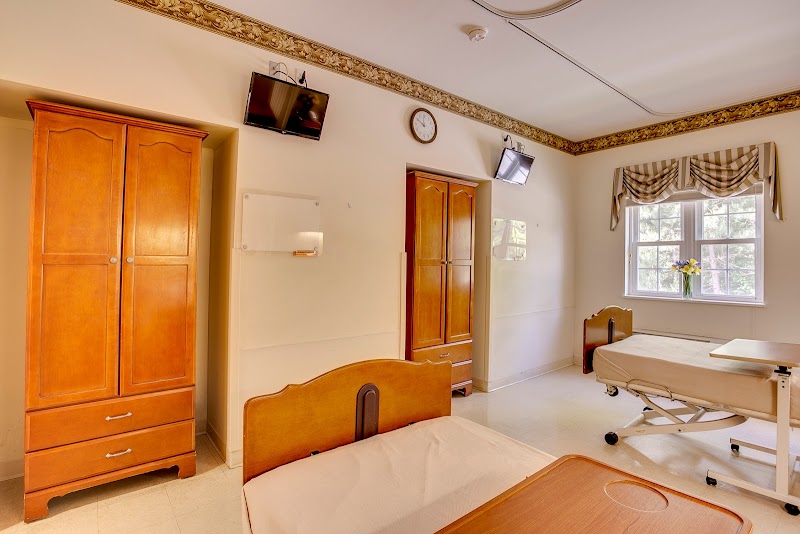
How is Cadia Rehabilitation Renaissance Staffed?

CMS rates CADIA REHABILITATION RENAISSANCE's staffing level at 3 out of 5 stars, which is average compared to other nursing homes. Staff turnover is 61%, which is 15 percentage points above the Delaware average of 46%. High turnover can affect care consistency as new staff learn residents' individual needs. RN turnover specifically is 58%, which is notably high. RNs provide skilled clinical oversight, so turnover in this role can affect medical care quality.

What Have Inspectors Found at Cadia Rehabilitation Renaissance?

State health inspectors documented 51 deficiencies at CADIA REHABILITATION RENAISSANCE during 2021 to 2025. These included: 1 Immediate Jeopardy (the most serious level, indicating potential for serious harm or death), 48 with potential for harm, and 2 minor or isolated issues. Immediate Jeopardy findings are rare and represent the most serious regulatory concerns. They require immediate corrective action.
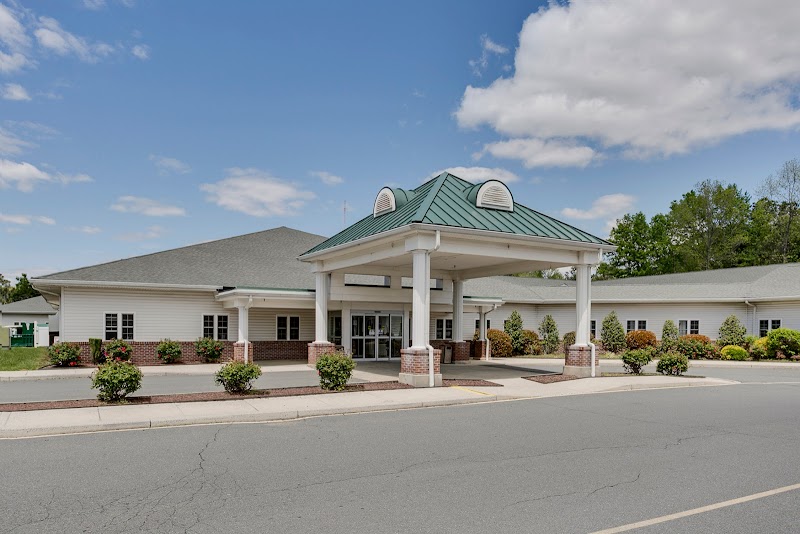
Who Owns and Operates Cadia Rehabilitation Renaissance?

CADIA REHABILITATION RENAISSANCE is owned by a for-profit company. For-profit facilities operate as businesses with obligations to shareholders or private owners. The facility is operated by CADIA HEALTHCARE, a chain that manages multiple nursing homes. With 130 certified beds and approximately 109 residents (about 84% occupancy), it is a mid-sized facility located in MILLSBORO, Delaware.
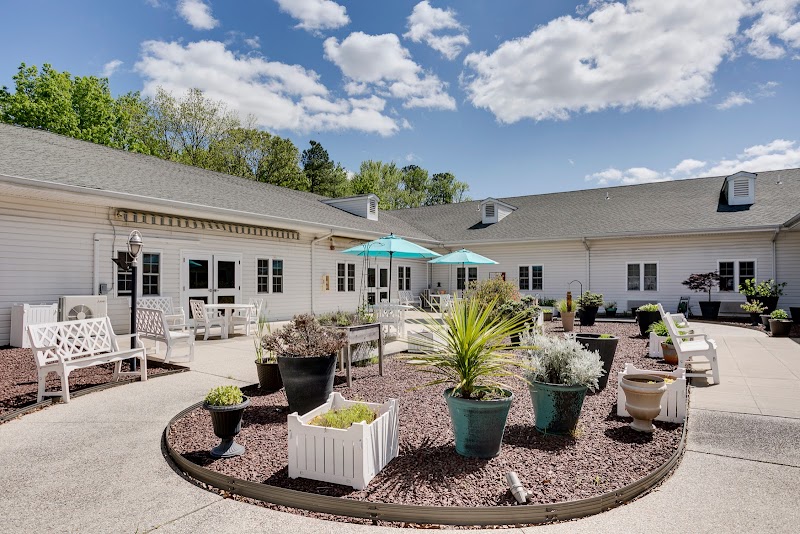
How Does Cadia Rehabilitation Renaissance Compare to Other Delaware Nursing Homes?

Compared to the 100 nursing homes in Delaware, CADIA REHABILITATION RENAISSANCE's overall rating (2 stars) is below the state average of 3.3, staff turnover (61%) is significantly higher than the state average of 46%, and health inspection rating (2 stars) is below the national benchmark.

What Should Families Ask When Visiting Cadia Rehabilitation Renaissance?

Based on this facility's data, families visiting should ask: "What changes have been made since the serious inspection findings, and how are you preventing similar issues?" "How do you ensure continuity of care given staff turnover, and what is your staff retention strategy?" "Can I visit during a mealtime to observe dining assistance and food quality?" "How do you handle medical emergencies, and what is your hospital transfer rate?" These questions are particularly relevant given the facility's Immediate Jeopardy citations and the facility's high staff turnover rate.

Is Cadia Rehabilitation Renaissance Safe?

Based on CMS inspection data, CADIA REHABILITATION RENAISSANCE has documented safety concerns. Inspectors have issued 1 Immediate Jeopardy citation (the most serious violation level indicating risk of serious injury or death). The facility has a 2-star overall rating and ranks #100 of 100 nursing homes in Delaware. Families considering this facility should ask detailed questions about what corrective actions have been taken since these incidents.

Do Nurses at Cadia Rehabilitation Renaissance Stick Around?

Staff turnover at CADIA REHABILITATION RENAISSANCE is high. At 61%, the facility is 15 percentage points above the Delaware average of 46%. Registered Nurse turnover is particularly concerning at 58%. RNs handle complex medical decisions and coordinate care — frequent RN changes can directly impact care quality. High turnover means new staff may not know residents' individual needs, medications, or preferences. It can also be disorienting for residents, especially those with dementia who rely on familiar faces. Families should ask: What is causing the turnover? What retention programs are in place? How do you ensure care continuity during staff transitions?

Was Cadia Rehabilitation Renaissance Ever Fined?

CADIA REHABILITATION RENAISSANCE has been fined $13,627 across 1 penalty action. This is below the Delaware average of $33,215. While any fine indicates a compliance issue, fines under $50,000 are relatively common and typically reflect isolated problems that were subsequently corrected. Families should ask what specific issues led to these fines and confirm they've been resolved.

Is Cadia Rehabilitation Renaissance on Any Federal Watch List?

CADIA REHABILITATION RENAISSANCE is not on any federal watch list. The most significant is the Special Focus Facility (SFF) program, which identifies the bottom 1% of nursing homes nationally based on persistent, serious quality problems. Not being on this list means the facility has avoided the pattern of deficiencies that triggers enhanced federal oversight. This is a positive indicator, though families should still review the facility's inspection history directly.