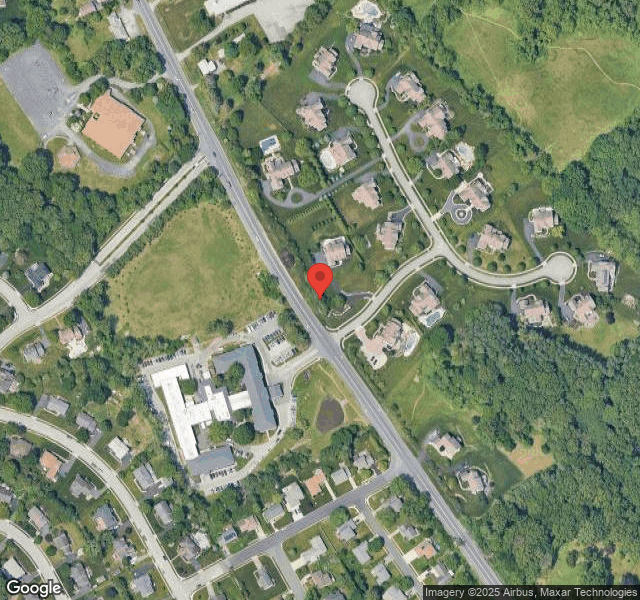
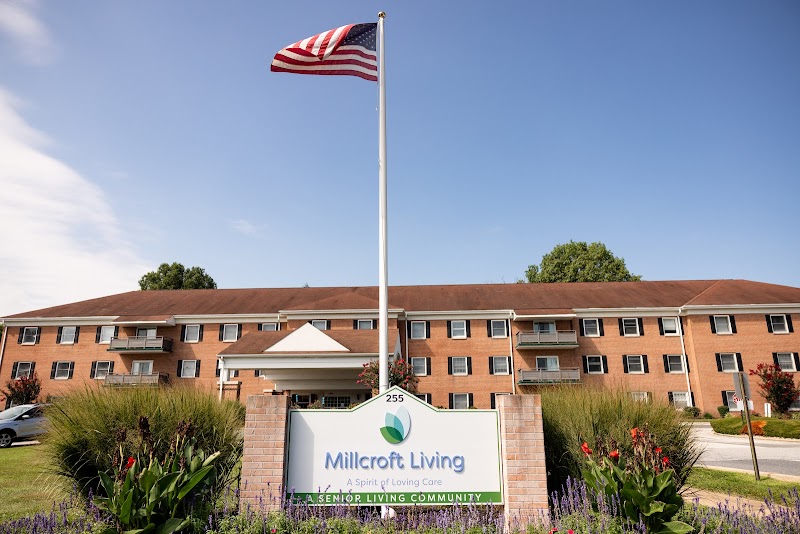

MILLCROFT LIVING

255 POSSUM PARK ROAD, NEWARK, DE 19711 (302) 366-0160
For profit - Corporation 110 Beds Independent Data: November 2025 1 Immediate Jeopardy citation
Trust Grade
66/100
#8 of 43 in DE
Last Inspection: November 2024

Within standard 12-15 month inspection cycle. Federal law requires annual inspections.

Overview

Millcroft Living has a Trust Grade of C+, indicating it is slightly above average but not exceptional. It ranks #8 out of 43 nursing homes in Delaware, placing it in the top half of facilities in the state, and #5 out of 25 in New Castle County, meaning only four local options are better. Unfortunately, the facility is worsening, with issues increasing from 11 in 2023 to 17 in 2024. Staffing is a strength, rated 5 out of 5 stars, although turnover is average at 47%, suggesting some staff turnover but still a stable environment. However, the facility has faced $16,448 in fines, which is concerning for potential compliance issues. There are notable strengths, such as excellent overall quality ratings and high RN coverage, which help catch problems early. On the downside, recent inspections revealed serious concerns, including three residents eloping from the facility due to inadequate supervision, which posed a significant risk to their safety. Additionally, there were issues with food safety, as the kitchen was found unsanitary, with moldy food and dirty conditions, which could lead to potential health risks for residents.

Trust Score
C+
66/100
In Delaware
#8/43
Top 18%
Safety Record
High Risk
Review needed
Inspections
Getting Worse
11 → 17 violations
Staff Stability
⚠ Watch
47% turnover. Above average. Higher turnover means staff may not know residents' routines.
Penalties
✓ Good
$16,448 in fines. Lower than most Delaware facilities. Relatively clean record.
Skilled Nurses
✓ Good
Each resident gets 59 minutes of Registered Nurse (RN) attention daily — more than average for Delaware. RNs are trained to catch health problems early.
Violations
⚠ Watch
36 deficiencies on record. Higher than average. Multiple issues found across inspections.
★★★★★
5.0
Overall Rating
★★★★★
5.0
Staff Levels
★★★★★
5.0
Care Quality
★★★☆☆
3.0
Inspection Score
Stable
2023: 11 issues
2024: 17 issues

The Good

  • 5-Star Staffing Rating · Excellent nurse staffing levels
  • 5-Star Quality Measures · Strong clinical quality outcomes
  • Full Sprinkler Coverage · Fire safety systems throughout facility
  • No fines on record

Facility shows strength in staffing levels, quality measures, fire safety.

The Bad

Staff Turnover: 47%

Near Delaware avg (46%)

Higher turnover may affect care consistency

Federal Fines: $16,448

Below median ($33,413)

Minor penalties assessed

The Ugly 36 deficiencies on record

1 life-threatening
Nov 2024 12 deficiencies
CONCERN (D)

Potential for Harm - no one hurt, but risky conditions existed

Deficiency F0553 (Tag F0553)

Could have caused harm · This affected 1 resident

Based on record review, interview, and policy review, the facility failed to ensure one of 25 sampled residents (Resident(R) 18) was afforded the opportunity to be included in all aspects of person-ce...

Read full inspector narrative →
Based on record review, interview, and policy review, the facility failed to ensure one of 25 sampled residents (Resident(R) 18) was afforded the opportunity to be included in all aspects of person-centered care planning. Findings include: Review of the facility's policy titled, Care Plan, Comprehensive, Person-Centered Care, revised March 2022, read in pertinent part, 1. The Interdisciplinary Team (IDT) in conjunction with the resident and his/her family or legal representative, develops and implements a comprehensive, person-centered care plan for each resident . The resident is informed of his or her right to participate in his or her treatment and provided advance notice of care plan conferences. Review of R18's Face Sheet, located in electronic medical record (EMR) under the Profile tab, revealed an admission date of 06/02/22 with diagnoses of major depressive disorder, sarcoidosis, and erythema intertrigo. Review of the Care Plan Conference Summary Form, provided by the facility, revealed no documented evidence that the resident attended the care plan meeting held on 06/05/24. Review of R18's quarterly Minimum Data Set (MDS), located in the EMR under the MDS tab and with an Assessment Reference Date (ARD) of 09/09/24, revealed R18 was cognitively intact with a Brief Interview for Mental Status (BIMS) score of 15 out of 15. Review of the Care Plan Conference Summary, found under the Care Plan tab of the EMR revealed the last conference meeting was held 09/11/24. There was no documentation the resident attended the meeting. During an interview on 11/24/24 at 2:10 PM, R18 stated, I have not been invited to the care plan meeting in a while. During an interview on 11/25/24 at 4:03 PM, the Social Services Director confirmed inviting R18 to the care plan meetings had been missed.
CONCERN (D)

Potential for Harm - no one hurt, but risky conditions existed

Deficiency F0583 (Tag F0583)

Could have caused harm · This affected 1 resident

**NOTE- TERMS IN BRACKETS HAVE BEEN EDITED TO PROTECT CONFIDENTIALITY** Based on observation, record review, interview, and review of facility policy, the facility failed to maintain the personal priv...

Read full inspector narrative →
**NOTE- TERMS IN BRACKETS HAVE BEEN EDITED TO PROTECT CONFIDENTIALITY** Based on observation, record review, interview, and review of facility policy, the facility failed to maintain the personal privacy of one resident (R3) during medication administration from a sample of 25 residents. This failure had the potential to cause embarrassment to the resident. Findings include: Review of R3's admission Record, located in the resident's electronic medical records (EMR) section titled Profile, revealed the resident was admitted to the facility on [DATE] with diagnoses that included sarcopenia (muscle loss) and osteoarthritis. Review of R3's Physicians Orders for November, located in the resident's EMR section titled Orders, revealed that the resident was to receive a Lidocaine 4% pain patch every morning. Observation during medication administration on 11/26/24 at 9:05 am revealed Licensed Practical Nurse (LPN) 1 administering a Lidocaine pain patch to R3's left shoulder. R3 was seated in her wheelchair at the nurses' station. LPN1 pulled the resident's shirt over the resident's shoulder, exposing the resident's shoulder and upper chest area. The LPN did not ask the resident if she wanted to return to her room to apply the pain patch. There was a male cognitively impaired resident sitting at the nurses' station along with three staff members and a visitor in the hallway. During an interview on11/25/24 at 1:30 PM, LPN1 stated that she should have taken the R3 back to her room to apply the pain patch. During an interview on 11/25/24 at 3:30 PM, the Director of Nursing confirmed LPN1 should have taken R3 to apply the resident's pain patch. The DON stated the nurse's action was a violation of R3's dignity and privacy. Review of the facility's policy titled, Dignity, with a revision date of February 2021 reads in part, Staff promote, maintain, and protect resident privacy including bodily privacy during assistance with personal care, and during treatment procedure.
CONCERN (D)

Potential for Harm - no one hurt, but risky conditions existed

Deficiency F0625 (Tag F0625)

Could have caused harm · This affected 1 resident

**NOTE- TERMS IN BRACKETS HAVE BEEN EDITED TO PROTECT CONFIDENTIALITY** Based on interview, record review, and policy review, the facility failed to provide written notification of the bed hold policy...

Read full inspector narrative →
**NOTE- TERMS IN BRACKETS HAVE BEEN EDITED TO PROTECT CONFIDENTIALITY** Based on interview, record review, and policy review, the facility failed to provide written notification of the bed hold policy to the resident and responsible party (RP) for one of five residents (Resident (R) 287) reviewed for hospitalization out of a total sample of 25. The failure had the potential to affect the residents planning on returning to the facility. Findings include: Review of R287's admission Record, located in the Profile tab of the electronic medical record (EMR), revealed R287 was admitted to the facility on [DATE] with acute respiratory failure and dysphagia (difficulty swallowing). On 10/30/23 R287 was diagnosed with COVID-19 and discharged to a hospital on [DATE]. Review of R287's Health Status Note, dated 11/10/23 at 9:34 AM and located in the EMR under the Progress Note tab, revealed, . Resident sent out to the ER [emergency room] for further evaluation. Spouse notified and she also requested bed hold until issue is resolved . Review of the Misc (miscellaneous), Prog (progress) Notes, and Evaluations tabs of R287's EMR revealed no documented evidence that written information regarding the facility's bed-hold policy was provided to the resident or representative. During an interview on 11/26/24 at 3:23 PM, the Social Services Director (SSD) stated the nurses were responsible for verbally notifying families about the bed hold policy when resident went out to the hospital. During an interview on 11/26/24 at 3:28 PM, the Administrator stated a copy of the bed hold paper was sent with the resident or given to emergency medical technicians (EMTs) by nursing or social services as the resident left for the hospital. During an interview on 11/26/24 at 4:05 PM, Unit Manager (UM) 2 reported the bed hold form was in the facility's discharge packet. UM2 stated nursing staff asked the resident to sign it, if able; otherwise, the nurses called the responsible party and documented their verbal response on the form. UM2 stated the form was sent with the resident to the hospital or faxed to the hospital. During an interview on 11/26/24 at 4:12 PM, the Assistant Director of Nursing (ADON) stated the discharge packet the nurses used when sending a resident out to the hospital included the bed hold policy and authorization form, and unless the nurse documented they sent it out, there was no evidence the resident or representative received the papers. During an interview on 11/26/24 at 4:45 PM, the ADON stated a Progress Note showed R287's wife was called and verbally requested a bed hold. The ADON confirmed there was no documented evidence in the EMR or within other facility files that the resident or spouse were notified in writing about the bed hold policy. Review of the facility's policy titled, Bed-Holds and Returns, revised March 2022 and provided by the facility, revealed, . All residents/representatives are provided written information regarding the facility bed-hold policies, which address holding or reserving a resident's bed during periods of absence [hospitalization or therapeutic leave]. Residents are provided written information about these policies at least twice: well in advance of any transfer (e.g., in the admission packet); and at the time of transfer [or, if the transfer was an emergency, within 24 hours] .
CONCERN (D)

Potential for Harm - no one hurt, but risky conditions existed

Assessment Accuracy (Tag F0641)

Could have caused harm · This affected 1 resident

**NOTE- TERMS IN BRACKETS HAVE BEEN EDITED TO PROTECT CONFIDENTIALITY** Based on observation, interview, record review, and review of the Resident Assessment Instrument (RAI) Manual, the facility fail...

Read full inspector narrative →
**NOTE- TERMS IN BRACKETS HAVE BEEN EDITED TO PROTECT CONFIDENTIALITY** Based on observation, interview, record review, and review of the Resident Assessment Instrument (RAI) Manual, the facility failed to ensure one resident (Resident (R) 22 out of 25 sampled residents had an accurate Minimum Data Set (MDS) assessment. This had the potential to cause the resident to have unmet care needs. Findings include: Review of the RAI Manual, dated 10/01/19, indicated, . It is important to note here that information obtained should cover the same observation period as specified by the Minimum Data Set (MDS) items on the assessment and should be validated for accuracy (what the resident's actual status was during that observation period) by the IDT completing the assessment. Review of R22's admission Record, located in the resident's electronic medical record (EMR) section titled Profile, revealed the resident was admitted to the facility with diagnoses that included congestive heart failure and shortness of breath. Review of R22's Physician Orders, dated 09/23/24 and located in the resident's EMR section titled Orders, revealed the resident was to receive continuous oxygen therapy at two liters via nasal cannula. A review of the R22's admission Minimum Data Set (MDS), with an Assessment Reference Date (ARD) of 09/29/24 and located in the resident's EMR section titled MDS, failed to document in Section O Special Procedures, Treatments, and Programs that the resident was receiving continuous oxygen therapy. During an observation on 11/25/24 at 4:33 PM, R22 was observed receiving oxygen therapy. During an interview on 11/25/24 at 5:10 PM, the MDS Coordinator (MDSC)reviewed the resident's physician orders and medication and treatment records to determine whether the resident was ordered on oxygen therapy. The MDSC reviewed the admission MDS dated [DATE] and confirmed the oxygen therapy had not been recorded in Section O.
CONCERN (D)

Potential for Harm - no one hurt, but risky conditions existed

Deficiency F0657 (Tag F0657)

Could have caused harm · This affected 1 resident

**NOTE- TERMS IN BRACKETS HAVE BEEN EDITED TO PROTECT CONFIDENTIALITY** Based on observation, interview, record review, and review of facility policy, the facility failed to revise care plans for thre...

Read full inspector narrative →
**NOTE- TERMS IN BRACKETS HAVE BEEN EDITED TO PROTECT CONFIDENTIALITY** Based on observation, interview, record review, and review of facility policy, the facility failed to revise care plans for three of 25 sampled residents (R22, R65, and R70). The care plan for R22 was not revised to reflect his oxygen therapy. The care plan for R65 was not revised to reflect an incident of wandering into a female resident's room. R70's care plan was not revised to reflect the resident's urinary catheter. This failure had the potential to affect care provided to the residents. Findings include: 1. Review of R22's admission Record, located in the resident's electronic medical record (EMR) section titled Profile, revealed the resident was admitted to the facility on [DATE] with diagnoses that included congestive heart failure and shortness of breath. Review of R22's Physician Orders, dated 09/23/24 and located in the resident's EMR section titled Orders, revealed the resident was to receive continuous oxygen therapy at two liters via nasal cannula. A review of R22's Care Plan, located in the resident's EMR section titled Care Plans, revealed the resident's care plan was not revised to reflect the use of continuous oxygen therapy. An observation on 11/14/24 at 1:44 pm revealed R22 in bed reading. The resident was wearing a nasal cannula with oxygen flowing at three liters per minute. 2. Review of R65's admission Record, located in the resident EMR section titled Profile, revealed the resident was admitted to the facility on [DATE] with diagnoses that included cognitive-communication, dementia, anxiety disorders, and altered mental status. Review of R65's admission Minimum Data Set (MDS), with an Assessment Reference Date (ARD) of 04/21/24 and located in the resident's EMR section titled MDS, revealed the resident was assessed to have a Brief Interview for Mental Status (BIMS), score of 00 which indicated R65 was severely impaired in cognitive skills for daily decision making. It was recorded that the resident did not exhibit any wandering behaviors during this assessment period. A review of the facility's Accident and Incident Log revealed on 06/17/24, there was an incident of R65 entering a female resident's and pulling down his pants. The facility completed an investigation of the incident; however, the facility failed to revise R65's care plan to reflect the incident and what interventions were put in place to protect other residents from R65's wandering behaviors 3. Review of R70's admission Record, located in the resident's EMR section titled Profile, revealed the resident was admitted to the facility on [DATE] with diagnoses that included urinary tract infection (UTI), hydronephrosis, urinary retention, and chronic kidney disease. Review of the R70's admission MDS, with an ARD of 10/13/24 and located under the MDS tab of the EMR, revealed the resident had a BIMS score of 13 out of 15, which indicated her cognition was intact and able to make decisions regarding her care. The resident was assessed to be incontinent of bladder and bowel. Review of R70's Discharge Orders, located in the resident's EMR section titled` Miscellaneous and dated 11/20/24, revealed the resident was treated for urinary retention and received a urinary catheter. Review of R70's Care Plan, located in the resident's EMR section titled Care Plan, revealed the resident's care plan was not revised to reflect the addition of the urinary catheter. During an interview on 11/25/24 at 5:10 PM, the MDS Coordinator (MDSC) stated that any nurse could revise a resident's care plan to reflect changes in the resident's condition and care needs. On 11/24/24 at 4:15 pm, an interview with the Assistant Director of Nursing (ADON) and the Director of Nursing (DON) revealed that care plans were reviewed and revised during the Interdisciplinary Team Meetings. The ADON and DON confirmed It was an expectation that nurses review and revise a resident's care plan as the need arises. Review of the facility's policy titled, Care Plans, Comprehensive Person-Centered, with a revision date of March 2022, revealed, . Assessments of residents are ongoing, and care plans are revised as information about the residents and the residents' conditions change. The interdisciplinary team reviews and updates the care plan: when there has been a significant change in the resident's condition; when the desired outcome is not met; when the resident has been readmitted to the facility from a hospital stay; and at least quarterly, in conjunction with the required quarterly MDS assessment .
CONCERN (D)

Potential for Harm - no one hurt, but risky conditions existed

Quality of Care (Tag F0684)

Could have caused harm · This affected 1 resident

**NOTE- TERMS IN BRACKETS HAVE BEEN EDITED TO PROTECT CONFIDENTIALITY** Based on interview, record review, and policy review, the facility failed to increase the frequency of assessments when a reside...

Read full inspector narrative →
**NOTE- TERMS IN BRACKETS HAVE BEEN EDITED TO PROTECT CONFIDENTIALITY** Based on interview, record review, and policy review, the facility failed to increase the frequency of assessments when a resident was diagnosed with COVID-19 for one of three residents (Resident (R) 287) reviewed for COVID-19 infection out of a total sample of 25. The lack of assessment could result in the facility not noticing symptoms which warranted further treatment and intervention. Findings include: Review of R287's admission Record, located in the Profile tab of the electronic medical record (EMR), revealed R287 was admitted to the facility on [DATE] with acute respiratory failure and dysphagia (difficulty swallowing). Review of R287's Order Summary Report, located in the EMR under the Orders tab, revealed an order dated 07/26/23 which read, Monitor the following at least daily. Vital Signs - Temp, Pulse, Respirations, Pulse OX [oxygen saturation level], B/P [blood pressure], for COVID-19 symptoms of Fever, Chills, Cough, Shortness of Breath . if symptoms occur, place resident in transmission-based precautions and notify the physician and your Infection Preventionist. Review of R287's Health Status Note, dated 10/30/23 at 4:59 PM and located in the EMR under the Progress Note tab, revealed, . Resident was tested for Covid-19 during outbreak testing. Covid antigen test was positive . Review of R287's Care Plan tab revealed a problem area dated 10/30/23 of COVID-19 with interventions to . Monitor and document vital signs as ordered. Notify MD of significant abnormalities . Resident on Droplet Isolation precautions . It was recorded that the problem was resolved on 11/09/23. Review of R287's quarterly Minimum Data Set (MDS), with an Assessment Reference Date (ARD) of 11/01/23 and located in the MDS tab of the EMR, revealed R287 scored 14 out of 15 on his Brief Interview for Mental Status (BIMS), which indicated he was cognitively intact. It was recorded R287 had diagnoses that included COVID-19. During an interview on 11/25/24 at 2:30 PM, Licensed Practical Nurse (LPN) 3 stated nurses completed a COVID-19 Assessment located in the EMR under the Evaluations tab every shift when a resident had COVID. LPN3 stated the assessment included vital signs, lung sounds, and a symptom tracker. LPN3 stated the Infection Preventionist (IP) put an order into the EMR, and nurses signed off that they completed the assessment every shift for residents who had COVID-19. Review of R287's EMR revealed less than daily documentation of assessments, including vital signs, during a ten-day COVID-19 isolation period from 10/30/24 to 11/09/24. Review of R287's Evaluations, Progress Notes, and Wts (weights)/Vitals tabs of the EMR revealed no COVID-19 Assessments. There was no documented evidence that R287's vital signs or lung sounds were assessed on 11/02/23 through 11/05/23, or on 11/07/23 or 11/08/23. During an interview on 11/26/24 at 11:11 AM, the IP stated she input orders for nurses to complete the COVID-19 assessment, and she expected nurses to document a note every shift on a resident with COVID-19, as well as vital signs, symptoms, and any complications. The IP confirmed R287's EMR had no documented evidence that the assessments had been completed. During an interview on 11/26/24 at 12:00 PM, the Director of Nursing (DON) reported he expected nurses to document assessments every shift with vital signs and symptoms at a minimum when a resident had COVID-19. He confirmed less than daily assessments were completed for R287. Review of the facility's policy, Coronavirus Disease (COVID-19) - Identification and Management of Ill Residents, revised September 2022, revealed, . Clinical monitoring of residents with suspected or confirmed SARS-CoV-2 infection is increased, including assessment of symptoms, vital signs, oxygen saturation via pulse oximetry, and respiratory exam, to identify and quickly manage serious infection .
CONCERN (D)

Potential for Harm - no one hurt, but risky conditions existed

Accident Prevention (Tag F0689)

Could have caused harm · This affected 1 resident

**NOTE- TERMS IN BRACKETS HAVE BEEN EDITED TO PROTECT CONFIDENTIALITY** Based on observation, interviews, record review, and review of facility policy, the facility failed to provide supervision for o...

Read full inspector narrative →
**NOTE- TERMS IN BRACKETS HAVE BEEN EDITED TO PROTECT CONFIDENTIALITY** Based on observation, interviews, record review, and review of facility policy, the facility failed to provide supervision for one of five residents (Resident (R) 65) reviewed for supervision out of a total sample of 25. The failure had the potential to cause harm to R65 due to his behavior of wandering. Findings include: Review of R65's admission Record, located in the resident's electronic medical record (EMR) section titled Profile, revealed the resident was admitted to the facility on [DATE] with diagnoses that included cognitive communication, dementia, anxiety disorders, and altered mental status. Review of R65's admission Minimum Data Set (MDS), with an Assessment Reference Date (ARD) of 04/21/24 and located in the resident's EMR section titled MDS, revealed the resident was assessed to have a Brief Interview for Mental Status (BIMS) score of 00 which indicated the resident was severely impaired in cognitive skills for daily decision making. It was recorded that the resident did not exhibit any wandering behaviors during this assessment period. Review of the facility's Accident and Incident Log revealed on 06/17/24 there was an incident of R65 entering a female resident's and pulling down his pants. A review of the facility's investigation, dated 06/17/24, revealed that R65 had wandered into a female resident's room during the night. The investigation revealed the R65 had pulled down his pants and sat down on a chair next to the female resident's bed. According to the facility's investigation, the female resident woke up while R65 was in her room. The female resident took pictures of R65 while he was in her room and called for the nursing staff to remove R65. By the time nursing staff arrived in the female resident's room, R65 had returned to his room. The facility's investigation documented that the female resident was examined for any injuries. The female resident informed the staff that R65 had not touched her and that she did not want to report the incident. It was documented the female resident wanted to make sure that R65 never entered her room again. Review of R65's Care Plan, located under the Care Plan tab of the EMR, revealed no documented evidence the facility revised R65's care plan to reflect the incident. There was no documented evidence that interventions were identified and implemented to help protect R65 or other residents from R65's wandering behaviors. During an interview on 11/24/24 at 4:30 PM, the Social Services Director (SSD) stated the incident was discussed with the Interdisciplinary team; however, the SSD was unable to provide documentation of what was discussed in the IDT meeting and how the facility ensured the safety of R65 and the female resident. In an interview on 11/25/24 at 6:10 PM, the Medical Director stated he remembered the incident. The Medical Director stated R65 had severely impaired cognition and he felt the resident was attempting to go to the bathroom at night and mistakenly wandered into the female resident's room. During an interview on 11/26/24 at 1:30 PM, the Assistant Director of Nursing (ADON) stated she was unable to provide information of what interventions were in place to ensure R65 did not return to the female resident's room. The ADON stated she was unable to provide any documentation of interventions that were identified and implemented to protect R65 or other residents. Review of the facility policy titled, . Incident/accident reports will be reviewed by the safety committee for trends related to accidents or safety hazards in the facility and to analyze any individual resident vulnerabilities .
CONCERN (D)

Potential for Harm - no one hurt, but risky conditions existed

Incontinence Care (Tag F0690)

Could have caused harm · This affected 1 resident

**NOTE- TERMS IN BRACKETS HAVE BEEN EDITED TO PROTECT CONFIDENTIALITY** Based on observation, interview, and record review, the facility failed to provide appropriate treatment and services for urinar...

Read full inspector narrative →
**NOTE- TERMS IN BRACKETS HAVE BEEN EDITED TO PROTECT CONFIDENTIALITY** Based on observation, interview, and record review, the facility failed to provide appropriate treatment and services for urinary catheters for one of three residents (Resident (R) 70) reviewed for urinary catheters out of a total sample of 25. The facility failed to have physician orders for the use of a urinary catheter and failed to ensure the drainage bag and tubing were not placed directly on the floor, inhibiting the proper flow of urine. The failure had the potential for the resident to develop reoccurring urinary tract infections (UTIs). Findings include: Review of R70's admission Record, located in the resident's electronic medical record (EMR) section titled Profile, revealed the resident was admitted to the facility on [DATE] with diagnoses that included urinary tract infection (UTI), hydronephrosis, urinary retention, and chronic kidney disease. Review of the R70's admission Minimum Data Set (MDS), with an Assessment Reference Date of ARD of 10/13/24 and located under the MDS tab of the EMR, revealed the resident had a Brief Interview for Mental Status (BIMS) score of 13 out of 15, which indicated her cognition was intact. The resident was assessed to be incontinent of bladder and bowel. Review of R70's hospital Discharge Orders, located in the resident's EMR section titled` Miscellaneous and dated 11/20/24, revealed the resident was treated for urinary retention and received a urinary catheter. Review of R70's Physicians Orders for November 2024, located in the resident's EMR section titled Orders, revealed the ER orders for the resident's urinary catheter were not transcribed to the monthly physician orders. Review of R70's Care Plan, located in the resident's EMR section titled Care Plan revealed the resident's care plan was not revised to reflect the addition of the urinary catheter. During an observation on 11/25/24 at 8:45 AM, R70 was observed lying in bed with her eyes closed. Her urinary drainage bag with privacy covering was lying on the floor. During an observation on 11/25/24 at 1:30 PM, R70 was lying in bed. The resident's urinary drainage bag and tubing were lying on the floor. During an interview on 11/25/24 at 1:30 PM, Licensed Practical Nurse (LPN) 2 stated that R70's urinary drainage tubing and bag were not properly positioned to promote urine flow. LPN 2 stated that R70 was sent to the hospital two weeks ago for a UTI and had the urinary catheter inserted there. During an interview on 11/25/24 at 2:55 PM, the LPN Supervisor and LPN2 revealed the discharge orders for the urinary catheter were not transcribed to the resident's monthly orders. LPN2 stated she thought the evening supervisor had transcribed the orders from the emergency room and revised the resident's care plan to reflect the catheter. LPN2 acknowledged that she should have reviewed the resident's chart to ensure that the orders had been transcribed.
CONCERN (D)

Potential for Harm - no one hurt, but risky conditions existed

Respiratory Care (Tag F0695)

Could have caused harm · This affected 1 resident

**NOTE- TERMS IN BRACKETS HAVE BEEN EDITED TO PROTECT CONFIDENTIALITY** 2. Review of R22's admission Record, located in the resident's electronic medical record (EMR) section titled Profile, revealed ...

Read full inspector narrative →
**NOTE- TERMS IN BRACKETS HAVE BEEN EDITED TO PROTECT CONFIDENTIALITY** 2. Review of R22's admission Record, located in the resident's electronic medical record (EMR) section titled Profile, revealed the resident was admitted to the facility on [DATE] with diagnoses that included congestive heart failure and shortness of breath. Review of R22's Physician Orders, dated 09/23/24 and located in the resident's EMR section titled Orders, revealed the resident was to receive continuous oxygen therapy at two liters via nasal cannula. Review of R22's admission Minimum Data Set (MDS), with an Assessment Reference Date (ARD) of 09/29/24 and located in the resident's EMR section titled MDS failed to record the resident was receiving continuous oxygen therapy. Review of R22's Care Plan, located in the resident's EMR section titled Care Plans, revealed the resident's care was not revised to reflect the use of continuous oxygen therapy. During an observation on 11/24/24 at 1:44 PM, R22 was observed lying in bed reading. The resident was wearing a nasal cannula with oxygen flowing at three liters per minute. The tubing was dated 11/22/24, and the oxygen concentrator filter had a large amount of dust debris. During an observation on 11/25/24 at 2:00 PM, R22's oxygen setting was at three liters per minute, and the filter on the oxygen concentrator had a built up of dust debris. During an interview on 11/25/24 at 4:30 PM, the Medical Director stated the expectation was that oxygen would be delivered according to the physicians' orders. The Medical Director stated if there was a need to change the oxygen setting to increase the resident's oxygen level saturation levels the nurses are expected to inform the physician of the change. During an interview on 11/26/24, the Licensed Practical Nurse (LPN) Supervisor confirmed the nurses were responsible for cleaning the filters on the oxygen concentrators and ensuring the oxygen setting was according to the physicians' orders. Based on observation, interview, and record review, the facility failed to administer oxygen at the physician prescribed dose for two of five residents (Residents (R) 9 and 22) reviewed for respiratory care out of a total sample of 25. This had the potential to cause the residents respiratory distress. Findings include: 1. Review of R9's admission Record, located in the Profile tab of the electronic medical record, (EMR) revealed the resident was admitted to the facility on [DATE] with diagnoses that included pneumonia, chronic obstructive pulmonary disease (COPD), and chronic respiratory failure. Review of R9's admission Minimum Data Set (MDS), with an Assessment Reference Date (ARD) of 09/26/24 and located under the MDS tab of the EMR, revealed R9 had a Brief Interview for Mental Status (BIMS) score of 10 out of 15, which indicated the resident was moderately cognitively impaired. Review of R9's Physician Orders, located in the EMR under the Physician Orders tab, revealed an order dated 10/16/24 for oxygen for symptoms of hypoxia via nasal cannula at 3 LPM. During an observation on 11/24/24 at 12:25 PM, R9 was observed seated in her wheelchair in her room with her eyes closed. The resident had an oxygen cannula in place, running from a concentrator that was set at 4.5 liters per minute (LPM). During an observation on 11/25/24 at 9:15AM, R9's oxygen concentrator was again set at 4.5 LPM. During an interview on 11/25/24 at 6:11PM, the Medical Director stated that R9 had a risk potential for hypoxia due to ongoing lung concerns related to COPD. He added that the resident's oxygen should be set at the ordered level and any variation required physician notification. During an observation and interview on 11/26/24 at 10:37 AM, R9 was seated in her wheelchair in her room. The resident's oxygen concentrator was set at 2LPM. Licensed Practical Nurse (LPN) 1 confirmed the oxygen concentrator was set at 2 LPM. LPN1 confirmed the oxygen was to be set at 3 LPM. She stated she had checked the concentrator's settings when she began her shift and believed another staff member may have changed the settings by mistake.
CONCERN (D)

Potential for Harm - no one hurt, but risky conditions existed

Medication Errors (Tag F0758)

Could have caused harm · This affected 1 resident

**NOTE- TERMS IN BRACKETS HAVE BEEN EDITED TO PROTECT CONFIDENTIALITY** Based on interview, record review, and policy review, the facility failed to document an end date for an as needed (PRN) psychot...

Read full inspector narrative →
**NOTE- TERMS IN BRACKETS HAVE BEEN EDITED TO PROTECT CONFIDENTIALITY** Based on interview, record review, and policy review, the facility failed to document an end date for an as needed (PRN) psychotropic medication for one of six residents (Resident (R) 294) reviewed for unnecessary medications out of a total sample of 25. The failure had the potential for residents to receive psychotropic medications without ongoing assessment by a physician or practitioner for continued appropriateness. Findings include: Review of R294's admission Record, located in the Profile tab of the electronic medical record (EMR) revealed R294 was admitted to the facility on [DATE]. R294 had diagnoses which included anxiety, depression, and bipolar disorder. Review of R294's admission Minimum Data Set (MDS), with an Assessment Reference Date (ARD) of 09/28/24 and located in the MDS tab of the EMR, revealed R294 scored 14 out of 15 on her Brief Interview for Mental Status (BIMS), which indicated she was cognitively intact. Review of R294's Encounter, dated 09/20/24 at 1:00 AM and located in the EMR under the Progress Note tab, revealed a Nurse Practitioner entry, . Currently on buspirone [an anti-anxiety medication] 10 mg, endorses anxiety and wants clonazepam [an anti-anxiety medication] . Review of R294's Order Summary Report, located in the EMR under the Orders tab, revealed an order dated 09/20/24 for clonazepam 0.5mg every 24 hours as needed for anxiety. There was no end date for the as needed anti-anxiety medication. During an interview on 11/25/24 at 1:06 PM, R294 stated she took her PRN anxiety medication once in a blue moon. She stated she typically did not need it due to getting buspirone twice a day. During an interview on 11/25/24 at 2:20 PM, Licensed Practical Nurse (LPN) 3 stated the unit managers entered new orders into the EMR. LPN3 stated PRN psychotropic medications were expected to have an end date of 14 days, unless ordered for longer. LPN 3 confirmed R294 had orders in the EMR for PRN clonazepam since 9/20/24 with no end date. During an interview on 11/25/24 at 2:50 PM, Unit Manager (UM) 1 reported the unit managers entered or verified orders in the EMR. UM1 stated the PRN clonazepam order for R294 was entered by a nurse practitioner and verified by a unit manager. UM1 stated the nurse practitioner was expected to enter a stop date for PRN psychotropics, and the unit manager who verified orders was expected to check and reach out to the nurse practitioner for an end date of 14 days or a rationale for orders with end dates beyond 14 days. During an interview on 11/25/24 at 3:00 PM, the Assistant Director of Nursing (ADON) stated that PRN psychotropic medications were expected to have a 14-day end date and then be renewed as needed. During an interview on 11/25/24 at 3:05 PM, the Director of Nursing (DON) reported the expectation that PRN psychotropics have a 14-day end date or rationale to extend past that. Review of the facility's policy, Psychotropic Medication Use, dated July 2022, revealed, . Psychotropic medications are not prescribed or given on a PRN basis unless that medication is necessary to treat a diagnosed specific condition that is documented in the clinical record. PRN orders for psychotropic medications are limited to l4 days. For psychotropic medications that are NOT antipsychotics: If the prescriber or attending physician believes it is appropriate to extend the PRN order beyond 14 days, he or she will document the rationale for extending the use and include the duration for the PRN order .
CONCERN (D)

Potential for Harm - no one hurt, but risky conditions existed

Deficiency F0761 (Tag F0761)

Could have caused harm · This affected 1 resident

**NOTE- TERMS IN BRACKETS HAVE BEEN EDITED TO PROTECT CONFIDENTIALITY** Based on observations, record reviews, interviews, and a review of facility policy, the facility failed to secure one of three (...

Read full inspector narrative →
**NOTE- TERMS IN BRACKETS HAVE BEEN EDITED TO PROTECT CONFIDENTIALITY** Based on observations, record reviews, interviews, and a review of facility policy, the facility failed to secure one of three (Second floor medication cart) medication carts on one of two nursing units. The facility failed to dispose of expired supplies in one of two (Second floor medication storage room) medication storage rooms. These failures had the potential to result in residents being subject to unsafe or ineffective treatment or adverse effects leading to more serious illnesses and could permit unauthorized access to residents' medications. Findings include: 1. Observation on [DATE] at 6:34 PM revealed the second-floor medication cart was unlocked and was located between rooms [ROOM NUMBERS], approximately six steps away from the nurses' station. The cart remained unlocked for nine minutes and fifty-eight seconds. The top drawer contained insulin pens and over-the-counter medications. The second drawer contains residents' medications and a locked narcotic box. No staff were present, and the cart was not within the line of sight of any staff member. Resident (R) 36 was seated in a wheelchair at the nurses' station, making several attempts to stand up. Two other unidentified residents were seated at the nurses' station. Review of R36's quarterly Minimum Data Set (MDS), with an Assessment Reference Date (ARD) of [DATE] revealed R36 was severely impaired in decision-making skills, utilized a wheelchair and walker for mobility, and had no range of motion limitations. During an interview on [DATE] at 6:50 PM, Licensed Practical Nurses (LPN) 4 and LPN 5 revealed they were both sharing a cart and unaware that the medication cart was unlocked. LPN 5 acknowledged that R36 tended to wander, and the unlocked medication cart posed a hazard for the resident. 2. On [DATE] at 10:15 am an inspection of the medication room on the second floor revealed the following concerns: One of two boxes of Magellan hypodermic safety needles with an expiration date of [DATE] (47 needles in the box). One of one box of three cc syringes 23-gauge x 1-inch needles with an expiration date of [DATE]. Seven of seven Care fusion extension sets with clear connectors with the expiration dates ranging from 07/2021 to 01/2023. One of one container of Osmolyte 1.5 calorie nutritional supplement with expiration date of [DATE]. Two of two Meflix dressings with expiration dates of 05/2021 and 03/2020. One of One Mesalt Cleansing dressing with 20% Chloride with an expiration date of [DATE]. Five of five [NAME] Amorphous Hydrogel Wound dressings with expiration dates of [DATE] and [DATE]. During an interview on [DATE] at 11:15 AM, the LPN Supervisor for the unit revealed he tried to inspect the medication room on a weekly basis. He stated he had missed those items found during the inspection of the medication. room Review of the facility's policy titled, Security of Medication Cart, with a revision date of [DATE], revealed, . The medication cart shall be secured during medication passes . Medication carts must be securely locked at all times when out of the nurse's view . When the medication cart is not being used, it must be locked and parked at the nurses' station or inside the medication room . Review of the facility's policy titled, Medication Storage and Labeling, with a revision date of February 2023, revealed, . If the facility has discontinued, outdated or deteriorated medications or biologicals, the dispensing pharmacy is contacted for instructions regarding returning or destroying these items .
CONCERN (F)

Potential for Harm - no one hurt, but risky conditions existed

Food Safety (Tag F0812)

Could have caused harm · This affected most or all residents

Based on observations, interviews, and policy review, the facility failed to ensure food was served under sanitary conditions and failed to ensure the kitchen was kept in a clean and sanitary manner t...

Read full inspector narrative →
Based on observations, interviews, and policy review, the facility failed to ensure food was served under sanitary conditions and failed to ensure the kitchen was kept in a clean and sanitary manner to prevent contamination from foreign substances and the potential for development of foodborne illnesses. This deficient practice has the potential to affect 89 of 91 residents who received meals and beverages prepared in and served from the facility's kitchen. Findings include: During the initial kitchen tour on 11/24/24 at 8:54 AM, upon entrance to the kitchen through the dishwasher area, observation of the floor, the floor underneath the dishwasher, freezer, cooler, and shelf revealed trash, food debris, dust/dirt, and a greasy blackish-brown substance. The substance was found throughout the kitchen on the floors, legs/feet of equipment, and underneath freestanding coolers and freezers, as well as the range, ovens, prep tables, and shelving. The greasy substance stained the baseboards and walls. Observation of the commercial juice machine revealed the water lines were stained with a brownish-red colored substance. The outside of the tubing was also covered in dust. The drip tray was stained with a reddish colored substance. The reddish colored substance covered the spout covers. The 3-compartment sink was observed, and a black grease interceptor box was located underneath the area. The box was covered in food debris and a brownish greasy substance. During the tour Cook1 was asked who was responsible for cleaning the floor. He confirmed that it was cleaned twice daily. Review of the kitchen's Utility Cleaning Schedule provided by the Certified Dietary Manager (CDM) on 11/24/24, outlined each area of the kitchen and how often it was to be cleaned. The schedule was broken down into daily, weekly, and monthly requirements. Per the schedule, staff were to sweep/mop kitchen floors, under equipment and dry storage twice daily and as needed. During an interview on 11/24/24 at 11:17 AM, the CDM was advised of the concerns related to the juice machine, the interceptor box, and the floor. She stated that the floors were cleaned daily along with the area around the interceptor box. The CDM added that the juice machine vendor was responsible for cleaning the internal parts of the machine including the tubing, but that the facility staff were to clean the drip pan daily and run the grate through the dishwasher. During a subsequent kitchen observation on 11/25/24 at 10:51 AM, the floor appeared to have been cleaned, but there was still debris and the brownish stains still visible underneath the kitchen equipment. The CDM was asked about the floor, and she stated that the staff was cleaning the floor as scheduled but stated that the floor was hard to keep clean. During an interview on 11/26/24 at 10:32 AM, the Administrator was advised of the concerns with the kitchen floor. He stated that he felt the concern was related to the meal delivery carts tracking dirt, dust, and debris in the kitchen, but added that he felt the kitchen could use a deep cleaning.
Aug 2024 5 deficiencies 1 IJ
CRITICAL (J) 📢 Someone Reported This

A family member, employee, or ombudsman was alarmed enough to file a formal complaint

Immediate Jeopardy (IJ) - the most serious Medicare violation

Accident Prevention (Tag F0689)

Someone could have died · This affected 1 resident

Based on interview, record review and review of other facility documentation it was determined that for three (R1, R2 and R3) out of three residents reviewed for wandering and elopement the facility f...

Read full inspector narrative →
Based on interview, record review and review of other facility documentation it was determined that for three (R1, R2 and R3) out of three residents reviewed for wandering and elopement the facility failed to provide adequate supervision to prevent elopements. R1 eloped on two occasions 8/16/24 and 8/18/24. On 8/16/24, R1 was seen in the parking lot. On 8/18/24, R1 was seen outside of the building, near the fire lane of the facility turn-in and a busy roadway. Additionally, R2 eloped from the facility on 8/17/24 and was found outside of the building at the edge of the curb on the rounded driveway. On 7/11/24, R3 was seen exiting the facility unattended by a facility visitor who immediately reported R3's elopement to staff. The facility was made aware on 8/23/27 at 4:47 PM of immediate jeopardy. All three residents were at risk for serious adverse outcome. The immediate jeopardy was abated on 8/24/24. Findings include: The facility policy entitled Wandering and Elopements indicated, The facility will identify residents who are at risk of unsafe wandering and strive to prevent harm while maintaining the least restrictive environment for residents. If identified as at risk for wandering, elopement, or other safety issues, the resident care plan will include strategies and intervention to maintain the resident's safety. 1. Review of R3's clinical record revealed: 5/9/24 - R3 was admitted to the facility with a history of multiple diagnoses including dementia and unsteadiness on his feet. 5/9/24 - R3's admission elopement evaluation scored a 3 and assessed that the resident was at risk for wandering. The evaluation assessed that R3 wandered, and the wandering was likely to affect the safety of the resident or others. 5/15/24 - An admission MDS assessment documented R3 as having active diagnoses of anxiety, dementia, and severe cognitive impairment. R3 was assessed as using a walker and able to walk ten feet with moderate partial assistance and supervision. 5/27/24 - R3's care plan for wandering was created with interventions of distract resident from wandering by offering pleasant diversions, structured activities, food conversation, television, books. Staff is aware of elopement risk. 7/11/24 2:40 PM - A progress note in R3's clinical record written by E22 (RN,UM) documented, Resident was found on outside driveway loop by another resident's family. Resident retrieved and had no apparent injuries and no complaints of pain. Elopement evaluation completed, resident at high risk for elopement. Family contacted and made aware. MD made aware and ordered wander guard. orders placed, wander guard placed on left ankle without incident. Resident to continue to be at nurses station during the day for observation. 7/11/24 - R3's elopement evaluation scored a 6 and assessed that in addition to the prior evaluations assessment, R3 now had a history of elopement, expressed a desire to go home, and that wandering was likely to affect the privacy of others. 7/11/24 - A physician's order was written for R3 to wear a wander-guard and for placement of the wander-guard to be checked every shift. During an interview on 8/26/24 1:14 PM, E22 (RN, UM) confirmed that R3 was found outside the facility on 7/11/24. E22 stated, [R3] was at an activity and he was upstairs and a residents family member [FM2] said [R3] is outside in the circle. He was last seen in an activity we assume he went out on the elevator alone then outside. E22 confirmed the facility was unaware R3 was outside prior to notification from FM2. During an interview on 8/26/24 at 1:24 PM, FM2 stated, There was one time mid July a resident [R3] got out. I was outside and [R3] came walking out said he was going home. So I went in and told the first person I saw but by the time we got there someone was already coming in with him. He only had about one minute of freedom. During an interview on 8/27/24 at 11:44 AM, E18 (CNA) who was assigned to R3 on 7/11/24 during the day shift stated, I don't remember much because I just heard about it, but I didn't see it. I am pretty sure I was with another resident. E18 was unable to recall when she had last seen E18. 2. Review of R1's clinical record revealed: 7/17/24 - R1 was admitted to the facility with multiple diagnoses including unspecified dementia with agitation, anxiety disorder, unspecified psychosis, unsteadiness on the feet and difficulty walking. 7/17/24 - A baseline care plan was created for R1's risk for elopement with the goal that R1 would not elope from the community. Interventions included complete admission elopement evaluation and initiate placement of a wandering device. 7/17/24 - The comprehensive care plan for R1 for risk of wandering/elopement with a goal for safety to be maintained included interventions to complete frequent checks every shift, identify if there is a certain time of day wandering elopements attempts occur and schedule time for regular walks/appropriate activity. There were no updates/revisions to this care plan. 7/17/24 - R1's admission elopement evaluation scored R1 as a 3 and assessed that R1 was at risk for elopement related to a history of attempted elopement while at home, history of elopement or attempted leaving the facility without informing staff and wandering. 7/23/24 - An admission MDS assessment documented that R1 had a BIMS score of six indicating severe cognitive impairment. The wandering section of the assessment was left blank, indicating it was incomplete. R1's functional ability was documented as able to walk ten feet with supervision and use of a walker. 8/13/24 - A second elopement evaluation scored R1 as a 6 and assessed that R1 continued as at risk for elopement related to a history of attempted elopement while at home, history of elopement or attempted leaving the facility without informing staff and wandering. Additionally, R1 was assessed as wandering aimlessly or non-goal directed and wandering behavior likely to affect the safety or well-being of R1 and privacy others. 8/13/24 - A physician's order was written for R1 to wear a wander-guard and for placement of the wander-guard to be checked every shift. a. 8/16/24 4:22 PM - A progress note in R1's clinical record written by E14 (RN) documented, Resident noted to be an elopement risk with wandering behavior. Resident has wander-guard in place. It was proposed to the family to move the resident to the second floor as a safety precaution. Family refused at this time. 8/16/24 - An un-timed statement in the investigation documents written by E22 (RN-UM) documented that R1 was found in the parking lot by housekeeping and bought back to the floor by two CNA's . 8/16/24 - An un-timed statement in the investigation documents written by E16 (CNA) documented, [E21 (H)] was on her way outside and said someone was outside with a handbag and seemed lost could we see if she was a resident? So, I went outside only to see [R1] by the cars in the parking lot. 8/16/24 - A third elopement evaluation scored R1 as an 8 and assessed that R1 continued as at risk for elopement related to a history of attempted elopement while at home, history of elopement or attempted leaving the facility without informing staff, wandering aimlessly and wandering behavior likely to affect the safe or well-being of R1 and privacy others. Additionally, R1 was assessed as verbally expressing a desire to go home. 8/22/24 - R1's existing wander-guard order was expanded to include checking the function of the wander-guard daily. During an interview on 8/23/24 at 2:20 PM, E21 (H), stated that on 8/16/24, Maybe at 2:00 PM or 2:30 PM I was at the time clock to punch out, I heard the alarm and I look out the window and see [R1] outside and went and got [E16 (CNA)]. During the interview E21 accompanied the surveyor to the time clock and confirmed seeing [R1] through the window outside on 8/16/24. During an interview on 8/26/23 at 2:26 PM, E12 (RN) confirmed that she was assigned to [R1] on 8/16/24 during the time of the elopement. E12 stated, I was in another patient's room and didn't know [R1] got out. During an interview on 8/23/24 at 2:28 PM, E18 (CNA) stated that on 8/16/24, I believe I was heading to the kitchen and [E21 (H)] was standing there. [E16 (CNA)] was standing there. Me and [E16] go out there. We didn't notice [R1] left because someone must have disarmed the alarm. E18 then confirmed other incidents of elopement regarding R1 and stated, I just heard about Sunday (8/18) where she was found across the street but I wasn't here that day. During an interview on 8/23/24 at 2:32 PM, E22 (RN) stated that on 8/16/24, I just remember I was off the floor and when I had come back they said she made it out to the cars and a housekeeper found her. We came up with putting her on the second floor and [FM1] said he didn't want to do that because she had a friend on the first floor and I explained it was a safety measure and he refused. We did make signs and we put those on the glass doors and above the key pad. E22 confirmed that the it was unknown how long R1 had been outside of the facility and stated, I'm not sure how long but it couldn't have been more than five or ten minutes at the most. She had been sitting on the couch. E22 denied that R1 had prior elopements and stated, [R1] did voice the desire to leave. We saw her walking off the unit but she had not made it beyond that. With difficulty to redirect, we did do a wander-guard. E22 was asked to show the surveyor the sign and when visualizing the Healthcare entrance door key pad there was no sign posted. E22 stated, Housekeeping must have taken them down. E22 then provided the surveyor with a copy of the signs she created and posted on 8/16/24. The sign indicated the following HIGH ELOPEMENT RISK ON FIRST FLOOR. ONLY NURSING STAFF TO DISARM THE ALARM! Thank you. During an interview on 8/23/24 at 2:37 PM, E16 (CNA) stated, That day we were getting our last changes done. I can't remember what time it was. I do know that housekeeping leaves around 2:30 so it had to be around that time frame. I was charting and [E7 (H)] ran to the desk and she said I think a resident is out. I got up immediately and darted towards the door. When I went out, I saw it was [R1]. When I ran out to the parking lot two housekeepers was trying to get her to come in. E16 stated that R1 was observed outside in the parking lot by the spot that says visitor where the doctors park at. b. 8/18/2024 10:40 AM - A progress note in R1's clinical record written by E22 (RN-UM) documented, Resident wandered out of facility; Charge nurse was made aware by [E10 (AD)] while on break. Resident was encouraged to returned to facility from the front main entrance, Resident had some combative behaviors. Resident returned to first floor unit. ADON and CEO were made aware. Resident's son was called and made aware and notified of patient transfer to second floor unit. Patient was transfer to second floor. 8/18/24 - An un-timed statement in the investigation documents written by E3 (ADON) documented, [E10 (AD)] notified me Sunday morning that an attempted elopement occurred with [R1]. I notified [E2 (DON)] and [E1 (ED)]. I was informed that resident made it to the edge of the premises, but no one knew whether she left the actual premises. 8/18/24 - R1 was relocated from a room on the first floor to a room on the second floor of the facility. 8/23/24 9:23 AM - During random observation and tour of the facility, two sets of double doors with a service area between them that connected the Healthcare facility and Independently Living facility were observed to be open. The doors remained open throughout the day. During an interview on 8/23/24 at 11:35 AM, FM1, responsible party for R1, confirmed R1's 8/18/24 elopement and stated, I was under the impression it was during the day on Sunday around ten. My mom has dementia, and she does this sometimes, as her situation has worsened. They have worked with us, taking as much control as they can. They moved her to a more secure floor and put an alarm on her. From what somebody told me, she went for a walk. I think from what I gather, she may have gone past the entry way of [the facility] and off the grounds proper. From what I was told, she wasn't far away, and I don't think she knew she was off the grounds. FM1 stated he was unaware of other elopements at the facility. During an interview on 8/23/24 at 12:21 PM, E10 (AD) confirmed that R1 eloped on Sunday 8/18/24. E10 stated, I was in the hallway downstairs in the Independent Living and the receptionist [E8] was calling my name and she said she thought there was a Healthcare resident in the parking lot. If you're coming into the facility [R1] was right at the corner with her walker and a gentleman. E10 confirmed the gentleman was a person unknown to the facility and referred to him as a good Samaritan and reported she obtained his contact information and gave it to E1 (ED). E10 then stated, Me and one of my staff [E14 RN] escorted [R1] in. E10 stated, I think there is one other episode [of elopement] I'm not sure. R1 did have her wander-guard on when I bought her back through the door it did go off. During an interview on 8/23/24 at 12:50 PM, E1 (ED) stated, I wasn't in the building, so I didn't know anything about the elopement on the sixteenth. On the eighteenth, [E10 (AD)] called me and said a resident was out on the sidewalk and looked confused. She went and got her back. [R1] did have a wander-guard. Depending on the door she goes through, it goes off. I don't know which door she came out of. During an interview on 8/23/24 at 1:11 PM, E7 (DES) confirmed that the Independent Living main entrance doors do not sound an alarm and do not automatically close or lock when a wander-guard passes through. The last alarmed door triggered by wander-guards is the first set of double doors that lead to the service hallway where the kitchen and employee break room is located that then lead to the Independent Living main hallway to its main entrance door. When a wander-guard passes through the first set of double doors, an alarm sounds until disarmed by a pin number entry on the keypad. The doors do not lock. The doors were observed as open at the time. During an observation on 8/23/24 at 1:14 PM E7, (DES) demonstrated with the use of a wander-guard that the facility's Healthcare main entrance doors alarm until disabled and lock temporarily when triggered by a wander-guard. During an observation on 8/23/24 at 1:21 PM, at the Independent Living main entrance, E7 (DES) had triggered the double door wander guard alarm. However, it could not be heard at that distance. During an interview on 8/23/24 at 1:22 PM, E7 (DES) confirmed that the set of two double doors connecting the Healthcare Facility to the Independent Living facility were typically open during the day. During an interview on 8/23/24 at 1:29 PM, E8 (receptionist) stated that on 8/18/24, Another Independent Living resident told me [R1] was in the middle of the street. I called [E10 (AD)], she was the manager on duty, and I got up to see if I could see [R1], but I couldn't see her. I did see someone bring her back towards the building. When the lady, a visitor, told me someone looked like they belong here was in the road. I got up because I couldn't see, but by the time I got up, she was near the flagpole where the cars come in. During an interview on 8/23/24 at 3:36 PM, E14 (RN) stated that on 8/18/24, I was the nurse that day. I went on break and while I went on break an employee [E10 (AD)], came and told me that a resident [R1] is outside. E14 confirmed that R1 was seen at the nurse's station before E14 went on break and that it was an estimated twenty minutes later when E14 was notified that R1 had exited the facility. E14 then confirmed that the facility was not aware that R1 had exited the facility unbeknownst to staff. During an interview on 8/23/24 at 4:03 PM, E3 (ADON) confirmed that during both the 8/16 and 8/18 elopements, staff had no knowledge R1 would be exiting the building. c. 8/23/24 11:52 AM - A progress note in R1's clinical record documented, Resident was found without her wander-guard on the second floor. 8/23/24 7-3 shift. Small pair of manicure scissors found in her room. Resident cut the strap off herself. New wander-guard placed around the resident's right ankle. Scissors removed from the residents room and placed in the medication room behind the nurses station. Resident's POA [FM1] notified of incident. Resident remains a high elopement risk. During an interview on 8/23/24 at 4:26 PM, E13 (RN) stated that R1 was standing in the hall and we noticed she did not have it [wander-guard] on. Her nurse went in the room and saw the strap cut. So we confiscated the scissors. Then [FM1] came in and took them and we searched them and didn't find anymore. 3. Review of R2's clinical record revealed: 8/6/24 - R2 was admitted to the facility with multiple diagnoses including age related physical weakness, unsteadiness of the feet, dementia and cognitive communication deficits. 8/6/24 - R2's admission elopement evaluation scored a 0 which indicated the resident was assessed as not a risk for elopement. 8/12/24 - An admission MDS assessment documented R2 as having a BIMS score of 10 indicating moderate cognitive impairment. R2 did not exhibit wandering behaviors and required moderate partial assistance to walk 10 feet and used both a wheelchair and a walker. 8/17/24 3:19 PM - A progress note in R2's clinical record written by E13 (RN) documented, Resident noted to be elopement risk. Found outside of building on 8/17/23, around 3:00 PM. Resident unharmed. In stable condition. Back in room. Resident's spouse informed and has given consent for a wander-guard. 8/17/24 - An un-timed statement written by E13 (RN) in the investigation documents indicated, It was nearing 3:00 on 8/17/24 on first floor. The speech therapist wheeled [R2] in through the side door and reported that he found him sitting by the pond outside in his wheelchair. Resident has a baseline as being confused and had already been redirected several times that day. I immediately spoke with the resident's POA and obtained consent for a wander-guard. An undated/un-timed statement written by E19 (SLP) in the investigation documents indicated, On 8/17/24 3:00 PM, I was approached by a visitor saying a resident [R2] was outside alone wheeling himself. I went to [R2] and bought him back to the facility and reported to nursing . I found him at the Independent Living side entrance door by the pond. 8/17/24 - R2's second elopement evaluation scored a 6 which indicated the resident was assessed as at risk for elopement. 8/17/24 - A physician's order was written for R2 to have a wander-guard and for staff to check placement and function each shift. During an interview on 8/23/24 at 11:11 AM, E15 (LPN) was asked if he was aware of any resident elopements in the facility. E15 responded, Yes, I worked on Sunday, there was an elopement. I can't remember the name of the resident. When asked if the elopement was regarding R1, E15 stated, No, I don't know about the resident. It was a gentleman, [R2]. During an interview on 8/26/24 at 2:03 PM, E13 (RN) confirmed the above written statement. E13 then confirmed the facility was unaware R2 was outside until E19 (SLP) wheeled him in. R13 was unsure of when or where R2 had last been seen prior to being found outside by E19. During an interview on 8/27/24 at 11:48 AM, E19 (SLP) confirmed the above written statement. E19 then accompanied the surveyor outside where R2 was found by him on 8/17/24. E19 confirmed R2 was found outside near the side entrance of the Independent Living area, at the edge of the turn. Across the fire lane there is a small man made pond and embankment. The facility provided the following corrective measures: During an interview on 8/23/24 at 4:09 PM with E1 (ED), E2 (DON) and E3 (ADON) the surveyor asked what the facility's plan is to prevent further elopements and E3 responded, For [R1] we had moved her upstairs. We attempted to move her Friday, but they refused. Moving her upstairs is another layer for her safety. In general, we had been communicating and educating the staff that when they hear the alarm to make sure that someone is there to disarm. We have families that like to go in and out it would be better if just the nursing staff only would put in the code. E1 then stated, I am going put a sign up. E3 then added, if we identify residents at risk on admission if we have a room, we will put them upstairs. We made sure the doors were working, notified staff and did frequent rounding E3 confirmed the frequent rounding was not documented. 8/23/24 4:13 PM - The surveyor requested any recent education provided to staff regarding wandering and elopements. 8/23/24 - 4:30 PM - E3 (ADON) provided the surveyor with education sign in sheet's regarding wandering and elopements dated 8/23/24. 8/23/24 4:31 PM - E1 (ED) Was shown the signs created by E22 (RN) that were to be placed by exit doors. E1 confirmed signs were not posted presently. 8/23/27 4:47 PM - Surveyor reported to E1 (ED), E2 (DON) and E3 (ADON) that an immediate jeopardy in the area of accidents hazards had been identified regarding the facility's failure to provide adequate supervision to prevent elopements. The surveyor asked how the facility would prevent residents from exiting the facility. E1 stated, Going forward only a nurse is to disarm the code. I will call the company about changing the alarm pin codes as soon as possible. E3 stated, yes, because the families have the codes. 8/23/24 -4:52 PM - E1 (ED) - Provided the surveyor with a sign to be posted on all exit doors. The sign read, DO NOT REMOVE SIGN. HIGH ELOPEMENT RISK ON FIRST FLOOR (WANDER GUARD SYSTEM IN PLACE). STOP. Only NURSING STAFF to DISARM the ALARM (Please make sure no residents are behind you before exiting) * If alarm goes off, please notify a nursing staff member to turn off the alarm before proceeding*. 8/23/24 5:08 PM - E1 (ED) was sent an email with an attached immediate jeopardy template. 8/23/24 5:09 PM - 5:53 PM - Signage was posted on all the entrance/exit doors Only nursing to disarm alarms. Warning high risk elopement residents in facility. 8/23/24 5:52 PM - 6:21 PM - All exit/entry Door alarm pin code changed. 8/23/24 5:53 PM - Set one of double doors closed with a verbal notice from E1 (ED) to dietary and other staff for the doors to remain closed. 8/23/24 - 6:00 PM - 6:09 PM - All residents with wander-guards belongings inspected for objects to remove wander-guard list provided by E3 (ADON). 8/23/24 6:20 PM - E1 (ED) provided written notice to dietary staff and surveyor to ensure double doors between the Healthcare center and Independent Living area remain closed. 8/23/24 7:13 PM - E1 (ED) provided a written removal plan to the State Agency via email. 8/26/24 - E1 provided additional sign in sheets for education regarding wandering, closing of the double doors, disabling of alarms and elopement dated 8/24/24. 8/26/24 - Staff interviews with E5 (FSD), E13 (RN), E23 (LPN), E24 (UC), E25 (LPN), E26 (H), E17 (CNA) confirmed the recent education. The facility completed the abatement on 8/24/24 at 2:30 PM. Findings were reviewed during the exit conference on 8/28/24 at 1:06 PM with E1 (ED), E2 (DON) and E3 (ADON).
CONCERN (D) 📢 Someone Reported This

A family member, employee, or ombudsman was alarmed enough to file a formal complaint

Potential for Harm - no one hurt, but risky conditions existed

Investigate Abuse (Tag F0610)

Could have caused harm · This affected 1 resident

Based on record review and interview it was determined that for one (R3) out of three residents reviewed for elopement the facility failed to thoroughly investigate an allegation of neglect. Findings ...

Read full inspector narrative →
Based on record review and interview it was determined that for one (R3) out of three residents reviewed for elopement the facility failed to thoroughly investigate an allegation of neglect. Findings include: The facility policy titled Abuse, Neglect, Exploitation or Misappropriation - Reporting and Investigating last updated, September 2022 indicated, All investigations will be thoroughly investigated. 7/11/24 2:40 PM - A progress note in R3's clinical record documented the resident eloped from the facility. 8/23/24 9:15 AM - The Surveyor requested the investigative documents for R3's elopement. 8/23/24 2:12 PM - E2 (DON) confirmed there were no investigative documents for R3's 7/11/24 elopement. Findings were reviewed during the exit conference on 8/28/24 at 1:06 PM with E1 (ED), E2 (DON) and E3 (ADON).
CONCERN (E) 📢 Someone Reported This

A family member, employee, or ombudsman was alarmed enough to file a formal complaint

Potential for Harm - no one hurt, but risky conditions existed

Report Alleged Abuse (Tag F0609)

Could have caused harm · This affected multiple residents

Based on record review and interview it was determined that for three (R1, R2 and R3) out of three residents reviewed for elopements the facility failed to recognize the elopements as allegation's of ...

Read full inspector narrative →
Based on record review and interview it was determined that for three (R1, R2 and R3) out of three residents reviewed for elopements the facility failed to recognize the elopements as allegation's of neglect. This resulted in the failure to report them to the State Agency. Findings include: The facility policy titled Abuse, Neglect, Exploitation or Misappropriation - Reporting and Investigating last updated, September 2022 indicated,If resident abuse neglect, exploitation, misappropriation of resident property or injury of unknown source is suspected the suspicion must be reported immediately to the administrator and to other official according to state law. The administrator or the individual making the allegation immediately reports his or her suspicion to the state agency . 1. 7/11/24 - R3 eloped from the facility. 2. 8/16/24 and 8/18/24 - R1 eloped from the facility. 3. 8/17/24 - R2 eloped from the facility. 8/22/24 - Review of the State Agency's Incident Referral Center revealed the facility's last reported elopement was on 11/30/22. During an interview on 8/23/24 at 12:50 PM, E1 (ED) confirmed the facility failed to recognize elopements as suspicions of neglect, resulting in a failure to report them to the State Agency. E1 stated, From my understanding the resident has to be off facility premises for an elopement to occur when asked why R1, R2 and R3's elopements were not reported. During an interview on 8/26/24 at 2:51 PM, E4 (CS) stated, we thought it was too late to report now and E3 (ADON) stated the facility will report the incidents now. 8/27/24 - The facility reported R1, R2, and R3's elopements to the State Agency. Findings were reviewed during the exit conference on 8/28/24 at 1:06 PM with E1 (ED), E2 (DON) and E3 (ADON).
CONCERN (E) 📢 Someone Reported This

A family member, employee, or ombudsman was alarmed enough to file a formal complaint

Potential for Harm - no one hurt, but risky conditions existed

Deficiency F0949 (Tag F0949)

Could have caused harm · This affected multiple residents

Based on interview and review of facility documentation, it was determined that for seven (E8, E12, E15, E16, E21, E27 and E28) out of ten staff reviewed, the facility failed to ensure that the requir...

Read full inspector narrative →
Based on interview and review of facility documentation, it was determined that for seven (E8, E12, E15, E16, E21, E27 and E28) out of ten staff reviewed, the facility failed to ensure that the required Behavioral Health training was completed. Findings include: 8/27/24 - Review of the employee training records revealed a lack of evidence of Behavioral Health training of the following staff: 11/18/21- E8 (receptionist) and E12 (RN) were hired by the facility. 1/20/22 - E28 (CNA) was hired by the facility. 3/7/23 - E15 (LPN) was hired by the facility. 7/25/23 - E16 (CNA) was hired by the facility. 8/8/23 - E21 (H) was hired by the facility. 10/3/23 - E27 (CNA) was hired by the facility. During an interview on 8/28/24 at 11:15 AM, E1 (ED) confirmed the above staff did not receive their required training. Findings were reviewed during the exit conference on 8/28/24 at 1:06 PM with E1 (ED), E2 (DON) and E3 (ADON).
MINOR (B) 📢 Someone Reported This

A family member, employee, or ombudsman was alarmed enough to file a formal complaint

Minor Issue - procedural, no safety impact

Deficiency F0944 (Tag F0944)

Minor procedural issue · This affected multiple residents

Based on interview and review of facility documentation, it was determined that for six (E12, E15, E16, E21, E27 and E28) out of ten staff reviewed, the facility failed to ensure that the required QAP...

Read full inspector narrative →
Based on interview and review of facility documentation, it was determined that for six (E12, E15, E16, E21, E27 and E28) out of ten staff reviewed, the facility failed to ensure that the required QAPI (Quality Assurance And Performance Improvement) training was completed. Findings include: 8/27/24 - Review of the employee training records revealed a lack of evidence of QAPI training of the following staff: 11/18/21- E12 (RN) was hired by the facility. 1/20/22 - E28 (CNA) was hired by the facility. 3/7/23 - E15 (LPN) was hired by the facility. 7/25/23 - E16 (CNA) was hired by the facility. 8/8/23 - E21 (H) was hired by the facility. 10/3/23 - E27 (CNA) was hired by the facility. During an interview on 8/28/24 at 11:15 AM, E1 (ED) confirmed the above staff did not receive their required training. Findings were reviewed during the exit conference on 8/28/24 at 1:06 PM with E1 (ED), E2 (DON) and E3 (ADON).
Oct 2023 9 deficiencies
CONCERN (D) 📢 Someone Reported This

A family member, employee, or ombudsman was alarmed enough to file a formal complaint

Potential for Harm - no one hurt, but risky conditions existed

Notification of Changes (Tag F0580)

Could have caused harm · This affected 1 resident

**NOTE- TERMS IN BRACKETS HAVE BEEN EDITED TO PROTECT CONFIDENTIALITY** Based on interview, record review, and review of the facility investigation, the facility failed to notify the physician of an e...

Read full inspector narrative →
**NOTE- TERMS IN BRACKETS HAVE BEEN EDITED TO PROTECT CONFIDENTIALITY** Based on interview, record review, and review of the facility investigation, the facility failed to notify the physician of an elevated anticoagulant lab value in a timely manner for one resident (Resident (R) 14) reviewed for a significant medication error out of a total sample of 26 residents. Findings include: Review of R14's admission Record located in the electronic medical record (EMR) indicated she was admitted to the facility on [DATE] with a primary diagnosis of heart failure and atrial fibrillation (irregular heartbeat). Review of R14's Care Plan, located in the EMR under the Care Plan tab and revised on 06/02/21, included usage of anti-coagulant therapy to manage the medical condition of atrial fibrillation and history of cerebral vascular accident (stroke). Review of R14's Order Summary Report, located in the EMR and dated 02/24/22, included Coumadin 4mg tablet by mouth at bedtime due to permanent atrial fibrillation. Review of R14's Order Summary Report, located in the EMR and dated 07/07/22, revealed a physician's order to check the INR (blood test to check clotting time) in the morning on 08/04/22 for Coumadin (blood thinner) usage. Review of R14's INR lab value on 08/04/22 at 8:00 AM, on the Treatment Administration Record in the EMR, revealed a reading of 3.3. Optimal values for a resident on Coumadin are 1-3, due to values above three may lead to increased risk for bleeding and bruising. Review of the facility investigation dated 08/04/22, provided by the facility, indicated R14 was administered Coumadin 4mg on the evening of 08/04/22 before the INR result of 3.3 was communicated to the Medical Director for further orders in response to the elevated INR. Review of the facility investigation report revealed that a former (no longer employed by facility) Licensed Practical Nurse (FLPN) on the 7:00 AM-3:00 PM shift on 08/04/22 did not report the elevated INR level to the physician or the evening shift nurse (3:00 PM-11:00PM) resulting in a dose of Coumadin 4mg being given on the evening of 08/04/22 by LPN2 at 8:00 PM. Based on the investigation report, the evening Unit Manager (RN1) notified the Nurse Practitioner. Orders were received to monitor for bleeding and recheck the INR on the morning of 08/05/22. During an interview on 10/19/23 at 11:57 AM, the Director of Nursing (DON) confirmed that the FLPN failed to report R14's elevated INR result to the Medical Director in a timely manner which resulted in a significant medication error. Cross Reference: F760.
CONCERN (D) 📢 Someone Reported This

A family member, employee, or ombudsman was alarmed enough to file a formal complaint

Potential for Harm - no one hurt, but risky conditions existed

Pressure Ulcer Prevention (Tag F0686)

Could have caused harm · This affected 1 resident

**NOTE- TERMS IN BRACKETS HAVE BEEN EDITED TO PROTECT CONFIDENTIALITY** Based on observation, record review, interview, and review of the facility policy, the facility failed to ensure one of one resi...

Read full inspector narrative →
**NOTE- TERMS IN BRACKETS HAVE BEEN EDITED TO PROTECT CONFIDENTIALITY** Based on observation, record review, interview, and review of the facility policy, the facility failed to ensure one of one residents (Resident (R) 50) reviewed for prevention of skin breakdown out of a total sample of 26 residents received padding to the skin as ordered by the physician. Findings include: Observation on 10/16/23 at 10:42 AM revealed the padding on R50's hip was dated 10/06/23. During interview on 10/16/23 at 1:35 PM, R50's family member (F)1 stated that she also noted the date of the padding was 10/06/23. Review of R50's admission Record, provided by the facility, revealed the resident was admitted to the facility on [DATE] with a diagnosis of dementia and protein calorie malnutrition. Review of the quarterly Minimum Data Set (MD) with an Assessment Reference Date (ARD) of 09/07/23 revealed R50 was at risk for developing pressure ulcers but had no pressure ulcers or skin breakdown. Observation on 10/16/23 at 2:17 PM revealed the left hip patch was dated 10/06/23. Further observation on 10/16/23 at 2:45 PM with Licensed Practical Nurse (LPN) 1 revealed R50 with patches to bilateral hips that were dated 10/06/23. LPN1 confirmed that the resident had orders for the padding to be changed every three days. LPN1 stated she was not sure why the padding had not been changed since 10/06/23. Review of the Physician Order, provided by the facility and dated 12/30/22, indicated Bilateral Hips: Tx: [treatment] Foam Q3D [every three days] & [and] PRN [as needed] for protection. Review of the Treatment Administration Record (TAR) from 10/01/23 through 10/31/23 revealed that order was signed off as completed on 10/09/23, 10/12/23, and 10/15/23 even though observations of the padding revealed a date of 10/06/23. Interview with the Director of Nursing (DON) on 10/19/23 at 1:31 PM, stated he expects staff to follow all physician orders and dressing changes to be done as ordered. Review of the facility's policy titled, Wound Care, revised October 2010, indicated, Preparation .1. Verify there is a physician's order for this procedure .Documentation .The following information should be recorded in the resident's medical record .1. The type of wound care was given
CONCERN (D) 📢 Someone Reported This

A family member, employee, or ombudsman was alarmed enough to file a formal complaint

Potential for Harm - no one hurt, but risky conditions existed

Deficiency F0688 (Tag F0688)

Could have caused harm · This affected 1 resident

**NOTE- TERMS IN BRACKETS HAVE BEEN EDITED TO PROTECT CONFIDENTIALITY** Based on observations, interviews, and record reviews, the facility failed to provide nursing services as ordered for one of thr...

Read full inspector narrative →
**NOTE- TERMS IN BRACKETS HAVE BEEN EDITED TO PROTECT CONFIDENTIALITY** Based on observations, interviews, and record reviews, the facility failed to provide nursing services as ordered for one of three residents (Resident (R) 36) reviewed for application of splints out of a total sample of 26 residents. This failure had the potential to decrease physical functioning, quality of life, and independence. Findings include: Review of the facility policy titled, Resident Mobility and Range of Motion, revised 07/2017, stated in part . 2. Residents with limited range of motion will receive treatment and services to increase and/or prevent a further decrease in ROM [range of motion]. 3. Residents with limited mobility will receive appropriate services, equipment and assistance to maintain or improve mobility unless reduction in mobility is unavoidable . Review of R36's admission Record, located in the electronic medical record (EMR) indicated he was admitted to the facility on [DATE] with a primary diagnosis of acute respiratory failure with hypoxia. Comorbidities included muscle wasting and atrophy, hemiplegia and hemiparesis (partial paralysis and weakness) following a cerebral infarction (stroke) affecting the right dominant side. Review of R36's Order Summary Report, located in the EMR under the Orders tab, included Patient to wear resting hand splint on right hand nightly as patient tolerates to prevent further flexion contracture dated 08/17/23. Review of R36's Care Plan, located in the EMR under the Care Plan tab and revised 07/26/23, revealed it did not include use of hand splints. During an interview on 10/17/23 at 2:29 PM, R36 stated he was supposed to wear a splint on his right hand at night, but no one put it on him. When asked where the splint was located, the resident stated he hadn't seen it in quite some time. Additionally, R36 stated that the therapy department told him he should be wearing the splint at night. During an observation on 10/17/23 at 9:40 PM, it was revealed R36 was in his bed not wearing his splint. During an interview on 10/17/23 at 9:40 PM, Certified Nursing Aide (CNA)1 confirmed that R36 was not wearing a splint on his right hand, that he did not know the location of the splint but was willing to look for it. CNA1 located the splint in the second drawer of the nightstand under the incontinent briefs. CNA1 attempted to place the splint on the right hand of R36 who then complained of pain and was unable to tolerate application of the splint at that time. During an interview on 10/18/23 at 9:59 AM, the Director of Rehabilitation (DOR) confirmed that R36 had been wearing a right-hand splint since 2021. The DOR stated that R36 had received occupational and physical therapy services from 07/26/23 through 09/08/23 and at that time he was able to put on and take off the splint himself. The facility's protocol was for the therapy department to train the CNA's to apply the splints, then if there are any changes in status, then the therapy department would be notified by the nursing department, and a new screening would be completed by the therapy department. During an interview on 10/18/23 at 11:30 AM, Licensed Practical Nurse (LPN) 2 confirmed R36 had an order for nightly hand splint application, but the order had not been activated in the electronic medical record and that staff had not been applying the splint. During an interview on 10/18/23 at 11:34 AM, Unit Manager (UM) 1 confirmed that R36 had an order in the EMR for nightly splint usage at bedtime, but it was not triggered for the nurses on the treatment record so it had not been being done as of that time but should have been.
CONCERN (D) 📢 Someone Reported This

A family member, employee, or ombudsman was alarmed enough to file a formal complaint

Potential for Harm - no one hurt, but risky conditions existed

Respiratory Care (Tag F0695)

Could have caused harm · This affected 1 resident

**NOTE- TERMS IN BRACKETS HAVE BEEN EDITED TO PROTECT CONFIDENTIALITY** Based on observation, interview, record review, and policy review, the facility failed to clean respiratory equipment for one of...

Read full inspector narrative →
**NOTE- TERMS IN BRACKETS HAVE BEEN EDITED TO PROTECT CONFIDENTIALITY** Based on observation, interview, record review, and policy review, the facility failed to clean respiratory equipment for one of one resident (Residents (R) 65) reviewed for oxygen therapy out of a total sample of 26 residents. Findings include: Review of R65's Face Sheet, located under the Profile tab of the electronic medical record (EMR), revealed R65 was admitted to the facility on [DATE] with diagnoses which included pneumonia, acute respiratory failure hypoxia, depression, and anxiety disorder. Review of R65's Minimum Data Set (MDS) with an Assessment Reference Date (ARD) of 08/12/23, located under the RAI tab, indicated R65 was extensive assist of one staff member for bed mobility, dressing, and toileting; transfers only happened once or twice. The MDS showed a Brief Interview for Mental Status (BIMS) score of 15 out of 15 indicating R65 was cognitively intact. Review of R65's EMR under the Orders tab revealed the following physician's orders: Continuous oxygen 2 Liter/minute via NC (nasal cannula). Change O2 (oxygen) tubing and humidifier bottle on admission and q weekly - every night shift on Monday. Both orders dated 05/08/23. During observations on 10/16/23 at 10:13 AM and 10/18/23 at 3:02 PM, R65's concentrator was observed with one air filter on the back of the machine. The air filter was noted to have a thick coating of dust upon it. During an interview on 10/19/23 at 9:44 AM, the Director of Nursing (DON) was shown the concentrator and the dust covered air filter. The DON agreed the air filter was dusty and washed the filter immediately. Review of the facility's policy titled, Departmental (Respiratory Therapy) - Prevention of Infection, revised 09/10, stated Purpose The purpose of this procedure is to guide the prevention of infection associated with respiratory therapy tasks and equipment .among residents and staff .Steps in the Procedure Infection Control Considerations Related to Oxygen Administration .9. Wash filters from oxygen concentrators every seven days with soap and water. Rinse and squeeze dry .
CONCERN (D) 📢 Someone Reported This

A family member, employee, or ombudsman was alarmed enough to file a formal complaint

Potential for Harm - no one hurt, but risky conditions existed

Deficiency F0728 (Tag F0728)

Could have caused harm · This affected 1 resident

Based on interview and personnel record review, the facility failed to ensure that a Certified Nursing Aid (CNA) was registered with the state of Delaware for one of five personnel records reviewed. F...

Read full inspector narrative →
Based on interview and personnel record review, the facility failed to ensure that a Certified Nursing Aid (CNA) was registered with the state of Delaware for one of five personnel records reviewed. Findings include: Review of the personnel record of CNA1, indicated CNA1 was employed at the facility as a CNA on 03/29/22. Further review of CNA1's personnel file indicated CNA1 had obtained a Certificate of Completion as a Temporary Nurse Aide on 06/12/21. CNA1's CNA Registry for the State of Delaware could not be located in the personnel file. During an interview on 10/19/23 at 1:14 PM with the Administrator, the Administrator confirmed CNA1 was not a registered CNA in the state of Delaware. The Administrator explained CNA1 had received temporary status during the Coronavirus disease 2019 (COVID - 19) epidemic but had not obtained an actual/active registry since the COVID-19 waiver had been lifted. The Administrator stated CNA1 worked in the building as recently as yesterday but will not be returning as an employee of the facility at this time.
CONCERN (D) 📢 Someone Reported This

A family member, employee, or ombudsman was alarmed enough to file a formal complaint

Potential for Harm - no one hurt, but risky conditions existed

Deficiency F0730 (Tag F0730)

Could have caused harm · This affected 1 resident

Based on interview and personnel record review, the facility failed to ensure that Certified Nursing Assistant (CNA)1 received a yearly performance evaluation for one of five personnel records reviewe...

Read full inspector narrative →
Based on interview and personnel record review, the facility failed to ensure that Certified Nursing Assistant (CNA)1 received a yearly performance evaluation for one of five personnel records reviewed. Findings include: Review of the personnel record for CNA1, indicated CNA1 completed the Temporary Nurse Aide online course on 06/12/21. The personnel record indicated CNA1 had been employed as a CNA at the facility since 03/29/22. During an interview on 10/19/23 at 1:14 PM with the Administrator, the Administrator confirmed CNA1 had not received a yearly performance evaluation (due March of 2023). The Administrator explained CNA1 was an employee of the assisted living side and had moved over to the long-term care side. The Administrator explained it was an oversight of the Human Resource Departments of the Long-Term Care and the Assisted Living areas of the facility that the performance evaluation was not completed.
CONCERN (D) 📢 Someone Reported This

A family member, employee, or ombudsman was alarmed enough to file a formal complaint

Potential for Harm - no one hurt, but risky conditions existed

Deficiency F0757 (Tag F0757)

Could have caused harm · This affected 1 resident

**NOTE- TERMS IN BRACKETS HAVE BEEN EDITED TO PROTECT CONFIDENTIALITY** Based on interviews, record review, and facility policy review, the facility failed to provide the appropriate dosage of antibio...

Read full inspector narrative →
**NOTE- TERMS IN BRACKETS HAVE BEEN EDITED TO PROTECT CONFIDENTIALITY** Based on interviews, record review, and facility policy review, the facility failed to provide the appropriate dosage of antibiotics upon admission for one of six residents (Resident (R) 176) reviewed for medication administration out of 26 sample residents. Findings include: Review of R176's admission Record, found in the Profile tab of the electronic medical record (EMR), revealed he was admitted to the facility on [DATE], with diagnoses including acute osteomyelitis (infection of the bone) right ankle and foot. The resident was discharged on 08/23/23. Review of R176's admission Minimum Data Set (MDS) assessment located in the MDS tab in the EMR, with an Assessment Reference Date (ARD) of 08/19/23, revealed a Brief Interview for Mental Status (BIMS) assessment with a score of 15 out of 15 which indicated no cognitive impairment. R176 required limited assistance from one staff with bed mobility, transfer, walk in room, dressing, and toileting. R176 also had impairment on one side lower extremity. He had received antibiotics for three days. Review of R176's Care Plan, located in the Care Plan tab of the EMR, dated 08/17/23, revealed The resident is on antibiotic therapy r/t [related to] right foot s/p [status post] surgical procedure infection. The resident's goal was, The resident will be free of any discomfort or adverse side effects of antibiotic therapy through the review date. The resident's interventions included Administer antibiotic medications as ordered by the physician. Monitor/document side effects and effectiveness Q-Shift. Record review of R176's EMR under Miscellaneous revealed a hospital discharge summary on 08/16/23 that documented Plan at discharge: Continue Augmentin [antibiotic] 875-125 twice daily for 14 days post-op (end 8/24). Review of R176's Progress Note, located under the Progress Notes tab, dated 08/16/23, documented that R176 would receive Augmentin Oral Tablet 500-125 mg. Record review of R176's EMR under Physician Orders revealed an 08/16/23 physician order for Augmentin Oral Tablet 500-125 mg [Amoxicillin-Pot Clavulanate]. Give one tablet by mouth every 12 hours for Osteomyelitis. This physician order was discontinued on 08/17/23. Record review of R176's EMR under Physician Orders revealed an 08/17/23 physician order for Amoxicillin-Pot Clavulanate Tablet 875-125 mg. Give one tablet by mouth every 12 hours for right foot Osteomyelitis. Review of R176's EMR August 2023 Medication Administration Record (MAR) revealed the physician order for Augmentin Oral Tablet 500-125 mg (Amoxicillin-Pot Clavulanate). Give one tablet by mouth every 12 hours for Osteomyelitis. This medication was administered on 08/17/23 at 9:00 AM before being discontinued. Review of the August 2023 MAR revealed the physician order for Amoxicillin-Pot Clavulanate Tablet 875-125 mg. Give one tablet by mouth every 12 hours for right foot Osteomyelitis. This medication was initiated for administration on 08/17/23 at 9:00 PM. Further review of the EMR revealed an 08/17/23 History and Physical by the physician, documented Osteomyelitis. Patient has been on Augmentin 875 mg two times a day. We will continue. The physician note did not document that R176 had not been on the correct dosage of antibiotic. Review of R176's Progress Note, located under the Progress Notes tab, dated 08/17/23, documented that Augmentin 500-125 mg to be discontinued per MD. The note also documented that Amoxicillin-Pot Clavulanate Tablet 875-125 mg. Give one tablet by mouth every 12 hours for right foot Osteomyelitis. Further review of the EMR revealed an 08/17/23 Progress Note that documented Medication transcription dosage error was noted while medication order was being reviewed at IDT [interdisciplinary team] meeting the day after admission. Amoxicillin 500-125 mg was transcribed instead of Amoxicillin 875-125 mg ordered. IDT unaware that the wrong dosage was already administered at the time of the IDT meeting. NP [nurse practitioner] made aware and order was re-written to reflect the original order from discharging MD. Family made aware of medication change by RN supervisor. Interview on 10/19/23 at 8:40 AM with the Medical Director revealed that another facility physician had admitted R176. He stated that he had only seen R176 once, the day after admission. A concurrent interview on 10/19/23 at 12:20 PM with the Administrator, Director of Nursing (DON), Assistant Director of Nursing (ADON), and the Regional Clinical revealed, the admission nurse would admit residents. If they were busy or had multiple admissions at once, a floor nurse would also admit residents. ADON stated the admission procedure was that the facility received an interagency and physician discharge summary with new admissions from the hospital, which would include physician orders. She stated that usually the facility would receive these physician orders prior to admission and would then be uploaded into the EMR. If a hospital did not provide it, the facility may have to call the hospital and get what they needed. DON stated that R176 received one dose of the lower strength antibiotic on admission. She stated that each morning the IDT reviewed admitting residents and when they had been made aware, had made an immediate rectification. DON stated it had been a transcription error. The Administrator and Regional Clinic confirmed the error had been corrected on 08/17/23. A further interview on 10/19/23 at 1:00 PM with the Medical Director revealed that he had been made aware that R176 received a lower dose than ordered of antibiotic at admission. He stated that this error was corrected the next day when he met with the resident. Review of the facility's policy titled, Medication and Treatment Orders, with a revised date of July 2016, revealed Orders for medications and treatments will be consistent with principles of safe and effective order writing. Review further revealed Medications shall be administered only upon the written order of a person duly licensed and authorized to prescribe such medications in this state. Review of the facility's policy titled Medication Orders, with a revised date of November 2014, revealed The purpose of this procedure is to establish uniform guidelines in the receiving and recording of medication orders. Review further revealed When recording orders for medication, specify the type, route, dosage, frequency and strength of the medication ordered.
CONCERN (D) 📢 Someone Reported This

A family member, employee, or ombudsman was alarmed enough to file a formal complaint

Potential for Harm - no one hurt, but risky conditions existed

Deficiency F0760 (Tag F0760)

Could have caused harm · This affected 1 resident

**NOTE- TERMS IN BRACKETS HAVE BEEN EDITED TO PROTECT CONFIDENTIALITY** Based on interviews, record reviews, facility record reviews, and policy reviews, the facility failed to ensure that one residen...

Read full inspector narrative →
**NOTE- TERMS IN BRACKETS HAVE BEEN EDITED TO PROTECT CONFIDENTIALITY** Based on interviews, record reviews, facility record reviews, and policy reviews, the facility failed to ensure that one resident (Resident (R) 14) out of a total sample of 26 residents was free from significant medication errors. Specifically, R14 was erroneously administered Coumadin (anticoagulant medication) four mg (milligrams). This failure had the potential to increase the risk for bleeding, bruising, and death. Findings include: Review of the facility's policy titled, Medication and Treatment Orders, revised 07/2016, stated in part Orders for medications and treatments will be consistent with principles of safe and effective order writing .Orders for anti-coagulants will be prescribed only with appropriate clinical and laboratory monitoring . Review of the facility's policy titled, Anticoagulation- Clinical Protocol, revised 11/2018, stated in part .the nurse shall assess and document/ report the following: a. current anticoagulation therapy, including drug and current dosage; b. recent labs, including therapeutic dose monitoring; c. other current medications; and d. all active diagnoses .In individuals receiving anticoagulation who are bleeding or who have a markedly elevating PT [prothrombin time]/INR [international normalized ratio- the higher the number the longer it takes the blood to clot], it may suffice to stop the anticoagulant and recheck the PT/INR if the individual is stable, there is no more than minor bleeding, and the INR is not more than 9. Once Vitamin K is given to try to reverse the effects of warfarin, it can hamper subsequent resumption of anticoagulation for a week or more . Review of R14's admission Record, located in the electronic medical record (EMR), indicated she was admitted to the facility on [DATE] with a primary diagnosis of heart failure and a comorbidity including atrial fibrillation (irregular heartbeat). Review of R14's Care Plan, located in the EMR under the Care Plan tab and revised on 06/02/21, included usage of anti-coagulant therapy to manage medical condition of atrial fibrillation and history of cerebral vascular accident (stroke). Review of R14's Order Summary Report, located in the EMR and dated 02/24/22, included Coumadin 4mg tablet by mouth at bedtime due to permanent atrial fibrillation. Review of R14's Order Summary Report, located in the EMR and dated 07/07/22, revealed a physician's order to check INR in the morning on 08/04/22 for Coumadin (blood thinner) usage. Review of R14's INR lab value on 08/04/22 at 8:00 AM, on the Treatment Administration Record (TAR) in the EMR, revealed a reading of 3.3. Optimal values for a resident on Coumadin are 1-3, due to values above three may lead to increased risk for bleeding and bruising. Review of the facility investigation report revealed that the Former (no longer employed at the facility) Licensed Practical Nurse (FLPN) on the 7:00 AM-3:00 PM shift on 08/04/22 documented the elevated INR on the TAR. The evening shift nurse, LPN2, failed to review the TAR for the INR result, and administered Coumadin 4mg the evening of 08/04/22 even though the INR was elevated. Based on the investigation report, the evening Unit Manager (RN1) notified the Nurse Practitioner. Orders were received to monitor for bleeding and recheck the INR on the morning of 08/05/22. During an interview on 10/19/23 at 11:57 AM, with the Director of Nursing confirmed that FLPN did not notify the physician of the INR level, and that the oncoming nurse administered the evening dose of Coumadin on 08/04/22 resulting in a significant medication error. Cross Reference: F580.
CONCERN (F)

Potential for Harm - no one hurt, but risky conditions existed

Food Safety (Tag F0812)

Could have caused harm · This affected most or all residents

Based on observation, interview, and review of facility documents, it was determined that the facility failed to store foods in a sanitary manner. Findings include: The following were found during the...

Read full inspector narrative →
Based on observation, interview, and review of facility documents, it was determined that the facility failed to store foods in a sanitary manner. Findings include: The following were found during the initial kitchen tour on 10/16/23 from approximately 8:45AM through 9:45AM: - The walk-in refrigerator in the main kitchen had moldy strawberries and peppers; - The shelves in the walk-in were moldy. Findings were reviewed and confirmed by Dietary Manager (DM) on 10/16/23 at approxmately 10:00AM:
Apr 2023 2 deficiencies
CONCERN (D) 📢 Someone Reported This

A family member, employee, or ombudsman was alarmed enough to file a formal complaint

Potential for Harm - no one hurt, but risky conditions existed

Report Alleged Abuse (Tag F0609)

Could have caused harm · This affected 1 resident

Based on interview, record review and review of other facility documentation, it was determined that for one (R1) out of three sampled residents reviewed for an allegation of sexual abuse, the facilit...

Read full inspector narrative →
Based on interview, record review and review of other facility documentation, it was determined that for one (R1) out of three sampled residents reviewed for an allegation of sexual abuse, the facility failed to ensure that an alleged violation involving sexual abuse was reported immediately. For R1, the facility was made aware of an allegation of rape on 4/9/23 at approximately 5:30 PM and the facility failed to report it timely to local law enforcement and to the State Survey Agency. Findings include: Cross refer to F607. Review of the facility's policy titled Reporting Suspicion of a Crime, with a revision date of July 2017, stated, .4. The timing of reporting will be based on the events that cause suspicion and will be as follows: a. If the event results in serious bodily injury, the suspicion will be reported immediately for not more than two hours after the individual first suspects that a crime has occurred .c. 'Serious bodily injury' is defined as an injury involving: .(4) sexual abuse or aggravated sexual abuse . Review of the facility's policy titled Abuse Investigation and Reporting, with a revision date of July 2017, stated, .Reporting .2. An alleged violation of abuse .will be reported immediately, but no later than: a. two (2) hours if the alleged violation involve abuse OR has resulted in serious bodily injury . Review of the R1's clinical record revealed: 4/6/23 - R1 was admitted to the facility from the hospital. 4/9/23 8:15 PM - A Progress Note documented Resident's daughter visiting this evening and stated her mother made a complain (sic) to her that she was violated sexually by a male during the night. Supervisor notified MD, DON and resident sent to the ER for evaluation. 4/9/23 9:26 PM - The facility reported to the State Agency an allegation of sexual abuse, approximately 4 hours after the facility was made aware of R1's allegation on 4/9/23 at approximately 5:30 PM on 4/9/23. There was lack of evidence that the facility identified that the above sexual abuse allegation of rape was a suspicious crime and the facility failed to report it immediately to local law enforcement. . 4/9/23 10:06 PM - The facility's Incident/Accident Report stated the following: .Description of what happened: At around 5:30 p.m. R1's daughter came to nursing station and reported that her mother is having a complain (sic) that she was touched inappropriately last night. I went to her room and I asked her what happened, she stated she was raped in the morning. She then changed it was midnight. I asked her if she reported to the nurse and she said no. I called the nurse who was working with her on the shift because he was the same nurse on duty. I asked the resident if he was the one and she said no. Her daughter was in the room with us when I asked the resident . 4/11/23 2:02 PM - An interview was conducted with E1 (DON), E8 (IEDOS) and E2 (ADON). The Surveyor inquired when and who the reporting was completed by to the local law enforcement of this allegation of sexual abuse; rape. E1 and E2 stated that law enforcement was notified on 4/10/23 between 10:00 AM and 12:00 PM, although the facility was made aware of the suspicious crime on 4/9/23 at approximately 5:30 PM. 4/14/23 3:30 PM - Findings were reviewed with E1, E2, and E3 (CS) during the Exit Conference.
CONCERN (E) 📢 Someone Reported This

A family member, employee, or ombudsman was alarmed enough to file a formal complaint

Potential for Harm - no one hurt, but risky conditions existed

Abuse Prevention Policies (Tag F0607)

Could have caused harm · This affected multiple residents

Based on interview and other documentation as indicated, it was determined that the facility failed to develop and implement written policies and procedures for report of suspicion of a crime; an alle...

Read full inspector narrative →
Based on interview and other documentation as indicated, it was determined that the facility failed to develop and implement written policies and procedures for report of suspicion of a crime; an allegation of rape. Findings include: Cross refer F609. Review of the facility's policy titled Reporting Suspicion of a Crime, with a revision date of July 2017, stated, Resident Abuse Protection Program, with a revision date of 7/10/2019, stated, .12. All staff will receive training on the following points related to this policy: a. Who is considered a 'covered individual'; b. Examples of 'crime' as defined by the political subdivision in which the facility is located; c. The obligation to report a reasonable suspicion of a crime; d. Time frames required for reporting; e. Definitions of and how to recognize 'serious bodily injury'; f. Possible (but not required) formats for reporting; g. Employee rights to be free of retaliation for reporting; and h. Employee rights to file a complaint against the facility for retaliation . 1. The facility failed to implement requirements for all staff training: 4/12/23 11:10 AM - During an interview with E4 (SDC), the Surveyor reviewed the educational content of the Abuse Prohibition training for all employees with E4. E4 confirmed that the training did not include the required training components, as stated in the above policy titled Reporting Suspicion of a Crime. 2. The facility failed to implement reporting requirements for a suspicious crime: 4/9/23 9:26 PM - The facility filed an incident with the State Agency concerning R1's allegation of sexual abuse. There was lack of evidence that the facility identified the above allegation was a suspected crime and they failed to report this immediately to local law enforcement. 4/11/23 2:02 PM - An interview with E1 (DON) and E2 (ADON) confirmed that the reporting to law enforcement took place on 4/10/23 between 10:00 AM and 12:00 PM; greater than 16 hours after the facility became aware of the allegation of rape. The facility failed to report this immediately as required to local law enforcement. 3. The facility failed to develop and implement a process for maintaining the integrity of evidence: Review of the above policy and procedure failed to include a written process that the facility must ensure to maintain integrity of evidence related to a suspicious crime. 4/14 23 12:30 PM - During an interview with E1 and E2, they confirmed that the facility did not have a written process for maintaining the integrity of evidence related to a suspicious crime scene. 4/14/23 3:30 PM - Findings were reviewed with E1, E2, and E3 (CS) during the Exit Conference.
Mar 2021 8 deficiencies
CONCERN (D)

Potential for Harm - no one hurt, but risky conditions existed

Deficiency F0558 (Tag F0558)

Could have caused harm · This affected 1 resident

Based on observation, interview and review of other documentation as indicated, it was determined that the facility failed to ensure reasonable accommodation of resident needs when R10's bedside table...

Read full inspector narrative →
Based on observation, interview and review of other documentation as indicated, it was determined that the facility failed to ensure reasonable accommodation of resident needs when R10's bedside table was set up along her left side preventing ability to access items on the bedside table due to R10's hand being splinted. Findings include: Review of R10's clinical record revealed: 12/29/2020- A care plan was created for being at risk for limitations in my ability to perform my ADL's related to a fracture (break) of the left hand with interventions to encourage the resident to participate to the fullest extent possible with each interaction. 1/3/2021- An admission MDS assessment documented R10 as requiring limited assistance with eating (how resident eats and drinks). During an interview on 3/24/2021 at 10:40 AM, FM3 was asked Is the residents room set up to accommodate the residents needs? to which FM3 responded, all the furniture is on the other side, and the table is out of reach for R10, so R10 can't get anything off of it. 3/24/2021 PM 3:10 - R10 was observed in bed. R10's bed was positioned up against a wall on the right side with R10's bedside table along the left side. R10 confirmed being unable to reach items, the water cup and remote control, on the bedside table. During an interview on 3/25/2021 at 12:13 PM with E11(CNA), it was confirmed that R10 has limited use of the left hand, but is able to use the right hand to drink and eat independently. E11 stated, It depends on R10's energy, this morning R10 was able to feed herself, but this afternoon not as much, from tiredness .R10 uses the unsplinted hand. During an interview on 3/26/2021 at 1:55 PM, E10 (RN) was asked whether resident rooms are set up to accommodate resident needs. E10 stated, Yes, by resident preference. During the same interview, E4 (OT) stated, Sometimes it's us [therapy department] too, because it provides more space in the room for therapy or the line of sight for the TV is better. Or it assists them in accommodations for transfers like getting in the chair. E4 was then asked if R10's needs for accessibility due to restricted use of R10's left hand was assessed and factored in the placement of the bed and bedside table. E4 stated, No, the room was always like that. E4 then looked at R10, confirmed the bedside table was not accessible for R10 and stated, Anyone should always make sure items are in reach before leaving the room. These findings were reviewed during the exit conference on 3/31/2021 at 12:45 PM with E1 (ED) and E2 (DON).
CONCERN (D)

Potential for Harm - no one hurt, but risky conditions existed

Assessment Accuracy (Tag F0641)

Could have caused harm · This affected 1 resident

Based on clinical record reviews and interviews, it was determined that for two (R10 and R40) out of 16 sampled residents reviewed for MDS assessments, the facility failed to accurately reflect each r...

Read full inspector narrative →
Based on clinical record reviews and interviews, it was determined that for two (R10 and R40) out of 16 sampled residents reviewed for MDS assessments, the facility failed to accurately reflect each residents' status. Findings include: 1. Review of R40's clinical record revealed: 3/10/2021 - The quarterly MDS assessment documented that R40 did not have a condition or chronic disease that may result in a life expectancy of less than six months. R40's clinical record documented that R40 was receiving hospice services at the time of the 3/10/2021 MDS assessment for a chronic disease that may result in a life expectancy of less than six months. The facility failed to accurately reflect R40's prognosis on the 3/10/2021 quarterly MDS assessment. 3/31/2021 at 10:23 AM - During an interview in the presence of E1 (NHA), E2 (DON) and E9 (RCM), E8 (MDS Coordinator) confirmed the finding. 2. Review of R10's clinical record revealed the following: 12/28/2020 - R10 was admitted to the facility. 12/28/2020 - A skin and wound total body skin assessment documented New wounds 1. 12/29/2020 11:11 AM- A skin/wound note documented, admitted last evening . Skin assessment completed stage 1 pressure injury identified to the coccyx . 1/3/2021- An admission MDS assessment documented that R10 had a pressure ulcer, was at risk for pressure ulcers, but had no unhealed pressure ulcers and the pressure ulcer staging section was left blank for each stage. During an interview on 3/31/2021 at 10:11 AM, in the presence of E1 (ED) and E2 (DON), E8 (MDS coordinator) was asked to review the accuracy of R10's 1/3/2021 MDS assessment. E8 stated the MDS was Accurate based on the information I had at the time. During the same interview, E2 confirmed that R10 was admitted with a Stage I pressure ulcer. These findings were reviewed during the exit conference on 3/31/2021 at 12:45 PM with E1 (ED) and E2 (DON).
CONCERN (D)

Potential for Harm - no one hurt, but risky conditions existed

Deficiency F0688 (Tag F0688)

Could have caused harm · This affected 1 resident

Based on observation, interview, and record review, it was determined that the facility failed to provide appropriate treatment and services to increase range of motion (ROM) and/or to prevent further...

Read full inspector narrative →
Based on observation, interview, and record review, it was determined that the facility failed to provide appropriate treatment and services to increase range of motion (ROM) and/or to prevent further decrease in ROM for one (R39) out of three residents sampled for ROM limitations. Findings include: Review of R39's clinical record revealed: 9/1/2016 - R39 was admitted to the facility with left sided weakness and paralysis. 3/22/2018 - The Interdisciplinary Rehabilitation Screening Form documented that R39 was seen for an Annual Screen and no functional change was noted 10/11/2018 - Review of the Occupational Therapy (OT) Plan of Care documented R39's Initial Assessment which stated LUE (Left Upper Extremity) appears to be flaccid. RUE (Right Upper Extremity) shoulder flexion 70 degrees, elbow 20 degrees, and cervical neck 10 degrees. 12/26/2018 - A care plan for being at risk for contractures was reviewed, R39 has contractures of the neck with head tilted towards the right and shoulder and flaccid LUE per visual inspection and RN assessment. The goal was that R39 would not have new contractures. Interventions included: Perform AAROM to RUE and PROM to BLE BID x 15 minutes. 3/4/2019 through 3/9/2021 - Review of all the MDS Assessments during this period of time documented ROM limitation of the upper and lower extremities on one side of the body. 9/2020 through 3/25/2021 - Review of the CNA documentation revealed that AAROM to RUE and PROM to BLE was completed twice a day for 15 minutes. There was lack of evidence that the facility had a system to ensure R39's ROM was reassessed since discharge from OT on 10/15/2018. This failure resulted in the facility's inability to determine the status of her ROM. 3/23/2021 2:30 PM - R39 was observed in bed independently drinking fluids using her right hand. R39 verbalized that she cannot use her left arm and leg due to a previous stroke. 3/25/2021 9:45 AM - An interview with E6 (LPN UM) revealed that R39 had a left hand splint in the past, but refused to wear it , thus, it was discontinued. 3/25/2021 3 PM - An interview with E14 (Director of Rehabilitation Services) revealed that he recalled the facility was conducting annual ROM/contracture measurements previously and he will be speaking with his supervisor and follow-up with the Surveyor. E14 confirmed no further assessments have been completed since discharge from OT on 10/15/2018 by the Rehabilitation Department. 3/30/21 2 PM - An interview with E15 (Regional Director of Rehabilitation Services) confirmed that since R39's discharge from OT on 10/15/2018, no further ROM screens or assessments has been completed by the Rehabilitation Department. On a going forward basis, E15 stated that a system will be established to ensure periodic screening or assessment of ROM by the Rehabilitation Department. 3/31/2021 12:45 PM - Findings were reviewed with E1 (ED) and E2 (DON) during the Exit Conference.
CONCERN (E)

Potential for Harm - no one hurt, but risky conditions existed

Deficiency F0574 (Tag F0574)

Could have caused harm · This affected multiple residents

Based on responses at the Resident Council Meeting, observations and interview, it was determined that the facility failed to post contact information for the State and local advocacy organizations in...

Read full inspector narrative →
Based on responses at the Resident Council Meeting, observations and interview, it was determined that the facility failed to post contact information for the State and local advocacy organizations including, but not limited to the State Survey Agency and the State Long-Term Care Ombudsman program. The facility also failed to post a statement that residents may file a complaint with the State Survey Agency concerning resident abuse, neglect and misappropriation of resident property in the facility. Findings include: On 3/25/2021 at 11:10 AM, during the Resident Council Meeting, in response to the question Do residents know where the Ombudsman's information is posted?, six (R7, R13, R18, R24, R30, and R36) out of seven residents attending the meeting answered no. In response to the question, Have residents been informed of their right (and been given information on how) to formally complain to the State about the care they are receiving?, six (R7, R13, R18, R24, R30, and R36) out of seven residents replied that they do not know where to find this information. They do not know the name of the Ombudsman, their role and the contact information. On 3/25/2021 at 3:15 PM, a tour of the Healthcare 1st and 2nd floors of the facility revealed the absence of complete postings of contact information for the State Survey Agency, posting of a statement regarding the filing of a complaint with the State Survey Agency, posting with information informing residents how to file a complaint with the State Agency, and posting with contact information for the Long Term Care Ombudsman. Observation on the 1st floor revealed no evidence of the Ombudsman contact information. Observation on the 2nd floor revealed no evidence of Nursing Home abuse hotline information. The facility failed to provide complete information on how to contact the State Agency, how to formally file a complaint to the State Agency and the Ombudsman's contact information, in areas accessible to all residents, visitors and staff. Findings were discussed with E2 (DON) on 3/25/2021 at 3:21 PM. Findings were reviewed with E1 (NHA), E2 and E3 (Interim NHA) at the Exit Conference on 3/31/2021 at 12:45 PM.
CONCERN (E)

Potential for Harm - no one hurt, but risky conditions existed

Deficiency F0577 (Tag F0577)

Could have caused harm · This affected multiple residents

Based on interviews and observations, it was determined that the facility failed to post the most recent results of the State survey in a readily accessible area. Findings include: During the Resident...

Read full inspector narrative →
Based on interviews and observations, it was determined that the facility failed to post the most recent results of the State survey in a readily accessible area. Findings include: During the Resident Council meeting on 3/25/2021 at 11 AM, in response to the question, Is the State inspection report available without having to ask?, residents who attended the meeting unanimously (seven out of seven residents) responded no. 3/25/21 at 3:00 PM - An observation revealed that the facility's state survey report was located in the Healthcare entrance in the right corner of the lobby. Review of the reports indicated that the latest state survey result on file was dated July 23, 2019. Findings were confirmed by E2 (DON). The facility failed to post notice of the availability of the most recent results of the State survey in an area of the facility that was prominent so individuals wishing to examine the survey results were able to locate them easily and did not have to ask for them. Findings were reviewed with E1 (NHA), E2 (DON) and E3 (Interim NHA) during the Exit Conference on 3/31/2021 at 12:25 PM.
CONCERN (E)

Potential for Harm - no one hurt, but risky conditions existed

Grievances (Tag F0585)

Could have caused harm · This affected multiple residents

Based on record review, interviews and review of other facility documentation as indicated, it was determined that the facility failed to ensure that grievances received by the facility included promp...

Read full inspector narrative →
Based on record review, interviews and review of other facility documentation as indicated, it was determined that the facility failed to ensure that grievances received by the facility included prompt efforts to resolve problems for one (R31) out of 16 residents sampled. In addition, the facility failed to ensure that a written decision was issued to the complainant. Findings include: Review of the facility's Complaints and Grievances policy, revised on 1/30/19 and effective 9/1/19 indicated: - Residents and their representatives, family members, or advocates have the right to make complaints or grievances without fear of reprisal or retribution from the community. The community's goal is to provide prompt investigation and resolution of all Complaints and Grievances. - A GRIEVANCE is a written complaint or verbal complaint that cannot be resolved promptly by the Executive Director or Administrator of the community. Additionally, the following circumstances (below) constitute a Grievance: a. Any complaint that is reduced to writing is considered a grievance. b. Whenever the resident, his/her representative, or family member requests that a complaint be handled as a formal grievance. c. OR when a written response is requested from the community then it is managed as a grievance. - The Executive Director/Administrator is responsible for the resolution of complaints and/or grievances, the maintenance of all documentation, including the complaint grievance report form, follow-up actions/ investigations, and updating the Concern/Grievance Log with details concerning the resolution. - A grievance is considered resolved when the resident or grievance is satisfied with the actions taken on his/her behalf. 1a. Review of the facility's Complaint/Grievance Log revealed: The Complaint/Grievance Log and a Complaint/Grievance Report were reviewed. Both reports documented that on 12/26/20 R31 voiced a complaint. The Grievance Log documented that the issues were resolved on 12/28/20, but the Grievance Report did not document evidence of resolution and agreement with the resident. The facility failed to have evidence that the complainant was informed of the findings of the investigation and that actions were taken to correct the identified problem(s). b. Review of the email correspondences regarding R31 between the facility and FM1 and FM2 (Family Members) revealed the following: 12/7/20 - FM2 emailed E4 (Activity Director) using FM1's email address regarding R31's outdoor visits. The facility lacked evidence that this email was recorded in the Complaint/Grievance Log and the facility lacked evidence that a Complaint/Grievance Report was completed with documented resolution and agreement with the complainant on file. 12/21/20 - FM1 emailed E3 (NHA) regarding R31 waiting for 45 minutes in the bathroom for toileting assistance from 8:00 PM to 8:45 PM on 12/21/20. The facility lacked evidence that this email was recorded in the Complaint/Grievance Log and the facility lacked evidence that a Complaint/Grievance Report was completed with a documented resolution and agreement with the complainant on file. 12/28/20 - FM2 sent a second email to E4 following up as he did not get a response from the facility regarding his concern from the first email on 12/7/20. The facility lacked evidence that this email was recorded in the Complaint/Grievance Log and the facility lacked evidence that a Complaint/Grievance Report was completed with documented resolution and agreement with the complainant on file. 1/3/21 - FM1 sent an email to E3 (NHA) and wanted it to be registered in the records as a formal complaint regarding unanswered call bells twice for over 45 minutes each time on 1/2/21. In the email, FM1 stated, .We never got any response to the previous complaint sent on 12/21/20. The facility lacked evidence that multiple emails from FM1 and FM2 with identified concerns were recorded in the Complaint/Grievance Log and the facility lacked evidence that Complaint/Grievance Reports were completed with documented resolutions and agreement with the complainants on file. 3/24/21 at 9:59 AM - In an interview, R31 stated that the call bell response service in the facility was not good especially during the past months, .I had to wait for 30-45 minutes to be assisted off the toilet. My family has reported this to the state. We did not hear anything from the management until we got the big boss in corporate involved. 3/25/21 at 9:59 AM - In an interview, FM1 stated that there's still no significant changes in call bell response times. FM1 further stated that their numerous emails were left unanswered. FM1 added that she joined the meeting last week with the new management and is hopeful for progress and improvement. 3/25/21 at 3:35 PM - In an interview, E1 (NHA) stated that he initiated a grievance/concern report on 3/16/21 as a follow up to the initial complaint filed by the family last year. 3/25/21 at 3:40 PM - In an interview, E2 (DON) stated that he was aware of the issues of the family regarding staff's timeliness in answering call bells and stated that he was not directly communicating with the family regarding their grievances. 3/25/21 at 4:09 PM - In an interview, FM2 (Family Member) stated, Mom's experience with (facility) as far as care and services specifically in attending to her call bells was very bad and the management's response was very unacceptable, very dismissive with our appeal and not responsive to us in addressing our emails. I had to go through Corporate and let them know. 3/29/21 at 10:00 AM - In an interview, E5 (SW, Grievance Officer) confirmed that R31 only had one filed grievance report on 12/26/20; it was recorded in the grievance log as well. 3/31/21 at 2:06 PM - When asked how the facility was handling the concerns raised by FM1 and FM2 via email, E3 documented, .If I did not respond via email then I pick up the phone. 3/30/21 at 1:35 PM - A social worker progress note, dated 11/9/20, documented that an IDT (Interdisciplinary Team) meeting was done on 11/9/20 with R31, FM1 and FM2 in attendance to discuss care and services. It was also documented that a follow up meeting was to be scheduled within the next 30 days to discuss progress made on improving the current status of certain areas of care. 3/30/21 at 1:40 PM - When asked by the surveyor what R31's certain areas of care concerns were about and if the meeting with R31 and her family was done in December 2020, E5 (SW, Grievance Officer) stated that the family was concerned about staff and delayed call bell response times. E5 further confirmed that the follow up meeting scheduled to take place in December 2020 did not happen. When asked why the meeting did not proceed as scheduled, E5 stated, There were changes in the management and necessary members of the management team were not available. It was hard to complete the IDT team to hold a meeting with the family. When asked if the family was notified, E5 replied, No. When asked why the family was not notified of any status updates, E5 stated, I don't know. I don't see anything in the progress notes indicated here, but the nursing department makes frequent communication with the family. 3/30/21 at 2:00 PM - In a telephone conference, E3 (Interim NHA) said that she had a conversation with FM2 to schedule a meeting online via Zoom in December 2020 when facility visits were restricted. E3 further stated that FM2 refused to attend unless the meeting was be done in person. 3/31/21 at 2:06 PM - In an email, the Surveyor asked E3 if the facility made another attempt to reschedule the meeting and E3 replied, .FM2 asked to speak with my supervisor and would only speak with her. During their conversation, he agreed to wait for a new ED (Executive Director/ NHA) once he was onboard and acclimated. R31 and her family were scheduled for a follow up meeting after 11/9/2020, however, the actual meeting took place on 3/16/2021. The facility failed to make prompt efforts to resolve FM1 and FM2's complaints and grievances and to keep R31 and the family appropriately and promptly notified of progress towards resolution. 3/30/21 at 2:00 PM - Findings were discussed with E1 (NHA), E2 (DON) and E3 (Interim NHA).
CONCERN (E)

Potential for Harm - no one hurt, but risky conditions existed

Infection Control (Tag F0880)

Could have caused harm · This affected multiple residents

**NOTE- TERMS IN BRACKETS HAVE BEEN EDITED TO PROTECT CONFIDENTIALITY** Based on observations, interviews, CDC (Centers for Disease Control and Prevention) guidance and other documentation as indicate...

Read full inspector narrative →
**NOTE- TERMS IN BRACKETS HAVE BEEN EDITED TO PROTECT CONFIDENTIALITY** Based on observations, interviews, CDC (Centers for Disease Control and Prevention) guidance and other documentation as indicated, it was determined that the facility failed to follow CDC recommendations to prevent the spread of COVID-19 when residents were observed without facemask's or cloth face coverings outside of their rooms and when the room of a resident on droplet precautions did not have signage to indicate the type of precautions and required PPE for entry. Findings include: 1. 3/29/2021 (updated) - The CDC guidance for Interim Infection Prevention and Control Recommendations for Healthcare Personnel During the Coronavirus Disease 2019 (COVID-19) Pandemic included, Implement Universal Source Control Measures. Source control refers to use of cloth face coverings or facemask's to cover a person's mouth and nose to prevent spread of respiratory secretions when they are talking, sneezing, or coughing .Because of the potential for asymptomatic (showing no symptoms) and pre-symptomatic transmission, source control measures are recommended for everyone in a healthcare facility, even if they do not have symptoms of COVID-19.Patients may remove their cloth face covering when in their rooms but should put it back on when around others (e.g., when visitors enter their room) or leaving their room. Facemask's and cloth face coverings should not be placed on young children under age 2, anyone who has trouble breathing, or anyone who is unconscious, incapacitated or otherwise unable to remove the mask without assistance. (https://www.cdc.gov/coronavirus/2019-ncov/hcp/long-term-care.html?CDC_AA_refVal=https%3A%2F%2Fwww.cdc.gov%2Fcoronavirus%2F2019-ncov%2Fhcp%2Fnursing-homes-responding.html) 3/23/2021- The following observations occurred: 9:49 AM - 9:55 AM - R200 was observed seated across from the nurses station without a facemask or cloth covering and was not reminded to wear a mask or offered a mask by facility staff. 9:56 AM - E10 (RN) offered R200 a face mask and assisted with placement. 9:58 AM - R200 removed the facemask. 1:29 PM - R200 was observed seated in the hall across from the nurses station without a facemask or cloth face covering. 3/29/2021- The following observations occurred: 1:36 PM -1:46 PM - R200 was observed seated across from the nurses station with no facemask or cloth covering. 1:36 PM- 2:10 PM - R33 was observed seated across the nurses station without a facemask or cloth covering. 1:41 PM -1:42 PM - E12 (CNA) assisted R33 with a puzzle, and gave no redirection for R33 to put on a facemask. E12 then walked past R200 without redirecting the resident to wear a facemask. 1:42 PM - E13 (LPN) educated R200 on the importance of wearing a facemask and assisted R200 with placement of a face mask. R200 removed the mask once E13 was no longer facing the resident. E13 did not redirect, educate or assist R33 who continued to do the puzzle without a facemask, seated across from the nurses station. 1:43 PM - E10 (RN) walked past R33 and R200 and did not ask the residents to wear a facemask. 1:44 PM - E12 (CNA) walked past R33 and R200 and gave no reminder to put on a mask. 1:46 PM - E13 (LPN) replaced R200's mask. 2:10 PM- R33 still doing puzzle seated across from the nurses station with no facemask or cloth covering, and no redirection from staff. 3/30/21 The following observations occurred: 9:22 AM - 9:28 AM - R33, R45 and R200 were observed seated across from the nurses station without facemask's or cloth coverings. During an interview on 3/30/21 at 9:29, AM E10 (RN) confirmed that R33, R45 and R200 were seated across from the nurses station without face coverings. 2. Review of R201's clinical record revealed: 3/15/2021- R201 was admitted to the facility. 3/1520/21 10:31 PM - A progress note documented, Resident on droplet precautions for 14 days per facility protocol. A random observation on 3/23/2021 at 10:10 AM revealed the absence of signage outside of room [ROOM NUMBER] B to indicate that the resident was on droplet precautions and what type of PPE was required to be worn for entry. 3/23/2021 at 11:21 AM - During an interview, E10 (RN) and the first floor unit manager confirmed the absence of signage outside of the room. These findings were reviewed during the exit conference on 3/31/2021 at 12:45 PM with E1 (ED) and E2 (DON).
CONCERN (F)

Potential for Harm - no one hurt, but risky conditions existed

Deficiency F0868 (Tag F0868)

Could have caused harm · This affected most or all residents

Based on interview and review of facility documentation as indicated, it was determined that the facility failed to ensure that the quality assessment and assurance committee (QAA) meet at least quart...

Read full inspector narrative →
Based on interview and review of facility documentation as indicated, it was determined that the facility failed to ensure that the quality assessment and assurance committee (QAA) meet at least quarterly to identify issues with respect to which quality assessment and assurance activities. The facility also failed to ensure the QAA committee included a Medical Director or designee. Findings include: 3/29/2021 3:25 PM - A review of the facility provided list of QAA committee members and the facility QAPI (quality assurance and performance improvement) plan revealed the absence of a Medical Director or designee as part of the QAA committee. During an interview on 3/31/2021 at 12:12 PM with E1 (ED) and E2 (DON), it was confirmed that the facility Medical Director was not a QAA committee member. It was also revealed that the facility lacked evidence of quarterly assessment meetings dating back to the previous annual recertification date of 3/22/2019. These findings were reviewed during the exit conference on 3/31/2021 at 12:45 PM with E1(ED) and E2 (DON).
Understanding Severity Codes (click to expand)
Life-Threatening (Immediate Jeopardy)
J - Isolated K - Pattern L - Widespread
Actual Harm
G - Isolated H - Pattern I - Widespread
Potential for Harm
D - Isolated E - Pattern F - Widespread
No Harm (Minor)
A - Isolated B - Pattern C - Widespread

Questions to Ask on Your Visit

  • "What changes have you made since the serious inspection findings?"
  • "Can I speak with families of current residents?"
  • "What's your RN coverage like on weekends and overnight?"

Our Honest Assessment

Strengths
  • • Licensed and certified facility. Meets minimum state requirements.
Concerns
  • • Multiple safety concerns identified: 1 life-threatening violation(s). Review inspection reports carefully.
  • • 36 deficiencies on record, including 1 critical (life-threatening) violation. These warrant careful review before choosing this facility.
  • • $16,448 in fines. Above average for Delaware. Some compliance problems on record.
Bottom line: Mixed indicators with Trust Score of 66/100. Visit in person and ask pointed questions.

About This Facility

What is Millcroft Living's CMS Rating?

CMS assigns MILLCROFT LIVING an overall rating of 5 out of 5 stars, which is considered much above average nationally. Within Delaware, this rating places the facility higher than 99% of the state's 100 nursing homes. This rating reflects solid performance across the metrics CMS uses to evaluate nursing home quality.

How is Millcroft Living Staffed?

CMS rates MILLCROFT LIVING's staffing level at 5 out of 5 stars, which is much above average compared to other nursing homes. Staff turnover is 47%, compared to the Delaware average of 46%.

What Have Inspectors Found at Millcroft Living?

State health inspectors documented 36 deficiencies at MILLCROFT LIVING during 2021 to 2024. These included: 1 Immediate Jeopardy (the most serious level, indicating potential for serious harm or death), 34 with potential for harm, and 1 minor or isolated issues. Immediate Jeopardy findings are rare and represent the most serious regulatory concerns. They require immediate corrective action.

Who Owns and Operates Millcroft Living?

MILLCROFT LIVING is owned by a for-profit company. For-profit facilities operate as businesses with obligations to shareholders or private owners. The facility operates independently rather than as part of a larger chain. With 110 certified beds and approximately 87 residents (about 79% occupancy), it is a mid-sized facility located in NEWARK, Delaware.

How Does Millcroft Living Compare to Other Delaware Nursing Homes?

Compared to the 100 nursing homes in Delaware, MILLCROFT LIVING's overall rating (5 stars) is above the state average of 3.3, staff turnover (47%) is near the state average of 46%, and health inspection rating (3 stars) is at the national benchmark.

What Should Families Ask When Visiting Millcroft Living?

Based on this facility's data, families visiting should ask: "What changes have been made since the serious inspection findings, and how are you preventing similar issues?" "Can I visit during a mealtime to observe dining assistance and food quality?" "How do you handle medical emergencies, and what is your hospital transfer rate?" "Can I speak with family members of current residents about their experience?" These questions are particularly relevant given the facility's Immediate Jeopardy citations.

Is Millcroft Living Safe?

Based on CMS inspection data, MILLCROFT LIVING has documented safety concerns. Inspectors have issued 1 Immediate Jeopardy citation (the most serious violation level indicating risk of serious injury or death). The facility has a 5-star overall rating and ranks #1 of 100 nursing homes in Delaware. Families considering this facility should ask detailed questions about what corrective actions have been taken since these incidents.

Do Nurses at Millcroft Living Stick Around?

MILLCROFT LIVING has a staff turnover rate of 47%, which is about average for Delaware nursing homes (state average: 46%). Moderate turnover is common in nursing homes, but families should still ask about staff tenure and how the facility maintains care continuity when employees leave.

Was Millcroft Living Ever Fined?

MILLCROFT LIVING has been fined $16,448 across 1 penalty action. This is below the Delaware average of $33,243. While any fine indicates a compliance issue, fines under $50,000 are relatively common and typically reflect isolated problems that were subsequently corrected. Families should ask what specific issues led to these fines and confirm they've been resolved.

Is Millcroft Living on Any Federal Watch List?

MILLCROFT LIVING is not on any federal watch list. The most significant is the Special Focus Facility (SFF) program, which identifies the bottom 1% of nursing homes nationally based on persistent, serious quality problems. Not being on this list means the facility has avoided the pattern of deficiencies that triggers enhanced federal oversight. This is a positive indicator, though families should still review the facility's inspection history directly.