

LOFLAND PARK CENTER

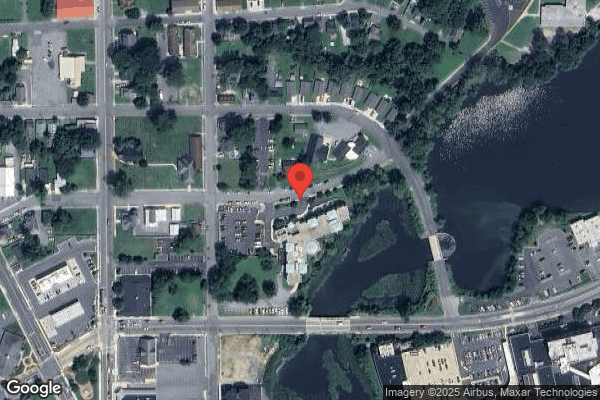
715 E. KING STREET, SEAFORD, DE 19973 (302) 628-3000
For profit - Corporation 110 Beds GENESIS HEALTHCARE Data: November 2025
Trust Grade
75/100
#20 of 43 in DE
Last Inspection: July 2024

Within standard 12-15 month inspection cycle. Federal law requires annual inspections.

Overview

Lofland Park Center in Seaford, Delaware has a Trust Grade of B, which means it is a good choice for families looking for care, ranking in the top half of nursing homes in the state at #20 out of 43. It also ranks #6 of 11 in Sussex County, indicating that only five local options are better. The facility is improving, having reduced issues from six in 2024 to just one in 2025, and it has good staffing with a turnover rate of 35%, which is lower than the state average. There have been no fines recorded, and the center boasts more RN coverage than 83% of Delaware facilities, ensuring better oversight of resident care. However, there are some concerns, such as a lack of qualified food safety personnel in the kitchen and issues with proper monitoring and storage of food that could pose health risks. Additionally, there were instances where licensed practical nurses conducted initial assessments instead of registered nurses, which is not in line with professional standards. Overall, while there are strengths in staffing and oversight, the facility needs to address its food safety practices and ensure proper assessment protocols are followed.

Trust Score
B
75/100
In Delaware
#20/43
Top 46%
Safety Record
Low Risk
No red flags
Inspections
Getting Better
6 → 1 violations
Staff Stability
○ Average
35% turnover. Near Delaware's 48% average. Typical for the industry.
Penalties
✓ Good
No fines on record. Clean compliance history, better than most Delaware facilities.
Skilled Nurses
✓ Good
Each resident gets 67 minutes of Registered Nurse (RN) attention daily — more than 97% of Delaware nursing homes. RNs are the most trained staff who catch health problems before they become serious.
Violations
⚠ Watch
20 deficiencies on record. Higher than average. Multiple issues found across inspections.
★★★★☆
4.0
Overall Rating
★★★★☆
4.0
Staff Levels
★★★★☆
4.0
Care Quality
★★★★☆
4.0
Inspection Score
Stable
2024: 6 issues
2025: 1 issues

The Good

  • 4-Star Staffing Rating · Above-average nurse staffing levels
  • 4-Star Quality Measures · Strong clinical quality outcomes
  • Full Sprinkler Coverage · Fire safety systems throughout facility
  • No fines on record
  • Staff turnover below average (35%)

    13 points below Delaware average of 48%

Facility shows strength in staffing levels, quality measures, fire safety.

The Bad

Staff Turnover: 35%

11pts below Delaware avg (46%)

Typical for the industry

Chain: GENESIS HEALTHCARE

Part of a multi-facility chain

Ask about local staffing decisions and management

The Ugly 20 deficiencies on record

Jun 2025 1 deficiency
CONCERN (D) 📢 Someone Reported This

A family member, employee, or ombudsman was alarmed enough to file a formal complaint

Potential for Harm - no one hurt, but risky conditions existed

Deficiency F0757 (Tag F0757)

Could have caused harm · This affected 1 resident

Based on interview and record review, it was determined that for one (R98) out of six residents reviewed for unnecessary medications, the facility failed to ensure a resident on insulin had adequate m...

Read full inspector narrative →
Based on interview and record review, it was determined that for one (R98) out of six residents reviewed for unnecessary medications, the facility failed to ensure a resident on insulin had adequate monitoring of blood sugar levels R98. Findings include: A review of R98's clinical record revealed: 11/25/24 - R98 was admitted to the facility, with diagnoses including diabetes mellitus. 11/25/24 - A physician's order for Humalog solution 100 unit /mL Inject 5 units subcutaneously in the evening for diabetes mellitus. 12/5/24 - A physician's order for Insulin glargine subcutaneous solution pen-injector 100 unit/mL, inject 15 units subcutaneously one time a day for diabetes mellitus. 6/9/25 - The EMR lacked evidence of a physician's order for blood sugar monitoring for R98. 6/9/25 11:48 AM, an interview with E6 (RN) confirmed that when a resident is receiving insulin, E6 obtains a physician's order to monitor a resident's finger stick blood sugar level. 6/9/25 1:10 PM - An interview with E4 (RN) confirmed that upon resident admission, finger stick blood sugars are monitored for three days if blood glucose levels exceed 200. The physician is notified, and E4 would obtain an insulin order and enters it into the computer system, which then prompts a choice between sliding scale or non-sliding scale insulin. However, E4 confirmed that the EMR did not include an order for finger stick blood sugar monitoring for resident R98. 6/10/25 10:45 AM - An interview with E5 (NP) confirmed that if a resident is receiving insulin on admission, finger sticks are ordered for three days in the AM to monitor the finger stick blood sugar level. If the resident is controlled, then the order would be discontinued. E5 confirmed it would be a separate order. 6/12/25 12:45 PM - Findings were reviewed with E1 (NHA), E2 (DON) and E3 (Corporate).
Jul 2024 6 deficiencies
CONCERN (D) 📢 Someone Reported This

A family member, employee, or ombudsman was alarmed enough to file a formal complaint

Potential for Harm - no one hurt, but risky conditions existed

Notification of Changes (Tag F0580)

Could have caused harm · This affected 1 resident

Based on interview and record review, it was determined that for one (R100) out of two residents reviewed for change in condition, the facility failed to consult the Physician when R100 experienced a ...

Read full inspector narrative →
Based on interview and record review, it was determined that for one (R100) out of two residents reviewed for change in condition, the facility failed to consult the Physician when R100 experienced a change in condition. Findings include: Review of R100's clinical record revealed: 7/26/23 - R100 was admitted to the facility. 8/1/23 - An admission MDS revealed that R100 had diagnoses including but not limited to hypertension and atrial fibrillation. 8/3/23 - A careplan for R100 revealed resident is exhibiting or at risk for cardiovascular symptoms or complications related to hypertension, atrial fibrillation, hypotension, stroke, and electrolyte imbalance. Interventions included but not limited to administer medications as ordered and monitor for side effects and effectiveness, report any abnormalities to the physician. Also observe for mental status and report any changes to the physician. 9/12/23 - A physician's order was written for metoprolol 50 mg give one tablet twice daily for hypertension and hold for systolic blood pressure less than 110 mg/dL. A review of R100's MAR for December 1 to December 15, 2023 revealed that the metoprolol 50 mg tablet was held twenty out of thirty opportunities for systolic blood pressure under 110 mg/dL. 6/28/24 11:43 AM - An interview with E4 (MD) revealed that as a provider he would expect nursing to notify him or any provider of an established pattern occurring over five to seven days of low blood pressure or medication held. The process would be once the provider is notified of the change they would monitor the resident more closes. E4 confirmed he was unaware of R100's medication being held twenty times in fifteen days in December 2023. The progress notes lacked evidence that anyone notified the provider of the change in condition. 7/2/24 1:50 PM - Findings were reviewed with E1 (NHA) and E2 (DON) at the exit conference.
CONCERN (D)

Potential for Harm - no one hurt, but risky conditions existed

Deficiency F0657 (Tag F0657)

Could have caused harm · This affected 1 resident

Based on observation, interviews, and record review it was determined that for one (R37) out of 32 residents reviewed for care plans the facility failed to update and revise a care plan. Findings Incl...

Read full inspector narrative →
Based on observation, interviews, and record review it was determined that for one (R37) out of 32 residents reviewed for care plans the facility failed to update and revise a care plan. Findings Include: Review of R37's clinical record revealed: 12/11/23 - R37 was readmitted to the facility from the hospital. 12/16/23 - A quarterly MDS assessment documented . 1. Yes, a hearing aid or other hearing appliance was used to complete the assessment for hearing. 1/18/24 9:00 PM - An order for R37 documented to insert hearing aids in the AM and remove at bedtime. Wipe clean daily. 3/20/24 8:16 PM - A care plan evaluation note by E2 (DON) documented, Resident seen by audiology for hearing impairment. Resident has hearing aides (sic) to assist [with] his impairment. Care plan reviewed and remains appropriate - continue current [plan of care]. 6/6/24 1:41 PM - R37's care plan documented impaired communication as evidenced by impaired hearing. 6/15/24 - A significant change MDS assessment documented . 1. Yes a hearing aid or other hearing appliance was used to complete the assessment for hearing. 6/26/24 1:00 PM - Review of the TAR (Treatment Administration Record) revealed E9 (LPN) signed that R37's hearing aids had been inserted. 6/26/24 1:08 PM - During an interview E13 (CNA) stated, [R37] was not wearing his hearing aids right now, most of the time he doesn't like wearing them. 6/26/24 1:11 PM - During an interview E9 stated, [R37] usually puts his hearing aids in, but most of the time he doesn't like wearing them. E9 also confirmed, nursing signs for inserting and removing hearing aids. In addition, E9 stated, Well most of the time [R37] takes them out and you might find them in his bed or somewhere, he did have them in this morning. 6/26/24 1:25 PM - A second interview and observation with E9 revealed R37 did not have his hearing aids inserted. 6/26/24 1:53 PM - During an interview E3 (RN-UM) confirmed that R3 is not care planned for hearing aids and that R37's care plan had not been revised to reflect him refusing to wear his hearing aids. E3 RN-UM confirmed that hearing aids would be added to R37's care plan. 7/1/24 12:15 PM - During an interview E1 (NHA) confirmed R37's care plan was not revised. 7/2/24 1:50 PM - Findings were reviewed with E1 (NHA) and E2 (DON) at the exit conference.
CONCERN (D) 📢 Someone Reported This

A family member, employee, or ombudsman was alarmed enough to file a formal complaint

Potential for Harm - no one hurt, but risky conditions existed

Quality of Care (Tag F0684)

Could have caused harm · This affected 1 resident

Based on interviews and record review it was determined that for one (R99) out of nine residents reviewed for skin conditions, the facility failed to assess a surgical site. Findings include: Review o...

Read full inspector narrative →
Based on interviews and record review it was determined that for one (R99) out of nine residents reviewed for skin conditions, the facility failed to assess a surgical site. Findings include: Review of R99's clinical revealed: 8/25/23 - R99 was admitted to the facility with diagnoses including but not limited to third degree burn to left hand and donor graft site to left thigh. 8/25/23 - A physician's order documented to cleanse left hand with soap and water, apply xeroform gauze, then wrap with kling dressing and ACE (elastic wrap), every evening shift. The order for the left thigh wound as follows: do not remove xeroform from thigh wound. Allow to fall off/lift off on its own. May trim away edges as it lifts. as needed for graft extraction site. 8/30/23 - An admission MDS revealed R99 had a surgical wound and burn of second or third degree with treatments of surgical wound care and applications of non-surgical dressings. 8/30/23 - A care plan revealed that R99 was at risk for skin breakdown related to recent surgery, actual skin break down related to left hand burn, and left thigh graft. Interventions included but not limited to provide wound care as ordered, observe skin condition daily with ADL care and report abnormalities, and observe for signs and symptoms of skin break down. 8/30/23 1:40 PM - A skin and wound evaluation revealed a third-degree burn, present on admission, no location indicated, no odor, light exudate, and serosanguineous drainage. A review of the skin and wound tab of the electronic records revealed an image of R99's left hand burn. 9/6/23 - A progress note revealed R99 had a follow up appointment with burn center. The facility lacked evidence of record of follow up visit with burn center on 9/6/23 regarding the progress of left hand burn and left thigh surgical graft site. 9/12/23 - A physician's order revealed to monitor xeroform to left thigh donor site daily (3-11) every evening shift for donor site. 9/13/23 - A progress note revealed that R99 was going to an appointment with a family member to follow up for burns. The facility lacked evidence that R99's post surgical graft site was monitored from 8/25/23 through 9/12/23. 6/28/24 - An interview with E11 (RN UM) revealed that the physician's notes from the 9/6/23 follow up appointment were not in the medical record and she would continue to look for them. 7/1/24 10:20 AM - An interview with E9 (LPN) revealed that when a new resident is admitted the nurse will complete a head to toe assessment and document it. If the resident has a complex wound the nurse would contact the Wound Care nurse and she will complete initial wound assessment. E9 stated as the nurse she would document daily in the skilled charting what she observes daily in relation to wounds even if order says not to remove dressing. 7/1/24 2:05 PM - An interview with E10 (WC RN) revealed that she will try to complete the admission skin assessment if she is present during admission, if not the assigned nurse is responsible. E10 stated she will remove the dressing to complete the assessment even if the orders stated not to remove. E10 stated that she is not responsible for monitoring graft sites or surgical wounds unless they dehisce. 7/2/24 10:30 AM - An interview with E3 (UM Director RN) revealed the expectation is for the nurses to document exactly what they see during an assessment. The nurse completing the admission is expected to look for treatment orders and if unable to locate those orders, to follow up with physician via telephone. If no treatment orders are found, the expectation is the nurse to document the condition of the dressing daily at minimum. In reference to physician appointments outside of the facility, the resident would take an envelope with all the necessary paperwork for the provider and if no papers are returned, the expectation is for the nurse to call the provider and have the notes sent over. The nurse should document the call and details about it in the progress notes. 7/2/24 1:50 PM - Findings were reviewed with E1 (NHA) and E2 (DON) at the exit conference.
CONCERN (D)

Potential for Harm - no one hurt, but risky conditions existed

Deficiency F0757 (Tag F0757)

Could have caused harm · This affected 1 resident

Based on record review and interview, it was determined that for one (R11) out of five residents reviewed for medication review, the facility failed to ensure that an order for a PRN medication for an...

Read full inspector narrative →
Based on record review and interview, it was determined that for one (R11) out of five residents reviewed for medication review, the facility failed to ensure that an order for a PRN medication for anxiety was re-evaluated after 14 days. Findings include: 3/4/24 - Resident admitted to the facility. 3/18/24 - A Physician's order was entered into the MAR: clonazepam Oral Tablet 1 MG (Clonazepam) *Controlled Drug* Give 1 tablet by mouth as needed for anxiety May take 3x/day as needed. The facility lacked evidence that a PRN order for anxiety was re-evaluated by a provider after 14 days of being ordered. 7/1/24 1:33 PM - In an interview, E4 (MD) stated that usually a new PRN order for an anti-anxiety medication is evaluated 14 days after the patient first starts, but not thereafter. E4 stated that this will be fixed. 7/2/24 1:50 PM - Findings were reviewed with E1 (NHA) and E2 (DON) at the exit conference.
CONCERN (E) 📢 Someone Reported This

A family member, employee, or ombudsman was alarmed enough to file a formal complaint

Potential for Harm - no one hurt, but risky conditions existed

Deficiency F0658 (Tag F0658)

Could have caused harm · This affected multiple residents

4. Review of R100's clinical record revealed: 7/26/23 - R100 was admitted to the facility. 7/26/23 - E12 (LPN) completed the following admission assessments: bed rail evaluation, oral health evaluati...

Read full inspector narrative →
4. Review of R100's clinical record revealed: 7/26/23 - R100 was admitted to the facility. 7/26/23 - E12 (LPN) completed the following admission assessments: bed rail evaluation, oral health evaluation, and lift transfer evaluation. 7/2/24 10:15 AM - In an interview, E2 (DON) confirmed that LPN's are not to do initial assessments and that they should be completed by an RN. 7/2/24 10:30 AM - An interview with E3 (RN Director UM) confirmed the following admission assessments are expected to be completed at the time of admission by an RN: admission assessment, bed rail, Braden, incontinence, lift evaluation, AIMS (if needed), elopement, fall risk, and pain. 7/2/24 1:50 PM - Findings were reviewed with E1 (NHA) and E2 (DON) at the exit conference. Based on record review and interview, it was determined that for four (R2, R11, R76 and R100) out of thirty-two residents reviewed for care plans, the facility failed to meet professional standards of the Delaware Board of Nursing Scope of Practice by having LPN's and a SW complete the admission assessments. Findings include: Delaware State Board of Nursing - RN, LPN and NA/UAP Duties 2023 . admission Assessments * - RN . *= Once a care plan is established, the LPN may do assessments . 1. Review of R2's clinical record revealed: 5/15/24 - R2 was admitted to the facility. 5/15/24 - E5 (LPN) completed the following assessments: Elopement Evaluation, Bed Rail Evaluation, Clinical Admission, Braden Scale Evaluation and Lift Transfer Evaluation. An LPN, not an RN, as required by the Delaware State regulation for Board of Nursing Scope of practice, completed the admission process for R2. 2. Review of R11's clinical record revealed: 3/4/24 - R11 was admitted to the facility. 3/4/24 - E6 (LPN) completed the following assessments: Elopement Evaluation, Bed Rail Evaluation, Clinical Admission, Fall Risk Evaluation and Lift Transfer Evaluation. An LPN, not an RN, as required by the Delaware State regulation for Board of Nursing Scope of practice, completed the admission process for R11. 3. Review of R76's clinical record revealed: 2/22/24 - R76 was admitted to the facility. 2/22/24 - E7 (LPN) completed the following assessments: Bed Rail Evaluation, Clinical Admission, Fall Risk Evaluation and Lift Transfer Evaluation. 2/22/24 - E8 (Dementia Program Director/SW) completed the Elopement Evaluation. An LPN and a SW, not an RN, as required by the Delaware State regulation for Board of Nursing Scope of practice, completed the admission process for R76. 7/2/24 10:15 AM - In an interview, E2 (DON) confirmed that LPN's are not to do initial assessments and that they should be completed by an RN.
CONCERN (E)

Potential for Harm - no one hurt, but risky conditions existed

Safe Environment (Tag F0921)

Could have caused harm · This affected multiple residents

Based on observation and interview, it was determined that the facility failed to provide a safe and sanitary environment for the staff. Findings include: 6/24/24 11:24 AM - A large section of the flo...

Read full inspector narrative →
Based on observation and interview, it was determined that the facility failed to provide a safe and sanitary environment for the staff. Findings include: 6/24/24 11:24 AM - A large section of the floor in the service area between the entry doors to the kitchen and the entry door to the ware washing room was covered with standing water. Water was dripping from the ceiling area adjacent to the interior hallway doors onto the floor. An additional area of water was dripping from the ceiling near the entrance to the ware washing room onto the floor and into a mop bucket that had been placed under a portion of the dripping area. 6/24/24 1:46 PM - During an interview, E1 (NHA) confirmed the dripping and standing water and stated that the water had come from the second-floor shower room, passed through a managers' office located on the first floor, and dripped into the service area on the ground floor. 7/2/24 1:50 PM - Findings were reviewed with E1 (NHA) and E2 (DON) at the exit conference.
Jul 2023 1 deficiency
CONCERN (D) 📢 Someone Reported This

A family member, employee, or ombudsman was alarmed enough to file a formal complaint

Potential for Harm - no one hurt, but risky conditions existed

Deficiency F0583 (Tag F0583)

Could have caused harm · This affected 1 resident

Based interview, record review and review of other documentation it was determined that for one (R2) out of three residents reviewed for resident rights, the facility failed to protect privacy and con...

Read full inspector narrative →
Based interview, record review and review of other documentation it was determined that for one (R2) out of three residents reviewed for resident rights, the facility failed to protect privacy and confidentiality of R2's medical record. Findings include: 10/11/22 11:35 AM - An incident that occurred on 10/7/22 was reported in an email from the E1 (NHA) to the corporate HIPAA contact, that R1 was sent home with R2's medications. The email indicated the medications labels had identifying information about R2 and the facility wanted to make sure that they reported. The information on the medication card identifies the residents name, date of birth , name of medication, dosage and why R2 was taking the medication. 10/11/22 - The facility used the root cause analysis to identify the issues that contributed to sending R1 home with R2's medications. 10/11/22 - An Inservice Sign In Sheet provided by the facility outlined the new process on discharging patients with medications. All nursing staff were educated on this new process outlined below on 10/11/22: - An Inservice on Resident Discharge Process and Organization of Medication Carts was developed and implemented. The education included: Discharge Transition Plan will be reviewed with and given to the patient and or resident representative along with the Discharge Packet upon discharge. In the event the Discharge Transition Plan is prepared and completed in advance of discharge, the nurse discharging the resident and reviewing the instructions is responsible of ensuring all medication are reconciled correctly, the correct amount and correct medications indicated on instructions are being sent home with resident. - All residents being discharged need to have a discharge order in PCC and progress note at time of discharge to include that discharge instructions were reviewed with patient and or caregiver, who accompanied resident on discharge. - Resident medication should be properly stored in medication cart sequence by room #. Medication carts will need to be adjusted appropriately to ensure the blister card are n sequence by room # when room changes and/or adjustments to group assignments are made based on census. 7/19/23 around 3:00 PM - During an interview with E3 (UM) it was confirmed that R1 was sent home with R2's medications. It was revealed that E3 called R1's contact between 5:00 PM and 6:00 PM to let R1 know that they had mistakenly sent R2's medications home with R1. Furthermore, E2 described the new process and education that was put in place because of the incident and to prevent it from happening again. 7/19/23 around 3:30 - During an interview with E1 it was confirmed that the facility had self-reported the breach of confidentiality, they completed a root cause analysis, developed a new process and provided education and have been free of occurrence based on their daily audits since 10/7/22 demonstrating their past noncompliance. 7/20/23 3:40 PM - Findings were reviewed with E1 and E2 (DON) at the Exit Conference.
May 2023 8 deficiencies
CONCERN (D) 📢 Someone Reported This

A family member, employee, or ombudsman was alarmed enough to file a formal complaint

Potential for Harm - no one hurt, but risky conditions existed

Resident Rights (Tag F0550)

Could have caused harm · This affected 1 resident

Based on record review, interview and review of other facility documentation, it was determined that for one (R58) out of one resident reviewed for resident rights, the facility failed to promote dign...

Read full inspector narrative →
Based on record review, interview and review of other facility documentation, it was determined that for one (R58) out of one resident reviewed for resident rights, the facility failed to promote dignity when a staff member used foul language (cursed) in R58's resident room with R58 present. Findings include: Cross refer F677. Review of R58's clinical record revealed: 7/5/19 - R58's care plans included that R58 was incontinent of bowel and bladder and will have incontinence care needs met by staff. 5/31/21 - A quarterly MDS assessment documented that R58 required extensive assistance of two staff members for toileting, was always incontinent of bowel and was frequently incontinent of urine. 7/3/21 - A typed statement conducted by E8 (RN) with E6 (CNA), regarding the lack of care for R58 included: R58 had BM on hands and was 'playing' in her feces. E6 clarifies that patient was very wet and did not appear to have received any care that shift. E6 states that she lost her cool and let her emotions control her mouth and she knows she shouldn't have reacted that way. She states that E7 (CNA) called E6 a 'fucking lazy bitch' while in the room. 5/9/23 8:30 AM - During an interview, E1 (NHA) confirmed that using foul language in a resident room/patient care area was a dignity issue. E1 informed the Surveyor that employee E7 (CNA) was terminated. 5/9/23 10:15 AM - During an interview, (E10) LPN confirmed that the altercation and foul language between E6 (CNA) and E7 (CNA) occurred in R58's room while R58 was present and that it was a dignity issue. 5/10/23 12:00 PM - Findings were reviewed with E1 (NHA) and E2 (DON) at the Exit Conference.
CONCERN (D) 📢 Someone Reported This

A family member, employee, or ombudsman was alarmed enough to file a formal complaint

Potential for Harm - no one hurt, but risky conditions existed

ADL Care (Tag F0677)

Could have caused harm · This affected 1 resident

3. Review of R32's clinical record revealed: 12/1/20 - R32's care plans for ADLs, with a revision date of 12/21/22, included that R32 had decreased ability to perform ADLs in toileting due to a CVA (s...

Read full inspector narrative →
3. Review of R32's clinical record revealed: 12/1/20 - R32's care plans for ADLs, with a revision date of 12/21/22, included that R32 had decreased ability to perform ADLs in toileting due to a CVA (stroke) with left sided weakness. 12/7/20 - R32's care plans for incontinence, with a revision date of 2/8/21, included that he was incontinent of urine and needed to be assisted to the toilet at scheduled times, upon rising, before meals, at HS (bedtime), and as needed. 9/23/21- A Quarterly MDS assessment documented that R32 required extensive assistance of one staff person for toileting and was always incontinent of bladder and bowel. 9/30/21- Review of a facility report included: Resident was incontinent of urine and upon the Nurses' investigation it was discovered that E12 (CNA), had not taken the resident to the bathroom for five hours into the 3:00 PM - 11:00 PM shift. 9/30/21 - A written statement by E13 (LPN) at 7:50 PM, documented that E12 was asked . When was the last time R32 was checked? E12 said, I didn't change him all shift. E13 asked E12 a second time . What time did she check and change R32? E12 stated, I didn't change him all shift. A review at the facility Event Summary for 9/30/21 at 11:30 PM revealed that allegations of resident neglect and quality of care for R32 were substantiated. E12 was given education by E1 (NHA) for Abuse Prohibition. In addition, E12 was counseled and given an Individual Performance Improvement Plan on 9/30/21, with an expected outcome that E12 will follow a resident's care plan, effective immediately. 5/10/23 12:00 PM - Findings were reviewed with E1 and E2 (DON) at the Exit Conference. Cross refer F550. 2. Review of R58's clinical record revealed: 7/5/19 - R58's care plans included that R58 was incontinent of bowel and bladder and will have incontinence care needs met by staff. 5/31/21 - A quarterly MDS assessment documented that R58 required extensive assistance of two staff members for toileting, was always incontinent of bowel and frequently incontinent of urine. 7/3/21 4:45 PM - A facility report included: Patient was noted by 3-11 (3:00 PM - 11:00 PM) CNA, (E6) on first rounds sitting in a large amount of BM. Patient had gotten BM on her hands as well . 3-11 CNA (E6) alleges that the patient had not received any care for the 7-3 (7:00 AM - 3:00 PM) shift. 7/4/21 untimed - A typed statement interview conducted by E8 (RN) with E7 (CNA) regarding R58's care rendered for 7/3/21 included: E7 (CNA) states that she did not provide any care for (R58) on Friday (the date of the allegation of lack of care). July 2021 - Review of the CNA documentation regarding completion of toileting for R58 was blank for the 7-3 shift on 7/3/21. A facility Event Summary for the 7/3/21 4:45 PM allegation of lack of care for R58 included: Neglect was substantiated and Employee was terminated. 5/10/23 approximately 8:45 AM - During an interview, E2 (DON) confirmed the facility lacked evidence that R58 was provided care on the 7-3 shift on 7/3/21. Based on record review and interview, it was determined that for three (R28, R32 and R58) out of eight residents reviewed for ADL's, the facility failed to provide incontinence care for dependent residents. Findings include: The facility policy for ADL care was last updated 6/1/21 and indicated that The Center must provide necessary care and services to ensure that ADL's are maintained. ADL's include: elimination - toileting. ADL care is documented every shift by the nursing assistant. 1. Review of R28's record revealed: 5/17/21 - R28's care plan for required assistance for ADL care included toileting due to cognitive loss/dementia and had a goal for R28's care needs to be anticipated and met. Interventions included assist as needed with ADLs. 5/26/21 - A quarterly MDS assessment documented the resident was severely cognitively impaired, frequently incontinent of bladder and required extensive assistance with toileting. 8/17/21 - A summary report documented, CNA [oncoming] 11:00 PM through 7:00 AM shift reported finding R28 . in daytime clothing versus night clothing. Resident had been incontinent of urine and had MASD. 8/18/21 9:30 AM - A skin check was performed on R28 and it was documented that, The following new skin injury/wound(s) were identified: MASD-Moisture Associated Skin Damage(s):Location(s): just below sacrum(buttocks area). 8/18/21 untimed - A statement written by E9 (CNA) confirmed that incontinence care was not completed for R28. E9 wrote, It was a big mistake, but R28 never came to mind . it never dawned on me at all. I never done that before. It was a true mistake. August 2021- Review of CNA documentation regarding completion of toileting for R28 was blank for the evening of 8/17/21. During an interview on 5/8/23 at 10:45 AM, E2 (DON) confirmed that R28 did not receive incontinence care on 8/17/21 and that staff was educated. We terminated the aide, of course, and reported it.
CONCERN (D)

Potential for Harm - no one hurt, but risky conditions existed

Quality of Care (Tag F0684)

Could have caused harm · This affected 1 resident

Based on observation, interview, and record review, it was determined that the facility failed to follow the plan of care for one out of one resident reviewed for quality of care. R4 had frail skin an...

Read full inspector narrative →
Based on observation, interview, and record review, it was determined that the facility failed to follow the plan of care for one out of one resident reviewed for quality of care. R4 had frail skin and was at risk for bruising and skin tears. Findings include: Review of R4's clinical record revealed: 5/14/07 - R4 was admitted to the facility with a diagnosis of right sided weakness. 1/11/23 - A Quarterly MDS Assessment documented that R4 was totally dependent for all ADL's (Activities for Daily Living). 8/9/16 - Review of R4's care plan for being at risk for bruising and skin tears as evidenced by frail skin was revised on 3/27/23. The care plan goal stated the resident will remain free of skin tears and bruising for 90 days. Interventions included: 1. Apply Geri sleeves at all times. 2. May remove for hygiene as needed. 3. Geri sleeves to both hands to protect from injury. 5/20/19 - A Physician's order included: 1. Apply Geri sleeves at all times 2. May remove for hygiene as needed every shift for skin integrity. 5/5/23 8:53 AM - A random observation revealed R4 was not wearing Geri sleeves. 5/5/23 10:42 AM - Another random observation revealed R4 was not wearing Geri sleeves. 5/5/23 11:45 AM - R4 was observed not wearing Geri sleeves. Review of R4's task sheet, however, revealed that E16 (CNA) signed off Geri sleeves at 10:42 AM indicating that they were in place. 5/5/23 12:36 PM - During an observation and interview, E15 (LPN) was asked if she was supposed to sign off for R4's Geri sleeves. E15 said, I just haven't gotten to my treatments yet. E15 checked the order and went to R4's room and said, The CNA can put the Geri-sleeves on R4. E15 said, Let me go and find her and find out what happened. The facility failed to follow the plan of care for the use of Geri sleeves to protect R4's skin. 5/10/23 12:00 PM - Findings were reviewed with E1 (NHA) and E2 (DON) at the Exit Conference.
CONCERN (D)

Potential for Harm - no one hurt, but risky conditions existed

Deficiency F0688 (Tag F0688)

Could have caused harm · This affected 1 resident

2. Review of R4's clinical record revealed: 5/14/07 - R4 was admitted to the facility with a diagnosis of right-sided weakness. 8/10/16 - Record review of R4's care plan for alterations in functional ...

Read full inspector narrative →
2. Review of R4's clinical record revealed: 5/14/07 - R4 was admitted to the facility with a diagnosis of right-sided weakness. 8/10/16 - Record review of R4's care plan for alterations in functional mobility, last revised on 3/27/23, included the goal to prevent further contractures and maintain skin integrity for 90 days with interventions to: 1. Place rolled up washcloths in hands. 2. Remove for provision of care. 3. Change during AM care and as needed. 4. Check skin every shift. 12/16/22 - A physician's order included: check for placement for rolled up washcloths in hands every shift. 1/11/23 - A Quarterly MDS Assessment documented: R4 was totally dependent for all ADL's (Activities for Daily Living). 5/4/23 - Review of R4's annual range of motion assessment included: R4 has the following contractures: Left wrist min. (minimum) contracture and the right wrist min. contracture. 5/5/23 8:53 AM - A random observation revealed R4 did not have rolled up washcloths placed in her hands. 5/5/23 10:42 AM - Another random observation revealed R4 did not have rolled up washcloths in her hands. 5/5/23 11:45 AM - Review of R4's task sheet revealed that E16 (CNA) signed off for rolled up washcloths at 10:42 AM despite them not being in place. 5/5/23 12:36 PM - E15 (LPN) had not signed off for R4's rolled up washcloths. E15 said, Let me go and find the CNA she can put on the Geri-sleeves and rolled up washcloths. The facility failed to provide care and services for a resident that was at risk for further contractures. 5/10/23 12:00 PM - Findings were reviewed with E1 (NHA) and E2 (DON) at the Exit Conference. Based on observation, interview and record review, it was determined that for two (R4 and R21) out of two residents reviewed for ROM/mobility, the facility failed to provide restorative nursing services to maintain or prevent further decline in function/mobility. R21 did not receive restorative services for walking. For R4, the facility failed to place rolled washcloths in R4's hands for bilateral contractures. Findings include: 6/1/21 - The facility policy on restorative nursing directed staff to implement the restorative nursing program according to specifics on the care plan. 1. Review of R21's clinical record revealed; 5/12/21- R21 was admitted to the facility with multiple diagnoses, including history of a mild stroke with right-sided weakness. 1/26/22 - An order was written for R21 to be discharged from physical therapy and to remain in the facility on the restorative nursing program (RNP) to receive walking 50 feet three times a day. 2/21/23 - A quarterly MDS assessment documented that R21 was cognitively intact and was receiving RNP services, walking, several days during the assessment period. R21's care plan for restorative walking, last updated 2/28/23, included the intervention for R21 to walk 50 feet three times a day with staff assistance with a wheelchair following behind the resident. February - April 2023 - Review of the CNA task completion documentation revealed that R21 did not receive the ordered RNP intervention of walking 2 out of 28 days in February, 7 out of 31 days in March, and 5 out of 30 days in April. There were no documented resident refusals and the resident was not out of the building. 5/4/23 10:08 AM - During an interview with R21, the resident reported, Some of the Aides will not walk me. It's on my paper for them to do it. I have been to E2 (DON) to tell her about it. Every time I ask some of them, they tell me they are too busy or they got their books to do. I said it the other day when we had our meeting. They won't walk me or tell me they won't walk me. 5/9/23 10:42 AM - During an interview with E11 (Medicaid Reimbursement Reviewer), who also monitors the RNP, E11 confirmed the resident should be receiving walking as part of the ordered RNP. 5/9/23 10:49 AM - During an interview, E2 (DON) confirmed that R21 reported that staff were not walking the resident.
CONCERN (D)

Potential for Harm - no one hurt, but risky conditions existed

Respiratory Care (Tag F0695)

Could have caused harm · This affected 1 resident

Based on observation, interview, and record review, it was determined that for one (R4) out of two sampled residents for respiratory care, the facility failed to follow a Physician's order for oxygen....

Read full inspector narrative →
Based on observation, interview, and record review, it was determined that for one (R4) out of two sampled residents for respiratory care, the facility failed to follow a Physician's order for oxygen. In addition, the facility failed to follow the manufacturer's instructions for cleaning the oxygen concentrator's filter. Findings include: Review of R4's clinical record revealed: 3/8/22 - R4's care plan included oxygen as ordered by nasal cannula. 11/17/22 - A Physician's order included: Oxygen at one liter a minute by nasal cannula to maintain pulse oximetry greater than or equal to ninety two percent every shift and maintain pulse oximetry greater than ninety two percent continuously. 1/11/23 - A Quarterly MDS Assessment documented that R4 was totally dependent for all ADL's. 5/4/23 9:50 AM - An observation of the filter in R4's concentrator revealed the filter had clumps of gray lint and dust particles. 5/4/23 11:30 AM - The Surveyor observed the oxygen concentrator setting at 4.5 liters by nasal cannula. E14 (LPN) stated, I am a traveling Nurse, I will need to look at the order. E14 reviewed the order summary in the EMR, which read: Oxygen at one liter a minute by nasal cannula to maintain pulse oximetry greater than ninety two percent. E14 observed R4's concentrator setting at 4.5 liters and changed the setting to 1 liter. 5/5/23 9:01 AM - A random observation of the filter in R4's concentrator revealed it had not been cleaned. 5/5/23 1:37 PM - During an interview with E10 (LPN), E10 said, The maintenance department cleans the concentrators monthly. 5/5/23 2:00 PM - The Surveyor observed E15 (LPN) check the filter on R4's concentrator. E15 stated, Yes, it is dirty. 5/8/23 11:38 AM - Review of manufacturer's recommended instructions to clean the concentrator filter included: 1. Remove the filter and clean at least once a week. 2. Note environmental conditions that may require more frequent cleaning of the filters that include high dust, and air pollutants. 5/10/23 12:00 PM - Findings were reviewed with E1 (NHA) and E2 (DON) at the Exit Conference.
CONCERN (D)

Potential for Harm - no one hurt, but risky conditions existed

Medication Errors (Tag F0758)

Could have caused harm · This affected 1 resident

2. Review of R63's clinical record revealed: 11/3/21- R63 was admitted to the facility with a diagnosis of Parkinson's Disease, and was additionally diagnosed with Psychotic Disorder with Hallucinatio...

Read full inspector narrative →
2. Review of R63's clinical record revealed: 11/3/21- R63 was admitted to the facility with a diagnosis of Parkinson's Disease, and was additionally diagnosed with Psychotic Disorder with Hallucinations, Anxiety, Major Depression, and Disorientation. 5/8/23 12:31 PM - Review of R63's Physician orders revealed R63 was taking the following antidepressant medications: 1. Duloxetine 60 milligrams daily, 2. Mirtazapine 15 milligrams at bedtime. R63 was taking the following Anxiolytic (Anxiety) medication: 1. Alprazolam 0.5 milligrams three times a day, as needed. 5/9/23 11:31 AM - Review of the facilities monitoring tool titled Psychoactive Side Effect Monitoring Tool revealed the following missed opportunities for documentation for side effects for R63's antidepressant and antianxiety medications for February, March and April 2023. Review of February medication for side effect monitoring flowsheets revealed: - for 19 out of 84 opportunities, the facility failed to monitor for antidepressant medication (med) side effects (s/e's); - for 20 out of 84 opportunities, the facility failed to monitor for antianxiety med s/e's. Review of March medication side effects monitoring flowsheets revealed: - for 21 out of 93 opportunities, the facility failed to monitor for antidepressant med s/e's; - for 21 out of 93 opportunities, the facility failed to monitor for antianxiety med s/e's. Review of April medication side effects monitoring flowsheets revealed: - for 31 out of 90 opportunities, the facility failed to monitor for antidepressant med s/e's; - for 32 out of 90 opportunities, the facility failed to monitor for antianxiety med s/e's. The facility failed to consistently monitor for the presence of any observed potential side effects from psychoactive medications. 5/10/23 12:00 PM - Findings were reviewed with E1 (NHA) and E2 (DON) at the Exit Conference. Based on record review and interview, it was determined that for two (R58 and R63) out of five residents reviewed for unnecessary medications, the facility lacked evidence of consistent side effect monitoring for psychotropic medications. Findings include: A facility policy entitled Psychotropic Medication Use (last revised 10/24/22) included: All medications used to treat behavior should be monitored for harm or adverse consequences. 1. Review of R58's clinical record revealed: 6/27/19 - R58 was admitted to the facility with Parkinson's Disease, and was additionally diagnosed with Anxiety, Depression, Bipolar Disorder, Psychosis, Schizophrenia, and Post-traumatic stress disorder (PTSD). R58 had Physician's orders for two antipsychotic medications (Seroquel and Nuplazid), an antianxiety medication (Ativan) and an antidepressant medication (Fluoxetine), which required side effect monitoring. Review of February medication side effect monitoring flowsheets revealed: -for 16 out of 84 opportunities, the facility failed to monitor for antipsychotic medication (med) side effects (s/e's); -for 17 out of 84 opportunities, the facility failed to monitor for antianxiety med s/e's; -for 18 out of 84 opportunities, the facility failed to monitor for antidepressant med s/e's. Review of March medication side effect monitoring flowsheets revealed: -for 19 out of 93 opportunities, the facility failed to monitor for antipsychotic med s/e's; -for 18 out of 93 opportunities, the facility failed to monitor for antianxiety med s/e's; -for 23 out of 93 opportunities, the facility failed to monitor for antidepressant med s/e's. Review of April medication side effect monitoring flowsheets revealed: -for 28 out of 90 opportunities, the facility failed to monitor for antipsychotic med s/e's; -for 30 out of 90 opportunities, the facility failed to monitor for antianxiety med s/e's; -for 31 out of 90 opportunities, the facility failed to monitor for antidepressant med s/e's. Review of May medication side effect monitoring flowsheets revealed: -for 5 out of 20 opportunities, the facility failed to monitor for antipsychotic med s/e's; -for 5 out of 20 opportunities, the facility failed to monitor for antianxiety med s/e's; -for 5 out of 20 opportunities, the facility failed to monitor for antidepressant med s/e's.
CONCERN (E)

Potential for Harm - no one hurt, but risky conditions existed

Food Safety (Tag F0812)

Could have caused harm · This affected multiple residents

Based on observation and interview it was determined that the facility failed to monitor food temperatures in accordance with professional standards for food safety for cooking/reheating food items. F...

Read full inspector narrative →
Based on observation and interview it was determined that the facility failed to monitor food temperatures in accordance with professional standards for food safety for cooking/reheating food items. Findings include: 5/4/23 1:27 PM - During a review of the food temperature logs, the Surveyor observed one hundred-nine (109) meals out of two hundred sixty-seven (267) reviewed for temperatures had no pre-service food temperatures recorded. Temperatures of cooked foods and cold ready to eat foods were not being consistently recorded prior to being served. Fish, meat, and poultry must be heated to an appropriate specific temperature depending on the type of food and the method used to prepare it. Vegetables must be heated to one hundred thirty-five (135) degrees Fahrenheit (F) and cold ready to eat foods must be held below forty-one (41) degrees (F) to maintain food safety. 5/10/23 12:00 PM - Findings were reviewed with E1 (NHA) and E2 (DON) at the Exit Conference .
CONCERN (F)

Potential for Harm - no one hurt, but risky conditions existed

Deficiency F0801 (Tag F0801)

Could have caused harm · This affected most or all residents

Based on observation and interview it was determined that the facility failed to ensure that a qualified person in charge of the kitchen was present during all hours of operation. Findings include: 5...

Read full inspector narrative →
Based on observation and interview it was determined that the facility failed to ensure that a qualified person in charge of the kitchen was present during all hours of operation. Findings include: 5/4/23 10:37 AM - During an interview, E17 (Kitchen Supervisor) and E18 (Cook) disclosed that no members in the facility's food service department possessed valid Food Protection Manager certificates from an Accredited Food Safety Program.
May 2021 4 deficiencies
CONCERN (D)

Potential for Harm - no one hurt, but risky conditions existed

Assessment Accuracy (Tag F0641)

Could have caused harm · This affected 1 resident

Based on record review and interview, it was determined that the facility failed to have a MDS assessment that accurately reflected the residents' status for one (R49) out of 27 sampled residents for ...

Read full inspector narrative →
Based on record review and interview, it was determined that the facility failed to have a MDS assessment that accurately reflected the residents' status for one (R49) out of 27 sampled residents for stage two investigations. Findings include: The following was reviewed in R49's clinical record: 3/24/21 - R49 was admitted to the facility. 3/24/21 - The admission Oral Health Evaluation stated R49's gums and oral tissues appeared red with one ulcer/sore spot on the floor of his mouth, had very worn down teeth, and R49 had no verbal or non-verbal signs of dental pain. 3/30/21 - The admission MDS Assessment stated that R49 had no broken or loose fitting dentures and no problems with his gums or oral tissue. 5/25/21 10:33 AM - An interview with E8 (RNAC) confirmed that the 3/30/21 MDS assessment incorrectly documented that R49 had no oral health issues as the admission Oral Health Evaluation documented that R49 had gum and oral tissues. E8 stated that she does not conduct the oral assessment, thus, she relied on the oral health evaluation. 5/26/21 4:15 PM - These findings were reviewed during a meeting held with E1 (NHA - via telephone conference), E2 (DON), E3 (ADON), and E6 (SE). 5/28/21 11:00 AM - Findings were reviewed with E1 and E2 during the Exit Conference.
CONCERN (D)

Potential for Harm - no one hurt, but risky conditions existed

Comprehensive Care Plan (Tag F0656)

Could have caused harm · This affected 1 resident

Based on observations, record review, and interviews, it was determined that for one (R7) out of 27 sampled residents for stage two investigations, the facility failed to develop a comprehensive perso...

Read full inspector narrative →
Based on observations, record review, and interviews, it was determined that for one (R7) out of 27 sampled residents for stage two investigations, the facility failed to develop a comprehensive person-centered care plan to address R7's frequent complaints of thirst. Findings include: Review of R7's clinical record revealed the following: 11/8/19 - R7 was admitted to the facility. 11/6/20 (discontinued 12/21/20) - New order from E7 (NP) stated: Lasix (a pill to remove excess fluid from the body) .give 20 mg by mouth one time a day for edema (swelling) /htn (high blood pressure). 11/10/20 - New orders from E7 (NP) stated: fluid restriction 1,500 cc for chf (congestive heart failure) and fluid restriction 1,500 cc total 350 breakfast 350 lunch 350 dinner 450 cc snack time. 12/20/20 - New order from E7 (NP) stated: Lasix .give 20 mg by mouth one time a day on odd days for edema /htn. 2/14/21 and 5/17/21 - The quarterly MDS assessments revealed that R7 was severely cognitively impaired. 5/12/21 1:30 PM - R7 was observed walking from his room to the multipurpose area holding a cup and asking staff for cold water. E15 (CNA) told him he can not have water because he is on a fluid restriction. R7 responded by saying that he is thirsty. 5/12/21 2:00 PM - During an interview, E15 (CNA) and E16 (LPN) confirmed that R7 frequently complains of thirst and asks for water. 5/24/21 - Review of the current care plan revealed: - 11/11/19 - A care plan was initiated for Resident exhibits or is at risk for fluid volume excess as evidenced by Edema. - 11/29/19 (last revised 7/8/20) - R7 had a care plan for Resident exhibits or has the potential to exhibit physical behaviors related to: Cognitive Loss/Dementia, Poor impulse control - touching/grabbing others in personal/private areas. The facility failed to include R7's frequent complaints of thirst and frequent attempts to seek cold water to drink in his behavior care plan. - 10/9/20 - A care plan was initiated for Resident or is at risk for dehydration as evidenced by medications (diuretics- remove excess fluid). Interventions included to monitor for signs/symptoms of dehydration (may include: dry mouth, dark yellow urine, thirst, headache, cool, dry skin, and/or decreased urine output). 5/27/21 9:00 AM - During an interview, when asked why she ordered a fluid restriction in November 2020, E7 (NP) stated, I put him on a fluid restriction to help staff so he doesn't urinate so much. E7 later added that he is medically stable, the fluid restriction was for congestive heart failure, he has limited verbal skills and his complaint of thirst is attention seeking behavior. 5/28/21 8:30 AM - During an interview, E2 (DON) confirmed that the current care plan did not address R7's frequent complaints of thirst and frequent attempts to seek cold water to drink. 5/28/21 9:30 AM - During an interview, E5 (Dementia Program Director) confirmed that staff have not discussed with R7's representative party (his son) his frequent complaints of thirst and frequent attempts to seek cold water to drink or options to evaluate if allowing R7 to drink more fluids may decrease his complaints of thirst. E5 added that the staff feel that complaining of thirst is a behavior and that they redirect R7 to try to maintain the fluid restriction. 5/28/21 11:00 AM - Findings were reviewed with E1 (NHA) and E2 (DON) during the Exit Conference.
CONCERN (E)

Potential for Harm - no one hurt, but risky conditions existed

Respiratory Care (Tag F0695)

Could have caused harm · This affected multiple residents

Based on observation, interview, and record review, it was determined that for two (2) out of three (3) sampled residents (R49 and R186) reviewed for respiratory services, the facility failed to provi...

Read full inspector narrative →
Based on observation, interview, and record review, it was determined that for two (2) out of three (3) sampled residents (R49 and R186) reviewed for respiratory services, the facility failed to provide appropriate respiratory care as per the physician's orders. In addition, for R186, the facility failed to change the resident's oxygen tubing and humidifier bottle weekly. Findings include: 1. Review of R49's clinical records revealed the following: 4/26/21 - R49 was re-admitted to the facility from the hospital with diagnoses including COPD. 4/26/21 - A review of R49's care plan revealed that starting on 4/26/21 and revised on 4/30/21, R49 was at risk for respiratory complications related to COPD and histories of tobacco use and aspiration pneumonia. Approaches included to monitor and report oxygen (O2) saturation (sat) levels using a pulse oximeter as ordered and as needed, observe for respiratory rate, as well as any signs/symptoms of respiratory distress and to report to physician as needed. 5/3/21 6:05 PM - A physician's order was written for Oxygen 2 L (liters)/ (per) min (minute) via nasal cannula (NC) continuously every shift for increased wob (work of breathing), copd. Post tx (treatment) evaluate heart rate, respiratory rate, pulse oximetry, skin color, and breath sounds. 5/3/21 3 PM to 11 PM shift and 11 PM to 7 AM shift - There was lack of evidence that R49's O2 sat was monitored for these two consecutive shifts as ordered. 5/4/21 8:18 AM - O2 sat of 94% on oxygen via NC. There was lack of evidence of the O2 sat level prior to initiating the O2 and lack of evidence of post treatment evaluation of R49's heart rate, respiratory rate, pulse oximetry, skin color, and breath sounds as ordered. 5/4/21 11:26 AM - A physician's order stated, Oxygen at 2L/min via nasal cannula. Titrate (adjust) for O2 sat > (greater than) 92% every shift for increased wob, copd. 5/6/21 10:03 AM - O2 sat of 92% on room air (RA). 5/6/21 11 AM - A Progress Note documented R49 with poor oral intake, the NP was notified and R49's O2 sat was 92% on oxygen. There was lack of evidence that the facility titrated the O2 as ordered when R49's O2 sat was 92% and there was lack of evidence of an assessment of R49's respiratory system. 5/6/21 7 PM - A Progress Note documented that R49 continued with poor oral intake and intravenous fluids were started. R49's O2 sat was 92% on RA. Despite R49's O2 sat at 92%, the facility failed to adhere to the physician's order to administer O2. In addition, there was lack of evidence of an assessment of R49's respiratory system. 5/6/21 11:58 PM - O2 sat was 96% on oxygen via NC. There was lack of evidence of the O2 sat level prior to initiating the O2, including an assessment of R49's respiratory system. 5/7/21 7 PM - A Progress Note documented R49 had pneumonia and IV antibiotic's were started. R49's O2 sat was 100% with O2 via NC. 5/7/21 11 PM to 7 AM shift - There was lack of evidence that R49's O2 sat was monitored. 5/8/21 11:17 AM - O2 sat was 92% on oxygen via NC. There was lack of evidence that the facility titrated the O2 to maintain the O2 sat > 92% as ordered. In addition, there was lack of evidence of an assessment of R49's respiratory system. 5/8/21 11 PM to 7 AM shift - There was lack of evidence that R49's O2 sat was monitored as ordered. 5/9/21 11 PM to 7 AM shift and 5/10/21 7 AM to 3 PM shift - There was lack of evidence that R49's O2 sat was monitored as ordered. 5/11/21 12:00 AM - A Progress Note by E7 (NP) documented that due to R49's declining physical status, R49's Power of Attorney (PA1) elected for end of life comfort care. 5/11/21 7 PM - A Progress Note documented that R49's lungs sounds were diminished with an O2 sat of 95% on O2 via NC. 5/12/21 3 PM to 11 PM shift and 11 PM to 7 AM shift - There was lack of evidence that R49's O2 sat was monitored as ordered for the above shifts. 5/14/21 10:33 AM - O2 sat of 92% on RA. There was lack of evidence that the facility initiated oxygen to maintain R49's O2 sat > 92% as ordered. 5/14/21 2 PM - A Progress Note documented that R49 was administered medication for air hunger (difficulty breathing) and anxiety. 5/14/21 7 PM - A Progress Note documented that R49 was not arousable with periods of no breathing and his O2 was increased to 4 L via NC for R49's comfort. 5/26/21 3:45 PM - An interview with E10 (RN UM) was conducted and confirmed that the facility failed to consistently have evidence of monitoring R49's O2 sat and failed to have evidence of initiating oxygen when R49's O2 sat was 92% or less. 2a. Review of R186's clinical records revealed the following: 5/7/21 - R186 was admitted to the facility from the hospital following treatment for pneumonia. R186 had additional diagnoses including COPD and Congestive Heart Failure (CHF). 5/9/21 7:57 PM - R186's O2 sat was 97% on room air (RA). 5/10/21 - A review of R186's care plan stated R186 was at risk for respiratory complications related to COPD, CHF, and had histories of respiratory failure and pneumonia. Approaches included to monitor and report oxygen saturation (sat) levels using pulse oximetry as ordered and as needed, O2 as ordered via nasal cannula (NC), and observe respiratory rate, signs/symptoms of respiratory distress and to report to physician as needed. 5/10/21 4:24 PM - A Progress Note documented R186 with O2 via NC and shortness of breath with exertion. Vital signs and a respiratory assessment were completed with an O2 sat of 94%. 5/10/21 9:57 AM - A physician's order was written for Oxygen via Nasal Cannula to maintain O2 saturation > (greater than) 92%. 5/10/21 and 5/12/2021 11 PM to 7 AM shifts - There was lack of evidence that R186's O2 sat was monitored for these shifts. 5/12/21 12:58 AM - R186's O2 sat of was 97% with O2 via NC. There was lack of evidence of the O2 sat level prior to initiating oxygen. 5/12/21 2:31 PM - A physician's order for Oxygen via Nasal Cannula to maintain O2 saturation > 92%. up to 4 L (Liter) for indications of acute and chronic hypoxia (low oxygen level in the bloodstream). 5/15/21 5:53 PM to 5/20/21 8:47 AM - R186's O2 sat was above 92%. 5/20/21 7:52 PM - R186's O2 sat was 92% on RA. There was lack of evidence that the facility administered the O2 as ordered when R186's O2 sat was 92% and there was lack of evidence of an assessment of R186's respiratory system. 5/26/21 3:45 PM - An interview with E10 (RN UM) was conducted and confirmed that the facility failed to consistently have evidence of monitoring R186's O2 sat and failed to have evidence of initiating oxygen when R186's O2 sat was 92% or less. 5/26/21 4:15 PM - Findings were reviewed during a meeting held with E1 (NHA - via telephone conference), E2 (DON), E3 (ADON), and E6 (SE). 2b. 5/12/21 10:00 AM - A random observation of R186's oxygen concentrator tubing and the humidifier bottle lacked evidence of a date. A joint observation was immediately done with E9 (RN) who confirmed the findings. E9 stated the facility's process was to change both the tubing and the humidifier bottle weekly. 5/13/21 10:00 AM - During an interview E6 (SE), confirmed the facility's policy was to change the oxygen tubing and humidifier bottle weekly. 5/28/21 11:00 AM - Findings were reviewed with E1 (NHA) and E2 (DON) during the Exit Conference.
CONCERN (F)

Potential for Harm - no one hurt, but risky conditions existed

Food Safety (Tag F0812)

Could have caused harm · This affected most or all residents

Based on observation, interview, and review of facility documents, it was determined that the facility failed to consistently monitor food temperatures in accordance with professional standards for fo...

Read full inspector narrative →
Based on observation, interview, and review of facility documents, it was determined that the facility failed to consistently monitor food temperatures in accordance with professional standards for food safety for cooking/reheating food items, ensure sanitary storage of food, protect quality of food, maintain consistent food temperature logs, provide timely disposal of pest remains, provide a required waste disposal receptacle at or near a hand washing sink, ensure staff were practicing appropriate hand hygiene, maintain labels and dates for refrigerated food, and dispose of expired food. Findings include: 1. 5/12/21 - During the initial kitchen tour the following observations were made: -9:25 AM - access to a handwashing sink was obstructed by two large trashcans. -9:29 AM - three compartment sink used for dishwashing, middle/rinse compartment was empty, did not have water in it. -9:30 AM - E12 (dietary aide) was observed using the rinse compartment of a three compartment sink (sink used for cleaning dishes) for handwashing. Finding was confirmed by E12 at the time of observation. -9:35 AM - a large pan of green jello was on a shelf in the walk-in refrigerator uncovered and undated. This was confirmed by E12 at time of observation. -9:36 AM - E11 (cook) confirmed the rinse section was empty in the three compartment sink. 2. During a kitchen tour the following observations were made: - 5/13/21- 8:37 AM - A circular stained area of small brownish black dots on the ceiling of the walk-in refrigerator and a jar of jelly with butter and bread crumbs on the outside of the jar were located in the walk-in refrigerator. - 5/13/21- 8:42 AM- A tray of ready to serve gelatin desserts in cups with lids that were only partially covering the gelatin preventing protection from dust and other debris. - 5/13/21- 9:12 AM - A trash can that contained food waste with the lid off for more than fifteen (15) minutes. - 5/13/21 - 9:18 AM - An adhesive type insect trap suspended from the ceiling, which was covered with a significant amount of common House Fly remains. - 5/13/21 - 9:47 AM - A second hand washing station located near the walk-in refrigerator was missing the trash can required for the proper disposal of single use hand drying towels. - 5/13/2021 - 10:10 AM - During a review of the food temperature logs, the surveyor observed numerous meals out of four hundred eighty-nine meals (489) reviewed for temperatures had no temperatures recorded. Temperatures of cooked foods and cold ready to eat foods were not being consistently recorded prior to being served. In accordance with State of Delaware Food Code 3-501.16 - Time/Temperature Control for Safety Food, Hot and Cold Holding: Fish, meat, and poultry must be heated to an appropriate specific temperature depending on the type of food and the method used to prepare it and maintained at one hundred thirty-five (135) degrees Fahrenheit (F), vegetables must be heated and maintained at one hundred thirty-five (135) degrees (F), and cold ready to eat foods must be held below forty-one (41) degrees (F) to maintain food safety. - 5/13/21 - 10:10 AM - During a tour of the kitchen, the surveyor observed a soiled rag under the edge of the stove and dried food debris on the side of the stove. 5/13/21 - 1:12 PM - E14 (Food Service Director) reviewed and confirmed the findings. 3. 5/13/21 11:35 AM - The following observations were made on the Garden Unit, in the refrigerator: -A container of open thickened juice, was dated 2/23/21. Another container of thickened juice was open with no date on the box. Both containers stated, use within 7 days after opening on the box. -Opened thickened prune juice labeled 4/13, the container label stated, product good for 7 days after opening. -Fresh eggs were dated sell by 4/20/21. -A tuna salad sandwich was dated 5/5/21. -Peanut butter and jelly sandwiches were labeled 5/8/21 and appeared dry and the wrapping was not intact. These findings were reviewed on 5/28/21 at 11:00 AM with E1 (NHA) and E2 (DON) during the exit conference.
Understanding Severity Codes (click to expand)
Life-Threatening (Immediate Jeopardy)
J - Isolated K - Pattern L - Widespread
Actual Harm
G - Isolated H - Pattern I - Widespread
Potential for Harm
D - Isolated E - Pattern F - Widespread
No Harm (Minor)
A - Isolated B - Pattern C - Widespread

Questions to Ask on Your Visit

  • "Can I speak with families of current residents?"
  • "What's your RN coverage like on weekends and overnight?"

Our Honest Assessment

Strengths
  • • No major safety red flags. No abuse findings, life-threatening violations, or SFF status.
  • • No fines on record. Clean compliance history, better than most Delaware facilities.
  • • 35% turnover. Below Delaware's 48% average. Good staff retention means consistent care.
Concerns
  • • 20 deficiencies on record. Higher than average. Multiple issues found across inspections.
Bottom line: Generally positive indicators. Standard due diligence and a personal visit recommended.

About This Facility

What is Lofland Park Center's CMS Rating?

CMS assigns LOFLAND PARK CENTER an overall rating of 4 out of 5 stars, which is considered above average nationally. Within Delaware, this rating places the facility higher than 99% of the state's 100 nursing homes. This rating reflects solid performance across the metrics CMS uses to evaluate nursing home quality.

How is Lofland Park Center Staffed?

CMS rates LOFLAND PARK CENTER's staffing level at 4 out of 5 stars, which is above average compared to other nursing homes. Staff turnover is 35%, compared to the Delaware average of 46%. This relatively stable workforce can support continuity of care.

What Have Inspectors Found at Lofland Park Center?

State health inspectors documented 20 deficiencies at LOFLAND PARK CENTER during 2021 to 2025. These included: 20 with potential for harm.

Who Owns and Operates Lofland Park Center?

LOFLAND PARK CENTER is owned by a for-profit company. For-profit facilities operate as businesses with obligations to shareholders or private owners. The facility is operated by GENESIS HEALTHCARE, a chain that manages multiple nursing homes. With 110 certified beds and approximately 99 residents (about 90% occupancy), it is a mid-sized facility located in SEAFORD, Delaware.

How Does Lofland Park Center Compare to Other Delaware Nursing Homes?

Compared to the 100 nursing homes in Delaware, LOFLAND PARK CENTER's overall rating (4 stars) is above the state average of 3.3, staff turnover (35%) is significantly lower than the state average of 46%, and health inspection rating (4 stars) is above the national benchmark.

What Should Families Ask When Visiting Lofland Park Center?

Based on this facility's data, families visiting should ask: "Can I visit during a mealtime to observe dining assistance and food quality?" "How do you handle medical emergencies, and what is your hospital transfer rate?" "Can I speak with family members of current residents about their experience?"

Is Lofland Park Center Safe?

Based on CMS inspection data, LOFLAND PARK CENTER has a clean safety record: no substantiated abuse findings (meaning no confirmed cases of resident harm), no Immediate Jeopardy citations (the most serious violation level indicating risk of serious injury or death), and is not on the Special Focus Facility watch list (a federal program monitoring the lowest-performing 1% of nursing homes). The facility has a 4-star overall rating and ranks #1 of 100 nursing homes in Delaware. While no facility is perfect, families should still ask about staff-to-resident ratios and recent inspection results during their visit.

Do Nurses at Lofland Park Center Stick Around?

LOFLAND PARK CENTER has a staff turnover rate of 35%, which is about average for Delaware nursing homes (state average: 46%). Moderate turnover is common in nursing homes, but families should still ask about staff tenure and how the facility maintains care continuity when employees leave.

Was Lofland Park Center Ever Fined?

LOFLAND PARK CENTER has no federal fines on record. CMS issues fines when nursing homes fail to meet care standards or don't correct problems found during inspections. The absence of fines suggests the facility has either maintained compliance or corrected any issues before penalties were assessed. This is a positive indicator, though families should still review recent inspection reports for the full picture.

Is Lofland Park Center on Any Federal Watch List?

LOFLAND PARK CENTER is not on any federal watch list. The most significant is the Special Focus Facility (SFF) program, which identifies the bottom 1% of nursing homes nationally based on persistent, serious quality problems. Not being on this list means the facility has avoided the pattern of deficiencies that triggers enhanced federal oversight. This is a positive indicator, though families should still review the facility's inspection history directly.