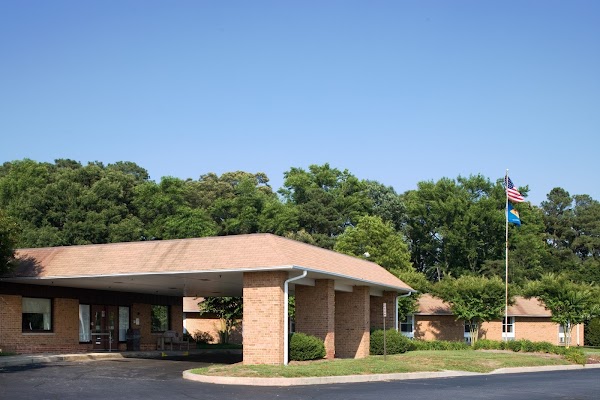
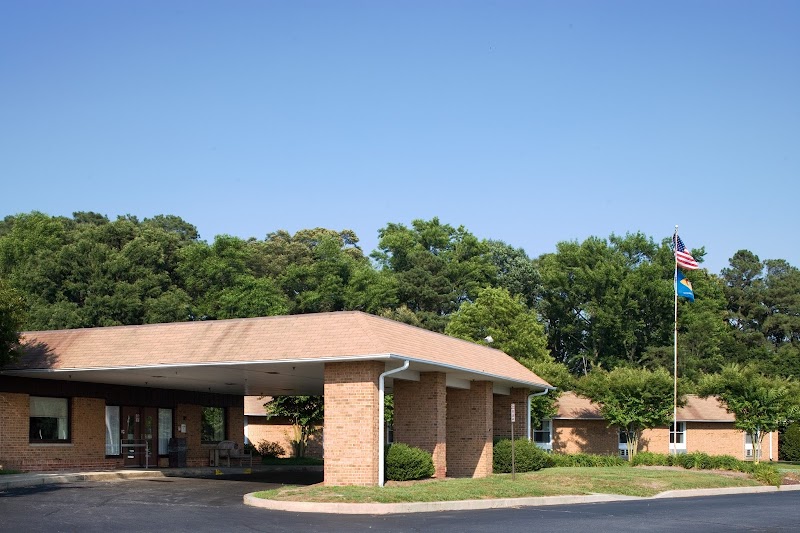
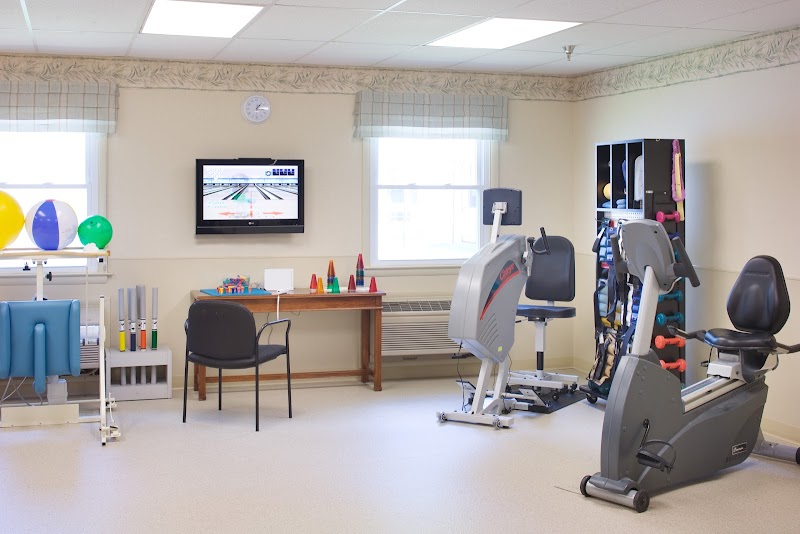
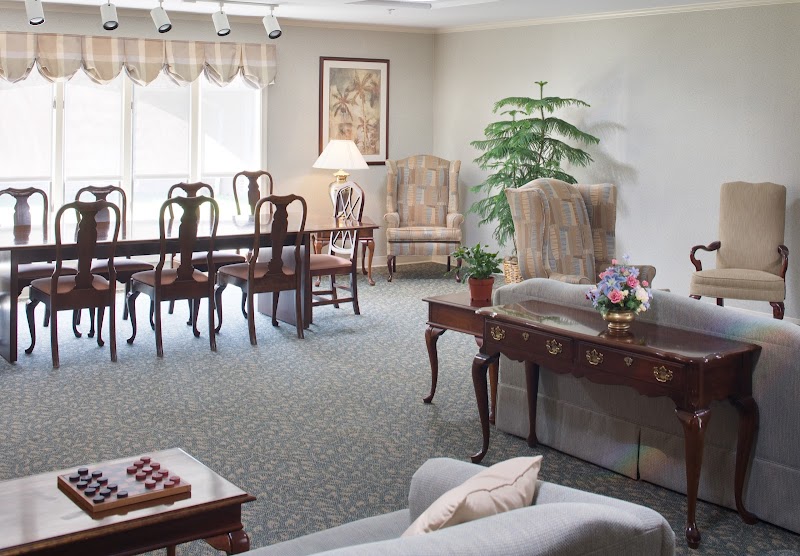
SEAFORD CENTER

1100 NORMAN ESKRIDGE HIGHWAY, SEAFORD, DE 19973 (302) 629-3575
For profit - Corporation 124 Beds GENESIS HEALTHCARE Data: November 2025 2 Immediate Jeopardy citations
Trust Grade
0/100
#42 of 43 in DE
Last Inspection: September 2024

Within standard 12-15 month inspection cycle. Federal law requires annual inspections.

Overview

Seaford Center has received a Trust Grade of F, which indicates a poor rating with significant concerns about care quality. It ranks #42 out of 43 facilities in Delaware, placing it in the bottom half, and is last in Sussex County. While the facility shows an improving trend, with issues decreasing from 19 in 2024 to just 2 in 2025, it still has a troubling history, including $192,384 in fines, which is higher than 90% of other Delaware facilities and suggests ongoing compliance issues. Staffing is average with a rating of 3 out of 5 stars, and a turnover rate of 50% is concerning but near the state average. Specific incidents include a failure to protect a resident from sexual abuse by another resident and inadequate insulin management that led to a serious hospitalization, highlighting both critical and serious deficiencies in care. Overall, while there are some positive signs of improvement, the facility’s significant past issues and low trust grade warrant careful consideration.

Trust Score
F
0/100
In Delaware
#42/43
Bottom 3%
Safety Record
High Risk
Review needed
Inspections
Getting Better
19 → 2 violations
Staff Stability
⚠ Watch
50% turnover. Above average. Higher turnover means staff may not know residents' routines.
Penalties
✓ Good
$192,384 in fines. Lower than most Delaware facilities. Relatively clean record.
Skilled Nurses
✓ Good
Each resident gets 56 minutes of Registered Nurse (RN) attention daily — more than average for Delaware. RNs are trained to catch health problems early.
Violations
⚠ Watch
68 deficiencies on record. Higher than average. Multiple issues found across inspections.
★☆☆☆☆
1.0
Overall Rating
★★★☆☆
3.0
Staff Levels
★★★☆☆
3.0
Care Quality
★☆☆☆☆
1.0
Inspection Score
Stable
2024: 19 issues
2025: 2 issues

The Good

  • Full Sprinkler Coverage · Fire safety systems throughout facility
  • No fines on record

Facility shows strength in fire safety.

The Bad

1-Star Overall Rating

Below Delaware average (3.3)

Significant quality concerns identified by CMS

Staff Turnover: 50%

Near Delaware avg (46%)

Higher turnover may affect care consistency

Federal Fines: $192,384

Well above median ($33,413)

Significant penalties indicating serious issues

Chain: GENESIS HEALTHCARE

Part of a multi-facility chain

Ask about local staffing decisions and management

The Ugly 68 deficiencies on record

2 life-threatening 1 actual harm
Sept 2025 1 deficiency
CONCERN (D) 📢 Someone Reported This

A family member, employee, or ombudsman was alarmed enough to file a formal complaint

Potential for Harm - no one hurt, but risky conditions existed

Comprehensive Care Plan (Tag F0656)

Could have caused harm · This affected 1 resident

Based on record review and interview, it was determined that for one (R113) out of thirty residents reviewed in the investigative sample, the facility failed to develop a care plan to address an ident...

Read full inspector narrative →
Based on record review and interview, it was determined that for one (R113) out of thirty residents reviewed in the investigative sample, the facility failed to develop a care plan to address an identified concern. Findings include: Review of R113's clinical record revealed:10/11/24 - R113 was admitted to the facility.3/20/25 12:00 AM - A wound note by E12 (Wound NP) documented that R113 was non-compliant with turning and repositioning and tells staff to leave her alone.3/27/25 3:59 AM - A wound note by E12 (Wound NP) documented that R113 was non-compliant with turning and repositioning and tells staff to leave her alone.9/4/25 11:08 AM - During an interview, E12 (Wound NP) stated that R113 would refuse to have her wounds touched and resisted care.9/4/25 12:09 PM - During an interview, E16 (NP) stated that R113 was resistant to care and refused to get out of bed.9/4/25 11:43 AM - During an interview, E17 (wound nurse) stated that R113 was behavioral, resistant to care and would refuse to allow staff to turn and reposition her.9/4/25 12:25 PM - A review of R113's care plan lacked evidence for refusals of care that included individualized objectives, goals, and timeframes to meet R113's needs.9/5/25 10:40 AM - During an interview, E18 (CNA) stated that R113 was very behavioral, would constantly refuse care and refuse to get out of bed.9/5/25 10:51 AM - During an interview, E6 (RN) stated that R113 refused care and treatments and confirmed that a care plan for refusals should have been completed for her.9/9/25 2:00 PM - Findings were reviewed with E1 (NHA) and E3 (Quality Manager) during the exit conference.
Jun 2025 1 deficiency
CONCERN (D) 📢 Someone Reported This

A family member, employee, or ombudsman was alarmed enough to file a formal complaint

Potential for Harm - no one hurt, but risky conditions existed

Report Alleged Abuse (Tag F0609)

Could have caused harm · This affected 1 resident

Based on interview and record review it was determined that for one (R1) out of three residents reviewed for abuse the facility failed to report an allegation of sexual abuse within the required time ...

Read full inspector narrative →
Based on interview and record review it was determined that for one (R1) out of three residents reviewed for abuse the facility failed to report an allegation of sexual abuse within the required time constraints. Based on the facility's evidence to correct the noncompliance at the time of the current survey, the deficiency was determined to be past non-compliance as of 6/6/25. Findings include: Review of R1's clinical record revealed: 6/27/23 - R1 was admitted to the facility with diagnoses including but not limited to hypertension, low back pain and nervous system disorders. 5/27/25 2:38 PM - An incident summary documented On 5/24/25 [R4 (Spouse)] reported being in the bathroom and R1 and E4 (Activity Aide) were together in the activity room and E4 (Activity Aid) asked R1 to see his private parts R4 also reported R1 was very upset and asked R4 to report this 6/3/25 E1 (NHA) documented An employee passed me in the hallway and said R4 and R1 wants to see you 6/3/25 - A facility provided statement written by E1 (NHA) documented T.C. (sic) with E5 (Activities Director) I heard on Sunday (5/25/25) from [R5] in the activity room that [R4] told her that E4 (Activity Aide) was trying to look at R1's private parts. I didn't think anything of it because [R1] and [R4] come into activities and talk about their personal business. It's mainly [R4], [R1] just sits there. They do this all the time in there 6/3/25 3:30 PM - A facility report was submitted to DHCQ (Division of Healthcare & Quality) for an allegation of abuse. 6/11/25 2:57 PM - During an interview E5 confirmed and stated, I heard on Sunday (5/25/25) from another resident [R5] that [E4] was asking [R1] to see his private parts. [R4] is always in the activities room talking about their business I don't pay her no attention, when it happened, I wasn't there, that's all I know what that resident said to me, and I don't know nothing about it. 6/12/25 2:00 PM - An interview with E1 (NHA) confirmed that E6 passed E1 in the hallway and said [R4] and [R1] want to see you [E1] said [E6] did not tell me why they wanted to see me for E1 also confirmed she was not aware of the alleged abuse until 6/3/25. Based on the review of the facility's thorough investigation, documented response, completion of in-service training, power point presentations and abuse prohibition quizzes (inclusive of resident scenario/situation) audits, staff interviews and further incidents related to abuse it was determined to be past non-compliance. The plan of correction was initiated on 6/3/25 and completed on 6/6/25. 6/12/25 2:10 PM- Findings were reviewed with E1 (NHA), E2 (DON) and E3 (QA, Nurse) at the exit conference.
Dec 2024 5 deficiencies
CONCERN (D) 📢 Someone Reported This

A family member, employee, or ombudsman was alarmed enough to file a formal complaint

Potential for Harm - no one hurt, but risky conditions existed

Deficiency F0635 (Tag F0635)

Could have caused harm · This affected 1 resident

Based on record review and interview, it was determined that for one (R2) out of two residents reviewed for respiratory therapy, the facility failed to have R2's BiPAP settings orders in R2's EMR at a...

Read full inspector narrative →
Based on record review and interview, it was determined that for one (R2) out of two residents reviewed for respiratory therapy, the facility failed to have R2's BiPAP settings orders in R2's EMR at admission. Findings include: Facility's Bi-Level Positive Airway Pressure (BiPAP)/ Continuous Positive Airway Pressure (CPAP) procedure policy- . 1. Verify order . 9. Initial set-up: 9.1 Apply ordered settings to the unit per manufacturer's instructions . 11/30/24 - C1 (MD) documented in R2's [Hospital] discharge summary, .Plan: . OSA (Obstructive sleep apnea) BiPAP nightly . 11/30/24 - R2 was admitted to the facility with diagnoses, including but were not limited to, obstructive sleep apnea (OSA), emphysema and chronic respiratory failure with hypoxia (low oxygen concentration in the blood). 11/30/24 - E9 (Admissions) uploaded into R2's EMR a copy of R2's [hospital] BiPAP orders stating .Uses BiPAP HS at night. RT to titrate based home settings .IPAP (cmH2O) 21, PEEP/CPAP (cmH2O) 17, FiO2 40%. 11/30/24 9:44 PM - E8 (RN) documented in R2's EMR, . admission details: arrived by ambulance .Respiratory: Positive Air Pressure: BiPAP/CPAP .Oxygen via nasal cannula . 11/30/24 - R2 was care planned for CPAP/BiPAP therapy with interventions including; encourage resident's use of CPAP/BiPAP. Review of R2's EMR orders lacked evidence of BiPAP settings orders from 11/30/24 to 12/2/24. The facility failed to obtain BiPAP respiratory settings necessary for R2's immediate care as R2 required BiPAP nightly. 12/2/24 - E7 (MD) ordered in R2's EMR, .BiPAP (pressure settings) IPAP 21, EPAP 17 as needed and at bedtime. 12/19/24 4:02 PM - Findings were reviewed with E1 (NHA), E2 (DON), E3 (ADON), E4 Corporate clinical advisor) at the exit conference.
CONCERN (D) 📢 Someone Reported This

A family member, employee, or ombudsman was alarmed enough to file a formal complaint

Potential for Harm - no one hurt, but risky conditions existed

Deficiency F0698 (Tag F0698)

Could have caused harm · This affected 1 resident

**NOTE- TERMS IN BRACKETS HAVE BEEN EDITED TO PROTECT CONFIDENTIALITY** Based on record review and interviews, it was determined that for three (R1, R5, R6) out of three residents reviewed for dialysi...

Read full inspector narrative →
**NOTE- TERMS IN BRACKETS HAVE BEEN EDITED TO PROTECT CONFIDENTIALITY** Based on record review and interviews, it was determined that for three (R1, R5, R6) out of three residents reviewed for dialysis, the facility failed to establish a process to obtain complete lab reports from the dialysis provider. Findings include: Cross refer F711, F775 and F842. Facility NSG253 Dialysis: Hemodialysis (HD) - Communication and Documentation Policy- Center staff will communicate with the certified dialysis facility regarding the ongoing assessment of the patient's condition by monitoring for complications before and after hemodialysis treatments received at a certified dialysis facility. Purpose: To ensure ongoing communication and collaboration with the certified dialysis facility regarding hemodialysis patient care and services . 1 .Review of R5's clinical record revealed: 6/26/24 - R5 was admitted to the facility with diagnoses including but not limited to, diabetes, anemia, seizure disorder and end stage renal disease with dependence on hemodialysis (an invasive treatment for advanced kidney disease that uses a machine to filter wastes, salts and fluids from the patient's blood). 6/26/24 - E7 (MD) ordered in R5's electronic medical record (EMR), .Dialysis days: T-Th- Sat Time for pick up: 0600 . Review of R5's lab results tab in the EMR reveal no laboratory blood work since 7/26/24. R5 did have COVID screening lab results as recent as 11/6/24 in the lab results profile. 12/19/24 2:15 PM - During an interview, E2 (DON) stated, . [R5's] last set of labs (CBC) are from 7/26/24, I know he [R5] has more recent labs as he is on hemodialysis 12/19/24 2:40 PM - During a telephone interview, C4 (hemodialysis center 2 RN/ facility administrator) stated, [R5] gets lab work drawn every month. We have standing orders for hemodialysis patients that require monthly lab work with redraws as needed. Redraws are done for abnormal labs results. It is our dietician who communicates with the facility the lab results on the patient's report card, which is a communication sheet that goes back to the facility usually in the patient's binder. We do not send the official lab reports to the facility. R5's reports for lab work obtained by (hemodialysis center 2) for five months (August, September, October, November and December) were not filed in R5's EMR by the facility to allow review by the facility providers. The facility failed to have a process for obtaining the (hemodialysis center 2's) lab results and communicating those results to the facility providers in order to coordinate R5's care. 2. Review of R1's clinical record revealed: 11/15/24 - R1 was admitted to the facility with diagnoses including but not limited to, hyperlipidemia, end stage renal disease and stroke. 11/15/24 - E7 (MD) ordered in R1's EMR, .Dialysis days: Mondays, Wednesdays and Fridays . 12/19/24 1:45 PM - During a telephone interview, C3 (hemodialysis center 1 RN) stated that R1 had weekly labs drawn because he was an acute kidney injury patient. Typically his (R1) labs were drawn on Monday (weekly) during his treatment and usually the results did not come back until Tuesday due to [R1] having an afternoon dialysis start time. If the labs were abnormal, we would call the results to the facility .No, we don't fax the lab sheets over to the facility. It is just a phone call if abnormal or a handwritten report of some of the labs on the dialysis communication sheet . For most hemodialysis patients, they get weekly hemoglobin checks done. Review of R1's lab results tab in the EMR reveal no documented laboratory blood work since his admission on [DATE]. C3 stated that R1 had weekly lab work on Mondays during his hemodialysis treatments. R1's lab results from Monday 11/8/24, 11/25/24, 12/6/24 and 12/13/24 were not available in R1's EMR. The facility failed to have a process for obtaining the [hemodialysis center 1's] lab results and communicating those results to the facility providers in order to coordinate R1's care. 3. Review of R6's clinical record revealed: 12/4/24 - R6 was admitted to the facility with diagnoses including but not limited to, diabetes, anemia, hyperlipidemia, hypomagnesemia and end stage renal disease with dependence on hemodialysis. Review of R6's lab results tab in the EMR reveal no laboratory blood work since R6's CBC (complete blood count) and CMP (comprehensive metabolic profile) on 12/5/24. 12/4/24 - E7 (MD) ordered in R6's electronic medical record (EMR), .Dialysis days: Mondays, Wednesdays and Fridays, Time for pick up: 12:30 . Review of R6's Hemo Quarterly Report Card dated December 6, 2024 revealed R6's albumin, potassium, calcium, phosphorus, PTH, intact and hemoglobin levels. It did not include R6's full CBC and CMP results, just a select set of labs. 12/19/24 12:24 PM - During an interview, E10 (LPN) stated, The dialysis residents have a binder that goes with them to their treatment appointments. Both [R5 & R6's] binders are with the residents right now at their dialysis centers . Their labs are written in on the communication sheet by the staff at the dialysis center. It is not the official lab report. The dialysis staff write down any recommendations and how they treated the labs. If the labs are off (abnormal), they often call us. Typically the nurses are the only ones who look at the binders. If the labs are really off, they send the resident to the hospital and then call us to say that they sent them to the hospital. 12/19/24 1:39 PM - During an interview, E11 (NP) stated, The labs are obtained at the dialysis unit and they send a handwritten communications report in the patient's dialysis binder with written abnormal labs. We don't get copies of the official lab reports. For long-term care residents that are on hemodialysis, we order the annual labs to be drawn by our lab and then the results are uploaded directly into the EMR. When the labs are done at dialysis if a lab is really abnormal, the dialysis unit calls the facility nurses station and the nurse tells us the problematic labs. 12/19/24 2:15 PM - During an interview, E2 (DON) stated, .R6 had labs on 12/5/24 here in the facility but no other lab results are documented in [R6's] chart . We need to figure out a process to get the results from the dialysis units into the residents' EMR. 12/19/24 3:33 PM - During a telephone interview, C5 ([hemodialysis center 3] administrator/RN) stated, At our hemodialysis center, we get standing labs on admission. R6 had lab work on 12/6/24 . Then we get a hemoglobin every 2 weeks to once a month depending on how low the hemoglobin is . Honestly, if there are no discrepancies (abnormal labs), we may not even report or send the labs to the facility . Sometimes, we send the official lab report to the facility in their communication book but that is not the standard of practice. We typically write down certain lab results on a report sheet and put that in the patient's communication book quarterly . I was not aware that the facility does not order their own labs. We cannot obtain any labs that are not related to renal due to our regulations. The facility failed to have a process for obtaining the (hemodialysis center 3's) lab results and communicating those results to the facility providers in order to coordinate R6's care. 12/19/24 4:02 PM - Findings were reviewed with E1 (NHA), E2 (DON), E3 (ADON), E4 Corporate clinical advisor) at the exit conference.
CONCERN (D) 📢 Someone Reported This

A family member, employee, or ombudsman was alarmed enough to file a formal complaint

Potential for Harm - no one hurt, but risky conditions existed

Deficiency F0711 (Tag F0711)

Could have caused harm · This affected 1 resident

Based on record review and interviews, it was determined that for three (R1, R5, R6) out of six residents reviewed for Physician Services, the facility failed to have the physician review the resident...

Read full inspector narrative →
Based on record review and interviews, it was determined that for three (R1, R5, R6) out of six residents reviewed for Physician Services, the facility failed to have the physician review the resident's total program of care. For R1, the physician failed to review R1's lab work (resident had labs obtained at hemodialysis) and regarding R1's supplemental oxygen usage. For R5 and R6, the physician failed to review lab work obtained at hemodialysis. R6 had a known hospitalization for hyperkalemia in November 2024. Findings include: Cross refer F698, F775 and F842 1. Review of R1's clinical record revealed: 11/15/24 - R1 was admitted to the facility with diagnoses including but not limited to, hyperlipidemia, end stage renal disease and stroke. 11/15/24 - E7 (MD) ordered in R1's EMR, .Dialysis days: Mondays, Wednesdays and Fridays . 11/18/24 - E7 (MD) ordered in R1's EMR, . Oxygen 2 L (liters) every shift . Review of R1's vital signs for pulse oximetry monitoring from 11/18/24 to 12/11/24 (the date of transfer to the hospital) revealed thirty-six documented occasions of pulse ox monitoring with eleven incidents where R1 was not utilizing his supplemental oxygen as ordered and on several occasions, R1's pulse ox was lower than the 92% acceptable range. Review of E7's progress notes dated 11/18/24, 11/25/24, 12/2/24 and 12/10/24 revealed no evidence of documentation or a plan to address R1's non-compliance with his supplemental oxygen therapy. 11/18/24 - E7 (MD) documented in R1's admission history and physical, .61 yo (year old) male with CAD (coronary artery disease), CVA (cerebral vascular accident) with left hemiplegia admitted with weakness .pt (patient) underwent exploratory laproscopic procedure on 10/21/ Severe AKI (acute kidney injury) after surgery lead to hemodialysis. Patient experienced cardiac arrest but quickly achieved ROSC (return of spontaneous circulation). Likely aspirated . Physical Exam: . Respiratory: CTAB (clear to auscultation bilaterally), diminished bibasilarly .Assessment and Plan: Dependence on renal dialysis .OSA (obstructive sleep apnea) - CPAP . This physician note lacked evidence of documentation of and a plan of care regarding R1's new supplemental oxygen usage. It also lacked a plan of care regarding frequency of lab draws for R1, who was initiated on hemodialysis due to an acute kidney injury. 11/18/24 - R1's weekly lab draw obtained at (hemodialysis center 1). Review of R1's EMR revealed no evidence of (hemodialysis center 1's) 11/18/24 weekly lab results. 11/25/24 6:54 PM - E7 (MD) documented in R1's EMR progress note, .Vital Signs: O2 (oxygen) sat (saturation): 95 RA ( room air) 11/24/24 9:12 PM History of present Illness: 61 yo male with CAD, CHF (congestive heart failure) .ESRD (end stage renal disease) on HD (hemodialysis) .Physical Exam: . Respiratory: CTAB, diminished bilaterally .Labs- All labs, images, reports and previous notes reviewed. For full lab/imaging results, see EHR (electronic health record) . Assessment and Plan: . End stage renal disease - HD MWF (Monday, Wednesday, Friday) OSA - CPAP . This physician note lacked evidence of documentation of R1's supplemental oxygen usage and a plan of care regarding R1's compliance and usage of supplemental oxygen. It also lacked a plan of care regarding frequency of lab draws and review of recent labs drawn on 11/18/24 for R1, who was initiated on hemodialysis due to an acute kidney injury. The facility lacked evidence of how E7, as stated in E7's 11/25/24 note, was able to review R1's 11/18/24 lab results as the results were not uploaded into R1's EMR. 11/25/24 - R1's weekly lab draw obtained at (hemodialysis center 1). Review of R1's EMR revealed no evidence of (hemodialysis center 1's) 11/25/24 weekly lab results. 12/2/24 6:36 PM - E7 (MD) documented in R1's EMR progress note, .Vital Signs: O2 sat: 94 RA 12/1/24 2:41 PM . History of present Illness: 61 yo male with CAD, CHF .ESRD on HD .Physical Exam: . Respiratory: CTAB, diminished bilaterally .Labs- All labs, images, reports and previous notes reviewed. For full lab/imaging results, see HER . Assessment and Plan: . End stage renal disease - HD MWF, Nephrology follow up OSA - CPAP . This physician note lacked evidence of documentation of R1's supplemental oxygen usage and a plan of care regarding R1's compliance and usage of supplemental oxygen. It also lacked a plan of care regarding frequency of lab draws and review of recent labs drawn on 11/25/24 for R1, who was initiated on hemodialysis due to an acute kidney injury. The facility lacked evidence of how E7, as stated in E7's 12/2/24 note, was able to review R1's 11/25/24 lab results as the results were not uploaded into R1's EMR. 12/6/24 - R1's weekly lab draw obtained at [hemodialysis center 1]. Review of R1's EMR revealed no evidence of (hemodialysis center 1's) 12/6/24 weekly lab results. 12/10/24 9:01 AM - E7 (MD) documented in R1's EMR progress note, .Vital Signs: O2 sat: 92 RA 12/10/24 12:49 PM . History of present Illness: 61 yo male with CAD, CHF .ESRD on HD .Physical Exam: . Respiratory: CTAB, diminished bilaterally .Labs- All labs, images, reports and previous notes reviewed. For full lab/imaging results, see HER . Assessment and Plan: . End stage renal disease - HD MWF, Nephrology follow up OSA - CPAP . This physician note lacked evidence of documentation of R1's supplemental oxygen usage and a plan of care regarding R1's compliance and usage of supplemental oxygen. It also lacked a plan of care regarding frequency of lab draws and review of recent labs drawn on 12/6/24 for R1, who was initiated on hemodialysis due to an acute kidney injury. The facility lacked evidence of how E7, as stated in E7's 12/10/24 note, was able to review R1's 12/6/24 lab results as the results were not uploaded into R1's EMR. 12/19/24 1:45 PM - During a telephone interview, C3 (hemodialysis center 1 RN) stated that R1 had weekly labs drawn because he was an acute kidney injury patient. Typically his (R1) labs were drawn on Monday (weekly) during his treatment and usually the results did not come back until Tuesday due to [R1] having an afternoon dialysis start time. If the labs were abnormal, we would call the results to the facility .No, we don't fax the lab sheets over to the facility. It is just a phone call if abnormal or a handwritten report of some of the labs on the dialysis communication sheet . For most hemodialysis patients, they get weekly hemoglobin checks done. 2. Review of R5's clinical record revealed: 6/26/24 - R5 was admitted to the facility with diagnoses including but not limited to, diabetes, anemia, seizure disorder and end stage renal disease with dependence on hemodialysis. 6/26/24 - E7 (MD) ordered in R5's electronic medical record (EMR), .Dialysis days: T-Th- Sat Time for pick up: 0600 . R5 had lab work obtained at the hemodialysis center in August, September, October, November and December 2024. Review of R5's EMR lacked evidence of official [laboratory] reports of R5's monthly hemodialysis labs. R5's dialysis binder had communication sheets, which mentioned various labs from some of these dates but these results were not uploaded into R5's EMR. Since 11/5/24, R5 had three documented encounters with providers, E7 (MD) and E11 (NP). The progress notes from E11 for the 12/5/24 and 12/12 24 encounters lacked evidence of any review of R5's lab results. 11/13/24 - E7 (MD) documented in R5's EMR progress note, .History of present illness: 48 yo (year old) male with ESRD on HD, TThS (Tuesday, Thursday, Saturday), DM2 (diabetes), CHF (congestive heart failure) .Labs: All labs, images, reports and previous notes reviewed. For full lab/imaging results, see Facility EHR (electronic health record) . The facility lacked evidence of how E7, as stated in E7's 11/13/24 note, was able to review R5's lab results as the results were not uploaded into R5's EMR. 12/19/24 2:40 PM - During a telephone interview, C4 ([outside hemodialysis center 2] RN/ facility administrator) stated, [R5] gets lab work drawn every month. We use [laboratory] for our lab work. We have standing orders for hemodialysis patients that require monthly lab work with redraws as needed . We do not send the official lab reports to the facility. 3. Review of R6's clinical record revealed: 12/4/24 - R6 was admitted to the facility with diagnoses including but not limited to, diabetes, anemia, hyperlipidemia, hypomagnesemia and end stage renal disease with dependence on hemodialysis. 12/4/24 - E7 (MD) ordered in R6's electronic medical record (EMR), .Dialysis days: Mondays, Wednesdays and Fridays, Time for pick up: 12:30 . 12/5/24 - E7 (MD) documented in R6's admission history and physical, . 58 yo female with CAD, CHF, CKD (chronic kidney disease) stage V admitted with weakness .Labs showed elevated creatinine at 3.6 and elevated potassium. She underwent hemodialysis on 11/18/24 . 12/6/24 - E11 (NP) documented in R6's EMR progress note, .Assessment and Plan: .Acute kidney failure- continue HD as per Nephrology, monitor labs . 12/16/24 - E7 (MD) documented in R6's EMR progress note, .58 yo female with CAD . Labs: All labs, images, reports and previous notes reviewed. For full lab/imaging results, see Facility EHR . The facility lacked evidence of how E7, as stated in E7's 12/16/24 note, was able to review R6's lab results as the results were not uploaded into R6's EMR. 12/19/24 1:39 PM - During an interview, E11 (NP) stated, The labs are obtained at the dialysis unit and they send a handwritten communications report in the patient's dialysis binder with written abnormal labs. We don't get copies of the official lab reports. 12/19/24 3:33 PM - During a telephone interview, C5 ([outside hemodialysis center 3 administrator/RN) stated, At our hemodialysis center, we get standing labs on admission. R6 had lab work on 12/6/24. Then we get a hemoglobin every 2 weeks to once a month . Honestly, if there are no discrepancies (abnormal labs), we may not even report or send the labs to the facility. Sometimes, we send the official lab report to the facility in their communication book but that is not the standard of practice. We typically write down certain lab results on a report sheet and put that in the patient's communication book quarterly . 12/19/24 4:02 PM - Findings were reviewed with E1 (NHA), E2 (DON), E3 (ADON), E4 Corporate clinical advisor) at the exit conference.
CONCERN (D) 📢 Someone Reported This

A family member, employee, or ombudsman was alarmed enough to file a formal complaint

Potential for Harm - no one hurt, but risky conditions existed

Deficiency F0775 (Tag F0775)

Could have caused harm · This affected 1 resident

Based on record review and interview, it was determined that for two (R5, R6) out of three residents reviewed for dialysis, the facility failed to have the clinical record laboratory report containing...

Read full inspector narrative →
Based on record review and interview, it was determined that for two (R5, R6) out of three residents reviewed for dialysis, the facility failed to have the clinical record laboratory report containing the name and address of the testing lab in the residents' EMR. Findings include: Cross refer F698, F711 and F842. 1. Review of R5's clinical record revealed: 6/26/24 - R5 was admitted to the facility with diagnoses including but not limited to, diabetes, anemia, seizure disorder and end stage renal disease with dependence on hemodialysis. 6/26/24 - E7 (MD) ordered in R5's electronic medical record (EMR), .Dialysis days: T-Th- Sat Time for pick up: 0600 . 12/19/24 2:40 PM - During a telephone interview, C4 ([outside hemodialysis center 2] RN/ facility administrator) stated, [R5] gets lab work drawn every month. We use [laboratory] for our lab work. We have standing orders for hemodialysis patients that require monthly lab work with redraws as needed . We do not send the official lab reports to the facility. R5 had lab work obtained at the [hemodialysis center 2] in August, September, October, November and December 2024. Review of R5's EMR lacked evidence of official [laboratory] reports of R5's monthly hemodialysis labs with [laboratory's] name and address. R5's dialysis binder had communication sheets, which mentioned various labs from some of these dates; however, these lab results were handwritten, not on the official [laboratory] report with the [laboratory's] name and address and not uploaded into R5'e EMR. The facility failed to have R5's dated clinical laboratory reports with the testing laboratory's name and address filed in R5's EMR. 2. Review of R6's clinical record revealed: 12/4/24 - R6 was admitted to the facility with diagnoses including but not limited to, diabetes, anemia, hyperlipidemia, hypomagnesemia and end stage renal disease with dependence on hemodialysis. 12/4/24 - E7 (MD) ordered in R6's electronic medical record (EMR), .Dialysis days: Mondays, Wednesdays and Fridays, Time for pick up: 12:30 . Review of R6's dialysis binder revealed a Hemo Quarterly Report Card dated December 6, 2024 with R6's albumin, potassium, calcium, phosphorus, PTH- intact and hemoglobin results. These lab results were typed on the [hemodialysis center] generated report, did not include the name and address of the testing laboratory and were not uploaded into R6's EMR. The facility failed to have R6's dated clinical laboratory reports with the testing laboratory's name and address filed in R6's EMR. 12/19/24 12:24 PM - During an interview, E10 (LPN) stated, The dialysis residents have a binder that goes with them to their treatment appointments .Their labs are written in on the communication sheet by the staff at the dialysis center. It is not the official lab report 12/19/24 1:39 PM - During an interview, E11 (NP) stated, The labs are obtained at the dialysis unit and they send a handwritten communications report in the patient's dialysis binder with written abnormal labs. We don't get copies of the official lab reports. 12/19/24 3:33 PM - During a telephone interview, C5 (outside hemodialysis center 3 administrator/RN) stated, At our hemodialysis center, we get standing labs on admission. R6 had lab work on 12/6/24. Then we get a hemoglobin every 2 weeks to once a month . Honestly, if there are no discrepancies (abnormal labs), we may not even report or send the labs to the facility. Sometimes, we send the official lab report to the facility in their communication book but that is not the standard of practice. We typically write down certain lab results on a report sheet and put that in the patient's communication book quarterly . 12/19/24 4:02 PM - Findings were reviewed with E1 (NHA), E2 (DON), E3 (ADON), E4 Corporate clinical advisor) at the exit conference.
CONCERN (D) 📢 Someone Reported This

A family member, employee, or ombudsman was alarmed enough to file a formal complaint

Potential for Harm - no one hurt, but risky conditions existed

Medical Records (Tag F0842)

Could have caused harm · This affected 1 resident

Based on record review and interview, it was determined that for three (R1, R5, R6) out of three residents reviewed for dialysis, the facility failed to maintain medical records that were complete and...

Read full inspector narrative →
Based on record review and interview, it was determined that for three (R1, R5, R6) out of three residents reviewed for dialysis, the facility failed to maintain medical records that were complete and readily accessible with regards to lab results. Findings include: Cross refer F698, F711 and F775. 1. Review of R5's clinical record revealed: 6/26/24 - R5 was admitted to the facility with diagnoses including but not limited to, diabetes, anemia, seizure disorder and end stage renal disease with dependence on hemodialysis. 6/26/24 - E7 (MD) ordered in R5's electronic medical record (EMR), .Dialysis days: T-Th- Sat Time for pick up: 0600 . Review of R5's lab results tab in the EMR reveal no laboratory blood work since 7/26/24. R5 did have COVID screening lab results as recent as 11/6/24 in the lab results profile. 12/19/24 2:40 PM - During a telephone interview, C4 ([outside hemodialysis center 2]RN/ facility administrator) stated, [R5] gets lab work drawn every month. We have standing orders for hemodialysis patients that require monthly lab work with redraws as needed . We do not send the official lab reports to the facility. R5 had lab work obtained at the hemodialysis center in August, September, October, November and December 2024. The facility failed to obtain and enter these lab results on R5's EMR. 2. Review of R1's clinical record revealed: 11/15/24 - R1 was admitted to the facility with diagnoses including but not limited to, hyperlipidemia, end stage renal disease and stroke. 11/15/24 - E7 (MD) ordered in R1's EMR, .Dialysis days: Mondays, Wednesdays and Fridays . 12/10/24 - E11 (NP) ordered in R1's EMR, .BMP (basic metabolic profile) STAT for suspected CO2 (carbon dioxide) level decrease. 12/19/24 1:45 PM - During a telephone interview, C3 ([outside hemodialysis center 1] RN) stated that R1 had weekly labs drawn because he was an acute kidney injury patient. Typically his labs were drawn on Monday (weekly) during his treatment and usually the results did not come back until Tuesday due to [R1] having an afternoon dialysis start time .No, we don't fax the lab sheets over to the facility . 12/19/24 2:15 PM - During an interview, E2 (DON) stated, I don't know why R1's 12/10/24 STAT labs did not get into the EMR because those labs were ordered and drawn here in the facility. R5's last set of labs (CBC) are from 7/26/24, I know he [R5] has more recent labs as he is on hemodialysis. R6 had labs on 12/5/24. We need to figure out a process to get the results from the dialysis unit into the residents' EMR. Review of R1's lab result tab in the EMR lacked evidence of the 12/10/24 STAT lab results in R1's medical record. Additionally, R1's lab results from the weekly Monday hemodialysis lab draws on 11/8/24, 11/25/24, 12/6/24 and 12/13/24 were not available in R1's EMR. The facility failed to obtain and enter these lab results on R1's EMR. 3. Review of R6's clinical record revealed: 12/4/24 - R6 was admitted to the facility with diagnoses including but not limited to, diabetes, anemia, hyperlipidemia, hypomagnesemia and end stage renal disease with dependence on hemodialysis. Review of R6's lab results tab in the EMR reveal no laboratory blood work since R6's CBC (complete blood count) and CMP (comprehensive metabolic profile) on 12/5/24. 12/4/24 - E7 (MD) ordered in R6's electronic medical record (EMR), .Dialysis days: Mondays, Wednesdays and Fridays, Time for pick up: 12:30 . Review of R6's Hemodialysis Quarterly Report Card dated December 6, 2024 revealed R6's albumin, potassium, calcium, phosphorus, PTH-intact and hemoglobin results. This report that was generated at [hemodialysis center 3] documented only some select lab results; it did not provide the entire lab panel of results. Additionally, these results remained in R6's dialysis binder and were not uploaded into R6's EMR. The facility failed to obtain and enter these lab results on R6's EMR. 12/19/24 4:02 PM - Findings were reviewed with E1 (NHA), E2 (DON), E3 (ADON), E4 Corporate clinical advisor) at the exit conference.
Sept 2024 11 deficiencies 1 Harm
SERIOUS (G) 📢 Someone Reported This

A family member, employee, or ombudsman was alarmed enough to file a formal complaint

Actual Harm - a resident was hurt due to facility failures

Pressure Ulcer Prevention (Tag F0686)

A resident was harmed · This affected 1 resident

Based on observation, interview and record review it was determined that for two (R20 and R45) out of two residents reviewed for pressure ulcers, the facility failed to provide care and services to pr...

Read full inspector narrative →
Based on observation, interview and record review it was determined that for two (R20 and R45) out of two residents reviewed for pressure ulcers, the facility failed to provide care and services to prevent pressure ulcers and promote healing. For R45 the facility failed to prevent an avoidable deep tissue injury from developing to the bilateral heels causing harm. For R20 the facility failed to ensure that the resident was turned and repositioned to prevent pressure ulcers resulting in an avoidable Stage 3 pressure ulcer to the right heel and an avoidable stage 4 pressure ulcer to the left heel, resulting in harm. Findings include: A policy titled Skin Integrity and Wound Management updated 5/1/24 documented a comprehensive initial and ongoing nursing assessment of intrinsic and extrinisic factors that influence skin health, skin/wound impairment, and the ability of a wound to heal will be performed. The plan of care for the patient will be reflective of assessment findings from the comprehensive patient assessment and wound evaluation. Staff will continually observe and monitor patients for changes and implement revisions to the plan of case as needed. 1. Review of R20's clincial record revealed: 5/12/22 - R20 was admitted to the facility. 5/12/22 - A careplan for R20 was intiated for dependence of care related to limited mobility. Interventions included to monitor for complications of limited mobility such as pressure ulcers and monitor for decline in ADL function. 7/16/22 - A careplan for R20 was initiated for being at risk for skin breakdown related to limited mobility, incontinence, and fragile skin. Interventions included turn and reposition every two hours, monitor for skin breakdown, and weekly skin check by licensed nurse. The care plan lacked an approach to off load pressure to the heels. 4/2024 - The CNA task flow sheet documented that R20 was to be turned and repositioned and a skin check every two hours. Ten out of ninety-three opportunities were not documented. Twelve out of ninety-three opportunities indicated R20 had reddened areas on skin that did not go away. The facility documentation lacked evidence that staff reported the reddened areas that would not go away for R20 and lacked evidence of implementing any new approaches related to skin breakdown/prevention. 5/2024 - The CNA task flow sheet documented that R20 was to be turned and repositioned and a skin check every two hours. Nine out of ninety-three opportunities were not documented. Fifteen out of ninety-three opportunities indicated R20 had reddened areas on skin that did not go away. The facility documentation lacked evidence that staff reported the reddened areas that would not go away for R20 and lacked evidence of implementing any new approaches related to skin breakdown/prevention. 5/5/24 - The Annual MDS documented that R20 was dependent for turning, bed mobility, and repositioning with two person physical assist. R20 had range of motion impairments bilaterally of the lower extremities and one side for upper extremities. The MDS assessment also identified R20 was at risk for pressure ulcers/injuries. Despite R20's dependence on staff for bed mobility and impaired range of motion the facility did not update the care plan to include off loading pressure for the heels. 5/19/24 - A nursing Braden scale documented R20 with a score of 17 indicating R20 was at mild risk for skin breakdown. 5/30/24 - An SBAR identified a skin wound or ulcer to R20's left heel which was unstageable. The SBAR lacked evidence of interventions related to care of a pressure ulcer. 5/30/24 - A skin evaluation documented a pressure ulcer was present to R20's left heel and was a in house acquired wound. The pressure ulcer was unstageable related to eschar or slough present. Descripton was noted as 5.9 cm L x 5.0 cm W, no depth, bleeding, serosanguinous exudate, and no odor. The recommendations for treatment were cover with MediHoney, heel suspension/protection device, turn and reposition. The evaluation stated provider was notified and heel cushion provided. The heel suspension/off loading was not initiated until after the pressure ulcer had developed. 5/31/24 - R20's care plan documented updated interventions to float bilateral heels using a heel up pillow and wound treatments as ordered. 6/11/24 - The SBAR identified a skin wound or ulcer on R20's right heel. The writer E21(RN) documented, wound bed was moist, malodorous, slough present, and periwound reddened and warm to touch. 6/11/24 - The skin evaluation documented a pressure ulcer was present to R20's right heel and was an in house acquired wound. The pressure ulcer was unstageable related to eschar. Desciption was noted as 3.9 cm L x 4.5 cm W, 12.5 cm A, no depth, moderate exudate, seropurulent drainage, and strong odor. The recommendations for treatment were cover with calcium alginate, foam dressing, and to offload heels. This pressure ulcer occurred after the initial offloading/floating of heels was implemented. 6/13/24 00:00 AM - A wound rounds progress note documented R20 had bilateral heel wounds with necrosis, moist tan slough, no foul wound odor noted , and periwound healthy in appearance. The progress note also documented R20 was educated on wound assessment and plan to continue Medi-Honey covered by dry dressing daily as needed. R20 was also educated on importance of floating heels when in bed to promote healing and reduce further breakdown. 7/18/24 - A wound evaluation documented for R20's left heel wound measurements as 8.63 cm L x 4.38 cm W and 28.85 cm A. The left heel remains unstageable related to slough and eschar. The left heel was noted to have seropurulent exudate and intact wound edges. The treament recommended was cleanse with dakins solution, cover with Medi-Honey, and a clean dry dressing. Continue with heel suspension/protection device and turn/repositioning programm. A review of wound evaluation documented for R20's right heel wound measurements as 3.78 cm L x 3.24 cm W and 9.16 cm A. The right heel remains unstageable related to eschar. The treatment recommended was cleanse with dakins solution, cover with calcium alginate, and a clean dry dressing. Continue with heel suspension/protection device and turning/repositioning schedule. 8/8/24 - A wound evaluation documented for R20's right heel wound measurements as 2.68 cm L x 2.17 cm W and 4.38 cm A. The right heel is now documented as a stage 3 pressure ulcer having serosainguineous exudate with attached edges. The treatment recommended was wet gauze with dakins solution and covered with clean dry dressing. Continue with heel suspension / protection device and turn/repositioning program. 8/15/24 - A wound evaluation documented for R20's left heel wound measurements as 5.56 cm L x 3.85 cm W and 17.26 cm A. The left heel remains unstageable related to eschar and was noted to have bleeding, serosainguineous exudate, and attached edges. The treatment recommended was wet gauze with dakins solution and covered with clean dry dressing. Continue with heel suspension/protection device and turn/repositioning program. 9/17/24 10:35 AM - An observation of R20's bilateral heels resting on mattress with pillow noted under calves. The pillow was not positioned correctly for R20's bilateral heels to be suspended off the mattress. 9/18/24 10:32 AM - An observation of R20's bilateral heels resting on mattress with pillow noted under calves. The pillow was not positioned correctly for R20's bilateral heels to be suspended off the mattress. 9/19/24 9:10 AM - An observation or R20's bilateral heels resting on mattress with pillow noted under calves. The pillow was not positioned correctly for R20's bilateral heels to be suspended off the mattress. 9/19/24 10:31 AM - An observation or R20's bilateral heels resting on mattress with pillow noted under calves. The pillow was not positioned correctly for R20's bilateral heels to be suspended off the mattress. 9/19/24 11:26 AM - An interview with E22 (RN) revealed the purpose of floating heels is to prevent skin breakdown and the nurse on duty will verify every shift that the CNA is floating resident's heels while they are in bed. The CNA is expected to check and reposition at least every two hours. 9/20/24 9:24 AM - An observation of R20's bilateral heels resting on mattress with pillow noted under calves. The pillow was not positioned correctly for R20's bilateral heels to be suspended off the mattress. 9/20/24 10:33 AM - An observation of R20's bilateral heels resting on mattress with pillow noted under calves. The pillow was not positioned correctly for R20's bilateral heels to be suspended off the mattress. 9/20/24 2:09 PM - An interview with E23 (LPN, WCN) revealed the expectation of floating heels is to prevent skin breakdown and/or keep current skin breakdown from worsening. E23 stated that staff should be adjusting pillows for floating heels every two hours or sooner when they go to reposition. E23 confirmed that R20 does not currently have a low air loss mattress at this time and R20's pressure ulcers were in house acquired. 9/24/24 9:48 AM - An interview with E24 (WC, NP) revealed the expectation of floating heels is to prevent skin breakdown and/or keep current skin breakdown from worsening. E24 confirmed that staff should turn and reposition residents at least every two hours and that heels should be floated while residents are in bed. E24 stated R20's bilateral heel wounds were caused by pressure. 2. Review of R45's clinical record revealed: 7/31/19 - R45 was admitted to the facility. 8/18/19 - A care plan for R45 was intiated for dependence of care related to decline in functional ability. Interventions included to monitor for complications of limited mobility such as pressure ulcers and monitor for decline in ADL function. 8/18/19 - A care plan for R45 was initiated for risk of skin breakdown related to decreased physical mobility and occasional incontinence. Interventions included pat skin when drying and a weekly skin check by a liscensed nurse. The careplan lacked an approach to off load pressure to the heels. 11/10/23 - A nursing Braden scale documented R45 with a score of 19 indicating R45 was at no risk for skin breakdown. 11/10/23 - The quarterly MDS assessment documented that R45 was completely dependent with two physical person assist for bed mobility and turning. R45 had range of motion impairments bilaterally for upper and lower extremities. The MDS assessment also identified R45 was at risk for pressure ulcers/injuries. The MDS indicated that R45 had pressure reducing devices to the bed and chair and did not need a turn/reposition program. The careplan continued to lack approaches to off load pressure from the heels. 12/2023 - The CNA task flow sheet documented that R45 was to be turned and repositioned and a skin check every two hours. Ten out of ninety-three opportunities were not documented. Five out of ninety-three opportunities indicated R45 had reddened areas on skin that did not go away. The facility documentation lacked evidence that staff reported the reddened areas that would not go away for R45 and lacked evidence of implementing any new approaches related to skin breakdown/prevention. 12/20/23 - An SBAR documented that R45 had a DTI (deep tissue injury) to the right heel, unstageable due to sloth or eschar. The SBAR documented the DTI as in house acquired with the following measurements 5.8 cm L x 5.6cm W and 25.7 cm A. The wound was described as a scab, with no exudate, no odor, attached edges, and with dry/flaky calloused surrounding tissue. The treatment recommendations were sure prep, foam mattress, repositioning device(s), and turn/repositioning program. There were no approaches added to off load pressure from the heels. 12/27/23 - A physician's order was completed for a venous doppler study. The study revealed doppler blood flow detected and no indication of thrombus. 12/28/23 - A skin and wound evaluation documented a DTI to the right heel measuring 7.81 cm L x 7.42 cm W, 43.86 cm A, black in color with eschar, attached edges, and dry flaking peri wound. The following interventions were suggested: heel suspension/protection device, low air loss mattress, positioning wedge, and turn/repositioning program. 1/3/24 - An SBAR documented that R45 had four areas noted for DTI. Treatment recommendations were low air loss mattress and to discontinue heel boot to right foot. The record lacked evidence of another form of offloading/floating of heels. 1/13/24 2:15 AM - A skilled evaluation progress note documented a DTI to the right heel with no exudate, odor, tunneling, and fragile periwound. 4/15/24 - A physician's order for a bilateral duplex study was completed. The results recommended a CT study for further evaluation. The results also revealed a positive note for stenosis in multiple arteries. A diagnosis of PVD (peripheral vascular disease) was added to R45's diagnosis list. The facility lacked evidence that a CT study for further evaluation was completed. 4/25/24 - A wound care evaluation documented R45's right heel with an unstageable pressure ulcer, dry black eschar, with tan moist slough along parameter, mod amount of foul smelling drainage, peri wound is healthy in appearance. Pt consented to debridement of eschar cap, 7mm x 7mm escar cap debrided with scapel down to granulated tissue with tan moist slough, no bleeding noted, no s/s of pain during procedure. Educated patient on wound assessment and of plan to continue dakins moist gauze covered by ABD pad and wrap with Kerlix BID and PRN as well as of importance of at least every two hour turn/repositioning, and of floating his heels when in bed. Patient verbalizes understanding, denies pain with wound assessment. 9/18/24 9:22 AM - An observation of R45 in bed and heels resting directly on the mattress. No pillow noted to float heels. 9/18/24 10:35 AM - An observation of R45 in bed and heels resting directly on the mattress. No pillow noted to float heels. 9/19/24 9:13 AM - An observation of R45 in bed and heels resting directly on mattress and pillow on side of mattress away from feet. 9/19/24 10:30 AM - An observation of R45 laying on back and heels resting directly on mattress. 9/19/24 11:16 AM - An observation of R45 in bed with heels resting directly on mattress. 9/19/24 11:26 AM - An interview with E22 (RN) revealed the purpose of floating heels is to prevent skin breakdown and the nurse on duty will verify every shift that the CNA is floating resident's heels while they are in bed. The CNA is expected to check and reposition at least every two hours. 9/20/24 9:24 AM - An observation of R45's heels laying directly on the mattress. A pillow was placed under legs improperly and the heels are not elevated. 9/20/24 10:36 AM - An observation of R45's heels laying directly on the mattress. A pillow was placed under legs improperly and the heels are not elevated. 9/20/24 2:09 PM - An interview with E23 (LPN WCN) revealed the expectation of floading heels is to prevent skin breakdown and/or keep current skin breakdown from worsening. E23 state that staff should be adjusting pillows for floating heels every two hours or sooner when to go to reposition. E23 confirmed that R45's pressure ulcers were in house acquired 9/24/24 9:48 AM - An interview with E24 (WC NP) confirmed she was working with R45 since April 2024. R45 was sent to wound care and no wound care surgeon would take his case. E24 confirmed she debrided wound to right heel and that R45 was educated on positioning and floating heels. E24 confirmed that staff was educated on how to use the float devices. E24 stated the expectation for any resident with wounds should be turned and repositioned every two hours, will not wear shoes, and should maintain no pressure from bed. E24 stated that R45's wound reopened this past week and stated lack of floating heels was very likely why the wound reopened. E24 stated any area that has a wound will be weakened and have greater risk to reopen and import to alleviate pressure especially to those areas. 9/24/24 2:00 PM - Findings were reviewed with E1 (NHA), E2 (DON) and E3 (Corporate 1) at the exit conference.
CONCERN (D)

Potential for Harm - no one hurt, but risky conditions existed

Deficiency F0561 (Tag F0561)

Could have caused harm · This affected 1 resident

Based on observation, interview and record review, it was determined that for one (R18) out of six residents reviewed for activities of daily living (ADLs), the facility failed to get R18 out of bed i...

Read full inspector narrative →
Based on observation, interview and record review, it was determined that for one (R18) out of six residents reviewed for activities of daily living (ADLs), the facility failed to get R18 out of bed in accordance with his preference. Findings include: Review of R18's clinical record revealed: 1/31/24 - R18 was admitted to the facility. 8/8/24 - A quartlerly MDS documented that R18 was dependent for transfer and requires a sit to stand lift for transfer. R18 has a BIMS score of 13 and was cognitively intact. 9/16/24 10:58 AM - An observation of R18 laying in bed watching television. 9/17/24 10:45 AM - An observation of R18 laying in bed watching television. 9/18/24 1:06 PM - An observation of R18 laying in bed watching television. 9/19/24 12:41 PM - An observation of R18 laying in bed watching television. 9/20/24 9:25 AM - An observation of R18 laying in bed watching television. 9/23/24 12:00 PM - An interview with R18 revealed that his preference is to get out of bed daily. R18 stated that staff tells him they are too busy to get him out of bed. 9/23/24 12:14 PM - An interview with E7 (CNA) confirmed that R18 was not out of bed and confirmed staff is aware of his preference to get out of bed daily. The facility lacked evidence of R18 getting out of bed daily according to his preference. 9/24/24 2:00 PM - Findings were reviewed with E1 (NHA), E2 (DON) and E3 (Corporate 1) at the exit conference.
CONCERN (D)

Potential for Harm - no one hurt, but risky conditions existed

Deficiency F0582 (Tag F0582)

Could have caused harm · This affected 1 resident

Based on review of facility documentation and interview it was determined that for two (R10 and R48) out of three Medicare Part A discharges reviewed the facility failed to have evidence of a complete...

Read full inspector narrative →
Based on review of facility documentation and interview it was determined that for two (R10 and R48) out of three Medicare Part A discharges reviewed the facility failed to have evidence of a completed Skilled Nursing Facility Advance Beneficiary Notice (SNFABN). Findings include: Review of surveyor requested Skilled Nursing Facility Beneficiary Protection form for three discharged Medicare A residents the following was revealed: 1. R10 started Medicare Part A skilled services on 2/15/24. The last day of covered services was 4/2/24. The resident stayed at the facility as a long-term care resident. There was no evidence the facility provided the SNFABN when Medicare Part A services ended and the resident converted to another payer source. 2. R48 started Medicare Part A skilled services on 4/29/24. The last day of covered services was 7/2/24. The resident stayed at the facility as a long-term care resident. There was no evidence the facility provided the SNFABN when Medicare Part A services ended and the resident converted to another payer source. 9/23/24 2:00 PM - During an interview, E1 (NHA) stated the reason the SNFABN form was not provided to the resident was that the resident was switching to another payer source and the staff did not realize the form still needed to be given. 9/24/24 2:00 PM - Findings were reviewed with E1, E2 (DON) and E3 (Corporate 1) at the exit conference.
CONCERN (D)

Potential for Harm - no one hurt, but risky conditions existed

PASARR Coordination (Tag F0644)

Could have caused harm · This affected 1 resident

Based on interview and record review, it has been determined that for one (R64) out of three sampled for PASARR, the facility failed to ensure a referral for a PASARR screening was done for a new ment...

Read full inspector narrative →
Based on interview and record review, it has been determined that for one (R64) out of three sampled for PASARR, the facility failed to ensure a referral for a PASARR screening was done for a new mental health diagnosis. Findings include: Review of R64's clinical record revealed: 1/8/23 - R64 was admitted to the facility with the following diagnoses of atrial fibrillation (irregular rapid heart rate), hypertension and major depressive disorder. 1/6/23 - Review of R64's PASARR Level I screen outcome documented . No Level II required 2. No SMI (serious mental illness), ID (intellectual disability or RC (related condition). 12/30/23 - R64's annual MDS (Minimum Data Set) documented a new diagnosis of schizophrenia. 9/23/24 11:50 AM - E6 (SW) was interviewed and stated, I am not sure if a new PASARR application was done for [R64], I wasn't here then, but I can check. I'm not finding her; I'm searching for her and it's not here. It looks like there was not a new one, but it looks like she is due for a PASARR on 9/22/24, and honestly I am working on it now. 9/24/24 11:40 AM - Findings were reviewed with E1 (NHA). The facility lacked evidence that R64, a resident with a mental disorder, was referred to the state agency for a PASARR Level II evaluation and determination. 9/24/24 2:00 PM - Findings were reviewed with E1, E2 (DON) and E3 (Corporate 1) at the exit conference.
CONCERN (D) 📢 Someone Reported This

A family member, employee, or ombudsman was alarmed enough to file a formal complaint

Potential for Harm - no one hurt, but risky conditions existed

ADL Care (Tag F0677)

Could have caused harm · This affected 1 resident

**NOTE- TERMS IN BRACKETS HAVE BEEN EDITED TO PROTECT CONFIDENTIALITY** Based on observation and interview, it was determined that for two (R39 and R89) out of six residents reviewed for ADLs, the fac...

Read full inspector narrative →
**NOTE- TERMS IN BRACKETS HAVE BEEN EDITED TO PROTECT CONFIDENTIALITY** Based on observation and interview, it was determined that for two (R39 and R89) out of six residents reviewed for ADLs, the facility failed to ensure ADLs were provided to dependent residents. Findings include: A facility policy and procedure titled, Activities of Daily Living (ADLs) revised 5/1/23 documented . Activities of daily living include, hygiene, bathing, dressing, grooming, and oral care. 1. Review of R39's clinical record revealed: 4/12/21 - R39 was admitted to the facility. 8/24/24 - The CNA task list documented R39's shower schedule was on Tuesday and Friday on the 7 AM to 3 PM shift and prefers a bed bath. 9/8/24 - The quarterly MDS documented that R39 was dependent for bathing and personal hygiene. 9/16/24 10:58 AM - An observation of R39 with overgrown finger nails with debris noted underneath. 9/17/24 11:05 AM - An observation of R39 with overgrown finger nails with debris noted underneath. 9/17/24 - A review of the CNA task flow sheet revealed that R39 had a complete bed bath. 9/18/24 2:06 PM - An observation of R39 with overgrown finger nails with debris noted underneath. 9/19/24 10:54 AM - An observation of R39 with overgrown finger nails with debris noted underneath. 9/19/24 11:20 AM - An interview with E14 (CNA) revealed that the expectation is that nail trimming to be completed every Wednesday. E14 confirmed nail trimming was not completed and stated she did not have enough time to complete the task. The facility lacked evidence of R39 being provided assistance with ADL care specifically nail trimming. 2. R89's clinical record revealed: 6/4/24 - A quarterly MDS assessment documented [R89] required substantial maximal assist for showering, bathing, oral care, personal hygiene, bed mobility and dependent for toileting . 6/21/24 - R89 was admitted back to the facility from the hospital. 6/23/24 - A five day MDS assessment documented [R89] was dependent for eating, oral hygiene, toileting, showering, bathing, personal hygiene and bed mobility. 6/24/24 - R89 was admitted to hospice care. 6/25/24 - 11:13 AM - Review of R89's facility task sheet documented bathing was provided by E9 (CNA). 6/25/24 1:17 PM - Review of R89's facility task [NAME] documented toileting was provided by E9. 6/25/24 2:30 PM - Review of a facility provided statement from E25 (RN) revealed, [E9 (CNA)] was assigned to [R89] for care. Additionally, E25's statement also revealed, [R89] looked disheveled and later that evening [E25] received a call from [E1 (NHA)] regarding [R89's] family's complaint of his appearance during their visit. 6/25/24 9:18 PM - Review of a facility incident report revealed, there was a concern voiced about [R89's] care. 9/24/24 11:42 AM - During an interview E1 stated, On 6/25/24, [R89's] family came in to visit and he was disheveled his sheets were not clean, this was around 3:30 PM. E1 also stated, [R89] was actively dying, he had not eaten, drank, or took any medications in about three to four days. E1 also stated, [E9] had last seen [R89] at 12:15PM. And that other staff from the 3-11 shift had gone in to immediately clean him up and take care of his needs. Furthermore, E1 confirmed [E9] had been educated on ADL care, abuse, neglect and suspended pending the facility's investigation. The facility failed to ensure that ADLs were provided for a dependent resident. 9/24/24 2:00 PM - Findings were reviewed with E1 (NHA), E2 (DON) and E3 (Corporate 1) at the exit conference.
CONCERN (D)

Potential for Harm - no one hurt, but risky conditions existed

Respiratory Care (Tag F0695)

Could have caused harm · This affected 1 resident

Based on observation, interview, and record review, it has been determined that for one (R66) out of two residents sampled for respiratory care the facility failed to provide professional standards of...

Read full inspector narrative →
Based on observation, interview, and record review, it has been determined that for one (R66) out of two residents sampled for respiratory care the facility failed to provide professional standards of practice by ensuring R66's nebulizer equipment was stored in a protective plastic bag. Findings include: Cross refer F657 Review of R66's clinical record revealed: 5/24/23 - R66 was admitted to the facility with diagnoses including, but not limited to, chronic obstructive pulmonary disease (lung disease that blocks air flow and makes it difficult to breathe) and stroke. 12/5/23 2:00 PM - A physician's order written for R66 documented . Albuterol Sulfate Nebulization Solution (2.5 MG/3ML) 0.083% 3 ml inhale as needed for Shortness of Breath Pre-treatment evaluation in supplemental documentation. In progress note document response to instructions and education and any adverse reactions. Notify the provider of any adverse reactions. 8/30/24 - A quarterly MDS (Minimum Data Set) assessment revealed R66 was severely cognitively impaired. 9/16/24 10:09 AM - R66's nebulizer tubing and mask were observed laying on his nightstand table and not placed in a protective plastic bag. 9/17/24 10:00 AM - R66's nebulizer tubing and mask were observed laying on his nightstand table and not placed in a protective plastic bag. 9/18/24 10:41 AM - During an observation and interview, E15 (LPN) stated, No [R66's] nebulizer equipment is not enclosed in a protective plastic bag. It should be but it's not. 9/18/24 10:54 AM - Findings were confirmed with E2 (DON). 9/24/24 2:00 PM - Findings were reviewed with E1 (NHA), E2 and E3 (Corporate 1) at the exit conference.
CONCERN (D)

Potential for Harm - no one hurt, but risky conditions existed

Medication Errors (Tag F0758)

Could have caused harm · This affected 1 resident

Based on interview and record review, it was determined that for two (R22 and R57) out of five residents reviewed for unnecessary medications, it was determined that psychoactive medications lacked mo...

Read full inspector narrative →
Based on interview and record review, it was determined that for two (R22 and R57) out of five residents reviewed for unnecessary medications, it was determined that psychoactive medications lacked monitoring. For R22, the facility failed to ensure adequate monitoring with an AIMS assessment. Additonally, the facility failed to monitor R57, a resident taking antipsychotic medication, for symptoms of psychosis. Findings include: A policy and procedure titled Behaviors: Management of Symptoms revised 7/1/24 documented . Patients exhibiting behavioral symptoms will be individually evaluated to determine the behavior. The interdisciplinary team identifies underlying medical, physical, functional, psychosocial, emotional, psychiatric, or environmental causes that contribute to the patient's behavior. Mental disorders are usually associated with significant distress or disability in social, occupational, or other important activities. 4/10/14 - R22 was admitted to the facility. 8/2023 - R22's MAR reflected that he was ordered Zyprexa (olanzapine) tablet 10 MG Give 0.5 tablet by mouth one time a day. 8/26/23 - An AIMS assessment was conducted. 2/2024 - R22's MAR reflected that he was ordered Zyprexa (olanzapine) tablet 10 MG Give 0.5 tablet by mouth one time a day. 8/2024 - R22's MAR reflected that he was ordered olanzapine Tablet 5 MG Give 2 tablets one time a day. 8/18/24 - An AIMS assessment was conducted. The facility lacked evidence that an AIMS assessment was conducted in February 2024. 9/20/24 approximately 9:50 AM - In an interview, the Surveyor requested a copy of the AIMS assessment that would have occurred between 8/23 and 8/24. E16 (Corporate 2) stated she would check R22's record. E16 stated that this assessment should be done by nursing and should auto-populate into the charting system. 9/20/24 10:21 AM - In an interview, E16 stated she would check R22's chart again and acknowledged that R22 had been hospitalized in February, 2024. E16 again stated that the AIMS assessment should auto-populate. E16 confirmed R22 would have been due for an AIMS in February, 2024. 9/19/24 1:46 PM - In an interview, E17 (NP) stated she was not sure which provider would enter an order for an AIMS assessment, but acknowledged it should be done every 6 months. E17 was not sure why an AIMS assessment was not conducted for R22 between 8/23 and 8/24. E17 stated she would speak with E18 (Medical Director) about who should enter the order. 9/24/24 10:01 AM - In an interview, E1 (NHA) and E3 (Corporate 1) confirmed that an AIMS assessment was not completed for R22 between 8/23 and 8/24. 2. R57's clinical record revealed: 12/1/23 - R57 was admitted to the facility. 1/13/24 - A physician's order for R57 documented . Is resident free from side effects of psychotherapeutic medications? (If no, document side effects in PN (Progress Note) every shift. 5/11/24 - A physician's order for R57 documented . Quetiapine Fumarate Oral Tablet 25mg give one tablet by mouth one time a day for Psychosis. 9/23/24 1:54 PM - During an interview with E15 (LPN), the surveyor asked if (R57) was monitored for symptoms of psychosis. E15 stated, Normally it's linked with the medication in the order. E15 reviewed R57's order for quetiapine 25mg and stated, I don't see anything listed, to monitor for symptoms. There is an order to monitor for side effects on the MAR but not adverse effects. 9/23/24 3:03 PM - E3 (Corporate 1) stated, There is no documentation of monitoring for symptoms of psychosis for [R57]. 9/24/24 11:40 AM- Findings were reviewed with E1 (NHA). 9/24/24 2:00 PM - Findings were reviewed with E1, E2 (DON) and E3 (Corporate 1) at the exit conference.
CONCERN (E) 📢 Someone Reported This

A family member, employee, or ombudsman was alarmed enough to file a formal complaint

Potential for Harm - no one hurt, but risky conditions existed

Deficiency F0657 (Tag F0657)

Could have caused harm · This affected multiple residents

Based on record review and interview, it was determined that for four (R7, R22, R43 and R66) out of twenty (20) sampled residents, the facility failed to ensure that the required interdisciplinary tea...

Read full inspector narrative →
Based on record review and interview, it was determined that for four (R7, R22, R43 and R66) out of twenty (20) sampled residents, the facility failed to ensure that the required interdisciplinary team (IDT) members participated in the care plan meetings and that meetings occurred every three months. In addition, R66's care plan had not been reviewed and revised to reflect a behavior of frequently removing his nebulizer equipment from the protective plastic bag. Findings include: 1. Review of R7's clinical record revealed: 4/10/24 - R7 was admitted to the facility. 9/19/24 - A review of the notes for the initial care plan meeting on 4/25/24 lacked evidence of input from the Physician. Additionally, there was no evidence that a quarterly care plan meeting occurred in July, 2024. 2. Review of R22's clinical record revealed: 4/10/14 - R22 was admitted to the facility. 9/19/24 - A review of the notes for the care plan meeting on 10/11/23 lacked evidence of input from R22's nurse. A review of the notes for the care plan meeting on 8/14/24 lacked evidence of input from the Physician. Additionally, there was no evidence that there was a care plan meeting from 11/29/23 to 8/14/24 although an OBRA significant change in status assessment was conducted on 2/15/24. 3. Review of R43's clinical record revealed: 7/25/19 - R43 was admitted to the facility. 9/19/24 - A review of the notes for the care plan meeting on 11/22/23 lacked evidence of input from the certified nursing assistant. There was no evidence that there was a care plan meeting from 2/21/24 to 9/11/24, although a quarterly MDS was conducted on 3/16/24 and 6/16/24. Finally, a review of the care plan meeting notes dated 9/11/24 lacked evidence of input from the Physician. 9/24/24 9:59 AM - In an interview, the Surveyor shared the above information with E1 (NHA), who acknowledged that the missing IDT members and gaps in care plan meetings were likely due to staffing issues and turnover. 4. Cross Refer F695. Review of R66's clinical record revealed: 5/24/23 - R66 was admitted to the facility with the following diagnoses, including, but not limited to, chronic obstructive pulmonary disease (lung disease that blocks air flow and makes it difficult to breathe) and stroke. 8/30/24 - A quarterly MDS (Minimum Data Set) assessment revealed R66 was severely cognitively impaired. 9/18/24 10:31 AM - During an interview, E15 (LPN) stated, [R66's] nebulizer treatments are ordered to be given every 6 hours as needed. In addition, E15 revealed R66 turns the nebulizer machine on and off himself and R66 takes the nebulizer tubing and mask out of the protective bag himself all the time. Additionally, E15 reviewed R66's care plan for this behavior and stated, I can't find a care plan for the behavior. 9/18/24 10:54 AM - During an interview, E2 (DON) confirmed she was not aware of E66's behavior of turning the nebulizer machine on and off and removing the nebulizer equipment from the protective plastic bag. E2 confirmed that R66 was not care planned for those behaviors. E2 updated R66's care plan to reflect the behavior. 9/24/24 2:00 PM - Findings were reviewed with E1, E2 and E3 (Corporate 1) at the exit conference.
CONCERN (E) 📢 Someone Reported This

A family member, employee, or ombudsman was alarmed enough to file a formal complaint

Potential for Harm - no one hurt, but risky conditions existed

Incontinence Care (Tag F0690)

Could have caused harm · This affected multiple residents

Based on interview and record review it was determined that for three (R20, R38 and R45) out of three residents reviewed for bowel and bladder, the facility failed to respond to or provide services to...

Read full inspector narrative →
Based on interview and record review it was determined that for three (R20, R38 and R45) out of three residents reviewed for bowel and bladder, the facility failed to respond to or provide services to maintain or restore bladder continence. Findings include: A policy revised on 6/15/22 titled Continence Management documented continence status will be reviewed quarterly as part of the care planning process to provide appropriate treatment and services for patients with urinary incontinence to restore continence to the extent possible. 1. Review of R20's clinical record revealed: 5/12/22 - R20 was admitted to the facility. 5/5/24 - The Annual MDS assessment documented that R20 was dependent for toileting hygiene and not on a toileting program. The MDS also documented that R20 was frequently incontinent of bowel and bladder. 5/2024 - The CNA task sheet documented that R20 was incontinent of urine seventy-three out of eighty-five opportunities. 6/2024 - The CNA task sheet documented that R20 was incontinent of urine seventy-eight out of eighty-four opportunities. 6/12/24 - A skilled evaluation progress note documented that R20 was incontinent of urine. Resident uses adult briefs. New onset incontinence: No. Resident is frequently incontinent (7 or more episodes of urinary incontinence, but at least one episode of continent voiding). 7/2024 - The CNA task sheet documented that R20 was incontinent of urine eighty-six out of eighty-six opportunities. 8/2024 - The CNA task sheet documented that R20 was incontinent of urine seventy-seven out of eighty opportunities. 8/5/24 - The quarterly MDS assessment documented that R20 was dependent for toileting hygiene and not on a toileting program. The MDS also revealed that R20 was always incontinent of bladder and frequently incontinent of bowel. 9/20/24 10:45 AM - An interview with E7 (CNA) confirmed that R20 is dependent for care and was not on a toileting program. E7 states that R20 does not use a bed pain and is not offered one. 9/20/24 11:30 AM - An interview with E19 (UM) confirmed that the residents bowel and bladder are assessed upon admission and then quarterly thereafter. E19 confirmed that nurses can intiate a toileting program if they notice a change or decline during the quarterly assessments. E19 confirmed that R20 is not currently on a toileting program. The facility lacked evidence of responding to decreased continence and failed to provide evidence of services to restore continence for R20. The facility lacked evidence of a quarterly bowel and bladder assessment for R20. 2. Review of R38's clinical record revealed: 5/10/23 - R38 was admitted to the facility. 9/29/23 - The significant change MDS documented that R38 required extensive two person assist for toileting and hygiene care. R38 was frequently incontinent of urine and always incontinent of bowel. R38 was not on a toileting program. 10/2023 - The CNA task sheet documented that R38 was incontinent of urine fifty-four out of seventy-three opportunities. 11/2023 - The CNA task sheet documented that R38 was incontinent of urine fifty-seven out of eighty-three opportunities. 12/2023 - The CNA task sheet documented that R38 was incontinent of urine seventy-seven out of eighty-nine opportunities. 12/30/23 - The quarterly MDS documented that R38 was dependent for toileting and hygiene care. R38 was always incontinent of bowel and bladder and not on a toileting plan. 9/16/24 10:49 AM - An interview with R38 confirmed that she used to use a bed pan but has not been using one due to the facility not having a small enough one for her. 9/20/24 11:15 AM - An interview with E20 (CNA) confirmed that R38 is dependent for toileting and hygiene care. E20 also confirmed that R38 did not use a bed pan and was not on a toileting program. 9/20/24 11:30 AM - An interview with E19 (UM) confirmed that R38 was not on a toileting program. The facility lacked evidence of responding to decreased continence and failed to provide evidence of services to restore continence for R38. The facility lacked evidence of a quarterly bowel and bladder assessment for R38. 3. Review of R45's clinical record revealed: 7/13/19 - R45 was admitted to the facility. 11/10/23 - The quarterly MDS assessment documented that R45 was dependent for toileting and hygiene care. R45 was frequently incontient of bowel and bladder, and not on a toileting program. 11/2023 - The CNA task sheet documented that R45 was incontinent of urine fifty-two out of eighty opportunities. 12/2023 - The CNA task sheet documented that R45 was incontinent of urine seventy-two out of eighty-five opportunities. 1/2024 - The CNA task sheet documented that R45 was incontinent of urine eighty-nine out of eighty-nine opportunities. 1/11/24 - The quarterly MDS assessment documented that R45 was dependent for toileting and hygiene care. R45 was always incontient of bowel and bladder and not on a toileting program. 9/20/24 11:15 AM - An interview with E20 (CNA) confirmed that R45 is dependent for care and is currently not on a toileting program. E20 states that R45 does not use a bed pain and is not offered one. 9/20/24 11:30 AM - An interview with E19 (UM) confirmed that R45 was not on a toileting program. The facility lacked evidence of responding to decreased continence and failed to provide evidence of services to restore continence for R45. The facility lacked evidence of a quarterly bowel and bladder assessment for R45. 9/24/24 2:00 PM - Findings were reviewed with E1 (NHA), E2 (DON) and E3 (Corporate 1) at the exit conference.
CONCERN (E)

Potential for Harm - no one hurt, but risky conditions existed

Deficiency F0730 (Tag F0730)

Could have caused harm · This affected multiple residents

Based on record review and interview, it was determined that for five (E7, E8, E9, E10 and E11) out of five certified nursing assistants reviewed, the facility failed to complete an annual evaluation....

Read full inspector narrative →
Based on record review and interview, it was determined that for five (E7, E8, E9, E10 and E11) out of five certified nursing assistants reviewed, the facility failed to complete an annual evaluation. Findings include: 9/23/24 approximately 8:50 AM - E1 (NHA) provided documentation regarding CNA evaluations for the following employees: E7 (CNA) with a date of hire of 12/6/22; E8 (CNA) with a date of hire of 5/24/22; E9 (CNA) with a date of hire of 11/20/17; E10 (CNA) with a date of hire of 10/14/19; E11 (CNA) with a date of hire of 3/7/23; 9/23/24 11:59 AM - In an interview, E1 stated that there had been a system failure due to turnover with facility staff. The facility was in the process of completing the overdue performance evaluations at the time of the survey. 9/24/24 2:00 PM - Findings were reviewed with E1, E2 (DON) and E3 (Corporate 1) at the exit conference.
CONCERN (E)

Potential for Harm - no one hurt, but risky conditions existed

Food Safety (Tag F0812)

Could have caused harm · This affected multiple residents

Based on observation and interview it was determined that the facility failed to ensure food was stored, prepared, and served in a manner that prevents food borne illness to the residents. Findings in...

Read full inspector narrative →
Based on observation and interview it was determined that the facility failed to ensure food was stored, prepared, and served in a manner that prevents food borne illness to the residents. Findings include: 9/16/24 - 9:15 AM - During the initial tour of the kitchen, an open plactic bag containing lettuce and celery with browned edges and negative changes in quality and texture was observed in the walk-in refrigerator. 9/17/24 - 8:50 AM - During a tour of the kitchen, a puddle of standing water was observed under the ice machine and the water line that supplies the ice machine. 9/17/24 - 9:25 AM - During a tour of the kitchen, the surveyor observed E13 (Dietary Services Manager) test the sanitizer level of the solution in two red sanitizing buckets. When E13 tested the sanitizing solution, the test strips from each of the buckets indicated that the level of chemical concentration in the buckets was not at a sufficient level to provide proper sanitization. 9/24/24 2:00 PM - Findings were reviewed with E1 (NHA), E2 (DON) and E3 (Corporate 1) at the exit conference.
Apr 2024 3 deficiencies
CONCERN (D) 📢 Someone Reported This

A family member, employee, or ombudsman was alarmed enough to file a formal complaint

Potential for Harm - no one hurt, but risky conditions existed

Notification of Changes (Tag F0580)

Could have caused harm · This affected 1 resident

Based on interview and record review, it was determined that for one (R11) out of three residents reviewed for change in condition, the facility failed to immediately consult the Physician when R11 ex...

Read full inspector narrative →
Based on interview and record review, it was determined that for one (R11) out of three residents reviewed for change in condition, the facility failed to immediately consult the Physician when R11 experienced a change in condition. Findings include: Cross refer F684 Review of R11's clinical record revealed: 11/8/11 - R11 was admitted to the facility. 9/10/23 - R11 was diagnosed with panlobular emphysema, chronic obstructive pulmonary disorder (COPD), and chronic respiratory failure with hypoxia. 10/24/23 - A physician's order was written for oxygen at 6 liters per min continuously via nasal cannula. 1/6/24 7:40 AM - A progress note revealed that R11 was experiencing dyspnea (difficulty breathing) with labored breathing. R11's pulse oximetry was 85% on 6 liters of oxygen and R11 was requesting to be sent to the hospital. 4/26/24 2:40 PM - An interview with E6 (RN) confirmed that the aforementioned progress note on 1/6/24 was the care she performed for R11. There is no evidence that E6 contacted the provider regarding the change in condition for R11. The facility records lacked evidence of immediately consulting the physician related to R11's change in respiratory status. 4/29/24 2:40 PM - Findings reviewed with E1 (NHA), E2 (DON) and E3 (Corporate) during the exit conference.
CONCERN (D) 📢 Someone Reported This

A family member, employee, or ombudsman was alarmed enough to file a formal complaint

Potential for Harm - no one hurt, but risky conditions existed

ADL Care (Tag F0677)

Could have caused harm · This affected 1 resident

Based on observation and interviews, it was determined that for one (R14) out of three residents reviewed for ADLs, the facility failed to ensure ADLs were provided to dependent residents. Findings in...

Read full inspector narrative →
Based on observation and interviews, it was determined that for one (R14) out of three residents reviewed for ADLs, the facility failed to ensure ADLs were provided to dependent residents. Findings include: Review of R14's clinical record revealed: 3/21/24 - R14 was admitted to the facility. 3/22/24 - A care plan revealed that R14 was dependent for ADL care including bathing, grooming, personal hygiene, dressing, eating, bed mobility, transfer, locomotion and toileting related to limited mobility. 3/27/24 - An admission MDS revealed that R14 was cognitively intact and was dependent for eating, bathing, toileting, dressing, personal hygiene and transfers. 4/26/24 - A review of the CNA task sheet lacked evidence of care provided to R14 on the following dates on the 7AM - 3PM shift: March 25, 2024; March 26, 2024; April 2, 2024; April 9, 2024; April 16, 2024; April 17, 2024; April 19, 2024; April 22, 2024; April 24, 2024; April 25, 2024. 4/29/24 1:45 PM - An interview with E7 (CNA) confirmed that the CNA task flow sheet lacked evidence that care was provided to R14 for the following dates: 4/17, 4/22, 4/24, and 4/25. E7 was assigned to R14 and was unable to confirm if care was provided to R14 on the above dates. 4/29/24 2:00 PM - An interview with E4 (ADON) confirmed the aforementioned dates were not signed off on the CNA task flow sheet. E4 revealed that a staff member is responsible for audits of documentation and confirmed that staff are made aware of missing documentation. Staff are given twenty four hours to complete documentation or it is considered not completed. The facility record and interviews lacked evidence that R14 received care for ten shifts on 7AM to 3PM shift. 4/29/24 2:40 PM - Findings reviewed with E1 (NHA), E2 (DON) and E3 (Corporate) during the exit conference.
CONCERN (D) 📢 Someone Reported This

A family member, employee, or ombudsman was alarmed enough to file a formal complaint

Potential for Harm - no one hurt, but risky conditions existed

Quality of Care (Tag F0684)

Could have caused harm · This affected 1 resident

Based on interviews and record review it was determined that for one (R11) out of three residents reviewed for quality of care, the facility failed to ensure treatment and care in accordance with prof...

Read full inspector narrative →
Based on interviews and record review it was determined that for one (R11) out of three residents reviewed for quality of care, the facility failed to ensure treatment and care in accordance with professional standards of practice. R11 had a change in respiratory status that was unrecognized and hospital transfer was delayed. Findings include: Cross refer F580 Review of R11's clinical record revealed: 11/8/11 - R11 was admitted to the facility. 9/10/23 - R11 had diagnoses including but not limited to panlobular emphysema, chronic obstructive pulmonary disorder (COPD), and chronic respiratory failure with hypoxia. 10/24/23 - A physician's order for R11 was written for oxygen at 6 liters per min continuously via nasal cannula. January 2024 - R11's MAR revealed a baseline oxygen levels between 92 and 98 percent on 6 liters of oxygen. 1/5/24 1:45 PM - A progress note from a respiratory therapist revealed that R11 was ambulating to the bathroom and the pulse oximeter reading was 86% on 6 liters of oxygen. E5 assisted R11 back to bed, applied her Bipap mask and rechecked R11's pulse oximeter reading. The pulse oximeter reading increased to 92% on the Bipap machine. 1/6/24 Approximately 6:00 AM - R11 sent a text message to FM1 stating that she was having difficulty breathing and wanted to go to the hospital. R11 mentioned in the text message that she told E6 (RN) of her increased difficulty breathing. The facility record lacked evidence of any respiratory assessments or monitoring related to R11's change in condition. 1/6/24 7:28 AM - Emergency services mobile application revealed that EMS dispatched to the facility. 1/6/24 7:40 AM - A progress note revealed that R11 was experiencing dyspnea (difficulty breathing) with labored breathing. R11's pulse oximetry was 85% on 6 liters of oxygen and R11 was requesting to be sent to the hospital. R11 was assisted to high fowlers position, administered scheduled 0.75 mg xanax (anti-anxiety), and prn (as needed) breathing treatment. 1/8/24 - A grievance form documented from FM1 related to R11's change in condition documented that R11 was having difficulty breathing and E6 (RN) stated, 85% oxygen level is not a reason to be sent to the hospital. R11 and FM1 continued requesting a transfer to the hosital for R11. 4/26/24 11:30 AM - An interview with E1 (NHA) and E2 (DON) confirmed that R11 had experienced a changed in condition when her pulse oxygen level was 85% and should have been sent to the hospital immediately. 4/26/24 2:40 PM - An interview with E6 confirmed that the aforementioned progress note on 1/6/24 was the care she performed for R11. This included administering a breathing treatment but E6 failed to assess R11 and recognize a change in condition. E6 refused to discuss any further details regarding R11's change in condition and proceeded to hang up in the midst of the interview. 4/29/24 10:45 AM - An interview with FM1 confirmed that R11 was having difficulty breathing and wanted to go to the hospital. FM1 stated, I had to make several phone calls to the unit before the nurse [E6] would listen and honor my mother's [R11] rights to send her to the hospital. The facility record lacked evidence that R11's respiratory status was monitored after a change in baseline oxygen level occurred. The facility record also lacked evidence of recognizing a change in condition for R11 resulting in approximately one hour and forty minute delay in treatment. 4/29/24 2:40 PM - Findings reviewed with E1 (NHA), E2 (DON) and E3 (Corporate) during the exit conference.
Sept 2023 25 deficiencies 2 IJ
CRITICAL (J) 📢 Someone Reported This

A family member, employee, or ombudsman was alarmed enough to file a formal complaint

Immediate Jeopardy (IJ) - the most serious Medicare violation

Free from Abuse/Neglect (Tag F0600)

Someone could have died · This affected 1 resident

Based on observation, interview and record review, it was determined that for one (R21) out of fourteen residents reviewed for abuse, the facility failed to ensure that R21 was free of sexual abuse by...

Read full inspector narrative →
Based on observation, interview and record review, it was determined that for one (R21) out of fourteen residents reviewed for abuse, the facility failed to ensure that R21 was free of sexual abuse by R6, a resident with a history of sexually inappropriate behavior. The facility's failure to monitor R6 allowed the sexual abuse of R21 on 5/22/22. An Immediate Jeopardy (IJ) was identified and due to the facility's corrective measures following the incident, this is being cited as an immediate jeopardy, past non-compliance with and abatement date of 5/24/22, which was verified by interviews and review of facility records. Findings include: OPS300 Abuse Prohibition Policy (Genesis) stated, .The Center will implement an abuse prohibition program through the following: .prevention of occurrences .Federal Definitions: Sexual Abuse is a non-consensual sexual contact of any type with a resident . 5. Actions to prevent abuse, neglect . 5.2 identifying, correcting and intervening in situations in which abuse, neglect . is more likely to occur; . If the suspected abuse is patient-to-patient, the patient who has in any way threatened or attacked another will be removed from the setting or situation and an investigation will be completed. 6.3.1 The center will provide adequate supervision when the risk of patient-to-patient altercation is suspected. 6.3.2 The Center is responsible for identifying residents who have a history of disruptive or intrusive interactions or who exhibit other behaviors that make them more likely to be involved in an altercation . 5/23/19 - R21 was admitted to the facility with diagnoses including schizophrenia and dementia. 5/24/19 - R6 was admitted to the facility with diagnoses including vascular dementia. 7/27/19 - Per an Incident report filed with the Department of Health Care Quality (DHCQ), E28 (former DON) documented that R6 initiated a sexually inappropriate interaction with R3, who was R6's cognitively impaired roommate at the time. This incident was documented to acknowledge that R6 (the perpetrator) had a known history of a sexually inappropriate interaction with another resident in the facility. 7/27/19 - R6 was moved to a double room without a roommate until a private room was available. 7/27/19 - E28 (former DON) updated R6's care plan with focus that R6 . exhibits sexually inappropriate behaviors as evidenced by touching roommate's genitals .Interventions included: explore [R6]'s history and available medical records for sexual abuse, sexual dysfunction, inappropriate sexual behavior, deviant sexual practice or vulnerability to sexual victimization, monitor conditions that may contribute to inappropriate behaviors including psychiatric disorders, dementia, evaluate [R6]'s understanding of sexually inappropriate behaviors (triggers, coping mechanisms), evaluate for Psych/Behavior health consult, social services visits to provide support, as needed, divert [R6] by giving alternate objects or activities, familiarize [R6] with own belongings and surroundings, listen to [R6] and try to calm, remove [R6] from environment. 7/30/19 - R6 was evaluated by C1 (Psychiatrist) who recommended, If possible, patient should be in a single room and monitored when out of his room. 8/1/19 - R6's care plan was updated with an intervention, motion sensor to R6's doorway. 9/19/19 - E30 (MD) ordered door alarm in place and functioning correctly, check every shift. 1/6/20 - A Psychiatry Consultant recommended fluoxetine (anti-depressant) 10 mg by mouth daily for sexually disinhibited behaviors. 10/28/20 - R6 was moved to a private room. 11/1/21 - R6's fluoxetine dosage increased by Psych NP from 10 mg (milligrams) to 20 mg daily. Fluoxetine was being utilized for depression but was increased to treat R6's Compulsive Sexual Behaviors (CSB). This drug was known to cause drug-induced sexual dysfunction with a decrease in sexual desire and function. 3/4/22 - R6's quarterly MDS assessment documented a BIMS score of 12, which is in the range of moderate cognitive impairment. In the Behavior section, R6 was documented as having no hallucinations/delusions, no aggressive or sexually abusive behaviors, no wandering and no refusals of care. In the Functional Status section, R6 was documented as independent for bed mobility and locomotion and required supervision for transfer, walk in room, dressing, toileting and personal hygiene. 4/22/22 - R21's quarterly Minimum Data Set (MDS) assessment documented a BIMS score of three, which indicated a severe cognitive impairment. 5/22/22 - Per a facility-reported Incident report to Department of Health Care Quality (DHCQ), R21 was involved in sexually inappropriate interaction with R6. R6 was deemed by police authorities to be the aggressor/perpetrator and R21 was the victim. 5/22/22 4:15 PM - E31's (LPN) Witness Statement documented, . I was coming out of room (number) and I observed R6 standing in the doorway of his room. R21 was leaning against the wall holding the handrail facing the nurses' station. I observed R6 with his hand in R21's pants. R21's pants were moving. I said Get out of there! I told both parties to Go to your room. R6 backed up into his room. R21 was led to his room. 5/22/22 5:58 PM - E32 (on-call MD) ordered 1:1 observation of R6 for sexual behaviors. 5/22/22 11:00 PM - Documentation of 1:1 observation of R6 was initiated. 5/24/22 4:44 PM - E33's (MD) Progress note of R6 documented . seen for inappropriate behavior. Reportedly had unwanted physical contact with another resident. Will discontinue fluoxetine and start sertraline (anti-depressant) to decrease libido . 5/24/22 2:52 PM - For R6, E33 (MD) ordered sertraline 50 mg by mouth daily for depression and discontinued fluoxetine 20 mg daily. 5/25/22 - R6's care plan was updated with the following interventions: private room and 1:1 for inappropriate touching of other residents. 5/27/22 - E33 (MD) discontinued R6's sertraline 50 mg daily and reordered fluoxetine 20 mg by mouth daily. 9/15/22 - R6's Significant Change MDS assessment documented a BIMS score of 11, which is in the range of moderate cognitive impairment. In the Behavior section, R6 was documented as having no hallucinations/delusions, no aggressive or sexually abusive behaviors, no wandering and no refusals of care. In the Functional Status section, R6 was documented as requiring extensive assist with 2 staff for transfers; extensive assist with 1 staff for bed mobility, dressing, toilet use and personal hygiene, and supervision with physical assist of 1 staff for walking and locomotion. 11/16/22 - E33 (MD) discontinued 1:1 observation for R6 due to the decrease in functional status. 6/29/23 2:55 PM - E25 (NP) discontinued door alarm for R6 as it was no longer needed. 8/15/23 through 8/21/23 - Observations by the Surveyor revealed that R6 remained in his room after being placed in his wheelchair by staff and the Surveyor never witnessed R6 self propelling his wheelchair inside or outside his room. 8/21/23 11:32 AM - During a combined interview, E19 (CNA) stated, When the door alarm bongs, staff is suppose to visualize whether a staff member went in the room or if R6 is coming out. If R6 is coming out, R6 needs to be kept in someone's (staff) eyesight. No one person is assigned this. This statement was confirmed by E36 (LPN). 8/21/23 12:41 PM - Interview with E33 (MD) revealed that sertraline was started on 5/24/22 and discontinued on 5/27/22 because it was deemed that fluoxetine was a better drug for Compulsive Sexual Behaviors (CSB). E33 also stated that there was no order for direct sight visualization with the door alarm. E33 stated, Staff were aware that they needed to do this. There was no evidence of any other sexual resident-to-resident incidents involving R6 after 5/22/22. 8/23/23 9 AM - Based on interviews and record reviews of facility documentation, an Immediate Jeopardy (IJ) was called and reviewed with the facility leadership, including E1 (NHA) and E2 (DON). During this conference, both E1 and E2 confirmed that to their knowledge, there had been no other incidents of sexually inappropriate contact by R6 with other residents. Both acknowledged that they did not work in the building at the time of the previous assault in 2019 and were unaware of the 2019 incident prior to the Surveyor bringing it to their attention. 8/23/23 3:30 PM - E1 (NHA) submitted an acceptable documentation of corrective action plan that was fully abated on 5/24/22 signed, dated and timed. The facility's corrective actions at the time of the incident included: - notifying the responsible party for both residents; - initiating 1:1 observation of R6; - notifying the police; - filing an incident report and follow up investigation with the State Agency; - consulting with the Medical Director; - obtaining labs on R21 to rule out medical issues; and - engaging Social Services to interview each resident. R6 remained care planned for this behavior. Due to the corrective actions taken by the facility after the 5/22/22 incident and no further sexual resident-to-resident incidents involving R6, this occurrence was deemed to be past non-compliance. 8/23/23 3:41 PM - Findings were reviewed with E1 (NHA) and E2 (DON).
CRITICAL (J) 📢 Someone Reported This

A family member, employee, or ombudsman was alarmed enough to file a formal complaint

Immediate Jeopardy (IJ) - the most serious Medicare violation

Deficiency F0711 (Tag F0711)

Someone could have died · This affected 1 resident

Based on record review and interview, it was determined that for four (R5, R15, R91 and R102) out of four residents reviewed for Insulin, the facility failed to ensure that the physician reviewed the ...

Read full inspector narrative →
Based on record review and interview, it was determined that for four (R5, R15, R91 and R102) out of four residents reviewed for Insulin, the facility failed to ensure that the physician reviewed the residents' total program of care as presented in the interfacility transfer documentation. For R91, the physician's failure to ensure that the resident's total program of care was accurately evaluated upon his admission and throughout his stay in the facility placed R91 in Immediate Jeopardy (IJ) of a serious, adverse outcome. The Physician's failure to order an insulin sliding scale, finger stick blood sugar checks, Trojeo (concentrated insulin) medication daily, and the correct frequency of Synjardy (combination anti-diabetic medication containing empagliflozin and metfomin) resulted in R91's metabolic derangement and resultant diabetic ketoacidosis (DKA). R91 was admitted to a hospital critical care unit with the diagnosis of diabetic ketoacidosis (DKA) requiring a continuous insulin drip five days after his admission to the facility. The IJ was identified on 8/31/23 at 3:15 PM and was abated on 9/7/23 at 3:20 PM. In addition, for R5, several notes (12/13/22, 3/22/23, 5/7/23, 7/16/23) documented that R5 was no longer on insulin when, in fact, the physician had restarted insulin in February 2022. For R15, several notes documenting R15's decreased appetite and remaining on remeron (anti-depressant used for appetite stimulation) for appetite enhancement when, in fact, R15 had gained 28 pounds in the past year and was not and has never been on remeron. For R102, fingerstick blood sugar monitoring and management of diabetes were omitted from the plan of care/treatment orders. Findings include: 1. Cross refer F773 and F760. According to the U.S. Food and Drug Administration (FDA) for Synjardy medication - Drug Safety Communications- FDA warns that Sodium-Glucose Cotransporter-2 (SGLT2) Inhibitors for diabetes may result in a serious condition of too much acid in the blood issued on May 15, 2015. Safety Announcement .Medicines in the SGLT2 inhibitor class include canagliflozin, dapagliflozin and empagliflozin .In patients taking an SGLT2 inhibitor, ketoacidosis can occur even if the blood sugar is less than 250 mg (milligrams)/ dL (deciLiter) .In many cases, ketoacidosis was not immediately recognized because the blood glucose levels were below those typically expected for diabetic ketoacidosis .In some cases, predisposing factors for ketoacidosis were identified. These included: reduction of insulin dosage, acute febrile illness, reduced caloric intake due to illness or surgery, pancreatic disorders suggesting insulin deficiency and alcohol abuse. According to the Journal of Investigative Medicine - HIGH IMPACT CASE REPORTS . Since the approval of SGLT2 inhibitors by the U.S.FDA for type 2 diabetes, there have been several reports of euglycemic diabetic ketoacidosis in patients using this class of medication . DKA (diabetic ketoacidosis) is defined by the triad of hyperglycemia (high blood sugar) (greater than 250 mg/dL), anion-gap acidosis and increased plasma ketones. Euglycemic DKA is defined as DKA without hyperglycemia (high blood sugar). J Investig Med High Impact Case Rep. 2017 Apr-Jun; 5(2): 2324709617710040 1. R91's clinical record and hospital records revealed: 6/1/23 - Hospital A record documented that R91 was discharged to home with home health referral after a right total knee replacement on 5/31/23. Hospital A discharge summary documented, Discharge Medication Reconciliation-Home Medications Active: . Synjardy (combination anti-diabetic medication containing empagliflozin and metformin) 12.5mg - 1000mg by mouth twice a day, . Toujeo (concentrated insulin) Solostar 300 units/ml (milliliter) 24 units SQ (subcutaneously - under the skin) once a day (at bedtime), . Ozempic (semaglutide - anti-diabetic medication) 1 mg (milligram) SQ Q (every) Tuesday, . Humalog insulin Kwikpen- SSI (sliding scale insulin) TID ( three times a day) AC (before meals) . 6/5/23 - R91 was admitted to an acute rehabilitation center from home. 6/16/23 - R91 was admitted to the facility from acute rehabilitation center B with diagnoses including diabetes and aftercare following joint replacement therapy. Of note, 6/16/23 was a Friday. 6/16/23 - R91's Discharge Reconciliation Report from acute rehabilitation center B listed these medications to be continued upon transfer to the facility, . Synjardy (Patient OWN medication) 12.5 - 1000 mg by mouth twice a day - last given 6/16/23 at 8:57 AM, . Ozempic (Patient OWN Medication) inject 1 mg under the skin once a week on Tuesday - last given 6/14/23 at 12:15 PM . Additionally, acute rehabilitation center B's Discharge Summary stated, . Recommendations/Plan: . DM2; Diabetes: monitor accuchecks. Continue DM meds - Synjardy and insulin reg for sliding scale PRN . Of note, review of the records from acute rehabilitation center B noted that the Toujeo (concentrated insulin) was not listed or administered during his confinement there. Upon admission to the facility, R91 had already missed eleven doses (6/5/23 to 6/15/23) of his nightly Toujeo (concentrated Insulin) medication. 6/16/23 8:36 PM - E46 (LPN) entered a telephone order from E33 (MD), Synjardy 12.5 - 1000 mg by mouth one time a day for diabetes. 6/16/23 - E33 gave a verbal order for R91 to have a complete metabolic panel (CMP) and complete blood count (CBC) drawn. This blood work includes a fasting blood sugar level. 6/17/23 8:56 AM - E33 signed the Synjardy 12.5 - 1000 mg by mouth one time a day order in R91's medical record. This was not consistent with the acute rehabilitation center discharge paperwork listing this medication's frequency as BID (twice daily) and not daily. 6/17/23 11:17 AM - R91's lab work was reported to the facility. The lab work revealed an elevated Anion gap of 19 (normal range for this lab was 8 to 16). An anion gap measures the difference or gap between the negatively charged and positively charged electrolytes in a patient's blood. If the anion gap becomes too high, the person's blood is more acidic than normal. There was no documentation that the staff called the physician to report the labs or that the physician reviewed the labs. 6/17/23 to 6/19/23 8:00 AM - R91's Medication Administration Record (MAR) reflected R91 receiving a dose of Synjardy 12.5 - 1000 mg by mouth each day. 6/19/23 - E33 documented in R91's History & Physical (H&P), External Records and/or discussions: Today I reviewed external hospital notes/ discharge summary from: [Hospital A] health note/ discharge date 5/31, {Acute rehab center B] D/C 6/16, Summary: see HPI . E33 signed this note on 6/20/23 at 7:46 AM. Despite reviewing R91's 6/1/23 hospitalization (Hospital A) and 6/16/23 acute rehab center B's records, the Physician failed to recognize the following: - R91's Synjardy was ordered twice a day at acute rehab center B and was listed on the transfer/discharge medication list as BID or twice a day but was ordered at this facility as once a day; and - R91 was on Toujeo (concentrated insulin) 24 units SQ (subcutaneously) once daily at Hospital A. E33 documented that he reviewed this document in his H&P note but did not recognize that R91 had not been ordered this medication to manage his diabetes while in the facility or at acute rehab center B. 6/19/23 1:35 PM - Four days after admission, E25 (NP) entered an order in R91's medical record for sliding scale insulin coverage and STAT lab work for another CMP and CBC. 6/19/23 4:52 PM - Records indicate the blood work was collected at the facility. 6/19/23 6:56 PM - R91's STAT labs were reported to the facility with a serum glucose of 258 and an anion gap of 29 (normal lab range 8-16). Both labs were abnormally elevated. There was no evidence that the facility contacted the provider with the laboratory results or that these labs were reviewed by the Physician on 6/19/23. 6/19/23 5:58 PM - E47 (nurse) documented finger blood sugar (BS) as 309 and administered 8 units of insulin. 6/19/23 11:21 PM - E47 documented BS as 309 and administered 8 units of insulin. 6/20/23 5:37 AM - E47 documented BS as 317 and administered 8 units of insulin. 6/20/23 7:30 AM - Emergency Medical Services (EMS) was called due to R91's altered mental status. 6/20/23 8:20 AM - C4 (emergency room MD) documented in the hospital emergency room note, . Nursing home noted that he (R91) was tachycardia today, encephalopathy (altered mental status) and called EMS. On paramedic's arrival (sic), they noted the patient's blood sugar was in the 400's. They gave 10 units of insulin and sugars (sic) improved to 60 . 6/20/23 2:21 PM - C5 (Critical Care MD) documented in the Critical Care Medicine admission note, . Per record, patient has been in rehab, family is unaware whether he has been receiving his anti-glycemic medication . Assessment and Plan: Acute encephalopathy likely secondary to metabolic derangement/DKA (diabetic ketoacidosis) . PCO2 in VBG (Venous blood gas) is not elevated. UA (urine analysis) shows no evidence of infection . Leukocytosis (elevated white blood cell count) without any focus of infection. The elevated white cell count could be reactive .High anion gap metabolic acidosis secondary to DKA. The inciting factor for DKA is unknown at this time but suspect may have been secondary to medications, stress . No signs of infections the leukocytosis is likely reactive .On insulin drip per protocol . latest anion gap 7 however chloride is significantly elevated at 120 and bicarb is still below 20 . Plan to continue insulin drip until bicarb level is above 20 .Disposition: ICU (intensive care unit) level of care. Prognosis is guarded . 8/31/22 12:39 PM - During an interview, E33 stated that he did not recall getting a call about R91's admission orders. He could not remember if the Synjardy frequency was reduced intentionally. The only reason it would be reduced was to get the patient back on their home dose. The hospital pre-op (pre-operation) History & Physical (dated 5/23/23) documented that R91 was on Synjardy but does not give the dosage or frequency. When asked about reviewing the Hospital records as documented in his admission Note (dated 6/19/23), E33 did not recall reading that R1 was on Toujeo 24 units Q (every) evening. E33 stated that he was not on call or in the building on the weekend of 6/17/23 to 6/18/23. 8/31/23 3:15 PM - Based on interviews and record reviews of facility documentation, an Immediate Jeopardy (IJ) was called and reviewed with the facility leadership including E1 (NHA) and E2 (DON). 9/1/23 - E1 (NHA) submitted an acceptable Abatement Plan signed, dated and timed which included: providing education to all on-call and inhouse providers regarding admitting residents to the facility and E33 (MD) taking on-call daily until all other providers received education regarding admissions to the facility. 9/7/23 3:20 PM - The Surveyors confirmed that the on-call schedule for the facility only scheduled providers who had been trained and affirmed their understanding of the training. Currently, E33 (MD) and E25 (NP) were the only providers taking on-call coverage in the building. The surveyors confirmed that education was disseminated to all the market on-call providers at the facility and the building was in the process of collecting the affirmation of understanding from these providers prior to listing them on the facility on-call schedule. The facility was deemed to have fully abated this IJ. 2. Review of R5's clinical record revealed: 8/19/20 - R5 was admitted to the facility with diagnoses including stroke and diabetes. 3/23/22 - E27 (MD) ordered Insulin Glargine 100 units/ml inject 50 units subcutaneously one time a day for diabetes. 3/23/22- E27 (MD) ordered HumaLOG solution (Insulin Lispro) inject as per sliding scale: if 0-149 = 0 (units); 150-200 = 6 (units); 20-1-250 = 10 (units); 251-300 = 14 (units); 301-350 = 16 (units); 351+ = 18 (units); subcutaneously before meals for Diabetes AND inject 10 units subcutaneously before meals for diabetes. 4/30/22 12:47 PM- E27 (MD) documented in R5's Progress Note, .Chief Complaint & History: [R5} was seen on 4/28/2022 .blood sugars are better controlled .Lantus 50 units + High dose sliding scale coverage AC. HgA1c (hemogloblin A1 c- lab test for diabetes management) Q (every) 3 months for now. 4/27/2022 sugars 212 am/ 138 with lunch/ 148 at dinner .Assessment/Plan & Other Information: .NIDDM (non-insulin dependent diabetes mellitus) 2005, started insulin 2013, now stopped 8/2020 . R5 was on a daily dose of insulin and insulin sliding scale at the time of the 4/30/22 Progress note. 5/23/22 2:30 PM- E27 (MD) discontinued the Insulin Glargine 50 units order. 5/23/22- E27 ordered Lantus (Insulin Glargine) solostar pen 100 unit/ 1 ml (milliliter) insulin pen- inject 50 units subcutaneously one time a day for DM (diabetes). 7/28/22 4:06 PM- E27 (MD) documented in R5's Progress Note, .Assessment/Plan & Other Information: .NIDDM 2005, started insulin 2013, now stopped 8/2020 . R5 was on a daily dose of insulin and insulin sliding scale at the time of the 7/28/22 Progress note. 8/18/22- E27 ordered HumaLOG solution 100 unit/ml (Insulin Lispro (Human))- inject as per sliding scale: if 0-149= 0 (units); 150-200= 6(units); 201-250= 10 (units); 251-300 = 14 (units); 301-350 = 16 (units); 351+ = 18 (units); subcutaneously before meals for diabetes AND inject 10 units subcutaneously before meals for diabetes. 8/23/22 4:13 PM- E27 (MD) documented in R5's Progress Note, . Chief Complaint & History: Do (sic) well with better glucose control . insulin coverage 10 units with meals + ss (sliding scale) coverage + 50 units of insulin glargine .Assessment/Plan & Other Information: .NIDDM 2005, started insulin 2013, now stopped 8/2020 . 10/7/22 6:57 PM- E27 (MD) documented in R5's Progress Note, .Review of Systems: . Blood sugars reviewed with the nursing staff >100<200 mg/ dl (deciliter) all .Assessment/Plan & Other Information: .NIDDM 2005, started insulin 2013, now stopped 8/2020 . R5 was on a daily dose of insulin and insulin sliding scale at the time of the 10/7/22 Progress note. 12/13/22 9:11 PM- E27 (MD) documented in R5's Progress Note, .Assessment/Plan & Other Information: .NIDDM 2005, started insulin 2013, now stopped 8/2020 . R5 was on a daily dose of insulin and insulin sliding scale at the time of the 12/13/22 Progress note. 2/3/23 4:42 PM- E27 (MD) documented in R5's Progress Note, .Chief Complaints & History: . Multiple sweets in the room though HgA1c are appropriate . NIDDM 2005, started insulin 2013, now stopped 8/2020 . R5 was on a daily dose of insulin and insulin sliding scale at the time of the 2/3/23 Progress note. 3/22/23 4:41 PM- E27 (MD) documented in R5's Progress Note, .Assessment/Plan & Other Information: .NIDDM 2005, started insulin 2013, now stopped 8/2020 . R5 was on a daily dose of insulin and insulin sliding scale at the time of the 3/22/23 Progress note. 5/7/23 4:24 PM- E27 (MD) documented in R5's Progress Note, .NIDDM 2005, started insulin 2013, now stopped 8/2020 . R5 was on a daily dose of insulin and insulin sliding scale at the time of the 5/7/23 Progress note. 7/16/23 1:10 PM- E27 (MD) documented in R5's Progress Note, .NIDDM 2005, started insulin 2013, now stopped 8/2020 . R5 was on a daily dose of insulin and insulin sliding scale at the time of the 7/16/23 Progress note. During the time period of 4/30/22 to 7/16/23, E27 (MD) wrote nine Progress Notes on R5 stating that R5, who was a diabetic, was no longer being managed with with insulin when in fact, R5 was on a daily dose of insulin and was being additionally monitored with finger stick blood glucose with an insulin sliding scale. 3. Review of R15's clinical record revealed: 5/3/21- R15 admitted to the facility with diagnoses including end-stage renal disease and diabetes. 9/15/21- E30 (MD) ordered R15's diet as a regular diet, dysphagia advanced texture- ground meat only- no salt packet, sugar free condiments, 1500 ml (milliliter) fluid restriction. 8/3/22- R15 documented as weighing 168.4 pounds. 6/22/23- E33's (MD) R15 Progress Note documented, .Diagnosis, Assessment & Plan: . R63.0 (the International Classification of Diseases {ICD} 10 code for Anorexia)- decreased appetite, encourage supplements, Remeron and follow weights. Also the Medication List in this Progress note does not include Remeron. 6/25/23- R15 documented as weighing 206 pounds. 7/7/23- R15 documented as weighing 204.6 pounds. 7/19/23- E33's (MD) R15 Progress Note documented, .Diagnosis, Assessment & Plan: . R63.0 (the ICD 10 code for Anorexia)- decreased appetite, encourage supplements, Remeron and follow weights. In the History section, the Medication List does not include Remeron. 8/3/23- R15 documented as weighing 196.9 pounds, which reflected a gain of 28.5 pounds in one year. 8/3/23- E33's (MD) R15 Progress Note documented, .Diagnosis, Assessment & Plan: . R63.0 (the ICD 10 code for Anorexia)- decreased appetite, encourage supplements, Remeron and follow weights. In the History section, the Medication List does not include Remeron. R15's Order recap printout, which showed all orders for a resident since time of Admission, revealed that R15 has never been on Remeron (mirtazapine). 8/16/23 11:44 AM- During an interview, E38 (RN) confirmed that R15 was not ordered Remeron on electronic medical record. 8/17/23 8:34 AM- During an interview with E37 (Nutritionist), E37 stated that R15 was on a regular diet for preference and that this order was approved by the C2 (Dialysis NP). E37 stated that R15's Body Mass Index (BMI) when adjusted for amputations was 35.6. E37 acknowledged the 28 pound weight gain over a year during this interview. During the time period of 6/22/23 to 8/3/23, E33 failed to provide an accurate account of R15's care in the three Progress notes ( 6/22/23. 7/19/23, 8/3/23) that he wrote. 4. Review of R102's clinical record revealed: 8/14/23 - Hospital discharge summary documented that R102's fingerstick blood sugar was being checked four times a day: before breakfast, lunch, dinner and at bedtime. R102's orders included insulin lispro (Humalog Medium scale). 8/18/23 - R102 was admitted to the facility from acute care hospital where R102 was treated for cellulitis (inflammation of the tissues indicating a local infection) and multiple venous stasis ulcers (wound on the leg or ankle caused by abnormal or damaged veins) to the right and left lower legs. 8/18/23 - An admission record documented Type 2 Diabetes Mellitus with Diabetic Neuropathy. 8/19/12 - A care plan was initiated, Problem: The resident has a diagnosis of diabetes, the resident will be free of all symptoms of hypo/hyperglycemia such as: sweating Interventions included: - Administer hypoglycemic medications as ordered. - Educate resident on the signs and symptoms of hypo/hyperglycemia. - Monitor for signs and symptoms of hyper/hypoglycemia. 8/22/23 - A nurse practitioner's progress note documented .male with a past medical history significant for diabetes .worsening wounds to bilateral lower extremities 8/22/23 - An order recap report included one order related to diabetes: Consistent carbohydrate diet r/t diagnosis with no current meds. 8/31/23 approximately 2:00 PM - During an interview, E7 confirmed that R102 was not getting fingerstick blood sugar checks and no insulin was ordered. 8/31/23 2:12 PM - During an interview, E2 confirmed that R102 was not getting fingerstick blood sugar checks and no insulin was ordered. 8/21/23 2:50 PM- Findings were reviewed with E1 (NHA), E2 (DON) and E3 (ADON).
CONCERN (D)

Potential for Harm - no one hurt, but risky conditions existed

Deficiency F0561 (Tag F0561)

Could have caused harm · This affected 1 resident

**NOTE- TERMS IN BRACKETS HAVE BEEN EDITED TO PROTECT CONFIDENTIALITY** Based on record review, observation, and interview, it was determined that for one (R264) out of five residents reviewed for act...

Read full inspector narrative →
**NOTE- TERMS IN BRACKETS HAVE BEEN EDITED TO PROTECT CONFIDENTIALITY** Based on record review, observation, and interview, it was determined that for one (R264) out of five residents reviewed for activities of daily living (ADLs), the facility failed to get R77 out of bed in accordance with her preference. Findings include: Review of R264's clinical record revealed: 6/4/22 - admission to the facility. A care plan initiated on 6/23/22 revealed, Resident/Patient is at risk for or is experiencing adjustment issues related to: Change in customary lifestyle and routines and/or difficulty accepting placement in center. A care plan initiated on 6/23/22 revealed, Review ADL status for impact on social involvement and provide ADL assistance, as needed, to increase social involvement. A care plan initiated on 7/23/22 revealed, It is important for me to go outside when the weather is good and enjoys sitting/relaxing and smoking-on occasion. 10/11/22 - A physician's order documented the resident is a total lift with all transfers into wheelchair. An annual MDS dated [DATE] confirmed R77 is an extensive assist with most ADL's, requiring assist of 2 (transfer, bed mobility, toilet, personal hygiene). 8/14/23 10:38 AM - R77 stated that she needs a Hoyer lift to get into her wheelchair, but there are not enough aides to get residents like her out of bed. R77 said that that she often has to wait until after 3:30 PM to get out of bed because staff are too busy. R77 said that once in the wheelchair, she likes to go outside and that it is good for her mental health to socialize with the other residents there. 8/15/23 approximately 2:52 PM - The surveyor was in R77's room after resident rang the call bell. E9 (CNA) acknowledged that resident wanted to get out of bed. R77 said, It's 2:52. E9 responded, I know, but you are a two-person lift. I can't lift you by myself. It's 'rounds time.' E9 stated that as soon as she can find someone else, she will get R77 out of bed. 8/15/23 3:04 PM - R77 was still in bed. R77 again stated she likes to get up and go outside to socialize with people because it is a nice ambiance. R77 stated that not getting up really affects her mental health. R77 stated that when her roommate is out of bed, she was often in a wheelchair at the nurse's station. R77 said, Even she likes to get out of bed. 8/16/23 8:31AM - An interview with R77 stated, she did not get out of bed on 8/15/23 until 3:41 PM. R77 said it is her preference to get out of bed closer to 2:00 PM. She said that after she was in her wheelchair in the hallway, she saw E9 (CNA) in the hallway. E9 had told resident she needed to leave at 3:00 PM. 8/16/23 12:46 PM - R77 observed still in bed in hospital gown. 8/16/23 2:05 PM - R77 observed dressed and sitting in bed. R77 said she was waiting on halter (sic) (hoyer lift) and that an aide was coming in with it, so R77 can be moved. 8/16/23 2:30 PM - Surveyor observed R77 in a wheelchair in the courtyard. 8/21/23 2:50 PM - Findings were reviewed with E1 (NHA), E2 (DON) and E3 (ADON).
CONCERN (D)

Potential for Harm - no one hurt, but risky conditions existed

Report Alleged Abuse (Tag F0609)

Could have caused harm · This affected 1 resident

Based on interview and record review, it was determined that for one (R393) of fourteen (14) residents reviewed for abuse, the facility failed to ensure that an allegation of abuse was reported to the...

Read full inspector narrative →
Based on interview and record review, it was determined that for one (R393) of fourteen (14) residents reviewed for abuse, the facility failed to ensure that an allegation of abuse was reported to the State Agency within the two hour time frame. Findings include: 8/2/23 - R393 admitted to the facility with diagnoses that included traumatic brain injury and epilepsy. 8/8/23 - R393's Minimum Data Set (MDS) Assessment documented moderate cognitive impairment, extensive two-person assist to transfer and use the toilet, frequently incontinent of bladder and always incontinent of bowel. 8/9/23 - During an interview, E44 (CNA) alleged witnessing R393 as the recipient of a verbally abusive statement from E2 (DON) in which R393 was told to just shit on himself . when R393 was asking to go to the bathroom. E44 then verbally reported this allegation to E8 (Social worker), who asked E44 to write a statement. 8/21/23 9:37 AM - The Surveyor was given a witness statement written by E44 (CNA) documenting R393 making an allegation of verbal abuse against another staff member. E44 stated, I'm not sure what happened with this. 8/21/23 1:02 PM - During an interview, E1 (NHA) when shown the witness statement and asked about the investigation stated, .Where did you get that witness statement? I cannot investigate something that I don't know about. So, no, I don't have an investigation file for that. 8/21/23 1:37 PM - During a telephone interview, E8 (social worker) confirmed that after being verbally told on 8/9/23 of the interaction between E2 and R393, E8 .did ask E44 to write a witness statement. I spoke with the Administrator (E1). Then I interviewed the patient (R393) and his roommate (R43) at the direction of the Admin. Both denied the allegation. I did not write anything about the interviews down. This was the first time I dealt with this type of allegation. I have been working here one year. I know it [allegations of abuse] must be reported within two hours. The prior Administrator would do all the reporting to the State. I don't even know how to report in the State software. 8/21/23 2:50 PM - Findings were reviewed with E1, E2 (DON) and E3 (ADON).
CONCERN (D) 📢 Someone Reported This

A family member, employee, or ombudsman was alarmed enough to file a formal complaint

Potential for Harm - no one hurt, but risky conditions existed

Deficiency F0655 (Tag F0655)

Could have caused harm · This affected 1 resident

Based on record review and interview it was determined that for two (R91 and R192) out of two new admissions reviewed the facility failed to ensure a written summary of their baseline care plan was pr...

Read full inspector narrative →
Based on record review and interview it was determined that for two (R91 and R192) out of two new admissions reviewed the facility failed to ensure a written summary of their baseline care plan was provided. Findings include: 1. Review of R91's clinical record revealed: 6/16/23 - R91 was admitted to the facility. Review of R91's clinical record lacked evidence that the facility provided the resident and their representative with a summary of the baseline care plan. During an interview on 8/15/23 at 8:50 AM with CG1, it was reported that R91 and CG1 did not receive a copy of the baseline care plan summary. During an interview on 8/17/23 at 10:10 AM E4 (RNC) stated, Families/residents are sat down with staff at the 72 hour care plan meeting and they receive the summary then. 2. Review of R192's clinical records revealed: 8/5/23 - admission to facility. 8/11/23 - admission MDS revealed R192 was cognitively intact. 8/17/23 10:10 AM - E4 (Corporate) stated to two members of the Survey team that the facility sat families down at a 72-hour care plan meeting. 8/17/23 12:35 PM - R192 confirmed she did not get a copy of her baseline care plan. 8/21/23 1:32 PM - R192 stated she did not receive a copy of any care plan. 8/21/23 2:50 PM - Findings were reviewed with E1, E2 and E3 (ADON).
CONCERN (D)

Potential for Harm - no one hurt, but risky conditions existed

Comprehensive Care Plan (Tag F0656)

Could have caused harm · This affected 1 resident

Based on interview and record review, it was determined that for two (R13 and R82) out of twenty-six (26) of the investigative sampled residents the facility failed to develop and implement a comprehe...

Read full inspector narrative →
Based on interview and record review, it was determined that for two (R13 and R82) out of twenty-six (26) of the investigative sampled residents the facility failed to develop and implement a comprehensive person centered care plan for identified needs. Findings include: 1. Review of R13's clinical record revealed: 9/11/09 - R13 was admitted to the facility. 4/25/23 - A physician order was written for a hospice consult per family request. 5/7/23 - A quarterly MDS documented severe cognitive impairment. 6/30/23 - Review of the hospice binder included a signed admission to hospice contract. 8/7/23 - Review of R13's care plan revealed a lack of evidence that a person centered care plan with interventions was developed for hospice services. 8/18/23 3:40 PM - During an interview E3 (UM) comfirmed R13's care plan lacked evidence that a person centered care plan with interventions was developed to identify that R13 was receiving hospice services. 2. Review of R82's clinical record revealed: 5/23/23 - A physician order was written to administer oxygen at 2-3 L/min (liters per minute) using a nasal cannula for drop in O2 (oxygen) saturations keep above 92% PRN (as needed). 8/14/23 - Review of R82's care plan lacked evidence of a care plan for the use of oxygen. 8/16/23 10:42 AM - During an interview with R82, it was confirmed the use of oxygen at night. 8/18/23 3:25 PM - During an interview E3 (UM) comfirmed R82's care plan lacked evidence that a care plan for oxygen was developed. 8/21/23 2:50 PM - Findings were reviewed with E1, E2 and E3 (ADON).
CONCERN (D)

Potential for Harm - no one hurt, but risky conditions existed

Deficiency F0657 (Tag F0657)

Could have caused harm · This affected 1 resident

Based on interviews and record review, it was determined that for one (R15) out of twenty-six (26) residents reviewed for comprehensive care plans, the facility failed to provide R15 the opportunity t...

Read full inspector narrative →
Based on interviews and record review, it was determined that for one (R15) out of twenty-six (26) residents reviewed for comprehensive care plans, the facility failed to provide R15 the opportunity to participate in his care plan meetings. Findings include: R15's clinical record revealed: 5/3/21 - R15 was admitted to the facility with a diagnosis of end-stage renal Disease, which required offsite dialysis three days a week. According to the clinical record, R15 was scheduled and transported for offsite dialysis every Monday, Wednesday and Friday (M/W/F). Review of E40's (Social Worker) care plan meeting notes revealed that R15 was Invited but not in attendance for the following dates: - 2/8/23 at 2:15 PM; - 5/3/23 at 10:30 AM; - 7/26/23 at 10:40 AM. Despite R15's scheduled dialysis days for M/W/F, the facility repetitively scheduled R15's care plan meetings on Wednesdays (2/8/23, 5/3/23 and 7/26/23). The facility failed to provide the resident with multiple opportunities to participate in his own care plan meetings. 8/15/23 at 9:02 AM - During an interview, R15 stated that he has been here two years and has never been to a care plan meeting. 8/16/23 at 11:44 AM - During an interview, E38 (RN) confirmed that R15's dialysis days were M/W/F. 8/16/23 at 1:22 PM - During an interview, E41 (RN/MDS) confirmed that R15's most recent care plan meeting occurred on Wednesday, 7/26/23. 8/21/23 at 2:50 PM - Findings were reviewed with E1 (NHA), E2 (DON) and E3 (ADON).
CONCERN (D) 📢 Someone Reported This

A family member, employee, or ombudsman was alarmed enough to file a formal complaint

Potential for Harm - no one hurt, but risky conditions existed

ADL Care (Tag F0677)

Could have caused harm · This affected 1 resident

Based on interview and record review it was determined that for one (R60) out of five residents reviewed for ADL care provided for dependent residents, the facility failed to provide the necessary ass...

Read full inspector narrative →
Based on interview and record review it was determined that for one (R60) out of five residents reviewed for ADL care provided for dependent residents, the facility failed to provide the necessary assistance to get OOB (out of bed). Findings include: 7/25/19 - R60 admitted to facility with diagnoses including stroke and persistent vegetative state. 10/11/22 - E33 (MD) ordered Resident (R60) is a total lift for all transfers. 10/12/22 - E33 (MD) ordered Heel protectors to bilateral feet at all times . 4/7/23 - E33 (MD) wrote OOB seating and positioning Clarification Order: patient to be positioned OOB in geri-chair, 3X/wk (three times per week) for 2-3 hours as tolerated. 8/14/23 1:14 PM - During a telephone interview, CG2 (R60's daughter) stated, I want her to sit in the chair. They don't get her OOB like they use to. CG2 stated that she believes the staff use a lift to get her OOB. 8/16/23 8:48 AM - R60 was lying in bed towards the left side (with pillow prop) with heel protectors on bilateral feet with pillow between her legs. 8/16/23 11:34 AM - R60 was lying in bed propped on left side so leaning right with torso with bilateral heel protectors on her feet. 8/16/23 11:58 AM - CNA documented hand splints on but they were not. 8/16/23 12:53 PM - R60 was lying in the middle of the bed with bilateral heel protectors on. 8/16/23 1:45 PM - R60 was lying in the middle of bed with bilateral heel protectors on. 8/16/23 3:06 PM - R60 was lying to the left in bed with bilateral heel protectors on. 8/17/23 8:09 AM - R60 was lying in bed on left side with bilateral heel protectors on. 8/17/23 11:28 AM - R60 was lying to the left side with bilateral heel protectors on. 8/17/23 11:29 AM - During an interview, E25 (NP) stated, I don't think R60 gets OOB, when asked where R60's geri-chair was stored/located. 8/18/23 10:08 AM - R60 was lying in the middle of the bed with bilateral heel protectors on. 8/18/23 1:22 PM - R60 was lying in the middle of the bed with bilateral heel protectors on. 8/18/23 1:52 PM - R60 was lying in bed towards the right in bed with bilateral heel protectors on. 8/18/23 3:15 PM - R60 was lying towards the right in bed with bilateral heel protectors on. 8/18/23 4:00 PM - The Surveyor's review of R60's CNA Task documentation for TASK: OOB to geri-hair 3/wk for 3 hours each time during the 14 day look back from 8/3/23 to 8/17/23 revealed only one documented instance that R60 was OOB. 08/21/23 11:34 AM - During an interview, E19 (CNA) replied when asked if R60 gets OOB, It has been a while since I have seen her OOB. 8/21/23 2:50 PM - Findings were reviewed with E1 (NHA), E2 (DON) and E3 (ADON).
CONCERN (D)

Potential for Harm - no one hurt, but risky conditions existed

Quality of Care (Tag F0684)

Could have caused harm · This affected 1 resident

Based on record review and interview, it was determined that for two (R11 and R23) out of three residents reviewed for quality of care, the facility failed to ensure that each resident received treatm...

Read full inspector narrative →
Based on record review and interview, it was determined that for two (R11 and R23) out of three residents reviewed for quality of care, the facility failed to ensure that each resident received treatment and care in accordance with the plan of care. Findings include: 1. Review of R11's clinical record revealed: 4/4/23 - R11 was readmitted to the facility. 9/28/23 - A physician note from P2 (MD) at a specialized eye hospital documented that R11 had viral conjunctivitis in the left eye and to follow up with the regular eye doctor or the cataract and primary eye care service in 3 to 6 weeks. The note also confirmed that R11's test results were consistent with glaucoma. The note further documents to follow up for glaucoma in 2 to 3 days for consideration of cataract extraction with insertion of intraocular lens. 9/30/23 2:01 PM - A nursing note documented a call was made to the eye clinic to follow-up with an appointment but there was no answer and the clinic was closed on the weekends. The facility lacked evidence of a follow-up appointment for R11. 11/28/23 2:35 PM - An interview with E2 (Interim DON) confirmed R11 did not have a follow-up appointment and stated, we will need to make an appointment with the doctor to follow-up. 2. Review of R23's clinical record revealed: 7/25/19 - R23 was admitted to the facility after a stroke. 4/7/23 - A physician's order included that R23 was to be out of bed to a gerichair three times a week for two to three hours a day as tolerated. Review of R23's 11/1/23 through 11/23/23 CNA task sheet revealed that R23 was only tansferred out of bed to a gerichair three out of ten opportunities. 11/27/23 2:34 PM - During an interview, E5 (LPN) confirmed that the facility was not following the physician's order to get out of bed 3 times a week. 11/29/23 2:24 PM - Findings were reviewed with E1 (NHA), E2 and E3 (CNO) during the exit conference.
CONCERN (D)

Potential for Harm - no one hurt, but risky conditions existed

Respiratory Care (Tag F0695)

Could have caused harm · This affected 1 resident

Based on observation, interview and record review, it was determined that for two (R82 and R243) out of two residents reviewed for respiratory care, the facility failed to provide professional standar...

Read full inspector narrative →
Based on observation, interview and record review, it was determined that for two (R82 and R243) out of two residents reviewed for respiratory care, the facility failed to provide professional standards of practice by ensuring the oxygen tubing and humidifier bottle was labeled and changed weekly. Findings include: 1. Review of R82's clinical record revealed: 1/8/23 - R82 was admitted to the facility. 1/14/23 - An admission MDS indicated R82 was cognitively intact and diagnoses of acute respiratory failure with hypoxia and COPD. 5/23/23 - A physician order was written to administer oxygen at 2-3 L/min (liters per minute) using a nasal cannula for drop in O2 (oxygen) saturations, keep above 92% PRN (as needed). 8/14/23 - An observation of R82's oxygen tubing revealed a label dated 7/22/23. 8/16/23 - A review of R82's physician orders revealed no order to change oxygen tubing. 8/16/23 10:18 AM - During an interview E3 (UM) stated that they haven't been changing the tubing because R82 hasn't been using it and she is PRN and the tubing was outdated. E3 reviewed the physician orders and confirmed there was no order to change the oxygen tubing. In addition, E3 stated it is included in standing orders for oxygen use, and wasn't sure what had happened. 8/16/23 10:42 AM - During an interview R82 confirmed that she uses her oxygen at night. 2. Review of R243's clinical record revealed: 7/28/23 - R243 was admitted to the facility. 8/2/23 - An admission MDS documented R243 was cognitively intact and diagnoses of acute respiratory failure with hypercapnia and hypoxia, COPD and Asthma. 8/14/23 - A physician order was written to administer oxygen at 2-5 L/min (liters per minute) using a nasal cannula every shift. 8/14/23 - An observation of R243's oxygen tubing and humidifier bottle revealed neither one was labeled. 8/16/23 - Review of R243's physician orders revealed no order to change oxygen tubing. 8/16/23 10:25 AM - During an interview E3 (UM) stated that sometimes the nurse changes R443's tubing quickly as the nasal cannula gets blood on it but I know that's not an excuse for not labeling it. E3 then reviewed the physician orders and confirmed there was no order to change the oxygen tubing or humidifier bottle. In addition, E3 stated it is included in standing orders for oxygen use, and wasn't sure what had happened. 8/17/23 10:13 AM - During an interview E11 (RN) confirmed there was no label on the tubing or the humidifier bottle. 8/21/23 2:50 PM - Findings were reviewed with E1, E2 and E3 (ADON).\
CONCERN (D)

Potential for Harm - no one hurt, but risky conditions existed

Drug Regimen Review (Tag F0756)

Could have caused harm · This affected 1 resident

Based on record review it was determined that the facility failed to develop and maintain policies and procedures for the Medication Regimen Review (MRR) that included time frames for the various step...

Read full inspector narrative →
Based on record review it was determined that the facility failed to develop and maintain policies and procedures for the Medication Regimen Review (MRR) that included time frames for the various steps in the process. Findings include: A review of the facility policy 6.1 Pharmacist Consultant Services dated 8/1/16, stated, POLICY- Residential Care Facilities with more than 10 beds shall retain the services of a pharmacist consultant no less than quarterly .PROCESS- 1. On a quarterly basis, the pharmacist consultant shall review: 1.1 Written policies and procedures for pharmaceutical services .1.4 Medication records, and initial and date the records when reviewed; 1.5 Adherence to stop orders; and 1.6 Staff performance in carrying out pharmaceutical policies and procedures. 2. The Pharmacist Consultant shall provide the Center Executive Director with a timely, written report of findings, with specific recommendations in each of the areas reviewed. This policy did not address the federally mandated time frames for the various steps in the MRR process. It did not address the steps the pharmacist must take when he/she identifies an irregularity that requires urgent action to protect the resident. 8/21/23 2:50 PM - Findings were reviewed with E1 (NHA), E2 (DON) and E3 (ADON).
CONCERN (D)

Potential for Harm - no one hurt, but risky conditions existed

Deficiency F0757 (Tag F0757)

Could have caused harm · This affected 1 resident

Based on record review and interview, it was determined that for one (R5) out of six residents reviewed for medication review, the facility failed to ensure that R5's erythromycin eye ointment was not...

Read full inspector narrative →
Based on record review and interview, it was determined that for one (R5) out of six residents reviewed for medication review, the facility failed to ensure that R5's erythromycin eye ointment was not continued for an excessive duration after confirming no active infection in June 2023. Findings include: 8/19/20 - R5 was admitted to the facility. 4/5/23 - E22 (NP) ordered erythromycin ophthalmic ointment 5 mg (milligrams) /gm (gram) instill 1 drop in both eyes four times a day for conjunctivitis for 7 days for R5. The stop date listed for this order was 4/12/23. 4/20/23 - E27 (MD) restarted R5 on erythromycin ophthalmic ointment 5 mg/gm instill 1 drop in both eyes three times a day for chronic conjunctivitis. 5/7/23 4:24 PM - E27 documented in R5's Progress Note, .Vision issues have improved in general about both eyes Review of Systems: Sight has gradually gotten better by degree There is no mention of conjunctivitis/pink eye or it's treatment in E27's note. 6/2/23 - R5's Medication Regimen Review (MRR) recommended evaluation of erythromyocin eye drops (sic)as the order was missing a stop date. E25 (NP) acknowledged receipt of this recommendation and signed the MRR on 6/5/23 but wrote to consult eye doctor or E27 to obtain the physician response to the recommendation. The facility failed to failed to follow up with either individual to obtain a stop date as requested until 8/17/23 when this Surveyor brought the issue to their attention. 6/7/23 - R5 was sent to an outpatient appointment at a retina specialist. E26 (Ophthalmologist) documented, .OD (right eye) . OS (left eye) Lid Margin quiet and normal no crusting or discharge. E26's Impression/Plan in his note made no mention of conjunctivitis/pink eye. 8/17/23 - E2 (DON) documented a note in R5's medical record, .Per E27, at this time, it can be discontinued as the resident has not had an outbreak in the last 2 months. 8/17/23 - R5's erythromycin eye gel/ointment discontinued. R5 was on erythromycin eye gel ointment for a total of 119 days or 17 weeks spanning from 4/20/23 to 8/17/23. 8/21/23 2:50 PM - Findings were reviewed with E1 (NHA), E2 and E3 (ADON).
CONCERN (D) 📢 Someone Reported This

A family member, employee, or ombudsman was alarmed enough to file a formal complaint

Potential for Harm - no one hurt, but risky conditions existed

Deficiency F0760 (Tag F0760)

Could have caused harm · This affected 1 resident

Based on record review and interview, it was determined that for one of six residents reviewed for medication review, the facility failed to ensure that R91 was free from significant medication error....

Read full inspector narrative →
Based on record review and interview, it was determined that for one of six residents reviewed for medication review, the facility failed to ensure that R91 was free from significant medication error. Findings include: Cross refer F711 and F773 Synjardy, which is the trade name for a fixed-dose combination anti-diabetic medication used to treat type 2 diabetes. It contains both empagliflozin and metformin and is taken by mouth. It is used to control high blood sugars in people with type 2 diabetes. Controlling high blood sugar helps prevent kidney damage, blindness, nerve problems, loss of limbs and sexual function problems. Proper control of diabetes reduces the patient's risk of stroke and heart attack. 6/5/23 - R91 admitted to an acute care rehabilitation center. 6/16/23 - R91 admitted to the facility with diagnoses including diabetes and aftercare following joint replacement therapy (recent full revision right total knee replacement on 5/31/23). 6/16/23 - R91 transferred from the acute care rehabilitation center to the nursing home (the facility). R91's Discharge Reconciliation Report from the acute care rehabilitation center listed these medications to be continued upon transfer to the facility, .Synjardy (Patient own medication) 12.5- 1000 mg by mouth twice a day- last given 6/16/2023 at 8:57 AM 6/16/23 8:36 PM - E46 (LPN) entered telephone order from E30 (MD), Synjardy 12.5- 1000 mg by mouth one time a day for diabetes in R91's medical record. Of note, 6/16/23 was a Friday. 6/17/23 8:56 AM - E33 (MD) signed the Synjardy 12.5 - 1000 mg by mouth one time a day order in R91's medical record. 6/17/23 to 6/19/23 8 AM - R91's Medication Administrator Record (MAR)(list of daily medications to be administered) reflected R1 receiving a dose of Synardy 12.5 - 1000 mg by mouth each day. 6/19/23 10:58 AM - C3 (Pharmacist) documented a medication regimen review was performed with no irregularities found. Neither the Physician (E33) nor the Pharmacist (C3) recognized that the Synjardy was ordered twice a day at the acute rehab center and was listed on the transfer/discharge medication list as BID or twice a day and was ordered at this facility as once a day. 8/31/22 12:39 PM - During an interview, E33 (MD) stated that he did not recall getting a call about R91's admission orders. He could not remember if the Synardy frequency was reduced intentionally. The only reason it would be reduced was to get the patient back on their home dose. The hospital pre-op (pre-operation) History & Physical (dated 5/23/23) documented that R91 was on Synjardy but does not give the dosage or frequency. 8/31/23 5:20 PM - The findings were reviewed with E1 (NHA) and E2 (DON).
CONCERN (D) 📢 Someone Reported This

A family member, employee, or ombudsman was alarmed enough to file a formal complaint

Potential for Harm - no one hurt, but risky conditions existed

Deficiency F0773 (Tag F0773)

Could have caused harm · This affected 1 resident

Based on record review and interview, it was determined, for four (R91, R102, R103 and R104) out of four residents sampled for laboratory services, the facility failed to promptly notify the ordering ...

Read full inspector narrative →
Based on record review and interview, it was determined, for four (R91, R102, R103 and R104) out of four residents sampled for laboratory services, the facility failed to promptly notify the ordering medical practitioner of laboratory results that fell outside of clinical reference ranges. In addition, the facility failed to have a policy and procedures, for notification of the practitioner, when laboratory results fall outside of the clinical reference range. Findings include: Cross refer F711 and F760 1. Review of R91's clinical record revealed: 6/16/23- R91 admitted to the facility with diagnoses including diabetes and aftercare following joint replacement therapy (recent full revision right total knee replacement on 5/31/23). Of note, 6/16/23 was a Friday. 6/16/23 - E33 (MD) gave a verbal order for a complete metabolic panel (CMP) and complete blood count (CBC) to be drawn. 6/17/23 7:50 AM - R91 had CMP and CBC labs drawn. 6/17/23 11:17 AM - R91's CMP and CBC lab results are reported to the facility with nine lab values marked as abnormal or not within the normal clinical range. Some of the abnormal results included: a serum CO2 (carbon dioxide) level of 16 (normal range for CO2 at this lab was 22 to 29), an anion gap level of 19 (normal range at this lab was 8 to 16) and a glucose level of 182 (normal range at this lab was 70 to 140). Abnormal labs were resulted in orange text. 6/19/23 - E25 (NP) ordered CMP and CBC lab work STAT (immediately) for altered mental status. E25 (NP) also ordered a UA (urinalysis) C&S (urine culture and sensitivity test to rule out a urinary tract infection) for altered mental status. 6/19/23 4:52 PM - R91 had CMP and CBC labs drawn STAT. R1 had a UA C&S sent to the lab for analysis. 6/19/23 6:56 PM - In a little over two hours later, R1's STAT labs were reported to the facility with twelve lab values marked as abnormal. Some of the abnormal results included: a white cell blood count (WBC) level of 15.2 (normal level for this lab was 3.7 to 8.9), a serum Chloride level of 110 (normal level for this lab was 98 to 107), a serum CO2 level of 5.0 (normal level for this lab was 22 to 29), and an anion gap level of 29 (normal levels for an anion gap lab was 8 to 16). Abnormal labs were resulted in orange text. 6/21/23 2:33 PM - R91's UA results are reported to the facility. 6/30/23 5:24 PM - E3 (ADON/UM) marked R91's lab work dated 6/17/23 as reviewed. This was the only documentation in the medical record that acknowledged these labs had been reviewed. This acknowledgement occurred 13 days after the lab results were reported to the facility. 6/30/23 5:24 PM - E3 (ADON/UM) marked R91's lab work from 6/19/23 as reviewed.This was the only documentation in the medical record that acknowledged these labs had been reviewed. This acknowledgement occurred 11 days after the lab results were reported to the facility. Of note, these labs were ordered STAT, meaning the provider was interested in having the results immediately. 6/30/23 5:24 PM - E3 (ADON/UM) marked R91's UA results as reviewed.This was the only documentation in the medical record that acknowledged this UA had been reviewed. This acknowledgement occurred 9 days after the lab results were reported to the facility. 8/31/23 - At approximately 8:50 AM during an interview, E2 (DON) stated that their contracted laboratory company will call with a critical result, which would be marked red on the report. By protocol when alerted to a critical lab value, the staff then would call both the provider on-call or the in house provider and the DON. Abnormal lab results from this contracted lab would be marked as orange and does not require a phone call to the provider and DON. E2 was not certain what was the critical result range for the anion gap lab result was for the facility. During this interview, E2 (DON) also stated that the labs were not marked as reviewed until they are done completely. Sometimes they need to be addressed at IDT (interdisciplinary team) meetings. E2 clarified that the provider was typically notified about the results prior to labs being marked reviewed. When asked how it is documented that the provider was notified, she stated, we may need to look at that. 8/31/23 12:40 PM - During an interview when questioned about being notified of lab results, E33 (MD) stated that per protocol, he gets notified of critical lab values immediately after the nurse is informed of the results. 2. Review of R102's clinical record revealed: 8/18/23 - R102 was admitted to the facility with diagnoses including bilateral lower extremities cellulitis and diabetes. Of note, 8/18/23 was a Friday. 8/21/23 9:34 AM - R102 had a complete metabolic panel (CMP) and complete blood count (CBC) lab work collected. 8/22/23 4:04 PM - R102's labs reported to the facility with seven abnormal results that were marked orange on the report. Orange text meant the labs were abnormal. 8/31/23 9:53 AM - R102's lab work from 8/21/23 was still listed as To be reviewed in Point Click Care (PCC, the electronic record). There was no documentation that the provider/physician was notified about the seven abnormal lab values. This was eight days after the abnormal lab values were reported to the facility. 3. Review of R103's clinical record revealed: 8/25/23 - R103 was admitted to the facility with diagnoses including stroke and diabetes. Of note, 8/25/23 was a Friday. 8/28/23 7:42 AM - R103 had a CMP lab work collected. 8/28/23 11:21 AM - R103's labs reported to the facility with seven abnormal results that were marked orange on the report. Orange text meant the labs were abnormal. 8/31/23 9:27 AM - R103's lab work from 8/28/23 is still listed as To be reviewed in PCC. There was no documentation that the provider/physician was notified about the seven abnormal lab values. This was three days after the abnormal lab values were reported to the facility. 4. Review of R104's clinical record revealed: 8/25/23 - R104 was admitted to the facility with diagnoses including stroke and diabetes. Of note, 8/25/23 was a Friday. 8/28/23 7:31 AM - R104 had a CMP and CBC collected. 8/28/23 11:35 AM - R104's labs reported to the facility with five abnormal results that were marked orange on the report. Orange text meant the labs were abnormal. 8/31/23 9:39 AM - R104's lab work from 8/28/23 was still listed as To be reviewed in PCC. There was no documentation that the provider/physician was notified about the five abnormal lab values. This was three days after the abnormal lab values were reported to the facility. 8/31/23 5:20 PM - Findings were reviewed with E1 (NHA) and E2 (DON).
CONCERN (D)

Potential for Harm - no one hurt, but risky conditions existed

Menu Adequacy (Tag F0803)

Could have caused harm · This affected 1 resident

Based on observation and interview, it was determined that the facility failed to ensure that residents received the selected food from the menu for one (R78) out of ten sampled residents for food inv...

Read full inspector narrative →
Based on observation and interview, it was determined that the facility failed to ensure that residents received the selected food from the menu for one (R78) out of ten sampled residents for food investigation. Findings include: 8/16/23 11:40 AM - During a random dining observation of R78's lunch tray, the meal ticket did not match and R78 did not receive a dinner roll or fruit sherbet. 8/16/23 11:44 AM - An interview with E21 (CNA) confirmed that items are often missing from tray and she will walk down and get them. E21 confirmed the dinner roll and sherbet were missing from tray. 8/16/23 11:49 AM - The Surveyor observed E21 providing R78 a dinner roll and a container of fruit sherbet. 8/21/23 2:50 PM - Findings were reviewed with E1 (NHA), E2 (DON) and E3 (ADON).
CONCERN (D)

Potential for Harm - no one hurt, but risky conditions existed

Medical Records (Tag F0842)

Could have caused harm · This affected 1 resident

Based on interview, record review and review of other facility documentation it was determined that the facility failed to ensure, in accordance with professional standards and practices, that medical...

Read full inspector narrative →
Based on interview, record review and review of other facility documentation it was determined that the facility failed to ensure, in accordance with professional standards and practices, that medical records for one (R82) out of twenty six (26) of the investigative sampled residents were accurate. Findings include: Review of R82's clinical record revealed: 1/8/23 - R82 was admitted to facility. 6/22/23 3:47 PM - A physician's order was written for Tramadol 50mg give 25 mg by mouth every 6 hours as needed for moderate to severe pain for R82. 8/18/23 - A review of R82's Individual Patient Controlled Record form for Tramadol lacked evidence of staff receiving the drug including date and time. 8/18/23 11:11 AM - An interview with E17 (LPN) and E3 (ADON/UM) confirmed that the facility lacked evidence of completing the Individual Patient Controlled Record for R82's Tramadol. 8/21/23 2:50 PM - Findings were reviewed with E1 (NHA), E2 (DON) and E3.
CONCERN (E)

Potential for Harm - no one hurt, but risky conditions existed

Resident Rights (Tag F0550)

Could have caused harm · This affected multiple residents

Based on random observation and interview, it was determined that for one (Unit 2) of two units reviewed, the facility failed to promote care for residents in a manner and environment that maintained ...

Read full inspector narrative →
Based on random observation and interview, it was determined that for one (Unit 2) of two units reviewed, the facility failed to promote care for residents in a manner and environment that maintained or enhanced each resident's dignity and respect in full recognition of his or her own individuality. Findings include: 8/17/23 12:36 PM - The Surveyor observed that R15's lunch tray had plastic utensils. R15 was unable to pick up his grilled chicken caesar salad as the plastic fork kept bending as R15 tried to spear it with the plastic utensil. 8/17/23 12:40 PM - A random observation of Unit 2's lunch trays by the Surveyor revealed that seven rooms (229 B, 236 A, 236 B, 238 A, 238 B, 240 A and 240 B) out of thirty-six (36) rooms with lunch trays had plastic utensils on their tray. 8/17/23 12:49 PM - During an interview, E2 (DON) stated that she was not aware of any issues with the kitchen's dishwasher but that is not my area. 8/17/23 12:49 PM - During an interview, when notified of the plastic utensils on lunch trays and asked if there was a problem with the dishwasher in the kitchen, E1 (NHA) stated, That's a dignity issue. Let me check into that. They usually tell me if there is a problem with equipment. 8/18/23 9:20 AM - During a follow-up interview, E1 stated that there were no issues with the dishwasher on 8/17/23. E39 (kitchen supervisor) stated that Sometimes the residents hoard the silverware but I have extra. E1 stated that she instructed E36 to utilize the extra silverware when E39 runs out of the standard silverware for the food trays. 8/21/23 2:50 PM - Findings were reviewed with E1, E2 and E3 (ADON).
CONCERN (E) 📢 Someone Reported This

A family member, employee, or ombudsman was alarmed enough to file a formal complaint

Potential for Harm - no one hurt, but risky conditions existed

Safe Environment (Tag F0584)

Could have caused harm · This affected multiple residents

**NOTE- TERMS IN BRACKETS HAVE BEEN EDITED TO PROTECT CONFIDENTIALITY** 2. 8/17/23 2:33 PM - During an interview, E9 (CNA) revealed that room [ROOM NUMBER] floods .when it storms the water goes under ...

Read full inspector narrative →
**NOTE- TERMS IN BRACKETS HAVE BEEN EDITED TO PROTECT CONFIDENTIALITY** 2. 8/17/23 2:33 PM - During an interview, E9 (CNA) revealed that room [ROOM NUMBER] floods .when it storms the water goes under the unit on the wall by the window. Staff or aides put blankets down or we mop it up. We all have reported it. 8/17/23 2:41 PM - An interview with E19 (CNA) stated room [ROOM NUMBER] continues to flood where they have told maintenance and the nurse about the issue. 8/17/23 2:55 PM - During an observation of Unit 2, room [ROOM NUMBER]B revealed the wall molding peeling away from the wall, wall paint peeling off and floor tiles buckling from the wall. This wall is an exterior wall of the R26's room where a window and vent unit are located. An interview with R26 and CG3 (R26's daughter) revealed .the room floods every time it rains and nurses and staff put towels and blankets down. R26 uses plastic containers to keep personal belongings off the floor so they do not get wet. CG3 stated maintenance told her .they were supposed to fix it in May. 8/18/23 11:26 AM - An interview with E18 (Director of Maintenance) confirmed the flooding in R26's room .was an issue last year .I haven't heard anything since. 8/18/23 11:39 AM - An interview with E1 (NHA) confirmed the finding of the R26's room. 8/21/23 2:50 PM - Findings were reviewed with E1, E2 (DON) and E3 (ADON). Based on observation and interview, it was determined that for two out of two resident units, the facility failed to provide a clean and homelike environment. Findings include: 1. 8/14/23 2:50 PM - During an observation of Unit 1, room [ROOM NUMBER] bathroom had scuffs noted on wall, the toilet was stained and appeared uncleaned and tiles behind the toilet were loose and elevated in the air. A repeat observation for room [ROOM NUMBER] on 8/18/23 9:22 AM revealed scuffs remained on wall and the toilet not cleaned. 8/14/23 9:52 AM - room [ROOM NUMBER] revealed that the door handle to room did not engage with lock when the handle was turned. The bathroom had black stains noted on floor in multiple areas, stains noted around base of toilet and stains inside toilet. The hot water faucet knob was missing the end piece resulting in a flat edge exposed. A repeat observation on 8/18/23 at 9:24 AM revealed that the door handle was not functioning, the sink knob was still not replaced or repaired, and stains remain on the floor and inside toilet. 8/15/23 9:24 AM - room [ROOM NUMBER] revealed the bathroom hot water knob was loose and moved inappropriately when turned. Also noted multiple holes in the wall facing the toilet. A repeat observation on 8/18/23 revealed that the sink knob remained loose and holes have not been repaired. 8/15/23 9:28 AM - room [ROOM NUMBER] revealed a brown substance dripped on the floor next to the tube feeding pump. The bathroom revealed a brown substance smeared across the wall next to the towel bar. A repeat observation on 8/18/23 at 9:16 AM revealed the brown substance on floor was still present at the base of the tube feeding pump, as well as the brown smear noted on the bathroom wall near the towel bar. 8/18/23 10:29 AM - An interview with E6 (CNA) revealed the process of reporting disrepair was through the Unit Clerk who enters the work order in the system which notifies maintenance to complete the repair. 8/18/23 10:52 AM - An interview with E7 (housekeeping) revealed that multiple disrepairs from Unit 1 were reported. E7 will report disrepair to Unit Clerk and Maintenance department. Confirmed the disrepairs in room [ROOM NUMBER], 118, 119, and 120 on Unit 1.
CONCERN (E)

Potential for Harm - no one hurt, but risky conditions existed

Deficiency F0730 (Tag F0730)

Could have caused harm · This affected multiple residents

Based on record review and interview, it was determined that for four (E13, E14, E15, and E16) out of five certified nursing assistants reviewed, the facility failed to complete an annual evaluation. ...

Read full inspector narrative →
Based on record review and interview, it was determined that for four (E13, E14, E15, and E16) out of five certified nursing assistants reviewed, the facility failed to complete an annual evaluation. Findings include: 8/18/23 approximately 9:00 AM - E1 (NHA) brought documentation regarding the following CNA's evaluations, which occurred on the following dates: E13 (CNA), column undated (date of hire 7/12/22) E14 (CNA), 10/4/21 (date of hire 4/13/21) E15 (CNA), 5/10/22 (date of hire 4/5/88) E16 (CNA), 5/30/20 (hire date 5/29/01) 8/21/23 12:56 PM - When questioned about yearly performance reviews, E2 (DON) stated it is not the company's policy to do a yearly review for CNA's. 8/21/23 2:50 PM - Findings were reviewed with E1, E2 and E3 (ADON).
CONCERN (E)

Potential for Harm - no one hurt, but risky conditions existed

Deficiency F0761 (Tag F0761)

Could have caused harm · This affected multiple residents

**NOTE- TERMS IN BRACKETS HAVE BEEN EDITED TO PROTECT CONFIDENTIALITY** Based on observation and interview, it was determined that the facility failed to ensure that medications were stored and labele...

Read full inspector narrative →
**NOTE- TERMS IN BRACKETS HAVE BEEN EDITED TO PROTECT CONFIDENTIALITY** Based on observation and interview, it was determined that the facility failed to ensure that medications were stored and labeled properly in two out of six medication carts and in one out of two medication rooms reviewed. In addition, the facility failed to monitor refrigerator temperatures in one medication fridge on Unit 1. Findings include: [DATE] 1:07 PM - During a medication storage review of the Unit 1 Medication Room the following was observed inside the medication room: 1. Expired on [DATE] Flu vaccine: two bottles and one box of pre-filled syringes. 2. Expired on [DATE] Epi-pen (medication to treat allergic reactions). 3. Expired on 8/22 bottle of Pedialyte. 4. Expired on 12/22 package of Cepacol throat lozenges. 5. Expired on 11/22 bottle of Magnesium. 6. Albuterol inhalation solution: opened and no date. [DATE] 1:23 PM - A review of temperature log for the medication fridge revealed that facility failed to monitor temperatures. [DATE] 1:27 PM - An interview with E11 (RN) confirmed medications were expired and undated and the temperature log was not monitored twice a day. [DATE] 10:11 AM - During a medication storage review of the Unit 1 Medication Cart 1 the following was observed inside the medication cart: 1. Bottle of artificial tears: opened and no open date. 2. Box of Albuterol inhalation solution: opened and no date. 3. Five bottles of floor stock medications with no open date. 4. Bottle of Maalox with no open date. 5. Bottle of Senna syrup with no open date. [DATE] 10:47 AM - An interview with E11 and E3 (ADON) confirmed medications were undated. [DATE] 10:50 AM - During a medication storage review of the Unit 1 Medication Cart 3 the following was observed inside the medication cart: 1. Novolog flex pen: opened with no open or discard date. 2. Lantus pen: opened with no open or discard date. 3. Nine floor stock bottles opened with no date. 4. Bottle of Valproic Acid liquid (medicine to treat seizures): opened and no date. [DATE] 11:11 AM - An interview with E3 and E17 (LPN) confirmed for undated items. [DATE] 2:30 PM - During a medication storage review of the Unit 2 Medication Cart 2 the following was observed inside the medication cart: 1. Two Lispro Insulin Pens: no open date or discard date. 2. Tribeca Insulin Pen: no open date or discard date. 3. Basalgar Insulin Pen: no open date or discard date. 4. Bottle of Olopatadine eye drops: no open date or discard date. 5. Bottle of Brimonidine eye drops: no open date or discard date. 6. Fourteen Bottles of floor stock medication: no open dates. 7. Five containers of prescription creams: undated and open. 8. Two bottle of prescription pills: undated and open. [DATE]:00 PM - An interview with E2 (DON) confirmed undated and open medications. [DATE] 2:50 PM - Findings were reviewed with E1 (NHA), E2 and E3.
CONCERN (E)

Potential for Harm - no one hurt, but risky conditions existed

Dental Services (Tag F0791)

Could have caused harm · This affected multiple residents

Based on observation, interview and record review, it was determined that for four (R7, R16, R20 and R60) out of six sampled residents for dental services, the facility failed to assist the residents ...

Read full inspector narrative →
Based on observation, interview and record review, it was determined that for four (R7, R16, R20 and R60) out of six sampled residents for dental services, the facility failed to assist the residents in obtaining routine dental services. Findings include: A facility policy and procedure titled, OPS160 Dental Services, with last revision of 9/1/22, documented, Routine dental services means an annual inspection of the oral cavity for signs of disease, diagnosis of dental disease, dental radiographs as needed, dental cleaning, fillings (new and repairs), minor partial or full denture adjustments, smoothing of broken teeth, and limited prosthodontic procedures, e.g., taking impressions for dentures and fitting dentures. 1. Review of R7's clinical record revealed: 4/17/23 - R7 was admitted to the facility. 4/17/23 - R7's care plan documented that R7 .exhibits or is at risk for oral health or dental care problems as evidenced by absence of natural teeth 4/23/23 - The admission MDS assessment documented that R7 had no natural teeth or [having] tooth fragments. 8/14/23 9:57 AM - During an observation and interview, R7 revealed broken and missing teeth. R7 stated she had not seen a dentist yet and had requested staff to see one upon admission. There was lack of evidence of any routine dental consultation since 4/17/23. 2. Review of R16's clinical record revealed: 6/20/19 - R16 was admitted to the facility. 6/20/19 - R16's care plan documented that R16, .exhibits or is at risk for oral health or dental care problems as evidenced by no upper teeth. 1/11/21 - R16 was readmitted to the facility. 1/18/22 - The annual MDS assessment documented that R16 had no natural teeth or [having] tooth fragments. 8/15/23 9:28 AM - During an interview, R16 stated they have never been seen by a dentist and has been at the facility for 4 years. There was lack of evidence of any routine dental consultation since 6/20/19. 3. Review of R20's clinical record revealed: 11/8/11 - R20 was admitted to the facility. 4/2/22 - R20 was readmitted to the facility. 9/7/22 - The MDS assessment documented that R20 did not have any broken or chipped teeth. 8/14/23 1:42 PM - During an interview, R20 stated they requested directly to the social worker to be seen by a dentist over one year ago and have not seen anyone here. There was lack of evidence of any routine dental consultation since 2/24/17. 4. Review of R60's clinical record revealed: 7/25/19 - R60 was admitted to the facility. 7/25/19 - R60's care plan documented that R60, .exhibits or is at risk for oral health or dental care problems as evidenced by missing upper teeth. 8/27/22 - R60 was readmitted to the facility. 9/13/22 - The annual MDS assessment documented that R60 had no natural teeth or [having] tooth fragments. 8/14/23 1:18 PM - During an interview, CG2 (R60's Daughter) stated they have never been asked about routine dental care for R60. There was lack of evidence of any routine dental consultation since 7/25/19. 8/18/23 1:00 PM - During an interview with E8 (Social Services) regarding R7, R16, R20 and R60, they stated, There is no routine cleaning by a dentist. 8/21/23 11:00 AM - An interview with E1 (NHA) and E4 (Social Services) regarding R7, R16, R20 and R60, they confirmed routine dental consults are not offered to residents on an annual basis. 8/21/23 2:50 PM - Findings were reviewed with E1, E2 (DON) and E3 (ADON).
CONCERN (E)

Potential for Harm - no one hurt, but risky conditions existed

Infection Control (Tag F0880)

Could have caused harm · This affected multiple residents

Based on observation and interview, it was determined, the facility failed to establish and maintain an infection prevention and control program designed to provide a safe, sanitary environment to hel...

Read full inspector narrative →
Based on observation and interview, it was determined, the facility failed to establish and maintain an infection prevention and control program designed to provide a safe, sanitary environment to help prevent the development and transmission of communicable diseases and infections. Findings include: The manufacture's instructions for cleaning and disinfecting, with a revision of March 2015, indicated cleaning and disinfecting of the glucometer needs to be completed after each resident use. 8/16/23 9:44 AM - During medication administration observation, E12 (LPN) used an alcohol pad before and after performing fingerstick blood sugar testing. 8/16/23 11:04 AM - During medication administration observation, E12 (LPN) used an alcohol pad before and after performing fingerstick blood sugar testing. 8/17/23 10:48 AM - During medication administration observation, E24 (RN) used an alcohol pad before and after performing fingerstick blood sugar testing. 8/21/23 10:23 AM - During an interview E22 (RN) stated she uses an alcohol pad to clean the glucometer, they don't have any more germicidal wipes. 8/21/23 10:40 AM - During an interview E12 (LPN) stated she uses an alcohol pad to clean the glucometer. 8/21/23 10:53 AM - During an interview E23 (Supplies) stated there is an adequate supply of germicidal wipes and proceeded to show this surveyor, there were at least twelve containers on the shelf. E23 stated that the Cavi-wipes that staff are used to using have been discontinued thus E23 had to order from another supplier. E23 then proceeded to say Every Friday I re-stock both units. 8/21/23 11:20 AM - During an interview E12 confirmed that there should be a container of germicidal wipes on each med cart. 8/21/23 2:50 PM - Findings were reviewed with E1, E2 and E3 (ADON).
CONCERN (F)

Potential for Harm - no one hurt, but risky conditions existed

Grievances (Tag F0585)

Could have caused harm · This affected most or all residents

Based on observation and interview, it was determined that the facility failed to establish a Grievance Policy that informed the residents of their right to obtain written decision regarding their gri...

Read full inspector narrative →
Based on observation and interview, it was determined that the facility failed to establish a Grievance Policy that informed the residents of their right to obtain written decision regarding their grievance. The posted grievance policy did not have the correct name of the current Grievance Official and contact information. Also, the grievance policy was not prominently displayed at wheelchair level in large print to accommodate wheelchair bound and /or poor visual acuity residents. The grievance box for completed grievance forms outside the main office is not marked as the grievance box nor is it at wheelchair level. Additionally for R70, the facility failed to inform R70 of the outcome of his grievance investigation or offer R70 a resolution to his grievance. Findings include: 1- Review of the facility revealed: 8/15/23 9:13 AM - The Surveyor observed three pin up boards on three different hallways that were covered with glass that displayed the typewritten Grievance/ Concerns Policy & Procedure as depicted in the 2023 Welcome packet. The posting stated E45 (former NHA) was the Grievance Official and stated his contact information in order to file a grievance. The pin up boards were located at approximately sixty to sixty-five inches from the floor. The font of the print was similar to the font of this paper. 8/15/23 10:34 AM - The 2023 Welcome packet, which was given to all residents upon admission to the facility, stated under Grievances/Concerns Policy & Procedure .Grievances may be filed with the Administrator who serves as the Grievance Officer. 8/16/23 12:11 PM - During an interview, E1 (NHA) confirmed that E1 was the current Grievance Officer. 8/16/23 2:15 PM - The Surveyor observed a plastic pocket, letter size wall file on the left-hand side wall of the main office doorway that was not marked or labeled. This wall file did not have a lid and was located at approximately forty-eight inches from the floor. 8/17/23 10:45 AM - During an interview, E2 (DON) confirmed that the plastic pocket, letter size wall file on the wall outside the main office was the grievance mailbox. E2 also stated that the residents could also give the completed grievance form to the unit managers. 8/21/23 11:11 PM - R20, who was wheelchair bound, came out to the hallway outside the dining room, and stated that she (R20) was unable to read the policies in the glass-covered pin up board located on the hallway wall. 2- Review of R70's clinical record revealed: 6/16/22 - Review of R70's Grievance investigation revealed that the facility did obtain witness statements. The facility did report the concern to the State and completed an investigation. 8/18/23 1:15 PM - The 2023 Welcome Packet, which was given to all residents upon admission to the facility, stated under Grievances/Concerns Policy & Procedure .A review of your grievance will be completed and you will be notified of resolution within 72 hours of filing your grievance. 8/18/23 2:05 PM - Review of the Grievance/Concern form for the 6/16/22 grievance was incomplete and did not delineate if the grievance was confirmed or not. It did state that the resolution was discussed with R70 face-to-face but did not state what the resolution was nor give the date of this conversation. The Grievance/Concern form for the 7/11/22 grievance was incomplete and did not delineate if the Grievance/concern was confirmed or not. It also did not state what the resolution of the grievance/concern was. 8/21/23 11:30 AM - During an interview, R70 did not recall the content of the conversation regarding the 6/16/22 grievance but did remember that he was spoken to regarding it. 8/21/23 2:50 PM - Findings were reviewed with E1 (NHA), E2 (DON) and E3 (ADON).
CONCERN (F)

Potential for Harm - no one hurt, but risky conditions existed

Food Safety (Tag F0812)

Could have caused harm · This affected most or all residents

Based on observation and interview it was determined that the facility failed to ensure safe sanitary storage of food, provide the sanitizing solution required for disinfecting food preparation surfac...

Read full inspector narrative →
Based on observation and interview it was determined that the facility failed to ensure safe sanitary storage of food, provide the sanitizing solution required for disinfecting food preparation surfaces, and maintain sanitary food preparation areas. Findings include: 8/14/23 10:10 AM - During a kitchen tour, several food items including a container of sliced beets, a large container of a red liquid, a large container of a yellow liquid, and a container of unidentified leftovers were observed with partially open coverings exposing the contents to dust and other debris in the walk-in refrigerator. The reach-in refrigerator contained cartons of thickened juices, sandwiches, and salads, which were missing the date stamp required for safe food storage. 8/14/23 10:20 AM - During a tour of the kitchen, no red sanitizer buckets containing sanitizing solution were available in the kitchen for disinfecting food preparation surfaces. 8/14/23 10:25 AM - Crumbs and other food debris were observed on the floor in the kitchen and food prep surfaces in areas where food prep was not occurring during observation. 8/17/23 8:35 AM - Findings were confirmed with E1 (NHA). 8/21/23 2:50 PM - Findings were reviewed with E1 (NHA), E2 (DON) and E3 (ADON).
CONCERN (F)

Potential for Harm - no one hurt, but risky conditions existed

Deficiency F0868 (Tag F0868)

Could have caused harm · This affected most or all residents

Based on interview and record review, it was determined that the facility failed to ensure attendance of required members at the quarterly quality assurance and performance improvement (QAPI) meetings...

Read full inspector narrative →
Based on interview and record review, it was determined that the facility failed to ensure attendance of required members at the quarterly quality assurance and performance improvement (QAPI) meetings. Findings include: Review of the facility's QAPI plan, last updated 1/6/21, indicated, .Meets at least 10 times annually . is composed of . The Infection Preventionist, or designee 8/21/23 - A review of the QAPI Meeting Sign-in Sheets revealed that the Infection Preventionist or designee was not present during the 10/20/22, 11/22/22, 12/22/22, 1/19/23, 2/23/23, 3/23/23, 4/27/23, 5/15/23, or the 7/27/23 meetings. 8/21/23 10:45 AM - During an interview with E1 (NHA) and E2 (DON), it was confirmed that E20 (Infection Preventionist) had been in that role with the facility for more than one year and was not in attendance during the quarterly QAPI meetings. 8/21/23 2:50 PM - Findings were reviewed with E1, E2 and E3 (ADON).
May 2023 3 deficiencies
CONCERN (D) 📢 Someone Reported This

A family member, employee, or ombudsman was alarmed enough to file a formal complaint

Potential for Harm - no one hurt, but risky conditions existed

Resident Rights (Tag F0550)

Could have caused harm · This affected 1 resident

Based on interview and review of other facility documentation, it was determined that for one (R4) out of four resident's reviewed for abuse, the facility failed to promote dignity when a staff member...

Read full inspector narrative →
Based on interview and review of other facility documentation, it was determined that for one (R4) out of four resident's reviewed for abuse, the facility failed to promote dignity when a staff member spoke to R4 in a raised voice. Findings include: 2/9/23 - An allegation of verbal abuse was reported to the State Agency from the facility. The report alleged, According to the Unit Manager, resident and CNA came up the hallway, and heard both resident and a CNA raising their voices. Resident complained to Unit Manager that CNA was yelling to resident. During an interview on 5/22/25 at 1:56 PM, E5 (RN) stated that on 2/9/23, E4 (CNA) came in and told me that she said [to R4] you can't be rude to staff members. E4 told me then went to the desk and for 2-3 minutes I heard yelling from R4 and E4 yelling back. E5 confirmed that E4 was yelling at R4, but stated the language was not abusive. During an interview on 5/23/23 at 9:26 AM with R4, the resident confirmed that E4 (CNA) spoke in a raised voice, yelled at her on 2/9/23. R4 stated, She [E4] yelled at me and I yelled back. I had yelled at another CNA for turning my light on and so she [E4] yelled at me saying that I am scaring the staff away and they wont have help if I'm rude to people. I left my room to go to the nurses station and she was too and we continued yelling, we were yelling back and forth. R4 then confirmed that E4 did not threaten or intimidate her at any point. These findings were reviewed during the exit conference on 5/24/23 at 12:30 PM with E1 (NHA) and E2 (DON).
CONCERN (D) 📢 Someone Reported This

A family member, employee, or ombudsman was alarmed enough to file a formal complaint

Potential for Harm - no one hurt, but risky conditions existed

Comprehensive Care Plan (Tag F0656)

Could have caused harm · This affected 1 resident

Based on interview, record review and review of other facility documentation, it was determined that for one (R6) out of eleven residents reviewed for care plans, the facility failed to develop a comp...

Read full inspector narrative →
Based on interview, record review and review of other facility documentation, it was determined that for one (R6) out of eleven residents reviewed for care plans, the facility failed to develop a comprehensive and personalized care plan for R6's dependence on facility staff for showers. Findings include: Cross refer F677. A facility policy entitled Person-Centered Care Plan (last revised 10/24/22) included that the purpose of the care plan was to attain or maintain the patient's highest practicable physical, mental and psychosocial well being. Review of R6's clinical record revealed: 5/16/18 - R6 was admitted to the facility with Cerebral Palsy and severe cognitive impairment. 2/26/23 - A quarterly MDS assessment documented that R6 was severely cognitively impaired and dependent on two staff members for bathing. Review of R6's care plan lacked evidence of a personalized care plan for all ADL's (activities of daily living) including, but not limited to the amount of assistance R6 required for bathing/showers and R6's need for a shower stretcher. 5/23/23 9:45 AM - During an interview, E1 (NHA) and E2 (DON) confirmed that R6's comprehensive care plans were not personalized for her special needs. These findings were reviewed during the exit conference on 5/24/23 at 12:30 PM with E1 (NHA) and E2 (DON).
CONCERN (D) 📢 Someone Reported This

A family member, employee, or ombudsman was alarmed enough to file a formal complaint

Potential for Harm - no one hurt, but risky conditions existed

ADL Care (Tag F0677)

Could have caused harm · This affected 1 resident

Based on observation, interview, record review and review of other facility documentation, it was determined that for one (R6) out of three residents reviewed for activities of daily living (ADL's), t...

Read full inspector narrative →
Based on observation, interview, record review and review of other facility documentation, it was determined that for one (R6) out of three residents reviewed for activities of daily living (ADL's), the facility lacked evidence that appropriate treatment and services were provided to a dependent resident which included showers for R6. Findings include: Cross refer F656. A facility policy entitled Activities of Daily Living (last revised 5/1/23) included: A patient that is unable to carry out ADL's (Activities of Daily Living) will receive the necessary level of ADL assistance to maintain .grooming. ADL care is documented every shift by the nursing assistant. Review of R6's clinical record revealed: 5/16/18 - R6 was admitted to the facility with Cerebral Palsy (a disorder that affects muscle tone, movement and motor skills). 2/26/23 - A quarterly MDS assessment documented that R6 was severely cognitively impaired and dependent on two staff members for bathing. 5/22/23 2:26 PM - During a random observation, R6 was noted in bed and her hair was disheveled and appeared greasy. Review of the CNA tasks for R6 to have a tub/shower/bath revealed that on 4/29/23, 5/13/23 and 5/17/23 R6 was documented to be not available. Review of the progress notes revealed that the resident had not been out of the facility on those dates and had not received a shower or a tub bath. 5/23/23 9:07 AM - During an interview, E3 (CNA) stated that if the resident is in the facility, the CNA task for bathing should not reflect that they are not available. E3 stated that R6 required staff to put her on a shower bed (a stretcher) to go into the shower room for bathing. 5/23/23 9:24 AM - During an additional observation and interview, E7 (CNA) and E8 (CNA) confirmed that R6's hair was disheveled and greasy and that R6 did not appear to have received a recent shower and hair wash. 5/23/23 9:32 AM - During an interview, E9 (Unit Manager) confirmed that R6 had not gone out to the hospital or was out of the facility during the aforementioned dates. E9 stated that sometimes R6 will get flustered, get a red face and swing her arms and legs when care was provided. 5/23/23 9:45 AM - During an interview, E2 (DON) confirmed that R6 was provided a shower after the Surveyor informed the staff that the resident appeared disheveled and had greasy hair. 5/23/23 approximately 10:15 AM - During an observation, R6 was noted to be in bed, well groomed, with clean hair that had a pink bow in it. These findings were reviewed during the exit conference on 5/24/23 at 12:30 PM with E1 (NHA) and E2 (DON).
Jul 2021 19 deficiencies
CONCERN (D)

Potential for Harm - no one hurt, but risky conditions existed

Report Alleged Abuse (Tag F0609)

Could have caused harm · This affected 1 resident

Based on observation, interview and review of facility documentation it was determined that for one (R73) out of five residents sampled for abuse, the facility failed to report an allegation of abuse ...

Read full inspector narrative →
Based on observation, interview and review of facility documentation it was determined that for one (R73) out of five residents sampled for abuse, the facility failed to report an allegation of abuse in a timely manner to the State Survey Agency with State law. Findings include: The facility Abuse Prohibition Policy (last revised 4/9/21) included, .Immediately upon receiving information concerning a report of suspected or alleged abuse, mistreatment, or neglect, the CED or designee will perform the following .Report allegations to the appropriate state and local authority(s) . 3/7/19 - R73 was admitted to the facility. 4/15/21 - An annual MDS assessment revealed R73 had a BIMS (Brief Interview for Mental Status) of 15 (cognitively intact). 6/1/21 - A quarterly MDS assessment revealed R73's BIMS score was 14. 6/25/21 4:00 PM - During the initial pool interview, R73 stated that there is a nurse, E30 (LPN), that he does not trust to give his medications because he has caught E30 in lies and sometimes he (E30) will not even give him his medication. When asked if he reported this concern to staff, R73 said yes to E4 (ADON); I told [E4] I don't want him [E30] taking care of me or giving me my medications. He is evil. I asked R73 what happened after you reported this and he said Other nurses give my medications now, but he [E30] still takes care of me. 6/25/21 6:00 PM - A review of the State of Delaware DLTCRP Incident Reporting Program revealed that R73's above allegations of E30 (LPN) were never reported to the state agency. 6/28/21 2:30 PM - During an interview, E2 (Interim NHA) confirmed that the facility did not have any grievance or record of an allegation of abuse on file for R73's above allegations of E30 (LPN). 7/1/21 1:00 PM - During an interview, E4 (ADON) confirmed that he talked to R73 about the above concerns, but he did not investigate, complete a facility grievance form or report it as an allegation of abuse to the state agency. E4 stated he told the nurses on this unit that when E30 (LPN) was assigned to R73 the charge nurses must give R73's medications. He was not sure exactly when this started, but probably a month or so ago, and he has no documentation about this. 7/7/21 9:00 AM - During an interview, E51 (LPN, Charge Nurse) confirmed that she administers R73's medications when he is assigned to E30 (LPN) and she confirmed that E30 signs the medications she gave on the medication administration record (MAR) as given. 7/7/21 3:45 PM - During an interview, E30 (LPN) confirmed that he was instructed by E4 (ADON) not to give R73 medications anymore and that when he was assigned to R73, the charge nurse will give him his medications. Findings were reviewed with E3 (DON), E19 (ADON) and E43 (Clinical Quality Specialist) on 7/9/21 during the exit conference, beginning at 4:00 PM.
CONCERN (D)

Potential for Harm - no one hurt, but risky conditions existed

Investigate Abuse (Tag F0610)

Could have caused harm · This affected 1 resident

Based on observation, interview and review of facility documentation it was determined that for one (R73) out of five residents sampled for abuse, the facility failed to prevent further abuse and fail...

Read full inspector narrative →
Based on observation, interview and review of facility documentation it was determined that for one (R73) out of five residents sampled for abuse, the facility failed to prevent further abuse and failed to investigate an allegation of abuse. Findings include: The facility Abuse Prohibition Policy (last revised 4/9/21) included, .Immediately upon receiving information concerning a report of suspected or alleged abuse, mistreatment, or neglect, the CED or designee will perform the following .Report allegations to the appropriate state and local authority(s) .initiate an investigation .The investigation will be thoroughly documented within (the internal incident report). Ensure that the documentation of witnessed interview is included. Conduct interviews using the Alleged Perpetrator/Victim Interview Record and Witness Interview Record. Enter a summary of the interviews in (the internal incident report) . The Center will protect patients from further harm during an investigation. 3/7/19 - R73 was admitted to the facility. 4/15/21 - An annual MDS assessment revealed R73 had a BIMS (Brief Interview for Mental Status) score of 15 (cognitively intact). 6/1/21 - A quarterly MDS assessment revealed R73's BIMS was 14. 6/25/21 4:00 PM - During the initial pool interview, R73 stated that there was a nurse, E30 (LPN), that he does not trust to give his medications because he has caught E30 in lies and sometimes he (E30) will not even given him his medication. When asked if he reported this concern to staff, R73 said yes to E4 (ADON); I told [E4] I don't want him [E30] taking care of me or giving me my medications. He is evil. I asked R73 what happened after you reported this and he said Other nurses give my medications now, but he [E30] still takes care of me. 6/28/21 2:30 PM - During an interview, E2 (Interim NHA) confirmed that the facility did not have any grievance or record of an allegation of abuse on file for R73's above allegations of E30 (LPN). 7/1/21 1:00 PM - During an interview, E4 (ADON) confirmed that he talked to R73 about the above concerns, but he did not investigate, complete a facility grievance form or report it as an allegation of abuse to the state agency. E4 stated he told the nurses on this unit that when E30 (LPN) was assigned to R73 the charge nurses must give R37's medications. He was not sure exactly when this started, but probably a month or so ago, and he has no documentation about this. 7/7/21 9:00 AM - During an interview, E51 (LPN, Charge Nurse) confirmed that she administers R73's medications when he was assigned to E30 (LPN) and she confirmed that E30 (she) signs the medications she gave on the MAR as given. 7/7/21 3:45 PM - During an interview, E30 (LPN) confirmed that he was instructed by E4 (ADON) not to give R73 medications anymore and that when he was assigned to R73, the charge nurse will give him his medications. Findings were reviewed with E3 (DON), E19 (ADON) and E43 (Clinical Quality Specialist) on 7/9/21 during the exit conference, beginning at 4:00 PM.
CONCERN (D)

Potential for Harm - no one hurt, but risky conditions existed

Transfer Requirements (Tag F0622)

Could have caused harm · This affected 1 resident

Based on interviews and record reviews, it was determined that for two (R33 and R96) out of five sampled residents reviewed for hospitalization, the facility failed to meet the hospitalization transfe...

Read full inspector narrative →
Based on interviews and record reviews, it was determined that for two (R33 and R96) out of five sampled residents reviewed for hospitalization, the facility failed to meet the hospitalization transfer and discharge requirements for each resident. Findings include: 1. Review of R33's clinical records revealed the following: 6/3/21 - R33 was transferred from the facility to the hospital after a fall. There was lack of evidence that the facility provided the hospital R33's comprehensive care plan with goals. 7/6/21 at 3:05 PM - An interview with E19 (RN UM) confirmed that the facility lacked evidence that a copy of the care plan was sent to the receiving facility when R33 was transferred to the hospital on 6/3/21. 2. Review of R96's clinical records revealed the following: 2/7/21 - R96 was transferred from the facility to the hospital for increasing weakness. There was lack of evidence that the facility provided the hospital R96's comprehensive care plan with goals. 3/5/21 - R96 was transferred from the facility to the hospital due to increasing lethargy and decreasing blood pressure. There was lack of evidence that the facility provided the hospital R96's comprehensive care plan with goals. 3/24/21 - R96 was transferred from the facility to the hospital due to decreased mental and respiratory status. There was lack of evidence that the facility provided the hospital R96's comprehensive care plan with goals. 6/8/21 - R96 was transferred from the facility to the hospital due to abnormal laboratory results. There was lack of evidence that the facility provided the hospital R96's comprehensive care plan with goals. 7/6/21 at 3:14 PM - An interview with E19 (RN UM) confirmed that the facility lacked evidence that copies of the care plan were sent to the receiving facility when R96 was transferred to the hospital on 2/7/21, 3/5/21, 3/24/21 and 6/8/21. 7/9/21 at 9:00 AM - Findings were discussed with E3 (DON). Findings were reviewed with E3 (DON), E19 (RN UM) and E43 (Clinical Quality Specialist) on 7/9/2021 during the Exit Conference, beginning at 4:00 PM.
CONCERN (D)

Potential for Harm - no one hurt, but risky conditions existed

Deficiency F0658 (Tag F0658)

Could have caused harm · This affected 1 resident

Based on record review and interviews, it was determined that the facility failed to ensure that one (R73) out of (27) sampled residents' medications were administered following professional standards...

Read full inspector narrative →
Based on record review and interviews, it was determined that the facility failed to ensure that one (R73) out of (27) sampled residents' medications were administered following professional standards of quality. Findings include: Cross refer F609 and F610 Review of R73's clinical record revealed: 3/7/19 - R73 was admitted to the facility. 4/15/21 - An annual MDS assessment revealed that R73 had a BIMS (Brief Interview for Mental Status) of 15 (cognitively intact). 6/1/21 (latest revision) - The facility policy for Medication Administration stated, A licensed nurse .per state regulations will administer medications to patients. Accepted standards of practice will be followed .The purpose of the policy is to provide a safe, effective medication administration process. 6/25/21 4:00 PM - During the initial pool interview, R73 stated that there was a nurse, E30 (LPN), that he does not trust to give his medications because he has caught R30 in lies and sometimes he (E30) does not even give him his medication. When asked if he reported this concern to staff, R73 said yes to E4 (ADON). I told [E4] I don't want him [E30] taking care of me or giving me my medications. He is evil. I asked R73 what happened after you reported this and he said Other nurses give my medications now, but he [E30] still takes care of me. 7/7/21 9:00 AM - During an interview, E51 (LPN, Charge Nurse) confirmed that she administers R73's medications when he was assigned to E30 (LPN) and she confirmed that E30 signs the medications that she gave on the medication administration record (MAR). Then E51 added, I guess I should sign the medication that I give in the MAR. The facility failed to follow professional standards by having a nurse (E30 LPN) who did not prepare and administer R73's medications sign the MAR indicating that he was the nurse that administered the medications. 7/7/21 3:45 PM - During an interview, E30 (LPN) confirmed that he was instructed by E4 (ADON) not to give R73 medications anymore and that when he was assigned to R73, the charge nurse would give R73's medications. Findings were reviewed with E3 (DON), E19 (RN UM) and E43 (Clinical Quality Specialist) on 7/9/21 during the Exit Conference, beginning at 4:00 PM.
CONCERN (D)

Potential for Harm - no one hurt, but risky conditions existed

Deficiency F0676 (Tag F0676)

Could have caused harm · This affected 1 resident

**NOTE- TERMS IN BRACKETS HAVE BEEN EDITED TO PROTECT CONFIDENTIALITY** 2. Cross refer F657 Review of R57's clinical record revealed: 2/7/20 - R57 was admitted to the facility with dementia. 2/11/20 ...

Read full inspector narrative →
**NOTE- TERMS IN BRACKETS HAVE BEEN EDITED TO PROTECT CONFIDENTIALITY** 2. Cross refer F657 Review of R57's clinical record revealed: 2/7/20 - R57 was admitted to the facility with dementia. 2/11/20 - A care plan for impaired communication included: Resident/Patient will use alternative method of communication as needed daily. Ensure availability and functioning of adaptive communication resources/equipment. (Specify) language line (a phone translation line to interpret a foreign language). 5/19/21 - A quarterly MDS documented in the communication section that R57 was sometimes understood and sometimes understands. 7/6/21 9:25 AM - During an interview with E44 (CNA), it was reported that R57 speaks Creole and that R57's English was very limited. E44 stated that R57 can only say a few words in English such as pee pee, hungry, and you know me. E44 stated that she has not seen any other communication devices used with R57, including a communication board, pictures, or phone translation line. 7/6/21 9:55 AM - During an interview, E9 (DOR) reported that R57 had never been provided with Speech Therapy for communication needs. E9 also stated that she did not think that R57 had ever used a communication board or other adaptive devices. 7/06/21 11:01 AM - During an observation and attempted interview, R57 was sitting in his wheelchair in his room. When asked How are you today? three times, R57 replied You know me three times. When he was asked different questions, R57 repeated the same phrase. 7/7/21 12:45 PM - During an interview, E3 (DON) stated that although the facility trialed the language line with R57, the interpreters told the facility that they could not understand R57 and hence, were not using it for R57. E3 placed a phone call to E10 (SW) to inquire more information regarding R57 and the language line. E3 stated that E10 explained that when they used an interpreter (language line), R57 responded with nonsensical answers. E3 and E10 confirmed that the language line was not being used for R57 which was a documented intervention in R57's plan of care. E3 reported that in the past, for Spanish speaking residents, the facility used pictures for the resident to point at to communicate their needs. E3 stated that she was not sure where the laminated picture board was located and that maybe someone had taken it home with them. The facility failed to have evidence that any alternative options were attempted or identified to assist R57 in communicating his needs. Findings were reviewed with E3 (DON), E19 (ADON) and E43 (Clinical Quality Specialist) on 7/9/21 during the exit conference, beginning at 4:00 PM. Based on observation, interviews and record review, it was determined that for two (R27 and R57) out of eight residents sampled for activities of daily living (ADLs), the facility failed to provide the necessary services to prevent further decline, maintain or improve in functional ADL abilities in the areas of mobility, behaviors and communication. Findings include: 1. Review of R27's clinical record revealed: 7/11/12 - R27 was admitted to the facility. a. 1/19/21 - A quarterly MDS assessment revealed that R27 was independent with no physical help from staff for bed mobility and independent with set-up help only for walking in the corridor. 4/11/21 10:52 AM -The Physical Therapy Discharge Summary: E48 (PT) documented that R27 was being referred to the facility's RNP/FMP (Restorative Nursing Program/Functional Maintenance Program) and was being discharged from skilled physical therapy services because his maximum potential was achieved. The reasons listed that R27 was receiving therapy from 3/7/21 to 4/22/21 included, .orthotic management/training including collaboration with orthotist to design custom made shoe lift followed by patient/staff training on shoes with lift .to develop and instruct in restorative nursing program, establish and instruct in functional maintenance program . 4/19/21 - A quarterly MDS assessment revealed that R27 declined to needing supervision with one-person physical assistance for bed mobility and walking in the corridor. April - July 2021 - R27's CNA [NAME] and documentation did not include the use of a lift or orthotic shoe. 6/17/21 (most recent revision) - A care plan was initiated on 8/6/12 that R27 required assistance for ADL care, but no interventions have been added since 8/6/12. R27's care plan did not include the need for a lift or orthotic shoe. 7/6/21 10:00 AM - While observing E47 (PTA) working with R27 in his room, R27 had on two different shoes and a sock only on the right foot. There was a lift shoe under a chair which E47 put on R27. 7/6/21 12:55 PM - During an interview, E47 (PTA) confirmed that R27 had two different shoes on and only the left foot had a sock on when she treated him this morning. E47 confirmed that she placed a sock and wedge shoe on R27's right foot. E47 stated that she saw on the therapy evaluation that R27 was to have a lift shoe on his right foot because his right leg was shorter than his left leg. 7/8/21 8:20 AM - During an interview, E50 (CNA) stated that she had not been told to use a lift shoe on R27's right foot and it was not on the CNA tasks for her to do. 7/8/21 11:00 AM - During an interview, E15 (CRC, LPN) confirmed that R27's care plan was not updated to reflect the need for a lift shoe obtained by therapy staff for the resident. E15 said that all of R27's other shoes were removed, so he would only use the shoes provided by the therapist. When asked what the process was for therapists to communicate needs for nursing staff interventions, E15 responded that the therapists give her a list to add to the CNA tasks on the [NAME]. 7/8/21 12:00 PM - Four pairs of shoes were observed in R27's room, despite E15's (CRC, LPN) report that all other shoes had been removed. 7/8/21 12:16 PM - During an interview, E9 (PT, DOR) stated that therapy staff do not usually attend care plan meetings for long term residents. When asked if the therapists write the nursing care plans for orthotics or restorative nursing, she said no, but the nursing staff were aware that R27 was to wear the custom made shoes with a lift after he was discharged from therapy on 4/22/21. E9 stated that R27 needs the lift shoe because of a leg length discrepancy that makes him more likely to fall when walking. In addition, E9 confirmed that R27 was not seen by therapy from 4/22/21 to 6/25/21 (when therapy did a re-evaluation). b. May - July 2021 - R27's CNA [NAME] and documentation did not include monitoring or interventions for urinating on the floor in his room. 6/17/21 (most recent revision) - R27 was care planned for several behaviors, however, none included urinating in his room. July 2021 - R27's Nurses' Behavior Monitoring form had a new behavior to monitor for urinating in floor, but it was blank for the month of July. 7/7/21 9:00 AM - During an interview, E51 (LPN, Charge Nurse) stated, They added to monitor the behavior of urinating on the floor of his room this month. 7/7/21 9:30 AM - During an interview with the regular day shift nurse, E18 (LPN) stated that R27 has the behavior of urinating on the floor of his room. 7/8/21 7:45 AM - A white towel was observed on the floor in the doorway going into R27's room. 7/8/21 8:05 AM - During an interview, E49 (CNA) said that she put the towel on the floor where she found urine this morning. When asked if the nurses have told you any interventions to prevent R27 from urinating on the floor of his room, E49 said no, they just told me to watch were I step in his room because he frequently urinates on the floor. 7/8/21 8:20 AM - During an interview, E50 (CNA) stated that she had not been told of any interventions to try to prevent R27 from urinating on the floor of his room, she just tries to remind him to go to bathroom every so often. 7/8/21 2:00 PM - During an interview, E15 (CRC, LPN) stated that R27 started urinating on the floor in his room the end of March this year, but there are no interventions in his care plan for trying to prevent it because he has a closed head injury and does not respond to education. When asked if a toileting program was trialed, E15 stated, It would not be possible. It would not work. He can be obstinate. If you wake him up, he gets angry. 7/8/21 2:15 PM - During an interview, E3 (DON) stated that there has not been any staff education on residents with closed head injuries and interventions specific to their behaviors over the last several years.
CONCERN (D)

Potential for Harm - no one hurt, but risky conditions existed

ADL Care (Tag F0677)

Could have caused harm · This affected 1 resident

Based on observations, interviews, and record review, it was determined that the facility failed to ensure that a resident who was unable to carry out activities of daily living (ADL) received the nec...

Read full inspector narrative →
Based on observations, interviews, and record review, it was determined that the facility failed to ensure that a resident who was unable to carry out activities of daily living (ADL) received the necessary services to maintain personal hygiene for one (R64) out of eight sampled residents for ADL review. Findings include: Review of R64's clinical record revealed: 3/26/19 - R64 was admitted to the facility. 2/25/21 and 5/28/21 - Both quarterly MDS's reported that R64 required physical help with bathing and one-person physical assist with personal hygiene. 5/28/21 - A quarterly MDS assessment stated that R64's BIMs was 15 (cognitively intact). 5/8/21 - A Grievance/Concern Form completed by E4 (ADON) documented that R64 complained that her CNAs do not lotion and massage her feet when requested. E4 wrote that he spoke with the CNA's involved and educated them on providing care for the resident. 6/1/21 - 6/30/21 - CNA documentation for bathing revealed that a sponge or bed bath was given on 55 shifts, but the CNAs provided no setup or physical help to R64 on 51 (92%) of these shifts. 6/24/21 (most recent revision) - A care plan was initiated on 4/3/19 that R64 was at risk for decreased ability to perform ADLs related to activity intolerance from end stage renal or kidney disease, but there were no interventions in R64's care plan that addressed her need for ADL assistance or help from staff with foot care. 6/28/21 12:09 PM - During the initial pool interview, R64 stated that staff do not wash her feet although she was unable to and was pre-diabetic, so foot care is really important to prevent problems. R64 added that she even made a complaint to E4 (ADON) about this need. Findings were reviewed with E3 (DON), E4 (ADON) and E43 (Clinical Quality Specialist) on 7/9/21 during the exit conference, beginning at 4:00 PM.
CONCERN (D)

Potential for Harm - no one hurt, but risky conditions existed

Deficiency F0679 (Tag F0679)

Could have caused harm · This affected 1 resident

**NOTE- TERMS IN BRACKETS HAVE BEEN EDITED TO PROTECT CONFIDENTIALITY** Based on observation, interview and record review, it was determined that, for one (R76) out of one residents sampled for activi...

Read full inspector narrative →
**NOTE- TERMS IN BRACKETS HAVE BEEN EDITED TO PROTECT CONFIDENTIALITY** Based on observation, interview and record review, it was determined that, for one (R76) out of one residents sampled for activities, the facility failed to ensure that R76 was consistently provided his activity of interest. Findings include: Review of R76's clinical record revealed: 1/7/04 - R76 was admitted to the facility with an anoxic brain injury. 11/20/20 - An annual MDS assessment documented that music was very important to R76. 3/1/21 - R76's care plan for activities included, I like to participate in music entertainment with groups of people. 5/27/21 8:16 AM - An activities/recreation progress note included, (R76) enjoys the music cart also when available. 6/24/21 9:25 AM - During an interview with R76, he began to sing a country song The Gambler by [NAME] and he knew all of the words. 6/24/21 9:45 AM - During an interview, E17 (LPN) stated that R76 likes country music and sometimes the staff put it on his television for him to listen to. When the surveyor inquired whether R76 had a radio, she replied she did not think so. 6/24/21 11:12 AM - R76 was observed in bed turned to his side and and no music was playing. 7/6/21 10:45 AM - R76 was observed in bed and a non-music station was on the television (tv). R76 said that he did not know what was on the tv and he wasn't watching it. No country music was playing. A radio was on R76's bedside table, but it was not turned on and the resident said that he didn't know that he had a radio. The radio played cd's as well as radio. 7/6/21 11:20 AM - R76 was observed awake in bed with no music playing. The television was on, but R76 said he did not know what he was watching. 07/07/21 10:51 AM - R76 was observed awake in bed. There was no country music being provided on the television or the radio. 7/7/21 12:40 PM - R76 was observed being assisted with dining by E17 (CNA). R76's television was on, but it wasn't on a country music station. R76's radio was not on. E17 stated that the radio was turned on one time that week. The facility failed to accommodate R76's activities of interest to listen to country music. Findings were reviewed with E3 (DON), E4 (ADON) and E43 (Clinical Quality Specialist) on 7/9/21 during the exit conference, beginning at 4:00 PM.
CONCERN (D)

Potential for Harm - no one hurt, but risky conditions existed

Quality of Care (Tag F0684)

Could have caused harm · This affected 1 resident

Based on observations, record review, interview, and review of the facility's policy and procedures, it was determined that the facility failed to ensure that one (R73) out of four sampled residents f...

Read full inspector narrative →
Based on observations, record review, interview, and review of the facility's policy and procedures, it was determined that the facility failed to ensure that one (R73) out of four sampled residents for wounds received treatment and care in accordance with professional standards of practice. Findings include: 6/1/21 (latest revision) - The facility's policy for Skin Integrity Management stated that The implementation of an individual patient's skin integrity management occurs within the care delivery process. Staff continually observes and monitors patients for changes and implements revisions to the plan of care as needed .Perform wound observations and measurements and complete Skin Integrity Report .upon initial identification of altered skin integrity, weekly, and with anticipated decline of wound. Perform daily monitoring of wounds or dressings for presence of complications or declines and document. Review of R73's clinical record revealed: 3/7/19 - R73 was admitted to the facility. 4/27/21 - A order was written to Cleanse left lower leg with NSS (normal saline solution), apply medihoney (type of wound treatment) to wound bed, cover with ABD (gauze) pad and wrap with Kerlix (stretchy gauze) every evening shift for venous ulcer. 6/1/21 - 7/1/21 - R73's TAR (treatment administration record) revealed that the nurses signed R meaning that R73 refused daily wound care on 17 out of 31 days and that nurses performed R73's wound care on 11 out of 31 days. 6/1/21 - 7/1/21 - Nursing notes lacked evidence that a discussion occurred with R73 about why he was refusing wound care treatments or education as to the potential harm of refusing wound care treatments. 7/2/21 1:30 PM - During an observation of R73's leg wound dressing change by E18 (LPN), two flies were seen landing on R73's pants. When E18 (LPN) removed the old saturated dressing (dated 6/28/21 as the last time it was changed), six maggots were seen crawling out from the wound bed to the surrounding skin (maggots grow from fly eggs). 7/2/21 1:45 PM - During an interview, R73 said that he refuses dressing changes sometimes, but not four times in a row. 7/2/21 2:00 PM - During an interview, E18 (LPN) confirmed there were maggots in R73's wound, the old dressing that was removed was labeled 6/28/21 and it was saturated with drainage. She also stated that the resident often refused dressing changes. 7/2/21 - 7/6/21 - There was no documentation in R73's medical record that maggots were found in his wound during the 7/2/21 dressing change. 7/6/21 1:00 PM - During an interview, E18 (LPN) confirmed that the only documentation she did about the 7/2/21 dressing change was putting a check on the TAR. She added that she told E3 (DON) and E41 (Medical Doctor there were maggots in R73's wound. The facility failed to provide wound treatment and care in accordance with professional standards of practice by not documenting why R73 was refusing wound care, that he was educated on potential harm from refusing wound care, and the presence of maggots in a wound after not receiving dressing changes for four days. Findings were reviewed with E3 (DON), E19 (RN UM) and E43 (Clinical Quality Specialist) on 7/9/2021 during the Exit Conference, beginning at 4:00 PM.
CONCERN (D)

Potential for Harm - no one hurt, but risky conditions existed

Deficiency F0688 (Tag F0688)

Could have caused harm · This affected 1 resident

Based on observations, record review and interview, it was determined that the facility failed to ensure that a resident with limited range of motion (ROM) received appropriate treatment and services ...

Read full inspector narrative →
Based on observations, record review and interview, it was determined that the facility failed to ensure that a resident with limited range of motion (ROM) received appropriate treatment and services to prevent a further decrease in range of motion for one (R25) out of six (6) sampled residents reviewed for ROM. Findings include: Review of R25's record revealed the following: 4/28/14 - R25 was admitted to the facility. 2/15/19 - A Physician's order was written for a Comfy roll splint (a resting splint for the wrist and hand) to the left hand for 2-4 hours per shift as tolerated, check skin after removal. 6/11/20 - An annual ROM assessment reflected that R25's ROM was within normal limits, except for the left shoulder which had a minimal contracture. This assessment was unchanged from the previous annual assessment and the left hand remained with a contracture and a splinting program was in place. In addition, R25 was on a ROM program with nursing which included passive ROM (PROM) to all extremities twice a day for 15 minutes per session. 5/20/21 (most recent revision date) - A Care Plan for ROM included interventions to apply a palm roll to the left hand each time (initiated 3/31/21), PROM to all extremities twice a day for a total of 15 minutes each time, and yearly ROM measurements. 6/1/21- 6/27/21 - Review of CNA documentation included to apply a Comfy roll splint to the left hand for 2-4 hours per shift as tolerated following ROM and to check skin for signs of irritation. Facility documentation revealed that the splint was not applied during day shift for four out of 28 shifts and two out of 28 shifts during the evening shift. 6/10/21 - The annual ROM assessment stated R25's ROM was unchanged from the previous assessment completed on 6/11/20 and that R25 continued with the ROM program by nursing. There was lack of reassessment for the level of contracture of the left hand. 6/24/21 11:56 AM - Observation of R25 revealed a left hand contracture without a splint. 6/29 /21 11:31 AM - Observation of R25's left hand contracture lacked a splint. 6/29/21 1:17 PM - An interview with E8 (OTR/L) revealed R25 was prescribed a left hand splint called a Comfy roll splint to be worn 2-4 hours per shift as tolerated and to check skin after removal. E8 stated the Physician's order date was 2/15/19. 6/29/21 1:19 PM - An interview with E9 (Director of Rehabilitation) confirmed that the annual ROM assessment does not include an assessment of the hand. 6/30/21 11:30 AM - An interview with E4 (ADON) confirmed that R25 had an order for a Comfy splint to be applied to her left hand and the intervention was also on the CNA documentation to be carried out by the staff. 6/30/21 11:32 AM - An interview with the assigned CNA, E7, revealed that she did not know where the splint was, but she was aware that R25 was supposed to have a left hand splint. The Surveyor asked How long has the splint been missing? and E7 replied Couple of months at least. 7/1/21 1 PM - An interview with E3 (DON) confirmed that R25 was ordered to have the Comfy splint applied to her left hand. The surveyor inquired why the palm roll to the left hand was on the care plan that was last revised on 5/20/21 and E3 was uncertain as to the reason. Although R25 was ordered a Comfy splint to be applied to her left hand, observations and interviews lacked evidence of the splint being applied. In addition, despite CNA documentation stating that the splint was being applied, it was not actually being used. 7/1/21 3:50 PM - During an interview with E2 (INHA) and E3 (DON), findings were reviewed. Findings were reviewed with E3 (DON), E19 (RN UM) and E43 (Clinical Quality Specialist) on 7/9/2021 during the Exit Conference, beginning at 4:00 PM.
CONCERN (D)

Potential for Harm - no one hurt, but risky conditions existed

Incontinence Care (Tag F0690)

Could have caused harm · This affected 1 resident

Based on observation, interview and record review, it was determined that the facility failed to provide urinary catheter care for two (R14 and R100) out of four sampled residents reviewed for urinary...

Read full inspector narrative →
Based on observation, interview and record review, it was determined that the facility failed to provide urinary catheter care for two (R14 and R100) out of four sampled residents reviewed for urinary catheters. Findings include: 6/6/19 (last update) - The CDC's Guideline for Prevention of Catheter Associated Urinary Tract Infections (CAUTIs) 2009 provided recommendations to minimize the risk of developing a UTI. One category 1B recommendation (strong recommendation supported by low quality evidence) for catheter maintenance included, Keep the collecting bag below the level of the bladder at all times. Do not rest the bag on the floor .The source of microorganisms (bacteria / germs) causing CAUTI .can enter the urinary tract on the outside of the catheter (contamination during catheter or incontinence care) or by movement along the inside of the catheter from a contaminated collection bag. https://www.cdc.gov/infectioncontrol/pdf/guidelines/cauti-guidelines-H.pdf 6/1/21 (last update) - The facility policy for Catheter Care: Indwelling - Care of, stated, Secure catheter tubing and keep drainage below the level of the patient's bladder and off the floor. 1. Review of R100's clinical record revealed: 6/13/20 - R100 was admitted to the facility. 6/25/21 10:07 AM - An observation revealed R100's Foley catheter bag on the floor. This observation was confirmed with E49 (CNA) who repositioned the bag correctly. 7/6/21 2:00 PM - During an observation of catheter care, E49 (CNA) raised the urine bag above R100's bladder level. Raising the bag higher than the resident's bladder could lead to urine flowing from the tubing back into R100's bladder, increasing the risk for developing an infection. After the observation, E49 (CNA) confirmed the above finding. 7/6/21 3:00 PM - During an interview, the above finding was reviewed with E3(DON). 2. Review of R14's clinical records revealed: 10/27/16 - R14 was admitted to the facility. 10/28/16 - Review of the care plan revealed an intervention to perform Foley catheter care every shift and as needed. 6/28/21 11:05 AM - An observation revealed the Foley catheter bag on the floor. 6/29/21 11:12 AM - An interview with E18 (LPN) confirmed the Foley bag was on the floor and stated the foley bag was to be changed whenever the TAR prompts a change and the bag was to be changed every 30 days. Findings were reviewed with E3 (DON), E19 (RN UM) and E43 (Clinical Quality Specialist) on 7/9/2021 during the Exit Conference, beginning at 4:00 PM.
CONCERN (D)

Potential for Harm - no one hurt, but risky conditions existed

Tube Feeding (Tag F0693)

Could have caused harm · This affected 1 resident

Based on observation, staff interview, and review of the facility's policy and procedure as indicated, it was determined that the facility failed to ensure that for one (R93) out of one residents samp...

Read full inspector narrative →
Based on observation, staff interview, and review of the facility's policy and procedure as indicated, it was determined that the facility failed to ensure that for one (R93) out of one residents sampled that were fed by enteral means received the appropriate treatment and services to prevent complications. Findings include: The facility's policy and procedure titled Medication Administration: Enteral, with a revision date of 6/1/21, stated, .4. Measure the tube from the point of entry into the skin to the end of the tube to determine if the tube has migrated. 4.1 If length of tube significantly changed, do not administer medication. Notify physician . 1a. Review of R93's clinical record and medication pass observation revealed the following: 7/29/19 - R93 was admitted to the facility with a PEG tube and was not to have anything by mouth. 7/31/19 - A care plan for an enteral feeding tube to meet R93's nutritional needs was initiated with a goal to prevent complications. Interventions included to check patency and placement of the tube daily before administering feedings and medications and that the baseline tube length was 27 centimeters (cm). 1/17/20 - A Physician's order documented to check the tube for proper placement prior to each feeding, flush, or medication administration by measuring the length of the tube and that the baseline tube length was 27 cm. 6/30/21 beginning at 1:04 PM - During the medication pass observation, E5 (LPN) was observed administering two medications through R93's PEG tube. The medications were crushed and mixed with water. E5 connected the syringe plunger to R93's PEG tube and aspirated approximately 30 cc of liquid gastric content by pulling back on the tube. E5 stated that by aspirating gastric content, she confirmed proper placement and patency of the PEG tube. 6/30/21 1:15 PM - A subsequent interview with E5 (LPN) revealed that she measured the baseline length of the tube prior to the first medication administration during the shift. E5 stated that she does not measure the tube prior to each medication administration and E5 did not measure the tube prior to the subsequent medication administration observation beginning at 1:04 PM on 6/30/21. E5 failed to check placement of the feeding tube prior to administering R93's prescribed medications. 1b. A random observation of R93's room revealed the following: 6/24/21 12:24 PM - A joint observation with E4 (ADON) revealed the following: - Tube feeding bottle and tubing containing the liquid feeding were not dated and timed. - The connection port of the tube was exposed and uncovered. - The plunger was undated. - The tube feeding machine and the pole had dried liquid tube feeding debris. E4 confirmed during the above observations. 7/1/21 3:50 PM - During an interview with E2 (INHA) and E3 (DON), findings were reviewed.
CONCERN (D)

Potential for Harm - no one hurt, but risky conditions existed

Deficiency F0698 (Tag F0698)

Could have caused harm · This affected 1 resident

Based on interview and record review it was determined that for one (R64) out of one resident reviewed for dialysis the facility failed to follow a physicians order. Findings include: Review of R64's ...

Read full inspector narrative →
Based on interview and record review it was determined that for one (R64) out of one resident reviewed for dialysis the facility failed to follow a physicians order. Findings include: Review of R64's clinical records revealed the following: 3/26/19 - R64 was admitted to the facility. 3/29/21 - A physician order for dialysis every Tuesday, Thursday and Saturday. 1/28/21 - An order for nursing to obtain weights from the dialysis center and record post dialysis weights every evening. 7/9/21 11:45 AM - During record review it was determined that the facility failed to obtain post dialysis weights for R64 on the evenings of : 6/5/21, 6/22/21 and 6/24/21. 7/9/21 1:46 PM - During an interview with E18 (LPN) in reference to the lack of required post dialysis weights it was revealed that the post dialysis weights are to be obtained by the 3-11 agency nurse, but they do not always obtain them. 7/9/21 at 4:00 PM - During an interview with E2 (DON) the lack of required post dialysis vital signs (temperature, pulse, respirations and blood pressure) for R64 when returning to the facility was discussed. Findings were reviewed with E2, E19 (RN UM) and E43 (Clinical Quality Specialist) on 7/9/21 during the Exit Conference, beginning at 4:00 PM.
CONCERN (D)

Potential for Harm - no one hurt, but risky conditions existed

Deficiency F0761 (Tag F0761)

Could have caused harm · This affected 1 resident

Based on observation and interview, it was determined that the facility failed to store and maintain drugs in accordance with acceptable professional principles by having an inactive medication in one...

Read full inspector narrative →
Based on observation and interview, it was determined that the facility failed to store and maintain drugs in accordance with acceptable professional principles by having an inactive medication in one out of two medication (med) carts inspected on Unit 2. Additionally, for one out of two med storage rooms sampled, in the med storage room on Unit 2, the facility failed to discard expired medications and complete the temperature logs for the medication and vaccine refrigerator and freezer. Findings include: 1. 7/9/21 at 11:35 AM - An observation of the Unit 2, medication cart #2 revealed one tube of Clotrimazole cream 1% for R22 in a zip lock bag in a drawer. No active or discontinued orders were found for this medication. The label on the tube indicated it was from another facility. 7/9/21 at 11:40 AM- Interview with E18 (LPN) confirmed that the medication was not an active order and should not be stored in the medication cart. The medication was immediately removed from the cart and disposed of in an appropriate manner. 7/9/21 at 12:00 PM - Findings were reviewed with E19 (RN,UM) who also confirmed that the facility failed to remove the medication from the medication cart that didn't have an active order. 7/9/21 at 2:00 PM - Findings were discussed with E3 (DON). Findings were reviewed with E3, E19 (RN UM) and E43 (Clinical Quality Specialist) on 7/9/21 during the Exit Conference, beginning at 4:00 PM. 7/9/21 8:35 AM - An observation and interview of the Medication/Storage room on Unit 2 with E18 (LPN) revealed: 2. The following includes the expired medications: two vials of stock influenza vaccines dated 6/10/21; Lansoprazole (a stomach medication) dated 2/20/21; Magic Mouthwash (a mouth rinse for mouth sores) dated 6/3/21; Promethazine Suppositories (for nausea and vomiting) dated 6/2020; and Restasis eye drops (for eye lubrication) dated 5/2021. 3. Review of the refrigerator and freezer temperature logs both lacked evidence/documentation of being checked on 7/3/21 and 7/5/21. 7/9/21 8:15 AM - 8:35 AM - E18 (LPN) confirmed the expired medications and the missing documentation on the logs for the refridgerator and freezer. Findings were reviewed with E3 (DON), E19 (RN UM) and E43 (Clinical Quality Specialist) on 7/9/21 during the exit conference, beginning at 4:00 PM.
CONCERN (D)

Potential for Harm - no one hurt, but risky conditions existed

Food Safety (Tag F0812)

Could have caused harm · This affected 1 resident

Based on observation and interview it was determined that the facility failed to monitor food temperatures in accordance with professional standards for food safety for cooking/reheating food items, e...

Read full inspector narrative →
Based on observation and interview it was determined that the facility failed to monitor food temperatures in accordance with professional standards for food safety for cooking/reheating food items, ensure sanitary time appropriate storage and preparation of food, and consistently maintain food temperature logs. Findings include: 1. 6/24/21- 9:52 AM - During a tour of the kitchen, the surveyor observed a kitchen staff member placing pineapple chunks into glass dishes and leaving the dishes unattended and uncovered for longer than fifteen (15) minutes preventing protection from dust and other contaminants. 2. 6/24/21- 8:42 AM- During a tour of the kitchen, the surveyor observed a container labeled Chicken Soup, dated 6/16/21. According to the Delaware Food Code requirement 3-501.17, food prepared and held in a food establishment for more than twenty-four (24) hours shall be clearly marked to indicate the date or day by which the food shall be consumed, sold, or discarded when held at a temperature of forty-one (41) degrees Fahrenheit or less for a maximum of seven (7) days. The first day of preparation shall be counted as day one (1). 3. 6/24/21- 8:54 AM- During a tour of the kitchen, the surveyor observed several small pieces of ice, sliced carrots, and other frozen food debris on the floor of the walk-in freezer. 4. 6/24/21- 9:05 AM- During a tour of the kitchen, the surveyor observed an unidentified kitchen staff member leave a food preparation area and use a gloved hand to test the sanitizer level of the solution in a red sanitizing bucket. After testing the sanitizing solution, the staff member returned to preparing food without removing the soiled gloves, performing handwashing, or donning a new pair of gloves. When the staff member tested the sanitizing solution, the test strip indicated that the level of chemical concentration in the bucket was not sufficient to provide proper sanitization. 5. 6/24/21- 9:12 AM- During a tour of the kitchen, the surveyor observed dried food debris on the blade and other areas of a meat slicer. 6. 6/24/21 - 12:10 PM - During a review of the food temperature logs, the surveyor observed numerous meals out of seven-hundred and five meals (705) reviewed for temperatures had no temperatures recorded. Review of temperature logs revealed numerous missing dates and food served entries. Temperatures of cooked foods and cold ready to eat foods were not being consistently recorded prior to being served. Fish, meat, and poultry must be heated to an appropriate specific temperature depending on the type of food and the method used to prepare it. Vegetables must be heated to one hundred thirty-five (135) degrees Fahrenheit (F) and cold ready to eat foods must be held below forty-one (41) degrees (F) to maintain food safety. 6/24/2021- 2:17 PM - E42 (Food Service Director) confirmed all findings.
CONCERN (D)

Potential for Harm - no one hurt, but risky conditions existed

Medical Records (Tag F0842)

Could have caused harm · This affected 1 resident

Based on record review and interview, it was determined that, for one (R99) out of five residents sampled for hospitalization, the facility failed to ensure the medical record was accurate in the area...

Read full inspector narrative →
Based on record review and interview, it was determined that, for one (R99) out of five residents sampled for hospitalization, the facility failed to ensure the medical record was accurate in the areas of skin assessment and medications. Findings include: Review of R99's clinical records revealed: 6/12/20 - R99 was readmitted to the facility after a long hospitalization with multiple diagnoses, including an extensive history of heart-related issues, including irregular heart rhythm (arrhythmia), high blood pressure, diabetes (disease where the body does not make or utilize insulin effectively leading to high blood sugar) and gout (form of arthritis with sudden redness, swelling and pain in one or more joints, often the big toe, from a build-up of uric acid crystals in the joint). 1. Skin Assessment 3/28/11 (last revised 4/6/21) - A care plan for compromised circulation related to PVD (peripheral vascular disease - reduced blood flow to extremities) was created and included the following interventions: Assess and monitor for [symptoms listed] and report abnormalities to the physician . Monitor skin for breakdown and report as indicated. 4/6/21 - The NP note documented reddened left great toe. 4/17/21 at 11:44 AM - A nursing note incorrectly documented Great Right toe continues with pain and redness. This should have identified the left toe. 4/19/21 at 1:59 PM - A Skin Check assessment documented Left red great toe. 4/26/21 at 2:01 PM - A nursing note incorrectly documented Great Right toe continues with pain and redness. This should have identified the left toe. 5/1/21 at 1:02 PM - The NP note documented Left great toe with redness and swelling. 5/3/21 at 3:51 PM - A Skin Check assessment documented Red left great toe. 5/10/21 at 7:39 PM - A Skin Check assessment incorrectly documented no issues. This should have identified the left toe redness. 5/28/21 at 3:52 PM - The NP note documented R99's left great toe continued to be painful. 6/4/21 at 1:59 PM - A nursing note documented left toe pain. 6/5/21 at 12:38 PM - A Skin Check assessment incorrectly documented no issues. This should have identified the left toe redness. 6/11/21 at 10:36 PM - The NP note documented Left great toe red, inflamed and painful to the touch. 6/12/21 at 5:31 PM - A Skin Check assessment documented Red left great toe. 6/13/21 at 9:17 AM - A nursing note incorrectly documented Great Right toe continues with pain and redness. This should have identified the left toe redness. 6/14/21 at 2:04 PM - The NP note included Left great toe red and painful to touch. 6/19/21 at 8:57 PM - A Skin Check documented Red left great toe. 6/21/21 at 2:35 PM - The NP note documented Left great toe pain. 6/26/21 at 9:28 AM - A weekly summary incorrectly documented increased pain to her Great Right toe. This should have identified the left toe. 6/26/21 at 12:00 PM - A Skin Check assessment documented gangrene left great toe, redness on top of left great and second toe. Gangrene can occur within hours to days as a result of poor circulation and/or serious infection. The risk for developing gangrene is higher in persons with diabetes or poor circulation. Symptoms include skin color change (pale, blue, bronze, red, brown, black), sudden, severe pain, foul-smelling drainage from a sore. https://www.mayoclinic.org/diseases-conditions/gangrene/symptoms-causes/syc-20352567#! (Accessed 7/13/21) 6/26/21 at 2:49 PM - A nursing note documented that R99 was sent to the emergency department at a local hospital for evaluation. On four occasions the nursing assessment included redness of the wrong toe and failed to identify the redness during two skin checks. 7/6/21 at 9:53 AM - The DON (E3) confirmed by email that R99 did not have any issues with the right toe after presenting the aforementioned information. 2. Medications 1/1/04 (last revised 6/1/21) - A facility policy entitled Medication Administration: General the last step of the medication administration process was to document the administration of the medication on the MAR or to indicate the reason for not giving the medication (for example, patient refusal). 2016 - The 8 Rights of Medication Administration according to Lippincott's Nursing Center's Medication Safety: Go Beyond the Basics are as follows: 1. Right patient, 2. Right medication, 3. Right dose, 4. Right route, 5. Right time, 6. Right documentation, 7. Right reason, and 8. Right response. Right documentation is the process of writing that a medication was administered and other specific information as necessary (e.g., lab test result, blood pressure, injection site) OR if a medication was not given, the reason it was omitted. https://www.nursingcenter.com/ncblog/may-2016/medication-safety-go-beyond-the-basics (Accessed 7/12/21). 3/20/21 - The physicians' orders included a heart medication to be given once a day in the morning to control an irregular heart rhythm (antiarrythmic). 5/28/21 - The physicians' orders included a medication for blood pressure (BP) to be given once a day in the morning. The dose was reduced from the previous order on 3/19/21 and did not include any parameters for when to hold the medication. 6/12/20 (revision date) - A care plan for cardiovascular complications included the following interventions: Administer meds (medications) as ordered and assess for effectiveness and side effects . Assess and monitor vital signs as ordered and report abnormalities to physicians. June, 2021 - The eMAR showed two separate medications being administered with low BP or heart rate (HR): 2a. 6/23/21 at 9:44 AM - R99 received the BP medication although the resident's BP was 79/56 (a BP under 90/60 is considered to be low). https://www.mayoclinic.org/diseases-conditions/low-blood-pressure/symptoms-causes/syc-20355465 (Accessed 7/12/21). 6/23/21 at 10:35 AM - A nursing note by E16 (RN), who documented the administration of the BP medication, included that R99's blood pressure had been soft today. There was no evidence in the note that the NP was informed about the low BP. This meaning of the description of R99's blood pressure as being soft was not a term known to the surveyor to describe blood pressure and was not included in a Merriam-Webster medical dictionary to describe blood pressure. www.merriam-webster.com/dictionary/soft#medicalDictionary (Accessed 7/12/21). 6/23/21 at 12:04 PM - Orders entered by the NP into the electronic record added parameters to the blood pressure medication to hold the medication if BP was under 100 (top number of the BP) or HR was under 70. 6/23/21 at 6:21 PM - The NP note did not include anything about R99's low BP nor the inclusion of parameters for the blood pressure medication due to low BPs. 7/6/21 at 5:54 PM - In an email, E3 (DON) stated E3 never heard soft to describe blood pressure. E3 revealed that E16 (RN) stated that soft was used to describe low blood pressure at a local hospital, but advised E16 to use hypotension or low blood pressure in the future. E16 stated the medication was not given and documenting it as given was a mistake. E3 will ask E16 to correct the MAR her next shift. 7/7/21 at 11:22 AM - The eMAR still documented that R99 received the BP medication on 6/23/21 in the morning. 7/12/21 at 10:25 AM - The eMAR was changed to reflect the BP medication was not administered. 2b. 6/23/21 at 12:04 PM - The physicians' orders entered by the NP into the electronic record added parameters to the antiarrhythmic medication to hold if the heart rate (HR) was under 70. 6/25/21 - The daily dose of the antiarrhythmic medication was signed off as being administered. The corresponding heart rate recorded on the eMAR was 66. This number was under 70, indicating the medication should have not been given. 7/2/21 at 5:54 PM - E3 (DON) explained by email that the 8:00 AM heart rate was 90 and at 8:02 AM the heart rate was recorded as 66. E3 explained that E38 (RN) identified the first HR at 8:00 AM as being correct. E3 stated that he or she removed the 8:02 AM heart rate in the vital sign section since it flowed into the eMAR. 7/6/21 at 10:04 AM - Review of heart rates in the vital sign section of the electronic record revealed that E38 (RN) recorded the HR of 90 and a different nurse documented the HR of 66 at 8:02 AM which then flowed into the eMAR. Findings were reviewed with E3 (DON), E19 (ADON) and E43 (Clinical Quality Specialist) on 7/9/21 during the exit conference beginning at 4:00 PM.
CONCERN (D)

Potential for Harm - no one hurt, but risky conditions existed

Deficiency F0943 (Tag F0943)

Could have caused harm · This affected 1 resident

2. Review of E37's personnel records revealed: 2/29/20 - The first day of assignment at the facility for E37 (CNA) as agency staff. 4/30/21 - The last day that E37 worked at the facility. 7/7/21 - A ...

Read full inspector narrative →
2. Review of E37's personnel records revealed: 2/29/20 - The first day of assignment at the facility for E37 (CNA) as agency staff. 4/30/21 - The last day that E37 worked at the facility. 7/7/21 - A written note from E20 (HR) stated that E37 worked for (Staffing Agency) when she picked up shifts at (facility). The facility was unable to provide evidence of E37's 2020 abuse, neglect and exploitation training. 7/9/21 at 10:00 AM - An interview with E3 (DON) confirmed that the facility lacked evidence of E37's 2020 abuse, neglect and exploitation training. Findings were reviewed with E3, E19 (RN UM) and E43 (Clinical Quality Specialist) on 7/9/21 during the Exit Conference, beginning at 4:00 PM. Based on interview and review of facility documentation as indicated, it was determined that the facility failed to ensure that required training on abuse, neglect, exploitation and misappropriation of resident property was completed for two (E6 and E37) out of 11 randomly sampled staff members. Findings include: The facility policy entitled .Abuse Prohibition, dated 4/9/21, stated, .Training and reporting obligations will be provided to all employees through orientation . and a minimum annually and will include: 4.1 the Abuse Prohibition Policy . 1. The following staff lacked evidence of required training from 1/1/20 through 6/30/21: E6 (CNA) with a hire date of 3/4/19. 7/1/21 3:50 PM - During an interview with E2 (INHA) and E3 (DON), findings were reviewed.
CONCERN (E)

Potential for Harm - no one hurt, but risky conditions existed

Assessment Accuracy (Tag F0641)

Could have caused harm · This affected multiple residents

6. Review of R74's clinical record revealed: 10/17/19 - R74 was admitted to the facility with a stroke and dementia. 4/21/21 - A (named) hospice provider physician's order included: Patient's prognos...

Read full inspector narrative →
6. Review of R74's clinical record revealed: 10/17/19 - R74 was admitted to the facility with a stroke and dementia. 4/21/21 - A (named) hospice provider physician's order included: Patient's prognosis is for a life expectancy of 6 months or less if the terminal illness runs it's normal course. 6/1/21 - R74's quarterly MDS assessment inaccurately documented that R74 was not under the care of a Hospice provider. 6/29/21 12:24 PM - During an interview, E14 (RNAC) confirmed that the 6/1/21 MDS was inaccurately documented as R74 not being on Hospice Services. Findings were reviewed with E3 (DON), E19 (ADON) and E43 (Clinical Quality Specialist) on 7/9/21 during the exit conference, beginning at 4:00 PM. 3. Review of R14's clinical record revealed: 10/27/16 - R14 was admitted to the facility. The quarterly MDS assessments, dated 10/26/20 and 1/27/21, revealed that R14 was dependent for bed mobility, resident transfers, eating, and toileting. 4/15/21 - An annual MDS assessment, completed by E15 (CRC), reported that R14 required extensive assistance for bed mobility, eating, and toileting which indicated an improvement from previous assessments. 7/1/21 10:17 AM - During an interview, E14 (CRC) confirmed that R14 did not have any changes in function and remained dependent in all areas. E14 stated this assessment was completed by her backup, E15 (CRC), and this was an error which will be corrected. 4. Review of R27's clinical record revealed: 7/11/12 - R27 was admitted to the facility. 1/19/21 - A quarterly MDS assessment revealed that R27 was independent for eating and only required setup help from staff. 4/19/21 - A quarterly MDS assessment revealed that R27 required limited, one-person physical assistance for eating; however, the 7-day look back of CNA documentation showed R27 should have been coded as independent for eating and only requiring setup help from staff. Therefore, there was not a decline in eating from the previous MDS. 7/6/21 11:24 AM - During an interview, E15 (CRC) confirmed that the 4/19/21 MDS was inaccurately coded as an eating decline and she would make a correction. 5. Review of R100's clinical record revealed: 6/13/20 - R100 was admitted to the facility. 12/25/20 - R100's weight was recorded as 135.2 pounds (lbs.) in the EMR (electronic medical record). 5/2/21 - R100's weight was recorded as 125.2 lbs. in the EMR. 6/6/21 - R100's weight was recorded as 118.8 lbs. in the EMR (a 5.11% weight loss in one month and 11.98% weight loss in 6 months). 6/18/21 8:54 AM - A nutrition note, completed by E45 (Dietetic Tech) stated that R100 had a significant weight loss and she coordinated nutrition care with the IDT (interdisciplinary team). 6/20/21 - An annual MDS assessment documented that R100 had no significant weight loss (loss of 5% or more in the last month or loss of 10% or more in last 6 months). 7/6/21 11:30 AM - During an interview, E15 (CRC) confirmed the above weights and that the 6/20/21 annual MDS assessment was inaccurately coded as no significant weight loss. E15 stated that she will make a correction to the MDS. 2. Review of R99's clinical record revealed: 3/13/21 - The care plan for ADLs included that R99 would stand then pivot (turn in place) to transfer. 3/19/21 - R99 returned to the facility after a brief hospitalization. 3/27/21 - 3/31/21 - CNA documentation for toileting revealed that R99 required extensive assistance on March 30 and 31 (days), total assistance on March 27 (days) and limited assistance on March 27 (evenings). 4/1/21 - A quarterly MDS Assessment included that R99 needed limited assistance (resident highly involved with the activity and staff guiding the maneuvering of limbs or other non-weight bearing assistance) with toileting. The resident should have been assessed as needing extensive assistance since there was a combination of full staff performance (total assistance) and weight bearing assistance (extensive assistance) that totaled three or more times. 7/6/21 at 12:23 PM - E3 (DON) confirmed by email that E15 (CRC) had corrected the error. Based on record review and interview it was determined that for six (R14, R27, R67, R74, R99, and R100) out of twenty seven (27) sampled residents for an investigative area, the facility failed to ensure that assessments of the residents were accurate. Findings include: 1. Review of R67's clinical record revealed: 2/15/21 - An operative report stated debridement (surgery to remove dead tissue) was performed on R67's left heel pressure ulcer. 2/15/21 - The quarterly MDS assessment stated that R67 had a surgical wound. 7/1/21 2:00 PM - An interview with E14 (MDS Assessment Coordinator) confirmed that the left heel pressure ulcer that was debrided was incorrectly coded as a surgical wound and should have been coded as a pressure ulcer. 7/1/21 3:50 PM - During an interview with E2 (NHA) and E3 (DON), findings were reviewed.
CONCERN (E)

Potential for Harm - no one hurt, but risky conditions existed

Deficiency F0657 (Tag F0657)

Could have caused harm · This affected multiple residents

**NOTE- TERMS IN BRACKETS HAVE BEEN EDITED TO PROTECT CONFIDENTIALITY** Based on record reviews and interviews, it was determined that for eight (R14, R27, R57, R63, R64, R65, R76 and R93) out of 27 s...

Read full inspector narrative →
**NOTE- TERMS IN BRACKETS HAVE BEEN EDITED TO PROTECT CONFIDENTIALITY** Based on record reviews and interviews, it was determined that for eight (R14, R27, R57, R63, R64, R65, R76 and R93) out of 27 sampled residents for Care Plan Review, the facility failed to ensure that the care plan was prepared by an IDT (Interdisciplinary Team) that included the attending physician or his/her designee, the nurse's aide with responsibility for the resident and a staff member from nutrition/food service staff members. In addition, the facility failed to revise the care plan for R14 to reflect the change in nutritional needs after the resident was treated for an ileus, in which enteral feedings were placed on hold. The care plan was not updated to reflect the resumption of enteral feeds. For R27, the facility failed to revise the care plan to include a custom made lift shoe prescribed by therapy. Findings include: 1. The following was reviewed in R93's clinical record: 7/29/19 - R93 was admitted to the facility. 7/28/20 - Review of the Care Plan Meeting Progress Note lacked evidence that R93's attending physician or designee, the nurse's aide responsible for the resident and a staff member from nutrition/food service participated in the IDT care planning process. 10/28/20 - Review of the Care Plan Meeting Progress Note lacked evidence that R93's attending physician or designee, the nurse's aide responsible for the resident and a staff member from nutrition/food service participated in the IDT care planning process. 1/27/21 - Review of the Care Plan Meeting Progress Note lacked evidence that R93's attending physician or designee, the nurse's aide responsible for the resident and a staff member from nutrition/food service participated in the IDT care planning process. 4/28/21 - Review of the Care Plan Meeting Progress Note lacked evidence that R93's attending physician or designee, the nurse's aide responsible for the resident and a staff member from nutrition/food service participated in the IDT care planning process. 7/1/21 12:45 PM - An interview with E10 (SW) confirmed that R93's attending physician or designee, the nurse's aide responsible for the resident and a staff member from nutrition/food service did not attend the above Care Plan Meetings. E10 disagreed with the Surveyor that there was lack of evidence that these disciplines participated in the IDT care planning process for each of the meetings. The Surveyor requested evidence to support E10's statement, but received none. 2. The following was reviewed in R63's clinical record: 2/19/21 - R63 was admitted to the facility. 3/17/21 - Review of the Care Plan Meeting Progress Note lacked evidence that R63's attending physician or designee, the nurse's aide responsible for the resident and a staff member from nutrition/food service participated in the IDT care planning process. 6/9/21 - Review of the Care Plan Meeting Progress Note lacked evidence that R93's attending physician or designee, the nurse's aide responsible for the resident and a staff member from nutrition/food service participated in the IDT care planning process. 6/30/21 12:40 PM - An interview with E10 (SW) confirmed that the facility was unable to provide evidence that the aforementioned staff participated in the IDT care planning process for the 3/17/21 and 6/9/21 Care Plan Meetings. 7/1/21 3:50 PM - During an interview with E2 (INHA) and E3 (DON), findings were reviewed. 8. Review of R65's clinical records revealed the following: 4/19/21 - The admission MDS (Minimum Data Set) Assessment was completed. 5/19/21 - Review of the resident record lacked evidence that R65's attending physician or designee, the nurse's aid responsible for the resident and a staff member from nutrition/food services participated in the care planning process. 7/1/21 at 9:43 AM - In an interview, R65 stated that she did not like her pureed diet and nectar thickened liquids. When asked if she talked to the dietitian and physician and discussed the issue with them during the care plan meeting, R65 said that neither the dietitian, the attending physician nor the designee attended the care plan meeting. 7/2/21 at 10:30 AM - In a combined interview, E3 (DON) with E19 (RN UM) both confirmed that the facility lacked written evidence that the above IDT members participated in the care planning process. Findings were reviewed with E3 (DON), E19 (RN UM) and E43 (Clinical Quality Specialist) on 7/9/2021 during the Exit Conference, beginning at 4:00 PM. Cross refer F676 Review of R57's clinical record revealed: 2/7/20 - R57 was admitted to the facility with dementia. 2/11/20 - A care plan for impaired communication included: Resident/Patient will use alternative method of communication as needed daily. Ensure availability and functioning of adaptive communication resources/equipment. (Specify) language line (a phone translation line to interpret a foreign language). 7/7/21 12:45 PM - During an interview, E3 (DON) stated that although the facility trialed the language line with R57, the interpreters told the facility that they could not understand R57, and hence, they were not using it for R57. The facility failed to review and revise R57's communication care plan to reflect that the language line for interpretation wasn't being utilized. Cross refer F679 Review of R76's clinical record revealed: 1/7/04 - R76 was admitted to the facility with an anoxic brain injury (caused by a complete lack of oxygen to the brain resulting in the death of brain cells). 11/30/20 - An annual MDS documented that music was very important to R76 and that R76 occasionally got out of bed. 3/1/21 - R76's care plan for activities included, I like to participate in music entertainment with groups of people. 3/20/21 and 6/2/2021 - R76's quarterly MDS's documented that R76 was not getting out of bed. 5/27/21 8:16 AM - An activities/recreation progress note included, (R76) enjoys the music cart also when available. 06/24/20 9:25 AM - During an interview with R76, he began to sing a country song The Gambler by [NAME] and he knew all of the words. 6/24/21 9:45 AM - During an interview, E17 (LPN) stated that R76 likes country music and sometimes the staff put it on his television for him to listen to. When the surveyor inquired whether R76 had a radio, she replied that she did not think so. The facility failed to review and revise R76's activity care plan interventions to include R76's personal preference for country music in his room. 3. The following was reviewed in R14's clinical record: 10/27/16 - R14 was admitted to the facility. 5/29/21 - A Physician progress note documented a bowel blockage which was confirmed through x-ray. 5/29/21 11:00 PM - E41 (MD) wrote an order to hold tube feedings. 5/29/21 - A nursing progress note revealed that R14 was transferred to the emergency room for evaluation. 5/30/21 3:00 AM - A nursing progress note revealed that the resident returned to the facility. 6/2/21 - The care plan revealed that E40 (RD) added interventions relating to holding the tube feeding. Resident has an enteral feeding tube to meet nutritional needs - TF [tube feeding] and flushes on hold d/t [due to] + [positive] ileus . 6/3/21 - A Physician progress note revealed that the ileus had improved. 6/3/21 11:38 PM - Review of treatment administration records revealed that R14 resumed tube feedings. 6/28/21 11:59 AM - The care plan revealed that interventions were not updated when the resident's feeding status changed. 7/1/21 10:24 AM - During an interview, E4 (ADON) stated he did not know why the care plan related to the ileus was not updated once enteral feeding resumed. 7/1/21 11:23 AM - A phone interview with E40 (RD) confirmed that the care plan was not updated after R14 resumed tube feedings as ordered by E41 (MD) and she will correct the care plan to reflect the resident's current status. 4. The following was reviewed in R27's clinical record: 7/11/12 - R27 was admitted to the facility. 4/11/21 10:52 AM - The Physical Therapy Discharge Summary documented, . orthotic management/training including collaboration with orthotist to design custom made shoe lift followed by patient/staff training on shoes with lift. April - July 2021 - R27's CNA Kardex and documentation did not include use of a lift or orthotic shoe. 6/17/21 (most recent revision) - A care plan was initiated on 8/6/12 that R27 required assistance for ADL care, but no interventions have been added since 8/6/12. R27's care plan did not include the need for a lift or orthotic shoe. 5. Cross refer F677 Review of R64's clinical record revealed: 3/26/19 - R64 was admitted to the facility. 2/25/21 and 5/28/21 - Both quarterly MDS's reported that R64 required physical help with bathing and one-person physical assist with personal hygiene. 5/8/21 - A Grievance/Concern Form completed by E4 (ADON) documented that R64 complained her CNA did not lotion and massage her feet when requested. E4 (ADON) wrote that he spoke with the CNA's involved and educated them on providing care for the resident. 6/1/21 - 6/30/21 - CNA documentation for bathing revealed that a sponge or bed bath was given on 55 shifts, but the CNAs provided no setup or physical help to R64 on 51 (92%) of these shifts. 6/24/21 (most recent revision) - A care plan was initiated on 4/3/19 that R64 was at risk for decreased ability to perform ADLs (activities of daily living) related to activity intolerance from ESRD (end stage renal disease), but there were no interventions in R64's care plan that addressed her need for ADL assistance or help from staff with foot care. Findings were reviewed with E3 (DON), E19 (RN UM) and E43 (Clinical Quality Specialist) on 7/9/21 during the Exit Conference, beginning at 4:00 PM.
CONCERN (F)

Potential for Harm - no one hurt, but risky conditions existed

Deficiency F0925 (Tag F0925)

Could have caused harm · This affected most or all residents

2. 7/1/21 at 2:56 PM - E17 (LPN) was in R96's room checking the enteral feeding (tube feeding) machine. R96's clean plastic syringe was found lying on a napkin on the overhead bed table uncovered and ...

Read full inspector narrative →
2. 7/1/21 at 2:56 PM - E17 (LPN) was in R96's room checking the enteral feeding (tube feeding) machine. R96's clean plastic syringe was found lying on a napkin on the overhead bed table uncovered and exposed to air. A fly was observed landing on it. When asked if the syringe was always left exposed, open to air and not placed in the enteral bag provided, E17 stated, I usually leave the syringe out to dry then I put it in the plastic bag. R17 confirmed with the surveyor that the syringe was contaminated and will be replaced with a new one. 7/9/21 9:10 AM - Finding was discussed with E3 (DON). 3. Additional fly observations on both of the facility's resident care units include: 6/25/21 9:56 AM - One large and one small fly was observed landing on R56's bed. 6/25/21 12:27 PM - A fly was observed flying around R91. R91 stated that there were flies often and maintenance placed a hanging device that traps the flies. A red round circular item was hanging from the ceiling with what appeared to be multiple dead flies. 6/25/21 2:47 PM - During an interview with R41 in his room, approximately five flies were observed landing on the resident's head, back, bedside table and sheets. E17 (LPN) went into the resident's room with a fly swatter to try to kill them. E17 (LPN) reported that the other resident in his room tended to keep food in his room that attracted the flies, but that they were monitoring for that. 6/25/21 3:20 PM - During an interview with R53 in his room, a fly was observed landing on his overbed table and then it landed on the resident. 6/30/21 11:00 AM - While talking with R18, several flies were observed on the door frame of her room. 7/1/21 11:25 AM - Three flies were observed flying around R41 in his room. 7/8/21 1:30 PM - The above findings were reviewed on an environmental tour of the two nursing units with E52 (Environmental Services Manager) and E53 (Maintenance), who confirmed there were sticky long cylinder fly traps with multiple dead flies attached in the rooms of R73 and R53. Both rooms were on Unit 2. In addition, E53 stated the fly traps were placed in the resident rooms when requested by nursing staff. The facility failed to have an effective pest control program. Findings were reviewed with E3 (DON), E19 (RN UM) and E43 (Clinical Quality Specialist) on 7/9/21 during the Exit Conference, beginning at 4:00 PM. Based on observations, record reviews, facility contract reviews and interviews, it was determined that the facility failed to provide appropriate interventions to manage the presence of pests and have an effective pest control program on two out of two resident care units. Findings include: 6/20/19 (last revision date) - The facility policy for Preventive Maintenance Infection Control Practices included that The facility will provide a pest free environment by contracting with a pest control vendor for appropriate services on a periodic basis whether weekly, monthly or as needed. As well, all staff are educated in maintaining the proper cleanliness of the facility and storing food products in appropriate containers. January - June 2021 - After requesting pest control records for 2021, on 6/30/21 the facility provided invoices for just general pest maintenance service on the following days: - 1/11/21 - 1/25/21 - 2/8/21 - 2/23/21 - 3/8/21 - 3/22/21. The facility provided invoices for both general pest maintenance service and flying insect control service on the following days: - 4/12/21 - 4/26/21 - 5/10/21 - 5/24/21. 6/30/21 1:00 PM - During an interview, E2 (Interim NHA) stated that the facility has a contract with a pest control company for pest treatments every month. 7/1/21 10:45 AM - During an interview, E54 (pest control contractor) stated that he was made aware of the issues with flies and was evaluating the facility. E54 added that the placement of the bug light at the side employee entrance was actually attracting flies to come into the facility and new bug lights were being ordered. 1. Cross Refer F684 7/2/21 1:30 PM - During an observation of R73's left lower leg wound dressing change by E18 (LPN), two flies were seen landing on R73's pants. When E18 (LPN) removed the old saturated dressing, six maggots were seen crawling out from the wound bed to the surrounding skin (maggots grow from fly eggs). Findings were reviewed with E3 (DON), E19 (RN UM) and E43 (Clinical Quality Specialist) on 7/9/21 during the exit conference, beginning at 4:00 PM.
Understanding Severity Codes (click to expand)
Life-Threatening (Immediate Jeopardy)
J - Isolated K - Pattern L - Widespread
Actual Harm
G - Isolated H - Pattern I - Widespread
Potential for Harm
D - Isolated E - Pattern F - Widespread
No Harm (Minor)
A - Isolated B - Pattern C - Widespread

Questions to Ask on Your Visit

  • "What changes have you made since the serious inspection findings?"
  • "Can I speak with families of current residents?"
  • "What's your RN coverage like on weekends and overnight?"

Our Honest Assessment

Strengths
  • • Licensed and certified facility. Meets minimum state requirements.
Concerns
  • • Multiple safety concerns identified: 2 life-threatening violation(s), 1 harm violation(s), $192,384 in fines, Payment denial on record. Review inspection reports carefully.
  • • 68 deficiencies on record, including 2 critical (life-threatening) violations. These warrant careful review before choosing this facility.
  • • $192,384 in fines. Extremely high, among the most fined facilities in Delaware. Major compliance failures.
  • • Grade F (0/100). Below average facility with significant concerns.
Bottom line: Trust Score of 0/100 indicates significant concerns. Thoroughly evaluate alternatives.

About This Facility

What is Seaford Center's CMS Rating?

CMS assigns SEAFORD CENTER an overall rating of 1 out of 5 stars, which is considered much below average nationally. Within Delaware, this rating places the facility higher than 0% of the state's 100 nursing homes. A rating at this level reflects concerns identified through health inspections, staffing assessments, or quality measures that families should carefully consider.

How is Seaford Center Staffed?

CMS rates SEAFORD CENTER's staffing level at 3 out of 5 stars, which is average compared to other nursing homes. Staff turnover is 50%, compared to the Delaware average of 46%. RN turnover specifically is 70%, which is notably high. RNs provide skilled clinical oversight, so turnover in this role can affect medical care quality.

What Have Inspectors Found at Seaford Center?

State health inspectors documented 68 deficiencies at SEAFORD CENTER during 2021 to 2025. These included: 2 Immediate Jeopardy (the most serious level, indicating potential for serious harm or death), 1 that caused actual resident harm, and 65 with potential for harm. Immediate Jeopardy findings are rare and represent the most serious regulatory concerns. They require immediate corrective action.

Who Owns and Operates Seaford Center?

SEAFORD CENTER is owned by a for-profit company. For-profit facilities operate as businesses with obligations to shareholders or private owners. The facility is operated by GENESIS HEALTHCARE, a chain that manages multiple nursing homes. With 124 certified beds and approximately 87 residents (about 70% occupancy), it is a mid-sized facility located in SEAFORD, Delaware.

How Does Seaford Center Compare to Other Delaware Nursing Homes?

Compared to the 100 nursing homes in Delaware, SEAFORD CENTER's overall rating (1 stars) is below the state average of 3.3, staff turnover (50%) is near the state average of 46%, and health inspection rating (1 stars) is much below the national benchmark.

What Should Families Ask When Visiting Seaford Center?

Based on this facility's data, families visiting should ask: "What changes have been made since the serious inspection findings, and how are you preventing similar issues?" "Can I visit during a mealtime to observe dining assistance and food quality?" "How do you handle medical emergencies, and what is your hospital transfer rate?" "Can I speak with family members of current residents about their experience?" These questions are particularly relevant given the facility's Immediate Jeopardy citations.

Is Seaford Center Safe?

Based on CMS inspection data, SEAFORD CENTER has documented safety concerns. Inspectors have issued 2 Immediate Jeopardy citations (the most serious violation level indicating risk of serious injury or death). The facility has a 1-star overall rating and ranks #100 of 100 nursing homes in Delaware. Families considering this facility should ask detailed questions about what corrective actions have been taken since these incidents.

Do Nurses at Seaford Center Stick Around?

SEAFORD CENTER has a staff turnover rate of 50%, which is about average for Delaware nursing homes (state average: 46%). Moderate turnover is common in nursing homes, but families should still ask about staff tenure and how the facility maintains care continuity when employees leave.

Was Seaford Center Ever Fined?

SEAFORD CENTER has been fined $192,384 across 2 penalty actions. This is 5.5x the Delaware average of $35,003. Fines at this level are uncommon and typically indicate a pattern of serious deficiencies, repeated violations, or failure to correct problems promptly. CMS reserves penalties of this magnitude for facilities that pose significant, documented risk to resident health or safety. Families should request specific documentation of what issues led to these fines and what systemic changes have been implemented.

Is Seaford Center on Any Federal Watch List?

SEAFORD CENTER is not on any federal watch list. The most significant is the Special Focus Facility (SFF) program, which identifies the bottom 1% of nursing homes nationally based on persistent, serious quality problems. Not being on this list means the facility has avoided the pattern of deficiencies that triggers enhanced federal oversight. This is a positive indicator, though families should still review the facility's inspection history directly.