CENTURY CENTER FOR REHABILITATION AND HEALING
6020 INDUSTRIAL BLVD, CENTURY, FL 32535 (850) 256-1540
For profit - Limited Liability company 88 Beds INFINITE CARE Data: November 2025
Trust Grade
75/100
#189 of 690 in FL
Last Inspection: November 2024

Within standard 12-15 month inspection cycle. Federal law requires annual inspections.

Overview

Century Center for Rehabilitation and Healing has a Trust Grade of B, indicating it is a good choice for families seeking care, as it falls in the 70-79 range of the grading scale. The facility ranks #189 out of 690 in Florida, placing it in the top half of state facilities, and #9 out of 15 in Escambia County, meaning only a few local options are better. The facility's trend is improving, with issues decreasing from 7 in 2023 to just 2 in 2024, which is a positive sign. Staffing is rated at 4 out of 5 stars, with a turnover rate of 43%, which is average, suggesting staff stability is present but could be better. Notably, there have been no fines recorded, which is a good indicator of compliance. However, there are some concerns to be aware of. Recent inspections revealed that the facility failed to document code status preferences for two residents, which is important for their care. Additionally, a resident who smokes did not receive an evaluation to assess safety, and there was a delay in responding to a request for a room change due to safety concerns involving another resident. While there are strengths in staffing and a solid overall rating, these specific incidents highlight areas needing improvement.

Trust Score
B
75/100
In Florida
#189/690
Top 27%
Safety Record
Low Risk
No red flags
Inspections
Getting Better
7 → 2 violations
Staff Stability
○ Average
43% turnover. Near Florida's 48% average. Typical for the industry.
Penalties
✓ Good
No fines on record. Clean compliance history, better than most Florida facilities.
Skilled Nurses
○ Average
Each resident gets 41 minutes of Registered Nurse (RN) attention daily — about average for Florida. RNs are the most trained staff who monitor for health changes.
Violations
⚠ Watch
14 deficiencies on record. Higher than average. Multiple issues found across inspections.
★★★★☆
4.0
Overall Rating
★★★★☆
4.0
Staff Levels
★★★☆☆
3.0
Care Quality
★★★★☆
4.0
Inspection Score
Stable
2023: 7 issues
2024: 2 issues

The Good

  • 4-Star Staffing Rating · Above-average nurse staffing levels
  • Full Sprinkler Coverage · Fire safety systems throughout facility
  • No fines on record
  • Staff turnover below average (43%)

    5 points below Florida average of 48%

Facility shows strength in staffing levels, fire safety.

The Bad

Staff Turnover: 43%

Near Florida avg (46%)

Typical for the industry

Chain: INFINITE CARE

Part of a multi-facility chain

Ask about local staffing decisions and management

The Ugly 14 deficiencies on record

Nov 2024 2 deficiencies
CONCERN (D)

Potential for Harm - no one hurt, but risky conditions existed

Deficiency F0678 (Tag F0678)

Could have caused harm · This affected 1 resident

**NOTE- TERMS IN BRACKETS HAVE BEEN EDITED TO PROTECT CONFIDENTIALITY** Based on staff interviews and review of the Electronic Medical Record (EMR), the facility failed to properly document the reside...

Read full inspector narrative →
**NOTE- TERMS IN BRACKETS HAVE BEEN EDITED TO PROTECT CONFIDENTIALITY** Based on staff interviews and review of the Electronic Medical Record (EMR), the facility failed to properly document the residents code status preference (preference on whether life saving measures should be implemented should the person's heart or breathing stop) and advance directives for 2 of 5 residents reviewed. (Resident #48 and #327) The findings include: On 11/05/24 at approximately 10:28 AM, an initial review of the EMR and paper chart for Resident 48 and 327 was performed. A record review including the EMR and paper chart revealed that Resident #48 was admitted on [DATE], but the code status and advaned directives were not documented in the EMR or paper chart at the time of the record review. A review of the Order Summary Sheet signed by the physician on 11/1/2024 does not include code status orders for Resident #48. A record review including the EMR and paper chart revealed that Resident #237 was admitted on [DATE], but the code status and advaned directives were not documented in the EMR or paper chart at the time of the record review. A review of the Order Summary Sheet signed by the physician on 11/1/2024 does not include a code status orders for Resident #237. On 11/05/24 at approximately 3:12 PM, an interview with Staff A, a Registered Nurse (RN) supervisor, revealed that sometimes the floor nurses transcribe admission orders if they do not have a supervisor available. On 11/05/24 at approximately 03:30 PM an interview with the Social Services Director revealed she is responsible for having the discussion about advance directives and code status with all new admissions. She communicates the resident's code status preference with the nursing staff, who is responsible for putting the order in the EMR. On 11/06/24 at approximately 08:41 AM, afollow up with Staff A was performed. She was asked where the code status of the residents is found. She stated it would be in the physician's orders and on the Medication Administration Record (MAR) of the resident. Staff A was asked to show the code status order for Resident #48 and #237. Staff A reviewed the orders in the EMR and paper chart for Resident #48 and #237 and acknowledged the code status and advanced directives were missing. On 11/06/24 at approximately 09:40 AM, during an interview with Director of Nursing (DON), she explained that the expectation is that code status would be entered by the admitting nurse who is entering orders. This may be a supervisor or the nurse on the cart depending on the time/day of the admission. She stated that every new admission has a partners in care meeting in the first 72 hours following admission, where the code status is reviewed.
CONCERN (D)

Potential for Harm - no one hurt, but risky conditions existed

Accident Prevention (Tag F0689)

Could have caused harm · This affected 1 resident

**NOTE- TERMS IN BRACKETS HAVE BEEN EDITED TO PROTECT CONFIDENTIALITY** Based on observations, interviews, and record reviews the facility failed to ensure resident's remain as free of accident hazard...

Read full inspector narrative →
**NOTE- TERMS IN BRACKETS HAVE BEEN EDITED TO PROTECT CONFIDENTIALITY** Based on observations, interviews, and record reviews the facility failed to ensure resident's remain as free of accident hazards as is possible by not completing smoking evaluations for 1 of 1 resident selected for smoking. (Resident #12). The findings include: A review of Resident #12's electronic medical record (EMR) revealed that Resident #12 was admitted on [DATE] and re-admitted on [DATE] to the facility. Further review of the EMR revealed that there was no smoking evaluation completed for Resident #12 upon either admission. On 11/06/24 at approximately 12:49 PM, an observation was conducted of Resident #12 outside smoking and talking with other residents and staff. On 11/06/24 at approximately 2:45 PM, an interview was conducted with the Director of Nursing (DON) concerning smoking evaluations. The DON confirmed that there was not an evaluation of smoking safety completed for Resident #12 for either admission in the resident's EMR. The DON stated that the Activities Director has been responsible for the smoking program and evaluations upon admission and every quarter. The DON further indicated that, upon review of the smokers evaluation, that the evaluation should be completed by a licensed nurse and will have that implemented going forward. Review of the facility policy titled Skilled Nursing, Social Services/Activities-Smoking revealed: Policy The facility is committed to providing a safe environment for all residents and will allow residents wishing to smoke to do so in designated outdoor areas only according to federal, state and local regulations. Residents wishing to stop smoking will be offered assistance with smoking cessation. Procedure: A. Resident Assessment and Care Plan Residents who wish to smoke will be assessed using the Smoking Assessment form for safe smoking ability during the admission process, quarterly and with a change in condition. The resident's physician will be notified of the results of the smoking assessment and a smoking plan will then be developed based on the assessment. The plan will be reviewed/revised with each assessment. Tobacco products, E or Vapor cigarettes will be considered the same as other smoking materials.
Sept 2023 7 deficiencies
CONCERN (D) 📢 Someone Reported This

A family member, employee, or ombudsman was alarmed enough to file a formal complaint

Potential for Harm - no one hurt, but risky conditions existed

Deficiency F0559 (Tag F0559)

Could have caused harm · This affected 1 resident

**NOTE- TERMS IN BRACKETS HAVE BEEN EDITED TO PROTECT CONFIDENTIALITY** Based on family interview, staff interview, record review and facility policy review, the facility failed to honor resident righ...

Read full inspector narrative →
**NOTE- TERMS IN BRACKETS HAVE BEEN EDITED TO PROTECT CONFIDENTIALITY** Based on family interview, staff interview, record review and facility policy review, the facility failed to honor resident rights regarding a room change request for 2 of 2 sampled residents, #184 and her roommate #185. On Saturday, 9/2/23, the family of resident #184 requested a room change due to safety concerns subsequent to agitated behaviors on the part of her roommate (#185). Staff on duty failed to initiate the room change, and informed the family member to address this concern with Social Services on Monday, 9/4/23. The findings include: On 9/25/23 at 12:25 PM a telephone interview was conducted with Resident #184's daughter. She stated that, on 8/31/23, her mother's roommate (Resident #185) threw a television remote at her but did not hit her. She further stated that, on Friday 9/1/23, Resident #185 was agitated and screaming, you are going to kill me and was sitting on Resident #184's bed. Resident #185 was redirected back to her bed by staff. After this incident, at approximately 7:20 PM, the daughter spoke with Registered Nurse D (RN D), unit manager, and RN H about the incident with the remote from the previous day on 8/31/23 and the agitation on 9/1/23, and requested a room change because she did not think it was safe for her mother. The daughter stated that RN D told her she had to wait until Monday to speak with Social Services in reference to her room change request. The daughter then left the facility. Less than 2 hours later, at approximately 9:00 PM, the daughter stated she received a call from Staff I, LPN (Licensed Practical Nurse) reporting that the roommate wrapped a cellular telephone charging cord around her mother's neck. She added her mother had been crying more often and gets scared of certain personnel entering her room since the incident. On 9/26/23 at 11:17 AM, an interview was conducted with the Social Services Director who stated that when a representative was requesting a room change because of a roommate's aggressive behaviors, the facility's expectation was to change rooms immediately. She further stated that during off hours this was the facility house supervisor's responsibility to do so. On 9/26/23 at 3:04 PM an interview was conducted with RN D, the house supervisor. RN D stated she worked on 9/1/23 as a house supervisor from 7:00 AM to 7:00 PM. She stated she had previously worked with Resident #185 and was not aware of any aggressive behaviors. RN D stated, on 9/1/23 at approximately 7:00 PM, Resident #184's daughter requested to change rooms because Resident #185 was agitated and had sat on her mother's bed. RN D stated the daughter reported that Resident #185 had thrown a television remote at her the previous day. RN D indicated to Resident #184's daughter to speak to Social Services on Monday 9/4/23 in regards of the room change request. RN D further stated that, on 9/1/23 at approximately 8:00 PM, she was on the telephone with a family member of the roommate, Resident #185. The family member called the facility after Resident #185 telephoned stating that the facility was trying to kill her. At that time, LPN I notified RN D that Resident #185 had been seen with a cell phone charge phone wrapped around Resident #184's neck. RN D stated she went inside the resident's room and Staff L, a Certified Nursing Aide (CNA), remained on 1:1 with the residents until EMS arrived. RN D stated if they knew what was going to happen, they would have changed rooms when the daughter requested it. On 9/26/23 at 6:11 PM, an interview was conducted with RN H who stated she worked on 8/31/23 and 9/1/23 during the day shift. RN H recalled on 8/31/23 that Resident #185 was anxious about Resident #184's visitors as she was used to not having roommates and there were multiple family members including a child. RN H stated when she entered the room on 8/31/23 that Resident #185 was holding a remote thinking it was her cellular telephone at which point she found the resident's cellular telephone and gave it to her. On 9/1/23, she entered the room when the daughter of #184 reported Resident #185 was sitting on Resident #184's bed. RN H reported that Resident #185 said, someone was going to get hurt if I cannot use my phone. RN H provided Resident #185 with a facility telephone and left the room. RN H stated she did not hear about the incident with the remote on 8/31/23 and she left the facility before the incident on 9/1/23 with the cellphone cord. On 9/26/23 at 6:26 PM, an interview was conducted CNA J. She stated she worked on 8/31/23 from 6:00 PM to 6:00 AM. CNA J stated she did not recall any incidents between Residents #184 and #185. She further stated she recalled Resident #184 was moaning and crying and had multiple visitors (throughout the day, prior to the incident). On 9/26/23 at 6:41 PM, an interview was conducted via telephone with LPN I who stated she worked from 7:00 PM to 7:00 AM on 9/1/23. She stated she worked with Resident #185 about three shifts prior to the incident, and Resident #185 was pleasant and not aggressive. LPN I stated that RN D informed her during report that Resident #184 moaned and was confused. LPN I stated Resident #185 was agitated on 9/1/23. Resident #185 sat on Resident #184's bed and told a family member via telephone we were trying to kill her. LPN I stated, at approximately 8:00 PM, she was passing night medications and she heard her name loudly and went inside the resident's room. CNA L was inside the room and told her what just happened, that upon entering the resident's rooms, CNA L saw Resident #185 had placed a cellular telephone cord around Resident #184's neck. LPN I further stated she called Resident #184's daughter who became very upset because she had requested the room change prior to this incident. LPN I stated Resident #184 was moved immediately, and received a head to toe assessment and the physician was notified. No injuries were observed. On 9/27/23 at 11:15 AM, an interview was conducted with CNA K. She stated, on 8/31/23, when she assisted Resident #185 to the bathroom, Resident #185 communicated to her that she was irritated by the moaning, crying, and the noises from Resident #184's visitors. CNA K further stated she was going to talk with RN H about it but she changed her mind when she heard RN H and CNA J saying we are going to have to move them, referring to Resident #185 and Resident #184. On 9/28/23 at 4:21 PM, an interview was conducted with CNA L. She worked on 9/1/23 from 6:00 PM to 6:00 AM. She stated she met Resident #184 for the first time that night. CNA L further stated Resident #185 had no aggressive behaviors before that night. She stated, around 8:00 PM she heard Resident #184 calling for help and she entered the room and saw Resident #185 had a cellphone charge cord wrapped around Resident #184's neck. Resident #184 had her hand in between the cord and her neck. Resident #185 said I am about to get her out of here and immediately removed the cord from Resident #184's neck. A review of Resident #185 clinical record was conducted. The resident was admitted to the facility on [DATE]. Records revealed diagnoses including type 2 diabetes mellitus, hypertensive heart, chronic kidney disease stage 3, and major depressive disorder. No other psychiatric diagnosis were in the record. Physician orders dated 8/22/23 included monitoring behaviors, carbamazepine 200 mg for nerve pain, venlafaxine 150 mg extended release for depression, trazodone 100 mg by mouth at bedtime for insomnia, insulin, and pain monitoring every shift. The admission Minimum Data Set (MDS) dated [DATE] indicated the resident had no behaviors. The Medication Administration Record and Treatment Administration records revealed no behaviors until 9/1/23. On 9/1/23, the resident was sent to to the local hospital Emergency Department and was discharged on 9/2/23; discharge documents stated Patient had a Urinary Tract Infection which could explain her behavior, behavior worsened in the evening being more combative and paranoid. The resident was re-admitted to the facility on [DATE] and was placed on 1:1 observation. A review of Resident #184's clinical record was conducted. The resident was admitted from the hospital status post amputation the day before the incident on 8/31/23. Records revealed an open wound right lower leg, an appointment with orthopedic aftercare following surgical amputation, atherosclerosis, type 2 diabetes, chronic kidney disease stage 4, heart failure, transient ischemic attack (a brief stroke which can cause paralysis), and peripheral vascular disease. Physician's orders implemented on 9/1/23 included monitoring resident every hour for signs and symptoms of distress or shock every hour, psychiatric consult to evaluate and treat, and vital signs every 4 hours. Her care plan stated the resident had the capacity to make health care decisions and was alert and communicated verbally. A review of the Escambia County Sheriff's office report dated 9/1/23 at 9:21 PM stated the deputy responded to possible battery complaint. The deputy documented that (CNA L), heard arguing inside room which became louder. (CNA L) entered the room and saw Resident #184 sitting on the bed and Resident #185 standing above her, both struggling with a phone cord. (CNA L) believed the cord was wrapped around Resident #184's neck but she stated Resident #184 was not choking in any way. Resident #185 appeared to be in a mentally altered state and did not know her name and current location. The Deputy observed no injuries to either party. Per the report, Resident #184 was asleep in the room. A review of the undated room change/transfer policy found no indication that room changes were the sole responsibility of Social Services, nor did the policy indicate that room changes were limited to weekdays. There were attached forms for documenting who the requestor was, the reason for the request and a resident consent form for the transfer.
CONCERN (D)

Potential for Harm - no one hurt, but risky conditions existed

Quality of Care (Tag F0684)

Could have caused harm · This affected 1 resident

Based on observation, resident interview, staff interview and record reviews, the facility failed to identify and treat a recurring facial rash for 1 of 4 residents reviewed for skin conditions, Resid...

Read full inspector narrative →
Based on observation, resident interview, staff interview and record reviews, the facility failed to identify and treat a recurring facial rash for 1 of 4 residents reviewed for skin conditions, Resident #21. The findings include: On 09/25/23 at approximately 12:35 PM, an observation was made of Resident #21 with a reddened, flaky, irritated skin rash to face around mouth, bilateral nares, and eyebrow area. Below the right nare was some crusty yellow drainage. An interview ensued with the resident, in which he stated the rash has been there for a while and the staff were treating it at one time but have not been lately. Resident #21 described the rash as bothersome and explained that it is reoccurring. An additional observation was made of the resident on 09/26/23 at approximately 2:55 PM, with no changes to the facial rash from the previous observation, and dry skin flakes were noted extending down the residents t-shirt across the chest area. A review of Resident #21's medical record included a diagnosis of Diabetes Mellitus (a chronic condition that affects the way the body processes blood sugar) and Seborrheic Dermatitis (an inflammatory skin condition that causes dry, red, flaky patches). A review of the care plan for diabetes revealed an intervention to check the body for breaks in skin and treat promptly as ordered by the doctor. A review of the physician orders included an order for weekly skin assessments every Sunday night. Weekly skin assessments were reviewed for the dates 9/3/23, 9/10/23, 9/17/23, and 9/27/23, which revealed documented descriptions of redness, dry, flaky, psoriasis to face, chin, and neck area. A review of the Medication Administration Record (MAR) revealed no active orders for treatment of the facial rash. A review of the physician progress notes/assessments revealed no discoverable documentation after 06/16/23. An interview was conducted with Employee D, the Registered Nurse Supervisor (RN D), on 09/27/23 at approximately 6:00 PM, who verified there were no recent physician progress notes in the medical record for Resident #21. RN D explained that for non-emergent communication, staff place concerns on the physician call board and the physician or ARNP (Advanced Registered Nurse Practitioner) will review the board when making rounds, write recommendations beside the concern and sign it off. RN D reviewed the physician call board and past files but was unable to find any documentation for this resident. RN D was asked if physicians can see the weekly skin assessments conducted by the nurse in the EHR (electronic health record), and she confirmed they can. She further explained that staff should notify the physician or treatment nurse when they notice a worsening in condition, they would receive an order and enter it into the EHR. When asked about blanks on the Medication or Treatment Administration Records, she stated that she would say they weren't done. On 9/27/23 at approximately 6:25 PM, an interview was conducted with the Director of Nursing (DON), who was asked to verify RN D's statements. The DON confirmed the facility process as RN D described but added that the facility also has a skin care protocol where the nurses can initiate treatment. A copy was provided for review. The DON was asked if Resident #21 had any orders for his facial rash or if the physician had been notified that the skin was inflamed and cracked with dry drainage. The DON stated that she would have to look through the record to be certain but a review of the EHR did not reveal any current treatment and confirmed the most recent provider progress note was dated 06/16/23. On 9/28/23 at approximately 9:30 AM, a follow-up interview was conducted with the DON who explained that she called Employee N, ARNP and she came in and examined Resident #21 last night. The DON reported that orders were entered for Ketoconazole and Vitamin A&D to facial rash, with probable plans to refer to dermatology. The DON provided progress notes from ARNP visits dated 07/02/23, 08/07/23, and 09/07/23, all which were electronically signed 09/28/23 by ARNP N. The DON verified these notes were not readily available in the medical chart for review by care staff prior to this morning and no record of physician notification by care staff for resident #21's worsening skin condition was found on the call board or in the medical record but should have been based on weekly skin assessments.
CONCERN (D)

Potential for Harm - no one hurt, but risky conditions existed

Accident Prevention (Tag F0689)

Could have caused harm · This affected 1 resident

Based on observation, staff interview, record review and policy review, the facility failed to ensure interventions to prevent falls (locking the wheelchair) and post-fall monitoring processes were fo...

Read full inspector narrative →
Based on observation, staff interview, record review and policy review, the facility failed to ensure interventions to prevent falls (locking the wheelchair) and post-fall monitoring processes were followed for 1 of 3 residents sampled for accidents, #65. The findings include: On 09/25/23 at approximately 12:25 PM, an observation was made of Resident #65 sitting unattended in an unlocked high-back chair at the nurses station. Resident #65 had a large multicolored bruise noted to the left temple, eye, and cheek area. When Resident #65 was asked about the bruise, she mumbled incomprehensibly then stated fall, fall, fall. An interview was conducted with bypassing Employee O, a Certified Nursing Assistant (CNA), who explained that she was unsure about the cause of Resident #65's bruising and would have to confirm with the nurse. When asked to explain how staff ensure the safety for residents who are identified as high fall-risk, CNA O verified that no supervising staff were present at the nurses station, but stated usually someone was here, they must have just stepped away. CNA O further verified Resident #65's chair is unlocked but explained normally they lock it; someone must have forgotten when they brought the resident back from lunch. A review of Resident #65's medical record revealed a diagnosis of Dementia (the loss of cognitive functioning), Psychotic Disturbance, Anxiety, Cognitive Communication Deficit, Generalized Muscle Weakness, Osteoporosis (a condition in which the bones become brittle and fragile) and a history of Traumatic Subdural Hemorrhage (brain bleed). A review of the current MDS (Minimum Data Set) assessment revealed in section G that the resident requires total dependence for functioning and in section J that resident has had 2 or more falls since admission. A review of the fall risk assessments for Resident #65 reveal the following scores: on 9/14/23- high risk at 23.0 and on 9/25/23- high risk at 16.0. A review of the current care plan for resident #65 revealed a care plan of High-Risk for falls related to cognition and confusion. A review of the nursing progress notes revealed Resident #65 had unwitnessed falls on 09/14/23 and on 09/24/23. Nursing progress notes dated 09/14/23 at 6:44 PM stated Resident was laying on left side on floor had tipped out of wheelchair. Wearing no shoes nor any non-skid socks at this time. RN did assessment no injuries noted at this time. Staff helped back to wheelchair with no problems. Placed on call board and called family. On 9/14/23 7:34 PM nurse progress notes stated, Staff noted large bruised eye and eye socket related to recent fall. Will monitor. Nursing progress notes dated 09/24/23 stated that the resident had a ground level fall that was unwitnessed in her room, doctor and hospice notified. There was no documentation to support family notification. An interview was conducted with Employee D, RN (Registered Nurse) supervisor, on 09/27/23 at approximately 5:25 PM, who reviewed the physician call board log and was unable to find notification to the doctor for the fall on 09/14/23. RN D described the process for falls as to notify the doctor and family, if the resident is on hospice contact hospice, do a risk management report under fall sheet, do 24-hour neurochecks (kept in paper chart), and complete the 72 hour fall monitoring assessments in the EHR (electronic health record). When asked to describe how they notify the doctor and the family, RN D explained that if its emergent like an injury we call them right away, if its not emergent we can place it on the call board, family notification should be in the progress notes of the EHR. RN D reviewed the medical record and agreed with the surveyor findings that the 72 hour fall monitoring was not completed for the fall on 9/14/23 or 9/24/23 and confirmed neither 24-hour neurochecks nor documentation of family notification was in the medical record for the fall which occurred on 09/24/23. On 09/28/23 at approximately 9:44 AM, during an interview with the DON (Director of Nursing) she confirmed there was no documentation on the call board log for the resident's fall on 9/14/23. She stated that she will have to get with Risk Management. The DON was unable to find documentation of 72-hour post-fall monitoring for Resident #65's falls on 9/14/23 and 9/24/23, nor was the DON able to locate 24-hour neurochecks for the unwitnessed fall on 9/24/23, the physician was not notified of the unwitnessed fall with facial-head injury on 9/14/23, and the family was not notified of fall on 9/24/23 but should have been. The DON indicated that the facility's process was broken stating, we've got to work on a solution. A review of the facility's undated policy titled Risk Management- Fall Risk Reduction Program found these interventions: 1. If a resident falls, the following steps should be taken: b) Inspect for bruises, swelling, lacerations, usual range of motion, and presence of other injuries c) Evaluate level of consciousness d) Conduct neurological checks if resident fall was not witnessed by staff or if hit head g) Notify resident's physician and carry out any orders received. h) Notify family, responsible party or activated health care decision maker and document, indicating time and name of person notified and any response. k) Monitor the resident's condition and document findings each shift for next 72 hours using the 72 Hour Fall Monitor form: Each shift will make one note for 72 hours following a fall. Documentation will include pain level, vital signs, other injuries that may be observed, activity level of the resident, interventions to maintain a safe environment for the resident. l) Implement new fall risk strategies based upon fall investigation and IDT recommendations. m) Update the resident's care plan.
CONCERN (D)

Potential for Harm - no one hurt, but risky conditions existed

Tube Feeding (Tag F0693)

Could have caused harm · This affected 1 resident

**NOTE- TERMS IN BRACKETS HAVE BEEN EDITED TO PROTECT CONFIDENTIALITY** Based on interviews, observations, and record reviews, the facility failed to provide appropriate treatment and services to prev...

Read full inspector narrative →
**NOTE- TERMS IN BRACKETS HAVE BEEN EDITED TO PROTECT CONFIDENTIALITY** Based on interviews, observations, and record reviews, the facility failed to provide appropriate treatment and services to prevent complications of enteral feeding (tube feeding) site care for 1 of 1 individuals reviewed for tube feeding care. (Resident #72) The findings include: On 09/25/23 at approximately 12:40 pm, an observation was conducted of Resident #72 sitting in the day room semi-reclined in a high-back chair, with wet stains on his t-shirt. An interview was initiated with Resident #72 in which he stated the stain was from his leaking feeding tube. He proceeded to pull up his t-shirt exposing an unsecure blood-tinged saturated gauze, that he caught just before it hit the floor. It was at this time the drainage was observed to extend around towards his back and the skin around the stoma appeared excoriated. Resident #72 explained that the tube had been leaking for a while but was not sure why and explained that the nurses should be changing it later today. On 9/25/23 at approximately 12:45 pm, an interview with Registered Nurse D (RN D) supervisor revealed that a consult for a gastroenterologist was ordered last week. On 09/25/23 at approximately 12:55 pm, an additional interview was initiated with the facility's treatment nurse, Nurse P, who revealed that she started employment at the facility on 09/11/23 and was in her current position for only a week. When asked about the condition of the tube feeding site and drainage, she described the site as very irritated, and that it had been oozing at least since she started her position here. She confirmed that she notified the physician of the drainage and was told that the resident was supposed to have a gastroenterologist consult, but was unsure when. A review of Resident #72's medical record revealed that he was admitted to the facility on [DATE], and had diagnosis that included Diabetes Mellitus (a chronic condition that affects the way the body processes blood sugar), Gastrostomy status (a surgical opening through the skin of the abdominal wall to insert a feeding tube directly into the stomach), and Malignant neoplasm of the larynx and supraglottis (throat and mouth cancer) and protein-calorie malnutrition. Resident #72's EHR included a tube feeding care plan related to swallowing problem and a goal to remain free of side effects or complications related to tube feeing with interventions to change peg tube every 3 months as ordered and report any abnormal findings to the nurse and doctor. An additional care plan is in place for skin impairment issues with an intervention for weekly skin assessments by nurses. A review of the current physician orders revealed orders dated 8/18/23 to apply drain sponge or 4x4 gauze to PEG (percutaneous endoscopic gastrostomy) tube site, complete tube site care daily every dayshift for wound care, and weekly skin observations to occur every Wednesday on night shift. Resident #72's medical record lacked an order for a gastroenterologist consult or an appointment for such. A review of the nursing progress notes revealed discovery of tube site complications and bloody drainage dating back to 08/21/23 with a note stating, Resident PEG tube dressing, saturated with dark red blood. Clots noted in syringe when nurse checked for residual. Resident complained of abdominal pain rated 8 on a 0-10 pain scale. Resident lethargic. The note does not contain notification of this discovery to the physician. A review of the weekly skin assessments revealed that assessments were conducted on 08/31/23, 09/06/23, 09/13/23, and 09/20/23, however there was no mention of tube site skin impairment or bloody drainage from the tube site noted. On 9/27/23 at approximately 11:10 am, an interview was conducted with RN D, who confirmed Resident #72's feeding tube site has been leaking for at least 2 weeks, maybe 3. When questioned about the gastroenterologist consult, she stated she was unsure of the appointment date or time but that she sent the consult to Social Services last week. When asked what date the gastroenterologist consult was ordered, she replied that she will have to check the chart and see. When asked about the weekly skin assessments, RN D confirmed that the assessments should have included the skin redness and drainage at the tube site and was unsure why the assessments did not accurately reflect the residents current skin condition. A review of the physician progress notes and/or assessments was attempted but no records were discoverable in the medical record. The record contained 2 new orders, one to apply zinc oxide to redness around peg site daily until healed dated 09/25/23 and another to schedule GI consult for PEG tube leakage and chronic nausea dated 09/25/23 at 1:11pm. On 9/27/23 at approximately 6:15 pm, an interview was conducted with RN D who confirmed surveyor findings that Resident #72's medical record did not contain recent physician assessment/progress notes. RN D provided a note from the physician call board log dated 09/23/23 of the tube site condition, which contained an initialed response on 09/25/23 of wound care nurse notified, treatment to start. RN D confirmed this is the first documented notification to the physician regarding the tube site redness and drainage that she can locate after reviewing the physician call board log and past filed documents. When RN D was asked how do care staff know if the provider is aware of the residents condition or their recommendations if the progress notes/assessments aren't available in the record, she replied that they could not if the notes weren't there. On 09/27/23 at approximately 6:35 pm an interview was conducted the DON (Director of Nursing) who agreed that the physician should have been notified upon discovery of the skin condition worsening around the tube site and notified of the bloody drainage and resident #72's complaints of pain with lethargy. The DON confirmed the documented weekly skin assessments in the EHR do not accurately describe the tube site condition, but that her expectations are that the nurses document any abnormalities each time. The DON provided a copy of a skin protocol that care staff can initiate upon discovery of skin abnormalities. She further confirmed that the record lacks current physician progress notes and/or assessments and agreed with the surveyor that it is important for care staff to have access to these assessments for quality and continuity of care. The DON requested to review the chart herself for any supporting documentation and update the surveyor with findings. At approximately 7:00pm on 09/27/23, a brief interview was held with Employee M (Social Services), and in the presence of the DON. Employee M was requested to provide any past and present records/information regarding a gastroenterologist (GI) consult for resident #72. On 09/28/23 at approximately 9:35 am, a follow-up interview was conducted with the DON in which she confirmed treatment was started for Resident #72's tube site condition on 09/25/23 and was unable to locate any other supporting documentation that the physician was notified prior to the call board log entry. The DON provided a progress note from a visit on 7/3/23 by the ARNP that was received this morning and electronically signed at 09/28/23 at 6:48am. A review of this progress note from 07/03/23 contains documentation from the ARNP that Resident #72 is awaiting a GI consult for difficulty swallowing and peg tube check. The DON agreed this was not readily available in the records prior to now and there was no record of this ordered consult being placed until 9/25/23, after survey team interviews were conducted with staff. On 09/28/23, an additional new order was noted in the EHR for a GI consult for replacement of PEG tube dated 09/28/23. A review of the facility policy titled Nursing-Change in a Residents Condition or Status stated: The facility shall promptly notify the resident, his or her Attending Physician, and representative of changes in the resident's medical/mental condition and/or status Procedures Include: 1. The Nurse Supervisor/Charge Nurse will notify the resident's Attending Physician or On-Call Physician when there has been: o An accident or incident involving the resident; o A discovery of injuries of an unknown source; o A reaction to medication and/or a medication error; o A need to alter the resident's medical treatment significantly; 3. Unless otherwise instructed by the resident, the Nurse Supervisor/Charge Nurse/designee will notify the resident's family or representative when: o The resident is involved in any accident or incident that may or may not have resulted in an injury including injuries of an unknown source; 5. The nurse supervisor/charge nurse will record in the resident's medical record information relative to changes in the resident's medical/mental condition or status. A review of the facility's policy titled Nursing-Documentation Clinical stated: PURPOSE The facility clinical staff will document the provision of care and services according to nursing standards and regulatory requirements. When completed, documentation will accurately reflect the clinical care and other services provided to the resident and ensure that the appropriate information is available to all interdisciplinary team members. Documentation in the medical record of each resident should provide: 1. A complete account of the resident's care treatment and response to the care. 2. Information for the physician when prescribing medications and managing care and treatments. 3. A description of care and services that can be used for measuring the quality of care provided to the resident. 4. An ongoing record of the physical and mental status of the resident. 6. Elements to support quality medical care.
CONCERN (D)

Potential for Harm - no one hurt, but risky conditions existed

Deficiency F0698 (Tag F0698)

Could have caused harm · This affected 1 resident

**NOTE- TERMS IN BRACKETS HAVE BEEN EDITED TO PROTECT CONFIDENTIALITY** Based on staff interviews and resident record review, the facility failed to timely initiate orders to address the specific need...

Read full inspector narrative →
**NOTE- TERMS IN BRACKETS HAVE BEEN EDITED TO PROTECT CONFIDENTIALITY** Based on staff interviews and resident record review, the facility failed to timely initiate orders to address the specific needs of the dialysis patient for 1 of 1 residents sampled for dialysis care. (Resident #66) The findings include: Resident #66 was admitted to the facility on [DATE] for rehabilitation after hospitalization for a Cerebral Vascular Accident (CVA). The resident also had a history of End Stage Renal Disease (ESRD) and was to continue to receive dialysis services. The admission MDS (Minimum Data Set) assessment dated [DATE] revealed that Section O - Special Treatments and Programs was marked as Dialysis Treatment not received. The Care Plan for Dialysis was noted to be created in the electronic record on 9/20/2023. A review of vital sign records revealed multiple recordings of Blood Pressures taken from the Left arm, the location of Dialysis Shunt/Fistula (a connection between a vein and an artery that provides vascular access for hemodialysis, a treatment that cleans the blood by removing wastes and excess water) since the date of admission. On 09/27/23 at 11:19 AM, an interview was conducted with the DON (Director of Nursing) requesting the location of orders for dialysis and related care. The order for Dialysis was located on the transfer form 3008, Dialysis to be performed off site every Monday, Wednesday, Friday. The DON confirmed that additional orders for dialysis routine related care were not entered into the resident's medical record until 9/26/2023. The orders dated 9/26/2023 included: Dialysis - no BP or needle stick in extremity with shunt. Location: Left arm; Left Arm AV Shunt/Fistula - Check for Bruit and Thrill every shift. Auscultate for bruit and palpate for thrill. Report absence of either bruit or thrill to MD every shift. Left AV Fistula - Monitor for Signs & Symptoms of Infection every shift. Assess site for any change in skin condition. Report any noted redness, edema or increased skin temperature to MD every shift. On 09/27/23 at 12:53 PM, during interview with Staff Nurse (E) LPN (Licensed Practical Nurse), she confirmed that it is standard nursing practice to not use a dialysis patient's shunt arm for blood pressures (BP). She stated a sign is usually posted in the resident's room. No posting was observed in the resident's room immediately following the interview. On 09/27/23 at 01:30 PM, an interview was conducted with LPN F who affirmed the standard practice for care of dialysis patients included not taking BP from fistula arm. She stated that this information should be provided to CNA (Certified Nursing Assistant) at the beginning of the shift on their assignment sheet. No such directive was noted on that day's assignment sheet for CNAs. She agreed following review of vital signs log in the electronic medical record that there were multiple entries on vital sign record of BP being obtained from this resident's left arm. During an interview with CNA G at this time, CNA G stated that proper care of dialysis patients was part of CNA training and confirmed the fistula arm should not be used to obtain BP of dialysis patient. She stated this instruction is written in the resident's Dialysis record that accompanies the resident to and from Dialysis. The policy for Nursing - Care of the resident receiving Dialysis was reviewed which revealed: a. Shunt care is provided with a physician's order and by qualified licensed nurses. b. Blood pressure readings, venous punctures and fingersticks (a procedure where a lancet is used to puncture the fingertip to obtain a drop of blood for testing of blood sugar measurement.) are not performed on the extremity where the shunt is located. d. Observe shunt sites every shift for color, warmth, redness, edema and drainage. e. Check the shunt for bruit and thrill (a pulsation felt of blood flowing through the shunt) once per shift.
CONCERN (D)

Potential for Harm - no one hurt, but risky conditions existed

Dental Services (Tag F0791)

Could have caused harm · This affected 1 resident

**NOTE- TERMS IN BRACKETS HAVE BEEN EDITED TO PROTECT CONFIDENTIALITY** Based upon interviews and record reviews, the facility failed to provide adequate dental care for 1 of 1 residents reviewed for ...

Read full inspector narrative →
**NOTE- TERMS IN BRACKETS HAVE BEEN EDITED TO PROTECT CONFIDENTIALITY** Based upon interviews and record reviews, the facility failed to provide adequate dental care for 1 of 1 residents reviewed for dental concerns. (Resident #19) The findings include: On 09/25/23 at approximately 12:15 pm, an interview was conducted with Resident #19, in which she voiced complaints about not being able to chew the facility served food. An additional interview was conducted on the same day at 2:45pm, in which Resident #19 explained her bottom dentures are causing her mouth to be sore and contribute to her having difficulty eating. She confirmed that she has not seen a dentist during her stay at the facility. A review of the resident's medical record revealed an admission to the facility on 4/4/23. Her diagnosis included Moderate Protein-Calorie Malnutrition, Dysphagia (difficulty swallowing), Hyposomolality (a condition where the levels of electrolytes, proteins, and nutrients in the blood are lower than normal) and Hyponatremia (lower than normal sodium electrolyte levels in the blood), Anxiety, and Depression. A review of Resident #19's quarterly Minimum Data Set (MDS) assessment dated [DATE] revealed in section G that she required supervision with eating, in section K that she had complaints of pain or difficulty swallowing, and in section L all dental concerns including pain were scored as no occurrence. A review of the care plan revealed a care plan in place for dentures with interventions to require mouth inspections and report changes to the nurse, and a care plan for pain related to the aging process with intervention to report changes in usual routine, decrease in functional abilities, and complaints of pain or discomfort. A review of the nutritional assessment conducted on 06/08/23 by the facility Registered Dietician stated: Weight loss note: Resident currently not available. 6/1/23 116# down 5#/30 days or 4.1%, admission weight 4/7/23 123# down 7#/60 days or 5.7%. Diet: Mechanical soft NAS chopped meat intake very poor at 0-25% for last 8 days. Mighty shakes with meals consuming 50% per CNA. Meds: 4/5/23 Megace once day, Nystatin 4/17/23 PRN for Thrush, Lasix, KCL-ER, Buspirone, Diltiazem others noted. Labs: 4/10/23 K+ 3.4 L. Per CNA resident complaining of mouth soreness reason for not eating. Unit Manager states resident is taking the Megace for appetite. Recommendations: 1. Liberalize diet D/C NAS from diet. 2. Increase Megace to BID or consider changing to Remeron. 3.Change Nystatin order to a more schedule dose 4. Dental consult. Inadequate oral intake R/T sore mouth evident by insidious weight loss since admission. An additional Nutrition/Dietary note dated 07/18/23 stated weight will be observed, recorded as ordered, and nutritional care will be provided as ordered and as needed. The most recent weight recorded in the record was 121 pounds dated 09/05/23. Active orders in the medical record state weigh weekly. A review of Resident #19's orders revealed active orders dated 4/4/23 for dietician consult and consult: may be seen and treated by a dentist as needed. There were no other orders for dental consult. An attempted review of the dental progress notes and the physician progress notes/assessments revealed no discoverable documentation. An interview was conducted with Employee D, Registered Nurse supervisor on 09/27/23 at approximately 6:15 pm in which she reviewed Resident #19's medical record, past and present physician call board notes, and verified the documents were not in the chart. Employee D explained that the physician and Nurse Practitioner assessments/progress notes are kept in paper form on the hard chart. Employee D explained that orders for consultations must be written or placed into the Electronic Health Record (EHR) and then a copy of the order must be taken to Social Services who arranges the appointment and keeps a log of consultations and a calendar of those appointments. On 9/27/23 at approximately 6:35 pm, an interview was conducted with the Director of Nursing (DON). She confirmed Resident #19's Electronic Health Record (EHR) and hard chart (paper chart) lack readily available provider documentation or confirmation that this resident received a dental consult. The DON further acknowledged the surveyor findings that multiple medical records are lacking updated and readily available provider assessment and progress notes. She was asked to describe the facility's process to ensure that documentation from the provider is accessible in the medical record in a timely manner. The DON explained that a medical records staff member drives to the physicians office once a week and picks up the transcribed notes then brings them back to the facility and files them in the hard chart. When asked if it was normal for the provider progress notes to be months behind, she confirmed it was, stating that it was a struggle at times and some providers are better than others at getting them to us. The DON requested to double check the charts again and update the surveyor tomorrow with any new findings. At approximately 7:00pm on 09/27/23, a brief interview was held with Employee M (Social Services), and in the presence of the DON. Employee M was requested to provide any past and present records/information regarding a dental consult for resident #19. Employee M agreed to provide these documents to the surveyor the following morning. On 09/28/23 at approximately 9:30 am, a follow-up interview was held with the DON who confirmed there was no documentation in Resident #19's medical record nor on the facility's physician call board, to show that the resident received a dental consult after it being recommended by the dietician on 06/08/23. The DON explained that she called the Advanced Registered Nurse Practitioner (ARNP) who came in last night and assessed resident #19 and ordered a dental consult, speech evaluation, and lidocaine for mouth pain. The DON also stated that the family was notified, and the care plan was updated. On 09/28/23 at approximately 2:45 pm, a telephone interview was conducted with the Registered Dietician who recalls recommending a dental consult for Resident #19 for mouth pain and weight loss due to pain caused from lower dentures. She confirmed that she is unsure if she wrote it on the physician call board or not because at that time, she was still learning the facility's process, but recommendations should be written on the physician call board. When asked if she knew if Resident #19 has seen a dentist since her recommendations on 06/08/23, she stated that she is unsure and agrees that she should have. On 09/28/23 at approximately 4:00pm, an interview was conducted with the Administrator, who was notified that no records were provided as requested from Social Services for Resident #19. He confirms that there are no additional records to support the physician was notified, the physician acknowledgement/recommendations, or that the residents needs were implemented. A review of the facility's policy titled Nutrition Interventions state: Nutritional interventions will be implemented as recommended by the Dietary Manager, Dietitian and/or Nutrition and Diabetes Technician Registered (NDTR) to ensure the best possible nutritional status for residents of the facility. Recommendations will be consistent with nutritional best practices and the industry standards of care. Procedures: 1. The CDM, NDTR and/or dietician will recommend interventions that address the risk factors for, or probable causes of, nutritional problems, such as decreased appetite, inadequate intakes, chewing/swallowing difficulties, feeding difficulties, weight loss, pressure ulcers, elevated hydration labs or other abnormal labs. 2. Appropriate nutrition interventions will be planned based on the resident's individual needs, goals, and plan of care.
CONCERN (D)

Potential for Harm - no one hurt, but risky conditions existed

Medical Records (Tag F0842)

Could have caused harm · This affected 1 resident

On 09/26/23 a review was conducted of Resident #19's medical record for nutritional concerns, which included the Electronic Health Record (EHR) and the hard/paper chart. At the time of this review, th...

Read full inspector narrative →
On 09/26/23 a review was conducted of Resident #19's medical record for nutritional concerns, which included the Electronic Health Record (EHR) and the hard/paper chart. At the time of this review, there were no Physician or Advanced Registered Nurse Practitioner (ARNP) progress notes or assessments in the medical record. On 09/26/23, a review of Resident #21's medical record found no Physician or ARNP progress notes or assessments in the medical record after 06/16/2023, and a review of resident #65's medical record, found no Physician or ARNP progress notes or assessments in the medical record after 04/03/2023. A review was conducted of resident #72's medical record related to this resident's gastrostomy site excoriation and bloody drainage as documented by nursing since 8/21/23 and reports of a gastroenterologist (GI) consult. At the time of this review there were no Physician or Advanced Registered Nurse Practitioner progress notes or assessments in the medical record. On 09/27/23 at approximately 6:35 PM, an interview was conducted with the DON who was notified of the concerns with documentation. She confirmed the Electronic Health Record (EHR) and hard chart (paper chart) lack readily available provider documentation. She attempted to contact an employee who works in medical records to confirm if any records have been received but not filed but there was none. The DON was asked to describe the facility's process to ensure that documentation from the provider is accessible in the medical record in a timely manner for care staff. The DON explained that a medical records staff member drives to the physician's office once a week and picks up the transcribed notes then brings them back to the facility and files them in the hard chart. When asked if it was normal for the provider progress notes to be months behind, she confirmed it was, stating that it was a struggle at times, and some providers are better than others at getting them to us. Based on record review and staff interviews, the facility failed to ensure physician progress notes were present in the medical record for 6 of 6 residents sampled (#19. #21, #49, #58, #65, #72). The findings include: On 9/28/2023 at approximately 11:45 AM, a review of the medical records for Resident #49 and Resident #58 noted a document titled Chronological Record of Resident Assessment by Physician with the listed dates of provider visits. A further review of the hard copy and electronic medical record could not locate the narrative documentation of the provider visits for Resident #49 and Resident #58. On 9/28/2023 at approximately 12:45 PM, the Director of Nursing (DON) was asked for the medical provider notes for January 2023 through September 2023 for Resident #49 and Resident #58 to determine if the provider was aware of the residents decline in weight. On 9/28/2023 at approximately 2:11 PM, the DON provided the requested provider visits for December 2022 through May 2023. The DON was made aware of additional visits according to the Chronological Record of Resident Assessment and requested to provide the remainder of the provider visits from July 2023 through September 2023. Also, the DON was asked for the provider visits for Resident #58 as they could not be found in the hard copy or electronic medical record. The DON was observed calling for staff to obtain those records. The DON stated they would have to get them from the providers. The DON was then asked if there is currently a process to ensure that the providers documented assessments were placed in the medical record in a timely manner such as 30 days. The DON replied, No. On 9/28/2023 at approximately 4:19 PM the Administrator stated that the facility did not have a policy that specifically covered the requirement to have provider notes in the medical record.
Jun 2022 5 deficiencies
CONCERN (D)

Potential for Harm - no one hurt, but risky conditions existed

Report Alleged Abuse (Tag F0609)

Could have caused harm · This affected 1 resident

Based on observations, interviews and record review the facility failed to report an allegation of misappropriation of personal property for 1 of 2 residents (#12) sampled for personal property. The ...

Read full inspector narrative →
Based on observations, interviews and record review the facility failed to report an allegation of misappropriation of personal property for 1 of 2 residents (#12) sampled for personal property. The findings include: On 6/06/2022 at approximately 3:58 PM, an interview was conducted with resident #12, who reported that when she returned from the hospital in April she was moved from her room on the front hallway to the back hallway, all her personal belongings were packed up at that time, this was when she noticed that a necklace was missing. Resident #12 went on to state that she did report it and gave a list of items to the (former) administrator, and nothing was done to resolve the issue. A review was conducted of the facility grievance log, which revealed that there were no grievances logged for resident #12 during the month of April or May of 2022. On 6/08/2022 at approximately 4:11 PM, an interview was conducted with the social worker concerning the missing items for resident #12. The Social worker stated that she remembered resident #12 filing the grievance about jewelry missing around the end of April or first of May of 2022. When shown the grievance log, the social worker stated that she had turned the grievance over to the (former) administrator during morning meeting, and that she must have forgotten to log it into the log. The social worker went on to state that she was out with Covid-19 right after it was filed, and when she returned the resident had inquired about the grievance, I informed the resident that the administrator was handling it, and to speak with him because this was his last week here at the facility. The social worker stated that the resident said she would follow up with the administrator. The social worker reported that she never received the grievance form back from the administrator for resolution. On 6/08/2022 at approximately 4:30 PM, an interview was conducted with the Business office manager, and the Payroll clerk. The Business office manager stated that she remembered the administrator commenting on that issue, and believed he was going to use the corporate card to purchase replacement items for resident #12. She stated, I have no record of that transaction if it did occur. The payroll clerk stated she was head of housekeeping at the time the incident occurred and had helped the resident go through her boxes of belongings, and the items were not found. On 6/08/2022 at approximately 4:50 PM, an interview was conducted with the Regional Director of Operations, who stated that he was unaware of any pending grievances at the time of the former administrator leaving, but that he would reach out to him regarding resident #12's missing belongings. On 6/08/2022 at approximately 5:25 PM, a follow up interview was conducted with the Regional Director of Operations, who stated that he had spoken to the former administrator and was told that the former administrator had thought the grievance had been resolved and the missing $40.00 had been refunded to the resident. The Regional Director of Operations, went on to state that they had not found the missing grievance form and would continue to investigate the issue and follow up with the resident. On 6/09/2022 at approximately 8:30 AM, an interview was conducted with the Regional Director of Operations, who stated that they were able to locate the grievance form, and had followed up with the resident, the missing $40.00 in cash had been reimbursed to the resident last evening (6/8/22), and they would be reporting the incident to law enforcement and file the immediate federal report this morning. A review was conducted of the Grievance/Complaint Report dated 4/25/22 for resident #12, revealed the resident had reported $40.00 in cash missing, jewelry missing, beaded items lined with felt, and keys to boxes missing. Under recommendation/corrective action taken states 05/18/22-requested value of jewelry as it has not been located. On 6/09/2022 at approximately 9:39 AM, a telephone interview was conducted with the former Administrator. The former administrator stated that the resident had informed him that the necklace was gold, then was changed to have had felt/beads on it then to a family heirloom and $40.00 in cash was missing. He stated, When I requested the value of the necklace the resident stated that it was worth $1100.00, I informed the resident that I would need to call the police and the resident refused only wanted to have the cash refunded to her. When questioned if he had reported the incident as a Federal Report the former administrator stated, No, I did not.
CONCERN (D)

Potential for Harm - no one hurt, but risky conditions existed

PASARR Coordination (Tag F0644)

Could have caused harm · This affected 1 resident

Based on resident observations, staff interviews and resident record reviews, the facility failed to ensure they referred all residents with newly evident or possible serious mental disorder or relate...

Read full inspector narrative →
Based on resident observations, staff interviews and resident record reviews, the facility failed to ensure they referred all residents with newly evident or possible serious mental disorder or related condition for Level II Preadmission Screening and Resident Review (PASARR) for 1 of 1 resident (Resident #59) reviewed for Level II PASARR. The findings include: On 06/07/22 at 11:32 AM, Resident #59 was observed sitting in her wheelchair in the day room area where residents were watching television. She was repeatedly saying, Let it shine. A review of the medical record for Resident #59 revealed a Level I PASARR dated 4/15/2016 which revealed diagnosis' of anxiety and depression. Resident was evaluated as not needing Level II screening and not a provisional admission. Continued review of the resident's record revealed a diagnosis of Bipolar Disorder, Current Manic Episode without Psychotic Features as of 2/17/2021. A review of a psych consult note dated 5/02/2022 revealed the chief complaint was mania, depression, insomnia and anxiety. The note goes on to document, Resident has a history of worsening mania, depression, insomnia and anxiety. Staff reports that patient continues to have behavior disturbances consistent with mania. Not sleeping at night, at all. Continues to be agitated however not as delusional. Has not been talking to herself recently since increase of Risperdal. Change dosing time to every evening instead of every morning due to daytime drowsiness. The evaluation listed the current medications for psychiatric conditions as Melatonin 6 mg (milligrams) POQHS (by mouth every night) for insomnia; Depakote 500 mg PO BID (twice daily) for bipolar mania and Risperdal 0.5 mg, PO BID for bipolar mania. The record review failed to reveal a Level II PASARR on file. On 06/08/22 at 04:32 PM, an interview was conducted with the Director of Nursing who stated they were unable to locate a Level II PASARR Screening for resident #59. At this time, she admitted there had been a breakdown in the process for ensuring all residents who meet criteria for Level II PASARR were properly screened and evaluated for specialized services. Review of the facility policy titled ADMISSIONS / SOCIAL SERVICES - Pre-admission Screening and Resident Review (PASRR) revealed, The Level II PASRR screen must be done and are triggered by a resident who demonstrates increased behavioral, psychiatric, or mood-related symptoms.
CONCERN (D)

Potential for Harm - no one hurt, but risky conditions existed

Comprehensive Care Plan (Tag F0656)

Could have caused harm · This affected 1 resident

**NOTE- TERMS IN BRACKETS HAVE BEEN EDITED TO PROTECT CONFIDENTIALITY** Based on interviews, resident medical record review and review of the facility's policy and procedure, the facility failed to en...

Read full inspector narrative →
**NOTE- TERMS IN BRACKETS HAVE BEEN EDITED TO PROTECT CONFIDENTIALITY** Based on interviews, resident medical record review and review of the facility's policy and procedure, the facility failed to ensure the development of an individualized care plan for 1 of 1 resident reviewed for Respiratory Care. (Resident #58) The findings include: On 06/06/2022 at approximately 11:00 AM, observations and interview were conducted with Resident #58. Resident #58 had oxygen at 2 l/min (liters per minute) via nasal cannula. She stated she receives breathing treatments for COPD (chronic obstructive pulmonary disease) and asthma. A medical record review was conducted for Resident #58. The resident was admitted on [DATE] with diagnoses which included - anxiety, heart failure, COPD, Respiratory failure and asthma. A review of the June 2022, MARs (Medication Administration Record) revealed physician orders to receive continuous oxygen at 1 l/min via nasal cannula for shortness of breath (SOB), Incruse Ellipta Aerosol Powder 1 puff one time a day for COPD, a Ventolin inhaler- 2 puffs every 6 hours as needed for COPD, Ipratropium-Albuterol nebulizer treatments two times a day for COPD. The orders also stated, Head of bed elevated per residents' requests to prevent SOB while lying flat. A review of the resident's current care plans revealed a care plan for ADL (Activity of Daily Living) and pain with a statement that the resident has a diagnosis of COPD and is on continuous oxygen but failed to include care plans specific to the resident's respiratory care needs. A review of the resident's last completed quarterly MDS (Minimum Data Sets), dated 03/22/2022 indicated the resident has a Brief Interview Mental Status (BIMS) of 11 (moderately impaired cognition), Section I. Active diagnoses - Anxiety, Depression, Asthma, Respiratory failure; muscle weakness; disorder of muscle. Section J1100 - Shortness of Breath (SOB) indicates patient with SOB with exertion and lying flat. Section O0100C - is coded the resident receives oxygen. On 06/07/2022 at approximately 2:00 PM, an interview was conducted with the MDS Coordinator. She stated if a resident has COPD or respiratory failure this would be identified and combined into one care plan with resident specific interventions. This would be identified on admission or during quarterly assessments with information obtained from the resident, staff members and the resident's medical record. On 06/08/2022 at approximately 12:10 PM, an interview was conducted with the DON (Director of Nursing) regarding residents requiring respiratory care. She stated she would expect a care plan for a resident with COPD, asthma, respiratory failure who was receiving oxygen, nebulizer treatments and respiratory inhalers. A review of the facility's policy and procedure entitled Person Centered Care Planning, revised 12/2016, indicates An individualized comprehensive care plan will be person centered and must include measurable objectives and timetables that meet the resident's medical, nursing, mental, and psychosocial needs. The care plan will consider the whole person, taking into account each resident's unique qualities, abilities interests, preferences, and needs.
CONCERN (D)

Potential for Harm - no one hurt, but risky conditions existed

Deficiency F0657 (Tag F0657)

Could have caused harm · This affected 1 resident

**NOTE- TERMS IN BRACKETS HAVE BEEN EDITED TO PROTECT CONFIDENTIALITY** Based on observations, interviews and record review the facility failed to include resident/resident representatives in developi...

Read full inspector narrative →
**NOTE- TERMS IN BRACKETS HAVE BEEN EDITED TO PROTECT CONFIDENTIALITY** Based on observations, interviews and record review the facility failed to include resident/resident representatives in developing care plans for 1 of 2 residents (#40) sampled for Care Plans. The findings include: On 6/07/2022 at approximately 9:29 AM, an interview was conducted with the representative for resident #40 who stated that they did not recall being invited to attend a care plan meeting for resident #40. A review of the medical record for resident #40 revealed the resident was admitted to the facility on [DATE] and there was no documentation indicating a care plan meeting had been conducted with the resident or the resident representative. On 6/07/2022 at approximately 3:00 PM, an interview was conducted with the Minimum Data Sheet (MDS) coordinator who confirmed that there were no progress notes or sign in sheets in resident #40's chart to indicate a care plan meeting had taken place with the resident/resident representative. On 6/08/2022 at approximately 12:09 PM, an interview was conducted with the Director of Nursing (DON), during which she stated that care plan meetings should occur with the family within 48 hours of admissions and quarterly thereafter. A review was conducted of the Policy titled Resident & Family Attendance at Care Plan Meetings no date on policy, stated under Procedure: 2. Using the schedule provided by the team leader, social services will invite residents and families to care plan meetings in the following way: b. Families will be invited to individual care plan meetings by mail, approximately one week prior to the scheduled care plan meeting date. On 6/08/2022 at approximately 2:02 PM, an interview was conducted with the Social Worker concerning care plan meetings. The Social worker stated that the MDS coordinator would send out a letter to the families concerning care plan meetings. When showed the Social Worker the policy on Care plan meetings, the Social Worker stated she was unaware that the policy was for the Social Worker to send out the letters to the families.
CONCERN (D)

Potential for Harm - no one hurt, but risky conditions existed

Infection Control (Tag F0880)

Could have caused harm · This affected 1 resident

Based on observations, interview, resident medical record review and review of the facility's policy and procedure, the facility failed to ensure that staff and visitors wore the proper personal prote...

Read full inspector narrative →
Based on observations, interview, resident medical record review and review of the facility's policy and procedure, the facility failed to ensure that staff and visitors wore the proper personal protective equipment (PPE) for residents on contact isolation precautions for 1 of 3 residents observed on transmissions based precautions (Resident #292). The findings include: On 06/07/2022 at approximately 4:00 PM, Resident #292, whose door was open, was observed sitting in her wheelchair next to a visitor seated in a chair. The resident was on contact precautions for VRE (Vancomycin Resistant Enterococcus.) The visitor failed to be wearing any PPE. On 06/07/202 at 4:05 PM, an interview was conducted with the Infection Control Preventionist regarding residents on contact precautions. She identified Resident #292 as being on contact isolation precautions for VRE and stated that staff and visitors upon entering the room should don a gown, gloves, mask and eye protection. On 06/07/2022 at 4:10 PM, accompanied by the Infection Preventionist, an observation was made of Resident #292. The door was closed. After knocking on the door, the door was slightly opened and revealed two staff members, Staff Member A and B, both CNAs (Certified Nursing Assistants), one on either side of the resident's bed assisting the resident up in bed. Neither staff member was observed to be wearing a gown. A visitor also was in the room and was not wearing PPE. This was observed by the Infection Preventionist, who shook her head and stated they should be wearing PPE. A review of the facility's policy and procedure entitled Isolation - Categories for Transmission-Based Precautions, last revised on October 2018 indicates that Transmission-Based Precautions are initiated when a resident develops signs and symptoms of a transmissible infection; arrives for admission with symptoms of an infection; or has a laboratory confirmed infection; and is at risk of transmitting the infection to other residents. Under the heading of Contact Precautions, indicates 1. Contact Precautions may be implemented for residents known or suspected to be infected with microorganisms that can be transmitted by direct contact with the resident or indirect contact with environmental surfaces or resident-care items in the resident's environment. Item 4, Staff and visitors will wear gloves (clean, non-sterile) when entering the room and item 5 Staff and visitors will wear a disposable gown upon entering the room and remove before leaving the room and avoid touching potentially contaminated surfaces with clothing after gown is removed.
Understanding Severity Codes (click to expand)
Life-Threatening (Immediate Jeopardy)
J - Isolated K - Pattern L - Widespread
Actual Harm
G - Isolated H - Pattern I - Widespread
Potential for Harm
D - Isolated E - Pattern F - Widespread
No Harm (Minor)
A - Isolated B - Pattern C - Widespread

Questions to Ask on Your Visit

  • "Can I speak with families of current residents?"
  • "What's your RN coverage like on weekends and overnight?"

Our Honest Assessment

Strengths
  • • No major safety red flags. No abuse findings, life-threatening violations, or SFF status.
  • • No fines on record. Clean compliance history, better than most Florida facilities.
  • • 43% turnover. Below Florida's 48% average. Good staff retention means consistent care.
Concerns
  • • 14 deficiencies on record. Higher than average. Multiple issues found across inspections.
Bottom line: Generally positive indicators. Standard due diligence and a personal visit recommended.

About This Facility

What is Century Center For Rehabilitation And Healing's CMS Rating?

CMS assigns CENTURY CENTER FOR REHABILITATION AND HEALING an overall rating of 4 out of 5 stars, which is considered above average nationally. Within Florida, this rating places the facility higher than 99% of the state's 100 nursing homes. This rating reflects solid performance across the metrics CMS uses to evaluate nursing home quality.
How is Century Center For Rehabilitation And Healing Staffed?

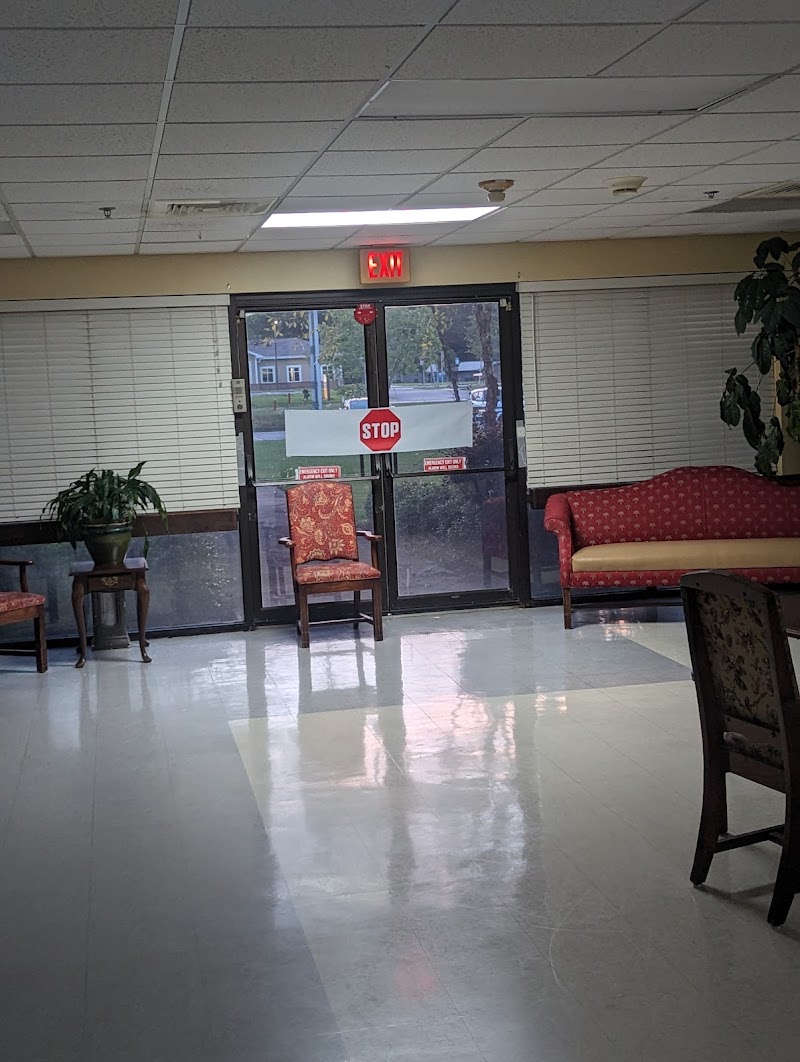
CMS rates CENTURY CENTER FOR REHABILITATION AND HEALING's staffing level at 4 out of 5 stars, which is above average compared to other nursing homes. Staff turnover is 43%, compared to the Florida average of 46%. This relatively stable workforce can support continuity of care.

What Have Inspectors Found at Century Center For Rehabilitation And Healing?

State health inspectors documented 14 deficiencies at CENTURY CENTER FOR REHABILITATION AND HEALING during 2022 to 2024. These included: 14 with potential for harm.
Who Owns and Operates Century Center For Rehabilitation And Healing?

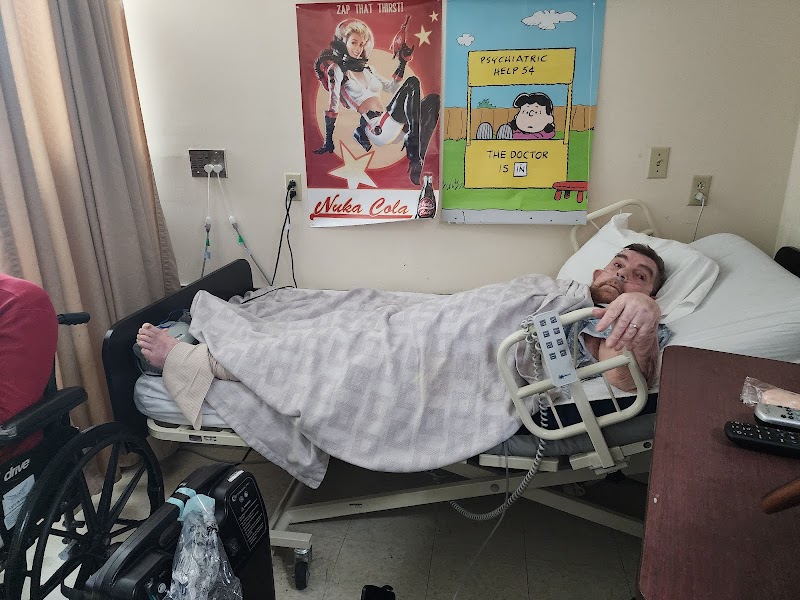
CENTURY CENTER FOR REHABILITATION AND HEALING is owned by a for-profit company. For-profit facilities operate as businesses with obligations to shareholders or private owners. The facility is operated by INFINITE CARE, a chain that manages multiple nursing homes. With 88 certified beds and approximately 78 residents (about 89% occupancy), it is a smaller facility located in CENTURY, Florida.
How Does Century Center For Rehabilitation And Healing Compare to Other Florida Nursing Homes?

Compared to the 100 nursing homes in Florida, CENTURY CENTER FOR REHABILITATION AND HEALING's overall rating (4 stars) is above the state average of 3.2, staff turnover (43%) is near the state average of 46%, and health inspection rating (4 stars) is above the national benchmark.

What Should Families Ask When Visiting Century Center For Rehabilitation And Healing?

Based on this facility's data, families visiting should ask: "Can I visit during a mealtime to observe dining assistance and food quality?" "How do you handle medical emergencies, and what is your hospital transfer rate?" "Can I speak with family members of current residents about their experience?"

Is Century Center For Rehabilitation And Healing Safe?

Based on CMS inspection data, CENTURY CENTER FOR REHABILITATION AND HEALING has a clean safety record: no substantiated abuse findings (meaning no confirmed cases of resident harm), no Immediate Jeopardy citations (the most serious violation level indicating risk of serious injury or death), and is not on the Special Focus Facility watch list (a federal program monitoring the lowest-performing 1% of nursing homes). The facility has a 4-star overall rating and ranks #1 of 100 nursing homes in Florida. While no facility is perfect, families should still ask about staff-to-resident ratios and recent inspection results during their visit.

Do Nurses at Century Center For Rehabilitation And Healing Stick Around?

CENTURY CENTER FOR REHABILITATION AND HEALING has a staff turnover rate of 43%, which is about average for Florida nursing homes (state average: 46%). Moderate turnover is common in nursing homes, but families should still ask about staff tenure and how the facility maintains care continuity when employees leave.

Was Century Center For Rehabilitation And Healing Ever Fined?

CENTURY CENTER FOR REHABILITATION AND HEALING has no federal fines on record. CMS issues fines when nursing homes fail to meet care standards or don't correct problems found during inspections. The absence of fines suggests the facility has either maintained compliance or corrected any issues before penalties were assessed. This is a positive indicator, though families should still review recent inspection reports for the full picture.

Is Century Center For Rehabilitation And Healing on Any Federal Watch List?

CENTURY CENTER FOR REHABILITATION AND HEALING is not on any federal watch list. The most significant is the Special Focus Facility (SFF) program, which identifies the bottom 1% of nursing homes nationally based on persistent, serious quality problems. Not being on this list means the facility has avoided the pattern of deficiencies that triggers enhanced federal oversight. This is a positive indicator, though families should still review the facility's inspection history directly.