VIVO HEALTHCARE CLEWISTON
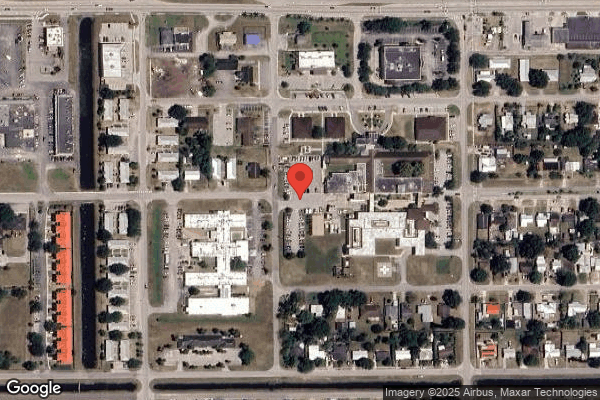
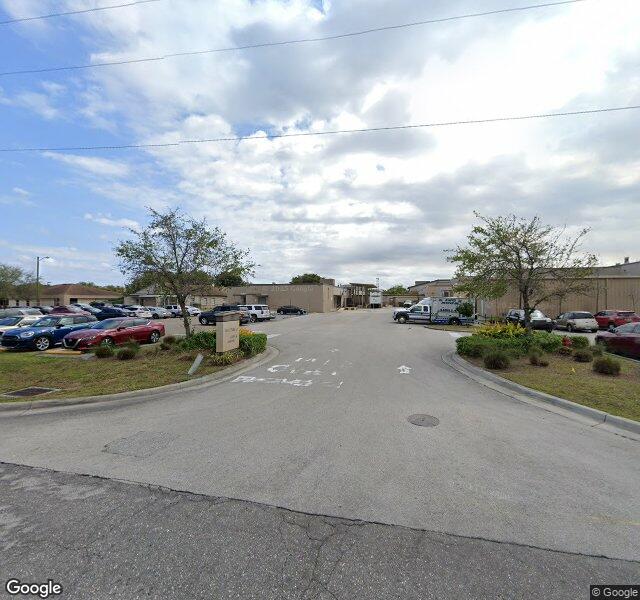
301 SOUTH GLORIA ST, CLEWISTON, FL 33440 (863) 983-5123
For profit - Corporation 155 Beds ALLEGIANT HEALTHCARE Data: November 2025
Trust Grade
23/100
#582 of 690 in FL
Last Inspection: April 2024

Within standard 12-15 month inspection cycle. Federal law requires annual inspections.

Overview

Vivo Healthcare Clewiston has a Trust Grade of F, indicating significant concerns with care quality, which places it in the bottom tier of Florida nursing homes. It ranks #582 out of 690 facilities statewide, meaning it is in the lower half, and is ranked #2 of 2 in Hendry County, suggesting that only one other local option is available. However, the facility is showing signs of improvement, with the number of issues reported decreasing from 7 in 2024 to 2 in 2025. Staffing is relatively strong, with a 4 out of 5 rating and a turnover rate of 26%, which is better than the state average, but the RN coverage is concerning, being lower than 87% of Florida facilities. There are serious concerns regarding resident safety, including a recent incident where a resident fell off the bed due to inadequate assistance, leading to significant injuries, and another case where the facility failed to protect a resident from known aggressive behaviors from others. While there are notable strengths in staffing, the facility's high fines of $40,691 and multiple serious incidents indicate that families should weigh these issues carefully when considering care for their loved ones.

Trust Score
F
23/100
In Florida
#582/690
Bottom 16%
Safety Record
High Risk
Review needed
Inspections
Getting Better
7 → 2 violations
Staff Stability
✓ Good
26% annual turnover. Excellent stability, 22 points below Florida's 48% average. Staff who stay learn residents' needs.
Penalties
✓ Good
$40,691 in fines. Lower than most Florida facilities. Relatively clean record.
Skilled Nurses
⚠ Watch
Each resident gets only 25 minutes of Registered Nurse (RN) attention daily — below average for Florida. Fewer RN minutes means fewer trained eyes watching for problems.
Violations
⚠ Watch
17 deficiencies on record. Higher than average. Multiple issues found across inspections.
★★☆☆☆
2.0
Overall Rating
★★★★☆
4.0
Staff Levels
★★★★☆
4.0
Care Quality
★★☆☆☆
2.0
Inspection Score
Stable
2024: 7 issues
2025: 2 issues

The Good

  • 4-Star Staffing Rating · Above-average nurse staffing levels
  • 4-Star Quality Measures · Strong clinical quality outcomes
  • Low Staff Turnover (26%) · Staff stability means consistent care
  • Full Sprinkler Coverage · Fire safety systems throughout facility
  • No fines on record
  • Staff turnover is low (26%)

    22 points below Florida average of 48%

Facility shows strength in staffing levels, quality measures, staff retention, fire safety.

The Bad

2-Star Overall Rating

Below Florida average (3.2)

Below average - review inspection findings carefully

Federal Fines: $40,691

Above median ($33,413)

Moderate penalties - review what triggered them

Chain: ALLEGIANT HEALTHCARE

Part of a multi-facility chain

Ask about local staffing decisions and management

The Ugly 17 deficiencies on record

3 actual harm
Apr 2025 2 deficiencies 2 Harm
SERIOUS (G) 📢 Someone Reported This

A family member, employee, or ombudsman was alarmed enough to file a formal complaint

Actual Harm - a resident was hurt due to facility failures

Free from Abuse/Neglect (Tag F0600)

A resident was harmed · This affected 1 resident

**NOTE- TERMS IN BRACKETS HAVE BEEN EDITED TO PROTECT CONFIDENTIALITY** Based on record review and staff interviews the facility failed to protect the residents' right to be free from neglect for 1 (R...

Read full inspector narrative →
**NOTE- TERMS IN BRACKETS HAVE BEEN EDITED TO PROTECT CONFIDENTIALITY** Based on record review and staff interviews the facility failed to protect the residents' right to be free from neglect for 1 (Resident #999) of 4 sampled residents by failing to ensure staff follow safety precautions while providing care to prevent avoidable falls and fall related major injury. The findings included: Review of the facility's neglect investigations revealed on 4/1/25 at approximately 6:40 p.m., Certified Nursing Assistant (CNA) Staff A was providing care to Resident #999. The CNA turned the resident on his left side to remove his brief. The resident moved more off the bed as she placed her hand on his side to hold him he went falling. The incident investigation noted Resident #999 sustained a red discoloration to the right side of his face and a skin tear on his right hand. Resident #999 was transferred to a local hospital and diagnosed with an acute intra-axial hemorrhage (bleeding) within the left frontal lobe (front of the brain) measuring 2.0 by 1.07 by 2.4 centimeters. The investigation noted CNA staff A turned Resident #999 on his left side to remove his incontinent brief and bed sheet. As she was placing the fitted sheet on the bed she saw the resident moving more off the bed so she placed her hand on his side to hold him. The resident fell off the bed because his weight was too heavy on one side. Once the resident the floor she went out into the hallway to get help. The investigation noted the nurse arrived in the room, observed Resident #999 on his right side with a hematoma (collection of blood outside the blood vessels) on the right side of the face. As part of the investigation, on 4/2/25 CNA Staff A demonstrated she had the resident centered and as she turned him, he was more toward the other side, away from her which resulted in the resident's falling as he moved. The facility verified the allegation of neglect and noted CNA Staff A would be terminated for failure to follow the facility's policy and procedures related to reviewing residents [NAME] (System of communication and organization used in nursing that helps long term care facilities document resident care summaries). Review of the [NAME] revealed to turn and reposition Resident #999 every two hours and as needed. The [NAME] did not specify that the resident required the physical assistance of two persons for bed mobility, including turning and repositioning as per the Nursing admission evaluation. Review of the staff education dated 4/2/25 noted Neglect is the failure of the facility, its employees or service providers to provide goods and services to a resident that are necessary to avoid physical harm, pain, mental anguish or emotional distress. Review of the facility new employee education and in-service training revealed, At the start of the shift, read the [NAME] for updated changes such as interventions in place for bed mobility, transfer status, falls, behaviors. Review of the clinical record revealed Resident #999 was a [AGE] year-old male with an admission date of 2/14/25. Diagnoses included right side hemiparesis (weakness on one side of the body) and hemiplegia (paralysis of one side of the body) related to Cerebral Vascular Accident, Osteoporosis, and a history of falls. The admission Minimum Data Set (MDS) assessment (standardized tool that measures health status in nursing home residents) with an assessment reference date of 2/21/25 documented Resident #999 was dependent for bathing, toileting, personal hygiene and bed mobility (Helper does all of the effort, Resident does none of the effort to complete the activity). The MDS noted Resident #999's cognitive skills for daily decision making were severely impaired. Resident #999 was rarely/never understood. Review of the New admission re-admission Evaluation form dated 2/14/25 revealed Resident #999 required the physical assistance of two persons for bed mobility. Resident #999 scored 18 on the fall risk evaluation upon admission indicating the resident was at high risk for falls. The care plan initiated on 3/21/25 identified Resident #999 had activity of daily living self-care performance deficit due to, Confusion/decreased cognition, musculoskeletal impairment, stroke, and weakness. The interventions noted the resident had an air mattress to his bed and was, dependent with rolling left to right. The care plan did not specify the resident required the physical assistance of two persons for bed mobility as per the admission MDS assessment. The care plan initiated on 3/21/25 noted Resident #999 was at risk for falls related to decreased cognition and decreased mobility. The goal was, The risk for falls will be minimized through the next review. The interventions included to be sure the resident's call light is within reach and encourage the resident to use if for assistance as needed and evaluate the resident's environment to identify factors known to increase risk of falls. On 4/7/25 at 8:40 a.m., in an interview Unit Manager Registered Nurse (RN) Staff B said, I was in [NAME] Garden secured unit when [Resident #999] fell. I applied ice and printed the paperwork to send him to the hospital. He went to the hospital and did not return. He was a two person assist with care. [CNA Staff A] said she did not have another person with her. On 4/7/25 at 8:48 a.m., in an interview RN Staff C said she works the 11:00 p.m. to 7:00 a.m., shift on the North Unit. She said, We regularly keep the [NAME] up to date. The Unit managers and the nurses can do it. If the CNA notices any changes they tell us. If the resident has had any changes we update the [NAME]. On 4/7/25 at 8:52 a.m., in an interview North Unit Manager Licensed Practical Nurse Staff C said the CNAs and nurses get resident information from the [NAME] and report from the nurse. Unit Managers and MDS nurses mostly update the [NAME]. We received recent education to ensure the [NAME] is updated and reviewed at the beginning of every shift. On 4/7/25 at 11:05 a.m., in a telephone interview CNA Staff A said, I was working the 3:00 p.m., to 11:00 p.m., shift on 4/1/25. I had worked with Resident #999 before. I went to do my last rounds to see if he needed to be changed. I had him positioned in bed to the left side facing the door. I realized he did not have a fitted sheet on the bed, and I went to get one. Before I turned him on his back, flat on his back in bed. He had an air mattress. I did the upper part of the sheet first. I had all the soiled linen and brief rolled up and against him. I went to place the bottom of the fitted sheet on the bed and he began to roll out of the bed. I tried to stop him but I did not make it. He fell out of bed. I saw him and I did not see any blood, so I ran to get the nurse. When we got back to the room, there was blood everywhere. He had a skin tear to his right arm and it was bleeding. What I did wrong was I did not roll him toward me like I should have. I always did him by myself and no one ever told me he was a two person assist. I never knew about the care [NAME]. They told me about the [NAME] after the fact. I know you need to have two people with a mechanical lift, but he was already in bed, I just wanted to change him. They gave education after the fact. If I had known before, I would have had help, but no one ever told me anything about him. It all happened so fast. Review of the Certified Nursing Aide, Competency Checkoff List revealed Staff A completed Review [NAME] on 1/13/25. On 4/7/25 at 11:45 a.m., in an interview the Administrator said Resident #999 was always a two person assist. From the re-enactment with CNA Staff A, using a pillow to demonstrate, she stood at the bed and he was in the center of the bed, she rolled him away from her and he was at the edge of the bed. I educated her the resident needs to be closer to you so when you turn him he is not so close to the edge, do not center the resident. On 4/7/25 at 11:55 a.m., in an interview Occupational Therapist (OT) Staff G said Resident #999 was on caseload when he was first admitted and he required two persons assist with all his care needs. He said Hospice got involved and had their own therapy seeing the resident but the resident was always two persons assist with his care.
SERIOUS (G) 📢 Someone Reported This

A family member, employee, or ombudsman was alarmed enough to file a formal complaint

Actual Harm - a resident was hurt due to facility failures

Accident Prevention (Tag F0689)

A resident was harmed · This affected 1 resident

**NOTE- TERMS IN BRACKETS HAVE BEEN EDITED TO PROTECT CONFIDENTIALITY** Based on record review and interviews, the facility failed to ensure the safety interventions were documented in the care plan a...

Read full inspector narrative →
**NOTE- TERMS IN BRACKETS HAVE BEEN EDITED TO PROTECT CONFIDENTIALITY** Based on record review and interviews, the facility failed to ensure the safety interventions were documented in the care plan and failed to ensure staff used safe repositioning technique to prevent avoidable fall and fall related serious injury for 1 (Resident #999) of 4 dependent residents reviewed. The findings included: Review of the clinical record revealed Resident #999 was a [AGE] year-old male with an admission date of 2/14/25. Diagnoses included right side hemiparesis (weakness on one side of the body) and hemiplegia (paralysis of one side of the body) related to Cerebral Vascular Accident, Osteoporosis, and a history of falls. Review of the New admission Evaluation form dated 2/14/25 revealed Resident #999 required the physical assistance of two persons for bed mobility. The care plan initiated on 3/21/25 identified Resident #999 was at risk for falls related to decreased cognition and decreased mobility. The resident had activity of daily living self-care performance deficit due to, Confusion/decreased cognition, musculoskeletal impairment, stroke, and weakness. The interventions noted the resident had an air mattress to his bed and was, dependent with rolling left to right. The care plan did not specify the resident required the physical assistance of two persons for bed mobility as per the admission evaluation. The Significant Change in Status Minimum Data Set (MDS) assessment (standardized tool that measures health status in nursing home residents) with an assessment reference date of 3/5/25 documented Resident #999's cognitive skills for daily decision making were severely impaired. Resident #999 was rarely/never understood. The resident's range of motion was impaired on one side of the upper extremities and both sides of the lower extremities. Resident #999 was dependent on staff for activities of daily living, including bed mobility, rolling left and right (Helper does all of the effort, Resident does none of the effort to complete the activity). Review of the progress notes revealed on 4/1/25 Resident #999 had a fall resulting in a hematoma (collection of blood outside of the blood vessels) to the right cheek and a skin tear to the right hand. Resident #999 was transferred to the local hospital for evaluation. Review of the hospital documentation for 4/1/25 revealed Resident #999 had a CT scan (Computerized Tomography) of the head with findings of acute intra-axial hemorrhage (bleeding) within the left frontal lobe (of the brain) measuring 2.0 by 1.7 by 2.4 cm (centimeters). Review of the fall investigation initiated on 4/1/25 revealed Certified Nursing Assistant (CNA) Staff A was changing Resident #999. She turned the resident to the left side to remove the incontinent brief and change the fitted sheet on the bed. As she was placing the fitted sheet on the bed she went to tuck it under and saw the resident move more off the bed. She placed her hand on his side to hold him, he went off falling off the bed because his weight was too heavy on one side. Once the resident hit the floor CNA Staff A went into the hallway to get help from a CNA or a nurse. A nurse on duty documented CNA Staff A call to her and said Resident #999 fell. Upon arrival to the resident's room, she observed the resident on the floor on his right side. Resident #999 had a hematoma to the right side of the face. Unit Manager Registered Nurse (RN) Staff B obtained a statement from CNA Staff A who said she always cared for Resident #999 and has not had a problem with caring for him. She was changing the resident and the sheets. She rolled the resident over and saw him begin to move and when she went to hold/grab him, he fell. CNA Staff A said no one ever told her she needed two people to care for the resident. She had taken care of him several times and had no problem. CNA Staff A said it just happened so fast. The facility's investigation noted on 4/2/25 CNA Staff A demonstrated how she had Resident #999 centered and as she turned him, he was more toward the other side, away from her which resulted in him falling as he moved. The facility's investigation noted CNA Staff A was given one to one education on proper positioning and following the [NAME] (System of communication and organization used in nursing that helps long term care facilities document resident care summaries) for transfer status. Review of the [NAME] failed to reveal documentation Resident #999 required two persons assistance for bed mobility. Review of the Education/Training provided to CNA Staff A on 4/2/25 noted, When providing care for patients in the bed and turning patient away from you ensure patient is positioned on the side of the bed closest to you to minimize risk of fall from the bed and maintain safety. Start of shift, review [NAME] for each patient to follow plan of care and transfer status. On 4/7/25 at 8:40 a.m., in an interview Unit Manager Registered Nurse (RN) Staff B said, I was in [NAME] Garden secured unit when [Resident #999] fell. I applied ice and printed the paperwork to send him to the hospital. He went to the hospital and did not return. He was a two person assist with care. [CNA Staff A] said she did not have another person with her. On 4/7/25 at 8:48 a.m., in an interview RN Staff C said she works the 11:00 p.m. to 7:00 a.m., shift on the North Unit. She said, We regularly keep the [NAME] up to date. The Unit managers and the nurses can do it. If the CNA notices any changes they tell us. If the resident has had any changes we update the [NAME]. On 4/7/25 at 11:05 a.m., in a telephone interview CNA Staff A said, I was working the 3:00 p.m., to 11:00 p.m., shift on 4/1/25. I had worked with Resident #999 before. I went to do my last rounds to see if he needed to be changed. I had him positioned in bed to the left side facing the door. I realized he did not have a fitted sheet on the bed, and I went to get one. Before I turned him on his back, flat on his back in bed. He had an air mattress. I did the upper part of the sheet first. I had all the soiled linen and brief rolled up and against him. I went to place the bottom of the fitted sheet on the bed and he began to roll out of the bed. I tried to stop him but I did not make it. He fell out of bed. I saw him and I did not see any blood, so I ran to get the nurse. When we got back to the room, there was blood everywhere. He had a skin tear to his right arm and it was bleeding. What I did wrong was I did not roll him toward me like I should have. I always did him by myself and no one ever told me he was a two person assist. I never knew about the care [NAME]. They told me about the [NAME] after the fact. I know you need to have two people with a mechanical lift, but he was already in bed, I just wanted to change him. They gave education after the fact. If I had known before, I would have had help, but no one ever told me anything about him. It all happened so fast. On 4/7/25 at 11:45 a.m., in an interview the Administrator said Resident #999 was always a two person assist. From the re-enactment with CNA Staff A, using a pillow to demonstrate, she stood at the bed and he was in the center of the bed, she rolled him away from her and he was at the edge of the bed. I educated her the resident needs to be closer to you so when you turn him he is not so close to the edge, do not center the resident. The Administrator added she thought the placement of the resident in the center of the bed was the root cause of the fall but she had 15 days to determine that.
Apr 2024 7 deficiencies
CONCERN (D)

Potential for Harm - no one hurt, but risky conditions existed

Comprehensive Assessments (Tag F0636)

Could have caused harm · This affected 1 resident

**NOTE- TERMS IN BRACKETS HAVE BEEN EDITED TO PROTECT CONFIDENTIALITY** Based on observation, record review, and interview, the facility failed to ensure the comprehensive assessment accurately reflec...

Read full inspector narrative →
**NOTE- TERMS IN BRACKETS HAVE BEEN EDITED TO PROTECT CONFIDENTIALITY** Based on observation, record review, and interview, the facility failed to ensure the comprehensive assessment accurately reflect the dental status of 2 (Residents #39 and #90) of 14 sampled residents. The findings included: 1. Review of the clinical record for Resident #39 revealed an admission date of 6/2/21, and a readmission date of 8/9/23. An outside provider's screening report for dental services for Resident #39 dated 1/25/23 noted, Upper and lower edentulous (no teeth) with two asymptomatic root tips. The admission Nursing Comprehensive Evaluation dated 8/9/23 noted Resident #39 did not have dentures and was missing some teeth. The admission Minimum Data Set (MDS) assessment with a target date of 8/14/23 was not checked off for No natural teeth or tooth fragment(s). On 4/10/24 at 10:00 a.m., Resident #39 was observed to be edentulous with two teeth broken below the gum line on his bottom jaw. On 4/10/24 at 1:09 p.m., in an interview the MDS Coordinator said she uses the documentation in the nursing assessment to code the dental status on the MDS. She stated she did not assess the resident's oral status and could not say for sure if the nursing documentation accurately reflected the resident's oral and dental status. 2. Review of the clinical record revealed Resident #90 was admitted to the facility on [DATE]. Review of the Brief Interview for Mental Status dated 4/1/24 showed Resident #90's cognition was intact with a score of 15. On 4/8/24 at 12:11 p.m., in an interview Resident #90 stated he lost all his teeth in an accident when he was hit by the car. On 4/10/24 at 11:00 a.m., Resident #90's oral cavity was observed with his permission. He was completely edentulous. Review of the admission MDS assessment dated [DATE] showed Resident #90 was not edentulous. On 4/10/24 at 1:09 p.m. The MDS Coordinator said she uses the nursing assessments to complete the dental aspect of the MDS. She stated she did not assess the resident's oral or dental condition at the time of the assessment look back. She stated she could not say for sure the nursing documentation is accurate as to the resident's oral assessment. Review of the Resident Assessment Instrument Manual 3.0 instructions for coding oral/dental status on the MDS showed to, Conduct exam of the resident's lips and oral cavity with dentures or partials removed, if applicable. Use a light source that is adequate to visualize the back of the mouth. Visually observe and feel all oral surfaces including lips, gums, tongue, palate, mouth floor, and cheek lining. Check for abnormal mouth tissue, abnormal teeth, or inflamed or bleeding gums. The assessor should use his or her gloved fingers to adequately feel for masses or loose teeth . Ask the resident, family, or significant other whether the resident has or recently had dentures or partials. (If resident or family/significant other reports that the resident recently had dentures or partials, but they do not have them at the facility, ask for a reason.
CONCERN (D)

Potential for Harm - no one hurt, but risky conditions existed

MDS Data Transmission (Tag F0640)

Could have caused harm · This affected 1 resident

Based on record review and staff interview, the facility failed to ensure completion and transmission of completed resident Quarterly Minimum Data Set (MDS) data to the Center for Medicare and Medicai...

Read full inspector narrative →
Based on record review and staff interview, the facility failed to ensure completion and transmission of completed resident Quarterly Minimum Data Set (MDS) data to the Center for Medicare and Medicaid Services (CMS) System Within 14 days after a facility completes a resident's assessment for 2 (Resident #17 and 82) of 14 residents reviewed. The findings included: Record review for Resident #17's Minimum Data Set Assessments (MDS) revealed the resident has an admission assessment done on 8/19/23 and did not have their next Quarterly assessment coded and completed for 130 days. The assessment was completed by the facilities MDS coordinator on 12/27/23. Then Signed off by the Registered Nurse (RN) Assessment Coordinator verifying Assessment Completion on 12/27/23. Then transmitted to CMS on 1/2/24. Record review for Resident #82's Minimum Data Set Assessments (MDS) revealed the resident had an admission assessment done on 8/20/23 and did not have their next Quarterly assessment coded and completed for 183 days. The assessment was completed by the facilities MDS coordinator on 2/19/24. Then Signed off by RN Assessment Coordinator verifying Assessment Completion on 2/6/24. Then transmitted to CMS on 2/21/24. On 4/10/24 at 1:45 p.m., in an interview the Minimum Data Set (MDS) coordinator stated that Residents' #17, #82, MDS assessments were not transmitted to CMS within the 14-day timeline from completion. On 4/10/24 at 3:29 p.m., the [NAME] President (VP) of Clinical Services/Risk Management stated that the facility has been struggling to complete all the Minimum Data Set (MDS) assessments and get them transmitted to CMS within the time frame. The VP stated that the MDS nurse was working part time and was unable to complete all the assessments.
CONCERN (D)

Potential for Harm - no one hurt, but risky conditions existed

Incontinence Care (Tag F0690)

Could have caused harm · This affected 1 resident

Based on observation, review of facility policy and procedures, record review and staff interviews, the facility failed to maintain urinary catheters in a safe and sanitary manner for 1(Resident #303)...

Read full inspector narrative →
Based on observation, review of facility policy and procedures, record review and staff interviews, the facility failed to maintain urinary catheters in a safe and sanitary manner for 1(Resident #303) of 3 residents reviewed with an indwelling urinary catheter. The findings included: The facility policy Catheter Care documented It is the policy of this facility to ensure that residents with indwelling catheters receive appropriate catheter care and maintain their dignity and privacy when indwelling catheters are in use. Privacy bags will be available and catheter drainage bags will be covered at all times while in use. Review of the clinical record documented Resident #303 had an admission date of 3/13/24 with diagnoses including urinary retention. The care plan for Resident #303 initiated on 4/10/24 identified the resident had an indwelling catheter (catheter inserted in the bladder to drain urine) with the goal she would have no signs or symptoms of a urinary tract infection. On 4/8/24 at 10:06 a.m., Resident #303 was in her room in bed and was observed to have an indwelling catheter. The catheter drainage bag was on the safety mat and the drainage spout was open. On 4/8/24 at 12:47 p.m., Resident #303's drainage bag spout was observed to be closed but it remained on the floor mat. On 4/8/24 at 1:19 p.m., Licensed Practical Nurse Staff I verified the catheter drainage bag was lying on the safety mat on the floor and said she was not aware it could not be on the mat but would take care of it.
CONCERN (D)

Potential for Harm - no one hurt, but risky conditions existed

Deficiency F0700 (Tag F0700)

Could have caused harm · This affected 1 resident

**NOTE- TERMS IN BRACKETS HAVE BEEN EDITED TO PROTECT CONFIDENTIALITY** 3. Review of the clinical record for Resident #24 revealed an admission date of 2/21/24. Diagnoses included chronic kidney disea...

Read full inspector narrative →
**NOTE- TERMS IN BRACKETS HAVE BEEN EDITED TO PROTECT CONFIDENTIALITY** 3. Review of the clinical record for Resident #24 revealed an admission date of 2/21/24. Diagnoses included chronic kidney disease, and diabetes mellitus type II. Resident #24 was assessed to have a brief interview for mental status (BIMS) of 15 which indicated the resident's cognition was intact. The 5-day Minimum Data Set (MDS) assessment with a target date of 2/23/24 noted the resident's cognition was intact with a Brief Interview for Mental Status score of 15. A physician's order in the medical record of Resident #24, dated 2/21/2024, noted Side rails- (Specify 1/2 or 1/4) specify side of bed (both sides, rt (right) side, Lt (left) side) to promote increased independence. Resident #24's care plan did not include the use of siderails. On 4/8/24 at 10:11 a.m., Resident #24 was observed in bed with ½ size bed rails elevated on both sides of the upper half of the bed in the upright position. On 4/10/24 at 3:45 p.m. Resident #24's bed was observed to have had the ½ size side rails replaced with ¼ size side rails on both sides of the upper half of the bed. On 4/9/24 at 4:28 p.m., in an interview Resident #24 said someone came in and had her sign a consent for the side rails today but did not explain the risks of having side rails. On 4/10/24 at 3:48 p.m., in an interview Registered Nurse (RN) Staff D confirmed Resident #24 signed a consent for the bedrails on 4/9/24. Review of the consent for side rails for Resident #24 showed the form was dated 2/24/24. RN Staff D verified she wrote 2/24/24 on the consent form and it should have been 4/9/24. On 4/10/24 at 4:00 p.m., in an interview Occupational Therapist Staff F said he assessed Resident #24 today for the use of side rails. He said the resident had 1/4 rails in use on the bed when he conducted the assessment. He said he had not assessed the resident for alternatives before installation of the bed rails. On 4/11/24 at 12:20 p.m., in an interview the interim Director of Nursing verified no appropriate alternatives were tried prior to installing the bed rails for Resident #24. Based on observation, review of facility policies and procedures, staff and resident interviews, and record review, the facility failed to ensure 3 (Residents #24, #42 and #100) of 29 residents with bed rails were assessed for alternative interventions prior to the use of bed rails, and failed to ensure residents were assessed for danger of entrapment prior to use of bed rails. In addition, the facility failed to inform the residents and/or their representative of the risks and benefits of bed rails or obtain an informed consent prior to use of the bed rails. The findings included: The facility policy Proper Use of Bed Rails documented, Appropriate alternative approaches are attempted prior to installing or using bed rails. If bed rails are used the facility ensures correct installation, use and maintenance of the rails. The resident assessment must include an evaluation of the alternatives that were attempted prior to the installation or use of a bed rail and how these alternatives failed to meet the residents' assessed needs. The resident assessment should assess the resident's risk of entrapment between the mattress and the bed rail or in the bed rail itself. Entrapment is an event in which a resident is caught, trapped, or entangled in the space in or about the bed rail. Informed consent from the resident or resident representative must be obtained after appropriate alternatives have been attempted prior to installation and use of bed rails the information should be presented in an understandable manner and consent given voluntarily free from coercion. The information that the facility should provide to the residents or resident representatives includes but is not limited to what assessed medical needs would be addressed by the use of the bedrails the residents' benefits from the use of the bed rails and the likelihood of these benefits period the residents risk from the use of the bed rails and how these risks will be mitigated. Alternatives attempted that failed to meet the residents' needs and alternatives considered but not attempted because they were considered to be inappropriate. The facility will ensure the correct installation and maintenance of bed rails prior to use. This includes checking with the manufacturer to make sure the bed rails mattress and bed frames are compatible. Confirming that the bed rails are appropriate for the size and weight of the resident using the bed. Inspecting and regularly checking the mattress and bed rails for areas of possible entrapment. Checking bed rails regularly to make sure they are still installed correctly and have not shifted or loosened overtime. Conducting routine preventive maintenance of the bed rails and beds to ensure they meet current safety standards and are not in need of repair. 1. Review of the clinical record revealed Resident #42 had a readmission date of 8/11/23 with diagnoses including falls, dementia, anxiety, major depressive disorder and Alzheimer's. The Quarterly Minimum Data Set (MDS) (standardized assessment tool that measures health status in nursing home residents) with an assessment reference date of 2/7/24 documented Resident #42 was dependent on staff for mobility including rolling side to side in bed and specified bed rails were not used. The MDS noted Resident #42's cognitive skills for daily decision making were severely impaired. The care plan for Resident #42 initiated 2/12/19 identified the resident was at risk for falls. The interventions included 1/2 side-rails up in bed as an enabler, date Initiated: 10/12/2022. 1/4 side-rails up in bed as an enabler, date Initiated: 2/19/2022. On 4/8/24 at 11:00 a.m., Resident #42 was observed in bed with 1/2 rails in the raised position on both sides of the upper bed. 4/10/24 at 9:08 a.m., in an interview the Administrator said the facility did not use side rails but if the family or the resident wanted them, they provided education and have them sign the consent form. The Administrator said the nurse and therapy assess the resident and attempt alternate interventions first. She confirmed she no had additional documentation for the use of the bed rails that indicated the alternative interventions were attempted for Resident #42. On 4/10/24 at 9:36 a.m., in an interview the Maintenance Director (with the Housekeeping Supervisor interpreting) said he checks the bed rails daily to make sure they are not loose, and he tightens them. The Maintenance Director entered a resident's room where 1/4 rails were on the bed and shook the rail to show that it was secure. The rail was very loose and required tightening of the bolts. He said he puts the bed rails on when the nurse gives him a paper to put them on. The Maintenance Director said he did not keep records of inspection of the bed rails for entrapment zones or inspection for the compatibility of mattresses and the beds rails. He said, each side rail is different, and he cannot put one side on a bed because it may not match, and it has to match the bed. The Maintenance Director said several times, no resident can get their head through any of the bed rails in use. On 4/10/24 at 10:35 a.m., in an interview the Housekeeping Supervisor confirmed the Maintenance Director did not have any record the bed rails were assessed for entrapment zones. She confirmed there was no on-going, periodic assessment to ensure the bed rails were secured and mattresses did not have gaps. The Housekeeping Supervisor provided a copy of the Bed Rail and Enabler Measurement Tool. Review of the Bed Rail and Enabler Measurement Tool documented To ensure resident is not at risk for entrapment, measurements are to be completed on a quarterly basis. 2. Observation of Resident #100's bed on 4/8/24 at 11:16 a.m., revealed she had 2 quarter side rails on each side of her bed in the up position. On 4/8/24 at 11:16 a.m., during an interview with Resident #100, she said when she moved to this room and bed, the bed had 2 siderails attached to the bed. She said she told the staff she did not need the siderails on the bed, but they never took the siderails off the bed as asked. She said she was never told the risks and benefits of the use for the side rails. Review of Resident #100's medical record revealed she was admitted to the facility on [DATE] and was transferred to another room on 3/4/24. The admission Nursing Comprehensive Evaluation, dated 2/22/24, noted in section 9 (Siderails/Enablers/Restraints) that for Resident #100, siderails were not required. Further documentation revealed there were no physician orders documented for the use of siderails on Resident #100's bed. Review of the facility's Proper Use of Bed Rails policy and procedures noted it was not dated. The policy stated the facility would utilize a person-center approach when staff determined the use of bed rails. As part of the resident's comprehensive assessment, the following components would be considered when determining the resident's needs, and whether or not the use of bed rails met those needs. The resident assessment must include an evaluation of the alternatives that were attempted prior to the installation or use of a bed rail. The resident assessment must also assess the resident's risk for using bed rails, the potential risks with the use of the bed rails-to include accident/hazards, the barrier for a resident safely getting out of the bed, and the risk of entrapment between the mattress and the bed rail or in the bed rail itself. On 4/10/24 at 9:25 a.m., in an interview with the Interim Director of Nursing (DON) and Vice-President of Clinical Services (VPCS), they confirmed Resident #100 was admitted to the facility on [DATE] and was transferred to another room on 3/4/24. They said when Resident #100 was transferred to another room, the bed in that room had siderails which were not removed prior to Resident #100's transfer. They said Resident #100 was never assessed for the risk of entrapment nor explained the risks and benefits with the use of side rails on her bed. They also confirmed they did not have a physician's order for the use of side rails on Resident #100's bed as required.
CONCERN (E)

Potential for Harm - no one hurt, but risky conditions existed

Deficiency F0638 (Tag F0638)

Could have caused harm · This affected multiple residents

Based on record review and staff interview, the facility failed to ensure completion of the quarterly minimum data set (MDS) within 92 days from the assessment reference date of the last completed ass...

Read full inspector narrative →
Based on record review and staff interview, the facility failed to ensure completion of the quarterly minimum data set (MDS) within 92 days from the assessment reference date of the last completed assessment for 14 (Resident #7, #17, #41, #45, #62, #66, #67, #72, #73, #79, #82, #84, #88, and #91} of 14 residents sampled. This had the potential to delay assessment and revision of the plan of care. Quarterly assessments are used to track a resident's status between comprehensive assessments to ensure critical indicators of gradual change in a resident's status are monitored. The findings included: On record review for Resident #7s Minimum Data Set Assessments (MDS) revealed the resident has an admission assessment done on 8/20/23 and did not have their next Quarterly assessment coded and completed for 164 days. The assessment was completed by the facilities MDS coordinator on 1/31/24. Then Signed off by RN (Registered Nurse) Assessment Coordinator Verifying Assessment Completion on 2/1/24. Transmitted to CMS (Center for Medicare and Medicaid Services) on 2/7/24. On record review for Resident #17's MDS assessments revealed the resident has an admission assessment done on 8/19/23 and did not have their next Quarterly assessment coded and completed for 130 days. The assessment was completed by the facilities MDS coordinator on 12/27/23. Then Signed off by RN Assessment Coordinator verifying Assessment Completion on 12/27/23. Then transmitted to CMS on 1/2/24. On record review for Resident #41's MDS assessments revealed the resident had an admission assessment done on 8/20/23 and did not have their next Quarterly assessment coded and completed for 130 days. The assessment was completed by the facilities MDS coordinator on 12/27/23. Then Signed off by RN Assessment Coordinator verifying Assessment Completion on 12/27/23. Then transmitted to CMS on 1/2/24. On record review for Resident #45's MDS assessments revealed the resident had an admission assessment done on 8/20/23 and did not have their next Quarterly assessment coded and completed for 170 days. The assessment was completed by the facilities MDS coordinator on 2/6/24. Then Signed off by RN Assessment Coordinator verifying Assessment Completion on 2/6/24. Then transmitted to CMS on 2/9/24. On record review for Resident #62's MDS assessments revealed the resident had an admission assessment done on 8/20/23 and did not have their next Quarterly assessment coded and completed for 159 days. The assessment was completed by the facilities MDS coordinator on 1/26/24. Then Signed off by RN Assessment Coordinator verifying Assessment Completion on 1/26/24. Then transmitted to CMS on 1/31/24. On record review for Resident #66's MDS assessmemts revealed the resident had an admission assessment done on 8/19/23 and did not have their next Quarterly assessment coded and completed for 138 days. The assessment was completed by the facilities MDS coordinator on 1/4/24. Then Signed off by RN Assessment Coordinator verifying Assessment Completion on 1/4/24. Then transmitted to CMS on 1/4/24. On record, review for Resident #67's MDS assessments revealed the resident had an admission assessment done on 8/20/23 and did not have their next Quarterly assessment coded and completed for 159 days. The assessment was completed by the facilities MDS coordinator on 1/26/24. Then Signed off by RN Assessment Coordinator verifying Assessment Completion on 1/26/24. Then transmitted to CMS on 1/31/24. On record review for Resident #72's MDS assessments revealed the resident had an admission assessment done on 8/21/23 and did not have their next Quarterly assessment coded and completed for 164 days. The assessment was completed by the facilities MDS coordinator on 1/31/23. Then Signed off by RN Assessment Coordinator verifying Assessment Completion on 2/1/24. Then transmitted to CMS on 2/7/24. On record review for Resident #73's MDS assessments revealed the resident had an admission assessment done on 8/20/23 and did not have their next Quarterly assessment coded and completed for 143 days. The assessment was completed by the facilities MDS coordinator on 1/5/24. Then Signed off by RN Assessment Coordinator verifying Assessment Completion on 1/10/24. Then transmitted to CMS on 1/12/24. On record review for Resident #79's MDS revealed the resident had an admission assessment done on 8/20/23 and did not have their next Quarterly assessment coded and completed for 138 days. The assessment was completed by the facilities MDS coordinator on 1/4/24. Then Signed off by RN Assessment Coordinator verifying Assessment Completion on 1/5/24. Then transmitted to CMS on 1/5/24. On record review for Resident #82's MDS assessments revealed the resident had an admission assessment done on 8/20/23 and did not have their next Quarterly assessment coded and completed for 183 days. The assessment was completed by the facilities MDS coordinator on 2/19/24. Then Signed off by RN Assessment Coordinator verifying Assessment Completion on 2/6/24. Then transmitted to CMS on 2/21/24. On record review for Resident #84's MDS assessments revealed the resident had an admission assessment done on 8/21/23 and did not have their next Quarterly assessment coded and completed for 137 days. The assessment was completed by the facilities MDS coordinator on 1/4/24. Then Signed off by RN Assessment Coordinator verifying Assessment Completion on 1/5/24. Then transmitted to CMS on 1/5/24. On record review for Resident #88's MDS assessments revealed the resident had an admission assessment done on 8/20/23 and did not have their next Quarterly assessment coded and completed for 163 days. The assessment was completed by the facilities MDS coordinator on 1/30/24. Then Signed off by RN Assessment Coordinator verifying Assessment Completion on 1/30/24. Then transmitted to CMS on 1/31/24. On record review for Resident #91's MDS assessments revealed the resident had an admission assessment done on 8/20/23 and did not have their next Quarterly assessment coded and completed for 168 days. The assessment was completed by the facilities MDS coordinator on 2/4/24. Then Signed off by RN Assessment Coordinator verifying Assessment Completion on 2/2/24. Then transmitted to CMS on 2/9/24. During an interview on 4/10/24 at 1:45 p.m., the MDS coordinator stated that it is correct that Residents #7, #17, #41, #45, #62, #66, #67, #72, #73, #79, #82, #84, #88, and #91. did not have a completed quarterly assessment coded, completed and transmitted within the 92 days that they should have been completed from the prior assessment. MDS coordinator said she only works part time and was unable and is still unable to get all the MDS assessments done. MDS Coordinator Nurse stated that the extent of the issues is for all the residents in the facility. During an interview on 4/10/24 at 3:29 PM, [NAME] President (VP) of Clinical Services/Risk Management stated that the facility has been struggling to be able to complete all the Minimum Data Set assessments. The VP stated the MDS nurse was working part time and was unable to complete all the assessments.
CONCERN (E)

Potential for Harm - no one hurt, but risky conditions existed

ADL Care (Tag F0677)

Could have caused harm · This affected multiple residents

**NOTE- TERMS IN BRACKETS HAVE BEEN EDITED TO PROTECT CONFIDENTIALITY** Based on observation, review of the clinical record, and resident and staff interviews, the facility failed to provide the neces...

Read full inspector narrative →
**NOTE- TERMS IN BRACKETS HAVE BEEN EDITED TO PROTECT CONFIDENTIALITY** Based on observation, review of the clinical record, and resident and staff interviews, the facility failed to provide the necessary care and services to maintain personal hygiene for 2 (Residents #81 and #303) of 3 residents reviewed for activities of daily living (ADLs). The findings included: The facility policy Activities of Daily Living (ADL), Supporting documented Residents will be provided with care, treatment and services as appropriate to maintain or improve their ability to carry out ADL's . Appropriate care and services will be provided for residents who are unable to carry out ADL's independently, with the consent of the resident and in accordance with the plan of care. 1. Review of the clinical record revealed Resident #81 had a readmission date of 8/10/23 with diagnoses including pacemaker, hypertension, adjustment disorder, right eye prosthesis, history of falls and Alzheimer's disease. The Quarterly Minimum Data Set (MDS) (standardized assessment tool that measures health status in nursing home residents) with an assessment reference date of 2/1/24 documented Resident #81 required supervision for showers and was independent for personal hygiene. The MDS noted Resident #81's cognitive skills for daily decision making were moderately impaired. The care plan for Resident #81 identified an ADL self-care performance deficit related to dementia. On 4/8/24 at 9:06 a.m., Resident #81 was observed in bed, and responded to simple questions. He was noted to have long fingernails extending approximately 1/2 inch with brown substance under the nails. He was unshaven with approximately four days of facial hair growth. He was dressed in long pants and a T-shirt. Resident #81 said, I'm okay. He looked at his nails and said, they need to be cleaned. When asked if was able to shave himself, he rubbed his face and said, I could use a shave. On 4/8/24 at 1:30 p.m., Resident #81 remained with fingernails extending approximately ½ inch with an accumulation of brown substance under the nails, and approximately four days of facial hair growth. Resident #81 had a moderate malodorous body odor. On 4/9/24 at 9:26 a.m., Resident #81 was observed in his room in bed dressed in the same clothing as the prior day. He felt his face and said, they shave me once in a while. His mouth was dry and caked food was noted on his teeth, he said he did not know how he gets his teeth brushed or who helps him. When asked if he was the receiving the care he needed he said, I can't complain, it doesn't do no good. On 4/10/24 at 1:12 p.m., in an interview Certified Nursing Assistant (CNA) Staff G said Resident #81 was showered by staff but independent with some tasks being able to transfer himself, walk in room with a walker or uses the wheelchair. He is assisted to shave and can feed himself and toilet himself. 4/10/24 at 1:42 p.m., during an observation and interview, CNA Staff G was in the room with Resident #81 and was shaving the resident. The CNA said, the shaves are done during showers and whenever needed. She said she was assigned to the resident today and usually works on his assignment, but this was her first day back as she was scheduled off for a few days. Review of the Weekly Shower List revealed Resident #81 was scheduled for showers on Tuesdays, Thursdays, and Saturdays on the 7:00 a.m., to 3:00 p.m., shift. Review of the CNA documentation did not show documentation Resident #81 received his scheduled showers. On 4/11/24 at 10:02 a.m., in an interview the Director of Nursing (DON) said the CNAs document showers on a shower sheet that is given to the nurse. Once the nurse reviews the shower sheet, it is shredded. The DON provided four CNA shower sheets documenting Resident #81 received a shower on 12/11/23, 1/23/24, 2/2/24 and 2/14/24. The DON said, That is all I have. 2. Review of the clinical record revealed Resident #303 had a readmission date of 3/13/24 with diagnoses including bipolar disorder, lung cancer with metastasis to the brain status post chemoradiation. The care plan initiated 4/10/24 documented the resident had a self-care performance deficit related to a stroke, terminal illness, and pain. On 4/8/24 at 10:08 a.m., during an observation and interview, Resident #303 was in her bed, her fingernails extended approximately half an inch with a sticky substance under the nails and on the thumb and index fingers of the left hand. The resident said it was blood from her nose. Resident #303 said she had been picking her nose and it had bled. No active bleeding was observed at this time. She said she did not know when she was supposed to get a shower and could not remember the last time she had a shower. Review of the facility shower list revealed the resident was scheduled for showers on the 3:00 p.m., to 11:00 p.m., shift on Tuesdays, Thursdays, and Saturdays. Review of the CNA documentation, the electronic record and the paper chart for Resident #303 revealed no documentation of showers provided for the resident. The facility was unable to locate any documentation the resident received her scheduled showers. On 4/11/24 review of the CNA Care [NAME] (provided instructions for care) updated on 4/10/24 showed Resident #303's showers were scheduled for Mondays, Wednesdays and Fridays, and hospice was to provide the showers. Review of the electronic record and the paper chart showed no documentation of a Hospice Care Plan or hospice aide documentation of showers provided to the resident. On 4/11/24 at 10:04 a.m., in an interview the DON said the facility had contacted the Hospice to request the aide shower documentation and the care plan. They are getting it together and are going to send it to us. The DON confirmed there was no documentation at this time that showed the resident received her scheduled showers. On 4/11/24 at 12:11 p.m., review of the Hospice Collaboration of Care provided by the facility revealed since her admission on [DATE], Resident #303 received a sponge bath on 4/6/24, 4/7/24, and a shower on 3/28/24 and 4/4/24.
CONCERN (E)

Potential for Harm - no one hurt, but risky conditions existed

Deficiency F0679 (Tag F0679)

Could have caused harm · This affected multiple residents

**NOTE- TERMS IN BRACKETS HAVE BEEN EDITED TO PROTECT CONFIDENTIALITY** Based on observation, record review, facility policy review, resident and staff interview, the facility failed to provide an ong...

Read full inspector narrative →
**NOTE- TERMS IN BRACKETS HAVE BEEN EDITED TO PROTECT CONFIDENTIALITY** Based on observation, record review, facility policy review, resident and staff interview, the facility failed to provide an ongoing program of activities to meet the resident's interests and support the resident physical, mental and psychosocial well-being for 4 (Residents #8, #42 #51 and #82) of 4 residents reviewed for involvement in the activity program. The lack of an ongoing activity program could lead to a decline in the residents' self-esteem, physical, mental, and psychosocial well-being. The findings included: Review of the undated Activity Programs policy revealed the activity programs were designed to meet the interests of and the physical, mental, and psychosocial well-being of each resident. The activities program was provided to support the well-being of each resident and to encourage both independence and community interaction. The activity program was ongoing and included facility-organized group activities, independent individual activities and assisted individual activities. All activities were to be documented in the resident's medical record. 1. Review of the clinical record revealed Resident #8 had a readmission date of 8/9/23 with diagnoses including dementia, psychosis, major depressive disorder, and anxiety. Review of the care plan initiated on 3/3/20 noted Resident #8 was at risk for decreased social interaction and activity participation due to cognitive impairment. The care plan specified the resident enjoyed listening to music, watching various television shows, fresh air, and religious activities. The goal for Resident #8 was for her to participate in daily group activities weekly. On 4/8/24 during observations at 10:50 a.m., and 12:15 p.m., Resident #8 was observed in her room in a reclining wheelchair wedged between the bed and a dresser. The room was dark, and she had the sheet over her head. There was no music or television turned on. Review of the activity calendar specified on 4/8/24 activities 8:00 a.m., daily puzzle, 10:00 a.m., daily breeze, 2:00 p.m., women's club, 4:00 p.m., spa day, 5:30, grooming. On 4/9/24 at 9:54 a.m., Resident #8 was observed in her room in a chair wedged between the bed and the dresser, with no television or music in the room. On 4/9/24 at 10:03 a.m., to 12:00 p.m., Resident #8 was observed in her room in the reclining chair wedged between the bed and the dresser. The resident was yelling and calling out, I'm hungry. Lord help me, repeatedly as staff in the hallway walked by her room and did not stop to assist her. The activity calendar for 4/9/24 specified 8:00 a.m., daily puzzle, 10:00 a.m., fresh air, 2:00 p.m., happy hour, 4:00 p.m., movie. 2. Review of the clinical record documented Resident #42 had a readmission date of 8/11/23 with diagnoses including dementia, Alzheimer's, anxiety, and major depressive disorder. The record indicated the resident's primary language was Spanish. Review of the care plan initiated 3/18/22 identified the resident was at risk for decreased social interaction and activity participation due to her dementia diagnosis. The care plan specified the resident enjoys listening to Spanish music and watching Spanish television shows and movies. During random observations on 4/8/24 at 9:15 a.m.,12:30 p.m., and 3:21 p.m., Resident #42 was observed in her bed sleeping. Review of the activity calendar specified on 4/8/24 activities 8:00 a.m., daily puzzle, 10:00 a.m., daily breeze, 2:00 p.m., women's club, 4:00 p.m., spa day, 5:30 grooming. On 4/9/24 at 8:52 a.m., Resident #42 was observed in the unit dining room having finished with the morning meal and was assisted in a reclining wheelchair to sit in the hall in front of the nursing station outside of the dining room. On 4/9/24 at 9:46 a.m., Resident #42 was assisted to bed. On 4/9/24 at 11:34 a.m., Resident #42 was observed in her bed sleeping. There was no Spanish music or television on in the room. On 4/9/24 at 1:00 p.m., Resident #42 was observed in bed sleeping. On 4/9/24 at 1:00 p.m., Resident #42's roommate said she was the Resident Council President. She said, She (Resident #42) sleeps all the time. I speak Spanish and she really does not talk anymore. Maybe a few words but she is always sleeping. They just let her sleep. The activity calendar for 4/9/24 specified 8:00 daily puzzle, 10:00 a.m., fresh air, 2:00 p.m., happy hour, 4:00 p.m., movie. On 4/9/24 at 3:02 p.m., in an interview CNA Staff H said she was assigned to do activities in the memory care unit. Staff H said the Activity Director was not here every day, she goes to school during the day. They have an activity calendar they are supposed to follow, it is not the same as the one for the other residents. She said no one tells her what to do, she just keeps the residents busy. Staff H said the Activity Director does not supervise the activities during the day since she's not at the facility. Staff H said, there are two activity aides in the facility, me and the other CNA but she is not here today, she is off so it is just me and I don't do activities on the other units. On 4/9/24 at 3:10 p.m., in an interview the Activity Director said she was also a CNA. She said she was in school during the day therefore worked the evening shift from 3:00 p.m., to 11:00 p.m. Review of the activity calendar revealed activities end between 4:00 p.m., and 5:30 p.m. The Activity Director said she did, whatever the residents want me to do. Sometimes I play a movie, I do 1-1, it depends on what they want to do, I do it. The Activity Director said she tracks activity attendance in a logbook and the activity aides mark the activities the residents attend. She said she also sometimes works as a CNA in the evening, help feed residents and do CNA work. Review of the activity logbook provided by the Activity Director showed Resident #42 attended five activity programs on 4/8/24 during the time when she was observed in bed sleeping. The activity logbook documented Resident #8 attended three activity programs on 4/8/24 during the time she was observed in her room. The Activity Director said, All I know is I asked the girls if the residents were up. They said the residents were out of bed and in activities. I'm going to have to find out about that one. On 4/10/24 at 8:03 a.m., in an interview the [NAME] President of Clinical Services/Risk Management said after an investigation the activity assistant confirmed she did not know which residents actually attended the activities on 4/8/24. 3. Review of the Activity Director's (AD) job description, signed and dated 8/15/22, revealed they were required to plan, organize, develop, and direct the overall operations of the Activities Department in accordance with federal, state, and local standards. They AD was required to develop a preliminary and comprehensive assessment of the activity needs of each resident, encourage the resident and family to participate in the development and review of the resident's plan of care, ensure that all activities personnel were aware of the care plan and that care plans were used in providing daily activities for the resident, review nurses' notes to determine if the activity care plans was being followed, and to review and revise care plans and assessments, as necessary but at least quarterly. On 4/8/24 from 1:09 p.m., to 4:00 p.m., Resident #51 was observed in his bedroom, laying on his bed without the television (TV) or radio on, and/or being involved in an activity program. Resident #51 was not interviewable due to cognitive impairment. On 4/9/24 at 10:15 a.m., and from 12:50 p.m., to 4:15 p.m., Resident #51 was observed in his bedroom laying on his bed without the TV or radio on and/or being involved in an activity program. Review of Resident #51's medical record revealed he was admitted to the facility was 12/22/23 with a readmission on [DATE]. The latest Activities admission Evaluation, dated 1/4/24, stated his primary spoken language was Creole. Resident #51's activity preferences stated he liked activities in the morning, afternoon and evening and he enjoyed being in the comfort of his room watching various TV shows and listening to Creole music. The activity plan of care initiated on 12/27/23 and revised 2/1/24 stated Resident #51 enjoyed being in his room watching various TV shows, listening to music, and talking with staff at times. The interventions/tasks section stated staff would encourage the family to bring a radio/compact disc (CD) player for the resident, and the facility staff would encourage Resident #51 to join in an activity. Review of Resident #51's activity program attendance and participation form/documentation noted music was not offered to Resident #51 in January, February, and April of 2024. Resident #51 was offered music four times in March of 2024. Documentation on the activity program attendance and participation form revealed from 2/1/24 through 2/22/24, and 3/15/24 through 3/31/24, Resident #51 had not attended nor was invited to attend any facility activity as required in his activity plan of care. 4. On 4/8/24 at 10:25 a.m., from 1:30 p.m. to 4:30 p.m., Resident #82 was observed in her bedroom laying on her bed without a radio/music on nor involved in an activity program. Resident #82 did not have a TV in her room. Resident #82 was not interviewable due to cognitive impairment. On 4/9/24 at 9:27 a.m., and from 1:00 p.m., to 4:35 p.m., Resident #82 was observed in her bedroom laying on her bed without a radio/music on nor involved in an activity program. Review of Resident #82's medical record revealed an admission to the facility on 6/2/22 with a readmission on [DATE]. The Activities admission Evaluation, dated 6/9/22, stated her primary spoken language was Creole. Resident #82's activity preferences stated she liked activities in the morning, afternoon and evening and she enjoyed independent, group and 1:1 (one to one) activity. Resident #82 was at the facility for long term care. She had some behaviors and participated in some activities which fluctuated with her mood. Resident #82 enjoyed listening to Haitian music. Resident #82's current activity plan of care initiated on 7/13/22 and revised 7/25/22 stated Resident #82 was at risk for decreased social interaction/activity participation related to language barrier, impaired cognition and a left below the knee amputation. Activity preferences included watching TV/movies and listening to music. The interventions/tasks section stated staff was to assist with television programs of choice, invite Resident #82 to daily group programs, provide assistance to daily group programs, and encourage social interactions with staff and peers. Review of Resident #82's activity program attendance and participation form revealed documentation noted music was not offered to Resident #82 in January, February, and March of 2024. Resident #82 was offered music 2 times out of 8 days in April of 2024. The activity program attendance and participation form revealed from 2/1/24, through 2/16/24, and 2/24/24, through 2/29/24, and 3/15/24, through 3/31/24, Resident #82 had not attended nor was invited to attend any facility activity as required in her activity plan of care. On 4/10/24 at 11:19 a.m., in an interview with Certified Nursing Assistant (CNA) and activity aid Staff A, she said she was one of the activity aids who conducted the activity programs on the long-term care section of the facility. She said for the 155-bed facility they had one activity aid in the memory care unit and one activity aid for the long-term care side of the facility. She said the Activity Director went to school during the day and came to the facility after school around 3:00 p.m. She said Resident #51's and Resident #82's primary language was Creole, and they did not speak English. She said both residents liked to stay in their rooms, and she did not remember the last time they attended a group or an out of room activity. She said they did not have any activity programs for residents who only speak Creole. On 4/10/24 at 11:42 a.m., in an interview with CNA Staff C, she said Resident #51 spoke primarily Creole and only knew a few words in English. She said Resident #51 stayed primarily in his room and she didn't remember Resident #51 attending any of the facility's activity programs. On 4/10/24 at 2:51 p.m., in an interview with CNA Staff B, she said Resident #82 spoke Creole only and when she needed to communicate with Resident #82, she had to find a staff member who could speak Creole. She said Resident #82 stayed in her room the majority of times and she didn't remember Resident #82 attending any out of the room facility activity programs. She said Resident #82 did not have a radio/CD player or a TV in her room. On 4/10/24 at 4:10 p.m., in an interview with the Activity Director, she said she became the Activity Director in August 2022. She said she was in school Monday through Friday, during the day, every week, and she came to work around 3:00 p.m. She depended on her activity staff to conduct the resident's activity program as written. She confirmed Resident #51's, and Resident #82's primary language was Creole, and they spent a lot of their time in their room. She said because the activity department did not have activities for residents who only speak Creole, she had put a radio/CD player in Resident #51's and Resident #82's rooms with Creole music on CDs, so the activity staff could play Creole music for Residents #51 and #82 as written in their activity plan of care. The Activity Director toured Resident #51's and Resident #82's rooms and confirmed neither resident had a radio/CD player with Creole music on CDs in their room and confirmed Resident #82 did not have a TV in her room. The Activity Director reviewed Resident #51's and Resident #82's activity program attendance and participation form and confirmed the activity staff did not conduct each resident's music activity program and did not conduct the resident's overall activity program consistently as required and documented on their activity plan of care.
Mar 2023 1 deficiency 1 Harm
SERIOUS (G) 📢 Someone Reported This

A family member, employee, or ombudsman was alarmed enough to file a formal complaint

Actual Harm - a resident was hurt due to facility failures

Free from Abuse/Neglect (Tag F0600)

A resident was harmed · This affected 1 resident

**NOTE- TERMS IN BRACKETS HAVE BEEN EDITED TO PROTECT CONFIDENTIALITY** Based on record review, review of the facility's abuse and neglect policy and procedure, resident and staff interviews, the faci...

Read full inspector narrative →
**NOTE- TERMS IN BRACKETS HAVE BEEN EDITED TO PROTECT CONFIDENTIALITY** Based on record review, review of the facility's abuse and neglect policy and procedure, resident and staff interviews, the facility failed to protect residents' rights to be free abuse for 1 (Resident #900) of 3 sampled residents. The facility also failed to implement adequate supervision to prevent resident to resident physical abuse of 2 (Resident #850 and #700) of 3 sampled residents from Resident #900 with known aggressive behaviors. The findings included: The facility policy Abuse, Neglect and Exploitation, documented It is our facility policy to prohibit the mistreatment of residents. All residents have the right to be free from verbal, sexual, physical, and mental abuse. Corporal punishment and involuntary seclusion by facility staff, other residents, consultants or volunteers, staff or other agencies serving our residents, family members or legal guardians, friends, or other individuals. 1. Clinical record review revealed Resident #900 was admitted to the secured memory care unit of the facility on 9/9/21 with diagnoses including unspecified dementia with behavioral disturbance, and brief psychotic disorder. The Quarterly Minimum Data Set (MDS) (standardized assessment tool that measures health status in nursing home residents) with an assessment reference date of 2/4/23 documented Resident #900 required supervision with ambulation on the unit. Resident #900 scored 00 on the Brief Interview for Mental Status (BIMS) indicating severe cognitive impairment. Resident #900's current care plan included a focus on physical and aggressive behaviors towards his wife (per admission records). Has paranoid behavior, diagnosis of dementia with behaviors. Resident #900 had episodes of verbal and physical aggression, anger and crying. The interventions included administering medications as ordered, observing for effectiveness and side effects. Approach resident in a calm manner and explain actions. Update physician of increased presence or severity of behaviors as indicated. Request psychiatric consult as needed. The plan of care did not document specific interventions to address Resident #900's behaviors when he was verbally or physically aggressive. The target behavior monitoring included agitation, anger, crying, restlessness. January 2023 documented behaviors included anger and crying occurred one time on the day and night shift on 1/6/23, 1/18/23 and two times on the night shift on 1/20/23. Agitation was documented as occurring twice on the day and night shift on 3/6/23 and twice on the night shift on 1/19/23 and 1/20/23. Restlessness was documented twice on the night shift on 1/20/23. February 2023 documented agitation occurred three times on 2/8/23 on the night shift, one episode on night shift on 2/9/23, five episodes on the night shift on 2/22/23, more than five episodes on the night shift on 2/25/23 and more than five episodes on day shift 2/26/23. Restlessness was documented five times on the night shift on 2/22/23. The behavior anger/crying was documented three times on night shift on 2/8/23 and once during the night shift on 2/9/23, and four times on the night shift on 2/22/23. March 2023 documented the behaviors of anger/crying one time on 3/14/23 day shift, and one time on 3/13/23 night shift. Restlessness was documented one time on the night shift on 3/15/23, and one time on the day shift on 1/16/23. Agitation was documented as occurring one time on the night shift on 3/10/23, four times on day shift on 3/12/23, one time on day shift on 3/14/23 and one time on night shift on 3/13 and 3/14/23. Review of the nurses' notes revealed: On 1/18/23 at 12:33 p.m., Resident #900 was verbally and physically aggressive during lunch. Using profanity towards other residents, using his walker to attempt to hit other residents. Accusing residents of stealing his car. Problem solving technique was attempted to de-escalate the situation. Resident #900 became violent towards the nurse and was removed from the dining area. On 1/22/23 at 7:30 a.m., Resident #900 has had two sleepless, restless, and agitated nights. Threatens staff and refused multiple redirections. Spent most of the night going into other rooms despite the assistance to find a room. Additional behavior included verbal aggression, refusal to use walker, leaving walker and walking in hallway. On 1/23/23 Resident #900 continues to be sleepless, displays combativeness, non-compliant with walker, entering other rooms despite assisted to his room. Implementations included redirection, snacks television. Evaluation shows ineffectiveness. On 2/6/23 at 11:12 a.m., the nurse documented Resident #900 was acting up, showing signs and symptoms of increased agitation, wants to fight peers and staff and attempting to hit them with his wheelchair. Not able to be redirected verbally. On 2/6/23 at 12:04, the nurse documented Resident #900 with increased agitation using walker to hit doors attempting to open doors, wandering in other resident's room calling it his own room, attempting to hit staff with walker. The resident was unable to be redirected. The resident's spouse called to assist with redirection with no success. The physician was notified and gave orders to administer medications with positive response. On 2/7/23 the psychiatric Advanced Practice Registered Nurse (APRN) documented Resident #900 presented alert/awake, blank stare, depressed mood and anxious. Per nursing staff patient displays intermittent periods of disruptive, aggressive behavior and uncooperative resistance with care at times. The treatment plan specified monitor mental status for any acute change in mood or behavior, promote a safe environment and continue with current pharmacological regiment and start Seroquel (antipsychotic) 25 milligrams (mg) twice a day, Buspar 5 mg three times a day and Lexapro 10 mg daily (medications used to treat mood disorders). On 2/8/23 at 10:58 p.m., the nurse documented in a behavior note the resident woke up from a nap very agitated during this shift. Resident yelling at others Go to your room, now banging his walker on the floor multiple times. On 2/25/23 at 10:32 p.m., the nurse documented Resident #900 was noted with increased anxiety, agitation and several episodes of crying. The resident required frequent redirection back to his room. The physician's orders as of 10/21/22 included to administer Lorazepam 0.5 milligram by mouth at bedtime for anxiety. The nursing progress noted dated 3/7/23 at 6:42 a.m., noted behavior was noted. The Lorazepam was not administered. The nurse documented, Medication not available on hand. On 3/7/23 at 10:06 p.m., the Lorazepam was not administered for anxiety. The nurse documented, Not available. On 3/8/23 at 8:11 p.m., the nurse documented the Lorazepam was not administered. The nurse documented the resident needed a new script. The physician was called with no answer. On 3/9/23 at 8:05 p.m., the Lorazepam was not administered. The nurse documented Resident needs new hard script per pharmacy. Awaiting new script. On 3/10/23 at 7:00 a.m., the nurse documented, I visually observed resident holding onto roommates (Resident #850) arm trying to push him out of his bed. I was unable to redirect resident. I called for nurses aide to come assist me in getting the residents apart. 3 nurses aides assist me in getting [Resident #900] hands off of his roommate arm and assist [Resident #900] into his bed. [Resident #900] was using profanity towards staff. [Resident #900] got out of his bed and walked across the hall into another resident's room. I last saw [Resident #900] approx. 5:15 am when I gave him his morning medications, both residents were laying in bed. No behaviors observed at that time. Licensed Practical Nurse Staff A assessed both residents and no injuries were noted. The physician was notified, and no new orders were received. Resident #850 was moved to a different room. Review of the clinical record revealed Resident #850 was a vulnerable resident admitted to the secured memory care unit on 3/11/22 with diagnoses including dementia, anxiety, mood disturbance, and hypertension. The annual MDS dated [DATE] documented the resident's cognition was severely impaired. On 3/20/23 at 1:30 p.m., Resident #850 was observed in his room in bed. He was pleasantly confused responding to simple greeting but not able to recall the incident with resident #900. On 3/21/23 at 9:00 a.m., in a telephone interview CNA Staff F said she works both the 3-11 and 11-7 shift. She said she was there in the morning on 3/10/23. She went into Resident #900 and #850's room when she heard the nurse yelling. She saw Resident #900 trying to push Resident #850 out of the bed. Resident #900 was trying to get him out of the room but they both lived there. Resident #900 had a hold of Resident #850's arm, pushing him. They separated the residents. On 3/21/23 at 9:45 a.m., in a phone interview, LPN Staff A said she was working on the memory care unit on 3/10/23 passing medication in another room. She heard someone yelling for help, so she went to look. She knocked and went into Resident's #900 and #850's room. She saw Resident #900 trying to push Resident #850 out of bed. He had his arm and was tugging on it but Resident #850 did not fall out the bed. She tried to separate them but Resident #900 can be really strong. She called for help. The CNAs came and helped to separate them. They both have dementia. They moved Resident #850 to another room. They were not hurt. LPN Staff A said Resident #900 has days when he yells and curses and will push things around in the dining room. He can try and hit staff, but you can calm him down easily. On 3/21/23 at 8:00 a.m., the Administrator said the last allegation of resident to resident involving Resident #900 was on 9/15/21. She said Resident #900 wanders and has behavior outbursts that is why he was on a memory care unit. She said staff watch him and keep an eye on him. Further review of the progress notes revealed on 3/10/23 at 9:03 p.m., the nurse documented the Lorazepam 0.5 mg was not available to be given to Resident #900. The nurse noted, Medication not available, script needed. The Medication Administration Record for March 2023 did not contain documentation the Lorazepam was administered as ordered on 3/10/23 ,3/11/23 and 3/12/23. On 3/12/23 at 12:20 p.m., the nurse documented in a progress note at 9:20 a.m., she was passing medications when she heard a commotion. Upon investigation, she looked to the dining room next to the patio. Resident #900 was seen with walker in both hands shoving towards dining room door, yelling and screaming as he was being assisted away from the door. Another resident (Resident #700) was seen on the floor in a sitting position. Resident #900 continued to be verbally abusive with profanities and threats. Review of the clinical record showed Resident #700 was admitted to the facility on [DATE] to the secured memory care unit with diagnoses including cirrhosis of the liver, dementia, depression, Alzheimer's disease, schizoaffective disorder, anxiety, and bipolar disorder. Review of the Quarterly MDS dated [DATE] documented resident #700 was independent with ambulation, Resident #700 scored a 12 on the BIMS score indicating mild cognitive impairment. On 3/16/23 at 10:08 a.m., the psychiatric APRN documented the resident was seen today for increased agitation and disruptive behavior, as patient is exhibiting disruptive/aggressive behavior and elevated mood. Per nursing staff patient is uncooperative with care, medication adherence and very aggressive with staff, and other patient within the unit. On 3/20/23 at 1:00 p.m., Registered Nurse (RN) Staff C said Resident #900 was a very violent man, and they keep an eye on him because he wanders. The residents on the memory care unit have behaviors and most wander, it is why they are here. The RN said with Resident #900 sometimes all you do is talk to him and he can start yelling and cursing, and it does not matter. The CNAs come and say Resident #900 is cursing and trying to hit them. All he can do is try and redirect him and if that does not work, he gives him medication. RN Staff C said, You don't want to keep talking to him sometimes when he is angry because it makes him worse, he is not a nice man. On 3/20/23 at 1:45 p.m., Resident #700 said Resident #900 was in the dining room and closed the dining room door on her as she was waiting in the hall to go outside to the smoking area. Resident #700 said she opened the dining room door and told Resident #900 to leave it open and, he pushed the door into me, and I fell backwards. I was on the floor and the nurse found me and helped me to get up. Resident #700 said she fell onto her buttocks and scratched her right knee. She said Resident #900 wanders and he tries to come into her room and the nurse has to come and get him. Resident #700 said Resident #900 scares me. On 3/21/23 at 9:30 a.m., CNA Staff G said she was working on 3/12/23. Residents #900 and #700 were in the dining room. Resident #700 was waiting to go out and smoke around 9:00 a.m. Resident #900 likes to sit in the dining room and be by himself. It was noisy, so he got up and shut the door from the hall to the dining room. Resident #700 was standing on the other side of the door. She got upset because she wanted the door open, so she pushed the door open. Resident #900 pushed it back toward her and Resident #700 fell backwards. One wanted the door open and the other wanted to close it so they both pushed on it. She said she was in the dining room at the time it happened. Resident #900 gets verbally aggressive. He will curse you up and down and yells at you. He just likes to sit in the dining room by himself. She gives him a snack and a drink and he is ok. On 3/20/23 at 1:15 p.m., observed Resident #900 sitting in the dining room on the secured unit. He was not able to answer any questions regarding the incidents with Resident #700 or Resident #850. On 3/21/23 at 8:20 a.m., LPN Staff D said she works the night shift on the secured unit. Resident #900 gets up at night sometimes and tries to wander into other residents' rooms. She has a CNA follow him from a distance to make sure he is safe and everyone else too. LPN Staff D said resident #900 has some ugly days. He will try to hit you, yell, curses and will tear up the dining room. She tries to talk with him calmly. Sometimes he cries, shouts, and just wants his wife. She would call his wife to talk to him on the phone. her and she will talk to him on the phone. She says Resident #900 would try to hit staff, not residents. On 3/21/23 at 12:30 p.m., the Director of Nursing (DON) said Resident #900 was assessed by Psychiatry services on 3/16/23 after the incidents. She said they keep an eye on all the residents in the secured unit because they all have behaviors which are documented in the behavior monitoring sheets. She staffs the unit with three CNAs each shift and a nurse to keep a close eye on the residents. The DON said she did not implement increased supervision or one to one supervision for Resident #900 after the incidents with Resident #850 and #700. She said they could not predict when a resident on the secured unit is going to have a behavior. On 3/21/23 at 12:45 p.m., the Assistant Director of Nursing said they did not implement one to one supervision for Resident #900. She said they have staff softly monitor him, keeping a distance but still observing as not to make him more agitated. She said they could not predict his behaviors, there were no real triggers. It could be anytime or anything that sets him off. Staff has been trained to de-escalate the situation. On 3/21/23 at 2:15 p.m., in a phone interview the Psychiatric Advanced Practice Registered Nurse (APRN) said there was no way to predict when Resident #900 was going to have a behavior, that is the problem. We are working to find his triggers. I get a call when he is acting up but by the time, I get to the facility he is calm. I'm at the facility twice a week. Any resident could use more supervision, it would help. If you are asking me do I think we can tell when Resident #900 is going to have an episode, no I can't. I changed his medication, so now we wait and see if it was effective. If I give too much medication then he can fall or he becomes sedated, that is not the answer either. 2. Review of Resident #999's clinical record revealed an admission date of 10/12/21 with diagnoses including acute respiratory failure, anxiety, alcohol abuse, multiple rib fractures, and adjustment disorder. The Quarterly MDS with an assessment reference date of 12/15/22 documented Resident #999 required extensive assistance from staff with transfers, toileting, and dressing. The MDS indicated Resident #999's cognitive skills for daily decision making were severely impaired. The plan of care identified Resident #999 exhibited behaviors of physical aggression, including striking out, hits, kicks, throws things, abrasive outburst towards staff and others, and uses inappropriate language, yelling and cursing at other resident, and verbally and physically aggressive toward staff. The interventions instructed staff to redirect, administer medications as ordered and observe for effectiveness. Approach resident in a calm manner and explain actions. Intervene as needed to protect the rights and safety of the resident, and others and remove from situation as able. On 3/5/23 at 12:35 p.m., the Manager on Duty Registered Nurse (RN) Staff I documented she observed CNA Staff H grab Resident #999 by the left arm while he was seated in the wheelchair. RN Staff I yelled from the South Unit Nursing station at the CNA to get away from the resident. CNA Staff H told the RN Resident #999 had tried to scratch her. The RN told the CNA to leave the facility and she assessed the Residents left arm. No injuries were observed by the RN. The RN then contacted the NHA who filed a report with the police. On 3/20/23 at 10:45 a.m., in a telephone RN staff I said she was the manager on duty on 3/5/23 and was standing at the South Unit nursing desk after dinner time and was looking down the hallway toward the Nort Unit. RN Staff I said CNA Staff H had Resident #999 by the left arm, yanking on him like she was about to pull him form the wheelchair. She said, I could see it very clearly, they were yelling. I screamed from the hall get away from him, because I knew I was not going to get there that fast. She let him go right away when she heard me scream. RN Staff H said she got to them, the CNA kept yelling he was fitting to scratch me, I ain't fitting to let anyone scratch me. She said CNA Staff H kept yelling, I ain't fitting to let anyone scratch me. She said she escorted the CNA out of the building and notified the Administrator who is the abuse coordinator right away. She assisted Resident #999 to his room and checked him to make sure he wasn't hurt. He didn't have anything on him, no bruises or anything. She said Resident #999 was confused and couldn't tell her or recall the incident. On 3/20/23 at 3:10 p.m., in a telephone interview LPN, Staff J said she was on duty on 3/5/23 the day of the incident with Resident #999 and CNA Staff H. She was sitting at the desk charting and could hear Resident #999 in the dining room yelling and cursing and threatening to hit residents and staff which was normal behavior for him. He was always yelling and cursing. I told CNA Staff H to take him to his unit. She said Resident #999 was very combative and you can't touch his wheelchair when he is in it. He is very aggressive all the time. She said she did not witness the incident but heard RN Staff I scream Get away from him. On 3/20/23 at 12:00 p.m., Resident #999 said he did not remember a CNA hurting him. On 3/20/23 at 10:10 a.m., the Administrator said CNA Staff H was immediately suspended after the incident. She was not permitted to return to the facility and her employment terminated.
Jul 2022 6 deficiencies
CONCERN (D)

Potential for Harm - no one hurt, but risky conditions existed

Comprehensive Care Plan (Tag F0656)

Could have caused harm · This affected 1 resident

**NOTE- TERMS IN BRACKETS HAVE BEEN EDITED TO PROTECT CONFIDENTIALITY** Based on clinical record review and staff interviews, the facility failed to develop a comprehensive person-centered care plan w...

Read full inspector narrative →
**NOTE- TERMS IN BRACKETS HAVE BEEN EDITED TO PROTECT CONFIDENTIALITY** Based on clinical record review and staff interviews, the facility failed to develop a comprehensive person-centered care plan with goals and individualized interventions to meet the needs of 2 (Resident #22 and #81) of 26 sampled residents. The findings included: 1. On 7/11/22 at 3:46 p.m., a review of the clinical record showed Resident #22 was admitted to the facility on [DATE] with diagnoses including chronic respiratory failure and colon cancer. The Significant change Minimum Data Set (MDS) assessment with a target date of 4/14/22 noted Resident #22 was receiving hospice services. The clinical record lacked documentation of an individualized care plan to ensure collaboration of care between hospice and the facility. On 7/12/22 at 2:45 p.m., Licensed Practical Nurse (LPN) Staff I said the facility worked closely with hospice to ensure services were not duplicated. After reviewing the clinical record, LPN Staff I verified the lack of a care plan addressing hospice services for Resident #22. She said Resident #22 did not have a care plan for hospice. On 7/12/22 at 3:17 p.m., Minimum Data Set (MDS) Coordinator LPN Staff J said the care plan maps out needs and services supplied for a patient facing a terminal illness and helps to coordinate care. Staff J said the care plan identifies the agencies that assist with care and provides their telephone numbers and contact information. Staff J confirmed Resident #22 did not have a hospice care plan. 2. On 7/12/22 review of the clinical record for Resident #81 showed an admission date of 6/3/22 with diagnoses including Dementia with behavioral disturbance. The physician's orders included Seroquel (medication used to treat certain mental and mood disorders) as of 6/3/22, and Xanax (medication used to treat anxiety and panic disorder) as of 6/15/22. The admission MDS assessment with a reference date (ARD) of 6/7/22 documented Resident #81 had obvious or likely cavity or broken natural teeth. Resident #81 routinely received antipsychotic (medication used to treat certain mental and mood disorders) and antidepressant medications. The Care Area Assessment Summary noted the need for a care plan to address psychotropic drug use and dental care. The care plan initiated on 6/5/22 did not address the resident's dental status or the use of psychotropic medications. On 7/12/22 at 3:17 p.m., MDS coordinator LPN Staff J confirmed the care plan was not updated to include psychotropic medication use or the dental care needs for Resident #81.
CONCERN (D)

Potential for Harm - no one hurt, but risky conditions existed

ADL Care (Tag F0677)

Could have caused harm · This affected 1 resident

**NOTE- TERMS IN BRACKETS HAVE BEEN EDITED TO PROTECT CONFIDENTIALITY** 2. The facility policy Activities of Daily Living (ADL), Supporting (revised 3/18) documented, Residents will be provided with c...

Read full inspector narrative →
**NOTE- TERMS IN BRACKETS HAVE BEEN EDITED TO PROTECT CONFIDENTIALITY** 2. The facility policy Activities of Daily Living (ADL), Supporting (revised 3/18) documented, Residents will be provided with care, treatment and services as appropriate to maintain or improve their ability to carry out activities of daily living (ADL's) .Residents who are unable to carry out activities of daily living independently will receive the services necessary to maintain good nutrition, grooming and personal and oral hygiene .If residents with cognitive impairment or dementia resist care, staff will attempt to identify the underlying cause of the problem and not just assume the resident is refusing or declining care. Approaching the resident in a different way or at a different time or having another staff member speak with the resident may be appropriate. Review of Resident #34's clinical record showed Resident #34's diagnoses included dementia without behavioral disturbance, major depressive disorder, and contracture of the left hand. The record showed a significant change in status minimum data set (MDS) dated [DATE], documented a brief interview for mental status score of 00, indicating the resident had severe cognitive impairment. The MDS documented Resident #34 was dependent on staff for dressing and personal hygiene. Review of the care plan revised 3/4/22 documented Resident #34 had alterations in ADL's and required extensive assistance with dressing and grooming. The goal was for Resident #34 to have his ADL needs met daily by staff, while participating as tolerated. On 7/13/22 at 3:31 p.m., the MDS Coordinator said per the MDS guidelines, hygiene included hair care, nail care, shaving, washing face and hands everything except bathing and showers. On 7/11/22 at 10:42 a.m., Resident #34 was observed lying in bed and appeared unkempt. Resident #34 was unshaven approximately three days growth. The resident was wearing an adult brief and no clothing. Resident #34's fingernails extended approximately 1/2 inch in length, with a brown substance under nail beds. The bed linen was wrinkled, soiled, and stained. Resident #34 did not respond to greeting or communication. On 7/12/22 at 8:29 a.m., Resident #34 was observed in bed and remained unshaven, unkempt, and wearing a hospital gown. The resident's fingernails were long with brown substances under the nail beds. On 7/13/22 at 12:00 p.m., Resident #34 was observed in bed, his hair was greasy and uncombed, he was not shaved with approximately with 5 days growth. The resident was unkempt with long fingernails and brown and black substances under the nail beds. Resident #34 was not responding appropriately to simple questions. Review of the Certified Nursing Assistant (CNA) documentation from 7/1/22 through 7/13/22 documented personal hygiene was provided to Resident #34 on each shift. The document showed Resident #34 had received a bath on 7/11/22 at 2:59 p.m. On 7/13/22 at 12:33 p.m., the Director of Nursing (DON) said Resident #34 never really did his own ADL's, was combative and was scratching staff when they tried to provide care. She said when the resident became agitated, they must stop, wait, and then restart the process. She confirmed there was no documentation of behaviors or refusal of care in Resident #34's clinical record. On 7/13/22 at 1:00 p.m., agency CNA Staff M said she was assigned to Resident #34 for the day and knew him briefly from her time at the facility. CNA Staff M said Resident #34 would resist care, refuse care, pull the covers over his head, say leave me alone, cover me up but did not hit anyone. CNA Staff M said it takes an hour and a half to get the resident up and ready to be in the wheelchair and she requires assistance from the other staff members. On 7/13/22 at 1:31 p.m., Resident #34 was observed propelling himself in a wheelchair in the hallways. The resident was dressed in his own clothing, shaved, his hair was combed, and his nails were trimmed. Resident #34 was pleasant, smiling and answering simple questions. Based on observation, interview, and record review the facility failed to provide the necessary services to maintain the personal hygiene, grooming for 2 residents (Resident #34 and #53) of 4 residents who require assistance with activities of daily living. Daily grooming contributes to the resident's dignity and the failure of maintaining a resident's personal grooming habits has a potential to affect the psychosocial well-being of the resident. The findings included: 1. Review of Resident #53's Quarterly Minimum Data Set (MDS) dated [DATE] severe cognitive impairment. The assessment documented the resident required limited physical assistance of one person for personal hygiene, including combing hair. Resident #53 range of motion was impaired on both upper extremities. The MDS noted Resident #53 did not reject care. Resident #53's care plan showed she was independent to limited assist with dressing, grooming, and bathing related to dementia. The goals were for the resident to have a clean, neat appearance daily. The interventions included to provide hands on assistance with dressing, grooming, bathing as needed. The care plan did not note the presence of behavior such as rejecting care. On 7/11/22 at 10:58 a.m., Resident #53 was observed in the dining room of [NAME] Garden memory care dining room. The resident's hair was not brushed and looked untidy. The hair around the back of her head was standing straight up from around the back of her head in a circle. On 7/12/22 at 9:00 a.m., Resident #53 was observed dressed in a blue sun dress in the [NAME] Garden memory care dining room. Her hair was observed in the same condition as the previous day. The hair around the back of the resident's head was standing straight up in a circle. On 7/13/22 at 11:03 a.m. Resident #53 was observed in the [NAME] Garden memory care dining room. She was sitting in a chair with her hair un-brushed. The back of her head showed the hair was formed as if she had been lying with her head on a pillow. On 7/13/22 at 11:37 a.m., Certified Nursing Assistant (CNA) Staff B said she was assigned to care for Resident #53 on 7/11/22, 7/12/22 and 7/13/22. She verified she did not brush or comb the resident's hair. CNA Staff B said the day before, Resident #53 refused assistance to brush her hair. She said she did not document and did not notify the nurse of the resident's refusal to brush her hair. CNA Staff B said she knew to document, notify the nurse, and reapproach the resident later. On 7/13/22 at 11:57 a.m., observation of the resident's room with CNA Staff B failed to show a hairbrush. CNA Staff B said she would provide a hairbrush to the resident.
CONCERN (D)

Potential for Harm - no one hurt, but risky conditions existed

Deficiency F0679 (Tag F0679)

Could have caused harm · This affected 1 resident

2. Review of Resident #12's clinical record showed an admission date of 12/4/13. Diagnoses included Alzheimer's, generalized anxiety disorder and dementia. Review of the minimum data set (a tool used ...

Read full inspector narrative →
2. Review of Resident #12's clinical record showed an admission date of 12/4/13. Diagnoses included Alzheimer's, generalized anxiety disorder and dementia. Review of the minimum data set (a tool used to gather data) dated 7/12/22 documented Resident #12 had a brief interview for mental status of 00. A score of 00 indicated severe cognitive impairment. Review of the care plan (revised 4/18/22) identified Resident #12 was at risk for decreased social interaction, activity participation related to a diagnosis of Alzheimer's disease and anxiety. The care plan specified Resident #12 participates in outdoor activities at times, listening to church, music, watching television and getting her nails painted. She requires cues and assist during activities. Due to pandemic all activities require social distancing. The interventions included, the resident will continue to participate in activities of choice thru the next review date, invite to daily group programs, provide assist to group location as needed and provide monthly activity calendar in room. Review of the activity, recreation progress note dated 4/20/22 documented Resident #12 had no significant changes in her health or behavior. Her care plan was reviewed and updated to include her current activity preferences which include watching tv, outdoors, and food socials. On 7/11/22 at 11:32 a.m., Resident #12 was observed in her room sitting in her wheelchair facing the hallway and was calling out as staff walked past the room. Resident #12 appeared anxious and restless and was not able to verbally express her needs. There was no television or radio on in the room. The resident's roommate was present and said Resident #12 called out all the time and keeps her up at night. On 7/11/22 at 2:00 p.m., Resident #12 was observed sitting in the hall in front of the nursing station calling out. There was no interaction from the staff observed in the area. On 7/12/22 at 10:27 a.m., Resident #12 was observed in her wheelchair sitting outside of the dining room, not engaged in an activity. Resident #12 was wringing her hands and had a worried facial expression. A July 2022 activity calendar was posted on a board behind Resident #12 with the daily activities listed. The activated listed for 7/12/22 were current events and coffee, board games, music, and popcorn. There were no scheduled times listed for the activities on the calendar. On 7/12/22 at 12:12 p.m., in an interview the Activity Aide Staff A said the facility did not have an Activity Director. Activity Aide Staff A said she provided 1-1 sound spa which plays calming ocean sounds such as water sounds and other calming sounds for residents who are not attending activities and who have dementia. Activity Aide Staff A confirmed she did not put time schedules on the activity calendar and confirmed without the times posted, the residents would not know when the activity begins. Activity Aide Staff A said she had no specific activities planned to meet the needs of residents who have dementia and cognitive impairment. On 7/14/22 at 10:01 a.m., in an interview the Director of Nursing confirmed the activity calendar did not have the scheduled time of the activities and said the residents would not know when the activity was occurring. The DON confirmed the facility did not have an Activity Director. Based on observation, record review, resident and staff interview, the facility failed provide an ongoing program of activities designed to meet the physical, mental and psychosocial needs of 2 (Resident #12 and #56) of 26 sampled residents. The failure to provide a structured person-centered activities program has the potential to contribute to the decline of the resident's psychosocial wellbeing. The findings included: 1. On 7/11/22 at 10:18 a.m., Resident #56 said, I don't think they have any word puzzles. I watch TV a lot. The activities they have do not interest me. An activity calendar was observed hanging near the bed in the resident's room. No times were noted for the activities being provided by the facility. On Friday the activity calendar listed Road Trip as an activity. Resident #56 said they do not take the residents on trips at this time. She said the facility used to take the resident's shopping at Walmart. Review of the Minimum Data Set (MDS) showed Resident #56's activity preferences were last assessed on 9/3/21. The MDS showed the resident scored a 12 on the brief interview for mental status (BIMS) indicative of mild cognitive impairment. Resident #56 was able to make her needs known. Review of the activity care plan showed Resident #53 was at risk for decreased social interaction/ activity participation related to dementia. Due to pandemic, all activities require social distancing. She enjoys fresh air, games, cards, reading, movies, arts & crafts, music, reminiscing, Jazz, dancing and watching television shows. She also enjoys shopping, and she is a smoker. The things that are important to her are clothes, belongings, showers, snacks, bedtime, family involvement, phone use, keeping things safe, music, pets and fresh air. The care plan goal was for Resident #53 to continue to participate in activities of choice. The interventions included to determine which individual activities the resident prefers and provide any related materials as needed. Provide assist with television programs of choice as needed. Provide monthly activity calendar in room. Invite to daily group programs; provide assist to group location as needed. On 7/12/22 at 4:38 p.m., the Activities Assistant said she has been the activities assistant at the facility for two years. She said the facility currently did not provide outings for the resident, the road trip listed on the activities calendar was staff asking questions about things that occurred on a road trip. The Activity Assistant said Resident #53 did not like to come out of the room, and liked to watch her soaps. She said all Resident #53 ever says is she wants to get out of here. On 7/14/22 at 11:43 a.m., Resident #53 said it had been about two months since the facility took them out and she would just like to go shopping occasionally. Resident #53 said she felt she did not have any say in the planned activities. The resident said would like to go to dinner and go shopping. Resident #53 said she has mentioned it to staff and they did not respond.
CONCERN (D)

Potential for Harm - no one hurt, but risky conditions existed

Deficiency F0680 (Tag F0680)

Could have caused harm · This affected 1 resident

Based on administrative and staff interview the facility failed to ensure the activity program was directed by a qualified activities professional who is eligible for certification as a therapeutic re...

Read full inspector narrative →
Based on administrative and staff interview the facility failed to ensure the activity program was directed by a qualified activities professional who is eligible for certification as a therapeutic recreation specialist or as an activities professional by a recognized accrediting body. The findings included: On 7/12/22 at 3:58 p.m., the Administrator said the Activities Director resigned on 5/9/22, and she was in the process of looking for a replacement. She said Certified Nursing Assistant (CNA) Staff A who had been the activity assistant for the past two years has been running the program since 5/9/22. On 7/12/22 at 4:38 p.m. CNA Staff A said she has been assisting the Activity Director for the last two years but had no other training.
CONCERN (D)

Potential for Harm - no one hurt, but risky conditions existed

Deficiency F0688 (Tag F0688)

Could have caused harm · This affected 1 resident

Based on observation, review of the clinical record, review of facility policy and procedures, staff, and resident interviews the facility failed to provide appropriate services and interventions for ...

Read full inspector narrative →
Based on observation, review of the clinical record, review of facility policy and procedures, staff, and resident interviews the facility failed to provide appropriate services and interventions for the management of contractures for 1 (Resident #34) of 2 residents sampled for positioning devices. The findings included: The facility policy Assistive Devices and Equipment (revised 1/20) documented, Our facility maintains and supervises the use of assistive devices and equipment for resident. 1. Certain devices and equipment that assist with resident mobility, safety and independence are provided for residents. These may include but are not limited to splints. 3.5cm for the use of devices and equipment are based on the comprehensive assessment and documented in the resident care plan. Review of Resident #34's clinical record showed a readmission date of 7/3/22. The resident's diagnoses included dementia without behavioral disturbance, major depression, contracture (a permanent tightening of the muscles and joints) of the left hand, and hemiplegia (paralysis on one side of the body). Review of the care plan revised on 3/24/22 documented Resident #34 had contractures on the left hand and fingers (refuses to participate in range of motion (ROM)/splinting program). The interventions included Resident #34 was to wear a hand roll (cone splint) on left hand seven days a week. Review of the CNA task schedule for July 2022, instructed the splint was to be applied to left upper extremity (LUE) 4 hours on daily. The CNA Task Schedule showed no documentation the left-hand splint was applied for Resident #34 on 7/6/22 and 7/10/22. The documentation on the task for 7/11/22 showed the splint was applied at 2:59 p.m. On 7/11/22 at 10:41 a.m., 11:26 a.m., and 4:00 p.m., Resident #34 was in his bed, and he did not have a splint on the left hand. The documentation on the task showed the splint was applied on 7/12/22 at 1:56 p.m. On 7/12/22 at 2:00 p.m., and on 7/13/22 at 11:00 a.m., Resident #34 was observed in bed, and he did not have a splint on the left hand. On 7/13/22 at 12:50 p.m., the Director of Nursing (DON) said Resident #34 had a ROM and splinting program with the Restorative Certified Nursing Assistant (RCNA). The DON said the CNAs are assigned to do the ROM and splints, and We make referrals to therapy if needed. The DON said Resident #34 had the contracture to his left hand since his admission to the facility in 12/2013. On 7/13/22 at 2:21 p.m., the RCNA Staff H said Resident #34 was on restorative services for ROM and splinting to the left hand and arm daily. RCNA Staff H said the resident doesn't like the splint and is not able to remove it once it was applied. RCNA Staff H said the splints are applied in the morning then removed by the RCNA in the evening. Review of Resident #34's progress notes from 6/29/22 through 7/13/22 showed no documentation Resident #34 had refused to wear the splint to the left hand. On 7/13/22 at 1:21 p.m., Resident #34 was observed in his wheelchair propelling himself in the hallway. Resident #34 had a blue splint on his left arm extending from his fingertips to approximately two inches below the elbow. Resident #34 said he did not mind wearing the splint, and said it doesn't bother me a bit, I will wear it.
CONCERN (D)

Potential for Harm - no one hurt, but risky conditions existed

Deficiency F0692 (Tag F0692)

Could have caused harm · This affected 1 resident

Based on observation, review of facility policy, clinical record review, staff and resident interviews, the facility failed to have documentation of coordination to ensure effective interventions to a...

Read full inspector narrative →
Based on observation, review of facility policy, clinical record review, staff and resident interviews, the facility failed to have documentation of coordination to ensure effective interventions to address the needs of 1 (Resident #20) of 6 residents reviewed for impaired nutrition and weight loss. The findings included: The facility policy Weight Assessment and Intervention documented The multidisciplinary team will strive to prevent, monitor, and intervene for undesirable weight loss for out residents. Weights will be recorded in the individual's medical record. Any change of 5% or more since the last weight assessment will be retaken the next day for conformation. If the weight is verified, nursing will immediately notify the Dietician in writing. The Dietician will respond within 24 hours of receipt of written notification. The Physician and the multidisciplinary team will identify conditions and medications that may be causing anorexia, weight loss or increasing the risk of weight loss. On 7/11/22 at 10:00 a.m., Resident #20 was observed in bed with a wash basin on bed at her side. The morning breakfast tray was on the bedside table untouched. The resident said felt nauseated. On 7/12/22 at 9:01 a.m., Resident #20 was observed in bed her with the morning meal on the bedside table, only her milk had been consumed. Resident #20 had a wash basin on her bed said she felt nauseated. Resident #20 said she did not want to lose weight and was not intentionally trying to lose weight. The resident said she was just nauseated and felt like she was going to vomit. Resident #20 said she had been telling the nurse every day and had not received medication for her nausea. On 7/12/22 at 9:13 a.m., in an interview, Certified Nursing Assistant (CNA) Staff F said Resident #20 was able to make choices if she did not like the food and there were always alternatives. The CNA said Resident #20 liked salad at lunch or a hamburger. CNA Staff F said the resident's intake had been declining and she was always saying she was going to vomit. CNA Staff F confirmed the resident did not eat her breakfast and said she only drank the milk. Review of Resident #20's clinical record showed a readmission date of 4/9/22. The diet ordered was no added salt, carbohydrate controlled. The clinical record showed a physician ordered dated 6/8/22 for med pass reduced sugar supplement 3 times a day for weight loss with no directions on the amount of the supplement to be administered to the resident. Review of the weight record for Resident #20 documented on 3/31/22 the resident's weight was 247 pounds (lbs.). On 4/29/22 the recorded weight was 243.4 lbs. On 5/11/22 the recorded weight was 231.6 lbs. On 7/1/22 the record documented a weight of 227.6 lbs., with a 19.4 lb., weight loss with the comparison weight on 3/31/22. Review of the care plan documented resident #20 was: at a nutrition and hydration risk related to morbid obesity, therapeutic diet, type 2 diabetes , and schizoaffective disorder. The goal for the resident was to maintain adequate hydration and consume greater than 75% of most meals. The interventions included, administer medications as ordered, Registered Dietician (RD) consult as needed and observe for signs and symptoms of dehydration and other complications and update physician if noted, weigh per facility protocol, and monitor changes. Review of the nursing progress notes documented: On 6/27/22 at 9:32 a.m., resident nauseous after taking medications. Vomiting, contents appear to be medications and food. On 7/5/22 at 12:57 p.m., resident refused medication, said I'm going to throw up. On 7/12/22 at 9:06 a.m., Resident refused breakfast this morning and also refused medications. Resident states she feels nauseous, this nurse educated resident on importance of eating since resident has not been eating or eating much the last few days. This nurse will reach out to Doctor of Nursing Practice (DNR) regarding resident not eating and refusing medications .Resident does have a basin on lap just in case of emesis, but no emesis noted at this time. On 7/12/22 at 10:00 a.m., a review of the medication administration record (MAR) for July 2022 documented Resident #20 received the Med Pass Supplement 3 x's a day but did not document the percentage of the supplement the resident consumed. The MAR showed no medications were ordered for the treatment of nausea or vomiting. Review of the CNA record for meal percentage eaten from 6/29/22 through 7/12/22, documented Resident #20 had refused 22 meals. On 7/12/22 at 3:17 p.m., in an interview the RD confirmed Resident #20 lost 19 lbs. The RD said when I found out about the weight loss, I ordered Med Pass supplement 3 x's a day, 120 milliliters on 7/8/22. The RD said the supplement provided a total calorie of 720 with 30 grams of protein daily. The RD said Resident #20's issues are more of a preference; she asks for burgers and salads. She can tell you what she wants but I have not spoken to her in depth. The RD said there had not been weight meetings in the facility for some time. The RD said when I started here a couple of months ago, I recommended it. The RD said the Assistant Director of Nursing, the Director of Nursing, Social Services, Therapy and the MDS Coordinator attend the monthly weight meetings. The RD confirmed no CNA's attended the weight meetings. The RD said there was a sign in sheet for the meetings, but he had no documentation of the residents reviewed in the meetings. The RD said he had not received a dietary slip for Resident #20 regarding her episodes of nausea or weight loss. The RD said Resident #20 liked soda, hamburgers and fries will ask for a salad. We do have alternatives here and we make sandwiches. The residents do get snacks here. The RD said, he attended the daily clinical management meeting with the interdisciplinary team. On 7/12/22 at 4:04 p.m., in an interview Licensed Practical Nurse (LPN) Staff G said Resident #20 had been reporting nausea since last week and said, I have notified the NP. The LPN said Resident #20 had not been eating well for several days and makes herself sick. She gets so anxious and when given her medications she gags but I have never seen emesis. Today all Resident #20 had accepted was Med Pass supplement and milk. On 7/12/22 at 4:24 p.m., in an interview the DON said, she was not made aware in the morning clinical meetings, Resident #20 was not eating or had weight loss. The DON said there was no documented behaviors of the resident making herself sick or gagging. The DON confirmed there was no documentation by staff to address the resident's poor intake or her reports of nausea.
Dec 2020 1 deficiency
CONCERN (D)

Potential for Harm - no one hurt, but risky conditions existed

Deficiency F0700 (Tag F0700)

Could have caused harm · This affected 1 resident

Based on observation, record review, and interview, the facility failed to ensure 3 (Resident #98, #262 and #360) of 4 residents reviewed for accident hazards were assessed for the need for bed rails,...

Read full inspector narrative →
Based on observation, record review, and interview, the facility failed to ensure 3 (Resident #98, #262 and #360) of 4 residents reviewed for accident hazards were assessed for the need for bed rails, obtained an informed consent prior to the use of the bed rails, and ensured evaluation for potential entrapment zones. Failure to ensure bed rails were appropriate and safe placed the residents at risk. The findings included: The facility's Policies Statement, Subject: Bed Safety (effective December 2007) stated the facility Ensure that bed side rails are properly installed using the manufacturer's instructions and other pertinent safety guidance to ensure proper fit (e.g., avoid bowing, proper distance from the headboard and footboard, etc.); and Identify additional safety measures for residents who have been identified as having a higher than usual risk for injury including entrapment (e.g., altered mental status, restlessness etc.). It further listed: 1.The staff shall obtain consent for use of side rails from the resident or the resident's legal representative prior to their use. 2. Before using side rails for any reason, the staff shall inform the resident and family about the benefits and potential hazards associated with side rails. 3. After appropriate review and consent as specified above, side rails may be used at the resident's sense of security (e.g., if he/she has fear of falling, his/her movement is compromised, or he/she is used to sleeping in a larger bed). 4. Side rails may be used if assessment and consultation with the Attending Physician has determined that they are needed to help manage a medical symptom or condition, or to help the resident reposition or move in the bed and transfer, and no other reasonable alternatives can be identified. The Hospital Bed System Dimensional and Assessment Guidance to Reduce Entrapment for industry and Food and Drug Administration (FDA) staff, issued on March 2006, identified the area between the bed rails and mattress and between the head or foot board and mattress as a risk for head entrapment. Recommendations included caution should be taken when using these products to ensure a tight fit of the mattress to the bed system. (source: https://www.fda.gov/downloads/MedicalDevices/DeviceRegulationandGuidance/GuidanceDocuments/UCM072729.pdf) 1. On 12/7/20 at 10:45 a.m., Resident #360 was observed seated in a bedside chair. The resident was friendly, confused. The resident's bed was observed with half bed rails installed on the center sides of the bed. The bed rail on the right side was positioned down. The left side bed rail was positioned up leaning into the bed. Resident #360 said the bed rails were on the bed when he was admitted . Resident #360's VHC Nursing Comprehensive Evaluation V3 form, dated 12/1/20 revealed, side rails are NOT in use OR required at this time. There was no order or consent in Resident #360's chart for the use of bed rails. On 12/9/20 at 11:40 a.m., during an interview with Licensed Practical Nurse (LPN) Staff B she said she was aware the resident's bed had side rails and said she did not pay attention if he had an order for the bed rails. She said the bed rails could have been left on the bed from the previous resident. She verified Resident #360 was not assessed for bed rails and had not signed a consent to use the bed rails. She said she would call maintenance to remove the bed rails. On 12/9/20 at 1:15 p.m., during an interview with the Assistant Maintenance Director (AMD) Staff D he said the bed rail was not correctly tightened to the bedframe. 2. On 12/9/20 at 1:45 p.m., during a tour with the AMD Staff D of the resident rooms with bed rails installed on the beds an observation was made of Resident #262 sitting in her room. Her bed had quarter bed rails installed on the upper half of the bed. The bed rail on the left was positioned down and the right bed rail was up. Resident #262 was alert and oriented and said she did not know why she had the bed rails on her bed. Resident # 262 said the bed rails get in her way. On 12/9/20 at 1:50 p.m., during an interview with LPN Staff E, she said Resident #262 did not have an order for bed rails and instructed AMD Staff D to remove the bed rails. On 12/9/20 at 1/05 p.m., during an interview AMD Staff D said there were several models of beds and bed rails in the facility. He said some of the beds were compatible only with the bed rail that comes with the bed. He said he had the manufacture's manual for the 50 newer beds in the 155-bed facility. He said for the remaining beds, he did not have the manufacture's manual that provided information about each bed model for their bed rail compatibility. Additionally, he said he did a monthly bed inspection for all beds in the facility. He said each Friday the Unit Managers gave him a list of beds with bed rails and he inspected them that day. 3. On 12/7/20 at 11:49 a.m., Resident #98 was observed in bed with bed rails raised on the upper half of both sides of the bed. Resident #98 was pleasantly confused. He said he didn't know anything about the bed rails and that he did not use them. On 12/8/20 at 9:26 a.m., Resident #98 was observed in bed with two bed rails raised and one rail extended to middle of the bed. On 12/8/20 9:27 a.m., during an interview Unit Manager (UM)/ Licensed Practical Nurse (LPN) Staff A stated Resident #98 was ambulatory and could toilet himself. UM/LPN Staff A said Resident #98 was confused. Record review showed there was no assessment for the use of bed rails. A quarterly evaluation dated 11/17/20 documented that no bed rails were in use. Resident #98's medical diagnosis included unspecified dementia. On 12/9/20 at 12:00 p.m., during an interview UM/LPN Staff A said she kept a log of all residents using bed rails. She stated this was updated on admission or if the family or resident requested. UM/LPN Staff A said the process of placing bed rails was the explanation of the benefits and risks, and obtaining consent. UM/LPN Staff A said these were not offered and only placed if the family or resident asked. UM/LPN Staff A said that prior to placement, alternatives were attempted, such as mats or low beds. UM/LPN Staff A said that Resident #98 did not have bed rails. On 12/9/20 at 12:03 p.m., Resident #98's bed was observed with UM/LPN Staff A, and she verified two bed rails were in place. UM/LPN Staff A said she believed his bed was changed out over the weekend due to a maintenance issue. On 12/9/20 at 12:07 p.m., during an interview UM/LPN Staff A said she evaluated for entrapment zones and maintenance did routine bed safety checks. She acknowledged several unused resident beds with bed rails present. UM/LPN Staff A said if rails were on an unused bed, there was a likelihood they could be used inadvertently. She said she would have maintenance remove the bed rails.
Understanding Severity Codes (click to expand)
Life-Threatening (Immediate Jeopardy)
J - Isolated K - Pattern L - Widespread
Actual Harm
G - Isolated H - Pattern I - Widespread
Potential for Harm
D - Isolated E - Pattern F - Widespread
No Harm (Minor)
A - Isolated B - Pattern C - Widespread

Questions to Ask on Your Visit

  • "What safeguards are in place to prevent abuse and neglect?"
  • "Can I speak with families of current residents?"
  • "What's your RN coverage like on weekends and overnight?"

Our Honest Assessment

Strengths
  • • 26% annual turnover. Excellent stability, 22 points below Florida's 48% average. Staff who stay learn residents' needs.
Concerns
  • • Multiple safety concerns identified: Federal abuse finding, 3 harm violation(s), $40,691 in fines. Review inspection reports carefully.
  • • 17 deficiencies on record, including 3 serious (caused harm) violations. Ask about corrective actions taken.
  • • $40,691 in fines. Higher than 94% of Florida facilities, suggesting repeated compliance issues.
  • • Grade F (23/100). Below average facility with significant concerns.
Bottom line: This facility has a substantiated abuse finding. Extreme caution advised. Explore alternatives.

About This Facility

What is Vivo Healthcare Clewiston's CMS Rating?

CMS assigns VIVO HEALTHCARE CLEWISTON an overall rating of 2 out of 5 stars, which is considered below average nationally. Within Florida, this rating places the facility higher than 0% of the state's 100 nursing homes. A rating at this level reflects concerns identified through health inspections, staffing assessments, or quality measures that families should carefully consider.

How is Vivo Healthcare Clewiston Staffed?

CMS rates VIVO HEALTHCARE CLEWISTON's staffing level at 4 out of 5 stars, which is above average compared to other nursing homes. Staff turnover is 26%, compared to the Florida average of 46%. This relatively stable workforce can support continuity of care.

What Have Inspectors Found at Vivo Healthcare Clewiston?

State health inspectors documented 17 deficiencies at VIVO HEALTHCARE CLEWISTON during 2020 to 2025. These included: 3 that caused actual resident harm and 14 with potential for harm. Deficiencies causing actual harm indicate documented cases where residents experienced negative health consequences.

Who Owns and Operates Vivo Healthcare Clewiston?

VIVO HEALTHCARE CLEWISTON is owned by a for-profit company. For-profit facilities operate as businesses with obligations to shareholders or private owners. The facility is operated by ALLEGIANT HEALTHCARE, a chain that manages multiple nursing homes. With 155 certified beds and approximately 108 residents (about 70% occupancy), it is a mid-sized facility located in CLEWISTON, Florida.

How Does Vivo Healthcare Clewiston Compare to Other Florida Nursing Homes?

Compared to the 100 nursing homes in Florida, VIVO HEALTHCARE CLEWISTON's overall rating (2 stars) is below the state average of 3.2, staff turnover (26%) is significantly lower than the state average of 46%, and health inspection rating (2 stars) is below the national benchmark.

What Should Families Ask When Visiting Vivo Healthcare Clewiston?

Based on this facility's data, families visiting should ask: "What safeguards and monitoring systems are in place to protect residents from abuse or neglect?" "Can I visit during a mealtime to observe dining assistance and food quality?" "How do you handle medical emergencies, and what is your hospital transfer rate?" "Can I speak with family members of current residents about their experience?" These questions are particularly relevant given the substantiated abuse finding on record.

Is Vivo Healthcare Clewiston Safe?

Based on CMS inspection data, VIVO HEALTHCARE CLEWISTON has documented safety concerns. The facility has 1 substantiated abuse finding (meaning confirmed case of resident harm by staff or other residents). The facility has a 2-star overall rating and ranks #100 of 100 nursing homes in Florida. Families considering this facility should ask detailed questions about what corrective actions have been taken since these incidents.

Do Nurses at Vivo Healthcare Clewiston Stick Around?

Staff at VIVO HEALTHCARE CLEWISTON tend to stick around. With a turnover rate of 26%, the facility is 20 percentage points below the Florida average of 46%. Low turnover is a positive sign. It means caregivers have time to learn each resident's needs, medications, and personal preferences. Consistent staff also notice subtle changes in a resident's condition more quickly. Registered Nurse turnover is also low at 29%, meaning experienced RNs are available to handle complex medical needs.

Was Vivo Healthcare Clewiston Ever Fined?

VIVO HEALTHCARE CLEWISTON has been fined $40,691 across 2 penalty actions. The Florida average is $33,486. While any fine indicates a compliance issue, fines under $50,000 are relatively common and typically reflect isolated problems that were subsequently corrected. Families should ask what specific issues led to these fines and confirm they've been resolved.

Is Vivo Healthcare Clewiston on Any Federal Watch List?

VIVO HEALTHCARE CLEWISTON is not on any federal watch list. The most significant is the Special Focus Facility (SFF) program, which identifies the bottom 1% of nursing homes nationally based on persistent, serious quality problems. Not being on this list means the facility has avoided the pattern of deficiencies that triggers enhanced federal oversight. This is a positive indicator, though families should still review the facility's inspection history directly.