EDEN SPRINGS NURSING AND REHAB CENTER
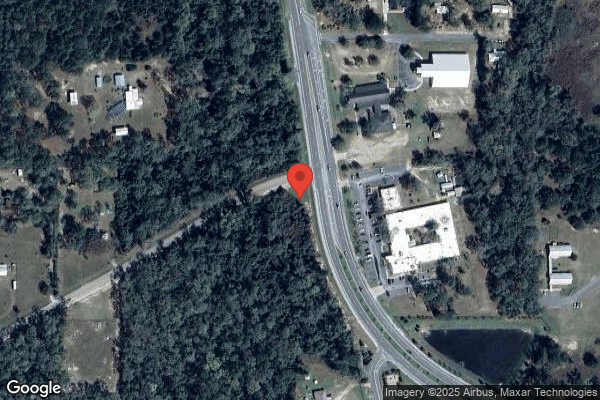
4679 CRAWFORDVILLE HWY, CRAWFORDVILLE, FL 32326 (850) 926-7181
For profit - Corporation 120 Beds Independent Data: November 2025
Trust Grade
88/100
#31 of 690 in FL
Last Inspection: July 2025

Inspected within the last 6 months. Data reflects current conditions.

Overview

Eden Springs Nursing and Rehab Center holds a Trust Grade of B+, indicating it is above average and recommended for families considering care options. Ranking #31 out of 690 facilities in Florida places it in the top half, and as the only nursing home in Wakulla County, it stands out as the best local choice. The facility is trending positively, having improved from four issues in 2024 to none in 2025. While staffing received an average rating of 3 out of 5 stars with a turnover rate of 50%, which is typical for Florida, the nursing home has a good level of RN coverage, ensuring residents receive proper attention. However, there are concerns, such as pest control issues where live roaches were observed in resident rooms, and inadequate supply of clean linens, leaving some residents without sheets on their beds. Overall, while the facility has notable strengths, these cleanliness and supply issues are significant weaknesses that families should consider.

Trust Score
B+
88/100
In Florida
#31/690
Top 4%
Safety Record
Low Risk
No red flags
Inspections
Getting Better
4 → 0 violations
Staff Stability
⚠ Watch
50% turnover. Above average. Higher turnover means staff may not know residents' routines.
Penalties
✓ Good
$19,207 in fines. Lower than most Florida facilities. Relatively clean record.
Skilled Nurses
○ Average
Each resident gets 37 minutes of Registered Nurse (RN) attention daily — about average for Florida. RNs are the most trained staff who monitor for health changes.
Violations
○ Average
9 deficiencies on record. Average for a facility this size. Mostly minor or procedural issues.
★★★★★
5.0
Overall Rating
★★★☆☆
3.0
Staff Levels
★★★★☆
4.0
Care Quality
★★★★★
5.0
Inspection Score
Stable
2024: 4 issues
2025: 0 issues

The Good

  • 4-Star Quality Measures · Strong clinical quality outcomes
  • Full Sprinkler Coverage · Fire safety systems throughout facility
  • No fines on record

Facility shows strength in quality measures, fire safety.

The Bad

Staff Turnover: 50%

Near Florida avg (46%)

Higher turnover may affect care consistency

Federal Fines: $19,207

Below median ($33,413)

Minor penalties assessed

The Ugly 9 deficiencies on record

Feb 2024 1 deficiency
CONCERN (D) 📢 Someone Reported This

A family member, employee, or ombudsman was alarmed enough to file a formal complaint

Potential for Harm - no one hurt, but risky conditions existed

Safe Environment (Tag F0921)

Could have caused harm · This affected 1 resident

Based on observation and interview, the facility failed to provide adequate supplies of clean laundry in all resident care areas throughout the entire facility. The findings include: On 2/28/24 at ap...

Read full inspector narrative →
Based on observation and interview, the facility failed to provide adequate supplies of clean laundry in all resident care areas throughout the entire facility. The findings include: On 2/28/24 at approximately 1:20 PM, Resident #3 was observed in the hallway in a reclined geriatric chair. He had a pillow under his legs. The pillow did not have a pillow case on it. On 2/28/24 at approximately 1:20 PM, an interview was conducted with Resident #6. Her bed was stripped with no sheets on it and the call light was on. Resident #6 explained that she has been waiting for staff to change her bed so she can lay down. She complained that there has been a shortage of sheets and other linens. The resident said she has to lay on the bed without sheets sometimes. She stated that staff often run out of sheets and it is not until evening time when she gets her bed made. She said she likes a sheet under her blanket and often staff are unable to put a flat sheet under the blanket due to the shortage of linen supplies. She also explained that sometimes staff runs out of under pads to place on the bed. The resident's husband is present during the interview. He agreed that there has been a problem with the linen supplies. On 2/28/2024 at approximately 10:50 AM, an interview was conducted with Nurse A, a Licensed Practical Nurse (LPN). She said they have been running out of linens recently. She explained that staff found it difficult to complete showers and other activities of daily living due to inadequate linen supplies. Nurse A indicated this has been a problem in the past and has been a problem again over the last week or so. Nurse A presented each of the facility's linen storage areas. Storage cabinet #1 had a stack of approximately 25 washcloths and no fitted bedsheets, no flat bedsheets, no pillow cases, no bed pads, no towels, and no bed spreads. Storage cabinets #2 and #3 had no linen of any kind. The main linen storage area contained approximately 20 pillow cases, 10 towels, 10 flat and fitted sheets and 10 gowns in a box that was sitting on the floor. In the laundry room, there was a table on which staff had folded a few items. There were approximately 2 blankets, 2 fitted sheets, 5 washcloths, 6 flat sheets, and 15 towels on the table. There was also a cart with a few bed pads, sheets, and towels on it. Nurse A was asked if this was all of the linen storage available for the facility with a census of more than 100 residents. Nurse A explained that there might be more in central supply. She explained that someone would need to contact the Director of Housekeeping and Laundry to gain access to those areas. (Photographic evidence of each linen storage area was obtained) On 2/28/24 at approximately 11:37 AM, an interview was conducted with the Director of Housekeeping and Laundry. The surveyor showed him the pictures of the linen storage areas that were taken at approximately 11:00 AM. He was asked if there are specific stock levels for the different types of linen to keep adequate supplies available within the facility. He explained that they were working on restocking the linen storage now. The Director of Housekeeping and Laundry explained that they do not keep a specific stock number of linens on hand inside of the facility. He explained that supervisors hand out bags of linen to direct care. He also said that supervisors have keys to get any additional linens out of central supply. On 2/28/24 at approximately 12:15 PM, an interview was conducted with the Maintenance Supervisor. He was asked to accompany the surveyor to central supply to look at the linen storage out there. All of the linen storage was in central supply in unopened boxes. There was observed 1 case of pillows in a box, 2 cases of flat sheets in boxes, 2 cases of under pads in boxes, 1 case of blankets in a box, and 1 case of wash cloths in a box. He was asked if there are specific stock levels for the different types of linen to keep adequate supplies available within the facility. The Maintenance Supervisor said he was unaware of specific stock levels for linen and this would be up to the Housekeeping and Laundry Supervisor. On 2/28/24 at approximately 12:55 PM, an interview was conducted with the Director of Nursing (DON). She was shown the pictures of the empty linen storage closets and the laundry room linen storage. The DON explained that a bag system was in place. Linen supplies were bagged before shifts based on the number of baths and showers to be completed each shift along with extra bags for extra supply if needed. The DON explained that the maintenance and housekeeping director has access to central supply. The maintenance director lives 5 minutes any and if storage runs short any time day or night he will come refill if needed.
Jan 2024 3 deficiencies
CONCERN (D) 📢 Someone Reported This

A family member, employee, or ombudsman was alarmed enough to file a formal complaint

Potential for Harm - no one hurt, but risky conditions existed

ADL Care (Tag F0677)

Could have caused harm · This affected 1 resident

Based on observation, interview, record review, and policy review, the facility failed to provide assistance with nail care for 4 of 10 resident sampled for Activities of Daily Living (ADL) care. (Res...

Read full inspector narrative →
Based on observation, interview, record review, and policy review, the facility failed to provide assistance with nail care for 4 of 10 resident sampled for Activities of Daily Living (ADL) care. (Resident #10, #12, #14, and #16) The findings include: On 1/18/24 at 10:30 AM, during an interview with Resident #10, it was observed that the residents nails were long. The surveyor asked resident if she would like her nails trimmed. She indicated that she recently had pneumonia, which has made herbeen weak and would like assistance with getting her nails done. On 1/19/24, a review of the care plan for Resident #10 was conducted. The care plan noted that the resident has an ADL self-care performance deficit r/t Activity Intolerance, Fatigue, Impaired balance, Limited Mobility, Pain, and Shortness of Breath. The resident had been diagnosed with pneumonia on 1/16/24. The care plan directs staff to provide assistance as needed with ADLs. On 1/19/24 at approximately 11:00 AM, it was noted that Resident #12 had long soiled nails. Certified Nursing Assistant (CNA) E was in the room at the time of the observation. She was asked who is responsible for assisting residents with nail care. CNA E explained that nursing assistants are responsible and that she would get his nails cleaned. On 1/19/24, a review of the care plan for Resident #12 was conducted. The care plan noted that Resident #12 has an ADL self-care performance deficit r/t impaired balance limited mobility, pain, and weakness. His care plan directed care staff to check nail length and trim and clean on bath day and as necessary and to report any changes to the nurse. On 1/19/24, during an interview with Resident #14, his nails were noted to be long. He was asked if he would like assistance trimming his nails. The resident indicated that he would love some assistance with nail care. On 1/19/24, a review of the care plan for Resident #14 was conducted. The care plan noted that Resident #14 has an ADL self-care performance deficit related to weakness and depression and bilateral below the knee amputation. The care plan directed staff to check nail length and trim and clean on bath day and as necessary. On 1/19/24 at approximately 12:30 PM, an observation was made of Resident #16. His nails appeared long and untrimmed. A review of the care plan for Resident #16 was conducted. The care plan noted that Resident #16 has an ADL self-care performance deficit related to Dementia with behavior and physical needs due to amputation of the right leg. His care plan directed staff to check nail length and trim and clean on bath day and as necessary. On 1/19/24 at approximately 1:00 PM, an interview was conducted with the Director of Nursing concerning the issues with nail care. She was asked to provide a copy of the facility's nail care policy. She provided a policy that included a CNA monthly check off sheet that mentioned, ensure residents nails are trimmed and clean report to nurse any diabetic residents who needs nail care. .
CONCERN (E) 📢 Someone Reported This

A family member, employee, or ombudsman was alarmed enough to file a formal complaint

Potential for Harm - no one hurt, but risky conditions existed

Safe Environment (Tag F0584)

Could have caused harm · This affected multiple residents

**NOTE- TERMS IN BRACKETS HAVE BEEN EDITED TO PROTECT CONFIDENTIALITY** Based on observations and interviews with staff and residents, the facility failed to provide a safe clean homelike environment ...

Read full inspector narrative →
**NOTE- TERMS IN BRACKETS HAVE BEEN EDITED TO PROTECT CONFIDENTIALITY** Based on observations and interviews with staff and residents, the facility failed to provide a safe clean homelike environment in 17 of 40 sampled resident rooms or shower rooms in the facility. (Resident rooms 142, 141,140, 139, 138, 137, 136, 135, 134, 128, 127,116, 111, 108, as well as shower rooms [ROOM NUMBER]) The findings include: On 1/18/24 at approximately 10:15 AM, a facility tour was initiated. The following issues were noted: A live roach was observed crawling on the floor in room [ROOM NUMBER]A. The room had an area where a cabinet was removed. The floor was unfinished in this area. Two wheelchair foot rests were on the bare floor. The floor under the cabinet had a buildup of soil, a coin, a piece of candy, and a piece of food laying on the bare floor next to the wheelchair foot rests. (Photographic evidence obtained) In room [ROOM NUMBER], there was a geriatric chair with a thick build of rust and soil on it. The tires had a hair like substance wrapped around them. The room had an area where a cabinet was removed with an unfinished floor underneath. The area under the unfinished cabinet had a roach, a buildup of soil, an old spoon, and a used medication cup. (Photographic evidence obtained). In room [ROOM NUMBER]A, there was an unfinished cabinet with a soil build up over the bare unfinished floor. room [ROOM NUMBER]B had an exposed window air conditioning unit that was covered with a thick layer of a dusty buildup. The floors next to the air conditioning unit were soiled. (Photographic evidence obtained) room [ROOM NUMBER]B had an unfinished cabinet and dirty floors under the cabinet. (Photographic evidence obtained) room [ROOM NUMBER] had a hole in the wall and cracked peeling paint with rust and dirt build up on the bathroom door jams. (Photographic evidence obtained) room [ROOM NUMBER] had an unfinished cabinet and dirty floors under the cabinet. (Photographic evidence obtained) room [ROOM NUMBER] had water damage near the air conditioning unit. (Photographic evidence obtained) room [ROOM NUMBER] had an unfinished base board under the cabinet with a thick buildup of soil. (Photographic evidence obtained) room [ROOM NUMBER] had paint peeling above the head of the bed. (Photographic evidence obtained) room [ROOM NUMBER] had an unfinished cabinet sitting on a bare soiled floor underneath. There was a missing base board in the room as well. (Photographic evidence obtained) room [ROOM NUMBER] had peeling paint on the wall. (Photographic evidence obtained) On 1/18/24 at approximately 11:45 AM, a tour of the shower rooms was conducted with the Director of Nursing (DON). Shower room [ROOM NUMBER] had excess build up of a thick white substance in the first shower where the floor meets the wall. The shower gurney in the room had white hairs scattered over it. The DON was as ked to explain the process for cleaning the gurney. She held up a bottle of quaternary cleaner and explained that the gurney is supposed to be wiped down after and before each use. Shower room [ROOM NUMBER] had excess black build up on grout and build up of a thick white substance on the tiles and under the hand rails. Shower room [ROOM NUMBER] had a large hole in the tile on the wall. (Photographic evidence obtained). On 1/19/24 at approximately 12:00 PM, an interview was conducted with the maintenance supervisor. He was shown pictures of the shower rooms. He explained that he was not aware of the hole in the shower tile and that the wall in shower room [ROOM NUMBER] had already been patched. He was shown the environmental concerns in the rooms. The Maintenance Supervisor explained that they have been renovating many of the rooms on one side of the building and these areas would be corrected. On 1/19/24 at approximately 1:00 PM, an interview was conducted with the Housekeeping Manager. He was shown pictures of the areas outlined above. He was asked if the areas should look like that. The Housekeeping manager explained that all areas of concern would be corrected.
CONCERN (E) 📢 Someone Reported This

A family member, employee, or ombudsman was alarmed enough to file a formal complaint

Potential for Harm - no one hurt, but risky conditions existed

Deficiency F0925 (Tag F0925)

Could have caused harm · This affected multiple residents

**NOTE- TERMS IN BRACKETS HAVE BEEN EDITED TO PROTECT CONFIDENTIALITY** Based on observations and interviews with staff and residents, the facility failed to maintain an effective pest control program...

Read full inspector narrative →
**NOTE- TERMS IN BRACKETS HAVE BEEN EDITED TO PROTECT CONFIDENTIALITY** Based on observations and interviews with staff and residents, the facility failed to maintain an effective pest control program. The findings include: Observations: On 1/18/24 at approximately 10:15 AM, a live roach was observed crawling on the floor in room [ROOM NUMBER]A. (Photographic evidence obtained) On 1/18/24 at approximately 11:20 AM in room [ROOM NUMBER], there was a roach on the floor under an unfinished cabinet. (Photographic evidence obtained) Interviews: Based upon the observations made by surveyors, staff and residents were asked about the effectiveness of the pest control program at the facility. On 1/18/24 at approximately 10:15 AM, Certified Nursing Assistant (CNA) E said she sees roaches crawling around the facility frequently. On 1/18/24 at approximately 10:20 AM, CNA H was asked if she sees pests around the facility. She explained that she mostly sees roaches. She explained that it has been a consistent problem at the facility. On 1/18/24 at approximately 10:30 AM an interview was conducted with Resident #10. She said there are roaches in her room. She worries they will get into her food. On 1/19/24 at approximately 11:00 AM, an interview was conducted with Resident #15. When asked if she ever sees bugs, she responded by explaining that she sees roaches every day. She said, I had one on my hand the other day. They are everywhere. On 1/19/24 at approximately 11:30 AM, Resident #17 explained that she saw live roaches 2 days ago and killed them. On 1/19/24 at approximately 11:40 AM, Resident #18 was asked about pests. She explained that she has seen roaches in her room often. On 1/19/24 at approximately 12:00 PM, Resident #19 mentioned during an interview that she sees roaches in her room all the time. On 1/18/24 at approximately 3:00 PM, an interview was conducted with the Maintenance Supervisor. The surveyor notified him that there had been complaints about roaches. He was asked to provide pest control treatment invoices. He explained that the facility had discontinued using an outside pest control contractor to treat pests about a year ago. When asked to specify the type of pests he is treating and to explain how he is tracking the effectiveness of the treatments he is applying, he explained that he is doing treatments once a week and as needed. He explained that most of what they are treating is small roaches. The facility has a log book that was signed off when treatments are completed. He stated one half of the building gets treated once a week and then the other half the other week. Treatments are also applied as needed.
Sept 2023 2 deficiencies
CONCERN (D) 📢 Someone Reported This

A family member, employee, or ombudsman was alarmed enough to file a formal complaint

Potential for Harm - no one hurt, but risky conditions existed

Pharmacy Services (Tag F0755)

Could have caused harm · This affected 1 resident

Based on record review, interviews, and policy review, the facility failed to ensure an accurate disposition of controlled drugs to enable an accurate reconciliation for 2 of 3 residents sampled. (Res...

Read full inspector narrative →
Based on record review, interviews, and policy review, the facility failed to ensure an accurate disposition of controlled drugs to enable an accurate reconciliation for 2 of 3 residents sampled. (Resident #1 and Resident #2) The findings include: A review of Resident #1's medical record was conducted. Records revealed the controlled medication Pregabantin 25 mg was pulled out from the resident's card at 9:00 PM on 8/26/23 and 9/2/23. A physician order dated 8/16/23 ordered Pregabalin capsule 25 mg one time a day for nerve pain. The Medication Administration Record (MAR) for August and September revealed Pregabalin 25 mg was documented as given at 9:00 AM daily. The controlled medication sheet was reviewed and compared with the inventory; this review confirmed that an extra dose of medications were pulled out on 8/26/23 and 9/2/23 at 9:00 PM. Further review revealed there was no documentation of medications being wasted. A review of Resident #2's medical record was conducted. Review of physician's orders revealed Lorazepan 1 mg, a controlled medication, ordered twice a day for anxiety starting on 7/31/23, which was discontinued on 8/24/23, and a new order for Lorazepan 0.5 mg two times a day for anxiety on 8/25/23. The MAR review for August and September revealed Lorazepan 1 MG was given twice a day throughout the two months. The controlled medication sheet was reviewed and compared with the inventory and confirmed that Lorazepam 1 mg had been pulled out and there was no documentation of the 0.5 mg pills being wasted. On 9/5/23 at 11:39 AM, an interview was conducted with Staff A, a Licensed Practical Nurse (LPN). Staff A, LPN, reviewed Resident #1's pregabalin inventory sheet. She stated Staff C, another LPN, should not have pulled out the pills at 9:00 PM because there was not a physician's orders to give that medication at night. Staff A, LPN, confirmed that a day shift nurse pulled out and documented the medications at the right time on those mornings as scheduled. Staff A further stated Staff C, LPN, should have documented waste of those medications but there was no documentation. Staff A, LPN, then reviewed Resident #2's Lorazepam inventory sheet and the physician's order and stated she has been giving 1 mg instead of the 0.5 mg because she had missed the order that was placed on 8/25/23. She stated she gave the 1 mg order this morning. She acknowledged she should have given the 0.5 mg order. On 9/5/23 at 12:32 PM, an interview was conducted with Staff B, a Registered Nurse (RN) and unit manager. She stated it was concerning that a nurse pulled up a controlled medication two times for Resident #1 at a time that it was not scheduled. Staff B, RN, confirmed the medication was pulled out in the mornings as scheduled. Staff B further stated that the medication should have been thrown away, but there was no documentation to verify it. Staff B, RN, then reviewed Resident #2's lorazepam order, MAR and medication's inventory and stated the staff did not notice that Lorazepam was changed from 1 mg to 0.5 mg on 8/25/23 and Resident #2 had been receiving the full pill, 1 mg, instead of half a pill 0.5 mg as it was ordered. Staff B stated she will correct it immediately. A review of facility policy Controlled substances (dated January 2023) was conducted. The policy stated when a dose of a controlled medication is removed from the container for administration but refused by the resident or not given for any reason, it is not placed back in the container. It must be destroyed according to policy and the disposal documented on the accountability records on the line representing that dose. The same process applies to the disposal of unused partial tablets and unused portions of single dose ampules.
CONCERN (D) 📢 Someone Reported This

A family member, employee, or ombudsman was alarmed enough to file a formal complaint

Potential for Harm - no one hurt, but risky conditions existed

Infection Control (Tag F0880)

Could have caused harm · This affected 1 resident

Based on observations, record review, interviews and facility policy review, the facility failed to ensure that CPAP (Continuous Positive Airway Pressure- a device that delivers continuous pressured a...

Read full inspector narrative →
Based on observations, record review, interviews and facility policy review, the facility failed to ensure that CPAP (Continuous Positive Airway Pressure- a device that delivers continuous pressured air through a tubing into a mask that is wore while asleep) masks were properly stored to prevent cross-contamination for 2 of 3 residents sampled (Resident #1 and resident #4). The findings include: On 9/5/23 at 11:30 AM, Resident #1's CPAP mask was observed hanging from the window's blind. On 9/5/23 at 1:31 PM, Resident #4's CPAP mask is on the floor. A review of Resident #1's clinical records revealed a diagnosis of obstructive sleep apnea and a physician's order to use a CPAP device at night. A review of Resident #4's clinical records revealed a diagnosis of dependence on supplemental oxygen. A review of the physician's orders stated, CPAP at night at bedtime for sleep apnea and clean CPAP mask and tubing with warm soapy water and let air dry during day to prepare for use during night on Sundays. On 9/5/23 at 2:42 PM, an interview was conducted with the Director of Nursing (DON). The DON stated the CPAP masks should be inside proper bags when not in use. The DON observed Resident #1 and Resident #4's masks and confirmed masks were not stored inside proper bags per facility's protocol. A facility protocol was provided by the DON. The DON stated that the facility does not have a specific policy stating masks must be placed inside bags when not in use but all nursing staff are responsible to ensure it is done. A check off list form dated 6/6/23 stated, ensure respiratory tubing/masks are labeled. Keep these items in labeled plastic drawstring bag when not in use.
Feb 2023 3 deficiencies
CONCERN (D)

Potential for Harm - no one hurt, but risky conditions existed

Comprehensive Care Plan (Tag F0656)

Could have caused harm · This affected 1 resident

Based on record review, staff interview, and policy review the facility failed to develop a comprehensive care plan regarding anticoagulant use for 1 of 2 sampled residents reviewed who received antic...

Read full inspector narrative →
Based on record review, staff interview, and policy review the facility failed to develop a comprehensive care plan regarding anticoagulant use for 1 of 2 sampled residents reviewed who received anticoagulant medications. (Resident #28) The findings include: Review of resident #28's medical record revealed the resident had been receiving Pradaxa (an anticoagulant medication) 75 Milligrams (mg) by mouth twice daily since 1/3/23. The 5 day minimum data set with an assessment reference date of 1/10/23 indicated the resident received an anticoagulant medication 7 out of 7 days. The record revealed no care plan regarding the use of the anticoagulant medication. An interview was conducted with employee A, Minimum Data Set Registered Nurse, on 2/15/23 at approximately 11:30 AM. She stated the resident should have a care plan for risk of bleeding due to anticoagulant use and confirmed she did not have a care plan regarding the use of the anticoagulant and risk for bleeding. Review of the facility policy Care Plans (effective 2020) revealed a comprehensive care plan will be developed for each resident using the results of the comprehensive assessment. A comprehensive interdisplinary plan of care, based on the comprehensive assessment of the needs of the individual resident, will be developed and implemented within 7 days after the completion of the comprehensive assessment. Each resident's care plan shall include measurable objectives and timetables to meet all residents' needs identified in the comprehensive assessment.
CONCERN (D)

Potential for Harm - no one hurt, but risky conditions existed

Medical Records (Tag F0842)

Could have caused harm · This affected 1 resident

Based on record review, family interview, staff interview, and policy review, the facility failed to maintain accurate medical records for 1 of 1 resident's sampled for advanced directives. (Resident ...

Read full inspector narrative →
Based on record review, family interview, staff interview, and policy review, the facility failed to maintain accurate medical records for 1 of 1 resident's sampled for advanced directives. (Resident #90) The findings include: Review of resident #90's medical record revealed a printed physician order dated 2/1/23 through 2/28/23 and signed by the physician on 2/1/23 indicating the resident was full code status (would require cardiopulmonary resuscitation in the event of cardiac arrest). Review of the legal tab in the resident record revealed a state of Florida Do Not Resuscitate (DNR) Order signed by a physician on 6/20/22. A telephone interview was conducted with the resident's son on 2/14/23 at 2:01 PM. He stated it was his intent that resident #90 was not to be resuscitated in the event of cardiac arrest. An interview was conducted with the Director of Nursing (DON) on 2/14/23 at 2:36 PM. She confirmed the resident had a signed DNR and the printed orders stated full code status. She stated the current MD order should have matched the DNR. Further interview was conducted with the DON on 2/14/23 at 3:34 PM. The DON stated the full code order should have been caught by nursing when they review the orders each month. She stated when the resident was admitted the DNR was not signed so the pharmacy orders defaulted to full code. Review of the facility policy Medical Records (effective 2015) revealed the facility shall maintain accurate medical records to document all physician orders, diagnostic reports, consultants' reports and care/services provided to the resident.
CONCERN (D)

Potential for Harm - no one hurt, but risky conditions existed

Infection Control (Tag F0880)

Could have caused harm · This affected 1 resident

Based on observation, staff interview, and policy review the facility failed to ensure staff effectively disinfect shared blood glucose meters and storage containers during 2 of 2 random observations ...

Read full inspector narrative →
Based on observation, staff interview, and policy review the facility failed to ensure staff effectively disinfect shared blood glucose meters and storage containers during 2 of 2 random observations of blood glucose sampling for resident #55 and #67. The findings include: An observation of blood glucose sampling for resident #55 was conducted with employee B, Licensed Practical Nurse (LPN), on 2/14/23 at 4:23 PM. Employee B obtained the blood glucose meter, a pink basket, alcohol pad, and sampling strips from the medication cart and placed all supplies in the pink basket. She then placed the basket with the supplies on the over bed table in the resident's room with no barrier on the table. Employee B then obtained blood from the resident and placed the sample on the blood glucose meter. She read the result and disposed of the sampling strip, then placed the blood glucose meter on top of the over bed table with no barrier on the table. Employee B then placed the blood glucose meter in the pink basket and then took the basket to the medication cart. She placed the pink basket with the blood glucose meter on top of the medication cart with no barrier. Employee B then cleansed the blood glucose meter with a bleach wipe, allowed it to air dry, and then placed it back in the pink basket. She did not clean the pink basket. She then placed the blood glucose meter in the basket back in the medication cart. An observation of blood glucose sampling for resident #67 was conducted with employee B (licensed practical nurse) 2/14/23 at 4:40 PM. Employee B obtained the same pink basket from the medication cart and placed the blood glucose machine in the basket. She took the basket to the resident's room and placed it on the over bed table with no barrier on the table. Employee B then obtained blood from the resident, placed the sample on the blood glucose meter, and then read the result. She then placed the basket with the blood sampling meter on top of the medication cart with no barrier. Employee B then cleansed the blood glucose meter with a bleach wipe, allowed it to air dry, and then placed it back in the pink basket. She did not clean the pink basket. She then placed the blood glucose meter in the basket back in the medication cart. An interview was conducted with employee B, LPN, on 2/16/23 at approximately 4:47 PM. She stated she had received training regarding cleansing the blood glucose meter with bleach wipes when she was hired. She stated she only cleans the blood glucose machine and confirmed she should have cleaned the basket as well. Review of the undated facility policy Steps for Blood Glucose Monitoring revealed collect supplies and place glucose meter on barrier, collect other supplies to include test strip, lancet, alcohol pads, and place in a plastic cup. Do not take test strip bottle into room. Place barrier on top of med cart for dirty glucose meter when it comes out of room, take glucose meter and supplies into resident room, set cup with supplies down and set glucose meter on a barrier. Perform blood glucose check. Appropriately discard all supplies (including any unused supplies), place lancet and test strip back into plastic cup to discard into sharps container upon exiting room. Use barrier to take glucose meter out of room and place it on clean barrier on cart. Discard lancet and test strip by dumping them from plastic cup directly into sharps container. Discard cup into trash can. Put on gloves to disinfect glucose meter. Ensure glucose meter is saturated on all sides with disinfectant. Place glucose meter on clean barrier and allow to dry per manufacturer's instructions.
Understanding Severity Codes (click to expand)
Life-Threatening (Immediate Jeopardy)
J - Isolated K - Pattern L - Widespread
Actual Harm
G - Isolated H - Pattern I - Widespread
Potential for Harm
D - Isolated E - Pattern F - Widespread
No Harm (Minor)
A - Isolated B - Pattern C - Widespread

Questions to Ask on Your Visit

  • "Can I speak with families of current residents?"
  • "What's your RN coverage like on weekends and overnight?"

Our Honest Assessment

Strengths
  • • Grade B+ (88/100). Above average facility, better than most options in Florida.
  • • No major safety red flags. No abuse findings, life-threatening violations, or SFF status.
Concerns
  • • $19,207 in fines. Above average for Florida. Some compliance problems on record.
Bottom line: Generally positive indicators. Standard due diligence and a personal visit recommended.

About This Facility

What is Eden Springs Nursing And Rehab Center's CMS Rating?

CMS assigns EDEN SPRINGS NURSING AND REHAB CENTER an overall rating of 5 out of 5 stars, which is considered much above average nationally. Within Florida, this rating places the facility higher than 99% of the state's 100 nursing homes. This rating reflects solid performance across the metrics CMS uses to evaluate nursing home quality.

How is Eden Springs Nursing And Rehab Center Staffed?

CMS rates EDEN SPRINGS NURSING AND REHAB CENTER's staffing level at 3 out of 5 stars, which is average compared to other nursing homes. Staff turnover is 50%, compared to the Florida average of 46%.

What Have Inspectors Found at Eden Springs Nursing And Rehab Center?

State health inspectors documented 9 deficiencies at EDEN SPRINGS NURSING AND REHAB CENTER during 2023 to 2024. These included: 9 with potential for harm.

Who Owns and Operates Eden Springs Nursing And Rehab Center?

EDEN SPRINGS NURSING AND REHAB CENTER is owned by a for-profit company. For-profit facilities operate as businesses with obligations to shareholders or private owners. The facility operates independently rather than as part of a larger chain. With 120 certified beds and approximately 108 residents (about 90% occupancy), it is a mid-sized facility located in CRAWFORDVILLE, Florida.

How Does Eden Springs Nursing And Rehab Center Compare to Other Florida Nursing Homes?

Compared to the 100 nursing homes in Florida, EDEN SPRINGS NURSING AND REHAB CENTER's overall rating (5 stars) is above the state average of 3.2, staff turnover (50%) is near the state average of 46%, and health inspection rating (5 stars) is much above the national benchmark.

What Should Families Ask When Visiting Eden Springs Nursing And Rehab Center?

Based on this facility's data, families visiting should ask: "Can I visit during a mealtime to observe dining assistance and food quality?" "How do you handle medical emergencies, and what is your hospital transfer rate?" "Can I speak with family members of current residents about their experience?"

Is Eden Springs Nursing And Rehab Center Safe?

Based on CMS inspection data, EDEN SPRINGS NURSING AND REHAB CENTER has a clean safety record: no substantiated abuse findings (meaning no confirmed cases of resident harm), no Immediate Jeopardy citations (the most serious violation level indicating risk of serious injury or death), and is not on the Special Focus Facility watch list (a federal program monitoring the lowest-performing 1% of nursing homes). The facility has a 5-star overall rating and ranks #1 of 100 nursing homes in Florida. While no facility is perfect, families should still ask about staff-to-resident ratios and recent inspection results during their visit.

Do Nurses at Eden Springs Nursing And Rehab Center Stick Around?

EDEN SPRINGS NURSING AND REHAB CENTER has a staff turnover rate of 50%, which is about average for Florida nursing homes (state average: 46%). Moderate turnover is common in nursing homes, but families should still ask about staff tenure and how the facility maintains care continuity when employees leave.

Was Eden Springs Nursing And Rehab Center Ever Fined?

EDEN SPRINGS NURSING AND REHAB CENTER has been fined $19,207 across 4 penalty actions. This is below the Florida average of $33,271. While any fine indicates a compliance issue, fines under $50,000 are relatively common and typically reflect isolated problems that were subsequently corrected. Families should ask what specific issues led to these fines and confirm they've been resolved.

Is Eden Springs Nursing And Rehab Center on Any Federal Watch List?

EDEN SPRINGS NURSING AND REHAB CENTER is not on any federal watch list. The most significant is the Special Focus Facility (SFF) program, which identifies the bottom 1% of nursing homes nationally based on persistent, serious quality problems. Not being on this list means the facility has avoided the pattern of deficiencies that triggers enhanced federal oversight. This is a positive indicator, though families should still review the facility's inspection history directly.