CARLTON SHORES HEALTHCARE AND REHABILITATION CENTE
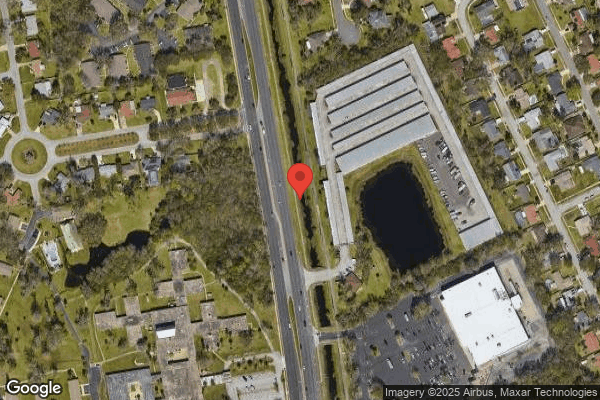

1350 S NOVA RD, DAYTONA BEACH, FL 32114 (386) 258-5544
For profit - Limited Liability company 118 Beds GOLD FL TRUST II Data: November 2025
Trust Grade
90/100
#16 of 690 in FL
Last Inspection: April 2024

Within standard 12-15 month inspection cycle. Federal law requires annual inspections.

Overview

Carlton Shores Healthcare and Rehabilitation Center has received an impressive Trust Grade of A, indicating an excellent standard of care and high recommendations. It ranks #16 out of 690 facilities in Florida, placing it in the top half, and #4 out of 29 in Volusia County, meaning only three local options are better. The facility is improving, with reported issues decreasing from four in 2022 to just one in 2024. Staffing is average, with a 3/5 star rating and a turnover rate of 51%, which is higher than the state average but still manageable. While there are no fines reported, which is a positive sign, the facility has been noted for several concerns, including inadequate maintenance of kitchen equipment that could affect food safety and failures in providing residents with necessary meals for their dialysis treatments. Overall, the strengths of Carlton Shores are balanced by some notable weaknesses, and families should weigh these when considering care for their loved ones.

Trust Score
A
90/100
In Florida
#16/690
Top 2%
Safety Record
Low Risk
No red flags
Inspections
Getting Better
4 → 1 violations
Staff Stability
⚠ Watch
51% turnover. Above average. Higher turnover means staff may not know residents' routines.
Penalties
✓ Good
No fines on record. Clean compliance history, better than most Florida facilities.
Skilled Nurses
⚠ Watch
Each resident gets only 29 minutes of Registered Nurse (RN) attention daily — below average for Florida. Fewer RN minutes means fewer trained eyes watching for problems.
Violations
○ Average
7 deficiencies on record. Average for a facility this size. Mostly minor or procedural issues.
★★★★★
5.0
Overall Rating
★★★☆☆
3.0
Staff Levels
★★★★★
5.0
Care Quality
★★★★☆
4.0
Inspection Score
Stable
2022: 4 issues
2024: 1 issues

The Good

  • 5-Star Quality Measures · Strong clinical quality outcomes
  • Full Sprinkler Coverage · Fire safety systems throughout facility
  • No fines on record

Facility shows strength in quality measures, fire safety.

The Bad

Staff Turnover: 51%

Near Florida avg (46%)

Higher turnover may affect care consistency

Chain: GOLD FL TRUST II

Part of a multi-facility chain

Ask about local staffing decisions and management

The Ugly 7 deficiencies on record

Apr 2024 1 deficiency
CONCERN (F)

Potential for Harm - no one hurt, but risky conditions existed

Room Equipment (Tag F0908)

Could have caused harm · This affected most or all residents

Based on observations, interviews, and record review, the facility failed to ensure that all essential equipment in the kitchen was maintained in safe operating condition. The facility's dish machine ...

Read full inspector narrative →
Based on observations, interviews, and record review, the facility failed to ensure that all essential equipment in the kitchen was maintained in safe operating condition. The facility's dish machine did not reach 120 degrees F during the rinse cycle, the walk-in freezer had a large accumulation of ice on the floor, on storage racks, and on food boxes, the kitchen ice machine was not working, and the freezer fan was not running. The findings include: On 4/01/2024 at 12:51 pm, Dietary Aide C was asked to test the dish machine. She stated she was not really good at it. She stated Dietary Aide B usually performed this task. She then turned the dish machine on. At this time, none of the temperature gauges moved. She stated most of the time they tested the machine after lunch. She was not able to answer any questions regarding the dish machine. Signage was affixed to the wall behind the dish machine with operating instructions for the dish machine. Also, there was a label affixed to the machine advising that the minimum rinse temperature was 120 degrees. On 4/01/2024 at 1:03 pm, the certified dietary manager (CDM) returned to the kitchen. She was advised of the observation of the dish machine and that gauges weren't moving when the machine was turned on. She was asked to explain the process the facility used when the dish machine was inoperable. She stated Dietary Aide B repeated the process until the machine reached the appropriate temperature. She asked [NAME] D to test the dish machine. When he turned on the machine, neither of the gauges moved. The CDM stated, Yeah, it's off., adding that she would call Maintenance regarding the issue. The final rinse temperature gauge read 110 degrees Fahrenheit (F). On 4/01/2024 at 2:22 pm, the CDM advised that the gauges on the dish machine were set. She stated the only time they moved was if the temperature was less than 110 degrees F, as it was a low temperature machine. She advised that the dish machine was not broken as she previously stated. On 4/02/2024 at 11:21 am, the dish machine was re-tested. The Administrator, CDM, and Regional Dietary Manager were present. Again, neither of the gauges moved. The Administrator stated he received an email from the service company which stated the only gauge that should move was the final rinse. At this time, the Administrator, CDM, and the Regional CDM all confirmed that gauge did not move nor did any of the others. The CDM and Regional CDM stated the gauge would not move unless the water temperature dropped below 100 degrees F. They stated at that time that the gauge would slowly rise as the temperature increased. The Administrator advised them that was contrary to what the email from the service provider stated. He re-read the email aloud, emphasizing the final rinse temperature gauge was supposed to move. The Administrator then tapped on the final rinse temperature gauge with his finger. Again, the gauge did not move. The Regional CDM stated he would have to clarify this. The CDM advised the Administrator that the dish machine was low-temperature and therefore, the water temperature could not go too high as it would kill the chemicals. The Administrator confirmed clarity was needed, as this was contrary to the email he received from the service provider, and he needed to know whether there was a maintenance issue with the machine. Clarification was not provided during the survey. On 4/02/2024 at 11:34 am, a sign on the ice machine in the kitchen read: Out of Order. On 4/02/2024 at 12:17 pm, the CDM and Regional CDM were observed in the dish room manipulating the dish machine. At 1:48 pm, the CDM advised that they had drained the entire dish machine, and the gauges were now moving as they should. On 4/02/2024 at 2:24 pm, the CDM requested that the surveyor accompany her to the kitchen to re-test the dish machine. She stated after the machine was drained, the final rinse temperature registered at 89 degrees. She stated the gauges moved up. An observation of the machine revealed that the final rinse temperature gauge was still at 110 degrees F. She re-tested the machine two more times. Each time, the dial on the final rinse temperature gauge did not rise above 112 degrees F. At this time, the CDM's attention was directed to the signage and label affixed to the machine advising that the minimum rinse temp was 120 degrees F. Upon seeing this she replied, Oh, I'll let them know. (Photographic evidence obtained) According to Cleaner Solutions Custom Chemical Programs at www.cleanersolutions.net (dated 2/9/2024 and accessed on 4/18/24 at 4:40 pm): Low temperature commercial dishwashers have wash and rinse cycles that run between 120 and 150 degrees Fahrenheit. This temperature range does not achieve sanitation alone so the low-temp dish machines require chemical sanitizers. Although you are utilizing chemicals for sanitation, the water temperature has a large effect on cleaning results. Here are several things you need to know about your low-temp dish machine: * The Source of the Hot Water: Low-temp dishwasher machines do not heat the water, they use the water from your hot water heater. In order to get the correct water temperature in the dish machine, you ' ll need to adjust the temperature on the water heater. * National Sanitary Foundation Requirements: For low-temp dish machines the National Sanitary Foundation (NSF) requires a minimum of 120 °F for automatic dishwasher machine applications. Therefore, this is the bare minimum and a temperature less than 120 °F will result in a health department violation. During an observation of the walk-in freezer on 4/1/2024 at 12:37 pm, the fan/fan blades located near the top of the freezer were not moving. Icicles were observed hanging from the metal food racks. Mounds of ice were observed on the walls, floor, and boxes of food on the shelves inside of the freezer. (Photographic evidence obtained) During a kitchen observation on 4/02/2024 at 2:45 pm, the blades of the fan in the freezer were now moving. Icicles remained on the metal racks. Mounds of ice remained on the floor, wall, and on boxes of food on the metal shelves/racks. A large garbage can containing ice was stored in the freezer. The CDM was advised of the observation. She stated the freezer was being defrosted and repairs were being made to the broken ice machine located in the kitchen. She was shown the icicles on the shelves and mounds of ice on the floor. She stated she was aware of this. She stated the refrigeration company had been in the facility the morning of 4/1/2024 to service the machine however, she could not provide any documentation to support this. The documentation was requested from the Administrator on 4/2/2024 at 2:53 pm. (Photographic evidence obtained) On 4/02/2024 at 4:05 pm, the Administrator advised that the service provider for the dish machine had been contacted by telephone. They were not able to provide a definitive diagnosis for the dish machine rinse cycle not reaching 120 degrees F and the gauges not moving. He stated the meals would be served on Styrofoam until they could perform a proper diagnostic. He did not have a scheduled date of service for this. At this time, he also advised that he was unable to locate the invoice for the walk-in freezer repairs. .
Apr 2022 4 deficiencies
CONCERN (D)

Potential for Harm - no one hurt, but risky conditions existed

Quality of Care (Tag F0684)

Could have caused harm · This affected 1 resident

**NOTE- TERMS IN BRACKETS HAVE BEEN EDITED TO PROTECT CONFIDENTIALITY** Based on observations, interviews and record reviews, the facility failed to provide treatment and care in accordance with profe...

Read full inspector narrative →
**NOTE- TERMS IN BRACKETS HAVE BEEN EDITED TO PROTECT CONFIDENTIALITY** Based on observations, interviews and record reviews, the facility failed to provide treatment and care in accordance with professional standards of practice and the resident's choices, by failing to provide one (Resident #56) of one resident admitted to the facility with the need for hemodialysis (HD) with a meal prior to dialysis and/or a meal/snack to take with him to the dialysis center onm his dialysis days. The findings include: A review of Resident #56's medical record revealed an admission on [DATE] and a documented readmission on [DATE]. Resident #56's medical diagnoses included end-stage renal disease (ESRD) with hemodialysis (HD). On 2/23/2022, a Mini Nutritional Assessment resulted in a score of 10, indicating At risk for Malnutrition. A review of the Minimum Data Set (MDS) assessment dated [DATE], revealed a Brief Interview for Mental Status (BIMS) score of 15 out of a possible 15 points, indicating intact cognition. A review of the active physician's order and dietary slip indicated the resident's diet was a Consistent Carbohydrate diet, regular texture, regular liquid consistency, liberal renal 2 x entree started on 2/22/2022. A review of the care plan revealed Resident #56 had the following documented focus areas: 1. Potential Fluid Imbalance related to Kidney Failure/End-Stage Renal Disease with Hemodialysis (Goal indicated resident would comply with diet and/or fluid restrictions daily through next review date). 2. Diabetes Mellitus with documented goal to be free of symptoms of hypoglycemia. (Documented intervention indicated provided dietary consult for nutritional monitoring, discuss meal times, portion sizes, dietary restrictions, snacks allowed in daily nutritional plan, compliance with nutritional regimen). 3. Nutritional Problem/Potential Nutritional Problem related to therapeutic diet restrictions, chronic kidney disease, Stage 5. Resident will maintain adequate nutritional status as evidenced by no significant weight change, no signs or symptoms of malnutrition through review date. There were no care plans indicating the resident should have an early breakfast or a meal/snack to take to the dialysis center with him on his dialysis days. On 4/25/2022 at 1:52 PM, an interview was conducted with Resident #56 and his wife. He was observed quickly eating potato chips. He stated he returned from dialysis and for the last two weeks the facility had not prepared him breakfast or sent him to dialysis with a meal/snack. He stated he went to dialysis on Mondays, Wednesdays and Fridays, and about two weeks ago, the facility staff no longer provided him with his yellow bagged snack/lunch. He said his chair time was at 7:20 AM, he got up around 5:30 AM, and went to wait for the bus at 6:45 AM. He said, I returned around 1:00 PM after dialysis. Resident #56 was interviewed again on 4/26/2022 at 9:27 AM. He confirmed that he went to dialysis for the last two weeks with no meal/snack. He said the facility did not provide breakfast in the facility, and no meal or snack was sent with him for the last two weeks. The staff were supposed to put a sandwich in a yellow bag, and drop it in the bag on the back of the wheelchair (he pointed to bag hanging on the back of his wheelchair). They have not done this for the last two weeks. He confirmed he did not refuse the lunch bag or snacks. He said the bus left at 6:00 AM, so he had to be at the front porch at 5:45 AM, and he returned around 12:00 PM to 1:00 PM from dialysis. An off-hours facility site visit was made on 4/27/2022 at 5:45 AM. An observation was made of Resident #56 at 5:45 AM in the hall near his room. He stated he was ready to go out to the bus stop. He was asked if the facility provided him with a snack, breakfast or a bagged lunch. He said no. Resident #56 said, I saved a deli sandwich (ham) from yesterday and I ate that at 4:00 AM. He said, Now it has been about three weeks since the facility provided me with the yellow bag that had a snack in it. Resident #56 stated the yellow bag was supposed to be put in the refrigerator in the snack room so the certified nursing assistant (CNA) could retrieve the bag and place it in his dialysis bag in the morning. An observation was made of CNA C on 4/27/2022 at 5:48 AM. She pushed Resident #56 in his wheelchair out to the front area with no snack or lunch. An observation was made on 4/28/2022 at 5:49 AM of the orthopedic unit nutrition room. A refrigerator was observed in that room. The refrigerator was opened and no yellow snack bag, sandwich or breakfast meal could be located for Resident #56 to take to dialysis with him. (Photographic evidence obtained) An interview was conducted with CNA C on 4/27/2022 at 5:52 AM. She was observed walking toward the kitchen and stated Resident #56 did not always get his snack bag or lunch, but she was going to the kitchen to retrieve it. She said she did not work every day and could only speak for the days she worked. She confirmed that for some time now, the dietary services staff had not shown up on time and did not make the resident's sandwich. The door may be locked and we cannot find snacks or sandwiches to give to residents. CNA C stated she told several people. The transportation staff member (CNA J/Transport) knew and she told dietary staff, but they were constantly changing so she could not recall who she told. She stated a couple of times she had to send Resident #56 to dialysis without even a snack. On 4/27/2022 at 5:55 AM, an observation was made of [NAME] D rushing around in the kitchen because CNA C reported to the kitchen to get a snack made for Resident #56 to take with him to dialysis. The snack was not ready. [NAME] D confirmed that Resident #56 did not have any snacks or lunch prepared for the day. She stated it was the job of the evening dietary aid to prepare the snacks and meals for dialysis residents. Because we have been so short-staffed and everyone is new, it is possible the evening aids do not even know about making the resident snacks and lunch who need them the next morning. [NAME] D pointed to the dialysis resident list on the wall in the kitchen and stated, We were provided with the list of residents on dialysis. It is just that in the evening there may be only one aide so they forget to make the snack bags. (Copy obtained) On 4/27/2022 at 5:58 AM, CNA C was observed as she rushed out to the front of the building to the bus taking Resident #56 to dialysis. The bus driver had finished strapping Resident #56 in. Resident #56 was interviewed at this time and stated, It has been three weeks now since I received that bag. He thanked CNA C, and stated he would have the bus driver drop the yellow meal bag in his dialysis bag. On 4/27/2022 at 9:23 AM, an interview was conducted with the interim Regional Director of Culinary Services who stated the Certified Dietary Manager (CDM) quit on 4/27/2022. He provided the procedure outline showing how to provide residents who needed to leave the facility with a nutritious snack to meet their dietary needs. A copy of the outline was requested. On 4/27/2022 at 9:35 AM, an interview was conducted with CNA J/Transportation. She confirmed that she arranged transport for three buildings. She stated she was aware of some problems with Resident #56 getting his dialysis trip snack/lunch, but thought it had been taken care of. CNA J confirmed that a dialysis list was sent to the kitchen and the dietary staff were expected to prepare the meals the day before dialysis because Resident #56's chair time was early. On 4/27/2022 at 10:20 AM, an interview was conducted with the interim Dietary Manager. He stated there was no process for preparing the dialysis meals. Staff were expected to make the meal. There was no defined procedure for getting the meal to the resident. Shortly after the interview with the interim Dietary Manager on 4/27/2022 at 10:24 AM, he provided the policy for Contracted Organization Hospitality Services Bagged Meals, which revealed that individuals who required a meal away from the facility would be provided with a bagged meal. This included those attending medical appointments, dialysis, extended trips for treatments, or for other purposes. (copy obtained) None of the staff interviews supported knowledge of this policy. An interview was conducted with the Chief Clinical Officer (CCO) and the Regional Director of Regulatory Compliance (DRC) regarding how resident dialysis orders were entered. They confirmed by review of Resident #56's medical record at 1:53 PM on 4/27/2022, that no task or specific care plan was generated by the diet slip order entered for Resident #56. They stated they would load up a care plan and task so the CNA would be updated to send a meal with the resident. On 4/27/2022 at 2:00 PM, an interview was conducted with the Director of Nursing (DON), CCO and DRC. They indicated there was no identified procedure that ensured Resident #56 received his meals over the last two weeks. A review of Resident #56's medical record confirmed there was no diet order instructing staff that a meal must be provided prior to dialysis. There was no instruction to provide a snack/or bagged lunch to take to dialysis in Resident #56's Care Plan or CNA task list. They stated Resident #56 refused to take the meals at times and wanted to provide nursing notes that documented Resident #56's refusal. Only one note within the past 3 -4 weeks was identified with a refusal to accept a dietary snack because the resident felt nauseated. No other note or refusal of the meal/snack bag was located in the medical record over the last two weeks. An interview was conducted on 4/27/2022 at 2:20 PM with the COO and DRC. They provided a document dated 4/27/2022 at 2:15 PM. It read: Spoke with a staff member at the dialysis center and the staff member stated, On the days that [Resident #56] brings lunch, she has herself removed it and given him his sandwich and he ate it. The resident is not allowed to have food or drink on the floor while receiving dialysis. On 4/28/2022 at 8:00 AM, a telephone interview was conducted with the dialysis center staff member whose name was provided by the nursing facility on 04/27/2022 at 2:15 PM. The staff member knew Resident #56 and stated he was not permitted to eat while on the dialysis machine. Once off the machine, we take the resident back to the lobby. If he had a sandwich he asked the nurse who retrieved it from his bag. She confirmed she would also help him get the sandwich out of the bag. She was asked whether she had provided him with a snack/sandwich in the last three weeks and she said no. On 4/28/2022 at 8:51 AM, an interview was conducted by telephone with the dialysis center Registered Dietician (RD). She confirmed she saw Resident #56 yesterday (4/27/2022) and he had a sandwich. She confirmed she personally spoke to the facility in the past about Resident #56 needing breakfast before he came to dialysis. She confirmed she called and left messages and even spoke with the food supervisor who was no longer at the facility. The RD stated Resident #56 should not have to save a deli sandwich from the night before to eat because he was going to dialysis with no food. The RD confirmed Resident #56 was permitted to bring food, he just could not eat the food while in the dialysis treatment area. She stated Resident #56 showed her his lunch bag when she saw him yesterday at the dialysis center. An interview was conducted with the CCO on 4/28/2022 at 10:03 AM to discuss two newly introduced documents for Resident #56. One document was a care plan section and [NAME] report that was updated on 4/27/2022. The care plan read, Offer/Provide resident (#56) with bagged breakfast on dialysis days (Monday, Wednesday and Friday leaves at 5:30 AM usually.) The [NAME] read, Offer/Provide Resident with a bagged breakfast on dialysis days (Monday, Wednesday and Friday leaves at 5:30 AM usually.) The CCO confirmed the care plan was updated after it was brought to her attention during the survey. She stated they corrected it after a meeting on 4/27/2022. An interview was conducted with Licensed Practical Nurse (LPN) I/Unit Manager, on 4/28/2022 at 1:43 PM. She indicated there was supposed to be a diet slip that provided special instructions. Once the order was entered all of the staff should know that Resident #56 needed a meal prepared for the days he went to dialysis. A review of the medical record was completed with LPN I, and she confirmed there was only one diet order entered with no special instructions for the current admission. The diet slip was dated 12/17/2021 and was entered by a staff member that was no longer employed at the facility. When that order was put in, the staff member should have initiated the appropriate tasks and information provided for Resident #56, who was supposed to receive a meal on dialysis days to take with him to the center. A review of the facility's policy, standards and guidelines, indicated this facility would provide the necessary care and services to those residents receiving hemodialysis while they were a resident at the facility. Line 11 revealed that if the resident required a meal to be sent with them to the dialysis center, one would be provided by the facility. Date last revised was 03/01/2021. A review of the facility's policy provided by the interim Dietary Manager on 4/27/2022 at 10:24 AM, indicated a procedure was in place to provide individuals requiring a meal away from the facility would be provided with a bagged meal. This included those attending medical appointments, dialysis, extended trips for treatments or for other purposes. .
CONCERN (D)

Potential for Harm - no one hurt, but risky conditions existed

Unnecessary Medications (Tag F0759)

Could have caused harm · This affected 1 resident

**NOTE- TERMS IN BRACKETS HAVE BEEN EDITED TO PROTECT CONFIDENTIALITY** Based on observation, interviews with staff, and reviews of the facility's Medication Destruction Policy and the Omnicare Med Pa...

Read full inspector narrative →
**NOTE- TERMS IN BRACKETS HAVE BEEN EDITED TO PROTECT CONFIDENTIALITY** Based on observation, interviews with staff, and reviews of the facility's Medication Destruction Policy and the Omnicare Med Pass Checklist, the facility failed to ensure its medication error rate was not 5% or greater (rate 6.67%) for two (Residents in rooms 110B and 304) of seven residents observed during medication administration. The findings include: A medication administration observation was conducted with Registered Nurse (RN) K on 4/26/22 at 4:00 p.m. for the resident in room [ROOM NUMBER] B. RN K reviewed the Medication Administration Record (MAR) and pulled Hydralazine 10 milligrams (mg) for blood pressure and Hydrocodone 10-325 mg for pain from the medication cart. After approaching the resident in room [ROOM NUMBER] B and taking the resident's blood pressure (93/60), RN K decided not to administer the Hydralazine and instead, call the physician. The resident took the Hydrocodone. RN K took the medication cup with the Hydralazine, discarded it in the trash can in the resident's room, and proceeded to walk out of the room. She was called back and asked what was done with medications not taken by the residents. She replied, I could dispose of it in the Sharps container or use the dissolver on the medication cart. She was asked to retrieve the pill from the resident's trash can and dispose of it properly. She removed the pill from the trash can and discarded it in the Sharps container on the wall in the resident's room. On 4/29/22 at 4:35 p.m. the Director of Nursing (DON) stated she was providing education to RN K and other nurses about the appropriate disposal of medications not taken by residents. She confirmed the Hydralazine should not have been thrown in the resident's trash can; there was a dissolver on the cart for that purpose. A medication administration observation was conducted with RN G on 4/27/22 at 8:29 a.m., who was collecting medications for the resident in room [ROOM NUMBER]. RN G reviewed the MAR and pulled Alpha Lipolic Acid 600 mg, Carvediolol 6.25 mg, Doxazosin 4 mg (which fell on the mouse pad on the medication cart and the nurse then used a corner of the medication card to pick it up and put it in the medication cup), Glipidzide 2.5 mg, MultiVitamin with minerals, Hydralazine 75 mg, hydrochlorothiazide 50 mg, Losartan 100 mg, Vitamin D 5000 international units (IU), and Tylenol 650 mg into the medication cup. RN G confirmed placing the dropped pill (Doxazosin) in the medication cup and not disposing of it. He took the medication cup to resident's room with the dropped, contaminated Doxazosin in the cup and gave it to the resident. An interview was conducted with the Chief Clinical Officer (CCO)/RN on 4/28/22 at 10:02 a.m. concerning the disposal of medication not taken, and dropped pills being placed in medication cups for administration to residents. The CCO stated if a pill was dropped on the medication cart surface, it should be destroyed in the chemical dissolution drug disposal container on the cart, and pills not taken should be destroyed in the same container. A pill dropped on the cart should not be given to a resident. A review of the Medication Destruction Policy (dated 1/15/21) revealed the disposal of all medications should be in accordance with state and federal guidelines for the safe disposition of controlled substances which renders such medications undesirable and unusable. The Omnicare Med Pass Checklist was reviewed, which noted under infection control: medications are dispensed without touching; gloves used when handling medications. .
CONCERN (D)

Potential for Harm - no one hurt, but risky conditions existed

Deficiency F0761 (Tag F0761)

Could have caused harm · This affected 1 resident

Based on observations, interviews and document review, the facility failed to ensure the appropriate labeling/storage of medications for four (Residents #48, #55, #77 and #206) of seven residents samp...

Read full inspector narrative →
Based on observations, interviews and document review, the facility failed to ensure the appropriate labeling/storage of medications for four (Residents #48, #55, #77 and #206) of seven residents sampled. Pre-pouring medication placed each resident at risk for a medication administration error by risk of provided the incorrect medications. The findings include: On 4/27/2022 at 5:11 AM, an observation was made of Licensed Practical Nurse (LPN) A's medication cart. Three unlabeled medication cups were observed with an assortment of tablets of different shapes, sizes and colors inside. An interview was conducted with LPN A at the time of observation and she stated the medications were pulled for Residents #48, #55, #77 and #206. She confirmed the three medication cups had four different resident medications that included two pain pills in the same cup. LPN A stated the blue Oxycodone (narcotic pain medication) was for Resident #55 and the other tablet was for Resident #48. Both were controlled substances. (Photographic evidence obtained) On 4/27/2022 at 5:28 AM, LPN A was asked what she was going to do with all of the pre-poured medication. She stated, give the medications. On 4/27/2022 at 1:00 PM, an interview was conducted with the Chief Clinical Officer (CCO) who stated pre-poured medication was not allowed. An interview was conducted with the CCO and the Director of Quality on 4/28/2022 at 3:00 PM. They both stated pre-poured medication was not permitted. A review of Resident #48's medical record revealed he had a Brief Interview for Mental Status (BIMS) score of 15 out of a possible 15 points, indicating intact cognition. A review of Resident #48's care plan revealed a focus area for pain medication therapy. An intervention read, Administer analgesic medications as ordered by Physician. A review of Resident #48's Medication Administration Record (MAR) revealed that on 4/27/2022, the initials documented next to the administration of Norco 7.5-325 mg (milligrams) were those of LPN A at 6:00 AM. A review of Resident #55's medical record revealed she also had a BIMS score of 15. Her care plan revealed she had a focus area for pain medication which included the intervention Administer medications as ordered by physician. The MAR for Resident #55, dated 4/27/2022, revealed the initials for LPN A next to the administration of Percocet tablet 5-325 mg at 4:00 AM on 4/27/2022. The blue tablet was confirmed in the unmarked medication cup at 5:11 AM along with a white oblong tablet for Resident #48 that was described by LPN A as Norco. A review of Resident #77's medical record revealed he had a BIMS score of 14, indicating intact cognition. The care plan for Resident #77 indicated he received thyroid replacement therapy. A review of the MAR for Resident #77 revealed that LPN A documented the administration of Tramadol HCL tablet 100 mg on 4/27/2022 at 6:00 AM. A review of Resident #206's medical record revealed that she had a BIMS score of 15, indicating intact cognition. The care plan for Resident #206 indicated she was on antidepressant medication and anticoagulant therapy. A review of the facility's Omnicare Medication Pass Checklist used for nursing services revealed under Medication Cart Security, line 3, Medications are not pre-poured or pre-documented. .
CONCERN (D)

Potential for Harm - no one hurt, but risky conditions existed

Deficiency F0849 (Tag F0849)

Could have caused harm · This affected 1 resident

Based on record reviews, interviews, and a review of the hospice agency contract, the facility failed to maintain a hospice plan of care, hospice visits and documentation of care in the resident recor...

Read full inspector narrative →
Based on record reviews, interviews, and a review of the hospice agency contract, the facility failed to maintain a hospice plan of care, hospice visits and documentation of care in the resident record for one (Resident #75) of four residents reviewed for hospice services/coordination of care, from a total sample of 43 residents. The findings include: An interview was conducted with Resident #75's daughter on 4/25/22 at 12:41 p.m. She reported her mother was receiving hospice care and the caregiver came to visit on Mondays, Wednesdays, and Fridays, but was not bathing the resident if she was already dressed. A call had been placed to the hospice agency and they were notified of the concern. Resident #75 was lying in bed covered up with blankets and had mats on the floor beside her bed. Lunch was on the bedside table and her daughter was going to assist her with lunch. A medical record review was conducted for Resident #75 which noted an admission date of 9/8/2020 with diagnoses including severe protein calorie malnutrition and cerebral atherscelrosis. A physician's recertification for hospice, dated 3/1/22, noted the primary hospice diagnosis was cerebral atherosclerosis with vascular dementia without behavioral disturbance. The care plan for the facility was reviewed, which noted the resident was diagnosed with a terminal condition and was presently under hospice care for an end-stage diagnosis with an intervention to work cooperatively with the hospice team to ensure the resident's spiritual, emotional, intellectual, physical and social needs were met. The hospice contract was re-signed on 2/11/22. An interview was conducted with the Registered Nurse (RN)/Unit Manager for the Cardiac and Sub-acute Unit on 4/27/22 at 4:30 p.m. concerning a request for the plan of care, physician's recertification, documented visits and care from hospice. The Unit Manager reported faxing, and emailing for the last several hours trying to receive the documents requested, but had not received them as of this time. The documents were requested at 2:00 p.m. on 4/27/22. An interview was conducted with the Director of Regulatory Compliance (DRC-RN) at 8:45 a.m. on 4/28/22 after receiving the hospice documentation requested. The DRC-RN reported having to call the hospice provider again late yesterday afternoon to receive the information. He reported the information was not on site. An interview was conducted with Certified Nurses Assistant (CNA) O at 9:30 a.m. on 4/28/22. She reported Resident #75 required total care with bathing. The hospice CNA came in on Mondays, Wednesdays and Fridays and provided the resident's showers. If the hospice CNA did not show up, the facility CNAs gave the resident her shower. When asked if she spoke to the hospice nurse or staff about the resident, she reported no. An interview was conducted with the Social Services Director (SSD) and the Director of Nursing (DON), RN, on 4/28/22 at 1:25 p.m. The DON reported she was the contact person for hospice services and one of the other hospice agencies popped into her office and gave updates on their residents and asked whether anything else was needed. The DON confirmed the assigned hospice agency was contacted several times yesterday asking for information, and the Director of Regulatory Compliance also called them yesterday afternoon, before the facility finally received the information. There had been a discussion with the Chief Compliance Officer and the Director of Regulatory Compliance about a plan to follow up with hospice about visits and maintaining a current plan of care on site. She reported the team was also looking at discussions with each hospice nurse to keep up with their plan and orders and keeping documentation on site. The SSD reported an order for hospice was received from the physician and hospice was contacted for a visit. An interview was conducted with Licensed Practical Nurse (LPN) L at 1:38 p.m. on 4/28/22. She confirmed that Resident #75 received hospice services and the nurse came in to visit the resident today. LPN L reported that the nurse asked if the resident needed any prescription refills and she replied no. When asked whether she spoke with the hospice nurse before she left, LPN L replied no. A review of the contract for hospice services for the facility revealed on page 6 under medical records documentation: Hospice will retain responsibility for ensuring requirements related to hospice medical records are met. Facility shall allow access to appropriate medical records and permit the inclusion of hospice care plans and other appropriate documentation in Hospice Patient's Facility Medical Record. Hospice shall coordinate with Facility to ensure documentation of services is completed. .
Oct 2020 2 deficiencies
CONCERN (D)

Potential for Harm - no one hurt, but risky conditions existed

Quality of Care (Tag F0684)

Could have caused harm · This affected 1 resident

**NOTE- TERMS IN BRACKETS HAVE BEEN EDITED TO PROTECT CONFIDENTIALITY** Based on observation, interview and record review, the facility failed to provide treatment and care in accordance with professi...

Read full inspector narrative →
**NOTE- TERMS IN BRACKETS HAVE BEEN EDITED TO PROTECT CONFIDENTIALITY** Based on observation, interview and record review, the facility failed to provide treatment and care in accordance with professional standards of practice and the comprehensive person-centered care plan for for two (Residents #22 and #93) of 41 sampled residents. Resident #22's medications were administered more than two hours after the time they were ordered and were documented as having been administered at the time they were ordered, prior to the resident having received the medication. This could lead to omission in medication therapy. Resident #93's wound dressing change, which was ordered daily, was not completed daily as ordered. This placed Resident #93 at a greater risk for a wound infection. The findings include: 1. Resident #22 was admitted on [DATE] with diagnoses including multiple fractures, type II diabetes and legal blindness. She relied on staff for medication regimen management as ordered by her physician. On 10/15/20 at 9:00 AM, an interview was conducted with Employee A, Licensed Practical Nurse (LPN), regarding the need to observe medication administration. LPN A stated all of the 9:00 AM medications had been administered and no additional medications were due until noon. LPN A's computer screen assignment was requested and reflected that all residents assigned to LPN A had a green radio button. LPN A stated the green radio button represented that the required task (medication administration) had been completed. Medication administration was documented as having been completed for Resident #22 at 9:00 AM. An interview was conducted with Resident #22 on 10/15/20 at 9:45 AM. She confirmed that she had not received her morning medications and recited some medications which included her sugar medications, vitamin, and some others. An interview was conducted with LPN A on 10/15/20 at 9:59 AM, and she confirmed that Resident #22 was alert and oriented to person, place and time. LPN A reviewed the Minimum Data Set (MDS) assessment's Brief Interview for Mental Status (BIMS) score, which was documented at 15, indicating that Resident #22 was cognitively intact. A second interview was conducted with Resident #22 on 10/15/20 at 10:01 AM, to confirm that the resident stated she had not received her morning medications. On 10/15/20 at 10:16 AM all 8:00 AM medications were confirmed documented for Resident #22 on 10/15/20. This was represented by a green radio button on the administration computer LPN A, who confirmed that indicated the medications were administered. A review of the electronic Medication Administration Record (MAR) was conducted to confirm the documented medication pass had been completed. A medication administration observation was conducted with LPN A for Resident #22 on 10/15/20 at 10:11 AM. The following medications were observed pulled and administered to Resident #22 at 10:32 AM: 1 Tablet Aspirin 81 mg (milligrams), ordered for 8:00 AM administration daily, one tablet one time a day. 1 Tablet Ferrous Sulfate 325 mg, ordered for 8:00 AM, 1 tablet by mouth one time a day for supplementation. 1 Tablet Lisinopril 5 mg, ordered one tablet by mouth one time a day at 8:00 AM. 1 Tablet Nifedipine 24 hours 90 mg, ordered one tablet by mouth one time a day at 8:00 AM. 1 Tablet Actos 30 mg, Ploglitazone ordered for 8:00 AM, one time a day related to diabetes mellitus. 1 Tablet Glipizide 10 mg, ordered for 8:00 AM one tablet by mouth daily for type 2 diabetes. The October 2020 Medication Administration Record (MAR) reviewed for Resident #22 at this time revealed LPN A's initials, signing off all medications for the 8:00 AM medication administration before the medications were administered. A review of the medication administration audit report for Resident #22 on 10/15/20 indicated that LPN A administered the following: 1 Tablet Aspirin 81 mg ordered for 8:00 AM was administered on 10/15/20 at 8:07 AM. 1 Tablet Ferrous Sulfate 325 mg ordered for 8:00 AM, 1 tablet by mouth one time a day for supplementation was administered on 10/15/20 at 8:07 AM. 1 Tablet Lisinopril 5 mg ordered one tablet by mouth one time a day was administered on 10/15/20 at 8:07 AM. 1 Tablet Nifedipine 24 hours 90 mg ordered one tablet by mouth one time a day was administered on 10/15/20 at 8:07 AM. 1 Tablet Actos 30 mg, Ploglitazone ordered for 8:00 AM one time a day related to diabetes mellitus was administered on 10/15/20 at 8:07 AM. 1 Tablet Glipizide 10 mg was administered on 10/15/20 at 8:07 AM. (Photographic and documented evidence obtained of MAR, computer documentation) An interview was conducted with the Director of Nursing (DON) on 10/15/20 at 12:09 PM. She confirmed that staff should not document medication administration until after the medication is administered. She also confirmed the green radio buttons on a nursing medication administration screen indicated that the medication had been administered. (Photographic evidence obtained) Resident #22's care plan was reviewed and revealed the resident had a potential for hyper/hypoglycemia related to diabetes mellitus and altered cardiovascular status related to hypertension. The intervention documented was to ensure that medication was administered as ordered by the doctor. A review of the facility's policy and procedure for Medication Administration was conducted and documented on line 14, When medications are administered, the individual administering the medications must record in the resident's medical record/MAR. 2. A review of the clinical record revealed that Resident #93 was admitted to the facility on [DATE] with diagnoses including depressive disorder, type II diabetes mellitus and abnormalities of gait. Resident #93 was documented as cognitively impaired and relied on staff for care and services. On 10/12/20 at 1:36 PM, an observation was made of Resident #93's right leg and the three bandages were observed to be dated 10/12/20. On 10/15/20 at 2:47 PM, an observation was made of the right leg wound dressing with Certified Nursing Asistant (CNA) B who confirmed the date on the dressing was 10/13/20. An interview was conducted with LPN E on 10/15/20 at 2:53 PM. The treatment administration record (TAR) was reviewed and indicated that the wound dressing was ordered to be changed daily. LPN C's initials indicated that LPN C changed the dressing on the evening shift dated 10/14/20, however the dressing change was documented with a 10/13/20 due date. Employee LPN D was interviewed on 10/15/20 at 3:00 PM and confirmed that the right shin dressing on Resident #93 was not changed and the date indicated no dressing change occurred as had been ordered. A review of the resident's care plan revealed: The resident has a skin tear to her right lower leg. Anterior. (front) Date initiated 10/12/20. If skin tear occurs, treat per facility protocol/physician orders-see initiated 10/12/20. A review of the physician's orders dated 10/10/20, revealed instructions to start the dressing change on 10/11/20 at 15:00 hours. LPN A created the note, which read: Clean skin tears on lower leg with normal saline then apply Xeroform with dry dressing every evening shift. The start date was 10/11/20 at 15:00 hours (3:00 PM). .
CONCERN (D)

Potential for Harm - no one hurt, but risky conditions existed

Deficiency F0760 (Tag F0760)

Could have caused harm · This affected 1 resident

Based on medical record review, staff interviews and a review of the facility's policy entitled Standards and Guidelines for Medication Administration, the facility failed to ensure residents were fre...

Read full inspector narrative →
Based on medical record review, staff interviews and a review of the facility's policy entitled Standards and Guidelines for Medication Administration, the facility failed to ensure residents were free of significant medication errors for one (Resident #11) of one resident reviewed for dialysis, from of a total sample of 41 residents reviewed. Resident #11 received an antihypertensive medication (Metoprolol) outside of parameters when he exhibited low blood pressures, and Sevelamar and Sucroferric (phosphate binders) were ordered three times a day, but were not being administered. The findings include: A record review was conducted for Resident #11, revealing an admission date of 3/6/2020 with diagnoses including dependence on renal dialysis and hypertension. A review of the October 2020 Medication Administration Record (MAR) revealed Metoprolol 25 milligrams (mg) was ordered to be given in the evening every day with the following parameter: If systolic blood pressure (BP) was over 170. The order was dated 4/9/2020, and the medication was scheduled at 7:00 PM. Another order for Metoprolol 25 mg was ordered to be given every Tuesday, Thursday, Saturday and Sunday on non-dialysis days. This order was dated 9/9/2020, and the medication was scheduled at 9:00 AM. A physician's order for Sevelamer HCL (hydrochloride) (Renagel) 800 mg, give 3 tablets with meals, dated 5/5/2020, and Sucroferric Oxyhydroxide (Velphoro) 500 mg, two tablets three times a day with meals, dated 7/24/2020, were also noted on the MAR. Resident #11 leaves the building on Mondays, Wednesdays and Fridays for dialysis treatments. At this time, during the Covid pandemic, the resident was not able to take food with him to the dialysis center, so the orders for Sevelamer HCL and Sucroferric Oxyhydroxide should have been clarified with the physician or changed. A review of the MAR from April through October 2020, revealed the Metoprolol was given multiple days with systolic blood pressures below 170. (Photographic evidence obtained) A review of the MAR for August through September noted the Sevelamer HCL and Sucroferric were not given on days the resident went out to dialysis at lunch time. A review of the nursing notes and a chart review did not indicate that the physician had been notified that the resident was receiving the Metoprolol with blood pressures that were not within the parameters, or that Sevelamer and Sucroferric were not being given three times a day as ordered. A physician's order was also noted for Midodrine HCL 10 mg to be given every Monday, Wednesday and Friday for hypotension which was sent to dialysis in a labeled bag to be administered. A review of the blood pressures documented in the electronic medical record under vital signs revealed there were multiple days the systolic blood pressure was below 100 and the diastolic blood pressure was below 60. (Photographic evidence obtained) An interview was conducted with Resident #11 on 10/13/2020 at 4:19 PM. He reported that food was not allowed to be taken into the dialysis center, so a lunch was not given to him on the days he went to dialysis. An interview was conducted with the Registered Nurse (RN)/Assistant Director of Nursing (ADON) on 10/14/2020 at 3:00 PM. She was asked about the scheduled Metoprolol given daily with a parameter instructing that the medication was not to be given unless the systolic BP was above 170, and Sevelamer and Sucroferric were not being given as ordered because the resident did not take food with him on dialysis days. She reviewed the current MAR showing the Metoprolol with parameters, and the Sevelamer and Sucroferric ordered to be given three times a day, and reported she would call the physician for clarification. A medical record review was conducted on 10/15/2020, revealing an Event Note for medication variance. The Event Note read: Spoke with MD (physician) regarding Metoprolol 25 mg, give 1 tablet by mouth one time daily, hold if systolic BP is below 170, order written on 4/9/2020. Received the following clarification orders: Okay to give this medication between the dates of 4/9 and 10/14/2020 outside of parameters. Discontinue Metoprolol 25 mg, give 1 by mouth daily, hold if systolic BP below 170. The physician's orders were reviewed for Sevelamer and Sucroferric, which were changed on 10/15/2020 to the following: Sevelamer 800 mg, 3 tablets to be given twice a day (instead of 3 times a day - revised on 10/15/2020) and Sucroferric 500 mg, 2 tablets to be given twice a day (also revised and dated 10/14/2020). An interview was conducted with the ADON on 10/15/2020 at 10:52 AM regarding Resident #11's medications. She reported a clarification order was received from the physician stating it was okay to give the medication Metoprolol outside of the parameters 4/9-10/14/2020. The Metoprolol 25 mg was discontinued with the parameter, and the Metoprolol 25 mg given every Tuesday, Thursday, Saturday and Sunday would remain on non-dialysis days. She reported the resident was notified of the medication change and verbalized understanding. She confirmed the Sevelamer and Sucroferic were addressed also. The physician for Resident #11 was called via phone on 10/15/2020 at 3:48 PM to discuss the Metoprolol being given outside of the parameters. A message was left and he returned the call at 4:00 PM. He reported he was not contacted about the resident having low BPs and the Metoprolol being administered outside of the parameters. He stated, The Metoprolol should not have been administered unless the blood pressure systolic was over 170. The physician also discussed the order for Midodrine 10 mg, which was ordered for hypotension and to be administered on days the resident went to dialysis. He reported when fluid built up in a patient on dialysis, it could cause high blood pressure, and when the fluid was taken off, the blood pressure could drop. The physician also reported he had two partners, and one of them must have been called last night if the orders were changed now. A review of the Standards and Guidelines for Medication Administration, revised 11/1/16, noted the standard of this facility was to administer medications in a timely manner and as prescribed by the physician. According to the Mayo Clinic at https://www.mayoclinic.org/drugs-supplements/metoprolol-oral-route/side-effects/drg-20071141?p=1 (Accessed 10/15/2020 at 4:30 PM): Take this medicine only as directed by your doctor. Do not take more of it, do not take it more often, and do not take it for a longer time than your doctor ordered. According to Medline Plus at https://medlineplus.gov/druginfo/meds/a682864.html#precautions (Accessed 10/15/20 at 4:40 PM): Take metoprolol exactly as directed. Do not take more or less of it or take it more often than prescribed by your doctor. According to News Medical Life Sciences at https://www.news-medical.net/drugs/Renagel.aspx (Accessed 10/16/20 at 9:30 AM): Renagel is used to treat hyperphosphataemia, a condition caused by too much dietaryphosphorus being retained in your body due to a diseased kidney. Renagel helps to remove excess phosphorus that has built up in your body by bindingthe phosphorus that is in the food that you eat. Your doctor may adjust your dosage during treatment dependingon your blood test results. The average daily dose of Renagel is 3 Renagel 800 mg tablets per meal. Follow all directions given to you by your treating doctor and pharmacist carefully. Renagel helps lower your dietary phosphate. It does not cure your condition. Therefore,you must continue to take it as directed by your treating doctor if you expect tolower your phosphate level and keep it down. If you stop taking Renagel, your phosphate levels may rise again. It is important to keep taking your medicine even if you feel well. Do not stop taking Renagel. Your treating doctor may need to change the dose of your other medicines if you stop Renagel, so you should only stop when your treating doctor tells you to. It is important to try to take Renagel as prescribed by your treating doctor. According to Drugs.com at https://www.drugs.com/cdi/velphoro.html (Accessed 10/16/20 at 9:50 AM): Velphoro (sucroferric oxyhydroxide) is a phosphate binder that helps prevent hypocalcemia (low levels of calcium in the blood) caused by elevated phosphorus. Velphoro is used to control phosphorus levels in people with chronic kidney disease who are on dialysis. Take Velphoro exactly as prescribed by your doctor. Follow all directions on your prescription label. Your doctor may occasionally change your dose. Do not use this medicine in larger or smaller amounts or for longer than recommended. Monitor serum phosphorus levels and titrate the dose of Velphoro in decrements or increments of 500 mg (1 tablet) per day as needed until an acceptable serum phosphorus level is reached, with regular monitoring afterwards. Titrate as often as weekly. Velphoro must be administered with meals. To maximize the dietary phosphate binding, distribute the total daily dose among meals. Phosphate binders are used to decrease the absorption of phosphate from food in the digestive tract. They are used when there is an abnormally high blood phosphate level (hyperphosphatemia) which can be caused by impaired renal phosphate excretion or increased extracellular fluid phosphate loads. Phosphate binders react with phosphate to form an insoluble compound, making it unable to be absorbed from the gastrointestinal tract. When taken regularly with meals, phosphate binders lower the concentration of phosphate in serum. According to Merck Manuals at https://www.merckmanuals.com/professional/endocrine-and-metabolic-disorders/electrolyte-disorders/hyperphosphatemia (Accessed on 10/16/20 at 10:15 AM): Hyperphosphatemia is a serum phosphate concentration > 4.5 mg/dL (> 1.46 mmol/L). Causes include chronic kidney disease, hypoparathyroidism, and metabolic or respiratory acidosis. Clinical features may be due to accompanying hypocalcemia and include tetany. Diagnosis is by serum phosphate measurement. Treatment includes restriction of phosphate intake and administration of phosphate-binding antacids, such as calcium carbonate. Hyperphosphatemia plays a critical role in the development of secondary hyperparathyroidism and renal osteodystrophy in patients with advanced chronic kidney disease as well as in patients on dialysis. Hyperphosphatemia can lead to calcium precipitation into soft tissues, especially when the serum calcium × phosphate product is chronically > 55 mg2/dL2 (4.4 mmol2/L2) in patients with chronic kidney disease. Soft-tissue calcification in the skin is one cause of excessive pruritis in patients with end-stage renal disease who are on chronic dialysis. Vascular calcification also occurs in dialysis patients with a chronically elevated calcium × phosphate product; this vascular calcification is a major risk factor for cardiovascular morbidity including stroke, myocardial infarction, and claudication. .
Understanding Severity Codes (click to expand)
Life-Threatening (Immediate Jeopardy)
J - Isolated K - Pattern L - Widespread
Actual Harm
G - Isolated H - Pattern I - Widespread
Potential for Harm
D - Isolated E - Pattern F - Widespread
No Harm (Minor)
A - Isolated B - Pattern C - Widespread

Questions to Ask on Your Visit

  • "Can I speak with families of current residents?"
  • "What's your RN coverage like on weekends and overnight?"

Our Honest Assessment

Strengths
  • • Grade A (90/100). Above average facility, better than most options in Florida.
  • • No major safety red flags. No abuse findings, life-threatening violations, or SFF status.
  • • No fines on record. Clean compliance history, better than most Florida facilities.
Concerns
  • • No significant concerns identified. This facility shows no red flags across CMS ratings, staff turnover, or federal penalties.
Bottom line: Generally positive indicators. Standard due diligence and a personal visit recommended.

About This Facility

What is Carlton Shores Healthcare And Rehabilitation Cente's CMS Rating?

CMS assigns CARLTON SHORES HEALTHCARE AND REHABILITATION CENTE an overall rating of 5 out of 5 stars, which is considered much above average nationally. Within Florida, this rating places the facility higher than 99% of the state's 100 nursing homes. This rating reflects solid performance across the metrics CMS uses to evaluate nursing home quality.

How is Carlton Shores Healthcare And Rehabilitation Cente Staffed?

CMS rates CARLTON SHORES HEALTHCARE AND REHABILITATION CENTE's staffing level at 3 out of 5 stars, which is average compared to other nursing homes. Staff turnover is 51%, compared to the Florida average of 46%. RN turnover specifically is 64%, which is notably high. RNs provide skilled clinical oversight, so turnover in this role can affect medical care quality.

What Have Inspectors Found at Carlton Shores Healthcare And Rehabilitation Cente?

State health inspectors documented 7 deficiencies at CARLTON SHORES HEALTHCARE AND REHABILITATION CENTE during 2020 to 2024. These included: 7 with potential for harm.

Who Owns and Operates Carlton Shores Healthcare And Rehabilitation Cente?

CARLTON SHORES HEALTHCARE AND REHABILITATION CENTE is owned by a for-profit company. For-profit facilities operate as businesses with obligations to shareholders or private owners. The facility is operated by GOLD FL TRUST II, a chain that manages multiple nursing homes. With 118 certified beds and approximately 61 residents (about 52% occupancy), it is a mid-sized facility located in DAYTONA BEACH, Florida.

How Does Carlton Shores Healthcare And Rehabilitation Cente Compare to Other Florida Nursing Homes?

Compared to the 100 nursing homes in Florida, CARLTON SHORES HEALTHCARE AND REHABILITATION CENTE's overall rating (5 stars) is above the state average of 3.2, staff turnover (51%) is near the state average of 46%, and health inspection rating (4 stars) is above the national benchmark.

What Should Families Ask When Visiting Carlton Shores Healthcare And Rehabilitation Cente?

Based on this facility's data, families visiting should ask: "Can I visit during a mealtime to observe dining assistance and food quality?" "How do you handle medical emergencies, and what is your hospital transfer rate?" "Can I speak with family members of current residents about their experience?"

Is Carlton Shores Healthcare And Rehabilitation Cente Safe?

Based on CMS inspection data, CARLTON SHORES HEALTHCARE AND REHABILITATION CENTE has a clean safety record: no substantiated abuse findings (meaning no confirmed cases of resident harm), no Immediate Jeopardy citations (the most serious violation level indicating risk of serious injury or death), and is not on the Special Focus Facility watch list (a federal program monitoring the lowest-performing 1% of nursing homes). The facility has a 5-star overall rating and ranks #1 of 100 nursing homes in Florida. While no facility is perfect, families should still ask about staff-to-resident ratios and recent inspection results during their visit.

Do Nurses at Carlton Shores Healthcare And Rehabilitation Cente Stick Around?

CARLTON SHORES HEALTHCARE AND REHABILITATION CENTE has a staff turnover rate of 51%, which is 5 percentage points above the Florida average of 46%. Moderate turnover is common in nursing homes, but families should still ask about staff tenure and how the facility maintains care continuity when employees leave.

Was Carlton Shores Healthcare And Rehabilitation Cente Ever Fined?

CARLTON SHORES HEALTHCARE AND REHABILITATION CENTE has no federal fines on record. CMS issues fines when nursing homes fail to meet care standards or don't correct problems found during inspections. The absence of fines suggests the facility has either maintained compliance or corrected any issues before penalties were assessed. This is a positive indicator, though families should still review recent inspection reports for the full picture.

Is Carlton Shores Healthcare And Rehabilitation Cente on Any Federal Watch List?

CARLTON SHORES HEALTHCARE AND REHABILITATION CENTE is not on any federal watch list. The most significant is the Special Focus Facility (SFF) program, which identifies the bottom 1% of nursing homes nationally based on persistent, serious quality problems. Not being on this list means the facility has avoided the pattern of deficiencies that triggers enhanced federal oversight. This is a positive indicator, though families should still review the facility's inspection history directly.