COASTAL HEALTH AND REHABILITATION CENTER
820 N CLYDE MORRIS BLVD, DAYTONA BEACH, FL 32117 (386) 274-4575
For profit - Limited Liability company 120 Beds ASTON HEALTH Data: November 2025
Trust Grade
70/100
#196 of 690 in FL
Last Inspection: April 2025

Within standard 12-15 month inspection cycle. Federal law requires annual inspections.

Overview

Coastal Health and Rehabilitation Center in Daytona Beach has a Trust Grade of B, indicating it is a good choice for families, with solid care but room for improvement. It ranks #196 out of 690 nursing facilities in Florida, putting it in the top half, and #13 out of 29 in Volusia County, meaning there are only a few better local options. The facility's trend is stable, with the same number of issues reported in recent years. Staffing is a concern, with a 60% turnover rate that is higher than the state average, but there are no fines on record, which is a positive sign. However, there have been specific incidents noted, such as failures to ensure proper documentation for hospice services and issues with food safety standards, which could pose risks to residents. Overall, while there are strengths in care quality and no fines, the staffing challenges and recent deficiencies raise some concerns.

Trust Score
B
70/100
In Florida
#196/690
Top 28%
Safety Record
Low Risk
No red flags
Inspections
Holding Steady
1 → 1 violations
Staff Stability
⚠ Watch
60% turnover. Above average. Higher turnover means staff may not know residents' routines.
Penalties
✓ Good
No fines on record. Clean compliance history, better than most Florida facilities.
Skilled Nurses
○ Average
Each resident gets 32 minutes of Registered Nurse (RN) attention daily — about average for Florida. RNs are the most trained staff who monitor for health changes.
Violations
⚠ Watch
15 deficiencies on record. Higher than average. Multiple issues found across inspections.
★★★★☆
4.0
Overall Rating
★★★☆☆
3.0
Staff Levels
★★★★☆
4.0
Care Quality
★★★★☆
4.0
Inspection Score
Stable
2024: 1 issues
2025: 1 issues

The Good

  • 4-Star Quality Measures · Strong clinical quality outcomes
  • Full Sprinkler Coverage · Fire safety systems throughout facility
  • No fines on record

Facility shows strength in quality measures, fire safety.

The Bad

Staff Turnover: 60%

14pts above Florida avg (46%)

Frequent staff changes - ask about care continuity

Chain: ASTON HEALTH

Part of a multi-facility chain

Ask about local staffing decisions and management

Staff turnover is elevated (60%)

12 points above Florida average of 48%

The Ugly 15 deficiencies on record

Sept 2025 1 deficiency
CONCERN (D) 📢 Someone Reported This

A family member, employee, or ombudsman was alarmed enough to file a formal complaint

Potential for Harm - no one hurt, but risky conditions existed

Deficiency F0628 (Tag F0628)

Could have caused harm · This affected 1 resident

**NOTE- TERMS IN BRACKETS HAVE BEEN EDITED TO PROTECT CONFIDENTIALITY** Based on record review, interviews, and review of the facility's Transfer and Discharges policy, the facility failed to notify r...

Read full inspector narrative →
**NOTE- TERMS IN BRACKETS HAVE BEEN EDITED TO PROTECT CONFIDENTIALITY** Based on record review, interviews, and review of the facility's Transfer and Discharges policy, the facility failed to notify resident/responsible parties in writing of discharges and transfers, and omitted required information including the date of and the reason for the transfer, the location to which the resident was being transferred, a statement of appeal rights, information about the appeal process, and the State Long-Term Care Ombudsman contact information for one (Resident #1) of four residents reviewed for discharge. The facility also failed to provide a copy to the local Ombudsman office.The findings include:A closed record review for Resident #1 revealed an admission date of 6/21/25 and a discharge from the facility on 7/20/25. Her diagnoses included, but were not limited to, multiple sclerosis, difficulty in walking, chronic obstructive pulmonary disease (COPD), anxiety disorder, and depression.Review of Resident #1's 5-day initial Minimum Data Set (MDS) assessment with an assessment reference date (ARD) of 6/25/25, revealed the resident had a Brief Interview for Mental Status (BIMS) score of 15 out of 15, indicating intact cognition. She required partial assistance for self-care, supervision or touching assistance for toileting, bathing, partial/moderate assistance for lower body dressing/putting on or taking off footwear. The resident was also dependent with transfers. Review of the care plan for Resident #1 initiated on 6/21/25 revealed active discharge planning was occurring. A Physician's order for Resident #1, dated 7/17/25, stated, May DC on 7/20/25 with HHC. SN: med mgmt. & teaching PT/OT. Home exercise program, balance strengthening coordination ADL & Gait Training. DME: Standard wheelchair HT:60 Wt.: 162 lbs.A review of the Discharge summary dated [DATE] for Resident #1 completed by nursing in the electronic chart revealed it did not list any discharge medications, follow up appointment or name of continuing care physician, or a summary of care for Physical Therapy and Occupational Therapy. There was no signature of the resident or resident representative noting understanding of discharge. Section f1 of the discharge summary for the community ombudsman name/address/phone number was blank. Section g1 Resident/Representative, ‘g2 date and time, and g3 name of title of person presenting this information were all left blank. (Photographic evidence obtained)On 8/8/25, an email was sent to the office of the Long-Term Care Ombudsman. On the same day a return email was received, the office replied, Resident #1 never received a discharge notice, nor were we copied on anything.On 8/13/25 at 2:30 pm, an interview was conducted with the Social Services Director (SSD). When asked why Resident #1 was discharged , she stated her 100 Medicare days had been exhausted. She explained that she obtained a discharge order dated 7/17/25 for Resident #1. When asked why she waited until 7/20/25, the day of the discharge to give the notice to the resident, she said, That is what I do with the notice of discharges. When the SSD was asked about sending discharge notices to the Ombudsman office, she replied, I haven't sent any. She then said, I have no excuse for this. On 8/13/25 at 2:45 PM, an interview was conducted with the Director of Nursing regarding discharges. When asked about how the facility plans discharges, she stated the social services manager does the discharges. When asked about a care plan for discharge, she stated it should be incorporated in the resident's care plan. Further review of the record for Resident #1 revealed there was no Nursing Home Transfer and Discharge Notice provided for the discharge, as required. A review of the facility's Transfers and Discharge policy, last revised 02/2024 revealed under procedure section 2, is noted that under the following circumstances, the notice will be given as soon as it is practicable but before the transfer or discharge. In section marked B The transfer or discharge is appropriate because the resident's health has improved sufficiently so the resident no longer needs the services provided by the facility.Under section 3 it states the resident and/or representative (sponsor) will be notified in writing of the following:a. The reason for the transfer or dischargeb. The effective date of the transfer or dischargec. The location to which the resident is being transferred or discharged d. A statement of the resident's rights to appeal the transfer or discharge i: The name, address and telephone number of the Office of the State Long-term Care Ombudsman;Under section 4 of the policy, A copy of the notice will be sent to the Office of the Long-term Care Ombudsman. (Photographic evidence obtained)
Jun 2024 1 deficiency
CONCERN (D) 📢 Someone Reported This

A family member, employee, or ombudsman was alarmed enough to file a formal complaint

Potential for Harm - no one hurt, but risky conditions existed

Report Alleged Abuse (Tag F0609)

Could have caused harm · This affected 1 resident

**NOTE- TERMS IN BRACKETS HAVE BEEN EDITED TO PROTECT CONFIDENTIALITY** Based on record review, observations, interviews, and review of facility standards and guidelines for elopement and wandering, t...

Read full inspector narrative →
**NOTE- TERMS IN BRACKETS HAVE BEEN EDITED TO PROTECT CONFIDENTIALITY** Based on record review, observations, interviews, and review of facility standards and guidelines for elopement and wandering, the facility failed to immediately report, or within 24 hours of the event, an alleged violation of neglect for one (Resident #2) of two residents sampled for elopement, to the State Survey Agency. The findings include: Review of the facility's 2024 Federal Reports revealed no reports had been filed electronically as required for Resident #2. A review of Resident #2's medical record revealed he was a [AGE] year-old male who was admitted to the facility on [DATE] and left the faciity on 4/28/2024. His diagnoses included pneumonia, unspecified organism, anxiety disorder, anemia, other chronic pain, dorsalgia, unspecified, hypertension, chronic kidney disease, stage three, unspecified, difficulty in walking, not elsewhere classified, and muscle weakness (generalized). The resident was prescribed Ativan, one milligram (mg) twice a day for anxiety. A review of a local hospital progress note dated 4/17/2024 documented that although Resident #2 is alert and oriented to person and place, the resident appears to lack the insight into his overall medical condition and the related judgement to make good medical decisions for himself. A hospital psychiatry progress note documented that Resident #2 does not have decisional capacity and next of kin agrees with placement into a skilled nursing facility for rehabilitation when the resident is medically stable for discharge. On 6/13/2024 at 10:00 AM, observations of the exterior perimeter of the facility revealed no fence surrounding the facility, a busy parking lot, busy boulevard and uneven terrain. On 6/13/2024 at 5:59 PM, an interview was conducted with the Director of Nursing (DON) regarding Resident #2. The DON revealed that on 4/28/2024, at approximately 1:00 AM, the Supervisor or former supervisor called her to inform her that the Resident #2 wanted to leave. The DON contacted the Regional Nurse at 1:37 AM to inform him the Resident left. The DON phoned the Advanced Registered Nurse Practitioner (ARNP) call service and the ARNP called the DON at 2:28 AM and asked why the DON was calling so early in the morning. The DON informed the ARNP that the Resident #2 wanted to be discharged . The DON received the discharge order. A nurse went to the resident's room to inform him that he was going to be discharged and found that the Resident was gone. The nurse called the DON back to inform her that the Resident was gone. Staff called the Resident #2's primary emergency contact (resident's daughter) to inform her that the resident was missing. The daughter said that the Resident was at his home. At 9:00 AM, the DON had a conference call with Corporate to discuss the incident regarding the Resident. It was agreed that DON would perform a wellness check on Resident #2. The DON arranged to be accompanied by the facility wound care nurse (Employee A). Upon arrival at the resident's home, the resident's roommate answered the door and said that Resident #2 was too embarrassed to speak to the DON. The resident gave verbal consent for the roommate to sign his discharge paperwork and receive his medications. The resident's roommate signed the discharge paperwork and received the resident's medications. The DON explained that there were no elopements at the facility prior to this incident. Review of a progress note dated 4/24/2024 at 4:30 AM, documented that Resident #2 expressed a desire to be discharged . The Resident was noted as alert with signs of confusion and fixated on wanting to leave. Review of a psychology evaluation progress note dated 4/25/2024, documented the chief complaint for Resident #2 as anxiety. The progress note documented Resident #2 as compliant with the evaluation and needed frequent redirection due to confusion. The Resident scored 10 out of 28 on mini mental status exam suggesting moderate to severe cognitive impairment. A Social Service progress note documented that Resident #2 was confused, and the Resident was found putting plastic bags on his feet reporting that he had to go outside to paint. Review of a progress note on 4/28/2024 at 12:55 AM, documented Resident #2 was not present, supervisor advised. Review of a progress note dated 4/28/2024 at 02:28 AM, documented that an order from Resident #2's ARNP was received to discharge home instead of waiting for a discharge order on Monday. Review of a progress note dated 4/28/2024 at 10:15 AM, documented that the writer spoke with Resident #2's daughter concerning the resident being discharged early this morning due to not wanting to wait until Monday to be discharged . This writer also informed resident's daughter that a wellness check will be done. Review of a progress note dated 4/28/2024 at 11:45 AM, documented that a wellness check on Resident #2 was completed. The resident was noted as sitting on a couch. Discharge instructions and medications were given. The resident was informed that home health services were initiated. The resident's friend signed the discharge summary per resident's request. Review of a progress note dated 4/28/2024 at 11:51 AM, documented that the DON placed a call to the Resident's daughter. A message was left noting a wellness check visit was conducted. On 6/14/2024 at 2:45 PM, an interview was conducted with Employee B, Receptionist. She requested Employee C, Certified Nursing Assistant be present during the interview. Employee B explained that an elopement book was kept at the front desk and each nurse's station. She reported she had elopement training about two or three weeks ago. She described the facility process after an elopement, which included a code orange. All employees have designated spots to search for a missing resident. If the resident cannot be found inside the building, a search should be made outside the building, including the parking lot, the front of the building and the sides of building. A search is made close to the streets, and if the resident is not found, the facility gets the police involved. When questioned how staff knew which resident(s) were an elopement risk, she stated, they should have a file, it has their picture in it, and it lets you know if they have tried to exit before or if they are exit seeking. The employee reviewed the facility elopement book retrieved from the from desk and was asked to pick someone in the book who was an elopement risk or exit seeker and responded, there is no one in the book. I can give you the names, but I can't show you because there is nothing in the book. She was asked to provide the names of residents who were elopement risks and recalled the names of several residents who were deemed as an elopement risk. On 6/14/2024 at 3:27 PM, an interview was conducted with Employee A, Licensed Practical Nurse (LPN). When asked to describe the events of the incident surrounding Resident #2, she stated, I know he left against medical advice (AMA), he went to his house, the DON and myself, went to his house and did a wellness check. His daughter knew he had left the facility. The facility received the discharge order, and the DON received the discharge papers. She and the DON went to the resident's home and the resident's friend came to the door. She and the DON saw the resident sitting on a couch and his friend came out of the home and explained that the resident was fine. The resident's friend signed the discharge papers at the patient's request. The resident's friend was made aware that home health services were notified. When Employee A was asked how Resident #2 left the facility, she stated, out of the window. When asked if anyone witnessed him going out the window, she stated, I don't know. The employee explained that she did not know what time the Resident got out the window or how he got home. On 6/14/2024 at 4:22 PM, an interview with the Administrator was conducted. The Administrator confirmed the facility did not report the elopement. The Assistant Administrator was present during the interview. The Administrator reported that elopements are tracked through elopement screening and elopement books. He explained that the Administrator and the DON are responsible for tracking elopements. The nurses do the assessments, but the DON and I have the responsibility of tracking. At this time, we have zero residents who are elopement risks. After the incident, law enforcement arrived, staff explained the resident's cognition and that there was an order for discharge, and the officer canceled the call. The Administrator confirmed no federal report or adverse incident report was submitted related to Resident #2. Review of the facility's Standards and Guidelines: Elopement and Wandering (issued 11/2021, Revised: 11/2022, 7/17/23 and 1/1/24) documented, Resident will be seen at risk for elopement if: 1. Noted with a cognitive impairment and deemed incapacitated. 2. Actively expressed desires to leave the facility by an incapacitated resident or actively exit seeking behavior with a cognitive impairment . 5. (h) Report the incident according to state and federal regulations. .
Dec 2023 1 deficiency
CONCERN (D) 📢 Someone Reported This

A family member, employee, or ombudsman was alarmed enough to file a formal complaint

Potential for Harm - no one hurt, but risky conditions existed

Comprehensive Care Plan (Tag F0656)

Could have caused harm · This affected 1 resident

**NOTE- TERMS IN BRACKETS HAVE BEEN EDITED TO PROTECT CONFIDENTIALITY** Based on observation, interviews, record review, and facility policy and procedure review, the facility failed to develop and im...

Read full inspector narrative →
**NOTE- TERMS IN BRACKETS HAVE BEEN EDITED TO PROTECT CONFIDENTIALITY** Based on observation, interviews, record review, and facility policy and procedure review, the facility failed to develop and implement a comprehensive person-centered care plan that addressed the sexual relationship for two (Residents #1 and #2) out of 5 residents whose care plans were reviewed. The findings include: A review of the clinical record revealed that Resident #1 was a [AGE] year-old female admitted to the facility on [DATE] with diagnoses that included Multiple Sclerosis, Epilepsy, Parkinson's, and Chronic Kidney Disease. A review of the quarterly minimum data set (MDS) assessment dated [DATE], revealed the resident had a brief interview for mental status (BIMS) score of 13 out of a possible 15 points, indicating cognitively intact. Resident #1 was documented as having adequate hearing and vision, clear speech pattern, able to make herself understood and able to express her ideas and wants. A review of the clinical record revealed Resident #2 was a [AGE] year-old male admitted to the facility on [DATE] with diagnoses that included respiratory failure, encephalopathy, and alcohol abuse withdrawal. A review of the quarterly MDS dated [DATE], revealed the resident had a BIMS score of 14 out of a possible 15 points, indicating cognitively intact. Resident #2 was documented as having adequate hearing and vision, clear speech pattern, able to make himself understood and able to express his ideas and wants. On 12/6/23 at 2:48 PM, Resident #1 and #2 were interviewed in the main dining room. Both were asked to be interviewed separately but they wished to remain together during the interview. Resident #2 stated he and Resident #1 wanted to get married, and asked if they could get married at the facility today. Resident #1 replied, As long as he can get me into bed without hurting me, and then she laughed. When asked if both wanting to be in a relationship with each other. They both agreed and said they had been dating for a few months and would like a room together to make things easier on everyone but were having a hard time making that happen. Further review of the clinical records for Resident #1 and Resident #2 revealed the Interdisciplinary team comprised of the resident's physician's, Psych services, and Director of Nursing (DON) had deemed both residents capable of consenting to a sexual relationship. A review of Resident #1 and Resident #2's care plans revealed neither resident had a care plan that addressed a focus, goal or interventions/tasks regarding their sexual relationship. A joint interview was conducted with the administrator and DON on 12/6/23 at 11:15 AM. They were asked if Resident #1 and Resident #2 had a care plan for their sexual relationship. The administrator and DON stated they were care planned for their relationship and sexual behavior. The DON was asked to verify that the care plans for Resident #1 and Resident #2 were in place. The DON stated, It should be care planned, we talk about it just about every morning and everyone is aware. She said she would check their care plans and follow back up. On 12/6/23 at 11:30 AM, the DON confirmed that Resident #1 and Resident #2 were not care planned for being in a sexual relationship with one another. A review of the facility's policy and procedure titled, Care Plans, Comprehensive Person-Centered (revised 12/2016): revealed: Page. 1, Policy Interpretation and Implementation, item 8, The comprehensive, person-centered care plan will: b. Describe the services that are to be furnished to attain or maintain the resident's highest practicable physical, mental, and psychosocial well-being. Pg. 2, item 13, Assessment of resident are ongoing and care plans are revised as information about the residents and residents' conditions change. .
May 2023 6 deficiencies
CONCERN (D)

Potential for Harm - no one hurt, but risky conditions existed

Resident Rights (Tag F0550)

Could have caused harm · This affected 1 resident

**NOTE- TERMS IN BRACKETS HAVE BEEN EDITED TO PROTECT CONFIDENTIALITY** Based on observations, resident and staff interviews, and a review of resident records and facility policies, the facility faile...

Read full inspector narrative →
**NOTE- TERMS IN BRACKETS HAVE BEEN EDITED TO PROTECT CONFIDENTIALITY** Based on observations, resident and staff interviews, and a review of resident records and facility policies, the facility failed to promote a dignified existence and respect resident privacy and personal spaces by failing to 1) Ensure staff knocked and asked permission before entering six (Rooms 204, 205, 207, 208, 209, 210) of six resident rooms observed, and 2) Prevent one resident (#39) from posting another resident's (#43) name in full view of other residents, staff and visitors, out of a total of 39 residents in the sample. The findings include: 1. During a visit to room [ROOM NUMBER] and an unrelated interview with the occupant (Resident #31) on 05/18/23 at 9:00 AM, Personal Care Attendant (PCA) F entered the room without knocking or asking permission to enter. She went to the B bed where Resident #3 was sitting, picked up her water cup and checked the water level. She repeated this with Resident #31's cup then departed the room. PCA F then walked across the hall and entered room [ROOM NUMBER] without knocking or stating her purpose. She emerged from the room, filled a Styrofoam cup with ice and re-entered without knocking. One unsampled resident was in the room at this time. This same behavior was repeated in room [ROOM NUMBER] (entered then exited once), room [ROOM NUMBER] (entered twice without knocking), room [ROOM NUMBER], and room [ROOM NUMBER] as PCA F checked residents' water cups. All rooms were occupied at the time. Resident #31 was asked if staff usually entered her room without knocking. She replied, All the time. There's no privacy. Resident #3, who was still in the room, also said staff sometimes entered the room without knocking. Resident #36, the occupant of room [ROOM NUMBER], was interviewed on 05/18/23 at 9:14 AM. She was asked if staff ever entered her room without knocking. She said that while it didn't necessarily bother her, it happened a lot. An interview was conducted with PCA F on 05/18/23 at 9:33 AM. She stated she had worked in the facility for about a month. When asked if she had received training about affording residents privacy or knocking on resident doors prior to entry, she replied, Yes. The observation that she entered and exited six resident rooms consecutively without knocking was shared with her. PCA F could not explain why she did not make her presence known or ask permission to enter before entering the rooms. She acknowledged that she should knock and wait for permission to enter resident rooms. A review of PCA F's personnel file found she was hired on 03/21/23 and received resident rights training on 3/24/23. Her skills competency checklist for Privacy reminded: #1. Stop, Knock and Ask to enter. Identify self, purpose of task and obtain permission from resident. (Photographic evidence obtained) An interview was conducted with the Registered Nurse Supervisor (RNS) on 05/18/23 at 1:12 PM. She stated she was responsible for PCA training. Education about resident dignity and privacy was provided upon hire and throughout employment. When told of the observation involving PCA F, the RNS replied, Oh! That's too bad. The RNS explained that staff were taught to stop, knock and ask during the resident rights portion of orientation training. They were reminded of this with every other training topic she covered. 2. A complaint was received by the Agency for Health Care Administration (AHCA) on March 30, 2023. A review of the complaint found an unnamed resident with dementia had entered another resident's room at least ten times. The uninvited resident allegedly ransacked the room, pulled personal belongings out of the closet and drawers, and dismantled equipment belonging to the resident occupying the room. The resident with dementia resided in room [ROOM NUMBER]-B at the time of the complaint. During a conversation with Resident #39 on 05/15/23 at 11:03 AM, she complained that Resident #43 was coming into her room and taking her blankets, stuffed animals, clothes and other items. Resident #39 placed a stop sign on her door with a note that read, NO [RESIDENT #43]. She was told she was not allowed to post that on her door and staff kept removing the personal note from her door. At the time of the interview, there was no sign observed on the door. In a second interview with Resident #39 on 05/15/23 at 2:00 PM, she again mentioned the stop sign on her door. She had put it back up. Her room (202) was observed with a mesh banner suspended across the threshold. It was approximately one foot high and secured to each side of the door jamb with Velcro tape. There was a large red STOP sign at the center of the banner. Under it was a piece of paper with a NO and Resident #43's first name handwritten in bold print. The paper, which was approximately three inches high and six inches wide, was taped under the stop sign and was easily visible to residents, staff or visitors passing in the hallway. Observations conducted throughout the survey from 05/15/23 to 05/18/23, found the banner was displayed daily on an intermittent basis and included the paper with Resident #43's first name on it. (Photographic evidence obtained) Resident #43 was observed on 05/16/23 at 2:29 PM on her nursing unit. She was in her wheelchair and was scooting herself down the long hallway. She used her hands and feet to make short, rapid movements and was able to scoot herself to the opposite end of the hall. After asking a nurse where a post office was, Resident #43 scooted herself back to the nurses' station at a slow but deliberate pace. An interview was conducted with Licensed Practical Nurse (LPN) G on 05/17/23 at 10:07 AM. She reported that while Resident #43 was the sweetest lady, she was very demented and wandered. Resident #43 was confused, thinking her room was here and then there, and wandered into other residents' rooms. Staff redirected her out of the rooms. LPN G said some residents probably found the behavior intrusive, but Resident #43 was often just looking for someone to talk to. Resident #39 had placed a stop sign on her door with a No [Resident #43] warning on it as a deterrent. Certified Nursing Assistant (CNA) H was interviewed on 05/17/23 at 10:22 AM. She explained that Resident #43 was a busy-body who sundowned (displayed increased confusion, agitation or restlessness in the evening) and wandered the halls all night. Sometimes when she came in 7:00 AM for her shift, Resident #43 was still up. Resident #43 went into other residents' rooms and took their belongings on a daily basis. CNA H redirected her from going into other residents' rooms, but she liked to communicate and have conversations. A lot of the unit's residents complained; they didn't like her in their rooms. Resident #43 had gone into resident rooms and defecated in their toilets, making a mess in one room. Resident #43 was going in Resident #39's room and taking her toys. Resident #39 was afraid, so now she hung a sign on the door that said, STOP [Resident #43]. CNA H said Resident #43 didn't know any better. Resident #43 was observed on 05/17/23 at 3:30 PM scooting herself around the unit and visiting with other residents. CNA I was interviewed on 05/17/23 at 3:31 PM. She described Resident #43 as a firecracker but sweet and loving. She wandered throughout the facility. Some residents complained, but they were mostly used to her and knew she couldn't help it. CNA I had told Resident #39 she couldn't have the STOP sign with Resident #43's name on it, but Resident #39 didn't care and put it back up herself when it was taken down by staff. A record review for Resident #43 found an admission Minimum Data Set (MDS) assessment dated [DATE]. It noted she had a brief interview for mental status (BIMS) score of 6 out of a possible 15 points, indicating severe cognitive impairment. Delusions were present. Her diagnoses included, but were not limited to, encephalopathy and non-Alzheimer's dementia. Resident #43 was care planned on 03/16/23 for her behavioral needs, wandering/pacing in hallways, and looking for her room, but went into other resident rooms. She needed to be redirected at times when wandering. The goal was to cooperate with care through the next review. Interventions noted Resident #43 recognized her name on barriers/signs, which deterred her from entering certain areas. (Photographic evidence obtained) A record review for Resident #39 found her MDS assessment, dated 04/07/23, assessed her with a BIMS score of 15, reflecting intact cognition. An interview was conducted with the Social Services Director (SSD) on 05/18/23 at 1:41 PM. She was asked about resident complaints related to Resident #43's wandering behavior. She reported one resident, Resident #39, was very protective of her space. They provided her a STOP banner to put up in her doorway. Resident #39 made the sign addition displaying Resident #43's name on it. Despite staff removing it, Resident #39 continued to make and place additional signs with Resident #43's name on them. The SSD expressed understanding that was a dignity concern for Resident #43. A review of the facility's policy Resident Rights (revised December 2016) read, Employees shall treat all residents with kindness, respect and dignity. It read: 1. Federal and state laws guarantee certain basic rights to all residents of this facility. These rights include the resident's right to: a. A dignified existence. b. Be treated with respect, kindness and dignity. ; . h. be supported by the facility in exercising his or her rights. . t. privacy and confidentiality. ; . hh. staff will knock and request permission before entering residents' rooms. ii. Residents' private space and property shall be respected at all times. (Photographic evidence obtained) A review of the facility's Quality Assurance/Performance Improvement Plan found the facility's Vision was to pioneer healthcare by creating a compassionate, memorable and dignified existence for every person served. It stated the facility strived to treat patients, their families and staff with the highest level of dignity and respect by promoting an environment of continuous improvement and service excellence. The Mission was that the facility was committed to the physical, emotional and spiritual well-being of residents. It strived to provide excellent service for residents of every culture in a supporting, caring, homelike environment, and to maintain a high level of dignity and individuality. (Photographic evidence obtained) .
CONCERN (D)

Potential for Harm - no one hurt, but risky conditions existed

PASARR Coordination (Tag F0644)

Could have caused harm · This affected 1 resident

Based on observation, medical record review, and interviews, the facility failed to update and resubmit a Preadmission Screening and Resident Review (PASRR) for one (Resident #48) of two residents rev...

Read full inspector narrative →
Based on observation, medical record review, and interviews, the facility failed to update and resubmit a Preadmission Screening and Resident Review (PASRR) for one (Resident #48) of two residents reviewed for PASRR, from a total sample of 39 residents. Resident #48 received a new diagnosis which required a new PASRR to be submitted. The findings include: A review of Resident #48's medical record revealed and admission date of 10/27/20 and diagnoses including major depressive disorder, generalized anxiety, dementia, and post-traumatic stress disorder (PTSD). Further review of the resident's diagnoses revealed that PTSD was added on 10/28/20 and again on 10/30/22. The PASRR was reviewed and noted a Level I without any diagnoses checked. It was dated 10/22/20 and indicated no need for a Level II. The electronic medical record was reviewed, and no additional PASRR was found after the new diagnosis. Resident #48 was observed sitting up in bed eating breakfast on 05/17/23 at 8:35 AM. He received his medications from the nurse and took them with pudding. He was alert, and was speaking with the nurse and this writer. An interview was conducted with the Director of Nursing (DON) on 05/17/23 at 2:30 PM. She reviewed the resident's electronic medical record and confirmed that the PASRR, dated 10/22/20, was the only one in the record. The DON reported that the Social Services Director (SSD) notified her of new diagnoses for the residents, and then she filled out the paperwork and sent it out for a Level II review. The SSD followed up to see whether a Level II was required, to ensure an approval for a PASRR level II was received, and then placed the information in the resident's medical record. The DON confirmed that there were new diagnoses of PTSD for Resident #48 and a new PASRR should have been generated. An interview was conducted with the DON on 05/18/23 at 8:25 AM. She supplied the copy of the PASRR requested, and reported that last night (05/17) she found the diagnoses for PTSD on 10/28/20 and also on 10/30/22. The information was submitted for another PASRR last night. .
CONCERN (D)

Potential for Harm - no one hurt, but risky conditions existed

Drug Regimen Review (Tag F0756)

Could have caused harm · This affected 1 resident

Based on observations, record review, interviews, a review of the facility's policy and procedure for Antipsychotic Medication Use, and the facility's Pharmacy Consultant Services Agreement, the facil...

Read full inspector narrative →
Based on observations, record review, interviews, a review of the facility's policy and procedure for Antipsychotic Medication Use, and the facility's Pharmacy Consultant Services Agreement, the facility failed to ensure that its pharmacy consultant reported irregularities to the attending physician, the facility's medical director, and the director of nursing, and that these reports were acted upon for one (Resident #78) of five residents reviewed for unnecessary medications, from a total sample of 39 residents. Resident #78 was receiving psychotropic medications (Seroquel, Lexapro, and Remeron), but he was not being monitored for behaviors or side effects related to these medications, and the pharmacy consultant did not identify or report this as required when completing the monthly review. The findings include: An observation was made of Resident #78 on 5/16/23 at 10:50 a.m. He was in his room lying in bed watching television. He stated he was concerned about his daughter taking his roommate to New York as his roommate requested. His roommate tried to get his daughter to do things for him, and Resident #78 did not like it. An observation was made of Resident #78 on 5/18/23 at 9:40 a.m. He was in his room lying in bed watching television. He stated his roommate was nuts and started talking about his daughter and his roommate going to New York. He stated, My daughter is not taking him to New York. I will take her car away from her. He said he did not want to get out of bed when he was asked about getting up for the day. A medical record review was conducted for Resident #78, which noted an admission date of 10/1/20 and a re-entry on 10/7/21 with the following diagnoses: major depressive disorder, generalized anxiety disorder, pseudobulbar affect, and adjustment disorder. The care plan was reviewed, which was updated on 4/19/23, and noted that the resident had a diagnosis of depression, refused to ask for assistance when needed, refused to use his walker, refused to use his call light, and made false allegations against staff and other residents. Behavioral Psychiatric Services made a note on 4/26/23, which described Resident #78 as having made bizarre statements about his roommate and his daughter going to New York. He was noted with delusional thinking about his daughter and his roommate and needed to be monitored closely. A review of the resident's current Physician's Order Sheets for May 2023 revealed the following: Lexapro 30 mg (milligrams) every day (ordered 10/7/21), Remeron 15 mg at bedtime (ordered 10/8/21), and Seroquel 50 mg at bedtime (ordered 11/4/21). No order for behavior monitoring or side effect monitoring could be found for the Lexapro, Remeron or Seroquel. A review of the May 2023 Medication Administration Record (MAR) revealed no documented behavior monitoring or side effect monitoring for Seroquel, Lexapro, or Remeron. A review of the resident's MAR from January 2023 through April 2023 revealed no documented behavior monitoring or side effect monitoring for Lexapro, Remeron or Seroquel. A review of the Pharmacy Recommendations from November 2022 through April 2023 revealed no recommendations to monitor for behaviors or side effects related to the use of Seroquel, Lexapro or Remeron. The pharmacy consultant did recommend a gradual dose reduction (GDR) of Seroquel on 2/22/23 from 50 mg to 25 mg at bedtime. On 3/29/23, the pharmacy consultant requested a GDR for Remeron 15 mg and Lexapro 20 mg, however, the physician declined, reporting failed reductions in the past. No documentation was found from the pharmacy consultant to monitor for behaviors or side effects related to the use of psychotropic medications. A review of the pharmacy recommendations for 11/27/22, 12/20/22, 1/16/23, and 4/24/23, revealed no recommendations at all. An interview was conducted with Licensed Practical Nurse (LPN) A on 5/17/23 at 11:35 a.m. She was asked where behavior monitoring documentation could be found in the electronic medical record. LPN A stated behavior monitoring was documented on the Medication Administration Record (MAR). She was asked to review the MAR for Resident #78 regarding his behavior monitoring and side effects for Seroquel, Lexapro, and Remeron. LPN A stated the resident should have behavior and side effect monitoring for psychotropic medications, but it was not documented on his MAR. An interview was conducted with the Director of Nursing (DON) on 5/17/23 at 11:40 a.m. She stated behaviors should be monitored along with side effects for psychotropic medications. The DON reviewed the MAR for Resident #78 and confirmed that no behavior monitoring, or side effect monitoring was on the May 2023 MAR for Seroquel, Lexapro or Remeron. She reported the Seroquel should be monitored for behaviors and all three medications should be monitored for side effects. The DON stated, It (behavior and side effect monitoring) should be there. Maybe it fell off. When the medications are keyed into the computer, behavior monitoring, and side effect monitoring should be added. She reviewed the March and April 2023 MARs and confirmed there was no documentation of behavior monitoring or monitoring for side effects there either. The DON stated, This is scary. We did a gradual reduction review on him not too long ago. She was unable to locate a physician's order for monitoring of behaviors and side effects, but stated the policy and procedure for psychotropic medications noted behaviors must be monitored if a resident was receiving psychotropic medication, and side effects should also be monitored. A review of the Antipsychotic Medication Use policy and procedure (revised December 2016) revealed that under the heading of Policy Interpretation and Implementation bullet point # 2 read: The attending physician and other staff will gather and document information to clarify a resident's behavior, mood, function, medical condition, specific symptoms and risks to resident and others. #17. Nursing staff shall monitor and report any of the following side effects and adverse consequences of antipsychotic meds which includes a list of neurologics: akathisia, dystonia, extrapyramidal effects, akinesia or tardive dyskinesia, stroke or TIA (transient ischemic attack) to attending physician. An interview was conducted with the DON on 5/18/23 at 8:40 a.m. She reported looking for behavior monitoring for Resident #78 back through January 2023 and was unable to find any behavior monitoring or side effect monitoring for Seroquel, Lexapro or Remeron. She stated an audit was completed last night (5/17) of half of the medical charts and would continue with the other half to audit for behavior monitoring. A performance improvement plan (PIP) was also started. A telephone interview was conducted with the facility's Registered Pharmacist (RPh) Consultant on 5/18/23 at 8:50 a.m. The RPh reported coming to the facility monthly, communicating with the DON, looking at medication carts, medication rooms, and destroying narcotics with the DON. The facility had an electronic medical record which was reviewed monthly at home by the RPh. She stated part of the process was to suggest GDR's, lab work, and monitoring of psychotropic medications. The team met monthly and included the DON, Psychiatric nurse from Behavioral Services, their pharmacist and the facility's consultant pharmacist. The RPh stated the team reviewed each resident monthly, discussed GDRs, results, behaviors, and the residents' history. The RPh provided a psychiatric report to the DON and Psychiatric nurse monthly. A medication review was conducted by the RPh and Behavioral Services. Regulations were followed and the meetings lasted an hour. The RPh stated all residents should have behavior monitoring and side effect monitoring for all psychotropic medications. She stated the team discussed behaviors monthly. Resident #78 was discussed monthly and had failed GDRs multiple times. The resident was receiving Lexapro, Remeron, and Seroquel. After reviewing the electronic medical record, she confirmed there was no documentation for behavior monitoring or side effect monitoring for this resident's psychotropic medications. She stated, I was unaware this was missing. He should have behavior monitoring and monitoring of side effects. The resident has been on psychotropic medications for a long time, and we have had lots of discussions concerning him. It is hard to believe behavior monitoring is not part of this, which I didn't see in the MAR. He has auditory hallucinations and behaviors. Daily monitoring of behaviors and side effects of psychotropic medications should be in the electronic record. .
CONCERN (D)

Potential for Harm - no one hurt, but risky conditions existed

Medication Errors (Tag F0758)

Could have caused harm · This affected 1 resident

Based on observations, record review, interviews, and a review of the facility's policy and procedure for Antipsychotic Medication Use, the facility failed to ensure that one (Resident #78) of five re...

Read full inspector narrative →
Based on observations, record review, interviews, and a review of the facility's policy and procedure for Antipsychotic Medication Use, the facility failed to ensure that one (Resident #78) of five residents reviewed for unnecessary medications, from a total sample of 39 residents, received behavior monitoring and monitoring of side effects for the use of psychotropic medications (Seroquel, Lexapro, and Remeron). The findings include: An observation was made of Resident #78 on 5/16/23 at 10:50 a.m. He was in his room lying in bed watching television. He stated he was concerned about his daughter taking his roommate to New York as his roommate requested. His roommate tried to get his daughter to do things for him, and Resident #78 did not like it. An observation was made of Resident #78 on 5/18/23 at 9:40 a.m. He was in his room lying in bed watching television. He stated his roommate was nuts and started talking about his daughter and his roommate going to New York. He stated, My daughter is not taking him to New York. I will take her car away from her. He said he did not want to get out of bed when he was asked about getting up for the day. A medical record review was conducted for Resident #78, which noted an admission date of 10/1/20 and a re-entry on 10/7/21 with the following diagnoses: major depressive disorder, generalized anxiety disorder, pseudobulbar affect, and adjustment disorder. The care plan was reviewed, which was updated on 4/19/23, and noted that the resident had a diagnosis of depression, refused to ask for assistance when needed, refused to use his walker, refused to use his call light, and made false allegations against staff and other residents. Behavioral Psychiatric Services made a note on 4/26/23, which described Resident #78 as having made bizarre statements about his roommate and his daughter going to New York. He was noted with delusional thinking about his daughter and his roommate and needed to be monitored closely. A review of the resident's current Physician's Order Sheets for May 2023 revealed the following: Lexapro 30 mg (milligrams) every day (ordered 10/7/21), Remeron 15 mg at bedtime (ordered 10/8/21), and Seroquel 50 mg at bedtime (ordered 11/4/21). No order for behavior monitoring or side effect monitoring could be found for the Lexapro, Remeron or Seroquel. A review of the May 2023 Medication Administration Record (MAR) revealed no documented behavior monitoring or side effect monitoring for Seroquel, Lexapro, or Remeron. A review of the resident's MAR from January 2023 through April 2023 revealed no documented behavior monitoring or side effect monitoring for Lexapro, Remeron or Seroquel. A review of the Pharmacy Recommendations from November 2022 through April 2023 revealed no recommendations to monitor for behaviors or side effects related to the use of Seroquel, Lexapro or Remeron. An interview was conducted with Licensed Practical Nurse (LPN) A on 5/17/23 at 11:35 a.m. She was asked where behavior monitoring documentation could be found in the electronic medical record. LPN A stated behavior monitoring was documented on the Medication Administration Record (MAR). She was asked to review the MAR for Resident #78 regarding his behavior monitoring and side effects for Seroquel, Lexapro, and Remeron. LPN A stated the resident should have behavior and side effect monitoring for psychotropic medications, but it was not documented on his MAR. An interview was conducted with the Director of Nursing (DON) on 5/17/23 at 11:40 a.m. She stated behaviors should be monitored along with side effects for psychotropic medications. The DON reviewed the MAR for Resident #78 and confirmed that no behavior monitoring, or side effect monitoring was on the May 2023 MAR for Seroquel, Lexapro or Remeron. She reported the Seroquel should be monitored for behaviors and all three medications should be monitored for side effects. The DON stated, It (behavior and side effect monitoring) should be there. Maybe it fell off. When the medications are keyed into the computer, behavior monitoring, and side effect monitoring should be added. She reviewed the March and April 2023 MARs and confirmed there was no documentation of behavior monitoring or monitoring for side effects there either. The DON stated, This is scary. We did a gradual reduction review on him not too long ago. She was unable to locate a physician's order for monitoring of behaviors and side effects, but stated the policy and procedure for psychotropic medications noted behaviors must be monitored if a resident was receiving psychotropic medication, and side effects should also be monitored. A review of the Antipsychotic Medication Use policy and procedure (revised December 2016) revealed that under the heading of Policy Interpretation and Implementation bullet point # 2 read: The attending physician and other staff will gather and document information to clarify a resident's behavior, mood, function, medical condition, specific symptoms and risks to resident and others. #17. Nursing staff shall monitor and report any of the following side effects and adverse consequences of antipsychotic meds which includes a list of neurologics: akathisia, dystonia, extrapyramidal effects, akinesia or tardive dyskinesia, stroke or TIA (transient ischemic attack) to attending physician. An interview was conducted with the DON on 5/18/23 at 8:40 a.m. She reported looking for behavior monitoring for Resident #78 back through January 2023 and was unable to find any behavior monitoring or side effect monitoring for Seroquel, Lexapro or Remeron. She stated an audit was completed last night (5/17) of half of the medical charts and would continue with the other half to audit for behavior monitoring. A performance improvement plan (PIP) was also started. .
CONCERN (D)

Potential for Harm - no one hurt, but risky conditions existed

Medical Records (Tag F0842)

Could have caused harm · This affected 1 resident

Based on observations, a review of resident records, and interviews with staff, the facility failed to maintain accurate medical records for one (Resident #9) of one resident reviewed for skin impairm...

Read full inspector narrative →
Based on observations, a review of resident records, and interviews with staff, the facility failed to maintain accurate medical records for one (Resident #9) of one resident reviewed for skin impairment, from a total of 39 sampled residents. The findings include: Resident #9 was observed on 05/16/23 at 9:49 AM. The entire top of her right hand was bruised and purple in color. Resident #9 was unable to report what happened to her hand. On 05/16/23 at 2:23 PM, Resident #9 was interviewed again. She stated she was doing well and denied pain. When asked what happened to her hand she said, Well, I bruise very easily. She was again unable to report what happened and began talking about money and an airport. Resident #9's hand was still purple in color. An observation of Resident #9 on 05/17/23 at 8:49 AM, found the top of her hand was now a faded purple. A record review for Resident #9 found a quarterly Minimum Data Set (MDS) assessment, dated 02/06/23. Resident #9 was assessed with memory problems and severely impaired cognitive skills for daily decision making. She required extensive assistance with activities of daily living (ADLs). Diagnoses included hypertension, non-Alzheimer's dementia, Parkinson's disease and atrial fibrillation (a-fib). Resident #9 was care planned on 08/04/21, and last reviewed/revised on 05/08/23, for her anticoagulant (AC) medication use related to a-fib. The goal was to be free from discomfort or adverse reactions related to AC use through the review date. Interventions included medications as ordered, and avoid activity that could result in injury. Monitor/document/report adverse reactions of AC therapy. She was also care planned on 02/11/23, and last reviewed on 05/08/23, for risk for skin impairment related to fragile skin, incontinence, risk for malnutrition, malnutrition, anticoagulant/antiplatelet medications, and weakness/decreased mobility. The goal was to be free of any new skin impairment through the review date. Interventions included minimizing pressure to bony prominences, assisting to wear protective garments as tolerated and as ordered, and to monitor/observe skin while providing routine care. Notify the nurse for any area of concern as indicated. Skin checks weekly and as indicated. Use caution during transfers and bed mobility to reduce friction and prevent striking arms, legs and hands against sharp or hard surfaces. (Photographic evidence obtained) Resident #9 had a physician's order dated 12/16/22, to observe for excessive bruising, hematuria (blood in urine), hemoptysis (coughing up blood), or other bleeding every shift for anticoagulant/hematological agent use. Instructions were to immediately report abnormalities to the physician. She had an order dated 08/04/21 for Aspirin, enteric coated, 81 milligrams every day, and an order dated 11/07/22, for weekly skin checks every evening shift every Mondays/Tuesdays. (Photographic evidence obtained) Weekly skin checks were conducted for Resident #9 on the following dates with no documentation of any bruising or other skin issues: April 4, 14, 17 and 25, 2023, May 2 and 9, 2023. (Photographic evidence obtained) A review of the Certified Nursing Assistant daily charting for the last 30 days found red areas were noted on Resident #9 multiple days, but the locations of those areas were not noted. An interview was conducted with Licensed Practical Nurse (LPN) G on 05/17/23 at 9:59 AM. She stated Resident # 9 could get agitated and forgot she couldn't walk. She had a lot of falls or attempted falls. She did have a bruise, and she recently had a blood draw. LPN G speculated that the bruising was from the lab work. She stated any skin issues should be documented on the weekly skin checks. If an issue was identified on one day, then the next skin check could say, No new issues. The nurses were able to look back at the previous week's skin check to see if anything was noted. LPN G was advised of the missing documentation related to Resident #9's bruised hand. She was asked to review the record at her earliest opportunity to locate the skin check that captured the affected area. LPN G said she would look. Certified Nursing Assistant (CNA) H was interviewed on 05/17/23 at 10:22 AM. She stated residents' skin was observed every day during the provision of care. A lot of residents are on blood thinners and get red spots. Any new skin issues were documented and reported to the nurse. The bruise on Resident #9's hand was reported to the nurse. CNA H stated LPN G thought the bruising was from the blood draw, explaining it came up a day or two after the lab came. The Director of Nursing (DON) was interviewed on 05/17/23 at 12:36 PM, and was asked to review Resident #9's skin checks to locate any documentation of the significant bruising to her right hand. She stated she would look. The area was described to her and she confirmed her expectation was that the discoloration should have been noted. She reported LPN G completed a skin check for Resident #9 today. A review of the skin check completed on 05/17/23 at 10:24 AM by LPN G found that under the comments, discoloration was noted to Resident #9's right hand. (Photographic evidence obtained) Neither LPN G nor the DON produced any prior skin checks indicating that there was bruising and discoloration to Resident #9's right hand. The facility had no specific policy and procedure for skin checks, however, the policy for Prevention of Pressure Ulcers (revised July 2017) instructed: Risk Assessment: 1. Assess resident on admission for existing pressure ulcer/injury risk factors. Repeat the risk assessment weekly and upon and change in condition. .4. Inspect the skin on a daily basis when performing or assisting with personal care/activities of daily living. Monitoring: 1. Evaluate, report and document potential changes in the skin. (Photographic evidence obtained) .
CONCERN (F)

Potential for Harm - no one hurt, but risky conditions existed

Deficiency F0849 (Tag F0849)

Could have caused harm · This affected most or all residents

**NOTE- TERMS IN BRACKETS HAVE BEEN EDITED TO PROTECT CONFIDENTIALITY** Based on interviews, facility policy review, the facility's hospice contract review, and medical record review, the facility fa...

Read full inspector narrative →
**NOTE- TERMS IN BRACKETS HAVE BEEN EDITED TO PROTECT CONFIDENTIALITY** Based on interviews, facility policy review, the facility's hospice contract review, and medical record review, the facility failed to 1) Ensure residents receiving hospice services had evidence of medical record communication with the hospice provider for seven (Residents #13, #81, #1, #38, #4, #100, and #89) of eight residents receiving hospice services, 2) Ensure evidence of signed contracts for services in the Electronic Medical Record (EMR) for six (Residents #13, #81, #1, #38, #101, and #89) of eight residents receiving hospice services, and 3) Designate a facility hospice coordinator for eight (Residents #13, #81, #1, #38, #4, #101, #100, and #89) of eight residents receiving hospice services. The findings include: A medical record review revealed that Resident #13 was admitted to the facility on [DATE] with diagnoses including Chronic Obstructive Pulmonary Disease (COPD), unspecified protein-calorie malnutrition, acute Congestive Heart Failure (CHF), acute kidney failure with tubular necrosis, urinary tract infection, and schizophrenia. A review of Resident #13's Minimum Data Set (MDS) Significant Change in Condition assessment, dated 03/03/23, revealed impaired vision, adequate hearing, clear speech, makes self understood, and usually understands. The resident's Brief Interview for Mental Status (BIMS) score was recorded as 10 out of a possible 15 points, indicating moderate cognitive impairment. The resident was without behaviors; required extensive assistance for Activities of Daily Living (ADL), and only required supervision for eating. Resident #13 had an active Do Not Resuscitate order and an order for hospice on 02/24/23. A review of Resident #13's Care Plan revealed the following focus areas: Restorative nursing for eating/swallowing History of refusing medications Receiving Palliative care/Hospice services from [hospice provider] with interventions to Collaborate with hospice team to ensure the resident's spiritual, emotional, intellectual, physical and social needs are addressed. On 05/18/23 at 8:45 AM, a review of the electronic medical record (EMR) revealed no signed hospice contract, and a review of the paper chart at 8:55 AM, revealed no communication notes from the hospice provider. A review of the [hospice provider] Nursing Facility Services Agreement, last updated on 04/21/16, revealed on page seven, item (l): Facility shall designate a member of the Interdisciplinary Group to be responsible for coordinating the facility's care of a Resident with Hospice. Page 13-14, item, 6, Records, (a) Creation and Maintenance of Records. Each party shall prepare and maintain complete and detailed records concerning the Hospice Patient receiving Facility Services or Hospice Services under this Agreement in accordance with prudent record-keeping procedures and as required by applicable federal and state laws and regulations and Medicare and Medicaid program guidelines. Each clinical record shall completely, promptly and accurately document all services provided to, and events concerning, the Hospice Patient, including evaluations, treatments, progress notes, authorizations to admission to Hospice and/or Facility, physician orders entered pursuant to this Agreement and discharge summaries. Each record shall document that the specified services are furnished in accordance with this Agreement and shall be readily accessible and systemically organized to facilitate retrieval by either party. Facility and Hospice shall cause each entry made for Facility Services or Hospice Services provided to be signed and dated by the person providing Facility Services and Hospice Services. On 05/18/23 at 8:55 AM, an interview was conducted with the Director of Nursing (DON). When asked who the hospice coordinator was, the DON stated it was the Social Services Director (SSD). When asked where communication between the facility and the hospice provider was kept, the DON stated, They should be in the chart. On 05/18/23 at 9:00 AM, an interview was conducted with the SSD. When asked if she was the facility's Hospice Coordinator, she asked, What do you mean by coordinator? It was explained that the Hospice Coordinator was the point person for hospice services. She stated, No, all I do is coordinate the hospice referral process. She further stated she received the order, sent the referral to the hospice provider, and followed up to ensure the consultation took place. She stated she participated in care plan meetings, and when there was a hospice resident, sometimes the hospice provider came to the facility, but her only participation was as the SSD, like she was for all other residents. She stated the hospice provider did not always attend the care plan meetings. On 05/18/23 at 9:12 AM, an interview was conducted with Certified Nursing Assistant (CNA) C. When asked if she knew when the hospice provider came to see Resident #13, she stated, Oh yeah, they come in and bathe him and take him out to smoke. When asked if they left any documentation for the facility about care/services they provided during their visit with the resident, she stated she did not know. On 05/18/23 at 9:14 AM, an interview was conducted with Registered Nurse (RN)/MDS Coordinator D. When she was asked if the hospice nurse met with her when they were visiting residents, she stated, The hospice nurses usually go and speak with the assigned nurse to find out how much pain medication they are receiving and any updates. When asked whether the hospice provider left any visit notes for the facility, she replied no. On 05/18/23 at 9:20 AM, an interview was conducted with Licensed Practical Nurse (LPN) E. When asked how the hospice provider communicated with the staff, she stated, When the nurse comes in, they come talk to the person caring for the resident to find out if they need any refills for medications, when was the last time they had pain medication, and how often they were needing medications. She further stated, After the visit they check back in with us and give us an update. When asked if they left any visit notes, LPN E replied, No, it's all verbal. On 05/18/23 at 9:40 AM, the DON reported that she was unable to find a copy of the hospice contract for Resident #13 and would call the hospice provider for a copy. On 05/18/23 at 10:38 AM, an interview was conducted with the RN Case Manager for the hospice provider. When asked if the hospice provider left visit notes with the facility, he stated, Only if they ask for them. I was just in the Interdisciplinary Team (IDT) meeting and they were blowing up my phone. When I spoke with them they asked me about visit notes. When he was asked how the hospice provider communicated with the facility, he stated, When they (hospice staff) come in, they check with the nurse to see if there are any new issues or concerns. After the visit they follow up with the nurse if there have been any changes. When asked how the hospice provider knew whether the CNAs were coming to the facility to provide care, he stated he conducted supervisory visits every 14 days and the CNAs had an electronic documentation system. He stated he trusts his staff and hadn't had any complaints or concerns with residents' care. when asked how the CNA notified the facility of whether there had been changes in the resident's skin, he stated, They call me and I remind them to inform the assigned nurse before they leave. A review of the following residents receiving hospice services revealed the following: Resident #13 - no contract; no notes Resident #81- no contract; no notes Resident #1- no contract; no notes Resident #38- no contract; no notes Resident #4- no notes Resident #101- no contract Resident #100- no notes Resident #89- no contract; no notes .
Sept 2021 6 deficiencies
CONCERN (D)

Potential for Harm - no one hurt, but risky conditions existed

Comprehensive Care Plan (Tag F0656)

Could have caused harm · This affected 1 resident

**NOTE- TERMS IN BRACKETS HAVE BEEN EDITED TO PROTECT CONFIDENTIALITY** Based on observations, interviews and clinical record review, the facility failed to implement care plan interventions for one (...

Read full inspector narrative →
**NOTE- TERMS IN BRACKETS HAVE BEEN EDITED TO PROTECT CONFIDENTIALITY** Based on observations, interviews and clinical record review, the facility failed to implement care plan interventions for one (Resident #197) of five residents reviewed for oxygen use, from a total of 42 residents in the sample. The findings include: On 9/7/21 at 11:01 AM, Resident #197 was observed receiving oxygen via nasal cannula at 2.5 lpm. A review of Resident #197's medical record noted an admission date of 8/26/21 with diagnosis that included: pneumonia, asthma/COPD and respiratory failure. She received oxygen while not a resident and while a resident. A review of physician's orders for Resident #197 revealed she was to receive oxygen at 2 lpm. A review of the admission MDS assessment dated [DATE] revealed Resident #197 had a BIMS score of 15, indicating cognitively intact. Resident #197 was care planned on 8/27/21 for her altered respiratory status and difficulty breathing related to her COPD and status-post tracheostomy. Interventions included monitor for signs of respiratory distress and provide oxygen as ordered. On 9/9/21 at 10:04 AM, Resident #197 was observed for a second time receiving oxygen via nasal cannula at 2.5 lpm. An interview was conducted on 9/9/21 at 4:17 PM with Employee K, RN. He stated, Resident #197 was a chronic patient and received continuous oxygen at 2 lpm. He stated the oxygen flow rate instructions for all residents is in the care plan and in the physician's orders. .
CONCERN (D)

Potential for Harm - no one hurt, but risky conditions existed

Respiratory Care (Tag F0695)

Could have caused harm · This affected 1 resident

**NOTE- TERMS IN BRACKETS HAVE BEEN EDITED TO PROTECT CONFIDENTIALITY** 2. On 9/7/21 at 3:39 PM, Resident #62 was observed in his room. He was receiving oxygen via nasal cannula and his room concentr...

Read full inspector narrative →
**NOTE- TERMS IN BRACKETS HAVE BEEN EDITED TO PROTECT CONFIDENTIALITY** 2. On 9/7/21 at 3:39 PM, Resident #62 was observed in his room. He was receiving oxygen via nasal cannula and his room concentrator was running and set at 2.5 liters per minute (lpm). Resident #62 confirmed that his oxygen was supposed to be set at 2.5 lpm. A review of Resident #62's medical record noted an admission date of 7/29/21 with diagnosis that included: medically complex conditions, atrial fibrillation, coronary artery disease, diabetes mellitus and asthma or chronic obstructive pulmonary disease (COPD). A review of physician's orders for Resident #62 revealed no order for the use of oxygen. (Photographic evidence obtained) A review of the admission/5-day minimum data set (MDS) assessment dated [DATE] revealed Resident #62 had a brief interview for mental status (BIMS) score of 13, indicating cognitively intact. Resident #62 was care planned on 7/29/21 for his multiple medical conditions; however, the care plan did not address the use of oxygen. (Photographic evidence was obtained) On 9/8/21 at 12:43 PM, Resident #62 was observed in his room eating lunch. His oxygen concentrator was running and set at a flow rate of 2.5 lpm, with his nasal cannula out of his nose. Resident #62 stated the cannula was off so he could eat. During an observation and interview with Resident #62 on 9/9/21 at 9:10 AM, his oxygen concentrator was running and set at a delivery rate of 2.5 lpm. His nasal cannula was not in place. Resident #62 stated, he was having no difficulty breathing, but that he sometimes did. That was why he used oxygen. He then put his nasal cannula back in place. During an interview on 9/9/21 at 9:31 AM with Employee F, Certified Nursing Assistant (CNA), she stated that Resident #62 used oxygen continuously and the nurse sets the oxygen flow rate. On 9/10/21 at 8:53 AM, Resident #62 was observed in his room watching television. His oxygen concentrator was running at a flow rate of 2.5 lpm with nasal cannula in place. A review of a nursing progress note dated 8/20/21, reported Resident #62 had oxygen in place at 2 lpm with nasal cannula. On 8/22/21, a progress note reported the resident's oxygen level was running a bit low and the Nurse Practitioner was notified. No orders were received. A progress note dated 9/5/21, stated Resident #62 was on oxygen. During an interview on 9/9/21 at 10:45 AM with Employee G, Licensed Practical Nurse (LPN), she reported Resident #62 experienced shortness of breath when he got up to go to the restroom. This morning his oxygen saturation rates were 99%. When told Resident #62 had been receiving oxygen since admission without an order until this morning, she looked up inquisitively and checked the order. Employee G confirmed there had been no order up to today. She did not know why. She said, That's weird explaining that doesn't seem right. Normally there is an order for oxygen. The physician's orders for Resident #62 were reviewed again and revealed the north wing Unit Manager had entered an order into Resident #62's electronic record on 9/9/21 for oxygen at 2 lpm via nasal cannula. On 9/10/21 at 8:53 AM, Resident #62 was observed in his room, with his cannula in place and the concentrator flow rate running at 2.5 lpm. 3. On 9/07/21 at 3:34 PM, Resident #85 was observed in the activities room with a portable oxygen tank. The resident was wearing a nasal cannula and oxygen flow rate was set at 2 lpm. (Photographic evidence was obtained) A review of Resident #85's medical record noted an admission date of 2/9/21 with diagnosis that included: hypertension, anxiety, depression, embolism and thrombosis of superficial veins of the right upper extremity, and failure to thrive. Resident was noted to have shortness of breath with exertion and when lying flat and was assessed to receive oxygen while a resident of the facility. A review of physician's orders for Resident #85 revealed no order for the use of oxygen. A review of the quarterly MDS assessment dated [DATE] revealed Resident #85 had a BIMS score of 10, indicating moderate cognitive impairment with limited assistance from staff with activities of daily living. Resident #85 was care planned on 8/23/21 for her multiple conditions and medical diagnoses including for respiratory complications related to pneumonia. Interventions included oxygen, as ordered. On 9/8/21 at 12:54 PM, Resident #85 was observed in the north unit television (TV) room with her oxygen tank. She was wearing a nasal cannula and oxygen flow rate was set at 2 lpm. On 9/9/21 at 9:23 AM, Resident #85 was observed again in TV area on the north unit. She was receiving oxygen via her portable tank at 2 lpm. During an interview on 9/9/21 at 11:14 AM with Employee C, Registered Nurse (RN), she stated Resident #85 received continuous oxygen at 2 lpm and used a portable tank frequently, as she was up a lot. On 9/9/21 at 2:44 PM, Resident #85 was observed in the activities area. Her nasal cannula was in place and the tank set at 2 lpm, however the portable tank was empty. (Photographic evidence obtained). When asked if she was having any trouble breathing, resident stated, Yes, I need oxygen. She was asked if she could tell if there was any oxygen flowing from her nasal cannula. She closed her mouth, breathed through her nose, and said, No. During an interview on 9/9/21 at 4:17 PM with Employee K, RN, he stated the oxygen flow rate instructions for all residents is in the care plan and in the physician's orders. On 9/9/21, the north wing unit manager added a physician's order into Resident #85's electronic record for oxygen at 2 lpm via nasal cannula for comfort as needed. On 9/10/21 at 8:52 AM, Resident #85 was observed in bed with her eyes closed. She was receiving oxygen via nasal cannula and concentrator at 2.5 lpm instead of the ordered 2 lpm. (Photographic evidence was obtained). During an interview on 9/10/21 at 11:18 AM, the north wing unit manager was asked about Resident #85's oxygen. He stated there would be a physician's order for any oxygen use. On admission, the nursing staff would look at the hospital records and take the order off from there. He was advised Resident #85 had been receiving oxygen throughout the survey without an order. He was asked how nurses across 3 shifts daily could continue to assist with oxygen use, settings and portable tanks and not question that there was no order for oxygen. He reviewed the electronic record and said Resident #85 had an order in the past, but it was discontinued in March 2021. He had no explanation as to why the oxygen was administered ongoing without an order and no explanation as to how nursing staff knew what flow rate to provide Resident #85. When told of the observation of the incorrect flow rate on 9/10/21, after the order was obtained, he stated his nurses are trained to get down at eye level to read the flow rate gage on the concentrators. He stated that his expectation would be to set the flow rate per the physician's order unless otherwise specified. 4. On 9/7/21 at 11:01 AM, Resident #197 was observed in her room receiving oxygen via nasal cannula at 2.5 lpm. A review of Resident #197's medical record noted an admission date of 8/26/21 with diagnosis that included: pneumonia, asthma/COPD and respiratory failure. She received oxygen while not a resident and while a resident. A review of physician's orders for Resident #197 revealed she was to receive oxygen at 2 lpm A review of the admission MDS assessment dated [DATE] revealed Resident #197 had a BIMS score of 15, indicating cognitively intact. Resident #197 was care planned on 8/27/21 for her altered respiratory status and difficulty breathing related to her COPD and status-post tracheostomy. Interventions included monitor for signs of respiratory distress and provide oxygen as ordered. On 9/9/21 at 10:04 AM, Resident #197 was observed for a second time in her room receiving oxygen via nasal cannula at 2.5 lpm. An interview was conducted on 9/09/21 at 4:17 PM with Employee K, RN. He stated, Resident #197 was a chronic patient and received continuous oxygen at 2 lpm. He stated the oxygen flow rate instructions for all residents is in the care plan and in the physician's orders During an interview on 9/10/21 at 11:13 AM with the north wing unit manager, he was told of the observations made of incorrect oxygen flow rates. He explained, his nurses were trained to get down at eye level to read the gage on the concentrator. His expectation was the oxygen should be set per the physician's order unless otherwise specified. A review of the facility policy Oxygen Administration included: Preparation, verify that there is a physician order for oxygen administration, review the residents care plan to assess any special needs of the resident, assemble equipment and supplies needed. Equipment and supplies needed: portable oxygen cylinder, nasal cannula, humidifier bottle, No Smoking/Oxygen in Use sign, regulator and personal protective equipment. Assessment: before administering oxygen and while resident is receiving oxygen therapy, assess for following, signs or symptoms of cyanosis, hypoxia, oxygen toxicity, vital signs, lung sounds, arterial blood gases and oxygen saturation and other laboratory results as applicable. Documentation: after completing the oxygen setup or adjustment the following information should be recorded in the residents medical record. The date and time the procedure was performed, name and tile of the individual who performed procedure, rate of oxygen flow, route and rationale, frequency and duration of treatment, reason for as needed, all assessment data obtained before, during and after procedure, how resident tolerated the procedure. Based on observations, resident and staff interviews, clinical record review and facility policy and procedure review, the facility failed to ensure that three (Resident #59, #62 and #85) of five residents on oxygen therapy, had a physician's order for oxygen use, and failed to administer oxygen at the ordered flow rate for one (Resident #197) of five residents reviewed for oxygen use, from a total of 42 residents in the sample. This could result in the resident not receiving appropriate care and/or clinical complications. The findings include: 1. A review of Resident #59's medical record noted an admission date of 7/7/21 with diagnosis that included: acute kidney failure, chronic atrial fib, pacemaker, venous insufficiency PVD, diabetes, HTN, urethral stricture, depression, panic disorder. A review of physician's orders for Resident #59 revealed no order for the use of oxygen. On 9/7/21 at 2:35 PM, Resident #59 was observed receiving oxygen via nasal cannula at 2 liters per minute (lpm) via oxygen concentrator. On 9/8/21 at 1:30 PM and again on 9/9/21 at 10:12 AM, Resident #59 was observed receiving oxygen via nasal cannula at 2 lpm via oxygen concentrator During an interview on 9/9/21 at 2:20 PM, Employee I, LPN was asked what the oxygen order was for Resident #59. She said, he was currently receiving 2 liters, but she would review the orders. After reviewing the orders, she said, she did not find the oxygen order in the chart. She was asked where oxygen administration was documented, and she replied, in the MAR. When asked if oxygen was documented on the MAR for Resident #59, she reviewed the MAR and said the order was not there. She was asked how long Resident #59 had been receiving oxygen, she said, he had it when he was transferred over from the north wing about a month ago. A review of the hospital transfer form dated 7/3/21 found no order for oxygen. A review of the medication record from the hospital dated 7/7/21 did not include an order for oxygen. A review of the APRN initial visit upon admission on [DATE] found no documentation regarding the need for oxygen or that resident had requested oxygen. A review of Resident #59's care plan revealed the use of oxygen was not addressed. During an interview with the unit manager on 9/9/21 at 2:30 PM, she confirmed Resident #59 did not have a physician's order for oxygen and he was not care planned for oxygen use. On 9/9/21 at 2:58 PM, Employee I, LPN reported that she called the APRN regarding Resident #59's oxygen order. The APRN told her that yesterday when she visited the resident, he requested to have oxygen because he felt better with it on. The APRN gave a new order for oxygen 2 liters as needed.
CONCERN (D)

Potential for Harm - no one hurt, but risky conditions existed

Deficiency F0757 (Tag F0757)

Could have caused harm · This affected 1 resident

**NOTE- TERMS IN BRACKETS HAVE BEEN EDITED TO PROTECT CONFIDENTIALITY** Based on record review, staff interviews and facility policy and procedure review, the facility failed to monitor resident beha...

Read full inspector narrative →
**NOTE- TERMS IN BRACKETS HAVE BEEN EDITED TO PROTECT CONFIDENTIALITY** Based on record review, staff interviews and facility policy and procedure review, the facility failed to monitor resident behaviors and potential side effects related to the use of psychotropic medication for one (Resident #85) of five residents reviewed for unnecessary medications, from a total of 42 residents in the sample. The findings include: A review of Resident #85's clinical record revealed she was admitted on [DATE] with a primary diagnosis of anxiety and depression. A review of the physician's orders on 8/28/21, revealed an order for Buspirone HCI 10 mg (milligram) via G-tube for anxiety, Seroquel 200 mg via G-tube for depression and Escitalopram Oxalate 10 mg via G-tube for anxiety and depression. Behavior monitoring documentation and/or side effect monitoring documentation was not found in the medical record. The order history for Resident #85 revealed behavior and side effects monitoring was discontinued 10/18/20. (Photographic evidence was obtained) A review of the quarterly minimum data set (MDS) assessment dated [DATE] revealed Resident #85 had a BIMS score of 10, indicating moderate cognitive impairment. Antipsychotic, antidepressants and antianxiety medications were documented as given during the 7 day assessment period. Antipsychotic medications were routinely given to her and the physician documented a gradual dose reduction (GDR) was contraindicated. Resident #85's care plan dated 8/23/21 revealed psychotropic medication use for Buspar (Buspirone) anti-anxiety, Lexapro (Escitalopram oxalate) antidepressant and Seroquel (antipsychotic). Interventions included to observe for side effects and to observe and document behaviors. She was care planned for a behavioral problem, including crying out when frustrated, childlike behavior and pulling out her gastrostomy tube. Interventions included to monitor her behavior. (Photographic evidence obtained). Resident #85 was last seen by a psychiatrist on 8/6/21 for her depression with psychosis, anxiety, insomnia, and dementia with behavioral disturbances. No changes were recommended and a GDR was reported to be contraindicated at the time. An interview was conducted with the north wing Unit Manager on 9/10/21 at 3:18 PM. The Unit Manager confirmed there was no documentation for behavior monitoring for Resident #85 related to the use of Buspar, Lexapro and Seroquel. He did not know why it was not documented and confirmed that all psychotropic medications require behavior and side effect monitoring to be in place. A review of the facility policy and procedure titled Behavioral Assessment, Intervention and Monitoring revised [DATE] states: 3. The facility will comply with regulatory requirements related to the use of medications to manage behavioral changes. Assessment: 3. The nursing staff will identify, document and inform the physician about specific details regarding changes in individuals mental status, behavior and cognition including: a. Onset, duration intensity and frequency of behavioral symptoms; b. Any precipitating or relevant factors or environmental triggers (e.g. medication changes, infection, recent transfer from hospital); and c. Appearance and alertness of the resident and related observations. 4. New onset or changes in behavior will be documented regardless of the degree of risk to the resident or others. Management: 8. The care plan will include, at a minimum: a. A description of the behavioral symptoms . b. Targeted and individualized interventions for the behavior or psychosocial symptoms; c. The rationale for the interventions and approaches; and, e. How the staff will monitor for the effectiveness of the interventions. 10. When medications are prescribed for behavioral symptoms, documentation will include: h. Monitoring for efficacy and adverse consequences. Monitoring: 4. The nursing staff and the physician will monitor for side effects and complications related to psychoactive medications; for example, lethargy, abnormal involuntary movements, anorexia or recurrent falling. Photographic evidence was obtained .
CONCERN (D)

Potential for Harm - no one hurt, but risky conditions existed

Deficiency F0761 (Tag F0761)

Could have caused harm · This affected 1 resident

**NOTE- TERMS IN BRACKETS HAVE BEEN EDITED TO PROTECT CONFIDENTIALITY** Based on observations, interviews, record reviews and facility policy and procedure review, the facility failed to ensure medica...

Read full inspector narrative →
**NOTE- TERMS IN BRACKETS HAVE BEEN EDITED TO PROTECT CONFIDENTIALITY** Based on observations, interviews, record reviews and facility policy and procedure review, the facility failed to ensure medications were properly labeled for two (Resident #78 and Resident #79) of 6 residents who were selected for medication administration observation. This placed the resident at risk for a medication error related to unsafe medication administration. The findings include: A review of Resident #78's clinical record revealed an admission date of 8/2/21. A review of the admission minimum data set (MDS) dated [DATE] revealed, she had a Brief Interview of Mental Status (BIMS) score of 4, indicating severe impairment. A review of Resident #79's clinical record revealed an admission date of 8/3/21. A review of the admission MDS dated [DATE] revealed, she had a BIMS score of 7, indicating severe impairment. Her care plan indicated, she was on antibiotic therapy with interventions that included, Administer medications as ordered. An observation of medication administration with Employee C, Registered Nurse (RN) on 9/9/21 at 8:07 AM revealed her preparing medications for two residents at the same time. She placed 9 tablets in one medication cup for Resident #78 and placed 6 tablets in another medication cup for Resident #79. During an interview with the nurse at the time of the observation, she confirmed medications were pulled and placed in an unmarked medication cup. Employee C, RN stated that both residents occupied the same room. She then marked an A on one medication cup and a B on the second medication cup, which already had the tablets dispensed. (Photographic evidence obtained) On 9/9/21 at 8:15 AM, Employee C, RN was observed giving Resident #78 the medication cup marked with the letter A. The nurse then gave Resident #79 the medication cup marked with the letter B. During an interview with Employee C, RN on 9/9/21 at 8:18 AM, she confirmed that both residents took the medications, she had poured and brought into the resident room on a Styrofoam tray at the same time. An interview was conducted with the Director of Nursing on 9/10/21 at 3:31 PM. The DON confirmed that staff should not be pulling medications out for more than one resident at a time. A review of the facility policy and rocedure named Administering Oral Medications documented at General Guidelines, Follow the medication administration guidelines for the safe administration of oral medications. A review of the facility documented dated 1.8.2021, Mandatory Education for all Nurses was conducted and indicated at the bottom of the provided form, Remember that the nurse must only prepare and administer medication for one patient at a time. There are no exceptions to this! .
CONCERN (D)

Potential for Harm - no one hurt, but risky conditions existed

Deficiency F0919 (Tag F0919)

Could have caused harm · This affected 1 resident

**NOTE- TERMS IN BRACKETS HAVE BEEN EDITED TO PROTECT CONFIDENTIALITY** Based on observations, interviews and record review, the facility failed to ensure the resident call system was functioning for ...

Read full inspector narrative →
**NOTE- TERMS IN BRACKETS HAVE BEEN EDITED TO PROTECT CONFIDENTIALITY** Based on observations, interviews and record review, the facility failed to ensure the resident call system was functioning for 2 (Resident #28 and Resident #75) of 96 residents reviewed for access to a functioning resident call system. The findings include: A review of Resident #28's medical record revealed an admission date of 12/29/20 with a brief interview of mental status (BIMS) score of 15, indicating intact cognitive response. A review of Resident #75's medical record revealed an admission date of 10/18/13 with Diagnoses which included, acquired absence of right and left legs above knee. A review of the quarterly minimum data set (MDS) assessment dated [DATE] revealed Resident #75 had a BIMS score of 15, indicating intact cognitive response. He has functional limitation in range of motion and at risk for injury with impairment on both sides of lower extremity. The care plan for Resident #75 revealed he was at risk for falls/injury related to bilateral above knee amputation (AKA). Interventions included, call light within reach when in room. On 9/7/2021 at 3:23 PM, 3:27 PM and 3:29 PM, Resident #28 and Resident #75 were observed trying to activate the call system using the pneumatic bulb at the bedside. Resident #75 and Resident #28 confirmed their call light was activated, but neither of them functioned. During an interview with Resident #75 on 9/7/21 at 3:29 PM, he stated in front of Employee B, RN Unit Manager, the call light did not operate for about one to two weeks. Resident #75 stated, he knew the call system did not operate, when the little red button did not light up. An interview was conducted with Employee A, RN and Employee B, RN Unit Manager on 9/7/21 at 3:27 PM and 3:29 PM. Employee B, RN Unit Manager attempted to activated the call light for Resident #28 and Resident #75, without success. Employee A, RN and Employee B, RN Unit Manager confirmed the call system was inoperable. During an interview the Maintenance Director on 9/7/21 at 4:22 PM, he stated that facility staff checked the call light system one time a month. However, after the check was completed, maintenance relied on staff and the residents to report any concerns. The Maintenance Director said that because Resident #28 and Resident #75's was located on an outside wall, when it rained, moisture built up and caused the system to go out. There was no call light system check in effect except one time a month. On 9/7/21 at 3:45 PM, Employee B, RN Unit Manager provided the survey team with a handwritten document that indicated, Resident #28 and Resident #75's call system did not work and maintenance was notified. A review of the facility procedure titled, Nurse Call System indicated: 1. Each nurse call system shall be tested on a quarterly basis. .
CONCERN (F)

Potential for Harm - no one hurt, but risky conditions existed

Food Safety (Tag F0812)

Could have caused harm · This affected most or all residents

Based on observations and staff interviews, the facility failed to store, prepare, distribute and serve food in accordance with professional standards for food service safety, that included labeling a...

Read full inspector narrative →
Based on observations and staff interviews, the facility failed to store, prepare, distribute and serve food in accordance with professional standards for food service safety, that included labeling and dating food food items, and thawing food in a safe and sanitary manner, placing the residents at risk of exposure to food-bourne illnesses. The findings include: An initial tour of the kitchen was conducted on 9/7/21 at 9:20 AM with the Certified Dietary Manager (CDM). During the tour, an opened package of what the CDM identified as chicken patties was observed in the freezer wrapped in cellophane but not labeled or dated. The CDM stated, I will take care of that and removed the package. In the reach-in/prep refrigerator, there was a clear plastic container containing approximately one quart of what the CDM identified as tuna salad. The container was loosely covered in cellophane, but not dated. The CDM removed the container from the refrigerator then showed both unlabeled items to the cook, who insisted he labeled the tuna that morning. (Photographic evidence obtained) A follow up visit to the kitchen was conducted on 9/10/21 at 9:30 AM. The walk-in refrigerator was observed with a pack labeled chicken wrapped in foil and cellophane. It was thawing, as evidenced by the coating of frost across the package, and resting on top of a cardboard box that contained more chicken. There was no tray to catch any juices, should they drip onto the lid of the cardboard box. The CDM observed the chicken, confirming it should be on a tray. He quickly placed the packet on a tray and stated, he would educate his dietary staff. .
Understanding Severity Codes (click to expand)
Life-Threatening (Immediate Jeopardy)
J - Isolated K - Pattern L - Widespread
Actual Harm
G - Isolated H - Pattern I - Widespread
Potential for Harm
D - Isolated E - Pattern F - Widespread
No Harm (Minor)
A - Isolated B - Pattern C - Widespread

Questions to Ask on Your Visit

  • "Why is there high staff turnover? How do you retain staff?"
  • "Can I speak with families of current residents?"
  • "What's your RN coverage like on weekends and overnight?"

Our Honest Assessment

Strengths
  • • No major safety red flags. No abuse findings, life-threatening violations, or SFF status.
  • • No fines on record. Clean compliance history, better than most Florida facilities.
Concerns
  • • 15 deficiencies on record. Higher than average. Multiple issues found across inspections.
  • • 60% turnover. Above average. Higher turnover means staff may not know residents' routines.
Bottom line: Mixed indicators with Trust Score of 70/100. Visit in person and ask pointed questions.

About This Facility

What is Coastal Center's CMS Rating?

CMS assigns COASTAL HEALTH AND REHABILITATION CENTER an overall rating of 4 out of 5 stars, which is considered above average nationally. Within Florida, this rating places the facility higher than 99% of the state's 100 nursing homes. This rating reflects solid performance across the metrics CMS uses to evaluate nursing home quality.
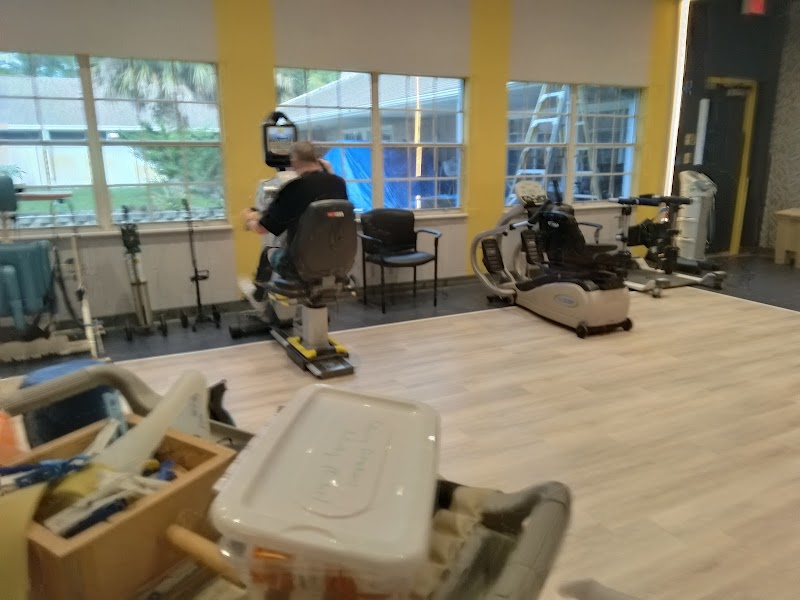
How is Coastal Center Staffed?

CMS rates COASTAL HEALTH AND REHABILITATION CENTER's staffing level at 3 out of 5 stars, which is average compared to other nursing homes. Staff turnover is 60%, which is 14 percentage points above the Florida average of 46%. High turnover can affect care consistency as new staff learn residents' individual needs. RN turnover specifically is 56%, which is notably high. RNs provide skilled clinical oversight, so turnover in this role can affect medical care quality.

What Have Inspectors Found at Coastal Center?

State health inspectors documented 15 deficiencies at COASTAL HEALTH AND REHABILITATION CENTER during 2021 to 2025. These included: 15 with potential for harm.
Who Owns and Operates Coastal Center?

COASTAL HEALTH AND REHABILITATION CENTER is owned by a for-profit company. For-profit facilities operate as businesses with obligations to shareholders or private owners. The facility is operated by ASTON HEALTH, a chain that manages multiple nursing homes. With 120 certified beds and approximately 110 residents (about 92% occupancy), it is a mid-sized facility located in DAYTONA BEACH, Florida.
How Does Coastal Center Compare to Other Florida Nursing Homes?

Compared to the 100 nursing homes in Florida, COASTAL HEALTH AND REHABILITATION CENTER's overall rating (4 stars) is above the state average of 3.2, staff turnover (60%) is significantly higher than the state average of 46%, and health inspection rating (4 stars) is above the national benchmark.

What Should Families Ask When Visiting Coastal Center?

Based on this facility's data, families visiting should ask: "How do you ensure continuity of care given staff turnover, and what is your staff retention strategy?" "Can I visit during a mealtime to observe dining assistance and food quality?" "How do you handle medical emergencies, and what is your hospital transfer rate?" "Can I speak with family members of current residents about their experience?" These questions are particularly relevant given the facility's high staff turnover rate.

Is Coastal Center Safe?

Based on CMS inspection data, COASTAL HEALTH AND REHABILITATION CENTER has a clean safety record: no substantiated abuse findings (meaning no confirmed cases of resident harm), no Immediate Jeopardy citations (the most serious violation level indicating risk of serious injury or death), and is not on the Special Focus Facility watch list (a federal program monitoring the lowest-performing 1% of nursing homes). The facility has a 4-star overall rating and ranks #1 of 100 nursing homes in Florida. While no facility is perfect, families should still ask about staff-to-resident ratios and recent inspection results during their visit.

Do Nurses at Coastal Center Stick Around?

Staff turnover at COASTAL HEALTH AND REHABILITATION CENTER is high. At 60%, the facility is 14 percentage points above the Florida average of 46%. Registered Nurse turnover is particularly concerning at 56%. RNs handle complex medical decisions and coordinate care — frequent RN changes can directly impact care quality. High turnover means new staff may not know residents' individual needs, medications, or preferences. It can also be disorienting for residents, especially those with dementia who rely on familiar faces. Families should ask: What is causing the turnover? What retention programs are in place? How do you ensure care continuity during staff transitions?

Was Coastal Center Ever Fined?

COASTAL HEALTH AND REHABILITATION CENTER has no federal fines on record. CMS issues fines when nursing homes fail to meet care standards or don't correct problems found during inspections. The absence of fines suggests the facility has either maintained compliance or corrected any issues before penalties were assessed. This is a positive indicator, though families should still review recent inspection reports for the full picture.

Is Coastal Center on Any Federal Watch List?

COASTAL HEALTH AND REHABILITATION CENTER is not on any federal watch list. The most significant is the Special Focus Facility (SFF) program, which identifies the bottom 1% of nursing homes nationally based on persistent, serious quality problems. Not being on this list means the facility has avoided the pattern of deficiencies that triggers enhanced federal oversight. This is a positive indicator, though families should still review the facility's inspection history directly.