DAYTONA BEACH HEALTH AND REHABILITATION CENTER

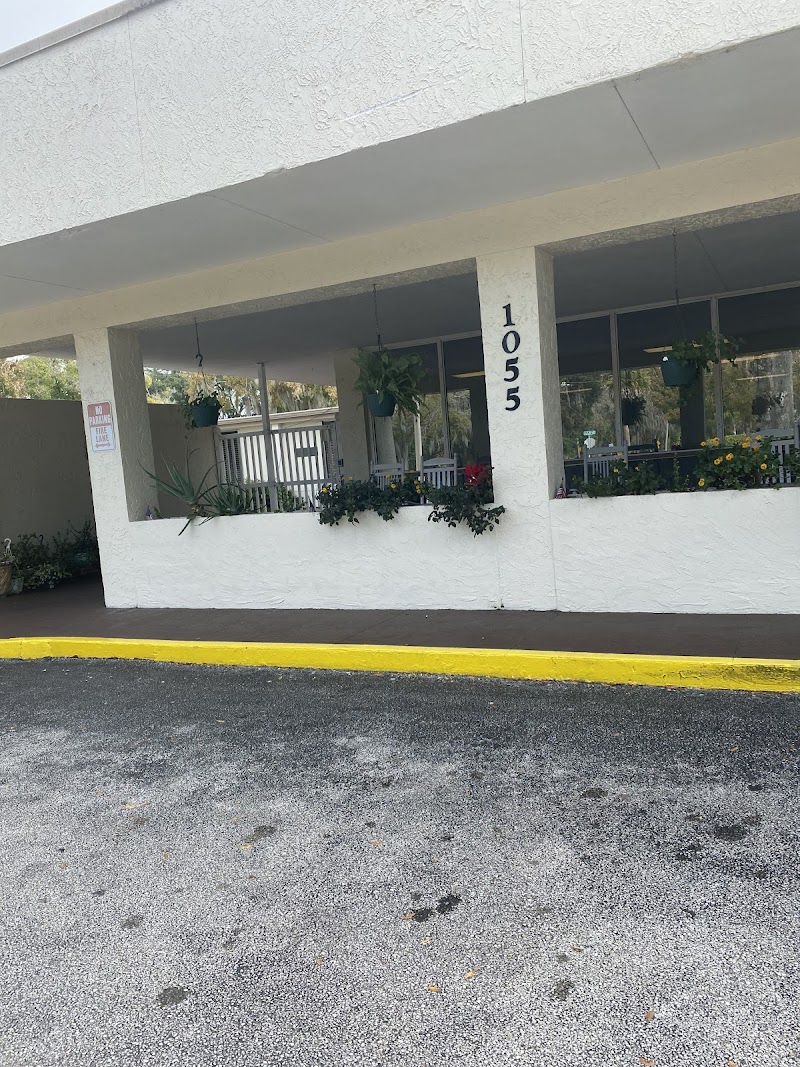
1055 3RD STREET, DAYTONA BEACH, FL 32117 (386) 252-3686
For profit - Limited Liability company 180 Beds NHS MANAGEMENT Data: November 2025 4 Immediate Jeopardy citations
Trust Grade
0/100
#491 of 690 in FL
Last Inspection: February 2024

Within standard 12-15 month inspection cycle. Federal law requires annual inspections.

Overview

Daytona Beach Health and Rehabilitation Center has received an F trust grade, indicating significant concerns about the quality of care provided. Ranking #491 out of 690 in Florida places it in the bottom half of state facilities, and #25 out of 29 in Volusia County shows there are better local options available. While the facility has shown some improvement by reducing issues from four in 2024 to one in 2025, it still faces serious concerns, including $261,550 in fines, which is higher than 93% of Florida facilities and suggests ongoing compliance problems. Staffing is relatively average with a turnover rate of 38%, which is below the state average, but the facility has less RN coverage than 97% of others in Florida, raising concerns about adequate medical oversight. Specific incidents have raised alarm, including failures to protect vulnerable residents from sexual abuse, highlighting significant safety risks that families should consider when researching care options.

Trust Score
F
0/100
In Florida
#491/690
Bottom 29%
Safety Record
High Risk
Review needed
Inspections
Getting Better
4 → 1 violations
Staff Stability
○ Average
38% turnover. Near Florida's 48% average. Typical for the industry.
Penalties
✓ Good
$261,550 in fines. Lower than most Florida facilities. Relatively clean record.
Skilled Nurses
⚠ Watch
Each resident gets only 20 minutes of Registered Nurse (RN) attention daily — below average for Florida. Fewer RN minutes means fewer trained eyes watching for problems.
Violations
⚠ Watch
16 deficiencies on record. Higher than average. Multiple issues found across inspections.
★★☆☆☆
2.0
Overall Rating
★★★☆☆
3.0
Staff Levels
★★★★☆
4.0
Care Quality
★★☆☆☆
2.0
Inspection Score
Stable
2024: 4 issues
2025: 1 issues

The Good

  • 4-Star Quality Measures · Strong clinical quality outcomes
  • Full Sprinkler Coverage · Fire safety systems throughout facility
  • No fines on record
  • Staff turnover below average (38%)

    10 points below Florida average of 48%

Facility shows strength in quality measures, fire safety.

The Bad

2-Star Overall Rating

Below Florida average (3.2)

Below average - review inspection findings carefully

Staff Turnover: 38%

Near Florida avg (46%)

Typical for the industry

Federal Fines: $261,550

Well above median ($33,413)

Significant penalties indicating serious issues

Chain: NHS MANAGEMENT

Part of a multi-facility chain

Ask about local staffing decisions and management

The Ugly 16 deficiencies on record

4 life-threatening
Jun 2025 1 deficiency
CONCERN (D) 📢 Someone Reported This

A family member, employee, or ombudsman was alarmed enough to file a formal complaint

Potential for Harm - no one hurt, but risky conditions existed

Deficiency F0628 (Tag F0628)

Could have caused harm · This affected 1 resident

Based on interview with Long-Term Care Ombudsman, record review, staff interviews, and facility policy review, the facility failed to provide a copy of the Nursing Home Transfer and Discharge Notice (...

Read full inspector narrative →
Based on interview with Long-Term Care Ombudsman, record review, staff interviews, and facility policy review, the facility failed to provide a copy of the Nursing Home Transfer and Discharge Notice (NHTDN) to the local Long-Term Ombudsman office for three (Resident #1, Resident #4, and Resident #5) out of five residents reviewed for discharge. The findings include: During an interview with the Long-Term Care Ombudsman on 6/13/25 at approximately 11:00 AM, she stated that the Long-Term Care Ombudsman office had only received one Transfer/Discharge notification from the facility for several months. 1. Review of Resident #1's admission record showed an admit date of 5/15/25. Review of Resident #1's NHTDN dated 5/23/25 did not show the local Long Term Care Ombudsman was notified of transfer to homeless shelter. 2. Review of Resident #4's admission record showed an admit date of 4/2/25. Review of Resident #2's NHTDN dated 4/24/25 did not show the local Long Term Care Ombudsman was notified of transfer to home. 3. Review of Resident #5's admission record showed an admit date of 4/12/25. Review of Resident #5's NHTDN was not dated and did not show the local Long Term Care Ombudsman was notified of transfer to home. An interview was conducted with the Social Services Director (SSD) on 6/17/25 at approximately 12:41 PM. She confirmed that she was responsible for providing the notification of transfer and discharge to the local state ombudsman office. She explained that once the form was completed by all disciplines, and the resident or resident representative signed the form, she would then send a copy of the notification to the ombudsman office via email. When she was asked to provide the email verification for Resident #1, Resident #4, and Resident #5, she stated she was going to resend them all now. No email verifying the Transfer/Discharge notification was provided to the Ombudsman for Resident #1, Resident #4, and Resident #5 was received. An interview with was conducted with the Administrator on 6/17/25 at approximately 1:48 PM. She stated that her expectation for the Transfer/Discharge notice was that the SSD email a copy of all Transfer/Discharge notifications issued to the Long-Term Care Ombudsman office on the first day of each month, with the previous month transfer/discharges. A review of the facility's policy Transfer, Discharge and Therapeutic Leaves (Including AMA) effective June 26, 2019, stated on page 2, section d) (In Florida, fax a copy of the discharge notice to the local Ombudsman Council within 5 business days after signature by resident/legal representative). (Photographic evidence obtained) .
Feb 2024 4 deficiencies
CONCERN (D)

Potential for Harm - no one hurt, but risky conditions existed

Deficiency F0583 (Tag F0583)

Could have caused harm · This affected 1 resident

**NOTE- TERMS IN BRACKETS HAVE BEEN EDITED TO PROTECT CONFIDENTIALITY** Based on observations, interview, and record review, the facility failed to maintain privacy of residents' personal and medical ...

Read full inspector narrative →
**NOTE- TERMS IN BRACKETS HAVE BEEN EDITED TO PROTECT CONFIDENTIALITY** Based on observations, interview, and record review, the facility failed to maintain privacy of residents' personal and medical records for two (Residents #113 and #1) of 34 sampled residents. The findings include: 1. On 02/01/24 at 9:49 a.m., a computer on the nurse's medication cart on the west wing hallway was observed to be unlocked. The computer screen displayed the medical record for Resident #113. The record revealed the resident's physician's orders, physician, and room number. (Photographic evidence obtained) Licensed Practical Nurse (LPN) D was observed exiting Resident #113's room on 02/10/24 at 9:53 a.m. She stated she had to give the resident his medication and forgot to close the computer. 2. On 02/01/24 at 9:59 a.m., the door to room [ROOM NUMBER] was observed with a yellow poster indicating that the resident in 318 bed A was NPO (nothing consumed by mouth) on 02/01/24. The resident's name was also displayed on the door identifying the resident in 318 bed A as Resident #1. In an interview on 02/01/24 at 11:03 a.m. with LPN E, she stated Resident #1was having an abdominal ultrasound and needed to be NPO. When asked about the sign on the door, she stated it should not have been placed there. During an interview with the Director of Nursing (DON) on 02/01/24 at 11:07 a.m., she stated the computer should be locked while the nurse is away from it. When asked about the sign on the door for room [ROOM NUMBER], she stated it should not have been there. She added that the staff should communicate the residents' information during report and the morning huddle meeting. A review of the facility's policy and procedure titled Confidentiality of Medical Information, Policy Number NM 11-10, effective October 1, 2010, revealed that the policy's purpose indicated that the resident had the right to privacy and confidentiality of clinical information. The policy standard read: The facility should keep confidential all information contained in a resident's record, regardless of the form of storage or location of the record, except when release is required to another health care facility or by law. To maintain confidentiality of resident medical information, employees should exercise caution during discussion of a confidential nature with the resident, in using medical record information for documentation purpose, and in the use of signs or care reminder information sheets that may be posted in the resident's room. .
CONCERN (D)

Potential for Harm - no one hurt, but risky conditions existed

Respiratory Care (Tag F0695)

Could have caused harm · This affected 1 resident

**NOTE- TERMS IN BRACKETS HAVE BEEN EDITED TO PROTECT CONFIDENTIALITY** Based on observations, staff interview, record review, and facility policy review, the facility failed to ensure that a resident...

Read full inspector narrative →
**NOTE- TERMS IN BRACKETS HAVE BEEN EDITED TO PROTECT CONFIDENTIALITY** Based on observations, staff interview, record review, and facility policy review, the facility failed to ensure that a resident who required respiratory care was provided such care, consistent with professional standards of practice, and the comprehensive care plan for one (Resident #389) of a total sample of 34 residents. The findings include: On 01/29/24 at 12:23 PM, Resident #389 was observed sitting up in bed with oxygen infusing at 3.5 liters per minute via nasal cannula. Resident #389 stated, My oxygen is set at 4 liters. On 01/30/24 at 10:50 AM, Resident #389 was observed lying in bed with oxygen infusing at 3.5 liters per minute via nasal cannula. (Photographic evidence obtained) On 01/30/24 at 3:30 PM, Resident #389 was observed lying in bed with oxygen infusing at 3.5 liters per minute via nasal cannula. (Photographic evidence obtained) A review of Resident #389's record revealed that he was admitted to the facility on [DATE] with diagnoses including but not limited to chronic obstructive pulmonary disease (COPD), acute respiratory failure with hypoxia, chronic respiratory failure with hypoxia, chronic respiratory failure with hypercapnia, and a dependence on supplemental oxygen. A review of the minimum data set (MDS) assessment with a reference date of 01/25/24 revealed that it was incomplete, in progress, and that the resident was a new admission. A review of the resident's 01/25/24 admission physician's orders revealed the following: Oxygen, 4 liters continuously via nasal cannula for chronic respiratory failure. A review of the care plan dated 1/26/24 revealed the following: FOCUS: Receiving oxygen therapy, continuous at 4 L/min (four liters of oxygen per minute). Goal: I will exhibit no shortness of breath x 90 days. Interventions included but were not limited to: Administer oxygen therapy as ordered. A review of the resident's progress notes from 01/25/24 through 02/01/24, revealed: 01/30/24 06:19 AM Resident is total care, 02 (oxygen) on per order. On 02/01/24 at 1:10 PM, an interview was conducted with Licensed Practical Nurse (LPN) F, who stated she had been trained to administer oxygen but she could not recall how recently that occurred. I can't say I have not had training, it's almost common sense, but we have had in-services and I'm sure oxygen has come up. When she was asked how the correct oxygen flow rate settings were communicated from one staff person to another, she said oxygen flow rate/settings information was passed on during change-of-shift report from nurse to nurse along with the resident's current condition. LPN F further stated she would check the orders against the flow rate setting every time she went into the resident's room. When she was asked about the certified nursing assistants' (CNAs') role regarding residents' oxygen therapy, LPN F stated, the CNAs don't really play a role except to know how many liters the resident is receiving, so they can be our eyes on the floor. A review of the facility's Nursing Procedures Manual revealed the following: Advanced Care Procedures, Policy Title: Oxygen Administration (Policy number: NP.VI-58, Effective date: December 8, 2005, Sepersedes: NP.VI-58 - Nov. 1, 2001), Page one of one - Purpose: To administer high purity oxygen for the treatment of certain diseases or conditions. Standard: Oxygen should be administered under orders of the attending physician, except in case of an emergency. Process: 1. Obtain physician's orders for the rate of flow and route of administration of oxygen. 8. Check oxygen flowmeter for correct liter flow. .
CONCERN (D)

Potential for Harm - no one hurt, but risky conditions existed

Medical Records (Tag F0842)

Could have caused harm · This affected 1 resident

Based on observation, interview, and record review, the facility failed to ensure that the resident's record was accurately documented for one (Resident #71) of a total of 34 residents sampled. The fi...

Read full inspector narrative →
Based on observation, interview, and record review, the facility failed to ensure that the resident's record was accurately documented for one (Resident #71) of a total of 34 residents sampled. The findings include: During a medication administration observation on 01/31/24 at 9:30 a.m., Licensed Practical Nurse (LPN) D stated the bumetanide (diuretic) for Resident #71 was not in the medication cart. She went to the emergency drug kit (EDK) and confirmed that the medication was not listed as available in the EDK. She said she would have to contact the Advance Practice Nurse Practitioner (ARNP). On 01/31/24 at 10:10 a.m., LPN D contacted the ARNP who stated he ordered bumetanide on 1/24/24 and asked the nurse to contact the pharmacy and get the estimated time of arrival (ETA) before he could write new orders. LPN D called the pharmacy and was informed that the pharmacy had not received the order for bumetanide. She was asked to send a new order. On 01/31/24 at 10:17 a.m., LPN D was asked to review the medication administration record (MAR) for Resident #71. She confirmed that bumetanide 1 milligram (mg) every day was marked as having been administered from 1/25/24 through 1/30/24 by LPN B. During an interview with the Director of Nursing (DON) on 02/01/24 at 11:07 a.m., she stated she was made aware of the issue. .
CONCERN (E)

Potential for Harm - no one hurt, but risky conditions existed

Deficiency F0625 (Tag F0625)

Could have caused harm · This affected multiple residents

**NOTE- TERMS IN BRACKETS HAVE BEEN EDITED TO PROTECT CONFIDENTIALITY** Based on record reviews and staff interview, the facility failed to provide a notice of its bed hold policy prior to transfer of...

Read full inspector narrative →
**NOTE- TERMS IN BRACKETS HAVE BEEN EDITED TO PROTECT CONFIDENTIALITY** Based on record reviews and staff interview, the facility failed to provide a notice of its bed hold policy prior to transfer of a resident to an acute-care facility to two (Residents #8 and #189) of a total sample of 34 residents. The facility also failed to provide a bed hold policy to 22 (Residents #201, #115, #273, #48, #44, #104, 1, #74, #123, #117, #136, #226, #339, #105, #16, #70, #19, #249, #112, #262, #120, and #9) of 22 additional residents transferred to an acute-care facility who were listed in the facility's January 2024 Discharge Report. The findings include: 1. A review of Resident #8's medical record revealed that she was admitted to the facility on [DATE]. Her diagnoses included, but were not limited to, convulsions, genetic torsion dystonia (sustained muscle contractions), tremors, salivary secretions, a history of traumatic brain injury, cauda equina syndrome (lower spinal cord pressure and swelling), dysphagia, and language deficit. A review of a nursing progress note, dated 12/10/23, revealed that the resident was transferred to the hospital after choking during a meal. There was no indication in the record that a bed hold policy had been provided at the time of the resident's transfer to the hospital. 2. A review of Resident #189's medical recored revealed that he was admitted to the facility on [DATE] with diagnoses including, but not limited to schizophrenia, a history of alcohol abuse, bipolar disorder, a history of cannabis abuse, and a fracture of the lower end of the tibia. A review of a nursing progress note, dated 09/07/23, revealed that Resident #189 had been transferred out of the facility via [NAME] Act (involuntary psychiatric admission) due to the endangerment of other residents/staff in the facility. There was no indication in the record that a bed hold policy had been provided at the time of the resident's transfer to the hospital. A review of the facility's Discharge Report for the period of 01/01/24 through 01/31/24, revealed that the facility transferred 24 residents to an acute care facility during that time: Residents #201, #115, #273, #48, #44, #104, 1, #74, #123, #117, #136, #226, #339, #105, #16, #70, #19, #249, #112, #262, #120, and #9. (Copy obtained) On 02/01/24 at 1:05 p.m., an interview was conducted with the Social Services Director (SSD), and she was asked to provide a copy of the bed hold policy that had been provided to Residents #8 and #189 at the time of transfer. She stated she was not responsible for providing the bed hold policy to the residents. She stated she would ask the Director of Nursing (DON) who was responsible for providing that information. On 02/01/24 at 1:17 p.m., the SSD returned and stated per the DON, no one was completing the bed hold policy forms or providing them to the residents as required. She added that going forward, she would be the one responsible for that task. A review of the facility's policy and procedure titled Transfer, Discharge and Therapeutic Leave (including AMA (against medical advice), Policy Number NM 11-18, effective June 6, 2019, Page 2 III Emergency transfer/discharges, revealed that emergency transfers should occur only for medical reasons, or for the immediate safety and welfare of a resident/guest, or other residents/guests. Emergency transfer procedures should include the following: a. Obtain physician's orders for emergency transfer or discharge, stating the reason the transfer or discharge is necessary on an emergency basis. b. Contact an ambulance service and provider hospital, at facility of resident/guest's choice, for transportation and admission arrangements. c. Complete and send with the resident/guest a transfer form which documents diagnosis, reason for transfer/discharge, date, time, physician, current medications, treatments, functional status, and any special care needs and care plan goals. e. The original copies of the transfer form and advanced directives accompany the resident/guest. Copies are retained in the medical record. f. Document information regarding the transfer in the medical record. g. A copy of the resident/guest bed hold policy and admission policies/transfer to hospital notice should be provided upon transfer by the assigned nurse to the resident and/or representative of the resident. .
Apr 2023 4 deficiencies 4 IJ
CRITICAL (J) 📢 Someone Reported This

A family member, employee, or ombudsman was alarmed enough to file a formal complaint

Immediate Jeopardy (IJ) - the most serious Medicare violation

Free from Abuse/Neglect (Tag F0600)

Someone could have died · This affected 1 resident

**NOTE- TERMS IN BRACKETS HAVE BEEN EDITED TO PROTECT CONFIDENTIALITY** Based on staff interviews, resident and facility record reviews, and a review of the facility's policy titled Abuse, Neglect, Mi...

Read full inspector narrative →
**NOTE- TERMS IN BRACKETS HAVE BEEN EDITED TO PROTECT CONFIDENTIALITY** Based on staff interviews, resident and facility record reviews, and a review of the facility's policy titled Abuse, Neglect, Misappropriation of Resident/Guest Property, Suspicious Injuries of Unknown Source, Exploitation, the facility failed to provide vulnerable residents protection from sexual abuse. This resulted in unwanted sexual contact for one (Resident #1) of three residents reviewed for abuse. The facility failed to develop and implement interventions necessary to protect Resident #1 from unwanted sexual contact by Resident #2, who had a diagnosis of dementia, a history of physical aggression toward other residents, and was independently ambulatory. This created a likelihood that Resident #1 or any other vulnerable resident could be sexually or physically assaulted and suffer serious psychosocial and/or physical harm from Resident #2. On 2/18/23 at approximately 6:15 p.m., Residents #1 and #2 were observed in the [NAME] Wing TV room by Certified Nursing Assistant (CNA) A. Resident #1's blouse was unbuttoned down to her sternum and her breast was exposed. Resident #2 was observed with Resident #1's breast in his mouth. The duration of this behavior was unknown to staff. The residents were separated, and Resident #2 was placed on one-to-one (1:1) supervision until three days later when Resident #1 was discharged from the facility. At that time, Resident #2's one-to-one supervision was discontinued. Resident #2 is independently ambulatory. In a 2/18/23 statement by CNA A, she wrote that Resident #2 admitted to doing it. On 2/21/23, Resident #1 was discharged to an assisted living facility (ALF). In a 4/11/23 interview with Resident #1's family member at 1:25 p.m., she stated Resident #1 had no known behaviors of exposing herself. The family member removed Resident #1 from the facility because she was concerned that this inappropriate sexual behavior would recur. Resident #1 was unable to consent to sexual activity due to severely impaired cognition. She and other vulnerable female residents were at risk for being affected by the deficient practice and potentially suffer serious psychosocial harm not yet realized, because of their inability to consent to sexual activity. This diminishes their self-worth and self-respect. Immediate Jeopardy at a scope of J (isolated) was identified at 3:12 p.m. on April 11, 2023. On February 18, 2023, at 6:15 p.m., Immediate Jeopardy began. On April 12, 2023, at 7:30 p.m., the Administrator was notified of the IJ determination, and Immediate Jeopardy was removed, effective April 13, 2023, after verification of the removal of immediacy. The facility remained out of compliance, and the scope and severity were reduced to a D, no actual harm, with a potential for no more than minimal harm, due to the facility's failure to provide adequate supervision to ensure resident safety and prevent sexual abuse. The findings include: Cross reference F610, F835, and F867 Review of a facility report revealed that on 2/18/23 at approximately 6:15 p.m., Residents #1 and #2 were observed in the [NAME] Wing TV room by CNA A. Resident #1's blouse was unbuttoned down to her sternum and her breast was exposed. Resident #2 was observed with Resident #1's breast in his mouth. The duration of this behavior was unknown to staff. The residents were separated. CNA A stopped the behavior and notified Licensed Practical Nurse (LPN) B. LPN B directed Resident #2 back to his room accompanied by CNA A. While CNA A was escorting Resident #2 to his room, she informed him that he would need to speak with the police and the Administrator. At that time, Resident #2 asked CNA A if he was going to jail. LPN B notified the House Supervisor of the event. On 2/18/23 at 7:15 p.m., Resident #2 was placed on one-to-one (1:1) supervision. Resident #1 was assessed for injuries with none noted. Review of a statement written on 2/18/23 by LPN B, revealed that Resident #2 stated to LPN B, Yes, I was sucking on her titty. A review of the facility's Abuse Log from March 1, 2022 through April 13, 2023 revealed that Resident #2 was involved in two other physical resident-to-resident altercations. One occurred on 1/17/23, which involved Resident #2 and another resident in the TV room, when Resident #2's hand was pushed away from a third resident and Resident #2 punched the second resident who had pushed his hand away. During the other incident on 1/29/23, Resident #2 threw an empty chip bag, hitting another resident who would not move, so he could get to the couch. A review of Resident #2's psychiatric note, written on 3/1/23, revealed the following: He was seen in a common area today sitting on a sofa well-groomed wearing a blue sweatshirt. Patient states, not good. He stated, I ain't supposed to be touching no woman and you are a woman. Apparently, the patient was exhibiting sexually inappropriate behavior with another resident. A 4/11/23 review of Resident #2's active care plan, revealed an intervention for frequent observation. On 1/31/23, interventions were added for behaviors - physical aggression toward others; throwing things at others, with an intervention of Place resident in an area where frequent observation is possible. On 2/20/23, the resident's care plan was updated with a new problem, inappropriate touching of others, however, there were no changes/updates to the care plan interventions. A review of Resident #2's medical record revealed that he was admitted on [DATE] with diagnoses including dementia and depression. A review of Resident #2's Quarterly MDS assessment, dated 12/22/22, revealed he had adequate vision and hearing, clear speech, he understood others and could be understood. Resident #2 had a BIMS score of 09 out of a possible 15 points, indicating moderate cognitive impairment. He was independently ambulatory. On 4/11/23 At 12:55 p.m., an interview was conducted with CNA M (West Wing). When she was asked if she was familiar with Resident #2, she stated, Yes. When she was asked if he wandered around the facility, she replied, Not really, he is usually in either the TV room or his room. He goes to dialysis and usually waits in the TV room for his ride. When asked if Resident #2 had any issues with other residents, she stated, He hit another resident and another time he threw an empty chip bag at a resident. When asked if he had ever been sexually inappropriate with another resident, she stated, Yes, he got put on 1:1 (one staff to one resident supervision), referring to this incident with Resident #1. At the time of the interview, the TV room was observed. There were several residents in the room, but there was no couch. (The 2/18/23 incident was noted to have occurred on the couch in the TV room.) A CNA was observed assisting a resident with lunch, but Resident #2 was not in the TV room at that time. On 4/11/23 at 1:15 p.m., an interview was conducted with LPN F/Unit Manager. When she was asked to define the word frequent as related to frequent observation in Resident #2's care plan interventions, she stated she wasn't sure how to define that. When she was asked how often a resident on frequent observation was to be checked, she stated, It depends on where they are. If they are in their room, then every hour or so. If they are in the TV room, then there is usually a staff member either in the TV room or sitting at the nursing station (which is in view of the TV room). On 4/11/23 at 1:18 p.m., Resident #2 was observed lying on his bed, dressed. When he was asked if he had been to dialysis today, he replied, Not yet. When he was asked if he had had any issues with other residents, he stated, No. When asked if any residents had tried to hit him, he replied, No. He stated he felt safe at the facility. He was alone in his room. No staff were providing 1:1 supervision, and no staff were outside his door. On 4/11/23 at 2:28 PM, LPN J/Unit Manager, was interviewed. When she was asked if there were any residents on the unit known for touching or grabbing at residents or staff. She stated, Not really. There was an incident with [Resident #2] who touched another resident's breast. When she was asked if Resident #2 was known for that kind of behavior, she replied, No. When she was asked if she was aware of how Resident #1's breast became exposed, she replied, She wore low-cut tops and she would wander around the day room where Resident #2 hung out. On 4/11/23 at 3:12 p.m. an interview was conducted with the Administrator. When he was asked to define Resident #2's care plan intervention frequent observation, he stated there was no specific, understood time frame for that term. When he was asked about the removal of Resident #2's 1:1 supervision, the Administrator stated, 1:1 is typically removed after 10 to 14 days with recommendations from psych (psychiatric services) and the physician. When he was asked why Resident #2's 1:1 supervision was removed on 2/21/23 (three days after the initiation of the 1:1 supervision), the Administrator did not respond. On 4/11/23 At 4:42 PM, an interview was conducted with CNA A. When she was asked if she was aware that Resident #2 was to be on frequent observation, she stated she was unaware of his need for frequent observation/increased supervision. He spends most of his time between the TV room and his room. She said he was not known to be sexually inappropriate. On the night of the incident, it was dinner time. She had passed trays and fed residents. When she went to the TV room to pick up trays, she observed the incident between Residents #1 and #2. A review of Resident #1's medical record revealed that she was admitted to the facility on [DATE]. Her diagnoses included Alzheimer's disease-early onset, depression, and anxiety. Further review of Resident #1's record revealed she was discharged to an ALF per her Power of Attorney's (POA's) wishes on 2/21/23. Resident #1's daughter was her POA. No assessment had been completed related to the resident's ability to consent to sexual activity. A review of Resident #1's nursing progress notes from her date of admission on [DATE] through the date of the incident on 2/18/23, revealed no documented evidence of Resident #1's having wandering behavior, inappropriate sexual behavior, or disrobing in public. Review of a 2/15/23 Nursing Assessment, revealed that Resident #1 had unclear speech, moderately impaired cognition, short- and long-term memory deficit, and wandering behaviors. A review of Resident #1's 2/21/23 Minimum Data Set (MDS) assessment revealed a Brief Interview for Mental Status (BIMS) score of 00 out of a possible 15 points, indicating severe cognitive impairment. The following was documented: Rejection of care, behavior symptoms directed towards others, wandering occurred daily, and independent for locomotion (ambulatory). A review of Resident #1's care plan, dated 2/10/23, revealed the following care areas: Assistance to complete Activities of Daily Living; Potential for Weight Loss; Incontinence with the Potential for Skin Breakdown; and a Potential for Falls related to the use of psychotropic medications. There was no mention of or care plan for resident behaviors prior to the 2/18/23 incident. On 2/20/23, after the incident occurred, the care plan was updated for Wandering with Potential for Elopement and Sexual Expression related to overly affectionate behaviors. On 2/21/23, Resident #1's care plan was again updated to include interventions for Impaired Cognition related to dementia. Resident #1 was to have received psychiatric services for medication management but was not seen while in the facility. On 4/11/23 at 3:07 PM, an interview was conducted with the Assistant Administrator (AA). While reviewing Resident #1's care plan, it was revealed that she had been care planned for sexual behaviors two days after the incident with Resident #2. The AA was asked if this was new behavior. She replied that she did not know. When she was asked what type of behaviors were observed, she stated the resident would go up to other residents and touch their arms or faces. When asked if the AA thought these behaviors could have been a result of the incident with Resident #2, she said she was not sure. When the AA was asked why Resident #1 had not been seen by Psychiatric Services, she stated, There was a delay due to insurance verification. Somehow, [Resident #1] fell through the cracks. On 4/12/23 at 10:50 AM, the AA presented an email from the Medical Director for facility's Psychiatric Services provider. The email acknowledged that somehow, they missed seeing Resident #1 and apologized. Also included in the email was a protocol to ensure this would not recur. A review of the facility's policy titled Abuse, Neglect, Misappropriation of Resident Property, Exploitation (Effective 10/2022), Pages 2 and 3 revealed the following: The following are definitions of specific types of abuse: 2. Sexual - Sexual abuse is a non-consensual sexual contact of any type with a resident/guest and includes, but is not limited to, sexual harassment, sexual coercion, or sexual assault. Sexual contact may be considered non-consensual: if the resident/guest either appears to want the contact to occur but lacks the cognitive ability to consent or does not want the contact to occur. (Refer to Supplemental Questions for Determination of Capacity Related to Sexual Decisions) *Determination of capacity cannot necessarily be based on a diagnosis alone. Any sexual contact between staff and resident/guest unless staff and resident had a prior sexual relationship before resident admission or married to each other (even in a consensual relationship), will be considered an abuse of power. Any sexual contact between resident/guest if one or both lacks ability to consent. Any sexual contact between a visitor and resident/guest if either one lacks ability to consent. Sexual contact can include touching of breasts, genitalia, groin, inner thighs, or buttocks with intent to cause sexual satisfaction or excitement to either person. Page 8: Prevention Policies and Procedures C) If an instance of resident-on-resident abuse occurs, the facility will take reasonable measure to help prevent a reoccurrence. The facility's Quality Assurance committee is responsible for problem identification and for making certain that the facility takes appropriate corrective action. If actual abuse occurs, an emergency QAPI will be held to review interventions. Throughout the survey, the facility provided their immediate jeopardy removal plan, and these immediate actions were verified as having been completed by the surveyor as follows: On 4/13/23 at 11:45 AM, an observation was made on the [NAME] Wing. Resident #2 was sitting in the TV room. CNA I was sitting next to him. At 12:35 PM, Resident #2 returned to his room accompanied by CNA I. 1:1 supervision was in place for Resident #2. On 4/13/23 at 12:05 PM, an interview was conducted with Registered Nurse (RN) K, assigned to Resident #2. When she was asked if she received information during the morning change-of-shift report, she stated the staff had to complete a read and sign training document related to abuse and neglect. She was told at that time that Resident #2 was on 1:1 supervision again. RN K was asked if she was familiar with Resident #2. She stated, Yes, this is my assigned area. RN K was asked if she had ever observed Resident #2 display any inappropriate behaviors. She stated, He sometimes has lashed out at other residents. She said he sometimes used inappropriate language toward staff, but she didn't know of him touching any staff. On 4/13/23 at 12:45 PM, an interview was conducted with LPN L. She confirmed that she had received education on abuse and neglect this morning. When she was asked if there were any residents on the unit receiving 1:1 supervision, she stated, Not in my area but (pointing to the hall Resident #2 was on) down that hall. On 4/13/23 at 12:55 PM, an interview was conducted with CNA I (assigned to 1:1 supervision with Resident #2). When asked if she had received education today, she stated, Yes, abuse and neglect and how to document on the 1:1 form. On 4/13/23 at 1:00 PM, the Q (every) 60-minute tool for 1:1 (supervision) was reviewed with no concerns. A process was in place for staff to hand-off the 1:1 supervision when going on break with the receiving person signing in. On 4/13/23, Resident #2's care plan was reviewed. It had been revised on 4/13/23 at approximately 4:00 PM by the Social Services Director to include 1:1 supervision and behavior monitoring. Review of a 2/18/23 nurse's statement revealed that Resident #1 was assessed by the nurse on that date with no obvious injuries identified. The nurse was to be reeducated by the DON/designee on documenting assessments in the nurses' notes prior to reporting to work. A review of the nurses' notes revealed that Resident #1's nurse practitioner was contacted on 2/21/23 by LPN N, Unit Manager, to obtain discharge orders and a signature was obtained on the discharge paperwork on 2/21/23. No psychiatric services were noted between 2/18/23 and 2/21/23 when Resident #1 was discharged . Resident #1 returned to her previous ALF upon her request on 2/21/23. No acute distress was noted. A 4/13/23 review of the facility's IJ removal plan and witness statements, dated 4/11/23 and 4/13/23, revealed that the Social Services department interviewed vulnerable female residents on 4/11/2023. There were no sexually inappropriate behaviors noted, and no one reported being fearful of Resident #2. Resident #2 was documented as back on 1:1 supervision as of 4/11/23 at 6:00 PM. The On 4/11/23, the Social Services Assistant conducted interviews with other alert and oriented residents regarding concerns about sexually inappropriate behaviors and none were voiced. No one reported being fearful. A 4/13/23 review revealed that the facility management interviewed staff on duty and were in the process of calling staff members not currently working. All staff were to be interviewed to determine whether they knew of any unreported sexually inappropriate behaviors prior to working their next shift. 53 of 181 staff members had been interviewed as of 4/13/23. Three current residents with sexually inappropriate behaviors were identified and care planned as of 4/13/23. Two residents including Resident #2 were receiving 1:1 supervision, and the third resident was wheelchair-bound requiring a two-person assist for all activities of daily living (ADLs). A review of Resident #2's physician's orders revealed that a psychiatric evaluation/consult was ordered, and the evaluation was completed on 3/1/23. The resident has continued to be followed by psychiatric services and his next scheduled visit was on 4/13/2023. On 4/13/23 at 1:30 PM, the Psychiatric Mental Health Nurse Practitioner (PMHNP) was interviewed after Resident #2 was seen. He stated he was covering for the usual practitioner and had been contacted to conduct an emergency evaluation. Resident #2's cognition was declining, and he had been started on Paxil (antidepressant) to help with feelings of depression and sadness. On 4/13/23, a review of the 1:1 Supervision sign-in logs, revealed that the Administrator had developed a schedule for the assignment of a staff member to provide 24-hour supervision for Resident #2. The schedule was implemented on 4/11/23 at 6:00 PM. On 4/13/23, a review of the staff education and sign-in sheets, revealed that 92% of staff had signed off as having received education on what constitutes abuse by the DON/designee. On 4/13/23, the Administrator's and Assistant Administrator's reeducation by the Regional Director on thorough investigation, and abuse policy and procedure to include sexual abuse and protection of all residents involved, was verified as having been completed on 4/12/23. They were educated on the 1:1 process and instructed to include the QA team for potential discontinuation of 1:1 supervision. A 4/13/23 review of the education roster and sign-in sheets revealed that 92% of staff had been reeducated by the DON/designee on the facility's abuse policy and procedure including sexual abuse and protection of all residents as of 4/13/23. Staff were also reeducated on the facility's 1:1 supervision process by the DON/designee. All staff not already educated would be educated prior to their next shift. Total staff include PRN (as needed), PT (part time), and FT (full time) was 181. .
CRITICAL (J) 📢 Someone Reported This

A family member, employee, or ombudsman was alarmed enough to file a formal complaint

Immediate Jeopardy (IJ) - the most serious Medicare violation

Investigate Abuse (Tag F0610)

Someone could have died · This affected 1 resident

Based on staff interviews, resident and facility record reviews, and a review of the facility's policy titled Abuse, Neglect, Misappropriation of Resident/Guest Property, Suspicious Injuries of Unknow...

Read full inspector narrative →
Based on staff interviews, resident and facility record reviews, and a review of the facility's policy titled Abuse, Neglect, Misappropriation of Resident/Guest Property, Suspicious Injuries of Unknown Source, Exploitation, the facility failed to thoroughly investigate sexual abuse for one (Resident #1) of three residents reviewed for abuse. Failure to investigate sexual abuse thoroughly, contributed to the facility's female residents' risk of suffering the same sexual abuse resulting in serious psychosocial harm, which would diminish self-worth and self-respect. On 2/18/23 at approximately 6:15 p.m., Residents #1 and #2 were observed in the [NAME] Wing TV room by Certified Nursing Assistant (CNA) A. Resident #1's blouse was unbuttoned down to her sternum and her breast was exposed. Resident #2 was observed with Resident #1's breast in his mouth. The duration of this behavior was unknown to staff. The residents were separated, and Resident #2 was placed on one-to-one (1:1) supervision until three days later when Resident #1 was discharged from the facility. At that time, Resident #2's one-to-one supervision was discontinued. Resident #2 is independently ambulatory. In a 2/18/23 statement by CNA A, she wrote that Resident #2 admitted to doing it. On 2/21/23, Resident #1 was discharged to an assisted living facility (ALF). In a 4/11/23 interview with Resident #1's family member at 1:25 p.m., she stated Resident #1 had no known behaviors of exposing herself. The family member removed Resident #1 from the facility because she was concerned that this inappropriate sexual behavior would recur. Resident #1 was unable to consent to sexual activity due to severely impaired cognition. She and other vulnerable female residents were at risk for being affected by the deficient practice and potentially suffer serious psychosocial harm not yet realized, because of their inability to consent to sexual activity. This diminishes their self-worth and self-respect. Immediate Jeopardy at a scope of J (isolated) was identified at 3:12 p.m. on April 11, 2023. On February 18, 2023, at 6:15 p.m., Immediate Jeopardy began. On April 12, 2023, at 7:30 p.m., the Administrator was notified of the IJ determination, and Immediate Jeopardy was removed, effective April 13, 2023 after verification of the removal of immediacy. The facility remained out of compliance, and the scope and severity were reduced to a D, no actual harm, with a potential for no more than minimal harm, due to the facility's failure to conduct a thorough investigation, resulting in the provision of inadequate supervision to ensure resident safety and prevent sexual abuse. The findings include: Cross reference F600, F835, and F867 A review of the facility's investigation of the 2/18/23 sexual abuse of Resident #1 by Resident #2, revealed that the facility had not documented how long Residents #1 and #2 were in the TV room on the date of the incident, nor were their levels of supervision noted. There was no indication in the facility's investigation of whether there were other residents in the TV room at the time the incident occurred. There were no interviews of other vulnerable female residents on the unit regarding possible inappropriate sexual behaviors exhibited by Resident #2 toward them. There were no interviews of staff regarding inappropriate sexual behaviors exhibited by either Resident #1 or Resident #2. A 4/11/23 review of Resident #2's active care plan, revealed an intervention for frequent observation. On 1/31/23, interventions were added for behaviors - physical aggression toward others; throwing things at others, with an intervention of Place resident in an area where frequent observation is possible. On 2/20/23, the resident's care plan was updated with a new problem, inappropriate touching of others, however, there were no changes/updates to the care plan interventions. On 4/11/23 at 3:12 PM, an interview was conducted with the Administrator. When he was asked to define the care plan intervention frequent observation, he stated there was no specific, understood time frame for that term. When he was asked whether the incident investigation included interviewing other female residents residing on the same unit as Resident #2, he stated yes, however, he was unable to provide documented evidence of the interviews. When he was asked if other staff members were interviewed regarding Resident #2's behaviors, he said no, the only staff interviewed were those directly involved in the incident. When he was asked about the removal of Resident #2's 1:1 supervision, the Administrator stated, 1:1 is typically removed after 10 to 14 days and with recommendations from psych (psychiatric services) and the physician. When he was asked why Resident #2's 1:1 supervision was removed on 2/21/23 (three days after the initiation of the 1:1 supervision), the Administrator did not respond. On 4/11/23 At 4:42 PM, an interview was conducted with CNA A. She stated, He spends most of his time between the TV room and his room. She said he was not known to be sexually inappropriate. On the night of the incident, it was dinner time. She had passed trays and fed residents. When she went to the TV room to pick up trays, she observed the incident between Residents #1 and #2. On 4/11/23 at 3:07 PM, an interview was conducted with the Assistant Administrator (AA). While reviewing Resident #1's care plan, it was revealed that she had been care planned for sexual behaviors two days after the incident with Resident #2. The AA was asked if this was new behavior. She replied that she did not know. When she was asked what type of behaviors were observed, she stated the resident would go up to other residents and touch their arms or faces. When asked if the AA thought these behaviors could have been a result of the incident with Resident #2, she said she was not sure. When the AA was asked why Resident #1 had not been seen by Psychiatric Services, she stated, There was a delay due to insurance verification. Somehow, [Resident #1] fell through the cracks. On 4/12/23 at 10:50 AM, the AA presented an email from the Medical Director for facility's Psychiatric Services provider. The email acknowledged that somehow, they missed seeing Resident #1 and apologized. Also included in the email was a protocol to ensure this would not recur. A review of the facility's policy titled Abuse, Neglect, Misappropriation of Resident Property, Exploitation (Effective 10/2022), Page 10 revealed the following: Section VI. Investigations and Facility Response to Incidents or Accidents b) Bullet point 7-The Administrator is responsible for conducting a thorough investigation and obtaining witness statements. Bullet point 8-A complete and thorough investigation must be conducted on all incidents . whether reportable or not, within five working days to determine the cause of the injury or incident. The outcome of the investigation must also determine whether or not the incident was abusive or neglectful in nature. Throughout the survey, the facility provided their immediate jeopardy removal plan, and these immediate actions were verified as having been completed by the surveyor as follows: A review of the behavior dashboard on 4/12/23 and 4/13/23, revealed that nursing management and the social worker were reviewing it daily to ensure adequate and appropriate assessments were being conducted and that the QA (Quality Assurance) team was monitoring residents with inappropriate sexual behaviors. The QA team consisted of the Administrator/ Assistant Administrator, Director of Nursing/Assistant Director of Nursing, and the Social Services Director/Assistant at a minimum. The QA team was reviewing residents with sexual behavior issues daily, to include clinical documentation. Care plans will be revised accordingly. A 4/13/23 review of the education and sign-in sheets revealed that the Administrator and Assistant Administrator were reeducated by the Regional Director on thorough investigation protocols related to the facility's abuse policy and procedure on 4/12/2023. Education included sexual abuse and protection of all residents involved. A thorough investigation into any allegation must include record reviews, root cause analysis, and interviews. A 4/13/23 review of the facility's new Verification of Investigation (VOI) form protocol, revealed that the Administrator/designee would utilize the VOI form to conduct a consistent and thorough investigation of alleged abuse. This was initiated on 4/12/23. The VOI form included a detailed description of the Incident/Allegation, the resident's BIMS (Brief Interview for Mental Status) score, Resident Interview Summary, immediate resident protection initiated, and related information. A review of Resident #2's care plan revealed that it had been reviewed by facility management as noted in their IJ removal plan. Care plans of residents directly involved would be reviewed during the investigation and psychiatric/psychological consultations would be ordered after the alleged incident. Resident #2 was seen by psychiatric services on 3/1/23 and 4/13/23 with ongoing evaluations to be provided. Resident #2's care plan was reviewed and updated on 2/20/23. 1:1 supervision was restarted on 4/12/23. .
CRITICAL (J) 📢 Someone Reported This

A family member, employee, or ombudsman was alarmed enough to file a formal complaint

Immediate Jeopardy (IJ) - the most serious Medicare violation

Administration (Tag F0835)

Someone could have died · This affected 1 resident

**NOTE- TERMS IN BRACKETS HAVE BEEN EDITED TO PROTECT CONFIDENTIALITY** Based on staff interviews, resident and facility record reviews, and a review of the facility's policy titled Abuse, Neglect, Mi...

Read full inspector narrative →
**NOTE- TERMS IN BRACKETS HAVE BEEN EDITED TO PROTECT CONFIDENTIALITY** Based on staff interviews, resident and facility record reviews, and a review of the facility's policy titled Abuse, Neglect, Misappropriation of Resident/Guest Property, Suspicious Injuries of Unknown Source, Exploitation, the facility's administration failed to provide appropriate supervision to ensure the protection of vulnerable residents from sexual abuse for one (Resident #1) of three residents in the sample. The facility failed to develop and implement interventions necessary to protect Resident #1 from unwanted sexual contact by Resident #2, who had a diagnosis of dementia, a history of physical aggression toward other residents, and was independently ambulatory. This created a likelihood that Resident #1 or any other vulnerable resident could be sexually or physically assaulted and suffer serious psychosocial and/or physical harm from Resident #2. On 2/18/23 at approximately 6:15 p.m., Residents #1 and #2 were observed in the [NAME] Wing TV room by Certified Nursing Assistant (CNA) A. Resident #1's blouse was unbuttoned down to her sternum and her breast was exposed. Resident #2 was observed with Resident #1's breast in his mouth. The duration of this behavior was unknown to staff. The residents were separated, and Resident #2 was placed on one-to-one (1:1) supervision until three days later when Resident #1 was discharged from the facility. At that time, Resident #2's one-to-one supervision was discontinued. Resident #2 is independently ambulatory. In a 2/18/23 statement by CNA A, she wrote that Resident #2 admitted to doing it. On 2/21/23, Resident #1 was discharged to an assisted living facility (ALF). In a 4/11/23 interview with Resident #1's family member at 1:25 p.m., she stated Resident #1 had no known behaviors of exposing herself. The family member removed Resident #1 from the facility because she was concerned that this inappropriate sexual behavior would recur. Resident #1 was unable to consent to sexual activity due to severely impaired cognition. She and other vulnerable female residents were at risk for being affected by the deficient practice and potentially suffer serious psychosocial harm not yet realized, because of their inability to consent to sexual activity. This diminishes their self-worth and self-respect. Immediate Jeopardy at a scope of J (isolated) was identified at 3:12 p.m. on April 11, 2023. On February 18, 2023, at 6:15 p.m., Immediate Jeopardy began. On April 12, 2023, at 7:30 p.m., the Administrator was notified of the IJ determination, and Immediate Jeopardy was removed, effective April 13, 2023, after verification of the removal of immediacy. The facility remained out of compliance, and the scope and severity were reduced to a D, no actual harm, with a potential for no more than minimal harm, due to the facility's failure to provide adequate supervision to ensure resident safety and prevent sexual abuse. The findings include: Cross reference F600, F610, and F867 Review of a facility report revealed that on 2/18/23 at approximately 6:15 p.m., Residents #1 and #2 were observed in the [NAME] Wing TV room by CNA A. Resident #1's blouse was unbuttoned down to her sternum and her breast was exposed. Resident #2 was observed with Resident #1's breast in his mouth. The duration of this behavior was unknown to staff. The residents were separated. CNA A stopped the behavior and notified Licensed Practical Nurse (LPN) B. LPN B directed Resident #2 back to his room accompanied by CNA A. While CNA A was escorting Resident #2 to his room, she informed him that he would need to speak with the police and the Administrator. At that time, Resident #2 asked CNA A if he was going to jail. LPN B notified the House Supervisor of the event. On 2/18/23 at 7:15 p.m., Resident #2 was placed on one-to-one (1:1) supervision. Resident #1 was assessed for injuries with none noted. A review of the facility's Abuse Log from March 1, 2022 through April 13, 2023 revealed that Resident #2 was involved in two other physical resident-to-resident altercations. One occurred on 1/17/23, which involved Resident #2 and another resident in the TV room, when Resident #2's hand was pushed away from a third resident and Resident #2 punched the second resident who had pushed his hand away. During the other incident on 1/29/23, Resident #2 threw an empty chip bag, hitting another resident who wouldn't move, so he could get to the couch. A review of Resident #2's medical record revealed that he was admitted on [DATE] with diagnoses including dementia and depression. No assessment had been completed related to the resident's ability to consent to sexual activity. A review of Resident #2's Quarterly MDS assessment, dated 12/22/22, revealed he had adequate vision and hearing, clear speech, he understood others and could be understood. Resident #2 had a BIMS score of 09 out of a possible 15 points, indicating moderate cognitive impairment. He was independently ambulatory. A 4/11/23 review of Resident #2's active care plan, revealed an intervention for frequent observation. On 1/31/23, interventions were added for behaviors - physical aggression toward others; throwing things at others, with an intervention of Place resident in an area where frequent observation is possible. On 2/20/23, the resident's care plan was updated with a new problem, inappropriate touching of others, however, there were no changes/updates to the care plan interventions. A review of Resident #2's psychiatric note, written on 3/1/23, revealed the following: He was seen in a common area today sitting on a sofa well-groomed wearing a blue sweatshirt. Patient states, not good. He states, I ain't supposed to be touching no woman and you are a woman. Apparently, the patient was exhibiting sexually inappropriate behavior with another resident. On 4/11/23 At 12:55 p.m., an interview was conducted with CNA M (West Wing). When she was asked if she was familiar with Resident #2, she stated, Yes. When she was asked if he wandered around the facility, she replied, Not really, he is usually in either the TV room or his room. He goes to dialysis and usually waits in the TV room for his ride. When asked if Resident #2 had any issues with other residents, she stated, He hit another resident and another time he threw an empty chip bag at a resident. When asked if he had ever been sexually inappropriate with another resident, she stated, Yes, he got put on 1:1 (one staff to one resident supervision), referring to this incident with Resident #1. On 4/11/23 At 4:42 PM, an interview was conducted with CNA A. When she was asked if she was aware that Resident #2 was to be on frequent observation, she stated she was unaware of his need for frequent observation/increased supervision. He spends most of his time between the TV room and his room. She said he was not known to be sexually inappropriate. On the night of the incident, it was dinner time. She had passed trays and fed residents. When she went to the TV room to pick up trays, she observed the incident between Residents #1 and #2. On 4/11/23 at 3:12 p.m. an interview was conducted with the Administrator. When he was asked to define Resident #2's care plan intervention frequent observation, he stated there was no specific, understood time frame for that term. When he was asked whether the incident investigation included interviewing other female residents residing on the same unit as Resident #2, he stated yes, however, he was unable to provide documented evidence of the interviews. When he was asked if other staff members were interviewed regarding Resident #2's behaviors, he said no, the only staff interviewed were those directly involved in the incident. When he was asked about the removal of Resident #2's 1:1 supervision, the Administrator stated, 1:1 is typically removed after 10 to 14 days with recommendations from psych (psychiatric services) and the physician. When he was asked why Resident #2's 1:1 supervision was removed on 2/21/23 (three days after the initiation of the 1:1 supervision), the Administrator did not respond. A review of Resident #1's medical record revealed that she was admitted to the facility on [DATE]. Her diagnoses included Alzheimer's disease-early onset, depression, and anxiety. Further review of Resident #1's record revealed she was discharged to an ALF per her Power of Attorney's (POA's) wishes on 2/21/23. Resident #1's daughter was her POA. No assessment had been completed related to the resident's ability to consent to sexual activity. A review of Resident #1's nursing progress notes from her date of admission on [DATE] through the date of the incident on 2/18/23, revealed no documented evidence of Resident #1's having wandering behavior, inappropriate sexual behavior, or disrobing in public. Review of a 2/15/23 Nursing Assessment, revealed that Resident #1 had unclear speech, moderately impaired cognition, short- and long-term memory deficit, and wandering behaviors. A review of Resident #1's 2/21/23 Minimum Data Set (MDS) assessment revealed a Brief Interview for Mental Status (BIMS) score of 00 out of a possible 15 points, indicating severe cognitive impairment. The following was also documented: Rejection of care, behavior symptoms directed towards others, wandering occurred daily, and independent for locomotion (ambulatory). A review of Resident #1's care plan, dated 2/10/23, revealed the following care areas: Assistance to complete Activities of Daily Living; Potential for Weight Loss; Incontinence with the Potential for Skin Breakdown; and a Potential for Falls related to the use of psychotropic medications. There was no mention of/care plan for resident behaviors prior to the 2/18/23 incident. On 2/20/23, after the incident occurred, the care plan was updated for Wandering with Potential for Elopement and Sexual Expression related to overly affectionate behaviors. On 2/21/23, Resident #1's care plan was again updated to include interventions for Impaired Cognition related to dementia. On 4/11/23 at 3:07 PM, an interview was conducted with the Assistant Administrator (AA). While reviewing Resident #1's care plan, it was revealed that she had been care planned for sexual behaviors two days after the incident with Resident #2. The AA was asked if this was new behavior. She replied that she did not know. When she was asked what type of behaviors were observed, she stated the resident would go up to other residents and touch their arms or faces. When asked if the AA thought these behaviors could have been a result of the incident with Resident #2, she said she was not sure. When the AA was asked why Resident #1 had not been seen by Psychiatric Services, she stated, There was a delay due to insurance verification. Somehow, [Resident #1] fell through the cracks. On 4/12/23 at 10:50 AM, the AA presented an email from the Medical Director for facility's Psychiatric Services provider. The email acknowledged that somehow, they missed seeing Resident #1 and apologized. Also included in the email was a protocol to ensure this would not recur. A 4/11/23 review of Resident #1's medical record revealed that Resident #1 was to have received psychiatric services for medication management but was not seen while in the facility. She had no baseline psychiatric evaluation or post-incident psychiatric evaluation. Review of the facility's policy titled Abuse, Neglect, Misappropriation of Resident Property, Exploitation (Effective 10/2022), Page 1 revealed the following: Purpose: All of our residents have the right to be free from abuse, neglect, exploitation and misappropriation of property. Section III Prevention Policies and Procedures, Page 8, d) The facility will make all reasonable efforts to minimize instances of abuse, but in cases where such an instance occurs, the facility will use the event as an opportunity to develop new interventions in an attempt to prevent a reoccurrence. Throughout the survey, the facility provided their immediate jeopardy removal plan, and these immediate actions were verified as having been completed by the surveyor as follows: On 4/13/23, the Administrator's and Assistant Administrator's reeducation by the Regional Director on the need for assessment, care planning and monitoring of sexual behavioral issues, thorough investigation, and abuse policy and procedure to include sexual abuse and protection of all residents involved, was verified as having been completed on 4/12/23. They were also educated on the 1:1 process and instructed to include the QA team for potential discontinuation of 1:1 supervision. A 4/13/23 review of the education roster and sign-in sheets revealed that 92% of staff had been reeducated by the DON/designee on the need for assessment, care planning and monitoring of sexual behavioral issues, facility's abuse policy and procedure including sexual abuse and protection of all residents as of 4/13/23. Staff were also reeducated on the facility's 1:1 supervision process by the DON/designee. All staff not already educated would be educated prior to their next shift. Total staff (include PRN (as needed), PT (part time), and FT (full time) was 181. A 4/13/23 review of the facility's IJ removal plan revealed that prior to discontinuation of 1:1 supervision for Resident #2 or any other resident, the QA (Quality Assurance) team would review for appropriateness. A 4/13/23 review of Resident #2's medical record revealed that no decision had been made yet about discontinuing his 1:1 supervision. A 4/13/23 review of the facility's new Verification of Investigation (VOI) form protocol, revealed that the Administrator/designee would utilize the VOI form to conduct a consistent and thorough investigation of alleged abuse. This was initiated on 4/12/23. The VOI form included a detailed description of the Incident/Allegation, the resident's BIMS (Brief Interview for Mental Status) score, Resident Interview Summary, immediate resident protection initiated, and related information. A review of the behavior dashboard on 4/12/23 and 4/13/23, revealed that nursing management and the social worker were reviewing it daily to ensure adequate and appropriate assessments were being conducted and that the QA (Quality Assurance) team was monitoring residents with inappropriate sexual behaviors. The QA team consisted of the Administrator/ Assistant Administrator, Director of Nursing/Assistant Director of Nursing, and the Social Services Director/Assistant at a minimum. The QA team was reviewing residents with sexual behavior issues daily, to include clinical documentation. Care plans will be revised accordingly. .
CRITICAL (J) 📢 Someone Reported This

A family member, employee, or ombudsman was alarmed enough to file a formal complaint

Immediate Jeopardy (IJ) - the most serious Medicare violation

QAPI Program (Tag F0867)

Someone could have died · This affected 1 resident

Based on interviews, record reviews, a review of the facility's policy and procedure for Abuse, Neglect, Misappropriation of Resident/Guest Property, Suspicious Injuries of Unknown Source, Exploitatio...

Read full inspector narrative →
Based on interviews, record reviews, a review of the facility's policy and procedure for Abuse, Neglect, Misappropriation of Resident/Guest Property, Suspicious Injuries of Unknown Source, Exploitation, and the facility's policy and procedure for Quality Assurance/Quality Assurance Performance Improvement, the facility failed to develop and implement appropriate plans of action to correct identified quality deficiencies, particularly those that cause adverse outcomes. This resulted in a lack of improvement of their systems and processes. This failure contributed to the sexual abuse of one (Resident #1) out of three residents reviewed for abuse. It also placed all other vulnerable female residents at risk for serious adverse outcomes related to potential sexual abuse from Resident #2. On 2/18/23 at approximately 6:15 p.m., Residents #1 and #2 were observed in the [NAME] Wing TV room by Certified Nursing Assistant (CNA) A. Resident #1's blouse was unbuttoned down to her sternum and her breast was exposed. Resident #2 was observed with Resident #1's breast in his mouth. The duration of this behavior was unknown to staff. The residents were separated, and Resident #2 was placed on one-to-one (1:1) supervision until three days later when Resident #1 was discharged from the facility. At that time, Resident #2's one-to-one supervision was discontinued. Resident #2 is independently ambulatory. In a 2/18/23 statement by CNA A, she wrote that Resident #2 admitted to doing it. On 2/21/23, Resident #1 was discharged to an assisted living facility (ALF). In a 4/11/23 interview with Resident #1's family member at 1:25 p.m., she stated Resident #1 had no known behaviors of exposing herself. The family member removed Resident #1 from the facility because she was concerned that this inappropriate sexual behavior would recur. Resident #1 was unable to consent to sexual activity due to severely impaired cognition. She and other vulnerable female residents were at risk for being affected by the deficient practice and potentially suffer serious psychosocial harm not yet realized, because of their inability to consent to sexual activity. This diminishes their self-worth and self-respect. Immediate Jeopardy at a scope of J (isolated) was identified at 3:12 p.m. on April 11, 2023. On February 18, 2023, at 6:15 p.m., Immediate Jeopardy began. On April 12, 2023, at 7:30 p.m., the Administrator was notified of the IJ determination, and Immediate Jeopardy was removed, effective April 13, 2023, after verification of the removal of immediacy. The facility remained out of compliance, and the scope and severity were reduced to a D, no actual harm, with a potential for no more than minimal harm, due to the facility's failure to provide adequate supervision to ensure resident safety and prevent sexual abuse. The findings include: Cross reference F600, F610, and F835 A review of the facility's investigation of the 2/18/23 sexual abuse of Resident #1 by Resident #2, revealed that the facility had not documented how long Residents #1 and #2 were in the TV room on the date of the incident, nor were their levels of supervision noted. There was no indication in the facility's investigation of whether there were other residents in the TV room at the time the incident occurred. There were no interviews of other vulnerable female residents on the unit regarding possible inappropriate sexual behaviors exhibited by Resident #2 toward them. There were no interviews of staff regarding inappropriate sexual behaviors exhibited by either Resident #1 or Resident #2, and no Quality Assurance and Performance Improvement (QAPI) meeting had been held to review the incident and develop a plan to ensure sexual abuse did not recur. A 4/11/23 review of Resident #2's active care plan, revealed an intervention for frequent observation. On 1/31/23, interventions were added for behaviors - physical aggression toward others; throwing things at others, with an intervention of Place resident in an area where frequent observation is possible. On 2/20/23, the resident's care plan was updated with a new problem, inappropriate touching of others, however, there were no changes/updates to the care plan interventions. On 4/11/23 at 3:12 PM, an interview was conducted with the Administrator. When he was asked to define the care plan intervention frequent observation, he stated there was no specific, understood time frame for that term. When he was asked whether the incident investigation included interviewing other female residents residing on the same unit as Resident #2, he stated yes, however, he was unable to provide documented evidence of the interviews. When he was asked if other staff members were interviewed regarding Resident #2's behaviors, he said no, the only staff interviewed were those directly involved in the incident. When he was asked about the removal of Resident #2's 1:1 supervision, the Administrator stated, 1:1 is typically removed after 10 to 14 days and with recommendations from psych (psychiatric services) and the physician. When he was asked why Resident #2's 1:1 supervision was removed on 2/21/23 (three days after the initiation of the 1:1 supervision), the Administrator did not respond. A review of Resident #2's psychiatric note, written on 3/1/23, revealed the following: He was seen in a common area today sitting on a sofa well-groomed wearing a blue sweatshirt. Patient states, not good. He states, I ain't supposed to be touching no woman and you are a woman. Apparently, the patient was exhibiting sexually inappropriate behavior with another resident. On 4/11/23 At 4:42 PM, an interview was conducted with CNA A. When she was asked if she was aware that Resident #2 was to be on frequent observation, she stated she was unaware of his need for frequent observation/increased supervision. He spends most of his time between the TV room and his room. She said he was not known to be sexually inappropriate. On the night of the incident, it was dinner time. She had passed trays and fed residents. When she went to the TV room to pick up trays, she observed the incident between Residents #1 and #2. On 4/11/23 at 3:07 PM, an interview was conducted with the Assistant Administrator (AA). While reviewing Resident #1's care plan, it was revealed that she had been care planned for sexual behaviors two days after the incident with Resident #2. The AA was asked if this was new behavior. She replied that she did not know. When she was asked what type of behaviors were observed, she stated the resident would go up to other residents and touch their arms or faces. When asked if the AA thought these behaviors could have been a result of the incident with Resident #2, she said she was not sure. On 4/12/23 at 12:45 PM, the Director of Nursing (DON) and the Assistant Administrator were interviewed jointly. When they were asked how soon after an incident a QAPI meeting was held, the Assistant Administrator stated, If it's elopement, it is within 24 hours of the event. For substantiated allegations of abuse, there is an emergency QAPI. When asked if there had been an emergency QAPI for the 2/18/23 incident between Residents #1 and #2, the Assistant Administrator stated, No, because we did not substantiate the allegation. A review of the facility's policy titled Abuse, Neglect, Misappropriation of Resident Property, Exploitation (Effective 10/2022), Section III, Page 8, c) revealed the following: If an instance of resident-to-resident . abuse occurs, the facility will take reasonable measures to help prevent a reoccurrence. The facility's Quality Assurance committee is responsible for problem identification and for making certain that the facility takes appropriate corrective action. If actual abuse occurs, an emergency QAPI will be held to review interventions (reiterated on Page 10-11, Section VI, b), first bullet point on page 11). A review of the facility's policy titled Quality Assurance/Quality Assurance Performance Improvement (Effective 1/28/2019, Updated 10/15/2022), revealed: Our purpose is to provide excellent quality resident/guest services. Quality is defined as meeting or exceeding the needs, expectations and requirements of the resident/guest cost effectively while maintaining good resident/guest outcomes and perceptions of resident/guest care. Scope: Our facilities have a Performance Improvement Program which systematically monitors data, analyzes and improves its performance to improve resident/guest outcomes. It recognizes that value in healthcare is the appropriate balance between good measures, excellent care, services and cost. QAPI Plan Addresses: a. Clinical Care - Monitor existing QM results, NHS infonet monitors for falls, medication errors, pressure ulcers, incident reports, infection reports, discharges and rehospitalizations. Governance and Leadership: Administration is responsible and accountable for developing, leading and closely monitoring of QAPI program. a. Input is obtained from facility staff on a monthly basis through the QAPI committees. The committees are responsible for talking to their employees before reporting findings to QAPI. b. The input given will be acted upon and brings QAPI to life in the facility. The concern will be discussed and action plans developed. If necessary, a chartered PIP (Performance Improvement Plan)will be established. c. The administrator will be the Quality Management Coordinator and responsible for QAPI Process. d. The Administrator ensures that consistent, appropriate and just in time training is provided to facility employees. QAPI Leadership: a. The QAPI Senior Committee provides the structure for QAPI. This group includes the Executive leadership team. Feedback, Data Systems and Monitoring: b. The following data is monitored through QAPI: ii. Adverse Events v. Survey Findings e. Dashboard for individual performance improvement projects are used to communicate progress and outcomes of individual QAPI Projects. Communications from the quality committee and its aubcommittees and their actions will be communicated based on the audience. i. For staff we plan to communicate via, monthly staff communication , department meetings and memos. Throughout the survey, the facility provided their immediate jeopardy removal plan, and these immediate actions were verified as having been completed by the surveyor as follows: A review of the behavior dashboard on 4/12/23 and 4/13/23, revealed that nursing management and the social worker were reviewing it daily to ensure adequate and appropriate assessments were being conducted and that the QA (Quality Assurance) team was monitoring residents with inappropriate sexual behaviors. The QA team consisted of the Administrator/ Assistant Administrator, Director of Nursing/Assistant Director of Nursing, and the Social Services Director/Assistant at a minimum. The QA team was reviewing residents with sexual behavior issues daily, to include clinical documentation. Care plans will be revised accordingly. A 4/13/23 review of the education and sign-in sheets revealed that the Administrator and Assistant Administrator were reeducated by the Regional Director on thorough investigation protocols related to the facility's abuse policy and procedure on 4/12/2023. Education included sexual abuse and protection of all residents involved. A thorough investigation into any allegation must include record reviews, root cause analysis, and interviews. On 4/13/23, the Administrator's and Assistant Administrator's reeducation by the Regional Director on the need for assessment, care planning and monitoring of sexual behavioral issues, thorough investigation, and abuse policy and procedure to include sexual abuse and protection of all residents involved, was verified as having been completed on 4/12/23. They were also educated on the 1:1 process and instructed to include the QA team for potential discontinuation of 1:1 supervision. A 4/13/23 review of the facility's IJ removal plan revealed that prior to discontinuation of 1:1 supervision for Resident #2 or any other resident, the QA (Quality Assurance) team would review for appropriateness. A 4/13/23 review of Resident #2's medical record revealed that no decision had been made yet about discontinuing his 1:1 supervision. A 4/13/23 review of the facility's new Verification of Investigation (VOI) form protocol, revealed that the Administrator/designee would utilize the VOI form to conduct a consistent and thorough investigation of alleged abuse. This was initiated on 4/12/23. The VOI form included a detailed description of the Incident/Allegation, the resident's BIMS (Brief Interview for Mental Status) score, Resident Interview Summary, immediate resident protection initiated, and related information. The Administrator and Assistant Administrator were reeducated by the Regional Director on policy and procedures of the QAPI meeting for consistent monitoring of behaviors to ensure residents are protected and supervision is provided for any alleged/actual abuse on 4/12/2023. A QAPI meeting was held on 4/13/23 to address this identified noncompliance. Those in attendance included the QA team and additional members. .
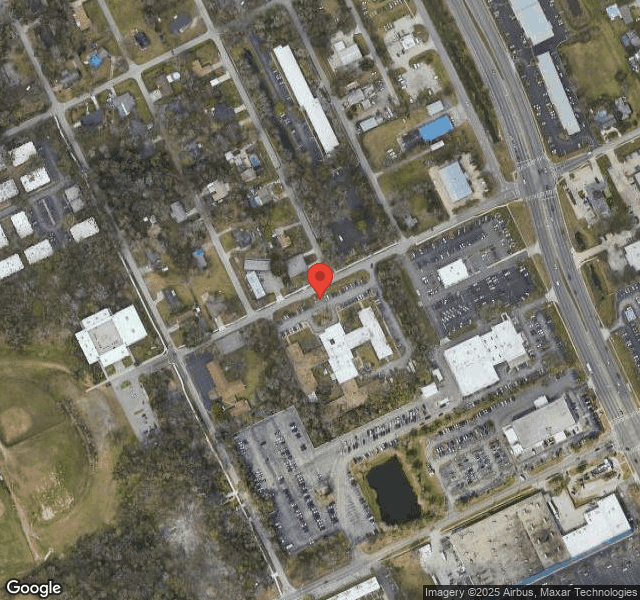
Oct 2022 2 deficiencies
CONCERN (D)

Potential for Harm - no one hurt, but risky conditions existed

Accident Prevention (Tag F0689)

Could have caused harm · This affected 1 resident

Based on observation, interview, and record review, the facility failed to ensure that the resident environment remained as free of accident hazards as possible, and that each resident received adequa...

Read full inspector narrative →
Based on observation, interview, and record review, the facility failed to ensure that the resident environment remained as free of accident hazards as possible, and that each resident received adequate supervision to prevent accidents for three (Resident #52, Resident #9 and Resident #6) of 38 residents sampled, which could have affected the facility environment, all 142 residents as well as staff present. The findings include: On 10/24/2022 at 10:07 am, the Administrator advised that the current facility census was 142. During a tour of the facility on 10/24/2022 at 12:08 pm, Resident #52 was observed sitting on the side of her bed. She had cigarettes and a lighter in her possession. On 10/24/2022 at 12:25 pm, Resident #9 was observed sitting in a wheelchair in her room. She had cigarettes and a lighter on her person. When asked about the cigarettes and lighter, she stated she kept them, and that she could go out to smoke independently adding, It's ok, I know what I'm doing. (Photographic evidence obtained) On 10/24/2022 at 12:30 pm, a door that led to the resident smoking area was observed. Through the window in that door, there was a resident outside smoking without staff supervision. The door to the smoking area was observed to have a keypad for access. Ambulatory residents who could stand were observed entering a code into the keypad unlocking the door, allowing them and other residents to enter and leave the designated smoking area without staff assistance. On 10/26/2022 at 2:15 pm, Resident #6 was observed in her room sitting on the side of her bed. When asked, Resident #6 stated she kept her cigarettes and lighter in her room in her purse. She opened her purse and took out a pack of cigarettes and three lighters. She stated she did not allow any of the other residents to use her smoking supplies. She could smoke alone whenever she wanted to do so. She said there was no set time for smoking, she just went out when she wanted to go out. (Photographic evidence obtained) On 10/26/22 at 4:16 pm, Resident #9 was observed in her wheelchair in the hallway near the dining room. She was greeted and asked when she went outside to smoke. She stated she went to smoke at any time she felt inclined. She advised that she kept her cigarettes and lighter with her, then showed that she had them in her possession. She stated she knew not to share them with other residents. (Photographic evidence obtained) During an interview on 10/27/2022 at 12:52 pm with Resident #52, she stated she could smoke at anytime with the exception of meal times, when the staff requested that all residents come inside to eat. On 10/27/2022 at 1:05pm during an interview with the Administrator, he was asked about the process for determining whether a resident was a safe smoker. He advised that the nurses were responsible for conducting the smoking assessments. He was asked for the policy related to safe smoking. He said that he would check with the nurses regarding this policy. He was asked if residents could keep their cigarettes and lighters in their possession. He stated that residents could not keep their own smoking supplies. He stated the smoking supplies were kept in a lockbox. He stated the box was kept at the nurses' station, and the designated certified nursing assistant (CNA) took the smoking box out to the smoking area. During an interview on 10/27/2022 at 1:20 pm with CNA E, she stated she had been employed at facility for approximately three months. She was asked to describe her typical work routine. She stated she generally clocked in around 6:45 am and checked her assignment for the day, which was written on an assignment board located at the time clock. She stated she was usually assigned to the smoking area. She stated she retrieved the smokers' box from the nurses' station, then headed out to the smoking area. She was asked when the smokers were permitted to smoke. She replied that they could go out before and after meals. She stated she gave each resident two cigarettes, and she had the lighters and lit the cigarettes for the residents. She stated each resident had their own smoking supplies, which were stored in a plastic bag labeled with their name and room number, and that the plastic bags were kept in the smokers' lockbox held at the nurses' station. She stated smokers were not permitted to keep cigarettes and lighters on them. She stated there were designated smoking times throughout the day, before and after meals from 7:00 am until 11:00 pm, at which time she stated the door to the smoking area was locked. She was asked if any of the residents could go out to smoke on their own, and she replied that some of the smokers who could stand up to enter the keypad code to the door could go out by themselves. She stated she let the residents know when she is going to be away from the smoking area, and instructed them not to go out without her supervision. She denied observation of residents with cigarettes and lighters in their possession. She showed the lockbox which she brought to the smoking area. It appeared to be a toolbox with a lock which contained several clear plastic storage bags containing smoking supplies labeled with resident names and room numbers. During an observation of the designated smoking area at 1:30 pm on 10/27/2022 with CNA E, eleven residents were observed smoking unsupervised. The smoking lockbox was observed unattended in the area. When asked about this, CNA E stated a staff member should have been there. She speculated that maybe they had to leave to take care of something else. CNA E then exited the smoking area, leaving the eleven residents smoking without staff supervision. A review of the facility's policy and procedure revealed: Section: Basic Care Procedures Policy Title: Supervised Smokers Policy Number: NP.I -168 Effective Date: 10/15/2022 Supersedes: 05/03/2022 2. Smoking materials should be kept at the nurse's station, and staff should be informed to include electronic cigarettes and vaping materials. Staff should assist residents with recharging devices when needed and ensure safety. 3. No fire igniting materials (matches/lighters) should be kept in resident/guest(s) possession. Smokers should obtain lighting materials from staff. .
CONCERN (D)

Potential for Harm - no one hurt, but risky conditions existed

Deficiency F0849 (Tag F0849)

Could have caused harm · This affected 1 resident

Based on record reviews and interviews, the facility failed to 1) Maintain a hospice plan of care and documentation of care in the resident record, 2) Designate a member of the facility's interdiscipl...

Read full inspector narrative →
Based on record reviews and interviews, the facility failed to 1) Maintain a hospice plan of care and documentation of care in the resident record, 2) Designate a member of the facility's interdisciplinary team to coordinate care with Hospice, and 3) Coordinate Hospice care for two (Residents #57 and #68) of 20 residents reviewed for hospice services/coordination of care, from a total sample of 38 residents. The findings include: 1) A review of Resident #57's medical record revealed an admission date of 2/14/2022 with diagnoses including cerebral palsy; Benign Prostate Hypertrophy; obstructive and reflux uropathy, unspecified; hypokalemia; other specified persistent mood disorders; angina pectoris, unspecified; personal history of urinary tract infections; type 2 diabetes mellitus without complications; chronic pain syndrome; epilepsy unspecified, not intractable, without status epilepticus; localized edema; major depressive disorder, recurrent, mild; morbid obesity due to excess calories; hyperlipidemia; essential hypertension; paraplegia; encounter for palliative care. A review of the Significant Change Minimum Data Set (MDS) assessment, dated 9/8/22, revealed he was receiving Hospice services. A review of the physician's orders revealed that on 9/2/22, a Hospice consult was ordered. On 10/26/22 at 1:05 PM, a review of the medical record for Resident #57 revealed no documents related to the Hospice provider. 2) A review of Resident #68's medical record revealed that the resident was admitted to the faclity already on Hospice services on 8/16/22. His diagnoses included hypertension, peripheral vascular disease, chronic kidney disease, stage 3, pain, type 2 diabetes mellitus, depression, pulmonary hypertension, functional quadriplegia, anxiety disorder. On 10/26/22 at 3:15 PM, a review of the medical record for Resident #68 revealed no documents related to the Hospice provider. On 10/26/22 at 1:40 PM, an interview was conducted with the Director of Social Services (DSS). When asked of her involvement with the Hospice process, she stated when there was an order for Hospice, she would call it in, or if a resident is declining, staff might ask her to call the family. The DSS explained that at times, she would work with the Hospice social worker, but she mostly worked with the residents. She was not aware of a Hospice coordinator in the facility. There were three Hospice providers that residents and family could choose from. She stated Resident #57 was admitted to Hospice on 9/5/2022. Per the DSS, care plan conferences were held quarterly and as needed. The last care plan meeting for Resident #57 was on 9/27/2022, which included the interdisciplinary team. Resident #57 and Hospice were invited but both declined. The DSS deferred to the Minimum Data Set (MDS) Office for the sign-in sheet for care plan meetings and the Business Office for signed Hospice consent. She stated Hospice care plans should be in the residents' charts. On 10/26/22 at 2:00 PM, an interview was conducted with the Administrator. He stated he believed the Hospice coordinators were the unit managers. On 10/26/22 at 2:02 PM, an interview was conducted with Employee B. Inquired about any signed Hospice consents the facility had for Resident #57. Per Employee B, the only signed consent for Hospice she had was the Facility Notification of Hospice Admission/Change consent. On 10/26/22 at 2:05 PM, the Director of Nursing (DON) was interviewed and was asked who in the facility was the Hospice coordinator. She stated she thought Social Services was in charge of Hospice coordination. The DON was not aware that there was no documentation on the Hospice charts. She stated she would follow up with the Hospice provider. On 10/26/22 at 3:00 PM, the DON produced the hospice consent which was signed by Resident #57. She stated the resident had the paperwork in his nightstand drawer. The DON provided a list of residents receiving services from this specific Hospice provider (Resident #57 and Resident #68). On 10/27/22 at 1:42 PM, Employee C was asked if she was the Hospice Coordinator. She stated the facility did not have one as far as she knew. She further explained, If a resident needs Hospice, we let Social Services know. On 10/27/22 at 1:51 PM, Employee D was asked if she was the Hospice Coordinator. She stated she was not, but if a resident was declining and needed services, she notified Social Services. .
Mar 2021 5 deficiencies
CONCERN (D)

Potential for Harm - no one hurt, but risky conditions existed

Deficiency F0657 (Tag F0657)

Could have caused harm · This affected 1 resident

Based on observations, a review of resident records and resident and staff interviews, the facility failed to develop a comprehensive care plan that reflected the resident's desires, abilities and cho...

Read full inspector narrative →
Based on observations, a review of resident records and resident and staff interviews, the facility failed to develop a comprehensive care plan that reflected the resident's desires, abilities and choices for one (Resident #7) of one resident who managed his own oxygen therapy, out of five residents reviewed for unnecessary medications, from a total of 48 residents in the sample. The findings include: During an interview with Resident #7 on 3/24/21 at 9:36 a.m., he expressed detailed knowledge of his medical conditions and treatments, explaining that he had Parkinson's disease and heart problems. He detailed some of the medications he was taking, his pain management regimen and a recent spike in his blood pressure. During the interview, a running oxygen concentrator was observed in the room. The attached tubing led to a nasal cannula that was lying on the bed next to Resident #7. When asked about the oxygen, he stated he removed the nasal cannula himself. He said he set his oxygen at 4 liters per minute (LPM), but turned the flow rate down to 2 to 2.5 LPM at night. The oxygen concentrator was inspected, and the gage confirmed the flow rate set at 4 LPM. The attached humidifier container (a vessel holding sterile water to provide humidification of the oxygen in order to prevent drying of the nasal passages) was observed to be empty. There was no sterile water in the 540 milliliter (ml) container, nor was there a date on the outside of the bottle indicating when it was last replaced. (Photographic evidence obtained) When asked about the empty humidifier, Resident #7 stated It runs out all the time. It only lasts about three days. The existing container was put on five days ago. He said he obtained the humidifier refills from the nurses' station and connected the bottles himself. Resident #7 was observed in his room again on 3/25/21 at 9:44 a.m. His oxygen concentrator was on but the cannula was not in place. When asked about his oxygen, he replaced the cannula and explained that the flow rate was currently set at 4 LPM. Observation of the concentrator's gage found it was set at 3.5 LPM. The humidifying solution container was still empty and unlabeled. Resident #7 said he had to go to the nurses' station to get more. When asked about the undated bottle, he said the nurses usually dated it, but the nurse was in a hurry that day. A clinical record review for Resident #7 found a Quarterly Minimum Data Set (MDS) assessment with an assessment reference date of 3/12/21. He was documented with a Brief Interview for Mental Status (BIMS) score of 15 out of a possible 15 points, indicating no cognitive impairment. He was independent with the completion of activities of daily living (ADLs). His diagnoses included heart failure, Parkinson's disease and chronic obstructive pulmonary disease (COPD). Resident #7 had a physician's order for Oxygen, 2 liters per minute via nasal cannula as needed to maintain an oxygen blood saturation rate above 92%. There was also an order to change the oxygen tubing weekly. There was no order addressing humidification. Resident #7 was care planned for his use of oxygen with a goal of no shortness of breath for 90 days. The approaches included: Provide humidification, observe for changes in symptoms, ensure a supply is available at all times and administer oxygen therapy as ordered. He was also care planned for the risk of complications related to his altered respiratory function, as evidenced by unrelieved shortness of breath and congestion. The goal was to be symptom free for 90 days. Approaches included, but were not limited to, oxygen per the physician's order. Neither of the care plans addressed the fact that the resident self-adjusted his oxygen or obtained his own humidification. (Photographic evidence obtained) During an interview with Employee F, Licensed Practical Nurse (LPN), on 3/24/21 at 4:57 p.m., she stated Resident #7 was involved in his care and very vocal about his treatment decisions. During an interview with Employee G, LPN, on 3/25/21 at 10:03 a.m., she stated Resident #7 was very independent and came to the nurses' station to get his medications. She did not usually have this resident on her assignment, but if he ever asked for a bottle of sterile water for humidification, she would put the container on the concentrator for him. Employee G said the bottle should be dated once it was opened and attached. She turned to Employee B, [NAME] Wing Unit Manager, to confirm the sterile water bottle should be dated once opened and attached. The Unit Manager confirmed it should not only be dated, but should be changed weekly with the tubing. When asked about his oxygen self-management tendencies, Employee G stated there should be something in his chart or care plan about his independent choices with oxygen management. During an interview with Employee J, Certified Nursing Assistant, on 3/25/21 at 12:31 p.m., she stated Resident #7 was independent and very involved in his medical care. She confirmed he always did his own thing like adjust his oxygen up and down, despite her reminders to wait for the nurse. .
CONCERN (D)

Potential for Harm - no one hurt, but risky conditions existed

Deficiency F0658 (Tag F0658)

Could have caused harm · This affected 1 resident

**NOTE- TERMS IN BRACKETS HAVE BEEN EDITED TO PROTECT CONFIDENTIALITY** Based on interviews and record reviews, the facility failed to provide health care services that met professional standards of ...

Read full inspector narrative →
**NOTE- TERMS IN BRACKETS HAVE BEEN EDITED TO PROTECT CONFIDENTIALITY** Based on interviews and record reviews, the facility failed to provide health care services that met professional standards of quality, by failing to ensure qualified staff assessed residents for staging of pressure ulcers for two (Residents #96 and #100) of 13 residents with pressure ulcers, from a total of 48 residents in the sample. The facility's wound care nurse was a licensed practical nurse (LPN), who was assessing, measuring and staging pressure ulcers independently, without the oversight of a registered nurse (RN). Professional standards of quality means that care and services are provided according to accepted standards of clinical practice. Standards may apply to care provided by a particular clinical discipline or in a specific clinical situation or setting. The Nurse Practice Act, 464.003 states, The practice of professional nursing means the performance of those acts requiring substantial specialized knowledge, judgment, and nursing skill based upon applied principles of psychological, biological, physical, and social sciences which shall include, but not be limited to: (a) The observation, assessment, nursing diagnosis, planning, intervention, and evaluation of care; health teaching and counseling of the ill, injured, or infirm; and the promotion of wellness, maintenance of health, and prevention of illness of others. The practice of practical nursing means the performance of selected acts, including the administration of treatments and medications, in the care of the ill, injured, or infirm; the promotion of wellness, maintenance of health, and prevention of illness of others under the direction of a registered nurse, a licensed physician, a licensed osteopathic physician, a licensed podiatric physician, or a licensed dentist. The findings include: 1. A record review for Resident #96 revealed an [AGE] year-old female admitted on [DATE] with diagnoses including metabolic encephalopathy, gastrostomy, dysphagia, dementia, and a pressure ulcer of sacral region. A Wound Assessment report, dated 3/17/2021, revealed an assessment was competed by Employee C, Licensed Practical Nurse (LPN), who was the facility's Wound Nurse (WN). The assessment revealed a new pressure ulcer to the top of the right foot on the medial side (inner aspect of the foot), that was identified on 3/15/2021. The wound was unstageable due to suspected deep tissue injury. The wound measurements were as follows: Length (L) 2.00 cm (centimeters), Width (W) 5.50 cm, Depth (D) was left blank. The note read, Right medial deep tissue injury, non-blanchable area. Wound bed is partially visible, part of wound bed is bright red with serosanguineous drainage. Surrounding skin very dry to touch, warm and dry. Treatment order to follow. Provider and son notified. A Wound Assessment report, dated 3/17/2021, revealed an assessment was completed by Employee C, LPN/WN. The assessment revealed a new pressure ulcer to the left lateral malleolus (left outer ankle bone) that was identified on 3/15/2021. The wound was documented as a Stage 1 with measurements as follows: (L) 1.30 cm, (W) 0.80 cm, (D) was left blank. The note read, Patient with a stage 1 left lateral malleolus, dark pink non-blanchable area. Skin still intact. Surrounding area very dry. Preventive measures in place, repositioning, and booties in place. Treatment orders to follow. During an interview with Employee C, LPN, on 3/24/2021 at 10:55 a.m., she was asked if a wound care physician provided services in the facility. Employee C stated no, she reported her findings to the primary care physician (PCP). The PCP provided treatment orders and sometimes a referral to a wound specialist or podiatrist. During an interview with Employee C on 3/24/2021 at 12:51 p.m., she was asked how wounds were measured and staged. She stated she did the measurements and staged the wounds, then called the PCP with the findings, and obtained treatment orders or referrals for specialized care. During an interview with Employee D, Regional Registered Nurse (RRN), Employee E, RRN, and Employee C, LPN, on 3/4/21 at 2:10 p.m., Employee C was asked whether a RN was ever present when she staged a wound. Employee C stated, no. When asked whether a RN followed up and visually validated Employee C's wound assessments, Employee C stated she did not know, but the Director of Nursing (DON) was usually the RN who signed off on her assessment notes. Employee D, RRN, and Employee E, RRN, stated Employee C had her certification as a WN. During an interview with the DON via telephone on 3/24/2021 at 2:47 p.m., she was asked if she accompanied the WN to stage wounds. The DON stated, Quite honestly, I do not. I review her documentation and sign off on it. 2. A record review for Resident #100 revealed a [AGE] year-old female admitted on [DATE] with diagnoses including Alzheimer's disease, dementia, and a pressure ulcer to the right ankle - stage 3. A Wound Assessment report completed by a RN on 10/23/2020, revealed a stage 2 pressure ulcer to the right lateral malleolus (right outer ankle). A Wound Assessment report completed by Employee C, LPN/WN on 12/31/2020, revealed the right lateral malleolus wound was a stage 3. A review of the Notes section revealed: Update 12/9/20 pressure ulcer to right ankle shows signs of worsening, area of the wound has increased in size, full thickness skin loss noted, wound bed, adipose tissue is visible with some slough. Provider notified and will change treatment. Booties still to be worn while in bed, resident needs assistance with repositioning. Responsible party notified. The Treatment section revealed on 12/11/2020: Stage 3 pressure ulcer to right lateral malleolus, change dressing as needed, cleanse with Vashe, apply skin prep to perimeter of the wound, apply calcium alginate to wound bed, cover with foam dressing. A telephone order was documented by Employee C. .
CONCERN (D)

Potential for Harm - no one hurt, but risky conditions existed

Deficiency F0825 (Tag F0825)

Could have caused harm · This affected 1 resident

**NOTE- TERMS IN BRACKETS HAVE BEEN EDITED TO PROTECT CONFIDENTIALITY** Based on observations, interviews and record reviews, the facility failed to provide specialized rehabilitative services for one...

Read full inspector narrative →
**NOTE- TERMS IN BRACKETS HAVE BEEN EDITED TO PROTECT CONFIDENTIALITY** Based on observations, interviews and record reviews, the facility failed to provide specialized rehabilitative services for one (Resident #126) of 48 sampled residents. The findings include: During an interview with Resident #126 on 3/22/21 at 11:50 a.m., he stated he didn't know why he could only use a wheelchair; he wanted to use a cane to ambulate. During a second interview with Resident #126 on 3/24/21 at 9:25 a.m., he was asked when he last had PT (physical therapy), OT (occupational therapy), or Restorative Nursing services. He stated, I haven't had therapy in a year. At least give me a cane. They told me they can't do nothing more, you're done. A medical record review for Resident #126, revealed orders written upon re-admission to the facility on 1/12/21, following a five-day hospital stay for a transient ischemic attack (TIA - mini stroke), which read: 1/13/2021 - OT to evaluate and treat, and 1/13/2021 - PT to evaluate and treat. Further review found this order was not transcribed or acted upon. During an interview with Employee B, [NAME] Wing Unit Manager, on 3/24/21 at 12:25 p.m., she was asked if Resident #126 had had any therapy evaluations or treatments since he returned to the facility on 1/13/21. She checked the resident's electronic medical record and stated, No, he hasn't had any therapy since then. Oh, but I see it was ordered on January 13th for a PT and OT eval and treat. Let me call [Employee A, Physical Therapist] and ask her if she knows anything about this. Employee B called Employee A. Employee B then stated, [Employee A] said she never got the order, but if he needs to be evaluated, he'll be treated. Employee B was asked if she knew why the order had not been acted upon. She stated, Well, I think he came back to the East Wing first, since he was at the hospital and needed to be quarantined, but that doesn't matter. When he came back for re-admission, they should have generated a UDA (User Defined Assessment), and then each department would be aware he was back and what his new orders were. If PT wasn't started, the order wasn't generated. During an interview with Employee A on 3/25/21 at 9:45 a.m., she was asked if she was familiar with Resident #126. She replied, Yes, I know him well. He's been here for a couple of years. She was asked if she was aware that he had an order for PT and OT when he returned from the hospital on 1/13/21. She stated, No, we hadn't received an order for that when he came back. [Employee B] did generate an order yesterday, so we saw him yesterday for an eval, and we'll pick him up for treatment. She was asked if she knew why her department hadn't received the order on 1/13/21 when it was written. She replied, No, I don't know why. I mean, the reason we didn't receive it is because it wasn't put into the system, but I don't know why it wasn't put into the system. A review of the facility's policy: Restorative Services ([DATE]), revealed: Purpose: To assure that residents receive necessary rehabilitative services as determined by comprehensive reviews and care plan to prevent avoidable physical and mental deterioration and to assist the in obtaining or maintaining their highest practicable level of functioning and psychosocial well being. .
CONCERN (D)

Potential for Harm - no one hurt, but risky conditions existed

Medical Records (Tag F0842)

Could have caused harm · This affected 1 resident

Based on resident and staff interviews and a review of clinical and facility records, the facility failed to maintain accurate medical records for one (Resident #1) of five residents reviewed for unne...

Read full inspector narrative →
Based on resident and staff interviews and a review of clinical and facility records, the facility failed to maintain accurate medical records for one (Resident #1) of five residents reviewed for unnecessary medications, from a total of 48 residents in the sample. The findings include: An interview was conducted with Resident #1 on 3/22/21 at 1:58 p.m. She stated the facility ran out of her anxiety medication for five days and as a result, she was shaky. A review of Resident #1's quarterly Minimum Data Set (MDS) assessment, with an assessment reference date of 3/1/21, found she had a Brief Interview for Mental Status (BIMS) score of 13 out of 15 possible points, indicating she was cognitively intact. Her diagnoses included anxiety disorder, insomnia and drug induced sub-acute dyskinesia. Resident #1 received antianxiety medications all seven days during the 7-day assessment look-back period. Resident #1 was care planned for the potential for adverse drug reactions (ADRs) related to her use of antianxiety medication, with a goal of having no ADRs for 90 days. Interventions included observing for drug reactions, and physician and psychiatry to follow for medication management. (Photographic evidence obtained) Resident #1 had a physician's order for Ativan (medication used to treat anxiety), 1 milligram (mg) three times daily (TID) for anxiety. A review of the electronic medication administration record (MAR) found there were several missed doses, which were annotated by the letter N, and explanatory notes at the bottom of the MAR. A key code was available for deciphering the reasons the medication was not given and included reasons such as awaiting script from the physician, held, resident asleep or refused. However, on the following days, the reason the medication was held was not made evident by the codes: 12/18/20 at 2:00 p.m. - Held for presence of target behavior. 12/19/20 at 2:00 p.m. - Held for presence of target behavior. 12/22/20 at 2:00 p.m. - Held for presence of target behavior. 12/23/20 at 8:00 a.m. and 2:00 p.m. - other special requirement not met 1/17/21 at 2:00 p.m. - No explanation code was used. 1/26/21 at 2:00 p.m. - Held for presence of target behavior. 2/28/21 at 2:00 p.m. - Held for presence of target behavior. (Photographic evidence obtained) A review of the electronic nursing progress notes for the above corresponding days found no further explanation for Held for presence of target behavior. or other special requirement not met. An interview was conducted with Employee H, Licensed Practical Nurse (LPN), on 3/24/21 at 4:44 p.m. She stated when a medication was not administered for any reason, she entered a code that indicated not administered. The system then prompted the user to enter an explanation, but one could bypass that explanation. When asked about the above explanations, she stated she was not aware of what Held for presence of target behavior. meant. She checked the electronic MAR to verify that this answer was an option and confirmed that it was. She remained unable to explain when that code should be used or what it meant. An interview was conducted with Employee F, LPN, on 3/24/21 at 4:53 p.m. She was asked what Held for presence of target behavior. meant when holding Resident #1's medication, but she did not know. She explained that Resident #1 was scheduled to receive Ativan three times daily and was doing much better with her anxiety. Employee F stated she had never held Resident #1's Ativan, explaining she needed it and got nervous without it. An interview was conducted with Employee G, LPN, on 3/25/21 at 10:20 a.m. She stated when a medication was held, the nurse entered an electronic explanation in the computer software. She did not know what Held for presence of target behavior. meant. She stated maybe that meant the behavior was occurring at the time of the administration. She stated an antianxiety medication should not be held when anxiety was present. She reviewed the electronic MAR and confirmed that code was an option, but still could not explain when or why it should be noted. She turned and asked the [NAME] Wing Unit Manager what the code meant. The Unit Manager reviewed the MAR and stated she did not know. The Assistant Director of Nursing (ADON) was interviewed on 3/25/21 at 11:37 a.m. When asked what Held due to presence of target behavior. meant, she reviewed the MAR codes. She could not explain what the code meant or why the medication was not administered. The facility's Policy and Procedure 6.0 General Dose Preparation and Medication Administration (revised 1/1/13), was reviewed and a photocopy was obtained. It instructed under Procedure: 6.1 Document necessary medication administration/treatment information (e.g., when medications are opened, when medications are given, . if medications are refused) . .
CONCERN (F)

Potential for Harm - no one hurt, but risky conditions existed

Food Safety (Tag F0812)

Could have caused harm · This affected most or all residents

**NOTE- TERMS IN BRACKETS HAVE BEEN EDITED TO PROTECT CONFIDENTIALITY** Based on observations and staff interviews, the facility failed to maintain food service equipment used for residents in a safe ...

Read full inspector narrative →
**NOTE- TERMS IN BRACKETS HAVE BEEN EDITED TO PROTECT CONFIDENTIALITY** Based on observations and staff interviews, the facility failed to maintain food service equipment used for residents in a safe and sanitary manner. The facility failed to label and date food items in accordance with professional standards for food service. This practice placed all residents who consumed foods prepared in the facility's kitchen at risk for foodborne illness. The findings include: An initial tour of the kitchen was conducted with the Dietary Manager (DM) on 3/22/21 at 10:03 a.m. During the tour, the handwashing sink was soiled/stained with gray matter embedded in the porcelain and behind the spicket. The floor underneath the eyewash station was covered with a buildup of dust and dirt. A hole was observed in the wall under the eyewash station where the pipes entered the kitchen. The pipes were coated with dirt and grime. The trash can at the handwashing sink was soiled with brown/gray smudges on the surface. A clear plastic container full of adaptive cups was stored on a rack in the clean dish room. The corners of the container were coated with a gold/brown substance. The same substance was observed on cups and lids stored inside the container. Trash and debris were observed on the floor underneath the ice machine, plate warmers, tray line, stove, and adjacent equipment. The equipment adjacent to the stove was soiled with a buildup of gray/dark brown dust and grime. During an interview at the time of the observations, the DM stated the floors were recently done with a machine. He acknowledged that they did not get underneath the equipment. (Photographic evidence obtained) On the dirty side of the dishwashing room(s), Employee K, Dietary Aide, was observed washing dishes. His pants sagged. The waistband of his pants was lowered approximately 4 to 6 inches below the brand label on the waistband of his underwear. The indentation of the crevice between his buttocks was visible through the underwear material. The commercial mixer was observed with a buildup of what appeared to be dried food and oil dripping from the dial on the face of the machine. When asked about the condition of the mixer, the DM had no explanation. The wall and the sanitizer dispenser behind the three-compartment sink was coated with buildup of a dark substance. There were two, deep serving pans drying underneath. The DM stated the adjacent air conditioning unit was just replaced, and he speculated that the dark buildup of matter on the sanitizer dispenser behind the sink was from that. The floor underneath the dry storage pantry's first set of shelves had dark buildup of what appeared to be dirt and old wax from the floor machine. (Photographic evidence obtained) The reach-in refrigerator on the south wall of the kitchen near the dry storage pantry, had a large bundle of unidentifiable food that was not dated/labeled. The DM identified it as sausage. A one-gallon container of whole milk, observed in the milk cooler, was opened and approximately 2/3 of the milk was used. There was no open date on the container. In the walk-in cooler, a gallon of whole milk was open with 1/3 of the milk used. It was not labeled with an open date. (Photographic evidence obtained) Outside of the kitchen, one of two trash dumpsters was observed with a missing drain plug. Plastic debris was observed coming out of the hole, which appeared to have been forcefully pulled from the outside. The plastic was heavily shredded into long strands and loose pieces. The DM acknowledged all of the findings. He stated the drain plug needed to be replaced in the dumpster. He stated it appeared a fairly large animal had been attempting to pull the debris through the drain hole in the dumpster. (Photographic evidence obtained) A tour of the facility's three nourishment rooms was conducted on 3/25/21 at 3:28 p.m. In the nourishment room on the [NAME] Unit, grapes, identified by staff as belonging to a resident, were observed wrapped in a napkin and stored in the cabinet to the left of the refrigerator. The shelf of the cabinet was soiled and covered with debris. (Photographic evidence obtained) During a tour of the East Unit nourishment room, an accumulation of food splatter was observed on the inside top, sides, and turntable of the microwave oven. Spillage was observed inside the refrigerator in front of the drawer, on the back of the second shelf and on the bottom shelf of the refrigerator door. A 64 ounce bottle of sugar-free, French vanilla coffee creamer was not labeled. A zip-loc bag with two sausages was observed in the freezer with no label or date. In the cabinet above the ice machine, a box of breakfast biscuits was observed with a Best if Used By date of [DATE]. A bag of cereal and a box of Nilla wafers were observed with no date labels. During an interview with Employee I, East Wing Unit Manager, on 3/25/21 at 3:52 p.m., she stated the microwave was cleaned daily by anybody, but preferably housekeeping. The refrigerator was cleaned during Wednesday's 11:00 p.m. to 7:00 a.m. shift, and the food items in the cabinet belonged to a resident, but she was unsure of which resident. An interview and second tour of the kitchen was conducted on 3/25/21 at 4:53 p.m. with the Registered Dietician (RD) and DM. The RD acknowledged that a deep clean was needed. The cleaning schedule was obtained on 3/25/21. There was no indication of deep cleaning. During this tour, another gallon of milk was observed in the walk-in cooler opened and undated. The RD stated the milk was used so quickly that they didn't label it. Both the RD and the DM acknowledged the requirement for date-marking the milk when opened. They stated the nourishment rooms were not part of the kitchen, and that either housekeeping or maintenance was responsible for the upkeep of the equipment and the nourishment refrigerators. An interview was conducted with the Administrator on 3/25/21 at 5:35 p.m., and all of the photographic evidence was shared with her at that time. She acknowledged the findings. .
Understanding Severity Codes (click to expand)
Life-Threatening (Immediate Jeopardy)
J - Isolated K - Pattern L - Widespread
Actual Harm
G - Isolated H - Pattern I - Widespread
Potential for Harm
D - Isolated E - Pattern F - Widespread
No Harm (Minor)
A - Isolated B - Pattern C - Widespread

Questions to Ask on Your Visit

  • "What changes have you made since the serious inspection findings?"
  • "Can I speak with families of current residents?"
  • "What's your RN coverage like on weekends and overnight?"

Our Honest Assessment

Strengths
  • • 38% turnover. Below Florida's 48% average. Good staff retention means consistent care.
Concerns
  • • Multiple safety concerns identified: 4 life-threatening violation(s), $261,550 in fines. Review inspection reports carefully.
  • • 16 deficiencies on record, including 4 critical (life-threatening) violations. These warrant careful review before choosing this facility.
  • • $261,550 in fines. Extremely high, among the most fined facilities in Florida. Major compliance failures.
  • • Grade F (0/100). Below average facility with significant concerns.
Bottom line: This facility has 4 Immediate Jeopardy findings. Serious concerns require careful evaluation.

About This Facility

What is Daytona Beach Center's CMS Rating?

CMS assigns DAYTONA BEACH HEALTH AND REHABILITATION CENTER an overall rating of 2 out of 5 stars, which is considered below average nationally. Within Florida, this rating places the facility higher than 0% of the state's 100 nursing homes. A rating at this level reflects concerns identified through health inspections, staffing assessments, or quality measures that families should carefully consider.

How is Daytona Beach Center Staffed?

CMS rates DAYTONA BEACH HEALTH AND REHABILITATION CENTER's staffing level at 3 out of 5 stars, which is average compared to other nursing homes. Staff turnover is 38%, compared to the Florida average of 46%. This relatively stable workforce can support continuity of care. RN turnover specifically is 70%, which is notably high. RNs provide skilled clinical oversight, so turnover in this role can affect medical care quality.

What Have Inspectors Found at Daytona Beach Center?

State health inspectors documented 16 deficiencies at DAYTONA BEACH HEALTH AND REHABILITATION CENTER during 2021 to 2025. These included: 4 Immediate Jeopardy (the most serious level, indicating potential for serious harm or death) and 12 with potential for harm. Immediate Jeopardy findings are rare and represent the most serious regulatory concerns. They require immediate corrective action.

Who Owns and Operates Daytona Beach Center?

DAYTONA BEACH HEALTH AND REHABILITATION CENTER is owned by a for-profit company. For-profit facilities operate as businesses with obligations to shareholders or private owners. The facility is operated by NHS MANAGEMENT, a chain that manages multiple nursing homes. With 180 certified beds and approximately 143 residents (about 79% occupancy), it is a mid-sized facility located in DAYTONA BEACH, Florida.

How Does Daytona Beach Center Compare to Other Florida Nursing Homes?

Compared to the 100 nursing homes in Florida, DAYTONA BEACH HEALTH AND REHABILITATION CENTER's overall rating (2 stars) is below the state average of 3.2, staff turnover (38%) is near the state average of 46%, and health inspection rating (2 stars) is below the national benchmark.

What Should Families Ask When Visiting Daytona Beach Center?

Based on this facility's data, families visiting should ask: "What changes have been made since the serious inspection findings, and how are you preventing similar issues?" "Can I visit during a mealtime to observe dining assistance and food quality?" "How do you handle medical emergencies, and what is your hospital transfer rate?" "Can I speak with family members of current residents about their experience?" These questions are particularly relevant given the facility's Immediate Jeopardy citations.

Is Daytona Beach Center Safe?

Based on CMS inspection data, DAYTONA BEACH HEALTH AND REHABILITATION CENTER has documented safety concerns. Inspectors have issued 4 Immediate Jeopardy citations (the most serious violation level indicating risk of serious injury or death). The facility has a 2-star overall rating and ranks #100 of 100 nursing homes in Florida. Families considering this facility should ask detailed questions about what corrective actions have been taken since these incidents.

Do Nurses at Daytona Beach Center Stick Around?

DAYTONA BEACH HEALTH AND REHABILITATION CENTER has a staff turnover rate of 38%, which is about average for Florida nursing homes (state average: 46%). Moderate turnover is common in nursing homes, but families should still ask about staff tenure and how the facility maintains care continuity when employees leave.

Was Daytona Beach Center Ever Fined?

DAYTONA BEACH HEALTH AND REHABILITATION CENTER has been fined $261,550 across 1 penalty action. This is 7.3x the Florida average of $35,694. Fines at this level are uncommon and typically indicate a pattern of serious deficiencies, repeated violations, or failure to correct problems promptly. CMS reserves penalties of this magnitude for facilities that pose significant, documented risk to resident health or safety. Families should request specific documentation of what issues led to these fines and what systemic changes have been implemented.

Is Daytona Beach Center on Any Federal Watch List?

DAYTONA BEACH HEALTH AND REHABILITATION CENTER is not on any federal watch list. The most significant is the Special Focus Facility (SFF) program, which identifies the bottom 1% of nursing homes nationally based on persistent, serious quality problems. Not being on this list means the facility has avoided the pattern of deficiencies that triggers enhanced federal oversight. This is a positive indicator, though families should still review the facility's inspection history directly.